window.__IS_SSR__=true
window.__INITIAL_STATE__={
"attachmentsReducer": {
"audio_0": {
"type": "attachments",
"id": "audio_0",
"imgSizes": {
"kqedFullSize": {
"file": "https://ww2.kqed.org/news/wp-content/themes/KQED-unified/img/audio_bgs/background0.jpg"
}
}
},
"audio_1": {
"type": "attachments",
"id": "audio_1",
"imgSizes": {
"kqedFullSize": {
"file": "https://ww2.kqed.org/news/wp-content/themes/KQED-unified/img/audio_bgs/background1.jpg"
}
}
},
"audio_2": {
"type": "attachments",
"id": "audio_2",
"imgSizes": {
"kqedFullSize": {
"file": "https://ww2.kqed.org/news/wp-content/themes/KQED-unified/img/audio_bgs/background2.jpg"
}
}
},
"audio_3": {
"type": "attachments",
"id": "audio_3",
"imgSizes": {
"kqedFullSize": {
"file": "https://ww2.kqed.org/news/wp-content/themes/KQED-unified/img/audio_bgs/background3.jpg"
}
}
},
"audio_4": {
"type": "attachments",
"id": "audio_4",
"imgSizes": {
"kqedFullSize": {
"file": "https://ww2.kqed.org/news/wp-content/themes/KQED-unified/img/audio_bgs/background4.jpg"
}
}
},
"placeholder": {
"type": "attachments",
"id": "placeholder",
"imgSizes": {
"thumbnail": {
"file": "https://cdn.kqed.org/wp-content/uploads/2024/12/KQED-Default-Image-816638274-2000x1333-1-160x107.jpg",
"width": 160,
"height": 107,
"mimeType": "image/jpeg"
},
"medium": {
"file": "https://cdn.kqed.org/wp-content/uploads/2024/12/KQED-Default-Image-816638274-2000x1333-1-800x533.jpg",
"width": 800,
"height": 533,
"mimeType": "image/jpeg"
},
"medium_large": {
"file": "https://cdn.kqed.org/wp-content/uploads/2024/12/KQED-Default-Image-816638274-2000x1333-1-768x512.jpg",
"width": 768,
"height": 512,
"mimeType": "image/jpeg"
},
"large": {
"file": "https://cdn.kqed.org/wp-content/uploads/2024/12/KQED-Default-Image-816638274-2000x1333-1-1020x680.jpg",
"width": 1020,
"height": 680,
"mimeType": "image/jpeg"
},
"1536x1536": {
"file": "https://cdn.kqed.org/wp-content/uploads/2024/12/KQED-Default-Image-816638274-2000x1333-1-1536x1024.jpg",
"width": 1536,
"height": 1024,
"mimeType": "image/jpeg"
},
"fd-lrg": {
"file": "https://cdn.kqed.org/wp-content/uploads/2024/12/KQED-Default-Image-816638274-2000x1333-1-1536x1024.jpg",
"width": 1536,
"height": 1024,
"mimeType": "image/jpeg"
},
"fd-med": {
"file": "https://cdn.kqed.org/wp-content/uploads/2024/12/KQED-Default-Image-816638274-2000x1333-1-1020x680.jpg",
"width": 1020,
"height": 680,
"mimeType": "image/jpeg"
},
"fd-sm": {
"file": "https://cdn.kqed.org/wp-content/uploads/2024/12/KQED-Default-Image-816638274-2000x1333-1-800x533.jpg",
"width": 800,
"height": 533,
"mimeType": "image/jpeg"
},
"post-thumbnail": {
"file": "https://cdn.kqed.org/wp-content/uploads/2024/12/KQED-Default-Image-816638274-2000x1333-1-672x372.jpg",
"width": 672,
"height": 372,
"mimeType": "image/jpeg"
},
"twentyfourteen-full-width": {
"file": "https://cdn.kqed.org/wp-content/uploads/2024/12/KQED-Default-Image-816638274-2000x1333-1-1038x576.jpg",
"width": 1038,
"height": 576,
"mimeType": "image/jpeg"
},
"xxsmall": {
"file": "https://cdn.kqed.org/wp-content/uploads/2024/12/KQED-Default-Image-816638274-2000x1333-1-160x107.jpg",
"width": 160,
"height": 107,
"mimeType": "image/jpeg"
},
"xsmall": {
"file": "https://cdn.kqed.org/wp-content/uploads/2024/12/KQED-Default-Image-816638274-2000x1333-1-672x372.jpg",
"width": 672,
"height": 372,
"mimeType": "image/jpeg"
},
"small": {
"file": "https://cdn.kqed.org/wp-content/uploads/2024/12/KQED-Default-Image-816638274-2000x1333-1-672x372.jpg",
"width": 672,
"height": 372,
"mimeType": "image/jpeg"
},
"xlarge": {
"file": "https://cdn.kqed.org/wp-content/uploads/2024/12/KQED-Default-Image-816638274-2000x1333-1-1020x680.jpg",
"width": 1020,
"height": 680,
"mimeType": "image/jpeg"
},
"full-width": {
"file": "https://cdn.kqed.org/wp-content/uploads/2024/12/KQED-Default-Image-816638274-2000x1333-1-1920x1280.jpg",
"width": 1920,
"height": 1280,
"mimeType": "image/jpeg"
},
"guest-author-32": {
"file": "https://cdn.kqed.org/wp-content/uploads/2025/01/KQED-Default-Image-816638274-1333x1333-1-160x160.jpg",
"width": 32,
"height": 32,
"mimeType": "image/jpeg"
},
"guest-author-50": {
"file": "https://cdn.kqed.org/wp-content/uploads/2025/01/KQED-Default-Image-816638274-1333x1333-1-160x160.jpg",
"width": 50,
"height": 50,
"mimeType": "image/jpeg"
},
"guest-author-64": {
"file": "https://cdn.kqed.org/wp-content/uploads/2025/01/KQED-Default-Image-816638274-1333x1333-1-160x160.jpg",
"width": 64,
"height": 64,
"mimeType": "image/jpeg"
},
"guest-author-96": {
"file": "https://cdn.kqed.org/wp-content/uploads/2025/01/KQED-Default-Image-816638274-1333x1333-1-160x160.jpg",
"width": 96,
"height": 96,
"mimeType": "image/jpeg"
},
"guest-author-128": {
"file": "https://cdn.kqed.org/wp-content/uploads/2025/01/KQED-Default-Image-816638274-1333x1333-1-160x160.jpg",
"width": 128,
"height": 128,
"mimeType": "image/jpeg"
},
"detail": {
"file": "https://cdn.kqed.org/wp-content/uploads/2025/01/KQED-Default-Image-816638274-1333x1333-1-160x160.jpg",
"width": 160,
"height": 160,
"mimeType": "image/jpeg"
},
"kqedFullSize": {
"file": "https://cdn.kqed.org/wp-content/uploads/2024/12/KQED-Default-Image-816638274-2000x1333-1.jpg",
"width": 2000,
"height": 1333
}
}
},
"mindshift_53340": {
"type": "attachments",
"id": "mindshift_53340",
"meta": {
"index": "attachments_1716263798",
"site": "mindshift",
"id": "53340",
"found": true
},
"parent": 53337,
"imgSizes": {
"twentyfourteen-full-width": {
"file": "https://ww2.kqed.org/app/uploads/sites/23/2019/03/Tara-Garcia-Mathewson-Met3-1038x576.jpg",
"width": 1038,
"mimeType": "image/jpeg",
"height": 576
},
"thumbnail": {
"file": "https://ww2.kqed.org/app/uploads/sites/23/2019/03/Tara-Garcia-Mathewson-Met3-160x90.jpg",
"width": 160,
"mimeType": "image/jpeg",
"height": 90
},
"post-thumbnail": {
"file": "https://ww2.kqed.org/app/uploads/sites/23/2019/03/Tara-Garcia-Mathewson-Met3-672x372.jpg",
"width": 672,
"mimeType": "image/jpeg",
"height": 372
},
"kqedFullSize": {
"file": "https://ww2.kqed.org/app/uploads/sites/23/2019/03/Tara-Garcia-Mathewson-Met3-e1553668020560.jpg",
"width": 1920,
"height": 1080
},
"large": {
"file": "https://ww2.kqed.org/app/uploads/sites/23/2019/03/Tara-Garcia-Mathewson-Met3-1020x574.jpg",
"width": 1020,
"mimeType": "image/jpeg",
"height": 574
},
"complete_open_graph": {
"file": "https://ww2.kqed.org/app/uploads/sites/23/2019/03/Tara-Garcia-Mathewson-Met3-1200x675.jpg",
"width": 1200,
"mimeType": "image/jpeg",
"height": 675
},
"guest-author-50": {
"file": "https://ww2.kqed.org/app/uploads/sites/23/2019/03/Tara-Garcia-Mathewson-Met3-50x50.jpg",
"width": 50,
"mimeType": "image/jpeg",
"height": 50
},
"guest-author-96": {
"file": "https://ww2.kqed.org/app/uploads/sites/23/2019/03/Tara-Garcia-Mathewson-Met3-96x96.jpg",
"width": 96,
"mimeType": "image/jpeg",
"height": 96
},
"medium": {
"file": "https://ww2.kqed.org/app/uploads/sites/23/2019/03/Tara-Garcia-Mathewson-Met3-800x450.jpg",
"width": 800,
"mimeType": "image/jpeg",
"height": 450
},
"guest-author-64": {
"file": "https://ww2.kqed.org/app/uploads/sites/23/2019/03/Tara-Garcia-Mathewson-Met3-64x64.jpg",
"width": 64,
"mimeType": "image/jpeg",
"height": 64
},
"guest-author-32": {
"file": "https://ww2.kqed.org/app/uploads/sites/23/2019/03/Tara-Garcia-Mathewson-Met3-32x32.jpg",
"width": 32,
"mimeType": "image/jpeg",
"height": 32
},
"full-width": {
"file": "https://ww2.kqed.org/app/uploads/sites/23/2019/03/Tara-Garcia-Mathewson-Met3-1920x1080.jpg",
"width": 1920,
"mimeType": "image/jpeg",
"height": 1080
},
"medium_large": {
"file": "https://ww2.kqed.org/app/uploads/sites/23/2019/03/Tara-Garcia-Mathewson-Met3-768x432.jpg",
"width": 768,
"mimeType": "image/jpeg",
"height": 432
},
"guest-author-128": {
"file": "https://ww2.kqed.org/app/uploads/sites/23/2019/03/Tara-Garcia-Mathewson-Met3-128x128.jpg",
"width": 128,
"mimeType": "image/jpeg",
"height": 128
}
},
"publishDate": 1553667874,
"modified": 1553668062,
"caption": "Sarah McCaffrey, a sophomore at The Met, has long been interested in marine science, a topic she gets to explore through internships, including one at the New England Aquarium. ",
"description": null,
"title": "Tara Garcia Mathewson - Met3",
"credit": "Tara García Mathewson/The Hechinger Report",
"status": "inherit",
"isLoading": false,
"fetchFailed": false
},
"mindshift_53126": {
"type": "attachments",
"id": "mindshift_53126",
"meta": {
"index": "attachments_1716263798",
"site": "mindshift",
"id": "53126",
"found": true
},
"parent": 53123,
"imgSizes": {
"twentyfourteen-full-width": {
"file": "https://ww2.kqed.org/app/uploads/sites/23/2019/02/35668542774_02bad78153_k-1038x576.jpg",
"width": 1038,
"mimeType": "image/jpeg",
"height": 576
},
"thumbnail": {
"file": "https://ww2.kqed.org/app/uploads/sites/23/2019/02/35668542774_02bad78153_k-160x107.jpg",
"width": 160,
"mimeType": "image/jpeg",
"height": 107
},
"post-thumbnail": {
"file": "https://ww2.kqed.org/app/uploads/sites/23/2019/02/35668542774_02bad78153_k-672x372.jpg",
"width": 672,
"mimeType": "image/jpeg",
"height": 372
},
"kqedFullSize": {
"file": "https://ww2.kqed.org/app/uploads/sites/23/2019/02/35668542774_02bad78153_k.jpg",
"width": 2048,
"height": 1365
},
"large": {
"file": "https://ww2.kqed.org/app/uploads/sites/23/2019/02/35668542774_02bad78153_k-1020x680.jpg",
"width": 1020,
"mimeType": "image/jpeg",
"height": 680
},
"complete_open_graph": {
"file": "https://ww2.kqed.org/app/uploads/sites/23/2019/02/35668542774_02bad78153_k-1200x800.jpg",
"width": 1200,
"mimeType": "image/jpeg",
"height": 800
},
"guest-author-50": {
"file": "https://ww2.kqed.org/app/uploads/sites/23/2019/02/35668542774_02bad78153_k-50x50.jpg",
"width": 50,
"mimeType": "image/jpeg",
"height": 50
},
"guest-author-96": {
"file": "https://ww2.kqed.org/app/uploads/sites/23/2019/02/35668542774_02bad78153_k-96x96.jpg",
"width": 96,
"mimeType": "image/jpeg",
"height": 96
},
"medium": {
"file": "https://ww2.kqed.org/app/uploads/sites/23/2019/02/35668542774_02bad78153_k-800x533.jpg",
"width": 800,
"mimeType": "image/jpeg",
"height": 533
},
"guest-author-64": {
"file": "https://ww2.kqed.org/app/uploads/sites/23/2019/02/35668542774_02bad78153_k-64x64.jpg",
"width": 64,
"mimeType": "image/jpeg",
"height": 64
},
"guest-author-32": {
"file": "https://ww2.kqed.org/app/uploads/sites/23/2019/02/35668542774_02bad78153_k-32x32.jpg",
"width": 32,
"mimeType": "image/jpeg",
"height": 32
},
"full-width": {
"file": "https://ww2.kqed.org/app/uploads/sites/23/2019/02/35668542774_02bad78153_k-1920x1280.jpg",
"width": 1920,
"mimeType": "image/jpeg",
"height": 1280
},
"detail": {
"file": "https://ww2.kqed.org/app/uploads/sites/23/2019/02/35668542774_02bad78153_k-150x150.jpg",
"width": 150,
"mimeType": "image/jpeg",
"height": 150
},
"medium_large": {
"file": "https://ww2.kqed.org/app/uploads/sites/23/2019/02/35668542774_02bad78153_k-768x512.jpg",
"width": 768,
"mimeType": "image/jpeg",
"height": 512
},
"guest-author-128": {
"file": "https://ww2.kqed.org/app/uploads/sites/23/2019/02/35668542774_02bad78153_k-128x128.jpg",
"width": 128,
"mimeType": "image/jpeg",
"height": 128
}
},
"publishDate": 1551132168,
"modified": 1551132248,
"caption": "Students work together on a computer.",
"description": null,
"title": "35668542774_02bad78153_k",
"credit": "Courtesy of Allison Shelley/\u003ca href=\"https://www.flickr.com/photos/all4ed/35668542774/\">The Verbatim Agency for American Education: Images of Teachers and Students in Action\u003c/a>",
"status": "inherit",
"isLoading": false,
"fetchFailed": false
},
"mindshift_53096": {
"type": "attachments",
"id": "mindshift_53096",
"meta": {
"index": "attachments_1716263798",
"site": "mindshift",
"id": "53096",
"found": true
},
"parent": 53091,
"imgSizes": {
"thumbnail": {
"file": "https://ww2.kqed.org/app/uploads/sites/23/2019/02/greet1-160x78.jpg",
"width": 160,
"mimeType": "image/jpeg",
"height": 78
},
"post-thumbnail": {
"file": "https://ww2.kqed.org/app/uploads/sites/23/2019/02/greet1-672x372.jpg",
"width": 672,
"mimeType": "image/jpeg",
"height": 372
},
"kqedFullSize": {
"file": "https://ww2.kqed.org/app/uploads/sites/23/2019/02/greet1.jpg",
"width": 870,
"height": 425
},
"guest-author-50": {
"file": "https://ww2.kqed.org/app/uploads/sites/23/2019/02/greet1-50x50.jpg",
"width": 50,
"mimeType": "image/jpeg",
"height": 50
},
"guest-author-96": {
"file": "https://ww2.kqed.org/app/uploads/sites/23/2019/02/greet1-96x96.jpg",
"width": 96,
"mimeType": "image/jpeg",
"height": 96
},
"medium": {
"file": "https://ww2.kqed.org/app/uploads/sites/23/2019/02/greet1-800x391.jpg",
"width": 800,
"mimeType": "image/jpeg",
"height": 391
},
"guest-author-64": {
"file": "https://ww2.kqed.org/app/uploads/sites/23/2019/02/greet1-64x64.jpg",
"width": 64,
"mimeType": "image/jpeg",
"height": 64
},
"detail": {
"file": "https://ww2.kqed.org/app/uploads/sites/23/2019/02/greet1-150x150.jpg",
"width": 150,
"mimeType": "image/jpeg",
"height": 150
},
"guest-author-32": {
"file": "https://ww2.kqed.org/app/uploads/sites/23/2019/02/greet1-32x32.jpg",
"width": 32,
"mimeType": "image/jpeg",
"height": 32
},
"medium_large": {
"file": "https://ww2.kqed.org/app/uploads/sites/23/2019/02/greet1-768x375.jpg",
"width": 768,
"mimeType": "image/jpeg",
"height": 375
},
"guest-author-128": {
"file": "https://ww2.kqed.org/app/uploads/sites/23/2019/02/greet1-128x128.jpg",
"width": 128,
"mimeType": "image/jpeg",
"height": 128
}
},
"publishDate": 1550710222,
"modified": 1550710304,
"caption": "Kindergarten teacher Falon Turner greets every student at the door when they enter for the day. She uses that time to check in and make them feel seen.",
"description": "Kindergarten teacher Falon Turner greets every student at the door when they enter for the day. She uses that time to check in and make them feel seen.",
"title": "greet1",
"credit": "\u003ca href=\"https://www.edutopia.org/video/making-connections-greetings-door\">Edutopia\u003c/a>",
"status": "inherit",
"isLoading": false,
"fetchFailed": false
},
"mindshift_53260": {
"type": "attachments",
"id": "mindshift_53260",
"meta": {
"index": "attachments_1716263798",
"site": "mindshift",
"id": "53260",
"found": true
},
"parent": 53256,
"imgSizes": {
"twentyfourteen-full-width": {
"file": "https://ww2.kqed.org/app/uploads/sites/23/2019/03/iStock-875575022-1038x576.jpg",
"width": 1038,
"mimeType": "image/jpeg",
"height": 576
},
"thumbnail": {
"file": "https://ww2.kqed.org/app/uploads/sites/23/2019/03/iStock-875575022-160x107.jpg",
"width": 160,
"mimeType": "image/jpeg",
"height": 107
},
"post-thumbnail": {
"file": "https://ww2.kqed.org/app/uploads/sites/23/2019/03/iStock-875575022-672x372.jpg",
"width": 672,
"mimeType": "image/jpeg",
"height": 372
},
"kqedFullSize": {
"file": "https://ww2.kqed.org/app/uploads/sites/23/2019/03/iStock-875575022-e1552457916622.jpg",
"width": 1920,
"height": 1281
},
"large": {
"file": "https://ww2.kqed.org/app/uploads/sites/23/2019/03/iStock-875575022-1020x681.jpg",
"width": 1020,
"mimeType": "image/jpeg",
"height": 681
},
"complete_open_graph": {
"file": "https://ww2.kqed.org/app/uploads/sites/23/2019/03/iStock-875575022-1200x801.jpg",
"width": 1200,
"mimeType": "image/jpeg",
"height": 801
},
"guest-author-50": {
"file": "https://ww2.kqed.org/app/uploads/sites/23/2019/03/iStock-875575022-50x50.jpg",
"width": 50,
"mimeType": "image/jpeg",
"height": 50
},
"guest-author-96": {
"file": "https://ww2.kqed.org/app/uploads/sites/23/2019/03/iStock-875575022-96x96.jpg",
"width": 96,
"mimeType": "image/jpeg",
"height": 96
},
"medium": {
"file": "https://ww2.kqed.org/app/uploads/sites/23/2019/03/iStock-875575022-800x534.jpg",
"width": 800,
"mimeType": "image/jpeg",
"height": 534
},
"guest-author-64": {
"file": "https://ww2.kqed.org/app/uploads/sites/23/2019/03/iStock-875575022-64x64.jpg",
"width": 64,
"mimeType": "image/jpeg",
"height": 64
},
"guest-author-32": {
"file": "https://ww2.kqed.org/app/uploads/sites/23/2019/03/iStock-875575022-32x32.jpg",
"width": 32,
"mimeType": "image/jpeg",
"height": 32
},
"full-width": {
"file": "https://ww2.kqed.org/app/uploads/sites/23/2019/03/iStock-875575022-1920x1281.jpg",
"width": 1920,
"mimeType": "image/jpeg",
"height": 1281
},
"medium_large": {
"file": "https://ww2.kqed.org/app/uploads/sites/23/2019/03/iStock-875575022-768x512.jpg",
"width": 768,
"mimeType": "image/jpeg",
"height": 512
},
"guest-author-128": {
"file": "https://ww2.kqed.org/app/uploads/sites/23/2019/03/iStock-875575022-128x128.jpg",
"width": 128,
"mimeType": "image/jpeg",
"height": 128
}
},
"publishDate": 1552457855,
"modified": 1552457910,
"caption": null,
"description": null,
"title": "Student motivation can be a challenge",
"credit": "iStock/MachineHeadz",
"status": "inherit",
"isLoading": false,
"fetchFailed": false
},
"mindshift_53177": {
"type": "attachments",
"id": "mindshift_53177",
"meta": {
"index": "attachments_1716263798",
"site": "mindshift",
"id": "53177",
"found": true
},
"parent": 53175,
"imgSizes": {
"twentyfourteen-full-width": {
"file": "https://ww2.kqed.org/app/uploads/sites/23/2019/02/movement-1038x576.jpg",
"width": 1038,
"mimeType": "image/jpeg",
"height": 576
},
"thumbnail": {
"file": "https://ww2.kqed.org/app/uploads/sites/23/2019/02/movement-160x81.jpg",
"width": 160,
"mimeType": "image/jpeg",
"height": 81
},
"post-thumbnail": {
"file": "https://ww2.kqed.org/app/uploads/sites/23/2019/02/movement-672x372.jpg",
"width": 672,
"mimeType": "image/jpeg",
"height": 372
},
"kqedFullSize": {
"file": "https://ww2.kqed.org/app/uploads/sites/23/2019/02/movement.jpg",
"width": 1202,
"height": 605
},
"large": {
"file": "https://ww2.kqed.org/app/uploads/sites/23/2019/02/movement-1020x513.jpg",
"width": 1020,
"mimeType": "image/jpeg",
"height": 513
},
"complete_open_graph": {
"file": "https://ww2.kqed.org/app/uploads/sites/23/2019/02/movement-1200x604.jpg",
"width": 1200,
"mimeType": "image/jpeg",
"height": 604
},
"guest-author-50": {
"file": "https://ww2.kqed.org/app/uploads/sites/23/2019/02/movement-50x50.jpg",
"width": 50,
"mimeType": "image/jpeg",
"height": 50
},
"guest-author-96": {
"file": "https://ww2.kqed.org/app/uploads/sites/23/2019/02/movement-96x96.jpg",
"width": 96,
"mimeType": "image/jpeg",
"height": 96
},
"medium": {
"file": "https://ww2.kqed.org/app/uploads/sites/23/2019/02/movement-800x403.jpg",
"width": 800,
"mimeType": "image/jpeg",
"height": 403
},
"guest-author-64": {
"file": "https://ww2.kqed.org/app/uploads/sites/23/2019/02/movement-64x64.jpg",
"width": 64,
"mimeType": "image/jpeg",
"height": 64
},
"guest-author-32": {
"file": "https://ww2.kqed.org/app/uploads/sites/23/2019/02/movement-32x32.jpg",
"width": 32,
"mimeType": "image/jpeg",
"height": 32
},
"medium_large": {
"file": "https://ww2.kqed.org/app/uploads/sites/23/2019/02/movement-768x387.jpg",
"width": 768,
"mimeType": "image/jpeg",
"height": 387
},
"guest-author-128": {
"file": "https://ww2.kqed.org/app/uploads/sites/23/2019/02/movement-128x128.jpg",
"width": 128,
"mimeType": "image/jpeg",
"height": 128
}
},
"publishDate": 1551400297,
"modified": 1551400375,
"caption": "Students at Van Ness Elementary take a movement break to get out their extra energy and prepare themselves to learn.",
"description": null,
"title": "movement",
"credit": "Courtesy \u003ca href=\"https://www.edutopia.org/video/activating-brain-movement-breaks\">Edutopia\u003c/a>",
"status": "inherit",
"isLoading": false,
"fetchFailed": false
},
"mindshift_53117": {
"type": "attachments",
"id": "mindshift_53117",
"meta": {
"index": "attachments_1716263798",
"site": "mindshift",
"id": "53117",
"found": true
},
"parent": 53108,
"imgSizes": {
"thumbnail": {
"file": "https://ww2.kqed.org/app/uploads/sites/23/2019/02/socratic-160x74.jpg",
"width": 160,
"mimeType": "image/jpeg",
"height": 74
},
"post-thumbnail": {
"file": "https://ww2.kqed.org/app/uploads/sites/23/2019/02/socratic-672x372.jpg",
"width": 672,
"mimeType": "image/jpeg",
"height": 372
},
"kqedFullSize": {
"file": "https://ww2.kqed.org/app/uploads/sites/23/2019/02/socratic.jpg",
"width": 922,
"height": 429
},
"guest-author-50": {
"file": "https://ww2.kqed.org/app/uploads/sites/23/2019/02/socratic-50x50.jpg",
"width": 50,
"mimeType": "image/jpeg",
"height": 50
},
"guest-author-96": {
"file": "https://ww2.kqed.org/app/uploads/sites/23/2019/02/socratic-96x96.jpg",
"width": 96,
"mimeType": "image/jpeg",
"height": 96
},
"medium": {
"file": "https://ww2.kqed.org/app/uploads/sites/23/2019/02/socratic-800x372.jpg",
"width": 800,
"mimeType": "image/jpeg",
"height": 372
},
"guest-author-64": {
"file": "https://ww2.kqed.org/app/uploads/sites/23/2019/02/socratic-64x64.jpg",
"width": 64,
"mimeType": "image/jpeg",
"height": 64
},
"detail": {
"file": "https://ww2.kqed.org/app/uploads/sites/23/2019/02/socratic-150x150.jpg",
"width": 150,
"mimeType": "image/jpeg",
"height": 150
},
"guest-author-32": {
"file": "https://ww2.kqed.org/app/uploads/sites/23/2019/02/socratic-32x32.jpg",
"width": 32,
"mimeType": "image/jpeg",
"height": 32
},
"medium_large": {
"file": "https://ww2.kqed.org/app/uploads/sites/23/2019/02/socratic-768x357.jpg",
"width": 768,
"mimeType": "image/jpeg",
"height": 357
},
"guest-author-128": {
"file": "https://ww2.kqed.org/app/uploads/sites/23/2019/02/socratic-128x128.jpg",
"width": 128,
"mimeType": "image/jpeg",
"height": 128
}
},
"publishDate": 1550881815,
"modified": 1550881875,
"caption": "High school students engage in a socratic circle during history class.",
"description": null,
"title": "socratic",
"credit": "Courtesy \u003ca href=\"https://www.edutopia.org/video/scaffolding-discussion-skills-socratic-circle\">Edutopia\u003c/a>",
"status": "inherit",
"isLoading": false,
"fetchFailed": false
},
"mindshift_53106": {
"type": "attachments",
"id": "mindshift_53106",
"meta": {
"index": "attachments_1716263798",
"site": "mindshift",
"id": "53106",
"found": true
},
"parent": 53103,
"imgSizes": {
"thumbnail": {
"file": "https://ww2.kqed.org/app/uploads/sites/23/2019/02/notice-wonder-160x73.jpg",
"width": 160,
"mimeType": "image/jpeg",
"height": 73
},
"post-thumbnail": {
"file": "https://ww2.kqed.org/app/uploads/sites/23/2019/02/notice-wonder-672x372.jpg",
"width": 672,
"mimeType": "image/jpeg",
"height": 372
},
"kqedFullSize": {
"file": "https://ww2.kqed.org/app/uploads/sites/23/2019/02/notice-wonder.jpg",
"width": 932,
"height": 424
},
"guest-author-50": {
"file": "https://ww2.kqed.org/app/uploads/sites/23/2019/02/notice-wonder-50x50.jpg",
"width": 50,
"mimeType": "image/jpeg",
"height": 50
},
"guest-author-96": {
"file": "https://ww2.kqed.org/app/uploads/sites/23/2019/02/notice-wonder-96x96.jpg",
"width": 96,
"mimeType": "image/jpeg",
"height": 96
},
"medium": {
"file": "https://ww2.kqed.org/app/uploads/sites/23/2019/02/notice-wonder-800x364.jpg",
"width": 800,
"mimeType": "image/jpeg",
"height": 364
},
"guest-author-64": {
"file": "https://ww2.kqed.org/app/uploads/sites/23/2019/02/notice-wonder-64x64.jpg",
"width": 64,
"mimeType": "image/jpeg",
"height": 64
},
"detail": {
"file": "https://ww2.kqed.org/app/uploads/sites/23/2019/02/notice-wonder-150x150.jpg",
"width": 150,
"mimeType": "image/jpeg",
"height": 150
},
"guest-author-32": {
"file": "https://ww2.kqed.org/app/uploads/sites/23/2019/02/notice-wonder-32x32.jpg",
"width": 32,
"mimeType": "image/jpeg",
"height": 32
},
"medium_large": {
"file": "https://ww2.kqed.org/app/uploads/sites/23/2019/02/notice-wonder-768x349.jpg",
"width": 768,
"mimeType": "image/jpeg",
"height": 349
},
"guest-author-128": {
"file": "https://ww2.kqed.org/app/uploads/sites/23/2019/02/notice-wonder-128x128.jpg",
"width": 128,
"mimeType": "image/jpeg",
"height": 128
}
},
"publishDate": 1550796425,
"modified": 1550796481,
"caption": "Students share what they noticed about a graph in math class.",
"description": null,
"title": "notice-wonder",
"credit": "\u003ca href=\"https://www.edutopia.org/video/boosting-engagement-notices-and-wonders\">Edutopia\u003c/a>",
"status": "inherit",
"isLoading": false,
"fetchFailed": false
},
"mindshift_53085": {
"type": "attachments",
"id": "mindshift_53085",
"meta": {
"index": "attachments_1716263798",
"site": "mindshift",
"id": "53085",
"found": true
},
"parent": 53071,
"imgSizes": {
"twentyfourteen-full-width": {
"file": "https://ww2.kqed.org/app/uploads/sites/23/2019/02/23816247318_54a24e748a_k-1038x576.jpg",
"width": 1038,
"mimeType": "image/jpeg",
"height": 576
},
"thumbnail": {
"file": "https://ww2.kqed.org/app/uploads/sites/23/2019/02/23816247318_54a24e748a_k-160x107.jpg",
"width": 160,
"mimeType": "image/jpeg",
"height": 107
},
"post-thumbnail": {
"file": "https://ww2.kqed.org/app/uploads/sites/23/2019/02/23816247318_54a24e748a_k-672x372.jpg",
"width": 672,
"mimeType": "image/jpeg",
"height": 372
},
"kqedFullSize": {
"file": "https://ww2.kqed.org/app/uploads/sites/23/2019/02/23816247318_54a24e748a_k-e1550648702919.jpg",
"width": 1920,
"height": 1281
},
"large": {
"file": "https://ww2.kqed.org/app/uploads/sites/23/2019/02/23816247318_54a24e748a_k-1020x680.jpg",
"width": 1020,
"mimeType": "image/jpeg",
"height": 680
},
"complete_open_graph": {
"file": "https://ww2.kqed.org/app/uploads/sites/23/2019/02/23816247318_54a24e748a_k-1200x800.jpg",
"width": 1200,
"mimeType": "image/jpeg",
"height": 800
},
"guest-author-50": {
"file": "https://ww2.kqed.org/app/uploads/sites/23/2019/02/23816247318_54a24e748a_k-50x50.jpg",
"width": 50,
"mimeType": "image/jpeg",
"height": 50
},
"guest-author-96": {
"file": "https://ww2.kqed.org/app/uploads/sites/23/2019/02/23816247318_54a24e748a_k-96x96.jpg",
"width": 96,
"mimeType": "image/jpeg",
"height": 96
},
"medium": {
"file": "https://ww2.kqed.org/app/uploads/sites/23/2019/02/23816247318_54a24e748a_k-800x534.jpg",
"width": 800,
"mimeType": "image/jpeg",
"height": 534
},
"guest-author-64": {
"file": "https://ww2.kqed.org/app/uploads/sites/23/2019/02/23816247318_54a24e748a_k-64x64.jpg",
"width": 64,
"mimeType": "image/jpeg",
"height": 64
},
"guest-author-32": {
"file": "https://ww2.kqed.org/app/uploads/sites/23/2019/02/23816247318_54a24e748a_k-32x32.jpg",
"width": 32,
"mimeType": "image/jpeg",
"height": 32
},
"full-width": {
"file": "https://ww2.kqed.org/app/uploads/sites/23/2019/02/23816247318_54a24e748a_k-1920x1281.jpg",
"width": 1920,
"mimeType": "image/jpeg",
"height": 1281
},
"detail": {
"file": "https://ww2.kqed.org/app/uploads/sites/23/2019/02/23816247318_54a24e748a_k-150x150.jpg",
"width": 150,
"mimeType": "image/jpeg",
"height": 150
},
"medium_large": {
"file": "https://ww2.kqed.org/app/uploads/sites/23/2019/02/23816247318_54a24e748a_k-768x512.jpg",
"width": 768,
"mimeType": "image/jpeg",
"height": 512
},
"guest-author-128": {
"file": "https://ww2.kqed.org/app/uploads/sites/23/2019/02/23816247318_54a24e748a_k-128x128.jpg",
"width": 128,
"mimeType": "image/jpeg",
"height": 128
}
},
"publishDate": 1550648671,
"modified": 1550648688,
"caption": null,
"description": null,
"title": "23816247318_54a24e748a_k",
"credit": "Flickr/\u003ca href “https://www.flickr.com/photos/rickwell/23816247318/in/photolist-ChyuzL-YiWeG5-YnqZ9v-Ynrawp-Ynr1rF-YnqwVD-YnqYaB-YiVVjy-ZoHK1a-YZUxJh-YnqXuP-YZUvq9-YiW5zC-ZkP3xd-Zjn41E-ChywkQ-Ynr4AB-YiWhgy-YZU8YS-ZjmWXY-YnqCmP-Ynrdqk-YnqBmx-YnqzyV-YnqKjM-YZUwpo-Zjn8xf-ChyRUj-YnqCXZ-ZkP32U-ZoHcwi-YnqC6P-YnqYU2-ZjmER9-YZUsVE-ZkP4rN-Ynqw7e-ChyuMQ-YiWqQh-ZoHJNB-ZoHpi4-YnraNM-YnqQ9r-ZoHci2-Ynqz2n-YiVWfm-ZkNYNQ-YiVWEQ-ZjmEr1-ZkPpxQ”>Flickr/Michel Dangmann \u003c/a>",
"status": "inherit",
"isLoading": false,
"fetchFailed": false
},
"mindshift_53040": {
"type": "attachments",
"id": "mindshift_53040",
"meta": {
"index": "attachments_1716263798",
"site": "mindshift",
"id": "53040",
"found": true
},
"parent": 53036,
"imgSizes": {
"twentyfourteen-full-width": {
"file": "https://ww2.kqed.org/app/uploads/sites/23/2019/02/iStock-664075322-1038x576.jpg",
"width": 1038,
"mimeType": "image/jpeg",
"height": 576
},
"thumbnail": {
"file": "https://ww2.kqed.org/app/uploads/sites/23/2019/02/iStock-664075322-160x107.jpg",
"width": 160,
"mimeType": "image/jpeg",
"height": 107
},
"post-thumbnail": {
"file": "https://ww2.kqed.org/app/uploads/sites/23/2019/02/iStock-664075322-672x372.jpg",
"width": 672,
"mimeType": "image/jpeg",
"height": 372
},
"kqedFullSize": {
"file": "https://ww2.kqed.org/app/uploads/sites/23/2019/02/iStock-664075322-e1550081141233.jpg",
"width": 1920,
"height": 1280
},
"large": {
"file": "https://ww2.kqed.org/app/uploads/sites/23/2019/02/iStock-664075322-1020x680.jpg",
"width": 1020,
"mimeType": "image/jpeg",
"height": 680
},
"complete_open_graph": {
"file": "https://ww2.kqed.org/app/uploads/sites/23/2019/02/iStock-664075322-1200x800.jpg",
"width": 1200,
"mimeType": "image/jpeg",
"height": 800
},
"guest-author-50": {
"file": "https://ww2.kqed.org/app/uploads/sites/23/2019/02/iStock-664075322-50x50.jpg",
"width": 50,
"mimeType": "image/jpeg",
"height": 50
},
"guest-author-96": {
"file": "https://ww2.kqed.org/app/uploads/sites/23/2019/02/iStock-664075322-96x96.jpg",
"width": 96,
"mimeType": "image/jpeg",
"height": 96
},
"medium": {
"file": "https://ww2.kqed.org/app/uploads/sites/23/2019/02/iStock-664075322-800x533.jpg",
"width": 800,
"mimeType": "image/jpeg",
"height": 533
},
"guest-author-64": {
"file": "https://ww2.kqed.org/app/uploads/sites/23/2019/02/iStock-664075322-64x64.jpg",
"width": 64,
"mimeType": "image/jpeg",
"height": 64
},
"guest-author-32": {
"file": "https://ww2.kqed.org/app/uploads/sites/23/2019/02/iStock-664075322-32x32.jpg",
"width": 32,
"mimeType": "image/jpeg",
"height": 32
},
"full-width": {
"file": "https://ww2.kqed.org/app/uploads/sites/23/2019/02/iStock-664075322-1920x1280.jpg",
"width": 1920,
"mimeType": "image/jpeg",
"height": 1280
},
"detail": {
"file": "https://ww2.kqed.org/app/uploads/sites/23/2019/02/iStock-664075322-150x150.jpg",
"width": 150,
"mimeType": "image/jpeg",
"height": 150
},
"medium_large": {
"file": "https://ww2.kqed.org/app/uploads/sites/23/2019/02/iStock-664075322-768x512.jpg",
"width": 768,
"mimeType": "image/jpeg",
"height": 512
},
"guest-author-128": {
"file": "https://ww2.kqed.org/app/uploads/sites/23/2019/02/iStock-664075322-128x128.jpg",
"width": 128,
"mimeType": "image/jpeg",
"height": 128
}
},
"publishDate": 1550081123,
"modified": 1550081151,
"caption": null,
"description": null,
"title": "Girls making arts and crafts together",
"credit": "iStock/Wavebreakmedia",
"status": "inherit",
"isLoading": false,
"fetchFailed": false
},
"mindshift_52816": {
"type": "attachments",
"id": "mindshift_52816",
"meta": {
"index": "attachments_1716263798",
"site": "mindshift",
"id": "52816",
"found": true
},
"parent": 52813,
"imgSizes": {
"small": {
"file": "https://ww2.kqed.org/app/uploads/sites/23/2019/01/iStock-871060516-520x358.jpg",
"width": 520,
"mimeType": "image/jpeg",
"height": 358
},
"twentyfourteen-full-width": {
"file": "https://ww2.kqed.org/app/uploads/sites/23/2019/01/iStock-871060516-1038x576.jpg",
"width": 1038,
"mimeType": "image/jpeg",
"height": 576
},
"thumbnail": {
"file": "https://ww2.kqed.org/app/uploads/sites/23/2019/01/iStock-871060516-160x110.jpg",
"width": 160,
"mimeType": "image/jpeg",
"height": 110
},
"fd-sm": {
"file": "https://ww2.kqed.org/app/uploads/sites/23/2019/01/iStock-871060516-960x660.jpg",
"width": 960,
"mimeType": "image/jpeg",
"height": 660
},
"post-thumbnail": {
"file": "https://ww2.kqed.org/app/uploads/sites/23/2019/01/iStock-871060516-672x372.jpg",
"width": 672,
"mimeType": "image/jpeg",
"height": 372
},
"xsmall": {
"file": "https://ww2.kqed.org/app/uploads/sites/23/2019/01/iStock-871060516-375x258.jpg",
"width": 375,
"mimeType": "image/jpeg",
"height": 258
},
"kqedFullSize": {
"file": "https://ww2.kqed.org/app/uploads/sites/23/2019/01/iStock-871060516.jpg",
"width": 2088,
"height": 1436
},
"large": {
"file": "https://ww2.kqed.org/app/uploads/sites/23/2019/01/iStock-871060516-1020x701.jpg",
"width": 1020,
"mimeType": "image/jpeg",
"height": 701
},
"xlarge": {
"file": "https://ww2.kqed.org/app/uploads/sites/23/2019/01/iStock-871060516-1180x812.jpg",
"width": 1180,
"mimeType": "image/jpeg",
"height": 812
},
"complete_open_graph": {
"file": "https://ww2.kqed.org/app/uploads/sites/23/2019/01/iStock-871060516-1200x825.jpg",
"width": 1200,
"mimeType": "image/jpeg",
"height": 825
},
"guest-author-50": {
"file": "https://ww2.kqed.org/app/uploads/sites/23/2019/01/iStock-871060516-50x50.jpg",
"width": 50,
"mimeType": "image/jpeg",
"height": 50
},
"guest-author-96": {
"file": "https://ww2.kqed.org/app/uploads/sites/23/2019/01/iStock-871060516-96x96.jpg",
"width": 96,
"mimeType": "image/jpeg",
"height": 96
},
"medium": {
"file": "https://ww2.kqed.org/app/uploads/sites/23/2019/01/iStock-871060516-800x550.jpg",
"width": 800,
"mimeType": "image/jpeg",
"height": 550
},
"guest-author-64": {
"file": "https://ww2.kqed.org/app/uploads/sites/23/2019/01/iStock-871060516-64x64.jpg",
"width": 64,
"mimeType": "image/jpeg",
"height": 64
},
"guest-author-32": {
"file": "https://ww2.kqed.org/app/uploads/sites/23/2019/01/iStock-871060516-32x32.jpg",
"width": 32,
"mimeType": "image/jpeg",
"height": 32
},
"fd-lrg": {
"file": "https://ww2.kqed.org/app/uploads/sites/23/2019/01/iStock-871060516-1920x1320.jpg",
"width": 1920,
"mimeType": "image/jpeg",
"height": 1320
},
"fd-med": {
"file": "https://ww2.kqed.org/app/uploads/sites/23/2019/01/iStock-871060516-1180x812.jpg",
"width": 1180,
"mimeType": "image/jpeg",
"height": 812
},
"full-width": {
"file": "https://ww2.kqed.org/app/uploads/sites/23/2019/01/iStock-871060516-1920x1320.jpg",
"width": 1920,
"mimeType": "image/jpeg",
"height": 1320
},
"detail": {
"file": "https://ww2.kqed.org/app/uploads/sites/23/2019/01/iStock-871060516-150x150.jpg",
"width": 150,
"mimeType": "image/jpeg",
"height": 150
},
"medium_large": {
"file": "https://ww2.kqed.org/app/uploads/sites/23/2019/01/iStock-871060516-768x528.jpg",
"width": 768,
"mimeType": "image/jpeg",
"height": 528
},
"guest-author-128": {
"file": "https://ww2.kqed.org/app/uploads/sites/23/2019/01/iStock-871060516-128x128.jpg",
"width": 128,
"mimeType": "image/jpeg",
"height": 128
},
"xxsmall": {
"file": "https://ww2.kqed.org/app/uploads/sites/23/2019/01/iStock-871060516-240x165.jpg",
"width": 240,
"mimeType": "image/jpeg",
"height": 165
}
},
"publishDate": 1546645072,
"modified": 1546645114,
"caption": null,
"description": null,
"title": "watercolor painting illustration set of girl with e-reader and her friend with books pile, traditional artwork scanned",
"credit": "iStock/Archv",
"status": "inherit",
"isLoading": false,
"fetchFailed": false
},
"mindshift_52818": {
"type": "attachments",
"id": "mindshift_52818",
"meta": {
"index": "attachments_1716263798",
"site": "mindshift",
"id": "52818",
"found": true
},
"parent": 52679,
"imgSizes": {
"small": {
"file": "https://ww2.kqed.org/app/uploads/sites/23/2019/01/iStock-509661680-520x327.jpg",
"width": 520,
"mimeType": "image/jpeg",
"height": 327
},
"twentyfourteen-full-width": {
"file": "https://ww2.kqed.org/app/uploads/sites/23/2019/01/iStock-509661680-1038x576.jpg",
"width": 1038,
"mimeType": "image/jpeg",
"height": 576
},
"thumbnail": {
"file": "https://ww2.kqed.org/app/uploads/sites/23/2019/01/iStock-509661680-160x101.jpg",
"width": 160,
"mimeType": "image/jpeg",
"height": 101
},
"fd-sm": {
"file": "https://ww2.kqed.org/app/uploads/sites/23/2019/01/iStock-509661680-960x604.jpg",
"width": 960,
"mimeType": "image/jpeg",
"height": 604
},
"post-thumbnail": {
"file": "https://ww2.kqed.org/app/uploads/sites/23/2019/01/iStock-509661680-672x372.jpg",
"width": 672,
"mimeType": "image/jpeg",
"height": 372
},
"xsmall": {
"file": "https://ww2.kqed.org/app/uploads/sites/23/2019/01/iStock-509661680-375x236.jpg",
"width": 375,
"mimeType": "image/jpeg",
"height": 236
},
"kqedFullSize": {
"file": "https://ww2.kqed.org/app/uploads/sites/23/2019/01/iStock-509661680.jpg",
"width": 2183,
"height": 1373
},
"large": {
"file": "https://ww2.kqed.org/app/uploads/sites/23/2019/01/iStock-509661680-1020x642.jpg",
"width": 1020,
"mimeType": "image/jpeg",
"height": 642
},
"xlarge": {
"file": "https://ww2.kqed.org/app/uploads/sites/23/2019/01/iStock-509661680-1180x742.jpg",
"width": 1180,
"mimeType": "image/jpeg",
"height": 742
},
"complete_open_graph": {
"file": "https://ww2.kqed.org/app/uploads/sites/23/2019/01/iStock-509661680-1200x755.jpg",
"width": 1200,
"mimeType": "image/jpeg",
"height": 755
},
"guest-author-50": {
"file": "https://ww2.kqed.org/app/uploads/sites/23/2019/01/iStock-509661680-50x50.jpg",
"width": 50,
"mimeType": "image/jpeg",
"height": 50
},
"guest-author-96": {
"file": "https://ww2.kqed.org/app/uploads/sites/23/2019/01/iStock-509661680-96x96.jpg",
"width": 96,
"mimeType": "image/jpeg",
"height": 96
},
"medium": {
"file": "https://ww2.kqed.org/app/uploads/sites/23/2019/01/iStock-509661680-800x503.jpg",
"width": 800,
"mimeType": "image/jpeg",
"height": 503
},
"guest-author-64": {
"file": "https://ww2.kqed.org/app/uploads/sites/23/2019/01/iStock-509661680-64x64.jpg",
"width": 64,
"mimeType": "image/jpeg",
"height": 64
},
"guest-author-32": {
"file": "https://ww2.kqed.org/app/uploads/sites/23/2019/01/iStock-509661680-32x32.jpg",
"width": 32,
"mimeType": "image/jpeg",
"height": 32
},
"fd-lrg": {
"file": "https://ww2.kqed.org/app/uploads/sites/23/2019/01/iStock-509661680-1920x1208.jpg",
"width": 1920,
"mimeType": "image/jpeg",
"height": 1208
},
"fd-med": {
"file": "https://ww2.kqed.org/app/uploads/sites/23/2019/01/iStock-509661680-1180x742.jpg",
"width": 1180,
"mimeType": "image/jpeg",
"height": 742
},
"full-width": {
"file": "https://ww2.kqed.org/app/uploads/sites/23/2019/01/iStock-509661680-1920x1208.jpg",
"width": 1920,
"mimeType": "image/jpeg",
"height": 1208
},
"detail": {
"file": "https://ww2.kqed.org/app/uploads/sites/23/2019/01/iStock-509661680-150x150.jpg",
"width": 150,
"mimeType": "image/jpeg",
"height": 150
},
"medium_large": {
"file": "https://ww2.kqed.org/app/uploads/sites/23/2019/01/iStock-509661680-768x483.jpg",
"width": 768,
"mimeType": "image/jpeg",
"height": 483
},
"guest-author-128": {
"file": "https://ww2.kqed.org/app/uploads/sites/23/2019/01/iStock-509661680-128x128.jpg",
"width": 128,
"mimeType": "image/jpeg",
"height": 128
},
"xxsmall": {
"file": "https://ww2.kqed.org/app/uploads/sites/23/2019/01/iStock-509661680-240x151.jpg",
"width": 240,
"mimeType": "image/jpeg",
"height": 151
}
},
"publishDate": 1546645753,
"modified": 1546645781,
"caption": null,
"description": null,
"title": "Battle between heart and brain super heros",
"credit": "iStock/CurvaBezier",
"status": "inherit",
"isLoading": false,
"fetchFailed": false
},
"mindshift_52993": {
"type": "attachments",
"id": "mindshift_52993",
"meta": {
"index": "attachments_1716263798",
"site": "mindshift",
"id": "52993",
"found": true
},
"parent": 52825,
"imgSizes": {
"twentyfourteen-full-width": {
"file": "https://ww2.kqed.org/app/uploads/sites/23/2019/02/iStock-1019777872-1038x576.jpg",
"width": 1038,
"mimeType": "image/jpeg",
"height": 576
},
"thumbnail": {
"file": "https://ww2.kqed.org/app/uploads/sites/23/2019/02/iStock-1019777872-160x107.jpg",
"width": 160,
"mimeType": "image/jpeg",
"height": 107
},
"post-thumbnail": {
"file": "https://ww2.kqed.org/app/uploads/sites/23/2019/02/iStock-1019777872-672x372.jpg",
"width": 672,
"mimeType": "image/jpeg",
"height": 372
},
"kqedFullSize": {
"file": "https://ww2.kqed.org/app/uploads/sites/23/2019/02/iStock-1019777872-e1549570879565.jpg",
"width": 1920,
"height": 1280
},
"large": {
"file": "https://ww2.kqed.org/app/uploads/sites/23/2019/02/iStock-1019777872-1020x680.jpg",
"width": 1020,
"mimeType": "image/jpeg",
"height": 680
},
"complete_open_graph": {
"file": "https://ww2.kqed.org/app/uploads/sites/23/2019/02/iStock-1019777872-1200x800.jpg",
"width": 1200,
"mimeType": "image/jpeg",
"height": 800
},
"guest-author-50": {
"file": "https://ww2.kqed.org/app/uploads/sites/23/2019/02/iStock-1019777872-50x50.jpg",
"width": 50,
"mimeType": "image/jpeg",
"height": 50
},
"guest-author-96": {
"file": "https://ww2.kqed.org/app/uploads/sites/23/2019/02/iStock-1019777872-96x96.jpg",
"width": 96,
"mimeType": "image/jpeg",
"height": 96
},
"medium": {
"file": "https://ww2.kqed.org/app/uploads/sites/23/2019/02/iStock-1019777872-800x533.jpg",
"width": 800,
"mimeType": "image/jpeg",
"height": 533
},
"guest-author-64": {
"file": "https://ww2.kqed.org/app/uploads/sites/23/2019/02/iStock-1019777872-64x64.jpg",
"width": 64,
"mimeType": "image/jpeg",
"height": 64
},
"guest-author-32": {
"file": "https://ww2.kqed.org/app/uploads/sites/23/2019/02/iStock-1019777872-32x32.jpg",
"width": 32,
"mimeType": "image/jpeg",
"height": 32
},
"full-width": {
"file": "https://ww2.kqed.org/app/uploads/sites/23/2019/02/iStock-1019777872-1920x1280.jpg",
"width": 1920,
"mimeType": "image/jpeg",
"height": 1280
},
"detail": {
"file": "https://ww2.kqed.org/app/uploads/sites/23/2019/02/iStock-1019777872-150x150.jpg",
"width": 150,
"mimeType": "image/jpeg",
"height": 150
},
"medium_large": {
"file": "https://ww2.kqed.org/app/uploads/sites/23/2019/02/iStock-1019777872-768x512.jpg",
"width": 768,
"mimeType": "image/jpeg",
"height": 512
},
"guest-author-128": {
"file": "https://ww2.kqed.org/app/uploads/sites/23/2019/02/iStock-1019777872-128x128.jpg",
"width": 128,
"mimeType": "image/jpeg",
"height": 128
}
},
"publishDate": 1549570859,
"modified": 1549570888,
"caption": null,
"description": null,
"title": "iStock-1019777872",
"credit": "iStock/gjohnstonphoto",
"status": "inherit",
"isLoading": false,
"fetchFailed": false
}
},
"audioPlayerReducer": {
"postId": "stream_live",
"isPaused": true,
"isPlaying": false,
"pfsActive": false,
"pledgeModalIsOpen": true,
"playerDrawerIsOpen": false,
"liveAudioPlayStartedAt": 0,
"liveAudioPlayContext": ""
},
"authorsReducer": {
"byline_mindshift_53337": {
"type": "authors",
"id": "byline_mindshift_53337",
"meta": {
"override": true
},
"slug": "byline_mindshift_53337",
"name": "\u003ca href=\"https://hechingerreport.org/\">Tara García Mathewson, The Hechinger Report\u003c/a>",
"isLoading": false
},
"byline_mindshift_53256": {
"type": "authors",
"id": "byline_mindshift_53256",
"meta": {
"override": true
},
"slug": "byline_mindshift_53256",
"name": "\u003ca href=\"https://www.gse.harvard.edu/\">Grace Tatter, Usable Knowledge\u003c/a>",
"isLoading": false
},
"byline_mindshift_53036": {
"type": "authors",
"id": "byline_mindshift_53036",
"meta": {
"override": true
},
"slug": "byline_mindshift_53036",
"name": "\u003ca href=\"https://www.chalkbeat.org/posts/co/2019/02/12/community-schools-serve-students-and-their-families-this-colorado-bill-would-promote-them/\">Matt Barnum, Chalkbeat\u003c/a>",
"isLoading": false
},
"katrinaschwartz": {
"type": "authors",
"id": "234",
"meta": {
"index": "authors_1716337520",
"id": "234",
"found": true
},
"name": "Katrina Schwartz",
"firstName": "Katrina",
"lastName": "Schwartz",
"slug": "katrinaschwartz",
"email": "kschwartz@kqed.org",
"display_author_email": false,
"staff_mastheads": [
"news"
],
"title": "Producer",
"bio": "Katrina Schwartz is a journalist based in San Francisco. She's worked at KPCC public radio in LA and has reported on air and online for KQED since 2010. She covered how teaching and learning is changing for MindShift between 2012 and 2020. She is the co-host of the MindShift podcast and now produces KQED's Bay Curious podcast.",
"avatar": "https://secure.gravatar.com/avatar/edb4ee79070447a018538c9aae6eeecf28786515b8a0c30e43b6b7dce5aa44c8?s=600&d=blank&r=g",
"twitter": "kschwart",
"bluesky": null,
"facebook": null,
"instagram": null,
"linkedin": null,
"sites": [
{
"site": "",
"roles": [
"editor"
]
},
{
"site": "news",
"roles": [
"editor"
]
},
{
"site": "mindshift",
"roles": [
"administrator"
]
},
{
"site": "stateofhealth",
"roles": [
"author"
]
},
{
"site": "science",
"roles": [
"editor"
]
}
],
"headData": {
"title": "Katrina Schwartz | KQED",
"description": "Producer",
"ogImgSrc": "https://secure.gravatar.com/avatar/edb4ee79070447a018538c9aae6eeecf28786515b8a0c30e43b6b7dce5aa44c8?s=600&d=blank&r=g",
"twImgSrc": "https://secure.gravatar.com/avatar/edb4ee79070447a018538c9aae6eeecf28786515b8a0c30e43b6b7dce5aa44c8?s=600&d=blank&r=g"
},
"isLoading": false,
"link": "/author/katrinaschwartz"
},
"lindaflan": {
"type": "authors",
"id": "4613",
"meta": {
"index": "authors_1716337520",
"id": "4613",
"found": true
},
"name": "Linda Flanagan",
"firstName": "Linda",
"lastName": "Flanagan",
"slug": "lindaflan",
"email": "lindaflan@comcast.net",
"display_author_email": false,
"staff_mastheads": [],
"title": null,
"bio": "Linda Flanagan is a freelance writer, researcher, and editor. Her work has appeared in The Atlantic, The Wall St. Journal, Newsweek, Running Times, and Mind/Shift, and she blogs regularly for the Huffington Post. Linda writes about education, culture, athletics, youth sports, mental health, politics, college admissions, and other curiosities. She also reviews books and conducts interviews.",
"avatar": "https://secure.gravatar.com/avatar/6bca04c0736bf5eaea80654019de688f?s=600&d=blank&r=g",
"twitter": "LindaFlanagan2",
"facebook": null,
"instagram": null,
"linkedin": null,
"sites": [
{
"site": "mindshift",
"roles": [
"contributor"
]
}
],
"headData": {
"title": "Linda Flanagan | KQED",
"description": null,
"ogImgSrc": "https://secure.gravatar.com/avatar/6bca04c0736bf5eaea80654019de688f?s=600&d=blank&r=g",
"twImgSrc": "https://secure.gravatar.com/avatar/6bca04c0736bf5eaea80654019de688f?s=600&d=blank&r=g"
},
"isLoading": false,
"link": "/author/lindaflan"
},
"pauldarvasi": {
"type": "authors",
"id": "11107",
"meta": {
"index": "authors_1716337520",
"id": "11107",
"found": true
},
"name": "Paul Darvasi",
"firstName": "Paul",
"lastName": "Darvasi",
"slug": "pauldarvasi",
"email": "pauldarvasi@gmail.com",
"display_author_email": false,
"staff_mastheads": [],
"title": null,
"bio": "Paul Darvasi is an experienced educator whose research, speaking and writing explore the intersections of learning, technology, narrative and games. You can follow him on Twitter:\u003ca href=\"https://twitter.com/PaulDarvasi\"> @pauldarvasi\u003c/a>",
"avatar": "https://secure.gravatar.com/avatar/df387897a1bf0cd4b720b8175112731a?s=600&d=blank&r=g",
"twitter": "pauldarvasi",
"facebook": null,
"instagram": null,
"linkedin": null,
"sites": [
{
"site": "mindshift",
"roles": [
"contributor"
]
}
],
"headData": {
"title": "Paul Darvasi | KQED",
"description": null,
"ogImgSrc": "https://secure.gravatar.com/avatar/df387897a1bf0cd4b720b8175112731a?s=600&d=blank&r=g",
"twImgSrc": "https://secure.gravatar.com/avatar/df387897a1bf0cd4b720b8175112731a?s=600&d=blank&r=g"
},
"isLoading": false,
"link": "/author/pauldarvasi"
}
},
"pagesReducer": {
"mindshift_category_teaching-strategies": {
"type": "terms",
"id": "mindshift_193",
"meta": {
"index": "terms_1716263798",
"site": "mindshift",
"id": "193",
"score": 14.406914
},
"featImg": null,
"name": "Teaching Strategies",
"description": "Innovative ideas - projects, processes, curricula, and more - that are transforming how we teach and learn.",
"taxonomy": "category",
"headData": {
"twImgId": null,
"twTitle": null,
"ogTitle": null,
"ogImgId": null,
"twDescription": null,
"description": "Innovative ideas - projects, processes, curricula, and more - that are transforming how we teach and learn.",
"title": "Teaching Strategies Archives | KQED Mindshift",
"ogDescription": null
},
"ttid": 193,
"slug": "teaching-strategies",
"isLoading": false,
"title": "Teaching Strategies",
"pageMeta": {
"site": "mindshift",
"WpPageTemplate": "page-topic-editorial",
"currentPage": 21
},
"blocks": [
{
"blockName": "kqed/company-paragraph",
"content": "Innovative ideas - projects, processes, curricula, and more - that are transforming how we teach and learn."
},
{
"blockName": "kqed/post-list",
"attrs": {
"layout": "cardArticle2",
"query": "posts/mindshift?category=teaching-strategies",
"seeMore": false,
"paginated": true,
"page": 21
}
},
{
"blockName": "kqed/ad"
}
]
}
},
"pfsSessionReducer": {},
"postsReducer": {
"stream_live": {
"type": "live",
"id": "stream_live",
"audioUrl": "https://streams.kqed.org/kqedradio",
"title": "Live Stream",
"excerpt": "Live Stream information currently unavailable.",
"link": "/radio",
"featImg": "",
"label": {
"name": "KQED Live",
"link": "/"
}
},
"stream_kqedNewscast": {
"type": "posts",
"id": "stream_kqedNewscast",
"audioUrl": "https://www.kqed.org/.stream/anon/radio/RDnews/newscast.mp3?_=1",
"title": "KQED Newscast",
"featImg": "",
"label": {
"name": "88.5 FM",
"link": "/"
}
},
"mindshift_53337": {
"type": "posts",
"id": "mindshift_53337",
"meta": {
"index": "posts_1716263798",
"site": "mindshift",
"id": "53337",
"score": null,
"sort": [
1553670450000
]
},
"parent": 0,
"labelTerm": {
"site": "mindshift"
},
"blocks": [],
"publishDate": 1553670450,
"format": "standard",
"disqusTitle": "Intrinsic Motivation is Key to Student Achievement – But Schools Can Crush It",
"title": "Intrinsic Motivation is Key to Student Achievement – But Schools Can Crush It",
"headTitle": "MindShift | KQED News",
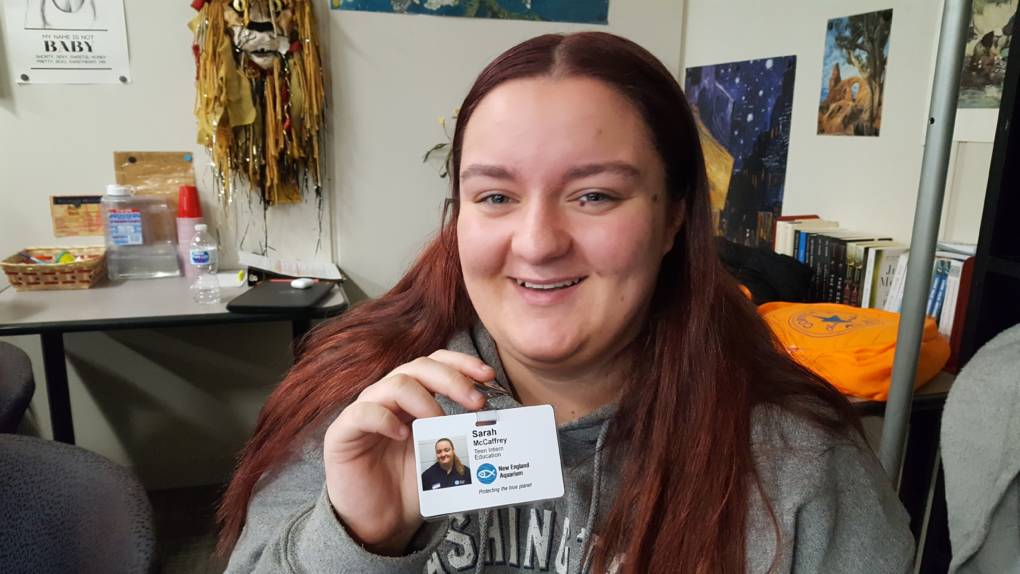
"content": "\u003cp>\u003cem>This story about intrinsic motivation was produced by \u003c/em>\u003ca href=\"http://hechingerreport.org\">The Hechinger Report\u003c/a>\u003cem>, a nonprofit, independent news organization focused on inequality and innovation in education. Sign up for the \u003c/em>\u003ca href=\"https://us2.list-manage.com/subscribe?u=66c306eebb323868c3ce353c1&id=d3ee4c3e04\">\u003cem>Hechinger newsletter\u003c/em>\u003c/a>\u003cem>.\u003c/em>\u003c/p>\n\u003cp>PROVIDENCE, R.I. – When Destiny Reyes started elementary school, she felt highly motivated. Like most young children, she liked learning new things, and she excelled at school. She got good grades and reveled in her success, thriving in an environment that, at least implicitly, set her up in competition with her peers. She was at the top of her class, and she proved herself further by testing into a competitive, private middle school. But there, among Providence’s brightest, it wasn’t as easy to be at the top of the class, and her excitement about school – and learning – subsided. Eventually, she says, nothing motivated her. She went to school because she had to.\u003c/p>\n\u003cp>Destiny, 18, is like most students in the United States. Surveys reveal a steady decline in student engagement throughout middle and high school, a trend that Gallup deemed the “school engagement cliff.” \u003ca href=\"https://news.gallup.com/opinion/gallup/211631/student-enthusiasm-falls-high-school-graduation-nears.aspx\">The latest data from the company’s Student Poll \u003c/a>found that 74 percent of fifth graders felt engaged, while the same was true of just 32 percent of high school juniors.\u003c/p>\n\u003cp>One of the key components of engagement is students’ excitement about what they learn. Yet most schools extinguish that excitement.\u003c/p>\n\u003cp>It all comes down to motivation. In many schools, students do their work because their teachers tell them to. Or because they need to do it to get a certain grade. For students like Destiny, getting a good grade and outshining their peers – not learning itself – becomes the goal of school. For other students, they need minimum grades to be on sports teams or participate in extracurricular activities or please their parents, and that becomes their motivation. Students who do their work because they’re genuinely interested in learning the material are few and far between.\u003c/p>\n\u003cp>[ad fullwidth]\u003c/p>\n\u003cp>But that’s exactly backwards.\u003c/p>\n\u003cp>The teacher demands, the grades, the promise of additional opportunities – they’re all external rewards. Decades of research, both about educational best practice and the way the human brain works, say these types of motivators are dangerous. Offering students rewards for learning creates reliance on the reward. If they becomes less interesting to the student or disappear entirely, the motivation does, too. That’s what happened to Destiny in middle school when she no longer got the reward of being celebrated as the top of her class.\u003c/p>\n\u003cp>Inspiring students’ intrinsic motivation to learn is a more effective strategy to get and keep students interested. And it’s more than that. Students actually learn better when motivated this way. They \u003ca href=\"https://files.eric.ed.gov/fulltext/ED370200.pdf\">put forth more effort, tackle more challenging tasks, and end up gaining a more profound understanding of the concepts they study\u003c/a>.\u003c/p>\n\u003cp>Still, Deborah Stipek, a Stanford University professor of education and author of the book “Motivation to Learn: From Theory to Practice,” is pragmatic about the role of extrinsic motivation.\u003c/p>\n\u003cp>“I think most realistic people in the field say that you’ve got to have both,” Stipek said. “You can rely entirely on intrinsic motivation if you don’t care what children learn, but if you’ve got a curriculum and a set of standards, then you can’t just go with what they’re interested in.”\u003c/p>\n\u003cp>The problem is that the balance, in most schools, is way off. While some schools around the country are trying to personalize learning and, in doing so, to tap into students’ interests, Stipek estimates that most teaching minimizes students’ internal desire to learn.\u003c/p>\n\u003cfigure id=\"attachment_53342\" class=\"wp-caption alignnone\" style=\"max-width: 1920px\">\u003cimg class=\"size-full wp-image-53342\" src=\"https://ww2.kqed.org/mindshift/wp-content/uploads/sites/23/2019/03/Tara-Garcia-Mathewson-Met1-e1553668001955.jpg\" alt=\"Destiny Reyes, 18, spends one school day each week at the New England Aquarium and much of her schoolwork is built around research opportunities there.\" width=\"1920\" height=\"1080\">\u003cfigcaption class=\"wp-caption-text\">Destiny Reyes, 18, spends one school day each week at the New England Aquarium and much of her schoolwork is built around research opportunities there. \u003ccite>(Tara García Mathewson/The Hechinger Report)\u003c/cite>\u003c/figcaption>\u003c/figure>\n\u003cp>In traditional schools, it’s easier to offer a steady stream of rewards and punishments to keep students in line. And preparing students to succeed on state tests tends to discourage the lessons that let them explore their own interests. Teachers who want to inspire intrinsic motivation have to swim against the current.\u003c/p>\n\u003cp>That’s not the case everywhere, though. Destiny’s trajectory of diminishing engagement took a turn in high school. Instead of getting increasingly uninterested and disconnected from school, she became more engaged. That’s because she enrolled in the Metropolitan Regional Career and Technical Center, a public high school district in Rhode Island that goes by ‘The Met.’ She is now a senior.\u003c/p>\n\u003cp>The Met is at the extreme when it comes to tapping into intrinsic motivation. Students don’t take traditional classes. They spend virtually all of their time learning independently, with support from advisors or at internships. Students all have individual learning plans and accumulate credits toward traditional subject areas through projects, self-directed study, internship experience and dual enrollment with local colleges. Almost everything they do, all day, connects to a personal goal or something they’re interested in.\u003c/p>\n\u003cp>That’s what inspired Destiny to enroll at The Met. “I thought, oh my God, I have all this power to choose what I want,” she remembers.\u003c/p>\n\u003cp>Education researchers have been studying student motivation for decades, identifying the best classroom strategies to promote an intrinsic drive to learn. The Met puts many of them to use. Students learn through real-world, hands-on problem-solving; they tackle open-ended assignments that require sustained effort; they get the power to choose what and how they learn; they finish projects with something to show for their learning in portfolios and concrete products; they set their own academic goals; they need never focus more on a grade than the process of learning because they don’t get traditional grades. All of these things come straight out of playbooks for inspiring intrinsic motivation, including Stipek’s. And the impact on students can be profound.\u003c/p>\n\u003cp>Destiny started high school with the academic zeal she left middle school with – meaning very little. Her freshman-year report card reflected that. While The Met doesn’t give out traditional grades, students do get assessed on their mastery of the goals they set for each subject. The dominant note on Destiny’s report card from ninth grade is “meeting expectations.” She had very few instances of “exceeding expectations” and in some subjects, her mastery was only “in progress.” In her sophomore year, things started to shift, and “exceeding expectations” started to become a more common assessment. By junior year, Destiny exceeded expectations in almost every subject and “in progress” was nowhere to be found on her report card. Gone was the middle schooler who didn’t want to be in class. In her place was a driven young woman who again liked school.\u003c/p>\n\u003cp>Destiny’s experience is common for Met students. On state surveys, these students report being more interested in their coursework, more convinced that what they’re learning will matter to their futures, and more supported at school \u003ca href=\"https://secure.panoramaed.com/ride/understand/1314726/leadership_dashboard\">than their peers in almost every other district in Rhode Island\u003c/a>. She and other students at The Met continually bring the conversation back to how much difference it makes to be in control of their learning.\u003c/p>\n\u003cfigure id=\"attachment_53341\" class=\"wp-caption alignnone\" style=\"max-width: 1920px\">\u003cimg class=\"size-full wp-image-53341\" src=\"https://ww2.kqed.org/mindshift/wp-content/uploads/sites/23/2019/03/Tara-Garcia-Mathewson-Met2-e1553667986909.jpg\" alt=\"\" width=\"1920\" height=\"1080\">\u003cfigcaption class=\"wp-caption-text\">The Metropolitan Regional Career and Technical Center in Providence, R.I., known as The Met, is among a relatively small number of schools in the U.S. designed to intrinsically motivate students by tapping into their interests. \u003ccite>(Tara García Mathewson/The Hechinger Report)\u003c/cite>\u003c/figcaption>\u003c/figure>\n\u003cp>Sarah McCaffrey, a 10th grader, appreciates the stark difference between The Met and her experience in middle school, “where it was just ‘Do this, this, this,’” she said. “I like more hands-on, where I’m in control, rather than you’re just going to tell me how to do it and then I do it. It’s more like I’m in charge.”\u003c/p>\n\u003cp>Marissa Souza, a 2017 graduate of The Met and now a sophomore at Rhode Island College, said she had similar motivations in high school. At The Met, she said, students set their own goals, based on their own assessments of their strengths and weaknesses, tied to the dreams they identify for themselves. “You’re more proud of your work because you know this was your goal,” she said. “You met \u003cem>your\u003c/em> goal, you didn’t meet a goal that a teacher or principal made for you.”\u003c/p>\n\u003cp>“It really pushes you to be your best self,” Marissa said.\u003c/p>\n\u003cp>It tends to take a little while for students to rise to the challenge, though.\u003c/p>\n\u003cp>Beccy Siddons, Destiny’s advisor, considers watching that trajectory to be one of the most exciting parts of her job. As the main contact for an “advisory” of about 16 students who stay with her for their entire time at The Met, Siddons guides students through their internships, all of their academic work and, eventually, their college applications.\u003c/p>\n\u003cp>“Ninth graders who have spent their whole life being told what to learn, some of them don’t even know what they’re interested in because they haven’t been given the opportunity,” Siddons said.\u003c/p>\n\u003cp>That was Destiny as a freshman. Her first internship was at an elementary school in a bilingual classroom – a safe, familiar choice for the native Spanish- and English-speaker. In the end, she didn’t like it. As a sophomore, Destiny saw another student present about an internship at the New England Aquarium, and it piqued her interest. Last year, she worked there, too, and quickly discovered a deep love of sea life. She now has a favorite creature she didn't even know existed before: the puffer fish. And she has a career interest she otherwise might not have found until college, if ever: environmental science.\u003c/p>\n\u003cfigure id=\"attachment_53339\" class=\"wp-caption alignnone\" style=\"max-width: 1920px\">\u003cimg class=\"size-full wp-image-53339\" src=\"https://ww2.kqed.org/mindshift/wp-content/uploads/sites/23/2019/03/Tara-Garcia-Mathewson-Met4-e1553668080193.jpg\" alt=\"\" width=\"1920\" height=\"1080\">\u003cfigcaption class=\"wp-caption-text\">The Metropolitan Regional Career and Technical Center in Providence, R.I., known as The Met, gives students uncommonly broad control over what they learn in an effort to engage them in school. \u003ccite>(Tara García Mathewson/The Hechinger Report)\u003c/cite>\u003c/figcaption>\u003c/figure>\n\u003cp>Siddons routinely oversees such meandering paths, and a key part of her job is helping students discover passions they didn't know they might have. The freshmen she welcomes to The Met are a far cry from the seniors she sends out into the world.\u003c/p>\n\u003cp>The early part of that transformation does take work, though. And while it isn’t typical for schools to orient themselves around intrinsic motivation, hundreds do attempt it. \u003ca href=\"https://www.nextgenlearning.org/\">Next Generation Learning Challenges\u003c/a> has grown into a network of about 150 schools, all of which focus on tapping into students’ intrinsic motivation in one way or another. The Digital Promise \u003ca href=\"https://digitalpromise.org/initiative/league-of-innovative-schools/\">League of Innovative Schools\u003c/a> represents 102 school districts doing similar work; \u003ca href=\"http://www.battelleforkids.org/networks/edleader21-network\">EdLeader21\u003c/a> has another 300 districts, many of whom aim to inspire students’ intrinsic desire to learn. And the Big Picture Learning network, built around the success of The Met, now counts more than 60 schools in the U.S. (and another 100 abroad).\u003c/p>\n\u003cp>In Chicago, a charter school made its commitment to this goal very clear, choosing the name Intrinsic Schools when it launched in 2013 to serve students in grades seven through 12. Learning there happens in “pods,” large, flexible classroom spaces that let students rotate from independent work to group instruction to collaborative, project-based learning. Ami Gandhi, director of innovation and collaboration and a co-founder of the charter, said that in the first year, administrators blocked out “independent learning time” for students, expecting they would thrive with the period of freedom. Looking back, Gandhi calls that naïve.\u003c/p>\n\u003cp>“I would go into the pod during that time and kids were just sitting there,” Gandhi said. “I was like, ‘What are you interested in?’ ‘Nothing.’ ‘What do you want to explore?’ ‘Nothing.’”\u003c/p>\n\u003cp>“If someone’s been telling you what to do for nine to 10 years of your life in school, you really don’t know what to do with that independent time,” Gandhi said.\u003c/p>\n\u003cp>Teachers had to help equip students to take advantage of academic independence. At first, they didn’t give students open-ended choices. They told them what they should work on in the independent time. Then they gave them a menu of options, slowly working up to the point where students could choose for themselves, entirely. After the first-year’s naiveté, Intrinsic Schools teachers systematically prepare students to take control of their learning.\u003c/p>\n\u003cp>Another major challenge for schools trying to spark intrinsic motivation is to make sure that fun, engaging lessons also bring academic rigor. Several studies have found that projects and hands-on activities can be effective at intrinsically motivating students, but don’t actually result in substantive learning.\u003c/p>\n\u003cp>Stipek, the Stanford researcher, said this comes down to teacher preparation and school design. Teachers aren’t trained to design academically rigorous lessons that motivate students in the right way. And schools aren’t set up to give teachers the time to do so. It is possible, though. Stipek directed the UCLA Lab School for 10 years, and she said her teachers – experienced and highly trained – consistently planned projects that engaged students’ natural desire to learn while also forcing them to master concrete concepts and skills.\u003c/p>\n\u003cp>“It’s not that it can’t be done,” Stipek said. “It’s just really, really hard.”\u003c/p>\n\u003cp>And because it’s hard, it’s necessarily risky. Many teachers – and their bosses – are afraid to experiment with this work. Stipek said the accountability movement, where states hold schools to strict standards for student performance on standardized tests, put a damper on teaching methods that prioritize intrinsic motivation. She believes accountability is important, but, in its latest form, has prompted teachers to focus on test prep. That prioritizes the testing outcome – the grade – rather than the learning process, a surefire way to kill students’ sense of intrinsic motivation.\u003c/p>\n\u003cp>Researchers have found that one consequence of using grades to motivate students is that they stop challenging themselves for fear of trying something hard and failing at it. The hesitance of teachers and administrators to take a leap with new learning opportunities is an extension of the same thing.\u003c/p>\n\u003cp>Destiny’s school, though, breaks the mold.\u003c/p>\n\u003cp>Students don’t do particularly well on standardized tests at The Met. Rhode Island gives every school a star rating based on test scores, graduation rates and other metrics. The Met graduates more students than the state average (90 percent vs. 84 percent), but its rating, just two out of five stars, is dragged down by student achievement on state tests.\u003c/p>\n\u003cp>School leaders, though, don’t pay much attention to test scores. Nancy Diaz Bain, a co-director, said she and her colleagues prefer to keep track of state survey data about student engagement, parent feedback about their children’s progress, student behavior, graduation rates and student performance in college courses. When students from The Met take and pass college courses in high school – which all of them do – they not only prove they can handle advanced coursework, they save money on an eventual degree, Diaz Bain said. And the other metrics about student engagement and success persuade school leaders that the model works. They also persuaded the Bill & Melinda Gates Foundation to pour $20 million into helping Big Picture Learning expand The Met’s model to other schools and President Barack Obama to highlight The Met up as an example \u003ca href=\"https://www.prweb.com/releases/bigpicturelearning/presidentobama/prweb3670994.htm\">in a 2010 speech before the U.S. Chamber of Commerce\u003c/a>. \u003cspan class=\"s1\">(The Gates Foundation is also one of the many funders of The Hechinger Report.) \u003c/span>\u003c/p>\n\u003cp>For her part, Destiny feels prepared for what comes next. She’ll finish high school this spring and then pursue a bachelor’s degree. She plans to major in environmental science. While she knows her peers from traditional schools may have gotten a broader education, she expects the depth of knowledge she gained doing internships and related research projects will actually give her a leg up in college. And she’ll enroll armed with a sense of intrinsic motivation to learn new things that many of her peers lost a long time ago.\u003c/p>\n\u003cp>[ad floatright]\u003c/p>\n\u003cp>\u003cem>This story about\u003c/em> \u003ca href=\"https://hechingerreport.org/intrinsic-motivation-is-key-to-student-achievement-but-schools-kill-it/\">\u003cem>intrinsic motivation in the classroom\u003c/em>\u003c/a>\u003cem> was produced by \u003c/em>\u003ca href=\"http://hechingerreport.org\">The Hechinger Report\u003c/a>\u003cem>, a nonprofit, independent news organization focused on inequality and innovation in education. Sign up for the \u003c/em>\u003ca href=\"https://us2.list-manage.com/subscribe?u=66c306eebb323868c3ce353c1&id=d3ee4c3e04\">\u003cem>Hechinger newsletter\u003c/em>\u003c/a>\u003cem>.\u003c/em>\u003c/p>\n\n",
"disqusIdentifier": "53337 https://ww2.kqed.org/mindshift/?p=53337",
"disqusUrl": "https://ww2.kqed.org/mindshift/2019/03/27/intrinsic-motivation-is-key-to-student-achievement-but-schools-can-crush-it/",
"stats": {
"hasVideo": false,
"hasChartOrMap": false,
"hasAudio": false,
"hasPolis": false,
"wordCount": 2850,
"hasGoogleForm": false,
"hasGallery": false,
"hasHearkenModule": false,
"iframeSrcs": [],
"paragraphCount": 43
},
"modified": 1553701920,
"excerpt": "Extrinsic motivators dominate classrooms even though research clearly shows why they shouldn’t. Most schools motivate students to learn with external rewards or punishment. But decades of research, both about educational best practice and the way the human brain works, say these types of motivators are less effective. Students learn better when they are intrinsically motivated. The Met high school in Providence goes to the extreme to tap into students’ intrinsic motivation, letting them study what they’re most interested in. It’s difficult to pull off this type of school design, but by many indicators, it’s worth it. ",
"headData": {
"twImgId": "",
"twTitle": "",
"ogTitle": "",
"ogImgId": "",
"twDescription": "",
"description": "Extrinsic motivators dominate classrooms even though research clearly shows why they shouldn’t. Most schools motivate students to learn with external rewards or punishment. But decades of research, both about educational best practice and the way the human brain works, say these types of motivators are less effective. Students learn better when they are intrinsically motivated. The Met high school in Providence goes to the extreme to tap into students’ intrinsic motivation, letting them study what they’re most interested in. It’s difficult to pull off this type of school design, but by many indicators, it’s worth it. ",
"title": "Intrinsic Motivation is Key to Student Achievement – But Schools Can Crush It | KQED",
"ogDescription": "",
"schema": {
"@context": "https://schema.org",
"@type": "Article",
"headline": "Intrinsic Motivation is Key to Student Achievement – But Schools Can Crush It",
"datePublished": "2019-03-27T00:07:30-07:00",
"dateModified": "2019-03-27T08:52:00-07:00",
"image": "https://cdn.kqed.org/wp-content/uploads/2020/02/KQED-OG-Image@1x.png"
}
},
"guestAuthors": [],
"slug": "intrinsic-motivation-is-key-to-student-achievement-but-schools-can-crush-it",
"status": "publish",
"nprByline": "\u003ca href=\"https://hechingerreport.org/\">Tara García Mathewson, The Hechinger Report\u003c/a>",
"path": "/mindshift/53337/intrinsic-motivation-is-key-to-student-achievement-but-schools-can-crush-it",
"audioTrackLength": null,
"parsedContent": [
{
"type": "contentString",
"content": "\u003cdiv class=\"post-body\">\u003cp>\u003cp>\u003cem>This story about intrinsic motivation was produced by \u003c/em>\u003ca href=\"http://hechingerreport.org\">The Hechinger Report\u003c/a>\u003cem>, a nonprofit, independent news organization focused on inequality and innovation in education. Sign up for the \u003c/em>\u003ca href=\"https://us2.list-manage.com/subscribe?u=66c306eebb323868c3ce353c1&id=d3ee4c3e04\">\u003cem>Hechinger newsletter\u003c/em>\u003c/a>\u003cem>.\u003c/em>\u003c/p>\n\u003cp>PROVIDENCE, R.I. – When Destiny Reyes started elementary school, she felt highly motivated. Like most young children, she liked learning new things, and she excelled at school. She got good grades and reveled in her success, thriving in an environment that, at least implicitly, set her up in competition with her peers. She was at the top of her class, and she proved herself further by testing into a competitive, private middle school. But there, among Providence’s brightest, it wasn’t as easy to be at the top of the class, and her excitement about school – and learning – subsided. Eventually, she says, nothing motivated her. She went to school because she had to.\u003c/p>\n\u003cp>Destiny, 18, is like most students in the United States. Surveys reveal a steady decline in student engagement throughout middle and high school, a trend that Gallup deemed the “school engagement cliff.” \u003ca href=\"https://news.gallup.com/opinion/gallup/211631/student-enthusiasm-falls-high-school-graduation-nears.aspx\">The latest data from the company’s Student Poll \u003c/a>found that 74 percent of fifth graders felt engaged, while the same was true of just 32 percent of high school juniors.\u003c/p>\n\u003cp>One of the key components of engagement is students’ excitement about what they learn. Yet most schools extinguish that excitement.\u003c/p>\n\u003cp>It all comes down to motivation. In many schools, students do their work because their teachers tell them to. Or because they need to do it to get a certain grade. For students like Destiny, getting a good grade and outshining their peers – not learning itself – becomes the goal of school. For other students, they need minimum grades to be on sports teams or participate in extracurricular activities or please their parents, and that becomes their motivation. Students who do their work because they’re genuinely interested in learning the material are few and far between.\u003c/p>\n\u003cp>\u003c/p>\u003c/div>",
"attributes": {
"named": {},
"numeric": []
}
},
{
"type": "component",
"content": "",
"name": "ad",
"attributes": {
"named": {
"label": "fullwidth"
},
"numeric": [
"fullwidth"
]
}
},
{
"type": "contentString",
"content": "\u003cdiv class=\"post-body\">\u003cp>\u003c/p>\n\u003cp>But that’s exactly backwards.\u003c/p>\n\u003cp>The teacher demands, the grades, the promise of additional opportunities – they’re all external rewards. Decades of research, both about educational best practice and the way the human brain works, say these types of motivators are dangerous. Offering students rewards for learning creates reliance on the reward. If they becomes less interesting to the student or disappear entirely, the motivation does, too. That’s what happened to Destiny in middle school when she no longer got the reward of being celebrated as the top of her class.\u003c/p>\n\u003cp>Inspiring students’ intrinsic motivation to learn is a more effective strategy to get and keep students interested. And it’s more than that. Students actually learn better when motivated this way. They \u003ca href=\"https://files.eric.ed.gov/fulltext/ED370200.pdf\">put forth more effort, tackle more challenging tasks, and end up gaining a more profound understanding of the concepts they study\u003c/a>.\u003c/p>\n\u003cp>Still, Deborah Stipek, a Stanford University professor of education and author of the book “Motivation to Learn: From Theory to Practice,” is pragmatic about the role of extrinsic motivation.\u003c/p>\n\u003cp>“I think most realistic people in the field say that you’ve got to have both,” Stipek said. “You can rely entirely on intrinsic motivation if you don’t care what children learn, but if you’ve got a curriculum and a set of standards, then you can’t just go with what they’re interested in.”\u003c/p>\n\u003cp>The problem is that the balance, in most schools, is way off. While some schools around the country are trying to personalize learning and, in doing so, to tap into students’ interests, Stipek estimates that most teaching minimizes students’ internal desire to learn.\u003c/p>\n\u003cfigure id=\"attachment_53342\" class=\"wp-caption alignnone\" style=\"max-width: 1920px\">\u003cimg class=\"size-full wp-image-53342\" src=\"https://ww2.kqed.org/mindshift/wp-content/uploads/sites/23/2019/03/Tara-Garcia-Mathewson-Met1-e1553668001955.jpg\" alt=\"Destiny Reyes, 18, spends one school day each week at the New England Aquarium and much of her schoolwork is built around research opportunities there.\" width=\"1920\" height=\"1080\">\u003cfigcaption class=\"wp-caption-text\">Destiny Reyes, 18, spends one school day each week at the New England Aquarium and much of her schoolwork is built around research opportunities there. \u003ccite>(Tara García Mathewson/The Hechinger Report)\u003c/cite>\u003c/figcaption>\u003c/figure>\n\u003cp>In traditional schools, it’s easier to offer a steady stream of rewards and punishments to keep students in line. And preparing students to succeed on state tests tends to discourage the lessons that let them explore their own interests. Teachers who want to inspire intrinsic motivation have to swim against the current.\u003c/p>\n\u003cp>That’s not the case everywhere, though. Destiny’s trajectory of diminishing engagement took a turn in high school. Instead of getting increasingly uninterested and disconnected from school, she became more engaged. That’s because she enrolled in the Metropolitan Regional Career and Technical Center, a public high school district in Rhode Island that goes by ‘The Met.’ She is now a senior.\u003c/p>\n\u003cp>The Met is at the extreme when it comes to tapping into intrinsic motivation. Students don’t take traditional classes. They spend virtually all of their time learning independently, with support from advisors or at internships. Students all have individual learning plans and accumulate credits toward traditional subject areas through projects, self-directed study, internship experience and dual enrollment with local colleges. Almost everything they do, all day, connects to a personal goal or something they’re interested in.\u003c/p>\n\u003cp>That’s what inspired Destiny to enroll at The Met. “I thought, oh my God, I have all this power to choose what I want,” she remembers.\u003c/p>\n\u003cp>Education researchers have been studying student motivation for decades, identifying the best classroom strategies to promote an intrinsic drive to learn. The Met puts many of them to use. Students learn through real-world, hands-on problem-solving; they tackle open-ended assignments that require sustained effort; they get the power to choose what and how they learn; they finish projects with something to show for their learning in portfolios and concrete products; they set their own academic goals; they need never focus more on a grade than the process of learning because they don’t get traditional grades. All of these things come straight out of playbooks for inspiring intrinsic motivation, including Stipek’s. And the impact on students can be profound.\u003c/p>\n\u003cp>Destiny started high school with the academic zeal she left middle school with – meaning very little. Her freshman-year report card reflected that. While The Met doesn’t give out traditional grades, students do get assessed on their mastery of the goals they set for each subject. The dominant note on Destiny’s report card from ninth grade is “meeting expectations.” She had very few instances of “exceeding expectations” and in some subjects, her mastery was only “in progress.” In her sophomore year, things started to shift, and “exceeding expectations” started to become a more common assessment. By junior year, Destiny exceeded expectations in almost every subject and “in progress” was nowhere to be found on her report card. Gone was the middle schooler who didn’t want to be in class. In her place was a driven young woman who again liked school.\u003c/p>\n\u003cp>Destiny’s experience is common for Met students. On state surveys, these students report being more interested in their coursework, more convinced that what they’re learning will matter to their futures, and more supported at school \u003ca href=\"https://secure.panoramaed.com/ride/understand/1314726/leadership_dashboard\">than their peers in almost every other district in Rhode Island\u003c/a>. She and other students at The Met continually bring the conversation back to how much difference it makes to be in control of their learning.\u003c/p>\n\u003cfigure id=\"attachment_53341\" class=\"wp-caption alignnone\" style=\"max-width: 1920px\">\u003cimg class=\"size-full wp-image-53341\" src=\"https://ww2.kqed.org/mindshift/wp-content/uploads/sites/23/2019/03/Tara-Garcia-Mathewson-Met2-e1553667986909.jpg\" alt=\"\" width=\"1920\" height=\"1080\">\u003cfigcaption class=\"wp-caption-text\">The Metropolitan Regional Career and Technical Center in Providence, R.I., known as The Met, is among a relatively small number of schools in the U.S. designed to intrinsically motivate students by tapping into their interests. \u003ccite>(Tara García Mathewson/The Hechinger Report)\u003c/cite>\u003c/figcaption>\u003c/figure>\n\u003cp>Sarah McCaffrey, a 10th grader, appreciates the stark difference between The Met and her experience in middle school, “where it was just ‘Do this, this, this,’” she said. “I like more hands-on, where I’m in control, rather than you’re just going to tell me how to do it and then I do it. It’s more like I’m in charge.”\u003c/p>\n\u003cp>Marissa Souza, a 2017 graduate of The Met and now a sophomore at Rhode Island College, said she had similar motivations in high school. At The Met, she said, students set their own goals, based on their own assessments of their strengths and weaknesses, tied to the dreams they identify for themselves. “You’re more proud of your work because you know this was your goal,” she said. “You met \u003cem>your\u003c/em> goal, you didn’t meet a goal that a teacher or principal made for you.”\u003c/p>\n\u003cp>“It really pushes you to be your best self,” Marissa said.\u003c/p>\n\u003cp>It tends to take a little while for students to rise to the challenge, though.\u003c/p>\n\u003cp>Beccy Siddons, Destiny’s advisor, considers watching that trajectory to be one of the most exciting parts of her job. As the main contact for an “advisory” of about 16 students who stay with her for their entire time at The Met, Siddons guides students through their internships, all of their academic work and, eventually, their college applications.\u003c/p>\n\u003cp>“Ninth graders who have spent their whole life being told what to learn, some of them don’t even know what they’re interested in because they haven’t been given the opportunity,” Siddons said.\u003c/p>\n\u003cp>That was Destiny as a freshman. Her first internship was at an elementary school in a bilingual classroom – a safe, familiar choice for the native Spanish- and English-speaker. In the end, she didn’t like it. As a sophomore, Destiny saw another student present about an internship at the New England Aquarium, and it piqued her interest. Last year, she worked there, too, and quickly discovered a deep love of sea life. She now has a favorite creature she didn't even know existed before: the puffer fish. And she has a career interest she otherwise might not have found until college, if ever: environmental science.\u003c/p>\n\u003cfigure id=\"attachment_53339\" class=\"wp-caption alignnone\" style=\"max-width: 1920px\">\u003cimg class=\"size-full wp-image-53339\" src=\"https://ww2.kqed.org/mindshift/wp-content/uploads/sites/23/2019/03/Tara-Garcia-Mathewson-Met4-e1553668080193.jpg\" alt=\"\" width=\"1920\" height=\"1080\">\u003cfigcaption class=\"wp-caption-text\">The Metropolitan Regional Career and Technical Center in Providence, R.I., known as The Met, gives students uncommonly broad control over what they learn in an effort to engage them in school. \u003ccite>(Tara García Mathewson/The Hechinger Report)\u003c/cite>\u003c/figcaption>\u003c/figure>\n\u003cp>Siddons routinely oversees such meandering paths, and a key part of her job is helping students discover passions they didn't know they might have. The freshmen she welcomes to The Met are a far cry from the seniors she sends out into the world.\u003c/p>\n\u003cp>The early part of that transformation does take work, though. And while it isn’t typical for schools to orient themselves around intrinsic motivation, hundreds do attempt it. \u003ca href=\"https://www.nextgenlearning.org/\">Next Generation Learning Challenges\u003c/a> has grown into a network of about 150 schools, all of which focus on tapping into students’ intrinsic motivation in one way or another. The Digital Promise \u003ca href=\"https://digitalpromise.org/initiative/league-of-innovative-schools/\">League of Innovative Schools\u003c/a> represents 102 school districts doing similar work; \u003ca href=\"http://www.battelleforkids.org/networks/edleader21-network\">EdLeader21\u003c/a> has another 300 districts, many of whom aim to inspire students’ intrinsic desire to learn. And the Big Picture Learning network, built around the success of The Met, now counts more than 60 schools in the U.S. (and another 100 abroad).\u003c/p>\n\u003cp>In Chicago, a charter school made its commitment to this goal very clear, choosing the name Intrinsic Schools when it launched in 2013 to serve students in grades seven through 12. Learning there happens in “pods,” large, flexible classroom spaces that let students rotate from independent work to group instruction to collaborative, project-based learning. Ami Gandhi, director of innovation and collaboration and a co-founder of the charter, said that in the first year, administrators blocked out “independent learning time” for students, expecting they would thrive with the period of freedom. Looking back, Gandhi calls that naïve.\u003c/p>\n\u003cp>“I would go into the pod during that time and kids were just sitting there,” Gandhi said. “I was like, ‘What are you interested in?’ ‘Nothing.’ ‘What do you want to explore?’ ‘Nothing.’”\u003c/p>\n\u003cp>“If someone’s been telling you what to do for nine to 10 years of your life in school, you really don’t know what to do with that independent time,” Gandhi said.\u003c/p>\n\u003cp>Teachers had to help equip students to take advantage of academic independence. At first, they didn’t give students open-ended choices. They told them what they should work on in the independent time. Then they gave them a menu of options, slowly working up to the point where students could choose for themselves, entirely. After the first-year’s naiveté, Intrinsic Schools teachers systematically prepare students to take control of their learning.\u003c/p>\n\u003cp>Another major challenge for schools trying to spark intrinsic motivation is to make sure that fun, engaging lessons also bring academic rigor. Several studies have found that projects and hands-on activities can be effective at intrinsically motivating students, but don’t actually result in substantive learning.\u003c/p>\n\u003cp>Stipek, the Stanford researcher, said this comes down to teacher preparation and school design. Teachers aren’t trained to design academically rigorous lessons that motivate students in the right way. And schools aren’t set up to give teachers the time to do so. It is possible, though. Stipek directed the UCLA Lab School for 10 years, and she said her teachers – experienced and highly trained – consistently planned projects that engaged students’ natural desire to learn while also forcing them to master concrete concepts and skills.\u003c/p>\n\u003cp>“It’s not that it can’t be done,” Stipek said. “It’s just really, really hard.”\u003c/p>\n\u003cp>And because it’s hard, it’s necessarily risky. Many teachers – and their bosses – are afraid to experiment with this work. Stipek said the accountability movement, where states hold schools to strict standards for student performance on standardized tests, put a damper on teaching methods that prioritize intrinsic motivation. She believes accountability is important, but, in its latest form, has prompted teachers to focus on test prep. That prioritizes the testing outcome – the grade – rather than the learning process, a surefire way to kill students’ sense of intrinsic motivation.\u003c/p>\n\u003cp>Researchers have found that one consequence of using grades to motivate students is that they stop challenging themselves for fear of trying something hard and failing at it. The hesitance of teachers and administrators to take a leap with new learning opportunities is an extension of the same thing.\u003c/p>\n\u003cp>Destiny’s school, though, breaks the mold.\u003c/p>\n\u003cp>Students don’t do particularly well on standardized tests at The Met. Rhode Island gives every school a star rating based on test scores, graduation rates and other metrics. The Met graduates more students than the state average (90 percent vs. 84 percent), but its rating, just two out of five stars, is dragged down by student achievement on state tests.\u003c/p>\n\u003cp>School leaders, though, don’t pay much attention to test scores. Nancy Diaz Bain, a co-director, said she and her colleagues prefer to keep track of state survey data about student engagement, parent feedback about their children’s progress, student behavior, graduation rates and student performance in college courses. When students from The Met take and pass college courses in high school – which all of them do – they not only prove they can handle advanced coursework, they save money on an eventual degree, Diaz Bain said. And the other metrics about student engagement and success persuade school leaders that the model works. They also persuaded the Bill & Melinda Gates Foundation to pour $20 million into helping Big Picture Learning expand The Met’s model to other schools and President Barack Obama to highlight The Met up as an example \u003ca href=\"https://www.prweb.com/releases/bigpicturelearning/presidentobama/prweb3670994.htm\">in a 2010 speech before the U.S. Chamber of Commerce\u003c/a>. \u003cspan class=\"s1\">(The Gates Foundation is also one of the many funders of The Hechinger Report.) \u003c/span>\u003c/p>\n\u003cp>For her part, Destiny feels prepared for what comes next. She’ll finish high school this spring and then pursue a bachelor’s degree. She plans to major in environmental science. While she knows her peers from traditional schools may have gotten a broader education, she expects the depth of knowledge she gained doing internships and related research projects will actually give her a leg up in college. And she’ll enroll armed with a sense of intrinsic motivation to learn new things that many of her peers lost a long time ago.\u003c/p>\n\u003cp>\u003c/p>\u003c/div>",
"attributes": {
"named": {},
"numeric": []
}
},
{
"type": "component",
"content": "",
"name": "ad",
"attributes": {
"named": {
"label": "floatright"
},
"numeric": [
"floatright"
]
}
},
{
"type": "contentString",
"content": "\u003cdiv class=\"post-body\">\u003cp>\u003c/p>\n\u003cp>\u003cem>This story about\u003c/em> \u003ca href=\"https://hechingerreport.org/intrinsic-motivation-is-key-to-student-achievement-but-schools-kill-it/\">\u003cem>intrinsic motivation in the classroom\u003c/em>\u003c/a>\u003cem> was produced by \u003c/em>\u003ca href=\"http://hechingerreport.org\">The Hechinger Report\u003c/a>\u003cem>, a nonprofit, independent news organization focused on inequality and innovation in education. Sign up for the \u003c/em>\u003ca href=\"https://us2.list-manage.com/subscribe?u=66c306eebb323868c3ce353c1&id=d3ee4c3e04\">\u003cem>Hechinger newsletter\u003c/em>\u003c/a>\u003cem>.\u003c/em>\u003c/p>\n\n\u003c/div>\u003c/p>",
"attributes": {
"named": {},
"numeric": []
}
}
],
"link": "/mindshift/53337/intrinsic-motivation-is-key-to-student-achievement-but-schools-can-crush-it",
"authors": [
"byline_mindshift_53337"
],
"categories": [
"mindshift_193"
],
"tags": [
"mindshift_20984",
"mindshift_20891",
"mindshift_21118",
"mindshift_20784",
"mindshift_1040",
"mindshift_20772",
"mindshift_558",
"mindshift_21252",
"mindshift_20616"
],
"featImg": "mindshift_53340",
"label": "mindshift"
},
"mindshift_53123": {
"type": "posts",
"id": "mindshift_53123",
"meta": {
"index": "posts_1716263798",
"site": "mindshift",
"id": "53123",
"score": null,
"sort": [
1553494420000
]
},
"parent": 0,
"labelTerm": {
"site": "mindshift"
},
"blocks": [],
"publishDate": 1553494420,
"format": "standard",
"disqusTitle": "How to Teach Students Historical Inquiry Through Media Literacy And Critical Thinking",
"title": "How to Teach Students Historical Inquiry Through Media Literacy And Critical Thinking",
"headTitle": "MindShift | KQED News",
"content": "\u003cp>Many students are not good at evaluating the credibility of what they see and read online according to a \u003ca href=\"https://purl.stanford.edu/fv751yt5934\" target=\"_blank\" rel=\"noopener\">now-famous Stanford study\u003c/a> that was released just after the 2016 election. And while it’s true that 82 percent of middle schoolers couldn’t tell the difference between a native advertisement and a news article, neither could 59 percent of adults in a\u003ca href=\"https://www.iab.com/wp-content/uploads/2015/07/IAB_Edelman_Berland_Study.pdf\" target=\"_blank\" rel=\"noopener\"> study\u003c/a> conducted by the advertising industry.\u003c/p>\n\u003cp>\u003ca href=\"https://ed.stanford.edu/faculty/wineburg\" target=\"_blank\" rel=\"noopener\">Sam Wineburg\u003c/a>, the Stanford professor who led the middle school study, is worried that everyone is “\u003ca href=\"https://www.usatoday.com/story/opinion/2019/02/12/internet-confusion-rethink-education-digital-sputnik-moment-column/2769781002/\" target=\"_blank\" rel=\"noopener\">profoundly confused\u003c/a>” right now and that schools aren’t doing enough to teach students the \u003ca href=\"https://www.kqed.org/news/11207898/fake-or-real-how-to-self-check-the-news-and-get-the-facts\" target=\"_blank\" rel=\"noopener\">skills they need to be effective citizens and digital consumers\u003c/a>.\u003c/p>\n\u003cp>“We blame our kids for not knowing the difference between ads and news stories, but the kinds of skills we are talking about are not widely taught in schools,” Wineburg said on \u003ca href=\"https://www.kqed.org/forum/2010101869053/history-is-being-taught-wrong-and-how-to-fix-it\" target=\"_blank\" rel=\"noopener\">KQED’s Forum program \u003c/a>while discussing his new book\u003ca href=\"https://www.amazon.com/Learn-History-When-Already-Phone/dp/022635721X\">\u003cem> Why Learn History (When It's Already on Your Phone)\u003c/em>\u003c/a>. “So we can’t blame young people for not knowing things they haven’t been taught.”\u003c/p>\n\u003cp>He thinks the most logical place to insert more digital media literacy is in the history curriculum, where students already should be learning to question dominant narratives, find good evidence and practice strong research skills. To do that, Wineburg said teachers need to \u003ca href=\"https://www.kqed.org/mindshift/51857/lies-my-teacher-told-me-and-how-american-history-can-be-used-as-a-weapon\" target=\"_blank\" rel=\"noopener\">ditch textbooks\u003c/a>.\u003c/p>\n\u003cp>“We teach kids facts as ready-made without giving them the capacity and cultivating the capability to ask what is the relationship between claim and evidence,” Wineburg said. He and others argue that asking students to memorize precise dates does very little to give them a broader sense of the arc of history.\u003c/p>\n\u003cp>[ad fullwidth]\u003c/p>\n\u003cp>“I think that the lessons of history are exactly the kind of thing we should be talking about in history class,” Wineburg said. “But rather than teaching them as rules or things fixed in time or set in amber, these are precisely the kinds of things that are worthy of debate.”\u003c/p>\n\u003cp>Today, most people look up information they don’t know on the internet, including students. So it’s even more important that students have tools they can use to make educated decisions about what they\u003ca href=\"https://www.kqed.org/mindshift/31845/teach-kids-to-be-their-own-filter\" target=\"_blank\" rel=\"noopener\"> trust online\u003c/a>.\u003c/p>\n\u003cp>\u003cstrong>IN THE CLASSROOM\u003c/strong>\u003c/p>\n\u003cp>\u003ca href=\"https://www.smuhsd.org/domain/514\">Will Colglazier\u003c/a>, a U.S. history teacher in the San Mateo Union High School District, is \u003ca href=\"https://www.aft.org/sites/default/files/ae_fall2017_fake-news.pdf\" target=\"_blank\" rel=\"noopener\">taking this call to action to heart\u003c/a> at Aragon High School. He, like so many teachers, feels pressure to cover all his content and keep to the pacing guides, but he also thinks students need fundamental digital literacy skills in order to continue learning history into the future.\u003c/p>\n\u003cp>“Less is more and you have to cut content in order to make room to bring in the skills that you deem essential,” Colglazier said. “This isn’t the only time they could access information. It’s not like their ability to learn US history ends in May.”\u003c/p>\n\u003cp>Colglazier balances the curriculum coverage pressure with cross-cutting skills by thinking carefully about his course goals. He establishes those at the beginning of the year so that if he ends up cutting a unit to make time for something else, he can be sure he’s still hitting those goals. Especially in his Advanced Placement classes he feels pressure to get through all the material, to make sure his students get high scores, and thus succeed. But at some point he decided enough was enough.\u003c/p>\n\u003cp>“I kept getting frustrated teaching the course and having my unit tests aligned with what the AP test is like,” Colglazier said. That led to boring assessments and a boring class. Instead, he decided to mix in more historical inquiry into his classes, with plenty of practice on the AP-style test questions as well.\u003c/p>\n\u003cp>He started asking more controversial, open-ended questions and asked students to find information to support their claims about those topics. He wanted students asking questions and engaging in the activities of real historians, so he pushed students to engage their critical thinking skills, put issues into context, and gave them opportunities to close read for perspectives and silences. He thought those historical skills would transfer to the digital space -- but he was wrong.\u003c/p>\n\u003cp>“The hypothesis that it would just transfer for all is not true,” Colglazier said. “It must be explicitly taught.”\u003c/p>\n\u003cp>His students didn’t do well on the \u003ca href=\"https://stacks.stanford.edu/file/druid:fv751yt5934/SHEG%20Evaluating%20Information%20Online.pdf\">Stanford test\u003c/a> to determine ads versus news stories. But they were doing a lot of online research in class already, so Colglazier decided to spend some time explicitly teaching students \u003ca href=\"https://www.gse.harvard.edu/news/uk/18/06/digital-native-digital-expert\" target=\"_blank\" rel=\"noopener\">how to fact-check websites\u003c/a>, to read laterally, and go beyond slick-looking web design.\u003c/p>\n\u003cp>“They don’t like to be duped,” Colglazier said of his students. “That’s an intrinsic desire of anyone. You don’t want to look like an idiot. They want support and they’re pretty willing to accept it. Some of it is not rocket science, it’s just about explicitly teaching it.”\u003c/p>\n\u003cp>Now, Colglazier regularly replaces multiple-choice or short-answer questions with activities that require students to mimic the experience of online research. He’ll ask a broad question and send them to an article that may not be from a reliable site. Students have to figure out if they can trust the information and, if not, find more reliable sources to back up their claims.\u003c/p>\n\u003cp>Colglazier doesn’t think these types of activities stray too far from his curriculum. Whereas before he might have distributed several documents he’d found and ask students to work at their desks to use the documents to back up a claim, now he’s sending them online. And he’s not curating the resources for them. He expects students to have a better reason to trust a source than “the teacher gave it to me.”\u003c/p>\n\u003cp>“One thing I have found is that it’s messy,” Colglazier said. “And it’s certainly less efficient than if I just told them the information. But it’s about the skill development and cutting content to provide that space where the messiness occurs.”\u003c/p>\n\u003cp>Colglazier is also trying to be clearer with students about how these skills apply to both history and life. Often students get nihilistic at first, thinking that every time they visit a website they’ll have to go down a research rabbit hole. That may be the price of living in a world with so much information at their fingertips; they have to ask questions about their sources. The textbook itself is ripe for interrogation in Colglazier’s class. Textbook can be a useful course skeleton, he says, but he wants students to question its silences and framing as well.\u003c/p>\n\u003cp>“When students read the textbook, they mine it for facts without thinking meta about it,” he said. “And we want to teach them to do that with all their information. You’re protecting them from learning to some degree” if you don’t.\u003c/p>\n\u003cp>\u003cstrong>LONGER TERM SOLUTIONS\u003c/strong>\u003c/p>\n\u003cp>Sam Wineburg at Stanford doesn’t blame teachers for not immediately knowing how to teach these crucial \u003ca href=\"https://www.kqed.org/mindshift/47580/media-literacy-five-ways-teachers-are-fighting-fake-news\" target=\"_blank\" rel=\"noopener\">digital media skills\u003c/a>, but he hopes studies like his will prompt changes. In the short term he wants everyone -- adults and kids alike -- to learn to use the internet like fact-checkers do. On top of that, he’d like to see \u003ca href=\"https://sheg.stanford.edu/civic-online-reasoning\" target=\"_blank\" rel=\"noopener\">social studies teaching shift \u003c/a>away from covering every unit in a huge textbook, and toward critical inquiry about history. Beyond all that, he thinks we need a dramatic change in how we consume information.\u003c/p>\n\u003cp>In a \u003ca href=\"https://twitter.com/samwineburg/status/1085297255781871616\" target=\"_blank\" rel=\"noopener\">Twitter thread\u003c/a> capturing these ideas Wineburg writes, “Of course, in our Civics classes we need new approaches. But if we think this issue is only about Civics, we’re deluding ourselves. This is about how we teach EVERY subject.”\u003c/p>\n\u003cp>https://twitter.com/samwineburg/status/1085297255781871616\u003c/p>\n\u003cp>And a few tweets later in the thread: “We need professional development for teachers, who sometimes are as confused as their students. We need to overhaul teacher education, so that new teachers feel prepared when they tell kids to open their Chromebooks.”\u003c/p>\n\u003cp>Without this type of dramatic change to teaching, Wineburg worries democracy itself is at stake. If society can’t determine what a fact is, he argues, then we have no basis for a justice system and the propagandists win.\u003c/p>\n\u003cp>“That’s a slippery slope to a non-democratic form of government,” Wineburg said.\u003c/p>\n\u003cp>[ad floatright]\u003c/p>\n\u003cp>Colglazier is doing his best to prevent that from happening by making sure the next generation of voters know better. “What I’ve tried to instill with them is the concept of evidence-based and holding both sides accountable,” he said.\u003c/p>\n\n",
"disqusIdentifier": "53123 https://ww2.kqed.org/mindshift/?p=53123",
"disqusUrl": "https://ww2.kqed.org/mindshift/2019/03/24/how-to-teach-students-historical-inquiry-through-media-literacy-and-critical-thinking/",
"stats": {
"hasVideo": false,
"hasChartOrMap": false,
"hasAudio": false,
"hasPolis": false,
"wordCount": 1512,
"hasGoogleForm": false,
"hasGallery": false,
"hasHearkenModule": false,
"iframeSrcs": [],
"paragraphCount": 30
},
"modified": 1553494420,
"excerpt": "Students must be explicitly taught how to evaluate the trustworthiness of digital sites in order to successfully navigate their futures as citizens of the world.",
"headData": {
"twImgId": "",
"twTitle": "",
"ogTitle": "",
"ogImgId": "",
"twDescription": "",
"description": "Students must be explicitly taught how to evaluate the trustworthiness of digital sites in order to successfully navigate their futures as citizens of the world.",
"title": "How to Teach Students Historical Inquiry Through Media Literacy And Critical Thinking | KQED",
"ogDescription": "",
"schema": {
"@context": "https://schema.org",
"@type": "Article",
"headline": "How to Teach Students Historical Inquiry Through Media Literacy And Critical Thinking",
"datePublished": "2019-03-24T23:13:40-07:00",
"dateModified": "2019-03-24T23:13:40-07:00",
"image": "https://cdn.kqed.org/wp-content/uploads/2020/02/KQED-OG-Image@1x.png"
}
},
"guestAuthors": [],
"slug": "how-to-teach-students-historical-inquiry-through-media-literacy-and-critical-thinking",
"status": "publish",
"path": "/mindshift/53123/how-to-teach-students-historical-inquiry-through-media-literacy-and-critical-thinking",
"audioTrackLength": null,
"parsedContent": [
{
"type": "contentString",
"content": "\u003cdiv class=\"post-body\">\u003cp>\u003cp>Many students are not good at evaluating the credibility of what they see and read online according to a \u003ca href=\"https://purl.stanford.edu/fv751yt5934\" target=\"_blank\" rel=\"noopener\">now-famous Stanford study\u003c/a> that was released just after the 2016 election. And while it’s true that 82 percent of middle schoolers couldn’t tell the difference between a native advertisement and a news article, neither could 59 percent of adults in a\u003ca href=\"https://www.iab.com/wp-content/uploads/2015/07/IAB_Edelman_Berland_Study.pdf\" target=\"_blank\" rel=\"noopener\"> study\u003c/a> conducted by the advertising industry.\u003c/p>\n\u003cp>\u003ca href=\"https://ed.stanford.edu/faculty/wineburg\" target=\"_blank\" rel=\"noopener\">Sam Wineburg\u003c/a>, the Stanford professor who led the middle school study, is worried that everyone is “\u003ca href=\"https://www.usatoday.com/story/opinion/2019/02/12/internet-confusion-rethink-education-digital-sputnik-moment-column/2769781002/\" target=\"_blank\" rel=\"noopener\">profoundly confused\u003c/a>” right now and that schools aren’t doing enough to teach students the \u003ca href=\"https://www.kqed.org/news/11207898/fake-or-real-how-to-self-check-the-news-and-get-the-facts\" target=\"_blank\" rel=\"noopener\">skills they need to be effective citizens and digital consumers\u003c/a>.\u003c/p>\n\u003cp>“We blame our kids for not knowing the difference between ads and news stories, but the kinds of skills we are talking about are not widely taught in schools,” Wineburg said on \u003ca href=\"https://www.kqed.org/forum/2010101869053/history-is-being-taught-wrong-and-how-to-fix-it\" target=\"_blank\" rel=\"noopener\">KQED’s Forum program \u003c/a>while discussing his new book\u003ca href=\"https://www.amazon.com/Learn-History-When-Already-Phone/dp/022635721X\">\u003cem> Why Learn History (When It's Already on Your Phone)\u003c/em>\u003c/a>. “So we can’t blame young people for not knowing things they haven’t been taught.”\u003c/p>\n\u003cp>He thinks the most logical place to insert more digital media literacy is in the history curriculum, where students already should be learning to question dominant narratives, find good evidence and practice strong research skills. To do that, Wineburg said teachers need to \u003ca href=\"https://www.kqed.org/mindshift/51857/lies-my-teacher-told-me-and-how-american-history-can-be-used-as-a-weapon\" target=\"_blank\" rel=\"noopener\">ditch textbooks\u003c/a>.\u003c/p>\n\u003cp>“We teach kids facts as ready-made without giving them the capacity and cultivating the capability to ask what is the relationship between claim and evidence,” Wineburg said. He and others argue that asking students to memorize precise dates does very little to give them a broader sense of the arc of history.\u003c/p>\n\u003cp>\u003c/p>\u003c/div>",
"attributes": {
"named": {},
"numeric": []
}
},
{
"type": "component",
"content": "",
"name": "ad",
"attributes": {
"named": {
"label": "fullwidth"
},
"numeric": [
"fullwidth"
]
}
},
{
"type": "contentString",
"content": "\u003cdiv class=\"post-body\">\u003cp>\u003c/p>\n\u003cp>“I think that the lessons of history are exactly the kind of thing we should be talking about in history class,” Wineburg said. “But rather than teaching them as rules or things fixed in time or set in amber, these are precisely the kinds of things that are worthy of debate.”\u003c/p>\n\u003cp>Today, most people look up information they don’t know on the internet, including students. So it’s even more important that students have tools they can use to make educated decisions about what they\u003ca href=\"https://www.kqed.org/mindshift/31845/teach-kids-to-be-their-own-filter\" target=\"_blank\" rel=\"noopener\"> trust online\u003c/a>.\u003c/p>\n\u003cp>\u003cstrong>IN THE CLASSROOM\u003c/strong>\u003c/p>\n\u003cp>\u003ca href=\"https://www.smuhsd.org/domain/514\">Will Colglazier\u003c/a>, a U.S. history teacher in the San Mateo Union High School District, is \u003ca href=\"https://www.aft.org/sites/default/files/ae_fall2017_fake-news.pdf\" target=\"_blank\" rel=\"noopener\">taking this call to action to heart\u003c/a> at Aragon High School. He, like so many teachers, feels pressure to cover all his content and keep to the pacing guides, but he also thinks students need fundamental digital literacy skills in order to continue learning history into the future.\u003c/p>\n\u003cp>“Less is more and you have to cut content in order to make room to bring in the skills that you deem essential,” Colglazier said. “This isn’t the only time they could access information. It’s not like their ability to learn US history ends in May.”\u003c/p>\n\u003cp>Colglazier balances the curriculum coverage pressure with cross-cutting skills by thinking carefully about his course goals. He establishes those at the beginning of the year so that if he ends up cutting a unit to make time for something else, he can be sure he’s still hitting those goals. Especially in his Advanced Placement classes he feels pressure to get through all the material, to make sure his students get high scores, and thus succeed. But at some point he decided enough was enough.\u003c/p>\n\u003cp>“I kept getting frustrated teaching the course and having my unit tests aligned with what the AP test is like,” Colglazier said. That led to boring assessments and a boring class. Instead, he decided to mix in more historical inquiry into his classes, with plenty of practice on the AP-style test questions as well.\u003c/p>\n\u003cp>He started asking more controversial, open-ended questions and asked students to find information to support their claims about those topics. He wanted students asking questions and engaging in the activities of real historians, so he pushed students to engage their critical thinking skills, put issues into context, and gave them opportunities to close read for perspectives and silences. He thought those historical skills would transfer to the digital space -- but he was wrong.\u003c/p>\n\u003cp>“The hypothesis that it would just transfer for all is not true,” Colglazier said. “It must be explicitly taught.”\u003c/p>\n\u003cp>His students didn’t do well on the \u003ca href=\"https://stacks.stanford.edu/file/druid:fv751yt5934/SHEG%20Evaluating%20Information%20Online.pdf\">Stanford test\u003c/a> to determine ads versus news stories. But they were doing a lot of online research in class already, so Colglazier decided to spend some time explicitly teaching students \u003ca href=\"https://www.gse.harvard.edu/news/uk/18/06/digital-native-digital-expert\" target=\"_blank\" rel=\"noopener\">how to fact-check websites\u003c/a>, to read laterally, and go beyond slick-looking web design.\u003c/p>\n\u003cp>“They don’t like to be duped,” Colglazier said of his students. “That’s an intrinsic desire of anyone. You don’t want to look like an idiot. They want support and they’re pretty willing to accept it. Some of it is not rocket science, it’s just about explicitly teaching it.”\u003c/p>\n\u003cp>Now, Colglazier regularly replaces multiple-choice or short-answer questions with activities that require students to mimic the experience of online research. He’ll ask a broad question and send them to an article that may not be from a reliable site. Students have to figure out if they can trust the information and, if not, find more reliable sources to back up their claims.\u003c/p>\n\u003cp>Colglazier doesn’t think these types of activities stray too far from his curriculum. Whereas before he might have distributed several documents he’d found and ask students to work at their desks to use the documents to back up a claim, now he’s sending them online. And he’s not curating the resources for them. He expects students to have a better reason to trust a source than “the teacher gave it to me.”\u003c/p>\n\u003cp>“One thing I have found is that it’s messy,” Colglazier said. “And it’s certainly less efficient than if I just told them the information. But it’s about the skill development and cutting content to provide that space where the messiness occurs.”\u003c/p>\n\u003cp>Colglazier is also trying to be clearer with students about how these skills apply to both history and life. Often students get nihilistic at first, thinking that every time they visit a website they’ll have to go down a research rabbit hole. That may be the price of living in a world with so much information at their fingertips; they have to ask questions about their sources. The textbook itself is ripe for interrogation in Colglazier’s class. Textbook can be a useful course skeleton, he says, but he wants students to question its silences and framing as well.\u003c/p>\n\u003cp>“When students read the textbook, they mine it for facts without thinking meta about it,” he said. “And we want to teach them to do that with all their information. You’re protecting them from learning to some degree” if you don’t.\u003c/p>\n\u003cp>\u003cstrong>LONGER TERM SOLUTIONS\u003c/strong>\u003c/p>\n\u003cp>Sam Wineburg at Stanford doesn’t blame teachers for not immediately knowing how to teach these crucial \u003ca href=\"https://www.kqed.org/mindshift/47580/media-literacy-five-ways-teachers-are-fighting-fake-news\" target=\"_blank\" rel=\"noopener\">digital media skills\u003c/a>, but he hopes studies like his will prompt changes. In the short term he wants everyone -- adults and kids alike -- to learn to use the internet like fact-checkers do. On top of that, he’d like to see \u003ca href=\"https://sheg.stanford.edu/civic-online-reasoning\" target=\"_blank\" rel=\"noopener\">social studies teaching shift \u003c/a>away from covering every unit in a huge textbook, and toward critical inquiry about history. Beyond all that, he thinks we need a dramatic change in how we consume information.\u003c/p>\n\u003cp>In a \u003ca href=\"https://twitter.com/samwineburg/status/1085297255781871616\" target=\"_blank\" rel=\"noopener\">Twitter thread\u003c/a> capturing these ideas Wineburg writes, “Of course, in our Civics classes we need new approaches. But if we think this issue is only about Civics, we’re deluding ourselves. This is about how we teach EVERY subject.”\u003c/p>\u003c/p>\u003c/div>",
"attributes": {
"named": {},
"numeric": []
}
},
{
"type": "component",
"content": "",
"name": "singleTwitterStatus",
"attributes": {
"named": {
"id": "1085297255781871616"
},
"numeric": []
}
},
{
"type": "contentString",
"content": "\u003cdiv class=\"post-body\">\u003cp>\n\u003cp>And a few tweets later in the thread: “We need professional development for teachers, who sometimes are as confused as their students. We need to overhaul teacher education, so that new teachers feel prepared when they tell kids to open their Chromebooks.”\u003c/p>\n\u003cp>Without this type of dramatic change to teaching, Wineburg worries democracy itself is at stake. If society can’t determine what a fact is, he argues, then we have no basis for a justice system and the propagandists win.\u003c/p>\n\u003cp>“That’s a slippery slope to a non-democratic form of government,” Wineburg said.\u003c/p>\n\u003cp>\u003c/p>\u003c/div>",
"attributes": {
"named": {},
"numeric": []
}
},
{
"type": "component",
"content": "",
"name": "ad",
"attributes": {
"named": {
"label": "floatright"
},
"numeric": [
"floatright"
]
}
},
{
"type": "contentString",
"content": "\u003cdiv class=\"post-body\">\u003cp>\u003c/p>\n\u003cp>Colglazier is doing his best to prevent that from happening by making sure the next generation of voters know better. “What I’ve tried to instill with them is the concept of evidence-based and holding both sides accountable,” he said.\u003c/p>\n\n\u003c/div>\u003c/p>",
"attributes": {
"named": {},
"numeric": []
}
}
],
"link": "/mindshift/53123/how-to-teach-students-historical-inquiry-through-media-literacy-and-critical-thinking",
"authors": [
"234"
],
"categories": [
"mindshift_192",
"mindshift_193"
],
"tags": [
"mindshift_20533",
"mindshift_822",
"mindshift_20784",
"mindshift_1040",
"mindshift_1013",
"mindshift_21067",
"mindshift_20615"
],
"featImg": "mindshift_53126",
"label": "mindshift"
},
"mindshift_53091": {
"type": "posts",
"id": "mindshift_53091",
"meta": {
"index": "posts_1716263798",
"site": "mindshift",
"id": "53091",
"score": null,
"sort": [
1553151173000
]
},
"parent": 0,
"labelTerm": {
"site": "mindshift"
},
"blocks": [],
"publishDate": 1553151173,
"format": "standard",
"disqusTitle": "Why Schools Should Be Organized To Prioritize Relationships",
"title": "Why Schools Should Be Organized To Prioritize Relationships",
"headTitle": "MindShift | KQED News",
"content": "\u003cp>Over many years researchers in the learning sciences, psychology, anthropology and neuroscience have learned a lot about how humans learn. One of the key properties is malleability. The brain changes in response to relationships and experiences, continuing to develop through young adulthood. And while the children in any class will develop differently based on their experiences, the brain will grow and change with the right inputs.\u003c/p>\n\u003cp>\"What's most interesting is a child can become a productive and engaged learner from any starting point, as long as we intentionally build those skills,\" said Dr. Pamela Cantor, founder and senior science advisor of \u003ca href=\"https://www.turnaroundusa.org/\" target=\"_blank\" rel=\"noopener\">Turnaround for Children\u003c/a>, in an \u003ca href=\"https://www.edutopia.org/article/bringing-science-learning-classrooms\" target=\"_blank\" rel=\"noopener\">Edutopia video \u003c/a>on bring learning sciences into the classroom.\u003c/p>\n\u003cp>Strong relationships can prime a person to learn. And for those who have \u003ca href=\"https://www.kqed.org/mindshift/49894/how-trauma-abuse-and-neglect-in-childhood-connects-to-serious-diseases-in-adults\" target=\"_blank\" rel=\"noopener\">adverse childhood experiences\u003c/a>, strong relationships can mitigate the negative effects of trauma. Schools \u003ca href=\"https://www.kqed.org/mindshift/52413/how-teachers-designed-a-school-centered-on-caring-relationships\" target=\"_blank\" rel=\"noopener\">organized with relationships\u003c/a> as a priority can benefit children in many ways. In this \u003ca href=\"https://www.edutopia.org/video/power-relationships-schools\" target=\"_blank\" rel=\"noopener\">Edutopia video\u003c/a>, teachers share how they make time and mental space to connect with students.\u003c/p>\n\u003cp>\u003c!-- iframe plugin v.4.3 wordpress.org/plugins/iframe/ -->\u003cbr>\n\u003ciframe width=\"640\" height=\"360\" src=\"https://www.youtube.com/embed/kzvm1m8zq5g\" frameborder=\"0\" allow=\"accelerometer; autoplay; encrypted-media; gyroscope; picture-in-picture\" scrolling=\"yes\" class=\"iframe-class\">\u003c/iframe>\u003c/p>\n\u003cp>\"I prioritize relationship building, because getting to know them is the best part of the job,\" said English language arts teacher Catherine Paul.\u003c/p>\n\u003cp>[ad fullwidth]\u003c/p>\n\u003cp>But it isn't always easy to show up in the vulnerable, open ways that lead to authentic connections with kids.\u003c/p>\n\u003cp>\"It starts from so much honesty and transparency with kids. It's really easy to strive to be this like idealized, always ready to go, elementary school teacher. And that's not real, and that's not human,\" said teacher Lindsey Minder. \"My students connect most with me when they see that I also struggle, and I also have challenges. It takes a lot of vulnerability on my part.\"\u003c/p>\n\u003cp>One easy way to start the day with connection is to greet students at the door.\u003c/p>\n\u003cp>\"During that time I'm just trying to connect with them, help them with their transition from home to school, and just kinda take a pulse check on where they are,\" said Falon Turner, a kindergarten teacher at Van Ness Elementary School.\u003c/p>\n\u003cp>\u003c!-- iframe plugin v.4.3 wordpress.org/plugins/iframe/ -->\u003cbr>\n\u003ciframe width=\"640\" height=\"360\" src=\"https://www.youtube.com/embed/GVAKBnXIGxA\" frameborder=\"0\" allow=\"accelerometer; autoplay; encrypted-media; gyroscope; picture-in-picture\" scrolling=\"yes\" class=\"iframe-class\">\u003c/iframe>\u003c/p>\n\u003cp>\u003c/p>\n\u003cp>It's an intentional way to look each child in the eyes every morning and let them know that who they are, how they feel and what they bring to the classroom matters.\u003c/p>\n\n",
"disqusIdentifier": "53091 https://ww2.kqed.org/mindshift/?p=53091",
"disqusUrl": "https://ww2.kqed.org/mindshift/2019/03/20/why-schools-should-be-organized-to-prioritize-relationships/",
"stats": {
"hasVideo": true,
"hasChartOrMap": true,
"hasAudio": false,
"hasPolis": false,
"wordCount": 380,
"hasGoogleForm": false,
"hasGallery": false,
"hasHearkenModule": false,
"iframeSrcs": [
"https://www.youtube.com/embed/kzvm1m8zq5g",
"https://www.youtube.com/embed/GVAKBnXIGxA"
],
"paragraphCount": 13
},
"modified": 1553231546,
"excerpt": "Research shows that when teachers forge strong relationships with students they learn better.",
"headData": {
"twImgId": "",
"twTitle": "",
"ogTitle": "",
"ogImgId": "",
"twDescription": "",
"description": "Research shows that when teachers forge strong relationships with students they learn better.",
"title": "Why Schools Should Be Organized To Prioritize Relationships | KQED",
"ogDescription": "",
"schema": {
"@context": "https://schema.org",
"@type": "Article",
"headline": "Why Schools Should Be Organized To Prioritize Relationships",
"datePublished": "2019-03-20T23:52:53-07:00",
"dateModified": "2019-03-21T22:12:26-07:00",
"image": "https://cdn.kqed.org/wp-content/uploads/2020/02/KQED-OG-Image@1x.png"
}
},
"guestAuthors": [],
"slug": "why-schools-should-be-organized-to-prioritize-relationships",
"status": "publish",
"path": "/mindshift/53091/why-schools-should-be-organized-to-prioritize-relationships",
"audioTrackLength": null,
"parsedContent": [
{
"type": "contentString",
"content": "\u003cdiv class=\"post-body\">\u003cp>\u003cp>Over many years researchers in the learning sciences, psychology, anthropology and neuroscience have learned a lot about how humans learn. One of the key properties is malleability. The brain changes in response to relationships and experiences, continuing to develop through young adulthood. And while the children in any class will develop differently based on their experiences, the brain will grow and change with the right inputs.\u003c/p>\n\u003cp>\"What's most interesting is a child can become a productive and engaged learner from any starting point, as long as we intentionally build those skills,\" said Dr. Pamela Cantor, founder and senior science advisor of \u003ca href=\"https://www.turnaroundusa.org/\" target=\"_blank\" rel=\"noopener\">Turnaround for Children\u003c/a>, in an \u003ca href=\"https://www.edutopia.org/article/bringing-science-learning-classrooms\" target=\"_blank\" rel=\"noopener\">Edutopia video \u003c/a>on bring learning sciences into the classroom.\u003c/p>\n\u003cp>Strong relationships can prime a person to learn. And for those who have \u003ca href=\"https://www.kqed.org/mindshift/49894/how-trauma-abuse-and-neglect-in-childhood-connects-to-serious-diseases-in-adults\" target=\"_blank\" rel=\"noopener\">adverse childhood experiences\u003c/a>, strong relationships can mitigate the negative effects of trauma. Schools \u003ca href=\"https://www.kqed.org/mindshift/52413/how-teachers-designed-a-school-centered-on-caring-relationships\" target=\"_blank\" rel=\"noopener\">organized with relationships\u003c/a> as a priority can benefit children in many ways. In this \u003ca href=\"https://www.edutopia.org/video/power-relationships-schools\" target=\"_blank\" rel=\"noopener\">Edutopia video\u003c/a>, teachers share how they make time and mental space to connect with students.\u003c/p>\n\u003cp>\u003c!-- iframe plugin v.4.3 wordpress.org/plugins/iframe/ -->\u003cbr>\n\u003ciframe width=\"640\" height=\"360\" src=\"https://www.youtube.com/embed/kzvm1m8zq5g\" frameborder=\"0\" allow=\"accelerometer; autoplay; encrypted-media; gyroscope; picture-in-picture\" scrolling=\"yes\" class=\"iframe-class\">\u003c/iframe>\u003c/p>\n\u003cp>\"I prioritize relationship building, because getting to know them is the best part of the job,\" said English language arts teacher Catherine Paul.\u003c/p>\n\u003cp>\u003c/p>\u003c/div>",
"attributes": {
"named": {},
"numeric": []
}
},
{
"type": "component",
"content": "",
"name": "ad",
"attributes": {
"named": {
"label": "fullwidth"
},
"numeric": [
"fullwidth"
]
}
},
{
"type": "contentString",
"content": "\u003cdiv class=\"post-body\">\u003cp>\u003c/p>\n\u003cp>But it isn't always easy to show up in the vulnerable, open ways that lead to authentic connections with kids.\u003c/p>\n\u003cp>\"It starts from so much honesty and transparency with kids. It's really easy to strive to be this like idealized, always ready to go, elementary school teacher. And that's not real, and that's not human,\" said teacher Lindsey Minder. \"My students connect most with me when they see that I also struggle, and I also have challenges. It takes a lot of vulnerability on my part.\"\u003c/p>\n\u003cp>One easy way to start the day with connection is to greet students at the door.\u003c/p>\n\u003cp>\"During that time I'm just trying to connect with them, help them with their transition from home to school, and just kinda take a pulse check on where they are,\" said Falon Turner, a kindergarten teacher at Van Ness Elementary School.\u003c/p>\n\u003cp>\u003c!-- iframe plugin v.4.3 wordpress.org/plugins/iframe/ -->\u003cbr>\n\u003ciframe width=\"640\" height=\"360\" src=\"https://www.youtube.com/embed/GVAKBnXIGxA\" frameborder=\"0\" allow=\"accelerometer; autoplay; encrypted-media; gyroscope; picture-in-picture\" scrolling=\"yes\" class=\"iframe-class\">\u003c/iframe>\u003c/p>\n\u003cp>\u003c/p>\n\u003cp>It's an intentional way to look each child in the eyes every morning and let them know that who they are, how they feel and what they bring to the classroom matters.\u003c/p>\n\n\u003c/div>\u003c/p>",
"attributes": {
"named": {},
"numeric": []
}
}
],
"link": "/mindshift/53091/why-schools-should-be-organized-to-prioritize-relationships",
"authors": [
"234"
],
"categories": [
"mindshift_193"
],
"tags": [
"mindshift_21143",
"mindshift_20784",
"mindshift_1040",
"mindshift_21213"
],
"featImg": "mindshift_53096",
"label": "mindshift"
},
"mindshift_53256": {
"type": "posts",
"id": "mindshift_53256",
"meta": {
"index": "posts_1716263798",
"site": "mindshift",
"id": "53256",
"score": null,
"sort": [
1552458551000
]
},
"parent": 0,
"labelTerm": {
"site": "mindshift"
},
"blocks": [],
"publishDate": 1552458551,
"format": "standard",
"disqusTitle": "How to Develop a Greater Sense of Motivation in Students",
"title": "How to Develop a Greater Sense of Motivation in Students",
"headTitle": "MindShift | KQED News",
"content": "\u003cdiv class=\"field-item even\">\n\u003cdiv class=\"entity entity-paragraphs-item paragraphs-item-body-content standard\">\n\u003cdiv class=\"content\">\n\u003cdiv class=\"field field-name-field-body field-type-text-long field-label-hidden\">\n\u003cdiv class=\"field-items\">\n\u003cdiv class=\"field-item even\">\n\u003cp>Teachers can know their content backwards and forwards. They might have put hours into their lesson plans. But if their students aren't motivated, learning won't happen.\u003c/p>\n\u003cp>Often, childhood experiences may make motivation harder for students, according to \u003ca href=\"https://46y5eh11fhgw3ve3ytpwxt9r-wpengine.netdna-ssl.com/wp-content/uploads/2018/12/wp14_reward_motivation_121118_FINAL.pdf\" rel=\"nofollow\">a new working \u003c/a>paper from the \u003ca href=\"https://developingchild.harvard.edu/science/national-scientific-council-on-the-developing-child/\" rel=\"nofollow\">National Scientific Council on the Developing Child\u003c/a>, a multidisciplinary research collaborative housed at Harvard University. The paper takes a look at the machinery of motivation: what’s going on in children’s brains when they’re motivated, and what’s holding them back?\u003c/p>\n\u003cp>The researchers identify two types of motivation: \u003ci>approach motivation\u003c/i>, which steers us toward a reward, and \u003ci>avoidance motivation\u003c/i>, which prompts us to avoid damage. Ideally, they balance each other out. \u003cem>Approach\u003c/em> is foundational to most forms of learning, while \u003cem>avoidance\u003c/em> can inhibit higher-level learning by forcing us to fixate on our immediate response to a task, rather than a long-term goal. Ultimately, to survive, we need both, but when they’re out of balance, it can lead to impulse-control problems, anxiety, or depression, among other mental health struggles.\u003c/p>\n\u003cp>Our motivation systems are partially laid out by genetics, but they’re also shaped by experiences. High levels of stress and \u003ca href=\"https://www.gse.harvard.edu/news/uk/16/03/understanding-neglect\">a dearth of positive relationships \u003c/a>with adults can affect how children’s brains respond to different tasks. Caring adults can help students develop the motivation systems that will serve them well, long into adulthood.\u003c/p>\n\u003cp>\u003cstrong>How to Build Healthy Motivation\u003c/strong>\u003c/p>\n\u003cp>\u003cb>Elicit curiosity and encourage exploration. \u003c/b>Beyond their basic needs, children are intrinsically motivated by exploration, play, mastery, and success — all of which lay the groundwork for meaningful learning. Adults can reinforce these motivations through \u003ca href=\"https://www.gse.harvard.edu/news/uk/17/11/how-caregivers-can-boost-young-brains\">positive feedback\u003c/a> of kids' natural tendencies, rather than tampering these tendencies by dismissing opportunities to explore, or being overly fearful that children will get hurt — fears that can rub off. Caring adults whom children can trust can help them figure out what to actually be afraid of and avoid. Children from more volatile or abusive environments, perhaps lacking that caring adult influence, might become more highly attuned to avoidance and lose interest in healthy exploration.\u003c/p>\n\u003c/div>\n\u003cdiv>\u003c/div>\n\u003c/div>\n\u003c/div>\n\u003c/div>\n\u003c/div>\n\u003c/div>\n\u003cdiv class=\"field-item even\">\n\u003cdiv class=\"entity entity-paragraphs-item paragraphs-item-body-content standard\">\n\u003cdiv class=\"content\">\n\u003cdiv class=\"field field-name-field-body field-type-text-long field-label-hidden\">\n\u003cdiv class=\"field-items\">\n\u003cdiv class=\"field-item even\">\n\u003cp>\u003cb>Don’t rely on incentives. \u003c/b>But extrinsic feedback by itself is insufficient to drive motivation — the goal is to help kids develop their own inner fire to learn. Children have been shown to stop engaging in activities of their own accord once they’ve been given a tangible reward for it. “Systems focused solely on external rewards and punishments are unlikely to achieve sustained, productive motivation,” the report’s authors warn; “those that balance intrinsically motivating activities — such as creative problem-solving and playful learning — with positive feedback are more likely to support healthy motivation over the long run.”\u003c/p>\n\u003cp>\u003cb>Remind children that success is possible. \u003c/b>We’re unlikely to be motivated to do anything if we think it’s impossible. A growth mindset — the belief that we can change and improve through practice, and that our talents and skills aren’t fixed — enables children to get motivated. \u003cb> \u003c/b>\u003c/p>\n\u003cp>\u003cb>Prioritize social interaction. \u003c/b>From babies to adolescents, social interaction is a key to motivation, releasing natural opioids — dopamine and serotonin — that activate the brain’s reward system. One study showed that babies learned language more quickly through face-to-face interactions with a caregiver than by watching that caregiver on video. In our digital world, apps and screens can be supplements for learning, but in-person interactions remain essential.\u003c/p>\n\u003cp>\u003cb>Remember that we all have different intrinsic motivators. \u003c/b>A child intrinsically motivated to play sports might respond well to constructive criticism from a coach, eager for the internal sense of satisfaction from doing well. But another student might respond more to encouragement and get discouraged by criticism. Be mindful that these different motivation systems may be due to children's genes and their life experiences, and that they might require different approaches to motivate.\u003c/p>\n\u003c/div>\n\u003c/div>\n\u003c/div>\n\u003c/div>\n\u003c/div>\n\u003c/div>\n\u003cdiv class=\"field-item odd\">\n\u003cdiv class=\"paragraph__quote__stage entity entity-paragraphs-item paragraphs-item-quote\">\n\u003cdiv class=\"paragraph__quote__boundary\">\n\u003cdiv class=\"paragraph__quote__body\">\n\u003cdiv class=\"field field-name-field-body field-type-text-long field-label-hidden\">\n\u003cdiv class=\"field-items\">\n\u003cdiv class=\"field-item even\">\u003cem>\u003ca href=\"https://twitter.com/GraceTatter\">Grace Tatter\u003c/a> is a staff writer for \u003ca href=\"https://www.gse.harvard.edu/uk\">Usable Knowledge\u003c/a>, which translates education research and well-tested practices so they're accessible to practitioners, policymakers, and parents. \u003ca href=\"https://www.gse.harvard.edu/uk\">Usable Knowledge \u003c/a>is based at the Harvard Graduate School of Education. \u003c/em>\u003c/div>\n\u003c/div>\n\u003c/div>\n\u003c/div>\n\u003c/div>\n\u003c/div>\n\u003c/div>\n\u003cp>[ad fullwidth]\u003c/p>\u003cp>\u003c/p>\n",
"disqusIdentifier": "53256 https://ww2.kqed.org/mindshift/?p=53256",
"disqusUrl": "https://ww2.kqed.org/mindshift/2019/03/12/how-to-develop-a-greater-sense-of-motivation-in-students/",
"stats": {
"hasVideo": false,
"hasChartOrMap": false,
"hasAudio": false,
"hasPolis": false,
"wordCount": 736,
"hasGoogleForm": false,
"hasGallery": false,
"hasHearkenModule": false,
"iframeSrcs": [],
"paragraphCount": 12
},
"modified": 1552458551,
"excerpt": "Learn new insights into how motivation works, why it can lag, and what we can do to help students develop it. Researchers look at approach motivation and avoidance motivation and how they both work in a person's life. ",
"headData": {
"twImgId": "",
"twTitle": "",
"ogTitle": "",
"ogImgId": "",
"twDescription": "",
"description": "Learn new insights into how motivation works, why it can lag, and what we can do to help students develop it. Researchers look at approach motivation and avoidance motivation and how they both work in a person's life. ",
"title": "How to Develop a Greater Sense of Motivation in Students | KQED",
"ogDescription": "",
"schema": {
"@context": "https://schema.org",
"@type": "Article",
"headline": "How to Develop a Greater Sense of Motivation in Students",
"datePublished": "2019-03-12T23:29:11-07:00",
"dateModified": "2019-03-12T23:29:11-07:00",
"image": "https://cdn.kqed.org/wp-content/uploads/2020/02/KQED-OG-Image@1x.png"
}
},
"guestAuthors": [],
"slug": "how-to-develop-a-greater-sense-of-motivation-in-students",
"status": "publish",
"nprByline": "\u003ca href=\"https://www.gse.harvard.edu/\">Grace Tatter, Usable Knowledge\u003c/a>",
"path": "/mindshift/53256/how-to-develop-a-greater-sense-of-motivation-in-students",
"audioTrackLength": null,
"parsedContent": [
{
"type": "contentString",
"content": "\u003cdiv class=\"post-body\">\u003cp>\u003cdiv class=\"field-item even\">\n\u003cdiv class=\"entity entity-paragraphs-item paragraphs-item-body-content standard\">\n\u003cdiv class=\"content\">\n\u003cdiv class=\"field field-name-field-body field-type-text-long field-label-hidden\">\n\u003cdiv class=\"field-items\">\n\u003cdiv class=\"field-item even\">\n\u003cp>Teachers can know their content backwards and forwards. They might have put hours into their lesson plans. But if their students aren't motivated, learning won't happen.\u003c/p>\n\u003cp>Often, childhood experiences may make motivation harder for students, according to \u003ca href=\"https://46y5eh11fhgw3ve3ytpwxt9r-wpengine.netdna-ssl.com/wp-content/uploads/2018/12/wp14_reward_motivation_121118_FINAL.pdf\" rel=\"nofollow\">a new working \u003c/a>paper from the \u003ca href=\"https://developingchild.harvard.edu/science/national-scientific-council-on-the-developing-child/\" rel=\"nofollow\">National Scientific Council on the Developing Child\u003c/a>, a multidisciplinary research collaborative housed at Harvard University. The paper takes a look at the machinery of motivation: what’s going on in children’s brains when they’re motivated, and what’s holding them back?\u003c/p>\n\u003cp>The researchers identify two types of motivation: \u003ci>approach motivation\u003c/i>, which steers us toward a reward, and \u003ci>avoidance motivation\u003c/i>, which prompts us to avoid damage. Ideally, they balance each other out. \u003cem>Approach\u003c/em> is foundational to most forms of learning, while \u003cem>avoidance\u003c/em> can inhibit higher-level learning by forcing us to fixate on our immediate response to a task, rather than a long-term goal. Ultimately, to survive, we need both, but when they’re out of balance, it can lead to impulse-control problems, anxiety, or depression, among other mental health struggles.\u003c/p>\n\u003cp>Our motivation systems are partially laid out by genetics, but they’re also shaped by experiences. High levels of stress and \u003ca href=\"https://www.gse.harvard.edu/news/uk/16/03/understanding-neglect\">a dearth of positive relationships \u003c/a>with adults can affect how children’s brains respond to different tasks. Caring adults can help students develop the motivation systems that will serve them well, long into adulthood.\u003c/p>\n\u003cp>\u003cstrong>How to Build Healthy Motivation\u003c/strong>\u003c/p>\n\u003cp>\u003cb>Elicit curiosity and encourage exploration. \u003c/b>Beyond their basic needs, children are intrinsically motivated by exploration, play, mastery, and success — all of which lay the groundwork for meaningful learning. Adults can reinforce these motivations through \u003ca href=\"https://www.gse.harvard.edu/news/uk/17/11/how-caregivers-can-boost-young-brains\">positive feedback\u003c/a> of kids' natural tendencies, rather than tampering these tendencies by dismissing opportunities to explore, or being overly fearful that children will get hurt — fears that can rub off. Caring adults whom children can trust can help them figure out what to actually be afraid of and avoid. Children from more volatile or abusive environments, perhaps lacking that caring adult influence, might become more highly attuned to avoidance and lose interest in healthy exploration.\u003c/p>\n\u003c/div>\n\u003cdiv>\u003c/div>\n\u003c/div>\n\u003c/div>\n\u003c/div>\n\u003c/div>\n\u003c/div>\n\u003cdiv class=\"field-item even\">\n\u003cdiv class=\"entity entity-paragraphs-item paragraphs-item-body-content standard\">\n\u003cdiv class=\"content\">\n\u003cdiv class=\"field field-name-field-body field-type-text-long field-label-hidden\">\n\u003cdiv class=\"field-items\">\n\u003cdiv class=\"field-item even\">\n\u003cp>\u003cb>Don’t rely on incentives. \u003c/b>But extrinsic feedback by itself is insufficient to drive motivation — the goal is to help kids develop their own inner fire to learn. Children have been shown to stop engaging in activities of their own accord once they’ve been given a tangible reward for it. “Systems focused solely on external rewards and punishments are unlikely to achieve sustained, productive motivation,” the report’s authors warn; “those that balance intrinsically motivating activities — such as creative problem-solving and playful learning — with positive feedback are more likely to support healthy motivation over the long run.”\u003c/p>\n\u003cp>\u003cb>Remind children that success is possible. \u003c/b>We’re unlikely to be motivated to do anything if we think it’s impossible. A growth mindset — the belief that we can change and improve through practice, and that our talents and skills aren’t fixed — enables children to get motivated. \u003cb> \u003c/b>\u003c/p>\n\u003cp>\u003cb>Prioritize social interaction. \u003c/b>From babies to adolescents, social interaction is a key to motivation, releasing natural opioids — dopamine and serotonin — that activate the brain’s reward system. One study showed that babies learned language more quickly through face-to-face interactions with a caregiver than by watching that caregiver on video. In our digital world, apps and screens can be supplements for learning, but in-person interactions remain essential.\u003c/p>\n\u003cp>\u003cb>Remember that we all have different intrinsic motivators. \u003c/b>A child intrinsically motivated to play sports might respond well to constructive criticism from a coach, eager for the internal sense of satisfaction from doing well. But another student might respond more to encouragement and get discouraged by criticism. Be mindful that these different motivation systems may be due to children's genes and their life experiences, and that they might require different approaches to motivate.\u003c/p>\n\u003c/div>\n\u003c/div>\n\u003c/div>\n\u003c/div>\n\u003c/div>\n\u003c/div>\n\u003cdiv class=\"field-item odd\">\n\u003cdiv class=\"paragraph__quote__stage entity entity-paragraphs-item paragraphs-item-quote\">\n\u003cdiv class=\"paragraph__quote__boundary\">\n\u003cdiv class=\"paragraph__quote__body\">\n\u003cdiv class=\"field field-name-field-body field-type-text-long field-label-hidden\">\n\u003cdiv class=\"field-items\">\n\u003cdiv class=\"field-item even\">\u003cem>\u003ca href=\"https://twitter.com/GraceTatter\">Grace Tatter\u003c/a> is a staff writer for \u003ca href=\"https://www.gse.harvard.edu/uk\">Usable Knowledge\u003c/a>, which translates education research and well-tested practices so they're accessible to practitioners, policymakers, and parents. \u003ca href=\"https://www.gse.harvard.edu/uk\">Usable Knowledge \u003c/a>is based at the Harvard Graduate School of Education. \u003c/em>\u003c/div>\n\u003c/div>\n\u003c/div>\n\u003c/div>\n\u003c/div>\n\u003c/div>\n\u003c/div>\n\u003cp>\u003c/p>\u003c/div>",
"attributes": {
"named": {},
"numeric": []
}
},
{
"type": "component",
"content": "",
"name": "ad",
"attributes": {
"named": {
"label": "fullwidth"
},
"numeric": [
"fullwidth"
]
}
},
{
"type": "contentString",
"content": "\u003cdiv class=\"post-body\">\u003cp>\u003c/p>\u003cp>\u003c/p>\n\u003c/div>\u003c/p>",
"attributes": {
"named": {},
"numeric": []
}
}
],
"link": "/mindshift/53256/how-to-develop-a-greater-sense-of-motivation-in-students",
"authors": [
"byline_mindshift_53256"
],
"categories": [
"mindshift_193"
],
"tags": [
"mindshift_1020",
"mindshift_21118",
"mindshift_20784",
"mindshift_21074",
"mindshift_1040",
"mindshift_20512",
"mindshift_20772",
"mindshift_20557"
],
"featImg": "mindshift_53260",
"label": "mindshift"
},
"mindshift_53175": {
"type": "posts",
"id": "mindshift_53175",
"meta": {
"index": "posts_1716263798",
"site": "mindshift",
"id": "53175",
"score": null,
"sort": [
1551682523000
]
},
"parent": 0,
"labelTerm": {
"site": "mindshift"
},
"blocks": [],
"publishDate": 1551682523,
"format": "standard",
"disqusTitle": "Movement And Breathing Breaks Help Students Stay Focused On Learning",
"title": "Movement And Breathing Breaks Help Students Stay Focused On Learning",
"headTitle": "MindShift | KQED News",
"content": "\u003cp>For many kids, sitting still all day in school is a big challenge, which is why movement breaks are good practice, whether it's in elementary school or high school. Additionally, learning science shows us that \u003ca href=\"https://www.edutopia.org/video/activating-brain-movement-breaks\" target=\"_blank\" rel=\"noopener\">movement activates the brain\u003c/a> and improves cognition.\u003c/p>\n\u003cp>\"This idea of children sitting for long periods of time, they aren’t naturally wired to do that,\" said Dr. Pamela Cantor, Founder and Chief Science Advisor of Turnaround for Children in an \u003ca href=\"https://www.edutopia.org/how-learning-happens\" target=\"_blank\" rel=\"noopener\">Edutopia video series\u003c/a> on the science of learning. \"So rather than put them in a position where they have to act out to demonstrate that they need to be able to move, building in movement breaks means that they will get some of the stress relief, some of the energy release that they need in order to be able to get calm again and pay attention to learning.\"\u003c/p>\n\u003cp>And for students who come to school having experienced some form of trauma, movement is even more important.\u003c/p>\n\u003cp>\"If we do have a certain percentage of kids with toxic stress, they have high amounts of cortisol and the way to release that is through physical movement,\" said Cynthia Robinson-Rivers, head of school at Van Ness Elementary school in Washington, D.C.\u003c/p>\n\u003cp>\u003c!-- iframe plugin v.4.3 wordpress.org/plugins/iframe/ -->\u003cbr>\n\u003ciframe width=\"700\" height=\"400\" src=\"https://www.youtube.com/embed/SsKLihqkcd0\" frameborder=\"0\" allow=\"accelerometer; autoplay; encrypted-media; gyroscope; picture-in-picture\" scrolling=\"yes\" class=\"iframe-class\">\u003c/iframe>\u003c/p>\n\u003cp>[ad fullwidth]\u003c/p>\n\u003cp>Giving students a chance to exercise and move during the day will \u003ca href=\"https://www.kqed.org/mindshift/43281/more-playtime-how-kids-succeed-with-recess-four-times-a-day-at-school\" target=\"_blank\" rel=\"noopener\">help them self-regulate during class time\u003c/a>, but it can be difficult for kids to transition from high energy spaces to calmer spaces. Incorporating a \u003ca href=\"https://www.kqed.org/mindshift/53110/how-making-time-for-mindfulness-helps-students\" target=\"_blank\" rel=\"noopener\">simple mindfulness practice\u003c/a> after lunch or at the start of the school day can help students calm down and \u003ca href=\"https://www.edutopia.org/video/getting-ready-learn-mindfulness\" target=\"_blank\" rel=\"noopener\">prepare themselves to learn again\u003c/a>.\u003c/p>\n\u003cp>\"I never require kids to close their eyes, because that can feel really unsettling,\" said second grade teacher Lindsey Minder. \"We talk about looking into the palms of their hands or they're looking into the seam on their sneakers, whatever works for them.\" She's aware that mindfulness \u003ca href=\"https://www.kqed.org/mindshift/52881/why-mindfulness-and-trauma-informed-teaching-dont-always-go-together\" target=\"_blank\" rel=\"noopener\">doesn't have to look a certain way to be effective\u003c/a>. Its main purpose is to help students transition, calm down, and get to know their own needs.\u003c/p>\n\u003cp>\"The impact of the mindfulness practice is really this general sense of them being more comfortable and confident with themselves and their varying needs and decreases in anxiety around academic work,\" she said.\u003c/p>\n\u003cp>\u003c!-- iframe plugin v.4.3 wordpress.org/plugins/iframe/ -->\u003cbr>\n\u003ciframe width=\"700\" height=\"400\" src=\"https://www.youtube.com/embed/b5qoVD7W358\" frameborder=\"0\" allow=\"accelerometer; autoplay; encrypted-media; gyroscope; picture-in-picture\" scrolling=\"yes\" class=\"iframe-class\">\u003c/iframe>\u003c/p>\n\u003cp>\u003c/p>\n\u003cp>Students understand its purpose without much trouble. \"We do mindfulness because during lunch, it gets a little crazy,\" said second grader Ayne. \"And so, when we go upstairs, we calm down so we can transfer to writing.\"\u003c/p>\n\n",
"disqusIdentifier": "53175 https://ww2.kqed.org/mindshift/?p=53175",
"disqusUrl": "https://ww2.kqed.org/mindshift/2019/03/03/movement-and-breathing-breaks-help-students-stay-focused-on-learning/",
"stats": {
"hasVideo": true,
"hasChartOrMap": true,
"hasAudio": false,
"hasPolis": false,
"wordCount": 417,
"hasGoogleForm": false,
"hasGallery": false,
"hasHearkenModule": false,
"iframeSrcs": [
"https://www.youtube.com/embed/SsKLihqkcd0",
"https://www.youtube.com/embed/b5qoVD7W358"
],
"paragraphCount": 12
},
"modified": 1551682523,
"excerpt": "When teachers give students opportunities to move during the day they set up the conditions for better learning.",
"headData": {
"twImgId": "",
"twTitle": "",
"ogTitle": "",
"ogImgId": "",
"twDescription": "",
"description": "When teachers give students opportunities to move during the day they set up the conditions for better learning.",
"title": "Movement And Breathing Breaks Help Students Stay Focused On Learning | KQED",
"ogDescription": "",
"schema": {
"@context": "https://schema.org",
"@type": "Article",
"headline": "Movement And Breathing Breaks Help Students Stay Focused On Learning",
"datePublished": "2019-03-03T22:55:23-08:00",
"dateModified": "2019-03-03T22:55:23-08:00",
"image": "https://cdn.kqed.org/wp-content/uploads/2020/02/KQED-OG-Image@1x.png"
}
},
"guestAuthors": [],
"slug": "movement-and-breathing-breaks-help-students-stay-focused-on-learning",
"status": "publish",
"path": "/mindshift/53175/movement-and-breathing-breaks-help-students-stay-focused-on-learning",
"audioTrackLength": null,
"parsedContent": [
{
"type": "contentString",
"content": "\u003cdiv class=\"post-body\">\u003cp>\u003cp>For many kids, sitting still all day in school is a big challenge, which is why movement breaks are good practice, whether it's in elementary school or high school. Additionally, learning science shows us that \u003ca href=\"https://www.edutopia.org/video/activating-brain-movement-breaks\" target=\"_blank\" rel=\"noopener\">movement activates the brain\u003c/a> and improves cognition.\u003c/p>\n\u003cp>\"This idea of children sitting for long periods of time, they aren’t naturally wired to do that,\" said Dr. Pamela Cantor, Founder and Chief Science Advisor of Turnaround for Children in an \u003ca href=\"https://www.edutopia.org/how-learning-happens\" target=\"_blank\" rel=\"noopener\">Edutopia video series\u003c/a> on the science of learning. \"So rather than put them in a position where they have to act out to demonstrate that they need to be able to move, building in movement breaks means that they will get some of the stress relief, some of the energy release that they need in order to be able to get calm again and pay attention to learning.\"\u003c/p>\n\u003cp>And for students who come to school having experienced some form of trauma, movement is even more important.\u003c/p>\n\u003cp>\"If we do have a certain percentage of kids with toxic stress, they have high amounts of cortisol and the way to release that is through physical movement,\" said Cynthia Robinson-Rivers, head of school at Van Ness Elementary school in Washington, D.C.\u003c/p>\n\u003cp>\u003c!-- iframe plugin v.4.3 wordpress.org/plugins/iframe/ -->\u003cbr>\n\u003ciframe width=\"700\" height=\"400\" src=\"https://www.youtube.com/embed/SsKLihqkcd0\" frameborder=\"0\" allow=\"accelerometer; autoplay; encrypted-media; gyroscope; picture-in-picture\" scrolling=\"yes\" class=\"iframe-class\">\u003c/iframe>\u003c/p>\n\u003cp>\u003c/p>\u003c/div>",
"attributes": {
"named": {},
"numeric": []
}
},
{
"type": "component",
"content": "",
"name": "ad",
"attributes": {
"named": {
"label": "fullwidth"
},
"numeric": [
"fullwidth"
]
}
},
{
"type": "contentString",
"content": "\u003cdiv class=\"post-body\">\u003cp>\u003c/p>\n\u003cp>Giving students a chance to exercise and move during the day will \u003ca href=\"https://www.kqed.org/mindshift/43281/more-playtime-how-kids-succeed-with-recess-four-times-a-day-at-school\" target=\"_blank\" rel=\"noopener\">help them self-regulate during class time\u003c/a>, but it can be difficult for kids to transition from high energy spaces to calmer spaces. Incorporating a \u003ca href=\"https://www.kqed.org/mindshift/53110/how-making-time-for-mindfulness-helps-students\" target=\"_blank\" rel=\"noopener\">simple mindfulness practice\u003c/a> after lunch or at the start of the school day can help students calm down and \u003ca href=\"https://www.edutopia.org/video/getting-ready-learn-mindfulness\" target=\"_blank\" rel=\"noopener\">prepare themselves to learn again\u003c/a>.\u003c/p>\n\u003cp>\"I never require kids to close their eyes, because that can feel really unsettling,\" said second grade teacher Lindsey Minder. \"We talk about looking into the palms of their hands or they're looking into the seam on their sneakers, whatever works for them.\" She's aware that mindfulness \u003ca href=\"https://www.kqed.org/mindshift/52881/why-mindfulness-and-trauma-informed-teaching-dont-always-go-together\" target=\"_blank\" rel=\"noopener\">doesn't have to look a certain way to be effective\u003c/a>. Its main purpose is to help students transition, calm down, and get to know their own needs.\u003c/p>\n\u003cp>\"The impact of the mindfulness practice is really this general sense of them being more comfortable and confident with themselves and their varying needs and decreases in anxiety around academic work,\" she said.\u003c/p>\n\u003cp>\u003c!-- iframe plugin v.4.3 wordpress.org/plugins/iframe/ -->\u003cbr>\n\u003ciframe width=\"700\" height=\"400\" src=\"https://www.youtube.com/embed/b5qoVD7W358\" frameborder=\"0\" allow=\"accelerometer; autoplay; encrypted-media; gyroscope; picture-in-picture\" scrolling=\"yes\" class=\"iframe-class\">\u003c/iframe>\u003c/p>\n\u003cp>\u003c/p>\n\u003cp>Students understand its purpose without much trouble. \"We do mindfulness because during lunch, it gets a little crazy,\" said second grader Ayne. \"And so, when we go upstairs, we calm down so we can transfer to writing.\"\u003c/p>\n\n\u003c/div>\u003c/p>",
"attributes": {
"named": {},
"numeric": []
}
}
],
"link": "/mindshift/53175/movement-and-breathing-breaks-help-students-stay-focused-on-learning",
"authors": [
"234"
],
"categories": [
"mindshift_193"
],
"tags": [
"mindshift_767",
"mindshift_20784",
"mindshift_1040",
"mindshift_841"
],
"featImg": "mindshift_53177",
"label": "mindshift"
},
"mindshift_53108": {
"type": "posts",
"id": "mindshift_53108",
"meta": {
"index": "posts_1716263798",
"site": "mindshift",
"id": "53108",
"score": null,
"sort": [
1551428617000
]
},
"parent": 0,
"labelTerm": {
"site": "mindshift"
},
"blocks": [],
"publishDate": 1551428617,
"format": "standard",
"disqusTitle": "Giving Students Stepping Stones For Participation To Lift Up Their Voices",
"title": "Giving Students Stepping Stones For Participation To Lift Up Their Voices",
"headTitle": "MindShift | KQED News",
"content": "\u003cp>Getting students to engage in academic dialogue can be challenging. Many students are shy, lack confidence, don't know how to begin, or are content to let the same few students dominate a conversation. But when every student is participating and sharing their perspectives it's a beautiful thing.\u003c/p>\n\u003cp>\"Everything about activating a child's cognitive skills begins with activating their social connectedness,\" said Dr. Pamela Cantor, Founder and Senior Science Advisor for Turnaround for Children in an \u003ca href=\"https://www.edutopia.org/how-learning-happens\" target=\"_blank\" rel=\"noopener\">Edutopia video series\u003c/a> on applying the science of learning. \"Verbalizing and using language, and working with peers creates that kind of social stimulus that drives the development of the brain.\"\u003c/p>\n\u003cp>\u003ca href=\"https://www.edutopia.org/video/encouraging-academic-conversations-talk-moves\" target=\"_blank\" rel=\"noopener\">\"Talk moves,\"\u003c/a> or sentence starters, can serve as a reminder for how to challenge a classmate's thinking politely or invite them into a conversation. Language arts teacher Catherine Paul tapes the talk moves to the tables in her classroom and encourages students to keep track of when they use them with little check marks on a Post-it.\u003c/p>\n\u003cp>\"They help enormously with language learners,\" said Paul. \"They give everybody a platform to jump into a conversation, because half the sentence is there for them already. But they also challenge other types of learners who may be accustomed to doing independent work, and they need a bridge to collaborate more with a group. It pushes kids out of their comfort zone of social conversations, and it moves them more towards a professional and an academic kind of register.\"\u003c/p>\n\u003cp>\u003c!-- iframe plugin v.4.3 wordpress.org/plugins/iframe/ -->\u003cbr>\n\u003ciframe width=\"700\" height=\"400\" src=\"https://www.youtube.com/embed/kSI4imt0dXg\" frameborder=\"0\" allow=\"accelerometer; autoplay; encrypted-media; gyroscope; picture-in-picture\" scrolling=\"yes\" class=\"iframe-class\">\u003c/iframe>\u003c/p>\n\u003cp>[ad fullwidth]\u003c/p>\n\u003cp>For older students, socratic circles can offer a way to practice making reasoned arguments using evidence in a calm way. Allison Beattie, a tenth grade history teacher in Springfield, Massachusetts, realized that after a six-week unit on the Civil War students needed a space to talk about their feelings. She planned a socratic circle, finding 15 different leveled texts for students, so everyone had evidence they could access and use in a discussion.\u003c/p>\n\u003cp>\"One thing we know from the science of learning is that complex instruction needs to be scaffolded, that students need to be enabled to take each step along the path,\" said Dr. Linda Darling-Hammond, President and CEO of Learning Policy Institute in an \u003ca href=\"https://www.edutopia.org/video/scaffolding-discussion-skills-socratic-circle\" target=\"_blank\" rel=\"noopener\">Edutopia video\u003c/a>. \"And in this classroom, we see a very sophisticated conversation being scaffolded to help them learn how to talk to each other about this very difficult concept in a very respectful and thoughtful way.\"\u003c/p>\n\u003cp>\u003c!-- iframe plugin v.4.3 wordpress.org/plugins/iframe/ -->\u003cbr>\n\u003ciframe width=\"700\" height=\"400\" src=\"https://www.youtube.com/embed/e3IBLKYaK1E\" frameborder=\"0\" allow=\"accelerometer; autoplay; encrypted-media; gyroscope; picture-in-picture\" scrolling=\"yes\" class=\"iframe-class\">\u003c/iframe>\u003c/p>\n\u003cp>\u003c/p>\n\u003cp>Beattie even thought carefully about how more introverted students could participate in the discussion, introducing a \"note tracking\" role to help students stay engaged, and reflect on the discussion.\u003c/p>\n\n",
"disqusIdentifier": "53108 https://ww2.kqed.org/mindshift/?p=53108",
"disqusUrl": "https://ww2.kqed.org/mindshift/2019/03/01/giving-students-stepping-stones-for-participation-to-lift-up-their-voices/",
"stats": {
"hasVideo": true,
"hasChartOrMap": true,
"hasAudio": false,
"hasPolis": false,
"wordCount": 432,
"hasGoogleForm": false,
"hasGallery": false,
"hasHearkenModule": false,
"iframeSrcs": [
"https://www.youtube.com/embed/kSI4imt0dXg",
"https://www.youtube.com/embed/e3IBLKYaK1E"
],
"paragraphCount": 11
},
"modified": 1551428617,
"excerpt": "When students discuss their learning with peers they solidify and deepen their understanding. These strategies support students to both participate and invite others into discussion.",
"headData": {
"twImgId": "",
"twTitle": "",
"ogTitle": "",
"ogImgId": "",
"twDescription": "",
"description": "When students discuss their learning with peers they solidify and deepen their understanding. These strategies support students to both participate and invite others into discussion.",
"title": "Giving Students Stepping Stones For Participation To Lift Up Their Voices | KQED",
"ogDescription": "",
"schema": {
"@context": "https://schema.org",
"@type": "Article",
"headline": "Giving Students Stepping Stones For Participation To Lift Up Their Voices",
"datePublished": "2019-03-01T00:23:37-08:00",
"dateModified": "2019-03-01T00:23:37-08:00",
"image": "https://cdn.kqed.org/wp-content/uploads/2020/02/KQED-OG-Image@1x.png"
}
},
"guestAuthors": [],
"slug": "giving-students-stepping-stones-for-participation-to-lift-up-their-voices",
"status": "publish",
"path": "/mindshift/53108/giving-students-stepping-stones-for-participation-to-lift-up-their-voices",
"audioTrackLength": null,
"parsedContent": [
{
"type": "contentString",
"content": "\u003cdiv class=\"post-body\">\u003cp>\u003cp>Getting students to engage in academic dialogue can be challenging. Many students are shy, lack confidence, don't know how to begin, or are content to let the same few students dominate a conversation. But when every student is participating and sharing their perspectives it's a beautiful thing.\u003c/p>\n\u003cp>\"Everything about activating a child's cognitive skills begins with activating their social connectedness,\" said Dr. Pamela Cantor, Founder and Senior Science Advisor for Turnaround for Children in an \u003ca href=\"https://www.edutopia.org/how-learning-happens\" target=\"_blank\" rel=\"noopener\">Edutopia video series\u003c/a> on applying the science of learning. \"Verbalizing and using language, and working with peers creates that kind of social stimulus that drives the development of the brain.\"\u003c/p>\n\u003cp>\u003ca href=\"https://www.edutopia.org/video/encouraging-academic-conversations-talk-moves\" target=\"_blank\" rel=\"noopener\">\"Talk moves,\"\u003c/a> or sentence starters, can serve as a reminder for how to challenge a classmate's thinking politely or invite them into a conversation. Language arts teacher Catherine Paul tapes the talk moves to the tables in her classroom and encourages students to keep track of when they use them with little check marks on a Post-it.\u003c/p>\n\u003cp>\"They help enormously with language learners,\" said Paul. \"They give everybody a platform to jump into a conversation, because half the sentence is there for them already. But they also challenge other types of learners who may be accustomed to doing independent work, and they need a bridge to collaborate more with a group. It pushes kids out of their comfort zone of social conversations, and it moves them more towards a professional and an academic kind of register.\"\u003c/p>\n\u003cp>\u003c!-- iframe plugin v.4.3 wordpress.org/plugins/iframe/ -->\u003cbr>\n\u003ciframe width=\"700\" height=\"400\" src=\"https://www.youtube.com/embed/kSI4imt0dXg\" frameborder=\"0\" allow=\"accelerometer; autoplay; encrypted-media; gyroscope; picture-in-picture\" scrolling=\"yes\" class=\"iframe-class\">\u003c/iframe>\u003c/p>\n\u003cp>\u003c/p>\u003c/div>",
"attributes": {
"named": {},
"numeric": []
}
},
{
"type": "component",
"content": "",
"name": "ad",
"attributes": {
"named": {
"label": "fullwidth"
},
"numeric": [
"fullwidth"
]
}
},
{
"type": "contentString",
"content": "\u003cdiv class=\"post-body\">\u003cp>\u003c/p>\n\u003cp>For older students, socratic circles can offer a way to practice making reasoned arguments using evidence in a calm way. Allison Beattie, a tenth grade history teacher in Springfield, Massachusetts, realized that after a six-week unit on the Civil War students needed a space to talk about their feelings. She planned a socratic circle, finding 15 different leveled texts for students, so everyone had evidence they could access and use in a discussion.\u003c/p>\n\u003cp>\"One thing we know from the science of learning is that complex instruction needs to be scaffolded, that students need to be enabled to take each step along the path,\" said Dr. Linda Darling-Hammond, President and CEO of Learning Policy Institute in an \u003ca href=\"https://www.edutopia.org/video/scaffolding-discussion-skills-socratic-circle\" target=\"_blank\" rel=\"noopener\">Edutopia video\u003c/a>. \"And in this classroom, we see a very sophisticated conversation being scaffolded to help them learn how to talk to each other about this very difficult concept in a very respectful and thoughtful way.\"\u003c/p>\n\u003cp>\u003c!-- iframe plugin v.4.3 wordpress.org/plugins/iframe/ -->\u003cbr>\n\u003ciframe width=\"700\" height=\"400\" src=\"https://www.youtube.com/embed/e3IBLKYaK1E\" frameborder=\"0\" allow=\"accelerometer; autoplay; encrypted-media; gyroscope; picture-in-picture\" scrolling=\"yes\" class=\"iframe-class\">\u003c/iframe>\u003c/p>\n\u003cp>\u003c/p>\n\u003cp>Beattie even thought carefully about how more introverted students could participate in the discussion, introducing a \"note tracking\" role to help students stay engaged, and reflect on the discussion.\u003c/p>\n\n\u003c/div>\u003c/p>",
"attributes": {
"named": {},
"numeric": []
}
}
],
"link": "/mindshift/53108/giving-students-stepping-stones-for-participation-to-lift-up-their-voices",
"authors": [
"234"
],
"categories": [
"mindshift_193"
],
"tags": [
"mindshift_21251",
"mindshift_20784",
"mindshift_1040",
"mindshift_20989"
],
"featImg": "mindshift_53117",
"label": "mindshift"
},
"mindshift_53103": {
"type": "posts",
"id": "mindshift_53103",
"meta": {
"index": "posts_1716263798",
"site": "mindshift",
"id": "53103",
"score": null,
"sort": [
1551078473000
]
},
"parent": 0,
"labelTerm": {
"site": "mindshift"
},
"blocks": [],
"publishDate": 1551078473,
"format": "standard",
"disqusTitle": "Strategies To Foster A Sense Of Belonging In Your Classroom",
"title": "Strategies To Foster A Sense Of Belonging In Your Classroom",
"headTitle": "MindShift | KQED News",
"content": "\u003cp>When \u003ca href=\"https://www.kqed.org/mindshift/34684/whats-your-learning-disposition-how-to-foster-students-mindsets\" target=\"_blank\" rel=\"noopener\">students feel they belong\u003c/a> at school they also feel respected and ready to learn. That's why teachers work so hard to create a class environment where every student feels able to contribute and be heard.\u003c/p>\n\u003cp>\"As human beings, one of the most essential needs we have is the need to belong,\" said Dr. Linda Darling-Hammond, President and CEO of the Learning Policy Institute in an \u003ca href=\"https://www.edutopia.org/how-learning-happens\" target=\"_blank\" rel=\"noopener\">Edutopia video series\u003c/a> on the science of learning. \"When that sense of belonging is there, children throw themselves into the learning environment and when that sense of belonging is not there, children will alienate, they will marginalize, they will step back.\"\u003c/p>\n\u003cp>\u003ca href=\"https://www.edutopia.org/video/fostering-belonging-classroom-norms\" target=\"_blank\" rel=\"noopener\">Classroom norms\u003c/a> are one way to make sure everyone is on the same page about how to treat one another in academic spaces, and they're even more powerful when \u003ca href=\"https://www.kqed.org/mindshift/40082/how-to-create-the-learning-community-project-based-learning-demands\" target=\"_blank\" rel=\"noopener\">kids come up with them\u003c/a>.\u003c/p>\n\u003cp>\"To begin nearly every class, I start with the norms,\" said middle school social studies teacher Bobby Shaddox. \"We developed this list of about ten adjectives. The classes that go really well are the classes when I start off reflecting on the norms and using those norms to articulate how our class will run well.\"\u003c/p>\n\u003cp>\u003c!-- iframe plugin v.4.3 wordpress.org/plugins/iframe/ -->\u003cbr>\n\u003ciframe width=\"700\" height=\"400\" src=\"https://www.youtube.com/embed/oRXYc4xmvwg\" frameborder=\"0\" allow=\"accelerometer; autoplay; encrypted-media; gyroscope; picture-in-picture\" scrolling=\"yes\" class=\"iframe-class\">\u003c/iframe>\u003c/p>\n\u003cp>In addition to giving students a shared language to talk about the learning community, teachers can use specific \u003ca href=\"https://www.edutopia.org/video/boosting-engagement-notices-and-wonders\" target=\"_blank\" rel=\"noopener\">strategies like \"I notice, I wonder\"\u003c/a> to engage learners in a topic no matter their starting point. With many learning needs in a classroom, this practice gives students time to think to themselves, as well as time to learn together. It also builds confidence because there are so many entry points for noticing and wondering.\u003c/p>\n\u003cp>\" 'I notice, I wonder' just brings the conversation to a place where all people can contribute,\" said math teacher Ann Young. \"It gives everyone a voice. It allows kids to listen to other people's ideas before they do the analysis. So, it's like a way to collect information collaboratively, but allowing time to think first.\"\u003c/p>\n\u003cp>\u003c!-- iframe plugin v.4.3 wordpress.org/plugins/iframe/ -->\u003cbr>\n\u003ciframe width=\"700\" height=\"400\" src=\"https://www.youtube.com/embed/yp0QORzzvSs\" frameborder=\"0\" allow=\"accelerometer; autoplay; encrypted-media; gyroscope; picture-in-picture\" scrolling=\"yes\" class=\"iframe-class\">\u003c/iframe>\u003c/p>\n\u003cp>[ad fullwidth]\u003c/p>\n\u003cp>\u003c/p>\n",
"disqusIdentifier": "53103 https://ww2.kqed.org/mindshift/?p=53103",
"disqusUrl": "https://ww2.kqed.org/mindshift/2019/02/24/strategies-to-foster-a-sense-of-belonging-in-your-classroom/",
"stats": {
"hasVideo": true,
"hasChartOrMap": true,
"hasAudio": false,
"hasPolis": false,
"wordCount": 331,
"hasGoogleForm": false,
"hasGallery": false,
"hasHearkenModule": false,
"iframeSrcs": [
"https://www.youtube.com/embed/oRXYc4xmvwg",
"https://www.youtube.com/embed/yp0QORzzvSs"
],
"paragraphCount": 10
},
"modified": 1551078473,
"excerpt": "When students have a sense that they belong in the academic community of their school they are much more open to learning. Teachers share their strategies to promote academic belonging.",
"headData": {
"twImgId": "",
"twTitle": "",
"ogTitle": "",
"ogImgId": "",
"twDescription": "",
"description": "When students have a sense that they belong in the academic community of their school they are much more open to learning. Teachers share their strategies to promote academic belonging.",
"title": "Strategies To Foster A Sense Of Belonging In Your Classroom | KQED",
"ogDescription": "",
"schema": {
"@context": "https://schema.org",
"@type": "Article",
"headline": "Strategies To Foster A Sense Of Belonging In Your Classroom",
"datePublished": "2019-02-24T23:07:53-08:00",
"dateModified": "2019-02-24T23:07:53-08:00",
"image": "https://cdn.kqed.org/wp-content/uploads/2020/02/KQED-OG-Image@1x.png"
}
},
"guestAuthors": [],
"slug": "strategies-to-foster-a-sense-of-belonging-in-your-classroom",
"status": "publish",
"path": "/mindshift/53103/strategies-to-foster-a-sense-of-belonging-in-your-classroom",
"audioTrackLength": null,
"parsedContent": [
{
"type": "contentString",
"content": "\u003cdiv class=\"post-body\">\u003cp>\u003cp>When \u003ca href=\"https://www.kqed.org/mindshift/34684/whats-your-learning-disposition-how-to-foster-students-mindsets\" target=\"_blank\" rel=\"noopener\">students feel they belong\u003c/a> at school they also feel respected and ready to learn. That's why teachers work so hard to create a class environment where every student feels able to contribute and be heard.\u003c/p>\n\u003cp>\"As human beings, one of the most essential needs we have is the need to belong,\" said Dr. Linda Darling-Hammond, President and CEO of the Learning Policy Institute in an \u003ca href=\"https://www.edutopia.org/how-learning-happens\" target=\"_blank\" rel=\"noopener\">Edutopia video series\u003c/a> on the science of learning. \"When that sense of belonging is there, children throw themselves into the learning environment and when that sense of belonging is not there, children will alienate, they will marginalize, they will step back.\"\u003c/p>\n\u003cp>\u003ca href=\"https://www.edutopia.org/video/fostering-belonging-classroom-norms\" target=\"_blank\" rel=\"noopener\">Classroom norms\u003c/a> are one way to make sure everyone is on the same page about how to treat one another in academic spaces, and they're even more powerful when \u003ca href=\"https://www.kqed.org/mindshift/40082/how-to-create-the-learning-community-project-based-learning-demands\" target=\"_blank\" rel=\"noopener\">kids come up with them\u003c/a>.\u003c/p>\n\u003cp>\"To begin nearly every class, I start with the norms,\" said middle school social studies teacher Bobby Shaddox. \"We developed this list of about ten adjectives. The classes that go really well are the classes when I start off reflecting on the norms and using those norms to articulate how our class will run well.\"\u003c/p>\n\u003cp>\u003c!-- iframe plugin v.4.3 wordpress.org/plugins/iframe/ -->\u003cbr>\n\u003ciframe width=\"700\" height=\"400\" src=\"https://www.youtube.com/embed/oRXYc4xmvwg\" frameborder=\"0\" allow=\"accelerometer; autoplay; encrypted-media; gyroscope; picture-in-picture\" scrolling=\"yes\" class=\"iframe-class\">\u003c/iframe>\u003c/p>\n\u003cp>In addition to giving students a shared language to talk about the learning community, teachers can use specific \u003ca href=\"https://www.edutopia.org/video/boosting-engagement-notices-and-wonders\" target=\"_blank\" rel=\"noopener\">strategies like \"I notice, I wonder\"\u003c/a> to engage learners in a topic no matter their starting point. With many learning needs in a classroom, this practice gives students time to think to themselves, as well as time to learn together. It also builds confidence because there are so many entry points for noticing and wondering.\u003c/p>\n\u003cp>\" 'I notice, I wonder' just brings the conversation to a place where all people can contribute,\" said math teacher Ann Young. \"It gives everyone a voice. It allows kids to listen to other people's ideas before they do the analysis. So, it's like a way to collect information collaboratively, but allowing time to think first.\"\u003c/p>\n\u003cp>\u003c!-- iframe plugin v.4.3 wordpress.org/plugins/iframe/ -->\u003cbr>\n\u003ciframe width=\"700\" height=\"400\" src=\"https://www.youtube.com/embed/yp0QORzzvSs\" frameborder=\"0\" allow=\"accelerometer; autoplay; encrypted-media; gyroscope; picture-in-picture\" scrolling=\"yes\" class=\"iframe-class\">\u003c/iframe>\u003c/p>\n\u003cp>\u003c/p>\u003c/div>",
"attributes": {
"named": {},
"numeric": []
}
},
{
"type": "component",
"content": "",
"name": "ad",
"attributes": {
"named": {
"label": "fullwidth"
},
"numeric": [
"fullwidth"
]
}
},
{
"type": "contentString",
"content": "\u003cdiv class=\"post-body\">\u003cp>\u003c/p>\n\u003cp>\u003c/p>\n\u003c/div>\u003c/p>",
"attributes": {
"named": {},
"numeric": []
}
}
],
"link": "/mindshift/53103/strategies-to-foster-a-sense-of-belonging-in-your-classroom",
"authors": [
"234"
],
"categories": [
"mindshift_193"
],
"tags": [
"mindshift_20650",
"mindshift_21250",
"mindshift_20784",
"mindshift_1040",
"mindshift_486"
],
"featImg": "mindshift_53106",
"label": "mindshift"
},
"mindshift_53071": {
"type": "posts",
"id": "mindshift_53071",
"meta": {
"index": "posts_1716263798",
"site": "mindshift",
"id": "53071",
"score": null,
"sort": [
1550650107000
]
},
"parent": 0,
"labelTerm": {
"site": "mindshift"
},
"blocks": [],
"publishDate": 1550650107,
"format": "standard",
"disqusTitle": "How Schools Spark Excitement for Learning with Role Playing and Games",
"title": "How Schools Spark Excitement for Learning with Role Playing and Games",
"headTitle": "MindShift | KQED News",
"content": "\u003cp>Michael Matera’s students don’t merely learn about medieval Europe, they live it. Albeit, with a few monsters and enchanted items thrown in the mix.\u003c/p>\n\u003cp>The Milwaukee teacher’s Grade 6 history class is an ongoing role-playing game called \u003ca href=\"http://realmofnobles.com/\">Realm of Nobles\u003c/a>, where students join guilds, earn achievements, make trades and wage the occasional epic battle in an imaginary medieval kingdom. Matera has played the game for years, and maintains that the fusion of history, fantasy, narrative and role-play is an effective formula to engage students in learning.\u003c/p>\n\u003cp>“The excitement and the pride in their accomplishments are all through the roof. I love seeing kids gaining real-world skills, taking risks and learning from defeat in this gamified class,” said Matera, who wrote \u003cem>\u003ca href=\"https://www.amazon.com/Explore-Like-Pirate-Gamification-Game-Inspired/dp/0986155500\">Explore Like a Pirate: Gamification and Game-Inspired Course Design to Engage, Enrich and Elevate Your Learners\u003c/a>,\u003c/em> a manual for teachers who aspire to design their classes as games.\u003c/p>\n\u003cp>A growing number of educators like Matera are remodeling their classes by fusing game elements to their instructional environments. But, does switching grades for experience points and homework for quests amount only to cosmetic surgery? Is school merely being “reskinned” with a new paint job without fundamentally altering the age-old classroom rituals?\u003c/p>\n\u003cp>\u003cstrong>The Rise of the EduLARP\u003c/strong>\u003c/p>\n\u003cp>[ad fullwidth]\u003c/p>\n\u003cp>The use of simulations and role-play in education is not a recent development. Model United Nations, historical re-enactments, mock trials and other types of dramatic simulations have been in the teacher toolbox for decades. What is new, however, is that the simulation is packaged as a game and sustained for an extended period, often spanning the entire school year.\u003c/p>\n\u003cp>This particular union of role-play, narrative, and game owes no small debt to \u003cem>Dungeons & Dragons\u003c/em>, the classic role-playing game (RPG) that is enjoying a \u003ca href=\"https://www.kqed.org/mindshift/51781/hacking-the-education-narrative-with-dungeons-dragons\">recent resurgence\u003c/a>. \u003cem>D&D\u003c/em> pioneered and popularized an array of RPG conventions that are now video game and tabletop staples, like experience points (XP), levels, loot, character classes and boss fights.\u003c/p>\n\u003cp>In the mid-'70s some eager \u003cem>D&D\u003c/em> fans donned armor, weapons, gowns and cloaks, and transplanted RPG elements to the real world in the form of live-action role-play, or LARPs. Players stay in character as they interact and battle in elaborate adventures set in real-life forests and fields that evoke medieval fantasy. The popularity of LARPs in Scandinavia inspired a pair of Danish educators to open the \u003ca href=\"https://osterskov.dk/in-english/\">Østerskov School\u003c/a> that teaches with \u003ca href=\"https://nordiclarp.org/2015/03/04/learning-by-playing-larp-as-a-teaching-method/\">edularps\u003c/a>. Today, edularps are found in schools in Sweden, Finland and Denmark, and even some \u003ca href=\"http://www.lihighschool.org/2018/07/25/larping-with-lihigh/\">U.S. schools\u003c/a> have jumped into the fray.\u003c/p>\n\u003cp>https://www.youtube.com/watch?v=OrltkfHwZ70\u003c/p>\n\u003cp>Sanne Harder, a game designer and educator who worked at the Østerskov School, thinks that edularps are not only a fun way to learn, but also a better way to learn.\u003c/p>\n\u003cp>“When I choose to use role-play as a means of teaching, it is because it is an excellent way of organizing teaching, not because the hobby appeals to its fans,” wrote Harder. “In the 21st century, being a teacher is not about teaching pupils facts, it is about helping them internalize knowledge, skills, and competencies.”\u003c/p>\n\u003cp>Sarah Lynne Bowman and Anne Standiford conducted a \u003ca href=\"http://ijrp.subcultures.nl/wp-content/uploads/2016/12/IJRP-5-Bowman-and-Standiford.pdf\">2016 mixed methods study\u003c/a> of edularps at an L.A. charter school and found that they encouraged “greater motivation, engagement, interaction with peers, collaboration, and comprehension of material,” which is promising, but the area is new and the research nascent.\u003c/p>\n\u003cp>\u003cstrong>Choosing a Road to Victory\u003c/strong>\u003c/p>\n\u003cp>Edularps, and other class-as-game variants like alternate reality games (ARGs), pervasive games and gamified class, are popping up in \u003ca href=\"https://www.kqed.org/mindshift/37884/how-students-can-channel-the-odyssey-into-an-alternate-reality-epic\">schools\u003c/a>, \u003ca href=\"https://www.kqed.org/mindshift/40025/how-games-can-be-used-to-teach-college-level-chinese\">universities\u003c/a> and even \u003ca href=\"https://www.kqed.org/mindshift/47914/how-a-sword-and-sorcery-camp-uses-immersive-role-play-to-teach-steam\">camps\u003c/a> across North America. While the sword-and-sorcery motif remains prevalent, some educators have diversified into themes and settings that better fit their learning goals.\u003c/p>\n\u003cp>While still a high school science teacher, University of Connecticut assistant professor Stephen Slota designed a unit-length game to teach human reproduction and sexually transmitted diseases. “The students worked in teams of three to control a character avatar in a fictitious village, and their goal was to engage in an epidemiological study of the area by investigating locales and speaking to non-player characters as enacted by the instructor,” said Slota, who edited \u003ca href=\"https://www.amazon.com/Exploding-Castle-Psychological-Perspectives-Contemporary/dp/1681239353\">\u003cem>Exploding the Castle: Rethinking How Video Games & Game Mechanics Can Shape The Future Of Education\u003c/em>\u003c/a>, a collection of game-based learning essays.\u003c/p>\n\u003cp>Slota has since developed half a dozen class-as-games for subjects as far-flung as education technology, Latin, psychology and biology. Matera also sets one of his games during the Cold War, and the edularps at the Østerskov School involve a wide range of themes and settings.\u003c/p>\n\u003cp>https://www.youtube.com/watch?v=gGbltSuAcqE\u003c/p>\n\u003cp>The games tend to be flexible and students are able to alter the unfolding experience through the choices they make. This freedom to shape their circumstances and the accompanying sense of agency is a big part of what engages them in learning.\u003c/p>\n\u003cp>“I’ve found — both anecdotally and in my research — that freedom to push and pull at the game’s narrative and ruleset provides students with a sense of greater personal ownership, and therefore greater depth of knowledge about content than usually accompanies schoolwork,” said Slota.\u003c/p>\n\u003cp>Matera also stresses the importance of student agency, and feels that it marks a significant departure from typical classroom dynamics.\u003c/p>\n\u003cp>“Games have clear objects, but no one set path to that victory. This is where strategy comes into play. An RPG, as with many well-designed games, allows for the players to create their own path to victory,” said Matera. “This level of customization and personalization feels different than traditional school because it is different. Students have an opportunity to create their own experience within the game. They earn badges, items and power-ups that allow them to have a unique game characters. This leads to endless strategies, trades and allegiances to help successfully make it through the Realm.”\u003c/p>\n\u003cp>Houston-area teacher Kade Wells also personalizes his class by using a \u003cem>D&D\u003c/em>-style character class system. He gives his students a basic personality test and, based on the results, assigns them one of four roles designed to support classroom management.\u003c/p>\n\u003cp>“\u003cem>Protectors\u003c/em> keep the peace and manage group outbursts; \u003cem>Initiators\u003c/em> get things ready and help to get materials, sharpen pencils and put things away; \u003cem>Diplomats\u003c/em> help group members and facilitate all processes and are ultimately responsible for the group’s behavior; \u003cem>Sages\u003c/em> keep the records, help with attendance, make sure that things are orderly and accounted for,” said Wells, who has found the class system empowers his students to self-regulate and take greater ownership of their environment.\u003c/p>\n\u003cp>\u003cstrong>There’s an App for That\u003c/strong>\u003c/p>\n\u003cp>Matera, Slota and Wells design their games from scratch, cannibalizing a pastiche of web applications, pen-and-paper elements, learning management systems, Google apps, spreadsheets and any other available tools that they can bend to their playful purposes. But teachers who don’t have the time, confidence or knowledge to dive into the DIY approach can turn to commercial software designed to help educators run their classes as games.\u003c/p>\n\u003cp>Rezzly’s \u003ca href=\"https://portal.3dgamelab.org/users/sign_in\">3D GameLab\u003c/a>, the University of Michigan’s \u003ca href=\"https://www.gradecraft.com/\">GradeCraft\u003c/a>, NEXED’s \u003ca href=\"https://answerables.com/\">Answerables\u003c/a> and \u003ca href=\"https://www.classcraft.com/gamification/\">Classcraft\u003c/a> are gameful learning management systems that have tapped into the class-as-game zeitgeist to help educators keep track of quests, levels, experience points, badges and other game features.\u003c/p>\n\u003cp>“They will do anything for XP [experience points] and GP [gold pieces] to level up their avatar,” said Carrie Casey, a Wisconsin middle-school science teacher who uses Classcraft. “I have seen some of my students who will not hand in work — work hard to get their work in for me so they get XP and do not disappoint their team.”\u003c/p>\n\u003cp>It has also helped Casey reach some challenging students: “I have connected to them through gaming where no other teacher has connected to them that year.”\u003c/p>\n\u003cp>Canadian teacher Justin Matheson says that his Grade 6 students loved the sword-and-sorcery motif, and he credits Classcraft’s video game qualities for fostering perseverance. “With video games, people get to a point where things become increasingly difficult and they experience repeated failure. Then, you are encouraged to try again and again, and to seek help through outside resources to find success. This is the most notable benefit that I have seen in my class. My students see difficulties as speed bumps instead of roadblocks.”\u003c/p>\n\u003cp>[ad floatright]\u003c/p>\n\u003cp>Grafting \u003cem>Dungeons & Dragons\u003c/em>-style RPG elements to classrooms can have an effect that delves much deeper than mere optics. Games and classes are both systems that operate with rules. When the rules that typically govern the class are hacked by the rules of the game, a fundamental shift can take place. Games offer a valuable palette of functions and features that can be creatively repurposed to rewrite some of education’s more problematic operations. Educators who are not satisfied with business as usual can tap into the power of play and design the change they want to see.\u003c/p>\n\n",
"disqusIdentifier": "53071 https://ww2.kqed.org/mindshift/?p=53071",
"disqusUrl": "https://ww2.kqed.org/mindshift/2019/02/20/how-schools-spark-excitement-for-learning-with-role-playing-games/",
"stats": {
"hasVideo": true,
"hasChartOrMap": false,
"hasAudio": false,
"hasPolis": false,
"wordCount": 1553,
"hasGoogleForm": false,
"hasGallery": false,
"hasHearkenModule": false,
"iframeSrcs": [],
"paragraphCount": 30
},
"modified": 1550650426,
"excerpt": "Game savvy teachers are giving kids the ability to play in teams and set out for conquests through role-playing games. Through the gameplay, kids create meaningful learning experiences with another, both socially and academically. ",
"headData": {
"twImgId": "",
"twTitle": "",
"ogTitle": "",
"ogImgId": "",
"twDescription": "",
"description": "Game savvy teachers are giving kids the ability to play in teams and set out for conquests through role-playing games. Through the gameplay, kids create meaningful learning experiences with another, both socially and academically. ",
"title": "How Schools Spark Excitement for Learning with Role Playing and Games | KQED",
"ogDescription": "",
"schema": {
"@context": "https://schema.org",
"@type": "Article",
"headline": "How Schools Spark Excitement for Learning with Role Playing and Games",
"datePublished": "2019-02-20T00:08:27-08:00",
"dateModified": "2019-02-20T00:13:46-08:00",
"image": "https://cdn.kqed.org/wp-content/uploads/2020/02/KQED-OG-Image@1x.png"
}
},
"guestAuthors": [],
"slug": "how-schools-spark-excitement-for-learning-with-role-playing-games",
"status": "publish",
"path": "/mindshift/53071/how-schools-spark-excitement-for-learning-with-role-playing-games",
"audioTrackLength": null,
"parsedContent": [
{
"type": "contentString",
"content": "\u003cdiv class=\"post-body\">\u003cp>\u003cp>Michael Matera’s students don’t merely learn about medieval Europe, they live it. Albeit, with a few monsters and enchanted items thrown in the mix.\u003c/p>\n\u003cp>The Milwaukee teacher’s Grade 6 history class is an ongoing role-playing game called \u003ca href=\"http://realmofnobles.com/\">Realm of Nobles\u003c/a>, where students join guilds, earn achievements, make trades and wage the occasional epic battle in an imaginary medieval kingdom. Matera has played the game for years, and maintains that the fusion of history, fantasy, narrative and role-play is an effective formula to engage students in learning.\u003c/p>\n\u003cp>“The excitement and the pride in their accomplishments are all through the roof. I love seeing kids gaining real-world skills, taking risks and learning from defeat in this gamified class,” said Matera, who wrote \u003cem>\u003ca href=\"https://www.amazon.com/Explore-Like-Pirate-Gamification-Game-Inspired/dp/0986155500\">Explore Like a Pirate: Gamification and Game-Inspired Course Design to Engage, Enrich and Elevate Your Learners\u003c/a>,\u003c/em> a manual for teachers who aspire to design their classes as games.\u003c/p>\n\u003cp>A growing number of educators like Matera are remodeling their classes by fusing game elements to their instructional environments. But, does switching grades for experience points and homework for quests amount only to cosmetic surgery? Is school merely being “reskinned” with a new paint job without fundamentally altering the age-old classroom rituals?\u003c/p>\n\u003cp>\u003cstrong>The Rise of the EduLARP\u003c/strong>\u003c/p>\n\u003cp>\u003c/p>\u003c/div>",
"attributes": {
"named": {},
"numeric": []
}
},
{
"type": "component",
"content": "",
"name": "ad",
"attributes": {
"named": {
"label": "fullwidth"
},
"numeric": [
"fullwidth"
]
}
},
{
"type": "contentString",
"content": "\u003cdiv class=\"post-body\">\u003cp>\u003c/p>\n\u003cp>The use of simulations and role-play in education is not a recent development. Model United Nations, historical re-enactments, mock trials and other types of dramatic simulations have been in the teacher toolbox for decades. What is new, however, is that the simulation is packaged as a game and sustained for an extended period, often spanning the entire school year.\u003c/p>\n\u003cp>This particular union of role-play, narrative, and game owes no small debt to \u003cem>Dungeons & Dragons\u003c/em>, the classic role-playing game (RPG) that is enjoying a \u003ca href=\"https://www.kqed.org/mindshift/51781/hacking-the-education-narrative-with-dungeons-dragons\">recent resurgence\u003c/a>. \u003cem>D&D\u003c/em> pioneered and popularized an array of RPG conventions that are now video game and tabletop staples, like experience points (XP), levels, loot, character classes and boss fights.\u003c/p>\n\u003cp>In the mid-'70s some eager \u003cem>D&D\u003c/em> fans donned armor, weapons, gowns and cloaks, and transplanted RPG elements to the real world in the form of live-action role-play, or LARPs. Players stay in character as they interact and battle in elaborate adventures set in real-life forests and fields that evoke medieval fantasy. The popularity of LARPs in Scandinavia inspired a pair of Danish educators to open the \u003ca href=\"https://osterskov.dk/in-english/\">Østerskov School\u003c/a> that teaches with \u003ca href=\"https://nordiclarp.org/2015/03/04/learning-by-playing-larp-as-a-teaching-method/\">edularps\u003c/a>. Today, edularps are found in schools in Sweden, Finland and Denmark, and even some \u003ca href=\"http://www.lihighschool.org/2018/07/25/larping-with-lihigh/\">U.S. schools\u003c/a> have jumped into the fray.\u003c/p>\u003c/p>\u003cp>\u003cspan class='utils-parseShortcode-shortcodes-__youtubeShortcode__embedYoutube'>\n \u003cspan class='utils-parseShortcode-shortcodes-__youtubeShortcode__embedYoutubeInside'>\n \u003ciframe\n loading='lazy'\n class='utils-parseShortcode-shortcodes-__youtubeShortcode__youtubePlayer'\n type='text/html'\n src='//www.youtube.com/embed/OrltkfHwZ70'\n title='//www.youtube.com/embed/OrltkfHwZ70'\n allowfullscreen='true'\n style='border:0;'>\u003c/iframe>\n \u003c/span>\n \u003c/span>\u003c/p>\u003cp>\u003cp>Sanne Harder, a game designer and educator who worked at the Østerskov School, thinks that edularps are not only a fun way to learn, but also a better way to learn.\u003c/p>\n\u003cp>“When I choose to use role-play as a means of teaching, it is because it is an excellent way of organizing teaching, not because the hobby appeals to its fans,” wrote Harder. “In the 21st century, being a teacher is not about teaching pupils facts, it is about helping them internalize knowledge, skills, and competencies.”\u003c/p>\n\u003cp>Sarah Lynne Bowman and Anne Standiford conducted a \u003ca href=\"http://ijrp.subcultures.nl/wp-content/uploads/2016/12/IJRP-5-Bowman-and-Standiford.pdf\">2016 mixed methods study\u003c/a> of edularps at an L.A. charter school and found that they encouraged “greater motivation, engagement, interaction with peers, collaboration, and comprehension of material,” which is promising, but the area is new and the research nascent.\u003c/p>\n\u003cp>\u003cstrong>Choosing a Road to Victory\u003c/strong>\u003c/p>\n\u003cp>Edularps, and other class-as-game variants like alternate reality games (ARGs), pervasive games and gamified class, are popping up in \u003ca href=\"https://www.kqed.org/mindshift/37884/how-students-can-channel-the-odyssey-into-an-alternate-reality-epic\">schools\u003c/a>, \u003ca href=\"https://www.kqed.org/mindshift/40025/how-games-can-be-used-to-teach-college-level-chinese\">universities\u003c/a> and even \u003ca href=\"https://www.kqed.org/mindshift/47914/how-a-sword-and-sorcery-camp-uses-immersive-role-play-to-teach-steam\">camps\u003c/a> across North America. While the sword-and-sorcery motif remains prevalent, some educators have diversified into themes and settings that better fit their learning goals.\u003c/p>\n\u003cp>While still a high school science teacher, University of Connecticut assistant professor Stephen Slota designed a unit-length game to teach human reproduction and sexually transmitted diseases. “The students worked in teams of three to control a character avatar in a fictitious village, and their goal was to engage in an epidemiological study of the area by investigating locales and speaking to non-player characters as enacted by the instructor,” said Slota, who edited \u003ca href=\"https://www.amazon.com/Exploding-Castle-Psychological-Perspectives-Contemporary/dp/1681239353\">\u003cem>Exploding the Castle: Rethinking How Video Games & Game Mechanics Can Shape The Future Of Education\u003c/em>\u003c/a>, a collection of game-based learning essays.\u003c/p>\n\u003cp>Slota has since developed half a dozen class-as-games for subjects as far-flung as education technology, Latin, psychology and biology. Matera also sets one of his games during the Cold War, and the edularps at the Østerskov School involve a wide range of themes and settings.\u003c/p>\u003c/p>\u003cp>\u003cspan class='utils-parseShortcode-shortcodes-__youtubeShortcode__embedYoutube'>\n \u003cspan class='utils-parseShortcode-shortcodes-__youtubeShortcode__embedYoutubeInside'>\n \u003ciframe\n loading='lazy'\n class='utils-parseShortcode-shortcodes-__youtubeShortcode__youtubePlayer'\n type='text/html'\n src='//www.youtube.com/embed/gGbltSuAcqE'\n title='//www.youtube.com/embed/gGbltSuAcqE'\n allowfullscreen='true'\n style='border:0;'>\u003c/iframe>\n \u003c/span>\n \u003c/span>\u003c/p>\u003cp>\u003cp>The games tend to be flexible and students are able to alter the unfolding experience through the choices they make. This freedom to shape their circumstances and the accompanying sense of agency is a big part of what engages them in learning.\u003c/p>\n\u003cp>“I’ve found — both anecdotally and in my research — that freedom to push and pull at the game’s narrative and ruleset provides students with a sense of greater personal ownership, and therefore greater depth of knowledge about content than usually accompanies schoolwork,” said Slota.\u003c/p>\n\u003cp>Matera also stresses the importance of student agency, and feels that it marks a significant departure from typical classroom dynamics.\u003c/p>\n\u003cp>“Games have clear objects, but no one set path to that victory. This is where strategy comes into play. An RPG, as with many well-designed games, allows for the players to create their own path to victory,” said Matera. “This level of customization and personalization feels different than traditional school because it is different. Students have an opportunity to create their own experience within the game. They earn badges, items and power-ups that allow them to have a unique game characters. This leads to endless strategies, trades and allegiances to help successfully make it through the Realm.”\u003c/p>\n\u003cp>Houston-area teacher Kade Wells also personalizes his class by using a \u003cem>D&D\u003c/em>-style character class system. He gives his students a basic personality test and, based on the results, assigns them one of four roles designed to support classroom management.\u003c/p>\n\u003cp>“\u003cem>Protectors\u003c/em> keep the peace and manage group outbursts; \u003cem>Initiators\u003c/em> get things ready and help to get materials, sharpen pencils and put things away; \u003cem>Diplomats\u003c/em> help group members and facilitate all processes and are ultimately responsible for the group’s behavior; \u003cem>Sages\u003c/em> keep the records, help with attendance, make sure that things are orderly and accounted for,” said Wells, who has found the class system empowers his students to self-regulate and take greater ownership of their environment.\u003c/p>\n\u003cp>\u003cstrong>There’s an App for That\u003c/strong>\u003c/p>\n\u003cp>Matera, Slota and Wells design their games from scratch, cannibalizing a pastiche of web applications, pen-and-paper elements, learning management systems, Google apps, spreadsheets and any other available tools that they can bend to their playful purposes. But teachers who don’t have the time, confidence or knowledge to dive into the DIY approach can turn to commercial software designed to help educators run their classes as games.\u003c/p>\n\u003cp>Rezzly’s \u003ca href=\"https://portal.3dgamelab.org/users/sign_in\">3D GameLab\u003c/a>, the University of Michigan’s \u003ca href=\"https://www.gradecraft.com/\">GradeCraft\u003c/a>, NEXED’s \u003ca href=\"https://answerables.com/\">Answerables\u003c/a> and \u003ca href=\"https://www.classcraft.com/gamification/\">Classcraft\u003c/a> are gameful learning management systems that have tapped into the class-as-game zeitgeist to help educators keep track of quests, levels, experience points, badges and other game features.\u003c/p>\n\u003cp>“They will do anything for XP [experience points] and GP [gold pieces] to level up their avatar,” said Carrie Casey, a Wisconsin middle-school science teacher who uses Classcraft. “I have seen some of my students who will not hand in work — work hard to get their work in for me so they get XP and do not disappoint their team.”\u003c/p>\n\u003cp>It has also helped Casey reach some challenging students: “I have connected to them through gaming where no other teacher has connected to them that year.”\u003c/p>\n\u003cp>Canadian teacher Justin Matheson says that his Grade 6 students loved the sword-and-sorcery motif, and he credits Classcraft’s video game qualities for fostering perseverance. “With video games, people get to a point where things become increasingly difficult and they experience repeated failure. Then, you are encouraged to try again and again, and to seek help through outside resources to find success. This is the most notable benefit that I have seen in my class. My students see difficulties as speed bumps instead of roadblocks.”\u003c/p>\n\u003cp>\u003c/p>\u003c/div>",
"attributes": {
"named": {},
"numeric": []
}
},
{
"type": "component",
"content": "",
"name": "ad",
"attributes": {
"named": {
"label": "floatright"
},
"numeric": [
"floatright"
]
}
},
{
"type": "contentString",
"content": "\u003cdiv class=\"post-body\">\u003cp>\u003c/p>\n\u003cp>Grafting \u003cem>Dungeons & Dragons\u003c/em>-style RPG elements to classrooms can have an effect that delves much deeper than mere optics. Games and classes are both systems that operate with rules. When the rules that typically govern the class are hacked by the rules of the game, a fundamental shift can take place. Games offer a valuable palette of functions and features that can be creatively repurposed to rewrite some of education’s more problematic operations. Educators who are not satisfied with business as usual can tap into the power of play and design the change they want to see.\u003c/p>\n\n\u003c/div>\u003c/p>",
"attributes": {
"named": {},
"numeric": []
}
}
],
"link": "/mindshift/53071/how-schools-spark-excitement-for-learning-with-role-playing-games",
"authors": [
"11107"
],
"categories": [
"mindshift_192",
"mindshift_193"
],
"tags": [
"mindshift_20711",
"mindshift_20784",
"mindshift_1040",
"mindshift_548",
"mindshift_478",
"mindshift_21084",
"mindshift_20774",
"mindshift_943",
"mindshift_20931"
],
"featImg": "mindshift_53085",
"label": "mindshift"
},
"mindshift_53036": {
"type": "posts",
"id": "mindshift_53036",
"meta": {
"index": "posts_1716263798",
"site": "mindshift",
"id": "53036",
"score": null,
"sort": [
1550129169000
]
},
"parent": 0,
"labelTerm": {
"site": "mindshift"
},
"blocks": [],
"publishDate": 1550129169,
"format": "standard",
"disqusTitle": "How Extra Arts Education at School Boosts Students’ Writing Scores — And Their Compassion",
"title": "How Extra Arts Education at School Boosts Students’ Writing Scores — And Their Compassion",
"headTitle": "MindShift | KQED News",
"content": "\u003cp>\u003cem>Originally posted on \u003ca href=\"https://www.chalkbeat.org/posts/us/2019/02/12/study-arts-education-boosted-compassion-and-writing-scores/?utm_source=republish&utm_medium=web&utm_campaign=republish\">Chalkbeat\u003c/a> by \u003ca class=\"author url fn\" title=\"Posts by Matt Barnum\" href=\"https://www.chalkbeat.org/author/mbarnum/\" rel=\"author\">Matt Barnum\u003c/a> on February 12, 2019\u003c/em>\u003c/p>\n\u003cp>When you’re the big fish, it’s not OK to pick on the little fish just because you can.\u003c/p>\n\u003cp>That’s an important lesson for everyone. But some Houston first-graders got a particularly vivid demonstration in the form of a musical puppet show, which featured fish puppets and an underlying message about why it’s wrong to bully others.\u003c/p>\n\u003cp>The show left an impression on the students at Codwell Elementary, according to their teacher Shelea Bennett. “You felt like you were in that story,” she said. “By the end of the story they were able to answer why [bullying] wasn’t good, and why you shouldn’t act this way.”\u003c/p>\n\u003cp>The puppeteer’s show was part of an effort to expand arts education in Houston elementary and middle schools. Now, \u003ca href=\"https://kinder.rice.edu/research/investigating-causal-effects-arts-education-experiences-experimental-evidence-houstons-arts\">a new study\u003c/a> shows that the initiative helped students in a few ways: boosting students’ compassion for their classmates, lowering discipline rates, and improving students’ scores on writing tests.\u003c/p>\n\u003cp>[ad fullwidth]\u003c/p>\n\u003cp>It’s just the latest study to find that giving students more access to the arts offers measurable benefits. And adding time for dance, theater, or visual arts isn’t at odds with traditional measures of academic success, according to the research — which amounts to one of the largest gold-standard studies on arts education ever conducted.\u003c/p>\n\u003cp>“Arts learning experiences benefit students in terms of social, emotional, and academic outcomes,” write researchers Dan Bowen of Texas A&M and Brian Kisida of the University of Missouri.\u003c/p>\n\u003cp>The study, \u003ca href=\"https://kinder.rice.edu/research/investigating-causal-effects-arts-education-experiences-experimental-evidence-houstons-arts\">released Tuesday\u003c/a> through the Houston Education Research Consortium, looked at elementary and middle schools — which predominantly served low-income students of color — that expressed interest in participating in Houston’s Arts Access Initiative. There appeared to be significant need: nearly a third of elementary and middle schools in the district \u003ca href=\"http://education.kennedy-center.org/pdf/Houston%202015%20Action%20Plan.pdf\">reported\u003c/a> lacking a full-time arts teacher.\u003c/p>\n\u003cp>Too many schools were interested, which was bad news for some schools but good news for researchers. They worked with the district to randomly assign some schools to participate, with about 5,000 students in each group. The schools in the program offered students nearly eight “school-community arts partnerships,” compared to just three at comparison schools.\u003c/p>\n\u003cp>What that looked like ran the gamut. Schools were encouraged to provide some exposure to theater, dance, music, and visual arts, and that took the form of on-campus performances, field trips, artists in residence, and other programs outside of school hours.\u003c/p>\n\u003cp>When the researchers compared the two groups of schools, they looked at academics but also responses to surveys that asked students whether they agreed with statements like, “I want to help people who get treated badly,” “School work is interesting,” and “I plan to go to college.”\u003c/p>\n\u003cp>The positive effects on writing test scores, discipline, and compassion were small to moderate. Students’ disciplinary infraction rates, for instance, fell by 3.6 percentage points. But these results are particularly encouraging because the cost to schools was fairly small — about $15 per student. (This did not include costs borne by the program as whole or by the cultural institutions that donated time.)\u003c/p>\n\u003cp>On other measures, the initiative didn’t make a clear difference. That includes reading and math scores as well as survey questions about school engagement and college aspirations. Still, the survey results were mostly positive, though largely not statistically significant.\u003c/p>\n\u003cp>“It could have come out negative. It could have been, look, they did this extra stuff where they learned more in these other domains but their math scores went down, so here’s the tradeoff,” said Kisida, one of the researchers. “We don’t see evidence of a tradeoff.”\u003c/p>\n\u003cp>That’s especially notable because some have feared that pressure to raise test scores has squeezed arts out of the curriculum in many schools (though there’s \u003ca href=\"https://journals.sagepub.com/doi/abs/10.1177/0022429414530759\">limited\u003c/a> \u003ca href=\"https://www.gao.gov/new.items/d09286.pdf\">empirical\u003c/a> \u003ca href=\"https://www.sciencedirect.com/science/article/pii/S0885200617300510\">evidence\u003c/a> on whether that’s actually happened).\u003c/p>\n\u003cp>\u003ca href=\"https://chalkbeat.org/posts/us/2018/05/30/the-shadow-education-system-how-wealthier-students-benefit-from-art-music-and-theater-over-the-summer-while-poor-kids-miss-out/\">Other recent studies\u003c/a> on field trips to the theater and museums have also found encouraging results, boosting students’ political tolerance, interest in the arts, critical examination of art, and, in one case, math and reading test scores. And since low-income children are \u003ca href=\"https://chalkbeat.org/posts/us/2018/05/30/the-shadow-education-system-how-wealthier-students-benefit-from-art-music-and-theater-over-the-summer-while-poor-kids-miss-out/\">less likely\u003c/a> than their wealthier peers to access things like plays and art galleries over the summer, schools are critical providers of those cultural experiences and the accompanying benefits.\u003c/p>\n\u003cp>The latest study came to a mix of conclusions about which group of students benefited the most from the extra arts education.\u003c/p>\n\u003cp>Tiffany Thompson, another first-grade teacher at Codwell Elementary, said she’s seen the extra arts make a difference for struggling students.\u003c/p>\n\u003cp>“Some students who don’t excel academically, they’re more engaged, because it gives them a different way to learn,” she said.\u003c/p>\n\u003cp>One caveat to the study is that principals volunteered for the program. It might not be as successful in schools where there is less enthusiasm for the idea to start.\u003c/p>\n\u003cp>Still, the results of the study hold national import as districts consider how much to prioritize arts education and as cities assess or expand their similar initiatives.\u003c/p>\n\u003cp>“I really feel like people should know how much the [kids] do benefit from it,” Bennett said. “Normally they wouldn’t have this exposure.”\u003c/p>\n\u003cp>\u003cem>Correction: A previous version of the story mis-stated the number of partnerships in schools that participated in the arts initiative. The correct number is eight, compared to three in schools that did not participate.\u003c/em>\u003c/p>\n\u003cp>\u003c/p>\n\u003cp>\u003cem>\u003ca href=\"https://www.chalkbeat.org\">Chalkbeat\u003c/a> is a nonprofit news site covering educational change in public schools.\u003c/em>\u003c/p>\n\n",
"disqusIdentifier": "53036 https://ww2.kqed.org/mindshift/?p=53036",
"disqusUrl": "https://ww2.kqed.org/mindshift/2019/02/13/how-extra-arts-education-at-school-boosts-students-writing-scores-and-their-compassion/",
"stats": {
"hasVideo": false,
"hasChartOrMap": false,
"hasAudio": false,
"hasPolis": false,
"wordCount": 973,
"hasGoogleForm": false,
"hasGallery": false,
"hasHearkenModule": false,
"iframeSrcs": [],
"paragraphCount": 26
},
"modified": 1593710878,
"excerpt": "A new study found that giving students more access to arts at school had positive effects on kids' writing test scores, discipline and compassion. The additional program cost the schools about $15 per student.",
"headData": {
"twImgId": "",
"twTitle": "",
"ogTitle": "",
"ogImgId": "",
"twDescription": "",
"description": "A new study found that giving students more access to arts at school had positive effects on kids' writing test scores, discipline and compassion. The additional program cost the schools about $15 per student.",
"title": "How Extra Arts Education at School Boosts Students’ Writing Scores — And Their Compassion - MindShift",
"ogDescription": "",
"schema": {
"@context": "https://schema.org",
"@type": "Article",
"headline": "How Extra Arts Education at School Boosts Students’ Writing Scores — And Their Compassion",
"datePublished": "2019-02-13T23:26:09-08:00",
"dateModified": "2020-07-02T10:27:58-07:00",
"image": "https://cdn.kqed.org/wp-content/uploads/2020/02/KQED-OG-Image@1x.png"
}
},
"guestAuthors": [],
"slug": "how-extra-arts-education-at-school-boosts-students-writing-scores-and-their-compassion",
"status": "publish",
"nprByline": "\u003ca href=\"https://www.chalkbeat.org/posts/co/2019/02/12/community-schools-serve-students-and-their-families-this-colorado-bill-would-promote-them/\">Matt Barnum, Chalkbeat\u003c/a>",
"path": "/mindshift/53036/how-extra-arts-education-at-school-boosts-students-writing-scores-and-their-compassion",
"audioTrackLength": null,
"parsedContent": [
{
"type": "contentString",
"content": "\u003cdiv class=\"post-body\">\u003cp>\u003cp>\u003cem>Originally posted on \u003ca href=\"https://www.chalkbeat.org/posts/us/2019/02/12/study-arts-education-boosted-compassion-and-writing-scores/?utm_source=republish&utm_medium=web&utm_campaign=republish\">Chalkbeat\u003c/a> by \u003ca class=\"author url fn\" title=\"Posts by Matt Barnum\" href=\"https://www.chalkbeat.org/author/mbarnum/\" rel=\"author\">Matt Barnum\u003c/a> on February 12, 2019\u003c/em>\u003c/p>\n\u003cp>When you’re the big fish, it’s not OK to pick on the little fish just because you can.\u003c/p>\n\u003cp>That’s an important lesson for everyone. But some Houston first-graders got a particularly vivid demonstration in the form of a musical puppet show, which featured fish puppets and an underlying message about why it’s wrong to bully others.\u003c/p>\n\u003cp>The show left an impression on the students at Codwell Elementary, according to their teacher Shelea Bennett. “You felt like you were in that story,” she said. “By the end of the story they were able to answer why [bullying] wasn’t good, and why you shouldn’t act this way.”\u003c/p>\n\u003cp>The puppeteer’s show was part of an effort to expand arts education in Houston elementary and middle schools. Now, \u003ca href=\"https://kinder.rice.edu/research/investigating-causal-effects-arts-education-experiences-experimental-evidence-houstons-arts\">a new study\u003c/a> shows that the initiative helped students in a few ways: boosting students’ compassion for their classmates, lowering discipline rates, and improving students’ scores on writing tests.\u003c/p>\n\u003cp>\u003c/p>\u003c/div>",
"attributes": {
"named": {},
"numeric": []
}
},
{
"type": "component",
"content": "",
"name": "ad",
"attributes": {
"named": {
"label": "fullwidth"
},
"numeric": [
"fullwidth"
]
}
},
{
"type": "contentString",
"content": "\u003cdiv class=\"post-body\">\u003cp>\u003c/p>\n\u003cp>It’s just the latest study to find that giving students more access to the arts offers measurable benefits. And adding time for dance, theater, or visual arts isn’t at odds with traditional measures of academic success, according to the research — which amounts to one of the largest gold-standard studies on arts education ever conducted.\u003c/p>\n\u003cp>“Arts learning experiences benefit students in terms of social, emotional, and academic outcomes,” write researchers Dan Bowen of Texas A&M and Brian Kisida of the University of Missouri.\u003c/p>\n\u003cp>The study, \u003ca href=\"https://kinder.rice.edu/research/investigating-causal-effects-arts-education-experiences-experimental-evidence-houstons-arts\">released Tuesday\u003c/a> through the Houston Education Research Consortium, looked at elementary and middle schools — which predominantly served low-income students of color — that expressed interest in participating in Houston’s Arts Access Initiative. There appeared to be significant need: nearly a third of elementary and middle schools in the district \u003ca href=\"http://education.kennedy-center.org/pdf/Houston%202015%20Action%20Plan.pdf\">reported\u003c/a> lacking a full-time arts teacher.\u003c/p>\n\u003cp>Too many schools were interested, which was bad news for some schools but good news for researchers. They worked with the district to randomly assign some schools to participate, with about 5,000 students in each group. The schools in the program offered students nearly eight “school-community arts partnerships,” compared to just three at comparison schools.\u003c/p>\n\u003cp>What that looked like ran the gamut. Schools were encouraged to provide some exposure to theater, dance, music, and visual arts, and that took the form of on-campus performances, field trips, artists in residence, and other programs outside of school hours.\u003c/p>\n\u003cp>When the researchers compared the two groups of schools, they looked at academics but also responses to surveys that asked students whether they agreed with statements like, “I want to help people who get treated badly,” “School work is interesting,” and “I plan to go to college.”\u003c/p>\n\u003cp>The positive effects on writing test scores, discipline, and compassion were small to moderate. Students’ disciplinary infraction rates, for instance, fell by 3.6 percentage points. But these results are particularly encouraging because the cost to schools was fairly small — about $15 per student. (This did not include costs borne by the program as whole or by the cultural institutions that donated time.)\u003c/p>\n\u003cp>On other measures, the initiative didn’t make a clear difference. That includes reading and math scores as well as survey questions about school engagement and college aspirations. Still, the survey results were mostly positive, though largely not statistically significant.\u003c/p>\n\u003cp>“It could have come out negative. It could have been, look, they did this extra stuff where they learned more in these other domains but their math scores went down, so here’s the tradeoff,” said Kisida, one of the researchers. “We don’t see evidence of a tradeoff.”\u003c/p>\n\u003cp>That’s especially notable because some have feared that pressure to raise test scores has squeezed arts out of the curriculum in many schools (though there’s \u003ca href=\"https://journals.sagepub.com/doi/abs/10.1177/0022429414530759\">limited\u003c/a> \u003ca href=\"https://www.gao.gov/new.items/d09286.pdf\">empirical\u003c/a> \u003ca href=\"https://www.sciencedirect.com/science/article/pii/S0885200617300510\">evidence\u003c/a> on whether that’s actually happened).\u003c/p>\n\u003cp>\u003ca href=\"https://chalkbeat.org/posts/us/2018/05/30/the-shadow-education-system-how-wealthier-students-benefit-from-art-music-and-theater-over-the-summer-while-poor-kids-miss-out/\">Other recent studies\u003c/a> on field trips to the theater and museums have also found encouraging results, boosting students’ political tolerance, interest in the arts, critical examination of art, and, in one case, math and reading test scores. And since low-income children are \u003ca href=\"https://chalkbeat.org/posts/us/2018/05/30/the-shadow-education-system-how-wealthier-students-benefit-from-art-music-and-theater-over-the-summer-while-poor-kids-miss-out/\">less likely\u003c/a> than their wealthier peers to access things like plays and art galleries over the summer, schools are critical providers of those cultural experiences and the accompanying benefits.\u003c/p>\n\u003cp>The latest study came to a mix of conclusions about which group of students benefited the most from the extra arts education.\u003c/p>\n\u003cp>Tiffany Thompson, another first-grade teacher at Codwell Elementary, said she’s seen the extra arts make a difference for struggling students.\u003c/p>\n\u003cp>“Some students who don’t excel academically, they’re more engaged, because it gives them a different way to learn,” she said.\u003c/p>\n\u003cp>One caveat to the study is that principals volunteered for the program. It might not be as successful in schools where there is less enthusiasm for the idea to start.\u003c/p>\n\u003cp>Still, the results of the study hold national import as districts consider how much to prioritize arts education and as cities assess or expand their similar initiatives.\u003c/p>\n\u003cp>“I really feel like people should know how much the [kids] do benefit from it,” Bennett said. “Normally they wouldn’t have this exposure.”\u003c/p>\n\u003cp>\u003cem>Correction: A previous version of the story mis-stated the number of partnerships in schools that participated in the arts initiative. The correct number is eight, compared to three in schools that did not participate.\u003c/em>\u003c/p>\n\u003cp>\u003c/p>\n\u003cp>\u003cem>\u003ca href=\"https://www.chalkbeat.org\">Chalkbeat\u003c/a> is a nonprofit news site covering educational change in public schools.\u003c/em>\u003c/p>\n\n\u003c/div>\u003c/p>",
"attributes": {
"named": {},
"numeric": []
}
}
],
"link": "/mindshift/53036/how-extra-arts-education-at-school-boosts-students-writing-scores-and-their-compassion",
"authors": [
"byline_mindshift_53036"
],
"categories": [
"mindshift_192",
"mindshift_193"
],
"tags": [
"mindshift_20650",
"mindshift_20854",
"mindshift_21240",
"mindshift_20794",
"mindshift_20772",
"mindshift_21049",
"mindshift_943",
"mindshift_851"
],
"featImg": "mindshift_53040",
"label": "mindshift"
},
"mindshift_52813": {
"type": "posts",
"id": "mindshift_52813",
"meta": {
"index": "posts_1716263798",
"site": "mindshift",
"id": "52813",
"score": null,
"sort": [
1549866386000
]
},
"parent": 0,
"labelTerm": {
"site": "mindshift"
},
"blocks": [],
"publishDate": 1549866386,
"format": "standard",
"disqusTitle": "How Teachers Are Changing Grading Practices With an Eye on Equity",
"title": "How Teachers Are Changing Grading Practices With an Eye on Equity",
"headTitle": "MindShift | KQED News",
"content": "\u003cp>\u003cem>This is the second article in a two-part series about equitable grading practices. The first article sets up \u003ca href=\"https://www.kqed.org/mindshift/52679/why-its-crucial-and-really-hard-to-talk-about-more-equitable-grading\">some of the challenges\u003c/a>. In this post, learn how teachers are addressing this issue.\u003c/em>\u003c/p>\n\u003cp>Nick Sigmon first encountered the idea of “grading for equity” when he attended a mandatory professional development training at San Leandro High School led by Joe Feldman, CEO of the \u003ca href=\"https://crescendoedgroup.org/\" target=\"_blank\" rel=\"noopener\">Crescendo Education Group\u003c/a>. As a fairly new high school physics teacher, Sigmon says he was open-minded to new ideas, but had thought carefully about his grading system and considered it fair already. Like many teachers, Sigmon had divided his class into different categories (tests, quizzes, classwork, homework, labs, notebook, etc.) and assigned each category a percentage. Then he broke each assignment down and assigned points. A student’s final grade was points earned divided by total points possible. He thought it was simple, neat and fair.\u003c/p>\n\u003cp class=\"p2\">\u003cspan class=\"s1\">Looking back, however, Sigmon said this kind of system made it seem like teachers were setting up rules to a game.\u003c/span> “They say these are the rules and whatever the score works out to be that is your grade,\" he said.\u003c/p>\n\u003cp>Feldman’s training questioned whether that approach to grading is fair. Feldman laid out a case against giving points for homework and extra credit, and is absolutely against the 0-100 point scale that dominates many classrooms. He maintains that for grades to provide an accurate picture of what students know, they shouldn’t include behavioral things like homework and participation. And, he says when every teacher has a different set of grading practices it’s not only erratic, it’s inequitable.\u003c/p>\n\u003cp>“A lot of those ideas [presented by Feldman] questioned the reasons behind our grades,” Sigmon said. “And so it’s easy to get defensive about your grading policy or get defensive about those ideas. There was definitely part of me that was resistant and I could see why other teachers would be resistant. As a teacher you want to believe that you’re doing the right thing and that your grades are meaningful and that you’ve figured out a system of grading that makes sense.”\u003c/p>\n\u003cp>[ad fullwidth]\u003c/p>\n\u003cp>But as Sigmon looked at the logic and \u003ca href=\"https://crescendoedgroup.org/wp-content/uploads/2018/10/Call-to-Action-for-Equitable-Grading-Oct-2018.pdf\" target=\"_blank\" rel=\"noopener\">supporting data\u003c/a> Feldman presented and tried tweaking a few things in his classes, those challenging ideas started to make sense to him. He realized the way he graded was largely based on his own experience in school and beliefs about what students “should do.” But when he started to see each teacher’s grading policies as a set of arbitrary rules students are expected to follow, as opposed to a coherent indication of what a student knows, he was ready to make a change.\u003c/p>\n\u003cp>“I have to be more thoughtful. My grades now are meant to be an accurate reflection of a student’s mastery of the standards set by the state in high school physics,” Sigmon said. If a student can display their knowledge of those standards without doing the homework, he shouldn’t be penalized for that in his grade, especially because students all have different responsibilities outside of school that can make getting homework done difficult.\u003c/p>\n\u003cp>The first thing Sigmon did was think carefully about what it means to show mastery of each standard the state expects him to teach. He asked himself, “What can I expect high school students to do with this content?” That became the qualification for a B grade. To get an A students had to go beyond that. Earning a C meant the student was close to understanding, but not quite there. Getting a D would be very little understanding, and an F would be almost no understanding at all.\u003c/p>\n\u003cp>“It feels biased and subjective and that’s because it is,” Sigmon said. “I have to kind of trust myself as the professional to judge their understanding of a certain concept. That's a tough adjustment to make.”\u003c/p>\n\u003cp>Sigmon doesn’t grade by assignment anymore; he grades by standard. That means he’s not assessing things like lab work, classwork or homework anymore. “Those things are all practice,” Sigmon said, although important practice. He only wants to include information that directly relates to their ultimate understanding of the standards in their grade, which he reasons, is supposed to reflect what they know at the end of his course, not how compliant they are.\u003c/p>\n\u003cp>\u003ca href=\"https://www.middleweb.com/39402/homework-grading-late-work-oh-my/\" target=\"_blank\" rel=\"noopener\">Like many teachers\u003c/a> who hear about this style of grading, Sigmon was worried students wouldn’t do homework at all if points weren’t attached to it. And, in fact, he did see a dip in homework completion at first. But, when students started to see their quiz and test grades drop because they weren’t doing homework, they made the connection pretty quickly. Now, Sigmon says his students' homework completion rate is higher than ever, and even better, they have no reason to copy each other’s homework.\u003c/p>\n\u003cp>“I was really surprised because after students started failing the assessments they started realizing the only way to improve their grades was to improve their understanding,” Sigmon said. There are still a few kids who try to do as little as possible, but some will even email him for extra questions to get more practice.\u003c/p>\n\u003cp>\u003cstrong>Grading and Equity\u003c/strong>\u003c/p>\n\u003cp>This kind of \u003ca href=\"http://tguskey.com/wp-content/uploads/Grading-7-Standards-Based-Grading-Will-Improve-Education.pdf\" target=\"_blank\" rel=\"noopener\">standards-based grading approach \u003c/a>is a growing trend in some corners of education. It’s part of a push to make sure kids are actually mastering the information they’re supposed to learn, not just \u003ca href=\"https://www.kqed.org/mindshift/38533/how-deprogramming-kids-from-how-to-do-school-could-improve-learning\" target=\"_blank\" rel=\"noopener\">playing a points game\u003c/a>. That reasoning is compelling to some teachers who are excited about shifting pedagogy, but Joe Feldman thinks he has an even more compelling reason that schools should start making a shift in how they grade -- equity.\u003c/p>\n\u003cp>Feldman has worked in education a long time, first as a high school teacher, then a principal, and later as a central office administrator. He’s been around enough schools and classrooms to know that even when teachers have worked hard to align their curriculum and assessments in order to provide coherence for students, the experiences students have in each teacher’s class can be vastly different. That’s because each teacher grades differently, allotting a different percentage for tests, participation, homework, and even things like effort. Some teachers accept late work with no penalty, others allow students to do extra credit to make up work; some allow retakes on tests and quizzes, others don’t. For students, the result is a thicket of different rules that must be navigated each year or class period.\u003c/p>\n\u003cp>“The more I really investigated and researched it, I found it wasn’t just an issue of consistency,” Feldman said, “it actually had implications for equity in schools. Many times the grading practices teachers use inadvertently punish students with fewer resources.”\u003c/p>\n\u003cp>The way Feldman sees it, \u003ca href=\"https://crescendoedgroup.org/wp-content/uploads/2014/08/GradingtoCommunicate-Winger.pdf\" target=\"_blank\" rel=\"noopener\">teachers use grades for much more\u003c/a> than indicating whether students have mastered the academic content. For example, teachers often deduct points for late work because they want students to respect deadlines and learn responsibility. Or, they know that engagement is important for learning, so they include participation as a portion of the grade. Grades, then, become a behavior management tool, a motivational tool, and sometimes an indication of mastery too.\u003c/p>\n\u003cp>Take the common practice of averaging grades, for example. One student might come into class with no experience writing a persuasive essay. The first time he tries, he turns in a terrible essay and gets a low score. The next time he improves, and by the end of the semester he’s nailed it. But that student will always have a lower grade than the student who came into class knowing how to write a solid persuasive essay, perhaps because of a summer camp opportunity, and never progressed much further during the year. The second student will get a better average grade, even though she didn’t show growth in her writing.\u003c/p>\n\u003cp>“That’s really inaccurate to describe a students’ work like that,” Feldman said.\u003c/p>\n\u003cp>To be clear, Feldman is not saying that teachers consciously develop inequitable grading systems. He knows from experience that the opposite is true. Many teachers go to great lengths to remove bias from the process, doing things like covering student names while grading. The trouble is that some long standing grading practices may be perpetuating bias anyway. Take student participation as an example.\u003c/p>\n\u003cp>“If I grade on participation and I'm looking for: Are they looking at me? Are they taking notes? Are they not talking when I’m talking? They are descriptions of how that teacher learned,” Feldman said. “And they believe that if other students exhibit those qualities they’re more likely to learn.” But, he says, that’s subjective, which means a whole portion of a students’ grade could be filtered through a teachers’ unintentional bias towards the style of learning they prefer. The way to get rid of this potential bias in grading is not to reward participation in final grades.\u003c/p>\n\u003cp>“This elicits a lot of different emotions form teachers,” Feldman said. “I’ve had them cry, yell at me, walk out of the room, write me off as some sort of nut. But as I work with teachers they’ll start to confront the idea that what they believe about students may not be true.”\u003c/p>\n\u003cp>Feldman understands this reaction from teachers. Education has become more top-down with mandates from the state and district level making teachers feel that their professional judgment is not valued. Grading practices are often the last bastion of autonomy a teacher has and independent grading is enshrined in many teacher contracts. When principals or districts try to suggest ways to make grading more equitable, they are often met with accusations that they are infringing on classroom autonomy.\u003c/p>\n\u003cp>Feldman says the only way teachers come around to what he proposes is by looking at the data, deeply discussing the ideas, and trying some of his strategies in their own classrooms. That’s what convinces most of them to dig in and make changes.\u003c/p>\n\u003cp>\u003cstrong>Strategies\u003c/strong>\u003c/p>\n\u003cp>One easy way to dip a toe into more equitable grading is to get rid of extra credit. Often these assignments are things like, go to a museum and submit a report, or write an extra essay.\u003c/p>\n\u003cp>“These things depend on a student having the time, money, resources to be able to do those,” Feldman said. More importantly, they’re beyond the curriculum and shouldn’t be required for the student to understand the material.\u003c/p>\n\u003cp>Another strategy Feldman recommends is requiring retakes if students score below a certain level. Right now, many students take a test, get a score and move on. The learning stops there. Feldman thinks a more equitable practice is to encourage students to learn from the errors they made on the test and take it again.\u003c/p>\n\u003cp>“Teachers have told me that when they suggest to students that they’re going to have to retake it there’s resistance from students, but they ultimately appreciate the teacher doing that and build a stronger relationship,” Feldman said. “There’s no clearer message that your teacher cares about you than that they won’t let you fail.”\u003c/p>\n\u003cp>And teachers can put parameters on retakes. They may say students can only retake after demonstrating growth on the missed skills, or they may require students to go back through the homework and pick out the questions related to the skills they missed. This not only requires students to reflect on mistakes, but it also reinforces the value of homework for learning.\u003c/p>\n\u003cp>Importantly, after the retake, teachers should enter the best score in the grade book, not an average. To Feldman’s thinking, students shouldn’t be penalized for putting in the extra work to understand the concepts. If they show they know it, they should get credit. And Feldman has a response for teachers who say that students need to learn to meet deadlines and pass tests the first time -- very few measures of adult learning are one-and-done. People can retake their driver’s tests, their teacher licensing exams, their SATs and MCATs.\u003c/p>\n\u003cp>In a world of high stakes tests, the discrete skill of test taking may be worth teaching students individually to make sure they know how to face the exams when they come. But Feldman would prefer teachers were honest with students about test-taking as a skill, as opposed to rolling it into the course grade.\u003c/p>\n\u003cp>Feldman also doesn’t think behavioral things should be included in the grade because they don’t reflect mastery of content. That doesn’t mean a teacher can’t keep track of things like on-time work, organization, or other scholarly behaviors. Perhaps after the next test the teacher can then sit down the student and point out the relationship between some of those tracked behaviors and a poor test performance.\u003c/p>\n\u003cp>“It opens up a much wider range of conversations teachers have about the purpose of behaviors and their relation to academic success,” Feldman said.\u003c/p>\n\u003cp>He also doesn’t think teachers should give grades for group work. It’s too hard to determine if the individuals have mastered the content in those settings. That doesn’t mean group work isn’t valuable, it just means the assessments should be individual.\u003c/p>\n\u003cp>“We want people to collaborate well because when you collaborate well you make a better product and there’s a great reward to doing that work,” Feldman said. “We think it will increase their individual learning. The only way to know if they were effective in their group work is to see if they improved in their individual learning.”\u003c/p>\n\u003cp>This also prevents one or two students in a group from doing all the work. And, it reflects the inherent value of skills like collaboration and communication because when used on a group project they lead to success.\u003c/p>\n\u003cp>“There are certain strategies that have been used year after year that are just a barnacle on the ship,” Feldman said. “Teachers feel they just have to do it.” And often the systems within a school building make it hard to break free. The 0-100 scale, for example, is the default setting on many high school online grade books.\u003c/p>\n\u003cp>Feldman hates this scale for many reasons, but the biggest one is the \u003ca href=\"https://crescendoedgroup.org/wp-content/uploads/2014/03/caseagainstzero.pdf\" target=\"_blank\" rel=\"noopener\">destructive power of a “zero” for missing work\u003c/a>. He contends the scale is weighted towards failure because 0-60 represents failing, whereas there are only 10 points between every other grade delineation. And if a student gets a zero on an assignment, it’s almost impossible to climb out of the hole that creates in their grade. Many students just give up. They know it’s mathematically impossible to pass after that.\u003c/p>\n\u003cp>One tweak would be a 50-100 scale, although Feldman understands that psychologically it’s hard to give a 50 to a student who did nothing. That’s why he prefers a 0-4 scale, with none of the nit-picking over a few points to get from a B+ to an A-. Students either meet the requirements for proficiency or they don’t. They exceed the requirements or they don’t. Feldman sees the gradations in-between as unnecessary and leftover from a points-based system.\u003c/p>\n\u003cp>While he doesn't disagree with all of Feldman's points, \u003ca href=\"http://terpconnect.umd.edu/~ehutt/\" target=\"_blank\" rel=\"noopener\">Ethan Hutt\u003c/a>, an assistant professor of teaching and learning, policy and leadership at the University of Maryland, College Park, worries that taking process out of student grades sends the wrong message. He contends students do need to learn to be conscientious, responsible, hard working and to seek help. In his classes, those are the students that succeed. Homework and other incremental assignments build those skills.\u003c/p>\n\u003cp>“The foolish thing is to teach students that the only thing that matters is the disembodied work product,\" he said. He thinks it's silly to expect teachers to separate the work from everything else they know about that student. And on a broader scale, he wonders if learning to \"play the game\" is such a bad skill to teach. Much of life is about learning to navigate bureaucracy and hierarchies, so why shouldn't students start learning to do that in school?\u003c/p>\n\u003cp>\u003cstrong>Putting It Into Practice\u003c/strong>\u003c/p>\n\u003cp>“I didn’t feel good about what I was doing when I was assigning grades, so I was very much ready for something like this,” said Sarah Schopfer, a 10th grade English teacher at \u003ca href=\"https://sites.google.com/a/puhsd.k12.ca.us/colfax/home\" target=\"_blank\" rel=\"noopener\">Colfax High School\u003c/a> in Placer County, California.\u003c/p>\n\u003cp>She knew her grades were subjective, but didn’t know how to change them. She noticed that a lot of her grading was based on participation, and the same handful of kids always participated. Those were also the kids who would do whatever she asked of them. But she knew there were other kids who wouldn’t “play the game,” and whose grades didn’t reflect what they could do.\u003c/p>\n\u003cp>“So that would show them failing,” she said. “And then they think they’re stupid and they’re not. They just do things differently.”\u003c/p>\n\u003cp>She admits changing how she grades was hard at first. She was uncomfortable with the 0-4 scale and had to change how she teaches to focus more on building relationships with students, as well as helping them find intrinsic motivation.\u003c/p>\n\u003cp>“It completely rocks your world and that’s why some teachers don’t,\" she said. \"I can see the hesitation.\" But still, Schopfer said shifting her grading practices is the best -- and hardest -- thing she’s ever done in teaching.\u003c/p>\n\u003cp>“The biggest changes that I felt comfortable doing right away were that we don’t put things in the grade book that are behavior related,” Schopfer said. If kids are late, acting out in class, or not participating it doesn’t go into their grade anymore. “I know that scares the hell out of teachers because they’re like, how do I get them to turn things in on time?”\u003c/p>\n\u003cp>This question forced Schopfer to sit down and look at her assignments closely. Some projects were fun and glittery, but didn’t align with the standards as well as she thought, so she jettisoned them. Now she focuses on making the rubrics clear and transparent. She wants her assessments to be accurate. And she promised her students she won’t give them busywork, a commitment she takes seriously.\u003c/p>\n\u003cp>“Now I manage my class with relationships,” Schopfer said. “They have to trust you. They have to respect you. They have to want to do things for you because you've shown them that the things you ask them to do are important and matter.”\u003c/p>\n\u003cp>She says students still turn things in on time, but when they can’t for some reason, they apologize to her and let her know when they will be able to get the work in. She doesn’t have as many students sitting in class who think they’re bad at English. They have opportunities to redo things, to learn from their mistakes, and that’s motivating.\u003c/p>\n\u003cp>“Ultimately to me there’s no question. It’s an ethical issue,” Schopfer said. “Now that I know this I can’t go back. It’s not equitable.”\u003c/p>\n\u003cp>When she asked students what they think of the new grading system, here’s what she heard:\u003c/p>\n\u003cp>\u003cem>\"It makes sense. All assignments add up and relate to learning overall. You have to do the work to be able to do the next step. You have a clear purpose for us, and the grade is just a side aspect.”\u003c/em>\u003c/p>\n\u003cp>\u003cem>\"You realize that we are people. We have crazy home lives, or some of us do. This makes my life less stressful, and they are accurate. I'm learning.\"\u003c/em>\u003c/p>\n\u003cp>\u003cem>\"You are treating us like adults, but with a cushion.\"\u003c/em>\u003c/p>\n\u003cp>\u003cem>\"The old grading methods are straight hypocritical and don't make sense when you think about it.\"\u003c/em>\u003c/p>\n\u003cp>Nick Sigmon has also asked his students about their perspectives on his new grading system. He was shocked by how clearly students see through traditional grading.\u003c/p>\n\u003cp>”Students are very much aware that school is a game and that your grades aren’t based on how well you understand something, but on how well you play the game,” he said.\u003c/p>\n\u003cp>When he surveyed his students, many thanked him for moving to a more transparent form of grading, one that forced them to be responsible for their work, but in a clear, transparent way.\u003c/p>\n\u003cp>Sigmon has also found that changing how he grades has created a shift in his teaching by giving him a more clearly defined goal. \"Now that I have established what my grades mean and what they’re based on then everything works backwards from there,\" he said. \"I know what students need to be able to show, what they need to be able to do. So I had to rethink everything to make that the focus.”\u003c/p>\n\u003cp>For example, Sigmon has stopped doing the typical “I do, we do, you do” formula for a new concept. He realized that perpetuated memorizing a procedure, not deep understanding, especially when all the practice problems are a clear imitation of the test questions.\u003c/p>\n\u003cp>“It’s changed the kinds of questions I ask,” Sigmon said. “I try to always ask questions the students have not seen. It’s the same concept, but being applied in a new way.”\u003c/p>\n\u003cp>For his part, Joe Feldman wasn’t sure these practices would work when he first started developing them, so he invested in \u003ca href=\"https://crescendoedgroup.org/results/\" target=\"_blank\" rel=\"noopener\">external evaluation\u003c/a> of grade distribution among teachers who were changing their grading practices. The results from independent evaluator Leading Edge Advisors showed that the rates of D's and F's went down, but the number of A's also went down. One immediate response to this might be that teachers lowered their expectations, but Feldman says grading this way actually made it harder to do well.\u003c/p>\n\u003cp>The decreases in D's and F's were clustered among Latinx, African-American, low-income, and students with Individualized Education Programs (IEPs). Meanwhile the decrease in A's mostly affected white students. “It reflects how the current system has been benefiting and punishing certain students disproportionately,” Feldman said.\u003c/p>\n\u003cp>He also wanted to test the accuracy of grades in this new system. He found that when teachers graded with his proposed equity strategies student course grades more closely correlated to their standardized test scores, indicating that the teacher’s assessment that a student mastered a standard was aligned with that same demonstration on the tests.\u003c/p>\n\u003cp>All of this is strong proof for Feldman that it’s important to have conversations about grading with teachers. He knows teacher experiences will drive change -- they must have opportunities to try out strategies and see the effects themselves -- but district leaders also have to provide the tailwind for this to become a reality. And that’s where he sees the biggest challenge to this work.\u003c/p>\n\u003cp>“[District leaders] know it’s going to require a lot of relationship building with teachers and parents. And some aren’t really sure it’s worth it,” Feldman said.\u003c/p>\n\u003cp>[ad floatright]\u003c/p>\n\u003cp>\u003cem>This is the second article in a two-part series about equitable grading practices. The first article sets up \u003ca href=\"https://www.kqed.org/mindshift/52679/why-its-crucial-and-really-hard-to-talk-about-more-equitable-grading\">some of the challenges\u003c/a>. Read an excerpt from Joe Feldman's book \"\u003ca href=\"https://us.corwin.com/en-us/nam/grading-for-equity/book258205\">Grading for Equity: What It Is, Why It Matters, and How It Can Transform Schools and Classrooms\u003c/a>\" to learn one principal's journey in recognizing how inequitable grading was affecting her students.\u003c/em>\u003c/p>\n\n",
"disqusIdentifier": "52813 https://ww2.kqed.org/mindshift/?p=52813",
"disqusUrl": "https://ww2.kqed.org/mindshift/2019/02/10/how-teachers-are-changing-grading-practices-with-an-eye-on-equity/",
"stats": {
"hasVideo": false,
"hasChartOrMap": false,
"hasAudio": false,
"hasPolis": false,
"wordCount": 4093,
"hasGoogleForm": false,
"hasGallery": false,
"hasHearkenModule": false,
"iframeSrcs": [],
"paragraphCount": 71
},
"modified": 1549924442,
"excerpt": "Joe Feldman contends many of the earnest practices teachers continue to use are hold-overs from how they were graded and may actually be doing harm to student learning.",
"headData": {
"twImgId": "",
"twTitle": "",
"ogTitle": "",
"ogImgId": "",
"twDescription": "",
"description": "Joe Feldman contends many of the earnest practices teachers continue to use are hold-overs from how they were graded and may actually be doing harm to student learning.",
"title": "How Teachers Are Changing Grading Practices With an Eye on Equity | KQED",
"ogDescription": "",
"schema": {
"@context": "https://schema.org",
"@type": "Article",
"headline": "How Teachers Are Changing Grading Practices With an Eye on Equity",
"datePublished": "2019-02-10T22:26:26-08:00",
"dateModified": "2019-02-11T14:34:02-08:00",
"image": "https://cdn.kqed.org/wp-content/uploads/2020/02/KQED-OG-Image@1x.png"
}
},
"guestAuthors": [],
"slug": "how-teachers-are-changing-grading-practices-with-an-eye-on-equity",
"status": "publish",
"path": "/mindshift/52813/how-teachers-are-changing-grading-practices-with-an-eye-on-equity",
"audioTrackLength": null,
"parsedContent": [
{
"type": "contentString",
"content": "\u003cdiv class=\"post-body\">\u003cp>\u003cp>\u003cem>This is the second article in a two-part series about equitable grading practices. The first article sets up \u003ca href=\"https://www.kqed.org/mindshift/52679/why-its-crucial-and-really-hard-to-talk-about-more-equitable-grading\">some of the challenges\u003c/a>. In this post, learn how teachers are addressing this issue.\u003c/em>\u003c/p>\n\u003cp>Nick Sigmon first encountered the idea of “grading for equity” when he attended a mandatory professional development training at San Leandro High School led by Joe Feldman, CEO of the \u003ca href=\"https://crescendoedgroup.org/\" target=\"_blank\" rel=\"noopener\">Crescendo Education Group\u003c/a>. As a fairly new high school physics teacher, Sigmon says he was open-minded to new ideas, but had thought carefully about his grading system and considered it fair already. Like many teachers, Sigmon had divided his class into different categories (tests, quizzes, classwork, homework, labs, notebook, etc.) and assigned each category a percentage. Then he broke each assignment down and assigned points. A student’s final grade was points earned divided by total points possible. He thought it was simple, neat and fair.\u003c/p>\n\u003cp class=\"p2\">\u003cspan class=\"s1\">Looking back, however, Sigmon said this kind of system made it seem like teachers were setting up rules to a game.\u003c/span> “They say these are the rules and whatever the score works out to be that is your grade,\" he said.\u003c/p>\n\u003cp>Feldman’s training questioned whether that approach to grading is fair. Feldman laid out a case against giving points for homework and extra credit, and is absolutely against the 0-100 point scale that dominates many classrooms. He maintains that for grades to provide an accurate picture of what students know, they shouldn’t include behavioral things like homework and participation. And, he says when every teacher has a different set of grading practices it’s not only erratic, it’s inequitable.\u003c/p>\n\u003cp>“A lot of those ideas [presented by Feldman] questioned the reasons behind our grades,” Sigmon said. “And so it’s easy to get defensive about your grading policy or get defensive about those ideas. There was definitely part of me that was resistant and I could see why other teachers would be resistant. As a teacher you want to believe that you’re doing the right thing and that your grades are meaningful and that you’ve figured out a system of grading that makes sense.”\u003c/p>\n\u003cp>\u003c/p>\u003c/div>",
"attributes": {
"named": {},
"numeric": []
}
},
{
"type": "component",
"content": "",
"name": "ad",
"attributes": {
"named": {
"label": "fullwidth"
},
"numeric": [
"fullwidth"
]
}
},
{
"type": "contentString",
"content": "\u003cdiv class=\"post-body\">\u003cp>\u003c/p>\n\u003cp>But as Sigmon looked at the logic and \u003ca href=\"https://crescendoedgroup.org/wp-content/uploads/2018/10/Call-to-Action-for-Equitable-Grading-Oct-2018.pdf\" target=\"_blank\" rel=\"noopener\">supporting data\u003c/a> Feldman presented and tried tweaking a few things in his classes, those challenging ideas started to make sense to him. He realized the way he graded was largely based on his own experience in school and beliefs about what students “should do.” But when he started to see each teacher’s grading policies as a set of arbitrary rules students are expected to follow, as opposed to a coherent indication of what a student knows, he was ready to make a change.\u003c/p>\n\u003cp>“I have to be more thoughtful. My grades now are meant to be an accurate reflection of a student’s mastery of the standards set by the state in high school physics,” Sigmon said. If a student can display their knowledge of those standards without doing the homework, he shouldn’t be penalized for that in his grade, especially because students all have different responsibilities outside of school that can make getting homework done difficult.\u003c/p>\n\u003cp>The first thing Sigmon did was think carefully about what it means to show mastery of each standard the state expects him to teach. He asked himself, “What can I expect high school students to do with this content?” That became the qualification for a B grade. To get an A students had to go beyond that. Earning a C meant the student was close to understanding, but not quite there. Getting a D would be very little understanding, and an F would be almost no understanding at all.\u003c/p>\n\u003cp>“It feels biased and subjective and that’s because it is,” Sigmon said. “I have to kind of trust myself as the professional to judge their understanding of a certain concept. That's a tough adjustment to make.”\u003c/p>\n\u003cp>Sigmon doesn’t grade by assignment anymore; he grades by standard. That means he’s not assessing things like lab work, classwork or homework anymore. “Those things are all practice,” Sigmon said, although important practice. He only wants to include information that directly relates to their ultimate understanding of the standards in their grade, which he reasons, is supposed to reflect what they know at the end of his course, not how compliant they are.\u003c/p>\n\u003cp>\u003ca href=\"https://www.middleweb.com/39402/homework-grading-late-work-oh-my/\" target=\"_blank\" rel=\"noopener\">Like many teachers\u003c/a> who hear about this style of grading, Sigmon was worried students wouldn’t do homework at all if points weren’t attached to it. And, in fact, he did see a dip in homework completion at first. But, when students started to see their quiz and test grades drop because they weren’t doing homework, they made the connection pretty quickly. Now, Sigmon says his students' homework completion rate is higher than ever, and even better, they have no reason to copy each other’s homework.\u003c/p>\n\u003cp>“I was really surprised because after students started failing the assessments they started realizing the only way to improve their grades was to improve their understanding,” Sigmon said. There are still a few kids who try to do as little as possible, but some will even email him for extra questions to get more practice.\u003c/p>\n\u003cp>\u003cstrong>Grading and Equity\u003c/strong>\u003c/p>\n\u003cp>This kind of \u003ca href=\"http://tguskey.com/wp-content/uploads/Grading-7-Standards-Based-Grading-Will-Improve-Education.pdf\" target=\"_blank\" rel=\"noopener\">standards-based grading approach \u003c/a>is a growing trend in some corners of education. It’s part of a push to make sure kids are actually mastering the information they’re supposed to learn, not just \u003ca href=\"https://www.kqed.org/mindshift/38533/how-deprogramming-kids-from-how-to-do-school-could-improve-learning\" target=\"_blank\" rel=\"noopener\">playing a points game\u003c/a>. That reasoning is compelling to some teachers who are excited about shifting pedagogy, but Joe Feldman thinks he has an even more compelling reason that schools should start making a shift in how they grade -- equity.\u003c/p>\n\u003cp>Feldman has worked in education a long time, first as a high school teacher, then a principal, and later as a central office administrator. He’s been around enough schools and classrooms to know that even when teachers have worked hard to align their curriculum and assessments in order to provide coherence for students, the experiences students have in each teacher’s class can be vastly different. That’s because each teacher grades differently, allotting a different percentage for tests, participation, homework, and even things like effort. Some teachers accept late work with no penalty, others allow students to do extra credit to make up work; some allow retakes on tests and quizzes, others don’t. For students, the result is a thicket of different rules that must be navigated each year or class period.\u003c/p>\n\u003cp>“The more I really investigated and researched it, I found it wasn’t just an issue of consistency,” Feldman said, “it actually had implications for equity in schools. Many times the grading practices teachers use inadvertently punish students with fewer resources.”\u003c/p>\n\u003cp>The way Feldman sees it, \u003ca href=\"https://crescendoedgroup.org/wp-content/uploads/2014/08/GradingtoCommunicate-Winger.pdf\" target=\"_blank\" rel=\"noopener\">teachers use grades for much more\u003c/a> than indicating whether students have mastered the academic content. For example, teachers often deduct points for late work because they want students to respect deadlines and learn responsibility. Or, they know that engagement is important for learning, so they include participation as a portion of the grade. Grades, then, become a behavior management tool, a motivational tool, and sometimes an indication of mastery too.\u003c/p>\n\u003cp>Take the common practice of averaging grades, for example. One student might come into class with no experience writing a persuasive essay. The first time he tries, he turns in a terrible essay and gets a low score. The next time he improves, and by the end of the semester he’s nailed it. But that student will always have a lower grade than the student who came into class knowing how to write a solid persuasive essay, perhaps because of a summer camp opportunity, and never progressed much further during the year. The second student will get a better average grade, even though she didn’t show growth in her writing.\u003c/p>\n\u003cp>“That’s really inaccurate to describe a students’ work like that,” Feldman said.\u003c/p>\n\u003cp>To be clear, Feldman is not saying that teachers consciously develop inequitable grading systems. He knows from experience that the opposite is true. Many teachers go to great lengths to remove bias from the process, doing things like covering student names while grading. The trouble is that some long standing grading practices may be perpetuating bias anyway. Take student participation as an example.\u003c/p>\n\u003cp>“If I grade on participation and I'm looking for: Are they looking at me? Are they taking notes? Are they not talking when I’m talking? They are descriptions of how that teacher learned,” Feldman said. “And they believe that if other students exhibit those qualities they’re more likely to learn.” But, he says, that’s subjective, which means a whole portion of a students’ grade could be filtered through a teachers’ unintentional bias towards the style of learning they prefer. The way to get rid of this potential bias in grading is not to reward participation in final grades.\u003c/p>\n\u003cp>“This elicits a lot of different emotions form teachers,” Feldman said. “I’ve had them cry, yell at me, walk out of the room, write me off as some sort of nut. But as I work with teachers they’ll start to confront the idea that what they believe about students may not be true.”\u003c/p>\n\u003cp>Feldman understands this reaction from teachers. Education has become more top-down with mandates from the state and district level making teachers feel that their professional judgment is not valued. Grading practices are often the last bastion of autonomy a teacher has and independent grading is enshrined in many teacher contracts. When principals or districts try to suggest ways to make grading more equitable, they are often met with accusations that they are infringing on classroom autonomy.\u003c/p>\n\u003cp>Feldman says the only way teachers come around to what he proposes is by looking at the data, deeply discussing the ideas, and trying some of his strategies in their own classrooms. That’s what convinces most of them to dig in and make changes.\u003c/p>\n\u003cp>\u003cstrong>Strategies\u003c/strong>\u003c/p>\n\u003cp>One easy way to dip a toe into more equitable grading is to get rid of extra credit. Often these assignments are things like, go to a museum and submit a report, or write an extra essay.\u003c/p>\n\u003cp>“These things depend on a student having the time, money, resources to be able to do those,” Feldman said. More importantly, they’re beyond the curriculum and shouldn’t be required for the student to understand the material.\u003c/p>\n\u003cp>Another strategy Feldman recommends is requiring retakes if students score below a certain level. Right now, many students take a test, get a score and move on. The learning stops there. Feldman thinks a more equitable practice is to encourage students to learn from the errors they made on the test and take it again.\u003c/p>\n\u003cp>“Teachers have told me that when they suggest to students that they’re going to have to retake it there’s resistance from students, but they ultimately appreciate the teacher doing that and build a stronger relationship,” Feldman said. “There’s no clearer message that your teacher cares about you than that they won’t let you fail.”\u003c/p>\n\u003cp>And teachers can put parameters on retakes. They may say students can only retake after demonstrating growth on the missed skills, or they may require students to go back through the homework and pick out the questions related to the skills they missed. This not only requires students to reflect on mistakes, but it also reinforces the value of homework for learning.\u003c/p>\n\u003cp>Importantly, after the retake, teachers should enter the best score in the grade book, not an average. To Feldman’s thinking, students shouldn’t be penalized for putting in the extra work to understand the concepts. If they show they know it, they should get credit. And Feldman has a response for teachers who say that students need to learn to meet deadlines and pass tests the first time -- very few measures of adult learning are one-and-done. People can retake their driver’s tests, their teacher licensing exams, their SATs and MCATs.\u003c/p>\n\u003cp>In a world of high stakes tests, the discrete skill of test taking may be worth teaching students individually to make sure they know how to face the exams when they come. But Feldman would prefer teachers were honest with students about test-taking as a skill, as opposed to rolling it into the course grade.\u003c/p>\n\u003cp>Feldman also doesn’t think behavioral things should be included in the grade because they don’t reflect mastery of content. That doesn’t mean a teacher can’t keep track of things like on-time work, organization, or other scholarly behaviors. Perhaps after the next test the teacher can then sit down the student and point out the relationship between some of those tracked behaviors and a poor test performance.\u003c/p>\n\u003cp>“It opens up a much wider range of conversations teachers have about the purpose of behaviors and their relation to academic success,” Feldman said.\u003c/p>\n\u003cp>He also doesn’t think teachers should give grades for group work. It’s too hard to determine if the individuals have mastered the content in those settings. That doesn’t mean group work isn’t valuable, it just means the assessments should be individual.\u003c/p>\n\u003cp>“We want people to collaborate well because when you collaborate well you make a better product and there’s a great reward to doing that work,” Feldman said. “We think it will increase their individual learning. The only way to know if they were effective in their group work is to see if they improved in their individual learning.”\u003c/p>\n\u003cp>This also prevents one or two students in a group from doing all the work. And, it reflects the inherent value of skills like collaboration and communication because when used on a group project they lead to success.\u003c/p>\n\u003cp>“There are certain strategies that have been used year after year that are just a barnacle on the ship,” Feldman said. “Teachers feel they just have to do it.” And often the systems within a school building make it hard to break free. The 0-100 scale, for example, is the default setting on many high school online grade books.\u003c/p>\n\u003cp>Feldman hates this scale for many reasons, but the biggest one is the \u003ca href=\"https://crescendoedgroup.org/wp-content/uploads/2014/03/caseagainstzero.pdf\" target=\"_blank\" rel=\"noopener\">destructive power of a “zero” for missing work\u003c/a>. He contends the scale is weighted towards failure because 0-60 represents failing, whereas there are only 10 points between every other grade delineation. And if a student gets a zero on an assignment, it’s almost impossible to climb out of the hole that creates in their grade. Many students just give up. They know it’s mathematically impossible to pass after that.\u003c/p>\n\u003cp>One tweak would be a 50-100 scale, although Feldman understands that psychologically it’s hard to give a 50 to a student who did nothing. That’s why he prefers a 0-4 scale, with none of the nit-picking over a few points to get from a B+ to an A-. Students either meet the requirements for proficiency or they don’t. They exceed the requirements or they don’t. Feldman sees the gradations in-between as unnecessary and leftover from a points-based system.\u003c/p>\n\u003cp>While he doesn't disagree with all of Feldman's points, \u003ca href=\"http://terpconnect.umd.edu/~ehutt/\" target=\"_blank\" rel=\"noopener\">Ethan Hutt\u003c/a>, an assistant professor of teaching and learning, policy and leadership at the University of Maryland, College Park, worries that taking process out of student grades sends the wrong message. He contends students do need to learn to be conscientious, responsible, hard working and to seek help. In his classes, those are the students that succeed. Homework and other incremental assignments build those skills.\u003c/p>\n\u003cp>“The foolish thing is to teach students that the only thing that matters is the disembodied work product,\" he said. He thinks it's silly to expect teachers to separate the work from everything else they know about that student. And on a broader scale, he wonders if learning to \"play the game\" is such a bad skill to teach. Much of life is about learning to navigate bureaucracy and hierarchies, so why shouldn't students start learning to do that in school?\u003c/p>\n\u003cp>\u003cstrong>Putting It Into Practice\u003c/strong>\u003c/p>\n\u003cp>“I didn’t feel good about what I was doing when I was assigning grades, so I was very much ready for something like this,” said Sarah Schopfer, a 10th grade English teacher at \u003ca href=\"https://sites.google.com/a/puhsd.k12.ca.us/colfax/home\" target=\"_blank\" rel=\"noopener\">Colfax High School\u003c/a> in Placer County, California.\u003c/p>\n\u003cp>She knew her grades were subjective, but didn’t know how to change them. She noticed that a lot of her grading was based on participation, and the same handful of kids always participated. Those were also the kids who would do whatever she asked of them. But she knew there were other kids who wouldn’t “play the game,” and whose grades didn’t reflect what they could do.\u003c/p>\n\u003cp>“So that would show them failing,” she said. “And then they think they’re stupid and they’re not. They just do things differently.”\u003c/p>\n\u003cp>She admits changing how she grades was hard at first. She was uncomfortable with the 0-4 scale and had to change how she teaches to focus more on building relationships with students, as well as helping them find intrinsic motivation.\u003c/p>\n\u003cp>“It completely rocks your world and that’s why some teachers don’t,\" she said. \"I can see the hesitation.\" But still, Schopfer said shifting her grading practices is the best -- and hardest -- thing she’s ever done in teaching.\u003c/p>\n\u003cp>“The biggest changes that I felt comfortable doing right away were that we don’t put things in the grade book that are behavior related,” Schopfer said. If kids are late, acting out in class, or not participating it doesn’t go into their grade anymore. “I know that scares the hell out of teachers because they’re like, how do I get them to turn things in on time?”\u003c/p>\n\u003cp>This question forced Schopfer to sit down and look at her assignments closely. Some projects were fun and glittery, but didn’t align with the standards as well as she thought, so she jettisoned them. Now she focuses on making the rubrics clear and transparent. She wants her assessments to be accurate. And she promised her students she won’t give them busywork, a commitment she takes seriously.\u003c/p>\n\u003cp>“Now I manage my class with relationships,” Schopfer said. “They have to trust you. They have to respect you. They have to want to do things for you because you've shown them that the things you ask them to do are important and matter.”\u003c/p>\n\u003cp>She says students still turn things in on time, but when they can’t for some reason, they apologize to her and let her know when they will be able to get the work in. She doesn’t have as many students sitting in class who think they’re bad at English. They have opportunities to redo things, to learn from their mistakes, and that’s motivating.\u003c/p>\n\u003cp>“Ultimately to me there’s no question. It’s an ethical issue,” Schopfer said. “Now that I know this I can’t go back. It’s not equitable.”\u003c/p>\n\u003cp>When she asked students what they think of the new grading system, here’s what she heard:\u003c/p>\n\u003cp>\u003cem>\"It makes sense. All assignments add up and relate to learning overall. You have to do the work to be able to do the next step. You have a clear purpose for us, and the grade is just a side aspect.”\u003c/em>\u003c/p>\n\u003cp>\u003cem>\"You realize that we are people. We have crazy home lives, or some of us do. This makes my life less stressful, and they are accurate. I'm learning.\"\u003c/em>\u003c/p>\n\u003cp>\u003cem>\"You are treating us like adults, but with a cushion.\"\u003c/em>\u003c/p>\n\u003cp>\u003cem>\"The old grading methods are straight hypocritical and don't make sense when you think about it.\"\u003c/em>\u003c/p>\n\u003cp>Nick Sigmon has also asked his students about their perspectives on his new grading system. He was shocked by how clearly students see through traditional grading.\u003c/p>\n\u003cp>”Students are very much aware that school is a game and that your grades aren’t based on how well you understand something, but on how well you play the game,” he said.\u003c/p>\n\u003cp>When he surveyed his students, many thanked him for moving to a more transparent form of grading, one that forced them to be responsible for their work, but in a clear, transparent way.\u003c/p>\n\u003cp>Sigmon has also found that changing how he grades has created a shift in his teaching by giving him a more clearly defined goal. \"Now that I have established what my grades mean and what they’re based on then everything works backwards from there,\" he said. \"I know what students need to be able to show, what they need to be able to do. So I had to rethink everything to make that the focus.”\u003c/p>\n\u003cp>For example, Sigmon has stopped doing the typical “I do, we do, you do” formula for a new concept. He realized that perpetuated memorizing a procedure, not deep understanding, especially when all the practice problems are a clear imitation of the test questions.\u003c/p>\n\u003cp>“It’s changed the kinds of questions I ask,” Sigmon said. “I try to always ask questions the students have not seen. It’s the same concept, but being applied in a new way.”\u003c/p>\n\u003cp>For his part, Joe Feldman wasn’t sure these practices would work when he first started developing them, so he invested in \u003ca href=\"https://crescendoedgroup.org/results/\" target=\"_blank\" rel=\"noopener\">external evaluation\u003c/a> of grade distribution among teachers who were changing their grading practices. The results from independent evaluator Leading Edge Advisors showed that the rates of D's and F's went down, but the number of A's also went down. One immediate response to this might be that teachers lowered their expectations, but Feldman says grading this way actually made it harder to do well.\u003c/p>\n\u003cp>The decreases in D's and F's were clustered among Latinx, African-American, low-income, and students with Individualized Education Programs (IEPs). Meanwhile the decrease in A's mostly affected white students. “It reflects how the current system has been benefiting and punishing certain students disproportionately,” Feldman said.\u003c/p>\n\u003cp>He also wanted to test the accuracy of grades in this new system. He found that when teachers graded with his proposed equity strategies student course grades more closely correlated to their standardized test scores, indicating that the teacher’s assessment that a student mastered a standard was aligned with that same demonstration on the tests.\u003c/p>\n\u003cp>All of this is strong proof for Feldman that it’s important to have conversations about grading with teachers. He knows teacher experiences will drive change -- they must have opportunities to try out strategies and see the effects themselves -- but district leaders also have to provide the tailwind for this to become a reality. And that’s where he sees the biggest challenge to this work.\u003c/p>\n\u003cp>“[District leaders] know it’s going to require a lot of relationship building with teachers and parents. And some aren’t really sure it’s worth it,” Feldman said.\u003c/p>\n\u003cp>\u003c/p>\u003c/div>",
"attributes": {
"named": {},
"numeric": []
}
},
{
"type": "component",
"content": "",
"name": "ad",
"attributes": {
"named": {
"label": "floatright"
},
"numeric": [
"floatright"
]
}
},
{
"type": "contentString",
"content": "\u003cdiv class=\"post-body\">\u003cp>\u003c/p>\n\u003cp>\u003cem>This is the second article in a two-part series about equitable grading practices. The first article sets up \u003ca href=\"https://www.kqed.org/mindshift/52679/why-its-crucial-and-really-hard-to-talk-about-more-equitable-grading\">some of the challenges\u003c/a>. Read an excerpt from Joe Feldman's book \"\u003ca href=\"https://us.corwin.com/en-us/nam/grading-for-equity/book258205\">Grading for Equity: What It Is, Why It Matters, and How It Can Transform Schools and Classrooms\u003c/a>\" to learn one principal's journey in recognizing how inequitable grading was affecting her students.\u003c/em>\u003c/p>\n\n\u003c/div>\u003c/p>",
"attributes": {
"named": {},
"numeric": []
}
}
],
"link": "/mindshift/52813/how-teachers-are-changing-grading-practices-with-an-eye-on-equity",
"authors": [
"234"
],
"categories": [
"mindshift_193"
],
"tags": [
"mindshift_20701",
"mindshift_20784",
"mindshift_1040",
"mindshift_21107",
"mindshift_21236"
],
"featImg": "mindshift_52816",
"label": "mindshift"
},
"mindshift_52679": {
"type": "posts",
"id": "mindshift_52679",
"meta": {
"index": "posts_1716263798",
"site": "mindshift",
"id": "52679",
"score": null,
"sort": [
1549866373000
]
},
"parent": 0,
"labelTerm": {
"site": "mindshift"
},
"blocks": [],
"publishDate": 1549866373,
"format": "standard",
"disqusTitle": "Why It's Crucial – And Really Hard – To Talk About More Equitable Grading",
"title": "Why It's Crucial – And Really Hard – To Talk About More Equitable Grading",
"headTitle": "MindShift | KQED News",
"content": "\u003cp>\u003cem>\"Prologue: Mallory's Dilemma\" excerpted from \u003ca href=\"https://us.corwin.com/en-us/nam/grading-for-equity/book258205\" target=\"_blank\" rel=\"noopener\">Grading for Equity: What It Is, Why It Matters, and How It Can Transform Schools and Classrooms\u003c/a> by Joe Feldman. Thousand Oaks, CA: \u003ca href=\"https://www.corwin.com\" target=\"_blank\" rel=\"noopener\">Corwin\u003c/a>, 2019.\u003c/em>\u003c/p>\n\u003cp>\u003cem>This is the first article in a two-part series about equitable grading practices. This article sets up some of the challenges. In part two, learn \u003ca href=\"https://www.kqed.org/mindshift/52813/how-teachers-are-changing-grading-practices-with-an-eye-on-equity\">how teachers are addressing this issue\u003c/a>.\u003c/em>\u003c/p>\n\u003cp>\u003cstrong>By Joe Feldman\u003c/strong>\u003c/p>\n\u003cp>The data couldn't be possible. Actually, it \u003cem>shouldn't\u003c/em> be possible.\u003c/p>\n\u003cp>Mallory had just completed her first year as principal of Centennial College Prep Middle School, a new public charter school in Huntington Park, California. As a young, white woman leading a school that served nearly all Latino students, many living below the poverty line, Mallory had approached her job humbly, not immediately pushing initiatives and changing policies to align to her own personal vision (what she called the “new sheriff in town approach”). Instead, her priority was to first understand her school community: its context, history, strengths, and needs. She had watched, listened, and built relationships with her faculty, students, and their families. She had visited classrooms, reviewed teachers’ lesson plans, and studied the school’s statistics: attendance percentages, disciplinary referrals, and test scores.\u003c/p>\n\u003cp>Whether the data she reviewed was “hard” data like test scores or “soft” data like her observations of teacher-student dynamics in classrooms, Mallory kept a sharp lookout for how the school could be made more equitable. Mallory’s vision was that students should have equal opportunities for success regardless of their ethnicity, first language, gender, income, or special needs. She paid attention to patterns of unequal achievement or opportunity in her school. For example, were boys being referred more frequently to the office? Were poorer students showing a common weakness on a strand of skills on the writing assessment? Did students who received special education services have a higher rate of absenteeism?\u003c/p>\n\u003cp>But that wasn’t all. To Mallory, one of the most important indications of a high quality, equitable school is that students are successful regardless of their teacher.\u003c/p>\n\u003cp>One teacher’s students shouldn’t learn different material or be less prepared for the next grade than another teacher’s students. Fortunately, based on her classroom visits and other data, Mallory found that although teachers approached their work in ways that reflected their individual backgrounds and personalities, students’ learning experiences were generally consistent across classrooms. Students in the same course taught by two different teachers—such as Ms. Thompson’s and Ms. Richardson’s sixth-grade English classes—were learning the same skills, reading the same books and essays, getting the same homework, receiving similar support, and taking the same tests. Mallory was confident that regardless of their sixth-grade teacher, students would be similarly prepared for seventh-grade English.\u003c/p>\n\u003cp>Since teachers were aligned with what and how they were teaching, and because the school didn’t track students or create unbalanced classes where one sixth-grade English class would be stronger than the others, Mallory reasoned that by all accounts the performance of students should be comparable across teachers of the same course. In other words, the rate of As, Bs, Cs, Ds, and Fs in any course should be relatively similar for each teacher of that course. But that wasn’t happening. Strange things were showing up in the data.\u003c/p>\n\u003cp>Take, for example, her school's sixth-grade math and English classes, each taught by three different teachers:\u003c/p>\n\u003ctable style=\"width: 100%\">\n\u003ctbody>\n\u003ctr>\n\u003cth>\u003cimg src=\"https://ww2.kqed.org/mindshift/wp-content/uploads/sites/23/2018/12/Math-image.png\" alt=\"\" width=\"320\" height=\"387\">\u003c/th>\n\u003cth>\u003cimg src=\"https://ww2.kqed.org/mindshift/wp-content/uploads/sites/23/2018/12/English-image.png\" alt=\"\" width=\"320\" height=\"399\">\u003c/th>\n\u003c/tr>\n\u003c/tbody>\n\u003c/table>\n\u003cp>If you were a student in two of the three teachers’ math classes you had about a 20 percent chance of getting a D or F, but if you were in the third teacher’s math class, you had 0 percent chance of getting a D or F. In the English classes, taught by three different teachers including Ms. Richardson and Ms.Thompson, the range of D and F rates—4 percent, 22 percent, and 35 percent—was even more dramatic. Mallory double-checked the grade data, then double-checked that students in the classes weren’t significantly different—in other words, one teacher’s students as a group didn’t have lower standardized test scores or higher rates of absences. No, the groups of students were similar; the only difference among the classes seemed to be the chances of receiving a particular grade.\u003c/p>\n\u003cp>Mallory put on her detective hat and considered, investigated, and then rejected several explanations: No substantive differences in instruction. Teachers were using the same curriculum with the same tests and even scored those tests as a team to ensure fairness and uniform evaluation. Mallory scoured students’ previous test scores and grades, with no indication of drastically different profiles of the classes as a whole. No substantive difference in the classroom physically—it wasn’t as if one classroom had a broken thermostat or was closer to a noisy playground. What was even odder was that students with identical standardized test scores received different grades depending on their teacher. The teachers were teaching similarly, the students were demonstrating similar achievement, but the grades showed inconsistency. This data seemed unexplainable, impossible, and grossly inequitable.\u003c/p>\n\u003cp>On a lark, Mallory looked at the syllabus for each class—each teacher of a course had created her own personalized version—and it shocked her. Each teacher’s syllabus began with a similar introduction to the course content and description of important materials for the class, but then it was as if each teacher was in an entirely different school:\u003c/p>\n\u003cul>\n\u003cli>One teacher accepted no homework after the attendance bell rang, some deducted points if homework was late (although the amount deducted ranged from a few points to two letter grades’ worth), and another accepted work beyond the due date up until the end of the quarter, with no penalty.\u003c/li>\n\u003cli>One teacher gave each daily homework assignment a grade of 10 percent or 100 percent based on how much of the homework was completed and correct, and allowed students who had received 10 percent up to one week to correct mistakes. Another gave full credit for an assignment if the student showed effort to complete it, regardless of whether answers were correct.\u003c/li>\n\u003cli>One teacher reduced points on an assignment if the student didn’t completely and correctly write her or his first and last name, along with the title of the assignment. Another subtracted points if an assignment was submitted on notebook paper that had ripped holes or ripped edges.\u003c/li>\n\u003cli>Most teachers organized their gradebook by grouping types of assignments into categories (Homework, Classwork, Tests, etc.), and weighted each category to denote its importance (Homework = 30% of the grade; Tests = 70%). However, no teacher had the same weightings for any categories. For example, the weight of tests ranged from 40 percent to 70 percent of a student’s grade.\u003c/li>\n\u003cli>Some teachers had only three categories of assignments (Tests, Classwork, and Homework), while others included categories that seemed more subjective, such as Citizenship, Participation, and Effort. There was no explanation in the syllabus of how these subjective categories were calculated or on what they were based.\u003c/li>\n\u003cli>Other teachers didn't use percentage weights at all, but assigned different point values to different assignments. For example, Homework assignments might be 5 to 10 points each, with tests worth 100 points.\u003c/li>\n\u003c/ul>\n\u003cp>Teachers' different grading policies made it possible for two students with the same academic performance to receive different grades. What particularly confused and concerned Mallory was that some teachers were grading students on criteria that seemed to have nothing to do with their academic achievement -- such as whether their paper had intact holes or had the proper heading -- and others were basing parts of students’ grades entirely on subjective criteria, such as effort, that were susceptible to teachers’ implicit biases. This grade data that couldn’t be possible suddenly was.\u003c/p>\n\u003cp>\u003ca href=\"https://www.amazon.com/Grading-Equity-Matters-Transform-Classrooms/dp/1506391575\">\u003cimg class=\"alignright wp-image-52685\" src=\"https://ww2.kqed.org/mindshift/wp-content/uploads/sites/23/2018/12/feldman_cover.jpg\" alt=\"\" width=\"250\" height=\"357\" srcset=\"https://ww2.kqed.org/app/uploads/sites/23/2018/12/feldman_cover.jpg 320w, https://ww2.kqed.org/app/uploads/sites/23/2018/12/feldman_cover-160x229.jpg 160w, https://ww2.kqed.org/app/uploads/sites/23/2018/12/feldman_cover-240x343.jpg 240w\" sizes=\"(max-width: 250px) 100vw, 250px\">\u003c/a>\u003c/p>\n\u003cp>A few days later, something happened that changed Mallory’s confusion to concern. Maria, a shy but earnest eighth grader, came to her office nearly in tears. Last year as a seventh grader, she had received a B in math, her most challenging subject, but this year was barely passing with a D. What was really frustrating Maria was that even though she often handed in homework assignments late or incomplete -- she had after-school responsibilities at home in addition to dance class three times a week -- she consistently performed well on every exam. She obviously had learned the math and had shown it when it mattered most, and though last year this type of performance had earned her a B, her teacher this year gave zeros for late or incomplete homework, resulting in her D. Maria was feeling a crisis of confidence: Other students copied to get their homework in on time for the homework points, which Maria had resisted, but would she have no other choice? Had last year’s teacher lied to her about her math skills? Was she not as good at math as she thought? Or was this year's teacher out to get her?\u003c/p>\n\u003cp>To Mallory, no longer were her teachers’ inconsistent policies a theoretical dilemma. The school had spent months of planning and coordination to make sure teachers in the math department were using sequenced curriculum and that each teacher was preparing students to be ready for the next year -- called \"vertical alignment.\" Yet teachers’ different approaches to grading was undermining all of it, sending confusing messages about learning and impacting students’ grades and promotion rates, their beliefs about school, and even their self-image.\u003c/p>\n\u003cp>Mallory had to talk to her teachers about what was happening. The prior year, she had broached many conversations -- some quite difficult and uncomfortable -- with her teachers about curriculum, teaching strategies, job responsibilities, even evaluation. Surely, she assumed, they would be as astonished as she was when they saw the data and would reconsider how they graded.\u003c/p>\n\u003cp>But now came her second shock: When she began a discussion of grades with her teachers, it was like poking a hornet’s nest. Nothing prepared her for the volatility of conversations about teachers’ grading practices. Many of her teachers, previously open to exploring new ideas about nearly every aspect of their work, reacted with defensiveness and adamant justification. Teachers with higher failure rates argued proudly that their grading reflected higher standards, that they were the \"real teachers.\" A teacher with low failure rates explained that he was the only teacher who cared enough to give students retakes and second chances. One teacher simply refused to discuss the topic, citing her state’s Education Code that protected teachers from administrators’ pressure to change or overwrite grades. One teacher began to cry, confessing that she had never received any training or support on how to grade and feared that she was grading students unfairly. Conversations about grading weren’t like conversations about classroom management or assessment design, which teachers approached with openness and in deference to research. Instead, teachers talked about grading in a language of morals about the “real world” beliefs about students; grading seemed to tap directly into the deepest sense of who teachers were in their classroom.\u003c/p>\n\u003cp>When she talked about these grading problems with principals of other schools, Mallory was surprised and dismayed to learn that grading varied by teacher in every school. This phenomenon was widespread, even the norm. Teachers thoughtfully and intentionally were creating policies that they believed, in their most thoughtful professional judgment, would promote learning. Yet they were doing so independently and often contradicting each other, yielding in each school a patchwork of well-intentioned but ultimately idiosyncratic approaches to evaluating and reporting student performance. Even when a department or a group of teachers made agreements -- for example, to have homework count for no more than 40 percent of a grade -- teachers' other unique policies and practices, such as whether homework would be accepted after the due date, made their attempts at consistency seem halfhearted and ineffectual.\u003c/p>\n\u003cp>[ad fullwidth]\u003c/p>\n\u003cp>What's more, even though every principal had the same problems and frustrations with inconsistent grading, no one had any success in addressing it. Other principals had tried to raise the topic of grading and had met the same kind of resistance Mallory had experienced, sometimes even with vitriol and formal allegations of attempted infringement upon teachers' academic freedom.\u003c/p>\n\u003cp>Mallory wondered: Was inconsistent grading an unavoidable part of schools, like the annoying bells between classes, the complaints about cafeteria food, the awkward physical education outfits, and weak turnout at Open House? Was it an inevitable side effect of teacher creativity, ownership, and initiative? Were teachers' different ways of evaluating and reporting student performance a hallmark of teachers’ professionalism or an undermining of that professionalism? And did principals’ avoidance of addressing the variance and inconsistency of grading represent support of their teachers, a détente between teachers and administrators, or an unspoken compromise that ignored the damaging impact on children, particularly those who are most vulnerable?\u003c/p>\n\u003cp>\u003cem>This excerpt is the first in a two-part series about equitable grading practices. This article set up some of the challenges to changing grading practices. In part two, \u003ca href=\"https://www.kqed.org/mindshift/52813/how-teachers-are-changing-grading-practices-with-an-eye-on-equity\">learn how teachers are addressing this issue.\u003c/a>\u003c/em>\u003c/p>\n\u003cfigure id=\"attachment_52698\" class=\"wp-caption alignleft\" style=\"max-width: 200px\">\u003cimg class=\"wp-image-52698\" src=\"https://ww2.kqed.org/mindshift/wp-content/uploads/sites/23/2018/12/Joe_Feldman-0014RT2-e1544573282656.jpg\" alt=\"\" width=\"200\" height=\"160\">\u003cfigcaption class=\"wp-caption-text\">Joe Feldman\u003c/figcaption>\u003c/figure>\n\u003cp>\u003cem>Joe Feldman has worked in education for over 20 years in both charter and district school contexts, as a teacher, principal, and district administrator. He is currently the CEO of Crescendo Education Group, which partners with school and districts to help teachers use improved and more equitable grading and assessment practices. He is the author of \u003cem>\u003ca href=\"https://www.amazon.com/Grading-Equity-Matters-Transform-Classrooms/dp/1506391575/ref=sr_1_1?ie=UTF8&qid=1544465479&sr=8-1&keywords=grading+for+equity&pldnSite=1\" target=\"_blank\" rel=\"noopener\">Grading for Equity: What It Is, Why It Matters, and How It Can Transform Schools and Classrooms\u003c/a>\u003c/em> and manages the website \u003ca href=\"https://gradingforequity.org/\" target=\"_blank\" rel=\"noopener\">gradingforequity.org\u003c/a>. He lives in Oakland, California.\u003c/em>\u003c/p>\n\u003cp>[ad floatright]\u003c/p>\n",
"disqusIdentifier": "52679 https://ww2.kqed.org/mindshift/?p=52679",
"disqusUrl": "https://ww2.kqed.org/mindshift/2019/02/10/why-its-crucial-and-really-hard-to-talk-about-more-equitable-grading/",
"stats": {
"hasVideo": false,
"hasChartOrMap": false,
"hasAudio": false,
"hasPolis": false,
"wordCount": 2326,
"hasGoogleForm": false,
"hasGallery": false,
"hasHearkenModule": false,
"iframeSrcs": [],
"paragraphCount": 26
},
"modified": 1571972433,
"excerpt": "Teachers thoughtfully develop grading policies in their classrooms that they believe will promote learning. But what if those same policies unintentionally add to the inequity in the system?",
"headData": {
"twImgId": "",
"twTitle": "",
"ogTitle": "",
"ogImgId": "",
"twDescription": "",
"description": "Teachers thoughtfully develop grading policies in their classrooms that they believe will promote learning. But what if those same policies unintentionally add to the inequity in the system?",
"title": "Why It's Crucial – And Really Hard – To Talk About More Equitable Grading | KQED",
"ogDescription": "",
"schema": {
"@context": "https://schema.org",
"@type": "Article",
"headline": "Why It's Crucial – And Really Hard – To Talk About More Equitable Grading",
"datePublished": "2019-02-10T22:26:13-08:00",
"dateModified": "2019-10-24T20:00:33-07:00",
"image": "https://cdn.kqed.org/wp-content/uploads/2020/02/KQED-OG-Image@1x.png"
}
},
"guestAuthors": [],
"slug": "why-its-crucial-and-really-hard-to-talk-about-more-equitable-grading",
"status": "publish",
"path": "/mindshift/52679/why-its-crucial-and-really-hard-to-talk-about-more-equitable-grading",
"audioTrackLength": null,
"parsedContent": [
{
"type": "contentString",
"content": "\u003cdiv class=\"post-body\">\u003cp>\u003cp>\u003cem>\"Prologue: Mallory's Dilemma\" excerpted from \u003ca href=\"https://us.corwin.com/en-us/nam/grading-for-equity/book258205\" target=\"_blank\" rel=\"noopener\">Grading for Equity: What It Is, Why It Matters, and How It Can Transform Schools and Classrooms\u003c/a> by Joe Feldman. Thousand Oaks, CA: \u003ca href=\"https://www.corwin.com\" target=\"_blank\" rel=\"noopener\">Corwin\u003c/a>, 2019.\u003c/em>\u003c/p>\n\u003cp>\u003cem>This is the first article in a two-part series about equitable grading practices. This article sets up some of the challenges. In part two, learn \u003ca href=\"https://www.kqed.org/mindshift/52813/how-teachers-are-changing-grading-practices-with-an-eye-on-equity\">how teachers are addressing this issue\u003c/a>.\u003c/em>\u003c/p>\n\u003cp>\u003cstrong>By Joe Feldman\u003c/strong>\u003c/p>\n\u003cp>The data couldn't be possible. Actually, it \u003cem>shouldn't\u003c/em> be possible.\u003c/p>\n\u003cp>Mallory had just completed her first year as principal of Centennial College Prep Middle School, a new public charter school in Huntington Park, California. As a young, white woman leading a school that served nearly all Latino students, many living below the poverty line, Mallory had approached her job humbly, not immediately pushing initiatives and changing policies to align to her own personal vision (what she called the “new sheriff in town approach”). Instead, her priority was to first understand her school community: its context, history, strengths, and needs. She had watched, listened, and built relationships with her faculty, students, and their families. She had visited classrooms, reviewed teachers’ lesson plans, and studied the school’s statistics: attendance percentages, disciplinary referrals, and test scores.\u003c/p>\n\u003cp>Whether the data she reviewed was “hard” data like test scores or “soft” data like her observations of teacher-student dynamics in classrooms, Mallory kept a sharp lookout for how the school could be made more equitable. Mallory’s vision was that students should have equal opportunities for success regardless of their ethnicity, first language, gender, income, or special needs. She paid attention to patterns of unequal achievement or opportunity in her school. For example, were boys being referred more frequently to the office? Were poorer students showing a common weakness on a strand of skills on the writing assessment? Did students who received special education services have a higher rate of absenteeism?\u003c/p>\n\u003cp>But that wasn’t all. To Mallory, one of the most important indications of a high quality, equitable school is that students are successful regardless of their teacher.\u003c/p>\n\u003cp>One teacher’s students shouldn’t learn different material or be less prepared for the next grade than another teacher’s students. Fortunately, based on her classroom visits and other data, Mallory found that although teachers approached their work in ways that reflected their individual backgrounds and personalities, students’ learning experiences were generally consistent across classrooms. Students in the same course taught by two different teachers—such as Ms. Thompson’s and Ms. Richardson’s sixth-grade English classes—were learning the same skills, reading the same books and essays, getting the same homework, receiving similar support, and taking the same tests. Mallory was confident that regardless of their sixth-grade teacher, students would be similarly prepared for seventh-grade English.\u003c/p>\n\u003cp>Since teachers were aligned with what and how they were teaching, and because the school didn’t track students or create unbalanced classes where one sixth-grade English class would be stronger than the others, Mallory reasoned that by all accounts the performance of students should be comparable across teachers of the same course. In other words, the rate of As, Bs, Cs, Ds, and Fs in any course should be relatively similar for each teacher of that course. But that wasn’t happening. Strange things were showing up in the data.\u003c/p>\n\u003cp>Take, for example, her school's sixth-grade math and English classes, each taught by three different teachers:\u003c/p>\n\u003ctable style=\"width: 100%\">\n\u003ctbody>\n\u003ctr>\n\u003cth>\u003cimg src=\"https://ww2.kqed.org/mindshift/wp-content/uploads/sites/23/2018/12/Math-image.png\" alt=\"\" width=\"320\" height=\"387\">\u003c/th>\n\u003cth>\u003cimg src=\"https://ww2.kqed.org/mindshift/wp-content/uploads/sites/23/2018/12/English-image.png\" alt=\"\" width=\"320\" height=\"399\">\u003c/th>\n\u003c/tr>\n\u003c/tbody>\n\u003c/table>\n\u003cp>If you were a student in two of the three teachers’ math classes you had about a 20 percent chance of getting a D or F, but if you were in the third teacher’s math class, you had 0 percent chance of getting a D or F. In the English classes, taught by three different teachers including Ms. Richardson and Ms.Thompson, the range of D and F rates—4 percent, 22 percent, and 35 percent—was even more dramatic. Mallory double-checked the grade data, then double-checked that students in the classes weren’t significantly different—in other words, one teacher’s students as a group didn’t have lower standardized test scores or higher rates of absences. No, the groups of students were similar; the only difference among the classes seemed to be the chances of receiving a particular grade.\u003c/p>\n\u003cp>Mallory put on her detective hat and considered, investigated, and then rejected several explanations: No substantive differences in instruction. Teachers were using the same curriculum with the same tests and even scored those tests as a team to ensure fairness and uniform evaluation. Mallory scoured students’ previous test scores and grades, with no indication of drastically different profiles of the classes as a whole. No substantive difference in the classroom physically—it wasn’t as if one classroom had a broken thermostat or was closer to a noisy playground. What was even odder was that students with identical standardized test scores received different grades depending on their teacher. The teachers were teaching similarly, the students were demonstrating similar achievement, but the grades showed inconsistency. This data seemed unexplainable, impossible, and grossly inequitable.\u003c/p>\n\u003cp>On a lark, Mallory looked at the syllabus for each class—each teacher of a course had created her own personalized version—and it shocked her. Each teacher’s syllabus began with a similar introduction to the course content and description of important materials for the class, but then it was as if each teacher was in an entirely different school:\u003c/p>\n\u003cul>\n\u003cli>One teacher accepted no homework after the attendance bell rang, some deducted points if homework was late (although the amount deducted ranged from a few points to two letter grades’ worth), and another accepted work beyond the due date up until the end of the quarter, with no penalty.\u003c/li>\n\u003cli>One teacher gave each daily homework assignment a grade of 10 percent or 100 percent based on how much of the homework was completed and correct, and allowed students who had received 10 percent up to one week to correct mistakes. Another gave full credit for an assignment if the student showed effort to complete it, regardless of whether answers were correct.\u003c/li>\n\u003cli>One teacher reduced points on an assignment if the student didn’t completely and correctly write her or his first and last name, along with the title of the assignment. Another subtracted points if an assignment was submitted on notebook paper that had ripped holes or ripped edges.\u003c/li>\n\u003cli>Most teachers organized their gradebook by grouping types of assignments into categories (Homework, Classwork, Tests, etc.), and weighted each category to denote its importance (Homework = 30% of the grade; Tests = 70%). However, no teacher had the same weightings for any categories. For example, the weight of tests ranged from 40 percent to 70 percent of a student’s grade.\u003c/li>\n\u003cli>Some teachers had only three categories of assignments (Tests, Classwork, and Homework), while others included categories that seemed more subjective, such as Citizenship, Participation, and Effort. There was no explanation in the syllabus of how these subjective categories were calculated or on what they were based.\u003c/li>\n\u003cli>Other teachers didn't use percentage weights at all, but assigned different point values to different assignments. For example, Homework assignments might be 5 to 10 points each, with tests worth 100 points.\u003c/li>\n\u003c/ul>\n\u003cp>Teachers' different grading policies made it possible for two students with the same academic performance to receive different grades. What particularly confused and concerned Mallory was that some teachers were grading students on criteria that seemed to have nothing to do with their academic achievement -- such as whether their paper had intact holes or had the proper heading -- and others were basing parts of students’ grades entirely on subjective criteria, such as effort, that were susceptible to teachers’ implicit biases. This grade data that couldn’t be possible suddenly was.\u003c/p>\n\u003cp>\u003ca href=\"https://www.amazon.com/Grading-Equity-Matters-Transform-Classrooms/dp/1506391575\">\u003cimg class=\"alignright wp-image-52685\" src=\"https://ww2.kqed.org/mindshift/wp-content/uploads/sites/23/2018/12/feldman_cover.jpg\" alt=\"\" width=\"250\" height=\"357\" srcset=\"https://ww2.kqed.org/app/uploads/sites/23/2018/12/feldman_cover.jpg 320w, https://ww2.kqed.org/app/uploads/sites/23/2018/12/feldman_cover-160x229.jpg 160w, https://ww2.kqed.org/app/uploads/sites/23/2018/12/feldman_cover-240x343.jpg 240w\" sizes=\"(max-width: 250px) 100vw, 250px\">\u003c/a>\u003c/p>\n\u003cp>A few days later, something happened that changed Mallory’s confusion to concern. Maria, a shy but earnest eighth grader, came to her office nearly in tears. Last year as a seventh grader, she had received a B in math, her most challenging subject, but this year was barely passing with a D. What was really frustrating Maria was that even though she often handed in homework assignments late or incomplete -- she had after-school responsibilities at home in addition to dance class three times a week -- she consistently performed well on every exam. She obviously had learned the math and had shown it when it mattered most, and though last year this type of performance had earned her a B, her teacher this year gave zeros for late or incomplete homework, resulting in her D. Maria was feeling a crisis of confidence: Other students copied to get their homework in on time for the homework points, which Maria had resisted, but would she have no other choice? Had last year’s teacher lied to her about her math skills? Was she not as good at math as she thought? Or was this year's teacher out to get her?\u003c/p>\n\u003cp>To Mallory, no longer were her teachers’ inconsistent policies a theoretical dilemma. The school had spent months of planning and coordination to make sure teachers in the math department were using sequenced curriculum and that each teacher was preparing students to be ready for the next year -- called \"vertical alignment.\" Yet teachers’ different approaches to grading was undermining all of it, sending confusing messages about learning and impacting students’ grades and promotion rates, their beliefs about school, and even their self-image.\u003c/p>\n\u003cp>Mallory had to talk to her teachers about what was happening. The prior year, she had broached many conversations -- some quite difficult and uncomfortable -- with her teachers about curriculum, teaching strategies, job responsibilities, even evaluation. Surely, she assumed, they would be as astonished as she was when they saw the data and would reconsider how they graded.\u003c/p>\n\u003cp>But now came her second shock: When she began a discussion of grades with her teachers, it was like poking a hornet’s nest. Nothing prepared her for the volatility of conversations about teachers’ grading practices. Many of her teachers, previously open to exploring new ideas about nearly every aspect of their work, reacted with defensiveness and adamant justification. Teachers with higher failure rates argued proudly that their grading reflected higher standards, that they were the \"real teachers.\" A teacher with low failure rates explained that he was the only teacher who cared enough to give students retakes and second chances. One teacher simply refused to discuss the topic, citing her state’s Education Code that protected teachers from administrators’ pressure to change or overwrite grades. One teacher began to cry, confessing that she had never received any training or support on how to grade and feared that she was grading students unfairly. Conversations about grading weren’t like conversations about classroom management or assessment design, which teachers approached with openness and in deference to research. Instead, teachers talked about grading in a language of morals about the “real world” beliefs about students; grading seemed to tap directly into the deepest sense of who teachers were in their classroom.\u003c/p>\n\u003cp>When she talked about these grading problems with principals of other schools, Mallory was surprised and dismayed to learn that grading varied by teacher in every school. This phenomenon was widespread, even the norm. Teachers thoughtfully and intentionally were creating policies that they believed, in their most thoughtful professional judgment, would promote learning. Yet they were doing so independently and often contradicting each other, yielding in each school a patchwork of well-intentioned but ultimately idiosyncratic approaches to evaluating and reporting student performance. Even when a department or a group of teachers made agreements -- for example, to have homework count for no more than 40 percent of a grade -- teachers' other unique policies and practices, such as whether homework would be accepted after the due date, made their attempts at consistency seem halfhearted and ineffectual.\u003c/p>\n\u003cp>\u003c/p>\u003c/div>",
"attributes": {
"named": {},
"numeric": []
}
},
{
"type": "component",
"content": "",
"name": "ad",
"attributes": {
"named": {
"label": "fullwidth"
},
"numeric": [
"fullwidth"
]
}
},
{
"type": "contentString",
"content": "\u003cdiv class=\"post-body\">\u003cp>\u003c/p>\n\u003cp>What's more, even though every principal had the same problems and frustrations with inconsistent grading, no one had any success in addressing it. Other principals had tried to raise the topic of grading and had met the same kind of resistance Mallory had experienced, sometimes even with vitriol and formal allegations of attempted infringement upon teachers' academic freedom.\u003c/p>\n\u003cp>Mallory wondered: Was inconsistent grading an unavoidable part of schools, like the annoying bells between classes, the complaints about cafeteria food, the awkward physical education outfits, and weak turnout at Open House? Was it an inevitable side effect of teacher creativity, ownership, and initiative? Were teachers' different ways of evaluating and reporting student performance a hallmark of teachers’ professionalism or an undermining of that professionalism? And did principals’ avoidance of addressing the variance and inconsistency of grading represent support of their teachers, a détente between teachers and administrators, or an unspoken compromise that ignored the damaging impact on children, particularly those who are most vulnerable?\u003c/p>\n\u003cp>\u003cem>This excerpt is the first in a two-part series about equitable grading practices. This article set up some of the challenges to changing grading practices. In part two, \u003ca href=\"https://www.kqed.org/mindshift/52813/how-teachers-are-changing-grading-practices-with-an-eye-on-equity\">learn how teachers are addressing this issue.\u003c/a>\u003c/em>\u003c/p>\n\u003cfigure id=\"attachment_52698\" class=\"wp-caption alignleft\" style=\"max-width: 200px\">\u003cimg class=\"wp-image-52698\" src=\"https://ww2.kqed.org/mindshift/wp-content/uploads/sites/23/2018/12/Joe_Feldman-0014RT2-e1544573282656.jpg\" alt=\"\" width=\"200\" height=\"160\">\u003cfigcaption class=\"wp-caption-text\">Joe Feldman\u003c/figcaption>\u003c/figure>\n\u003cp>\u003cem>Joe Feldman has worked in education for over 20 years in both charter and district school contexts, as a teacher, principal, and district administrator. He is currently the CEO of Crescendo Education Group, which partners with school and districts to help teachers use improved and more equitable grading and assessment practices. He is the author of \u003cem>\u003ca href=\"https://www.amazon.com/Grading-Equity-Matters-Transform-Classrooms/dp/1506391575/ref=sr_1_1?ie=UTF8&qid=1544465479&sr=8-1&keywords=grading+for+equity&pldnSite=1\" target=\"_blank\" rel=\"noopener\">Grading for Equity: What It Is, Why It Matters, and How It Can Transform Schools and Classrooms\u003c/a>\u003c/em> and manages the website \u003ca href=\"https://gradingforequity.org/\" target=\"_blank\" rel=\"noopener\">gradingforequity.org\u003c/a>. He lives in Oakland, California.\u003c/em>\u003c/p>\n\u003cp>\u003c/p>\u003c/div>",
"attributes": {
"named": {},
"numeric": []
}
},
{
"type": "component",
"content": "",
"name": "ad",
"attributes": {
"named": {
"label": "floatright"
},
"numeric": [
"floatright"
]
}
},
{
"type": "contentString",
"content": "\u003cdiv class=\"post-body\">\u003cp>\u003c/p>\n\u003c/div>\u003c/p>",
"attributes": {
"named": {},
"numeric": []
}
}
],
"link": "/mindshift/52679/why-its-crucial-and-really-hard-to-talk-about-more-equitable-grading",
"authors": [
"4354"
],
"categories": [
"mindshift_193"
],
"tags": [
"mindshift_20701",
"mindshift_20784",
"mindshift_1040",
"mindshift_21107",
"mindshift_1041",
"mindshift_21176",
"mindshift_21236"
],
"featImg": "mindshift_52818",
"label": "mindshift"
},
"mindshift_52825": {
"type": "posts",
"id": "mindshift_52825",
"meta": {
"index": "posts_1716263798",
"site": "mindshift",
"id": "52825",
"score": null,
"sort": [
1549604466000
]
},
"parent": 0,
"labelTerm": {
"site": "mindshift"
},
"blocks": [],
"publishDate": 1549604466,
"format": "standard",
"disqusTitle": "What Teachers and Sports Coaches Can Learn From Each Other",
"title": "What Teachers and Sports Coaches Can Learn From Each Other",
"headTitle": "MindShift | KQED News",
"content": "\u003cp>When Vicky Tong started coaching seventh- and eighth-grade cross-country in 2012, she took the job because the school where she teaches needed somebody to do it. Tong figured that this additional work would follow naturally from her duties as a middle school science and Chinese teacher and complement her interest in running. She was training for a half-marathon when the offer arrived, and the timing seemed right.\u003c/p>\n\u003cp>Now, six years later, she looks back on her earlier reasoning with amusement. “If you go into coaching and think it’s like the classroom, you’re wrong—it’s very different,” she said. Further, technical knowledge of the sport—in her case, running—was essential but far less critical for success than other skills, she added. Her experience in the classroom made her a better coach, and what she has learned working alongside athletes has improved her teaching skills.\u003c/p>\n\u003cp>It’s impossible to know how many teachers are coaches and coaches are teachers, said Dan Schuster, director of coach education at the \u003ca href=\"https://nfhslearn.com/home/coaches\">National Federation of High Schools\u003c/a>; the data don’t exist. But he believes that the greater demands on coaches’ time and the shrinking of the off-season mean that fewer teachers coach multiple sports throughout the school year. Pressure from parents and clubs to focus more on “the X’s and O’s” has forced a change. “Years ago, if you were teaching, you’d coach a team,” he said. “It’s not that culture anymore.”\u003c/p>\n\u003cp>The apparent drop in teacher-coaches marks a decline in the important insights that these two-hatted adults bring to the student-athletes in front of them. Interviews with several experienced teacher-coaches reveal what each could learn from the other.\u003c/p>\n\u003cp>\u003cem>What teachers could learn from coaches:\u003c/em>\u003c/p>\n\u003cp>[ad fullwidth]\u003c/p>\n\u003cp>\u003cstrong>Tie learning and teaching to a performance\u003c/strong>. “We as teachers have a lot to learn from coaches,” said Jeff Gilbert, a former teacher and coach and now principal of \u003ca href=\"https://www.smuhsd.org/hillsdalehigh\">Hillsdale High School\u003c/a> in San Mateo, California. Most important, student learning would improve if teachers included more public performances in their instruction, he said.\u003c/p>\n\u003cp>In sports, players practice their skills in order to play the game better, and coaches modify what and how they train based on the athletes’ performance. Students in the classroom would benefit from similar high-stakes public performances, where they demonstrate what they’ve learned. In this way, the learning has a purpose, the same as throwing and catching drills in baseball.\u003c/p>\n\u003cp>Learning grounded in performance also allows teachers to give students constant feedback, like a coach who tweaks a player’s stance or swing. Though it’s more difficult for teachers to assess how well students are learning—unlike coaches, who can see immediately whether what they’ve taught has stuck—projects that include performances give more opportunities for immediate feedback.\u003c/p>\n\u003cp>Students at Hillsdale High School are required each year to participate in learning events that include such public pieces. Sophomores, for example, must take part in the “Golding Trial,” where they assume various roles in a libel “trial” of William Golding, author of \u003cem>Lord of the Flies\u003c/em>. They read the book, study the law and eventually travel to local courthouses to plead their cases. These kinds of learning performances keep education from being all practice and no games, Gilbert said, and allow teachers to give regular feedback while the kids prepare. It also makes \u003ca href=\"https://www.kqed.org/mindshift/45201/why-emotions-are-integral-to-learning\">learning more emotional\u003c/a> and can change the way a teenager thinks about herself as a student. “If we do it right, you’ll have students talking about these school performances the way they do about the big moments in sports, with the same fondness,” Gilbert said.\u003c/p>\n\u003cp>\u003cstrong>Give more feedback\u003c/strong>. Whether tied to a performance or more day-to-day schoolwork, feedback helps kids learn. “It’s the biggest thing that I’ve taken away from coaching and applied to the classroom,” Tong said. Having observed how athletes benefit from her up-to-the-minute response to their play, she strives to offer more timely feedback to the kids in her classroom. In a class discussion, for example, she will respond to a child’s remark, no matter its accuracy.\u003c/p>\n\u003cp>“I always say some type of personal feedback before moving forward, like ‘nice analytical skills,' or ‘I like the way you made a connection, but let's focus on X,’ \" Tong said. The feedback makes kids feel safe and more willing to speak up next time, even if they’re uncertain about their answers.\u003c/p>\n\u003cp>\u003cstrong>Build interdependence\u003c/strong>. A team thrives when everyone on it feels connected and valuable. Coaches work to build that unity. Such interdependence is often absent from classrooms, however, because each student’s academic success is largely independent of others. Learning that involves group performances, where every student plays a role and relies on others, can stir up similar feelings of connection. “When kids feel that they’re in this together, and they’re co-dependent—it’s really powerful,” Gilbert said.\u003c/p>\n\u003cp>\u003cstrong>It’s all about relationships\u003c/strong>. “My coaches wanted to know me on a personal level,” said Aly Carter, who played multiple sports in high school many years ago. But she barely remembers her teachers, because they never took the time to get to know her. Coaches also let her into their lives, Carter said, so that the relationship felt more authentic and balanced. Of course, coaches spend more time in the season with their players in varied settings than teachers; that “quantity time” makes room for natural give-and-take. But teachers who strive to get to know their pupils more personally will likely have a larger impact.\u003c/p>\n\u003cp>\u003cstrong>Look for another side of a child\u003c/strong>. Teachers who work in the classroom can develop a jaundiced view of certain kids. A child who regularly disrupts, or who seems chronically unprepared, can discourage the most experienced teachers. Working with those same kids in an athletic context allows teachers to see them more fully. “I can’t judge a kid based on a science class, because on the field they’re a different person,” Tong said. “It’s a way to see another side of them, and it’s redeeming,” she added, recalling how a timid student in class behaved like a bulldozer on the soccer field. Teachers who aren’t able to coach might get a different sense of a child if they watch her at a sporting event or dance recital.\u003c/p>\n\u003cp>\u003cem>What coaches could learn from teachers\u003c/em>:\u003c/p>\n\u003cp>\u003cstrong>Stay abreast of research in child development\u003c/strong>. Clark Meyer teaches eighth-grade English and coaches varsity girls’ soccer at \u003ca href=\"https://www.westminster.net/\">The Westminster Schools\u003c/a> in Atlanta. He’s done both jobs for 22 years, and believes that operating in two different spheres has widened his perspective on his players and students. What’s he’s picked up in the classroom about\u003ca href=\"https://www.kqed.org/mindshift/48139/why-teachers-should-help-students-learn-effective-study-strategies\"> brain-based learning\u003c/a>—a hot topic in education circles—he’s also applied to his team. “I’m interested in ‘cognitive soccer,’ ” Meyer said, before explaining how he puts his players in just-uncomfortable-enough tactical training situations to compel them to adapt and grow. From his deep understanding of child development, he also realizes that getting the message and culture right on the team is essential to a successful season. Mechanistic coaches without knowledge of how children develop, and who focus solely on tactics and strategy, miss what most teenagers crave: \u003ca href=\"https://www.kqed.org/mindshift/50556/being-popular-why-it-consumes-teens-and-continues-to-affect-adults\">social connection.\u003c/a>\u003c/p>\n\u003cp>\u003cstrong>Develop discreet skills and draw connections\u003c/strong>. Teachers often use structured lesson plans to teach specific skills. Trained in pedagogy, they will craft a particular lesson, explain what they’re teaching to the class, review what they went over at the end, and then prompt the students to practice. According to Gilbert, coaches often lack this essential teaching skill. “Coaches don’t connect the dots, about how the drills connect to the scrimmage, which then connects to the game,” he said.\u003c/p>\n\u003cp>\u003cstrong>Ask, don’t tell\u003c/strong>. Coaches have abundant opportunities in practice and games to tell their players what to do—to move here when the opponent goes one way, to bend or turn or maneuver in some particular way in order to achieve a physical goal. But athletes learn more deeply when a coach asks them how they’ll handle different scenarios, inviting them to figure out for themselves what to do rather than wait to be instructed. In his book \u003ca href=\"https://www.amazon.com/Positive-Coaching-Building-Character-Self-esteem/dp/0982131704\">\u003cem>Positive Coaching\u003c/em>\u003c/a>, then-Stanford \u003ca href=\"http://sportsenergygroup.com/sec/jim-thompson/\">professor Jim Thompson\u003c/a> argued that welcoming players to think for themselves, and then helping them learn from the outcome, promotes a longer-term engagement in the sport. Likewise, asking players on the bench or sidelines how they would handle an athletic situation keeps them thinking and involved.\u003c/p>\n\u003cp>\u003cstrong>Give up some control\u003c/strong>. Some of the most creative classroom teachers \u003ca href=\"https://www.kqed.org/mindshift/47223/how-one-teacher-let-go-of-control-to-focus-on-student-centered-approaches\">structure\u003c/a> their classes so that students feel in control of their own learning. Coaches can do the same. Thompson offers this example: Rather than merely demonstrate a new skill and offer immediate feedback on a player’s attempt, a coach can demonstrate first and then pair up kids to practice together and critique one another. Similarly, rather than impose team goals from on high, a coach can encourage players to reflect on their own goals and work out a plan to achieve them. The point is to turn the learning, and the responsibility for it, over to the kids.\u003c/p>\n\u003cp>[ad floatright]\u003c/p>\n\u003cp>“The best teachers and coaches are developers of people as lifelong learners,” Thompson wrote. “And a big part of this is being able to surrender control of the process to the player rather than trying to direct everything from a coach’s perch.”\u003c/p>\n\n",
"disqusIdentifier": "52825 https://ww2.kqed.org/mindshift/?p=52825",
"disqusUrl": "https://ww2.kqed.org/mindshift/2019/02/07/what-teachers-and-sports-coaches-can-learn-from-each-other/",
"stats": {
"hasVideo": false,
"hasChartOrMap": false,
"hasAudio": false,
"hasPolis": false,
"wordCount": 1688,
"hasGoogleForm": false,
"hasGallery": false,
"hasHearkenModule": false,
"iframeSrcs": [],
"paragraphCount": 22
},
"modified": 1549604466,
"excerpt": "Coaches have skills that can help kids develop experiences outside of the classroom and teachers know how kids learn and connect with information. Both have complementary benefits that can help how kids learn. ",
"headData": {
"twImgId": "",
"twTitle": "",
"ogTitle": "",
"ogImgId": "",
"twDescription": "",
"description": "Coaches have skills that can help kids develop experiences outside of the classroom and teachers know how kids learn and connect with information. Both have complementary benefits that can help how kids learn. ",
"title": "What Teachers and Sports Coaches Can Learn From Each Other | KQED",
"ogDescription": "",
"schema": {
"@context": "https://schema.org",
"@type": "Article",
"headline": "What Teachers and Sports Coaches Can Learn From Each Other",
"datePublished": "2019-02-07T21:41:06-08:00",
"dateModified": "2019-02-07T21:41:06-08:00",
"image": "https://cdn.kqed.org/wp-content/uploads/2020/02/KQED-OG-Image@1x.png"
}
},
"guestAuthors": [],
"slug": "what-teachers-and-sports-coaches-can-learn-from-each-other",
"status": "publish",
"path": "/mindshift/52825/what-teachers-and-sports-coaches-can-learn-from-each-other",
"audioTrackLength": null,
"parsedContent": [
{
"type": "contentString",
"content": "\u003cdiv class=\"post-body\">\u003cp>\u003cp>When Vicky Tong started coaching seventh- and eighth-grade cross-country in 2012, she took the job because the school where she teaches needed somebody to do it. Tong figured that this additional work would follow naturally from her duties as a middle school science and Chinese teacher and complement her interest in running. She was training for a half-marathon when the offer arrived, and the timing seemed right.\u003c/p>\n\u003cp>Now, six years later, she looks back on her earlier reasoning with amusement. “If you go into coaching and think it’s like the classroom, you’re wrong—it’s very different,” she said. Further, technical knowledge of the sport—in her case, running—was essential but far less critical for success than other skills, she added. Her experience in the classroom made her a better coach, and what she has learned working alongside athletes has improved her teaching skills.\u003c/p>\n\u003cp>It’s impossible to know how many teachers are coaches and coaches are teachers, said Dan Schuster, director of coach education at the \u003ca href=\"https://nfhslearn.com/home/coaches\">National Federation of High Schools\u003c/a>; the data don’t exist. But he believes that the greater demands on coaches’ time and the shrinking of the off-season mean that fewer teachers coach multiple sports throughout the school year. Pressure from parents and clubs to focus more on “the X’s and O’s” has forced a change. “Years ago, if you were teaching, you’d coach a team,” he said. “It’s not that culture anymore.”\u003c/p>\n\u003cp>The apparent drop in teacher-coaches marks a decline in the important insights that these two-hatted adults bring to the student-athletes in front of them. Interviews with several experienced teacher-coaches reveal what each could learn from the other.\u003c/p>\n\u003cp>\u003cem>What teachers could learn from coaches:\u003c/em>\u003c/p>\n\u003cp>\u003c/p>\u003c/div>",
"attributes": {
"named": {},
"numeric": []
}
},
{
"type": "component",
"content": "",
"name": "ad",
"attributes": {
"named": {
"label": "fullwidth"
},
"numeric": [
"fullwidth"
]
}
},
{
"type": "contentString",
"content": "\u003cdiv class=\"post-body\">\u003cp>\u003c/p>\n\u003cp>\u003cstrong>Tie learning and teaching to a performance\u003c/strong>. “We as teachers have a lot to learn from coaches,” said Jeff Gilbert, a former teacher and coach and now principal of \u003ca href=\"https://www.smuhsd.org/hillsdalehigh\">Hillsdale High School\u003c/a> in San Mateo, California. Most important, student learning would improve if teachers included more public performances in their instruction, he said.\u003c/p>\n\u003cp>In sports, players practice their skills in order to play the game better, and coaches modify what and how they train based on the athletes’ performance. Students in the classroom would benefit from similar high-stakes public performances, where they demonstrate what they’ve learned. In this way, the learning has a purpose, the same as throwing and catching drills in baseball.\u003c/p>\n\u003cp>Learning grounded in performance also allows teachers to give students constant feedback, like a coach who tweaks a player’s stance or swing. Though it’s more difficult for teachers to assess how well students are learning—unlike coaches, who can see immediately whether what they’ve taught has stuck—projects that include performances give more opportunities for immediate feedback.\u003c/p>\n\u003cp>Students at Hillsdale High School are required each year to participate in learning events that include such public pieces. Sophomores, for example, must take part in the “Golding Trial,” where they assume various roles in a libel “trial” of William Golding, author of \u003cem>Lord of the Flies\u003c/em>. They read the book, study the law and eventually travel to local courthouses to plead their cases. These kinds of learning performances keep education from being all practice and no games, Gilbert said, and allow teachers to give regular feedback while the kids prepare. It also makes \u003ca href=\"https://www.kqed.org/mindshift/45201/why-emotions-are-integral-to-learning\">learning more emotional\u003c/a> and can change the way a teenager thinks about herself as a student. “If we do it right, you’ll have students talking about these school performances the way they do about the big moments in sports, with the same fondness,” Gilbert said.\u003c/p>\n\u003cp>\u003cstrong>Give more feedback\u003c/strong>. Whether tied to a performance or more day-to-day schoolwork, feedback helps kids learn. “It’s the biggest thing that I’ve taken away from coaching and applied to the classroom,” Tong said. Having observed how athletes benefit from her up-to-the-minute response to their play, she strives to offer more timely feedback to the kids in her classroom. In a class discussion, for example, she will respond to a child’s remark, no matter its accuracy.\u003c/p>\n\u003cp>“I always say some type of personal feedback before moving forward, like ‘nice analytical skills,' or ‘I like the way you made a connection, but let's focus on X,’ \" Tong said. The feedback makes kids feel safe and more willing to speak up next time, even if they’re uncertain about their answers.\u003c/p>\n\u003cp>\u003cstrong>Build interdependence\u003c/strong>. A team thrives when everyone on it feels connected and valuable. Coaches work to build that unity. Such interdependence is often absent from classrooms, however, because each student’s academic success is largely independent of others. Learning that involves group performances, where every student plays a role and relies on others, can stir up similar feelings of connection. “When kids feel that they’re in this together, and they’re co-dependent—it’s really powerful,” Gilbert said.\u003c/p>\n\u003cp>\u003cstrong>It’s all about relationships\u003c/strong>. “My coaches wanted to know me on a personal level,” said Aly Carter, who played multiple sports in high school many years ago. But she barely remembers her teachers, because they never took the time to get to know her. Coaches also let her into their lives, Carter said, so that the relationship felt more authentic and balanced. Of course, coaches spend more time in the season with their players in varied settings than teachers; that “quantity time” makes room for natural give-and-take. But teachers who strive to get to know their pupils more personally will likely have a larger impact.\u003c/p>\n\u003cp>\u003cstrong>Look for another side of a child\u003c/strong>. Teachers who work in the classroom can develop a jaundiced view of certain kids. A child who regularly disrupts, or who seems chronically unprepared, can discourage the most experienced teachers. Working with those same kids in an athletic context allows teachers to see them more fully. “I can’t judge a kid based on a science class, because on the field they’re a different person,” Tong said. “It’s a way to see another side of them, and it’s redeeming,” she added, recalling how a timid student in class behaved like a bulldozer on the soccer field. Teachers who aren’t able to coach might get a different sense of a child if they watch her at a sporting event or dance recital.\u003c/p>\n\u003cp>\u003cem>What coaches could learn from teachers\u003c/em>:\u003c/p>\n\u003cp>\u003cstrong>Stay abreast of research in child development\u003c/strong>. Clark Meyer teaches eighth-grade English and coaches varsity girls’ soccer at \u003ca href=\"https://www.westminster.net/\">The Westminster Schools\u003c/a> in Atlanta. He’s done both jobs for 22 years, and believes that operating in two different spheres has widened his perspective on his players and students. What’s he’s picked up in the classroom about\u003ca href=\"https://www.kqed.org/mindshift/48139/why-teachers-should-help-students-learn-effective-study-strategies\"> brain-based learning\u003c/a>—a hot topic in education circles—he’s also applied to his team. “I’m interested in ‘cognitive soccer,’ ” Meyer said, before explaining how he puts his players in just-uncomfortable-enough tactical training situations to compel them to adapt and grow. From his deep understanding of child development, he also realizes that getting the message and culture right on the team is essential to a successful season. Mechanistic coaches without knowledge of how children develop, and who focus solely on tactics and strategy, miss what most teenagers crave: \u003ca href=\"https://www.kqed.org/mindshift/50556/being-popular-why-it-consumes-teens-and-continues-to-affect-adults\">social connection.\u003c/a>\u003c/p>\n\u003cp>\u003cstrong>Develop discreet skills and draw connections\u003c/strong>. Teachers often use structured lesson plans to teach specific skills. Trained in pedagogy, they will craft a particular lesson, explain what they’re teaching to the class, review what they went over at the end, and then prompt the students to practice. According to Gilbert, coaches often lack this essential teaching skill. “Coaches don’t connect the dots, about how the drills connect to the scrimmage, which then connects to the game,” he said.\u003c/p>\n\u003cp>\u003cstrong>Ask, don’t tell\u003c/strong>. Coaches have abundant opportunities in practice and games to tell their players what to do—to move here when the opponent goes one way, to bend or turn or maneuver in some particular way in order to achieve a physical goal. But athletes learn more deeply when a coach asks them how they’ll handle different scenarios, inviting them to figure out for themselves what to do rather than wait to be instructed. In his book \u003ca href=\"https://www.amazon.com/Positive-Coaching-Building-Character-Self-esteem/dp/0982131704\">\u003cem>Positive Coaching\u003c/em>\u003c/a>, then-Stanford \u003ca href=\"http://sportsenergygroup.com/sec/jim-thompson/\">professor Jim Thompson\u003c/a> argued that welcoming players to think for themselves, and then helping them learn from the outcome, promotes a longer-term engagement in the sport. Likewise, asking players on the bench or sidelines how they would handle an athletic situation keeps them thinking and involved.\u003c/p>\n\u003cp>\u003cstrong>Give up some control\u003c/strong>. Some of the most creative classroom teachers \u003ca href=\"https://www.kqed.org/mindshift/47223/how-one-teacher-let-go-of-control-to-focus-on-student-centered-approaches\">structure\u003c/a> their classes so that students feel in control of their own learning. Coaches can do the same. Thompson offers this example: Rather than merely demonstrate a new skill and offer immediate feedback on a player’s attempt, a coach can demonstrate first and then pair up kids to practice together and critique one another. Similarly, rather than impose team goals from on high, a coach can encourage players to reflect on their own goals and work out a plan to achieve them. The point is to turn the learning, and the responsibility for it, over to the kids.\u003c/p>\n\u003cp>\u003c/p>\u003c/div>",
"attributes": {
"named": {},
"numeric": []
}
},
{
"type": "component",
"content": "",
"name": "ad",
"attributes": {
"named": {
"label": "floatright"
},
"numeric": [
"floatright"
]
}
},
{
"type": "contentString",
"content": "\u003cdiv class=\"post-body\">\u003cp>\u003c/p>\n\u003cp>“The best teachers and coaches are developers of people as lifelong learners,” Thompson wrote. “And a big part of this is being able to surrender control of the process to the player rather than trying to direct everything from a coach’s perch.”\u003c/p>\n\n\u003c/div>\u003c/p>",
"attributes": {
"named": {},
"numeric": []
}
}
],
"link": "/mindshift/52825/what-teachers-and-sports-coaches-can-learn-from-each-other",
"authors": [
"4613"
],
"categories": [
"mindshift_192",
"mindshift_193"
],
"tags": [
"mindshift_20882",
"mindshift_21148",
"mindshift_20711",
"mindshift_20784",
"mindshift_1040",
"mindshift_20562",
"mindshift_943"
],
"featImg": "mindshift_52993",
"label": "mindshift"
}
},
"podcastsReducer": {
"isFetching": false,
"fetchFailed": false,
"hasFetched": false,
"podcasts": {}
},
"radioProgramsReducer": {
"isFetching": false,
"fetchFailed": false,
"hasFetched": false,
"radioPrograms": {}
},
"radioSearchSegmentsReducer": {},
"programsReducer": {
"all-things-considered": {
"id": "all-things-considered",
"title": "All Things Considered",
"info": "Every weekday, \u003cem>All Things Considered\u003c/em> hosts Robert Siegel, Audie Cornish, Ari Shapiro, and Kelly McEvers present the program's trademark mix of news, interviews, commentaries, reviews, and offbeat features. Michel Martin hosts on the weekends.",
"airtime": "MON-FRI 1pm-2pm, 4:30pm-6:30pm\u003cbr />SAT-SUN 5pm-6pm",
"imageSrc": "https://cdn.kqed.org/wp-content/uploads/2024/04/All-Things-Considered-Podcast-Tile-360x360-1.jpg",
"officialWebsiteLink": "https://www.npr.org/programs/all-things-considered/",
"meta": {
"site": "news",
"source": "npr"
},
"link": "/radio/program/all-things-considered"
},
"american-suburb-podcast": {
"id": "american-suburb-podcast",
"title": "American Suburb: The Podcast",
"tagline": "The flip side of gentrification, told through one town",
"info": "Gentrification is changing cities across America, forcing people from neighborhoods they have long called home. Call them the displaced. Now those priced out of the Bay Area are looking for a better life in an unlikely place. American Suburb follows this migration to one California town along the Delta, 45 miles from San Francisco. But is this once sleepy suburb ready for them?",
"imageSrc": "https://cdn.kqed.org/wp-content/uploads/2024/04/American-Suburb-Podcast-Tile-703x703-1.jpg",
"officialWebsiteLink": "/news/series/american-suburb-podcast",
"meta": {
"site": "news",
"source": "kqed",
"order": 19
},
"link": "/news/series/american-suburb-podcast/",
"subscribe": {
"npr": "https://rpb3r.app.goo.gl/RBrW",
"apple": "https://itunes.apple.com/WebObjects/MZStore.woa/wa/viewPodcast?mt=2&id=1287748328",
"tuneIn": "https://tunein.com/radio/American-Suburb-p1086805/",
"rss": "https://ww2.kqed.org/news/series/american-suburb-podcast/feed/podcast",
"google": "https://podcasts.google.com/feed/aHR0cHM6Ly9mZWVkcy5tZWdhcGhvbmUuZm0vS1FJTkMzMDExODgxNjA5"
}
},
"baycurious": {
"id": "baycurious",
"title": "Bay Curious",
"tagline": "Exploring the Bay Area, one question at a time",
"info": "KQED’s new podcast, Bay Curious, gets to the bottom of the mysteries — both profound and peculiar — that give the Bay Area its unique identity. And we’ll do it with your help! You ask the questions. You decide what Bay Curious investigates. And you join us on the journey to find the answers.",
"imageSrc": "https://cdn.kqed.org/wp-content/uploads/2024/04/Bay-Curious-Podcast-Tile-703x703-1.jpg",
"imageAlt": "KQED Bay Curious",
"officialWebsiteLink": "/news/series/baycurious",
"meta": {
"site": "news",
"source": "kqed",
"order": 3
},
"link": "/podcasts/baycurious",
"subscribe": {
"apple": "https://podcasts.apple.com/us/podcast/bay-curious/id1172473406",
"npr": "https://www.npr.org/podcasts/500557090/bay-curious",
"rss": "https://ww2.kqed.org/news/category/bay-curious-podcast/feed/podcast",
"amazon": "https://music.amazon.com/podcasts/9a90d476-aa04-455d-9a4c-0871ed6216d4/bay-curious",
"stitcher": "https://www.stitcher.com/podcast/kqed/bay-curious",
"spotify": "https://open.spotify.com/show/6O76IdmhixfijmhTZLIJ8k"
}
},
"bbc-world-service": {
"id": "bbc-world-service",
"title": "BBC World Service",
"info": "The day's top stories from BBC News compiled twice daily in the week, once at weekends.",
"airtime": "MON-FRI 9pm-10pm, TUE-FRI 1am-2am",
"imageSrc": "https://cdn.kqed.org/wp-content/uploads/2024/04/BBC-World-Service-Podcast-Tile-360x360-1.jpg",
"officialWebsiteLink": "https://www.bbc.co.uk/sounds/play/live:bbc_world_service",
"meta": {
"site": "news",
"source": "BBC World Service"
},
"link": "/radio/program/bbc-world-service",
"subscribe": {
"apple": "https://itunes.apple.com/us/podcast/global-news-podcast/id135067274?mt=2",
"tuneIn": "https://tunein.com/radio/BBC-World-Service-p455581/",
"rss": "https://podcasts.files.bbci.co.uk/p02nq0gn.rss"
}
},
"californiareport": {
"id": "californiareport",
"title": "The California Report",
"tagline": "California, day by day",
"info": "KQED’s statewide radio news program providing daily coverage of issues, trends and public policy decisions.",
"imageSrc": "https://cdn.kqed.org/wp-content/uploads/2024/04/The-California-Report-Podcast-Tile-703x703-1.jpg",
"imageAlt": "KQED The California Report",
"officialWebsiteLink": "/californiareport",
"meta": {
"site": "news",
"source": "kqed",
"order": 8
},
"link": "/californiareport",
"subscribe": {
"apple": "https://podcasts.apple.com/us/podcast/kqeds-the-california-report/id79681292",
"amazon": "https://music.amazon.com/podcasts/26099305-72af-4542-9dde-ac1807fe36d5/kqed-s-the-california-report",
"npr": "https://www.npr.org/podcasts/432285393/the-california-report",
"stitcher": "https://www.stitcher.com/podcast/kqedfm-kqeds-the-california-report-podcast-8838",
"rss": "https://ww2.kqed.org/news/tag/tcram/feed/podcast"
}
},
"californiareportmagazine": {
"id": "californiareportmagazine",
"title": "The California Report Magazine",
"tagline": "Your state, your stories",
"info": "Every week, The California Report Magazine takes you on a road trip for the ears: to visit the places and meet the people who make California unique. The in-depth storytelling podcast from the California Report.",
"airtime": "FRI 4:30pm-5pm, 6:30pm-7pm, 11pm-11:30pm",
"imageSrc": "https://cdn.kqed.org/wp-content/uploads/2024/04/The-California-Report-Magazine-Podcast-Tile-703x703-1.jpg",
"imageAlt": "KQED The California Report Magazine",
"officialWebsiteLink": "/californiareportmagazine",
"meta": {
"site": "news",
"source": "kqed",
"order": 10
},
"link": "/californiareportmagazine",
"subscribe": {
"apple": "https://podcasts.apple.com/us/podcast/the-california-report-magazine/id1314750545",
"google": "https://podcasts.google.com/feed/aHR0cHM6Ly9mZWVkcy5tZWdhcGhvbmUuZm0vS1FJTkM3NjkwNjk1OTAz",
"npr": "https://www.npr.org/podcasts/564733126/the-california-report-magazine",
"stitcher": "https://www.stitcher.com/podcast/kqed/the-california-report-magazine",
"rss": "https://ww2.kqed.org/news/tag/tcrmag/feed/podcast"
}
},
"city-arts": {
"id": "city-arts",
"title": "City Arts & Lectures",
"info": "A one-hour radio program to hear celebrated writers, artists and thinkers address contemporary ideas and values, often discussing the creative process. Please note: tapes or transcripts are not available",
"imageSrc": "https://ww2.kqed.org/radio/wp-content/uploads/sites/50/2018/05/cityartsandlecture-300x300.jpg",
"officialWebsiteLink": "https://www.cityarts.net/",
"airtime": "SUN 1pm-2pm, TUE 10pm, WED 1am",
"meta": {
"site": "news",
"source": "City Arts & Lectures"
},
"link": "https://www.cityarts.net",
"subscribe": {
"tuneIn": "https://tunein.com/radio/City-Arts-and-Lectures-p692/",
"rss": "https://www.cityarts.net/feed/"
}
},
"closealltabs": {
"id": "closealltabs",
"title": "Close All Tabs",
"tagline": "Your irreverent guide to the trends redefining our world",
"info": "Close All Tabs breaks down how digital culture shapes our world through thoughtful insights and irreverent humor.",
"imageSrc": "https://cdn.kqed.org/wp-content/uploads/2025/02/CAT_2_Tile-scaled.jpg",
"imageAlt": "KQED Close All Tabs",
"officialWebsiteLink": "/podcasts/closealltabs",
"meta": {
"site": "news",
"source": "kqed",
"order": 1
},
"link": "/podcasts/closealltabs",
"subscribe": {
"apple": "https://podcasts.apple.com/us/podcast/close-all-tabs/id214663465",
"rss": "https://feeds.megaphone.fm/KQINC6993880386",
"amazon": "https://music.amazon.com/podcasts/92d9d4ac-67a3-4eed-b10a-fb45d45b1ef2/close-all-tabs",
"spotify": "https://open.spotify.com/show/6LAJFHnGK1pYXYzv6SIol6?si=deb0cae19813417c"
}
},
"code-switch-life-kit": {
"id": "code-switch-life-kit",
"title": "Code Switch / Life Kit",
"info": "\u003cem>Code Switch\u003c/em>, which listeners will hear in the first part of the hour, has fearless and much-needed conversations about race. Hosted by journalists of color, the show tackles the subject of race head-on, exploring how it impacts every part of society — from politics and pop culture to history, sports and more.\u003cbr />\u003cbr />\u003cem>Life Kit\u003c/em>, which will be in the second part of the hour, guides you through spaces and feelings no one prepares you for — from finances to mental health, from workplace microaggressions to imposter syndrome, from relationships to parenting. The show features experts with real world experience and shares their knowledge. Because everyone needs a little help being human.\u003cbr />\u003cbr />\u003ca href=\"https://www.npr.org/podcasts/510312/codeswitch\">\u003cem>Code Switch\u003c/em> offical site and podcast\u003c/a>\u003cbr />\u003ca href=\"https://www.npr.org/lifekit\">\u003cem>Life Kit\u003c/em> offical site and podcast\u003c/a>\u003cbr />",
"airtime": "SUN 9pm-10pm",
"imageSrc": "https://cdn.kqed.org/wp-content/uploads/2024/04/Code-Switch-Life-Kit-Podcast-Tile-360x360-1.jpg",
"meta": {
"site": "radio",
"source": "npr"
},
"link": "/radio/program/code-switch-life-kit",
"subscribe": {
"apple": "https://podcasts.apple.com/podcast/1112190608?mt=2&at=11l79Y&ct=nprdirectory",
"google": "https://podcasts.google.com/feed/aHR0cHM6Ly93d3cubnByLm9yZy9yc3MvcG9kY2FzdC5waHA_aWQ9NTEwMzEy",
"spotify": "https://open.spotify.com/show/3bExJ9JQpkwNhoHvaIIuyV",
"rss": "https://feeds.npr.org/510312/podcast.xml"
}
},
"commonwealth-club": {
"id": "commonwealth-club",
"title": "Commonwealth Club of California Podcast",
"info": "The Commonwealth Club of California is the nation's oldest and largest public affairs forum. As a non-partisan forum, The Club brings to the public airwaves diverse viewpoints on important topics. The Club's weekly radio broadcast - the oldest in the U.S., dating back to 1924 - is carried across the nation on public radio stations and is now podcasting. Our website archive features audio of our recent programs, as well as selected speeches from our long and distinguished history. This podcast feed is usually updated twice a week and is always un-edited.",
"airtime": "THU 10pm, FRI 1am",
"imageSrc": "https://cdn.kqed.org/wp-content/uploads/2024/04/Commonwealth-Club-Podcast-Tile-360x360-1.jpg",
"officialWebsiteLink": "https://www.commonwealthclub.org/podcasts",
"meta": {
"site": "news",
"source": "Commonwealth Club of California"
},
"link": "/radio/program/commonwealth-club",
"subscribe": {
"apple": "https://itunes.apple.com/us/podcast/commonwealth-club-of-california-podcast/id976334034?mt=2",
"google": "https://podcasts.google.com/feed/aHR0cDovL3d3dy5jb21tb253ZWFsdGhjbHViLm9yZy9hdWRpby9wb2RjYXN0L3dlZWtseS54bWw",
"tuneIn": "https://tunein.com/radio/Commonwealth-Club-of-California-p1060/"
}
},
"forum": {
"id": "forum",
"title": "Forum",
"tagline": "The conversation starts here",
"info": "KQED’s live call-in program discussing local, state, national and international issues, as well as in-depth interviews.",
"airtime": "MON-FRI 9am-11am, 10pm-11pm",
"imageSrc": "https://cdn.kqed.org/wp-content/uploads/2024/04/Forum-Podcast-Tile-703x703-1.jpg",
"imageAlt": "KQED Forum with Mina Kim and Alexis Madrigal",
"officialWebsiteLink": "/forum",
"meta": {
"site": "news",
"source": "kqed",
"order": 9
},
"link": "/forum",
"subscribe": {
"apple": "https://podcasts.apple.com/us/podcast/kqeds-forum/id73329719",
"google": "https://podcasts.google.com/feed/aHR0cHM6Ly9mZWVkcy5tZWdhcGhvbmUuZm0vS1FJTkM5NTU3MzgxNjMz",
"npr": "https://www.npr.org/podcasts/432307980/forum",
"stitcher": "https://www.stitcher.com/podcast/kqedfm-kqeds-forum-podcast",
"rss": "https://feeds.megaphone.fm/KQINC9557381633"
}
},
"freakonomics-radio": {
"id": "freakonomics-radio",
"title": "Freakonomics Radio",
"info": "Freakonomics Radio is a one-hour award-winning podcast and public-radio project hosted by Stephen Dubner, with co-author Steve Levitt as a regular guest. It is produced in partnership with WNYC.",
"imageSrc": "https://ww2.kqed.org/news/wp-content/uploads/sites/10/2018/05/freakonomicsRadio.png",
"officialWebsiteLink": "http://freakonomics.com/",
"airtime": "SUN 1am-2am, SAT 3pm-4pm",
"meta": {
"site": "radio",
"source": "WNYC"
},
"link": "/radio/program/freakonomics-radio",
"subscribe": {
"npr": "https://rpb3r.app.goo.gl/4s8b",
"apple": "https://itunes.apple.com/us/podcast/freakonomics-radio/id354668519",
"tuneIn": "https://tunein.com/podcasts/WNYC-Podcasts/Freakonomics-Radio-p272293/",
"rss": "https://feeds.feedburner.com/freakonomicsradio"
}
},
"fresh-air": {
"id": "fresh-air",
"title": "Fresh Air",
"info": "Hosted by Terry Gross, \u003cem>Fresh Air from WHYY\u003c/em> is the Peabody Award-winning weekday magazine of contemporary arts and issues. One of public radio's most popular programs, Fresh Air features intimate conversations with today's biggest luminaries.",
"airtime": "MON-FRI 7pm-8pm",
"imageSrc": "https://cdn.kqed.org/wp-content/uploads/2024/04/Fresh-Air-Podcast-Tile-360x360-1.jpg",
"officialWebsiteLink": "https://www.npr.org/programs/fresh-air/",
"meta": {
"site": "radio",
"source": "npr"
},
"link": "/radio/program/fresh-air",
"subscribe": {
"npr": "https://rpb3r.app.goo.gl/4s8b",
"apple": "https://itunes.apple.com/WebObjects/MZStore.woa/wa/viewPodcast?s=143441&mt=2&id=214089682&at=11l79Y&ct=nprdirectory",
"tuneIn": "https://tunein.com/radio/Fresh-Air-p17/",
"rss": "https://feeds.npr.org/381444908/podcast.xml"
}
},
"here-and-now": {
"id": "here-and-now",
"title": "Here & Now",
"info": "A live production of NPR and WBUR Boston, in collaboration with stations across the country, Here & Now reflects the fluid world of news as it's happening in the middle of the day, with timely, in-depth news, interviews and conversation. Hosted by Robin Young, Jeremy Hobson and Tonya Mosley.",
"airtime": "MON-THU 11am-12pm",
"imageSrc": "https://cdn.kqed.org/wp-content/uploads/2024/04/Here-And-Now-Podcast-Tile-360x360-1.jpg",
"officialWebsiteLink": "http://www.wbur.org/hereandnow",
"meta": {
"site": "news",
"source": "npr"
},
"link": "/radio/program/here-and-now",
"subsdcribe": {
"apple": "https://itunes.apple.com/WebObjects/MZStore.woa/wa/viewPodcast?mt=2&id=426698661",
"tuneIn": "https://tunein.com/radio/Here--Now-p211/",
"rss": "https://feeds.npr.org/510051/podcast.xml"
}
},
"hidden-brain": {
"id": "hidden-brain",
"title": "Hidden Brain",
"info": "Shankar Vedantam uses science and storytelling to reveal the unconscious patterns that drive human behavior, shape our choices and direct our relationships.",
"imageSrc": "https://ww2.kqed.org/radio/wp-content/uploads/sites/50/2018/05/hiddenbrain.jpg",
"officialWebsiteLink": "https://www.npr.org/series/423302056/hidden-brain",
"airtime": "SUN 7pm-8pm",
"meta": {
"site": "news",
"source": "NPR"
},
"link": "/radio/program/hidden-brain",
"subscribe": {
"apple": "https://itunes.apple.com/us/podcast/hidden-brain/id1028908750?mt=2",
"tuneIn": "https://tunein.com/podcasts/Science-Podcasts/Hidden-Brain-p787503/",
"rss": "https://feeds.npr.org/510308/podcast.xml"
}
},
"how-i-built-this": {
"id": "how-i-built-this",
"title": "How I Built This with Guy Raz",
"info": "Guy Raz dives into the stories behind some of the world's best known companies. How I Built This weaves a narrative journey about innovators, entrepreneurs and idealists—and the movements they built.",
"imageSrc": "https://ww2.kqed.org/news/wp-content/uploads/sites/10/2018/05/howIBuiltThis.png",
"officialWebsiteLink": "https://www.npr.org/podcasts/510313/how-i-built-this",
"airtime": "SUN 7:30pm-8pm",
"meta": {
"site": "news",
"source": "npr"
},
"link": "/radio/program/how-i-built-this",
"subscribe": {
"npr": "https://rpb3r.app.goo.gl/3zxy",
"apple": "https://itunes.apple.com/us/podcast/how-i-built-this-with-guy-raz/id1150510297?mt=2",
"tuneIn": "https://tunein.com/podcasts/Arts--Culture-Podcasts/How-I-Built-This-p910896/",
"rss": "https://feeds.npr.org/510313/podcast.xml"
}
},
"hyphenacion": {
"id": "hyphenacion",
"title": "Hyphenación",
"tagline": "Where conversation and cultura meet",
"info": "What kind of no sabo word is Hyphenación? For us, it’s about living within a hyphenation. Like being a third-gen Mexican-American from the Texas border now living that Bay Area Chicano life. Like Xorje! Each week we bring together a couple of hyphenated Latinos to talk all about personal life choices: family, careers, relationships, belonging … everything is on the table. ",
"imageSrc": "https://cdn.kqed.org/wp-content/uploads/2025/03/Hyphenacion_FinalAssets_PodcastTile.png",
"imageAlt": "KQED Hyphenación",
"officialWebsiteLink": "/podcasts/hyphenacion",
"meta": {
"site": "news",
"source": "kqed",
"order": 15
},
"link": "/podcasts/hyphenacion",
"subscribe": {
"apple": "https://podcasts.apple.com/us/podcast/hyphenaci%C3%B3n/id1191591838",
"spotify": "https://open.spotify.com/show/2p3Fifq96nw9BPcmFdIq0o?si=39209f7b25774f38",
"youtube": "https://www.youtube.com/c/kqedarts",
"amazon": "https://music.amazon.com/podcasts/6c3dd23c-93fb-4aab-97ba-1725fa6315f1/hyphenaci%C3%B3n",
"rss": "https://feeds.megaphone.fm/KQINC2275451163"
}
},
"jerrybrown": {
"id": "jerrybrown",
"title": "The Political Mind of Jerry Brown",
"tagline": "Lessons from a lifetime in politics",
"info": "The Political Mind of Jerry Brown brings listeners the wisdom of the former Governor, Mayor, and presidential candidate. Scott Shafer interviewed Brown for more than 40 hours, covering the former governor's life and half-century in the political game – and Brown has some lessons he'd like to share. ",
"imageSrc": "https://cdn.kqed.org/wp-content/uploads/2024/04/The-Political-Mind-of-Jerry-Brown-Podcast-Tile-703x703-1.jpg",
"imageAlt": "KQED The Political Mind of Jerry Brown",
"officialWebsiteLink": "/podcasts/jerrybrown",
"meta": {
"site": "news",
"source": "kqed",
"order": 18
},
"link": "/podcasts/jerrybrown",
"subscribe": {
"npr": "https://www.npr.org/podcasts/790253322/the-political-mind-of-jerry-brown",
"apple": "https://itunes.apple.com/us/podcast/id1492194549",
"rss": "https://ww2.kqed.org/news/series/jerrybrown/feed/podcast/",
"tuneIn": "http://tun.in/pjGcK",
"stitcher": "https://www.stitcher.com/podcast/kqed/the-political-mind-of-jerry-brown",
"spotify": "https://open.spotify.com/show/54C1dmuyFyKMFttY6X2j6r?si=K8SgRCoISNK6ZbjpXrX5-w",
"amazon": "https://music.amazon.com/podcasts/44420f75-3b0e-4301-ab3b-16da6b09e543/the-political-mind-of-jerry-brown"
}
},
"latino-usa": {
"id": "latino-usa",
"title": "Latino USA",
"airtime": "MON 1am-2am, SUN 6pm-7pm",
"info": "Latino USA, the radio journal of news and culture, is the only national, English-language radio program produced from a Latino perspective.",
"imageSrc": "https://ww2.kqed.org/radio/wp-content/uploads/sites/50/2018/04/latinoUsa.jpg",
"officialWebsiteLink": "http://latinousa.org/",
"meta": {
"site": "news",
"source": "npr"
},
"link": "/radio/program/latino-usa",
"subscribe": {
"npr": "https://rpb3r.app.goo.gl/xtTd",
"apple": "https://itunes.apple.com/WebObjects/MZStore.woa/wa/viewPodcast?s=143441&mt=2&id=79681317&at=11l79Y&ct=nprdirectory",
"tuneIn": "https://tunein.com/radio/Latino-USA-p621/",
"rss": "https://feeds.npr.org/510016/podcast.xml"
}
},
"marketplace": {
"id": "marketplace",
"title": "Marketplace",
"info": "Our flagship program, helmed by Kai Ryssdal, examines what the day in money delivered, through stories, conversations, newsworthy numbers and more. Updated Monday through Friday at about 3:30 p.m. PT.",
"airtime": "MON-FRI 4pm-4:30pm, MON-WED 6:30pm-7pm",
"imageSrc": "https://cdn.kqed.org/wp-content/uploads/2024/04/Marketplace-Podcast-Tile-360x360-1.jpg",
"officialWebsiteLink": "https://www.marketplace.org/",
"meta": {
"site": "news",
"source": "American Public Media"
},
"link": "/radio/program/marketplace",
"subscribe": {
"apple": "https://itunes.apple.com/WebObjects/MZStore.woa/wa/viewPodcast?s=143441&mt=2&id=201853034&at=11l79Y&ct=nprdirectory",
"tuneIn": "https://tunein.com/radio/APM-Marketplace-p88/",
"rss": "https://feeds.publicradio.org/public_feeds/marketplace-pm/rss/rss"
}
},
"masters-of-scale": {
"id": "masters-of-scale",
"title": "Masters of Scale",
"info": "Masters of Scale is an original podcast in which LinkedIn co-founder and Greylock Partner Reid Hoffman sets out to describe and prove theories that explain how great entrepreneurs take their companies from zero to a gazillion in ingenious fashion.",
"airtime": "Every other Wednesday June 12 through October 16 at 8pm (repeats Thursdays at 2am)",
"imageSrc": "https://cdn.kqed.org/wp-content/uploads/2024/04/Masters-of-Scale-Podcast-Tile-360x360-1.jpg",
"officialWebsiteLink": "https://mastersofscale.com/",
"meta": {
"site": "radio",
"source": "WaitWhat"
},
"link": "/radio/program/masters-of-scale",
"subscribe": {
"apple": "http://mastersofscale.app.link/",
"rss": "https://rss.art19.com/masters-of-scale"
}
},
"mindshift": {
"id": "mindshift",
"title": "MindShift",
"tagline": "A podcast about the future of learning and how we raise our kids",
"info": "The MindShift podcast explores the innovations in education that are shaping how kids learn. Hosts Ki Sung and Katrina Schwartz introduce listeners to educators, researchers, parents and students who are developing effective ways to improve how kids learn. We cover topics like how fed-up administrators are developing surprising tactics to deal with classroom disruptions; how listening to podcasts are helping kids develop reading skills; the consequences of overparenting; and why interdisciplinary learning can engage students on all ends of the traditional achievement spectrum. This podcast is part of the MindShift education site, a division of KQED News. KQED is an NPR/PBS member station based in San Francisco. You can also visit the MindShift website for episodes and supplemental blog posts or tweet us \u003ca href=\"https://twitter.com/MindShiftKQED\">@MindShiftKQED\u003c/a> or visit us at \u003ca href=\"/mindshift\">MindShift.KQED.org\u003c/a>",
"imageSrc": "https://cdn.kqed.org/wp-content/uploads/2024/04/Mindshift-Podcast-Tile-703x703-1.jpg",
"imageAlt": "KQED MindShift: How We Will Learn",
"officialWebsiteLink": "/mindshift/",
"meta": {
"site": "news",
"source": "kqed",
"order": 12
},
"link": "/podcasts/mindshift",
"subscribe": {
"apple": "https://podcasts.apple.com/us/podcast/mindshift-podcast/id1078765985",
"google": "https://podcasts.google.com/feed/aHR0cHM6Ly9mZWVkcy5tZWdhcGhvbmUuZm0vS1FJTkM1NzY0NjAwNDI5",
"npr": "https://www.npr.org/podcasts/464615685/mind-shift-podcast",
"stitcher": "https://www.stitcher.com/podcast/kqed/stories-teachers-share",
"spotify": "https://open.spotify.com/show/0MxSpNYZKNprFLCl7eEtyx"
}
},
"morning-edition": {
"id": "morning-edition",
"title": "Morning Edition",
"info": "\u003cem>Morning Edition\u003c/em> takes listeners around the country and the world with multi-faceted stories and commentaries every weekday. Hosts Steve Inskeep, David Greene and Rachel Martin bring you the latest breaking news and features to prepare you for the day.",
"airtime": "MON-FRI 3am-9am",
"imageSrc": "https://cdn.kqed.org/wp-content/uploads/2024/04/Morning-Edition-Podcast-Tile-360x360-1.jpg",
"officialWebsiteLink": "https://www.npr.org/programs/morning-edition/",
"meta": {
"site": "news",
"source": "npr"
},
"link": "/radio/program/morning-edition"
},
"onourwatch": {
"id": "onourwatch",
"title": "On Our Watch",
"tagline": "Deeply-reported investigative journalism",
"info": "For decades, the process for how police police themselves has been inconsistent – if not opaque. In some states, like California, these proceedings were completely hidden. After a new police transparency law unsealed scores of internal affairs files, our reporters set out to examine these cases and the shadow world of police discipline. On Our Watch brings listeners into the rooms where officers are questioned and witnesses are interrogated to find out who this system is really protecting. Is it the officers, or the public they've sworn to serve?",
"imageSrc": "https://cdn.kqed.org/wp-content/uploads/2024/04/On-Our-Watch-Podcast-Tile-703x703-1.jpg",
"imageAlt": "On Our Watch from NPR and KQED",
"officialWebsiteLink": "/podcasts/onourwatch",
"meta": {
"site": "news",
"source": "kqed",
"order": 11
},
"link": "/podcasts/onourwatch",
"subscribe": {
"apple": "https://podcasts.apple.com/podcast/id1567098962",
"google": "https://podcasts.google.com/feed/aHR0cHM6Ly9mZWVkcy5ucHIub3JnLzUxMDM2MC9wb2RjYXN0LnhtbD9zYz1nb29nbGVwb2RjYXN0cw",
"npr": "https://rpb3r.app.goo.gl/onourwatch",
"spotify": "https://open.spotify.com/show/0OLWoyizopu6tY1XiuX70x",
"tuneIn": "https://tunein.com/radio/On-Our-Watch-p1436229/",
"stitcher": "https://www.stitcher.com/show/on-our-watch",
"rss": "https://feeds.npr.org/510360/podcast.xml"
}
},
"on-the-media": {
"id": "on-the-media",
"title": "On The Media",
"info": "Our weekly podcast explores how the media 'sausage' is made, casts an incisive eye on fluctuations in the marketplace of ideas, and examines threats to the freedom of information and expression in America and abroad. For one hour a week, the show tries to lift the veil from the process of \"making media,\" especially news media, because it's through that lens that we see the world and the world sees us",
"airtime": "SUN 2pm-3pm, MON 12am-1am",
"imageSrc": "https://ww2.kqed.org/radio/wp-content/uploads/sites/50/2018/04/onTheMedia.png",
"officialWebsiteLink": "https://www.wnycstudios.org/shows/otm",
"meta": {
"site": "news",
"source": "wnyc"
},
"link": "/radio/program/on-the-media",
"subscribe": {
"apple": "https://itunes.apple.com/us/podcast/on-the-media/id73330715?mt=2",
"tuneIn": "https://tunein.com/radio/On-the-Media-p69/",
"rss": "http://feeds.wnyc.org/onthemedia"
}
},
"pbs-newshour": {
"id": "pbs-newshour",
"title": "PBS NewsHour",
"info": "Analysis, background reports and updates from the PBS NewsHour putting today's news in context.",
"airtime": "MON-FRI 3pm-4pm",
"imageSrc": "https://cdn.kqed.org/wp-content/uploads/2024/04/PBS-News-Hour-Podcast-Tile-360x360-1.jpg",
"officialWebsiteLink": "https://www.pbs.org/newshour/",
"meta": {
"site": "news",
"source": "pbs"
},
"link": "/radio/program/pbs-newshour",
"subscribe": {
"apple": "https://itunes.apple.com/us/podcast/pbs-newshour-full-show/id394432287?mt=2",
"tuneIn": "https://tunein.com/radio/PBS-NewsHour---Full-Show-p425698/",
"rss": "https://www.pbs.org/newshour/feeds/rss/podcasts/show"
}
},
"perspectives": {
"id": "perspectives",
"title": "Perspectives",
"tagline": "KQED's series of daily listener commentaries since 1991",
"info": "KQED's series of daily listener commentaries since 1991.",
"imageSrc": "https://cdn.kqed.org/wp-content/uploads/2025/01/Perspectives_Tile_Final.jpg",
"imageAlt": "KQED Perspectives",
"officialWebsiteLink": "/perspectives/",
"meta": {
"site": "radio",
"source": "kqed",
"order": 14
},
"link": "/perspectives",
"subscribe": {
"apple": "https://podcasts.apple.com/us/podcast/id73801135",
"npr": "https://www.npr.org/podcasts/432309616/perspectives",
"rss": "https://ww2.kqed.org/perspectives/category/perspectives/feed/",
"google": "https://podcasts.google.com/feed/aHR0cHM6Ly93dzIua3FlZC5vcmcvcGVyc3BlY3RpdmVzL2NhdGVnb3J5L3BlcnNwZWN0aXZlcy9mZWVkLw"
}
},
"planet-money": {
"id": "planet-money",
"title": "Planet Money",
"info": "The economy explained. Imagine you could call up a friend and say, Meet me at the bar and tell me what's going on with the economy. Now imagine that's actually a fun evening.",
"airtime": "SUN 3pm-4pm",
"imageSrc": "https://ww2.kqed.org/radio/wp-content/uploads/sites/50/2018/04/planetmoney.jpg",
"officialWebsiteLink": "https://www.npr.org/sections/money/",
"meta": {
"site": "news",
"source": "npr"
},
"link": "/radio/program/planet-money",
"subscribe": {
"npr": "https://rpb3r.app.goo.gl/M4f5",
"apple": "https://itunes.apple.com/us/podcast/planet-money/id290783428?mt=2",
"tuneIn": "https://tunein.com/podcasts/Business--Economics-Podcasts/Planet-Money-p164680/",
"rss": "https://feeds.npr.org/510289/podcast.xml"
}
},
"politicalbreakdown": {
"id": "politicalbreakdown",
"title": "Political Breakdown",
"tagline": "Politics from a personal perspective",
"info": "Political Breakdown is a new series that explores the political intersection of California and the nation. Each week hosts Scott Shafer and Marisa Lagos are joined with a new special guest to unpack politics -- with personality — and offer an insider’s glimpse at how politics happens.",
"airtime": "THU 6:30pm-7pm",
"imageSrc": "https://cdn.kqed.org/wp-content/uploads/2024/04/Political-Breakdown-2024-Podcast-Tile-703x703-1.jpg",
"imageAlt": "KQED Political Breakdown",
"officialWebsiteLink": "/podcasts/politicalbreakdown",
"meta": {
"site": "radio",
"source": "kqed",
"order": 5
},
"link": "/podcasts/politicalbreakdown",
"subscribe": {
"apple": "https://podcasts.apple.com/us/podcast/political-breakdown/id1327641087",
"amazon": "https://music.amazon.com/podcasts/e0c2d153-ad36-4c8d-901d-f1da6a724824/political-breakdown",
"npr": "https://www.npr.org/podcasts/572155894/political-breakdown",
"stitcher": "https://www.stitcher.com/podcast/kqed/political-breakdown",
"spotify": "https://open.spotify.com/show/07RVyIjIdk2WDuVehvBMoN",
"rss": "https://ww2.kqed.org/news/tag/political-breakdown/feed/podcast"
}
},
"possible": {
"id": "possible",
"title": "Possible",
"info": "Possible is hosted by entrepreneur Reid Hoffman and writer Aria Finger. Together in Possible, Hoffman and Finger lead enlightening discussions about building a brighter collective future. The show features interviews with visionary guests like Trevor Noah, Sam Altman and Janette Sadik-Khan. Possible paints an optimistic portrait of the world we can create through science, policy, business, art and our shared humanity. It asks: What if everything goes right for once? How can we get there? Each episode also includes a short fiction story generated by advanced AI GPT-4, serving as a thought-provoking springboard to speculate how humanity could leverage technology for good.",
"airtime": "SUN 2pm",
"imageSrc": "https://cdn.kqed.org/wp-content/uploads/2024/04/Possible-Podcast-Tile-360x360-1.jpg",
"officialWebsiteLink": "https://www.possible.fm/",
"meta": {
"site": "news",
"source": "Possible"
},
"link": "/radio/program/possible",
"subscribe": {
"apple": "https://podcasts.apple.com/us/podcast/possible/id1677184070",
"spotify": "https://open.spotify.com/show/730YpdUSNlMyPQwNnyjp4k"
}
},
"pri-the-world": {
"id": "pri-the-world",
"title": "PRI's The World: Latest Edition",
"info": "Each weekday, host Marco Werman and his team of producers bring you the world's most interesting stories in an hour of radio that reminds us just how small our planet really is.",
"airtime": "MON-FRI 2pm-3pm",
"imageSrc": "https://cdn.kqed.org/wp-content/uploads/2024/04/The-World-Podcast-Tile-360x360-1.jpg",
"officialWebsiteLink": "https://www.pri.org/programs/the-world",
"meta": {
"site": "news",
"source": "PRI"
},
"link": "/radio/program/pri-the-world",
"subscribe": {
"apple": "https://itunes.apple.com/us/podcast/pris-the-world-latest-edition/id278196007?mt=2",
"tuneIn": "https://tunein.com/podcasts/News--Politics-Podcasts/PRIs-The-World-p24/",
"rss": "http://feeds.feedburner.com/pri/theworld"
}
},
"radiolab": {
"id": "radiolab",
"title": "Radiolab",
"info": "A two-time Peabody Award-winner, Radiolab is an investigation told through sounds and stories, and centered around one big idea. In the Radiolab world, information sounds like music and science and culture collide. Hosted by Jad Abumrad and Robert Krulwich, the show is designed for listeners who demand skepticism, but appreciate wonder. WNYC Studios is the producer of other leading podcasts including Freakonomics Radio, Death, Sex & Money, On the Media and many more.",
"airtime": "SUN 12am-1am, SAT 2pm-3pm",
"imageSrc": "https://ww2.kqed.org/radio/wp-content/uploads/sites/50/2018/04/radiolab1400.png",
"officialWebsiteLink": "https://www.wnycstudios.org/shows/radiolab/",
"meta": {
"site": "science",
"source": "WNYC"
},
"link": "/radio/program/radiolab",
"subscribe": {
"apple": "https://itunes.apple.com/us/podcast/radiolab/id152249110?mt=2",
"tuneIn": "https://tunein.com/radio/RadioLab-p68032/",
"rss": "https://feeds.wnyc.org/radiolab"
}
},
"reveal": {
"id": "reveal",
"title": "Reveal",
"info": "Created by The Center for Investigative Reporting and PRX, Reveal is public radios first one-hour weekly radio show and podcast dedicated to investigative reporting. Credible, fact based and without a partisan agenda, Reveal combines the power and artistry of driveway moment storytelling with data-rich reporting on critically important issues. The result is stories that inform and inspire, arming our listeners with information to right injustices, hold the powerful accountable and improve lives.Reveal is hosted by Al Letson and showcases the award-winning work of CIR and newsrooms large and small across the nation. In a radio and podcast market crowded with choices, Reveal focuses on important and often surprising stories that illuminate the world for our listeners.",
"airtime": "SAT 4pm-5pm",
"imageSrc": "https://ww2.kqed.org/radio/wp-content/uploads/sites/50/2018/04/reveal300px.png",
"officialWebsiteLink": "https://www.revealnews.org/episodes/",
"meta": {
"site": "news",
"source": "npr"
},
"link": "/radio/program/reveal",
"subscribe": {
"apple": "https://itunes.apple.com/us/podcast/reveal/id886009669",
"tuneIn": "https://tunein.com/radio/Reveal-p679597/",
"rss": "http://feeds.revealradio.org/revealpodcast"
}
},
"rightnowish": {
"id": "rightnowish",
"title": "Rightnowish",
"tagline": "Art is where you find it",
"info": "Rightnowish digs into life in the Bay Area right now… ish. Journalist Pendarvis Harshaw takes us to galleries painted on the sides of liquor stores in West Oakland. We'll dance in warehouses in the Bayview, make smoothies with kids in South Berkeley, and listen to classical music in a 1984 Cutlass Supreme in Richmond. Every week, Pen talks to movers and shakers about how the Bay Area shapes what they create, and how they shape the place we call home.",
"imageSrc": "https://cdn.kqed.org/wp-content/uploads/2024/04/Rightnowish-Podcast-Tile-500x500-1.jpg",
"imageAlt": "KQED Rightnowish with Pendarvis Harshaw",
"officialWebsiteLink": "/podcasts/rightnowish",
"meta": {
"site": "arts",
"source": "kqed",
"order": 16
},
"link": "/podcasts/rightnowish",
"subscribe": {
"npr": "https://www.npr.org/podcasts/721590300/rightnowish",
"rss": "https://ww2.kqed.org/arts/programs/rightnowish/feed/podcast",
"apple": "https://podcasts.apple.com/us/podcast/rightnowish/id1482187648",
"stitcher": "https://www.stitcher.com/podcast/kqed/rightnowish",
"google": "https://podcasts.google.com/feed/aHR0cHM6Ly9mZWVkcy5tZWdhcGhvbmUuZm0vS1FJTkMxMjU5MTY3NDc4",
"spotify": "https://open.spotify.com/show/7kEJuafTzTVan7B78ttz1I"
}
},
"science-friday": {
"id": "science-friday",
"title": "Science Friday",
"info": "Science Friday is a weekly science talk show, broadcast live over public radio stations nationwide. Each week, the show focuses on science topics that are in the news and tries to bring an educated, balanced discussion to bear on the scientific issues at hand. Panels of expert guests join host Ira Flatow, a veteran science journalist, to discuss science and to take questions from listeners during the call-in portion of the program.",
"airtime": "FRI 11am-1pm",
"imageSrc": "https://cdn.kqed.org/wp-content/uploads/2024/04/Science-Friday-Podcast-Tile-360x360-1.jpg",
"officialWebsiteLink": "https://www.wnycstudios.org/shows/science-friday",
"meta": {
"site": "news",
"source": "npr"
},
"link": "/radio/program/science-friday",
"subscribe": {
"apple": "https://itunes.apple.com/WebObjects/MZStore.woa/wa/viewPodcast?s=143441&mt=2&id=73329284&at=11l79Y&ct=nprdirectory",
"tuneIn": "https://tunein.com/radio/Science-Friday-p394/",
"rss": "http://feeds.wnyc.org/science-friday"
}
},
"snap-judgment": {
"id": "snap-judgment",
"title": "Snap Judgment",
"tagline": "Real stories with killer beats",
"info": "The Snap Judgment radio show and podcast mixes real stories with killer beats to produce cinematic, dramatic radio. Snap's musical brand of storytelling dares listeners to see the world through the eyes of another. This is storytelling... with a BEAT!! Snap first aired on public radio stations nationwide in July 2010. Today, Snap Judgment airs on over 450 public radio stations and is brought to the airwaves by KQED & PRX.",
"airtime": "SAT 1pm-2pm, 9pm-10pm",
"imageSrc": "https://cdn.kqed.org/wp-content/uploads/2024/05/Snap-Judgment-Podcast-Tile-703x703-1.jpg",
"imageAlt": "KQED Snap Judgment",
"officialWebsiteLink": "https://snapjudgment.org",
"meta": {
"site": "arts",
"source": "kqed",
"order": 4
},
"link": "https://snapjudgment.org",
"subscribe": {
"apple": "https://podcasts.apple.com/us/podcast/snap-judgment/id283657561",
"npr": "https://www.npr.org/podcasts/449018144/snap-judgment",
"stitcher": "https://www.pandora.com/podcast/snap-judgment/PC:241?source=stitcher-sunset",
"spotify": "https://open.spotify.com/show/3Cct7ZWmxHNAtLgBTqjC5v",
"rss": "https://snap.feed.snapjudgment.org/"
}
},
"soldout": {
"id": "soldout",
"title": "SOLD OUT: Rethinking Housing in America",
"tagline": "A new future for housing",
"info": "Sold Out: Rethinking Housing in America",
"imageSrc": "https://cdn.kqed.org/wp-content/uploads/2024/04/Sold-Out-Podcast-Tile-703x703-1.jpg",
"imageAlt": "KQED Sold Out: Rethinking Housing in America",
"officialWebsiteLink": "/podcasts/soldout",
"meta": {
"site": "news",
"source": "kqed",
"order": 13
},
"link": "/podcasts/soldout",
"subscribe": {
"npr": "https://www.npr.org/podcasts/911586047/s-o-l-d-o-u-t-a-new-future-for-housing",
"apple": "https://podcasts.apple.com/us/podcast/introducing-sold-out-rethinking-housing-in-america/id1531354937",
"rss": "https://feeds.megaphone.fm/soldout",
"spotify": "https://open.spotify.com/show/38dTBSk2ISFoPiyYNoKn1X",
"stitcher": "https://www.stitcher.com/podcast/kqed/sold-out-rethinking-housing-in-america",
"tunein": "https://tunein.com/radio/SOLD-OUT-Rethinking-Housing-in-America-p1365871/"
}
},
"spooked": {
"id": "spooked",
"title": "Spooked",
"tagline": "True-life supernatural stories",
"info": "",
"imageSrc": "https://cdn.kqed.org/wp-content/uploads/2024/10/Spooked-Podcast-Tile-703x703-1.jpg",
"imageAlt": "KQED Spooked",
"officialWebsiteLink": "https://spookedpodcast.org/",
"meta": {
"site": "news",
"source": "kqed",
"order": 7
},
"link": "https://spookedpodcast.org/",
"subscribe": {
"apple": "https://podcasts.apple.com/us/podcast/spooked/id1279361017",
"npr": "https://www.npr.org/podcasts/549547848/snap-judgment-presents-spooked",
"spotify": "https://open.spotify.com/show/76571Rfl3m7PLJQZKQIGCT",
"rss": "https://feeds.simplecast.com/TBotaapn"
}
},
"tech-nation": {
"id": "tech-nation",
"title": "Tech Nation Radio Podcast",
"info": "Tech Nation is a weekly public radio program, hosted by Dr. Moira Gunn. Founded in 1993, it has grown from a simple interview show to a multi-faceted production, featuring conversations with noted technology and science leaders, and a weekly science and technology-related commentary.",
"airtime": "FRI 10pm",
"imageSrc": "https://cdn.kqed.org/wp-content/uploads/2024/04/Tech-Nation-Radio-Podcast-Tile-360x360-1.jpg",
"officialWebsiteLink": "http://technation.podomatic.com/",
"meta": {
"site": "science",
"source": "Tech Nation Media"
},
"link": "/radio/program/tech-nation",
"subscribe": {
"rss": "https://technation.podomatic.com/rss2.xml"
}
},
"ted-radio-hour": {
"id": "ted-radio-hour",
"title": "TED Radio Hour",
"info": "The TED Radio Hour is a journey through fascinating ideas, astonishing inventions, fresh approaches to old problems, and new ways to think and create.",
"airtime": "SUN 3pm-4pm, SAT 10pm-11pm",
"imageSrc": "https://ww2.kqed.org/radio/wp-content/uploads/sites/50/2018/04/tedRadioHour.jpg",
"officialWebsiteLink": "https://www.npr.org/programs/ted-radio-hour/?showDate=2018-06-22",
"meta": {
"site": "news",
"source": "npr"
},
"link": "/radio/program/ted-radio-hour",
"subscribe": {
"npr": "https://rpb3r.app.goo.gl/8vsS",
"apple": "https://itunes.apple.com/WebObjects/MZStore.woa/wa/viewPodcast?s=143441&mt=2&id=523121474&at=11l79Y&ct=nprdirectory",
"tuneIn": "https://tunein.com/radio/TED-Radio-Hour-p418021/",
"rss": "https://feeds.npr.org/510298/podcast.xml"
}
},
"thebay": {
"id": "thebay",
"title": "The Bay",
"tagline": "Local news to keep you rooted",
"info": "Host Devin Katayama walks you through the biggest story of the day with reporters and newsmakers.",
"imageSrc": "https://cdn.kqed.org/wp-content/uploads/2024/04/The-Bay-Podcast-Tile-703x703-1.jpg",
"imageAlt": "KQED The Bay",
"officialWebsiteLink": "/podcasts/thebay",
"meta": {
"site": "radio",
"source": "kqed",
"order": 2
},
"link": "/podcasts/thebay",
"subscribe": {
"apple": "https://podcasts.apple.com/us/podcast/the-bay/id1350043452",
"amazon": "https://music.amazon.com/podcasts/d800ea4c-7a2c-42f2-b861-edaf78a5db0b/the-bay",
"npr": "https://www.npr.org/podcasts/586725995/the-bay",
"stitcher": "https://www.stitcher.com/podcast/kqed/the-bay",
"spotify": "https://open.spotify.com/show/4BIKBKIujizLHlIlBNaAqQ",
"rss": "https://feeds.megaphone.fm/KQINC8259786327"
}
},
"thelatest": {
"id": "thelatest",
"title": "The Latest",
"tagline": "Trusted local news in real time",
"info": "",
"imageSrc": "https://cdn.kqed.org/wp-content/uploads/2025/05/The-Latest-2025-Podcast-Tile-703x703-1.jpg",
"imageAlt": "KQED The Latest",
"officialWebsiteLink": "/thelatest",
"meta": {
"site": "news",
"source": "kqed",
"order": 6
},
"link": "/thelatest",
"subscribe": {
"apple": "https://podcasts.apple.com/us/podcast/the-latest-from-kqed/id1197721799",
"npr": "https://www.npr.org/podcasts/1257949365/the-latest-from-k-q-e-d",
"spotify": "https://open.spotify.com/show/5KIIXMgM9GTi5AepwOYvIZ?si=bd3053fec7244dba",
"rss": "https://feeds.megaphone.fm/KQINC9137121918"
}
},
"theleap": {
"id": "theleap",
"title": "The Leap",
"tagline": "What if you closed your eyes, and jumped?",
"info": "Stories about people making dramatic, risky changes, told by award-winning public radio reporter Judy Campbell.",
"imageSrc": "https://cdn.kqed.org/wp-content/uploads/2024/04/The-Leap-Podcast-Tile-703x703-1.jpg",
"imageAlt": "KQED The Leap",
"officialWebsiteLink": "/podcasts/theleap",
"meta": {
"site": "news",
"source": "kqed",
"order": 17
},
"link": "/podcasts/theleap",
"subscribe": {
"apple": "https://podcasts.apple.com/us/podcast/the-leap/id1046668171",
"npr": "https://www.npr.org/podcasts/447248267/the-leap",
"stitcher": "https://www.stitcher.com/podcast/kqed/the-leap",
"spotify": "https://open.spotify.com/show/3sSlVHHzU0ytLwuGs1SD1U",
"rss": "https://ww2.kqed.org/news/programs/the-leap/feed/podcast"
}
},
"the-moth-radio-hour": {
"id": "the-moth-radio-hour",
"title": "The Moth Radio Hour",
"info": "Since its launch in 1997, The Moth has presented thousands of true stories, told live and without notes, to standing-room-only crowds worldwide. Moth storytellers stand alone, under a spotlight, with only a microphone and a roomful of strangers. The storyteller and the audience embark on a high-wire act of shared experience which is both terrifying and exhilarating. Since 2008, The Moth podcast has featured many of our favorite stories told live on Moth stages around the country. For information on all of our programs and live events, visit themoth.org.",
"airtime": "SAT 8pm-9pm and SUN 11am-12pm",
"imageSrc": "https://ww2.kqed.org/radio/wp-content/uploads/sites/50/2018/04/theMoth.jpg",
"officialWebsiteLink": "https://themoth.org/",
"meta": {
"site": "arts",
"source": "prx"
},
"link": "/radio/program/the-moth-radio-hour",
"subscribe": {
"apple": "https://itunes.apple.com/us/podcast/the-moth-podcast/id275699983?mt=2",
"tuneIn": "https://tunein.com/radio/The-Moth-p273888/",
"rss": "http://feeds.themoth.org/themothpodcast"
}
},
"the-new-yorker-radio-hour": {
"id": "the-new-yorker-radio-hour",
"title": "The New Yorker Radio Hour",
"info": "The New Yorker Radio Hour is a weekly program presented by the magazine's editor, David Remnick, and produced by WNYC Studios and The New Yorker. Each episode features a diverse mix of interviews, profiles, storytelling, and an occasional burst of humor inspired by the magazine, and shaped by its writers, artists, and editors. This isn't a radio version of a magazine, but something all its own, reflecting the rich possibilities of audio storytelling and conversation. Theme music for the show was composed and performed by Merrill Garbus of tUnE-YArDs.",
"airtime": "SAT 10am-11am",
"imageSrc": "https://cdn.kqed.org/wp-content/uploads/2024/04/The-New-Yorker-Podcast-Tile-360x360-1.jpg",
"officialWebsiteLink": "https://www.wnycstudios.org/shows/tnyradiohour",
"meta": {
"site": "arts",
"source": "WNYC"
},
"link": "/radio/program/the-new-yorker-radio-hour",
"subscribe": {
"apple": "https://itunes.apple.com/us/podcast/id1050430296",
"tuneIn": "https://tunein.com/podcasts/WNYC-Podcasts/New-Yorker-Radio-Hour-p803804/",
"rss": "https://feeds.feedburner.com/newyorkerradiohour"
}
},
"the-sam-sanders-show": {
"id": "the-sam-sanders-show",
"title": "The Sam Sanders Show",
"info": "One of public radio's most dynamic voices, Sam Sanders helped launch The NPR Politics Podcast and hosted NPR's hit show It's Been A Minute. Now, the award-winning host returns with something brand new, The Sam Sanders Show. Every week, Sam Sanders and friends dig into the culture that shapes our lives: what's driving the biggest trends, how artists really think, and even the memes you can't stop scrolling past. Sam is beloved for his way of unpacking the world and bringing you up close to fresh currents and engaging conversations. The Sam Sanders Show is smart, funny and always a good time.",
"airtime": "FRI 12-1pm AND SAT 11am-12pm",
"imageSrc": "https://cdn.kqed.org/wp-content/uploads/2025/11/The-Sam-Sanders-Show-Podcast-Tile-400x400-1.jpg",
"officialWebsiteLink": "https://www.kcrw.com/shows/the-sam-sanders-show/latest",
"meta": {
"site": "arts",
"source": "KCRW"
},
"link": "https://www.kcrw.com/shows/the-sam-sanders-show/latest",
"subscribe": {
"rss": "https://feed.cdnstream1.com/zjb/feed/download/ac/28/59/ac28594c-e1d0-4231-8728-61865cdc80e8.xml"
}
},
"the-splendid-table": {
"id": "the-splendid-table",
"title": "The Splendid Table",
"info": "\u003cem>The Splendid Table\u003c/em> hosts our nation's conversations about cooking, sustainability and food culture.",
"imageSrc": "https://cdn.kqed.org/wp-content/uploads/2024/04/The-Splendid-Table-Podcast-Tile-360x360-1.jpg",
"officialWebsiteLink": "https://www.splendidtable.org/",
"airtime": "SUN 10-11 pm",
"meta": {
"site": "radio",
"source": "npr"
},
"link": "/radio/program/the-splendid-table"
},
"this-american-life": {
"id": "this-american-life",
"title": "This American Life",
"info": "This American Life is a weekly public radio show, heard by 2.2 million people on more than 500 stations. Another 2.5 million people download the weekly podcast. It is hosted by Ira Glass, produced in collaboration with Chicago Public Media, delivered to stations by PRX The Public Radio Exchange, and has won all of the major broadcasting awards.",
"airtime": "SAT 12pm-1pm, 7pm-8pm",
"imageSrc": "https://ww2.kqed.org/radio/wp-content/uploads/sites/50/2018/04/thisAmericanLife.png",
"officialWebsiteLink": "https://www.thisamericanlife.org/",
"meta": {
"site": "news",
"source": "wbez"
},
"link": "/radio/program/this-american-life",
"subscribe": {
"apple": "https://itunes.apple.com/WebObjects/MZStore.woa/wa/viewPodcast?s=143441&mt=2&id=201671138&at=11l79Y&ct=nprdirectory",
"rss": "https://www.thisamericanlife.org/podcast/rss.xml"
}
},
"tinydeskradio": {
"id": "tinydeskradio",
"title": "Tiny Desk Radio",
"info": "We're bringing the best of Tiny Desk to the airwaves, only on public radio.",
"airtime": "SUN 8pm and SAT 9pm",
"imageSrc": "https://cdn.kqed.org/wp-content/uploads/2025/04/300x300-For-Member-Station-Logo-Tiny-Desk-Radio-@2x.png",
"officialWebsiteLink": "https://www.npr.org/series/g-s1-52030/tiny-desk-radio",
"meta": {
"site": "news",
"source": "npr"
},
"link": "/radio/program/tinydeskradio",
"subscribe": {
"rss": "https://feeds.npr.org/g-s1-52030/rss.xml"
}
},
"wait-wait-dont-tell-me": {
"id": "wait-wait-dont-tell-me",
"title": "Wait Wait... Don't Tell Me!",
"info": "Peter Sagal and Bill Kurtis host the weekly NPR News quiz show alongside some of the best and brightest news and entertainment personalities.",
"airtime": "SUN 10am-11am, SAT 11am-12pm, SAT 6pm-7pm",
"imageSrc": "https://cdn.kqed.org/wp-content/uploads/2024/04/Wait-Wait-Podcast-Tile-300x300-1.jpg",
"officialWebsiteLink": "https://www.npr.org/programs/wait-wait-dont-tell-me/",
"meta": {
"site": "news",
"source": "npr"
},
"link": "/radio/program/wait-wait-dont-tell-me",
"subscribe": {
"npr": "https://rpb3r.app.goo.gl/Xogv",
"apple": "https://itunes.apple.com/WebObjects/MZStore.woa/wa/viewPodcast?s=143441&mt=2&id=121493804&at=11l79Y&ct=nprdirectory",
"tuneIn": "https://tunein.com/radio/Wait-Wait-Dont-Tell-Me-p46/",
"rss": "https://feeds.npr.org/344098539/podcast.xml"
}
},
"weekend-edition-saturday": {
"id": "weekend-edition-saturday",
"title": "Weekend Edition Saturday",
"info": "Weekend Edition Saturday wraps up the week's news and offers a mix of analysis and features on a wide range of topics, including arts, sports, entertainment, and human interest stories. The two-hour program is hosted by NPR's Peabody Award-winning Scott Simon.",
"airtime": "SAT 5am-10am",
"imageSrc": "https://cdn.kqed.org/wp-content/uploads/2024/04/Weekend-Edition-Podcast-Tile-360x360-1.jpg",
"officialWebsiteLink": "https://www.npr.org/programs/weekend-edition-saturday/",
"meta": {
"site": "news",
"source": "npr"
},
"link": "/radio/program/weekend-edition-saturday"
},
"weekend-edition-sunday": {
"id": "weekend-edition-sunday",
"title": "Weekend Edition Sunday",
"info": "Weekend Edition Sunday features interviews with newsmakers, artists, scientists, politicians, musicians, writers, theologians and historians. The program has covered news events from Nelson Mandela's 1990 release from a South African prison to the capture of Saddam Hussein.",
"airtime": "SUN 5am-10am",
"imageSrc": "https://cdn.kqed.org/wp-content/uploads/2024/04/Weekend-Edition-Podcast-Tile-360x360-1.jpg",
"officialWebsiteLink": "https://www.npr.org/programs/weekend-edition-sunday/",
"meta": {
"site": "news",
"source": "npr"
},
"link": "/radio/program/weekend-edition-sunday"
}
},
"racesReducer": {},
"racesGenElectionReducer": {},
"racesGenElection2026Reducer": {},
"racesGenElection2026PresidentialReducer": {},
"radioSchedulesReducer": {},
"listsReducer": {
"posts/mindshift?category=teaching-strategies": {
"isFetching": false,
"latestQuery": {
"from": 240,
"size": 12
},
"vitalsOnly": false,
"totalRequested": 12,
"isLoading": false,
"isLoadingMore": true,
"total": {
"value": 1188,
"relation": "eq"
},
"items": [
"mindshift_53337",
"mindshift_53123",
"mindshift_53091",
"mindshift_53256",
"mindshift_53175",
"mindshift_53108",
"mindshift_53103",
"mindshift_53071",
"mindshift_53036",
"mindshift_52813",
"mindshift_52679",
"mindshift_52825"
],
"complete": true
}
},
"recallGuideReducer": {
"intros": {},
"policy": {},
"candidates": {}
},
"savedArticleReducer": {
"articles": [],
"status": {}
},
"newslettersReducer": {
"isFetching": false,
"fetchFailed": false,
"hasFetched": false,
"newsletters": {},
"isSubscribing": false,
"isUnsubscribing": false,
"subscribedNewsletters": {}
},
"termsReducer": {
"about": {
"name": "About",
"type": "terms",
"id": "about",
"slug": "about",
"link": "/about",
"taxonomy": "site"
},
"arts": {
"name": "Arts & Culture",
"grouping": [
"arts",
"pop",
"trulyca"
],
"description": "KQED Arts provides daily in-depth coverage of the Bay Area's music, art, film, performing arts, literature and arts news, as well as cultural commentary and criticism.",
"type": "terms",
"id": "arts",
"slug": "arts",
"link": "/arts",
"taxonomy": "site"
},
"artschool": {
"name": "Art School",
"parent": "arts",
"type": "terms",
"id": "artschool",
"slug": "artschool",
"link": "/artschool",
"taxonomy": "site"
},
"bayareabites": {
"name": "KQED food",
"grouping": [
"food",
"bayareabites",
"checkplease"
],
"parent": "food",
"type": "terms",
"id": "bayareabites",
"slug": "bayareabites",
"link": "/food",
"taxonomy": "site"
},
"bayareahiphop": {
"name": "Bay Area Hiphop",
"type": "terms",
"id": "bayareahiphop",
"slug": "bayareahiphop",
"link": "/bayareahiphop",
"taxonomy": "site"
},
"campaign21": {
"name": "Campaign 21",
"type": "terms",
"id": "campaign21",
"slug": "campaign21",
"link": "/campaign21",
"taxonomy": "site"
},
"careers": {
"name": "Careers",
"type": "terms",
"id": "careers",
"slug": "careers",
"link": "/careers",
"taxonomy": "site"
},
"checkplease": {
"name": "KQED food",
"grouping": [
"food",
"bayareabites",
"checkplease"
],
"parent": "food",
"type": "terms",
"id": "checkplease",
"slug": "checkplease",
"link": "/food",
"taxonomy": "site"
},
"education": {
"name": "Education",
"grouping": [
"education"
],
"type": "terms",
"id": "education",
"slug": "education",
"link": "/education",
"taxonomy": "site"
},
"elections": {
"name": "Elections",
"type": "terms",
"id": "elections",
"slug": "elections",
"link": "/elections",
"taxonomy": "site"
},
"events": {
"name": "Events",
"type": "terms",
"id": "events",
"slug": "events",
"link": "/events",
"taxonomy": "site"
},
"event": {
"name": "Event",
"alias": "events",
"type": "terms",
"id": "event",
"slug": "event",
"link": "/event",
"taxonomy": "site"
},
"filmschoolshorts": {
"name": "Film School Shorts",
"type": "terms",
"id": "filmschoolshorts",
"slug": "filmschoolshorts",
"link": "/filmschoolshorts",
"taxonomy": "site"
},
"food": {
"name": "KQED food",
"grouping": [
"food",
"bayareabites",
"checkplease"
],
"type": "terms",
"id": "food",
"slug": "food",
"link": "/food",
"taxonomy": "site"
},
"forum": {
"name": "Forum",
"relatedContentQuery": "posts/forum?",
"parent": "news",
"type": "terms",
"id": "forum",
"slug": "forum",
"link": "/forum",
"taxonomy": "site"
},
"futureofyou": {
"name": "Future of You",
"grouping": [
"science",
"futureofyou"
],
"parent": "science",
"type": "terms",
"id": "futureofyou",
"slug": "futureofyou",
"link": "/futureofyou",
"taxonomy": "site"
},
"jpepinheart": {
"name": "KQED food",
"relatedContentQuery": "posts/food,bayareabites,checkplease",
"parent": "food",
"type": "terms",
"id": "jpepinheart",
"slug": "jpepinheart",
"link": "/food",
"taxonomy": "site"
},
"liveblog": {
"name": "Live Blog",
"type": "terms",
"id": "liveblog",
"slug": "liveblog",
"link": "/liveblog",
"taxonomy": "site"
},
"livetv": {
"name": "Live TV",
"parent": "tv",
"type": "terms",
"id": "livetv",
"slug": "livetv",
"link": "/livetv",
"taxonomy": "site"
},
"lowdown": {
"name": "The Lowdown",
"relatedContentQuery": "posts/lowdown?",
"parent": "news",
"type": "terms",
"id": "lowdown",
"slug": "lowdown",
"link": "/lowdown",
"taxonomy": "site"
},
"mindshift": {
"name": "Mindshift",
"parent": "news",
"description": "MindShift explores the future of education by highlighting the innovative – and sometimes counterintuitive – ways educators and parents are helping all children succeed.",
"type": "terms",
"id": "mindshift",
"slug": "mindshift",
"link": "/mindshift",
"taxonomy": "site"
},
"news": {
"name": "News",
"grouping": [
"news",
"forum"
],
"type": "terms",
"id": "news",
"slug": "news",
"link": "/news",
"taxonomy": "site"
},
"newsletters": {
"name": "newsletters",
"type": "terms",
"id": "newsletters",
"slug": "newsletters",
"link": "/newsletters",
"taxonomy": "site"
},
"perspectives": {
"name": "Perspectives",
"parent": "radio",
"type": "terms",
"id": "perspectives",
"slug": "perspectives",
"link": "/perspectives",
"taxonomy": "site"
},
"podcasts": {
"name": "Podcasts",
"type": "terms",
"id": "podcasts",
"slug": "podcasts",
"link": "/podcasts",
"taxonomy": "site"
},
"pop": {
"name": "Pop",
"parent": "arts",
"type": "terms",
"id": "pop",
"slug": "pop",
"link": "/pop",
"taxonomy": "site"
},
"pressroom": {
"name": "Pressroom",
"type": "terms",
"id": "pressroom",
"slug": "pressroom",
"link": "/pressroom",
"taxonomy": "site"
},
"quest": {
"name": "Quest",
"parent": "science",
"type": "terms",
"id": "quest",
"slug": "quest",
"link": "/quest",
"taxonomy": "site"
},
"radio": {
"name": "Radio",
"grouping": [
"forum",
"perspectives"
],
"description": "Listen to KQED Public Radio – home of Forum and The California Report – on 88.5 FM in San Francisco, 89.3 FM in Sacramento, 88.3 FM in Santa Rosa and 88.1 FM in Martinez.",
"type": "terms",
"id": "radio",
"slug": "radio",
"link": "/radio",
"taxonomy": "site"
},
"root": {
"name": "KQED",
"image": "https://ww2.kqed.org/app/uploads/2020/02/KQED-OG-Image@1x.png",
"imageWidth": 1200,
"imageHeight": 630,
"headData": {
"title": "KQED | News, Radio, Podcasts, TV | Public Media for Northern California",
"description": "KQED provides public radio, television, and independent reporting on issues that matter to the Bay Area. We’re the NPR and PBS member station for Northern California."
},
"type": "terms",
"id": "root",
"slug": "root",
"link": "/root",
"taxonomy": "site"
},
"science": {
"name": "Science",
"grouping": [
"science",
"futureofyou"
],
"description": "KQED Science brings you award-winning science and environment coverage from the Bay Area and beyond.",
"type": "terms",
"id": "science",
"slug": "science",
"link": "/science",
"taxonomy": "site"
},
"stateofhealth": {
"name": "State of Health",
"parent": "science",
"type": "terms",
"id": "stateofhealth",
"slug": "stateofhealth",
"link": "/stateofhealth",
"taxonomy": "site"
},
"support": {
"name": "Support",
"type": "terms",
"id": "support",
"slug": "support",
"link": "/support",
"taxonomy": "site"
},
"thedolist": {
"name": "The Do List",
"parent": "arts",
"type": "terms",
"id": "thedolist",
"slug": "thedolist",
"link": "/thedolist",
"taxonomy": "site"
},
"trulyca": {
"name": "Truly CA",
"grouping": [
"arts",
"pop",
"trulyca"
],
"parent": "arts",
"type": "terms",
"id": "trulyca",
"slug": "trulyca",
"link": "/trulyca",
"taxonomy": "site"
},
"tv": {
"name": "TV",
"type": "terms",
"id": "tv",
"slug": "tv",
"link": "/tv",
"taxonomy": "site"
},
"voterguide": {
"name": "Voter Guide",
"parent": "elections",
"alias": "elections",
"type": "terms",
"id": "voterguide",
"slug": "voterguide",
"link": "/voterguide",
"taxonomy": "site"
},
"guiaelectoral": {
"name": "Guia Electoral",
"parent": "elections",
"alias": "elections",
"type": "terms",
"id": "guiaelectoral",
"slug": "guiaelectoral",
"link": "/guiaelectoral",
"taxonomy": "site"
},
"mindshift_category_teaching-strategies": {
"isLoading": true
},
"mindshift_193": {
"type": "terms",
"id": "mindshift_193",
"meta": {
"index": "terms_1716263798",
"site": "mindshift",
"id": "193",
"found": true
},
"relationships": {},
"featImg": null,
"name": "Teaching Strategies",
"description": "Innovative ideas - projects, processes, curricula, and more - that are transforming how we teach and learn.",
"taxonomy": "category",
"headData": {
"twImgId": null,
"twTitle": null,
"ogTitle": null,
"ogImgId": null,
"twDescription": null,
"description": "Innovative ideas - projects, processes, curricula, and more - that are transforming how we teach and learn.",
"title": "Teaching Strategies Archives | KQED Mindshift",
"ogDescription": null
},
"ttid": 193,
"slug": "teaching-strategies",
"isLoading": false,
"link": "/mindshift/category/teaching-strategies"
},
"mindshift_20984": {
"type": "terms",
"id": "mindshift_20984",
"meta": {
"index": "terms_1716263798",
"site": "mindshift",
"id": "20984",
"found": true
},
"relationships": {},
"featImg": null,
"name": "agency",
"description": null,
"taxonomy": "tag",
"headData": {
"twImgId": null,
"twTitle": null,
"ogTitle": null,
"ogImgId": null,
"twDescription": null,
"description": null,
"title": "agency Archives | KQED Mindshift",
"ogDescription": null
},
"ttid": 20256,
"slug": "agency",
"isLoading": false,
"link": "/mindshift/tag/agency"
},
"mindshift_20891": {
"type": "terms",
"id": "mindshift_20891",
"meta": {
"index": "terms_1716263798",
"site": "mindshift",
"id": "20891",
"found": true
},
"relationships": {},
"featImg": null,
"name": "Big Picture Learning",
"description": null,
"taxonomy": "tag",
"headData": {
"twImgId": null,
"twTitle": null,
"ogTitle": null,
"ogImgId": null,
"twDescription": null,
"description": null,
"title": "Big Picture Learning Archives | KQED Mindshift",
"ogDescription": null
},
"ttid": 20169,
"slug": "big-picture-learning",
"isLoading": false,
"link": "/mindshift/tag/big-picture-learning"
},
"mindshift_21118": {
"type": "terms",
"id": "mindshift_21118",
"meta": {
"index": "terms_1716263798",
"site": "mindshift",
"id": "21118",
"found": true
},
"relationships": {},
"featImg": null,
"name": "extrinsic motivation",
"description": null,
"taxonomy": "tag",
"headData": {
"twImgId": null,
"twTitle": null,
"ogTitle": null,
"ogImgId": null,
"twDescription": null,
"description": null,
"title": "extrinsic motivation Archives | KQED Mindshift",
"ogDescription": null
},
"ttid": 20390,
"slug": "extrinsic-motivation",
"isLoading": false,
"link": "/mindshift/tag/extrinsic-motivation"
},
"mindshift_20784": {
"type": "terms",
"id": "mindshift_20784",
"meta": {
"index": "terms_1716263798",
"site": "mindshift",
"id": "20784",
"found": true
},
"relationships": {},
"featImg": null,
"name": "featured",
"description": null,
"taxonomy": "tag",
"headData": {
"twImgId": null,
"twTitle": null,
"ogTitle": null,
"ogImgId": null,
"twDescription": null,
"description": null,
"title": "featured Archives | KQED Mindshift",
"ogDescription": null
},
"ttid": 20061,
"slug": "featured",
"isLoading": false,
"link": "/mindshift/tag/featured"
},
"mindshift_1040": {
"type": "terms",
"id": "mindshift_1040",
"meta": {
"index": "terms_1716263798",
"site": "mindshift",
"id": "1040",
"found": true
},
"relationships": {},
"featImg": null,
"name": "full-image",
"description": null,
"taxonomy": "tag",
"headData": {
"twImgId": null,
"twTitle": null,
"ogTitle": null,
"ogImgId": null,
"twDescription": null,
"description": null,
"title": "full-image Archives | KQED Mindshift",
"ogDescription": null
},
"ttid": 1045,
"slug": "full-image",
"isLoading": false,
"link": "/mindshift/tag/full-image"
},
"mindshift_20772": {
"type": "terms",
"id": "mindshift_20772",
"meta": {
"index": "terms_1716263798",
"site": "mindshift",
"id": "20772",
"found": true
},
"relationships": {},
"featImg": null,
"name": "intrinsic motivation",
"description": null,
"taxonomy": "tag",
"headData": {
"twImgId": null,
"twTitle": null,
"ogTitle": null,
"ogImgId": null,
"twDescription": null,
"description": null,
"title": "intrinsic motivation Archives | KQED Mindshift",
"ogDescription": null
},
"ttid": 20049,
"slug": "intrinsic-motivation",
"isLoading": false,
"link": "/mindshift/tag/intrinsic-motivation"
},
"mindshift_558": {
"type": "terms",
"id": "mindshift_558",
"meta": {
"index": "terms_1716263798",
"site": "mindshift",
"id": "558",
"found": true
},
"relationships": {},
"featImg": null,
"name": "Next Generation Learning Challenges",
"description": null,
"taxonomy": "tag",
"headData": {
"twImgId": null,
"twTitle": null,
"ogTitle": null,
"ogImgId": null,
"twDescription": null,
"description": null,
"title": "Next Generation Learning Challenges Archives | KQED Mindshift",
"ogDescription": null
},
"ttid": 561,
"slug": "next-generation-learning-challenges",
"isLoading": false,
"link": "/mindshift/tag/next-generation-learning-challenges"
},
"mindshift_21252": {
"type": "terms",
"id": "mindshift_21252",
"meta": {
"index": "terms_1716263798",
"site": "mindshift",
"id": "21252",
"found": true
},
"relationships": {},
"featImg": null,
"name": "self-regulation",
"description": null,
"taxonomy": "tag",
"headData": {
"twImgId": null,
"twTitle": null,
"ogTitle": null,
"ogImgId": null,
"twDescription": null,
"description": null,
"title": "self-regulation Archives | KQED Mindshift",
"ogDescription": null
},
"ttid": 20524,
"slug": "self-regulation",
"isLoading": false,
"link": "/mindshift/tag/self-regulation"
},
"mindshift_20616": {
"type": "terms",
"id": "mindshift_20616",
"meta": {
"index": "terms_1716263798",
"site": "mindshift",
"id": "20616",
"found": true
},
"relationships": {},
"featImg": null,
"name": "student engagement",
"description": null,
"taxonomy": "tag",
"headData": {
"twImgId": null,
"twTitle": null,
"ogTitle": null,
"ogImgId": null,
"twDescription": null,
"description": null,
"title": "student engagement Archives | KQED Mindshift",
"ogDescription": null
},
"ttid": 19893,
"slug": "student-engagement",
"isLoading": false,
"link": "/mindshift/tag/student-engagement"
},
"mindshift_192": {
"type": "terms",
"id": "mindshift_192",
"meta": {
"index": "terms_1716263798",
"site": "mindshift",
"id": "192",
"found": true
},
"relationships": {},
"featImg": null,
"name": "Big Ideas",
"description": "The latest findings from experts in the field related to the future of learning.",
"taxonomy": "category",
"headData": {
"twImgId": null,
"twTitle": null,
"ogTitle": null,
"ogImgId": null,
"twDescription": null,
"description": "The latest findings from experts in the field related to the future of learning.",
"title": "Big Ideas Archives | KQED Mindshift",
"ogDescription": null
},
"ttid": 192,
"slug": "big-ideas",
"isLoading": false,
"link": "/mindshift/category/big-ideas"
},
"mindshift_20533": {
"type": "terms",
"id": "mindshift_20533",
"meta": {
"index": "terms_1716263798",
"site": "mindshift",
"id": "20533",
"found": true
},
"relationships": {},
"featImg": null,
"name": "civics",
"description": null,
"taxonomy": "tag",
"headData": {
"twImgId": null,
"twTitle": null,
"ogTitle": null,
"ogImgId": null,
"twDescription": null,
"description": null,
"title": "civics Archives | KQED Mindshift",
"ogDescription": null
},
"ttid": 19810,
"slug": "civics",
"isLoading": false,
"link": "/mindshift/tag/civics"
},
"mindshift_822": {
"type": "terms",
"id": "mindshift_822",
"meta": {
"index": "terms_1716263798",
"site": "mindshift",
"id": "822",
"found": true
},
"relationships": {},
"featImg": null,
"name": "digital citizenship",
"description": null,
"taxonomy": "tag",
"headData": {
"twImgId": null,
"twTitle": null,
"ogTitle": null,
"ogImgId": null,
"twDescription": null,
"description": null,
"title": "digital citizenship Archives | KQED Mindshift",
"ogDescription": null
},
"ttid": 825,
"slug": "digital-citizenship",
"isLoading": false,
"link": "/mindshift/tag/digital-citizenship"
},
"mindshift_1013": {
"type": "terms",
"id": "mindshift_1013",
"meta": {
"index": "terms_1716263798",
"site": "mindshift",
"id": "1013",
"found": true
},
"relationships": {},
"featImg": null,
"name": "history",
"description": null,
"taxonomy": "tag",
"headData": {
"twImgId": null,
"twTitle": null,
"ogTitle": null,
"ogImgId": null,
"twDescription": null,
"description": null,
"title": "history Archives | KQED Mindshift",
"ogDescription": null
},
"ttid": 1018,
"slug": "history",
"isLoading": false,
"link": "/mindshift/tag/history"
},
"mindshift_21067": {
"type": "terms",
"id": "mindshift_21067",
"meta": {
"index": "terms_1716263798",
"site": "mindshift",
"id": "21067",
"found": true
},
"relationships": {},
"featImg": null,
"name": "media literacy",
"description": null,
"taxonomy": "tag",
"headData": {
"twImgId": null,
"twTitle": null,
"ogTitle": null,
"ogImgId": null,
"twDescription": null,
"description": null,
"title": "media literacy Archives | KQED Mindshift",
"ogDescription": null
},
"ttid": 20339,
"slug": "media-literacy",
"isLoading": false,
"link": "/mindshift/tag/media-literacy"
},
"mindshift_20615": {
"type": "terms",
"id": "mindshift_20615",
"meta": {
"index": "terms_1716263798",
"site": "mindshift",
"id": "20615",
"found": true
},
"relationships": {},
"featImg": null,
"name": "social studies",
"description": null,
"taxonomy": "tag",
"headData": {
"twImgId": null,
"twTitle": null,
"ogTitle": null,
"ogImgId": null,
"twDescription": null,
"description": null,
"title": "social studies Archives | KQED Mindshift",
"ogDescription": null
},
"ttid": 19892,
"slug": "social-studies",
"isLoading": false,
"link": "/mindshift/tag/social-studies"
},
"mindshift_21143": {
"type": "terms",
"id": "mindshift_21143",
"meta": {
"index": "terms_1716263798",
"site": "mindshift",
"id": "21143",
"found": true
},
"relationships": {},
"featImg": null,
"name": "adverse childhood experiences",
"description": null,
"taxonomy": "tag",
"headData": {
"twImgId": null,
"twTitle": null,
"ogTitle": null,
"ogImgId": null,
"twDescription": null,
"description": null,
"title": "adverse childhood experiences Archives | KQED Mindshift",
"ogDescription": null
},
"ttid": 20415,
"slug": "adverse-childhood-experiences",
"isLoading": false,
"link": "/mindshift/tag/adverse-childhood-experiences"
},
"mindshift_21213": {
"type": "terms",
"id": "mindshift_21213",
"meta": {
"index": "terms_1716263798",
"site": "mindshift",
"id": "21213",
"found": true
},
"relationships": {},
"featImg": null,
"name": "relationships",
"description": null,
"taxonomy": "tag",
"headData": {
"twImgId": null,
"twTitle": null,
"ogTitle": null,
"ogImgId": null,
"twDescription": null,
"description": null,
"title": "relationships Archives - KQED Mindshift",
"ogDescription": null
},
"ttid": 20485,
"slug": "relationships",
"isLoading": false,
"link": "/mindshift/tag/relationships"
},
"mindshift_1020": {
"type": "terms",
"id": "mindshift_1020",
"meta": {
"index": "terms_1716263798",
"site": "mindshift",
"id": "1020",
"found": true
},
"relationships": {},
"featImg": null,
"name": "Curiosity",
"description": null,
"taxonomy": "tag",
"headData": {
"twImgId": null,
"twTitle": null,
"ogTitle": null,
"ogImgId": null,
"twDescription": null,
"description": null,
"title": "Curiosity Archives | KQED Mindshift",
"ogDescription": null
},
"ttid": 1025,
"slug": "curiosity",
"isLoading": false,
"link": "/mindshift/tag/curiosity"
},
"mindshift_21074": {
"type": "terms",
"id": "mindshift_21074",
"meta": {
"index": "terms_1716263798",
"site": "mindshift",
"id": "21074",
"found": true
},
"relationships": {},
"featImg": null,
"name": "feedback",
"description": null,
"taxonomy": "tag",
"headData": {
"twImgId": null,
"twTitle": null,
"ogTitle": null,
"ogImgId": null,
"twDescription": null,
"description": null,
"title": "feedback Archives | KQED Mindshift",
"ogDescription": null
},
"ttid": 20346,
"slug": "feedback",
"isLoading": false,
"link": "/mindshift/tag/feedback"
},
"mindshift_20512": {
"type": "terms",
"id": "mindshift_20512",
"meta": {
"index": "terms_1716263798",
"site": "mindshift",
"id": "20512",
"found": true
},
"relationships": {},
"featImg": null,
"name": "growth mindset",
"description": null,
"taxonomy": "tag",
"headData": {
"twImgId": null,
"twTitle": null,
"ogTitle": null,
"ogImgId": null,
"twDescription": null,
"description": null,
"title": "growth mindset Archives - KQED Mindshift",
"ogDescription": null
},
"ttid": 19789,
"slug": "growth-mindset",
"isLoading": false,
"link": "/mindshift/tag/growth-mindset"
},
"mindshift_20557": {
"type": "terms",
"id": "mindshift_20557",
"meta": {
"index": "terms_1716263798",
"site": "mindshift",
"id": "20557",
"found": true
},
"relationships": {},
"featImg": null,
"name": "student motivation",
"description": null,
"taxonomy": "tag",
"headData": {
"twImgId": null,
"twTitle": null,
"ogTitle": null,
"ogImgId": null,
"twDescription": null,
"description": null,
"title": "student motivation Archives | KQED Mindshift",
"ogDescription": null
},
"ttid": 19834,
"slug": "student-motivation",
"isLoading": false,
"link": "/mindshift/tag/student-motivation"
},
"mindshift_767": {
"type": "terms",
"id": "mindshift_767",
"meta": {
"index": "terms_1716263798",
"site": "mindshift",
"id": "767",
"found": true
},
"relationships": {},
"featImg": null,
"name": "brain research",
"description": null,
"taxonomy": "tag",
"headData": {
"twImgId": null,
"twTitle": null,
"ogTitle": null,
"ogImgId": null,
"twDescription": null,
"description": null,
"title": "brain research Archives | KQED Mindshift",
"ogDescription": null
},
"ttid": 770,
"slug": "brain-research",
"isLoading": false,
"link": "/mindshift/tag/brain-research"
},
"mindshift_841": {
"type": "terms",
"id": "mindshift_841",
"meta": {
"index": "terms_1716263798",
"site": "mindshift",
"id": "841",
"found": true
},
"relationships": {},
"featImg": null,
"name": "mindfulness",
"description": null,
"taxonomy": "tag",
"headData": {
"twImgId": null,
"twTitle": null,
"ogTitle": null,
"ogImgId": null,
"twDescription": null,
"description": null,
"title": "mindfulness Archives - KQED Mindshift",
"ogDescription": null
},
"ttid": 844,
"slug": "mindfulness",
"isLoading": false,
"link": "/mindshift/tag/mindfulness"
},
"mindshift_21251": {
"type": "terms",
"id": "mindshift_21251",
"meta": {
"index": "terms_1716263798",
"site": "mindshift",
"id": "21251",
"found": true
},
"relationships": {},
"featImg": null,
"name": "class",
"description": null,
"taxonomy": "tag",
"headData": {
"twImgId": null,
"twTitle": null,
"ogTitle": null,
"ogImgId": null,
"twDescription": null,
"description": null,
"title": "class Archives | KQED Mindshift",
"ogDescription": null
},
"ttid": 20523,
"slug": "class",
"isLoading": false,
"link": "/mindshift/tag/class"
},
"mindshift_20989": {
"type": "terms",
"id": "mindshift_20989",
"meta": {
"index": "terms_1716263798",
"site": "mindshift",
"id": "20989",
"found": true
},
"relationships": {},
"featImg": null,
"name": "socratic seminar",
"description": null,
"taxonomy": "tag",
"headData": {
"twImgId": null,
"twTitle": null,
"ogTitle": null,
"ogImgId": null,
"twDescription": null,
"description": null,
"title": "socratic seminar Archives | KQED Mindshift",
"ogDescription": null
},
"ttid": 20261,
"slug": "socratic-seminar",
"isLoading": false,
"link": "/mindshift/tag/socratic-seminar"
},
"mindshift_20650": {
"type": "terms",
"id": "mindshift_20650",
"meta": {
"index": "terms_1716263798",
"site": "mindshift",
"id": "20650",
"found": true
},
"relationships": {},
"featImg": null,
"name": "academic mindsets",
"description": null,
"taxonomy": "tag",
"headData": {
"twImgId": null,
"twTitle": null,
"ogTitle": null,
"ogImgId": null,
"twDescription": null,
"description": null,
"title": "academic mindsets Archives | KQED Mindshift",
"ogDescription": null
},
"ttid": 19927,
"slug": "academic-mindsets",
"isLoading": false,
"link": "/mindshift/tag/academic-mindsets"
},
"mindshift_21250": {
"type": "terms",
"id": "mindshift_21250",
"meta": {
"index": "terms_1716263798",
"site": "mindshift",
"id": "21250",
"found": true
},
"relationships": {},
"featImg": null,
"name": "belonging",
"description": null,
"taxonomy": "tag",
"headData": {
"twImgId": null,
"twTitle": null,
"ogTitle": null,
"ogImgId": null,
"twDescription": null,
"description": null,
"title": "belonging Archives | KQED Mindshift",
"ogDescription": null
},
"ttid": 20522,
"slug": "belonging",
"isLoading": false,
"link": "/mindshift/tag/belonging"
},
"mindshift_486": {
"type": "terms",
"id": "mindshift_486",
"meta": {
"index": "terms_1716263798",
"site": "mindshift",
"id": "486",
"found": true
},
"relationships": {},
"featImg": null,
"name": "school culture",
"description": null,
"taxonomy": "tag",
"headData": {
"twImgId": null,
"twTitle": null,
"ogTitle": null,
"ogImgId": null,
"twDescription": null,
"description": null,
"title": "school culture Archives | KQED Mindshift",
"ogDescription": null
},
"ttid": 489,
"slug": "school-culture",
"isLoading": false,
"link": "/mindshift/tag/school-culture"
},
"mindshift_20711": {
"type": "terms",
"id": "mindshift_20711",
"meta": {
"index": "terms_1716263798",
"site": "mindshift",
"id": "20711",
"found": true
},
"relationships": {},
"featImg": null,
"name": "embodied learning",
"description": null,
"taxonomy": "tag",
"headData": {
"twImgId": null,
"twTitle": null,
"ogTitle": null,
"ogImgId": null,
"twDescription": null,
"description": null,
"title": "embodied learning Archives | KQED Mindshift",
"ogDescription": null
},
"ttid": 19988,
"slug": "embodied-learning",
"isLoading": false,
"link": "/mindshift/tag/embodied-learning"
},
"mindshift_548": {
"type": "terms",
"id": "mindshift_548",
"meta": {
"index": "terms_1716263798",
"site": "mindshift",
"id": "548",
"found": true
},
"relationships": {},
"featImg": null,
"name": "game-based learning",
"description": null,
"taxonomy": "tag",
"headData": {
"twImgId": null,
"twTitle": null,
"ogTitle": null,
"ogImgId": null,
"twDescription": null,
"description": null,
"title": "game-based learning Archives | KQED Mindshift",
"ogDescription": null
},
"ttid": 551,
"slug": "game-based-learning",
"isLoading": false,
"link": "/mindshift/tag/game-based-learning"
},
"mindshift_478": {
"type": "terms",
"id": "mindshift_478",
"meta": {
"index": "terms_1716263798",
"site": "mindshift",
"id": "478",
"found": true
},
"relationships": {},
"featImg": null,
"name": "gamification",
"description": null,
"taxonomy": "tag",
"headData": {
"twImgId": null,
"twTitle": null,
"ogTitle": null,
"ogImgId": null,
"twDescription": null,
"description": null,
"title": "gamification Archives | KQED Mindshift",
"ogDescription": null
},
"ttid": 480,
"slug": "gamification",
"isLoading": false,
"link": "/mindshift/tag/gamification"
},
"mindshift_21084": {
"type": "terms",
"id": "mindshift_21084",
"meta": {
"index": "terms_1716263798",
"site": "mindshift",
"id": "21084",
"found": true
},
"relationships": {},
"featImg": null,
"name": "live-action role playing",
"description": null,
"taxonomy": "tag",
"headData": {
"twImgId": null,
"twTitle": null,
"ogTitle": null,
"ogImgId": null,
"twDescription": null,
"description": null,
"title": "live-action role playing Archives | KQED Mindshift",
"ogDescription": null
},
"ttid": 20356,
"slug": "live-action-role-playing",
"isLoading": false,
"link": "/mindshift/tag/live-action-role-playing"
},
"mindshift_20774": {
"type": "terms",
"id": "mindshift_20774",
"meta": {
"index": "terms_1716263798",
"site": "mindshift",
"id": "20774",
"found": true
},
"relationships": {},
"featImg": null,
"name": "role-playing games",
"description": null,
"taxonomy": "tag",
"headData": {
"twImgId": null,
"twTitle": null,
"ogTitle": null,
"ogImgId": null,
"twDescription": null,
"description": null,
"title": "role-playing games Archives | KQED Mindshift",
"ogDescription": null
},
"ttid": 20051,
"slug": "role-playing-games",
"isLoading": false,
"link": "/mindshift/tag/role-playing-games"
},
"mindshift_943": {
"type": "terms",
"id": "mindshift_943",
"meta": {
"index": "terms_1716263798",
"site": "mindshift",
"id": "943",
"found": true
},
"relationships": {},
"featImg": null,
"name": "social emotional learning",
"description": null,
"taxonomy": "tag",
"headData": {
"twImgId": null,
"twTitle": null,
"ogTitle": null,
"ogImgId": null,
"twDescription": null,
"description": null,
"title": "social emotional learning Archives - KQED Mindshift",
"ogDescription": null
},
"ttid": 948,
"slug": "social-emotional-learning",
"isLoading": false,
"link": "/mindshift/tag/social-emotional-learning"
},
"mindshift_20931": {
"type": "terms",
"id": "mindshift_20931",
"meta": {
"index": "terms_1716263798",
"site": "mindshift",
"id": "20931",
"found": true
},
"relationships": {},
"featImg": null,
"name": "tabletop role-playing games",
"description": null,
"taxonomy": "tag",
"headData": {
"twImgId": null,
"twTitle": null,
"ogTitle": null,
"ogImgId": null,
"twDescription": null,
"description": null,
"title": "tabletop role-playing games Archives | KQED Mindshift",
"ogDescription": null
},
"ttid": 20203,
"slug": "tabletop-role-playing-games",
"isLoading": false,
"link": "/mindshift/tag/tabletop-role-playing-games"
},
"mindshift_20854": {
"type": "terms",
"id": "mindshift_20854",
"meta": {
"index": "terms_1716263798",
"site": "mindshift",
"id": "20854",
"found": true
},
"relationships": {},
"featImg": null,
"name": "art education",
"description": null,
"taxonomy": "tag",
"headData": {
"twImgId": null,
"twTitle": null,
"ogTitle": null,
"ogImgId": null,
"twDescription": null,
"description": null,
"title": "art education Archives | KQED Mindshift",
"ogDescription": null
},
"ttid": 20132,
"slug": "art-education",
"isLoading": false,
"link": "/mindshift/tag/art-education"
},
"mindshift_21240": {
"type": "terms",
"id": "mindshift_21240",
"meta": {
"index": "terms_1716263798",
"site": "mindshift",
"id": "21240",
"found": true
},
"relationships": {},
"featImg": null,
"name": "compassion",
"description": null,
"taxonomy": "tag",
"headData": {
"twImgId": null,
"twTitle": null,
"ogTitle": null,
"ogImgId": null,
"twDescription": null,
"description": null,
"title": "compassion Archives | KQED Mindshift",
"ogDescription": null
},
"ttid": 20512,
"slug": "compassion",
"isLoading": false,
"link": "/mindshift/tag/compassion"
},
"mindshift_20794": {
"type": "terms",
"id": "mindshift_20794",
"meta": {
"index": "terms_1716263798",
"site": "mindshift",
"id": "20794",
"found": true
},
"relationships": {},
"featImg": null,
"name": "discipline",
"description": null,
"taxonomy": "tag",
"headData": {
"twImgId": null,
"twTitle": null,
"ogTitle": null,
"ogImgId": null,
"twDescription": null,
"description": null,
"title": "discipline Archives | KQED Mindshift",
"ogDescription": null
},
"ttid": 20071,
"slug": "discipline",
"isLoading": false,
"link": "/mindshift/tag/discipline"
},
"mindshift_21049": {
"type": "terms",
"id": "mindshift_21049",
"meta": {
"index": "terms_1716263798",
"site": "mindshift",
"id": "21049",
"found": true
},
"relationships": {},
"featImg": null,
"name": "school climate",
"description": null,
"taxonomy": "tag",
"headData": {
"twImgId": null,
"twTitle": null,
"ogTitle": null,
"ogImgId": null,
"twDescription": null,
"description": null,
"title": "school climate Archives | KQED Mindshift",
"ogDescription": null
},
"ttid": 20321,
"slug": "school-climate",
"isLoading": false,
"link": "/mindshift/tag/school-climate"
},
"mindshift_851": {
"type": "terms",
"id": "mindshift_851",
"meta": {
"index": "terms_1716263798",
"site": "mindshift",
"id": "851",
"found": true
},
"relationships": {},
"featImg": null,
"name": "writing",
"description": null,
"taxonomy": "tag",
"headData": {
"twImgId": null,
"twTitle": null,
"ogTitle": null,
"ogImgId": null,
"twDescription": null,
"description": null,
"title": "writing Archives | KQED Mindshift",
"ogDescription": null
},
"ttid": 854,
"slug": "writing",
"isLoading": false,
"link": "/mindshift/tag/writing"
},
"mindshift_20701": {
"type": "terms",
"id": "mindshift_20701",
"meta": {
"index": "terms_1716263798",
"site": "mindshift",
"id": "20701",
"found": true
},
"relationships": {},
"featImg": null,
"name": "equity",
"description": null,
"taxonomy": "tag",
"headData": {
"twImgId": null,
"twTitle": null,
"ogTitle": null,
"ogImgId": null,
"twDescription": null,
"description": null,
"title": "equity Archives - KQED Mindshift",
"ogDescription": null
},
"ttid": 19978,
"slug": "equity",
"isLoading": false,
"link": "/mindshift/tag/equity"
},
"mindshift_21107": {
"type": "terms",
"id": "mindshift_21107",
"meta": {
"index": "terms_1716263798",
"site": "mindshift",
"id": "21107",
"found": true
},
"relationships": {},
"featImg": null,
"name": "grading",
"description": null,
"taxonomy": "tag",
"headData": {
"twImgId": null,
"twTitle": null,
"ogTitle": null,
"ogImgId": null,
"twDescription": null,
"description": null,
"title": "grading Archives | KQED Mindshift",
"ogDescription": null
},
"ttid": 20379,
"slug": "grading",
"isLoading": false,
"link": "/mindshift/tag/grading"
},
"mindshift_21236": {
"type": "terms",
"id": "mindshift_21236",
"meta": {
"index": "terms_1716263798",
"site": "mindshift",
"id": "21236",
"found": true
},
"relationships": {},
"featImg": null,
"name": "standards-based grading",
"description": null,
"taxonomy": "tag",
"headData": {
"twImgId": null,
"twTitle": null,
"ogTitle": null,
"ogImgId": null,
"twDescription": null,
"description": null,
"title": "standards-based grading Archives | KQED Mindshift",
"ogDescription": null
},
"ttid": 20508,
"slug": "standards-based-grading",
"isLoading": false,
"link": "/mindshift/tag/standards-based-grading"
},
"mindshift_1041": {
"type": "terms",
"id": "mindshift_1041",
"meta": {
"index": "terms_1716263798",
"site": "mindshift",
"id": "1041",
"found": true
},
"relationships": {},
"featImg": null,
"name": "leadership",
"description": null,
"taxonomy": "tag",
"headData": {
"twImgId": null,
"twTitle": null,
"ogTitle": null,
"ogImgId": null,
"twDescription": null,
"description": null,
"title": "leadership Archives | KQED Mindshift",
"ogDescription": null
},
"ttid": 1046,
"slug": "leadership",
"isLoading": false,
"link": "/mindshift/tag/leadership"
},
"mindshift_21176": {
"type": "terms",
"id": "mindshift_21176",
"meta": {
"index": "terms_1716263798",
"site": "mindshift",
"id": "21176",
"found": true
},
"relationships": {},
"featImg": null,
"name": "mastery-based",
"description": null,
"taxonomy": "tag",
"headData": {
"twImgId": null,
"twTitle": null,
"ogTitle": null,
"ogImgId": null,
"twDescription": null,
"description": null,
"title": "mastery-based Archives | KQED Mindshift",
"ogDescription": null
},
"ttid": 20448,
"slug": "mastery-based",
"isLoading": false,
"link": "/mindshift/tag/mastery-based"
},
"mindshift_20882": {
"type": "terms",
"id": "mindshift_20882",
"meta": {
"index": "terms_1716263798",
"site": "mindshift",
"id": "20882",
"found": true
},
"relationships": {},
"featImg": null,
"name": "coaching",
"description": null,
"taxonomy": "tag",
"headData": {
"twImgId": null,
"twTitle": null,
"ogTitle": null,
"ogImgId": null,
"twDescription": null,
"description": null,
"title": "coaching Archives | KQED Mindshift",
"ogDescription": null
},
"ttid": 20160,
"slug": "coaching",
"isLoading": false,
"link": "/mindshift/tag/coaching"
},
"mindshift_21148": {
"type": "terms",
"id": "mindshift_21148",
"meta": {
"index": "terms_1716263798",
"site": "mindshift",
"id": "21148",
"found": true
},
"relationships": {},
"featImg": null,
"name": "embodied cognition",
"description": null,
"taxonomy": "tag",
"headData": {
"twImgId": null,
"twTitle": null,
"ogTitle": null,
"ogImgId": null,
"twDescription": null,
"description": null,
"title": "embodied cognition Archives | KQED Mindshift",
"ogDescription": null
},
"ttid": 20420,
"slug": "embodied-cognition",
"isLoading": false,
"link": "/mindshift/tag/embodied-cognition"
},
"mindshift_20562": {
"type": "terms",
"id": "mindshift_20562",
"meta": {
"index": "terms_1716263798",
"site": "mindshift",
"id": "20562",
"found": true
},
"relationships": {},
"featImg": null,
"name": "learning strategies",
"description": null,
"taxonomy": "tag",
"headData": {
"twImgId": null,
"twTitle": null,
"ogTitle": null,
"ogImgId": null,
"twDescription": null,
"description": null,
"title": "learning strategies Archives | KQED Mindshift",
"ogDescription": null
},
"ttid": 19839,
"slug": "learning-strategies",
"isLoading": false,
"link": "/mindshift/tag/learning-strategies"
}
},
"userPermissionsReducer": {
"wpLoggedIn": false
},
"eventsReducer": {},
"fssReducer": {},
"tvDailyScheduleReducer": {},
"tvWeeklyScheduleReducer": {},
"tvPrimetimeScheduleReducer": {},
"tvMonthlyScheduleReducer": {},
"userAccountReducer": {
"user": {
"email": null,
"emailStatus": "EMAIL_UNVALIDATED",
"loggedStatus": "LOGGED_OUT",
"loggingChecked": false,
"articles": [],
"firstName": null,
"lastName": null,
"phoneNumber": null,
"fetchingMembership": false,
"membershipError": false,
"memberships": [
{
"id": null,
"startDate": null,
"firstName": null,
"lastName": null,
"familyNumber": null,
"memberNumber": null,
"memberSince": null,
"expirationDate": null,
"pfsEligible": false,
"isSustaining": false,
"membershipLevel": "Prospect",
"membershipStatus": "Non Member",
"lastGiftDate": null,
"renewalDate": null,
"lastDonationAmount": null
}
]
},
"authModal": {
"isOpen": false,
"view": "LANDING_VIEW"
},
"error": null
},
"youthMediaReducer": {},
"checkPleaseReducer": {
"filterData": {
"region": {
"key": "Restaurant Region",
"filters": [
"Any Region"
]
},
"cuisine": {
"key": "Restaurant Cuisine",
"filters": [
"Any Cuisine"
]
}
},
"restaurantDataById": {},
"restaurantIdsSorted": [],
"error": null
},
"userAgentReducer": {
"userAgent": "Mozilla/5.0 AppleWebKit/537.36 (KHTML, like Gecko; compatible; ClaudeBot/1.0; +claudebot@anthropic.com)",
"isBot": true
},
"requestOutcomesReducer": {
"notFound": []
}
}