window.__IS_SSR__=true
window.__INITIAL_STATE__={
"attachmentsReducer": {
"audio_0": {
"type": "attachments",
"id": "audio_0",
"imgSizes": {
"kqedFullSize": {
"file": "https://ww2.kqed.org/news/wp-content/themes/KQED-unified/img/audio_bgs/background0.jpg"
}
}
},
"audio_1": {
"type": "attachments",
"id": "audio_1",
"imgSizes": {
"kqedFullSize": {
"file": "https://ww2.kqed.org/news/wp-content/themes/KQED-unified/img/audio_bgs/background1.jpg"
}
}
},
"audio_2": {
"type": "attachments",
"id": "audio_2",
"imgSizes": {
"kqedFullSize": {
"file": "https://ww2.kqed.org/news/wp-content/themes/KQED-unified/img/audio_bgs/background2.jpg"
}
}
},
"audio_3": {
"type": "attachments",
"id": "audio_3",
"imgSizes": {
"kqedFullSize": {
"file": "https://ww2.kqed.org/news/wp-content/themes/KQED-unified/img/audio_bgs/background3.jpg"
}
}
},
"audio_4": {
"type": "attachments",
"id": "audio_4",
"imgSizes": {
"kqedFullSize": {
"file": "https://ww2.kqed.org/news/wp-content/themes/KQED-unified/img/audio_bgs/background4.jpg"
}
}
},
"placeholder": {
"type": "attachments",
"id": "placeholder",
"imgSizes": {
"thumbnail": {
"file": "https://cdn.kqed.org/wp-content/uploads/2024/12/KQED-Default-Image-816638274-2000x1333-1-160x107.jpg",
"width": 160,
"height": 107,
"mimeType": "image/jpeg"
},
"medium": {
"file": "https://cdn.kqed.org/wp-content/uploads/2024/12/KQED-Default-Image-816638274-2000x1333-1-800x533.jpg",
"width": 800,
"height": 533,
"mimeType": "image/jpeg"
},
"medium_large": {
"file": "https://cdn.kqed.org/wp-content/uploads/2024/12/KQED-Default-Image-816638274-2000x1333-1-768x512.jpg",
"width": 768,
"height": 512,
"mimeType": "image/jpeg"
},
"large": {
"file": "https://cdn.kqed.org/wp-content/uploads/2024/12/KQED-Default-Image-816638274-2000x1333-1-1020x680.jpg",
"width": 1020,
"height": 680,
"mimeType": "image/jpeg"
},
"1536x1536": {
"file": "https://cdn.kqed.org/wp-content/uploads/2024/12/KQED-Default-Image-816638274-2000x1333-1-1536x1024.jpg",
"width": 1536,
"height": 1024,
"mimeType": "image/jpeg"
},
"fd-lrg": {
"file": "https://cdn.kqed.org/wp-content/uploads/2024/12/KQED-Default-Image-816638274-2000x1333-1-1536x1024.jpg",
"width": 1536,
"height": 1024,
"mimeType": "image/jpeg"
},
"fd-med": {
"file": "https://cdn.kqed.org/wp-content/uploads/2024/12/KQED-Default-Image-816638274-2000x1333-1-1020x680.jpg",
"width": 1020,
"height": 680,
"mimeType": "image/jpeg"
},
"fd-sm": {
"file": "https://cdn.kqed.org/wp-content/uploads/2024/12/KQED-Default-Image-816638274-2000x1333-1-800x533.jpg",
"width": 800,
"height": 533,
"mimeType": "image/jpeg"
},
"post-thumbnail": {
"file": "https://cdn.kqed.org/wp-content/uploads/2024/12/KQED-Default-Image-816638274-2000x1333-1-672x372.jpg",
"width": 672,
"height": 372,
"mimeType": "image/jpeg"
},
"twentyfourteen-full-width": {
"file": "https://cdn.kqed.org/wp-content/uploads/2024/12/KQED-Default-Image-816638274-2000x1333-1-1038x576.jpg",
"width": 1038,
"height": 576,
"mimeType": "image/jpeg"
},
"xxsmall": {
"file": "https://cdn.kqed.org/wp-content/uploads/2024/12/KQED-Default-Image-816638274-2000x1333-1-160x107.jpg",
"width": 160,
"height": 107,
"mimeType": "image/jpeg"
},
"xsmall": {
"file": "https://cdn.kqed.org/wp-content/uploads/2024/12/KQED-Default-Image-816638274-2000x1333-1-672x372.jpg",
"width": 672,
"height": 372,
"mimeType": "image/jpeg"
},
"small": {
"file": "https://cdn.kqed.org/wp-content/uploads/2024/12/KQED-Default-Image-816638274-2000x1333-1-672x372.jpg",
"width": 672,
"height": 372,
"mimeType": "image/jpeg"
},
"xlarge": {
"file": "https://cdn.kqed.org/wp-content/uploads/2024/12/KQED-Default-Image-816638274-2000x1333-1-1020x680.jpg",
"width": 1020,
"height": 680,
"mimeType": "image/jpeg"
},
"full-width": {
"file": "https://cdn.kqed.org/wp-content/uploads/2024/12/KQED-Default-Image-816638274-2000x1333-1-1920x1280.jpg",
"width": 1920,
"height": 1280,
"mimeType": "image/jpeg"
},
"guest-author-32": {
"file": "https://cdn.kqed.org/wp-content/uploads/2025/01/KQED-Default-Image-816638274-1333x1333-1-160x160.jpg",
"width": 32,
"height": 32,
"mimeType": "image/jpeg"
},
"guest-author-50": {
"file": "https://cdn.kqed.org/wp-content/uploads/2025/01/KQED-Default-Image-816638274-1333x1333-1-160x160.jpg",
"width": 50,
"height": 50,
"mimeType": "image/jpeg"
},
"guest-author-64": {
"file": "https://cdn.kqed.org/wp-content/uploads/2025/01/KQED-Default-Image-816638274-1333x1333-1-160x160.jpg",
"width": 64,
"height": 64,
"mimeType": "image/jpeg"
},
"guest-author-96": {
"file": "https://cdn.kqed.org/wp-content/uploads/2025/01/KQED-Default-Image-816638274-1333x1333-1-160x160.jpg",
"width": 96,
"height": 96,
"mimeType": "image/jpeg"
},
"guest-author-128": {
"file": "https://cdn.kqed.org/wp-content/uploads/2025/01/KQED-Default-Image-816638274-1333x1333-1-160x160.jpg",
"width": 128,
"height": 128,
"mimeType": "image/jpeg"
},
"detail": {
"file": "https://cdn.kqed.org/wp-content/uploads/2025/01/KQED-Default-Image-816638274-1333x1333-1-160x160.jpg",
"width": 160,
"height": 160,
"mimeType": "image/jpeg"
},
"kqedFullSize": {
"file": "https://cdn.kqed.org/wp-content/uploads/2024/12/KQED-Default-Image-816638274-2000x1333-1.jpg",
"width": 2000,
"height": 1333
}
}
},
"mindshift_65378": {
"type": "attachments",
"id": "mindshift_65378",
"meta": {
"index": "attachments_1716263798",
"site": "mindshift",
"id": "65378",
"found": true
},
"title": "capossela-npr-book-education-V2-FINAL.jpg",
"publishDate": 1743743132,
"status": "inherit",
"parent": 65377,
"modified": 1743743132,
"caption": null,
"credit": null,
"altTag": null,
"description": null,
"imgSizes": {
"medium": {
"file": "https://cdn.kqed.org/wp-content/uploads/sites/23/2025/03/capossela-npr-book-education-v2-final-800x533.jpeg",
"width": 800,
"height": 533,
"mimeType": "image/jpeg"
},
"large": {
"file": "https://cdn.kqed.org/wp-content/uploads/sites/23/2025/03/capossela-npr-book-education-v2-final-1020x680.jpeg",
"width": 1020,
"height": 680,
"mimeType": "image/jpeg"
},
"thumbnail": {
"file": "https://cdn.kqed.org/wp-content/uploads/sites/23/2025/03/capossela-npr-book-education-v2-final-160x107.jpeg",
"width": 160,
"height": 107,
"mimeType": "image/jpeg"
},
"medium_large": {
"file": "https://cdn.kqed.org/wp-content/uploads/sites/23/2025/03/capossela-npr-book-education-v2-final-768x512.jpeg",
"width": 768,
"height": 512,
"mimeType": "image/jpeg"
},
"1536x1536": {
"file": "https://cdn.kqed.org/wp-content/uploads/sites/23/2025/03/capossela-npr-book-education-v2-final-1536x1024.jpeg",
"width": 1536,
"height": 1024,
"mimeType": "image/jpeg"
},
"2048x2048": {
"file": "https://cdn.kqed.org/wp-content/uploads/sites/23/2025/03/capossela-npr-book-education-v2-final-2048x1365.jpeg",
"width": 2048,
"height": 1365,
"mimeType": "image/jpeg"
},
"post-thumbnail": {
"file": "https://cdn.kqed.org/wp-content/uploads/sites/23/2025/03/capossela-npr-book-education-v2-final-672x372.jpeg",
"width": 672,
"height": 372,
"mimeType": "image/jpeg"
},
"twentyfourteen-full-width": {
"file": "https://cdn.kqed.org/wp-content/uploads/sites/23/2025/03/capossela-npr-book-education-v2-final-1038x576.jpeg",
"width": 1038,
"height": 576,
"mimeType": "image/jpeg"
},
"full-width": {
"file": "https://cdn.kqed.org/wp-content/uploads/sites/23/2025/03/capossela-npr-book-education-v2-final-1920x1280.jpeg",
"width": 1920,
"height": 1280,
"mimeType": "image/jpeg"
},
"kqedFullSize": {
"file": "https://cdn.kqed.org/wp-content/uploads/sites/23/2025/03/capossela-npr-book-education-v2-final-scaled.jpeg",
"width": 2560,
"height": 1707
}
},
"isLoading": false,
"fetchFailed": false
},
"mindshift_65104": {
"type": "attachments",
"id": "mindshift_65104",
"meta": {
"index": "attachments_1716263798",
"site": "mindshift",
"id": "65104",
"found": true
},
"title": "marcus-demographic-cliff-01-FEAT.png",
"publishDate": 1736380896,
"status": "inherit",
"parent": 65103,
"modified": 1736381177,
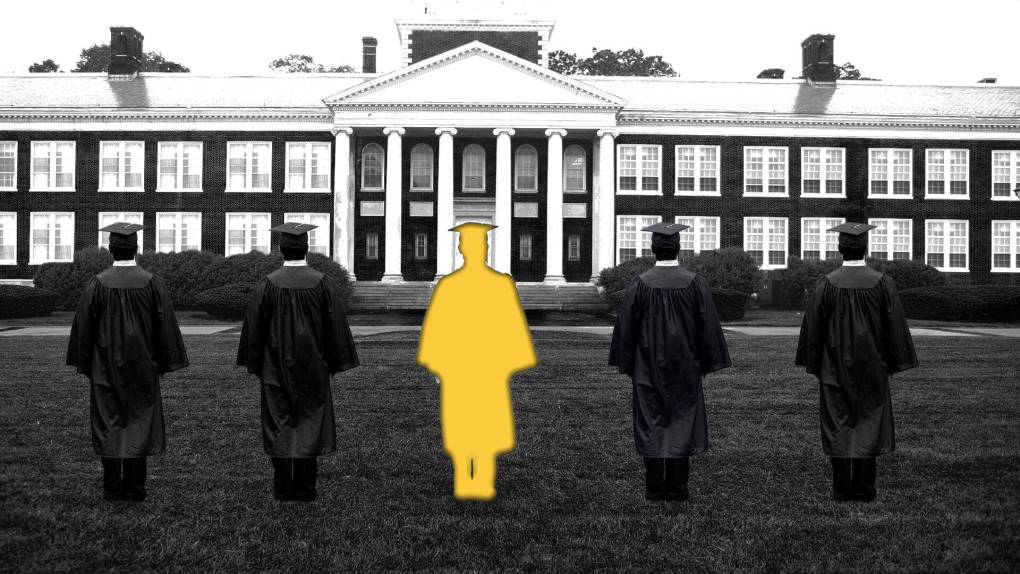
"caption": "Colleges and universities collectively experienced a 15% decline in enrollment between 2010 and 2021, according to the National Center for Education Statistics.",
"credit": "Photo illustration by Camilla Forte/The Hechinger Report images via Getty Images",
"altTag": "Five graduates, with one graduate shadowed out representing a missing grad, stand in front of a building.",
"description": null,
"imgSizes": {
"medium": {
"file": "https://cdn.kqed.org/wp-content/uploads/sites/23/2025/01/marcus-demographic-cliff-01-feat-800x450.jpeg",
"width": 800,
"height": 450,
"mimeType": "image/jpeg"
},
"large": {
"file": "https://cdn.kqed.org/wp-content/uploads/sites/23/2025/01/marcus-demographic-cliff-01-feat-1020x574.jpeg",
"width": 1020,
"height": 574,
"mimeType": "image/jpeg"
},
"thumbnail": {
"file": "https://cdn.kqed.org/wp-content/uploads/sites/23/2025/01/marcus-demographic-cliff-01-feat-160x90.jpeg",
"width": 160,
"height": 90,
"mimeType": "image/jpeg"
},
"medium_large": {
"file": "https://cdn.kqed.org/wp-content/uploads/sites/23/2025/01/marcus-demographic-cliff-01-feat-768x432.jpeg",
"width": 768,
"height": 432,
"mimeType": "image/jpeg"
},
"1536x1536": {
"file": "https://cdn.kqed.org/wp-content/uploads/sites/23/2025/01/marcus-demographic-cliff-01-feat-1536x864.jpeg",
"width": 1536,
"height": 864,
"mimeType": "image/jpeg"
},
"post-thumbnail": {
"file": "https://cdn.kqed.org/wp-content/uploads/sites/23/2025/01/marcus-demographic-cliff-01-feat-672x372.jpeg",
"width": 672,
"height": 372,
"mimeType": "image/jpeg"
},
"twentyfourteen-full-width": {
"file": "https://cdn.kqed.org/wp-content/uploads/sites/23/2025/01/marcus-demographic-cliff-01-feat-1038x576.jpeg",
"width": 1038,
"height": 576,
"mimeType": "image/jpeg"
},
"kqedFullSize": {
"file": "https://cdn.kqed.org/wp-content/uploads/sites/23/2025/01/marcus-demographic-cliff-01-feat.jpeg",
"width": 1920,
"height": 1080
}
},
"isLoading": false,
"fetchFailed": false
},
"mindshift_65001": {
"type": "attachments",
"id": "mindshift_65001",
"meta": {
"index": "attachments_1716263798",
"site": "mindshift",
"id": "65001",
"found": true
},
"title": "Education Student Loans",
"publishDate": 1732283069,
"status": "inherit",
"parent": 65000,
"modified": 1732283233,
"caption": null,
"credit": "AP Photo/Seth Wenig",
"altTag": "Shadow of college graduates",
"description": "FILE - New graduates line up before the start of the Bergen Community College commencement at MetLife Stadium in East Rutherford, N.J, May 17, 2018. The Education Department announced Thursday, July 18, 2024, that it is cancelling an additional $1.2 billion in student loans for borrowers who work in public service. (AP Photo/Seth Wenig, File)",
"imgSizes": {
"medium": {
"file": "https://cdn.kqed.org/wp-content/uploads/sites/23/2024/11/ap24200597142291-800x544.jpeg",
"width": 800,
"height": 544,
"mimeType": "image/jpeg"
},
"large": {
"file": "https://cdn.kqed.org/wp-content/uploads/sites/23/2024/11/ap24200597142291-1020x694.jpeg",
"width": 1020,
"height": 694,
"mimeType": "image/jpeg"
},
"thumbnail": {
"file": "https://cdn.kqed.org/wp-content/uploads/sites/23/2024/11/ap24200597142291-160x109.jpeg",
"width": 160,
"height": 109,
"mimeType": "image/jpeg"
},
"medium_large": {
"file": "https://cdn.kqed.org/wp-content/uploads/sites/23/2024/11/ap24200597142291-768x522.jpeg",
"width": 768,
"height": 522,
"mimeType": "image/jpeg"
},
"1536x1536": {
"file": "https://cdn.kqed.org/wp-content/uploads/sites/23/2024/11/ap24200597142291-1536x1045.jpeg",
"width": 1536,
"height": 1045,
"mimeType": "image/jpeg"
},
"2048x2048": {
"file": "https://cdn.kqed.org/wp-content/uploads/sites/23/2024/11/ap24200597142291-2048x1393.jpeg",
"width": 2048,
"height": 1393,
"mimeType": "image/jpeg"
},
"post-thumbnail": {
"file": "https://cdn.kqed.org/wp-content/uploads/sites/23/2024/11/ap24200597142291-672x372.jpeg",
"width": 672,
"height": 372,
"mimeType": "image/jpeg"
},
"twentyfourteen-full-width": {
"file": "https://cdn.kqed.org/wp-content/uploads/sites/23/2024/11/ap24200597142291-1038x576.jpeg",
"width": 1038,
"height": 576,
"mimeType": "image/jpeg"
},
"full-width": {
"file": "https://cdn.kqed.org/wp-content/uploads/sites/23/2024/11/ap24200597142291-1920x1306.jpeg",
"width": 1920,
"height": 1306,
"mimeType": "image/jpeg"
},
"kqedFullSize": {
"file": "https://cdn.kqed.org/wp-content/uploads/sites/23/2024/11/ap24200597142291-scaled.jpeg",
"width": 2560,
"height": 1741
}
},
"isLoading": false,
"fetchFailed": false
},
"mindshift_64955": {
"type": "attachments",
"id": "mindshift_64955",
"meta": {
"index": "attachments_1716263798",
"site": "mindshift",
"id": "64955",
"found": true
},
"title": "Close-up of middle school girl in library stacks",
"publishDate": 1731091329,
"status": "inherit",
"parent": 64953,
"modified": 1731091358,
"caption": null,
"credit": "Allison Shelley/The Verbatim Agency for EDUimages",
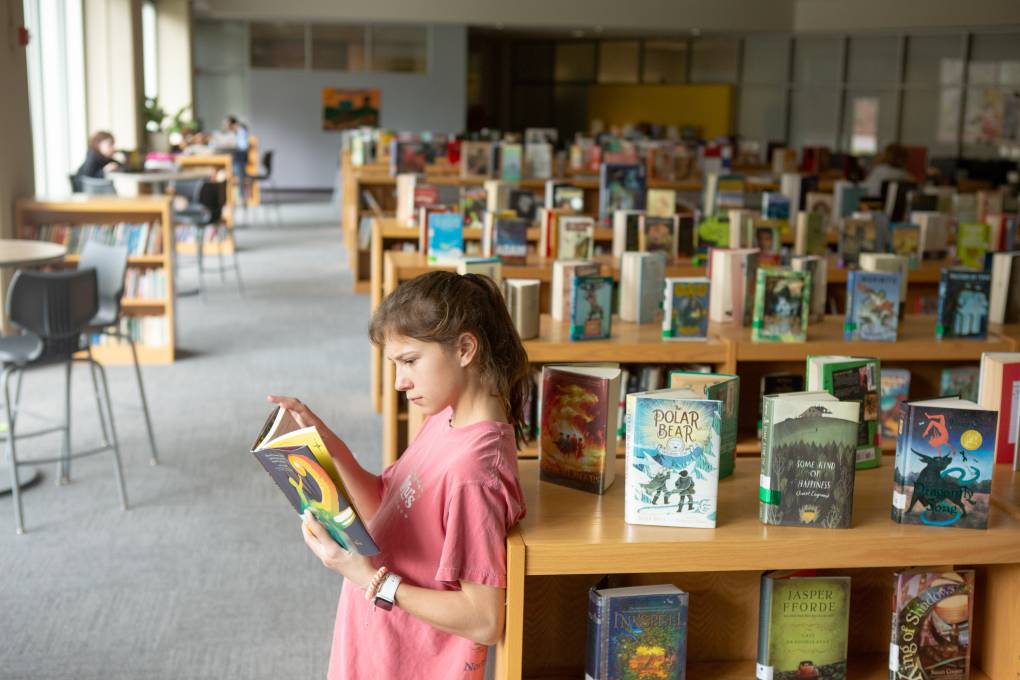
"altTag": "A seventh-grade student reads a book in the library stacks at Sutton Middle School.",
"description": null,
"imgSizes": {
"medium": {
"file": "https://cdn.kqed.org/wp-content/uploads/sites/23/2024/11/AMERICANED_SUTTON_078-800x533.jpg",
"width": 800,
"height": 533,
"mimeType": "image/jpeg"
},
"large": {
"file": "https://cdn.kqed.org/wp-content/uploads/sites/23/2024/11/AMERICANED_SUTTON_078-1020x680.jpg",
"width": 1020,
"height": 680,
"mimeType": "image/jpeg"
},
"thumbnail": {
"file": "https://cdn.kqed.org/wp-content/uploads/sites/23/2024/11/AMERICANED_SUTTON_078-160x107.jpg",
"width": 160,
"height": 107,
"mimeType": "image/jpeg"
},
"medium_large": {
"file": "https://cdn.kqed.org/wp-content/uploads/sites/23/2024/11/AMERICANED_SUTTON_078-768x512.jpg",
"width": 768,
"height": 512,
"mimeType": "image/jpeg"
},
"1536x1536": {
"file": "https://cdn.kqed.org/wp-content/uploads/sites/23/2024/11/AMERICANED_SUTTON_078-1536x1024.jpg",
"width": 1536,
"height": 1024,
"mimeType": "image/jpeg"
},
"2048x2048": {
"file": "https://cdn.kqed.org/wp-content/uploads/sites/23/2024/11/AMERICANED_SUTTON_078-2048x1365.jpg",
"width": 2048,
"height": 1365,
"mimeType": "image/jpeg"
},
"post-thumbnail": {
"file": "https://cdn.kqed.org/wp-content/uploads/sites/23/2024/11/AMERICANED_SUTTON_078-672x372.jpg",
"width": 672,
"height": 372,
"mimeType": "image/jpeg"
},
"twentyfourteen-full-width": {
"file": "https://cdn.kqed.org/wp-content/uploads/sites/23/2024/11/AMERICANED_SUTTON_078-1038x576.jpg",
"width": 1038,
"height": 576,
"mimeType": "image/jpeg"
},
"full-width": {
"file": "https://cdn.kqed.org/wp-content/uploads/sites/23/2024/11/AMERICANED_SUTTON_078-1920x1280.jpg",
"width": 1920,
"height": 1280,
"mimeType": "image/jpeg"
},
"kqedFullSize": {
"file": "https://cdn.kqed.org/wp-content/uploads/sites/23/2024/11/AMERICANED_SUTTON_078-scaled-e1731091366202.jpg",
"width": 1920,
"height": 1280
}
},
"isLoading": false,
"fetchFailed": false
},
"mindshift_64914": {
"type": "attachments",
"id": "mindshift_64914",
"meta": {
"index": "attachments_1716263798",
"site": "mindshift",
"id": "64914",
"found": true
},
"title": "Student writing essay in class",
"publishDate": 1730092553,
"status": "inherit",
"parent": 64913,
"modified": 1730092624,
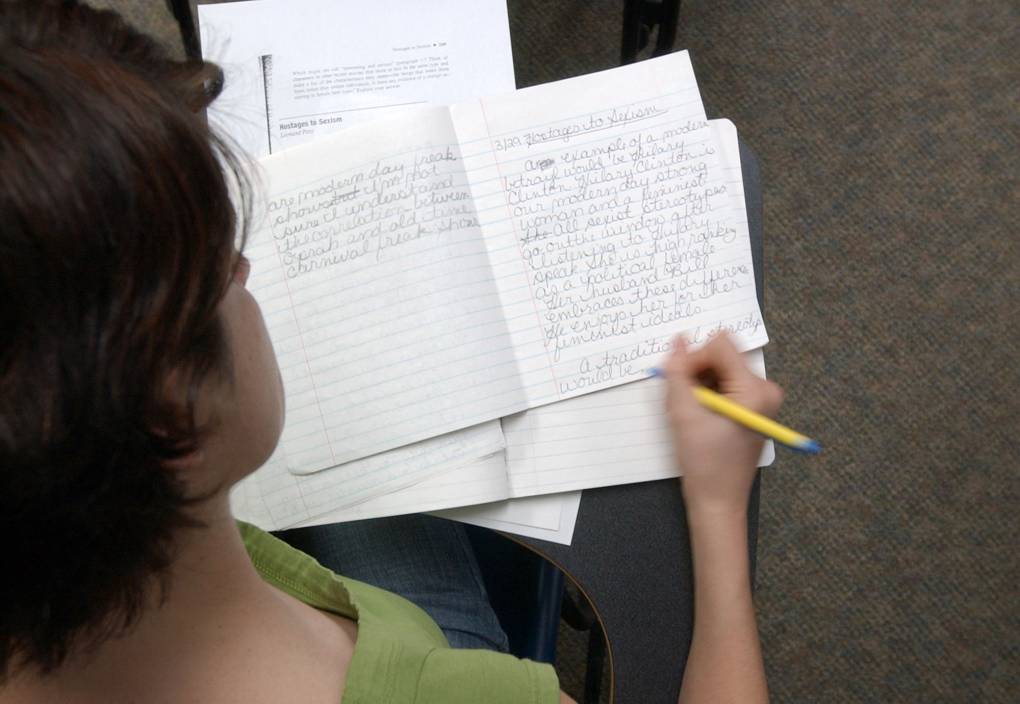
"caption": "A community college student works on an in-class writing assignment.",
"credit": "Bradley C. Bower/ Associated Press",
"altTag": null,
"description": null,
"imgSizes": {
"medium": {
"file": "https://cdn.kqed.org/wp-content/uploads/sites/23/2024/10/PP-dual-enrollment-800x552.jpg",
"width": 800,
"height": 552,
"mimeType": "image/jpeg"
},
"large": {
"file": "https://cdn.kqed.org/wp-content/uploads/sites/23/2024/10/PP-dual-enrollment-1020x704.jpg",
"width": 1020,
"height": 704,
"mimeType": "image/jpeg"
},
"thumbnail": {
"file": "https://cdn.kqed.org/wp-content/uploads/sites/23/2024/10/PP-dual-enrollment-160x110.jpg",
"width": 160,
"height": 110,
"mimeType": "image/jpeg"
},
"medium_large": {
"file": "https://cdn.kqed.org/wp-content/uploads/sites/23/2024/10/PP-dual-enrollment-768x530.jpg",
"width": 768,
"height": 530,
"mimeType": "image/jpeg"
},
"1536x1536": {
"file": "https://cdn.kqed.org/wp-content/uploads/sites/23/2024/10/PP-dual-enrollment-1536x1061.jpg",
"width": 1536,
"height": 1061,
"mimeType": "image/jpeg"
},
"post-thumbnail": {
"file": "https://cdn.kqed.org/wp-content/uploads/sites/23/2024/10/PP-dual-enrollment-672x372.jpg",
"width": 672,
"height": 372,
"mimeType": "image/jpeg"
},
"twentyfourteen-full-width": {
"file": "https://cdn.kqed.org/wp-content/uploads/sites/23/2024/10/PP-dual-enrollment-1038x576.jpg",
"width": 1038,
"height": 576,
"mimeType": "image/jpeg"
},
"full-width": {
"file": "https://cdn.kqed.org/wp-content/uploads/sites/23/2024/10/PP-dual-enrollment-1920x1326.jpg",
"width": 1920,
"height": 1326,
"mimeType": "image/jpeg"
},
"kqedFullSize": {
"file": "https://cdn.kqed.org/wp-content/uploads/sites/23/2024/10/PP-dual-enrollment.jpg",
"width": 2000,
"height": 1381
}
},
"isLoading": false,
"fetchFailed": false
},
"mindshift_64872": {
"type": "attachments",
"id": "mindshift_64872",
"meta": {
"index": "attachments_1716263798",
"site": "mindshift",
"id": "64872",
"found": true
},
"title": "Tennessee State Capitol",
"publishDate": 1728915591,
"status": "inherit",
"parent": 64867,
"modified": 1728915621,
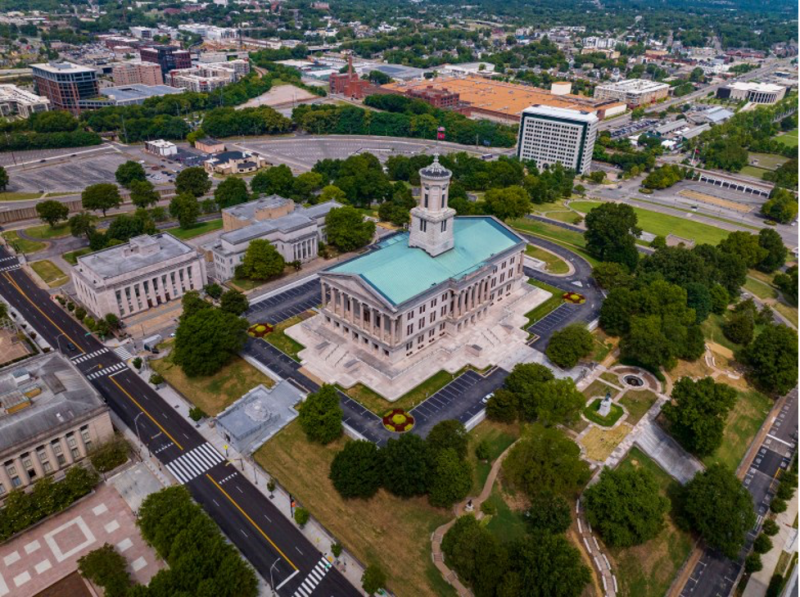
"caption": "View of the Tennessee State Capitol, where lawmakers were the first in the nation to pass a law in 2014 to make community college tuition free for future high school graduates. Credit: Joe Sohm/Visions of America/Universal Images Group via Getty Images",
"credit": null,
"altTag": "Overhead view of a state capitol building",
"description": null,
"imgSizes": {
"medium": {
"file": "https://cdn.kqed.org/wp-content/uploads/sites/23/2024/10/Tennessee-State-Capitol-800x597.png",
"width": 800,
"height": 597,
"mimeType": "image/png"
},
"thumbnail": {
"file": "https://cdn.kqed.org/wp-content/uploads/sites/23/2024/10/Tennessee-State-Capitol-160x119.png",
"width": 160,
"height": 119,
"mimeType": "image/png"
},
"medium_large": {
"file": "https://cdn.kqed.org/wp-content/uploads/sites/23/2024/10/Tennessee-State-Capitol-768x573.png",
"width": 768,
"height": 573,
"mimeType": "image/png"
},
"post-thumbnail": {
"file": "https://cdn.kqed.org/wp-content/uploads/sites/23/2024/10/Tennessee-State-Capitol-672x372.png",
"width": 672,
"height": 372,
"mimeType": "image/png"
},
"twentyfourteen-full-width": {
"file": "https://cdn.kqed.org/wp-content/uploads/sites/23/2024/10/Tennessee-State-Capitol-977x576.png",
"width": 977,
"height": 576,
"mimeType": "image/png"
},
"kqedFullSize": {
"file": "https://cdn.kqed.org/wp-content/uploads/sites/23/2024/10/Tennessee-State-Capitol.png",
"width": 977,
"height": 729
}
},
"isLoading": false,
"fetchFailed": false
},
"mindshift_64752": {
"type": "attachments",
"id": "mindshift_64752",
"meta": {
"index": "attachments_1716263798",
"site": "mindshift",
"id": "64752",
"found": true
},
"title": "A famous professor has arrived at the university to conduct a special lesson, the student pulls his hand up to ask him a question",
"publishDate": 1726860026,
"status": "inherit",
"parent": 64749,
"modified": 1726860106,
"caption": null,
"credit": "fpphotobank/iStock",
"altTag": "male student raises his hand at the back of a college classroom",
"description": null,
"imgSizes": {
"medium": {
"file": "https://cdn.kqed.org/wp-content/uploads/sites/23/2024/09/iStock-1415961311-800x533.jpg",
"width": 800,
"height": 533,
"mimeType": "image/jpeg"
},
"large": {
"file": "https://cdn.kqed.org/wp-content/uploads/sites/23/2024/09/iStock-1415961311-1020x680.jpg",
"width": 1020,
"height": 680,
"mimeType": "image/jpeg"
},
"thumbnail": {
"file": "https://cdn.kqed.org/wp-content/uploads/sites/23/2024/09/iStock-1415961311-160x107.jpg",
"width": 160,
"height": 107,
"mimeType": "image/jpeg"
},
"medium_large": {
"file": "https://cdn.kqed.org/wp-content/uploads/sites/23/2024/09/iStock-1415961311-768x512.jpg",
"width": 768,
"height": 512,
"mimeType": "image/jpeg"
},
"1536x1536": {
"file": "https://cdn.kqed.org/wp-content/uploads/sites/23/2024/09/iStock-1415961311-1536x1024.jpg",
"width": 1536,
"height": 1024,
"mimeType": "image/jpeg"
},
"2048x2048": {
"file": "https://cdn.kqed.org/wp-content/uploads/sites/23/2024/09/iStock-1415961311-2048x1365.jpg",
"width": 2048,
"height": 1365,
"mimeType": "image/jpeg"
},
"post-thumbnail": {
"file": "https://cdn.kqed.org/wp-content/uploads/sites/23/2024/09/iStock-1415961311-672x372.jpg",
"width": 672,
"height": 372,
"mimeType": "image/jpeg"
},
"twentyfourteen-full-width": {
"file": "https://cdn.kqed.org/wp-content/uploads/sites/23/2024/09/iStock-1415961311-1038x576.jpg",
"width": 1038,
"height": 576,
"mimeType": "image/jpeg"
},
"full-width": {
"file": "https://cdn.kqed.org/wp-content/uploads/sites/23/2024/09/iStock-1415961311-1920x1280.jpg",
"width": 1920,
"height": 1280,
"mimeType": "image/jpeg"
},
"kqedFullSize": {
"file": "https://cdn.kqed.org/wp-content/uploads/sites/23/2024/09/iStock-1415961311.jpg",
"width": 2121,
"height": 1414
}
},
"isLoading": false,
"fetchFailed": false
},
"mindshift_64567": {
"type": "attachments",
"id": "mindshift_64567",
"meta": {
"index": "attachments_1716263798",
"site": "mindshift",
"id": "64567",
"found": true
},
"title": "HE-sustainability classes",
"publishDate": 1724792905,
"status": "inherit",
"parent": 64564,
"modified": 1724792964,
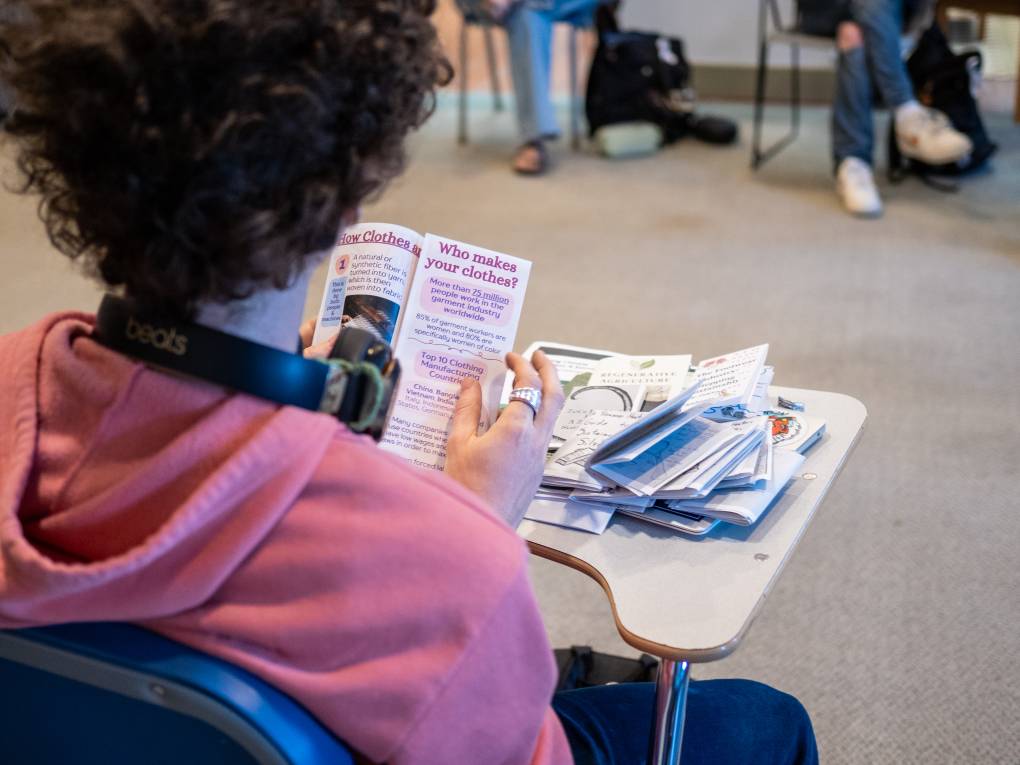
"caption": "Sustainability courses and instruction are spreading at colleges around the country, in fields as diverse as foreign languages, fashion and history.",
"credit": "Yunuen Bonaparte for The Hechinger Report ",
"altTag": null,
"description": null,
"imgSizes": {
"medium": {
"file": "https://cdn.kqed.org/wp-content/uploads/sites/23/2024/08/HE-sustainability-classes-800x600.jpg",
"width": 800,
"height": 600,
"mimeType": "image/jpeg"
},
"large": {
"file": "https://cdn.kqed.org/wp-content/uploads/sites/23/2024/08/HE-sustainability-classes-1020x765.jpg",
"width": 1020,
"height": 765,
"mimeType": "image/jpeg"
},
"thumbnail": {
"file": "https://cdn.kqed.org/wp-content/uploads/sites/23/2024/08/HE-sustainability-classes-160x120.jpg",
"width": 160,
"height": 120,
"mimeType": "image/jpeg"
},
"medium_large": {
"file": "https://cdn.kqed.org/wp-content/uploads/sites/23/2024/08/HE-sustainability-classes-768x576.jpg",
"width": 768,
"height": 576,
"mimeType": "image/jpeg"
},
"1536x1536": {
"file": "https://cdn.kqed.org/wp-content/uploads/sites/23/2024/08/HE-sustainability-classes-1536x1152.jpg",
"width": 1536,
"height": 1152,
"mimeType": "image/jpeg"
},
"2048x2048": {
"file": "https://cdn.kqed.org/wp-content/uploads/sites/23/2024/08/HE-sustainability-classes-2048x1536.jpg",
"width": 2048,
"height": 1536,
"mimeType": "image/jpeg"
},
"post-thumbnail": {
"file": "https://cdn.kqed.org/wp-content/uploads/sites/23/2024/08/HE-sustainability-classes-672x372.jpg",
"width": 672,
"height": 372,
"mimeType": "image/jpeg"
},
"twentyfourteen-full-width": {
"file": "https://cdn.kqed.org/wp-content/uploads/sites/23/2024/08/HE-sustainability-classes-1038x576.jpg",
"width": 1038,
"height": 576,
"mimeType": "image/jpeg"
},
"full-width": {
"file": "https://cdn.kqed.org/wp-content/uploads/sites/23/2024/08/HE-sustainability-classes-1920x1440.jpg",
"width": 1920,
"height": 1440,
"mimeType": "image/jpeg"
},
"kqedFullSize": {
"file": "https://cdn.kqed.org/wp-content/uploads/sites/23/2024/08/HE-sustainability-classes-scaled.jpg",
"width": 2560,
"height": 1920
}
},
"isLoading": false,
"fetchFailed": false
},
"mindshift_64294": {
"type": "attachments",
"id": "mindshift_64294",
"meta": {
"index": "attachments_1716263798",
"site": "mindshift",
"id": "64294",
"found": true
},
"title": "testing debt-relief",
"publishDate": 1721658711,
"status": "inherit",
"parent": 64293,
"modified": 1721658711,
"caption": null,
"credit": null,
"altTag": null,
"description": "Student debt relief",
"imgSizes": {
"medium": {
"file": "https://cdn.kqed.org/wp-content/uploads/sites/23/2024/07/image-13-800x499.jpeg",
"width": 800,
"height": 499,
"mimeType": "image/jpeg"
},
"large": {
"file": "https://cdn.kqed.org/wp-content/uploads/sites/23/2024/07/image-13-1020x637.jpeg",
"width": 1020,
"height": 637,
"mimeType": "image/jpeg"
},
"thumbnail": {
"file": "https://cdn.kqed.org/wp-content/uploads/sites/23/2024/07/image-13-160x100.jpeg",
"width": 160,
"height": 100,
"mimeType": "image/jpeg"
},
"medium_large": {
"file": "https://cdn.kqed.org/wp-content/uploads/sites/23/2024/07/image-13-768x479.jpeg",
"width": 768,
"height": 479,
"mimeType": "image/jpeg"
},
"1536x1536": {
"file": "https://cdn.kqed.org/wp-content/uploads/sites/23/2024/07/image-13-1536x959.jpeg",
"width": 1536,
"height": 959,
"mimeType": "image/jpeg"
},
"2048x2048": {
"file": "https://cdn.kqed.org/wp-content/uploads/sites/23/2024/07/image-13-2048x1278.jpeg",
"width": 2048,
"height": 1278,
"mimeType": "image/jpeg"
},
"post-thumbnail": {
"file": "https://cdn.kqed.org/wp-content/uploads/sites/23/2024/07/image-13-672x372.jpeg",
"width": 672,
"height": 372,
"mimeType": "image/jpeg"
},
"twentyfourteen-full-width": {
"file": "https://cdn.kqed.org/wp-content/uploads/sites/23/2024/07/image-13-1038x576.jpeg",
"width": 1038,
"height": 576,
"mimeType": "image/jpeg"
},
"full-width": {
"file": "https://cdn.kqed.org/wp-content/uploads/sites/23/2024/07/image-13-1920x1198.jpeg",
"width": 1920,
"height": 1198,
"mimeType": "image/jpeg"
},
"kqedFullSize": {
"file": "https://cdn.kqed.org/wp-content/uploads/sites/23/2024/07/image-13-scaled.jpeg",
"width": 2560,
"height": 1598
}
},
"isLoading": false,
"fetchFailed": false
},
"mindshift_64183": {
"type": "attachments",
"id": "mindshift_64183",
"meta": {
"index": "attachments_1716263798",
"site": "mindshift",
"id": "64183",
"found": true
},
"title": "2024-Walmart- Huntsville, Ala-[ARice]",
"publishDate": 1720452001,
"status": "inherit",
"parent": 64182,
"modified": 1720452250,
"caption": "Bonnie Boop is now a people lead at Walmart in Huntsville, Ala. She received college credit for a company training program, graduating with a bachelor's degree last year.",
"credit": "Andi Rice/for NPR",
"altTag": null,
"description": null,
"imgSizes": {
"medium": {
"file": "https://cdn.kqed.org/wp-content/uploads/sites/23/2024/07/npr-063024-selects-2-800x533.jpeg",
"width": 800,
"height": 533,
"mimeType": "image/jpeg"
},
"large": {
"file": "https://cdn.kqed.org/wp-content/uploads/sites/23/2024/07/npr-063024-selects-2-1020x680.jpeg",
"width": 1020,
"height": 680,
"mimeType": "image/jpeg"
},
"thumbnail": {
"file": "https://cdn.kqed.org/wp-content/uploads/sites/23/2024/07/npr-063024-selects-2-160x107.jpeg",
"width": 160,
"height": 107,
"mimeType": "image/jpeg"
},
"medium_large": {
"file": "https://cdn.kqed.org/wp-content/uploads/sites/23/2024/07/npr-063024-selects-2-768x512.jpeg",
"width": 768,
"height": 512,
"mimeType": "image/jpeg"
},
"1536x1536": {
"file": "https://cdn.kqed.org/wp-content/uploads/sites/23/2024/07/npr-063024-selects-2-1536x1024.jpeg",
"width": 1536,
"height": 1024,
"mimeType": "image/jpeg"
},
"2048x2048": {
"file": "https://cdn.kqed.org/wp-content/uploads/sites/23/2024/07/npr-063024-selects-2-2048x1366.jpeg",
"width": 2048,
"height": 1366,
"mimeType": "image/jpeg"
},
"post-thumbnail": {
"file": "https://cdn.kqed.org/wp-content/uploads/sites/23/2024/07/npr-063024-selects-2-672x372.jpeg",
"width": 672,
"height": 372,
"mimeType": "image/jpeg"
},
"twentyfourteen-full-width": {
"file": "https://cdn.kqed.org/wp-content/uploads/sites/23/2024/07/npr-063024-selects-2-1038x576.jpeg",
"width": 1038,
"height": 576,
"mimeType": "image/jpeg"
},
"full-width": {
"file": "https://cdn.kqed.org/wp-content/uploads/sites/23/2024/07/npr-063024-selects-2-1920x1280.jpeg",
"width": 1920,
"height": 1280,
"mimeType": "image/jpeg"
},
"kqedFullSize": {
"file": "https://cdn.kqed.org/wp-content/uploads/sites/23/2024/07/npr-063024-selects-2-scaled.jpeg",
"width": 2560,
"height": 1707
}
},
"isLoading": false,
"fetchFailed": false
},
"mindshift_64085": {
"type": "attachments",
"id": "mindshift_64085",
"meta": {
"index": "attachments_1716263798",
"site": "mindshift",
"id": "64085",
"found": true
},
"title": null,
"publishDate": 1719240073,
"status": "inherit",
"parent": 64084,
"modified": 1719240497,
"caption": "For many college-bound students, the federal financial aid process has been beset by problems.",
"credit": "John Lamb/Getty Images",
"altTag": null,
"description": null,
"imgSizes": {
"medium": {
"file": "https://cdn.kqed.org/wp-content/uploads/sites/23/2024/06/fafsa-image-ed94c54c762db36f78bdc8a1847dec8f462b771b-800x600.jpeg",
"width": 800,
"height": 600,
"mimeType": "image/jpeg"
},
"large": {
"file": "https://cdn.kqed.org/wp-content/uploads/sites/23/2024/06/fafsa-image-ed94c54c762db36f78bdc8a1847dec8f462b771b-1020x765.jpeg",
"width": 1020,
"height": 765,
"mimeType": "image/jpeg"
},
"thumbnail": {
"file": "https://cdn.kqed.org/wp-content/uploads/sites/23/2024/06/fafsa-image-ed94c54c762db36f78bdc8a1847dec8f462b771b-160x120.jpeg",
"width": 160,
"height": 120,
"mimeType": "image/jpeg"
},
"medium_large": {
"file": "https://cdn.kqed.org/wp-content/uploads/sites/23/2024/06/fafsa-image-ed94c54c762db36f78bdc8a1847dec8f462b771b-768x576.jpeg",
"width": 768,
"height": 576,
"mimeType": "image/jpeg"
},
"post-thumbnail": {
"file": "https://cdn.kqed.org/wp-content/uploads/sites/23/2024/06/fafsa-image-ed94c54c762db36f78bdc8a1847dec8f462b771b-672x372.jpeg",
"width": 672,
"height": 372,
"mimeType": "image/jpeg"
},
"twentyfourteen-full-width": {
"file": "https://cdn.kqed.org/wp-content/uploads/sites/23/2024/06/fafsa-image-ed94c54c762db36f78bdc8a1847dec8f462b771b-1038x576.jpeg",
"width": 1038,
"height": 576,
"mimeType": "image/jpeg"
},
"kqedFullSize": {
"file": "https://cdn.kqed.org/wp-content/uploads/sites/23/2024/06/fafsa-image-ed94c54c762db36f78bdc8a1847dec8f462b771b.jpeg",
"width": 1489,
"height": 1117
}
},
"isLoading": false,
"fetchFailed": false
},
"mindshift_63705": {
"type": "attachments",
"id": "mindshift_63705",
"meta": {
"index": "attachments_1716263798",
"site": "mindshift",
"id": "63705",
"found": true
},
"parent": 63704,
"imgSizes": {
"twentyfourteen-full-width": {
"file": "https://cdn.kqed.org/wp-content/uploads/sites/23/2024/05/ap7005041384-f6ec6d9bed8fb02ebd8cd9b2d35ec98be9ab2dc6-1038x576.jpg",
"width": 1038,
"mimeType": "image/jpeg",
"height": 576
},
"thumbnail": {
"file": "https://cdn.kqed.org/wp-content/uploads/sites/23/2024/05/ap7005041384-f6ec6d9bed8fb02ebd8cd9b2d35ec98be9ab2dc6-160x120.jpg",
"width": 160,
"mimeType": "image/jpeg",
"height": 120
},
"post-thumbnail": {
"file": "https://cdn.kqed.org/wp-content/uploads/sites/23/2024/05/ap7005041384-f6ec6d9bed8fb02ebd8cd9b2d35ec98be9ab2dc6-672x372.jpg",
"width": 672,
"mimeType": "image/jpeg",
"height": 372
},
"kqedFullSize": {
"file": "https://cdn.kqed.org/wp-content/uploads/sites/23/2024/05/ap7005041384-f6ec6d9bed8fb02ebd8cd9b2d35ec98be9ab2dc6-scaled.jpg",
"width": 2560,
"height": 1920
},
"2048x2048": {
"file": "https://cdn.kqed.org/wp-content/uploads/sites/23/2024/05/ap7005041384-f6ec6d9bed8fb02ebd8cd9b2d35ec98be9ab2dc6-2048x1536.jpg",
"width": 2048,
"mimeType": "image/jpeg",
"height": 1536
},
"large": {
"file": "https://cdn.kqed.org/wp-content/uploads/sites/23/2024/05/ap7005041384-f6ec6d9bed8fb02ebd8cd9b2d35ec98be9ab2dc6-1020x765.jpg",
"width": 1020,
"mimeType": "image/jpeg",
"height": 765
},
"1536x1536": {
"file": "https://cdn.kqed.org/wp-content/uploads/sites/23/2024/05/ap7005041384-f6ec6d9bed8fb02ebd8cd9b2d35ec98be9ab2dc6-1536x1152.jpg",
"width": 1536,
"mimeType": "image/jpeg",
"height": 1152
},
"full-width": {
"file": "https://cdn.kqed.org/wp-content/uploads/sites/23/2024/05/ap7005041384-f6ec6d9bed8fb02ebd8cd9b2d35ec98be9ab2dc6-1920x1440.jpg",
"width": 1920,
"mimeType": "image/jpeg",
"height": 1440
},
"medium": {
"file": "https://cdn.kqed.org/wp-content/uploads/sites/23/2024/05/ap7005041384-f6ec6d9bed8fb02ebd8cd9b2d35ec98be9ab2dc6-800x600.jpg",
"width": 800,
"mimeType": "image/jpeg",
"height": 600
},
"medium_large": {
"file": "https://cdn.kqed.org/wp-content/uploads/sites/23/2024/05/ap7005041384-f6ec6d9bed8fb02ebd8cd9b2d35ec98be9ab2dc6-768x576.jpg",
"width": 768,
"mimeType": "image/jpeg",
"height": 576
}
},
"publishDate": 1714996351,
"modified": 1714996466,
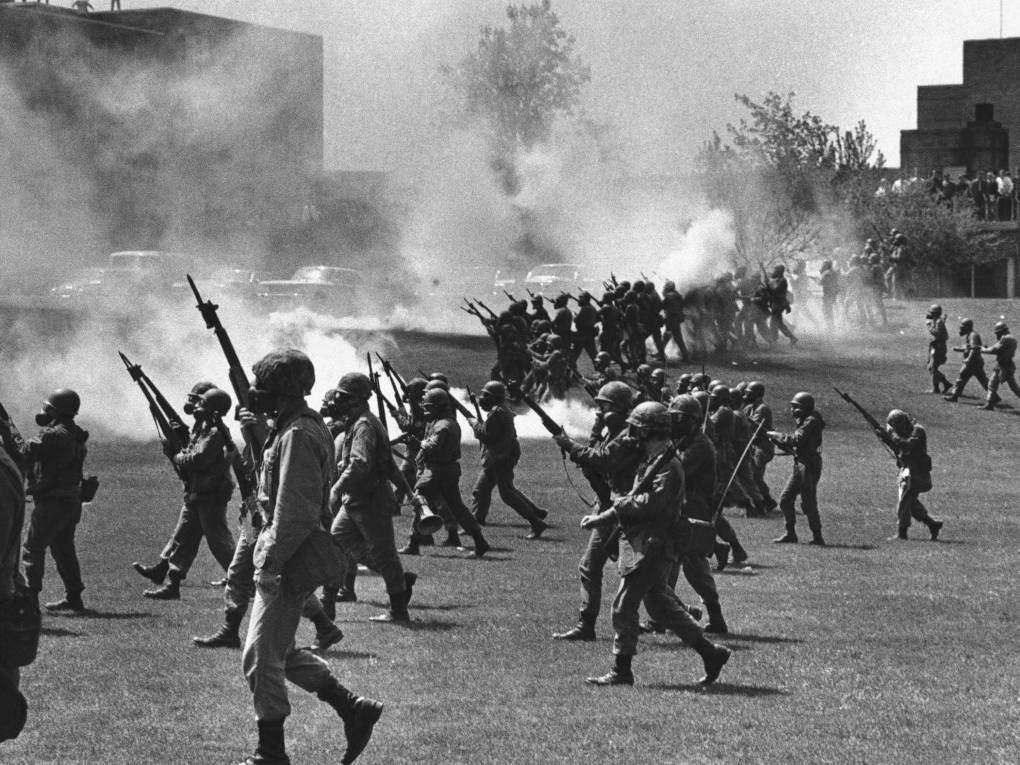
"caption": "Ohio National Guard members towards students at Kent State University in Kent, Ohio, on May 4, 1970. They fired into the crowd, killing four students and injuring nine.",
"description": null,
"title": "Ohio National Guard members towards students at Kent State University in Kent, Ohio, on May 4, 1970. They fired into the crowd, killing four students and injuring nine.",
"credit": "AP",
"status": "inherit",
"altTag": null,
"isLoading": false,
"fetchFailed": false
}
},
"audioPlayerReducer": {
"postId": "stream_live",
"isPaused": true,
"isPlaying": false,
"pfsActive": false,
"pledgeModalIsOpen": true,
"playerDrawerIsOpen": false,
"liveAudioPlayStartedAt": 0,
"liveAudioPlayContext": ""
},
"authorsReducer": {
"byline_mindshift_65377": {
"type": "authors",
"id": "byline_mindshift_65377",
"meta": {
"override": true
},
"slug": "byline_mindshift_65377",
"name": "Cory Turner",
"isLoading": false
},
"byline_mindshift_65103": {
"type": "authors",
"id": "byline_mindshift_65103",
"meta": {
"override": true
},
"slug": "byline_mindshift_65103",
"name": "Jon Marcus, \u003ca href=\"https://hechingerreport.org/\">The Hechinger Report\u003c/a>",
"isLoading": false
},
"byline_mindshift_65000": {
"type": "authors",
"id": "byline_mindshift_65000",
"meta": {
"override": true
},
"slug": "byline_mindshift_65000",
"name": "Jonaki Mehta",
"isLoading": false
},
"byline_mindshift_64913": {
"type": "authors",
"id": "byline_mindshift_64913",
"meta": {
"override": true
},
"slug": "byline_mindshift_64913",
"name": "Jill Barshay, \u003ca href=\"https://hechingerreport.org/\">The Hechinger Report\u003c/a>",
"isLoading": false
},
"byline_mindshift_64867": {
"type": "authors",
"id": "byline_mindshift_64867",
"meta": {
"override": true
},
"slug": "byline_mindshift_64867",
"name": "Jill Barshay, \u003ca href=\"https://hechingerreport.org/\">The Hechinger Report\u003c/a>",
"isLoading": false
},
"byline_mindshift_64749": {
"type": "authors",
"id": "byline_mindshift_64749",
"meta": {
"override": true
},
"slug": "byline_mindshift_64749",
"name": "Jill Barshay, \u003ca href=\"https://hechingerreport.org/\" target=\"_blank\">The Hechinger Report\u003c/a>",
"isLoading": false
},
"byline_mindshift_64564": {
"type": "authors",
"id": "byline_mindshift_64564",
"meta": {
"override": true
},
"slug": "byline_mindshift_64564",
"name": "Anya Kamenetz, The Hechinger Report",
"isLoading": false
},
"byline_mindshift_64293": {
"type": "authors",
"id": "byline_mindshift_64293",
"meta": {
"override": true
},
"slug": "byline_mindshift_64293",
"name": "Sequoia Carrillo",
"isLoading": false
},
"byline_mindshift_64182": {
"type": "authors",
"id": "byline_mindshift_64182",
"meta": {
"override": true
},
"slug": "byline_mindshift_64182",
"name": "Alina Selyukh",
"isLoading": false
},
"byline_mindshift_64084": {
"type": "authors",
"id": "byline_mindshift_64084",
"meta": {
"override": true
},
"slug": "byline_mindshift_64084",
"name": "Consider This from NPR",
"isLoading": false
},
"byline_mindshift_63704": {
"type": "authors",
"id": "byline_mindshift_63704",
"meta": {
"override": true
},
"slug": "byline_mindshift_63704",
"name": "Rachel Treisman",
"isLoading": false
},
"ngobir": {
"type": "authors",
"id": "11721",
"meta": {
"index": "authors_1716337520",
"id": "11721",
"found": true
},
"name": "Nimah Gobir",
"firstName": "Nimah",
"lastName": "Gobir",
"slug": "ngobir",
"email": "ngobir@kqed.org",
"display_author_email": false,
"staff_mastheads": [],
"title": "KQED Contributor",
"bio": null,
"avatar": "https://secure.gravatar.com/avatar/837f5df7045c59f3ec097cdf7ac391373ab75d5ec936dd7099b8cb6f0af1b0e9?s=600&d=blank&r=g",
"twitter": null,
"bluesky": null,
"facebook": null,
"instagram": null,
"linkedin": null,
"sites": [
{
"site": "mindshift",
"roles": [
"editor"
]
}
],
"headData": {
"title": "Nimah Gobir | KQED",
"description": "KQED Contributor",
"ogImgSrc": "https://secure.gravatar.com/avatar/837f5df7045c59f3ec097cdf7ac391373ab75d5ec936dd7099b8cb6f0af1b0e9?s=600&d=blank&r=g",
"twImgSrc": "https://secure.gravatar.com/avatar/837f5df7045c59f3ec097cdf7ac391373ab75d5ec936dd7099b8cb6f0af1b0e9?s=600&d=blank&r=g"
},
"isLoading": false,
"link": "/author/ngobir"
}
},
"pagesReducer": {
"mindshift_category_higher-education": {
"type": "terms",
"id": "mindshift_21694",
"meta": {
"index": "terms_1716263798",
"site": "mindshift",
"id": "21694",
"score": 13.107925
},
"featImg": null,
"name": "Higher Education",
"description": null,
"taxonomy": "category",
"headData": {
"twImgId": null,
"twTitle": null,
"ogTitle": null,
"ogImgId": null,
"twDescription": null,
"description": null,
"title": "Higher Education Archives - KQED Mindshift",
"ogDescription": null
},
"ttid": 20966,
"slug": "higher-education",
"isLoading": false,
"title": "Higher Education",
"pageMeta": {
"site": "mindshift",
"WpPageTemplate": "page-topic-editorial",
"currentPage": 2
},
"blocks": [
{
"blockName": "kqed/post-list",
"attrs": {
"layout": "cardArticle2",
"query": "posts/mindshift?category=higher-education",
"seeMore": false,
"paginated": true,
"page": 2
}
},
{
"blockName": "kqed/ad"
}
]
}
},
"pfsSessionReducer": {},
"postsReducer": {
"stream_live": {
"type": "live",
"id": "stream_live",
"audioUrl": "https://streams.kqed.org/kqedradio",
"title": "Live Stream",
"excerpt": "Live Stream information currently unavailable.",
"link": "/radio",
"featImg": "",
"label": {
"name": "KQED Live",
"link": "/"
}
},
"stream_kqedNewscast": {
"type": "posts",
"id": "stream_kqedNewscast",
"audioUrl": "https://www.kqed.org/.stream/anon/radio/RDnews/newscast.mp3?_=1",
"title": "KQED Newscast",
"featImg": "",
"label": {
"name": "88.5 FM",
"link": "/"
}
},
"mindshift_65377": {
"type": "posts",
"id": "mindshift_65377",
"meta": {
"index": "posts_1716263798",
"site": "mindshift",
"id": "65377",
"score": null,
"sort": [
1743483943000
]
},
"guestAuthors": [],
"slug": "6-important-things-borrowers-should-know-about-federal-student-loans-right-now",
"title": "6 Important Things Borrowers Should Know About Federal Student Loans Right Now",
"publishDate": 1743483943,
"format": "standard",
"headTitle": "6 Important Things Borrowers Should Know About Federal Student Loans Right Now | KQED",
"labelTerm": {
"term": 21847,
"site": "mindshift"
},
"content": "\u003cp>The federal student loan system is a mess right now.\u003c/p>\n\u003cp>“Unprecedented uncertainty,” says Beth Akers, a higher education researcher at the conservative-leaning American Enterprise Institute (AEI).\u003c/p>\n\u003cp>“Total disarray,” says Michele Zampini with the left-leaning Institute for College Access and Success.\u003c/p>\n\u003cp>They’re talking about the fact that 8 million federal student loan borrowers are waiting for the courts to decide if their repayment plan is legal at the same time another 9 million are late on their payments and may be plunging toward default. All while the federal office that oversees student loans has been \u003ca href=\"https://www.npr.org/2025/03/12/nx-s1-5325854/trump-education-department-layoffs-civil-rights-student-loans\" target=\"_blank\" rel=\"noopener\">cut in half\u003c/a> and \u003ca href=\"https://www.npr.org/2025/03/21/nx-s1-5336330/trump-education-department-student-loans-special-education-fsa\" target=\"_blank\" rel=\"noopener\">may be moving\u003c/a> to a different federal agency.\u003c/p>\n\u003cp>NPR has spent the past few weeks catching up with student loan experts and asking the Trump administration for clarity on some of borrowers’ biggest questions.\u003c/p>\n\u003cp>[ad fullwidth]\u003c/p>\n\u003cp>Here are six takeaways from our effort to clear up some of their confusion.\u003c/p>\n\u003ch2>1. About 9 million borrowers may be heading for default\u003c/h2>\n\u003cp>When the U.S. Department of Education paused federal student loan payments at the beginning of the COVID-19 pandemic, it paused the threat of default too. And the era of leniency that followed lasted so long — nearly the entire Biden administration — that many borrowers are now being caught off-guard by the loan system’s slow return to business-as-usual.\u003c/p>\n\u003cp>On Oct. 1, 2024, the system’s master clock resumed its telltale ticking toward default for millions of borrowers who fail to make their required payments.\u003c/p>\n\u003cp>When a borrower goes more than 90 days without a payment, a \u003ca href=\"https://studentaid.gov/manage-loans/default\" target=\"_blank\" rel=\"noopener\">cascade of consequences\u003c/a> kicks in, beginning with reporting that delinquency to the national credit bureaus. Weakened credit can make it harder to do all sorts of things, including buy a car or rent a place to live.\u003c/p>\n\u003cp>It gets worse. After 270 days without making a payment, a borrower is considered in default, which means wages and tax refunds can be seized by the U.S. government.\u003c/p>\n\u003cp>Translation: Borrowers who don’t pay up front still end up paying.\u003c/p>\n\u003cp>According to internal department data obtained by NPR, as of March 7, 4.2 million borrowers were more than 90 days late on their payments. And nearly 5 million borrowers were between one and 90 days late.\u003c/p>\n\u003cp>That’s more than 1 in 5 of the country’s roughly 43 million borrowers potentially on their way to default.\u003c/p>\n\u003cp>“I think we’re absolutely going to see an explosion of delinquency and defaults,” says Wil Del Pilar of the left-leaning EdTrust.\u003c/p>\n\u003cp>[aside postID=news_12033573 hero=’https://cdn.kqed.org/wp-content/uploads/sites/10/2024/12/GettyImages-2102856667-1020×680.jpg’]\u003c/p>\n\u003cp>Scott Buchanan is the executive director of the Student Loan Servicing Alliance, which represents the companies that manage student loans for the federal government. He says many borrowers would have gone into default over the past four years but were saved by the pandemic safety net. Now, “that wave is hitting the shores all at once.”\u003c/p>\n\u003cp>Buchanan points out that the law requires servicers to warn borrowers — repeatedly — before they plunge into default. He has a simple message: Do not ignore these warnings.\u003c/p>\n\u003cp>If your phone rings and the Caller ID says it’s your loan servicer, Buchanan says, “We’re not trying to upsell you on anything. We have no product to offer. When you see us calling, it’s probably because there’s a problem. You need to answer.”\u003c/p>\n\u003cp>You might be on the verge of default and not even know it.\u003c/p>\n\u003cp>NPR sent the department a list of more than 10 questions related to this article, including asking it to confirm its delinquency numbers. The department responded to one question — about why borrowers haven’t been able to enroll in income-driven repayment plans (see takeaway No. 3).\u003c/p>\n\u003ch2>2. The SAVE repayment plan is as good as dead\u003c/h2>\n\u003cp>Former President Joe Biden’s Saving on a Valuable Education (SAVE) repayment plan \u003ca href=\"https://www.npr.org/2023/07/14/1187545921/student-loan-forgiveness-save-repayment\" target=\"_blank\" rel=\"noopener\">was so generous\u003c/a> with its payment terms and promise of forgiveness that federal courts are currently debating whether it’s even legal. Before the courts put SAVE on hold, 8 million people had enrolled.\u003c/p>\n\u003cp>Now, these SAVE borrowers who are in legal limbo don’t have to make monthly payments. But if you’re a borrower hoping for someone to save SAVE, it’s time for your Plan B.\u003c/p>\n\u003cp>“There isn’t going to be a SAVE plan,” says Jason Delisle, a nonpartisan higher education researcher with the Urban Institute. “It’s either going down under legislation or it’s going down by the judge’s ruling.”\u003c/p>\n\u003cp>Delisle and other experts tell NPR that congressional Republicans would benefit from the courts \u003cem>not\u003c/em> killing SAVE because they want to kill it themselves, as part of their \u003ca href=\"https://www.npr.org/2025/02/25/g-s1-50474/reconciliation-trump-republicans-congress\" target=\"_blank\" rel=\"noopener\">budget reconciliation bill\u003c/a>. If they can use that bill to end SAVE, AEI’s Akers says they can use the savings to help pay for an extension of the Trump tax cuts. If the courts end SAVE first, Republicans’ legislative savings evaporate.\u003c/p>\n\u003ch2>3. Income-driven repayment plans are finally back open\u003c/h2>\n\u003cp>The judge’s order freezing the SAVE plan has raised legal questions about the department’s other income-driven repayment plans: Pay As You Earn (PAYE) and Income-Contingent Repayment (ICR).\u003c/p>\n\u003cp>The online form to enroll in these plans was removed from the Education Department’s website more than a month ago, which means borrowers haven’t been able to enroll in them.\u003c/p>\n\u003cp>Without access to any of the department’s income-driven plans, “essentially, the system has frozen in time,” says Zampini with the Institute for College Access and Success.\u003c/p>\n\u003cp>In a Wednesday statement, the department told NPR: “The Department is working to ensure these [IDR] programs conform with the 8th Circuit’s ruling.”\u003c/p>\n\u003cp>The online form was restored soon after on Wednesday.\u003c/p>\n\u003cp>The monthlong lapse caused headaches for borrowers who were already in an income-driven plan and had been asked to recertify their income, which they couldn’t do while the enrollment form was down. This led to \u003ca href=\"https://fortune.com/2025/03/17/millennials-student-loan-payments-skyrocket-donald-trump-administration-changes-department-of-education/\" target=\"_blank\" rel=\"noopener\">horror stories of rising monthly payments\u003c/a>.\u003c/p>\n\u003cp>One borrower in Austin, Texas, \u003ca href=\"https://www.kut.org/education/2025-03-25/austin-tx-student-loans-borrower-department-of-education-federal-lawsuit\" target=\"_blank\" rel=\"noopener\">told member station KUT\u003c/a> that she saw her monthly payments more than quadruple because she couldn’t recertify her income.\u003c/p>\n\u003cp>Scott Buchanan, with the Student Loan Servicing Alliance, says there’s nothing nefarious behind the Trump administration’s freeze.\u003c/p>\n\u003cp>“Biden took [the enrollment form] down [too]. And again, not because of some malintent on the policy. It’s just a practical issue.” The form needed to be changed because of the court ruling and that takes time, Buchanan says.\u003c/p>\n\u003ch2>4. Public Service Loan Forgiveness remains unchanged for now\u003c/h2>\n\u003cp>The Public Service Loan Forgiveness Program (PSLF), which promises student loan forgiveness for any borrower who works 10 years in public service, was created by an act of Congress and only an act of Congress can shut it down.\u003c/p>\n\u003cp>The Trump administration recently \u003ca href=\"https://www.whitehouse.gov/presidential-actions/2025/03/restoring-public-service-loan-forgiveness/\" target=\"_blank\" rel=\"noopener\">issued an executive action\u003c/a> calling for restrictions on who qualifies for PSLF. The plan is to exclude borrowers who work for organizations “that engage in activities that have a substantial illegal purpose,” including:\u003c/p>\n\u003cp>Violating federal immigration law; “supporting terrorism”; “the trafficking of children to so-called transgender sanctuary States for purposes of emancipation from their lawful parents”; “engaging in a pattern of aiding and abetting illegal discrimination”; or violating state laws against “trespassing, disorderly conduct, public nuisance, vandalism, and obstruction of highways.”\u003c/p>\n\u003cp>Many Republicans argue that the Biden administration went too far in \u003ca href=\"https://www.npr.org/2021/10/01/1041872045/education-dept-plans-to-overhaul-the-troubled-public-service-loan-forgiveness-pr\" target=\"_blank\" rel=\"noopener\">expanding who qualifies for PSLF\u003c/a> and that the Trump administration is justified in imposing limits. These changes cannot be implemented immediately, though, and will need to go through a rulemaking process.\u003c/p>\n\u003cp>In the meantime, the Federal Student Aid website \u003ca href=\"https://studentaid.gov/manage-loans/forgiveness-cancellation/public-service\" target=\"_blank\" rel=\"noopener\">makes clear\u003c/a>, “There are no changes to PSLF currently, and borrowers do not need to take any action.”\u003c/p>\n\u003cp>Borrowers in the SAVE legal limbo should know that the months they’re spending in an administrative forbearance, not making payments, will not count toward PSLF.\u003c/p>\n\u003ch2>5. There’s likely more confusion ahead\u003c/h2>\n\u003cp>The amount of complexity in the loan program right now, given the legal battles and change in administrations, has made the program even harder for borrowers to understand, says Urban Institute’s Delisle. \u003cem>“\u003c/em>I mean, it’s hard for \u003cem>me\u003c/em> to understand what’s happening.”\u003c/p>\n\u003cp>And AEI’s Akers says \u003cem>“\u003c/em>there’s just this sort of overload of information that these changes are happening and maybe no specific sense of how it’s going to affect [borrowers].”\u003c/p>\n\u003cp>Soon, it may be even harder for borrowers to get their questions answered.\u003c/p>\n\u003cp>The office of Federal Student Aid, or FSA, which oversees the entire federal student loan portfolio, has been cut in half by recent Trump administration efforts to shrink the government. The experts NPR spoke with generally agreed those cuts will eventually complicate borrowers’ lives.\u003c/p>\n\u003cp>According to recent internal FSA data obtained by NPR — data that was also shared with select members of Congress — the five major loan servicers have been doing a pretty good job over the past year of answering their phones when borrowers have questions — with one exception.\u003c/p>\n\u003cp>MOHELA took an average of 2 hours and 24 minutes to answer borrowers’ calls. The other four servicers all averaged answer times under 6 minutes. Not surprisingly, just over half of borrowers who called MOHELA with questions gave up before getting through.\u003c/p>\n\u003cp>In a statement, a MOHELA spokesperson explained that the servicer’s complex portfolio “has disproportionately more borrowers working toward Public Service Loan Forgiveness, more borrowers are on the SAVE repayment plan, as well as other income-driven repayment plans, and more borrowers are in repayment.” And that, MOHELA says, means more \u003cem>questions\u003c/em>.\u003c/p>\n\u003cp>“Further, [this data] represents a small snapshot in time, and MOHELA has a long track record of providing excellent customer service,” the statement says.\u003c/p>\n\u003cp>Buchanan, of the Student Loan Servicing Alliance, points out that FSA was also flat-funded in the recent short-term funding bill and says Congress will need to send FSA more money if it doesn’t want service to get worse across the board.\u003c/p>\n\u003cp>Zampini, of the Institute for College Access and Success, is more direct: “The system cannot hold. The system will not function properly and borrowers will pay the price.\u003cem>“\u003c/em>\u003c/p>\n\u003ch2>6. With student loans potentially moving agencies, borrowers need to be their own advocates\u003c/h2>\n\u003cp>Trump recently made the \u003ca href=\"https://www.npr.org/2025/03/21/nx-s1-5336330/trump-education-department-student-loans-special-education-fsa\" target=\"_blank\" rel=\"noopener\">surprise announcement\u003c/a> that the student loan program would move “immediately” to the U.S. Small Business Administration (SBA) — one day after the White House press secretary assured reporters the loan program would stay at the Education Department.\u003c/p>\n\u003cp>The SBA has also said it plans to cut its workforce \u003ca href=\"https://www.sba.gov/article/2025/03/21/small-business-administration-announces-agency-wide-reorganization\" target=\"_blank\" rel=\"noopener\">by more than 40%\u003c/a>.\u003c/p>\n\u003cp>When asked for clarity, the SBA press office told NPR:\u003c/p>\n\u003cp>“The SBA is working closely with the White House, Department of Education, and Congress to finalize a plan for the strategic transfer of responsibilities related to the student loan program.”\u003c/p>\n\u003cp>The “and Congress” there is key because the Education Department’s role in administering the student loan program is baked into law, and only Congress can unbake it.\u003c/p>\n\u003cp>The point here is, the office responsible for managing the $1.6 trillion student loan portfolio on behalf of roughly 43 million borrowers has lost half its staff, been flat-funded and is being told they may need to pull up stakes and, at no additional cost, move the program to the SBA.\u003c/p>\n\u003cp>Our experts say every borrower needs to be their own expert and advocate. Get reacquainted with your loans. Spend time at \u003ca href=\"https://studentaid.gov/idr/\" target=\"_blank\" rel=\"noopener\">FSA’s website\u003c/a> or elsewhere, researching your options.\u003c/p>\n\u003cp>Clarity from the department and its servicers may soon be at a premium. But know this:\u003c/p>\n\u003cp>[ad floatright]\u003c/p>\n\u003cp>The age of leniency is over. The default clock is ticking.\u003c/p>\n\n",
"blocks": [],
"excerpt": "With so much in flux, student loan experts try to offer clarity on some of borrowers' biggest questions.",
"status": "publish",
"parent": 0,
"modified": 1743743711,
"stats": {
"hasAudio": false,
"hasVideo": false,
"hasChartOrMap": false,
"iframeSrcs": [],
"hasGoogleForm": false,
"hasGallery": false,
"hasHearkenModule": false,
"hasPolis": false,
"paragraphCount": 60,
"wordCount": 2055
},
"headData": {
"title": "6 Important Things Borrowers Should Know About Federal Student Loans Right Now | KQED",
"description": "With so much in flux, student loan experts try to offer clarity on some of borrowers' biggest questions.",
"ogTitle": "",
"ogDescription": "",
"ogImgId": "",
"twTitle": "",
"twDescription": "",
"twImgId": "",
"schema": {
"@context": "https://schema.org",
"@type": "Article",
"headline": "6 Important Things Borrowers Should Know About Federal Student Loans Right Now",
"datePublished": "2025-03-31T22:05:43-07:00",
"dateModified": "2025-04-03T22:15:11-07:00",
"image": "https://cdn.kqed.org/wp-content/uploads/2020/02/KQED-OG-Image@1x.png"
}
},
"sticky": false,
"nprByline": "Cory Turner",
"nprStoryId": "nx-s1-5343770",
"nprHtmlLink": "https://www.npr.org/2025/03/31/nx-s1-5343770/trump-student-loan-forgiveness",
"nprRetrievedStory": "1",
"nprPubDate": "2025-03-31T05:00:00-04:00",
"nprStoryDate": "2025-03-31T05:00:00-04:00",
"nprLastModifiedDate": "2025-03-31T12:47:52.221-04:00",
"templateType": "standard",
"featuredImageType": "standard",
"excludeFromSiteSearch": "Include",
"showOnAuthorArchivePages": "No",
"articleAge": "0",
"path": "/mindshift/65377/6-important-things-borrowers-should-know-about-federal-student-loans-right-now",
"audioTrackLength": null,
"parsedContent": [
{
"type": "contentString",
"content": "\u003cdiv class=\"post-body\">\u003cp>\u003cp>The federal student loan system is a mess right now.\u003c/p>\n\u003cp>“Unprecedented uncertainty,” says Beth Akers, a higher education researcher at the conservative-leaning American Enterprise Institute (AEI).\u003c/p>\n\u003cp>“Total disarray,” says Michele Zampini with the left-leaning Institute for College Access and Success.\u003c/p>\n\u003cp>They’re talking about the fact that 8 million federal student loan borrowers are waiting for the courts to decide if their repayment plan is legal at the same time another 9 million are late on their payments and may be plunging toward default. All while the federal office that oversees student loans has been \u003ca href=\"https://www.npr.org/2025/03/12/nx-s1-5325854/trump-education-department-layoffs-civil-rights-student-loans\" target=\"_blank\" rel=\"noopener\">cut in half\u003c/a> and \u003ca href=\"https://www.npr.org/2025/03/21/nx-s1-5336330/trump-education-department-student-loans-special-education-fsa\" target=\"_blank\" rel=\"noopener\">may be moving\u003c/a> to a different federal agency.\u003c/p>\n\u003cp>NPR has spent the past few weeks catching up with student loan experts and asking the Trump administration for clarity on some of borrowers’ biggest questions.\u003c/p>\n\u003cp>\u003c/p>\u003c/div>",
"attributes": {
"named": {},
"numeric": []
}
},
{
"type": "component",
"content": "",
"name": "ad",
"attributes": {
"named": {
"label": "fullwidth"
},
"numeric": [
"fullwidth"
]
}
},
{
"type": "contentString",
"content": "\u003cdiv class=\"post-body\">\u003cp>\u003c/p>\n\u003cp>Here are six takeaways from our effort to clear up some of their confusion.\u003c/p>\n\u003ch2>1. About 9 million borrowers may be heading for default\u003c/h2>\n\u003cp>When the U.S. Department of Education paused federal student loan payments at the beginning of the COVID-19 pandemic, it paused the threat of default too. And the era of leniency that followed lasted so long — nearly the entire Biden administration — that many borrowers are now being caught off-guard by the loan system’s slow return to business-as-usual.\u003c/p>\n\u003cp>On Oct. 1, 2024, the system’s master clock resumed its telltale ticking toward default for millions of borrowers who fail to make their required payments.\u003c/p>\n\u003cp>When a borrower goes more than 90 days without a payment, a \u003ca href=\"https://studentaid.gov/manage-loans/default\" target=\"_blank\" rel=\"noopener\">cascade of consequences\u003c/a> kicks in, beginning with reporting that delinquency to the national credit bureaus. Weakened credit can make it harder to do all sorts of things, including buy a car or rent a place to live.\u003c/p>\n\u003cp>It gets worse. After 270 days without making a payment, a borrower is considered in default, which means wages and tax refunds can be seized by the U.S. government.\u003c/p>\n\u003cp>Translation: Borrowers who don’t pay up front still end up paying.\u003c/p>\n\u003cp>According to internal department data obtained by NPR, as of March 7, 4.2 million borrowers were more than 90 days late on their payments. And nearly 5 million borrowers were between one and 90 days late.\u003c/p>\n\u003cp>That’s more than 1 in 5 of the country’s roughly 43 million borrowers potentially on their way to default.\u003c/p>\n\u003cp>“I think we’re absolutely going to see an explosion of delinquency and defaults,” says Wil Del Pilar of the left-leaning EdTrust.\u003c/p>\n\u003cp>\u003c/p>\u003c/div>",
"attributes": {
"named": {},
"numeric": []
}
},
{
"type": "component",
"content": "",
"name": "aside",
"attributes": {
"named": {
"postid": "news_12033573",
"hero": "’https://cdn.kqed.org/wp-content/uploads/sites/10/2024/12/GettyImages-2102856667-1020×680.jpg’",
"label": ""
},
"numeric": []
}
},
{
"type": "contentString",
"content": "\u003cdiv class=\"post-body\">\u003cp>\u003c/p>\n\u003cp>Scott Buchanan is the executive director of the Student Loan Servicing Alliance, which represents the companies that manage student loans for the federal government. He says many borrowers would have gone into default over the past four years but were saved by the pandemic safety net. Now, “that wave is hitting the shores all at once.”\u003c/p>\n\u003cp>Buchanan points out that the law requires servicers to warn borrowers — repeatedly — before they plunge into default. He has a simple message: Do not ignore these warnings.\u003c/p>\n\u003cp>If your phone rings and the Caller ID says it’s your loan servicer, Buchanan says, “We’re not trying to upsell you on anything. We have no product to offer. When you see us calling, it’s probably because there’s a problem. You need to answer.”\u003c/p>\n\u003cp>You might be on the verge of default and not even know it.\u003c/p>\n\u003cp>NPR sent the department a list of more than 10 questions related to this article, including asking it to confirm its delinquency numbers. The department responded to one question — about why borrowers haven’t been able to enroll in income-driven repayment plans (see takeaway No. 3).\u003c/p>\n\u003ch2>2. The SAVE repayment plan is as good as dead\u003c/h2>\n\u003cp>Former President Joe Biden’s Saving on a Valuable Education (SAVE) repayment plan \u003ca href=\"https://www.npr.org/2023/07/14/1187545921/student-loan-forgiveness-save-repayment\" target=\"_blank\" rel=\"noopener\">was so generous\u003c/a> with its payment terms and promise of forgiveness that federal courts are currently debating whether it’s even legal. Before the courts put SAVE on hold, 8 million people had enrolled.\u003c/p>\n\u003cp>Now, these SAVE borrowers who are in legal limbo don’t have to make monthly payments. But if you’re a borrower hoping for someone to save SAVE, it’s time for your Plan B.\u003c/p>\n\u003cp>“There isn’t going to be a SAVE plan,” says Jason Delisle, a nonpartisan higher education researcher with the Urban Institute. “It’s either going down under legislation or it’s going down by the judge’s ruling.”\u003c/p>\n\u003cp>Delisle and other experts tell NPR that congressional Republicans would benefit from the courts \u003cem>not\u003c/em> killing SAVE because they want to kill it themselves, as part of their \u003ca href=\"https://www.npr.org/2025/02/25/g-s1-50474/reconciliation-trump-republicans-congress\" target=\"_blank\" rel=\"noopener\">budget reconciliation bill\u003c/a>. If they can use that bill to end SAVE, AEI’s Akers says they can use the savings to help pay for an extension of the Trump tax cuts. If the courts end SAVE first, Republicans’ legislative savings evaporate.\u003c/p>\n\u003ch2>3. Income-driven repayment plans are finally back open\u003c/h2>\n\u003cp>The judge’s order freezing the SAVE plan has raised legal questions about the department’s other income-driven repayment plans: Pay As You Earn (PAYE) and Income-Contingent Repayment (ICR).\u003c/p>\n\u003cp>The online form to enroll in these plans was removed from the Education Department’s website more than a month ago, which means borrowers haven’t been able to enroll in them.\u003c/p>\n\u003cp>Without access to any of the department’s income-driven plans, “essentially, the system has frozen in time,” says Zampini with the Institute for College Access and Success.\u003c/p>\n\u003cp>In a Wednesday statement, the department told NPR: “The Department is working to ensure these [IDR] programs conform with the 8th Circuit’s ruling.”\u003c/p>\n\u003cp>The online form was restored soon after on Wednesday.\u003c/p>\n\u003cp>The monthlong lapse caused headaches for borrowers who were already in an income-driven plan and had been asked to recertify their income, which they couldn’t do while the enrollment form was down. This led to \u003ca href=\"https://fortune.com/2025/03/17/millennials-student-loan-payments-skyrocket-donald-trump-administration-changes-department-of-education/\" target=\"_blank\" rel=\"noopener\">horror stories of rising monthly payments\u003c/a>.\u003c/p>\n\u003cp>One borrower in Austin, Texas, \u003ca href=\"https://www.kut.org/education/2025-03-25/austin-tx-student-loans-borrower-department-of-education-federal-lawsuit\" target=\"_blank\" rel=\"noopener\">told member station KUT\u003c/a> that she saw her monthly payments more than quadruple because she couldn’t recertify her income.\u003c/p>\n\u003cp>Scott Buchanan, with the Student Loan Servicing Alliance, says there’s nothing nefarious behind the Trump administration’s freeze.\u003c/p>\n\u003cp>“Biden took [the enrollment form] down [too]. And again, not because of some malintent on the policy. It’s just a practical issue.” The form needed to be changed because of the court ruling and that takes time, Buchanan says.\u003c/p>\n\u003ch2>4. Public Service Loan Forgiveness remains unchanged for now\u003c/h2>\n\u003cp>The Public Service Loan Forgiveness Program (PSLF), which promises student loan forgiveness for any borrower who works 10 years in public service, was created by an act of Congress and only an act of Congress can shut it down.\u003c/p>\n\u003cp>The Trump administration recently \u003ca href=\"https://www.whitehouse.gov/presidential-actions/2025/03/restoring-public-service-loan-forgiveness/\" target=\"_blank\" rel=\"noopener\">issued an executive action\u003c/a> calling for restrictions on who qualifies for PSLF. The plan is to exclude borrowers who work for organizations “that engage in activities that have a substantial illegal purpose,” including:\u003c/p>\n\u003cp>Violating federal immigration law; “supporting terrorism”; “the trafficking of children to so-called transgender sanctuary States for purposes of emancipation from their lawful parents”; “engaging in a pattern of aiding and abetting illegal discrimination”; or violating state laws against “trespassing, disorderly conduct, public nuisance, vandalism, and obstruction of highways.”\u003c/p>\n\u003cp>Many Republicans argue that the Biden administration went too far in \u003ca href=\"https://www.npr.org/2021/10/01/1041872045/education-dept-plans-to-overhaul-the-troubled-public-service-loan-forgiveness-pr\" target=\"_blank\" rel=\"noopener\">expanding who qualifies for PSLF\u003c/a> and that the Trump administration is justified in imposing limits. These changes cannot be implemented immediately, though, and will need to go through a rulemaking process.\u003c/p>\n\u003cp>In the meantime, the Federal Student Aid website \u003ca href=\"https://studentaid.gov/manage-loans/forgiveness-cancellation/public-service\" target=\"_blank\" rel=\"noopener\">makes clear\u003c/a>, “There are no changes to PSLF currently, and borrowers do not need to take any action.”\u003c/p>\n\u003cp>Borrowers in the SAVE legal limbo should know that the months they’re spending in an administrative forbearance, not making payments, will not count toward PSLF.\u003c/p>\n\u003ch2>5. There’s likely more confusion ahead\u003c/h2>\n\u003cp>The amount of complexity in the loan program right now, given the legal battles and change in administrations, has made the program even harder for borrowers to understand, says Urban Institute’s Delisle. \u003cem>“\u003c/em>I mean, it’s hard for \u003cem>me\u003c/em> to understand what’s happening.”\u003c/p>\n\u003cp>And AEI’s Akers says \u003cem>“\u003c/em>there’s just this sort of overload of information that these changes are happening and maybe no specific sense of how it’s going to affect [borrowers].”\u003c/p>\n\u003cp>Soon, it may be even harder for borrowers to get their questions answered.\u003c/p>\n\u003cp>The office of Federal Student Aid, or FSA, which oversees the entire federal student loan portfolio, has been cut in half by recent Trump administration efforts to shrink the government. The experts NPR spoke with generally agreed those cuts will eventually complicate borrowers’ lives.\u003c/p>\n\u003cp>According to recent internal FSA data obtained by NPR — data that was also shared with select members of Congress — the five major loan servicers have been doing a pretty good job over the past year of answering their phones when borrowers have questions — with one exception.\u003c/p>\n\u003cp>MOHELA took an average of 2 hours and 24 minutes to answer borrowers’ calls. The other four servicers all averaged answer times under 6 minutes. Not surprisingly, just over half of borrowers who called MOHELA with questions gave up before getting through.\u003c/p>\n\u003cp>In a statement, a MOHELA spokesperson explained that the servicer’s complex portfolio “has disproportionately more borrowers working toward Public Service Loan Forgiveness, more borrowers are on the SAVE repayment plan, as well as other income-driven repayment plans, and more borrowers are in repayment.” And that, MOHELA says, means more \u003cem>questions\u003c/em>.\u003c/p>\n\u003cp>“Further, [this data] represents a small snapshot in time, and MOHELA has a long track record of providing excellent customer service,” the statement says.\u003c/p>\n\u003cp>Buchanan, of the Student Loan Servicing Alliance, points out that FSA was also flat-funded in the recent short-term funding bill and says Congress will need to send FSA more money if it doesn’t want service to get worse across the board.\u003c/p>\n\u003cp>Zampini, of the Institute for College Access and Success, is more direct: “The system cannot hold. The system will not function properly and borrowers will pay the price.\u003cem>“\u003c/em>\u003c/p>\n\u003ch2>6. With student loans potentially moving agencies, borrowers need to be their own advocates\u003c/h2>\n\u003cp>Trump recently made the \u003ca href=\"https://www.npr.org/2025/03/21/nx-s1-5336330/trump-education-department-student-loans-special-education-fsa\" target=\"_blank\" rel=\"noopener\">surprise announcement\u003c/a> that the student loan program would move “immediately” to the U.S. Small Business Administration (SBA) — one day after the White House press secretary assured reporters the loan program would stay at the Education Department.\u003c/p>\n\u003cp>The SBA has also said it plans to cut its workforce \u003ca href=\"https://www.sba.gov/article/2025/03/21/small-business-administration-announces-agency-wide-reorganization\" target=\"_blank\" rel=\"noopener\">by more than 40%\u003c/a>.\u003c/p>\n\u003cp>When asked for clarity, the SBA press office told NPR:\u003c/p>\n\u003cp>“The SBA is working closely with the White House, Department of Education, and Congress to finalize a plan for the strategic transfer of responsibilities related to the student loan program.”\u003c/p>\n\u003cp>The “and Congress” there is key because the Education Department’s role in administering the student loan program is baked into law, and only Congress can unbake it.\u003c/p>\n\u003cp>The point here is, the office responsible for managing the $1.6 trillion student loan portfolio on behalf of roughly 43 million borrowers has lost half its staff, been flat-funded and is being told they may need to pull up stakes and, at no additional cost, move the program to the SBA.\u003c/p>\n\u003cp>Our experts say every borrower needs to be their own expert and advocate. Get reacquainted with your loans. Spend time at \u003ca href=\"https://studentaid.gov/idr/\" target=\"_blank\" rel=\"noopener\">FSA’s website\u003c/a> or elsewhere, researching your options.\u003c/p>\n\u003cp>Clarity from the department and its servicers may soon be at a premium. But know this:\u003c/p>\n\u003cp>\u003c/p>\u003c/div>",
"attributes": {
"named": {},
"numeric": []
}
},
{
"type": "component",
"content": "",
"name": "ad",
"attributes": {
"named": {
"label": "floatright"
},
"numeric": [
"floatright"
]
}
},
{
"type": "contentString",
"content": "\u003cdiv class=\"post-body\">\u003cp>\u003c/p>\n\u003cp>The age of leniency is over. The default clock is ticking.\u003c/p>\n\n\u003c/div>\u003c/p>",
"attributes": {
"named": {},
"numeric": []
}
}
],
"link": "/mindshift/65377/6-important-things-borrowers-should-know-about-federal-student-loans-right-now",
"authors": [
"byline_mindshift_65377"
],
"programs": [
"mindshift_21847"
],
"categories": [
"mindshift_21694"
],
"tags": [
"mindshift_68",
"mindshift_21484",
"mindshift_21408",
"mindshift_21956"
],
"featImg": "mindshift_65378",
"label": "mindshift_21847"
},
"mindshift_65103": {
"type": "posts",
"id": "mindshift_65103",
"meta": {
"index": "posts_1716263798",
"site": "mindshift",
"id": "65103",
"score": null,
"sort": [
1736381335000
]
},
"guestAuthors": [],
"slug": "what-does-the-future-look-like-for-colleges-fewer-students-and-fewer-campuses-thanks-to-past-events",
"title": "What Does the Future Look Like For Colleges? Fewer Students and Fewer Campuses, Thanks to Past Events",
"publishDate": 1736381335,
"format": "standard",
"headTitle": "What Does the Future Look Like For Colleges? Fewer Students and Fewer Campuses, Thanks to Past Events | KQED",
"labelTerm": {
"term": 21847,
"site": "mindshift"
},
"content": "\u003cp>Pickup trucks with trailers and cars with yawning trunks pulled up onto untended lawns in front of buildings from which people lugged books, furniture, mattresses, trophy cases and artwork.\u003c/p>\n\u003cp>Anything else of value had already been sold by a company that specializes in auctioning off the leftover assets of failed businesses. At least one of the buildings was soon to be demolished altogether, its red-brick walls dumped into its 1921 foundation.\u003c/p>\n\u003cp>This was the unceremonious end of Iowa Wesleyan University, a 181-year-old institution that closed in 2023 after financial losses due in part to discounts it gave out as it struggled to attract a shrinking pool of students.\u003c/p>\n\u003cp>When a college closes, “all the things that are mementos of the best four years of a lot of people’s lives are sold to the highest bidders,” says Doug Moore, founding partner of a firm that has helped handle the logistics of shutting down four colleges in the last few years, including Iowa Wesleyan.\u003c/p>\n\u003cp>The outlook, Moore and other experts say, is that there will likely be many more such scenes in the years ahead. That’s because the current class of high school seniors scheduled to graduate this spring will be the last before an expected long decline begins in the number of 18-year-olds — the traditional age of students when they enter college.\u003c/p>\n\u003ch2>A “demographic cliff” with big implications for the economy\u003c/h2>\n\u003cp>This “demographic cliff” has been predicted ever since Americans started having fewer babies at the advent of the Great Recession around the end of 2007 — a falling birth rate that \u003ca href=\"https://www.cdc.gov/nchs/data/nvsr/nvsr73/nvsr73-02.pdf\" target=\"_blank\" rel=\"noopener\">has not recovered since\u003c/a>, except for a slight blip after the COVID-19 pandemic, according to the Centers for Disease Control and Prevention.\u003c/p>\n\u003cp>[ad fullwidth]\u003c/p>\n\u003cp>Demographers say it will finally arrive nationwide in the fall of this year. That’s when recruiting offices will begin to confront the long-anticipated drop-off in the number of applicants from among the next class of high school seniors.\u003c/p>\n\u003cp>But the downturn isn’t just a problem for universities and colleges. It’s a looming crisis for the economy, with fewer graduates eventually coming through the pipeline to fill jobs that require college educations, even as international rivals increase the proportions of their populations with degrees.\u003c/p>\n\u003cp>“The impact of this is economic decline,” Jeff Strohl, director of the Georgetown University Center on Education and the Workforce, says bluntly.\u003c/p>\n\u003cp>As fresh data emerges, the outlook is getting only worse. An analysis by the higher education consulting firm Ruffalo Noel Levitz, using the latest available census figures, now projects \u003ca href=\"https://www.ruffalonl.com/blog/enrollment/two-demographic-cliffs-the-enrollment-case-for-diversifying-revenue-streams/\" target=\"_blank\" rel=\"noopener\">another drop\u003c/a> in the number of 18-year-olds beginning in 2033, after a brief uptick. By 2039, this estimate shows, there will likely be 650,000, or 15%, fewer of them per year than there are now.\u003c/p>\n\u003cp>These findings sync up with another new report, released in December by the Western Interstate Commission for Higher Education (WICHE), which says that the number of 18-year-olds nationwide who graduate from high school each year — and are therefore candidates for college — \u003ca href=\"https://knocking.wiche.edu/\" target=\"_blank\" rel=\"noopener\">will erode by 13%\u003c/a>, or nearly half a million, by 2041.\u003c/p>\n\u003cp>“A few hundred thousand per year might not sound like a lot,” Strohl says. “But multiply that by a decade, and it has a big impact.”\u003c/p>\n\u003ch2>Fewer students means fewer colleges\u003c/h2>\n\u003cp>This comes after colleges and universities already collectively experienced a 15% decline in enrollment between 2010 and 2021, the most recent year for which figures are available, according to the National Center for Education Statistics (NCES). That includes a drop-off of more than 350,000 during the first year of the pandemic alone, and it means there are already \u003ca href=\"https://nces.ed.gov/pubs2023/2023144.pdf\" target=\"_blank\" rel=\"noopener\">2.7 million\u003c/a> fewer students than there were at the start of the last decade.\u003c/p>\n\u003cp>In the first half of last year, more than one college a week announced that it would close. Still more new research, from the Federal Reserve Bank of Philadelphia, projects that the pace of college closings \u003ca href=\"https://www.philadelphiafed.org/-/media/frbp/assets/working-papers/2024/wp24-20.pdf\" target=\"_blank\" rel=\"noopener\">could now accelerate\u003c/a>.\u003c/p>\n\u003cp>The news is not all bad. For students, it means a buyer’s market. Colleges and universities, on average, are \u003ca href=\"https://www.aei.org/education/after-decades-of-competitive-admissions-getting-into-college-has-finally-become-easier/\" target=\"_blank\" rel=\"noopener\">admitting a larger proportion of their applicants\u003c/a> than they did 20 years ago, new research by the think tank the American Enterprise Institute finds. And tuition, when adjusted for inflation, \u003ca href=\"https://newsroom.collegeboard.org/published-tuition-prices-public-institutions-increase-less-inflation\" target=\"_blank\" rel=\"noopener\">is declining\u003c/a>, according to College Board. (Housing and dining charges \u003ca href=\"https://hechingerreport.org/the-fastest-growing-college-expense-may-not-be-what-people-think/\" target=\"_blank\" rel=\"noopener\">continue to increase\u003c/a>.)\u003c/p>\n\u003ch2>Ripple effects through the economy\u003c/h2>\n\u003cp>The likely closing of more colleges is by itself a threat to the economy. Nearly 4 million people work in higher education, the NCES reports. Though the most imperiled colleges tend to be small, every one that closes translates to, on average, a \u003ca href=\"https://blog.implan.com/college-closures\" target=\"_blank\" rel=\"noopener\">loss of 265 jobs and $67 million a year in economic impact\u003c/a>, according to the economic software and analysis company Implan.\u003c/p>\n\u003cp>While the falloff in the number of 18-year-olds has been largely discussed in terms of its effects on colleges and students, the implications are much broader, however.\u003c/p>\n\u003cp>“In an economy that depends on skilled labor, we’re falling short,” says Catharine Bond Hill, an economist, a former president of Vassar College and the managing director of the higher education consulting firm Ithaka S+R.\u003c/p>\n\u003cp>She points out that, based on NCES data, the United States has fallen to ninth among developed nations in the \u003ca href=\"https://nces.ed.gov/programs/coe/indicator/cac/intl-ed-attainment\" target=\"_blank\" rel=\"noopener\">proportion of its 25-to-64-year-old population with any postsecondary degree\u003c/a>.\u003c/p>\n\u003cp>“We should be aiming for No. 1, and we’re not,” she says.\u003c/p>\n\u003cp>The diminishing supply of young people will contribute to “a massive labor shortage,” with an \u003ca href=\"https://www.prnewswire.com/news-releases/as-massive-labor-shortage-looms-lightcasts-new-demographic-drought-report-can-help-companies-weather-the-storm-302249775.html\" target=\"_blank\" rel=\"noopener\">estimated 6 million fewer workers\u003c/a> in 2032 than jobs needing to be filled, according to the labor market analytics firm Lightcast.\u003c/p>\n\u003cp>Not all of those jobs will call for a college education. But many will. Forty-three percent of them will \u003ca href=\"https://cew.georgetown.edu/wp-content/uploads/Projections2031-National-Report.pdf\" target=\"_blank\" rel=\"noopener\">require at least a bachelor’s degree\u003c/a> by 2031, according to the Georgetown center. That means more jobs will demand some kind of postsecondary credentials than Americans are now projected to earn.\u003c/p>\n\u003cp>Still-unpublished research underway at Georgetown forecasts major shortages in teaching, health care and other fields, as well as some level of skills shortfalls in 151 occupations, Strohl says.\u003c/p>\n\u003cp>“If we don’t keep our edge in innovation and college-level education,” he says, “we’ll have a decline in the economy and ultimately a decline in the living standard.”\u003c/p>\n\u003cp>A scarcity of labor is already complicating efforts to \u003ca href=\"https://www.mckinsey.com/industries/semiconductors/our-insights/reimagining-labor-to-close-the-expanding-us-semiconductor-talent-gap\" target=\"_blank\" rel=\"noopener\">expand the U.S. semiconductor industry\u003c/a>, for instance, the consulting firm McKinsey & Company warns. It’s a major reason that production at a new $40 billion semiconductor processing facility in Arizona has \u003ca href=\"https://www.wsj.com/tech/tsmc-delays-start-of-first-arizona-chip-factory-citing-worker-shortage-4a9344e5\" target=\"_blank\" rel=\"noopener\">been delayed\u003c/a>, according to its parent company.\u003c/p>\n\u003cp>A worker shortage of the magnitude projected for the coming one hasn’t happened since the years immediately after World War II, when the number of young men was reduced by death and disability, Strohl and others say. And this worker shortage coincides with a wave of retirements among experienced and well-educated baby boomers.\u003c/p>\n\u003cfigure class=\"wp-block-image size-large\">\u003cimg decoding=\"async\" src=\"https://npr.brightspotcdn.com/dims3/default/strip/false/crop/3600x2557+0+0/resize/1200/quality/75/format/jpeg/?url=http%3A%2F%2Fnpr-brightspot.s3.amazonaws.com%2F2e%2Ffa%2F1db83435476883ff5570ed0030c6%2Fgettyimages-2074388231.jpg\" alt=\"The College of Saint Rose in Albany, N.Y., shut down in June. A long-predicted drop in the number of 18-year-olds is expected to accelerate the pace of college closings.\">\u003cfigcaption>The College of Saint Rose in Albany, N.Y., shut down in June. A long-predicted drop in the number of 18-year-olds is expected to accelerate the pace of college closings. \u003ccite> (Michael P. Farrell | Albany Times Union/Hearst Newspapers via Getty Images)\u003c/cite>\u003c/figcaption>\u003c/figure>\n\u003ch3>A host of complex demographic factors\u003c/h3>\n\u003cp>“It’s kind of a remarkable moment in our history,” says Luke Jankovic, an executive vice president and general manager at Lightcast. “We have a lot of people moving from economic producers to economic consumers, and there just aren’t enough people coming up behind them to replace them.”\u003c/p>\n\u003cp>The falling number of 18-year-olds is compounded by other issues, including a sharp drop in the proportion of Americans in the labor market — particularly baby boomers who retired early and men derailed by substance abuse or incarceration. The proportion of men 20 and older in the workforce has declined from around 76% at the start of the Great Recession to \u003ca href=\"https://www.bls.gov/charts/employment-situation/civilian-labor-force-participation-rate.htm\" target=\"_blank\" rel=\"noopener\">around 70% today\u003c/a>, the Bureau of Labor Statistics reports.\u003c/p>\n\u003cp>The decline in high school graduates through 2041 is projected to be most severe in the Northeast, Midwest and West, where fertility rates have been generally lower than in other regions, and to which fewer families have moved. In all, \u003ca href=\"https://www.wiche.edu/events/knocking-at-the-college-door-10th-ed-high-school-graduate-projections/\" target=\"_blank\" rel=\"noopener\">38 states will see declines\u003c/a>, WICHE estimates, some of them much steeper than the national average: 32% in Illinois, 29% in California, 27% in New York, 20% in Michigan, 17% in Pennsylvania.\u003c/p>\n\u003cp>In places where the number of high school graduates remains stable or increases, meanwhile, it will be largely because of one group: Hispanic students. The proportion of high school graduates who are Hispanic, nationwide, is expected to rise from 26% to 36% by 2041.\u003c/p>\n\u003cp>But Hispanic college-going is below the national average and \u003ca href=\"https://nces.ed.gov/programs/coe/indicator/cpb\" target=\"_blank\" rel=\"noopener\">has been going down\u003c/a>, U.S. Department of Education statistics show.\u003c/p>\n\u003cp>All of these things present “a combination of factors that we haven’t seen before,” says Emily Wadhwani, a senior director at credit-rating agency Fitch who works on higher education.\u003c/p>\n\u003ch2>Concerns about the value of a college education\u003c/h2>\n\u003cp>Falling enrollment, meanwhile, has been made worse by a decline in perception of the value of a college or university degree. \u003ca href=\"https://www.pewresearch.org/social-trends/2024/05/23/is-college-worth-it-2/\" target=\"_blank\" rel=\"noopener\">One in four Americans\u003c/a> now says having a bachelor’s degree is extremely or very important to get a good job, the Pew Research Center finds.\u003c/p>\n\u003cp>Among high school graduates, the proportion going straight to college has fallen, from a \u003ca href=\"https://nces.ed.gov/programs/coe/indicator/cpa\" target=\"_blank\" rel=\"noopener\">peak of 70% in 2016 to 62% in 2022\u003c/a>, the most recent year for which the figure is available.\u003c/p>\n\u003cp>The only thing that will restore stability in the higher education sector, says Wadhwani, “is a renewed sentiment that it’s worth it.”\u003c/p>\n\u003cp>Demarée Michelau, the president of WICHE, calls these trends, “the most perplexing set of issues to face higher education planners and administrators in a generation.”\u003c/p>\n\u003cp>There are other customers for colleges, of course, including international students, students who are older than 18 and graduate students.\u003c/p>\n\u003cp>But these other sources may not be enough to make up for the coming declines, experts say.\u003c/p>\n\u003cp>Now that Donald Trump is about to start a second presidential term, 58% of European students say they are \u003ca href=\"https://4722110.fs1.hubspotusercontent-na1.net/hubfs/4722110/Post-%20Election%20Impact%20of%20Trump%20Presidency%20on%20Student%20Decision%20Making.pdf\" target=\"_blank\" rel=\"noopener\">less interested in coming to the United States\u003c/a>, according to a survey conducted in October and November by the international student recruiter Keystone Education Group.\u003c/p>\n\u003cp>And despite colleges’ attempts to recruit students over 25, their numbers have \u003ca href=\"https://www.philadelphiafed.org/-/media/frbp/assets/working-papers/2024/wp24-20.pdf\" target=\"_blank\" rel=\"noopener\">fallen by half\u003c/a> since the Great Recession, the Philadelphia Fed calculates. Many older students say they are discouraged by the cost or have families and jobs, which colleges don’t always accommodate, or they started college but dropped out and \u003ca href=\"https://hechingerreport.org/states-want-adults-to-return-to-college-many-roadblocks-stand-in-the-way/\" target=\"_blank\" rel=\"noopener\">have little inclination to go back\u003c/a>.\u003c/p>\n\u003cp>On the campus of Iowa Wesleyan, the old gym was stripped of its wood flooring and whatever else had value and was then ripped down. The cornerstone fell into the pile of rubble. It bore the date of the college’s founding: 1842.\u003c/p>\n\u003cp>“In so many of these towns, their identity is inextricably linked to the college that’s been there forever,” says Doug Moore, the man who oversaw the liquidation. “It’s a huge source of local pride. It’s also a big source of good-paying jobs that are not replaceable.”\u003c/p>\n\u003cp>The process of shutting it down, he adds, “is brutal and painful.”\u003c/p>\n\u003cp>And yet he knows that in the coming years, more colleges and universities will likely go under the auctioneer’s gavel and the wrecking ball:\u003c/p>\n\u003cp>“You have a staggering number of variables” facing colleges and universities. “It’s supply and demand. You’ve got to evolve and adjust, or die.”\u003c/p>\n\u003cp>[ad floatright]\u003c/p>\n\u003cp>\u003cem>This story was produced by \u003c/em>\u003ca href=\"https://hechingerreport.org/special-reports/higher-education/\" target=\"_blank\" rel=\"noopener\">\u003cem>The Hechinger Report\u003c/em>\u003c/a>\u003cem>, a nonprofit, independent news organization focused on inequality and innovation in education.\u003c/em>\u003c/p>\n\n",
"blocks": [],
"excerpt": "The long-predicted downturn in the number of 18-year-olds is almost here. And it isn't just a problem for higher education. It's a looming crisis for the economy.",
"status": "publish",
"parent": 0,
"modified": 1736381335,
"stats": {
"hasAudio": false,
"hasVideo": false,
"hasChartOrMap": false,
"iframeSrcs": [],
"hasGoogleForm": false,
"hasGallery": false,
"hasHearkenModule": false,
"hasPolis": false,
"paragraphCount": 48,
"wordCount": 2030
},
"headData": {
"title": "What Does the Future Look Like For Colleges? Fewer Students and Fewer Campuses, Thanks to Past Events | KQED",
"description": "The long-predicted downturn in the number of 18-year-olds is almost here. And it isn't just a problem for higher education. It's a looming crisis for the economy.",
"ogTitle": "",
"ogDescription": "",
"ogImgId": "",
"twTitle": "",
"twDescription": "",
"twImgId": "",
"schema": {
"@context": "https://schema.org",
"@type": "Article",
"headline": "What Does the Future Look Like For Colleges? Fewer Students and Fewer Campuses, Thanks to Past Events",
"datePublished": "2025-01-08T16:08:55-08:00",
"dateModified": "2025-01-08T16:08:55-08:00",
"image": "https://cdn.kqed.org/wp-content/uploads/2020/02/KQED-OG-Image@1x.png"
}
},
"sticky": false,
"nprByline": "Jon Marcus, \u003ca href=\"https://hechingerreport.org/\">The Hechinger Report\u003c/a>",
"nprStoryId": "nx-s1-5246200",
"nprHtmlLink": "https://www.npr.org/2025/01/08/nx-s1-5246200/demographic-cliff-fewer-college-students-mean-fewer-graduates",
"nprRetrievedStory": "1",
"nprPubDate": "2025-01-08T05:00:00-05:00",
"nprStoryDate": "2025-01-08T05:00:00-05:00",
"nprLastModifiedDate": "2025-01-08T05:00:36.441-05:00",
"excludeFromSiteSearch": "Include",
"showOnAuthorArchivePages": "No",
"articleAge": "0",
"path": "/mindshift/65103/what-does-the-future-look-like-for-colleges-fewer-students-and-fewer-campuses-thanks-to-past-events",
"audioTrackLength": null,
"parsedContent": [
{
"type": "contentString",
"content": "\u003cdiv class=\"post-body\">\u003cp>\u003cp>Pickup trucks with trailers and cars with yawning trunks pulled up onto untended lawns in front of buildings from which people lugged books, furniture, mattresses, trophy cases and artwork.\u003c/p>\n\u003cp>Anything else of value had already been sold by a company that specializes in auctioning off the leftover assets of failed businesses. At least one of the buildings was soon to be demolished altogether, its red-brick walls dumped into its 1921 foundation.\u003c/p>\n\u003cp>This was the unceremonious end of Iowa Wesleyan University, a 181-year-old institution that closed in 2023 after financial losses due in part to discounts it gave out as it struggled to attract a shrinking pool of students.\u003c/p>\n\u003cp>When a college closes, “all the things that are mementos of the best four years of a lot of people’s lives are sold to the highest bidders,” says Doug Moore, founding partner of a firm that has helped handle the logistics of shutting down four colleges in the last few years, including Iowa Wesleyan.\u003c/p>\n\u003cp>The outlook, Moore and other experts say, is that there will likely be many more such scenes in the years ahead. That’s because the current class of high school seniors scheduled to graduate this spring will be the last before an expected long decline begins in the number of 18-year-olds — the traditional age of students when they enter college.\u003c/p>\n\u003ch2>A “demographic cliff” with big implications for the economy\u003c/h2>\n\u003cp>This “demographic cliff” has been predicted ever since Americans started having fewer babies at the advent of the Great Recession around the end of 2007 — a falling birth rate that \u003ca href=\"https://www.cdc.gov/nchs/data/nvsr/nvsr73/nvsr73-02.pdf\" target=\"_blank\" rel=\"noopener\">has not recovered since\u003c/a>, except for a slight blip after the COVID-19 pandemic, according to the Centers for Disease Control and Prevention.\u003c/p>\n\u003cp>\u003c/p>\u003c/div>",
"attributes": {
"named": {},
"numeric": []
}
},
{
"type": "component",
"content": "",
"name": "ad",
"attributes": {
"named": {
"label": "fullwidth"
},
"numeric": [
"fullwidth"
]
}
},
{
"type": "contentString",
"content": "\u003cdiv class=\"post-body\">\u003cp>\u003c/p>\n\u003cp>Demographers say it will finally arrive nationwide in the fall of this year. That’s when recruiting offices will begin to confront the long-anticipated drop-off in the number of applicants from among the next class of high school seniors.\u003c/p>\n\u003cp>But the downturn isn’t just a problem for universities and colleges. It’s a looming crisis for the economy, with fewer graduates eventually coming through the pipeline to fill jobs that require college educations, even as international rivals increase the proportions of their populations with degrees.\u003c/p>\n\u003cp>“The impact of this is economic decline,” Jeff Strohl, director of the Georgetown University Center on Education and the Workforce, says bluntly.\u003c/p>\n\u003cp>As fresh data emerges, the outlook is getting only worse. An analysis by the higher education consulting firm Ruffalo Noel Levitz, using the latest available census figures, now projects \u003ca href=\"https://www.ruffalonl.com/blog/enrollment/two-demographic-cliffs-the-enrollment-case-for-diversifying-revenue-streams/\" target=\"_blank\" rel=\"noopener\">another drop\u003c/a> in the number of 18-year-olds beginning in 2033, after a brief uptick. By 2039, this estimate shows, there will likely be 650,000, or 15%, fewer of them per year than there are now.\u003c/p>\n\u003cp>These findings sync up with another new report, released in December by the Western Interstate Commission for Higher Education (WICHE), which says that the number of 18-year-olds nationwide who graduate from high school each year — and are therefore candidates for college — \u003ca href=\"https://knocking.wiche.edu/\" target=\"_blank\" rel=\"noopener\">will erode by 13%\u003c/a>, or nearly half a million, by 2041.\u003c/p>\n\u003cp>“A few hundred thousand per year might not sound like a lot,” Strohl says. “But multiply that by a decade, and it has a big impact.”\u003c/p>\n\u003ch2>Fewer students means fewer colleges\u003c/h2>\n\u003cp>This comes after colleges and universities already collectively experienced a 15% decline in enrollment between 2010 and 2021, the most recent year for which figures are available, according to the National Center for Education Statistics (NCES). That includes a drop-off of more than 350,000 during the first year of the pandemic alone, and it means there are already \u003ca href=\"https://nces.ed.gov/pubs2023/2023144.pdf\" target=\"_blank\" rel=\"noopener\">2.7 million\u003c/a> fewer students than there were at the start of the last decade.\u003c/p>\n\u003cp>In the first half of last year, more than one college a week announced that it would close. Still more new research, from the Federal Reserve Bank of Philadelphia, projects that the pace of college closings \u003ca href=\"https://www.philadelphiafed.org/-/media/frbp/assets/working-papers/2024/wp24-20.pdf\" target=\"_blank\" rel=\"noopener\">could now accelerate\u003c/a>.\u003c/p>\n\u003cp>The news is not all bad. For students, it means a buyer’s market. Colleges and universities, on average, are \u003ca href=\"https://www.aei.org/education/after-decades-of-competitive-admissions-getting-into-college-has-finally-become-easier/\" target=\"_blank\" rel=\"noopener\">admitting a larger proportion of their applicants\u003c/a> than they did 20 years ago, new research by the think tank the American Enterprise Institute finds. And tuition, when adjusted for inflation, \u003ca href=\"https://newsroom.collegeboard.org/published-tuition-prices-public-institutions-increase-less-inflation\" target=\"_blank\" rel=\"noopener\">is declining\u003c/a>, according to College Board. (Housing and dining charges \u003ca href=\"https://hechingerreport.org/the-fastest-growing-college-expense-may-not-be-what-people-think/\" target=\"_blank\" rel=\"noopener\">continue to increase\u003c/a>.)\u003c/p>\n\u003ch2>Ripple effects through the economy\u003c/h2>\n\u003cp>The likely closing of more colleges is by itself a threat to the economy. Nearly 4 million people work in higher education, the NCES reports. Though the most imperiled colleges tend to be small, every one that closes translates to, on average, a \u003ca href=\"https://blog.implan.com/college-closures\" target=\"_blank\" rel=\"noopener\">loss of 265 jobs and $67 million a year in economic impact\u003c/a>, according to the economic software and analysis company Implan.\u003c/p>\n\u003cp>While the falloff in the number of 18-year-olds has been largely discussed in terms of its effects on colleges and students, the implications are much broader, however.\u003c/p>\n\u003cp>“In an economy that depends on skilled labor, we’re falling short,” says Catharine Bond Hill, an economist, a former president of Vassar College and the managing director of the higher education consulting firm Ithaka S+R.\u003c/p>\n\u003cp>She points out that, based on NCES data, the United States has fallen to ninth among developed nations in the \u003ca href=\"https://nces.ed.gov/programs/coe/indicator/cac/intl-ed-attainment\" target=\"_blank\" rel=\"noopener\">proportion of its 25-to-64-year-old population with any postsecondary degree\u003c/a>.\u003c/p>\n\u003cp>“We should be aiming for No. 1, and we’re not,” she says.\u003c/p>\n\u003cp>The diminishing supply of young people will contribute to “a massive labor shortage,” with an \u003ca href=\"https://www.prnewswire.com/news-releases/as-massive-labor-shortage-looms-lightcasts-new-demographic-drought-report-can-help-companies-weather-the-storm-302249775.html\" target=\"_blank\" rel=\"noopener\">estimated 6 million fewer workers\u003c/a> in 2032 than jobs needing to be filled, according to the labor market analytics firm Lightcast.\u003c/p>\n\u003cp>Not all of those jobs will call for a college education. But many will. Forty-three percent of them will \u003ca href=\"https://cew.georgetown.edu/wp-content/uploads/Projections2031-National-Report.pdf\" target=\"_blank\" rel=\"noopener\">require at least a bachelor’s degree\u003c/a> by 2031, according to the Georgetown center. That means more jobs will demand some kind of postsecondary credentials than Americans are now projected to earn.\u003c/p>\n\u003cp>Still-unpublished research underway at Georgetown forecasts major shortages in teaching, health care and other fields, as well as some level of skills shortfalls in 151 occupations, Strohl says.\u003c/p>\n\u003cp>“If we don’t keep our edge in innovation and college-level education,” he says, “we’ll have a decline in the economy and ultimately a decline in the living standard.”\u003c/p>\n\u003cp>A scarcity of labor is already complicating efforts to \u003ca href=\"https://www.mckinsey.com/industries/semiconductors/our-insights/reimagining-labor-to-close-the-expanding-us-semiconductor-talent-gap\" target=\"_blank\" rel=\"noopener\">expand the U.S. semiconductor industry\u003c/a>, for instance, the consulting firm McKinsey & Company warns. It’s a major reason that production at a new $40 billion semiconductor processing facility in Arizona has \u003ca href=\"https://www.wsj.com/tech/tsmc-delays-start-of-first-arizona-chip-factory-citing-worker-shortage-4a9344e5\" target=\"_blank\" rel=\"noopener\">been delayed\u003c/a>, according to its parent company.\u003c/p>\n\u003cp>A worker shortage of the magnitude projected for the coming one hasn’t happened since the years immediately after World War II, when the number of young men was reduced by death and disability, Strohl and others say. And this worker shortage coincides with a wave of retirements among experienced and well-educated baby boomers.\u003c/p>\n\u003cfigure class=\"wp-block-image size-large\">\u003cimg decoding=\"async\" src=\"https://npr.brightspotcdn.com/dims3/default/strip/false/crop/3600x2557+0+0/resize/1200/quality/75/format/jpeg/?url=http%3A%2F%2Fnpr-brightspot.s3.amazonaws.com%2F2e%2Ffa%2F1db83435476883ff5570ed0030c6%2Fgettyimages-2074388231.jpg\" alt=\"The College of Saint Rose in Albany, N.Y., shut down in June. A long-predicted drop in the number of 18-year-olds is expected to accelerate the pace of college closings.\">\u003cfigcaption>The College of Saint Rose in Albany, N.Y., shut down in June. A long-predicted drop in the number of 18-year-olds is expected to accelerate the pace of college closings. \u003ccite> (Michael P. Farrell | Albany Times Union/Hearst Newspapers via Getty Images)\u003c/cite>\u003c/figcaption>\u003c/figure>\n\u003ch3>A host of complex demographic factors\u003c/h3>\n\u003cp>“It’s kind of a remarkable moment in our history,” says Luke Jankovic, an executive vice president and general manager at Lightcast. “We have a lot of people moving from economic producers to economic consumers, and there just aren’t enough people coming up behind them to replace them.”\u003c/p>\n\u003cp>The falling number of 18-year-olds is compounded by other issues, including a sharp drop in the proportion of Americans in the labor market — particularly baby boomers who retired early and men derailed by substance abuse or incarceration. The proportion of men 20 and older in the workforce has declined from around 76% at the start of the Great Recession to \u003ca href=\"https://www.bls.gov/charts/employment-situation/civilian-labor-force-participation-rate.htm\" target=\"_blank\" rel=\"noopener\">around 70% today\u003c/a>, the Bureau of Labor Statistics reports.\u003c/p>\n\u003cp>The decline in high school graduates through 2041 is projected to be most severe in the Northeast, Midwest and West, where fertility rates have been generally lower than in other regions, and to which fewer families have moved. In all, \u003ca href=\"https://www.wiche.edu/events/knocking-at-the-college-door-10th-ed-high-school-graduate-projections/\" target=\"_blank\" rel=\"noopener\">38 states will see declines\u003c/a>, WICHE estimates, some of them much steeper than the national average: 32% in Illinois, 29% in California, 27% in New York, 20% in Michigan, 17% in Pennsylvania.\u003c/p>\n\u003cp>In places where the number of high school graduates remains stable or increases, meanwhile, it will be largely because of one group: Hispanic students. The proportion of high school graduates who are Hispanic, nationwide, is expected to rise from 26% to 36% by 2041.\u003c/p>\n\u003cp>But Hispanic college-going is below the national average and \u003ca href=\"https://nces.ed.gov/programs/coe/indicator/cpb\" target=\"_blank\" rel=\"noopener\">has been going down\u003c/a>, U.S. Department of Education statistics show.\u003c/p>\n\u003cp>All of these things present “a combination of factors that we haven’t seen before,” says Emily Wadhwani, a senior director at credit-rating agency Fitch who works on higher education.\u003c/p>\n\u003ch2>Concerns about the value of a college education\u003c/h2>\n\u003cp>Falling enrollment, meanwhile, has been made worse by a decline in perception of the value of a college or university degree. \u003ca href=\"https://www.pewresearch.org/social-trends/2024/05/23/is-college-worth-it-2/\" target=\"_blank\" rel=\"noopener\">One in four Americans\u003c/a> now says having a bachelor’s degree is extremely or very important to get a good job, the Pew Research Center finds.\u003c/p>\n\u003cp>Among high school graduates, the proportion going straight to college has fallen, from a \u003ca href=\"https://nces.ed.gov/programs/coe/indicator/cpa\" target=\"_blank\" rel=\"noopener\">peak of 70% in 2016 to 62% in 2022\u003c/a>, the most recent year for which the figure is available.\u003c/p>\n\u003cp>The only thing that will restore stability in the higher education sector, says Wadhwani, “is a renewed sentiment that it’s worth it.”\u003c/p>\n\u003cp>Demarée Michelau, the president of WICHE, calls these trends, “the most perplexing set of issues to face higher education planners and administrators in a generation.”\u003c/p>\n\u003cp>There are other customers for colleges, of course, including international students, students who are older than 18 and graduate students.\u003c/p>\n\u003cp>But these other sources may not be enough to make up for the coming declines, experts say.\u003c/p>\n\u003cp>Now that Donald Trump is about to start a second presidential term, 58% of European students say they are \u003ca href=\"https://4722110.fs1.hubspotusercontent-na1.net/hubfs/4722110/Post-%20Election%20Impact%20of%20Trump%20Presidency%20on%20Student%20Decision%20Making.pdf\" target=\"_blank\" rel=\"noopener\">less interested in coming to the United States\u003c/a>, according to a survey conducted in October and November by the international student recruiter Keystone Education Group.\u003c/p>\n\u003cp>And despite colleges’ attempts to recruit students over 25, their numbers have \u003ca href=\"https://www.philadelphiafed.org/-/media/frbp/assets/working-papers/2024/wp24-20.pdf\" target=\"_blank\" rel=\"noopener\">fallen by half\u003c/a> since the Great Recession, the Philadelphia Fed calculates. Many older students say they are discouraged by the cost or have families and jobs, which colleges don’t always accommodate, or they started college but dropped out and \u003ca href=\"https://hechingerreport.org/states-want-adults-to-return-to-college-many-roadblocks-stand-in-the-way/\" target=\"_blank\" rel=\"noopener\">have little inclination to go back\u003c/a>.\u003c/p>\n\u003cp>On the campus of Iowa Wesleyan, the old gym was stripped of its wood flooring and whatever else had value and was then ripped down. The cornerstone fell into the pile of rubble. It bore the date of the college’s founding: 1842.\u003c/p>\n\u003cp>“In so many of these towns, their identity is inextricably linked to the college that’s been there forever,” says Doug Moore, the man who oversaw the liquidation. “It’s a huge source of local pride. It’s also a big source of good-paying jobs that are not replaceable.”\u003c/p>\n\u003cp>The process of shutting it down, he adds, “is brutal and painful.”\u003c/p>\n\u003cp>And yet he knows that in the coming years, more colleges and universities will likely go under the auctioneer’s gavel and the wrecking ball:\u003c/p>\n\u003cp>“You have a staggering number of variables” facing colleges and universities. “It’s supply and demand. You’ve got to evolve and adjust, or die.”\u003c/p>\n\u003cp>\u003c/p>\u003c/div>",
"attributes": {
"named": {},
"numeric": []
}
},
{
"type": "component",
"content": "",
"name": "ad",
"attributes": {
"named": {
"label": "floatright"
},
"numeric": [
"floatright"
]
}
},
{
"type": "contentString",
"content": "\u003cdiv class=\"post-body\">\u003cp>\u003c/p>\n\u003cp>\u003cem>This story was produced by \u003c/em>\u003ca href=\"https://hechingerreport.org/special-reports/higher-education/\" target=\"_blank\" rel=\"noopener\">\u003cem>The Hechinger Report\u003c/em>\u003c/a>\u003cem>, a nonprofit, independent news organization focused on inequality and innovation in education.\u003c/em>\u003c/p>\n\n\u003c/div>\u003c/p>",
"attributes": {
"named": {},
"numeric": []
}
}
],
"link": "/mindshift/65103/what-does-the-future-look-like-for-colleges-fewer-students-and-fewer-campuses-thanks-to-past-events",
"authors": [
"byline_mindshift_65103"
],
"programs": [
"mindshift_21847"
],
"categories": [
"mindshift_21694"
],
"tags": [
"mindshift_21954",
"mindshift_21951",
"mindshift_21492"
],
"featImg": "mindshift_65104",
"label": "mindshift_21847"
},
"mindshift_65000": {
"type": "posts",
"id": "mindshift_65000",
"meta": {
"index": "posts_1716263798",
"site": "mindshift",
"id": "65000",
"score": null,
"sort": [
1732283252000
]
},
"guestAuthors": [],
"slug": "this-years-fafsa-is-officially-open-early-review-says-its-a-piece-of-cake",
"title": "This Year's FAFSA is Officially Open. Early Review Says It's 'a Piece of Cake'",
"publishDate": 1732283252,
"format": "standard",
"headTitle": "This Year’s FAFSA is Officially Open. Early Review Says It’s ‘a Piece of Cake’ | KQED",
"labelTerm": {
"term": 21847,
"site": "mindshift"
},
"content": "\u003cp>The Free Application for Federal Student Aid (FAFSA) is now open to all students and families hoping to get help paying for college in the 2025-26 school year.\u003c/p>\n\u003cp>After weeks of testing the online form, the U.S. Department of Education released \u003ca href=\"https://studentaid.gov/h/apply-for-aid/fafsa\">\u003cu>the official application\u003c/u>\u003c/a> on Thursday. (The paper form is also \u003ca href=\"https://studentaid.gov/resources#fafsa\">\u003cu>now available\u003c/u>\u003c/a>.) The online FAFSA may not look new, but it’s certainly improved compared to last year’s version.\u003c/p>\n\u003cp>“It’s a piece of cake, honestly,” says Christina Martinez, a financial aid advisor at California State University, Los Angeles. She has been helping students fill out the form during the testing period, and says, “It’s been going very smoothly.”\u003c/p>\n\u003cp>That’s completely different from what students experienced during the last FAFSA cycle:\u003c/p>\n\u003cfigure class=\"wp-block-embed npr-promo-card insettwocolumn\">\n\u003cdiv class=\"wp-block-embed__wrapper\">\u003c/div>\n\u003c/figure>\n\u003cp>After a congressionally mandated overhaul intended to simplify the form, the FAFSA was significantly delayed and the rollout was \u003ca href=\"https://www.npr.org/2024/09/24/nx-s1-5121218/fafsa-college-financial-aid-gao\">\u003cu>plagued with problems\u003c/u>\u003c/a>. As a result, many students had to \u003ca href=\"https://www.npr.org/2024/10/10/nx-s1-5144239/fafsa-college-students-education\">\u003cu>wait months longer than usual\u003c/u>\u003c/a> to learn what college would cost them and where they could afford to enroll, forcing many to delay their decisions. \u003ca href=\"https://www.washingtonpost.com/education/2024/10/23/freshman-college-enrollment-decline/\">\u003cu>There’s concern\u003c/u>\u003c/a> some students decided to put off college altogether. \u003ca href=\"https://www.npr.org/2024/09/24/nx-s1-5121218/fafsa-college-financial-aid-gao\">\u003cu>A recent report\u003c/u>\u003c/a> from the U.S. Government Accountability Office (GAO) found that problems with the last FAFSA “contributed to about 9 percent fewer high school seniors and other first time applicants submitting a FAFSA, with the largest declines among lower-income students.”\u003c/p>\n\u003cp>[ad fullwidth]\u003c/p>\n\u003cp>MorraLee Keller, of the college access nonprofit National College Attainment Network (NCAN), says this year’s form looks almost identical to the one from last year, but the user experience is significantly improved.\u003c/p>\n\u003cp>“We really have to spread a very positive message that there’s been a lot of work put into this system for 2025-26 to make it a whole different experience than last year. So everyone needs to give the system a chance.”\u003c/p>\n\u003ch3>What the Education Department is doing differently this time\u003c/h3>\n\u003cp>Filling out the FAFSA is the only way college students can access financial aid from the federal government and be considered for grants, loans and some scholarships. Every year, more than 17 million students fill out the application.\u003c/p>\n\u003cp>Typically, the form becomes available to all students on Oct. 1. But this year, that’s when the department began testing the form with a limited number of students and institutions. FAFSA Executive Advisor Jeremy Singer said in an August press release that the testing period was intended “to uncover and fix issues with the FAFSA form before the form is available to millions of students and their families.”\u003c/p>\n\u003cp>During the last FAFSA cycle, in addition to glitches in the form, students also struggled to reach FAFSA’s call center for help. According to the GAO, “nearly three quarters of all calls to the call center” went unanswered in the first five months of the rollout. This time around, the Department of Education has increased call center staffing – by nearly 80% since January – and plans to extend the center’s hours of operation.\u003c/p>\n\u003cp>“So far, the call center is doing very well,” U.S. Under Secretary of Education James Kvaal told NPR. “At the volume we’re at now, people are getting their calls answered very, very quickly.”\u003c/p>\n\u003cp>He warns there may be times when higher call volumes lead to wait times, but he’s confident it will be a smoother experience overall.\u003c/p>\n\u003cp>Beth Maglione, CEO and interim president of the National Association of Student Financial Aid Administrators (NASFAA), says she has been keenly monitoring the department’s testing process, and is pleased with what she’s seen.\u003c/p>\n\u003cp>“Federal leaders have sort of listened and taken to heart the lessons learned from last year’s troublesome rollout and have used those lessons to chart a more stable path forward.”\u003c/p>\n\u003ch3>So far, a less painful process\u003c/h3>\n\u003cp>Low-income students and students whose parent or spouse does not have a Social Security number (SSN) – which the GAO refers to as “mixed-status families” – suffered most from the previous FAFSA’s troubled rollout. One challenge for mixed-status families was a glitch that blocked anyone without an SSN from filling out the form.\u003c/p>\n\u003cp>Kvaal says, throughout the beta testing period, “We made a number of changes to make the process easier for parents and spouses who don’t have Social Security numbers. Those people are able to get through now, and that was not always possible six or eight months ago.”\u003c/p>\n\u003cfigure class=\"wp-block-embed npr-promo-card insettwocolumn\">\n\u003cdiv class=\"wp-block-embed__wrapper\">\u003c/div>\n\u003c/figure>\n\u003cp>At Cal State LA, where Christina Martinez works, the majority of students are low-income, and many come from mixed-status families. She says most of her students encountered problems with the form last year, but this year is a different story.\u003c/p>\n\u003cp>Martinez says the form has more instructive language that helps students avoid mistakes. On average, she says it’s taking students about 20 minutes to finish the form, although FAFSA’s website suggests allotting about an hour. (The website also includes \u003ca href=\"https://studentaid.gov/help/info-needed\">\u003cu>a checklist\u003c/u>\u003c/a> for how to prepare for the application.)\u003c/p>\n\u003cp>Keller, of NCAN, says while she’s thrilled about the improvements, she’s waiting to see how the new FAFSA system will respond to an increased volume of applications now that the form is officially out of beta testing and open to all families.\u003c/p>\n\u003cp>Keller has one piece of advice for students and families, which Martinez and Maglione echoed: Fill out your FAFSA as soon as possible.\u003c/p>\n\u003cp>\u003c/p>\n\u003cp>“Let’s not wait. Jump in. Do your FAFSA as quickly as you can,” Keller says. “Hopefully students being able to start their FAFSA in mid-November is going to result in things like earlier award letters, more time to make decisions, better decisions.”\u003c/p>\n\n",
"blocks": [],
"excerpt": "The FAFSA form is now open to students hoping to get help paying for college in the 2025-26 academic year. Students can expect a much smoother process compared to the last cycle.",
"status": "publish",
"parent": 0,
"modified": 1733166838,
"stats": {
"hasAudio": false,
"hasVideo": false,
"hasChartOrMap": false,
"iframeSrcs": [],
"hasGoogleForm": false,
"hasGallery": false,
"hasHearkenModule": false,
"hasPolis": false,
"paragraphCount": 23,
"wordCount": 994
},
"headData": {
"title": "This Year's FAFSA is Officially Open. Early Review Says It's 'a Piece of Cake' | KQED",
"description": "The FAFSA form is now open to students hoping to get help paying for college in the 2025-26 academic year. Students can expect a much smoother process compared to the last cycle.",
"ogTitle": "",
"ogDescription": "",
"ogImgId": "",
"twTitle": "",
"twDescription": "",
"twImgId": "",
"schema": {
"@context": "https://schema.org",
"@type": "Article",
"headline": "This Year's FAFSA is Officially Open. Early Review Says It's 'a Piece of Cake'",
"datePublished": "2024-11-22T05:47:32-08:00",
"dateModified": "2024-12-02T11:13:58-08:00",
"image": "https://cdn.kqed.org/wp-content/uploads/2020/02/KQED-OG-Image@1x.png"
}
},
"sticky": false,
"nprByline": "Jonaki Mehta",
"nprStoryId": "nx-s1-5182276",
"nprHtmlLink": "https://www.npr.org/2024/11/21/nx-s1-5182276/fafsa-college-financial-aid-2025",
"nprRetrievedStory": "1",
"nprPubDate": "2024-11-21T11:40:06.141-05:00",
"nprStoryDate": "2024-11-21T11:40:06.141-05:00",
"nprLastModifiedDate": "2024-11-21T22:20:19.021-05:00",
"nprAudio": "https://ondemand.npr.org/anon.npr-mp3/npr/atc/2024/11/20241121_atc_this_year_s_fafsa_is_officially_open._early_review_says_it_s_a_piece_of_cake.mp3?size=3773798&d=235809&e=nx-s1-5182276",
"excludeFromSiteSearch": "Include",
"showOnAuthorArchivePages": "No",
"articleAge": "0",
"path": "/mindshift/65000/this-years-fafsa-is-officially-open-early-review-says-its-a-piece-of-cake",
"audioUrl": "https://ondemand.npr.org/anon.npr-mp3/npr/atc/2024/11/20241121_atc_this_year_s_fafsa_is_officially_open._early_review_says_it_s_a_piece_of_cake.mp3?size=3773798&d=235809&e=nx-s1-5182276",
"audioTrackLength": null,
"parsedContent": [
{
"type": "contentString",
"content": "\u003cdiv class=\"post-body\">\u003cp>\u003cp>The Free Application for Federal Student Aid (FAFSA) is now open to all students and families hoping to get help paying for college in the 2025-26 school year.\u003c/p>\n\u003cp>After weeks of testing the online form, the U.S. Department of Education released \u003ca href=\"https://studentaid.gov/h/apply-for-aid/fafsa\">\u003cu>the official application\u003c/u>\u003c/a> on Thursday. (The paper form is also \u003ca href=\"https://studentaid.gov/resources#fafsa\">\u003cu>now available\u003c/u>\u003c/a>.) The online FAFSA may not look new, but it’s certainly improved compared to last year’s version.\u003c/p>\n\u003cp>“It’s a piece of cake, honestly,” says Christina Martinez, a financial aid advisor at California State University, Los Angeles. She has been helping students fill out the form during the testing period, and says, “It’s been going very smoothly.”\u003c/p>\n\u003cp>That’s completely different from what students experienced during the last FAFSA cycle:\u003c/p>\n\u003cfigure class=\"wp-block-embed npr-promo-card insettwocolumn\">\n\u003cdiv class=\"wp-block-embed__wrapper\">\u003c/div>\n\u003c/figure>\n\u003cp>After a congressionally mandated overhaul intended to simplify the form, the FAFSA was significantly delayed and the rollout was \u003ca href=\"https://www.npr.org/2024/09/24/nx-s1-5121218/fafsa-college-financial-aid-gao\">\u003cu>plagued with problems\u003c/u>\u003c/a>. As a result, many students had to \u003ca href=\"https://www.npr.org/2024/10/10/nx-s1-5144239/fafsa-college-students-education\">\u003cu>wait months longer than usual\u003c/u>\u003c/a> to learn what college would cost them and where they could afford to enroll, forcing many to delay their decisions. \u003ca href=\"https://www.washingtonpost.com/education/2024/10/23/freshman-college-enrollment-decline/\">\u003cu>There’s concern\u003c/u>\u003c/a> some students decided to put off college altogether. \u003ca href=\"https://www.npr.org/2024/09/24/nx-s1-5121218/fafsa-college-financial-aid-gao\">\u003cu>A recent report\u003c/u>\u003c/a> from the U.S. Government Accountability Office (GAO) found that problems with the last FAFSA “contributed to about 9 percent fewer high school seniors and other first time applicants submitting a FAFSA, with the largest declines among lower-income students.”\u003c/p>\n\u003cp>\u003c/p>\u003c/div>",
"attributes": {
"named": {},
"numeric": []
}
},
{
"type": "component",
"content": "",
"name": "ad",
"attributes": {
"named": {
"label": "fullwidth"
},
"numeric": [
"fullwidth"
]
}
},
{
"type": "contentString",
"content": "\u003cdiv class=\"post-body\">\u003cp>\u003c/p>\n\u003cp>MorraLee Keller, of the college access nonprofit National College Attainment Network (NCAN), says this year’s form looks almost identical to the one from last year, but the user experience is significantly improved.\u003c/p>\n\u003cp>“We really have to spread a very positive message that there’s been a lot of work put into this system for 2025-26 to make it a whole different experience than last year. So everyone needs to give the system a chance.”\u003c/p>\n\u003ch3>What the Education Department is doing differently this time\u003c/h3>\n\u003cp>Filling out the FAFSA is the only way college students can access financial aid from the federal government and be considered for grants, loans and some scholarships. Every year, more than 17 million students fill out the application.\u003c/p>\n\u003cp>Typically, the form becomes available to all students on Oct. 1. But this year, that’s when the department began testing the form with a limited number of students and institutions. FAFSA Executive Advisor Jeremy Singer said in an August press release that the testing period was intended “to uncover and fix issues with the FAFSA form before the form is available to millions of students and their families.”\u003c/p>\n\u003cp>During the last FAFSA cycle, in addition to glitches in the form, students also struggled to reach FAFSA’s call center for help. According to the GAO, “nearly three quarters of all calls to the call center” went unanswered in the first five months of the rollout. This time around, the Department of Education has increased call center staffing – by nearly 80% since January – and plans to extend the center’s hours of operation.\u003c/p>\n\u003cp>“So far, the call center is doing very well,” U.S. Under Secretary of Education James Kvaal told NPR. “At the volume we’re at now, people are getting their calls answered very, very quickly.”\u003c/p>\n\u003cp>He warns there may be times when higher call volumes lead to wait times, but he’s confident it will be a smoother experience overall.\u003c/p>\n\u003cp>Beth Maglione, CEO and interim president of the National Association of Student Financial Aid Administrators (NASFAA), says she has been keenly monitoring the department’s testing process, and is pleased with what she’s seen.\u003c/p>\n\u003cp>“Federal leaders have sort of listened and taken to heart the lessons learned from last year’s troublesome rollout and have used those lessons to chart a more stable path forward.”\u003c/p>\n\u003ch3>So far, a less painful process\u003c/h3>\n\u003cp>Low-income students and students whose parent or spouse does not have a Social Security number (SSN) – which the GAO refers to as “mixed-status families” – suffered most from the previous FAFSA’s troubled rollout. One challenge for mixed-status families was a glitch that blocked anyone without an SSN from filling out the form.\u003c/p>\n\u003cp>Kvaal says, throughout the beta testing period, “We made a number of changes to make the process easier for parents and spouses who don’t have Social Security numbers. Those people are able to get through now, and that was not always possible six or eight months ago.”\u003c/p>\n\u003cfigure class=\"wp-block-embed npr-promo-card insettwocolumn\">\n\u003cdiv class=\"wp-block-embed__wrapper\">\u003c/div>\n\u003c/figure>\n\u003cp>At Cal State LA, where Christina Martinez works, the majority of students are low-income, and many come from mixed-status families. She says most of her students encountered problems with the form last year, but this year is a different story.\u003c/p>\n\u003cp>Martinez says the form has more instructive language that helps students avoid mistakes. On average, she says it’s taking students about 20 minutes to finish the form, although FAFSA’s website suggests allotting about an hour. (The website also includes \u003ca href=\"https://studentaid.gov/help/info-needed\">\u003cu>a checklist\u003c/u>\u003c/a> for how to prepare for the application.)\u003c/p>\n\u003cp>Keller, of NCAN, says while she’s thrilled about the improvements, she’s waiting to see how the new FAFSA system will respond to an increased volume of applications now that the form is officially out of beta testing and open to all families.\u003c/p>\n\u003cp>Keller has one piece of advice for students and families, which Martinez and Maglione echoed: Fill out your FAFSA as soon as possible.\u003c/p>\n\u003cp>\u003c/p>\n\u003cp>“Let’s not wait. Jump in. Do your FAFSA as quickly as you can,” Keller says. “Hopefully students being able to start their FAFSA in mid-November is going to result in things like earlier award letters, more time to make decisions, better decisions.”\u003c/p>\n\n\u003c/div>\u003c/p>",
"attributes": {
"named": {},
"numeric": []
}
}
],
"link": "/mindshift/65000/this-years-fafsa-is-officially-open-early-review-says-its-a-piece-of-cake",
"authors": [
"byline_mindshift_65000"
],
"programs": [
"mindshift_21847"
],
"categories": [
"mindshift_21694"
],
"tags": [
"mindshift_21225"
],
"featImg": "mindshift_65001",
"label": "mindshift_21847"
},
"mindshift_64953": {
"type": "posts",
"id": "mindshift_64953",
"meta": {
"index": "posts_1716263798",
"site": "mindshift",
"id": "64953",
"score": null,
"sort": [
1731412858000
]
},
"guestAuthors": [],
"slug": "its-not-too-late-to-read-that-entire-book-with-your-students",
"title": "It’s Not Too Late to Read That Entire Book With Your Students",
"publishDate": 1731412858,
"format": "audio",
"headTitle": "It’s Not Too Late to Read That Entire Book With Your Students | KQED",
"labelTerm": {
"term": 21942,
"site": "mindshift"
},
"content": "\u003cp>\u003ca href=\"#episode-transcript\">\u003ci>\u003cspan style=\"font-weight: 400\">View the full episode transcript.\u003c/span>\u003c/i>\u003c/a>\u003c/p>\n\u003cp>\u003cspan style=\"font-weight: 400\">When former educator \u003c/span>\u003ca href=\"https://www.daniellebayardjackson.com/home\">\u003cspan style=\"font-weight: 400\">Danielle Bayard Jackson\u003c/span>\u003c/a>\u003cspan style=\"font-weight: 400\"> was called into the principal’s office, she was told to stop reading whole books with her students. She was advised to focus on chapters and summaries instead, in preparation for upcoming standardized tests that emphasized shorter passages. \u003c/span>\u003c/p>\n\u003cp>\u003cspan style=\"font-weight: 400\">“I knew I was being asked to do something that would be a disservice to my kids,” Jackson recalled. She continued to read full books with her students, who later scored well on the standardized tests. Jackson’s experience is common; many teachers face pressure to use excerpts rather than complete works, which aligns with test formats but \u003c/span>\u003ca href=\"https://www.theatlantic.com/magazine/archive/2024/11/the-elite-college-students-who-cant-read-books/679945/\">\u003cspan style=\"font-weight: 400\">may impact students’ reading endurance and comprehension\u003c/span>\u003c/a>\u003cspan style=\"font-weight: 400\">, according to journalist Rose Horowitch in The Atlantic.\u003c/span>\u003c/p>\n\u003cp>\u003cspan style=\"font-weight: 400\">Horowitch’s interviews with college professors reveal concerns about students’ reading skills, even at elite institutions. “Professors were clear-eyed about the fact that students have probably never done all of the reading,” she said. Yet today’s students struggle with vocabulary and understanding a book’s overarching structure, often losing track of plots and complex narratives.\u003c/span>\u003c/p>\n\u003cp>\u003cspan style=\"font-weight: 400\">Despite \u003c/span>\u003ca href=\"https://www.kqed.org/mindshift/61018/want-kids-to-love-reading-authors-grace-lin-and-kate-messner-share-how-to-find-wonder-in-books\">\u003cspan style=\"font-weight: 400\">well-documented benefits of reading\u003c/span>\u003c/a>\u003cspan style=\"font-weight: 400\">, the focus on testing has pushed many to bypass the unique advantages of full-length books. However, reintroducing full-length texts may unlock the rewards of sustained reading.\u003c/span>\u003c/p>\n\u003ch2>\u003cb>Making connections and Cultivating Empathy\u003c/b>\u003c/h2>\n\u003cp>\u003cspan style=\"font-weight: 400\">Full books are particularly effective at fostering empathy in readers and students may miss out on developing these qualities when they only read shorter passages. Additionally, \u003c/span>\u003ca href=\"https://pmc.ncbi.nlm.nih.gov/articles/PMC3559433/\">\u003cspan style=\"font-weight: 400\">research shows\u003c/span>\u003c/a>\u003cspan style=\"font-weight: 400\"> that fiction elicits emotions from readers, who are likely to get “lost” in the narrative and identify with characters. “You could read about somebody and connect with them even if they lived a thousand years ago or far away or had such a different life,” Horowitch said. Discussions about characters and storylines, experts noted, can nurture these skills.\u003c/span>\u003c/p>\n\u003cp>[ad fullwidth]\u003c/p>\n\u003cp>\u003cspan style=\"font-weight: 400\">Reading also enables students to make broader connections to the world, whether it has to do with global events, personal conflicts, or societal dynamics. These connections to real life events are called \u003c/span>\u003ca href=\"https://www.facinghistory.org/resource-library/text-text-text-self-text-world-0\">\u003cspan style=\"font-weight: 400\">text-to-world connections\u003c/span>\u003c/a>\u003cspan style=\"font-weight: 400\">. According to \u003c/span>\u003ca href=\"https://firstbook.org/solutions/diverse-books-study/\">\u003cspan style=\"font-weight: 400\">a recent study\u003c/span>\u003c/a>\u003cspan style=\"font-weight: 400\">, students engage more deeply when books have \u003c/span>\u003ca href=\"https://www.kqed.org/mindshift/55039/how-the-disrupttexts-movement-can-help-english-teachers-be-more-inclusive\">\u003cspan style=\"font-weight: 400\">diverse characters and relatable topics\u003c/span>\u003c/a>\u003cspan style=\"font-weight: 400\">.\u003c/span>\u003c/p>\n\u003cp>\u003cspan style=\"font-weight: 400\">Jackson recalled teaching \u003c/span>\u003ci>\u003cspan style=\"font-weight: 400\">Lord of the Flies\u003c/span>\u003c/i>\u003cspan style=\"font-weight: 400\"> to her high schoolers. “It’s just such a cool and very important book about governing and groupthink,” she said. Through class discussions about personal experiences and acting out sections from the book, her students saw parallels between the characters’ experiences and situations they observe around them.\u003c/span>\u003c/p>\n\u003cp>\u003cspan style=\"font-weight: 400\">Books also teach students to recognize how events unfold. “You’re noticing foreshadowing from chapter one, and then seeing it all come together in chapter 16,” Jackson noted as she recalled the excitement students will feel when they recognize a connection. \u003c/span>\u003c/p>\n\u003cp>\u003cspan style=\"font-weight: 400\">This emotional engagement helps students develop skills beyond reading, such as navigating nuanced arguments and reflecting on their own experiences, Horowitch said. \u003c/span>\u003ca href=\"https://virginialibrariesjournal.org/articles/10.21061/valib.v63i1.1474\">\u003cspan style=\"font-weight: 400\">Reading fiction is shown to make people more open to changing their minds\u003c/span>\u003c/a>\u003cspan style=\"font-weight: 400\"> —a valuable trait, especially as empathy-related activities like volunteerism decline and issues such as bullying increase.\u003c/span>\u003c/p>\n\u003ch2>\u003cb>Building Endurance\u003c/b>\u003c/h2>\n\u003cp>\u003cspan style=\"font-weight: 400\">Reading entire books strengthens students’ endurance and focus, according to Horowitch. \u003c/span>\u003c/p>\n\u003cp>\u003cspan style=\"font-weight: 400\">“It’s really a skill to stay on one task for an extended period,” she said, sharing a professor’s observation that some students even struggle to focus on a 14-line sonnet.\u003c/span>\u003c/p>\n\u003cp>\u003cspan style=\"font-weight: 400\">While technology’s role in diminishing attention spans isn’t definitive, studies suggest people \u003c/span>\u003ca href=\"https://www.kqed.org/mindshift/59602/paper-books-linked-to-stronger-readers-in-an-international-study\">\u003cspan style=\"font-weight: 400\">read more deeply in physical books\u003c/span>\u003c/a>\u003cspan style=\"font-weight: 400\"> than on digital devices, which can \u003c/span>\u003ca href=\"https://www.kqed.org/mindshift/57734/distracted-these-four-learning-strategies-can-help\">\u003cspan style=\"font-weight: 400\">distract with notifications\u003c/span>\u003c/a>\u003cspan style=\"font-weight: 400\">. Although students might \u003c/span>\u003ca href=\"https://www.kqed.org/mindshift/61287/beyond-reading-logs-and-lexile-levels-supporting-students-multifaceted-reading-lives\">\u003cspan style=\"font-weight: 400\">read more than ever through social media\u003c/span>\u003c/a>\u003cspan style=\"font-weight: 400\">, the fragmented format doesn’t build reading stamina. “I don’t think anybody’s deep-reading Twitter comments,” Horowitch said. \u003c/span>\u003c/p>\n\u003cp>\u003cspan style=\"font-weight: 400\">“You’re good at what you practice. And the more time you spend reading these really small snippets of little words, whether it’s an Instagram comment or watching a TikTok video, that’s just what you’re used to,” said Horowitch. She added that sometimes it can be hard to read something that isn’t immediately rewarding the way that social media is. Students also spend \u003c/span>\u003ca href=\"https://www.nytimes.com/2022/03/24/well/family/child-social-media-use.html\">\u003cspan style=\"font-weight: 400\">more time on social media than they ever have before\u003c/span>\u003c/a>\u003cspan style=\"font-weight: 400\">, leaving less time for reading for fun. \u003c/span>\u003c/p>\n\u003cp>\u003cspan style=\"font-weight: 400\">It is possible to gain that reading stamina back. Horowitch said that some people have experimented with committing to read a certain amount of pages and then steadily increasing the number of pages they read in one sitting. Danielle also said that it could be helpful for teachers to relate to students’ experiences when they struggle with a text. “When I read this in school, it kind of threw me off, too,” she would say, “But I’ve got you. I’m here with you.”\u003c/span>\u003c/p>\n\u003cp>\u003c!-- iframe plugin v.4.3 wordpress.org/plugins/iframe/ -->\u003cbr>\n\u003ciframe loading=\"lazy\" frameborder=\"0\" height=\"200\" scrolling=\"no\" src=\"https://playlist.megaphone.fm?e=KQINC2189171731\" width=\"100%\" class=\"iframe-class\">\u003c/iframe>\u003c/p>\n\u003ch2 id=\"episode-transcript\">Episode Transcript\u003c/h2>\n\u003cp>\u003ci>\u003cspan style=\"font-weight: 400\">This is a computer-generated transcript. While our team has reviewed it, there may be errors.\u003c/span>\u003c/i>\u003c/p>\n\u003cp>\u003cstrong>Nimah Gobir:\u003c/strong> Welcome to MindShift. Where we discuss the future of learning and how we raise our kids. I’m Nimah Gobir. You might’ve heard about The Atlantic article making waves lately. The headline? Some students—even those at elite universities—are struggling to read entire books. Whether you’ve read it yourself or just caught bits of the buzz, we’re here to break it down and get to the core of what’s really going on. Is this a crisis we need to worry about? Or is it just headline hype? Rose Horowitch wrote the article.\u003c/p>\n\u003cp>\u003cstrong>Rose Horowitch:\u003c/strong> I write primarily about education with some politics and general interest stories mixed in. I kept hearing scattered reports from professors that they were really noticing a change in their students reading habits over the past decade. And I was curious to see, you know, whether this was something that just a few people were experiencing or whether it was a much broader phenomenon.\u003c/p>\n\u003cp>\u003cstrong>Nimah Gobir:\u003c/strong> Rose talked to professors and learned that it wasn’t that college students don’t know how to read.\u003c/p>\n\u003cp>\u003cstrong>Rose Horowitch:\u003c/strong> Their students are literate, you know, they can decode words and read sentences, but they have much narrower vocabularies than they used to. They really struggle digging into a text, getting through a text that might, you know, be sort of challenging that they kind of reached their limit much earlier, that they struggle to and even deal sort of with the architecture of a book and focus on small details while keeping in mind the overall plot and how they fit together.\u003c/p>\n\u003cp>\u003cstrong>Nimah Gobir:\u003c/strong> And surprisingly, it’s not just books that students are struggling with.\u003c/p>\n\u003cp>\u003cstrong>Rose Horowitch:\u003c/strong> One thing that was sort of jaw-dropping for me was speaking with the chair of Georgetown University’s English department, and he was saying that he really notices these changes even when students are reading a sonnet and that, you know, it can be you can be reading something that’s 14 lines and it’s still just can be really hard for them to focus on it and get through it and really wrestle with it.\u003c/p>\n\u003cp>\u003cstrong>Nimah Gobir:\u003c/strong> I asked Rose about the possible causes, and one was a usual suspect: digital media and technology.\u003c/p>\n\u003cp>\u003cstrong>Rose Horowitch:\u003c/strong> In speaking with experts, you know, they definitely did think that smartphones and social media played a role. You know, it seems that there was some disagreement over whether smartphones are really kind of rewiring people’s brains.\u003c/p>\n\u003cp>\u003cstrong>Nimah Gobir:\u003c/strong> There are so many things that affect a person’s attention span, that it’s hard to definitively say tech hurts learning. However, research by the National Library of Medicine shows that some tech is designed to draw people’s attention. These are known as persuasive technologies.\u003c/p>\n\u003cp>\u003cstrong>Rose Horowitch: \u003c/strong> It’s always engaging, always fun. And so it’s very hard to to kind of read something that’s not immediately rewarding. And another aspect of that is just that it’s like being on your smartphone just takes up so much time that, you know, people also seem to be reading a lot less just for fun because, you know, they’re spending their time on social media instead.\u003c/p>\n\u003cp>\u003cstrong>Nimah Gobir:\u003c/strong> But, on the other hand, some literacy experts say we’re reading more than ever.\u003c/p>\n\u003cp>\u003cstrong>Rose Horowitch:\u003c/strong> Just in shorter bursts and, you know, with less kind of care. I mean, I don’t think anybody’s like deep reading their Twitter comments. Um There’s a lot of research that people sort of do tend to read more deeply when they’re reading on a print page instead of on a screen. Because it is really a skill to just stay on one task for an extended period of time.\u003c/p>\n\u003cp>\u003cstrong>Nimah Gobir:\u003c/strong> While it’s easy to blame technology, it’s not the only factor here.There’s also the role of schools and teaching. We’re going to take a quick break, and when we’re back, we’ll look at how education might be playing a part in this trend and what teachers can do to help. Stay with us.\u003c/p>\n\u003cp>Nimah Gobir: I thought we could just blame everything on tech and call it a day, but high schools and middle school play a role in students’ reading abilities too. The subtitle on Rose Horowitch’s article in the Atlantic says, “To read a book in college, it helps to have read a book in high school.” And when I saw that I got a little chill because It’s like when the character in a scary movie realizes the call is coming from inside the house… or should i say inside our grade school buildings?\u003c/p>\n\u003cp>\u003cstrong>Rose Horowitch:\u003c/strong> Professors that I spoke with also thought that the preparation that students were getting was, you know, an equally large, if not, you know, even more significant factor in it. There was a lot of emphasis, too, on, you know, preparing students for these standardized tests, you know, instead and just, you know, reading wasn’t something that was valued as much.\u003c/p>\n\u003cp>\u003cstrong>Nimah Gobir:\u003c/strong> For decades, standardized testing has emphasized shorter passages, encouraging teachers to focus on excerpts rather than full texts. But while this may boost test scores, it may also erode the endurance students need for book-length reading.\u003c/p>\n\u003cp>\u003cstrong>Danielle Bayard Jackson: \u003c/strong> It started because a teacher came to observe my classroom. She called me down the next day. She told me that she noticed I was reading full books with the students. She asked politely that I not do that.\u003c/p>\n\u003cp>\u003cstrong>Nimah Gobir:\u003c/strong> This is Danielle Bayard Jackson, talking about her experience as an English teacher.\u003c/p>\n\u003cp>\u003cstrong>Danielle Bayard Jackson: \u003c/strong>She suggested, “How about you read a chapter with the students and just summarize the rest? Because we’ve really got to focus on that test.” I think what’s so disturbing is you have teachers who are oftentimes not being treated like the experts that they are. I went to school for that. My degree is in that I know best practices. I know about how to maximize and optimize things for students’ learning.\u003c/p>\n\u003cp>\u003cstrong>Nimah Gobir:\u003c/strong> Danielle decided to push back.\u003c/p>\n\u003cp>\u003cstrong>Danielle Bayard Jackson:\u003c/strong> And it became a matter of personal integrity for me in that moment because I knew I was being asked to do something that would be that would be a disservice to my kids. I began to go to the library on campus and and ask the, you know, media center, you know, librarian, if I could get class sets of different books, one of them being \u003cem>Lord of the Flies\u003c/em>. I mean, that is a classic. And it’s so much fun to read. And so I did that a couple times for months. And she was in on it with me. And I’m pushing the cart to the room and pushing it back so they don’t see class sets in my classroom. And a couple of months later, they called me down and they let me know that my students scored the highest in the school on that assessment. And they asked me, “What did you do? What’s the secret?” And I have goosebumps now even recalling the moment because I told them, I said, “We’ve been reading.”\u003c/p>\n\u003cp>\u003cstrong>Nimah Gobir:\u003c/strong> This raises the question: what’s lost when students can’t engage with full books? Is it really such a big deal?\u003c/p>\n\u003cp>\u003cstrong>Danielle Bayard Jackson:\u003c/strong> They don’t get a chance to develop a certain endurance, right, to stick with something over time. So that skill in and of itself is really important and is transferable to a lot of other spaces. It’s not about the book. It’s about all the things that come with journeying through a book. So the first is a certain mental endurance because it’s mentally laborious sometimes to read through a text. They also miss making exciting connections, you know, because maybe it takes us, you know, couple of weeks to read through a book, but it’s really settling in with you more deeply. You’re starting to make connections to it. To the outside world. You can think about things more deeply. You’re noticing foreshadowing from chapter one, something felt a little a little odd. And then we see it all come together in Chapter 16. Character development, right? So we’re watching this person, this character over time and how they change. And we can unpack that.\u003c/p>\n\u003cp>\u003cstrong>Nimah Gobir:\u003c/strong> It’s possible that the shift in reading habits has less to do with skills and more to do with values. Students today are more focused on getting ready to enter the workforce and may feel like they have less time for reading for reading sake. Danielle now has a job that is coveted by young people. She’s a TikTok influencer who makes videos about how women can develop better communication practices. I asked her if reading plays a role in her current work.\u003c/p>\n\u003cp>\u003cstrong>Danielle Bayard Jackson:\u003c/strong> I’m surprised to see that, you know, a lot of my after coming out of the classroom to see the way that my personal career journey has developed, you know, coaching people through friendships, studying friendship research, I didn’t see that for myself. I’m traveling across the country speaking and getting paid for videos on TikTok. I mean, that’s a part of it as a content creator, I suppose. I have to read those contracts, which are lengthy. I have to, you know, read through the research papers that I’m then going and sharing with people. Reading is a part of everything that we do. And you have to have a certain stamina to get through hearty things. You have to have the skill of pausing and to go back and to review and to make sure you’ve got clarity. It’s great that some things are coming in a bite size way, but then other things are are are not going to come in that way. But we need the skill to do both. And a lot of times what we don’t realize is a lot of these things that are coming in these bite sized packages are excerpts from larger things. So even teaching young people about context. So maybe you saw this TikTok video or this little essay or this little article. But a lot of times it’s being pulled from larger texts.\u003c/p>\n\u003cp>\u003cstrong>Nimah Gobir:\u003c/strong> It seems like reading can only benefit students when they enter the workforce, whether they are trying to be a content creator or an educator. Here’s Rose again\u003c/p>\n\u003cp>\u003cstrong>Rose Horowitch:\u003c/strong> Reading kind of trains you to deal with more nuanced arguments and also to reflect on yourself and and learn lessons about yourself through, you know, reading about someone else. What the professors that I spoke with were most worried about who was just what would what, if anything, would kind of take the place of reading in, in giving us these, you know, kind of, I guess, values or lessons that so far sort of reading has. And it’s not readily clear what what could be a substitute.\u003c/p>\n\u003cp>\u003cstrong>Nimah Gobir:\u003c/strong> It is worth remembering that people have been concerned about students’ academic skills for centuries. Even Socrates in 400 BC warned that writing would weaken memory.\u003c/p>\n\u003cp>\u003cstrong>Rose Horowitch:\u003c/strong> A lot of people brought up that that example of Socrates talking about how writing would destroy memory because people wouldn’t need to use it anymore. Socrates was right. Like I could never memorize \u003cem>The Iliad\u003c/em>, you know, in the way that people who were used to memorizing things all the time could. But at the same time, like, I think it shows that, you know, the way that we read or write, you know, and kind of interface with information really does change. But, you know, you can still find a way to pass those ideas down. No matter what, we’ll potentially adapt to something new but there maybe is room for hope in that.\u003c/p>\n\u003cp>[ad floatright]\u003c/p>\n\u003cp>\u003cstrong>Nimah Gobir:\u003c/strong> That was Rose Horowitch and Danielle Bayard Jackson. We’ll have more minisodes coming down the pipeline to bring you ideas and innovations from experts in education and beyond. Hit follow on your favorite podcast app so you don’t miss a thing.\u003c/p>\n\n",
"blocks": [],
"excerpt": "Full-length books offer students invaluable benefits that are often lost when reading is reduced to test-prep passages and excerpts.",
"status": "publish",
"parent": 0,
"modified": 1731390639,
"stats": {
"hasAudio": true,
"hasVideo": false,
"hasChartOrMap": false,
"iframeSrcs": [],
"hasGoogleForm": false,
"hasGallery": false,
"hasHearkenModule": false,
"hasPolis": false,
"paragraphCount": 49,
"wordCount": 3026
},
"headData": {
"title": "It’s Not Too Late to Read That Entire Book With Your Students | KQED",
"description": "Full-length books offer students invaluable benefits that are often lost when reading is reduced to test-prep passages and excerpts.",
"ogTitle": "",
"ogDescription": "",
"ogImgId": "",
"twTitle": "",
"twDescription": "",
"twImgId": "",
"socialDescription": "Full-length books offer students invaluable benefits that are often lost when reading is reduced to test-prep passages and excerpts.",
"schema": {
"@context": "https://schema.org",
"@type": "Article",
"headline": "It’s Not Too Late to Read That Entire Book With Your Students",
"datePublished": "2024-11-12T04:00:58-08:00",
"dateModified": "2024-11-11T21:50:39-08:00",
"image": "https://cdn.kqed.org/wp-content/uploads/2020/02/KQED-OG-Image@1x.png"
}
},
"audioUrl": "https://www.podtrac.com/pts/redirect.mp3/chrt.fm/track/G6C7C3/traffic.megaphone.fm/KQINC2189171731.mp3?updated=1731368317",
"sticky": false,
"excludeFromSiteSearch": "Include",
"articleAge": "0",
"path": "/mindshift/64953/its-not-too-late-to-read-that-entire-book-with-your-students",
"audioTrackLength": null,
"parsedContent": [
{
"type": "contentString",
"content": "\u003cdiv class=\"post-body\">\u003cp>\u003cp>\u003ca href=\"#episode-transcript\">\u003ci>\u003cspan style=\"font-weight: 400\">View the full episode transcript.\u003c/span>\u003c/i>\u003c/a>\u003c/p>\n\u003cp>\u003cspan style=\"font-weight: 400\">When former educator \u003c/span>\u003ca href=\"https://www.daniellebayardjackson.com/home\">\u003cspan style=\"font-weight: 400\">Danielle Bayard Jackson\u003c/span>\u003c/a>\u003cspan style=\"font-weight: 400\"> was called into the principal’s office, she was told to stop reading whole books with her students. She was advised to focus on chapters and summaries instead, in preparation for upcoming standardized tests that emphasized shorter passages. \u003c/span>\u003c/p>\n\u003cp>\u003cspan style=\"font-weight: 400\">“I knew I was being asked to do something that would be a disservice to my kids,” Jackson recalled. She continued to read full books with her students, who later scored well on the standardized tests. Jackson’s experience is common; many teachers face pressure to use excerpts rather than complete works, which aligns with test formats but \u003c/span>\u003ca href=\"https://www.theatlantic.com/magazine/archive/2024/11/the-elite-college-students-who-cant-read-books/679945/\">\u003cspan style=\"font-weight: 400\">may impact students’ reading endurance and comprehension\u003c/span>\u003c/a>\u003cspan style=\"font-weight: 400\">, according to journalist Rose Horowitch in The Atlantic.\u003c/span>\u003c/p>\n\u003cp>\u003cspan style=\"font-weight: 400\">Horowitch’s interviews with college professors reveal concerns about students’ reading skills, even at elite institutions. “Professors were clear-eyed about the fact that students have probably never done all of the reading,” she said. Yet today’s students struggle with vocabulary and understanding a book’s overarching structure, often losing track of plots and complex narratives.\u003c/span>\u003c/p>\n\u003cp>\u003cspan style=\"font-weight: 400\">Despite \u003c/span>\u003ca href=\"https://www.kqed.org/mindshift/61018/want-kids-to-love-reading-authors-grace-lin-and-kate-messner-share-how-to-find-wonder-in-books\">\u003cspan style=\"font-weight: 400\">well-documented benefits of reading\u003c/span>\u003c/a>\u003cspan style=\"font-weight: 400\">, the focus on testing has pushed many to bypass the unique advantages of full-length books. However, reintroducing full-length texts may unlock the rewards of sustained reading.\u003c/span>\u003c/p>\n\u003ch2>\u003cb>Making connections and Cultivating Empathy\u003c/b>\u003c/h2>\n\u003cp>\u003cspan style=\"font-weight: 400\">Full books are particularly effective at fostering empathy in readers and students may miss out on developing these qualities when they only read shorter passages. Additionally, \u003c/span>\u003ca href=\"https://pmc.ncbi.nlm.nih.gov/articles/PMC3559433/\">\u003cspan style=\"font-weight: 400\">research shows\u003c/span>\u003c/a>\u003cspan style=\"font-weight: 400\"> that fiction elicits emotions from readers, who are likely to get “lost” in the narrative and identify with characters. “You could read about somebody and connect with them even if they lived a thousand years ago or far away or had such a different life,” Horowitch said. Discussions about characters and storylines, experts noted, can nurture these skills.\u003c/span>\u003c/p>\n\u003cp>\u003c/p>\u003c/div>",
"attributes": {
"named": {},
"numeric": []
}
},
{
"type": "component",
"content": "",
"name": "ad",
"attributes": {
"named": {
"label": "fullwidth"
},
"numeric": [
"fullwidth"
]
}
},
{
"type": "contentString",
"content": "\u003cdiv class=\"post-body\">\u003cp>\u003c/p>\n\u003cp>\u003cspan style=\"font-weight: 400\">Reading also enables students to make broader connections to the world, whether it has to do with global events, personal conflicts, or societal dynamics. These connections to real life events are called \u003c/span>\u003ca href=\"https://www.facinghistory.org/resource-library/text-text-text-self-text-world-0\">\u003cspan style=\"font-weight: 400\">text-to-world connections\u003c/span>\u003c/a>\u003cspan style=\"font-weight: 400\">. According to \u003c/span>\u003ca href=\"https://firstbook.org/solutions/diverse-books-study/\">\u003cspan style=\"font-weight: 400\">a recent study\u003c/span>\u003c/a>\u003cspan style=\"font-weight: 400\">, students engage more deeply when books have \u003c/span>\u003ca href=\"https://www.kqed.org/mindshift/55039/how-the-disrupttexts-movement-can-help-english-teachers-be-more-inclusive\">\u003cspan style=\"font-weight: 400\">diverse characters and relatable topics\u003c/span>\u003c/a>\u003cspan style=\"font-weight: 400\">.\u003c/span>\u003c/p>\n\u003cp>\u003cspan style=\"font-weight: 400\">Jackson recalled teaching \u003c/span>\u003ci>\u003cspan style=\"font-weight: 400\">Lord of the Flies\u003c/span>\u003c/i>\u003cspan style=\"font-weight: 400\"> to her high schoolers. “It’s just such a cool and very important book about governing and groupthink,” she said. Through class discussions about personal experiences and acting out sections from the book, her students saw parallels between the characters’ experiences and situations they observe around them.\u003c/span>\u003c/p>\n\u003cp>\u003cspan style=\"font-weight: 400\">Books also teach students to recognize how events unfold. “You’re noticing foreshadowing from chapter one, and then seeing it all come together in chapter 16,” Jackson noted as she recalled the excitement students will feel when they recognize a connection. \u003c/span>\u003c/p>\n\u003cp>\u003cspan style=\"font-weight: 400\">This emotional engagement helps students develop skills beyond reading, such as navigating nuanced arguments and reflecting on their own experiences, Horowitch said. \u003c/span>\u003ca href=\"https://virginialibrariesjournal.org/articles/10.21061/valib.v63i1.1474\">\u003cspan style=\"font-weight: 400\">Reading fiction is shown to make people more open to changing their minds\u003c/span>\u003c/a>\u003cspan style=\"font-weight: 400\"> —a valuable trait, especially as empathy-related activities like volunteerism decline and issues such as bullying increase.\u003c/span>\u003c/p>\n\u003ch2>\u003cb>Building Endurance\u003c/b>\u003c/h2>\n\u003cp>\u003cspan style=\"font-weight: 400\">Reading entire books strengthens students’ endurance and focus, according to Horowitch. \u003c/span>\u003c/p>\n\u003cp>\u003cspan style=\"font-weight: 400\">“It’s really a skill to stay on one task for an extended period,” she said, sharing a professor’s observation that some students even struggle to focus on a 14-line sonnet.\u003c/span>\u003c/p>\n\u003cp>\u003cspan style=\"font-weight: 400\">While technology’s role in diminishing attention spans isn’t definitive, studies suggest people \u003c/span>\u003ca href=\"https://www.kqed.org/mindshift/59602/paper-books-linked-to-stronger-readers-in-an-international-study\">\u003cspan style=\"font-weight: 400\">read more deeply in physical books\u003c/span>\u003c/a>\u003cspan style=\"font-weight: 400\"> than on digital devices, which can \u003c/span>\u003ca href=\"https://www.kqed.org/mindshift/57734/distracted-these-four-learning-strategies-can-help\">\u003cspan style=\"font-weight: 400\">distract with notifications\u003c/span>\u003c/a>\u003cspan style=\"font-weight: 400\">. Although students might \u003c/span>\u003ca href=\"https://www.kqed.org/mindshift/61287/beyond-reading-logs-and-lexile-levels-supporting-students-multifaceted-reading-lives\">\u003cspan style=\"font-weight: 400\">read more than ever through social media\u003c/span>\u003c/a>\u003cspan style=\"font-weight: 400\">, the fragmented format doesn’t build reading stamina. “I don’t think anybody’s deep-reading Twitter comments,” Horowitch said. \u003c/span>\u003c/p>\n\u003cp>\u003cspan style=\"font-weight: 400\">“You’re good at what you practice. And the more time you spend reading these really small snippets of little words, whether it’s an Instagram comment or watching a TikTok video, that’s just what you’re used to,” said Horowitch. She added that sometimes it can be hard to read something that isn’t immediately rewarding the way that social media is. Students also spend \u003c/span>\u003ca href=\"https://www.nytimes.com/2022/03/24/well/family/child-social-media-use.html\">\u003cspan style=\"font-weight: 400\">more time on social media than they ever have before\u003c/span>\u003c/a>\u003cspan style=\"font-weight: 400\">, leaving less time for reading for fun. \u003c/span>\u003c/p>\n\u003cp>\u003cspan style=\"font-weight: 400\">It is possible to gain that reading stamina back. Horowitch said that some people have experimented with committing to read a certain amount of pages and then steadily increasing the number of pages they read in one sitting. Danielle also said that it could be helpful for teachers to relate to students’ experiences when they struggle with a text. “When I read this in school, it kind of threw me off, too,” she would say, “But I’ve got you. I’m here with you.”\u003c/span>\u003c/p>\n\u003cp>\u003c!-- iframe plugin v.4.3 wordpress.org/plugins/iframe/ -->\u003cbr>\n\u003ciframe loading=\"lazy\" frameborder=\"0\" height=\"200\" scrolling=\"no\" src=\"https://playlist.megaphone.fm?e=KQINC2189171731\" width=\"100%\" class=\"iframe-class\">\u003c/iframe>\u003c/div>",
"attributes": {
"named": {},
"numeric": []
}
},
{
"type": "contentString",
"content": "\u003cdiv class=\"post-content post-body\">\u003ch2 id=\"episode-transcript\">Episode Transcript\u003c/h2>\n\u003cp>\u003ci>\u003cspan style=\"font-weight: 400\">This is a computer-generated transcript. While our team has reviewed it, there may be errors.\u003c/span>\u003c/i>\u003c/p>\n\u003cp>\u003cstrong>Nimah Gobir:\u003c/strong> Welcome to MindShift. Where we discuss the future of learning and how we raise our kids. I’m Nimah Gobir. You might’ve heard about The Atlantic article making waves lately. The headline? Some students—even those at elite universities—are struggling to read entire books. Whether you’ve read it yourself or just caught bits of the buzz, we’re here to break it down and get to the core of what’s really going on. Is this a crisis we need to worry about? Or is it just headline hype? Rose Horowitch wrote the article.\u003c/p>\n\u003cp>\u003cstrong>Rose Horowitch:\u003c/strong> I write primarily about education with some politics and general interest stories mixed in. I kept hearing scattered reports from professors that they were really noticing a change in their students reading habits over the past decade. And I was curious to see, you know, whether this was something that just a few people were experiencing or whether it was a much broader phenomenon.\u003c/p>\n\u003cp>\u003cstrong>Nimah Gobir:\u003c/strong> Rose talked to professors and learned that it wasn’t that college students don’t know how to read.\u003c/p>\n\u003cp>\u003cstrong>Rose Horowitch:\u003c/strong> Their students are literate, you know, they can decode words and read sentences, but they have much narrower vocabularies than they used to. They really struggle digging into a text, getting through a text that might, you know, be sort of challenging that they kind of reached their limit much earlier, that they struggle to and even deal sort of with the architecture of a book and focus on small details while keeping in mind the overall plot and how they fit together.\u003c/p>\n\u003cp>\u003cstrong>Nimah Gobir:\u003c/strong> And surprisingly, it’s not just books that students are struggling with.\u003c/p>\n\u003cp>\u003cstrong>Rose Horowitch:\u003c/strong> One thing that was sort of jaw-dropping for me was speaking with the chair of Georgetown University’s English department, and he was saying that he really notices these changes even when students are reading a sonnet and that, you know, it can be you can be reading something that’s 14 lines and it’s still just can be really hard for them to focus on it and get through it and really wrestle with it.\u003c/p>\n\u003cp>\u003cstrong>Nimah Gobir:\u003c/strong> I asked Rose about the possible causes, and one was a usual suspect: digital media and technology.\u003c/p>\n\u003cp>\u003cstrong>Rose Horowitch:\u003c/strong> In speaking with experts, you know, they definitely did think that smartphones and social media played a role. You know, it seems that there was some disagreement over whether smartphones are really kind of rewiring people’s brains.\u003c/p>\n\u003cp>\u003cstrong>Nimah Gobir:\u003c/strong> There are so many things that affect a person’s attention span, that it’s hard to definitively say tech hurts learning. However, research by the National Library of Medicine shows that some tech is designed to draw people’s attention. These are known as persuasive technologies.\u003c/p>\n\u003cp>\u003cstrong>Rose Horowitch: \u003c/strong> It’s always engaging, always fun. And so it’s very hard to to kind of read something that’s not immediately rewarding. And another aspect of that is just that it’s like being on your smartphone just takes up so much time that, you know, people also seem to be reading a lot less just for fun because, you know, they’re spending their time on social media instead.\u003c/p>\n\u003cp>\u003cstrong>Nimah Gobir:\u003c/strong> But, on the other hand, some literacy experts say we’re reading more than ever.\u003c/p>\n\u003cp>\u003cstrong>Rose Horowitch:\u003c/strong> Just in shorter bursts and, you know, with less kind of care. I mean, I don’t think anybody’s like deep reading their Twitter comments. Um There’s a lot of research that people sort of do tend to read more deeply when they’re reading on a print page instead of on a screen. Because it is really a skill to just stay on one task for an extended period of time.\u003c/p>\n\u003cp>\u003cstrong>Nimah Gobir:\u003c/strong> While it’s easy to blame technology, it’s not the only factor here.There’s also the role of schools and teaching. We’re going to take a quick break, and when we’re back, we’ll look at how education might be playing a part in this trend and what teachers can do to help. Stay with us.\u003c/p>\n\u003cp>Nimah Gobir: I thought we could just blame everything on tech and call it a day, but high schools and middle school play a role in students’ reading abilities too. The subtitle on Rose Horowitch’s article in the Atlantic says, “To read a book in college, it helps to have read a book in high school.” And when I saw that I got a little chill because It’s like when the character in a scary movie realizes the call is coming from inside the house… or should i say inside our grade school buildings?\u003c/p>\n\u003cp>\u003cstrong>Rose Horowitch:\u003c/strong> Professors that I spoke with also thought that the preparation that students were getting was, you know, an equally large, if not, you know, even more significant factor in it. There was a lot of emphasis, too, on, you know, preparing students for these standardized tests, you know, instead and just, you know, reading wasn’t something that was valued as much.\u003c/p>\n\u003cp>\u003cstrong>Nimah Gobir:\u003c/strong> For decades, standardized testing has emphasized shorter passages, encouraging teachers to focus on excerpts rather than full texts. But while this may boost test scores, it may also erode the endurance students need for book-length reading.\u003c/p>\n\u003cp>\u003cstrong>Danielle Bayard Jackson: \u003c/strong> It started because a teacher came to observe my classroom. She called me down the next day. She told me that she noticed I was reading full books with the students. She asked politely that I not do that.\u003c/p>\n\u003cp>\u003cstrong>Nimah Gobir:\u003c/strong> This is Danielle Bayard Jackson, talking about her experience as an English teacher.\u003c/p>\n\u003cp>\u003cstrong>Danielle Bayard Jackson: \u003c/strong>She suggested, “How about you read a chapter with the students and just summarize the rest? Because we’ve really got to focus on that test.” I think what’s so disturbing is you have teachers who are oftentimes not being treated like the experts that they are. I went to school for that. My degree is in that I know best practices. I know about how to maximize and optimize things for students’ learning.\u003c/p>\n\u003cp>\u003cstrong>Nimah Gobir:\u003c/strong> Danielle decided to push back.\u003c/p>\n\u003cp>\u003cstrong>Danielle Bayard Jackson:\u003c/strong> And it became a matter of personal integrity for me in that moment because I knew I was being asked to do something that would be that would be a disservice to my kids. I began to go to the library on campus and and ask the, you know, media center, you know, librarian, if I could get class sets of different books, one of them being \u003cem>Lord of the Flies\u003c/em>. I mean, that is a classic. And it’s so much fun to read. And so I did that a couple times for months. And she was in on it with me. And I’m pushing the cart to the room and pushing it back so they don’t see class sets in my classroom. And a couple of months later, they called me down and they let me know that my students scored the highest in the school on that assessment. And they asked me, “What did you do? What’s the secret?” And I have goosebumps now even recalling the moment because I told them, I said, “We’ve been reading.”\u003c/p>\n\u003cp>\u003cstrong>Nimah Gobir:\u003c/strong> This raises the question: what’s lost when students can’t engage with full books? Is it really such a big deal?\u003c/p>\n\u003cp>\u003cstrong>Danielle Bayard Jackson:\u003c/strong> They don’t get a chance to develop a certain endurance, right, to stick with something over time. So that skill in and of itself is really important and is transferable to a lot of other spaces. It’s not about the book. It’s about all the things that come with journeying through a book. So the first is a certain mental endurance because it’s mentally laborious sometimes to read through a text. They also miss making exciting connections, you know, because maybe it takes us, you know, couple of weeks to read through a book, but it’s really settling in with you more deeply. You’re starting to make connections to it. To the outside world. You can think about things more deeply. You’re noticing foreshadowing from chapter one, something felt a little a little odd. And then we see it all come together in Chapter 16. Character development, right? So we’re watching this person, this character over time and how they change. And we can unpack that.\u003c/p>\n\u003cp>\u003cstrong>Nimah Gobir:\u003c/strong> It’s possible that the shift in reading habits has less to do with skills and more to do with values. Students today are more focused on getting ready to enter the workforce and may feel like they have less time for reading for reading sake. Danielle now has a job that is coveted by young people. She’s a TikTok influencer who makes videos about how women can develop better communication practices. I asked her if reading plays a role in her current work.\u003c/p>\n\u003cp>\u003cstrong>Danielle Bayard Jackson:\u003c/strong> I’m surprised to see that, you know, a lot of my after coming out of the classroom to see the way that my personal career journey has developed, you know, coaching people through friendships, studying friendship research, I didn’t see that for myself. I’m traveling across the country speaking and getting paid for videos on TikTok. I mean, that’s a part of it as a content creator, I suppose. I have to read those contracts, which are lengthy. I have to, you know, read through the research papers that I’m then going and sharing with people. Reading is a part of everything that we do. And you have to have a certain stamina to get through hearty things. You have to have the skill of pausing and to go back and to review and to make sure you’ve got clarity. It’s great that some things are coming in a bite size way, but then other things are are are not going to come in that way. But we need the skill to do both. And a lot of times what we don’t realize is a lot of these things that are coming in these bite sized packages are excerpts from larger things. So even teaching young people about context. So maybe you saw this TikTok video or this little essay or this little article. But a lot of times it’s being pulled from larger texts.\u003c/p>\n\u003cp>\u003cstrong>Nimah Gobir:\u003c/strong> It seems like reading can only benefit students when they enter the workforce, whether they are trying to be a content creator or an educator. Here’s Rose again\u003c/p>\n\u003cp>\u003cstrong>Rose Horowitch:\u003c/strong> Reading kind of trains you to deal with more nuanced arguments and also to reflect on yourself and and learn lessons about yourself through, you know, reading about someone else. What the professors that I spoke with were most worried about who was just what would what, if anything, would kind of take the place of reading in, in giving us these, you know, kind of, I guess, values or lessons that so far sort of reading has. And it’s not readily clear what what could be a substitute.\u003c/p>\n\u003cp>\u003cstrong>Nimah Gobir:\u003c/strong> It is worth remembering that people have been concerned about students’ academic skills for centuries. Even Socrates in 400 BC warned that writing would weaken memory.\u003c/p>\n\u003cp>\u003cstrong>Rose Horowitch:\u003c/strong> A lot of people brought up that that example of Socrates talking about how writing would destroy memory because people wouldn’t need to use it anymore. Socrates was right. Like I could never memorize \u003cem>The Iliad\u003c/em>, you know, in the way that people who were used to memorizing things all the time could. But at the same time, like, I think it shows that, you know, the way that we read or write, you know, and kind of interface with information really does change. But, you know, you can still find a way to pass those ideas down. No matter what, we’ll potentially adapt to something new but there maybe is room for hope in that.\u003c/p>\n\u003cp>\u003c/p>\n\u003cp>\u003cstrong>Nimah Gobir:\u003c/strong> That was Rose Horowitch and Danielle Bayard Jackson. We’ll have more minisodes coming down the pipeline to bring you ideas and innovations from experts in education and beyond. Hit follow on your favorite podcast app so you don’t miss a thing.\u003c/p>\n\n\u003c/div>"
}
],
"link": "/mindshift/64953/its-not-too-late-to-read-that-entire-book-with-your-students",
"authors": [
"11721"
],
"programs": [
"mindshift_21847",
"mindshift_21942"
],
"categories": [
"mindshift_21504",
"mindshift_21694",
"mindshift_21130",
"mindshift_21579",
"mindshift_193"
],
"tags": [
"mindshift_20699",
"mindshift_68",
"mindshift_21128",
"mindshift_21465",
"mindshift_291"
],
"featImg": "mindshift_64955",
"label": "mindshift_21942"
},
"mindshift_64913": {
"type": "posts",
"id": "mindshift_64913",
"meta": {
"index": "posts_1716263798",
"site": "mindshift",
"id": "64913",
"score": null,
"sort": [
1730109568000
]
},
"guestAuthors": [],
"slug": "how-is-dual-enrollment-affecting-students-chances-at-earning-college-degrees",
"title": "How is Dual Enrollment Affecting Students' Chances at Earning College Degrees?",
"publishDate": 1730109568,
"format": "standard",
"headTitle": "How is Dual Enrollment Affecting Students’ Chances at Earning College Degrees? | KQED",
"labelTerm": {
"site": "mindshift"
},
"content": "\u003cp>Dual enrollment is exploding. During the 2022-23 school year, nearly \u003ca href=\"https://ccrc.tc.columbia.edu/publications/postsecondary-outcomes-dual-enrollment-national-state.html\">2.5 million\u003c/a> high school students took college classes, simultaneously earning high school and college credits. That’s up from 1.5 million students in the fall of 2021 and roughly 300,000 students in the early 2000s. Figures released last week show that dual enrollment grew another \u003ca href=\"https://nscresearchcenter.org/stay-informed/\">7 percent\u003c/a> in the fall of 2024 from a year earlier, even as the number of traditional college freshmen fell.\u003c/p>\n\u003cp>Exactly how much all of this is costing the nation isn’t known. But the state of Texas, which accounts for 10 percent of high schoolers who are taking these college classes, was investing \u003ca href=\"https://www.air.org/sites/default/files/Dual-Credit-Education-Programs-in-Texas-Phase-II-July-2018.pdf\">$120 million\u003c/a> annually as recently as 2017, according to one estimate. It wouldn’t be far fetched to extrapolate that over $1 billion a year in public funds is being spent on dual enrollment across the nation.\u003c/p>\n\u003cp>Alongside this meteoric rise of students and resources, researchers are trying to understand who is taking advantage of these early college classes, whether they’re expanding the pool of college educated Americans, and if these extra credits help students earn college degrees faster and save money.\u003c/p>\n\u003cp>A new \u003ca href=\"https://ccrc.tc.columbia.edu/publications/postsecondary-outcomes-dual-enrollment-national-state.html\">analysis released in October 2024\u003c/a> by the Community College Research Center (CCRC), at Teachers College, Columbia University, and the National Student Clearinghouse Research Center tracked what happened to every high school student who started taking dual enrollment classes in 2015. Of these 400,000 high schoolers, more than 80 percent enrolled in college straight after high school. That compares favorably with the general population, of whom only \u003ca href=\"https://nces.ed.gov/fastfacts/display.asp?id=51\">70 percent\u003c/a> of high school graduates went straight to college. Almost 30 percent of the 400,000 dual enrollees, roughly 117,000 students, earned a bachelor’s degree in four years. But a majority (58 percent) had not earned any college degree, either a four-year bachelor’s or a two-year associate, or any post-secondary credential, such as a short-term certificate, within this four-year period. (\u003cem>The Hechinger Report is an independent unit of Teachers College.\u003c/em>)\u003c/p>\n\u003cp>This is the most detailed and extensive analysis of dual enrollment that I’ve seen, covering all students in the nation, and tracking them for years after high school. But the analysis does not answer the fundamental question of whether dual enrollment is a worthwhile public policy.\u003c/p>\n\u003cfigure id=\"attachment_64915\" class=\"wp-caption aligncenter\" style=\"max-width: 977px\">\u003cimg loading=\"lazy\" decoding=\"async\" class=\"size-full wp-image-64915\" src=\"https://cdn.kqed.org/wp-content/uploads/sites/23/2024/10/Community-College-Research-Center.png\" alt=\"\" width=\"977\" height=\"499\" srcset=\"https://cdn.kqed.org/wp-content/uploads/sites/23/2024/10/Community-College-Research-Center.png 977w, https://cdn.kqed.org/wp-content/uploads/sites/23/2024/10/Community-College-Research-Center-800x409.png 800w, https://cdn.kqed.org/wp-content/uploads/sites/23/2024/10/Community-College-Research-Center-160x82.png 160w, https://cdn.kqed.org/wp-content/uploads/sites/23/2024/10/Community-College-Research-Center-768x392.png 768w\" sizes=\"(max-width: 977px) 100vw, 977px\">\u003cfigcaption class=\"wp-caption-text\">Share of new college students in the fall of 2015 who were still in high school and taking a dual enrollment class. Map reprinted from The Postsecondary Outcomes of High School Dual Enrollment Students A National and State-by-State Analysis (October 2024) Community College Research Center.\u003c/figcaption>\u003c/figure>\n\u003cp>It’s not clear that an early taste of higher education encourages more students to go to college who wouldn’t have otherwise. And it’s hard to tell from this report if the credits are helping students get through college any faster.\u003c/p>\n\u003cp>[ad fullwidth]\u003c/p>\n\u003cp>The fact that students with dual enrollment credits are faring better than students without dual enrollment credits isn’t terribly persuasive. In order to qualify for the classes, students usually need to have done well on a test, earned high grades or be on an advanced or honors track in school. These high-achieving students would likely have graduated college in much higher numbers without any dual enrollment courses.\u003c/p>\n\u003cp>“Are we subsidizing students who were always going to go to college anyway?” asked Kristen Hengtgen, a policy analyst at EdTrust, a nonprofit research and advocacy organization that lobbies for racial and economic equity in education. “Could we have spent the time and energy and effort differently on higher quality teachers or something else? I think that’s a really important question.”\u003c/p>\n\u003cp>Hengtgen was not involved in this latest analysis, but she is concerned about the severe underrepresentation of Black and Hispanic students that the report highlights. A \u003ca href=\"https://ccrc.tc.columbia.edu/dual-enrollment.html\">data dashboard\u003c/a> accompanying the new report documents that only 9 percent of the high schoolers in dual enrollment classes were Black, while Black students made up 16 percent of high school students. Only 17 percent of dual enrollment students were Hispanic at a time when Hispanic students made up almost a quarter of the high school population. White students, by contrast, took 65 percent of the dual enrollment seats but represented only half of the high school population. Asian students were the only group whose participation in dual enrollment matched their share of the student population: 5 percent of each.\u003c/p>\n\u003cp>Advocates of dual enrollment have made the argument that an early taste of college can motivate students to go to college, and the fact that so few Black and Hispanic students are enrolling is perhaps is the most troubling sign that the giant public-and-private investment in education isn’t fulfilling one of its main objectives: to expand the college-educated workforce.\u003c/p>\n\u003cp>Hengtgen of EdTrust argues that Black, Hispanic and low-income students of all races need better high school advising to help them sign up for the classes. Sometimes, she said, students don’t know they have to have a prerequisite class in 10th grade in order to be eligible for a dual enrollment class in 11th grade, and by the time they find out, it’s too late. Cost is another barrier. Depending upon the state and county, a family may have to pay fees to take the classes. Though these fees are generally much cheaper than what college students pay per course, low-income families may still not be able to afford them.\u003c/p>\n\u003cp>Tatiana Velasco, an economist at CCRC and lead author of the October 2024 dual enrollment report, makes the argument that dual enrollment may be most beneficial to Black and Hispanic students and low-income students of all races and ethnicities. In her data analysis, she noted that dual enrollment credits were only providing a modest boost to students overall, but very large boosts to some demographic groups.\u003c/p>\n\u003cp>Among all high school students who enrolled in college straight after high school, 36 percent of those with dual enrollment credits earned a bachelor’s degree within four years compared with 34 percent without any dual enrollment credits. Arguably, dual enrollment credits are not making a huge difference in time to completion, on average.\u003c/p>\n\u003cp>However, Velasco found much larger benefits from dual enrollment when she sliced the data by race and income. Among only Black students who enrolled in college straight away, 29 percent of those who had earned dual enrollment credits completed a bachelor’s degree within four years, compared to only 18 percent of those without dual enrollment credits. That’s more than a 50 percent increase in college attainment. “The difference is massive,” said Velasco.\u003c/p>\n\u003cp>Among Hispanic students who went straight to college, 25 percent of those with dual enrollment credits earned a bachelor’s degree within four years. Only 19 percent of Hispanic college students without dual enrollment credits did. Dual enrollment also seemed particularly helpful for college students from low-income neighborhoods; 28 percent of them earned a bachelor’s degree within four years compared with only 20 percent without dual enrollment.\u003c/p>\n\u003cp>Again, it’s still unclear if dual enrollment is driving these differences. It could be that Black students who opt to take dual enrollment classes were already more motivated and higher achieving and still would have graduated college in much higher numbers. (Notably, Black students with dual enrollment credits were more likely to attend selective four-year institutions.)\u003c/p>\n\u003cp>There is a wide variation across the nation in how dual enrollment operates in high schools. In \u003ca href=\"https://nces.ed.gov/pubs2019/2019176.pdf\">most cases\u003c/a>, high schoolers never step foot on a college campus. Often the class is taught in a high school classroom by a high school teacher. Sometimes community colleges supply the instructors. English composition and college algebra are popular offerings. The courses are generally designed and the credits awarded by a local community college, though 30 percent of dual enrollment credits are awarded by four-year institutions.\u003c/p>\n\u003cp>A few other takeaways from the CCRC and National Student Clearinghouse report:\u003c/p>\n\u003cul>\n\u003cli>States with very high rates of college completion from their dual enrollment programs, such as Delaware, Georgia, Mississippi and New Jersey, tend to serve fewer Black, Hispanic and low-income students. Florida stood out as an exception. CCRC’s Velasco noted it had both strong college completion rates while serving a somewhat higher proportion of Hispanic students.\u003c/li>\n\u003cli>In Iowa, Texas and Washington, half of all dual enrollment students ended up going to the college that awarded their dual enrollment credits.\u003c/li>\n\u003cli>In Montana, New Hampshire, Ohio, and Wisconsin, dual enrollment students have become a huge source of future students for community colleges. (A \u003ca href=\"https://ccrc.tc.columbia.edu/publications/community-colleges-afford-dual-enrollment-discount.html\">separate cost study\u003c/a> shows that some community colleges are providing dual enrollment courses to a nearby high school at a loss, but if these students subsequently matriculate, their future tuition dollars can offset those losses.)\u003c/li>\n\u003c/ul>\n\u003cp>And that perhaps is the most worrisome unintended consequence of the explosion of dual enrollment credits. Many bright high school students are racking up credits from three, four or even five college classes and they’re feeling pressure to take advantage of these credits by enrolling in the community college that partners with their high school. That might seem like a sensible decision. It’s iffy whether these dual enrollment credits can be transferred to another school, or, more importantly, count toward a student’s requirements in a major, which is what really matters and holds students back from graduating on time.\u003c/p>\n\u003cp>But a lot of these students could get into their state flagship or even a highly selective private college on scholarship. And they’d be better off. Dual enrollment students who started at a community college, the report found, were much less likely than those who enrolled at a four-year institution to complete a bachelor’s degree four years after high school.\u003c/p>\n\u003cp>[ad floatright]\u003c/p>\n\u003cp>\u003cem>This story about \u003c/em>\u003ca href=\"https://hechingerreport.org/proof-points-dual-enrollment-national-analysis/\">\u003cem>dual enrollment\u003c/em>\u003c/a>\u003cem> was written by Jill Barshay and produced by \u003c/em>\u003ca href=\"https://hechingerreport.org/special-reports/higher-education/\">The Hechinger Report\u003c/a>\u003cem>, a nonprofit, independent news organization focused on inequality and innovation in education. Sign up for \u003c/em>\u003ca href=\"https://hechingerreport.org/proofpoints/\">\u003cem>Proof Points\u003c/em>\u003c/a>\u003cem> and other \u003c/em>\u003ca href=\"https://hechingerreport.org/newsletters/\">\u003cem>Hechinger newsletters\u003c/em>\u003c/a>\u003cem>.\u003c/em>\u003c/p>\n\n",
"blocks": [],
"excerpt": "High school students who take college courses are gaining some benefits, but there are some drawbacks, according to a new national analysis of 400,000 students. ",
"status": "publish",
"parent": 0,
"modified": 1730093270,
"stats": {
"hasAudio": false,
"hasVideo": false,
"hasChartOrMap": false,
"iframeSrcs": [],
"hasGoogleForm": false,
"hasGallery": false,
"hasHearkenModule": false,
"hasPolis": false,
"paragraphCount": 23,
"wordCount": 1712
},
"headData": {
"title": "How is Dual Enrollment Affecting Students' Chances at Earning College Degrees? | KQED",
"description": "High school students who take college courses are gaining some benefits, but there are some drawbacks, according to a new national analysis of 400,000 students. ",
"ogTitle": "",
"ogDescription": "",
"ogImgId": "",
"twTitle": "",
"twDescription": "",
"twImgId": "",
"schema": {
"@context": "https://schema.org",
"@type": "Article",
"headline": "How is Dual Enrollment Affecting Students' Chances at Earning College Degrees?",
"datePublished": "2024-10-28T02:59:28-07:00",
"dateModified": "2024-10-27T22:27:50-07:00",
"image": "https://cdn.kqed.org/wp-content/uploads/2020/02/KQED-OG-Image@1x.png"
}
},
"sticky": false,
"nprByline": "Jill Barshay, \u003ca href=\"https://hechingerreport.org/\">The Hechinger Report\u003c/a>",
"excludeFromSiteSearch": "Include",
"showOnAuthorArchivePages": "No",
"articleAge": "0",
"path": "/mindshift/64913/how-is-dual-enrollment-affecting-students-chances-at-earning-college-degrees",
"audioTrackLength": null,
"parsedContent": [
{
"type": "contentString",
"content": "\u003cdiv class=\"post-body\">\u003cp>\u003cp>Dual enrollment is exploding. During the 2022-23 school year, nearly \u003ca href=\"https://ccrc.tc.columbia.edu/publications/postsecondary-outcomes-dual-enrollment-national-state.html\">2.5 million\u003c/a> high school students took college classes, simultaneously earning high school and college credits. That’s up from 1.5 million students in the fall of 2021 and roughly 300,000 students in the early 2000s. Figures released last week show that dual enrollment grew another \u003ca href=\"https://nscresearchcenter.org/stay-informed/\">7 percent\u003c/a> in the fall of 2024 from a year earlier, even as the number of traditional college freshmen fell.\u003c/p>\n\u003cp>Exactly how much all of this is costing the nation isn’t known. But the state of Texas, which accounts for 10 percent of high schoolers who are taking these college classes, was investing \u003ca href=\"https://www.air.org/sites/default/files/Dual-Credit-Education-Programs-in-Texas-Phase-II-July-2018.pdf\">$120 million\u003c/a> annually as recently as 2017, according to one estimate. It wouldn’t be far fetched to extrapolate that over $1 billion a year in public funds is being spent on dual enrollment across the nation.\u003c/p>\n\u003cp>Alongside this meteoric rise of students and resources, researchers are trying to understand who is taking advantage of these early college classes, whether they’re expanding the pool of college educated Americans, and if these extra credits help students earn college degrees faster and save money.\u003c/p>\n\u003cp>A new \u003ca href=\"https://ccrc.tc.columbia.edu/publications/postsecondary-outcomes-dual-enrollment-national-state.html\">analysis released in October 2024\u003c/a> by the Community College Research Center (CCRC), at Teachers College, Columbia University, and the National Student Clearinghouse Research Center tracked what happened to every high school student who started taking dual enrollment classes in 2015. Of these 400,000 high schoolers, more than 80 percent enrolled in college straight after high school. That compares favorably with the general population, of whom only \u003ca href=\"https://nces.ed.gov/fastfacts/display.asp?id=51\">70 percent\u003c/a> of high school graduates went straight to college. Almost 30 percent of the 400,000 dual enrollees, roughly 117,000 students, earned a bachelor’s degree in four years. But a majority (58 percent) had not earned any college degree, either a four-year bachelor’s or a two-year associate, or any post-secondary credential, such as a short-term certificate, within this four-year period. (\u003cem>The Hechinger Report is an independent unit of Teachers College.\u003c/em>)\u003c/p>\n\u003cp>This is the most detailed and extensive analysis of dual enrollment that I’ve seen, covering all students in the nation, and tracking them for years after high school. But the analysis does not answer the fundamental question of whether dual enrollment is a worthwhile public policy.\u003c/p>\n\u003cfigure id=\"attachment_64915\" class=\"wp-caption aligncenter\" style=\"max-width: 977px\">\u003cimg loading=\"lazy\" decoding=\"async\" class=\"size-full wp-image-64915\" src=\"https://cdn.kqed.org/wp-content/uploads/sites/23/2024/10/Community-College-Research-Center.png\" alt=\"\" width=\"977\" height=\"499\" srcset=\"https://cdn.kqed.org/wp-content/uploads/sites/23/2024/10/Community-College-Research-Center.png 977w, https://cdn.kqed.org/wp-content/uploads/sites/23/2024/10/Community-College-Research-Center-800x409.png 800w, https://cdn.kqed.org/wp-content/uploads/sites/23/2024/10/Community-College-Research-Center-160x82.png 160w, https://cdn.kqed.org/wp-content/uploads/sites/23/2024/10/Community-College-Research-Center-768x392.png 768w\" sizes=\"(max-width: 977px) 100vw, 977px\">\u003cfigcaption class=\"wp-caption-text\">Share of new college students in the fall of 2015 who were still in high school and taking a dual enrollment class. Map reprinted from The Postsecondary Outcomes of High School Dual Enrollment Students A National and State-by-State Analysis (October 2024) Community College Research Center.\u003c/figcaption>\u003c/figure>\n\u003cp>It’s not clear that an early taste of higher education encourages more students to go to college who wouldn’t have otherwise. And it’s hard to tell from this report if the credits are helping students get through college any faster.\u003c/p>\n\u003cp>\u003c/p>\u003c/div>",
"attributes": {
"named": {},
"numeric": []
}
},
{
"type": "component",
"content": "",
"name": "ad",
"attributes": {
"named": {
"label": "fullwidth"
},
"numeric": [
"fullwidth"
]
}
},
{
"type": "contentString",
"content": "\u003cdiv class=\"post-body\">\u003cp>\u003c/p>\n\u003cp>The fact that students with dual enrollment credits are faring better than students without dual enrollment credits isn’t terribly persuasive. In order to qualify for the classes, students usually need to have done well on a test, earned high grades or be on an advanced or honors track in school. These high-achieving students would likely have graduated college in much higher numbers without any dual enrollment courses.\u003c/p>\n\u003cp>“Are we subsidizing students who were always going to go to college anyway?” asked Kristen Hengtgen, a policy analyst at EdTrust, a nonprofit research and advocacy organization that lobbies for racial and economic equity in education. “Could we have spent the time and energy and effort differently on higher quality teachers or something else? I think that’s a really important question.”\u003c/p>\n\u003cp>Hengtgen was not involved in this latest analysis, but she is concerned about the severe underrepresentation of Black and Hispanic students that the report highlights. A \u003ca href=\"https://ccrc.tc.columbia.edu/dual-enrollment.html\">data dashboard\u003c/a> accompanying the new report documents that only 9 percent of the high schoolers in dual enrollment classes were Black, while Black students made up 16 percent of high school students. Only 17 percent of dual enrollment students were Hispanic at a time when Hispanic students made up almost a quarter of the high school population. White students, by contrast, took 65 percent of the dual enrollment seats but represented only half of the high school population. Asian students were the only group whose participation in dual enrollment matched their share of the student population: 5 percent of each.\u003c/p>\n\u003cp>Advocates of dual enrollment have made the argument that an early taste of college can motivate students to go to college, and the fact that so few Black and Hispanic students are enrolling is perhaps is the most troubling sign that the giant public-and-private investment in education isn’t fulfilling one of its main objectives: to expand the college-educated workforce.\u003c/p>\n\u003cp>Hengtgen of EdTrust argues that Black, Hispanic and low-income students of all races need better high school advising to help them sign up for the classes. Sometimes, she said, students don’t know they have to have a prerequisite class in 10th grade in order to be eligible for a dual enrollment class in 11th grade, and by the time they find out, it’s too late. Cost is another barrier. Depending upon the state and county, a family may have to pay fees to take the classes. Though these fees are generally much cheaper than what college students pay per course, low-income families may still not be able to afford them.\u003c/p>\n\u003cp>Tatiana Velasco, an economist at CCRC and lead author of the October 2024 dual enrollment report, makes the argument that dual enrollment may be most beneficial to Black and Hispanic students and low-income students of all races and ethnicities. In her data analysis, she noted that dual enrollment credits were only providing a modest boost to students overall, but very large boosts to some demographic groups.\u003c/p>\n\u003cp>Among all high school students who enrolled in college straight after high school, 36 percent of those with dual enrollment credits earned a bachelor’s degree within four years compared with 34 percent without any dual enrollment credits. Arguably, dual enrollment credits are not making a huge difference in time to completion, on average.\u003c/p>\n\u003cp>However, Velasco found much larger benefits from dual enrollment when she sliced the data by race and income. Among only Black students who enrolled in college straight away, 29 percent of those who had earned dual enrollment credits completed a bachelor’s degree within four years, compared to only 18 percent of those without dual enrollment credits. That’s more than a 50 percent increase in college attainment. “The difference is massive,” said Velasco.\u003c/p>\n\u003cp>Among Hispanic students who went straight to college, 25 percent of those with dual enrollment credits earned a bachelor’s degree within four years. Only 19 percent of Hispanic college students without dual enrollment credits did. Dual enrollment also seemed particularly helpful for college students from low-income neighborhoods; 28 percent of them earned a bachelor’s degree within four years compared with only 20 percent without dual enrollment.\u003c/p>\n\u003cp>Again, it’s still unclear if dual enrollment is driving these differences. It could be that Black students who opt to take dual enrollment classes were already more motivated and higher achieving and still would have graduated college in much higher numbers. (Notably, Black students with dual enrollment credits were more likely to attend selective four-year institutions.)\u003c/p>\n\u003cp>There is a wide variation across the nation in how dual enrollment operates in high schools. In \u003ca href=\"https://nces.ed.gov/pubs2019/2019176.pdf\">most cases\u003c/a>, high schoolers never step foot on a college campus. Often the class is taught in a high school classroom by a high school teacher. Sometimes community colleges supply the instructors. English composition and college algebra are popular offerings. The courses are generally designed and the credits awarded by a local community college, though 30 percent of dual enrollment credits are awarded by four-year institutions.\u003c/p>\n\u003cp>A few other takeaways from the CCRC and National Student Clearinghouse report:\u003c/p>\n\u003cul>\n\u003cli>States with very high rates of college completion from their dual enrollment programs, such as Delaware, Georgia, Mississippi and New Jersey, tend to serve fewer Black, Hispanic and low-income students. Florida stood out as an exception. CCRC’s Velasco noted it had both strong college completion rates while serving a somewhat higher proportion of Hispanic students.\u003c/li>\n\u003cli>In Iowa, Texas and Washington, half of all dual enrollment students ended up going to the college that awarded their dual enrollment credits.\u003c/li>\n\u003cli>In Montana, New Hampshire, Ohio, and Wisconsin, dual enrollment students have become a huge source of future students for community colleges. (A \u003ca href=\"https://ccrc.tc.columbia.edu/publications/community-colleges-afford-dual-enrollment-discount.html\">separate cost study\u003c/a> shows that some community colleges are providing dual enrollment courses to a nearby high school at a loss, but if these students subsequently matriculate, their future tuition dollars can offset those losses.)\u003c/li>\n\u003c/ul>\n\u003cp>And that perhaps is the most worrisome unintended consequence of the explosion of dual enrollment credits. Many bright high school students are racking up credits from three, four or even five college classes and they’re feeling pressure to take advantage of these credits by enrolling in the community college that partners with their high school. That might seem like a sensible decision. It’s iffy whether these dual enrollment credits can be transferred to another school, or, more importantly, count toward a student’s requirements in a major, which is what really matters and holds students back from graduating on time.\u003c/p>\n\u003cp>But a lot of these students could get into their state flagship or even a highly selective private college on scholarship. And they’d be better off. Dual enrollment students who started at a community college, the report found, were much less likely than those who enrolled at a four-year institution to complete a bachelor’s degree four years after high school.\u003c/p>\n\u003cp>\u003c/p>\u003c/div>",
"attributes": {
"named": {},
"numeric": []
}
},
{
"type": "component",
"content": "",
"name": "ad",
"attributes": {
"named": {
"label": "floatright"
},
"numeric": [
"floatright"
]
}
},
{
"type": "contentString",
"content": "\u003cdiv class=\"post-body\">\u003cp>\u003c/p>\n\u003cp>\u003cem>This story about \u003c/em>\u003ca href=\"https://hechingerreport.org/proof-points-dual-enrollment-national-analysis/\">\u003cem>dual enrollment\u003c/em>\u003c/a>\u003cem> was written by Jill Barshay and produced by \u003c/em>\u003ca href=\"https://hechingerreport.org/special-reports/higher-education/\">The Hechinger Report\u003c/a>\u003cem>, a nonprofit, independent news organization focused on inequality and innovation in education. Sign up for \u003c/em>\u003ca href=\"https://hechingerreport.org/proofpoints/\">\u003cem>Proof Points\u003c/em>\u003c/a>\u003cem> and other \u003c/em>\u003ca href=\"https://hechingerreport.org/newsletters/\">\u003cem>Hechinger newsletters\u003c/em>\u003c/a>\u003cem>.\u003c/em>\u003c/p>\n\n\u003c/div>\u003c/p>",
"attributes": {
"named": {},
"numeric": []
}
}
],
"link": "/mindshift/64913/how-is-dual-enrollment-affecting-students-chances-at-earning-college-degrees",
"authors": [
"byline_mindshift_64913"
],
"categories": [
"mindshift_21694"
],
"tags": [
"mindshift_21933",
"mindshift_20966",
"mindshift_21723"
],
"featImg": "mindshift_64914",
"label": "mindshift"
},
"mindshift_64867": {
"type": "posts",
"id": "mindshift_64867",
"meta": {
"index": "posts_1716263798",
"site": "mindshift",
"id": "64867",
"score": null,
"sort": [
1728915993000
]
},
"guestAuthors": [],
"slug": "what-one-state-learned-after-a-decade-of-free-community-college",
"title": "What One State Learned After a Decade of Free Community College",
"publishDate": 1728915993,
"format": "standard",
"headTitle": "What One State Learned After a Decade of Free Community College | KQED",
"labelTerm": {
"site": "mindshift"
},
"content": "\u003cp>The free community college movement effectively began in 2014 when Republican Gov. Bill Haslam of Tennessee signed the Tennessee Promise Scholarship Act, which offered the state’s high school graduates free tuition to attend any two-year public community college or technical college in Tennessee.\u003c/p>\n\u003cp>Communities around the country had been experimenting with free college programs since 2005, usually with private funding, but Tennessee was the first to make it a statewide policy, and it inspired 36 states to follow suit. This year, Massachusetts was the most recent to make community college free. (Here is a search tool for \u003ca href=\"https://mypromisetool.org/\">all the free college programs\u003c/a>, including more than 400 local ones.)\u003c/p>\n\u003cp>But as free-tuition programs have multiplied, so have questions and doubts. Are low-income students benefiting? Is free tuition leading to more college graduates?\u003c/p>\n\u003cfigure id=\"attachment_64868\" class=\"wp-caption alignnone\" style=\"max-width: 977px\">\u003cimg loading=\"lazy\" decoding=\"async\" class=\"size-full wp-image-64868\" src=\"https://cdn.kqed.org/wp-content/uploads/sites/23/2024/10/Statewide-free-college-programs.png\" alt=\"Map of United States\" width=\"977\" height=\"539\" srcset=\"https://cdn.kqed.org/wp-content/uploads/sites/23/2024/10/Statewide-free-college-programs.png 977w, https://cdn.kqed.org/wp-content/uploads/sites/23/2024/10/Statewide-free-college-programs-800x441.png 800w, https://cdn.kqed.org/wp-content/uploads/sites/23/2024/10/Statewide-free-college-programs-160x88.png 160w, https://cdn.kqed.org/wp-content/uploads/sites/23/2024/10/Statewide-free-college-programs-768x424.png 768w, https://cdn.kqed.org/wp-content/uploads/sites/23/2024/10/Statewide-free-college-programs-672x372.png 672w\" sizes=\"(max-width: 977px) 100vw, 977px\">\u003cfigcaption class=\"wp-caption-text\">Thirty-seven states operate statewide free college tuition programs. Some programs cover all tuition and fees; others don’t. Some just cover two-year community colleges while others include four-year institutions. Some only give assistance to low-income students; others give aid only to students who meet certain academic thresholds. Some states offer free tuition to a combination of those with need and merit. Source: College Promise\u003c/figcaption>\u003c/figure>\n\u003cp>Unfortunately we have to wait years to allow students time to get through college, but answers to these important questions are starting to emerge from Tennessee. College Promise, a nonprofit that advocates for making college free, along with tnAchieves, the nonprofit that helps administer the Tennessee program, released a 10-year anniversary report on Oct. 14. The report offers encouraging signs that the Tennessee Promise scholarship program, which now costs about $29 million a year in tuition subsidies and other services, has helped more students go to college and earn two-year associate degrees. In addition, Tennessee shared some of the lessons learned.\u003c/p>\n\u003cp>First the numbers. The report highlights that more than 90 percent of all Tennessee high school seniors apply for the free college program. All students regardless of family income are eligible, and roughly 15,000 students a year ultimately use the program to enroll in college right after high school. About half come from low-income families who \u003ca href=\"https://studentaid.gov/articles/dont-miss-out-on-pell-grants/\">qualify for the Federal Pell Grant\u003c/a>.\u003c/p>\n\u003cp>[ad fullwidth]\u003c/p>\n\u003cp>Thirty-seven percent of students who initially enrolled in college with the Promise scholarship program earned a two-year associate degree within three years, compared with only 11 percent of students who applied for the scholarship but never met its requirements, such as financial aid paperwork and service hours.* Tennessee projects that since its inception, the scholarship program will have produced a total of 50,000 college graduates by 2025, administrators told me in an interview.\u003c/p>\n\u003cp>Before the free tuition program went statewide, only 16 percent of Tennessee students who started community college in 2011 had earned an associate degree three years later. Graduation rates then rose to 22 percent for students who started community college in 2014. At this time, 27 Tennessee counties had launched their own free tuition programs, but the statewide policy had not yet gone into effect.\u003c/p>\n\u003cp>By 2020, when free tuition statewide had been in effect for five years, 28 percent of Tennessee’s community college students had earned a degree in three years. Not all of these students participated in the free tuition program, but many did.\u003c/p>\n\u003cp>It’s unclear if the free tuition program is the driving force behind the rising graduation rates. It could be that motivated students sign up for it and abide by the rules of the scholarship program and might have still graduated in higher numbers without it. It could also be that unrelated nationwide reforms, from increases in federal financial aid to academic advising, have helped more students make it to the finish line.\u003c/p>\n\u003cp>I talked with Celeste Carruthers, an economist at University of Tennessee Knoxville, who has been studying the free tuition program in her state. She is currently crunching the numbers to figure out whether the program is causing graduation rates to climb, but the signs she sees right now are giving her “cause for optimism.” Using U.S. Census data, she compared Tennessee’s college attainment rates with the rest of the United States. In the years immediately following the statewide scholarship program, beginning with the high school class of 2015, there is a striking jump in the share of young adults with associate degrees a few years later, while associate degree attainment elsewhere in the nation improved only mildly. Tennessee quickly went from being a laggard in young adult college attainment to a leader – at least until the pandemic hit. (See graph.)\u003c/p>\n\u003cfigure id=\"attachment_64869\" class=\"wp-caption alignnone\" style=\"max-width: 977px\">\u003cimg loading=\"lazy\" decoding=\"async\" class=\"size-full wp-image-64869\" src=\"https://cdn.kqed.org/wp-content/uploads/sites/23/2024/10/Celeste-Carruthers-Associates-Degree.png\" alt=\"Graph showing rise in associates degrees\" width=\"977\" height=\"675\" srcset=\"https://cdn.kqed.org/wp-content/uploads/sites/23/2024/10/Celeste-Carruthers-Associates-Degree.png 977w, https://cdn.kqed.org/wp-content/uploads/sites/23/2024/10/Celeste-Carruthers-Associates-Degree-800x553.png 800w, https://cdn.kqed.org/wp-content/uploads/sites/23/2024/10/Celeste-Carruthers-Associates-Degree-160x111.png 160w, https://cdn.kqed.org/wp-content/uploads/sites/23/2024/10/Celeste-Carruthers-Associates-Degree-768x531.png 768w\" sizes=\"(max-width: 977px) 100vw, 977px\">\u003cfigcaption class=\"wp-caption-text\">Computations by Celeste Carruthers, University of Tennessee Knoxville. Data Source: American Community Survey, via IPUMS (https://usa.ipums.org/usa/index.shtml). Graph produced by Jill Barshay/The Hechinger Report.\u003c/figcaption>\u003c/figure>\n\u003cp>Although there will likely be continuing evaluation of the Tennessee program, researchers and program officers point to three lessons learned so far:\u003c/p>\n\u003cul>\n\u003cli>\u003cstrong>The scholarship program hasn’t helped many low-income students financially.\u003c/strong> The Federal Pell Grant of $7,395 far exceeds annual tuition and fees at Tennessee’s community colleges, which hover around $4,500 for a full-time student. Community college was already free for low-income students, who represent roughly half of the students in Tennessee’s free college program. \u003ca href=\"https://hechingerreport.org/popular-free-college-programs-yield-mixed-results/\">Like other free college programs\u003c/a> around the country, Tennessee’s is structured as a “last dollar” program, which means that it only pays out after other forms of financial aid are exhausted.\u003c/li>\n\u003c/ul>\n\u003cp>That means that tuition subsidies have primarily gone to students from higher income families that don’t qualify for the Pell Grant. In Tennessee, the funding source is the state lottery. Roughly $22 million of lottery proceeds were used to pay for community college tuition in the most recent year.\u003c/p>\n\u003cul>\n\u003cli>\u003cstrong>Free tuition alone isn’t enough help.\u003c/strong> In 2018, Tennessee added coaching and mentoring for low-income students to give them extra support. (Low-income students hadn’t been receiving any tuition subsidies because other financial aid sources already covered their tuition.) Then, in 2022, Tennessee added emergency grants for books and other living expenses for needy students – up to $1,000 per student per semester.* The extra assistance for low-income students is financed through state budget allocations and private fundraising. For students who are the first generation in their families to attend college, current graduation rates have jumped to 34 percent with this extra support compared with 11 percent without it, the 10-year report said.\u003c/li>\n\u003c/ul>\n\u003cp>“Pairing the financial support with the non-financial support – that mentoring support, the coaching support – is really the sweet spot,” said Graham Thomas, chief community and government relations officer at tnAchieves. “It’s the game changer, and that is often overlooked for the money part.”\u003c/p>\n\u003cp>Coaching is best conducted in person on campus. During COVID, Tennessee launched an online mentoring platform, but students didn’t engage with it. “We learned our lesson that in-person is the most valuable way to go when building relationships,” said Ben Sterling, chief content officer at tnAchieves.\u003c/p>\n\u003cul>\n\u003cli>\u003cstrong>The worst case scenario didn’t happen.\u003c/strong> When free community college was first announced, critics fretted that the zero price tag would lure students away from four-year colleges, which aren’t free. That’s bad because the transfer process from community college back to a four-year school can be rocky with students losing credits and the time invested. Studies have shown that \u003ca href=\"https://www.air.org/sites/default/files/downloads/report/AIR-CALDER-Understanding-the-College-Dropout-Population-Jan14.pdf\">most students\u003c/a> are more likely to complete a four-year degree if they\u003ca href=\"https://www.nber.org/system/files/working_papers/w14367/w14367.pdf\"> start at a four-year institution\u003c/a>. But the number of bachelor’s degrees did not fall. It seems possible that the free tuition policy lured students who wouldn’t have gone to college at all in the past, without cannibalizing four-year colleges. However, bachelor’s degree acquisition in Tennessee, though rising, remains far below the rest of the nation. (See graph.)\u003c/li>\n\u003c/ul>\n\u003cfigure id=\"attachment_64870\" class=\"wp-caption alignnone\" style=\"max-width: 977px\">\u003cimg loading=\"lazy\" decoding=\"async\" class=\"size-full wp-image-64870\" src=\"https://cdn.kqed.org/wp-content/uploads/sites/23/2024/10/Celeste-Carruthers.png\" alt=\"Graph of two lines indicating rise in bachelor's degrees\" width=\"977\" height=\"604\" srcset=\"https://cdn.kqed.org/wp-content/uploads/sites/23/2024/10/Celeste-Carruthers.png 977w, https://cdn.kqed.org/wp-content/uploads/sites/23/2024/10/Celeste-Carruthers-800x495.png 800w, https://cdn.kqed.org/wp-content/uploads/sites/23/2024/10/Celeste-Carruthers-160x99.png 160w, https://cdn.kqed.org/wp-content/uploads/sites/23/2024/10/Celeste-Carruthers-768x475.png 768w\" sizes=\"(max-width: 977px) 100vw, 977px\">\u003cfigcaption class=\"wp-caption-text\">Computations by Celeste Carruthers, University of Tennessee Knoxville. Source: American Community Survey, via IPUMS (https://usa.ipums.org/usa/index.shtml). Graph produced by Jill Barshay/The Hechinger Report.\u003c/figcaption>\u003c/figure>\n\u003cp>As an aside, students are also able to use their Tennessee Promise scholarship funds at a limited number of public four-year colleges that offer associate degrees. About 10 percent of the program’s students take advantage of this option.\u003c/p>\n\u003cp>Despite all the positive signs for educational attainment in Tennessee, recent years have not been kind. “Everything that’s happened to enrollment since COVID kind of erased all of the gains from Tennessee Promise,” said the University of Tennessee’s Carruthers. The combination of pandemic disruptions, a strong job market and changing public sentiment about higher education hammered enrollment at community colleges nationwide. Students have started returning again in Tennessee, but community college enrollment is still below what it was in 2019.\u003c/p>\n\u003cp>\u003cem>* Correction and clarifications: Because of incorrect information supplied to The Hechinger Report, an earlier version of this story mischaracterized the two groups of students that succeeded in earning a college degree within three years. This story was also modified to clarify that only coaching was introduced in 2018. A separate mentoring service already existed. In addition, the $1,000 emergency grants, which began in 2022, are not one-time grants but can be issued multiple times. \u003c/em>\u003c/p>\n\u003cp>[ad floatright]\u003c/p>\n\u003cp>\u003cem>This story about \u003c/em>\u003ca href=\"https://hechingerreport.org/proof-points-decade-free-community-college/\">\u003cem>free community college\u003c/em>\u003c/a>\u003cem> was written by Jill Barshay and produced by \u003c/em>\u003ca href=\"https://hechingerreport.org/special-reports/higher-education/\">The Hechinger Report\u003c/a>\u003cem>, a nonprofit, independent news organization focused on inequality and innovation in education. Sign up for \u003c/em>\u003ca href=\"https://hechingerreport.org/proofpoints/\">\u003cem>Proof Points\u003c/em>\u003c/a>\u003cem> and other \u003c/em>\u003ca href=\"https://hechingerreport.org/newsletters/\">\u003cem>Hechinger newsletters\u003c/em>\u003c/a>\u003cem>.\u003c/em>\u003c/p>\n\n",
"blocks": [],
"excerpt": "36 states have since followed Tennessee’s lead and offer some version of free tuition to residents",
"status": "publish",
"parent": 0,
"modified": 1729134123,
"stats": {
"hasAudio": false,
"hasVideo": false,
"hasChartOrMap": false,
"iframeSrcs": [],
"hasGoogleForm": false,
"hasGallery": false,
"hasHearkenModule": false,
"hasPolis": false,
"paragraphCount": 20,
"wordCount": 1626
},
"headData": {
"title": "What One State Learned After a Decade of Free Community College | KQED",
"description": "36 states have since followed Tennessee’s lead and offer some version of free tuition to residents",
"ogTitle": "",
"ogDescription": "",
"ogImgId": "",
"twTitle": "",
"twDescription": "",
"twImgId": "",
"schema": {
"@context": "https://schema.org",
"@type": "Article",
"headline": "What One State Learned After a Decade of Free Community College",
"datePublished": "2024-10-14T07:26:33-07:00",
"dateModified": "2024-10-16T20:02:03-07:00",
"image": "https://cdn.kqed.org/wp-content/uploads/2020/02/KQED-OG-Image@1x.png"
}
},
"sticky": false,
"nprByline": "Jill Barshay, \u003ca href=\"https://hechingerreport.org/\">The Hechinger Report\u003c/a>",
"nprStoryId": "kqed-64867",
"excludeFromSiteSearch": "Include",
"showOnAuthorArchivePages": "No",
"articleAge": "0",
"path": "/mindshift/64867/what-one-state-learned-after-a-decade-of-free-community-college",
"audioTrackLength": null,
"parsedContent": [
{
"type": "contentString",
"content": "\u003cdiv class=\"post-body\">\u003cp>\u003cp>The free community college movement effectively began in 2014 when Republican Gov. Bill Haslam of Tennessee signed the Tennessee Promise Scholarship Act, which offered the state’s high school graduates free tuition to attend any two-year public community college or technical college in Tennessee.\u003c/p>\n\u003cp>Communities around the country had been experimenting with free college programs since 2005, usually with private funding, but Tennessee was the first to make it a statewide policy, and it inspired 36 states to follow suit. This year, Massachusetts was the most recent to make community college free. (Here is a search tool for \u003ca href=\"https://mypromisetool.org/\">all the free college programs\u003c/a>, including more than 400 local ones.)\u003c/p>\n\u003cp>But as free-tuition programs have multiplied, so have questions and doubts. Are low-income students benefiting? Is free tuition leading to more college graduates?\u003c/p>\n\u003cfigure id=\"attachment_64868\" class=\"wp-caption alignnone\" style=\"max-width: 977px\">\u003cimg loading=\"lazy\" decoding=\"async\" class=\"size-full wp-image-64868\" src=\"https://cdn.kqed.org/wp-content/uploads/sites/23/2024/10/Statewide-free-college-programs.png\" alt=\"Map of United States\" width=\"977\" height=\"539\" srcset=\"https://cdn.kqed.org/wp-content/uploads/sites/23/2024/10/Statewide-free-college-programs.png 977w, https://cdn.kqed.org/wp-content/uploads/sites/23/2024/10/Statewide-free-college-programs-800x441.png 800w, https://cdn.kqed.org/wp-content/uploads/sites/23/2024/10/Statewide-free-college-programs-160x88.png 160w, https://cdn.kqed.org/wp-content/uploads/sites/23/2024/10/Statewide-free-college-programs-768x424.png 768w, https://cdn.kqed.org/wp-content/uploads/sites/23/2024/10/Statewide-free-college-programs-672x372.png 672w\" sizes=\"(max-width: 977px) 100vw, 977px\">\u003cfigcaption class=\"wp-caption-text\">Thirty-seven states operate statewide free college tuition programs. Some programs cover all tuition and fees; others don’t. Some just cover two-year community colleges while others include four-year institutions. Some only give assistance to low-income students; others give aid only to students who meet certain academic thresholds. Some states offer free tuition to a combination of those with need and merit. Source: College Promise\u003c/figcaption>\u003c/figure>\n\u003cp>Unfortunately we have to wait years to allow students time to get through college, but answers to these important questions are starting to emerge from Tennessee. College Promise, a nonprofit that advocates for making college free, along with tnAchieves, the nonprofit that helps administer the Tennessee program, released a 10-year anniversary report on Oct. 14. The report offers encouraging signs that the Tennessee Promise scholarship program, which now costs about $29 million a year in tuition subsidies and other services, has helped more students go to college and earn two-year associate degrees. In addition, Tennessee shared some of the lessons learned.\u003c/p>\n\u003cp>First the numbers. The report highlights that more than 90 percent of all Tennessee high school seniors apply for the free college program. All students regardless of family income are eligible, and roughly 15,000 students a year ultimately use the program to enroll in college right after high school. About half come from low-income families who \u003ca href=\"https://studentaid.gov/articles/dont-miss-out-on-pell-grants/\">qualify for the Federal Pell Grant\u003c/a>.\u003c/p>\n\u003cp>\u003c/p>\u003c/div>",
"attributes": {
"named": {},
"numeric": []
}
},
{
"type": "component",
"content": "",
"name": "ad",
"attributes": {
"named": {
"label": "fullwidth"
},
"numeric": [
"fullwidth"
]
}
},
{
"type": "contentString",
"content": "\u003cdiv class=\"post-body\">\u003cp>\u003c/p>\n\u003cp>Thirty-seven percent of students who initially enrolled in college with the Promise scholarship program earned a two-year associate degree within three years, compared with only 11 percent of students who applied for the scholarship but never met its requirements, such as financial aid paperwork and service hours.* Tennessee projects that since its inception, the scholarship program will have produced a total of 50,000 college graduates by 2025, administrators told me in an interview.\u003c/p>\n\u003cp>Before the free tuition program went statewide, only 16 percent of Tennessee students who started community college in 2011 had earned an associate degree three years later. Graduation rates then rose to 22 percent for students who started community college in 2014. At this time, 27 Tennessee counties had launched their own free tuition programs, but the statewide policy had not yet gone into effect.\u003c/p>\n\u003cp>By 2020, when free tuition statewide had been in effect for five years, 28 percent of Tennessee’s community college students had earned a degree in three years. Not all of these students participated in the free tuition program, but many did.\u003c/p>\n\u003cp>It’s unclear if the free tuition program is the driving force behind the rising graduation rates. It could be that motivated students sign up for it and abide by the rules of the scholarship program and might have still graduated in higher numbers without it. It could also be that unrelated nationwide reforms, from increases in federal financial aid to academic advising, have helped more students make it to the finish line.\u003c/p>\n\u003cp>I talked with Celeste Carruthers, an economist at University of Tennessee Knoxville, who has been studying the free tuition program in her state. She is currently crunching the numbers to figure out whether the program is causing graduation rates to climb, but the signs she sees right now are giving her “cause for optimism.” Using U.S. Census data, she compared Tennessee’s college attainment rates with the rest of the United States. In the years immediately following the statewide scholarship program, beginning with the high school class of 2015, there is a striking jump in the share of young adults with associate degrees a few years later, while associate degree attainment elsewhere in the nation improved only mildly. Tennessee quickly went from being a laggard in young adult college attainment to a leader – at least until the pandemic hit. (See graph.)\u003c/p>\n\u003cfigure id=\"attachment_64869\" class=\"wp-caption alignnone\" style=\"max-width: 977px\">\u003cimg loading=\"lazy\" decoding=\"async\" class=\"size-full wp-image-64869\" src=\"https://cdn.kqed.org/wp-content/uploads/sites/23/2024/10/Celeste-Carruthers-Associates-Degree.png\" alt=\"Graph showing rise in associates degrees\" width=\"977\" height=\"675\" srcset=\"https://cdn.kqed.org/wp-content/uploads/sites/23/2024/10/Celeste-Carruthers-Associates-Degree.png 977w, https://cdn.kqed.org/wp-content/uploads/sites/23/2024/10/Celeste-Carruthers-Associates-Degree-800x553.png 800w, https://cdn.kqed.org/wp-content/uploads/sites/23/2024/10/Celeste-Carruthers-Associates-Degree-160x111.png 160w, https://cdn.kqed.org/wp-content/uploads/sites/23/2024/10/Celeste-Carruthers-Associates-Degree-768x531.png 768w\" sizes=\"(max-width: 977px) 100vw, 977px\">\u003cfigcaption class=\"wp-caption-text\">Computations by Celeste Carruthers, University of Tennessee Knoxville. Data Source: American Community Survey, via IPUMS (https://usa.ipums.org/usa/index.shtml). Graph produced by Jill Barshay/The Hechinger Report.\u003c/figcaption>\u003c/figure>\n\u003cp>Although there will likely be continuing evaluation of the Tennessee program, researchers and program officers point to three lessons learned so far:\u003c/p>\n\u003cul>\n\u003cli>\u003cstrong>The scholarship program hasn’t helped many low-income students financially.\u003c/strong> The Federal Pell Grant of $7,395 far exceeds annual tuition and fees at Tennessee’s community colleges, which hover around $4,500 for a full-time student. Community college was already free for low-income students, who represent roughly half of the students in Tennessee’s free college program. \u003ca href=\"https://hechingerreport.org/popular-free-college-programs-yield-mixed-results/\">Like other free college programs\u003c/a> around the country, Tennessee’s is structured as a “last dollar” program, which means that it only pays out after other forms of financial aid are exhausted.\u003c/li>\n\u003c/ul>\n\u003cp>That means that tuition subsidies have primarily gone to students from higher income families that don’t qualify for the Pell Grant. In Tennessee, the funding source is the state lottery. Roughly $22 million of lottery proceeds were used to pay for community college tuition in the most recent year.\u003c/p>\n\u003cul>\n\u003cli>\u003cstrong>Free tuition alone isn’t enough help.\u003c/strong> In 2018, Tennessee added coaching and mentoring for low-income students to give them extra support. (Low-income students hadn’t been receiving any tuition subsidies because other financial aid sources already covered their tuition.) Then, in 2022, Tennessee added emergency grants for books and other living expenses for needy students – up to $1,000 per student per semester.* The extra assistance for low-income students is financed through state budget allocations and private fundraising. For students who are the first generation in their families to attend college, current graduation rates have jumped to 34 percent with this extra support compared with 11 percent without it, the 10-year report said.\u003c/li>\n\u003c/ul>\n\u003cp>“Pairing the financial support with the non-financial support – that mentoring support, the coaching support – is really the sweet spot,” said Graham Thomas, chief community and government relations officer at tnAchieves. “It’s the game changer, and that is often overlooked for the money part.”\u003c/p>\n\u003cp>Coaching is best conducted in person on campus. During COVID, Tennessee launched an online mentoring platform, but students didn’t engage with it. “We learned our lesson that in-person is the most valuable way to go when building relationships,” said Ben Sterling, chief content officer at tnAchieves.\u003c/p>\n\u003cul>\n\u003cli>\u003cstrong>The worst case scenario didn’t happen.\u003c/strong> When free community college was first announced, critics fretted that the zero price tag would lure students away from four-year colleges, which aren’t free. That’s bad because the transfer process from community college back to a four-year school can be rocky with students losing credits and the time invested. Studies have shown that \u003ca href=\"https://www.air.org/sites/default/files/downloads/report/AIR-CALDER-Understanding-the-College-Dropout-Population-Jan14.pdf\">most students\u003c/a> are more likely to complete a four-year degree if they\u003ca href=\"https://www.nber.org/system/files/working_papers/w14367/w14367.pdf\"> start at a four-year institution\u003c/a>. But the number of bachelor’s degrees did not fall. It seems possible that the free tuition policy lured students who wouldn’t have gone to college at all in the past, without cannibalizing four-year colleges. However, bachelor’s degree acquisition in Tennessee, though rising, remains far below the rest of the nation. (See graph.)\u003c/li>\n\u003c/ul>\n\u003cfigure id=\"attachment_64870\" class=\"wp-caption alignnone\" style=\"max-width: 977px\">\u003cimg loading=\"lazy\" decoding=\"async\" class=\"size-full wp-image-64870\" src=\"https://cdn.kqed.org/wp-content/uploads/sites/23/2024/10/Celeste-Carruthers.png\" alt=\"Graph of two lines indicating rise in bachelor's degrees\" width=\"977\" height=\"604\" srcset=\"https://cdn.kqed.org/wp-content/uploads/sites/23/2024/10/Celeste-Carruthers.png 977w, https://cdn.kqed.org/wp-content/uploads/sites/23/2024/10/Celeste-Carruthers-800x495.png 800w, https://cdn.kqed.org/wp-content/uploads/sites/23/2024/10/Celeste-Carruthers-160x99.png 160w, https://cdn.kqed.org/wp-content/uploads/sites/23/2024/10/Celeste-Carruthers-768x475.png 768w\" sizes=\"(max-width: 977px) 100vw, 977px\">\u003cfigcaption class=\"wp-caption-text\">Computations by Celeste Carruthers, University of Tennessee Knoxville. Source: American Community Survey, via IPUMS (https://usa.ipums.org/usa/index.shtml). Graph produced by Jill Barshay/The Hechinger Report.\u003c/figcaption>\u003c/figure>\n\u003cp>As an aside, students are also able to use their Tennessee Promise scholarship funds at a limited number of public four-year colleges that offer associate degrees. About 10 percent of the program’s students take advantage of this option.\u003c/p>\n\u003cp>Despite all the positive signs for educational attainment in Tennessee, recent years have not been kind. “Everything that’s happened to enrollment since COVID kind of erased all of the gains from Tennessee Promise,” said the University of Tennessee’s Carruthers. The combination of pandemic disruptions, a strong job market and changing public sentiment about higher education hammered enrollment at community colleges nationwide. Students have started returning again in Tennessee, but community college enrollment is still below what it was in 2019.\u003c/p>\n\u003cp>\u003cem>* Correction and clarifications: Because of incorrect information supplied to The Hechinger Report, an earlier version of this story mischaracterized the two groups of students that succeeded in earning a college degree within three years. This story was also modified to clarify that only coaching was introduced in 2018. A separate mentoring service already existed. In addition, the $1,000 emergency grants, which began in 2022, are not one-time grants but can be issued multiple times. \u003c/em>\u003c/p>\n\u003cp>\u003c/p>\u003c/div>",
"attributes": {
"named": {},
"numeric": []
}
},
{
"type": "component",
"content": "",
"name": "ad",
"attributes": {
"named": {
"label": "floatright"
},
"numeric": [
"floatright"
]
}
},
{
"type": "contentString",
"content": "\u003cdiv class=\"post-body\">\u003cp>\u003c/p>\n\u003cp>\u003cem>This story about \u003c/em>\u003ca href=\"https://hechingerreport.org/proof-points-decade-free-community-college/\">\u003cem>free community college\u003c/em>\u003c/a>\u003cem> was written by Jill Barshay and produced by \u003c/em>\u003ca href=\"https://hechingerreport.org/special-reports/higher-education/\">The Hechinger Report\u003c/a>\u003cem>, a nonprofit, independent news organization focused on inequality and innovation in education. Sign up for \u003c/em>\u003ca href=\"https://hechingerreport.org/proofpoints/\">\u003cem>Proof Points\u003c/em>\u003c/a>\u003cem> and other \u003c/em>\u003ca href=\"https://hechingerreport.org/newsletters/\">\u003cem>Hechinger newsletters\u003c/em>\u003c/a>\u003cem>.\u003c/em>\u003c/p>\n\n\u003c/div>\u003c/p>",
"attributes": {
"named": {},
"numeric": []
}
}
],
"link": "/mindshift/64867/what-one-state-learned-after-a-decade-of-free-community-college",
"authors": [
"byline_mindshift_64867"
],
"categories": [
"mindshift_21694",
"mindshift_21848"
],
"tags": [
"mindshift_20966",
"mindshift_21218"
],
"featImg": "mindshift_64872",
"label": "mindshift"
},
"mindshift_64749": {
"type": "posts",
"id": "mindshift_64749",
"meta": {
"index": "posts_1716263798",
"site": "mindshift",
"id": "64749",
"score": null,
"sort": [
1727085626000
]
},
"guestAuthors": [],
"slug": "a-decade-of-data-in-tennessee-shows-an-unexpected-result-when-colleges-drop-remedial-courses",
"title": "A Decade of Data in Tennessee Shows an Unexpected Result When Colleges Drop Remedial Courses",
"publishDate": 1727085626,
"format": "standard",
"headTitle": "A Decade of Data in Tennessee Shows an Unexpected Result When Colleges Drop Remedial Courses | KQED",
"labelTerm": {
"site": "mindshift"
},
"content": "\u003cp>\u003cspan style=\"font-weight: 400\">Fifteen years ago, the \u003c/span>\u003ca href=\"https://www.pewresearch.org/short-reads/2017/01/18/u-s-still-has-a-ways-to-go-in-meeting-obamas-goal-of-producing-more-college-grads/\">\u003cspan style=\"font-weight: 400\">Obama administration\u003c/span>\u003c/a>\u003cspan style=\"font-weight: 400\"> and \u003c/span>\u003ca href=\"https://eric.ed.gov/?id=ED513340\">\u003cspan style=\"font-weight: 400\">philanthropic foundations\u003c/span>\u003c/a>\u003cspan style=\"font-weight: 400\"> encouraged more Americans to get a college degree. Remedial classes were a big barrier. \u003c/span>\u003ca href=\"https://ccrc.tc.columbia.edu/research/developmental-education.html#:~:text=In%20recent%20years%2C%20as%20many,traditional%20developmental%20education%20is%20ineffective.\">\u003cspan style=\"font-weight: 400\">Two-thirds of community college students\u003c/span>\u003c/a>\u003cspan style=\"font-weight: 400\"> and 40% of four-year college students weren’t academically prepared for college-level work and were forced to take prerequisite “developmental” courses that didn’t earn them college credits. Many of these college students never progressed to college-level courses. They racked up student loan debts and dropped out. Press reports, including \u003c/span>\u003ca href=\"https://hechingerreport.org/help-students-avoid-remedial-ed-trap/\">\u003cspan style=\"font-weight: 400\">my own\u003c/span>\u003c/a>\u003cspan style=\"font-weight: 400\">, called it a “\u003c/span>\u003ca href=\"https://www.apmreports.org/episode/2016/08/18/remedial-education-trap\">\u003cspan style=\"font-weight: 400\">remedial ed trap\u003c/span>\u003c/a>\u003cspan style=\"font-weight: 400\">.”\u003c/span>\u003c/p>\n\u003cp>\u003cspan style=\"font-weight: 400\">One controversial but popular solution was to eliminate these prerequisite classes and let weaker students proceed straight to college-level courses, called “corequisite courses,” because they are combined with some remedial support at the same time. In recent years, \u003c/span>\u003ca href=\"https://reports.ecs.org/comparisons/developmental-education-policies-05\">\u003cspan style=\"font-weight: 400\">more than 20 states\u003c/span>\u003c/a>\u003cspan style=\"font-weight: 400\">, from California to Florida, have either replaced remedial classes at their public colleges with corequisites or given students a choice between the two. \u003c/span>\u003c/p>\n\u003cp>\u003cspan style=\"font-weight: 400\">In 2015, Tennessee’s public colleges were some of the first higher education institutions to eliminate stand-alone remedial courses. A \u003c/span>\u003ca href=\"https://edworkingpapers.com/ai24-928\">\u003cspan style=\"font-weight: 400\">10-year analysis of how almost 100,000 students \u003c/span>\u003c/a>\u003cspan style=\"font-weight: 400\">fared before and after the new policy was conducted by researchers at the University of Delaware, and their draft paper was made public earlier this year. It has not yet been published in a peer-reviewed journal and may still be revised, but it is the first longer term study to look at college degree completion for tens of thousands of students who have taken corequisites, and it found that the new supports haven’t worked as well as many hoped, especially for lower achieving students.\u003c/span>\u003c/p>\n\u003cp>\u003cspan style=\"font-weight: 400\">First the good news. Like earlier research, this study of Tennessee’s two-year community colleges found that after the elimination of remedial classes, students passed more college courses, both introductory courses in English and math, and also more advanced courses in those subjects.\u003c/span>\u003c/p>\n\u003cp>\u003cspan style=\"font-weight: 400\">However, the extra credit accumulation effect quickly faded. Researchers tracked each student for three years, and by the end of their third year, students had racked up about the same number of total credits as earlier students had under the old remedial education regime. The proportion of students earning either two-year associate degrees or four-year bachelor’s degrees did not increase after the corequisite reform. Lower achieving college students, defined as those with very low ACT exam scores in high school, were more likely to drop out of college and less likely to earn a short-term certificate degree after the switch to corequisites.\u003c/span>\u003c/p>\n\u003cp>[ad fullwidth]\u003c/p>\n\u003cp>\u003cspan style=\"font-weight: 400\">“The evidence is showing that these reforms are not increasing graduation rates,” said Alex Goudas, a higher education researcher and a community college professor at Delta College in Michigan, who was not involved in this study. “Some students are benefiting a little bit — only temporarily — and other students are harmed permanently.”\u003c/span>\u003c/p>\n\u003cp>\u003cspan style=\"font-weight: 400\">It seems like a paradox. Students are initially passing more courses, but are also more likely to drop out and less likely to earn credentials. Florence Xiaotao Ran, an assistant professor at the University of Delaware and the lead researcher on the Tennessee study, explained to me that the dropouts appear to be different types of students than the ones earning more credits. Students with somewhat higher ACT test scores in high school, who were close to the old remedial ed cutoff of 19 points (out of 36) and scoring near the 50th percentile nationally, were more likely to succeed in passing the new corequisite courses straight away. Some students who were far below this threshold also passed the corequisite courses, but many more failed. Students below the 10th percentile (13 and below on the ACT) dropped out in greater numbers and were less likely to earn a short-term certificate. \u003c/span>\u003c/p>\n\u003cp>\u003cspan style=\"font-weight: 400\">Data from other states shows a similar pattern. In California, which largely eliminated remedial education in 2019, failure rates in introductory college-level math courses soared, even as more students also succeeded in passing these courses, according to a \u003c/span>\u003ca href=\"https://drive.google.com/file/d/13Vl1IR7QbCjSHEim1THo6rlnshNH-wsx/view\">\u003cspan style=\"font-weight: 400\">study of an Hispanic-serving two-year college in southern California\u003c/span>\u003c/a>\u003cspan style=\"font-weight: 400\">. \u003c/span>\u003c/p>\n\u003cp>\u003cspan style=\"font-weight: 400\">Ran’s Tennessee analysis has two important implications. The new corequisite courses – as they currently operate – aren’t working well for the lowest achieving students. And the change isn’t even helping students who are now able to earn more college credits during the first year or two of college. They’re still struggling to graduate and are not earning a college degree any faster.\u003c/span>\u003c/p>\n\u003cp>\u003cspan style=\"font-weight: 400\">Some critics of corequisite reforms, such as Delta College’s Goudas, argue that some form of remedial education needs to be reintroduced for students who lack basic math, reading and writing skills. \u003c/span>\u003c/p>\n\u003cp>\u003cspan style=\"font-weight: 400\">Meanwhile, supporters of the reforms believe that corequisite courses need to be improved. Thomas Brock, director of the Community College Research Center (CCRC) at Teachers College, Columbia University, described the higher dropout rates and falling number of credentials in the Tennessee study as “troubling.” But he says that the old remedial ed system failed too many students. (\u003c/span>\u003ci>\u003cspan style=\"font-weight: 400\">The Hechinger Report is an independent news organization, also based at Teachers College but is unaffiliated with CCRC\u003c/span>\u003c/i>\u003cspan style=\"font-weight: 400\">.)\u003c/span>\u003c/p>\n\u003cp>\u003cspan style=\"font-weight: 400\">“The answer is not to go back,” said Brock, “but to double down on corequisites and offer students more support,” acknowledging that some students need more time to build the skills they lack. Brock believes this skill-building can happen simultaneously as students earn college credits and not as a preliminary stepping stone. “No student comes to college to take remedial courses,” he added.\u003c/span>\u003c/p>\n\u003cp>\u003cspan style=\"font-weight: 400\">One confounding issue is that corequisite classes come in so many different forms. In some cases, students get a double dose of math or English with three credit hours of a remedial class taken concurrently with three credit hours of a college-level course. A more common approach is to tack on an extra hour or so to the college class. In her analysis, Ran discovered that instructional time was cut in half for the weakest students, who received many more hours of math or writing instruction under the old remedial system.\u003c/span>\u003c/p>\n\u003cp>\u003cspan style=\"font-weight: 400\">“In the new scenario, everyone gets the same amount of instruction or developmental material, regardless if you are just one point below the cutoff or 10 points below the cutoff,” said Ran.\u003c/span>\u003c/p>\n\u003cp>\u003cspan style=\"font-weight: 400\">There are also big differences in what takes place during the extra support time that’s built into a corequisite course. Some colleges offer tutoring centers to help students fill in their knowledge gaps. Others schedule computer lab time where students practice math problems on educational software. Another option is extended class time, where the main professor teaches the same material that’s in the college level course only more slowly, spread across four hours a week instead of the usual three.\u003c/span>\u003c/p>\n\u003cp>\u003cspan style=\"font-weight: 400\">Overcoming weak foundational skills is not the only obstacle that community college students face. The researchers I interviewed emphasized that these students are struggling to juggle work and family responsibilities along with their classes, and they need more support – academic advising, career counseling and sometimes therapy and financial help. Without additional support, students get derailed. This may explain why the benefits of early credit accumulation fade out and are not yet translating into higher graduation rates. \u003c/span>\u003c/p>\n\u003cp>\u003cspan style=\"font-weight: 400\">Even before the pandemic, the vast majority of community college students arrived on campus without a strong enough foundation for regular college-credit bearing classes and were steered to either remedial or new corequisite classes. High school achievement levels have \u003c/span>\u003ca href=\"https://nces.ed.gov/fastfacts/display.asp?id=897\">\u003cspan style=\"font-weight: 400\">deteriorated further since 2020\u003c/span>\u003c/a>\u003cspan style=\"font-weight: 400\">, when the data in Ran’s study ended. “It’s not their fault,” said Ran. “It’s the K-12 system that failed them.”\u003c/span>\u003c/p>\n\u003cp>\u003cspan style=\"font-weight: 400\">That’s why it’s more important now than ever to figure out how to help under-prepared college students if we want to improve post-secondary education. \u003c/span>\u003c/p>\n\u003cp>[ad floatright]\u003c/p>\n\u003cp>\u003ci>\u003cspan style=\"font-weight: 400\">This story about \u003c/span>\u003c/i>\u003ca href=\"https://hechingerreport.org/proof-points-tenn-study-corequisite-courses/\">\u003ci>\u003cspan style=\"font-weight: 400\">corequisite\u003c/span>\u003c/i>\u003c/a>\u003ci>\u003cspan style=\"font-weight: 400\"> courses was written by Jill Barshay and produced by \u003c/span>\u003c/i>\u003ca href=\"https://hechingerreport.org/special-reports/higher-education/\">\u003cspan style=\"font-weight: 400\">The Hechinger Report\u003c/span>\u003c/a>\u003ci>\u003cspan style=\"font-weight: 400\">, a nonprofit, independent news organization focused on inequality and innovation in education. Sign up for \u003c/span>\u003c/i>\u003ca href=\"https://hechingerreport.org/proofpoints/\">\u003ci>\u003cspan style=\"font-weight: 400\">Proof Points\u003c/span>\u003c/i>\u003c/a>\u003ci>\u003cspan style=\"font-weight: 400\"> and other \u003c/span>\u003c/i>\u003ca href=\"https://hechingerreport.org/newsletters/\">\u003ci>\u003cspan style=\"font-weight: 400\">Hechinger newsletters\u003c/span>\u003c/i>\u003c/a>\u003ci>\u003cspan style=\"font-weight: 400\">.\u003c/span>\u003c/i>\u003cspan style=\"font-weight: 400\"> \u003c/span>\u003c/p>\n\n",
"blocks": [],
"excerpt": "After the elimination of remedial classes, students passed more college courses. But the extra credit accumulation effect quickly faded, and graduation rates didn't increase.",
"status": "publish",
"parent": 0,
"modified": 1729134498,
"stats": {
"hasAudio": false,
"hasVideo": false,
"hasChartOrMap": false,
"iframeSrcs": [],
"hasGoogleForm": false,
"hasGallery": false,
"hasHearkenModule": false,
"hasPolis": false,
"paragraphCount": 21,
"wordCount": 1384
},
"headData": {
"title": "A Decade of Data in Tennessee Shows an Unexpected Result When Colleges Drop Remedial Courses | KQED",
"description": "After the elimination of remedial classes, students passed more college courses. But the positive effect quickly faded, and graduation rates didn't increase.",
"ogTitle": "",
"ogDescription": "",
"ogImgId": "",
"twTitle": "",
"twDescription": "",
"twImgId": "",
"socialDescription": "After the elimination of remedial classes, students passed more college courses. But the positive effect quickly faded, and graduation rates didn't increase.",
"schema": {
"@context": "https://schema.org",
"@type": "Article",
"headline": "A Decade of Data in Tennessee Shows an Unexpected Result When Colleges Drop Remedial Courses",
"datePublished": "2024-09-23T03:00:26-07:00",
"dateModified": "2024-10-16T20:08:18-07:00",
"image": "https://cdn.kqed.org/wp-content/uploads/2020/02/KQED-OG-Image@1x.png"
}
},
"sticky": false,
"nprByline": "Jill Barshay, \u003ca href=\"https://hechingerreport.org/\" target=\"_blank\">The Hechinger Report\u003c/a>",
"excludeFromSiteSearch": "Include",
"showOnAuthorArchivePages": "No",
"articleAge": "0",
"path": "/mindshift/64749/a-decade-of-data-in-tennessee-shows-an-unexpected-result-when-colleges-drop-remedial-courses",
"audioTrackLength": null,
"parsedContent": [
{
"type": "contentString",
"content": "\u003cdiv class=\"post-body\">\u003cp>\u003cp>\u003cspan style=\"font-weight: 400\">Fifteen years ago, the \u003c/span>\u003ca href=\"https://www.pewresearch.org/short-reads/2017/01/18/u-s-still-has-a-ways-to-go-in-meeting-obamas-goal-of-producing-more-college-grads/\">\u003cspan style=\"font-weight: 400\">Obama administration\u003c/span>\u003c/a>\u003cspan style=\"font-weight: 400\"> and \u003c/span>\u003ca href=\"https://eric.ed.gov/?id=ED513340\">\u003cspan style=\"font-weight: 400\">philanthropic foundations\u003c/span>\u003c/a>\u003cspan style=\"font-weight: 400\"> encouraged more Americans to get a college degree. Remedial classes were a big barrier. \u003c/span>\u003ca href=\"https://ccrc.tc.columbia.edu/research/developmental-education.html#:~:text=In%20recent%20years%2C%20as%20many,traditional%20developmental%20education%20is%20ineffective.\">\u003cspan style=\"font-weight: 400\">Two-thirds of community college students\u003c/span>\u003c/a>\u003cspan style=\"font-weight: 400\"> and 40% of four-year college students weren’t academically prepared for college-level work and were forced to take prerequisite “developmental” courses that didn’t earn them college credits. Many of these college students never progressed to college-level courses. They racked up student loan debts and dropped out. Press reports, including \u003c/span>\u003ca href=\"https://hechingerreport.org/help-students-avoid-remedial-ed-trap/\">\u003cspan style=\"font-weight: 400\">my own\u003c/span>\u003c/a>\u003cspan style=\"font-weight: 400\">, called it a “\u003c/span>\u003ca href=\"https://www.apmreports.org/episode/2016/08/18/remedial-education-trap\">\u003cspan style=\"font-weight: 400\">remedial ed trap\u003c/span>\u003c/a>\u003cspan style=\"font-weight: 400\">.”\u003c/span>\u003c/p>\n\u003cp>\u003cspan style=\"font-weight: 400\">One controversial but popular solution was to eliminate these prerequisite classes and let weaker students proceed straight to college-level courses, called “corequisite courses,” because they are combined with some remedial support at the same time. In recent years, \u003c/span>\u003ca href=\"https://reports.ecs.org/comparisons/developmental-education-policies-05\">\u003cspan style=\"font-weight: 400\">more than 20 states\u003c/span>\u003c/a>\u003cspan style=\"font-weight: 400\">, from California to Florida, have either replaced remedial classes at their public colleges with corequisites or given students a choice between the two. \u003c/span>\u003c/p>\n\u003cp>\u003cspan style=\"font-weight: 400\">In 2015, Tennessee’s public colleges were some of the first higher education institutions to eliminate stand-alone remedial courses. A \u003c/span>\u003ca href=\"https://edworkingpapers.com/ai24-928\">\u003cspan style=\"font-weight: 400\">10-year analysis of how almost 100,000 students \u003c/span>\u003c/a>\u003cspan style=\"font-weight: 400\">fared before and after the new policy was conducted by researchers at the University of Delaware, and their draft paper was made public earlier this year. It has not yet been published in a peer-reviewed journal and may still be revised, but it is the first longer term study to look at college degree completion for tens of thousands of students who have taken corequisites, and it found that the new supports haven’t worked as well as many hoped, especially for lower achieving students.\u003c/span>\u003c/p>\n\u003cp>\u003cspan style=\"font-weight: 400\">First the good news. Like earlier research, this study of Tennessee’s two-year community colleges found that after the elimination of remedial classes, students passed more college courses, both introductory courses in English and math, and also more advanced courses in those subjects.\u003c/span>\u003c/p>\n\u003cp>\u003cspan style=\"font-weight: 400\">However, the extra credit accumulation effect quickly faded. Researchers tracked each student for three years, and by the end of their third year, students had racked up about the same number of total credits as earlier students had under the old remedial education regime. The proportion of students earning either two-year associate degrees or four-year bachelor’s degrees did not increase after the corequisite reform. Lower achieving college students, defined as those with very low ACT exam scores in high school, were more likely to drop out of college and less likely to earn a short-term certificate degree after the switch to corequisites.\u003c/span>\u003c/p>\n\u003cp>\u003c/p>\u003c/div>",
"attributes": {
"named": {},
"numeric": []
}
},
{
"type": "component",
"content": "",
"name": "ad",
"attributes": {
"named": {
"label": "fullwidth"
},
"numeric": [
"fullwidth"
]
}
},
{
"type": "contentString",
"content": "\u003cdiv class=\"post-body\">\u003cp>\u003c/p>\n\u003cp>\u003cspan style=\"font-weight: 400\">“The evidence is showing that these reforms are not increasing graduation rates,” said Alex Goudas, a higher education researcher and a community college professor at Delta College in Michigan, who was not involved in this study. “Some students are benefiting a little bit — only temporarily — and other students are harmed permanently.”\u003c/span>\u003c/p>\n\u003cp>\u003cspan style=\"font-weight: 400\">It seems like a paradox. Students are initially passing more courses, but are also more likely to drop out and less likely to earn credentials. Florence Xiaotao Ran, an assistant professor at the University of Delaware and the lead researcher on the Tennessee study, explained to me that the dropouts appear to be different types of students than the ones earning more credits. Students with somewhat higher ACT test scores in high school, who were close to the old remedial ed cutoff of 19 points (out of 36) and scoring near the 50th percentile nationally, were more likely to succeed in passing the new corequisite courses straight away. Some students who were far below this threshold also passed the corequisite courses, but many more failed. Students below the 10th percentile (13 and below on the ACT) dropped out in greater numbers and were less likely to earn a short-term certificate. \u003c/span>\u003c/p>\n\u003cp>\u003cspan style=\"font-weight: 400\">Data from other states shows a similar pattern. In California, which largely eliminated remedial education in 2019, failure rates in introductory college-level math courses soared, even as more students also succeeded in passing these courses, according to a \u003c/span>\u003ca href=\"https://drive.google.com/file/d/13Vl1IR7QbCjSHEim1THo6rlnshNH-wsx/view\">\u003cspan style=\"font-weight: 400\">study of an Hispanic-serving two-year college in southern California\u003c/span>\u003c/a>\u003cspan style=\"font-weight: 400\">. \u003c/span>\u003c/p>\n\u003cp>\u003cspan style=\"font-weight: 400\">Ran’s Tennessee analysis has two important implications. The new corequisite courses – as they currently operate – aren’t working well for the lowest achieving students. And the change isn’t even helping students who are now able to earn more college credits during the first year or two of college. They’re still struggling to graduate and are not earning a college degree any faster.\u003c/span>\u003c/p>\n\u003cp>\u003cspan style=\"font-weight: 400\">Some critics of corequisite reforms, such as Delta College’s Goudas, argue that some form of remedial education needs to be reintroduced for students who lack basic math, reading and writing skills. \u003c/span>\u003c/p>\n\u003cp>\u003cspan style=\"font-weight: 400\">Meanwhile, supporters of the reforms believe that corequisite courses need to be improved. Thomas Brock, director of the Community College Research Center (CCRC) at Teachers College, Columbia University, described the higher dropout rates and falling number of credentials in the Tennessee study as “troubling.” But he says that the old remedial ed system failed too many students. (\u003c/span>\u003ci>\u003cspan style=\"font-weight: 400\">The Hechinger Report is an independent news organization, also based at Teachers College but is unaffiliated with CCRC\u003c/span>\u003c/i>\u003cspan style=\"font-weight: 400\">.)\u003c/span>\u003c/p>\n\u003cp>\u003cspan style=\"font-weight: 400\">“The answer is not to go back,” said Brock, “but to double down on corequisites and offer students more support,” acknowledging that some students need more time to build the skills they lack. Brock believes this skill-building can happen simultaneously as students earn college credits and not as a preliminary stepping stone. “No student comes to college to take remedial courses,” he added.\u003c/span>\u003c/p>\n\u003cp>\u003cspan style=\"font-weight: 400\">One confounding issue is that corequisite classes come in so many different forms. In some cases, students get a double dose of math or English with three credit hours of a remedial class taken concurrently with three credit hours of a college-level course. A more common approach is to tack on an extra hour or so to the college class. In her analysis, Ran discovered that instructional time was cut in half for the weakest students, who received many more hours of math or writing instruction under the old remedial system.\u003c/span>\u003c/p>\n\u003cp>\u003cspan style=\"font-weight: 400\">“In the new scenario, everyone gets the same amount of instruction or developmental material, regardless if you are just one point below the cutoff or 10 points below the cutoff,” said Ran.\u003c/span>\u003c/p>\n\u003cp>\u003cspan style=\"font-weight: 400\">There are also big differences in what takes place during the extra support time that’s built into a corequisite course. Some colleges offer tutoring centers to help students fill in their knowledge gaps. Others schedule computer lab time where students practice math problems on educational software. Another option is extended class time, where the main professor teaches the same material that’s in the college level course only more slowly, spread across four hours a week instead of the usual three.\u003c/span>\u003c/p>\n\u003cp>\u003cspan style=\"font-weight: 400\">Overcoming weak foundational skills is not the only obstacle that community college students face. The researchers I interviewed emphasized that these students are struggling to juggle work and family responsibilities along with their classes, and they need more support – academic advising, career counseling and sometimes therapy and financial help. Without additional support, students get derailed. This may explain why the benefits of early credit accumulation fade out and are not yet translating into higher graduation rates. \u003c/span>\u003c/p>\n\u003cp>\u003cspan style=\"font-weight: 400\">Even before the pandemic, the vast majority of community college students arrived on campus without a strong enough foundation for regular college-credit bearing classes and were steered to either remedial or new corequisite classes. High school achievement levels have \u003c/span>\u003ca href=\"https://nces.ed.gov/fastfacts/display.asp?id=897\">\u003cspan style=\"font-weight: 400\">deteriorated further since 2020\u003c/span>\u003c/a>\u003cspan style=\"font-weight: 400\">, when the data in Ran’s study ended. “It’s not their fault,” said Ran. “It’s the K-12 system that failed them.”\u003c/span>\u003c/p>\n\u003cp>\u003cspan style=\"font-weight: 400\">That’s why it’s more important now than ever to figure out how to help under-prepared college students if we want to improve post-secondary education. \u003c/span>\u003c/p>\n\u003cp>\u003c/p>\u003c/div>",
"attributes": {
"named": {},
"numeric": []
}
},
{
"type": "component",
"content": "",
"name": "ad",
"attributes": {
"named": {
"label": "floatright"
},
"numeric": [
"floatright"
]
}
},
{
"type": "contentString",
"content": "\u003cdiv class=\"post-body\">\u003cp>\u003c/p>\n\u003cp>\u003ci>\u003cspan style=\"font-weight: 400\">This story about \u003c/span>\u003c/i>\u003ca href=\"https://hechingerreport.org/proof-points-tenn-study-corequisite-courses/\">\u003ci>\u003cspan style=\"font-weight: 400\">corequisite\u003c/span>\u003c/i>\u003c/a>\u003ci>\u003cspan style=\"font-weight: 400\"> courses was written by Jill Barshay and produced by \u003c/span>\u003c/i>\u003ca href=\"https://hechingerreport.org/special-reports/higher-education/\">\u003cspan style=\"font-weight: 400\">The Hechinger Report\u003c/span>\u003c/a>\u003ci>\u003cspan style=\"font-weight: 400\">, a nonprofit, independent news organization focused on inequality and innovation in education. Sign up for \u003c/span>\u003c/i>\u003ca href=\"https://hechingerreport.org/proofpoints/\">\u003ci>\u003cspan style=\"font-weight: 400\">Proof Points\u003c/span>\u003c/i>\u003c/a>\u003ci>\u003cspan style=\"font-weight: 400\"> and other \u003c/span>\u003c/i>\u003ca href=\"https://hechingerreport.org/newsletters/\">\u003ci>\u003cspan style=\"font-weight: 400\">Hechinger newsletters\u003c/span>\u003c/i>\u003c/a>\u003ci>\u003cspan style=\"font-weight: 400\">.\u003c/span>\u003c/i>\u003cspan style=\"font-weight: 400\"> \u003c/span>\u003c/p>\n\n\u003c/div>\u003c/p>",
"attributes": {
"named": {},
"numeric": []
}
}
],
"link": "/mindshift/64749/a-decade-of-data-in-tennessee-shows-an-unexpected-result-when-colleges-drop-remedial-courses",
"authors": [
"byline_mindshift_64749"
],
"categories": [
"mindshift_21504",
"mindshift_21694",
"mindshift_21848"
],
"tags": [
"mindshift_21013"
],
"featImg": "mindshift_64752",
"label": "mindshift"
},
"mindshift_64564": {
"type": "posts",
"id": "mindshift_64564",
"meta": {
"index": "posts_1716263798",
"site": "mindshift",
"id": "64564",
"score": null,
"sort": [
1724839259000
]
},
"guestAuthors": [],
"slug": "is-environmental-sustainability-the-new-liberal-arts",
"title": "Is Environmental Sustainability the New Liberal Arts?",
"publishDate": 1724839259,
"format": "standard",
"headTitle": "Is Environmental Sustainability the New Liberal Arts? | KQED",
"labelTerm": {
"site": "mindshift"
},
"content": "\u003cp>\u003ci>\u003cspan style=\"font-weight: 400\">This opinion column about \u003c/span>\u003c/i>\u003ca href=\"https://hechingerreport.org/column-we-want-every-major-to-be-a-climate-major/\">\u003ci>\u003cspan style=\"font-weight: 400\">sustainability courses\u003c/span>\u003c/i>\u003c/a>\u003ci>\u003cspan style=\"font-weight: 400\"> was produced by \u003c/span>\u003c/i>\u003ca href=\"http://hechingerreport.org/\">\u003cspan style=\"font-weight: 400\">The Hechinger Report\u003c/span>\u003c/a>\u003ci>\u003cspan style=\"font-weight: 400\">, a nonprofit, independent news organization focused on inequality and innovation in education. Sign up for \u003c/span>\u003c/i>\u003ca href=\"https://hechingerreport.org/climate-change/\">\u003ci>\u003cspan style=\"font-weight: 400\">Hechinger’s newsletter on climate change and education\u003c/span>\u003c/i>\u003c/a>\u003ci>\u003cspan style=\"font-weight: 400\">.\u003c/span>\u003c/i>\u003c/p>\n\u003cp>\u003cspan style=\"font-weight: 400\">Environment and Sustainability in Enlightenment France. \u003c/span>\u003cspan style=\"font-weight: 400\">Modeling for Energy and Infrastructure Project Finance. \u003c/span>\u003cspan style=\"font-weight: 400\">Adirondack Cultural Ecology. Perspectives on the Amazon.\u003c/span>\u003c/p>\n\u003cp>\u003cspan style=\"font-weight: 400\">These courses, offered at Dickinson College in Pennsylvania; Haas School of Business at the University of California, Berkeley; State University of New York College of Environmental Science and Forestry; and Duke University in North Carolina, respectively, illustrate how institutions are rethinking the study of sustainability at the undergraduate and graduate levels.\u003c/span>\u003c/p>\n\u003cp>\u003cspan style=\"font-weight: 400\">The new \u003c/span>\u003ca href=\"https://www.thisisplaneted.org/resources/higher-ed-climate-action-plan\">\u003cspan style=\"font-weight: 400\">Higher Ed Climate Action Plan\u003c/span>\u003c/a>\u003cspan style=\"font-weight: 400\"> from the Aspen Institute’s This Is Planet Ed (where, full disclosure, I’m a senior advisor) identifies the need to educate and support students as a top priority. No surprise there.\u003c/span>\u003cspan style=\"font-weight: 400\"> \u003c/span>\u003c/p>\n\u003cp>\u003cspan style=\"font-weight: 400\">The plan further calls for this learning to be broad, interdisciplinary and future-oriented, giving students a path to a sustainable workforce.\u003c/span>\u003c/p>\n\u003cp>[ad fullwidth]\u003c/p>\n\u003cp>\u003cspan style=\"font-weight: 400\"> \u003c/span>\u003cspan style=\"font-weight: 400\">“The scale of the challenges we face demands that all people have baseline understanding” of climate, the plan says. “[H]igher education must advance a learning agenda…with cross-disciplinary educational offerings.”\u003c/span>\u003c/p>\n\u003cp>\u003cspan style=\"font-weight: 400\">In a \u003c/span>\u003ca href=\"https://www.universityworldnews.com/post.php?story=2022110306053027#:~:text=Climate%20course%20content&text=A%20further%208%25%20said%20they,10%25%20of%20all%20their%20courses.\">\u003cspan style=\"font-weight: 400\">2022 global survey\u003c/span>\u003c/a>\u003cspan style=\"font-weight: 400\">, 60% of higher education institutions said that climate-related content is found in fewer than 10% of their courses. But a vanguard of colleges and universities are looking to change that. Each of these diverse institutions has their own unique method and mission. They are all taking the strategy of integrating sustainability content as widely across the curriculum as is feasible. They are breaking out of traditional silos and disciplines, and ensuring that these courses are encountered by as many students as possible. \u003c/span>\u003cspan style=\"font-weight: 400\"> \u003c/span>\u003c/p>\n\u003cp>\u003cspan style=\"font-weight: 400\">Toddi Steelman, \u003c/span>\u003cspan style=\"font-weight: 400\">former Stanback Dean of the Nicholas School of the Environment at Duke, was a member of\u003c/span>\u003cspan style=\"font-weight: 400\"> the Aspen Institute’s This Is Planet Ed Higher Ed\u003c/span>\u003cspan style=\"font-weight: 400\"> Task Force. Duke introduced a wide-ranging \u003c/span>\u003ca href=\"https://climate.duke.edu\">\u003cspan style=\"font-weight: 400\">climate commitment\u003c/span>\u003c/a>\u003cspan style=\"font-weight: 400\"> in 2022 that spans operations, research grants and partnerships, including with the \u003c/span>\u003ca href=\"https://nyclimateexchange.org\">\u003cspan style=\"font-weight: 400\">New York Climate Exchange\u003c/span>\u003c/a>\u003cspan style=\"font-weight: 400\">.\u003c/span>\u003c/p>\n\u003cp>\u003cspan style=\"font-weight: 400\">But “education is our superpower,” Steelman said. “We want every major to be a climate major. Our responsibility is to ensure we have educated our students to capably deal with these challenges and identify the solutions. Whatever they do – preachers, teachers, nurses, engineers, legislators – if they have some sort of background in climate and sustainability, they will carry that into their first job and the next job.”\u003c/span>\u003c/p>\n\u003cp>\u003cspan style=\"font-weight: 400\">Accordingly, each of the ten schools within the university is working to define for itself what it means to be aligned with what Duke calls a \u003c/span>\u003ca href=\"https://climate.duke.edu/what-were-doing/climate-and-sustainability-fluency-framework/#1713980729929-228a4a72-1d38\">\u003cspan style=\"font-weight: 400\">“fluency framework.”\u003c/span>\u003c/a>\u003cspan style=\"font-weight: 400\"> The framework spans skills, behaviors and attitudes that uphold climate and sustainability understanding. \u003c/span>\u003c/p>\n\u003cp>\u003cspan style=\"font-weight: 400\">Allowing each school to find its own way, rather than mandating a shift to climate content by fiat, will take time. Steelman is advocating for fluency for all undergraduates by 2028, she said, but “We’re working through a committee process and we’ll see what sticks.”\u003c/span>\u003c/p>\n\u003cp>\u003cspan style=\"font-weight: 400\">The hope is that this process, honoring faculty expertise, results in more ownership and more meaningful integration of climate content. Steelman says the schools of nursing and medicine have been out in front, along with, fascinatingly, the French department.\u003c/span>\u003c/p>\n\u003cp>\u003cspan style=\"font-weight: 400\">“They are introducing climate change issues into conversational French,” she said. “They are also thinking about research about how you conjugate verbs. The way you talk and think about the future has consequences for climate change.”\u003c/span>\u003c/p>\n\u003cp>\u003cspan style=\"font-weight: 400\">SUNY College of Environmental Science and Forestry in Syracuse was \u003c/span>\u003ca href=\"https://www.aashe.org/wp-content/uploads/2023/09/SCI-2023-1.pdf#page=14\">\u003cspan style=\"font-weight: 400\">ranked number one in the nation\u003c/span>\u003c/a>\u003cspan style=\"font-weight: 400\"> (along with two other schools) for its sustainability curriculum in 2023. So it’s perhaps surprising that it doesn’t have a single course that focuses solely on climate change. At least not yet.\u003c/span>\u003cspan style=\"font-weight: 400\"> \u003c/span>\u003c/p>\n\u003cp>\u003cspan style=\"font-weight: 400\">“We don’t necessarily teach specifically about climate change, at least at the introductory level,” said Stephen Shaw, the chair of the Environmental Resources Engineering department.\u003c/span>\u003c/p>\n\u003cp>\u003cspan style=\"font-weight: 400\">“We definitely teach the fundamentals that let people understand the science of it, and what it means to do climate adaptation, and mitigation,” he added. Students can even work with one professor to directly build instruments that measure greenhouse gases in the field.\u003c/span>\u003c/p>\n\u003cp>\u003cspan style=\"font-weight: 400\">The faculty, said Shaw, is now debating adding an interdisciplinary, introductory course that answers questions like: “What is the basic science? What are the impacts? What are the impacts to people? What are the impacts to habitat, recreation, all across the board?”\u003c/span>\u003cspan style=\"font-weight: 400\"> \u003c/span>\u003c/p>\n\u003cp>\u003cspan style=\"font-weight: 400\">Dickinson, a liberal arts college of just over 2,000 students in Pennsylvania coal country, mandated in 2019 that every student take at least one sustainability course as a requirement for graduation. In practice, said Neil Leary, \u003c/span>\u003cspan style=\"font-weight: 400\">Dickinson’s associate provost and director of the \u003c/span>\u003ca href=\"https://www.dickinson.edu/info/20052/sustainability/2278/center_for_sustainability_education\">\u003cspan style=\"font-weight: 400\">Center for Sustainability Education\u003c/span>\u003c/a>\u003cspan style=\"font-weight: 400\">, “over 50% of students who graduated this past May had taken four or more such courses, and one in four had taken more than six.”\u003c/span>\u003cspan style=\"font-weight: 400\"> \u003c/span>\u003c/p>\n\u003cp>\u003cspan style=\"font-weight: 400\">Dickinson offers more than 100 sustainability courses per semester, in departments from business to architecture. The college’s “Mosaic” courses, offered once or twice a year, are of particular interest. They are co-taught by professors in different disciplines and often include an independent study and a travel component. In a recent offering, on the energy transition in Germany, students studied representations of the environment in German literature and culture, and also traveled to Germany to see its adoption of solar and energy efficiency in practice.\u003c/span>\u003c/p>\n\u003cp>\u003cspan style=\"font-weight: 400\">Like Duke with its fluency framework, Dickinson follows a broad definition of sustainability, Leary says. He cites the Global Council for Science and the Environment, a nonpartisan nonprofit dedicated to advancing \u003c/span>\u003cspan style=\"font-weight: 400\">environmental and sustainability education and research\u003c/span>\u003cspan style=\"font-weight: 400\">, which has identified five key competencies in the field: Systems thinking, future-thinking, collaboration skills, strategic thinking and values-thinking.\u003c/span>\u003c/p>\n\u003cp>\u003cspan style=\"font-weight: 400\"> \u003c/span>\u003cspan style=\"font-weight: 400\">“This is not value-neutral education,” Leary said. “Sustainability has a set of values that includes taking all people’s needs into account.” \u003c/span>\u003c/p>\n\u003cp>\u003cspan style=\"font-weight: 400\">For now, institutions that go all-in on sustainability are rare enough that it can serve as a selling point in the competition for students, faculty and donors. Leary says 40% of undergraduates Dickinson surveyed recently agreed that this was a major factor that brought them to the college.\u003c/span>\u003c/p>\n\u003cp>\u003cspan style=\"font-weight: 400\">But if leaders in the sector have their way, an all-sustainable curriculum will shift from a nice-to-have to table stakes. Bryan Alexander, author of Universities on Fire\u003c/span> \u003cspan style=\"font-weight: 400\">and an educational futurist with a particular focus on climate change, said, “My slogan is, climate change is the new liberal arts.”\u003c/span>\u003cspan style=\"font-weight: 400\"> \u003c/span>\u003c/p>\n\u003cp>[ad floatright]\u003c/p>\n\u003cp>\u003ci>\u003cspan style=\"font-weight: 400\">This opinion column about \u003c/span>\u003c/i>\u003ca href=\"https://hechingerreport.org/column-we-want-every-major-to-be-a-climate-major/\">\u003ci>\u003cspan style=\"font-weight: 400\">sustainability courses\u003c/span>\u003c/i>\u003c/a>\u003ci>\u003cspan style=\"font-weight: 400\"> was produced by \u003c/span>\u003c/i>\u003ca href=\"http://hechingerreport.org/\">\u003cspan style=\"font-weight: 400\">The Hechinger Report\u003c/span>\u003c/a>\u003ci>\u003cspan style=\"font-weight: 400\">, a nonprofit, independent news organization focused on inequality and innovation in education. Sign up for \u003c/span>\u003c/i>\u003ca href=\"https://hechingerreport.org/climate-change/\">\u003ci>\u003cspan style=\"font-weight: 400\">Hechinger’s newsletter on climate change and education\u003c/span>\u003c/i>\u003c/a>\u003ci>\u003cspan style=\"font-weight: 400\">.\u003c/span>\u003c/i>\u003c/p>\n\n",
"blocks": [],
"excerpt": "Climate change is finding its way into more places across higher ed curricula.",
"status": "publish",
"parent": 0,
"modified": 1724793393,
"stats": {
"hasAudio": false,
"hasVideo": false,
"hasChartOrMap": false,
"iframeSrcs": [],
"hasGoogleForm": false,
"hasGallery": false,
"hasHearkenModule": false,
"hasPolis": false,
"paragraphCount": 24,
"wordCount": 1171
},
"headData": {
"title": "Is Environmental Sustainability the New Liberal Arts? | KQED",
"description": "Climate change is finding its way into more places across higher ed curricula.",
"ogTitle": "",
"ogDescription": "",
"ogImgId": "mindshift_64567",
"twTitle": "",
"twDescription": "",
"twImgId": "mindshift_64567",
"socialDescription": "Climate change is finding its way into more places across higher ed curricula.",
"schema": {
"@context": "https://schema.org",
"@type": "Article",
"headline": "Is Environmental Sustainability the New Liberal Arts?",
"datePublished": "2024-08-28T03:00:59-07:00",
"dateModified": "2024-08-27T14:16:33-07:00",
"image": "https://cdn.kqed.org/wp-content/uploads/2020/02/KQED-OG-Image@1x.png"
}
},
"sticky": false,
"nprByline": "Anya Kamenetz, The Hechinger Report",
"excludeFromSiteSearch": "Include",
"showOnAuthorArchivePages": "No",
"articleAge": "0",
"path": "/mindshift/64564/is-environmental-sustainability-the-new-liberal-arts",
"audioTrackLength": null,
"parsedContent": [
{
"type": "contentString",
"content": "\u003cdiv class=\"post-body\">\u003cp>\u003cp>\u003ci>\u003cspan style=\"font-weight: 400\">This opinion column about \u003c/span>\u003c/i>\u003ca href=\"https://hechingerreport.org/column-we-want-every-major-to-be-a-climate-major/\">\u003ci>\u003cspan style=\"font-weight: 400\">sustainability courses\u003c/span>\u003c/i>\u003c/a>\u003ci>\u003cspan style=\"font-weight: 400\"> was produced by \u003c/span>\u003c/i>\u003ca href=\"http://hechingerreport.org/\">\u003cspan style=\"font-weight: 400\">The Hechinger Report\u003c/span>\u003c/a>\u003ci>\u003cspan style=\"font-weight: 400\">, a nonprofit, independent news organization focused on inequality and innovation in education. Sign up for \u003c/span>\u003c/i>\u003ca href=\"https://hechingerreport.org/climate-change/\">\u003ci>\u003cspan style=\"font-weight: 400\">Hechinger’s newsletter on climate change and education\u003c/span>\u003c/i>\u003c/a>\u003ci>\u003cspan style=\"font-weight: 400\">.\u003c/span>\u003c/i>\u003c/p>\n\u003cp>\u003cspan style=\"font-weight: 400\">Environment and Sustainability in Enlightenment France. \u003c/span>\u003cspan style=\"font-weight: 400\">Modeling for Energy and Infrastructure Project Finance. \u003c/span>\u003cspan style=\"font-weight: 400\">Adirondack Cultural Ecology. Perspectives on the Amazon.\u003c/span>\u003c/p>\n\u003cp>\u003cspan style=\"font-weight: 400\">These courses, offered at Dickinson College in Pennsylvania; Haas School of Business at the University of California, Berkeley; State University of New York College of Environmental Science and Forestry; and Duke University in North Carolina, respectively, illustrate how institutions are rethinking the study of sustainability at the undergraduate and graduate levels.\u003c/span>\u003c/p>\n\u003cp>\u003cspan style=\"font-weight: 400\">The new \u003c/span>\u003ca href=\"https://www.thisisplaneted.org/resources/higher-ed-climate-action-plan\">\u003cspan style=\"font-weight: 400\">Higher Ed Climate Action Plan\u003c/span>\u003c/a>\u003cspan style=\"font-weight: 400\"> from the Aspen Institute’s This Is Planet Ed (where, full disclosure, I’m a senior advisor) identifies the need to educate and support students as a top priority. No surprise there.\u003c/span>\u003cspan style=\"font-weight: 400\"> \u003c/span>\u003c/p>\n\u003cp>\u003cspan style=\"font-weight: 400\">The plan further calls for this learning to be broad, interdisciplinary and future-oriented, giving students a path to a sustainable workforce.\u003c/span>\u003c/p>\n\u003cp>\u003c/p>\u003c/div>",
"attributes": {
"named": {},
"numeric": []
}
},
{
"type": "component",
"content": "",
"name": "ad",
"attributes": {
"named": {
"label": "fullwidth"
},
"numeric": [
"fullwidth"
]
}
},
{
"type": "contentString",
"content": "\u003cdiv class=\"post-body\">\u003cp>\u003c/p>\n\u003cp>\u003cspan style=\"font-weight: 400\"> \u003c/span>\u003cspan style=\"font-weight: 400\">“The scale of the challenges we face demands that all people have baseline understanding” of climate, the plan says. “[H]igher education must advance a learning agenda…with cross-disciplinary educational offerings.”\u003c/span>\u003c/p>\n\u003cp>\u003cspan style=\"font-weight: 400\">In a \u003c/span>\u003ca href=\"https://www.universityworldnews.com/post.php?story=2022110306053027#:~:text=Climate%20course%20content&text=A%20further%208%25%20said%20they,10%25%20of%20all%20their%20courses.\">\u003cspan style=\"font-weight: 400\">2022 global survey\u003c/span>\u003c/a>\u003cspan style=\"font-weight: 400\">, 60% of higher education institutions said that climate-related content is found in fewer than 10% of their courses. But a vanguard of colleges and universities are looking to change that. Each of these diverse institutions has their own unique method and mission. They are all taking the strategy of integrating sustainability content as widely across the curriculum as is feasible. They are breaking out of traditional silos and disciplines, and ensuring that these courses are encountered by as many students as possible. \u003c/span>\u003cspan style=\"font-weight: 400\"> \u003c/span>\u003c/p>\n\u003cp>\u003cspan style=\"font-weight: 400\">Toddi Steelman, \u003c/span>\u003cspan style=\"font-weight: 400\">former Stanback Dean of the Nicholas School of the Environment at Duke, was a member of\u003c/span>\u003cspan style=\"font-weight: 400\"> the Aspen Institute’s This Is Planet Ed Higher Ed\u003c/span>\u003cspan style=\"font-weight: 400\"> Task Force. Duke introduced a wide-ranging \u003c/span>\u003ca href=\"https://climate.duke.edu\">\u003cspan style=\"font-weight: 400\">climate commitment\u003c/span>\u003c/a>\u003cspan style=\"font-weight: 400\"> in 2022 that spans operations, research grants and partnerships, including with the \u003c/span>\u003ca href=\"https://nyclimateexchange.org\">\u003cspan style=\"font-weight: 400\">New York Climate Exchange\u003c/span>\u003c/a>\u003cspan style=\"font-weight: 400\">.\u003c/span>\u003c/p>\n\u003cp>\u003cspan style=\"font-weight: 400\">But “education is our superpower,” Steelman said. “We want every major to be a climate major. Our responsibility is to ensure we have educated our students to capably deal with these challenges and identify the solutions. Whatever they do – preachers, teachers, nurses, engineers, legislators – if they have some sort of background in climate and sustainability, they will carry that into their first job and the next job.”\u003c/span>\u003c/p>\n\u003cp>\u003cspan style=\"font-weight: 400\">Accordingly, each of the ten schools within the university is working to define for itself what it means to be aligned with what Duke calls a \u003c/span>\u003ca href=\"https://climate.duke.edu/what-were-doing/climate-and-sustainability-fluency-framework/#1713980729929-228a4a72-1d38\">\u003cspan style=\"font-weight: 400\">“fluency framework.”\u003c/span>\u003c/a>\u003cspan style=\"font-weight: 400\"> The framework spans skills, behaviors and attitudes that uphold climate and sustainability understanding. \u003c/span>\u003c/p>\n\u003cp>\u003cspan style=\"font-weight: 400\">Allowing each school to find its own way, rather than mandating a shift to climate content by fiat, will take time. Steelman is advocating for fluency for all undergraduates by 2028, she said, but “We’re working through a committee process and we’ll see what sticks.”\u003c/span>\u003c/p>\n\u003cp>\u003cspan style=\"font-weight: 400\">The hope is that this process, honoring faculty expertise, results in more ownership and more meaningful integration of climate content. Steelman says the schools of nursing and medicine have been out in front, along with, fascinatingly, the French department.\u003c/span>\u003c/p>\n\u003cp>\u003cspan style=\"font-weight: 400\">“They are introducing climate change issues into conversational French,” she said. “They are also thinking about research about how you conjugate verbs. The way you talk and think about the future has consequences for climate change.”\u003c/span>\u003c/p>\n\u003cp>\u003cspan style=\"font-weight: 400\">SUNY College of Environmental Science and Forestry in Syracuse was \u003c/span>\u003ca href=\"https://www.aashe.org/wp-content/uploads/2023/09/SCI-2023-1.pdf#page=14\">\u003cspan style=\"font-weight: 400\">ranked number one in the nation\u003c/span>\u003c/a>\u003cspan style=\"font-weight: 400\"> (along with two other schools) for its sustainability curriculum in 2023. So it’s perhaps surprising that it doesn’t have a single course that focuses solely on climate change. At least not yet.\u003c/span>\u003cspan style=\"font-weight: 400\"> \u003c/span>\u003c/p>\n\u003cp>\u003cspan style=\"font-weight: 400\">“We don’t necessarily teach specifically about climate change, at least at the introductory level,” said Stephen Shaw, the chair of the Environmental Resources Engineering department.\u003c/span>\u003c/p>\n\u003cp>\u003cspan style=\"font-weight: 400\">“We definitely teach the fundamentals that let people understand the science of it, and what it means to do climate adaptation, and mitigation,” he added. Students can even work with one professor to directly build instruments that measure greenhouse gases in the field.\u003c/span>\u003c/p>\n\u003cp>\u003cspan style=\"font-weight: 400\">The faculty, said Shaw, is now debating adding an interdisciplinary, introductory course that answers questions like: “What is the basic science? What are the impacts? What are the impacts to people? What are the impacts to habitat, recreation, all across the board?”\u003c/span>\u003cspan style=\"font-weight: 400\"> \u003c/span>\u003c/p>\n\u003cp>\u003cspan style=\"font-weight: 400\">Dickinson, a liberal arts college of just over 2,000 students in Pennsylvania coal country, mandated in 2019 that every student take at least one sustainability course as a requirement for graduation. In practice, said Neil Leary, \u003c/span>\u003cspan style=\"font-weight: 400\">Dickinson’s associate provost and director of the \u003c/span>\u003ca href=\"https://www.dickinson.edu/info/20052/sustainability/2278/center_for_sustainability_education\">\u003cspan style=\"font-weight: 400\">Center for Sustainability Education\u003c/span>\u003c/a>\u003cspan style=\"font-weight: 400\">, “over 50% of students who graduated this past May had taken four or more such courses, and one in four had taken more than six.”\u003c/span>\u003cspan style=\"font-weight: 400\"> \u003c/span>\u003c/p>\n\u003cp>\u003cspan style=\"font-weight: 400\">Dickinson offers more than 100 sustainability courses per semester, in departments from business to architecture. The college’s “Mosaic” courses, offered once or twice a year, are of particular interest. They are co-taught by professors in different disciplines and often include an independent study and a travel component. In a recent offering, on the energy transition in Germany, students studied representations of the environment in German literature and culture, and also traveled to Germany to see its adoption of solar and energy efficiency in practice.\u003c/span>\u003c/p>\n\u003cp>\u003cspan style=\"font-weight: 400\">Like Duke with its fluency framework, Dickinson follows a broad definition of sustainability, Leary says. He cites the Global Council for Science and the Environment, a nonpartisan nonprofit dedicated to advancing \u003c/span>\u003cspan style=\"font-weight: 400\">environmental and sustainability education and research\u003c/span>\u003cspan style=\"font-weight: 400\">, which has identified five key competencies in the field: Systems thinking, future-thinking, collaboration skills, strategic thinking and values-thinking.\u003c/span>\u003c/p>\n\u003cp>\u003cspan style=\"font-weight: 400\"> \u003c/span>\u003cspan style=\"font-weight: 400\">“This is not value-neutral education,” Leary said. “Sustainability has a set of values that includes taking all people’s needs into account.” \u003c/span>\u003c/p>\n\u003cp>\u003cspan style=\"font-weight: 400\">For now, institutions that go all-in on sustainability are rare enough that it can serve as a selling point in the competition for students, faculty and donors. Leary says 40% of undergraduates Dickinson surveyed recently agreed that this was a major factor that brought them to the college.\u003c/span>\u003c/p>\n\u003cp>\u003cspan style=\"font-weight: 400\">But if leaders in the sector have their way, an all-sustainable curriculum will shift from a nice-to-have to table stakes. Bryan Alexander, author of Universities on Fire\u003c/span> \u003cspan style=\"font-weight: 400\">and an educational futurist with a particular focus on climate change, said, “My slogan is, climate change is the new liberal arts.”\u003c/span>\u003cspan style=\"font-weight: 400\"> \u003c/span>\u003c/p>\n\u003cp>\u003c/p>\u003c/div>",
"attributes": {
"named": {},
"numeric": []
}
},
{
"type": "component",
"content": "",
"name": "ad",
"attributes": {
"named": {
"label": "floatright"
},
"numeric": [
"floatright"
]
}
},
{
"type": "contentString",
"content": "\u003cdiv class=\"post-body\">\u003cp>\u003c/p>\n\u003cp>\u003ci>\u003cspan style=\"font-weight: 400\">This opinion column about \u003c/span>\u003c/i>\u003ca href=\"https://hechingerreport.org/column-we-want-every-major-to-be-a-climate-major/\">\u003ci>\u003cspan style=\"font-weight: 400\">sustainability courses\u003c/span>\u003c/i>\u003c/a>\u003ci>\u003cspan style=\"font-weight: 400\"> was produced by \u003c/span>\u003c/i>\u003ca href=\"http://hechingerreport.org/\">\u003cspan style=\"font-weight: 400\">The Hechinger Report\u003c/span>\u003c/a>\u003ci>\u003cspan style=\"font-weight: 400\">, a nonprofit, independent news organization focused on inequality and innovation in education. Sign up for \u003c/span>\u003c/i>\u003ca href=\"https://hechingerreport.org/climate-change/\">\u003ci>\u003cspan style=\"font-weight: 400\">Hechinger’s newsletter on climate change and education\u003c/span>\u003c/i>\u003c/a>\u003ci>\u003cspan style=\"font-weight: 400\">.\u003c/span>\u003c/i>\u003c/p>\n\n\u003c/div>\u003c/p>",
"attributes": {
"named": {},
"numeric": []
}
}
],
"link": "/mindshift/64564/is-environmental-sustainability-the-new-liberal-arts",
"authors": [
"byline_mindshift_64564"
],
"categories": [
"mindshift_21508",
"mindshift_21694"
],
"tags": [
"mindshift_21124"
],
"featImg": "mindshift_64567",
"label": "mindshift"
},
"mindshift_64293": {
"type": "posts",
"id": "mindshift_64293",
"meta": {
"index": "posts_1716263798",
"site": "mindshift",
"id": "64293",
"score": null,
"sort": [
1721342330000
]
},
"guestAuthors": [],
"slug": "35000-more-public-servants-see-their-student-loan-balances-reduced-or-erased",
"title": "35,000 More Public Servants See Their Student Loan Balances Reduced or Erased",
"publishDate": 1721342330,
"format": "standard",
"headTitle": "35,000 More Public Servants See Their Student Loan Balances Reduced or Erased | KQED",
"labelTerm": {
"site": "mindshift"
},
"content": "\u003cp>Thousands more public servants will soon see their student loan balances reduced or erased, the Biden administration announced on Thursday. The relief is part of the administration’s efforts to overhaul the nation’s Public Service Loan Forgiveness program (PSLF).\u003c/p>\n\u003cp>“This is relief that will bring real change in [borrowers’] lives, and marks another win for this Administration’s relentless and unapologetic work to fix a broken student loan system,” said U.S. Education Secretary Miguel Cardona in a statement.\u003c/p>\n\u003cp>The Biden administration approved roughly $1.2 billion in student loan relief for about 35,000 borrowers who work in public service, including as firefighters, social workers and teachers. Under PSLF, borrowers in qualifying lines of work can have their remaining balances forgiven on eligible loans after making 120 monthly payments.\u003c/p>\n\u003cp>As of Thursday’s announcement, the Biden administration had discharged $69.2 billion in debt through PSLF for over 900,000 borrowers.\u003c/p>\n\u003cp>The administration \u003ca href=\"https://www.npr.org/2022/10/26/1131461940/student-loan-forgiveness-pslf\">overhauled the PSLF program\u003c/a> in 2022. Prior to Biden’s presidency, only 7,000 people had received debt relief under PSLF.\u003c/p>\n\u003cp>[ad fullwidth]\u003c/p>\n\u003cp>PSLF is \u003ca href=\"https://www.kqed.org/mindshift/64077/3-things-you-need-to-know-about-student-loans-this-summer\">one of many avenues\u003c/a> the administration has pursued in its efforts to provide student loan borrowers with debt relief. Those larger efforts have drawn \u003ca href=\"https://www.npr.org/2021/12/07/1062070001/student-loan-forgiveness-debt-president-biden-campaign-promise\">criticism\u003c/a> from \u003ca href=\"https://www.npr.org/2023/12/21/1218890183/student-loan-forgiveness-isnt-dead-yet-and-other-takeaways-from-2023\">Republicans\u003c/a> for executive overreach and placing an unfair burden on taxpayers.\u003c/p>\n\u003cp>\u003c/p>\n\u003cp>Copyright 2024 NPR. To see more, visit https://www.npr.org.\u003c/p>\n\n",
"blocks": [],
"excerpt": "The Biden administration announced $1.2 billion in student loan forgiveness for borrowers who work in public service, including teachers.",
"status": "publish",
"parent": 0,
"modified": 1721659878,
"stats": {
"hasAudio": false,
"hasVideo": false,
"hasChartOrMap": false,
"iframeSrcs": [],
"hasGoogleForm": false,
"hasGallery": false,
"hasHearkenModule": false,
"hasPolis": false,
"paragraphCount": 9,
"wordCount": 236
},
"headData": {
"title": "35,000 More Public Servants See Their Student Loan Balances Reduced or Erased | KQED",
"description": "The Biden administration announced $1.2 billion in student loan forgiveness for borrowers who work in public service, including teachers.",
"ogTitle": "",
"ogDescription": "",
"ogImgId": "mindshift_64294",
"twTitle": "",
"twDescription": "",
"twImgId": "mindshift_64294",
"socialDescription": "The Biden administration announced $1.2 billion in student loan forgiveness for borrowers who work in public service, including teachers.",
"schema": {
"@context": "https://schema.org",
"@type": "Article",
"headline": "35,000 More Public Servants See Their Student Loan Balances Reduced or Erased",
"datePublished": "2024-07-18T15:38:50-07:00",
"dateModified": "2024-07-22T07:51:18-07:00",
"image": "https://cdn.kqed.org/wp-content/uploads/2020/02/KQED-OG-Image@1x.png"
}
},
"sticky": false,
"nprByline": "Sequoia Carrillo",
"nprStoryId": "nx-s1-5044536",
"nprHtmlLink": "https://www.npr.org/2024/07/18/nx-s1-5044536/public-service-student-loan-forgiveness",
"nprRetrievedStory": "1",
"nprPubDate": "2024-07-18T14:44:37.412-04:00",
"nprStoryDate": "2024-07-18T14:44:37.412-04:00",
"nprLastModifiedDate": "2024-07-18T15:04:04.51-04:00",
"excludeFromSiteSearch": "Include",
"showOnAuthorArchivePages": "No",
"articleAge": "0",
"path": "/mindshift/64293/35000-more-public-servants-see-their-student-loan-balances-reduced-or-erased",
"audioTrackLength": null,
"parsedContent": [
{
"type": "contentString",
"content": "\u003cdiv class=\"post-body\">\u003cp>\u003cp>Thousands more public servants will soon see their student loan balances reduced or erased, the Biden administration announced on Thursday. The relief is part of the administration’s efforts to overhaul the nation’s Public Service Loan Forgiveness program (PSLF).\u003c/p>\n\u003cp>“This is relief that will bring real change in [borrowers’] lives, and marks another win for this Administration’s relentless and unapologetic work to fix a broken student loan system,” said U.S. Education Secretary Miguel Cardona in a statement.\u003c/p>\n\u003cp>The Biden administration approved roughly $1.2 billion in student loan relief for about 35,000 borrowers who work in public service, including as firefighters, social workers and teachers. Under PSLF, borrowers in qualifying lines of work can have their remaining balances forgiven on eligible loans after making 120 monthly payments.\u003c/p>\n\u003cp>As of Thursday’s announcement, the Biden administration had discharged $69.2 billion in debt through PSLF for over 900,000 borrowers.\u003c/p>\n\u003cp>The administration \u003ca href=\"https://www.npr.org/2022/10/26/1131461940/student-loan-forgiveness-pslf\">overhauled the PSLF program\u003c/a> in 2022. Prior to Biden’s presidency, only 7,000 people had received debt relief under PSLF.\u003c/p>\n\u003cp>\u003c/p>\u003c/div>",
"attributes": {
"named": {},
"numeric": []
}
},
{
"type": "component",
"content": "",
"name": "ad",
"attributes": {
"named": {
"label": "fullwidth"
},
"numeric": [
"fullwidth"
]
}
},
{
"type": "contentString",
"content": "\u003cdiv class=\"post-body\">\u003cp>\u003c/p>\n\u003cp>PSLF is \u003ca href=\"https://www.kqed.org/mindshift/64077/3-things-you-need-to-know-about-student-loans-this-summer\">one of many avenues\u003c/a> the administration has pursued in its efforts to provide student loan borrowers with debt relief. Those larger efforts have drawn \u003ca href=\"https://www.npr.org/2021/12/07/1062070001/student-loan-forgiveness-debt-president-biden-campaign-promise\">criticism\u003c/a> from \u003ca href=\"https://www.npr.org/2023/12/21/1218890183/student-loan-forgiveness-isnt-dead-yet-and-other-takeaways-from-2023\">Republicans\u003c/a> for executive overreach and placing an unfair burden on taxpayers.\u003c/p>\n\u003cp>\u003c/p>\n\u003cp>Copyright 2024 NPR. To see more, visit https://www.npr.org.\u003c/p>\n\n\u003c/div>\u003c/p>",
"attributes": {
"named": {},
"numeric": []
}
}
],
"link": "/mindshift/64293/35000-more-public-servants-see-their-student-loan-balances-reduced-or-erased",
"authors": [
"byline_mindshift_64293"
],
"categories": [
"mindshift_21694"
],
"featImg": "mindshift_64294",
"label": "mindshift"
},
"mindshift_64182": {
"type": "posts",
"id": "mindshift_64182",
"meta": {
"index": "posts_1716263798",
"site": "mindshift",
"id": "64182",
"score": null,
"sort": [
1720452304000
]
},
"guestAuthors": [],
"slug": "college-credit-for-working-your-job-walmart-and-mcdonalds-are-trying-it",
"title": "College Credit for Working Your Job? Walmart and McDonald’s Are Trying It",
"publishDate": 1720452304,
"format": "standard",
"headTitle": "College Credit for Working Your Job? Walmart and McDonald’s Are Trying It | KQED",
"labelTerm": {
"site": "mindshift"
},
"content": "\u003cp>When Walmart \u003ca href=\"https://corporate.walmart.com/news/2023/09/28/all-learning-counts-at-walmart-5-ways-we-re-investing-in-more-opportunities-to-grow\">stopped requiring college degrees\u003c/a> for most of its corporate jobs last year, the company confronted three deep truths about work and schooling:\u003c/p>\n\u003cp>A college diploma is only a proxy for what someone knows, and not always a perfect one. A degree’s high cost sidelines many people. For industries dominated by workers without degrees, cultivating future talent demands a different playbook.\u003c/p>\n\u003cp>Some of the nation’s largest employers, including Walmart and McDonald’s, are now broaching a new frontier in higher education: convincing colleges to give retail and fast-food workers credit for what they learn on the job, counting toward a degree.\u003c/p>\n\u003cp>Behind the scenes, executives often paint a grander transformation of hiring, a world where your resume will rely less on titles or diplomas and act more like a passport of skills you’ve proven you have.\u003c/p>\n\u003cp>For now, companies and educators are only starting to chip away at one of the first steps: figuring out how much college credit a work skill is worth.\u003c/p>\n\u003ch3>Getting credit for Walmart training\u003c/h3>\n\u003cp>Something unusual happened to Bonnie Boop one semester.\u003c/p>\n\u003cp>[ad fullwidth]\u003c/p>\n\u003cp>She’d returned to college in her late 40s using Walmart’s \u003ca href=\"https://www.npr.org/2021/07/27/1021380394/walmart-offering-full-college-tuition-and-books-for-employees\">tuition-assistance program\u003c/a> after joining the company as a part-time stocker. In her younger years, she had gotten two associate degrees, so her children used to joke that she might as well say she’d gone to school for four years. But to her, it wasn’t the same.\u003c/p>\n\u003cp>“Bachelor’s degrees tend to open more doors,” Boop says. Plus, she says, she persisted for “the principle of it all.”\u003c/p>\n\u003cp>At Walmart, Boop stocked health and beauty aisles in the evenings after another day job. Later, she went full time and got promoted to supervise others. This required new training at “Walmart Academy”: brief, intensive courses on leadership, financial decision-making and workforce planning.\u003c/p>\n\u003cp>Then one day, looking at Boop’s upcoming business-operations class at Southern New Hampshire University, which Boop attended online from Alabama, her adviser found the record showing she’d already taken the course.\u003c/p>\n\u003cp>“But I didn’t,” Boop says. “And she said, ‘Yes, you got credit from Walmart Academy.’ And I said, what?”\u003c/p>\n\u003cp>Through corporate training and certificates that convert to college credit, Walmart Academy aims to get workers as far as halfway to a college degree, the organization’s chief told NPR. Boop had done several such programs, which let her bypass two college courses.\u003c/p>\n\u003cp>At her rate of study, “that would have been two semesters’ worth,” Boop says. “I was like, wow!”\u003c/p>\n\u003cp>Studying while also holding down a job meant staying up late after her shift that ended at 11 p.m. and keeping a meticulous schedule of big school projects to do on her days off. After 2 1/2 years of this, expedited by her associate degrees, Boop watched her photo slide across the screen at the virtual graduation in December.\u003c/p>\n\u003cp>Wearing her cap and gown, she posed for photos with her new diploma: Bachelor of Science in business administration, with a concentration in industrial organizational psychology. Today, Boop is her store’s “people lead” overseeing more than 200 workers.\u003c/p>\n\u003ch3>What’s in it for corporations?\u003c/h3>\n\u003cp>Many American universities have long offered credit for corporate training by companies like Google, IBM or Microsoft. For work in retail and fast food, the process is nascent.\u003c/p>\n\u003cp>McDonald’s is working with several community colleges to build a path for converting on-the-job skills, like safe food handling or customer service, into credit toward degrees in culinary arts, hospitality or insurance. Walmart has over a dozen short-form certificates and 25 training courses — in tech, leadership, digital operations — that translate to credit at partner universities. The car-service chain Jiffy Lube has its own college credit program, too.\u003c/p>\n\u003cp>“For adults who feel like they weren’t college material, what we are able to do is say, ‘You are. And you’re doing college-level work already,’” says Amber Garrison Duncan, who runs the nonprofit Competency-Based Education Network that connects employers and higher-education institutions.\u003c/p>\n\u003cp>Educators hope this brings more students into the fold — expanding access to education and allowing more people to achieve better-paying, more-secure careers with less debt and fewer years of juggling work and study.\u003c/p>\n\u003cp>For companies that offer tuition assistance to employees, the idea that work skills should count toward college credit makes financial sense: It means a student spends less time in school and doesn’t have to pay for classes that would teach them something they already know.\u003c/p>\n\u003cp>And paying for tuition can attract workers in a competitive labor market and keep them longer, slowing turnover, saving money on recruitment and training, and cultivating more loyalty to the employer.\u003c/p>\n\u003cp>McDonald’s and Amazon executives say this is exactly their motivation, noting that many people use their jobs as stepping stones to elsewhere. Walmart’s executives differ, saying that their goal is to build a pipeline of talent from the front lines to open positions within the company.\u003c/p>\n\u003ch3>The U.S. military paved the way, but it’s not the same\u003c/h3>\n\u003cp>Counting existing knowledge toward a degree is not a radical idea. Plenty of high school students get a head start on college with credit for AP, or “advanced placement,” classes. Many colleges also offer “credit for prior learning” that lets students skip foreign-language classes if they’re already fluent — or test out of courses through special exams or assessments.\u003c/p>\n\u003cp>The U.S. military took the idea further in recent decades. It worked with the American Council on Education to build a comprehensive database of how its jobs and training programs translate to college credit.\u003c/p>\n\u003cp>“There’s no rule about what colleges and universities have to accept,” says ACE’s Derrick Anderson. “But they can look at the person’s military record … and they figure out how much credit they want to award.”\u003c/p>\n\u003cp>This and other education support made the military “a powerful engine of socioeconomic mobility,” Anderson says. His group’s \u003ca href=\"https://www.acenet.edu/Programs-Services/Pages/Credit-Transcripts/Students.aspx\">database of recommended credit\u003c/a> now spans work experience beyond the military: government, nonprofits, apprenticeships.\u003c/p>\n\u003cp>“What I see working with employers, higher education and workforce organizations is a growing understanding that work and learning have been two silos in the past and can’t be two silos in the future,” says Haley Glover, director of Aspen Institute’s UpSkill America initiative.\u003c/p>\n\u003ch3>What about skills simply gained by working?\u003c/h3>\n\u003cp>For now, most of the college credit for work experience focuses on “prior learning” that’s taught in a classroom — standardized, structured and measurable enough to fit rigid criteria — such as training or certification programs.\u003c/p>\n\u003cp>Figuring out how to map on-the-job skills gained otherwise is the big leap.\u003c/p>\n\u003cp>“It’s a complex thing,” Glover says. “It requires an employer to be very rigorous about how they’re codifying and assessing, and that’s a capacity that a lot of employers don’t have. It also requires institutions of learning to be very open and progressive.”\u003c/p>\n\u003cp>Historically, some colleges have allowed students to present a portfolio, diligently documenting learnings on and off the job.\u003c/p>\n\u003cp>The McDonald’s pilot program is considering how this could work for restaurant employees. Some schools offer a separate course, for example, specifically for compiling a work-skills portfolio.\u003c/p>\n\u003cp>But expanding this system to the retail and food-service universe would require an army of academics willing to perform individual reviews. That’s a tremendous amount of time, and professors are often hesitant to commit — especially if it means they’d miss out on a potential student.\u003c/p>\n\u003cp>“This definitely is a process that disrupts what traditional higher ed is used to, in terms of seat time — credit for sitting in a class and doing assignments,” says Brianne McDonough at the workforce development nonprofit Jobs for the Future. “It’s a big change.”\u003c/p>\n\u003cp>Then, there are more basic challenges. Many workers simply don’t know about their employers’ education offers or struggle to navigate the application bureaucracies. They often receive little scheduling leeway to balance their working and studying hours.\u003c/p>\n\u003cp>“Shockingly tragic” was how Anderson described the small share of workers taking advantage of corporate college perks.\u003c/p>\n\u003cp>That’s partly why hiring and education officials talk about a \u003ca href=\"https://hbr.org/2023/03/the-new-collar-workforce\">“skills-first approach” to higher education\u003c/a> — a future of short-form certificates and credentials weighed on par with college degrees.\u003c/p>\n\u003cp>“This is a problem that a lot of companies are trying to solve for,” says Lorraine Stomski, who heads Walmart’s learning and leadership programs. “What are the rules of the future?”\u003c/p>\n\u003cp>[ad floatright]\u003c/p>\n\u003cp>Copyright 2024 NPR. To see more, visit https://www.npr.org.\u003c/p>\n\n",
"blocks": [],
"excerpt": "Imagine a world in which your resume relies less on titles or diplomas and acts more like a passport of skills you’ve proven you have.",
"status": "publish",
"parent": 0,
"modified": 1720452341,
"stats": {
"hasAudio": false,
"hasVideo": false,
"hasChartOrMap": false,
"iframeSrcs": [],
"hasGoogleForm": false,
"hasGallery": false,
"hasHearkenModule": false,
"hasPolis": false,
"paragraphCount": 41,
"wordCount": 1543
},
"headData": {
"title": "College Credit for Working Your Job? Walmart and McDonald’s Are Trying It | KQED",
"description": "Imagine a world in which your resume relies less on titles or diplomas and acts more like a passport of skills you’ve proven you have.",
"ogTitle": "",
"ogDescription": "",
"ogImgId": "mindshift_64183",
"twTitle": "",
"twDescription": "",
"twImgId": "mindshift_64183",
"socialDescription": "Imagine a world in which your resume relies less on titles or diplomas and acts more like a passport of skills you’ve proven you have.",
"schema": {
"@context": "https://schema.org",
"@type": "Article",
"headline": "College Credit for Working Your Job? Walmart and McDonald’s Are Trying It",
"datePublished": "2024-07-08T08:25:04-07:00",
"dateModified": "2024-07-08T08:25:41-07:00",
"image": "https://cdn.kqed.org/wp-content/uploads/2020/02/KQED-OG-Image@1x.png"
}
},
"sticky": false,
"nprByline": "Alina Selyukh",
"nprStoryId": "nx-s1-4758144",
"nprHtmlLink": "https://www.npr.org/2024/07/08/nx-s1-4758144/walmart-mcdonalds-college-degree",
"nprRetrievedStory": "1",
"nprPubDate": "2024-07-08T05:00:00-04:00",
"nprStoryDate": "2024-07-08T05:00:00-04:00",
"nprLastModifiedDate": "2024-07-08T06:20:34.169-04:00",
"excludeFromSiteSearch": "Include",
"showOnAuthorArchivePages": "No",
"articleAge": "0",
"path": "/mindshift/64182/college-credit-for-working-your-job-walmart-and-mcdonalds-are-trying-it",
"audioTrackLength": null,
"parsedContent": [
{
"type": "contentString",
"content": "\u003cdiv class=\"post-body\">\u003cp>\u003cp>When Walmart \u003ca href=\"https://corporate.walmart.com/news/2023/09/28/all-learning-counts-at-walmart-5-ways-we-re-investing-in-more-opportunities-to-grow\">stopped requiring college degrees\u003c/a> for most of its corporate jobs last year, the company confronted three deep truths about work and schooling:\u003c/p>\n\u003cp>A college diploma is only a proxy for what someone knows, and not always a perfect one. A degree’s high cost sidelines many people. For industries dominated by workers without degrees, cultivating future talent demands a different playbook.\u003c/p>\n\u003cp>Some of the nation’s largest employers, including Walmart and McDonald’s, are now broaching a new frontier in higher education: convincing colleges to give retail and fast-food workers credit for what they learn on the job, counting toward a degree.\u003c/p>\n\u003cp>Behind the scenes, executives often paint a grander transformation of hiring, a world where your resume will rely less on titles or diplomas and act more like a passport of skills you’ve proven you have.\u003c/p>\n\u003cp>For now, companies and educators are only starting to chip away at one of the first steps: figuring out how much college credit a work skill is worth.\u003c/p>\n\u003ch3>Getting credit for Walmart training\u003c/h3>\n\u003cp>Something unusual happened to Bonnie Boop one semester.\u003c/p>\n\u003cp>\u003c/p>\u003c/div>",
"attributes": {
"named": {},
"numeric": []
}
},
{
"type": "component",
"content": "",
"name": "ad",
"attributes": {
"named": {
"label": "fullwidth"
},
"numeric": [
"fullwidth"
]
}
},
{
"type": "contentString",
"content": "\u003cdiv class=\"post-body\">\u003cp>\u003c/p>\n\u003cp>She’d returned to college in her late 40s using Walmart’s \u003ca href=\"https://www.npr.org/2021/07/27/1021380394/walmart-offering-full-college-tuition-and-books-for-employees\">tuition-assistance program\u003c/a> after joining the company as a part-time stocker. In her younger years, she had gotten two associate degrees, so her children used to joke that she might as well say she’d gone to school for four years. But to her, it wasn’t the same.\u003c/p>\n\u003cp>“Bachelor’s degrees tend to open more doors,” Boop says. Plus, she says, she persisted for “the principle of it all.”\u003c/p>\n\u003cp>At Walmart, Boop stocked health and beauty aisles in the evenings after another day job. Later, she went full time and got promoted to supervise others. This required new training at “Walmart Academy”: brief, intensive courses on leadership, financial decision-making and workforce planning.\u003c/p>\n\u003cp>Then one day, looking at Boop’s upcoming business-operations class at Southern New Hampshire University, which Boop attended online from Alabama, her adviser found the record showing she’d already taken the course.\u003c/p>\n\u003cp>“But I didn’t,” Boop says. “And she said, ‘Yes, you got credit from Walmart Academy.’ And I said, what?”\u003c/p>\n\u003cp>Through corporate training and certificates that convert to college credit, Walmart Academy aims to get workers as far as halfway to a college degree, the organization’s chief told NPR. Boop had done several such programs, which let her bypass two college courses.\u003c/p>\n\u003cp>At her rate of study, “that would have been two semesters’ worth,” Boop says. “I was like, wow!”\u003c/p>\n\u003cp>Studying while also holding down a job meant staying up late after her shift that ended at 11 p.m. and keeping a meticulous schedule of big school projects to do on her days off. After 2 1/2 years of this, expedited by her associate degrees, Boop watched her photo slide across the screen at the virtual graduation in December.\u003c/p>\n\u003cp>Wearing her cap and gown, she posed for photos with her new diploma: Bachelor of Science in business administration, with a concentration in industrial organizational psychology. Today, Boop is her store’s “people lead” overseeing more than 200 workers.\u003c/p>\n\u003ch3>What’s in it for corporations?\u003c/h3>\n\u003cp>Many American universities have long offered credit for corporate training by companies like Google, IBM or Microsoft. For work in retail and fast food, the process is nascent.\u003c/p>\n\u003cp>McDonald’s is working with several community colleges to build a path for converting on-the-job skills, like safe food handling or customer service, into credit toward degrees in culinary arts, hospitality or insurance. Walmart has over a dozen short-form certificates and 25 training courses — in tech, leadership, digital operations — that translate to credit at partner universities. The car-service chain Jiffy Lube has its own college credit program, too.\u003c/p>\n\u003cp>“For adults who feel like they weren’t college material, what we are able to do is say, ‘You are. And you’re doing college-level work already,’” says Amber Garrison Duncan, who runs the nonprofit Competency-Based Education Network that connects employers and higher-education institutions.\u003c/p>\n\u003cp>Educators hope this brings more students into the fold — expanding access to education and allowing more people to achieve better-paying, more-secure careers with less debt and fewer years of juggling work and study.\u003c/p>\n\u003cp>For companies that offer tuition assistance to employees, the idea that work skills should count toward college credit makes financial sense: It means a student spends less time in school and doesn’t have to pay for classes that would teach them something they already know.\u003c/p>\n\u003cp>And paying for tuition can attract workers in a competitive labor market and keep them longer, slowing turnover, saving money on recruitment and training, and cultivating more loyalty to the employer.\u003c/p>\n\u003cp>McDonald’s and Amazon executives say this is exactly their motivation, noting that many people use their jobs as stepping stones to elsewhere. Walmart’s executives differ, saying that their goal is to build a pipeline of talent from the front lines to open positions within the company.\u003c/p>\n\u003ch3>The U.S. military paved the way, but it’s not the same\u003c/h3>\n\u003cp>Counting existing knowledge toward a degree is not a radical idea. Plenty of high school students get a head start on college with credit for AP, or “advanced placement,” classes. Many colleges also offer “credit for prior learning” that lets students skip foreign-language classes if they’re already fluent — or test out of courses through special exams or assessments.\u003c/p>\n\u003cp>The U.S. military took the idea further in recent decades. It worked with the American Council on Education to build a comprehensive database of how its jobs and training programs translate to college credit.\u003c/p>\n\u003cp>“There’s no rule about what colleges and universities have to accept,” says ACE’s Derrick Anderson. “But they can look at the person’s military record … and they figure out how much credit they want to award.”\u003c/p>\n\u003cp>This and other education support made the military “a powerful engine of socioeconomic mobility,” Anderson says. His group’s \u003ca href=\"https://www.acenet.edu/Programs-Services/Pages/Credit-Transcripts/Students.aspx\">database of recommended credit\u003c/a> now spans work experience beyond the military: government, nonprofits, apprenticeships.\u003c/p>\n\u003cp>“What I see working with employers, higher education and workforce organizations is a growing understanding that work and learning have been two silos in the past and can’t be two silos in the future,” says Haley Glover, director of Aspen Institute’s UpSkill America initiative.\u003c/p>\n\u003ch3>What about skills simply gained by working?\u003c/h3>\n\u003cp>For now, most of the college credit for work experience focuses on “prior learning” that’s taught in a classroom — standardized, structured and measurable enough to fit rigid criteria — such as training or certification programs.\u003c/p>\n\u003cp>Figuring out how to map on-the-job skills gained otherwise is the big leap.\u003c/p>\n\u003cp>“It’s a complex thing,” Glover says. “It requires an employer to be very rigorous about how they’re codifying and assessing, and that’s a capacity that a lot of employers don’t have. It also requires institutions of learning to be very open and progressive.”\u003c/p>\n\u003cp>Historically, some colleges have allowed students to present a portfolio, diligently documenting learnings on and off the job.\u003c/p>\n\u003cp>The McDonald’s pilot program is considering how this could work for restaurant employees. Some schools offer a separate course, for example, specifically for compiling a work-skills portfolio.\u003c/p>\n\u003cp>But expanding this system to the retail and food-service universe would require an army of academics willing to perform individual reviews. That’s a tremendous amount of time, and professors are often hesitant to commit — especially if it means they’d miss out on a potential student.\u003c/p>\n\u003cp>“This definitely is a process that disrupts what traditional higher ed is used to, in terms of seat time — credit for sitting in a class and doing assignments,” says Brianne McDonough at the workforce development nonprofit Jobs for the Future. “It’s a big change.”\u003c/p>\n\u003cp>Then, there are more basic challenges. Many workers simply don’t know about their employers’ education offers or struggle to navigate the application bureaucracies. They often receive little scheduling leeway to balance their working and studying hours.\u003c/p>\n\u003cp>“Shockingly tragic” was how Anderson described the small share of workers taking advantage of corporate college perks.\u003c/p>\n\u003cp>That’s partly why hiring and education officials talk about a \u003ca href=\"https://hbr.org/2023/03/the-new-collar-workforce\">“skills-first approach” to higher education\u003c/a> — a future of short-form certificates and credentials weighed on par with college degrees.\u003c/p>\n\u003cp>“This is a problem that a lot of companies are trying to solve for,” says Lorraine Stomski, who heads Walmart’s learning and leadership programs. “What are the rules of the future?”\u003c/p>\n\u003cp>\u003c/p>\u003c/div>",
"attributes": {
"named": {},
"numeric": []
}
},
{
"type": "component",
"content": "",
"name": "ad",
"attributes": {
"named": {
"label": "floatright"
},
"numeric": [
"floatright"
]
}
},
{
"type": "contentString",
"content": "\u003cdiv class=\"post-body\">\u003cp>\u003c/p>\n\u003cp>Copyright 2024 NPR. To see more, visit https://www.npr.org.\u003c/p>\n\n\u003c/div>\u003c/p>",
"attributes": {
"named": {},
"numeric": []
}
}
],
"link": "/mindshift/64182/college-credit-for-working-your-job-walmart-and-mcdonalds-are-trying-it",
"authors": [
"byline_mindshift_64182"
],
"categories": [
"mindshift_21478",
"mindshift_21694"
],
"tags": [
"mindshift_21188",
"mindshift_21261"
],
"featImg": "mindshift_64183",
"label": "mindshift"
},
"mindshift_64084": {
"type": "posts",
"id": "mindshift_64084",
"meta": {
"index": "posts_1716263798",
"site": "mindshift",
"id": "64084",
"score": null,
"sort": [
1718981411000
]
},
"guestAuthors": [],
"slug": "issues-with-fafsa-could-mean-many-students-dont-go-to-college-in-the-fall",
"title": "Issues With FAFSA Could Mean Many Students Don't Go to College in the Fall",
"publishDate": 1718981411,
"format": "standard",
"headTitle": "Issues With FAFSA Could Mean Many Students Don’t Go to College in the Fall | KQED",
"labelTerm": {
"site": "mindshift"
},
"content": "\u003cp>This year’s college financial aid process was supposed to be easier, after the U.S. Department of Education revamped the Free Application for Federal Student Aid, or FAFSA, last year.\u003c/p>\n\u003cp>But problems with the FAFSA form began last fall:\u003c/p>\n\u003cul>\n\u003cli>The new form was \u003ca href=\"https://www.npr.org/2024/01/05/1222892834/fafsa-student-financial-aid-college\">released months behind schedule\u003c/a>, setting colleges scrambling to get financial aid packages out in time.\u003c/li>\n\u003cli>The released form included \u003ca href=\"https://www.npr.org/2024/01/09/1222664638/fafsa-student-financial-aid-college\">a mistake that would have cost students $1.8 billion\u003c/a> in federal student aid. The Education Department \u003ca href=\"https://www.npr.org/2024/01/23/1226406495/families-colleges-remain-limbo-education-department-promises-fix-fafsa-mistake\">said in January it would fix the issue\u003c/a> – but the fix only compounded the \u003ca href=\"https://www.npr.org/2024/01/31/1228082594/fafsa-student-financial-aid-delay\">delays in sending student’s FAFSA data to schools\u003c/a>.\u003c/li>\n\u003cli>And a \u003ca href=\"https://www.npr.org/2024/02/12/1230396481/yet-another-fafsa-problem-non-citizens-cant-fill-it-out\">technical issue with the form\u003c/a> meant many non-citizens, or children of non-citizens, could not fill it out.\u003c/li>\n\u003c/ul>\n\u003cfigure class=\"wp-block-embed npr-promo-card insettwocolumn\">\u003c/figure>\n\u003cp>Vanessa Cordova Ramirez is a U.S. citizen, but her mom is not. When they sat down to fill out the FAFSA earlier this year, the application didn’t go through. It’s a similar story for others with parents who do not have a Social Security number.\u003c/p>\n\u003cp>Cordova Ramirez was in a financial aid limbo. She had gotten into all her top choice schools, but she couldn’t commit or put a deposit down anywhere without knowing how much financial aid she was getting from each school.\u003c/p>\n\u003cp>“If I don’t receive anything, what am I supposed to do?” she said. “How am I going to pay for everything? Am I going to go into the school that I want to? Am I going to pursue the career that I want to? Am I going to be something in life?”\u003c/p>\n\u003cp>[ad fullwidth]\u003c/p>\n\u003cp>Finally, after many attempts to submit the FAFSA, Cordova Ramirez got her form through in May.\u003c/p>\n\u003ch3>Many students are still stuck\u003c/h3>\n\u003cp>NPR spoke with families, counselors and advocates who shared similar problems as Cordova Ramirez. Among those impacted are permanent residents, green card holders and undocumented parents without a Social Security number.\u003c/p>\n\u003cp>Eric Hoover is a senior writer for the \u003cem>Chronicle of Higher Education\u003c/em> and has been covering the FAFSA ordeal. He says there are still a lot of students experiencing issues with FAFSA, like low-income first generation students and, in many cases, students who are born in the U.S. but have one or more parents who are undocumented.\u003c/p>\n\u003cp>“It also includes a huge swath of broadly defined middle-income students who have encountered problems with the FAFSA and who, in some cases, had to wait and wait and wait to get one aid offer or to get aid offers from all the colleges they were waiting to hear from so that they could sit down at the kitchen table with mom and dad and try to make an apples-to-apples comparison of their aid offers,” he says.\u003c/p>\n\u003cp>And for some students, Hoover says it’s not just a question of how much money they will get: “The FAFSA is a key that unlocks college for so many American families.”\u003c/p>\n\u003cp>“In many cases, without every last dollar that they will hope to receive, they’re not going to be able to attend perhaps the college they most wanted to attend but, in some cases, any college at all.”\u003c/p>\n\u003ch3>Universities are concerned\u003c/h3>\n\u003cp>Hoover says some colleges are nervous about their enrollment numbers dropping: “Particularly at the many relatively small colleges that do not have gigantic endowments, as well as regional public institutions throughout the country.”\u003c/p>\n\u003cp>He says he has been in touch with some college presidents and enrollment leaders who are keeping an eye on the bottom line.\u003c/p>\n\u003cp>“In some cases, the downstream effect of that enrollment shortfall could be budget cuts that really hurt, could be pay or hiring freezes and perhaps, you know, the worst kind of cuts that any college could make, which is to cut jobs,” he says. “An empty seat is a lost revenue.”\u003c/p>\n\u003cp>FAFSA is the key to college for many students. Hoover says most colleges don’t have the resources to fill that missing federal aid.\u003c/p>\n\u003cp>Hoover says the college officials he’s spoken with want the lingering technical errors in the FAFSA to be fixed: “They want to hear that students who still can’t get through and complete the federal aid form are not being ignored and that if there need to be more workarounds that enable the FAFSA saga of 2024 to subside, it needs to happen now.”\u003c/p>\n\u003cp>For sponsor-free episodes of \u003cem>Consider This,\u003c/em> sign up for C\u003cem>onsider This+\u003c/em> via Apple Podcasts or at \u003ca href=\"http://plus.npr.org/\">plus.npr.org\u003c/a>.\u003c/p>\n\u003cp>[ad floatright]\u003c/p>\n\u003cp>Email us at \u003ca href=\"mailto:considerthis@npr.org\">considerthis@npr.org\u003c/a>.\u003c/p>\n\u003cdiv class=\"npr-transcript\">\n\u003cp>\u003cstrong>Transcript:\u003c/strong>\u003c/p>\n\u003cp>SACHA PFEIFFER, HOST:\u003c/p>\n\u003cp>The college application process was supposed to get easier. That’s because last year, the U.S. Department of Education announced changes to the Free Application for Federal Student Aid, or FAFSA.\u003c/p>\n\u003cp>VANESSA CORDOVA RAMIREZ: Hi, Hello. My name is Vanessa Cordova Ramirez, and I’m a Mexican first-generation student, hopefully attending college in the fall.\u003c/p>\n\u003cp>PFEIFFER: The new formulas used to calculate how much money students would get meant more federal money for low-income families and children of immigrants like Cordova Ramirez.\u003c/p>\n\u003cp>CORDOVA RAMIREZ: Well, I am interested in St. Joseph’s University and Manhattan College. Those are my top two. Maybe St. John’s – I’m thinking about it.\u003c/p>\n\u003cp>PFEIFFER: Cordova Ramirez lives in Queens, N.Y., and wants to become a radiology technician. She works two jobs and helps out a lot around the house. She wants to stay in New York for school, to continue to help out her family and be close to her younger brother. So location is her top priority when choosing a college.\u003c/p>\n\u003cp>The second is, of course, cost. But when Cordova Ramirez and her mom sat down to fill out the FAFSA earlier this year, their application didn’t go through – just like many others with parents who do not have a Social Security number.\u003c/p>\n\u003cp>JANET WOOJEONG LEE, BYLINE: Hi, Vanessa. Hi.\u003c/p>\n\u003cp>PFEIFFER: NPR producer Janet Woojeong Lee went to visit Cordova Ramirez and her school counselor, Kristin Azer, at Williamsburg Preparatory High School, as they tried again to fill out the form earlier this year.\u003c/p>\n\u003cp>KRISTIN AZER: There’s a box to check below that says I do not have a Social Security, so for somebody undocumented, when you click it, it’ll gray out the box, and you hit through continue.\u003c/p>\n\u003cp>PFEIFFER: Cordova Ramirez comes from a mixed-status family. Even though she is a U.S. citizen, her mom is not.\u003c/p>\n\u003cp>AZER: Gotten to the second step – creating a user name. We’ve made it to the third step. And now this is address – does make you feel like it’s possible. And then the error pops up – for more help creating your account call…\u003c/p>\n\u003cp>AUTOMATED VOICE: Start the application without an SSA ID. You can complete the entire application and submit it without signatures, or you can print a signature page and mail it in.\u003c/p>\n\u003cp>LEE: So did we just get inaccurate information?\u003c/p>\n\u003cp>AZER: Correct. That is true for the old form. That is not correct for the brand-new application. What is the fix? Who do we demand them from when the people that we can call have no answers themselves?\u003c/p>\n\u003cp>(SOUNDBITE OF MUSIC)\u003c/p>\n\u003cp>ANGEL PEREZ: Many students are holding off on enrolling at institutions because they need to know exactly how much they will owe in order to enroll.\u003c/p>\n\u003cp>PFEIFFER: Angel Perez is the CEO of the National Association for College Admission Counseling. Cordova Ramirez was in that financial aid limbo. She had gotten into all her top choice schools, including St. Joseph’s, where the annual tuition is about $35,000. But she couldn’t commit or put a deposit down anywhere without knowing how much financial aid she’s getting from each school.\u003c/p>\n\u003cp>CORDOVA RAMIREZ: If I don’t receive anything, what am I supposed to do? Like, how am I going to pay for everything? Like, am I going to go into the school that I want to? Am I going to pursue the career that I want to? Am I going to be something in life?\u003c/p>\n\u003cp>PFEIFFER: After many attempts to submit the FAFSA, Cordova Ramirez did finally get her form through in May.\u003c/p>\n\u003cp>CORDOVA RAMIREZ: I finally received my financial aid package from St. Joseph’s, and with the FAFSA amount that they’re giving me and the scholarships from St. Joseph’s, it looks like I’m going to basically be going almost full ride, which is amazing ’cause obviously it’s more affordable for my family.\u003c/p>\n\u003cp>PFEIFFER: But there are still students stuck in financial aid limbo.\u003c/p>\n\u003cp>(SOUNDBITE OF MUSIC)\u003c/p>\n\u003cp>PFEIFFER: CONSIDER THIS – we’re just a couple of months away from colleges and universities kicking off a new academic year. Before 2024, students would already have known how much aid they’re getting. For many, not knowing could mean they can’t go to college.\u003c/p>\n\u003cp>(SOUNDBITE OF MUSIC)\u003c/p>\n\u003cp>PFEIFFER: From NPR, I’m Sacha Pfeiffer.\u003c/p>\n\u003cp>(SOUNDBITE OF MUSIC)\u003c/p>\n\u003cp>PFEIFFER: It’s CONSIDER THIS FROM NPR. The problems with the FAFSA form, the Free Application for Federal Student Aid, began last fall. And with August and September just around the corner, some applicants continue to experience technical issues.\u003c/p>\n\u003cp>ERIC HOOVER: It’s a whole lot of students. It includes low-income first-generation students in many cases. It includes students who are U.S.-born but have one or more parents who are undocumented.\u003c/p>\n\u003cp>PFEIFFER: I spoke with Eric Hoover, a senior writer for the Chronicle of Higher Education who’s been covering the FAFSA ordeal.\u003c/p>\n\u003cp>HOOVER: It also includes a huge swath of broadly defined middle-income students who have encountered problems with the FAFSA and who, in some cases, had to wait and wait and wait to get one aid offer or to get eight offers from all the colleges they were waiting to hear from so that they could sit down at the kitchen table with mom and dad and try to make an apples to apples comparison of their eight offers.\u003c/p>\n\u003cp>PFEIFFER: For some students, is it not just a question of how much money they will get, but whether they’ll be able to go to college at all?\u003c/p>\n\u003cp>HOOVER: Yes, absolutely. The FAFSA is a key that unlocks college for so many American families, and without the federal aid, in many cases without every last dollar that they will hope to receive, they’re not going to be able to attend perhaps the college they most wanted to attend, but in some cases, any college at all.\u003c/p>\n\u003cp>PFEIFFER: So this is obviously affecting students. I understand that some colleges are nervous about having possibly lower numbers of students for the next year, and maybe the dollars and the finances won’t work out the way they want. What’s the concern on the enrollment front?\u003c/p>\n\u003cp>HOOVER: Yeah, great concern on the enrollment front, particularly at the many, many relatively small colleges that do not have gigantic endowments, as well as regional public institutions throughout the country. I’ve been in touch with some college presidents and enrollment leaders who tell me that they’re worried that when everything shakes out and the fall semester begins, that they are going to have 5- or 7- or 15% fewer first year students than they did last year. They’re concerned about that on a human level, but they’re also concerned about the impact of that shortfall on the bottom line. And in some cases, you know, the downstream effect of that enrollment shortfall could be budget cuts that really hurt, could be pay or hiring freezes and perhaps, you know, the worst kind of cuts that any college could make, which is to cut jobs.\u003c/p>\n\u003cp>PFEIFFER: Explain a little more why this affects college finances. How does the FAFSA aid fit into how colleges do their own financial planning?\u003c/p>\n\u003cp>HOOVER: Right. So if the FAFSA is the key that is going to unlock college for a given student, and without that federal aid, they really don’t have the means to afford going to college X, well then, they can’t enroll, and that’s an empty seat on a college campus. Most colleges do not have the resources to fill the missing federal aid that so many students have right now with an incomplete FAFSA. So…\u003c/p>\n\u003cp>PFEIFFER: So those empty seats are lost revenue.\u003c/p>\n\u003cp>HOOVER: And an empty seat is a lost revenue, an empty bed or an empty – you know, if – a quad that has fewer students in it is also a bottom line that looks less healthy than it might otherwise.\u003c/p>\n\u003cp>PFEIFFER: What are you hearing from the colleges and university officials you talk to about what they need to solve this problem?\u003c/p>\n\u003cp>HOOVER: They want the glitches and technical errors that are continuing to foul them up – they want them fixed. They want to hear that students who still can’t get through and complete the federal aid form are not being ignored and that if there need to be more workarounds that enable the FAFSA saga of 2024 to subside, it needs to happen now. We’re a few weeks away from the Fourth of July. They just want these problems fixed.\u003c/p>\n\u003cp>PFEIFFER: That was Eric Hoover, a writer for the Chronicle of Higher Education.\u003c/p>\n\u003cp>(SOUNDBITE OF MUSIC)\u003c/p>\n\u003cp>PFEIFFER: This episode was produced by Alejandra Marquez Janse, Linnea Anderson and Brianna Scott. It was edited by Tinbete Ermyas and Courtney Dorning. Sequoia Carrillo and Janet Woojeong Lee contributed reporting. Our executive producer is Sami Yenigun.\u003c/p>\n\u003cp>(SOUNDBITE OF MUSIC)\u003c/p>\n\u003cp>PFEIFFER: It’s CONSIDER THIS FROM NPR. I’m Sacha Pfeiffer.\u003c/p>\n\u003cp>Copyright 2024 NPR. To see more, visit https://www.npr.org.\u003c/p>\n\u003c/div>\n\n",
"blocks": [],
"excerpt": "This year's college financial aid process was supposed to get easier. But delays and mistakes by the U.S. Department of Education may prevent some students from enrolling in college.",
"status": "publish",
"parent": 0,
"modified": 1719240675,
"stats": {
"hasAudio": false,
"hasVideo": false,
"hasChartOrMap": false,
"iframeSrcs": [],
"hasGoogleForm": false,
"hasGallery": false,
"hasHearkenModule": false,
"hasPolis": false,
"paragraphCount": 68,
"wordCount": 2366
},
"headData": {
"title": "Issues With FAFSA Could Mean Many Students Don't Go to College in the Fall | KQED",
"description": "This year's college financial aid process was supposed to get easier. But delays and mistakes may prevent some students from enrolling.",
"ogTitle": "",
"ogDescription": "",
"ogImgId": "mindshift_64085",
"twTitle": "",
"twDescription": "",
"twImgId": "mindshift_64085",
"socialDescription": "This year's college financial aid process was supposed to get easier. But delays and mistakes may prevent some students from enrolling.",
"schema": {
"@context": "https://schema.org",
"@type": "Article",
"headline": "Issues With FAFSA Could Mean Many Students Don't Go to College in the Fall",
"datePublished": "2024-06-21T07:50:11-07:00",
"dateModified": "2024-06-24T07:51:15-07:00",
"image": "https://cdn.kqed.org/wp-content/uploads/2020/02/KQED-OG-Image@1x.png"
}
},
"sticky": false,
"nprByline": "Consider This from NPR",
"nprStoryId": "1198912680",
"nprHtmlLink": "https://www.npr.org/2024/06/19/1198912680/federal-student-aid-still-up-in-the-air-for-many",
"nprRetrievedStory": "1",
"nprPubDate": "2024-06-19T15:38:56-04:00",
"nprStoryDate": "2024-06-19T15:38:56-04:00",
"nprLastModifiedDate": "2024-06-21T07:17:18-04:00",
"nprAudio": "https://chrt.fm/track/138C95/prfx.byspotify.com/e/play.podtrac.com/npr-510355/traffic.megaphone.fm/NPR2042458735.mp3?d=527&size=8447836&e=1198912680&t=podcast&p=510355",
"excludeFromSiteSearch": "Include",
"showOnAuthorArchivePages": "No",
"articleAge": "0",
"path": "/mindshift/64084/issues-with-fafsa-could-mean-many-students-dont-go-to-college-in-the-fall",
"audioUrl": "https://chrt.fm/track/138C95/prfx.byspotify.com/e/play.podtrac.com/npr-510355/traffic.megaphone.fm/NPR2042458735.mp3?d=527&size=8447836&e=1198912680&t=podcast&p=510355",
"audioTrackLength": null,
"parsedContent": [
{
"type": "contentString",
"content": "\u003cdiv class=\"post-body\">\u003cp>\u003cp>This year’s college financial aid process was supposed to be easier, after the U.S. Department of Education revamped the Free Application for Federal Student Aid, or FAFSA, last year.\u003c/p>\n\u003cp>But problems with the FAFSA form began last fall:\u003c/p>\n\u003cul>\n\u003cli>The new form was \u003ca href=\"https://www.npr.org/2024/01/05/1222892834/fafsa-student-financial-aid-college\">released months behind schedule\u003c/a>, setting colleges scrambling to get financial aid packages out in time.\u003c/li>\n\u003cli>The released form included \u003ca href=\"https://www.npr.org/2024/01/09/1222664638/fafsa-student-financial-aid-college\">a mistake that would have cost students $1.8 billion\u003c/a> in federal student aid. The Education Department \u003ca href=\"https://www.npr.org/2024/01/23/1226406495/families-colleges-remain-limbo-education-department-promises-fix-fafsa-mistake\">said in January it would fix the issue\u003c/a> – but the fix only compounded the \u003ca href=\"https://www.npr.org/2024/01/31/1228082594/fafsa-student-financial-aid-delay\">delays in sending student’s FAFSA data to schools\u003c/a>.\u003c/li>\n\u003cli>And a \u003ca href=\"https://www.npr.org/2024/02/12/1230396481/yet-another-fafsa-problem-non-citizens-cant-fill-it-out\">technical issue with the form\u003c/a> meant many non-citizens, or children of non-citizens, could not fill it out.\u003c/li>\n\u003c/ul>\n\u003cfigure class=\"wp-block-embed npr-promo-card insettwocolumn\">\u003c/figure>\n\u003cp>Vanessa Cordova Ramirez is a U.S. citizen, but her mom is not. When they sat down to fill out the FAFSA earlier this year, the application didn’t go through. It’s a similar story for others with parents who do not have a Social Security number.\u003c/p>\n\u003cp>Cordova Ramirez was in a financial aid limbo. She had gotten into all her top choice schools, but she couldn’t commit or put a deposit down anywhere without knowing how much financial aid she was getting from each school.\u003c/p>\n\u003cp>“If I don’t receive anything, what am I supposed to do?” she said. “How am I going to pay for everything? Am I going to go into the school that I want to? Am I going to pursue the career that I want to? Am I going to be something in life?”\u003c/p>\n\u003cp>\u003c/p>\u003c/div>",
"attributes": {
"named": {},
"numeric": []
}
},
{
"type": "component",
"content": "",
"name": "ad",
"attributes": {
"named": {
"label": "fullwidth"
},
"numeric": [
"fullwidth"
]
}
},
{
"type": "contentString",
"content": "\u003cdiv class=\"post-body\">\u003cp>\u003c/p>\n\u003cp>Finally, after many attempts to submit the FAFSA, Cordova Ramirez got her form through in May.\u003c/p>\n\u003ch3>Many students are still stuck\u003c/h3>\n\u003cp>NPR spoke with families, counselors and advocates who shared similar problems as Cordova Ramirez. Among those impacted are permanent residents, green card holders and undocumented parents without a Social Security number.\u003c/p>\n\u003cp>Eric Hoover is a senior writer for the \u003cem>Chronicle of Higher Education\u003c/em> and has been covering the FAFSA ordeal. He says there are still a lot of students experiencing issues with FAFSA, like low-income first generation students and, in many cases, students who are born in the U.S. but have one or more parents who are undocumented.\u003c/p>\n\u003cp>“It also includes a huge swath of broadly defined middle-income students who have encountered problems with the FAFSA and who, in some cases, had to wait and wait and wait to get one aid offer or to get aid offers from all the colleges they were waiting to hear from so that they could sit down at the kitchen table with mom and dad and try to make an apples-to-apples comparison of their aid offers,” he says.\u003c/p>\n\u003cp>And for some students, Hoover says it’s not just a question of how much money they will get: “The FAFSA is a key that unlocks college for so many American families.”\u003c/p>\n\u003cp>“In many cases, without every last dollar that they will hope to receive, they’re not going to be able to attend perhaps the college they most wanted to attend but, in some cases, any college at all.”\u003c/p>\n\u003ch3>Universities are concerned\u003c/h3>\n\u003cp>Hoover says some colleges are nervous about their enrollment numbers dropping: “Particularly at the many relatively small colleges that do not have gigantic endowments, as well as regional public institutions throughout the country.”\u003c/p>\n\u003cp>He says he has been in touch with some college presidents and enrollment leaders who are keeping an eye on the bottom line.\u003c/p>\n\u003cp>“In some cases, the downstream effect of that enrollment shortfall could be budget cuts that really hurt, could be pay or hiring freezes and perhaps, you know, the worst kind of cuts that any college could make, which is to cut jobs,” he says. “An empty seat is a lost revenue.”\u003c/p>\n\u003cp>FAFSA is the key to college for many students. Hoover says most colleges don’t have the resources to fill that missing federal aid.\u003c/p>\n\u003cp>Hoover says the college officials he’s spoken with want the lingering technical errors in the FAFSA to be fixed: “They want to hear that students who still can’t get through and complete the federal aid form are not being ignored and that if there need to be more workarounds that enable the FAFSA saga of 2024 to subside, it needs to happen now.”\u003c/p>\n\u003cp>For sponsor-free episodes of \u003cem>Consider This,\u003c/em> sign up for C\u003cem>onsider This+\u003c/em> via Apple Podcasts or at \u003ca href=\"http://plus.npr.org/\">plus.npr.org\u003c/a>.\u003c/p>\n\u003cp>\u003c/p>\u003c/div>",
"attributes": {
"named": {},
"numeric": []
}
},
{
"type": "component",
"content": "",
"name": "ad",
"attributes": {
"named": {
"label": "floatright"
},
"numeric": [
"floatright"
]
}
},
{
"type": "contentString",
"content": "\u003cdiv class=\"post-body\">\u003cp>\u003c/p>\n\u003cp>Email us at \u003ca href=\"mailto:considerthis@npr.org\">considerthis@npr.org\u003c/a>.\u003c/p>\n\u003cdiv class=\"npr-transcript\">\n\u003cp>\u003cstrong>Transcript:\u003c/strong>\u003c/p>\n\u003cp>SACHA PFEIFFER, HOST:\u003c/p>\n\u003cp>The college application process was supposed to get easier. That’s because last year, the U.S. Department of Education announced changes to the Free Application for Federal Student Aid, or FAFSA.\u003c/p>\n\u003cp>VANESSA CORDOVA RAMIREZ: Hi, Hello. My name is Vanessa Cordova Ramirez, and I’m a Mexican first-generation student, hopefully attending college in the fall.\u003c/p>\n\u003cp>PFEIFFER: The new formulas used to calculate how much money students would get meant more federal money for low-income families and children of immigrants like Cordova Ramirez.\u003c/p>\n\u003cp>CORDOVA RAMIREZ: Well, I am interested in St. Joseph’s University and Manhattan College. Those are my top two. Maybe St. John’s – I’m thinking about it.\u003c/p>\n\u003cp>PFEIFFER: Cordova Ramirez lives in Queens, N.Y., and wants to become a radiology technician. She works two jobs and helps out a lot around the house. She wants to stay in New York for school, to continue to help out her family and be close to her younger brother. So location is her top priority when choosing a college.\u003c/p>\n\u003cp>The second is, of course, cost. But when Cordova Ramirez and her mom sat down to fill out the FAFSA earlier this year, their application didn’t go through – just like many others with parents who do not have a Social Security number.\u003c/p>\n\u003cp>JANET WOOJEONG LEE, BYLINE: Hi, Vanessa. Hi.\u003c/p>\n\u003cp>PFEIFFER: NPR producer Janet Woojeong Lee went to visit Cordova Ramirez and her school counselor, Kristin Azer, at Williamsburg Preparatory High School, as they tried again to fill out the form earlier this year.\u003c/p>\n\u003cp>KRISTIN AZER: There’s a box to check below that says I do not have a Social Security, so for somebody undocumented, when you click it, it’ll gray out the box, and you hit through continue.\u003c/p>\n\u003cp>PFEIFFER: Cordova Ramirez comes from a mixed-status family. Even though she is a U.S. citizen, her mom is not.\u003c/p>\n\u003cp>AZER: Gotten to the second step – creating a user name. We’ve made it to the third step. And now this is address – does make you feel like it’s possible. And then the error pops up – for more help creating your account call…\u003c/p>\n\u003cp>AUTOMATED VOICE: Start the application without an SSA ID. You can complete the entire application and submit it without signatures, or you can print a signature page and mail it in.\u003c/p>\n\u003cp>LEE: So did we just get inaccurate information?\u003c/p>\n\u003cp>AZER: Correct. That is true for the old form. That is not correct for the brand-new application. What is the fix? Who do we demand them from when the people that we can call have no answers themselves?\u003c/p>\n\u003cp>(SOUNDBITE OF MUSIC)\u003c/p>\n\u003cp>ANGEL PEREZ: Many students are holding off on enrolling at institutions because they need to know exactly how much they will owe in order to enroll.\u003c/p>\n\u003cp>PFEIFFER: Angel Perez is the CEO of the National Association for College Admission Counseling. Cordova Ramirez was in that financial aid limbo. She had gotten into all her top choice schools, including St. Joseph’s, where the annual tuition is about $35,000. But she couldn’t commit or put a deposit down anywhere without knowing how much financial aid she’s getting from each school.\u003c/p>\n\u003cp>CORDOVA RAMIREZ: If I don’t receive anything, what am I supposed to do? Like, how am I going to pay for everything? Like, am I going to go into the school that I want to? Am I going to pursue the career that I want to? Am I going to be something in life?\u003c/p>\n\u003cp>PFEIFFER: After many attempts to submit the FAFSA, Cordova Ramirez did finally get her form through in May.\u003c/p>\n\u003cp>CORDOVA RAMIREZ: I finally received my financial aid package from St. Joseph’s, and with the FAFSA amount that they’re giving me and the scholarships from St. Joseph’s, it looks like I’m going to basically be going almost full ride, which is amazing ’cause obviously it’s more affordable for my family.\u003c/p>\n\u003cp>PFEIFFER: But there are still students stuck in financial aid limbo.\u003c/p>\n\u003cp>(SOUNDBITE OF MUSIC)\u003c/p>\n\u003cp>PFEIFFER: CONSIDER THIS – we’re just a couple of months away from colleges and universities kicking off a new academic year. Before 2024, students would already have known how much aid they’re getting. For many, not knowing could mean they can’t go to college.\u003c/p>\n\u003cp>(SOUNDBITE OF MUSIC)\u003c/p>\n\u003cp>PFEIFFER: From NPR, I’m Sacha Pfeiffer.\u003c/p>\n\u003cp>(SOUNDBITE OF MUSIC)\u003c/p>\n\u003cp>PFEIFFER: It’s CONSIDER THIS FROM NPR. The problems with the FAFSA form, the Free Application for Federal Student Aid, began last fall. And with August and September just around the corner, some applicants continue to experience technical issues.\u003c/p>\n\u003cp>ERIC HOOVER: It’s a whole lot of students. It includes low-income first-generation students in many cases. It includes students who are U.S.-born but have one or more parents who are undocumented.\u003c/p>\n\u003cp>PFEIFFER: I spoke with Eric Hoover, a senior writer for the Chronicle of Higher Education who’s been covering the FAFSA ordeal.\u003c/p>\n\u003cp>HOOVER: It also includes a huge swath of broadly defined middle-income students who have encountered problems with the FAFSA and who, in some cases, had to wait and wait and wait to get one aid offer or to get eight offers from all the colleges they were waiting to hear from so that they could sit down at the kitchen table with mom and dad and try to make an apples to apples comparison of their eight offers.\u003c/p>\n\u003cp>PFEIFFER: For some students, is it not just a question of how much money they will get, but whether they’ll be able to go to college at all?\u003c/p>\n\u003cp>HOOVER: Yes, absolutely. The FAFSA is a key that unlocks college for so many American families, and without the federal aid, in many cases without every last dollar that they will hope to receive, they’re not going to be able to attend perhaps the college they most wanted to attend, but in some cases, any college at all.\u003c/p>\n\u003cp>PFEIFFER: So this is obviously affecting students. I understand that some colleges are nervous about having possibly lower numbers of students for the next year, and maybe the dollars and the finances won’t work out the way they want. What’s the concern on the enrollment front?\u003c/p>\n\u003cp>HOOVER: Yeah, great concern on the enrollment front, particularly at the many, many relatively small colleges that do not have gigantic endowments, as well as regional public institutions throughout the country. I’ve been in touch with some college presidents and enrollment leaders who tell me that they’re worried that when everything shakes out and the fall semester begins, that they are going to have 5- or 7- or 15% fewer first year students than they did last year. They’re concerned about that on a human level, but they’re also concerned about the impact of that shortfall on the bottom line. And in some cases, you know, the downstream effect of that enrollment shortfall could be budget cuts that really hurt, could be pay or hiring freezes and perhaps, you know, the worst kind of cuts that any college could make, which is to cut jobs.\u003c/p>\n\u003cp>PFEIFFER: Explain a little more why this affects college finances. How does the FAFSA aid fit into how colleges do their own financial planning?\u003c/p>\n\u003cp>HOOVER: Right. So if the FAFSA is the key that is going to unlock college for a given student, and without that federal aid, they really don’t have the means to afford going to college X, well then, they can’t enroll, and that’s an empty seat on a college campus. Most colleges do not have the resources to fill the missing federal aid that so many students have right now with an incomplete FAFSA. So…\u003c/p>\n\u003cp>PFEIFFER: So those empty seats are lost revenue.\u003c/p>\n\u003cp>HOOVER: And an empty seat is a lost revenue, an empty bed or an empty – you know, if – a quad that has fewer students in it is also a bottom line that looks less healthy than it might otherwise.\u003c/p>\n\u003cp>PFEIFFER: What are you hearing from the colleges and university officials you talk to about what they need to solve this problem?\u003c/p>\n\u003cp>HOOVER: They want the glitches and technical errors that are continuing to foul them up – they want them fixed. They want to hear that students who still can’t get through and complete the federal aid form are not being ignored and that if there need to be more workarounds that enable the FAFSA saga of 2024 to subside, it needs to happen now. We’re a few weeks away from the Fourth of July. They just want these problems fixed.\u003c/p>\n\u003cp>PFEIFFER: That was Eric Hoover, a writer for the Chronicle of Higher Education.\u003c/p>\n\u003cp>(SOUNDBITE OF MUSIC)\u003c/p>\n\u003cp>PFEIFFER: This episode was produced by Alejandra Marquez Janse, Linnea Anderson and Brianna Scott. It was edited by Tinbete Ermyas and Courtney Dorning. Sequoia Carrillo and Janet Woojeong Lee contributed reporting. Our executive producer is Sami Yenigun.\u003c/p>\n\u003cp>(SOUNDBITE OF MUSIC)\u003c/p>\n\u003cp>PFEIFFER: It’s CONSIDER THIS FROM NPR. I’m Sacha Pfeiffer.\u003c/p>\n\u003cp>Copyright 2024 NPR. To see more, visit https://www.npr.org.\u003c/p>\n\u003c/div>\n\n\u003c/div>\u003c/p>",
"attributes": {
"named": {},
"numeric": []
}
}
],
"link": "/mindshift/64084/issues-with-fafsa-could-mean-many-students-dont-go-to-college-in-the-fall",
"authors": [
"byline_mindshift_64084"
],
"categories": [
"mindshift_21694"
],
"tags": [
"mindshift_21261",
"mindshift_21305",
"mindshift_21225"
],
"featImg": "mindshift_64085",
"label": "mindshift"
},
"mindshift_63704": {
"type": "posts",
"id": "mindshift_63704",
"meta": {
"index": "posts_1716263798",
"site": "mindshift",
"id": "63704",
"score": null,
"sort": [
1714837963000
]
},
"parent": 0,
"labelTerm": {
"site": "mindshift"
},
"blocks": [],
"publishDate": 1714837963,
"format": "standard",
"title": "She Survived the 1970 Kent State Shooting. Here's Her Message to Student Activists",
"headTitle": "She Survived the 1970 Kent State Shooting. Here’s Her Message to Student Activists | KQED",
"content": "\u003cp>When Roseann “Chic” Canfora arrived at Ohio’s Kent State University in 1968, she says she was constantly being given leaflets by anti-war activists on campus — and throwing them away.\u003c/p>\n\u003cp>U.S. involvement in the Vietnam War was dragging on and deeply unpopular with a growing number of Americans. Over time, Canfora became one of them.\u003c/p>\n\u003cp>“It wasn’t until I was personally touched, losing friends in that war and seeing the draft that would now take my brothers to that war, that I stopped throwing the anti-war leaflets away and I paid attention,” she recalls in an interview with NPR.\u003c/p>\n\u003cp>She says she sees similarities with the students who are protesting at college campuses across the country today, calling for a cease-fire in Gaza and university divestment from companies linked to Israel.\u003c/p>\n\u003cp>“They at least know that they don’t want any famine and suffering and death done in their name,” she says. “And so it’s inspiring to see them having similar conversations that we had, saying ‘We don’t like what we’re seeing and we need to speak out against it.’ ”\u003c/p>\n\u003cp>[ad fullwidth]\u003c/p>\n\u003cp>Colleges across the country are grappling with how to respond to the demonstrations, with many administrations calling in local and state police to disperse them. \u003ca href=\"https://apnews.com/live/college-protests-palestine-updates\">More than 2,000 people \u003c/a>have been arrested at protests nationwide in the span of two weeks, with some injured in the process.\u003c/p>\n\u003cp>House Speaker Mike Johnson even called on President Biden to \u003ca href=\"https://www.politico.com/news/2024/04/24/mike-johnson-columbia-national-guard-00154199\">send the National Guard\u003c/a> to Columbia University last week, days before New York City police cleared out and \u003ca href=\"https://www.npr.org/2024/05/01/1248401802/columbia-university-protests-new-york\">arrested some 300 protesters\u003c/a> there.\u003c/p>\n\u003cp>Canfora is all too familiar with what can happen when the National Guard cracks down on campus demonstrations.\u003c/p>\n\u003cfigure id=\"attachment_63707\" class=\"wp-caption alignleft\" style=\"max-width: 300px\">\u003cimg loading=\"lazy\" decoding=\"async\" class=\"wp-image-63707\" src=\"https://cdn.kqed.org/wp-content/uploads/sites/23/2024/05/chic-canfora.jpeg\" alt=\"\" width=\"300\" height=\"450\" srcset=\"https://cdn.kqed.org/wp-content/uploads/sites/23/2024/05/chic-canfora.jpeg 600w, https://cdn.kqed.org/wp-content/uploads/sites/23/2024/05/chic-canfora-160x240.jpeg 160w\" sizes=\"(max-width: 300px) 100vw, 300px\">\u003cfigcaption class=\"wp-caption-text\">Roseann “Chic” Canfora was a student at Kent State University in 1970, and came back as a professional in residence after several decades working in public education. \u003ccite>(Bob Christy)\u003c/cite>\u003c/figcaption>\u003c/figure>\n\u003cp>As a sophomore, she was among the protesters rallying on May 4, 1970, when members of the Ohio National Guard \u003ca href=\"https://www.kent.edu/may-4-historical-accuracy\">fired into a crowd of students\u003c/a>, killing four and injuring nine — including her brother, Alan, who was one year her senior.\u003c/p>\n\u003cp>“My brother’s roommate pulled me behind a parked car, and it was at that moment that I realized this was live ammunition because the car was riddled with bullets,” she recalls. “The glass of the car windows was shattering above us, and we could hear the M1 bullets zipping past our heads and bumping into the ground in the pavement around us. And it was a horrifying 13 seconds.”\u003c/p>\n\u003cp>Canfora emerged from the car to find Alan and came across several classmates injured, including two who later died.\u003c/p>\n\u003cp>“I ran to where I last saw him and saw the body of Jeff Miller at the foot of the hill, lying in a pool of blood,” she remembers. “I first thought it was my brother until I saw the clothing that he was wearing … One of our friends came up behind me and said, ‘Alan and Tom both got hit.’ ”\u003c/p>\n\u003cp>Canfora was one of 25 people indicted in connection with the demonstration, and among the vast majority who were later exonerated.\u003c/p>\n\u003cp>“Those trials were eventually thrown out for lack of evidence that we had participated in a riot,” she explains. “Even though we were grateful that those indictments were thrown out … we had lost our opportunity to tell the world what happened that day.”\u003c/p>\n\u003cp>Canfora has spent the intervening decades working to correct the record and preserve the legacy of May 4 — and now works as a professional-in-residence at Kent State, teaching journalism and helping plan its annual commemorative events.\u003c/p>\n\u003cp>The events at Kent State more than five decades ago, she says, hold some especially timely takeaways today.\u003c/p>\n\u003cp>“It’s hard to believe that this will be our 54th year of returning to the Kent State campus to talk about what we witnessed and survived here, and to tell the truth that we know so that … people learn the right lessons from what happened here so that students on college campuses can exercise their freedom of speech without the fear of being silenced or harmed,” Canfora says.\u003c/p>\n\u003ch3>The words and actions that led to May 4th\u003c/h3>\n\u003cfigure id=\"attachment_63708\" class=\"wp-caption aligncenter\" style=\"max-width: 723px\">\u003cimg loading=\"lazy\" decoding=\"async\" class=\"size-full wp-image-63708\" src=\"https://cdn.kqed.org/wp-content/uploads/sites/23/2024/05/ducking.jpeg\" alt=\"\" width=\"723\" height=\"542\" srcset=\"https://cdn.kqed.org/wp-content/uploads/sites/23/2024/05/ducking.jpeg 723w, https://cdn.kqed.org/wp-content/uploads/sites/23/2024/05/ducking-160x120.jpeg 160w\" sizes=\"(max-width: 723px) 100vw, 723px\">\u003cfigcaption class=\"wp-caption-text\">People ducking and running for cover near a parking lot during the shooting at Kent State University on May 4, 1970. \u003ccite>(News Service May 4 photographs. Kent State University Libraries. Special Collections and Archives)\u003c/cite>\u003c/figcaption>\u003c/figure>\n\u003cp>Anti-war protests on college campuses intensified after April 30, 1970, when President Richard Nixon announced the U.S. invasion of Cambodia — a marked escalation of a war that many hoped was winding down.\u003c/p>\n\u003cp>Students nationwide held protests on May 1, a Friday. The situation in Kent \u003ca href=\"https://www.kent.edu/may-4-historical-accuracy\">intensified over the weekend\u003c/a>, as demonstrators — including college students — clashed with police downtown, prompting Kent Mayor LeRoy Satrom to ask the governor to dispatch the Ohio National Guard to the city.\u003c/p>\n\u003cp>They arrived on Saturday night to find Kent State’s wooden ROTC building on fire, burning to the ground. On Sunday, Canfora says students held a peaceful sit-in on campus, calling on the university president to get the National Guard off campus, to no avail.\u003c/p>\n\u003cp>“On Sunday night, three students were stabbed in the backs, in the legs by guardsmen and bayonets,” she remembers. “And that was all a foreshadowing of what was to come the next day, on Monday.”\u003c/p>\n\u003cp>Canfora says she can’t talk about the use of excessive force — then and now — without “tying it to the inflammatory rhetoric that inspired that force.”\u003c/p>\n\u003cp>Nixon referred to student protesters as “bums,” while then-California Gov. \u003ca href=\"https://www.nytimes.com/1970/04/19/archives/reagan-remark-a-campaign-issue-bloodbath-comment-fuels-oratory-in.html\">Ronald Reagan\u003c/a> said “if it takes bloodbath” to deal with campus demonstrators “let’s get it over with.” On May 3, Ohio Gov. Jim Rhodes \u003ca href=\"https://www.cleveland.com/opinion/2020/05/the-failures-and-lies-behind-the-student-killings-of-1968-and-1970-are-still-with-us-just-in-other-forms.html\">described\u003c/a> campus demonstrators as “the worst type of people that we harbor in America.”\u003c/p>\n\u003cp>“We were too young and naïve at 18 and 19 years old to know the danger of those inflammatory words,” Canfora says. “But we saw the repercussions of that when American soldiers turned their guns on American people — in fact, on American college students — because they were conditioned to see us as dangerous and an enemy. And we should all learn the lessons from that.”\u003c/p>\n\u003cp>She points out that the commission on campus unrest that Nixon formed in June 1970 would \u003ca href=\"https://files.eric.ed.gov/fulltext/ED083899.pdf\">issue a report\u003c/a> calling the shootings “unnecessary, unwarranted, and inexcusable,” while an \u003ca href=\"https://www.nytimes.com/1970/10/31/archives/excerpts-from-summary-of-fbi-report-on-kent-state-u-disorders-last.html\">FBI report\u003c/a> released later that year found reason to believe the Guard’s claims of acting in self-defense were “fabricated subsequent to the event.”\u003c/p>\n\u003cp>After an almost \u003ca href=\"https://www.kent.edu/may-4-historical-accuracy\">decade-long legal battle\u003c/a>, the Guardsmen settled out of court with more than two dozen defendants, though the state paid the families of injured students. The Ohio National Guard signed a statement that began, “In retrospect, the tragedy of May 4, 1970 should not have occurred.”\u003c/p>\n\u003cp>Canfora also draws parallels \u003ca href=\"https://www.npr.org/2024/05/02/1248634146/columbia-university-mayor-eric-adams-nypd-student-arrests\">between the misinformation\u003c/a> that ran rampant then and today, noting that “excuses” for the use of excessive force on campus began immediately after the shooting.\u003c/p>\n\u003cp>Students had two hours to leave campus, and she remembers watching the theories take off on television from her family’s house.\u003c/p>\n\u003cp>“I had an aunt that came into our home while my brother was still bandaged from his wound saying, ‘You know, there was a sniper [threatening the Guardsmen],'” she says. “It was very difficult for middle America to believe that American soldiers would turn their guns on American people without some provocation.”\u003c/p>\n\u003ch3>The shooting’s legacy on Kent State campus activism\u003c/h3>\n\u003cfigure id=\"attachment_63709\" class=\"wp-caption aligncenter\" style=\"max-width: 690px\">\u003cimg loading=\"lazy\" decoding=\"async\" class=\"size-full wp-image-63709\" src=\"https://cdn.kqed.org/wp-content/uploads/sites/23/2024/05/panel.jpeg\" alt=\"\" width=\"690\" height=\"517\" srcset=\"https://cdn.kqed.org/wp-content/uploads/sites/23/2024/05/panel.jpeg 690w, https://cdn.kqed.org/wp-content/uploads/sites/23/2024/05/panel-160x120.jpeg 160w\" sizes=\"(max-width: 690px) 100vw, 690px\">\u003cfigcaption class=\"wp-caption-text\">Alan and Chic Canfora, among others, take place in a panel discussion during the 15th Annual May 4 Commemoration in 1985. \u003ccite>(Kent State University Libraries. Special Collections and Archives)\u003c/cite>\u003c/figcaption>\u003c/figure>\n\u003cp>Canfora and other students who survived the shooting returned to campus every year to tell their story and try to counter the rhetoric of the National Guard.\u003c/p>\n\u003cp>But the university said in 1975 that “five years was long enough to remember” — prompting students to work with survivors to form the May 4th Task Force, which still organizes annual commemorations to this day. This year’s includes the traditional candlelit walk around campus, a memorial service and special lectures.\u003c/p>\n\u003cp>Canfora says many years of activism led to wins like markers where the injured students fell on campus, so cars can no longer park there, a May 4th walking tour and visitor center with archives.\u003c/p>\n\u003cfigure class=\"wp-block-embed npr-promo-card insettwocolumn\">\n\u003cdiv class=\"wp-block-embed__wrapper\">\n\u003ch3>Campus protests over the Gaza war\u003c/h3>\n\u003cp>\u003ca href=\"https://www.npr.org/2024/05/01/1248099600/campus-protests-faculty-arrests-letters-no-confidence-votes\">How some faculty members are defending student protesters, in actions and in words\u003c/a>\u003c/p>\n\u003c/div>\n\u003c/figure>\n\u003cp>“And most importantly, we have a university administration that doesn’t … distance themselves from the tragedy,” she says. “But they embrace their history and they feel a responsibility as Kent State University to teach others what we learned from that, to make sure it never happens again on a college campus in this country.”\u003c/p>\n\u003cp>Kent State University President Todd Diacon told NPR that the importance of kindness, respect, free speech and civic dialogue are “baked into our DNA now,” including in its statement of core values and the work of its School for Peace and Conflict Studies, founded in 1971.\u003c/p>\n\u003cp>Students at Kent State University have been gathering on campus for vigils, signing statements of solidarity and advocating for things like divestment from weapons manufacturers, he says, but without breaking school rules on things like encampments.\u003c/p>\n\u003cp>“I would say literally all of them have really honored who we are as an institution and our aspirations for civic dialogue,” he says.\u003c/p>\n\u003cp>Diacon acknowledged that the situation is very different at other campuses around the country, and stressed that public universities like Kent State have much less leeway than private universities when it comes to restricting speech, and that even for public schools policies vary according to state law.\u003c/p>\n\u003cp>“I think there’s no one size fits all when it comes to observing, or opining or evaluating how universities are addressing their situation,” he says.\u003c/p>\n\u003ch3>Lessons for schools and protesters today\u003c/h3>\n\u003cfigure id=\"attachment_63711\" class=\"wp-caption aligncenter\" style=\"max-width: 734px\">\u003cimg loading=\"lazy\" decoding=\"async\" class=\"size-full wp-image-63711\" src=\"https://cdn.kqed.org/wp-content/uploads/sites/23/2024/05/jeeps-1.jpeg\" alt=\"\" width=\"734\" height=\"550\" srcset=\"https://cdn.kqed.org/wp-content/uploads/sites/23/2024/05/jeeps-1.jpeg 734w, https://cdn.kqed.org/wp-content/uploads/sites/23/2024/05/jeeps-1-160x120.jpeg 160w\" sizes=\"(max-width: 734px) 100vw, 734px\">\u003cfigcaption class=\"wp-caption-text\">National Guard personnel and jeeps at Kent State University, with a crowd in the background. \u003ccite>(News Service May 4 photographs. Kent State University Libraries. Special Collections and Archives)\u003c/cite>\u003c/figcaption>\u003c/figure>\n\u003cp>Even so, Diacon says, there are certain lessons from the shooting that are broadly applicable today.\u003c/p>\n\u003cp>One is the danger of armed action on a college campus, he says, particularly when it comes to the National Guard, who are not controlled by the university administration.\u003c/p>\n\u003cp>“I think a primary lesson from Kent State is you need to have local law enforcement in the lead if you’re going to do something,” he says.\u003c/p>\n\u003cp>He also echoes Canfora’s point that the shootings did not happen in a vacuum — both in that they were not the only campus protests, and they followed an “dehumanization and demonization of opponents” due to increasingly polarizing rhetoric over the Vietnam War.\u003c/p>\n\u003cp>Canfora says she’s inspired by what she’s seeing from college students today, noting that they have much less free time for activism than her generation did — in part because so many have to work to afford tuition.\u003c/p>\n\u003cp>Her college tuition was $197 a quarter, and room and board came out to $450 a year, which she was able to pay for with her minimum-wage job and spending money from her mom. In contrast, she sees many of her own students balancing full course loads with 40-hour work weeks.\u003c/p>\n\u003cp>“These students today don’t have that time,” she says. “And they are finding that time to act, to make their voices heard.”\u003c/p>\n\u003cp>And that’s important, she says, because — then and now — college students are “the conscience of America.”\u003c/p>\n\u003cp>[ad floatright]\u003c/p>\n\u003cp>“If not a college campus, where else in our society, in this democracy, can we count on large groups of people to do exactly what these college students are doing: paying attention to the world, looking at what is being done in the world … and coming up with strategies for opposing it if they don’t agree with it?” she asks. “That’s healthy. That shouldn’t be something that is feared.”\u003c/p>\n\n",
"stats": {
"hasVideo": false,
"hasChartOrMap": false,
"hasAudio": false,
"hasPolis": false,
"wordCount": 2138,
"hasGoogleForm": false,
"hasGallery": false,
"hasHearkenModule": false,
"iframeSrcs": [],
"paragraphCount": 50
},
"modified": 1714997469,
"excerpt": "On May 4, 1970, the Ohio National Guard fired on Kent State students, killing four and wounding nine. A former student who now teaches there reflects on that day and offers lessons for protesters now.",
"headData": {
"twImgId": "",
"twTitle": "",
"ogTitle": "",
"ogImgId": "",
"twDescription": "",
"description": "On May 4, 1970, the Ohio National Guard fired on Kent State students, killing four and wounding nine. Chic Canfora reflects on the lessons for students.",
"socialDescription": "On May 4, 1970, the Ohio National Guard fired on Kent State students, killing four and wounding nine. Chic Canfora reflects on the lessons for students.",
"title": "She Survived the 1970 Kent State Shooting. Here's Her Message to Student Activists | KQED",
"ogDescription": "",
"schema": {
"@context": "https://schema.org",
"@type": "Article",
"headline": "She Survived the 1970 Kent State Shooting. Here's Her Message to Student Activists",
"datePublished": "2024-05-04T08:52:43-07:00",
"dateModified": "2024-05-06T05:11:09-07:00",
"image": "https://cdn.kqed.org/wp-content/uploads/2020/02/KQED-OG-Image@1x.png"
}
},
"guestAuthors": [],
"slug": "she-survived-the-1970-kent-state-shooting-heres-her-message-to-student-activists",
"status": "publish",
"nprByline": "Rachel Treisman",
"nprStoryDate": "2024-05-04T07:38:27-04:00",
"excludeFromSiteSearch": "Include",
"nprLastModifiedDate": "2024-05-05T09:42:03-04:00",
"sticky": false,
"nprHtmlLink": "https://www.npr.org/2024/05/04/1249023924/kent-state-shooting-activists-protests-survivor",
"showOnAuthorArchivePages": "No",
"articleAge": "0",
"nprStoryId": "1249023924",
"nprRetrievedStory": "1",
"nprPubDate": "2024-05-04T07:38:27-04:00",
"path": "/mindshift/63704/she-survived-the-1970-kent-state-shooting-heres-her-message-to-student-activists",
"audioTrackLength": null,
"parsedContent": [
{
"type": "contentString",
"content": "\u003cdiv class=\"post-body\">\u003cp>\u003cp>When Roseann “Chic” Canfora arrived at Ohio’s Kent State University in 1968, she says she was constantly being given leaflets by anti-war activists on campus — and throwing them away.\u003c/p>\n\u003cp>U.S. involvement in the Vietnam War was dragging on and deeply unpopular with a growing number of Americans. Over time, Canfora became one of them.\u003c/p>\n\u003cp>“It wasn’t until I was personally touched, losing friends in that war and seeing the draft that would now take my brothers to that war, that I stopped throwing the anti-war leaflets away and I paid attention,” she recalls in an interview with NPR.\u003c/p>\n\u003cp>She says she sees similarities with the students who are protesting at college campuses across the country today, calling for a cease-fire in Gaza and university divestment from companies linked to Israel.\u003c/p>\n\u003cp>“They at least know that they don’t want any famine and suffering and death done in their name,” she says. “And so it’s inspiring to see them having similar conversations that we had, saying ‘We don’t like what we’re seeing and we need to speak out against it.’ ”\u003c/p>\n\u003cp>\u003c/p>\u003c/div>",
"attributes": {
"named": {},
"numeric": []
}
},
{
"type": "component",
"content": "",
"name": "ad",
"attributes": {
"named": {
"label": "fullwidth"
},
"numeric": [
"fullwidth"
]
}
},
{
"type": "contentString",
"content": "\u003cdiv class=\"post-body\">\u003cp>\u003c/p>\n\u003cp>Colleges across the country are grappling with how to respond to the demonstrations, with many administrations calling in local and state police to disperse them. \u003ca href=\"https://apnews.com/live/college-protests-palestine-updates\">More than 2,000 people \u003c/a>have been arrested at protests nationwide in the span of two weeks, with some injured in the process.\u003c/p>\n\u003cp>House Speaker Mike Johnson even called on President Biden to \u003ca href=\"https://www.politico.com/news/2024/04/24/mike-johnson-columbia-national-guard-00154199\">send the National Guard\u003c/a> to Columbia University last week, days before New York City police cleared out and \u003ca href=\"https://www.npr.org/2024/05/01/1248401802/columbia-university-protests-new-york\">arrested some 300 protesters\u003c/a> there.\u003c/p>\n\u003cp>Canfora is all too familiar with what can happen when the National Guard cracks down on campus demonstrations.\u003c/p>\n\u003cfigure id=\"attachment_63707\" class=\"wp-caption alignleft\" style=\"max-width: 300px\">\u003cimg loading=\"lazy\" decoding=\"async\" class=\"wp-image-63707\" src=\"https://cdn.kqed.org/wp-content/uploads/sites/23/2024/05/chic-canfora.jpeg\" alt=\"\" width=\"300\" height=\"450\" srcset=\"https://cdn.kqed.org/wp-content/uploads/sites/23/2024/05/chic-canfora.jpeg 600w, https://cdn.kqed.org/wp-content/uploads/sites/23/2024/05/chic-canfora-160x240.jpeg 160w\" sizes=\"(max-width: 300px) 100vw, 300px\">\u003cfigcaption class=\"wp-caption-text\">Roseann “Chic” Canfora was a student at Kent State University in 1970, and came back as a professional in residence after several decades working in public education. \u003ccite>(Bob Christy)\u003c/cite>\u003c/figcaption>\u003c/figure>\n\u003cp>As a sophomore, she was among the protesters rallying on May 4, 1970, when members of the Ohio National Guard \u003ca href=\"https://www.kent.edu/may-4-historical-accuracy\">fired into a crowd of students\u003c/a>, killing four and injuring nine — including her brother, Alan, who was one year her senior.\u003c/p>\n\u003cp>“My brother’s roommate pulled me behind a parked car, and it was at that moment that I realized this was live ammunition because the car was riddled with bullets,” she recalls. “The glass of the car windows was shattering above us, and we could hear the M1 bullets zipping past our heads and bumping into the ground in the pavement around us. And it was a horrifying 13 seconds.”\u003c/p>\n\u003cp>Canfora emerged from the car to find Alan and came across several classmates injured, including two who later died.\u003c/p>\n\u003cp>“I ran to where I last saw him and saw the body of Jeff Miller at the foot of the hill, lying in a pool of blood,” she remembers. “I first thought it was my brother until I saw the clothing that he was wearing … One of our friends came up behind me and said, ‘Alan and Tom both got hit.’ ”\u003c/p>\n\u003cp>Canfora was one of 25 people indicted in connection with the demonstration, and among the vast majority who were later exonerated.\u003c/p>\n\u003cp>“Those trials were eventually thrown out for lack of evidence that we had participated in a riot,” she explains. “Even though we were grateful that those indictments were thrown out … we had lost our opportunity to tell the world what happened that day.”\u003c/p>\n\u003cp>Canfora has spent the intervening decades working to correct the record and preserve the legacy of May 4 — and now works as a professional-in-residence at Kent State, teaching journalism and helping plan its annual commemorative events.\u003c/p>\n\u003cp>The events at Kent State more than five decades ago, she says, hold some especially timely takeaways today.\u003c/p>\n\u003cp>“It’s hard to believe that this will be our 54th year of returning to the Kent State campus to talk about what we witnessed and survived here, and to tell the truth that we know so that … people learn the right lessons from what happened here so that students on college campuses can exercise their freedom of speech without the fear of being silenced or harmed,” Canfora says.\u003c/p>\n\u003ch3>The words and actions that led to May 4th\u003c/h3>\n\u003cfigure id=\"attachment_63708\" class=\"wp-caption aligncenter\" style=\"max-width: 723px\">\u003cimg loading=\"lazy\" decoding=\"async\" class=\"size-full wp-image-63708\" src=\"https://cdn.kqed.org/wp-content/uploads/sites/23/2024/05/ducking.jpeg\" alt=\"\" width=\"723\" height=\"542\" srcset=\"https://cdn.kqed.org/wp-content/uploads/sites/23/2024/05/ducking.jpeg 723w, https://cdn.kqed.org/wp-content/uploads/sites/23/2024/05/ducking-160x120.jpeg 160w\" sizes=\"(max-width: 723px) 100vw, 723px\">\u003cfigcaption class=\"wp-caption-text\">People ducking and running for cover near a parking lot during the shooting at Kent State University on May 4, 1970. \u003ccite>(News Service May 4 photographs. Kent State University Libraries. Special Collections and Archives)\u003c/cite>\u003c/figcaption>\u003c/figure>\n\u003cp>Anti-war protests on college campuses intensified after April 30, 1970, when President Richard Nixon announced the U.S. invasion of Cambodia — a marked escalation of a war that many hoped was winding down.\u003c/p>\n\u003cp>Students nationwide held protests on May 1, a Friday. The situation in Kent \u003ca href=\"https://www.kent.edu/may-4-historical-accuracy\">intensified over the weekend\u003c/a>, as demonstrators — including college students — clashed with police downtown, prompting Kent Mayor LeRoy Satrom to ask the governor to dispatch the Ohio National Guard to the city.\u003c/p>\n\u003cp>They arrived on Saturday night to find Kent State’s wooden ROTC building on fire, burning to the ground. On Sunday, Canfora says students held a peaceful sit-in on campus, calling on the university president to get the National Guard off campus, to no avail.\u003c/p>\n\u003cp>“On Sunday night, three students were stabbed in the backs, in the legs by guardsmen and bayonets,” she remembers. “And that was all a foreshadowing of what was to come the next day, on Monday.”\u003c/p>\n\u003cp>Canfora says she can’t talk about the use of excessive force — then and now — without “tying it to the inflammatory rhetoric that inspired that force.”\u003c/p>\n\u003cp>Nixon referred to student protesters as “bums,” while then-California Gov. \u003ca href=\"https://www.nytimes.com/1970/04/19/archives/reagan-remark-a-campaign-issue-bloodbath-comment-fuels-oratory-in.html\">Ronald Reagan\u003c/a> said “if it takes bloodbath” to deal with campus demonstrators “let’s get it over with.” On May 3, Ohio Gov. Jim Rhodes \u003ca href=\"https://www.cleveland.com/opinion/2020/05/the-failures-and-lies-behind-the-student-killings-of-1968-and-1970-are-still-with-us-just-in-other-forms.html\">described\u003c/a> campus demonstrators as “the worst type of people that we harbor in America.”\u003c/p>\n\u003cp>“We were too young and naïve at 18 and 19 years old to know the danger of those inflammatory words,” Canfora says. “But we saw the repercussions of that when American soldiers turned their guns on American people — in fact, on American college students — because they were conditioned to see us as dangerous and an enemy. And we should all learn the lessons from that.”\u003c/p>\n\u003cp>She points out that the commission on campus unrest that Nixon formed in June 1970 would \u003ca href=\"https://files.eric.ed.gov/fulltext/ED083899.pdf\">issue a report\u003c/a> calling the shootings “unnecessary, unwarranted, and inexcusable,” while an \u003ca href=\"https://www.nytimes.com/1970/10/31/archives/excerpts-from-summary-of-fbi-report-on-kent-state-u-disorders-last.html\">FBI report\u003c/a> released later that year found reason to believe the Guard’s claims of acting in self-defense were “fabricated subsequent to the event.”\u003c/p>\n\u003cp>After an almost \u003ca href=\"https://www.kent.edu/may-4-historical-accuracy\">decade-long legal battle\u003c/a>, the Guardsmen settled out of court with more than two dozen defendants, though the state paid the families of injured students. The Ohio National Guard signed a statement that began, “In retrospect, the tragedy of May 4, 1970 should not have occurred.”\u003c/p>\n\u003cp>Canfora also draws parallels \u003ca href=\"https://www.npr.org/2024/05/02/1248634146/columbia-university-mayor-eric-adams-nypd-student-arrests\">between the misinformation\u003c/a> that ran rampant then and today, noting that “excuses” for the use of excessive force on campus began immediately after the shooting.\u003c/p>\n\u003cp>Students had two hours to leave campus, and she remembers watching the theories take off on television from her family’s house.\u003c/p>\n\u003cp>“I had an aunt that came into our home while my brother was still bandaged from his wound saying, ‘You know, there was a sniper [threatening the Guardsmen],'” she says. “It was very difficult for middle America to believe that American soldiers would turn their guns on American people without some provocation.”\u003c/p>\n\u003ch3>The shooting’s legacy on Kent State campus activism\u003c/h3>\n\u003cfigure id=\"attachment_63709\" class=\"wp-caption aligncenter\" style=\"max-width: 690px\">\u003cimg loading=\"lazy\" decoding=\"async\" class=\"size-full wp-image-63709\" src=\"https://cdn.kqed.org/wp-content/uploads/sites/23/2024/05/panel.jpeg\" alt=\"\" width=\"690\" height=\"517\" srcset=\"https://cdn.kqed.org/wp-content/uploads/sites/23/2024/05/panel.jpeg 690w, https://cdn.kqed.org/wp-content/uploads/sites/23/2024/05/panel-160x120.jpeg 160w\" sizes=\"(max-width: 690px) 100vw, 690px\">\u003cfigcaption class=\"wp-caption-text\">Alan and Chic Canfora, among others, take place in a panel discussion during the 15th Annual May 4 Commemoration in 1985. \u003ccite>(Kent State University Libraries. Special Collections and Archives)\u003c/cite>\u003c/figcaption>\u003c/figure>\n\u003cp>Canfora and other students who survived the shooting returned to campus every year to tell their story and try to counter the rhetoric of the National Guard.\u003c/p>\n\u003cp>But the university said in 1975 that “five years was long enough to remember” — prompting students to work with survivors to form the May 4th Task Force, which still organizes annual commemorations to this day. This year’s includes the traditional candlelit walk around campus, a memorial service and special lectures.\u003c/p>\n\u003cp>Canfora says many years of activism led to wins like markers where the injured students fell on campus, so cars can no longer park there, a May 4th walking tour and visitor center with archives.\u003c/p>\n\u003cfigure class=\"wp-block-embed npr-promo-card insettwocolumn\">\n\u003cdiv class=\"wp-block-embed__wrapper\">\n\u003ch3>Campus protests over the Gaza war\u003c/h3>\n\u003cp>\u003ca href=\"https://www.npr.org/2024/05/01/1248099600/campus-protests-faculty-arrests-letters-no-confidence-votes\">How some faculty members are defending student protesters, in actions and in words\u003c/a>\u003c/p>\n\u003c/div>\n\u003c/figure>\n\u003cp>“And most importantly, we have a university administration that doesn’t … distance themselves from the tragedy,” she says. “But they embrace their history and they feel a responsibility as Kent State University to teach others what we learned from that, to make sure it never happens again on a college campus in this country.”\u003c/p>\n\u003cp>Kent State University President Todd Diacon told NPR that the importance of kindness, respect, free speech and civic dialogue are “baked into our DNA now,” including in its statement of core values and the work of its School for Peace and Conflict Studies, founded in 1971.\u003c/p>\n\u003cp>Students at Kent State University have been gathering on campus for vigils, signing statements of solidarity and advocating for things like divestment from weapons manufacturers, he says, but without breaking school rules on things like encampments.\u003c/p>\n\u003cp>“I would say literally all of them have really honored who we are as an institution and our aspirations for civic dialogue,” he says.\u003c/p>\n\u003cp>Diacon acknowledged that the situation is very different at other campuses around the country, and stressed that public universities like Kent State have much less leeway than private universities when it comes to restricting speech, and that even for public schools policies vary according to state law.\u003c/p>\n\u003cp>“I think there’s no one size fits all when it comes to observing, or opining or evaluating how universities are addressing their situation,” he says.\u003c/p>\n\u003ch3>Lessons for schools and protesters today\u003c/h3>\n\u003cfigure id=\"attachment_63711\" class=\"wp-caption aligncenter\" style=\"max-width: 734px\">\u003cimg loading=\"lazy\" decoding=\"async\" class=\"size-full wp-image-63711\" src=\"https://cdn.kqed.org/wp-content/uploads/sites/23/2024/05/jeeps-1.jpeg\" alt=\"\" width=\"734\" height=\"550\" srcset=\"https://cdn.kqed.org/wp-content/uploads/sites/23/2024/05/jeeps-1.jpeg 734w, https://cdn.kqed.org/wp-content/uploads/sites/23/2024/05/jeeps-1-160x120.jpeg 160w\" sizes=\"(max-width: 734px) 100vw, 734px\">\u003cfigcaption class=\"wp-caption-text\">National Guard personnel and jeeps at Kent State University, with a crowd in the background. \u003ccite>(News Service May 4 photographs. Kent State University Libraries. Special Collections and Archives)\u003c/cite>\u003c/figcaption>\u003c/figure>\n\u003cp>Even so, Diacon says, there are certain lessons from the shooting that are broadly applicable today.\u003c/p>\n\u003cp>One is the danger of armed action on a college campus, he says, particularly when it comes to the National Guard, who are not controlled by the university administration.\u003c/p>\n\u003cp>“I think a primary lesson from Kent State is you need to have local law enforcement in the lead if you’re going to do something,” he says.\u003c/p>\n\u003cp>He also echoes Canfora’s point that the shootings did not happen in a vacuum — both in that they were not the only campus protests, and they followed an “dehumanization and demonization of opponents” due to increasingly polarizing rhetoric over the Vietnam War.\u003c/p>\n\u003cp>Canfora says she’s inspired by what she’s seeing from college students today, noting that they have much less free time for activism than her generation did — in part because so many have to work to afford tuition.\u003c/p>\n\u003cp>Her college tuition was $197 a quarter, and room and board came out to $450 a year, which she was able to pay for with her minimum-wage job and spending money from her mom. In contrast, she sees many of her own students balancing full course loads with 40-hour work weeks.\u003c/p>\n\u003cp>“These students today don’t have that time,” she says. “And they are finding that time to act, to make their voices heard.”\u003c/p>\n\u003cp>And that’s important, she says, because — then and now — college students are “the conscience of America.”\u003c/p>\n\u003cp>\u003c/p>\u003c/div>",
"attributes": {
"named": {},
"numeric": []
}
},
{
"type": "component",
"content": "",
"name": "ad",
"attributes": {
"named": {
"label": "floatright"
},
"numeric": [
"floatright"
]
}
},
{
"type": "contentString",
"content": "\u003cdiv class=\"post-body\">\u003cp>\u003c/p>\n\u003cp>“If not a college campus, where else in our society, in this democracy, can we count on large groups of people to do exactly what these college students are doing: paying attention to the world, looking at what is being done in the world … and coming up with strategies for opposing it if they don’t agree with it?” she asks. “That’s healthy. That shouldn’t be something that is feared.”\u003c/p>\n\n\u003c/div>\u003c/p>",
"attributes": {
"named": {},
"numeric": []
}
}
],
"link": "/mindshift/63704/she-survived-the-1970-kent-state-shooting-heres-her-message-to-student-activists",
"authors": [
"byline_mindshift_63704"
],
"categories": [
"mindshift_21694"
],
"tags": [
"mindshift_21635",
"mindshift_1013",
"mindshift_21278",
"mindshift_20624"
],
"featImg": "mindshift_63705",
"label": "mindshift"
}
},
"podcastsReducer": {
"isFetching": false,
"fetchFailed": false,
"hasFetched": false,
"podcasts": {}
},
"radioProgramsReducer": {
"isFetching": false,
"fetchFailed": false,
"hasFetched": false,
"radioPrograms": {}
},
"radioSearchSegmentsReducer": {},
"programsReducer": {
"all-things-considered": {
"id": "all-things-considered",
"title": "All Things Considered",
"info": "Every weekday, \u003cem>All Things Considered\u003c/em> hosts Robert Siegel, Audie Cornish, Ari Shapiro, and Kelly McEvers present the program's trademark mix of news, interviews, commentaries, reviews, and offbeat features. Michel Martin hosts on the weekends.",
"airtime": "MON-FRI 1pm-2pm, 4:30pm-6:30pm\u003cbr />SAT-SUN 5pm-6pm",
"imageSrc": "https://cdn.kqed.org/wp-content/uploads/2024/04/All-Things-Considered-Podcast-Tile-360x360-1.jpg",
"officialWebsiteLink": "https://www.npr.org/programs/all-things-considered/",
"meta": {
"site": "news",
"source": "npr"
},
"link": "/radio/program/all-things-considered"
},
"american-suburb-podcast": {
"id": "american-suburb-podcast",
"title": "American Suburb: The Podcast",
"tagline": "The flip side of gentrification, told through one town",
"info": "Gentrification is changing cities across America, forcing people from neighborhoods they have long called home. Call them the displaced. Now those priced out of the Bay Area are looking for a better life in an unlikely place. American Suburb follows this migration to one California town along the Delta, 45 miles from San Francisco. But is this once sleepy suburb ready for them?",
"imageSrc": "https://cdn.kqed.org/wp-content/uploads/2024/04/American-Suburb-Podcast-Tile-703x703-1.jpg",
"officialWebsiteLink": "/news/series/american-suburb-podcast",
"meta": {
"site": "news",
"source": "kqed",
"order": 19
},
"link": "/news/series/american-suburb-podcast/",
"subscribe": {
"npr": "https://rpb3r.app.goo.gl/RBrW",
"apple": "https://itunes.apple.com/WebObjects/MZStore.woa/wa/viewPodcast?mt=2&id=1287748328",
"tuneIn": "https://tunein.com/radio/American-Suburb-p1086805/",
"rss": "https://ww2.kqed.org/news/series/american-suburb-podcast/feed/podcast",
"google": "https://podcasts.google.com/feed/aHR0cHM6Ly9mZWVkcy5tZWdhcGhvbmUuZm0vS1FJTkMzMDExODgxNjA5"
}
},
"baycurious": {
"id": "baycurious",
"title": "Bay Curious",
"tagline": "Exploring the Bay Area, one question at a time",
"info": "KQED’s new podcast, Bay Curious, gets to the bottom of the mysteries — both profound and peculiar — that give the Bay Area its unique identity. And we’ll do it with your help! You ask the questions. You decide what Bay Curious investigates. And you join us on the journey to find the answers.",
"imageSrc": "https://cdn.kqed.org/wp-content/uploads/2024/04/Bay-Curious-Podcast-Tile-703x703-1.jpg",
"imageAlt": "KQED Bay Curious",
"officialWebsiteLink": "/news/series/baycurious",
"meta": {
"site": "news",
"source": "kqed",
"order": 3
},
"link": "/podcasts/baycurious",
"subscribe": {
"apple": "https://podcasts.apple.com/us/podcast/bay-curious/id1172473406",
"npr": "https://www.npr.org/podcasts/500557090/bay-curious",
"rss": "https://ww2.kqed.org/news/category/bay-curious-podcast/feed/podcast",
"amazon": "https://music.amazon.com/podcasts/9a90d476-aa04-455d-9a4c-0871ed6216d4/bay-curious",
"stitcher": "https://www.stitcher.com/podcast/kqed/bay-curious",
"spotify": "https://open.spotify.com/show/6O76IdmhixfijmhTZLIJ8k"
}
},
"bbc-world-service": {
"id": "bbc-world-service",
"title": "BBC World Service",
"info": "The day's top stories from BBC News compiled twice daily in the week, once at weekends.",
"airtime": "MON-FRI 9pm-10pm, TUE-FRI 1am-2am",
"imageSrc": "https://cdn.kqed.org/wp-content/uploads/2024/04/BBC-World-Service-Podcast-Tile-360x360-1.jpg",
"officialWebsiteLink": "https://www.bbc.co.uk/sounds/play/live:bbc_world_service",
"meta": {
"site": "news",
"source": "BBC World Service"
},
"link": "/radio/program/bbc-world-service",
"subscribe": {
"apple": "https://itunes.apple.com/us/podcast/global-news-podcast/id135067274?mt=2",
"tuneIn": "https://tunein.com/radio/BBC-World-Service-p455581/",
"rss": "https://podcasts.files.bbci.co.uk/p02nq0gn.rss"
}
},
"californiareport": {
"id": "californiareport",
"title": "The California Report",
"tagline": "California, day by day",
"info": "KQED’s statewide radio news program providing daily coverage of issues, trends and public policy decisions.",
"imageSrc": "https://cdn.kqed.org/wp-content/uploads/2024/04/The-California-Report-Podcast-Tile-703x703-1.jpg",
"imageAlt": "KQED The California Report",
"officialWebsiteLink": "/californiareport",
"meta": {
"site": "news",
"source": "kqed",
"order": 8
},
"link": "/californiareport",
"subscribe": {
"apple": "https://podcasts.apple.com/us/podcast/kqeds-the-california-report/id79681292",
"amazon": "https://music.amazon.com/podcasts/26099305-72af-4542-9dde-ac1807fe36d5/kqed-s-the-california-report",
"npr": "https://www.npr.org/podcasts/432285393/the-california-report",
"stitcher": "https://www.stitcher.com/podcast/kqedfm-kqeds-the-california-report-podcast-8838",
"rss": "https://ww2.kqed.org/news/tag/tcram/feed/podcast"
}
},
"californiareportmagazine": {
"id": "californiareportmagazine",
"title": "The California Report Magazine",
"tagline": "Your state, your stories",
"info": "Every week, The California Report Magazine takes you on a road trip for the ears: to visit the places and meet the people who make California unique. The in-depth storytelling podcast from the California Report.",
"airtime": "FRI 4:30pm-5pm, 6:30pm-7pm, 11pm-11:30pm",
"imageSrc": "https://cdn.kqed.org/wp-content/uploads/2024/04/The-California-Report-Magazine-Podcast-Tile-703x703-1.jpg",
"imageAlt": "KQED The California Report Magazine",
"officialWebsiteLink": "/californiareportmagazine",
"meta": {
"site": "news",
"source": "kqed",
"order": 10
},
"link": "/californiareportmagazine",
"subscribe": {
"apple": "https://podcasts.apple.com/us/podcast/the-california-report-magazine/id1314750545",
"google": "https://podcasts.google.com/feed/aHR0cHM6Ly9mZWVkcy5tZWdhcGhvbmUuZm0vS1FJTkM3NjkwNjk1OTAz",
"npr": "https://www.npr.org/podcasts/564733126/the-california-report-magazine",
"stitcher": "https://www.stitcher.com/podcast/kqed/the-california-report-magazine",
"rss": "https://ww2.kqed.org/news/tag/tcrmag/feed/podcast"
}
},
"city-arts": {
"id": "city-arts",
"title": "City Arts & Lectures",
"info": "A one-hour radio program to hear celebrated writers, artists and thinkers address contemporary ideas and values, often discussing the creative process. Please note: tapes or transcripts are not available",
"imageSrc": "https://ww2.kqed.org/radio/wp-content/uploads/sites/50/2018/05/cityartsandlecture-300x300.jpg",
"officialWebsiteLink": "https://www.cityarts.net/",
"airtime": "SUN 1pm-2pm, TUE 10pm, WED 1am",
"meta": {
"site": "news",
"source": "City Arts & Lectures"
},
"link": "https://www.cityarts.net",
"subscribe": {
"tuneIn": "https://tunein.com/radio/City-Arts-and-Lectures-p692/",
"rss": "https://www.cityarts.net/feed/"
}
},
"closealltabs": {
"id": "closealltabs",
"title": "Close All Tabs",
"tagline": "Your irreverent guide to the trends redefining our world",
"info": "Close All Tabs breaks down how digital culture shapes our world through thoughtful insights and irreverent humor.",
"imageSrc": "https://cdn.kqed.org/wp-content/uploads/2025/02/CAT_2_Tile-scaled.jpg",
"imageAlt": "KQED Close All Tabs",
"officialWebsiteLink": "/podcasts/closealltabs",
"meta": {
"site": "news",
"source": "kqed",
"order": 1
},
"link": "/podcasts/closealltabs",
"subscribe": {
"apple": "https://podcasts.apple.com/us/podcast/close-all-tabs/id214663465",
"rss": "https://feeds.megaphone.fm/KQINC6993880386",
"amazon": "https://music.amazon.com/podcasts/92d9d4ac-67a3-4eed-b10a-fb45d45b1ef2/close-all-tabs",
"spotify": "https://open.spotify.com/show/6LAJFHnGK1pYXYzv6SIol6?si=deb0cae19813417c"
}
},
"code-switch-life-kit": {
"id": "code-switch-life-kit",
"title": "Code Switch / Life Kit",
"info": "\u003cem>Code Switch\u003c/em>, which listeners will hear in the first part of the hour, has fearless and much-needed conversations about race. Hosted by journalists of color, the show tackles the subject of race head-on, exploring how it impacts every part of society — from politics and pop culture to history, sports and more.\u003cbr />\u003cbr />\u003cem>Life Kit\u003c/em>, which will be in the second part of the hour, guides you through spaces and feelings no one prepares you for — from finances to mental health, from workplace microaggressions to imposter syndrome, from relationships to parenting. The show features experts with real world experience and shares their knowledge. Because everyone needs a little help being human.\u003cbr />\u003cbr />\u003ca href=\"https://www.npr.org/podcasts/510312/codeswitch\">\u003cem>Code Switch\u003c/em> offical site and podcast\u003c/a>\u003cbr />\u003ca href=\"https://www.npr.org/lifekit\">\u003cem>Life Kit\u003c/em> offical site and podcast\u003c/a>\u003cbr />",
"airtime": "SUN 9pm-10pm",
"imageSrc": "https://cdn.kqed.org/wp-content/uploads/2024/04/Code-Switch-Life-Kit-Podcast-Tile-360x360-1.jpg",
"meta": {
"site": "radio",
"source": "npr"
},
"link": "/radio/program/code-switch-life-kit",
"subscribe": {
"apple": "https://podcasts.apple.com/podcast/1112190608?mt=2&at=11l79Y&ct=nprdirectory",
"google": "https://podcasts.google.com/feed/aHR0cHM6Ly93d3cubnByLm9yZy9yc3MvcG9kY2FzdC5waHA_aWQ9NTEwMzEy",
"spotify": "https://open.spotify.com/show/3bExJ9JQpkwNhoHvaIIuyV",
"rss": "https://feeds.npr.org/510312/podcast.xml"
}
},
"commonwealth-club": {
"id": "commonwealth-club",
"title": "Commonwealth Club of California Podcast",
"info": "The Commonwealth Club of California is the nation's oldest and largest public affairs forum. As a non-partisan forum, The Club brings to the public airwaves diverse viewpoints on important topics. The Club's weekly radio broadcast - the oldest in the U.S., dating back to 1924 - is carried across the nation on public radio stations and is now podcasting. Our website archive features audio of our recent programs, as well as selected speeches from our long and distinguished history. This podcast feed is usually updated twice a week and is always un-edited.",
"airtime": "THU 10pm, FRI 1am",
"imageSrc": "https://cdn.kqed.org/wp-content/uploads/2024/04/Commonwealth-Club-Podcast-Tile-360x360-1.jpg",
"officialWebsiteLink": "https://www.commonwealthclub.org/podcasts",
"meta": {
"site": "news",
"source": "Commonwealth Club of California"
},
"link": "/radio/program/commonwealth-club",
"subscribe": {
"apple": "https://itunes.apple.com/us/podcast/commonwealth-club-of-california-podcast/id976334034?mt=2",
"google": "https://podcasts.google.com/feed/aHR0cDovL3d3dy5jb21tb253ZWFsdGhjbHViLm9yZy9hdWRpby9wb2RjYXN0L3dlZWtseS54bWw",
"tuneIn": "https://tunein.com/radio/Commonwealth-Club-of-California-p1060/"
}
},
"forum": {
"id": "forum",
"title": "Forum",
"tagline": "The conversation starts here",
"info": "KQED’s live call-in program discussing local, state, national and international issues, as well as in-depth interviews.",
"airtime": "MON-FRI 9am-11am, 10pm-11pm",
"imageSrc": "https://cdn.kqed.org/wp-content/uploads/2024/04/Forum-Podcast-Tile-703x703-1.jpg",
"imageAlt": "KQED Forum with Mina Kim and Alexis Madrigal",
"officialWebsiteLink": "/forum",
"meta": {
"site": "news",
"source": "kqed",
"order": 9
},
"link": "/forum",
"subscribe": {
"apple": "https://podcasts.apple.com/us/podcast/kqeds-forum/id73329719",
"google": "https://podcasts.google.com/feed/aHR0cHM6Ly9mZWVkcy5tZWdhcGhvbmUuZm0vS1FJTkM5NTU3MzgxNjMz",
"npr": "https://www.npr.org/podcasts/432307980/forum",
"stitcher": "https://www.stitcher.com/podcast/kqedfm-kqeds-forum-podcast",
"rss": "https://feeds.megaphone.fm/KQINC9557381633"
}
},
"freakonomics-radio": {
"id": "freakonomics-radio",
"title": "Freakonomics Radio",
"info": "Freakonomics Radio is a one-hour award-winning podcast and public-radio project hosted by Stephen Dubner, with co-author Steve Levitt as a regular guest. It is produced in partnership with WNYC.",
"imageSrc": "https://ww2.kqed.org/news/wp-content/uploads/sites/10/2018/05/freakonomicsRadio.png",
"officialWebsiteLink": "http://freakonomics.com/",
"airtime": "SUN 1am-2am, SAT 3pm-4pm",
"meta": {
"site": "radio",
"source": "WNYC"
},
"link": "/radio/program/freakonomics-radio",
"subscribe": {
"npr": "https://rpb3r.app.goo.gl/4s8b",
"apple": "https://itunes.apple.com/us/podcast/freakonomics-radio/id354668519",
"tuneIn": "https://tunein.com/podcasts/WNYC-Podcasts/Freakonomics-Radio-p272293/",
"rss": "https://feeds.feedburner.com/freakonomicsradio"
}
},
"fresh-air": {
"id": "fresh-air",
"title": "Fresh Air",
"info": "Hosted by Terry Gross, \u003cem>Fresh Air from WHYY\u003c/em> is the Peabody Award-winning weekday magazine of contemporary arts and issues. One of public radio's most popular programs, Fresh Air features intimate conversations with today's biggest luminaries.",
"airtime": "MON-FRI 7pm-8pm",
"imageSrc": "https://cdn.kqed.org/wp-content/uploads/2024/04/Fresh-Air-Podcast-Tile-360x360-1.jpg",
"officialWebsiteLink": "https://www.npr.org/programs/fresh-air/",
"meta": {
"site": "radio",
"source": "npr"
},
"link": "/radio/program/fresh-air",
"subscribe": {
"npr": "https://rpb3r.app.goo.gl/4s8b",
"apple": "https://itunes.apple.com/WebObjects/MZStore.woa/wa/viewPodcast?s=143441&mt=2&id=214089682&at=11l79Y&ct=nprdirectory",
"tuneIn": "https://tunein.com/radio/Fresh-Air-p17/",
"rss": "https://feeds.npr.org/381444908/podcast.xml"
}
},
"here-and-now": {
"id": "here-and-now",
"title": "Here & Now",
"info": "A live production of NPR and WBUR Boston, in collaboration with stations across the country, Here & Now reflects the fluid world of news as it's happening in the middle of the day, with timely, in-depth news, interviews and conversation. Hosted by Robin Young, Jeremy Hobson and Tonya Mosley.",
"airtime": "MON-THU 11am-12pm",
"imageSrc": "https://cdn.kqed.org/wp-content/uploads/2024/04/Here-And-Now-Podcast-Tile-360x360-1.jpg",
"officialWebsiteLink": "http://www.wbur.org/hereandnow",
"meta": {
"site": "news",
"source": "npr"
},
"link": "/radio/program/here-and-now",
"subsdcribe": {
"apple": "https://itunes.apple.com/WebObjects/MZStore.woa/wa/viewPodcast?mt=2&id=426698661",
"tuneIn": "https://tunein.com/radio/Here--Now-p211/",
"rss": "https://feeds.npr.org/510051/podcast.xml"
}
},
"hidden-brain": {
"id": "hidden-brain",
"title": "Hidden Brain",
"info": "Shankar Vedantam uses science and storytelling to reveal the unconscious patterns that drive human behavior, shape our choices and direct our relationships.",
"imageSrc": "https://ww2.kqed.org/radio/wp-content/uploads/sites/50/2018/05/hiddenbrain.jpg",
"officialWebsiteLink": "https://www.npr.org/series/423302056/hidden-brain",
"airtime": "SUN 7pm-8pm",
"meta": {
"site": "news",
"source": "NPR"
},
"link": "/radio/program/hidden-brain",
"subscribe": {
"apple": "https://itunes.apple.com/us/podcast/hidden-brain/id1028908750?mt=2",
"tuneIn": "https://tunein.com/podcasts/Science-Podcasts/Hidden-Brain-p787503/",
"rss": "https://feeds.npr.org/510308/podcast.xml"
}
},
"how-i-built-this": {
"id": "how-i-built-this",
"title": "How I Built This with Guy Raz",
"info": "Guy Raz dives into the stories behind some of the world's best known companies. How I Built This weaves a narrative journey about innovators, entrepreneurs and idealists—and the movements they built.",
"imageSrc": "https://ww2.kqed.org/news/wp-content/uploads/sites/10/2018/05/howIBuiltThis.png",
"officialWebsiteLink": "https://www.npr.org/podcasts/510313/how-i-built-this",
"airtime": "SUN 7:30pm-8pm",
"meta": {
"site": "news",
"source": "npr"
},
"link": "/radio/program/how-i-built-this",
"subscribe": {
"npr": "https://rpb3r.app.goo.gl/3zxy",
"apple": "https://itunes.apple.com/us/podcast/how-i-built-this-with-guy-raz/id1150510297?mt=2",
"tuneIn": "https://tunein.com/podcasts/Arts--Culture-Podcasts/How-I-Built-This-p910896/",
"rss": "https://feeds.npr.org/510313/podcast.xml"
}
},
"hyphenacion": {
"id": "hyphenacion",
"title": "Hyphenación",
"tagline": "Where conversation and cultura meet",
"info": "What kind of no sabo word is Hyphenación? For us, it’s about living within a hyphenation. Like being a third-gen Mexican-American from the Texas border now living that Bay Area Chicano life. Like Xorje! Each week we bring together a couple of hyphenated Latinos to talk all about personal life choices: family, careers, relationships, belonging … everything is on the table. ",
"imageSrc": "https://cdn.kqed.org/wp-content/uploads/2025/03/Hyphenacion_FinalAssets_PodcastTile.png",
"imageAlt": "KQED Hyphenación",
"officialWebsiteLink": "/podcasts/hyphenacion",
"meta": {
"site": "news",
"source": "kqed",
"order": 15
},
"link": "/podcasts/hyphenacion",
"subscribe": {
"apple": "https://podcasts.apple.com/us/podcast/hyphenaci%C3%B3n/id1191591838",
"spotify": "https://open.spotify.com/show/2p3Fifq96nw9BPcmFdIq0o?si=39209f7b25774f38",
"youtube": "https://www.youtube.com/c/kqedarts",
"amazon": "https://music.amazon.com/podcasts/6c3dd23c-93fb-4aab-97ba-1725fa6315f1/hyphenaci%C3%B3n",
"rss": "https://feeds.megaphone.fm/KQINC2275451163"
}
},
"jerrybrown": {
"id": "jerrybrown",
"title": "The Political Mind of Jerry Brown",
"tagline": "Lessons from a lifetime in politics",
"info": "The Political Mind of Jerry Brown brings listeners the wisdom of the former Governor, Mayor, and presidential candidate. Scott Shafer interviewed Brown for more than 40 hours, covering the former governor's life and half-century in the political game – and Brown has some lessons he'd like to share. ",
"imageSrc": "https://cdn.kqed.org/wp-content/uploads/2024/04/The-Political-Mind-of-Jerry-Brown-Podcast-Tile-703x703-1.jpg",
"imageAlt": "KQED The Political Mind of Jerry Brown",
"officialWebsiteLink": "/podcasts/jerrybrown",
"meta": {
"site": "news",
"source": "kqed",
"order": 18
},
"link": "/podcasts/jerrybrown",
"subscribe": {
"npr": "https://www.npr.org/podcasts/790253322/the-political-mind-of-jerry-brown",
"apple": "https://itunes.apple.com/us/podcast/id1492194549",
"rss": "https://ww2.kqed.org/news/series/jerrybrown/feed/podcast/",
"tuneIn": "http://tun.in/pjGcK",
"stitcher": "https://www.stitcher.com/podcast/kqed/the-political-mind-of-jerry-brown",
"spotify": "https://open.spotify.com/show/54C1dmuyFyKMFttY6X2j6r?si=K8SgRCoISNK6ZbjpXrX5-w",
"amazon": "https://music.amazon.com/podcasts/44420f75-3b0e-4301-ab3b-16da6b09e543/the-political-mind-of-jerry-brown"
}
},
"latino-usa": {
"id": "latino-usa",
"title": "Latino USA",
"airtime": "MON 1am-2am, SUN 6pm-7pm",
"info": "Latino USA, the radio journal of news and culture, is the only national, English-language radio program produced from a Latino perspective.",
"imageSrc": "https://ww2.kqed.org/radio/wp-content/uploads/sites/50/2018/04/latinoUsa.jpg",
"officialWebsiteLink": "http://latinousa.org/",
"meta": {
"site": "news",
"source": "npr"
},
"link": "/radio/program/latino-usa",
"subscribe": {
"npr": "https://rpb3r.app.goo.gl/xtTd",
"apple": "https://itunes.apple.com/WebObjects/MZStore.woa/wa/viewPodcast?s=143441&mt=2&id=79681317&at=11l79Y&ct=nprdirectory",
"tuneIn": "https://tunein.com/radio/Latino-USA-p621/",
"rss": "https://feeds.npr.org/510016/podcast.xml"
}
},
"marketplace": {
"id": "marketplace",
"title": "Marketplace",
"info": "Our flagship program, helmed by Kai Ryssdal, examines what the day in money delivered, through stories, conversations, newsworthy numbers and more. Updated Monday through Friday at about 3:30 p.m. PT.",
"airtime": "MON-FRI 4pm-4:30pm, MON-WED 6:30pm-7pm",
"imageSrc": "https://cdn.kqed.org/wp-content/uploads/2024/04/Marketplace-Podcast-Tile-360x360-1.jpg",
"officialWebsiteLink": "https://www.marketplace.org/",
"meta": {
"site": "news",
"source": "American Public Media"
},
"link": "/radio/program/marketplace",
"subscribe": {
"apple": "https://itunes.apple.com/WebObjects/MZStore.woa/wa/viewPodcast?s=143441&mt=2&id=201853034&at=11l79Y&ct=nprdirectory",
"tuneIn": "https://tunein.com/radio/APM-Marketplace-p88/",
"rss": "https://feeds.publicradio.org/public_feeds/marketplace-pm/rss/rss"
}
},
"masters-of-scale": {
"id": "masters-of-scale",
"title": "Masters of Scale",
"info": "Masters of Scale is an original podcast in which LinkedIn co-founder and Greylock Partner Reid Hoffman sets out to describe and prove theories that explain how great entrepreneurs take their companies from zero to a gazillion in ingenious fashion.",
"airtime": "Every other Wednesday June 12 through October 16 at 8pm (repeats Thursdays at 2am)",
"imageSrc": "https://cdn.kqed.org/wp-content/uploads/2024/04/Masters-of-Scale-Podcast-Tile-360x360-1.jpg",
"officialWebsiteLink": "https://mastersofscale.com/",
"meta": {
"site": "radio",
"source": "WaitWhat"
},
"link": "/radio/program/masters-of-scale",
"subscribe": {
"apple": "http://mastersofscale.app.link/",
"rss": "https://rss.art19.com/masters-of-scale"
}
},
"mindshift": {
"id": "mindshift",
"title": "MindShift",
"tagline": "A podcast about the future of learning and how we raise our kids",
"info": "The MindShift podcast explores the innovations in education that are shaping how kids learn. Hosts Ki Sung and Katrina Schwartz introduce listeners to educators, researchers, parents and students who are developing effective ways to improve how kids learn. We cover topics like how fed-up administrators are developing surprising tactics to deal with classroom disruptions; how listening to podcasts are helping kids develop reading skills; the consequences of overparenting; and why interdisciplinary learning can engage students on all ends of the traditional achievement spectrum. This podcast is part of the MindShift education site, a division of KQED News. KQED is an NPR/PBS member station based in San Francisco. You can also visit the MindShift website for episodes and supplemental blog posts or tweet us \u003ca href=\"https://twitter.com/MindShiftKQED\">@MindShiftKQED\u003c/a> or visit us at \u003ca href=\"/mindshift\">MindShift.KQED.org\u003c/a>",
"imageSrc": "https://cdn.kqed.org/wp-content/uploads/2024/04/Mindshift-Podcast-Tile-703x703-1.jpg",
"imageAlt": "KQED MindShift: How We Will Learn",
"officialWebsiteLink": "/mindshift/",
"meta": {
"site": "news",
"source": "kqed",
"order": 12
},
"link": "/podcasts/mindshift",
"subscribe": {
"apple": "https://podcasts.apple.com/us/podcast/mindshift-podcast/id1078765985",
"google": "https://podcasts.google.com/feed/aHR0cHM6Ly9mZWVkcy5tZWdhcGhvbmUuZm0vS1FJTkM1NzY0NjAwNDI5",
"npr": "https://www.npr.org/podcasts/464615685/mind-shift-podcast",
"stitcher": "https://www.stitcher.com/podcast/kqed/stories-teachers-share",
"spotify": "https://open.spotify.com/show/0MxSpNYZKNprFLCl7eEtyx"
}
},
"morning-edition": {
"id": "morning-edition",
"title": "Morning Edition",
"info": "\u003cem>Morning Edition\u003c/em> takes listeners around the country and the world with multi-faceted stories and commentaries every weekday. Hosts Steve Inskeep, David Greene and Rachel Martin bring you the latest breaking news and features to prepare you for the day.",
"airtime": "MON-FRI 3am-9am",
"imageSrc": "https://cdn.kqed.org/wp-content/uploads/2024/04/Morning-Edition-Podcast-Tile-360x360-1.jpg",
"officialWebsiteLink": "https://www.npr.org/programs/morning-edition/",
"meta": {
"site": "news",
"source": "npr"
},
"link": "/radio/program/morning-edition"
},
"onourwatch": {
"id": "onourwatch",
"title": "On Our Watch",
"tagline": "Deeply-reported investigative journalism",
"info": "For decades, the process for how police police themselves has been inconsistent – if not opaque. In some states, like California, these proceedings were completely hidden. After a new police transparency law unsealed scores of internal affairs files, our reporters set out to examine these cases and the shadow world of police discipline. On Our Watch brings listeners into the rooms where officers are questioned and witnesses are interrogated to find out who this system is really protecting. Is it the officers, or the public they've sworn to serve?",
"imageSrc": "https://cdn.kqed.org/wp-content/uploads/2024/04/On-Our-Watch-Podcast-Tile-703x703-1.jpg",
"imageAlt": "On Our Watch from NPR and KQED",
"officialWebsiteLink": "/podcasts/onourwatch",
"meta": {
"site": "news",
"source": "kqed",
"order": 11
},
"link": "/podcasts/onourwatch",
"subscribe": {
"apple": "https://podcasts.apple.com/podcast/id1567098962",
"google": "https://podcasts.google.com/feed/aHR0cHM6Ly9mZWVkcy5ucHIub3JnLzUxMDM2MC9wb2RjYXN0LnhtbD9zYz1nb29nbGVwb2RjYXN0cw",
"npr": "https://rpb3r.app.goo.gl/onourwatch",
"spotify": "https://open.spotify.com/show/0OLWoyizopu6tY1XiuX70x",
"tuneIn": "https://tunein.com/radio/On-Our-Watch-p1436229/",
"stitcher": "https://www.stitcher.com/show/on-our-watch",
"rss": "https://feeds.npr.org/510360/podcast.xml"
}
},
"on-the-media": {
"id": "on-the-media",
"title": "On The Media",
"info": "Our weekly podcast explores how the media 'sausage' is made, casts an incisive eye on fluctuations in the marketplace of ideas, and examines threats to the freedom of information and expression in America and abroad. For one hour a week, the show tries to lift the veil from the process of \"making media,\" especially news media, because it's through that lens that we see the world and the world sees us",
"airtime": "SUN 2pm-3pm, MON 12am-1am",
"imageSrc": "https://ww2.kqed.org/radio/wp-content/uploads/sites/50/2018/04/onTheMedia.png",
"officialWebsiteLink": "https://www.wnycstudios.org/shows/otm",
"meta": {
"site": "news",
"source": "wnyc"
},
"link": "/radio/program/on-the-media",
"subscribe": {
"apple": "https://itunes.apple.com/us/podcast/on-the-media/id73330715?mt=2",
"tuneIn": "https://tunein.com/radio/On-the-Media-p69/",
"rss": "http://feeds.wnyc.org/onthemedia"
}
},
"pbs-newshour": {
"id": "pbs-newshour",
"title": "PBS NewsHour",
"info": "Analysis, background reports and updates from the PBS NewsHour putting today's news in context.",
"airtime": "MON-FRI 3pm-4pm",
"imageSrc": "https://cdn.kqed.org/wp-content/uploads/2024/04/PBS-News-Hour-Podcast-Tile-360x360-1.jpg",
"officialWebsiteLink": "https://www.pbs.org/newshour/",
"meta": {
"site": "news",
"source": "pbs"
},
"link": "/radio/program/pbs-newshour",
"subscribe": {
"apple": "https://itunes.apple.com/us/podcast/pbs-newshour-full-show/id394432287?mt=2",
"tuneIn": "https://tunein.com/radio/PBS-NewsHour---Full-Show-p425698/",
"rss": "https://www.pbs.org/newshour/feeds/rss/podcasts/show"
}
},
"perspectives": {
"id": "perspectives",
"title": "Perspectives",
"tagline": "KQED's series of daily listener commentaries since 1991",
"info": "KQED's series of daily listener commentaries since 1991.",
"imageSrc": "https://cdn.kqed.org/wp-content/uploads/2025/01/Perspectives_Tile_Final.jpg",
"imageAlt": "KQED Perspectives",
"officialWebsiteLink": "/perspectives/",
"meta": {
"site": "radio",
"source": "kqed",
"order": 14
},
"link": "/perspectives",
"subscribe": {
"apple": "https://podcasts.apple.com/us/podcast/id73801135",
"npr": "https://www.npr.org/podcasts/432309616/perspectives",
"rss": "https://ww2.kqed.org/perspectives/category/perspectives/feed/",
"google": "https://podcasts.google.com/feed/aHR0cHM6Ly93dzIua3FlZC5vcmcvcGVyc3BlY3RpdmVzL2NhdGVnb3J5L3BlcnNwZWN0aXZlcy9mZWVkLw"
}
},
"planet-money": {
"id": "planet-money",
"title": "Planet Money",
"info": "The economy explained. Imagine you could call up a friend and say, Meet me at the bar and tell me what's going on with the economy. Now imagine that's actually a fun evening.",
"airtime": "SUN 3pm-4pm",
"imageSrc": "https://ww2.kqed.org/radio/wp-content/uploads/sites/50/2018/04/planetmoney.jpg",
"officialWebsiteLink": "https://www.npr.org/sections/money/",
"meta": {
"site": "news",
"source": "npr"
},
"link": "/radio/program/planet-money",
"subscribe": {
"npr": "https://rpb3r.app.goo.gl/M4f5",
"apple": "https://itunes.apple.com/us/podcast/planet-money/id290783428?mt=2",
"tuneIn": "https://tunein.com/podcasts/Business--Economics-Podcasts/Planet-Money-p164680/",
"rss": "https://feeds.npr.org/510289/podcast.xml"
}
},
"politicalbreakdown": {
"id": "politicalbreakdown",
"title": "Political Breakdown",
"tagline": "Politics from a personal perspective",
"info": "Political Breakdown is a new series that explores the political intersection of California and the nation. Each week hosts Scott Shafer and Marisa Lagos are joined with a new special guest to unpack politics -- with personality — and offer an insider’s glimpse at how politics happens.",
"airtime": "THU 6:30pm-7pm",
"imageSrc": "https://cdn.kqed.org/wp-content/uploads/2024/04/Political-Breakdown-2024-Podcast-Tile-703x703-1.jpg",
"imageAlt": "KQED Political Breakdown",
"officialWebsiteLink": "/podcasts/politicalbreakdown",
"meta": {
"site": "radio",
"source": "kqed",
"order": 5
},
"link": "/podcasts/politicalbreakdown",
"subscribe": {
"apple": "https://podcasts.apple.com/us/podcast/political-breakdown/id1327641087",
"amazon": "https://music.amazon.com/podcasts/e0c2d153-ad36-4c8d-901d-f1da6a724824/political-breakdown",
"npr": "https://www.npr.org/podcasts/572155894/political-breakdown",
"stitcher": "https://www.stitcher.com/podcast/kqed/political-breakdown",
"spotify": "https://open.spotify.com/show/07RVyIjIdk2WDuVehvBMoN",
"rss": "https://ww2.kqed.org/news/tag/political-breakdown/feed/podcast"
}
},
"possible": {
"id": "possible",
"title": "Possible",
"info": "Possible is hosted by entrepreneur Reid Hoffman and writer Aria Finger. Together in Possible, Hoffman and Finger lead enlightening discussions about building a brighter collective future. The show features interviews with visionary guests like Trevor Noah, Sam Altman and Janette Sadik-Khan. Possible paints an optimistic portrait of the world we can create through science, policy, business, art and our shared humanity. It asks: What if everything goes right for once? How can we get there? Each episode also includes a short fiction story generated by advanced AI GPT-4, serving as a thought-provoking springboard to speculate how humanity could leverage technology for good.",
"airtime": "SUN 2pm",
"imageSrc": "https://cdn.kqed.org/wp-content/uploads/2024/04/Possible-Podcast-Tile-360x360-1.jpg",
"officialWebsiteLink": "https://www.possible.fm/",
"meta": {
"site": "news",
"source": "Possible"
},
"link": "/radio/program/possible",
"subscribe": {
"apple": "https://podcasts.apple.com/us/podcast/possible/id1677184070",
"spotify": "https://open.spotify.com/show/730YpdUSNlMyPQwNnyjp4k"
}
},
"pri-the-world": {
"id": "pri-the-world",
"title": "PRI's The World: Latest Edition",
"info": "Each weekday, host Marco Werman and his team of producers bring you the world's most interesting stories in an hour of radio that reminds us just how small our planet really is.",
"airtime": "MON-FRI 2pm-3pm",
"imageSrc": "https://cdn.kqed.org/wp-content/uploads/2024/04/The-World-Podcast-Tile-360x360-1.jpg",
"officialWebsiteLink": "https://www.pri.org/programs/the-world",
"meta": {
"site": "news",
"source": "PRI"
},
"link": "/radio/program/pri-the-world",
"subscribe": {
"apple": "https://itunes.apple.com/us/podcast/pris-the-world-latest-edition/id278196007?mt=2",
"tuneIn": "https://tunein.com/podcasts/News--Politics-Podcasts/PRIs-The-World-p24/",
"rss": "http://feeds.feedburner.com/pri/theworld"
}
},
"radiolab": {
"id": "radiolab",
"title": "Radiolab",
"info": "A two-time Peabody Award-winner, Radiolab is an investigation told through sounds and stories, and centered around one big idea. In the Radiolab world, information sounds like music and science and culture collide. Hosted by Jad Abumrad and Robert Krulwich, the show is designed for listeners who demand skepticism, but appreciate wonder. WNYC Studios is the producer of other leading podcasts including Freakonomics Radio, Death, Sex & Money, On the Media and many more.",
"airtime": "SUN 12am-1am, SAT 2pm-3pm",
"imageSrc": "https://ww2.kqed.org/radio/wp-content/uploads/sites/50/2018/04/radiolab1400.png",
"officialWebsiteLink": "https://www.wnycstudios.org/shows/radiolab/",
"meta": {
"site": "science",
"source": "WNYC"
},
"link": "/radio/program/radiolab",
"subscribe": {
"apple": "https://itunes.apple.com/us/podcast/radiolab/id152249110?mt=2",
"tuneIn": "https://tunein.com/radio/RadioLab-p68032/",
"rss": "https://feeds.wnyc.org/radiolab"
}
},
"reveal": {
"id": "reveal",
"title": "Reveal",
"info": "Created by The Center for Investigative Reporting and PRX, Reveal is public radios first one-hour weekly radio show and podcast dedicated to investigative reporting. Credible, fact based and without a partisan agenda, Reveal combines the power and artistry of driveway moment storytelling with data-rich reporting on critically important issues. The result is stories that inform and inspire, arming our listeners with information to right injustices, hold the powerful accountable and improve lives.Reveal is hosted by Al Letson and showcases the award-winning work of CIR and newsrooms large and small across the nation. In a radio and podcast market crowded with choices, Reveal focuses on important and often surprising stories that illuminate the world for our listeners.",
"airtime": "SAT 4pm-5pm",
"imageSrc": "https://ww2.kqed.org/radio/wp-content/uploads/sites/50/2018/04/reveal300px.png",
"officialWebsiteLink": "https://www.revealnews.org/episodes/",
"meta": {
"site": "news",
"source": "npr"
},
"link": "/radio/program/reveal",
"subscribe": {
"apple": "https://itunes.apple.com/us/podcast/reveal/id886009669",
"tuneIn": "https://tunein.com/radio/Reveal-p679597/",
"rss": "http://feeds.revealradio.org/revealpodcast"
}
},
"rightnowish": {
"id": "rightnowish",
"title": "Rightnowish",
"tagline": "Art is where you find it",
"info": "Rightnowish digs into life in the Bay Area right now… ish. Journalist Pendarvis Harshaw takes us to galleries painted on the sides of liquor stores in West Oakland. We'll dance in warehouses in the Bayview, make smoothies with kids in South Berkeley, and listen to classical music in a 1984 Cutlass Supreme in Richmond. Every week, Pen talks to movers and shakers about how the Bay Area shapes what they create, and how they shape the place we call home.",
"imageSrc": "https://cdn.kqed.org/wp-content/uploads/2024/04/Rightnowish-Podcast-Tile-500x500-1.jpg",
"imageAlt": "KQED Rightnowish with Pendarvis Harshaw",
"officialWebsiteLink": "/podcasts/rightnowish",
"meta": {
"site": "arts",
"source": "kqed",
"order": 16
},
"link": "/podcasts/rightnowish",
"subscribe": {
"npr": "https://www.npr.org/podcasts/721590300/rightnowish",
"rss": "https://ww2.kqed.org/arts/programs/rightnowish/feed/podcast",
"apple": "https://podcasts.apple.com/us/podcast/rightnowish/id1482187648",
"stitcher": "https://www.stitcher.com/podcast/kqed/rightnowish",
"google": "https://podcasts.google.com/feed/aHR0cHM6Ly9mZWVkcy5tZWdhcGhvbmUuZm0vS1FJTkMxMjU5MTY3NDc4",
"spotify": "https://open.spotify.com/show/7kEJuafTzTVan7B78ttz1I"
}
},
"science-friday": {
"id": "science-friday",
"title": "Science Friday",
"info": "Science Friday is a weekly science talk show, broadcast live over public radio stations nationwide. Each week, the show focuses on science topics that are in the news and tries to bring an educated, balanced discussion to bear on the scientific issues at hand. Panels of expert guests join host Ira Flatow, a veteran science journalist, to discuss science and to take questions from listeners during the call-in portion of the program.",
"airtime": "FRI 11am-1pm",
"imageSrc": "https://cdn.kqed.org/wp-content/uploads/2024/04/Science-Friday-Podcast-Tile-360x360-1.jpg",
"officialWebsiteLink": "https://www.wnycstudios.org/shows/science-friday",
"meta": {
"site": "news",
"source": "npr"
},
"link": "/radio/program/science-friday",
"subscribe": {
"apple": "https://itunes.apple.com/WebObjects/MZStore.woa/wa/viewPodcast?s=143441&mt=2&id=73329284&at=11l79Y&ct=nprdirectory",
"tuneIn": "https://tunein.com/radio/Science-Friday-p394/",
"rss": "http://feeds.wnyc.org/science-friday"
}
},
"snap-judgment": {
"id": "snap-judgment",
"title": "Snap Judgment",
"tagline": "Real stories with killer beats",
"info": "The Snap Judgment radio show and podcast mixes real stories with killer beats to produce cinematic, dramatic radio. Snap's musical brand of storytelling dares listeners to see the world through the eyes of another. This is storytelling... with a BEAT!! Snap first aired on public radio stations nationwide in July 2010. Today, Snap Judgment airs on over 450 public radio stations and is brought to the airwaves by KQED & PRX.",
"airtime": "SAT 1pm-2pm, 9pm-10pm",
"imageSrc": "https://cdn.kqed.org/wp-content/uploads/2024/05/Snap-Judgment-Podcast-Tile-703x703-1.jpg",
"imageAlt": "KQED Snap Judgment",
"officialWebsiteLink": "https://snapjudgment.org",
"meta": {
"site": "arts",
"source": "kqed",
"order": 4
},
"link": "https://snapjudgment.org",
"subscribe": {
"apple": "https://podcasts.apple.com/us/podcast/snap-judgment/id283657561",
"npr": "https://www.npr.org/podcasts/449018144/snap-judgment",
"stitcher": "https://www.pandora.com/podcast/snap-judgment/PC:241?source=stitcher-sunset",
"spotify": "https://open.spotify.com/show/3Cct7ZWmxHNAtLgBTqjC5v",
"rss": "https://snap.feed.snapjudgment.org/"
}
},
"soldout": {
"id": "soldout",
"title": "SOLD OUT: Rethinking Housing in America",
"tagline": "A new future for housing",
"info": "Sold Out: Rethinking Housing in America",
"imageSrc": "https://cdn.kqed.org/wp-content/uploads/2024/04/Sold-Out-Podcast-Tile-703x703-1.jpg",
"imageAlt": "KQED Sold Out: Rethinking Housing in America",
"officialWebsiteLink": "/podcasts/soldout",
"meta": {
"site": "news",
"source": "kqed",
"order": 13
},
"link": "/podcasts/soldout",
"subscribe": {
"npr": "https://www.npr.org/podcasts/911586047/s-o-l-d-o-u-t-a-new-future-for-housing",
"apple": "https://podcasts.apple.com/us/podcast/introducing-sold-out-rethinking-housing-in-america/id1531354937",
"rss": "https://feeds.megaphone.fm/soldout",
"spotify": "https://open.spotify.com/show/38dTBSk2ISFoPiyYNoKn1X",
"stitcher": "https://www.stitcher.com/podcast/kqed/sold-out-rethinking-housing-in-america",
"tunein": "https://tunein.com/radio/SOLD-OUT-Rethinking-Housing-in-America-p1365871/"
}
},
"spooked": {
"id": "spooked",
"title": "Spooked",
"tagline": "True-life supernatural stories",
"info": "",
"imageSrc": "https://cdn.kqed.org/wp-content/uploads/2024/10/Spooked-Podcast-Tile-703x703-1.jpg",
"imageAlt": "KQED Spooked",
"officialWebsiteLink": "https://spookedpodcast.org/",
"meta": {
"site": "news",
"source": "kqed",
"order": 7
},
"link": "https://spookedpodcast.org/",
"subscribe": {
"apple": "https://podcasts.apple.com/us/podcast/spooked/id1279361017",
"npr": "https://www.npr.org/podcasts/549547848/snap-judgment-presents-spooked",
"spotify": "https://open.spotify.com/show/76571Rfl3m7PLJQZKQIGCT",
"rss": "https://feeds.simplecast.com/TBotaapn"
}
},
"tech-nation": {
"id": "tech-nation",
"title": "Tech Nation Radio Podcast",
"info": "Tech Nation is a weekly public radio program, hosted by Dr. Moira Gunn. Founded in 1993, it has grown from a simple interview show to a multi-faceted production, featuring conversations with noted technology and science leaders, and a weekly science and technology-related commentary.",
"airtime": "FRI 10pm",
"imageSrc": "https://cdn.kqed.org/wp-content/uploads/2024/04/Tech-Nation-Radio-Podcast-Tile-360x360-1.jpg",
"officialWebsiteLink": "http://technation.podomatic.com/",
"meta": {
"site": "science",
"source": "Tech Nation Media"
},
"link": "/radio/program/tech-nation",
"subscribe": {
"rss": "https://technation.podomatic.com/rss2.xml"
}
},
"ted-radio-hour": {
"id": "ted-radio-hour",
"title": "TED Radio Hour",
"info": "The TED Radio Hour is a journey through fascinating ideas, astonishing inventions, fresh approaches to old problems, and new ways to think and create.",
"airtime": "SUN 3pm-4pm, SAT 10pm-11pm",
"imageSrc": "https://ww2.kqed.org/radio/wp-content/uploads/sites/50/2018/04/tedRadioHour.jpg",
"officialWebsiteLink": "https://www.npr.org/programs/ted-radio-hour/?showDate=2018-06-22",
"meta": {
"site": "news",
"source": "npr"
},
"link": "/radio/program/ted-radio-hour",
"subscribe": {
"npr": "https://rpb3r.app.goo.gl/8vsS",
"apple": "https://itunes.apple.com/WebObjects/MZStore.woa/wa/viewPodcast?s=143441&mt=2&id=523121474&at=11l79Y&ct=nprdirectory",
"tuneIn": "https://tunein.com/radio/TED-Radio-Hour-p418021/",
"rss": "https://feeds.npr.org/510298/podcast.xml"
}
},
"thebay": {
"id": "thebay",
"title": "The Bay",
"tagline": "Local news to keep you rooted",
"info": "Host Devin Katayama walks you through the biggest story of the day with reporters and newsmakers.",
"imageSrc": "https://cdn.kqed.org/wp-content/uploads/2024/04/The-Bay-Podcast-Tile-703x703-1.jpg",
"imageAlt": "KQED The Bay",
"officialWebsiteLink": "/podcasts/thebay",
"meta": {
"site": "radio",
"source": "kqed",
"order": 2
},
"link": "/podcasts/thebay",
"subscribe": {
"apple": "https://podcasts.apple.com/us/podcast/the-bay/id1350043452",
"amazon": "https://music.amazon.com/podcasts/d800ea4c-7a2c-42f2-b861-edaf78a5db0b/the-bay",
"npr": "https://www.npr.org/podcasts/586725995/the-bay",
"stitcher": "https://www.stitcher.com/podcast/kqed/the-bay",
"spotify": "https://open.spotify.com/show/4BIKBKIujizLHlIlBNaAqQ",
"rss": "https://feeds.megaphone.fm/KQINC8259786327"
}
},
"thelatest": {
"id": "thelatest",
"title": "The Latest",
"tagline": "Trusted local news in real time",
"info": "",
"imageSrc": "https://cdn.kqed.org/wp-content/uploads/2025/05/The-Latest-2025-Podcast-Tile-703x703-1.jpg",
"imageAlt": "KQED The Latest",
"officialWebsiteLink": "/thelatest",
"meta": {
"site": "news",
"source": "kqed",
"order": 6
},
"link": "/thelatest",
"subscribe": {
"apple": "https://podcasts.apple.com/us/podcast/the-latest-from-kqed/id1197721799",
"npr": "https://www.npr.org/podcasts/1257949365/the-latest-from-k-q-e-d",
"spotify": "https://open.spotify.com/show/5KIIXMgM9GTi5AepwOYvIZ?si=bd3053fec7244dba",
"rss": "https://feeds.megaphone.fm/KQINC9137121918"
}
},
"theleap": {
"id": "theleap",
"title": "The Leap",
"tagline": "What if you closed your eyes, and jumped?",
"info": "Stories about people making dramatic, risky changes, told by award-winning public radio reporter Judy Campbell.",
"imageSrc": "https://cdn.kqed.org/wp-content/uploads/2024/04/The-Leap-Podcast-Tile-703x703-1.jpg",
"imageAlt": "KQED The Leap",
"officialWebsiteLink": "/podcasts/theleap",
"meta": {
"site": "news",
"source": "kqed",
"order": 17
},
"link": "/podcasts/theleap",
"subscribe": {
"apple": "https://podcasts.apple.com/us/podcast/the-leap/id1046668171",
"npr": "https://www.npr.org/podcasts/447248267/the-leap",
"stitcher": "https://www.stitcher.com/podcast/kqed/the-leap",
"spotify": "https://open.spotify.com/show/3sSlVHHzU0ytLwuGs1SD1U",
"rss": "https://ww2.kqed.org/news/programs/the-leap/feed/podcast"
}
},
"the-moth-radio-hour": {
"id": "the-moth-radio-hour",
"title": "The Moth Radio Hour",
"info": "Since its launch in 1997, The Moth has presented thousands of true stories, told live and without notes, to standing-room-only crowds worldwide. Moth storytellers stand alone, under a spotlight, with only a microphone and a roomful of strangers. The storyteller and the audience embark on a high-wire act of shared experience which is both terrifying and exhilarating. Since 2008, The Moth podcast has featured many of our favorite stories told live on Moth stages around the country. For information on all of our programs and live events, visit themoth.org.",
"airtime": "SAT 8pm-9pm and SUN 11am-12pm",
"imageSrc": "https://ww2.kqed.org/radio/wp-content/uploads/sites/50/2018/04/theMoth.jpg",
"officialWebsiteLink": "https://themoth.org/",
"meta": {
"site": "arts",
"source": "prx"
},
"link": "/radio/program/the-moth-radio-hour",
"subscribe": {
"apple": "https://itunes.apple.com/us/podcast/the-moth-podcast/id275699983?mt=2",
"tuneIn": "https://tunein.com/radio/The-Moth-p273888/",
"rss": "http://feeds.themoth.org/themothpodcast"
}
},
"the-new-yorker-radio-hour": {
"id": "the-new-yorker-radio-hour",
"title": "The New Yorker Radio Hour",
"info": "The New Yorker Radio Hour is a weekly program presented by the magazine's editor, David Remnick, and produced by WNYC Studios and The New Yorker. Each episode features a diverse mix of interviews, profiles, storytelling, and an occasional burst of humor inspired by the magazine, and shaped by its writers, artists, and editors. This isn't a radio version of a magazine, but something all its own, reflecting the rich possibilities of audio storytelling and conversation. Theme music for the show was composed and performed by Merrill Garbus of tUnE-YArDs.",
"airtime": "SAT 10am-11am",
"imageSrc": "https://cdn.kqed.org/wp-content/uploads/2024/04/The-New-Yorker-Podcast-Tile-360x360-1.jpg",
"officialWebsiteLink": "https://www.wnycstudios.org/shows/tnyradiohour",
"meta": {
"site": "arts",
"source": "WNYC"
},
"link": "/radio/program/the-new-yorker-radio-hour",
"subscribe": {
"apple": "https://itunes.apple.com/us/podcast/id1050430296",
"tuneIn": "https://tunein.com/podcasts/WNYC-Podcasts/New-Yorker-Radio-Hour-p803804/",
"rss": "https://feeds.feedburner.com/newyorkerradiohour"
}
},
"the-sam-sanders-show": {
"id": "the-sam-sanders-show",
"title": "The Sam Sanders Show",
"info": "One of public radio's most dynamic voices, Sam Sanders helped launch The NPR Politics Podcast and hosted NPR's hit show It's Been A Minute. Now, the award-winning host returns with something brand new, The Sam Sanders Show. Every week, Sam Sanders and friends dig into the culture that shapes our lives: what's driving the biggest trends, how artists really think, and even the memes you can't stop scrolling past. Sam is beloved for his way of unpacking the world and bringing you up close to fresh currents and engaging conversations. The Sam Sanders Show is smart, funny and always a good time.",
"airtime": "FRI 12-1pm AND SAT 11am-12pm",
"imageSrc": "https://cdn.kqed.org/wp-content/uploads/2025/11/The-Sam-Sanders-Show-Podcast-Tile-400x400-1.jpg",
"officialWebsiteLink": "https://www.kcrw.com/shows/the-sam-sanders-show/latest",
"meta": {
"site": "arts",
"source": "KCRW"
},
"link": "https://www.kcrw.com/shows/the-sam-sanders-show/latest",
"subscribe": {
"rss": "https://feed.cdnstream1.com/zjb/feed/download/ac/28/59/ac28594c-e1d0-4231-8728-61865cdc80e8.xml"
}
},
"the-splendid-table": {
"id": "the-splendid-table",
"title": "The Splendid Table",
"info": "\u003cem>The Splendid Table\u003c/em> hosts our nation's conversations about cooking, sustainability and food culture.",
"imageSrc": "https://cdn.kqed.org/wp-content/uploads/2024/04/The-Splendid-Table-Podcast-Tile-360x360-1.jpg",
"officialWebsiteLink": "https://www.splendidtable.org/",
"airtime": "SUN 10-11 pm",
"meta": {
"site": "radio",
"source": "npr"
},
"link": "/radio/program/the-splendid-table"
},
"this-american-life": {
"id": "this-american-life",
"title": "This American Life",
"info": "This American Life is a weekly public radio show, heard by 2.2 million people on more than 500 stations. Another 2.5 million people download the weekly podcast. It is hosted by Ira Glass, produced in collaboration with Chicago Public Media, delivered to stations by PRX The Public Radio Exchange, and has won all of the major broadcasting awards.",
"airtime": "SAT 12pm-1pm, 7pm-8pm",
"imageSrc": "https://ww2.kqed.org/radio/wp-content/uploads/sites/50/2018/04/thisAmericanLife.png",
"officialWebsiteLink": "https://www.thisamericanlife.org/",
"meta": {
"site": "news",
"source": "wbez"
},
"link": "/radio/program/this-american-life",
"subscribe": {
"apple": "https://itunes.apple.com/WebObjects/MZStore.woa/wa/viewPodcast?s=143441&mt=2&id=201671138&at=11l79Y&ct=nprdirectory",
"rss": "https://www.thisamericanlife.org/podcast/rss.xml"
}
},
"tinydeskradio": {
"id": "tinydeskradio",
"title": "Tiny Desk Radio",
"info": "We're bringing the best of Tiny Desk to the airwaves, only on public radio.",
"airtime": "SUN 8pm and SAT 9pm",
"imageSrc": "https://cdn.kqed.org/wp-content/uploads/2025/04/300x300-For-Member-Station-Logo-Tiny-Desk-Radio-@2x.png",
"officialWebsiteLink": "https://www.npr.org/series/g-s1-52030/tiny-desk-radio",
"meta": {
"site": "news",
"source": "npr"
},
"link": "/radio/program/tinydeskradio",
"subscribe": {
"rss": "https://feeds.npr.org/g-s1-52030/rss.xml"
}
},
"wait-wait-dont-tell-me": {
"id": "wait-wait-dont-tell-me",
"title": "Wait Wait... Don't Tell Me!",
"info": "Peter Sagal and Bill Kurtis host the weekly NPR News quiz show alongside some of the best and brightest news and entertainment personalities.",
"airtime": "SUN 10am-11am, SAT 11am-12pm, SAT 6pm-7pm",
"imageSrc": "https://cdn.kqed.org/wp-content/uploads/2024/04/Wait-Wait-Podcast-Tile-300x300-1.jpg",
"officialWebsiteLink": "https://www.npr.org/programs/wait-wait-dont-tell-me/",
"meta": {
"site": "news",
"source": "npr"
},
"link": "/radio/program/wait-wait-dont-tell-me",
"subscribe": {
"npr": "https://rpb3r.app.goo.gl/Xogv",
"apple": "https://itunes.apple.com/WebObjects/MZStore.woa/wa/viewPodcast?s=143441&mt=2&id=121493804&at=11l79Y&ct=nprdirectory",
"tuneIn": "https://tunein.com/radio/Wait-Wait-Dont-Tell-Me-p46/",
"rss": "https://feeds.npr.org/344098539/podcast.xml"
}
},
"weekend-edition-saturday": {
"id": "weekend-edition-saturday",
"title": "Weekend Edition Saturday",
"info": "Weekend Edition Saturday wraps up the week's news and offers a mix of analysis and features on a wide range of topics, including arts, sports, entertainment, and human interest stories. The two-hour program is hosted by NPR's Peabody Award-winning Scott Simon.",
"airtime": "SAT 5am-10am",
"imageSrc": "https://cdn.kqed.org/wp-content/uploads/2024/04/Weekend-Edition-Podcast-Tile-360x360-1.jpg",
"officialWebsiteLink": "https://www.npr.org/programs/weekend-edition-saturday/",
"meta": {
"site": "news",
"source": "npr"
},
"link": "/radio/program/weekend-edition-saturday"
},
"weekend-edition-sunday": {
"id": "weekend-edition-sunday",
"title": "Weekend Edition Sunday",
"info": "Weekend Edition Sunday features interviews with newsmakers, artists, scientists, politicians, musicians, writers, theologians and historians. The program has covered news events from Nelson Mandela's 1990 release from a South African prison to the capture of Saddam Hussein.",
"airtime": "SUN 5am-10am",
"imageSrc": "https://cdn.kqed.org/wp-content/uploads/2024/04/Weekend-Edition-Podcast-Tile-360x360-1.jpg",
"officialWebsiteLink": "https://www.npr.org/programs/weekend-edition-sunday/",
"meta": {
"site": "news",
"source": "npr"
},
"link": "/radio/program/weekend-edition-sunday"
}
},
"racesReducer": {},
"racesGenElectionReducer": {},
"racesGenElection2026Reducer": {},
"racesGenElection2026PresidentialReducer": {},
"radioSchedulesReducer": {},
"listsReducer": {
"posts/mindshift?category=higher-education": {
"isFetching": false,
"latestQuery": {
"from": 12,
"size": 12
},
"vitalsOnly": false,
"totalRequested": 12,
"isLoading": false,
"isLoadingMore": true,
"total": {
"value": 46,
"relation": "eq"
},
"items": [
"mindshift_65377",
"mindshift_65103",
"mindshift_65000",
"mindshift_64953",
"mindshift_64913",
"mindshift_64867",
"mindshift_64749",
"mindshift_64564",
"mindshift_64293",
"mindshift_64182",
"mindshift_64084",
"mindshift_63704"
],
"complete": true
}
},
"recallGuideReducer": {
"intros": {},
"policy": {},
"candidates": {}
},
"savedArticleReducer": {
"articles": [],
"status": {}
},
"newslettersReducer": {
"isFetching": false,
"fetchFailed": false,
"hasFetched": false,
"newsletters": {},
"isSubscribing": false,
"isUnsubscribing": false,
"subscribedNewsletters": {}
},
"termsReducer": {
"about": {
"name": "About",
"type": "terms",
"id": "about",
"slug": "about",
"link": "/about",
"taxonomy": "site"
},
"arts": {
"name": "Arts & Culture",
"grouping": [
"arts",
"pop",
"trulyca"
],
"description": "KQED Arts provides daily in-depth coverage of the Bay Area's music, art, film, performing arts, literature and arts news, as well as cultural commentary and criticism.",
"type": "terms",
"id": "arts",
"slug": "arts",
"link": "/arts",
"taxonomy": "site"
},
"artschool": {
"name": "Art School",
"parent": "arts",
"type": "terms",
"id": "artschool",
"slug": "artschool",
"link": "/artschool",
"taxonomy": "site"
},
"bayareabites": {
"name": "KQED food",
"grouping": [
"food",
"bayareabites",
"checkplease"
],
"parent": "food",
"type": "terms",
"id": "bayareabites",
"slug": "bayareabites",
"link": "/food",
"taxonomy": "site"
},
"bayareahiphop": {
"name": "Bay Area Hiphop",
"type": "terms",
"id": "bayareahiphop",
"slug": "bayareahiphop",
"link": "/bayareahiphop",
"taxonomy": "site"
},
"campaign21": {
"name": "Campaign 21",
"type": "terms",
"id": "campaign21",
"slug": "campaign21",
"link": "/campaign21",
"taxonomy": "site"
},
"careers": {
"name": "Careers",
"type": "terms",
"id": "careers",
"slug": "careers",
"link": "/careers",
"taxonomy": "site"
},
"checkplease": {
"name": "KQED food",
"grouping": [
"food",
"bayareabites",
"checkplease"
],
"parent": "food",
"type": "terms",
"id": "checkplease",
"slug": "checkplease",
"link": "/food",
"taxonomy": "site"
},
"education": {
"name": "Education",
"grouping": [
"education"
],
"type": "terms",
"id": "education",
"slug": "education",
"link": "/education",
"taxonomy": "site"
},
"elections": {
"name": "Elections",
"type": "terms",
"id": "elections",
"slug": "elections",
"link": "/elections",
"taxonomy": "site"
},
"events": {
"name": "Events",
"type": "terms",
"id": "events",
"slug": "events",
"link": "/events",
"taxonomy": "site"
},
"event": {
"name": "Event",
"alias": "events",
"type": "terms",
"id": "event",
"slug": "event",
"link": "/event",
"taxonomy": "site"
},
"filmschoolshorts": {
"name": "Film School Shorts",
"type": "terms",
"id": "filmschoolshorts",
"slug": "filmschoolshorts",
"link": "/filmschoolshorts",
"taxonomy": "site"
},
"food": {
"name": "KQED food",
"grouping": [
"food",
"bayareabites",
"checkplease"
],
"type": "terms",
"id": "food",
"slug": "food",
"link": "/food",
"taxonomy": "site"
},
"forum": {
"name": "Forum",
"relatedContentQuery": "posts/forum?",
"parent": "news",
"type": "terms",
"id": "forum",
"slug": "forum",
"link": "/forum",
"taxonomy": "site"
},
"futureofyou": {
"name": "Future of You",
"grouping": [
"science",
"futureofyou"
],
"parent": "science",
"type": "terms",
"id": "futureofyou",
"slug": "futureofyou",
"link": "/futureofyou",
"taxonomy": "site"
},
"jpepinheart": {
"name": "KQED food",
"relatedContentQuery": "posts/food,bayareabites,checkplease",
"parent": "food",
"type": "terms",
"id": "jpepinheart",
"slug": "jpepinheart",
"link": "/food",
"taxonomy": "site"
},
"liveblog": {
"name": "Live Blog",
"type": "terms",
"id": "liveblog",
"slug": "liveblog",
"link": "/liveblog",
"taxonomy": "site"
},
"livetv": {
"name": "Live TV",
"parent": "tv",
"type": "terms",
"id": "livetv",
"slug": "livetv",
"link": "/livetv",
"taxonomy": "site"
},
"lowdown": {
"name": "The Lowdown",
"relatedContentQuery": "posts/lowdown?",
"parent": "news",
"type": "terms",
"id": "lowdown",
"slug": "lowdown",
"link": "/lowdown",
"taxonomy": "site"
},
"mindshift": {
"name": "Mindshift",
"parent": "news",
"description": "MindShift explores the future of education by highlighting the innovative – and sometimes counterintuitive – ways educators and parents are helping all children succeed.",
"type": "terms",
"id": "mindshift",
"slug": "mindshift",
"link": "/mindshift",
"taxonomy": "site"
},
"news": {
"name": "News",
"grouping": [
"news",
"forum"
],
"type": "terms",
"id": "news",
"slug": "news",
"link": "/news",
"taxonomy": "site"
},
"newsletters": {
"name": "newsletters",
"type": "terms",
"id": "newsletters",
"slug": "newsletters",
"link": "/newsletters",
"taxonomy": "site"
},
"perspectives": {
"name": "Perspectives",
"parent": "radio",
"type": "terms",
"id": "perspectives",
"slug": "perspectives",
"link": "/perspectives",
"taxonomy": "site"
},
"podcasts": {
"name": "Podcasts",
"type": "terms",
"id": "podcasts",
"slug": "podcasts",
"link": "/podcasts",
"taxonomy": "site"
},
"pop": {
"name": "Pop",
"parent": "arts",
"type": "terms",
"id": "pop",
"slug": "pop",
"link": "/pop",
"taxonomy": "site"
},
"pressroom": {
"name": "Pressroom",
"type": "terms",
"id": "pressroom",
"slug": "pressroom",
"link": "/pressroom",
"taxonomy": "site"
},
"quest": {
"name": "Quest",
"parent": "science",
"type": "terms",
"id": "quest",
"slug": "quest",
"link": "/quest",
"taxonomy": "site"
},
"radio": {
"name": "Radio",
"grouping": [
"forum",
"perspectives"
],
"description": "Listen to KQED Public Radio – home of Forum and The California Report – on 88.5 FM in San Francisco, 89.3 FM in Sacramento, 88.3 FM in Santa Rosa and 88.1 FM in Martinez.",
"type": "terms",
"id": "radio",
"slug": "radio",
"link": "/radio",
"taxonomy": "site"
},
"root": {
"name": "KQED",
"image": "https://ww2.kqed.org/app/uploads/2020/02/KQED-OG-Image@1x.png",
"imageWidth": 1200,
"imageHeight": 630,
"headData": {
"title": "KQED | News, Radio, Podcasts, TV | Public Media for Northern California",
"description": "KQED provides public radio, television, and independent reporting on issues that matter to the Bay Area. We’re the NPR and PBS member station for Northern California."
},
"type": "terms",
"id": "root",
"slug": "root",
"link": "/root",
"taxonomy": "site"
},
"science": {
"name": "Science",
"grouping": [
"science",
"futureofyou"
],
"description": "KQED Science brings you award-winning science and environment coverage from the Bay Area and beyond.",
"type": "terms",
"id": "science",
"slug": "science",
"link": "/science",
"taxonomy": "site"
},
"stateofhealth": {
"name": "State of Health",
"parent": "science",
"type": "terms",
"id": "stateofhealth",
"slug": "stateofhealth",
"link": "/stateofhealth",
"taxonomy": "site"
},
"support": {
"name": "Support",
"type": "terms",
"id": "support",
"slug": "support",
"link": "/support",
"taxonomy": "site"
},
"thedolist": {
"name": "The Do List",
"parent": "arts",
"type": "terms",
"id": "thedolist",
"slug": "thedolist",
"link": "/thedolist",
"taxonomy": "site"
},
"trulyca": {
"name": "Truly CA",
"grouping": [
"arts",
"pop",
"trulyca"
],
"parent": "arts",
"type": "terms",
"id": "trulyca",
"slug": "trulyca",
"link": "/trulyca",
"taxonomy": "site"
},
"tv": {
"name": "TV",
"type": "terms",
"id": "tv",
"slug": "tv",
"link": "/tv",
"taxonomy": "site"
},
"voterguide": {
"name": "Voter Guide",
"parent": "elections",
"alias": "elections",
"type": "terms",
"id": "voterguide",
"slug": "voterguide",
"link": "/voterguide",
"taxonomy": "site"
},
"guiaelectoral": {
"name": "Guia Electoral",
"parent": "elections",
"alias": "elections",
"type": "terms",
"id": "guiaelectoral",
"slug": "guiaelectoral",
"link": "/guiaelectoral",
"taxonomy": "site"
},
"mindshift_category_higher-education": {
"isLoading": true
},
"mindshift_21694": {
"type": "terms",
"id": "mindshift_21694",
"meta": {
"index": "terms_1716263798",
"site": "mindshift",
"id": "21694",
"found": true
},
"relationships": {},
"featImg": null,
"name": "Higher Education",
"description": null,
"taxonomy": "category",
"headData": {
"twImgId": null,
"twTitle": null,
"ogTitle": null,
"ogImgId": null,
"twDescription": null,
"description": null,
"title": "Higher Education Archives - KQED Mindshift",
"ogDescription": null
},
"ttid": 20966,
"slug": "higher-education",
"isLoading": false,
"link": "/mindshift/category/higher-education"
},
"mindshift_21847": {
"type": "terms",
"id": "mindshift_21847",
"meta": {
"index": "terms_1716263798",
"site": "mindshift",
"id": "21847",
"found": true
},
"relationships": {},
"featImg": null,
"name": "MindShift",
"description": null,
"taxonomy": "program",
"headData": {
"twImgId": null,
"twTitle": null,
"ogTitle": null,
"ogImgId": null,
"twDescription": null,
"description": null,
"title": "MindShift Archives - KQED Mindshift",
"ogDescription": null
},
"ttid": 21119,
"slug": "mindshift",
"isLoading": false,
"link": "/mindshift/program/mindshift"
},
"mindshift_68": {
"type": "terms",
"id": "mindshift_68",
"meta": {
"index": "terms_1716263798",
"site": "mindshift",
"id": "68",
"found": true
},
"relationships": {},
"featImg": null,
"name": "Higher Education",
"description": null,
"taxonomy": "tag",
"headData": {
"twImgId": null,
"twTitle": null,
"ogTitle": null,
"ogImgId": null,
"twDescription": null,
"description": null,
"title": "Higher Education Archives - KQED Mindshift",
"ogDescription": null
},
"ttid": 68,
"slug": "higher-education",
"isLoading": false,
"link": "/mindshift/tag/higher-education"
},
"mindshift_21484": {
"type": "terms",
"id": "mindshift_21484",
"meta": {
"index": "terms_1716263798",
"site": "mindshift",
"id": "21484",
"found": true
},
"relationships": {},
"featImg": null,
"name": "Public Service Loan Forgiveness",
"description": null,
"taxonomy": "tag",
"headData": {
"twImgId": null,
"twTitle": null,
"ogTitle": null,
"ogImgId": null,
"twDescription": null,
"description": null,
"title": "Public Service Loan Forgiveness Archives | KQED Mindshift",
"ogDescription": null
},
"ttid": 20756,
"slug": "public-service-loan-forgiveness",
"isLoading": false,
"link": "/mindshift/tag/public-service-loan-forgiveness"
},
"mindshift_21408": {
"type": "terms",
"id": "mindshift_21408",
"meta": {
"index": "terms_1716263798",
"site": "mindshift",
"id": "21408",
"found": true
},
"relationships": {},
"featImg": null,
"name": "student loans",
"description": null,
"taxonomy": "tag",
"headData": {
"twImgId": null,
"twTitle": null,
"ogTitle": null,
"ogImgId": null,
"twDescription": null,
"description": null,
"title": "student loans Archives | KQED Mindshift",
"ogDescription": null
},
"ttid": 20680,
"slug": "student-loans",
"isLoading": false,
"link": "/mindshift/tag/student-loans"
},
"mindshift_21956": {
"type": "terms",
"id": "mindshift_21956",
"meta": {
"index": "terms_1716263798",
"site": "mindshift",
"id": "21956",
"found": true
},
"relationships": {},
"name": "U.S. Education Department",
"slug": "u-s-education-department",
"taxonomy": "tag",
"description": null,
"featImg": null,
"headData": {
"title": "U.S. Education Department - KQED Mindshift",
"description": null,
"ogTitle": null,
"ogDescription": null,
"ogImgId": null,
"twTitle": null,
"twDescription": null,
"twImgId": null
},
"ttid": 21228,
"isLoading": false,
"link": "/mindshift/tag/u-s-education-department"
},
"mindshift_21892": {
"type": "terms",
"id": "mindshift_21892",
"meta": {
"index": "terms_1716263798",
"site": "mindshift",
"id": "21892",
"found": true
},
"relationships": {},
"featImg": null,
"name": "Education",
"description": null,
"taxonomy": "interest",
"headData": {
"twImgId": null,
"twTitle": null,
"ogTitle": null,
"ogImgId": null,
"twDescription": null,
"description": null,
"title": "Education Archives - MindShift",
"ogDescription": null
},
"ttid": 21164,
"slug": "education",
"isLoading": false,
"link": "/mindshift/interest/education"
},
"mindshift_21954": {
"type": "terms",
"id": "mindshift_21954",
"meta": {
"index": "terms_1716263798",
"site": "mindshift",
"id": "21954",
"found": true
},
"relationships": {},
"name": "college attendance",
"slug": "college-attendance",
"taxonomy": "tag",
"description": null,
"featImg": null,
"headData": {
"title": "college attendance - KQED Mindshift",
"description": null,
"ogTitle": null,
"ogDescription": null,
"ogImgId": null,
"twTitle": null,
"twDescription": null,
"twImgId": null
},
"ttid": 21226,
"isLoading": false,
"link": "/mindshift/tag/college-attendance"
},
"mindshift_21951": {
"type": "terms",
"id": "mindshift_21951",
"meta": {
"index": "terms_1716263798",
"site": "mindshift",
"id": "21951",
"found": true
},
"relationships": {},
"name": "college students",
"slug": "college-students",
"taxonomy": "tag",
"description": null,
"featImg": null,
"headData": {
"title": "college students - KQED Mindshift",
"description": null,
"ogTitle": null,
"ogDescription": null,
"ogImgId": null,
"twTitle": null,
"twDescription": null,
"twImgId": null
},
"ttid": 21223,
"isLoading": false,
"link": "/mindshift/tag/college-students"
},
"mindshift_21492": {
"type": "terms",
"id": "mindshift_21492",
"meta": {
"index": "terms_1716263798",
"site": "mindshift",
"id": "21492",
"found": true
},
"relationships": {},
"featImg": null,
"name": "workforce",
"description": null,
"taxonomy": "tag",
"headData": {
"twImgId": null,
"twTitle": null,
"ogTitle": null,
"ogImgId": null,
"twDescription": null,
"description": null,
"title": "workforce Archives | KQED Mindshift",
"ogDescription": null
},
"ttid": 20764,
"slug": "workforce",
"isLoading": false,
"link": "/mindshift/tag/workforce"
},
"mindshift_21225": {
"type": "terms",
"id": "mindshift_21225",
"meta": {
"index": "terms_1716263798",
"site": "mindshift",
"id": "21225",
"found": true
},
"relationships": {},
"featImg": null,
"name": "fafsa",
"description": null,
"taxonomy": "tag",
"headData": {
"twImgId": null,
"twTitle": null,
"ogTitle": null,
"ogImgId": null,
"twDescription": null,
"description": null,
"title": "fafsa Archives | KQED Mindshift",
"ogDescription": null
},
"ttid": 20497,
"slug": "fafsa",
"isLoading": false,
"link": "/mindshift/tag/fafsa"
},
"mindshift_21942": {
"type": "terms",
"id": "mindshift_21942",
"meta": {
"index": "terms_1716263798",
"site": "mindshift",
"id": "21942",
"found": true
},
"relationships": {},
"name": "Mindshift Podcast",
"slug": "mindshiftpodcast",
"taxonomy": "program",
"description": null,
"featImg": null,
"headData": {
"title": "Mindshift Podcast - KQED Mindshift",
"description": null,
"ogTitle": null,
"ogDescription": null,
"ogImgId": null,
"twTitle": null,
"twDescription": null,
"twImgId": null
},
"ttid": 21214,
"isLoading": false,
"link": "/mindshift/program/mindshiftpodcast"
},
"mindshift_21504": {
"type": "terms",
"id": "mindshift_21504",
"meta": {
"index": "terms_1716263798",
"site": "mindshift",
"id": "21504",
"found": true
},
"relationships": {},
"featImg": null,
"name": "Education research",
"description": null,
"taxonomy": "category",
"headData": {
"twImgId": null,
"twTitle": null,
"ogTitle": null,
"ogImgId": null,
"twDescription": null,
"description": null,
"title": "Education research Archives | KQED Mindshift",
"ogDescription": null
},
"ttid": 20776,
"slug": "education-research",
"isLoading": false,
"link": "/mindshift/category/education-research"
},
"mindshift_21130": {
"type": "terms",
"id": "mindshift_21130",
"meta": {
"index": "terms_1716263798",
"site": "mindshift",
"id": "21130",
"found": true
},
"relationships": {},
"featImg": "https://ww2.kqed.org/app/uploads/sites/23/2017/08/Mindshift_KQEDorg_1440x1103_02-1.jpg",
"name": "MindShift Podcast",
"description": "It’s easy to see a child’s education as a path determined by grades, test scores and extra curricular activities. But genuine learning is about so much more than the points schools tally. MindShift explores the future of education by investigating innovations and issues that are shaping how kids learn.\r\nEmotional safety, trust, and relationships: this season, we investigate the intangible, and often overlooked, elements of academic success. You’ll hear how teacher home visits can help parents see themselves as a valued a partner in their child’s education; how far a public high school goes to develop an inclusive experience for the crucial transition to ninth grade; how parents and schools can address childhood trauma so it doesn’t become an obstacle to learning, and what parents and communities can do to help kids grow.\r\nThis podcast is part of the MindShift education site, a division of KQED News. KQED is an NPR/PBS member station based in San Francisco. You can also visit the MindShift website for episodes and supplemental blog posts or tweet us @MindShiftKQED or visit us at MindShift.KQED.org.",
"taxonomy": "category",
"headData": {
"twImgId": null,
"twTitle": null,
"ogTitle": null,
"ogImgId": null,
"twDescription": null,
"description": "It’s easy to see a child’s education as a path determined by grades, test scores and extra curricular activities. But genuine learning is about so much more than the points schools tally. MindShift explores the future of education by investigating innovations and issues that are shaping how kids learn. Emotional safety, trust, and relationships: this season, we investigate the intangible, and often overlooked, elements of academic success. You’ll hear how teacher home visits can help parents see themselves as a valued a partner in their child’s education; how far a public high school goes to develop an inclusive experience for the crucial transition to ninth grade; how parents and schools can address childhood trauma so it doesn’t become an obstacle to learning, and what parents and communities can do to help kids grow. This podcast is part of the MindShift education site, a division of KQED News. KQED is an NPR/PBS member station based in San Francisco. You can also visit the MindShift website for episodes and supplemental blog posts or tweet us @MindShiftKQED or visit us at MindShift.KQED.org.",
"title": "MindShift Podcast Archives | KQED Mindshift",
"ogDescription": null
},
"ttid": 20402,
"slug": "mindshiftpodcast",
"isLoading": false,
"link": "/mindshift/category/mindshiftpodcast"
},
"mindshift_21579": {
"type": "terms",
"id": "mindshift_21579",
"meta": {
"index": "terms_1716263798",
"site": "mindshift",
"id": "21579",
"found": true
},
"relationships": {},
"featImg": null,
"name": "Schoolwide Solutions",
"description": null,
"taxonomy": "category",
"headData": {
"twImgId": null,
"twTitle": null,
"ogTitle": null,
"ogImgId": null,
"twDescription": null,
"description": null,
"title": "Schoolwide Solutions Archives - KQED Mindshift",
"ogDescription": null
},
"ttid": 20851,
"slug": "schoolwide-solutions",
"isLoading": false,
"link": "/mindshift/category/schoolwide-solutions"
},
"mindshift_193": {
"type": "terms",
"id": "mindshift_193",
"meta": {
"index": "terms_1716263798",
"site": "mindshift",
"id": "193",
"found": true
},
"relationships": {},
"featImg": null,
"name": "Teaching Strategies",
"description": "Innovative ideas - projects, processes, curricula, and more - that are transforming how we teach and learn.",
"taxonomy": "category",
"headData": {
"twImgId": null,
"twTitle": null,
"ogTitle": null,
"ogImgId": null,
"twDescription": null,
"description": "Innovative ideas - projects, processes, curricula, and more - that are transforming how we teach and learn.",
"title": "Teaching Strategies Archives | KQED Mindshift",
"ogDescription": null
},
"ttid": 193,
"slug": "teaching-strategies",
"isLoading": false,
"link": "/mindshift/category/teaching-strategies"
},
"mindshift_20699": {
"type": "terms",
"id": "mindshift_20699",
"meta": {
"index": "terms_1716263798",
"site": "mindshift",
"id": "20699",
"found": true
},
"relationships": {},
"featImg": null,
"name": "empathy",
"description": null,
"taxonomy": "tag",
"headData": {
"twImgId": null,
"twTitle": null,
"ogTitle": null,
"ogImgId": null,
"twDescription": null,
"description": null,
"title": "empathy Archives | KQED Mindshift",
"ogDescription": null
},
"ttid": 19976,
"slug": "empathy",
"isLoading": false,
"link": "/mindshift/tag/empathy"
},
"mindshift_21128": {
"type": "terms",
"id": "mindshift_21128",
"meta": {
"index": "terms_1716263798",
"site": "mindshift",
"id": "21128",
"found": true
},
"relationships": {},
"featImg": null,
"name": "reading comprehension",
"description": null,
"taxonomy": "tag",
"headData": {
"twImgId": null,
"twTitle": null,
"ogTitle": null,
"ogImgId": null,
"twDescription": null,
"description": null,
"title": "reading comprehension Archives | KQED Mindshift",
"ogDescription": null
},
"ttid": 20400,
"slug": "reading-comprehension",
"isLoading": false,
"link": "/mindshift/tag/reading-comprehension"
},
"mindshift_21465": {
"type": "terms",
"id": "mindshift_21465",
"meta": {
"index": "terms_1716263798",
"site": "mindshift",
"id": "21465",
"found": true
},
"relationships": {},
"featImg": null,
"name": "reading instruction",
"description": null,
"taxonomy": "tag",
"headData": {
"twImgId": null,
"twTitle": null,
"ogTitle": null,
"ogImgId": null,
"twDescription": null,
"description": null,
"title": "reading instruction Archives | KQED Mindshift",
"ogDescription": null
},
"ttid": 20737,
"slug": "reading-instruction",
"isLoading": false,
"link": "/mindshift/tag/reading-instruction"
},
"mindshift_291": {
"type": "terms",
"id": "mindshift_291",
"meta": {
"index": "terms_1716263798",
"site": "mindshift",
"id": "291",
"found": true
},
"relationships": {},
"featImg": null,
"name": "test preparation",
"description": null,
"taxonomy": "tag",
"headData": {
"twImgId": null,
"twTitle": null,
"ogTitle": null,
"ogImgId": null,
"twDescription": null,
"description": null,
"title": "test preparation Archives | KQED Mindshift",
"ogDescription": null
},
"ttid": 292,
"slug": "test-preparation",
"isLoading": false,
"link": "/mindshift/tag/test-preparation"
},
"mindshift_21933": {
"type": "terms",
"id": "mindshift_21933",
"meta": {
"index": "terms_1716263798",
"site": "mindshift",
"id": "21933",
"found": true
},
"relationships": {},
"name": "college education",
"slug": "college-education",
"taxonomy": "tag",
"description": null,
"featImg": null,
"headData": {
"title": "college education Archives - KQED Mindshift",
"description": null,
"ogTitle": null,
"ogDescription": null,
"ogImgId": null,
"twTitle": null,
"twDescription": null,
"twImgId": null
},
"ttid": 21205,
"isLoading": false,
"link": "/mindshift/tag/college-education"
},
"mindshift_20966": {
"type": "terms",
"id": "mindshift_20966",
"meta": {
"index": "terms_1716263798",
"site": "mindshift",
"id": "20966",
"found": true
},
"relationships": {},
"featImg": null,
"name": "community college",
"description": null,
"taxonomy": "tag",
"headData": {
"twImgId": null,
"twTitle": null,
"ogTitle": null,
"ogImgId": null,
"twDescription": null,
"description": null,
"title": "community college Archives | KQED Mindshift",
"ogDescription": null
},
"ttid": 20238,
"slug": "community-college",
"isLoading": false,
"link": "/mindshift/tag/community-college"
},
"mindshift_21723": {
"type": "terms",
"id": "mindshift_21723",
"meta": {
"index": "terms_1716263798",
"site": "mindshift",
"id": "21723",
"found": true
},
"relationships": {},
"featImg": null,
"name": "dual enrollment",
"description": null,
"taxonomy": "tag",
"headData": {
"twImgId": null,
"twTitle": null,
"ogTitle": null,
"ogImgId": null,
"twDescription": null,
"description": null,
"title": "dual enrollment Archives - KQED Mindshift",
"ogDescription": null
},
"ttid": 20995,
"slug": "dual-enrollment",
"isLoading": false,
"link": "/mindshift/tag/dual-enrollment"
},
"mindshift_21848": {
"type": "terms",
"id": "mindshift_21848",
"meta": {
"index": "terms_1716263798",
"site": "mindshift",
"id": "21848",
"found": true
},
"relationships": {},
"featImg": null,
"name": "Podcast",
"description": null,
"taxonomy": "category",
"headData": {
"twImgId": null,
"twTitle": null,
"ogTitle": null,
"ogImgId": null,
"twDescription": null,
"description": null,
"title": "Podcast Archives - KQED Mindshift",
"ogDescription": null
},
"ttid": 21120,
"slug": "podcast",
"isLoading": false,
"link": "/mindshift/category/podcast"
},
"mindshift_21218": {
"type": "terms",
"id": "mindshift_21218",
"meta": {
"index": "terms_1716263798",
"site": "mindshift",
"id": "21218",
"found": true
},
"relationships": {},
"featImg": null,
"name": "free college",
"description": null,
"taxonomy": "tag",
"headData": {
"twImgId": null,
"twTitle": null,
"ogTitle": null,
"ogImgId": null,
"twDescription": null,
"description": null,
"title": "free college Archives | KQED Mindshift",
"ogDescription": null
},
"ttid": 20490,
"slug": "free-college",
"isLoading": false,
"link": "/mindshift/tag/free-college"
},
"mindshift_21013": {
"type": "terms",
"id": "mindshift_21013",
"meta": {
"index": "terms_1716263798",
"site": "mindshift",
"id": "21013",
"found": true
},
"relationships": {},
"featImg": null,
"name": "remedial education",
"description": null,
"taxonomy": "tag",
"headData": {
"twImgId": null,
"twTitle": null,
"ogTitle": null,
"ogImgId": null,
"twDescription": null,
"description": null,
"title": "remedial education Archives | KQED Mindshift",
"ogDescription": null
},
"ttid": 20285,
"slug": "remedial-education",
"isLoading": false,
"link": "/mindshift/tag/remedial-education"
},
"mindshift_21508": {
"type": "terms",
"id": "mindshift_21508",
"meta": {
"index": "terms_1716263798",
"site": "mindshift",
"id": "21508",
"found": true
},
"relationships": {},
"featImg": null,
"name": "Climate change",
"description": null,
"taxonomy": "category",
"headData": {
"twImgId": null,
"twTitle": null,
"ogTitle": null,
"ogImgId": null,
"twDescription": null,
"description": null,
"title": "Climate change Archives | KQED Mindshift",
"ogDescription": null
},
"ttid": 20780,
"slug": "climate-change",
"isLoading": false,
"link": "/mindshift/category/climate-change"
},
"mindshift_21124": {
"type": "terms",
"id": "mindshift_21124",
"meta": {
"index": "terms_1716263798",
"site": "mindshift",
"id": "21124",
"found": true
},
"relationships": {},
"featImg": null,
"name": "climate change",
"description": null,
"taxonomy": "tag",
"headData": {
"twImgId": null,
"twTitle": null,
"ogTitle": null,
"ogImgId": null,
"twDescription": null,
"description": null,
"title": "climate change Archives | KQED Mindshift",
"ogDescription": null
},
"ttid": 20396,
"slug": "climate-change",
"isLoading": false,
"link": "/mindshift/tag/climate-change"
},
"mindshift_21478": {
"type": "terms",
"id": "mindshift_21478",
"meta": {
"index": "terms_1716263798",
"site": "mindshift",
"id": "21478",
"found": true
},
"relationships": {},
"featImg": null,
"name": "Career and Technical Education",
"description": null,
"taxonomy": "category",
"headData": {
"twImgId": null,
"twTitle": null,
"ogTitle": null,
"ogImgId": null,
"twDescription": null,
"description": null,
"title": "Career and Technical Education Archives | KQED Mindshift",
"ogDescription": null
},
"ttid": 20750,
"slug": "career-and-technical-education",
"isLoading": false,
"link": "/mindshift/category/career-and-technical-education"
},
"mindshift_21188": {
"type": "terms",
"id": "mindshift_21188",
"meta": {
"index": "terms_1716263798",
"site": "mindshift",
"id": "21188",
"found": true
},
"relationships": {},
"featImg": null,
"name": "Career and Technical Education",
"description": null,
"taxonomy": "tag",
"headData": {
"twImgId": null,
"twTitle": null,
"ogTitle": null,
"ogImgId": null,
"twDescription": null,
"description": null,
"title": "Career and Technical Education Archives | KQED Mindshift",
"ogDescription": null
},
"ttid": 20460,
"slug": "career-and-technical-education",
"isLoading": false,
"link": "/mindshift/tag/career-and-technical-education"
},
"mindshift_21261": {
"type": "terms",
"id": "mindshift_21261",
"meta": {
"index": "terms_1716263798",
"site": "mindshift",
"id": "21261",
"found": true
},
"relationships": {},
"featImg": null,
"name": "college",
"description": null,
"taxonomy": "tag",
"headData": {
"twImgId": null,
"twTitle": null,
"ogTitle": null,
"ogImgId": null,
"twDescription": null,
"description": null,
"title": "college Archives | KQED Mindshift",
"ogDescription": null
},
"ttid": 20533,
"slug": "college",
"isLoading": false,
"link": "/mindshift/tag/college"
},
"mindshift_21305": {
"type": "terms",
"id": "mindshift_21305",
"meta": {
"index": "terms_1716263798",
"site": "mindshift",
"id": "21305",
"found": true
},
"relationships": {},
"featImg": null,
"name": "college affordability",
"description": null,
"taxonomy": "tag",
"headData": {
"twImgId": null,
"twTitle": null,
"ogTitle": null,
"ogImgId": null,
"twDescription": null,
"description": null,
"title": "college affordability Archives | KQED Mindshift",
"ogDescription": null
},
"ttid": 20577,
"slug": "college-affordability",
"isLoading": false,
"link": "/mindshift/tag/college-affordability"
},
"mindshift_21635": {
"type": "terms",
"id": "mindshift_21635",
"meta": {
"index": "terms_1716263798",
"site": "mindshift",
"id": "21635",
"found": true
},
"relationships": {},
"featImg": null,
"name": "civil rights",
"description": null,
"taxonomy": "tag",
"headData": {
"twImgId": null,
"twTitle": null,
"ogTitle": null,
"ogImgId": null,
"twDescription": null,
"description": null,
"title": "civil rights Archives - KQED Mindshift",
"ogDescription": null
},
"ttid": 20907,
"slug": "civil-rights",
"isLoading": false,
"link": "/mindshift/tag/civil-rights"
},
"mindshift_1013": {
"type": "terms",
"id": "mindshift_1013",
"meta": {
"index": "terms_1716263798",
"site": "mindshift",
"id": "1013",
"found": true
},
"relationships": {},
"featImg": null,
"name": "history",
"description": null,
"taxonomy": "tag",
"headData": {
"twImgId": null,
"twTitle": null,
"ogTitle": null,
"ogImgId": null,
"twDescription": null,
"description": null,
"title": "history Archives | KQED Mindshift",
"ogDescription": null
},
"ttid": 1018,
"slug": "history",
"isLoading": false,
"link": "/mindshift/tag/history"
},
"mindshift_21278": {
"type": "terms",
"id": "mindshift_21278",
"meta": {
"index": "terms_1716263798",
"site": "mindshift",
"id": "21278",
"found": true
},
"relationships": {},
"featImg": null,
"name": "student activism",
"description": null,
"taxonomy": "tag",
"headData": {
"twImgId": null,
"twTitle": null,
"ogTitle": null,
"ogImgId": null,
"twDescription": null,
"description": null,
"title": "student activism Archives | KQED Mindshift",
"ogDescription": null
},
"ttid": 20550,
"slug": "student-activism",
"isLoading": false,
"link": "/mindshift/tag/student-activism"
},
"mindshift_20624": {
"type": "terms",
"id": "mindshift_20624",
"meta": {
"index": "terms_1716263798",
"site": "mindshift",
"id": "20624",
"found": true
},
"relationships": {},
"featImg": null,
"name": "student voices",
"description": null,
"taxonomy": "tag",
"headData": {
"twImgId": null,
"twTitle": null,
"ogTitle": null,
"ogImgId": null,
"twDescription": null,
"description": null,
"title": "student voices Archives | KQED Mindshift",
"ogDescription": null
},
"ttid": 19901,
"slug": "student-voices",
"isLoading": false,
"link": "/mindshift/tag/student-voices"
}
},
"userPermissionsReducer": {
"wpLoggedIn": false
},
"eventsReducer": {},
"fssReducer": {},
"tvDailyScheduleReducer": {},
"tvWeeklyScheduleReducer": {},
"tvPrimetimeScheduleReducer": {},
"tvMonthlyScheduleReducer": {},
"userAccountReducer": {
"user": {
"email": null,
"emailStatus": "EMAIL_UNVALIDATED",
"loggedStatus": "LOGGED_OUT",
"loggingChecked": false,
"articles": [],
"firstName": null,
"lastName": null,
"phoneNumber": null,
"fetchingMembership": false,
"membershipError": false,
"memberships": [
{
"id": null,
"startDate": null,
"firstName": null,
"lastName": null,
"familyNumber": null,
"memberNumber": null,
"memberSince": null,
"expirationDate": null,
"pfsEligible": false,
"isSustaining": false,
"membershipLevel": "Prospect",
"membershipStatus": "Non Member",
"lastGiftDate": null,
"renewalDate": null,
"lastDonationAmount": null
}
]
},
"authModal": {
"isOpen": false,
"view": "LANDING_VIEW"
},
"error": null
},
"youthMediaReducer": {},
"checkPleaseReducer": {
"filterData": {
"region": {
"key": "Restaurant Region",
"filters": [
"Any Region"
]
},
"cuisine": {
"key": "Restaurant Cuisine",
"filters": [
"Any Cuisine"
]
}
},
"restaurantDataById": {},
"restaurantIdsSorted": [],
"error": null
},
"userAgentReducer": {
"userAgent": "Mozilla/5.0 AppleWebKit/537.36 (KHTML, like Gecko; compatible; ClaudeBot/1.0; +claudebot@anthropic.com)",
"isBot": true
},
"requestOutcomesReducer": {
"notFound": []
}
}