window.__IS_SSR__=true
window.__INITIAL_STATE__={
"attachmentsReducer": {
"audio_0": {
"type": "attachments",
"id": "audio_0",
"imgSizes": {
"kqedFullSize": {
"file": "https://ww2.kqed.org/news/wp-content/themes/KQED-unified/img/audio_bgs/background0.jpg"
}
}
},
"audio_1": {
"type": "attachments",
"id": "audio_1",
"imgSizes": {
"kqedFullSize": {
"file": "https://ww2.kqed.org/news/wp-content/themes/KQED-unified/img/audio_bgs/background1.jpg"
}
}
},
"audio_2": {
"type": "attachments",
"id": "audio_2",
"imgSizes": {
"kqedFullSize": {
"file": "https://ww2.kqed.org/news/wp-content/themes/KQED-unified/img/audio_bgs/background2.jpg"
}
}
},
"audio_3": {
"type": "attachments",
"id": "audio_3",
"imgSizes": {
"kqedFullSize": {
"file": "https://ww2.kqed.org/news/wp-content/themes/KQED-unified/img/audio_bgs/background3.jpg"
}
}
},
"audio_4": {
"type": "attachments",
"id": "audio_4",
"imgSizes": {
"kqedFullSize": {
"file": "https://ww2.kqed.org/news/wp-content/themes/KQED-unified/img/audio_bgs/background4.jpg"
}
}
},
"placeholder": {
"type": "attachments",
"id": "placeholder",
"imgSizes": {
"thumbnail": {
"file": "https://cdn.kqed.org/wp-content/uploads/2024/12/KQED-Default-Image-816638274-2000x1333-1-160x107.jpg",
"width": 160,
"height": 107,
"mimeType": "image/jpeg"
},
"medium": {
"file": "https://cdn.kqed.org/wp-content/uploads/2024/12/KQED-Default-Image-816638274-2000x1333-1-800x533.jpg",
"width": 800,
"height": 533,
"mimeType": "image/jpeg"
},
"medium_large": {
"file": "https://cdn.kqed.org/wp-content/uploads/2024/12/KQED-Default-Image-816638274-2000x1333-1-768x512.jpg",
"width": 768,
"height": 512,
"mimeType": "image/jpeg"
},
"large": {
"file": "https://cdn.kqed.org/wp-content/uploads/2024/12/KQED-Default-Image-816638274-2000x1333-1-1020x680.jpg",
"width": 1020,
"height": 680,
"mimeType": "image/jpeg"
},
"1536x1536": {
"file": "https://cdn.kqed.org/wp-content/uploads/2024/12/KQED-Default-Image-816638274-2000x1333-1-1536x1024.jpg",
"width": 1536,
"height": 1024,
"mimeType": "image/jpeg"
},
"fd-lrg": {
"file": "https://cdn.kqed.org/wp-content/uploads/2024/12/KQED-Default-Image-816638274-2000x1333-1-1536x1024.jpg",
"width": 1536,
"height": 1024,
"mimeType": "image/jpeg"
},
"fd-med": {
"file": "https://cdn.kqed.org/wp-content/uploads/2024/12/KQED-Default-Image-816638274-2000x1333-1-1020x680.jpg",
"width": 1020,
"height": 680,
"mimeType": "image/jpeg"
},
"fd-sm": {
"file": "https://cdn.kqed.org/wp-content/uploads/2024/12/KQED-Default-Image-816638274-2000x1333-1-800x533.jpg",
"width": 800,
"height": 533,
"mimeType": "image/jpeg"
},
"post-thumbnail": {
"file": "https://cdn.kqed.org/wp-content/uploads/2024/12/KQED-Default-Image-816638274-2000x1333-1-672x372.jpg",
"width": 672,
"height": 372,
"mimeType": "image/jpeg"
},
"twentyfourteen-full-width": {
"file": "https://cdn.kqed.org/wp-content/uploads/2024/12/KQED-Default-Image-816638274-2000x1333-1-1038x576.jpg",
"width": 1038,
"height": 576,
"mimeType": "image/jpeg"
},
"xxsmall": {
"file": "https://cdn.kqed.org/wp-content/uploads/2024/12/KQED-Default-Image-816638274-2000x1333-1-160x107.jpg",
"width": 160,
"height": 107,
"mimeType": "image/jpeg"
},
"xsmall": {
"file": "https://cdn.kqed.org/wp-content/uploads/2024/12/KQED-Default-Image-816638274-2000x1333-1-672x372.jpg",
"width": 672,
"height": 372,
"mimeType": "image/jpeg"
},
"small": {
"file": "https://cdn.kqed.org/wp-content/uploads/2024/12/KQED-Default-Image-816638274-2000x1333-1-672x372.jpg",
"width": 672,
"height": 372,
"mimeType": "image/jpeg"
},
"xlarge": {
"file": "https://cdn.kqed.org/wp-content/uploads/2024/12/KQED-Default-Image-816638274-2000x1333-1-1020x680.jpg",
"width": 1020,
"height": 680,
"mimeType": "image/jpeg"
},
"full-width": {
"file": "https://cdn.kqed.org/wp-content/uploads/2024/12/KQED-Default-Image-816638274-2000x1333-1-1920x1280.jpg",
"width": 1920,
"height": 1280,
"mimeType": "image/jpeg"
},
"guest-author-32": {
"file": "https://cdn.kqed.org/wp-content/uploads/2025/01/KQED-Default-Image-816638274-1333x1333-1-160x160.jpg",
"width": 32,
"height": 32,
"mimeType": "image/jpeg"
},
"guest-author-50": {
"file": "https://cdn.kqed.org/wp-content/uploads/2025/01/KQED-Default-Image-816638274-1333x1333-1-160x160.jpg",
"width": 50,
"height": 50,
"mimeType": "image/jpeg"
},
"guest-author-64": {
"file": "https://cdn.kqed.org/wp-content/uploads/2025/01/KQED-Default-Image-816638274-1333x1333-1-160x160.jpg",
"width": 64,
"height": 64,
"mimeType": "image/jpeg"
},
"guest-author-96": {
"file": "https://cdn.kqed.org/wp-content/uploads/2025/01/KQED-Default-Image-816638274-1333x1333-1-160x160.jpg",
"width": 96,
"height": 96,
"mimeType": "image/jpeg"
},
"guest-author-128": {
"file": "https://cdn.kqed.org/wp-content/uploads/2025/01/KQED-Default-Image-816638274-1333x1333-1-160x160.jpg",
"width": 128,
"height": 128,
"mimeType": "image/jpeg"
},
"detail": {
"file": "https://cdn.kqed.org/wp-content/uploads/2025/01/KQED-Default-Image-816638274-1333x1333-1-160x160.jpg",
"width": 160,
"height": 160,
"mimeType": "image/jpeg"
},
"kqedFullSize": {
"file": "https://cdn.kqed.org/wp-content/uploads/2024/12/KQED-Default-Image-816638274-2000x1333-1.jpg",
"width": 2000,
"height": 1333
}
}
},
"mindshift_13313": {
"type": "attachments",
"id": "mindshift_13313",
"meta": {
"index": "attachments_1716263798",
"site": "mindshift",
"id": "13313",
"found": true
},
"parent": 13310,
"imgSizes": {
"kqedFullSize": {
"file": "https://ww2.kqed.org/app/uploads/sites/23/2011/06/morris.jpg",
"width": 300,
"height": 225
},
"guest-author-96": {
"file": "https://ww2.kqed.org/app/uploads/sites/23/2011/06/morris-96x96.jpg",
"width": 96,
"mimeType": "image/jpeg",
"height": 96
},
"guest-author-64": {
"file": "https://ww2.kqed.org/app/uploads/sites/23/2011/06/morris-64x64.jpg",
"width": 64,
"mimeType": "image/jpeg",
"height": 64
},
"detail": {
"file": "https://ww2.kqed.org/app/uploads/sites/23/2011/06/morris-75x75.jpg",
"width": 75,
"mimeType": "image/jpeg",
"height": 75
},
"guest-author-32": {
"file": "https://ww2.kqed.org/app/uploads/sites/23/2011/06/morris-32x32.jpg",
"width": 32,
"mimeType": "image/jpeg",
"height": 32
},
"guest-author-128": {
"file": "https://ww2.kqed.org/app/uploads/sites/23/2011/06/morris-128x128.jpg",
"width": 128,
"mimeType": "image/jpeg",
"height": 128
}
},
"publishDate": 1309458724,
"modified": 1309458724,
"caption": null,
"description": null,
"title": "morris",
"credit": null,
"status": "inherit",
"isLoading": false,
"fetchFailed": false
},
"mindshift_13292": {
"type": "attachments",
"id": "mindshift_13292",
"meta": {
"index": "attachments_1716263798",
"site": "mindshift",
"id": "13292",
"found": true
},
"parent": 13285,
"imgSizes": {
"thumbnail": {
"file": "https://ww2.kqed.org/app/uploads/sites/23/2011/06/Screen-shot-2011-06-28-at-2.45.44-PM-400x211.png",
"width": 400,
"mimeType": "image/png",
"height": 211
},
"fd-sm": {
"file": "https://ww2.kqed.org/app/uploads/sites/23/2011/06/Screen-shot-2011-06-28-at-2.45.44-PM-320x169.png",
"width": 320,
"mimeType": "image/png",
"height": 169
},
"kqedFullSize": {
"file": "https://ww2.kqed.org/app/uploads/sites/23/2011/06/Screen-shot-2011-06-28-at-2.45.44-PM.png",
"width": 610,
"height": 322
},
"guest-author-96": {
"file": "https://ww2.kqed.org/app/uploads/sites/23/2011/06/Screen-shot-2011-06-28-at-2.45.44-PM-96x96.png",
"width": 96,
"mimeType": "image/png",
"height": 96
},
"guest-author-64": {
"file": "https://ww2.kqed.org/app/uploads/sites/23/2011/06/Screen-shot-2011-06-28-at-2.45.44-PM-64x64.png",
"width": 64,
"mimeType": "image/png",
"height": 64
},
"detail": {
"file": "https://ww2.kqed.org/app/uploads/sites/23/2011/06/Screen-shot-2011-06-28-at-2.45.44-PM-75x75.png",
"width": 75,
"mimeType": "image/png",
"height": 75
},
"guest-author-32": {
"file": "https://ww2.kqed.org/app/uploads/sites/23/2011/06/Screen-shot-2011-06-28-at-2.45.44-PM-32x32.png",
"width": 32,
"mimeType": "image/png",
"height": 32
},
"guest-author-128": {
"file": "https://ww2.kqed.org/app/uploads/sites/23/2011/06/Screen-shot-2011-06-28-at-2.45.44-PM-128x128.png",
"width": 128,
"mimeType": "image/png",
"height": 128
}
},
"publishDate": 1309297571,
"modified": 1309297571,
"caption": "Interactive map on data.ed.gov",
"description": null,
"title": "Screen shot 2011-06-28 at 2.45.44 PM",
"credit": null,
"status": "inherit",
"isLoading": false,
"fetchFailed": false
},
"mindshift_13273": {
"type": "attachments",
"id": "mindshift_13273",
"meta": {
"index": "attachments_1716263798",
"site": "mindshift",
"id": "13273",
"found": true
},
"parent": 13233,
"imgSizes": {
"thumbnail": {
"file": "https://ww2.kqed.org/app/uploads/sites/23/2011/06/Screen-shot-2011-06-28-at-9.47.52-AM-400x203.png",
"width": 400,
"mimeType": "image/png",
"height": 203
},
"fd-sm": {
"file": "https://ww2.kqed.org/app/uploads/sites/23/2011/06/Screen-shot-2011-06-28-at-9.47.52-AM-320x162.png",
"width": 320,
"mimeType": "image/png",
"height": 162
},
"kqedFullSize": {
"file": "https://ww2.kqed.org/app/uploads/sites/23/2011/06/Screen-shot-2011-06-28-at-9.47.52-AM.png",
"width": 440,
"height": 223
},
"guest-author-96": {
"file": "https://ww2.kqed.org/app/uploads/sites/23/2011/06/Screen-shot-2011-06-28-at-9.47.52-AM-96x96.png",
"width": 96,
"mimeType": "image/png",
"height": 96
},
"guest-author-64": {
"file": "https://ww2.kqed.org/app/uploads/sites/23/2011/06/Screen-shot-2011-06-28-at-9.47.52-AM-64x64.png",
"width": 64,
"mimeType": "image/png",
"height": 64
},
"detail": {
"file": "https://ww2.kqed.org/app/uploads/sites/23/2011/06/Screen-shot-2011-06-28-at-9.47.52-AM-75x75.png",
"width": 75,
"mimeType": "image/png",
"height": 75
},
"guest-author-32": {
"file": "https://ww2.kqed.org/app/uploads/sites/23/2011/06/Screen-shot-2011-06-28-at-9.47.52-AM-32x32.png",
"width": 32,
"mimeType": "image/png",
"height": 32
},
"guest-author-128": {
"file": "https://ww2.kqed.org/app/uploads/sites/23/2011/06/Screen-shot-2011-06-28-at-9.47.52-AM-128x128.png",
"width": 128,
"mimeType": "image/png",
"height": 128
}
},
"publishDate": 1309279718,
"modified": 1309279718,
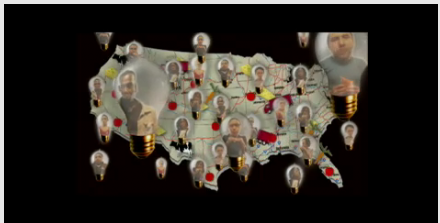
"caption": "A LearningMedia video about energy use.",
"description": null,
"title": "Screen shot 2011-06-28 at 9.47.52 AM",
"credit": null,
"status": "inherit",
"isLoading": false,
"fetchFailed": false
},
"mindshift_13239": {
"type": "attachments",
"id": "mindshift_13239",
"meta": {
"index": "attachments_1716263798",
"site": "mindshift",
"id": "13239",
"found": true
},
"parent": 13182,
"imgSizes": {
"thumbnail": {
"file": "https://ww2.kqed.org/app/uploads/sites/23/2011/06/mzl.xpdziwre.480x480-75-400x300.jpg",
"width": 400,
"mimeType": "image/jpeg",
"height": 300
},
"fd-sm": {
"file": "https://ww2.kqed.org/app/uploads/sites/23/2011/06/mzl.xpdziwre.480x480-75-320x240.jpg",
"width": 320,
"mimeType": "image/jpeg",
"height": 240
},
"kqedFullSize": {
"file": "https://ww2.kqed.org/app/uploads/sites/23/2011/06/mzl.xpdziwre.480x480-75.jpg",
"width": 480,
"height": 360
},
"guest-author-96": {
"file": "https://ww2.kqed.org/app/uploads/sites/23/2011/06/mzl.xpdziwre.480x480-75-96x96.jpg",
"width": 96,
"mimeType": "image/jpeg",
"height": 96
},
"guest-author-64": {
"file": "https://ww2.kqed.org/app/uploads/sites/23/2011/06/mzl.xpdziwre.480x480-75-64x64.jpg",
"width": 64,
"mimeType": "image/jpeg",
"height": 64
},
"detail": {
"file": "https://ww2.kqed.org/app/uploads/sites/23/2011/06/mzl.xpdziwre.480x480-75-75x75.jpg",
"width": 75,
"mimeType": "image/jpeg",
"height": 75
},
"guest-author-32": {
"file": "https://ww2.kqed.org/app/uploads/sites/23/2011/06/mzl.xpdziwre.480x480-75-32x32.jpg",
"width": 32,
"mimeType": "image/jpeg",
"height": 32
},
"guest-author-128": {
"file": "https://ww2.kqed.org/app/uploads/sites/23/2011/06/mzl.xpdziwre.480x480-75-128x128.jpg",
"width": 128,
"mimeType": "image/jpeg",
"height": 128
}
},
"publishDate": 1309232599,
"modified": 1309232599,
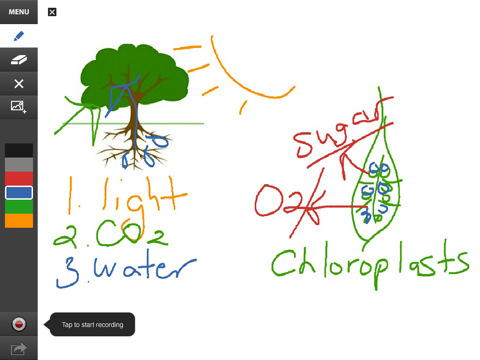
"caption": "ShowMe App",
"description": null,
"title": "mzl.xpdziwre.480x480-75",
"credit": null,
"status": "inherit",
"isLoading": false,
"fetchFailed": false
},
"mindshift_13194": {
"type": "attachments",
"id": "mindshift_13194",
"meta": {
"index": "attachments_1716263798",
"site": "mindshift",
"id": "13194",
"found": true
},
"parent": 13193,
"imgSizes": {
"kqedFullSize": {
"file": "https://ww2.kqed.org/app/uploads/sites/23/2011/06/imagination.jpg",
"width": 300,
"height": 283
},
"guest-author-96": {
"file": "https://ww2.kqed.org/app/uploads/sites/23/2011/06/imagination-96x96.jpg",
"width": 96,
"mimeType": "image/jpeg",
"height": 96
},
"guest-author-64": {
"file": "https://ww2.kqed.org/app/uploads/sites/23/2011/06/imagination-64x64.jpg",
"width": 64,
"mimeType": "image/jpeg",
"height": 64
},
"detail": {
"file": "https://ww2.kqed.org/app/uploads/sites/23/2011/06/imagination-75x75.jpg",
"width": 75,
"mimeType": "image/jpeg",
"height": 75
},
"guest-author-32": {
"file": "https://ww2.kqed.org/app/uploads/sites/23/2011/06/imagination-32x32.jpg",
"width": 32,
"mimeType": "image/jpeg",
"height": 32
},
"guest-author-128": {
"file": "https://ww2.kqed.org/app/uploads/sites/23/2011/06/imagination-128x128.jpg",
"width": 128,
"mimeType": "image/jpeg",
"height": 128
}
},
"publishDate": 1309090981,
"modified": 1309090981,
"caption": null,
"description": null,
"title": "imagination",
"credit": null,
"status": "inherit",
"isLoading": false,
"fetchFailed": false
},
"mindshift_13227": {
"type": "attachments",
"id": "mindshift_13227",
"meta": {
"index": "attachments_1716263798",
"site": "mindshift",
"id": "13227",
"found": true
},
"parent": 13136,
"imgSizes": {
"thumbnail": {
"file": "https://ww2.kqed.org/app/uploads/sites/23/2011/06/Shlala-400x266.jpg",
"width": 400,
"mimeType": "image/jpeg",
"height": 266
},
"fd-sm": {
"file": "https://ww2.kqed.org/app/uploads/sites/23/2011/06/Shlala-320x213.jpg",
"width": 320,
"mimeType": "image/jpeg",
"height": 213
},
"kqedFullSize": {
"file": "https://ww2.kqed.org/app/uploads/sites/23/2011/06/Shlala.jpg",
"width": 500,
"height": 333
},
"guest-author-96": {
"file": "https://ww2.kqed.org/app/uploads/sites/23/2011/06/Shlala-96x96.jpg",
"width": 96,
"mimeType": "image/jpeg",
"height": 96
},
"guest-author-64": {
"file": "https://ww2.kqed.org/app/uploads/sites/23/2011/06/Shlala-64x64.jpg",
"width": 64,
"mimeType": "image/jpeg",
"height": 64
},
"detail": {
"file": "https://ww2.kqed.org/app/uploads/sites/23/2011/06/Shlala-75x75.jpg",
"width": 75,
"mimeType": "image/jpeg",
"height": 75
},
"guest-author-32": {
"file": "https://ww2.kqed.org/app/uploads/sites/23/2011/06/Shlala-32x32.jpg",
"width": 32,
"mimeType": "image/jpeg",
"height": 32
},
"guest-author-128": {
"file": "https://ww2.kqed.org/app/uploads/sites/23/2011/06/Shlala-128x128.jpg",
"width": 128,
"mimeType": "image/jpeg",
"height": 128
}
},
"publishDate": 1309208110,
"modified": 1309208110,
"caption": null,
"description": null,
"title": "Shlala",
"credit": null,
"status": "inherit",
"isLoading": false,
"fetchFailed": false
},
"mindshift_13139": {
"type": "attachments",
"id": "mindshift_13139",
"meta": {
"index": "attachments_1716263798",
"site": "mindshift",
"id": "13139",
"found": true
},
"parent": 13075,
"imgSizes": {
"twentyfourteen-full-width": {
"file": "https://ww2.kqed.org/app/uploads/sites/23/2011/06/10_11.15_newtech_0654-1038x576.jpg",
"width": 1038,
"mimeType": "image/jpeg",
"height": 576
},
"thumbnail": {
"file": "https://ww2.kqed.org/app/uploads/sites/23/2011/06/10_11.15_newtech_0654-400x266.jpg",
"width": 400,
"mimeType": "image/jpeg",
"height": 266
},
"fd-sm": {
"file": "https://ww2.kqed.org/app/uploads/sites/23/2011/06/10_11.15_newtech_0654-320x213.jpg",
"width": 320,
"mimeType": "image/jpeg",
"height": 213
},
"post-thumbnail": {
"file": "https://ww2.kqed.org/app/uploads/sites/23/2011/06/10_11.15_newtech_0654-672x372.jpg",
"width": 672,
"mimeType": "image/jpeg",
"height": 372
},
"kqedFullSize": {
"file": "https://ww2.kqed.org/app/uploads/sites/23/2011/06/10_11.15_newtech_0654.jpg",
"width": 1440,
"height": 958
},
"large": {
"file": "https://ww2.kqed.org/app/uploads/sites/23/2011/06/10_11.15_newtech_0654-1440x958.jpg",
"width": 1440,
"mimeType": "image/jpeg",
"height": 958
},
"guest-author-96": {
"file": "https://ww2.kqed.org/app/uploads/sites/23/2011/06/10_11.15_newtech_0654-96x96.jpg",
"width": 96,
"mimeType": "image/jpeg",
"height": 96
},
"medium": {
"file": "https://ww2.kqed.org/app/uploads/sites/23/2011/06/10_11.15_newtech_0654-800x532.jpg",
"width": 800,
"mimeType": "image/jpeg",
"height": 532
},
"guest-author-64": {
"file": "https://ww2.kqed.org/app/uploads/sites/23/2011/06/10_11.15_newtech_0654-64x64.jpg",
"width": 64,
"mimeType": "image/jpeg",
"height": 64
},
"guest-author-32": {
"file": "https://ww2.kqed.org/app/uploads/sites/23/2011/06/10_11.15_newtech_0654-32x32.jpg",
"width": 32,
"mimeType": "image/jpeg",
"height": 32
},
"fd-lrg": {
"file": "https://ww2.kqed.org/app/uploads/sites/23/2011/06/10_11.15_newtech_0654-1180x785.jpg",
"width": 1180,
"mimeType": "image/jpeg",
"height": 785
},
"fd-med": {
"file": "https://ww2.kqed.org/app/uploads/sites/23/2011/06/10_11.15_newtech_0654-768x511.jpg",
"width": 768,
"mimeType": "image/jpeg",
"height": 511
},
"detail": {
"file": "https://ww2.kqed.org/app/uploads/sites/23/2011/06/10_11.15_newtech_0654-75x75.jpg",
"width": 75,
"mimeType": "image/jpeg",
"height": 75
},
"guest-author-128": {
"file": "https://ww2.kqed.org/app/uploads/sites/23/2011/06/10_11.15_newtech_0654-128x128.jpg",
"width": 128,
"mimeType": "image/jpeg",
"height": 128
}
},
"publishDate": 1308950045,
"modified": 1308950045,
"caption": "A student at Napa New Tech High checks his texts at school.",
"description": null,
"title": "10_11.15_newtech_0654",
"credit": null,
"status": "inherit",
"isLoading": false,
"fetchFailed": false
},
"mindshift_13079": {
"type": "attachments",
"id": "mindshift_13079",
"meta": {
"index": "attachments_1716263798",
"site": "mindshift",
"id": "13079",
"found": true
},
"parent": 13005,
"imgSizes": {
"thumbnail": {
"file": "https://ww2.kqed.org/app/uploads/sites/23/2011/06/from_ko-400x302.jpg",
"width": 400,
"mimeType": "image/jpeg",
"height": 302
},
"fd-sm": {
"file": "https://ww2.kqed.org/app/uploads/sites/23/2011/06/from_ko-320x242.jpg",
"width": 320,
"mimeType": "image/jpeg",
"height": 242
},
"post-thumbnail": {
"file": "https://ww2.kqed.org/app/uploads/sites/23/2011/06/from_ko-640x372.jpg",
"width": 640,
"mimeType": "image/jpeg",
"height": 372
},
"kqedFullSize": {
"file": "https://ww2.kqed.org/app/uploads/sites/23/2011/06/from_ko.jpg",
"width": 640,
"height": 483
},
"guest-author-96": {
"file": "https://ww2.kqed.org/app/uploads/sites/23/2011/06/from_ko-96x96.jpg",
"width": 96,
"mimeType": "image/jpeg",
"height": 96
},
"guest-author-64": {
"file": "https://ww2.kqed.org/app/uploads/sites/23/2011/06/from_ko-64x64.jpg",
"width": 64,
"mimeType": "image/jpeg",
"height": 64
},
"detail": {
"file": "https://ww2.kqed.org/app/uploads/sites/23/2011/06/from_ko-75x75.jpg",
"width": 75,
"mimeType": "image/jpeg",
"height": 75
},
"guest-author-32": {
"file": "https://ww2.kqed.org/app/uploads/sites/23/2011/06/from_ko-32x32.jpg",
"width": 32,
"mimeType": "image/jpeg",
"height": 32
},
"guest-author-128": {
"file": "https://ww2.kqed.org/app/uploads/sites/23/2011/06/from_ko-128x128.jpg",
"width": 128,
"mimeType": "image/jpeg",
"height": 128
}
},
"publishDate": 1308865044,
"modified": 1308865044,
"caption": null,
"description": null,
"title": "from_ko",
"credit": null,
"status": "inherit",
"isLoading": false,
"fetchFailed": false
},
"mindshift_13051": {
"type": "attachments",
"id": "mindshift_13051",
"meta": {
"index": "attachments_1716263798",
"site": "mindshift",
"id": "13051",
"found": true
},
"parent": 13031,
"imgSizes": {
"thumbnail": {
"file": "https://ww2.kqed.org/app/uploads/sites/23/2011/06/school26_ss1-400x301.jpg",
"width": 400,
"mimeType": "image/jpeg",
"height": 301
},
"fd-sm": {
"file": "https://ww2.kqed.org/app/uploads/sites/23/2011/06/school26_ss1-320x241.jpg",
"width": 320,
"mimeType": "image/jpeg",
"height": 241
},
"kqedFullSize": {
"file": "https://ww2.kqed.org/app/uploads/sites/23/2011/06/school26_ss1.jpg",
"width": 400,
"height": 301
},
"guest-author-96": {
"file": "https://ww2.kqed.org/app/uploads/sites/23/2011/06/school26_ss1-96x96.jpg",
"width": 96,
"mimeType": "image/jpeg",
"height": 96
},
"guest-author-64": {
"file": "https://ww2.kqed.org/app/uploads/sites/23/2011/06/school26_ss1-64x64.jpg",
"width": 64,
"mimeType": "image/jpeg",
"height": 64
},
"detail": {
"file": "https://ww2.kqed.org/app/uploads/sites/23/2011/06/school26_ss1-75x75.jpg",
"width": 75,
"mimeType": "image/jpeg",
"height": 75
},
"guest-author-32": {
"file": "https://ww2.kqed.org/app/uploads/sites/23/2011/06/school26_ss1-32x32.jpg",
"width": 32,
"mimeType": "image/jpeg",
"height": 32
},
"guest-author-128": {
"file": "https://ww2.kqed.org/app/uploads/sites/23/2011/06/school26_ss1-128x128.jpg",
"width": 128,
"mimeType": "image/jpeg",
"height": 128
}
},
"publishDate": 1308851501,
"modified": 1308851501,
"caption": null,
"description": null,
"title": "school26_ss",
"credit": null,
"status": "inherit",
"isLoading": false,
"fetchFailed": false
},
"mindshift_12983": {
"type": "attachments",
"id": "mindshift_12983",
"meta": {
"index": "attachments_1716263798",
"site": "mindshift",
"id": "12983",
"found": true
},
"parent": 12982,
"imgSizes": {
"thumbnail": {
"file": "https://ww2.kqed.org/app/uploads/sites/23/2011/06/books_stacks-400x266.jpg",
"width": 400,
"mimeType": "image/jpeg",
"height": 266
},
"fd-sm": {
"file": "https://ww2.kqed.org/app/uploads/sites/23/2011/06/books_stacks-320x213.jpg",
"width": 320,
"mimeType": "image/jpeg",
"height": 213
},
"kqedFullSize": {
"file": "https://ww2.kqed.org/app/uploads/sites/23/2011/06/books_stacks.jpg",
"width": 500,
"height": 333
},
"guest-author-96": {
"file": "https://ww2.kqed.org/app/uploads/sites/23/2011/06/books_stacks-96x96.jpg",
"width": 96,
"mimeType": "image/jpeg",
"height": 96
},
"guest-author-64": {
"file": "https://ww2.kqed.org/app/uploads/sites/23/2011/06/books_stacks-64x64.jpg",
"width": 64,
"mimeType": "image/jpeg",
"height": 64
},
"detail": {
"file": "https://ww2.kqed.org/app/uploads/sites/23/2011/06/books_stacks-75x75.jpg",
"width": 75,
"mimeType": "image/jpeg",
"height": 75
},
"guest-author-32": {
"file": "https://ww2.kqed.org/app/uploads/sites/23/2011/06/books_stacks-32x32.jpg",
"width": 32,
"mimeType": "image/jpeg",
"height": 32
},
"guest-author-128": {
"file": "https://ww2.kqed.org/app/uploads/sites/23/2011/06/books_stacks-128x128.jpg",
"width": 128,
"mimeType": "image/jpeg",
"height": 128
}
},
"publishDate": 1308724059,
"modified": 1308724059,
"caption": null,
"description": null,
"title": "books_stacks",
"credit": null,
"status": "inherit",
"isLoading": false,
"fetchFailed": false
},
"mindshift_12943": {
"type": "attachments",
"id": "mindshift_12943",
"meta": {
"index": "attachments_1716263798",
"site": "mindshift",
"id": "12943",
"found": true
},
"parent": 12855,
"imgSizes": {
"twentyfourteen-full-width": {
"file": "https://ww2.kqed.org/app/uploads/sites/23/2011/06/School-of-One-1038x576.jpg",
"width": 1038,
"mimeType": "image/jpeg",
"height": 576
},
"thumbnail": {
"file": "https://ww2.kqed.org/app/uploads/sites/23/2011/06/School-of-One-400x267.jpg",
"width": 400,
"mimeType": "image/jpeg",
"height": 267
},
"fd-sm": {
"file": "https://ww2.kqed.org/app/uploads/sites/23/2011/06/School-of-One-320x213.jpg",
"width": 320,
"mimeType": "image/jpeg",
"height": 213
},
"post-thumbnail": {
"file": "https://ww2.kqed.org/app/uploads/sites/23/2011/06/School-of-One-672x372.jpg",
"width": 672,
"mimeType": "image/jpeg",
"height": 372
},
"kqedFullSize": {
"file": "https://ww2.kqed.org/app/uploads/sites/23/2011/06/School-of-One.jpg",
"width": 1100,
"height": 733
},
"fd-med": {
"file": "https://ww2.kqed.org/app/uploads/sites/23/2011/06/School-of-One-768x512.jpg",
"width": 768,
"mimeType": "image/jpeg",
"height": 512
},
"guest-author-96": {
"file": "https://ww2.kqed.org/app/uploads/sites/23/2011/06/School-of-One-96x96.jpg",
"width": 96,
"mimeType": "image/jpeg",
"height": 96
},
"medium": {
"file": "https://ww2.kqed.org/app/uploads/sites/23/2011/06/School-of-One-800x533.jpg",
"width": 800,
"mimeType": "image/jpeg",
"height": 533
},
"guest-author-64": {
"file": "https://ww2.kqed.org/app/uploads/sites/23/2011/06/School-of-One-64x64.jpg",
"width": 64,
"mimeType": "image/jpeg",
"height": 64
},
"detail": {
"file": "https://ww2.kqed.org/app/uploads/sites/23/2011/06/School-of-One-75x75.jpg",
"width": 75,
"mimeType": "image/jpeg",
"height": 75
},
"guest-author-32": {
"file": "https://ww2.kqed.org/app/uploads/sites/23/2011/06/School-of-One-32x32.jpg",
"width": 32,
"mimeType": "image/jpeg",
"height": 32
},
"guest-author-128": {
"file": "https://ww2.kqed.org/app/uploads/sites/23/2011/06/School-of-One-128x128.jpg",
"width": 128,
"mimeType": "image/jpeg",
"height": 128
}
},
"publishDate": 1308681312,
"modified": 1308681312,
"caption": "Students are engaged in independent learning with software and the teacher is available to help answer questions.",
"description": null,
"title": "School of One",
"credit": null,
"status": "inherit",
"isLoading": false,
"fetchFailed": false
},
"mindshift_12867": {
"type": "attachments",
"id": "mindshift_12867",
"meta": {
"index": "attachments_1716263798",
"site": "mindshift",
"id": "12867",
"found": true
},
"parent": 12862,
"imgSizes": {
"thumbnail": {
"file": "https://ww2.kqed.org/app/uploads/sites/23/2011/06/desmos_ss-400x219.jpg",
"width": 400,
"mimeType": "image/jpeg",
"height": 219
},
"fd-sm": {
"file": "https://ww2.kqed.org/app/uploads/sites/23/2011/06/desmos_ss-320x175.jpg",
"width": 320,
"mimeType": "image/jpeg",
"height": 175
},
"kqedFullSize": {
"file": "https://ww2.kqed.org/app/uploads/sites/23/2011/06/desmos_ss.jpg",
"width": 550,
"height": 301
},
"guest-author-96": {
"file": "https://ww2.kqed.org/app/uploads/sites/23/2011/06/desmos_ss-96x96.jpg",
"width": 96,
"mimeType": "image/jpeg",
"height": 96
},
"guest-author-64": {
"file": "https://ww2.kqed.org/app/uploads/sites/23/2011/06/desmos_ss-64x64.jpg",
"width": 64,
"mimeType": "image/jpeg",
"height": 64
},
"detail": {
"file": "https://ww2.kqed.org/app/uploads/sites/23/2011/06/desmos_ss-75x75.jpg",
"width": 75,
"mimeType": "image/jpeg",
"height": 75
},
"guest-author-32": {
"file": "https://ww2.kqed.org/app/uploads/sites/23/2011/06/desmos_ss-32x32.jpg",
"width": 32,
"mimeType": "image/jpeg",
"height": 32
},
"guest-author-128": {
"file": "https://ww2.kqed.org/app/uploads/sites/23/2011/06/desmos_ss-128x128.jpg",
"width": 128,
"mimeType": "image/jpeg",
"height": 128
}
},
"publishDate": 1308623700,
"modified": 1308623700,
"caption": null,
"description": null,
"title": "desmos_ss",
"credit": null,
"status": "inherit",
"isLoading": false,
"fetchFailed": false
}
},
"audioPlayerReducer": {
"postId": "stream_live",
"isPaused": true,
"isPlaying": false,
"pfsActive": false,
"pledgeModalIsOpen": true,
"playerDrawerIsOpen": false,
"liveAudioPlayStartedAt": 0,
"liveAudioPlayContext": ""
},
"authorsReducer": {
"tbarseghian": {
"type": "authors",
"id": "180",
"meta": {
"index": "authors_1716337520",
"id": "180",
"found": true
},
"name": "Tina Barseghian",
"firstName": "Tina",
"lastName": "Barseghian",
"slug": "tbarseghian",
"email": "tbarseghian@kqed.org",
"display_author_email": false,
"staff_mastheads": [],
"title": null,
"bio": null,
"avatar": "https://secure.gravatar.com/avatar/de7e6ced1239b7018fe4d2b61f723c90?s=600&d=blank&r=g",
"twitter": null,
"facebook": null,
"instagram": null,
"linkedin": null,
"sites": [
{
"site": "styleguide",
"roles": [
"contributor"
]
},
{
"site": "news",
"roles": [
"subscriber"
]
},
{
"site": "mindshift",
"roles": [
"subscriber"
]
},
{
"site": "bayareabites",
"roles": [
"subscriber"
]
}
],
"headData": {
"title": "Tina Barseghian | KQED",
"description": null,
"ogImgSrc": "https://secure.gravatar.com/avatar/de7e6ced1239b7018fe4d2b61f723c90?s=600&d=blank&r=g",
"twImgSrc": "https://secure.gravatar.com/avatar/de7e6ced1239b7018fe4d2b61f723c90?s=600&d=blank&r=g"
},
"isLoading": false,
"link": "/author/tbarseghian"
},
"awatters": {
"type": "authors",
"id": "4352",
"meta": {
"index": "authors_1716337520",
"id": "4352",
"found": true
},
"name": "Audrey Watters",
"firstName": "Audrey",
"lastName": "Watters",
"slug": "awatters",
"email": "awatters@kqed.org",
"display_author_email": false,
"staff_mastheads": [],
"title": null,
"bio": null,
"avatar": "https://secure.gravatar.com/avatar/fb6ac91bb93632725bfa683c1de71bee?s=600&d=blank&r=g",
"twitter": null,
"facebook": null,
"instagram": null,
"linkedin": null,
"sites": [
{
"site": "mindshift",
"roles": [
"subscriber"
]
}
],
"headData": {
"title": "Audrey Watters | KQED",
"description": null,
"ogImgSrc": "https://secure.gravatar.com/avatar/fb6ac91bb93632725bfa683c1de71bee?s=600&d=blank&r=g",
"twImgSrc": "https://secure.gravatar.com/avatar/fb6ac91bb93632725bfa683c1de71bee?s=600&d=blank&r=g"
},
"isLoading": false,
"link": "/author/awatters"
}
},
"pagesReducer": {
"mindshift_category_digital-tools": {
"type": "terms",
"id": "mindshift_195",
"meta": {
"index": "terms_1716263798",
"site": "mindshift",
"id": "195",
"score": 14.406195
},
"featImg": null,
"name": "Digital Tools",
"description": "How devices, software, and the Internet are changing the classroom dynamic.",
"taxonomy": "category",
"headData": {
"twImgId": null,
"twTitle": null,
"ogTitle": null,
"ogImgId": null,
"twDescription": null,
"description": "How devices, software, and the Internet are changing the classroom dynamic.",
"title": "Digital Tools Archives | KQED Mindshift",
"ogDescription": null
},
"ttid": 195,
"slug": "digital-tools",
"isLoading": false,
"title": "Digital Tools",
"pageMeta": {
"site": "mindshift",
"WpPageTemplate": "page-topic-editorial",
"currentPage": 52
},
"blocks": [
{
"blockName": "kqed/company-paragraph",
"content": "How devices, software, and the Internet are changing the classroom dynamic."
},
{
"blockName": "kqed/post-list",
"attrs": {
"layout": "cardArticle2",
"query": "posts/mindshift?category=digital-tools",
"seeMore": false,
"paginated": true,
"page": 52
}
},
{
"blockName": "kqed/ad"
}
]
}
},
"pfsSessionReducer": {},
"postsReducer": {
"stream_live": {
"type": "live",
"id": "stream_live",
"audioUrl": "https://streams.kqed.org/kqedradio",
"title": "Live Stream",
"excerpt": "Live Stream information currently unavailable.",
"link": "/radio",
"featImg": "",
"label": {
"name": "KQED Live",
"link": "/"
}
},
"stream_kqedNewscast": {
"type": "posts",
"id": "stream_kqedNewscast",
"audioUrl": "https://www.kqed.org/.stream/anon/radio/RDnews/newscast.mp3?_=1",
"title": "KQED Newscast",
"featImg": "",
"label": {
"name": "88.5 FM",
"link": "/"
}
},
"mindshift_13310": {
"type": "posts",
"id": "mindshift_13310",
"meta": {
"index": "posts_1716263798",
"site": "mindshift",
"id": "13310",
"score": null,
"sort": [
1309473495000
]
},
"parent": 0,
"labelTerm": {
"site": "mindshift"
},
"blocks": [],
"publishDate": 1309473495,
"format": "aside",
"disqusTitle": "New Educational Apps of the Month",
"title": "New Educational Apps of the Month",
"headTitle": "MindShift | KQED News",
"content": "\u003cp>\u003cem>At the end of month, we review some of our favorite educational apps that have been released or updated over the last thirty days. (Read our \u003ca href=\"http://ww2.kqed.org/mindshift/2011/04/new-educational-apps-of-the-month/\">April\u003c/a> and \u003ca href=\"http://ww2.kqed.org/mindshift/2011/05/new-educational-apps-of-the-month-2/\">May reviews\u003c/a>.) Below you'll find a mixture of iOS, Android, and Web-based apps.\u003c/em>\u003c/p>\n\u003cp>\u003cstrong>SHOWME\u003c/strong>\u003c/p>\n\u003cp>\u003cimg class=\"alignright\" src=\"http://ww2.kqed.org/mindshift/wp-content/uploads/sites/23/2011/06/mzl.xpdziwre.480x480-75-300x225.jpg\" alt=\"\" width=\"300\" height=\"225\">We covered the launch of \u003ca href=\"http://showmeapp.com\">ShowMe\u003c/a> last week, but having watched co-founder San Kim demonstrate the app to teachers at \u003ca href=\"http://www.isteconference.org\">ISTE Conference\u003c/a>, it's clear that ShowMe is worth mentioning again as a great educational tool. The free app turns your iPad into an interactive whiteboard of sorts (\u003ca href=\"http://itunes.apple.com/us/app/showme-interactive-whiteboard/id445066279?mt=8\">iTunes link\u003c/a>), letting you create mini-lessons with both a visual and audio element. Press the record button, talk through your demo as you create it on the whiteboard screen. Then share it -- either publicly or privately -- via the Web. The app is incredibly simple to use, and as many people watching the demo at ISTE recognized, will allow for the creation of \"hundreds of Khan Academies.\"\u003c/p>\n\u003cp>\u003cstrong>GOOGLE GOGGLES AT THE GETTY\u003c/strong>\u003c/p>\n\u003cp>\u003ca href=\"http://ww2.kqed.org/mindshift/2011/06/new-educational-apps-of-the-month-3/getty_goggles/\" rel=\"attachment wp-att-13322\">\u003cimg class=\"alignleft size-full wp-image-13322\" src=\"http://ww2.kqed.org/mindshift/wp-content/uploads/sites/23/2011/06/getty_goggles.jpg\" alt=\"\" width=\"150\" height=\"264\">\u003c/a>\u003ca href=\"http://www.google.com/mobile/goggles/\">Google Goggles\u003c/a>, Google's image-recognition mobile software, now has a great new application. Google has teamed up with the J. Paul Getty Museum in Los Angeles to \"Goggles-enable\" the museum's permanent collection of paintings.\u003c/p>\n\u003cp>[ad fullwidth]\u003c/p>\n\u003cp>If you use the Google Goggles app (available for Android or iPhone) to snap a photo of a painting, you will be able to access additional information about the artwork, including commentary from artists and curators. The app marks a shift from museum attendants telling visitors that photography is banned, but there are a lot of educational possibilities here to think about snapping a photo to be able to unlock a wealth of additional information about an art (or other) object.\u003c/p>\n\u003cp> \u003c/p>\n\u003cp>\u003c!--more-->\u003c/p>\n\u003cp>\u003cstrong>THE FANTASTIC FLYING BOOKS OF MR. MORRIS LESSMORE\u003c/strong>\u003c/p>\n\u003cp>\u003ca href=\"http://ww2.kqed.org/mindshift/2011/06/new-educational-apps-of-the-month-3/morris/\" rel=\"attachment wp-att-13313\">\u003cimg class=\"size-full wp-image-13313 alignright\" src=\"http://ww2.kqed.org/mindshift/wp-content/uploads/sites/23/2011/06/morris.jpg\" alt=\"\" width=\"300\" height=\"225\">\u003c/a>We've written before about the \u003ca href=\"http://ww2.kqed.org/mindshift/2011/03/are-moving-tales-the-future-of-childrens-e-books/\">future of interactive books\u003c/a>, and the release of \u003ca href=\"http://www.moonbotstudios.com/\">Moonbot\u003c/a>'s first app, \u003ca href=\"http://itunes.apple.com/us/app/the-fantastic-flying-books/id438052647?mt=8\">The Fantastic Flying Books of Mr. Morris Lessmore\u003c/a>, certainly challenges the definition of \"the book.\" It's part book, part animation, part film. Moonbot Studios has taken its animated short film of the same name and turned it into a book app, one that Wired's Daniel Donahoo calls\"\u003ca href=\"http://www.wired.com/geekdad/2011/05/lessmore/\">a game changer\u003c/a>.\" The app is a wonderful blend of old and new, as some of the visual style of the story harkens back to the silent film era while at the same time clearly throws down the gauntlet to other e-book and app makers, as the app is one of the most cutting edge and compelling e-books available.\u003c/p>\n\u003cp>\u003cstrong>THE WASTE LAND\u003c/strong>\u003c/p>\n\u003cp>\u003ca href=\"http://ww2.kqed.org/mindshift/2011/06/new-educational-apps-of-the-month-3/eliot_150-1/\" rel=\"attachment wp-att-13329\">\u003cimg class=\"alignright size-full wp-image-13329\" src=\"http://ww2.kqed.org/mindshift/wp-content/uploads/sites/23/2011/06/eliot_150-1.jpg\" alt=\"\" width=\"150\" height=\"150\" srcset=\"https://ww2.kqed.org/app/uploads/sites/23/2011/06/eliot_150-1.jpg 150w, https://ww2.kqed.org/app/uploads/sites/23/2011/06/eliot_150-1-32x32.jpg 32w, https://ww2.kqed.org/app/uploads/sites/23/2011/06/eliot_150-1-64x64.jpg 64w, https://ww2.kqed.org/app/uploads/sites/23/2011/06/eliot_150-1-96x96.jpg 96w, https://ww2.kqed.org/app/uploads/sites/23/2011/06/eliot_150-1-128x128.jpg 128w, https://ww2.kqed.org/app/uploads/sites/23/2011/06/eliot_150-1-75x75.jpg 75w\" sizes=\"(max-width: 150px) 100vw, 150px\">\u003c/a>Another e-book app that highlights the great potential for the new technology, \"\u003ca href=\"http://itunes.apple.com/us/app/the-waste-land/id427434046?mt=8\">The Waste Land\u003c/a>\" interactive e-book brings one of the best known and most difficult poems of the 20th century to the iPad. The app is a joint project between Faber & Faber (which owns the rights to T. S. Eliot's poem), Touch Press (the maker of the beautiful bestselling science book \u003ca href=\"http://itunes.apple.com/us/app/the-elements-a-visual-exploration/id364147847?mt=8\">The Elements\u003c/a>), and the BBC. It's full of rich content to help readers unpack and understand the poem and includes not only notes and drafts by Eliot himself, but detailed annotations, interviews with other poets and artists, and a performance of the piece by the Irish actress Fiona Shaw.\u003c/p>\n\u003cp>\u003cstrong>STENCYL\u003c/strong>\u003c/p>\n\u003cp>\u003ca href=\"http://www.stencyl.com\">Stencyl\u003c/a> will look familiar to those who have played with visual programming language MIT's \u003ca href=\"http://scratch.mit.edu\">Scratch\u003c/a>. Stencyl is a game creation tool that has a very similar interface, using a drag-and-drop system so that budding game designers can pull together different building blocks in order to create their programs. More advanced users can also create their own building blocks that can in turn be shared with others. Currently, Stencyl lets users build Flash games for Mac and PC, but the company says it will roll out support for iOS over the summer as well.\u003c/p>\n\u003cp>Stencyl has also modeled itself on Scratch in another way, by creating a game development community so that designers can support each other and share their ideas, as well as share and download open-licensed resources.\u003c/p>\n\u003cp>\u003ca href=\"http://ww2.kqed.org/mindshift/2011/06/new-educational-apps-of-the-month-3/stencyl_ss/\" rel=\"attachment wp-att-13312\">\u003cimg class=\"aligncenter size-full wp-image-13312\" src=\"http://ww2.kqed.org/mindshift/wp-content/uploads/sites/23/2011/06/stencyl_ss.jpg\" alt=\"\" width=\"550\" height=\"393\" srcset=\"https://ww2.kqed.org/app/uploads/sites/23/2011/06/stencyl_ss.jpg 550w, https://ww2.kqed.org/app/uploads/sites/23/2011/06/stencyl_ss-400x286.jpg 400w, https://ww2.kqed.org/app/uploads/sites/23/2011/06/stencyl_ss-320x229.jpg 320w\" sizes=\"(max-width: 550px) 100vw, 550px\">\u003c/a>\u003c/p>\n\u003cp>\u003cstrong>MUSICAL ME\u003c/strong>\u003c/p>\n\u003cp>Brought to you by the same award-winning company that makes \u003ca href=\"http://duckduckmoosedesign.com/\">Duck Duck Moose\u003c/a> is Musical Me (\u003ca href=\"http://itunes.apple.com/us/app/musical-me-by-duck-duck-moose/id441152315?mt=8\">iTunes link\u003c/a>). The app teaches children about the fundamentals of music -- notes, pitch, rhythm, and instruments. It's not GarageBand by any means, but this is an excellent and affordable app for preschool age kids.\u003c/p>\n\u003cp>\u003c/p>\n\u003cp>\u003cem>Have any favorites that I missed here? Leave us a note in the comments!\u003c/em>\u003c/p>\n\n",
"disqusIdentifier": "13310 http://blogs.kqed.org/mindshift/?p=13310",
"disqusUrl": "https://ww2.kqed.org/mindshift/2011/06/30/new-educational-apps-of-the-month-3/",
"stats": {
"hasVideo": false,
"hasChartOrMap": false,
"hasAudio": false,
"hasPolis": false,
"wordCount": 743,
"hasGoogleForm": false,
"hasGallery": false,
"hasHearkenModule": false,
"iframeSrcs": [],
"paragraphCount": 20
},
"modified": 1314826151,
"excerpt": null,
"headData": {
"twImgId": "",
"twTitle": "",
"ogTitle": "",
"ogImgId": "",
"twDescription": "",
"description": "At the end of month, we review some of our favorite educational apps that have been released or updated over the last thirty days. (Read our April and May reviews.) Below you'll find a mixture of iOS, Android, and Web-based apps. SHOWME We covered the launch of ShowMe last week, but having watched co-founder San",
"title": "New Educational Apps of the Month | KQED",
"ogDescription": "",
"schema": {
"@context": "https://schema.org",
"@type": "Article",
"headline": "New Educational Apps of the Month",
"datePublished": "2011-06-30T15:38:15-07:00",
"dateModified": "2011-08-31T14:29:11-07:00",
"image": "https://cdn.kqed.org/wp-content/uploads/2020/02/KQED-OG-Image@1x.png"
}
},
"guestAuthors": [],
"slug": "new-educational-apps-of-the-month-3",
"status": "publish",
"path": "/mindshift/13310/new-educational-apps-of-the-month-3",
"audioTrackLength": null,
"parsedContent": [
{
"type": "contentString",
"content": "\u003cdiv class=\"post-body\">\u003cp>\u003cp>\u003cem>At the end of month, we review some of our favorite educational apps that have been released or updated over the last thirty days. (Read our \u003ca href=\"http://ww2.kqed.org/mindshift/2011/04/new-educational-apps-of-the-month/\">April\u003c/a> and \u003ca href=\"http://ww2.kqed.org/mindshift/2011/05/new-educational-apps-of-the-month-2/\">May reviews\u003c/a>.) Below you'll find a mixture of iOS, Android, and Web-based apps.\u003c/em>\u003c/p>\n\u003cp>\u003cstrong>SHOWME\u003c/strong>\u003c/p>\n\u003cp>\u003cimg class=\"alignright\" src=\"http://ww2.kqed.org/mindshift/wp-content/uploads/sites/23/2011/06/mzl.xpdziwre.480x480-75-300x225.jpg\" alt=\"\" width=\"300\" height=\"225\">We covered the launch of \u003ca href=\"http://showmeapp.com\">ShowMe\u003c/a> last week, but having watched co-founder San Kim demonstrate the app to teachers at \u003ca href=\"http://www.isteconference.org\">ISTE Conference\u003c/a>, it's clear that ShowMe is worth mentioning again as a great educational tool. The free app turns your iPad into an interactive whiteboard of sorts (\u003ca href=\"http://itunes.apple.com/us/app/showme-interactive-whiteboard/id445066279?mt=8\">iTunes link\u003c/a>), letting you create mini-lessons with both a visual and audio element. Press the record button, talk through your demo as you create it on the whiteboard screen. Then share it -- either publicly or privately -- via the Web. The app is incredibly simple to use, and as many people watching the demo at ISTE recognized, will allow for the creation of \"hundreds of Khan Academies.\"\u003c/p>\n\u003cp>\u003cstrong>GOOGLE GOGGLES AT THE GETTY\u003c/strong>\u003c/p>\n\u003cp>\u003ca href=\"http://ww2.kqed.org/mindshift/2011/06/new-educational-apps-of-the-month-3/getty_goggles/\" rel=\"attachment wp-att-13322\">\u003cimg class=\"alignleft size-full wp-image-13322\" src=\"http://ww2.kqed.org/mindshift/wp-content/uploads/sites/23/2011/06/getty_goggles.jpg\" alt=\"\" width=\"150\" height=\"264\">\u003c/a>\u003ca href=\"http://www.google.com/mobile/goggles/\">Google Goggles\u003c/a>, Google's image-recognition mobile software, now has a great new application. Google has teamed up with the J. Paul Getty Museum in Los Angeles to \"Goggles-enable\" the museum's permanent collection of paintings.\u003c/p>\n\u003cp>\u003c/p>\u003c/div>",
"attributes": {
"named": {},
"numeric": []
}
},
{
"type": "component",
"content": "",
"name": "ad",
"attributes": {
"named": {
"label": "fullwidth"
},
"numeric": [
"fullwidth"
]
}
},
{
"type": "contentString",
"content": "\u003cdiv class=\"post-body\">\u003cp>\u003c/p>\n\u003cp>If you use the Google Goggles app (available for Android or iPhone) to snap a photo of a painting, you will be able to access additional information about the artwork, including commentary from artists and curators. The app marks a shift from museum attendants telling visitors that photography is banned, but there are a lot of educational possibilities here to think about snapping a photo to be able to unlock a wealth of additional information about an art (or other) object.\u003c/p>\n\u003cp> \u003c/p>\n\u003cp>\u003c!--more-->\u003c/p>\n\u003cp>\u003cstrong>THE FANTASTIC FLYING BOOKS OF MR. MORRIS LESSMORE\u003c/strong>\u003c/p>\n\u003cp>\u003ca href=\"http://ww2.kqed.org/mindshift/2011/06/new-educational-apps-of-the-month-3/morris/\" rel=\"attachment wp-att-13313\">\u003cimg class=\"size-full wp-image-13313 alignright\" src=\"http://ww2.kqed.org/mindshift/wp-content/uploads/sites/23/2011/06/morris.jpg\" alt=\"\" width=\"300\" height=\"225\">\u003c/a>We've written before about the \u003ca href=\"http://ww2.kqed.org/mindshift/2011/03/are-moving-tales-the-future-of-childrens-e-books/\">future of interactive books\u003c/a>, and the release of \u003ca href=\"http://www.moonbotstudios.com/\">Moonbot\u003c/a>'s first app, \u003ca href=\"http://itunes.apple.com/us/app/the-fantastic-flying-books/id438052647?mt=8\">The Fantastic Flying Books of Mr. Morris Lessmore\u003c/a>, certainly challenges the definition of \"the book.\" It's part book, part animation, part film. Moonbot Studios has taken its animated short film of the same name and turned it into a book app, one that Wired's Daniel Donahoo calls\"\u003ca href=\"http://www.wired.com/geekdad/2011/05/lessmore/\">a game changer\u003c/a>.\" The app is a wonderful blend of old and new, as some of the visual style of the story harkens back to the silent film era while at the same time clearly throws down the gauntlet to other e-book and app makers, as the app is one of the most cutting edge and compelling e-books available.\u003c/p>\n\u003cp>\u003cstrong>THE WASTE LAND\u003c/strong>\u003c/p>\n\u003cp>\u003ca href=\"http://ww2.kqed.org/mindshift/2011/06/new-educational-apps-of-the-month-3/eliot_150-1/\" rel=\"attachment wp-att-13329\">\u003cimg class=\"alignright size-full wp-image-13329\" src=\"http://ww2.kqed.org/mindshift/wp-content/uploads/sites/23/2011/06/eliot_150-1.jpg\" alt=\"\" width=\"150\" height=\"150\" srcset=\"https://ww2.kqed.org/app/uploads/sites/23/2011/06/eliot_150-1.jpg 150w, https://ww2.kqed.org/app/uploads/sites/23/2011/06/eliot_150-1-32x32.jpg 32w, https://ww2.kqed.org/app/uploads/sites/23/2011/06/eliot_150-1-64x64.jpg 64w, https://ww2.kqed.org/app/uploads/sites/23/2011/06/eliot_150-1-96x96.jpg 96w, https://ww2.kqed.org/app/uploads/sites/23/2011/06/eliot_150-1-128x128.jpg 128w, https://ww2.kqed.org/app/uploads/sites/23/2011/06/eliot_150-1-75x75.jpg 75w\" sizes=\"(max-width: 150px) 100vw, 150px\">\u003c/a>Another e-book app that highlights the great potential for the new technology, \"\u003ca href=\"http://itunes.apple.com/us/app/the-waste-land/id427434046?mt=8\">The Waste Land\u003c/a>\" interactive e-book brings one of the best known and most difficult poems of the 20th century to the iPad. The app is a joint project between Faber & Faber (which owns the rights to T. S. Eliot's poem), Touch Press (the maker of the beautiful bestselling science book \u003ca href=\"http://itunes.apple.com/us/app/the-elements-a-visual-exploration/id364147847?mt=8\">The Elements\u003c/a>), and the BBC. It's full of rich content to help readers unpack and understand the poem and includes not only notes and drafts by Eliot himself, but detailed annotations, interviews with other poets and artists, and a performance of the piece by the Irish actress Fiona Shaw.\u003c/p>\n\u003cp>\u003cstrong>STENCYL\u003c/strong>\u003c/p>\n\u003cp>\u003ca href=\"http://www.stencyl.com\">Stencyl\u003c/a> will look familiar to those who have played with visual programming language MIT's \u003ca href=\"http://scratch.mit.edu\">Scratch\u003c/a>. Stencyl is a game creation tool that has a very similar interface, using a drag-and-drop system so that budding game designers can pull together different building blocks in order to create their programs. More advanced users can also create their own building blocks that can in turn be shared with others. Currently, Stencyl lets users build Flash games for Mac and PC, but the company says it will roll out support for iOS over the summer as well.\u003c/p>\n\u003cp>Stencyl has also modeled itself on Scratch in another way, by creating a game development community so that designers can support each other and share their ideas, as well as share and download open-licensed resources.\u003c/p>\n\u003cp>\u003ca href=\"http://ww2.kqed.org/mindshift/2011/06/new-educational-apps-of-the-month-3/stencyl_ss/\" rel=\"attachment wp-att-13312\">\u003cimg class=\"aligncenter size-full wp-image-13312\" src=\"http://ww2.kqed.org/mindshift/wp-content/uploads/sites/23/2011/06/stencyl_ss.jpg\" alt=\"\" width=\"550\" height=\"393\" srcset=\"https://ww2.kqed.org/app/uploads/sites/23/2011/06/stencyl_ss.jpg 550w, https://ww2.kqed.org/app/uploads/sites/23/2011/06/stencyl_ss-400x286.jpg 400w, https://ww2.kqed.org/app/uploads/sites/23/2011/06/stencyl_ss-320x229.jpg 320w\" sizes=\"(max-width: 550px) 100vw, 550px\">\u003c/a>\u003c/p>\n\u003cp>\u003cstrong>MUSICAL ME\u003c/strong>\u003c/p>\n\u003cp>Brought to you by the same award-winning company that makes \u003ca href=\"http://duckduckmoosedesign.com/\">Duck Duck Moose\u003c/a> is Musical Me (\u003ca href=\"http://itunes.apple.com/us/app/musical-me-by-duck-duck-moose/id441152315?mt=8\">iTunes link\u003c/a>). The app teaches children about the fundamentals of music -- notes, pitch, rhythm, and instruments. It's not GarageBand by any means, but this is an excellent and affordable app for preschool age kids.\u003c/p>\n\u003cp>\u003c/p>\n\u003cp>\u003cem>Have any favorites that I missed here? Leave us a note in the comments!\u003c/em>\u003c/p>\n\n\u003c/div>\u003c/p>",
"attributes": {
"named": {},
"numeric": []
}
}
],
"link": "/mindshift/13310/new-educational-apps-of-the-month-3",
"authors": [
"4352"
],
"categories": [
"mindshift_195"
],
"tags": [
"mindshift_134",
"mindshift_20902"
],
"featImg": "mindshift_13313",
"label": "mindshift"
},
"mindshift_13285": {
"type": "posts",
"id": "mindshift_13285",
"meta": {
"index": "posts_1716263798",
"site": "mindshift",
"id": "13285",
"score": null,
"sort": [
1309297736000
]
},
"parent": 0,
"labelTerm": {
"site": "mindshift"
},
"blocks": [],
"publishDate": 1309297736,
"format": "aside",
"disqusTitle": "Four New Initiatives from the Department of Education",
"title": "Four New Initiatives from the Department of Education",
"headTitle": "MindShift | KQED News",
"content": "\u003cfigure id=\"attachment_13292\" class=\"wp-caption left\" style=\"max-width: 300px\">\u003ca rel=\"attachment wp-att-13292\" href=\"http://ww2.kqed.org/mindshift/2011/06/four-new-initiatives-from-the-department-of-education/screen-shot-2011-06-28-at-2-45-44-pm/\">\u003cimg class=\"size-medium wp-image-13292\" title=\"Screen shot 2011-06-28 at 2.45.44 PM\" src=\"http://ww2.kqed.org/mindshift/wp-content/uploads/sites/23/2011/06/Screen-shot-2011-06-28-at-2.45.44-PM-300x158.png\" alt=\"\" width=\"300\" height=\"158\">\u003c/a>\u003cfigcaption class=\"wp-caption-text\">Interactive map on data.ed.gov\u003c/figcaption>\u003c/figure>\n\u003cp>“Now is the time,” said Karen Cator, director of education technology at the Department of Education. “We’re at this incredible inflection point as we go from print to digital.”\u003c/p>\n\u003cp>Cator enumerated the ways in which the D.O.E. is helping to make the shift between the print and digital world at the ISTE conference yesterday.\u003c/p>\n\u003cp>1. \u003cstrong>TRANSPARENCY\u003c/strong>. \u003ca href=\"http://Data.Ed.Gov\">Data.Ed.Gov\u003c/a> is an interactive map that pintpoints which schools in the U.S. have broadband. It’s a collaboration with the Federal Communications Commission and the National Telecommunications and Inofrmation Administration. “If we can build those kinds of maps that we can layer on what’s happening in all these schools around country, that provides transparency and something that people can aspire to, follow,” Cator \u003ca href=\"http://kqed.argoproject.org/2010/12/20/how-to-push-for-progress-the-key-is-tranparency/\">told me late last year.\u003c/a>\u003c/p>\n\u003cp>2. \u003cstrong>DIGITAL LITERACY.\u003c/strong> \u003ca href=\"http://DigitalLiteracy.Gov.\">DigitalLiteracy.gov\u003c/a> was recently launched by a group of federal government agencies to help build computer and Internet skills, a free resource for anyone. A description from the site: “To provide librarians, teachers, workforce trainers, and others a central location to share digital literacy content and best practices. These trusted groups can, in turn, better reach out to their communities in providing them the skills today’s employers need.” Educators have their \u003ca href=\"http://www.digitalliteracy.gov/content/educator\">own dedicated link\u003c/a>.\u003c/p>\n\u003cp>3. \u003cstrong>BRING YOUR OWN DEVICE ADVICE.\u003c/strong> For educators who want to find the best way to leverage their students’ devices, whether it’s their mobile phones or home laptops, \u003ca href=\"http://www.cosn.org/\">CoSN\u003c/a>’s newly launched \u003ca href=\"http://Access4ed.net\">Access4ed\u003c/a> provides a host of resources about working experiments. From the site: “It will include conversations around key issues, case studies from districts addressing them, discussion of policy issues and how to address them, and opportunities to connect with education leaders in districts similar to and different from yours.”\u003c/p>\n\u003cp>[ad fullwidth]\u003c/p>\n\u003cp>4. \u003cstrong>CLEARING HOUSE FOR PROFESSIONAL NETWORKS.\u003c/strong> Cator \u003ca href=\"http://ww2.kqed.org/mindshift/2010/12/how-to-push-for-progress-the-key-is-tranparency/\">described it to me this way\u003c/a>: \"If I’m a teacher, I maintain a profile, I let others into my professional learning network to see the conversations and the communities I’m a part of. I can follow fellow educators that might be involved in interesting projects and trying new projects in the classroom. So it goes beyond just following people on Twitter, but creating a profile for professional educators.\" The idea of this \"persistent online profile\" is the \u003c!--more-->premise behind \u003cstrong>\u003ca href=\"http://EDCOCP.ORG\">Connected Online Communities of Practice\u003c/a>\u003c/strong>, a directory of professional teachers networks created by the D.O.E. and the American Institutes for Research. The organization aims to launch new online communities of practice, conduct design experiments, undertake case studies, and develop ideas about new designs and infrastructure. After reviewing all the nominated online professional networks, the organization’s \u003ca href=\"http://edcocp.org/about/twg/\">technical working group\u003c/a>, a who’s who of innovative education thinkers, will produce a report about best practices.\u003c/p>\n\u003cp>\u003c/p>\n\u003cp>Other goals on the horizon for the D.O.E.:\u003c/p>\n\u003cul>\n\u003cli>Equity of access to all Americans. If schools are able to provide access to technology, Cator said the goal is provide the same access at home, as well as teach them \u003cem>how\u003c/em> to use the technology so they can \"fully participate.\"\u003c/li>\n\u003cli>Connect basic research to the marketplace. With all the research and development that's being done in government agencies, the goal is to connect that knowledge to those who create products.\u003c/li>\n\u003cli>Connect entrepreneurs to investors. Through organizations like \u003ca href=\"http://www.startupamericapartnership.org/about\">Startup America\u003c/a>, a way for smart ideas to find their way to those who can bring it to life.\u003c/li>\n\u003c/ul>\n\n",
"disqusIdentifier": "13285 http://blogs.kqed.org/mindshift/?p=13285",
"disqusUrl": "https://ww2.kqed.org/mindshift/2011/06/28/four-new-initiatives-from-the-department-of-education/",
"stats": {
"hasVideo": false,
"hasChartOrMap": false,
"hasAudio": false,
"hasPolis": false,
"wordCount": 593,
"hasGoogleForm": false,
"hasGallery": false,
"hasHearkenModule": false,
"iframeSrcs": [],
"paragraphCount": 9
},
"modified": 1309297741,
"excerpt": null,
"headData": {
"twImgId": "",
"twTitle": "",
"ogTitle": "",
"ogImgId": "",
"twDescription": "",
"description": "“Now is the time,” said Karen Cator, director of education technology at the Department of Education. “We’re at this incredible inflection point as we go from print to digital.” Cator enumerated the ways in which the D.O.E. is helping to make the shift between the print and digital world at the ISTE conference yesterday. 1.",
"title": "Four New Initiatives from the Department of Education | KQED",
"ogDescription": "",
"schema": {
"@context": "https://schema.org",
"@type": "Article",
"headline": "Four New Initiatives from the Department of Education",
"datePublished": "2011-06-28T14:48:56-07:00",
"dateModified": "2011-06-28T14:49:01-07:00",
"image": "https://cdn.kqed.org/wp-content/uploads/2020/02/KQED-OG-Image@1x.png"
}
},
"guestAuthors": [],
"slug": "four-new-initiatives-from-the-department-of-education",
"status": "publish",
"path": "/mindshift/13285/four-new-initiatives-from-the-department-of-education",
"audioTrackLength": null,
"parsedContent": [
{
"type": "contentString",
"content": "\u003cdiv class=\"post-body\">\u003cp>\u003cfigure id=\"attachment_13292\" class=\"wp-caption left\" style=\"max-width: 300px\">\u003ca rel=\"attachment wp-att-13292\" href=\"http://ww2.kqed.org/mindshift/2011/06/four-new-initiatives-from-the-department-of-education/screen-shot-2011-06-28-at-2-45-44-pm/\">\u003cimg class=\"size-medium wp-image-13292\" title=\"Screen shot 2011-06-28 at 2.45.44 PM\" src=\"http://ww2.kqed.org/mindshift/wp-content/uploads/sites/23/2011/06/Screen-shot-2011-06-28-at-2.45.44-PM-300x158.png\" alt=\"\" width=\"300\" height=\"158\">\u003c/a>\u003cfigcaption class=\"wp-caption-text\">Interactive map on data.ed.gov\u003c/figcaption>\u003c/figure>\n\u003cp>“Now is the time,” said Karen Cator, director of education technology at the Department of Education. “We’re at this incredible inflection point as we go from print to digital.”\u003c/p>\n\u003cp>Cator enumerated the ways in which the D.O.E. is helping to make the shift between the print and digital world at the ISTE conference yesterday.\u003c/p>\n\u003cp>1. \u003cstrong>TRANSPARENCY\u003c/strong>. \u003ca href=\"http://Data.Ed.Gov\">Data.Ed.Gov\u003c/a> is an interactive map that pintpoints which schools in the U.S. have broadband. It’s a collaboration with the Federal Communications Commission and the National Telecommunications and Inofrmation Administration. “If we can build those kinds of maps that we can layer on what’s happening in all these schools around country, that provides transparency and something that people can aspire to, follow,” Cator \u003ca href=\"http://kqed.argoproject.org/2010/12/20/how-to-push-for-progress-the-key-is-tranparency/\">told me late last year.\u003c/a>\u003c/p>\n\u003cp>2. \u003cstrong>DIGITAL LITERACY.\u003c/strong> \u003ca href=\"http://DigitalLiteracy.Gov.\">DigitalLiteracy.gov\u003c/a> was recently launched by a group of federal government agencies to help build computer and Internet skills, a free resource for anyone. A description from the site: “To provide librarians, teachers, workforce trainers, and others a central location to share digital literacy content and best practices. These trusted groups can, in turn, better reach out to their communities in providing them the skills today’s employers need.” Educators have their \u003ca href=\"http://www.digitalliteracy.gov/content/educator\">own dedicated link\u003c/a>.\u003c/p>\n\u003cp>3. \u003cstrong>BRING YOUR OWN DEVICE ADVICE.\u003c/strong> For educators who want to find the best way to leverage their students’ devices, whether it’s their mobile phones or home laptops, \u003ca href=\"http://www.cosn.org/\">CoSN\u003c/a>’s newly launched \u003ca href=\"http://Access4ed.net\">Access4ed\u003c/a> provides a host of resources about working experiments. From the site: “It will include conversations around key issues, case studies from districts addressing them, discussion of policy issues and how to address them, and opportunities to connect with education leaders in districts similar to and different from yours.”\u003c/p>\n\u003cp>\u003c/p>\u003c/div>",
"attributes": {
"named": {},
"numeric": []
}
},
{
"type": "component",
"content": "",
"name": "ad",
"attributes": {
"named": {
"label": "fullwidth"
},
"numeric": [
"fullwidth"
]
}
},
{
"type": "contentString",
"content": "\u003cdiv class=\"post-body\">\u003cp>\u003c/p>\n\u003cp>4. \u003cstrong>CLEARING HOUSE FOR PROFESSIONAL NETWORKS.\u003c/strong> Cator \u003ca href=\"http://ww2.kqed.org/mindshift/2010/12/how-to-push-for-progress-the-key-is-tranparency/\">described it to me this way\u003c/a>: \"If I’m a teacher, I maintain a profile, I let others into my professional learning network to see the conversations and the communities I’m a part of. I can follow fellow educators that might be involved in interesting projects and trying new projects in the classroom. So it goes beyond just following people on Twitter, but creating a profile for professional educators.\" The idea of this \"persistent online profile\" is the \u003c!--more-->premise behind \u003cstrong>\u003ca href=\"http://EDCOCP.ORG\">Connected Online Communities of Practice\u003c/a>\u003c/strong>, a directory of professional teachers networks created by the D.O.E. and the American Institutes for Research. The organization aims to launch new online communities of practice, conduct design experiments, undertake case studies, and develop ideas about new designs and infrastructure. After reviewing all the nominated online professional networks, the organization’s \u003ca href=\"http://edcocp.org/about/twg/\">technical working group\u003c/a>, a who’s who of innovative education thinkers, will produce a report about best practices.\u003c/p>\n\u003cp>\u003c/p>\n\u003cp>Other goals on the horizon for the D.O.E.:\u003c/p>\n\u003cul>\n\u003cli>Equity of access to all Americans. If schools are able to provide access to technology, Cator said the goal is provide the same access at home, as well as teach them \u003cem>how\u003c/em> to use the technology so they can \"fully participate.\"\u003c/li>\n\u003cli>Connect basic research to the marketplace. With all the research and development that's being done in government agencies, the goal is to connect that knowledge to those who create products.\u003c/li>\n\u003cli>Connect entrepreneurs to investors. Through organizations like \u003ca href=\"http://www.startupamericapartnership.org/about\">Startup America\u003c/a>, a way for smart ideas to find their way to those who can bring it to life.\u003c/li>\n\u003c/ul>\n\n\u003c/div>\u003c/p>",
"attributes": {
"named": {},
"numeric": []
}
}
],
"link": "/mindshift/13285/four-new-initiatives-from-the-department-of-education",
"authors": [
"180"
],
"categories": [
"mindshift_195"
],
"tags": [
"mindshift_544",
"mindshift_29",
"mindshift_546",
"mindshift_605",
"mindshift_221"
],
"featImg": "mindshift_13292",
"label": "mindshift"
},
"mindshift_13233": {
"type": "posts",
"id": "mindshift_13233",
"meta": {
"index": "posts_1716263798",
"site": "mindshift",
"id": "13233",
"score": null,
"sort": [
1309280045000
]
},
"parent": 0,
"labelTerm": {
"site": "mindshift"
},
"blocks": [],
"publishDate": 1309280045,
"format": "aside",
"disqusTitle": "PBS LearningMedia: 14,000 Pieces of (Great) Digital Content",
"title": "PBS LearningMedia: 14,000 Pieces of (Great) Digital Content",
"headTitle": "MindShift | KQED News",
"content": "\u003cfigure id=\"attachment_13273\" class=\"wp-caption left\" style=\"max-width: 300px\">\u003ca rel=\"attachment wp-att-13273\" href=\"http://ww2.kqed.org/mindshift/2011/06/pbs-learningmedia-14000-pieces-of-great-digital-content/screen-shot-2011-06-28-at-9-47-52-am/\">\u003cimg class=\"size-medium wp-image-13273\" title=\"Screen shot 2011-06-28 at 9.47.52 AM\" src=\"http://ww2.kqed.org/mindshift/wp-content/uploads/sites/23/2011/06/Screen-shot-2011-06-28-at-9.47.52-AM-300x152.png\" alt=\"\" width=\"300\" height=\"152\">\u003c/a>\u003cfigcaption class=\"wp-caption-text\">A LearningMedia video about energy use.\u003c/figcaption>\u003c/figure>\n\u003cp>Teachers and parents now have a huge multimedia resource to help educate kids about a wide range of subjects. It's called \u003ca href=\"http://www.pbslearningmedia.org/\">PBS LearningMedia\u003c/a>, and it's a treasure trove of high-quality content from public broadcasting stations from around the country.\u003c/p>\n\u003cp>The new resource, a merger between \u003ca href=\"http://www.teachersdomain.org\">Teachers Domain\u003c/a> and the PBS \u003ca href=\"http://www.pbs.org/teachers/dll/\">Digital Learning Library,\u003c/a> holds more than 14,000 \"digital learning objects\" -- videos, curricula, images, audio, and interactive sites -- collected in one spot from public media, as well as publicly funded agencies, the National Archives, Library of Congress, NASA, and Nova, among others. The site was launched at the\u003ca href=\"http://www.isteconference.org/ISTE/2011/\"> International Society of Technology in Education \u003c/a>conference (ISTE) in Philadelphia.\u003c/p>\n\u003cp>“All of these are purpose-built short pieces of video that have been produced or adapted for use in the classroom. These are not simply segments of television,” said Rob Lippincott, senior vice president of education for PBS in an article in \u003ca href=\"http://www.eschoolnews.com/2011/06/27/new-pbs-resource-could-help-advance-digital-learning/?utm_source=website&utm_medium=url&utm_campaign=slider\">e-School News\u003c/a>.\u003c/p>\n\u003caside class=\"pullquote alignleft\">\"It deepens the content knowledge for teachers, and gives them the ability to use the media they’ve learned and turn around and teach it to their kids.\"\u003c/aside>\n\u003cp>The new site was created to fill in the gaps in content, said Howard Lurie, associate director of editorial products at WGBH, which spearheaded Teachers Domain and the new PBS LearningMedia.\u003c/p>\n\u003cp>Teachers and parents can look up subjects by topic, grade level, media type, or language. All videos are captioned. Each piece of content includes background essays written by teachers and scholars to give teachers more fuel for conversation, discussion questions, a study guide, as well as links to other relevant videos and content. And eventually, all of these will be aligned with the Common Core standards.\u003c!--more-->\u003c/p>\n\u003cp>[ad fullwidth]\u003c/p>\n\u003cp>Educators also have access to a range of professional development with a variety of instructional videos from subjects like co-teaching to assessing prior knowledge to innovative ways of teaching algebra.\u003c/p>\n\u003cp>The main site is free for educators to use, but LearningMedia will also offer another tier that's more customized for paid users.\u003c/p>\n\u003cp>\"We've refined the site based on what we learned over the past years with Teachers Domain,\" Lurie said. \"We always ask questions from teachers and advisers: 'What’s hard to teach about thermodynamics, about the 14\u003csup>th\u003c/sup> amendment, about balancing equations? What do you struggle with?' And we created this as a supplemental source.\"\u003c/p>\n\u003cp>Educators can use the site in class when embarking on a new lesson, as a prompt for a specific activity or framing a lesson with additional information. It can be used for remedial work, homework, in small groups, in middle schools or high schools. It can be used in class or at the computer lab.\u003c/p>\n\u003cp>\"We’ve done the research and seen that it’s worked,\" Lurie said. \"It's not just a matter of turning on the video, going to the back to back of classroom and watching it. It deepens the content knowledge for teachers, and gives them the ability to use the media they’ve learned and turn around and teach it to their kids. And that enables a greater degree of sophistication of pedagogy.\"\u003c/p>\n\u003cp>Teachers Domain, which is a repository of 3,800 pieces of content, will be \"sunseted\" Lurie said through the fall, and PBS will launch a \"drumbeat campaign\" to let educators know that everything they've saved on Teachers Domain can still be used and accessed through Learning Media.\u003c/p>\n\u003cp>\u003c/p>\n\u003cp>So far, 38 PBS stations have signed on to provide free, co-branded service, including KQED in San Francisco, which is -- full disclosure -- my home base.\u003c/p>\n\n",
"disqusIdentifier": "13233 http://blogs.kqed.org/mindshift/?p=13233",
"disqusUrl": "https://ww2.kqed.org/mindshift/2011/06/28/pbs-learningmedia-14000-pieces-of-great-digital-content/",
"stats": {
"hasVideo": false,
"hasChartOrMap": false,
"hasAudio": false,
"hasPolis": false,
"wordCount": 606,
"hasGoogleForm": false,
"hasGallery": false,
"hasHearkenModule": false,
"iframeSrcs": [],
"paragraphCount": 14
},
"modified": 1309283987,
"excerpt": null,
"headData": {
"twImgId": "",
"twTitle": "",
"ogTitle": "",
"ogImgId": "",
"twDescription": "",
"description": "Teachers and parents now have a huge multimedia resource to help educate kids about a wide range of subjects. It's called PBS LearningMedia, and it's a treasure trove of high-quality content from public broadcasting stations from around the country. The new resource, a merger between Teachers Domain and the PBS Digital Learning Library, holds more",
"title": "PBS LearningMedia: 14,000 Pieces of (Great) Digital Content | KQED",
"ogDescription": "",
"schema": {
"@context": "https://schema.org",
"@type": "Article",
"headline": "PBS LearningMedia: 14,000 Pieces of (Great) Digital Content",
"datePublished": "2011-06-28T09:54:05-07:00",
"dateModified": "2011-06-28T10:59:47-07:00",
"image": "https://cdn.kqed.org/wp-content/uploads/2020/02/KQED-OG-Image@1x.png"
}
},
"guestAuthors": [],
"slug": "pbs-learningmedia-14000-pieces-of-great-digital-content",
"status": "publish",
"path": "/mindshift/13233/pbs-learningmedia-14000-pieces-of-great-digital-content",
"audioTrackLength": null,
"parsedContent": [
{
"type": "contentString",
"content": "\u003cdiv class=\"post-body\">\u003cp>\u003cfigure id=\"attachment_13273\" class=\"wp-caption left\" style=\"max-width: 300px\">\u003ca rel=\"attachment wp-att-13273\" href=\"http://ww2.kqed.org/mindshift/2011/06/pbs-learningmedia-14000-pieces-of-great-digital-content/screen-shot-2011-06-28-at-9-47-52-am/\">\u003cimg class=\"size-medium wp-image-13273\" title=\"Screen shot 2011-06-28 at 9.47.52 AM\" src=\"http://ww2.kqed.org/mindshift/wp-content/uploads/sites/23/2011/06/Screen-shot-2011-06-28-at-9.47.52-AM-300x152.png\" alt=\"\" width=\"300\" height=\"152\">\u003c/a>\u003cfigcaption class=\"wp-caption-text\">A LearningMedia video about energy use.\u003c/figcaption>\u003c/figure>\n\u003cp>Teachers and parents now have a huge multimedia resource to help educate kids about a wide range of subjects. It's called \u003ca href=\"http://www.pbslearningmedia.org/\">PBS LearningMedia\u003c/a>, and it's a treasure trove of high-quality content from public broadcasting stations from around the country.\u003c/p>\n\u003cp>The new resource, a merger between \u003ca href=\"http://www.teachersdomain.org\">Teachers Domain\u003c/a> and the PBS \u003ca href=\"http://www.pbs.org/teachers/dll/\">Digital Learning Library,\u003c/a> holds more than 14,000 \"digital learning objects\" -- videos, curricula, images, audio, and interactive sites -- collected in one spot from public media, as well as publicly funded agencies, the National Archives, Library of Congress, NASA, and Nova, among others. The site was launched at the\u003ca href=\"http://www.isteconference.org/ISTE/2011/\"> International Society of Technology in Education \u003c/a>conference (ISTE) in Philadelphia.\u003c/p>\n\u003cp>“All of these are purpose-built short pieces of video that have been produced or adapted for use in the classroom. These are not simply segments of television,” said Rob Lippincott, senior vice president of education for PBS in an article in \u003ca href=\"http://www.eschoolnews.com/2011/06/27/new-pbs-resource-could-help-advance-digital-learning/?utm_source=website&utm_medium=url&utm_campaign=slider\">e-School News\u003c/a>.\u003c/p>\n\u003caside class=\"pullquote alignleft\">\"It deepens the content knowledge for teachers, and gives them the ability to use the media they’ve learned and turn around and teach it to their kids.\"\u003c/aside>\n\u003cp>The new site was created to fill in the gaps in content, said Howard Lurie, associate director of editorial products at WGBH, which spearheaded Teachers Domain and the new PBS LearningMedia.\u003c/p>\n\u003cp>Teachers and parents can look up subjects by topic, grade level, media type, or language. All videos are captioned. Each piece of content includes background essays written by teachers and scholars to give teachers more fuel for conversation, discussion questions, a study guide, as well as links to other relevant videos and content. And eventually, all of these will be aligned with the Common Core standards.\u003c!--more-->\u003c/p>\n\u003cp>\u003c/p>\u003c/div>",
"attributes": {
"named": {},
"numeric": []
}
},
{
"type": "component",
"content": "",
"name": "ad",
"attributes": {
"named": {
"label": "fullwidth"
},
"numeric": [
"fullwidth"
]
}
},
{
"type": "contentString",
"content": "\u003cdiv class=\"post-body\">\u003cp>\u003c/p>\n\u003cp>Educators also have access to a range of professional development with a variety of instructional videos from subjects like co-teaching to assessing prior knowledge to innovative ways of teaching algebra.\u003c/p>\n\u003cp>The main site is free for educators to use, but LearningMedia will also offer another tier that's more customized for paid users.\u003c/p>\n\u003cp>\"We've refined the site based on what we learned over the past years with Teachers Domain,\" Lurie said. \"We always ask questions from teachers and advisers: 'What’s hard to teach about thermodynamics, about the 14\u003csup>th\u003c/sup> amendment, about balancing equations? What do you struggle with?' And we created this as a supplemental source.\"\u003c/p>\n\u003cp>Educators can use the site in class when embarking on a new lesson, as a prompt for a specific activity or framing a lesson with additional information. It can be used for remedial work, homework, in small groups, in middle schools or high schools. It can be used in class or at the computer lab.\u003c/p>\n\u003cp>\"We’ve done the research and seen that it’s worked,\" Lurie said. \"It's not just a matter of turning on the video, going to the back to back of classroom and watching it. It deepens the content knowledge for teachers, and gives them the ability to use the media they’ve learned and turn around and teach it to their kids. And that enables a greater degree of sophistication of pedagogy.\"\u003c/p>\n\u003cp>Teachers Domain, which is a repository of 3,800 pieces of content, will be \"sunseted\" Lurie said through the fall, and PBS will launch a \"drumbeat campaign\" to let educators know that everything they've saved on Teachers Domain can still be used and accessed through Learning Media.\u003c/p>\n\u003cp>\u003c/p>\n\u003cp>So far, 38 PBS stations have signed on to provide free, co-branded service, including KQED in San Francisco, which is -- full disclosure -- my home base.\u003c/p>\n\n\u003c/div>\u003c/p>",
"attributes": {
"named": {},
"numeric": []
}
}
],
"link": "/mindshift/13233/pbs-learningmedia-14000-pieces-of-great-digital-content",
"authors": [
"180"
],
"categories": [
"mindshift_195"
],
"tags": [
"mindshift_150",
"mindshift_602",
"mindshift_603",
"mindshift_604"
],
"featImg": "mindshift_13273",
"label": "mindshift"
},
"mindshift_13182": {
"type": "posts",
"id": "mindshift_13182",
"meta": {
"index": "posts_1716263798",
"site": "mindshift",
"id": "13182",
"score": null,
"sort": [
1309269602000
]
},
"parent": 0,
"labelTerm": {
"site": "mindshift"
},
"blocks": [],
"publishDate": 1309269602,
"format": "aside",
"disqusTitle": "Interactive Whiteboard Meets the iPad",
"title": "Interactive Whiteboard Meets the iPad",
"headTitle": "MindShift | KQED News",
"content": "\u003cfigure id=\"attachment_13239\" class=\"wp-caption left\" style=\"max-width: 300px\">\u003ca rel=\"attachment wp-att-13239\" href=\"http://ww2.kqed.org/mindshift/2011/06/interactive-whiteboard-meets-the-ipad/mzl-xpdziwre-480x480-75/\">\u003cimg class=\"size-medium wp-image-13239\" title=\"mzl.xpdziwre.480x480-75\" src=\"http://ww2.kqed.org/mindshift/wp-content/uploads/sites/23/2011/06/mzl.xpdziwre.480x480-75-300x225.jpg\" alt=\"\" width=\"300\" height=\"225\">\u003c/a>\u003cfigcaption class=\"wp-caption-text\">ShowMe App\u003c/figcaption>\u003c/figure>\n\u003cp>Although they remain one of the most \u003ca href=\"http://www.hackeducation.com/2011/02/05/pbs_survey/\">sought-after\u003c/a> pieces of technology in many school districts, interactive whiteboards have a fair number of critics who point to their expense and lack of portability.\u003c/p>\n\u003cp>Students and teachers want access to computer devices 24-7 -- whether they're at school or at home. That means there's a demand for more mobile technology, not immobile whiteboards.\u003c/p>\n\u003cp>At the same time as many educators are rethinking the hardware involved with instruction, some are rethinking other ways in technology can change the classroom. Some are experimenting with the \"\u003ca href=\"http://www.connectedprincipals.com/archives/1534\">flipped classroom\u003c/a>\" -- the idea, made quite famous lately thanks to \u003ca href=\"http://khanacademy.org\">Khan Academy\u003c/a>, that videotaped instruction can be assigned as homework, while in-class time can be used for more personalized remediation, for collaboration among teachers and students, and for the types of exercises that have typically been seen as homework.\u003c/p>\n\u003cp>A new app taps into both of these phenomena: bringing an interactive whiteboard-like experience to the iPad and to the Web and making it easy for iPad owners to create their own instructional videos.\u003c/p>\n\u003cp>\u003ca href=\"http://www.showmeapp.com/\">ShowMe\u003c/a> is a free app that lets users record a tutorial with a voice-over that can then be shared as a video online or embedded into other websites. With the app, you can write directly onto the screen as you record your voice. You can also import various images to help illustrate your lesson.\u003c!--more-->\u003c/p>\n\u003cp>[ad fullwidth]\u003c/p>\n\u003cp>The app is easy to use, thanks in no small part to the \u003ca href=\"http://www.readwriteweb.com/start/2011/04/making-the-most-of-your-startu.php\">beta process\u003c/a> that included teachers' and students' input. One of those things was to simply make the process of creating videos to use in a \"flipped classroom\" easier. In this case, there is minimal equipment needed -- just an iPad.\u003c/p>\n\u003cp>But the app also makes it possible to democratize that process too. It isn't simply one teacher's videotaped efforts here -- ShowMe allows teachers and students like to build and share videos. And ShowMe founder San Kim says that he hopes to be able to build a \u003ca href=\"http://www.vimeo.com\">Vimeo\u003c/a>-like community around the video content, where users can comment, review and discover quality instructional content.\u003c/p>\n\u003cp>\u003c/p>\n\u003cp>Kim told me he wants to enable anyone to build their own portfolio of educational content - to build hundreds of Khan Academies. That's a goal that puts teacher- and student-generated content at the center of education, one enabled by a simple, but smoothly functioning app -- all on a portable device.\u003c/p>\n\n",
"disqusIdentifier": "13182 http://blogs.kqed.org/mindshift/?p=13182",
"disqusUrl": "https://ww2.kqed.org/mindshift/2011/06/28/interactive-whiteboard-meets-the-ipad/",
"stats": {
"hasVideo": false,
"hasChartOrMap": false,
"hasAudio": false,
"hasPolis": false,
"wordCount": 407,
"hasGoogleForm": false,
"hasGallery": false,
"hasHearkenModule": false,
"iframeSrcs": [],
"paragraphCount": 10
},
"modified": 1309269642,
"excerpt": null,
"headData": {
"twImgId": "",
"twTitle": "",
"ogTitle": "",
"ogImgId": "",
"twDescription": "",
"description": "Although they remain one of the most sought-after pieces of technology in many school districts, interactive whiteboards have a fair number of critics who point to their expense and lack of portability. Students and teachers want access to computer devices 24-7 -- whether they're at school or at home. That means there's a demand for",
"title": "Interactive Whiteboard Meets the iPad | KQED",
"ogDescription": "",
"schema": {
"@context": "https://schema.org",
"@type": "Article",
"headline": "Interactive Whiteboard Meets the iPad",
"datePublished": "2011-06-28T07:00:02-07:00",
"dateModified": "2011-06-28T07:00:42-07:00",
"image": "https://cdn.kqed.org/wp-content/uploads/2020/02/KQED-OG-Image@1x.png"
}
},
"guestAuthors": [],
"slug": "interactive-whiteboard-meets-the-ipad",
"status": "publish",
"path": "/mindshift/13182/interactive-whiteboard-meets-the-ipad",
"audioTrackLength": null,
"parsedContent": [
{
"type": "contentString",
"content": "\u003cdiv class=\"post-body\">\u003cp>\u003cfigure id=\"attachment_13239\" class=\"wp-caption left\" style=\"max-width: 300px\">\u003ca rel=\"attachment wp-att-13239\" href=\"http://ww2.kqed.org/mindshift/2011/06/interactive-whiteboard-meets-the-ipad/mzl-xpdziwre-480x480-75/\">\u003cimg class=\"size-medium wp-image-13239\" title=\"mzl.xpdziwre.480x480-75\" src=\"http://ww2.kqed.org/mindshift/wp-content/uploads/sites/23/2011/06/mzl.xpdziwre.480x480-75-300x225.jpg\" alt=\"\" width=\"300\" height=\"225\">\u003c/a>\u003cfigcaption class=\"wp-caption-text\">ShowMe App\u003c/figcaption>\u003c/figure>\n\u003cp>Although they remain one of the most \u003ca href=\"http://www.hackeducation.com/2011/02/05/pbs_survey/\">sought-after\u003c/a> pieces of technology in many school districts, interactive whiteboards have a fair number of critics who point to their expense and lack of portability.\u003c/p>\n\u003cp>Students and teachers want access to computer devices 24-7 -- whether they're at school or at home. That means there's a demand for more mobile technology, not immobile whiteboards.\u003c/p>\n\u003cp>At the same time as many educators are rethinking the hardware involved with instruction, some are rethinking other ways in technology can change the classroom. Some are experimenting with the \"\u003ca href=\"http://www.connectedprincipals.com/archives/1534\">flipped classroom\u003c/a>\" -- the idea, made quite famous lately thanks to \u003ca href=\"http://khanacademy.org\">Khan Academy\u003c/a>, that videotaped instruction can be assigned as homework, while in-class time can be used for more personalized remediation, for collaboration among teachers and students, and for the types of exercises that have typically been seen as homework.\u003c/p>\n\u003cp>A new app taps into both of these phenomena: bringing an interactive whiteboard-like experience to the iPad and to the Web and making it easy for iPad owners to create their own instructional videos.\u003c/p>\n\u003cp>\u003ca href=\"http://www.showmeapp.com/\">ShowMe\u003c/a> is a free app that lets users record a tutorial with a voice-over that can then be shared as a video online or embedded into other websites. With the app, you can write directly onto the screen as you record your voice. You can also import various images to help illustrate your lesson.\u003c!--more-->\u003c/p>\n\u003cp>\u003c/p>\u003c/div>",
"attributes": {
"named": {},
"numeric": []
}
},
{
"type": "component",
"content": "",
"name": "ad",
"attributes": {
"named": {
"label": "fullwidth"
},
"numeric": [
"fullwidth"
]
}
},
{
"type": "contentString",
"content": "\u003cdiv class=\"post-body\">\u003cp>\u003c/p>\n\u003cp>The app is easy to use, thanks in no small part to the \u003ca href=\"http://www.readwriteweb.com/start/2011/04/making-the-most-of-your-startu.php\">beta process\u003c/a> that included teachers' and students' input. One of those things was to simply make the process of creating videos to use in a \"flipped classroom\" easier. In this case, there is minimal equipment needed -- just an iPad.\u003c/p>\n\u003cp>But the app also makes it possible to democratize that process too. It isn't simply one teacher's videotaped efforts here -- ShowMe allows teachers and students like to build and share videos. And ShowMe founder San Kim says that he hopes to be able to build a \u003ca href=\"http://www.vimeo.com\">Vimeo\u003c/a>-like community around the video content, where users can comment, review and discover quality instructional content.\u003c/p>\n\u003cp>\u003c/p>\n\u003cp>Kim told me he wants to enable anyone to build their own portfolio of educational content - to build hundreds of Khan Academies. That's a goal that puts teacher- and student-generated content at the center of education, one enabled by a simple, but smoothly functioning app -- all on a portable device.\u003c/p>\n\n\u003c/div>\u003c/p>",
"attributes": {
"named": {},
"numeric": []
}
}
],
"link": "/mindshift/13182/interactive-whiteboard-meets-the-ipad",
"authors": [
"4352"
],
"categories": [
"mindshift_195"
],
"tags": [
"mindshift_134",
"mindshift_597"
],
"featImg": "mindshift_13239",
"label": "mindshift"
},
"mindshift_13193": {
"type": "posts",
"id": "mindshift_13193",
"meta": {
"index": "posts_1716263798",
"site": "mindshift",
"id": "13193",
"score": null,
"sort": [
1309202167000
]
},
"parent": 0,
"labelTerm": {
"site": "mindshift"
},
"blocks": [],
"publishDate": 1309202167,
"format": "aside",
"disqusTitle": "What Kids Can Learn from Playing in Virtual Worlds",
"title": "What Kids Can Learn from Playing in Virtual Worlds",
"headTitle": "MindShift | KQED News",
"content": "\u003cfigure id=\"attachment_13194\" class=\"wp-caption left\" style=\"max-width: 300px\">\u003ca rel=\"attachment wp-att-13194\" href=\"http://ww2.kqed.org/mindshift/2011/06/what-kids-can-learn-from-playing-in-virtual-worlds/imagination/\">\u003cimg class=\"size-full wp-image-13194\" title=\"imagination\" src=\"http://ww2.kqed.org/mindshift/wp-content/uploads/sites/23/2011/06/imagination.jpg\" alt=\"\" width=\"300\" height=\"283\">\u003c/a>\u003cfigcaption class=\"wp-caption-text\"> \u003c/figcaption>\u003c/figure>\n\u003cp>There are over \u003ca href=\"http://www.readwriteweb.com/archives/number_of_virtual_world_users_breaks_the_1_billion.php\">1 billion users\u003c/a> of virtual worlds, online communities where users have avatars and participate in various simulated environments. Even more impressive than that number: roughly half of those virtual world users are under age 15.\u003c/p>\n\u003cp>With a number of news stories lately about \u003ca href=\"http://news.consumerreports.org/electronics/2011/05/facebooks-zuckerberg-wants-to-let-kids-under-13-onto-site.html\">kids under 13 on Facebook\u003c/a> (violating the social network's terms of service), you'd think there weren't any other social networking sites that were geared for kids or where kids wanted to be. But clearly that's hardly the case, and there are many social networks, gaming sites and virtual worlds aimed at the under 13 set: \u003ca href=\"http://www.clubpenguin.com/\">Club Penguin\u003c/a>, \u003ca href=\"http://www.whyville.net/smmk/nice\">Whyville\u003c/a>, and \u003ca href=\"http://www.webkinz.com/\">Webkinz\u003c/a> to name just a few. (Here's a list of \u003ca href=\"http://ww2.kqed.org/mindshift/2011/01/8-social-media-sites-just-for-kids/\">eight social media sites \u003c/a>just for kids.)\u003c/p>\n\u003cp>Allowing children under age 13 to participate in online communities often raises questions about security and safety, and many parents fear predators and cyberbullies. Kid-oriented websites have a number of measures to prevent these dangers for their members, including logging chats and flagging questionable content and suspicious accounts.\u003c/p>\n\u003caside class=\"pullquote alignleft\">\"Virtual worlds give children an opportunity to participate in a large social environment, with people from all over the world, often unsupervised by their parents.\"\u003c/aside>\n\u003cp>But there may be other problems with these sites too, including the intense commercialization of many of them. Often virtual worlds (for children as for adults) encourage not just game-play but consumption, and kids need to buy virtual goods (sometimes with real money) in order to dress their avatars and decorate their virtual homes. Purchasing in-game items often gives users more status, and that's a lesson in itself that parents may or may not wish to have imparted to their kids.\u003c!--more-->\u003c/p>\n\u003cp>Virtual worlds are often dismissed as merely games and most do not claim to be educational websites. But there are plenty of informal learning opportunities for kids in these environments, particularly as these are often their first experiences with online communities. Participating in a virtual world can help kids learn how to communicate and behave online.\u003c/p>\n\u003cp>[ad fullwidth]\u003c/p>\n\u003cp>They can also be utilized to help bridge online and offline ethics. One virtual world, \u003ca href=\"http://minimonos.com\">MiniMonos\u003c/a>, for example, has an environmental theme and tries to make sustainability lessons clear to its users. If you don't keep up with the recycling around your avatar's treehouse, there are in-world consequences. The virtual world also ties this to the real world as well, rewarding users for various environmental actions they take in their own communities.\u003c/p>\n\u003cp>Here's a list of \u003ca href=\"http://ww2.kqed.org/mindshift/2011/03/five-amazing-games-that-add-a-third-dimension-to-learning/\">five virtual world sites \u003c/a>that can unlock all kinds of adventures, curated by a teacher who's tested many of these sites in his classes.\u003c/p>\n\u003cp>It's this connection to community -- again, on- and offline -- that may be most one of the greatest benefits of virtual worlds. Despite fears about predators, virtual worlds do offer kids a place to experiment and expand socially. Virtual worlds give children an opportunity to participate in a large social environment, with people from all over the world, often unsupervised by their parents. That may sound scary to parents, but for kids, it can be very liberating.\u003c/p>\n\u003cp>As always, parents should make sure they know where and what their kids are doing online. The best virtual worlds offer reporting features for parents and keep in contact with them should any problems arise. They also allow parents to enter alongside their children.\u003c/p>\n\u003cp>\u003c/p>\n\u003cp>Although virtual worlds may be a relatively new phenomenon, the fact that kids under 13 are embracing them suggests that we're only beginning to see the potential of these online communities.\u003c/p>\n\n",
"disqusIdentifier": "13193 http://blogs.kqed.org/mindshift/?p=13193",
"disqusUrl": "https://ww2.kqed.org/mindshift/2011/06/27/what-kids-can-learn-from-playing-in-virtual-worlds/",
"stats": {
"hasVideo": false,
"hasChartOrMap": false,
"hasAudio": false,
"hasPolis": false,
"wordCount": 601,
"hasGoogleForm": false,
"hasGallery": false,
"hasHearkenModule": false,
"iframeSrcs": [],
"paragraphCount": 12
},
"modified": 1309202421,
"excerpt": null,
"headData": {
"twImgId": "",
"twTitle": "",
"ogTitle": "",
"ogImgId": "",
"twDescription": "",
"description": "There are over 1 billion users of virtual worlds, online communities where users have avatars and participate in various simulated environments. Even more impressive than that number: roughly half of those virtual world users are under age 15. With a number of news stories lately about kids under 13 on Facebook (violating the social network's",
"title": "What Kids Can Learn from Playing in Virtual Worlds | KQED",
"ogDescription": "",
"schema": {
"@context": "https://schema.org",
"@type": "Article",
"headline": "What Kids Can Learn from Playing in Virtual Worlds",
"datePublished": "2011-06-27T12:16:07-07:00",
"dateModified": "2011-06-27T12:20:21-07:00",
"image": "https://cdn.kqed.org/wp-content/uploads/2020/02/KQED-OG-Image@1x.png"
}
},
"guestAuthors": [],
"slug": "what-kids-can-learn-from-playing-in-virtual-worlds",
"status": "publish",
"path": "/mindshift/13193/what-kids-can-learn-from-playing-in-virtual-worlds",
"audioTrackLength": null,
"parsedContent": [
{
"type": "contentString",
"content": "\u003cdiv class=\"post-body\">\u003cp>\u003cfigure id=\"attachment_13194\" class=\"wp-caption left\" style=\"max-width: 300px\">\u003ca rel=\"attachment wp-att-13194\" href=\"http://ww2.kqed.org/mindshift/2011/06/what-kids-can-learn-from-playing-in-virtual-worlds/imagination/\">\u003cimg class=\"size-full wp-image-13194\" title=\"imagination\" src=\"http://ww2.kqed.org/mindshift/wp-content/uploads/sites/23/2011/06/imagination.jpg\" alt=\"\" width=\"300\" height=\"283\">\u003c/a>\u003cfigcaption class=\"wp-caption-text\"> \u003c/figcaption>\u003c/figure>\n\u003cp>There are over \u003ca href=\"http://www.readwriteweb.com/archives/number_of_virtual_world_users_breaks_the_1_billion.php\">1 billion users\u003c/a> of virtual worlds, online communities where users have avatars and participate in various simulated environments. Even more impressive than that number: roughly half of those virtual world users are under age 15.\u003c/p>\n\u003cp>With a number of news stories lately about \u003ca href=\"http://news.consumerreports.org/electronics/2011/05/facebooks-zuckerberg-wants-to-let-kids-under-13-onto-site.html\">kids under 13 on Facebook\u003c/a> (violating the social network's terms of service), you'd think there weren't any other social networking sites that were geared for kids or where kids wanted to be. But clearly that's hardly the case, and there are many social networks, gaming sites and virtual worlds aimed at the under 13 set: \u003ca href=\"http://www.clubpenguin.com/\">Club Penguin\u003c/a>, \u003ca href=\"http://www.whyville.net/smmk/nice\">Whyville\u003c/a>, and \u003ca href=\"http://www.webkinz.com/\">Webkinz\u003c/a> to name just a few. (Here's a list of \u003ca href=\"http://ww2.kqed.org/mindshift/2011/01/8-social-media-sites-just-for-kids/\">eight social media sites \u003c/a>just for kids.)\u003c/p>\n\u003cp>Allowing children under age 13 to participate in online communities often raises questions about security and safety, and many parents fear predators and cyberbullies. Kid-oriented websites have a number of measures to prevent these dangers for their members, including logging chats and flagging questionable content and suspicious accounts.\u003c/p>\n\u003caside class=\"pullquote alignleft\">\"Virtual worlds give children an opportunity to participate in a large social environment, with people from all over the world, often unsupervised by their parents.\"\u003c/aside>\n\u003cp>But there may be other problems with these sites too, including the intense commercialization of many of them. Often virtual worlds (for children as for adults) encourage not just game-play but consumption, and kids need to buy virtual goods (sometimes with real money) in order to dress their avatars and decorate their virtual homes. Purchasing in-game items often gives users more status, and that's a lesson in itself that parents may or may not wish to have imparted to their kids.\u003c!--more-->\u003c/p>\n\u003cp>Virtual worlds are often dismissed as merely games and most do not claim to be educational websites. But there are plenty of informal learning opportunities for kids in these environments, particularly as these are often their first experiences with online communities. Participating in a virtual world can help kids learn how to communicate and behave online.\u003c/p>\n\u003cp>\u003c/p>\u003c/div>",
"attributes": {
"named": {},
"numeric": []
}
},
{
"type": "component",
"content": "",
"name": "ad",
"attributes": {
"named": {
"label": "fullwidth"
},
"numeric": [
"fullwidth"
]
}
},
{
"type": "contentString",
"content": "\u003cdiv class=\"post-body\">\u003cp>\u003c/p>\n\u003cp>They can also be utilized to help bridge online and offline ethics. One virtual world, \u003ca href=\"http://minimonos.com\">MiniMonos\u003c/a>, for example, has an environmental theme and tries to make sustainability lessons clear to its users. If you don't keep up with the recycling around your avatar's treehouse, there are in-world consequences. The virtual world also ties this to the real world as well, rewarding users for various environmental actions they take in their own communities.\u003c/p>\n\u003cp>Here's a list of \u003ca href=\"http://ww2.kqed.org/mindshift/2011/03/five-amazing-games-that-add-a-third-dimension-to-learning/\">five virtual world sites \u003c/a>that can unlock all kinds of adventures, curated by a teacher who's tested many of these sites in his classes.\u003c/p>\n\u003cp>It's this connection to community -- again, on- and offline -- that may be most one of the greatest benefits of virtual worlds. Despite fears about predators, virtual worlds do offer kids a place to experiment and expand socially. Virtual worlds give children an opportunity to participate in a large social environment, with people from all over the world, often unsupervised by their parents. That may sound scary to parents, but for kids, it can be very liberating.\u003c/p>\n\u003cp>As always, parents should make sure they know where and what their kids are doing online. The best virtual worlds offer reporting features for parents and keep in contact with them should any problems arise. They also allow parents to enter alongside their children.\u003c/p>\n\u003cp>\u003c/p>\n\u003cp>Although virtual worlds may be a relatively new phenomenon, the fact that kids under 13 are embracing them suggests that we're only beginning to see the potential of these online communities.\u003c/p>\n\n\u003c/div>\u003c/p>",
"attributes": {
"named": {},
"numeric": []
}
}
],
"link": "/mindshift/13193/what-kids-can-learn-from-playing-in-virtual-worlds",
"authors": [
"4352"
],
"categories": [
"mindshift_195"
],
"tags": [
"mindshift_20902",
"mindshift_596",
"mindshift_595"
],
"featImg": "mindshift_13194",
"label": "mindshift"
},
"mindshift_13136": {
"type": "posts",
"id": "mindshift_13136",
"meta": {
"index": "posts_1716263798",
"site": "mindshift",
"id": "13136",
"score": null,
"sort": [
1309014039000
]
},
"parent": 0,
"labelTerm": {
"site": "mindshift"
},
"blocks": [],
"publishDate": 1309014039,
"format": "aside",
"disqusTitle": "What Exactly Can You Learn on a Mobile Phone? Part II",
"title": "What Exactly Can You Learn on a Mobile Phone? Part II",
"headTitle": "MindShift | KQED News",
"content": "\u003cfigure id=\"attachment_13227\" class=\"wp-caption left\" style=\"max-width: 300px\">\u003ca rel=\"attachment wp-att-13227\" href=\"http://ww2.kqed.org/mindshift/2011/06/what-exactly-can-you-learn-on-a-mobile-phone-part-ii/shlala-3/\">\u003cimg class=\"size-medium wp-image-13227\" title=\"Shlala\" src=\"http://ww2.kqed.org/mindshift/wp-content/uploads/sites/23/2011/06/Shlala-300x199.jpg\" alt=\"\" width=\"300\" height=\"199\">\u003c/a>\u003cfigcaption class=\"wp-caption-text\"> \u003c/figcaption>\u003c/figure>\n\u003cp>Here's the second part of \u003ca href=\"http://ww2.kqed.org/mindshift/2011/06/what-exactly-can-you-learn-on-a-mobile-phone/\">my original interview\u003c/a> with \u003ca href=\"http://www.itofisher.com/mito/\">Mimi Ito\u003c/a>, a cultural anthropologist who studies new media use in young people. Ito is co-author of \u003ca href=\"http://www.amazon.com/Hanging-Out-Messing-Around-Geeking/dp/0262013363\">\u003cem>Hanging Out, Messing Around, and Geeking Out: Kids Living and Learning with New Media\u003c/em>\u003c/a>, and has been studying the subject of how kids interact with mobile devices.\u003c/p>\n\u003cp>Ito talks about whether intervention programs and educational outreach make formal schooling more interesting or relevant.\u003c/p>\n\u003cp>\"A lot of kids were doing amazing things around their interest, but very few of those kids were able to pursue that and translate that into context of adult world,\" she says regarding case studies she observed.\u003c/p>\n\u003cp>Ito also addresses the difference between letting kids experiment and figure out what they want to learn on their own versus setting them on a specific course.\u003c/p>\n\u003cp>\u003cstrong>Q. Is there any research that shows mobile phones are raising literacy or reading skills? Does it matter?\u003c/strong>\u003c/p>\n\u003cp>[ad fullwidth]\u003c/p>\n\u003cp>A. I see opportunities that digital mobile devices can provide for learning in three ways: information access; social connection and peer learning; and expression and creative production.\u003c/p>\n\u003caside class=\"pullquote alignleft\">\"[A mobile phone] is much more of a connector and enabler that can bring knowledge to more settings in daily lives, but not the platform you want to rely on exclusively.\"\u003c/aside>\n\u003cp>A mobile phone does really well and delivers better in the first two than the PC does, because it’s ubiquitous and demand-driven. When we’re out somewhere with family, we have a question, whatever it might be, there’s instant ability to access information. The ability to access information within a social face-to-face context is actually a powerful enabler of learning. You don’t have to be locked into a screen in solitary mode to access this big ecosystem of information. You feel a pervasive connection to that. These devices become a way of connecting, ideally providing a social support.\u003c/p>\n\u003cp>What it doesn’t deliver as well on is the actual production of knowledge and culture and things like that. It’s not a platform that’s optimized for that. Most activated learning is making use of multiple platforms and learning opportunities in multiple settings. And the mobile phone is a device that could potentially knit together those multiple contexts. Whether it’s an iPad or a phone, it’s a stable platform that kids can carry from home to school or after school programs to cobble together resources and social networks.\u003c!--more-->\u003c/p>\n\u003cp>But they do have to have those more intensive computing kinds of spaces to do more sophisticated forms of writing and production and self expression, and that’s the problem with relying exclusively on a mobile platform. It’s much more of a connector and enabler that can bring knowledge to more settings in daily lives, but not the platform you want to rely on exclusively.\u003c/p>\n\u003cp>\u003cstrong>Q. How do you think programs like \u003ca href=\"http://www.digitalyouthnetwork.org/team_members/2-nichole-pinkard\">the Digital Youth Network\u003c/a> are making an impact on giving a leg up to low-income kids?\u003cbr>\n\u003c/strong>\u003c/p>\n\u003cp>\u003cstrong> \u003c/strong>\u003c/p>\n\u003cp>A. The results are still coming in intervention, but I can speak about what we observed in our digital youth study, and the differences these programs, certain forms of access, and new media opportunities have made.\u003c/p>\n\u003cp>What I saw that was interesting is that class and privilege are incredibly important.\u003c/p>\n\u003cp>We found that middle class kids had a wealth of opportunities, but had little space for autonomy and exploration, because their lives were over-scheduled. They were on a track to do a certain thing, and were parented in the context of risk and fear about what they should and shouldn’t be doing that worked against a certain kind agency and exploration and certain kind of learning because they knew what they were supposed to learn.\u003c/p>\n\u003cp>We found that when less privileged kids were given access to the tools and trust and space to mess around with technology, and it was often incredibly transformative for them. They would do incredibly creative things, and it wasn’t necessarily getting them to fast-track to something, they were just messing around and enjoying their sense of agency.\u003c/p>\n\u003cp>\u003cstrong>Q. What do you mean by their \"sense of agency?\"\u003c/strong>\u003c/p>\n\u003cp>A. So for example, we were looking at a high school that had an open-minded computer lab teacher and a local computer kids' club. They’d get together and play network games, set up businesses on their own to refurbish computers and sell on eBay and take proceeds and do organizing and activating on multi-user games. They were doing creative and innovative and entrepreneurial activities, using new media. It was really interesting. It was a space where they could exercise a new kind of agency. And we saw quite a few of case studies.\u003c/p>\n\u003cp>\u003cstrong>Q. How is that kind of agency helpful in their lives?\u003c/strong>\u003c/p>\n\u003cp>A. It has the potential to ignite a transformative identity shift if it’s not in a context where kids are given a lot of agency in what they explore.\u003c/p>\n\u003cfigure id=\"attachment_13171\" class=\"wp-caption alignright\" style=\"max-width: 140px\">\u003ca rel=\"attachment wp-att-13171\" href=\"http://ww2.kqed.org/mindshift/2011/06/what-exactly-can-you-learn-on-a-mobile-phone-part-ii/mimi-ito-2/\">\u003cimg class=\"size-thumbnail wp-image-13171\" title=\"mimi ito\" src=\"http://ww2.kqed.org/mindshift/wp-content/uploads/sites/23/2011/06/mimi-ito-140x140.jpg\" alt=\"\" width=\"140\" height=\"140\">\u003c/a>\u003cfigcaption class=\"wp-caption-text\">Mimi Ito\u003c/figcaption>\u003c/figure>\n\u003cp>For kids who are alienated from mainstream structures of schooling, they don’t feel like they have choices in their own identity and trajectory, so for them to be trusted to choose and have an interest is important. This is the foundation of the model of interest-driven learning -- the voluntary nature and the fact that kids have chosen what they want to specialize in and pursue has been incredibly important in fostering an authentic learning identity for kids.\u003c/p>\n\u003cp>A lot of kids in schools that aren’t structured around this more progressive philosophy of learning are not often given opportunities to allow their own voice and choice in learning. They’re either in environments that may be specialized already that kids have chosen, or they’re in environments like a computer lab where the teacher opens doors to kid and sets baseline rule for behavior, but allows them to do what they wanted.\u003c/p>\n\u003cp>\u003cstrong>Q. Do you have any sense whether these opportunities have a lasting effect? \u003c/strong>\u003c/p>\n\u003cp>A. You have to follow kids over a longer haul. In our case studies, we had a lot of kids who were young adults telling us their retrospectives.\u003c/p>\n\u003caside class=\"pullquote alignleft\">\"Often a lot of kids will have the experience of empowered learner in an area of interest, but they won’t have the support to translate that into domains that are more formal or recognized by the adult world.\"\u003c/aside>\n\u003cp>A lot of kids point to some early experiences they have in connecting with other people who they respected who share those interests, and be able to choose the interests they have and mobilize their learning, instead of what they were told to learn. Somehow that set of factors was transformative in producing an identity in them that they were able to have a sense of efficacy that’s tied to their engagement in area of interest. They could mobilize learning and knowledge acquisition that set them on a different track in terms of how they approached learning.\u003c/p>\n\u003cp>Often a lot of kids will have the experience of empowered learner in an area of interest, but they won’t have the support to translate that into domains that are more formal or recognized by the adult world.\u003c/p>\n\u003cp>That’s where we feel like there’s a gap and our educational outreach approach and ecology and meeting kids where they are, but also making those things relevant to things like formal schooling and accreditation and career relevance trajectory.\u003c/p>\n\u003cp>\u003cstrong>Q. So does their interest-driven path lead to what we define as success in adulthood?\u003c/strong>\u003c/p>\n\u003cp>A. That's the big question I’d have: a lot of kids are doing amazing things around their interest, but very few of those kids were able to pursue that and translate that into context of adult world. So that’s the question. It’s the kids who can make that translation who can become incredibly successful.\u003c/p>\n\u003cp>A lot of it is how we think of relation between play and work. I’ve also talked to passionate hobbyists who see work as something separate and want to keep it separate. It’s the characteristic of a particular cut of middle class who want to see their passions aligned with their work in a particular way.\u003c/p>\n\u003cp>[ad floatright]\u003c/p>\n\u003cp>At the level of childhood experience, the more even within the context of K-12 trajectory, if we can use these interest-driven contexts in a way to reduce alienation with formal schooling, even putting aside work issues, that would be a huge plus for the kids.\u003c/p>\n\n",
"disqusIdentifier": "13136 http://blogs.kqed.org/mindshift/?p=13136",
"disqusUrl": "https://ww2.kqed.org/mindshift/2011/06/25/what-exactly-can-you-learn-on-a-mobile-phone-part-ii/",
"stats": {
"hasVideo": false,
"hasChartOrMap": false,
"hasAudio": false,
"hasPolis": false,
"wordCount": 1456,
"hasGoogleForm": false,
"hasGallery": false,
"hasHearkenModule": false,
"iframeSrcs": [],
"paragraphCount": 32
},
"modified": 1309208186,
"excerpt": null,
"headData": {
"twImgId": "",
"twTitle": "",
"ogTitle": "",
"ogImgId": "",
"twDescription": "",
"description": "Here's the second part of my original interview with Mimi Ito, a cultural anthropologist who studies new media use in young people. Ito is co-author of Hanging Out, Messing Around, and Geeking Out: Kids Living and Learning with New Media, and has been studying the subject of how kids interact with mobile devices. Ito talks",
"title": "What Exactly Can You Learn on a Mobile Phone? Part II | KQED",
"ogDescription": "",
"schema": {
"@context": "https://schema.org",
"@type": "Article",
"headline": "What Exactly Can You Learn on a Mobile Phone? Part II",
"datePublished": "2011-06-25T08:00:39-07:00",
"dateModified": "2011-06-27T13:56:26-07:00",
"image": "https://cdn.kqed.org/wp-content/uploads/2020/02/KQED-OG-Image@1x.png"
}
},
"guestAuthors": [],
"slug": "what-exactly-can-you-learn-on-a-mobile-phone-part-ii",
"status": "publish",
"path": "/mindshift/13136/what-exactly-can-you-learn-on-a-mobile-phone-part-ii",
"audioTrackLength": null,
"parsedContent": [
{
"type": "contentString",
"content": "\u003cdiv class=\"post-body\">\u003cp>\u003cfigure id=\"attachment_13227\" class=\"wp-caption left\" style=\"max-width: 300px\">\u003ca rel=\"attachment wp-att-13227\" href=\"http://ww2.kqed.org/mindshift/2011/06/what-exactly-can-you-learn-on-a-mobile-phone-part-ii/shlala-3/\">\u003cimg class=\"size-medium wp-image-13227\" title=\"Shlala\" src=\"http://ww2.kqed.org/mindshift/wp-content/uploads/sites/23/2011/06/Shlala-300x199.jpg\" alt=\"\" width=\"300\" height=\"199\">\u003c/a>\u003cfigcaption class=\"wp-caption-text\"> \u003c/figcaption>\u003c/figure>\n\u003cp>Here's the second part of \u003ca href=\"http://ww2.kqed.org/mindshift/2011/06/what-exactly-can-you-learn-on-a-mobile-phone/\">my original interview\u003c/a> with \u003ca href=\"http://www.itofisher.com/mito/\">Mimi Ito\u003c/a>, a cultural anthropologist who studies new media use in young people. Ito is co-author of \u003ca href=\"http://www.amazon.com/Hanging-Out-Messing-Around-Geeking/dp/0262013363\">\u003cem>Hanging Out, Messing Around, and Geeking Out: Kids Living and Learning with New Media\u003c/em>\u003c/a>, and has been studying the subject of how kids interact with mobile devices.\u003c/p>\n\u003cp>Ito talks about whether intervention programs and educational outreach make formal schooling more interesting or relevant.\u003c/p>\n\u003cp>\"A lot of kids were doing amazing things around their interest, but very few of those kids were able to pursue that and translate that into context of adult world,\" she says regarding case studies she observed.\u003c/p>\n\u003cp>Ito also addresses the difference between letting kids experiment and figure out what they want to learn on their own versus setting them on a specific course.\u003c/p>\n\u003cp>\u003cstrong>Q. Is there any research that shows mobile phones are raising literacy or reading skills? Does it matter?\u003c/strong>\u003c/p>\n\u003cp>\u003c/p>\u003c/div>",
"attributes": {
"named": {},
"numeric": []
}
},
{
"type": "component",
"content": "",
"name": "ad",
"attributes": {
"named": {
"label": "fullwidth"
},
"numeric": [
"fullwidth"
]
}
},
{
"type": "contentString",
"content": "\u003cdiv class=\"post-body\">\u003cp>\u003c/p>\n\u003cp>A. I see opportunities that digital mobile devices can provide for learning in three ways: information access; social connection and peer learning; and expression and creative production.\u003c/p>\n\u003caside class=\"pullquote alignleft\">\"[A mobile phone] is much more of a connector and enabler that can bring knowledge to more settings in daily lives, but not the platform you want to rely on exclusively.\"\u003c/aside>\n\u003cp>A mobile phone does really well and delivers better in the first two than the PC does, because it’s ubiquitous and demand-driven. When we’re out somewhere with family, we have a question, whatever it might be, there’s instant ability to access information. The ability to access information within a social face-to-face context is actually a powerful enabler of learning. You don’t have to be locked into a screen in solitary mode to access this big ecosystem of information. You feel a pervasive connection to that. These devices become a way of connecting, ideally providing a social support.\u003c/p>\n\u003cp>What it doesn’t deliver as well on is the actual production of knowledge and culture and things like that. It’s not a platform that’s optimized for that. Most activated learning is making use of multiple platforms and learning opportunities in multiple settings. And the mobile phone is a device that could potentially knit together those multiple contexts. Whether it’s an iPad or a phone, it’s a stable platform that kids can carry from home to school or after school programs to cobble together resources and social networks.\u003c!--more-->\u003c/p>\n\u003cp>But they do have to have those more intensive computing kinds of spaces to do more sophisticated forms of writing and production and self expression, and that’s the problem with relying exclusively on a mobile platform. It’s much more of a connector and enabler that can bring knowledge to more settings in daily lives, but not the platform you want to rely on exclusively.\u003c/p>\n\u003cp>\u003cstrong>Q. How do you think programs like \u003ca href=\"http://www.digitalyouthnetwork.org/team_members/2-nichole-pinkard\">the Digital Youth Network\u003c/a> are making an impact on giving a leg up to low-income kids?\u003cbr>\n\u003c/strong>\u003c/p>\n\u003cp>\u003cstrong> \u003c/strong>\u003c/p>\n\u003cp>A. The results are still coming in intervention, but I can speak about what we observed in our digital youth study, and the differences these programs, certain forms of access, and new media opportunities have made.\u003c/p>\n\u003cp>What I saw that was interesting is that class and privilege are incredibly important.\u003c/p>\n\u003cp>We found that middle class kids had a wealth of opportunities, but had little space for autonomy and exploration, because their lives were over-scheduled. They were on a track to do a certain thing, and were parented in the context of risk and fear about what they should and shouldn’t be doing that worked against a certain kind agency and exploration and certain kind of learning because they knew what they were supposed to learn.\u003c/p>\n\u003cp>We found that when less privileged kids were given access to the tools and trust and space to mess around with technology, and it was often incredibly transformative for them. They would do incredibly creative things, and it wasn’t necessarily getting them to fast-track to something, they were just messing around and enjoying their sense of agency.\u003c/p>\n\u003cp>\u003cstrong>Q. What do you mean by their \"sense of agency?\"\u003c/strong>\u003c/p>\n\u003cp>A. So for example, we were looking at a high school that had an open-minded computer lab teacher and a local computer kids' club. They’d get together and play network games, set up businesses on their own to refurbish computers and sell on eBay and take proceeds and do organizing and activating on multi-user games. They were doing creative and innovative and entrepreneurial activities, using new media. It was really interesting. It was a space where they could exercise a new kind of agency. And we saw quite a few of case studies.\u003c/p>\n\u003cp>\u003cstrong>Q. How is that kind of agency helpful in their lives?\u003c/strong>\u003c/p>\n\u003cp>A. It has the potential to ignite a transformative identity shift if it’s not in a context where kids are given a lot of agency in what they explore.\u003c/p>\n\u003cfigure id=\"attachment_13171\" class=\"wp-caption alignright\" style=\"max-width: 140px\">\u003ca rel=\"attachment wp-att-13171\" href=\"http://ww2.kqed.org/mindshift/2011/06/what-exactly-can-you-learn-on-a-mobile-phone-part-ii/mimi-ito-2/\">\u003cimg class=\"size-thumbnail wp-image-13171\" title=\"mimi ito\" src=\"http://ww2.kqed.org/mindshift/wp-content/uploads/sites/23/2011/06/mimi-ito-140x140.jpg\" alt=\"\" width=\"140\" height=\"140\">\u003c/a>\u003cfigcaption class=\"wp-caption-text\">Mimi Ito\u003c/figcaption>\u003c/figure>\n\u003cp>For kids who are alienated from mainstream structures of schooling, they don’t feel like they have choices in their own identity and trajectory, so for them to be trusted to choose and have an interest is important. This is the foundation of the model of interest-driven learning -- the voluntary nature and the fact that kids have chosen what they want to specialize in and pursue has been incredibly important in fostering an authentic learning identity for kids.\u003c/p>\n\u003cp>A lot of kids in schools that aren’t structured around this more progressive philosophy of learning are not often given opportunities to allow their own voice and choice in learning. They’re either in environments that may be specialized already that kids have chosen, or they’re in environments like a computer lab where the teacher opens doors to kid and sets baseline rule for behavior, but allows them to do what they wanted.\u003c/p>\n\u003cp>\u003cstrong>Q. Do you have any sense whether these opportunities have a lasting effect? \u003c/strong>\u003c/p>\n\u003cp>A. You have to follow kids over a longer haul. In our case studies, we had a lot of kids who were young adults telling us their retrospectives.\u003c/p>\n\u003caside class=\"pullquote alignleft\">\"Often a lot of kids will have the experience of empowered learner in an area of interest, but they won’t have the support to translate that into domains that are more formal or recognized by the adult world.\"\u003c/aside>\n\u003cp>A lot of kids point to some early experiences they have in connecting with other people who they respected who share those interests, and be able to choose the interests they have and mobilize their learning, instead of what they were told to learn. Somehow that set of factors was transformative in producing an identity in them that they were able to have a sense of efficacy that’s tied to their engagement in area of interest. They could mobilize learning and knowledge acquisition that set them on a different track in terms of how they approached learning.\u003c/p>\n\u003cp>Often a lot of kids will have the experience of empowered learner in an area of interest, but they won’t have the support to translate that into domains that are more formal or recognized by the adult world.\u003c/p>\n\u003cp>That’s where we feel like there’s a gap and our educational outreach approach and ecology and meeting kids where they are, but also making those things relevant to things like formal schooling and accreditation and career relevance trajectory.\u003c/p>\n\u003cp>\u003cstrong>Q. So does their interest-driven path lead to what we define as success in adulthood?\u003c/strong>\u003c/p>\n\u003cp>A. That's the big question I’d have: a lot of kids are doing amazing things around their interest, but very few of those kids were able to pursue that and translate that into context of adult world. So that’s the question. It’s the kids who can make that translation who can become incredibly successful.\u003c/p>\n\u003cp>A lot of it is how we think of relation between play and work. I’ve also talked to passionate hobbyists who see work as something separate and want to keep it separate. It’s the characteristic of a particular cut of middle class who want to see their passions aligned with their work in a particular way.\u003c/p>\n\u003cp>\u003c/p>\u003c/div>",
"attributes": {
"named": {},
"numeric": []
}
},
{
"type": "component",
"content": "",
"name": "ad",
"attributes": {
"named": {
"label": "floatright"
},
"numeric": [
"floatright"
]
}
},
{
"type": "contentString",
"content": "\u003cdiv class=\"post-body\">\u003cp>\u003c/p>\n\u003cp>At the level of childhood experience, the more even within the context of K-12 trajectory, if we can use these interest-driven contexts in a way to reduce alienation with formal schooling, even putting aside work issues, that would be a huge plus for the kids.\u003c/p>\n\n\u003c/div>\u003c/p>",
"attributes": {
"named": {},
"numeric": []
}
}
],
"link": "/mindshift/13136/what-exactly-can-you-learn-on-a-mobile-phone-part-ii",
"authors": [
"180"
],
"categories": [
"mindshift_192",
"mindshift_194",
"mindshift_195"
],
"tags": [
"mindshift_252",
"mindshift_594",
"mindshift_251",
"mindshift_187"
],
"featImg": "mindshift_13227",
"label": "mindshift"
},
"mindshift_13075": {
"type": "posts",
"id": "mindshift_13075",
"meta": {
"index": "posts_1716263798",
"site": "mindshift",
"id": "13075",
"score": null,
"sort": [
1308950903000
]
},
"parent": 0,
"labelTerm": {
"site": "mindshift"
},
"blocks": [],
"publishDate": 1308950903,
"format": "aside",
"disqusTitle": "What Exactly Can You Learn on a Mobile Phone?",
"title": "What Exactly Can You Learn on a Mobile Phone?",
"headTitle": "MindShift | KQED News",
"content": "\u003cfigure id=\"attachment_13139\" class=\"wp-caption left\" style=\"max-width: 300px\">\u003cimg class=\"size-medium wp-image-13139\" title=\"10_11.15_newtech_0654\" src=\"http://ww2.kqed.org/mindshift/wp-content/uploads/sites/23/2011/06/10_11.15_newtech_0654-300x199.jpg\" alt=\"\" width=\"300\" height=\"199\">\u003cfigcaption class=\"wp-caption-text\">A student at Napa New Tech High uses his mobile phone at school.\u003c/figcaption>\u003c/figure>\n\u003cp>In my quest to understand how a mobile phone can be considered a learning tool, and whether it can actually \u003ca href=\"http://ww2.kqed.org/mindshift/2011/03/can-a-smart-phone-program-really-close-the-achievement-gap/\">help bridge the digital divide\u003c/a> between low-income, at-risk kids and those with access to computers, I had an illuminating conversation with \u003ca href=\"http://www.itofisher.com/mito/\">Mimi Ito\u003c/a>, a cultural anthropologist who studies new media use in young people. Ito is co-author of \u003ca href=\"http://www.amazon.com/Hanging-Out-Messing-Around-Geeking/dp/0262013363\">\u003cem>Hanging Out, Messing Around, and Geeking Out: Kids Living and Learning with New Media\u003c/em>\u003c/a>, and has been studying the subject of how kids interact with mobile devices.\u003c/p>\n\u003cp>My conclusion: When it comes to the traditional definition of \"learning\" -- studying a subject like chemistry or literature -- mobile phones are not necessarily the best facilitators. Though kids are remarkably facile with phones -- texting, researching, Facebooking, Tweeting -- it's hard to imagine anyone being able to focus on a complicated subject with any depth of thought using a four-inch device.\u003c/p>\n\u003caside class=\"pullquote alignleft\">\"Social connections are our primary platform for learning in everyday lives.\"\u003c/aside>\n\u003cp>The potential magic of the smart phone when it comes to learning lies in its ability to provide instant access to facts and the ability to collaborate with others, as well \u003ca href=\"http://ww2.kqed.org/mindshift/2011/03/screen-time-for-kids-is-it-learning-or-a-brain-drain/\">as provide a fun, mobile platform for educational games.\u003c/a>\u003c/p>\n\u003cp>Take \u003ca href=\"http://www.projectknect.org/\" target=\"_blank\">Project K-Nect\u003c/a>, for example. The program is a \u003ca href=\"http://ww2.kqed.org/mindshift/tag/project-k-nect/\">social-media-based curriculum\u003c/a> that combines project and collaborative learning with new media learning for 3,000 high schoolers in three states. An Algebra 1 curriculum has been distilled into mini apps that include instant messaging and blogging, assessment tools for teachers, supplemental activities, project-based learning components, problem sets, and cartoon animation. \"Students [take] control of the learning process and create personalized learning communities,\" said the founder Shawn Gross.\u003c/p>\n\u003cp>But even Gross doubts that for very high-risk students — such as those who are homeless or are attending school primarily for a free lunch — the technology-integrated math class is as beneficial. In those cases, there's much more to contend with than academics, and a mobile-phone curriculum alone won’t change that.\u003c/p>\n\u003cp>[ad fullwidth]\u003c/p>\n\u003cp>I asked Ito to put some of these different pieces of the puzzle into perspective.\u003c/p>\n\u003cp>\u003cstrong>Q. Do you see any evidence of mobile phones being a legitimate way for low-income kids to learn?\u003c/strong>\u003c/p>\n\u003cp>Mimi Ito: It’s really too early to tell based on technology adoption trends. It’s more like a glimmer on the horizon. We’re pretty early on the research trajectory. We don’t know empirically exactly what’s happening.\u003c!--more-->\u003c/p>\n\u003cp>What we’re seeing is that things are trending a certain way in terms of tech adoption. The fact that black and Latino youth are leading the way in mobile social media is an interesting trend, because they weren’t the population who have historically led on new technology adoption. What that means for learning and development, I don’t know if there’s any research on that.\u003c/p>\n\u003cp>\u003cstrong>Q. Based on your research and expertise, do you want to make any predictions?\u003c/strong>\u003c/p>\n\u003cp>A. I do think the next big trend in the digital technology space is going to be when we see widespread adoption of mobile social media by teenagers. We’re just starting to see the adoption curve, but it's early. With Internet-enabled phones, we’re just at the tip of the iceberg for it to be affordable for kids. So we haven’t seen implications on the behaviorial level yet.\u003c/p>\n\u003caside class=\"pullquote alignleft\">\"[Mobile] systems are not open enough to allow a lot of innovation and learning from street-level knowledge that young people could be bringing to these systems, and it could bring on even more of a digital divide.\"\u003c/aside>\n\u003cp>Adoption of things like texting, when you see a marginalized group adopt and pick up new technology, you often see interesting shifts and innovations. For example, text messaging in teenage urban girls in Tokyo. They were the first to ride this wave of technology and a way of communicating that’s now really ubiquitous. But the fact that suddenly young teenage girls were the face of technology changed the tenor of what it meant to be a technology user.\u003c/p>\n\u003cfigure id=\"attachment_13171\" class=\"wp-caption alignright\" style=\"max-width: 140px\">\u003ca rel=\"attachment wp-att-13171\" href=\"http://ww2.kqed.org/mindshift/2011/06/what-exactly-can-you-learn-on-a-mobile-phone-part-ii/mimi-ito-2/\">\u003cimg class=\"size-thumbnail wp-image-13171\" title=\"mimi ito\" src=\"http://ww2.kqed.org/mindshift/wp-content/uploads/sites/23/2011/06/mimi-ito-140x140.jpg\" alt=\"\" width=\"140\" height=\"140\">\u003c/a>\u003cfigcaption class=\"wp-caption-text\">Mimi Ito\u003c/figcaption>\u003c/figure>\n\u003cp>You still have a very gendered landscape in terms of certain kinds of computer-based technology use. What you saw with text messaging and social network sites in the U.S., suddenly you have a high adoption of new technology that were led by girls rather than boys, and that’s changed the whole public face of what these technologies are and who these technology users are.\u003c/p>\n\u003cp>That’s where if you see technology trends defined \u003cem>not\u003c/em> by stereotypical technology users or advanced technology users in this country, which is a white, male, fairly privileged profile, it’s going to be fascinating to see how that plays out. The early trends seem to show that we’re seeing shift in these country.\u003c/p>\n\u003cp>\u003cstrong>Q. In developing countries, where computers and broadband access have been scarce, mobile phones are said to be substituting or leapfrogging that entire step in technology advancement.\u003cbr>\n\u003c/strong>\u003c/p>\n\u003cp>A. In countries that didn’t have existing telephone infrastructure much less universal telephone service much less Internet access, mobile phone service has been genuinely transformative in so many ways.\u003c/p>\n\u003cp>Mostly, it's based on the bedrock that it enables social connection between people. Social connections are our primary platform for learning in everyday lives. It's hugely transformative for that context of learning.\u003c/p>\n\u003cp>Because often in developing countries it’s the only portal that they have to the informational universe, people have been much more creative about using those kinds of platforms like texting and information access and retrieval and other kinds of things in the learning phase than what you’d see in countries like Japan or the U.S. or korea, where people have all these other pipelines and other avenues for information.\u003c/p>\n\u003cp>\u003cstrong>Q. Do you have any reservations about mobile devices as a learning tool?\u003c/strong>\u003c/p>\n\u003cp>A. One concern with relying heavily or exclusively on mobile platforms is that because of the structure of how mobile services are provided, it’s often more locked down than in the PC-based world. There’s much less overall opportunity for user-level reconfiguration and customization and user level control.\u003c/p>\n\u003cp>Most mobile services have the walled garden approach, and that’s my one concern with certain populations relying exclusively on mobile access and not having access to PC-based uses.\u003c/p>\n\u003cp>So the positive outcome of this phase of innovation is that we’re seeing new entrants doing creative things and developing systems that are driven by needs of populations that haven’t been historically well served by information industries.\u003c/p>\n\u003cp>[ad floatright]\u003c/p>\n\u003cp>But the negative scenario is that these systems are not open enough to allow a lot of innovation and learning from street-level knowledge that young people could be bringing to these systems, and it could bring on even more of a digital divide. You have kids who have persistent broadband PC –based Internet access at home, doing much more creative kinds of media production, and sharing and mobilization. And the kids who are reliant exclusively on their hand-held devices let them do a lot of things, but much more on the curated, consumer level experience rather than the activate one. It could go both ways, we don’t really know.\u003c/p>\n\u003ch5>\u003cstrong>\u003cem>Read \u003ca href=\"http://ww2.kqed.org/mindshift/2011/06/what-exactly-can-you-learn-on-a-mobile-phone-part-ii/\">Part II of my interview\u003c/a> with Mimi Ito.\u003c/em>\u003c/strong>\u003c/h5>\n\n",
"disqusIdentifier": "13075 http://blogs.kqed.org/mindshift/?p=13075",
"disqusUrl": "https://ww2.kqed.org/mindshift/2011/06/24/what-exactly-can-you-learn-on-a-mobile-phone/",
"stats": {
"hasVideo": false,
"hasChartOrMap": false,
"hasAudio": false,
"hasPolis": false,
"wordCount": 1269,
"hasGoogleForm": false,
"hasGallery": false,
"hasHearkenModule": false,
"iframeSrcs": [],
"paragraphCount": 25
},
"modified": 1309887148,
"excerpt": "The mobile phone has been lauded as a tool with the potential to close the digital divide between the haves and have-nots. But what type of learning is best suited for a small mobile device?",
"headData": {
"twImgId": "",
"twTitle": "",
"ogTitle": "",
"ogImgId": "",
"twDescription": "",
"description": "The mobile phone has been lauded as a tool with the potential to close the digital divide between the haves and have-nots. But what type of learning is best suited for a small mobile device?",
"title": "What Exactly Can You Learn on a Mobile Phone? | KQED",
"ogDescription": "",
"schema": {
"@context": "https://schema.org",
"@type": "Article",
"headline": "What Exactly Can You Learn on a Mobile Phone?",
"datePublished": "2011-06-24T14:28:23-07:00",
"dateModified": "2011-07-05T10:32:28-07:00",
"image": "https://cdn.kqed.org/wp-content/uploads/2020/02/KQED-OG-Image@1x.png"
}
},
"guestAuthors": [],
"slug": "what-exactly-can-you-learn-on-a-mobile-phone",
"status": "publish",
"path": "/mindshift/13075/what-exactly-can-you-learn-on-a-mobile-phone",
"audioTrackLength": null,
"parsedContent": [
{
"type": "contentString",
"content": "\u003cdiv class=\"post-body\">\u003cp>\u003cfigure id=\"attachment_13139\" class=\"wp-caption left\" style=\"max-width: 300px\">\u003cimg class=\"size-medium wp-image-13139\" title=\"10_11.15_newtech_0654\" src=\"http://ww2.kqed.org/mindshift/wp-content/uploads/sites/23/2011/06/10_11.15_newtech_0654-300x199.jpg\" alt=\"\" width=\"300\" height=\"199\">\u003cfigcaption class=\"wp-caption-text\">A student at Napa New Tech High uses his mobile phone at school.\u003c/figcaption>\u003c/figure>\n\u003cp>In my quest to understand how a mobile phone can be considered a learning tool, and whether it can actually \u003ca href=\"http://ww2.kqed.org/mindshift/2011/03/can-a-smart-phone-program-really-close-the-achievement-gap/\">help bridge the digital divide\u003c/a> between low-income, at-risk kids and those with access to computers, I had an illuminating conversation with \u003ca href=\"http://www.itofisher.com/mito/\">Mimi Ito\u003c/a>, a cultural anthropologist who studies new media use in young people. Ito is co-author of \u003ca href=\"http://www.amazon.com/Hanging-Out-Messing-Around-Geeking/dp/0262013363\">\u003cem>Hanging Out, Messing Around, and Geeking Out: Kids Living and Learning with New Media\u003c/em>\u003c/a>, and has been studying the subject of how kids interact with mobile devices.\u003c/p>\n\u003cp>My conclusion: When it comes to the traditional definition of \"learning\" -- studying a subject like chemistry or literature -- mobile phones are not necessarily the best facilitators. Though kids are remarkably facile with phones -- texting, researching, Facebooking, Tweeting -- it's hard to imagine anyone being able to focus on a complicated subject with any depth of thought using a four-inch device.\u003c/p>\n\u003caside class=\"pullquote alignleft\">\"Social connections are our primary platform for learning in everyday lives.\"\u003c/aside>\n\u003cp>The potential magic of the smart phone when it comes to learning lies in its ability to provide instant access to facts and the ability to collaborate with others, as well \u003ca href=\"http://ww2.kqed.org/mindshift/2011/03/screen-time-for-kids-is-it-learning-or-a-brain-drain/\">as provide a fun, mobile platform for educational games.\u003c/a>\u003c/p>\n\u003cp>Take \u003ca href=\"http://www.projectknect.org/\" target=\"_blank\">Project K-Nect\u003c/a>, for example. The program is a \u003ca href=\"http://ww2.kqed.org/mindshift/tag/project-k-nect/\">social-media-based curriculum\u003c/a> that combines project and collaborative learning with new media learning for 3,000 high schoolers in three states. An Algebra 1 curriculum has been distilled into mini apps that include instant messaging and blogging, assessment tools for teachers, supplemental activities, project-based learning components, problem sets, and cartoon animation. \"Students [take] control of the learning process and create personalized learning communities,\" said the founder Shawn Gross.\u003c/p>\n\u003cp>But even Gross doubts that for very high-risk students — such as those who are homeless or are attending school primarily for a free lunch — the technology-integrated math class is as beneficial. In those cases, there's much more to contend with than academics, and a mobile-phone curriculum alone won’t change that.\u003c/p>\n\u003cp>\u003c/p>\u003c/div>",
"attributes": {
"named": {},
"numeric": []
}
},
{
"type": "component",
"content": "",
"name": "ad",
"attributes": {
"named": {
"label": "fullwidth"
},
"numeric": [
"fullwidth"
]
}
},
{
"type": "contentString",
"content": "\u003cdiv class=\"post-body\">\u003cp>\u003c/p>\n\u003cp>I asked Ito to put some of these different pieces of the puzzle into perspective.\u003c/p>\n\u003cp>\u003cstrong>Q. Do you see any evidence of mobile phones being a legitimate way for low-income kids to learn?\u003c/strong>\u003c/p>\n\u003cp>Mimi Ito: It’s really too early to tell based on technology adoption trends. It’s more like a glimmer on the horizon. We’re pretty early on the research trajectory. We don’t know empirically exactly what’s happening.\u003c!--more-->\u003c/p>\n\u003cp>What we’re seeing is that things are trending a certain way in terms of tech adoption. The fact that black and Latino youth are leading the way in mobile social media is an interesting trend, because they weren’t the population who have historically led on new technology adoption. What that means for learning and development, I don’t know if there’s any research on that.\u003c/p>\n\u003cp>\u003cstrong>Q. Based on your research and expertise, do you want to make any predictions?\u003c/strong>\u003c/p>\n\u003cp>A. I do think the next big trend in the digital technology space is going to be when we see widespread adoption of mobile social media by teenagers. We’re just starting to see the adoption curve, but it's early. With Internet-enabled phones, we’re just at the tip of the iceberg for it to be affordable for kids. So we haven’t seen implications on the behaviorial level yet.\u003c/p>\n\u003caside class=\"pullquote alignleft\">\"[Mobile] systems are not open enough to allow a lot of innovation and learning from street-level knowledge that young people could be bringing to these systems, and it could bring on even more of a digital divide.\"\u003c/aside>\n\u003cp>Adoption of things like texting, when you see a marginalized group adopt and pick up new technology, you often see interesting shifts and innovations. For example, text messaging in teenage urban girls in Tokyo. They were the first to ride this wave of technology and a way of communicating that’s now really ubiquitous. But the fact that suddenly young teenage girls were the face of technology changed the tenor of what it meant to be a technology user.\u003c/p>\n\u003cfigure id=\"attachment_13171\" class=\"wp-caption alignright\" style=\"max-width: 140px\">\u003ca rel=\"attachment wp-att-13171\" href=\"http://ww2.kqed.org/mindshift/2011/06/what-exactly-can-you-learn-on-a-mobile-phone-part-ii/mimi-ito-2/\">\u003cimg class=\"size-thumbnail wp-image-13171\" title=\"mimi ito\" src=\"http://ww2.kqed.org/mindshift/wp-content/uploads/sites/23/2011/06/mimi-ito-140x140.jpg\" alt=\"\" width=\"140\" height=\"140\">\u003c/a>\u003cfigcaption class=\"wp-caption-text\">Mimi Ito\u003c/figcaption>\u003c/figure>\n\u003cp>You still have a very gendered landscape in terms of certain kinds of computer-based technology use. What you saw with text messaging and social network sites in the U.S., suddenly you have a high adoption of new technology that were led by girls rather than boys, and that’s changed the whole public face of what these technologies are and who these technology users are.\u003c/p>\n\u003cp>That’s where if you see technology trends defined \u003cem>not\u003c/em> by stereotypical technology users or advanced technology users in this country, which is a white, male, fairly privileged profile, it’s going to be fascinating to see how that plays out. The early trends seem to show that we’re seeing shift in these country.\u003c/p>\n\u003cp>\u003cstrong>Q. In developing countries, where computers and broadband access have been scarce, mobile phones are said to be substituting or leapfrogging that entire step in technology advancement.\u003cbr>\n\u003c/strong>\u003c/p>\n\u003cp>A. In countries that didn’t have existing telephone infrastructure much less universal telephone service much less Internet access, mobile phone service has been genuinely transformative in so many ways.\u003c/p>\n\u003cp>Mostly, it's based on the bedrock that it enables social connection between people. Social connections are our primary platform for learning in everyday lives. It's hugely transformative for that context of learning.\u003c/p>\n\u003cp>Because often in developing countries it’s the only portal that they have to the informational universe, people have been much more creative about using those kinds of platforms like texting and information access and retrieval and other kinds of things in the learning phase than what you’d see in countries like Japan or the U.S. or korea, where people have all these other pipelines and other avenues for information.\u003c/p>\n\u003cp>\u003cstrong>Q. Do you have any reservations about mobile devices as a learning tool?\u003c/strong>\u003c/p>\n\u003cp>A. One concern with relying heavily or exclusively on mobile platforms is that because of the structure of how mobile services are provided, it’s often more locked down than in the PC-based world. There’s much less overall opportunity for user-level reconfiguration and customization and user level control.\u003c/p>\n\u003cp>Most mobile services have the walled garden approach, and that’s my one concern with certain populations relying exclusively on mobile access and not having access to PC-based uses.\u003c/p>\n\u003cp>So the positive outcome of this phase of innovation is that we’re seeing new entrants doing creative things and developing systems that are driven by needs of populations that haven’t been historically well served by information industries.\u003c/p>\n\u003cp>\u003c/p>\u003c/div>",
"attributes": {
"named": {},
"numeric": []
}
},
{
"type": "component",
"content": "",
"name": "ad",
"attributes": {
"named": {
"label": "floatright"
},
"numeric": [
"floatright"
]
}
},
{
"type": "contentString",
"content": "\u003cdiv class=\"post-body\">\u003cp>\u003c/p>\n\u003cp>But the negative scenario is that these systems are not open enough to allow a lot of innovation and learning from street-level knowledge that young people could be bringing to these systems, and it could bring on even more of a digital divide. You have kids who have persistent broadband PC –based Internet access at home, doing much more creative kinds of media production, and sharing and mobilization. And the kids who are reliant exclusively on their hand-held devices let them do a lot of things, but much more on the curated, consumer level experience rather than the activate one. It could go both ways, we don’t really know.\u003c/p>\n\u003ch5>\u003cstrong>\u003cem>Read \u003ca href=\"http://ww2.kqed.org/mindshift/2011/06/what-exactly-can-you-learn-on-a-mobile-phone-part-ii/\">Part II of my interview\u003c/a> with Mimi Ito.\u003c/em>\u003c/strong>\u003c/h5>\n\n\u003c/div>\u003c/p>",
"attributes": {
"named": {},
"numeric": []
}
}
],
"link": "/mindshift/13075/what-exactly-can-you-learn-on-a-mobile-phone",
"authors": [
"180"
],
"categories": [
"mindshift_194",
"mindshift_195",
"mindshift_193"
],
"tags": [
"mindshift_252",
"mindshift_594",
"mindshift_251",
"mindshift_187",
"mindshift_389"
],
"featImg": "mindshift_13139",
"label": "mindshift"
},
"mindshift_13005": {
"type": "posts",
"id": "mindshift_13005",
"meta": {
"index": "posts_1716263798",
"site": "mindshift",
"id": "13005",
"score": null,
"sort": [
1308866098000
]
},
"parent": 0,
"labelTerm": {
"site": "mindshift"
},
"blocks": [],
"publishDate": 1308866098,
"format": "aside",
"disqusTitle": "How Californians Might be Closing the Digital Divide",
"title": "How Californians Might be Closing the Digital Divide",
"headTitle": "MindShift | KQED News",
"content": "\u003cp>\u003ca href=\"http://www.flickr.com/photos/from_ko/1442244452/sizes/z/in/photostream/\">\u003cimg class=\"size-medium wp-image-13079\" title=\"from_ko\" src=\"http://ww2.kqed.org/mindshift/wp-content/uploads/sites/23/2011/06/from_ko-300x226.jpg\" alt=\"\" width=\"300\" height=\"226\">\u003c/a>\u003c/p>\n\u003cp>For those who can't afford or don't have access to computers, can smart phones serve as substitutes?\u003c/p>\n\u003cp>The question of whether mobile devices can close the digital divide between the haves and have-nots came up again yesterday with the release of a\u003ca href=\"http://www.ppic.org/main/pressrelease.asp?p=1127\"> report by the Public Policy Institute of California.\u003cbr>\n\u003c/a>\u003c/p>\n\u003cp>Among many other findings, the report concluded that \"although Latinos are the group least likely to have a computer or Internet access at home, Latinos who use their cell phones to go online are twice as likely as whites (40% to 21%) to say that they mostly access the Internet this way.\"\u003c/p>\n\u003cp>Overall, why are Californians going online? All the reasons you might imagine: checking the latest news, using social network sites, buying stuff.\u003c/p>\n\u003caside class=\"pullquote alignleft\">91% of adults said they don't use their cell phones to go online for educational purposes.\u003c/aside>\n\u003cp>What might be surprising is that 45 percent say they're going online to \"pursue educational purposes.\"\u003c/p>\n\u003cp>[ad fullwidth]\u003c/p>\n\u003cp>But when asked, \"Do you ever use your \u003cstrong>cell phone\u003c/strong> to go online for educational purposes, such as online training or for taking a class?\" 91 percent said no.\u003c!--more-->\u003c/p>\n\u003cp>Granted, the report targets adults, not kids. Still, I wonder how many kids would answer yes.\u003c/p>\n\u003cp>Furthermore, what kind of learning is best suited for mobile devices, and what's best for computers? I asked \u003ca href=\"http://www.itofisher.com/mito/\">Mimi Ito\u003c/a>, a cultural anthropologist who studies new media use in young people, \u003ca href=\"http://ww2.kqed.org/mindshift/2011/06/what-exactly-can-you-learn-on-a-mobile-phone/\">to offer her perspective.\u003c/a>\u003c/p>\n\u003cp>In the meantime, some more interesting stats to consider from the CCIP report, in regards to technology use in schools, quoted here:\u003c/p>\n\u003cul>\n\u003cli>There is a consensus about teaching computer and Internet skills in public school: an overwhelming majority of adults say it is very important (76%) or somewhat important (18%), and across political parties, demographic groups, and regions strong majorities hold this view.\u003c/li>\n\u003cli>63% of these parents report visiting their child’s school website often or sometimes (61% in 2009, 56% in 2008). Parents earning $80,000 or more (89%) are twice as likely as parents earning under $40,000 (44%) to visit their child’s school website. Among those who do not visit their child’s school website, 63 percent say the school does have a website as far as they know.\u003c/li>\n\u003cli>32% of parents say they receive their child’s homework assignments via the Internet or email (34% in 2009, 28% in 2008). Among those who do not receive their child’s assignments via the Internet or email, 71 percent say their child’s teachers do not send assignments this way as far as they know.\u003c/li>\n\u003c/ul>\n\u003cp>Read more about the report \u003ca href=\"http://www.ppic.org/main/publication.asp?i=985\">here on the PPIC site\u003c/a>.\u003c/p>\n\u003cp>And listen to \u003ca href=\"http://www.californiareport.org/archive/R201106230850/a\">The California Report's story \u003c/a>about how mobile phones might influence the digital divide.\u003c/p>\n\u003cp>\u003cstrong> \u003c/strong>\u003c/p>\n\u003cp>\u003c/p>\n\u003cp>\u003cobject classid=\"clsid:d27cdb6e-ae6d-11cf-96b8-444553540000\" width=\"335\" height=\"85\" codebase=\"http://download.macromedia.com/pub/shockwave/cabs/flash/swflash.cab#version=6,0,40,0\">\u003cparam name=\"flashvars\" value=\"file=http://www.kqed.org/radio/archives/R201106230850a.xml\">\u003cparam name=\"src\" value=\"http://www.kqed.org/assets/flash/kqedplayer.swf\">\u003cembed type=\"application/x-shockwave-flash\" width=\"335\" height=\"85\" src=\"http://www.kqed.org/assets/flash/kqedplayer.swf\" flashvars=\"file=http://www.kqed.org/radio/archives/R201106230850a.xml\">\u003c/embed>\u003c/object>\u003c/p>\n\n",
"disqusIdentifier": "13005 http://blogs.kqed.org/mindshift/?p=13005",
"disqusUrl": "https://ww2.kqed.org/mindshift/2011/06/23/how-californians-might-be-closing-the-digital-divide/",
"stats": {
"hasVideo": false,
"hasChartOrMap": false,
"hasAudio": false,
"hasPolis": false,
"wordCount": 465,
"hasGoogleForm": false,
"hasGallery": false,
"hasHearkenModule": false,
"iframeSrcs": [],
"paragraphCount": 16
},
"modified": 1308956875,
"excerpt": null,
"headData": {
"twImgId": "",
"twTitle": "",
"ogTitle": "",
"ogImgId": "",
"twDescription": "",
"description": "For those who can't afford or don't have access to computers, can smart phones serve as substitutes? The question of whether mobile devices can close the digital divide between the haves and have-nots came up again yesterday with the release of a report by the Public Policy Institute of California. Among many other findings, the",
"title": "How Californians Might be Closing the Digital Divide | KQED",
"ogDescription": "",
"schema": {
"@context": "https://schema.org",
"@type": "Article",
"headline": "How Californians Might be Closing the Digital Divide",
"datePublished": "2011-06-23T14:54:58-07:00",
"dateModified": "2011-06-24T16:07:55-07:00",
"image": "https://cdn.kqed.org/wp-content/uploads/2020/02/KQED-OG-Image@1x.png"
}
},
"guestAuthors": [],
"slug": "how-californians-might-be-closing-the-digital-divide",
"status": "publish",
"path": "/mindshift/13005/how-californians-might-be-closing-the-digital-divide",
"audioTrackLength": null,
"parsedContent": [
{
"type": "contentString",
"content": "\u003cdiv class=\"post-body\">\u003cp>\u003cp>\u003ca href=\"http://www.flickr.com/photos/from_ko/1442244452/sizes/z/in/photostream/\">\u003cimg class=\"size-medium wp-image-13079\" title=\"from_ko\" src=\"http://ww2.kqed.org/mindshift/wp-content/uploads/sites/23/2011/06/from_ko-300x226.jpg\" alt=\"\" width=\"300\" height=\"226\">\u003c/a>\u003c/p>\n\u003cp>For those who can't afford or don't have access to computers, can smart phones serve as substitutes?\u003c/p>\n\u003cp>The question of whether mobile devices can close the digital divide between the haves and have-nots came up again yesterday with the release of a\u003ca href=\"http://www.ppic.org/main/pressrelease.asp?p=1127\"> report by the Public Policy Institute of California.\u003cbr>\n\u003c/a>\u003c/p>\n\u003cp>Among many other findings, the report concluded that \"although Latinos are the group least likely to have a computer or Internet access at home, Latinos who use their cell phones to go online are twice as likely as whites (40% to 21%) to say that they mostly access the Internet this way.\"\u003c/p>\n\u003cp>Overall, why are Californians going online? All the reasons you might imagine: checking the latest news, using social network sites, buying stuff.\u003c/p>\n\u003caside class=\"pullquote alignleft\">91% of adults said they don't use their cell phones to go online for educational purposes.\u003c/aside>\n\u003cp>What might be surprising is that 45 percent say they're going online to \"pursue educational purposes.\"\u003c/p>\n\u003cp>\u003c/p>\u003c/div>",
"attributes": {
"named": {},
"numeric": []
}
},
{
"type": "component",
"content": "",
"name": "ad",
"attributes": {
"named": {
"label": "fullwidth"
},
"numeric": [
"fullwidth"
]
}
},
{
"type": "contentString",
"content": "\u003cdiv class=\"post-body\">\u003cp>\u003c/p>\n\u003cp>But when asked, \"Do you ever use your \u003cstrong>cell phone\u003c/strong> to go online for educational purposes, such as online training or for taking a class?\" 91 percent said no.\u003c!--more-->\u003c/p>\n\u003cp>Granted, the report targets adults, not kids. Still, I wonder how many kids would answer yes.\u003c/p>\n\u003cp>Furthermore, what kind of learning is best suited for mobile devices, and what's best for computers? I asked \u003ca href=\"http://www.itofisher.com/mito/\">Mimi Ito\u003c/a>, a cultural anthropologist who studies new media use in young people, \u003ca href=\"http://ww2.kqed.org/mindshift/2011/06/what-exactly-can-you-learn-on-a-mobile-phone/\">to offer her perspective.\u003c/a>\u003c/p>\n\u003cp>In the meantime, some more interesting stats to consider from the CCIP report, in regards to technology use in schools, quoted here:\u003c/p>\n\u003cul>\n\u003cli>There is a consensus about teaching computer and Internet skills in public school: an overwhelming majority of adults say it is very important (76%) or somewhat important (18%), and across political parties, demographic groups, and regions strong majorities hold this view.\u003c/li>\n\u003cli>63% of these parents report visiting their child’s school website often or sometimes (61% in 2009, 56% in 2008). Parents earning $80,000 or more (89%) are twice as likely as parents earning under $40,000 (44%) to visit their child’s school website. Among those who do not visit their child’s school website, 63 percent say the school does have a website as far as they know.\u003c/li>\n\u003cli>32% of parents say they receive their child’s homework assignments via the Internet or email (34% in 2009, 28% in 2008). Among those who do not receive their child’s assignments via the Internet or email, 71 percent say their child’s teachers do not send assignments this way as far as they know.\u003c/li>\n\u003c/ul>\n\u003cp>Read more about the report \u003ca href=\"http://www.ppic.org/main/publication.asp?i=985\">here on the PPIC site\u003c/a>.\u003c/p>\n\u003cp>And listen to \u003ca href=\"http://www.californiareport.org/archive/R201106230850/a\">The California Report's story \u003c/a>about how mobile phones might influence the digital divide.\u003c/p>\n\u003cp>\u003cstrong> \u003c/strong>\u003c/p>\n\u003cp>\u003c/p>\n\u003cp>\u003cobject classid=\"clsid:d27cdb6e-ae6d-11cf-96b8-444553540000\" width=\"335\" height=\"85\" codebase=\"http://download.macromedia.com/pub/shockwave/cabs/flash/swflash.cab#version=6,0,40,0\">\u003cparam name=\"flashvars\" value=\"file=http://www.kqed.org/radio/archives/R201106230850a.xml\">\u003cparam name=\"src\" value=\"http://www.kqed.org/assets/flash/kqedplayer.swf\">\u003cembed type=\"application/x-shockwave-flash\" width=\"335\" height=\"85\" src=\"http://www.kqed.org/assets/flash/kqedplayer.swf\" flashvars=\"file=http://www.kqed.org/radio/archives/R201106230850a.xml\">\u003c/embed>\u003c/object>\u003c/p>\n\n\u003c/div>\u003c/p>",
"attributes": {
"named": {},
"numeric": []
}
}
],
"link": "/mindshift/13005/how-californians-might-be-closing-the-digital-divide",
"authors": [
"180"
],
"categories": [
"mindshift_195"
],
"tags": [
"mindshift_252",
"mindshift_251",
"mindshift_187",
"mindshift_590"
],
"featImg": "mindshift_13079",
"label": "mindshift"
},
"mindshift_13031": {
"type": "posts",
"id": "mindshift_13031",
"meta": {
"index": "posts_1716263798",
"site": "mindshift",
"id": "13031",
"score": null,
"sort": [
1308851860000
]
},
"parent": 0,
"labelTerm": {
"site": "mindshift"
},
"blocks": [],
"publishDate": 1308851860,
"format": "aside",
"disqusTitle": "Video Games Built Just for Girls",
"title": "Video Games Built Just for Girls",
"headTitle": "MindShift | KQED News",
"content": "\u003cp>\u003cimg class=\"size-medium wp-image-13051\" title=\"school26_ss\" src=\"http://ww2.kqed.org/mindshift/wp-content/uploads/sites/23/2011/06/school26_ss1-300x225.jpg\" alt=\"\" width=\"300\" height=\"225\">\u003c/p>\n\u003cp>The stereotypical video game player is a young male under age 18, but \u003ca href=\"http://www.theesa.com/facts/pdfs/ESA_EF_2011.pdf\">study\u003c/a> after \u003ca href=\"http://www.bizreport.com/2011/03/report-sheds-light-on-gamer-demographics.html\">study\u003c/a> has shown that majority of the game-playing population does not fall into that demographic. Only 18% of gamers are under age 18, and women over 18 represent a significantly greater proportion of this population (37%) than do boys age 17 or younger (13%).\u003c/p>\n\u003cp>With the explosive growth in social gaming, particularly on Facebook, more games are being targeted at women. Games like \u003ca href=\"http://www.farmville.com\">Farmville\u003c/a> and\u003ca href=\"http://www.petsociety.com\"> Pet Society\u003c/a>, while not explicitly aimed at women, have been embraced by an older and female gaming population.\u003c/p>\n\u003cp>But what about girls? As we have written about often here at MindShift, video games are increasingly considered an \u003ca href=\"http://ww2.kqed.org/mindshift/2011/02/ten-surprising-truths-about-video-games-and-learning/\">important tool for learning\u003c/a>. And even though plenty of women do play video games, there is still a sense -- particularly among girls -- that games are a \"boy thing.\"\u003c/p>\n\u003caside class=\"pullquote alignleft\">There isn't swordplay here. No princesses to rescue. No alien invaders to vanquish.\u003c/aside>\n\u003cp>That girl-gamer audience is the focus of the Vancouver, B.C.-based gaming studio \u003ca href=\"http://www.siliconsisters.ca/\">Silicon Sisters\u003c/a>. The first female-owned and run video game studio in Canada, Silicon Sisters is committed to building games for women and girls \u003cem>by\u003c/em> women and girls. Founded by former Radical Entertainment executive producer Kristen Forbes and former Deep Fried Entertainment COO Brenda Bailey Gershkovitch, the studio released their very first game, \u003ca href=\"http://www.school26.ca./\">School 26\u003c/a>, to critical acclaim back in April. (We featured the game in our April round-up of the \u003ca href=\"http://ww2.kqed.org/mindshift/2011/04/new-educational-apps-of-the-month/\">best new educational apps\u003c/a> of the month.) The studio plans to release their next School 26 game -- \"Summer of Secrets\" -- next month.\u003c/p>\n\u003cp>[ad fullwidth]\u003c/p>\n\u003cp>The School 26 games are geared towards tweens and teens, and the storyline is built around the very complicated social hierarchy of high school. You play the game as a young girl who's a newcomer to a school. She comes from a nomadic family, which has made it difficult for her to maintain long-term friendships. As she enrolls in this, her 26th school, she strikes a bargain with her parents: If she can make friends, they'll stay put.\u003c!--more-->\u003c/p>\n\u003cp>So the player of School 26 must help the character do just that: build friendships and navigate the sticky, awkward and sometimes awful moral dilemmas of school. These range from power struggles to peer pressure, romance, betrayal, alienation, acceptance - all real and relevant situations that girls face every day.\u003c/p>\n\u003cp>The player must select appropriate emotional responses to certain scenarios and answer quizzes that provide insights into players' personalities. The emphasis here is on empathy and networking.\u003c/p>\n\u003cp>That's a very different set of goals and behaviors than what most video games encourage. There isn't swordplay here. No princesses to rescue. No alien invaders to vanquish. There isn't \"action.\" There's \"talk.\" The rewards aren't cash or weaponry. The skills honed in School 26 aren't the ability to time your jumps or dodge bullets or land killing blows. Of course, there are plenty of casual games aimed at tweens that aren't action-oriented, and there are lots aimed at girls. But unlike many games that target this girl market, there is no emphasis on shopping, fashion, or beauty in School 26.\u003c/p>\n\u003cp>Silicon Sisters says that all their games will emphasize this sort of \"social engineering\" -- an emphasis on relationships and communication. These are important skills for girls and women to develop, the studio argues, and will allow them to navigate the sometimes treacherous social situations.\u003c/p>\n\u003cp>As the female gaming population grows, it's likely that more companies will begin to cater to this market. But as it stands, there still aren't a lot of games that meet women and girl gamers' needs. A recent report by the entertainment market research firm \u003ca href=\"http://interpretllc.com/\">Interpret\u003c/a> entitled \u003cem>\"Games and Girls: Video Gaming's Ignored Audience\"\u003c/em> argues that the female gaming market is far more nuanced than some of the \"casual-centric reputation\" suggests. Indeed, 44% of those who responded to the survey say that they prefer genres other than exercise, music, and casual games -- the kind that are most often marketed to women and girls.\u003c/p>\n\u003cp>\u003c/p>\n\u003cp>But making games for girls isn't simply about providing good entertainment. Some of girls' reluctance to play video games may have other repercussions: a lack of familiarity with or comfort around technology, for example, and a missed opportunity to learn more about science, technology and engineering.\u003c/p>\n\n",
"disqusIdentifier": "13031 http://blogs.kqed.org/mindshift/?p=13031",
"disqusUrl": "https://ww2.kqed.org/mindshift/2011/06/23/video-games-built-just-for-girls/",
"stats": {
"hasVideo": false,
"hasChartOrMap": false,
"hasAudio": false,
"hasPolis": false,
"wordCount": 735,
"hasGoogleForm": false,
"hasGallery": false,
"hasHearkenModule": false,
"iframeSrcs": [],
"paragraphCount": 14
},
"modified": 1308851860,
"excerpt": null,
"headData": {
"twImgId": "",
"twTitle": "",
"ogTitle": "",
"ogImgId": "",
"twDescription": "",
"description": "The stereotypical video game player is a young male under age 18, but study after study has shown that majority of the game-playing population does not fall into that demographic. Only 18% of gamers are under age 18, and women over 18 represent a significantly greater proportion of this population (37%) than do boys age",
"title": "Video Games Built Just for Girls | KQED",
"ogDescription": "",
"schema": {
"@context": "https://schema.org",
"@type": "Article",
"headline": "Video Games Built Just for Girls",
"datePublished": "2011-06-23T10:57:40-07:00",
"dateModified": "2011-06-23T10:57:40-07:00",
"image": "https://cdn.kqed.org/wp-content/uploads/2020/02/KQED-OG-Image@1x.png"
}
},
"guestAuthors": [],
"slug": "video-games-built-just-for-girls",
"status": "publish",
"path": "/mindshift/13031/video-games-built-just-for-girls",
"audioTrackLength": null,
"parsedContent": [
{
"type": "contentString",
"content": "\u003cdiv class=\"post-body\">\u003cp>\u003cp>\u003cimg class=\"size-medium wp-image-13051\" title=\"school26_ss\" src=\"http://ww2.kqed.org/mindshift/wp-content/uploads/sites/23/2011/06/school26_ss1-300x225.jpg\" alt=\"\" width=\"300\" height=\"225\">\u003c/p>\n\u003cp>The stereotypical video game player is a young male under age 18, but \u003ca href=\"http://www.theesa.com/facts/pdfs/ESA_EF_2011.pdf\">study\u003c/a> after \u003ca href=\"http://www.bizreport.com/2011/03/report-sheds-light-on-gamer-demographics.html\">study\u003c/a> has shown that majority of the game-playing population does not fall into that demographic. Only 18% of gamers are under age 18, and women over 18 represent a significantly greater proportion of this population (37%) than do boys age 17 or younger (13%).\u003c/p>\n\u003cp>With the explosive growth in social gaming, particularly on Facebook, more games are being targeted at women. Games like \u003ca href=\"http://www.farmville.com\">Farmville\u003c/a> and\u003ca href=\"http://www.petsociety.com\"> Pet Society\u003c/a>, while not explicitly aimed at women, have been embraced by an older and female gaming population.\u003c/p>\n\u003cp>But what about girls? As we have written about often here at MindShift, video games are increasingly considered an \u003ca href=\"http://ww2.kqed.org/mindshift/2011/02/ten-surprising-truths-about-video-games-and-learning/\">important tool for learning\u003c/a>. And even though plenty of women do play video games, there is still a sense -- particularly among girls -- that games are a \"boy thing.\"\u003c/p>\n\u003caside class=\"pullquote alignleft\">There isn't swordplay here. No princesses to rescue. No alien invaders to vanquish.\u003c/aside>\n\u003cp>That girl-gamer audience is the focus of the Vancouver, B.C.-based gaming studio \u003ca href=\"http://www.siliconsisters.ca/\">Silicon Sisters\u003c/a>. The first female-owned and run video game studio in Canada, Silicon Sisters is committed to building games for women and girls \u003cem>by\u003c/em> women and girls. Founded by former Radical Entertainment executive producer Kristen Forbes and former Deep Fried Entertainment COO Brenda Bailey Gershkovitch, the studio released their very first game, \u003ca href=\"http://www.school26.ca./\">School 26\u003c/a>, to critical acclaim back in April. (We featured the game in our April round-up of the \u003ca href=\"http://ww2.kqed.org/mindshift/2011/04/new-educational-apps-of-the-month/\">best new educational apps\u003c/a> of the month.) The studio plans to release their next School 26 game -- \"Summer of Secrets\" -- next month.\u003c/p>\n\u003cp>\u003c/p>\u003c/div>",
"attributes": {
"named": {},
"numeric": []
}
},
{
"type": "component",
"content": "",
"name": "ad",
"attributes": {
"named": {
"label": "fullwidth"
},
"numeric": [
"fullwidth"
]
}
},
{
"type": "contentString",
"content": "\u003cdiv class=\"post-body\">\u003cp>\u003c/p>\n\u003cp>The School 26 games are geared towards tweens and teens, and the storyline is built around the very complicated social hierarchy of high school. You play the game as a young girl who's a newcomer to a school. She comes from a nomadic family, which has made it difficult for her to maintain long-term friendships. As she enrolls in this, her 26th school, she strikes a bargain with her parents: If she can make friends, they'll stay put.\u003c!--more-->\u003c/p>\n\u003cp>So the player of School 26 must help the character do just that: build friendships and navigate the sticky, awkward and sometimes awful moral dilemmas of school. These range from power struggles to peer pressure, romance, betrayal, alienation, acceptance - all real and relevant situations that girls face every day.\u003c/p>\n\u003cp>The player must select appropriate emotional responses to certain scenarios and answer quizzes that provide insights into players' personalities. The emphasis here is on empathy and networking.\u003c/p>\n\u003cp>That's a very different set of goals and behaviors than what most video games encourage. There isn't swordplay here. No princesses to rescue. No alien invaders to vanquish. There isn't \"action.\" There's \"talk.\" The rewards aren't cash or weaponry. The skills honed in School 26 aren't the ability to time your jumps or dodge bullets or land killing blows. Of course, there are plenty of casual games aimed at tweens that aren't action-oriented, and there are lots aimed at girls. But unlike many games that target this girl market, there is no emphasis on shopping, fashion, or beauty in School 26.\u003c/p>\n\u003cp>Silicon Sisters says that all their games will emphasize this sort of \"social engineering\" -- an emphasis on relationships and communication. These are important skills for girls and women to develop, the studio argues, and will allow them to navigate the sometimes treacherous social situations.\u003c/p>\n\u003cp>As the female gaming population grows, it's likely that more companies will begin to cater to this market. But as it stands, there still aren't a lot of games that meet women and girl gamers' needs. A recent report by the entertainment market research firm \u003ca href=\"http://interpretllc.com/\">Interpret\u003c/a> entitled \u003cem>\"Games and Girls: Video Gaming's Ignored Audience\"\u003c/em> argues that the female gaming market is far more nuanced than some of the \"casual-centric reputation\" suggests. Indeed, 44% of those who responded to the survey say that they prefer genres other than exercise, music, and casual games -- the kind that are most often marketed to women and girls.\u003c/p>\n\u003cp>\u003c/p>\n\u003cp>But making games for girls isn't simply about providing good entertainment. Some of girls' reluctance to play video games may have other repercussions: a lack of familiarity with or comfort around technology, for example, and a missed opportunity to learn more about science, technology and engineering.\u003c/p>\n\n\u003c/div>\u003c/p>",
"attributes": {
"named": {},
"numeric": []
}
}
],
"link": "/mindshift/13031/video-games-built-just-for-girls",
"authors": [
"4352"
],
"categories": [
"mindshift_195"
],
"tags": [
"mindshift_20902",
"mindshift_588",
"mindshift_589",
"mindshift_114"
],
"featImg": "mindshift_13051",
"label": "mindshift"
},
"mindshift_12982": {
"type": "posts",
"id": "mindshift_12982",
"meta": {
"index": "posts_1716263798",
"site": "mindshift",
"id": "12982",
"score": null,
"sort": [
1308763221000
]
},
"parent": 0,
"labelTerm": {
"site": "mindshift"
},
"blocks": [],
"publishDate": 1308763221,
"format": "aside",
"disqusTitle": "Open Source Comes to Academic Publishing",
"title": "Open Source Comes to Academic Publishing",
"headTitle": "MindShift | KQED News",
"content": "\u003cfigure id=\"attachment_12983\" class=\"wp-caption left\" style=\"max-width: 300px\">\u003ca href=\"http://ww2.kqed.org/mindshift/2011/06/open-source-comes-to-academic-publishing/books_stacks/\" rel=\"attachment wp-att-12983\">\u003cimg class=\"size-medium wp-image-12983\" src=\"http://ww2.kqed.org/mindshift/wp-content/uploads/sites/23/2011/06/books_stacks-300x199.jpg\" alt=\"\" width=\"300\" height=\"199\">\u003c/a>\u003cfigcaption class=\"wp-caption-text\"> \u003c/figcaption>\u003c/figure>\n\u003cp>When we talk about the upheaval in educational publishing, we often focus on what students read, via \u003ca href=\"http://ww2.kqed.org/mindshift/tag/digital-textbooks/\">digital textbooks\u003c/a>, \u003ca href=\"http://ww2.kqed.org/mindshift/2011/01/algebra-meet-the-ipad-part-ii/\">apps\u003c/a>, and \u003ca href=\"http://ww2.kqed.org/mindshift/2011/06/are-tablets-made-for-the-education-market-doomed/\">e-readers and tablets\u003c/a>. But there's another side to all this, and that's the production of the scholarly works.\u003c/p>\n\u003cp>For most academics, publishing their work in scholarly journals is a part of their jobs. It's how you stake your intellectual claim. It's how your peers review and assess your work. It's how you earn tenure. Academic publishing has become high-stake for scholars.\u003c/p>\n\u003cp>Like the rest of the publishing world, the landscape of academic publishing has undergone immense changes recently -- financial pressures as well as institutional, cultural, and technological. But the academic infrastructure is slow to change. In many ways academia has yet to come to terms with the variety of informal publications that scholars are now engaged in -- blogs, for example, and other open, online journals -- while still demanding scholars publish in elite, peer-reviewed journals.\u003c/p>\n\u003cp>The \u003ca href=\"http://chnm.gmu.edu/\">Roy Rosenzweig Center for History and New Media\u003c/a> at George Mason University is unveiling a new project today -- \u003ca href=\"http://pressforward.org\">PressForward\u003c/a> -- that seeks to create a platform where some of the scholarly resources and publications scattered across the Web can be collected. With the support of the \u003ca href=\"http://sloan.org\">Alfred P. Sloan Foundation\u003c/a>, PressForward hopes to highlight some of the scholarly communities that are (publishing) online.\u003c/p>\n\u003cp>PressForward will develop ways to both collect and showcase \"orphaned or under-appreciated scholarship\" including the sorts of academic work that never would have made it to a print journal: conference papers, scholarly blogs, and online projects. While the Web has made academic self-publishing easy to create and disseminate, much of it remains scattered across the Internet. The new publishing system aims to make it easy to find trusted and relevant content. \u003c!--more-->\u003c/p>\n\u003cp>[ad fullwidth]\u003c/p>\n\u003cp>PressForward says that it will combine some of longstanding practice of peer review with new technologies like open-Web filtering as it creates this new publishing platform. That \"open\" element is important, as much published scholarship -- when available online at all -- is behind paywalls. It's also a step toward another model by which scholars can get credit for their writing -- most of it now online, not in printed journals.\u003c/p>\n\u003cp>\u003c/p>\n\u003cp>PressForward says that it will make it open source and make the data and the code available for free on the site. The Center for History and New Media has a long history of open source digital projects, including the bibliographic tool \u003ca href=\"http://www.zotero.org/\">Zotero\u003c/a> and the cultural heritage database \u003ca href=\"http://www.omeka.org\">Omeka\u003c/a>.\u003c/p>\n\n",
"disqusIdentifier": "12982 http://blogs.kqed.org/mindshift/?p=12982",
"disqusUrl": "https://ww2.kqed.org/mindshift/2011/06/22/open-source-comes-to-academic-publishing/",
"stats": {
"hasVideo": false,
"hasChartOrMap": false,
"hasAudio": false,
"hasPolis": false,
"wordCount": 420,
"hasGoogleForm": false,
"hasGallery": false,
"hasHearkenModule": false,
"iframeSrcs": [],
"paragraphCount": 9
},
"modified": 1346966273,
"excerpt": null,
"headData": {
"twImgId": "",
"twTitle": "",
"ogTitle": "",
"ogImgId": "",
"twDescription": "",
"description": "When we talk about the upheaval in educational publishing, we often focus on what students read, via digital textbooks, apps, and e-readers and tablets. But there's another side to all this, and that's the production of the scholarly works. For most academics, publishing their work in scholarly journals is a part of their jobs. It's",
"title": "Open Source Comes to Academic Publishing | KQED",
"ogDescription": "",
"schema": {
"@context": "https://schema.org",
"@type": "Article",
"headline": "Open Source Comes to Academic Publishing",
"datePublished": "2011-06-22T10:20:21-07:00",
"dateModified": "2012-09-06T14:17:53-07:00",
"image": "https://cdn.kqed.org/wp-content/uploads/2020/02/KQED-OG-Image@1x.png"
}
},
"guestAuthors": [],
"slug": "open-source-comes-to-academic-publishing",
"status": "publish",
"path": "/mindshift/12982/open-source-comes-to-academic-publishing",
"audioTrackLength": null,
"parsedContent": [
{
"type": "contentString",
"content": "\u003cdiv class=\"post-body\">\u003cp>\u003cfigure id=\"attachment_12983\" class=\"wp-caption left\" style=\"max-width: 300px\">\u003ca href=\"http://ww2.kqed.org/mindshift/2011/06/open-source-comes-to-academic-publishing/books_stacks/\" rel=\"attachment wp-att-12983\">\u003cimg class=\"size-medium wp-image-12983\" src=\"http://ww2.kqed.org/mindshift/wp-content/uploads/sites/23/2011/06/books_stacks-300x199.jpg\" alt=\"\" width=\"300\" height=\"199\">\u003c/a>\u003cfigcaption class=\"wp-caption-text\"> \u003c/figcaption>\u003c/figure>\n\u003cp>When we talk about the upheaval in educational publishing, we often focus on what students read, via \u003ca href=\"http://ww2.kqed.org/mindshift/tag/digital-textbooks/\">digital textbooks\u003c/a>, \u003ca href=\"http://ww2.kqed.org/mindshift/2011/01/algebra-meet-the-ipad-part-ii/\">apps\u003c/a>, and \u003ca href=\"http://ww2.kqed.org/mindshift/2011/06/are-tablets-made-for-the-education-market-doomed/\">e-readers and tablets\u003c/a>. But there's another side to all this, and that's the production of the scholarly works.\u003c/p>\n\u003cp>For most academics, publishing their work in scholarly journals is a part of their jobs. It's how you stake your intellectual claim. It's how your peers review and assess your work. It's how you earn tenure. Academic publishing has become high-stake for scholars.\u003c/p>\n\u003cp>Like the rest of the publishing world, the landscape of academic publishing has undergone immense changes recently -- financial pressures as well as institutional, cultural, and technological. But the academic infrastructure is slow to change. In many ways academia has yet to come to terms with the variety of informal publications that scholars are now engaged in -- blogs, for example, and other open, online journals -- while still demanding scholars publish in elite, peer-reviewed journals.\u003c/p>\n\u003cp>The \u003ca href=\"http://chnm.gmu.edu/\">Roy Rosenzweig Center for History and New Media\u003c/a> at George Mason University is unveiling a new project today -- \u003ca href=\"http://pressforward.org\">PressForward\u003c/a> -- that seeks to create a platform where some of the scholarly resources and publications scattered across the Web can be collected. With the support of the \u003ca href=\"http://sloan.org\">Alfred P. Sloan Foundation\u003c/a>, PressForward hopes to highlight some of the scholarly communities that are (publishing) online.\u003c/p>\n\u003cp>PressForward will develop ways to both collect and showcase \"orphaned or under-appreciated scholarship\" including the sorts of academic work that never would have made it to a print journal: conference papers, scholarly blogs, and online projects. While the Web has made academic self-publishing easy to create and disseminate, much of it remains scattered across the Internet. The new publishing system aims to make it easy to find trusted and relevant content. \u003c!--more-->\u003c/p>\n\u003cp>\u003c/p>\u003c/div>",
"attributes": {
"named": {},
"numeric": []
}
},
{
"type": "component",
"content": "",
"name": "ad",
"attributes": {
"named": {
"label": "fullwidth"
},
"numeric": [
"fullwidth"
]
}
},
{
"type": "contentString",
"content": "\u003cdiv class=\"post-body\">\u003cp>\u003c/p>\n\u003cp>PressForward says that it will combine some of longstanding practice of peer review with new technologies like open-Web filtering as it creates this new publishing platform. That \"open\" element is important, as much published scholarship -- when available online at all -- is behind paywalls. It's also a step toward another model by which scholars can get credit for their writing -- most of it now online, not in printed journals.\u003c/p>\n\u003cp>\u003c/p>\n\u003cp>PressForward says that it will make it open source and make the data and the code available for free on the site. The Center for History and New Media has a long history of open source digital projects, including the bibliographic tool \u003ca href=\"http://www.zotero.org/\">Zotero\u003c/a> and the cultural heritage database \u003ca href=\"http://www.omeka.org\">Omeka\u003c/a>.\u003c/p>\n\n\u003c/div>\u003c/p>",
"attributes": {
"named": {},
"numeric": []
}
}
],
"link": "/mindshift/12982/open-source-comes-to-academic-publishing",
"authors": [
"4352"
],
"categories": [
"mindshift_195"
],
"tags": [
"mindshift_76"
],
"featImg": "mindshift_12983",
"label": "mindshift"
},
"mindshift_12855": {
"type": "posts",
"id": "mindshift_12855",
"meta": {
"index": "posts_1716263798",
"site": "mindshift",
"id": "12855",
"score": null,
"sort": [
1308684630000
]
},
"parent": 0,
"labelTerm": {
"site": "mindshift"
},
"blocks": [],
"publishDate": 1308684630,
"format": "aside",
"disqusTitle": "Will School of One Expand to a School of Many?",
"title": "Will School of One Expand to a School of Many?",
"headTitle": "MindShift | KQED News",
"content": "\u003cfigure id=\"attachment_12943\" class=\"wp-caption alignright\" style=\"max-width: 300px\">\u003ca rel=\"attachment wp-att-12943\" href=\"http://ww2.kqed.org/mindshift/2011/06/will-school-of-one-expand-to-a-school-of-many/school-of-one-2/\">\u003cimg class=\"size-medium wp-image-12943\" title=\"School of One\" src=\"http://ww2.kqed.org/mindshift/wp-content/uploads/sites/23/2011/06/School-of-One-300x199.jpg\" alt=\"\" width=\"300\" height=\"199\">\u003c/a>\u003cfigcaption class=\"wp-caption-text\">Students are engaged in independent learning with software and the teacher is available to help answer questions.\u003c/figcaption>\u003c/figure>\n\u003cp>\u003cem>Correction (6/23): Updated to note that School of One received a federal, not a state grant.\u003c/em>\u003c/p>\n\u003cp>It's a defining moment for \u003ca href=\"http://schoolofone.org/\">School of One\u003c/a>.\u003c/p>\n\u003cp>What started as an experimental after-school program two years ago has grown into a core part of three public schools in New York City, and education industry observers are watching closely how this \u003ca href=\"http://ww2.kqed.org/mindshift/2010/12/school-of-one-revolutionizes-traditional-classroom-model/\">tech-based, personalized instruction program\u003c/a> plays out in the real world -- and how or when it will expand.\u003c/p>\n\u003cp>What makes School of One a contender to watch is its re-conceptualization of the school day. Students arrive at school in the morning and receive a \"\u003ca href=\"http://schoolofone.org/concept_keyfeatures.html\">playlist\u003c/a>\" -- a schedule adapted to each student's level of progress -- of what and how they'll learn math that day. They might work in small groups, practice drills on the computer, confer with a virtual tutor, or work one-on-one with the classroom teacher, or all of the above. Based on the students' progress -- daily quizzes, other assessments, and teacher input -- a new playlist is created for the next day.\u003c/p>\n\u003caside class=\"pullquote alignleft\">\"[The community] understands the complexity of trying to innovate under the purview of a school district and trying to figure out the right way to scale that, and extend it and share it.\"\u003c/aside>\n\u003cp>So far, the overall level of progress for School of One students in math has been encouraging, according to \u003ca href=\"http://www.youtube.com/watch?v=gQNG8EzaGGo\">co-founder Christopher Rush\u003c/a>. But it's more complicated than just looking at scores. Deciding the future of the program can't be based on a single year's record, and it must be tailored to each school's needs and community.\u003c/p>\n\u003cp>[ad fullwidth]\u003c/p>\n\u003cp>At the moment, School of One's future could go in one of several different directions. A few months ago, co-founder Joel Rose \u003ca href=\"http://gothamschools.org/2011/03/22/eyeing-national-expansion-school-of-one-founder-leaves-tweed/\">left the New York City Department of Education\u003c/a>, which runs School of One, in order to start a nonprofit organization to expand the program. And though School of One received a federal grant to extend it from three to seven years, those plans have been pushed back until fall 2012, not 2011 as was originally scheduled.\u003c/p>\n\u003cp>I spoke with Christopher Rush, co-founder and chief product officer of School of One about its future.\u003c/p>\n\u003cp>\u003cstrong>Q. What are the short-term and long-term plans for School of One?\u003c/strong>\u003c/p>\n\u003cp>A. School of One as a program is in the process of figuring out how to expand outside of New York City, whether or not that’ll be a partnership in New York, or whether it’s a new organization that’s unrelated to New York is yet to be determined. That’s why the other founder Joel Rose left the New York City Department of Education a few months ago. For next year, that means at minimum we’re going to focus on our current schools and focus on improving the quality of the program.\u003c!--more-->\u003c/p>\n\u003cp>We received an I-3 grant in the fall of 2010 to expand to four more schools in New York City, but we’ve delayed that grant by one year (to begin 2012-13) to figure out our long term growth strategy.\u003cbr>\nWe’re hoping to have that figured out in the next couple of months.\u003c/p>\n\u003cp>\u003cstrong>Q. What are some of the possibilities?\u003c/strong>\u003c/p>\n\u003cp>A. One way or another, this type of knowledge will expand outside of New York. It’s just whether it’s the School of One program, whether or not there’s a partnership with New York City and there’s a new organization to do that, or whether or not there are two separate initiatives that do that. Everyone is just figuring out what the right governance and legal structure is around that.\u003c/p>\n\u003cp>\u003cstrong> \u003c/strong>\u003c/p>\n\u003cdiv id=\"attachment_12945\" class=\"module image right mceTemp\" style=\"width: 300px;\">\u003cstrong>\u003cstrong>\u003cimg class=\"size-medium wp-image-12945\" title=\"co_dls_img2_lrg\" src=\"http://ww2.kqed.org/mindshift/wp-content/uploads/sites/23/2011/06/co_dls_img2_lrg-300x200.jpg\" alt=\"\" width=\"300\" height=\"200\">\u003c/strong>\u003c/strong>\n\u003cp class=\"credit\">\u003cstrong>\u003cstrong>School of One\u003c/strong>\u003c/strong>\u003c/p>\n\u003cp class=\"caption\">\u003cstrong>As soon as they enter the School of One math center, students look up at the large monitor to see where they're scheduled to learn.\u003c/strong>\u003c/p>\n\u003c/div>\n\u003cp>\u003cstrong> \u003c/strong>\u003cstrong>Q. New York City has been fairly forward-thinking when it comes to incubating this kind of innovation. Are other school districts and cities interested in it too?\u003c/strong>\u003c/p>\n\u003cp>A. There are a number of other cities in the country that are pushing to do something similar, and we’re in conversations with them, but they don’t want to be public. Demand has been higher than we can fill.\u003cbr>\nThat’s all part of the figuring out the right way to expand. That’s what we’re trying to work out.\u003c/p>\n\u003cp>\u003cstrong>Q. What kind of feedback have you had from the education community?\u003c/strong>\u003c/p>\n\u003cp>A. People seemed to be really embracing it, and a lot of people are coming to visit. The educational community seems to be giving us space to get this right, and not demanding that it be done right, right away, and understands the complexity of trying to innovate under the purview of a school district and trying to figure out the right way to scale that, and extend it and share it.\u003c/p>\n\u003cp>We've been impressed by how understanding and appreciative and supportive the industry at large has been. And that’s been a fairly unique experience for this project that a lot of other people haven’t experienced. Why are people so uniquely supportive of this? What made this different? We don’t claim to be the silver bullet or to be perfect, and since we’re self critical, they don’t need to attack us.\u003c/p>\n\u003cp>\u003cstrong>Q. What do you want to change or improve or tinker more with as you learn more about the progress of School of One?\u003c/strong>\u003c/p>\n\u003cp>A. We’re a model program, and we think of ourselves as an air traffic control system, and now we need put good planes in it. This means finding good content. Right now we’re subject to what content is out there. We can start to identify what good content really is, and the more we do that, we realize better content needs to be created out there and helping to drive that is important to us.\u003c/p>\n\u003cp>Different schools have different cultures. We’re starting to shift our attention away from technology and look at what are good classroom practices that make some of our learning modalities successful or not successful. Figuring out the school culture, operational, and instructional design piece is becoming more important and more interesting. It’s an input to the model. Unfortunately, the model gets measured based on both content, and teachers and everything that’s in it, and now that we have a model, we want to improve everything in it.\u003c/p>\n\u003cp>\u003cstrong>Q. Is the New York City Department of Education helping find that content?\u003c/strong>\u003c/p>\n\u003cp>A. Right now School of One is a New York City project, so we do collaborate with some other departments, but we also do a good deal of it in-house.\u003c/p>\n\u003cp>\u003cstrong>Q. Is it a possibility that School of One will create the content too?\u003c/strong>\u003c/p>\n\u003cp>A. We don’t see ourselves as the ones to build the content, but to work with our content partners on that. But we can help provide analysis and guidance on what seems to be content that works well with our program or in general.\u003c/p>\n\u003cp>\u003cstrong>Q. How did the teachers respond to the program this past school year?\u003c/strong>\u003c/p>\n\u003cp>A. We haven’t done post-mortem with teachers because the school year is still running. But we’ll start with reflection exercises with each of our schools, once they can step back and breathe a little bit. We’ll work with teachers the last week or two of school year, and go into summer to use their feedback.\u003c/p>\n\u003cp>\u003cstrong>Q. How would you describe student performance this year?\u003c/strong>\u003c/p>\n\u003cp>A. We still have to get a number of results back, but as far as students learning skills and making progress, and growth, it’s all been great. The way we measure it is by number of skills everyone learns during the course of a year because everyone has a customized curriculum.\u003c/p>\n\u003cfigure id=\"attachment_12951\" class=\"wp-caption alignright\" style=\"max-width: 300px\">\u003cimg class=\"size-medium wp-image-12951\" title=\"co_dls_img8_lrg\" src=\"http://ww2.kqed.org/mindshift/wp-content/uploads/sites/23/2011/06/co_dls_img8_lrg-300x200.jpg\" alt=\"\" width=\"300\" height=\"200\">\u003cfigcaption class=\"wp-caption-text\">On his way out the door, a teacher hands the student the evening's homework sheet, which is customized to match his skill level.\u003c/figcaption>\u003c/figure>\n\u003cp>In a traditional classroom, every grade level has somewhere between 45 to 60 skills that is taught throughout the year, and those may include a little bit of circling back to skills that were taught before, and on top of that, teachers don’t typically make it all the way through the full 45 to 60 skills they are expected to teach. At all three of our schools, it looks like the average student who is in the program is mastering at least that number of skills (45 to 60) or more. We won’t have all the final numbers until the school year ends.\u003c/p>\n\u003cp>At the same time, there’s the state test. In our program, some kids we took backwards to earlier grade levels because that’s the level they were performing at. As a result, we don’t actually expect to have a huge spike on the state test this year, for these students who were below grade level, we might actually expect to do a little worse than year one. However, if you look at the longitudinal effects of our program – we expect that over multiple years, students will do better on the state test.\u003c/p>\n\u003cp>School of One does not focus on test prep. So if you have a seventh-grader who’s operating at a fourth-grade level, you could’ve done test prep for them to get them onto grade level content, and as a result, they possibly could earn a mediocre score on the state test. Our program instead aims to meet students where they are. A student operating on a fourth-grade level might get to fourth, fifth or sixth grade skills, but they still wouldn’t do well in a state test that tests seventh-grade skills.\u003c/p>\n\u003cp>But next year, if the student is performing at the same rate, they should do well on a state test, and have a solid foundation of skills. So depending on how far behind the student is will depend on how far they make it in a single year. We recognize that for some students that means, one step back can lead to two steps forward next year, and it depends on where they start.\u003c/p>\n\u003cp>[ad floatright]\u003c/p>\n\u003cp>\u003cem>To learn more about how School of One works, read\u003ca href=\"http://www.quickanded.com/2011/06/my-visit-to-school-of-one-part-i.html\"> \u003c/a>\u003c/em>\u003cem>\u003ca href=\"http://www.quickanded.com/2011/06/my-visit-to-school-of-one-part-i.html\">Bill Tucker's recent articles\u003c/a> and \u003c/em>\u003cem>listen to the \u003ca href=\"http://www.freakonomics.com/2010/05/12/freakonomics-radio-how-is-a-bad-radio-station-like-the-public-school-system/\">Freakonomics podcast\u003c/a>\u003c/em>\u003cem>.\u003c/em>\u003c/p>\n\n",
"disqusIdentifier": "12855 http://blogs.kqed.org/mindshift/?p=12855",
"disqusUrl": "https://ww2.kqed.org/mindshift/2011/06/21/will-school-of-one-expand-to-a-school-of-many/",
"stats": {
"hasVideo": false,
"hasChartOrMap": false,
"hasAudio": false,
"hasPolis": false,
"wordCount": 1799,
"hasGoogleForm": false,
"hasGallery": false,
"hasHearkenModule": false,
"iframeSrcs": [],
"paragraphCount": 36
},
"modified": 1308850903,
"excerpt": null,
"headData": {
"twImgId": "",
"twTitle": "",
"ogTitle": "",
"ogImgId": "",
"twDescription": "",
"description": "Correction (6/23): Updated to note that School of One received a federal, not a state grant. It's a defining moment for School of One. What started as an experimental after-school program two years ago has grown into a core part of three public schools in New York City, and education industry observers are watching closely",
"title": "Will School of One Expand to a School of Many? | KQED",
"ogDescription": "",
"schema": {
"@context": "https://schema.org",
"@type": "Article",
"headline": "Will School of One Expand to a School of Many?",
"datePublished": "2011-06-21T12:30:30-07:00",
"dateModified": "2011-06-23T10:41:43-07:00",
"image": "https://cdn.kqed.org/wp-content/uploads/2020/02/KQED-OG-Image@1x.png"
}
},
"guestAuthors": [],
"slug": "will-school-of-one-expand-to-a-school-of-many",
"status": "publish",
"path": "/mindshift/12855/will-school-of-one-expand-to-a-school-of-many",
"audioTrackLength": null,
"parsedContent": [
{
"type": "contentString",
"content": "\u003cdiv class=\"post-body\">\u003cp>\u003cfigure id=\"attachment_12943\" class=\"wp-caption alignright\" style=\"max-width: 300px\">\u003ca rel=\"attachment wp-att-12943\" href=\"http://ww2.kqed.org/mindshift/2011/06/will-school-of-one-expand-to-a-school-of-many/school-of-one-2/\">\u003cimg class=\"size-medium wp-image-12943\" title=\"School of One\" src=\"http://ww2.kqed.org/mindshift/wp-content/uploads/sites/23/2011/06/School-of-One-300x199.jpg\" alt=\"\" width=\"300\" height=\"199\">\u003c/a>\u003cfigcaption class=\"wp-caption-text\">Students are engaged in independent learning with software and the teacher is available to help answer questions.\u003c/figcaption>\u003c/figure>\n\u003cp>\u003cem>Correction (6/23): Updated to note that School of One received a federal, not a state grant.\u003c/em>\u003c/p>\n\u003cp>It's a defining moment for \u003ca href=\"http://schoolofone.org/\">School of One\u003c/a>.\u003c/p>\n\u003cp>What started as an experimental after-school program two years ago has grown into a core part of three public schools in New York City, and education industry observers are watching closely how this \u003ca href=\"http://ww2.kqed.org/mindshift/2010/12/school-of-one-revolutionizes-traditional-classroom-model/\">tech-based, personalized instruction program\u003c/a> plays out in the real world -- and how or when it will expand.\u003c/p>\n\u003cp>What makes School of One a contender to watch is its re-conceptualization of the school day. Students arrive at school in the morning and receive a \"\u003ca href=\"http://schoolofone.org/concept_keyfeatures.html\">playlist\u003c/a>\" -- a schedule adapted to each student's level of progress -- of what and how they'll learn math that day. They might work in small groups, practice drills on the computer, confer with a virtual tutor, or work one-on-one with the classroom teacher, or all of the above. Based on the students' progress -- daily quizzes, other assessments, and teacher input -- a new playlist is created for the next day.\u003c/p>\n\u003caside class=\"pullquote alignleft\">\"[The community] understands the complexity of trying to innovate under the purview of a school district and trying to figure out the right way to scale that, and extend it and share it.\"\u003c/aside>\n\u003cp>So far, the overall level of progress for School of One students in math has been encouraging, according to \u003ca href=\"http://www.youtube.com/watch?v=gQNG8EzaGGo\">co-founder Christopher Rush\u003c/a>. But it's more complicated than just looking at scores. Deciding the future of the program can't be based on a single year's record, and it must be tailored to each school's needs and community.\u003c/p>\n\u003cp>\u003c/p>\u003c/div>",
"attributes": {
"named": {},
"numeric": []
}
},
{
"type": "component",
"content": "",
"name": "ad",
"attributes": {
"named": {
"label": "fullwidth"
},
"numeric": [
"fullwidth"
]
}
},
{
"type": "contentString",
"content": "\u003cdiv class=\"post-body\">\u003cp>\u003c/p>\n\u003cp>At the moment, School of One's future could go in one of several different directions. A few months ago, co-founder Joel Rose \u003ca href=\"http://gothamschools.org/2011/03/22/eyeing-national-expansion-school-of-one-founder-leaves-tweed/\">left the New York City Department of Education\u003c/a>, which runs School of One, in order to start a nonprofit organization to expand the program. And though School of One received a federal grant to extend it from three to seven years, those plans have been pushed back until fall 2012, not 2011 as was originally scheduled.\u003c/p>\n\u003cp>I spoke with Christopher Rush, co-founder and chief product officer of School of One about its future.\u003c/p>\n\u003cp>\u003cstrong>Q. What are the short-term and long-term plans for School of One?\u003c/strong>\u003c/p>\n\u003cp>A. School of One as a program is in the process of figuring out how to expand outside of New York City, whether or not that’ll be a partnership in New York, or whether it’s a new organization that’s unrelated to New York is yet to be determined. That’s why the other founder Joel Rose left the New York City Department of Education a few months ago. For next year, that means at minimum we’re going to focus on our current schools and focus on improving the quality of the program.\u003c!--more-->\u003c/p>\n\u003cp>We received an I-3 grant in the fall of 2010 to expand to four more schools in New York City, but we’ve delayed that grant by one year (to begin 2012-13) to figure out our long term growth strategy.\u003cbr>\nWe’re hoping to have that figured out in the next couple of months.\u003c/p>\n\u003cp>\u003cstrong>Q. What are some of the possibilities?\u003c/strong>\u003c/p>\n\u003cp>A. One way or another, this type of knowledge will expand outside of New York. It’s just whether it’s the School of One program, whether or not there’s a partnership with New York City and there’s a new organization to do that, or whether or not there are two separate initiatives that do that. Everyone is just figuring out what the right governance and legal structure is around that.\u003c/p>\n\u003cp>\u003cstrong> \u003c/strong>\u003c/p>\n\u003cdiv id=\"attachment_12945\" class=\"module image right mceTemp\" style=\"width: 300px;\">\u003cstrong>\u003cstrong>\u003cimg class=\"size-medium wp-image-12945\" title=\"co_dls_img2_lrg\" src=\"http://ww2.kqed.org/mindshift/wp-content/uploads/sites/23/2011/06/co_dls_img2_lrg-300x200.jpg\" alt=\"\" width=\"300\" height=\"200\">\u003c/strong>\u003c/strong>\n\u003cp class=\"credit\">\u003cstrong>\u003cstrong>School of One\u003c/strong>\u003c/strong>\u003c/p>\n\u003cp class=\"caption\">\u003cstrong>As soon as they enter the School of One math center, students look up at the large monitor to see where they're scheduled to learn.\u003c/strong>\u003c/p>\n\u003c/div>\n\u003cp>\u003cstrong> \u003c/strong>\u003cstrong>Q. New York City has been fairly forward-thinking when it comes to incubating this kind of innovation. Are other school districts and cities interested in it too?\u003c/strong>\u003c/p>\n\u003cp>A. There are a number of other cities in the country that are pushing to do something similar, and we’re in conversations with them, but they don’t want to be public. Demand has been higher than we can fill.\u003cbr>\nThat’s all part of the figuring out the right way to expand. That’s what we’re trying to work out.\u003c/p>\n\u003cp>\u003cstrong>Q. What kind of feedback have you had from the education community?\u003c/strong>\u003c/p>\n\u003cp>A. People seemed to be really embracing it, and a lot of people are coming to visit. The educational community seems to be giving us space to get this right, and not demanding that it be done right, right away, and understands the complexity of trying to innovate under the purview of a school district and trying to figure out the right way to scale that, and extend it and share it.\u003c/p>\n\u003cp>We've been impressed by how understanding and appreciative and supportive the industry at large has been. And that’s been a fairly unique experience for this project that a lot of other people haven’t experienced. Why are people so uniquely supportive of this? What made this different? We don’t claim to be the silver bullet or to be perfect, and since we’re self critical, they don’t need to attack us.\u003c/p>\n\u003cp>\u003cstrong>Q. What do you want to change or improve or tinker more with as you learn more about the progress of School of One?\u003c/strong>\u003c/p>\n\u003cp>A. We’re a model program, and we think of ourselves as an air traffic control system, and now we need put good planes in it. This means finding good content. Right now we’re subject to what content is out there. We can start to identify what good content really is, and the more we do that, we realize better content needs to be created out there and helping to drive that is important to us.\u003c/p>\n\u003cp>Different schools have different cultures. We’re starting to shift our attention away from technology and look at what are good classroom practices that make some of our learning modalities successful or not successful. Figuring out the school culture, operational, and instructional design piece is becoming more important and more interesting. It’s an input to the model. Unfortunately, the model gets measured based on both content, and teachers and everything that’s in it, and now that we have a model, we want to improve everything in it.\u003c/p>\n\u003cp>\u003cstrong>Q. Is the New York City Department of Education helping find that content?\u003c/strong>\u003c/p>\n\u003cp>A. Right now School of One is a New York City project, so we do collaborate with some other departments, but we also do a good deal of it in-house.\u003c/p>\n\u003cp>\u003cstrong>Q. Is it a possibility that School of One will create the content too?\u003c/strong>\u003c/p>\n\u003cp>A. We don’t see ourselves as the ones to build the content, but to work with our content partners on that. But we can help provide analysis and guidance on what seems to be content that works well with our program or in general.\u003c/p>\n\u003cp>\u003cstrong>Q. How did the teachers respond to the program this past school year?\u003c/strong>\u003c/p>\n\u003cp>A. We haven’t done post-mortem with teachers because the school year is still running. But we’ll start with reflection exercises with each of our schools, once they can step back and breathe a little bit. We’ll work with teachers the last week or two of school year, and go into summer to use their feedback.\u003c/p>\n\u003cp>\u003cstrong>Q. How would you describe student performance this year?\u003c/strong>\u003c/p>\n\u003cp>A. We still have to get a number of results back, but as far as students learning skills and making progress, and growth, it’s all been great. The way we measure it is by number of skills everyone learns during the course of a year because everyone has a customized curriculum.\u003c/p>\n\u003cfigure id=\"attachment_12951\" class=\"wp-caption alignright\" style=\"max-width: 300px\">\u003cimg class=\"size-medium wp-image-12951\" title=\"co_dls_img8_lrg\" src=\"http://ww2.kqed.org/mindshift/wp-content/uploads/sites/23/2011/06/co_dls_img8_lrg-300x200.jpg\" alt=\"\" width=\"300\" height=\"200\">\u003cfigcaption class=\"wp-caption-text\">On his way out the door, a teacher hands the student the evening's homework sheet, which is customized to match his skill level.\u003c/figcaption>\u003c/figure>\n\u003cp>In a traditional classroom, every grade level has somewhere between 45 to 60 skills that is taught throughout the year, and those may include a little bit of circling back to skills that were taught before, and on top of that, teachers don’t typically make it all the way through the full 45 to 60 skills they are expected to teach. At all three of our schools, it looks like the average student who is in the program is mastering at least that number of skills (45 to 60) or more. We won’t have all the final numbers until the school year ends.\u003c/p>\n\u003cp>At the same time, there’s the state test. In our program, some kids we took backwards to earlier grade levels because that’s the level they were performing at. As a result, we don’t actually expect to have a huge spike on the state test this year, for these students who were below grade level, we might actually expect to do a little worse than year one. However, if you look at the longitudinal effects of our program – we expect that over multiple years, students will do better on the state test.\u003c/p>\n\u003cp>School of One does not focus on test prep. So if you have a seventh-grader who’s operating at a fourth-grade level, you could’ve done test prep for them to get them onto grade level content, and as a result, they possibly could earn a mediocre score on the state test. Our program instead aims to meet students where they are. A student operating on a fourth-grade level might get to fourth, fifth or sixth grade skills, but they still wouldn’t do well in a state test that tests seventh-grade skills.\u003c/p>\n\u003cp>But next year, if the student is performing at the same rate, they should do well on a state test, and have a solid foundation of skills. So depending on how far behind the student is will depend on how far they make it in a single year. We recognize that for some students that means, one step back can lead to two steps forward next year, and it depends on where they start.\u003c/p>\n\u003cp>\u003c/p>\u003c/div>",
"attributes": {
"named": {},
"numeric": []
}
},
{
"type": "component",
"content": "",
"name": "ad",
"attributes": {
"named": {
"label": "floatright"
},
"numeric": [
"floatright"
]
}
},
{
"type": "contentString",
"content": "\u003cdiv class=\"post-body\">\u003cp>\u003c/p>\n\u003cp>\u003cem>To learn more about how School of One works, read\u003ca href=\"http://www.quickanded.com/2011/06/my-visit-to-school-of-one-part-i.html\"> \u003c/a>\u003c/em>\u003cem>\u003ca href=\"http://www.quickanded.com/2011/06/my-visit-to-school-of-one-part-i.html\">Bill Tucker's recent articles\u003c/a> and \u003c/em>\u003cem>listen to the \u003ca href=\"http://www.freakonomics.com/2010/05/12/freakonomics-radio-how-is-a-bad-radio-station-like-the-public-school-system/\">Freakonomics podcast\u003c/a>\u003c/em>\u003cem>.\u003c/em>\u003c/p>\n\n\u003c/div>\u003c/p>",
"attributes": {
"named": {},
"numeric": []
}
}
],
"link": "/mindshift/12855/will-school-of-one-expand-to-a-school-of-many",
"authors": [
"180"
],
"categories": [
"mindshift_195",
"mindshift_193"
],
"tags": [
"mindshift_279",
"mindshift_572",
"mindshift_383",
"mindshift_204"
],
"featImg": "mindshift_12943",
"label": "mindshift"
},
"mindshift_12862": {
"type": "posts",
"id": "mindshift_12862",
"meta": {
"index": "posts_1716263798",
"site": "mindshift",
"id": "12862",
"score": null,
"sort": [
1308675752000
]
},
"parent": 0,
"labelTerm": {
"site": "mindshift"
},
"blocks": [],
"publishDate": 1308675752,
"format": "aside",
"disqusTitle": "Free, Web-Based Tools Versus Goliath",
"title": "Free, Web-Based Tools Versus Goliath",
"headTitle": "MindShift | KQED News",
"content": "\u003cp>\u003ca rel=\"attachment wp-att-12867\" href=\"http://ww2.kqed.org/mindshift/2011/06/free-web-based-tools-versus-goliath/desmos_ss/\">\u003cimg class=\"alignleft size-medium wp-image-12867\" title=\"desmos_ss\" src=\"http://ww2.kqed.org/mindshift/wp-content/uploads/sites/23/2011/06/desmos_ss-300x164.jpg\" alt=\"\" width=\"300\" height=\"164\">\u003c/a>Educational technology has a reputation -- deserved or not -- for being years behind the rest of consumer tech. There are a number of reasons why this might be: entrenched interests at both the school and corporate level, for example, or fears on the part of many teachers and startups to challenge some of these big players. But things are changing, and we're seeing innovation in a number of areas, including a new company to add to the list of Davids versus Goliath: \u003ca href=\"http://www.desmos.com\">Desmos\u003c/a>.\u003c/p>\n\u003cp>The Goliath in this case would be the Graphing Calculator, a piece of hardware that, for the last 20 years, has been synonymous with one company: Texas Instruments. A required purchase for many high school students, a graphing calculator will set you back around $100, depending on the models and the features.\u003c/p>\n\u003caside class=\"pullquote alignleft\">A product that could free students and teachers from a specific piece of hardware.\u003c/aside>\n\u003cp>Enter Desmos, a startup out of Connecticut, that has built a \u003ca href=\"http://www.desmos.com/calculator/\">graphing calculator\u003c/a> alternative that may shake up the industry on two key fronts: it's Web-based, and it's free.\u003c!--more-->\u003c/p>\n\u003cp>The tool lets you plot and trace equations, and you can display multiple equations on the same graph. A menu on the sidebar makes it easy to add mathematical expressions and symbols quickly. The calculator supports the following functions: log, log2, ln, exp, sin, cos, tan, sec, csc, cot, acos, asin, atan, sinh, cosh, tanh, min, max, ceiling, and floor. There's a zoom feature, as well as the ability to share a link to your graph.\u003c/p>\n\u003cp>The one drawback to Desmos's app is that it uses Flash, which means it doesn't work on the iPad or iPhone. The company says it's working on an alternative (and suggests that, in the mean time, you let \u003ca href=\"mailto:steve@apple.com\">Steve Jobs\u003c/a> know how you feel about the lack of support for Flash on iOS).\u003c/p>\n\u003cp>[ad fullwidth]\u003c/p>\n\u003cp>As amazing a potential that lies in this free, Web-based graphing calculator, it isn't actually the main product that Desmos is building -- although it's one that fits right in with the start-up's mission: build software that make hardware lock-on obsolete in education.\u003c/p>\n\u003cp>The company's core product is actually a virtual whiteboard which will allow anyone to build browser-based content that will work on a multitude of interactive whiteboards, laptops, and tablets. As with the free graphing calculator, this product could mean that students and teachers aren't stuck with content attached to one specific piece of hardware.\u003c/p>\n\u003cp>\u003c/p>\n\u003cp>The team had initially built a number of math tools in order to help make these interactive whiteboard lessons \"work\" -- particularly for math and science, and one of the results is the Web-based calculator. Give it a whirl, and be sure to \u003ca href=\"mailto:calculator@desmos.com\">send the startup\u003c/a> feedback.\u003c/p>\n\n",
"disqusIdentifier": "12862 http://blogs.kqed.org/mindshift/?p=12862",
"disqusUrl": "https://ww2.kqed.org/mindshift/2011/06/21/free-web-based-tools-versus-goliath/",
"stats": {
"hasVideo": false,
"hasChartOrMap": false,
"hasAudio": false,
"hasPolis": false,
"wordCount": 468,
"hasGoogleForm": false,
"hasGallery": false,
"hasHearkenModule": false,
"iframeSrcs": [],
"paragraphCount": 10
},
"modified": 1308675757,
"excerpt": null,
"headData": {
"twImgId": "",
"twTitle": "",
"ogTitle": "",
"ogImgId": "",
"twDescription": "",
"description": "Educational technology has a reputation -- deserved or not -- for being years behind the rest of consumer tech. There are a number of reasons why this might be: entrenched interests at both the school and corporate level, for example, or fears on the part of many teachers and startups to challenge some of these",
"title": "Free, Web-Based Tools Versus Goliath | KQED",
"ogDescription": "",
"schema": {
"@context": "https://schema.org",
"@type": "Article",
"headline": "Free, Web-Based Tools Versus Goliath",
"datePublished": "2011-06-21T10:02:32-07:00",
"dateModified": "2011-06-21T10:02:37-07:00",
"image": "https://cdn.kqed.org/wp-content/uploads/2020/02/KQED-OG-Image@1x.png"
}
},
"guestAuthors": [],
"slug": "free-web-based-tools-versus-goliath",
"status": "publish",
"path": "/mindshift/12862/free-web-based-tools-versus-goliath",
"audioTrackLength": null,
"parsedContent": [
{
"type": "contentString",
"content": "\u003cdiv class=\"post-body\">\u003cp>\u003cp>\u003ca rel=\"attachment wp-att-12867\" href=\"http://ww2.kqed.org/mindshift/2011/06/free-web-based-tools-versus-goliath/desmos_ss/\">\u003cimg class=\"alignleft size-medium wp-image-12867\" title=\"desmos_ss\" src=\"http://ww2.kqed.org/mindshift/wp-content/uploads/sites/23/2011/06/desmos_ss-300x164.jpg\" alt=\"\" width=\"300\" height=\"164\">\u003c/a>Educational technology has a reputation -- deserved or not -- for being years behind the rest of consumer tech. There are a number of reasons why this might be: entrenched interests at both the school and corporate level, for example, or fears on the part of many teachers and startups to challenge some of these big players. But things are changing, and we're seeing innovation in a number of areas, including a new company to add to the list of Davids versus Goliath: \u003ca href=\"http://www.desmos.com\">Desmos\u003c/a>.\u003c/p>\n\u003cp>The Goliath in this case would be the Graphing Calculator, a piece of hardware that, for the last 20 years, has been synonymous with one company: Texas Instruments. A required purchase for many high school students, a graphing calculator will set you back around $100, depending on the models and the features.\u003c/p>\n\u003caside class=\"pullquote alignleft\">A product that could free students and teachers from a specific piece of hardware.\u003c/aside>\n\u003cp>Enter Desmos, a startup out of Connecticut, that has built a \u003ca href=\"http://www.desmos.com/calculator/\">graphing calculator\u003c/a> alternative that may shake up the industry on two key fronts: it's Web-based, and it's free.\u003c!--more-->\u003c/p>\n\u003cp>The tool lets you plot and trace equations, and you can display multiple equations on the same graph. A menu on the sidebar makes it easy to add mathematical expressions and symbols quickly. The calculator supports the following functions: log, log2, ln, exp, sin, cos, tan, sec, csc, cot, acos, asin, atan, sinh, cosh, tanh, min, max, ceiling, and floor. There's a zoom feature, as well as the ability to share a link to your graph.\u003c/p>\n\u003cp>The one drawback to Desmos's app is that it uses Flash, which means it doesn't work on the iPad or iPhone. The company says it's working on an alternative (and suggests that, in the mean time, you let \u003ca href=\"mailto:steve@apple.com\">Steve Jobs\u003c/a> know how you feel about the lack of support for Flash on iOS).\u003c/p>\n\u003cp>\u003c/p>\u003c/div>",
"attributes": {
"named": {},
"numeric": []
}
},
{
"type": "component",
"content": "",
"name": "ad",
"attributes": {
"named": {
"label": "fullwidth"
},
"numeric": [
"fullwidth"
]
}
},
{
"type": "contentString",
"content": "\u003cdiv class=\"post-body\">\u003cp>\u003c/p>\n\u003cp>As amazing a potential that lies in this free, Web-based graphing calculator, it isn't actually the main product that Desmos is building -- although it's one that fits right in with the start-up's mission: build software that make hardware lock-on obsolete in education.\u003c/p>\n\u003cp>The company's core product is actually a virtual whiteboard which will allow anyone to build browser-based content that will work on a multitude of interactive whiteboards, laptops, and tablets. As with the free graphing calculator, this product could mean that students and teachers aren't stuck with content attached to one specific piece of hardware.\u003c/p>\n\u003cp>\u003c/p>\n\u003cp>The team had initially built a number of math tools in order to help make these interactive whiteboard lessons \"work\" -- particularly for math and science, and one of the results is the Web-based calculator. Give it a whirl, and be sure to \u003ca href=\"mailto:calculator@desmos.com\">send the startup\u003c/a> feedback.\u003c/p>\n\n\u003c/div>\u003c/p>",
"attributes": {
"named": {},
"numeric": []
}
}
],
"link": "/mindshift/12862/free-web-based-tools-versus-goliath",
"authors": [
"4352"
],
"categories": [
"mindshift_195"
],
"tags": [
"mindshift_570",
"mindshift_571"
],
"featImg": "mindshift_12867",
"label": "mindshift"
}
},
"podcastsReducer": {
"isFetching": false,
"fetchFailed": false,
"hasFetched": false,
"podcasts": {}
},
"radioProgramsReducer": {
"isFetching": false,
"fetchFailed": false,
"hasFetched": false,
"radioPrograms": {}
},
"radioSearchSegmentsReducer": {},
"programsReducer": {
"all-things-considered": {
"id": "all-things-considered",
"title": "All Things Considered",
"info": "Every weekday, \u003cem>All Things Considered\u003c/em> hosts Robert Siegel, Audie Cornish, Ari Shapiro, and Kelly McEvers present the program's trademark mix of news, interviews, commentaries, reviews, and offbeat features. Michel Martin hosts on the weekends.",
"airtime": "MON-FRI 1pm-2pm, 4:30pm-6:30pm\u003cbr />SAT-SUN 5pm-6pm",
"imageSrc": "https://cdn.kqed.org/wp-content/uploads/2024/04/All-Things-Considered-Podcast-Tile-360x360-1.jpg",
"officialWebsiteLink": "https://www.npr.org/programs/all-things-considered/",
"meta": {
"site": "news",
"source": "npr"
},
"link": "/radio/program/all-things-considered"
},
"american-suburb-podcast": {
"id": "american-suburb-podcast",
"title": "American Suburb: The Podcast",
"tagline": "The flip side of gentrification, told through one town",
"info": "Gentrification is changing cities across America, forcing people from neighborhoods they have long called home. Call them the displaced. Now those priced out of the Bay Area are looking for a better life in an unlikely place. American Suburb follows this migration to one California town along the Delta, 45 miles from San Francisco. But is this once sleepy suburb ready for them?",
"imageSrc": "https://cdn.kqed.org/wp-content/uploads/2024/04/American-Suburb-Podcast-Tile-703x703-1.jpg",
"officialWebsiteLink": "/news/series/american-suburb-podcast",
"meta": {
"site": "news",
"source": "kqed",
"order": 19
},
"link": "/news/series/american-suburb-podcast/",
"subscribe": {
"npr": "https://rpb3r.app.goo.gl/RBrW",
"apple": "https://itunes.apple.com/WebObjects/MZStore.woa/wa/viewPodcast?mt=2&id=1287748328",
"tuneIn": "https://tunein.com/radio/American-Suburb-p1086805/",
"rss": "https://ww2.kqed.org/news/series/american-suburb-podcast/feed/podcast",
"google": "https://podcasts.google.com/feed/aHR0cHM6Ly9mZWVkcy5tZWdhcGhvbmUuZm0vS1FJTkMzMDExODgxNjA5"
}
},
"baycurious": {
"id": "baycurious",
"title": "Bay Curious",
"tagline": "Exploring the Bay Area, one question at a time",
"info": "KQED’s new podcast, Bay Curious, gets to the bottom of the mysteries — both profound and peculiar — that give the Bay Area its unique identity. And we’ll do it with your help! You ask the questions. You decide what Bay Curious investigates. And you join us on the journey to find the answers.",
"imageSrc": "https://cdn.kqed.org/wp-content/uploads/2024/04/Bay-Curious-Podcast-Tile-703x703-1.jpg",
"imageAlt": "KQED Bay Curious",
"officialWebsiteLink": "/news/series/baycurious",
"meta": {
"site": "news",
"source": "kqed",
"order": 3
},
"link": "/podcasts/baycurious",
"subscribe": {
"apple": "https://podcasts.apple.com/us/podcast/bay-curious/id1172473406",
"npr": "https://www.npr.org/podcasts/500557090/bay-curious",
"rss": "https://ww2.kqed.org/news/category/bay-curious-podcast/feed/podcast",
"amazon": "https://music.amazon.com/podcasts/9a90d476-aa04-455d-9a4c-0871ed6216d4/bay-curious",
"stitcher": "https://www.stitcher.com/podcast/kqed/bay-curious",
"spotify": "https://open.spotify.com/show/6O76IdmhixfijmhTZLIJ8k"
}
},
"bbc-world-service": {
"id": "bbc-world-service",
"title": "BBC World Service",
"info": "The day's top stories from BBC News compiled twice daily in the week, once at weekends.",
"airtime": "MON-FRI 9pm-10pm, TUE-FRI 1am-2am",
"imageSrc": "https://cdn.kqed.org/wp-content/uploads/2024/04/BBC-World-Service-Podcast-Tile-360x360-1.jpg",
"officialWebsiteLink": "https://www.bbc.co.uk/sounds/play/live:bbc_world_service",
"meta": {
"site": "news",
"source": "BBC World Service"
},
"link": "/radio/program/bbc-world-service",
"subscribe": {
"apple": "https://itunes.apple.com/us/podcast/global-news-podcast/id135067274?mt=2",
"tuneIn": "https://tunein.com/radio/BBC-World-Service-p455581/",
"rss": "https://podcasts.files.bbci.co.uk/p02nq0gn.rss"
}
},
"californiareport": {
"id": "californiareport",
"title": "The California Report",
"tagline": "California, day by day",
"info": "KQED’s statewide radio news program providing daily coverage of issues, trends and public policy decisions.",
"imageSrc": "https://cdn.kqed.org/wp-content/uploads/2024/04/The-California-Report-Podcast-Tile-703x703-1.jpg",
"imageAlt": "KQED The California Report",
"officialWebsiteLink": "/californiareport",
"meta": {
"site": "news",
"source": "kqed",
"order": 8
},
"link": "/californiareport",
"subscribe": {
"apple": "https://podcasts.apple.com/us/podcast/kqeds-the-california-report/id79681292",
"amazon": "https://music.amazon.com/podcasts/26099305-72af-4542-9dde-ac1807fe36d5/kqed-s-the-california-report",
"npr": "https://www.npr.org/podcasts/432285393/the-california-report",
"stitcher": "https://www.stitcher.com/podcast/kqedfm-kqeds-the-california-report-podcast-8838",
"rss": "https://ww2.kqed.org/news/tag/tcram/feed/podcast"
}
},
"californiareportmagazine": {
"id": "californiareportmagazine",
"title": "The California Report Magazine",
"tagline": "Your state, your stories",
"info": "Every week, The California Report Magazine takes you on a road trip for the ears: to visit the places and meet the people who make California unique. The in-depth storytelling podcast from the California Report.",
"airtime": "FRI 4:30pm-5pm, 6:30pm-7pm, 11pm-11:30pm",
"imageSrc": "https://cdn.kqed.org/wp-content/uploads/2024/04/The-California-Report-Magazine-Podcast-Tile-703x703-1.jpg",
"imageAlt": "KQED The California Report Magazine",
"officialWebsiteLink": "/californiareportmagazine",
"meta": {
"site": "news",
"source": "kqed",
"order": 10
},
"link": "/californiareportmagazine",
"subscribe": {
"apple": "https://podcasts.apple.com/us/podcast/the-california-report-magazine/id1314750545",
"google": "https://podcasts.google.com/feed/aHR0cHM6Ly9mZWVkcy5tZWdhcGhvbmUuZm0vS1FJTkM3NjkwNjk1OTAz",
"npr": "https://www.npr.org/podcasts/564733126/the-california-report-magazine",
"stitcher": "https://www.stitcher.com/podcast/kqed/the-california-report-magazine",
"rss": "https://ww2.kqed.org/news/tag/tcrmag/feed/podcast"
}
},
"city-arts": {
"id": "city-arts",
"title": "City Arts & Lectures",
"info": "A one-hour radio program to hear celebrated writers, artists and thinkers address contemporary ideas and values, often discussing the creative process. Please note: tapes or transcripts are not available",
"imageSrc": "https://ww2.kqed.org/radio/wp-content/uploads/sites/50/2018/05/cityartsandlecture-300x300.jpg",
"officialWebsiteLink": "https://www.cityarts.net/",
"airtime": "SUN 1pm-2pm, TUE 10pm, WED 1am",
"meta": {
"site": "news",
"source": "City Arts & Lectures"
},
"link": "https://www.cityarts.net",
"subscribe": {
"tuneIn": "https://tunein.com/radio/City-Arts-and-Lectures-p692/",
"rss": "https://www.cityarts.net/feed/"
}
},
"closealltabs": {
"id": "closealltabs",
"title": "Close All Tabs",
"tagline": "Your irreverent guide to the trends redefining our world",
"info": "Close All Tabs breaks down how digital culture shapes our world through thoughtful insights and irreverent humor.",
"imageSrc": "https://cdn.kqed.org/wp-content/uploads/2025/02/CAT_2_Tile-scaled.jpg",
"imageAlt": "KQED Close All Tabs",
"officialWebsiteLink": "/podcasts/closealltabs",
"meta": {
"site": "news",
"source": "kqed",
"order": 1
},
"link": "/podcasts/closealltabs",
"subscribe": {
"apple": "https://podcasts.apple.com/us/podcast/close-all-tabs/id214663465",
"rss": "https://feeds.megaphone.fm/KQINC6993880386",
"amazon": "https://music.amazon.com/podcasts/92d9d4ac-67a3-4eed-b10a-fb45d45b1ef2/close-all-tabs",
"spotify": "https://open.spotify.com/show/6LAJFHnGK1pYXYzv6SIol6?si=deb0cae19813417c"
}
},
"code-switch-life-kit": {
"id": "code-switch-life-kit",
"title": "Code Switch / Life Kit",
"info": "\u003cem>Code Switch\u003c/em>, which listeners will hear in the first part of the hour, has fearless and much-needed conversations about race. Hosted by journalists of color, the show tackles the subject of race head-on, exploring how it impacts every part of society — from politics and pop culture to history, sports and more.\u003cbr />\u003cbr />\u003cem>Life Kit\u003c/em>, which will be in the second part of the hour, guides you through spaces and feelings no one prepares you for — from finances to mental health, from workplace microaggressions to imposter syndrome, from relationships to parenting. The show features experts with real world experience and shares their knowledge. Because everyone needs a little help being human.\u003cbr />\u003cbr />\u003ca href=\"https://www.npr.org/podcasts/510312/codeswitch\">\u003cem>Code Switch\u003c/em> offical site and podcast\u003c/a>\u003cbr />\u003ca href=\"https://www.npr.org/lifekit\">\u003cem>Life Kit\u003c/em> offical site and podcast\u003c/a>\u003cbr />",
"airtime": "SUN 9pm-10pm",
"imageSrc": "https://cdn.kqed.org/wp-content/uploads/2024/04/Code-Switch-Life-Kit-Podcast-Tile-360x360-1.jpg",
"meta": {
"site": "radio",
"source": "npr"
},
"link": "/radio/program/code-switch-life-kit",
"subscribe": {
"apple": "https://podcasts.apple.com/podcast/1112190608?mt=2&at=11l79Y&ct=nprdirectory",
"google": "https://podcasts.google.com/feed/aHR0cHM6Ly93d3cubnByLm9yZy9yc3MvcG9kY2FzdC5waHA_aWQ9NTEwMzEy",
"spotify": "https://open.spotify.com/show/3bExJ9JQpkwNhoHvaIIuyV",
"rss": "https://feeds.npr.org/510312/podcast.xml"
}
},
"commonwealth-club": {
"id": "commonwealth-club",
"title": "Commonwealth Club of California Podcast",
"info": "The Commonwealth Club of California is the nation's oldest and largest public affairs forum. As a non-partisan forum, The Club brings to the public airwaves diverse viewpoints on important topics. The Club's weekly radio broadcast - the oldest in the U.S., dating back to 1924 - is carried across the nation on public radio stations and is now podcasting. Our website archive features audio of our recent programs, as well as selected speeches from our long and distinguished history. This podcast feed is usually updated twice a week and is always un-edited.",
"airtime": "THU 10pm, FRI 1am",
"imageSrc": "https://cdn.kqed.org/wp-content/uploads/2024/04/Commonwealth-Club-Podcast-Tile-360x360-1.jpg",
"officialWebsiteLink": "https://www.commonwealthclub.org/podcasts",
"meta": {
"site": "news",
"source": "Commonwealth Club of California"
},
"link": "/radio/program/commonwealth-club",
"subscribe": {
"apple": "https://itunes.apple.com/us/podcast/commonwealth-club-of-california-podcast/id976334034?mt=2",
"google": "https://podcasts.google.com/feed/aHR0cDovL3d3dy5jb21tb253ZWFsdGhjbHViLm9yZy9hdWRpby9wb2RjYXN0L3dlZWtseS54bWw",
"tuneIn": "https://tunein.com/radio/Commonwealth-Club-of-California-p1060/"
}
},
"forum": {
"id": "forum",
"title": "Forum",
"tagline": "The conversation starts here",
"info": "KQED’s live call-in program discussing local, state, national and international issues, as well as in-depth interviews.",
"airtime": "MON-FRI 9am-11am, 10pm-11pm",
"imageSrc": "https://cdn.kqed.org/wp-content/uploads/2024/04/Forum-Podcast-Tile-703x703-1.jpg",
"imageAlt": "KQED Forum with Mina Kim and Alexis Madrigal",
"officialWebsiteLink": "/forum",
"meta": {
"site": "news",
"source": "kqed",
"order": 9
},
"link": "/forum",
"subscribe": {
"apple": "https://podcasts.apple.com/us/podcast/kqeds-forum/id73329719",
"google": "https://podcasts.google.com/feed/aHR0cHM6Ly9mZWVkcy5tZWdhcGhvbmUuZm0vS1FJTkM5NTU3MzgxNjMz",
"npr": "https://www.npr.org/podcasts/432307980/forum",
"stitcher": "https://www.stitcher.com/podcast/kqedfm-kqeds-forum-podcast",
"rss": "https://feeds.megaphone.fm/KQINC9557381633"
}
},
"freakonomics-radio": {
"id": "freakonomics-radio",
"title": "Freakonomics Radio",
"info": "Freakonomics Radio is a one-hour award-winning podcast and public-radio project hosted by Stephen Dubner, with co-author Steve Levitt as a regular guest. It is produced in partnership with WNYC.",
"imageSrc": "https://ww2.kqed.org/news/wp-content/uploads/sites/10/2018/05/freakonomicsRadio.png",
"officialWebsiteLink": "http://freakonomics.com/",
"airtime": "SUN 1am-2am, SAT 3pm-4pm",
"meta": {
"site": "radio",
"source": "WNYC"
},
"link": "/radio/program/freakonomics-radio",
"subscribe": {
"npr": "https://rpb3r.app.goo.gl/4s8b",
"apple": "https://itunes.apple.com/us/podcast/freakonomics-radio/id354668519",
"tuneIn": "https://tunein.com/podcasts/WNYC-Podcasts/Freakonomics-Radio-p272293/",
"rss": "https://feeds.feedburner.com/freakonomicsradio"
}
},
"fresh-air": {
"id": "fresh-air",
"title": "Fresh Air",
"info": "Hosted by Terry Gross, \u003cem>Fresh Air from WHYY\u003c/em> is the Peabody Award-winning weekday magazine of contemporary arts and issues. One of public radio's most popular programs, Fresh Air features intimate conversations with today's biggest luminaries.",
"airtime": "MON-FRI 7pm-8pm",
"imageSrc": "https://cdn.kqed.org/wp-content/uploads/2024/04/Fresh-Air-Podcast-Tile-360x360-1.jpg",
"officialWebsiteLink": "https://www.npr.org/programs/fresh-air/",
"meta": {
"site": "radio",
"source": "npr"
},
"link": "/radio/program/fresh-air",
"subscribe": {
"npr": "https://rpb3r.app.goo.gl/4s8b",
"apple": "https://itunes.apple.com/WebObjects/MZStore.woa/wa/viewPodcast?s=143441&mt=2&id=214089682&at=11l79Y&ct=nprdirectory",
"tuneIn": "https://tunein.com/radio/Fresh-Air-p17/",
"rss": "https://feeds.npr.org/381444908/podcast.xml"
}
},
"here-and-now": {
"id": "here-and-now",
"title": "Here & Now",
"info": "A live production of NPR and WBUR Boston, in collaboration with stations across the country, Here & Now reflects the fluid world of news as it's happening in the middle of the day, with timely, in-depth news, interviews and conversation. Hosted by Robin Young, Jeremy Hobson and Tonya Mosley.",
"airtime": "MON-THU 11am-12pm",
"imageSrc": "https://cdn.kqed.org/wp-content/uploads/2024/04/Here-And-Now-Podcast-Tile-360x360-1.jpg",
"officialWebsiteLink": "http://www.wbur.org/hereandnow",
"meta": {
"site": "news",
"source": "npr"
},
"link": "/radio/program/here-and-now",
"subsdcribe": {
"apple": "https://itunes.apple.com/WebObjects/MZStore.woa/wa/viewPodcast?mt=2&id=426698661",
"tuneIn": "https://tunein.com/radio/Here--Now-p211/",
"rss": "https://feeds.npr.org/510051/podcast.xml"
}
},
"hidden-brain": {
"id": "hidden-brain",
"title": "Hidden Brain",
"info": "Shankar Vedantam uses science and storytelling to reveal the unconscious patterns that drive human behavior, shape our choices and direct our relationships.",
"imageSrc": "https://ww2.kqed.org/radio/wp-content/uploads/sites/50/2018/05/hiddenbrain.jpg",
"officialWebsiteLink": "https://www.npr.org/series/423302056/hidden-brain",
"airtime": "SUN 7pm-8pm",
"meta": {
"site": "news",
"source": "NPR"
},
"link": "/radio/program/hidden-brain",
"subscribe": {
"apple": "https://itunes.apple.com/us/podcast/hidden-brain/id1028908750?mt=2",
"tuneIn": "https://tunein.com/podcasts/Science-Podcasts/Hidden-Brain-p787503/",
"rss": "https://feeds.npr.org/510308/podcast.xml"
}
},
"how-i-built-this": {
"id": "how-i-built-this",
"title": "How I Built This with Guy Raz",
"info": "Guy Raz dives into the stories behind some of the world's best known companies. How I Built This weaves a narrative journey about innovators, entrepreneurs and idealists—and the movements they built.",
"imageSrc": "https://ww2.kqed.org/news/wp-content/uploads/sites/10/2018/05/howIBuiltThis.png",
"officialWebsiteLink": "https://www.npr.org/podcasts/510313/how-i-built-this",
"airtime": "SUN 7:30pm-8pm",
"meta": {
"site": "news",
"source": "npr"
},
"link": "/radio/program/how-i-built-this",
"subscribe": {
"npr": "https://rpb3r.app.goo.gl/3zxy",
"apple": "https://itunes.apple.com/us/podcast/how-i-built-this-with-guy-raz/id1150510297?mt=2",
"tuneIn": "https://tunein.com/podcasts/Arts--Culture-Podcasts/How-I-Built-This-p910896/",
"rss": "https://feeds.npr.org/510313/podcast.xml"
}
},
"hyphenacion": {
"id": "hyphenacion",
"title": "Hyphenación",
"tagline": "Where conversation and cultura meet",
"info": "What kind of no sabo word is Hyphenación? For us, it’s about living within a hyphenation. Like being a third-gen Mexican-American from the Texas border now living that Bay Area Chicano life. Like Xorje! Each week we bring together a couple of hyphenated Latinos to talk all about personal life choices: family, careers, relationships, belonging … everything is on the table. ",
"imageSrc": "https://cdn.kqed.org/wp-content/uploads/2025/03/Hyphenacion_FinalAssets_PodcastTile.png",
"imageAlt": "KQED Hyphenación",
"officialWebsiteLink": "/podcasts/hyphenacion",
"meta": {
"site": "news",
"source": "kqed",
"order": 15
},
"link": "/podcasts/hyphenacion",
"subscribe": {
"apple": "https://podcasts.apple.com/us/podcast/hyphenaci%C3%B3n/id1191591838",
"spotify": "https://open.spotify.com/show/2p3Fifq96nw9BPcmFdIq0o?si=39209f7b25774f38",
"youtube": "https://www.youtube.com/c/kqedarts",
"amazon": "https://music.amazon.com/podcasts/6c3dd23c-93fb-4aab-97ba-1725fa6315f1/hyphenaci%C3%B3n",
"rss": "https://feeds.megaphone.fm/KQINC2275451163"
}
},
"jerrybrown": {
"id": "jerrybrown",
"title": "The Political Mind of Jerry Brown",
"tagline": "Lessons from a lifetime in politics",
"info": "The Political Mind of Jerry Brown brings listeners the wisdom of the former Governor, Mayor, and presidential candidate. Scott Shafer interviewed Brown for more than 40 hours, covering the former governor's life and half-century in the political game – and Brown has some lessons he'd like to share. ",
"imageSrc": "https://cdn.kqed.org/wp-content/uploads/2024/04/The-Political-Mind-of-Jerry-Brown-Podcast-Tile-703x703-1.jpg",
"imageAlt": "KQED The Political Mind of Jerry Brown",
"officialWebsiteLink": "/podcasts/jerrybrown",
"meta": {
"site": "news",
"source": "kqed",
"order": 18
},
"link": "/podcasts/jerrybrown",
"subscribe": {
"npr": "https://www.npr.org/podcasts/790253322/the-political-mind-of-jerry-brown",
"apple": "https://itunes.apple.com/us/podcast/id1492194549",
"rss": "https://ww2.kqed.org/news/series/jerrybrown/feed/podcast/",
"tuneIn": "http://tun.in/pjGcK",
"stitcher": "https://www.stitcher.com/podcast/kqed/the-political-mind-of-jerry-brown",
"spotify": "https://open.spotify.com/show/54C1dmuyFyKMFttY6X2j6r?si=K8SgRCoISNK6ZbjpXrX5-w",
"amazon": "https://music.amazon.com/podcasts/44420f75-3b0e-4301-ab3b-16da6b09e543/the-political-mind-of-jerry-brown"
}
},
"latino-usa": {
"id": "latino-usa",
"title": "Latino USA",
"airtime": "MON 1am-2am, SUN 6pm-7pm",
"info": "Latino USA, the radio journal of news and culture, is the only national, English-language radio program produced from a Latino perspective.",
"imageSrc": "https://ww2.kqed.org/radio/wp-content/uploads/sites/50/2018/04/latinoUsa.jpg",
"officialWebsiteLink": "http://latinousa.org/",
"meta": {
"site": "news",
"source": "npr"
},
"link": "/radio/program/latino-usa",
"subscribe": {
"npr": "https://rpb3r.app.goo.gl/xtTd",
"apple": "https://itunes.apple.com/WebObjects/MZStore.woa/wa/viewPodcast?s=143441&mt=2&id=79681317&at=11l79Y&ct=nprdirectory",
"tuneIn": "https://tunein.com/radio/Latino-USA-p621/",
"rss": "https://feeds.npr.org/510016/podcast.xml"
}
},
"marketplace": {
"id": "marketplace",
"title": "Marketplace",
"info": "Our flagship program, helmed by Kai Ryssdal, examines what the day in money delivered, through stories, conversations, newsworthy numbers and more. Updated Monday through Friday at about 3:30 p.m. PT.",
"airtime": "MON-FRI 4pm-4:30pm, MON-WED 6:30pm-7pm",
"imageSrc": "https://cdn.kqed.org/wp-content/uploads/2024/04/Marketplace-Podcast-Tile-360x360-1.jpg",
"officialWebsiteLink": "https://www.marketplace.org/",
"meta": {
"site": "news",
"source": "American Public Media"
},
"link": "/radio/program/marketplace",
"subscribe": {
"apple": "https://itunes.apple.com/WebObjects/MZStore.woa/wa/viewPodcast?s=143441&mt=2&id=201853034&at=11l79Y&ct=nprdirectory",
"tuneIn": "https://tunein.com/radio/APM-Marketplace-p88/",
"rss": "https://feeds.publicradio.org/public_feeds/marketplace-pm/rss/rss"
}
},
"masters-of-scale": {
"id": "masters-of-scale",
"title": "Masters of Scale",
"info": "Masters of Scale is an original podcast in which LinkedIn co-founder and Greylock Partner Reid Hoffman sets out to describe and prove theories that explain how great entrepreneurs take their companies from zero to a gazillion in ingenious fashion.",
"airtime": "Every other Wednesday June 12 through October 16 at 8pm (repeats Thursdays at 2am)",
"imageSrc": "https://cdn.kqed.org/wp-content/uploads/2024/04/Masters-of-Scale-Podcast-Tile-360x360-1.jpg",
"officialWebsiteLink": "https://mastersofscale.com/",
"meta": {
"site": "radio",
"source": "WaitWhat"
},
"link": "/radio/program/masters-of-scale",
"subscribe": {
"apple": "http://mastersofscale.app.link/",
"rss": "https://rss.art19.com/masters-of-scale"
}
},
"mindshift": {
"id": "mindshift",
"title": "MindShift",
"tagline": "A podcast about the future of learning and how we raise our kids",
"info": "The MindShift podcast explores the innovations in education that are shaping how kids learn. Hosts Ki Sung and Katrina Schwartz introduce listeners to educators, researchers, parents and students who are developing effective ways to improve how kids learn. We cover topics like how fed-up administrators are developing surprising tactics to deal with classroom disruptions; how listening to podcasts are helping kids develop reading skills; the consequences of overparenting; and why interdisciplinary learning can engage students on all ends of the traditional achievement spectrum. This podcast is part of the MindShift education site, a division of KQED News. KQED is an NPR/PBS member station based in San Francisco. You can also visit the MindShift website for episodes and supplemental blog posts or tweet us \u003ca href=\"https://twitter.com/MindShiftKQED\">@MindShiftKQED\u003c/a> or visit us at \u003ca href=\"/mindshift\">MindShift.KQED.org\u003c/a>",
"imageSrc": "https://cdn.kqed.org/wp-content/uploads/2024/04/Mindshift-Podcast-Tile-703x703-1.jpg",
"imageAlt": "KQED MindShift: How We Will Learn",
"officialWebsiteLink": "/mindshift/",
"meta": {
"site": "news",
"source": "kqed",
"order": 12
},
"link": "/podcasts/mindshift",
"subscribe": {
"apple": "https://podcasts.apple.com/us/podcast/mindshift-podcast/id1078765985",
"google": "https://podcasts.google.com/feed/aHR0cHM6Ly9mZWVkcy5tZWdhcGhvbmUuZm0vS1FJTkM1NzY0NjAwNDI5",
"npr": "https://www.npr.org/podcasts/464615685/mind-shift-podcast",
"stitcher": "https://www.stitcher.com/podcast/kqed/stories-teachers-share",
"spotify": "https://open.spotify.com/show/0MxSpNYZKNprFLCl7eEtyx"
}
},
"morning-edition": {
"id": "morning-edition",
"title": "Morning Edition",
"info": "\u003cem>Morning Edition\u003c/em> takes listeners around the country and the world with multi-faceted stories and commentaries every weekday. Hosts Steve Inskeep, David Greene and Rachel Martin bring you the latest breaking news and features to prepare you for the day.",
"airtime": "MON-FRI 3am-9am",
"imageSrc": "https://cdn.kqed.org/wp-content/uploads/2024/04/Morning-Edition-Podcast-Tile-360x360-1.jpg",
"officialWebsiteLink": "https://www.npr.org/programs/morning-edition/",
"meta": {
"site": "news",
"source": "npr"
},
"link": "/radio/program/morning-edition"
},
"onourwatch": {
"id": "onourwatch",
"title": "On Our Watch",
"tagline": "Deeply-reported investigative journalism",
"info": "For decades, the process for how police police themselves has been inconsistent – if not opaque. In some states, like California, these proceedings were completely hidden. After a new police transparency law unsealed scores of internal affairs files, our reporters set out to examine these cases and the shadow world of police discipline. On Our Watch brings listeners into the rooms where officers are questioned and witnesses are interrogated to find out who this system is really protecting. Is it the officers, or the public they've sworn to serve?",
"imageSrc": "https://cdn.kqed.org/wp-content/uploads/2024/04/On-Our-Watch-Podcast-Tile-703x703-1.jpg",
"imageAlt": "On Our Watch from NPR and KQED",
"officialWebsiteLink": "/podcasts/onourwatch",
"meta": {
"site": "news",
"source": "kqed",
"order": 11
},
"link": "/podcasts/onourwatch",
"subscribe": {
"apple": "https://podcasts.apple.com/podcast/id1567098962",
"google": "https://podcasts.google.com/feed/aHR0cHM6Ly9mZWVkcy5ucHIub3JnLzUxMDM2MC9wb2RjYXN0LnhtbD9zYz1nb29nbGVwb2RjYXN0cw",
"npr": "https://rpb3r.app.goo.gl/onourwatch",
"spotify": "https://open.spotify.com/show/0OLWoyizopu6tY1XiuX70x",
"tuneIn": "https://tunein.com/radio/On-Our-Watch-p1436229/",
"stitcher": "https://www.stitcher.com/show/on-our-watch",
"rss": "https://feeds.npr.org/510360/podcast.xml"
}
},
"on-the-media": {
"id": "on-the-media",
"title": "On The Media",
"info": "Our weekly podcast explores how the media 'sausage' is made, casts an incisive eye on fluctuations in the marketplace of ideas, and examines threats to the freedom of information and expression in America and abroad. For one hour a week, the show tries to lift the veil from the process of \"making media,\" especially news media, because it's through that lens that we see the world and the world sees us",
"airtime": "SUN 2pm-3pm, MON 12am-1am",
"imageSrc": "https://ww2.kqed.org/radio/wp-content/uploads/sites/50/2018/04/onTheMedia.png",
"officialWebsiteLink": "https://www.wnycstudios.org/shows/otm",
"meta": {
"site": "news",
"source": "wnyc"
},
"link": "/radio/program/on-the-media",
"subscribe": {
"apple": "https://itunes.apple.com/us/podcast/on-the-media/id73330715?mt=2",
"tuneIn": "https://tunein.com/radio/On-the-Media-p69/",
"rss": "http://feeds.wnyc.org/onthemedia"
}
},
"pbs-newshour": {
"id": "pbs-newshour",
"title": "PBS NewsHour",
"info": "Analysis, background reports and updates from the PBS NewsHour putting today's news in context.",
"airtime": "MON-FRI 3pm-4pm",
"imageSrc": "https://cdn.kqed.org/wp-content/uploads/2024/04/PBS-News-Hour-Podcast-Tile-360x360-1.jpg",
"officialWebsiteLink": "https://www.pbs.org/newshour/",
"meta": {
"site": "news",
"source": "pbs"
},
"link": "/radio/program/pbs-newshour",
"subscribe": {
"apple": "https://itunes.apple.com/us/podcast/pbs-newshour-full-show/id394432287?mt=2",
"tuneIn": "https://tunein.com/radio/PBS-NewsHour---Full-Show-p425698/",
"rss": "https://www.pbs.org/newshour/feeds/rss/podcasts/show"
}
},
"perspectives": {
"id": "perspectives",
"title": "Perspectives",
"tagline": "KQED's series of daily listener commentaries since 1991",
"info": "KQED's series of daily listener commentaries since 1991.",
"imageSrc": "https://cdn.kqed.org/wp-content/uploads/2025/01/Perspectives_Tile_Final.jpg",
"imageAlt": "KQED Perspectives",
"officialWebsiteLink": "/perspectives/",
"meta": {
"site": "radio",
"source": "kqed",
"order": 14
},
"link": "/perspectives",
"subscribe": {
"apple": "https://podcasts.apple.com/us/podcast/id73801135",
"npr": "https://www.npr.org/podcasts/432309616/perspectives",
"rss": "https://ww2.kqed.org/perspectives/category/perspectives/feed/",
"google": "https://podcasts.google.com/feed/aHR0cHM6Ly93dzIua3FlZC5vcmcvcGVyc3BlY3RpdmVzL2NhdGVnb3J5L3BlcnNwZWN0aXZlcy9mZWVkLw"
}
},
"planet-money": {
"id": "planet-money",
"title": "Planet Money",
"info": "The economy explained. Imagine you could call up a friend and say, Meet me at the bar and tell me what's going on with the economy. Now imagine that's actually a fun evening.",
"airtime": "SUN 3pm-4pm",
"imageSrc": "https://ww2.kqed.org/radio/wp-content/uploads/sites/50/2018/04/planetmoney.jpg",
"officialWebsiteLink": "https://www.npr.org/sections/money/",
"meta": {
"site": "news",
"source": "npr"
},
"link": "/radio/program/planet-money",
"subscribe": {
"npr": "https://rpb3r.app.goo.gl/M4f5",
"apple": "https://itunes.apple.com/us/podcast/planet-money/id290783428?mt=2",
"tuneIn": "https://tunein.com/podcasts/Business--Economics-Podcasts/Planet-Money-p164680/",
"rss": "https://feeds.npr.org/510289/podcast.xml"
}
},
"politicalbreakdown": {
"id": "politicalbreakdown",
"title": "Political Breakdown",
"tagline": "Politics from a personal perspective",
"info": "Political Breakdown is a new series that explores the political intersection of California and the nation. Each week hosts Scott Shafer and Marisa Lagos are joined with a new special guest to unpack politics -- with personality — and offer an insider’s glimpse at how politics happens.",
"airtime": "THU 6:30pm-7pm",
"imageSrc": "https://cdn.kqed.org/wp-content/uploads/2024/04/Political-Breakdown-2024-Podcast-Tile-703x703-1.jpg",
"imageAlt": "KQED Political Breakdown",
"officialWebsiteLink": "/podcasts/politicalbreakdown",
"meta": {
"site": "radio",
"source": "kqed",
"order": 5
},
"link": "/podcasts/politicalbreakdown",
"subscribe": {
"apple": "https://podcasts.apple.com/us/podcast/political-breakdown/id1327641087",
"amazon": "https://music.amazon.com/podcasts/e0c2d153-ad36-4c8d-901d-f1da6a724824/political-breakdown",
"npr": "https://www.npr.org/podcasts/572155894/political-breakdown",
"stitcher": "https://www.stitcher.com/podcast/kqed/political-breakdown",
"spotify": "https://open.spotify.com/show/07RVyIjIdk2WDuVehvBMoN",
"rss": "https://ww2.kqed.org/news/tag/political-breakdown/feed/podcast"
}
},
"possible": {
"id": "possible",
"title": "Possible",
"info": "Possible is hosted by entrepreneur Reid Hoffman and writer Aria Finger. Together in Possible, Hoffman and Finger lead enlightening discussions about building a brighter collective future. The show features interviews with visionary guests like Trevor Noah, Sam Altman and Janette Sadik-Khan. Possible paints an optimistic portrait of the world we can create through science, policy, business, art and our shared humanity. It asks: What if everything goes right for once? How can we get there? Each episode also includes a short fiction story generated by advanced AI GPT-4, serving as a thought-provoking springboard to speculate how humanity could leverage technology for good.",
"airtime": "SUN 2pm",
"imageSrc": "https://cdn.kqed.org/wp-content/uploads/2024/04/Possible-Podcast-Tile-360x360-1.jpg",
"officialWebsiteLink": "https://www.possible.fm/",
"meta": {
"site": "news",
"source": "Possible"
},
"link": "/radio/program/possible",
"subscribe": {
"apple": "https://podcasts.apple.com/us/podcast/possible/id1677184070",
"spotify": "https://open.spotify.com/show/730YpdUSNlMyPQwNnyjp4k"
}
},
"pri-the-world": {
"id": "pri-the-world",
"title": "PRI's The World: Latest Edition",
"info": "Each weekday, host Marco Werman and his team of producers bring you the world's most interesting stories in an hour of radio that reminds us just how small our planet really is.",
"airtime": "MON-FRI 2pm-3pm",
"imageSrc": "https://cdn.kqed.org/wp-content/uploads/2024/04/The-World-Podcast-Tile-360x360-1.jpg",
"officialWebsiteLink": "https://www.pri.org/programs/the-world",
"meta": {
"site": "news",
"source": "PRI"
},
"link": "/radio/program/pri-the-world",
"subscribe": {
"apple": "https://itunes.apple.com/us/podcast/pris-the-world-latest-edition/id278196007?mt=2",
"tuneIn": "https://tunein.com/podcasts/News--Politics-Podcasts/PRIs-The-World-p24/",
"rss": "http://feeds.feedburner.com/pri/theworld"
}
},
"radiolab": {
"id": "radiolab",
"title": "Radiolab",
"info": "A two-time Peabody Award-winner, Radiolab is an investigation told through sounds and stories, and centered around one big idea. In the Radiolab world, information sounds like music and science and culture collide. Hosted by Jad Abumrad and Robert Krulwich, the show is designed for listeners who demand skepticism, but appreciate wonder. WNYC Studios is the producer of other leading podcasts including Freakonomics Radio, Death, Sex & Money, On the Media and many more.",
"airtime": "SUN 12am-1am, SAT 2pm-3pm",
"imageSrc": "https://ww2.kqed.org/radio/wp-content/uploads/sites/50/2018/04/radiolab1400.png",
"officialWebsiteLink": "https://www.wnycstudios.org/shows/radiolab/",
"meta": {
"site": "science",
"source": "WNYC"
},
"link": "/radio/program/radiolab",
"subscribe": {
"apple": "https://itunes.apple.com/us/podcast/radiolab/id152249110?mt=2",
"tuneIn": "https://tunein.com/radio/RadioLab-p68032/",
"rss": "https://feeds.wnyc.org/radiolab"
}
},
"reveal": {
"id": "reveal",
"title": "Reveal",
"info": "Created by The Center for Investigative Reporting and PRX, Reveal is public radios first one-hour weekly radio show and podcast dedicated to investigative reporting. Credible, fact based and without a partisan agenda, Reveal combines the power and artistry of driveway moment storytelling with data-rich reporting on critically important issues. The result is stories that inform and inspire, arming our listeners with information to right injustices, hold the powerful accountable and improve lives.Reveal is hosted by Al Letson and showcases the award-winning work of CIR and newsrooms large and small across the nation. In a radio and podcast market crowded with choices, Reveal focuses on important and often surprising stories that illuminate the world for our listeners.",
"airtime": "SAT 4pm-5pm",
"imageSrc": "https://ww2.kqed.org/radio/wp-content/uploads/sites/50/2018/04/reveal300px.png",
"officialWebsiteLink": "https://www.revealnews.org/episodes/",
"meta": {
"site": "news",
"source": "npr"
},
"link": "/radio/program/reveal",
"subscribe": {
"apple": "https://itunes.apple.com/us/podcast/reveal/id886009669",
"tuneIn": "https://tunein.com/radio/Reveal-p679597/",
"rss": "http://feeds.revealradio.org/revealpodcast"
}
},
"rightnowish": {
"id": "rightnowish",
"title": "Rightnowish",
"tagline": "Art is where you find it",
"info": "Rightnowish digs into life in the Bay Area right now… ish. Journalist Pendarvis Harshaw takes us to galleries painted on the sides of liquor stores in West Oakland. We'll dance in warehouses in the Bayview, make smoothies with kids in South Berkeley, and listen to classical music in a 1984 Cutlass Supreme in Richmond. Every week, Pen talks to movers and shakers about how the Bay Area shapes what they create, and how they shape the place we call home.",
"imageSrc": "https://cdn.kqed.org/wp-content/uploads/2024/04/Rightnowish-Podcast-Tile-500x500-1.jpg",
"imageAlt": "KQED Rightnowish with Pendarvis Harshaw",
"officialWebsiteLink": "/podcasts/rightnowish",
"meta": {
"site": "arts",
"source": "kqed",
"order": 16
},
"link": "/podcasts/rightnowish",
"subscribe": {
"npr": "https://www.npr.org/podcasts/721590300/rightnowish",
"rss": "https://ww2.kqed.org/arts/programs/rightnowish/feed/podcast",
"apple": "https://podcasts.apple.com/us/podcast/rightnowish/id1482187648",
"stitcher": "https://www.stitcher.com/podcast/kqed/rightnowish",
"google": "https://podcasts.google.com/feed/aHR0cHM6Ly9mZWVkcy5tZWdhcGhvbmUuZm0vS1FJTkMxMjU5MTY3NDc4",
"spotify": "https://open.spotify.com/show/7kEJuafTzTVan7B78ttz1I"
}
},
"science-friday": {
"id": "science-friday",
"title": "Science Friday",
"info": "Science Friday is a weekly science talk show, broadcast live over public radio stations nationwide. Each week, the show focuses on science topics that are in the news and tries to bring an educated, balanced discussion to bear on the scientific issues at hand. Panels of expert guests join host Ira Flatow, a veteran science journalist, to discuss science and to take questions from listeners during the call-in portion of the program.",
"airtime": "FRI 11am-1pm",
"imageSrc": "https://cdn.kqed.org/wp-content/uploads/2024/04/Science-Friday-Podcast-Tile-360x360-1.jpg",
"officialWebsiteLink": "https://www.wnycstudios.org/shows/science-friday",
"meta": {
"site": "news",
"source": "npr"
},
"link": "/radio/program/science-friday",
"subscribe": {
"apple": "https://itunes.apple.com/WebObjects/MZStore.woa/wa/viewPodcast?s=143441&mt=2&id=73329284&at=11l79Y&ct=nprdirectory",
"tuneIn": "https://tunein.com/radio/Science-Friday-p394/",
"rss": "http://feeds.wnyc.org/science-friday"
}
},
"snap-judgment": {
"id": "snap-judgment",
"title": "Snap Judgment",
"tagline": "Real stories with killer beats",
"info": "The Snap Judgment radio show and podcast mixes real stories with killer beats to produce cinematic, dramatic radio. Snap's musical brand of storytelling dares listeners to see the world through the eyes of another. This is storytelling... with a BEAT!! Snap first aired on public radio stations nationwide in July 2010. Today, Snap Judgment airs on over 450 public radio stations and is brought to the airwaves by KQED & PRX.",
"airtime": "SAT 1pm-2pm, 9pm-10pm",
"imageSrc": "https://cdn.kqed.org/wp-content/uploads/2024/05/Snap-Judgment-Podcast-Tile-703x703-1.jpg",
"imageAlt": "KQED Snap Judgment",
"officialWebsiteLink": "https://snapjudgment.org",
"meta": {
"site": "arts",
"source": "kqed",
"order": 4
},
"link": "https://snapjudgment.org",
"subscribe": {
"apple": "https://podcasts.apple.com/us/podcast/snap-judgment/id283657561",
"npr": "https://www.npr.org/podcasts/449018144/snap-judgment",
"stitcher": "https://www.pandora.com/podcast/snap-judgment/PC:241?source=stitcher-sunset",
"spotify": "https://open.spotify.com/show/3Cct7ZWmxHNAtLgBTqjC5v",
"rss": "https://snap.feed.snapjudgment.org/"
}
},
"soldout": {
"id": "soldout",
"title": "SOLD OUT: Rethinking Housing in America",
"tagline": "A new future for housing",
"info": "Sold Out: Rethinking Housing in America",
"imageSrc": "https://cdn.kqed.org/wp-content/uploads/2024/04/Sold-Out-Podcast-Tile-703x703-1.jpg",
"imageAlt": "KQED Sold Out: Rethinking Housing in America",
"officialWebsiteLink": "/podcasts/soldout",
"meta": {
"site": "news",
"source": "kqed",
"order": 13
},
"link": "/podcasts/soldout",
"subscribe": {
"npr": "https://www.npr.org/podcasts/911586047/s-o-l-d-o-u-t-a-new-future-for-housing",
"apple": "https://podcasts.apple.com/us/podcast/introducing-sold-out-rethinking-housing-in-america/id1531354937",
"rss": "https://feeds.megaphone.fm/soldout",
"spotify": "https://open.spotify.com/show/38dTBSk2ISFoPiyYNoKn1X",
"stitcher": "https://www.stitcher.com/podcast/kqed/sold-out-rethinking-housing-in-america",
"tunein": "https://tunein.com/radio/SOLD-OUT-Rethinking-Housing-in-America-p1365871/"
}
},
"spooked": {
"id": "spooked",
"title": "Spooked",
"tagline": "True-life supernatural stories",
"info": "",
"imageSrc": "https://cdn.kqed.org/wp-content/uploads/2024/10/Spooked-Podcast-Tile-703x703-1.jpg",
"imageAlt": "KQED Spooked",
"officialWebsiteLink": "https://spookedpodcast.org/",
"meta": {
"site": "news",
"source": "kqed",
"order": 7
},
"link": "https://spookedpodcast.org/",
"subscribe": {
"apple": "https://podcasts.apple.com/us/podcast/spooked/id1279361017",
"npr": "https://www.npr.org/podcasts/549547848/snap-judgment-presents-spooked",
"spotify": "https://open.spotify.com/show/76571Rfl3m7PLJQZKQIGCT",
"rss": "https://feeds.simplecast.com/TBotaapn"
}
},
"tech-nation": {
"id": "tech-nation",
"title": "Tech Nation Radio Podcast",
"info": "Tech Nation is a weekly public radio program, hosted by Dr. Moira Gunn. Founded in 1993, it has grown from a simple interview show to a multi-faceted production, featuring conversations with noted technology and science leaders, and a weekly science and technology-related commentary.",
"airtime": "FRI 10pm",
"imageSrc": "https://cdn.kqed.org/wp-content/uploads/2024/04/Tech-Nation-Radio-Podcast-Tile-360x360-1.jpg",
"officialWebsiteLink": "http://technation.podomatic.com/",
"meta": {
"site": "science",
"source": "Tech Nation Media"
},
"link": "/radio/program/tech-nation",
"subscribe": {
"rss": "https://technation.podomatic.com/rss2.xml"
}
},
"ted-radio-hour": {
"id": "ted-radio-hour",
"title": "TED Radio Hour",
"info": "The TED Radio Hour is a journey through fascinating ideas, astonishing inventions, fresh approaches to old problems, and new ways to think and create.",
"airtime": "SUN 3pm-4pm, SAT 10pm-11pm",
"imageSrc": "https://ww2.kqed.org/radio/wp-content/uploads/sites/50/2018/04/tedRadioHour.jpg",
"officialWebsiteLink": "https://www.npr.org/programs/ted-radio-hour/?showDate=2018-06-22",
"meta": {
"site": "news",
"source": "npr"
},
"link": "/radio/program/ted-radio-hour",
"subscribe": {
"npr": "https://rpb3r.app.goo.gl/8vsS",
"apple": "https://itunes.apple.com/WebObjects/MZStore.woa/wa/viewPodcast?s=143441&mt=2&id=523121474&at=11l79Y&ct=nprdirectory",
"tuneIn": "https://tunein.com/radio/TED-Radio-Hour-p418021/",
"rss": "https://feeds.npr.org/510298/podcast.xml"
}
},
"thebay": {
"id": "thebay",
"title": "The Bay",
"tagline": "Local news to keep you rooted",
"info": "Host Devin Katayama walks you through the biggest story of the day with reporters and newsmakers.",
"imageSrc": "https://cdn.kqed.org/wp-content/uploads/2024/04/The-Bay-Podcast-Tile-703x703-1.jpg",
"imageAlt": "KQED The Bay",
"officialWebsiteLink": "/podcasts/thebay",
"meta": {
"site": "radio",
"source": "kqed",
"order": 2
},
"link": "/podcasts/thebay",
"subscribe": {
"apple": "https://podcasts.apple.com/us/podcast/the-bay/id1350043452",
"amazon": "https://music.amazon.com/podcasts/d800ea4c-7a2c-42f2-b861-edaf78a5db0b/the-bay",
"npr": "https://www.npr.org/podcasts/586725995/the-bay",
"stitcher": "https://www.stitcher.com/podcast/kqed/the-bay",
"spotify": "https://open.spotify.com/show/4BIKBKIujizLHlIlBNaAqQ",
"rss": "https://feeds.megaphone.fm/KQINC8259786327"
}
},
"thelatest": {
"id": "thelatest",
"title": "The Latest",
"tagline": "Trusted local news in real time",
"info": "",
"imageSrc": "https://cdn.kqed.org/wp-content/uploads/2025/05/The-Latest-2025-Podcast-Tile-703x703-1.jpg",
"imageAlt": "KQED The Latest",
"officialWebsiteLink": "/thelatest",
"meta": {
"site": "news",
"source": "kqed",
"order": 6
},
"link": "/thelatest",
"subscribe": {
"apple": "https://podcasts.apple.com/us/podcast/the-latest-from-kqed/id1197721799",
"npr": "https://www.npr.org/podcasts/1257949365/the-latest-from-k-q-e-d",
"spotify": "https://open.spotify.com/show/5KIIXMgM9GTi5AepwOYvIZ?si=bd3053fec7244dba",
"rss": "https://feeds.megaphone.fm/KQINC9137121918"
}
},
"theleap": {
"id": "theleap",
"title": "The Leap",
"tagline": "What if you closed your eyes, and jumped?",
"info": "Stories about people making dramatic, risky changes, told by award-winning public radio reporter Judy Campbell.",
"imageSrc": "https://cdn.kqed.org/wp-content/uploads/2024/04/The-Leap-Podcast-Tile-703x703-1.jpg",
"imageAlt": "KQED The Leap",
"officialWebsiteLink": "/podcasts/theleap",
"meta": {
"site": "news",
"source": "kqed",
"order": 17
},
"link": "/podcasts/theleap",
"subscribe": {
"apple": "https://podcasts.apple.com/us/podcast/the-leap/id1046668171",
"npr": "https://www.npr.org/podcasts/447248267/the-leap",
"stitcher": "https://www.stitcher.com/podcast/kqed/the-leap",
"spotify": "https://open.spotify.com/show/3sSlVHHzU0ytLwuGs1SD1U",
"rss": "https://ww2.kqed.org/news/programs/the-leap/feed/podcast"
}
},
"the-moth-radio-hour": {
"id": "the-moth-radio-hour",
"title": "The Moth Radio Hour",
"info": "Since its launch in 1997, The Moth has presented thousands of true stories, told live and without notes, to standing-room-only crowds worldwide. Moth storytellers stand alone, under a spotlight, with only a microphone and a roomful of strangers. The storyteller and the audience embark on a high-wire act of shared experience which is both terrifying and exhilarating. Since 2008, The Moth podcast has featured many of our favorite stories told live on Moth stages around the country. For information on all of our programs and live events, visit themoth.org.",
"airtime": "SAT 8pm-9pm and SUN 11am-12pm",
"imageSrc": "https://ww2.kqed.org/radio/wp-content/uploads/sites/50/2018/04/theMoth.jpg",
"officialWebsiteLink": "https://themoth.org/",
"meta": {
"site": "arts",
"source": "prx"
},
"link": "/radio/program/the-moth-radio-hour",
"subscribe": {
"apple": "https://itunes.apple.com/us/podcast/the-moth-podcast/id275699983?mt=2",
"tuneIn": "https://tunein.com/radio/The-Moth-p273888/",
"rss": "http://feeds.themoth.org/themothpodcast"
}
},
"the-new-yorker-radio-hour": {
"id": "the-new-yorker-radio-hour",
"title": "The New Yorker Radio Hour",
"info": "The New Yorker Radio Hour is a weekly program presented by the magazine's editor, David Remnick, and produced by WNYC Studios and The New Yorker. Each episode features a diverse mix of interviews, profiles, storytelling, and an occasional burst of humor inspired by the magazine, and shaped by its writers, artists, and editors. This isn't a radio version of a magazine, but something all its own, reflecting the rich possibilities of audio storytelling and conversation. Theme music for the show was composed and performed by Merrill Garbus of tUnE-YArDs.",
"airtime": "SAT 10am-11am",
"imageSrc": "https://cdn.kqed.org/wp-content/uploads/2024/04/The-New-Yorker-Podcast-Tile-360x360-1.jpg",
"officialWebsiteLink": "https://www.wnycstudios.org/shows/tnyradiohour",
"meta": {
"site": "arts",
"source": "WNYC"
},
"link": "/radio/program/the-new-yorker-radio-hour",
"subscribe": {
"apple": "https://itunes.apple.com/us/podcast/id1050430296",
"tuneIn": "https://tunein.com/podcasts/WNYC-Podcasts/New-Yorker-Radio-Hour-p803804/",
"rss": "https://feeds.feedburner.com/newyorkerradiohour"
}
},
"the-sam-sanders-show": {
"id": "the-sam-sanders-show",
"title": "The Sam Sanders Show",
"info": "One of public radio's most dynamic voices, Sam Sanders helped launch The NPR Politics Podcast and hosted NPR's hit show It's Been A Minute. Now, the award-winning host returns with something brand new, The Sam Sanders Show. Every week, Sam Sanders and friends dig into the culture that shapes our lives: what's driving the biggest trends, how artists really think, and even the memes you can't stop scrolling past. Sam is beloved for his way of unpacking the world and bringing you up close to fresh currents and engaging conversations. The Sam Sanders Show is smart, funny and always a good time.",
"airtime": "FRI 12-1pm AND SAT 11am-12pm",
"imageSrc": "https://cdn.kqed.org/wp-content/uploads/2025/11/The-Sam-Sanders-Show-Podcast-Tile-400x400-1.jpg",
"officialWebsiteLink": "https://www.kcrw.com/shows/the-sam-sanders-show/latest",
"meta": {
"site": "arts",
"source": "KCRW"
},
"link": "https://www.kcrw.com/shows/the-sam-sanders-show/latest",
"subscribe": {
"rss": "https://feed.cdnstream1.com/zjb/feed/download/ac/28/59/ac28594c-e1d0-4231-8728-61865cdc80e8.xml"
}
},
"the-splendid-table": {
"id": "the-splendid-table",
"title": "The Splendid Table",
"info": "\u003cem>The Splendid Table\u003c/em> hosts our nation's conversations about cooking, sustainability and food culture.",
"imageSrc": "https://cdn.kqed.org/wp-content/uploads/2024/04/The-Splendid-Table-Podcast-Tile-360x360-1.jpg",
"officialWebsiteLink": "https://www.splendidtable.org/",
"airtime": "SUN 10-11 pm",
"meta": {
"site": "radio",
"source": "npr"
},
"link": "/radio/program/the-splendid-table"
},
"this-american-life": {
"id": "this-american-life",
"title": "This American Life",
"info": "This American Life is a weekly public radio show, heard by 2.2 million people on more than 500 stations. Another 2.5 million people download the weekly podcast. It is hosted by Ira Glass, produced in collaboration with Chicago Public Media, delivered to stations by PRX The Public Radio Exchange, and has won all of the major broadcasting awards.",
"airtime": "SAT 12pm-1pm, 7pm-8pm",
"imageSrc": "https://ww2.kqed.org/radio/wp-content/uploads/sites/50/2018/04/thisAmericanLife.png",
"officialWebsiteLink": "https://www.thisamericanlife.org/",
"meta": {
"site": "news",
"source": "wbez"
},
"link": "/radio/program/this-american-life",
"subscribe": {
"apple": "https://itunes.apple.com/WebObjects/MZStore.woa/wa/viewPodcast?s=143441&mt=2&id=201671138&at=11l79Y&ct=nprdirectory",
"rss": "https://www.thisamericanlife.org/podcast/rss.xml"
}
},
"tinydeskradio": {
"id": "tinydeskradio",
"title": "Tiny Desk Radio",
"info": "We're bringing the best of Tiny Desk to the airwaves, only on public radio.",
"airtime": "SUN 8pm and SAT 9pm",
"imageSrc": "https://cdn.kqed.org/wp-content/uploads/2025/04/300x300-For-Member-Station-Logo-Tiny-Desk-Radio-@2x.png",
"officialWebsiteLink": "https://www.npr.org/series/g-s1-52030/tiny-desk-radio",
"meta": {
"site": "news",
"source": "npr"
},
"link": "/radio/program/tinydeskradio",
"subscribe": {
"rss": "https://feeds.npr.org/g-s1-52030/rss.xml"
}
},
"wait-wait-dont-tell-me": {
"id": "wait-wait-dont-tell-me",
"title": "Wait Wait... Don't Tell Me!",
"info": "Peter Sagal and Bill Kurtis host the weekly NPR News quiz show alongside some of the best and brightest news and entertainment personalities.",
"airtime": "SUN 10am-11am, SAT 11am-12pm, SAT 6pm-7pm",
"imageSrc": "https://cdn.kqed.org/wp-content/uploads/2024/04/Wait-Wait-Podcast-Tile-300x300-1.jpg",
"officialWebsiteLink": "https://www.npr.org/programs/wait-wait-dont-tell-me/",
"meta": {
"site": "news",
"source": "npr"
},
"link": "/radio/program/wait-wait-dont-tell-me",
"subscribe": {
"npr": "https://rpb3r.app.goo.gl/Xogv",
"apple": "https://itunes.apple.com/WebObjects/MZStore.woa/wa/viewPodcast?s=143441&mt=2&id=121493804&at=11l79Y&ct=nprdirectory",
"tuneIn": "https://tunein.com/radio/Wait-Wait-Dont-Tell-Me-p46/",
"rss": "https://feeds.npr.org/344098539/podcast.xml"
}
},
"weekend-edition-saturday": {
"id": "weekend-edition-saturday",
"title": "Weekend Edition Saturday",
"info": "Weekend Edition Saturday wraps up the week's news and offers a mix of analysis and features on a wide range of topics, including arts, sports, entertainment, and human interest stories. The two-hour program is hosted by NPR's Peabody Award-winning Scott Simon.",
"airtime": "SAT 5am-10am",
"imageSrc": "https://cdn.kqed.org/wp-content/uploads/2024/04/Weekend-Edition-Podcast-Tile-360x360-1.jpg",
"officialWebsiteLink": "https://www.npr.org/programs/weekend-edition-saturday/",
"meta": {
"site": "news",
"source": "npr"
},
"link": "/radio/program/weekend-edition-saturday"
},
"weekend-edition-sunday": {
"id": "weekend-edition-sunday",
"title": "Weekend Edition Sunday",
"info": "Weekend Edition Sunday features interviews with newsmakers, artists, scientists, politicians, musicians, writers, theologians and historians. The program has covered news events from Nelson Mandela's 1990 release from a South African prison to the capture of Saddam Hussein.",
"airtime": "SUN 5am-10am",
"imageSrc": "https://cdn.kqed.org/wp-content/uploads/2024/04/Weekend-Edition-Podcast-Tile-360x360-1.jpg",
"officialWebsiteLink": "https://www.npr.org/programs/weekend-edition-sunday/",
"meta": {
"site": "news",
"source": "npr"
},
"link": "/radio/program/weekend-edition-sunday"
}
},
"racesReducer": {},
"racesGenElectionReducer": {},
"racesGenElection2026Reducer": {},
"racesGenElection2026PresidentialReducer": {},
"radioSchedulesReducer": {},
"listsReducer": {
"posts/mindshift?category=digital-tools": {
"isFetching": false,
"latestQuery": {
"from": 612,
"size": 12
},
"vitalsOnly": false,
"totalRequested": 12,
"isLoading": false,
"isLoadingMore": true,
"total": {
"value": 747,
"relation": "eq"
},
"items": [
"mindshift_13310",
"mindshift_13285",
"mindshift_13233",
"mindshift_13182",
"mindshift_13193",
"mindshift_13136",
"mindshift_13075",
"mindshift_13005",
"mindshift_13031",
"mindshift_12982",
"mindshift_12855",
"mindshift_12862"
],
"complete": true
}
},
"recallGuideReducer": {
"intros": {},
"policy": {},
"candidates": {}
},
"savedArticleReducer": {
"articles": [],
"status": {}
},
"newslettersReducer": {
"isFetching": false,
"fetchFailed": false,
"hasFetched": false,
"newsletters": {},
"isSubscribing": false,
"isUnsubscribing": false,
"subscribedNewsletters": {}
},
"termsReducer": {
"about": {
"name": "About",
"type": "terms",
"id": "about",
"slug": "about",
"link": "/about",
"taxonomy": "site"
},
"arts": {
"name": "Arts & Culture",
"grouping": [
"arts",
"pop",
"trulyca"
],
"description": "KQED Arts provides daily in-depth coverage of the Bay Area's music, art, film, performing arts, literature and arts news, as well as cultural commentary and criticism.",
"type": "terms",
"id": "arts",
"slug": "arts",
"link": "/arts",
"taxonomy": "site"
},
"artschool": {
"name": "Art School",
"parent": "arts",
"type": "terms",
"id": "artschool",
"slug": "artschool",
"link": "/artschool",
"taxonomy": "site"
},
"bayareabites": {
"name": "KQED food",
"grouping": [
"food",
"bayareabites",
"checkplease"
],
"parent": "food",
"type": "terms",
"id": "bayareabites",
"slug": "bayareabites",
"link": "/food",
"taxonomy": "site"
},
"bayareahiphop": {
"name": "Bay Area Hiphop",
"type": "terms",
"id": "bayareahiphop",
"slug": "bayareahiphop",
"link": "/bayareahiphop",
"taxonomy": "site"
},
"campaign21": {
"name": "Campaign 21",
"type": "terms",
"id": "campaign21",
"slug": "campaign21",
"link": "/campaign21",
"taxonomy": "site"
},
"careers": {
"name": "Careers",
"type": "terms",
"id": "careers",
"slug": "careers",
"link": "/careers",
"taxonomy": "site"
},
"checkplease": {
"name": "KQED food",
"grouping": [
"food",
"bayareabites",
"checkplease"
],
"parent": "food",
"type": "terms",
"id": "checkplease",
"slug": "checkplease",
"link": "/food",
"taxonomy": "site"
},
"education": {
"name": "Education",
"grouping": [
"education"
],
"type": "terms",
"id": "education",
"slug": "education",
"link": "/education",
"taxonomy": "site"
},
"elections": {
"name": "Elections",
"type": "terms",
"id": "elections",
"slug": "elections",
"link": "/elections",
"taxonomy": "site"
},
"events": {
"name": "Events",
"type": "terms",
"id": "events",
"slug": "events",
"link": "/events",
"taxonomy": "site"
},
"event": {
"name": "Event",
"alias": "events",
"type": "terms",
"id": "event",
"slug": "event",
"link": "/event",
"taxonomy": "site"
},
"filmschoolshorts": {
"name": "Film School Shorts",
"type": "terms",
"id": "filmschoolshorts",
"slug": "filmschoolshorts",
"link": "/filmschoolshorts",
"taxonomy": "site"
},
"food": {
"name": "KQED food",
"grouping": [
"food",
"bayareabites",
"checkplease"
],
"type": "terms",
"id": "food",
"slug": "food",
"link": "/food",
"taxonomy": "site"
},
"forum": {
"name": "Forum",
"relatedContentQuery": "posts/forum?",
"parent": "news",
"type": "terms",
"id": "forum",
"slug": "forum",
"link": "/forum",
"taxonomy": "site"
},
"futureofyou": {
"name": "Future of You",
"grouping": [
"science",
"futureofyou"
],
"parent": "science",
"type": "terms",
"id": "futureofyou",
"slug": "futureofyou",
"link": "/futureofyou",
"taxonomy": "site"
},
"jpepinheart": {
"name": "KQED food",
"relatedContentQuery": "posts/food,bayareabites,checkplease",
"parent": "food",
"type": "terms",
"id": "jpepinheart",
"slug": "jpepinheart",
"link": "/food",
"taxonomy": "site"
},
"liveblog": {
"name": "Live Blog",
"type": "terms",
"id": "liveblog",
"slug": "liveblog",
"link": "/liveblog",
"taxonomy": "site"
},
"livetv": {
"name": "Live TV",
"parent": "tv",
"type": "terms",
"id": "livetv",
"slug": "livetv",
"link": "/livetv",
"taxonomy": "site"
},
"lowdown": {
"name": "The Lowdown",
"relatedContentQuery": "posts/lowdown?",
"parent": "news",
"type": "terms",
"id": "lowdown",
"slug": "lowdown",
"link": "/lowdown",
"taxonomy": "site"
},
"mindshift": {
"name": "Mindshift",
"parent": "news",
"description": "MindShift explores the future of education by highlighting the innovative – and sometimes counterintuitive – ways educators and parents are helping all children succeed.",
"type": "terms",
"id": "mindshift",
"slug": "mindshift",
"link": "/mindshift",
"taxonomy": "site"
},
"news": {
"name": "News",
"grouping": [
"news",
"forum"
],
"type": "terms",
"id": "news",
"slug": "news",
"link": "/news",
"taxonomy": "site"
},
"newsletters": {
"name": "newsletters",
"type": "terms",
"id": "newsletters",
"slug": "newsletters",
"link": "/newsletters",
"taxonomy": "site"
},
"perspectives": {
"name": "Perspectives",
"parent": "radio",
"type": "terms",
"id": "perspectives",
"slug": "perspectives",
"link": "/perspectives",
"taxonomy": "site"
},
"podcasts": {
"name": "Podcasts",
"type": "terms",
"id": "podcasts",
"slug": "podcasts",
"link": "/podcasts",
"taxonomy": "site"
},
"pop": {
"name": "Pop",
"parent": "arts",
"type": "terms",
"id": "pop",
"slug": "pop",
"link": "/pop",
"taxonomy": "site"
},
"pressroom": {
"name": "Pressroom",
"type": "terms",
"id": "pressroom",
"slug": "pressroom",
"link": "/pressroom",
"taxonomy": "site"
},
"quest": {
"name": "Quest",
"parent": "science",
"type": "terms",
"id": "quest",
"slug": "quest",
"link": "/quest",
"taxonomy": "site"
},
"radio": {
"name": "Radio",
"grouping": [
"forum",
"perspectives"
],
"description": "Listen to KQED Public Radio – home of Forum and The California Report – on 88.5 FM in San Francisco, 89.3 FM in Sacramento, 88.3 FM in Santa Rosa and 88.1 FM in Martinez.",
"type": "terms",
"id": "radio",
"slug": "radio",
"link": "/radio",
"taxonomy": "site"
},
"root": {
"name": "KQED",
"image": "https://ww2.kqed.org/app/uploads/2020/02/KQED-OG-Image@1x.png",
"imageWidth": 1200,
"imageHeight": 630,
"headData": {
"title": "KQED | News, Radio, Podcasts, TV | Public Media for Northern California",
"description": "KQED provides public radio, television, and independent reporting on issues that matter to the Bay Area. We’re the NPR and PBS member station for Northern California."
},
"type": "terms",
"id": "root",
"slug": "root",
"link": "/root",
"taxonomy": "site"
},
"science": {
"name": "Science",
"grouping": [
"science",
"futureofyou"
],
"description": "KQED Science brings you award-winning science and environment coverage from the Bay Area and beyond.",
"type": "terms",
"id": "science",
"slug": "science",
"link": "/science",
"taxonomy": "site"
},
"stateofhealth": {
"name": "State of Health",
"parent": "science",
"type": "terms",
"id": "stateofhealth",
"slug": "stateofhealth",
"link": "/stateofhealth",
"taxonomy": "site"
},
"support": {
"name": "Support",
"type": "terms",
"id": "support",
"slug": "support",
"link": "/support",
"taxonomy": "site"
},
"thedolist": {
"name": "The Do List",
"parent": "arts",
"type": "terms",
"id": "thedolist",
"slug": "thedolist",
"link": "/thedolist",
"taxonomy": "site"
},
"trulyca": {
"name": "Truly CA",
"grouping": [
"arts",
"pop",
"trulyca"
],
"parent": "arts",
"type": "terms",
"id": "trulyca",
"slug": "trulyca",
"link": "/trulyca",
"taxonomy": "site"
},
"tv": {
"name": "TV",
"type": "terms",
"id": "tv",
"slug": "tv",
"link": "/tv",
"taxonomy": "site"
},
"voterguide": {
"name": "Voter Guide",
"parent": "elections",
"alias": "elections",
"type": "terms",
"id": "voterguide",
"slug": "voterguide",
"link": "/voterguide",
"taxonomy": "site"
},
"guiaelectoral": {
"name": "Guia Electoral",
"parent": "elections",
"alias": "elections",
"type": "terms",
"id": "guiaelectoral",
"slug": "guiaelectoral",
"link": "/guiaelectoral",
"taxonomy": "site"
},
"mindshift_category_digital-tools": {
"isLoading": true
},
"mindshift_195": {
"type": "terms",
"id": "mindshift_195",
"meta": {
"index": "terms_1716263798",
"site": "mindshift",
"id": "195",
"found": true
},
"relationships": {},
"featImg": null,
"name": "Digital Tools",
"description": "How devices, software, and the Internet are changing the classroom dynamic.",
"taxonomy": "category",
"headData": {
"twImgId": null,
"twTitle": null,
"ogTitle": null,
"ogImgId": null,
"twDescription": null,
"description": "How devices, software, and the Internet are changing the classroom dynamic.",
"title": "Digital Tools Archives | KQED Mindshift",
"ogDescription": null
},
"ttid": 195,
"slug": "digital-tools",
"isLoading": false,
"link": "/mindshift/category/digital-tools"
},
"mindshift_134": {
"type": "terms",
"id": "mindshift_134",
"meta": {
"index": "terms_1716263798",
"site": "mindshift",
"id": "134",
"found": true
},
"relationships": {},
"featImg": null,
"name": "apps",
"description": null,
"taxonomy": "tag",
"headData": {
"twImgId": null,
"twTitle": null,
"ogTitle": null,
"ogImgId": null,
"twDescription": null,
"description": null,
"title": "apps Archives | KQED Mindshift",
"ogDescription": null
},
"ttid": 134,
"slug": "apps",
"isLoading": false,
"link": "/mindshift/tag/apps"
},
"mindshift_20902": {
"type": "terms",
"id": "mindshift_20902",
"meta": {
"index": "terms_1716263798",
"site": "mindshift",
"id": "20902",
"found": true
},
"relationships": {},
"featImg": null,
"name": "Games",
"description": null,
"taxonomy": "tag",
"headData": {
"twImgId": null,
"twTitle": null,
"ogTitle": null,
"ogImgId": null,
"twDescription": null,
"description": null,
"title": "Games Archives - KQED Mindshift",
"ogDescription": null
},
"ttid": 67,
"slug": "games",
"isLoading": false,
"link": "/mindshift/tag/games"
},
"mindshift_544": {
"type": "terms",
"id": "mindshift_544",
"meta": {
"index": "terms_1716263798",
"site": "mindshift",
"id": "544",
"found": true
},
"relationships": {},
"featImg": null,
"name": "CoSN",
"description": null,
"taxonomy": "tag",
"headData": {
"twImgId": null,
"twTitle": null,
"ogTitle": null,
"ogImgId": null,
"twDescription": null,
"description": null,
"title": "CoSN Archives | KQED Mindshift",
"ogDescription": null
},
"ttid": 547,
"slug": "cosn",
"isLoading": false,
"link": "/mindshift/tag/cosn"
},
"mindshift_29": {
"type": "terms",
"id": "mindshift_29",
"meta": {
"index": "terms_1716263798",
"site": "mindshift",
"id": "29",
"found": true
},
"relationships": {},
"featImg": null,
"name": "Department of Education",
"description": null,
"taxonomy": "tag",
"headData": {
"twImgId": null,
"twTitle": null,
"ogTitle": null,
"ogImgId": null,
"twDescription": null,
"description": null,
"title": "Department of Education Archives | KQED Mindshift",
"ogDescription": null
},
"ttid": 29,
"slug": "department-of-education",
"isLoading": false,
"link": "/mindshift/tag/department-of-education"
},
"mindshift_546": {
"type": "terms",
"id": "mindshift_546",
"meta": {
"index": "terms_1716263798",
"site": "mindshift",
"id": "546",
"found": true
},
"relationships": {},
"featImg": null,
"name": "ISTE",
"description": null,
"taxonomy": "tag",
"headData": {
"twImgId": null,
"twTitle": null,
"ogTitle": null,
"ogImgId": null,
"twDescription": null,
"description": null,
"title": "ISTE Archives | KQED Mindshift",
"ogDescription": null
},
"ttid": 549,
"slug": "iste",
"isLoading": false,
"link": "/mindshift/tag/iste"
},
"mindshift_605": {
"type": "terms",
"id": "mindshift_605",
"meta": {
"index": "terms_1716263798",
"site": "mindshift",
"id": "605",
"found": true
},
"relationships": {},
"featImg": null,
"name": "ISTE11",
"description": null,
"taxonomy": "tag",
"headData": {
"twImgId": null,
"twTitle": null,
"ogTitle": null,
"ogImgId": null,
"twDescription": null,
"description": null,
"title": "ISTE11 Archives | KQED Mindshift",
"ogDescription": null
},
"ttid": 608,
"slug": "iste11",
"isLoading": false,
"link": "/mindshift/tag/iste11"
},
"mindshift_221": {
"type": "terms",
"id": "mindshift_221",
"meta": {
"index": "terms_1716263798",
"site": "mindshift",
"id": "221",
"found": true
},
"relationships": {},
"featImg": null,
"name": "Karen-Cator",
"description": null,
"taxonomy": "tag",
"headData": {
"twImgId": null,
"twTitle": null,
"ogTitle": null,
"ogImgId": null,
"twDescription": null,
"description": null,
"title": "Karen-Cator Archives | KQED Mindshift",
"ogDescription": null
},
"ttid": 221,
"slug": "karen-cator",
"isLoading": false,
"link": "/mindshift/tag/karen-cator"
},
"mindshift_150": {
"type": "terms",
"id": "mindshift_150",
"meta": {
"index": "terms_1716263798",
"site": "mindshift",
"id": "150",
"found": true
},
"relationships": {},
"featImg": null,
"name": "PBS",
"description": null,
"taxonomy": "tag",
"headData": {
"twImgId": null,
"twTitle": null,
"ogTitle": null,
"ogImgId": null,
"twDescription": null,
"description": null,
"title": "PBS Archives | KQED Mindshift",
"ogDescription": null
},
"ttid": 150,
"slug": "pbs",
"isLoading": false,
"link": "/mindshift/tag/pbs"
},
"mindshift_602": {
"type": "terms",
"id": "mindshift_602",
"meta": {
"index": "terms_1716263798",
"site": "mindshift",
"id": "602",
"found": true
},
"relationships": {},
"featImg": null,
"name": "PBS LearningMedia",
"description": null,
"taxonomy": "tag",
"headData": {
"twImgId": null,
"twTitle": null,
"ogTitle": null,
"ogImgId": null,
"twDescription": null,
"description": null,
"title": "PBS LearningMedia Archives | KQED Mindshift",
"ogDescription": null
},
"ttid": 605,
"slug": "pbs-learningmedia",
"isLoading": false,
"link": "/mindshift/tag/pbs-learningmedia"
},
"mindshift_603": {
"type": "terms",
"id": "mindshift_603",
"meta": {
"index": "terms_1716263798",
"site": "mindshift",
"id": "603",
"found": true
},
"relationships": {},
"featImg": null,
"name": "Teachers Domain",
"description": null,
"taxonomy": "tag",
"headData": {
"twImgId": null,
"twTitle": null,
"ogTitle": null,
"ogImgId": null,
"twDescription": null,
"description": null,
"title": "Teachers Domain Archives | KQED Mindshift",
"ogDescription": null
},
"ttid": 606,
"slug": "teachers-domain",
"isLoading": false,
"link": "/mindshift/tag/teachers-domain"
},
"mindshift_604": {
"type": "terms",
"id": "mindshift_604",
"meta": {
"index": "terms_1716263798",
"site": "mindshift",
"id": "604",
"found": true
},
"relationships": {},
"featImg": null,
"name": "WGBH",
"description": null,
"taxonomy": "tag",
"headData": {
"twImgId": null,
"twTitle": null,
"ogTitle": null,
"ogImgId": null,
"twDescription": null,
"description": null,
"title": "WGBH Archives | KQED Mindshift",
"ogDescription": null
},
"ttid": 607,
"slug": "wgbh",
"isLoading": false,
"link": "/mindshift/tag/wgbh"
},
"mindshift_597": {
"type": "terms",
"id": "mindshift_597",
"meta": {
"index": "terms_1716263798",
"site": "mindshift",
"id": "597",
"found": true
},
"relationships": {},
"featImg": null,
"name": "showme",
"description": null,
"taxonomy": "tag",
"headData": {
"twImgId": null,
"twTitle": null,
"ogTitle": null,
"ogImgId": null,
"twDescription": null,
"description": null,
"title": "showme Archives | KQED Mindshift",
"ogDescription": null
},
"ttid": 600,
"slug": "showme",
"isLoading": false,
"link": "/mindshift/tag/showme"
},
"mindshift_596": {
"type": "terms",
"id": "mindshift_596",
"meta": {
"index": "terms_1716263798",
"site": "mindshift",
"id": "596",
"found": true
},
"relationships": {},
"featImg": null,
"name": "MiniMonos",
"description": null,
"taxonomy": "tag",
"headData": {
"twImgId": null,
"twTitle": null,
"ogTitle": null,
"ogImgId": null,
"twDescription": null,
"description": null,
"title": "MiniMonos Archives | KQED Mindshift",
"ogDescription": null
},
"ttid": 599,
"slug": "minimonos",
"isLoading": false,
"link": "/mindshift/tag/minimonos"
},
"mindshift_595": {
"type": "terms",
"id": "mindshift_595",
"meta": {
"index": "terms_1716263798",
"site": "mindshift",
"id": "595",
"found": true
},
"relationships": {},
"featImg": null,
"name": "virtual world",
"description": null,
"taxonomy": "tag",
"headData": {
"twImgId": null,
"twTitle": null,
"ogTitle": null,
"ogImgId": null,
"twDescription": null,
"description": null,
"title": "virtual world Archives | KQED Mindshift",
"ogDescription": null
},
"ttid": 598,
"slug": "virtual-world",
"isLoading": false,
"link": "/mindshift/tag/virtual-world"
},
"mindshift_192": {
"type": "terms",
"id": "mindshift_192",
"meta": {
"index": "terms_1716263798",
"site": "mindshift",
"id": "192",
"found": true
},
"relationships": {},
"featImg": null,
"name": "Big Ideas",
"description": "The latest findings from experts in the field related to the future of learning.",
"taxonomy": "category",
"headData": {
"twImgId": null,
"twTitle": null,
"ogTitle": null,
"ogImgId": null,
"twDescription": null,
"description": "The latest findings from experts in the field related to the future of learning.",
"title": "Big Ideas Archives | KQED Mindshift",
"ogDescription": null
},
"ttid": 192,
"slug": "big-ideas",
"isLoading": false,
"link": "/mindshift/category/big-ideas"
},
"mindshift_194": {
"type": "terms",
"id": "mindshift_194",
"meta": {
"index": "terms_1716263798",
"site": "mindshift",
"id": "194",
"found": true
},
"relationships": {},
"featImg": null,
"name": "Culture",
"description": "How trends in technology – social networks, Internet privacy, cyberbullying – influence education.",
"taxonomy": "category",
"headData": {
"twImgId": null,
"twTitle": null,
"ogTitle": null,
"ogImgId": null,
"twDescription": null,
"description": "How trends in technology – social networks, Internet privacy, cyberbullying – influence education.",
"title": "Culture Archives | KQED Mindshift",
"ogDescription": null
},
"ttid": 194,
"slug": "culture",
"isLoading": false,
"link": "/mindshift/category/culture"
},
"mindshift_252": {
"type": "terms",
"id": "mindshift_252",
"meta": {
"index": "terms_1716263798",
"site": "mindshift",
"id": "252",
"found": true
},
"relationships": {},
"featImg": null,
"name": "digital-divide",
"description": null,
"taxonomy": "tag",
"headData": {
"twImgId": null,
"twTitle": null,
"ogTitle": null,
"ogImgId": null,
"twDescription": null,
"description": null,
"title": "digital-divide Archives | KQED Mindshift",
"ogDescription": null
},
"ttid": 252,
"slug": "digital-divide",
"isLoading": false,
"link": "/mindshift/tag/digital-divide"
},
"mindshift_594": {
"type": "terms",
"id": "mindshift_594",
"meta": {
"index": "terms_1716263798",
"site": "mindshift",
"id": "594",
"found": true
},
"relationships": {},
"featImg": null,
"name": "Mimi Ito",
"description": null,
"taxonomy": "tag",
"headData": {
"twImgId": null,
"twTitle": null,
"ogTitle": null,
"ogImgId": null,
"twDescription": null,
"description": null,
"title": "Mimi Ito Archives | KQED Mindshift",
"ogDescription": null
},
"ttid": 597,
"slug": "mimi-ito",
"isLoading": false,
"link": "/mindshift/tag/mimi-ito"
},
"mindshift_251": {
"type": "terms",
"id": "mindshift_251",
"meta": {
"index": "terms_1716263798",
"site": "mindshift",
"id": "251",
"found": true
},
"relationships": {},
"featImg": null,
"name": "mobile",
"description": null,
"taxonomy": "tag",
"headData": {
"twImgId": null,
"twTitle": null,
"ogTitle": null,
"ogImgId": null,
"twDescription": null,
"description": null,
"title": "mobile Archives | KQED Mindshift",
"ogDescription": null
},
"ttid": 251,
"slug": "mobile",
"isLoading": false,
"link": "/mindshift/tag/mobile"
},
"mindshift_187": {
"type": "terms",
"id": "mindshift_187",
"meta": {
"index": "terms_1716263798",
"site": "mindshift",
"id": "187",
"found": true
},
"relationships": {},
"featImg": null,
"name": "Mobile Learning",
"description": null,
"taxonomy": "tag",
"headData": {
"twImgId": null,
"twTitle": null,
"ogTitle": null,
"ogImgId": null,
"twDescription": null,
"description": null,
"title": "Mobile Learning Archives | KQED Mindshift",
"ogDescription": null
},
"ttid": 187,
"slug": "mobile-learning",
"isLoading": false,
"link": "/mindshift/tag/mobile-learning"
},
"mindshift_193": {
"type": "terms",
"id": "mindshift_193",
"meta": {
"index": "terms_1716263798",
"site": "mindshift",
"id": "193",
"found": true
},
"relationships": {},
"featImg": null,
"name": "Teaching Strategies",
"description": "Innovative ideas - projects, processes, curricula, and more - that are transforming how we teach and learn.",
"taxonomy": "category",
"headData": {
"twImgId": null,
"twTitle": null,
"ogTitle": null,
"ogImgId": null,
"twDescription": null,
"description": "Innovative ideas - projects, processes, curricula, and more - that are transforming how we teach and learn.",
"title": "Teaching Strategies Archives | KQED Mindshift",
"ogDescription": null
},
"ttid": 193,
"slug": "teaching-strategies",
"isLoading": false,
"link": "/mindshift/category/teaching-strategies"
},
"mindshift_389": {
"type": "terms",
"id": "mindshift_389",
"meta": {
"index": "terms_1716263798",
"site": "mindshift",
"id": "389",
"found": true
},
"relationships": {},
"featImg": null,
"name": "Project K-Nect",
"description": null,
"taxonomy": "tag",
"headData": {
"twImgId": null,
"twTitle": null,
"ogTitle": null,
"ogImgId": null,
"twDescription": null,
"description": null,
"title": "Project K-Nect Archives | KQED Mindshift",
"ogDescription": null
},
"ttid": 390,
"slug": "project-k-nect",
"isLoading": false,
"link": "/mindshift/tag/project-k-nect"
},
"mindshift_590": {
"type": "terms",
"id": "mindshift_590",
"meta": {
"index": "terms_1716263798",
"site": "mindshift",
"id": "590",
"found": true
},
"relationships": {},
"featImg": null,
"name": "PPIC",
"description": null,
"taxonomy": "tag",
"headData": {
"twImgId": null,
"twTitle": null,
"ogTitle": null,
"ogImgId": null,
"twDescription": null,
"description": null,
"title": "PPIC Archives | KQED Mindshift",
"ogDescription": null
},
"ttid": 593,
"slug": "ppic",
"isLoading": false,
"link": "/mindshift/tag/ppic"
},
"mindshift_588": {
"type": "terms",
"id": "mindshift_588",
"meta": {
"index": "terms_1716263798",
"site": "mindshift",
"id": "588",
"found": true
},
"relationships": {},
"featImg": null,
"name": "School 26",
"description": null,
"taxonomy": "tag",
"headData": {
"twImgId": null,
"twTitle": null,
"ogTitle": null,
"ogImgId": null,
"twDescription": null,
"description": null,
"title": "School 26 Archives | KQED Mindshift",
"ogDescription": null
},
"ttid": 591,
"slug": "school-26",
"isLoading": false,
"link": "/mindshift/tag/school-26"
},
"mindshift_589": {
"type": "terms",
"id": "mindshift_589",
"meta": {
"index": "terms_1716263798",
"site": "mindshift",
"id": "589",
"found": true
},
"relationships": {},
"featImg": null,
"name": "Silicon Sisters",
"description": null,
"taxonomy": "tag",
"headData": {
"twImgId": null,
"twTitle": null,
"ogTitle": null,
"ogImgId": null,
"twDescription": null,
"description": null,
"title": "Silicon Sisters Archives | KQED Mindshift",
"ogDescription": null
},
"ttid": 592,
"slug": "silicon-sisters",
"isLoading": false,
"link": "/mindshift/tag/silicon-sisters"
},
"mindshift_114": {
"type": "terms",
"id": "mindshift_114",
"meta": {
"index": "terms_1716263798",
"site": "mindshift",
"id": "114",
"found": true
},
"relationships": {},
"featImg": null,
"name": "video games",
"description": null,
"taxonomy": "tag",
"headData": {
"twImgId": null,
"twTitle": null,
"ogTitle": null,
"ogImgId": null,
"twDescription": null,
"description": null,
"title": "video games Archives | KQED Mindshift",
"ogDescription": null
},
"ttid": 114,
"slug": "video-games",
"isLoading": false,
"link": "/mindshift/tag/video-games"
},
"mindshift_76": {
"type": "terms",
"id": "mindshift_76",
"meta": {
"index": "terms_1716263798",
"site": "mindshift",
"id": "76",
"found": true
},
"relationships": {},
"featImg": null,
"name": "Open Source",
"description": null,
"taxonomy": "tag",
"headData": {
"twImgId": null,
"twTitle": null,
"ogTitle": null,
"ogImgId": null,
"twDescription": null,
"description": null,
"title": "Open Source Archives | KQED Mindshift",
"ogDescription": null
},
"ttid": 76,
"slug": "open-source",
"isLoading": false,
"link": "/mindshift/tag/open-source"
},
"mindshift_279": {
"type": "terms",
"id": "mindshift_279",
"meta": {
"index": "terms_1716263798",
"site": "mindshift",
"id": "279",
"found": true
},
"relationships": {},
"featImg": null,
"name": "Christopher Rush",
"description": null,
"taxonomy": "tag",
"headData": {
"twImgId": null,
"twTitle": null,
"ogTitle": null,
"ogImgId": null,
"twDescription": null,
"description": null,
"title": "Christopher Rush Archives | KQED Mindshift",
"ogDescription": null
},
"ttid": 280,
"slug": "christopher-rush",
"isLoading": false,
"link": "/mindshift/tag/christopher-rush"
},
"mindshift_572": {
"type": "terms",
"id": "mindshift_572",
"meta": {
"index": "terms_1716263798",
"site": "mindshift",
"id": "572",
"found": true
},
"relationships": {},
"featImg": null,
"name": "Joel Rose",
"description": null,
"taxonomy": "tag",
"headData": {
"twImgId": null,
"twTitle": null,
"ogTitle": null,
"ogImgId": null,
"twDescription": null,
"description": null,
"title": "Joel Rose Archives | KQED Mindshift",
"ogDescription": null
},
"ttid": 575,
"slug": "joel-rose",
"isLoading": false,
"link": "/mindshift/tag/joel-rose"
},
"mindshift_383": {
"type": "terms",
"id": "mindshift_383",
"meta": {
"index": "terms_1716263798",
"site": "mindshift",
"id": "383",
"found": true
},
"relationships": {},
"featImg": null,
"name": "New York City public schools",
"description": null,
"taxonomy": "tag",
"headData": {
"twImgId": null,
"twTitle": null,
"ogTitle": null,
"ogImgId": null,
"twDescription": null,
"description": null,
"title": "New York City public schools Archives | KQED Mindshift",
"ogDescription": null
},
"ttid": 384,
"slug": "new-york-city-public-schools",
"isLoading": false,
"link": "/mindshift/tag/new-york-city-public-schools"
},
"mindshift_204": {
"type": "terms",
"id": "mindshift_204",
"meta": {
"index": "terms_1716263798",
"site": "mindshift",
"id": "204",
"found": true
},
"relationships": {},
"featImg": null,
"name": "School of One",
"description": null,
"taxonomy": "tag",
"headData": {
"twImgId": null,
"twTitle": null,
"ogTitle": null,
"ogImgId": null,
"twDescription": null,
"description": null,
"title": "School of One Archives | KQED Mindshift",
"ogDescription": null
},
"ttid": 204,
"slug": "school-of-one",
"isLoading": false,
"link": "/mindshift/tag/school-of-one"
},
"mindshift_570": {
"type": "terms",
"id": "mindshift_570",
"meta": {
"index": "terms_1716263798",
"site": "mindshift",
"id": "570",
"found": true
},
"relationships": {},
"featImg": null,
"name": "Desmos",
"description": null,
"taxonomy": "tag",
"headData": {
"twImgId": null,
"twTitle": null,
"ogTitle": null,
"ogImgId": null,
"twDescription": null,
"description": null,
"title": "Desmos Archives | KQED Mindshift",
"ogDescription": null
},
"ttid": 573,
"slug": "desmos",
"isLoading": false,
"link": "/mindshift/tag/desmos"
},
"mindshift_571": {
"type": "terms",
"id": "mindshift_571",
"meta": {
"index": "terms_1716263798",
"site": "mindshift",
"id": "571",
"found": true
},
"relationships": {},
"featImg": null,
"name": "Texas Instrument",
"description": null,
"taxonomy": "tag",
"headData": {
"twImgId": null,
"twTitle": null,
"ogTitle": null,
"ogImgId": null,
"twDescription": null,
"description": null,
"title": "Texas Instrument Archives | KQED Mindshift",
"ogDescription": null
},
"ttid": 574,
"slug": "texas-instrument",
"isLoading": false,
"link": "/mindshift/tag/texas-instrument"
}
},
"userPermissionsReducer": {
"wpLoggedIn": false
},
"eventsReducer": {},
"fssReducer": {},
"tvDailyScheduleReducer": {},
"tvWeeklyScheduleReducer": {},
"tvPrimetimeScheduleReducer": {},
"tvMonthlyScheduleReducer": {},
"userAccountReducer": {
"user": {
"email": null,
"emailStatus": "EMAIL_UNVALIDATED",
"loggedStatus": "LOGGED_OUT",
"loggingChecked": false,
"articles": [],
"firstName": null,
"lastName": null,
"phoneNumber": null,
"fetchingMembership": false,
"membershipError": false,
"memberships": [
{
"id": null,
"startDate": null,
"firstName": null,
"lastName": null,
"familyNumber": null,
"memberNumber": null,
"memberSince": null,
"expirationDate": null,
"pfsEligible": false,
"isSustaining": false,
"membershipLevel": "Prospect",
"membershipStatus": "Non Member",
"lastGiftDate": null,
"renewalDate": null,
"lastDonationAmount": null
}
]
},
"authModal": {
"isOpen": false,
"view": "LANDING_VIEW"
},
"error": null
},
"youthMediaReducer": {},
"checkPleaseReducer": {
"filterData": {
"region": {
"key": "Restaurant Region",
"filters": [
"Any Region"
]
},
"cuisine": {
"key": "Restaurant Cuisine",
"filters": [
"Any Cuisine"
]
}
},
"restaurantDataById": {},
"restaurantIdsSorted": [],
"error": null
},
"userAgentReducer": {
"userAgent": "Mozilla/5.0 AppleWebKit/537.36 (KHTML, like Gecko; compatible; ClaudeBot/1.0; +claudebot@anthropic.com)",
"isBot": true
},
"requestOutcomesReducer": {
"notFound": []
}
}