window.__IS_SSR__=true
window.__INITIAL_STATE__={
"attachmentsReducer": {
"audio_0": {
"type": "attachments",
"id": "audio_0",
"imgSizes": {
"kqedFullSize": {
"file": "https://ww2.kqed.org/news/wp-content/themes/KQED-unified/img/audio_bgs/background0.jpg"
}
}
},
"audio_1": {
"type": "attachments",
"id": "audio_1",
"imgSizes": {
"kqedFullSize": {
"file": "https://ww2.kqed.org/news/wp-content/themes/KQED-unified/img/audio_bgs/background1.jpg"
}
}
},
"audio_2": {
"type": "attachments",
"id": "audio_2",
"imgSizes": {
"kqedFullSize": {
"file": "https://ww2.kqed.org/news/wp-content/themes/KQED-unified/img/audio_bgs/background2.jpg"
}
}
},
"audio_3": {
"type": "attachments",
"id": "audio_3",
"imgSizes": {
"kqedFullSize": {
"file": "https://ww2.kqed.org/news/wp-content/themes/KQED-unified/img/audio_bgs/background3.jpg"
}
}
},
"audio_4": {
"type": "attachments",
"id": "audio_4",
"imgSizes": {
"kqedFullSize": {
"file": "https://ww2.kqed.org/news/wp-content/themes/KQED-unified/img/audio_bgs/background4.jpg"
}
}
},
"placeholder": {
"type": "attachments",
"id": "placeholder",
"imgSizes": {
"thumbnail": {
"file": "https://cdn.kqed.org/wp-content/uploads/2024/12/KQED-Default-Image-816638274-2000x1333-1-160x107.jpg",
"width": 160,
"height": 107,
"mimeType": "image/jpeg"
},
"medium": {
"file": "https://cdn.kqed.org/wp-content/uploads/2024/12/KQED-Default-Image-816638274-2000x1333-1-800x533.jpg",
"width": 800,
"height": 533,
"mimeType": "image/jpeg"
},
"medium_large": {
"file": "https://cdn.kqed.org/wp-content/uploads/2024/12/KQED-Default-Image-816638274-2000x1333-1-768x512.jpg",
"width": 768,
"height": 512,
"mimeType": "image/jpeg"
},
"large": {
"file": "https://cdn.kqed.org/wp-content/uploads/2024/12/KQED-Default-Image-816638274-2000x1333-1-1020x680.jpg",
"width": 1020,
"height": 680,
"mimeType": "image/jpeg"
},
"1536x1536": {
"file": "https://cdn.kqed.org/wp-content/uploads/2024/12/KQED-Default-Image-816638274-2000x1333-1-1536x1024.jpg",
"width": 1536,
"height": 1024,
"mimeType": "image/jpeg"
},
"fd-lrg": {
"file": "https://cdn.kqed.org/wp-content/uploads/2024/12/KQED-Default-Image-816638274-2000x1333-1-1536x1024.jpg",
"width": 1536,
"height": 1024,
"mimeType": "image/jpeg"
},
"fd-med": {
"file": "https://cdn.kqed.org/wp-content/uploads/2024/12/KQED-Default-Image-816638274-2000x1333-1-1020x680.jpg",
"width": 1020,
"height": 680,
"mimeType": "image/jpeg"
},
"fd-sm": {
"file": "https://cdn.kqed.org/wp-content/uploads/2024/12/KQED-Default-Image-816638274-2000x1333-1-800x533.jpg",
"width": 800,
"height": 533,
"mimeType": "image/jpeg"
},
"post-thumbnail": {
"file": "https://cdn.kqed.org/wp-content/uploads/2024/12/KQED-Default-Image-816638274-2000x1333-1-672x372.jpg",
"width": 672,
"height": 372,
"mimeType": "image/jpeg"
},
"twentyfourteen-full-width": {
"file": "https://cdn.kqed.org/wp-content/uploads/2024/12/KQED-Default-Image-816638274-2000x1333-1-1038x576.jpg",
"width": 1038,
"height": 576,
"mimeType": "image/jpeg"
},
"xxsmall": {
"file": "https://cdn.kqed.org/wp-content/uploads/2024/12/KQED-Default-Image-816638274-2000x1333-1-160x107.jpg",
"width": 160,
"height": 107,
"mimeType": "image/jpeg"
},
"xsmall": {
"file": "https://cdn.kqed.org/wp-content/uploads/2024/12/KQED-Default-Image-816638274-2000x1333-1-672x372.jpg",
"width": 672,
"height": 372,
"mimeType": "image/jpeg"
},
"small": {
"file": "https://cdn.kqed.org/wp-content/uploads/2024/12/KQED-Default-Image-816638274-2000x1333-1-672x372.jpg",
"width": 672,
"height": 372,
"mimeType": "image/jpeg"
},
"xlarge": {
"file": "https://cdn.kqed.org/wp-content/uploads/2024/12/KQED-Default-Image-816638274-2000x1333-1-1020x680.jpg",
"width": 1020,
"height": 680,
"mimeType": "image/jpeg"
},
"full-width": {
"file": "https://cdn.kqed.org/wp-content/uploads/2024/12/KQED-Default-Image-816638274-2000x1333-1-1920x1280.jpg",
"width": 1920,
"height": 1280,
"mimeType": "image/jpeg"
},
"guest-author-32": {
"file": "https://cdn.kqed.org/wp-content/uploads/2025/01/KQED-Default-Image-816638274-1333x1333-1-160x160.jpg",
"width": 32,
"height": 32,
"mimeType": "image/jpeg"
},
"guest-author-50": {
"file": "https://cdn.kqed.org/wp-content/uploads/2025/01/KQED-Default-Image-816638274-1333x1333-1-160x160.jpg",
"width": 50,
"height": 50,
"mimeType": "image/jpeg"
},
"guest-author-64": {
"file": "https://cdn.kqed.org/wp-content/uploads/2025/01/KQED-Default-Image-816638274-1333x1333-1-160x160.jpg",
"width": 64,
"height": 64,
"mimeType": "image/jpeg"
},
"guest-author-96": {
"file": "https://cdn.kqed.org/wp-content/uploads/2025/01/KQED-Default-Image-816638274-1333x1333-1-160x160.jpg",
"width": 96,
"height": 96,
"mimeType": "image/jpeg"
},
"guest-author-128": {
"file": "https://cdn.kqed.org/wp-content/uploads/2025/01/KQED-Default-Image-816638274-1333x1333-1-160x160.jpg",
"width": 128,
"height": 128,
"mimeType": "image/jpeg"
},
"detail": {
"file": "https://cdn.kqed.org/wp-content/uploads/2025/01/KQED-Default-Image-816638274-1333x1333-1-160x160.jpg",
"width": 160,
"height": 160,
"mimeType": "image/jpeg"
},
"kqedFullSize": {
"file": "https://cdn.kqed.org/wp-content/uploads/2024/12/KQED-Default-Image-816638274-2000x1333-1.jpg",
"width": 2000,
"height": 1333
}
}
},
"mindshift_18123": {
"type": "attachments",
"id": "mindshift_18123",
"meta": {
"index": "attachments_1716263798",
"site": "mindshift",
"id": "18123",
"found": true
},
"parent": 18114,
"imgSizes": {
"thumbnail": {
"file": "https://ww2.kqed.org/app/uploads/sites/23/2012/01/1PvSBOYQybrVDiv-1M91Ep3h-SkFcR0g-400x266.jpg",
"width": 400,
"mimeType": "image/jpeg",
"height": 266
},
"fd-sm": {
"file": "https://ww2.kqed.org/app/uploads/sites/23/2012/01/1PvSBOYQybrVDiv-1M91Ep3h-SkFcR0g-320x213.jpg",
"width": 320,
"mimeType": "image/jpeg",
"height": 213
},
"kqedFullSize": {
"file": "https://ww2.kqed.org/app/uploads/sites/23/2012/01/1PvSBOYQybrVDiv-1M91Ep3h-SkFcR0g.jpg",
"width": 500,
"height": 333
},
"guest-author-96": {
"file": "https://ww2.kqed.org/app/uploads/sites/23/2012/01/1PvSBOYQybrVDiv-1M91Ep3h-SkFcR0g-96x96.jpg",
"width": 96,
"mimeType": "image/jpeg",
"height": 96
},
"guest-author-64": {
"file": "https://ww2.kqed.org/app/uploads/sites/23/2012/01/1PvSBOYQybrVDiv-1M91Ep3h-SkFcR0g-64x64.jpg",
"width": 64,
"mimeType": "image/jpeg",
"height": 64
},
"detail": {
"file": "https://ww2.kqed.org/app/uploads/sites/23/2012/01/1PvSBOYQybrVDiv-1M91Ep3h-SkFcR0g-75x75.jpg",
"width": 75,
"mimeType": "image/jpeg",
"height": 75
},
"guest-author-32": {
"file": "https://ww2.kqed.org/app/uploads/sites/23/2012/01/1PvSBOYQybrVDiv-1M91Ep3h-SkFcR0g-32x32.jpg",
"width": 32,
"mimeType": "image/jpeg",
"height": 32
},
"guest-author-128": {
"file": "https://ww2.kqed.org/app/uploads/sites/23/2012/01/1PvSBOYQybrVDiv-1M91Ep3h-SkFcR0g-128x128.jpg",
"width": 128,
"mimeType": "image/jpeg",
"height": 128
}
},
"publishDate": 1326332541,
"modified": 1326332541,
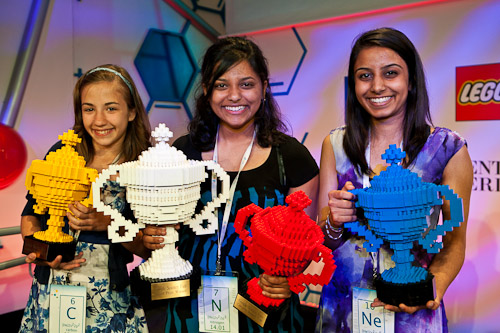
"caption": "Last year's Google Science Fair winners.",
"description": null,
"title": "1PvSBOYQybrVDiv-1M91Ep3h-SkFcR0g",
"credit": null,
"status": "inherit",
"isLoading": false,
"fetchFailed": false
},
"mindshift_17990": {
"type": "attachments",
"id": "mindshift_17990",
"meta": {
"index": "attachments_1716263798",
"site": "mindshift",
"id": "17990",
"found": true
},
"parent": 17989,
"imgSizes": {
"thumbnail": {
"file": "https://ww2.kqed.org/app/uploads/sites/23/2012/01/OLPC-XO-3.0-tablet_-an-8-inch-tablet-for-100-with-Android-and-Sugar-options-for-the-children-update_-pictures-The-Verge-2-400x257.jpg",
"width": 400,
"mimeType": "image/jpeg",
"height": 257
},
"fd-sm": {
"file": "https://ww2.kqed.org/app/uploads/sites/23/2012/01/OLPC-XO-3.0-tablet_-an-8-inch-tablet-for-100-with-Android-and-Sugar-options-for-the-children-update_-pictures-The-Verge-2-320x206.jpg",
"width": 320,
"mimeType": "image/jpeg",
"height": 206
},
"kqedFullSize": {
"file": "https://ww2.kqed.org/app/uploads/sites/23/2012/01/OLPC-XO-3.0-tablet_-an-8-inch-tablet-for-100-with-Android-and-Sugar-options-for-the-children-update_-pictures-The-Verge-2.jpg",
"width": 575,
"height": 370
},
"guest-author-96": {
"file": "https://ww2.kqed.org/app/uploads/sites/23/2012/01/OLPC-XO-3.0-tablet_-an-8-inch-tablet-for-100-with-Android-and-Sugar-options-for-the-children-update_-pictures-The-Verge-2-96x96.jpg",
"width": 96,
"mimeType": "image/jpeg",
"height": 96
},
"guest-author-64": {
"file": "https://ww2.kqed.org/app/uploads/sites/23/2012/01/OLPC-XO-3.0-tablet_-an-8-inch-tablet-for-100-with-Android-and-Sugar-options-for-the-children-update_-pictures-The-Verge-2-64x64.jpg",
"width": 64,
"mimeType": "image/jpeg",
"height": 64
},
"detail": {
"file": "https://ww2.kqed.org/app/uploads/sites/23/2012/01/OLPC-XO-3.0-tablet_-an-8-inch-tablet-for-100-with-Android-and-Sugar-options-for-the-children-update_-pictures-The-Verge-2-75x75.jpg",
"width": 75,
"mimeType": "image/jpeg",
"height": 75
},
"guest-author-32": {
"file": "https://ww2.kqed.org/app/uploads/sites/23/2012/01/OLPC-XO-3.0-tablet_-an-8-inch-tablet-for-100-with-Android-and-Sugar-options-for-the-children-update_-pictures-The-Verge-2-32x32.jpg",
"width": 32,
"mimeType": "image/jpeg",
"height": 32
},
"guest-author-128": {
"file": "https://ww2.kqed.org/app/uploads/sites/23/2012/01/OLPC-XO-3.0-tablet_-an-8-inch-tablet-for-100-with-Android-and-Sugar-options-for-the-children-update_-pictures-The-Verge-2-128x128.jpg",
"width": 128,
"mimeType": "image/jpeg",
"height": 128
}
},
"publishDate": 1326063106,
"modified": 1326063106,
"caption": null,
"description": null,
"title": "OLPC XO 3.0 tablet",
"credit": null,
"status": "inherit",
"isLoading": false,
"fetchFailed": false
},
"mindshift_17855": {
"type": "attachments",
"id": "mindshift_17855",
"meta": {
"index": "attachments_1716263798",
"site": "mindshift",
"id": "17855",
"found": true
},
"parent": 17850,
"imgSizes": {
"thumbnail": {
"file": "https://ww2.kqed.org/app/uploads/sites/23/2012/01/5391282117_4c1fdac59d-400x266.jpg",
"width": 400,
"mimeType": "image/jpeg",
"height": 266
},
"fd-sm": {
"file": "https://ww2.kqed.org/app/uploads/sites/23/2012/01/5391282117_4c1fdac59d-320x213.jpg",
"width": 320,
"mimeType": "image/jpeg",
"height": 213
},
"kqedFullSize": {
"file": "https://ww2.kqed.org/app/uploads/sites/23/2012/01/5391282117_4c1fdac59d.jpg",
"width": 500,
"height": 333
},
"guest-author-96": {
"file": "https://ww2.kqed.org/app/uploads/sites/23/2012/01/5391282117_4c1fdac59d-96x96.jpg",
"width": 96,
"mimeType": "image/jpeg",
"height": 96
},
"guest-author-64": {
"file": "https://ww2.kqed.org/app/uploads/sites/23/2012/01/5391282117_4c1fdac59d-64x64.jpg",
"width": 64,
"mimeType": "image/jpeg",
"height": 64
},
"detail": {
"file": "https://ww2.kqed.org/app/uploads/sites/23/2012/01/5391282117_4c1fdac59d-75x75.jpg",
"width": 75,
"mimeType": "image/jpeg",
"height": 75
},
"guest-author-32": {
"file": "https://ww2.kqed.org/app/uploads/sites/23/2012/01/5391282117_4c1fdac59d-32x32.jpg",
"width": 32,
"mimeType": "image/jpeg",
"height": 32
},
"guest-author-128": {
"file": "https://ww2.kqed.org/app/uploads/sites/23/2012/01/5391282117_4c1fdac59d-128x128.jpg",
"width": 128,
"mimeType": "image/jpeg",
"height": 128
}
},
"publishDate": 1325621026,
"modified": 1325621026,
"caption": null,
"description": null,
"title": "5391282117_4c1fdac59d",
"credit": null,
"status": "inherit",
"isLoading": false,
"fetchFailed": false
},
"mindshift_17846": {
"type": "attachments",
"id": "mindshift_17846",
"meta": {
"index": "attachments_1716263798",
"site": "mindshift",
"id": "17846",
"found": true
},
"parent": 17812,
"imgSizes": {
"thumbnail": {
"file": "https://ww2.kqed.org/app/uploads/sites/23/2012/01/87463263-400x330.jpg",
"width": 400,
"mimeType": "image/jpeg",
"height": 330
},
"fd-sm": {
"file": "https://ww2.kqed.org/app/uploads/sites/23/2012/01/87463263-320x264.jpg",
"width": 320,
"mimeType": "image/jpeg",
"height": 264
},
"post-thumbnail": {
"file": "https://ww2.kqed.org/app/uploads/sites/23/2012/01/87463263-455x372.jpg",
"width": 455,
"mimeType": "image/jpeg",
"height": 372
},
"kqedFullSize": {
"file": "https://ww2.kqed.org/app/uploads/sites/23/2012/01/87463263.jpg",
"width": 455,
"height": 375
},
"guest-author-96": {
"file": "https://ww2.kqed.org/app/uploads/sites/23/2012/01/87463263-96x96.jpg",
"width": 96,
"mimeType": "image/jpeg",
"height": 96
},
"guest-author-64": {
"file": "https://ww2.kqed.org/app/uploads/sites/23/2012/01/87463263-64x64.jpg",
"width": 64,
"mimeType": "image/jpeg",
"height": 64
},
"detail": {
"file": "https://ww2.kqed.org/app/uploads/sites/23/2012/01/87463263-75x75.jpg",
"width": 75,
"mimeType": "image/jpeg",
"height": 75
},
"guest-author-32": {
"file": "https://ww2.kqed.org/app/uploads/sites/23/2012/01/87463263-32x32.jpg",
"width": 32,
"mimeType": "image/jpeg",
"height": 32
},
"guest-author-128": {
"file": "https://ww2.kqed.org/app/uploads/sites/23/2012/01/87463263-128x128.jpg",
"width": 128,
"mimeType": "image/jpeg",
"height": 128
}
},
"publishDate": 1325612579,
"modified": 1325612579,
"caption": null,
"description": null,
"title": "87463263",
"credit": null,
"status": "inherit",
"isLoading": false,
"fetchFailed": false
},
"mindshift_17833": {
"type": "attachments",
"id": "mindshift_17833",
"meta": {
"index": "attachments_1716263798",
"site": "mindshift",
"id": "17833",
"found": true
},
"parent": 17830,
"imgSizes": {
"twentyfourteen-full-width": {
"file": "https://ww2.kqed.org/app/uploads/sites/23/2012/01/pp-dec11-infographic-1000-1000x576.jpg",
"width": 1000,
"mimeType": "image/jpeg",
"height": 576
},
"thumbnail": {
"file": "https://ww2.kqed.org/app/uploads/sites/23/2012/01/pp-dec11-infographic-1000-400x509.jpg",
"width": 400,
"mimeType": "image/jpeg",
"height": 509
},
"fd-sm": {
"file": "https://ww2.kqed.org/app/uploads/sites/23/2012/01/pp-dec11-infographic-1000-320x407.jpg",
"width": 320,
"mimeType": "image/jpeg",
"height": 407
},
"post-thumbnail": {
"file": "https://ww2.kqed.org/app/uploads/sites/23/2012/01/pp-dec11-infographic-1000-672x372.jpg",
"width": 672,
"mimeType": "image/jpeg",
"height": 372
},
"kqedFullSize": {
"file": "https://ww2.kqed.org/app/uploads/sites/23/2012/01/pp-dec11-infographic-1000.jpg",
"width": 1000,
"height": 1273
},
"fd-med": {
"file": "https://ww2.kqed.org/app/uploads/sites/23/2012/01/pp-dec11-infographic-1000-768x978.jpg",
"width": 768,
"mimeType": "image/jpeg",
"height": 978
},
"guest-author-96": {
"file": "https://ww2.kqed.org/app/uploads/sites/23/2012/01/pp-dec11-infographic-1000-96x96.jpg",
"width": 96,
"mimeType": "image/jpeg",
"height": 96
},
"medium": {
"file": "https://ww2.kqed.org/app/uploads/sites/23/2012/01/pp-dec11-infographic-1000-800x1018.jpg",
"width": 800,
"mimeType": "image/jpeg",
"height": 1018
},
"guest-author-64": {
"file": "https://ww2.kqed.org/app/uploads/sites/23/2012/01/pp-dec11-infographic-1000-64x64.jpg",
"width": 64,
"mimeType": "image/jpeg",
"height": 64
},
"detail": {
"file": "https://ww2.kqed.org/app/uploads/sites/23/2012/01/pp-dec11-infographic-1000-75x75.jpg",
"width": 75,
"mimeType": "image/jpeg",
"height": 75
},
"guest-author-32": {
"file": "https://ww2.kqed.org/app/uploads/sites/23/2012/01/pp-dec11-infographic-1000-32x32.jpg",
"width": 32,
"mimeType": "image/jpeg",
"height": 32
},
"guest-author-128": {
"file": "https://ww2.kqed.org/app/uploads/sites/23/2012/01/pp-dec11-infographic-1000-128x128.jpg",
"width": 128,
"mimeType": "image/jpeg",
"height": 128
}
},
"publishDate": 1325539970,
"modified": 1325539970,
"caption": null,
"description": null,
"title": "pp-dec11-infographic-1000",
"credit": null,
"status": "inherit",
"isLoading": false,
"fetchFailed": false
},
"mindshift_17787": {
"type": "attachments",
"id": "mindshift_17787",
"meta": {
"index": "attachments_1716263798",
"site": "mindshift",
"id": "17787",
"found": true
},
"parent": 17782,
"imgSizes": {
"thumbnail": {
"file": "https://ww2.kqed.org/app/uploads/sites/23/2011/12/vangoghdream-400x300.jpg",
"width": 400,
"mimeType": "image/jpeg",
"height": 300
},
"fd-sm": {
"file": "https://ww2.kqed.org/app/uploads/sites/23/2011/12/vangoghdream-320x240.jpg",
"width": 320,
"mimeType": "image/jpeg",
"height": 240
},
"kqedFullSize": {
"file": "https://ww2.kqed.org/app/uploads/sites/23/2011/12/vangoghdream.jpg",
"width": 482,
"height": 362
},
"guest-author-96": {
"file": "https://ww2.kqed.org/app/uploads/sites/23/2011/12/vangoghdream-96x96.jpg",
"width": 96,
"mimeType": "image/jpeg",
"height": 96
},
"guest-author-64": {
"file": "https://ww2.kqed.org/app/uploads/sites/23/2011/12/vangoghdream-64x64.jpg",
"width": 64,
"mimeType": "image/jpeg",
"height": 64
},
"detail": {
"file": "https://ww2.kqed.org/app/uploads/sites/23/2011/12/vangoghdream-75x75.jpg",
"width": 75,
"mimeType": "image/jpeg",
"height": 75
},
"guest-author-32": {
"file": "https://ww2.kqed.org/app/uploads/sites/23/2011/12/vangoghdream-32x32.jpg",
"width": 32,
"mimeType": "image/jpeg",
"height": 32
},
"guest-author-128": {
"file": "https://ww2.kqed.org/app/uploads/sites/23/2011/12/vangoghdream-128x128.jpg",
"width": 128,
"mimeType": "image/jpeg",
"height": 128
}
},
"publishDate": 1325197565,
"modified": 1325197565,
"caption": null,
"description": null,
"title": "vangoghdream",
"credit": null,
"status": "inherit",
"isLoading": false,
"fetchFailed": false
},
"mindshift_17790": {
"type": "attachments",
"id": "mindshift_17790",
"meta": {
"index": "attachments_1716263798",
"site": "mindshift",
"id": "17790",
"found": true
},
"parent": 17773,
"imgSizes": {
"thumbnail": {
"file": "https://ww2.kqed.org/app/uploads/sites/23/2011/12/6226457945_25fbf1675c_z-400x400.jpg",
"width": 400,
"mimeType": "image/jpeg",
"height": 400
},
"fd-sm": {
"file": "https://ww2.kqed.org/app/uploads/sites/23/2011/12/6226457945_25fbf1675c_z-320x320.jpg",
"width": 320,
"mimeType": "image/jpeg",
"height": 320
},
"post-thumbnail": {
"file": "https://ww2.kqed.org/app/uploads/sites/23/2011/12/6226457945_25fbf1675c_z-414x372.jpg",
"width": 414,
"mimeType": "image/jpeg",
"height": 372
},
"kqedFullSize": {
"file": "https://ww2.kqed.org/app/uploads/sites/23/2011/12/6226457945_25fbf1675c_z.jpg",
"width": 414,
"height": 414
},
"guest-author-96": {
"file": "https://ww2.kqed.org/app/uploads/sites/23/2011/12/6226457945_25fbf1675c_z-96x96.jpg",
"width": 96,
"mimeType": "image/jpeg",
"height": 96
},
"guest-author-64": {
"file": "https://ww2.kqed.org/app/uploads/sites/23/2011/12/6226457945_25fbf1675c_z-64x64.jpg",
"width": 64,
"mimeType": "image/jpeg",
"height": 64
},
"detail": {
"file": "https://ww2.kqed.org/app/uploads/sites/23/2011/12/6226457945_25fbf1675c_z-75x75.jpg",
"width": 75,
"mimeType": "image/jpeg",
"height": 75
},
"guest-author-32": {
"file": "https://ww2.kqed.org/app/uploads/sites/23/2011/12/6226457945_25fbf1675c_z-32x32.jpg",
"width": 32,
"mimeType": "image/jpeg",
"height": 32
},
"guest-author-128": {
"file": "https://ww2.kqed.org/app/uploads/sites/23/2011/12/6226457945_25fbf1675c_z-128x128.jpg",
"width": 128,
"mimeType": "image/jpeg",
"height": 128
}
},
"publishDate": 1325197670,
"modified": 1325197670,
"caption": null,
"description": null,
"title": "6226457945_25fbf1675c_z",
"credit": null,
"status": "inherit",
"isLoading": false,
"fetchFailed": false
},
"mindshift_17762": {
"type": "attachments",
"id": "mindshift_17762",
"meta": {
"index": "attachments_1716263798",
"site": "mindshift",
"id": "17762",
"found": true
},
"parent": 17724,
"imgSizes": {
"twentyfourteen-full-width": {
"file": "https://ww2.kqed.org/app/uploads/sites/23/2011/12/10_11.15_newtech_0354-1038x576.jpg",
"width": 1038,
"mimeType": "image/jpeg",
"height": 576
},
"thumbnail": {
"file": "https://ww2.kqed.org/app/uploads/sites/23/2011/12/10_11.15_newtech_0354-400x266.jpg",
"width": 400,
"mimeType": "image/jpeg",
"height": 266
},
"fd-sm": {
"file": "https://ww2.kqed.org/app/uploads/sites/23/2011/12/10_11.15_newtech_0354-320x213.jpg",
"width": 320,
"mimeType": "image/jpeg",
"height": 213
},
"post-thumbnail": {
"file": "https://ww2.kqed.org/app/uploads/sites/23/2011/12/10_11.15_newtech_0354-672x372.jpg",
"width": 672,
"mimeType": "image/jpeg",
"height": 372
},
"kqedFullSize": {
"file": "https://ww2.kqed.org/app/uploads/sites/23/2011/12/10_11.15_newtech_0354.jpg",
"width": 1440,
"height": 958
},
"large": {
"file": "https://ww2.kqed.org/app/uploads/sites/23/2011/12/10_11.15_newtech_0354-1440x958.jpg",
"width": 1440,
"mimeType": "image/jpeg",
"height": 958
},
"guest-author-96": {
"file": "https://ww2.kqed.org/app/uploads/sites/23/2011/12/10_11.15_newtech_0354-96x96.jpg",
"width": 96,
"mimeType": "image/jpeg",
"height": 96
},
"medium": {
"file": "https://ww2.kqed.org/app/uploads/sites/23/2011/12/10_11.15_newtech_0354-800x532.jpg",
"width": 800,
"mimeType": "image/jpeg",
"height": 532
},
"guest-author-64": {
"file": "https://ww2.kqed.org/app/uploads/sites/23/2011/12/10_11.15_newtech_0354-64x64.jpg",
"width": 64,
"mimeType": "image/jpeg",
"height": 64
},
"guest-author-32": {
"file": "https://ww2.kqed.org/app/uploads/sites/23/2011/12/10_11.15_newtech_0354-32x32.jpg",
"width": 32,
"mimeType": "image/jpeg",
"height": 32
},
"fd-lrg": {
"file": "https://ww2.kqed.org/app/uploads/sites/23/2011/12/10_11.15_newtech_0354-1180x785.jpg",
"width": 1180,
"mimeType": "image/jpeg",
"height": 785
},
"fd-med": {
"file": "https://ww2.kqed.org/app/uploads/sites/23/2011/12/10_11.15_newtech_0354-768x511.jpg",
"width": 768,
"mimeType": "image/jpeg",
"height": 511
},
"detail": {
"file": "https://ww2.kqed.org/app/uploads/sites/23/2011/12/10_11.15_newtech_0354-75x75.jpg",
"width": 75,
"mimeType": "image/jpeg",
"height": 75
},
"guest-author-128": {
"file": "https://ww2.kqed.org/app/uploads/sites/23/2011/12/10_11.15_newtech_0354-128x128.jpg",
"width": 128,
"mimeType": "image/jpeg",
"height": 128
}
},
"publishDate": 1325091569,
"modified": 1325091569,
"caption": null,
"description": null,
"title": "10_11.15_newtech_0354",
"credit": null,
"status": "inherit",
"isLoading": false,
"fetchFailed": false
},
"mindshift_33239": {
"type": "attachments",
"id": "mindshift_33239",
"meta": {
"index": "attachments_1716263798",
"site": "mindshift",
"id": "33239",
"found": true
},
"parent": 17721,
"imgSizes": {
"thumbnail": {
"file": "https://ww2.kqed.org/app/uploads/sites/23/2011/12/binary-400x225.jpg",
"width": 400,
"mimeType": "image/jpeg",
"height": 225
},
"fd-sm": {
"file": "https://ww2.kqed.org/app/uploads/sites/23/2011/12/binary-320x180.jpg",
"width": 320,
"mimeType": "image/jpeg",
"height": 180
},
"kqedFullSize": {
"file": "https://ww2.kqed.org/app/uploads/sites/23/2011/12/binary.jpg",
"width": 640,
"height": 360
},
"guest-author-96": {
"file": "https://ww2.kqed.org/app/uploads/sites/23/2011/12/binary-96x96.jpg",
"width": 96,
"mimeType": "image/jpeg",
"height": 96
},
"guest-author-64": {
"file": "https://ww2.kqed.org/app/uploads/sites/23/2011/12/binary-64x64.jpg",
"width": 64,
"mimeType": "image/jpeg",
"height": 64
},
"guest-author-32": {
"file": "https://ww2.kqed.org/app/uploads/sites/23/2011/12/binary-32x32.jpg",
"width": 32,
"mimeType": "image/jpeg",
"height": 32
},
"guest-author-128": {
"file": "https://ww2.kqed.org/app/uploads/sites/23/2011/12/binary-128x128.jpg",
"width": 128,
"mimeType": "image/jpeg",
"height": 128
}
},
"publishDate": 1388516335,
"modified": 1388516335,
"caption": null,
"description": null,
"title": "binary",
"credit": null,
"status": "inherit",
"isLoading": false,
"fetchFailed": false
},
"mindshift_17467": {
"type": "attachments",
"id": "mindshift_17467",
"meta": {
"index": "attachments_1716263798",
"site": "mindshift",
"id": "17467",
"found": true
},
"parent": 17430,
"imgSizes": {
"fd-sm": {
"file": "https://ww2.kqed.org/app/uploads/sites/23/2011/12/5843032561_b8bc8b990b-320x326.jpg",
"width": 320,
"mimeType": "image/jpeg",
"height": 326
},
"kqedFullSize": {
"file": "https://ww2.kqed.org/app/uploads/sites/23/2011/12/5843032561_b8bc8b990b.jpg",
"width": 335,
"height": 341
},
"guest-author-96": {
"file": "https://ww2.kqed.org/app/uploads/sites/23/2011/12/5843032561_b8bc8b990b-96x96.jpg",
"width": 96,
"mimeType": "image/jpeg",
"height": 96
},
"guest-author-64": {
"file": "https://ww2.kqed.org/app/uploads/sites/23/2011/12/5843032561_b8bc8b990b-64x64.jpg",
"width": 64,
"mimeType": "image/jpeg",
"height": 64
},
"detail": {
"file": "https://ww2.kqed.org/app/uploads/sites/23/2011/12/5843032561_b8bc8b990b-75x75.jpg",
"width": 75,
"mimeType": "image/jpeg",
"height": 75
},
"guest-author-32": {
"file": "https://ww2.kqed.org/app/uploads/sites/23/2011/12/5843032561_b8bc8b990b-32x32.jpg",
"width": 32,
"mimeType": "image/jpeg",
"height": 32
},
"guest-author-128": {
"file": "https://ww2.kqed.org/app/uploads/sites/23/2011/12/5843032561_b8bc8b990b-128x128.jpg",
"width": 128,
"mimeType": "image/jpeg",
"height": 128
}
},
"publishDate": 1323801753,
"modified": 1323801753,
"caption": null,
"description": null,
"title": "5843032561_b8bc8b990b",
"credit": null,
"status": "inherit",
"isLoading": false,
"fetchFailed": false
},
"mindshift_17416": {
"type": "attachments",
"id": "mindshift_17416",
"meta": {
"index": "attachments_1716263798",
"site": "mindshift",
"id": "17416",
"found": true
},
"parent": 17408,
"imgSizes": {
"thumbnail": {
"file": "https://ww2.kqed.org/app/uploads/sites/23/2011/12/Screen-shot-2011-12-09-at-8.26.06-PM-400x192.png",
"width": 400,
"mimeType": "image/png",
"height": 192
},
"fd-sm": {
"file": "https://ww2.kqed.org/app/uploads/sites/23/2011/12/Screen-shot-2011-12-09-at-8.26.06-PM-320x154.png",
"width": 320,
"mimeType": "image/png",
"height": 154
},
"kqedFullSize": {
"file": "https://ww2.kqed.org/app/uploads/sites/23/2011/12/Screen-shot-2011-12-09-at-8.26.06-PM.png",
"width": 537,
"height": 258
},
"guest-author-96": {
"file": "https://ww2.kqed.org/app/uploads/sites/23/2011/12/Screen-shot-2011-12-09-at-8.26.06-PM-96x96.png",
"width": 96,
"mimeType": "image/png",
"height": 96
},
"guest-author-64": {
"file": "https://ww2.kqed.org/app/uploads/sites/23/2011/12/Screen-shot-2011-12-09-at-8.26.06-PM-64x64.png",
"width": 64,
"mimeType": "image/png",
"height": 64
},
"detail": {
"file": "https://ww2.kqed.org/app/uploads/sites/23/2011/12/Screen-shot-2011-12-09-at-8.26.06-PM-75x75.png",
"width": 75,
"mimeType": "image/png",
"height": 75
},
"guest-author-32": {
"file": "https://ww2.kqed.org/app/uploads/sites/23/2011/12/Screen-shot-2011-12-09-at-8.26.06-PM-32x32.png",
"width": 32,
"mimeType": "image/png",
"height": 32
},
"guest-author-128": {
"file": "https://ww2.kqed.org/app/uploads/sites/23/2011/12/Screen-shot-2011-12-09-at-8.26.06-PM-128x128.png",
"width": 128,
"mimeType": "image/png",
"height": 128
}
},
"publishDate": 1323491197,
"modified": 1323491197,
"caption": null,
"description": null,
"title": "Screen shot 2011-12-09 at 8.26.06 PM",
"credit": null,
"status": "inherit",
"isLoading": false,
"fetchFailed": false
},
"mindshift_17334": {
"type": "attachments",
"id": "mindshift_17334",
"meta": {
"index": "attachments_1716263798",
"site": "mindshift",
"id": "17334",
"found": true
},
"parent": 17333,
"imgSizes": {
"kqedFullSize": {
"file": "https://ww2.kqed.org/app/uploads/sites/23/2011/12/roboroach.jpg",
"width": 300,
"height": 260
},
"guest-author-96": {
"file": "https://ww2.kqed.org/app/uploads/sites/23/2011/12/roboroach-96x96.jpg",
"width": 96,
"mimeType": "image/jpeg",
"height": 96
},
"guest-author-64": {
"file": "https://ww2.kqed.org/app/uploads/sites/23/2011/12/roboroach-64x64.jpg",
"width": 64,
"mimeType": "image/jpeg",
"height": 64
},
"detail": {
"file": "https://ww2.kqed.org/app/uploads/sites/23/2011/12/roboroach-75x75.jpg",
"width": 75,
"mimeType": "image/jpeg",
"height": 75
},
"guest-author-32": {
"file": "https://ww2.kqed.org/app/uploads/sites/23/2011/12/roboroach-32x32.jpg",
"width": 32,
"mimeType": "image/jpeg",
"height": 32
},
"guest-author-128": {
"file": "https://ww2.kqed.org/app/uploads/sites/23/2011/12/roboroach-128x128.jpg",
"width": 128,
"mimeType": "image/jpeg",
"height": 128
}
},
"publishDate": 1323241854,
"modified": 1323241854,
"caption": null,
"description": null,
"title": "roboroach",
"credit": null,
"status": "inherit",
"isLoading": false,
"fetchFailed": false
}
},
"audioPlayerReducer": {
"postId": "stream_live",
"isPaused": true,
"isPlaying": false,
"pfsActive": false,
"pledgeModalIsOpen": true,
"playerDrawerIsOpen": false,
"liveAudioPlayStartedAt": 0,
"liveAudioPlayContext": ""
},
"authorsReducer": {
"tbarseghian": {
"type": "authors",
"id": "180",
"meta": {
"index": "authors_1716337520",
"id": "180",
"found": true
},
"name": "Tina Barseghian",
"firstName": "Tina",
"lastName": "Barseghian",
"slug": "tbarseghian",
"email": "tbarseghian@kqed.org",
"display_author_email": false,
"staff_mastheads": [],
"title": null,
"bio": null,
"avatar": "https://secure.gravatar.com/avatar/de7e6ced1239b7018fe4d2b61f723c90?s=600&d=blank&r=g",
"twitter": null,
"facebook": null,
"instagram": null,
"linkedin": null,
"sites": [
{
"site": "styleguide",
"roles": [
"contributor"
]
},
{
"site": "news",
"roles": [
"subscriber"
]
},
{
"site": "mindshift",
"roles": [
"subscriber"
]
},
{
"site": "bayareabites",
"roles": [
"subscriber"
]
}
],
"headData": {
"title": "Tina Barseghian | KQED",
"description": null,
"ogImgSrc": "https://secure.gravatar.com/avatar/de7e6ced1239b7018fe4d2b61f723c90?s=600&d=blank&r=g",
"twImgSrc": "https://secure.gravatar.com/avatar/de7e6ced1239b7018fe4d2b61f723c90?s=600&d=blank&r=g"
},
"isLoading": false,
"link": "/author/tbarseghian"
},
"awatters": {
"type": "authors",
"id": "4352",
"meta": {
"index": "authors_1716337520",
"id": "4352",
"found": true
},
"name": "Audrey Watters",
"firstName": "Audrey",
"lastName": "Watters",
"slug": "awatters",
"email": "awatters@kqed.org",
"display_author_email": false,
"staff_mastheads": [],
"title": null,
"bio": null,
"avatar": "https://secure.gravatar.com/avatar/fb6ac91bb93632725bfa683c1de71bee?s=600&d=blank&r=g",
"twitter": null,
"facebook": null,
"instagram": null,
"linkedin": null,
"sites": [
{
"site": "mindshift",
"roles": [
"subscriber"
]
}
],
"headData": {
"title": "Audrey Watters | KQED",
"description": null,
"ogImgSrc": "https://secure.gravatar.com/avatar/fb6ac91bb93632725bfa683c1de71bee?s=600&d=blank&r=g",
"twImgSrc": "https://secure.gravatar.com/avatar/fb6ac91bb93632725bfa683c1de71bee?s=600&d=blank&r=g"
},
"isLoading": false,
"link": "/author/awatters"
}
},
"pagesReducer": {
"mindshift_category_digital-tools": {
"type": "terms",
"id": "mindshift_195",
"meta": {
"index": "terms_1716263798",
"site": "mindshift",
"id": "195",
"score": 14.406237
},
"featImg": null,
"name": "Digital Tools",
"description": "How devices, software, and the Internet are changing the classroom dynamic.",
"taxonomy": "category",
"headData": {
"twImgId": null,
"twTitle": null,
"ogTitle": null,
"ogImgId": null,
"twDescription": null,
"description": "How devices, software, and the Internet are changing the classroom dynamic.",
"title": "Digital Tools Archives | KQED Mindshift",
"ogDescription": null
},
"ttid": 195,
"slug": "digital-tools",
"isLoading": false,
"title": "Digital Tools",
"pageMeta": {
"site": "mindshift",
"WpPageTemplate": "page-topic-editorial",
"currentPage": 43
},
"blocks": [
{
"blockName": "kqed/company-paragraph",
"content": "How devices, software, and the Internet are changing the classroom dynamic."
},
{
"blockName": "kqed/post-list",
"attrs": {
"layout": "cardArticle2",
"query": "posts/mindshift?category=digital-tools",
"seeMore": false,
"paginated": true,
"page": 43
}
},
{
"blockName": "kqed/ad"
}
]
}
},
"pfsSessionReducer": {},
"postsReducer": {
"stream_live": {
"type": "live",
"id": "stream_live",
"audioUrl": "https://streams.kqed.org/kqedradio",
"title": "Live Stream",
"excerpt": "Live Stream information currently unavailable.",
"link": "/radio",
"featImg": "",
"label": {
"name": "KQED Live",
"link": "/"
}
},
"stream_kqedNewscast": {
"type": "posts",
"id": "stream_kqedNewscast",
"audioUrl": "https://www.kqed.org/.stream/anon/radio/RDnews/newscast.mp3?_=1",
"title": "KQED Newscast",
"featImg": "",
"label": {
"name": "88.5 FM",
"link": "/"
}
},
"mindshift_18114": {
"type": "posts",
"id": "mindshift_18114",
"meta": {
"index": "posts_1716263798",
"site": "mindshift",
"id": "18114",
"score": null,
"sort": [
1326373210000
]
},
"parent": 0,
"labelTerm": {
"site": "mindshift"
},
"blocks": [],
"publishDate": 1326373210,
"format": "aside",
"disqusTitle": "Ready, Set, Invent! The Google Science Fair is Launched",
"title": "Ready, Set, Invent! The Google Science Fair is Launched",
"headTitle": "MindShift | KQED News",
"content": "\u003cfigure id=\"attachment_13832\" class=\"wp-caption left\" style=\"max-width: 274px\">\u003ca href=\"http://ww2.kqed.org/mindshift/2011/07/what-role-do-corporations-play-in-supporting-stem-education/smithsonian_science-2/\" rel=\"attachment wp-att-13832\">\u003cimg class=\"size-full wp-image-13832\" src=\"http://ww2.kqed.org/mindshift/wp-content/uploads/sites/23/2011/07/smithsonian_science1.jpg\" alt=\"\" width=\"274\" height=\"274\" srcset=\"https://ww2.kqed.org/app/uploads/sites/23/2011/07/smithsonian_science1.jpg 274w, https://ww2.kqed.org/app/uploads/sites/23/2011/07/smithsonian_science1-32x32.jpg 32w, https://ww2.kqed.org/app/uploads/sites/23/2011/07/smithsonian_science1-64x64.jpg 64w, https://ww2.kqed.org/app/uploads/sites/23/2011/07/smithsonian_science1-96x96.jpg 96w, https://ww2.kqed.org/app/uploads/sites/23/2011/07/smithsonian_science1-128x128.jpg 128w, https://ww2.kqed.org/app/uploads/sites/23/2011/07/smithsonian_science1-75x75.jpg 75w\" sizes=\"(max-width: 274px) 100vw, 274px\">\u003c/a>\u003cfigcaption class=\"wp-caption-text\"> \u003c/figcaption>\u003c/figure>\n\u003cp>Taking the traditional science fair out of the school gymnasium and placing it on the Web, Google launched its \u003ca href=\"http://www.google.com/events/sciencefair/\">2012 Global Science Fair\u003c/a> yesterday, a follow-up to last year's inaugural event.\u003c/p>\n\u003cp>The fair is open to any student (age 13 to 18) from anywhere who has access to the Internet and to a Web browser.\u003c/p>\n\u003cp>This year, Google is taking the \"global\" aspect of the contest seriously, allowing submissions in 13 different languages (last year's were only accepted in English). The company will also select 90 regional finalists -- 30 from the Americas, 30 from the Asia-Pacific region, and 30 from Europe and Africa. It's about \"guaranteeing more global coverage,\" says Maggie Johnson, Google Director of Education and a Google Science Fair judge.\u003c/p>\n\u003cp>As with last year's event, Google has assembled a prestigious judging panel that includes Google Internet Evangelist Vint Cerf and particle physicist and Nobel Prize winner. And the prizes for the winners are not insignificant: the grand prize is a $50,000 scholarship, a trip to the Galapagos lead by a National Geographic Explorer, a hands-on internship at Google, CERN or LEGO, access to the Scientific American archives for their school and a personalized LEGO trophy. Two other finalists will each receive $25,000 scholarships, access to the Scientific American archives, and a LEGO trophy.\u003c/p>\n\u003cp>In response to last year's criticism from \u003ca href=\"http://www.nytimes.com/2011/04/04/technology/04fair.html\">the New York Times\u003c/a> questioning whether the event was simply a marketing ploy to expose students to Google products (you can read the MindShift take on it \u003ca href=\"http://ww2.kqed.org/mindshift/2011/04/is-googles-science-fair-just-a-marketing-ploy/\">here\u003c/a>), Johnson addressed the company's the motivation behind the fair.\u003c/p>\n\u003cp>[ad fullwidth]\u003c/p>\n\u003cp>Johnson pointed out that the science fair does not require that students use Google products for anything more than the submission process (they must use a Google Sites template for that part). \u003c!--more-->That standardization is necessary, she argues, since the company is hoping to exceed the number of submissions it received last year (over 10,000 students from 90 countries submitted their science projects to the 2011 competition).\u003c/p>\n\u003cfigure id=\"attachment_18123\" class=\"wp-caption left\" style=\"max-width: 300px\">\u003ca href=\"http://googleblog.blogspot.com/2011/07/hats-off-to-winners-of-inaugural-google.html\">\u003cimg class=\"size-medium wp-image-18123\" src=\"http://ww2.kqed.org/mindshift/wp-content/uploads/sites/23/2012/01/1PvSBOYQybrVDiv-1M91Ep3h-SkFcR0g-300x199.jpg\" alt=\"\" width=\"300\" height=\"199\">\u003c/a>\u003cfigcaption class=\"wp-caption-text\">Last year's Google Science Fair winners.\u003c/figcaption>\u003c/figure>\n\u003cp>Johnson also contends that scientific experimentation is a crucial part of Google's corporate DNA. Indeed, the company was founded by two young computer science students back in 1996 who had a hypothesis that all the information on the Web could be cataloged and searched. Johnson says that scientific exploration and experimentation remain important to the company's existence to this day, and that Google wants to help encourage this same sort of curiosity among the next generation.\u003c/p>\n\u003cp>As such, it's particularly important that the entire process occurs online. It isn't simply that science fairs may be waning in their off-line manifestations. There's something about the accessibility of the Web that makes it easier for students to present their findings. And to do so in an online forum may actually encourage those who might otherwise find the process intimidating to participate in science fairs. Standing next to your project in the school auditorium can be daunting. Submitting it via an online form, much less so. Could this lack of a public performance -- at least in the submission stages -- make the Google Science Fair more appealing to girls, for example?\u003c/p>\n\u003cp>Last year, the top prizes at the Google Science Fair went to girls \u003ca href=\"http://www.readwriteweb.com/archives/google_announces_the_winners_of_its_first_science.php\">went to girls.\u003c/a> Google doesn't ask for gender as part of the submission process, so it's not looking to highlight girls' scientific achievements. But Google has added a new prize this year -- a \"Science in Action\" award sponsored by Scientific American, that will go to a project that addresses \"a social, environmental or health issue to make a practical difference in the lives of a group or community.\"\u003c/p>\n\u003cp>And having that practical, community-oriented focus may attract girls to STEM projects (more so than, say, \"science for science's sake.\")\u003c/p>\n\u003cp>\u003c/p>\n\u003cp>Submissions for the second Google Global Science Fair begin today and run through April 1.\u003c/p>\n\n",
"disqusIdentifier": "18114 http://blogs.kqed.org/mindshift/?p=18114",
"disqusUrl": "https://ww2.kqed.org/mindshift/2012/01/12/ready-set-invent-the-google-science-fair-is-launched/",
"stats": {
"hasVideo": false,
"hasChartOrMap": false,
"hasAudio": false,
"hasPolis": false,
"wordCount": 660,
"hasGoogleForm": false,
"hasGallery": false,
"hasHearkenModule": false,
"iframeSrcs": [],
"paragraphCount": 13
},
"modified": 1326332703,
"excerpt": null,
"headData": {
"twImgId": "",
"twTitle": "",
"ogTitle": "",
"ogImgId": "",
"twDescription": "",
"description": "Taking the traditional science fair out of the school gymnasium and placing it on the Web, Google launched its 2012 Global Science Fair yesterday, a follow-up to last year's inaugural event. The fair is open to any student (age 13 to 18) from anywhere who has access to the Internet and to a Web browser.",
"title": "Ready, Set, Invent! The Google Science Fair is Launched | KQED",
"ogDescription": "",
"schema": {
"@context": "https://schema.org",
"@type": "Article",
"headline": "Ready, Set, Invent! The Google Science Fair is Launched",
"datePublished": "2012-01-12T05:00:10-08:00",
"dateModified": "2012-01-11T17:45:03-08:00",
"image": "https://cdn.kqed.org/wp-content/uploads/2020/02/KQED-OG-Image@1x.png"
}
},
"guestAuthors": [],
"slug": "ready-set-invent-the-google-science-fair-is-launched",
"status": "publish",
"path": "/mindshift/18114/ready-set-invent-the-google-science-fair-is-launched",
"audioTrackLength": null,
"parsedContent": [
{
"type": "contentString",
"content": "\u003cdiv class=\"post-body\">\u003cp>\u003cfigure id=\"attachment_13832\" class=\"wp-caption left\" style=\"max-width: 274px\">\u003ca href=\"http://ww2.kqed.org/mindshift/2011/07/what-role-do-corporations-play-in-supporting-stem-education/smithsonian_science-2/\" rel=\"attachment wp-att-13832\">\u003cimg class=\"size-full wp-image-13832\" src=\"http://ww2.kqed.org/mindshift/wp-content/uploads/sites/23/2011/07/smithsonian_science1.jpg\" alt=\"\" width=\"274\" height=\"274\" srcset=\"https://ww2.kqed.org/app/uploads/sites/23/2011/07/smithsonian_science1.jpg 274w, https://ww2.kqed.org/app/uploads/sites/23/2011/07/smithsonian_science1-32x32.jpg 32w, https://ww2.kqed.org/app/uploads/sites/23/2011/07/smithsonian_science1-64x64.jpg 64w, https://ww2.kqed.org/app/uploads/sites/23/2011/07/smithsonian_science1-96x96.jpg 96w, https://ww2.kqed.org/app/uploads/sites/23/2011/07/smithsonian_science1-128x128.jpg 128w, https://ww2.kqed.org/app/uploads/sites/23/2011/07/smithsonian_science1-75x75.jpg 75w\" sizes=\"(max-width: 274px) 100vw, 274px\">\u003c/a>\u003cfigcaption class=\"wp-caption-text\"> \u003c/figcaption>\u003c/figure>\n\u003cp>Taking the traditional science fair out of the school gymnasium and placing it on the Web, Google launched its \u003ca href=\"http://www.google.com/events/sciencefair/\">2012 Global Science Fair\u003c/a> yesterday, a follow-up to last year's inaugural event.\u003c/p>\n\u003cp>The fair is open to any student (age 13 to 18) from anywhere who has access to the Internet and to a Web browser.\u003c/p>\n\u003cp>This year, Google is taking the \"global\" aspect of the contest seriously, allowing submissions in 13 different languages (last year's were only accepted in English). The company will also select 90 regional finalists -- 30 from the Americas, 30 from the Asia-Pacific region, and 30 from Europe and Africa. It's about \"guaranteeing more global coverage,\" says Maggie Johnson, Google Director of Education and a Google Science Fair judge.\u003c/p>\n\u003cp>As with last year's event, Google has assembled a prestigious judging panel that includes Google Internet Evangelist Vint Cerf and particle physicist and Nobel Prize winner. And the prizes for the winners are not insignificant: the grand prize is a $50,000 scholarship, a trip to the Galapagos lead by a National Geographic Explorer, a hands-on internship at Google, CERN or LEGO, access to the Scientific American archives for their school and a personalized LEGO trophy. Two other finalists will each receive $25,000 scholarships, access to the Scientific American archives, and a LEGO trophy.\u003c/p>\n\u003cp>In response to last year's criticism from \u003ca href=\"http://www.nytimes.com/2011/04/04/technology/04fair.html\">the New York Times\u003c/a> questioning whether the event was simply a marketing ploy to expose students to Google products (you can read the MindShift take on it \u003ca href=\"http://ww2.kqed.org/mindshift/2011/04/is-googles-science-fair-just-a-marketing-ploy/\">here\u003c/a>), Johnson addressed the company's the motivation behind the fair.\u003c/p>\n\u003cp>\u003c/p>\u003c/div>",
"attributes": {
"named": {},
"numeric": []
}
},
{
"type": "component",
"content": "",
"name": "ad",
"attributes": {
"named": {
"label": "fullwidth"
},
"numeric": [
"fullwidth"
]
}
},
{
"type": "contentString",
"content": "\u003cdiv class=\"post-body\">\u003cp>\u003c/p>\n\u003cp>Johnson pointed out that the science fair does not require that students use Google products for anything more than the submission process (they must use a Google Sites template for that part). \u003c!--more-->That standardization is necessary, she argues, since the company is hoping to exceed the number of submissions it received last year (over 10,000 students from 90 countries submitted their science projects to the 2011 competition).\u003c/p>\n\u003cfigure id=\"attachment_18123\" class=\"wp-caption left\" style=\"max-width: 300px\">\u003ca href=\"http://googleblog.blogspot.com/2011/07/hats-off-to-winners-of-inaugural-google.html\">\u003cimg class=\"size-medium wp-image-18123\" src=\"http://ww2.kqed.org/mindshift/wp-content/uploads/sites/23/2012/01/1PvSBOYQybrVDiv-1M91Ep3h-SkFcR0g-300x199.jpg\" alt=\"\" width=\"300\" height=\"199\">\u003c/a>\u003cfigcaption class=\"wp-caption-text\">Last year's Google Science Fair winners.\u003c/figcaption>\u003c/figure>\n\u003cp>Johnson also contends that scientific experimentation is a crucial part of Google's corporate DNA. Indeed, the company was founded by two young computer science students back in 1996 who had a hypothesis that all the information on the Web could be cataloged and searched. Johnson says that scientific exploration and experimentation remain important to the company's existence to this day, and that Google wants to help encourage this same sort of curiosity among the next generation.\u003c/p>\n\u003cp>As such, it's particularly important that the entire process occurs online. It isn't simply that science fairs may be waning in their off-line manifestations. There's something about the accessibility of the Web that makes it easier for students to present their findings. And to do so in an online forum may actually encourage those who might otherwise find the process intimidating to participate in science fairs. Standing next to your project in the school auditorium can be daunting. Submitting it via an online form, much less so. Could this lack of a public performance -- at least in the submission stages -- make the Google Science Fair more appealing to girls, for example?\u003c/p>\n\u003cp>Last year, the top prizes at the Google Science Fair went to girls \u003ca href=\"http://www.readwriteweb.com/archives/google_announces_the_winners_of_its_first_science.php\">went to girls.\u003c/a> Google doesn't ask for gender as part of the submission process, so it's not looking to highlight girls' scientific achievements. But Google has added a new prize this year -- a \"Science in Action\" award sponsored by Scientific American, that will go to a project that addresses \"a social, environmental or health issue to make a practical difference in the lives of a group or community.\"\u003c/p>\n\u003cp>And having that practical, community-oriented focus may attract girls to STEM projects (more so than, say, \"science for science's sake.\")\u003c/p>\n\u003cp>\u003c/p>\n\u003cp>Submissions for the second Google Global Science Fair begin today and run through April 1.\u003c/p>\n\n\u003c/div>\u003c/p>",
"attributes": {
"named": {},
"numeric": []
}
}
],
"link": "/mindshift/18114/ready-set-invent-the-google-science-fair-is-launched",
"authors": [
"4352"
],
"categories": [
"mindshift_194",
"mindshift_195",
"mindshift_193"
],
"tags": [
"mindshift_798",
"mindshift_47"
],
"featImg": "mindshift_18123",
"label": "mindshift"
},
"mindshift_17989": {
"type": "posts",
"id": "mindshift_17989",
"meta": {
"index": "posts_1716263798",
"site": "mindshift",
"id": "17989",
"score": null,
"sort": [
1326137076000
]
},
"parent": 0,
"labelTerm": {
"site": "mindshift"
},
"blocks": [],
"publishDate": 1326137076,
"format": "aside",
"disqusTitle": "A $100 Solar-Powered Tablet: Will This Be \"The One\"?",
"title": "A $100 Solar-Powered Tablet: Will This Be \"The One\"?",
"headTitle": "MindShift | KQED News",
"content": "\u003cdiv class=\"module image alignright mceTemp\" style=\"width: 300px\">\u003ca href=\"http://ww2.kqed.org/mindshift/2012/01/a-100-solar-powered-tablet-will-this-be-the-one/kid_olpc/\" rel=\"attachment wp-att-17992\">\u003cimg class=\"size-full wp-image-17992\" src=\"http://ww2.kqed.org/mindshift/wp-content/uploads/sites/23/2012/01/kid_olpc.jpg\" alt=\"\" width=\"300\" height=\"166\">\u003c/a>\n\u003cp class=\"wp-media-credit\">OLPC\u003c/p>\n\u003c/div>\n\u003cp>At the flashy Las Vegas gathering this week, the \u003ca href=\"http://www.cesweb.org/\">Consumer Electronics Show\u003c/a>, there will likely be a lot of tablets unveiled, but none are as eagerly anticipated as the OLPC XO 3.0, a tablet version of the famously inexpensive and rugged laptop from \u003ca href=\"http://laptop.org/\">One Laptop Per Child\u003c/a> founder Nicholas Negroponte.\u003c/p>\n\u003cp>The tablet release comes after bruising criticism of the highly anticipated laptop several years ago, which some in the industry\u003ca href=\"http://www.businessweek.com/innovate/NussbaumOnDesign/archives/2007/09/its_time_to_cal.html\"> called a failure\u003c/a>. One of the main criticisms was the laptop's lack of mobility: \"Cell phones are far more popular as the means to connect to the net in much of the Third World and cell-phone type devices rather than cute little laptops might have made much more sense,\" \u003ca href=\"http://www.businessweek.com/innovate/NussbaumOnDesign/archives/2007/09/its_time_to_cal.html\">writes BusinessWeek's Bruce Nussbaum\u003c/a>.\u003c/p>\n\u003cp>The new tablet, designed to be an educational device for students in the developing world, where electricity and broadband access is scarce, addresses this to some extent. It uses very little power: the battery lasts eight to 10 hours and can be recharged with either a hand-crank or with a solar panel that doubles as the tablet’s cover. The XO 3.0 actually comes with two covers, one of which contains a four-watt solar panel that can be placed in the sun to recharge, then reconnected in order to power the tablet.\u003c/p>\n\u003caside class=\"pullquote alignleft\">\u003cspan style=\"color: #ff6600\">\"If they can really pull off the $100 price point, it will be the most well-built tablet under $200.\"\u003c/span>\u003c/aside>\n\u003cp>There’s great interest and excitement in the development of low-cost tablets, for lots of reasons. A few months ago, the \u003ca href=\"../2011/10/can-a-35-tablet-be-as-effective-a-learning-tool-as-an-ipad/\">$35 Aakash tablet\u003c/a> was released, and according to \u003ca href=\"http://india.blogs.nytimes.com/2012/01/05/aakash-update-oversold-underperforming/\">The New York Times\u003c/a>, Datawind -- the manufacturer behind the Aakash tablet -- has received some 1.4 million orders. But because the company was unprepared to meet the demand, it has stopped taking orders, and might be struggling to meet the orders that were already made. Even more troubling, many of the early reviews of the Aakash tablet have been incredibly poor: the battery life is just an hour or two, the software is sluggish, the touchscreen \"\u003ca href=\"http://www.the-digital-reader.com/2012/01/04/1-4-million-aakash-tablets-ordered-means-1-4-million-unhappy-owners/\">sticky\u003c/a>.\"\u003c/p>\n\u003cp>While the inability to build a quality $35 tablet isn't that surprising, it's important to remember that even the popular $199 Android tablet Amazon Kindle Fire has had its share of \u003ca href=\"http://www.marco.org/2011/11/17/kindle-fire-review\">negative reviews\u003c/a>. So when it comes to the XO 3.0, \u003c!--more-->\"If they can really pull off the $100 price point, it will be the most well-built tablet under $200,\" points out \u003ca href=\"http://www.theverge.com/2012/1/8/2691733/olpc-xo-3-0-tablet-pictures-video\">The Verge's Johanna Stern\u003c/a>, who's had a hands-on look at the tablet.\u003c/p>\n\u003cp>[ad fullwidth]\u003c/p>\n\u003cp>But the OLPC project has had its own fair share of struggles -- the inability to meet production deadlines, performance problems with the laptops, as well as concerns that the devices would not be able to meet that promised $100 price point. Nevertheless, the organization insists that the XO 3.0 tablet will ship this year, according to the OLPC organization, with some 75,000 devices \u003ca href=\"http://mashable.com/2012/01/08/one-laptop-per-child-tablet/\">headed to Uruguay and Nicaragua for a 2-year study\u003c/a> planned to examine the impact of the tablets and new adaptive learning software on the literacy and reading habits of three-to-eight-year-olds in India, Tanzania and Sierra Leone.\u003c/p>\n\u003cp>\"In the reading experiment, where we ask can a child learn to read on his or her own, we imagine many hours of use per day, as many as six or eight,” said Negroponte \u003ca href=\"http://www.pcworld.com/article/247448/olpcs_xo3_tablet_to_debut_at_ces.html\">in a recent PC World article\u003c/a>. “Frankly, the reading experiment may be the most important thing I have ever done....if it works.\"\u003c/p>\n\u003ch5>\u003cspan style=\"color: #0000ff\">THE SPECS\u003c/span>\u003c/h5>\n\u003cp>Though it’s thicker than most tablets on the market, it doesn't skimp on its other hardware specifications: it has a 1 GHz processor, 512 MB of RAM, and 4 GM of storage. The XO 3.0 also contains a USB port, a Micro USB port, headphone and microphone jacks, and a power jack (the latter can be used for a regular AC adapter as well as for the hand-crank). The tablet has two 8-inch display options: an LCD version and a PixelQi version. The latter is meant to make the tablet readable outside. But, according to\u003ca href=\"http://www.theverge.com/2012/1/8/2691733/olpc-xo-3-0-tablet-pictures-video\"> Stern\u003c/a>, although \"the touchscreen was responsive, the slow software clearly holds it back.\"\u003c/p>\n\u003cp>\u003ca href=\"http://ww2.kqed.org/mindshift/2012/01/a-100-solar-powered-tablet-will-this-be-the-one/olpc-xo-3-0-tablet_-an-8-inch-tablet-for-100-with-android-and-sugar-options-for-the-children-update_-pictures-the-verge-2/\" rel=\"attachment wp-att-17990\">\u003cimg class=\"aligncenter size-full wp-image-17990\" src=\"http://ww2.kqed.org/mindshift/wp-content/uploads/sites/23/2012/01/OLPC-XO-3.0-tablet_-an-8-inch-tablet-for-100-with-Android-and-Sugar-options-for-the-children-update_-pictures-The-Verge-2.jpg\" alt=\"\" width=\"575\" height=\"370\" srcset=\"https://ww2.kqed.org/app/uploads/sites/23/2012/01/OLPC-XO-3.0-tablet_-an-8-inch-tablet-for-100-with-Android-and-Sugar-options-for-the-children-update_-pictures-The-Verge-2.jpg 575w, https://ww2.kqed.org/app/uploads/sites/23/2012/01/OLPC-XO-3.0-tablet_-an-8-inch-tablet-for-100-with-Android-and-Sugar-options-for-the-children-update_-pictures-The-Verge-2-400x257.jpg 400w, https://ww2.kqed.org/app/uploads/sites/23/2012/01/OLPC-XO-3.0-tablet_-an-8-inch-tablet-for-100-with-Android-and-Sugar-options-for-the-children-update_-pictures-The-Verge-2-320x206.jpg 320w\" sizes=\"(max-width: 575px) 100vw, 575px\">\u003c/a>\u003c/p>\n\u003cp>The XO 3.0 has two software options: Android or a Linux operating system. Stern believes that the slowness of the device \"has more to do with the actual software not being ready. The delay between tapping the browser icon and it opening was noticeable. The second problem is that the software doesn't seem to be optimized for touch. When I tried to scroll in the Wikipedia program, it highlighted text; I had to select the scroll bar to get to the bottom of the page. OLPC says it is working on this and that it does work in some applications. Speaking of applications, many of the apps for this tablet are built by countries that buy the tablets or laptops, so while there are native browser, camera, word processing programs, the others have to come from the open source community.\"\u003c/p>\n\u003cp>That last sentence is important, particularly if the XO 3.0 tablets -- as is the case with the other, existing OLPC laptops -- are only sold directly to governments. At this time, the organization has not indicated that it will change its distribution model to make the devices available to the general public.\u003c/p>\n\u003cp>The OLPC projects have raised hope that technology can help bring quality education to underserved populations. It’s hard to tell yet if the new XO 3.0 tablet will be the ideal low-cost, high-durability educational device that the organization has worked to produce.\u003c/p>\n\u003cp>\u003c/p>\n\u003cp>But if \u003ca href=\"http://www.broadbandexpert.com/blog/cellphones/would-you-believe-nearly-six-billion-mobile-subscriptions-at-end-of-2011/\">cellphone penetration in the developing world\u003c/a> has reached almost 80%, are tablets the right devices? Or when we think of putting one computing device into the hands of every child, should we be thinking about a mobile phone instead?\u003c/p>\n\n",
"disqusIdentifier": "17989 http://blogs.kqed.org/mindshift/?p=17989",
"disqusUrl": "https://ww2.kqed.org/mindshift/2012/01/09/a-100-solar-powered-tablet-will-this-be-the-one/",
"stats": {
"hasVideo": false,
"hasChartOrMap": false,
"hasAudio": false,
"hasPolis": false,
"wordCount": 990,
"hasGoogleForm": false,
"hasGallery": false,
"hasHearkenModule": false,
"iframeSrcs": [],
"paragraphCount": 15
},
"modified": 1326137084,
"excerpt": null,
"headData": {
"twImgId": "",
"twTitle": "",
"ogTitle": "",
"ogImgId": "",
"twDescription": "",
"description": "OLPC At the flashy Las Vegas gathering this week, the Consumer Electronics Show, there will likely be a lot of tablets unveiled, but none are as eagerly anticipated as the OLPC XO 3.0, a tablet version of the famously inexpensive and rugged laptop from One Laptop Per Child founder Nicholas Negroponte. The tablet release comes",
"title": "A $100 Solar-Powered Tablet: Will This Be \"The One\"? | KQED",
"ogDescription": "",
"schema": {
"@context": "https://schema.org",
"@type": "Article",
"headline": "A $100 Solar-Powered Tablet: Will This Be \"The One\"?",
"datePublished": "2012-01-09T11:24:36-08:00",
"dateModified": "2012-01-09T11:24:44-08:00",
"image": "https://cdn.kqed.org/wp-content/uploads/2020/02/KQED-OG-Image@1x.png"
}
},
"guestAuthors": [],
"slug": "a-100-solar-powered-tablet-will-this-be-the-one",
"status": "publish",
"path": "/mindshift/17989/a-100-solar-powered-tablet-will-this-be-the-one",
"audioTrackLength": null,
"parsedContent": [
{
"type": "contentString",
"content": "\u003cdiv class=\"post-body\">\u003cp>\u003cdiv class=\"module image alignright mceTemp\" style=\"width: 300px\">\u003ca href=\"http://ww2.kqed.org/mindshift/2012/01/a-100-solar-powered-tablet-will-this-be-the-one/kid_olpc/\" rel=\"attachment wp-att-17992\">\u003cimg class=\"size-full wp-image-17992\" src=\"http://ww2.kqed.org/mindshift/wp-content/uploads/sites/23/2012/01/kid_olpc.jpg\" alt=\"\" width=\"300\" height=\"166\">\u003c/a>\n\u003cp class=\"wp-media-credit\">OLPC\u003c/p>\n\u003c/div>\n\u003cp>At the flashy Las Vegas gathering this week, the \u003ca href=\"http://www.cesweb.org/\">Consumer Electronics Show\u003c/a>, there will likely be a lot of tablets unveiled, but none are as eagerly anticipated as the OLPC XO 3.0, a tablet version of the famously inexpensive and rugged laptop from \u003ca href=\"http://laptop.org/\">One Laptop Per Child\u003c/a> founder Nicholas Negroponte.\u003c/p>\n\u003cp>The tablet release comes after bruising criticism of the highly anticipated laptop several years ago, which some in the industry\u003ca href=\"http://www.businessweek.com/innovate/NussbaumOnDesign/archives/2007/09/its_time_to_cal.html\"> called a failure\u003c/a>. One of the main criticisms was the laptop's lack of mobility: \"Cell phones are far more popular as the means to connect to the net in much of the Third World and cell-phone type devices rather than cute little laptops might have made much more sense,\" \u003ca href=\"http://www.businessweek.com/innovate/NussbaumOnDesign/archives/2007/09/its_time_to_cal.html\">writes BusinessWeek's Bruce Nussbaum\u003c/a>.\u003c/p>\n\u003cp>The new tablet, designed to be an educational device for students in the developing world, where electricity and broadband access is scarce, addresses this to some extent. It uses very little power: the battery lasts eight to 10 hours and can be recharged with either a hand-crank or with a solar panel that doubles as the tablet’s cover. The XO 3.0 actually comes with two covers, one of which contains a four-watt solar panel that can be placed in the sun to recharge, then reconnected in order to power the tablet.\u003c/p>\n\u003caside class=\"pullquote alignleft\">\u003cspan style=\"color: #ff6600\">\"If they can really pull off the $100 price point, it will be the most well-built tablet under $200.\"\u003c/span>\u003c/aside>\n\u003cp>There’s great interest and excitement in the development of low-cost tablets, for lots of reasons. A few months ago, the \u003ca href=\"../2011/10/can-a-35-tablet-be-as-effective-a-learning-tool-as-an-ipad/\">$35 Aakash tablet\u003c/a> was released, and according to \u003ca href=\"http://india.blogs.nytimes.com/2012/01/05/aakash-update-oversold-underperforming/\">The New York Times\u003c/a>, Datawind -- the manufacturer behind the Aakash tablet -- has received some 1.4 million orders. But because the company was unprepared to meet the demand, it has stopped taking orders, and might be struggling to meet the orders that were already made. Even more troubling, many of the early reviews of the Aakash tablet have been incredibly poor: the battery life is just an hour or two, the software is sluggish, the touchscreen \"\u003ca href=\"http://www.the-digital-reader.com/2012/01/04/1-4-million-aakash-tablets-ordered-means-1-4-million-unhappy-owners/\">sticky\u003c/a>.\"\u003c/p>\n\u003cp>While the inability to build a quality $35 tablet isn't that surprising, it's important to remember that even the popular $199 Android tablet Amazon Kindle Fire has had its share of \u003ca href=\"http://www.marco.org/2011/11/17/kindle-fire-review\">negative reviews\u003c/a>. So when it comes to the XO 3.0, \u003c!--more-->\"If they can really pull off the $100 price point, it will be the most well-built tablet under $200,\" points out \u003ca href=\"http://www.theverge.com/2012/1/8/2691733/olpc-xo-3-0-tablet-pictures-video\">The Verge's Johanna Stern\u003c/a>, who's had a hands-on look at the tablet.\u003c/p>\n\u003cp>\u003c/p>\u003c/div>",
"attributes": {
"named": {},
"numeric": []
}
},
{
"type": "component",
"content": "",
"name": "ad",
"attributes": {
"named": {
"label": "fullwidth"
},
"numeric": [
"fullwidth"
]
}
},
{
"type": "contentString",
"content": "\u003cdiv class=\"post-body\">\u003cp>\u003c/p>\n\u003cp>But the OLPC project has had its own fair share of struggles -- the inability to meet production deadlines, performance problems with the laptops, as well as concerns that the devices would not be able to meet that promised $100 price point. Nevertheless, the organization insists that the XO 3.0 tablet will ship this year, according to the OLPC organization, with some 75,000 devices \u003ca href=\"http://mashable.com/2012/01/08/one-laptop-per-child-tablet/\">headed to Uruguay and Nicaragua for a 2-year study\u003c/a> planned to examine the impact of the tablets and new adaptive learning software on the literacy and reading habits of three-to-eight-year-olds in India, Tanzania and Sierra Leone.\u003c/p>\n\u003cp>\"In the reading experiment, where we ask can a child learn to read on his or her own, we imagine many hours of use per day, as many as six or eight,” said Negroponte \u003ca href=\"http://www.pcworld.com/article/247448/olpcs_xo3_tablet_to_debut_at_ces.html\">in a recent PC World article\u003c/a>. “Frankly, the reading experiment may be the most important thing I have ever done....if it works.\"\u003c/p>\n\u003ch5>\u003cspan style=\"color: #0000ff\">THE SPECS\u003c/span>\u003c/h5>\n\u003cp>Though it’s thicker than most tablets on the market, it doesn't skimp on its other hardware specifications: it has a 1 GHz processor, 512 MB of RAM, and 4 GM of storage. The XO 3.0 also contains a USB port, a Micro USB port, headphone and microphone jacks, and a power jack (the latter can be used for a regular AC adapter as well as for the hand-crank). The tablet has two 8-inch display options: an LCD version and a PixelQi version. The latter is meant to make the tablet readable outside. But, according to\u003ca href=\"http://www.theverge.com/2012/1/8/2691733/olpc-xo-3-0-tablet-pictures-video\"> Stern\u003c/a>, although \"the touchscreen was responsive, the slow software clearly holds it back.\"\u003c/p>\n\u003cp>\u003ca href=\"http://ww2.kqed.org/mindshift/2012/01/a-100-solar-powered-tablet-will-this-be-the-one/olpc-xo-3-0-tablet_-an-8-inch-tablet-for-100-with-android-and-sugar-options-for-the-children-update_-pictures-the-verge-2/\" rel=\"attachment wp-att-17990\">\u003cimg class=\"aligncenter size-full wp-image-17990\" src=\"http://ww2.kqed.org/mindshift/wp-content/uploads/sites/23/2012/01/OLPC-XO-3.0-tablet_-an-8-inch-tablet-for-100-with-Android-and-Sugar-options-for-the-children-update_-pictures-The-Verge-2.jpg\" alt=\"\" width=\"575\" height=\"370\" srcset=\"https://ww2.kqed.org/app/uploads/sites/23/2012/01/OLPC-XO-3.0-tablet_-an-8-inch-tablet-for-100-with-Android-and-Sugar-options-for-the-children-update_-pictures-The-Verge-2.jpg 575w, https://ww2.kqed.org/app/uploads/sites/23/2012/01/OLPC-XO-3.0-tablet_-an-8-inch-tablet-for-100-with-Android-and-Sugar-options-for-the-children-update_-pictures-The-Verge-2-400x257.jpg 400w, https://ww2.kqed.org/app/uploads/sites/23/2012/01/OLPC-XO-3.0-tablet_-an-8-inch-tablet-for-100-with-Android-and-Sugar-options-for-the-children-update_-pictures-The-Verge-2-320x206.jpg 320w\" sizes=\"(max-width: 575px) 100vw, 575px\">\u003c/a>\u003c/p>\n\u003cp>The XO 3.0 has two software options: Android or a Linux operating system. Stern believes that the slowness of the device \"has more to do with the actual software not being ready. The delay between tapping the browser icon and it opening was noticeable. The second problem is that the software doesn't seem to be optimized for touch. When I tried to scroll in the Wikipedia program, it highlighted text; I had to select the scroll bar to get to the bottom of the page. OLPC says it is working on this and that it does work in some applications. Speaking of applications, many of the apps for this tablet are built by countries that buy the tablets or laptops, so while there are native browser, camera, word processing programs, the others have to come from the open source community.\"\u003c/p>\n\u003cp>That last sentence is important, particularly if the XO 3.0 tablets -- as is the case with the other, existing OLPC laptops -- are only sold directly to governments. At this time, the organization has not indicated that it will change its distribution model to make the devices available to the general public.\u003c/p>\n\u003cp>The OLPC projects have raised hope that technology can help bring quality education to underserved populations. It’s hard to tell yet if the new XO 3.0 tablet will be the ideal low-cost, high-durability educational device that the organization has worked to produce.\u003c/p>\n\u003cp>\u003c/p>\n\u003cp>But if \u003ca href=\"http://www.broadbandexpert.com/blog/cellphones/would-you-believe-nearly-six-billion-mobile-subscriptions-at-end-of-2011/\">cellphone penetration in the developing world\u003c/a> has reached almost 80%, are tablets the right devices? Or when we think of putting one computing device into the hands of every child, should we be thinking about a mobile phone instead?\u003c/p>\n\n\u003c/div>\u003c/p>",
"attributes": {
"named": {},
"numeric": []
}
}
],
"link": "/mindshift/17989/a-100-solar-powered-tablet-will-this-be-the-one",
"authors": [
"4352"
],
"categories": [
"mindshift_195"
],
"tags": [
"mindshift_795",
"mindshift_794"
],
"featImg": "mindshift_17990",
"label": "mindshift"
},
"mindshift_17850": {
"type": "posts",
"id": "mindshift_17850",
"meta": {
"index": "posts_1716263798",
"site": "mindshift",
"id": "17850",
"score": null,
"sort": [
1325631617000
]
},
"parent": 0,
"labelTerm": {
"site": "mindshift"
},
"blocks": [],
"publishDate": 1325631617,
"format": "aside",
"disqusTitle": "Two Students + Video Game = Innovations in Science",
"title": "Two Students + Video Game = Innovations in Science",
"headTitle": "MindShift | KQED News",
"content": "\u003cdiv class=\"module image alignright mceTemp\" style=\"width: 300px\">\u003ca href=\"http://www.flickr.com/photos/vancouverfilmschool/5391282117/sizes/m/in/photostream/\">\u003cimg class=\"size-medium wp-image-17855\" src=\"http://ww2.kqed.org/mindshift/wp-content/uploads/sites/23/2012/01/5391282117_4c1fdac59d-300x199.jpg\" alt=\"\" width=\"300\" height=\"199\">\u003c/a>\n\u003cp class=\"wp-media-credit\">Flickr: Vancouver Film School\u003c/p>\n\u003c/div>\n\u003cp>The potential of using video games for purposes other than entertainment is starting to be unleashed -- not just by veteran scientists, but by young students.\u003c/p>\n\u003cp>Cassee Cain and Ziyuan Liu, Seniors at Oak Ridge High School in Tennessee, recently won the top team prize -- $100,000 -- at the Siemens Competition in Math, Science and Technology for modifying Microsoft's Xbox Kinect -- a motion sensor used for video games -- to monitor the gaits of people with prosthetic limbs or with illnesses that affect movement.\u003c/p>\n\u003cp>The team did this not as a part of a school project, but on their own time -- \"as soon as school got out for the summer,\" learning computer programming and human physiology.\u003c/p>\n\u003cp>They hope their device will improve diagnoses and physical therapy.\u003c/p>\n\u003cp>Robert Siegel, host of NPR's All Things Considered,\u003ca href=\"http://www.npr.org/2011/12/27/144335732/teens-win-top-honors-for-xbox-innovation?ft=1&f=1007,1013,1019,1024,1030,1049,1052,1130\"> talked to them\u003c/a> recently about their new innovation as part of the show's Young Innovators series.\u003c/p>\n\u003cp>[ad fullwidth]\u003c/p>\n\u003cp>\u003cstrong>SIEGEL\u003c/strong>: Let's start with Cassee. First of all, how did the two of you come up with this idea?\u003c/p>\n\u003cp>\u003cstrong>CAIN\u003c/strong>: Well, Ziyuan and I have been friends for about four years now and we've had a lot of the same classes together and I've always been really interested in the medical field and Ziyuan has always been interested in computer science. And one day, he was at my house playing the Kinect. We were kind of curious how the Kinect could see and critique our dance moves and so this was just something that we were both really interested in and it kind of sparked our interest in this field.\u003c/p>\n\u003cp>\u003cstrong>SIEGEL\u003c/strong>: In a nutshell, how does it work?\u003c/p>\n\u003cp>\u003cstrong>LIU\u003c/strong>: Well, the Kinect actually has two cameras and a laser emitter, so the laser emitter scatters little laser dots around the environment and that one of the cameras senses the distortion in these laser \u003c!--more-->dots to measure depth and the other camera takes in the picture of the environment and correlates that with the depth.\u003c/p>\n\u003cp>And with that, we're practically able to reconstruct the environment in 3D, but our project focuses on extracting certain points like joints, knee angles.\u003c/p>\n\u003cp>\u003cstrong>CAIN\u003c/strong>: So, for our project, because we were interested in the way that people are walking, so we tracked the hip, the knee and the ankle and, just by tracking those three points, we were able to find the knee angle, which is really useful for therapists and clinicians and prosthetists when not only fitting prosthetics, but also helping people with therapy and rehabilitation.\u003c/p>\n\u003cp>\u003cstrong>SIEGEL\u003c/strong>: Well, take us back to your - after the moment when you decided this was a project you might do, how did you go about doing the project and how much study did you both have to do to apply the Kinect to this problem you'd identified?\u003c/p>\n\u003cp>\u003cstrong>CAIN\u003c/strong>: Actually, as soon as school got out for the summer, we began working at the Oakridge National Lab and went in to work about eight hours a day. We had to learn computer programming languages, but it also took a lot of learning about the background and how we could even apply this project.\u003c/p>\n\u003cp>So we learned a lot about gait analysis and that field and the work that's been previously done and also about future applications, as well as the computer side.\u003c/p>\n\u003cp>\u003cstrong>SIEGEL\u003c/strong>: What strikes me as so remarkable here is that, nowadays, the typical household might have something like a Kinect in it which is a phenomenal piece of technology. What you found was an interesting way of applying that technology, but it's in millions of homes all over the country.\u003c/p>\n\u003cp>\u003cstrong>CAIN\u003c/strong>: Yeah. This is a device that you can go buy at Walmart and take out of the box and use, so it really adds to the portability and accessibility of this device and also the affordability.\u003c/p>\n\u003cp>\u003cstrong>SIEGEL\u003c/strong>: Did you look, Ziyuan, at the kind of machinery that this might be replacing and how much more expensive it is than what you were working with?\u003c/p>\n\u003cp>\u003cstrong>LIU\u003c/strong>: Oh, yeah. Oh, yes. Actually, we did research replays from the stereo cameras and those cost usually around $2,000 each and the Kinect - it's many, many more times more affordable.\u003c/p>\n\u003cp>\u003cstrong>SIEGEL\u003c/strong>: So if this gets around, you know, the two of you are going to be cited by a million kids as they tell their parents, no, I'm not just playing with the Kinect. It's my science project.\u003c/p>\n\u003cp>\u003cstrong>CAIN\u003c/strong>: That's actually how I got my parents to buy me the Kinect.\u003c/p>\n\u003cp>\u003c/p>\n\u003cp>\u003cstrong>LIU\u003c/strong>: Same here.\u003c/p>\n\u003ch5>\u003cem>The transcript was originally \u003ca href=\"http://www.npr.org/2011/12/27/144335732/teens-win-top-honors-for-xbox-innovation?ft=1&f=1007,1013,1019,1024,1030,1049,1052,1130\">posted on NPR\u003c/a>.\u003c/em>\u003c/h5>\n\n",
"disqusIdentifier": "17850 http://blogs.kqed.org/mindshift/?p=17850",
"disqusUrl": "https://ww2.kqed.org/mindshift/2012/01/03/two-students-video-game-innovations-in-science/",
"stats": {
"hasVideo": false,
"hasChartOrMap": false,
"hasAudio": false,
"hasPolis": false,
"wordCount": 769,
"hasGoogleForm": false,
"hasGallery": false,
"hasHearkenModule": false,
"iframeSrcs": [],
"paragraphCount": 23
},
"modified": 1325621264,
"excerpt": null,
"headData": {
"twImgId": "",
"twTitle": "",
"ogTitle": "",
"ogImgId": "",
"twDescription": "",
"description": "Flickr: Vancouver Film School The potential of using video games for purposes other than entertainment is starting to be unleashed -- not just by veteran scientists, but by young students. Cassee Cain and Ziyuan Liu, Seniors at Oak Ridge High School in Tennessee, recently won the top team prize -- $100,000 -- at the Siemens",
"title": "Two Students + Video Game = Innovations in Science | KQED",
"ogDescription": "",
"schema": {
"@context": "https://schema.org",
"@type": "Article",
"headline": "Two Students + Video Game = Innovations in Science",
"datePublished": "2012-01-03T15:00:17-08:00",
"dateModified": "2012-01-03T12:07:44-08:00",
"image": "https://cdn.kqed.org/wp-content/uploads/2020/02/KQED-OG-Image@1x.png"
}
},
"guestAuthors": [],
"slug": "two-students-video-game-innovations-in-science",
"status": "publish",
"path": "/mindshift/17850/two-students-video-game-innovations-in-science",
"audioTrackLength": null,
"parsedContent": [
{
"type": "contentString",
"content": "\u003cdiv class=\"post-body\">\u003cp>\u003cdiv class=\"module image alignright mceTemp\" style=\"width: 300px\">\u003ca href=\"http://www.flickr.com/photos/vancouverfilmschool/5391282117/sizes/m/in/photostream/\">\u003cimg class=\"size-medium wp-image-17855\" src=\"http://ww2.kqed.org/mindshift/wp-content/uploads/sites/23/2012/01/5391282117_4c1fdac59d-300x199.jpg\" alt=\"\" width=\"300\" height=\"199\">\u003c/a>\n\u003cp class=\"wp-media-credit\">Flickr: Vancouver Film School\u003c/p>\n\u003c/div>\n\u003cp>The potential of using video games for purposes other than entertainment is starting to be unleashed -- not just by veteran scientists, but by young students.\u003c/p>\n\u003cp>Cassee Cain and Ziyuan Liu, Seniors at Oak Ridge High School in Tennessee, recently won the top team prize -- $100,000 -- at the Siemens Competition in Math, Science and Technology for modifying Microsoft's Xbox Kinect -- a motion sensor used for video games -- to monitor the gaits of people with prosthetic limbs or with illnesses that affect movement.\u003c/p>\n\u003cp>The team did this not as a part of a school project, but on their own time -- \"as soon as school got out for the summer,\" learning computer programming and human physiology.\u003c/p>\n\u003cp>They hope their device will improve diagnoses and physical therapy.\u003c/p>\n\u003cp>Robert Siegel, host of NPR's All Things Considered,\u003ca href=\"http://www.npr.org/2011/12/27/144335732/teens-win-top-honors-for-xbox-innovation?ft=1&f=1007,1013,1019,1024,1030,1049,1052,1130\"> talked to them\u003c/a> recently about their new innovation as part of the show's Young Innovators series.\u003c/p>\n\u003cp>\u003c/p>\u003c/div>",
"attributes": {
"named": {},
"numeric": []
}
},
{
"type": "component",
"content": "",
"name": "ad",
"attributes": {
"named": {
"label": "fullwidth"
},
"numeric": [
"fullwidth"
]
}
},
{
"type": "contentString",
"content": "\u003cdiv class=\"post-body\">\u003cp>\u003c/p>\n\u003cp>\u003cstrong>SIEGEL\u003c/strong>: Let's start with Cassee. First of all, how did the two of you come up with this idea?\u003c/p>\n\u003cp>\u003cstrong>CAIN\u003c/strong>: Well, Ziyuan and I have been friends for about four years now and we've had a lot of the same classes together and I've always been really interested in the medical field and Ziyuan has always been interested in computer science. And one day, he was at my house playing the Kinect. We were kind of curious how the Kinect could see and critique our dance moves and so this was just something that we were both really interested in and it kind of sparked our interest in this field.\u003c/p>\n\u003cp>\u003cstrong>SIEGEL\u003c/strong>: In a nutshell, how does it work?\u003c/p>\n\u003cp>\u003cstrong>LIU\u003c/strong>: Well, the Kinect actually has two cameras and a laser emitter, so the laser emitter scatters little laser dots around the environment and that one of the cameras senses the distortion in these laser \u003c!--more-->dots to measure depth and the other camera takes in the picture of the environment and correlates that with the depth.\u003c/p>\n\u003cp>And with that, we're practically able to reconstruct the environment in 3D, but our project focuses on extracting certain points like joints, knee angles.\u003c/p>\n\u003cp>\u003cstrong>CAIN\u003c/strong>: So, for our project, because we were interested in the way that people are walking, so we tracked the hip, the knee and the ankle and, just by tracking those three points, we were able to find the knee angle, which is really useful for therapists and clinicians and prosthetists when not only fitting prosthetics, but also helping people with therapy and rehabilitation.\u003c/p>\n\u003cp>\u003cstrong>SIEGEL\u003c/strong>: Well, take us back to your - after the moment when you decided this was a project you might do, how did you go about doing the project and how much study did you both have to do to apply the Kinect to this problem you'd identified?\u003c/p>\n\u003cp>\u003cstrong>CAIN\u003c/strong>: Actually, as soon as school got out for the summer, we began working at the Oakridge National Lab and went in to work about eight hours a day. We had to learn computer programming languages, but it also took a lot of learning about the background and how we could even apply this project.\u003c/p>\n\u003cp>So we learned a lot about gait analysis and that field and the work that's been previously done and also about future applications, as well as the computer side.\u003c/p>\n\u003cp>\u003cstrong>SIEGEL\u003c/strong>: What strikes me as so remarkable here is that, nowadays, the typical household might have something like a Kinect in it which is a phenomenal piece of technology. What you found was an interesting way of applying that technology, but it's in millions of homes all over the country.\u003c/p>\n\u003cp>\u003cstrong>CAIN\u003c/strong>: Yeah. This is a device that you can go buy at Walmart and take out of the box and use, so it really adds to the portability and accessibility of this device and also the affordability.\u003c/p>\n\u003cp>\u003cstrong>SIEGEL\u003c/strong>: Did you look, Ziyuan, at the kind of machinery that this might be replacing and how much more expensive it is than what you were working with?\u003c/p>\n\u003cp>\u003cstrong>LIU\u003c/strong>: Oh, yeah. Oh, yes. Actually, we did research replays from the stereo cameras and those cost usually around $2,000 each and the Kinect - it's many, many more times more affordable.\u003c/p>\n\u003cp>\u003cstrong>SIEGEL\u003c/strong>: So if this gets around, you know, the two of you are going to be cited by a million kids as they tell their parents, no, I'm not just playing with the Kinect. It's my science project.\u003c/p>\n\u003cp>\u003cstrong>CAIN\u003c/strong>: That's actually how I got my parents to buy me the Kinect.\u003c/p>\n\u003cp>\u003c/p>\n\u003cp>\u003cstrong>LIU\u003c/strong>: Same here.\u003c/p>\n\u003ch5>\u003cem>The transcript was originally \u003ca href=\"http://www.npr.org/2011/12/27/144335732/teens-win-top-honors-for-xbox-innovation?ft=1&f=1007,1013,1019,1024,1030,1049,1052,1130\">posted on NPR\u003c/a>.\u003c/em>\u003c/h5>\n\n\u003c/div>\u003c/p>",
"attributes": {
"named": {},
"numeric": []
}
}
],
"link": "/mindshift/17850/two-students-video-game-innovations-in-science",
"authors": [
"180"
],
"categories": [
"mindshift_194",
"mindshift_195",
"mindshift_193"
],
"tags": [
"mindshift_789"
],
"featImg": "mindshift_17855",
"label": "mindshift"
},
"mindshift_17812": {
"type": "posts",
"id": "mindshift_17812",
"meta": {
"index": "posts_1716263798",
"site": "mindshift",
"id": "17812",
"score": null,
"sort": [
1325612601000
]
},
"parent": 0,
"labelTerm": {
"site": "mindshift"
},
"blocks": [],
"publishDate": 1325612601,
"format": "aside",
"disqusTitle": "12 Education Tech Trends to Watch in 2012",
"title": "12 Education Tech Trends to Watch in 2012",
"headTitle": "MindShift | KQED News",
"content": "\u003cdiv class=\"module image alignleft mceTemp\" style=\"width: 300px\">\u003cimg class=\"size-medium wp-image-17846\" src=\"http://ww2.kqed.org/mindshift/wp-content/uploads/sites/23/2012/01/87463263-300x247.jpg\" alt=\"\" width=\"300\" height=\"247\">\n\u003cp class=\"wp-media-credit\">Getty\u003c/p>\n\u003c/div>\n\u003cp>Looking ahead at some of the education technology trends we'll likely see in 2012, many are already underway.\u003c/p>\n\u003cp>But here are 12 areas where we believe we'll see significant adoption and innovation in the coming months.\u003c/p>\n\u003cp>\u003cstrong>MOBILE PHONES\u003c/strong>: Mobile learning is hardly a new trend, but we have now reached the point with near ubiquitous cellphone ownership among adults, and growing ownership among children. More than three-quarters of teens own a cellphone, and about \u003ca href=\"http://blog.nielsen.com/nielsenwire/?p=29786\">40%\u003c/a> own a smartphone. As such, these mobile devices will help unlock some of the promise of \"anytime, anywhere\" learning opportunities.\u003c/p>\n\u003cp>\u003cstrong>BYOD (BRING YOUR OWN DEVICE)\u003c/strong>: A related trend to mobile learning. More schools will grapple with their policies surrounding students bringing their own devices to school. They do so already, of course, although cellphones in particular are often required to be turned off or stowed in backpacks or lockers. It isn't just cellphones that are brought from home now either. There are iPod Touches, tablets, laptops, e-readers, and netbooks, and schools will weigh whether or not students will be permitted or even encouraged to bring their own devices to school.\u003c/p>\n\u003cp>\u003cstrong>BANDWIDTH ISSUES\u003c/strong>: The \u003ca href=\"http://fcc.gov/\">FCC\u003c/a> has made broadband access the focus of some of its efforts over the last few years, arguing for its importance to the U.S. economy and education. It’s pushing for better access across the board, but also recognizing the importance of high-speed Internet specifically at schools and libraries. Even those schools with broadband access may find their \u003c!--more-->resources strained in coming months -- with the increasing number of mobile devices brought to schools, tapping into the local network as well as with growing demands for streaming video content.\u003c/p>\n\u003cp>[ad fullwidth]\u003c/p>\n\u003cp>\u003cstrong>NATURAL USER INTERFACES\u003c/strong>: The last few year have brought about a number of important innovations in the ways in which we interact and interface with technology: motion-sensing as with the Microsoft Kinect, the touchscreen of the iPhone, the voice-activation of Siri. Just as the graphical user interface, the GUI, opened computer technologies to new populations (specifically non-programmers), these natural user interfaces will likely push those things further forward, increasing accessibility.\u003c/p>\n\u003cp>\u003cstrong>WEB APPS (HTML5)\u003c/strong>: Despite the popularity of Apple devices -- among consumers and in the classroom -- an emphasis or reliance on native (iOS or Mac) apps excludes a lot of people. The demands for tools that can be used at home and at school, regardless of device, will lead to more Web-based education applications. Thanks to HTML5 technology, Flash, which is still used by a lot of educational content providers, will no longer be as ubiquitous.\u003c/p>\n\u003cp>\u003cstrong>DATA\u003c/strong>: \"Data-driven\" has been a buzz phrase in education for a number of years now, but much of the emphasis has been on standardized testing. With more \"data exhaust\" from our usage of technology and the Web, there's a trove of information we aren't really fully tracking when it comes to teaching and learning. 2012 will likely bring about a search for new analytical tools to account for just this (many sidestepping the question of whether or not teaching and learning can be quantified and analyzed this way).\u003c/p>\n\u003cp>\u003cstrong>ADAPTIVE LEARNING\u003c/strong>: Adaptive learning companies had an interesting year: Knewton and Grockit raised substantial investment, for example, while Carnegie Learning found itself critiqued in a \u003ca href=\"http://www.nytimes.com/2011/10/09/technology/a-classroom-software-boom-but-mixed-results-despite-the-hype.html?pagewanted=all\">New York Times story\u003c/a>. With the promise of personalized learning -- that is, instruction and quizzes aimed at a student's specific needs and skills -- adaptive learning is poised for widespread adoption, both at the K-12 and higher ed levels.\u003c/p>\n\u003cp>\u003cstrong>PRIVACY/SECURITY\u003c/strong>: There was an increasing realization in 2011 that many of the pieces of legislation that govern children and students' online interactions are woefully out of date. As such, there will be increased scrutiny in 2012 to COPPA (the Children's Online Privacy Protection Act), CIPA (the Children's Internet Protection Act), and FERPA (the Family Educational Rights and Privacy Act). Whether or not the government's legislation and kids' usage actually match up will be another thing entirely. Another major trend of the year, particularly in light of an increasing importance of data: user (student) control of their own educational data -- that means both privacy protections and data portability.\u003c/p>\n\u003cp>\u003cstrong>OPEN LICENSING\u003c/strong>: \"Open\" may well be one of the big marketing terms we'll hear in the coming months, and it'll take some scrutiny to really evaluate what many companies mean when they adopt the label. That said, openly licensed content and openly licensed code is likely to be one of the most important trends in 2012: open source technology, open source textbooks, open educational resources, and open data.\u003c/p>\n\u003cp>\u003cstrong>PEER TO PEER\u003c/strong>: \"Social learning\" has gained a lot of attention in recent years as new technologies have offered ways for students to communicate and collaborate -- whether they're side-by-side in the classroom or thousands of miles away. The ability for learners to connect with one another will be one of the most important trends of the coming year. This isn't just a matter of connecting learners with online resources or with online instruction. Rather, one of the big opportunities will be to create a space in which learners can help and teach each other.\u003c/p>\n\u003cp>\u003cstrong>THE MAKER MOVEMENT\u003c/strong>: The Maker Movement -- encouraging people to make things by hand -- may be one of the most important keys to improving STEM education in this country. That's because it works outside the realm of standardized testing and all the associated hand-wringing. The movement, which includes efforts like Maker Faire and \u003ca href=\"http://makezine.com/\">MAKE Magazine\u003c/a>, may be the key to helping new demographics (or at the very least, \"kids\") discover science, technology, engineering and math (STEM) in an exciting and hands-on way. Building and tinkering and playing all offer powerful ways to learn and experiment. We need more of this -- lots more.\u003c/p>\n\u003cp>\u003cstrong>GAMING\u003c/strong>: Game-based learning has been on the cusp of being \"the next big thing\" for a while now. Perhaps 2012 will be the year. With the flourishing of mobile technologies, with the promise of data and analytics, and with a realization that we can create new and engaging ways to move through lessons, we are likely to see an explosion of educational gaming apps this year. The big question, of course -- with this as with every new ed-tech development: does this actually improve learning? When is a educational game fun? What makes it engaging? What makes it actually educational?\u003c/p>\n\u003cp>[ad floatright]\u003c/p>\n\u003cp>\u003cstrong>What are your predictions for technology and learning in 2012? We'd love to hear your thoughts in the comments.\u003c/strong>\u003c/p>\n\n",
"disqusIdentifier": "17812 http://blogs.kqed.org/mindshift/?p=17812",
"disqusUrl": "https://ww2.kqed.org/mindshift/2012/01/03/12-education-tech-trends-to-watch-in-2012/",
"stats": {
"hasVideo": false,
"hasChartOrMap": false,
"hasAudio": false,
"hasPolis": false,
"wordCount": 1099,
"hasGoogleForm": false,
"hasGallery": false,
"hasHearkenModule": false,
"iframeSrcs": [],
"paragraphCount": 17
},
"modified": 1325612601,
"excerpt": null,
"headData": {
"twImgId": "",
"twTitle": "",
"ogTitle": "",
"ogImgId": "",
"twDescription": "",
"description": "Getty Looking ahead at some of the education technology trends we'll likely see in 2012, many are already underway. But here are 12 areas where we believe we'll see significant adoption and innovation in the coming months. MOBILE PHONES: Mobile learning is hardly a new trend, but we have now reached the point with near",
"title": "12 Education Tech Trends to Watch in 2012 | KQED",
"ogDescription": "",
"schema": {
"@context": "https://schema.org",
"@type": "Article",
"headline": "12 Education Tech Trends to Watch in 2012",
"datePublished": "2012-01-03T09:43:21-08:00",
"dateModified": "2012-01-03T09:43:21-08:00",
"image": "https://cdn.kqed.org/wp-content/uploads/2020/02/KQED-OG-Image@1x.png"
}
},
"guestAuthors": [],
"slug": "12-education-tech-trends-to-watch-in-2012",
"status": "publish",
"path": "/mindshift/17812/12-education-tech-trends-to-watch-in-2012",
"audioTrackLength": null,
"parsedContent": [
{
"type": "contentString",
"content": "\u003cdiv class=\"post-body\">\u003cp>\u003cdiv class=\"module image alignleft mceTemp\" style=\"width: 300px\">\u003cimg class=\"size-medium wp-image-17846\" src=\"http://ww2.kqed.org/mindshift/wp-content/uploads/sites/23/2012/01/87463263-300x247.jpg\" alt=\"\" width=\"300\" height=\"247\">\n\u003cp class=\"wp-media-credit\">Getty\u003c/p>\n\u003c/div>\n\u003cp>Looking ahead at some of the education technology trends we'll likely see in 2012, many are already underway.\u003c/p>\n\u003cp>But here are 12 areas where we believe we'll see significant adoption and innovation in the coming months.\u003c/p>\n\u003cp>\u003cstrong>MOBILE PHONES\u003c/strong>: Mobile learning is hardly a new trend, but we have now reached the point with near ubiquitous cellphone ownership among adults, and growing ownership among children. More than three-quarters of teens own a cellphone, and about \u003ca href=\"http://blog.nielsen.com/nielsenwire/?p=29786\">40%\u003c/a> own a smartphone. As such, these mobile devices will help unlock some of the promise of \"anytime, anywhere\" learning opportunities.\u003c/p>\n\u003cp>\u003cstrong>BYOD (BRING YOUR OWN DEVICE)\u003c/strong>: A related trend to mobile learning. More schools will grapple with their policies surrounding students bringing their own devices to school. They do so already, of course, although cellphones in particular are often required to be turned off or stowed in backpacks or lockers. It isn't just cellphones that are brought from home now either. There are iPod Touches, tablets, laptops, e-readers, and netbooks, and schools will weigh whether or not students will be permitted or even encouraged to bring their own devices to school.\u003c/p>\n\u003cp>\u003cstrong>BANDWIDTH ISSUES\u003c/strong>: The \u003ca href=\"http://fcc.gov/\">FCC\u003c/a> has made broadband access the focus of some of its efforts over the last few years, arguing for its importance to the U.S. economy and education. It’s pushing for better access across the board, but also recognizing the importance of high-speed Internet specifically at schools and libraries. Even those schools with broadband access may find their \u003c!--more-->resources strained in coming months -- with the increasing number of mobile devices brought to schools, tapping into the local network as well as with growing demands for streaming video content.\u003c/p>\n\u003cp>\u003c/p>\u003c/div>",
"attributes": {
"named": {},
"numeric": []
}
},
{
"type": "component",
"content": "",
"name": "ad",
"attributes": {
"named": {
"label": "fullwidth"
},
"numeric": [
"fullwidth"
]
}
},
{
"type": "contentString",
"content": "\u003cdiv class=\"post-body\">\u003cp>\u003c/p>\n\u003cp>\u003cstrong>NATURAL USER INTERFACES\u003c/strong>: The last few year have brought about a number of important innovations in the ways in which we interact and interface with technology: motion-sensing as with the Microsoft Kinect, the touchscreen of the iPhone, the voice-activation of Siri. Just as the graphical user interface, the GUI, opened computer technologies to new populations (specifically non-programmers), these natural user interfaces will likely push those things further forward, increasing accessibility.\u003c/p>\n\u003cp>\u003cstrong>WEB APPS (HTML5)\u003c/strong>: Despite the popularity of Apple devices -- among consumers and in the classroom -- an emphasis or reliance on native (iOS or Mac) apps excludes a lot of people. The demands for tools that can be used at home and at school, regardless of device, will lead to more Web-based education applications. Thanks to HTML5 technology, Flash, which is still used by a lot of educational content providers, will no longer be as ubiquitous.\u003c/p>\n\u003cp>\u003cstrong>DATA\u003c/strong>: \"Data-driven\" has been a buzz phrase in education for a number of years now, but much of the emphasis has been on standardized testing. With more \"data exhaust\" from our usage of technology and the Web, there's a trove of information we aren't really fully tracking when it comes to teaching and learning. 2012 will likely bring about a search for new analytical tools to account for just this (many sidestepping the question of whether or not teaching and learning can be quantified and analyzed this way).\u003c/p>\n\u003cp>\u003cstrong>ADAPTIVE LEARNING\u003c/strong>: Adaptive learning companies had an interesting year: Knewton and Grockit raised substantial investment, for example, while Carnegie Learning found itself critiqued in a \u003ca href=\"http://www.nytimes.com/2011/10/09/technology/a-classroom-software-boom-but-mixed-results-despite-the-hype.html?pagewanted=all\">New York Times story\u003c/a>. With the promise of personalized learning -- that is, instruction and quizzes aimed at a student's specific needs and skills -- adaptive learning is poised for widespread adoption, both at the K-12 and higher ed levels.\u003c/p>\n\u003cp>\u003cstrong>PRIVACY/SECURITY\u003c/strong>: There was an increasing realization in 2011 that many of the pieces of legislation that govern children and students' online interactions are woefully out of date. As such, there will be increased scrutiny in 2012 to COPPA (the Children's Online Privacy Protection Act), CIPA (the Children's Internet Protection Act), and FERPA (the Family Educational Rights and Privacy Act). Whether or not the government's legislation and kids' usage actually match up will be another thing entirely. Another major trend of the year, particularly in light of an increasing importance of data: user (student) control of their own educational data -- that means both privacy protections and data portability.\u003c/p>\n\u003cp>\u003cstrong>OPEN LICENSING\u003c/strong>: \"Open\" may well be one of the big marketing terms we'll hear in the coming months, and it'll take some scrutiny to really evaluate what many companies mean when they adopt the label. That said, openly licensed content and openly licensed code is likely to be one of the most important trends in 2012: open source technology, open source textbooks, open educational resources, and open data.\u003c/p>\n\u003cp>\u003cstrong>PEER TO PEER\u003c/strong>: \"Social learning\" has gained a lot of attention in recent years as new technologies have offered ways for students to communicate and collaborate -- whether they're side-by-side in the classroom or thousands of miles away. The ability for learners to connect with one another will be one of the most important trends of the coming year. This isn't just a matter of connecting learners with online resources or with online instruction. Rather, one of the big opportunities will be to create a space in which learners can help and teach each other.\u003c/p>\n\u003cp>\u003cstrong>THE MAKER MOVEMENT\u003c/strong>: The Maker Movement -- encouraging people to make things by hand -- may be one of the most important keys to improving STEM education in this country. That's because it works outside the realm of standardized testing and all the associated hand-wringing. The movement, which includes efforts like Maker Faire and \u003ca href=\"http://makezine.com/\">MAKE Magazine\u003c/a>, may be the key to helping new demographics (or at the very least, \"kids\") discover science, technology, engineering and math (STEM) in an exciting and hands-on way. Building and tinkering and playing all offer powerful ways to learn and experiment. We need more of this -- lots more.\u003c/p>\n\u003cp>\u003cstrong>GAMING\u003c/strong>: Game-based learning has been on the cusp of being \"the next big thing\" for a while now. Perhaps 2012 will be the year. With the flourishing of mobile technologies, with the promise of data and analytics, and with a realization that we can create new and engaging ways to move through lessons, we are likely to see an explosion of educational gaming apps this year. The big question, of course -- with this as with every new ed-tech development: does this actually improve learning? When is a educational game fun? What makes it engaging? What makes it actually educational?\u003c/p>\n\u003cp>\u003c/p>\u003c/div>",
"attributes": {
"named": {},
"numeric": []
}
},
{
"type": "component",
"content": "",
"name": "ad",
"attributes": {
"named": {
"label": "floatright"
},
"numeric": [
"floatright"
]
}
},
{
"type": "contentString",
"content": "\u003cdiv class=\"post-body\">\u003cp>\u003c/p>\n\u003cp>\u003cstrong>What are your predictions for technology and learning in 2012? We'd love to hear your thoughts in the comments.\u003c/strong>\u003c/p>\n\n\u003c/div>\u003c/p>",
"attributes": {
"named": {},
"numeric": []
}
}
],
"link": "/mindshift/17812/12-education-tech-trends-to-watch-in-2012",
"authors": [
"4352"
],
"categories": [
"mindshift_194",
"mindshift_195",
"mindshift_193"
],
"featImg": "mindshift_17846",
"label": "mindshift"
},
"mindshift_17830": {
"type": "posts",
"id": "mindshift_17830",
"meta": {
"index": "posts_1716263798",
"site": "mindshift",
"id": "17830",
"score": null,
"sort": [
1325540406000
]
},
"parent": 0,
"labelTerm": {
"site": "mindshift"
},
"blocks": [],
"publishDate": 1325540406,
"format": "aside",
"disqusTitle": "Students Want Social Media in Schools",
"title": "Students Want Social Media in Schools",
"headTitle": "MindShift | KQED News",
"content": "\u003cp>\u003ca href=\"http://ww2.kqed.org/mindshift/2012/01/students-want-social-media-in-schools/pp-dec11-infographic-1000/\" rel=\"attachment wp-att-17833\">\u003cimg class=\"alignright size-large wp-image-17833\" src=\"http://ww2.kqed.org/mindshift/wp-content/uploads/sites/23/2012/01/pp-dec11-infographic-1000-620x789.jpg\" alt=\"\" width=\"620\" height=\"789\">\u003c/a>\u003c/p>\n\u003cp>In its \u003ca href=\"http://www.ascd.org/publications/newsletters/policy-priorities/vol17/num04/toc.aspx\">Policy Priorities report, Can Social Media and School Policies be \"Friends,\"\u003c/a> ASCD provides a state-of-the union on social media use in schools. How administrators and educators deal with federal regulations, defining what's legal, parsing out school responsibilities and weighing them against the benefits of using social media to engage and communicate with students are all addressed in this useful guide. MindShift's \u003ca href=\"http://ww2.kqed.org/mindshift/2011/04/straight-from-the-doe-facts-about-blocking-sites-in-schools/\">Dispelling Myths About Blocked Sites\u003c/a> is also in the lineup.\u003c/p>\n\u003cp>[ad fullwidth]\u003c/p>\u003cp>\u003c/p>\n",
"disqusIdentifier": "17830 http://blogs.kqed.org/mindshift/?p=17830",
"disqusUrl": "https://ww2.kqed.org/mindshift/2012/01/02/students-want-social-media-in-schools/",
"stats": {
"hasVideo": false,
"hasChartOrMap": false,
"hasAudio": false,
"hasPolis": false,
"wordCount": 79,
"hasGoogleForm": false,
"hasGallery": false,
"hasHearkenModule": false,
"iframeSrcs": [],
"paragraphCount": 4
},
"modified": 1325540407,
"excerpt": null,
"headData": {
"twImgId": "",
"twTitle": "",
"ogTitle": "",
"ogImgId": "",
"twDescription": "",
"description": "In its Policy Priorities report, Can Social Media and School Policies be "Friends," ASCD provides a state-of-the union on social media use in schools. How administrators and educators deal with federal regulations, defining what's legal, parsing out school responsibilities and weighing them against the benefits of using social media to engage and communicate with students",
"title": "Students Want Social Media in Schools | KQED",
"ogDescription": "",
"schema": {
"@context": "https://schema.org",
"@type": "Article",
"headline": "Students Want Social Media in Schools",
"datePublished": "2012-01-02T13:40:06-08:00",
"dateModified": "2012-01-02T13:40:07-08:00",
"image": "https://cdn.kqed.org/wp-content/uploads/2020/02/KQED-OG-Image@1x.png"
}
},
"guestAuthors": [],
"slug": "students-want-social-media-in-schools",
"status": "publish",
"path": "/mindshift/17830/students-want-social-media-in-schools",
"audioTrackLength": null,
"parsedContent": [
{
"type": "contentString",
"content": "\u003cdiv class=\"post-body\">\u003cp>\u003cp>\u003ca href=\"http://ww2.kqed.org/mindshift/2012/01/students-want-social-media-in-schools/pp-dec11-infographic-1000/\" rel=\"attachment wp-att-17833\">\u003cimg class=\"alignright size-large wp-image-17833\" src=\"http://ww2.kqed.org/mindshift/wp-content/uploads/sites/23/2012/01/pp-dec11-infographic-1000-620x789.jpg\" alt=\"\" width=\"620\" height=\"789\">\u003c/a>\u003c/p>\n\u003cp>In its \u003ca href=\"http://www.ascd.org/publications/newsletters/policy-priorities/vol17/num04/toc.aspx\">Policy Priorities report, Can Social Media and School Policies be \"Friends,\"\u003c/a> ASCD provides a state-of-the union on social media use in schools. How administrators and educators deal with federal regulations, defining what's legal, parsing out school responsibilities and weighing them against the benefits of using social media to engage and communicate with students are all addressed in this useful guide. MindShift's \u003ca href=\"http://ww2.kqed.org/mindshift/2011/04/straight-from-the-doe-facts-about-blocking-sites-in-schools/\">Dispelling Myths About Blocked Sites\u003c/a> is also in the lineup.\u003c/p>\n\u003cp>\u003c/p>\u003c/div>",
"attributes": {
"named": {},
"numeric": []
}
},
{
"type": "component",
"content": "",
"name": "ad",
"attributes": {
"named": {
"label": "fullwidth"
},
"numeric": [
"fullwidth"
]
}
},
{
"type": "contentString",
"content": "\u003cdiv class=\"post-body\">\u003cp>\u003c/p>\u003cp>\u003c/p>\n\u003c/div>\u003c/p>",
"attributes": {
"named": {},
"numeric": []
}
}
],
"link": "/mindshift/17830/students-want-social-media-in-schools",
"authors": [
"180"
],
"categories": [
"mindshift_194",
"mindshift_195",
"mindshift_193"
],
"tags": [
"mindshift_30"
],
"featImg": "mindshift_17833",
"label": "mindshift"
},
"mindshift_17782": {
"type": "posts",
"id": "mindshift_17782",
"meta": {
"index": "posts_1716263798",
"site": "mindshift",
"id": "17782",
"score": null,
"sort": [
1325278806000
]
},
"parent": 0,
"labelTerm": {
"site": "mindshift"
},
"blocks": [],
"publishDate": 1325278806,
"format": "aside",
"disqusTitle": "Awesome Apps for Science Experiments, Storytelling, Coding and More",
"title": "Awesome Apps for Science Experiments, Storytelling, Coding and More",
"headTitle": "MindShift | KQED News",
"content": "\u003cp>\u003cem>Every month, we review some of our favorite educational apps that have been released or updated. You can find all the posts in our series \u003ca href=\"http://ww2.kqed.org/mindshift/feature/educational-apps/\">here\u003c/a>. Below you'll find a mixture of iOS, Android and Web-based apps.\u003c/em>\u003c/p>\n\u003cp>\u003ca href=\"http://ww2.kqed.org/mindshift/2011/12/awesome-apps-for-science-experiments-storytelling-coding-and-more/scribblepress/\" rel=\"attachment wp-att-17784\">\u003cimg class=\"alignright size-full wp-image-17784\" src=\"http://ww2.kqed.org/mindshift/wp-content/uploads/sites/23/2011/12/scribblepress.jpg\" alt=\"\" width=\"300\" height=\"399\">\u003c/a>\u003cstrong>SCRIBBLE PRESS\u003c/strong>\u003c/p>\n\u003cp>Scribble Press is an iPad app that lets you build and illustrate your own e-books. The app offers numerous story templates and drawing tools, guiding you through the story-writing and book layout process. The books that are written with Scribble Press can be shared with others -- either via Facebook or Twitter or email. They can also be posted online on the \u003ca href=\"http://www.scribblepress.com/\">site's gallery\u003c/a>, although books remain private unless shared there. (\u003ca href=\"http://itunes.apple.com/us/app/scribble-press/id487300076?mt=8\">iTunes link\u003c/a>). iOS, Free.\u003c/p>\n\u003cp>\u003cstrong>SQUAD\u003c/strong>\u003c/p>\n\u003cp>\u003ca href=\"https://squadedit.com/\">Squad\u003c/a> is a collaborative code editor. In other words, it's a tool designed to make it easier to share and work together on programming projects. Squad's tools can be used by both experts and learners, and the company recently launched \u003ca href=\"https://edu.squadedit.com/\">Squad for Education\u003c/a>, a version designed to be used with large groups in a computer lab classroom setting. Squad supports over a dozen programming languages, including HTML, PHP, JavaScript, Python, C, and C++. Web, licensing costs depend on number of students.\u003c/p>\n\u003cp>[ad fullwidth]\u003c/p>\n\u003cp>\u003cstrong>MINDSNACKS - LEARN CHINESE (MANDARIN)\u003c/strong>\u003c/p>\n\u003cp>The mobile language learning startup \u003ca href=\"http://mindsnacks.com\">Mindsnacks\u003c/a> launched its Mandarin iPhone app this month. As with all the Mindsnacks titles, the app offers various games to help learners review and boost their vocabulary knowledge. While the app is initially free, you do need to upgrade in order to unlock all 50 of the levels. Mindsnacks' Spanish language learning app was chosen by Apple as \u003c!--more-->one of the best education apps of 2011 (\u003ca href=\"http://itunes.apple.com/us/app/learn-chinese-mandarin-mindsnacks/id485803286?mt=8\">iTunes link\u003c/a>). iOS, Free.\u003c/p>\n\u003cp>\u003ca href=\"http://ww2.kqed.org/mindshift/2011/12/awesome-apps-for-science-experiments-storytelling-coding-and-more/miniminute/\" rel=\"attachment wp-att-17791\">\u003cimg class=\"alignleft size-full wp-image-17791\" src=\"http://ww2.kqed.org/mindshift/wp-content/uploads/sites/23/2011/12/miniminute.png\" alt=\"\" width=\"300\" height=\"450\">\u003c/a>\u003cstrong>MINI MINUTE\u003c/strong>\u003c/p>\n\u003cp>It's hard to pick one app from the new educational game-maker \u003ca href=\"http://airylabs.com/\">Airy Labs\u003c/a> to feature here, particularly as the startup updated all seven of its apps this month. The startups mobile games all feature delightful artwork and game-play, built by a smart team of cognitive neuroscientists. One of its apps, Mini Minute, helps children learn to tell time. It features a Stonehenge-like ring of rocks which the player must defend against invading monsters. (\u003ca href=\"http://itunes.apple.com/us/app/mini-minute/id475250350?mt=8\">iTunes link\u003c/a>). iOS, Free.\u003c/p>\n\u003cp>\u003cstrong>EXPLORIMENTS\u003c/strong>\u003c/p>\n\u003cp>Long known for its Flash-based educational content, \u003ca href=\"http://exploriments.com\">Exploriments\u003c/a> launched 3 science education apps for the iPad this month: Weight, Mass and Force of Gravity (\u003ca href=\"http://itunes.apple.com/us/app/exploriments-weight-mass-force/id483875230?mt=8\">iTunes link\u003c/a>), Fluids - Archimedes Principle, Buoyancy and Flotation (\u003ca href=\"http://itunes.apple.com/us/app/exploriments-fluids-archimedes/id483896866?mt=8\">iTunes link\u003c/a>), and Electrostatics - Coulomb's Law (\u003ca href=\"http://itunes.apple.com/us/app/exploriments-electrostatics/id483991925?mt=8\">iTunes link\u003c/a>). The apps offer simulated experiments with a wide range of variability and interactions. In the case of the Fluids app, for example, users can change the size and density of objects, as well as the density of the fluids. iOS, Free - $2.99)\u003c/p>\n\u003cp>\u003cstrong>VAN GOGH'S DREAM\u003c/strong>\u003c/p>\n\u003cp>\u003ca href=\"http://ww2.kqed.org/mindshift/2011/12/awesome-apps-for-science-experiments-storytelling-coding-and-more/vangoghdream/\" rel=\"attachment wp-att-17787\">\u003cimg class=\"alignright size-medium wp-image-17787\" src=\"http://ww2.kqed.org/mindshift/wp-content/uploads/sites/23/2011/12/vangoghdream-300x225.jpg\" alt=\"\" width=\"300\" height=\"225\">\u003c/a>Created by the Van Gogh Institute, the Van Gogh’s Dream iPad app is meant to explore Vincent Van Gogh's artwork and writing in a new and interactive way. The app includes a complete catalog of the artist's 80 Auvers paintings, his last letter to his brother Theo in its original version (as well as in transcription and in translation). The app also includes several testimonials from art historians and other artists. (\u003ca href=\"http://itunes.apple.com/us/app/van-goghs-dream/id477595323?mt=8\">iTunes link\u003c/a>). iOS, $9.99\u003c/p>\n\u003cp>\u003cstrong>EDUCREATIONS\u003c/strong>\u003c/p>\n\u003cp>\u003ca href=\"http://educreations.com\">Educreations\u003c/a> is a new app designed to make it easy to create, narrate, and record whiteboard video tutorials and to share them with others. A Web-base version of the app has been available for some time now, but the native iPad app was released this month -- and it's easier to write on a whiteboard with your finger than it is with a mouse. There are several other interactive whiteboard apps available on the iPad, but Educreations' app offers several features that set it apart from its competitors: lessons can have multiple pages; you can add images to the tutorials — from the iPad camera, from its Photo Library, or from Dropbox; you can move and resize images while you record. The ability to create via a Web browser — any Web browser — and not just via a tablet is a really important thing to consider too when looking to adopt this tool for a classroom. (\u003ca href=\"http://itunes.apple.com/us/app/educreations-interactive-whiteboard/id478617061?mt=8\">iTunes link\u003c/a>). iOS and Web, Free.\u003c/p>\n\u003cp>\u003cstrong>Anything we missed?\u003c/strong>\u003c/p>\n\u003cp>\u003c/p>\n\u003cp>Let us know in the comments!\u003c/p>\n\n",
"disqusIdentifier": "17782 http://blogs.kqed.org/mindshift/?p=17782",
"disqusUrl": "https://ww2.kqed.org/mindshift/2011/12/30/awesome-apps-for-science-experiments-storytelling-coding-and-more/",
"stats": {
"hasVideo": false,
"hasChartOrMap": false,
"hasAudio": false,
"hasPolis": false,
"wordCount": 710,
"hasGoogleForm": false,
"hasGallery": false,
"hasHearkenModule": false,
"iframeSrcs": [],
"paragraphCount": 19
},
"modified": 1325272286,
"excerpt": null,
"headData": {
"twImgId": "",
"twTitle": "",
"ogTitle": "",
"ogImgId": "",
"twDescription": "",
"description": "Every month, we review some of our favorite educational apps that have been released or updated. You can find all the posts in our series here. Below you'll find a mixture of iOS, Android and Web-based apps. SCRIBBLE PRESS Scribble Press is an iPad app that lets you build and illustrate your own e-books. The",
"title": "Awesome Apps for Science Experiments, Storytelling, Coding and More | KQED",
"ogDescription": "",
"schema": {
"@context": "https://schema.org",
"@type": "Article",
"headline": "Awesome Apps for Science Experiments, Storytelling, Coding and More",
"datePublished": "2011-12-30T13:00:06-08:00",
"dateModified": "2011-12-30T11:11:26-08:00",
"image": "https://cdn.kqed.org/wp-content/uploads/2020/02/KQED-OG-Image@1x.png"
}
},
"guestAuthors": [],
"slug": "awesome-apps-for-science-experiments-storytelling-coding-and-more",
"status": "publish",
"path": "/mindshift/17782/awesome-apps-for-science-experiments-storytelling-coding-and-more",
"audioTrackLength": null,
"parsedContent": [
{
"type": "contentString",
"content": "\u003cdiv class=\"post-body\">\u003cp>\u003cp>\u003cem>Every month, we review some of our favorite educational apps that have been released or updated. You can find all the posts in our series \u003ca href=\"http://ww2.kqed.org/mindshift/feature/educational-apps/\">here\u003c/a>. Below you'll find a mixture of iOS, Android and Web-based apps.\u003c/em>\u003c/p>\n\u003cp>\u003ca href=\"http://ww2.kqed.org/mindshift/2011/12/awesome-apps-for-science-experiments-storytelling-coding-and-more/scribblepress/\" rel=\"attachment wp-att-17784\">\u003cimg class=\"alignright size-full wp-image-17784\" src=\"http://ww2.kqed.org/mindshift/wp-content/uploads/sites/23/2011/12/scribblepress.jpg\" alt=\"\" width=\"300\" height=\"399\">\u003c/a>\u003cstrong>SCRIBBLE PRESS\u003c/strong>\u003c/p>\n\u003cp>Scribble Press is an iPad app that lets you build and illustrate your own e-books. The app offers numerous story templates and drawing tools, guiding you through the story-writing and book layout process. The books that are written with Scribble Press can be shared with others -- either via Facebook or Twitter or email. They can also be posted online on the \u003ca href=\"http://www.scribblepress.com/\">site's gallery\u003c/a>, although books remain private unless shared there. (\u003ca href=\"http://itunes.apple.com/us/app/scribble-press/id487300076?mt=8\">iTunes link\u003c/a>). iOS, Free.\u003c/p>\n\u003cp>\u003cstrong>SQUAD\u003c/strong>\u003c/p>\n\u003cp>\u003ca href=\"https://squadedit.com/\">Squad\u003c/a> is a collaborative code editor. In other words, it's a tool designed to make it easier to share and work together on programming projects. Squad's tools can be used by both experts and learners, and the company recently launched \u003ca href=\"https://edu.squadedit.com/\">Squad for Education\u003c/a>, a version designed to be used with large groups in a computer lab classroom setting. Squad supports over a dozen programming languages, including HTML, PHP, JavaScript, Python, C, and C++. Web, licensing costs depend on number of students.\u003c/p>\n\u003cp>\u003c/p>\u003c/div>",
"attributes": {
"named": {},
"numeric": []
}
},
{
"type": "component",
"content": "",
"name": "ad",
"attributes": {
"named": {
"label": "fullwidth"
},
"numeric": [
"fullwidth"
]
}
},
{
"type": "contentString",
"content": "\u003cdiv class=\"post-body\">\u003cp>\u003c/p>\n\u003cp>\u003cstrong>MINDSNACKS - LEARN CHINESE (MANDARIN)\u003c/strong>\u003c/p>\n\u003cp>The mobile language learning startup \u003ca href=\"http://mindsnacks.com\">Mindsnacks\u003c/a> launched its Mandarin iPhone app this month. As with all the Mindsnacks titles, the app offers various games to help learners review and boost their vocabulary knowledge. While the app is initially free, you do need to upgrade in order to unlock all 50 of the levels. Mindsnacks' Spanish language learning app was chosen by Apple as \u003c!--more-->one of the best education apps of 2011 (\u003ca href=\"http://itunes.apple.com/us/app/learn-chinese-mandarin-mindsnacks/id485803286?mt=8\">iTunes link\u003c/a>). iOS, Free.\u003c/p>\n\u003cp>\u003ca href=\"http://ww2.kqed.org/mindshift/2011/12/awesome-apps-for-science-experiments-storytelling-coding-and-more/miniminute/\" rel=\"attachment wp-att-17791\">\u003cimg class=\"alignleft size-full wp-image-17791\" src=\"http://ww2.kqed.org/mindshift/wp-content/uploads/sites/23/2011/12/miniminute.png\" alt=\"\" width=\"300\" height=\"450\">\u003c/a>\u003cstrong>MINI MINUTE\u003c/strong>\u003c/p>\n\u003cp>It's hard to pick one app from the new educational game-maker \u003ca href=\"http://airylabs.com/\">Airy Labs\u003c/a> to feature here, particularly as the startup updated all seven of its apps this month. The startups mobile games all feature delightful artwork and game-play, built by a smart team of cognitive neuroscientists. One of its apps, Mini Minute, helps children learn to tell time. It features a Stonehenge-like ring of rocks which the player must defend against invading monsters. (\u003ca href=\"http://itunes.apple.com/us/app/mini-minute/id475250350?mt=8\">iTunes link\u003c/a>). iOS, Free.\u003c/p>\n\u003cp>\u003cstrong>EXPLORIMENTS\u003c/strong>\u003c/p>\n\u003cp>Long known for its Flash-based educational content, \u003ca href=\"http://exploriments.com\">Exploriments\u003c/a> launched 3 science education apps for the iPad this month: Weight, Mass and Force of Gravity (\u003ca href=\"http://itunes.apple.com/us/app/exploriments-weight-mass-force/id483875230?mt=8\">iTunes link\u003c/a>), Fluids - Archimedes Principle, Buoyancy and Flotation (\u003ca href=\"http://itunes.apple.com/us/app/exploriments-fluids-archimedes/id483896866?mt=8\">iTunes link\u003c/a>), and Electrostatics - Coulomb's Law (\u003ca href=\"http://itunes.apple.com/us/app/exploriments-electrostatics/id483991925?mt=8\">iTunes link\u003c/a>). The apps offer simulated experiments with a wide range of variability and interactions. In the case of the Fluids app, for example, users can change the size and density of objects, as well as the density of the fluids. iOS, Free - $2.99)\u003c/p>\n\u003cp>\u003cstrong>VAN GOGH'S DREAM\u003c/strong>\u003c/p>\n\u003cp>\u003ca href=\"http://ww2.kqed.org/mindshift/2011/12/awesome-apps-for-science-experiments-storytelling-coding-and-more/vangoghdream/\" rel=\"attachment wp-att-17787\">\u003cimg class=\"alignright size-medium wp-image-17787\" src=\"http://ww2.kqed.org/mindshift/wp-content/uploads/sites/23/2011/12/vangoghdream-300x225.jpg\" alt=\"\" width=\"300\" height=\"225\">\u003c/a>Created by the Van Gogh Institute, the Van Gogh’s Dream iPad app is meant to explore Vincent Van Gogh's artwork and writing in a new and interactive way. The app includes a complete catalog of the artist's 80 Auvers paintings, his last letter to his brother Theo in its original version (as well as in transcription and in translation). The app also includes several testimonials from art historians and other artists. (\u003ca href=\"http://itunes.apple.com/us/app/van-goghs-dream/id477595323?mt=8\">iTunes link\u003c/a>). iOS, $9.99\u003c/p>\n\u003cp>\u003cstrong>EDUCREATIONS\u003c/strong>\u003c/p>\n\u003cp>\u003ca href=\"http://educreations.com\">Educreations\u003c/a> is a new app designed to make it easy to create, narrate, and record whiteboard video tutorials and to share them with others. A Web-base version of the app has been available for some time now, but the native iPad app was released this month -- and it's easier to write on a whiteboard with your finger than it is with a mouse. There are several other interactive whiteboard apps available on the iPad, but Educreations' app offers several features that set it apart from its competitors: lessons can have multiple pages; you can add images to the tutorials — from the iPad camera, from its Photo Library, or from Dropbox; you can move and resize images while you record. The ability to create via a Web browser — any Web browser — and not just via a tablet is a really important thing to consider too when looking to adopt this tool for a classroom. (\u003ca href=\"http://itunes.apple.com/us/app/educreations-interactive-whiteboard/id478617061?mt=8\">iTunes link\u003c/a>). iOS and Web, Free.\u003c/p>\n\u003cp>\u003cstrong>Anything we missed?\u003c/strong>\u003c/p>\n\u003cp>\u003c/p>\n\u003cp>Let us know in the comments!\u003c/p>\n\n\u003c/div>\u003c/p>",
"attributes": {
"named": {},
"numeric": []
}
}
],
"link": "/mindshift/17782/awesome-apps-for-science-experiments-storytelling-coding-and-more",
"authors": [
"4352"
],
"categories": [
"mindshift_195",
"mindshift_193"
],
"featImg": "mindshift_17787",
"label": "mindshift"
},
"mindshift_17773": {
"type": "posts",
"id": "mindshift_17773",
"meta": {
"index": "posts_1716263798",
"site": "mindshift",
"id": "17773",
"score": null,
"sort": [
1325197843000
]
},
"parent": 0,
"labelTerm": {
"site": "mindshift"
},
"blocks": [],
"publishDate": 1325197843,
"format": "aside",
"disqusTitle": "The Touchy-Feely Future Of Technology",
"title": "The Touchy-Feely Future Of Technology",
"headTitle": "MindShift | KQED News",
"content": "\u003cdiv class=\"module image alignright mceTemp\" style=\"width: 300px\">\u003ca href=\"http://ww2.kqed.org/mindshift/2011/12/the-touchy-feely-future-of-technology/6226457945_25fbf1675c_z/\" rel=\"attachment wp-att-17790\">\u003cimg class=\"size-medium wp-image-17790\" src=\"http://ww2.kqed.org/mindshift/wp-content/uploads/sites/23/2011/12/6226457945_25fbf1675c_z-300x300.jpg\" alt=\"\" width=\"300\" height=\"300\">\u003c/a>\n\u003cp class=\"wp-media-credit\">Flickr: maxcosworth\u003c/p>\n\u003c/div>\n\u003ch5>By NPR Staff\u003c/h5>\n\u003cp>In 1975, when then-composer and performer \u003ca href=\"http://billbuxton.com/\" target=\"_blank\">Bill Buxton\u003c/a> started designing his own digital musical instruments, he had no way of knowing he was helping to spark the next technological revolution. But nine years — and a master's in computer science — later, that all changed.\u003c/p>\n\u003cp>\"I wasn't trying to make a computer interface, I was just trying to make a drum,\" Buxton tells NPR's Robert Siegel. \"Did I envision what was going to happen today, that it would be in everybody's pocket — in their smartphone? Absolutely not. Did we realize that things were going to be different, that you could do things that we never imagined? ... Absolutely.\"\u003c/p>\n\u003cp>Today, Buxton is known as a pioneer in human-computer interaction, a field of computer science that has seen a spike in consumer demand thanks to a new, seemingly ubiquitous technology: Touch.\u003c/p>\n\u003cp>According to the technology, media and telecommunications company \u003ca href=\"http://www.ihs.com/products/isuppli/index.aspx\" target=\"_blank\">IHS iSuppli\u003c/a>, global shipments of touch-screen cellphones and tablets have gone from 244 million units to 630 million units in just two years. This year, iPad sales nearly quadrupled compared to 2010.\u003c/p>\n\u003caside class=\"pullquote alignleft\">\n\u003cdiv class=\"module image alignleft mceTemp\" style=\"width: 140px\">\u003ca href=\"http://research.microsoft.com/en-us/um/people/bibuxton/buxtoncollection/detail.aspx?id=227\">\u003cimg class=\"size-thumbnail wp-image-17777\" src=\"http://ww2.kqed.org/mindshift/wp-content/uploads/sites/23/2011/12/IMG_0558-140x140.png\" alt=\"\" width=\"140\" height=\"140\">\u003c/a>\n\u003cp class=\"wp-media-credit\">Casio AT 550 watch\u003c/p>\n\u003c/div>\n\u003cp>\u003ca href=\"http://www.npr.org/2011/12/23/144185699/timeline-a-history-of-touch-screen-technology\">Read more about the history of touch-screen technology as it has evolved over the years. \u003c/a>\u003c/p>\u003c/aside>\n\u003cp>But if you ask Bill Buxton, the touch explosion has been long in the making. It's part of a theory he calls \u003ca href=\"http://www.businessweek.com/innovate/content/jan2008/id2008012_297369.htm\" target=\"_blank\">The Long Nose of Innovation\u003c/a> and it says that much of the innovation behind any technological breakthrough actually takes place over a long period of time.\u003c/p>\n\u003cp>[ad fullwidth]\u003c/p>\n\u003cp>Buxton became part of the long nose of touch technology when, in 1977, he signed up to study computer science at the University of Toronto. Today, Buxton is \u003ca href=\"http://research.microsoft.com/en-us/people/bibuxton/\" target=\"_blank\">principal researcher at Microsoft Research\u003c/a>, but he says the fact that he started out as a musician and not a technology insider has been invaluable to his work in computer science.\u003c/p>\n\u003cp>\"It's just your imagination that's driving it and you're not trying to be so deliberate,\" he says. \"That usually just makes you get uptight, constrained and it's far better just to find something you love doing, chase it down and the rest will just fall out.\"\u003c/p>\n\u003cp>\u003cstrong>Sci-Fi: Boldly Going Where No Science Has Gone Before\u003c/strong>\u003c/p>\n\u003cp>To many, the tablet computer seems new. But NPR's Laura Sydell reports that the idea for a flat, personal computer shaped like a book has actually been around for a long time. Just think of Arthur C. Clarke's 1968 novel \u003ca href=\"http://www.npr.org/books/titles/139095392/2001-a-space-odyssey\" target=\"_blank\">2001: A Space Odyssey\u003c/a> in which space travelers follow news on Earth via a \"Newspad\" that downloads the world's major electronic papers.\u003c/p>\n\u003cp>Clarke's newspads also show up in Stanley Kubrick's 1968 film by the same name, where the fictional devices look so much like an iPad that today \u003ca href=\"http://www.npr.org/blogs/thetwo-way/2011/08/24/139925696/samsung-objects-to-ipad-patent-saying-stanley-kubrick-came-up-with-it-first\" target=\"_blank\">Samsung says it proves their Galaxy Tab isn't a rip off of Apple's iPad\u003c/a>. They've even included a link to a YouTube clip from the film in their court documents.\u003c/p>\n\u003cp>Even before \u003cem>Space Odyssey\u003c/em>, tablet computers had already appeared in 1966 on the original \u003cem>Star Trek\u003c/em>. The first iteration was called an electronic clipboard and was used to control the ship. Around 1989, it was redesigned to ultimately do a lot of the same things iPads do today; \u003ca href=\"http://www.youtube.com/watch?v=yVqHoGKQXLI&feature=player_embedded#%21\">the show's characters used it\u003c/a> to read books, look at reports and send messages.\u003c/p>\n\u003cp>Usability expert Kevin Fox says he's not surprised science fiction writers came up with the tablet before science did.\u003c/p>\n\u003cp>\"I think science fiction is the brainstorming part of science,\" Fox says. \"Look at \u003ca href=\"http://www.npr.org/books/authors/139110060/jules-verne\">Jules Verne\u003c/a> for example. He's talking about going to the moon; he's talking about submarines, that sort of thing. It's a lot easier to do that than it is to hold your tongue ... until you've actually made a rocket that can go to the moon.\"\u003c/p>\n\u003cp>\u003cstrong>How iPads Are Changing The Classroom\u003c/strong>\u003c/p>\n\u003cp>Now that the iPad \u003cem>does\u003c/em> exist, people are finding a lot of practical applications for it. Jamestown Elementary School in Arlington County, Va., has a growing cache of iPads, about 100 for 600 students. The school uses its tablets for everything from writing to math to reading graphic novels. \u003c!--more-->But NPR's Larry Abramson reports that in one classroom the iPad has been a real game changer.\u003c/p>\n\u003cp>Special education assistant Lesley McKeever uses an iPad to get her student, an affectionate autistic boy who can't speak, to learn to connect words with images by touching the right picture on the screen. Touch technology has been so helpful for students with autism that Arlington County provides enough iPads for every student in the special education classroom.\u003c/p>\n\u003ch5>\u003c/h5>\n\u003caside class=\"pullquote alignleft\">\n\u003ch5>Four Ways Technology Will Change Our Lives In The Future\u003c/h5>\n\u003cp>\u003cem>Technology experts Mike McSherry, CEO of \u003ca href=\"http://www.npr.org/2011/12/26/144146395/%5C%5C%5C%5C%5C%22http://www.swype.com/%5C%5C%5C%5C%5C%22\">Swype\u003c/a>, and Bill Buxton make their predictions for where technology will go next. \u003c/em>\u003c/p>\n\u003cdiv>\n\u003cp>\u003cstrong>1. Gesture Technology:\u003c/strong> \"I think you're going to be able to do things with your head or your eyes,\" McSherry tells Robert Siegel. \"Maybe you're interacting with your laptop right in front of you and it's got a little camera that looks back at you. Right now that's only used for video chat and I think that's going to become more of an interpretive camera that identifies gestures while interacting with your common laptop.\"\u003c/p>\n\u003cp>\u003cstrong>2. Personal Profile Models: \u003c/strong>\"I think you're going to have personal profile models that follow you around. Your language is different than someone else's language and as you interact with a phone or a tablet or your car, your language is going to be different in all those different contextual environments,\" McSherry says. \"You're gonna build that profile with you and if you pick up a new device, you want to take that learned knowledge and behavior with you. You don't want to train it up from scratch.\"\u003c/p>\n\u003cp>\u003cstrong>3. The Cloud:\u003c/strong> \"Stand-alone devices are essentially going away,\" McSherry says. \"The phone's all connected; tablets you either have the Wi-Fi or cellular connection in there and you're also going to store settings up in the cloud, where the more I know about how you interact with something, the better I'm going to be able to predict future behavior of that. And I think people are going to want that ease of interaction and known preferences.\"\u003c/p>\n\u003cp>\u003cstrong>4. True Window Shopping:\u003c/strong> Researcher Bill Buxton says,\u003cstrong> \u003c/strong>\"I imagine in the future that we truly will have window shopping in the sense that you walk down the street and you can actually see some clothing and use your mobile to pass over your dimensions and you'll be able to on a screen see that piece of clothing, how well it fits your body shape, walking around through some avatar and then have it purchased and delivered.\"\u003c/p>\n\u003c/div>\n\u003c/aside>\n\u003cp>According to Apple, more than 2,300 school districts in the U.S. have iPad programs for students or teachers. But the benefits of having iPads in the classroom don't come free. Teachers say you have to invest time into the technology in order to get something out of it, which means much of the iPad's usefulness will depend on the applications both teachers and publishers discover as adoption grows.\u003c/p>\n\u003cp>\u003cstrong>The Jury's Still Out On Tablets In Hospitals\u003c/strong>\u003c/p>\n\u003cp>Hospitals are also exploring the usefulness of iPads. At the University of California, San Diego Hospital, physician's assistant Kate Franko uses an iPad 2 to update a patient who just received a brand new kidney on his recovery. She pulls up a graph of blood tests that charts how well his new kidney is working, then a chest X-ray from a few days ago.\u003c/p>\n\u003cp>It shouldn't come as a surprise that tablets are starting to find their way into hospitals, but Jenny Gold of NPR partner Kaiser Health News reports that their usefulness in the medical profession is still an open question. There are concerns about spotty wireless in hospitals, distracted doctors and the security of patient records.\u003c/p>\n\u003cp>Jonathan Mack of the \u003ca href=\"http://www.westwirelesshealth.org/\" target=\"_blank\">West Wireless Health Institute\u003c/a>, a nonprofit that works to lower the cost of health care through new technology, says another reason more hospitals aren't using tablets is that they've already invested millions into electronic record systems that aren't compatible with tablets.\u003c/p>\n\u003cp>\"In order to go back around and deploy these on iPads with full functionality,\" Mack says, \"it requires [that hospitals] cough up a lot more money.\"\u003c/p>\n\u003cp>And hospitals won't be willing to do that when they aren't even sure that tablets will make things easier. In the meantime, even pioneers like Franko are hedging their bets. In addition to her iPad and two iPhones, she also carries a good old-fashioned pager around — just in case.\u003c/p>\n\u003cp>\u003cstrong>Living The Fantasy Of Touch\u003c/strong>\u003c/p>\n\u003cp>Hospitals aren't the only ones expressing hesitation about touch. Professor \u003ca href=\"http://www.mit.edu/%7Esturkle/\" target=\"_blank\">Sherry Turkle\u003c/a>, director of the MIT Initiative on Technology and Self, sees the rise of technology like smartphones as \u003ca href=\"http://www.npr.org/2011/02/25/134059283/have-we-grown-too-fond-of-technology\" target=\"_blank\">cause for concern\u003c/a>. She says touch devices are more than just the latest in a sequence of high-tech distractions.\u003c/p>\n\u003cp>\"I think that the touch pad is a very important moment because the touch pad makes our devices feel more like an extension of ourselves,\" Turkle tells Robert Siegel. \"We feel anxious when we're not in contact [and] we feel a kind of psychic permission.\"\u003c/p>\n\u003cp>A psychic permission to, say, text in the middle of a class or even at a funeral. That's because whipping out your touch-screen smartphone is a lot more discreet then whipping out your laptop. And if touch-screen texting isn't subtle enough, Turkle says she knows of people who are trying to perfect the technique of texting without breaking eye-contact.\u003c/p>\n\u003cp>\"This is becoming a new, highly valued social skill,\" she says.\u003c/p>\n\u003cp>(In keeping with Bill Buxton's Long Nose theory, so-called blind texting technology has actually been around for a while — since 1984, to be exact. That's the year Casio released the \u003ca href=\"http://research.microsoft.com/en-us/um/people/bibuxton/buxtoncollection/detail.aspx?id=227\" target=\"_blank\">AT-550 watch\u003c/a> which allowed users to write character over character on the watch in order to control calculator functions. According to Buxton, \"Incredibly subtle texting is there just waiting for somebody to make a product. There's no impediment to that.\")\u003c/p>\n\u003cp>Even without blind texting, there's something almost instinctual about the relationship people are developing with their technology. Turkle says that's because touch-screen devices appeal to a sentiment that pretty much everyone can relate to: the desire to be a kid again.\u003c/p>\n\u003cp>\"[The] fantasy of using your body to control the virtual is a child's fantasy of their body being connected to the world,\" Turkle says. \"That's the child's earliest experience of the world and it kind of gets broken up by the reality that you're separate from the world. And what these phones do is bring back that fantasy in the most primitive way.\"\u003c/p>\n\u003cp>And Turkle warns that living in that fantasy world could mean missing out on the real world around you.\u003c/p>\n\u003cp>\u003cstrong>Surface: The Next 'Bingo' Moment\u003c/strong>\u003c/p>\n\u003cp>Still, it's clear that the fantasy world of touch technology isn't going anywhere. Samsung and Microsoft have just released a new product that's bound to once again change the way many people interact with computers.\u003c/p>\n\u003cp>It's called the Samsung SUR40, or Microsoft's Surface, and while it looks a lot like a table, it's actually a multi-touch computer. The Surface at the Microsoft facility in Reston, Va., has a screen saver that makes it look like a pool of water. When you wave your hands over it, the water ripples in response. But when your hands approach the screen, a menu turns to face you. If someone across the table moves \u003cem>their\u003c/em> hands to the monitor, the menu turns to face \u003cem>them\u003c/em>. That's because the Surface can actually see your hand approaching it.\u003c/p>\n\u003cp>\"Not only is it a display that can present graphical information to you, each pixel can be thought of as like a camera element in a digital camera, or scanner,\" says Bill Buxton, who came up with the idea for Surface.\u003c/p>\n\u003cp>Buxton explains the way Surface works as being similar to how two paper cups connected by a piece of string can serve as walkie-talkies. In the walkie-talkie scenario, each cup is used as both a microphone to speak into and a speaker to hear what the other person is saying. Somewhere around 1992, Buxton says he started wondering if the same thing could be done with light.\u003c/p>\n\u003cp>\"I asked an engineer who was way smarter than me, 'Could that be done?' and the answer was 'Yes,'\" Buxton recalls. \"In essence Surface is the first device that really has taken that approach.\"\u003c/p>\n\u003cp>Buxton explains that the Surface monitor is made of up pixels that can both display images and read them. So if you hold a piece of paper face-down on the monitor, it can tell you what it says — and that's pretty groundbreaking.\u003c/p>\n\u003cp>[ad floatright]\u003c/p>\n\u003cp>\"That opens up a whole new realm of interaction that is something that some of us have been working on for over a decade, and dreamed about maybe 20 years ago,\" Buxton says. \"And bingo, it's starting to be manufactured.\"\u003c/p>\n\n",
"disqusIdentifier": "17773 http://blogs.kqed.org/mindshift/?p=17773",
"disqusUrl": "https://ww2.kqed.org/mindshift/2011/12/29/the-touchy-feely-future-of-technology/",
"stats": {
"hasVideo": false,
"hasChartOrMap": false,
"hasAudio": false,
"hasPolis": false,
"wordCount": 2232,
"hasGoogleForm": false,
"hasGallery": false,
"hasHearkenModule": false,
"iframeSrcs": [],
"paragraphCount": 48
},
"modified": 1325621418,
"excerpt": null,
"headData": {
"twImgId": "",
"twTitle": "",
"ogTitle": "",
"ogImgId": "",
"twDescription": "",
"description": "Flickr: maxcosworth By NPR Staff In 1975, when then-composer and performer Bill Buxton started designing his own digital musical instruments, he had no way of knowing he was helping to spark the next technological revolution. But nine years — and a master's in computer science — later, that all changed. "I wasn't trying to make",
"title": "The Touchy-Feely Future Of Technology | KQED",
"ogDescription": "",
"schema": {
"@context": "https://schema.org",
"@type": "Article",
"headline": "The Touchy-Feely Future Of Technology",
"datePublished": "2011-12-29T14:30:43-08:00",
"dateModified": "2012-01-03T12:10:18-08:00",
"image": "https://cdn.kqed.org/wp-content/uploads/2020/02/KQED-OG-Image@1x.png"
}
},
"guestAuthors": [],
"slug": "the-touchy-feely-future-of-technology",
"status": "publish",
"path": "/mindshift/17773/the-touchy-feely-future-of-technology",
"audioTrackLength": null,
"parsedContent": [
{
"type": "contentString",
"content": "\u003cdiv class=\"post-body\">\u003cp>\u003cdiv class=\"module image alignright mceTemp\" style=\"width: 300px\">\u003ca href=\"http://ww2.kqed.org/mindshift/2011/12/the-touchy-feely-future-of-technology/6226457945_25fbf1675c_z/\" rel=\"attachment wp-att-17790\">\u003cimg class=\"size-medium wp-image-17790\" src=\"http://ww2.kqed.org/mindshift/wp-content/uploads/sites/23/2011/12/6226457945_25fbf1675c_z-300x300.jpg\" alt=\"\" width=\"300\" height=\"300\">\u003c/a>\n\u003cp class=\"wp-media-credit\">Flickr: maxcosworth\u003c/p>\n\u003c/div>\n\u003ch5>By NPR Staff\u003c/h5>\n\u003cp>In 1975, when then-composer and performer \u003ca href=\"http://billbuxton.com/\" target=\"_blank\">Bill Buxton\u003c/a> started designing his own digital musical instruments, he had no way of knowing he was helping to spark the next technological revolution. But nine years — and a master's in computer science — later, that all changed.\u003c/p>\n\u003cp>\"I wasn't trying to make a computer interface, I was just trying to make a drum,\" Buxton tells NPR's Robert Siegel. \"Did I envision what was going to happen today, that it would be in everybody's pocket — in their smartphone? Absolutely not. Did we realize that things were going to be different, that you could do things that we never imagined? ... Absolutely.\"\u003c/p>\n\u003cp>Today, Buxton is known as a pioneer in human-computer interaction, a field of computer science that has seen a spike in consumer demand thanks to a new, seemingly ubiquitous technology: Touch.\u003c/p>\n\u003cp>According to the technology, media and telecommunications company \u003ca href=\"http://www.ihs.com/products/isuppli/index.aspx\" target=\"_blank\">IHS iSuppli\u003c/a>, global shipments of touch-screen cellphones and tablets have gone from 244 million units to 630 million units in just two years. This year, iPad sales nearly quadrupled compared to 2010.\u003c/p>\n\u003caside class=\"pullquote alignleft\">\n\u003cdiv class=\"module image alignleft mceTemp\" style=\"width: 140px\">\u003ca href=\"http://research.microsoft.com/en-us/um/people/bibuxton/buxtoncollection/detail.aspx?id=227\">\u003cimg class=\"size-thumbnail wp-image-17777\" src=\"http://ww2.kqed.org/mindshift/wp-content/uploads/sites/23/2011/12/IMG_0558-140x140.png\" alt=\"\" width=\"140\" height=\"140\">\u003c/a>\n\u003cp class=\"wp-media-credit\">Casio AT 550 watch\u003c/p>\n\u003c/div>\n\u003cp>\u003ca href=\"http://www.npr.org/2011/12/23/144185699/timeline-a-history-of-touch-screen-technology\">Read more about the history of touch-screen technology as it has evolved over the years. \u003c/a>\u003c/p>\u003c/aside>\n\u003cp>But if you ask Bill Buxton, the touch explosion has been long in the making. It's part of a theory he calls \u003ca href=\"http://www.businessweek.com/innovate/content/jan2008/id2008012_297369.htm\" target=\"_blank\">The Long Nose of Innovation\u003c/a> and it says that much of the innovation behind any technological breakthrough actually takes place over a long period of time.\u003c/p>\n\u003cp>\u003c/p>\u003c/div>",
"attributes": {
"named": {},
"numeric": []
}
},
{
"type": "component",
"content": "",
"name": "ad",
"attributes": {
"named": {
"label": "fullwidth"
},
"numeric": [
"fullwidth"
]
}
},
{
"type": "contentString",
"content": "\u003cdiv class=\"post-body\">\u003cp>\u003c/p>\n\u003cp>Buxton became part of the long nose of touch technology when, in 1977, he signed up to study computer science at the University of Toronto. Today, Buxton is \u003ca href=\"http://research.microsoft.com/en-us/people/bibuxton/\" target=\"_blank\">principal researcher at Microsoft Research\u003c/a>, but he says the fact that he started out as a musician and not a technology insider has been invaluable to his work in computer science.\u003c/p>\n\u003cp>\"It's just your imagination that's driving it and you're not trying to be so deliberate,\" he says. \"That usually just makes you get uptight, constrained and it's far better just to find something you love doing, chase it down and the rest will just fall out.\"\u003c/p>\n\u003cp>\u003cstrong>Sci-Fi: Boldly Going Where No Science Has Gone Before\u003c/strong>\u003c/p>\n\u003cp>To many, the tablet computer seems new. But NPR's Laura Sydell reports that the idea for a flat, personal computer shaped like a book has actually been around for a long time. Just think of Arthur C. Clarke's 1968 novel \u003ca href=\"http://www.npr.org/books/titles/139095392/2001-a-space-odyssey\" target=\"_blank\">2001: A Space Odyssey\u003c/a> in which space travelers follow news on Earth via a \"Newspad\" that downloads the world's major electronic papers.\u003c/p>\n\u003cp>Clarke's newspads also show up in Stanley Kubrick's 1968 film by the same name, where the fictional devices look so much like an iPad that today \u003ca href=\"http://www.npr.org/blogs/thetwo-way/2011/08/24/139925696/samsung-objects-to-ipad-patent-saying-stanley-kubrick-came-up-with-it-first\" target=\"_blank\">Samsung says it proves their Galaxy Tab isn't a rip off of Apple's iPad\u003c/a>. They've even included a link to a YouTube clip from the film in their court documents.\u003c/p>\n\u003cp>Even before \u003cem>Space Odyssey\u003c/em>, tablet computers had already appeared in 1966 on the original \u003cem>Star Trek\u003c/em>. The first iteration was called an electronic clipboard and was used to control the ship. Around 1989, it was redesigned to ultimately do a lot of the same things iPads do today; \u003ca href=\"http://www.youtube.com/watch?v=yVqHoGKQXLI&feature=player_embedded#%21\">the show's characters used it\u003c/a> to read books, look at reports and send messages.\u003c/p>\n\u003cp>Usability expert Kevin Fox says he's not surprised science fiction writers came up with the tablet before science did.\u003c/p>\n\u003cp>\"I think science fiction is the brainstorming part of science,\" Fox says. \"Look at \u003ca href=\"http://www.npr.org/books/authors/139110060/jules-verne\">Jules Verne\u003c/a> for example. He's talking about going to the moon; he's talking about submarines, that sort of thing. It's a lot easier to do that than it is to hold your tongue ... until you've actually made a rocket that can go to the moon.\"\u003c/p>\n\u003cp>\u003cstrong>How iPads Are Changing The Classroom\u003c/strong>\u003c/p>\n\u003cp>Now that the iPad \u003cem>does\u003c/em> exist, people are finding a lot of practical applications for it. Jamestown Elementary School in Arlington County, Va., has a growing cache of iPads, about 100 for 600 students. The school uses its tablets for everything from writing to math to reading graphic novels. \u003c!--more-->But NPR's Larry Abramson reports that in one classroom the iPad has been a real game changer.\u003c/p>\n\u003cp>Special education assistant Lesley McKeever uses an iPad to get her student, an affectionate autistic boy who can't speak, to learn to connect words with images by touching the right picture on the screen. Touch technology has been so helpful for students with autism that Arlington County provides enough iPads for every student in the special education classroom.\u003c/p>\n\u003ch5>\u003c/h5>\n\u003caside class=\"pullquote alignleft\">\n\u003ch5>Four Ways Technology Will Change Our Lives In The Future\u003c/h5>\n\u003cp>\u003cem>Technology experts Mike McSherry, CEO of \u003ca href=\"http://www.npr.org/2011/12/26/144146395/%5C%5C%5C%5C%5C%22http://www.swype.com/%5C%5C%5C%5C%5C%22\">Swype\u003c/a>, and Bill Buxton make their predictions for where technology will go next. \u003c/em>\u003c/p>\n\u003cdiv>\n\u003cp>\u003cstrong>1. Gesture Technology:\u003c/strong> \"I think you're going to be able to do things with your head or your eyes,\" McSherry tells Robert Siegel. \"Maybe you're interacting with your laptop right in front of you and it's got a little camera that looks back at you. Right now that's only used for video chat and I think that's going to become more of an interpretive camera that identifies gestures while interacting with your common laptop.\"\u003c/p>\n\u003cp>\u003cstrong>2. Personal Profile Models: \u003c/strong>\"I think you're going to have personal profile models that follow you around. Your language is different than someone else's language and as you interact with a phone or a tablet or your car, your language is going to be different in all those different contextual environments,\" McSherry says. \"You're gonna build that profile with you and if you pick up a new device, you want to take that learned knowledge and behavior with you. You don't want to train it up from scratch.\"\u003c/p>\n\u003cp>\u003cstrong>3. The Cloud:\u003c/strong> \"Stand-alone devices are essentially going away,\" McSherry says. \"The phone's all connected; tablets you either have the Wi-Fi or cellular connection in there and you're also going to store settings up in the cloud, where the more I know about how you interact with something, the better I'm going to be able to predict future behavior of that. And I think people are going to want that ease of interaction and known preferences.\"\u003c/p>\n\u003cp>\u003cstrong>4. True Window Shopping:\u003c/strong> Researcher Bill Buxton says,\u003cstrong> \u003c/strong>\"I imagine in the future that we truly will have window shopping in the sense that you walk down the street and you can actually see some clothing and use your mobile to pass over your dimensions and you'll be able to on a screen see that piece of clothing, how well it fits your body shape, walking around through some avatar and then have it purchased and delivered.\"\u003c/p>\n\u003c/div>\n\u003c/aside>\n\u003cp>According to Apple, more than 2,300 school districts in the U.S. have iPad programs for students or teachers. But the benefits of having iPads in the classroom don't come free. Teachers say you have to invest time into the technology in order to get something out of it, which means much of the iPad's usefulness will depend on the applications both teachers and publishers discover as adoption grows.\u003c/p>\n\u003cp>\u003cstrong>The Jury's Still Out On Tablets In Hospitals\u003c/strong>\u003c/p>\n\u003cp>Hospitals are also exploring the usefulness of iPads. At the University of California, San Diego Hospital, physician's assistant Kate Franko uses an iPad 2 to update a patient who just received a brand new kidney on his recovery. She pulls up a graph of blood tests that charts how well his new kidney is working, then a chest X-ray from a few days ago.\u003c/p>\n\u003cp>It shouldn't come as a surprise that tablets are starting to find their way into hospitals, but Jenny Gold of NPR partner Kaiser Health News reports that their usefulness in the medical profession is still an open question. There are concerns about spotty wireless in hospitals, distracted doctors and the security of patient records.\u003c/p>\n\u003cp>Jonathan Mack of the \u003ca href=\"http://www.westwirelesshealth.org/\" target=\"_blank\">West Wireless Health Institute\u003c/a>, a nonprofit that works to lower the cost of health care through new technology, says another reason more hospitals aren't using tablets is that they've already invested millions into electronic record systems that aren't compatible with tablets.\u003c/p>\n\u003cp>\"In order to go back around and deploy these on iPads with full functionality,\" Mack says, \"it requires [that hospitals] cough up a lot more money.\"\u003c/p>\n\u003cp>And hospitals won't be willing to do that when they aren't even sure that tablets will make things easier. In the meantime, even pioneers like Franko are hedging their bets. In addition to her iPad and two iPhones, she also carries a good old-fashioned pager around — just in case.\u003c/p>\n\u003cp>\u003cstrong>Living The Fantasy Of Touch\u003c/strong>\u003c/p>\n\u003cp>Hospitals aren't the only ones expressing hesitation about touch. Professor \u003ca href=\"http://www.mit.edu/%7Esturkle/\" target=\"_blank\">Sherry Turkle\u003c/a>, director of the MIT Initiative on Technology and Self, sees the rise of technology like smartphones as \u003ca href=\"http://www.npr.org/2011/02/25/134059283/have-we-grown-too-fond-of-technology\" target=\"_blank\">cause for concern\u003c/a>. She says touch devices are more than just the latest in a sequence of high-tech distractions.\u003c/p>\n\u003cp>\"I think that the touch pad is a very important moment because the touch pad makes our devices feel more like an extension of ourselves,\" Turkle tells Robert Siegel. \"We feel anxious when we're not in contact [and] we feel a kind of psychic permission.\"\u003c/p>\n\u003cp>A psychic permission to, say, text in the middle of a class or even at a funeral. That's because whipping out your touch-screen smartphone is a lot more discreet then whipping out your laptop. And if touch-screen texting isn't subtle enough, Turkle says she knows of people who are trying to perfect the technique of texting without breaking eye-contact.\u003c/p>\n\u003cp>\"This is becoming a new, highly valued social skill,\" she says.\u003c/p>\n\u003cp>(In keeping with Bill Buxton's Long Nose theory, so-called blind texting technology has actually been around for a while — since 1984, to be exact. That's the year Casio released the \u003ca href=\"http://research.microsoft.com/en-us/um/people/bibuxton/buxtoncollection/detail.aspx?id=227\" target=\"_blank\">AT-550 watch\u003c/a> which allowed users to write character over character on the watch in order to control calculator functions. According to Buxton, \"Incredibly subtle texting is there just waiting for somebody to make a product. There's no impediment to that.\")\u003c/p>\n\u003cp>Even without blind texting, there's something almost instinctual about the relationship people are developing with their technology. Turkle says that's because touch-screen devices appeal to a sentiment that pretty much everyone can relate to: the desire to be a kid again.\u003c/p>\n\u003cp>\"[The] fantasy of using your body to control the virtual is a child's fantasy of their body being connected to the world,\" Turkle says. \"That's the child's earliest experience of the world and it kind of gets broken up by the reality that you're separate from the world. And what these phones do is bring back that fantasy in the most primitive way.\"\u003c/p>\n\u003cp>And Turkle warns that living in that fantasy world could mean missing out on the real world around you.\u003c/p>\n\u003cp>\u003cstrong>Surface: The Next 'Bingo' Moment\u003c/strong>\u003c/p>\n\u003cp>Still, it's clear that the fantasy world of touch technology isn't going anywhere. Samsung and Microsoft have just released a new product that's bound to once again change the way many people interact with computers.\u003c/p>\n\u003cp>It's called the Samsung SUR40, or Microsoft's Surface, and while it looks a lot like a table, it's actually a multi-touch computer. The Surface at the Microsoft facility in Reston, Va., has a screen saver that makes it look like a pool of water. When you wave your hands over it, the water ripples in response. But when your hands approach the screen, a menu turns to face you. If someone across the table moves \u003cem>their\u003c/em> hands to the monitor, the menu turns to face \u003cem>them\u003c/em>. That's because the Surface can actually see your hand approaching it.\u003c/p>\n\u003cp>\"Not only is it a display that can present graphical information to you, each pixel can be thought of as like a camera element in a digital camera, or scanner,\" says Bill Buxton, who came up with the idea for Surface.\u003c/p>\n\u003cp>Buxton explains the way Surface works as being similar to how two paper cups connected by a piece of string can serve as walkie-talkies. In the walkie-talkie scenario, each cup is used as both a microphone to speak into and a speaker to hear what the other person is saying. Somewhere around 1992, Buxton says he started wondering if the same thing could be done with light.\u003c/p>\n\u003cp>\"I asked an engineer who was way smarter than me, 'Could that be done?' and the answer was 'Yes,'\" Buxton recalls. \"In essence Surface is the first device that really has taken that approach.\"\u003c/p>\n\u003cp>Buxton explains that the Surface monitor is made of up pixels that can both display images and read them. So if you hold a piece of paper face-down on the monitor, it can tell you what it says — and that's pretty groundbreaking.\u003c/p>\n\u003cp>\u003c/p>\u003c/div>",
"attributes": {
"named": {},
"numeric": []
}
},
{
"type": "component",
"content": "",
"name": "ad",
"attributes": {
"named": {
"label": "floatright"
},
"numeric": [
"floatright"
]
}
},
{
"type": "contentString",
"content": "\u003cdiv class=\"post-body\">\u003cp>\u003c/p>\n\u003cp>\"That opens up a whole new realm of interaction that is something that some of us have been working on for over a decade, and dreamed about maybe 20 years ago,\" Buxton says. \"And bingo, it's starting to be manufactured.\"\u003c/p>\n\n\u003c/div>\u003c/p>",
"attributes": {
"named": {},
"numeric": []
}
}
],
"link": "/mindshift/17773/the-touchy-feely-future-of-technology",
"authors": [
"180"
],
"categories": [
"mindshift_194",
"mindshift_195",
"mindshift_193"
],
"tags": [
"mindshift_81"
],
"featImg": "mindshift_17790",
"label": "mindshift"
},
"mindshift_17724": {
"type": "posts",
"id": "mindshift_17724",
"meta": {
"index": "posts_1716263798",
"site": "mindshift",
"id": "17724",
"score": null,
"sort": [
1325088017000
]
},
"parent": 0,
"labelTerm": {
"site": "mindshift"
},
"blocks": [],
"publishDate": 1325088017,
"format": "aside",
"disqusTitle": "Three Trends That Define the Future of Teaching and Learning",
"title": "Three Trends That Define the Future of Teaching and Learning",
"headTitle": "MindShift | KQED News",
"content": "\u003ch5>\u003cem>This week, we feature the most popular posts of the year on MindShift.\u003c/em>\u003c/h5>\n\u003caside class=\"pullquote alignright\">\n\u003ch4>In this post\u003c/h4>\n\u003ch5>\u003ca href=\"#3trends\">The 3 trends:\u003c/a>\u003c/h5>\n\u003cp>\u003ca href=\"#collaborative\">Collaborative\u003c/a>\u003cbr>\n\u003ca href=\"#techpowered\">Tech-Powered\u003c/a>\u003cbr>\n\u003ca href=\"#blended\">Blended\u003c/a>\u003c/p>\n\u003ch5>\u003ca href=\"#whatthesetrendsmean\">What these trends means\u003c/a>\u003c/h5>\n\u003c/aside>\n\u003cp>\u003cem>In today's dynamic classrooms, the teaching and learning process is becoming more nuanced, more seamless, and it flows back and forth from students to teachers. Here's a look at current trends in teaching and learning, their implications, and changes to watch for.\u003c/em>\u003c/p>\n\u003cp>\u003cem>\u003cbr>\n\u003c/em>\u003c/p>\n\u003ch3>The Three Key Trends\u003cem> \u003c/em>\u003c/h3>\n\u003cp>\u003ca name=\"collaborative\">\u003c/a>\u003c/p>\n\u003ch4>1. Collaborative.\u003c/h4>\n\u003cp style=\"padding-left: 30px\">If Web 2.0 has taught us anything, it’s to play nicely together. Sure, there are times for buckling down and working alone, but in most cases, the collaborative process boosts everyone's game. In progressives schools across the country, students and teachers are learning from each other in all sorts of ways.\u003c/p>\n\u003cfigure id=\"attachment_17762\" class=\"wp-caption left\" style=\"max-width: 300px\">\u003cimg class=\"size-medium wp-image-17762\" src=\"http://ww2.kqed.org/mindshift/wp-content/uploads/sites/23/2011/12/10_11.15_newtech_0354-300x199.jpg\" alt=\"\" width=\"300\" height=\"199\">\u003cfigcaption class=\"wp-caption-text\"> \u003c/figcaption>\u003c/figure>\n\u003cp style=\"padding-left: 30px\">Sharing information and connecting with others -- whether we know them personally or not -- has proven to be \u003ca href=\"http://ww2.kqed.org/mindshift/2010/11/6-ways-social-media-is-changing-education/\">a powerful tool in education\u003c/a>. Students are collaborating with each other through social media to \u003ca href=\"http://ww2.kqed.org/mindshift/2010/10/telling-tales-together-4-great-collaborative-writing-tools/\">learn more about specific subjects\u003c/a>, to test out ideas and theories, to learn facts, and to gauge each others' opinions.\u003c/p>\n\u003cp>[ad fullwidth]\u003c/p>\n\u003cp style=\"padding-left: 30px\">They're finding each other on their own \u003ca href=\"../2011/01/8-social-media-sites-just-for-kids/\">kid-specific social networking sites\u003c/a>, on their blogs, on \u003ca href=\"http://rusdit.ning.com\">schools' sites\u003c/a>, and of course on \u003ca href=\"http://www.heppell.net/facebook_in_school/\">Facebook\u003c/a> and \u003ca href=\"http://www.whnt.com/news/tech/whnt-michelle-tech-in-schools-central-school-twitter-classroom-history-121610,0,2989708.story\">Twitter\u003c/a>. Though Facebook is still a red herring when it comes to school policy (Massachusetts districts \u003ca href=\"http://www.bostonherald.com/news/regional/view.bg?articleid=1291053&srvc=home&position=emailed\">have threatened to fire teachers\u003c/a> who friend students on Facebook), and educators are split over whether tweeting in class is \u003ca href=\"http://ww2.kqed.org/mindshift/2010/10/moving-beyond-digital-distractions-using-technology-to-enhance-the-classroom-dynamic/\">disruptive or helpful\u003c/a>, the sites continue to be \u003ca href=\"http://bestonlineuniversities.com/2009/13-enlightening-case-studies-of-social-media-in-the-classroom/\">pervasive \u003c/a>in both higher-ed and K-12. Educators know they can grab students' attention where they naturally live outside the classroom -- the online social world, whether or not it's Facebook.\u003c/p>\n\u003cp style=\"padding-left: 30px\">\"If you're teaching something that's usually bland and you insert a simple tool that allows students to connect with each other or their peers in other schools and countries whenever they want, you just see kids' faces light up,\" \u003ca href=\"http://www.technewsdaily.com/teachers-embracing-social-media-in-the-classroom-0509/\">says\u003c/a> \u003ca href=\"http://www.technewsdaily.com/teachers-embracing-social-media-in-the-classroom-0509/\">veteran educator \u003c/a>\u003ca href=\"http://www.technewsdaily.com/teachers-embracing-social-media-in-the-classroom-0509/\">Chris Lehmann\u003c/a> of the \u003ca href=\"http://www.scienceleadership.org/\">Science Leadership Academy\u003c/a>.\u003c/p>\n\u003ch5 style=\"padding-left: 30px\">\u003cem>Educators Unite\u003c/em>\u003c/h5>\n\u003cp style=\"padding-left: 30px\">But social networking is not just for teens, as evidenced by the 500 million-plus Facebook users. Teachers are \u003ca href=\"http://edublogs.org/\">putting their collective smarts\u003c/a> together to find the best ways of engaging students, using social media to teach everything from \u003ca href=\"http://spotlight.macfound.org/featured-stories/entry/the-future-of-reading-and-writing-is-collaborative/\">reading and writing\u003c/a> to \u003ca href=\"http://www.edutopia.org/teaching-shakespeare-digital-media\">Shakespeare\u003c/a>. Educators are also\u003ca href=\"http://ww2.kqed.org/mindshift/2010/12/award-winning-schools-secret-weapons/\"> using social media to connect \u003c/a>with each other, share ideas, and \u003ca href=\"http://bestonlineuniversities.com/2009/13-enlightening-case-studies-of-social-media-in-the-classroom/\">find the \u003c!--more-->best teaching tools and practices\u003c/a>. Sites like \u003ca href=\"http://www.classroom20.com\">Classroom 2.0, \u003c/a>\u003ca href=\"http://www.teachertube.com\">Teacher Tube\u003c/a>, \u003ca href=\"http://www.pbs.org/teachers/\">PBS Teachers,\u003c/a> \u003ca href=\"http://www.edmodo.com/\">Edmodo\u003c/a>, \u003ca href=\"http://www.edutopia.org\">Edutopia\u003c/a>, and countless others are lit up with teachers sharing \u003ca href=\"http://spotlight.macfound.org/featured-stories/entry/the-future-of-reading-and-writing-is-collaborative/\">success stories\u003c/a>, asking for advice, and providing support. Collaboration is happening offline, too, at schools where \u003ca href=\"http://www.nytimes.com/2011/01/11/education/11class.html\">educators team-teach \u003c/a>and organize \u003ca href=\"http://edupln.ning.com/\">professional learning networks\u003c/a>.\u003c/p>\n\u003cp style=\"padding-left: 30px\">Collaboration is also finding its way into \u003ca href=\"http://ww2.kqed.org/mindshift/2011/02/three-trends-that-will-shape-the-future-of-curriculum/\">curriculum\u003c/a> with \u003ca href=\"http://ww2.kqed.org/mindshift/?s=open-source&x=0&y=0\">open-source sites\u003c/a> to which everyone is encouraged to contribute. Working together is woven into the fabric of project-based schools like the \u003ca href=\"http://www.scienceleadership.org/\">Science Leadership in Academy\u003c/a>, which focuses on science, technology, math and entrepreneurship, and \u003ca href=\"http://ww2.kqed.org/mindshift/tag/napa-new-tech-high/\">Napa New Tech High High\u003c/a>. The idea is simple: by working together, students figure out how to find common ground, balance each others' skills, communicate clearly, and be accountable to the team for their part of the project. Just as they would in the work place.\u003c/p>\n\u003ch5 style=\"padding-left: 30px\">\u003cstrong>Watch for:\u003c/strong> \u003cem>(1) Department of Education working to establish a one-stop shop for teacher networks. (2) Commonly accepted guidelines for using YouTube, Facebook, and other social media in schools.\u003c/em>\u003c/h5>\n\u003cp>\u003ca name=\"techpowered\">\u003c/a>\u003c/p>\n\u003ch4>2. Tech-Powered.\u003c/h4>\n\u003cp style=\"padding-left: 30px\">Pens and pencils are far from obsolete, but forward-thinking educators are finding other interactive tools to grab their students' attention. School programs are built around \u003ca href=\"http://www.nytimes.com/2010/09/19/magazine/19video-t.html?partner=rss&emc=rss\">teaching how to create video games\u003c/a>. Teachers are using Guitar Hero, \u003ca href=\"http://www.classbrain.com/artteach/publish/teaching_geography_with_geocaching.shtml\">geo-caching\u003c/a> (high-tech scavenger hunt), \u003ca href=\"http://www.googlelittrips.org/\">Google maps for teaching literature\u003c/a>, \u003ca href=\"http://ww2.kqed.org/mindshift/2010/10/wii-in-lieu-of-p-e/\">Wii in lieu of P.E\u003c/a>., \u003ca href=\"http://voicethread.com/\">VoiceThread\u003c/a> to communicate, \u003ca href=\"http://www.epals.com\">ePals\u003c/a> and LiveMocha to learn global languages with native speakers, \u003ca href=\"http://www.voki.com/\">Voki\u003c/a> to create avatars of characters in stories, and \u003ca href=\"http://ww2.kqed.org/mindshift/2010/12/award-winning-schools-secret-weapons/\">Skype to communicate with peers\u003c/a> from all over the world -- even \u003ca href=\"http://www.arise-project.org/\">augmented reality, \u003c/a>connecting \u003ca href=\"http://www.sfgate.com/cgi-bin/article.cgi?f=/g/a/2010/11/04/prwebprweb4729474.DTL\">students to virtual characters\u003c/a>. And that's just \u003ca href=\"www.freetech4teachers.com\">a tiny sampling\u003c/a>.\u003c/p>\n\u003cdiv class=\"module image right mceTemp\" style=\"width: 300px\">\n\u003cp>\u003cem>\u003cem>\u003ca href=\"http://ww2.kqed.org/mindshift/2011/02/three-trends-that-define-the-future-of-teaching-and-learning/randy-pertiet/\" rel=\"attachment wp-att-7910\">\u003cimg class=\"size-medium wp-image-7910\" src=\"http://ww2.kqed.org/mindshift/wp-content/uploads/sites/23/2011/02/Randy-Pertiet-300x199.jpg\" alt=\"\" width=\"300\" height=\"199\">\u003c/a>\u003c/em>\u003c/em>\u003c/p>\n\u003cp class=\"credit\">\u003cem>\u003cem>Flickr:Randy Pertiet\u003c/em>\u003c/em>\u003c/p>\n\u003cp class=\"caption\">\n\u003c/p>\u003c/div>\n\u003cp style=\"padding-left: 30px\">Creating media is another noteworthy tech-driven initiative in education. Media permeates our lives, and the better able students are to create and communicate with media, the better connected they'll be to global events and to the working world. To that end, programs like\u003ca href=\"http://www.digitalyouthnetwork.org/\"> Digital Youth Network\u003c/a> focus on teaching students to \u003ca href=\"http://http://spotlight.macfound.org/featured-stories/entry/digital-youth-network-program-expands-to-underserved-areas-in-chicago/\">create podcasts, videos, and record music\u003c/a>; and Adobe Youth Voices \u003ca href=\"http://ww2.kqed.org/mindshift/2011/01/creating-media-connects-kids-to-global-events/\">teaches kids how to make and edit films\u003c/a> and connects them to documentary filmmakers.\u003c/p>\n\u003cp style=\"padding-left: 30px\">Tech-savvy teachers are threading media-making tools into the curriculum with\u003ca href=\"http://www.freetech4teachers.com/\"> free (or cheap) tools\u003c/a>, like comic strip-creation site \u003ca href=\"http://www.toondoo.com/\">ToonDo\u003c/a>, \u003ca href=\"//www.microsoft.com/windowsxp/using/digitalphotography/PhotoStory/default.mspx\">Microsoft Photo Story 3\u003c/a> for slide shows, \u003ca href=\"http://www.soundslides.com/\">SoundSlides\u003c/a> for audio slide shows, \u003ca href=\"http://www.microsoft.com/windowsxp/downloads/updates/moviemaker2.mspx\">Microsoft Movie Maker\u003c/a>, and \u003ca href=\"http://voicethread.com/\">VoiceThread\u003c/a> to string together images, videos, and documents, to name just a few.\u003c/p>\n\u003cp style=\"padding-left: 30px\">Students in high school and \u003ca href=\"http://eportfolio.sfsu.edu/\">college\u003c/a> are using \u003ca href=\"http://www.eportfolio.org/\">digital portfolios\u003c/a> -- the equivalent of resumes -- to showcase the trajectory of their work on websites that link to their assignments, achievements, and course of study, using photos, graphics, spreadsheets and web pages.\u003c/p>\n\u003ch5 style=\"padding-left: 30px\">Watch for: \u003cem>The explosive growth of high-tech companies and venture capitalists investing ever-more capital in the education market. \u003c/em>\u003c/h5>\n\u003cp>\u003ca name=\"blended\">\u003c/a>\u003c/p>\n\u003ch4>3. Blended.\u003c/h4>\n\u003cp style=\"padding-left: 30px\">Simply stated, \u003ca href=\"http://online.wsj.com/article/SB10001424052702304772804575558383085638118.html?mod=googlenews_wsj\">blended learning\u003c/a> is combining computers with traditional teaching. Knowing that today's learners are wired at all times, teachers are directing students' natural online proclivity towards schoolwork. It's referred to as different things -- reverse teaching, flip teaching, backwards classroom, or reverse instruction. But it \u003ca href=\"http://www.thedailyriff.com/articles/teachers-doing-the-flip-to-help-students-become-learners-531.php\">all means the same thing\u003c/a>: students conduct research, watch videos, participate in collaborative online discussions, and so on at home and at school -- both in K-12 schools and in \u003ca href=\"http://www.usnews.com/education/online-education/articles/2011/01/26/your-professor-your-computer-and-you\">colleges and universities.\u003c/a>\u003c/p>\n\u003cfigure id=\"attachment_7915\" class=\"wp-caption alignright\" style=\"max-width: 300px\">\u003ca href=\"http://ww2.kqed.org/mindshift/2011/02/three-trends-that-define-the-future-of-teaching-and-learning/11_1-21_ipad_algebra_0075-3/\" rel=\"attachment wp-att-7915\">\u003cimg class=\"size-medium wp-image-7915\" src=\"http://ww2.kqed.org/mindshift/wp-content/uploads/sites/23/2011/02/11_1.21_Ipad_Algebra_0075-300x199.jpg\" alt=\"\" width=\"300\" height=\"199\">\u003c/a>\u003cfigcaption class=\"wp-caption-text\">Watching videos on iPads in class with teacher's guidance.\u003c/figcaption>\u003c/figure>\n\u003cp style=\"padding-left: 30px\">Teachers use this technique in different ways. Some \u003ca href=\"http://ww2.kqed.org/mindshift/2010/11/students-learn-in-class-think-and-discuss-at-home/\">assign interactive quizzes\u003c/a> and online collaborative projects at home, some use \u003ca href=\"http://online.wsj.com/article/SB10001424052702304772804575558383085638118.html?mod=googlenews_wsj\">computer time in class\u003c/a>, some assign watching videos and lectures at home and use class time for hands-on projects, some place most of the curriculum online and work one-one-one with students in class. However they choose to do it, the best examples of blended learning programs involve teachers who use home-time online discussions and collaborative projects as fuel for content and discussion in the classroom.\u003c/p>\n\u003cp style=\"padding-left: 30px\">This movement is growing quickly -- the Department of Education \u003ca href=\"http://http://online.wsj.com/article/SB10001424052702304772804575558383085638118.html?mod=googlenews_wsj\">plans to spend $30 million \u003c/a>over the next three years to bring blended learning to 400 schools around the country.\u003c/p>\n\u003ch5 style=\"padding-left: 30px\">Watch for: \u003cem>Schools using blended learning to save costs on books and supplements.\u003c/em>\u003c/h5>\n\u003cp>\u003ca name=\"whatthesetrendsmean\">\u003c/a>\u003c/p>\n\u003ch3>What these trends mean\u003c/h3>\n\u003caside class=\"pullquote alignright\">\n\u003ch4>Read the rest of this series:\u003c/h4>\n\u003ch5 style=\"background-color: #00c3c6\">\u003ca href=\"http://ww2.kqed.org/mindshift/2011/02/three-trends-that-will-shape-the-future-of-curriculum/\">Curriculum\u003c/a>\u003c/h5>\n\u003ch5 style=\"background-color: #e76e06\">\u003ca href=\"http://ww2.kqed.org/mindshift/2011/02/three-trends-that-define-the-future-of-teaching-and-learning/\">Teaching and Learning\u003c/a>\u003c/h5>\n\u003ch5 style=\"background-color: #f32d08\">\u003ca href=\"http://ww2.kqed.org/mindshift/2011/02/how-learning-environments-are-changing/\">Learning Environments\u003c/a>\u003c/h5>\n\u003c/aside>\n\u003cp>[ad floatright]\u003c/p>\n\u003cp>Given the growing momentum of these trends, what does it mean for students, teachers, schools, and the education community at large?\u003c/p>\n\u003cul>\n\u003cli>Teachers' and students' relationships are changing, as they learn from each other.\u003c/li>\n\u003cli>Teachers roles are shifting from owners of information to facilitators and guides to learning.\u003c/li>\n\u003cli>Educators are finding different ways of using class time.\u003c/li>\n\u003cli>Introverted students are finding ways to participate in class discussions online.\u003c/li>\n\u003cli>Different approaches to teaching are being used in the same class.\u003c/li>\n\u003cli>Students are getting a global perspective.\u003c/li>\n\u003c/ul>\n\n",
"disqusIdentifier": "17724 http://blogs.kqed.org/mindshift/?p=17724",
"disqusUrl": "https://ww2.kqed.org/mindshift/2011/12/28/three-trends-that-define-the-future-of-teaching-and-learning-2/",
"stats": {
"hasVideo": false,
"hasChartOrMap": false,
"hasAudio": false,
"hasPolis": false,
"wordCount": 1187,
"hasGoogleForm": false,
"hasGallery": false,
"hasHearkenModule": false,
"iframeSrcs": [],
"paragraphCount": 11
},
"modified": 1557363483,
"excerpt": null,
"headData": {
"twImgId": "",
"twTitle": "",
"ogTitle": "",
"ogImgId": "",
"twDescription": "",
"description": "This week, we feature the most popular posts of the year on MindShift. In this post The 3 trends: Collaborative Tech-Powered Blended What these trends means In today's dynamic classrooms, the teaching and learning process is becoming more nuanced, more seamless, and it flows back and forth from students to teachers. Here's a look at",
"title": "Three Trends That Define the Future of Teaching and Learning | KQED",
"ogDescription": "",
"schema": {
"@context": "https://schema.org",
"@type": "Article",
"headline": "Three Trends That Define the Future of Teaching and Learning",
"datePublished": "2011-12-28T08:00:17-08:00",
"dateModified": "2019-05-08T17:58:03-07:00",
"image": "https://cdn.kqed.org/wp-content/uploads/2020/02/KQED-OG-Image@1x.png"
}
},
"guestAuthors": [],
"slug": "three-trends-that-define-the-future-of-teaching-and-learning-2",
"status": "publish",
"path": "/mindshift/17724/three-trends-that-define-the-future-of-teaching-and-learning-2",
"audioTrackLength": null,
"parsedContent": [
{
"type": "contentString",
"content": "\u003cdiv class=\"post-body\">\u003cp>\u003ch5>\u003cem>This week, we feature the most popular posts of the year on MindShift.\u003c/em>\u003c/h5>\n\u003caside class=\"pullquote alignright\">\n\u003ch4>In this post\u003c/h4>\n\u003ch5>\u003ca href=\"#3trends\">The 3 trends:\u003c/a>\u003c/h5>\n\u003cp>\u003ca href=\"#collaborative\">Collaborative\u003c/a>\u003cbr>\n\u003ca href=\"#techpowered\">Tech-Powered\u003c/a>\u003cbr>\n\u003ca href=\"#blended\">Blended\u003c/a>\u003c/p>\n\u003ch5>\u003ca href=\"#whatthesetrendsmean\">What these trends means\u003c/a>\u003c/h5>\n\u003c/aside>\n\u003cp>\u003cem>In today's dynamic classrooms, the teaching and learning process is becoming more nuanced, more seamless, and it flows back and forth from students to teachers. Here's a look at current trends in teaching and learning, their implications, and changes to watch for.\u003c/em>\u003c/p>\n\u003cp>\u003cem>\u003cbr>\n\u003c/em>\u003c/p>\n\u003ch3>The Three Key Trends\u003cem> \u003c/em>\u003c/h3>\n\u003cp>\u003ca name=\"collaborative\">\u003c/a>\u003c/p>\n\u003ch4>1. Collaborative.\u003c/h4>\n\u003cp style=\"padding-left: 30px\">If Web 2.0 has taught us anything, it’s to play nicely together. Sure, there are times for buckling down and working alone, but in most cases, the collaborative process boosts everyone's game. In progressives schools across the country, students and teachers are learning from each other in all sorts of ways.\u003c/p>\n\u003cfigure id=\"attachment_17762\" class=\"wp-caption left\" style=\"max-width: 300px\">\u003cimg class=\"size-medium wp-image-17762\" src=\"http://ww2.kqed.org/mindshift/wp-content/uploads/sites/23/2011/12/10_11.15_newtech_0354-300x199.jpg\" alt=\"\" width=\"300\" height=\"199\">\u003cfigcaption class=\"wp-caption-text\"> \u003c/figcaption>\u003c/figure>\n\u003cp style=\"padding-left: 30px\">Sharing information and connecting with others -- whether we know them personally or not -- has proven to be \u003ca href=\"http://ww2.kqed.org/mindshift/2010/11/6-ways-social-media-is-changing-education/\">a powerful tool in education\u003c/a>. Students are collaborating with each other through social media to \u003ca href=\"http://ww2.kqed.org/mindshift/2010/10/telling-tales-together-4-great-collaborative-writing-tools/\">learn more about specific subjects\u003c/a>, to test out ideas and theories, to learn facts, and to gauge each others' opinions.\u003c/p>\n\u003cp>\u003c/p>\u003c/div>",
"attributes": {
"named": {},
"numeric": []
}
},
{
"type": "component",
"content": "",
"name": "ad",
"attributes": {
"named": {
"label": "fullwidth"
},
"numeric": [
"fullwidth"
]
}
},
{
"type": "contentString",
"content": "\u003cdiv class=\"post-body\">\u003cp>\u003c/p>\n\u003cp style=\"padding-left: 30px\">They're finding each other on their own \u003ca href=\"../2011/01/8-social-media-sites-just-for-kids/\">kid-specific social networking sites\u003c/a>, on their blogs, on \u003ca href=\"http://rusdit.ning.com\">schools' sites\u003c/a>, and of course on \u003ca href=\"http://www.heppell.net/facebook_in_school/\">Facebook\u003c/a> and \u003ca href=\"http://www.whnt.com/news/tech/whnt-michelle-tech-in-schools-central-school-twitter-classroom-history-121610,0,2989708.story\">Twitter\u003c/a>. Though Facebook is still a red herring when it comes to school policy (Massachusetts districts \u003ca href=\"http://www.bostonherald.com/news/regional/view.bg?articleid=1291053&srvc=home&position=emailed\">have threatened to fire teachers\u003c/a> who friend students on Facebook), and educators are split over whether tweeting in class is \u003ca href=\"http://ww2.kqed.org/mindshift/2010/10/moving-beyond-digital-distractions-using-technology-to-enhance-the-classroom-dynamic/\">disruptive or helpful\u003c/a>, the sites continue to be \u003ca href=\"http://bestonlineuniversities.com/2009/13-enlightening-case-studies-of-social-media-in-the-classroom/\">pervasive \u003c/a>in both higher-ed and K-12. Educators know they can grab students' attention where they naturally live outside the classroom -- the online social world, whether or not it's Facebook.\u003c/p>\n\u003cp style=\"padding-left: 30px\">\"If you're teaching something that's usually bland and you insert a simple tool that allows students to connect with each other or their peers in other schools and countries whenever they want, you just see kids' faces light up,\" \u003ca href=\"http://www.technewsdaily.com/teachers-embracing-social-media-in-the-classroom-0509/\">says\u003c/a> \u003ca href=\"http://www.technewsdaily.com/teachers-embracing-social-media-in-the-classroom-0509/\">veteran educator \u003c/a>\u003ca href=\"http://www.technewsdaily.com/teachers-embracing-social-media-in-the-classroom-0509/\">Chris Lehmann\u003c/a> of the \u003ca href=\"http://www.scienceleadership.org/\">Science Leadership Academy\u003c/a>.\u003c/p>\n\u003ch5 style=\"padding-left: 30px\">\u003cem>Educators Unite\u003c/em>\u003c/h5>\n\u003cp style=\"padding-left: 30px\">But social networking is not just for teens, as evidenced by the 500 million-plus Facebook users. Teachers are \u003ca href=\"http://edublogs.org/\">putting their collective smarts\u003c/a> together to find the best ways of engaging students, using social media to teach everything from \u003ca href=\"http://spotlight.macfound.org/featured-stories/entry/the-future-of-reading-and-writing-is-collaborative/\">reading and writing\u003c/a> to \u003ca href=\"http://www.edutopia.org/teaching-shakespeare-digital-media\">Shakespeare\u003c/a>. Educators are also\u003ca href=\"http://ww2.kqed.org/mindshift/2010/12/award-winning-schools-secret-weapons/\"> using social media to connect \u003c/a>with each other, share ideas, and \u003ca href=\"http://bestonlineuniversities.com/2009/13-enlightening-case-studies-of-social-media-in-the-classroom/\">find the \u003c!--more-->best teaching tools and practices\u003c/a>. Sites like \u003ca href=\"http://www.classroom20.com\">Classroom 2.0, \u003c/a>\u003ca href=\"http://www.teachertube.com\">Teacher Tube\u003c/a>, \u003ca href=\"http://www.pbs.org/teachers/\">PBS Teachers,\u003c/a> \u003ca href=\"http://www.edmodo.com/\">Edmodo\u003c/a>, \u003ca href=\"http://www.edutopia.org\">Edutopia\u003c/a>, and countless others are lit up with teachers sharing \u003ca href=\"http://spotlight.macfound.org/featured-stories/entry/the-future-of-reading-and-writing-is-collaborative/\">success stories\u003c/a>, asking for advice, and providing support. Collaboration is happening offline, too, at schools where \u003ca href=\"http://www.nytimes.com/2011/01/11/education/11class.html\">educators team-teach \u003c/a>and organize \u003ca href=\"http://edupln.ning.com/\">professional learning networks\u003c/a>.\u003c/p>\n\u003cp style=\"padding-left: 30px\">Collaboration is also finding its way into \u003ca href=\"http://ww2.kqed.org/mindshift/2011/02/three-trends-that-will-shape-the-future-of-curriculum/\">curriculum\u003c/a> with \u003ca href=\"http://ww2.kqed.org/mindshift/?s=open-source&x=0&y=0\">open-source sites\u003c/a> to which everyone is encouraged to contribute. Working together is woven into the fabric of project-based schools like the \u003ca href=\"http://www.scienceleadership.org/\">Science Leadership in Academy\u003c/a>, which focuses on science, technology, math and entrepreneurship, and \u003ca href=\"http://ww2.kqed.org/mindshift/tag/napa-new-tech-high/\">Napa New Tech High High\u003c/a>. The idea is simple: by working together, students figure out how to find common ground, balance each others' skills, communicate clearly, and be accountable to the team for their part of the project. Just as they would in the work place.\u003c/p>\n\u003ch5 style=\"padding-left: 30px\">\u003cstrong>Watch for:\u003c/strong> \u003cem>(1) Department of Education working to establish a one-stop shop for teacher networks. (2) Commonly accepted guidelines for using YouTube, Facebook, and other social media in schools.\u003c/em>\u003c/h5>\n\u003cp>\u003ca name=\"techpowered\">\u003c/a>\u003c/p>\n\u003ch4>2. Tech-Powered.\u003c/h4>\n\u003cp style=\"padding-left: 30px\">Pens and pencils are far from obsolete, but forward-thinking educators are finding other interactive tools to grab their students' attention. School programs are built around \u003ca href=\"http://www.nytimes.com/2010/09/19/magazine/19video-t.html?partner=rss&emc=rss\">teaching how to create video games\u003c/a>. Teachers are using Guitar Hero, \u003ca href=\"http://www.classbrain.com/artteach/publish/teaching_geography_with_geocaching.shtml\">geo-caching\u003c/a> (high-tech scavenger hunt), \u003ca href=\"http://www.googlelittrips.org/\">Google maps for teaching literature\u003c/a>, \u003ca href=\"http://ww2.kqed.org/mindshift/2010/10/wii-in-lieu-of-p-e/\">Wii in lieu of P.E\u003c/a>., \u003ca href=\"http://voicethread.com/\">VoiceThread\u003c/a> to communicate, \u003ca href=\"http://www.epals.com\">ePals\u003c/a> and LiveMocha to learn global languages with native speakers, \u003ca href=\"http://www.voki.com/\">Voki\u003c/a> to create avatars of characters in stories, and \u003ca href=\"http://ww2.kqed.org/mindshift/2010/12/award-winning-schools-secret-weapons/\">Skype to communicate with peers\u003c/a> from all over the world -- even \u003ca href=\"http://www.arise-project.org/\">augmented reality, \u003c/a>connecting \u003ca href=\"http://www.sfgate.com/cgi-bin/article.cgi?f=/g/a/2010/11/04/prwebprweb4729474.DTL\">students to virtual characters\u003c/a>. And that's just \u003ca href=\"www.freetech4teachers.com\">a tiny sampling\u003c/a>.\u003c/p>\n\u003cdiv class=\"module image right mceTemp\" style=\"width: 300px\">\n\u003cp>\u003cem>\u003cem>\u003ca href=\"http://ww2.kqed.org/mindshift/2011/02/three-trends-that-define-the-future-of-teaching-and-learning/randy-pertiet/\" rel=\"attachment wp-att-7910\">\u003cimg class=\"size-medium wp-image-7910\" src=\"http://ww2.kqed.org/mindshift/wp-content/uploads/sites/23/2011/02/Randy-Pertiet-300x199.jpg\" alt=\"\" width=\"300\" height=\"199\">\u003c/a>\u003c/em>\u003c/em>\u003c/p>\n\u003cp class=\"credit\">\u003cem>\u003cem>Flickr:Randy Pertiet\u003c/em>\u003c/em>\u003c/p>\n\u003cp class=\"caption\">\n\u003c/p>\u003c/div>\n\u003cp style=\"padding-left: 30px\">Creating media is another noteworthy tech-driven initiative in education. Media permeates our lives, and the better able students are to create and communicate with media, the better connected they'll be to global events and to the working world. To that end, programs like\u003ca href=\"http://www.digitalyouthnetwork.org/\"> Digital Youth Network\u003c/a> focus on teaching students to \u003ca href=\"http://http://spotlight.macfound.org/featured-stories/entry/digital-youth-network-program-expands-to-underserved-areas-in-chicago/\">create podcasts, videos, and record music\u003c/a>; and Adobe Youth Voices \u003ca href=\"http://ww2.kqed.org/mindshift/2011/01/creating-media-connects-kids-to-global-events/\">teaches kids how to make and edit films\u003c/a> and connects them to documentary filmmakers.\u003c/p>\n\u003cp style=\"padding-left: 30px\">Tech-savvy teachers are threading media-making tools into the curriculum with\u003ca href=\"http://www.freetech4teachers.com/\"> free (or cheap) tools\u003c/a>, like comic strip-creation site \u003ca href=\"http://www.toondoo.com/\">ToonDo\u003c/a>, \u003ca href=\"//www.microsoft.com/windowsxp/using/digitalphotography/PhotoStory/default.mspx\">Microsoft Photo Story 3\u003c/a> for slide shows, \u003ca href=\"http://www.soundslides.com/\">SoundSlides\u003c/a> for audio slide shows, \u003ca href=\"http://www.microsoft.com/windowsxp/downloads/updates/moviemaker2.mspx\">Microsoft Movie Maker\u003c/a>, and \u003ca href=\"http://voicethread.com/\">VoiceThread\u003c/a> to string together images, videos, and documents, to name just a few.\u003c/p>\n\u003cp style=\"padding-left: 30px\">Students in high school and \u003ca href=\"http://eportfolio.sfsu.edu/\">college\u003c/a> are using \u003ca href=\"http://www.eportfolio.org/\">digital portfolios\u003c/a> -- the equivalent of resumes -- to showcase the trajectory of their work on websites that link to their assignments, achievements, and course of study, using photos, graphics, spreadsheets and web pages.\u003c/p>\n\u003ch5 style=\"padding-left: 30px\">Watch for: \u003cem>The explosive growth of high-tech companies and venture capitalists investing ever-more capital in the education market. \u003c/em>\u003c/h5>\n\u003cp>\u003ca name=\"blended\">\u003c/a>\u003c/p>\n\u003ch4>3. Blended.\u003c/h4>\n\u003cp style=\"padding-left: 30px\">Simply stated, \u003ca href=\"http://online.wsj.com/article/SB10001424052702304772804575558383085638118.html?mod=googlenews_wsj\">blended learning\u003c/a> is combining computers with traditional teaching. Knowing that today's learners are wired at all times, teachers are directing students' natural online proclivity towards schoolwork. It's referred to as different things -- reverse teaching, flip teaching, backwards classroom, or reverse instruction. But it \u003ca href=\"http://www.thedailyriff.com/articles/teachers-doing-the-flip-to-help-students-become-learners-531.php\">all means the same thing\u003c/a>: students conduct research, watch videos, participate in collaborative online discussions, and so on at home and at school -- both in K-12 schools and in \u003ca href=\"http://www.usnews.com/education/online-education/articles/2011/01/26/your-professor-your-computer-and-you\">colleges and universities.\u003c/a>\u003c/p>\n\u003cfigure id=\"attachment_7915\" class=\"wp-caption alignright\" style=\"max-width: 300px\">\u003ca href=\"http://ww2.kqed.org/mindshift/2011/02/three-trends-that-define-the-future-of-teaching-and-learning/11_1-21_ipad_algebra_0075-3/\" rel=\"attachment wp-att-7915\">\u003cimg class=\"size-medium wp-image-7915\" src=\"http://ww2.kqed.org/mindshift/wp-content/uploads/sites/23/2011/02/11_1.21_Ipad_Algebra_0075-300x199.jpg\" alt=\"\" width=\"300\" height=\"199\">\u003c/a>\u003cfigcaption class=\"wp-caption-text\">Watching videos on iPads in class with teacher's guidance.\u003c/figcaption>\u003c/figure>\n\u003cp style=\"padding-left: 30px\">Teachers use this technique in different ways. Some \u003ca href=\"http://ww2.kqed.org/mindshift/2010/11/students-learn-in-class-think-and-discuss-at-home/\">assign interactive quizzes\u003c/a> and online collaborative projects at home, some use \u003ca href=\"http://online.wsj.com/article/SB10001424052702304772804575558383085638118.html?mod=googlenews_wsj\">computer time in class\u003c/a>, some assign watching videos and lectures at home and use class time for hands-on projects, some place most of the curriculum online and work one-one-one with students in class. However they choose to do it, the best examples of blended learning programs involve teachers who use home-time online discussions and collaborative projects as fuel for content and discussion in the classroom.\u003c/p>\n\u003cp style=\"padding-left: 30px\">This movement is growing quickly -- the Department of Education \u003ca href=\"http://http://online.wsj.com/article/SB10001424052702304772804575558383085638118.html?mod=googlenews_wsj\">plans to spend $30 million \u003c/a>over the next three years to bring blended learning to 400 schools around the country.\u003c/p>\n\u003ch5 style=\"padding-left: 30px\">Watch for: \u003cem>Schools using blended learning to save costs on books and supplements.\u003c/em>\u003c/h5>\n\u003cp>\u003ca name=\"whatthesetrendsmean\">\u003c/a>\u003c/p>\n\u003ch3>What these trends mean\u003c/h3>\n\u003caside class=\"pullquote alignright\">\n\u003ch4>Read the rest of this series:\u003c/h4>\n\u003ch5 style=\"background-color: #00c3c6\">\u003ca href=\"http://ww2.kqed.org/mindshift/2011/02/three-trends-that-will-shape-the-future-of-curriculum/\">Curriculum\u003c/a>\u003c/h5>\n\u003ch5 style=\"background-color: #e76e06\">\u003ca href=\"http://ww2.kqed.org/mindshift/2011/02/three-trends-that-define-the-future-of-teaching-and-learning/\">Teaching and Learning\u003c/a>\u003c/h5>\n\u003ch5 style=\"background-color: #f32d08\">\u003ca href=\"http://ww2.kqed.org/mindshift/2011/02/how-learning-environments-are-changing/\">Learning Environments\u003c/a>\u003c/h5>\n\u003c/aside>\n\u003cp>\u003c/p>\u003c/div>",
"attributes": {
"named": {},
"numeric": []
}
},
{
"type": "component",
"content": "",
"name": "ad",
"attributes": {
"named": {
"label": "floatright"
},
"numeric": [
"floatright"
]
}
},
{
"type": "contentString",
"content": "\u003cdiv class=\"post-body\">\u003cp>\u003c/p>\n\u003cp>Given the growing momentum of these trends, what does it mean for students, teachers, schools, and the education community at large?\u003c/p>\n\u003cul>\n\u003cli>Teachers' and students' relationships are changing, as they learn from each other.\u003c/li>\n\u003cli>Teachers roles are shifting from owners of information to facilitators and guides to learning.\u003c/li>\n\u003cli>Educators are finding different ways of using class time.\u003c/li>\n\u003cli>Introverted students are finding ways to participate in class discussions online.\u003c/li>\n\u003cli>Different approaches to teaching are being used in the same class.\u003c/li>\n\u003cli>Students are getting a global perspective.\u003c/li>\n\u003c/ul>\n\n\u003c/div>\u003c/p>",
"attributes": {
"named": {},
"numeric": []
}
}
],
"link": "/mindshift/17724/three-trends-that-define-the-future-of-teaching-and-learning-2",
"authors": [
"180"
],
"categories": [
"mindshift_194",
"mindshift_195",
"mindshift_193"
],
"featImg": "mindshift_17762",
"label": "mindshift"
},
"mindshift_17721": {
"type": "posts",
"id": "mindshift_17721",
"meta": {
"index": "posts_1716263798",
"site": "mindshift",
"id": "17721",
"score": null,
"sort": [
1325001638000
]
},
"parent": 0,
"labelTerm": {
"site": "mindshift"
},
"blocks": [],
"publishDate": 1325001638,
"format": "aside",
"disqusTitle": "12 Ways to Be More Search Savvy",
"title": "12 Ways to Be More Search Savvy",
"headTitle": "MindShift | KQED News",
"content": "\u003cfigure id=\"attachment_17760\" class=\"wp-caption alignright\" style=\"max-width: 300px\">\u003cimg class=\"size-full wp-image-17760\" src=\"http://ww2.kqed.org/mindshift/wp-content/uploads/sites/23/2011/12/88015904-300x200.jpg\" alt=\"\" width=\"300\" height=\"200\">\u003cfigcaption class=\"wp-caption-text\"> \u003c/figcaption>\u003c/figure>\n\u003cp class=\"dropcap-serif\">Google has made it possible for us to have instant information gratification. Just start typing the first letters of your search word and the site intuits your question and offers you the smartest choice of answers.\u003c/p>\n\u003cp>Seems simple enough. But as quick and facile as the process is, there are ways to be even more efficient, more search-savvy. And it's our responsibility to teach kids how to find and research information, how to judge its veracity, and when it's time to ask for a grownup's help. I spoke to Daniel Russell, Google's \"search anthropologist\" in charge of Search Quality and User Happiness (yes, really), who brought to light some important tips you may not have known.\u003c/p>\n\u003col>\n\u003cli>\u003cspan style=\"color: #000080\">\u003cstrong>CONTROL F.\u003c/strong>\u003c/span> A deceptively simple tool, the Control F function (or Command F on Macs) allows you to immediately find the word you're looking for on a page. After you've typed in your search, you can jump directly to the word or phrase in the search list. According to Russell, 90 percent of Internet users don't know this, and spend valuable time scrolling through pages of information trying to find their key word. \"They're being terribly inefficient,\" Russell says.\u003c/li>\n\u003cli>\u003cspan style=\"color: #000080\">\u003cstrong>KEEP IT SIMPLE. \u003c/strong>\u003c/span>Use search terms the way you’d like to see them on a Web site. But think of how the author would phrase it. \"It’s not about you, it’s about the author,\" Russell says. \"What would they say and how would they say it? What are some common terms and phrases they’d write? It’s the kind of thing that people over-think and are hyper-analytical about.\" Stay on topic and keep it simple.\u003c/li>\n\u003cli>\u003cspan style=\"color: #000080\">\u003cstrong>DEFINE OPERATOR. \u003c/strong>\u003c/span>This has to be one of the best items of Google's offerings. To learn the definition of a word, just type \"Define,\" then the word.\u003c/li>\n\u003cli>\u003cspan style=\"color: #000080\">\u003cstrong>ONE MORE SEARCH. \u003c/strong>\u003c/span>It's one thing to do a quick search for Lady Gaga's birthday. But for more important questions that have a direct implication on your life, do one more search. Go deeper and find a second corroborating source, just like a journalist would. \"We are a credulous society,\" Russell says. \"When you have something you care about, something you're going to spend a lot of money on, or an issue with your help, do one extra search. Never single-source anything.\"\u003cbr>\n\u003c!--more-->\u003c/li>\n\u003cli>\u003cspan style=\"color: #000080\">\u003cstrong>FIND THE SOURCE. \u003c/strong>\u003c/span>Russell knows first-hand that Web sites can sometimes publish false information. Though we all know how to find contact information for an organization, confirm the phone number, look for the author's names and trustworthy hallmarks like logos, Russell says \"the bad guys know that too. They're very good at mimicking credible sources of information.\" On the site \u003ca href=\"http://www.who.is/whois/\">Who.is\u003c/a>, searchers can find details about the source: where it's located, when it was established, and the IP address.\u003c/li>\n\u003cli>\u003cspan style=\"color: #000080\">\u003cstrong>CONFIRM CONTENT. \u003c/strong>\u003c/span>It's common to find the same phrases and sentences on different sites all over the Web because people duplicate content all the time. To determine the original source of the content, you can look at the date it was written, but that's also not entirely accurate. When authors edit an article, that changes the posting date. So even if it was originally written in 2005, the date will say 2011 if it was edited last week. Again, here's when you put on your journalist hat. Trustworthy websites typically have an \"errata column\" or something like it where mistakes or corrections are posted. Sites where you see strikethroughs (\u003cdel>it looks this\u003c/del>) publicly show where previously published information has been corrected or stricken. You'll also see \"Updates\" at the top of articles, where clarifications are published, which shows the Web site's intention of providing the most accurate information. \"Those idioms were not practicable or doable in pre-technology days,\" Russell says. \"You have to understand how the practice of writing and publishing is changing.\"\u003c/li>\n\u003cli>\u003cspan style=\"color: #000080\">\u003cstrong>LINK OPERATOR. \u003c/strong>\u003c/span>The way Google ranks sites can be confusing. Sometimes even when a site has negative comments or reviews, it still rises to the top of the search list simply because it's been mentioned the most. When you want to know what \u003cem>other\u003c/em> sites are saying about the site you're searching, type in \"Link: www.yourwebsitename.com\" and you'll see all the posts that mention that site. Whether it's following up on a debatable article or the reputation of an online shop or person, it's another incredibly useful research tool that didn't exist in \"pre-Web times,\" as Russell puts it.\u003c/li>\n\u003cli>\u003cspan style=\"color: #000080\">\u003cstrong>DON'T USE THE + SIGN. \u003c/strong>\u003c/span>It might have negative side effects, Russell says. Adding the + sign will force the search engine to look for only that phrase and may tweak the search in a way you didn't intend. That said, it's a useful tool for looking up foreign words or very low-frequency words.\u003c/li>\n\u003cli>\u003cspan style=\"color: #000080\">\u003cstrong>PAY ATTENTION TO \"GOOGLE INSTANT.\" \u003c/strong>\u003c/span>In most cases, Google's instant search function, which is fairly new, will accurately predict what you're searching for and offer suggestions. \"Pay attention to it,\" Russell says. \"You don't need to keep typing!\" And sometimes it'll help you come up with the right words for your search phrase. It's all part of tapping into the wisdom of the crowd, he says. \"It's good when you're stuck in a hard research problem. Like 'Which kind of hybrid vehicle should I buy?' might result in 'hybrid minivans' or other ideas you might not have known about.'\"\u003c/li>\n\u003cli>\u003cspan style=\"color: #000080\">\u003cstrong>SWITCH ON SAFETY MODE. \u003c/strong>\u003c/span>If you've got kids in the house, Russell suggests enabling safe search. In your \u003ca href=\"http://www.google.com/preferences?hl=en\">Search Settings\u003c/a>, scroll down to SafeSearch Filtering (or use Control F to find it quickly!) and choose what level filter you want to use. You can tailor it to every computer in the house. Google offers all kinds of safe search tips and functions on \u003ca href=\"http://www.google.com/familysafety/\">Google's Family Safety Center\u003c/a>. And what to tell kids if they accidentally stumble upon an inappropriate site? \"I always tell my kids the Internet is a big, wide place, and if you find something inappropriate, hit the \"back\" button,\" he says. A teacher he knows tells her class to just instantly close the laptop when they find something objectionable. \"It's an instant signal to the teacher in a K-8 class that something is not right, and it gives the teacher the opportunity to talk about how the student got there, and how to avoid that in the future.\" The tactic might not work as well in the high school setting, though, Russell jokes.\u003c/li>\n\u003cli>\u003cspan style=\"color: #000080\">\u003cstrong>FUNCTIONS GALORE. \u003c/strong>\u003c/span>You can use Google to do calculations (just type in \"Square root of 99\" or \"Convert 12 inches to mm\"). You can search patents, images, videos, language translations. And even if you can't remember a Google function, you can easily search it. \"I use Google to Google Google,\" Russell says. \"You don't have to remember URLs.\"\u003c/li>\n\u003cli>\u003cspan style=\"color: #000080\">\u003cstrong>LEFT-HAND SIDE TOOLS. \u003c/strong>\u003c/span>Most people don't notice these exist, but when you search a topic, a list of useful, interesting tools come up. For example, when you type in \u003ca href=\"http://www.google.com/#hl=en&sugexp=bvec&cp=6&gs_id=m&xhr=t&q=War+of+1812&qe=V2FyIG9m&qesig=owk6VkglLlTrp0yv7l52XA&pkc=AFgZ2tmRRENnxjAvBqEvHqFVsqhdYkci_eLlt_uBExXgH2jVf389SdEl-XQWmWC8-Xb-nZ1cB0LFu8IQoAMgYl4feKkCW1wGpQ&pf=p&sclient=psy&site=&source=hp&pbx=1&oq=War+of&aq=0&aqi=g5&aql=f&gs_sm=&gs_upl=&bav=on.2,or.r_gc.r_pw.r_cp.&fp=39972cc0da070512&biw=1193&bih=584\">War of 1812\u003c/a>, on the left hand side, you'll see \"Images,\" \"Videos,\" etc., but below that you'll see things like \"Timeline,\" which maps out a time sequence of events around the War of 1812 and links to each of those events. There's also a dictionary, related searches, and a slew of other helpful links.\u003c/li>\n\u003c/ol>\n\u003cp>To those who wonder if \u003ca href=\"http://www.theatlantic.com/magazine/archive/2008/07/is-google-making-us-stupid/6868/\">Google is making us stupid,\u003c/a> Russell has a pithy response: \"Plato said that about books.\"\u003c/p>\n\u003cp>I better go search that.\u003c/p>\n\u003cp>[ad fullwidth]\u003c/p>\u003cp>[ad floatright]\u003c/p>\n",
"disqusIdentifier": "17721 http://blogs.kqed.org/mindshift/?p=17721",
"disqusUrl": "https://ww2.kqed.org/mindshift/2011/12/27/12-ways-to-be-more-search-savvy/",
"stats": {
"hasVideo": false,
"hasChartOrMap": false,
"hasAudio": false,
"hasPolis": false,
"wordCount": 1294,
"hasGoogleForm": false,
"hasGallery": false,
"hasHearkenModule": false,
"iframeSrcs": [],
"paragraphCount": 5
},
"modified": 1388516583,
"excerpt": "As quick and facile as searching the internet can be, there are ways to be even more efficient, more search-savvy. It's our responsibility to teach kids how to find and research information, how to judge its veracity, and when it's time to ask for a grownup's help.",
"headData": {
"twImgId": "",
"twTitle": "",
"ogTitle": "",
"ogImgId": "",
"twDescription": "",
"description": "As quick and facile as searching the internet can be, there are ways to be even more efficient, more search-savvy. It's our responsibility to teach kids how to find and research information, how to judge its veracity, and when it's time to ask for a grownup's help.",
"title": "12 Ways to Be More Search Savvy | KQED",
"ogDescription": "",
"schema": {
"@context": "https://schema.org",
"@type": "Article",
"headline": "12 Ways to Be More Search Savvy",
"datePublished": "2011-12-27T08:00:38-08:00",
"dateModified": "2013-12-31T11:03:03-08:00",
"image": "https://cdn.kqed.org/wp-content/uploads/2020/02/KQED-OG-Image@1x.png"
}
},
"guestAuthors": [],
"slug": "12-ways-to-be-more-search-savvy",
"status": "publish",
"path": "/mindshift/17721/12-ways-to-be-more-search-savvy",
"audioTrackLength": null,
"parsedContent": [
{
"type": "contentString",
"content": "\u003cdiv class=\"post-body\">\u003cp>\u003cfigure id=\"attachment_17760\" class=\"wp-caption alignright\" style=\"max-width: 300px\">\u003cimg class=\"size-full wp-image-17760\" src=\"http://ww2.kqed.org/mindshift/wp-content/uploads/sites/23/2011/12/88015904-300x200.jpg\" alt=\"\" width=\"300\" height=\"200\">\u003cfigcaption class=\"wp-caption-text\"> \u003c/figcaption>\u003c/figure>\n\u003cp class=\"dropcap-serif\">Google has made it possible for us to have instant information gratification. Just start typing the first letters of your search word and the site intuits your question and offers you the smartest choice of answers.\u003c/p>\n\u003cp>Seems simple enough. But as quick and facile as the process is, there are ways to be even more efficient, more search-savvy. And it's our responsibility to teach kids how to find and research information, how to judge its veracity, and when it's time to ask for a grownup's help. I spoke to Daniel Russell, Google's \"search anthropologist\" in charge of Search Quality and User Happiness (yes, really), who brought to light some important tips you may not have known.\u003c/p>\n\u003col>\n\u003cli>\u003cspan style=\"color: #000080\">\u003cstrong>CONTROL F.\u003c/strong>\u003c/span> A deceptively simple tool, the Control F function (or Command F on Macs) allows you to immediately find the word you're looking for on a page. After you've typed in your search, you can jump directly to the word or phrase in the search list. According to Russell, 90 percent of Internet users don't know this, and spend valuable time scrolling through pages of information trying to find their key word. \"They're being terribly inefficient,\" Russell says.\u003c/li>\n\u003cli>\u003cspan style=\"color: #000080\">\u003cstrong>KEEP IT SIMPLE. \u003c/strong>\u003c/span>Use search terms the way you’d like to see them on a Web site. But think of how the author would phrase it. \"It’s not about you, it’s about the author,\" Russell says. \"What would they say and how would they say it? What are some common terms and phrases they’d write? It’s the kind of thing that people over-think and are hyper-analytical about.\" Stay on topic and keep it simple.\u003c/li>\n\u003cli>\u003cspan style=\"color: #000080\">\u003cstrong>DEFINE OPERATOR. \u003c/strong>\u003c/span>This has to be one of the best items of Google's offerings. To learn the definition of a word, just type \"Define,\" then the word.\u003c/li>\n\u003cli>\u003cspan style=\"color: #000080\">\u003cstrong>ONE MORE SEARCH. \u003c/strong>\u003c/span>It's one thing to do a quick search for Lady Gaga's birthday. But for more important questions that have a direct implication on your life, do one more search. Go deeper and find a second corroborating source, just like a journalist would. \"We are a credulous society,\" Russell says. \"When you have something you care about, something you're going to spend a lot of money on, or an issue with your help, do one extra search. Never single-source anything.\"\u003cbr>\n\u003c!--more-->\u003c/li>\n\u003cli>\u003cspan style=\"color: #000080\">\u003cstrong>FIND THE SOURCE. \u003c/strong>\u003c/span>Russell knows first-hand that Web sites can sometimes publish false information. Though we all know how to find contact information for an organization, confirm the phone number, look for the author's names and trustworthy hallmarks like logos, Russell says \"the bad guys know that too. They're very good at mimicking credible sources of information.\" On the site \u003ca href=\"http://www.who.is/whois/\">Who.is\u003c/a>, searchers can find details about the source: where it's located, when it was established, and the IP address.\u003c/li>\n\u003cli>\u003cspan style=\"color: #000080\">\u003cstrong>CONFIRM CONTENT. \u003c/strong>\u003c/span>It's common to find the same phrases and sentences on different sites all over the Web because people duplicate content all the time. To determine the original source of the content, you can look at the date it was written, but that's also not entirely accurate. When authors edit an article, that changes the posting date. So even if it was originally written in 2005, the date will say 2011 if it was edited last week. Again, here's when you put on your journalist hat. Trustworthy websites typically have an \"errata column\" or something like it where mistakes or corrections are posted. Sites where you see strikethroughs (\u003cdel>it looks this\u003c/del>) publicly show where previously published information has been corrected or stricken. You'll also see \"Updates\" at the top of articles, where clarifications are published, which shows the Web site's intention of providing the most accurate information. \"Those idioms were not practicable or doable in pre-technology days,\" Russell says. \"You have to understand how the practice of writing and publishing is changing.\"\u003c/li>\n\u003cli>\u003cspan style=\"color: #000080\">\u003cstrong>LINK OPERATOR. \u003c/strong>\u003c/span>The way Google ranks sites can be confusing. Sometimes even when a site has negative comments or reviews, it still rises to the top of the search list simply because it's been mentioned the most. When you want to know what \u003cem>other\u003c/em> sites are saying about the site you're searching, type in \"Link: www.yourwebsitename.com\" and you'll see all the posts that mention that site. Whether it's following up on a debatable article or the reputation of an online shop or person, it's another incredibly useful research tool that didn't exist in \"pre-Web times,\" as Russell puts it.\u003c/li>\n\u003cli>\u003cspan style=\"color: #000080\">\u003cstrong>DON'T USE THE + SIGN. \u003c/strong>\u003c/span>It might have negative side effects, Russell says. Adding the + sign will force the search engine to look for only that phrase and may tweak the search in a way you didn't intend. That said, it's a useful tool for looking up foreign words or very low-frequency words.\u003c/li>\n\u003cli>\u003cspan style=\"color: #000080\">\u003cstrong>PAY ATTENTION TO \"GOOGLE INSTANT.\" \u003c/strong>\u003c/span>In most cases, Google's instant search function, which is fairly new, will accurately predict what you're searching for and offer suggestions. \"Pay attention to it,\" Russell says. \"You don't need to keep typing!\" And sometimes it'll help you come up with the right words for your search phrase. It's all part of tapping into the wisdom of the crowd, he says. \"It's good when you're stuck in a hard research problem. Like 'Which kind of hybrid vehicle should I buy?' might result in 'hybrid minivans' or other ideas you might not have known about.'\"\u003c/li>\n\u003cli>\u003cspan style=\"color: #000080\">\u003cstrong>SWITCH ON SAFETY MODE. \u003c/strong>\u003c/span>If you've got kids in the house, Russell suggests enabling safe search. In your \u003ca href=\"http://www.google.com/preferences?hl=en\">Search Settings\u003c/a>, scroll down to SafeSearch Filtering (or use Control F to find it quickly!) and choose what level filter you want to use. You can tailor it to every computer in the house. Google offers all kinds of safe search tips and functions on \u003ca href=\"http://www.google.com/familysafety/\">Google's Family Safety Center\u003c/a>. And what to tell kids if they accidentally stumble upon an inappropriate site? \"I always tell my kids the Internet is a big, wide place, and if you find something inappropriate, hit the \"back\" button,\" he says. A teacher he knows tells her class to just instantly close the laptop when they find something objectionable. \"It's an instant signal to the teacher in a K-8 class that something is not right, and it gives the teacher the opportunity to talk about how the student got there, and how to avoid that in the future.\" The tactic might not work as well in the high school setting, though, Russell jokes.\u003c/li>\n\u003cli>\u003cspan style=\"color: #000080\">\u003cstrong>FUNCTIONS GALORE. \u003c/strong>\u003c/span>You can use Google to do calculations (just type in \"Square root of 99\" or \"Convert 12 inches to mm\"). You can search patents, images, videos, language translations. And even if you can't remember a Google function, you can easily search it. \"I use Google to Google Google,\" Russell says. \"You don't have to remember URLs.\"\u003c/li>\n\u003cli>\u003cspan style=\"color: #000080\">\u003cstrong>LEFT-HAND SIDE TOOLS. \u003c/strong>\u003c/span>Most people don't notice these exist, but when you search a topic, a list of useful, interesting tools come up. For example, when you type in \u003ca href=\"http://www.google.com/#hl=en&sugexp=bvec&cp=6&gs_id=m&xhr=t&q=War+of+1812&qe=V2FyIG9m&qesig=owk6VkglLlTrp0yv7l52XA&pkc=AFgZ2tmRRENnxjAvBqEvHqFVsqhdYkci_eLlt_uBExXgH2jVf389SdEl-XQWmWC8-Xb-nZ1cB0LFu8IQoAMgYl4feKkCW1wGpQ&pf=p&sclient=psy&site=&source=hp&pbx=1&oq=War+of&aq=0&aqi=g5&aql=f&gs_sm=&gs_upl=&bav=on.2,or.r_gc.r_pw.r_cp.&fp=39972cc0da070512&biw=1193&bih=584\">War of 1812\u003c/a>, on the left hand side, you'll see \"Images,\" \"Videos,\" etc., but below that you'll see things like \"Timeline,\" which maps out a time sequence of events around the War of 1812 and links to each of those events. There's also a dictionary, related searches, and a slew of other helpful links.\u003c/li>\n\u003c/ol>\n\u003cp>To those who wonder if \u003ca href=\"http://www.theatlantic.com/magazine/archive/2008/07/is-google-making-us-stupid/6868/\">Google is making us stupid,\u003c/a> Russell has a pithy response: \"Plato said that about books.\"\u003c/p>\n\u003cp>I better go search that.\u003c/p>\n\u003cp>\u003c/p>\u003c/div>",
"attributes": {
"named": {},
"numeric": []
}
},
{
"type": "component",
"content": "",
"name": "ad",
"attributes": {
"named": {
"label": "fullwidth"
},
"numeric": [
"fullwidth"
]
}
},
{
"type": "contentString",
"content": "\u003cdiv class=\"post-body\">\u003cp>\u003c/p>\u003cp>\u003c/p>\u003c/div>",
"attributes": {
"named": {},
"numeric": []
}
},
{
"type": "component",
"content": "",
"name": "ad",
"attributes": {
"named": {
"label": "floatright"
},
"numeric": [
"floatright"
]
}
},
{
"type": "contentString",
"content": "\u003cdiv class=\"post-body\">\u003cp>\u003c/p>\n\u003c/div>\u003c/p>",
"attributes": {
"named": {},
"numeric": []
}
}
],
"link": "/mindshift/17721/12-ways-to-be-more-search-savvy",
"authors": [
"180"
],
"categories": [
"mindshift_195"
],
"tags": [
"mindshift_1040",
"mindshift_105",
"mindshift_695"
],
"featImg": "mindshift_33239",
"label": "mindshift"
},
"mindshift_17430": {
"type": "posts",
"id": "mindshift_17430",
"meta": {
"index": "posts_1716263798",
"site": "mindshift",
"id": "17430",
"score": null,
"sort": [
1323801879000
]
},
"parent": 0,
"labelTerm": {
"site": "mindshift"
},
"blocks": [],
"publishDate": 1323801879,
"format": "aside",
"disqusTitle": "California Bill Pushes for Free Online College Books",
"title": "California Bill Pushes for Free Online College Books",
"headTitle": "MindShift | KQED News",
"content": "\u003cfigure id=\"attachment_17467\" class=\"wp-caption left\" style=\"max-width: 300px\">\u003ca href=\"http://www.flickr.com/photos/albertogp123/5843032561/sizes/m/in/photostream/\">\u003cimg class=\"size-medium wp-image-17467\" src=\"http://ww2.kqed.org/mindshift/wp-content/uploads/sites/23/2011/12/5843032561_b8bc8b990b-300x305.jpg\" alt=\"\" width=\"300\" height=\"305\">\u003c/a>\u003cfigcaption class=\"wp-caption-text\"> \u003c/figcaption>\u003c/figure>\n\u003cp>Every year, the average college student \u003ca href=\"http://www.collegeboard.com/student/pay/add-it-up/482.html\">pays about $1,100\u003c/a> for textbooks alone. At this point, most textbooks assigned by college professors average around $150 each. That's almost the \u003ca href=\"http://www.cccapply.org/faq/costs.asp#1\">same cost\u003c/a> as the course itself at California community colleges.\u003c/p>\n\u003cp>But the \u003ca href=\"http://ww2.kqed.org/mindshift/2011/10/open-education-sites-offer-free-content-for-all/\">free, open-content movement\u003c/a> that's been percolating for the past few years may change all that for the three million college students in California.\u003c/p>\n\u003cp>At a time when \u003ca href=\"http://www.nytimes.com/2011/09/25/us/as-state-tuition-rises-financial-aid-offices-struggle-to-adjust.html\">rising tuition costs \u003c/a>are compelling students to \u003ca href=\"http://campustechnology.com/articles/2011/11/29/some-undergrads-skipping-textbook-buying.aspx\">reconsider buying college texts\u003c/a> or even \u003ca href=\"http://ww2.kqed.org/mindshift/2011/05/how-valuable-is-a-college-degree/\">rethink the value of a college degree\u003c/a>, the California State Legislature is pushing for colleges to use open education resources in the form of free online textbooks instead of print books as a means of saving students money.\u003c/p>\n\u003caside class=\"pullquote alignleft\">\"We need to think of a model that will completely change the way we do things.\"\u003c/aside>\n\u003cp>State Senate President pro Tem Darrell Steinberg is proposing a bill today that will allocate $25 million of state coffers to create 50 free online college book titles that teachers can use, remix, add to, or edit as they see fit. The bill establishes the online California Digital Open Source Library, which will house the 50 most commonly used books for required lower-division courses. Similar to \u003ca href=\"http://www.flatworldknowledge.com/\">Flat World Knowledge\u003c/a>, students and teachers will be able to access and adapt the texts online for free, or pay $20 for either printed form or interactive app form for tablets or mobile devices (think \u003ca href=\"http://www.kno.com\">Kno\u003c/a> or \u003ca href=\"http://www.inkling.com\">Inkling\u003c/a>).\u003c/p>\n\u003cp>The bill calls for a request for proposal (RFP) to be submitted from all content providers, electronic platform providers, as well as publishers, that will fall under a Creative Commons license, which means it's open for reuse and repurposing (not copyrighted like most print books). A panel of expert faculty members would approve the content to make sure it meets the right standards and qualifications.\u003c/p>\n\u003cp>[ad fullwidth]\u003c/p>\n\u003cp>California follows \u003ca href=\"http://chronicle.com/article/State-of-Washington-to-Offer/125887/\">Washington state, which in a similar move earlier this year\u003c/a>, developed a plan for an Open Course Library that will contain online texts for the 81 of the most popular courses with a $30 price cap.\u003c/p>\n\u003cp>Though college textbook publishers do offer online versions of their books, teachers complain that the costs add up once you include printing hard copies and other ancillary features, like interactive tests. What's more, the online versions are \u003ca href=\"http://chronicle.com/article/State-of-Washington-to-Offer/125887/\">only available for one academic quarter\u003c/a>. \"I find the publishers' online offerings nothing more than the old ancillaries they've always offered bundled up in a proprietary system,\" said David Lippman, a math teacher at Pierce College to the \u003ca href=\"http://chronicle.com/article/State-of-Washington-to-Offer/125887/\">Chronicle of Higher Education.\u003c/a>\u003c/p>\n\u003cp>For forward-thinking college professors, being able to customize class curriculum from different sources can be liberating. \"Using resources from all different kinds of sources and making them relevant to students can be really powerful,\" said Carmel Crane, instructional technology manager at St. Mary's College. \"Teachers naturally pull from different resources to piecemeal a curriculum together and take it to the next level. Technology makes things more accessible and a more rapid transformation is taking place because of that.\"\u003c/p>\n\u003cp>But when it comes to creating content for open use, Crane said the issue gets sticky. \"Some faculty are concerned with rights of research they've worked so hard to accumulate and establish,\" she said. \"Publishing has been a source of income for faculty, but the industry has been turned on its head.\"\u003c/p>\n\u003cp>Crane said some faculty are hesitant to make their content available freely not just because of cost but because they're concerned about what happens to their research after it's been released. \"If it can be changed in any way, they're worried about what happens to their reputation as a researcher,\" she said.\u003c/p>\n\u003cp>Una Daly, the communication college outreach manager at Open Courseware Consortium says teachers want to collaborate, but they haven't been supported on the college level. \"There's a lot more that needs to be done to support instructors,\" she said. Though some do go above and beyond their given responsibilities to create content, \"that's tough.\"\u003c/p>\n\u003cp>\"In order to make it sustainable, teachers need to be respected and rewarded for that work,\" she said.\u003c/p>\n\u003cp>The first prototype of the interactive open digital textbook that models what Steinberg is hoping to recreate in California is \u003ca href=\"http://cnx.org/content/m16026/latest/?collection=col10522/latest\">\u003cem>Collaborative Statistics\u003c/em>\u003c/a>, written by Barbara Illowsky and Susan Dean, faculty members at De Anza College in Cupertino, Calif. The book is found on \u003ca id=\"OREDU0000643\" title=\"Rice University \" href=\"http://www.latimes.com/topic/education/colleges-universities/rice-university--OREDU0000643.topic\">Rice University's\u003c/a> Connexions repository, which contains 1,100 open textbooks. Developed by the \u003ca href=\"http://www.20mm.org/\">20 Million Minds Foundation\u003c/a> in collaboration with Kno, the PDF of the book is free, but students can choose to pay $20 for the \u003ca href=\"https://www.kno.com/book/details?productId=txt9780983804905\">interactive app on the iPad through Kno\u003c/a>, which features live links and videos.\u003c/p>\n\u003cp>A big player in the creation of the Steinberg bill is Dean Florez, who's a former state senator and now the founder of \u003ca href=\"http://www.20mm.org/\">20 Million Minds Foundation\u003c/a>, a nonprofit that receives support from the Gates, Hewlett, and Maxwell Foundations.\u003c/p>\n\u003cp>\"We need to think of a model that will completely change the way we do things,\" Florez said.\u003c/p>\n\u003cp>\u003c/p>\n\u003cp>More resources here:\u003c/p>\n\u003cul>\n\u003cli>\u003ca href=\"http://ww2.kqed.org/mindshift/2011/05/10-open-education-resources-you-may-not-know-about-but-should/\">10 Open Education Sources You May Not Know (But Should)\u003c/a>\u003c/li>\n\u003cli>\u003ca href=\"http://ww2.kqed.org/mindshift/2011/04/10-ways-open-courseware-has-freed-education/\">How OpenCourseWare Has Freed Education\u003c/a>\u003c/li>\n\u003cli>\u003ca href=\"http://ww2.kqed.org/mindshift/tag/open-education-resources/\">More open-education resources stories\u003c/a>\u003c/li>\n\u003c/ul>\n\n",
"disqusIdentifier": "17430 http://blogs.kqed.org/mindshift/?p=17430",
"disqusUrl": "https://ww2.kqed.org/mindshift/2011/12/13/california-bill-pushes-for-free-online-college-books/",
"stats": {
"hasVideo": false,
"hasChartOrMap": false,
"hasAudio": false,
"hasPolis": false,
"wordCount": 868,
"hasGoogleForm": false,
"hasGallery": false,
"hasHearkenModule": false,
"iframeSrcs": [],
"paragraphCount": 18
},
"modified": 1346965886,
"excerpt": null,
"headData": {
"twImgId": "",
"twTitle": "",
"ogTitle": "",
"ogImgId": "",
"twDescription": "",
"description": "Every year, the average college student pays about $1,100 for textbooks alone. At this point, most textbooks assigned by college professors average around $150 each. That's almost the same cost as the course itself at California community colleges. But the free, open-content movement that's been percolating for the past few years may change all that",
"title": "California Bill Pushes for Free Online College Books | KQED",
"ogDescription": "",
"schema": {
"@context": "https://schema.org",
"@type": "Article",
"headline": "California Bill Pushes for Free Online College Books",
"datePublished": "2011-12-13T10:44:39-08:00",
"dateModified": "2012-09-06T14:11:26-07:00",
"image": "https://cdn.kqed.org/wp-content/uploads/2020/02/KQED-OG-Image@1x.png"
}
},
"guestAuthors": [],
"slug": "california-bill-pushes-for-free-online-college-books",
"status": "publish",
"path": "/mindshift/17430/california-bill-pushes-for-free-online-college-books",
"audioTrackLength": null,
"parsedContent": [
{
"type": "contentString",
"content": "\u003cdiv class=\"post-body\">\u003cp>\u003cfigure id=\"attachment_17467\" class=\"wp-caption left\" style=\"max-width: 300px\">\u003ca href=\"http://www.flickr.com/photos/albertogp123/5843032561/sizes/m/in/photostream/\">\u003cimg class=\"size-medium wp-image-17467\" src=\"http://ww2.kqed.org/mindshift/wp-content/uploads/sites/23/2011/12/5843032561_b8bc8b990b-300x305.jpg\" alt=\"\" width=\"300\" height=\"305\">\u003c/a>\u003cfigcaption class=\"wp-caption-text\"> \u003c/figcaption>\u003c/figure>\n\u003cp>Every year, the average college student \u003ca href=\"http://www.collegeboard.com/student/pay/add-it-up/482.html\">pays about $1,100\u003c/a> for textbooks alone. At this point, most textbooks assigned by college professors average around $150 each. That's almost the \u003ca href=\"http://www.cccapply.org/faq/costs.asp#1\">same cost\u003c/a> as the course itself at California community colleges.\u003c/p>\n\u003cp>But the \u003ca href=\"http://ww2.kqed.org/mindshift/2011/10/open-education-sites-offer-free-content-for-all/\">free, open-content movement\u003c/a> that's been percolating for the past few years may change all that for the three million college students in California.\u003c/p>\n\u003cp>At a time when \u003ca href=\"http://www.nytimes.com/2011/09/25/us/as-state-tuition-rises-financial-aid-offices-struggle-to-adjust.html\">rising tuition costs \u003c/a>are compelling students to \u003ca href=\"http://campustechnology.com/articles/2011/11/29/some-undergrads-skipping-textbook-buying.aspx\">reconsider buying college texts\u003c/a> or even \u003ca href=\"http://ww2.kqed.org/mindshift/2011/05/how-valuable-is-a-college-degree/\">rethink the value of a college degree\u003c/a>, the California State Legislature is pushing for colleges to use open education resources in the form of free online textbooks instead of print books as a means of saving students money.\u003c/p>\n\u003caside class=\"pullquote alignleft\">\"We need to think of a model that will completely change the way we do things.\"\u003c/aside>\n\u003cp>State Senate President pro Tem Darrell Steinberg is proposing a bill today that will allocate $25 million of state coffers to create 50 free online college book titles that teachers can use, remix, add to, or edit as they see fit. The bill establishes the online California Digital Open Source Library, which will house the 50 most commonly used books for required lower-division courses. Similar to \u003ca href=\"http://www.flatworldknowledge.com/\">Flat World Knowledge\u003c/a>, students and teachers will be able to access and adapt the texts online for free, or pay $20 for either printed form or interactive app form for tablets or mobile devices (think \u003ca href=\"http://www.kno.com\">Kno\u003c/a> or \u003ca href=\"http://www.inkling.com\">Inkling\u003c/a>).\u003c/p>\n\u003cp>The bill calls for a request for proposal (RFP) to be submitted from all content providers, electronic platform providers, as well as publishers, that will fall under a Creative Commons license, which means it's open for reuse and repurposing (not copyrighted like most print books). A panel of expert faculty members would approve the content to make sure it meets the right standards and qualifications.\u003c/p>\n\u003cp>\u003c/p>\u003c/div>",
"attributes": {
"named": {},
"numeric": []
}
},
{
"type": "component",
"content": "",
"name": "ad",
"attributes": {
"named": {
"label": "fullwidth"
},
"numeric": [
"fullwidth"
]
}
},
{
"type": "contentString",
"content": "\u003cdiv class=\"post-body\">\u003cp>\u003c/p>\n\u003cp>California follows \u003ca href=\"http://chronicle.com/article/State-of-Washington-to-Offer/125887/\">Washington state, which in a similar move earlier this year\u003c/a>, developed a plan for an Open Course Library that will contain online texts for the 81 of the most popular courses with a $30 price cap.\u003c/p>\n\u003cp>Though college textbook publishers do offer online versions of their books, teachers complain that the costs add up once you include printing hard copies and other ancillary features, like interactive tests. What's more, the online versions are \u003ca href=\"http://chronicle.com/article/State-of-Washington-to-Offer/125887/\">only available for one academic quarter\u003c/a>. \"I find the publishers' online offerings nothing more than the old ancillaries they've always offered bundled up in a proprietary system,\" said David Lippman, a math teacher at Pierce College to the \u003ca href=\"http://chronicle.com/article/State-of-Washington-to-Offer/125887/\">Chronicle of Higher Education.\u003c/a>\u003c/p>\n\u003cp>For forward-thinking college professors, being able to customize class curriculum from different sources can be liberating. \"Using resources from all different kinds of sources and making them relevant to students can be really powerful,\" said Carmel Crane, instructional technology manager at St. Mary's College. \"Teachers naturally pull from different resources to piecemeal a curriculum together and take it to the next level. Technology makes things more accessible and a more rapid transformation is taking place because of that.\"\u003c/p>\n\u003cp>But when it comes to creating content for open use, Crane said the issue gets sticky. \"Some faculty are concerned with rights of research they've worked so hard to accumulate and establish,\" she said. \"Publishing has been a source of income for faculty, but the industry has been turned on its head.\"\u003c/p>\n\u003cp>Crane said some faculty are hesitant to make their content available freely not just because of cost but because they're concerned about what happens to their research after it's been released. \"If it can be changed in any way, they're worried about what happens to their reputation as a researcher,\" she said.\u003c/p>\n\u003cp>Una Daly, the communication college outreach manager at Open Courseware Consortium says teachers want to collaborate, but they haven't been supported on the college level. \"There's a lot more that needs to be done to support instructors,\" she said. Though some do go above and beyond their given responsibilities to create content, \"that's tough.\"\u003c/p>\n\u003cp>\"In order to make it sustainable, teachers need to be respected and rewarded for that work,\" she said.\u003c/p>\n\u003cp>The first prototype of the interactive open digital textbook that models what Steinberg is hoping to recreate in California is \u003ca href=\"http://cnx.org/content/m16026/latest/?collection=col10522/latest\">\u003cem>Collaborative Statistics\u003c/em>\u003c/a>, written by Barbara Illowsky and Susan Dean, faculty members at De Anza College in Cupertino, Calif. The book is found on \u003ca id=\"OREDU0000643\" title=\"Rice University \" href=\"http://www.latimes.com/topic/education/colleges-universities/rice-university--OREDU0000643.topic\">Rice University's\u003c/a> Connexions repository, which contains 1,100 open textbooks. Developed by the \u003ca href=\"http://www.20mm.org/\">20 Million Minds Foundation\u003c/a> in collaboration with Kno, the PDF of the book is free, but students can choose to pay $20 for the \u003ca href=\"https://www.kno.com/book/details?productId=txt9780983804905\">interactive app on the iPad through Kno\u003c/a>, which features live links and videos.\u003c/p>\n\u003cp>A big player in the creation of the Steinberg bill is Dean Florez, who's a former state senator and now the founder of \u003ca href=\"http://www.20mm.org/\">20 Million Minds Foundation\u003c/a>, a nonprofit that receives support from the Gates, Hewlett, and Maxwell Foundations.\u003c/p>\n\u003cp>\"We need to think of a model that will completely change the way we do things,\" Florez said.\u003c/p>\n\u003cp>\u003c/p>\n\u003cp>More resources here:\u003c/p>\n\u003cul>\n\u003cli>\u003ca href=\"http://ww2.kqed.org/mindshift/2011/05/10-open-education-resources-you-may-not-know-about-but-should/\">10 Open Education Sources You May Not Know (But Should)\u003c/a>\u003c/li>\n\u003cli>\u003ca href=\"http://ww2.kqed.org/mindshift/2011/04/10-ways-open-courseware-has-freed-education/\">How OpenCourseWare Has Freed Education\u003c/a>\u003c/li>\n\u003cli>\u003ca href=\"http://ww2.kqed.org/mindshift/tag/open-education-resources/\">More open-education resources stories\u003c/a>\u003c/li>\n\u003c/ul>\n\n\u003c/div>\u003c/p>",
"attributes": {
"named": {},
"numeric": []
}
}
],
"link": "/mindshift/17430/california-bill-pushes-for-free-online-college-books",
"authors": [
"180"
],
"categories": [
"mindshift_194",
"mindshift_195",
"mindshift_193"
],
"tags": [
"mindshift_68",
"mindshift_159"
],
"featImg": "mindshift_17467",
"label": "mindshift"
},
"mindshift_17408": {
"type": "posts",
"id": "mindshift_17408",
"meta": {
"index": "posts_1716263798",
"site": "mindshift",
"id": "17408",
"score": null,
"sort": [
1323709116000
]
},
"parent": 0,
"labelTerm": {
"site": "mindshift"
},
"blocks": [],
"publishDate": 1323709116,
"format": "aside",
"disqusTitle": "YouTube Offers All Schools Education-Only Link, Beefs Up K-12 Content",
"title": "YouTube Offers All Schools Education-Only Link, Beefs Up K-12 Content",
"headTitle": "MindShift | KQED News",
"content": "\u003cdiv class=\"module image alignleft mceTemp\" style=\"width: 300px\">\u003cimg class=\"size-medium wp-image-17416\" src=\"http://ww2.kqed.org/mindshift/wp-content/uploads/sites/23/2011/12/Screen-shot-2011-12-09-at-8.26.06-PM-300x144.png\" alt=\"\" width=\"300\" height=\"144\">\n\u003cp class=\"wp-media-credit\">YouTube\u003c/p>\n\u003c/div>\n\u003cp>All schools can now use the YouTube educational video site, \u003ca href=\"http://www.youtube.com/education\">youtube.com/education\u003c/a>, without having to jump over Internet filtering hurdles.\u003c/p>\n\u003cp>For schools that choose to opt in to the YouTube for Schools Program, YouTube will redirect Web users who go to the site straight over to \u003ca href=\"http://www.youtube.com/education\">youtube.com/education\u003c/a>. On this portion of the site, all comments are disabled and the only related videos are those that can be found in the Education portal of the site. The option has been created for parents, teachers, and administrators who fear children will be exposed to inappropriate materials on the site.\u003c/p>\n\u003cp>Teachers can choose from the hundreds of thousands of videos on YouTube EDU created by more than 600 partners like the Smithsonian, TED, Steve Spangler Science, and Numberphile.\u003c/p>\n\u003cp>After two months of \u003ca href=\"http://ww2.kqed.org/mindshift/2011/10/youtube-launches-new-education-site-with-school-access/\">piloting the YouTube For Schools program\u003c/a> with more than 100 schools across the country, the program is now available to any school that wants to use it. Schools can sign up at \u003ca href=\"http://www.youtube.com/schools\">youtube.com/schools\u003c/a>.\u003c/p>\n\u003cp>And as promised, the site has been beefed up with content specific to K-12 education -- thousands of more videos curated by teachers that align with Common Core Standards, according \u003c!--more-->to Angela Lin, head of YouTube Edu. More than \u003ca href=\"http://www.youtube.com/user/edupartnerplaylists/videos?view=pl&page=1\">200 playlists \u003c/a>have been designated by subject -- math, science, social studies, and English language arts -- and by grade level. Teachers can find them listed out at\u003ca href=\"http://www.youtube.com/teachers\"> youtube.com/teachers\u003c/a>, the \u003ca href=\"http://ww2.kqed.org/mindshift/2011/09/youtube-launches-site-specifically-for-teachers/\">site launched in September\u003c/a> that shows teachers how to use videos in classrooms. Teachers can also suggest their own education playlist on the site.\u003c/p>\n\u003cp>[ad fullwidth]\u003c/p>\n\u003cp>\"Teachers have been through part of a months-long process watching videos to identify what make sense, what aligns with common core standards, and videos that they want to show in their own classrooms, whether it's a great kick-off video to a subject or to demonstrate concepts,\" Lin said. \"The site is now gives teachers a way to find relevant content that's easier and more efficient.\"\u003c/p>\n\u003cp>YouTube is also partnering with education content-creators: The company is investing in 100 channels and content creators that will produce original programming exclusive to YouTube. The \u003ca href=\"http://education.ted.com/\">TED Education channel\u003c/a>, for example, will include videos that are exclusive to the YouTube player, meaning that they won't be available on Hulu or other online video platforms.\u003c/p>\n\u003cp>\"We’re helping seed new channels in this space,\" Lin said.\u003c/p>\n\u003cp>Videos from education organizations like the Spangler Effect, Numberphile, DeepSky Videos, and Crash Course will be on the Education site. Others include:\u003c/p>\n\u003cp>\u003cstrong>SCIENCE\u003c/strong>\u003c/p>\n\u003cul>\n\u003cli>Newton's laws of motion - OK Go - \u003ca href=\"http://www.youtube.com/edupartnerplaylists#p/c/1546675378373ABC/7/qybUFnY7Y8w\">Rube Goldberg Machine\u003c/a>\u003c/li>\n\u003cli>Experiments - Steve Spangler - \u003ca href=\"http://www.youtube.com/watch?v=7meZnK5RmGI&feature=related\">Oozing pumpkin experiment\u003c/a>\u003c/li>\n\u003cli>Light - minutephysics - \u003ca href=\"http://www.youtube.com/watch?v=S9dqJRyk0YM&feature=edu_spotlight\">There is no pink light\u003c/a>\u003c/li>\n\u003c/ul>\n\u003cp>\u003cstrong>MATH\u003c/strong>\u003c/p>\n\u003cul>\n\u003cli>Sums of infinite series - Vihart - \u003ca href=\"http://www.youtube.com/watch?v=DK5Z709J2eo\">Infinity Elephants\u003c/a>\u003c/li>\n\u003cli>Pythagorean theorem - PatrickJMT - \u003ca href=\"http://www.youtube.com/watch?v=WziqDlzHYxU\">Pythagorean Theorem\u003c/a>\u003c/li>\n\u003c/ul>\n\u003cp>\u003cstrong>ENGLISH\u003c/strong>\u003c/p>\n\u003cp>\u003cstrong>\u003c/strong>Shakespeare - Open University - \u003ca href=\"http://www.youtube.com/watch?v=BMkuUADWW2A\">The History of English \u003c/a>\u003c/p>\n\u003cp>To sign up for the Education network setting, network administrators can go to \u003ca href=\"http://www.youtube.com/schools\">youtube.com/schools\u003c/a>. They'll fill out a form and receive an authentication key that allows them to modify the http header. If YouTube is blocked, as it is in most schools, they can unblock the domain because all YouTube.com links will be redirected directly to \u003ca href=\"http://www.youtube.com/education\">youtube.com/education\u003c/a>.\u003c/p>\n\u003cp>\u003c/p>\n\u003cp>\u003cem>This article is updated to clarify that YouTube is not creating content, but partnering with those that create content. \u003c/em>\u003c/p>\n\n",
"disqusIdentifier": "17408 http://blogs.kqed.org/mindshift/?p=17408",
"disqusUrl": "https://ww2.kqed.org/mindshift/2011/12/12/youtube-offers-schools-safe-education-portal-beefs-up-k-12-content/",
"stats": {
"hasVideo": false,
"hasChartOrMap": false,
"hasAudio": false,
"hasPolis": false,
"wordCount": 549,
"hasGoogleForm": false,
"hasGallery": false,
"hasHearkenModule": false,
"iframeSrcs": [],
"paragraphCount": 17
},
"modified": 1323718765,
"excerpt": null,
"headData": {
"twImgId": "",
"twTitle": "",
"ogTitle": "",
"ogImgId": "",
"twDescription": "",
"description": "YouTube All schools can now use the YouTube educational video site, youtube.com/education, without having to jump over Internet filtering hurdles. For schools that choose to opt in to the YouTube for Schools Program, YouTube will redirect Web users who go to the site straight over to youtube.com/education. On this portion of the site, all comments",
"title": "YouTube Offers All Schools Education-Only Link, Beefs Up K-12 Content | KQED",
"ogDescription": "",
"schema": {
"@context": "https://schema.org",
"@type": "Article",
"headline": "YouTube Offers All Schools Education-Only Link, Beefs Up K-12 Content",
"datePublished": "2011-12-12T08:58:36-08:00",
"dateModified": "2011-12-12T11:39:25-08:00",
"image": "https://cdn.kqed.org/wp-content/uploads/2020/02/KQED-OG-Image@1x.png"
}
},
"guestAuthors": [],
"slug": "youtube-offers-schools-safe-education-portal-beefs-up-k-12-content",
"status": "publish",
"path": "/mindshift/17408/youtube-offers-schools-safe-education-portal-beefs-up-k-12-content",
"audioTrackLength": null,
"parsedContent": [
{
"type": "contentString",
"content": "\u003cdiv class=\"post-body\">\u003cp>\u003cdiv class=\"module image alignleft mceTemp\" style=\"width: 300px\">\u003cimg class=\"size-medium wp-image-17416\" src=\"http://ww2.kqed.org/mindshift/wp-content/uploads/sites/23/2011/12/Screen-shot-2011-12-09-at-8.26.06-PM-300x144.png\" alt=\"\" width=\"300\" height=\"144\">\n\u003cp class=\"wp-media-credit\">YouTube\u003c/p>\n\u003c/div>\n\u003cp>All schools can now use the YouTube educational video site, \u003ca href=\"http://www.youtube.com/education\">youtube.com/education\u003c/a>, without having to jump over Internet filtering hurdles.\u003c/p>\n\u003cp>For schools that choose to opt in to the YouTube for Schools Program, YouTube will redirect Web users who go to the site straight over to \u003ca href=\"http://www.youtube.com/education\">youtube.com/education\u003c/a>. On this portion of the site, all comments are disabled and the only related videos are those that can be found in the Education portal of the site. The option has been created for parents, teachers, and administrators who fear children will be exposed to inappropriate materials on the site.\u003c/p>\n\u003cp>Teachers can choose from the hundreds of thousands of videos on YouTube EDU created by more than 600 partners like the Smithsonian, TED, Steve Spangler Science, and Numberphile.\u003c/p>\n\u003cp>After two months of \u003ca href=\"http://ww2.kqed.org/mindshift/2011/10/youtube-launches-new-education-site-with-school-access/\">piloting the YouTube For Schools program\u003c/a> with more than 100 schools across the country, the program is now available to any school that wants to use it. Schools can sign up at \u003ca href=\"http://www.youtube.com/schools\">youtube.com/schools\u003c/a>.\u003c/p>\n\u003cp>And as promised, the site has been beefed up with content specific to K-12 education -- thousands of more videos curated by teachers that align with Common Core Standards, according \u003c!--more-->to Angela Lin, head of YouTube Edu. More than \u003ca href=\"http://www.youtube.com/user/edupartnerplaylists/videos?view=pl&page=1\">200 playlists \u003c/a>have been designated by subject -- math, science, social studies, and English language arts -- and by grade level. Teachers can find them listed out at\u003ca href=\"http://www.youtube.com/teachers\"> youtube.com/teachers\u003c/a>, the \u003ca href=\"http://ww2.kqed.org/mindshift/2011/09/youtube-launches-site-specifically-for-teachers/\">site launched in September\u003c/a> that shows teachers how to use videos in classrooms. Teachers can also suggest their own education playlist on the site.\u003c/p>\n\u003cp>\u003c/p>\u003c/div>",
"attributes": {
"named": {},
"numeric": []
}
},
{
"type": "component",
"content": "",
"name": "ad",
"attributes": {
"named": {
"label": "fullwidth"
},
"numeric": [
"fullwidth"
]
}
},
{
"type": "contentString",
"content": "\u003cdiv class=\"post-body\">\u003cp>\u003c/p>\n\u003cp>\"Teachers have been through part of a months-long process watching videos to identify what make sense, what aligns with common core standards, and videos that they want to show in their own classrooms, whether it's a great kick-off video to a subject or to demonstrate concepts,\" Lin said. \"The site is now gives teachers a way to find relevant content that's easier and more efficient.\"\u003c/p>\n\u003cp>YouTube is also partnering with education content-creators: The company is investing in 100 channels and content creators that will produce original programming exclusive to YouTube. The \u003ca href=\"http://education.ted.com/\">TED Education channel\u003c/a>, for example, will include videos that are exclusive to the YouTube player, meaning that they won't be available on Hulu or other online video platforms.\u003c/p>\n\u003cp>\"We’re helping seed new channels in this space,\" Lin said.\u003c/p>\n\u003cp>Videos from education organizations like the Spangler Effect, Numberphile, DeepSky Videos, and Crash Course will be on the Education site. Others include:\u003c/p>\n\u003cp>\u003cstrong>SCIENCE\u003c/strong>\u003c/p>\n\u003cul>\n\u003cli>Newton's laws of motion - OK Go - \u003ca href=\"http://www.youtube.com/edupartnerplaylists#p/c/1546675378373ABC/7/qybUFnY7Y8w\">Rube Goldberg Machine\u003c/a>\u003c/li>\n\u003cli>Experiments - Steve Spangler - \u003ca href=\"http://www.youtube.com/watch?v=7meZnK5RmGI&feature=related\">Oozing pumpkin experiment\u003c/a>\u003c/li>\n\u003cli>Light - minutephysics - \u003ca href=\"http://www.youtube.com/watch?v=S9dqJRyk0YM&feature=edu_spotlight\">There is no pink light\u003c/a>\u003c/li>\n\u003c/ul>\n\u003cp>\u003cstrong>MATH\u003c/strong>\u003c/p>\n\u003cul>\n\u003cli>Sums of infinite series - Vihart - \u003ca href=\"http://www.youtube.com/watch?v=DK5Z709J2eo\">Infinity Elephants\u003c/a>\u003c/li>\n\u003cli>Pythagorean theorem - PatrickJMT - \u003ca href=\"http://www.youtube.com/watch?v=WziqDlzHYxU\">Pythagorean Theorem\u003c/a>\u003c/li>\n\u003c/ul>\n\u003cp>\u003cstrong>ENGLISH\u003c/strong>\u003c/p>\n\u003cp>\u003cstrong>\u003c/strong>Shakespeare - Open University - \u003ca href=\"http://www.youtube.com/watch?v=BMkuUADWW2A\">The History of English \u003c/a>\u003c/p>\n\u003cp>To sign up for the Education network setting, network administrators can go to \u003ca href=\"http://www.youtube.com/schools\">youtube.com/schools\u003c/a>. They'll fill out a form and receive an authentication key that allows them to modify the http header. If YouTube is blocked, as it is in most schools, they can unblock the domain because all YouTube.com links will be redirected directly to \u003ca href=\"http://www.youtube.com/education\">youtube.com/education\u003c/a>.\u003c/p>\n\u003cp>\u003c/p>\n\u003cp>\u003cem>This article is updated to clarify that YouTube is not creating content, but partnering with those that create content. \u003c/em>\u003c/p>\n\n\u003c/div>\u003c/p>",
"attributes": {
"named": {},
"numeric": []
}
}
],
"link": "/mindshift/17408/youtube-offers-schools-safe-education-portal-beefs-up-k-12-content",
"authors": [
"180"
],
"categories": [
"mindshift_195",
"mindshift_193"
],
"tags": [
"mindshift_780",
"mindshift_56"
],
"featImg": "mindshift_17416",
"label": "mindshift"
},
"mindshift_17333": {
"type": "posts",
"id": "mindshift_17333",
"meta": {
"index": "posts_1716263798",
"site": "mindshift",
"id": "17333",
"score": null,
"sort": [
1323360007000
]
},
"parent": 0,
"labelTerm": {
"site": "mindshift"
},
"blocks": [],
"publishDate": 1323360007,
"format": "aside",
"disqusTitle": "Wiring Insects for Hands-On Science Experiments",
"title": "Wiring Insects for Hands-On Science Experiments",
"headTitle": "MindShift | KQED News",
"content": "\u003cp>\u003ca href=\"http://ww2.kqed.org/mindshift/2011/12/wiring-insects-for-hands-on-science-experiments/roboroach/\" rel=\"attachment wp-att-17334\">\u003cimg class=\"alignleft size-full wp-image-17334\" src=\"http://ww2.kqed.org/mindshift/wp-content/uploads/sites/23/2011/12/roboroach.jpg\" alt=\"\" width=\"300\" height=\"260\">\u003c/a>While there's technology that removes science students from their physical specimens, like the \u003ca href=\"http://ww2.kqed.org/mindshift/2011/05/animal-dissection-theres-an-app-for-that/\">applications that offer alternatives to frog dissection\u003c/a>, another company is using tech to connect them to dismembered bugs.\u003c/p>\n\u003cp>Far from the virtual world, It's all hands-on work with\u003ca href=\"http://backyardbrains.com\"> Backyard Brains\u003c/a>. Insects lose their legs and their antenna. And for budding young researchers and scientists, the touch and feel is just part of the process.\u003c/p>\n\u003cp>Backyard Brains sells several affordable, entry-level brain recording kits that let students (of all ages) learn about and experiment with the nervous system. The \u003ca href=\"http://www.backyardbrains.com/SpikerBox.aspx\">SpikerBox\u003c/a> ($99), for example, lets you connect neural probes to a cockroach's leg and send electrical impulses in order to record its neural activity. Another product just released this week, the \u003ca href=\"http://www.backyardbrains.com/DIYRoboroach.aspx\">RoboRoach\u003c/a> ($99), lets you stimulate a cockroach's antenna nerves electronically, allowing the student to steer the insect left or right.\u003c/p>\n\u003caside class=\"pullquote alignleft\">The kit demands students think about what constitutes appropriate care and experimentation.\u003c/aside>\n\u003cp>Okay, perhaps even without the advent of virtual app alternatives to experimentation, the idea of removing legs and antenna from insects and connecting neural stimulators to them gives you \u003c!--more-->pause. But as co-founder Greg Gage stresses, \"we don't kill insects.\" The company also says it prefers to \"not be in the insect business.\" (It can point you to online cockroach suppliers. That's a whole other story.) What it does supply are the kits, the circuit boards, the electrodes and the curriculum.\u003c/p>\n\u003cp>\u003ca href=\"http://ww2.kqed.org/mindshift/2011/12/wiring-insects-for-hands-on-science-experiments/spikerbox/\" rel=\"attachment wp-att-17335\">\u003cimg class=\"alignright size-full wp-image-17335\" src=\"http://ww2.kqed.org/mindshift/wp-content/uploads/sites/23/2011/12/spikerbox.png\" alt=\"\" width=\"300\" height=\"240\">\u003c/a>That curriculum is an interesting blend of both biology (the neuroscience) and engineering (the circuitry), which provides opportunities for \"collaboration across the curriculum and across classes.\" Gage says that some of the schools that have used the kits, one class will assemble the circuit boards while another will conduct the research.\u003c/p>\n\u003cp>[ad fullwidth]\u003c/p>\n\u003cp>And in response to criticism of insect experimentation, Backyard Brains teaches about ethics as part of its curriculum. As Gage points out, you can actually perform all these experiments on cockroaches without killing them. And even if you pull a leg off an adolescent cockroach to test in the SpikerBox, it'll grow back. All of this is an opportunity to discuss what it means for scientists -- neuroscientists or otherwise -- to conduct their work on animals. It demands students think about what constitutes appropriate care and experimentation.\u003c/p>\n\u003cp>Backyard Brains was partly inspired by co-founder Gage and Tim Marzullo's own experiences teaching neuroscience and recognizing that a lot of the equipment for students to conduct experiments on was out-of-reach -- due to money and due to regulations about animal experimentation. So the two created a \"self-imposed engineering challenge\" in which they came up with the very simple operation of the Spikerbox.\u003c/p>\n\u003cp>\u003c/p>\n\u003cp>The startup is working on its next product, an affordable and portable \u003ca href=\"http://news.backyardbrains.com/tag/optogenetics-already-commoditized/\">optogenetics device\u003c/a> (that means it uses light to stimulate neurons). This is some of the most cutting edge neuroscience technology, says Gage, but the equipment is not accessible outside scientific labs -- that is, until Backyard Brains comes along, this time to offer experiments on fruit flies.\u003c/p>\n\n",
"disqusIdentifier": "17333 http://blogs.kqed.org/mindshift/?p=17333",
"disqusUrl": "https://ww2.kqed.org/mindshift/2011/12/08/wiring-insects-for-hands-on-science-experiments/",
"stats": {
"hasVideo": false,
"hasChartOrMap": false,
"hasAudio": false,
"hasPolis": false,
"wordCount": 509,
"hasGoogleForm": false,
"hasGallery": false,
"hasHearkenModule": false,
"iframeSrcs": [],
"paragraphCount": 10
},
"modified": 1323367164,
"excerpt": null,
"headData": {
"twImgId": "",
"twTitle": "",
"ogTitle": "",
"ogImgId": "",
"twDescription": "",
"description": "While there's technology that removes science students from their physical specimens, like the applications that offer alternatives to frog dissection, another company is using tech to connect them to dismembered bugs. Far from the virtual world, It's all hands-on work with Backyard Brains. Insects lose their legs and their antenna. And for budding young researchers",
"title": "Wiring Insects for Hands-On Science Experiments | KQED",
"ogDescription": "",
"schema": {
"@context": "https://schema.org",
"@type": "Article",
"headline": "Wiring Insects for Hands-On Science Experiments",
"datePublished": "2011-12-08T08:00:07-08:00",
"dateModified": "2011-12-08T09:59:24-08:00",
"image": "https://cdn.kqed.org/wp-content/uploads/2020/02/KQED-OG-Image@1x.png"
}
},
"guestAuthors": [],
"slug": "wiring-insects-for-hands-on-science-experiments",
"status": "publish",
"path": "/mindshift/17333/wiring-insects-for-hands-on-science-experiments",
"audioTrackLength": null,
"parsedContent": [
{
"type": "contentString",
"content": "\u003cdiv class=\"post-body\">\u003cp>\u003cp>\u003ca href=\"http://ww2.kqed.org/mindshift/2011/12/wiring-insects-for-hands-on-science-experiments/roboroach/\" rel=\"attachment wp-att-17334\">\u003cimg class=\"alignleft size-full wp-image-17334\" src=\"http://ww2.kqed.org/mindshift/wp-content/uploads/sites/23/2011/12/roboroach.jpg\" alt=\"\" width=\"300\" height=\"260\">\u003c/a>While there's technology that removes science students from their physical specimens, like the \u003ca href=\"http://ww2.kqed.org/mindshift/2011/05/animal-dissection-theres-an-app-for-that/\">applications that offer alternatives to frog dissection\u003c/a>, another company is using tech to connect them to dismembered bugs.\u003c/p>\n\u003cp>Far from the virtual world, It's all hands-on work with\u003ca href=\"http://backyardbrains.com\"> Backyard Brains\u003c/a>. Insects lose their legs and their antenna. And for budding young researchers and scientists, the touch and feel is just part of the process.\u003c/p>\n\u003cp>Backyard Brains sells several affordable, entry-level brain recording kits that let students (of all ages) learn about and experiment with the nervous system. The \u003ca href=\"http://www.backyardbrains.com/SpikerBox.aspx\">SpikerBox\u003c/a> ($99), for example, lets you connect neural probes to a cockroach's leg and send electrical impulses in order to record its neural activity. Another product just released this week, the \u003ca href=\"http://www.backyardbrains.com/DIYRoboroach.aspx\">RoboRoach\u003c/a> ($99), lets you stimulate a cockroach's antenna nerves electronically, allowing the student to steer the insect left or right.\u003c/p>\n\u003caside class=\"pullquote alignleft\">The kit demands students think about what constitutes appropriate care and experimentation.\u003c/aside>\n\u003cp>Okay, perhaps even without the advent of virtual app alternatives to experimentation, the idea of removing legs and antenna from insects and connecting neural stimulators to them gives you \u003c!--more-->pause. But as co-founder Greg Gage stresses, \"we don't kill insects.\" The company also says it prefers to \"not be in the insect business.\" (It can point you to online cockroach suppliers. That's a whole other story.) What it does supply are the kits, the circuit boards, the electrodes and the curriculum.\u003c/p>\n\u003cp>\u003ca href=\"http://ww2.kqed.org/mindshift/2011/12/wiring-insects-for-hands-on-science-experiments/spikerbox/\" rel=\"attachment wp-att-17335\">\u003cimg class=\"alignright size-full wp-image-17335\" src=\"http://ww2.kqed.org/mindshift/wp-content/uploads/sites/23/2011/12/spikerbox.png\" alt=\"\" width=\"300\" height=\"240\">\u003c/a>That curriculum is an interesting blend of both biology (the neuroscience) and engineering (the circuitry), which provides opportunities for \"collaboration across the curriculum and across classes.\" Gage says that some of the schools that have used the kits, one class will assemble the circuit boards while another will conduct the research.\u003c/p>\n\u003cp>\u003c/p>\u003c/div>",
"attributes": {
"named": {},
"numeric": []
}
},
{
"type": "component",
"content": "",
"name": "ad",
"attributes": {
"named": {
"label": "fullwidth"
},
"numeric": [
"fullwidth"
]
}
},
{
"type": "contentString",
"content": "\u003cdiv class=\"post-body\">\u003cp>\u003c/p>\n\u003cp>And in response to criticism of insect experimentation, Backyard Brains teaches about ethics as part of its curriculum. As Gage points out, you can actually perform all these experiments on cockroaches without killing them. And even if you pull a leg off an adolescent cockroach to test in the SpikerBox, it'll grow back. All of this is an opportunity to discuss what it means for scientists -- neuroscientists or otherwise -- to conduct their work on animals. It demands students think about what constitutes appropriate care and experimentation.\u003c/p>\n\u003cp>Backyard Brains was partly inspired by co-founder Gage and Tim Marzullo's own experiences teaching neuroscience and recognizing that a lot of the equipment for students to conduct experiments on was out-of-reach -- due to money and due to regulations about animal experimentation. So the two created a \"self-imposed engineering challenge\" in which they came up with the very simple operation of the Spikerbox.\u003c/p>\n\u003cp>\u003c/p>\n\u003cp>The startup is working on its next product, an affordable and portable \u003ca href=\"http://news.backyardbrains.com/tag/optogenetics-already-commoditized/\">optogenetics device\u003c/a> (that means it uses light to stimulate neurons). This is some of the most cutting edge neuroscience technology, says Gage, but the equipment is not accessible outside scientific labs -- that is, until Backyard Brains comes along, this time to offer experiments on fruit flies.\u003c/p>\n\n\u003c/div>\u003c/p>",
"attributes": {
"named": {},
"numeric": []
}
}
],
"link": "/mindshift/17333/wiring-insects-for-hands-on-science-experiments",
"authors": [
"4352"
],
"categories": [
"mindshift_195",
"mindshift_193"
],
"tags": [
"mindshift_779",
"mindshift_47"
],
"featImg": "mindshift_17334",
"label": "mindshift"
}
},
"podcastsReducer": {
"isFetching": false,
"fetchFailed": false,
"hasFetched": false,
"podcasts": {}
},
"radioProgramsReducer": {
"isFetching": false,
"fetchFailed": false,
"hasFetched": false,
"radioPrograms": {}
},
"radioSearchSegmentsReducer": {},
"programsReducer": {
"all-things-considered": {
"id": "all-things-considered",
"title": "All Things Considered",
"info": "Every weekday, \u003cem>All Things Considered\u003c/em> hosts Robert Siegel, Audie Cornish, Ari Shapiro, and Kelly McEvers present the program's trademark mix of news, interviews, commentaries, reviews, and offbeat features. Michel Martin hosts on the weekends.",
"airtime": "MON-FRI 1pm-2pm, 4:30pm-6:30pm\u003cbr />SAT-SUN 5pm-6pm",
"imageSrc": "https://cdn.kqed.org/wp-content/uploads/2024/04/All-Things-Considered-Podcast-Tile-360x360-1.jpg",
"officialWebsiteLink": "https://www.npr.org/programs/all-things-considered/",
"meta": {
"site": "news",
"source": "npr"
},
"link": "/radio/program/all-things-considered"
},
"american-suburb-podcast": {
"id": "american-suburb-podcast",
"title": "American Suburb: The Podcast",
"tagline": "The flip side of gentrification, told through one town",
"info": "Gentrification is changing cities across America, forcing people from neighborhoods they have long called home. Call them the displaced. Now those priced out of the Bay Area are looking for a better life in an unlikely place. American Suburb follows this migration to one California town along the Delta, 45 miles from San Francisco. But is this once sleepy suburb ready for them?",
"imageSrc": "https://cdn.kqed.org/wp-content/uploads/2024/04/American-Suburb-Podcast-Tile-703x703-1.jpg",
"officialWebsiteLink": "/news/series/american-suburb-podcast",
"meta": {
"site": "news",
"source": "kqed",
"order": 19
},
"link": "/news/series/american-suburb-podcast/",
"subscribe": {
"npr": "https://rpb3r.app.goo.gl/RBrW",
"apple": "https://itunes.apple.com/WebObjects/MZStore.woa/wa/viewPodcast?mt=2&id=1287748328",
"tuneIn": "https://tunein.com/radio/American-Suburb-p1086805/",
"rss": "https://ww2.kqed.org/news/series/american-suburb-podcast/feed/podcast",
"google": "https://podcasts.google.com/feed/aHR0cHM6Ly9mZWVkcy5tZWdhcGhvbmUuZm0vS1FJTkMzMDExODgxNjA5"
}
},
"baycurious": {
"id": "baycurious",
"title": "Bay Curious",
"tagline": "Exploring the Bay Area, one question at a time",
"info": "KQED’s new podcast, Bay Curious, gets to the bottom of the mysteries — both profound and peculiar — that give the Bay Area its unique identity. And we’ll do it with your help! You ask the questions. You decide what Bay Curious investigates. And you join us on the journey to find the answers.",
"imageSrc": "https://cdn.kqed.org/wp-content/uploads/2024/04/Bay-Curious-Podcast-Tile-703x703-1.jpg",
"imageAlt": "KQED Bay Curious",
"officialWebsiteLink": "/news/series/baycurious",
"meta": {
"site": "news",
"source": "kqed",
"order": 3
},
"link": "/podcasts/baycurious",
"subscribe": {
"apple": "https://podcasts.apple.com/us/podcast/bay-curious/id1172473406",
"npr": "https://www.npr.org/podcasts/500557090/bay-curious",
"rss": "https://ww2.kqed.org/news/category/bay-curious-podcast/feed/podcast",
"amazon": "https://music.amazon.com/podcasts/9a90d476-aa04-455d-9a4c-0871ed6216d4/bay-curious",
"stitcher": "https://www.stitcher.com/podcast/kqed/bay-curious",
"spotify": "https://open.spotify.com/show/6O76IdmhixfijmhTZLIJ8k"
}
},
"bbc-world-service": {
"id": "bbc-world-service",
"title": "BBC World Service",
"info": "The day's top stories from BBC News compiled twice daily in the week, once at weekends.",
"airtime": "MON-FRI 9pm-10pm, TUE-FRI 1am-2am",
"imageSrc": "https://cdn.kqed.org/wp-content/uploads/2024/04/BBC-World-Service-Podcast-Tile-360x360-1.jpg",
"officialWebsiteLink": "https://www.bbc.co.uk/sounds/play/live:bbc_world_service",
"meta": {
"site": "news",
"source": "BBC World Service"
},
"link": "/radio/program/bbc-world-service",
"subscribe": {
"apple": "https://itunes.apple.com/us/podcast/global-news-podcast/id135067274?mt=2",
"tuneIn": "https://tunein.com/radio/BBC-World-Service-p455581/",
"rss": "https://podcasts.files.bbci.co.uk/p02nq0gn.rss"
}
},
"californiareport": {
"id": "californiareport",
"title": "The California Report",
"tagline": "California, day by day",
"info": "KQED’s statewide radio news program providing daily coverage of issues, trends and public policy decisions.",
"imageSrc": "https://cdn.kqed.org/wp-content/uploads/2024/04/The-California-Report-Podcast-Tile-703x703-1.jpg",
"imageAlt": "KQED The California Report",
"officialWebsiteLink": "/californiareport",
"meta": {
"site": "news",
"source": "kqed",
"order": 8
},
"link": "/californiareport",
"subscribe": {
"apple": "https://podcasts.apple.com/us/podcast/kqeds-the-california-report/id79681292",
"amazon": "https://music.amazon.com/podcasts/26099305-72af-4542-9dde-ac1807fe36d5/kqed-s-the-california-report",
"npr": "https://www.npr.org/podcasts/432285393/the-california-report",
"stitcher": "https://www.stitcher.com/podcast/kqedfm-kqeds-the-california-report-podcast-8838",
"rss": "https://ww2.kqed.org/news/tag/tcram/feed/podcast"
}
},
"californiareportmagazine": {
"id": "californiareportmagazine",
"title": "The California Report Magazine",
"tagline": "Your state, your stories",
"info": "Every week, The California Report Magazine takes you on a road trip for the ears: to visit the places and meet the people who make California unique. The in-depth storytelling podcast from the California Report.",
"airtime": "FRI 4:30pm-5pm, 6:30pm-7pm, 11pm-11:30pm",
"imageSrc": "https://cdn.kqed.org/wp-content/uploads/2024/04/The-California-Report-Magazine-Podcast-Tile-703x703-1.jpg",
"imageAlt": "KQED The California Report Magazine",
"officialWebsiteLink": "/californiareportmagazine",
"meta": {
"site": "news",
"source": "kqed",
"order": 10
},
"link": "/californiareportmagazine",
"subscribe": {
"apple": "https://podcasts.apple.com/us/podcast/the-california-report-magazine/id1314750545",
"google": "https://podcasts.google.com/feed/aHR0cHM6Ly9mZWVkcy5tZWdhcGhvbmUuZm0vS1FJTkM3NjkwNjk1OTAz",
"npr": "https://www.npr.org/podcasts/564733126/the-california-report-magazine",
"stitcher": "https://www.stitcher.com/podcast/kqed/the-california-report-magazine",
"rss": "https://ww2.kqed.org/news/tag/tcrmag/feed/podcast"
}
},
"city-arts": {
"id": "city-arts",
"title": "City Arts & Lectures",
"info": "A one-hour radio program to hear celebrated writers, artists and thinkers address contemporary ideas and values, often discussing the creative process. Please note: tapes or transcripts are not available",
"imageSrc": "https://ww2.kqed.org/radio/wp-content/uploads/sites/50/2018/05/cityartsandlecture-300x300.jpg",
"officialWebsiteLink": "https://www.cityarts.net/",
"airtime": "SUN 1pm-2pm, TUE 10pm, WED 1am",
"meta": {
"site": "news",
"source": "City Arts & Lectures"
},
"link": "https://www.cityarts.net",
"subscribe": {
"tuneIn": "https://tunein.com/radio/City-Arts-and-Lectures-p692/",
"rss": "https://www.cityarts.net/feed/"
}
},
"closealltabs": {
"id": "closealltabs",
"title": "Close All Tabs",
"tagline": "Your irreverent guide to the trends redefining our world",
"info": "Close All Tabs breaks down how digital culture shapes our world through thoughtful insights and irreverent humor.",
"imageSrc": "https://cdn.kqed.org/wp-content/uploads/2025/02/CAT_2_Tile-scaled.jpg",
"imageAlt": "KQED Close All Tabs",
"officialWebsiteLink": "/podcasts/closealltabs",
"meta": {
"site": "news",
"source": "kqed",
"order": 1
},
"link": "/podcasts/closealltabs",
"subscribe": {
"apple": "https://podcasts.apple.com/us/podcast/close-all-tabs/id214663465",
"rss": "https://feeds.megaphone.fm/KQINC6993880386",
"amazon": "https://music.amazon.com/podcasts/92d9d4ac-67a3-4eed-b10a-fb45d45b1ef2/close-all-tabs",
"spotify": "https://open.spotify.com/show/6LAJFHnGK1pYXYzv6SIol6?si=deb0cae19813417c"
}
},
"code-switch-life-kit": {
"id": "code-switch-life-kit",
"title": "Code Switch / Life Kit",
"info": "\u003cem>Code Switch\u003c/em>, which listeners will hear in the first part of the hour, has fearless and much-needed conversations about race. Hosted by journalists of color, the show tackles the subject of race head-on, exploring how it impacts every part of society — from politics and pop culture to history, sports and more.\u003cbr />\u003cbr />\u003cem>Life Kit\u003c/em>, which will be in the second part of the hour, guides you through spaces and feelings no one prepares you for — from finances to mental health, from workplace microaggressions to imposter syndrome, from relationships to parenting. The show features experts with real world experience and shares their knowledge. Because everyone needs a little help being human.\u003cbr />\u003cbr />\u003ca href=\"https://www.npr.org/podcasts/510312/codeswitch\">\u003cem>Code Switch\u003c/em> offical site and podcast\u003c/a>\u003cbr />\u003ca href=\"https://www.npr.org/lifekit\">\u003cem>Life Kit\u003c/em> offical site and podcast\u003c/a>\u003cbr />",
"airtime": "SUN 9pm-10pm",
"imageSrc": "https://cdn.kqed.org/wp-content/uploads/2024/04/Code-Switch-Life-Kit-Podcast-Tile-360x360-1.jpg",
"meta": {
"site": "radio",
"source": "npr"
},
"link": "/radio/program/code-switch-life-kit",
"subscribe": {
"apple": "https://podcasts.apple.com/podcast/1112190608?mt=2&at=11l79Y&ct=nprdirectory",
"google": "https://podcasts.google.com/feed/aHR0cHM6Ly93d3cubnByLm9yZy9yc3MvcG9kY2FzdC5waHA_aWQ9NTEwMzEy",
"spotify": "https://open.spotify.com/show/3bExJ9JQpkwNhoHvaIIuyV",
"rss": "https://feeds.npr.org/510312/podcast.xml"
}
},
"commonwealth-club": {
"id": "commonwealth-club",
"title": "Commonwealth Club of California Podcast",
"info": "The Commonwealth Club of California is the nation's oldest and largest public affairs forum. As a non-partisan forum, The Club brings to the public airwaves diverse viewpoints on important topics. The Club's weekly radio broadcast - the oldest in the U.S., dating back to 1924 - is carried across the nation on public radio stations and is now podcasting. Our website archive features audio of our recent programs, as well as selected speeches from our long and distinguished history. This podcast feed is usually updated twice a week and is always un-edited.",
"airtime": "THU 10pm, FRI 1am",
"imageSrc": "https://cdn.kqed.org/wp-content/uploads/2024/04/Commonwealth-Club-Podcast-Tile-360x360-1.jpg",
"officialWebsiteLink": "https://www.commonwealthclub.org/podcasts",
"meta": {
"site": "news",
"source": "Commonwealth Club of California"
},
"link": "/radio/program/commonwealth-club",
"subscribe": {
"apple": "https://itunes.apple.com/us/podcast/commonwealth-club-of-california-podcast/id976334034?mt=2",
"google": "https://podcasts.google.com/feed/aHR0cDovL3d3dy5jb21tb253ZWFsdGhjbHViLm9yZy9hdWRpby9wb2RjYXN0L3dlZWtseS54bWw",
"tuneIn": "https://tunein.com/radio/Commonwealth-Club-of-California-p1060/"
}
},
"forum": {
"id": "forum",
"title": "Forum",
"tagline": "The conversation starts here",
"info": "KQED’s live call-in program discussing local, state, national and international issues, as well as in-depth interviews.",
"airtime": "MON-FRI 9am-11am, 10pm-11pm",
"imageSrc": "https://cdn.kqed.org/wp-content/uploads/2024/04/Forum-Podcast-Tile-703x703-1.jpg",
"imageAlt": "KQED Forum with Mina Kim and Alexis Madrigal",
"officialWebsiteLink": "/forum",
"meta": {
"site": "news",
"source": "kqed",
"order": 9
},
"link": "/forum",
"subscribe": {
"apple": "https://podcasts.apple.com/us/podcast/kqeds-forum/id73329719",
"google": "https://podcasts.google.com/feed/aHR0cHM6Ly9mZWVkcy5tZWdhcGhvbmUuZm0vS1FJTkM5NTU3MzgxNjMz",
"npr": "https://www.npr.org/podcasts/432307980/forum",
"stitcher": "https://www.stitcher.com/podcast/kqedfm-kqeds-forum-podcast",
"rss": "https://feeds.megaphone.fm/KQINC9557381633"
}
},
"freakonomics-radio": {
"id": "freakonomics-radio",
"title": "Freakonomics Radio",
"info": "Freakonomics Radio is a one-hour award-winning podcast and public-radio project hosted by Stephen Dubner, with co-author Steve Levitt as a regular guest. It is produced in partnership with WNYC.",
"imageSrc": "https://ww2.kqed.org/news/wp-content/uploads/sites/10/2018/05/freakonomicsRadio.png",
"officialWebsiteLink": "http://freakonomics.com/",
"airtime": "SUN 1am-2am, SAT 3pm-4pm",
"meta": {
"site": "radio",
"source": "WNYC"
},
"link": "/radio/program/freakonomics-radio",
"subscribe": {
"npr": "https://rpb3r.app.goo.gl/4s8b",
"apple": "https://itunes.apple.com/us/podcast/freakonomics-radio/id354668519",
"tuneIn": "https://tunein.com/podcasts/WNYC-Podcasts/Freakonomics-Radio-p272293/",
"rss": "https://feeds.feedburner.com/freakonomicsradio"
}
},
"fresh-air": {
"id": "fresh-air",
"title": "Fresh Air",
"info": "Hosted by Terry Gross, \u003cem>Fresh Air from WHYY\u003c/em> is the Peabody Award-winning weekday magazine of contemporary arts and issues. One of public radio's most popular programs, Fresh Air features intimate conversations with today's biggest luminaries.",
"airtime": "MON-FRI 7pm-8pm",
"imageSrc": "https://cdn.kqed.org/wp-content/uploads/2024/04/Fresh-Air-Podcast-Tile-360x360-1.jpg",
"officialWebsiteLink": "https://www.npr.org/programs/fresh-air/",
"meta": {
"site": "radio",
"source": "npr"
},
"link": "/radio/program/fresh-air",
"subscribe": {
"npr": "https://rpb3r.app.goo.gl/4s8b",
"apple": "https://itunes.apple.com/WebObjects/MZStore.woa/wa/viewPodcast?s=143441&mt=2&id=214089682&at=11l79Y&ct=nprdirectory",
"tuneIn": "https://tunein.com/radio/Fresh-Air-p17/",
"rss": "https://feeds.npr.org/381444908/podcast.xml"
}
},
"here-and-now": {
"id": "here-and-now",
"title": "Here & Now",
"info": "A live production of NPR and WBUR Boston, in collaboration with stations across the country, Here & Now reflects the fluid world of news as it's happening in the middle of the day, with timely, in-depth news, interviews and conversation. Hosted by Robin Young, Jeremy Hobson and Tonya Mosley.",
"airtime": "MON-THU 11am-12pm",
"imageSrc": "https://cdn.kqed.org/wp-content/uploads/2024/04/Here-And-Now-Podcast-Tile-360x360-1.jpg",
"officialWebsiteLink": "http://www.wbur.org/hereandnow",
"meta": {
"site": "news",
"source": "npr"
},
"link": "/radio/program/here-and-now",
"subsdcribe": {
"apple": "https://itunes.apple.com/WebObjects/MZStore.woa/wa/viewPodcast?mt=2&id=426698661",
"tuneIn": "https://tunein.com/radio/Here--Now-p211/",
"rss": "https://feeds.npr.org/510051/podcast.xml"
}
},
"hidden-brain": {
"id": "hidden-brain",
"title": "Hidden Brain",
"info": "Shankar Vedantam uses science and storytelling to reveal the unconscious patterns that drive human behavior, shape our choices and direct our relationships.",
"imageSrc": "https://ww2.kqed.org/radio/wp-content/uploads/sites/50/2018/05/hiddenbrain.jpg",
"officialWebsiteLink": "https://www.npr.org/series/423302056/hidden-brain",
"airtime": "SUN 7pm-8pm",
"meta": {
"site": "news",
"source": "NPR"
},
"link": "/radio/program/hidden-brain",
"subscribe": {
"apple": "https://itunes.apple.com/us/podcast/hidden-brain/id1028908750?mt=2",
"tuneIn": "https://tunein.com/podcasts/Science-Podcasts/Hidden-Brain-p787503/",
"rss": "https://feeds.npr.org/510308/podcast.xml"
}
},
"how-i-built-this": {
"id": "how-i-built-this",
"title": "How I Built This with Guy Raz",
"info": "Guy Raz dives into the stories behind some of the world's best known companies. How I Built This weaves a narrative journey about innovators, entrepreneurs and idealists—and the movements they built.",
"imageSrc": "https://ww2.kqed.org/news/wp-content/uploads/sites/10/2018/05/howIBuiltThis.png",
"officialWebsiteLink": "https://www.npr.org/podcasts/510313/how-i-built-this",
"airtime": "SUN 7:30pm-8pm",
"meta": {
"site": "news",
"source": "npr"
},
"link": "/radio/program/how-i-built-this",
"subscribe": {
"npr": "https://rpb3r.app.goo.gl/3zxy",
"apple": "https://itunes.apple.com/us/podcast/how-i-built-this-with-guy-raz/id1150510297?mt=2",
"tuneIn": "https://tunein.com/podcasts/Arts--Culture-Podcasts/How-I-Built-This-p910896/",
"rss": "https://feeds.npr.org/510313/podcast.xml"
}
},
"hyphenacion": {
"id": "hyphenacion",
"title": "Hyphenación",
"tagline": "Where conversation and cultura meet",
"info": "What kind of no sabo word is Hyphenación? For us, it’s about living within a hyphenation. Like being a third-gen Mexican-American from the Texas border now living that Bay Area Chicano life. Like Xorje! Each week we bring together a couple of hyphenated Latinos to talk all about personal life choices: family, careers, relationships, belonging … everything is on the table. ",
"imageSrc": "https://cdn.kqed.org/wp-content/uploads/2025/03/Hyphenacion_FinalAssets_PodcastTile.png",
"imageAlt": "KQED Hyphenación",
"officialWebsiteLink": "/podcasts/hyphenacion",
"meta": {
"site": "news",
"source": "kqed",
"order": 15
},
"link": "/podcasts/hyphenacion",
"subscribe": {
"apple": "https://podcasts.apple.com/us/podcast/hyphenaci%C3%B3n/id1191591838",
"spotify": "https://open.spotify.com/show/2p3Fifq96nw9BPcmFdIq0o?si=39209f7b25774f38",
"youtube": "https://www.youtube.com/c/kqedarts",
"amazon": "https://music.amazon.com/podcasts/6c3dd23c-93fb-4aab-97ba-1725fa6315f1/hyphenaci%C3%B3n",
"rss": "https://feeds.megaphone.fm/KQINC2275451163"
}
},
"jerrybrown": {
"id": "jerrybrown",
"title": "The Political Mind of Jerry Brown",
"tagline": "Lessons from a lifetime in politics",
"info": "The Political Mind of Jerry Brown brings listeners the wisdom of the former Governor, Mayor, and presidential candidate. Scott Shafer interviewed Brown for more than 40 hours, covering the former governor's life and half-century in the political game – and Brown has some lessons he'd like to share. ",
"imageSrc": "https://cdn.kqed.org/wp-content/uploads/2024/04/The-Political-Mind-of-Jerry-Brown-Podcast-Tile-703x703-1.jpg",
"imageAlt": "KQED The Political Mind of Jerry Brown",
"officialWebsiteLink": "/podcasts/jerrybrown",
"meta": {
"site": "news",
"source": "kqed",
"order": 18
},
"link": "/podcasts/jerrybrown",
"subscribe": {
"npr": "https://www.npr.org/podcasts/790253322/the-political-mind-of-jerry-brown",
"apple": "https://itunes.apple.com/us/podcast/id1492194549",
"rss": "https://ww2.kqed.org/news/series/jerrybrown/feed/podcast/",
"tuneIn": "http://tun.in/pjGcK",
"stitcher": "https://www.stitcher.com/podcast/kqed/the-political-mind-of-jerry-brown",
"spotify": "https://open.spotify.com/show/54C1dmuyFyKMFttY6X2j6r?si=K8SgRCoISNK6ZbjpXrX5-w",
"amazon": "https://music.amazon.com/podcasts/44420f75-3b0e-4301-ab3b-16da6b09e543/the-political-mind-of-jerry-brown"
}
},
"latino-usa": {
"id": "latino-usa",
"title": "Latino USA",
"airtime": "MON 1am-2am, SUN 6pm-7pm",
"info": "Latino USA, the radio journal of news and culture, is the only national, English-language radio program produced from a Latino perspective.",
"imageSrc": "https://ww2.kqed.org/radio/wp-content/uploads/sites/50/2018/04/latinoUsa.jpg",
"officialWebsiteLink": "http://latinousa.org/",
"meta": {
"site": "news",
"source": "npr"
},
"link": "/radio/program/latino-usa",
"subscribe": {
"npr": "https://rpb3r.app.goo.gl/xtTd",
"apple": "https://itunes.apple.com/WebObjects/MZStore.woa/wa/viewPodcast?s=143441&mt=2&id=79681317&at=11l79Y&ct=nprdirectory",
"tuneIn": "https://tunein.com/radio/Latino-USA-p621/",
"rss": "https://feeds.npr.org/510016/podcast.xml"
}
},
"marketplace": {
"id": "marketplace",
"title": "Marketplace",
"info": "Our flagship program, helmed by Kai Ryssdal, examines what the day in money delivered, through stories, conversations, newsworthy numbers and more. Updated Monday through Friday at about 3:30 p.m. PT.",
"airtime": "MON-FRI 4pm-4:30pm, MON-WED 6:30pm-7pm",
"imageSrc": "https://cdn.kqed.org/wp-content/uploads/2024/04/Marketplace-Podcast-Tile-360x360-1.jpg",
"officialWebsiteLink": "https://www.marketplace.org/",
"meta": {
"site": "news",
"source": "American Public Media"
},
"link": "/radio/program/marketplace",
"subscribe": {
"apple": "https://itunes.apple.com/WebObjects/MZStore.woa/wa/viewPodcast?s=143441&mt=2&id=201853034&at=11l79Y&ct=nprdirectory",
"tuneIn": "https://tunein.com/radio/APM-Marketplace-p88/",
"rss": "https://feeds.publicradio.org/public_feeds/marketplace-pm/rss/rss"
}
},
"masters-of-scale": {
"id": "masters-of-scale",
"title": "Masters of Scale",
"info": "Masters of Scale is an original podcast in which LinkedIn co-founder and Greylock Partner Reid Hoffman sets out to describe and prove theories that explain how great entrepreneurs take their companies from zero to a gazillion in ingenious fashion.",
"airtime": "Every other Wednesday June 12 through October 16 at 8pm (repeats Thursdays at 2am)",
"imageSrc": "https://cdn.kqed.org/wp-content/uploads/2024/04/Masters-of-Scale-Podcast-Tile-360x360-1.jpg",
"officialWebsiteLink": "https://mastersofscale.com/",
"meta": {
"site": "radio",
"source": "WaitWhat"
},
"link": "/radio/program/masters-of-scale",
"subscribe": {
"apple": "http://mastersofscale.app.link/",
"rss": "https://rss.art19.com/masters-of-scale"
}
},
"mindshift": {
"id": "mindshift",
"title": "MindShift",
"tagline": "A podcast about the future of learning and how we raise our kids",
"info": "The MindShift podcast explores the innovations in education that are shaping how kids learn. Hosts Ki Sung and Katrina Schwartz introduce listeners to educators, researchers, parents and students who are developing effective ways to improve how kids learn. We cover topics like how fed-up administrators are developing surprising tactics to deal with classroom disruptions; how listening to podcasts are helping kids develop reading skills; the consequences of overparenting; and why interdisciplinary learning can engage students on all ends of the traditional achievement spectrum. This podcast is part of the MindShift education site, a division of KQED News. KQED is an NPR/PBS member station based in San Francisco. You can also visit the MindShift website for episodes and supplemental blog posts or tweet us \u003ca href=\"https://twitter.com/MindShiftKQED\">@MindShiftKQED\u003c/a> or visit us at \u003ca href=\"/mindshift\">MindShift.KQED.org\u003c/a>",
"imageSrc": "https://cdn.kqed.org/wp-content/uploads/2024/04/Mindshift-Podcast-Tile-703x703-1.jpg",
"imageAlt": "KQED MindShift: How We Will Learn",
"officialWebsiteLink": "/mindshift/",
"meta": {
"site": "news",
"source": "kqed",
"order": 12
},
"link": "/podcasts/mindshift",
"subscribe": {
"apple": "https://podcasts.apple.com/us/podcast/mindshift-podcast/id1078765985",
"google": "https://podcasts.google.com/feed/aHR0cHM6Ly9mZWVkcy5tZWdhcGhvbmUuZm0vS1FJTkM1NzY0NjAwNDI5",
"npr": "https://www.npr.org/podcasts/464615685/mind-shift-podcast",
"stitcher": "https://www.stitcher.com/podcast/kqed/stories-teachers-share",
"spotify": "https://open.spotify.com/show/0MxSpNYZKNprFLCl7eEtyx"
}
},
"morning-edition": {
"id": "morning-edition",
"title": "Morning Edition",
"info": "\u003cem>Morning Edition\u003c/em> takes listeners around the country and the world with multi-faceted stories and commentaries every weekday. Hosts Steve Inskeep, David Greene and Rachel Martin bring you the latest breaking news and features to prepare you for the day.",
"airtime": "MON-FRI 3am-9am",
"imageSrc": "https://cdn.kqed.org/wp-content/uploads/2024/04/Morning-Edition-Podcast-Tile-360x360-1.jpg",
"officialWebsiteLink": "https://www.npr.org/programs/morning-edition/",
"meta": {
"site": "news",
"source": "npr"
},
"link": "/radio/program/morning-edition"
},
"onourwatch": {
"id": "onourwatch",
"title": "On Our Watch",
"tagline": "Deeply-reported investigative journalism",
"info": "For decades, the process for how police police themselves has been inconsistent – if not opaque. In some states, like California, these proceedings were completely hidden. After a new police transparency law unsealed scores of internal affairs files, our reporters set out to examine these cases and the shadow world of police discipline. On Our Watch brings listeners into the rooms where officers are questioned and witnesses are interrogated to find out who this system is really protecting. Is it the officers, or the public they've sworn to serve?",
"imageSrc": "https://cdn.kqed.org/wp-content/uploads/2024/04/On-Our-Watch-Podcast-Tile-703x703-1.jpg",
"imageAlt": "On Our Watch from NPR and KQED",
"officialWebsiteLink": "/podcasts/onourwatch",
"meta": {
"site": "news",
"source": "kqed",
"order": 11
},
"link": "/podcasts/onourwatch",
"subscribe": {
"apple": "https://podcasts.apple.com/podcast/id1567098962",
"google": "https://podcasts.google.com/feed/aHR0cHM6Ly9mZWVkcy5ucHIub3JnLzUxMDM2MC9wb2RjYXN0LnhtbD9zYz1nb29nbGVwb2RjYXN0cw",
"npr": "https://rpb3r.app.goo.gl/onourwatch",
"spotify": "https://open.spotify.com/show/0OLWoyizopu6tY1XiuX70x",
"tuneIn": "https://tunein.com/radio/On-Our-Watch-p1436229/",
"stitcher": "https://www.stitcher.com/show/on-our-watch",
"rss": "https://feeds.npr.org/510360/podcast.xml"
}
},
"on-the-media": {
"id": "on-the-media",
"title": "On The Media",
"info": "Our weekly podcast explores how the media 'sausage' is made, casts an incisive eye on fluctuations in the marketplace of ideas, and examines threats to the freedom of information and expression in America and abroad. For one hour a week, the show tries to lift the veil from the process of \"making media,\" especially news media, because it's through that lens that we see the world and the world sees us",
"airtime": "SUN 2pm-3pm, MON 12am-1am",
"imageSrc": "https://ww2.kqed.org/radio/wp-content/uploads/sites/50/2018/04/onTheMedia.png",
"officialWebsiteLink": "https://www.wnycstudios.org/shows/otm",
"meta": {
"site": "news",
"source": "wnyc"
},
"link": "/radio/program/on-the-media",
"subscribe": {
"apple": "https://itunes.apple.com/us/podcast/on-the-media/id73330715?mt=2",
"tuneIn": "https://tunein.com/radio/On-the-Media-p69/",
"rss": "http://feeds.wnyc.org/onthemedia"
}
},
"pbs-newshour": {
"id": "pbs-newshour",
"title": "PBS NewsHour",
"info": "Analysis, background reports and updates from the PBS NewsHour putting today's news in context.",
"airtime": "MON-FRI 3pm-4pm",
"imageSrc": "https://cdn.kqed.org/wp-content/uploads/2024/04/PBS-News-Hour-Podcast-Tile-360x360-1.jpg",
"officialWebsiteLink": "https://www.pbs.org/newshour/",
"meta": {
"site": "news",
"source": "pbs"
},
"link": "/radio/program/pbs-newshour",
"subscribe": {
"apple": "https://itunes.apple.com/us/podcast/pbs-newshour-full-show/id394432287?mt=2",
"tuneIn": "https://tunein.com/radio/PBS-NewsHour---Full-Show-p425698/",
"rss": "https://www.pbs.org/newshour/feeds/rss/podcasts/show"
}
},
"perspectives": {
"id": "perspectives",
"title": "Perspectives",
"tagline": "KQED's series of daily listener commentaries since 1991",
"info": "KQED's series of daily listener commentaries since 1991.",
"imageSrc": "https://cdn.kqed.org/wp-content/uploads/2025/01/Perspectives_Tile_Final.jpg",
"imageAlt": "KQED Perspectives",
"officialWebsiteLink": "/perspectives/",
"meta": {
"site": "radio",
"source": "kqed",
"order": 14
},
"link": "/perspectives",
"subscribe": {
"apple": "https://podcasts.apple.com/us/podcast/id73801135",
"npr": "https://www.npr.org/podcasts/432309616/perspectives",
"rss": "https://ww2.kqed.org/perspectives/category/perspectives/feed/",
"google": "https://podcasts.google.com/feed/aHR0cHM6Ly93dzIua3FlZC5vcmcvcGVyc3BlY3RpdmVzL2NhdGVnb3J5L3BlcnNwZWN0aXZlcy9mZWVkLw"
}
},
"planet-money": {
"id": "planet-money",
"title": "Planet Money",
"info": "The economy explained. Imagine you could call up a friend and say, Meet me at the bar and tell me what's going on with the economy. Now imagine that's actually a fun evening.",
"airtime": "SUN 3pm-4pm",
"imageSrc": "https://ww2.kqed.org/radio/wp-content/uploads/sites/50/2018/04/planetmoney.jpg",
"officialWebsiteLink": "https://www.npr.org/sections/money/",
"meta": {
"site": "news",
"source": "npr"
},
"link": "/radio/program/planet-money",
"subscribe": {
"npr": "https://rpb3r.app.goo.gl/M4f5",
"apple": "https://itunes.apple.com/us/podcast/planet-money/id290783428?mt=2",
"tuneIn": "https://tunein.com/podcasts/Business--Economics-Podcasts/Planet-Money-p164680/",
"rss": "https://feeds.npr.org/510289/podcast.xml"
}
},
"politicalbreakdown": {
"id": "politicalbreakdown",
"title": "Political Breakdown",
"tagline": "Politics from a personal perspective",
"info": "Political Breakdown is a new series that explores the political intersection of California and the nation. Each week hosts Scott Shafer and Marisa Lagos are joined with a new special guest to unpack politics -- with personality — and offer an insider’s glimpse at how politics happens.",
"airtime": "THU 6:30pm-7pm",
"imageSrc": "https://cdn.kqed.org/wp-content/uploads/2024/04/Political-Breakdown-2024-Podcast-Tile-703x703-1.jpg",
"imageAlt": "KQED Political Breakdown",
"officialWebsiteLink": "/podcasts/politicalbreakdown",
"meta": {
"site": "radio",
"source": "kqed",
"order": 5
},
"link": "/podcasts/politicalbreakdown",
"subscribe": {
"apple": "https://podcasts.apple.com/us/podcast/political-breakdown/id1327641087",
"amazon": "https://music.amazon.com/podcasts/e0c2d153-ad36-4c8d-901d-f1da6a724824/political-breakdown",
"npr": "https://www.npr.org/podcasts/572155894/political-breakdown",
"stitcher": "https://www.stitcher.com/podcast/kqed/political-breakdown",
"spotify": "https://open.spotify.com/show/07RVyIjIdk2WDuVehvBMoN",
"rss": "https://ww2.kqed.org/news/tag/political-breakdown/feed/podcast"
}
},
"possible": {
"id": "possible",
"title": "Possible",
"info": "Possible is hosted by entrepreneur Reid Hoffman and writer Aria Finger. Together in Possible, Hoffman and Finger lead enlightening discussions about building a brighter collective future. The show features interviews with visionary guests like Trevor Noah, Sam Altman and Janette Sadik-Khan. Possible paints an optimistic portrait of the world we can create through science, policy, business, art and our shared humanity. It asks: What if everything goes right for once? How can we get there? Each episode also includes a short fiction story generated by advanced AI GPT-4, serving as a thought-provoking springboard to speculate how humanity could leverage technology for good.",
"airtime": "SUN 2pm",
"imageSrc": "https://cdn.kqed.org/wp-content/uploads/2024/04/Possible-Podcast-Tile-360x360-1.jpg",
"officialWebsiteLink": "https://www.possible.fm/",
"meta": {
"site": "news",
"source": "Possible"
},
"link": "/radio/program/possible",
"subscribe": {
"apple": "https://podcasts.apple.com/us/podcast/possible/id1677184070",
"spotify": "https://open.spotify.com/show/730YpdUSNlMyPQwNnyjp4k"
}
},
"pri-the-world": {
"id": "pri-the-world",
"title": "PRI's The World: Latest Edition",
"info": "Each weekday, host Marco Werman and his team of producers bring you the world's most interesting stories in an hour of radio that reminds us just how small our planet really is.",
"airtime": "MON-FRI 2pm-3pm",
"imageSrc": "https://cdn.kqed.org/wp-content/uploads/2024/04/The-World-Podcast-Tile-360x360-1.jpg",
"officialWebsiteLink": "https://www.pri.org/programs/the-world",
"meta": {
"site": "news",
"source": "PRI"
},
"link": "/radio/program/pri-the-world",
"subscribe": {
"apple": "https://itunes.apple.com/us/podcast/pris-the-world-latest-edition/id278196007?mt=2",
"tuneIn": "https://tunein.com/podcasts/News--Politics-Podcasts/PRIs-The-World-p24/",
"rss": "http://feeds.feedburner.com/pri/theworld"
}
},
"radiolab": {
"id": "radiolab",
"title": "Radiolab",
"info": "A two-time Peabody Award-winner, Radiolab is an investigation told through sounds and stories, and centered around one big idea. In the Radiolab world, information sounds like music and science and culture collide. Hosted by Jad Abumrad and Robert Krulwich, the show is designed for listeners who demand skepticism, but appreciate wonder. WNYC Studios is the producer of other leading podcasts including Freakonomics Radio, Death, Sex & Money, On the Media and many more.",
"airtime": "SUN 12am-1am, SAT 2pm-3pm",
"imageSrc": "https://ww2.kqed.org/radio/wp-content/uploads/sites/50/2018/04/radiolab1400.png",
"officialWebsiteLink": "https://www.wnycstudios.org/shows/radiolab/",
"meta": {
"site": "science",
"source": "WNYC"
},
"link": "/radio/program/radiolab",
"subscribe": {
"apple": "https://itunes.apple.com/us/podcast/radiolab/id152249110?mt=2",
"tuneIn": "https://tunein.com/radio/RadioLab-p68032/",
"rss": "https://feeds.wnyc.org/radiolab"
}
},
"reveal": {
"id": "reveal",
"title": "Reveal",
"info": "Created by The Center for Investigative Reporting and PRX, Reveal is public radios first one-hour weekly radio show and podcast dedicated to investigative reporting. Credible, fact based and without a partisan agenda, Reveal combines the power and artistry of driveway moment storytelling with data-rich reporting on critically important issues. The result is stories that inform and inspire, arming our listeners with information to right injustices, hold the powerful accountable and improve lives.Reveal is hosted by Al Letson and showcases the award-winning work of CIR and newsrooms large and small across the nation. In a radio and podcast market crowded with choices, Reveal focuses on important and often surprising stories that illuminate the world for our listeners.",
"airtime": "SAT 4pm-5pm",
"imageSrc": "https://ww2.kqed.org/radio/wp-content/uploads/sites/50/2018/04/reveal300px.png",
"officialWebsiteLink": "https://www.revealnews.org/episodes/",
"meta": {
"site": "news",
"source": "npr"
},
"link": "/radio/program/reveal",
"subscribe": {
"apple": "https://itunes.apple.com/us/podcast/reveal/id886009669",
"tuneIn": "https://tunein.com/radio/Reveal-p679597/",
"rss": "http://feeds.revealradio.org/revealpodcast"
}
},
"rightnowish": {
"id": "rightnowish",
"title": "Rightnowish",
"tagline": "Art is where you find it",
"info": "Rightnowish digs into life in the Bay Area right now… ish. Journalist Pendarvis Harshaw takes us to galleries painted on the sides of liquor stores in West Oakland. We'll dance in warehouses in the Bayview, make smoothies with kids in South Berkeley, and listen to classical music in a 1984 Cutlass Supreme in Richmond. Every week, Pen talks to movers and shakers about how the Bay Area shapes what they create, and how they shape the place we call home.",
"imageSrc": "https://cdn.kqed.org/wp-content/uploads/2024/04/Rightnowish-Podcast-Tile-500x500-1.jpg",
"imageAlt": "KQED Rightnowish with Pendarvis Harshaw",
"officialWebsiteLink": "/podcasts/rightnowish",
"meta": {
"site": "arts",
"source": "kqed",
"order": 16
},
"link": "/podcasts/rightnowish",
"subscribe": {
"npr": "https://www.npr.org/podcasts/721590300/rightnowish",
"rss": "https://ww2.kqed.org/arts/programs/rightnowish/feed/podcast",
"apple": "https://podcasts.apple.com/us/podcast/rightnowish/id1482187648",
"stitcher": "https://www.stitcher.com/podcast/kqed/rightnowish",
"google": "https://podcasts.google.com/feed/aHR0cHM6Ly9mZWVkcy5tZWdhcGhvbmUuZm0vS1FJTkMxMjU5MTY3NDc4",
"spotify": "https://open.spotify.com/show/7kEJuafTzTVan7B78ttz1I"
}
},
"science-friday": {
"id": "science-friday",
"title": "Science Friday",
"info": "Science Friday is a weekly science talk show, broadcast live over public radio stations nationwide. Each week, the show focuses on science topics that are in the news and tries to bring an educated, balanced discussion to bear on the scientific issues at hand. Panels of expert guests join host Ira Flatow, a veteran science journalist, to discuss science and to take questions from listeners during the call-in portion of the program.",
"airtime": "FRI 11am-1pm",
"imageSrc": "https://cdn.kqed.org/wp-content/uploads/2024/04/Science-Friday-Podcast-Tile-360x360-1.jpg",
"officialWebsiteLink": "https://www.wnycstudios.org/shows/science-friday",
"meta": {
"site": "news",
"source": "npr"
},
"link": "/radio/program/science-friday",
"subscribe": {
"apple": "https://itunes.apple.com/WebObjects/MZStore.woa/wa/viewPodcast?s=143441&mt=2&id=73329284&at=11l79Y&ct=nprdirectory",
"tuneIn": "https://tunein.com/radio/Science-Friday-p394/",
"rss": "http://feeds.wnyc.org/science-friday"
}
},
"snap-judgment": {
"id": "snap-judgment",
"title": "Snap Judgment",
"tagline": "Real stories with killer beats",
"info": "The Snap Judgment radio show and podcast mixes real stories with killer beats to produce cinematic, dramatic radio. Snap's musical brand of storytelling dares listeners to see the world through the eyes of another. This is storytelling... with a BEAT!! Snap first aired on public radio stations nationwide in July 2010. Today, Snap Judgment airs on over 450 public radio stations and is brought to the airwaves by KQED & PRX.",
"airtime": "SAT 1pm-2pm, 9pm-10pm",
"imageSrc": "https://cdn.kqed.org/wp-content/uploads/2024/05/Snap-Judgment-Podcast-Tile-703x703-1.jpg",
"imageAlt": "KQED Snap Judgment",
"officialWebsiteLink": "https://snapjudgment.org",
"meta": {
"site": "arts",
"source": "kqed",
"order": 4
},
"link": "https://snapjudgment.org",
"subscribe": {
"apple": "https://podcasts.apple.com/us/podcast/snap-judgment/id283657561",
"npr": "https://www.npr.org/podcasts/449018144/snap-judgment",
"stitcher": "https://www.pandora.com/podcast/snap-judgment/PC:241?source=stitcher-sunset",
"spotify": "https://open.spotify.com/show/3Cct7ZWmxHNAtLgBTqjC5v",
"rss": "https://snap.feed.snapjudgment.org/"
}
},
"soldout": {
"id": "soldout",
"title": "SOLD OUT: Rethinking Housing in America",
"tagline": "A new future for housing",
"info": "Sold Out: Rethinking Housing in America",
"imageSrc": "https://cdn.kqed.org/wp-content/uploads/2024/04/Sold-Out-Podcast-Tile-703x703-1.jpg",
"imageAlt": "KQED Sold Out: Rethinking Housing in America",
"officialWebsiteLink": "/podcasts/soldout",
"meta": {
"site": "news",
"source": "kqed",
"order": 13
},
"link": "/podcasts/soldout",
"subscribe": {
"npr": "https://www.npr.org/podcasts/911586047/s-o-l-d-o-u-t-a-new-future-for-housing",
"apple": "https://podcasts.apple.com/us/podcast/introducing-sold-out-rethinking-housing-in-america/id1531354937",
"rss": "https://feeds.megaphone.fm/soldout",
"spotify": "https://open.spotify.com/show/38dTBSk2ISFoPiyYNoKn1X",
"stitcher": "https://www.stitcher.com/podcast/kqed/sold-out-rethinking-housing-in-america",
"tunein": "https://tunein.com/radio/SOLD-OUT-Rethinking-Housing-in-America-p1365871/"
}
},
"spooked": {
"id": "spooked",
"title": "Spooked",
"tagline": "True-life supernatural stories",
"info": "",
"imageSrc": "https://cdn.kqed.org/wp-content/uploads/2024/10/Spooked-Podcast-Tile-703x703-1.jpg",
"imageAlt": "KQED Spooked",
"officialWebsiteLink": "https://spookedpodcast.org/",
"meta": {
"site": "news",
"source": "kqed",
"order": 7
},
"link": "https://spookedpodcast.org/",
"subscribe": {
"apple": "https://podcasts.apple.com/us/podcast/spooked/id1279361017",
"npr": "https://www.npr.org/podcasts/549547848/snap-judgment-presents-spooked",
"spotify": "https://open.spotify.com/show/76571Rfl3m7PLJQZKQIGCT",
"rss": "https://feeds.simplecast.com/TBotaapn"
}
},
"tech-nation": {
"id": "tech-nation",
"title": "Tech Nation Radio Podcast",
"info": "Tech Nation is a weekly public radio program, hosted by Dr. Moira Gunn. Founded in 1993, it has grown from a simple interview show to a multi-faceted production, featuring conversations with noted technology and science leaders, and a weekly science and technology-related commentary.",
"airtime": "FRI 10pm",
"imageSrc": "https://cdn.kqed.org/wp-content/uploads/2024/04/Tech-Nation-Radio-Podcast-Tile-360x360-1.jpg",
"officialWebsiteLink": "http://technation.podomatic.com/",
"meta": {
"site": "science",
"source": "Tech Nation Media"
},
"link": "/radio/program/tech-nation",
"subscribe": {
"rss": "https://technation.podomatic.com/rss2.xml"
}
},
"ted-radio-hour": {
"id": "ted-radio-hour",
"title": "TED Radio Hour",
"info": "The TED Radio Hour is a journey through fascinating ideas, astonishing inventions, fresh approaches to old problems, and new ways to think and create.",
"airtime": "SUN 3pm-4pm, SAT 10pm-11pm",
"imageSrc": "https://ww2.kqed.org/radio/wp-content/uploads/sites/50/2018/04/tedRadioHour.jpg",
"officialWebsiteLink": "https://www.npr.org/programs/ted-radio-hour/?showDate=2018-06-22",
"meta": {
"site": "news",
"source": "npr"
},
"link": "/radio/program/ted-radio-hour",
"subscribe": {
"npr": "https://rpb3r.app.goo.gl/8vsS",
"apple": "https://itunes.apple.com/WebObjects/MZStore.woa/wa/viewPodcast?s=143441&mt=2&id=523121474&at=11l79Y&ct=nprdirectory",
"tuneIn": "https://tunein.com/radio/TED-Radio-Hour-p418021/",
"rss": "https://feeds.npr.org/510298/podcast.xml"
}
},
"thebay": {
"id": "thebay",
"title": "The Bay",
"tagline": "Local news to keep you rooted",
"info": "Host Devin Katayama walks you through the biggest story of the day with reporters and newsmakers.",
"imageSrc": "https://cdn.kqed.org/wp-content/uploads/2024/04/The-Bay-Podcast-Tile-703x703-1.jpg",
"imageAlt": "KQED The Bay",
"officialWebsiteLink": "/podcasts/thebay",
"meta": {
"site": "radio",
"source": "kqed",
"order": 2
},
"link": "/podcasts/thebay",
"subscribe": {
"apple": "https://podcasts.apple.com/us/podcast/the-bay/id1350043452",
"amazon": "https://music.amazon.com/podcasts/d800ea4c-7a2c-42f2-b861-edaf78a5db0b/the-bay",
"npr": "https://www.npr.org/podcasts/586725995/the-bay",
"stitcher": "https://www.stitcher.com/podcast/kqed/the-bay",
"spotify": "https://open.spotify.com/show/4BIKBKIujizLHlIlBNaAqQ",
"rss": "https://feeds.megaphone.fm/KQINC8259786327"
}
},
"thelatest": {
"id": "thelatest",
"title": "The Latest",
"tagline": "Trusted local news in real time",
"info": "",
"imageSrc": "https://cdn.kqed.org/wp-content/uploads/2025/05/The-Latest-2025-Podcast-Tile-703x703-1.jpg",
"imageAlt": "KQED The Latest",
"officialWebsiteLink": "/thelatest",
"meta": {
"site": "news",
"source": "kqed",
"order": 6
},
"link": "/thelatest",
"subscribe": {
"apple": "https://podcasts.apple.com/us/podcast/the-latest-from-kqed/id1197721799",
"npr": "https://www.npr.org/podcasts/1257949365/the-latest-from-k-q-e-d",
"spotify": "https://open.spotify.com/show/5KIIXMgM9GTi5AepwOYvIZ?si=bd3053fec7244dba",
"rss": "https://feeds.megaphone.fm/KQINC9137121918"
}
},
"theleap": {
"id": "theleap",
"title": "The Leap",
"tagline": "What if you closed your eyes, and jumped?",
"info": "Stories about people making dramatic, risky changes, told by award-winning public radio reporter Judy Campbell.",
"imageSrc": "https://cdn.kqed.org/wp-content/uploads/2024/04/The-Leap-Podcast-Tile-703x703-1.jpg",
"imageAlt": "KQED The Leap",
"officialWebsiteLink": "/podcasts/theleap",
"meta": {
"site": "news",
"source": "kqed",
"order": 17
},
"link": "/podcasts/theleap",
"subscribe": {
"apple": "https://podcasts.apple.com/us/podcast/the-leap/id1046668171",
"npr": "https://www.npr.org/podcasts/447248267/the-leap",
"stitcher": "https://www.stitcher.com/podcast/kqed/the-leap",
"spotify": "https://open.spotify.com/show/3sSlVHHzU0ytLwuGs1SD1U",
"rss": "https://ww2.kqed.org/news/programs/the-leap/feed/podcast"
}
},
"the-moth-radio-hour": {
"id": "the-moth-radio-hour",
"title": "The Moth Radio Hour",
"info": "Since its launch in 1997, The Moth has presented thousands of true stories, told live and without notes, to standing-room-only crowds worldwide. Moth storytellers stand alone, under a spotlight, with only a microphone and a roomful of strangers. The storyteller and the audience embark on a high-wire act of shared experience which is both terrifying and exhilarating. Since 2008, The Moth podcast has featured many of our favorite stories told live on Moth stages around the country. For information on all of our programs and live events, visit themoth.org.",
"airtime": "SAT 8pm-9pm and SUN 11am-12pm",
"imageSrc": "https://ww2.kqed.org/radio/wp-content/uploads/sites/50/2018/04/theMoth.jpg",
"officialWebsiteLink": "https://themoth.org/",
"meta": {
"site": "arts",
"source": "prx"
},
"link": "/radio/program/the-moth-radio-hour",
"subscribe": {
"apple": "https://itunes.apple.com/us/podcast/the-moth-podcast/id275699983?mt=2",
"tuneIn": "https://tunein.com/radio/The-Moth-p273888/",
"rss": "http://feeds.themoth.org/themothpodcast"
}
},
"the-new-yorker-radio-hour": {
"id": "the-new-yorker-radio-hour",
"title": "The New Yorker Radio Hour",
"info": "The New Yorker Radio Hour is a weekly program presented by the magazine's editor, David Remnick, and produced by WNYC Studios and The New Yorker. Each episode features a diverse mix of interviews, profiles, storytelling, and an occasional burst of humor inspired by the magazine, and shaped by its writers, artists, and editors. This isn't a radio version of a magazine, but something all its own, reflecting the rich possibilities of audio storytelling and conversation. Theme music for the show was composed and performed by Merrill Garbus of tUnE-YArDs.",
"airtime": "SAT 10am-11am",
"imageSrc": "https://cdn.kqed.org/wp-content/uploads/2024/04/The-New-Yorker-Podcast-Tile-360x360-1.jpg",
"officialWebsiteLink": "https://www.wnycstudios.org/shows/tnyradiohour",
"meta": {
"site": "arts",
"source": "WNYC"
},
"link": "/radio/program/the-new-yorker-radio-hour",
"subscribe": {
"apple": "https://itunes.apple.com/us/podcast/id1050430296",
"tuneIn": "https://tunein.com/podcasts/WNYC-Podcasts/New-Yorker-Radio-Hour-p803804/",
"rss": "https://feeds.feedburner.com/newyorkerradiohour"
}
},
"the-sam-sanders-show": {
"id": "the-sam-sanders-show",
"title": "The Sam Sanders Show",
"info": "One of public radio's most dynamic voices, Sam Sanders helped launch The NPR Politics Podcast and hosted NPR's hit show It's Been A Minute. Now, the award-winning host returns with something brand new, The Sam Sanders Show. Every week, Sam Sanders and friends dig into the culture that shapes our lives: what's driving the biggest trends, how artists really think, and even the memes you can't stop scrolling past. Sam is beloved for his way of unpacking the world and bringing you up close to fresh currents and engaging conversations. The Sam Sanders Show is smart, funny and always a good time.",
"airtime": "FRI 12-1pm AND SAT 11am-12pm",
"imageSrc": "https://cdn.kqed.org/wp-content/uploads/2025/11/The-Sam-Sanders-Show-Podcast-Tile-400x400-1.jpg",
"officialWebsiteLink": "https://www.kcrw.com/shows/the-sam-sanders-show/latest",
"meta": {
"site": "arts",
"source": "KCRW"
},
"link": "https://www.kcrw.com/shows/the-sam-sanders-show/latest",
"subscribe": {
"rss": "https://feed.cdnstream1.com/zjb/feed/download/ac/28/59/ac28594c-e1d0-4231-8728-61865cdc80e8.xml"
}
},
"the-splendid-table": {
"id": "the-splendid-table",
"title": "The Splendid Table",
"info": "\u003cem>The Splendid Table\u003c/em> hosts our nation's conversations about cooking, sustainability and food culture.",
"imageSrc": "https://cdn.kqed.org/wp-content/uploads/2024/04/The-Splendid-Table-Podcast-Tile-360x360-1.jpg",
"officialWebsiteLink": "https://www.splendidtable.org/",
"airtime": "SUN 10-11 pm",
"meta": {
"site": "radio",
"source": "npr"
},
"link": "/radio/program/the-splendid-table"
},
"this-american-life": {
"id": "this-american-life",
"title": "This American Life",
"info": "This American Life is a weekly public radio show, heard by 2.2 million people on more than 500 stations. Another 2.5 million people download the weekly podcast. It is hosted by Ira Glass, produced in collaboration with Chicago Public Media, delivered to stations by PRX The Public Radio Exchange, and has won all of the major broadcasting awards.",
"airtime": "SAT 12pm-1pm, 7pm-8pm",
"imageSrc": "https://ww2.kqed.org/radio/wp-content/uploads/sites/50/2018/04/thisAmericanLife.png",
"officialWebsiteLink": "https://www.thisamericanlife.org/",
"meta": {
"site": "news",
"source": "wbez"
},
"link": "/radio/program/this-american-life",
"subscribe": {
"apple": "https://itunes.apple.com/WebObjects/MZStore.woa/wa/viewPodcast?s=143441&mt=2&id=201671138&at=11l79Y&ct=nprdirectory",
"rss": "https://www.thisamericanlife.org/podcast/rss.xml"
}
},
"tinydeskradio": {
"id": "tinydeskradio",
"title": "Tiny Desk Radio",
"info": "We're bringing the best of Tiny Desk to the airwaves, only on public radio.",
"airtime": "SUN 8pm and SAT 9pm",
"imageSrc": "https://cdn.kqed.org/wp-content/uploads/2025/04/300x300-For-Member-Station-Logo-Tiny-Desk-Radio-@2x.png",
"officialWebsiteLink": "https://www.npr.org/series/g-s1-52030/tiny-desk-radio",
"meta": {
"site": "news",
"source": "npr"
},
"link": "/radio/program/tinydeskradio",
"subscribe": {
"rss": "https://feeds.npr.org/g-s1-52030/rss.xml"
}
},
"wait-wait-dont-tell-me": {
"id": "wait-wait-dont-tell-me",
"title": "Wait Wait... Don't Tell Me!",
"info": "Peter Sagal and Bill Kurtis host the weekly NPR News quiz show alongside some of the best and brightest news and entertainment personalities.",
"airtime": "SUN 10am-11am, SAT 11am-12pm, SAT 6pm-7pm",
"imageSrc": "https://cdn.kqed.org/wp-content/uploads/2024/04/Wait-Wait-Podcast-Tile-300x300-1.jpg",
"officialWebsiteLink": "https://www.npr.org/programs/wait-wait-dont-tell-me/",
"meta": {
"site": "news",
"source": "npr"
},
"link": "/radio/program/wait-wait-dont-tell-me",
"subscribe": {
"npr": "https://rpb3r.app.goo.gl/Xogv",
"apple": "https://itunes.apple.com/WebObjects/MZStore.woa/wa/viewPodcast?s=143441&mt=2&id=121493804&at=11l79Y&ct=nprdirectory",
"tuneIn": "https://tunein.com/radio/Wait-Wait-Dont-Tell-Me-p46/",
"rss": "https://feeds.npr.org/344098539/podcast.xml"
}
},
"weekend-edition-saturday": {
"id": "weekend-edition-saturday",
"title": "Weekend Edition Saturday",
"info": "Weekend Edition Saturday wraps up the week's news and offers a mix of analysis and features on a wide range of topics, including arts, sports, entertainment, and human interest stories. The two-hour program is hosted by NPR's Peabody Award-winning Scott Simon.",
"airtime": "SAT 5am-10am",
"imageSrc": "https://cdn.kqed.org/wp-content/uploads/2024/04/Weekend-Edition-Podcast-Tile-360x360-1.jpg",
"officialWebsiteLink": "https://www.npr.org/programs/weekend-edition-saturday/",
"meta": {
"site": "news",
"source": "npr"
},
"link": "/radio/program/weekend-edition-saturday"
},
"weekend-edition-sunday": {
"id": "weekend-edition-sunday",
"title": "Weekend Edition Sunday",
"info": "Weekend Edition Sunday features interviews with newsmakers, artists, scientists, politicians, musicians, writers, theologians and historians. The program has covered news events from Nelson Mandela's 1990 release from a South African prison to the capture of Saddam Hussein.",
"airtime": "SUN 5am-10am",
"imageSrc": "https://cdn.kqed.org/wp-content/uploads/2024/04/Weekend-Edition-Podcast-Tile-360x360-1.jpg",
"officialWebsiteLink": "https://www.npr.org/programs/weekend-edition-sunday/",
"meta": {
"site": "news",
"source": "npr"
},
"link": "/radio/program/weekend-edition-sunday"
}
},
"racesReducer": {},
"racesGenElectionReducer": {},
"racesGenElection2026Reducer": {},
"racesGenElection2026PresidentialReducer": {},
"radioSchedulesReducer": {},
"listsReducer": {
"posts/mindshift?category=digital-tools": {
"isFetching": false,
"latestQuery": {
"from": 504,
"size": 12
},
"vitalsOnly": false,
"totalRequested": 12,
"isLoading": false,
"isLoadingMore": true,
"total": {
"value": 747,
"relation": "eq"
},
"items": [
"mindshift_18114",
"mindshift_17989",
"mindshift_17850",
"mindshift_17812",
"mindshift_17830",
"mindshift_17782",
"mindshift_17773",
"mindshift_17724",
"mindshift_17721",
"mindshift_17430",
"mindshift_17408",
"mindshift_17333"
],
"complete": true
}
},
"recallGuideReducer": {
"intros": {},
"policy": {},
"candidates": {}
},
"savedArticleReducer": {
"articles": [],
"status": {}
},
"newslettersReducer": {
"isFetching": false,
"fetchFailed": false,
"hasFetched": false,
"newsletters": {},
"isSubscribing": false,
"isUnsubscribing": false,
"subscribedNewsletters": {}
},
"termsReducer": {
"about": {
"name": "About",
"type": "terms",
"id": "about",
"slug": "about",
"link": "/about",
"taxonomy": "site"
},
"arts": {
"name": "Arts & Culture",
"grouping": [
"arts",
"pop",
"trulyca"
],
"description": "KQED Arts provides daily in-depth coverage of the Bay Area's music, art, film, performing arts, literature and arts news, as well as cultural commentary and criticism.",
"type": "terms",
"id": "arts",
"slug": "arts",
"link": "/arts",
"taxonomy": "site"
},
"artschool": {
"name": "Art School",
"parent": "arts",
"type": "terms",
"id": "artschool",
"slug": "artschool",
"link": "/artschool",
"taxonomy": "site"
},
"bayareabites": {
"name": "KQED food",
"grouping": [
"food",
"bayareabites",
"checkplease"
],
"parent": "food",
"type": "terms",
"id": "bayareabites",
"slug": "bayareabites",
"link": "/food",
"taxonomy": "site"
},
"bayareahiphop": {
"name": "Bay Area Hiphop",
"type": "terms",
"id": "bayareahiphop",
"slug": "bayareahiphop",
"link": "/bayareahiphop",
"taxonomy": "site"
},
"campaign21": {
"name": "Campaign 21",
"type": "terms",
"id": "campaign21",
"slug": "campaign21",
"link": "/campaign21",
"taxonomy": "site"
},
"careers": {
"name": "Careers",
"type": "terms",
"id": "careers",
"slug": "careers",
"link": "/careers",
"taxonomy": "site"
},
"checkplease": {
"name": "KQED food",
"grouping": [
"food",
"bayareabites",
"checkplease"
],
"parent": "food",
"type": "terms",
"id": "checkplease",
"slug": "checkplease",
"link": "/food",
"taxonomy": "site"
},
"education": {
"name": "Education",
"grouping": [
"education"
],
"type": "terms",
"id": "education",
"slug": "education",
"link": "/education",
"taxonomy": "site"
},
"elections": {
"name": "Elections",
"type": "terms",
"id": "elections",
"slug": "elections",
"link": "/elections",
"taxonomy": "site"
},
"events": {
"name": "Events",
"type": "terms",
"id": "events",
"slug": "events",
"link": "/events",
"taxonomy": "site"
},
"event": {
"name": "Event",
"alias": "events",
"type": "terms",
"id": "event",
"slug": "event",
"link": "/event",
"taxonomy": "site"
},
"filmschoolshorts": {
"name": "Film School Shorts",
"type": "terms",
"id": "filmschoolshorts",
"slug": "filmschoolshorts",
"link": "/filmschoolshorts",
"taxonomy": "site"
},
"food": {
"name": "KQED food",
"grouping": [
"food",
"bayareabites",
"checkplease"
],
"type": "terms",
"id": "food",
"slug": "food",
"link": "/food",
"taxonomy": "site"
},
"forum": {
"name": "Forum",
"relatedContentQuery": "posts/forum?",
"parent": "news",
"type": "terms",
"id": "forum",
"slug": "forum",
"link": "/forum",
"taxonomy": "site"
},
"futureofyou": {
"name": "Future of You",
"grouping": [
"science",
"futureofyou"
],
"parent": "science",
"type": "terms",
"id": "futureofyou",
"slug": "futureofyou",
"link": "/futureofyou",
"taxonomy": "site"
},
"jpepinheart": {
"name": "KQED food",
"relatedContentQuery": "posts/food,bayareabites,checkplease",
"parent": "food",
"type": "terms",
"id": "jpepinheart",
"slug": "jpepinheart",
"link": "/food",
"taxonomy": "site"
},
"liveblog": {
"name": "Live Blog",
"type": "terms",
"id": "liveblog",
"slug": "liveblog",
"link": "/liveblog",
"taxonomy": "site"
},
"livetv": {
"name": "Live TV",
"parent": "tv",
"type": "terms",
"id": "livetv",
"slug": "livetv",
"link": "/livetv",
"taxonomy": "site"
},
"lowdown": {
"name": "The Lowdown",
"relatedContentQuery": "posts/lowdown?",
"parent": "news",
"type": "terms",
"id": "lowdown",
"slug": "lowdown",
"link": "/lowdown",
"taxonomy": "site"
},
"mindshift": {
"name": "Mindshift",
"parent": "news",
"description": "MindShift explores the future of education by highlighting the innovative – and sometimes counterintuitive – ways educators and parents are helping all children succeed.",
"type": "terms",
"id": "mindshift",
"slug": "mindshift",
"link": "/mindshift",
"taxonomy": "site"
},
"news": {
"name": "News",
"grouping": [
"news",
"forum"
],
"type": "terms",
"id": "news",
"slug": "news",
"link": "/news",
"taxonomy": "site"
},
"newsletters": {
"name": "newsletters",
"type": "terms",
"id": "newsletters",
"slug": "newsletters",
"link": "/newsletters",
"taxonomy": "site"
},
"perspectives": {
"name": "Perspectives",
"parent": "radio",
"type": "terms",
"id": "perspectives",
"slug": "perspectives",
"link": "/perspectives",
"taxonomy": "site"
},
"podcasts": {
"name": "Podcasts",
"type": "terms",
"id": "podcasts",
"slug": "podcasts",
"link": "/podcasts",
"taxonomy": "site"
},
"pop": {
"name": "Pop",
"parent": "arts",
"type": "terms",
"id": "pop",
"slug": "pop",
"link": "/pop",
"taxonomy": "site"
},
"pressroom": {
"name": "Pressroom",
"type": "terms",
"id": "pressroom",
"slug": "pressroom",
"link": "/pressroom",
"taxonomy": "site"
},
"quest": {
"name": "Quest",
"parent": "science",
"type": "terms",
"id": "quest",
"slug": "quest",
"link": "/quest",
"taxonomy": "site"
},
"radio": {
"name": "Radio",
"grouping": [
"forum",
"perspectives"
],
"description": "Listen to KQED Public Radio – home of Forum and The California Report – on 88.5 FM in San Francisco, 89.3 FM in Sacramento, 88.3 FM in Santa Rosa and 88.1 FM in Martinez.",
"type": "terms",
"id": "radio",
"slug": "radio",
"link": "/radio",
"taxonomy": "site"
},
"root": {
"name": "KQED",
"image": "https://ww2.kqed.org/app/uploads/2020/02/KQED-OG-Image@1x.png",
"imageWidth": 1200,
"imageHeight": 630,
"headData": {
"title": "KQED | News, Radio, Podcasts, TV | Public Media for Northern California",
"description": "KQED provides public radio, television, and independent reporting on issues that matter to the Bay Area. We’re the NPR and PBS member station for Northern California."
},
"type": "terms",
"id": "root",
"slug": "root",
"link": "/root",
"taxonomy": "site"
},
"science": {
"name": "Science",
"grouping": [
"science",
"futureofyou"
],
"description": "KQED Science brings you award-winning science and environment coverage from the Bay Area and beyond.",
"type": "terms",
"id": "science",
"slug": "science",
"link": "/science",
"taxonomy": "site"
},
"stateofhealth": {
"name": "State of Health",
"parent": "science",
"type": "terms",
"id": "stateofhealth",
"slug": "stateofhealth",
"link": "/stateofhealth",
"taxonomy": "site"
},
"support": {
"name": "Support",
"type": "terms",
"id": "support",
"slug": "support",
"link": "/support",
"taxonomy": "site"
},
"thedolist": {
"name": "The Do List",
"parent": "arts",
"type": "terms",
"id": "thedolist",
"slug": "thedolist",
"link": "/thedolist",
"taxonomy": "site"
},
"trulyca": {
"name": "Truly CA",
"grouping": [
"arts",
"pop",
"trulyca"
],
"parent": "arts",
"type": "terms",
"id": "trulyca",
"slug": "trulyca",
"link": "/trulyca",
"taxonomy": "site"
},
"tv": {
"name": "TV",
"type": "terms",
"id": "tv",
"slug": "tv",
"link": "/tv",
"taxonomy": "site"
},
"voterguide": {
"name": "Voter Guide",
"parent": "elections",
"alias": "elections",
"type": "terms",
"id": "voterguide",
"slug": "voterguide",
"link": "/voterguide",
"taxonomy": "site"
},
"guiaelectoral": {
"name": "Guia Electoral",
"parent": "elections",
"alias": "elections",
"type": "terms",
"id": "guiaelectoral",
"slug": "guiaelectoral",
"link": "/guiaelectoral",
"taxonomy": "site"
},
"mindshift_category_digital-tools": {
"isLoading": true
},
"mindshift_195": {
"type": "terms",
"id": "mindshift_195",
"meta": {
"index": "terms_1716263798",
"site": "mindshift",
"id": "195",
"found": true
},
"relationships": {},
"featImg": null,
"name": "Digital Tools",
"description": "How devices, software, and the Internet are changing the classroom dynamic.",
"taxonomy": "category",
"headData": {
"twImgId": null,
"twTitle": null,
"ogTitle": null,
"ogImgId": null,
"twDescription": null,
"description": "How devices, software, and the Internet are changing the classroom dynamic.",
"title": "Digital Tools Archives | KQED Mindshift",
"ogDescription": null
},
"ttid": 195,
"slug": "digital-tools",
"isLoading": false,
"link": "/mindshift/category/digital-tools"
},
"mindshift_194": {
"type": "terms",
"id": "mindshift_194",
"meta": {
"index": "terms_1716263798",
"site": "mindshift",
"id": "194",
"found": true
},
"relationships": {},
"featImg": null,
"name": "Culture",
"description": "How trends in technology – social networks, Internet privacy, cyberbullying – influence education.",
"taxonomy": "category",
"headData": {
"twImgId": null,
"twTitle": null,
"ogTitle": null,
"ogImgId": null,
"twDescription": null,
"description": "How trends in technology – social networks, Internet privacy, cyberbullying – influence education.",
"title": "Culture Archives | KQED Mindshift",
"ogDescription": null
},
"ttid": 194,
"slug": "culture",
"isLoading": false,
"link": "/mindshift/category/culture"
},
"mindshift_193": {
"type": "terms",
"id": "mindshift_193",
"meta": {
"index": "terms_1716263798",
"site": "mindshift",
"id": "193",
"found": true
},
"relationships": {},
"featImg": null,
"name": "Teaching Strategies",
"description": "Innovative ideas - projects, processes, curricula, and more - that are transforming how we teach and learn.",
"taxonomy": "category",
"headData": {
"twImgId": null,
"twTitle": null,
"ogTitle": null,
"ogImgId": null,
"twDescription": null,
"description": "Innovative ideas - projects, processes, curricula, and more - that are transforming how we teach and learn.",
"title": "Teaching Strategies Archives | KQED Mindshift",
"ogDescription": null
},
"ttid": 193,
"slug": "teaching-strategies",
"isLoading": false,
"link": "/mindshift/category/teaching-strategies"
},
"mindshift_798": {
"type": "terms",
"id": "mindshift_798",
"meta": {
"index": "terms_1716263798",
"site": "mindshift",
"id": "798",
"found": true
},
"relationships": {},
"featImg": null,
"name": "Google Science Fair",
"description": null,
"taxonomy": "tag",
"headData": {
"twImgId": null,
"twTitle": null,
"ogTitle": null,
"ogImgId": null,
"twDescription": null,
"description": null,
"title": "Google Science Fair Archives | KQED Mindshift",
"ogDescription": null
},
"ttid": 801,
"slug": "google-science-fair",
"isLoading": false,
"link": "/mindshift/tag/google-science-fair"
},
"mindshift_47": {
"type": "terms",
"id": "mindshift_47",
"meta": {
"index": "terms_1716263798",
"site": "mindshift",
"id": "47",
"found": true
},
"relationships": {},
"featImg": null,
"name": "STEM",
"description": null,
"taxonomy": "tag",
"headData": {
"twImgId": null,
"twTitle": null,
"ogTitle": null,
"ogImgId": null,
"twDescription": null,
"description": null,
"title": "STEM Archives - KQED Mindshift",
"ogDescription": null
},
"ttid": 47,
"slug": "stem",
"isLoading": false,
"link": "/mindshift/tag/stem"
},
"mindshift_795": {
"type": "terms",
"id": "mindshift_795",
"meta": {
"index": "terms_1716263798",
"site": "mindshift",
"id": "795",
"found": true
},
"relationships": {},
"featImg": null,
"name": "OLPC OX 3.0",
"description": null,
"taxonomy": "tag",
"headData": {
"twImgId": null,
"twTitle": null,
"ogTitle": null,
"ogImgId": null,
"twDescription": null,
"description": null,
"title": "OLPC OX 3.0 Archives | KQED Mindshift",
"ogDescription": null
},
"ttid": 798,
"slug": "olpc-ox-3-0",
"isLoading": false,
"link": "/mindshift/tag/olpc-ox-3-0"
},
"mindshift_794": {
"type": "terms",
"id": "mindshift_794",
"meta": {
"index": "terms_1716263798",
"site": "mindshift",
"id": "794",
"found": true
},
"relationships": {},
"featImg": null,
"name": "One Laptop Per Child",
"description": null,
"taxonomy": "tag",
"headData": {
"twImgId": null,
"twTitle": null,
"ogTitle": null,
"ogImgId": null,
"twDescription": null,
"description": null,
"title": "One Laptop Per Child Archives | KQED Mindshift",
"ogDescription": null
},
"ttid": 797,
"slug": "one-laptop-per-child",
"isLoading": false,
"link": "/mindshift/tag/one-laptop-per-child"
},
"mindshift_789": {
"type": "terms",
"id": "mindshift_789",
"meta": {
"index": "terms_1716263798",
"site": "mindshift",
"id": "789",
"found": true
},
"relationships": {},
"featImg": null,
"name": "Microsoft Kinect",
"description": null,
"taxonomy": "tag",
"headData": {
"twImgId": null,
"twTitle": null,
"ogTitle": null,
"ogImgId": null,
"twDescription": null,
"description": null,
"title": "Microsoft Kinect Archives | KQED Mindshift",
"ogDescription": null
},
"ttid": 792,
"slug": "microsoft-kinect",
"isLoading": false,
"link": "/mindshift/tag/microsoft-kinect"
},
"mindshift_30": {
"type": "terms",
"id": "mindshift_30",
"meta": {
"index": "terms_1716263798",
"site": "mindshift",
"id": "30",
"found": true
},
"relationships": {},
"featImg": null,
"name": "Social Media",
"description": null,
"taxonomy": "tag",
"headData": {
"twImgId": null,
"twTitle": null,
"ogTitle": null,
"ogImgId": null,
"twDescription": null,
"description": null,
"title": "Social Media Archives | KQED Mindshift",
"ogDescription": null
},
"ttid": 30,
"slug": "social-media",
"isLoading": false,
"link": "/mindshift/tag/social-media"
},
"mindshift_81": {
"type": "terms",
"id": "mindshift_81",
"meta": {
"index": "terms_1716263798",
"site": "mindshift",
"id": "81",
"found": true
},
"relationships": {},
"featImg": null,
"name": "iPad",
"description": null,
"taxonomy": "tag",
"headData": {
"twImgId": null,
"twTitle": null,
"ogTitle": null,
"ogImgId": null,
"twDescription": null,
"description": null,
"title": "iPad Archives | KQED Mindshift",
"ogDescription": null
},
"ttid": 81,
"slug": "ipad",
"isLoading": false,
"link": "/mindshift/tag/ipad"
},
"mindshift_1040": {
"type": "terms",
"id": "mindshift_1040",
"meta": {
"index": "terms_1716263798",
"site": "mindshift",
"id": "1040",
"found": true
},
"relationships": {},
"featImg": null,
"name": "full-image",
"description": null,
"taxonomy": "tag",
"headData": {
"twImgId": null,
"twTitle": null,
"ogTitle": null,
"ogImgId": null,
"twDescription": null,
"description": null,
"title": "full-image Archives | KQED Mindshift",
"ogDescription": null
},
"ttid": 1045,
"slug": "full-image",
"isLoading": false,
"link": "/mindshift/tag/full-image"
},
"mindshift_105": {
"type": "terms",
"id": "mindshift_105",
"meta": {
"index": "terms_1716263798",
"site": "mindshift",
"id": "105",
"found": true
},
"relationships": {},
"featImg": null,
"name": "Google",
"description": null,
"taxonomy": "tag",
"headData": {
"twImgId": null,
"twTitle": null,
"ogTitle": null,
"ogImgId": null,
"twDescription": null,
"description": null,
"title": "Google Archives | KQED Mindshift",
"ogDescription": null
},
"ttid": 105,
"slug": "google",
"isLoading": false,
"link": "/mindshift/tag/google"
},
"mindshift_695": {
"type": "terms",
"id": "mindshift_695",
"meta": {
"index": "terms_1716263798",
"site": "mindshift",
"id": "695",
"found": true
},
"relationships": {},
"featImg": null,
"name": "search",
"description": null,
"taxonomy": "tag",
"headData": {
"twImgId": null,
"twTitle": null,
"ogTitle": null,
"ogImgId": null,
"twDescription": null,
"description": null,
"title": "search Archives | KQED Mindshift",
"ogDescription": null
},
"ttid": 698,
"slug": "search",
"isLoading": false,
"link": "/mindshift/tag/search"
},
"mindshift_68": {
"type": "terms",
"id": "mindshift_68",
"meta": {
"index": "terms_1716263798",
"site": "mindshift",
"id": "68",
"found": true
},
"relationships": {},
"featImg": null,
"name": "Higher Education",
"description": null,
"taxonomy": "tag",
"headData": {
"twImgId": null,
"twTitle": null,
"ogTitle": null,
"ogImgId": null,
"twDescription": null,
"description": null,
"title": "Higher Education Archives - KQED Mindshift",
"ogDescription": null
},
"ttid": 68,
"slug": "higher-education",
"isLoading": false,
"link": "/mindshift/tag/higher-education"
},
"mindshift_159": {
"type": "terms",
"id": "mindshift_159",
"meta": {
"index": "terms_1716263798",
"site": "mindshift",
"id": "159",
"found": true
},
"relationships": {},
"featImg": null,
"name": "open education resources",
"description": null,
"taxonomy": "tag",
"headData": {
"twImgId": null,
"twTitle": null,
"ogTitle": null,
"ogImgId": null,
"twDescription": null,
"description": null,
"title": "open education resources Archives | KQED Mindshift",
"ogDescription": null
},
"ttid": 159,
"slug": "open-education-resources",
"isLoading": false,
"link": "/mindshift/tag/open-education-resources"
},
"mindshift_780": {
"type": "terms",
"id": "mindshift_780",
"meta": {
"index": "terms_1716263798",
"site": "mindshift",
"id": "780",
"found": true
},
"relationships": {},
"featImg": null,
"name": "TED",
"description": null,
"taxonomy": "tag",
"headData": {
"twImgId": null,
"twTitle": null,
"ogTitle": null,
"ogImgId": null,
"twDescription": null,
"description": null,
"title": "TED Archives | KQED Mindshift",
"ogDescription": null
},
"ttid": 783,
"slug": "ted",
"isLoading": false,
"link": "/mindshift/tag/ted"
},
"mindshift_56": {
"type": "terms",
"id": "mindshift_56",
"meta": {
"index": "terms_1716263798",
"site": "mindshift",
"id": "56",
"found": true
},
"relationships": {},
"featImg": null,
"name": "YouTube",
"description": null,
"taxonomy": "tag",
"headData": {
"twImgId": null,
"twTitle": null,
"ogTitle": null,
"ogImgId": null,
"twDescription": null,
"description": null,
"title": "YouTube Archives | KQED Mindshift",
"ogDescription": null
},
"ttid": 56,
"slug": "youtube",
"isLoading": false,
"link": "/mindshift/tag/youtube"
},
"mindshift_779": {
"type": "terms",
"id": "mindshift_779",
"meta": {
"index": "terms_1716263798",
"site": "mindshift",
"id": "779",
"found": true
},
"relationships": {},
"featImg": null,
"name": "Backyard Brains",
"description": null,
"taxonomy": "tag",
"headData": {
"twImgId": null,
"twTitle": null,
"ogTitle": null,
"ogImgId": null,
"twDescription": null,
"description": null,
"title": "Backyard Brains Archives | KQED Mindshift",
"ogDescription": null
},
"ttid": 782,
"slug": "backyard-brains",
"isLoading": false,
"link": "/mindshift/tag/backyard-brains"
}
},
"userPermissionsReducer": {
"wpLoggedIn": false
},
"eventsReducer": {},
"fssReducer": {},
"tvDailyScheduleReducer": {},
"tvWeeklyScheduleReducer": {},
"tvPrimetimeScheduleReducer": {},
"tvMonthlyScheduleReducer": {},
"userAccountReducer": {
"user": {
"email": null,
"emailStatus": "EMAIL_UNVALIDATED",
"loggedStatus": "LOGGED_OUT",
"loggingChecked": false,
"articles": [],
"firstName": null,
"lastName": null,
"phoneNumber": null,
"fetchingMembership": false,
"membershipError": false,
"memberships": [
{
"id": null,
"startDate": null,
"firstName": null,
"lastName": null,
"familyNumber": null,
"memberNumber": null,
"memberSince": null,
"expirationDate": null,
"pfsEligible": false,
"isSustaining": false,
"membershipLevel": "Prospect",
"membershipStatus": "Non Member",
"lastGiftDate": null,
"renewalDate": null,
"lastDonationAmount": null
}
]
},
"authModal": {
"isOpen": false,
"view": "LANDING_VIEW"
},
"error": null
},
"youthMediaReducer": {},
"checkPleaseReducer": {
"filterData": {
"region": {
"key": "Restaurant Region",
"filters": [
"Any Region"
]
},
"cuisine": {
"key": "Restaurant Cuisine",
"filters": [
"Any Cuisine"
]
}
},
"restaurantDataById": {},
"restaurantIdsSorted": [],
"error": null
},
"userAgentReducer": {
"userAgent": "Mozilla/5.0 AppleWebKit/537.36 (KHTML, like Gecko; compatible; ClaudeBot/1.0; +claudebot@anthropic.com)",
"isBot": true
},
"requestOutcomesReducer": {
"notFound": []
}
}