window.__IS_SSR__=true
window.__INITIAL_STATE__={
"attachmentsReducer": {
"audio_0": {
"type": "attachments",
"id": "audio_0",
"imgSizes": {
"kqedFullSize": {
"file": "https://ww2.kqed.org/news/wp-content/themes/KQED-unified/img/audio_bgs/background0.jpg"
}
}
},
"audio_1": {
"type": "attachments",
"id": "audio_1",
"imgSizes": {
"kqedFullSize": {
"file": "https://ww2.kqed.org/news/wp-content/themes/KQED-unified/img/audio_bgs/background1.jpg"
}
}
},
"audio_2": {
"type": "attachments",
"id": "audio_2",
"imgSizes": {
"kqedFullSize": {
"file": "https://ww2.kqed.org/news/wp-content/themes/KQED-unified/img/audio_bgs/background2.jpg"
}
}
},
"audio_3": {
"type": "attachments",
"id": "audio_3",
"imgSizes": {
"kqedFullSize": {
"file": "https://ww2.kqed.org/news/wp-content/themes/KQED-unified/img/audio_bgs/background3.jpg"
}
}
},
"audio_4": {
"type": "attachments",
"id": "audio_4",
"imgSizes": {
"kqedFullSize": {
"file": "https://ww2.kqed.org/news/wp-content/themes/KQED-unified/img/audio_bgs/background4.jpg"
}
}
},
"placeholder": {
"type": "attachments",
"id": "placeholder",
"imgSizes": {
"thumbnail": {
"file": "https://cdn.kqed.org/wp-content/uploads/2024/12/KQED-Default-Image-816638274-2000x1333-1-160x107.jpg",
"width": 160,
"height": 107,
"mimeType": "image/jpeg"
},
"medium": {
"file": "https://cdn.kqed.org/wp-content/uploads/2024/12/KQED-Default-Image-816638274-2000x1333-1-800x533.jpg",
"width": 800,
"height": 533,
"mimeType": "image/jpeg"
},
"medium_large": {
"file": "https://cdn.kqed.org/wp-content/uploads/2024/12/KQED-Default-Image-816638274-2000x1333-1-768x512.jpg",
"width": 768,
"height": 512,
"mimeType": "image/jpeg"
},
"large": {
"file": "https://cdn.kqed.org/wp-content/uploads/2024/12/KQED-Default-Image-816638274-2000x1333-1-1020x680.jpg",
"width": 1020,
"height": 680,
"mimeType": "image/jpeg"
},
"1536x1536": {
"file": "https://cdn.kqed.org/wp-content/uploads/2024/12/KQED-Default-Image-816638274-2000x1333-1-1536x1024.jpg",
"width": 1536,
"height": 1024,
"mimeType": "image/jpeg"
},
"fd-lrg": {
"file": "https://cdn.kqed.org/wp-content/uploads/2024/12/KQED-Default-Image-816638274-2000x1333-1-1536x1024.jpg",
"width": 1536,
"height": 1024,
"mimeType": "image/jpeg"
},
"fd-med": {
"file": "https://cdn.kqed.org/wp-content/uploads/2024/12/KQED-Default-Image-816638274-2000x1333-1-1020x680.jpg",
"width": 1020,
"height": 680,
"mimeType": "image/jpeg"
},
"fd-sm": {
"file": "https://cdn.kqed.org/wp-content/uploads/2024/12/KQED-Default-Image-816638274-2000x1333-1-800x533.jpg",
"width": 800,
"height": 533,
"mimeType": "image/jpeg"
},
"post-thumbnail": {
"file": "https://cdn.kqed.org/wp-content/uploads/2024/12/KQED-Default-Image-816638274-2000x1333-1-672x372.jpg",
"width": 672,
"height": 372,
"mimeType": "image/jpeg"
},
"twentyfourteen-full-width": {
"file": "https://cdn.kqed.org/wp-content/uploads/2024/12/KQED-Default-Image-816638274-2000x1333-1-1038x576.jpg",
"width": 1038,
"height": 576,
"mimeType": "image/jpeg"
},
"xxsmall": {
"file": "https://cdn.kqed.org/wp-content/uploads/2024/12/KQED-Default-Image-816638274-2000x1333-1-160x107.jpg",
"width": 160,
"height": 107,
"mimeType": "image/jpeg"
},
"xsmall": {
"file": "https://cdn.kqed.org/wp-content/uploads/2024/12/KQED-Default-Image-816638274-2000x1333-1-672x372.jpg",
"width": 672,
"height": 372,
"mimeType": "image/jpeg"
},
"small": {
"file": "https://cdn.kqed.org/wp-content/uploads/2024/12/KQED-Default-Image-816638274-2000x1333-1-672x372.jpg",
"width": 672,
"height": 372,
"mimeType": "image/jpeg"
},
"xlarge": {
"file": "https://cdn.kqed.org/wp-content/uploads/2024/12/KQED-Default-Image-816638274-2000x1333-1-1020x680.jpg",
"width": 1020,
"height": 680,
"mimeType": "image/jpeg"
},
"full-width": {
"file": "https://cdn.kqed.org/wp-content/uploads/2024/12/KQED-Default-Image-816638274-2000x1333-1-1920x1280.jpg",
"width": 1920,
"height": 1280,
"mimeType": "image/jpeg"
},
"guest-author-32": {
"file": "https://cdn.kqed.org/wp-content/uploads/2025/01/KQED-Default-Image-816638274-1333x1333-1-160x160.jpg",
"width": 32,
"height": 32,
"mimeType": "image/jpeg"
},
"guest-author-50": {
"file": "https://cdn.kqed.org/wp-content/uploads/2025/01/KQED-Default-Image-816638274-1333x1333-1-160x160.jpg",
"width": 50,
"height": 50,
"mimeType": "image/jpeg"
},
"guest-author-64": {
"file": "https://cdn.kqed.org/wp-content/uploads/2025/01/KQED-Default-Image-816638274-1333x1333-1-160x160.jpg",
"width": 64,
"height": 64,
"mimeType": "image/jpeg"
},
"guest-author-96": {
"file": "https://cdn.kqed.org/wp-content/uploads/2025/01/KQED-Default-Image-816638274-1333x1333-1-160x160.jpg",
"width": 96,
"height": 96,
"mimeType": "image/jpeg"
},
"guest-author-128": {
"file": "https://cdn.kqed.org/wp-content/uploads/2025/01/KQED-Default-Image-816638274-1333x1333-1-160x160.jpg",
"width": 128,
"height": 128,
"mimeType": "image/jpeg"
},
"detail": {
"file": "https://cdn.kqed.org/wp-content/uploads/2025/01/KQED-Default-Image-816638274-1333x1333-1-160x160.jpg",
"width": 160,
"height": 160,
"mimeType": "image/jpeg"
},
"kqedFullSize": {
"file": "https://cdn.kqed.org/wp-content/uploads/2024/12/KQED-Default-Image-816638274-2000x1333-1.jpg",
"width": 2000,
"height": 1333
}
}
},
"mindshift_18701": {
"type": "attachments",
"id": "mindshift_18701",
"meta": {
"index": "attachments_1716263798",
"site": "mindshift",
"id": "18701",
"found": true
},
"parent": 18688,
"imgSizes": {
"fd-sm": {
"file": "https://ww2.kqed.org/app/uploads/sites/23/2012/01/Screen-shot-2012-01-30-at-11.00.18-AM-320x280.png",
"width": 320,
"mimeType": "image/png",
"height": 280
},
"kqedFullSize": {
"file": "https://ww2.kqed.org/app/uploads/sites/23/2012/01/Screen-shot-2012-01-30-at-11.00.18-AM.png",
"width": 369,
"height": 323
},
"guest-author-96": {
"file": "https://ww2.kqed.org/app/uploads/sites/23/2012/01/Screen-shot-2012-01-30-at-11.00.18-AM-96x96.png",
"width": 96,
"mimeType": "image/png",
"height": 96
},
"guest-author-64": {
"file": "https://ww2.kqed.org/app/uploads/sites/23/2012/01/Screen-shot-2012-01-30-at-11.00.18-AM-64x64.png",
"width": 64,
"mimeType": "image/png",
"height": 64
},
"detail": {
"file": "https://ww2.kqed.org/app/uploads/sites/23/2012/01/Screen-shot-2012-01-30-at-11.00.18-AM-75x75.png",
"width": 75,
"mimeType": "image/png",
"height": 75
},
"guest-author-32": {
"file": "https://ww2.kqed.org/app/uploads/sites/23/2012/01/Screen-shot-2012-01-30-at-11.00.18-AM-32x32.png",
"width": 32,
"mimeType": "image/png",
"height": 32
},
"guest-author-128": {
"file": "https://ww2.kqed.org/app/uploads/sites/23/2012/01/Screen-shot-2012-01-30-at-11.00.18-AM-128x128.png",
"width": 128,
"mimeType": "image/png",
"height": 128
}
},
"publishDate": 1327952625,
"modified": 1327952625,
"caption": null,
"description": null,
"title": "Screen-shot-2012-01-30-at-11.00.18-AM",
"credit": null,
"status": "inherit",
"isLoading": false,
"fetchFailed": false
},
"mindshift_18674": {
"type": "attachments",
"id": "mindshift_18674",
"meta": {
"index": "attachments_1716263798",
"site": "mindshift",
"id": "18674",
"found": true
},
"parent": 18672,
"imgSizes": {
"kqedFullSize": {
"file": "https://ww2.kqed.org/app/uploads/sites/23/2012/01/Screen-shot-2012-01-28-at-12.22.59-PM.png",
"width": 303,
"height": 277
},
"guest-author-96": {
"file": "https://ww2.kqed.org/app/uploads/sites/23/2012/01/Screen-shot-2012-01-28-at-12.22.59-PM-96x96.png",
"width": 96,
"mimeType": "image/png",
"height": 96
},
"guest-author-64": {
"file": "https://ww2.kqed.org/app/uploads/sites/23/2012/01/Screen-shot-2012-01-28-at-12.22.59-PM-64x64.png",
"width": 64,
"mimeType": "image/png",
"height": 64
},
"detail": {
"file": "https://ww2.kqed.org/app/uploads/sites/23/2012/01/Screen-shot-2012-01-28-at-12.22.59-PM-75x75.png",
"width": 75,
"mimeType": "image/png",
"height": 75
},
"guest-author-32": {
"file": "https://ww2.kqed.org/app/uploads/sites/23/2012/01/Screen-shot-2012-01-28-at-12.22.59-PM-32x32.png",
"width": 32,
"mimeType": "image/png",
"height": 32
},
"guest-author-128": {
"file": "https://ww2.kqed.org/app/uploads/sites/23/2012/01/Screen-shot-2012-01-28-at-12.22.59-PM-128x128.png",
"width": 128,
"mimeType": "image/png",
"height": 128
}
},
"publishDate": 1327782207,
"modified": 1327782207,
"caption": null,
"description": null,
"title": "Screen-shot-2012-01-28-at-12.22.59-PM",
"credit": null,
"status": "inherit",
"isLoading": false,
"fetchFailed": false
},
"mindshift_18670": {
"type": "attachments",
"id": "mindshift_18670",
"meta": {
"index": "attachments_1716263798",
"site": "mindshift",
"id": "18670",
"found": true
},
"parent": 18630,
"imgSizes": {
"thumbnail": {
"file": "https://ww2.kqed.org/app/uploads/sites/23/2012/01/4249187463_1420dfc2f4-400x267.jpg",
"width": 400,
"mimeType": "image/jpeg",
"height": 267
},
"fd-sm": {
"file": "https://ww2.kqed.org/app/uploads/sites/23/2012/01/4249187463_1420dfc2f4-320x214.jpg",
"width": 320,
"mimeType": "image/jpeg",
"height": 214
},
"kqedFullSize": {
"file": "https://ww2.kqed.org/app/uploads/sites/23/2012/01/4249187463_1420dfc2f4.jpg",
"width": 500,
"height": 334
},
"guest-author-96": {
"file": "https://ww2.kqed.org/app/uploads/sites/23/2012/01/4249187463_1420dfc2f4-96x96.jpg",
"width": 96,
"mimeType": "image/jpeg",
"height": 96
},
"guest-author-64": {
"file": "https://ww2.kqed.org/app/uploads/sites/23/2012/01/4249187463_1420dfc2f4-64x64.jpg",
"width": 64,
"mimeType": "image/jpeg",
"height": 64
},
"detail": {
"file": "https://ww2.kqed.org/app/uploads/sites/23/2012/01/4249187463_1420dfc2f4-75x75.jpg",
"width": 75,
"mimeType": "image/jpeg",
"height": 75
},
"guest-author-32": {
"file": "https://ww2.kqed.org/app/uploads/sites/23/2012/01/4249187463_1420dfc2f4-32x32.jpg",
"width": 32,
"mimeType": "image/jpeg",
"height": 32
},
"guest-author-128": {
"file": "https://ww2.kqed.org/app/uploads/sites/23/2012/01/4249187463_1420dfc2f4-128x128.jpg",
"width": 128,
"mimeType": "image/jpeg",
"height": 128
}
},
"publishDate": 1327776558,
"modified": 1327776558,
"caption": null,
"description": null,
"title": "4249187463_1420dfc2f4",
"credit": null,
"status": "inherit",
"isLoading": false,
"fetchFailed": false
},
"mindshift_18616": {
"type": "attachments",
"id": "mindshift_18616",
"meta": {
"index": "attachments_1716263798",
"site": "mindshift",
"id": "18616",
"found": true
},
"parent": 18612,
"imgSizes": {
"kqedFullSize": {
"file": "https://ww2.kqed.org/app/uploads/sites/23/2012/01/StudentAndTeacher-300x199.jpg",
"width": 300,
"height": 199
},
"guest-author-96": {
"file": "https://ww2.kqed.org/app/uploads/sites/23/2012/01/StudentAndTeacher-300x199-96x96.jpg",
"width": 96,
"mimeType": "image/jpeg",
"height": 96
},
"guest-author-64": {
"file": "https://ww2.kqed.org/app/uploads/sites/23/2012/01/StudentAndTeacher-300x199-64x64.jpg",
"width": 64,
"mimeType": "image/jpeg",
"height": 64
},
"detail": {
"file": "https://ww2.kqed.org/app/uploads/sites/23/2012/01/StudentAndTeacher-300x199-75x75.jpg",
"width": 75,
"mimeType": "image/jpeg",
"height": 75
},
"guest-author-32": {
"file": "https://ww2.kqed.org/app/uploads/sites/23/2012/01/StudentAndTeacher-300x199-32x32.jpg",
"width": 32,
"mimeType": "image/jpeg",
"height": 32
},
"guest-author-128": {
"file": "https://ww2.kqed.org/app/uploads/sites/23/2012/01/StudentAndTeacher-300x199-128x128.jpg",
"width": 128,
"mimeType": "image/jpeg",
"height": 128
}
},
"publishDate": 1327615066,
"modified": 1327615066,
"caption": null,
"description": null,
"title": "StudentAndTeacher-300x199",
"credit": null,
"status": "inherit",
"isLoading": false,
"fetchFailed": false
},
"mindshift_18606": {
"type": "attachments",
"id": "mindshift_18606",
"meta": {
"index": "attachments_1716263798",
"site": "mindshift",
"id": "18606",
"found": true
},
"parent": 18567,
"imgSizes": {
"thumbnail": {
"file": "https://ww2.kqed.org/app/uploads/sites/23/2012/01/medium2616485572_481e92d4ec-400x300.jpg",
"width": 400,
"mimeType": "image/jpeg",
"height": 300
},
"fd-sm": {
"file": "https://ww2.kqed.org/app/uploads/sites/23/2012/01/medium2616485572_481e92d4ec-320x240.jpg",
"width": 320,
"mimeType": "image/jpeg",
"height": 240
},
"post-thumbnail": {
"file": "https://ww2.kqed.org/app/uploads/sites/23/2012/01/medium2616485572_481e92d4ec-500x372.jpg",
"width": 500,
"mimeType": "image/jpeg",
"height": 372
},
"kqedFullSize": {
"file": "https://ww2.kqed.org/app/uploads/sites/23/2012/01/medium2616485572_481e92d4ec.jpg",
"width": 500,
"height": 375
},
"guest-author-96": {
"file": "https://ww2.kqed.org/app/uploads/sites/23/2012/01/medium2616485572_481e92d4ec-96x96.jpg",
"width": 96,
"mimeType": "image/jpeg",
"height": 96
},
"guest-author-64": {
"file": "https://ww2.kqed.org/app/uploads/sites/23/2012/01/medium2616485572_481e92d4ec-64x64.jpg",
"width": 64,
"mimeType": "image/jpeg",
"height": 64
},
"detail": {
"file": "https://ww2.kqed.org/app/uploads/sites/23/2012/01/medium2616485572_481e92d4ec-75x75.jpg",
"width": 75,
"mimeType": "image/jpeg",
"height": 75
},
"guest-author-32": {
"file": "https://ww2.kqed.org/app/uploads/sites/23/2012/01/medium2616485572_481e92d4ec-32x32.jpg",
"width": 32,
"mimeType": "image/jpeg",
"height": 32
},
"guest-author-128": {
"file": "https://ww2.kqed.org/app/uploads/sites/23/2012/01/medium2616485572_481e92d4ec-128x128.jpg",
"width": 128,
"mimeType": "image/jpeg",
"height": 128
}
},
"publishDate": 1327602074,
"modified": 1327602074,
"caption": null,
"description": null,
"title": "medium2616485572_481e92d4ec",
"credit": null,
"status": "inherit",
"isLoading": false,
"fetchFailed": false
},
"mindshift_18547": {
"type": "attachments",
"id": "mindshift_18547",
"meta": {
"index": "attachments_1716263798",
"site": "mindshift",
"id": "18547",
"found": true
},
"parent": 18518,
"imgSizes": {
"thumbnail": {
"file": "https://ww2.kqed.org/app/uploads/sites/23/2012/01/4235591661_7de977b8cf_z-400x355.jpg",
"width": 400,
"mimeType": "image/jpeg",
"height": 355
},
"fd-sm": {
"file": "https://ww2.kqed.org/app/uploads/sites/23/2012/01/4235591661_7de977b8cf_z-320x284.jpg",
"width": 320,
"mimeType": "image/jpeg",
"height": 284
},
"post-thumbnail": {
"file": "https://ww2.kqed.org/app/uploads/sites/23/2012/01/4235591661_7de977b8cf_z-423x372.jpg",
"width": 423,
"mimeType": "image/jpeg",
"height": 372
},
"kqedFullSize": {
"file": "https://ww2.kqed.org/app/uploads/sites/23/2012/01/4235591661_7de977b8cf_z.jpg",
"width": 423,
"height": 375
},
"guest-author-96": {
"file": "https://ww2.kqed.org/app/uploads/sites/23/2012/01/4235591661_7de977b8cf_z-96x96.jpg",
"width": 96,
"mimeType": "image/jpeg",
"height": 96
},
"guest-author-64": {
"file": "https://ww2.kqed.org/app/uploads/sites/23/2012/01/4235591661_7de977b8cf_z-64x64.jpg",
"width": 64,
"mimeType": "image/jpeg",
"height": 64
},
"detail": {
"file": "https://ww2.kqed.org/app/uploads/sites/23/2012/01/4235591661_7de977b8cf_z-75x75.jpg",
"width": 75,
"mimeType": "image/jpeg",
"height": 75
},
"guest-author-32": {
"file": "https://ww2.kqed.org/app/uploads/sites/23/2012/01/4235591661_7de977b8cf_z-32x32.jpg",
"width": 32,
"mimeType": "image/jpeg",
"height": 32
},
"guest-author-128": {
"file": "https://ww2.kqed.org/app/uploads/sites/23/2012/01/4235591661_7de977b8cf_z-128x128.jpg",
"width": 128,
"mimeType": "image/jpeg",
"height": 128
}
},
"publishDate": 1327513944,
"modified": 1327513944,
"caption": null,
"description": null,
"title": "4235591661_7de977b8cf_z",
"credit": null,
"status": "inherit",
"isLoading": false,
"fetchFailed": false
},
"mindshift_18505": {
"type": "attachments",
"id": "mindshift_18505",
"meta": {
"index": "attachments_1716263798",
"site": "mindshift",
"id": "18505",
"found": true
},
"parent": 18498,
"imgSizes": {
"twentyfourteen-full-width": {
"file": "https://ww2.kqed.org/app/uploads/sites/23/2012/01/10_11.15_newtech_0303-1038x576.jpg",
"width": 1038,
"mimeType": "image/jpeg",
"height": 576
},
"thumbnail": {
"file": "https://ww2.kqed.org/app/uploads/sites/23/2012/01/10_11.15_newtech_0303-400x266.jpg",
"width": 400,
"mimeType": "image/jpeg",
"height": 266
},
"fd-sm": {
"file": "https://ww2.kqed.org/app/uploads/sites/23/2012/01/10_11.15_newtech_0303-320x213.jpg",
"width": 320,
"mimeType": "image/jpeg",
"height": 213
},
"post-thumbnail": {
"file": "https://ww2.kqed.org/app/uploads/sites/23/2012/01/10_11.15_newtech_0303-672x372.jpg",
"width": 672,
"mimeType": "image/jpeg",
"height": 372
},
"kqedFullSize": {
"file": "https://ww2.kqed.org/app/uploads/sites/23/2012/01/10_11.15_newtech_0303.jpg",
"width": 1440,
"height": 958
},
"large": {
"file": "https://ww2.kqed.org/app/uploads/sites/23/2012/01/10_11.15_newtech_0303-1440x958.jpg",
"width": 1440,
"mimeType": "image/jpeg",
"height": 958
},
"guest-author-96": {
"file": "https://ww2.kqed.org/app/uploads/sites/23/2012/01/10_11.15_newtech_0303-96x96.jpg",
"width": 96,
"mimeType": "image/jpeg",
"height": 96
},
"medium": {
"file": "https://ww2.kqed.org/app/uploads/sites/23/2012/01/10_11.15_newtech_0303-800x532.jpg",
"width": 800,
"mimeType": "image/jpeg",
"height": 532
},
"guest-author-64": {
"file": "https://ww2.kqed.org/app/uploads/sites/23/2012/01/10_11.15_newtech_0303-64x64.jpg",
"width": 64,
"mimeType": "image/jpeg",
"height": 64
},
"guest-author-32": {
"file": "https://ww2.kqed.org/app/uploads/sites/23/2012/01/10_11.15_newtech_0303-32x32.jpg",
"width": 32,
"mimeType": "image/jpeg",
"height": 32
},
"fd-lrg": {
"file": "https://ww2.kqed.org/app/uploads/sites/23/2012/01/10_11.15_newtech_0303-1180x785.jpg",
"width": 1180,
"mimeType": "image/jpeg",
"height": 785
},
"fd-med": {
"file": "https://ww2.kqed.org/app/uploads/sites/23/2012/01/10_11.15_newtech_0303-768x511.jpg",
"width": 768,
"mimeType": "image/jpeg",
"height": 511
},
"detail": {
"file": "https://ww2.kqed.org/app/uploads/sites/23/2012/01/10_11.15_newtech_0303-75x75.jpg",
"width": 75,
"mimeType": "image/jpeg",
"height": 75
},
"guest-author-128": {
"file": "https://ww2.kqed.org/app/uploads/sites/23/2012/01/10_11.15_newtech_0303-128x128.jpg",
"width": 128,
"mimeType": "image/jpeg",
"height": 128
}
},
"publishDate": 1327428156,
"modified": 1327428156,
"caption": null,
"description": null,
"title": "10_11.15_newtech_0303",
"credit": null,
"status": "inherit",
"isLoading": false,
"fetchFailed": false
},
"mindshift_18482": {
"type": "attachments",
"id": "mindshift_18482",
"meta": {
"index": "attachments_1716263798",
"site": "mindshift",
"id": "18482",
"found": true
},
"parent": 18478,
"imgSizes": {
"twentyfourteen-full-width": {
"file": "https://ww2.kqed.org/app/uploads/sites/23/2012/01/11_1.21_Ipad_Algebra_0238-1038x576.jpg",
"width": 1038,
"mimeType": "image/jpeg",
"height": 576
},
"thumbnail": {
"file": "https://ww2.kqed.org/app/uploads/sites/23/2012/01/11_1.21_Ipad_Algebra_0238-400x266.jpg",
"width": 400,
"mimeType": "image/jpeg",
"height": 266
},
"fd-sm": {
"file": "https://ww2.kqed.org/app/uploads/sites/23/2012/01/11_1.21_Ipad_Algebra_0238-320x213.jpg",
"width": 320,
"mimeType": "image/jpeg",
"height": 213
},
"post-thumbnail": {
"file": "https://ww2.kqed.org/app/uploads/sites/23/2012/01/11_1.21_Ipad_Algebra_0238-672x372.jpg",
"width": 672,
"mimeType": "image/jpeg",
"height": 372
},
"kqedFullSize": {
"file": "https://ww2.kqed.org/app/uploads/sites/23/2012/01/11_1.21_Ipad_Algebra_0238.jpg",
"width": 1440,
"height": 958
},
"large": {
"file": "https://ww2.kqed.org/app/uploads/sites/23/2012/01/11_1.21_Ipad_Algebra_0238-1440x958.jpg",
"width": 1440,
"mimeType": "image/jpeg",
"height": 958
},
"guest-author-96": {
"file": "https://ww2.kqed.org/app/uploads/sites/23/2012/01/11_1.21_Ipad_Algebra_0238-96x96.jpg",
"width": 96,
"mimeType": "image/jpeg",
"height": 96
},
"medium": {
"file": "https://ww2.kqed.org/app/uploads/sites/23/2012/01/11_1.21_Ipad_Algebra_0238-800x532.jpg",
"width": 800,
"mimeType": "image/jpeg",
"height": 532
},
"guest-author-64": {
"file": "https://ww2.kqed.org/app/uploads/sites/23/2012/01/11_1.21_Ipad_Algebra_0238-64x64.jpg",
"width": 64,
"mimeType": "image/jpeg",
"height": 64
},
"guest-author-32": {
"file": "https://ww2.kqed.org/app/uploads/sites/23/2012/01/11_1.21_Ipad_Algebra_0238-32x32.jpg",
"width": 32,
"mimeType": "image/jpeg",
"height": 32
},
"fd-lrg": {
"file": "https://ww2.kqed.org/app/uploads/sites/23/2012/01/11_1.21_Ipad_Algebra_0238-1180x785.jpg",
"width": 1180,
"mimeType": "image/jpeg",
"height": 785
},
"fd-med": {
"file": "https://ww2.kqed.org/app/uploads/sites/23/2012/01/11_1.21_Ipad_Algebra_0238-768x511.jpg",
"width": 768,
"mimeType": "image/jpeg",
"height": 511
},
"detail": {
"file": "https://ww2.kqed.org/app/uploads/sites/23/2012/01/11_1.21_Ipad_Algebra_0238-75x75.jpg",
"width": 75,
"mimeType": "image/jpeg",
"height": 75
},
"guest-author-128": {
"file": "https://ww2.kqed.org/app/uploads/sites/23/2012/01/11_1.21_Ipad_Algebra_0238-128x128.jpg",
"width": 128,
"mimeType": "image/jpeg",
"height": 128
}
},
"publishDate": 1327355917,
"modified": 1327355917,
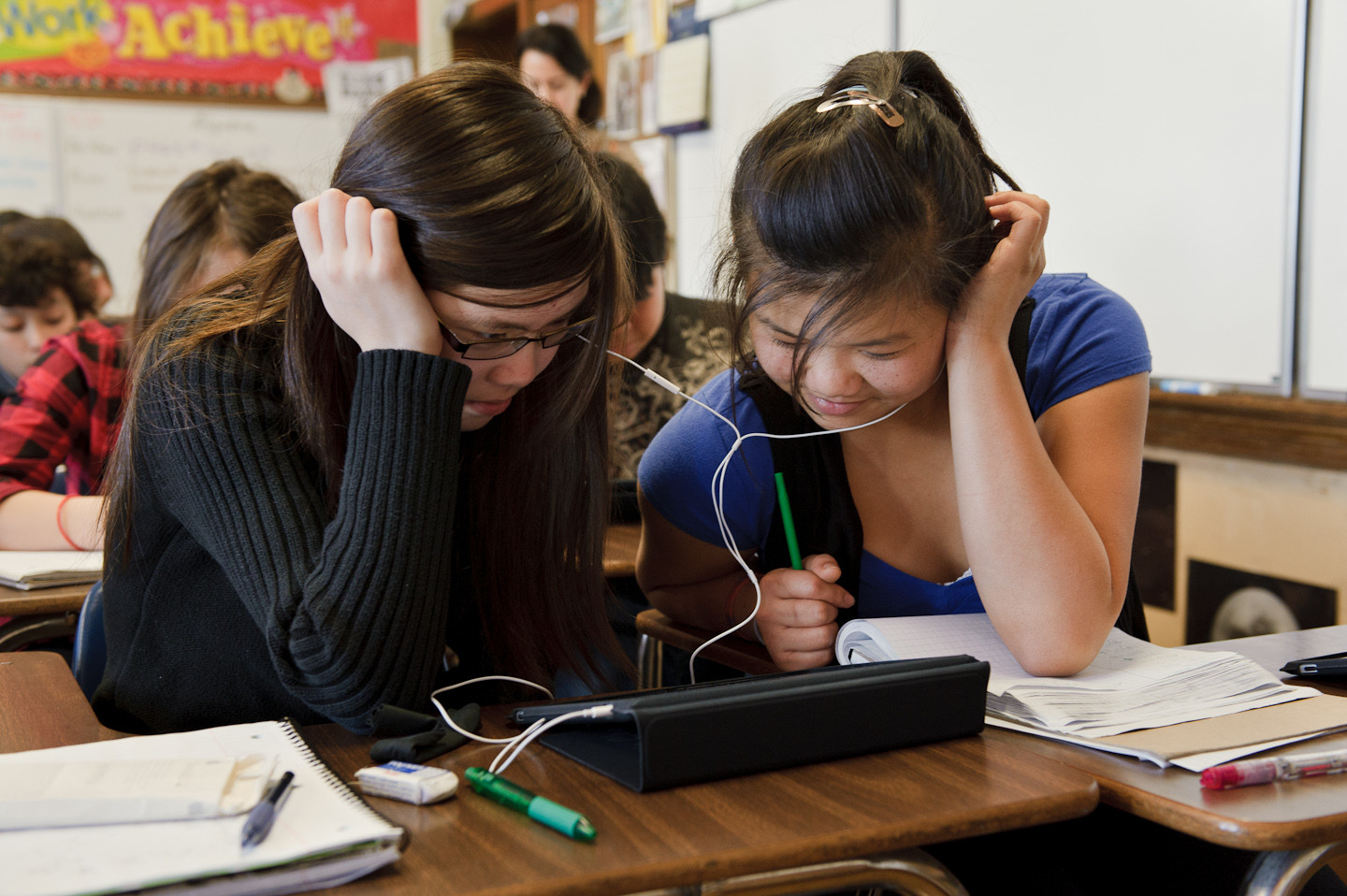
"caption": "Students at Presidio Middle School use the HMH iPad algebra app.",
"description": null,
"title": "11_1.21_Ipad_Algebra_0238",
"credit": null,
"status": "inherit",
"isLoading": false,
"fetchFailed": false
},
"mindshift_18443": {
"type": "attachments",
"id": "mindshift_18443",
"meta": {
"index": "attachments_1716263798",
"site": "mindshift",
"id": "18443",
"found": true
},
"parent": 18420,
"imgSizes": {
"twentyfourteen-full-width": {
"file": "https://ww2.kqed.org/app/uploads/sites/23/2012/01/Screen-shot-2012-01-22-at-8.35.59-PM-946x576.png",
"width": 946,
"mimeType": "image/png",
"height": 576
},
"thumbnail": {
"file": "https://ww2.kqed.org/app/uploads/sites/23/2012/01/Screen-shot-2012-01-22-at-8.35.59-PM-400x247.png",
"width": 400,
"mimeType": "image/png",
"height": 247
},
"fd-sm": {
"file": "https://ww2.kqed.org/app/uploads/sites/23/2012/01/Screen-shot-2012-01-22-at-8.35.59-PM-320x198.png",
"width": 320,
"mimeType": "image/png",
"height": 198
},
"post-thumbnail": {
"file": "https://ww2.kqed.org/app/uploads/sites/23/2012/01/Screen-shot-2012-01-22-at-8.35.59-PM-672x372.png",
"width": 672,
"mimeType": "image/png",
"height": 372
},
"kqedFullSize": {
"file": "https://ww2.kqed.org/app/uploads/sites/23/2012/01/Screen-shot-2012-01-22-at-8.35.59-PM.png",
"width": 946,
"height": 584
},
"fd-med": {
"file": "https://ww2.kqed.org/app/uploads/sites/23/2012/01/Screen-shot-2012-01-22-at-8.35.59-PM-768x474.png",
"width": 768,
"mimeType": "image/png",
"height": 474
},
"guest-author-96": {
"file": "https://ww2.kqed.org/app/uploads/sites/23/2012/01/Screen-shot-2012-01-22-at-8.35.59-PM-96x96.png",
"width": 96,
"mimeType": "image/png",
"height": 96
},
"medium": {
"file": "https://ww2.kqed.org/app/uploads/sites/23/2012/01/Screen-shot-2012-01-22-at-8.35.59-PM-800x494.png",
"width": 800,
"mimeType": "image/png",
"height": 494
},
"guest-author-64": {
"file": "https://ww2.kqed.org/app/uploads/sites/23/2012/01/Screen-shot-2012-01-22-at-8.35.59-PM-64x64.png",
"width": 64,
"mimeType": "image/png",
"height": 64
},
"detail": {
"file": "https://ww2.kqed.org/app/uploads/sites/23/2012/01/Screen-shot-2012-01-22-at-8.35.59-PM-75x75.png",
"width": 75,
"mimeType": "image/png",
"height": 75
},
"guest-author-32": {
"file": "https://ww2.kqed.org/app/uploads/sites/23/2012/01/Screen-shot-2012-01-22-at-8.35.59-PM-32x32.png",
"width": 32,
"mimeType": "image/png",
"height": 32
},
"guest-author-128": {
"file": "https://ww2.kqed.org/app/uploads/sites/23/2012/01/Screen-shot-2012-01-22-at-8.35.59-PM-128x128.png",
"width": 128,
"mimeType": "image/png",
"height": 128
}
},
"publishDate": 1327293392,
"modified": 1327293392,
"caption": "In the Learning Lab, students practice math exercises.",
"description": null,
"title": "Screen-shot-2012-01-22-at-8.35.59-PM",
"credit": null,
"status": "inherit",
"isLoading": false,
"fetchFailed": false
},
"mindshift_18398": {
"type": "attachments",
"id": "mindshift_18398",
"meta": {
"index": "attachments_1716263798",
"site": "mindshift",
"id": "18398",
"found": true
},
"parent": 18389,
"imgSizes": {
"thumbnail": {
"file": "https://ww2.kqed.org/app/uploads/sites/23/2012/01/Screen-shot-2012-01-21-at-11.14.57-AM-400x383.png",
"width": 400,
"mimeType": "image/png",
"height": 383
},
"fd-sm": {
"file": "https://ww2.kqed.org/app/uploads/sites/23/2012/01/Screen-shot-2012-01-21-at-11.14.57-AM-320x306.png",
"width": 320,
"mimeType": "image/png",
"height": 306
},
"post-thumbnail": {
"file": "https://ww2.kqed.org/app/uploads/sites/23/2012/01/Screen-shot-2012-01-21-at-11.14.57-AM-600x372.png",
"width": 600,
"mimeType": "image/png",
"height": 372
},
"kqedFullSize": {
"file": "https://ww2.kqed.org/app/uploads/sites/23/2012/01/Screen-shot-2012-01-21-at-11.14.57-AM.png",
"width": 600,
"height": 574
},
"guest-author-96": {
"file": "https://ww2.kqed.org/app/uploads/sites/23/2012/01/Screen-shot-2012-01-21-at-11.14.57-AM-96x96.png",
"width": 96,
"mimeType": "image/png",
"height": 96
},
"guest-author-64": {
"file": "https://ww2.kqed.org/app/uploads/sites/23/2012/01/Screen-shot-2012-01-21-at-11.14.57-AM-64x64.png",
"width": 64,
"mimeType": "image/png",
"height": 64
},
"detail": {
"file": "https://ww2.kqed.org/app/uploads/sites/23/2012/01/Screen-shot-2012-01-21-at-11.14.57-AM-75x75.png",
"width": 75,
"mimeType": "image/png",
"height": 75
},
"guest-author-32": {
"file": "https://ww2.kqed.org/app/uploads/sites/23/2012/01/Screen-shot-2012-01-21-at-11.14.57-AM-32x32.png",
"width": 32,
"mimeType": "image/png",
"height": 32
},
"guest-author-128": {
"file": "https://ww2.kqed.org/app/uploads/sites/23/2012/01/Screen-shot-2012-01-21-at-11.14.57-AM-128x128.png",
"width": 128,
"mimeType": "image/png",
"height": 128
}
},
"publishDate": 1327173324,
"modified": 1327173324,
"caption": null,
"description": null,
"title": "Screen shot 2012-01-21 at 11.14.57 AM",
"credit": null,
"status": "inherit",
"isLoading": false,
"fetchFailed": false
},
"mindshift_4304": {
"type": "attachments",
"id": "mindshift_4304",
"meta": {
"index": "attachments_1716263798",
"site": "mindshift",
"id": "4304",
"found": true
},
"parent": 3909,
"imgSizes": {
"thumbnail": {
"file": "https://ww2.kqed.org/app/uploads/sites/23/2010/11/1375685165_0026af5223_z-400x301.jpg",
"width": 400,
"mimeType": "image/jpeg",
"height": 301
},
"fd-sm": {
"file": "https://ww2.kqed.org/app/uploads/sites/23/2010/11/1375685165_0026af5223_z-320x241.jpg",
"width": 320,
"mimeType": "image/jpeg",
"height": 241
},
"post-thumbnail": {
"file": "https://ww2.kqed.org/app/uploads/sites/23/2010/11/1375685165_0026af5223_z-640x372.jpg",
"width": 640,
"mimeType": "image/jpeg",
"height": 372
},
"kqedFullSize": {
"file": "https://ww2.kqed.org/app/uploads/sites/23/2010/11/1375685165_0026af5223_z.jpg",
"width": 640,
"height": 481
},
"guest-author-96": {
"file": "https://ww2.kqed.org/app/uploads/sites/23/2010/11/1375685165_0026af5223_z-96x96.jpg",
"width": 96,
"mimeType": "image/jpeg",
"height": 96
},
"guest-author-64": {
"file": "https://ww2.kqed.org/app/uploads/sites/23/2010/11/1375685165_0026af5223_z-64x64.jpg",
"width": 64,
"mimeType": "image/jpeg",
"height": 64
},
"detail": {
"file": "https://ww2.kqed.org/app/uploads/sites/23/2010/11/1375685165_0026af5223_z-75x75.jpg",
"width": 75,
"mimeType": "image/jpeg",
"height": 75
},
"guest-author-32": {
"file": "https://ww2.kqed.org/app/uploads/sites/23/2010/11/1375685165_0026af5223_z-32x32.jpg",
"width": 32,
"mimeType": "image/jpeg",
"height": 32
},
"guest-author-128": {
"file": "https://ww2.kqed.org/app/uploads/sites/23/2010/11/1375685165_0026af5223_z-128x128.jpg",
"width": 128,
"mimeType": "image/jpeg",
"height": 128
}
},
"publishDate": 1290275237,
"modified": 1290275237,
"caption": null,
"description": null,
"title": "textbooks",
"credit": null,
"status": "inherit",
"isLoading": false,
"fetchFailed": false
},
"mindshift_18270": {
"type": "attachments",
"id": "mindshift_18270",
"meta": {
"index": "attachments_1716263798",
"site": "mindshift",
"id": "18270",
"found": true
},
"parent": 18258,
"imgSizes": {
"thumbnail": {
"file": "https://ww2.kqed.org/app/uploads/sites/23/2012/01/6660091109_de39ce78aa_z1-400x271.jpg",
"width": 400,
"mimeType": "image/jpeg",
"height": 271
},
"fd-sm": {
"file": "https://ww2.kqed.org/app/uploads/sites/23/2012/01/6660091109_de39ce78aa_z1-320x217.jpg",
"width": 320,
"mimeType": "image/jpeg",
"height": 217
},
"post-thumbnail": {
"file": "https://ww2.kqed.org/app/uploads/sites/23/2012/01/6660091109_de39ce78aa_z1-600x372.jpg",
"width": 600,
"mimeType": "image/jpeg",
"height": 372
},
"kqedFullSize": {
"file": "https://ww2.kqed.org/app/uploads/sites/23/2012/01/6660091109_de39ce78aa_z1.jpg",
"width": 600,
"height": 406
},
"guest-author-96": {
"file": "https://ww2.kqed.org/app/uploads/sites/23/2012/01/6660091109_de39ce78aa_z1-96x96.jpg",
"width": 96,
"mimeType": "image/jpeg",
"height": 96
},
"guest-author-64": {
"file": "https://ww2.kqed.org/app/uploads/sites/23/2012/01/6660091109_de39ce78aa_z1-64x64.jpg",
"width": 64,
"mimeType": "image/jpeg",
"height": 64
},
"detail": {
"file": "https://ww2.kqed.org/app/uploads/sites/23/2012/01/6660091109_de39ce78aa_z1-75x75.jpg",
"width": 75,
"mimeType": "image/jpeg",
"height": 75
},
"guest-author-32": {
"file": "https://ww2.kqed.org/app/uploads/sites/23/2012/01/6660091109_de39ce78aa_z1-32x32.jpg",
"width": 32,
"mimeType": "image/jpeg",
"height": 32
},
"guest-author-128": {
"file": "https://ww2.kqed.org/app/uploads/sites/23/2012/01/6660091109_de39ce78aa_z1-128x128.jpg",
"width": 128,
"mimeType": "image/jpeg",
"height": 128
}
},
"publishDate": 1326913084,
"modified": 1326913084,
"caption": null,
"description": null,
"title": "6660091109_de39ce78aa_z1",
"credit": null,
"status": "inherit",
"isLoading": false,
"fetchFailed": false
}
},
"audioPlayerReducer": {
"postId": "stream_live",
"isPaused": true,
"isPlaying": false,
"pfsActive": false,
"pledgeModalIsOpen": true,
"playerDrawerIsOpen": false,
"liveAudioPlayStartedAt": 0,
"liveAudioPlayContext": ""
},
"authorsReducer": {
"tbarseghian": {
"type": "authors",
"id": "180",
"meta": {
"index": "authors_1716337520",
"id": "180",
"found": true
},
"name": "Tina Barseghian",
"firstName": "Tina",
"lastName": "Barseghian",
"slug": "tbarseghian",
"email": "tbarseghian@kqed.org",
"display_author_email": false,
"staff_mastheads": [],
"title": null,
"bio": null,
"avatar": "https://secure.gravatar.com/avatar/de7e6ced1239b7018fe4d2b61f723c90?s=600&d=blank&r=g",
"twitter": null,
"facebook": null,
"instagram": null,
"linkedin": null,
"sites": [
{
"site": "styleguide",
"roles": [
"contributor"
]
},
{
"site": "news",
"roles": [
"subscriber"
]
},
{
"site": "mindshift",
"roles": [
"subscriber"
]
},
{
"site": "bayareabites",
"roles": [
"subscriber"
]
}
],
"headData": {
"title": "Tina Barseghian | KQED",
"description": null,
"ogImgSrc": "https://secure.gravatar.com/avatar/de7e6ced1239b7018fe4d2b61f723c90?s=600&d=blank&r=g",
"twImgSrc": "https://secure.gravatar.com/avatar/de7e6ced1239b7018fe4d2b61f723c90?s=600&d=blank&r=g"
},
"isLoading": false,
"link": "/author/tbarseghian"
},
"awatters": {
"type": "authors",
"id": "4352",
"meta": {
"index": "authors_1716337520",
"id": "4352",
"found": true
},
"name": "Audrey Watters",
"firstName": "Audrey",
"lastName": "Watters",
"slug": "awatters",
"email": "awatters@kqed.org",
"display_author_email": false,
"staff_mastheads": [],
"title": null,
"bio": null,
"avatar": "https://secure.gravatar.com/avatar/fb6ac91bb93632725bfa683c1de71bee?s=600&d=blank&r=g",
"twitter": null,
"facebook": null,
"instagram": null,
"linkedin": null,
"sites": [
{
"site": "mindshift",
"roles": [
"subscriber"
]
}
],
"headData": {
"title": "Audrey Watters | KQED",
"description": null,
"ogImgSrc": "https://secure.gravatar.com/avatar/fb6ac91bb93632725bfa683c1de71bee?s=600&d=blank&r=g",
"twImgSrc": "https://secure.gravatar.com/avatar/fb6ac91bb93632725bfa683c1de71bee?s=600&d=blank&r=g"
},
"isLoading": false,
"link": "/author/awatters"
}
},
"pagesReducer": {
"mindshift_category_digital-tools": {
"type": "terms",
"id": "mindshift_195",
"meta": {
"index": "terms_1716263798",
"site": "mindshift",
"id": "195",
"score": 14.406237
},
"featImg": null,
"name": "Digital Tools",
"description": "How devices, software, and the Internet are changing the classroom dynamic.",
"taxonomy": "category",
"headData": {
"twImgId": null,
"twTitle": null,
"ogTitle": null,
"ogImgId": null,
"twDescription": null,
"description": "How devices, software, and the Internet are changing the classroom dynamic.",
"title": "Digital Tools Archives | KQED Mindshift",
"ogDescription": null
},
"ttid": 195,
"slug": "digital-tools",
"isLoading": false,
"title": "Digital Tools",
"pageMeta": {
"site": "mindshift",
"WpPageTemplate": "page-topic-editorial",
"currentPage": 42
},
"blocks": [
{
"blockName": "kqed/company-paragraph",
"content": "How devices, software, and the Internet are changing the classroom dynamic."
},
{
"blockName": "kqed/post-list",
"attrs": {
"layout": "cardArticle2",
"query": "posts/mindshift?category=digital-tools",
"seeMore": false,
"paginated": true,
"page": 42
}
},
{
"blockName": "kqed/ad"
}
]
}
},
"pfsSessionReducer": {},
"postsReducer": {
"stream_live": {
"type": "live",
"id": "stream_live",
"audioUrl": "https://streams.kqed.org/kqedradio",
"title": "Live Stream",
"excerpt": "Live Stream information currently unavailable.",
"link": "/radio",
"featImg": "",
"label": {
"name": "KQED Live",
"link": "/"
}
},
"stream_kqedNewscast": {
"type": "posts",
"id": "stream_kqedNewscast",
"audioUrl": "https://www.kqed.org/.stream/anon/radio/RDnews/newscast.mp3?_=1",
"title": "KQED Newscast",
"featImg": "",
"label": {
"name": "88.5 FM",
"link": "/"
}
},
"mindshift_18688": {
"type": "posts",
"id": "mindshift_18688",
"meta": {
"index": "posts_1716263798",
"site": "mindshift",
"id": "18688",
"score": null,
"sort": [
1327957211000
]
},
"parent": 0,
"labelTerm": {
"site": "mindshift"
},
"blocks": [],
"publishDate": 1327957211,
"format": "aside",
"disqusTitle": "Google Launches Redesigned Education Site",
"title": "Google Launches Redesigned Education Site",
"headTitle": "MindShift | KQED News",
"content": "\u003cfigure id=\"attachment_18701\" class=\"wp-caption left\" style=\"max-width: 300px\">\u003cimg class=\"size-medium wp-image-18701\" src=\"http://ww2.kqed.org/mindshift/wp-content/uploads/sites/23/2012/01/Screen-shot-2012-01-30-at-11.00.18-AM-300x262.png\" alt=\"\" width=\"300\" height=\"262\">\u003cfigcaption class=\"wp-caption-text\"> \u003c/figcaption>\u003c/figure>\n\u003cp>Google has revamped \u003ca href=\"http://www.google.com/edu/\">its site for educators\u003c/a>, creating a redesigned repository for all its educational tools and resources for teachers, schools, and students.\u003c/p>\n\u003cp>The newest feature is \u003ca href=\"http://www.google.com/edu/news-calendar.html\">News and Calendar\u003c/a>, a listing of all events and deadlines for Google's education endeavors.\u003c/p>\n\u003cp>Google also created an online booklet called \u003ca href=\"https://docs.google.com/viewer?url=http://www.google.com/edu/pdf/Google_EDU_Report_FULL.pdf&pli=1\">Google in Education: A New and Open World for Learning\u003c/a>, which lists the company's initiatives and programs within the education realm, such as the \u003ca href=\"http://www.cs4hs.com/\">Computer Science for High School program\u003c/a> -- university-created workshops for local high school and middle school computer science teachers teachers.\u003c/p>\n\u003cp>\"We're hoping educators will use this year-round for ideas on how to enhance teaching and learning,\" said Google spokesperson Rachel Durfee.\u003c/p>\n\u003cp>And for those who jumped on the Google+ bandwagon, a specific \u003ca href=\"https://plus.google.com/u/0/103266364845729488839/posts\">Google+ page for educators\u003c/a>.\u003c/p>\n\u003cp>[ad fullwidth]\u003c/p>\n\u003cp>The main \u003ca href=\"http://www.google.com/edu/\">Google in Education\u003c/a> link offers much of the same content as before, but it's better organized and redesigned. The \u003ca href=\"http://www.google.com/edu/teachers/index.html\">Teachers\u003c/a> site leads to Google's \u003ca href=\"http://www.google.com/edu/teachers/apps-for-edu.html\">many apps \u003c/a>that can be used for teaching specific subjects, as well as design and collaboration tools. It's divided by K-12, higher education, and examples of how education systems across the country are using the tools. The site also offers a list of \u003ca href=\"http://www.google.com/edu/teachers/training.html\">professional development\u003c/a> links, including webinars, online workshops, and tutorials, which are primarily centered around Google products and services. The \u003ca href=\"http://www.google.com/edu/teachers/students.html\">Student Showcases link \u003c/a>lists student-created material, such as \u003ca href=\"http://sitescontent.google.com/google-earth-for-educators/student-work-showcase\">worldwide panoramas\u003c/a> using Google Earth and \u003ca href=\"https://picasaweb.google.com/gallery.sketchup/EducationK12#slideshow/5340615158901021362\">Sketchup models\u003c/a> of homes, towns, and robots.\u003c/p>\n\u003cp>\u003ca href=\"http://www.google.com/edu/organizations/tools-for-districts.html\">Schools and districts \u003c/a>can find links to \u003ca href=\"http://www.youtube.com/t/schools\">YouTube for Schools\u003c/a>, which allows students to access YouTube EDU while blocking non-educational videos; \u003ca href=\"http://code.google.com/appengine/\">App Engine\u003c/a>, which hosts school web apps on Google's system; and \u003ca href=\"http://www.google.com/apps/intl/en/edu/university.html\">Google Apps for Higher Education\u003c/a>, a free suite of hosted email and collaboration application.\u003c/p>\n\u003cp>For \u003ca href=\"http://www.google.com/edu/students/index.html\">students, \u003c/a>the site offers a list of awards and competitions -- think \u003ca href=\"http://ww2.kqed.org/mindshift/2011/10/15925/\">YouTube Space Lab\u003c/a> and \u003ca href=\"http://ww2.kqed.org/mindshift/2012/01/ready-set-invent-the-google-science-fair-is-launched/\">Google Science Fair\u003c/a>; programs like \u003ca href=\"http://code.google.com/soc/\">Summer of Code\u003c/a>, which offer stipends for student code \u003c!--more-->developers and \u003ca href=\"http://www.google.com/intl/en/jobs/cssi/index.html\">Computer Science Summer Institute\u003c/a> for high schools seniors about to start college; tools like \u003ca href=\"http://www.google.com/apps/edu/students/index.html\">Google Apps for Students\u003c/a>, like Google Docs and Gmail; and \u003ca href=\"http://www.google.com/edu/teachers/educator-resources.html\">Google tools\u003c/a>, which include every app and tool the mega-search site has created.\u003c/p>\n\u003cp>Apps and software is one thing, but the company's hardware is also making its way into more schools. Last week,\u003ca href=\"http://news.cnet.com/8301-30685_3-57365703-264/27000-google-chromebooks-headed-to-u.s-schools/\"> Google announced \u003c/a>that three school districts in Iowa, Illinois and South Carolina are using only Google Chromebooks, the Web browser-based laptop, and that hundreds of schools across the country are deploying them in classrooms -- a total of 27,000 in the hands of students.\u003c/p>\n\u003cp>\"Students love the \u003ca href=\"http://reviews.cnet.com/tablets/\">tablet\u003c/a>. I am not going to hide that from you,\" said Diane Gilbert, an English teacher at \u003ca href=\"http://www2.richland2.org/kmm/\">Kelly Mill Middle School\u003c/a> in Blythewood, S.C., who's taught with tablets in her classroom in \u003ca href=\"http://news.cnet.com/8301-30685_3-57365703-264/27000-google-chromebooks-headed-to-u.s-schools/\">a recent CNET article\u003c/a>. \"My goal is to have students publish their work--create and publish. The [Chromebook] is more alike to a laptop or a desktop in the ability to publish.\"\u003c/p>\n\u003cp>\u003c/p>\n\u003cp>Chromebooks are set up to use the Google Apps and other software found on Google's Education site.\u003c/p>\n\n",
"disqusIdentifier": "18688 http://blogs.kqed.org/mindshift/?p=18688",
"disqusUrl": "https://ww2.kqed.org/mindshift/2012/01/30/google-launches-new-education-site/",
"stats": {
"hasVideo": false,
"hasChartOrMap": false,
"hasAudio": false,
"hasPolis": false,
"wordCount": 519,
"hasGoogleForm": false,
"hasGallery": false,
"hasHearkenModule": false,
"iframeSrcs": [],
"paragraphCount": 13
},
"modified": 1327956756,
"excerpt": null,
"headData": {
"twImgId": "",
"twTitle": "",
"ogTitle": "",
"ogImgId": "",
"twDescription": "",
"description": "Google has revamped its site for educators, creating a redesigned repository for all its educational tools and resources for teachers, schools, and students. The newest feature is News and Calendar, a listing of all events and deadlines for Google's education endeavors. Google also created an online booklet called Google in Education: A New and Open",
"title": "Google Launches Redesigned Education Site | KQED",
"ogDescription": "",
"schema": {
"@context": "https://schema.org",
"@type": "Article",
"headline": "Google Launches Redesigned Education Site",
"datePublished": "2012-01-30T13:00:11-08:00",
"dateModified": "2012-01-30T12:52:36-08:00",
"image": "https://cdn.kqed.org/wp-content/uploads/2020/02/KQED-OG-Image@1x.png"
}
},
"guestAuthors": [],
"slug": "google-launches-new-education-site",
"status": "publish",
"path": "/mindshift/18688/google-launches-new-education-site",
"audioTrackLength": null,
"parsedContent": [
{
"type": "contentString",
"content": "\u003cdiv class=\"post-body\">\u003cp>\u003cfigure id=\"attachment_18701\" class=\"wp-caption left\" style=\"max-width: 300px\">\u003cimg class=\"size-medium wp-image-18701\" src=\"http://ww2.kqed.org/mindshift/wp-content/uploads/sites/23/2012/01/Screen-shot-2012-01-30-at-11.00.18-AM-300x262.png\" alt=\"\" width=\"300\" height=\"262\">\u003cfigcaption class=\"wp-caption-text\"> \u003c/figcaption>\u003c/figure>\n\u003cp>Google has revamped \u003ca href=\"http://www.google.com/edu/\">its site for educators\u003c/a>, creating a redesigned repository for all its educational tools and resources for teachers, schools, and students.\u003c/p>\n\u003cp>The newest feature is \u003ca href=\"http://www.google.com/edu/news-calendar.html\">News and Calendar\u003c/a>, a listing of all events and deadlines for Google's education endeavors.\u003c/p>\n\u003cp>Google also created an online booklet called \u003ca href=\"https://docs.google.com/viewer?url=http://www.google.com/edu/pdf/Google_EDU_Report_FULL.pdf&pli=1\">Google in Education: A New and Open World for Learning\u003c/a>, which lists the company's initiatives and programs within the education realm, such as the \u003ca href=\"http://www.cs4hs.com/\">Computer Science for High School program\u003c/a> -- university-created workshops for local high school and middle school computer science teachers teachers.\u003c/p>\n\u003cp>\"We're hoping educators will use this year-round for ideas on how to enhance teaching and learning,\" said Google spokesperson Rachel Durfee.\u003c/p>\n\u003cp>And for those who jumped on the Google+ bandwagon, a specific \u003ca href=\"https://plus.google.com/u/0/103266364845729488839/posts\">Google+ page for educators\u003c/a>.\u003c/p>\n\u003cp>\u003c/p>\u003c/div>",
"attributes": {
"named": {},
"numeric": []
}
},
{
"type": "component",
"content": "",
"name": "ad",
"attributes": {
"named": {
"label": "fullwidth"
},
"numeric": [
"fullwidth"
]
}
},
{
"type": "contentString",
"content": "\u003cdiv class=\"post-body\">\u003cp>\u003c/p>\n\u003cp>The main \u003ca href=\"http://www.google.com/edu/\">Google in Education\u003c/a> link offers much of the same content as before, but it's better organized and redesigned. The \u003ca href=\"http://www.google.com/edu/teachers/index.html\">Teachers\u003c/a> site leads to Google's \u003ca href=\"http://www.google.com/edu/teachers/apps-for-edu.html\">many apps \u003c/a>that can be used for teaching specific subjects, as well as design and collaboration tools. It's divided by K-12, higher education, and examples of how education systems across the country are using the tools. The site also offers a list of \u003ca href=\"http://www.google.com/edu/teachers/training.html\">professional development\u003c/a> links, including webinars, online workshops, and tutorials, which are primarily centered around Google products and services. The \u003ca href=\"http://www.google.com/edu/teachers/students.html\">Student Showcases link \u003c/a>lists student-created material, such as \u003ca href=\"http://sitescontent.google.com/google-earth-for-educators/student-work-showcase\">worldwide panoramas\u003c/a> using Google Earth and \u003ca href=\"https://picasaweb.google.com/gallery.sketchup/EducationK12#slideshow/5340615158901021362\">Sketchup models\u003c/a> of homes, towns, and robots.\u003c/p>\n\u003cp>\u003ca href=\"http://www.google.com/edu/organizations/tools-for-districts.html\">Schools and districts \u003c/a>can find links to \u003ca href=\"http://www.youtube.com/t/schools\">YouTube for Schools\u003c/a>, which allows students to access YouTube EDU while blocking non-educational videos; \u003ca href=\"http://code.google.com/appengine/\">App Engine\u003c/a>, which hosts school web apps on Google's system; and \u003ca href=\"http://www.google.com/apps/intl/en/edu/university.html\">Google Apps for Higher Education\u003c/a>, a free suite of hosted email and collaboration application.\u003c/p>\n\u003cp>For \u003ca href=\"http://www.google.com/edu/students/index.html\">students, \u003c/a>the site offers a list of awards and competitions -- think \u003ca href=\"http://ww2.kqed.org/mindshift/2011/10/15925/\">YouTube Space Lab\u003c/a> and \u003ca href=\"http://ww2.kqed.org/mindshift/2012/01/ready-set-invent-the-google-science-fair-is-launched/\">Google Science Fair\u003c/a>; programs like \u003ca href=\"http://code.google.com/soc/\">Summer of Code\u003c/a>, which offer stipends for student code \u003c!--more-->developers and \u003ca href=\"http://www.google.com/intl/en/jobs/cssi/index.html\">Computer Science Summer Institute\u003c/a> for high schools seniors about to start college; tools like \u003ca href=\"http://www.google.com/apps/edu/students/index.html\">Google Apps for Students\u003c/a>, like Google Docs and Gmail; and \u003ca href=\"http://www.google.com/edu/teachers/educator-resources.html\">Google tools\u003c/a>, which include every app and tool the mega-search site has created.\u003c/p>\n\u003cp>Apps and software is one thing, but the company's hardware is also making its way into more schools. Last week,\u003ca href=\"http://news.cnet.com/8301-30685_3-57365703-264/27000-google-chromebooks-headed-to-u.s-schools/\"> Google announced \u003c/a>that three school districts in Iowa, Illinois and South Carolina are using only Google Chromebooks, the Web browser-based laptop, and that hundreds of schools across the country are deploying them in classrooms -- a total of 27,000 in the hands of students.\u003c/p>\n\u003cp>\"Students love the \u003ca href=\"http://reviews.cnet.com/tablets/\">tablet\u003c/a>. I am not going to hide that from you,\" said Diane Gilbert, an English teacher at \u003ca href=\"http://www2.richland2.org/kmm/\">Kelly Mill Middle School\u003c/a> in Blythewood, S.C., who's taught with tablets in her classroom in \u003ca href=\"http://news.cnet.com/8301-30685_3-57365703-264/27000-google-chromebooks-headed-to-u.s-schools/\">a recent CNET article\u003c/a>. \"My goal is to have students publish their work--create and publish. The [Chromebook] is more alike to a laptop or a desktop in the ability to publish.\"\u003c/p>\n\u003cp>\u003c/p>\n\u003cp>Chromebooks are set up to use the Google Apps and other software found on Google's Education site.\u003c/p>\n\n\u003c/div>\u003c/p>",
"attributes": {
"named": {},
"numeric": []
}
}
],
"link": "/mindshift/18688/google-launches-new-education-site",
"authors": [
"180"
],
"categories": [
"mindshift_195"
],
"tags": [
"mindshift_105",
"mindshift_386"
],
"featImg": "mindshift_18701",
"label": "mindshift"
},
"mindshift_18672": {
"type": "posts",
"id": "mindshift_18672",
"meta": {
"index": "posts_1716263798",
"site": "mindshift",
"id": "18672",
"score": null,
"sort": [
1327935631000
]
},
"parent": 0,
"labelTerm": {
"site": "mindshift"
},
"blocks": [],
"publishDate": 1327935631,
"format": "aside",
"disqusTitle": "Lessons and Legacies from Stanford's Free Online Classes",
"title": "Lessons and Legacies from Stanford's Free Online Classes",
"headTitle": "MindShift | KQED News",
"content": "\u003cfigure id=\"attachment_18674\" class=\"wp-caption left\" style=\"max-width: 303px\">\u003cimg class=\"size-full wp-image-18674\" src=\"http://ww2.kqed.org/mindshift/wp-content/uploads/sites/23/2012/01/Screen-shot-2012-01-28-at-12.22.59-PM.png\" alt=\"\" width=\"303\" height=\"277\">\u003cfigcaption class=\"wp-caption-text\"> \u003c/figcaption>\u003c/figure>\n\u003ch5>\u003cstrong>By Steve Henn\u003c/strong>\u003c/h5>\n\u003cp>Last year, Stanford University computer science professor Sebastian Thrun — also known as the fellow who helped build Google's \u003ca href=\"http://www.npr.org/blogs/thetwo-way/2010/10/12/130510958/google-robot-cars-again-with-the-skynet-people\" target=\"_blank\">self-driving car\u003c/a> — got together with a small group of Stanford colleagues and they impulsively decided to open their classes to the world.\u003c/p>\n\u003cp>They would allow anyone, anywhere to attend online, take quizzes, ask questions and even get grades \u003cem>for free\u003c/em>. They made the announcement with almost no fanfare by sending out a single email to a professional group.\u003c/p>\n\u003cp>\"Within hours, we had 5,000 students signed up,\" Thrun says. \"That was on a Saturday morning. On Sunday night, we had 10,000 students. And Monday morning, Stanford — who we didn't really inform — learned about this and we had a number of meetings.\"\u003c/p>\n\u003cp>You can only imagine what those meetings must have been like, with professors telling the school they wanted to teach free, graded online classes for which students could receive a certificate of completion. And, oh by the way, tens of thousands have already signed up to participate.\u003c/p>\n\u003caside class=\"pullquote alignleft\">\"I think the impact will be large and it will be widespread.\"\u003c/aside>\n\u003cp>For decades, technology has promised to remake education — and it may finally be about to deliver. \u003ca href=\"http://www.npr.org/2012/01/19/145457942/apple-pushes-to-put-textbooks-on-ipads\" target=\"_blank\">Apple's moving\u003c/a> into the textbook market, startups and nonprofits are re-imaging what K-12 education could look like, and now some in Silicon Valley are eager for technology and the Internet to transform education's more elite institutions.\u003c/p>\n\u003cp>[ad fullwidth]\u003c/p>\n\u003cp>Thrun's colleague Andrew Ng taught a free, \u003ca href=\"http://www.ml-class.org/course/auth/welcome\" target=\"_blank\">online machine learning class\u003c/a> that ultimately attracted more than 100,000 students. When I ask Ng how Stanford's administration reacted to their \u003c!--more-->proposition, he's silent for a second. \"Oh boy,\" he says, \"I think there was a strong sense that we were all suddenly in a brave new world.\"\u003c/p>\n\u003cp>Ng says there were long conversations about whether or not to give online students a certificate bearing the university's name. But Stanford balked and ultimately the school settled on giving students a letter of accomplishment from the professors that did not mention the university's name.\u003c/p>\n\u003cp>\"We are still having conversations about that,\" says James Plummer, dean of Stanford's School of Engineering. \"I think it will actually be a long time — maybe never — when actual Stanford degrees would be given for fully online work by anyone who wishes to register for the courses.\"\u003c/p>\n\u003cp>\u003cstrong>\u003cspan style=\"color: #ff9900\">UNCHARTED TERRITORY\u003c/span>\u003cbr>\n\u003c/strong>\u003c/p>\n\u003cp>Thrun's online \u003ca href=\"https://www.ai-class.com/\" target=\"_blank\">class on artificial intelligence\u003c/a> or A.I., which he co-taught with Google's Peter Norvig, eventually drew more than 160,000 students who received detailed grades and a class ranking.\u003c/p>\n\u003cp>\"We reached many more students, Peter and I, with this one class than all other A.I. professors combined reached in the last year,\" Thrun says.\u003c/p>\n\u003cp>Thrun believes a class that size creates a valuable credential — even if Stanford doesn't recognize it. Students hailed from 190 different countries, including Australia, China, Ukraine and the U.S. They included high school students, women with disabilities, teachers and retirees — and they were all taking the same class Stanford students took, grades and all. But the online participants didn't get credit.\u003c/p>\n\u003cp>\"I think we all realized we were in uncharted territory,\" Thrun says. \"As we move forward, it is my real goal to invent an education platform that has high quality to it, [that] prevents cheating, that really enables students to go through it to be empowered to find better jobs.\"\u003c/p>\n\u003cp>\u003cstrong>\u003cspan style=\"color: #ff9900\">WIDESPREAD IMPACT\u003c/span>\u003cbr>\n\u003c/strong>\u003c/p>\n\u003cp>Stanford does award degrees for online work, but only to students who get through the admissions process and pay sometimes $40,000 or $50,000 for a master's degree. Technology could push prices down.\u003c/p>\n\u003caside class=\"pullquote alignright\">\"We are committed to free online education for everybody.\"\u003c/aside>\n\u003cp>Dean Plummer believes low-cost, high-quality online education will have a profound impact in high education, even at institutions as august as Stanford. He doesn't think it will diminish demand for undergraduate degrees or Ph.D.s, but he says the impact on master's programs could be profound.\u003c/p>\n\u003cp>\"What it will look like in 10 years or 20 years or 30 years — your guess is as good as mine,\" he says. \"But I think the impact will be large and it will be widespread.\"\u003c/p>\n\u003cp>Online education and distance learning have been going on at Stanford and other schools for years, but Plummer believes the technology has reached an inflection point.\u003c/p>\n\u003cp>Videos stored online let students build course work into their schedules anywhere in the world. Embedded quizzes let students monitor their own progress and give professors much richer data to improve their teaching.\u003c/p>\n\u003cp>Ng noticed that 5,000 students made the identical mistake in an online quiz. Within minutes, teachers were able to respond and clarify the issue that had led a large fraction of the class down a dead-end path.\u003c/p>\n\u003cp>\u003cstrong>\u003cspan style=\"color: #ff9900\">GLOBAL BENEFITS\u003c/span>\u003cbr>\n\u003c/strong>\u003c/p>\n\u003cp>Daphne Koller is a computer science professor at Stanford, and a MacArthur \"Genius\" Fellow. She has been working for years to make online education more engaging and interactive.\u003c/p>\n\u003cp>\"On the long term, I think the potential for this to revolutionize education is just tremendous,\" Koller says. \"There are millions of people around the world that have access only to the poorest quality of education or sometimes nothing at all.\"\u003c/p>\n\u003cp>Technology could change that by making it possible to teach classes with 100,000 students as easily and as cheaply as a class with just 100. And if you look around the world, demand for education in places like South Africa is enormous.\u003c/p>\n\u003cp>Almost two weeks ago, at the University of Johannesburg, more than 20 people were injured and one woman was killed \u003ca href=\"http://www.abc.net.au/news/2012-01-11/deadly-enrolment-stampede-at-s-african-uni/3767250\" target=\"_blank\">trying register for a limited number of openings\u003c/a>. Thousands had camped out overnight hoping to snag one of the few available places and when the gates opened, there was a stampede.\u003c/p>\n\u003cp>Koller hopes that in the future, technology will help prevent these kinds of tragedies.\u003c/p>\n\u003cp>\u003cstrong>\u003cspan style=\"color: #ff9900\">TRYING 'BOLD NEW THINGS'\u003c/span>\u003cbr>\n\u003c/strong>\u003c/p>\n\u003cp>Over the past six months, Thrun has spent roughly $200,000 of his own money and lined up venture capital to create \u003ca href=\"http://www.udacity.com/\" target=\"_blank\">Udacity\u003c/a>, a new online institution of higher learning independent of Stanford. \"We are committed to free online education for everybody.\"\u003c/p>\n\u003cp>\u003ca href=\"http://www.youtube.com/watch?v=WgNCrWB3JNE&feature=player_embedded\">Udacity announced\u003c/a> two classes last week. One will teach students to build their own search engine and the other how to program a self-driving car. Eventually, the founders hope to offer a full slate of classes in computer science.\u003c/p>\n\u003cp>[ad floatright]\u003c/p>\n\u003cp>Thrun says Stanford's mission is to attract the top 1 percent of students from all over in the world and bring them to campus, but Udacity's mission is different. He's striving for free, quality education for all, anywhere.\u003c/p>\n\u003ch5>\u003cem>This story was \u003ca href=\"http://www.npr.org/blogs/alltechconsidered/2012/01/23/145645472/stanford-takes-online-schooling-to-the-next-academic-level\">posted on NPR.\u003c/a>\u003c/em>\u003c/h5>\n\n",
"disqusIdentifier": "18672 http://blogs.kqed.org/mindshift/?p=18672",
"disqusUrl": "https://ww2.kqed.org/mindshift/2012/01/30/legacy-and-lessons-from-stanfords-free-online-classes/",
"stats": {
"hasVideo": false,
"hasChartOrMap": false,
"hasAudio": false,
"hasPolis": false,
"wordCount": 1128,
"hasGoogleForm": false,
"hasGallery": false,
"hasHearkenModule": false,
"iframeSrcs": [],
"paragraphCount": 32
},
"modified": 1327783105,
"excerpt": null,
"headData": {
"twImgId": "",
"twTitle": "",
"ogTitle": "",
"ogImgId": "",
"twDescription": "",
"description": "By Steve Henn Last year, Stanford University computer science professor Sebastian Thrun — also known as the fellow who helped build Google's self-driving car — got together with a small group of Stanford colleagues and they impulsively decided to open their classes to the world. They would allow anyone, anywhere to attend online, take quizzes,",
"title": "Lessons and Legacies from Stanford's Free Online Classes | KQED",
"ogDescription": "",
"schema": {
"@context": "https://schema.org",
"@type": "Article",
"headline": "Lessons and Legacies from Stanford's Free Online Classes",
"datePublished": "2012-01-30T07:00:31-08:00",
"dateModified": "2012-01-28T12:38:25-08:00",
"image": "https://cdn.kqed.org/wp-content/uploads/2020/02/KQED-OG-Image@1x.png"
}
},
"guestAuthors": [],
"slug": "legacy-and-lessons-from-stanfords-free-online-classes",
"status": "publish",
"path": "/mindshift/18672/legacy-and-lessons-from-stanfords-free-online-classes",
"audioTrackLength": null,
"parsedContent": [
{
"type": "contentString",
"content": "\u003cdiv class=\"post-body\">\u003cp>\u003cfigure id=\"attachment_18674\" class=\"wp-caption left\" style=\"max-width: 303px\">\u003cimg class=\"size-full wp-image-18674\" src=\"http://ww2.kqed.org/mindshift/wp-content/uploads/sites/23/2012/01/Screen-shot-2012-01-28-at-12.22.59-PM.png\" alt=\"\" width=\"303\" height=\"277\">\u003cfigcaption class=\"wp-caption-text\"> \u003c/figcaption>\u003c/figure>\n\u003ch5>\u003cstrong>By Steve Henn\u003c/strong>\u003c/h5>\n\u003cp>Last year, Stanford University computer science professor Sebastian Thrun — also known as the fellow who helped build Google's \u003ca href=\"http://www.npr.org/blogs/thetwo-way/2010/10/12/130510958/google-robot-cars-again-with-the-skynet-people\" target=\"_blank\">self-driving car\u003c/a> — got together with a small group of Stanford colleagues and they impulsively decided to open their classes to the world.\u003c/p>\n\u003cp>They would allow anyone, anywhere to attend online, take quizzes, ask questions and even get grades \u003cem>for free\u003c/em>. They made the announcement with almost no fanfare by sending out a single email to a professional group.\u003c/p>\n\u003cp>\"Within hours, we had 5,000 students signed up,\" Thrun says. \"That was on a Saturday morning. On Sunday night, we had 10,000 students. And Monday morning, Stanford — who we didn't really inform — learned about this and we had a number of meetings.\"\u003c/p>\n\u003cp>You can only imagine what those meetings must have been like, with professors telling the school they wanted to teach free, graded online classes for which students could receive a certificate of completion. And, oh by the way, tens of thousands have already signed up to participate.\u003c/p>\n\u003caside class=\"pullquote alignleft\">\"I think the impact will be large and it will be widespread.\"\u003c/aside>\n\u003cp>For decades, technology has promised to remake education — and it may finally be about to deliver. \u003ca href=\"http://www.npr.org/2012/01/19/145457942/apple-pushes-to-put-textbooks-on-ipads\" target=\"_blank\">Apple's moving\u003c/a> into the textbook market, startups and nonprofits are re-imaging what K-12 education could look like, and now some in Silicon Valley are eager for technology and the Internet to transform education's more elite institutions.\u003c/p>\n\u003cp>\u003c/p>\u003c/div>",
"attributes": {
"named": {},
"numeric": []
}
},
{
"type": "component",
"content": "",
"name": "ad",
"attributes": {
"named": {
"label": "fullwidth"
},
"numeric": [
"fullwidth"
]
}
},
{
"type": "contentString",
"content": "\u003cdiv class=\"post-body\">\u003cp>\u003c/p>\n\u003cp>Thrun's colleague Andrew Ng taught a free, \u003ca href=\"http://www.ml-class.org/course/auth/welcome\" target=\"_blank\">online machine learning class\u003c/a> that ultimately attracted more than 100,000 students. When I ask Ng how Stanford's administration reacted to their \u003c!--more-->proposition, he's silent for a second. \"Oh boy,\" he says, \"I think there was a strong sense that we were all suddenly in a brave new world.\"\u003c/p>\n\u003cp>Ng says there were long conversations about whether or not to give online students a certificate bearing the university's name. But Stanford balked and ultimately the school settled on giving students a letter of accomplishment from the professors that did not mention the university's name.\u003c/p>\n\u003cp>\"We are still having conversations about that,\" says James Plummer, dean of Stanford's School of Engineering. \"I think it will actually be a long time — maybe never — when actual Stanford degrees would be given for fully online work by anyone who wishes to register for the courses.\"\u003c/p>\n\u003cp>\u003cstrong>\u003cspan style=\"color: #ff9900\">UNCHARTED TERRITORY\u003c/span>\u003cbr>\n\u003c/strong>\u003c/p>\n\u003cp>Thrun's online \u003ca href=\"https://www.ai-class.com/\" target=\"_blank\">class on artificial intelligence\u003c/a> or A.I., which he co-taught with Google's Peter Norvig, eventually drew more than 160,000 students who received detailed grades and a class ranking.\u003c/p>\n\u003cp>\"We reached many more students, Peter and I, with this one class than all other A.I. professors combined reached in the last year,\" Thrun says.\u003c/p>\n\u003cp>Thrun believes a class that size creates a valuable credential — even if Stanford doesn't recognize it. Students hailed from 190 different countries, including Australia, China, Ukraine and the U.S. They included high school students, women with disabilities, teachers and retirees — and they were all taking the same class Stanford students took, grades and all. But the online participants didn't get credit.\u003c/p>\n\u003cp>\"I think we all realized we were in uncharted territory,\" Thrun says. \"As we move forward, it is my real goal to invent an education platform that has high quality to it, [that] prevents cheating, that really enables students to go through it to be empowered to find better jobs.\"\u003c/p>\n\u003cp>\u003cstrong>\u003cspan style=\"color: #ff9900\">WIDESPREAD IMPACT\u003c/span>\u003cbr>\n\u003c/strong>\u003c/p>\n\u003cp>Stanford does award degrees for online work, but only to students who get through the admissions process and pay sometimes $40,000 or $50,000 for a master's degree. Technology could push prices down.\u003c/p>\n\u003caside class=\"pullquote alignright\">\"We are committed to free online education for everybody.\"\u003c/aside>\n\u003cp>Dean Plummer believes low-cost, high-quality online education will have a profound impact in high education, even at institutions as august as Stanford. He doesn't think it will diminish demand for undergraduate degrees or Ph.D.s, but he says the impact on master's programs could be profound.\u003c/p>\n\u003cp>\"What it will look like in 10 years or 20 years or 30 years — your guess is as good as mine,\" he says. \"But I think the impact will be large and it will be widespread.\"\u003c/p>\n\u003cp>Online education and distance learning have been going on at Stanford and other schools for years, but Plummer believes the technology has reached an inflection point.\u003c/p>\n\u003cp>Videos stored online let students build course work into their schedules anywhere in the world. Embedded quizzes let students monitor their own progress and give professors much richer data to improve their teaching.\u003c/p>\n\u003cp>Ng noticed that 5,000 students made the identical mistake in an online quiz. Within minutes, teachers were able to respond and clarify the issue that had led a large fraction of the class down a dead-end path.\u003c/p>\n\u003cp>\u003cstrong>\u003cspan style=\"color: #ff9900\">GLOBAL BENEFITS\u003c/span>\u003cbr>\n\u003c/strong>\u003c/p>\n\u003cp>Daphne Koller is a computer science professor at Stanford, and a MacArthur \"Genius\" Fellow. She has been working for years to make online education more engaging and interactive.\u003c/p>\n\u003cp>\"On the long term, I think the potential for this to revolutionize education is just tremendous,\" Koller says. \"There are millions of people around the world that have access only to the poorest quality of education or sometimes nothing at all.\"\u003c/p>\n\u003cp>Technology could change that by making it possible to teach classes with 100,000 students as easily and as cheaply as a class with just 100. And if you look around the world, demand for education in places like South Africa is enormous.\u003c/p>\n\u003cp>Almost two weeks ago, at the University of Johannesburg, more than 20 people were injured and one woman was killed \u003ca href=\"http://www.abc.net.au/news/2012-01-11/deadly-enrolment-stampede-at-s-african-uni/3767250\" target=\"_blank\">trying register for a limited number of openings\u003c/a>. Thousands had camped out overnight hoping to snag one of the few available places and when the gates opened, there was a stampede.\u003c/p>\n\u003cp>Koller hopes that in the future, technology will help prevent these kinds of tragedies.\u003c/p>\n\u003cp>\u003cstrong>\u003cspan style=\"color: #ff9900\">TRYING 'BOLD NEW THINGS'\u003c/span>\u003cbr>\n\u003c/strong>\u003c/p>\n\u003cp>Over the past six months, Thrun has spent roughly $200,000 of his own money and lined up venture capital to create \u003ca href=\"http://www.udacity.com/\" target=\"_blank\">Udacity\u003c/a>, a new online institution of higher learning independent of Stanford. \"We are committed to free online education for everybody.\"\u003c/p>\n\u003cp>\u003ca href=\"http://www.youtube.com/watch?v=WgNCrWB3JNE&feature=player_embedded\">Udacity announced\u003c/a> two classes last week. One will teach students to build their own search engine and the other how to program a self-driving car. Eventually, the founders hope to offer a full slate of classes in computer science.\u003c/p>\n\u003cp>\u003c/p>\u003c/div>",
"attributes": {
"named": {},
"numeric": []
}
},
{
"type": "component",
"content": "",
"name": "ad",
"attributes": {
"named": {
"label": "floatright"
},
"numeric": [
"floatright"
]
}
},
{
"type": "contentString",
"content": "\u003cdiv class=\"post-body\">\u003cp>\u003c/p>\n\u003cp>Thrun says Stanford's mission is to attract the top 1 percent of students from all over in the world and bring them to campus, but Udacity's mission is different. He's striving for free, quality education for all, anywhere.\u003c/p>\n\u003ch5>\u003cem>This story was \u003ca href=\"http://www.npr.org/blogs/alltechconsidered/2012/01/23/145645472/stanford-takes-online-schooling-to-the-next-academic-level\">posted on NPR.\u003c/a>\u003c/em>\u003c/h5>\n\n\u003c/div>\u003c/p>",
"attributes": {
"named": {},
"numeric": []
}
}
],
"link": "/mindshift/18672/legacy-and-lessons-from-stanfords-free-online-classes",
"authors": [
"180"
],
"categories": [
"mindshift_195",
"mindshift_193"
],
"tags": [
"mindshift_122",
"mindshift_79"
],
"featImg": "mindshift_18674",
"label": "mindshift"
},
"mindshift_18630": {
"type": "posts",
"id": "mindshift_18630",
"meta": {
"index": "posts_1716263798",
"site": "mindshift",
"id": "18630",
"score": null,
"sort": [
1327690964000
]
},
"parent": 0,
"labelTerm": {
"site": "mindshift"
},
"blocks": [],
"publishDate": 1327690964,
"format": "aside",
"disqusTitle": "What Does Your School Know About You?",
"title": "What Does Your School Know About You?",
"headTitle": "MindShift | KQED News",
"content": "\u003cfigure id=\"attachment_18670\" class=\"wp-caption center\" style=\"max-width: 500px\">\u003ca href=\"http://www.flickr.com/photos/sadiediane/4249187463/sizes/m/in/photostream/\">\u003cimg class=\"size-full wp-image-18670\" src=\"http://ww2.kqed.org/mindshift/wp-content/uploads/sites/23/2012/01/4249187463_1420dfc2f4.jpg\" alt=\"\" width=\"500\" height=\"334\" srcset=\"https://ww2.kqed.org/app/uploads/sites/23/2012/01/4249187463_1420dfc2f4.jpg 500w, https://ww2.kqed.org/app/uploads/sites/23/2012/01/4249187463_1420dfc2f4-400x267.jpg 400w, https://ww2.kqed.org/app/uploads/sites/23/2012/01/4249187463_1420dfc2f4-320x214.jpg 320w\" sizes=\"(max-width: 500px) 100vw, 500px\">\u003c/a>\u003cfigcaption class=\"wp-caption-text\"> \u003c/figcaption>\u003c/figure>\n\u003cp class=\"dropcap\">In the information age, data will follow us from the time we first walk into kindergarten to well past retirement. As data is used to guide us in making all kinds of decisions, from what we consume to what health plan we follow, it's also becoming a powerful tool in education.\u003c/p>\n\u003cp>As more schools and colleges use algorithms to determine a student's path, the Amazon- and Netflix-style practice of data mining will soon be the norm in how schools and students operate.\u003c/p>\n\u003cp>But that might not be such a bad thing. Just as the two online behemoths -- Amazon and Netflix -- are able to use software to predict books, music, and movies you might like based on your past preferences, schools are using data to place students not only in their appropriate learning level, but even to recommend what subject to major in.\u003c/p>\n\u003caside class=\"pullquote alignleft\">\u003cspan style=\"color: #333399\">\"What we’ve seen in the consumer and healthcare world that's made such a huge impact is what happens when you get data to the front lines.\"\u003c/span>\u003c/aside>\n\u003cp>In K-12 education, it's happening in classrooms and computer labs in both rich and blue-collar schools. In Covington Elementary, for example, the affluent Silicon Valley community where each fifth-grade student has a laptop and is \u003ca href=\"http://ww2.kqed.org/mindshift/2010/12/salman-khan-teaches-the-world-one-youtube-video-at-a-time/\">learning math using Khan Academy videos and quizzes\u003c/a>, teachers can track each student's progress in real time on their iPads. When a student is stuck in one subject area, teachers can help the student one-on-one.\u003c/p>\n\u003cp>Likewise, at Rocketship's Los Suenos Elementary school in a working class neighborhood in San Jose, teacher Alana Mednick can \u003ca href=\"http://ww2.kqed.org/mindshift/2012/01/combining-computer-games-with-classroom-teaching/\">track her students' progress\u003c/a> based on how they score on their online computer games in their Learning Lab. And these examples are hardly rare these days.\u003c/p>\n\u003cp>[ad fullwidth]\u003c/p>\n\u003cp>On the college level, student data is being used for everything from \u003ca href=\"http://ww2.kqed.org/mindshift/2011/05/netflix-style-recommendations-for-college-classes/\">recommending courses\u003c/a> to picking majors. Austin Peay State University in Clarksville, Tenn., rolled out a program last year \u003c!--more-->that uses data based on students' majors, class history, grades, and similar student performance to help students decide on courses. (Students also still get advice from guidance counselors.) And \u003ca href=\"http://chronicle.com/article/The-Netflix-Effect-When/127059/\">according to the university's provost\u003c/a>, students who took the software-recommended classes received a half-point higher GPA than those who didn't.\u003c/p>\n\u003cp>This spring, Austin Peay will\u003ca href=\"http://chronicle.com/article/A-Moneyball-Approach-to/130062/\"> take the experiment on a larger scale\u003c/a> and use the computer algorithm to recommend a major for students who are undecided and for those who might choose one that's not \"right\" for them.\u003c/p>\n\u003cp>But even before students apply to college, a company called \u003cstrong>\u003ca href=\"http://parchment.com/\">Parchment \u003c/a>\u003c/strong>will help them figure out which schools they'll have the \u003ca href=\"http://ww2.kqed.org/mindshift/2011/09/gaming-the-college-admissions-process/\">best chance to get accepted to\u003c/a>. Parchment uses vast amounts of users’ data — GPA, SAT scores, extracurricular activities and so on — to assess whether former applicants with similar profiles gained admission into certain schools. Parchment also says it can help point students towards schools that match their profiles, helping them find schools that are a good fit.\u003c/p>\n\u003cp>Getting that granular level of information to help guide decisions can help students bypass mistakes -- but what happens then to serendipity, to the path that follows curiosity and experimentation what educators called \"\u003ca href=\"http://ww2.kqed.org/mindshift/2011/07/nine-tenets-of-passion-based-learning/\">passion-based learning\"\u003c/a> that's the antithesis to the data-driven definition of achievement and success?\u003c/p>\n\u003cp>That's exactly what data can actually be used for, says \u003ca href=\"http://markmilliron.com/\">Mark Milliron\u003c/a>, chancellor of \u003ca href=\"http://texas.wgu.edu/\">Western Governor University Texas\u003c/a>, a nonprofit online university, said at the \u003ca href=\"http://bigideasfest.org\">Big Ideas Fest\u003c/a> last month.\u003c/p>\n\u003cp>Capturing data has turned into an expensive and convoluted proposition, he said. Schools, whether they're K-12 or higher ed, will collect data, then share that information with certain faculty but not others (the latter of whom are then upset they weren't included), then bring in administrators who are uncomfortable with the data they've seen and want to \"make sure it's clean,\" at which point they hire auditors, then compare the numbers to other institutions to see how they rate against them. The auditors will make recommendations, like buying more software, which requires hiring consultants, sending out requests for proposals, then implementing the software.\u003c/p>\n\u003cp>\"So what happened to the kids?\" Milliron said.\u003c/p>\n\u003cp>If Amazon's high-powered data engines can take just one split second to process data about a person that will allow them to make a good decision, why can't that same power be applied towards education? he asked.\u003c/p>\n\u003cp>\"What we’ve seen in the consumer world and healthcare world that's made such a huge impact is what happens when you get data to the front lines,\" he said.\u003c/p>\n\u003cp>To that end, new initiatives are being launched in different colleges to help students. A program called \u003ca href=\"http://www.purdue.edu/newsroom/general/2010/101011CampbellCourseSigna.html\">Course Signals\u003c/a> at Purdue warns students who are at risk of poor grades and \"facilitates intervention and support\" that can help improve student grades by an average of one letter, according to the school.\u003c/p>\n\u003cfigure id=\"attachment_18661\" class=\"wp-caption alignright\" style=\"max-width: 300px\">\u003ca href=\"http://www.flickr.com/photos/marc_smith/6163555183/sizes/m/in/photostream/\">\u003cimg class=\"size-medium wp-image-18661\" src=\"http://ww2.kqed.org/mindshift/wp-content/uploads/sites/23/2012/01/6163555183_882602b029-300x225.jpg\" alt=\"\" width=\"300\" height=\"225\">\u003c/a>\u003cfigcaption class=\"wp-caption-text\"> \u003c/figcaption>\u003c/figure>\n\u003cp>Here's \u003ca href=\"http://www.purdue.edu/newsroom/general/2010/101011CampbellCourseSigna.html\">how it works\u003c/a>: The program uses information already available about each student to determine whether he or she is \"at risk of failing or withdrawing from a course as early as the second week of the semester or quarter. Based on the data, the solution displays a red, yellow or green signal to students and faculty, indicating a students status in a course in real time. A red light indicates a high likelihood of failing; yellow indicates a potential problem of succeeding; and green signals a high likelihood of succeeding.\" Students receive an email with the progress report, along with suggested resources and recommendations from faculty on what to do next.\u003c/p>\n\u003cp>At WGU Texas, where Milliron is chancellor, the non-traditional online learning institution uses the same conceit for students, allowing them to create what he calls their own \"learning journeys.\" Though the school is technically based in Texas, only 1,600 of its 25,000 students are \u003ca href=\"http://www.texastribune.org/texas-education/higher-education/mark-milliron-tt-interview/\">located in the state\u003c/a>. What also makes this school different from others is that it's \"competency-based advancement,\" which means students don't have to take classes in subjects they're already proficient in and progress at exactly their own level.\u003c/p>\n\u003cp>\"The average student at WGU finishes in about 30 months as opposed to 60 months. So, they can get through in about half the time because many of them already have significant experience in their field and they can test out on competencies,\" Milliron said in \u003ca href=\"http://www.texastribune.org/texas-education/higher-education/mark-milliron-tt-interview/\">a recent Texas Tribune article\u003c/a>. \"They’d have to sit through classes that they could be teaching, which is often the challenge with adult learners.\"\u003c/p>\n\u003cp> \u003c/p>\n\u003cp> \u003c/p>\n\u003cp> \u003c/p>\n\u003cp> \u003c/p>\n\u003cp>[ad floatright]\u003c/p>\n\u003cp>\u003ca href=\"http://ww2.kqed.org/mindshift/2010/12/salman-khan-teaches-the-world-one-youtube-video-at-a-time/\"> \u003c/a>\u003c/p>\n\n",
"disqusIdentifier": "18630 http://blogs.kqed.org/mindshift/?p=18630",
"disqusUrl": "https://ww2.kqed.org/mindshift/2012/01/27/what-does-your-school-know-about-you/",
"stats": {
"hasVideo": false,
"hasChartOrMap": false,
"hasAudio": false,
"hasPolis": false,
"wordCount": 1104,
"hasGoogleForm": false,
"hasGallery": false,
"hasHearkenModule": false,
"iframeSrcs": [],
"paragraphCount": 19
},
"modified": 1327776726,
"excerpt": null,
"headData": {
"twImgId": "",
"twTitle": "",
"ogTitle": "",
"ogImgId": "",
"twDescription": "",
"description": "In the information age, data will follow us from the time we first walk into kindergarten to well past retirement. As data is used to guide us in making all kinds of decisions, from what we consume to what health plan we follow, it's also becoming a powerful tool in education. As more schools and",
"title": "What Does Your School Know About You? | KQED",
"ogDescription": "",
"schema": {
"@context": "https://schema.org",
"@type": "Article",
"headline": "What Does Your School Know About You?",
"datePublished": "2012-01-27T11:02:44-08:00",
"dateModified": "2012-01-28T10:52:06-08:00",
"image": "https://cdn.kqed.org/wp-content/uploads/2020/02/KQED-OG-Image@1x.png"
}
},
"guestAuthors": [],
"slug": "what-does-your-school-know-about-you",
"status": "publish",
"path": "/mindshift/18630/what-does-your-school-know-about-you",
"audioTrackLength": null,
"parsedContent": [
{
"type": "contentString",
"content": "\u003cdiv class=\"post-body\">\u003cp>\u003cfigure id=\"attachment_18670\" class=\"wp-caption center\" style=\"max-width: 500px\">\u003ca href=\"http://www.flickr.com/photos/sadiediane/4249187463/sizes/m/in/photostream/\">\u003cimg class=\"size-full wp-image-18670\" src=\"http://ww2.kqed.org/mindshift/wp-content/uploads/sites/23/2012/01/4249187463_1420dfc2f4.jpg\" alt=\"\" width=\"500\" height=\"334\" srcset=\"https://ww2.kqed.org/app/uploads/sites/23/2012/01/4249187463_1420dfc2f4.jpg 500w, https://ww2.kqed.org/app/uploads/sites/23/2012/01/4249187463_1420dfc2f4-400x267.jpg 400w, https://ww2.kqed.org/app/uploads/sites/23/2012/01/4249187463_1420dfc2f4-320x214.jpg 320w\" sizes=\"(max-width: 500px) 100vw, 500px\">\u003c/a>\u003cfigcaption class=\"wp-caption-text\"> \u003c/figcaption>\u003c/figure>\n\u003cp class=\"dropcap\">In the information age, data will follow us from the time we first walk into kindergarten to well past retirement. As data is used to guide us in making all kinds of decisions, from what we consume to what health plan we follow, it's also becoming a powerful tool in education.\u003c/p>\n\u003cp>As more schools and colleges use algorithms to determine a student's path, the Amazon- and Netflix-style practice of data mining will soon be the norm in how schools and students operate.\u003c/p>\n\u003cp>But that might not be such a bad thing. Just as the two online behemoths -- Amazon and Netflix -- are able to use software to predict books, music, and movies you might like based on your past preferences, schools are using data to place students not only in their appropriate learning level, but even to recommend what subject to major in.\u003c/p>\n\u003caside class=\"pullquote alignleft\">\u003cspan style=\"color: #333399\">\"What we’ve seen in the consumer and healthcare world that's made such a huge impact is what happens when you get data to the front lines.\"\u003c/span>\u003c/aside>\n\u003cp>In K-12 education, it's happening in classrooms and computer labs in both rich and blue-collar schools. In Covington Elementary, for example, the affluent Silicon Valley community where each fifth-grade student has a laptop and is \u003ca href=\"http://ww2.kqed.org/mindshift/2010/12/salman-khan-teaches-the-world-one-youtube-video-at-a-time/\">learning math using Khan Academy videos and quizzes\u003c/a>, teachers can track each student's progress in real time on their iPads. When a student is stuck in one subject area, teachers can help the student one-on-one.\u003c/p>\n\u003cp>Likewise, at Rocketship's Los Suenos Elementary school in a working class neighborhood in San Jose, teacher Alana Mednick can \u003ca href=\"http://ww2.kqed.org/mindshift/2012/01/combining-computer-games-with-classroom-teaching/\">track her students' progress\u003c/a> based on how they score on their online computer games in their Learning Lab. And these examples are hardly rare these days.\u003c/p>\n\u003cp>\u003c/p>\u003c/div>",
"attributes": {
"named": {},
"numeric": []
}
},
{
"type": "component",
"content": "",
"name": "ad",
"attributes": {
"named": {
"label": "fullwidth"
},
"numeric": [
"fullwidth"
]
}
},
{
"type": "contentString",
"content": "\u003cdiv class=\"post-body\">\u003cp>\u003c/p>\n\u003cp>On the college level, student data is being used for everything from \u003ca href=\"http://ww2.kqed.org/mindshift/2011/05/netflix-style-recommendations-for-college-classes/\">recommending courses\u003c/a> to picking majors. Austin Peay State University in Clarksville, Tenn., rolled out a program last year \u003c!--more-->that uses data based on students' majors, class history, grades, and similar student performance to help students decide on courses. (Students also still get advice from guidance counselors.) And \u003ca href=\"http://chronicle.com/article/The-Netflix-Effect-When/127059/\">according to the university's provost\u003c/a>, students who took the software-recommended classes received a half-point higher GPA than those who didn't.\u003c/p>\n\u003cp>This spring, Austin Peay will\u003ca href=\"http://chronicle.com/article/A-Moneyball-Approach-to/130062/\"> take the experiment on a larger scale\u003c/a> and use the computer algorithm to recommend a major for students who are undecided and for those who might choose one that's not \"right\" for them.\u003c/p>\n\u003cp>But even before students apply to college, a company called \u003cstrong>\u003ca href=\"http://parchment.com/\">Parchment \u003c/a>\u003c/strong>will help them figure out which schools they'll have the \u003ca href=\"http://ww2.kqed.org/mindshift/2011/09/gaming-the-college-admissions-process/\">best chance to get accepted to\u003c/a>. Parchment uses vast amounts of users’ data — GPA, SAT scores, extracurricular activities and so on — to assess whether former applicants with similar profiles gained admission into certain schools. Parchment also says it can help point students towards schools that match their profiles, helping them find schools that are a good fit.\u003c/p>\n\u003cp>Getting that granular level of information to help guide decisions can help students bypass mistakes -- but what happens then to serendipity, to the path that follows curiosity and experimentation what educators called \"\u003ca href=\"http://ww2.kqed.org/mindshift/2011/07/nine-tenets-of-passion-based-learning/\">passion-based learning\"\u003c/a> that's the antithesis to the data-driven definition of achievement and success?\u003c/p>\n\u003cp>That's exactly what data can actually be used for, says \u003ca href=\"http://markmilliron.com/\">Mark Milliron\u003c/a>, chancellor of \u003ca href=\"http://texas.wgu.edu/\">Western Governor University Texas\u003c/a>, a nonprofit online university, said at the \u003ca href=\"http://bigideasfest.org\">Big Ideas Fest\u003c/a> last month.\u003c/p>\n\u003cp>Capturing data has turned into an expensive and convoluted proposition, he said. Schools, whether they're K-12 or higher ed, will collect data, then share that information with certain faculty but not others (the latter of whom are then upset they weren't included), then bring in administrators who are uncomfortable with the data they've seen and want to \"make sure it's clean,\" at which point they hire auditors, then compare the numbers to other institutions to see how they rate against them. The auditors will make recommendations, like buying more software, which requires hiring consultants, sending out requests for proposals, then implementing the software.\u003c/p>\n\u003cp>\"So what happened to the kids?\" Milliron said.\u003c/p>\n\u003cp>If Amazon's high-powered data engines can take just one split second to process data about a person that will allow them to make a good decision, why can't that same power be applied towards education? he asked.\u003c/p>\n\u003cp>\"What we’ve seen in the consumer world and healthcare world that's made such a huge impact is what happens when you get data to the front lines,\" he said.\u003c/p>\n\u003cp>To that end, new initiatives are being launched in different colleges to help students. A program called \u003ca href=\"http://www.purdue.edu/newsroom/general/2010/101011CampbellCourseSigna.html\">Course Signals\u003c/a> at Purdue warns students who are at risk of poor grades and \"facilitates intervention and support\" that can help improve student grades by an average of one letter, according to the school.\u003c/p>\n\u003cfigure id=\"attachment_18661\" class=\"wp-caption alignright\" style=\"max-width: 300px\">\u003ca href=\"http://www.flickr.com/photos/marc_smith/6163555183/sizes/m/in/photostream/\">\u003cimg class=\"size-medium wp-image-18661\" src=\"http://ww2.kqed.org/mindshift/wp-content/uploads/sites/23/2012/01/6163555183_882602b029-300x225.jpg\" alt=\"\" width=\"300\" height=\"225\">\u003c/a>\u003cfigcaption class=\"wp-caption-text\"> \u003c/figcaption>\u003c/figure>\n\u003cp>Here's \u003ca href=\"http://www.purdue.edu/newsroom/general/2010/101011CampbellCourseSigna.html\">how it works\u003c/a>: The program uses information already available about each student to determine whether he or she is \"at risk of failing or withdrawing from a course as early as the second week of the semester or quarter. Based on the data, the solution displays a red, yellow or green signal to students and faculty, indicating a students status in a course in real time. A red light indicates a high likelihood of failing; yellow indicates a potential problem of succeeding; and green signals a high likelihood of succeeding.\" Students receive an email with the progress report, along with suggested resources and recommendations from faculty on what to do next.\u003c/p>\n\u003cp>At WGU Texas, where Milliron is chancellor, the non-traditional online learning institution uses the same conceit for students, allowing them to create what he calls their own \"learning journeys.\" Though the school is technically based in Texas, only 1,600 of its 25,000 students are \u003ca href=\"http://www.texastribune.org/texas-education/higher-education/mark-milliron-tt-interview/\">located in the state\u003c/a>. What also makes this school different from others is that it's \"competency-based advancement,\" which means students don't have to take classes in subjects they're already proficient in and progress at exactly their own level.\u003c/p>\n\u003cp>\"The average student at WGU finishes in about 30 months as opposed to 60 months. So, they can get through in about half the time because many of them already have significant experience in their field and they can test out on competencies,\" Milliron said in \u003ca href=\"http://www.texastribune.org/texas-education/higher-education/mark-milliron-tt-interview/\">a recent Texas Tribune article\u003c/a>. \"They’d have to sit through classes that they could be teaching, which is often the challenge with adult learners.\"\u003c/p>\n\u003cp> \u003c/p>\n\u003cp> \u003c/p>\n\u003cp> \u003c/p>\n\u003cp> \u003c/p>\n\u003cp>\u003c/p>\u003c/div>",
"attributes": {
"named": {},
"numeric": []
}
},
{
"type": "component",
"content": "",
"name": "ad",
"attributes": {
"named": {
"label": "floatright"
},
"numeric": [
"floatright"
]
}
},
{
"type": "contentString",
"content": "\u003cdiv class=\"post-body\">\u003cp>\u003c/p>\n\u003cp>\u003ca href=\"http://ww2.kqed.org/mindshift/2010/12/salman-khan-teaches-the-world-one-youtube-video-at-a-time/\"> \u003c/a>\u003c/p>\n\n\u003c/div>\u003c/p>",
"attributes": {
"named": {},
"numeric": []
}
}
],
"link": "/mindshift/18630/what-does-your-school-know-about-you",
"authors": [
"180"
],
"categories": [
"mindshift_194",
"mindshift_195"
],
"tags": [
"mindshift_631",
"mindshift_68"
],
"featImg": "mindshift_18670",
"label": "mindshift"
},
"mindshift_18612": {
"type": "posts",
"id": "mindshift_18612",
"meta": {
"index": "posts_1716263798",
"site": "mindshift",
"id": "18612",
"score": null,
"sort": [
1327616342000
]
},
"parent": 0,
"labelTerm": {
"site": "mindshift"
},
"blocks": [],
"publishDate": 1327616342,
"format": "aside",
"disqusTitle": "New Startup Launches High-Tech Math Program ",
"title": "New Startup Launches High-Tech Math Program ",
"headTitle": "MindShift | KQED News",
"content": "\u003cdiv class=\"module image alignright mceTemp\" style=\"width: 300px\">\u003cimg class=\"size-full wp-image-18616\" src=\"http://ww2.kqed.org/mindshift/wp-content/uploads/sites/23/2012/01/StudentAndTeacher-300x199.jpg\" alt=\"\" width=\"300\" height=\"199\">\n\u003cp class=\"wp-media-credit\">School of One\u003c/p>\n\u003c/div>\n\u003cp>The folks behind \u003ca href=\"http://schoolofone.org/\">The School of One\u003c/a>, famous for creating daily playlists as lesson plans for students, have launched a non-profit that will allow any school to use its high-tech, personalized learning model.\u003c/p>\n\u003cp>\u003ca href=\"http://www.newclassrooms.org/\">New Classrooms\u003c/a>, a non-profit launched by Joel Rose and Chris Rush who launched the School of One, will design new products that can be used by traditional public, charter, and independent schools. Their first product is a middle-school math model called \u003cem>Teach to One: Math\u003c/em>, with which students can learn in small groups, one-on-one with teachers, with math software and with online tutors, very much like \u003ca href=\"http://ww2.kqed.org/mindshift/2010/12/school-of-one-revolutionizes-traditional-classroom-model/\">students do at the School of One\u003c/a>.\u003c/p>\n\u003cp>\"We are just at the earliest stages of understanding the full potential of personalized learning in classrooms,\" Rush said in a press release. \"We believe the next few years will be a critical time for the development of next generation learning models and are excited to be a part of those efforts.\"\u003c/p>\n\u003cp>As with most adaptive software programs, the model will allow teachers to collect real-time data \u003c!--more-->of student progress and design each student's learning plan around that data. Parents will also have access to the information.\u003c/p>\n\u003cp>New Classrooms will bring Teach to One: Math to public and charter schools in Chicago public (the Chicago Public Education Fund is seeding the program's startup funds) and Perth Amboy Pubclic Schools and MicGinnis Middle School in New Jersey. Including the math program at the School of One in New York, New Classrooms will be supporting math instruction for 5,000 students in 10 to 12 schools, according to their press release.\u003c/p>\n\u003cp>[ad fullwidth]\u003c/p>\n\u003cp>And it will manage New York City's School of One program, including the expansion of the four middle schools that will participate under its Investing in Innovation grant. The plan is to expand the School of One program to 50 or more schools in New York.\u003c/p>\n\u003cp>In June, Rush spoke to MindShift about the future of School of One. \"We’re starting to shift our attention away from technology and look at what are good classroom practices that make some of our learning modalities successful or not successful,\" he said. \"Figuring out the school culture, operational, and instructional design piece is becoming more important and more interesting. It’s an input to the model. Unfortunately, the model gets measured based on both content, and teachers and everything that’s in it, and now that we have a model, we want to improve everything in it.\"\u003c/p>\n\u003cp>Perhaps New Classrooms has addressed the improvements Rush was referring to.\u003c/p>\n\u003cp>Funding for New Classrooms comes from the Bezos Family Foundation, the Bill & Melinda Gates Foundation and NewSchools Venture Fund.\u003c/p>\n\u003cp>Read more about \u003ca href=\"http://ww2.kqed.org/mindshift/tag/school-of-one/\">School of One\u003c/a> and Rupert Murdoch's \u003ca href=\"http://ww2.kqed.org/mindshift/tag/wireless-generation/\">Wireless Generation coverage\u003c/a>.\u003c/p>\n\u003cp>\u003c/p>\n\u003cp> \u003c/p>\n\n",
"disqusIdentifier": "18612 http://blogs.kqed.org/mindshift/?p=18612",
"disqusUrl": "https://ww2.kqed.org/mindshift/2012/01/26/new-startup-launches-high-tech-math-program/",
"stats": {
"hasVideo": false,
"hasChartOrMap": false,
"hasAudio": false,
"hasPolis": false,
"wordCount": 473,
"hasGoogleForm": false,
"hasGallery": false,
"hasHearkenModule": false,
"iframeSrcs": [],
"paragraphCount": 12
},
"modified": 1327616342,
"excerpt": null,
"headData": {
"twImgId": "",
"twTitle": "",
"ogTitle": "",
"ogImgId": "",
"twDescription": "",
"description": "School of One The folks behind The School of One, famous for creating daily playlists as lesson plans for students, have launched a non-profit that will allow any school to use its high-tech, personalized learning model. New Classrooms, a non-profit launched by Joel Rose and Chris Rush who launched the School of One, will design",
"title": "New Startup Launches High-Tech Math Program | KQED",
"ogDescription": "",
"schema": {
"@context": "https://schema.org",
"@type": "Article",
"headline": "New Startup Launches High-Tech Math Program ",
"datePublished": "2012-01-26T14:19:02-08:00",
"dateModified": "2012-01-26T14:19:02-08:00",
"image": "https://cdn.kqed.org/wp-content/uploads/2020/02/KQED-OG-Image@1x.png"
}
},
"guestAuthors": [],
"slug": "new-startup-launches-high-tech-math-program",
"status": "publish",
"path": "/mindshift/18612/new-startup-launches-high-tech-math-program",
"audioTrackLength": null,
"parsedContent": [
{
"type": "contentString",
"content": "\u003cdiv class=\"post-body\">\u003cp>\u003cdiv class=\"module image alignright mceTemp\" style=\"width: 300px\">\u003cimg class=\"size-full wp-image-18616\" src=\"http://ww2.kqed.org/mindshift/wp-content/uploads/sites/23/2012/01/StudentAndTeacher-300x199.jpg\" alt=\"\" width=\"300\" height=\"199\">\n\u003cp class=\"wp-media-credit\">School of One\u003c/p>\n\u003c/div>\n\u003cp>The folks behind \u003ca href=\"http://schoolofone.org/\">The School of One\u003c/a>, famous for creating daily playlists as lesson plans for students, have launched a non-profit that will allow any school to use its high-tech, personalized learning model.\u003c/p>\n\u003cp>\u003ca href=\"http://www.newclassrooms.org/\">New Classrooms\u003c/a>, a non-profit launched by Joel Rose and Chris Rush who launched the School of One, will design new products that can be used by traditional public, charter, and independent schools. Their first product is a middle-school math model called \u003cem>Teach to One: Math\u003c/em>, with which students can learn in small groups, one-on-one with teachers, with math software and with online tutors, very much like \u003ca href=\"http://ww2.kqed.org/mindshift/2010/12/school-of-one-revolutionizes-traditional-classroom-model/\">students do at the School of One\u003c/a>.\u003c/p>\n\u003cp>\"We are just at the earliest stages of understanding the full potential of personalized learning in classrooms,\" Rush said in a press release. \"We believe the next few years will be a critical time for the development of next generation learning models and are excited to be a part of those efforts.\"\u003c/p>\n\u003cp>As with most adaptive software programs, the model will allow teachers to collect real-time data \u003c!--more-->of student progress and design each student's learning plan around that data. Parents will also have access to the information.\u003c/p>\n\u003cp>New Classrooms will bring Teach to One: Math to public and charter schools in Chicago public (the Chicago Public Education Fund is seeding the program's startup funds) and Perth Amboy Pubclic Schools and MicGinnis Middle School in New Jersey. Including the math program at the School of One in New York, New Classrooms will be supporting math instruction for 5,000 students in 10 to 12 schools, according to their press release.\u003c/p>\n\u003cp>\u003c/p>\u003c/div>",
"attributes": {
"named": {},
"numeric": []
}
},
{
"type": "component",
"content": "",
"name": "ad",
"attributes": {
"named": {
"label": "fullwidth"
},
"numeric": [
"fullwidth"
]
}
},
{
"type": "contentString",
"content": "\u003cdiv class=\"post-body\">\u003cp>\u003c/p>\n\u003cp>And it will manage New York City's School of One program, including the expansion of the four middle schools that will participate under its Investing in Innovation grant. The plan is to expand the School of One program to 50 or more schools in New York.\u003c/p>\n\u003cp>In June, Rush spoke to MindShift about the future of School of One. \"We’re starting to shift our attention away from technology and look at what are good classroom practices that make some of our learning modalities successful or not successful,\" he said. \"Figuring out the school culture, operational, and instructional design piece is becoming more important and more interesting. It’s an input to the model. Unfortunately, the model gets measured based on both content, and teachers and everything that’s in it, and now that we have a model, we want to improve everything in it.\"\u003c/p>\n\u003cp>Perhaps New Classrooms has addressed the improvements Rush was referring to.\u003c/p>\n\u003cp>Funding for New Classrooms comes from the Bezos Family Foundation, the Bill & Melinda Gates Foundation and NewSchools Venture Fund.\u003c/p>\n\u003cp>Read more about \u003ca href=\"http://ww2.kqed.org/mindshift/tag/school-of-one/\">School of One\u003c/a> and Rupert Murdoch's \u003ca href=\"http://ww2.kqed.org/mindshift/tag/wireless-generation/\">Wireless Generation coverage\u003c/a>.\u003c/p>\n\u003cp>\u003c/p>\n\u003cp> \u003c/p>\n\n\u003c/div>\u003c/p>",
"attributes": {
"named": {},
"numeric": []
}
}
],
"link": "/mindshift/18612/new-startup-launches-high-tech-math-program",
"authors": [
"180"
],
"categories": [
"mindshift_195"
],
"tags": [
"mindshift_807",
"mindshift_204"
],
"featImg": "mindshift_18616",
"label": "mindshift"
},
"mindshift_18567": {
"type": "posts",
"id": "mindshift_18567",
"meta": {
"index": "posts_1716263798",
"site": "mindshift",
"id": "18567",
"score": null,
"sort": [
1327600979000
]
},
"parent": 0,
"labelTerm": {
"site": "mindshift"
},
"blocks": [],
"publishDate": 1327600979,
"format": "aside",
"disqusTitle": "How to Embrace the Wild, Wild Web",
"title": "How to Embrace the Wild, Wild Web",
"headTitle": "MindShift | KQED News",
"content": "\u003cdiv class=\"module image aligncenter mceTemp mceIEcenter\" style=\"width: 500px\">\u003ca href=\"http://www.flickr.com/photos/24258698@N04/2616485572/sizes/m/in/photostream/\">\u003cimg class=\"size-full wp-image-18606\" src=\"http://ww2.kqed.org/mindshift/wp-content/uploads/sites/23/2012/01/medium2616485572_481e92d4ec.jpg\" alt=\"\" width=\"500\" height=\"375\" srcset=\"https://ww2.kqed.org/app/uploads/sites/23/2012/01/medium2616485572_481e92d4ec.jpg 500w, https://ww2.kqed.org/app/uploads/sites/23/2012/01/medium2616485572_481e92d4ec-400x300.jpg 400w, https://ww2.kqed.org/app/uploads/sites/23/2012/01/medium2616485572_481e92d4ec-320x240.jpg 320w\" sizes=\"(max-width: 500px) 100vw, 500px\">\u003c/a>\n\u003cp class=\"wp-media-credit\">Flickr: Andronicusmax\u003c/p>\n\u003c/div>\n\u003ch5>By Kyle Palmer\u003c/h5>\n\u003cp class=\"dropcap-serif\">There are more than a trillion Web pages on the Internet. This incredible abundance of information and the ease with which it can be searched sometimes fails to counteract the confusing chorus of anonymous sources.\u003c/p>\n\u003cp>In his new book \u003ca href=\"http://www.toobigtoknow.com/\">\u003cem>Too Big to Know\u003c/em>\u003c/a>, Harvard researcher David Weinberger articulates this ambivalence while celebrating the Internet’s ability to change the way we come to know things. “We are in a crisis of knowledge,” he writes, “at the same time that we are in an epochal exaltation of knowledge.”\u003c/p>\n\u003caside class=\"pullquote alignleft\">Society is evolving towards a system of knowledge that values uncertainty, freedom, and sheer volume.\u003c/aside>\n\u003cp>Weinberger argues that society is evolving towards a system of knowledge that values uncertainty, freedom, and sheer volume, where knowledge is “the property of the network rather than that of individuals who know things.” (This process becomes more apparent as more data \u003c!--more-->are sent to virtual “clouds” for storage.)\u003c/p>\n\u003cp>In his interview with Michael Krasny on KQED's Forum, Weinberger’s book lays out a few helpful principles to help people navigate this new Net-based knowledge system.\u003c/p>\n\u003cp>\u003cspan style=\"color: #f9a800\">\u003cstrong>EMBRACE THE INTERNET \"OPEN ECOLOGY”: \u003c/strong>\u003c/span>Weinberger admits that there is a lot of “crap” on the Internet, but there is also a wealth of previously closed-off information. Scientific papers, newspaper archives, historical documents, and an infinitude of videos and audio recordings, make academic research breathtakingly simple. Skillful navigation of these sources enhances critical thinking and allows researchers and students to make more sense of their world faster.\u003c/p>\n\u003cp>[ad fullwidth]\u003c/p>\n\u003cp>\u003cspan style=\"color: #f9a800\">\u003cstrong>DEVELOP A FILTER: \u003c/strong>\u003c/span>As Weinberger says, the Internet’s ethos is to “include everything and filter afterwards.” Discerning searchers must use their own filters to gauge the veracity of what they find on the Net. In this way, Weinberger argues, the Internet is not the medium; the users are. He says all information should always be questioned, whether it comes from \u003cem>The New York Times\u003c/em> or TMZ.\u003c/p>\n\u003cp>\u003ca href=\"http://ww2.kqed.org/mindshift/2012/01/how-to-embrace-the-wild-wild-web/cover/\" rel=\"attachment wp-att-18602\">\u003cimg class=\"alignright size-medium wp-image-18602\" src=\"http://ww2.kqed.org/mindshift/wp-content/uploads/sites/23/2012/01/cover-300x455.png\" alt=\"\" width=\"144\" height=\"219\">\u003c/a>\u003cspan style=\"color: #f9a800\">\u003cstrong>FOLLOW THE LINKS: \u003c/strong>\u003c/span>In a Net-based system of knowledge, there are no “stops” as there were in previous eras when institutions—like publishing companies and universities—served as clearinghouses of knowledge. Now, knowledge is infinitely linked and consumers can pick which avenues to explore on their own. Weinberger says links and aggregated data on the Net create a new kind of credibility. Trending articles on Facebook or highly rated users on Amazon carry an air of legitimacy that would have been impossible to achieve in times when knowledge was centralized.\u003c/p>\n\u003cp>\u003cspan style=\"color: #f9a800\">\u003cstrong>SEEK OUT DIFFERENCES: \u003c/strong>\u003c/span>Weinberger argues that the Net has the potential to deconstruct the “echo chamber” of knowledge, but only if consumers consciously seek knowledge sources that differ from their cherished beliefs. In this way, he says the Internet can “make us smarter” by exposing us to unfamiliar topics or allowing us to see things from a viewpoint totally opposite our own.\u003cbr>\nListen to the fascinating interview with Weingerber on \u003ca href=\"http://www.kqed.org/a/forum/R201201191000\">KQED's Forum\u003c/a>.\u003c/p>\n\u003cp>\u003c/p>\n\u003cp>\u003cem>Also read \u003ca href=\"http://ww2.kqed.org/mindshift/2011/09/cracking-the-code-to-the-best-google-search/\">12 Ways to Be More Search Savvy\u003c/a>.\u003c/em>\u003c/p>\n\n",
"disqusIdentifier": "18567 http://blogs.kqed.org/mindshift/?p=18567",
"disqusUrl": "https://ww2.kqed.org/mindshift/2012/01/26/how-to-embrace-the-wild-wild-web/",
"stats": {
"hasVideo": false,
"hasChartOrMap": false,
"hasAudio": false,
"hasPolis": false,
"wordCount": 519,
"hasGoogleForm": false,
"hasGallery": false,
"hasHearkenModule": false,
"iframeSrcs": [],
"paragraphCount": 10
},
"modified": 1327602141,
"excerpt": null,
"headData": {
"twImgId": "",
"twTitle": "",
"ogTitle": "",
"ogImgId": "",
"twDescription": "",
"description": "Flickr: Andronicusmax By Kyle Palmer There are more than a trillion Web pages on the Internet. This incredible abundance of information and the ease with which it can be searched sometimes fails to counteract the confusing chorus of anonymous sources. In his new book Too Big to Know, Harvard researcher David Weinberger articulates this ambivalence",
"title": "How to Embrace the Wild, Wild Web | KQED",
"ogDescription": "",
"schema": {
"@context": "https://schema.org",
"@type": "Article",
"headline": "How to Embrace the Wild, Wild Web",
"datePublished": "2012-01-26T10:02:59-08:00",
"dateModified": "2012-01-26T10:22:21-08:00",
"image": "https://cdn.kqed.org/wp-content/uploads/2020/02/KQED-OG-Image@1x.png"
}
},
"guestAuthors": [],
"slug": "how-to-embrace-the-wild-wild-web",
"status": "publish",
"path": "/mindshift/18567/how-to-embrace-the-wild-wild-web",
"audioTrackLength": null,
"parsedContent": [
{
"type": "contentString",
"content": "\u003cdiv class=\"post-body\">\u003cp>\u003cdiv class=\"module image aligncenter mceTemp mceIEcenter\" style=\"width: 500px\">\u003ca href=\"http://www.flickr.com/photos/24258698@N04/2616485572/sizes/m/in/photostream/\">\u003cimg class=\"size-full wp-image-18606\" src=\"http://ww2.kqed.org/mindshift/wp-content/uploads/sites/23/2012/01/medium2616485572_481e92d4ec.jpg\" alt=\"\" width=\"500\" height=\"375\" srcset=\"https://ww2.kqed.org/app/uploads/sites/23/2012/01/medium2616485572_481e92d4ec.jpg 500w, https://ww2.kqed.org/app/uploads/sites/23/2012/01/medium2616485572_481e92d4ec-400x300.jpg 400w, https://ww2.kqed.org/app/uploads/sites/23/2012/01/medium2616485572_481e92d4ec-320x240.jpg 320w\" sizes=\"(max-width: 500px) 100vw, 500px\">\u003c/a>\n\u003cp class=\"wp-media-credit\">Flickr: Andronicusmax\u003c/p>\n\u003c/div>\n\u003ch5>By Kyle Palmer\u003c/h5>\n\u003cp class=\"dropcap-serif\">There are more than a trillion Web pages on the Internet. This incredible abundance of information and the ease with which it can be searched sometimes fails to counteract the confusing chorus of anonymous sources.\u003c/p>\n\u003cp>In his new book \u003ca href=\"http://www.toobigtoknow.com/\">\u003cem>Too Big to Know\u003c/em>\u003c/a>, Harvard researcher David Weinberger articulates this ambivalence while celebrating the Internet’s ability to change the way we come to know things. “We are in a crisis of knowledge,” he writes, “at the same time that we are in an epochal exaltation of knowledge.”\u003c/p>\n\u003caside class=\"pullquote alignleft\">Society is evolving towards a system of knowledge that values uncertainty, freedom, and sheer volume.\u003c/aside>\n\u003cp>Weinberger argues that society is evolving towards a system of knowledge that values uncertainty, freedom, and sheer volume, where knowledge is “the property of the network rather than that of individuals who know things.” (This process becomes more apparent as more data \u003c!--more-->are sent to virtual “clouds” for storage.)\u003c/p>\n\u003cp>In his interview with Michael Krasny on KQED's Forum, Weinberger’s book lays out a few helpful principles to help people navigate this new Net-based knowledge system.\u003c/p>\n\u003cp>\u003cspan style=\"color: #f9a800\">\u003cstrong>EMBRACE THE INTERNET \"OPEN ECOLOGY”: \u003c/strong>\u003c/span>Weinberger admits that there is a lot of “crap” on the Internet, but there is also a wealth of previously closed-off information. Scientific papers, newspaper archives, historical documents, and an infinitude of videos and audio recordings, make academic research breathtakingly simple. Skillful navigation of these sources enhances critical thinking and allows researchers and students to make more sense of their world faster.\u003c/p>\n\u003cp>\u003c/p>\u003c/div>",
"attributes": {
"named": {},
"numeric": []
}
},
{
"type": "component",
"content": "",
"name": "ad",
"attributes": {
"named": {
"label": "fullwidth"
},
"numeric": [
"fullwidth"
]
}
},
{
"type": "contentString",
"content": "\u003cdiv class=\"post-body\">\u003cp>\u003c/p>\n\u003cp>\u003cspan style=\"color: #f9a800\">\u003cstrong>DEVELOP A FILTER: \u003c/strong>\u003c/span>As Weinberger says, the Internet’s ethos is to “include everything and filter afterwards.” Discerning searchers must use their own filters to gauge the veracity of what they find on the Net. In this way, Weinberger argues, the Internet is not the medium; the users are. He says all information should always be questioned, whether it comes from \u003cem>The New York Times\u003c/em> or TMZ.\u003c/p>\n\u003cp>\u003ca href=\"http://ww2.kqed.org/mindshift/2012/01/how-to-embrace-the-wild-wild-web/cover/\" rel=\"attachment wp-att-18602\">\u003cimg class=\"alignright size-medium wp-image-18602\" src=\"http://ww2.kqed.org/mindshift/wp-content/uploads/sites/23/2012/01/cover-300x455.png\" alt=\"\" width=\"144\" height=\"219\">\u003c/a>\u003cspan style=\"color: #f9a800\">\u003cstrong>FOLLOW THE LINKS: \u003c/strong>\u003c/span>In a Net-based system of knowledge, there are no “stops” as there were in previous eras when institutions—like publishing companies and universities—served as clearinghouses of knowledge. Now, knowledge is infinitely linked and consumers can pick which avenues to explore on their own. Weinberger says links and aggregated data on the Net create a new kind of credibility. Trending articles on Facebook or highly rated users on Amazon carry an air of legitimacy that would have been impossible to achieve in times when knowledge was centralized.\u003c/p>\n\u003cp>\u003cspan style=\"color: #f9a800\">\u003cstrong>SEEK OUT DIFFERENCES: \u003c/strong>\u003c/span>Weinberger argues that the Net has the potential to deconstruct the “echo chamber” of knowledge, but only if consumers consciously seek knowledge sources that differ from their cherished beliefs. In this way, he says the Internet can “make us smarter” by exposing us to unfamiliar topics or allowing us to see things from a viewpoint totally opposite our own.\u003cbr>\nListen to the fascinating interview with Weingerber on \u003ca href=\"http://www.kqed.org/a/forum/R201201191000\">KQED's Forum\u003c/a>.\u003c/p>\n\u003cp>\u003c/p>\n\u003cp>\u003cem>Also read \u003ca href=\"http://ww2.kqed.org/mindshift/2011/09/cracking-the-code-to-the-best-google-search/\">12 Ways to Be More Search Savvy\u003c/a>.\u003c/em>\u003c/p>\n\n\u003c/div>\u003c/p>",
"attributes": {
"named": {},
"numeric": []
}
}
],
"link": "/mindshift/18567/how-to-embrace-the-wild-wild-web",
"authors": [
"180"
],
"categories": [
"mindshift_194",
"mindshift_195",
"mindshift_193"
],
"tags": [
"mindshift_695"
],
"featImg": "mindshift_18606",
"label": "mindshift"
},
"mindshift_18518": {
"type": "posts",
"id": "mindshift_18518",
"meta": {
"index": "posts_1716263798",
"site": "mindshift",
"id": "18518",
"score": null,
"sort": [
1327514013000
]
},
"parent": 0,
"labelTerm": {
"site": "mindshift"
},
"blocks": [],
"publishDate": 1327514013,
"format": "aside",
"disqusTitle": "How to Create Your Own Textbook -- With or Without Apple",
"title": "How to Create Your Own Textbook -- With or Without Apple",
"headTitle": "MindShift | KQED News",
"content": "\u003cfigure id=\"attachment_18547\" class=\"wp-caption left\" style=\"max-width: 423px\">\u003ca href=\"http://www.flickr.com/photos/marquette/4235591661/sizes/z/in/photostream/\">\u003cimg class=\"size-full wp-image-18547\" src=\"http://ww2.kqed.org/mindshift/wp-content/uploads/sites/23/2012/01/4235591661_7de977b8cf_z.jpg\" alt=\"\" width=\"423\" height=\"375\" srcset=\"https://ww2.kqed.org/app/uploads/sites/23/2012/01/4235591661_7de977b8cf_z.jpg 423w, https://ww2.kqed.org/app/uploads/sites/23/2012/01/4235591661_7de977b8cf_z-400x355.jpg 400w, https://ww2.kqed.org/app/uploads/sites/23/2012/01/4235591661_7de977b8cf_z-320x284.jpg 320w\" sizes=\"(max-width: 423px) 100vw, 423px\">\u003c/a>\u003cfigcaption class=\"wp-caption-text\"> \u003c/figcaption>\u003c/figure>\n\u003ch5>By Dolores Gende\u003c/h5>\n\u003cp class=\"dropcap-serif\">Apple's iBooks2 and authoring app has created big waves in education circles. But smart educators don't necessarily need Apple's slick devices and software to create their own books. How educators think of content \u003ca href=\"http://en.wikipedia.org/wiki/Digital_curation\">curation\u003c/a> in the classroom is enough to change their reliance on print textbooks.\u003c/p>\n\u003cp>As the \u003ca href=\"http://ww2.kqed.org/mindshift/tag/open-education-resources/\">open education movement\u003c/a> continues to grow and become an even more rich trove of resources, teachers can use the content to make their own interactive textbooks. It might seem daunting, but the availability of quality materials online and the power of tapping into personal learning networks should make it easier.\u003c/p>\n\u003cp>Here's how to create a digital textbook and strategies for involving the students in its development in three steps.\u003c/p>\n\u003cp>\u003cspan style=\"color: #ff9900\">1. \u003cstrong>AGGREGATION\u003c/strong>.\u003c/span> Gather all your sources of information. The best way to aggregate content is through social bookmarking with great online tools like \u003ca href=\"http://www.delicious.com/dgende\">Delicious\u003c/a> and \u003ca href=\"http://www.diigo.com/user/dgende\">Diigo\u003c/a>, which allow you to bookmark sites that can be seen and shared online. As Diigo's web site explains it, the site \"allows teachers to highlight critical features within text and images and write comments directly on the web pages, to collect and organize series of web pages and web sites into coherent and thematic sets, and to facilitate online conversations within the context of the materials themselves. (\u003ca href=\"http://player.vimeo.com/video/12687333?title=0&byline=0&portrait=0\">Watch this video\u003c/a> to see how to do this step-by-step.)\u003c/p>\n\u003cp>Teachers can work with colleagues within their subject area departments and beyond the walls of the classroom to aggregate resources through social bookmarking. Invaluable sources of \u003c!--more-->information for professional learning come through Personal Learning Networks (PLN) in \u003ca href=\"http://twitter.com/#%21/dgende\">Twitter \u003c/a> and from RSS feeds.\u003c/p>\n\u003cp>[ad fullwidth]\u003c/p>\n\u003cp>Also try \u003ca href=\"http://paper.li/\">Paper.li\u003c/a> or \u003ca href=\"http://tweetedtimes.com/\">The Twitted Times\u003c/a>\u003ca>, \u003c/a>which will sift through your connections’ resources and organize them.\u003c/p>\n\u003cp>\u003cspan style=\"color: #ff9900\">\u003cstrong>2. CURATION\u003c/strong>.\u003c/span> While aggregation is collecting Web sites, \u003ca href=\"http://ww2.kqed.org/mindshift/tag/scoop-it/\">the process of curation \u003c/a>involves a deeper analysis of those sites to select the ones that have the most relevant information for a particular topic. Use your subject area syllabus, state standards or learning objectives to hand pick the content for a particular unit of study. Focus on the \u003ca href=\"http://www.greenville.k12.sc.us/league/esques.html\">essential questions\u003c/a> to help you choose resources. Use the most powerful potential of Web tools to make your textbook engaging by using images, videos and \u003ca href=\"http://journeyintech.blogspot.com/2011/04/science-simulations-virtual-learning.html\">simulations\u003c/a>.\u003cstrong>\u003c/strong>\u003c/p>\n\u003cp>One of the most user-friendly tools to post resources for your course is \u003ca href=\"http://www.livebinders.com/\">LiveBinders\u003c/a>. Another great tool for curation is \u003ca href=\"www.scoop.it/\">Scoop-it!\u003c/a>, which allows you to create your own online magazine. (See how articles related to physics are curated on Scoop-it's \u003ca href=\"http://www.scoop.it/t/physicslearn\">PhysicsLearn\u003c/a>.)\u003c/p>\n\u003cp>You can find many more useful tools for curation. Check out \u003ca href=\"http://www.webadvantage.net/webadblog/30-plus-cool-content-curation-tools-for-personal-professional-use-3922\">30+ Cool Content Curation Tools for Personal and Professional Use\u003c/a>. And if you're using an iPad, take a look at these \u003ca>curation apps.\u003c/a>\u003c/p>\n\u003cp>\u003cspan style=\"color: #ff9900\">\u003cstrong>3. CREATION. \u003c/strong>\u003c/span>This is the most important (and fun) part of the process.\u003cstrong>\u003c/strong> You can create an online repository using a wiki digital tool such as \u003ca href=\"https://sites.google.com/\">Google Sites\u003c/a>, \u003ca href=\"http://pbworks.com/education\">PBworks\u003c/a> or \u003ca href=\"http://www.wikispaces.com/content/for/teachers\">Wikispaces\u003c/a> that organize your resources neatly. You could also use \u003ca href=\"http://www.livebinders.com/\">LiveBinders\u003c/a> to select a template that allows you to include text for each of your resources. Learning management systems (LMS) such as \u003ca href=\"http://www.edmodo.com/\">Edmodo\u003c/a> and \u003ca href=\"https://www.schoology.com/home.php\">Schoology\u003c/a> are also great alternatives with neat features for educational social networking.\u003c/p>\n\u003cp>\u003ca href=\"sites.google.com/\">Google Sites\u003c/a> also allows you to create and share Web pages, and has lots of customizable features. You can easily post images, directly embed videos from YouTube, lecture podcasts, and Google Docs for easy collaboration among your students. You can even embed assessments using Google Forms and a calendar.\u003c/p>\n\u003cp>And now, of course, if you have an Apple platform you can use the \u003ca href=\"http://www.apple.com/ibooks-author/\">iBooks Author\u003c/a>. Though it can only be used on Macs, the free app offers a drag-and-drop template that can be customized with images, interactive diagrams and videos to create a polished book.\u003cstrong>\u003c/strong>\u003c/p>\n\u003cp>\u003cstrong>TARGETING YOUR READERS\u003c/strong>\u003cbr>\nAs you put your book together, consider some of these questions:\u003c/p>\n\u003cul>\n\u003cli>How are learners going to use the information?\u003c/li>\n\u003cli>How will they demonstrate what they've learned?\u003c/li>\n\u003cli>Are they completing a document, creating an outline or answering a set of questions?\u003c/li>\n\u003cli>What are the assessments associated with the material?\u003c/li>\n\u003c/ul>\n\u003cp>\u003cstrong>TEACHER AND LEARNER ROLES\u003c/strong>\u003cbr>\nThe table below compares and contrasts the elements of the various levels of involvement of teachers and learners in the process of creating a textbook. You can use the traditional model where all steps of the process are managed by the teacher or move towards a learner-centered approach using the chart to determine which level is appropriate for your course.\u003c/p>\n\u003cp>\u003ca href=\"http://ww2.kqed.org/mindshift/2012/01/how-to-create-your-own-textbook-with-or-without-apple/screen-shot-2012-01-25-at-9-21-26-am/\" rel=\"attachment wp-att-18528\">\u003cimg class=\"aligncenter size-full wp-image-18528\" src=\"http://ww2.kqed.org/mindshift/wp-content/uploads/sites/23/2012/01/Screen-shot-2012-01-25-at-9.21.26-AM.png\" alt=\"\" width=\"597\" height=\"446\" srcset=\"https://ww2.kqed.org/app/uploads/sites/23/2012/01/Screen-shot-2012-01-25-at-9.21.26-AM.png 597w, https://ww2.kqed.org/app/uploads/sites/23/2012/01/Screen-shot-2012-01-25-at-9.21.26-AM-400x299.png 400w, https://ww2.kqed.org/app/uploads/sites/23/2012/01/Screen-shot-2012-01-25-at-9.21.26-AM-320x239.png 320w\" sizes=\"(max-width: 597px) 100vw, 597px\">\u003c/a>\u003c/p>\n\u003cp>\u003cstrong>TAKING CONTROL \u003c/strong>\u003cem>\u003cbr>\n\u003c/em>\u003c/p>\n\u003cp>Teachers as curators: Check out this unit on \u003ca href=\"https://sites.google.com/site/dgendetech/projectile-motion\">Projectile Motion\u003c/a>, which includes content information, exercises, a virtual lab and a couple of assessments and this wiki from \u003ca href=\"https://sites.google.com/a/parishepiscopal.org/savage-science/\">Craig Savage\u003c/a>, which contains his resources for AP Biology and AP Psychology.\u003c/p>\n\u003cp>Students as curators:\u003ca href=\"http://stgapgov.pbworks.com/w/page/7198988/FrontPage\"> American Democracy in Action\u003c/a>, a digital textbook for AP US Government created by seniors at St. Gregory College Preparatory School. For excellent strategies to involve your students take a look at Silvia Tolisano's \u003ca href=\"http://langwitches.org/blog/2011/06/12/students-becoming-curators-of-information/\">Students Becoming Curators of Information\u003c/a>.\u003c/p>\n\u003cp>\u003cstrong>RESOURCES TO GET YOU STARTED\u003c/strong>\u003c/p>\n\u003cp>\u003ca href=\"http://www.apple.com/apps/itunes-u/index.html\">iTunesU:\u003c/a> This free app enables video, audio, and an integrated Learning Management System with available push notifications options.\u003c/p>\n\u003cp>\u003ca href=\"http://www.ck12.org/flexbook/\">CK-12 Foundation\u003c/a>: You can customize your own FlexBooks with open-content in all subject areas.\u003c/p>\n\u003cp>\u003ca href=\"http://www.openculture.com/freeonlinecourses\">Open Culture Links\u003c/a>: 400 Free Online Courses from Top Universities\u003c/p>\n\u003cp>\u003ca href=\"http://www.montereyinstitute.org/nroc/nrocdemos.html\">National Repository of Online Courses\u003c/a>: Algebra, Calculus, History, Biology, Environmental Science,Physics and World Religions.\u003c/p>\n\u003cp>\u003ca href=\"http://www.cybraryman.com/0_teachers1.htm\">Cybrary Man Educational Resources\u003c/a>\u003c/p>\n\u003cp>And much more: \u003ca href=\"http://mrhoganrocks.com/Student/\">K-5 Resources\u003c/a>\u003ca href=\"http://parishtech.homestead.com/techresourceeng.html\">, Language Arts/ English\u003c/a>\u003ca href=\"http://parishtech.homestead.com/techresourcemath.html\">, Math\u003c/a>\u003ca href=\"http://parishtech.homestead.com/techresourcehist.html\">, History/Social Studies\u003c/a>\u003ca href=\"http://parishtech.homestead.com/techresourcesci.html\">, Science\u003c/a>\u003ca href=\"http://parishtech.homestead.com/techresourcworld.html\">, World Languages\u003c/a>.\u003c/p>\n\u003cp>Ready to ditch your textbook yet?\u003c/p>\n\u003ch5>\u003cem>Dolores Gende is the Director of Instructional Technology, Science Department Head and Honors Physics teacher at Parish Episcopal School in Dallas, TX.\u003c/em>\u003c/h5>\n\u003cp>\u003c/p>\n\u003cp> \u003c/p>\n\n",
"disqusIdentifier": "18518 http://blogs.kqed.org/mindshift/?p=18518",
"disqusUrl": "https://ww2.kqed.org/mindshift/2012/01/25/how-to-create-your-own-textbook-with-or-without-apple/",
"stats": {
"hasVideo": true,
"hasChartOrMap": false,
"hasAudio": false,
"hasPolis": false,
"wordCount": 955,
"hasGoogleForm": false,
"hasGallery": false,
"hasHearkenModule": false,
"iframeSrcs": [],
"paragraphCount": 27
},
"modified": 1346965803,
"excerpt": "Aggregation, curation, creation: A step-by-step guide to creating your own textbook -- and involving your students along the way.",
"headData": {
"twImgId": "",
"twTitle": "",
"ogTitle": "",
"ogImgId": "",
"twDescription": "",
"description": "Aggregation, curation, creation: A step-by-step guide to creating your own textbook -- and involving your students along the way.",
"title": "How to Create Your Own Textbook -- With or Without Apple | KQED",
"ogDescription": "",
"schema": {
"@context": "https://schema.org",
"@type": "Article",
"headline": "How to Create Your Own Textbook -- With or Without Apple",
"datePublished": "2012-01-25T09:53:33-08:00",
"dateModified": "2012-09-06T14:10:03-07:00",
"image": "https://cdn.kqed.org/wp-content/uploads/2020/02/KQED-OG-Image@1x.png"
}
},
"guestAuthors": [],
"slug": "how-to-create-your-own-textbook-with-or-without-apple",
"status": "publish",
"path": "/mindshift/18518/how-to-create-your-own-textbook-with-or-without-apple",
"audioTrackLength": null,
"parsedContent": [
{
"type": "contentString",
"content": "\u003cdiv class=\"post-body\">\u003cp>\u003cfigure id=\"attachment_18547\" class=\"wp-caption left\" style=\"max-width: 423px\">\u003ca href=\"http://www.flickr.com/photos/marquette/4235591661/sizes/z/in/photostream/\">\u003cimg class=\"size-full wp-image-18547\" src=\"http://ww2.kqed.org/mindshift/wp-content/uploads/sites/23/2012/01/4235591661_7de977b8cf_z.jpg\" alt=\"\" width=\"423\" height=\"375\" srcset=\"https://ww2.kqed.org/app/uploads/sites/23/2012/01/4235591661_7de977b8cf_z.jpg 423w, https://ww2.kqed.org/app/uploads/sites/23/2012/01/4235591661_7de977b8cf_z-400x355.jpg 400w, https://ww2.kqed.org/app/uploads/sites/23/2012/01/4235591661_7de977b8cf_z-320x284.jpg 320w\" sizes=\"(max-width: 423px) 100vw, 423px\">\u003c/a>\u003cfigcaption class=\"wp-caption-text\"> \u003c/figcaption>\u003c/figure>\n\u003ch5>By Dolores Gende\u003c/h5>\n\u003cp class=\"dropcap-serif\">Apple's iBooks2 and authoring app has created big waves in education circles. But smart educators don't necessarily need Apple's slick devices and software to create their own books. How educators think of content \u003ca href=\"http://en.wikipedia.org/wiki/Digital_curation\">curation\u003c/a> in the classroom is enough to change their reliance on print textbooks.\u003c/p>\n\u003cp>As the \u003ca href=\"http://ww2.kqed.org/mindshift/tag/open-education-resources/\">open education movement\u003c/a> continues to grow and become an even more rich trove of resources, teachers can use the content to make their own interactive textbooks. It might seem daunting, but the availability of quality materials online and the power of tapping into personal learning networks should make it easier.\u003c/p>\n\u003cp>Here's how to create a digital textbook and strategies for involving the students in its development in three steps.\u003c/p>\n\u003cp>\u003cspan style=\"color: #ff9900\">1. \u003cstrong>AGGREGATION\u003c/strong>.\u003c/span> Gather all your sources of information. The best way to aggregate content is through social bookmarking with great online tools like \u003ca href=\"http://www.delicious.com/dgende\">Delicious\u003c/a> and \u003ca href=\"http://www.diigo.com/user/dgende\">Diigo\u003c/a>, which allow you to bookmark sites that can be seen and shared online. As Diigo's web site explains it, the site \"allows teachers to highlight critical features within text and images and write comments directly on the web pages, to collect and organize series of web pages and web sites into coherent and thematic sets, and to facilitate online conversations within the context of the materials themselves. (\u003ca href=\"http://player.vimeo.com/video/12687333?title=0&byline=0&portrait=0\">Watch this video\u003c/a> to see how to do this step-by-step.)\u003c/p>\n\u003cp>Teachers can work with colleagues within their subject area departments and beyond the walls of the classroom to aggregate resources through social bookmarking. Invaluable sources of \u003c!--more-->information for professional learning come through Personal Learning Networks (PLN) in \u003ca href=\"http://twitter.com/#%21/dgende\">Twitter \u003c/a> and from RSS feeds.\u003c/p>\n\u003cp>\u003c/p>\u003c/div>",
"attributes": {
"named": {},
"numeric": []
}
},
{
"type": "component",
"content": "",
"name": "ad",
"attributes": {
"named": {
"label": "fullwidth"
},
"numeric": [
"fullwidth"
]
}
},
{
"type": "contentString",
"content": "\u003cdiv class=\"post-body\">\u003cp>\u003c/p>\n\u003cp>Also try \u003ca href=\"http://paper.li/\">Paper.li\u003c/a> or \u003ca href=\"http://tweetedtimes.com/\">The Twitted Times\u003c/a>\u003ca>, \u003c/a>which will sift through your connections’ resources and organize them.\u003c/p>\n\u003cp>\u003cspan style=\"color: #ff9900\">\u003cstrong>2. CURATION\u003c/strong>.\u003c/span> While aggregation is collecting Web sites, \u003ca href=\"http://ww2.kqed.org/mindshift/tag/scoop-it/\">the process of curation \u003c/a>involves a deeper analysis of those sites to select the ones that have the most relevant information for a particular topic. Use your subject area syllabus, state standards or learning objectives to hand pick the content for a particular unit of study. Focus on the \u003ca href=\"http://www.greenville.k12.sc.us/league/esques.html\">essential questions\u003c/a> to help you choose resources. Use the most powerful potential of Web tools to make your textbook engaging by using images, videos and \u003ca href=\"http://journeyintech.blogspot.com/2011/04/science-simulations-virtual-learning.html\">simulations\u003c/a>.\u003cstrong>\u003c/strong>\u003c/p>\n\u003cp>One of the most user-friendly tools to post resources for your course is \u003ca href=\"http://www.livebinders.com/\">LiveBinders\u003c/a>. Another great tool for curation is \u003ca href=\"www.scoop.it/\">Scoop-it!\u003c/a>, which allows you to create your own online magazine. (See how articles related to physics are curated on Scoop-it's \u003ca href=\"http://www.scoop.it/t/physicslearn\">PhysicsLearn\u003c/a>.)\u003c/p>\n\u003cp>You can find many more useful tools for curation. Check out \u003ca href=\"http://www.webadvantage.net/webadblog/30-plus-cool-content-curation-tools-for-personal-professional-use-3922\">30+ Cool Content Curation Tools for Personal and Professional Use\u003c/a>. And if you're using an iPad, take a look at these \u003ca>curation apps.\u003c/a>\u003c/p>\n\u003cp>\u003cspan style=\"color: #ff9900\">\u003cstrong>3. CREATION. \u003c/strong>\u003c/span>This is the most important (and fun) part of the process.\u003cstrong>\u003c/strong> You can create an online repository using a wiki digital tool such as \u003ca href=\"https://sites.google.com/\">Google Sites\u003c/a>, \u003ca href=\"http://pbworks.com/education\">PBworks\u003c/a> or \u003ca href=\"http://www.wikispaces.com/content/for/teachers\">Wikispaces\u003c/a> that organize your resources neatly. You could also use \u003ca href=\"http://www.livebinders.com/\">LiveBinders\u003c/a> to select a template that allows you to include text for each of your resources. Learning management systems (LMS) such as \u003ca href=\"http://www.edmodo.com/\">Edmodo\u003c/a> and \u003ca href=\"https://www.schoology.com/home.php\">Schoology\u003c/a> are also great alternatives with neat features for educational social networking.\u003c/p>\n\u003cp>\u003ca href=\"sites.google.com/\">Google Sites\u003c/a> also allows you to create and share Web pages, and has lots of customizable features. You can easily post images, directly embed videos from YouTube, lecture podcasts, and Google Docs for easy collaboration among your students. You can even embed assessments using Google Forms and a calendar.\u003c/p>\n\u003cp>And now, of course, if you have an Apple platform you can use the \u003ca href=\"http://www.apple.com/ibooks-author/\">iBooks Author\u003c/a>. Though it can only be used on Macs, the free app offers a drag-and-drop template that can be customized with images, interactive diagrams and videos to create a polished book.\u003cstrong>\u003c/strong>\u003c/p>\n\u003cp>\u003cstrong>TARGETING YOUR READERS\u003c/strong>\u003cbr>\nAs you put your book together, consider some of these questions:\u003c/p>\n\u003cul>\n\u003cli>How are learners going to use the information?\u003c/li>\n\u003cli>How will they demonstrate what they've learned?\u003c/li>\n\u003cli>Are they completing a document, creating an outline or answering a set of questions?\u003c/li>\n\u003cli>What are the assessments associated with the material?\u003c/li>\n\u003c/ul>\n\u003cp>\u003cstrong>TEACHER AND LEARNER ROLES\u003c/strong>\u003cbr>\nThe table below compares and contrasts the elements of the various levels of involvement of teachers and learners in the process of creating a textbook. You can use the traditional model where all steps of the process are managed by the teacher or move towards a learner-centered approach using the chart to determine which level is appropriate for your course.\u003c/p>\n\u003cp>\u003ca href=\"http://ww2.kqed.org/mindshift/2012/01/how-to-create-your-own-textbook-with-or-without-apple/screen-shot-2012-01-25-at-9-21-26-am/\" rel=\"attachment wp-att-18528\">\u003cimg class=\"aligncenter size-full wp-image-18528\" src=\"http://ww2.kqed.org/mindshift/wp-content/uploads/sites/23/2012/01/Screen-shot-2012-01-25-at-9.21.26-AM.png\" alt=\"\" width=\"597\" height=\"446\" srcset=\"https://ww2.kqed.org/app/uploads/sites/23/2012/01/Screen-shot-2012-01-25-at-9.21.26-AM.png 597w, https://ww2.kqed.org/app/uploads/sites/23/2012/01/Screen-shot-2012-01-25-at-9.21.26-AM-400x299.png 400w, https://ww2.kqed.org/app/uploads/sites/23/2012/01/Screen-shot-2012-01-25-at-9.21.26-AM-320x239.png 320w\" sizes=\"(max-width: 597px) 100vw, 597px\">\u003c/a>\u003c/p>\n\u003cp>\u003cstrong>TAKING CONTROL \u003c/strong>\u003cem>\u003cbr>\n\u003c/em>\u003c/p>\n\u003cp>Teachers as curators: Check out this unit on \u003ca href=\"https://sites.google.com/site/dgendetech/projectile-motion\">Projectile Motion\u003c/a>, which includes content information, exercises, a virtual lab and a couple of assessments and this wiki from \u003ca href=\"https://sites.google.com/a/parishepiscopal.org/savage-science/\">Craig Savage\u003c/a>, which contains his resources for AP Biology and AP Psychology.\u003c/p>\n\u003cp>Students as curators:\u003ca href=\"http://stgapgov.pbworks.com/w/page/7198988/FrontPage\"> American Democracy in Action\u003c/a>, a digital textbook for AP US Government created by seniors at St. Gregory College Preparatory School. For excellent strategies to involve your students take a look at Silvia Tolisano's \u003ca href=\"http://langwitches.org/blog/2011/06/12/students-becoming-curators-of-information/\">Students Becoming Curators of Information\u003c/a>.\u003c/p>\n\u003cp>\u003cstrong>RESOURCES TO GET YOU STARTED\u003c/strong>\u003c/p>\n\u003cp>\u003ca href=\"http://www.apple.com/apps/itunes-u/index.html\">iTunesU:\u003c/a> This free app enables video, audio, and an integrated Learning Management System with available push notifications options.\u003c/p>\n\u003cp>\u003ca href=\"http://www.ck12.org/flexbook/\">CK-12 Foundation\u003c/a>: You can customize your own FlexBooks with open-content in all subject areas.\u003c/p>\n\u003cp>\u003ca href=\"http://www.openculture.com/freeonlinecourses\">Open Culture Links\u003c/a>: 400 Free Online Courses from Top Universities\u003c/p>\n\u003cp>\u003ca href=\"http://www.montereyinstitute.org/nroc/nrocdemos.html\">National Repository of Online Courses\u003c/a>: Algebra, Calculus, History, Biology, Environmental Science,Physics and World Religions.\u003c/p>\n\u003cp>\u003ca href=\"http://www.cybraryman.com/0_teachers1.htm\">Cybrary Man Educational Resources\u003c/a>\u003c/p>\n\u003cp>And much more: \u003ca href=\"http://mrhoganrocks.com/Student/\">K-5 Resources\u003c/a>\u003ca href=\"http://parishtech.homestead.com/techresourceeng.html\">, Language Arts/ English\u003c/a>\u003ca href=\"http://parishtech.homestead.com/techresourcemath.html\">, Math\u003c/a>\u003ca href=\"http://parishtech.homestead.com/techresourcehist.html\">, History/Social Studies\u003c/a>\u003ca href=\"http://parishtech.homestead.com/techresourcesci.html\">, Science\u003c/a>\u003ca href=\"http://parishtech.homestead.com/techresourcworld.html\">, World Languages\u003c/a>.\u003c/p>\n\u003cp>Ready to ditch your textbook yet?\u003c/p>\n\u003ch5>\u003cem>Dolores Gende is the Director of Instructional Technology, Science Department Head and Honors Physics teacher at Parish Episcopal School in Dallas, TX.\u003c/em>\u003c/h5>\n\u003cp>\u003c/p>\n\u003cp> \u003c/p>\n\n\u003c/div>\u003c/p>",
"attributes": {
"named": {},
"numeric": []
}
}
],
"link": "/mindshift/18518/how-to-create-your-own-textbook-with-or-without-apple",
"authors": [
"4354"
],
"categories": [
"mindshift_195"
],
"tags": [
"mindshift_33",
"mindshift_159",
"mindshift_158"
],
"featImg": "mindshift_18547",
"label": "mindshift"
},
"mindshift_18498": {
"type": "posts",
"id": "mindshift_18498",
"meta": {
"index": "posts_1716263798",
"site": "mindshift",
"id": "18498",
"score": null,
"sort": [
1327446039000
]
},
"parent": 0,
"labelTerm": {
"site": "mindshift"
},
"blocks": [],
"publishDate": 1327446039,
"format": "aside",
"disqusTitle": "Lack of Funding Creates Barrier to Using Tech in Class",
"title": "Lack of Funding Creates Barrier to Using Tech in Class",
"headTitle": "MindShift | KQED News",
"content": "\u003cdiv class=\"module image alignleft mceTemp\" style=\"width: 300px\">\u003cimg class=\"size-medium wp-image-18505\" src=\"http://ww2.kqed.org/mindshift/wp-content/uploads/sites/23/2012/01/10_11.15_newtech_0303-300x199.jpg\" alt=\"\" width=\"300\" height=\"199\">\n\u003cp class=\"wp-media-credit\">Lenny Gonzalez\u003c/p>\n\u003c/div>\n\u003cp>Although most teachers have access to computers in their classes, only one in five say they have the right level of technology, according to \u003ca href=\"http://www.pbs.org/about/news/archive/2012/teacher-survey-fetc/\">a recent PBS national survey\u003c/a> of teachers grades pre-K-12.\u003c/p>\n\u003cp>Limited budgets were cited as the biggest barrier to accessing technology, according to 63 percent of teachers. In low-income communities, lack of funding was cited for 70 percent of teachers as the biggest obstacle.\u003c/p>\n\u003cp>Not surprisingly, educators who work in affluent school districts have more support from parents and school boards for providing tech tools for classrooms compared to those in low-income neighborhoods -- 38 percent versus 14 percent said they received lots of parental support; and 38 percent versus 21 percent said the same for school board support.\u003c/p>\n\u003cp>PBS is leveraging the report to call attention to its library of free digital media available for use by teachers. The \u003ca href=\"http://www.pbslearningmedia.org/\">PBS Learning Media\u003c/a> is a repository of more than 16,000 digital assets, including lesson plans, background essays, and discussion questions for pre-K-12 educators that align with Common Core State Standards.\u003c/p>\n\u003cp>Here's more from the report:\u003c/p>\n\u003cp>[ad fullwidth]\u003c/p>\n\u003cp style=\"padding-left: 30px\">\u003cem>While the vast majority of teachers have access to computers, less than two-thirds (59 percent) have access to an interactive whiteboard, a newer technology that can be used more broadly \u003c!--more-->for classroom lessons. Teachers in affluent districts are also twice as likely to have access to tablets as teachers in middle and lower income districts. \u003c/em>\u003c/p>\n\u003cp style=\"padding-left: 30px\">\u003cem>Still, teachers' opinion about the ability of tech to enhance learning is universal; 93 percent believe that interactive whiteboards enrich classroom education and 81 percent feel the same way about tablets. This attitude towards technology transcends grade level, the income levels of the student population and the types of communities where they teach.\u003c/em>\u003c/p>\n\u003cp style=\"padding-left: 30px\">\u003cem>\u003ca href=\"http://ww2.kqed.org/mindshift/2012/01/lack-of-funding-creates-barrier-to-using-tech-in-class/fetc-computers-in-classroom/\" rel=\"attachment wp-att-18506\">\u003cimg class=\"alignleft size-medium wp-image-18506\" src=\"http://ww2.kqed.org/mindshift/wp-content/uploads/sites/23/2012/01/FETC-Computers-in-Classroom-300x336.jpg\" alt=\"\" width=\"300\" height=\"336\">\u003c/a>According to the survey, tech resources used most often in the classroom include: Web sites (56 percent), online images (44 percent) and online games or activities (43 percent). Increasing student motivation (77 percent), reinforcing and expanding on content being taught (76 percent) and responding to a variety of learning styles (76 percent) are the top three reasons teachers use technology in the classroom.\u003c/em>\u003c/p>\n\u003cp style=\"padding-left: 30px\">\u003cem>\"Over the past decade, we've seen broadening adoption and deeper integration of digital media in classrooms for all age groups, with teachers enthusiastic about the power of new technologies to foster learning,\" said Rob Lippincott, Senior Vice President, PBS Education. \"It's clear most teachers are embracing technology and need more resources, and PBS is committed to offering innovative tools and resources to support learning in classrooms across America.\"\u003c/em>\u003c/p>\n\u003cp>\u003c/p>\n\u003cp style=\"padding-left: 30px\">\u003cem>The survey was conducted by \u003ca href=\"http://www.veraquestresearch.com/\">VeraQuest Research\u003c/a> and sampled 500 teachers within the United States between December 14 and December 20, 2011. Respondents for this survey were randomly selected from an online panel to be representative of teachers in the U.S.\u003c/em>\u003c/p>\n\n",
"disqusIdentifier": "18498 http://blogs.kqed.org/mindshift/?p=18498",
"disqusUrl": "https://ww2.kqed.org/mindshift/2012/01/24/lack-of-funding-creates-barrier-to-using-tech-in-class/",
"stats": {
"hasVideo": false,
"hasChartOrMap": false,
"hasAudio": false,
"hasPolis": false,
"wordCount": 474,
"hasGoogleForm": false,
"hasGallery": false,
"hasHearkenModule": false,
"iframeSrcs": [],
"paragraphCount": 7
},
"modified": 1327428928,
"excerpt": null,
"headData": {
"twImgId": "",
"twTitle": "",
"ogTitle": "",
"ogImgId": "",
"twDescription": "",
"description": "Lenny Gonzalez Although most teachers have access to computers in their classes, only one in five say they have the right level of technology, according to a recent PBS national survey of teachers grades pre-K-12. Limited budgets were cited as the biggest barrier to accessing technology, according to 63 percent of teachers. In low-income communities,",
"title": "Lack of Funding Creates Barrier to Using Tech in Class | KQED",
"ogDescription": "",
"schema": {
"@context": "https://schema.org",
"@type": "Article",
"headline": "Lack of Funding Creates Barrier to Using Tech in Class",
"datePublished": "2012-01-24T15:00:39-08:00",
"dateModified": "2012-01-24T10:15:28-08:00",
"image": "https://cdn.kqed.org/wp-content/uploads/2020/02/KQED-OG-Image@1x.png"
}
},
"guestAuthors": [],
"slug": "lack-of-funding-creates-barrier-to-using-tech-in-class",
"status": "publish",
"path": "/mindshift/18498/lack-of-funding-creates-barrier-to-using-tech-in-class",
"audioTrackLength": null,
"parsedContent": [
{
"type": "contentString",
"content": "\u003cdiv class=\"post-body\">\u003cp>\u003cdiv class=\"module image alignleft mceTemp\" style=\"width: 300px\">\u003cimg class=\"size-medium wp-image-18505\" src=\"http://ww2.kqed.org/mindshift/wp-content/uploads/sites/23/2012/01/10_11.15_newtech_0303-300x199.jpg\" alt=\"\" width=\"300\" height=\"199\">\n\u003cp class=\"wp-media-credit\">Lenny Gonzalez\u003c/p>\n\u003c/div>\n\u003cp>Although most teachers have access to computers in their classes, only one in five say they have the right level of technology, according to \u003ca href=\"http://www.pbs.org/about/news/archive/2012/teacher-survey-fetc/\">a recent PBS national survey\u003c/a> of teachers grades pre-K-12.\u003c/p>\n\u003cp>Limited budgets were cited as the biggest barrier to accessing technology, according to 63 percent of teachers. In low-income communities, lack of funding was cited for 70 percent of teachers as the biggest obstacle.\u003c/p>\n\u003cp>Not surprisingly, educators who work in affluent school districts have more support from parents and school boards for providing tech tools for classrooms compared to those in low-income neighborhoods -- 38 percent versus 14 percent said they received lots of parental support; and 38 percent versus 21 percent said the same for school board support.\u003c/p>\n\u003cp>PBS is leveraging the report to call attention to its library of free digital media available for use by teachers. The \u003ca href=\"http://www.pbslearningmedia.org/\">PBS Learning Media\u003c/a> is a repository of more than 16,000 digital assets, including lesson plans, background essays, and discussion questions for pre-K-12 educators that align with Common Core State Standards.\u003c/p>\n\u003cp>Here's more from the report:\u003c/p>\n\u003cp>\u003c/p>\u003c/div>",
"attributes": {
"named": {},
"numeric": []
}
},
{
"type": "component",
"content": "",
"name": "ad",
"attributes": {
"named": {
"label": "fullwidth"
},
"numeric": [
"fullwidth"
]
}
},
{
"type": "contentString",
"content": "\u003cdiv class=\"post-body\">\u003cp>\u003c/p>\n\u003cp style=\"padding-left: 30px\">\u003cem>While the vast majority of teachers have access to computers, less than two-thirds (59 percent) have access to an interactive whiteboard, a newer technology that can be used more broadly \u003c!--more-->for classroom lessons. Teachers in affluent districts are also twice as likely to have access to tablets as teachers in middle and lower income districts. \u003c/em>\u003c/p>\n\u003cp style=\"padding-left: 30px\">\u003cem>Still, teachers' opinion about the ability of tech to enhance learning is universal; 93 percent believe that interactive whiteboards enrich classroom education and 81 percent feel the same way about tablets. This attitude towards technology transcends grade level, the income levels of the student population and the types of communities where they teach.\u003c/em>\u003c/p>\n\u003cp style=\"padding-left: 30px\">\u003cem>\u003ca href=\"http://ww2.kqed.org/mindshift/2012/01/lack-of-funding-creates-barrier-to-using-tech-in-class/fetc-computers-in-classroom/\" rel=\"attachment wp-att-18506\">\u003cimg class=\"alignleft size-medium wp-image-18506\" src=\"http://ww2.kqed.org/mindshift/wp-content/uploads/sites/23/2012/01/FETC-Computers-in-Classroom-300x336.jpg\" alt=\"\" width=\"300\" height=\"336\">\u003c/a>According to the survey, tech resources used most often in the classroom include: Web sites (56 percent), online images (44 percent) and online games or activities (43 percent). Increasing student motivation (77 percent), reinforcing and expanding on content being taught (76 percent) and responding to a variety of learning styles (76 percent) are the top three reasons teachers use technology in the classroom.\u003c/em>\u003c/p>\n\u003cp style=\"padding-left: 30px\">\u003cem>\"Over the past decade, we've seen broadening adoption and deeper integration of digital media in classrooms for all age groups, with teachers enthusiastic about the power of new technologies to foster learning,\" said Rob Lippincott, Senior Vice President, PBS Education. \"It's clear most teachers are embracing technology and need more resources, and PBS is committed to offering innovative tools and resources to support learning in classrooms across America.\"\u003c/em>\u003c/p>\n\u003cp>\u003c/p>\n\u003cp style=\"padding-left: 30px\">\u003cem>The survey was conducted by \u003ca href=\"http://www.veraquestresearch.com/\">VeraQuest Research\u003c/a> and sampled 500 teachers within the United States between December 14 and December 20, 2011. Respondents for this survey were randomly selected from an online panel to be representative of teachers in the U.S.\u003c/em>\u003c/p>\n\n\u003c/div>\u003c/p>",
"attributes": {
"named": {},
"numeric": []
}
}
],
"link": "/mindshift/18498/lack-of-funding-creates-barrier-to-using-tech-in-class",
"authors": [
"180"
],
"categories": [
"mindshift_195"
],
"tags": [
"mindshift_806"
],
"featImg": "mindshift_18505",
"label": "mindshift"
},
"mindshift_18478": {
"type": "posts",
"id": "mindshift_18478",
"meta": {
"index": "posts_1716263798",
"site": "mindshift",
"id": "18478",
"score": null,
"sort": [
1327356111000
]
},
"parent": 0,
"labelTerm": {
"site": "mindshift"
},
"blocks": [],
"publishDate": 1327356111,
"format": "aside",
"disqusTitle": "Study Shows Algebra iPad App Improves Scores in One School",
"title": "Study Shows Algebra iPad App Improves Scores in One School",
"headTitle": "MindShift | KQED News",
"content": "\u003cfigure id=\"attachment_18482\" class=\"wp-caption left\" style=\"max-width: 300px\">\u003ca href=\"http://ww2.kqed.org/mindshift/2012/01/study-shows-algebra-ipad-app-improves-scores-in-one-school/11_1-21_ipad_algebra_0238-5/\" rel=\"attachment wp-att-18482\">\u003cimg class=\"size-medium wp-image-18482\" src=\"http://ww2.kqed.org/mindshift/wp-content/uploads/sites/23/2012/01/11_1.21_Ipad_Algebra_0238-300x199.jpg\" alt=\"\" width=\"300\" height=\"199\">\u003c/a>\u003cfigcaption class=\"wp-caption-text\">Students at Presidio Middle School use the HMH iPad algebra app.\u003c/figcaption>\u003c/figure>\n\u003cp class=\"dropcap-serif\">As Apple \u003ca href=\"http://ww2.kqed.org/mindshift/2012/01/did-apple-just-reinvent-the-textbook/\">pushes out its new education products,\u003c/a> new information about whether using the iPad gives students an advantage over using print books is starting to surface.\u003c/p>\n\u003cp>Results from Houghton Mifflin Harcourt's\u003ca href=\"http://www.hmheducation.com/fuse/pilot-1.php\"> year-long study\u003c/a> comparing students using the publisher's iPad algebra app are in from Amelia Earhart school in Riverside, Calif., and it's largely positive, according to the company.\u003c/p>\n\u003cp>The study showed that 78 percent of students who used the HMH algebra iPad app scored \"proficient\" or \"advanced\" on the California Standards Test, compared to 59 percent of students who used the textbook version. \"As students were randomly assigFuse, the results indicated that use of the app was the chief cause behind the improvement in student test scores,\" the report states.\u003c!--more-->\u003c/p>\n\u003cdiv class=\"module image alignright mceTemp\" style=\"width: 300px\">\n\u003cp>\u003ca href=\"http://www.hmheducation.com/fuse/pilot-1.php\">\u003cimg class=\"size-medium wp-image-18480\" src=\"http://ww2.kqed.org/mindshift/wp-content/uploads/sites/23/2012/01/Screen-shot-2012-01-23-at-1.38.28-PM-300x481.png\" alt=\"\" width=\"300\" height=\"481\">\u003c/a>\u003c/p>\n\u003cp class=\"wp-media-credit\">HMH\u003c/p>\n\u003c/div>\n\u003cp>Some of the advantages of the app, according to the report:\u003c/p>\n\u003cul>\n\u003cli>Allowed parents to provide more support to their children: “Parents could watch the videos or review problems with their children to help them if they did not understand.”\u003c/li>\n\u003cli>Students were much more motivated during class and were more interested in the subject.\u003c/li>\n\u003cli>Changes in student learning outside of the classroom. Students reported reading more and trying to work independently outside of class when completing homework. Also, students were coming to class explaining that they had watched the video multiple times at home.\u003c/li>\n\u003c/ul>\n\u003cp>MindShift \u003ca href=\"http://ww2.kqed.org/mindshift/2011/01/a-day-in-the-life-of-the-ipad-classroom/\">covered the pilot project \u003c/a>when it first launched last year at the Presidio Middle School in San Francisco.\u003c/p>\n\u003cp>[ad fullwidth]\u003c/p>\n\u003cp>Algebra teacher Jeanetta Mitchell, who piloted the app in her class, said at the time that there was definitely an adjustment period and different levels of expectations, both on the part of students and administrators.\u003c/p>\n\u003cp>She said that when the pilot first launched, test scores for the class using the iPad were actually lower than those using the traditional textbook.\u003c/p>\n\u003cp>“I had a conversation with the class explaining to them that the iPad was not the panacea of all ills. \u003c!--more-->It wasn’t going to do everything for them, that they still had to think,” she said. “You have to be engaged. It’s not giving you the answers; it’s helping you get the answers.”\u003c/p>\n\u003cp>But even more importantly than scores, Mitchell noticed that some students who’d showed no interest in math in the past are hooked. “I have students who are participating in this class who did not participate in their previous math classes, so it does engage them,” she says. “Is it going to make them all brainiacs and straight A students? No it’s not going to do that. But it will keep them engaged.”\u003c/p>\n\u003cp>\u003cem>\u003cstrong>[UPDATE: Empirical Education was hired by HMH to oversee a comprehensive year-long study that included four school districts. The results reported above are only from Riverside USD's own concurrent research. The results from Empirical Education have yet to be released. See more of an in-depth explanation of the study in the letter to the editor by Denis Newman \u003ca href=\"http://ww2.kqed.org/mindshift/2012/01/how-to-judge-if-research-is-trustworthy/\">at the end of this article\u003c/a>.\u003c/strong>\u003c/em>]\u003c/p>\n\u003ch5>Read more about \u003ca href=\"http://ww2.kqed.org/mindshift/2011/01/a-day-in-the-life-of-the-ipad-classroom/\">HMH Fuse Pilot study\u003c/a> here.\u003c/h5>\n\u003cul>\n\u003cli>\u003ca href=\"http://ww2.kqed.org/mindshift/2011/01/a-day-in-the-life-of-the-ipad-classroom/\">A Day in the Life of the iPad Classroom\u003c/a>\u003c/li>\n\u003cli>\u003ca href=\"http://ww2.kqed.org/mindshift/2011/01/teaching-with-a-tablet-one-educators-experience/\">Teaching With the iPad: One Educator's Experience\u003c/a>\u003c/li>\n\u003cli>\u003ca href=\"http://ww2.kqed.org/mindshift/2011/01/a-new-tool-in-the-classroom-grabs-the-spotlight/\">A New Tool in the Class Steals the Spotlight\u003c/a>\u003c/li>\n\u003c/ul>\n\u003cp>\u003c/p>\n\u003cp> \u003c/p>\n\n",
"disqusIdentifier": "18478 http://blogs.kqed.org/mindshift/?p=18478",
"disqusUrl": "https://ww2.kqed.org/mindshift/2012/01/23/study-shows-algebra-ipad-app-improves-scores-in-one-school/",
"stats": {
"hasVideo": false,
"hasChartOrMap": false,
"hasAudio": false,
"hasPolis": false,
"wordCount": 558,
"hasGoogleForm": false,
"hasGallery": false,
"hasHearkenModule": false,
"iframeSrcs": [],
"paragraphCount": 12
},
"modified": 1328314146,
"excerpt": null,
"headData": {
"twImgId": "",
"twTitle": "",
"ogTitle": "",
"ogImgId": "",
"twDescription": "",
"description": "As Apple pushes out its new education products, new information about whether using the iPad gives students an advantage over using print books is starting to surface. Results from Houghton Mifflin Harcourt's year-long study comparing students using the publisher's iPad algebra app are in from Amelia Earhart school in Riverside, Calif., and it's largely positive,",
"title": "Study Shows Algebra iPad App Improves Scores in One School | KQED",
"ogDescription": "",
"schema": {
"@context": "https://schema.org",
"@type": "Article",
"headline": "Study Shows Algebra iPad App Improves Scores in One School",
"datePublished": "2012-01-23T14:01:51-08:00",
"dateModified": "2012-02-03T16:09:06-08:00",
"image": "https://cdn.kqed.org/wp-content/uploads/2020/02/KQED-OG-Image@1x.png"
}
},
"guestAuthors": [],
"slug": "study-shows-algebra-ipad-app-improves-scores-in-one-school",
"status": "publish",
"path": "/mindshift/18478/study-shows-algebra-ipad-app-improves-scores-in-one-school",
"audioTrackLength": null,
"parsedContent": [
{
"type": "contentString",
"content": "\u003cdiv class=\"post-body\">\u003cp>\u003cfigure id=\"attachment_18482\" class=\"wp-caption left\" style=\"max-width: 300px\">\u003ca href=\"http://ww2.kqed.org/mindshift/2012/01/study-shows-algebra-ipad-app-improves-scores-in-one-school/11_1-21_ipad_algebra_0238-5/\" rel=\"attachment wp-att-18482\">\u003cimg class=\"size-medium wp-image-18482\" src=\"http://ww2.kqed.org/mindshift/wp-content/uploads/sites/23/2012/01/11_1.21_Ipad_Algebra_0238-300x199.jpg\" alt=\"\" width=\"300\" height=\"199\">\u003c/a>\u003cfigcaption class=\"wp-caption-text\">Students at Presidio Middle School use the HMH iPad algebra app.\u003c/figcaption>\u003c/figure>\n\u003cp class=\"dropcap-serif\">As Apple \u003ca href=\"http://ww2.kqed.org/mindshift/2012/01/did-apple-just-reinvent-the-textbook/\">pushes out its new education products,\u003c/a> new information about whether using the iPad gives students an advantage over using print books is starting to surface.\u003c/p>\n\u003cp>Results from Houghton Mifflin Harcourt's\u003ca href=\"http://www.hmheducation.com/fuse/pilot-1.php\"> year-long study\u003c/a> comparing students using the publisher's iPad algebra app are in from Amelia Earhart school in Riverside, Calif., and it's largely positive, according to the company.\u003c/p>\n\u003cp>The study showed that 78 percent of students who used the HMH algebra iPad app scored \"proficient\" or \"advanced\" on the California Standards Test, compared to 59 percent of students who used the textbook version. \"As students were randomly assigFuse, the results indicated that use of the app was the chief cause behind the improvement in student test scores,\" the report states.\u003c!--more-->\u003c/p>\n\u003cdiv class=\"module image alignright mceTemp\" style=\"width: 300px\">\n\u003cp>\u003ca href=\"http://www.hmheducation.com/fuse/pilot-1.php\">\u003cimg class=\"size-medium wp-image-18480\" src=\"http://ww2.kqed.org/mindshift/wp-content/uploads/sites/23/2012/01/Screen-shot-2012-01-23-at-1.38.28-PM-300x481.png\" alt=\"\" width=\"300\" height=\"481\">\u003c/a>\u003c/p>\n\u003cp class=\"wp-media-credit\">HMH\u003c/p>\n\u003c/div>\n\u003cp>Some of the advantages of the app, according to the report:\u003c/p>\n\u003cul>\n\u003cli>Allowed parents to provide more support to their children: “Parents could watch the videos or review problems with their children to help them if they did not understand.”\u003c/li>\n\u003cli>Students were much more motivated during class and were more interested in the subject.\u003c/li>\n\u003cli>Changes in student learning outside of the classroom. Students reported reading more and trying to work independently outside of class when completing homework. Also, students were coming to class explaining that they had watched the video multiple times at home.\u003c/li>\n\u003c/ul>\n\u003cp>MindShift \u003ca href=\"http://ww2.kqed.org/mindshift/2011/01/a-day-in-the-life-of-the-ipad-classroom/\">covered the pilot project \u003c/a>when it first launched last year at the Presidio Middle School in San Francisco.\u003c/p>\n\u003cp>\u003c/p>\u003c/div>",
"attributes": {
"named": {},
"numeric": []
}
},
{
"type": "component",
"content": "",
"name": "ad",
"attributes": {
"named": {
"label": "fullwidth"
},
"numeric": [
"fullwidth"
]
}
},
{
"type": "contentString",
"content": "\u003cdiv class=\"post-body\">\u003cp>\u003c/p>\n\u003cp>Algebra teacher Jeanetta Mitchell, who piloted the app in her class, said at the time that there was definitely an adjustment period and different levels of expectations, both on the part of students and administrators.\u003c/p>\n\u003cp>She said that when the pilot first launched, test scores for the class using the iPad were actually lower than those using the traditional textbook.\u003c/p>\n\u003cp>“I had a conversation with the class explaining to them that the iPad was not the panacea of all ills. \u003c!--more-->It wasn’t going to do everything for them, that they still had to think,” she said. “You have to be engaged. It’s not giving you the answers; it’s helping you get the answers.”\u003c/p>\n\u003cp>But even more importantly than scores, Mitchell noticed that some students who’d showed no interest in math in the past are hooked. “I have students who are participating in this class who did not participate in their previous math classes, so it does engage them,” she says. “Is it going to make them all brainiacs and straight A students? No it’s not going to do that. But it will keep them engaged.”\u003c/p>\n\u003cp>\u003cem>\u003cstrong>[UPDATE: Empirical Education was hired by HMH to oversee a comprehensive year-long study that included four school districts. The results reported above are only from Riverside USD's own concurrent research. The results from Empirical Education have yet to be released. See more of an in-depth explanation of the study in the letter to the editor by Denis Newman \u003ca href=\"http://ww2.kqed.org/mindshift/2012/01/how-to-judge-if-research-is-trustworthy/\">at the end of this article\u003c/a>.\u003c/strong>\u003c/em>]\u003c/p>\n\u003ch5>Read more about \u003ca href=\"http://ww2.kqed.org/mindshift/2011/01/a-day-in-the-life-of-the-ipad-classroom/\">HMH Fuse Pilot study\u003c/a> here.\u003c/h5>\n\u003cul>\n\u003cli>\u003ca href=\"http://ww2.kqed.org/mindshift/2011/01/a-day-in-the-life-of-the-ipad-classroom/\">A Day in the Life of the iPad Classroom\u003c/a>\u003c/li>\n\u003cli>\u003ca href=\"http://ww2.kqed.org/mindshift/2011/01/teaching-with-a-tablet-one-educators-experience/\">Teaching With the iPad: One Educator's Experience\u003c/a>\u003c/li>\n\u003cli>\u003ca href=\"http://ww2.kqed.org/mindshift/2011/01/a-new-tool-in-the-classroom-grabs-the-spotlight/\">A New Tool in the Class Steals the Spotlight\u003c/a>\u003c/li>\n\u003c/ul>\n\u003cp>\u003c/p>\n\u003cp> \u003c/p>\n\n\u003c/div>\u003c/p>",
"attributes": {
"named": {},
"numeric": []
}
}
],
"link": "/mindshift/18478/study-shows-algebra-ipad-app-improves-scores-in-one-school",
"authors": [
"180"
],
"categories": [
"mindshift_195",
"mindshift_193"
],
"tags": [
"mindshift_275",
"mindshift_81"
],
"featImg": "mindshift_18482",
"label": "mindshift"
},
"mindshift_18420": {
"type": "posts",
"id": "mindshift_18420",
"meta": {
"index": "posts_1716263798",
"site": "mindshift",
"id": "18420",
"score": null,
"sort": [
1327330848000
]
},
"parent": 0,
"labelTerm": {
"site": "mindshift"
},
"blocks": [],
"publishDate": 1327330848,
"format": "aside",
"disqusTitle": "Combining Computer Games with Classroom Teaching",
"title": "Combining Computer Games with Classroom Teaching",
"headTitle": "MindShift | KQED News",
"content": "\u003cdiv class=\"module image left mceTemp\" style=\"width: 300px\">\u003ca href=\"http://ww2.kqed.org/mindshift/2012/01/combining-computer-games-with-classroom-teaching/screen-shot-2012-01-22-at-8-35-59-pm/\" rel=\"attachment wp-att-18443\">\u003cimg class=\"size-medium wp-image-18443\" src=\"http://ww2.kqed.org/mindshift/wp-content/uploads/sites/23/2012/01/Screen-shot-2012-01-22-at-8.35.59-PM-300x185.png\" alt=\"\" width=\"300\" height=\"185\">\u003c/a>\u003c/div>\n\u003cp>\u003ca href=\"http://ww2.kqed.org/mindshift/2012/01/combining-computer-games-with-classroom-teaching/screen-shot-2012-01-22-at-8-31-14-pm/\" rel=\"attachment wp-att-18442\">\u003cimg class=\"size-medium wp-image-18442\" src=\"http://ww2.kqed.org/mindshift/wp-content/uploads/sites/23/2012/01/Screen-shot-2012-01-22-at-8.31.14-PM-300x191.png\" alt=\"\" width=\"300\" height=\"191\">\u003c/a>\u003c/p>\n\u003cp>\u003ca href=\"http://www.rsed.org/\">Rocketship Education\u003c/a>, the Bay Area network of charter schools, is poised to grow big and bold in the next few years. Hinging its success on its own brand of hybrid learning -- combining online and teacher-guided instruction in a tightly engineered school day -- the charter network will grow from five schools open now to 25 by 2017-2018.\u003c/p>\n\u003cp>But it hasn't been an easy trail to blaze. Skeptics from the San Francisco Unified trustees, which voted against approving a Rocketship charter in a low-income neighborhood, called the network's tactics “an unsound educational program” and characterized its computer lab time as a \"drill and kill\" approach, according to a recent article in \u003ca href=\"http://toped.svefoundation.org/2012/01/16/state-board-cde-staff-at-odds-on-charter/\">Thoughts on Public Education\u003c/a>. In the end, however, the State Board of Education granted a charter to Rocketship.\u003c/p>\n\u003caside class=\"pullquote alignleft\">\u003cspan style=\"color: #ff6600\">“Instructors have to find the balance between occupying students with something fun, and giving them an opportunity to learn something important.\"\u003c/span>\u003c/aside>\n\u003cp>The computer lab time they're referring to is Rocketship's now-famous Learning Lab, where students go twice a day, for 50-minute computer sessions in both reading and math. The online exercises are like short video games, featuring cartoon characters that reward students with points when they get the problems right.\u003c/p>\n\u003cp>Eight-year-old Xochitl Reece might not agree with the \"drill and kill\" characterization. Xochitl is a third-grader at Rocketship Los Suenos Academy in San Jose, and during a recent visit, was playing a math computer program.\u003c!--more-->\u003c/p>\n\u003cp>[ad fullwidth]\u003c/p>\n\u003cp>“In math class, [the problems] are harder. And when I go to computer lab … I get them right. You learn more stuff, and it’s really fun,” Xochitl said.\u003c/p>\n\u003caside class=\"pullquote alignleft\">\n\u003cp>\u003cspan style=\"color: #ff6600\">\u003cstrong>Read more about Rocketship\u003c/strong>\u003c/span>\u003c/p>\n\u003cul>\n\u003cli>\u003cstrong>\u003c/strong>\u003ca href=\"../2011/04/how-can-an-advanced-student-move-ahead-in-public-school/\">How Can An Advanced Student Move Ahead in Public School?\u003c/a>\u003c/li>\n\u003cli>\u003cstrong>\u003c/strong>\u003ca href=\"../2011/05/hybrid-learning-comes-to-life-at-rocketship/\">Hybrid Learning Comes to Life at Rocketship\u003c/a>\u003c/li>\n\u003cli>\u003cstrong>\u003c/strong> \u003ca href=\"../2011/05/focus-on-assessments-fuels-rocketships-goals/\">Focus on Assessments Fuels Rocketship’s Goals\u003c/a>\u003c/li>\n\u003cli>\u003cstrong>\u003c/strong>\u003ca>A Look Inside Rocketship\u003c/a>\u003c/li>\n\u003c/ul>\n\u003c/aside>\n\u003cp>For math teacher Alana Mednick, the Rocketship program makes good sense. \"I don’t have to go through a lot of practice and kill and drill exercises,\" she says (there's that phrase again.) \"They’ll be doing that using fun games and exercises, and in here they’ll be applying their practice knowledge. I think I’m allowed to be a teacher, more so because of this model, because I can teach to their general needs rather than having to play catch-up. So I’m teaching what I’m supposed to rather than what should have already been taught.\"\u003c/p>\n\u003cp>Andy Jones, who analyzes trends in learning and technology at U.C. Davis, says computer programs can fill a huge hole in the learning process, allowing educators to focus on bigger things.\u003c/p>\n\u003cp>“Information that was once presented with a focus on recall and knowledge that can be delegated to technological implements, computer programs or web-based tools,” Jones said. “Instructors have to find what is the perfect balance between occupying their students with something that is fun, and giving them an opportunity to learn something important. That sweet spot is often difficult to hit for a programmer, or a textbook company or an instructor.”\u003c/p>\n\u003cp>Rocketship schools' intense focus on test scores seems to be paying off. Their average API score is 868, far above public schools in similar low-income neighborhoods. At its flagship school, Rocketship Mateo Sheedy Elementary, where 91% of students qualify for free or reduced lunch, the 925 API score is the same as the average of the Palo Alto School District, a much more affluent community nearby.\u003c/p>\n\u003cp>What's more, an\u003ca href=\"http://www.ednetinsight.com/news-alerts/technology-headlines/dreambox-intelligent-adaptive-learning--platform-significantly-improves-students--math-scores.html\"> independent study \u003c/a>released in August by SRI International, which conducted a randomized controlled trial using \u003ca href=\"http://www.dreambox.com/\">DreamBox Learning\u003c/a>, one of Rocketship's math computer programs, those who used the program for 16 weeks scored 2.3 points higher on the \u003ca href=\"http://www.nwea.org/\">Northwest Evaluation Association\u003c/a> math test than those who didn’t — the equivalent to progressing 5.5 points in percentile ranking (for example, from 50 percent to 55.5 percent).\u003c/p>\n\u003cp>According to Aylon Samouha, Rocketship's Chief Schools Officer, those students’ gains are\u003ca href=\"http://ww2.kqed.org/mindshift/2011/10/why-should-schools-invest-in-software/#more-16002\"> not only statistically significant,\u003c/a> but the fact that they were achieved in such a short time — 16 weeks — indicates that using the program for an entire school year would show even greater gains.\u003c/p>\n\u003cp>Motivating Rocketeers to do well on tests is a priority at Rocketship schools, as evidenced by the signs that hang from classrooms on campus. Hand-written and printed signs read “90% of students will score 90% (or higher)”; “Shoot for 950” in reference to current the 925 API score at the Mateo Sheedy campus; and “Beat the Test.”\u003c/p>\n\u003cp>\u003cspan style=\"color: #ff6600\">\u003cstrong>SILICON VALLEY INNOVATION AND MONEY\u003c/strong>\u003c/span>\u003c/p>\n\u003cp>Rocketship schools' location in the heart of Silicon Valley is no coincidence. It's tapping into the area's spirit of tech innovation and deep pockets. The company has received a huge influx of cash -- $3 million -- from Silicon Valley executives of companies like Netflix, Facebook, and Skype.\u003c/p>\n\u003cp>The money will be spent to improve Rocketship’s computer software used to assess students, generate learning plans that identify student needs, and manage all the influx of data that comes from each of the learning programs.\u003c/p>\n\u003cp>As the school charter network grows, it'll be interesting to watch how it's received by other school districts, and how or whether the company itself will change to keep up with the growth.\u003c/p>\n\u003cp>\u003cem>- Reported with Ana Tintocolis\u003c/em>\u003c/p>\n\u003ch5>\u003cem>\u003ca href=\"http://www.californiareport.org/archive/R201201201630/a\">Hear the California Report \u003c/a>story about blended learning and Rocketship and listen to\u003ca href=\"http://www.kqed.org/a/forum/R201201230930\"> KQED's Forum\u003c/a> discussion\u003c/em>.\u003c/h5>\n\u003cp>\u003c/p>\n\u003cp> \u003c/p>\n\n",
"disqusIdentifier": "18420 http://blogs.kqed.org/mindshift/?p=18420",
"disqusUrl": "https://ww2.kqed.org/mindshift/2012/01/23/combining-computer-games-with-classroom-teaching/",
"stats": {
"hasVideo": false,
"hasChartOrMap": false,
"hasAudio": false,
"hasPolis": false,
"wordCount": 932,
"hasGoogleForm": false,
"hasGallery": false,
"hasHearkenModule": false,
"iframeSrcs": [],
"paragraphCount": 21
},
"modified": 1327343077,
"excerpt": null,
"headData": {
"twImgId": "",
"twTitle": "",
"ogTitle": "",
"ogImgId": "",
"twDescription": "",
"description": "Rocketship Education, the Bay Area network of charter schools, is poised to grow big and bold in the next few years. Hinging its success on its own brand of hybrid learning -- combining online and teacher-guided instruction in a tightly engineered school day -- the charter network will grow from five schools open now to",
"title": "Combining Computer Games with Classroom Teaching | KQED",
"ogDescription": "",
"schema": {
"@context": "https://schema.org",
"@type": "Article",
"headline": "Combining Computer Games with Classroom Teaching",
"datePublished": "2012-01-23T07:00:48-08:00",
"dateModified": "2012-01-23T10:24:37-08:00",
"image": "https://cdn.kqed.org/wp-content/uploads/2020/02/KQED-OG-Image@1x.png"
}
},
"guestAuthors": [],
"slug": "combining-computer-games-with-classroom-teaching",
"status": "publish",
"path": "/mindshift/18420/combining-computer-games-with-classroom-teaching",
"audioTrackLength": null,
"parsedContent": [
{
"type": "contentString",
"content": "\u003cdiv class=\"post-body\">\u003cp>\u003cdiv class=\"module image left mceTemp\" style=\"width: 300px\">\u003ca href=\"http://ww2.kqed.org/mindshift/2012/01/combining-computer-games-with-classroom-teaching/screen-shot-2012-01-22-at-8-35-59-pm/\" rel=\"attachment wp-att-18443\">\u003cimg class=\"size-medium wp-image-18443\" src=\"http://ww2.kqed.org/mindshift/wp-content/uploads/sites/23/2012/01/Screen-shot-2012-01-22-at-8.35.59-PM-300x185.png\" alt=\"\" width=\"300\" height=\"185\">\u003c/a>\u003c/div>\n\u003cp>\u003ca href=\"http://ww2.kqed.org/mindshift/2012/01/combining-computer-games-with-classroom-teaching/screen-shot-2012-01-22-at-8-31-14-pm/\" rel=\"attachment wp-att-18442\">\u003cimg class=\"size-medium wp-image-18442\" src=\"http://ww2.kqed.org/mindshift/wp-content/uploads/sites/23/2012/01/Screen-shot-2012-01-22-at-8.31.14-PM-300x191.png\" alt=\"\" width=\"300\" height=\"191\">\u003c/a>\u003c/p>\n\u003cp>\u003ca href=\"http://www.rsed.org/\">Rocketship Education\u003c/a>, the Bay Area network of charter schools, is poised to grow big and bold in the next few years. Hinging its success on its own brand of hybrid learning -- combining online and teacher-guided instruction in a tightly engineered school day -- the charter network will grow from five schools open now to 25 by 2017-2018.\u003c/p>\n\u003cp>But it hasn't been an easy trail to blaze. Skeptics from the San Francisco Unified trustees, which voted against approving a Rocketship charter in a low-income neighborhood, called the network's tactics “an unsound educational program” and characterized its computer lab time as a \"drill and kill\" approach, according to a recent article in \u003ca href=\"http://toped.svefoundation.org/2012/01/16/state-board-cde-staff-at-odds-on-charter/\">Thoughts on Public Education\u003c/a>. In the end, however, the State Board of Education granted a charter to Rocketship.\u003c/p>\n\u003caside class=\"pullquote alignleft\">\u003cspan style=\"color: #ff6600\">“Instructors have to find the balance between occupying students with something fun, and giving them an opportunity to learn something important.\"\u003c/span>\u003c/aside>\n\u003cp>The computer lab time they're referring to is Rocketship's now-famous Learning Lab, where students go twice a day, for 50-minute computer sessions in both reading and math. The online exercises are like short video games, featuring cartoon characters that reward students with points when they get the problems right.\u003c/p>\n\u003cp>Eight-year-old Xochitl Reece might not agree with the \"drill and kill\" characterization. Xochitl is a third-grader at Rocketship Los Suenos Academy in San Jose, and during a recent visit, was playing a math computer program.\u003c!--more-->\u003c/p>\n\u003cp>\u003c/p>\u003c/div>",
"attributes": {
"named": {},
"numeric": []
}
},
{
"type": "component",
"content": "",
"name": "ad",
"attributes": {
"named": {
"label": "fullwidth"
},
"numeric": [
"fullwidth"
]
}
},
{
"type": "contentString",
"content": "\u003cdiv class=\"post-body\">\u003cp>\u003c/p>\n\u003cp>“In math class, [the problems] are harder. And when I go to computer lab … I get them right. You learn more stuff, and it’s really fun,” Xochitl said.\u003c/p>\n\u003caside class=\"pullquote alignleft\">\n\u003cp>\u003cspan style=\"color: #ff6600\">\u003cstrong>Read more about Rocketship\u003c/strong>\u003c/span>\u003c/p>\n\u003cul>\n\u003cli>\u003cstrong>\u003c/strong>\u003ca href=\"../2011/04/how-can-an-advanced-student-move-ahead-in-public-school/\">How Can An Advanced Student Move Ahead in Public School?\u003c/a>\u003c/li>\n\u003cli>\u003cstrong>\u003c/strong>\u003ca href=\"../2011/05/hybrid-learning-comes-to-life-at-rocketship/\">Hybrid Learning Comes to Life at Rocketship\u003c/a>\u003c/li>\n\u003cli>\u003cstrong>\u003c/strong> \u003ca href=\"../2011/05/focus-on-assessments-fuels-rocketships-goals/\">Focus on Assessments Fuels Rocketship’s Goals\u003c/a>\u003c/li>\n\u003cli>\u003cstrong>\u003c/strong>\u003ca>A Look Inside Rocketship\u003c/a>\u003c/li>\n\u003c/ul>\n\u003c/aside>\n\u003cp>For math teacher Alana Mednick, the Rocketship program makes good sense. \"I don’t have to go through a lot of practice and kill and drill exercises,\" she says (there's that phrase again.) \"They’ll be doing that using fun games and exercises, and in here they’ll be applying their practice knowledge. I think I’m allowed to be a teacher, more so because of this model, because I can teach to their general needs rather than having to play catch-up. So I’m teaching what I’m supposed to rather than what should have already been taught.\"\u003c/p>\n\u003cp>Andy Jones, who analyzes trends in learning and technology at U.C. Davis, says computer programs can fill a huge hole in the learning process, allowing educators to focus on bigger things.\u003c/p>\n\u003cp>“Information that was once presented with a focus on recall and knowledge that can be delegated to technological implements, computer programs or web-based tools,” Jones said. “Instructors have to find what is the perfect balance between occupying their students with something that is fun, and giving them an opportunity to learn something important. That sweet spot is often difficult to hit for a programmer, or a textbook company or an instructor.”\u003c/p>\n\u003cp>Rocketship schools' intense focus on test scores seems to be paying off. Their average API score is 868, far above public schools in similar low-income neighborhoods. At its flagship school, Rocketship Mateo Sheedy Elementary, where 91% of students qualify for free or reduced lunch, the 925 API score is the same as the average of the Palo Alto School District, a much more affluent community nearby.\u003c/p>\n\u003cp>What's more, an\u003ca href=\"http://www.ednetinsight.com/news-alerts/technology-headlines/dreambox-intelligent-adaptive-learning--platform-significantly-improves-students--math-scores.html\"> independent study \u003c/a>released in August by SRI International, which conducted a randomized controlled trial using \u003ca href=\"http://www.dreambox.com/\">DreamBox Learning\u003c/a>, one of Rocketship's math computer programs, those who used the program for 16 weeks scored 2.3 points higher on the \u003ca href=\"http://www.nwea.org/\">Northwest Evaluation Association\u003c/a> math test than those who didn’t — the equivalent to progressing 5.5 points in percentile ranking (for example, from 50 percent to 55.5 percent).\u003c/p>\n\u003cp>According to Aylon Samouha, Rocketship's Chief Schools Officer, those students’ gains are\u003ca href=\"http://ww2.kqed.org/mindshift/2011/10/why-should-schools-invest-in-software/#more-16002\"> not only statistically significant,\u003c/a> but the fact that they were achieved in such a short time — 16 weeks — indicates that using the program for an entire school year would show even greater gains.\u003c/p>\n\u003cp>Motivating Rocketeers to do well on tests is a priority at Rocketship schools, as evidenced by the signs that hang from classrooms on campus. Hand-written and printed signs read “90% of students will score 90% (or higher)”; “Shoot for 950” in reference to current the 925 API score at the Mateo Sheedy campus; and “Beat the Test.”\u003c/p>\n\u003cp>\u003cspan style=\"color: #ff6600\">\u003cstrong>SILICON VALLEY INNOVATION AND MONEY\u003c/strong>\u003c/span>\u003c/p>\n\u003cp>Rocketship schools' location in the heart of Silicon Valley is no coincidence. It's tapping into the area's spirit of tech innovation and deep pockets. The company has received a huge influx of cash -- $3 million -- from Silicon Valley executives of companies like Netflix, Facebook, and Skype.\u003c/p>\n\u003cp>The money will be spent to improve Rocketship’s computer software used to assess students, generate learning plans that identify student needs, and manage all the influx of data that comes from each of the learning programs.\u003c/p>\n\u003cp>As the school charter network grows, it'll be interesting to watch how it's received by other school districts, and how or whether the company itself will change to keep up with the growth.\u003c/p>\n\u003cp>\u003cem>- Reported with Ana Tintocolis\u003c/em>\u003c/p>\n\u003ch5>\u003cem>\u003ca href=\"http://www.californiareport.org/archive/R201201201630/a\">Hear the California Report \u003c/a>story about blended learning and Rocketship and listen to\u003ca href=\"http://www.kqed.org/a/forum/R201201230930\"> KQED's Forum\u003c/a> discussion\u003c/em>.\u003c/h5>\n\u003cp>\u003c/p>\n\u003cp> \u003c/p>\n\n\u003c/div>\u003c/p>",
"attributes": {
"named": {},
"numeric": []
}
}
],
"link": "/mindshift/18420/combining-computer-games-with-classroom-teaching",
"authors": [
"180"
],
"categories": [
"mindshift_195"
],
"tags": [
"mindshift_399",
"mindshift_481"
],
"featImg": "mindshift_18443",
"label": "mindshift"
},
"mindshift_18389": {
"type": "posts",
"id": "mindshift_18389",
"meta": {
"index": "posts_1716263798",
"site": "mindshift",
"id": "18389",
"score": null,
"sort": [
1327161658000
]
},
"parent": 0,
"labelTerm": {
"site": "mindshift"
},
"blocks": [],
"publishDate": 1327161658,
"format": "aside",
"disqusTitle": "Apps for Kids: A Weekly Review from Boing Boing",
"title": "Apps for Kids: A Weekly Review from Boing Boing",
"headTitle": "MindShift | KQED News",
"content": "\u003cdiv class=\"module image aligncenter mceTemp mceIEcenter\" style=\"width: 600px\">\n\u003cp>\u003ca href=\"http://ww2.kqed.org/mindshift/2012/01/apps-for-kids-a-weekly-review-from-boing-boing/screen-shot-2012-01-21-at-11-14-57-am/\" rel=\"attachment wp-att-18398\">\u003cimg class=\"size-full wp-image-18398\" src=\"http://ww2.kqed.org/mindshift/wp-content/uploads/sites/23/2012/01/Screen-shot-2012-01-21-at-11.14.57-AM.png\" alt=\"\" width=\"600\" height=\"574\" srcset=\"https://ww2.kqed.org/app/uploads/sites/23/2012/01/Screen-shot-2012-01-21-at-11.14.57-AM.png 600w, https://ww2.kqed.org/app/uploads/sites/23/2012/01/Screen-shot-2012-01-21-at-11.14.57-AM-400x383.png 400w, https://ww2.kqed.org/app/uploads/sites/23/2012/01/Screen-shot-2012-01-21-at-11.14.57-AM-320x306.png 320w, https://ww2.kqed.org/app/uploads/sites/23/2012/01/Screen-shot-2012-01-21-at-11.14.57-AM-32x32.png 32w\" sizes=\"(max-width: 600px) 100vw, 600px\">\u003c/a>\u003c/p>\n\u003cp class=\"wp-media-credit\">Boing Boing\u003c/p>\n\u003c/div>\n\u003cp>Boing Boing founder Mark Fraunfelder and his charming daughter Jane review apps for kids every week. This week, \u003ca href=\"http://itunes.apple.com/podcast/apps-for-kids/id491541697\">they take on Glider Classic\u003c/a> for the iPhone and iPad. \u003ca href=\"http://itunes.apple.com/podcast/apps-for-kids/id491541697\">Follow this link\u003c/a> and enjoy!\u003c/p>\n\u003cp>[ad fullwidth]\u003c/p>\u003cp>\u003c/p>\n",
"disqusIdentifier": "18389 http://blogs.kqed.org/mindshift/?p=18389",
"disqusUrl": "https://ww2.kqed.org/mindshift/2012/01/21/apps-for-kids-a-weekly-review-from-boing-boing/",
"stats": {
"hasVideo": false,
"hasChartOrMap": false,
"hasAudio": false,
"hasPolis": false,
"wordCount": 37,
"hasGoogleForm": false,
"hasGallery": false,
"hasHearkenModule": false,
"iframeSrcs": [],
"paragraphCount": 4
},
"modified": 1327173608,
"excerpt": null,
"headData": {
"twImgId": "",
"twTitle": "",
"ogTitle": "",
"ogImgId": "",
"twDescription": "",
"description": "Boing Boing Boing Boing founder Mark Fraunfelder and his charming daughter Jane review apps for kids every week. This week, they take on Glider Classic for the iPhone and iPad. Follow this link and enjoy!",
"title": "Apps for Kids: A Weekly Review from Boing Boing | KQED",
"ogDescription": "",
"schema": {
"@context": "https://schema.org",
"@type": "Article",
"headline": "Apps for Kids: A Weekly Review from Boing Boing",
"datePublished": "2012-01-21T08:00:58-08:00",
"dateModified": "2012-01-21T11:20:08-08:00",
"image": "https://cdn.kqed.org/wp-content/uploads/2020/02/KQED-OG-Image@1x.png"
}
},
"guestAuthors": [],
"slug": "apps-for-kids-a-weekly-review-from-boing-boing",
"status": "publish",
"path": "/mindshift/18389/apps-for-kids-a-weekly-review-from-boing-boing",
"audioTrackLength": null,
"parsedContent": [
{
"type": "contentString",
"content": "\u003cdiv class=\"post-body\">\u003cp>\u003cdiv class=\"module image aligncenter mceTemp mceIEcenter\" style=\"width: 600px\">\n\u003cp>\u003ca href=\"http://ww2.kqed.org/mindshift/2012/01/apps-for-kids-a-weekly-review-from-boing-boing/screen-shot-2012-01-21-at-11-14-57-am/\" rel=\"attachment wp-att-18398\">\u003cimg class=\"size-full wp-image-18398\" src=\"http://ww2.kqed.org/mindshift/wp-content/uploads/sites/23/2012/01/Screen-shot-2012-01-21-at-11.14.57-AM.png\" alt=\"\" width=\"600\" height=\"574\" srcset=\"https://ww2.kqed.org/app/uploads/sites/23/2012/01/Screen-shot-2012-01-21-at-11.14.57-AM.png 600w, https://ww2.kqed.org/app/uploads/sites/23/2012/01/Screen-shot-2012-01-21-at-11.14.57-AM-400x383.png 400w, https://ww2.kqed.org/app/uploads/sites/23/2012/01/Screen-shot-2012-01-21-at-11.14.57-AM-320x306.png 320w, https://ww2.kqed.org/app/uploads/sites/23/2012/01/Screen-shot-2012-01-21-at-11.14.57-AM-32x32.png 32w\" sizes=\"(max-width: 600px) 100vw, 600px\">\u003c/a>\u003c/p>\n\u003cp class=\"wp-media-credit\">Boing Boing\u003c/p>\n\u003c/div>\n\u003cp>Boing Boing founder Mark Fraunfelder and his charming daughter Jane review apps for kids every week. This week, \u003ca href=\"http://itunes.apple.com/podcast/apps-for-kids/id491541697\">they take on Glider Classic\u003c/a> for the iPhone and iPad. \u003ca href=\"http://itunes.apple.com/podcast/apps-for-kids/id491541697\">Follow this link\u003c/a> and enjoy!\u003c/p>\n\u003cp>\u003c/p>\u003c/div>",
"attributes": {
"named": {},
"numeric": []
}
},
{
"type": "component",
"content": "",
"name": "ad",
"attributes": {
"named": {
"label": "fullwidth"
},
"numeric": [
"fullwidth"
]
}
},
{
"type": "contentString",
"content": "\u003cdiv class=\"post-body\">\u003cp>\u003c/p>\u003cp>\u003c/p>\n\u003c/div>\u003c/p>",
"attributes": {
"named": {},
"numeric": []
}
}
],
"link": "/mindshift/18389/apps-for-kids-a-weekly-review-from-boing-boing",
"authors": [
"180"
],
"categories": [
"mindshift_195"
],
"tags": [
"mindshift_134"
],
"featImg": "mindshift_18398",
"label": "mindshift"
},
"mindshift_18286": {
"type": "posts",
"id": "mindshift_18286",
"meta": {
"index": "posts_1716263798",
"site": "mindshift",
"id": "18286",
"score": null,
"sort": [
1326999460000
]
},
"parent": 0,
"labelTerm": {
"site": "mindshift"
},
"blocks": [],
"publishDate": 1326999460,
"format": "aside",
"disqusTitle": "Did Apple Just Reinvent the Textbook?",
"title": "Did Apple Just Reinvent the Textbook?",
"headTitle": "MindShift | KQED News",
"content": "\u003cfigure id=\"attachment_4304\" class=\"wp-caption left\" style=\"max-width: 300px\">\u003ca href=\"http://ww2.kqed.org/mindshift/2010/11/alaska-educator-makes-the-case-for-throwing-out-textbooks/1375685165_0026af5223_z/\" rel=\"attachment wp-att-4304\">\u003cimg class=\"size-medium wp-image-4304\" src=\"http://ww2.kqed.org/mindshift/wp-content/uploads/sites/23/2010/11/1375685165_0026af5223_z-300x225.jpg\" alt=\"\" width=\"300\" height=\"225\">\u003c/a>\u003cfigcaption class=\"wp-caption-text\"> \u003c/figcaption>\u003c/figure>\n\u003cp>There's been speculation for months now -- at least since the release of the \u003ca href=\"http://www.librarything.com/work/11434526/editions/\">Steve Jobs biography\u003c/a> -- about Apple's plans to take on the textbook publishing industry. And today at the Guggenheim Museum in New York, we finally got a glimpse of what the company has been planning since long before the death of its co-founder.\u003c/p>\n\u003cp>As Apple's Phil Schiller noted in his opening remarks today, \"Education is deep in our DNA… and has been since the very beginning.\" And while that may be true, it was one of the company's most recent inventions -- the iPad -- that took center stage today as the ideal learning device, with Apple touting kids' (of all ages) love and desire for the tablets.\u003c/p>\n\u003cp>Apple boasted the adoption that iPads have already seen -- some 1.5 million iPads already in use at educational institutions, with over 1000 schools having 1:1 iPad programs. Apple also noted the rich app ecosystem that's been built around the iPad as a learning device -- over 20,000 educational apps made specifically for the device.\u003c/p>\n\u003cp>While the mantra throughout the event was \"iPad, iPad, iPad,\" the focus of much of today's event was on textbooks -- digital textbooks -- and Apple's insistence that these are \"not always the ideal learning tool.\" Apple unveiled several new tools that it argued would move the \"great content\" found in textbooks into a new, interactive, durable, portable format -- in other words, move the textbooks onto the iPad.\u003c/p>\n\u003cp>\u003cstrong>Reading\u003c/strong>: Apple introduced iBooks2, an update to its iOS e-book app (which sadly still isn't accessible on Macs, let alone on Windows machines) that offers a new category specially for interactive digital textbooks. These new e-textbooks contain many of the features we've been more accustomed to seeing in interactive e-book apps rather than in the iBookstore -- videos, photos, \u003c!--more-->and 3D diagrams, as well as an easy way to highlight passages and take notes. The latter, along with glossary terms, can be transformed into flash cards for studying.\u003c/p>\n\u003cp>[ad fullwidth]\u003c/p>\n\u003cp>As part of today's news, Apple announced it was partnering with the Big Three textbook publishers -- Pearson, McGraw Hill, and Houghton Mifflin Harcourt. Many of their newly redesigned textbooks are available to purchase today. These new textbooks will cost no more than $14.99, Apple promises, and they'll be owned by students individually (rather than by the schools and instead of being shared by multiple students across multiple classes and years). That's a substantial shift to how textbooks are bought and distributed, particularly at the K-12 level, and it's not quite clear how schools or students will handle these purchases or how this will impact budgeting decisions. After all, schools tend to procure textbooks with the understanding that they'll last for at least 5 years. That does mean that the content can be out-dated, something that these digital textbooks are meant to combat. But the trade-off, of course, will be purchasing iPads and now purchasing annual updates to books.\u003c/p>\n\u003cfigure id=\"attachment_18289\" class=\"wp-caption center\" style=\"max-width: 500px\">\u003ca href=\"http://ww2.kqed.org/mindshift/2012/01/did-apple-just-reinvent-the-textbook/apple_demo/\" rel=\"attachment wp-att-18289\">\u003cimg class=\"size-full wp-image-18289 aligncenter\" src=\"http://ww2.kqed.org/mindshift/wp-content/uploads/sites/23/2012/01/Apple_demo.jpg\" alt=\"\" width=\"500\" height=\"373\" srcset=\"https://ww2.kqed.org/app/uploads/sites/23/2012/01/Apple_demo.jpg 500w, https://ww2.kqed.org/app/uploads/sites/23/2012/01/Apple_demo-400x298.jpg 400w, https://ww2.kqed.org/app/uploads/sites/23/2012/01/Apple_demo-320x239.jpg 320w\" sizes=\"(max-width: 500px) 100vw, 500px\">\u003c/a>\u003cfigcaption class=\"wp-caption-text\"> \u003c/figcaption>\u003c/figure>\n\u003cp>\u003cstrong>Writing\u003c/strong>: Apple also introduced a new piece of software to allow \"anyone\" to build their own interactive e-books: iBooks Author. While \u003ca href=\"http://arstechnica.com/apple/news/2012/01/apple-to-announce-tools-platform-to-digitally-destroy-textbook-publishing.ars\">Ars Technica speculated\u003c/a> prior to today's news that this would be a \"Garageband for E-Books,\" that doesn't seem like quite the right description. It's more akin to iWorks for e-books -- an authoring tool that greatly facilitates the layout of e-book content. The drag-and-drop interface makes it easy to add text, photos, video, Keynote slides, and even HTML widgets to build an iBook.\u003c/p>\n\u003cp>I have \"anyone\" in quotes because, for the time being at least, this app is Mac (OS X) only. The app itself is free, and after building an e-book, one can upload it to the iBookstore. The textbooks that are built to sell or give away in the iBookstore will be subject to a review process, Apple says, and the company will take its normal \"cut\" of sales as well as demand exclusivity to their sale. One can bypass the iBookstore by simply emailing the file to another person, who'll be able to open it with the iBook app.\u003c/p>\n\u003cp>\u003cstrong>Courseware\u003c/strong>: In addition to the new iBooks and iBooks Author apps, Apple also announced a new app for iTunes U. Long a hidden gem of the iTunes Store, iTunes U has provided a way for universities and other educational institutions to distribute course content -- primarily lecture videos -- via iTunes. With over 500,000 pieces of audio and visual content, Apple says that iTunes U is the \"largest catalog of free educational content.\" The new iTunes U app adds several new features to the platform, in Apple's words, to \"let teachers do a lot more\" including offering \"full online courses.\"\u003c/p>\n\u003cp>It's close to an online learning management system, although it's worth noting here that since the content on iTunes U has mostly been free and open, that there is no process here for submitting assignments or grades. And much like the new iTextbooks, what's missing here is a \"social\" component. The app does allow instructors to upload full course packages, and starting today K-12 teachers will also be able to post their materials to the iTunes U ecosystem.\u003c/p>\n\u003cfigure id=\"attachment_18292\" class=\"wp-caption center\" style=\"max-width: 500px\">\u003ca href=\"http://ww2.kqed.org/mindshift/2012/01/did-apple-just-reinvent-the-textbook/itunes_u/\" rel=\"attachment wp-att-18292\">\u003cimg class=\"size-full wp-image-18292\" src=\"http://ww2.kqed.org/mindshift/wp-content/uploads/sites/23/2012/01/itunes_u.jpg\" alt=\"\" width=\"500\" height=\"373\" srcset=\"https://ww2.kqed.org/app/uploads/sites/23/2012/01/itunes_u.jpg 500w, https://ww2.kqed.org/app/uploads/sites/23/2012/01/itunes_u-400x298.jpg 400w, https://ww2.kqed.org/app/uploads/sites/23/2012/01/itunes_u-320x239.jpg 320w\" sizes=\"(max-width: 500px) 100vw, 500px\">\u003c/a>\u003cfigcaption class=\"wp-caption-text\"> \u003c/figcaption>\u003c/figure>\n\u003cp>\u003cstrong>Game-changer?\u003c/strong>: Apple's announcements are often described in hyperbolic terms: \"revolutionary,\" for example. I'm not sure that we can necessarily apply that adjective here. Considering the involvement of the three largest education publishers -- a group that currently controls 90% of the textbook market -- I don't think we can pronounce the textbook industry \"digitally disrupted.\" Rather, Apple has strengthened its relationship with these publishers who are now able to point to content that they've specifically designed to work on the iPad. Their content will continue to appear in other digital formats too, of course, and will likely still be available via other e-textbook apps (such as Inkling and Kno and CourseSmart).\u003c/p>\n\u003cp>The ability to easily create e-books with the new iBooks Author app does feel like an important innovation, and if Apple can steer authors (students and teachers and \"anyone\") to its iBookstore, then it will be in a better position to compete with Amazon's self-publishing offerings. That's not necessarily a game-changer for education, however; rather it's about controlling the future of e-book creation and distribution, something that Apple must compete with Amazon over.\u003c/p>\n\u003cp>[ad floatright]\u003c/p>\n\u003cp>That's a future that revolves around the Apple publishing and app ecosystem, and it's a future that relies on Apple hardware too -- Macs and iPads. While all of this might make it easier to build, buy, and read beautiful interactive textbooks with these new \"free\" software tools, that hardware investment might be something that causes a lot of schools to balk.\u003c/p>\n\n",
"disqusIdentifier": "18286 http://blogs.kqed.org/mindshift/?p=18286",
"disqusUrl": "https://ww2.kqed.org/mindshift/2012/01/19/did-apple-just-reinvent-the-textbook/",
"stats": {
"hasVideo": false,
"hasChartOrMap": false,
"hasAudio": false,
"hasPolis": false,
"wordCount": 1145,
"hasGoogleForm": false,
"hasGallery": false,
"hasHearkenModule": false,
"iframeSrcs": [],
"paragraphCount": 15
},
"modified": 1327007016,
"excerpt": null,
"headData": {
"twImgId": "",
"twTitle": "",
"ogTitle": "",
"ogImgId": "",
"twDescription": "",
"description": "There's been speculation for months now -- at least since the release of the Steve Jobs biography -- about Apple's plans to take on the textbook publishing industry. And today at the Guggenheim Museum in New York, we finally got a glimpse of what the company has been planning since long before the death of",
"title": "Did Apple Just Reinvent the Textbook? | KQED",
"ogDescription": "",
"schema": {
"@context": "https://schema.org",
"@type": "Article",
"headline": "Did Apple Just Reinvent the Textbook?",
"datePublished": "2012-01-19T10:57:40-08:00",
"dateModified": "2012-01-19T13:03:36-08:00",
"image": "https://cdn.kqed.org/wp-content/uploads/2020/02/KQED-OG-Image@1x.png"
}
},
"guestAuthors": [],
"slug": "did-apple-just-reinvent-the-textbook",
"status": "publish",
"path": "/mindshift/18286/did-apple-just-reinvent-the-textbook",
"audioTrackLength": null,
"parsedContent": [
{
"type": "contentString",
"content": "\u003cdiv class=\"post-body\">\u003cp>\u003cfigure id=\"attachment_4304\" class=\"wp-caption left\" style=\"max-width: 300px\">\u003ca href=\"http://ww2.kqed.org/mindshift/2010/11/alaska-educator-makes-the-case-for-throwing-out-textbooks/1375685165_0026af5223_z/\" rel=\"attachment wp-att-4304\">\u003cimg class=\"size-medium wp-image-4304\" src=\"http://ww2.kqed.org/mindshift/wp-content/uploads/sites/23/2010/11/1375685165_0026af5223_z-300x225.jpg\" alt=\"\" width=\"300\" height=\"225\">\u003c/a>\u003cfigcaption class=\"wp-caption-text\"> \u003c/figcaption>\u003c/figure>\n\u003cp>There's been speculation for months now -- at least since the release of the \u003ca href=\"http://www.librarything.com/work/11434526/editions/\">Steve Jobs biography\u003c/a> -- about Apple's plans to take on the textbook publishing industry. And today at the Guggenheim Museum in New York, we finally got a glimpse of what the company has been planning since long before the death of its co-founder.\u003c/p>\n\u003cp>As Apple's Phil Schiller noted in his opening remarks today, \"Education is deep in our DNA… and has been since the very beginning.\" And while that may be true, it was one of the company's most recent inventions -- the iPad -- that took center stage today as the ideal learning device, with Apple touting kids' (of all ages) love and desire for the tablets.\u003c/p>\n\u003cp>Apple boasted the adoption that iPads have already seen -- some 1.5 million iPads already in use at educational institutions, with over 1000 schools having 1:1 iPad programs. Apple also noted the rich app ecosystem that's been built around the iPad as a learning device -- over 20,000 educational apps made specifically for the device.\u003c/p>\n\u003cp>While the mantra throughout the event was \"iPad, iPad, iPad,\" the focus of much of today's event was on textbooks -- digital textbooks -- and Apple's insistence that these are \"not always the ideal learning tool.\" Apple unveiled several new tools that it argued would move the \"great content\" found in textbooks into a new, interactive, durable, portable format -- in other words, move the textbooks onto the iPad.\u003c/p>\n\u003cp>\u003cstrong>Reading\u003c/strong>: Apple introduced iBooks2, an update to its iOS e-book app (which sadly still isn't accessible on Macs, let alone on Windows machines) that offers a new category specially for interactive digital textbooks. These new e-textbooks contain many of the features we've been more accustomed to seeing in interactive e-book apps rather than in the iBookstore -- videos, photos, \u003c!--more-->and 3D diagrams, as well as an easy way to highlight passages and take notes. The latter, along with glossary terms, can be transformed into flash cards for studying.\u003c/p>\n\u003cp>\u003c/p>\u003c/div>",
"attributes": {
"named": {},
"numeric": []
}
},
{
"type": "component",
"content": "",
"name": "ad",
"attributes": {
"named": {
"label": "fullwidth"
},
"numeric": [
"fullwidth"
]
}
},
{
"type": "contentString",
"content": "\u003cdiv class=\"post-body\">\u003cp>\u003c/p>\n\u003cp>As part of today's news, Apple announced it was partnering with the Big Three textbook publishers -- Pearson, McGraw Hill, and Houghton Mifflin Harcourt. Many of their newly redesigned textbooks are available to purchase today. These new textbooks will cost no more than $14.99, Apple promises, and they'll be owned by students individually (rather than by the schools and instead of being shared by multiple students across multiple classes and years). That's a substantial shift to how textbooks are bought and distributed, particularly at the K-12 level, and it's not quite clear how schools or students will handle these purchases or how this will impact budgeting decisions. After all, schools tend to procure textbooks with the understanding that they'll last for at least 5 years. That does mean that the content can be out-dated, something that these digital textbooks are meant to combat. But the trade-off, of course, will be purchasing iPads and now purchasing annual updates to books.\u003c/p>\n\u003cfigure id=\"attachment_18289\" class=\"wp-caption center\" style=\"max-width: 500px\">\u003ca href=\"http://ww2.kqed.org/mindshift/2012/01/did-apple-just-reinvent-the-textbook/apple_demo/\" rel=\"attachment wp-att-18289\">\u003cimg class=\"size-full wp-image-18289 aligncenter\" src=\"http://ww2.kqed.org/mindshift/wp-content/uploads/sites/23/2012/01/Apple_demo.jpg\" alt=\"\" width=\"500\" height=\"373\" srcset=\"https://ww2.kqed.org/app/uploads/sites/23/2012/01/Apple_demo.jpg 500w, https://ww2.kqed.org/app/uploads/sites/23/2012/01/Apple_demo-400x298.jpg 400w, https://ww2.kqed.org/app/uploads/sites/23/2012/01/Apple_demo-320x239.jpg 320w\" sizes=\"(max-width: 500px) 100vw, 500px\">\u003c/a>\u003cfigcaption class=\"wp-caption-text\"> \u003c/figcaption>\u003c/figure>\n\u003cp>\u003cstrong>Writing\u003c/strong>: Apple also introduced a new piece of software to allow \"anyone\" to build their own interactive e-books: iBooks Author. While \u003ca href=\"http://arstechnica.com/apple/news/2012/01/apple-to-announce-tools-platform-to-digitally-destroy-textbook-publishing.ars\">Ars Technica speculated\u003c/a> prior to today's news that this would be a \"Garageband for E-Books,\" that doesn't seem like quite the right description. It's more akin to iWorks for e-books -- an authoring tool that greatly facilitates the layout of e-book content. The drag-and-drop interface makes it easy to add text, photos, video, Keynote slides, and even HTML widgets to build an iBook.\u003c/p>\n\u003cp>I have \"anyone\" in quotes because, for the time being at least, this app is Mac (OS X) only. The app itself is free, and after building an e-book, one can upload it to the iBookstore. The textbooks that are built to sell or give away in the iBookstore will be subject to a review process, Apple says, and the company will take its normal \"cut\" of sales as well as demand exclusivity to their sale. One can bypass the iBookstore by simply emailing the file to another person, who'll be able to open it with the iBook app.\u003c/p>\n\u003cp>\u003cstrong>Courseware\u003c/strong>: In addition to the new iBooks and iBooks Author apps, Apple also announced a new app for iTunes U. Long a hidden gem of the iTunes Store, iTunes U has provided a way for universities and other educational institutions to distribute course content -- primarily lecture videos -- via iTunes. With over 500,000 pieces of audio and visual content, Apple says that iTunes U is the \"largest catalog of free educational content.\" The new iTunes U app adds several new features to the platform, in Apple's words, to \"let teachers do a lot more\" including offering \"full online courses.\"\u003c/p>\n\u003cp>It's close to an online learning management system, although it's worth noting here that since the content on iTunes U has mostly been free and open, that there is no process here for submitting assignments or grades. And much like the new iTextbooks, what's missing here is a \"social\" component. The app does allow instructors to upload full course packages, and starting today K-12 teachers will also be able to post their materials to the iTunes U ecosystem.\u003c/p>\n\u003cfigure id=\"attachment_18292\" class=\"wp-caption center\" style=\"max-width: 500px\">\u003ca href=\"http://ww2.kqed.org/mindshift/2012/01/did-apple-just-reinvent-the-textbook/itunes_u/\" rel=\"attachment wp-att-18292\">\u003cimg class=\"size-full wp-image-18292\" src=\"http://ww2.kqed.org/mindshift/wp-content/uploads/sites/23/2012/01/itunes_u.jpg\" alt=\"\" width=\"500\" height=\"373\" srcset=\"https://ww2.kqed.org/app/uploads/sites/23/2012/01/itunes_u.jpg 500w, https://ww2.kqed.org/app/uploads/sites/23/2012/01/itunes_u-400x298.jpg 400w, https://ww2.kqed.org/app/uploads/sites/23/2012/01/itunes_u-320x239.jpg 320w\" sizes=\"(max-width: 500px) 100vw, 500px\">\u003c/a>\u003cfigcaption class=\"wp-caption-text\"> \u003c/figcaption>\u003c/figure>\n\u003cp>\u003cstrong>Game-changer?\u003c/strong>: Apple's announcements are often described in hyperbolic terms: \"revolutionary,\" for example. I'm not sure that we can necessarily apply that adjective here. Considering the involvement of the three largest education publishers -- a group that currently controls 90% of the textbook market -- I don't think we can pronounce the textbook industry \"digitally disrupted.\" Rather, Apple has strengthened its relationship with these publishers who are now able to point to content that they've specifically designed to work on the iPad. Their content will continue to appear in other digital formats too, of course, and will likely still be available via other e-textbook apps (such as Inkling and Kno and CourseSmart).\u003c/p>\n\u003cp>The ability to easily create e-books with the new iBooks Author app does feel like an important innovation, and if Apple can steer authors (students and teachers and \"anyone\") to its iBookstore, then it will be in a better position to compete with Amazon's self-publishing offerings. That's not necessarily a game-changer for education, however; rather it's about controlling the future of e-book creation and distribution, something that Apple must compete with Amazon over.\u003c/p>\n\u003cp>\u003c/p>\u003c/div>",
"attributes": {
"named": {},
"numeric": []
}
},
{
"type": "component",
"content": "",
"name": "ad",
"attributes": {
"named": {
"label": "floatright"
},
"numeric": [
"floatright"
]
}
},
{
"type": "contentString",
"content": "\u003cdiv class=\"post-body\">\u003cp>\u003c/p>\n\u003cp>That's a future that revolves around the Apple publishing and app ecosystem, and it's a future that relies on Apple hardware too -- Macs and iPads. While all of this might make it easier to build, buy, and read beautiful interactive textbooks with these new \"free\" software tools, that hardware investment might be something that causes a lot of schools to balk.\u003c/p>\n\n\u003c/div>\u003c/p>",
"attributes": {
"named": {},
"numeric": []
}
}
],
"link": "/mindshift/18286/did-apple-just-reinvent-the-textbook",
"authors": [
"4352"
],
"categories": [
"mindshift_195",
"mindshift_193"
],
"tags": [
"mindshift_23",
"mindshift_134",
"mindshift_33",
"mindshift_198",
"mindshift_81"
],
"featImg": "mindshift_4304",
"label": "mindshift"
},
"mindshift_18258": {
"type": "posts",
"id": "mindshift_18258",
"meta": {
"index": "posts_1716263798",
"site": "mindshift",
"id": "18258",
"score": null,
"sort": [
1326913336000
]
},
"parent": 0,
"labelTerm": {
"site": "mindshift"
},
"blocks": [],
"publishDate": 1326913336,
"format": "aside",
"disqusTitle": "Explosive Growth in Education Apps ",
"title": "Explosive Growth in Education Apps ",
"headTitle": "MindShift | KQED News",
"content": "\u003cfigure id=\"attachment_18270\" class=\"wp-caption center\" style=\"max-width: 600px\">\u003ca href=\"http://www.flickr.com/photos/56155476@N08/6660091109/sizes/z/in/photostream/\">\u003cimg class=\"size-full wp-image-18270\" src=\"http://ww2.kqed.org/mindshift/wp-content/uploads/sites/23/2012/01/6660091109_de39ce78aa_z1.jpg\" alt=\"\" width=\"600\" height=\"406\" srcset=\"https://ww2.kqed.org/app/uploads/sites/23/2012/01/6660091109_de39ce78aa_z1.jpg 600w, https://ww2.kqed.org/app/uploads/sites/23/2012/01/6660091109_de39ce78aa_z1-400x271.jpg 400w, https://ww2.kqed.org/app/uploads/sites/23/2012/01/6660091109_de39ce78aa_z1-320x217.jpg 320w\" sizes=\"(max-width: 600px) 100vw, 600px\">\u003c/a>\u003cfigcaption class=\"wp-caption-text\"> \u003c/figcaption>\u003c/figure>\n\u003ch5>\u003ca href=\"http://joanganzcooneycenter.org/Staff-82.html\">By Carly Shuler\u003c/a>, Joan Ganz Cooney Center\u003c/h5>\n\u003cp class=\"dropcap-serif\">In 2007, when the iPhone made its debut, there was little doubt that it would revolutionize the mobile phone industry. But at the time, few imagined that it would spawn a multibillion-dollar market for mobile applications, and fewer imagined that this market might become a significant one for children.\u003c/p>\n\u003cp>Less than five years later, more than a quarter of all parents have downloaded apps for their children to use, according to a \u003ca href=\"http://www.commonsensemedia.org/research/zero-eight-childrens-media-use-america/key-finding-2%3A-substantial-digital-divide\">Common Sense Media study\u003c/a>. Babies have achieved virtual celebrity for \u003ca href=\"http://ww2.kqed.org/mindshift/jp/quick-look-the-print-magazine-is-a-broken-ipad/\">mistaking a magazine for a broken iPad\u003c/a>, children now learn to \"swipe\" before they can tie their shoes, and tweens and teens \u003ca href=\"http://blog.nielsen.com/nielsenwire/consumer/us-kids-looking-forward-to-iholiday-2011/\">coveted the iPad\u003c/a> over any other gift this holiday season.\u003c/p>\n\u003cp>Today's children will benefit if apps become an important force for learning and discovery. This report,\u003ca href=\"http://joanganzcooneycenter.org/Reports-33.html\"> iLearn II: An Analysis of the Education Category on Apple's App Store\u003c/a>, documents the results of an analysis of the Education category of Apple's App Store, with the goal of understanding the market dynamics, areas of innovation, and emerging opportunities within the market for apps labeled as education. Using the original iLearn study as a benchmark for change, this updated report examines a recent sample of top-selling apps for both the iPad and the iPhone.\u003c/p>\n\u003cp>\u003cspan style=\"color: #ff6600\">\u003cstrong>KEY FINDINGS\u003c/strong>\u003c/span>\u003c/p>\n\u003cp>1. Apps are an important and growing medium for providing educational content to children, both in terms of their availability and popularity.\u003c/p>\n\u003cul>\n\u003cli>\u003cstrong>\u003c/strong>Over 80% of the top selling paid apps in the Education category of the iTunes Store target children.\u003c/li>\n\u003cli>In 2009, almost half (47%) of the top selling apps targeted preschool or elementary aged \u003c!--more-->children. That number has increased to almost three-‐quarters (72%).\u003c/li>\n\u003cli>The percentage of apps for children has risen in every age category, accompanied by a decrease in apps for adults.\u003c/li>\n\u003c/ul>\n\u003cp>2. Early learning apps for toddler/preschool are particularly prominent. Developers should consider potential saturation of this market.\u003c/p>\n\u003cul>\n\u003cli>Apps for toddlers/preschoolers are the most popular age category (58%), and experienced the greatest growth (23%).\u003c/li>\n\u003cli>General early learning is the most popular subject (47%), and there are signiicantly more general early learning apps than the second most popular subject (math, 13%).\u003c/li>\n\u003c/ul>\n\u003cp> \u003c/p>\n\u003caside class=\"pullquote alignright\">\n\u003cp>\u003cstrong>\u003cspan style=\"color: #ff6600\">The App Explosion\u003c/span>\u003c/strong>\u003c/p>\n\u003cp>\u003cspan style=\"color: #ff6600\">- Mobile app revenue is expected to generate $38 billion by 2015\u003c/span>\u003c/p>\n\u003cp>\u003cspan style=\"color: #ff6600\">- There are over 500,000 apps available on iTunes and more than 300,000 on Android\u003c/span>\u003c/p>\n\u003cp>\u003cspan style=\"color: #ff6600\">- The App Store has paid out over $2.5 billion to developers.\u003c/span>\u003c/p>\n\u003cp>\u003cspan style=\"color: #ff6600\">- Two out of the four top holiday trends according to ToysRUs are related to children owning iPads.\u003c/span>\u003c/p>\n\u003c/aside>\n\u003cp>3. Developers should not default to the lowest price point and should consider a fair price‐value proposition. The average price of children’s apps has risen by over $1, but they are still less expensive than those targeting adults.\u003c/p>\n\u003cp>[ad fullwidth]\u003c/p>\n\u003cp>4. Apps are a significantly different market than television, video games, or toys.\u003c/p>\n\u003cul>\n\u003cli>Of the entire sample, only two iPhone apps and zero iPad apps were based on well-known, branded characters.\u003c/li>\n\u003cli>One hundred and nine different publishers were represented within the sample; 89 of these publishers were not represented in the sample two years ago.\u003c/li>\n\u003c/ul>\n\u003cp>5. Apps for elementary aged children may represent an important opportunity. While only 20% of the overall sample targets this age group, almost 50% of the top sellers (top 25) target elementary aged kids. A similar trend was noted amongst the preschool set in our 2009 analysis -- subsequently this age group experienced significant growth.\u003c/p>\n\u003cp>\u003cspan style=\"color: #ff6600\">\u003cstrong>RECOMMENDATIONS\u003c/strong>\u003c/span>\u003c/p>\n\u003cp>\u003cstrong>Address the app gap. \u003c/strong>In addition to the traditional digital divide, a new “App Gap” has developed. Ongoing work is required to ensure that the potential benefits of this new medium reach those most in need.\u003cstrong>\u003c/strong>\u003c/p>\n\u003cp>\u003cstrong>Create standards for products marketed as educational. \u003c/strong>Previous analyses of children’s digital media have identified a lack of standards around marketing products as educational, making it difficult for parent or educators to discern if products live up to their claims (Shuler, 2007). This has been a long-standing issue in the educational toy and game industry, and perhaps one that can be tackled early in the evolution of the app market.\u003cstrong>\u003c/strong>\u003c/p>\n\u003cp>\u003cstrong>Protect Children from Digital Age Commercialism\u003c/strong>. The Children's Television Act was put in place to protect children from inappropriate commercialism. This act needs to be updated for a digital age with an emphasis on the app market. In the long term, apps will be better for children, parents and businesses alike if there are policies that protect without hindering creative development and innovation.\u003cstrong>\u003c/strong>\u003c/p>\n\u003cp>\u003cstrong>Consider emerging market dynamics in an update to COPPA. \u003c/strong>The Federal Trade Commission (FTC) recently released important recommendations for an update to COPPA. However, on the heels of these efforts the leading provider of app analytics disallowed its services to be used by developers of children’s apps, who rely heavily on such analytics to improve their products. As the FTC finalizes its proposed regulation, it should consider potential unintended consequences the policy may have on developers.\u003cstrong>\u003c/strong>\u003c/p>\n\u003cp>\u003cstrong>Enable sustainability and profitability\u003c/strong>. Consumers need to embrace a new pricing model that will sustain a diversity of developers to build innovative and creative content for children. Discussion of business models must be continued to enable development of apps that are innovative, high quality, educationally effective and sustainable.\u003cstrong>\u003c/strong>\u003c/p>\n\u003cp>\u003c/p>\n\u003cp>\u003cstrong>Set a research agenda\u003c/strong>. Academia needs to address the rapidly growing app market by setting a research agenda regarding digital age learning. Developers and researchers should work together toward the design of effective, high‐quality products.\u003c/p>\n\u003ch5>\u003cem>Read the Joan Ganz Cooney's report, iLearn II, \u003ca href=\"http://joanganzcooneycenter.org/Reports-33.html\">An Analysis of the Education Category in Apple's App Store\u003c/a> to learn more.\u003c/em>\u003c/h5>\n\n",
"disqusIdentifier": "18258 http://blogs.kqed.org/mindshift/?p=18258",
"disqusUrl": "https://ww2.kqed.org/mindshift/2012/01/18/explosive-growth-in-education-apps/",
"stats": {
"hasVideo": false,
"hasChartOrMap": false,
"hasAudio": false,
"hasPolis": false,
"wordCount": 956,
"hasGoogleForm": false,
"hasGallery": false,
"hasHearkenModule": false,
"iframeSrcs": [],
"paragraphCount": 22
},
"modified": 1326913336,
"excerpt": null,
"headData": {
"twImgId": "",
"twTitle": "",
"ogTitle": "",
"ogImgId": "",
"twDescription": "",
"description": "By Carly Shuler, Joan Ganz Cooney Center In 2007, when the iPhone made its debut, there was little doubt that it would revolutionize the mobile phone industry. But at the time, few imagined that it would spawn a multibillion-dollar market for mobile applications, and fewer imagined that this market might become a significant one for",
"title": "Explosive Growth in Education Apps | KQED",
"ogDescription": "",
"schema": {
"@context": "https://schema.org",
"@type": "Article",
"headline": "Explosive Growth in Education Apps ",
"datePublished": "2012-01-18T11:02:16-08:00",
"dateModified": "2012-01-18T11:02:16-08:00",
"image": "https://cdn.kqed.org/wp-content/uploads/2020/02/KQED-OG-Image@1x.png"
}
},
"guestAuthors": [],
"slug": "explosive-growth-in-education-apps",
"status": "publish",
"path": "/mindshift/18258/explosive-growth-in-education-apps",
"audioTrackLength": null,
"parsedContent": [
{
"type": "contentString",
"content": "\u003cdiv class=\"post-body\">\u003cp>\u003cfigure id=\"attachment_18270\" class=\"wp-caption center\" style=\"max-width: 600px\">\u003ca href=\"http://www.flickr.com/photos/56155476@N08/6660091109/sizes/z/in/photostream/\">\u003cimg class=\"size-full wp-image-18270\" src=\"http://ww2.kqed.org/mindshift/wp-content/uploads/sites/23/2012/01/6660091109_de39ce78aa_z1.jpg\" alt=\"\" width=\"600\" height=\"406\" srcset=\"https://ww2.kqed.org/app/uploads/sites/23/2012/01/6660091109_de39ce78aa_z1.jpg 600w, https://ww2.kqed.org/app/uploads/sites/23/2012/01/6660091109_de39ce78aa_z1-400x271.jpg 400w, https://ww2.kqed.org/app/uploads/sites/23/2012/01/6660091109_de39ce78aa_z1-320x217.jpg 320w\" sizes=\"(max-width: 600px) 100vw, 600px\">\u003c/a>\u003cfigcaption class=\"wp-caption-text\"> \u003c/figcaption>\u003c/figure>\n\u003ch5>\u003ca href=\"http://joanganzcooneycenter.org/Staff-82.html\">By Carly Shuler\u003c/a>, Joan Ganz Cooney Center\u003c/h5>\n\u003cp class=\"dropcap-serif\">In 2007, when the iPhone made its debut, there was little doubt that it would revolutionize the mobile phone industry. But at the time, few imagined that it would spawn a multibillion-dollar market for mobile applications, and fewer imagined that this market might become a significant one for children.\u003c/p>\n\u003cp>Less than five years later, more than a quarter of all parents have downloaded apps for their children to use, according to a \u003ca href=\"http://www.commonsensemedia.org/research/zero-eight-childrens-media-use-america/key-finding-2%3A-substantial-digital-divide\">Common Sense Media study\u003c/a>. Babies have achieved virtual celebrity for \u003ca href=\"http://ww2.kqed.org/mindshift/jp/quick-look-the-print-magazine-is-a-broken-ipad/\">mistaking a magazine for a broken iPad\u003c/a>, children now learn to \"swipe\" before they can tie their shoes, and tweens and teens \u003ca href=\"http://blog.nielsen.com/nielsenwire/consumer/us-kids-looking-forward-to-iholiday-2011/\">coveted the iPad\u003c/a> over any other gift this holiday season.\u003c/p>\n\u003cp>Today's children will benefit if apps become an important force for learning and discovery. This report,\u003ca href=\"http://joanganzcooneycenter.org/Reports-33.html\"> iLearn II: An Analysis of the Education Category on Apple's App Store\u003c/a>, documents the results of an analysis of the Education category of Apple's App Store, with the goal of understanding the market dynamics, areas of innovation, and emerging opportunities within the market for apps labeled as education. Using the original iLearn study as a benchmark for change, this updated report examines a recent sample of top-selling apps for both the iPad and the iPhone.\u003c/p>\n\u003cp>\u003cspan style=\"color: #ff6600\">\u003cstrong>KEY FINDINGS\u003c/strong>\u003c/span>\u003c/p>\n\u003cp>1. Apps are an important and growing medium for providing educational content to children, both in terms of their availability and popularity.\u003c/p>\n\u003cul>\n\u003cli>\u003cstrong>\u003c/strong>Over 80% of the top selling paid apps in the Education category of the iTunes Store target children.\u003c/li>\n\u003cli>In 2009, almost half (47%) of the top selling apps targeted preschool or elementary aged \u003c!--more-->children. That number has increased to almost three-‐quarters (72%).\u003c/li>\n\u003cli>The percentage of apps for children has risen in every age category, accompanied by a decrease in apps for adults.\u003c/li>\n\u003c/ul>\n\u003cp>2. Early learning apps for toddler/preschool are particularly prominent. Developers should consider potential saturation of this market.\u003c/p>\n\u003cul>\n\u003cli>Apps for toddlers/preschoolers are the most popular age category (58%), and experienced the greatest growth (23%).\u003c/li>\n\u003cli>General early learning is the most popular subject (47%), and there are signiicantly more general early learning apps than the second most popular subject (math, 13%).\u003c/li>\n\u003c/ul>\n\u003cp> \u003c/p>\n\u003caside class=\"pullquote alignright\">\n\u003cp>\u003cstrong>\u003cspan style=\"color: #ff6600\">The App Explosion\u003c/span>\u003c/strong>\u003c/p>\n\u003cp>\u003cspan style=\"color: #ff6600\">- Mobile app revenue is expected to generate $38 billion by 2015\u003c/span>\u003c/p>\n\u003cp>\u003cspan style=\"color: #ff6600\">- There are over 500,000 apps available on iTunes and more than 300,000 on Android\u003c/span>\u003c/p>\n\u003cp>\u003cspan style=\"color: #ff6600\">- The App Store has paid out over $2.5 billion to developers.\u003c/span>\u003c/p>\n\u003cp>\u003cspan style=\"color: #ff6600\">- Two out of the four top holiday trends according to ToysRUs are related to children owning iPads.\u003c/span>\u003c/p>\n\u003c/aside>\n\u003cp>3. Developers should not default to the lowest price point and should consider a fair price‐value proposition. The average price of children’s apps has risen by over $1, but they are still less expensive than those targeting adults.\u003c/p>\n\u003cp>\u003c/p>\u003c/div>",
"attributes": {
"named": {},
"numeric": []
}
},
{
"type": "component",
"content": "",
"name": "ad",
"attributes": {
"named": {
"label": "fullwidth"
},
"numeric": [
"fullwidth"
]
}
},
{
"type": "contentString",
"content": "\u003cdiv class=\"post-body\">\u003cp>\u003c/p>\n\u003cp>4. Apps are a significantly different market than television, video games, or toys.\u003c/p>\n\u003cul>\n\u003cli>Of the entire sample, only two iPhone apps and zero iPad apps were based on well-known, branded characters.\u003c/li>\n\u003cli>One hundred and nine different publishers were represented within the sample; 89 of these publishers were not represented in the sample two years ago.\u003c/li>\n\u003c/ul>\n\u003cp>5. Apps for elementary aged children may represent an important opportunity. While only 20% of the overall sample targets this age group, almost 50% of the top sellers (top 25) target elementary aged kids. A similar trend was noted amongst the preschool set in our 2009 analysis -- subsequently this age group experienced significant growth.\u003c/p>\n\u003cp>\u003cspan style=\"color: #ff6600\">\u003cstrong>RECOMMENDATIONS\u003c/strong>\u003c/span>\u003c/p>\n\u003cp>\u003cstrong>Address the app gap. \u003c/strong>In addition to the traditional digital divide, a new “App Gap” has developed. Ongoing work is required to ensure that the potential benefits of this new medium reach those most in need.\u003cstrong>\u003c/strong>\u003c/p>\n\u003cp>\u003cstrong>Create standards for products marketed as educational. \u003c/strong>Previous analyses of children’s digital media have identified a lack of standards around marketing products as educational, making it difficult for parent or educators to discern if products live up to their claims (Shuler, 2007). This has been a long-standing issue in the educational toy and game industry, and perhaps one that can be tackled early in the evolution of the app market.\u003cstrong>\u003c/strong>\u003c/p>\n\u003cp>\u003cstrong>Protect Children from Digital Age Commercialism\u003c/strong>. The Children's Television Act was put in place to protect children from inappropriate commercialism. This act needs to be updated for a digital age with an emphasis on the app market. In the long term, apps will be better for children, parents and businesses alike if there are policies that protect without hindering creative development and innovation.\u003cstrong>\u003c/strong>\u003c/p>\n\u003cp>\u003cstrong>Consider emerging market dynamics in an update to COPPA. \u003c/strong>The Federal Trade Commission (FTC) recently released important recommendations for an update to COPPA. However, on the heels of these efforts the leading provider of app analytics disallowed its services to be used by developers of children’s apps, who rely heavily on such analytics to improve their products. As the FTC finalizes its proposed regulation, it should consider potential unintended consequences the policy may have on developers.\u003cstrong>\u003c/strong>\u003c/p>\n\u003cp>\u003cstrong>Enable sustainability and profitability\u003c/strong>. Consumers need to embrace a new pricing model that will sustain a diversity of developers to build innovative and creative content for children. Discussion of business models must be continued to enable development of apps that are innovative, high quality, educationally effective and sustainable.\u003cstrong>\u003c/strong>\u003c/p>\n\u003cp>\u003c/p>\n\u003cp>\u003cstrong>Set a research agenda\u003c/strong>. Academia needs to address the rapidly growing app market by setting a research agenda regarding digital age learning. Developers and researchers should work together toward the design of effective, high‐quality products.\u003c/p>\n\u003ch5>\u003cem>Read the Joan Ganz Cooney's report, iLearn II, \u003ca href=\"http://joanganzcooneycenter.org/Reports-33.html\">An Analysis of the Education Category in Apple's App Store\u003c/a> to learn more.\u003c/em>\u003c/h5>\n\n\u003c/div>\u003c/p>",
"attributes": {
"named": {},
"numeric": []
}
}
],
"link": "/mindshift/18258/explosive-growth-in-education-apps",
"authors": [
"180"
],
"categories": [
"mindshift_195",
"mindshift_193"
],
"tags": [
"mindshift_134",
"mindshift_200"
],
"featImg": "mindshift_18270",
"label": "mindshift"
}
},
"podcastsReducer": {
"isFetching": false,
"fetchFailed": false,
"hasFetched": false,
"podcasts": {}
},
"radioProgramsReducer": {
"isFetching": false,
"fetchFailed": false,
"hasFetched": false,
"radioPrograms": {}
},
"radioSearchSegmentsReducer": {},
"programsReducer": {
"all-things-considered": {
"id": "all-things-considered",
"title": "All Things Considered",
"info": "Every weekday, \u003cem>All Things Considered\u003c/em> hosts Robert Siegel, Audie Cornish, Ari Shapiro, and Kelly McEvers present the program's trademark mix of news, interviews, commentaries, reviews, and offbeat features. Michel Martin hosts on the weekends.",
"airtime": "MON-FRI 1pm-2pm, 4:30pm-6:30pm\u003cbr />SAT-SUN 5pm-6pm",
"imageSrc": "https://cdn.kqed.org/wp-content/uploads/2024/04/All-Things-Considered-Podcast-Tile-360x360-1.jpg",
"officialWebsiteLink": "https://www.npr.org/programs/all-things-considered/",
"meta": {
"site": "news",
"source": "npr"
},
"link": "/radio/program/all-things-considered"
},
"american-suburb-podcast": {
"id": "american-suburb-podcast",
"title": "American Suburb: The Podcast",
"tagline": "The flip side of gentrification, told through one town",
"info": "Gentrification is changing cities across America, forcing people from neighborhoods they have long called home. Call them the displaced. Now those priced out of the Bay Area are looking for a better life in an unlikely place. American Suburb follows this migration to one California town along the Delta, 45 miles from San Francisco. But is this once sleepy suburb ready for them?",
"imageSrc": "https://cdn.kqed.org/wp-content/uploads/2024/04/American-Suburb-Podcast-Tile-703x703-1.jpg",
"officialWebsiteLink": "/news/series/american-suburb-podcast",
"meta": {
"site": "news",
"source": "kqed",
"order": 19
},
"link": "/news/series/american-suburb-podcast/",
"subscribe": {
"npr": "https://rpb3r.app.goo.gl/RBrW",
"apple": "https://itunes.apple.com/WebObjects/MZStore.woa/wa/viewPodcast?mt=2&id=1287748328",
"tuneIn": "https://tunein.com/radio/American-Suburb-p1086805/",
"rss": "https://ww2.kqed.org/news/series/american-suburb-podcast/feed/podcast",
"google": "https://podcasts.google.com/feed/aHR0cHM6Ly9mZWVkcy5tZWdhcGhvbmUuZm0vS1FJTkMzMDExODgxNjA5"
}
},
"baycurious": {
"id": "baycurious",
"title": "Bay Curious",
"tagline": "Exploring the Bay Area, one question at a time",
"info": "KQED’s new podcast, Bay Curious, gets to the bottom of the mysteries — both profound and peculiar — that give the Bay Area its unique identity. And we’ll do it with your help! You ask the questions. You decide what Bay Curious investigates. And you join us on the journey to find the answers.",
"imageSrc": "https://cdn.kqed.org/wp-content/uploads/2024/04/Bay-Curious-Podcast-Tile-703x703-1.jpg",
"imageAlt": "KQED Bay Curious",
"officialWebsiteLink": "/news/series/baycurious",
"meta": {
"site": "news",
"source": "kqed",
"order": 3
},
"link": "/podcasts/baycurious",
"subscribe": {
"apple": "https://podcasts.apple.com/us/podcast/bay-curious/id1172473406",
"npr": "https://www.npr.org/podcasts/500557090/bay-curious",
"rss": "https://ww2.kqed.org/news/category/bay-curious-podcast/feed/podcast",
"amazon": "https://music.amazon.com/podcasts/9a90d476-aa04-455d-9a4c-0871ed6216d4/bay-curious",
"stitcher": "https://www.stitcher.com/podcast/kqed/bay-curious",
"spotify": "https://open.spotify.com/show/6O76IdmhixfijmhTZLIJ8k"
}
},
"bbc-world-service": {
"id": "bbc-world-service",
"title": "BBC World Service",
"info": "The day's top stories from BBC News compiled twice daily in the week, once at weekends.",
"airtime": "MON-FRI 9pm-10pm, TUE-FRI 1am-2am",
"imageSrc": "https://cdn.kqed.org/wp-content/uploads/2024/04/BBC-World-Service-Podcast-Tile-360x360-1.jpg",
"officialWebsiteLink": "https://www.bbc.co.uk/sounds/play/live:bbc_world_service",
"meta": {
"site": "news",
"source": "BBC World Service"
},
"link": "/radio/program/bbc-world-service",
"subscribe": {
"apple": "https://itunes.apple.com/us/podcast/global-news-podcast/id135067274?mt=2",
"tuneIn": "https://tunein.com/radio/BBC-World-Service-p455581/",
"rss": "https://podcasts.files.bbci.co.uk/p02nq0gn.rss"
}
},
"californiareport": {
"id": "californiareport",
"title": "The California Report",
"tagline": "California, day by day",
"info": "KQED’s statewide radio news program providing daily coverage of issues, trends and public policy decisions.",
"imageSrc": "https://cdn.kqed.org/wp-content/uploads/2024/04/The-California-Report-Podcast-Tile-703x703-1.jpg",
"imageAlt": "KQED The California Report",
"officialWebsiteLink": "/californiareport",
"meta": {
"site": "news",
"source": "kqed",
"order": 8
},
"link": "/californiareport",
"subscribe": {
"apple": "https://podcasts.apple.com/us/podcast/kqeds-the-california-report/id79681292",
"amazon": "https://music.amazon.com/podcasts/26099305-72af-4542-9dde-ac1807fe36d5/kqed-s-the-california-report",
"npr": "https://www.npr.org/podcasts/432285393/the-california-report",
"stitcher": "https://www.stitcher.com/podcast/kqedfm-kqeds-the-california-report-podcast-8838",
"rss": "https://ww2.kqed.org/news/tag/tcram/feed/podcast"
}
},
"californiareportmagazine": {
"id": "californiareportmagazine",
"title": "The California Report Magazine",
"tagline": "Your state, your stories",
"info": "Every week, The California Report Magazine takes you on a road trip for the ears: to visit the places and meet the people who make California unique. The in-depth storytelling podcast from the California Report.",
"airtime": "FRI 4:30pm-5pm, 6:30pm-7pm, 11pm-11:30pm",
"imageSrc": "https://cdn.kqed.org/wp-content/uploads/2024/04/The-California-Report-Magazine-Podcast-Tile-703x703-1.jpg",
"imageAlt": "KQED The California Report Magazine",
"officialWebsiteLink": "/californiareportmagazine",
"meta": {
"site": "news",
"source": "kqed",
"order": 10
},
"link": "/californiareportmagazine",
"subscribe": {
"apple": "https://podcasts.apple.com/us/podcast/the-california-report-magazine/id1314750545",
"google": "https://podcasts.google.com/feed/aHR0cHM6Ly9mZWVkcy5tZWdhcGhvbmUuZm0vS1FJTkM3NjkwNjk1OTAz",
"npr": "https://www.npr.org/podcasts/564733126/the-california-report-magazine",
"stitcher": "https://www.stitcher.com/podcast/kqed/the-california-report-magazine",
"rss": "https://ww2.kqed.org/news/tag/tcrmag/feed/podcast"
}
},
"city-arts": {
"id": "city-arts",
"title": "City Arts & Lectures",
"info": "A one-hour radio program to hear celebrated writers, artists and thinkers address contemporary ideas and values, often discussing the creative process. Please note: tapes or transcripts are not available",
"imageSrc": "https://ww2.kqed.org/radio/wp-content/uploads/sites/50/2018/05/cityartsandlecture-300x300.jpg",
"officialWebsiteLink": "https://www.cityarts.net/",
"airtime": "SUN 1pm-2pm, TUE 10pm, WED 1am",
"meta": {
"site": "news",
"source": "City Arts & Lectures"
},
"link": "https://www.cityarts.net",
"subscribe": {
"tuneIn": "https://tunein.com/radio/City-Arts-and-Lectures-p692/",
"rss": "https://www.cityarts.net/feed/"
}
},
"closealltabs": {
"id": "closealltabs",
"title": "Close All Tabs",
"tagline": "Your irreverent guide to the trends redefining our world",
"info": "Close All Tabs breaks down how digital culture shapes our world through thoughtful insights and irreverent humor.",
"imageSrc": "https://cdn.kqed.org/wp-content/uploads/2025/02/CAT_2_Tile-scaled.jpg",
"imageAlt": "KQED Close All Tabs",
"officialWebsiteLink": "/podcasts/closealltabs",
"meta": {
"site": "news",
"source": "kqed",
"order": 1
},
"link": "/podcasts/closealltabs",
"subscribe": {
"apple": "https://podcasts.apple.com/us/podcast/close-all-tabs/id214663465",
"rss": "https://feeds.megaphone.fm/KQINC6993880386",
"amazon": "https://music.amazon.com/podcasts/92d9d4ac-67a3-4eed-b10a-fb45d45b1ef2/close-all-tabs",
"spotify": "https://open.spotify.com/show/6LAJFHnGK1pYXYzv6SIol6?si=deb0cae19813417c"
}
},
"code-switch-life-kit": {
"id": "code-switch-life-kit",
"title": "Code Switch / Life Kit",
"info": "\u003cem>Code Switch\u003c/em>, which listeners will hear in the first part of the hour, has fearless and much-needed conversations about race. Hosted by journalists of color, the show tackles the subject of race head-on, exploring how it impacts every part of society — from politics and pop culture to history, sports and more.\u003cbr />\u003cbr />\u003cem>Life Kit\u003c/em>, which will be in the second part of the hour, guides you through spaces and feelings no one prepares you for — from finances to mental health, from workplace microaggressions to imposter syndrome, from relationships to parenting. The show features experts with real world experience and shares their knowledge. Because everyone needs a little help being human.\u003cbr />\u003cbr />\u003ca href=\"https://www.npr.org/podcasts/510312/codeswitch\">\u003cem>Code Switch\u003c/em> offical site and podcast\u003c/a>\u003cbr />\u003ca href=\"https://www.npr.org/lifekit\">\u003cem>Life Kit\u003c/em> offical site and podcast\u003c/a>\u003cbr />",
"airtime": "SUN 9pm-10pm",
"imageSrc": "https://cdn.kqed.org/wp-content/uploads/2024/04/Code-Switch-Life-Kit-Podcast-Tile-360x360-1.jpg",
"meta": {
"site": "radio",
"source": "npr"
},
"link": "/radio/program/code-switch-life-kit",
"subscribe": {
"apple": "https://podcasts.apple.com/podcast/1112190608?mt=2&at=11l79Y&ct=nprdirectory",
"google": "https://podcasts.google.com/feed/aHR0cHM6Ly93d3cubnByLm9yZy9yc3MvcG9kY2FzdC5waHA_aWQ9NTEwMzEy",
"spotify": "https://open.spotify.com/show/3bExJ9JQpkwNhoHvaIIuyV",
"rss": "https://feeds.npr.org/510312/podcast.xml"
}
},
"commonwealth-club": {
"id": "commonwealth-club",
"title": "Commonwealth Club of California Podcast",
"info": "The Commonwealth Club of California is the nation's oldest and largest public affairs forum. As a non-partisan forum, The Club brings to the public airwaves diverse viewpoints on important topics. The Club's weekly radio broadcast - the oldest in the U.S., dating back to 1924 - is carried across the nation on public radio stations and is now podcasting. Our website archive features audio of our recent programs, as well as selected speeches from our long and distinguished history. This podcast feed is usually updated twice a week and is always un-edited.",
"airtime": "THU 10pm, FRI 1am",
"imageSrc": "https://cdn.kqed.org/wp-content/uploads/2024/04/Commonwealth-Club-Podcast-Tile-360x360-1.jpg",
"officialWebsiteLink": "https://www.commonwealthclub.org/podcasts",
"meta": {
"site": "news",
"source": "Commonwealth Club of California"
},
"link": "/radio/program/commonwealth-club",
"subscribe": {
"apple": "https://itunes.apple.com/us/podcast/commonwealth-club-of-california-podcast/id976334034?mt=2",
"google": "https://podcasts.google.com/feed/aHR0cDovL3d3dy5jb21tb253ZWFsdGhjbHViLm9yZy9hdWRpby9wb2RjYXN0L3dlZWtseS54bWw",
"tuneIn": "https://tunein.com/radio/Commonwealth-Club-of-California-p1060/"
}
},
"forum": {
"id": "forum",
"title": "Forum",
"tagline": "The conversation starts here",
"info": "KQED’s live call-in program discussing local, state, national and international issues, as well as in-depth interviews.",
"airtime": "MON-FRI 9am-11am, 10pm-11pm",
"imageSrc": "https://cdn.kqed.org/wp-content/uploads/2024/04/Forum-Podcast-Tile-703x703-1.jpg",
"imageAlt": "KQED Forum with Mina Kim and Alexis Madrigal",
"officialWebsiteLink": "/forum",
"meta": {
"site": "news",
"source": "kqed",
"order": 9
},
"link": "/forum",
"subscribe": {
"apple": "https://podcasts.apple.com/us/podcast/kqeds-forum/id73329719",
"google": "https://podcasts.google.com/feed/aHR0cHM6Ly9mZWVkcy5tZWdhcGhvbmUuZm0vS1FJTkM5NTU3MzgxNjMz",
"npr": "https://www.npr.org/podcasts/432307980/forum",
"stitcher": "https://www.stitcher.com/podcast/kqedfm-kqeds-forum-podcast",
"rss": "https://feeds.megaphone.fm/KQINC9557381633"
}
},
"freakonomics-radio": {
"id": "freakonomics-radio",
"title": "Freakonomics Radio",
"info": "Freakonomics Radio is a one-hour award-winning podcast and public-radio project hosted by Stephen Dubner, with co-author Steve Levitt as a regular guest. It is produced in partnership with WNYC.",
"imageSrc": "https://ww2.kqed.org/news/wp-content/uploads/sites/10/2018/05/freakonomicsRadio.png",
"officialWebsiteLink": "http://freakonomics.com/",
"airtime": "SUN 1am-2am, SAT 3pm-4pm",
"meta": {
"site": "radio",
"source": "WNYC"
},
"link": "/radio/program/freakonomics-radio",
"subscribe": {
"npr": "https://rpb3r.app.goo.gl/4s8b",
"apple": "https://itunes.apple.com/us/podcast/freakonomics-radio/id354668519",
"tuneIn": "https://tunein.com/podcasts/WNYC-Podcasts/Freakonomics-Radio-p272293/",
"rss": "https://feeds.feedburner.com/freakonomicsradio"
}
},
"fresh-air": {
"id": "fresh-air",
"title": "Fresh Air",
"info": "Hosted by Terry Gross, \u003cem>Fresh Air from WHYY\u003c/em> is the Peabody Award-winning weekday magazine of contemporary arts and issues. One of public radio's most popular programs, Fresh Air features intimate conversations with today's biggest luminaries.",
"airtime": "MON-FRI 7pm-8pm",
"imageSrc": "https://cdn.kqed.org/wp-content/uploads/2024/04/Fresh-Air-Podcast-Tile-360x360-1.jpg",
"officialWebsiteLink": "https://www.npr.org/programs/fresh-air/",
"meta": {
"site": "radio",
"source": "npr"
},
"link": "/radio/program/fresh-air",
"subscribe": {
"npr": "https://rpb3r.app.goo.gl/4s8b",
"apple": "https://itunes.apple.com/WebObjects/MZStore.woa/wa/viewPodcast?s=143441&mt=2&id=214089682&at=11l79Y&ct=nprdirectory",
"tuneIn": "https://tunein.com/radio/Fresh-Air-p17/",
"rss": "https://feeds.npr.org/381444908/podcast.xml"
}
},
"here-and-now": {
"id": "here-and-now",
"title": "Here & Now",
"info": "A live production of NPR and WBUR Boston, in collaboration with stations across the country, Here & Now reflects the fluid world of news as it's happening in the middle of the day, with timely, in-depth news, interviews and conversation. Hosted by Robin Young, Jeremy Hobson and Tonya Mosley.",
"airtime": "MON-THU 11am-12pm",
"imageSrc": "https://cdn.kqed.org/wp-content/uploads/2024/04/Here-And-Now-Podcast-Tile-360x360-1.jpg",
"officialWebsiteLink": "http://www.wbur.org/hereandnow",
"meta": {
"site": "news",
"source": "npr"
},
"link": "/radio/program/here-and-now",
"subsdcribe": {
"apple": "https://itunes.apple.com/WebObjects/MZStore.woa/wa/viewPodcast?mt=2&id=426698661",
"tuneIn": "https://tunein.com/radio/Here--Now-p211/",
"rss": "https://feeds.npr.org/510051/podcast.xml"
}
},
"hidden-brain": {
"id": "hidden-brain",
"title": "Hidden Brain",
"info": "Shankar Vedantam uses science and storytelling to reveal the unconscious patterns that drive human behavior, shape our choices and direct our relationships.",
"imageSrc": "https://ww2.kqed.org/radio/wp-content/uploads/sites/50/2018/05/hiddenbrain.jpg",
"officialWebsiteLink": "https://www.npr.org/series/423302056/hidden-brain",
"airtime": "SUN 7pm-8pm",
"meta": {
"site": "news",
"source": "NPR"
},
"link": "/radio/program/hidden-brain",
"subscribe": {
"apple": "https://itunes.apple.com/us/podcast/hidden-brain/id1028908750?mt=2",
"tuneIn": "https://tunein.com/podcasts/Science-Podcasts/Hidden-Brain-p787503/",
"rss": "https://feeds.npr.org/510308/podcast.xml"
}
},
"how-i-built-this": {
"id": "how-i-built-this",
"title": "How I Built This with Guy Raz",
"info": "Guy Raz dives into the stories behind some of the world's best known companies. How I Built This weaves a narrative journey about innovators, entrepreneurs and idealists—and the movements they built.",
"imageSrc": "https://ww2.kqed.org/news/wp-content/uploads/sites/10/2018/05/howIBuiltThis.png",
"officialWebsiteLink": "https://www.npr.org/podcasts/510313/how-i-built-this",
"airtime": "SUN 7:30pm-8pm",
"meta": {
"site": "news",
"source": "npr"
},
"link": "/radio/program/how-i-built-this",
"subscribe": {
"npr": "https://rpb3r.app.goo.gl/3zxy",
"apple": "https://itunes.apple.com/us/podcast/how-i-built-this-with-guy-raz/id1150510297?mt=2",
"tuneIn": "https://tunein.com/podcasts/Arts--Culture-Podcasts/How-I-Built-This-p910896/",
"rss": "https://feeds.npr.org/510313/podcast.xml"
}
},
"hyphenacion": {
"id": "hyphenacion",
"title": "Hyphenación",
"tagline": "Where conversation and cultura meet",
"info": "What kind of no sabo word is Hyphenación? For us, it’s about living within a hyphenation. Like being a third-gen Mexican-American from the Texas border now living that Bay Area Chicano life. Like Xorje! Each week we bring together a couple of hyphenated Latinos to talk all about personal life choices: family, careers, relationships, belonging … everything is on the table. ",
"imageSrc": "https://cdn.kqed.org/wp-content/uploads/2025/03/Hyphenacion_FinalAssets_PodcastTile.png",
"imageAlt": "KQED Hyphenación",
"officialWebsiteLink": "/podcasts/hyphenacion",
"meta": {
"site": "news",
"source": "kqed",
"order": 15
},
"link": "/podcasts/hyphenacion",
"subscribe": {
"apple": "https://podcasts.apple.com/us/podcast/hyphenaci%C3%B3n/id1191591838",
"spotify": "https://open.spotify.com/show/2p3Fifq96nw9BPcmFdIq0o?si=39209f7b25774f38",
"youtube": "https://www.youtube.com/c/kqedarts",
"amazon": "https://music.amazon.com/podcasts/6c3dd23c-93fb-4aab-97ba-1725fa6315f1/hyphenaci%C3%B3n",
"rss": "https://feeds.megaphone.fm/KQINC2275451163"
}
},
"jerrybrown": {
"id": "jerrybrown",
"title": "The Political Mind of Jerry Brown",
"tagline": "Lessons from a lifetime in politics",
"info": "The Political Mind of Jerry Brown brings listeners the wisdom of the former Governor, Mayor, and presidential candidate. Scott Shafer interviewed Brown for more than 40 hours, covering the former governor's life and half-century in the political game – and Brown has some lessons he'd like to share. ",
"imageSrc": "https://cdn.kqed.org/wp-content/uploads/2024/04/The-Political-Mind-of-Jerry-Brown-Podcast-Tile-703x703-1.jpg",
"imageAlt": "KQED The Political Mind of Jerry Brown",
"officialWebsiteLink": "/podcasts/jerrybrown",
"meta": {
"site": "news",
"source": "kqed",
"order": 18
},
"link": "/podcasts/jerrybrown",
"subscribe": {
"npr": "https://www.npr.org/podcasts/790253322/the-political-mind-of-jerry-brown",
"apple": "https://itunes.apple.com/us/podcast/id1492194549",
"rss": "https://ww2.kqed.org/news/series/jerrybrown/feed/podcast/",
"tuneIn": "http://tun.in/pjGcK",
"stitcher": "https://www.stitcher.com/podcast/kqed/the-political-mind-of-jerry-brown",
"spotify": "https://open.spotify.com/show/54C1dmuyFyKMFttY6X2j6r?si=K8SgRCoISNK6ZbjpXrX5-w",
"amazon": "https://music.amazon.com/podcasts/44420f75-3b0e-4301-ab3b-16da6b09e543/the-political-mind-of-jerry-brown"
}
},
"latino-usa": {
"id": "latino-usa",
"title": "Latino USA",
"airtime": "MON 1am-2am, SUN 6pm-7pm",
"info": "Latino USA, the radio journal of news and culture, is the only national, English-language radio program produced from a Latino perspective.",
"imageSrc": "https://ww2.kqed.org/radio/wp-content/uploads/sites/50/2018/04/latinoUsa.jpg",
"officialWebsiteLink": "http://latinousa.org/",
"meta": {
"site": "news",
"source": "npr"
},
"link": "/radio/program/latino-usa",
"subscribe": {
"npr": "https://rpb3r.app.goo.gl/xtTd",
"apple": "https://itunes.apple.com/WebObjects/MZStore.woa/wa/viewPodcast?s=143441&mt=2&id=79681317&at=11l79Y&ct=nprdirectory",
"tuneIn": "https://tunein.com/radio/Latino-USA-p621/",
"rss": "https://feeds.npr.org/510016/podcast.xml"
}
},
"marketplace": {
"id": "marketplace",
"title": "Marketplace",
"info": "Our flagship program, helmed by Kai Ryssdal, examines what the day in money delivered, through stories, conversations, newsworthy numbers and more. Updated Monday through Friday at about 3:30 p.m. PT.",
"airtime": "MON-FRI 4pm-4:30pm, MON-WED 6:30pm-7pm",
"imageSrc": "https://cdn.kqed.org/wp-content/uploads/2024/04/Marketplace-Podcast-Tile-360x360-1.jpg",
"officialWebsiteLink": "https://www.marketplace.org/",
"meta": {
"site": "news",
"source": "American Public Media"
},
"link": "/radio/program/marketplace",
"subscribe": {
"apple": "https://itunes.apple.com/WebObjects/MZStore.woa/wa/viewPodcast?s=143441&mt=2&id=201853034&at=11l79Y&ct=nprdirectory",
"tuneIn": "https://tunein.com/radio/APM-Marketplace-p88/",
"rss": "https://feeds.publicradio.org/public_feeds/marketplace-pm/rss/rss"
}
},
"masters-of-scale": {
"id": "masters-of-scale",
"title": "Masters of Scale",
"info": "Masters of Scale is an original podcast in which LinkedIn co-founder and Greylock Partner Reid Hoffman sets out to describe and prove theories that explain how great entrepreneurs take their companies from zero to a gazillion in ingenious fashion.",
"airtime": "Every other Wednesday June 12 through October 16 at 8pm (repeats Thursdays at 2am)",
"imageSrc": "https://cdn.kqed.org/wp-content/uploads/2024/04/Masters-of-Scale-Podcast-Tile-360x360-1.jpg",
"officialWebsiteLink": "https://mastersofscale.com/",
"meta": {
"site": "radio",
"source": "WaitWhat"
},
"link": "/radio/program/masters-of-scale",
"subscribe": {
"apple": "http://mastersofscale.app.link/",
"rss": "https://rss.art19.com/masters-of-scale"
}
},
"mindshift": {
"id": "mindshift",
"title": "MindShift",
"tagline": "A podcast about the future of learning and how we raise our kids",
"info": "The MindShift podcast explores the innovations in education that are shaping how kids learn. Hosts Ki Sung and Katrina Schwartz introduce listeners to educators, researchers, parents and students who are developing effective ways to improve how kids learn. We cover topics like how fed-up administrators are developing surprising tactics to deal with classroom disruptions; how listening to podcasts are helping kids develop reading skills; the consequences of overparenting; and why interdisciplinary learning can engage students on all ends of the traditional achievement spectrum. This podcast is part of the MindShift education site, a division of KQED News. KQED is an NPR/PBS member station based in San Francisco. You can also visit the MindShift website for episodes and supplemental blog posts or tweet us \u003ca href=\"https://twitter.com/MindShiftKQED\">@MindShiftKQED\u003c/a> or visit us at \u003ca href=\"/mindshift\">MindShift.KQED.org\u003c/a>",
"imageSrc": "https://cdn.kqed.org/wp-content/uploads/2024/04/Mindshift-Podcast-Tile-703x703-1.jpg",
"imageAlt": "KQED MindShift: How We Will Learn",
"officialWebsiteLink": "/mindshift/",
"meta": {
"site": "news",
"source": "kqed",
"order": 12
},
"link": "/podcasts/mindshift",
"subscribe": {
"apple": "https://podcasts.apple.com/us/podcast/mindshift-podcast/id1078765985",
"google": "https://podcasts.google.com/feed/aHR0cHM6Ly9mZWVkcy5tZWdhcGhvbmUuZm0vS1FJTkM1NzY0NjAwNDI5",
"npr": "https://www.npr.org/podcasts/464615685/mind-shift-podcast",
"stitcher": "https://www.stitcher.com/podcast/kqed/stories-teachers-share",
"spotify": "https://open.spotify.com/show/0MxSpNYZKNprFLCl7eEtyx"
}
},
"morning-edition": {
"id": "morning-edition",
"title": "Morning Edition",
"info": "\u003cem>Morning Edition\u003c/em> takes listeners around the country and the world with multi-faceted stories and commentaries every weekday. Hosts Steve Inskeep, David Greene and Rachel Martin bring you the latest breaking news and features to prepare you for the day.",
"airtime": "MON-FRI 3am-9am",
"imageSrc": "https://cdn.kqed.org/wp-content/uploads/2024/04/Morning-Edition-Podcast-Tile-360x360-1.jpg",
"officialWebsiteLink": "https://www.npr.org/programs/morning-edition/",
"meta": {
"site": "news",
"source": "npr"
},
"link": "/radio/program/morning-edition"
},
"onourwatch": {
"id": "onourwatch",
"title": "On Our Watch",
"tagline": "Deeply-reported investigative journalism",
"info": "For decades, the process for how police police themselves has been inconsistent – if not opaque. In some states, like California, these proceedings were completely hidden. After a new police transparency law unsealed scores of internal affairs files, our reporters set out to examine these cases and the shadow world of police discipline. On Our Watch brings listeners into the rooms where officers are questioned and witnesses are interrogated to find out who this system is really protecting. Is it the officers, or the public they've sworn to serve?",
"imageSrc": "https://cdn.kqed.org/wp-content/uploads/2024/04/On-Our-Watch-Podcast-Tile-703x703-1.jpg",
"imageAlt": "On Our Watch from NPR and KQED",
"officialWebsiteLink": "/podcasts/onourwatch",
"meta": {
"site": "news",
"source": "kqed",
"order": 11
},
"link": "/podcasts/onourwatch",
"subscribe": {
"apple": "https://podcasts.apple.com/podcast/id1567098962",
"google": "https://podcasts.google.com/feed/aHR0cHM6Ly9mZWVkcy5ucHIub3JnLzUxMDM2MC9wb2RjYXN0LnhtbD9zYz1nb29nbGVwb2RjYXN0cw",
"npr": "https://rpb3r.app.goo.gl/onourwatch",
"spotify": "https://open.spotify.com/show/0OLWoyizopu6tY1XiuX70x",
"tuneIn": "https://tunein.com/radio/On-Our-Watch-p1436229/",
"stitcher": "https://www.stitcher.com/show/on-our-watch",
"rss": "https://feeds.npr.org/510360/podcast.xml"
}
},
"on-the-media": {
"id": "on-the-media",
"title": "On The Media",
"info": "Our weekly podcast explores how the media 'sausage' is made, casts an incisive eye on fluctuations in the marketplace of ideas, and examines threats to the freedom of information and expression in America and abroad. For one hour a week, the show tries to lift the veil from the process of \"making media,\" especially news media, because it's through that lens that we see the world and the world sees us",
"airtime": "SUN 2pm-3pm, MON 12am-1am",
"imageSrc": "https://ww2.kqed.org/radio/wp-content/uploads/sites/50/2018/04/onTheMedia.png",
"officialWebsiteLink": "https://www.wnycstudios.org/shows/otm",
"meta": {
"site": "news",
"source": "wnyc"
},
"link": "/radio/program/on-the-media",
"subscribe": {
"apple": "https://itunes.apple.com/us/podcast/on-the-media/id73330715?mt=2",
"tuneIn": "https://tunein.com/radio/On-the-Media-p69/",
"rss": "http://feeds.wnyc.org/onthemedia"
}
},
"pbs-newshour": {
"id": "pbs-newshour",
"title": "PBS NewsHour",
"info": "Analysis, background reports and updates from the PBS NewsHour putting today's news in context.",
"airtime": "MON-FRI 3pm-4pm",
"imageSrc": "https://cdn.kqed.org/wp-content/uploads/2024/04/PBS-News-Hour-Podcast-Tile-360x360-1.jpg",
"officialWebsiteLink": "https://www.pbs.org/newshour/",
"meta": {
"site": "news",
"source": "pbs"
},
"link": "/radio/program/pbs-newshour",
"subscribe": {
"apple": "https://itunes.apple.com/us/podcast/pbs-newshour-full-show/id394432287?mt=2",
"tuneIn": "https://tunein.com/radio/PBS-NewsHour---Full-Show-p425698/",
"rss": "https://www.pbs.org/newshour/feeds/rss/podcasts/show"
}
},
"perspectives": {
"id": "perspectives",
"title": "Perspectives",
"tagline": "KQED's series of daily listener commentaries since 1991",
"info": "KQED's series of daily listener commentaries since 1991.",
"imageSrc": "https://cdn.kqed.org/wp-content/uploads/2025/01/Perspectives_Tile_Final.jpg",
"imageAlt": "KQED Perspectives",
"officialWebsiteLink": "/perspectives/",
"meta": {
"site": "radio",
"source": "kqed",
"order": 14
},
"link": "/perspectives",
"subscribe": {
"apple": "https://podcasts.apple.com/us/podcast/id73801135",
"npr": "https://www.npr.org/podcasts/432309616/perspectives",
"rss": "https://ww2.kqed.org/perspectives/category/perspectives/feed/",
"google": "https://podcasts.google.com/feed/aHR0cHM6Ly93dzIua3FlZC5vcmcvcGVyc3BlY3RpdmVzL2NhdGVnb3J5L3BlcnNwZWN0aXZlcy9mZWVkLw"
}
},
"planet-money": {
"id": "planet-money",
"title": "Planet Money",
"info": "The economy explained. Imagine you could call up a friend and say, Meet me at the bar and tell me what's going on with the economy. Now imagine that's actually a fun evening.",
"airtime": "SUN 3pm-4pm",
"imageSrc": "https://ww2.kqed.org/radio/wp-content/uploads/sites/50/2018/04/planetmoney.jpg",
"officialWebsiteLink": "https://www.npr.org/sections/money/",
"meta": {
"site": "news",
"source": "npr"
},
"link": "/radio/program/planet-money",
"subscribe": {
"npr": "https://rpb3r.app.goo.gl/M4f5",
"apple": "https://itunes.apple.com/us/podcast/planet-money/id290783428?mt=2",
"tuneIn": "https://tunein.com/podcasts/Business--Economics-Podcasts/Planet-Money-p164680/",
"rss": "https://feeds.npr.org/510289/podcast.xml"
}
},
"politicalbreakdown": {
"id": "politicalbreakdown",
"title": "Political Breakdown",
"tagline": "Politics from a personal perspective",
"info": "Political Breakdown is a new series that explores the political intersection of California and the nation. Each week hosts Scott Shafer and Marisa Lagos are joined with a new special guest to unpack politics -- with personality — and offer an insider’s glimpse at how politics happens.",
"airtime": "THU 6:30pm-7pm",
"imageSrc": "https://cdn.kqed.org/wp-content/uploads/2024/04/Political-Breakdown-2024-Podcast-Tile-703x703-1.jpg",
"imageAlt": "KQED Political Breakdown",
"officialWebsiteLink": "/podcasts/politicalbreakdown",
"meta": {
"site": "radio",
"source": "kqed",
"order": 5
},
"link": "/podcasts/politicalbreakdown",
"subscribe": {
"apple": "https://podcasts.apple.com/us/podcast/political-breakdown/id1327641087",
"amazon": "https://music.amazon.com/podcasts/e0c2d153-ad36-4c8d-901d-f1da6a724824/political-breakdown",
"npr": "https://www.npr.org/podcasts/572155894/political-breakdown",
"stitcher": "https://www.stitcher.com/podcast/kqed/political-breakdown",
"spotify": "https://open.spotify.com/show/07RVyIjIdk2WDuVehvBMoN",
"rss": "https://ww2.kqed.org/news/tag/political-breakdown/feed/podcast"
}
},
"possible": {
"id": "possible",
"title": "Possible",
"info": "Possible is hosted by entrepreneur Reid Hoffman and writer Aria Finger. Together in Possible, Hoffman and Finger lead enlightening discussions about building a brighter collective future. The show features interviews with visionary guests like Trevor Noah, Sam Altman and Janette Sadik-Khan. Possible paints an optimistic portrait of the world we can create through science, policy, business, art and our shared humanity. It asks: What if everything goes right for once? How can we get there? Each episode also includes a short fiction story generated by advanced AI GPT-4, serving as a thought-provoking springboard to speculate how humanity could leverage technology for good.",
"airtime": "SUN 2pm",
"imageSrc": "https://cdn.kqed.org/wp-content/uploads/2024/04/Possible-Podcast-Tile-360x360-1.jpg",
"officialWebsiteLink": "https://www.possible.fm/",
"meta": {
"site": "news",
"source": "Possible"
},
"link": "/radio/program/possible",
"subscribe": {
"apple": "https://podcasts.apple.com/us/podcast/possible/id1677184070",
"spotify": "https://open.spotify.com/show/730YpdUSNlMyPQwNnyjp4k"
}
},
"pri-the-world": {
"id": "pri-the-world",
"title": "PRI's The World: Latest Edition",
"info": "Each weekday, host Marco Werman and his team of producers bring you the world's most interesting stories in an hour of radio that reminds us just how small our planet really is.",
"airtime": "MON-FRI 2pm-3pm",
"imageSrc": "https://cdn.kqed.org/wp-content/uploads/2024/04/The-World-Podcast-Tile-360x360-1.jpg",
"officialWebsiteLink": "https://www.pri.org/programs/the-world",
"meta": {
"site": "news",
"source": "PRI"
},
"link": "/radio/program/pri-the-world",
"subscribe": {
"apple": "https://itunes.apple.com/us/podcast/pris-the-world-latest-edition/id278196007?mt=2",
"tuneIn": "https://tunein.com/podcasts/News--Politics-Podcasts/PRIs-The-World-p24/",
"rss": "http://feeds.feedburner.com/pri/theworld"
}
},
"radiolab": {
"id": "radiolab",
"title": "Radiolab",
"info": "A two-time Peabody Award-winner, Radiolab is an investigation told through sounds and stories, and centered around one big idea. In the Radiolab world, information sounds like music and science and culture collide. Hosted by Jad Abumrad and Robert Krulwich, the show is designed for listeners who demand skepticism, but appreciate wonder. WNYC Studios is the producer of other leading podcasts including Freakonomics Radio, Death, Sex & Money, On the Media and many more.",
"airtime": "SUN 12am-1am, SAT 2pm-3pm",
"imageSrc": "https://ww2.kqed.org/radio/wp-content/uploads/sites/50/2018/04/radiolab1400.png",
"officialWebsiteLink": "https://www.wnycstudios.org/shows/radiolab/",
"meta": {
"site": "science",
"source": "WNYC"
},
"link": "/radio/program/radiolab",
"subscribe": {
"apple": "https://itunes.apple.com/us/podcast/radiolab/id152249110?mt=2",
"tuneIn": "https://tunein.com/radio/RadioLab-p68032/",
"rss": "https://feeds.wnyc.org/radiolab"
}
},
"reveal": {
"id": "reveal",
"title": "Reveal",
"info": "Created by The Center for Investigative Reporting and PRX, Reveal is public radios first one-hour weekly radio show and podcast dedicated to investigative reporting. Credible, fact based and without a partisan agenda, Reveal combines the power and artistry of driveway moment storytelling with data-rich reporting on critically important issues. The result is stories that inform and inspire, arming our listeners with information to right injustices, hold the powerful accountable and improve lives.Reveal is hosted by Al Letson and showcases the award-winning work of CIR and newsrooms large and small across the nation. In a radio and podcast market crowded with choices, Reveal focuses on important and often surprising stories that illuminate the world for our listeners.",
"airtime": "SAT 4pm-5pm",
"imageSrc": "https://ww2.kqed.org/radio/wp-content/uploads/sites/50/2018/04/reveal300px.png",
"officialWebsiteLink": "https://www.revealnews.org/episodes/",
"meta": {
"site": "news",
"source": "npr"
},
"link": "/radio/program/reveal",
"subscribe": {
"apple": "https://itunes.apple.com/us/podcast/reveal/id886009669",
"tuneIn": "https://tunein.com/radio/Reveal-p679597/",
"rss": "http://feeds.revealradio.org/revealpodcast"
}
},
"rightnowish": {
"id": "rightnowish",
"title": "Rightnowish",
"tagline": "Art is where you find it",
"info": "Rightnowish digs into life in the Bay Area right now… ish. Journalist Pendarvis Harshaw takes us to galleries painted on the sides of liquor stores in West Oakland. We'll dance in warehouses in the Bayview, make smoothies with kids in South Berkeley, and listen to classical music in a 1984 Cutlass Supreme in Richmond. Every week, Pen talks to movers and shakers about how the Bay Area shapes what they create, and how they shape the place we call home.",
"imageSrc": "https://cdn.kqed.org/wp-content/uploads/2024/04/Rightnowish-Podcast-Tile-500x500-1.jpg",
"imageAlt": "KQED Rightnowish with Pendarvis Harshaw",
"officialWebsiteLink": "/podcasts/rightnowish",
"meta": {
"site": "arts",
"source": "kqed",
"order": 16
},
"link": "/podcasts/rightnowish",
"subscribe": {
"npr": "https://www.npr.org/podcasts/721590300/rightnowish",
"rss": "https://ww2.kqed.org/arts/programs/rightnowish/feed/podcast",
"apple": "https://podcasts.apple.com/us/podcast/rightnowish/id1482187648",
"stitcher": "https://www.stitcher.com/podcast/kqed/rightnowish",
"google": "https://podcasts.google.com/feed/aHR0cHM6Ly9mZWVkcy5tZWdhcGhvbmUuZm0vS1FJTkMxMjU5MTY3NDc4",
"spotify": "https://open.spotify.com/show/7kEJuafTzTVan7B78ttz1I"
}
},
"science-friday": {
"id": "science-friday",
"title": "Science Friday",
"info": "Science Friday is a weekly science talk show, broadcast live over public radio stations nationwide. Each week, the show focuses on science topics that are in the news and tries to bring an educated, balanced discussion to bear on the scientific issues at hand. Panels of expert guests join host Ira Flatow, a veteran science journalist, to discuss science and to take questions from listeners during the call-in portion of the program.",
"airtime": "FRI 11am-1pm",
"imageSrc": "https://cdn.kqed.org/wp-content/uploads/2024/04/Science-Friday-Podcast-Tile-360x360-1.jpg",
"officialWebsiteLink": "https://www.wnycstudios.org/shows/science-friday",
"meta": {
"site": "news",
"source": "npr"
},
"link": "/radio/program/science-friday",
"subscribe": {
"apple": "https://itunes.apple.com/WebObjects/MZStore.woa/wa/viewPodcast?s=143441&mt=2&id=73329284&at=11l79Y&ct=nprdirectory",
"tuneIn": "https://tunein.com/radio/Science-Friday-p394/",
"rss": "http://feeds.wnyc.org/science-friday"
}
},
"snap-judgment": {
"id": "snap-judgment",
"title": "Snap Judgment",
"tagline": "Real stories with killer beats",
"info": "The Snap Judgment radio show and podcast mixes real stories with killer beats to produce cinematic, dramatic radio. Snap's musical brand of storytelling dares listeners to see the world through the eyes of another. This is storytelling... with a BEAT!! Snap first aired on public radio stations nationwide in July 2010. Today, Snap Judgment airs on over 450 public radio stations and is brought to the airwaves by KQED & PRX.",
"airtime": "SAT 1pm-2pm, 9pm-10pm",
"imageSrc": "https://cdn.kqed.org/wp-content/uploads/2024/05/Snap-Judgment-Podcast-Tile-703x703-1.jpg",
"imageAlt": "KQED Snap Judgment",
"officialWebsiteLink": "https://snapjudgment.org",
"meta": {
"site": "arts",
"source": "kqed",
"order": 4
},
"link": "https://snapjudgment.org",
"subscribe": {
"apple": "https://podcasts.apple.com/us/podcast/snap-judgment/id283657561",
"npr": "https://www.npr.org/podcasts/449018144/snap-judgment",
"stitcher": "https://www.pandora.com/podcast/snap-judgment/PC:241?source=stitcher-sunset",
"spotify": "https://open.spotify.com/show/3Cct7ZWmxHNAtLgBTqjC5v",
"rss": "https://snap.feed.snapjudgment.org/"
}
},
"soldout": {
"id": "soldout",
"title": "SOLD OUT: Rethinking Housing in America",
"tagline": "A new future for housing",
"info": "Sold Out: Rethinking Housing in America",
"imageSrc": "https://cdn.kqed.org/wp-content/uploads/2024/04/Sold-Out-Podcast-Tile-703x703-1.jpg",
"imageAlt": "KQED Sold Out: Rethinking Housing in America",
"officialWebsiteLink": "/podcasts/soldout",
"meta": {
"site": "news",
"source": "kqed",
"order": 13
},
"link": "/podcasts/soldout",
"subscribe": {
"npr": "https://www.npr.org/podcasts/911586047/s-o-l-d-o-u-t-a-new-future-for-housing",
"apple": "https://podcasts.apple.com/us/podcast/introducing-sold-out-rethinking-housing-in-america/id1531354937",
"rss": "https://feeds.megaphone.fm/soldout",
"spotify": "https://open.spotify.com/show/38dTBSk2ISFoPiyYNoKn1X",
"stitcher": "https://www.stitcher.com/podcast/kqed/sold-out-rethinking-housing-in-america",
"tunein": "https://tunein.com/radio/SOLD-OUT-Rethinking-Housing-in-America-p1365871/"
}
},
"spooked": {
"id": "spooked",
"title": "Spooked",
"tagline": "True-life supernatural stories",
"info": "",
"imageSrc": "https://cdn.kqed.org/wp-content/uploads/2024/10/Spooked-Podcast-Tile-703x703-1.jpg",
"imageAlt": "KQED Spooked",
"officialWebsiteLink": "https://spookedpodcast.org/",
"meta": {
"site": "news",
"source": "kqed",
"order": 7
},
"link": "https://spookedpodcast.org/",
"subscribe": {
"apple": "https://podcasts.apple.com/us/podcast/spooked/id1279361017",
"npr": "https://www.npr.org/podcasts/549547848/snap-judgment-presents-spooked",
"spotify": "https://open.spotify.com/show/76571Rfl3m7PLJQZKQIGCT",
"rss": "https://feeds.simplecast.com/TBotaapn"
}
},
"tech-nation": {
"id": "tech-nation",
"title": "Tech Nation Radio Podcast",
"info": "Tech Nation is a weekly public radio program, hosted by Dr. Moira Gunn. Founded in 1993, it has grown from a simple interview show to a multi-faceted production, featuring conversations with noted technology and science leaders, and a weekly science and technology-related commentary.",
"airtime": "FRI 10pm",
"imageSrc": "https://cdn.kqed.org/wp-content/uploads/2024/04/Tech-Nation-Radio-Podcast-Tile-360x360-1.jpg",
"officialWebsiteLink": "http://technation.podomatic.com/",
"meta": {
"site": "science",
"source": "Tech Nation Media"
},
"link": "/radio/program/tech-nation",
"subscribe": {
"rss": "https://technation.podomatic.com/rss2.xml"
}
},
"ted-radio-hour": {
"id": "ted-radio-hour",
"title": "TED Radio Hour",
"info": "The TED Radio Hour is a journey through fascinating ideas, astonishing inventions, fresh approaches to old problems, and new ways to think and create.",
"airtime": "SUN 3pm-4pm, SAT 10pm-11pm",
"imageSrc": "https://ww2.kqed.org/radio/wp-content/uploads/sites/50/2018/04/tedRadioHour.jpg",
"officialWebsiteLink": "https://www.npr.org/programs/ted-radio-hour/?showDate=2018-06-22",
"meta": {
"site": "news",
"source": "npr"
},
"link": "/radio/program/ted-radio-hour",
"subscribe": {
"npr": "https://rpb3r.app.goo.gl/8vsS",
"apple": "https://itunes.apple.com/WebObjects/MZStore.woa/wa/viewPodcast?s=143441&mt=2&id=523121474&at=11l79Y&ct=nprdirectory",
"tuneIn": "https://tunein.com/radio/TED-Radio-Hour-p418021/",
"rss": "https://feeds.npr.org/510298/podcast.xml"
}
},
"thebay": {
"id": "thebay",
"title": "The Bay",
"tagline": "Local news to keep you rooted",
"info": "Host Devin Katayama walks you through the biggest story of the day with reporters and newsmakers.",
"imageSrc": "https://cdn.kqed.org/wp-content/uploads/2024/04/The-Bay-Podcast-Tile-703x703-1.jpg",
"imageAlt": "KQED The Bay",
"officialWebsiteLink": "/podcasts/thebay",
"meta": {
"site": "radio",
"source": "kqed",
"order": 2
},
"link": "/podcasts/thebay",
"subscribe": {
"apple": "https://podcasts.apple.com/us/podcast/the-bay/id1350043452",
"amazon": "https://music.amazon.com/podcasts/d800ea4c-7a2c-42f2-b861-edaf78a5db0b/the-bay",
"npr": "https://www.npr.org/podcasts/586725995/the-bay",
"stitcher": "https://www.stitcher.com/podcast/kqed/the-bay",
"spotify": "https://open.spotify.com/show/4BIKBKIujizLHlIlBNaAqQ",
"rss": "https://feeds.megaphone.fm/KQINC8259786327"
}
},
"thelatest": {
"id": "thelatest",
"title": "The Latest",
"tagline": "Trusted local news in real time",
"info": "",
"imageSrc": "https://cdn.kqed.org/wp-content/uploads/2025/05/The-Latest-2025-Podcast-Tile-703x703-1.jpg",
"imageAlt": "KQED The Latest",
"officialWebsiteLink": "/thelatest",
"meta": {
"site": "news",
"source": "kqed",
"order": 6
},
"link": "/thelatest",
"subscribe": {
"apple": "https://podcasts.apple.com/us/podcast/the-latest-from-kqed/id1197721799",
"npr": "https://www.npr.org/podcasts/1257949365/the-latest-from-k-q-e-d",
"spotify": "https://open.spotify.com/show/5KIIXMgM9GTi5AepwOYvIZ?si=bd3053fec7244dba",
"rss": "https://feeds.megaphone.fm/KQINC9137121918"
}
},
"theleap": {
"id": "theleap",
"title": "The Leap",
"tagline": "What if you closed your eyes, and jumped?",
"info": "Stories about people making dramatic, risky changes, told by award-winning public radio reporter Judy Campbell.",
"imageSrc": "https://cdn.kqed.org/wp-content/uploads/2024/04/The-Leap-Podcast-Tile-703x703-1.jpg",
"imageAlt": "KQED The Leap",
"officialWebsiteLink": "/podcasts/theleap",
"meta": {
"site": "news",
"source": "kqed",
"order": 17
},
"link": "/podcasts/theleap",
"subscribe": {
"apple": "https://podcasts.apple.com/us/podcast/the-leap/id1046668171",
"npr": "https://www.npr.org/podcasts/447248267/the-leap",
"stitcher": "https://www.stitcher.com/podcast/kqed/the-leap",
"spotify": "https://open.spotify.com/show/3sSlVHHzU0ytLwuGs1SD1U",
"rss": "https://ww2.kqed.org/news/programs/the-leap/feed/podcast"
}
},
"the-moth-radio-hour": {
"id": "the-moth-radio-hour",
"title": "The Moth Radio Hour",
"info": "Since its launch in 1997, The Moth has presented thousands of true stories, told live and without notes, to standing-room-only crowds worldwide. Moth storytellers stand alone, under a spotlight, with only a microphone and a roomful of strangers. The storyteller and the audience embark on a high-wire act of shared experience which is both terrifying and exhilarating. Since 2008, The Moth podcast has featured many of our favorite stories told live on Moth stages around the country. For information on all of our programs and live events, visit themoth.org.",
"airtime": "SAT 8pm-9pm and SUN 11am-12pm",
"imageSrc": "https://ww2.kqed.org/radio/wp-content/uploads/sites/50/2018/04/theMoth.jpg",
"officialWebsiteLink": "https://themoth.org/",
"meta": {
"site": "arts",
"source": "prx"
},
"link": "/radio/program/the-moth-radio-hour",
"subscribe": {
"apple": "https://itunes.apple.com/us/podcast/the-moth-podcast/id275699983?mt=2",
"tuneIn": "https://tunein.com/radio/The-Moth-p273888/",
"rss": "http://feeds.themoth.org/themothpodcast"
}
},
"the-new-yorker-radio-hour": {
"id": "the-new-yorker-radio-hour",
"title": "The New Yorker Radio Hour",
"info": "The New Yorker Radio Hour is a weekly program presented by the magazine's editor, David Remnick, and produced by WNYC Studios and The New Yorker. Each episode features a diverse mix of interviews, profiles, storytelling, and an occasional burst of humor inspired by the magazine, and shaped by its writers, artists, and editors. This isn't a radio version of a magazine, but something all its own, reflecting the rich possibilities of audio storytelling and conversation. Theme music for the show was composed and performed by Merrill Garbus of tUnE-YArDs.",
"airtime": "SAT 10am-11am",
"imageSrc": "https://cdn.kqed.org/wp-content/uploads/2024/04/The-New-Yorker-Podcast-Tile-360x360-1.jpg",
"officialWebsiteLink": "https://www.wnycstudios.org/shows/tnyradiohour",
"meta": {
"site": "arts",
"source": "WNYC"
},
"link": "/radio/program/the-new-yorker-radio-hour",
"subscribe": {
"apple": "https://itunes.apple.com/us/podcast/id1050430296",
"tuneIn": "https://tunein.com/podcasts/WNYC-Podcasts/New-Yorker-Radio-Hour-p803804/",
"rss": "https://feeds.feedburner.com/newyorkerradiohour"
}
},
"the-sam-sanders-show": {
"id": "the-sam-sanders-show",
"title": "The Sam Sanders Show",
"info": "One of public radio's most dynamic voices, Sam Sanders helped launch The NPR Politics Podcast and hosted NPR's hit show It's Been A Minute. Now, the award-winning host returns with something brand new, The Sam Sanders Show. Every week, Sam Sanders and friends dig into the culture that shapes our lives: what's driving the biggest trends, how artists really think, and even the memes you can't stop scrolling past. Sam is beloved for his way of unpacking the world and bringing you up close to fresh currents and engaging conversations. The Sam Sanders Show is smart, funny and always a good time.",
"airtime": "FRI 12-1pm AND SAT 11am-12pm",
"imageSrc": "https://cdn.kqed.org/wp-content/uploads/2025/11/The-Sam-Sanders-Show-Podcast-Tile-400x400-1.jpg",
"officialWebsiteLink": "https://www.kcrw.com/shows/the-sam-sanders-show/latest",
"meta": {
"site": "arts",
"source": "KCRW"
},
"link": "https://www.kcrw.com/shows/the-sam-sanders-show/latest",
"subscribe": {
"rss": "https://feed.cdnstream1.com/zjb/feed/download/ac/28/59/ac28594c-e1d0-4231-8728-61865cdc80e8.xml"
}
},
"the-splendid-table": {
"id": "the-splendid-table",
"title": "The Splendid Table",
"info": "\u003cem>The Splendid Table\u003c/em> hosts our nation's conversations about cooking, sustainability and food culture.",
"imageSrc": "https://cdn.kqed.org/wp-content/uploads/2024/04/The-Splendid-Table-Podcast-Tile-360x360-1.jpg",
"officialWebsiteLink": "https://www.splendidtable.org/",
"airtime": "SUN 10-11 pm",
"meta": {
"site": "radio",
"source": "npr"
},
"link": "/radio/program/the-splendid-table"
},
"this-american-life": {
"id": "this-american-life",
"title": "This American Life",
"info": "This American Life is a weekly public radio show, heard by 2.2 million people on more than 500 stations. Another 2.5 million people download the weekly podcast. It is hosted by Ira Glass, produced in collaboration with Chicago Public Media, delivered to stations by PRX The Public Radio Exchange, and has won all of the major broadcasting awards.",
"airtime": "SAT 12pm-1pm, 7pm-8pm",
"imageSrc": "https://ww2.kqed.org/radio/wp-content/uploads/sites/50/2018/04/thisAmericanLife.png",
"officialWebsiteLink": "https://www.thisamericanlife.org/",
"meta": {
"site": "news",
"source": "wbez"
},
"link": "/radio/program/this-american-life",
"subscribe": {
"apple": "https://itunes.apple.com/WebObjects/MZStore.woa/wa/viewPodcast?s=143441&mt=2&id=201671138&at=11l79Y&ct=nprdirectory",
"rss": "https://www.thisamericanlife.org/podcast/rss.xml"
}
},
"tinydeskradio": {
"id": "tinydeskradio",
"title": "Tiny Desk Radio",
"info": "We're bringing the best of Tiny Desk to the airwaves, only on public radio.",
"airtime": "SUN 8pm and SAT 9pm",
"imageSrc": "https://cdn.kqed.org/wp-content/uploads/2025/04/300x300-For-Member-Station-Logo-Tiny-Desk-Radio-@2x.png",
"officialWebsiteLink": "https://www.npr.org/series/g-s1-52030/tiny-desk-radio",
"meta": {
"site": "news",
"source": "npr"
},
"link": "/radio/program/tinydeskradio",
"subscribe": {
"rss": "https://feeds.npr.org/g-s1-52030/rss.xml"
}
},
"wait-wait-dont-tell-me": {
"id": "wait-wait-dont-tell-me",
"title": "Wait Wait... Don't Tell Me!",
"info": "Peter Sagal and Bill Kurtis host the weekly NPR News quiz show alongside some of the best and brightest news and entertainment personalities.",
"airtime": "SUN 10am-11am, SAT 11am-12pm, SAT 6pm-7pm",
"imageSrc": "https://cdn.kqed.org/wp-content/uploads/2024/04/Wait-Wait-Podcast-Tile-300x300-1.jpg",
"officialWebsiteLink": "https://www.npr.org/programs/wait-wait-dont-tell-me/",
"meta": {
"site": "news",
"source": "npr"
},
"link": "/radio/program/wait-wait-dont-tell-me",
"subscribe": {
"npr": "https://rpb3r.app.goo.gl/Xogv",
"apple": "https://itunes.apple.com/WebObjects/MZStore.woa/wa/viewPodcast?s=143441&mt=2&id=121493804&at=11l79Y&ct=nprdirectory",
"tuneIn": "https://tunein.com/radio/Wait-Wait-Dont-Tell-Me-p46/",
"rss": "https://feeds.npr.org/344098539/podcast.xml"
}
},
"weekend-edition-saturday": {
"id": "weekend-edition-saturday",
"title": "Weekend Edition Saturday",
"info": "Weekend Edition Saturday wraps up the week's news and offers a mix of analysis and features on a wide range of topics, including arts, sports, entertainment, and human interest stories. The two-hour program is hosted by NPR's Peabody Award-winning Scott Simon.",
"airtime": "SAT 5am-10am",
"imageSrc": "https://cdn.kqed.org/wp-content/uploads/2024/04/Weekend-Edition-Podcast-Tile-360x360-1.jpg",
"officialWebsiteLink": "https://www.npr.org/programs/weekend-edition-saturday/",
"meta": {
"site": "news",
"source": "npr"
},
"link": "/radio/program/weekend-edition-saturday"
},
"weekend-edition-sunday": {
"id": "weekend-edition-sunday",
"title": "Weekend Edition Sunday",
"info": "Weekend Edition Sunday features interviews with newsmakers, artists, scientists, politicians, musicians, writers, theologians and historians. The program has covered news events from Nelson Mandela's 1990 release from a South African prison to the capture of Saddam Hussein.",
"airtime": "SUN 5am-10am",
"imageSrc": "https://cdn.kqed.org/wp-content/uploads/2024/04/Weekend-Edition-Podcast-Tile-360x360-1.jpg",
"officialWebsiteLink": "https://www.npr.org/programs/weekend-edition-sunday/",
"meta": {
"site": "news",
"source": "npr"
},
"link": "/radio/program/weekend-edition-sunday"
}
},
"racesReducer": {},
"racesGenElectionReducer": {},
"racesGenElection2026Reducer": {},
"racesGenElection2026PresidentialReducer": {},
"radioSchedulesReducer": {},
"listsReducer": {
"posts/mindshift?category=digital-tools": {
"isFetching": false,
"latestQuery": {
"from": 492,
"size": 12
},
"vitalsOnly": false,
"totalRequested": 12,
"isLoading": false,
"isLoadingMore": true,
"total": {
"value": 747,
"relation": "eq"
},
"items": [
"mindshift_18688",
"mindshift_18672",
"mindshift_18630",
"mindshift_18612",
"mindshift_18567",
"mindshift_18518",
"mindshift_18498",
"mindshift_18478",
"mindshift_18420",
"mindshift_18389",
"mindshift_18286",
"mindshift_18258"
],
"complete": true
}
},
"recallGuideReducer": {
"intros": {},
"policy": {},
"candidates": {}
},
"savedArticleReducer": {
"articles": [],
"status": {}
},
"newslettersReducer": {
"isFetching": false,
"fetchFailed": false,
"hasFetched": false,
"newsletters": {},
"isSubscribing": false,
"isUnsubscribing": false,
"subscribedNewsletters": {}
},
"termsReducer": {
"about": {
"name": "About",
"type": "terms",
"id": "about",
"slug": "about",
"link": "/about",
"taxonomy": "site"
},
"arts": {
"name": "Arts & Culture",
"grouping": [
"arts",
"pop",
"trulyca"
],
"description": "KQED Arts provides daily in-depth coverage of the Bay Area's music, art, film, performing arts, literature and arts news, as well as cultural commentary and criticism.",
"type": "terms",
"id": "arts",
"slug": "arts",
"link": "/arts",
"taxonomy": "site"
},
"artschool": {
"name": "Art School",
"parent": "arts",
"type": "terms",
"id": "artschool",
"slug": "artschool",
"link": "/artschool",
"taxonomy": "site"
},
"bayareabites": {
"name": "KQED food",
"grouping": [
"food",
"bayareabites",
"checkplease"
],
"parent": "food",
"type": "terms",
"id": "bayareabites",
"slug": "bayareabites",
"link": "/food",
"taxonomy": "site"
},
"bayareahiphop": {
"name": "Bay Area Hiphop",
"type": "terms",
"id": "bayareahiphop",
"slug": "bayareahiphop",
"link": "/bayareahiphop",
"taxonomy": "site"
},
"campaign21": {
"name": "Campaign 21",
"type": "terms",
"id": "campaign21",
"slug": "campaign21",
"link": "/campaign21",
"taxonomy": "site"
},
"careers": {
"name": "Careers",
"type": "terms",
"id": "careers",
"slug": "careers",
"link": "/careers",
"taxonomy": "site"
},
"checkplease": {
"name": "KQED food",
"grouping": [
"food",
"bayareabites",
"checkplease"
],
"parent": "food",
"type": "terms",
"id": "checkplease",
"slug": "checkplease",
"link": "/food",
"taxonomy": "site"
},
"education": {
"name": "Education",
"grouping": [
"education"
],
"type": "terms",
"id": "education",
"slug": "education",
"link": "/education",
"taxonomy": "site"
},
"elections": {
"name": "Elections",
"type": "terms",
"id": "elections",
"slug": "elections",
"link": "/elections",
"taxonomy": "site"
},
"events": {
"name": "Events",
"type": "terms",
"id": "events",
"slug": "events",
"link": "/events",
"taxonomy": "site"
},
"event": {
"name": "Event",
"alias": "events",
"type": "terms",
"id": "event",
"slug": "event",
"link": "/event",
"taxonomy": "site"
},
"filmschoolshorts": {
"name": "Film School Shorts",
"type": "terms",
"id": "filmschoolshorts",
"slug": "filmschoolshorts",
"link": "/filmschoolshorts",
"taxonomy": "site"
},
"food": {
"name": "KQED food",
"grouping": [
"food",
"bayareabites",
"checkplease"
],
"type": "terms",
"id": "food",
"slug": "food",
"link": "/food",
"taxonomy": "site"
},
"forum": {
"name": "Forum",
"relatedContentQuery": "posts/forum?",
"parent": "news",
"type": "terms",
"id": "forum",
"slug": "forum",
"link": "/forum",
"taxonomy": "site"
},
"futureofyou": {
"name": "Future of You",
"grouping": [
"science",
"futureofyou"
],
"parent": "science",
"type": "terms",
"id": "futureofyou",
"slug": "futureofyou",
"link": "/futureofyou",
"taxonomy": "site"
},
"jpepinheart": {
"name": "KQED food",
"relatedContentQuery": "posts/food,bayareabites,checkplease",
"parent": "food",
"type": "terms",
"id": "jpepinheart",
"slug": "jpepinheart",
"link": "/food",
"taxonomy": "site"
},
"liveblog": {
"name": "Live Blog",
"type": "terms",
"id": "liveblog",
"slug": "liveblog",
"link": "/liveblog",
"taxonomy": "site"
},
"livetv": {
"name": "Live TV",
"parent": "tv",
"type": "terms",
"id": "livetv",
"slug": "livetv",
"link": "/livetv",
"taxonomy": "site"
},
"lowdown": {
"name": "The Lowdown",
"relatedContentQuery": "posts/lowdown?",
"parent": "news",
"type": "terms",
"id": "lowdown",
"slug": "lowdown",
"link": "/lowdown",
"taxonomy": "site"
},
"mindshift": {
"name": "Mindshift",
"parent": "news",
"description": "MindShift explores the future of education by highlighting the innovative – and sometimes counterintuitive – ways educators and parents are helping all children succeed.",
"type": "terms",
"id": "mindshift",
"slug": "mindshift",
"link": "/mindshift",
"taxonomy": "site"
},
"news": {
"name": "News",
"grouping": [
"news",
"forum"
],
"type": "terms",
"id": "news",
"slug": "news",
"link": "/news",
"taxonomy": "site"
},
"newsletters": {
"name": "newsletters",
"type": "terms",
"id": "newsletters",
"slug": "newsletters",
"link": "/newsletters",
"taxonomy": "site"
},
"perspectives": {
"name": "Perspectives",
"parent": "radio",
"type": "terms",
"id": "perspectives",
"slug": "perspectives",
"link": "/perspectives",
"taxonomy": "site"
},
"podcasts": {
"name": "Podcasts",
"type": "terms",
"id": "podcasts",
"slug": "podcasts",
"link": "/podcasts",
"taxonomy": "site"
},
"pop": {
"name": "Pop",
"parent": "arts",
"type": "terms",
"id": "pop",
"slug": "pop",
"link": "/pop",
"taxonomy": "site"
},
"pressroom": {
"name": "Pressroom",
"type": "terms",
"id": "pressroom",
"slug": "pressroom",
"link": "/pressroom",
"taxonomy": "site"
},
"quest": {
"name": "Quest",
"parent": "science",
"type": "terms",
"id": "quest",
"slug": "quest",
"link": "/quest",
"taxonomy": "site"
},
"radio": {
"name": "Radio",
"grouping": [
"forum",
"perspectives"
],
"description": "Listen to KQED Public Radio – home of Forum and The California Report – on 88.5 FM in San Francisco, 89.3 FM in Sacramento, 88.3 FM in Santa Rosa and 88.1 FM in Martinez.",
"type": "terms",
"id": "radio",
"slug": "radio",
"link": "/radio",
"taxonomy": "site"
},
"root": {
"name": "KQED",
"image": "https://ww2.kqed.org/app/uploads/2020/02/KQED-OG-Image@1x.png",
"imageWidth": 1200,
"imageHeight": 630,
"headData": {
"title": "KQED | News, Radio, Podcasts, TV | Public Media for Northern California",
"description": "KQED provides public radio, television, and independent reporting on issues that matter to the Bay Area. We’re the NPR and PBS member station for Northern California."
},
"type": "terms",
"id": "root",
"slug": "root",
"link": "/root",
"taxonomy": "site"
},
"science": {
"name": "Science",
"grouping": [
"science",
"futureofyou"
],
"description": "KQED Science brings you award-winning science and environment coverage from the Bay Area and beyond.",
"type": "terms",
"id": "science",
"slug": "science",
"link": "/science",
"taxonomy": "site"
},
"stateofhealth": {
"name": "State of Health",
"parent": "science",
"type": "terms",
"id": "stateofhealth",
"slug": "stateofhealth",
"link": "/stateofhealth",
"taxonomy": "site"
},
"support": {
"name": "Support",
"type": "terms",
"id": "support",
"slug": "support",
"link": "/support",
"taxonomy": "site"
},
"thedolist": {
"name": "The Do List",
"parent": "arts",
"type": "terms",
"id": "thedolist",
"slug": "thedolist",
"link": "/thedolist",
"taxonomy": "site"
},
"trulyca": {
"name": "Truly CA",
"grouping": [
"arts",
"pop",
"trulyca"
],
"parent": "arts",
"type": "terms",
"id": "trulyca",
"slug": "trulyca",
"link": "/trulyca",
"taxonomy": "site"
},
"tv": {
"name": "TV",
"type": "terms",
"id": "tv",
"slug": "tv",
"link": "/tv",
"taxonomy": "site"
},
"voterguide": {
"name": "Voter Guide",
"parent": "elections",
"alias": "elections",
"type": "terms",
"id": "voterguide",
"slug": "voterguide",
"link": "/voterguide",
"taxonomy": "site"
},
"guiaelectoral": {
"name": "Guia Electoral",
"parent": "elections",
"alias": "elections",
"type": "terms",
"id": "guiaelectoral",
"slug": "guiaelectoral",
"link": "/guiaelectoral",
"taxonomy": "site"
},
"mindshift_category_digital-tools": {
"isLoading": true
},
"mindshift_195": {
"type": "terms",
"id": "mindshift_195",
"meta": {
"index": "terms_1716263798",
"site": "mindshift",
"id": "195",
"found": true
},
"relationships": {},
"featImg": null,
"name": "Digital Tools",
"description": "How devices, software, and the Internet are changing the classroom dynamic.",
"taxonomy": "category",
"headData": {
"twImgId": null,
"twTitle": null,
"ogTitle": null,
"ogImgId": null,
"twDescription": null,
"description": "How devices, software, and the Internet are changing the classroom dynamic.",
"title": "Digital Tools Archives | KQED Mindshift",
"ogDescription": null
},
"ttid": 195,
"slug": "digital-tools",
"isLoading": false,
"link": "/mindshift/category/digital-tools"
},
"mindshift_105": {
"type": "terms",
"id": "mindshift_105",
"meta": {
"index": "terms_1716263798",
"site": "mindshift",
"id": "105",
"found": true
},
"relationships": {},
"featImg": null,
"name": "Google",
"description": null,
"taxonomy": "tag",
"headData": {
"twImgId": null,
"twTitle": null,
"ogTitle": null,
"ogImgId": null,
"twDescription": null,
"description": null,
"title": "Google Archives | KQED Mindshift",
"ogDescription": null
},
"ttid": 105,
"slug": "google",
"isLoading": false,
"link": "/mindshift/tag/google"
},
"mindshift_386": {
"type": "terms",
"id": "mindshift_386",
"meta": {
"index": "terms_1716263798",
"site": "mindshift",
"id": "386",
"found": true
},
"relationships": {},
"featImg": null,
"name": "google apps for education",
"description": null,
"taxonomy": "tag",
"headData": {
"twImgId": null,
"twTitle": null,
"ogTitle": null,
"ogImgId": null,
"twDescription": null,
"description": null,
"title": "google apps for education Archives | KQED Mindshift",
"ogDescription": null
},
"ttid": 387,
"slug": "google-apps-for-education",
"isLoading": false,
"link": "/mindshift/tag/google-apps-for-education"
},
"mindshift_193": {
"type": "terms",
"id": "mindshift_193",
"meta": {
"index": "terms_1716263798",
"site": "mindshift",
"id": "193",
"found": true
},
"relationships": {},
"featImg": null,
"name": "Teaching Strategies",
"description": "Innovative ideas - projects, processes, curricula, and more - that are transforming how we teach and learn.",
"taxonomy": "category",
"headData": {
"twImgId": null,
"twTitle": null,
"ogTitle": null,
"ogImgId": null,
"twDescription": null,
"description": "Innovative ideas - projects, processes, curricula, and more - that are transforming how we teach and learn.",
"title": "Teaching Strategies Archives | KQED Mindshift",
"ogDescription": null
},
"ttid": 193,
"slug": "teaching-strategies",
"isLoading": false,
"link": "/mindshift/category/teaching-strategies"
},
"mindshift_122": {
"type": "terms",
"id": "mindshift_122",
"meta": {
"index": "terms_1716263798",
"site": "mindshift",
"id": "122",
"found": true
},
"relationships": {},
"featImg": null,
"name": "online learning",
"description": null,
"taxonomy": "tag",
"headData": {
"twImgId": null,
"twTitle": null,
"ogTitle": null,
"ogImgId": null,
"twDescription": null,
"description": null,
"title": "online learning Archives | KQED Mindshift",
"ogDescription": null
},
"ttid": 122,
"slug": "online-learning",
"isLoading": false,
"link": "/mindshift/tag/online-learning"
},
"mindshift_79": {
"type": "terms",
"id": "mindshift_79",
"meta": {
"index": "terms_1716263798",
"site": "mindshift",
"id": "79",
"found": true
},
"relationships": {},
"featImg": null,
"name": "Stanford",
"description": null,
"taxonomy": "tag",
"headData": {
"twImgId": null,
"twTitle": null,
"ogTitle": null,
"ogImgId": null,
"twDescription": null,
"description": null,
"title": "Stanford Archives | KQED Mindshift",
"ogDescription": null
},
"ttid": 79,
"slug": "stanford",
"isLoading": false,
"link": "/mindshift/tag/stanford"
},
"mindshift_194": {
"type": "terms",
"id": "mindshift_194",
"meta": {
"index": "terms_1716263798",
"site": "mindshift",
"id": "194",
"found": true
},
"relationships": {},
"featImg": null,
"name": "Culture",
"description": "How trends in technology – social networks, Internet privacy, cyberbullying – influence education.",
"taxonomy": "category",
"headData": {
"twImgId": null,
"twTitle": null,
"ogTitle": null,
"ogImgId": null,
"twDescription": null,
"description": "How trends in technology – social networks, Internet privacy, cyberbullying – influence education.",
"title": "Culture Archives | KQED Mindshift",
"ogDescription": null
},
"ttid": 194,
"slug": "culture",
"isLoading": false,
"link": "/mindshift/category/culture"
},
"mindshift_631": {
"type": "terms",
"id": "mindshift_631",
"meta": {
"index": "terms_1716263798",
"site": "mindshift",
"id": "631",
"found": true
},
"relationships": {},
"featImg": null,
"name": "data",
"description": null,
"taxonomy": "tag",
"headData": {
"twImgId": null,
"twTitle": null,
"ogTitle": null,
"ogImgId": null,
"twDescription": null,
"description": null,
"title": "data Archives | KQED Mindshift",
"ogDescription": null
},
"ttid": 634,
"slug": "data",
"isLoading": false,
"link": "/mindshift/tag/data"
},
"mindshift_68": {
"type": "terms",
"id": "mindshift_68",
"meta": {
"index": "terms_1716263798",
"site": "mindshift",
"id": "68",
"found": true
},
"relationships": {},
"featImg": null,
"name": "Higher Education",
"description": null,
"taxonomy": "tag",
"headData": {
"twImgId": null,
"twTitle": null,
"ogTitle": null,
"ogImgId": null,
"twDescription": null,
"description": null,
"title": "Higher Education Archives - KQED Mindshift",
"ogDescription": null
},
"ttid": 68,
"slug": "higher-education",
"isLoading": false,
"link": "/mindshift/tag/higher-education"
},
"mindshift_807": {
"type": "terms",
"id": "mindshift_807",
"meta": {
"index": "terms_1716263798",
"site": "mindshift",
"id": "807",
"found": true
},
"relationships": {},
"featImg": null,
"name": "New Classrooms",
"description": null,
"taxonomy": "tag",
"headData": {
"twImgId": null,
"twTitle": null,
"ogTitle": null,
"ogImgId": null,
"twDescription": null,
"description": null,
"title": "New Classrooms Archives | KQED Mindshift",
"ogDescription": null
},
"ttid": 810,
"slug": "new-classrooms",
"isLoading": false,
"link": "/mindshift/tag/new-classrooms"
},
"mindshift_204": {
"type": "terms",
"id": "mindshift_204",
"meta": {
"index": "terms_1716263798",
"site": "mindshift",
"id": "204",
"found": true
},
"relationships": {},
"featImg": null,
"name": "School of One",
"description": null,
"taxonomy": "tag",
"headData": {
"twImgId": null,
"twTitle": null,
"ogTitle": null,
"ogImgId": null,
"twDescription": null,
"description": null,
"title": "School of One Archives | KQED Mindshift",
"ogDescription": null
},
"ttid": 204,
"slug": "school-of-one",
"isLoading": false,
"link": "/mindshift/tag/school-of-one"
},
"mindshift_695": {
"type": "terms",
"id": "mindshift_695",
"meta": {
"index": "terms_1716263798",
"site": "mindshift",
"id": "695",
"found": true
},
"relationships": {},
"featImg": null,
"name": "search",
"description": null,
"taxonomy": "tag",
"headData": {
"twImgId": null,
"twTitle": null,
"ogTitle": null,
"ogImgId": null,
"twDescription": null,
"description": null,
"title": "search Archives | KQED Mindshift",
"ogDescription": null
},
"ttid": 698,
"slug": "search",
"isLoading": false,
"link": "/mindshift/tag/search"
},
"mindshift_33": {
"type": "terms",
"id": "mindshift_33",
"meta": {
"index": "terms_1716263798",
"site": "mindshift",
"id": "33",
"found": true
},
"relationships": {},
"featImg": null,
"name": "digital textbooks",
"description": null,
"taxonomy": "tag",
"headData": {
"twImgId": null,
"twTitle": null,
"ogTitle": null,
"ogImgId": null,
"twDescription": null,
"description": null,
"title": "digital textbooks Archives | KQED Mindshift",
"ogDescription": null
},
"ttid": 33,
"slug": "digital-textbooks",
"isLoading": false,
"link": "/mindshift/tag/digital-textbooks"
},
"mindshift_159": {
"type": "terms",
"id": "mindshift_159",
"meta": {
"index": "terms_1716263798",
"site": "mindshift",
"id": "159",
"found": true
},
"relationships": {},
"featImg": null,
"name": "open education resources",
"description": null,
"taxonomy": "tag",
"headData": {
"twImgId": null,
"twTitle": null,
"ogTitle": null,
"ogImgId": null,
"twDescription": null,
"description": null,
"title": "open education resources Archives | KQED Mindshift",
"ogDescription": null
},
"ttid": 159,
"slug": "open-education-resources",
"isLoading": false,
"link": "/mindshift/tag/open-education-resources"
},
"mindshift_158": {
"type": "terms",
"id": "mindshift_158",
"meta": {
"index": "terms_1716263798",
"site": "mindshift",
"id": "158",
"found": true
},
"relationships": {},
"featImg": null,
"name": "open textbooks",
"description": null,
"taxonomy": "tag",
"headData": {
"twImgId": null,
"twTitle": null,
"ogTitle": null,
"ogImgId": null,
"twDescription": null,
"description": null,
"title": "open textbooks Archives | KQED Mindshift",
"ogDescription": null
},
"ttid": 158,
"slug": "open-textbooks",
"isLoading": false,
"link": "/mindshift/tag/open-textbooks"
},
"mindshift_806": {
"type": "terms",
"id": "mindshift_806",
"meta": {
"index": "terms_1716263798",
"site": "mindshift",
"id": "806",
"found": true
},
"relationships": {},
"featImg": null,
"name": "PBS Learning Media",
"description": null,
"taxonomy": "tag",
"headData": {
"twImgId": null,
"twTitle": null,
"ogTitle": null,
"ogImgId": null,
"twDescription": null,
"description": null,
"title": "PBS Learning Media Archives | KQED Mindshift",
"ogDescription": null
},
"ttid": 809,
"slug": "pbs-learning-media",
"isLoading": false,
"link": "/mindshift/tag/pbs-learning-media"
},
"mindshift_275": {
"type": "terms",
"id": "mindshift_275",
"meta": {
"index": "terms_1716263798",
"site": "mindshift",
"id": "275",
"found": true
},
"relationships": {},
"featImg": null,
"name": "HMH-Fuse Pilot Study",
"description": "What happens when an eighth-grade algebra class replaces textbooks with iPads?",
"taxonomy": "tag",
"headData": {
"twImgId": null,
"twTitle": null,
"ogTitle": null,
"ogImgId": null,
"twDescription": null,
"description": "What happens when an eighth-grade algebra class replaces textbooks with iPads?",
"title": "HMH-Fuse Pilot Study Archives | KQED Mindshift",
"ogDescription": null
},
"ttid": 276,
"slug": "hmh-fuse-pilot-study",
"isLoading": false,
"link": "/mindshift/tag/hmh-fuse-pilot-study"
},
"mindshift_81": {
"type": "terms",
"id": "mindshift_81",
"meta": {
"index": "terms_1716263798",
"site": "mindshift",
"id": "81",
"found": true
},
"relationships": {},
"featImg": null,
"name": "iPad",
"description": null,
"taxonomy": "tag",
"headData": {
"twImgId": null,
"twTitle": null,
"ogTitle": null,
"ogImgId": null,
"twDescription": null,
"description": null,
"title": "iPad Archives | KQED Mindshift",
"ogDescription": null
},
"ttid": 81,
"slug": "ipad",
"isLoading": false,
"link": "/mindshift/tag/ipad"
},
"mindshift_399": {
"type": "terms",
"id": "mindshift_399",
"meta": {
"index": "terms_1716263798",
"site": "mindshift",
"id": "399",
"found": true
},
"relationships": {},
"featImg": null,
"name": "blended learning",
"description": null,
"taxonomy": "tag",
"headData": {
"twImgId": null,
"twTitle": null,
"ogTitle": null,
"ogImgId": null,
"twDescription": null,
"description": null,
"title": "blended learning Archives | KQED Mindshift",
"ogDescription": null
},
"ttid": 400,
"slug": "blended-learning",
"isLoading": false,
"link": "/mindshift/tag/blended-learning"
},
"mindshift_481": {
"type": "terms",
"id": "mindshift_481",
"meta": {
"index": "terms_1716263798",
"site": "mindshift",
"id": "481",
"found": true
},
"relationships": {},
"featImg": null,
"name": "Rocketship",
"description": null,
"taxonomy": "tag",
"headData": {
"twImgId": null,
"twTitle": null,
"ogTitle": null,
"ogImgId": null,
"twDescription": null,
"description": null,
"title": "Rocketship Archives | KQED Mindshift",
"ogDescription": null
},
"ttid": 483,
"slug": "rocketship",
"isLoading": false,
"link": "/mindshift/tag/rocketship"
},
"mindshift_134": {
"type": "terms",
"id": "mindshift_134",
"meta": {
"index": "terms_1716263798",
"site": "mindshift",
"id": "134",
"found": true
},
"relationships": {},
"featImg": null,
"name": "apps",
"description": null,
"taxonomy": "tag",
"headData": {
"twImgId": null,
"twTitle": null,
"ogTitle": null,
"ogImgId": null,
"twDescription": null,
"description": null,
"title": "apps Archives | KQED Mindshift",
"ogDescription": null
},
"ttid": 134,
"slug": "apps",
"isLoading": false,
"link": "/mindshift/tag/apps"
},
"mindshift_23": {
"type": "terms",
"id": "mindshift_23",
"meta": {
"index": "terms_1716263798",
"site": "mindshift",
"id": "23",
"found": true
},
"relationships": {},
"featImg": null,
"name": "Apple",
"description": null,
"taxonomy": "tag",
"headData": {
"twImgId": null,
"twTitle": null,
"ogTitle": null,
"ogImgId": null,
"twDescription": null,
"description": null,
"title": "Apple Archives | KQED Mindshift",
"ogDescription": null
},
"ttid": 23,
"slug": "apple",
"isLoading": false,
"link": "/mindshift/tag/apple"
},
"mindshift_198": {
"type": "terms",
"id": "mindshift_198",
"meta": {
"index": "terms_1716263798",
"site": "mindshift",
"id": "198",
"found": true
},
"relationships": {},
"featImg": null,
"name": "e-readers",
"description": null,
"taxonomy": "tag",
"headData": {
"twImgId": null,
"twTitle": null,
"ogTitle": null,
"ogImgId": null,
"twDescription": null,
"description": null,
"title": "e-readers Archives | KQED Mindshift",
"ogDescription": null
},
"ttid": 198,
"slug": "e-readers",
"isLoading": false,
"link": "/mindshift/tag/e-readers"
},
"mindshift_200": {
"type": "terms",
"id": "mindshift_200",
"meta": {
"index": "terms_1716263798",
"site": "mindshift",
"id": "200",
"found": true
},
"relationships": {},
"featImg": null,
"name": "Joan Ganz Cooney Center",
"description": null,
"taxonomy": "tag",
"headData": {
"twImgId": null,
"twTitle": null,
"ogTitle": null,
"ogImgId": null,
"twDescription": null,
"description": null,
"title": "Joan Ganz Cooney Center Archives | KQED Mindshift",
"ogDescription": null
},
"ttid": 200,
"slug": "joan-ganz-cooney-center",
"isLoading": false,
"link": "/mindshift/tag/joan-ganz-cooney-center"
}
},
"userPermissionsReducer": {
"wpLoggedIn": false
},
"eventsReducer": {},
"fssReducer": {},
"tvDailyScheduleReducer": {},
"tvWeeklyScheduleReducer": {},
"tvPrimetimeScheduleReducer": {},
"tvMonthlyScheduleReducer": {},
"userAccountReducer": {
"user": {
"email": null,
"emailStatus": "EMAIL_UNVALIDATED",
"loggedStatus": "LOGGED_OUT",
"loggingChecked": false,
"articles": [],
"firstName": null,
"lastName": null,
"phoneNumber": null,
"fetchingMembership": false,
"membershipError": false,
"memberships": [
{
"id": null,
"startDate": null,
"firstName": null,
"lastName": null,
"familyNumber": null,
"memberNumber": null,
"memberSince": null,
"expirationDate": null,
"pfsEligible": false,
"isSustaining": false,
"membershipLevel": "Prospect",
"membershipStatus": "Non Member",
"lastGiftDate": null,
"renewalDate": null,
"lastDonationAmount": null
}
]
},
"authModal": {
"isOpen": false,
"view": "LANDING_VIEW"
},
"error": null
},
"youthMediaReducer": {},
"checkPleaseReducer": {
"filterData": {
"region": {
"key": "Restaurant Region",
"filters": [
"Any Region"
]
},
"cuisine": {
"key": "Restaurant Cuisine",
"filters": [
"Any Cuisine"
]
}
},
"restaurantDataById": {},
"restaurantIdsSorted": [],
"error": null
},
"userAgentReducer": {
"userAgent": "Mozilla/5.0 AppleWebKit/537.36 (KHTML, like Gecko; compatible; ClaudeBot/1.0; +claudebot@anthropic.com)",
"isBot": true
},
"requestOutcomesReducer": {
"notFound": []
}
}