window.__IS_SSR__=true
window.__INITIAL_STATE__={
"attachmentsReducer": {
"audio_0": {
"type": "attachments",
"id": "audio_0",
"imgSizes": {
"kqedFullSize": {
"file": "https://ww2.kqed.org/news/wp-content/themes/KQED-unified/img/audio_bgs/background0.jpg"
}
}
},
"audio_1": {
"type": "attachments",
"id": "audio_1",
"imgSizes": {
"kqedFullSize": {
"file": "https://ww2.kqed.org/news/wp-content/themes/KQED-unified/img/audio_bgs/background1.jpg"
}
}
},
"audio_2": {
"type": "attachments",
"id": "audio_2",
"imgSizes": {
"kqedFullSize": {
"file": "https://ww2.kqed.org/news/wp-content/themes/KQED-unified/img/audio_bgs/background2.jpg"
}
}
},
"audio_3": {
"type": "attachments",
"id": "audio_3",
"imgSizes": {
"kqedFullSize": {
"file": "https://ww2.kqed.org/news/wp-content/themes/KQED-unified/img/audio_bgs/background3.jpg"
}
}
},
"audio_4": {
"type": "attachments",
"id": "audio_4",
"imgSizes": {
"kqedFullSize": {
"file": "https://ww2.kqed.org/news/wp-content/themes/KQED-unified/img/audio_bgs/background4.jpg"
}
}
},
"placeholder": {
"type": "attachments",
"id": "placeholder",
"imgSizes": {
"thumbnail": {
"file": "https://cdn.kqed.org/wp-content/uploads/2024/12/KQED-Default-Image-816638274-2000x1333-1-160x107.jpg",
"width": 160,
"height": 107,
"mimeType": "image/jpeg"
},
"medium": {
"file": "https://cdn.kqed.org/wp-content/uploads/2024/12/KQED-Default-Image-816638274-2000x1333-1-800x533.jpg",
"width": 800,
"height": 533,
"mimeType": "image/jpeg"
},
"medium_large": {
"file": "https://cdn.kqed.org/wp-content/uploads/2024/12/KQED-Default-Image-816638274-2000x1333-1-768x512.jpg",
"width": 768,
"height": 512,
"mimeType": "image/jpeg"
},
"large": {
"file": "https://cdn.kqed.org/wp-content/uploads/2024/12/KQED-Default-Image-816638274-2000x1333-1-1020x680.jpg",
"width": 1020,
"height": 680,
"mimeType": "image/jpeg"
},
"1536x1536": {
"file": "https://cdn.kqed.org/wp-content/uploads/2024/12/KQED-Default-Image-816638274-2000x1333-1-1536x1024.jpg",
"width": 1536,
"height": 1024,
"mimeType": "image/jpeg"
},
"fd-lrg": {
"file": "https://cdn.kqed.org/wp-content/uploads/2024/12/KQED-Default-Image-816638274-2000x1333-1-1536x1024.jpg",
"width": 1536,
"height": 1024,
"mimeType": "image/jpeg"
},
"fd-med": {
"file": "https://cdn.kqed.org/wp-content/uploads/2024/12/KQED-Default-Image-816638274-2000x1333-1-1020x680.jpg",
"width": 1020,
"height": 680,
"mimeType": "image/jpeg"
},
"fd-sm": {
"file": "https://cdn.kqed.org/wp-content/uploads/2024/12/KQED-Default-Image-816638274-2000x1333-1-800x533.jpg",
"width": 800,
"height": 533,
"mimeType": "image/jpeg"
},
"post-thumbnail": {
"file": "https://cdn.kqed.org/wp-content/uploads/2024/12/KQED-Default-Image-816638274-2000x1333-1-672x372.jpg",
"width": 672,
"height": 372,
"mimeType": "image/jpeg"
},
"twentyfourteen-full-width": {
"file": "https://cdn.kqed.org/wp-content/uploads/2024/12/KQED-Default-Image-816638274-2000x1333-1-1038x576.jpg",
"width": 1038,
"height": 576,
"mimeType": "image/jpeg"
},
"xxsmall": {
"file": "https://cdn.kqed.org/wp-content/uploads/2024/12/KQED-Default-Image-816638274-2000x1333-1-160x107.jpg",
"width": 160,
"height": 107,
"mimeType": "image/jpeg"
},
"xsmall": {
"file": "https://cdn.kqed.org/wp-content/uploads/2024/12/KQED-Default-Image-816638274-2000x1333-1-672x372.jpg",
"width": 672,
"height": 372,
"mimeType": "image/jpeg"
},
"small": {
"file": "https://cdn.kqed.org/wp-content/uploads/2024/12/KQED-Default-Image-816638274-2000x1333-1-672x372.jpg",
"width": 672,
"height": 372,
"mimeType": "image/jpeg"
},
"xlarge": {
"file": "https://cdn.kqed.org/wp-content/uploads/2024/12/KQED-Default-Image-816638274-2000x1333-1-1020x680.jpg",
"width": 1020,
"height": 680,
"mimeType": "image/jpeg"
},
"full-width": {
"file": "https://cdn.kqed.org/wp-content/uploads/2024/12/KQED-Default-Image-816638274-2000x1333-1-1920x1280.jpg",
"width": 1920,
"height": 1280,
"mimeType": "image/jpeg"
},
"guest-author-32": {
"file": "https://cdn.kqed.org/wp-content/uploads/2025/01/KQED-Default-Image-816638274-1333x1333-1-160x160.jpg",
"width": 32,
"height": 32,
"mimeType": "image/jpeg"
},
"guest-author-50": {
"file": "https://cdn.kqed.org/wp-content/uploads/2025/01/KQED-Default-Image-816638274-1333x1333-1-160x160.jpg",
"width": 50,
"height": 50,
"mimeType": "image/jpeg"
},
"guest-author-64": {
"file": "https://cdn.kqed.org/wp-content/uploads/2025/01/KQED-Default-Image-816638274-1333x1333-1-160x160.jpg",
"width": 64,
"height": 64,
"mimeType": "image/jpeg"
},
"guest-author-96": {
"file": "https://cdn.kqed.org/wp-content/uploads/2025/01/KQED-Default-Image-816638274-1333x1333-1-160x160.jpg",
"width": 96,
"height": 96,
"mimeType": "image/jpeg"
},
"guest-author-128": {
"file": "https://cdn.kqed.org/wp-content/uploads/2025/01/KQED-Default-Image-816638274-1333x1333-1-160x160.jpg",
"width": 128,
"height": 128,
"mimeType": "image/jpeg"
},
"detail": {
"file": "https://cdn.kqed.org/wp-content/uploads/2025/01/KQED-Default-Image-816638274-1333x1333-1-160x160.jpg",
"width": 160,
"height": 160,
"mimeType": "image/jpeg"
},
"kqedFullSize": {
"file": "https://cdn.kqed.org/wp-content/uploads/2024/12/KQED-Default-Image-816638274-2000x1333-1.jpg",
"width": 2000,
"height": 1333
}
}
},
"mindshift_47038": {
"type": "attachments",
"id": "mindshift_47038",
"meta": {
"index": "attachments_1716263798",
"site": "mindshift",
"id": "47038",
"found": true
},
"parent": 46824,
"imgSizes": {
"small": {
"file": "https://ww2.kqed.org/app/uploads/sites/23/2016/11/Headphones-520x355.jpg",
"width": 520,
"mimeType": "image/jpeg",
"height": 355
},
"twentyfourteen-full-width": {
"file": "https://ww2.kqed.org/app/uploads/sites/23/2016/11/Headphones-1038x576.jpg",
"width": 1038,
"mimeType": "image/jpeg",
"height": 576
},
"thumbnail": {
"file": "https://ww2.kqed.org/app/uploads/sites/23/2016/11/Headphones-160x109.jpg",
"width": 160,
"mimeType": "image/jpeg",
"height": 109
},
"fd-sm": {
"file": "https://ww2.kqed.org/app/uploads/sites/23/2016/11/Headphones-960x655.jpg",
"width": 960,
"mimeType": "image/jpeg",
"height": 655
},
"post-thumbnail": {
"file": "https://ww2.kqed.org/app/uploads/sites/23/2016/11/Headphones-672x372.jpg",
"width": 672,
"mimeType": "image/jpeg",
"height": 372
},
"xsmall": {
"file": "https://ww2.kqed.org/app/uploads/sites/23/2016/11/Headphones-375x256.jpg",
"width": 375,
"mimeType": "image/jpeg",
"height": 256
},
"kqedFullSize": {
"file": "https://ww2.kqed.org/app/uploads/sites/23/2016/11/Headphones-e1480317808349.jpg",
"width": 1920,
"height": 1310
},
"large": {
"file": "https://ww2.kqed.org/app/uploads/sites/23/2016/11/Headphones-1020x696.jpg",
"width": 1020,
"mimeType": "image/jpeg",
"height": 696
},
"xlarge": {
"file": "https://ww2.kqed.org/app/uploads/sites/23/2016/11/Headphones-1180x805.jpg",
"width": 1180,
"mimeType": "image/jpeg",
"height": 805
},
"guest-author-50": {
"file": "https://ww2.kqed.org/app/uploads/sites/23/2016/11/Headphones-50x50.jpg",
"width": 50,
"mimeType": "image/jpeg",
"height": 50
},
"guest-author-96": {
"file": "https://ww2.kqed.org/app/uploads/sites/23/2016/11/Headphones-96x96.jpg",
"width": 96,
"mimeType": "image/jpeg",
"height": 96
},
"medium": {
"file": "https://ww2.kqed.org/app/uploads/sites/23/2016/11/Headphones-800x546.jpg",
"width": 800,
"mimeType": "image/jpeg",
"height": 546
},
"guest-author-64": {
"file": "https://ww2.kqed.org/app/uploads/sites/23/2016/11/Headphones-64x64.jpg",
"width": 64,
"mimeType": "image/jpeg",
"height": 64
},
"guest-author-32": {
"file": "https://ww2.kqed.org/app/uploads/sites/23/2016/11/Headphones-32x32.jpg",
"width": 32,
"mimeType": "image/jpeg",
"height": 32
},
"fd-lrg": {
"file": "https://ww2.kqed.org/app/uploads/sites/23/2016/11/Headphones-1920x1310.jpg",
"width": 1920,
"mimeType": "image/jpeg",
"height": 1310
},
"fd-med": {
"file": "https://ww2.kqed.org/app/uploads/sites/23/2016/11/Headphones-1180x805.jpg",
"width": 1180,
"mimeType": "image/jpeg",
"height": 805
},
"full-width": {
"file": "https://ww2.kqed.org/app/uploads/sites/23/2016/11/Headphones-1920x1310.jpg",
"width": 1920,
"mimeType": "image/jpeg",
"height": 1310
},
"detail": {
"file": "https://ww2.kqed.org/app/uploads/sites/23/2016/11/Headphones-150x150.jpg",
"width": 150,
"mimeType": "image/jpeg",
"height": 150
},
"medium_large": {
"file": "https://ww2.kqed.org/app/uploads/sites/23/2016/11/Headphones-768x524.jpg",
"width": 768,
"mimeType": "image/jpeg",
"height": 524
},
"guest-author-128": {
"file": "https://ww2.kqed.org/app/uploads/sites/23/2016/11/Headphones-128x128.jpg",
"width": 128,
"mimeType": "image/jpeg",
"height": 128
},
"xxsmall": {
"file": "https://ww2.kqed.org/app/uploads/sites/23/2016/11/Headphones-240x164.jpg",
"width": 240,
"mimeType": "image/jpeg",
"height": 164
}
},
"publishDate": 1480317790,
"modified": 1480317835,
"caption": null,
"description": null,
"title": "Headphones",
"credit": "iStock/evgenyatamanenko ",
"status": "inherit",
"isLoading": false,
"fetchFailed": false
},
"mindshift_46963": {
"type": "attachments",
"id": "mindshift_46963",
"meta": {
"index": "attachments_1716263798",
"site": "mindshift",
"id": "46963",
"found": true
},
"parent": 46938,
"imgSizes": {
"small": {
"file": "https://ww2.kqed.org/app/uploads/sites/23/2016/11/tinker-girls-520x347.jpg",
"width": 520,
"mimeType": "image/jpeg",
"height": 347
},
"twentyfourteen-full-width": {
"file": "https://ww2.kqed.org/app/uploads/sites/23/2016/11/tinker-girls-1038x576.jpg",
"width": 1038,
"mimeType": "image/jpeg",
"height": 576
},
"thumbnail": {
"file": "https://ww2.kqed.org/app/uploads/sites/23/2016/11/tinker-girls-160x107.jpg",
"width": 160,
"mimeType": "image/jpeg",
"height": 107
},
"fd-sm": {
"file": "https://ww2.kqed.org/app/uploads/sites/23/2016/11/tinker-girls-960x640.jpg",
"width": 960,
"mimeType": "image/jpeg",
"height": 640
},
"post-thumbnail": {
"file": "https://ww2.kqed.org/app/uploads/sites/23/2016/11/tinker-girls-672x372.jpg",
"width": 672,
"mimeType": "image/jpeg",
"height": 372
},
"xsmall": {
"file": "https://ww2.kqed.org/app/uploads/sites/23/2016/11/tinker-girls-375x250.jpg",
"width": 375,
"mimeType": "image/jpeg",
"height": 250
},
"kqedFullSize": {
"file": "https://ww2.kqed.org/app/uploads/sites/23/2016/11/tinker-girls.jpg",
"width": 3072,
"height": 2048
},
"large": {
"file": "https://ww2.kqed.org/app/uploads/sites/23/2016/11/tinker-girls-1020x680.jpg",
"width": 1020,
"mimeType": "image/jpeg",
"height": 680
},
"xlarge": {
"file": "https://ww2.kqed.org/app/uploads/sites/23/2016/11/tinker-girls-1180x787.jpg",
"width": 1180,
"mimeType": "image/jpeg",
"height": 787
},
"guest-author-50": {
"file": "https://ww2.kqed.org/app/uploads/sites/23/2016/11/tinker-girls-50x50.jpg",
"width": 50,
"mimeType": "image/jpeg",
"height": 50
},
"guest-author-96": {
"file": "https://ww2.kqed.org/app/uploads/sites/23/2016/11/tinker-girls-96x96.jpg",
"width": 96,
"mimeType": "image/jpeg",
"height": 96
},
"medium": {
"file": "https://ww2.kqed.org/app/uploads/sites/23/2016/11/tinker-girls-800x533.jpg",
"width": 800,
"mimeType": "image/jpeg",
"height": 533
},
"guest-author-64": {
"file": "https://ww2.kqed.org/app/uploads/sites/23/2016/11/tinker-girls-64x64.jpg",
"width": 64,
"mimeType": "image/jpeg",
"height": 64
},
"guest-author-32": {
"file": "https://ww2.kqed.org/app/uploads/sites/23/2016/11/tinker-girls-32x32.jpg",
"width": 32,
"mimeType": "image/jpeg",
"height": 32
},
"fd-lrg": {
"file": "https://ww2.kqed.org/app/uploads/sites/23/2016/11/tinker-girls-1920x1280.jpg",
"width": 1920,
"mimeType": "image/jpeg",
"height": 1280
},
"fd-med": {
"file": "https://ww2.kqed.org/app/uploads/sites/23/2016/11/tinker-girls-1180x787.jpg",
"width": 1180,
"mimeType": "image/jpeg",
"height": 787
},
"full-width": {
"file": "https://ww2.kqed.org/app/uploads/sites/23/2016/11/tinker-girls-1920x1280.jpg",
"width": 1920,
"mimeType": "image/jpeg",
"height": 1280
},
"detail": {
"file": "https://ww2.kqed.org/app/uploads/sites/23/2016/11/tinker-girls-150x150.jpg",
"width": 150,
"mimeType": "image/jpeg",
"height": 150
},
"medium_large": {
"file": "https://ww2.kqed.org/app/uploads/sites/23/2016/11/tinker-girls-768x512.jpg",
"width": 768,
"mimeType": "image/jpeg",
"height": 512
},
"guest-author-128": {
"file": "https://ww2.kqed.org/app/uploads/sites/23/2016/11/tinker-girls-128x128.jpg",
"width": 128,
"mimeType": "image/jpeg",
"height": 128
},
"xxsmall": {
"file": "https://ww2.kqed.org/app/uploads/sites/23/2016/11/tinker-girls-240x160.jpg",
"width": 240,
"mimeType": "image/jpeg",
"height": 160
}
},
"publishDate": 1478812150,
"modified": 1478812206,
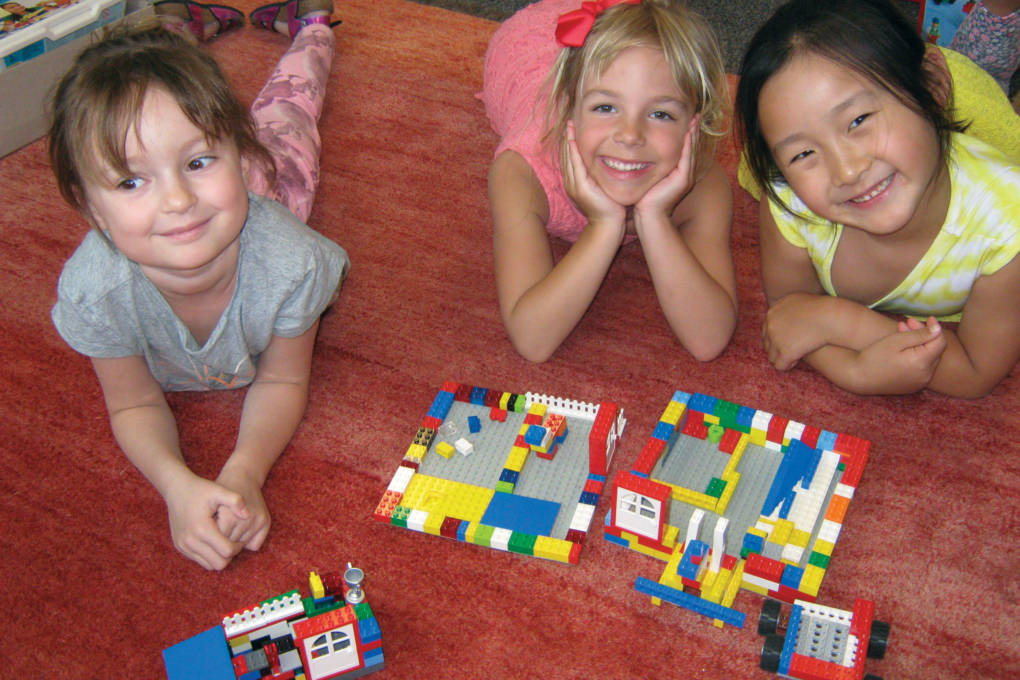
"caption": "Baggett's students show off their Lego projects.",
"description": null,
"title": "tinker-girls",
"credit": "Courtesy Alice Baggett/Constructing Modern Knowledge Press",
"status": "inherit",
"isLoading": false,
"fetchFailed": false
},
"mindshift_46986": {
"type": "attachments",
"id": "mindshift_46986",
"meta": {
"index": "attachments_1716263798",
"site": "mindshift",
"id": "46986",
"found": true
},
"parent": 46613,
"imgSizes": {
"small": {
"file": "https://ww2.kqed.org/app/uploads/sites/23/2016/10/Caring-520x344.jpg",
"width": 520,
"mimeType": "image/jpeg",
"height": 344
},
"twentyfourteen-full-width": {
"file": "https://ww2.kqed.org/app/uploads/sites/23/2016/10/Caring-1038x576.jpg",
"width": 1038,
"mimeType": "image/jpeg",
"height": 576
},
"thumbnail": {
"file": "https://ww2.kqed.org/app/uploads/sites/23/2016/10/Caring-160x106.jpg",
"width": 160,
"mimeType": "image/jpeg",
"height": 106
},
"fd-sm": {
"file": "https://ww2.kqed.org/app/uploads/sites/23/2016/10/Caring-960x634.jpg",
"width": 960,
"mimeType": "image/jpeg",
"height": 634
},
"post-thumbnail": {
"file": "https://ww2.kqed.org/app/uploads/sites/23/2016/10/Caring-672x372.jpg",
"width": 672,
"mimeType": "image/jpeg",
"height": 372
},
"xsmall": {
"file": "https://ww2.kqed.org/app/uploads/sites/23/2016/10/Caring-375x248.jpg",
"width": 375,
"mimeType": "image/jpeg",
"height": 248
},
"kqedFullSize": {
"file": "https://ww2.kqed.org/app/uploads/sites/23/2016/10/Caring-e1479146559192.jpg",
"width": 1920,
"height": 1269
},
"large": {
"file": "https://ww2.kqed.org/app/uploads/sites/23/2016/10/Caring-1020x674.jpg",
"width": 1020,
"mimeType": "image/jpeg",
"height": 674
},
"xlarge": {
"file": "https://ww2.kqed.org/app/uploads/sites/23/2016/10/Caring-1180x780.jpg",
"width": 1180,
"mimeType": "image/jpeg",
"height": 780
},
"guest-author-50": {
"file": "https://ww2.kqed.org/app/uploads/sites/23/2016/10/Caring-50x50.jpg",
"width": 50,
"mimeType": "image/jpeg",
"height": 50
},
"guest-author-96": {
"file": "https://ww2.kqed.org/app/uploads/sites/23/2016/10/Caring-96x96.jpg",
"width": 96,
"mimeType": "image/jpeg",
"height": 96
},
"medium": {
"file": "https://ww2.kqed.org/app/uploads/sites/23/2016/10/Caring-800x529.jpg",
"width": 800,
"mimeType": "image/jpeg",
"height": 529
},
"guest-author-64": {
"file": "https://ww2.kqed.org/app/uploads/sites/23/2016/10/Caring-64x64.jpg",
"width": 64,
"mimeType": "image/jpeg",
"height": 64
},
"guest-author-32": {
"file": "https://ww2.kqed.org/app/uploads/sites/23/2016/10/Caring-32x32.jpg",
"width": 32,
"mimeType": "image/jpeg",
"height": 32
},
"fd-lrg": {
"file": "https://ww2.kqed.org/app/uploads/sites/23/2016/10/Caring-1920x1269.jpg",
"width": 1920,
"mimeType": "image/jpeg",
"height": 1269
},
"fd-med": {
"file": "https://ww2.kqed.org/app/uploads/sites/23/2016/10/Caring-1180x780.jpg",
"width": 1180,
"mimeType": "image/jpeg",
"height": 780
},
"full-width": {
"file": "https://ww2.kqed.org/app/uploads/sites/23/2016/10/Caring-1920x1269.jpg",
"width": 1920,
"mimeType": "image/jpeg",
"height": 1269
},
"detail": {
"file": "https://ww2.kqed.org/app/uploads/sites/23/2016/10/Caring-150x150.jpg",
"width": 150,
"mimeType": "image/jpeg",
"height": 150
},
"medium_large": {
"file": "https://ww2.kqed.org/app/uploads/sites/23/2016/10/Caring-768x507.jpg",
"width": 768,
"mimeType": "image/jpeg",
"height": 507
},
"guest-author-128": {
"file": "https://ww2.kqed.org/app/uploads/sites/23/2016/10/Caring-128x128.jpg",
"width": 128,
"mimeType": "image/jpeg",
"height": 128
},
"xxsmall": {
"file": "https://ww2.kqed.org/app/uploads/sites/23/2016/10/Caring-240x159.jpg",
"width": 240,
"mimeType": "image/jpeg",
"height": 159
}
},
"publishDate": 1479146525,
"modified": 1479146550,
"caption": null,
"description": null,
"title": "Caring",
"credit": "iStock/DenKuvaiev",
"status": "inherit",
"isLoading": false,
"fetchFailed": false
},
"mindshift_46976": {
"type": "attachments",
"id": "mindshift_46976",
"meta": {
"index": "attachments_1716263798",
"site": "mindshift",
"id": "46976",
"found": true
},
"parent": 46951,
"imgSizes": {
"small": {
"file": "https://ww2.kqed.org/app/uploads/sites/23/2016/11/Barton2-520x307.png",
"width": 520,
"mimeType": "image/png",
"height": 307
},
"thumbnail": {
"file": "https://ww2.kqed.org/app/uploads/sites/23/2016/11/Barton2-160x94.png",
"width": 160,
"mimeType": "image/png",
"height": 94
},
"post-thumbnail": {
"file": "https://ww2.kqed.org/app/uploads/sites/23/2016/11/Barton2-672x372.png",
"width": 672,
"mimeType": "image/png",
"height": 372
},
"xsmall": {
"file": "https://ww2.kqed.org/app/uploads/sites/23/2016/11/Barton2-375x221.png",
"width": 375,
"mimeType": "image/png",
"height": 221
},
"kqedFullSize": {
"file": "https://ww2.kqed.org/app/uploads/sites/23/2016/11/Barton2.png",
"width": 707,
"height": 417
},
"guest-author-50": {
"file": "https://ww2.kqed.org/app/uploads/sites/23/2016/11/Barton2-50x50.png",
"width": 50,
"mimeType": "image/png",
"height": 50
},
"guest-author-96": {
"file": "https://ww2.kqed.org/app/uploads/sites/23/2016/11/Barton2-96x96.png",
"width": 96,
"mimeType": "image/png",
"height": 96
},
"guest-author-64": {
"file": "https://ww2.kqed.org/app/uploads/sites/23/2016/11/Barton2-64x64.png",
"width": 64,
"mimeType": "image/png",
"height": 64
},
"detail": {
"file": "https://ww2.kqed.org/app/uploads/sites/23/2016/11/Barton2-150x150.png",
"width": 150,
"mimeType": "image/png",
"height": 150
},
"guest-author-32": {
"file": "https://ww2.kqed.org/app/uploads/sites/23/2016/11/Barton2-32x32.png",
"width": 32,
"mimeType": "image/png",
"height": 32
},
"guest-author-128": {
"file": "https://ww2.kqed.org/app/uploads/sites/23/2016/11/Barton2-128x128.png",
"width": 128,
"mimeType": "image/png",
"height": 128
},
"xxsmall": {
"file": "https://ww2.kqed.org/app/uploads/sites/23/2016/11/Barton2-240x142.png",
"width": 240,
"mimeType": "image/png",
"height": 142
}
},
"publishDate": 1478821827,
"modified": 1478821861,
"caption": null,
"description": null,
"title": "barton2",
"credit": "TEDxYouth",
"status": "inherit",
"isLoading": false,
"fetchFailed": false
},
"mindshift_46899": {
"type": "attachments",
"id": "mindshift_46899",
"meta": {
"index": "attachments_1716263798",
"site": "mindshift",
"id": "46899",
"found": true
},
"parent": 46898,
"imgSizes": {
"small": {
"file": "https://ww2.kqed.org/app/uploads/sites/23/2016/11/night-owl_wide-94b0b959d8a42576f35315797e3e5934a23e8131-520x293.jpg",
"width": 520,
"mimeType": "image/jpeg",
"height": 293
},
"twentyfourteen-full-width": {
"file": "https://ww2.kqed.org/app/uploads/sites/23/2016/11/night-owl_wide-94b0b959d8a42576f35315797e3e5934a23e8131-1038x576.jpg",
"width": 1038,
"mimeType": "image/jpeg",
"height": 576
},
"thumbnail": {
"file": "https://ww2.kqed.org/app/uploads/sites/23/2016/11/night-owl_wide-94b0b959d8a42576f35315797e3e5934a23e8131-160x90.jpg",
"width": 160,
"mimeType": "image/jpeg",
"height": 90
},
"fd-sm": {
"file": "https://ww2.kqed.org/app/uploads/sites/23/2016/11/night-owl_wide-94b0b959d8a42576f35315797e3e5934a23e8131-960x540.jpg",
"width": 960,
"mimeType": "image/jpeg",
"height": 540
},
"post-thumbnail": {
"file": "https://ww2.kqed.org/app/uploads/sites/23/2016/11/night-owl_wide-94b0b959d8a42576f35315797e3e5934a23e8131-672x372.jpg",
"width": 672,
"mimeType": "image/jpeg",
"height": 372
},
"xsmall": {
"file": "https://ww2.kqed.org/app/uploads/sites/23/2016/11/night-owl_wide-94b0b959d8a42576f35315797e3e5934a23e8131-375x211.jpg",
"width": 375,
"mimeType": "image/jpeg",
"height": 211
},
"kqedFullSize": {
"file": "https://ww2.kqed.org/app/uploads/sites/23/2016/11/night-owl_wide-94b0b959d8a42576f35315797e3e5934a23e8131-e1478207349299.jpg",
"width": 1920,
"height": 1080
},
"large": {
"file": "https://ww2.kqed.org/app/uploads/sites/23/2016/11/night-owl_wide-94b0b959d8a42576f35315797e3e5934a23e8131-1020x574.jpg",
"width": 1020,
"mimeType": "image/jpeg",
"height": 574
},
"xlarge": {
"file": "https://ww2.kqed.org/app/uploads/sites/23/2016/11/night-owl_wide-94b0b959d8a42576f35315797e3e5934a23e8131-1180x664.jpg",
"width": 1180,
"mimeType": "image/jpeg",
"height": 664
},
"guest-author-50": {
"file": "https://ww2.kqed.org/app/uploads/sites/23/2016/11/night-owl_wide-94b0b959d8a42576f35315797e3e5934a23e8131-50x50.jpg",
"width": 50,
"mimeType": "image/jpeg",
"height": 50
},
"guest-author-96": {
"file": "https://ww2.kqed.org/app/uploads/sites/23/2016/11/night-owl_wide-94b0b959d8a42576f35315797e3e5934a23e8131-96x96.jpg",
"width": 96,
"mimeType": "image/jpeg",
"height": 96
},
"medium": {
"file": "https://ww2.kqed.org/app/uploads/sites/23/2016/11/night-owl_wide-94b0b959d8a42576f35315797e3e5934a23e8131-800x450.jpg",
"width": 800,
"mimeType": "image/jpeg",
"height": 450
},
"guest-author-64": {
"file": "https://ww2.kqed.org/app/uploads/sites/23/2016/11/night-owl_wide-94b0b959d8a42576f35315797e3e5934a23e8131-64x64.jpg",
"width": 64,
"mimeType": "image/jpeg",
"height": 64
},
"guest-author-32": {
"file": "https://ww2.kqed.org/app/uploads/sites/23/2016/11/night-owl_wide-94b0b959d8a42576f35315797e3e5934a23e8131-32x32.jpg",
"width": 32,
"mimeType": "image/jpeg",
"height": 32
},
"fd-lrg": {
"file": "https://ww2.kqed.org/app/uploads/sites/23/2016/11/night-owl_wide-94b0b959d8a42576f35315797e3e5934a23e8131-1920x1080.jpg",
"width": 1920,
"mimeType": "image/jpeg",
"height": 1080
},
"fd-med": {
"file": "https://ww2.kqed.org/app/uploads/sites/23/2016/11/night-owl_wide-94b0b959d8a42576f35315797e3e5934a23e8131-1180x664.jpg",
"width": 1180,
"mimeType": "image/jpeg",
"height": 664
},
"full-width": {
"file": "https://ww2.kqed.org/app/uploads/sites/23/2016/11/night-owl_wide-94b0b959d8a42576f35315797e3e5934a23e8131-1920x1080.jpg",
"width": 1920,
"mimeType": "image/jpeg",
"height": 1080
},
"detail": {
"file": "https://ww2.kqed.org/app/uploads/sites/23/2016/11/night-owl_wide-94b0b959d8a42576f35315797e3e5934a23e8131-150x150.jpg",
"width": 150,
"mimeType": "image/jpeg",
"height": 150
},
"medium_large": {
"file": "https://ww2.kqed.org/app/uploads/sites/23/2016/11/night-owl_wide-94b0b959d8a42576f35315797e3e5934a23e8131-768x432.jpg",
"width": 768,
"mimeType": "image/jpeg",
"height": 432
},
"guest-author-128": {
"file": "https://ww2.kqed.org/app/uploads/sites/23/2016/11/night-owl_wide-94b0b959d8a42576f35315797e3e5934a23e8131-128x128.jpg",
"width": 128,
"mimeType": "image/jpeg",
"height": 128
},
"xxsmall": {
"file": "https://ww2.kqed.org/app/uploads/sites/23/2016/11/night-owl_wide-94b0b959d8a42576f35315797e3e5934a23e8131-240x135.jpg",
"width": 240,
"mimeType": "image/jpeg",
"height": 135
}
},
"publishDate": 1478204769,
"modified": 1478205416,
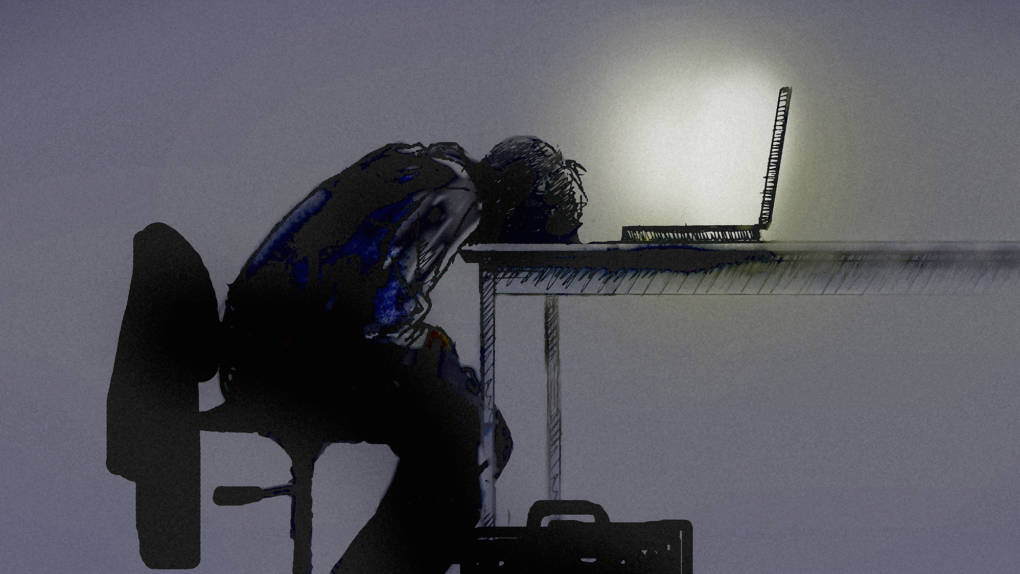
"caption": "Research findings support the idea that later school start times could help teens learn.",
"description": "Research findings support the idea that later school start times could help teens learn.",
"title": "Research findings support the idea that later school start times could help teens learn.",
"credit": "Gary Waters/Ikon Images/Getty Images",
"status": "inherit",
"isLoading": false,
"fetchFailed": false
},
"mindshift_46793": {
"type": "attachments",
"id": "mindshift_46793",
"meta": {
"index": "attachments_1716263798",
"site": "mindshift",
"id": "46793",
"found": true
},
"parent": 46772,
"imgSizes": {
"small": {
"file": "https://ww2.kqed.org/app/uploads/sites/23/2016/10/piktochart-520x270.png",
"width": 520,
"mimeType": "image/png",
"height": 270
},
"thumbnail": {
"file": "https://ww2.kqed.org/app/uploads/sites/23/2016/10/piktochart-160x83.png",
"width": 160,
"mimeType": "image/png",
"height": 83
},
"post-thumbnail": {
"file": "https://ww2.kqed.org/app/uploads/sites/23/2016/10/piktochart-672x372.png",
"width": 672,
"mimeType": "image/png",
"height": 372
},
"xsmall": {
"file": "https://ww2.kqed.org/app/uploads/sites/23/2016/10/piktochart-375x195.png",
"width": 375,
"mimeType": "image/png",
"height": 195
},
"kqedFullSize": {
"file": "https://ww2.kqed.org/app/uploads/sites/23/2016/10/piktochart.png",
"width": 957,
"height": 497
},
"guest-author-50": {
"file": "https://ww2.kqed.org/app/uploads/sites/23/2016/10/piktochart-50x50.png",
"width": 50,
"mimeType": "image/png",
"height": 50
},
"guest-author-96": {
"file": "https://ww2.kqed.org/app/uploads/sites/23/2016/10/piktochart-96x96.png",
"width": 96,
"mimeType": "image/png",
"height": 96
},
"medium": {
"file": "https://ww2.kqed.org/app/uploads/sites/23/2016/10/piktochart-800x415.png",
"width": 800,
"mimeType": "image/png",
"height": 415
},
"guest-author-64": {
"file": "https://ww2.kqed.org/app/uploads/sites/23/2016/10/piktochart-64x64.png",
"width": 64,
"mimeType": "image/png",
"height": 64
},
"guest-author-32": {
"file": "https://ww2.kqed.org/app/uploads/sites/23/2016/10/piktochart-32x32.png",
"width": 32,
"mimeType": "image/png",
"height": 32
},
"detail": {
"file": "https://ww2.kqed.org/app/uploads/sites/23/2016/10/piktochart-150x150.png",
"width": 150,
"mimeType": "image/png",
"height": 150
},
"medium_large": {
"file": "https://ww2.kqed.org/app/uploads/sites/23/2016/10/piktochart-768x399.png",
"width": 768,
"mimeType": "image/png",
"height": 399
},
"guest-author-128": {
"file": "https://ww2.kqed.org/app/uploads/sites/23/2016/10/piktochart-128x128.png",
"width": 128,
"mimeType": "image/png",
"height": 128
},
"xxsmall": {
"file": "https://ww2.kqed.org/app/uploads/sites/23/2016/10/piktochart-240x125.png",
"width": 240,
"mimeType": "image/png",
"height": 125
}
},
"publishDate": 1477342614,
"modified": 1477342659,
"caption": "Students at Two Rivers Public Charter School present piktocharts.",
"description": null,
"title": "piktochart",
"credit": "Two Rivers Public Charter School",
"status": "inherit",
"isLoading": false,
"fetchFailed": false
},
"mindshift_46741": {
"type": "attachments",
"id": "mindshift_46741",
"meta": {
"index": "attachments_1716263798",
"site": "mindshift",
"id": "46741",
"found": true
},
"parent": 46440,
"imgSizes": {
"twentyfourteen-full-width": {
"file": "https://ww2.kqed.org/app/uploads/sites/23/2016/10/11660724284_da664a69f2_k-1038x576.jpg",
"width": 1038,
"mimeType": "image/jpeg",
"height": 576
},
"thumbnail": {
"file": "https://ww2.kqed.org/app/uploads/sites/23/2016/10/11660724284_da664a69f2_k-400x267.jpg",
"width": 400,
"mimeType": "image/jpeg",
"height": 267
},
"fd-sm": {
"file": "https://ww2.kqed.org/app/uploads/sites/23/2016/10/11660724284_da664a69f2_k-960x640.jpg",
"width": 960,
"mimeType": "image/jpeg",
"height": 640
},
"post-thumbnail": {
"file": "https://ww2.kqed.org/app/uploads/sites/23/2016/10/11660724284_da664a69f2_k-672x372.jpg",
"width": 672,
"mimeType": "image/jpeg",
"height": 372
},
"kqedFullSize": {
"file": "https://ww2.kqed.org/app/uploads/sites/23/2016/10/11660724284_da664a69f2_k-e1476879055508.jpg",
"width": 1920,
"height": 1280
},
"large": {
"file": "https://ww2.kqed.org/app/uploads/sites/23/2016/10/11660724284_da664a69f2_k-1440x960.jpg",
"width": 1440,
"mimeType": "image/jpeg",
"height": 960
},
"guest-author-50": {
"file": "https://ww2.kqed.org/app/uploads/sites/23/2016/10/11660724284_da664a69f2_k-50x50.jpg",
"width": 50,
"mimeType": "image/jpeg",
"height": 50
},
"guest-author-96": {
"file": "https://ww2.kqed.org/app/uploads/sites/23/2016/10/11660724284_da664a69f2_k-96x96.jpg",
"width": 96,
"mimeType": "image/jpeg",
"height": 96
},
"medium": {
"file": "https://ww2.kqed.org/app/uploads/sites/23/2016/10/11660724284_da664a69f2_k-800x533.jpg",
"width": 800,
"mimeType": "image/jpeg",
"height": 533
},
"guest-author-64": {
"file": "https://ww2.kqed.org/app/uploads/sites/23/2016/10/11660724284_da664a69f2_k-64x64.jpg",
"width": 64,
"mimeType": "image/jpeg",
"height": 64
},
"guest-author-32": {
"file": "https://ww2.kqed.org/app/uploads/sites/23/2016/10/11660724284_da664a69f2_k-32x32.jpg",
"width": 32,
"mimeType": "image/jpeg",
"height": 32
},
"cat_post_thumb_sizecategory-posts-2": {
"file": "https://ww2.kqed.org/app/uploads/sites/23/2016/10/11660724284_da664a69f2_k-50x50.jpg",
"width": 50,
"mimeType": "image/jpeg",
"height": 50
},
"fd-lrg": {
"file": "https://ww2.kqed.org/app/uploads/sites/23/2016/10/11660724284_da664a69f2_k-1920x1280.jpg",
"width": 1920,
"mimeType": "image/jpeg",
"height": 1280
},
"fd-med": {
"file": "https://ww2.kqed.org/app/uploads/sites/23/2016/10/11660724284_da664a69f2_k-1180x786.jpg",
"width": 1180,
"mimeType": "image/jpeg",
"height": 786
},
"detail": {
"file": "https://ww2.kqed.org/app/uploads/sites/23/2016/10/11660724284_da664a69f2_k-150x150.jpg",
"width": 150,
"mimeType": "image/jpeg",
"height": 150
},
"medium_large": {
"file": "https://ww2.kqed.org/app/uploads/sites/23/2016/10/11660724284_da664a69f2_k-768x512.jpg",
"width": 768,
"mimeType": "image/jpeg",
"height": 512
},
"guest-author-128": {
"file": "https://ww2.kqed.org/app/uploads/sites/23/2016/10/11660724284_da664a69f2_k-128x128.jpg",
"width": 128,
"mimeType": "image/jpeg",
"height": 128
}
},
"publishDate": 1476879037,
"modified": 1476879079,
"caption": null,
"description": null,
"title": "Love",
"credit": "\u003ca href=\"https://www.flickr.com/photos/shiyang_huang/11660724284/in/photolist-iLqg5q-38Y23J-5L2kwM-2Qwvso-bfgnxP-9yfQiJ-hnnUvt-8M91N5-7LyBV9-9vpW1g-8Ck3qM-7LyiPS-nWGMjc-9wwHNB-imaoJP-29iz2-4GvsEv-4zatM9-7DVCSg-J71qc7-99RRsa-4aS8pp-HjCjC-88tfAV-4A324J-WFbrk-9EFHSf-6F2eVV-9hgXhz-n9uF9o-okRD-7Lukut-7AU82i-ajWo2i-bo96ni-qUke5L-i4GTNE-eSyVn8-4CBiNs-4La6-9rZZqr-a3Bn8C-nfHZHm-ej3M1C-qV594Y-7R9E6f-4J6US5-oxaHxa-5XdMKv-3oYpMW\">Flickr/Shiyang Huang\u003c/a>",
"status": "inherit",
"isLoading": false,
"fetchFailed": false
},
"mindshift_46689": {
"type": "attachments",
"id": "mindshift_46689",
"meta": {
"index": "attachments_1716263798",
"site": "mindshift",
"id": "46689",
"found": true
},
"parent": 46688,
"imgSizes": {
"twentyfourteen-full-width": {
"file": "https://ww2.kqed.org/app/uploads/sites/23/2016/10/barber_jason_jozef1-toned_custom-11511d112ba547de370775b004c4ba4492c214b3-1038x576.jpg",
"width": 1038,
"mimeType": "image/jpeg",
"height": 576
},
"thumbnail": {
"file": "https://ww2.kqed.org/app/uploads/sites/23/2016/10/barber_jason_jozef1-toned_custom-11511d112ba547de370775b004c4ba4492c214b3-400x273.jpg",
"width": 400,
"mimeType": "image/jpeg",
"height": 273
},
"fd-sm": {
"file": "https://ww2.kqed.org/app/uploads/sites/23/2016/10/barber_jason_jozef1-toned_custom-11511d112ba547de370775b004c4ba4492c214b3-960x656.jpg",
"width": 960,
"mimeType": "image/jpeg",
"height": 656
},
"post-thumbnail": {
"file": "https://ww2.kqed.org/app/uploads/sites/23/2016/10/barber_jason_jozef1-toned_custom-11511d112ba547de370775b004c4ba4492c214b3-672x372.jpg",
"width": 672,
"mimeType": "image/jpeg",
"height": 372
},
"kqedFullSize": {
"file": "https://ww2.kqed.org/app/uploads/sites/23/2016/10/barber_jason_jozef1-toned_custom-11511d112ba547de370775b004c4ba4492c214b3.jpg",
"width": 3024,
"height": 2066
},
"large": {
"file": "https://ww2.kqed.org/app/uploads/sites/23/2016/10/barber_jason_jozef1-toned_custom-11511d112ba547de370775b004c4ba4492c214b3-1440x984.jpg",
"width": 1440,
"mimeType": "image/jpeg",
"height": 984
},
"guest-author-50": {
"file": "https://ww2.kqed.org/app/uploads/sites/23/2016/10/barber_jason_jozef1-toned_custom-11511d112ba547de370775b004c4ba4492c214b3-50x50.jpg",
"width": 50,
"mimeType": "image/jpeg",
"height": 50
},
"guest-author-96": {
"file": "https://ww2.kqed.org/app/uploads/sites/23/2016/10/barber_jason_jozef1-toned_custom-11511d112ba547de370775b004c4ba4492c214b3-96x96.jpg",
"width": 96,
"mimeType": "image/jpeg",
"height": 96
},
"medium": {
"file": "https://ww2.kqed.org/app/uploads/sites/23/2016/10/barber_jason_jozef1-toned_custom-11511d112ba547de370775b004c4ba4492c214b3-800x547.jpg",
"width": 800,
"mimeType": "image/jpeg",
"height": 547
},
"guest-author-64": {
"file": "https://ww2.kqed.org/app/uploads/sites/23/2016/10/barber_jason_jozef1-toned_custom-11511d112ba547de370775b004c4ba4492c214b3-64x64.jpg",
"width": 64,
"mimeType": "image/jpeg",
"height": 64
},
"guest-author-32": {
"file": "https://ww2.kqed.org/app/uploads/sites/23/2016/10/barber_jason_jozef1-toned_custom-11511d112ba547de370775b004c4ba4492c214b3-32x32.jpg",
"width": 32,
"mimeType": "image/jpeg",
"height": 32
},
"cat_post_thumb_sizecategory-posts-2": {
"file": "https://ww2.kqed.org/app/uploads/sites/23/2016/10/barber_jason_jozef1-toned_custom-11511d112ba547de370775b004c4ba4492c214b3-50x50.jpg",
"width": 50,
"mimeType": "image/jpeg",
"height": 50
},
"fd-lrg": {
"file": "https://ww2.kqed.org/app/uploads/sites/23/2016/10/barber_jason_jozef1-toned_custom-11511d112ba547de370775b004c4ba4492c214b3-1920x1312.jpg",
"width": 1920,
"mimeType": "image/jpeg",
"height": 1312
},
"fd-med": {
"file": "https://ww2.kqed.org/app/uploads/sites/23/2016/10/barber_jason_jozef1-toned_custom-11511d112ba547de370775b004c4ba4492c214b3-1180x806.jpg",
"width": 1180,
"mimeType": "image/jpeg",
"height": 806
},
"detail": {
"file": "https://ww2.kqed.org/app/uploads/sites/23/2016/10/barber_jason_jozef1-toned_custom-11511d112ba547de370775b004c4ba4492c214b3-150x150.jpg",
"width": 150,
"mimeType": "image/jpeg",
"height": 150
},
"medium_large": {
"file": "https://ww2.kqed.org/app/uploads/sites/23/2016/10/barber_jason_jozef1-toned_custom-11511d112ba547de370775b004c4ba4492c214b3-768x525.jpg",
"width": 768,
"mimeType": "image/jpeg",
"height": 525
},
"guest-author-128": {
"file": "https://ww2.kqed.org/app/uploads/sites/23/2016/10/barber_jason_jozef1-toned_custom-11511d112ba547de370775b004c4ba4492c214b3-128x128.jpg",
"width": 128,
"mimeType": "image/jpeg",
"height": 128
}
},
"publishDate": 1476310483,
"modified": 1476311201,
"caption": "Jozef Jason, 7, reads a book to Ryan Griffin at the Fuller Cut in Ypsilanti, Mich., as part of the barbershop's literacy program.",
"description": "Jozef Jason, 7, reads a book to Ryan Griffin at the Fuller Cut in Ypsilanti, Mich., as part of the barbershop's literacy program.",
"title": "Jozef Jason, 7, reads a book to Ryan Griffin at the Fuller Cut in Ypsilanti, Mich., as part of the barbershop's literacy program.",
"credit": "Keith Jason/Courtesy of Keith Jason",
"status": "inherit",
"isLoading": false,
"fetchFailed": false
},
"mindshift_46567": {
"type": "attachments",
"id": "mindshift_46567",
"meta": {
"index": "attachments_1716263798",
"site": "mindshift",
"id": "46567",
"found": true
},
"parent": 46565,
"imgSizes": {
"twentyfourteen-full-width": {
"file": "https://ww2.kqed.org/app/uploads/sites/23/2016/10/7793353006_b4974db77e_b-1024x576.jpg",
"width": 1024,
"mimeType": "image/jpeg",
"height": 576
},
"thumbnail": {
"file": "https://ww2.kqed.org/app/uploads/sites/23/2016/10/7793353006_b4974db77e_b-400x267.jpg",
"width": 400,
"mimeType": "image/jpeg",
"height": 267
},
"fd-sm": {
"file": "https://ww2.kqed.org/app/uploads/sites/23/2016/10/7793353006_b4974db77e_b-960x640.jpg",
"width": 960,
"mimeType": "image/jpeg",
"height": 640
},
"post-thumbnail": {
"file": "https://ww2.kqed.org/app/uploads/sites/23/2016/10/7793353006_b4974db77e_b-672x372.jpg",
"width": 672,
"mimeType": "image/jpeg",
"height": 372
},
"kqedFullSize": {
"file": "https://ww2.kqed.org/app/uploads/sites/23/2016/10/7793353006_b4974db77e_b.jpg",
"width": 1024,
"height": 683
},
"guest-author-50": {
"file": "https://ww2.kqed.org/app/uploads/sites/23/2016/10/7793353006_b4974db77e_b-50x50.jpg",
"width": 50,
"mimeType": "image/jpeg",
"height": 50
},
"guest-author-96": {
"file": "https://ww2.kqed.org/app/uploads/sites/23/2016/10/7793353006_b4974db77e_b-96x96.jpg",
"width": 96,
"mimeType": "image/jpeg",
"height": 96
},
"medium": {
"file": "https://ww2.kqed.org/app/uploads/sites/23/2016/10/7793353006_b4974db77e_b-800x534.jpg",
"width": 800,
"mimeType": "image/jpeg",
"height": 534
},
"guest-author-64": {
"file": "https://ww2.kqed.org/app/uploads/sites/23/2016/10/7793353006_b4974db77e_b-64x64.jpg",
"width": 64,
"mimeType": "image/jpeg",
"height": 64
},
"guest-author-32": {
"file": "https://ww2.kqed.org/app/uploads/sites/23/2016/10/7793353006_b4974db77e_b-32x32.jpg",
"width": 32,
"mimeType": "image/jpeg",
"height": 32
},
"cat_post_thumb_sizecategory-posts-2": {
"file": "https://ww2.kqed.org/app/uploads/sites/23/2016/10/7793353006_b4974db77e_b-50x50.jpg",
"width": 50,
"mimeType": "image/jpeg",
"height": 50
},
"detail": {
"file": "https://ww2.kqed.org/app/uploads/sites/23/2016/10/7793353006_b4974db77e_b-150x150.jpg",
"width": 150,
"mimeType": "image/jpeg",
"height": 150
},
"medium_large": {
"file": "https://ww2.kqed.org/app/uploads/sites/23/2016/10/7793353006_b4974db77e_b-768x512.jpg",
"width": 768,
"mimeType": "image/jpeg",
"height": 512
},
"guest-author-128": {
"file": "https://ww2.kqed.org/app/uploads/sites/23/2016/10/7793353006_b4974db77e_b-128x128.jpg",
"width": 128,
"mimeType": "image/jpeg",
"height": 128
}
},
"publishDate": 1475516524,
"modified": 1475516605,
"caption": null,
"description": null,
"title": "7793353006_b4974db77e_b",
"credit": "trizoultro/\u003ca href=\"https://www.flickr.com/photos/theembermonths/7793353006/\">Flickr\u003c/a>",
"status": "inherit",
"isLoading": false,
"fetchFailed": false
},
"mindshift_46514": {
"type": "attachments",
"id": "mindshift_46514",
"meta": {
"index": "attachments_1716263798",
"site": "mindshift",
"id": "46514",
"found": true
},
"parent": 46509,
"imgSizes": {
"twentyfourteen-full-width": {
"file": "https://ww2.kqed.org/app/uploads/sites/23/2016/09/4775778765_fb752174c9_o-1038x576.jpg",
"width": 1038,
"mimeType": "image/jpeg",
"height": 576
},
"thumbnail": {
"file": "https://ww2.kqed.org/app/uploads/sites/23/2016/09/4775778765_fb752174c9_o-400x268.jpg",
"width": 400,
"mimeType": "image/jpeg",
"height": 268
},
"fd-sm": {
"file": "https://ww2.kqed.org/app/uploads/sites/23/2016/09/4775778765_fb752174c9_o-960x643.jpg",
"width": 960,
"mimeType": "image/jpeg",
"height": 643
},
"post-thumbnail": {
"file": "https://ww2.kqed.org/app/uploads/sites/23/2016/09/4775778765_fb752174c9_o-672x372.jpg",
"width": 672,
"mimeType": "image/jpeg",
"height": 372
},
"kqedFullSize": {
"file": "https://ww2.kqed.org/app/uploads/sites/23/2016/09/4775778765_fb752174c9_o-e1475269845794.jpg",
"width": 1920,
"height": 1285
},
"large": {
"file": "https://ww2.kqed.org/app/uploads/sites/23/2016/09/4775778765_fb752174c9_o-1440x964.jpg",
"width": 1440,
"mimeType": "image/jpeg",
"height": 964
},
"guest-author-50": {
"file": "https://ww2.kqed.org/app/uploads/sites/23/2016/09/4775778765_fb752174c9_o-50x50.jpg",
"width": 50,
"mimeType": "image/jpeg",
"height": 50
},
"guest-author-96": {
"file": "https://ww2.kqed.org/app/uploads/sites/23/2016/09/4775778765_fb752174c9_o-96x96.jpg",
"width": 96,
"mimeType": "image/jpeg",
"height": 96
},
"medium": {
"file": "https://ww2.kqed.org/app/uploads/sites/23/2016/09/4775778765_fb752174c9_o-800x536.jpg",
"width": 800,
"mimeType": "image/jpeg",
"height": 536
},
"guest-author-64": {
"file": "https://ww2.kqed.org/app/uploads/sites/23/2016/09/4775778765_fb752174c9_o-64x64.jpg",
"width": 64,
"mimeType": "image/jpeg",
"height": 64
},
"guest-author-32": {
"file": "https://ww2.kqed.org/app/uploads/sites/23/2016/09/4775778765_fb752174c9_o-32x32.jpg",
"width": 32,
"mimeType": "image/jpeg",
"height": 32
},
"cat_post_thumb_sizecategory-posts-2": {
"file": "https://ww2.kqed.org/app/uploads/sites/23/2016/09/4775778765_fb752174c9_o-50x50.jpg",
"width": 50,
"mimeType": "image/jpeg",
"height": 50
},
"fd-lrg": {
"file": "https://ww2.kqed.org/app/uploads/sites/23/2016/09/4775778765_fb752174c9_o-1920x1285.jpg",
"width": 1920,
"mimeType": "image/jpeg",
"height": 1285
},
"fd-med": {
"file": "https://ww2.kqed.org/app/uploads/sites/23/2016/09/4775778765_fb752174c9_o-1180x790.jpg",
"width": 1180,
"mimeType": "image/jpeg",
"height": 790
},
"detail": {
"file": "https://ww2.kqed.org/app/uploads/sites/23/2016/09/4775778765_fb752174c9_o-150x150.jpg",
"width": 150,
"mimeType": "image/jpeg",
"height": 150
},
"medium_large": {
"file": "https://ww2.kqed.org/app/uploads/sites/23/2016/09/4775778765_fb752174c9_o-768x514.jpg",
"width": 768,
"mimeType": "image/jpeg",
"height": 514
},
"guest-author-128": {
"file": "https://ww2.kqed.org/app/uploads/sites/23/2016/09/4775778765_fb752174c9_o-128x128.jpg",
"width": 128,
"mimeType": "image/jpeg",
"height": 128
}
},
"publishDate": 1475173493,
"modified": 1475173550,
"caption": null,
"description": null,
"title": "4775778765_fb752174c9_o",
"credit": "Rachel Sapp/\u003ca href=\"https://www.flickr.com/photos/rks71794/4775778765/\">Flickr\u003c/a>",
"status": "inherit",
"isLoading": false,
"fetchFailed": false
},
"mindshift_46506": {
"type": "attachments",
"id": "mindshift_46506",
"meta": {
"index": "attachments_1716263798",
"site": "mindshift",
"id": "46506",
"found": true
},
"parent": 46442,
"imgSizes": {
"twentyfourteen-full-width": {
"file": "https://ww2.kqed.org/app/uploads/sites/23/2016/09/Expectations-1038x576.jpg",
"width": 1038,
"mimeType": "image/jpeg",
"height": 576
},
"thumbnail": {
"file": "https://ww2.kqed.org/app/uploads/sites/23/2016/09/Expectations-400x246.jpg",
"width": 400,
"mimeType": "image/jpeg",
"height": 246
},
"fd-sm": {
"file": "https://ww2.kqed.org/app/uploads/sites/23/2016/09/Expectations-960x591.jpg",
"width": 960,
"mimeType": "image/jpeg",
"height": 591
},
"post-thumbnail": {
"file": "https://ww2.kqed.org/app/uploads/sites/23/2016/09/Expectations-672x372.jpg",
"width": 672,
"mimeType": "image/jpeg",
"height": 372
},
"kqedFullSize": {
"file": "https://ww2.kqed.org/app/uploads/sites/23/2016/09/Expectations.jpg",
"width": 1920,
"height": 1181
},
"large": {
"file": "https://ww2.kqed.org/app/uploads/sites/23/2016/09/Expectations-1440x886.jpg",
"width": 1440,
"mimeType": "image/jpeg",
"height": 886
},
"guest-author-50": {
"file": "https://ww2.kqed.org/app/uploads/sites/23/2016/09/Expectations-50x50.jpg",
"width": 50,
"mimeType": "image/jpeg",
"height": 50
},
"guest-author-96": {
"file": "https://ww2.kqed.org/app/uploads/sites/23/2016/09/Expectations-96x96.jpg",
"width": 96,
"mimeType": "image/jpeg",
"height": 96
},
"medium": {
"file": "https://ww2.kqed.org/app/uploads/sites/23/2016/09/Expectations-800x492.jpg",
"width": 800,
"mimeType": "image/jpeg",
"height": 492
},
"guest-author-64": {
"file": "https://ww2.kqed.org/app/uploads/sites/23/2016/09/Expectations-64x64.jpg",
"width": 64,
"mimeType": "image/jpeg",
"height": 64
},
"guest-author-32": {
"file": "https://ww2.kqed.org/app/uploads/sites/23/2016/09/Expectations-32x32.jpg",
"width": 32,
"mimeType": "image/jpeg",
"height": 32
},
"cat_post_thumb_sizecategory-posts-2": {
"file": "https://ww2.kqed.org/app/uploads/sites/23/2016/09/Expectations-50x50.jpg",
"width": 50,
"mimeType": "image/jpeg",
"height": 50
},
"fd-lrg": {
"file": "https://ww2.kqed.org/app/uploads/sites/23/2016/09/Expectations-1920x1181.jpg",
"width": 1920,
"mimeType": "image/jpeg",
"height": 1181
},
"fd-med": {
"file": "https://ww2.kqed.org/app/uploads/sites/23/2016/09/Expectations-1180x726.jpg",
"width": 1180,
"mimeType": "image/jpeg",
"height": 726
},
"detail": {
"file": "https://ww2.kqed.org/app/uploads/sites/23/2016/09/Expectations-150x150.jpg",
"width": 150,
"mimeType": "image/jpeg",
"height": 150
},
"medium_large": {
"file": "https://ww2.kqed.org/app/uploads/sites/23/2016/09/Expectations-768x472.jpg",
"width": 768,
"mimeType": "image/jpeg",
"height": 472
},
"guest-author-128": {
"file": "https://ww2.kqed.org/app/uploads/sites/23/2016/09/Expectations-128x128.jpg",
"width": 128,
"mimeType": "image/jpeg",
"height": 128
}
},
"publishDate": 1475153905,
"modified": 1475153921,
"caption": null,
"description": null,
"title": "Expectations",
"credit": "iStock",
"status": "inherit",
"isLoading": false,
"fetchFailed": false
},
"mindshift_46405": {
"type": "attachments",
"id": "mindshift_46405",
"meta": {
"index": "attachments_1716263798",
"site": "mindshift",
"id": "46405",
"found": true
},
"parent": 46404,
"imgSizes": {
"twentyfourteen-full-width": {
"file": "https://ww2.kqed.org/app/uploads/sites/23/2016/09/it-takes-a-village2_custom-8911c9e598aa6d905ffb3ef59ce0ff93dc2db1b9-1038x576.jpg",
"width": 1038,
"mimeType": "image/jpeg",
"height": 576
},
"thumbnail": {
"file": "https://ww2.kqed.org/app/uploads/sites/23/2016/09/it-takes-a-village2_custom-8911c9e598aa6d905ffb3ef59ce0ff93dc2db1b9-400x236.jpg",
"width": 400,
"mimeType": "image/jpeg",
"height": 236
},
"fd-sm": {
"file": "https://ww2.kqed.org/app/uploads/sites/23/2016/09/it-takes-a-village2_custom-8911c9e598aa6d905ffb3ef59ce0ff93dc2db1b9-960x567.jpg",
"width": 960,
"mimeType": "image/jpeg",
"height": 567
},
"post-thumbnail": {
"file": "https://ww2.kqed.org/app/uploads/sites/23/2016/09/it-takes-a-village2_custom-8911c9e598aa6d905ffb3ef59ce0ff93dc2db1b9-672x372.jpg",
"width": 672,
"mimeType": "image/jpeg",
"height": 372
},
"kqedFullSize": {
"file": "https://ww2.kqed.org/app/uploads/sites/23/2016/09/it-takes-a-village2_custom-8911c9e598aa6d905ffb3ef59ce0ff93dc2db1b9-e1474373445828.jpg",
"width": 1920,
"height": 1135
},
"large": {
"file": "https://ww2.kqed.org/app/uploads/sites/23/2016/09/it-takes-a-village2_custom-8911c9e598aa6d905ffb3ef59ce0ff93dc2db1b9-1440x851.jpg",
"width": 1440,
"mimeType": "image/jpeg",
"height": 851
},
"guest-author-50": {
"file": "https://ww2.kqed.org/app/uploads/sites/23/2016/09/it-takes-a-village2_custom-8911c9e598aa6d905ffb3ef59ce0ff93dc2db1b9-50x50.jpg",
"width": 50,
"mimeType": "image/jpeg",
"height": 50
},
"guest-author-96": {
"file": "https://ww2.kqed.org/app/uploads/sites/23/2016/09/it-takes-a-village2_custom-8911c9e598aa6d905ffb3ef59ce0ff93dc2db1b9-96x96.jpg",
"width": 96,
"mimeType": "image/jpeg",
"height": 96
},
"medium": {
"file": "https://ww2.kqed.org/app/uploads/sites/23/2016/09/it-takes-a-village2_custom-8911c9e598aa6d905ffb3ef59ce0ff93dc2db1b9-800x473.jpg",
"width": 800,
"mimeType": "image/jpeg",
"height": 473
},
"guest-author-64": {
"file": "https://ww2.kqed.org/app/uploads/sites/23/2016/09/it-takes-a-village2_custom-8911c9e598aa6d905ffb3ef59ce0ff93dc2db1b9-64x64.jpg",
"width": 64,
"mimeType": "image/jpeg",
"height": 64
},
"guest-author-32": {
"file": "https://ww2.kqed.org/app/uploads/sites/23/2016/09/it-takes-a-village2_custom-8911c9e598aa6d905ffb3ef59ce0ff93dc2db1b9-32x32.jpg",
"width": 32,
"mimeType": "image/jpeg",
"height": 32
},
"cat_post_thumb_sizecategory-posts-2": {
"file": "https://ww2.kqed.org/app/uploads/sites/23/2016/09/it-takes-a-village2_custom-8911c9e598aa6d905ffb3ef59ce0ff93dc2db1b9-50x50.jpg",
"width": 50,
"mimeType": "image/jpeg",
"height": 50
},
"fd-lrg": {
"file": "https://ww2.kqed.org/app/uploads/sites/23/2016/09/it-takes-a-village2_custom-8911c9e598aa6d905ffb3ef59ce0ff93dc2db1b9-1920x1135.jpg",
"width": 1920,
"mimeType": "image/jpeg",
"height": 1135
},
"fd-med": {
"file": "https://ww2.kqed.org/app/uploads/sites/23/2016/09/it-takes-a-village2_custom-8911c9e598aa6d905ffb3ef59ce0ff93dc2db1b9-1180x697.jpg",
"width": 1180,
"mimeType": "image/jpeg",
"height": 697
},
"detail": {
"file": "https://ww2.kqed.org/app/uploads/sites/23/2016/09/it-takes-a-village2_custom-8911c9e598aa6d905ffb3ef59ce0ff93dc2db1b9-150x150.jpg",
"width": 150,
"mimeType": "image/jpeg",
"height": 150
},
"medium_large": {
"file": "https://ww2.kqed.org/app/uploads/sites/23/2016/09/it-takes-a-village2_custom-8911c9e598aa6d905ffb3ef59ce0ff93dc2db1b9-768x454.jpg",
"width": 768,
"mimeType": "image/jpeg",
"height": 454
},
"guest-author-128": {
"file": "https://ww2.kqed.org/app/uploads/sites/23/2016/09/it-takes-a-village2_custom-8911c9e598aa6d905ffb3ef59ce0ff93dc2db1b9-128x128.jpg",
"width": 128,
"mimeType": "image/jpeg",
"height": 128
}
},
"publishDate": 1474373146,
"modified": 1474373468,
"caption": "Dealing with students' mental health looks different at every school. But experts say doing it well requires a strategy that gets everyone involved.",
"description": "Dealing with students' mental health looks different at every school. But experts say doing it well requires a strategy that gets everyone involved.",
"title": "Dealing with students' mental health looks different at every school. But experts say doing it well requires a strategy that gets everyone involved.",
"credit": "NPR/LA Johnson",
"status": "inherit",
"isLoading": false,
"fetchFailed": false
}
},
"audioPlayerReducer": {
"postId": "stream_live",
"isPaused": true,
"isPlaying": false,
"pfsActive": false,
"pledgeModalIsOpen": true,
"playerDrawerIsOpen": false,
"liveAudioPlayStartedAt": 0,
"liveAudioPlayContext": ""
},
"authorsReducer": {
"byline_mindshift_46898": {
"type": "authors",
"id": "byline_mindshift_46898",
"meta": {
"override": true
},
"slug": "byline_mindshift_46898",
"name": "Rob Stein",
"isLoading": false
},
"byline_mindshift_46688": {
"type": "authors",
"id": "byline_mindshift_46688",
"meta": {
"override": true
},
"slug": "byline_mindshift_46688",
"name": "Jennifer Guerra",
"isLoading": false
},
"byline_mindshift_46404": {
"type": "authors",
"id": "byline_mindshift_46404",
"meta": {
"override": true
},
"slug": "byline_mindshift_46404",
"name": "Meg Anderson, \u003ca href=\"http://www.npr.org/sections/ed/2016/09/20/459843929/heres-how-schools-can-support-students-mental-health\">NPR\u003c/a>",
"isLoading": false
},
"katrinaschwartz": {
"type": "authors",
"id": "234",
"meta": {
"index": "authors_1716337520",
"id": "234",
"found": true
},
"name": "Katrina Schwartz",
"firstName": "Katrina",
"lastName": "Schwartz",
"slug": "katrinaschwartz",
"email": "kschwartz@kqed.org",
"display_author_email": false,
"staff_mastheads": [
"news"
],
"title": "Producer",
"bio": "Katrina Schwartz is a journalist based in San Francisco. She's worked at KPCC public radio in LA and has reported on air and online for KQED since 2010. She covered how teaching and learning is changing for MindShift between 2012 and 2020. She is the co-host of the MindShift podcast and now produces KQED's Bay Curious podcast.",
"avatar": "https://secure.gravatar.com/avatar/edb4ee79070447a018538c9aae6eeecf28786515b8a0c30e43b6b7dce5aa44c8?s=600&d=blank&r=g",
"twitter": "kschwart",
"bluesky": null,
"facebook": null,
"instagram": null,
"linkedin": null,
"sites": [
{
"site": "",
"roles": [
"editor"
]
},
{
"site": "news",
"roles": [
"editor"
]
},
{
"site": "mindshift",
"roles": [
"administrator"
]
},
{
"site": "stateofhealth",
"roles": [
"author"
]
},
{
"site": "science",
"roles": [
"editor"
]
}
],
"headData": {
"title": "Katrina Schwartz | KQED",
"description": "Producer",
"ogImgSrc": "https://secure.gravatar.com/avatar/edb4ee79070447a018538c9aae6eeecf28786515b8a0c30e43b6b7dce5aa44c8?s=600&d=blank&r=g",
"twImgSrc": "https://secure.gravatar.com/avatar/edb4ee79070447a018538c9aae6eeecf28786515b8a0c30e43b6b7dce5aa44c8?s=600&d=blank&r=g"
},
"isLoading": false,
"link": "/author/katrinaschwartz"
},
"lindaflan": {
"type": "authors",
"id": "4613",
"meta": {
"index": "authors_1716337520",
"id": "4613",
"found": true
},
"name": "Linda Flanagan",
"firstName": "Linda",
"lastName": "Flanagan",
"slug": "lindaflan",
"email": "lindaflan@comcast.net",
"display_author_email": false,
"staff_mastheads": [],
"title": null,
"bio": "Linda Flanagan is a freelance writer, researcher, and editor. Her work has appeared in The Atlantic, The Wall St. Journal, Newsweek, Running Times, and Mind/Shift, and she blogs regularly for the Huffington Post. Linda writes about education, culture, athletics, youth sports, mental health, politics, college admissions, and other curiosities. She also reviews books and conducts interviews.",
"avatar": "https://secure.gravatar.com/avatar/6bca04c0736bf5eaea80654019de688f?s=600&d=blank&r=g",
"twitter": "LindaFlanagan2",
"facebook": null,
"instagram": null,
"linkedin": null,
"sites": [
{
"site": "mindshift",
"roles": [
"contributor"
]
}
],
"headData": {
"title": "Linda Flanagan | KQED",
"description": null,
"ogImgSrc": "https://secure.gravatar.com/avatar/6bca04c0736bf5eaea80654019de688f?s=600&d=blank&r=g",
"twImgSrc": "https://secure.gravatar.com/avatar/6bca04c0736bf5eaea80654019de688f?s=600&d=blank&r=g"
},
"isLoading": false,
"link": "/author/lindaflan"
}
},
"pagesReducer": {
"mindshift_category_culture": {
"type": "terms",
"id": "mindshift_194",
"meta": {
"index": "terms_1716263798",
"site": "mindshift",
"id": "194",
"score": 12.371086
},
"featImg": null,
"name": "Culture",
"description": "How trends in technology – social networks, Internet privacy, cyberbullying – influence education.",
"taxonomy": "category",
"headData": {
"twImgId": null,
"twTitle": null,
"ogTitle": null,
"ogImgId": null,
"twDescription": null,
"description": "How trends in technology – social networks, Internet privacy, cyberbullying – influence education.",
"title": "Culture Archives | KQED Mindshift",
"ogDescription": null
},
"ttid": 194,
"slug": "culture",
"isLoading": false,
"title": "Culture",
"pageMeta": {
"site": "mindshift",
"WpPageTemplate": "page-topic-editorial",
"currentPage": 11
},
"blocks": [
{
"blockName": "kqed/company-paragraph",
"content": "How trends in technology – social networks, Internet privacy, cyberbullying – influence education."
},
{
"blockName": "kqed/post-list",
"attrs": {
"layout": "cardArticle2",
"query": "posts/mindshift?category=culture",
"seeMore": false,
"paginated": true,
"page": 11
}
},
{
"blockName": "kqed/ad"
}
]
}
},
"pfsSessionReducer": {},
"postsReducer": {
"stream_live": {
"type": "live",
"id": "stream_live",
"audioUrl": "https://streams.kqed.org/kqedradio",
"title": "Live Stream",
"excerpt": "Live Stream information currently unavailable.",
"link": "/radio",
"featImg": "",
"label": {
"name": "KQED Live",
"link": "/"
}
},
"stream_kqedNewscast": {
"type": "posts",
"id": "stream_kqedNewscast",
"audioUrl": "https://www.kqed.org/.stream/anon/radio/RDnews/newscast.mp3?_=1",
"title": "KQED Newscast",
"featImg": "",
"label": {
"name": "88.5 FM",
"link": "/"
}
},
"mindshift_46824": {
"type": "posts",
"id": "mindshift_46824",
"meta": {
"index": "posts_1716263798",
"site": "mindshift",
"id": "46824",
"score": null,
"sort": [
1480320269000
]
},
"parent": 0,
"labelTerm": {
"site": "mindshift"
},
"blocks": [],
"publishDate": 1480320269,
"format": "standard",
"disqusTitle": "What Types of Sound Experiences Enable Children to Learn Best?",
"title": "What Types of Sound Experiences Enable Children to Learn Best?",
"headTitle": "MindShift | KQED News",
"content": "\u003cp>Nina Kraus, a biologist at Northwestern University, has spent the better part of her professional career researching how sound affects the brain. What she’s found has important implications for how adults and children manage the sounds that envelop them. “Sound is invisible, but it’s a tremendously powerful force,” said Kraus. “For better or worse, it shapes your brain and how you learn.”\u003c/p>\n\u003cp>At Northwestern’s \u003ca href=\"http://www.brainvolts.northwestern.edu/\">Auditory Neuroscience Lab\u003c/a>, Kraus and colleagues measure how the brain responds when various sounds enter the ear. They’ve found that the brain reacts to sound in microseconds, and that brain waves closely resemble the sound waves. Making sense of sound is one of the most “computationally complex” functions of the brain, Kraus said, which explains why so many language and other disorders, including \u003ca href=\"http://www.brainvolts.northwestern.edu/documents/Russo_etAl_JADD_2009.pdf\">autism\u003c/a>, reveal themselves in the way the brain processes sound. The way the brain responds to the “ingredients” of sound—pitching, timing and timbre—is a window into brain health and learning ability.\u003c/p>\n\u003cp>Kraus has learned that the brain’s response to sound in children as young as three is predictive of their ability to read. Her lab can also identify those children who are likely to struggle to read before those kids show signs of the language disorder. This kind of forecasting, Kraus said, could help schools and parents direct resources where they’re needed most. The brain changes in response to the sounds it’s processing; a three-year-old’s brain can adapt if the sound environment is altered.\u003c/p>\n\u003cp>Though every brain has its own fingerprint for processing sound, some sound environments are better than others at promoting learning. Parents and teachers should “encourage activities that promote sound-to-meaning development,” Kraus said. She offers several practical suggestions for creating that kind of space, whether at home or in school:\u003c/p>\n\u003cp>\u003cstrong>Reduce noise. \u003c/strong>Chronic background noise is associated with several auditory and learning problems: it contributes to “neural noise,” wherein brain neurons fire spontaneously in the absence of sound; it reduces the brain’s sensitivity to sound; and it slows auditory growth. A study of two different third grade classrooms--one overlooking a highway and the other beside a quiet field--found substantially better learning outcomes for kids in the quieter room. Because income and noise exposure are \u003ca href=\"http://www.brainvolts.northwestern.edu/documents/Skoe_Krizman_Kraus_JoN_2013.pdf\">correlated\u003c/a>—the lower the income, often, the louder the environment—finding pockets of quiet are that much more important for disadvantaged children. In school, this means building a quiet classroom, with acoustics in mind.\u003c/p>\n\u003cp>[ad fullwidth]\u003c/p>\n\u003cp>\u003cstrong>Read aloud\u003c/strong>. Even before kids are able to read themselves, hearing stories told by others develops vocabulary and builds working memory; to understand how a story unfolds, listeners, need to remember what was said before. For children growing up in poverty, exposure to the spoken word is especially valuable, as studies suggest that these children tend to hear up to \u003ca href=\"https://ww2.kqed.org/mindshift/2015/10/15/what-parents-can-gain-from-learning-the-science-of-talking-to-kids/\">30 million fewer words\u003c/a> by the age of five. There’s no reason to stop reading stories aloud once kids can read for themselves. “Being read to is wonderful,” Kraus said, especially if the bulk of one’s day is spent hunched over a laptop or buried in a book. Hearing well-told stories can take a student away from her routine dilemmas and deliver her to a different world.\u003c/p>\n\u003cp>https://www.youtube.com/watch?v=YYw17xCTPTI\u003c/p>\n\u003cp>\u003cstrong>Encourage children to play a musical instrument.\u003c/strong> “There is an explicit link between making music and strengthening language skills, so that keeping music education at the center of curricula can pay big dividends for children's cognitive, emotional, and educational health,” Kraus said. Two years of music instruction in elementary and even secondary school can trigger \u003ca href=\"http://www.brainvolts.northwestern.edu/documents/ENTSO16%20Kraus.pdf\">biological changes\u003c/a> in how the brain processes sound, which in turn affects language development.\u003c/p>\n\u003cp>\u003cstrong>Listen to audiobooks and podcasts\u003c/strong>. Well-told stories can draw kids in and build attention skills and working memory. The number and quality of these recordings has exploded in recent years, making it that much easier to find a good fit for individuals and classes. “There’s a tremendous amount of didactic information in audio format,” Kraus said. Teachers can include listening exercises as part of their curriculum. In Kraus’s course on the biological foundations of speech and music, for example, she assigns a podcast from the WNYC program “RadioLab” \u003ca href=\"http://www.radiolab.org/story/96854-walls-jericho/\">\u003cem>The Walls of Jericho\u003c/em>\u003c/a>, to help students better understand decibels.\u003c/p>\n\u003cp>\u003cstrong>Support learning a second language\u003c/strong>. Growing up in a bilingual environment causes a child’s brain to manage two languages at once. The challenge required to make sense of two different languages bolsters the connection between auditory and neural processes, strengthening the brain’s ability to focus. Second-language learning is also associated with improvements in \u003ca href=\"http://www.pnas.org/content/109/20/7877.full\">executive function\u003c/a>.\u003c/p>\n\u003cp>\u003cstrong>Avoid white noise machines\u003c/strong>. In an effort to soothe children to sleep, some parents set up sound machines in bedrooms. These devices, which emit “meaningless sound,” as Kraus put it, can interfere with how the brain develops sound-processing circuitry. “A child’s brain is always seeking meaning,” she said. “If you give them meaningless sound, it may have a disruptive effect on their brain organization.”\u003c/p>\n\u003cp>\u003c/p>\n\u003cp>\u003cstrong>Use the spread of technology to your advantage\u003c/strong>. Rather than bemoan the constant bleeping and chirping of everyday life, much of it the result of technological advances, welcome the new sound opportunities these developments provide. Technologies that shrink the globalized world enable second-language learning. Online videos allow aspiring musicians to listen and learn from others who are playing the same piece. The ease of travel invites opportunities to hear other types of sounds that might not be typical in a local environment. Assistive listening devices can help offset hearing loss and language disorders. Judicious use of technological progress can be used to build effective sound-to-meaning connections. And noise-cancelling headphones or simple earplugs can be deployed as needed to shut down the unwanted sounds that some technologies emit.\u003c/p>\n\n",
"disqusIdentifier": "46824 http://ww2.kqed.org/mindshift/?p=46824",
"disqusUrl": "https://ww2.kqed.org/mindshift/2016/11/28/what-types-of-sound-experiences-enable-children-to-learn-best/",
"stats": {
"hasVideo": true,
"hasChartOrMap": false,
"hasAudio": false,
"hasPolis": false,
"wordCount": 1027,
"hasGoogleForm": false,
"hasGallery": false,
"hasHearkenModule": false,
"iframeSrcs": [],
"paragraphCount": 13
},
"modified": 1480320412,
"excerpt": "Certain types of sound can help a child develop her ability to learn. What's not so great? An excess of meaningless sound, like white noise and noise pollution.",
"headData": {
"twImgId": "",
"twTitle": "",
"ogTitle": "",
"ogImgId": "",
"twDescription": "",
"description": "Certain types of sound can help a child develop her ability to learn. What's not so great? An excess of meaningless sound, like white noise and noise pollution.",
"title": "What Types of Sound Experiences Enable Children to Learn Best? | KQED",
"ogDescription": "",
"schema": {
"@context": "https://schema.org",
"@type": "Article",
"headline": "What Types of Sound Experiences Enable Children to Learn Best?",
"datePublished": "2016-11-28T00:04:29-08:00",
"dateModified": "2016-11-28T00:06:52-08:00",
"image": "https://cdn.kqed.org/wp-content/uploads/2020/02/KQED-OG-Image@1x.png"
}
},
"guestAuthors": [],
"slug": "what-types-of-sound-experiences-enable-children-to-learn-best",
"status": "publish",
"path": "/mindshift/46824/what-types-of-sound-experiences-enable-children-to-learn-best",
"audioTrackLength": null,
"parsedContent": [
{
"type": "contentString",
"content": "\u003cdiv class=\"post-body\">\u003cp>\u003cp>Nina Kraus, a biologist at Northwestern University, has spent the better part of her professional career researching how sound affects the brain. What she’s found has important implications for how adults and children manage the sounds that envelop them. “Sound is invisible, but it’s a tremendously powerful force,” said Kraus. “For better or worse, it shapes your brain and how you learn.”\u003c/p>\n\u003cp>At Northwestern’s \u003ca href=\"http://www.brainvolts.northwestern.edu/\">Auditory Neuroscience Lab\u003c/a>, Kraus and colleagues measure how the brain responds when various sounds enter the ear. They’ve found that the brain reacts to sound in microseconds, and that brain waves closely resemble the sound waves. Making sense of sound is one of the most “computationally complex” functions of the brain, Kraus said, which explains why so many language and other disorders, including \u003ca href=\"http://www.brainvolts.northwestern.edu/documents/Russo_etAl_JADD_2009.pdf\">autism\u003c/a>, reveal themselves in the way the brain processes sound. The way the brain responds to the “ingredients” of sound—pitching, timing and timbre—is a window into brain health and learning ability.\u003c/p>\n\u003cp>Kraus has learned that the brain’s response to sound in children as young as three is predictive of their ability to read. Her lab can also identify those children who are likely to struggle to read before those kids show signs of the language disorder. This kind of forecasting, Kraus said, could help schools and parents direct resources where they’re needed most. The brain changes in response to the sounds it’s processing; a three-year-old’s brain can adapt if the sound environment is altered.\u003c/p>\n\u003cp>Though every brain has its own fingerprint for processing sound, some sound environments are better than others at promoting learning. Parents and teachers should “encourage activities that promote sound-to-meaning development,” Kraus said. She offers several practical suggestions for creating that kind of space, whether at home or in school:\u003c/p>\n\u003cp>\u003cstrong>Reduce noise. \u003c/strong>Chronic background noise is associated with several auditory and learning problems: it contributes to “neural noise,” wherein brain neurons fire spontaneously in the absence of sound; it reduces the brain’s sensitivity to sound; and it slows auditory growth. A study of two different third grade classrooms--one overlooking a highway and the other beside a quiet field--found substantially better learning outcomes for kids in the quieter room. Because income and noise exposure are \u003ca href=\"http://www.brainvolts.northwestern.edu/documents/Skoe_Krizman_Kraus_JoN_2013.pdf\">correlated\u003c/a>—the lower the income, often, the louder the environment—finding pockets of quiet are that much more important for disadvantaged children. In school, this means building a quiet classroom, with acoustics in mind.\u003c/p>\n\u003cp>\u003c/p>\u003c/div>",
"attributes": {
"named": {},
"numeric": []
}
},
{
"type": "component",
"content": "",
"name": "ad",
"attributes": {
"named": {
"label": "fullwidth"
},
"numeric": [
"fullwidth"
]
}
},
{
"type": "contentString",
"content": "\u003cdiv class=\"post-body\">\u003cp>\u003c/p>\n\u003cp>\u003cstrong>Read aloud\u003c/strong>. Even before kids are able to read themselves, hearing stories told by others develops vocabulary and builds working memory; to understand how a story unfolds, listeners, need to remember what was said before. For children growing up in poverty, exposure to the spoken word is especially valuable, as studies suggest that these children tend to hear up to \u003ca href=\"https://ww2.kqed.org/mindshift/2015/10/15/what-parents-can-gain-from-learning-the-science-of-talking-to-kids/\">30 million fewer words\u003c/a> by the age of five. There’s no reason to stop reading stories aloud once kids can read for themselves. “Being read to is wonderful,” Kraus said, especially if the bulk of one’s day is spent hunched over a laptop or buried in a book. Hearing well-told stories can take a student away from her routine dilemmas and deliver her to a different world.\u003c/p>\u003c/p>\u003cp>\u003cspan class='utils-parseShortcode-shortcodes-__youtubeShortcode__embedYoutube'>\n \u003cspan class='utils-parseShortcode-shortcodes-__youtubeShortcode__embedYoutubeInside'>\n \u003ciframe\n loading='lazy'\n class='utils-parseShortcode-shortcodes-__youtubeShortcode__youtubePlayer'\n type='text/html'\n src='//www.youtube.com/embed/YYw17xCTPTI'\n title='//www.youtube.com/embed/YYw17xCTPTI'\n allowfullscreen='true'\n style='border:0;'>\u003c/iframe>\n \u003c/span>\n \u003c/span>\u003c/p>\u003cp>\u003cp>\u003cstrong>Encourage children to play a musical instrument.\u003c/strong> “There is an explicit link between making music and strengthening language skills, so that keeping music education at the center of curricula can pay big dividends for children's cognitive, emotional, and educational health,” Kraus said. Two years of music instruction in elementary and even secondary school can trigger \u003ca href=\"http://www.brainvolts.northwestern.edu/documents/ENTSO16%20Kraus.pdf\">biological changes\u003c/a> in how the brain processes sound, which in turn affects language development.\u003c/p>\n\u003cp>\u003cstrong>Listen to audiobooks and podcasts\u003c/strong>. Well-told stories can draw kids in and build attention skills and working memory. The number and quality of these recordings has exploded in recent years, making it that much easier to find a good fit for individuals and classes. “There’s a tremendous amount of didactic information in audio format,” Kraus said. Teachers can include listening exercises as part of their curriculum. In Kraus’s course on the biological foundations of speech and music, for example, she assigns a podcast from the WNYC program “RadioLab” \u003ca href=\"http://www.radiolab.org/story/96854-walls-jericho/\">\u003cem>The Walls of Jericho\u003c/em>\u003c/a>, to help students better understand decibels.\u003c/p>\n\u003cp>\u003cstrong>Support learning a second language\u003c/strong>. Growing up in a bilingual environment causes a child’s brain to manage two languages at once. The challenge required to make sense of two different languages bolsters the connection between auditory and neural processes, strengthening the brain’s ability to focus. Second-language learning is also associated with improvements in \u003ca href=\"http://www.pnas.org/content/109/20/7877.full\">executive function\u003c/a>.\u003c/p>\n\u003cp>\u003cstrong>Avoid white noise machines\u003c/strong>. In an effort to soothe children to sleep, some parents set up sound machines in bedrooms. These devices, which emit “meaningless sound,” as Kraus put it, can interfere with how the brain develops sound-processing circuitry. “A child’s brain is always seeking meaning,” she said. “If you give them meaningless sound, it may have a disruptive effect on their brain organization.”\u003c/p>\n\u003cp>\u003c/p>\n\u003cp>\u003cstrong>Use the spread of technology to your advantage\u003c/strong>. Rather than bemoan the constant bleeping and chirping of everyday life, much of it the result of technological advances, welcome the new sound opportunities these developments provide. Technologies that shrink the globalized world enable second-language learning. Online videos allow aspiring musicians to listen and learn from others who are playing the same piece. The ease of travel invites opportunities to hear other types of sounds that might not be typical in a local environment. Assistive listening devices can help offset hearing loss and language disorders. Judicious use of technological progress can be used to build effective sound-to-meaning connections. And noise-cancelling headphones or simple earplugs can be deployed as needed to shut down the unwanted sounds that some technologies emit.\u003c/p>\n\n\u003c/div>\u003c/p>",
"attributes": {
"named": {},
"numeric": []
}
}
],
"link": "/mindshift/46824/what-types-of-sound-experiences-enable-children-to-learn-best",
"authors": [
"4613"
],
"categories": [
"mindshift_192",
"mindshift_194"
],
"tags": [
"mindshift_21052",
"mindshift_20784",
"mindshift_1040",
"mindshift_364",
"mindshift_74",
"mindshift_1037"
],
"featImg": "mindshift_47038",
"label": "mindshift"
},
"mindshift_46938": {
"type": "posts",
"id": "mindshift_46938",
"meta": {
"index": "posts_1716263798",
"site": "mindshift",
"id": "46938",
"score": null,
"sort": [
1479459445000
]
},
"parent": 0,
"labelTerm": {
"site": "mindshift"
},
"blocks": [],
"publishDate": 1479459445,
"format": "standard",
"disqusTitle": "Building A Tinkering Mindset In Young Students Through Making",
"title": "Building A Tinkering Mindset In Young Students Through Making",
"headTitle": "MindShift | KQED News",
"content": "\u003cp>\u003cem>Excerpted from \u003ca href=\"https://www.amazon.com/Invent-Learn-Guide-Making-Classroom/dp/0989151174/ref=as_li_ss_tl?ie=UTF8&qid=1466623666&sr=8-6&keywords=invent+to+learn&linkCode=sl1&tag=resourcesforprog&linkId=6221ca0abbbf6d2d6ea0584008c20199\" target=\"_blank\">The Invent to Learn Guide to Making in the K–3 Classroom: Why, How, and Wow!\u003c/a> by veteran teacher Alice Baggett, published in 2016 by \u003ca href=\"http://cmkpress.com\" target=\"_blank\">Constructing Modern Knowledge Press\u003c/a>. This book is the third of a line of “Invent to Learn Guides,” published as companions to \u003ca href=\"http://inventtolearn.com\" target=\"_blank\">Invent to Learn: Making, Tinkering, and Engineering in the Classroom\u003c/a>.\u003c/em>\u003c/p>\n\u003cp>\u003cstrong>By Alice Baggett\u003c/strong>\u003c/p>\n\u003cp>The most important thing you can do to set up your tinkering space for primary students has nothing to do with the space. Of course you’ll need space for your students to work in, but the physical space for tinkering matters much less than the mental space that you create for young makers.\u003c/p>\n\u003cp>To be effective tinkerers, students need to achieve a state of mind in which they are primed to play and make joyful discoveries.\u003c/p>\n\u003cp>Young kids who are playing don’t worry about making mistakes. They’re just playing, and the idea that they could make a mistake—that there’s a wrong way to play—doesn’t enter into their consciousness. It’s this freedom that enables the creation of elaborate pretend games and castles built from playground bits. Replicating a sense of play in the classroom is vital to creating a tinkering mindset for children.\u003c/p>\n\u003cp>[ad fullwidth]\u003c/p>\n\u003cp>One of the most powerful things you can do to set the philosophical tone in your makerspace is to hammer home the idea that taking risks, trying new things, and making mistakes are not only acceptable actions—they’re desirable actions. That’s what you’re hoping for! But telling a group of little kids that it’s okay to make mistakes is not an effective way to deliver your message. The droning voice of the teachers in the Peanuts cartoons springs to mind! To get kids to internalize your message and truly take it to heart, you have to show them in a wide variety of ways what you really mean.\u003c/p>\n\u003cp>\u003ca href=\"https://www.amazon.com/Invent-Learn-Guide-Making-Classroom/dp/0989151174/ref=as_li_ss_tl?ie=UTF8&qid=1466623666&sr=8-6&keywords=invent+to+learn&linkCode=sl1&tag=resourcesforprog&linkId=6221ca0abbbf6d2d6ea0584008c20199\">\u003cimg class=\"alignright wp-image-46964\" src=\"http://ww2.kqed.org/mindshift/wp-content/uploads/sites/23/2016/11/Making-in-k3-1020x1275.jpg\" alt=\"9780989151177_cov2.indd\" width=\"250\" height=\"313\">\u003c/a>\u003c/p>\n\u003cp>Here are some ideas for getting across the idea that taking risks, trying new things, and making mistakes are desirable outcomes.\u003c/p>\n\u003cp>\u003cstrong>READ STORIES ABOUT MISTAKES\u003c/strong>\u003c/p>\n\u003cp>There are lots of good children’s books about mistake making. My absolute favorite is Barney Saltzberg’s Beautiful Oops. This short book features mistakes repackaged as something awesome! For example, a torn piece of paper becomes the smile on an alligator. Young children respond to the simplicity of the “mistakes” and the delightful revelation of the reworked mistake into something beautiful and surprising. This book is a wonderful jumping-off point for a bigger discussion about how to handle mistakes and how mistakes can lead us in new, inspiring directions.\u003c/p>\n\u003cp>I read this story to each of my classes at the beginning of every year, and kids ask to hear it again and again. A few weeks after I read it to a kindergarten class one year, we were working on a challenge in which students were using graphic design tools to draw on a photograph of their faces. One student carefully tried to trace his eye so he could use the paint bucket to fill the shape. He hadn’t quite managed to draw a closed shape around his eye, though, so the paint spilled all over the photograph completely covering his face. Watching from across the room, I braced myself. Sometimes students are distraught when things like this happen. Would there be tears?\u003c/p>\n\u003cp>This student straightened up in his chair and blurted out, “I made a beautiful oops! I know how to turn my whole page white!” The other kindergartners jumped out of their seats to come have a look at this marvelous discovery. They all wanted to know exactly how he did it so they could go try it out.\u003c/p>\n\u003cp>Of course, students do not always react to their mistakes this way. However, I have found that deliberately creating a climate where risk taking and mistake making are valued makes a notable difference in the way students handle mistakes.\u003c/p>\n\u003cp>Frequently reading stories about risk taking, failure, recovery from failure, and mistake making goes a long way toward assuring students that you actually believe in the learning that comes when students make and recover from errors. Check the list of excellent story ideas in chapter 8 for more suggestions.\u003c/p>\n\u003cp>\u003cstrong>\u003cbr>\nACTUALLY MAKE MISTAKES IN FRONT OF KIDS\u003c/strong>\u003c/p>\n\u003cp>Modeling that it really is okay to make mistakes is vital. Fortunately for most of us working in a budding makerspace with young tinkerers, there are many opportunities to publicly fail in front of students. There is so much to know and things change so quickly. Technology's unpredictability benefits us in this instance! When I’m teaching a lesson and my projector malfunctions, the demonstration program I wrote does not even begin to do what I had hoped it would, or my robot goes backward instead of forward, I take it as an opportunity to model resilience and grit. I let students see me flustered and then (hopefully) recovering. I invite them to help me diagnose what went wrong, which they LOVE.\u003c/p>\n\u003cp>Taking public risks and making public mistakes not only helps normalize mistake making, it inspires enthusiasm for collectively problem-solving and collaborating. All of this is a desirable part of the philosophical underpinnings of a tinkering mindset.\u003c/p>\n\u003cp>If you are the kind of educator who rarely makes a mistake, you can\u003cbr>\nstrategically plan to make errors for students to catch. These preplanned mistakes can still help students see you as a real person who actually makes mistakes and recovers from them.\u003c/p>\n\u003cfigure id=\"attachment_46965\" class=\"wp-caption aligncenter\" style=\"max-width: 640px\">\u003cimg class=\"wp-image-46965 size-large\" src=\"http://ww2.kqed.org/mindshift/wp-content/uploads/sites/23/2016/11/tinkering-process-graphic-1020x900.jpg\" alt=\"A graphic showing how play and purpose lead to outcomes when tinkering in class.\" width=\"640\" height=\"565\" srcset=\"https://ww2.kqed.org/app/uploads/sites/23/2016/11/tinkering-process-graphic-1020x900.jpg 1020w, https://ww2.kqed.org/app/uploads/sites/23/2016/11/tinkering-process-graphic-160x141.jpg 160w, https://ww2.kqed.org/app/uploads/sites/23/2016/11/tinkering-process-graphic-800x706.jpg 800w, https://ww2.kqed.org/app/uploads/sites/23/2016/11/tinkering-process-graphic-768x678.jpg 768w, https://ww2.kqed.org/app/uploads/sites/23/2016/11/tinkering-process-graphic-1180x1041.jpg 1180w, https://ww2.kqed.org/app/uploads/sites/23/2016/11/tinkering-process-graphic-960x847.jpg 960w, https://ww2.kqed.org/app/uploads/sites/23/2016/11/tinkering-process-graphic-240x212.jpg 240w, https://ww2.kqed.org/app/uploads/sites/23/2016/11/tinkering-process-graphic-375x331.jpg 375w, https://ww2.kqed.org/app/uploads/sites/23/2016/11/tinkering-process-graphic-520x459.jpg 520w\" sizes=\"(max-width: 640px) 100vw, 640px\">\u003cfigcaption class=\"wp-caption-text\">A graphic showing how play and purpose lead to outcomes when tinkering in class. \u003ccite>(Courtesy Constructing Modern Knowledge Press)\u003c/cite>\u003c/figcaption>\u003c/figure>\n\u003cp>\u003cstrong>USE VISUAL REMINDERS\u003c/strong>\u003c/p>\n\u003cp>Posting quotations about or pictures of mistakes can go a long way toward reminding kids that you’re serious about the value of mistakes. I have James Joyce’s quote “Mistakes are the portals to discovery” displayed in huge letters on my classroom walls, and at the beginning of each year we have a discussion about exactly what the students think that quote means. At each workstation in my room I have a little sign stating, “Don’t be afraid of making a mistake. Mistakes are normal and we learn from them.”\u003c/p>\n\u003cp>At an art fair, I purchased a colorful print emblazoned with the phrase “Mistakes Make.” It seems like the artist accidentally got the words in the wrong order. Kids think it’s hilarious! I have a picture of my face posted in a prominent place in my classroom encircled by the words, “Ms. Baggett: Proud Mistake Maker Since 1966.” I have a series of posters I made of silhouettes of heads with famous people’s quotes about mistakes. The visual materials in my room affirm that I mean what I say about the value of making mistakes.\u003c/p>\n\u003cp>I start my year by having the kids do a scavenger hunt to become familiar with the room. One of the items they are supposed to search for is something that lets you know it’s okay to make a mistake. One year, as the kids were searching for all the items, I heard one girl say, “There are so many things in this room that let you know it's okay to make a mistake, but I can't find the specific one for the stupid scavenger hunt!”\u003c/p>\n\u003cp>\u003cstrong>HIGHLIGHT BOTH EPIC FAILS AND SPECTACULAR DISCOVERIES\u003c/strong>\u003c/p>\n\u003cp>To further develop the idea that risk taking and mistake making can lead to something positive, I created an Epic Fails and Spectacular Discoveries bulletin board in my room. I wanted to create a place for students to share their highest highs and their lowest lows, the idea being that the more kids talk openly and honestly about their successes and failures, the more normalized the idea that we all have highs and lows when we’re problem-solving becomes.\u003c/p>\n\u003cfigure id=\"attachment_46966\" class=\"wp-caption alignright\" style=\"max-width: 250px\">\u003cimg class=\"wp-image-46966\" src=\"http://ww2.kqed.org/mindshift/wp-content/uploads/sites/23/2016/11/alice-800x800.jpg\" alt=\"Alice Baggett\" width=\"250\" height=\"250\">\u003cfigcaption class=\"wp-caption-text\">Alice Baggett\u003c/figcaption>\u003c/figure>\n\u003cp>Students who want to participate can fill out a slip of paper (or ask me to fill it out if they’re still learning to write) that asks\u003cbr>\nthem what their epic fail or spectacular discovery was, how they happened upon it, and what about it made it an epic fail or spectacular discovery. Then they post their slips on a bulletin board so that other students can read them. Kids love reading what other kids have to say, and I often have to encourage them to go back to working on their projects instead of spending all their time reading the board.\u003c/p>\n\u003cp>One year after I finished introducing this idea to my students for the first time, a little hand shot up with a question. “But Ms. Baggett,” the boy said, puzzled, “how do you tell the difference between an epic fail and a spectacular discovery?\"\u003c/p>\n\u003cp>I adore this question! It gets at the fundamental nature of process -based, inquiry learning. Failure and discovery are so closely linked, so connected and interrelated, that it is very hard to distinguish between them, especially when failure leads directly to discovery and vice versa.\u003cbr>\n\u003cstrong>\u003cbr>\nEMPHASIZE THAT A MISTAKE IS NOT THE END\u003c/strong>\u003c/p>\n\u003cp>I have all sorts of old projects lying around my room. Students love to look at them, but they also find them intimidating because most of the projects are physical objects in a final state. They look perfect and finished. Students have a hard time envisioning the steps that led up to the final object's creation: all they see is the incredibly cool final iteration.\u003c/p>\n\u003cp>To help students understand the messy process of creation, I ask students to track their progress during any project (much more about this in chapter 6). Tracking a project’s progress helps illuminate the many mistakes along the way. Students looking at old projects can look up the reflection and documentation fellow students did on a given challenge to get a fuller picture of what happened along the way. It’s fun to see how many challenges a student has to overcome to complete a project. Students have the chance to internalize the idea that continuing to work even when a seemingly insurmountable obstacle presents itself is vital to learning and growing.\u003c/p>\n\u003cp>\u003cstrong>TALK ABOUT THE PROCESS\u003c/strong>\u003c/p>\n\u003cp>Kids enjoy sharing what is happening with their work on a project, and it’s great for other students to hear their peers talking about all the different challenges and successes they’ve experienced. Peer-to-peer sharing also opens the door for collaboration and collective problem-solving when a student is unsure of how to move past an obstacle.\u003c/p>\n\u003cp>I regularly invite students to teach their classmates. Students address their peers, explaining and demonstrating their mistakes\u003cbr>\nand discoveries. It is not unusual for them to have so much to say that I must gently help them wrap things up. Talking about the messy process of making is thrilling to students, who although they cannot always recognize why this appeals to them, appreciate the focus on their learning process instead of their final product.\u003c/p>\n\u003cp>[ad floatright]\u003c/p>\n\u003cp>\u003cem>\u003ca href=\"http://alicebaggett.wixsite.com/mysite\" target=\"_blank\">Alice Baggett\u003c/a> has been a teacher for over two decades. She holds a BA in archaeology from Oberlin College and an MA in education from Florida International University. This book is aimed at educators of primary school students who want to teach STEM and other subjects in a hands-on, minds-on way that engages and delights.\u003c/em>\u003c/p>\n\n",
"disqusIdentifier": "46938 http://ww2.kqed.org/mindshift/?p=46938",
"disqusUrl": "https://ww2.kqed.org/mindshift/2016/11/18/building-a-tinkering-mindset-in-young-students-through-making/",
"stats": {
"hasVideo": false,
"hasChartOrMap": false,
"hasAudio": false,
"hasPolis": false,
"wordCount": 2076,
"hasGoogleForm": false,
"hasGallery": false,
"hasHearkenModule": false,
"iframeSrcs": [],
"paragraphCount": 35
},
"modified": 1479459445,
"excerpt": "Making with early elementary students is not only possible, but incredibly rewarding. Alice Baggett describes how the maker mindset has helped her students to own a growth mindset while having fun learning.",
"headData": {
"twImgId": "",
"twTitle": "",
"ogTitle": "",
"ogImgId": "",
"twDescription": "",
"description": "Making with early elementary students is not only possible, but incredibly rewarding. Alice Baggett describes how the maker mindset has helped her students to own a growth mindset while having fun learning.",
"title": "Building A Tinkering Mindset In Young Students Through Making | KQED",
"ogDescription": "",
"schema": {
"@context": "https://schema.org",
"@type": "Article",
"headline": "Building A Tinkering Mindset In Young Students Through Making",
"datePublished": "2016-11-18T00:57:25-08:00",
"dateModified": "2016-11-18T00:57:25-08:00",
"image": "https://cdn.kqed.org/wp-content/uploads/2020/02/KQED-OG-Image@1x.png"
}
},
"guestAuthors": [],
"slug": "building-a-tinkering-mindset-in-young-students-through-making",
"status": "publish",
"path": "/mindshift/46938/building-a-tinkering-mindset-in-young-students-through-making",
"audioTrackLength": null,
"parsedContent": [
{
"type": "contentString",
"content": "\u003cdiv class=\"post-body\">\u003cp>\u003cp>\u003cem>Excerpted from \u003ca href=\"https://www.amazon.com/Invent-Learn-Guide-Making-Classroom/dp/0989151174/ref=as_li_ss_tl?ie=UTF8&qid=1466623666&sr=8-6&keywords=invent+to+learn&linkCode=sl1&tag=resourcesforprog&linkId=6221ca0abbbf6d2d6ea0584008c20199\" target=\"_blank\">The Invent to Learn Guide to Making in the K–3 Classroom: Why, How, and Wow!\u003c/a> by veteran teacher Alice Baggett, published in 2016 by \u003ca href=\"http://cmkpress.com\" target=\"_blank\">Constructing Modern Knowledge Press\u003c/a>. This book is the third of a line of “Invent to Learn Guides,” published as companions to \u003ca href=\"http://inventtolearn.com\" target=\"_blank\">Invent to Learn: Making, Tinkering, and Engineering in the Classroom\u003c/a>.\u003c/em>\u003c/p>\n\u003cp>\u003cstrong>By Alice Baggett\u003c/strong>\u003c/p>\n\u003cp>The most important thing you can do to set up your tinkering space for primary students has nothing to do with the space. Of course you’ll need space for your students to work in, but the physical space for tinkering matters much less than the mental space that you create for young makers.\u003c/p>\n\u003cp>To be effective tinkerers, students need to achieve a state of mind in which they are primed to play and make joyful discoveries.\u003c/p>\n\u003cp>Young kids who are playing don’t worry about making mistakes. They’re just playing, and the idea that they could make a mistake—that there’s a wrong way to play—doesn’t enter into their consciousness. It’s this freedom that enables the creation of elaborate pretend games and castles built from playground bits. Replicating a sense of play in the classroom is vital to creating a tinkering mindset for children.\u003c/p>\n\u003cp>\u003c/p>\u003c/div>",
"attributes": {
"named": {},
"numeric": []
}
},
{
"type": "component",
"content": "",
"name": "ad",
"attributes": {
"named": {
"label": "fullwidth"
},
"numeric": [
"fullwidth"
]
}
},
{
"type": "contentString",
"content": "\u003cdiv class=\"post-body\">\u003cp>\u003c/p>\n\u003cp>One of the most powerful things you can do to set the philosophical tone in your makerspace is to hammer home the idea that taking risks, trying new things, and making mistakes are not only acceptable actions—they’re desirable actions. That’s what you’re hoping for! But telling a group of little kids that it’s okay to make mistakes is not an effective way to deliver your message. The droning voice of the teachers in the Peanuts cartoons springs to mind! To get kids to internalize your message and truly take it to heart, you have to show them in a wide variety of ways what you really mean.\u003c/p>\n\u003cp>\u003ca href=\"https://www.amazon.com/Invent-Learn-Guide-Making-Classroom/dp/0989151174/ref=as_li_ss_tl?ie=UTF8&qid=1466623666&sr=8-6&keywords=invent+to+learn&linkCode=sl1&tag=resourcesforprog&linkId=6221ca0abbbf6d2d6ea0584008c20199\">\u003cimg class=\"alignright wp-image-46964\" src=\"http://ww2.kqed.org/mindshift/wp-content/uploads/sites/23/2016/11/Making-in-k3-1020x1275.jpg\" alt=\"9780989151177_cov2.indd\" width=\"250\" height=\"313\">\u003c/a>\u003c/p>\n\u003cp>Here are some ideas for getting across the idea that taking risks, trying new things, and making mistakes are desirable outcomes.\u003c/p>\n\u003cp>\u003cstrong>READ STORIES ABOUT MISTAKES\u003c/strong>\u003c/p>\n\u003cp>There are lots of good children’s books about mistake making. My absolute favorite is Barney Saltzberg’s Beautiful Oops. This short book features mistakes repackaged as something awesome! For example, a torn piece of paper becomes the smile on an alligator. Young children respond to the simplicity of the “mistakes” and the delightful revelation of the reworked mistake into something beautiful and surprising. This book is a wonderful jumping-off point for a bigger discussion about how to handle mistakes and how mistakes can lead us in new, inspiring directions.\u003c/p>\n\u003cp>I read this story to each of my classes at the beginning of every year, and kids ask to hear it again and again. A few weeks after I read it to a kindergarten class one year, we were working on a challenge in which students were using graphic design tools to draw on a photograph of their faces. One student carefully tried to trace his eye so he could use the paint bucket to fill the shape. He hadn’t quite managed to draw a closed shape around his eye, though, so the paint spilled all over the photograph completely covering his face. Watching from across the room, I braced myself. Sometimes students are distraught when things like this happen. Would there be tears?\u003c/p>\n\u003cp>This student straightened up in his chair and blurted out, “I made a beautiful oops! I know how to turn my whole page white!” The other kindergartners jumped out of their seats to come have a look at this marvelous discovery. They all wanted to know exactly how he did it so they could go try it out.\u003c/p>\n\u003cp>Of course, students do not always react to their mistakes this way. However, I have found that deliberately creating a climate where risk taking and mistake making are valued makes a notable difference in the way students handle mistakes.\u003c/p>\n\u003cp>Frequently reading stories about risk taking, failure, recovery from failure, and mistake making goes a long way toward assuring students that you actually believe in the learning that comes when students make and recover from errors. Check the list of excellent story ideas in chapter 8 for more suggestions.\u003c/p>\n\u003cp>\u003cstrong>\u003cbr>\nACTUALLY MAKE MISTAKES IN FRONT OF KIDS\u003c/strong>\u003c/p>\n\u003cp>Modeling that it really is okay to make mistakes is vital. Fortunately for most of us working in a budding makerspace with young tinkerers, there are many opportunities to publicly fail in front of students. There is so much to know and things change so quickly. Technology's unpredictability benefits us in this instance! When I’m teaching a lesson and my projector malfunctions, the demonstration program I wrote does not even begin to do what I had hoped it would, or my robot goes backward instead of forward, I take it as an opportunity to model resilience and grit. I let students see me flustered and then (hopefully) recovering. I invite them to help me diagnose what went wrong, which they LOVE.\u003c/p>\n\u003cp>Taking public risks and making public mistakes not only helps normalize mistake making, it inspires enthusiasm for collectively problem-solving and collaborating. All of this is a desirable part of the philosophical underpinnings of a tinkering mindset.\u003c/p>\n\u003cp>If you are the kind of educator who rarely makes a mistake, you can\u003cbr>\nstrategically plan to make errors for students to catch. These preplanned mistakes can still help students see you as a real person who actually makes mistakes and recovers from them.\u003c/p>\n\u003cfigure id=\"attachment_46965\" class=\"wp-caption aligncenter\" style=\"max-width: 640px\">\u003cimg class=\"wp-image-46965 size-large\" src=\"http://ww2.kqed.org/mindshift/wp-content/uploads/sites/23/2016/11/tinkering-process-graphic-1020x900.jpg\" alt=\"A graphic showing how play and purpose lead to outcomes when tinkering in class.\" width=\"640\" height=\"565\" srcset=\"https://ww2.kqed.org/app/uploads/sites/23/2016/11/tinkering-process-graphic-1020x900.jpg 1020w, https://ww2.kqed.org/app/uploads/sites/23/2016/11/tinkering-process-graphic-160x141.jpg 160w, https://ww2.kqed.org/app/uploads/sites/23/2016/11/tinkering-process-graphic-800x706.jpg 800w, https://ww2.kqed.org/app/uploads/sites/23/2016/11/tinkering-process-graphic-768x678.jpg 768w, https://ww2.kqed.org/app/uploads/sites/23/2016/11/tinkering-process-graphic-1180x1041.jpg 1180w, https://ww2.kqed.org/app/uploads/sites/23/2016/11/tinkering-process-graphic-960x847.jpg 960w, https://ww2.kqed.org/app/uploads/sites/23/2016/11/tinkering-process-graphic-240x212.jpg 240w, https://ww2.kqed.org/app/uploads/sites/23/2016/11/tinkering-process-graphic-375x331.jpg 375w, https://ww2.kqed.org/app/uploads/sites/23/2016/11/tinkering-process-graphic-520x459.jpg 520w\" sizes=\"(max-width: 640px) 100vw, 640px\">\u003cfigcaption class=\"wp-caption-text\">A graphic showing how play and purpose lead to outcomes when tinkering in class. \u003ccite>(Courtesy Constructing Modern Knowledge Press)\u003c/cite>\u003c/figcaption>\u003c/figure>\n\u003cp>\u003cstrong>USE VISUAL REMINDERS\u003c/strong>\u003c/p>\n\u003cp>Posting quotations about or pictures of mistakes can go a long way toward reminding kids that you’re serious about the value of mistakes. I have James Joyce’s quote “Mistakes are the portals to discovery” displayed in huge letters on my classroom walls, and at the beginning of each year we have a discussion about exactly what the students think that quote means. At each workstation in my room I have a little sign stating, “Don’t be afraid of making a mistake. Mistakes are normal and we learn from them.”\u003c/p>\n\u003cp>At an art fair, I purchased a colorful print emblazoned with the phrase “Mistakes Make.” It seems like the artist accidentally got the words in the wrong order. Kids think it’s hilarious! I have a picture of my face posted in a prominent place in my classroom encircled by the words, “Ms. Baggett: Proud Mistake Maker Since 1966.” I have a series of posters I made of silhouettes of heads with famous people’s quotes about mistakes. The visual materials in my room affirm that I mean what I say about the value of making mistakes.\u003c/p>\n\u003cp>I start my year by having the kids do a scavenger hunt to become familiar with the room. One of the items they are supposed to search for is something that lets you know it’s okay to make a mistake. One year, as the kids were searching for all the items, I heard one girl say, “There are so many things in this room that let you know it's okay to make a mistake, but I can't find the specific one for the stupid scavenger hunt!”\u003c/p>\n\u003cp>\u003cstrong>HIGHLIGHT BOTH EPIC FAILS AND SPECTACULAR DISCOVERIES\u003c/strong>\u003c/p>\n\u003cp>To further develop the idea that risk taking and mistake making can lead to something positive, I created an Epic Fails and Spectacular Discoveries bulletin board in my room. I wanted to create a place for students to share their highest highs and their lowest lows, the idea being that the more kids talk openly and honestly about their successes and failures, the more normalized the idea that we all have highs and lows when we’re problem-solving becomes.\u003c/p>\n\u003cfigure id=\"attachment_46966\" class=\"wp-caption alignright\" style=\"max-width: 250px\">\u003cimg class=\"wp-image-46966\" src=\"http://ww2.kqed.org/mindshift/wp-content/uploads/sites/23/2016/11/alice-800x800.jpg\" alt=\"Alice Baggett\" width=\"250\" height=\"250\">\u003cfigcaption class=\"wp-caption-text\">Alice Baggett\u003c/figcaption>\u003c/figure>\n\u003cp>Students who want to participate can fill out a slip of paper (or ask me to fill it out if they’re still learning to write) that asks\u003cbr>\nthem what their epic fail or spectacular discovery was, how they happened upon it, and what about it made it an epic fail or spectacular discovery. Then they post their slips on a bulletin board so that other students can read them. Kids love reading what other kids have to say, and I often have to encourage them to go back to working on their projects instead of spending all their time reading the board.\u003c/p>\n\u003cp>One year after I finished introducing this idea to my students for the first time, a little hand shot up with a question. “But Ms. Baggett,” the boy said, puzzled, “how do you tell the difference between an epic fail and a spectacular discovery?\"\u003c/p>\n\u003cp>I adore this question! It gets at the fundamental nature of process -based, inquiry learning. Failure and discovery are so closely linked, so connected and interrelated, that it is very hard to distinguish between them, especially when failure leads directly to discovery and vice versa.\u003cbr>\n\u003cstrong>\u003cbr>\nEMPHASIZE THAT A MISTAKE IS NOT THE END\u003c/strong>\u003c/p>\n\u003cp>I have all sorts of old projects lying around my room. Students love to look at them, but they also find them intimidating because most of the projects are physical objects in a final state. They look perfect and finished. Students have a hard time envisioning the steps that led up to the final object's creation: all they see is the incredibly cool final iteration.\u003c/p>\n\u003cp>To help students understand the messy process of creation, I ask students to track their progress during any project (much more about this in chapter 6). Tracking a project’s progress helps illuminate the many mistakes along the way. Students looking at old projects can look up the reflection and documentation fellow students did on a given challenge to get a fuller picture of what happened along the way. It’s fun to see how many challenges a student has to overcome to complete a project. Students have the chance to internalize the idea that continuing to work even when a seemingly insurmountable obstacle presents itself is vital to learning and growing.\u003c/p>\n\u003cp>\u003cstrong>TALK ABOUT THE PROCESS\u003c/strong>\u003c/p>\n\u003cp>Kids enjoy sharing what is happening with their work on a project, and it’s great for other students to hear their peers talking about all the different challenges and successes they’ve experienced. Peer-to-peer sharing also opens the door for collaboration and collective problem-solving when a student is unsure of how to move past an obstacle.\u003c/p>\n\u003cp>I regularly invite students to teach their classmates. Students address their peers, explaining and demonstrating their mistakes\u003cbr>\nand discoveries. It is not unusual for them to have so much to say that I must gently help them wrap things up. Talking about the messy process of making is thrilling to students, who although they cannot always recognize why this appeals to them, appreciate the focus on their learning process instead of their final product.\u003c/p>\n\u003cp>\u003c/p>\u003c/div>",
"attributes": {
"named": {},
"numeric": []
}
},
{
"type": "component",
"content": "",
"name": "ad",
"attributes": {
"named": {
"label": "floatright"
},
"numeric": [
"floatright"
]
}
},
{
"type": "contentString",
"content": "\u003cdiv class=\"post-body\">\u003cp>\u003c/p>\n\u003cp>\u003cem>\u003ca href=\"http://alicebaggett.wixsite.com/mysite\" target=\"_blank\">Alice Baggett\u003c/a> has been a teacher for over two decades. She holds a BA in archaeology from Oberlin College and an MA in education from Florida International University. This book is aimed at educators of primary school students who want to teach STEM and other subjects in a hands-on, minds-on way that engages and delights.\u003c/em>\u003c/p>\n\n\u003c/div>\u003c/p>",
"attributes": {
"named": {},
"numeric": []
}
}
],
"link": "/mindshift/46938/building-a-tinkering-mindset-in-young-students-through-making",
"authors": [
"4354"
],
"categories": [
"mindshift_20579",
"mindshift_194",
"mindshift_193"
],
"tags": [
"mindshift_20784",
"mindshift_1040",
"mindshift_790",
"mindshift_20945",
"mindshift_21020",
"mindshift_975"
],
"featImg": "mindshift_46963",
"label": "mindshift"
},
"mindshift_46980": {
"type": "posts",
"id": "mindshift_46980",
"meta": {
"index": "posts_1716263798",
"site": "mindshift",
"id": "46980",
"score": null,
"sort": [
1479303040000
]
},
"parent": 0,
"labelTerm": {
"site": "mindshift"
},
"blocks": [],
"publishDate": 1479303040,
"format": "standard",
"disqusTitle": "Why Empathy Holds the Key to Transforming 21st Century Learning",
"title": "Why Empathy Holds the Key to Transforming 21st Century Learning",
"headTitle": "MindShift | KQED News",
"content": "\u003cp>\u003cstrong>By Thom Markham\u003c/strong>\u003c/p>\n\u003cp>Like other aspects of modern life, education can make the head hurt. So many outcomes, so much important work to do, so many solutions and strategies, so many variations on teaching, so many different kinds of students with so many different needs, so many unknowns in preparing for 21\u003csup>st\u003c/sup> Century life and the endless list of jobs that haven’t been invented.\u003c/p>\n\u003cp>What if we discovered one unifying factor that brought all of this confusion under one roof and gave us a coherent sense of how to stimulate the intellect, teach children to engage in collaborative problem solving and creative challenge, and foster social-emotional balance and stability—one factor that, if we got right, would change the equation for learning in the same way that confirming the existence of a fundamental particle informs a grand theory of the universe?\u003c/p>\n\u003cp>That factor exists: It’s called empathy.\u003c/p>\n\u003cp>To make that argument requires a deep dive into the profound nature of empathy. Right now, empathy roughly equates to “I like you and am willing to tolerate you regardless of differences because I am a good person.” But the textbook definition hints at something more profound: It’s ‘the feeling of being able to understand and share another person’s experiences and emotions.’ That all-encompassing definition means empathy results from a complex mix of other meaningful emotions and attitudes that fuel human personality, such as openness, curiosity, self-restraint, vulnerability, sensitivity, awareness, respect, appreciation, and even love. Add this list to the fact that empathy can’t manifest unless we have had our \u003cem>own\u003c/em> experiences and emotions to contrast, compare, and connect with others—and we can see that empathy is more than a simple connector; it’s the subterranean, fundamental glue that holds humanity together.\u003c/p>\n\u003cp>[ad fullwidth]\u003c/p>\n\u003cp>Thus, it shouldn’t surprise us that such a potent emotion resonates across mind and body, influencing behavior and brain function. That is exactly the case. Empathy has the potential to open up students to deeper learning, drive clarity of thinking, and inspire engagement with the world—in other words, provide the emotional sustenance for outstanding human performance.\u003c/p>\n\u003cp>I see this regularly in my work with project-based-learning teachers who create classrooms that hum with good vibes and focused work. But to understand the full potential of empathy, let’s connect some dots. Those dots may appear unrelated at the moment, but they constitute a scatterplot with a trend line, predicting that empathy will eventually not be an add-on or ‘soft’ skill or one component of a middle school advisory program, and in the process confirm that a school system focused on cognition and testing alone cannot bring forth the greater purpose, focus, collaboration, and creativity necessary for 21\u003csup>st\u003c/sup> century students.\u003c/p>\n\u003cp>I see seven ‘dots’, if you will, that begin to paint this emerging picture of schooling in the future:\u003c/p>\n\u003cp>\u003cstrong>Empathy underlies collaboration\u003cem>\u003cbr>\n\u003c/em>\u003c/strong>As social-emotional learning becomes more necessary to help students navigate life and work, empathy is getting more popular by the day, for good reason: Empathy lies at the heart of 21\u003csup>st\u003c/sup> century skillfulness in teamwork, collaboration and communication in a diverse world. Speaking or listening to someone without radiating empathy narrows the channel of communication or blocks connection altogether. Particularly in the new reality of a global world, without empathy you’re not ready to engage the 21\u003csup>st\u003c/sup> century, either in the workplace or across cultures. It has to be taught, practiced and coached.\u003c/p>\n\u003cp>\u003cstrong>Empathy is healthy\u003cbr>\n\u003c/strong>In the last twenty years, discussions about emotions have taken a radical turn. For years, negative emotions dominated theory and research. Today we know that positive emotions enhance well-being, health, relationships and personal strengths. At the top of this pyramid are the emotions associated with empathy: curiosity, openness, appreciation and gratitude. Empathy simply powers up the mind, body and spirit.\u003c/p>\n\u003cp class=\"p1\">\u003cspan class=\"s1\">\u003cb>Empathy promotes whole-child learning\u003cbr>\n\u003c/b>A critical dot, overlooked in our brain-centric world, is that \u003ca href=\"http://greatergood.berkeley.edu/article/item/where_to_find_wisdom_in_the_body\">\u003cspan class=\"s2\">empathy may activate the heart.\u003c/span>\u003c/a> As I’ve written many times, the heart has a role in learning equal to the brain. In fact, science does not support the mistaken notion that the brain does all the work. Research on \u003ca href=\"https://www.heartmath.org/research/science-of-the-heart/heart-rate-variability/\">\u003cspan class=\"s2\">heart rate variability and emotions\u003c/span>\u003c/a> shows that the \u003ca href=\"https://www.heartmath.org/research/science-of-the-heart/heart-brain-communication/\">\u003cspan class=\"s2\">heart engages the brain\u003c/span>\u003c/a> in constant conversation, using the \u003ca href=\"http://www.huffingtonpost.com/heartmath-llc/heart-wisdom_b_2615857.html\">\u003cspan class=\"s2\">language of emotions\u003c/span>\u003c/a> to direct the ‘state’ of the brain. To perform its role, the heart contains upwards of \u003ca href=\"https://www.rewireme.com/insight/your-heart-and-stomach-may-be-smarter-than-you-think/\">\u003cspan class=\"s2\">40,000 neurons\u003c/span>\u003c/a> identical to nerve cells in the brain; eighty percent of nerve traffic then travels upward from heart to brain, making it clear that the heart influences brain function. While we don’t fully understand the implications of this partnership, two findings have been confirmed: \u003ca href=\"https://www.ncbi.nlm.nih.gov/pmc/articles/PMC3547430/\">\u003cspan class=\"s2\">Anxiety and negative feelings alter the coding of the messages\u003c/span>\u003c/a> sent by the heart to the brain, resulting in stress or fight or flight responses; at the same time, positive emotions such as gratitude and appreciation—close cousins of empathy—show pronounced, \u003ca href=\"https://www.psychologytoday.com/blog/prefrontal-nudity/201211/the-grateful-brain\">\u003cspan class=\"s2\">positive effects\u003c/span>\u003c/a> on brain processes.\u003c/span>\u003c/p>\n\u003cp>\u003cstrong>Empathy ‘opens’ us up\u003cbr>\n\u003c/strong>The frontal lobes of the brain, at least as much as we know now, are the seat of planning, execution, problem solving and creativity—and when the frontal lobes are working well, so are we. In that well-documented ‘flow state,’ humans function at their peak, moving into a whole-body feeling of openness, relaxed focus, and creative possibility. If we know empathy activates the frontal lobes, why can’t we imagine intentional lessons about empathy and openness designed to put students in an optimal state for learning?\u003c/p>\n\u003cp>\u003cstrong>Empathy powers up inquiry and project based learning\u003cbr>\n\u003c/strong>Instruction is clearly headed in the direction of student-centered approaches such as inquiry and PBL. These approaches succeed in an atmosphere of care and positive relationships, both between student and teacher, and student and student. Classrooms that lack this foundation cannot succeed at project based work or open-ended questioning that relies on students’ ability to \u003cem>care\u003c/em> about their learning. Setting up a culture of care is very much an exercise in making empathy central to daily work.\u003c/p>\n\u003cp>\u003cstrong>Empathy triggers creativity\u003cbr>\n\u003c/strong>Beyond rounding out the skills of collaboration and communication, empathy, design and collaboration are interconnected pieces of the creative puzzle. Empathy is now identified as the first step in the \u003ca href=\"https://www.ideo.com/tools\">design process\u003c/a>, whether crafting new software for a user or creating form-factors that inherently please the consumer. Right now, empathy is described as ‘step.’ But that easy designation belies a very deep process in which a designer must, for lack of a better term, ‘sink into the mind of another and take on their persona’. That is a deep descriptor of an ultimate form of empathy—and it may be a necessary component of an educational system increasingly tilted toward design and inquiry.\u003c/p>\n\u003cp>\u003cstrong>Empathy unites\u003cbr>\n\u003c/strong>The list could have started here, but on a planet that is now close to completing the globalizing process, empathy assumes a special role as the key emotion critical for seven-plus billion people to live in harmony and cooperative relationship. For our Stone-Age brethren, fear and separation were appropriate mechanisms for survival. But that has been flipped by sheer numbers, technology, resource scarcity, and environmental impact. Empathy is required curriculum, and without it, eventually our current focus on high test scores and fulfilling college requirements will be rendered meaningless by untoward events.\u003c/p>\n\u003cp>The takeaway? Ready or not, education is entering an age in which social learning is the new norm. Pure academics are giving way to increased opportunities for students to work together; teachers increasingly take on the role of co-learner and facilitator; listening, learning, and teaming are the new core skills. At the heart of this new skillfulness for everyone is the ability to forge deep connections lead to creative problem solving and positive pursuits. Taken all together, this makes empathy critical to schools. In fact, very soon we will need to invent a new taxonomy of learning that makes empathy the base of the learning pyramid.\u003c/p>\n\u003cp>[ad floatright]\u003c/p>\n\u003cp>\u003cem>\u003ca href=\"https://twitter.com/thommarkham\">Thom Markham\u003c/a>, founder and CEO of \u003ca href=\"http://www.pblglobal.com\">PBL Global\u003c/a>, is an author, psychologist and international school consultant who has assisted over 300 schools and 6000 teachers across five continents in implementing project-based learning, 21\u003csup>st\u003c/sup> century competencies, social-emotional growth and successful inquiry-based systems of teaching and learning. \u003c/em>\u003cem> \u003c/em>\u003c/p>\n\n",
"disqusIdentifier": "46980 http://ww2.kqed.org/mindshift/?p=46980",
"disqusUrl": "https://ww2.kqed.org/mindshift/2016/11/16/why-empathy-holds-the-key-to-transforming-21st-century-learning/",
"stats": {
"hasVideo": false,
"hasChartOrMap": false,
"hasAudio": false,
"hasPolis": false,
"wordCount": 1420,
"hasGoogleForm": false,
"hasGallery": false,
"hasHearkenModule": false,
"iframeSrcs": [],
"paragraphCount": 18
},
"modified": 1479303040,
"excerpt": "Empathy -- the ability to understand another person's experiences and emotions -- can be a powerful learning tool for students and an important outcome of meaningful work. ",
"headData": {
"twImgId": "",
"twTitle": "",
"ogTitle": "",
"ogImgId": "",
"twDescription": "",
"description": "Empathy -- the ability to understand another person's experiences and emotions -- can be a powerful learning tool for students and an important outcome of meaningful work. ",
"title": "Why Empathy Holds the Key to Transforming 21st Century Learning | KQED",
"ogDescription": "",
"schema": {
"@context": "https://schema.org",
"@type": "Article",
"headline": "Why Empathy Holds the Key to Transforming 21st Century Learning",
"datePublished": "2016-11-16T05:30:40-08:00",
"dateModified": "2016-11-16T05:30:40-08:00",
"image": "https://cdn.kqed.org/wp-content/uploads/2020/02/KQED-OG-Image@1x.png"
}
},
"guestAuthors": [],
"slug": "why-empathy-holds-the-key-to-transforming-21st-century-learning",
"status": "publish",
"path": "/mindshift/46980/why-empathy-holds-the-key-to-transforming-21st-century-learning",
"audioTrackLength": null,
"parsedContent": [
{
"type": "contentString",
"content": "\u003cdiv class=\"post-body\">\u003cp>\u003cp>\u003cstrong>By Thom Markham\u003c/strong>\u003c/p>\n\u003cp>Like other aspects of modern life, education can make the head hurt. So many outcomes, so much important work to do, so many solutions and strategies, so many variations on teaching, so many different kinds of students with so many different needs, so many unknowns in preparing for 21\u003csup>st\u003c/sup> Century life and the endless list of jobs that haven’t been invented.\u003c/p>\n\u003cp>What if we discovered one unifying factor that brought all of this confusion under one roof and gave us a coherent sense of how to stimulate the intellect, teach children to engage in collaborative problem solving and creative challenge, and foster social-emotional balance and stability—one factor that, if we got right, would change the equation for learning in the same way that confirming the existence of a fundamental particle informs a grand theory of the universe?\u003c/p>\n\u003cp>That factor exists: It’s called empathy.\u003c/p>\n\u003cp>To make that argument requires a deep dive into the profound nature of empathy. Right now, empathy roughly equates to “I like you and am willing to tolerate you regardless of differences because I am a good person.” But the textbook definition hints at something more profound: It’s ‘the feeling of being able to understand and share another person’s experiences and emotions.’ That all-encompassing definition means empathy results from a complex mix of other meaningful emotions and attitudes that fuel human personality, such as openness, curiosity, self-restraint, vulnerability, sensitivity, awareness, respect, appreciation, and even love. Add this list to the fact that empathy can’t manifest unless we have had our \u003cem>own\u003c/em> experiences and emotions to contrast, compare, and connect with others—and we can see that empathy is more than a simple connector; it’s the subterranean, fundamental glue that holds humanity together.\u003c/p>\n\u003cp>\u003c/p>\u003c/div>",
"attributes": {
"named": {},
"numeric": []
}
},
{
"type": "component",
"content": "",
"name": "ad",
"attributes": {
"named": {
"label": "fullwidth"
},
"numeric": [
"fullwidth"
]
}
},
{
"type": "contentString",
"content": "\u003cdiv class=\"post-body\">\u003cp>\u003c/p>\n\u003cp>Thus, it shouldn’t surprise us that such a potent emotion resonates across mind and body, influencing behavior and brain function. That is exactly the case. Empathy has the potential to open up students to deeper learning, drive clarity of thinking, and inspire engagement with the world—in other words, provide the emotional sustenance for outstanding human performance.\u003c/p>\n\u003cp>I see this regularly in my work with project-based-learning teachers who create classrooms that hum with good vibes and focused work. But to understand the full potential of empathy, let’s connect some dots. Those dots may appear unrelated at the moment, but they constitute a scatterplot with a trend line, predicting that empathy will eventually not be an add-on or ‘soft’ skill or one component of a middle school advisory program, and in the process confirm that a school system focused on cognition and testing alone cannot bring forth the greater purpose, focus, collaboration, and creativity necessary for 21\u003csup>st\u003c/sup> century students.\u003c/p>\n\u003cp>I see seven ‘dots’, if you will, that begin to paint this emerging picture of schooling in the future:\u003c/p>\n\u003cp>\u003cstrong>Empathy underlies collaboration\u003cem>\u003cbr>\n\u003c/em>\u003c/strong>As social-emotional learning becomes more necessary to help students navigate life and work, empathy is getting more popular by the day, for good reason: Empathy lies at the heart of 21\u003csup>st\u003c/sup> century skillfulness in teamwork, collaboration and communication in a diverse world. Speaking or listening to someone without radiating empathy narrows the channel of communication or blocks connection altogether. Particularly in the new reality of a global world, without empathy you’re not ready to engage the 21\u003csup>st\u003c/sup> century, either in the workplace or across cultures. It has to be taught, practiced and coached.\u003c/p>\n\u003cp>\u003cstrong>Empathy is healthy\u003cbr>\n\u003c/strong>In the last twenty years, discussions about emotions have taken a radical turn. For years, negative emotions dominated theory and research. Today we know that positive emotions enhance well-being, health, relationships and personal strengths. At the top of this pyramid are the emotions associated with empathy: curiosity, openness, appreciation and gratitude. Empathy simply powers up the mind, body and spirit.\u003c/p>\n\u003cp class=\"p1\">\u003cspan class=\"s1\">\u003cb>Empathy promotes whole-child learning\u003cbr>\n\u003c/b>A critical dot, overlooked in our brain-centric world, is that \u003ca href=\"http://greatergood.berkeley.edu/article/item/where_to_find_wisdom_in_the_body\">\u003cspan class=\"s2\">empathy may activate the heart.\u003c/span>\u003c/a> As I’ve written many times, the heart has a role in learning equal to the brain. In fact, science does not support the mistaken notion that the brain does all the work. Research on \u003ca href=\"https://www.heartmath.org/research/science-of-the-heart/heart-rate-variability/\">\u003cspan class=\"s2\">heart rate variability and emotions\u003c/span>\u003c/a> shows that the \u003ca href=\"https://www.heartmath.org/research/science-of-the-heart/heart-brain-communication/\">\u003cspan class=\"s2\">heart engages the brain\u003c/span>\u003c/a> in constant conversation, using the \u003ca href=\"http://www.huffingtonpost.com/heartmath-llc/heart-wisdom_b_2615857.html\">\u003cspan class=\"s2\">language of emotions\u003c/span>\u003c/a> to direct the ‘state’ of the brain. To perform its role, the heart contains upwards of \u003ca href=\"https://www.rewireme.com/insight/your-heart-and-stomach-may-be-smarter-than-you-think/\">\u003cspan class=\"s2\">40,000 neurons\u003c/span>\u003c/a> identical to nerve cells in the brain; eighty percent of nerve traffic then travels upward from heart to brain, making it clear that the heart influences brain function. While we don’t fully understand the implications of this partnership, two findings have been confirmed: \u003ca href=\"https://www.ncbi.nlm.nih.gov/pmc/articles/PMC3547430/\">\u003cspan class=\"s2\">Anxiety and negative feelings alter the coding of the messages\u003c/span>\u003c/a> sent by the heart to the brain, resulting in stress or fight or flight responses; at the same time, positive emotions such as gratitude and appreciation—close cousins of empathy—show pronounced, \u003ca href=\"https://www.psychologytoday.com/blog/prefrontal-nudity/201211/the-grateful-brain\">\u003cspan class=\"s2\">positive effects\u003c/span>\u003c/a> on brain processes.\u003c/span>\u003c/p>\n\u003cp>\u003cstrong>Empathy ‘opens’ us up\u003cbr>\n\u003c/strong>The frontal lobes of the brain, at least as much as we know now, are the seat of planning, execution, problem solving and creativity—and when the frontal lobes are working well, so are we. In that well-documented ‘flow state,’ humans function at their peak, moving into a whole-body feeling of openness, relaxed focus, and creative possibility. If we know empathy activates the frontal lobes, why can’t we imagine intentional lessons about empathy and openness designed to put students in an optimal state for learning?\u003c/p>\n\u003cp>\u003cstrong>Empathy powers up inquiry and project based learning\u003cbr>\n\u003c/strong>Instruction is clearly headed in the direction of student-centered approaches such as inquiry and PBL. These approaches succeed in an atmosphere of care and positive relationships, both between student and teacher, and student and student. Classrooms that lack this foundation cannot succeed at project based work or open-ended questioning that relies on students’ ability to \u003cem>care\u003c/em> about their learning. Setting up a culture of care is very much an exercise in making empathy central to daily work.\u003c/p>\n\u003cp>\u003cstrong>Empathy triggers creativity\u003cbr>\n\u003c/strong>Beyond rounding out the skills of collaboration and communication, empathy, design and collaboration are interconnected pieces of the creative puzzle. Empathy is now identified as the first step in the \u003ca href=\"https://www.ideo.com/tools\">design process\u003c/a>, whether crafting new software for a user or creating form-factors that inherently please the consumer. Right now, empathy is described as ‘step.’ But that easy designation belies a very deep process in which a designer must, for lack of a better term, ‘sink into the mind of another and take on their persona’. That is a deep descriptor of an ultimate form of empathy—and it may be a necessary component of an educational system increasingly tilted toward design and inquiry.\u003c/p>\n\u003cp>\u003cstrong>Empathy unites\u003cbr>\n\u003c/strong>The list could have started here, but on a planet that is now close to completing the globalizing process, empathy assumes a special role as the key emotion critical for seven-plus billion people to live in harmony and cooperative relationship. For our Stone-Age brethren, fear and separation were appropriate mechanisms for survival. But that has been flipped by sheer numbers, technology, resource scarcity, and environmental impact. Empathy is required curriculum, and without it, eventually our current focus on high test scores and fulfilling college requirements will be rendered meaningless by untoward events.\u003c/p>\n\u003cp>The takeaway? Ready or not, education is entering an age in which social learning is the new norm. Pure academics are giving way to increased opportunities for students to work together; teachers increasingly take on the role of co-learner and facilitator; listening, learning, and teaming are the new core skills. At the heart of this new skillfulness for everyone is the ability to forge deep connections lead to creative problem solving and positive pursuits. Taken all together, this makes empathy critical to schools. In fact, very soon we will need to invent a new taxonomy of learning that makes empathy the base of the learning pyramid.\u003c/p>\n\u003cp>\u003c/p>\u003c/div>",
"attributes": {
"named": {},
"numeric": []
}
},
{
"type": "component",
"content": "",
"name": "ad",
"attributes": {
"named": {
"label": "floatright"
},
"numeric": [
"floatright"
]
}
},
{
"type": "contentString",
"content": "\u003cdiv class=\"post-body\">\u003cp>\u003c/p>\n\u003cp>\u003cem>\u003ca href=\"https://twitter.com/thommarkham\">Thom Markham\u003c/a>, founder and CEO of \u003ca href=\"http://www.pblglobal.com\">PBL Global\u003c/a>, is an author, psychologist and international school consultant who has assisted over 300 schools and 6000 teachers across five continents in implementing project-based learning, 21\u003csup>st\u003c/sup> century competencies, social-emotional growth and successful inquiry-based systems of teaching and learning. \u003c/em>\u003cem> \u003c/em>\u003c/p>\n\n\u003c/div>\u003c/p>",
"attributes": {
"named": {},
"numeric": []
}
}
],
"link": "/mindshift/46980/why-empathy-holds-the-key-to-transforming-21st-century-learning",
"authors": [
"4354"
],
"categories": [
"mindshift_192",
"mindshift_194"
],
"tags": [
"mindshift_20699",
"mindshift_20784",
"mindshift_1040",
"mindshift_20867",
"mindshift_256",
"mindshift_943"
],
"featImg": "mindshift_46986",
"label": "mindshift"
},
"mindshift_46951": {
"type": "posts",
"id": "mindshift_46951",
"meta": {
"index": "posts_1716263798",
"site": "mindshift",
"id": "46951",
"score": null,
"sort": [
1478890880000
]
},
"parent": 0,
"labelTerm": {
"site": "mindshift"
},
"blocks": [],
"publishDate": 1478890880,
"format": "standard",
"disqusTitle": "Three Things Top Performing Students Know That Their Peers Miss",
"title": "Three Things Top Performing Students Know That Their Peers Miss",
"headTitle": "MindShift | KQED News",
"content": "\u003cp>Every class has students who excel and those who don't. The reasons behind academic performance are myriad, but when \u003ca href=\"https://www.youtube.com/watch?v=Na8m4GPqA30\" target=\"_blank\">Douglas Barton\u003c/a> and his team at \u003ca href=\"http://us.elevateeducation.com/\" target=\"_blank\">Elevate Education\u003c/a> set out to study and benchmark the most effective practices used by top students in Australia, the U.K., South Africa and the U.S. they found three common practices. The company has used its findings to coach students on the most effective study strategies.\u003c/p>\n\u003cp>Barton says 50 - 90 percent of students say IQ has the biggest impact on their ability to get good grades. Barton says his team found 13 other variables more important than IQ to predict academic achievement including things like self-discipline and self-motivation. So his first piece of advice to students is to \u003ca href=\"https://ww2.kqed.org/mindshift/2011/11/04/can-everyone-be-smart-at-everything/\" target=\"_blank\">stop worrying about IQ\u003c/a>.\u003c/p>\n\u003cp>The other reason students often give for not succeeding at the level they want is that they aren't working hard enough. Barton quibbles with that assessment, saying it's not just about working hard, but rather about working hard in the \u003ca href=\"https://ww2.kqed.org/mindshift/2014/08/25/how-does-the-brain-learn-best-smart-studying-strategies/\" target=\"_blank\">right ways\u003c/a>. Few of the top students don't work hard, but many students who work just as hard as the top students don't perform well. The reason is that they are working hard at the wrong things. Poor study skills zealously applied won't lead to better results, but are likely to lead to disengagement.\u003c/p>\n\u003cp>One of biggest differences between top students and everyone else was that when they study, \u003ca href=\"https://ww2.kqed.org/mindshift/2014/10/16/studying-with-quizzes-helps-make-sure-the-material-sticks/\" target=\"_blank\">they take practice tests\u003c/a>. Only 11 percent of students do this, but they perform better because they are studying in a way that goes beyond memorizing material. On the flip side, most students report studying by making notes, re-reading notes, writing out notes or cramming. All these ways of studying emphasize rote memory.\u003c/p>\n\u003cp>Lastly, Barton says when the best students make studying schedules for themselves they first include things they like to do on their schedule and then work study time in after. This method naturally ensures that students are doing things they like to do every day in addition to studying, so they don't burn out. These balanced schedules are easier follow. In contrast, most students cram their schedules full of study times, intent on doing better, but quickly abandon the plan when they're unhappy with how little free time they have.\u003c/p>\n\u003cp>[ad fullwidth]\u003c/p>\n\u003cp>\u003c/p>\n\u003cp>\u003c!-- iframe plugin v.4.3 wordpress.org/plugins/iframe/ -->\u003cbr>\n\u003ciframe width=\"640\" height=\"360\" src=\"https://www.youtube.com/embed/Na8m4GPqA30\" frameborder=\"0\" scrolling=\"yes\" class=\"iframe-class\">\u003c/iframe>\u003c/p>\n\n",
"disqusIdentifier": "46951 http://ww2.kqed.org/mindshift/?p=46951",
"disqusUrl": "https://ww2.kqed.org/mindshift/2016/11/11/three-things-top-performing-students-know-that-their-peers-miss/",
"stats": {
"hasVideo": true,
"hasChartOrMap": true,
"hasAudio": false,
"hasPolis": false,
"wordCount": 393,
"hasGoogleForm": false,
"hasGallery": false,
"hasHearkenModule": false,
"iframeSrcs": [
"https://www.youtube.com/embed/Na8m4GPqA30"
],
"paragraphCount": 8
},
"modified": 1478890880,
"excerpt": "Often the students earning the best grades in class aren't smarter, they're just working more efficiently.",
"headData": {
"twImgId": "",
"twTitle": "",
"ogTitle": "",
"ogImgId": "",
"twDescription": "",
"description": "Often the students earning the best grades in class aren't smarter, they're just working more efficiently.",
"title": "Three Things Top Performing Students Know That Their Peers Miss | KQED",
"ogDescription": "",
"schema": {
"@context": "https://schema.org",
"@type": "Article",
"headline": "Three Things Top Performing Students Know That Their Peers Miss",
"datePublished": "2016-11-11T11:01:20-08:00",
"dateModified": "2016-11-11T11:01:20-08:00",
"image": "https://cdn.kqed.org/wp-content/uploads/2020/02/KQED-OG-Image@1x.png"
}
},
"guestAuthors": [],
"slug": "three-things-top-performing-students-know-that-their-peers-miss",
"status": "publish",
"path": "/mindshift/46951/three-things-top-performing-students-know-that-their-peers-miss",
"audioTrackLength": null,
"parsedContent": [
{
"type": "contentString",
"content": "\u003cdiv class=\"post-body\">\u003cp>\u003cp>Every class has students who excel and those who don't. The reasons behind academic performance are myriad, but when \u003ca href=\"https://www.youtube.com/watch?v=Na8m4GPqA30\" target=\"_blank\">Douglas Barton\u003c/a> and his team at \u003ca href=\"http://us.elevateeducation.com/\" target=\"_blank\">Elevate Education\u003c/a> set out to study and benchmark the most effective practices used by top students in Australia, the U.K., South Africa and the U.S. they found three common practices. The company has used its findings to coach students on the most effective study strategies.\u003c/p>\n\u003cp>Barton says 50 - 90 percent of students say IQ has the biggest impact on their ability to get good grades. Barton says his team found 13 other variables more important than IQ to predict academic achievement including things like self-discipline and self-motivation. So his first piece of advice to students is to \u003ca href=\"https://ww2.kqed.org/mindshift/2011/11/04/can-everyone-be-smart-at-everything/\" target=\"_blank\">stop worrying about IQ\u003c/a>.\u003c/p>\n\u003cp>The other reason students often give for not succeeding at the level they want is that they aren't working hard enough. Barton quibbles with that assessment, saying it's not just about working hard, but rather about working hard in the \u003ca href=\"https://ww2.kqed.org/mindshift/2014/08/25/how-does-the-brain-learn-best-smart-studying-strategies/\" target=\"_blank\">right ways\u003c/a>. Few of the top students don't work hard, but many students who work just as hard as the top students don't perform well. The reason is that they are working hard at the wrong things. Poor study skills zealously applied won't lead to better results, but are likely to lead to disengagement.\u003c/p>\n\u003cp>One of biggest differences between top students and everyone else was that when they study, \u003ca href=\"https://ww2.kqed.org/mindshift/2014/10/16/studying-with-quizzes-helps-make-sure-the-material-sticks/\" target=\"_blank\">they take practice tests\u003c/a>. Only 11 percent of students do this, but they perform better because they are studying in a way that goes beyond memorizing material. On the flip side, most students report studying by making notes, re-reading notes, writing out notes or cramming. All these ways of studying emphasize rote memory.\u003c/p>\n\u003cp>Lastly, Barton says when the best students make studying schedules for themselves they first include things they like to do on their schedule and then work study time in after. This method naturally ensures that students are doing things they like to do every day in addition to studying, so they don't burn out. These balanced schedules are easier follow. In contrast, most students cram their schedules full of study times, intent on doing better, but quickly abandon the plan when they're unhappy with how little free time they have.\u003c/p>\n\u003cp>\u003c/p>\u003c/div>",
"attributes": {
"named": {},
"numeric": []
}
},
{
"type": "component",
"content": "",
"name": "ad",
"attributes": {
"named": {
"label": "fullwidth"
},
"numeric": [
"fullwidth"
]
}
},
{
"type": "contentString",
"content": "\u003cdiv class=\"post-body\">\u003cp>\u003c/p>\n\u003cp>\u003c/p>\n\u003cp>\u003c!-- iframe plugin v.4.3 wordpress.org/plugins/iframe/ -->\u003cbr>\n\u003ciframe width=\"640\" height=\"360\" src=\"https://www.youtube.com/embed/Na8m4GPqA30\" frameborder=\"0\" scrolling=\"yes\" class=\"iframe-class\">\u003c/iframe>\u003c/p>\n\n\u003c/div>\u003c/p>",
"attributes": {
"named": {},
"numeric": []
}
}
],
"link": "/mindshift/46951/three-things-top-performing-students-know-that-their-peers-miss",
"authors": [
"4354"
],
"categories": [
"mindshift_194"
],
"tags": [
"mindshift_20784",
"mindshift_1040",
"mindshift_20823",
"mindshift_20736"
],
"featImg": "mindshift_46976",
"label": "mindshift"
},
"mindshift_46898": {
"type": "posts",
"id": "mindshift_46898",
"meta": {
"index": "posts_1716263798",
"site": "mindshift",
"id": "46898",
"score": null,
"sort": [
1478207031000
]
},
"parent": 0,
"labelTerm": {
"site": "mindshift"
},
"blocks": [],
"publishDate": 1478207031,
"format": "standard",
"disqusTitle": "Why Late Nights Lead to Crankier, More Emotional Teens",
"title": "Why Late Nights Lead to Crankier, More Emotional Teens",
"headTitle": "MindShift | KQED News",
"content": "\u003cp>It's hard for Zachary Lane to wake up in time for school every day.\u003c/p>\n\u003cp>\"I have four alarms set and it still takes me a long time to wake me up,\" says Lane, a 17-year-old high school junior in Zionsville, Ind.\u003c/p>\n\u003cp>He says he regularly gets detention for being tardy. \"I get to school and I'm talked to like I'm attempting to skip school — like I'm attempting to be truant,\" he says. \"I feel terrible. It's awful.\"\u003c/p>\n\u003cp>And when Lane does make it to class on time, he has a hard time focusing.\u003c/p>\n\u003cp>\"I feel kind of like lagging behind myself,\" he says. \"I don't feel totally there.\"\u003c/p>\n\u003cp>[ad fullwidth]\u003c/p>\n\u003cp>To try to better understand kids like Lane, researchers surveyed 2,017 students in 19 schools in Fairfax County, Va., about a variety of factors related to sleep. They were in seventh to 12th grades.\u003c/p>\n\u003cp>The researchers wanted to know more about the associations between the amount of sleep students get, how sleepy they are in the daytime and a brain function known as self-regulation — the ability to control emotions, cognitive functions and behavior.\u003c/p>\n\u003cp>Night owls tend to have the hardest time with self-regulation, the researchers found. These students have more memory problems, are more impulsive, and get irritated and frustrated more easily.\u003c/p>\n\u003cp>The \u003ca href=\"http://dx.doi.org/10.1542/peds.2016-1406\">study\u003c/a>, led by \u003ca href=\"http://www.childrenshospital.org/doctors/judith-owens\">Dr. Judith Owens\u003c/a> and colleagues, appears Thursday in the journal \u003cem>Pediatrics. \u003c/em>Owens is director of sleep medicine at Boston's Children's Hospital.\u003c/p>\n\u003cp>Answers to one set of questions in the online survey allowed researchers to determine a student's so-called chronotype, a measure of when a person's biological clock makes them naturally inclined to sleep. It uses a scale that ranks someone's \"morningness\" or \"eveningness.\"\u003c/p>\n\u003cp>\"It's a preference toward either being a relative morning lark — in other words: You like to go to bed earlier and get up earlier,\" Owen says. \"Or, you're more on the night owl spectrum: Your biological preference is to go to bed later and get up later.\"\u003c/p>\n\u003cp>The researchers discovered that students who regularly go to bed late tend to be both sleepier during the day and have more trouble with self-regulation, regardless of how much sleep they actually report getting.\u003c/p>\n\u003cp>\"The take-home message here is that it's not just how much you sleep, it's when you sleep,\" she says. Because teens tend to be night owls, Owens thinks schools should start classes later.\u003c/p>\n\u003cp>\"Getting these kids enough sleep and appropriately timed sleep is necessary for optimal self-regulation,\" she says. \"If you don't have enough and appropriately timed sleep, then you're going to compromise your ability to have these kinds of skills.\"\u003c/p>\n\u003cp>Early school start times force students to start classes when \"their brain is asleep, essentially, or it wants to be asleep,\" says \u003ca href=\"https://www.dukehealth.org/find-doctors-physicians/sujay-kansagra-md\">Dr. Sujay Kansagra\u003c/a>, who studies sleep at Duke University.\u003c/p>\n\u003cp>\"Starting schools late helps cater to where adolescents would function at their best,\" says Kansagra, who wrote a \u003ca href=\"http://dx.doi.org/10.1542/peds.2016-3157\">commentary\u003c/a> accompanying the study.\u003c/p>\n\u003cp>\u003c/p>\n\u003cp>More schools are \u003ca href=\"http://www.npr.org/sections/ed/2015/08/08/430354779/high-schoolers-and-snooze-buttons-a-public-health-crisis\">starting later\u003c/a>, or are considering following the \u003ca href=\"http://www.npr.org/sections/health-shots/2014/08/25/343125751/pediatricians-say-school-should-start-later-for-teens-health\">recommendations \u003c/a>by the American Academy of Pediatrics. But \u003ca href=\"http://www.npr.org/sections/health-shots/2015/08/06/429933655/states-havent-embraced-later-school-start-times-for-teens\">most \u003c/a>schools still require kids to show up for class when their brains would rather be snoozing, according to previous studies.\u003c/p>\n\u003cdiv class=\"fullattribution\">Copyright 2016 NPR. To see more, visit http://www.npr.org/.\u003cimg src=\"http://www.google-analytics.com/__utm.gif?utmac=UA-5828686-4&utmdt=Teen+Night+Owls+Struggle+To+Learn+And+Control+Emotions+At+School&utme=8(APIKey)9(MDAxOTAwOTE4MDEyMTkxMDAzNjczZDljZA004)\">\u003c/div>\n\n",
"disqusIdentifier": "46898 http://ww2.kqed.org/mindshift/?p=46898",
"disqusUrl": "https://ww2.kqed.org/mindshift/2016/11/03/why-late-nights-lead-to-crankier-more-emotional-teens/",
"stats": {
"hasVideo": false,
"hasChartOrMap": false,
"hasAudio": false,
"hasPolis": false,
"wordCount": 563,
"hasGoogleForm": false,
"hasGallery": false,
"hasHearkenModule": false,
"iframeSrcs": [],
"paragraphCount": 19
},
"modified": 1478207393,
"excerpt": "Findings provide new evidence pushing back school start times, to let adolescents sleep and wake up when it's more natural, researchers say. It's going to bed late that creates problems.",
"headData": {
"twImgId": "",
"twTitle": "",
"ogTitle": "",
"ogImgId": "",
"twDescription": "",
"description": "Findings provide new evidence pushing back school start times, to let adolescents sleep and wake up when it's more natural, researchers say. It's going to bed late that creates problems.",
"title": "Why Late Nights Lead to Crankier, More Emotional Teens | KQED",
"ogDescription": "",
"schema": {
"@context": "https://schema.org",
"@type": "Article",
"headline": "Why Late Nights Lead to Crankier, More Emotional Teens",
"datePublished": "2016-11-03T14:03:51-07:00",
"dateModified": "2016-11-03T14:09:53-07:00",
"image": "https://cdn.kqed.org/wp-content/uploads/2020/02/KQED-OG-Image@1x.png"
}
},
"guestAuthors": [],
"slug": "why-late-nights-lead-to-crankier-more-emotional-teens",
"status": "publish",
"nprApiLink": "http://api.npr.org/query?id=500116098&apiKey=MDAxOTAwOTE4MDEyMTkxMDAzNjczZDljZA004",
"nprByline": "Rob Stein",
"nprStoryDate": "Thu, 03 Nov 2016 00:02:00 -0400",
"nprLastModifiedDate": "Thu, 03 Nov 2016 16:04:41 -0400",
"nprHtmlLink": "http://www.npr.org/sections/health-shots/2016/11/03/500116098/teen-night-owls-struggle-to-learn-and-control-emotions-at-school?ft=nprml&f=500116098",
"nprAudio": "https://ondemand.npr.org/anon.npr-mp3/npr/me/2016/11/20161103_me_teen_night_owls_struggle_to_learn_and_control_emotions_at_school.mp3?orgId=1&topicId=1128&d=173&p=3&story=500116098&t=progseg&e=500479835&seg=11&ft=nprml&f=500116098",
"nprImageAgency": "Ikon Images/Getty Images",
"nprImageCredit": "Gary Waters",
"nprAudioM3u": "http://api.npr.org/m3u/1500480152-9fabd7.m3u?orgId=1&topicId=1128&d=173&p=3&story=500116098&t=progseg&e=500479835&seg=11&ft=nprml&f=500116098",
"nprStoryId": "500116098",
"nprRetrievedStory": "1",
"nprPubDate": "Thu, 03 Nov 2016 09:13:00 -0400",
"path": "/mindshift/46898/why-late-nights-lead-to-crankier-more-emotional-teens",
"audioUrl": "https://ondemand.npr.org/anon.npr-mp3/npr/me/2016/11/20161103_me_teen_night_owls_struggle_to_learn_and_control_emotions_at_school.mp3?orgId=1&topicId=1128&d=173&p=3&story=500116098&t=progseg&e=500479835&seg=11&ft=nprml&f=500116098",
"audioTrackLength": null,
"parsedContent": [
{
"type": "contentString",
"content": "\u003cdiv class=\"post-body\">\u003cp>\u003cp>It's hard for Zachary Lane to wake up in time for school every day.\u003c/p>\n\u003cp>\"I have four alarms set and it still takes me a long time to wake me up,\" says Lane, a 17-year-old high school junior in Zionsville, Ind.\u003c/p>\n\u003cp>He says he regularly gets detention for being tardy. \"I get to school and I'm talked to like I'm attempting to skip school — like I'm attempting to be truant,\" he says. \"I feel terrible. It's awful.\"\u003c/p>\n\u003cp>And when Lane does make it to class on time, he has a hard time focusing.\u003c/p>\n\u003cp>\"I feel kind of like lagging behind myself,\" he says. \"I don't feel totally there.\"\u003c/p>\n\u003cp>\u003c/p>\u003c/div>",
"attributes": {
"named": {},
"numeric": []
}
},
{
"type": "component",
"content": "",
"name": "ad",
"attributes": {
"named": {
"label": "fullwidth"
},
"numeric": [
"fullwidth"
]
}
},
{
"type": "contentString",
"content": "\u003cdiv class=\"post-body\">\u003cp>\u003c/p>\n\u003cp>To try to better understand kids like Lane, researchers surveyed 2,017 students in 19 schools in Fairfax County, Va., about a variety of factors related to sleep. They were in seventh to 12th grades.\u003c/p>\n\u003cp>The researchers wanted to know more about the associations between the amount of sleep students get, how sleepy they are in the daytime and a brain function known as self-regulation — the ability to control emotions, cognitive functions and behavior.\u003c/p>\n\u003cp>Night owls tend to have the hardest time with self-regulation, the researchers found. These students have more memory problems, are more impulsive, and get irritated and frustrated more easily.\u003c/p>\n\u003cp>The \u003ca href=\"http://dx.doi.org/10.1542/peds.2016-1406\">study\u003c/a>, led by \u003ca href=\"http://www.childrenshospital.org/doctors/judith-owens\">Dr. Judith Owens\u003c/a> and colleagues, appears Thursday in the journal \u003cem>Pediatrics. \u003c/em>Owens is director of sleep medicine at Boston's Children's Hospital.\u003c/p>\n\u003cp>Answers to one set of questions in the online survey allowed researchers to determine a student's so-called chronotype, a measure of when a person's biological clock makes them naturally inclined to sleep. It uses a scale that ranks someone's \"morningness\" or \"eveningness.\"\u003c/p>\n\u003cp>\"It's a preference toward either being a relative morning lark — in other words: You like to go to bed earlier and get up earlier,\" Owen says. \"Or, you're more on the night owl spectrum: Your biological preference is to go to bed later and get up later.\"\u003c/p>\n\u003cp>The researchers discovered that students who regularly go to bed late tend to be both sleepier during the day and have more trouble with self-regulation, regardless of how much sleep they actually report getting.\u003c/p>\n\u003cp>\"The take-home message here is that it's not just how much you sleep, it's when you sleep,\" she says. Because teens tend to be night owls, Owens thinks schools should start classes later.\u003c/p>\n\u003cp>\"Getting these kids enough sleep and appropriately timed sleep is necessary for optimal self-regulation,\" she says. \"If you don't have enough and appropriately timed sleep, then you're going to compromise your ability to have these kinds of skills.\"\u003c/p>\n\u003cp>Early school start times force students to start classes when \"their brain is asleep, essentially, or it wants to be asleep,\" says \u003ca href=\"https://www.dukehealth.org/find-doctors-physicians/sujay-kansagra-md\">Dr. Sujay Kansagra\u003c/a>, who studies sleep at Duke University.\u003c/p>\n\u003cp>\"Starting schools late helps cater to where adolescents would function at their best,\" says Kansagra, who wrote a \u003ca href=\"http://dx.doi.org/10.1542/peds.2016-3157\">commentary\u003c/a> accompanying the study.\u003c/p>\n\u003cp>\u003c/p>\n\u003cp>More schools are \u003ca href=\"http://www.npr.org/sections/ed/2015/08/08/430354779/high-schoolers-and-snooze-buttons-a-public-health-crisis\">starting later\u003c/a>, or are considering following the \u003ca href=\"http://www.npr.org/sections/health-shots/2014/08/25/343125751/pediatricians-say-school-should-start-later-for-teens-health\">recommendations \u003c/a>by the American Academy of Pediatrics. But \u003ca href=\"http://www.npr.org/sections/health-shots/2015/08/06/429933655/states-havent-embraced-later-school-start-times-for-teens\">most \u003c/a>schools still require kids to show up for class when their brains would rather be snoozing, according to previous studies.\u003c/p>\n\u003cdiv class=\"fullattribution\">Copyright 2016 NPR. To see more, visit http://www.npr.org/.\u003cimg src=\"http://www.google-analytics.com/__utm.gif?utmac=UA-5828686-4&utmdt=Teen+Night+Owls+Struggle+To+Learn+And+Control+Emotions+At+School&utme=8(APIKey)9(MDAxOTAwOTE4MDEyMTkxMDAzNjczZDljZA004)\">\u003c/div>\n\n\u003c/div>\u003c/p>",
"attributes": {
"named": {},
"numeric": []
}
}
],
"link": "/mindshift/46898/why-late-nights-lead-to-crankier-more-emotional-teens",
"authors": [
"byline_mindshift_46898"
],
"categories": [
"mindshift_194"
],
"tags": [
"mindshift_1040",
"mindshift_991",
"mindshift_990",
"mindshift_1038"
],
"featImg": "mindshift_46899",
"label": "mindshift"
},
"mindshift_46772": {
"type": "posts",
"id": "mindshift_46772",
"meta": {
"index": "posts_1716263798",
"site": "mindshift",
"id": "46772",
"score": null,
"sort": [
1478070013000
]
},
"parent": 0,
"labelTerm": {
"site": "mindshift"
},
"blocks": [],
"publishDate": 1478070013,
"format": "standard",
"disqusTitle": "How One School Changed Its Math Culture, Starting With Teachers",
"title": "How One School Changed Its Math Culture, Starting With Teachers",
"headTitle": "MindShift | KQED News",
"content": "\u003cp>Many educators are aware of Carol Dweck's research on \u003ca href=\"https://ww2.kqed.org/mindshift/2015/12/29/beyond-working-hard-what-growth-mindset-teaches-us-about-our-brains/\" target=\"_blank\">growth mindset\u003c/a>. The \u003ca href=\"https://ww2.kqed.org/mindshift/2014/12/23/why-talking-about-the-brain-can-empower-learners/\" target=\"_blank\">Stanford psychologist\u003c/a> has found that the way students think about and approach challenge makes a big impact on their learning. Students who believe that they were born with a certain amount of intelligence that cannot be changed -- a condition Dweck calls a fixed mindset -- are often afraid to seek out challenging tasks and are resigned to one's perceived set of abilities. Students who see intelligence as something that can grow and change with effort -- known as a growth mindset -- tend to persist at difficult tasks, trying new strategies and ultimately performing better in school. Many \u003ca href=\"https://ww2.kqed.org/mindshift/2015/10/02/how-to-weave-growth-mindset-into-school-culture/\" target=\"_blank\">schools have begun to focus\u003c/a> on building growth mindsets in students because of this research.\u003c/p>\n\u003cp>Helping students develop growth mindsets is made even trickier because \u003ca href=\"https://ww2.kqed.org/mindshift/2015/11/16/growth-mindset-clearing-up-some-common-confusions/\" target=\"_blank\">mindsets about learning can change depending on context\u003c/a>. And unfortunately \u003ca href=\"https://ww2.kqed.org/mindshift/2015/11/30/not-a-math-person-how-to-remove-obstacles-to-learning-math/\" target=\"_blank\">math class\u003c/a> is a time when many students have preconceived notions about their abilities. Many adults, including teachers, grew up receiving negative messages about their math ability and can unintentionally pass on unhelpful messages to students through casual words or actions.\u003c/p>\n\u003cp>That's why it's impressive that educators at Two Rivers Charter School in Washington, D.C. recognized a culture of math fear among the staff and worked hard to change teachers' relationships to math as part of their broader strategy to improve math achievement. The school's Director of Curriculum and Instruction, Jeff Heyck-Williams, described their efforts in an \u003ca href=\"http://blogs.edweek.org/edweek/learning_deeply/2016/10/how_we_got_teachers_to_love_math_--_and_improved_our_math_scores.html\" target=\"_blank\">Education Week article\u003c/a>:\u003c/p>\n\u003cblockquote>\u003cp>In August of 2010, we started by listening deeply to our teachers' math stories. We recognized that if we didn't start with their learning first, we would never be able to approach the kinds of mindset shifts necessary to impact the learning of students. Teachers—even the art teacher and the pre-school teacher—wrote their math stories, sharing their deepest feelings about math and the people and experiences that led them to those beliefs. Over 65% of the stories that teachers told were negative. When they were students, our teachers had been given messages like \"girls aren't good at math,\" \"it is OK if you don't get this, you won't need it once you get out of school anyway,\" and \"math is either something you get, or you don't get.\" These messages were pervasive and came from teachers with an affinity towards math as well as teachers who couldn't stand math. By acknowledging these messages, we brought them to the surface and made teachers aware of the messages that they were explicitly and too often implicitly sending to kids about math.\u003c/p>\u003c/blockquote>\n\u003cp>By starting with the mindsets of teachers, and recognizing that each person has her own mathematical history, Two Rivers was able to empower teachers to deepen their math skills. This professional development in turn helped teachers feel capable of teaching in problem-based ways that stretch student thinking.\u003c/p>\n\u003cp>\u003c!-- iframe plugin v.4.3 wordpress.org/plugins/iframe/ -->\u003cbr>\n\u003ciframe src=\"https://player.vimeo.com/video/145866873\" width=\"640\" height=\"360\" frameborder=\"0\" scrolling=\"yes\" class=\"iframe-class\">\u003c/iframe>\u003c/p>\n\u003cp>[ad fullwidth]\u003c/p>\n\u003cp>\u003ci>\u003ca href=\"https://vimeo.com/145866873\">Learning and Loving Math: A Problem-Based Approach\u003c/a> from \u003ca href=\"https://vimeo.com/tworiverspcs\">Two Rivers Public Charter School\u003c/a> on \u003ca href=\"https://vimeo.com\">Vimeo\u003c/a>.\u003c/i>\u003c/p>\n\u003cp>The Two Rivers Charter School example is a good reminder how so often the culture of particular schools and the attitudes of \u003ca href=\"https://ww2.kqed.org/mindshift/2015/09/24/never-too-late-creating-a-climate-for-adults-to-learn-new-skills/\" target=\"_blank\">the adults in the building\u003c/a> affect efforts to improve academic outcomes. It also shows that with a concerted effort, the teachers at this school flipped the script on their own math stories, learning the math they teach more deeply, while simultaneously becoming better mentors and guides to students.\u003c/p>\n\u003cp>\u003c/p>\n\u003cp>http://blogs.edweek.org/edweek/learning_deeply/2016/10/how_we_got_teachers_to_love_math_--_and_improved_our_math_scores.html\u003c/p>\n\n",
"disqusIdentifier": "46772 http://ww2.kqed.org/mindshift/?p=46772",
"disqusUrl": "https://ww2.kqed.org/mindshift/2016/11/02/how-one-school-changed-its-math-culture-starting-with-teachers/",
"stats": {
"hasVideo": true,
"hasChartOrMap": true,
"hasAudio": false,
"hasPolis": false,
"wordCount": 592,
"hasGoogleForm": false,
"hasGallery": false,
"hasHearkenModule": false,
"iframeSrcs": [
"https://player.vimeo.com/video/145866873"
],
"paragraphCount": 10
},
"modified": 1478070013,
"excerpt": "Many teachers grew up with troubling messages about their mathematical abilities that affect the subtle messages the send to students. But that can change.",
"headData": {
"twImgId": "",
"twTitle": "",
"ogTitle": "",
"ogImgId": "",
"twDescription": "",
"description": "Many teachers grew up with troubling messages about their mathematical abilities that affect the subtle messages the send to students. But that can change.",
"title": "How One School Changed Its Math Culture, Starting With Teachers | KQED",
"ogDescription": "",
"schema": {
"@context": "https://schema.org",
"@type": "Article",
"headline": "How One School Changed Its Math Culture, Starting With Teachers",
"datePublished": "2016-11-02T00:00:13-07:00",
"dateModified": "2016-11-02T00:00:13-07:00",
"image": "https://cdn.kqed.org/wp-content/uploads/2020/02/KQED-OG-Image@1x.png"
}
},
"guestAuthors": [],
"slug": "how-one-school-changed-its-math-culture-starting-with-teachers",
"status": "publish",
"path": "/mindshift/46772/how-one-school-changed-its-math-culture-starting-with-teachers",
"audioTrackLength": null,
"parsedContent": [
{
"type": "contentString",
"content": "\u003cdiv class=\"post-body\">\u003cp>\u003cp>Many educators are aware of Carol Dweck's research on \u003ca href=\"https://ww2.kqed.org/mindshift/2015/12/29/beyond-working-hard-what-growth-mindset-teaches-us-about-our-brains/\" target=\"_blank\">growth mindset\u003c/a>. The \u003ca href=\"https://ww2.kqed.org/mindshift/2014/12/23/why-talking-about-the-brain-can-empower-learners/\" target=\"_blank\">Stanford psychologist\u003c/a> has found that the way students think about and approach challenge makes a big impact on their learning. Students who believe that they were born with a certain amount of intelligence that cannot be changed -- a condition Dweck calls a fixed mindset -- are often afraid to seek out challenging tasks and are resigned to one's perceived set of abilities. Students who see intelligence as something that can grow and change with effort -- known as a growth mindset -- tend to persist at difficult tasks, trying new strategies and ultimately performing better in school. Many \u003ca href=\"https://ww2.kqed.org/mindshift/2015/10/02/how-to-weave-growth-mindset-into-school-culture/\" target=\"_blank\">schools have begun to focus\u003c/a> on building growth mindsets in students because of this research.\u003c/p>\n\u003cp>Helping students develop growth mindsets is made even trickier because \u003ca href=\"https://ww2.kqed.org/mindshift/2015/11/16/growth-mindset-clearing-up-some-common-confusions/\" target=\"_blank\">mindsets about learning can change depending on context\u003c/a>. And unfortunately \u003ca href=\"https://ww2.kqed.org/mindshift/2015/11/30/not-a-math-person-how-to-remove-obstacles-to-learning-math/\" target=\"_blank\">math class\u003c/a> is a time when many students have preconceived notions about their abilities. Many adults, including teachers, grew up receiving negative messages about their math ability and can unintentionally pass on unhelpful messages to students through casual words or actions.\u003c/p>\n\u003cp>That's why it's impressive that educators at Two Rivers Charter School in Washington, D.C. recognized a culture of math fear among the staff and worked hard to change teachers' relationships to math as part of their broader strategy to improve math achievement. The school's Director of Curriculum and Instruction, Jeff Heyck-Williams, described their efforts in an \u003ca href=\"http://blogs.edweek.org/edweek/learning_deeply/2016/10/how_we_got_teachers_to_love_math_--_and_improved_our_math_scores.html\" target=\"_blank\">Education Week article\u003c/a>:\u003c/p>\n\u003cblockquote>\u003cp>In August of 2010, we started by listening deeply to our teachers' math stories. We recognized that if we didn't start with their learning first, we would never be able to approach the kinds of mindset shifts necessary to impact the learning of students. Teachers—even the art teacher and the pre-school teacher—wrote their math stories, sharing their deepest feelings about math and the people and experiences that led them to those beliefs. Over 65% of the stories that teachers told were negative. When they were students, our teachers had been given messages like \"girls aren't good at math,\" \"it is OK if you don't get this, you won't need it once you get out of school anyway,\" and \"math is either something you get, or you don't get.\" These messages were pervasive and came from teachers with an affinity towards math as well as teachers who couldn't stand math. By acknowledging these messages, we brought them to the surface and made teachers aware of the messages that they were explicitly and too often implicitly sending to kids about math.\u003c/p>\u003c/blockquote>\n\u003cp>By starting with the mindsets of teachers, and recognizing that each person has her own mathematical history, Two Rivers was able to empower teachers to deepen their math skills. This professional development in turn helped teachers feel capable of teaching in problem-based ways that stretch student thinking.\u003c/p>\n\u003cp>\u003c!-- iframe plugin v.4.3 wordpress.org/plugins/iframe/ -->\u003cbr>\n\u003ciframe src=\"https://player.vimeo.com/video/145866873\" width=\"640\" height=\"360\" frameborder=\"0\" scrolling=\"yes\" class=\"iframe-class\">\u003c/iframe>\u003c/p>\n\u003cp>\u003c/p>\u003c/div>",
"attributes": {
"named": {},
"numeric": []
}
},
{
"type": "component",
"content": "",
"name": "ad",
"attributes": {
"named": {
"label": "fullwidth"
},
"numeric": [
"fullwidth"
]
}
},
{
"type": "contentString",
"content": "\u003cdiv class=\"post-body\">\u003cp>\u003c/p>\n\u003cp>\u003ci>\u003ca href=\"https://vimeo.com/145866873\">Learning and Loving Math: A Problem-Based Approach\u003c/a> from \u003ca href=\"https://vimeo.com/tworiverspcs\">Two Rivers Public Charter School\u003c/a> on \u003ca href=\"https://vimeo.com\">Vimeo\u003c/a>.\u003c/i>\u003c/p>\n\u003cp>The Two Rivers Charter School example is a good reminder how so often the culture of particular schools and the attitudes of \u003ca href=\"https://ww2.kqed.org/mindshift/2015/09/24/never-too-late-creating-a-climate-for-adults-to-learn-new-skills/\" target=\"_blank\">the adults in the building\u003c/a> affect efforts to improve academic outcomes. It also shows that with a concerted effort, the teachers at this school flipped the script on their own math stories, learning the math they teach more deeply, while simultaneously becoming better mentors and guides to students.\u003c/p>\n\u003cp>\u003c/p>\n\u003cp>http://blogs.edweek.org/edweek/learning_deeply/2016/10/how_we_got_teachers_to_love_math_--_and_improved_our_math_scores.html\u003c/p>\n\n\u003c/div>\u003c/p>",
"attributes": {
"named": {},
"numeric": []
}
}
],
"link": "/mindshift/46772/how-one-school-changed-its-math-culture-starting-with-teachers",
"authors": [
"4354"
],
"categories": [
"mindshift_194",
"mindshift_193"
],
"tags": [
"mindshift_20784",
"mindshift_1040",
"mindshift_20512",
"mindshift_392",
"mindshift_20893"
],
"featImg": "mindshift_46793",
"label": "mindshift"
},
"mindshift_46440": {
"type": "posts",
"id": "mindshift_46440",
"meta": {
"index": "posts_1716263798",
"site": "mindshift",
"id": "46440",
"score": null,
"sort": [
1476879156000
]
},
"parent": 0,
"labelTerm": {
"site": "mindshift"
},
"blocks": [],
"publishDate": 1476879156,
"format": "standard",
"disqusTitle": "Defining Love: An Assignment That Can Reveal Students' Perspective on Life",
"title": "Defining Love: An Assignment That Can Reveal Students' Perspective on Life",
"headTitle": "MindShift | KQED News",
"content": "\u003cp class=\"p2\">\u003cem>Excerpted from \u003ca href=\"http://store.tcpress.com/0807758086.shtml\">Personal Narrative, Revised: \u003c/a>\u003c/em>\u003cem>\u003ca href=\"http://store.tcpress.com/0807758086.shtml\">Writing Love and Agency in the High School Classroom \u003c/a>by Bronwyn Clare LaMay. The following is from the section, \"Love and Agency in Our Stories: Surviving 'Whole.'\"\u003c/em>\u003c/p>\n\u003cp class=\"p2\">\u003cstrong>By Bronwyn Clare LaMay\u003c/strong>\u003c/p>\n\u003cp class=\"p2\">\u003cspan class=\"s1\">Love can be hard to define. I pinpointed it as a topic that was real to my students’ lives and that would hopefully become a door into the literature we would read in semester two of our second year. Love was possible to personalize as well as analyze in literary discussion, and it was a seminal theme in the novel I wanted them to read, which was Toni Morrison’s \u003cem>Song of Solomon\u003c/em>. \u003c/span>\u003c/p>\n\u003cp class=\"p2\">\u003cspan class=\"s1\">Love is salient to Morrison’s writing because she identifies it as the crux of her work. In one her interviews, she explains, “actually, I think, all the time when I write, I’m writing about love or its absence . . . about love or how to survive—not to make a living, but how to survive \u003cem>whole\u003c/em> in a world where all of us are, in some measure, \u003cem>victims of something\u003c/em>” (Taylor-Guthrie, 1994, p. 40). This connection between love and surviving whole was relevant to my students, and it came out of our conversations that many of them struggled to process moments in their lives when they felt like victims of troubled relationships or life circumstances that were beyond their control. I noticed that they had trouble conveying these experiences without inadvertently writing themselves as victims in their larger life stories. This seemed to me a condition they shared with many of the novel’s characters. Morrison maintains that “each one of us is in some way at some moment a victim and in no position to do anything about it . . . in a world like that, how does one remain whole—is it just impossible to do that?” (p. 40). Through a discussion that moved between Morrison’s fiction and the complex, intimate concerns my students raised in our classroom community, we grew to realize that the answer to this question lay in a critical examination of the connection between love and agency in our own stories. \u003c/span>\u003c/p>\n\u003cp class=\"p2\">\u003cspan class=\"s1\">To scaffold the first day of reading, I asked my students to journal for about 10 minutes on the question, \u003cem>What is love?\u003c/em> This writing session lasted much longer than I had planned. Two girls began to write and then stopped, on \u003c/span>\u003cspan class=\"s1\">the verge of tears, asking if they could take a moment outside. A few students alternately wrote and stared vulnerably around the room. Several others were still writing determinedly when the 10 minutes were up and requested more time. On this and other journal topics, I always waited until almost everyone was finished and then asked if there were those who wanted to share. I also made it a point to journal each entry with my class and to share my writing with them if they wanted to hear it. This was the strategy that I used to scaffold and engage them in the first several chapters of the novel, as we journaled our way through topics that either they or I suggested could connect them to the reading. This initial topic of love, however, remained unsurpassed in the emotions that it raised. As students volunteered to read their work aloud, a spectrum of unresolved stories about relationships with parents, siblings, cousins, grandparents, boyfriends, and girlfriends—as well as conflicts within themselves—emerged and began to assume some perceptible patterns. \u003c/span>\u003c/p>\n\u003cp>[ad fullwidth]\u003c/p>\n\u003cp class=\"p2\">\u003cspan class=\"s1\">Our conversation lasted until the end of class. It felt unfinished, so as we delved into the novel’s opening chapters, I asked them to push deeper to define love in the first personal narrative they would write. \u003c/span>\u003c/p>\n\u003cp class=\"p2\">\u003cspan class=\"s1\">\u003ca href=\"http://store.tcpress.com/0807758086.shtml\">\u003cimg class=\"alignright wp-image-46441 size-full\" src=\"http://ww2.kqed.org/mindshift/wp-content/uploads/sites/23/2016/09/9780807758083-e1474634622135.jpg\" alt=\"9780807758083\" width=\"250\" height=\"367\">\u003c/a>A conceptual topic like love allowed students to choose how to respond and how personal to get. One student began with the dictionary and argued that love is hard to define, given the 11 different definitions that she found. Another wrote about how the media portrayed love in misleading ways. Some students wrote about the different loves they felt for family, friends, and significant others. Other students wrote about love as loss, love as fantasy, love as a fairy tale, love as rejection, love as security, and love as a push-pull roller coaster ride with volatile but predictable ups and downs. Several students wrote with conviction that love did not exist. Some wrote about feeling love-deprived. All of them struggled to various degrees to write these papers. As I read them, it grew apparent to me that many of their definitions of love were essentially metaphors for their outlooks on life. \u003c/span>\u003c/p>\n\u003cp class=\"p2\">\u003cspan class=\"s1\">In \u003cem>The Dialogic Curriculum\u003c/em> (1995), Patricia Stock explores the issue of creating space in the classroom for students to raise and assess personal questions, especially those that connect to the literature they read. Many of my students struggled for perspective on problems in their lives that could take precedence over their focus in class. Stock addresses this point in her work, acknowledging: \u003c/span>\u003c/p>\n\u003cblockquote>\n\u003cp class=\"p2\">\u003cspan class=\"s1\">Some educators insist that teachers should not allow students to explore their personal concerns in the talk or writing they do in classrooms, even when students’ concerns match those in the readings they are assigned. . . . I hold a position on this issue that I have not reached easily or lightly: Teachers of schoolchildren are never far from the concerns their students bring with them to their studies. If they are, they do not teach students. They may teach subject matter, but they do not teach students. (p. 76)\u003c/span>\u003c/p>\n\u003c/blockquote>\n\u003cp class=\"p2\">\u003cspan class=\"s1\">Her view was indispensable in the context where I taught. When my students were emotionally distressed, distracted, or withdrawn due to struggles in their personal lives, they were not able to engage personally or academically in class. This was an everyday reality that created stress for me and influenced my decision to invite them to raise real dilemmas in our classroom context. However, the relationships my students built with one another and with me over our first 18 months of working together were vital to the narrative approach I describe in this book, whereby we strove to study and respect our lives as texts.\u003c/span>\u003c/p>\n\u003cp>[ad floatright]\u003c/p>\n\u003cp class=\"p2\">\u003cem>\u003cb>Bronwyn Clare LaMay\u003c/b> is currently a high school English teacher at Impact Academy of Arts and Technology, an \u003ca href=\"http://www.envisionschools.org/\">Envision Education\u003c/a> school, in Hayward, CA. In addition to her K–12 work, she has taught pre- and inservice teachers at University of San Francisco, Mills College, Stanford University, UC Santa Cruz, and UC Berkeley.\u003c/em>\u003c/p>\n\n",
"disqusIdentifier": "46440 http://ww2.kqed.org/mindshift/?p=46440",
"disqusUrl": "https://ww2.kqed.org/mindshift/2016/10/19/defining-love-an-assignment-that-can-reveal-students-perspective-on-life/",
"stats": {
"hasVideo": false,
"hasChartOrMap": false,
"hasAudio": false,
"hasPolis": false,
"wordCount": 1101,
"hasGoogleForm": false,
"hasGallery": false,
"hasHearkenModule": false,
"iframeSrcs": [],
"paragraphCount": 2
},
"modified": 1476900238,
"excerpt": "In exploring the topic of love and interpersonal relationships, Bronwyn Clare LaMay helps students get to the core of how they see themselves in the world. ",
"headData": {
"twImgId": "",
"twTitle": "",
"ogTitle": "",
"ogImgId": "",
"twDescription": "",
"description": "In exploring the topic of love and interpersonal relationships, Bronwyn Clare LaMay helps students get to the core of how they see themselves in the world. ",
"title": "Defining Love: An Assignment That Can Reveal Students' Perspective on Life | KQED",
"ogDescription": "",
"schema": {
"@context": "https://schema.org",
"@type": "Article",
"headline": "Defining Love: An Assignment That Can Reveal Students' Perspective on Life",
"datePublished": "2016-10-19T05:12:36-07:00",
"dateModified": "2016-10-19T11:03:58-07:00",
"image": "https://cdn.kqed.org/wp-content/uploads/2020/02/KQED-OG-Image@1x.png"
}
},
"guestAuthors": [],
"slug": "defining-love-an-assignment-that-can-reveal-students-perspective-on-life",
"status": "publish",
"path": "/mindshift/46440/defining-love-an-assignment-that-can-reveal-students-perspective-on-life",
"audioTrackLength": null,
"parsedContent": [
{
"type": "contentString",
"content": "\u003cdiv class=\"post-body\">\u003cp>\u003cp class=\"p2\">\u003cem>Excerpted from \u003ca href=\"http://store.tcpress.com/0807758086.shtml\">Personal Narrative, Revised: \u003c/a>\u003c/em>\u003cem>\u003ca href=\"http://store.tcpress.com/0807758086.shtml\">Writing Love and Agency in the High School Classroom \u003c/a>by Bronwyn Clare LaMay. The following is from the section, \"Love and Agency in Our Stories: Surviving 'Whole.'\"\u003c/em>\u003c/p>\n\u003cp class=\"p2\">\u003cstrong>By Bronwyn Clare LaMay\u003c/strong>\u003c/p>\n\u003cp class=\"p2\">\u003cspan class=\"s1\">Love can be hard to define. I pinpointed it as a topic that was real to my students’ lives and that would hopefully become a door into the literature we would read in semester two of our second year. Love was possible to personalize as well as analyze in literary discussion, and it was a seminal theme in the novel I wanted them to read, which was Toni Morrison’s \u003cem>Song of Solomon\u003c/em>. \u003c/span>\u003c/p>\n\u003cp class=\"p2\">\u003cspan class=\"s1\">Love is salient to Morrison’s writing because she identifies it as the crux of her work. In one her interviews, she explains, “actually, I think, all the time when I write, I’m writing about love or its absence . . . about love or how to survive—not to make a living, but how to survive \u003cem>whole\u003c/em> in a world where all of us are, in some measure, \u003cem>victims of something\u003c/em>” (Taylor-Guthrie, 1994, p. 40). This connection between love and surviving whole was relevant to my students, and it came out of our conversations that many of them struggled to process moments in their lives when they felt like victims of troubled relationships or life circumstances that were beyond their control. I noticed that they had trouble conveying these experiences without inadvertently writing themselves as victims in their larger life stories. This seemed to me a condition they shared with many of the novel’s characters. Morrison maintains that “each one of us is in some way at some moment a victim and in no position to do anything about it . . . in a world like that, how does one remain whole—is it just impossible to do that?” (p. 40). Through a discussion that moved between Morrison’s fiction and the complex, intimate concerns my students raised in our classroom community, we grew to realize that the answer to this question lay in a critical examination of the connection between love and agency in our own stories. \u003c/span>\u003c/p>\n\u003cp class=\"p2\">\u003cspan class=\"s1\">To scaffold the first day of reading, I asked my students to journal for about 10 minutes on the question, \u003cem>What is love?\u003c/em> This writing session lasted much longer than I had planned. Two girls began to write and then stopped, on \u003c/span>\u003cspan class=\"s1\">the verge of tears, asking if they could take a moment outside. A few students alternately wrote and stared vulnerably around the room. Several others were still writing determinedly when the 10 minutes were up and requested more time. On this and other journal topics, I always waited until almost everyone was finished and then asked if there were those who wanted to share. I also made it a point to journal each entry with my class and to share my writing with them if they wanted to hear it. This was the strategy that I used to scaffold and engage them in the first several chapters of the novel, as we journaled our way through topics that either they or I suggested could connect them to the reading. This initial topic of love, however, remained unsurpassed in the emotions that it raised. As students volunteered to read their work aloud, a spectrum of unresolved stories about relationships with parents, siblings, cousins, grandparents, boyfriends, and girlfriends—as well as conflicts within themselves—emerged and began to assume some perceptible patterns. \u003c/span>\u003c/p>\n\u003cp>\u003c/p>\u003c/div>",
"attributes": {
"named": {},
"numeric": []
}
},
{
"type": "component",
"content": "",
"name": "ad",
"attributes": {
"named": {
"label": "fullwidth"
},
"numeric": [
"fullwidth"
]
}
},
{
"type": "contentString",
"content": "\u003cdiv class=\"post-body\">\u003cp>\u003c/p>\n\u003cp class=\"p2\">\u003cspan class=\"s1\">Our conversation lasted until the end of class. It felt unfinished, so as we delved into the novel’s opening chapters, I asked them to push deeper to define love in the first personal narrative they would write. \u003c/span>\u003c/p>\n\u003cp class=\"p2\">\u003cspan class=\"s1\">\u003ca href=\"http://store.tcpress.com/0807758086.shtml\">\u003cimg class=\"alignright wp-image-46441 size-full\" src=\"http://ww2.kqed.org/mindshift/wp-content/uploads/sites/23/2016/09/9780807758083-e1474634622135.jpg\" alt=\"9780807758083\" width=\"250\" height=\"367\">\u003c/a>A conceptual topic like love allowed students to choose how to respond and how personal to get. One student began with the dictionary and argued that love is hard to define, given the 11 different definitions that she found. Another wrote about how the media portrayed love in misleading ways. Some students wrote about the different loves they felt for family, friends, and significant others. Other students wrote about love as loss, love as fantasy, love as a fairy tale, love as rejection, love as security, and love as a push-pull roller coaster ride with volatile but predictable ups and downs. Several students wrote with conviction that love did not exist. Some wrote about feeling love-deprived. All of them struggled to various degrees to write these papers. As I read them, it grew apparent to me that many of their definitions of love were essentially metaphors for their outlooks on life. \u003c/span>\u003c/p>\n\u003cp class=\"p2\">\u003cspan class=\"s1\">In \u003cem>The Dialogic Curriculum\u003c/em> (1995), Patricia Stock explores the issue of creating space in the classroom for students to raise and assess personal questions, especially those that connect to the literature they read. Many of my students struggled for perspective on problems in their lives that could take precedence over their focus in class. Stock addresses this point in her work, acknowledging: \u003c/span>\u003c/p>\n\u003cblockquote>\n\u003cp class=\"p2\">\u003cspan class=\"s1\">Some educators insist that teachers should not allow students to explore their personal concerns in the talk or writing they do in classrooms, even when students’ concerns match those in the readings they are assigned. . . . I hold a position on this issue that I have not reached easily or lightly: Teachers of schoolchildren are never far from the concerns their students bring with them to their studies. If they are, they do not teach students. They may teach subject matter, but they do not teach students. (p. 76)\u003c/span>\u003c/p>\n\u003c/blockquote>\n\u003cp class=\"p2\">\u003cspan class=\"s1\">Her view was indispensable in the context where I taught. When my students were emotionally distressed, distracted, or withdrawn due to struggles in their personal lives, they were not able to engage personally or academically in class. This was an everyday reality that created stress for me and influenced my decision to invite them to raise real dilemmas in our classroom context. However, the relationships my students built with one another and with me over our first 18 months of working together were vital to the narrative approach I describe in this book, whereby we strove to study and respect our lives as texts.\u003c/span>\u003c/p>\n\u003cp>\u003c/p>\u003c/div>",
"attributes": {
"named": {},
"numeric": []
}
},
{
"type": "component",
"content": "",
"name": "ad",
"attributes": {
"named": {
"label": "floatright"
},
"numeric": [
"floatright"
]
}
},
{
"type": "contentString",
"content": "\u003cdiv class=\"post-body\">\u003cp>\u003c/p>\n\u003cp class=\"p2\">\u003cem>\u003cb>Bronwyn Clare LaMay\u003c/b> is currently a high school English teacher at Impact Academy of Arts and Technology, an \u003ca href=\"http://www.envisionschools.org/\">Envision Education\u003c/a> school, in Hayward, CA. In addition to her K–12 work, she has taught pre- and inservice teachers at University of San Francisco, Mills College, Stanford University, UC Santa Cruz, and UC Berkeley.\u003c/em>\u003c/p>\n\n\u003c/div>\u003c/p>",
"attributes": {
"named": {},
"numeric": []
}
}
],
"link": "/mindshift/46440/defining-love-an-assignment-that-can-reveal-students-perspective-on-life",
"authors": [
"4354"
],
"categories": [
"mindshift_192",
"mindshift_194"
],
"tags": [
"mindshift_955",
"mindshift_20784",
"mindshift_1040",
"mindshift_943"
],
"featImg": "mindshift_46741",
"label": "mindshift"
},
"mindshift_46688": {
"type": "posts",
"id": "mindshift_46688",
"meta": {
"index": "posts_1716263798",
"site": "mindshift",
"id": "46688",
"score": null,
"sort": [
1476361109000
]
},
"parent": 0,
"labelTerm": {
"site": "mindshift"
},
"blocks": [],
"publishDate": 1476361109,
"format": "standard",
"disqusTitle": "It Takes A Village: When the Barber Also Pushes Literacy",
"title": "It Takes A Village: When the Barber Also Pushes Literacy",
"headTitle": "MindShift | KQED News",
"content": "\u003cp>Jozef Jason came to the Fuller Cut barbershop for one reason: the kid's mohawk. It's almost second-grade picture day, and he wants to look good. He hops up onto an antique swivel chair and asks his barber for the new 'do.\u003c/p>\n\u003cp>\"It's high on the top and short on the bottom, and lines that go in a diagonal line where the top is gonna be,\" explains the 7-year-old.\u003c/p>\n\u003cp>Jozef came for the mohawk, but his dad, Keith Jason, chose this barbershop over all the others in Ypsilanti — a working-class town just outside Ann Arbor, Mich. — for a different reason. At the Fuller Cut, kids get a $2 discount if they read a book aloud to their barber.\u003c/p>\n\u003cp>\"It's an amazing thing,\" Jason says. \"It's helping my pockets, it's helping their education, and it's helping prepare a better future for them, so I love it.\"\u003c/p>\n\u003cp>This program made its way to Ypsilanti because of Ryan Griffin, who has been cutting mohawks, fades and tapers here for 20 years. He says he first read about a similar literacy program in Harlem, N.Y., so he asked his boss if they could replicate it. Within a few weeks, people in the area were donating books to the cause.\u003c/p>\n\u003cfigure id=\"attachment_46690\" class=\"wp-caption alignleft\" style=\"max-width: 200px\">\u003cimg class=\"wp-image-46690 size-full\" src=\"http://ww2.kqed.org/mindshift/wp-content/uploads/sites/23/2016/10/barber_jason_boyscolor-toned_custom-eb7947cd6acc32cd21abeb1be4e7543bce3b7cde.jpg\" alt=\"Joziah and Jozef read to their barbers at the Fuller Cut in Ypsilanti, Mich. As part of the barbershop's literacy program, children get $2 off their cut for reading a book to their barber.\" width=\"200\" height=\"146\">\u003cfigcaption class=\"wp-caption-text\">Joziah and Jozef read to their barbers at the Fuller Cut in Ypsilanti, Mich. As part of the barbershop's literacy program, children get $2 off their cut for reading a book to their barber. \u003ccite>(Keith Jason/Courtesy of Keith Jason)\u003c/cite>\u003c/figcaption>\u003c/figure>\n\u003cp>\"We get complimented by teachers that will say it does so much for these kids throughout the school year,\" he says.\u003c/p>\n\u003cp>[ad fullwidth]\u003c/p>\n\u003cp>You can find similar programs all over the country, from \u003ca href=\"http://www.bushhoustonliteracy.org/programs-of-promise/\">Houston\u003c/a>, to \u003ca href=\"http://www.desmoinesregister.com/story/opinion/abetteriowa/2015/08/11/dubuque-barber-gets-kids-reading-free-haircuts/31457887/\">Dubuque, Iowa\u003c/a>, to \u003ca href=\"http://radio.wosu.org/post/barbershop-books-keeps-kids-well-groomed-and-well-read\">Columbus, Ohio\u003c/a>.\u003c/p>\n\u003cp>But here at the Fuller Cut, it's not just enough to read the book out loud. Kids, Griffin explains, get quizzed by their barber to make sure they understand what they read.\u003c/p>\n\u003cp>\"Any help these kids can get with reading and ... comprehension is a big thing. You know, maybe someday some kid will grow up and be a journalist, be a writer, and he'll say, 'You know what, when I was young, my barber used to make me read.' \"\u003c/p>\n\u003cp>Jozef picks \u003cem>We're Going on a Lion Hunt\u003c/em> from a stack of books piled on top of two green tables in the waiting room.\u003c/p>\n\u003cp>\"We're going on a lion hunt,\" he reads. \"We're going to catch a big one. We're not scared, been there before.\"\u003c/p>\n\u003cp>Meanwhile, Keith Jason encourages his younger son, Joziah, to pick a book while they wait for his turn.\u003c/p>\n\u003cp>\"Hey, Bud, pick out a book that's gonna challenge you, nothing too easy. All right?\"\u003c/p>\n\u003cp>A lot of young black boys come to the Fuller Cut to get a trim, and the shop tries to reflect that in its book selection. Books about black baseball players and black kid detectives make up a lot of the titles.\u003c/p>\n\u003cp>More than a hundred kids have read to the Ypsilanti barbers over the past year. Some more willingly than others.\u003c/p>\n\u003cp>Georgio Pitts, 9, is going into fifth grade this year. He doesn't seem super enthusiastic about reading. His dad says Georgio would rather play video games, but he makes his son grab a book all the same. His pick? \u003cem>Home Run Kings\u003c/em>.\u003c/p>\n\u003cp>\u003c/p>\n\u003cp>He may not love the reading part, but the part where he gets $2 from the barber to put in his piggy bank? That part is pretty great.\u003c/p>\n\u003cdiv class=\"fullattribution\">Copyright 2016 Michigan Radio. To see more, visit \u003ca href=\"http://michiganradio.org/\">Michigan Radio\u003c/a>.\u003cimg src=\"http://www.google-analytics.com/__utm.gif?utmac=UA-5828686-4&utmdt=Choose+A+Book+And+Read+To+Your+Barber%2C+He%27ll+Take+A+Little+Money+Off+The+Top&utme=8(APIKey)9(MDAxOTAwOTE4MDEyMTkxMDAzNjczZDljZA004)\">\u003c/div>\n\n",
"disqusIdentifier": "46688 http://ww2.kqed.org/mindshift/?p=46688",
"disqusUrl": "https://ww2.kqed.org/mindshift/2016/10/13/it-takes-a-village-when-the-barber-also-pushes-literacy/",
"stats": {
"hasVideo": false,
"hasChartOrMap": false,
"hasAudio": false,
"hasPolis": false,
"wordCount": 606,
"hasGoogleForm": false,
"hasGallery": false,
"hasHearkenModule": false,
"iframeSrcs": [],
"paragraphCount": 19
},
"modified": 1476361109,
"excerpt": "Barbers encourage their young patrons to read out loud while getting a trim. And they don't stop there; some quiz kids on comprehension too.",
"headData": {
"twImgId": "",
"twTitle": "",
"ogTitle": "",
"ogImgId": "",
"twDescription": "",
"description": "Barbers encourage their young patrons to read out loud while getting a trim. And they don't stop there; some quiz kids on comprehension too.",
"title": "It Takes A Village: When the Barber Also Pushes Literacy | KQED",
"ogDescription": "",
"schema": {
"@context": "https://schema.org",
"@type": "Article",
"headline": "It Takes A Village: When the Barber Also Pushes Literacy",
"datePublished": "2016-10-13T05:18:29-07:00",
"dateModified": "2016-10-13T05:18:29-07:00",
"image": "https://cdn.kqed.org/wp-content/uploads/2020/02/KQED-OG-Image@1x.png"
}
},
"guestAuthors": [],
"slug": "it-takes-a-village-when-the-barber-also-pushes-literacy",
"status": "publish",
"nprApiLink": "http://api.npr.org/query?id=496553810&apiKey=MDAxOTAwOTE4MDEyMTkxMDAzNjczZDljZA004",
"nprByline": "Jennifer Guerra",
"nprStoryDate": "Wed, 12 Oct 2016 06:46:00 -0400",
"nprLastModifiedDate": "Wed, 12 Oct 2016 13:46:24 -0400",
"nprHtmlLink": "http://www.npr.org/sections/ed/2016/10/12/496553810/choose-a-book-and-read-to-your-barber-hell-take-a-little-money-off-the-top?ft=nprml&f=496553810",
"nprImageAgency": "Courtesy of Keith Jason",
"nprImageCredit": "Keith Jason",
"nprStoryId": "496553810",
"nprRetrievedStory": "1",
"nprPubDate": "Wed, 12 Oct 2016 13:46:00 -0400",
"path": "/mindshift/46688/it-takes-a-village-when-the-barber-also-pushes-literacy",
"audioTrackLength": null,
"parsedContent": [
{
"type": "contentString",
"content": "\u003cdiv class=\"post-body\">\u003cp>\u003cp>Jozef Jason came to the Fuller Cut barbershop for one reason: the kid's mohawk. It's almost second-grade picture day, and he wants to look good. He hops up onto an antique swivel chair and asks his barber for the new 'do.\u003c/p>\n\u003cp>\"It's high on the top and short on the bottom, and lines that go in a diagonal line where the top is gonna be,\" explains the 7-year-old.\u003c/p>\n\u003cp>Jozef came for the mohawk, but his dad, Keith Jason, chose this barbershop over all the others in Ypsilanti — a working-class town just outside Ann Arbor, Mich. — for a different reason. At the Fuller Cut, kids get a $2 discount if they read a book aloud to their barber.\u003c/p>\n\u003cp>\"It's an amazing thing,\" Jason says. \"It's helping my pockets, it's helping their education, and it's helping prepare a better future for them, so I love it.\"\u003c/p>\n\u003cp>This program made its way to Ypsilanti because of Ryan Griffin, who has been cutting mohawks, fades and tapers here for 20 years. He says he first read about a similar literacy program in Harlem, N.Y., so he asked his boss if they could replicate it. Within a few weeks, people in the area were donating books to the cause.\u003c/p>\n\u003cfigure id=\"attachment_46690\" class=\"wp-caption alignleft\" style=\"max-width: 200px\">\u003cimg class=\"wp-image-46690 size-full\" src=\"http://ww2.kqed.org/mindshift/wp-content/uploads/sites/23/2016/10/barber_jason_boyscolor-toned_custom-eb7947cd6acc32cd21abeb1be4e7543bce3b7cde.jpg\" alt=\"Joziah and Jozef read to their barbers at the Fuller Cut in Ypsilanti, Mich. As part of the barbershop's literacy program, children get $2 off their cut for reading a book to their barber.\" width=\"200\" height=\"146\">\u003cfigcaption class=\"wp-caption-text\">Joziah and Jozef read to their barbers at the Fuller Cut in Ypsilanti, Mich. As part of the barbershop's literacy program, children get $2 off their cut for reading a book to their barber. \u003ccite>(Keith Jason/Courtesy of Keith Jason)\u003c/cite>\u003c/figcaption>\u003c/figure>\n\u003cp>\"We get complimented by teachers that will say it does so much for these kids throughout the school year,\" he says.\u003c/p>\n\u003cp>\u003c/p>\u003c/div>",
"attributes": {
"named": {},
"numeric": []
}
},
{
"type": "component",
"content": "",
"name": "ad",
"attributes": {
"named": {
"label": "fullwidth"
},
"numeric": [
"fullwidth"
]
}
},
{
"type": "contentString",
"content": "\u003cdiv class=\"post-body\">\u003cp>\u003c/p>\n\u003cp>You can find similar programs all over the country, from \u003ca href=\"http://www.bushhoustonliteracy.org/programs-of-promise/\">Houston\u003c/a>, to \u003ca href=\"http://www.desmoinesregister.com/story/opinion/abetteriowa/2015/08/11/dubuque-barber-gets-kids-reading-free-haircuts/31457887/\">Dubuque, Iowa\u003c/a>, to \u003ca href=\"http://radio.wosu.org/post/barbershop-books-keeps-kids-well-groomed-and-well-read\">Columbus, Ohio\u003c/a>.\u003c/p>\n\u003cp>But here at the Fuller Cut, it's not just enough to read the book out loud. Kids, Griffin explains, get quizzed by their barber to make sure they understand what they read.\u003c/p>\n\u003cp>\"Any help these kids can get with reading and ... comprehension is a big thing. You know, maybe someday some kid will grow up and be a journalist, be a writer, and he'll say, 'You know what, when I was young, my barber used to make me read.' \"\u003c/p>\n\u003cp>Jozef picks \u003cem>We're Going on a Lion Hunt\u003c/em> from a stack of books piled on top of two green tables in the waiting room.\u003c/p>\n\u003cp>\"We're going on a lion hunt,\" he reads. \"We're going to catch a big one. We're not scared, been there before.\"\u003c/p>\n\u003cp>Meanwhile, Keith Jason encourages his younger son, Joziah, to pick a book while they wait for his turn.\u003c/p>\n\u003cp>\"Hey, Bud, pick out a book that's gonna challenge you, nothing too easy. All right?\"\u003c/p>\n\u003cp>A lot of young black boys come to the Fuller Cut to get a trim, and the shop tries to reflect that in its book selection. Books about black baseball players and black kid detectives make up a lot of the titles.\u003c/p>\n\u003cp>More than a hundred kids have read to the Ypsilanti barbers over the past year. Some more willingly than others.\u003c/p>\n\u003cp>Georgio Pitts, 9, is going into fifth grade this year. He doesn't seem super enthusiastic about reading. His dad says Georgio would rather play video games, but he makes his son grab a book all the same. His pick? \u003cem>Home Run Kings\u003c/em>.\u003c/p>\n\u003cp>\u003c/p>\n\u003cp>He may not love the reading part, but the part where he gets $2 from the barber to put in his piggy bank? That part is pretty great.\u003c/p>\n\u003cdiv class=\"fullattribution\">Copyright 2016 Michigan Radio. To see more, visit \u003ca href=\"http://michiganradio.org/\">Michigan Radio\u003c/a>.\u003cimg src=\"http://www.google-analytics.com/__utm.gif?utmac=UA-5828686-4&utmdt=Choose+A+Book+And+Read+To+Your+Barber%2C+He%27ll+Take+A+Little+Money+Off+The+Top&utme=8(APIKey)9(MDAxOTAwOTE4MDEyMTkxMDAzNjczZDljZA004)\">\u003c/div>\n\n\u003c/div>\u003c/p>",
"attributes": {
"named": {},
"numeric": []
}
}
],
"link": "/mindshift/46688/it-takes-a-village-when-the-barber-also-pushes-literacy",
"authors": [
"byline_mindshift_46688"
],
"categories": [
"mindshift_194"
],
"tags": [
"mindshift_20784",
"mindshift_1040",
"mindshift_20568",
"mindshift_550"
],
"featImg": "mindshift_46689",
"label": "mindshift"
},
"mindshift_46565": {
"type": "posts",
"id": "mindshift_46565",
"meta": {
"index": "posts_1716263798",
"site": "mindshift",
"id": "46565",
"score": null,
"sort": [
1475526403000
]
},
"parent": 0,
"labelTerm": {
"site": "mindshift"
},
"blocks": [],
"publishDate": 1475526403,
"format": "standard",
"disqusTitle": "Could A Growth Mindset Help Teens Cope With Stress?",
"title": "Could A Growth Mindset Help Teens Cope With Stress?",
"headTitle": "MindShift | KQED News",
"content": "\u003cp>High school is a big transition for many students. Not only are they juggling many classes and extracurricular activities, but social pressures increase as well. For many teenagers the \u003ca href=\"https://ww2.kqed.org/mindshift/2013/11/12/how-can-students-be-successful-in-a-high-stakes-world/\" target=\"_blank\">stress piles up\u003c/a>, leading to \u003ca href=\"https://ww2.kqed.org/mindshift/2015/05/22/how-schools-can-help-nurture-students-mental-health/\" target=\"_blank\">depression\u003c/a>, anxiety and \u003ca href=\"https://ww2.kqed.org/mindshift/2014/02/15/why-teens-lack-of-sleep-may-cause-depression/\" target=\"_blank\">sleep loss\u003c/a>. The pressure to do well, get into a good college, and succeed in life is a big burden for many, but psychology professor David S. Yeager is hopeful that mindset interventions could help teens become more resilient to the stress.\u003c/p>\n\u003cp>In a \u003cem>New York Times\u003c/em> \u003ca href=\"http://www.nytimes.com/2016/09/30/health/teenagers-stress-coping-skills.html\" target=\"_blank\">article\u003c/a>, Jan Hoffman describes two of Yeager's recent studies and how small shifts in the way young people think about their own abilities could make a big difference. Hoffman writes:\u003c/p>\n\u003cblockquote>\u003cp>\"His latest study, published in the journal Psychological Science, found a surprisingly effective technique. At the beginning of the school year, students participated in a reading and writing exercise intended to instill a basic, almost banal message to help them manage tension: People can change.\u003c/p>\n\u003cp>The students who completed the exercise subsequently had lower levels of stress, reported more confidence in coping and achieved slightly higher grades at year’s end, compared to a control group. These results were measured through the students’ self-reporting in online diaries and through cardiovascular and hormone measurements.\"\u003c/p>\u003c/blockquote>\n\u003cp>Subtle reminders that the world will not always feel as overwhelming as it does in the middle of a stressful period could help students weather those difficult patches.\u003c/p>\n\u003cp>http://www.nytimes.com/2016/09/30/health/teenagers-stress-coping-skills.html\u003c/p>\n\u003cp>[ad fullwidth]\u003c/p>\u003cp>\u003c/p>\n",
"disqusIdentifier": "46565 http://ww2.kqed.org/mindshift/?p=46565",
"disqusUrl": "https://ww2.kqed.org/mindshift/2016/10/03/could-a-growth-mindset-help-teens-cope-with-stress/",
"stats": {
"hasVideo": false,
"hasChartOrMap": false,
"hasAudio": false,
"hasPolis": false,
"wordCount": 254,
"hasGoogleForm": false,
"hasGallery": false,
"hasHearkenModule": false,
"iframeSrcs": [],
"paragraphCount": 7
},
"modified": 1475526403,
"excerpt": "Short writing interventions that prompt students to think about how people and situations change could help them become more resilient to the pressure and stress of school.",
"headData": {
"twImgId": "",
"twTitle": "",
"ogTitle": "",
"ogImgId": "",
"twDescription": "",
"description": "Short writing interventions that prompt students to think about how people and situations change could help them become more resilient to the pressure and stress of school.",
"title": "Could A Growth Mindset Help Teens Cope With Stress? | KQED",
"ogDescription": "",
"schema": {
"@context": "https://schema.org",
"@type": "Article",
"headline": "Could A Growth Mindset Help Teens Cope With Stress?",
"datePublished": "2016-10-03T13:26:43-07:00",
"dateModified": "2016-10-03T13:26:43-07:00",
"image": "https://cdn.kqed.org/wp-content/uploads/2020/02/KQED-OG-Image@1x.png"
}
},
"guestAuthors": [],
"slug": "could-a-growth-mindset-help-teens-cope-with-stress",
"status": "publish",
"path": "/mindshift/46565/could-a-growth-mindset-help-teens-cope-with-stress",
"audioTrackLength": null,
"parsedContent": [
{
"type": "contentString",
"content": "\u003cdiv class=\"post-body\">\u003cp>\u003cp>High school is a big transition for many students. Not only are they juggling many classes and extracurricular activities, but social pressures increase as well. For many teenagers the \u003ca href=\"https://ww2.kqed.org/mindshift/2013/11/12/how-can-students-be-successful-in-a-high-stakes-world/\" target=\"_blank\">stress piles up\u003c/a>, leading to \u003ca href=\"https://ww2.kqed.org/mindshift/2015/05/22/how-schools-can-help-nurture-students-mental-health/\" target=\"_blank\">depression\u003c/a>, anxiety and \u003ca href=\"https://ww2.kqed.org/mindshift/2014/02/15/why-teens-lack-of-sleep-may-cause-depression/\" target=\"_blank\">sleep loss\u003c/a>. The pressure to do well, get into a good college, and succeed in life is a big burden for many, but psychology professor David S. Yeager is hopeful that mindset interventions could help teens become more resilient to the stress.\u003c/p>\n\u003cp>In a \u003cem>New York Times\u003c/em> \u003ca href=\"http://www.nytimes.com/2016/09/30/health/teenagers-stress-coping-skills.html\" target=\"_blank\">article\u003c/a>, Jan Hoffman describes two of Yeager's recent studies and how small shifts in the way young people think about their own abilities could make a big difference. Hoffman writes:\u003c/p>\n\u003cblockquote>\u003cp>\"His latest study, published in the journal Psychological Science, found a surprisingly effective technique. At the beginning of the school year, students participated in a reading and writing exercise intended to instill a basic, almost banal message to help them manage tension: People can change.\u003c/p>\n\u003cp>The students who completed the exercise subsequently had lower levels of stress, reported more confidence in coping and achieved slightly higher grades at year’s end, compared to a control group. These results were measured through the students’ self-reporting in online diaries and through cardiovascular and hormone measurements.\"\u003c/p>\u003c/blockquote>\n\u003cp>Subtle reminders that the world will not always feel as overwhelming as it does in the middle of a stressful period could help students weather those difficult patches.\u003c/p>\n\u003cp>http://www.nytimes.com/2016/09/30/health/teenagers-stress-coping-skills.html\u003c/p>\n\u003cp>\u003c/p>\u003c/div>",
"attributes": {
"named": {},
"numeric": []
}
},
{
"type": "component",
"content": "",
"name": "ad",
"attributes": {
"named": {
"label": "fullwidth"
},
"numeric": [
"fullwidth"
]
}
},
{
"type": "contentString",
"content": "\u003cdiv class=\"post-body\">\u003cp>\u003c/p>\u003cp>\u003c/p>\n\u003c/div>\u003c/p>",
"attributes": {
"named": {},
"numeric": []
}
}
],
"link": "/mindshift/46565/could-a-growth-mindset-help-teens-cope-with-stress",
"authors": [
"4354"
],
"categories": [
"mindshift_192",
"mindshift_194"
],
"tags": [
"mindshift_1040",
"mindshift_20512",
"mindshift_146",
"mindshift_20865",
"mindshift_20925"
],
"featImg": "mindshift_46567",
"label": "mindshift"
},
"mindshift_46509": {
"type": "posts",
"id": "mindshift_46509",
"meta": {
"index": "posts_1716263798",
"site": "mindshift",
"id": "46509",
"score": null,
"sort": [
1475234856000
]
},
"parent": 0,
"labelTerm": {
"site": "mindshift"
},
"blocks": [],
"publishDate": 1475234856,
"format": "standard",
"disqusTitle": "Why Are We So Obsessed With Teaching Kids Cursive Handwriting?",
"title": "Why Are We So Obsessed With Teaching Kids Cursive Handwriting?",
"headTitle": "MindShift | KQED News",
"content": "\u003cp>As computers become a common part of daily life for most adults and children, the debate about whether handwriting should be taught in school has heated up. Some claim it will be more important for students to learn keyboarding than writing with pen and paper given the ubiquity of digital communication. But there's a lot of strong research showing that \u003ca href=\"https://ww2.kqed.org/mindshift/2014/06/05/does-losing-handwriting-in-school-mean-losing-other-skills-too/\" target=\"_blank\">learning to write by hand aids cognition\u003c/a>. Linking motor skills and the sense of touch to writing helps the brain recognize letters, an important part of learning to read. But while handwriting is supported by research, as well as the link between \u003ca href=\"https://ww2.kqed.org/mindshift/2015/08/18/taking-notes-is-the-pen-still-mightier-than-the-keyboard/\" target=\"_blank\">writing by hand and memory\u003c/a>, it is far \u003ca href=\"https://ww2.kqed.org/mindshift/2013/06/28/should-schools-still-teach-cursive/\" target=\"_blank\">less obvious that students must learn cursive\u003c/a> in order to get those cognitive benefits.\u003c/p>\n\u003cp>In a \u003ca href=\"http://nautil.us/issue/40/learning/cursive-handwriting-and-other-education-myths\" target=\"_blank\">Nautilus article\u003c/a> dissecting the claims made about cursive, Philip Ball writes:\u003c/p>\n\u003cblockquote>\u003cp>But imposing cursive from an early age is another matter. There should be a sound reason for it, as there should be reasons for teaching anything to children. Yet the grip that cursive exerts on much of teaching practice is sustained only by a disturbing blend of traditionalism, institutional inertia, folklore, prejudice, and bribery. It suggests that what teachers “know” about how children learn is sometimes more a product of the culture in which they’re immersed than a result of research and data. It seems unlikely, in this regard, that teaching cursive is unique in educational practice. Which forces us to wonder: What happened to evidence?\u003c/p>\u003c/blockquote>\n\u003cp>Ball writes that teachers often cite three reasons for teaching cursive: it's faster, helps with spelling and helps children with dyslexia. In this article he takes on those claims one by one, looking at the research, and the myths behind them. This deep dive into the research on handwriting -- both manuscript and cursive -- cuts through the noise and emotion often raised when the subject of handwriting comes up.\u003c/p>\n\u003cp>http://nautil.us/issue/40/learning/cursive-handwriting-and-other-education-myths\u003c/p>\n\u003cp>[ad fullwidth]\u003c/p>\u003cp>\u003c/p>\n",
"disqusIdentifier": "46509 http://ww2.kqed.org/mindshift/?p=46509",
"disqusUrl": "https://ww2.kqed.org/mindshift/2016/09/30/why-are-we-so-obsessed-with-teaching-kids-cursive-handwriting/",
"stats": {
"hasVideo": false,
"hasChartOrMap": false,
"hasAudio": false,
"hasPolis": false,
"wordCount": 338,
"hasGoogleForm": false,
"hasGallery": false,
"hasHearkenModule": false,
"iframeSrcs": [],
"paragraphCount": 6
},
"modified": 1475234856,
"excerpt": "While learning to write by hand has been proven by researchers to aid cognition and early reading, the scientific foundation for cursive writing specifically is far fuzzier.",
"headData": {
"twImgId": "",
"twTitle": "",
"ogTitle": "",
"ogImgId": "",
"twDescription": "",
"description": "While learning to write by hand has been proven by researchers to aid cognition and early reading, the scientific foundation for cursive writing specifically is far fuzzier.",
"title": "Why Are We So Obsessed With Teaching Kids Cursive Handwriting? | KQED",
"ogDescription": "",
"schema": {
"@context": "https://schema.org",
"@type": "Article",
"headline": "Why Are We So Obsessed With Teaching Kids Cursive Handwriting?",
"datePublished": "2016-09-30T04:27:36-07:00",
"dateModified": "2016-09-30T04:27:36-07:00",
"image": "https://cdn.kqed.org/wp-content/uploads/2020/02/KQED-OG-Image@1x.png"
}
},
"guestAuthors": [],
"slug": "why-are-we-so-obsessed-with-teaching-kids-cursive-handwriting",
"status": "publish",
"path": "/mindshift/46509/why-are-we-so-obsessed-with-teaching-kids-cursive-handwriting",
"audioTrackLength": null,
"parsedContent": [
{
"type": "contentString",
"content": "\u003cdiv class=\"post-body\">\u003cp>\u003cp>As computers become a common part of daily life for most adults and children, the debate about whether handwriting should be taught in school has heated up. Some claim it will be more important for students to learn keyboarding than writing with pen and paper given the ubiquity of digital communication. But there's a lot of strong research showing that \u003ca href=\"https://ww2.kqed.org/mindshift/2014/06/05/does-losing-handwriting-in-school-mean-losing-other-skills-too/\" target=\"_blank\">learning to write by hand aids cognition\u003c/a>. Linking motor skills and the sense of touch to writing helps the brain recognize letters, an important part of learning to read. But while handwriting is supported by research, as well as the link between \u003ca href=\"https://ww2.kqed.org/mindshift/2015/08/18/taking-notes-is-the-pen-still-mightier-than-the-keyboard/\" target=\"_blank\">writing by hand and memory\u003c/a>, it is far \u003ca href=\"https://ww2.kqed.org/mindshift/2013/06/28/should-schools-still-teach-cursive/\" target=\"_blank\">less obvious that students must learn cursive\u003c/a> in order to get those cognitive benefits.\u003c/p>\n\u003cp>In a \u003ca href=\"http://nautil.us/issue/40/learning/cursive-handwriting-and-other-education-myths\" target=\"_blank\">Nautilus article\u003c/a> dissecting the claims made about cursive, Philip Ball writes:\u003c/p>\n\u003cblockquote>\u003cp>But imposing cursive from an early age is another matter. There should be a sound reason for it, as there should be reasons for teaching anything to children. Yet the grip that cursive exerts on much of teaching practice is sustained only by a disturbing blend of traditionalism, institutional inertia, folklore, prejudice, and bribery. It suggests that what teachers “know” about how children learn is sometimes more a product of the culture in which they’re immersed than a result of research and data. It seems unlikely, in this regard, that teaching cursive is unique in educational practice. Which forces us to wonder: What happened to evidence?\u003c/p>\u003c/blockquote>\n\u003cp>Ball writes that teachers often cite three reasons for teaching cursive: it's faster, helps with spelling and helps children with dyslexia. In this article he takes on those claims one by one, looking at the research, and the myths behind them. This deep dive into the research on handwriting -- both manuscript and cursive -- cuts through the noise and emotion often raised when the subject of handwriting comes up.\u003c/p>\n\u003cp>http://nautil.us/issue/40/learning/cursive-handwriting-and-other-education-myths\u003c/p>\n\u003cp>\u003c/p>\u003c/div>",
"attributes": {
"named": {},
"numeric": []
}
},
{
"type": "component",
"content": "",
"name": "ad",
"attributes": {
"named": {
"label": "fullwidth"
},
"numeric": [
"fullwidth"
]
}
},
{
"type": "contentString",
"content": "\u003cdiv class=\"post-body\">\u003cp>\u003c/p>\u003cp>\u003c/p>\n\u003c/div>\u003c/p>",
"attributes": {
"named": {},
"numeric": []
}
}
],
"link": "/mindshift/46509/why-are-we-so-obsessed-with-teaching-kids-cursive-handwriting",
"authors": [
"234"
],
"categories": [
"mindshift_194",
"mindshift_193"
],
"tags": [
"mindshift_918",
"mindshift_20784",
"mindshift_1040",
"mindshift_20637"
],
"featImg": "mindshift_46514",
"label": "mindshift"
},
"mindshift_46442": {
"type": "posts",
"id": "mindshift_46442",
"meta": {
"index": "posts_1716263798",
"site": "mindshift",
"id": "46442",
"score": null,
"sort": [
1475154017000
]
},
"parent": 0,
"labelTerm": {
"site": "mindshift"
},
"blocks": [],
"publishDate": 1475154017,
"format": "standard",
"disqusTitle": "How Clear Expectations Can Inhibit Genuine Thinking in Students",
"title": "How Clear Expectations Can Inhibit Genuine Thinking in Students",
"headTitle": "MindShift | KQED News",
"content": "\u003cp class=\"p1\">\u003cem>\u003cspan class=\"s1\">Excerpted with permission of the publisher Jossey-Bass, a Wiley brand, from \u003ca href=\"http://www.wiley.com/WileyCDA/WileyTitle/productCd-1118974603,descCd-buy.html\">Creating Cultures of Thinking: The 8 Forces We Must Master to Truly Transform Our Schools\u003c/a> by Ron Ritchhart. Copyright (c) 2015 by Ron Ritchhart. All rights reserved. This book is available at all booksellers.\u003c/span>\u003c/em>\u003c/p>\n\u003cp class=\"p1\">\u003cstrong>By Ron Ritchhart\u003c/strong>\u003c/p>\n\u003cp class=\"p1\">\u003cspan class=\"s1\">Sitting in the back of Karen White’s algebra classroom in suburban Colorado, I found myself growing increasingly uncomfortable. When I had interviewed Karen the year before about the possibility of observing in her classroom, she shared with me how important thinking was to her in her teaching. She had been through several professional development seminars about promoting “habits of mind” and enthusiastically rattled off the lingo associated with that program as she talked about her goals for students. She stressed the importance of metacognition to learning and discussed how she integrated writing and problem solving in mathematics. On the basis of these conversations, I was excited to see how these elements would play out in her classroom. However, observing in her class that first morning, I had a hard time finding moments when students actually were engaged in any thinking. Karen was extremely well organized, greeting each student at the door and getting the class started quickly and efficiently. She was firm but pleasant to all students, and managed the classroom with the efficiency of a seasoned teacher. But for all this order and efficiency, there was something missing. Why didn’t this feel like a thoughtful place? Like a culture of thinking? \u003c/span>\u003c/p>\n\u003cp class=\"p1\">\u003cspan class=\"s1\">As I observed class period after class period that first day, Karen communicated very clear guidelines and standards to every set of students. Each homework question was worth a point if it was attempted. You could still get some points for homework even if it were late, so you should always do it. Scores were collected each day and point accumulations were publicly posted at the end of each week so that every student would know exactly where he or she stood in terms of a final grade. If you didn’t understand a concept, ask. Karen assured the class that she was “the best explainer in the West” and would be happy to supply a second or third explanation until a procedure was clear. In the end, doing the work and trying would guarantee that a student would pass the course—and not have to repeat it next year—even if one wasn’t any good at mathematics. Thinking was mentioned, but not in a way directly connected to the learning at hand. For instance, there were reflection journals to encourage “metacognition,” but these were used to record how students were feeling about their performance on tests and assignments rather than a careful analysis of their learning. There were “problems of the week” that students would do independently outside of class, but these problems were opportunities to gain more points rather than a well-integrated part of students’ learning. \u003c/span>\u003c/p>\n\u003cp class=\"p1\">\u003cspan class=\"s1\">\u003ca href=\"http://www.wiley.com/WileyCDA/WileyTitle/productCd-1118974603,descCd-buy.html\">\u003cimg class=\"alignright wp-image-46482\" src=\"http://ww2.kqed.org/mindshift/wp-content/uploads/sites/23/2016/09/CCoT_cover-400x529.jpg\" alt=\"CCoT_cover\" width=\"250\" height=\"330\" srcset=\"https://ww2.kqed.org/app/uploads/sites/23/2016/09/CCoT_cover-400x529.jpg 400w, https://ww2.kqed.org/app/uploads/sites/23/2016/09/CCoT_cover.jpg 681w\" sizes=\"(max-width: 250px) 100vw, 250px\">\u003c/a>Throughout that first week of school and on into the school year, Karen was reliably consistent with her students. Still, the thinking remained largely elusive, and the culture seemed never to approach a true culture of thinking. Classes started promptly with a review of homework. New procedures were cheerfully explained, questions answered, and new practice sets given for homework. True to her word, scores were posted on the bulletin board beside the door each week, and students were informed at the beginning of class if any assignments were missing or late. At times it seemed like each student in the class had made an internal calculation regarding how much attention needed to be paid to complete the homework successfully or prepare for the looming test. Each student operated just slightly below this threshold and rarely stretched beyond it, creating an atmosphere of compliance and passivity. \u003c/span>\u003c/p>\n\u003cp>[ad fullwidth]\u003c/p>\n\u003cp class=\"p1\">\u003cspan class=\"s1\">“Order.” “Clarity.” “Predictability.” These were the words students and colleagues used to describe Karen’s classroom and teaching style. The other word that kept coming up was “expectations.” Karen had clear expectations of students. Students knew what to expect in her class. Indeed, these evaluations seemed to hold with my own observations. Karen did have very clear expectations, communicated effectively and upheld relentlessly in an admirable fashion. But somehow these expectations, the clearest manifestation of what Karen’s classroom was like, seemed to be standing in the way of creating a culture of thinking. How could that be? Why would having such clear expectations for students’ behavior and performance inhibit their development as thinkers? \u003c/span>\u003c/p>\n\u003cp class=\"p1\">\u003cspan class=\"s1\">To understand how this could happen and to understand better how expectations operate as a cultural force in learning groups, we have to make a distinction between two types of expectations: directives and beliefs. In schools and classrooms, we often talk of expectations in terms of the behavioral actions and performance outcomes adults want from students. Our expectations of students. Such standards, expressed to anyone in a subordinate position, have the nature of a strong request or even an order. Think about these as top-down directives whose aim is to clearly define what the person in charge desires with respect to another’s performance. To be clear, there is nothing inherently wrong with communicating such behavioral standards or criteria for assignments to students or subordinates. Effective teachers and leaders do this all the time and with consistency, as did Karen. \u003c/span>\u003c/p>\n\u003cfigure id=\"attachment_46483\" class=\"wp-caption alignright\" style=\"max-width: 250px\">\u003cimg class=\"wp-image-46483\" src=\"http://ww2.kqed.org/mindshift/wp-content/uploads/sites/23/2016/09/Ritchhart_Ron-400x519.jpg\" alt=\"Ron Ritchhart\" width=\"250\" height=\"324\" srcset=\"https://ww2.kqed.org/app/uploads/sites/23/2016/09/Ritchhart_Ron-400x519.jpg 400w, https://ww2.kqed.org/app/uploads/sites/23/2016/09/Ritchhart_Ron-800x1038.jpg 800w, https://ww2.kqed.org/app/uploads/sites/23/2016/09/Ritchhart_Ron-768x996.jpg 768w, https://ww2.kqed.org/app/uploads/sites/23/2016/09/Ritchhart_Ron-1440x1868.jpg 1440w, https://ww2.kqed.org/app/uploads/sites/23/2016/09/Ritchhart_Ron-1180x1531.jpg 1180w, https://ww2.kqed.org/app/uploads/sites/23/2016/09/Ritchhart_Ron-960x1245.jpg 960w, https://ww2.kqed.org/app/uploads/sites/23/2016/09/Ritchhart_Ron.jpg 1480w\" sizes=\"(max-width: 250px) 100vw, 250px\">\u003cfigcaption class=\"wp-caption-text\">Ron Ritchhart\u003c/figcaption>\u003c/figure>\n\u003cp class=\"p1\">\u003cspan class=\"s1\">The second kind of expectations operates on a deeper, more systemic, and ultimately more powerful level. These are the expectations that are rooted in our beliefs about the nature of things and how the world operates. In the context of a learning group, they are working theories about the nature of teaching, learning, thinking, schools, or the organization itself. Our expectations for students. These beliefs focus our attention, direct our action, and define our understanding of how things work. These beliefs form the basis for what my colleague David Perkins calls “action theories”—that is, theories about how our actions relate to obtaining desired results. Perkins (1999, p. 19) explains the utility of such theories: “We try to cope with the complexity and uncertainty of the mission of life through such action theories,” and explains that their power comes from their compactness, simplicity, and efficiency. They are the “rules of thumb” and the “internal compass” with which we operate. This second layer of expectations is a constant influence on the actions of a teacher or leader, providing the underpinning for the more explicit, surface-level directives he or she might express. \u003c/span>\u003c/p>\n\u003cp class=\"p1\">\u003cspan class=\"s1\">After decades of research into how to create a theoretical model that would explain teaching behavior, Alan Schoenfeld and his colleagues at the Teacher Model Group in Berkeley developed a goal-oriented decision-making model of teaching (Schoenfeld, 2010). In this model, knowledge of a teacher’s goals and beliefs provides the basis for understanding much, if not all, of a teacher’s behavior. Indeed, Schoenfeld claims that “if enough is known, in detail, about a person’s orientations, goals, and resources, that person’s actions can be explained at both macro and micro levels. That is, they can be explained not only in broad terms, but also on a moment-by-moment basis” (p. iv). \u003c/span>\u003c/p>\n\u003cp class=\"p1\">\u003cspan class=\"s1\">Schoenfeld’s model suggests that teachers do not so much work from a set of practices, either prescribed or ingrained, as they are guided profoundly and implicitly by their belief sets (what he calls“orientations”) about teaching, learning, and the meaning and purpose of school. The power of these expectational belief sets helps explain why changing teaching is much more than giving teachers a new set of practices to deploy. In fact, teachers may employ a new method of instruction, only to find that it falls flat and doesn’t achieve the kind of lift its proponents had promised. They then discount the method, ignoring completely how their expectational beliefs may have undermined the new instructional practices. \u003c/span>\u003c/p>\n\u003cp class=\"p1\">\u003cspan class=\"s1\">Back to Karen White’s classroom: Why were her directives inhibiting the creation of a culture of thinking? Why should her clarity regarding behavioral standards and outcomes impede her efforts to create a culture of thinking, given that thinking was something she expressly valued? It wasn’t that her directives were necessarily “bad” or “wrong”; it was that the action theories and beliefs that gave rise to them tended to be more inhibiting than facilitating of an agenda of thinking. Consequently, the deeper-level expectations, her action theories, on which she based her directives were not supportive of an agenda of thinking. Peeling back Karen’s surface directives to uncover the beliefs and action theories that lie beneath them, we can see why this is the case. \u003c/span>\u003c/p>\n\u003cp class=\"p1\">\u003cspan class=\"s1\">In Karen’s very clear standards for students about points, grades, and keeping score, one sees a belief that school is about work and that students must be coerced or bribed into learning through the use of grades. You may recall that this was a recurring theme emerging from many people’s stories of learning shared in chapter 1. In the way Karen planned and focused her classes, one sees the belief that learning algebra is primarily about acquiring knowledge of procedures rather than developing understanding, and that memorization and practice are the most effective tools for that job. This theory of action, “One learns through memorization and practice,” made it hard for Karen to bring out and facilitate students’ thinking. Instead, thinking existed as an add-on to the regular rhythm of the class, something she did as an “extra” to the regular work of the class. Through her strong focus on grades and passing the course, even if one is “no good at mathematics,” Karen sent the message that our abilities are largely fixed and that “getting by” was all that some could hope to accomplish. One might not understand algebra, but with effort one could at least pass the course. Finally, in her efforts to promote order and control, certainly worthwhile and important goals in any classroom, Karen tilted the balance toward students’ becoming passive learners who were dependent on her. \u003c/span>\u003c/p>\n\u003cp class=\"p1\">\u003cspan class=\"s1\">In this chapter, I’ll explore five belief sets that act as action theories and lay a foundation for our expectations in learning groups. They can either facilitate a culture of thinking, though they can never fully ensure it, or act as an inhibiting challenge to that development. The five belief sets are as follows: \u003c/span>\u003c/p>\n\u003cp class=\"p1\">\u003cspan class=\"s1\">• Focusing students on the learning vs. the work\u003cbr>\n\u003c/span>\u003cspan class=\"s1\">• Teaching for understanding vs. knowledge\u003cbr>\n\u003c/span>\u003cspan class=\"s1\">• Encouraging deep vs. surface learning strategies\u003cbr>\n\u003c/span>\u003cspan class=\"s1\">• Promoting independence vs. dependence\u003cbr>\n\u003c/span>\u003cspan class=\"s1\">• Developing a growth vs. a fixed mindset \u003c/span>\u003c/p>\n\u003cp class=\"p1\">\u003cspan class=\"s1\">By way of introducing these, we’ve taken a brief look at how each of these sets of beliefs played out in Karen White’s teaching. We’ll now explore them more fully to understand how these specific expectations for students (as opposed to of students), which operate as our guiding action theories, are important to establishing a culture of thinking. You’ll notice that I’ve framed each of these belief sets as a natural tension. I’ve done this because forming a powerful theory of action for oneself is not a simple matter of merely adopting a nice-sounding platitude some author spouts off. Rather, the creation of a real-world \u003c/span>\u003cspan class=\"s1\">action theory demands that we acknowledge and try to reconcile for ourselves the pushes and pulls that exist in a given context. Only then can we know why we are coming down on one side or other. Furthermore, before any given belief is to fully exist as an action theory, we have to make the connection between actions and outcomes. Thus it is important to explore how a belief gives rise to a set of actions that then results in certain outcomes. Finally, we must recognize that there are other possible goals, beliefs, and expectations out there competing as possible action theories. Having clear expectations— that is, the kind of expectational beliefs that guide our own and students’ actions— requires a conviction on our part. We must first set and then calibrate our internal compass if we want it to act as a reliable guide.\u003c/span>\u003c/p>\n\u003cp>[ad floatright]\u003c/p>\n\u003cp class=\"p1\">\u003cem>\u003ca href=\"https://twitter.com/ronritchhart\">Ron Ritchhart\u003c/a> is the author of \u003cspan class=\"s1\"> \u003ca href=\"http://www.wiley.com/WileyCDA/WileyTitle/productCd-1118974603,descCd-buy.html\">Creating Cultures of Thinking: The 8 Forces We Must Master to Truly Transform Our Schools\u003c/a>. He is \u003c/span>a senior associate at \u003ca href=\"http://www.pz.harvard.edu/\">Project Zero\u003c/a> at the Harvard Graduate School of Education and a fellow at the University of Melbourne. He is a former math teacher and co-author of \u003ca href=\"http://www.pz.harvard.edu/resources/making-thinking-visible-how-to-promote-engagement-understanding-and-independence\">Making Thinking Visible\u003c/a>. \u003c/em>\u003c/p>\n\n",
"disqusIdentifier": "46442 http://ww2.kqed.org/mindshift/?p=46442",
"disqusUrl": "https://ww2.kqed.org/mindshift/2016/09/29/how-clear-expectations-can-inhibit-genuine-thinking-in-students/",
"stats": {
"hasVideo": false,
"hasChartOrMap": false,
"hasAudio": false,
"hasPolis": false,
"wordCount": 2169,
"hasGoogleForm": false,
"hasGallery": false,
"hasHearkenModule": false,
"iframeSrcs": [],
"paragraphCount": 2
},
"modified": 1475154125,
"excerpt": "Outlining exactly what students need to know to get a good grade can get in the way of genuine learning.",
"headData": {
"twImgId": "",
"twTitle": "",
"ogTitle": "",
"ogImgId": "",
"twDescription": "",
"description": "Outlining exactly what students need to know to get a good grade can get in the way of genuine learning.",
"title": "How Clear Expectations Can Inhibit Genuine Thinking in Students | KQED",
"ogDescription": "",
"schema": {
"@context": "https://schema.org",
"@type": "Article",
"headline": "How Clear Expectations Can Inhibit Genuine Thinking in Students",
"datePublished": "2016-09-29T06:00:17-07:00",
"dateModified": "2016-09-29T06:02:05-07:00",
"image": "https://cdn.kqed.org/wp-content/uploads/2020/02/KQED-OG-Image@1x.png"
}
},
"guestAuthors": [],
"slug": "how-clear-expectations-can-inhibit-genuine-thinking-in-students",
"status": "publish",
"path": "/mindshift/46442/how-clear-expectations-can-inhibit-genuine-thinking-in-students",
"audioTrackLength": null,
"parsedContent": [
{
"type": "contentString",
"content": "\u003cdiv class=\"post-body\">\u003cp>\u003cp class=\"p1\">\u003cem>\u003cspan class=\"s1\">Excerpted with permission of the publisher Jossey-Bass, a Wiley brand, from \u003ca href=\"http://www.wiley.com/WileyCDA/WileyTitle/productCd-1118974603,descCd-buy.html\">Creating Cultures of Thinking: The 8 Forces We Must Master to Truly Transform Our Schools\u003c/a> by Ron Ritchhart. Copyright (c) 2015 by Ron Ritchhart. All rights reserved. This book is available at all booksellers.\u003c/span>\u003c/em>\u003c/p>\n\u003cp class=\"p1\">\u003cstrong>By Ron Ritchhart\u003c/strong>\u003c/p>\n\u003cp class=\"p1\">\u003cspan class=\"s1\">Sitting in the back of Karen White’s algebra classroom in suburban Colorado, I found myself growing increasingly uncomfortable. When I had interviewed Karen the year before about the possibility of observing in her classroom, she shared with me how important thinking was to her in her teaching. She had been through several professional development seminars about promoting “habits of mind” and enthusiastically rattled off the lingo associated with that program as she talked about her goals for students. She stressed the importance of metacognition to learning and discussed how she integrated writing and problem solving in mathematics. On the basis of these conversations, I was excited to see how these elements would play out in her classroom. However, observing in her class that first morning, I had a hard time finding moments when students actually were engaged in any thinking. Karen was extremely well organized, greeting each student at the door and getting the class started quickly and efficiently. She was firm but pleasant to all students, and managed the classroom with the efficiency of a seasoned teacher. But for all this order and efficiency, there was something missing. Why didn’t this feel like a thoughtful place? Like a culture of thinking? \u003c/span>\u003c/p>\n\u003cp class=\"p1\">\u003cspan class=\"s1\">As I observed class period after class period that first day, Karen communicated very clear guidelines and standards to every set of students. Each homework question was worth a point if it was attempted. You could still get some points for homework even if it were late, so you should always do it. Scores were collected each day and point accumulations were publicly posted at the end of each week so that every student would know exactly where he or she stood in terms of a final grade. If you didn’t understand a concept, ask. Karen assured the class that she was “the best explainer in the West” and would be happy to supply a second or third explanation until a procedure was clear. In the end, doing the work and trying would guarantee that a student would pass the course—and not have to repeat it next year—even if one wasn’t any good at mathematics. Thinking was mentioned, but not in a way directly connected to the learning at hand. For instance, there were reflection journals to encourage “metacognition,” but these were used to record how students were feeling about their performance on tests and assignments rather than a careful analysis of their learning. There were “problems of the week” that students would do independently outside of class, but these problems were opportunities to gain more points rather than a well-integrated part of students’ learning. \u003c/span>\u003c/p>\n\u003cp class=\"p1\">\u003cspan class=\"s1\">\u003ca href=\"http://www.wiley.com/WileyCDA/WileyTitle/productCd-1118974603,descCd-buy.html\">\u003cimg class=\"alignright wp-image-46482\" src=\"http://ww2.kqed.org/mindshift/wp-content/uploads/sites/23/2016/09/CCoT_cover-400x529.jpg\" alt=\"CCoT_cover\" width=\"250\" height=\"330\" srcset=\"https://ww2.kqed.org/app/uploads/sites/23/2016/09/CCoT_cover-400x529.jpg 400w, https://ww2.kqed.org/app/uploads/sites/23/2016/09/CCoT_cover.jpg 681w\" sizes=\"(max-width: 250px) 100vw, 250px\">\u003c/a>Throughout that first week of school and on into the school year, Karen was reliably consistent with her students. Still, the thinking remained largely elusive, and the culture seemed never to approach a true culture of thinking. Classes started promptly with a review of homework. New procedures were cheerfully explained, questions answered, and new practice sets given for homework. True to her word, scores were posted on the bulletin board beside the door each week, and students were informed at the beginning of class if any assignments were missing or late. At times it seemed like each student in the class had made an internal calculation regarding how much attention needed to be paid to complete the homework successfully or prepare for the looming test. Each student operated just slightly below this threshold and rarely stretched beyond it, creating an atmosphere of compliance and passivity. \u003c/span>\u003c/p>\n\u003cp>\u003c/p>\u003c/div>",
"attributes": {
"named": {},
"numeric": []
}
},
{
"type": "component",
"content": "",
"name": "ad",
"attributes": {
"named": {
"label": "fullwidth"
},
"numeric": [
"fullwidth"
]
}
},
{
"type": "contentString",
"content": "\u003cdiv class=\"post-body\">\u003cp>\u003c/p>\n\u003cp class=\"p1\">\u003cspan class=\"s1\">“Order.” “Clarity.” “Predictability.” These were the words students and colleagues used to describe Karen’s classroom and teaching style. The other word that kept coming up was “expectations.” Karen had clear expectations of students. Students knew what to expect in her class. Indeed, these evaluations seemed to hold with my own observations. Karen did have very clear expectations, communicated effectively and upheld relentlessly in an admirable fashion. But somehow these expectations, the clearest manifestation of what Karen’s classroom was like, seemed to be standing in the way of creating a culture of thinking. How could that be? Why would having such clear expectations for students’ behavior and performance inhibit their development as thinkers? \u003c/span>\u003c/p>\n\u003cp class=\"p1\">\u003cspan class=\"s1\">To understand how this could happen and to understand better how expectations operate as a cultural force in learning groups, we have to make a distinction between two types of expectations: directives and beliefs. In schools and classrooms, we often talk of expectations in terms of the behavioral actions and performance outcomes adults want from students. Our expectations of students. Such standards, expressed to anyone in a subordinate position, have the nature of a strong request or even an order. Think about these as top-down directives whose aim is to clearly define what the person in charge desires with respect to another’s performance. To be clear, there is nothing inherently wrong with communicating such behavioral standards or criteria for assignments to students or subordinates. Effective teachers and leaders do this all the time and with consistency, as did Karen. \u003c/span>\u003c/p>\n\u003cfigure id=\"attachment_46483\" class=\"wp-caption alignright\" style=\"max-width: 250px\">\u003cimg class=\"wp-image-46483\" src=\"http://ww2.kqed.org/mindshift/wp-content/uploads/sites/23/2016/09/Ritchhart_Ron-400x519.jpg\" alt=\"Ron Ritchhart\" width=\"250\" height=\"324\" srcset=\"https://ww2.kqed.org/app/uploads/sites/23/2016/09/Ritchhart_Ron-400x519.jpg 400w, https://ww2.kqed.org/app/uploads/sites/23/2016/09/Ritchhart_Ron-800x1038.jpg 800w, https://ww2.kqed.org/app/uploads/sites/23/2016/09/Ritchhart_Ron-768x996.jpg 768w, https://ww2.kqed.org/app/uploads/sites/23/2016/09/Ritchhart_Ron-1440x1868.jpg 1440w, https://ww2.kqed.org/app/uploads/sites/23/2016/09/Ritchhart_Ron-1180x1531.jpg 1180w, https://ww2.kqed.org/app/uploads/sites/23/2016/09/Ritchhart_Ron-960x1245.jpg 960w, https://ww2.kqed.org/app/uploads/sites/23/2016/09/Ritchhart_Ron.jpg 1480w\" sizes=\"(max-width: 250px) 100vw, 250px\">\u003cfigcaption class=\"wp-caption-text\">Ron Ritchhart\u003c/figcaption>\u003c/figure>\n\u003cp class=\"p1\">\u003cspan class=\"s1\">The second kind of expectations operates on a deeper, more systemic, and ultimately more powerful level. These are the expectations that are rooted in our beliefs about the nature of things and how the world operates. In the context of a learning group, they are working theories about the nature of teaching, learning, thinking, schools, or the organization itself. Our expectations for students. These beliefs focus our attention, direct our action, and define our understanding of how things work. These beliefs form the basis for what my colleague David Perkins calls “action theories”—that is, theories about how our actions relate to obtaining desired results. Perkins (1999, p. 19) explains the utility of such theories: “We try to cope with the complexity and uncertainty of the mission of life through such action theories,” and explains that their power comes from their compactness, simplicity, and efficiency. They are the “rules of thumb” and the “internal compass” with which we operate. This second layer of expectations is a constant influence on the actions of a teacher or leader, providing the underpinning for the more explicit, surface-level directives he or she might express. \u003c/span>\u003c/p>\n\u003cp class=\"p1\">\u003cspan class=\"s1\">After decades of research into how to create a theoretical model that would explain teaching behavior, Alan Schoenfeld and his colleagues at the Teacher Model Group in Berkeley developed a goal-oriented decision-making model of teaching (Schoenfeld, 2010). In this model, knowledge of a teacher’s goals and beliefs provides the basis for understanding much, if not all, of a teacher’s behavior. Indeed, Schoenfeld claims that “if enough is known, in detail, about a person’s orientations, goals, and resources, that person’s actions can be explained at both macro and micro levels. That is, they can be explained not only in broad terms, but also on a moment-by-moment basis” (p. iv). \u003c/span>\u003c/p>\n\u003cp class=\"p1\">\u003cspan class=\"s1\">Schoenfeld’s model suggests that teachers do not so much work from a set of practices, either prescribed or ingrained, as they are guided profoundly and implicitly by their belief sets (what he calls“orientations”) about teaching, learning, and the meaning and purpose of school. The power of these expectational belief sets helps explain why changing teaching is much more than giving teachers a new set of practices to deploy. In fact, teachers may employ a new method of instruction, only to find that it falls flat and doesn’t achieve the kind of lift its proponents had promised. They then discount the method, ignoring completely how their expectational beliefs may have undermined the new instructional practices. \u003c/span>\u003c/p>\n\u003cp class=\"p1\">\u003cspan class=\"s1\">Back to Karen White’s classroom: Why were her directives inhibiting the creation of a culture of thinking? Why should her clarity regarding behavioral standards and outcomes impede her efforts to create a culture of thinking, given that thinking was something she expressly valued? It wasn’t that her directives were necessarily “bad” or “wrong”; it was that the action theories and beliefs that gave rise to them tended to be more inhibiting than facilitating of an agenda of thinking. Consequently, the deeper-level expectations, her action theories, on which she based her directives were not supportive of an agenda of thinking. Peeling back Karen’s surface directives to uncover the beliefs and action theories that lie beneath them, we can see why this is the case. \u003c/span>\u003c/p>\n\u003cp class=\"p1\">\u003cspan class=\"s1\">In Karen’s very clear standards for students about points, grades, and keeping score, one sees a belief that school is about work and that students must be coerced or bribed into learning through the use of grades. You may recall that this was a recurring theme emerging from many people’s stories of learning shared in chapter 1. In the way Karen planned and focused her classes, one sees the belief that learning algebra is primarily about acquiring knowledge of procedures rather than developing understanding, and that memorization and practice are the most effective tools for that job. This theory of action, “One learns through memorization and practice,” made it hard for Karen to bring out and facilitate students’ thinking. Instead, thinking existed as an add-on to the regular rhythm of the class, something she did as an “extra” to the regular work of the class. Through her strong focus on grades and passing the course, even if one is “no good at mathematics,” Karen sent the message that our abilities are largely fixed and that “getting by” was all that some could hope to accomplish. One might not understand algebra, but with effort one could at least pass the course. Finally, in her efforts to promote order and control, certainly worthwhile and important goals in any classroom, Karen tilted the balance toward students’ becoming passive learners who were dependent on her. \u003c/span>\u003c/p>\n\u003cp class=\"p1\">\u003cspan class=\"s1\">In this chapter, I’ll explore five belief sets that act as action theories and lay a foundation for our expectations in learning groups. They can either facilitate a culture of thinking, though they can never fully ensure it, or act as an inhibiting challenge to that development. The five belief sets are as follows: \u003c/span>\u003c/p>\n\u003cp class=\"p1\">\u003cspan class=\"s1\">• Focusing students on the learning vs. the work\u003cbr>\n\u003c/span>\u003cspan class=\"s1\">• Teaching for understanding vs. knowledge\u003cbr>\n\u003c/span>\u003cspan class=\"s1\">• Encouraging deep vs. surface learning strategies\u003cbr>\n\u003c/span>\u003cspan class=\"s1\">• Promoting independence vs. dependence\u003cbr>\n\u003c/span>\u003cspan class=\"s1\">• Developing a growth vs. a fixed mindset \u003c/span>\u003c/p>\n\u003cp class=\"p1\">\u003cspan class=\"s1\">By way of introducing these, we’ve taken a brief look at how each of these sets of beliefs played out in Karen White’s teaching. We’ll now explore them more fully to understand how these specific expectations for students (as opposed to of students), which operate as our guiding action theories, are important to establishing a culture of thinking. You’ll notice that I’ve framed each of these belief sets as a natural tension. I’ve done this because forming a powerful theory of action for oneself is not a simple matter of merely adopting a nice-sounding platitude some author spouts off. Rather, the creation of a real-world \u003c/span>\u003cspan class=\"s1\">action theory demands that we acknowledge and try to reconcile for ourselves the pushes and pulls that exist in a given context. Only then can we know why we are coming down on one side or other. Furthermore, before any given belief is to fully exist as an action theory, we have to make the connection between actions and outcomes. Thus it is important to explore how a belief gives rise to a set of actions that then results in certain outcomes. Finally, we must recognize that there are other possible goals, beliefs, and expectations out there competing as possible action theories. Having clear expectations— that is, the kind of expectational beliefs that guide our own and students’ actions— requires a conviction on our part. We must first set and then calibrate our internal compass if we want it to act as a reliable guide.\u003c/span>\u003c/p>\n\u003cp>\u003c/p>\u003c/div>",
"attributes": {
"named": {},
"numeric": []
}
},
{
"type": "component",
"content": "",
"name": "ad",
"attributes": {
"named": {
"label": "floatright"
},
"numeric": [
"floatright"
]
}
},
{
"type": "contentString",
"content": "\u003cdiv class=\"post-body\">\u003cp>\u003c/p>\n\u003cp class=\"p1\">\u003cem>\u003ca href=\"https://twitter.com/ronritchhart\">Ron Ritchhart\u003c/a> is the author of \u003cspan class=\"s1\"> \u003ca href=\"http://www.wiley.com/WileyCDA/WileyTitle/productCd-1118974603,descCd-buy.html\">Creating Cultures of Thinking: The 8 Forces We Must Master to Truly Transform Our Schools\u003c/a>. He is \u003c/span>a senior associate at \u003ca href=\"http://www.pz.harvard.edu/\">Project Zero\u003c/a> at the Harvard Graduate School of Education and a fellow at the University of Melbourne. He is a former math teacher and co-author of \u003ca href=\"http://www.pz.harvard.edu/resources/making-thinking-visible-how-to-promote-engagement-understanding-and-independence\">Making Thinking Visible\u003c/a>. \u003c/em>\u003c/p>\n\n\u003c/div>\u003c/p>",
"attributes": {
"named": {},
"numeric": []
}
}
],
"link": "/mindshift/46442/how-clear-expectations-can-inhibit-genuine-thinking-in-students",
"authors": [
"4354"
],
"categories": [
"mindshift_192",
"mindshift_194"
],
"tags": [
"mindshift_20784",
"mindshift_1040",
"mindshift_20790",
"mindshift_967"
],
"featImg": "mindshift_46506",
"label": "mindshift"
},
"mindshift_46404": {
"type": "posts",
"id": "mindshift_46404",
"meta": {
"index": "posts_1716263798",
"site": "mindshift",
"id": "46404",
"score": null,
"sort": [
1474374251000
]
},
"parent": 0,
"labelTerm": {
"site": "mindshift"
},
"blocks": [],
"publishDate": 1474374251,
"format": "standard",
"disqusTitle": "3 Ways Schools Can Be Supportive of Students' Mental Health",
"title": "3 Ways Schools Can Be Supportive of Students' Mental Health",
"headTitle": "MindShift | KQED News",
"content": "\u003cp>About one in five children in the United States shows signs of a mental health disorder — anything from ADHD to eating disorders to suicide.\u003c/p>\n\u003cp>And yet, \u003ca href=\"http://www.npr.org/sections/ed/2016/09/07/492427340/a-silent-epidemic-the-mental-health-crisis-in-our-schools\">as we've been reporting this month\u003c/a>, many schools aren't prepared to work with these students. Often, there's been too little training in recognizing the problems, the staff who are trained are overworked, and there just isn't enough money.\u003c/p>\n\u003cp>When there are enough people to handle the job, how should all the different roles fit together?\u003c/p>\n\u003cp>Many experts point to one model. It's got a bureaucratic name — the \"multi-tiered system of supports\" — but when you picture it, just imagine an upside-down pyramid, or maybe a funnel. It starts with support for everyone and moves on to more and more specialized help.\u003c/p>\n\u003cp>\u003cstrong>The Village\u003c/strong>\u003c/p>\n\u003cp>[ad fullwidth]\u003c/p>\n\u003cp>Here, everyone in the school has a part to play. The collective mission is broad: Create a school environment of general well-being, and a climate where mental health isn't stigmatized.\u003c/p>\n\u003cp>It takes a lot of planning — with big decisions often coming from the top. Just ask Amanda Aiken.\u003c/p>\n\u003cp>She is now the Senior Director of Schools at New Orleans College Prep, a charter school network. But before that she was a principal at one of their schools, Lawrence D. Crocker College Prep.\u003c/p>\n\u003cp>In that role, she made a point to stand outside her New Orleans school every morning. When the buses drove in, she was at each door. Other staff were stationed at the front and back entrances.\u003c/p>\n\u003cp>Every student, from preschool to eighth grade, shook at least two hands before they even get inside the building.\u003c/p>\n\u003cp>Every student, every day?\u003c/p>\n\u003cp>Sometimes, Aiken conceded, it was a hug rather than a handshake.\u003c/p>\n\u003cp>\"They hear a lot of good-mornings and a lot of how-are-you-doings,\" says Aiken. \"I require that human touch.\"\u003c/p>\n\u003cp>Now her successor carries on that tradition.\u003c/p>\n\u003cp>But Aiken wasn't just being nice. It was strategic.\u003c/p>\n\u003cp>Many students at Crocker, part of a charter school network, have a higher risk for mental health problems. Most students receive free or reduced-price lunches, and Aiken estimates as many as 70 percent have experienced some form of trauma in the last two years: violence in their neighborhoods, family troubles, the daily stress of living in poverty.\u003c/p>\n\u003cp>\"We need to make sure what we're doing is not retraumatizing,\" she says. \"I see the principal as the leader in setting the tone and the culture of how school will support students and families.\"\u003c/p>\n\u003cp>That starts in the morning, but extends far beyond. Crocker is a \"trauma-informed\" school, which means all staff are trained on how to work with, and identify, students who have gone through trauma.\u003c/p>\n\u003cp>It also means they have a focus on structure, so students know what to expect. They also have a social-emotional curriculum, yoga after school and a focus on keeping suspension rates low through restorative justice.\u003c/p>\n\u003cp>\"They aren't going to be prepared for college if they're suffering,\" Aiken says.\u003c/p>\n\u003cp>As principal, she tried to prevent crises, rather than addressing them as they come up.\u003c/p>\n\u003cp>\"If you have everyone trained and take an 'it takes a village' approach, you can do a lot of preventative measures to reduce the risk significantly,\" says Aiken.\u003c/p>\n\u003cp>But, she adds, a healthy school environment isn't enough.\u003c/p>\n\u003cp>\"Teachers are trained to teach. We have all taken a child psychology class, but we're not trained to work with kids with mental health needs,\" she says.\u003c/p>\n\u003cp>That's where other professionals come in.\u003c/p>\n\u003cp>\u003cstrong>The First Responders\u003c/strong>\u003c/p>\n\u003cp>When a student does show signs of trouble, one of the first steps is to talk with them. That conversation will dictate what happens next, but getting students to open up? It's easier said than done.\u003c/p>\n\u003cp>School social worker Ana Bonilla-Galdamez is a pro at that. Her office at Charles Barrett Elementary School in Alexandria, Va., is a testament to the different strategies she uses to unleash the gift of gab in even the most guarded of students.\u003c/p>\n\u003cp>There's a lot going on in there. First, there's her bookshelf, with titles like: \u003cem>Growing Good Kids\u003c/em>, \u003cem>The Special Education Treatment Planner\u003c/em>, \u003cem>Small Group Counseling\u003c/em>.\u003c/p>\n\u003cp>And then there's everything else. She has a lot of board games: Candyland, Operation and her favorite, Uno. She also has art supplies, balls, a dollhouse and a sand box. A Superman doll sits in her chair, because even Superman has a weakness.\u003c/p>\n\u003cp>These are her tools. They help students open up, and they also help build the skills those kids will need throughout life, like managing emotions.\u003c/p>\n\u003cp>Although now at an elementary school, Bonilla-Galdamez spent most of her 20-year career at the high school level, working largely in what she describes as \"crisis mode.\"\u003c/p>\n\u003cp>\"We would think, 'Man, if we just had met this kid before,' \" she says. A few years ago, a job opened up in the elementary school and she decided to apply.\u003c/p>\n\u003cp>\"I thought, this is my chance to see where this starts,\" she says.\u003c/p>\n\u003cp>Early intervention for the child — and education for the parent — is key, she says. That's where the games in her office and the phone calls home come in.\u003c/p>\n\u003cp>\"My job is to dig,\" she says, \"For me to do that, I need to build the trust of the parent and the child.\"\u003c/p>\n\u003cp>She tells the story of the time a young mom came in, worried about her kindergarten son. He had been telling her he wanted to die. In her office, Bonilla-Galdamez let the boy choose whatever game he wanted. As he grew comfortable, she asked him about life at home.\u003c/p>\n\u003cp>\"He had witnessed people being killed,\" she says. \"He had witnessed a lot of violence.\"\u003c/p>\n\u003cp>What to do next all depends on what that child needs. That kindergartner might have ended up in a small group, working on coping skills or managing his emotions. But, in this case that wasn't the answer: She had also learned that the young boy had run out into traffic when he was upset.\u003c/p>\n\u003cp>\"The threat was imminent, so I referred him to emergency services,\" says Bonilla-Galdamez. \"Our environment isn't suited to clinical interventions.\"\u003c/p>\n\u003cp>At that point, Bonilla-Galdamez continued working with the family, but she also helped them connect to more specialized help, and the kindergartner moved on to the third level for more support.\u003c/p>\n\u003cp>\u003cstrong>Clinical Care\u003c/strong>\u003c/p>\n\u003cp>At this level, a doctor or therapist may get involved for the first time. Often, school plays a vital role in connecting the student to a clinic.\u003c/p>\n\u003cp>Vital, but not necessarily easy. When school psychologists Monique Leopold and Danielle Palmer refer students to a mental health clinic, they know that a lot of the time, the appointment never happens.\u003c/p>\n\u003cp>The two women have a handful of high-quality programs that they rely on for referrals near their schools — a network of public charter schools in the nation's capital called DC Prep. Sometimes though, families can't get an appointment for months. And when they do, with so many living in poverty, getting there is one more complication in already chaotic lives.\u003c/p>\n\u003cp>\"It's not that [those families] don't love their kids, it's that they don't have the capacity,\" says Palmer.\u003c/p>\n\u003cp>And even when the students do get professional treatment or medication, sometimes prescriptions lapse before the child could be seen again.\u003c/p>\n\u003cp>\"Triggers are brought from the community into school,\" says Leopold, \"They go to school without what they need.\"\u003c/p>\n\u003cp>To try and meet those needs, DC Prep started a partnership with Children's National Medical Center. Now, a psychiatrist visits the schools twice each month.\u003c/p>\n\u003cp>\"I told a family this morning, 'Listen, we have a doctor here,' \" Leopold says, \"and the mom's eyes lit up.\"\u003c/p>\n\u003cp>Lisa Cullins, one of those psychiatrists who visits, says school is a logical place for students to get clinical mental health care.\u003c/p>\n\u003cp>\"At school, they're going to be there anyway. It's something they do everyday,\" she says. The partnership isn't just easy on families. It's also easier on her.\u003c/p>\n\u003cp>[ad floatright]\u003c/p>\n\u003cp>\"To know our patients, we have to know their school setting,\" she says. \"When I walk in, I have a comprehensive packet of information on how the child has been doing since the beginning of the year.\"\u003c/p>\n\u003cdiv class=\"fullattribution\">Copyright 2016 NPR. To see more, visit http://www.npr.org/.\u003cimg src=\"http://www.google-analytics.com/__utm.gif?utmac=UA-5828686-4&utmdt=Here%27s+How+Schools+Can+Support+Students%27+Mental+Health&utme=8(APIKey)9(MDAxOTAwOTE4MDEyMTkxMDAzNjczZDljZA004)\">\u003c/div>\n\n",
"disqusIdentifier": "46404 http://ww2.kqed.org/mindshift/?p=46404",
"disqusUrl": "https://ww2.kqed.org/mindshift/2016/09/20/3-ways-schools-can-be-supportive-of-students-mental-health/",
"stats": {
"hasVideo": false,
"hasChartOrMap": false,
"hasAudio": false,
"hasPolis": false,
"wordCount": 1418,
"hasGoogleForm": false,
"hasGallery": false,
"hasHearkenModule": false,
"iframeSrcs": [],
"paragraphCount": 55
},
"modified": 1474374251,
"excerpt": "Dealing with students' mental health looks different at every school. But experts say doing it well requires a strategy that gets everyone involved.",
"headData": {
"twImgId": "",
"twTitle": "",
"ogTitle": "",
"ogImgId": "",
"twDescription": "",
"description": "Dealing with students' mental health looks different at every school. But experts say doing it well requires a strategy that gets everyone involved.",
"title": "3 Ways Schools Can Be Supportive of Students' Mental Health | KQED",
"ogDescription": "",
"schema": {
"@context": "https://schema.org",
"@type": "Article",
"headline": "3 Ways Schools Can Be Supportive of Students' Mental Health",
"datePublished": "2016-09-20T05:24:11-07:00",
"dateModified": "2016-09-20T05:24:11-07:00",
"image": "https://cdn.kqed.org/wp-content/uploads/2020/02/KQED-OG-Image@1x.png"
}
},
"guestAuthors": [],
"slug": "3-ways-schools-can-be-supportive-of-students-mental-health",
"status": "publish",
"nprApiLink": "http://api.npr.org/query?id=459843929&apiKey=MDAxOTAwOTE4MDEyMTkxMDAzNjczZDljZA004",
"nprByline": "Meg Anderson, \u003ca href=\"http://www.npr.org/sections/ed/2016/09/20/459843929/heres-how-schools-can-support-students-mental-health\">NPR\u003c/a>",
"nprStoryDate": "Tue, 20 Sep 2016 06:07:28 -0400",
"nprLastModifiedDate": "Tue, 20 Sep 2016 06:07:28 -0400",
"nprHtmlLink": "http://www.npr.org/sections/ed/2016/09/20/459843929/heres-how-schools-can-support-students-mental-health?ft=nprml&f=459843929",
"nprImageAgency": "NPR",
"nprImageCredit": "LA Johnson",
"nprStoryId": "459843929",
"nprRetrievedStory": "1",
"nprPubDate": "Tue, 20 Sep 2016 06:07:00 -0400",
"path": "/mindshift/46404/3-ways-schools-can-be-supportive-of-students-mental-health",
"audioTrackLength": null,
"parsedContent": [
{
"type": "contentString",
"content": "\u003cdiv class=\"post-body\">\u003cp>\u003cp>About one in five children in the United States shows signs of a mental health disorder — anything from ADHD to eating disorders to suicide.\u003c/p>\n\u003cp>And yet, \u003ca href=\"http://www.npr.org/sections/ed/2016/09/07/492427340/a-silent-epidemic-the-mental-health-crisis-in-our-schools\">as we've been reporting this month\u003c/a>, many schools aren't prepared to work with these students. Often, there's been too little training in recognizing the problems, the staff who are trained are overworked, and there just isn't enough money.\u003c/p>\n\u003cp>When there are enough people to handle the job, how should all the different roles fit together?\u003c/p>\n\u003cp>Many experts point to one model. It's got a bureaucratic name — the \"multi-tiered system of supports\" — but when you picture it, just imagine an upside-down pyramid, or maybe a funnel. It starts with support for everyone and moves on to more and more specialized help.\u003c/p>\n\u003cp>\u003cstrong>The Village\u003c/strong>\u003c/p>\n\u003cp>\u003c/p>\u003c/div>",
"attributes": {
"named": {},
"numeric": []
}
},
{
"type": "component",
"content": "",
"name": "ad",
"attributes": {
"named": {
"label": "fullwidth"
},
"numeric": [
"fullwidth"
]
}
},
{
"type": "contentString",
"content": "\u003cdiv class=\"post-body\">\u003cp>\u003c/p>\n\u003cp>Here, everyone in the school has a part to play. The collective mission is broad: Create a school environment of general well-being, and a climate where mental health isn't stigmatized.\u003c/p>\n\u003cp>It takes a lot of planning — with big decisions often coming from the top. Just ask Amanda Aiken.\u003c/p>\n\u003cp>She is now the Senior Director of Schools at New Orleans College Prep, a charter school network. But before that she was a principal at one of their schools, Lawrence D. Crocker College Prep.\u003c/p>\n\u003cp>In that role, she made a point to stand outside her New Orleans school every morning. When the buses drove in, she was at each door. Other staff were stationed at the front and back entrances.\u003c/p>\n\u003cp>Every student, from preschool to eighth grade, shook at least two hands before they even get inside the building.\u003c/p>\n\u003cp>Every student, every day?\u003c/p>\n\u003cp>Sometimes, Aiken conceded, it was a hug rather than a handshake.\u003c/p>\n\u003cp>\"They hear a lot of good-mornings and a lot of how-are-you-doings,\" says Aiken. \"I require that human touch.\"\u003c/p>\n\u003cp>Now her successor carries on that tradition.\u003c/p>\n\u003cp>But Aiken wasn't just being nice. It was strategic.\u003c/p>\n\u003cp>Many students at Crocker, part of a charter school network, have a higher risk for mental health problems. Most students receive free or reduced-price lunches, and Aiken estimates as many as 70 percent have experienced some form of trauma in the last two years: violence in their neighborhoods, family troubles, the daily stress of living in poverty.\u003c/p>\n\u003cp>\"We need to make sure what we're doing is not retraumatizing,\" she says. \"I see the principal as the leader in setting the tone and the culture of how school will support students and families.\"\u003c/p>\n\u003cp>That starts in the morning, but extends far beyond. Crocker is a \"trauma-informed\" school, which means all staff are trained on how to work with, and identify, students who have gone through trauma.\u003c/p>\n\u003cp>It also means they have a focus on structure, so students know what to expect. They also have a social-emotional curriculum, yoga after school and a focus on keeping suspension rates low through restorative justice.\u003c/p>\n\u003cp>\"They aren't going to be prepared for college if they're suffering,\" Aiken says.\u003c/p>\n\u003cp>As principal, she tried to prevent crises, rather than addressing them as they come up.\u003c/p>\n\u003cp>\"If you have everyone trained and take an 'it takes a village' approach, you can do a lot of preventative measures to reduce the risk significantly,\" says Aiken.\u003c/p>\n\u003cp>But, she adds, a healthy school environment isn't enough.\u003c/p>\n\u003cp>\"Teachers are trained to teach. We have all taken a child psychology class, but we're not trained to work with kids with mental health needs,\" she says.\u003c/p>\n\u003cp>That's where other professionals come in.\u003c/p>\n\u003cp>\u003cstrong>The First Responders\u003c/strong>\u003c/p>\n\u003cp>When a student does show signs of trouble, one of the first steps is to talk with them. That conversation will dictate what happens next, but getting students to open up? It's easier said than done.\u003c/p>\n\u003cp>School social worker Ana Bonilla-Galdamez is a pro at that. Her office at Charles Barrett Elementary School in Alexandria, Va., is a testament to the different strategies she uses to unleash the gift of gab in even the most guarded of students.\u003c/p>\n\u003cp>There's a lot going on in there. First, there's her bookshelf, with titles like: \u003cem>Growing Good Kids\u003c/em>, \u003cem>The Special Education Treatment Planner\u003c/em>, \u003cem>Small Group Counseling\u003c/em>.\u003c/p>\n\u003cp>And then there's everything else. She has a lot of board games: Candyland, Operation and her favorite, Uno. She also has art supplies, balls, a dollhouse and a sand box. A Superman doll sits in her chair, because even Superman has a weakness.\u003c/p>\n\u003cp>These are her tools. They help students open up, and they also help build the skills those kids will need throughout life, like managing emotions.\u003c/p>\n\u003cp>Although now at an elementary school, Bonilla-Galdamez spent most of her 20-year career at the high school level, working largely in what she describes as \"crisis mode.\"\u003c/p>\n\u003cp>\"We would think, 'Man, if we just had met this kid before,' \" she says. A few years ago, a job opened up in the elementary school and she decided to apply.\u003c/p>\n\u003cp>\"I thought, this is my chance to see where this starts,\" she says.\u003c/p>\n\u003cp>Early intervention for the child — and education for the parent — is key, she says. That's where the games in her office and the phone calls home come in.\u003c/p>\n\u003cp>\"My job is to dig,\" she says, \"For me to do that, I need to build the trust of the parent and the child.\"\u003c/p>\n\u003cp>She tells the story of the time a young mom came in, worried about her kindergarten son. He had been telling her he wanted to die. In her office, Bonilla-Galdamez let the boy choose whatever game he wanted. As he grew comfortable, she asked him about life at home.\u003c/p>\n\u003cp>\"He had witnessed people being killed,\" she says. \"He had witnessed a lot of violence.\"\u003c/p>\n\u003cp>What to do next all depends on what that child needs. That kindergartner might have ended up in a small group, working on coping skills or managing his emotions. But, in this case that wasn't the answer: She had also learned that the young boy had run out into traffic when he was upset.\u003c/p>\n\u003cp>\"The threat was imminent, so I referred him to emergency services,\" says Bonilla-Galdamez. \"Our environment isn't suited to clinical interventions.\"\u003c/p>\n\u003cp>At that point, Bonilla-Galdamez continued working with the family, but she also helped them connect to more specialized help, and the kindergartner moved on to the third level for more support.\u003c/p>\n\u003cp>\u003cstrong>Clinical Care\u003c/strong>\u003c/p>\n\u003cp>At this level, a doctor or therapist may get involved for the first time. Often, school plays a vital role in connecting the student to a clinic.\u003c/p>\n\u003cp>Vital, but not necessarily easy. When school psychologists Monique Leopold and Danielle Palmer refer students to a mental health clinic, they know that a lot of the time, the appointment never happens.\u003c/p>\n\u003cp>The two women have a handful of high-quality programs that they rely on for referrals near their schools — a network of public charter schools in the nation's capital called DC Prep. Sometimes though, families can't get an appointment for months. And when they do, with so many living in poverty, getting there is one more complication in already chaotic lives.\u003c/p>\n\u003cp>\"It's not that [those families] don't love their kids, it's that they don't have the capacity,\" says Palmer.\u003c/p>\n\u003cp>And even when the students do get professional treatment or medication, sometimes prescriptions lapse before the child could be seen again.\u003c/p>\n\u003cp>\"Triggers are brought from the community into school,\" says Leopold, \"They go to school without what they need.\"\u003c/p>\n\u003cp>To try and meet those needs, DC Prep started a partnership with Children's National Medical Center. Now, a psychiatrist visits the schools twice each month.\u003c/p>\n\u003cp>\"I told a family this morning, 'Listen, we have a doctor here,' \" Leopold says, \"and the mom's eyes lit up.\"\u003c/p>\n\u003cp>Lisa Cullins, one of those psychiatrists who visits, says school is a logical place for students to get clinical mental health care.\u003c/p>\n\u003cp>\"At school, they're going to be there anyway. It's something they do everyday,\" she says. The partnership isn't just easy on families. It's also easier on her.\u003c/p>\n\u003cp>\u003c/p>\u003c/div>",
"attributes": {
"named": {},
"numeric": []
}
},
{
"type": "component",
"content": "",
"name": "ad",
"attributes": {
"named": {
"label": "floatright"
},
"numeric": [
"floatright"
]
}
},
{
"type": "contentString",
"content": "\u003cdiv class=\"post-body\">\u003cp>\u003c/p>\n\u003cp>\"To know our patients, we have to know their school setting,\" she says. \"When I walk in, I have a comprehensive packet of information on how the child has been doing since the beginning of the year.\"\u003c/p>\n\u003cdiv class=\"fullattribution\">Copyright 2016 NPR. To see more, visit http://www.npr.org/.\u003cimg src=\"http://www.google-analytics.com/__utm.gif?utmac=UA-5828686-4&utmdt=Here%27s+How+Schools+Can+Support+Students%27+Mental+Health&utme=8(APIKey)9(MDAxOTAwOTE4MDEyMTkxMDAzNjczZDljZA004)\">\u003c/div>\n\n\u003c/div>\u003c/p>",
"attributes": {
"named": {},
"numeric": []
}
}
],
"link": "/mindshift/46404/3-ways-schools-can-be-supportive-of-students-mental-health",
"authors": [
"byline_mindshift_46404"
],
"categories": [
"mindshift_194"
],
"tags": [
"mindshift_20784",
"mindshift_1040",
"mindshift_20865",
"mindshift_20696",
"mindshift_20999"
],
"featImg": "mindshift_46405",
"label": "mindshift"
}
},
"podcastsReducer": {
"isFetching": false,
"fetchFailed": false,
"hasFetched": false,
"podcasts": {}
},
"radioProgramsReducer": {
"isFetching": false,
"fetchFailed": false,
"hasFetched": false,
"radioPrograms": {}
},
"radioSearchSegmentsReducer": {},
"programsReducer": {
"all-things-considered": {
"id": "all-things-considered",
"title": "All Things Considered",
"info": "Every weekday, \u003cem>All Things Considered\u003c/em> hosts Robert Siegel, Audie Cornish, Ari Shapiro, and Kelly McEvers present the program's trademark mix of news, interviews, commentaries, reviews, and offbeat features. Michel Martin hosts on the weekends.",
"airtime": "MON-FRI 1pm-2pm, 4:30pm-6:30pm\u003cbr />SAT-SUN 5pm-6pm",
"imageSrc": "https://cdn.kqed.org/wp-content/uploads/2024/04/All-Things-Considered-Podcast-Tile-360x360-1.jpg",
"officialWebsiteLink": "https://www.npr.org/programs/all-things-considered/",
"meta": {
"site": "news",
"source": "npr"
},
"link": "/radio/program/all-things-considered"
},
"american-suburb-podcast": {
"id": "american-suburb-podcast",
"title": "American Suburb: The Podcast",
"tagline": "The flip side of gentrification, told through one town",
"info": "Gentrification is changing cities across America, forcing people from neighborhoods they have long called home. Call them the displaced. Now those priced out of the Bay Area are looking for a better life in an unlikely place. American Suburb follows this migration to one California town along the Delta, 45 miles from San Francisco. But is this once sleepy suburb ready for them?",
"imageSrc": "https://cdn.kqed.org/wp-content/uploads/2024/04/American-Suburb-Podcast-Tile-703x703-1.jpg",
"officialWebsiteLink": "/news/series/american-suburb-podcast",
"meta": {
"site": "news",
"source": "kqed",
"order": 19
},
"link": "/news/series/american-suburb-podcast/",
"subscribe": {
"npr": "https://rpb3r.app.goo.gl/RBrW",
"apple": "https://itunes.apple.com/WebObjects/MZStore.woa/wa/viewPodcast?mt=2&id=1287748328",
"tuneIn": "https://tunein.com/radio/American-Suburb-p1086805/",
"rss": "https://ww2.kqed.org/news/series/american-suburb-podcast/feed/podcast",
"google": "https://podcasts.google.com/feed/aHR0cHM6Ly9mZWVkcy5tZWdhcGhvbmUuZm0vS1FJTkMzMDExODgxNjA5"
}
},
"baycurious": {
"id": "baycurious",
"title": "Bay Curious",
"tagline": "Exploring the Bay Area, one question at a time",
"info": "KQED’s new podcast, Bay Curious, gets to the bottom of the mysteries — both profound and peculiar — that give the Bay Area its unique identity. And we’ll do it with your help! You ask the questions. You decide what Bay Curious investigates. And you join us on the journey to find the answers.",
"imageSrc": "https://cdn.kqed.org/wp-content/uploads/2024/04/Bay-Curious-Podcast-Tile-703x703-1.jpg",
"imageAlt": "KQED Bay Curious",
"officialWebsiteLink": "/news/series/baycurious",
"meta": {
"site": "news",
"source": "kqed",
"order": 3
},
"link": "/podcasts/baycurious",
"subscribe": {
"apple": "https://podcasts.apple.com/us/podcast/bay-curious/id1172473406",
"npr": "https://www.npr.org/podcasts/500557090/bay-curious",
"rss": "https://ww2.kqed.org/news/category/bay-curious-podcast/feed/podcast",
"amazon": "https://music.amazon.com/podcasts/9a90d476-aa04-455d-9a4c-0871ed6216d4/bay-curious",
"stitcher": "https://www.stitcher.com/podcast/kqed/bay-curious",
"spotify": "https://open.spotify.com/show/6O76IdmhixfijmhTZLIJ8k"
}
},
"bbc-world-service": {
"id": "bbc-world-service",
"title": "BBC World Service",
"info": "The day's top stories from BBC News compiled twice daily in the week, once at weekends.",
"airtime": "MON-FRI 9pm-10pm, TUE-FRI 1am-2am",
"imageSrc": "https://cdn.kqed.org/wp-content/uploads/2024/04/BBC-World-Service-Podcast-Tile-360x360-1.jpg",
"officialWebsiteLink": "https://www.bbc.co.uk/sounds/play/live:bbc_world_service",
"meta": {
"site": "news",
"source": "BBC World Service"
},
"link": "/radio/program/bbc-world-service",
"subscribe": {
"apple": "https://itunes.apple.com/us/podcast/global-news-podcast/id135067274?mt=2",
"tuneIn": "https://tunein.com/radio/BBC-World-Service-p455581/",
"rss": "https://podcasts.files.bbci.co.uk/p02nq0gn.rss"
}
},
"californiareport": {
"id": "californiareport",
"title": "The California Report",
"tagline": "California, day by day",
"info": "KQED’s statewide radio news program providing daily coverage of issues, trends and public policy decisions.",
"imageSrc": "https://cdn.kqed.org/wp-content/uploads/2024/04/The-California-Report-Podcast-Tile-703x703-1.jpg",
"imageAlt": "KQED The California Report",
"officialWebsiteLink": "/californiareport",
"meta": {
"site": "news",
"source": "kqed",
"order": 8
},
"link": "/californiareport",
"subscribe": {
"apple": "https://podcasts.apple.com/us/podcast/kqeds-the-california-report/id79681292",
"amazon": "https://music.amazon.com/podcasts/26099305-72af-4542-9dde-ac1807fe36d5/kqed-s-the-california-report",
"npr": "https://www.npr.org/podcasts/432285393/the-california-report",
"stitcher": "https://www.stitcher.com/podcast/kqedfm-kqeds-the-california-report-podcast-8838",
"rss": "https://ww2.kqed.org/news/tag/tcram/feed/podcast"
}
},
"californiareportmagazine": {
"id": "californiareportmagazine",
"title": "The California Report Magazine",
"tagline": "Your state, your stories",
"info": "Every week, The California Report Magazine takes you on a road trip for the ears: to visit the places and meet the people who make California unique. The in-depth storytelling podcast from the California Report.",
"airtime": "FRI 4:30pm-5pm, 6:30pm-7pm, 11pm-11:30pm",
"imageSrc": "https://cdn.kqed.org/wp-content/uploads/2024/04/The-California-Report-Magazine-Podcast-Tile-703x703-1.jpg",
"imageAlt": "KQED The California Report Magazine",
"officialWebsiteLink": "/californiareportmagazine",
"meta": {
"site": "news",
"source": "kqed",
"order": 10
},
"link": "/californiareportmagazine",
"subscribe": {
"apple": "https://podcasts.apple.com/us/podcast/the-california-report-magazine/id1314750545",
"google": "https://podcasts.google.com/feed/aHR0cHM6Ly9mZWVkcy5tZWdhcGhvbmUuZm0vS1FJTkM3NjkwNjk1OTAz",
"npr": "https://www.npr.org/podcasts/564733126/the-california-report-magazine",
"stitcher": "https://www.stitcher.com/podcast/kqed/the-california-report-magazine",
"rss": "https://ww2.kqed.org/news/tag/tcrmag/feed/podcast"
}
},
"city-arts": {
"id": "city-arts",
"title": "City Arts & Lectures",
"info": "A one-hour radio program to hear celebrated writers, artists and thinkers address contemporary ideas and values, often discussing the creative process. Please note: tapes or transcripts are not available",
"imageSrc": "https://ww2.kqed.org/radio/wp-content/uploads/sites/50/2018/05/cityartsandlecture-300x300.jpg",
"officialWebsiteLink": "https://www.cityarts.net/",
"airtime": "SUN 1pm-2pm, TUE 10pm, WED 1am",
"meta": {
"site": "news",
"source": "City Arts & Lectures"
},
"link": "https://www.cityarts.net",
"subscribe": {
"tuneIn": "https://tunein.com/radio/City-Arts-and-Lectures-p692/",
"rss": "https://www.cityarts.net/feed/"
}
},
"closealltabs": {
"id": "closealltabs",
"title": "Close All Tabs",
"tagline": "Your irreverent guide to the trends redefining our world",
"info": "Close All Tabs breaks down how digital culture shapes our world through thoughtful insights and irreverent humor.",
"imageSrc": "https://cdn.kqed.org/wp-content/uploads/2025/02/CAT_2_Tile-scaled.jpg",
"imageAlt": "KQED Close All Tabs",
"officialWebsiteLink": "/podcasts/closealltabs",
"meta": {
"site": "news",
"source": "kqed",
"order": 1
},
"link": "/podcasts/closealltabs",
"subscribe": {
"apple": "https://podcasts.apple.com/us/podcast/close-all-tabs/id214663465",
"rss": "https://feeds.megaphone.fm/KQINC6993880386",
"amazon": "https://music.amazon.com/podcasts/92d9d4ac-67a3-4eed-b10a-fb45d45b1ef2/close-all-tabs",
"spotify": "https://open.spotify.com/show/6LAJFHnGK1pYXYzv6SIol6?si=deb0cae19813417c"
}
},
"code-switch-life-kit": {
"id": "code-switch-life-kit",
"title": "Code Switch / Life Kit",
"info": "\u003cem>Code Switch\u003c/em>, which listeners will hear in the first part of the hour, has fearless and much-needed conversations about race. Hosted by journalists of color, the show tackles the subject of race head-on, exploring how it impacts every part of society — from politics and pop culture to history, sports and more.\u003cbr />\u003cbr />\u003cem>Life Kit\u003c/em>, which will be in the second part of the hour, guides you through spaces and feelings no one prepares you for — from finances to mental health, from workplace microaggressions to imposter syndrome, from relationships to parenting. The show features experts with real world experience and shares their knowledge. Because everyone needs a little help being human.\u003cbr />\u003cbr />\u003ca href=\"https://www.npr.org/podcasts/510312/codeswitch\">\u003cem>Code Switch\u003c/em> offical site and podcast\u003c/a>\u003cbr />\u003ca href=\"https://www.npr.org/lifekit\">\u003cem>Life Kit\u003c/em> offical site and podcast\u003c/a>\u003cbr />",
"airtime": "SUN 9pm-10pm",
"imageSrc": "https://cdn.kqed.org/wp-content/uploads/2024/04/Code-Switch-Life-Kit-Podcast-Tile-360x360-1.jpg",
"meta": {
"site": "radio",
"source": "npr"
},
"link": "/radio/program/code-switch-life-kit",
"subscribe": {
"apple": "https://podcasts.apple.com/podcast/1112190608?mt=2&at=11l79Y&ct=nprdirectory",
"google": "https://podcasts.google.com/feed/aHR0cHM6Ly93d3cubnByLm9yZy9yc3MvcG9kY2FzdC5waHA_aWQ9NTEwMzEy",
"spotify": "https://open.spotify.com/show/3bExJ9JQpkwNhoHvaIIuyV",
"rss": "https://feeds.npr.org/510312/podcast.xml"
}
},
"commonwealth-club": {
"id": "commonwealth-club",
"title": "Commonwealth Club of California Podcast",
"info": "The Commonwealth Club of California is the nation's oldest and largest public affairs forum. As a non-partisan forum, The Club brings to the public airwaves diverse viewpoints on important topics. The Club's weekly radio broadcast - the oldest in the U.S., dating back to 1924 - is carried across the nation on public radio stations and is now podcasting. Our website archive features audio of our recent programs, as well as selected speeches from our long and distinguished history. This podcast feed is usually updated twice a week and is always un-edited.",
"airtime": "THU 10pm, FRI 1am",
"imageSrc": "https://cdn.kqed.org/wp-content/uploads/2024/04/Commonwealth-Club-Podcast-Tile-360x360-1.jpg",
"officialWebsiteLink": "https://www.commonwealthclub.org/podcasts",
"meta": {
"site": "news",
"source": "Commonwealth Club of California"
},
"link": "/radio/program/commonwealth-club",
"subscribe": {
"apple": "https://itunes.apple.com/us/podcast/commonwealth-club-of-california-podcast/id976334034?mt=2",
"google": "https://podcasts.google.com/feed/aHR0cDovL3d3dy5jb21tb253ZWFsdGhjbHViLm9yZy9hdWRpby9wb2RjYXN0L3dlZWtseS54bWw",
"tuneIn": "https://tunein.com/radio/Commonwealth-Club-of-California-p1060/"
}
},
"forum": {
"id": "forum",
"title": "Forum",
"tagline": "The conversation starts here",
"info": "KQED’s live call-in program discussing local, state, national and international issues, as well as in-depth interviews.",
"airtime": "MON-FRI 9am-11am, 10pm-11pm",
"imageSrc": "https://cdn.kqed.org/wp-content/uploads/2024/04/Forum-Podcast-Tile-703x703-1.jpg",
"imageAlt": "KQED Forum with Mina Kim and Alexis Madrigal",
"officialWebsiteLink": "/forum",
"meta": {
"site": "news",
"source": "kqed",
"order": 9
},
"link": "/forum",
"subscribe": {
"apple": "https://podcasts.apple.com/us/podcast/kqeds-forum/id73329719",
"google": "https://podcasts.google.com/feed/aHR0cHM6Ly9mZWVkcy5tZWdhcGhvbmUuZm0vS1FJTkM5NTU3MzgxNjMz",
"npr": "https://www.npr.org/podcasts/432307980/forum",
"stitcher": "https://www.stitcher.com/podcast/kqedfm-kqeds-forum-podcast",
"rss": "https://feeds.megaphone.fm/KQINC9557381633"
}
},
"freakonomics-radio": {
"id": "freakonomics-radio",
"title": "Freakonomics Radio",
"info": "Freakonomics Radio is a one-hour award-winning podcast and public-radio project hosted by Stephen Dubner, with co-author Steve Levitt as a regular guest. It is produced in partnership with WNYC.",
"imageSrc": "https://ww2.kqed.org/news/wp-content/uploads/sites/10/2018/05/freakonomicsRadio.png",
"officialWebsiteLink": "http://freakonomics.com/",
"airtime": "SUN 1am-2am, SAT 3pm-4pm",
"meta": {
"site": "radio",
"source": "WNYC"
},
"link": "/radio/program/freakonomics-radio",
"subscribe": {
"npr": "https://rpb3r.app.goo.gl/4s8b",
"apple": "https://itunes.apple.com/us/podcast/freakonomics-radio/id354668519",
"tuneIn": "https://tunein.com/podcasts/WNYC-Podcasts/Freakonomics-Radio-p272293/",
"rss": "https://feeds.feedburner.com/freakonomicsradio"
}
},
"fresh-air": {
"id": "fresh-air",
"title": "Fresh Air",
"info": "Hosted by Terry Gross, \u003cem>Fresh Air from WHYY\u003c/em> is the Peabody Award-winning weekday magazine of contemporary arts and issues. One of public radio's most popular programs, Fresh Air features intimate conversations with today's biggest luminaries.",
"airtime": "MON-FRI 7pm-8pm",
"imageSrc": "https://cdn.kqed.org/wp-content/uploads/2024/04/Fresh-Air-Podcast-Tile-360x360-1.jpg",
"officialWebsiteLink": "https://www.npr.org/programs/fresh-air/",
"meta": {
"site": "radio",
"source": "npr"
},
"link": "/radio/program/fresh-air",
"subscribe": {
"npr": "https://rpb3r.app.goo.gl/4s8b",
"apple": "https://itunes.apple.com/WebObjects/MZStore.woa/wa/viewPodcast?s=143441&mt=2&id=214089682&at=11l79Y&ct=nprdirectory",
"tuneIn": "https://tunein.com/radio/Fresh-Air-p17/",
"rss": "https://feeds.npr.org/381444908/podcast.xml"
}
},
"here-and-now": {
"id": "here-and-now",
"title": "Here & Now",
"info": "A live production of NPR and WBUR Boston, in collaboration with stations across the country, Here & Now reflects the fluid world of news as it's happening in the middle of the day, with timely, in-depth news, interviews and conversation. Hosted by Robin Young, Jeremy Hobson and Tonya Mosley.",
"airtime": "MON-THU 11am-12pm",
"imageSrc": "https://cdn.kqed.org/wp-content/uploads/2024/04/Here-And-Now-Podcast-Tile-360x360-1.jpg",
"officialWebsiteLink": "http://www.wbur.org/hereandnow",
"meta": {
"site": "news",
"source": "npr"
},
"link": "/radio/program/here-and-now",
"subsdcribe": {
"apple": "https://itunes.apple.com/WebObjects/MZStore.woa/wa/viewPodcast?mt=2&id=426698661",
"tuneIn": "https://tunein.com/radio/Here--Now-p211/",
"rss": "https://feeds.npr.org/510051/podcast.xml"
}
},
"hidden-brain": {
"id": "hidden-brain",
"title": "Hidden Brain",
"info": "Shankar Vedantam uses science and storytelling to reveal the unconscious patterns that drive human behavior, shape our choices and direct our relationships.",
"imageSrc": "https://ww2.kqed.org/radio/wp-content/uploads/sites/50/2018/05/hiddenbrain.jpg",
"officialWebsiteLink": "https://www.npr.org/series/423302056/hidden-brain",
"airtime": "SUN 7pm-8pm",
"meta": {
"site": "news",
"source": "NPR"
},
"link": "/radio/program/hidden-brain",
"subscribe": {
"apple": "https://itunes.apple.com/us/podcast/hidden-brain/id1028908750?mt=2",
"tuneIn": "https://tunein.com/podcasts/Science-Podcasts/Hidden-Brain-p787503/",
"rss": "https://feeds.npr.org/510308/podcast.xml"
}
},
"how-i-built-this": {
"id": "how-i-built-this",
"title": "How I Built This with Guy Raz",
"info": "Guy Raz dives into the stories behind some of the world's best known companies. How I Built This weaves a narrative journey about innovators, entrepreneurs and idealists—and the movements they built.",
"imageSrc": "https://ww2.kqed.org/news/wp-content/uploads/sites/10/2018/05/howIBuiltThis.png",
"officialWebsiteLink": "https://www.npr.org/podcasts/510313/how-i-built-this",
"airtime": "SUN 7:30pm-8pm",
"meta": {
"site": "news",
"source": "npr"
},
"link": "/radio/program/how-i-built-this",
"subscribe": {
"npr": "https://rpb3r.app.goo.gl/3zxy",
"apple": "https://itunes.apple.com/us/podcast/how-i-built-this-with-guy-raz/id1150510297?mt=2",
"tuneIn": "https://tunein.com/podcasts/Arts--Culture-Podcasts/How-I-Built-This-p910896/",
"rss": "https://feeds.npr.org/510313/podcast.xml"
}
},
"hyphenacion": {
"id": "hyphenacion",
"title": "Hyphenación",
"tagline": "Where conversation and cultura meet",
"info": "What kind of no sabo word is Hyphenación? For us, it’s about living within a hyphenation. Like being a third-gen Mexican-American from the Texas border now living that Bay Area Chicano life. Like Xorje! Each week we bring together a couple of hyphenated Latinos to talk all about personal life choices: family, careers, relationships, belonging … everything is on the table. ",
"imageSrc": "https://cdn.kqed.org/wp-content/uploads/2025/03/Hyphenacion_FinalAssets_PodcastTile.png",
"imageAlt": "KQED Hyphenación",
"officialWebsiteLink": "/podcasts/hyphenacion",
"meta": {
"site": "news",
"source": "kqed",
"order": 15
},
"link": "/podcasts/hyphenacion",
"subscribe": {
"apple": "https://podcasts.apple.com/us/podcast/hyphenaci%C3%B3n/id1191591838",
"spotify": "https://open.spotify.com/show/2p3Fifq96nw9BPcmFdIq0o?si=39209f7b25774f38",
"youtube": "https://www.youtube.com/c/kqedarts",
"amazon": "https://music.amazon.com/podcasts/6c3dd23c-93fb-4aab-97ba-1725fa6315f1/hyphenaci%C3%B3n",
"rss": "https://feeds.megaphone.fm/KQINC2275451163"
}
},
"jerrybrown": {
"id": "jerrybrown",
"title": "The Political Mind of Jerry Brown",
"tagline": "Lessons from a lifetime in politics",
"info": "The Political Mind of Jerry Brown brings listeners the wisdom of the former Governor, Mayor, and presidential candidate. Scott Shafer interviewed Brown for more than 40 hours, covering the former governor's life and half-century in the political game – and Brown has some lessons he'd like to share. ",
"imageSrc": "https://cdn.kqed.org/wp-content/uploads/2024/04/The-Political-Mind-of-Jerry-Brown-Podcast-Tile-703x703-1.jpg",
"imageAlt": "KQED The Political Mind of Jerry Brown",
"officialWebsiteLink": "/podcasts/jerrybrown",
"meta": {
"site": "news",
"source": "kqed",
"order": 18
},
"link": "/podcasts/jerrybrown",
"subscribe": {
"npr": "https://www.npr.org/podcasts/790253322/the-political-mind-of-jerry-brown",
"apple": "https://itunes.apple.com/us/podcast/id1492194549",
"rss": "https://ww2.kqed.org/news/series/jerrybrown/feed/podcast/",
"tuneIn": "http://tun.in/pjGcK",
"stitcher": "https://www.stitcher.com/podcast/kqed/the-political-mind-of-jerry-brown",
"spotify": "https://open.spotify.com/show/54C1dmuyFyKMFttY6X2j6r?si=K8SgRCoISNK6ZbjpXrX5-w",
"amazon": "https://music.amazon.com/podcasts/44420f75-3b0e-4301-ab3b-16da6b09e543/the-political-mind-of-jerry-brown"
}
},
"latino-usa": {
"id": "latino-usa",
"title": "Latino USA",
"airtime": "MON 1am-2am, SUN 6pm-7pm",
"info": "Latino USA, the radio journal of news and culture, is the only national, English-language radio program produced from a Latino perspective.",
"imageSrc": "https://ww2.kqed.org/radio/wp-content/uploads/sites/50/2018/04/latinoUsa.jpg",
"officialWebsiteLink": "http://latinousa.org/",
"meta": {
"site": "news",
"source": "npr"
},
"link": "/radio/program/latino-usa",
"subscribe": {
"npr": "https://rpb3r.app.goo.gl/xtTd",
"apple": "https://itunes.apple.com/WebObjects/MZStore.woa/wa/viewPodcast?s=143441&mt=2&id=79681317&at=11l79Y&ct=nprdirectory",
"tuneIn": "https://tunein.com/radio/Latino-USA-p621/",
"rss": "https://feeds.npr.org/510016/podcast.xml"
}
},
"marketplace": {
"id": "marketplace",
"title": "Marketplace",
"info": "Our flagship program, helmed by Kai Ryssdal, examines what the day in money delivered, through stories, conversations, newsworthy numbers and more. Updated Monday through Friday at about 3:30 p.m. PT.",
"airtime": "MON-FRI 4pm-4:30pm, MON-WED 6:30pm-7pm",
"imageSrc": "https://cdn.kqed.org/wp-content/uploads/2024/04/Marketplace-Podcast-Tile-360x360-1.jpg",
"officialWebsiteLink": "https://www.marketplace.org/",
"meta": {
"site": "news",
"source": "American Public Media"
},
"link": "/radio/program/marketplace",
"subscribe": {
"apple": "https://itunes.apple.com/WebObjects/MZStore.woa/wa/viewPodcast?s=143441&mt=2&id=201853034&at=11l79Y&ct=nprdirectory",
"tuneIn": "https://tunein.com/radio/APM-Marketplace-p88/",
"rss": "https://feeds.publicradio.org/public_feeds/marketplace-pm/rss/rss"
}
},
"masters-of-scale": {
"id": "masters-of-scale",
"title": "Masters of Scale",
"info": "Masters of Scale is an original podcast in which LinkedIn co-founder and Greylock Partner Reid Hoffman sets out to describe and prove theories that explain how great entrepreneurs take their companies from zero to a gazillion in ingenious fashion.",
"airtime": "Every other Wednesday June 12 through October 16 at 8pm (repeats Thursdays at 2am)",
"imageSrc": "https://cdn.kqed.org/wp-content/uploads/2024/04/Masters-of-Scale-Podcast-Tile-360x360-1.jpg",
"officialWebsiteLink": "https://mastersofscale.com/",
"meta": {
"site": "radio",
"source": "WaitWhat"
},
"link": "/radio/program/masters-of-scale",
"subscribe": {
"apple": "http://mastersofscale.app.link/",
"rss": "https://rss.art19.com/masters-of-scale"
}
},
"mindshift": {
"id": "mindshift",
"title": "MindShift",
"tagline": "A podcast about the future of learning and how we raise our kids",
"info": "The MindShift podcast explores the innovations in education that are shaping how kids learn. Hosts Ki Sung and Katrina Schwartz introduce listeners to educators, researchers, parents and students who are developing effective ways to improve how kids learn. We cover topics like how fed-up administrators are developing surprising tactics to deal with classroom disruptions; how listening to podcasts are helping kids develop reading skills; the consequences of overparenting; and why interdisciplinary learning can engage students on all ends of the traditional achievement spectrum. This podcast is part of the MindShift education site, a division of KQED News. KQED is an NPR/PBS member station based in San Francisco. You can also visit the MindShift website for episodes and supplemental blog posts or tweet us \u003ca href=\"https://twitter.com/MindShiftKQED\">@MindShiftKQED\u003c/a> or visit us at \u003ca href=\"/mindshift\">MindShift.KQED.org\u003c/a>",
"imageSrc": "https://cdn.kqed.org/wp-content/uploads/2024/04/Mindshift-Podcast-Tile-703x703-1.jpg",
"imageAlt": "KQED MindShift: How We Will Learn",
"officialWebsiteLink": "/mindshift/",
"meta": {
"site": "news",
"source": "kqed",
"order": 12
},
"link": "/podcasts/mindshift",
"subscribe": {
"apple": "https://podcasts.apple.com/us/podcast/mindshift-podcast/id1078765985",
"google": "https://podcasts.google.com/feed/aHR0cHM6Ly9mZWVkcy5tZWdhcGhvbmUuZm0vS1FJTkM1NzY0NjAwNDI5",
"npr": "https://www.npr.org/podcasts/464615685/mind-shift-podcast",
"stitcher": "https://www.stitcher.com/podcast/kqed/stories-teachers-share",
"spotify": "https://open.spotify.com/show/0MxSpNYZKNprFLCl7eEtyx"
}
},
"morning-edition": {
"id": "morning-edition",
"title": "Morning Edition",
"info": "\u003cem>Morning Edition\u003c/em> takes listeners around the country and the world with multi-faceted stories and commentaries every weekday. Hosts Steve Inskeep, David Greene and Rachel Martin bring you the latest breaking news and features to prepare you for the day.",
"airtime": "MON-FRI 3am-9am",
"imageSrc": "https://cdn.kqed.org/wp-content/uploads/2024/04/Morning-Edition-Podcast-Tile-360x360-1.jpg",
"officialWebsiteLink": "https://www.npr.org/programs/morning-edition/",
"meta": {
"site": "news",
"source": "npr"
},
"link": "/radio/program/morning-edition"
},
"onourwatch": {
"id": "onourwatch",
"title": "On Our Watch",
"tagline": "Deeply-reported investigative journalism",
"info": "For decades, the process for how police police themselves has been inconsistent – if not opaque. In some states, like California, these proceedings were completely hidden. After a new police transparency law unsealed scores of internal affairs files, our reporters set out to examine these cases and the shadow world of police discipline. On Our Watch brings listeners into the rooms where officers are questioned and witnesses are interrogated to find out who this system is really protecting. Is it the officers, or the public they've sworn to serve?",
"imageSrc": "https://cdn.kqed.org/wp-content/uploads/2024/04/On-Our-Watch-Podcast-Tile-703x703-1.jpg",
"imageAlt": "On Our Watch from NPR and KQED",
"officialWebsiteLink": "/podcasts/onourwatch",
"meta": {
"site": "news",
"source": "kqed",
"order": 11
},
"link": "/podcasts/onourwatch",
"subscribe": {
"apple": "https://podcasts.apple.com/podcast/id1567098962",
"google": "https://podcasts.google.com/feed/aHR0cHM6Ly9mZWVkcy5ucHIub3JnLzUxMDM2MC9wb2RjYXN0LnhtbD9zYz1nb29nbGVwb2RjYXN0cw",
"npr": "https://rpb3r.app.goo.gl/onourwatch",
"spotify": "https://open.spotify.com/show/0OLWoyizopu6tY1XiuX70x",
"tuneIn": "https://tunein.com/radio/On-Our-Watch-p1436229/",
"stitcher": "https://www.stitcher.com/show/on-our-watch",
"rss": "https://feeds.npr.org/510360/podcast.xml"
}
},
"on-the-media": {
"id": "on-the-media",
"title": "On The Media",
"info": "Our weekly podcast explores how the media 'sausage' is made, casts an incisive eye on fluctuations in the marketplace of ideas, and examines threats to the freedom of information and expression in America and abroad. For one hour a week, the show tries to lift the veil from the process of \"making media,\" especially news media, because it's through that lens that we see the world and the world sees us",
"airtime": "SUN 2pm-3pm, MON 12am-1am",
"imageSrc": "https://ww2.kqed.org/radio/wp-content/uploads/sites/50/2018/04/onTheMedia.png",
"officialWebsiteLink": "https://www.wnycstudios.org/shows/otm",
"meta": {
"site": "news",
"source": "wnyc"
},
"link": "/radio/program/on-the-media",
"subscribe": {
"apple": "https://itunes.apple.com/us/podcast/on-the-media/id73330715?mt=2",
"tuneIn": "https://tunein.com/radio/On-the-Media-p69/",
"rss": "http://feeds.wnyc.org/onthemedia"
}
},
"pbs-newshour": {
"id": "pbs-newshour",
"title": "PBS NewsHour",
"info": "Analysis, background reports and updates from the PBS NewsHour putting today's news in context.",
"airtime": "MON-FRI 3pm-4pm",
"imageSrc": "https://cdn.kqed.org/wp-content/uploads/2024/04/PBS-News-Hour-Podcast-Tile-360x360-1.jpg",
"officialWebsiteLink": "https://www.pbs.org/newshour/",
"meta": {
"site": "news",
"source": "pbs"
},
"link": "/radio/program/pbs-newshour",
"subscribe": {
"apple": "https://itunes.apple.com/us/podcast/pbs-newshour-full-show/id394432287?mt=2",
"tuneIn": "https://tunein.com/radio/PBS-NewsHour---Full-Show-p425698/",
"rss": "https://www.pbs.org/newshour/feeds/rss/podcasts/show"
}
},
"perspectives": {
"id": "perspectives",
"title": "Perspectives",
"tagline": "KQED's series of daily listener commentaries since 1991",
"info": "KQED's series of daily listener commentaries since 1991.",
"imageSrc": "https://cdn.kqed.org/wp-content/uploads/2025/01/Perspectives_Tile_Final.jpg",
"imageAlt": "KQED Perspectives",
"officialWebsiteLink": "/perspectives/",
"meta": {
"site": "radio",
"source": "kqed",
"order": 14
},
"link": "/perspectives",
"subscribe": {
"apple": "https://podcasts.apple.com/us/podcast/id73801135",
"npr": "https://www.npr.org/podcasts/432309616/perspectives",
"rss": "https://ww2.kqed.org/perspectives/category/perspectives/feed/",
"google": "https://podcasts.google.com/feed/aHR0cHM6Ly93dzIua3FlZC5vcmcvcGVyc3BlY3RpdmVzL2NhdGVnb3J5L3BlcnNwZWN0aXZlcy9mZWVkLw"
}
},
"planet-money": {
"id": "planet-money",
"title": "Planet Money",
"info": "The economy explained. Imagine you could call up a friend and say, Meet me at the bar and tell me what's going on with the economy. Now imagine that's actually a fun evening.",
"airtime": "SUN 3pm-4pm",
"imageSrc": "https://ww2.kqed.org/radio/wp-content/uploads/sites/50/2018/04/planetmoney.jpg",
"officialWebsiteLink": "https://www.npr.org/sections/money/",
"meta": {
"site": "news",
"source": "npr"
},
"link": "/radio/program/planet-money",
"subscribe": {
"npr": "https://rpb3r.app.goo.gl/M4f5",
"apple": "https://itunes.apple.com/us/podcast/planet-money/id290783428?mt=2",
"tuneIn": "https://tunein.com/podcasts/Business--Economics-Podcasts/Planet-Money-p164680/",
"rss": "https://feeds.npr.org/510289/podcast.xml"
}
},
"politicalbreakdown": {
"id": "politicalbreakdown",
"title": "Political Breakdown",
"tagline": "Politics from a personal perspective",
"info": "Political Breakdown is a new series that explores the political intersection of California and the nation. Each week hosts Scott Shafer and Marisa Lagos are joined with a new special guest to unpack politics -- with personality — and offer an insider’s glimpse at how politics happens.",
"airtime": "THU 6:30pm-7pm",
"imageSrc": "https://cdn.kqed.org/wp-content/uploads/2024/04/Political-Breakdown-2024-Podcast-Tile-703x703-1.jpg",
"imageAlt": "KQED Political Breakdown",
"officialWebsiteLink": "/podcasts/politicalbreakdown",
"meta": {
"site": "radio",
"source": "kqed",
"order": 5
},
"link": "/podcasts/politicalbreakdown",
"subscribe": {
"apple": "https://podcasts.apple.com/us/podcast/political-breakdown/id1327641087",
"amazon": "https://music.amazon.com/podcasts/e0c2d153-ad36-4c8d-901d-f1da6a724824/political-breakdown",
"npr": "https://www.npr.org/podcasts/572155894/political-breakdown",
"stitcher": "https://www.stitcher.com/podcast/kqed/political-breakdown",
"spotify": "https://open.spotify.com/show/07RVyIjIdk2WDuVehvBMoN",
"rss": "https://ww2.kqed.org/news/tag/political-breakdown/feed/podcast"
}
},
"possible": {
"id": "possible",
"title": "Possible",
"info": "Possible is hosted by entrepreneur Reid Hoffman and writer Aria Finger. Together in Possible, Hoffman and Finger lead enlightening discussions about building a brighter collective future. The show features interviews with visionary guests like Trevor Noah, Sam Altman and Janette Sadik-Khan. Possible paints an optimistic portrait of the world we can create through science, policy, business, art and our shared humanity. It asks: What if everything goes right for once? How can we get there? Each episode also includes a short fiction story generated by advanced AI GPT-4, serving as a thought-provoking springboard to speculate how humanity could leverage technology for good.",
"airtime": "SUN 2pm",
"imageSrc": "https://cdn.kqed.org/wp-content/uploads/2024/04/Possible-Podcast-Tile-360x360-1.jpg",
"officialWebsiteLink": "https://www.possible.fm/",
"meta": {
"site": "news",
"source": "Possible"
},
"link": "/radio/program/possible",
"subscribe": {
"apple": "https://podcasts.apple.com/us/podcast/possible/id1677184070",
"spotify": "https://open.spotify.com/show/730YpdUSNlMyPQwNnyjp4k"
}
},
"pri-the-world": {
"id": "pri-the-world",
"title": "PRI's The World: Latest Edition",
"info": "Each weekday, host Marco Werman and his team of producers bring you the world's most interesting stories in an hour of radio that reminds us just how small our planet really is.",
"airtime": "MON-FRI 2pm-3pm",
"imageSrc": "https://cdn.kqed.org/wp-content/uploads/2024/04/The-World-Podcast-Tile-360x360-1.jpg",
"officialWebsiteLink": "https://www.pri.org/programs/the-world",
"meta": {
"site": "news",
"source": "PRI"
},
"link": "/radio/program/pri-the-world",
"subscribe": {
"apple": "https://itunes.apple.com/us/podcast/pris-the-world-latest-edition/id278196007?mt=2",
"tuneIn": "https://tunein.com/podcasts/News--Politics-Podcasts/PRIs-The-World-p24/",
"rss": "http://feeds.feedburner.com/pri/theworld"
}
},
"radiolab": {
"id": "radiolab",
"title": "Radiolab",
"info": "A two-time Peabody Award-winner, Radiolab is an investigation told through sounds and stories, and centered around one big idea. In the Radiolab world, information sounds like music and science and culture collide. Hosted by Jad Abumrad and Robert Krulwich, the show is designed for listeners who demand skepticism, but appreciate wonder. WNYC Studios is the producer of other leading podcasts including Freakonomics Radio, Death, Sex & Money, On the Media and many more.",
"airtime": "SUN 12am-1am, SAT 2pm-3pm",
"imageSrc": "https://ww2.kqed.org/radio/wp-content/uploads/sites/50/2018/04/radiolab1400.png",
"officialWebsiteLink": "https://www.wnycstudios.org/shows/radiolab/",
"meta": {
"site": "science",
"source": "WNYC"
},
"link": "/radio/program/radiolab",
"subscribe": {
"apple": "https://itunes.apple.com/us/podcast/radiolab/id152249110?mt=2",
"tuneIn": "https://tunein.com/radio/RadioLab-p68032/",
"rss": "https://feeds.wnyc.org/radiolab"
}
},
"reveal": {
"id": "reveal",
"title": "Reveal",
"info": "Created by The Center for Investigative Reporting and PRX, Reveal is public radios first one-hour weekly radio show and podcast dedicated to investigative reporting. Credible, fact based and without a partisan agenda, Reveal combines the power and artistry of driveway moment storytelling with data-rich reporting on critically important issues. The result is stories that inform and inspire, arming our listeners with information to right injustices, hold the powerful accountable and improve lives.Reveal is hosted by Al Letson and showcases the award-winning work of CIR and newsrooms large and small across the nation. In a radio and podcast market crowded with choices, Reveal focuses on important and often surprising stories that illuminate the world for our listeners.",
"airtime": "SAT 4pm-5pm",
"imageSrc": "https://ww2.kqed.org/radio/wp-content/uploads/sites/50/2018/04/reveal300px.png",
"officialWebsiteLink": "https://www.revealnews.org/episodes/",
"meta": {
"site": "news",
"source": "npr"
},
"link": "/radio/program/reveal",
"subscribe": {
"apple": "https://itunes.apple.com/us/podcast/reveal/id886009669",
"tuneIn": "https://tunein.com/radio/Reveal-p679597/",
"rss": "http://feeds.revealradio.org/revealpodcast"
}
},
"rightnowish": {
"id": "rightnowish",
"title": "Rightnowish",
"tagline": "Art is where you find it",
"info": "Rightnowish digs into life in the Bay Area right now… ish. Journalist Pendarvis Harshaw takes us to galleries painted on the sides of liquor stores in West Oakland. We'll dance in warehouses in the Bayview, make smoothies with kids in South Berkeley, and listen to classical music in a 1984 Cutlass Supreme in Richmond. Every week, Pen talks to movers and shakers about how the Bay Area shapes what they create, and how they shape the place we call home.",
"imageSrc": "https://cdn.kqed.org/wp-content/uploads/2024/04/Rightnowish-Podcast-Tile-500x500-1.jpg",
"imageAlt": "KQED Rightnowish with Pendarvis Harshaw",
"officialWebsiteLink": "/podcasts/rightnowish",
"meta": {
"site": "arts",
"source": "kqed",
"order": 16
},
"link": "/podcasts/rightnowish",
"subscribe": {
"npr": "https://www.npr.org/podcasts/721590300/rightnowish",
"rss": "https://ww2.kqed.org/arts/programs/rightnowish/feed/podcast",
"apple": "https://podcasts.apple.com/us/podcast/rightnowish/id1482187648",
"stitcher": "https://www.stitcher.com/podcast/kqed/rightnowish",
"google": "https://podcasts.google.com/feed/aHR0cHM6Ly9mZWVkcy5tZWdhcGhvbmUuZm0vS1FJTkMxMjU5MTY3NDc4",
"spotify": "https://open.spotify.com/show/7kEJuafTzTVan7B78ttz1I"
}
},
"science-friday": {
"id": "science-friday",
"title": "Science Friday",
"info": "Science Friday is a weekly science talk show, broadcast live over public radio stations nationwide. Each week, the show focuses on science topics that are in the news and tries to bring an educated, balanced discussion to bear on the scientific issues at hand. Panels of expert guests join host Ira Flatow, a veteran science journalist, to discuss science and to take questions from listeners during the call-in portion of the program.",
"airtime": "FRI 11am-1pm",
"imageSrc": "https://cdn.kqed.org/wp-content/uploads/2024/04/Science-Friday-Podcast-Tile-360x360-1.jpg",
"officialWebsiteLink": "https://www.wnycstudios.org/shows/science-friday",
"meta": {
"site": "news",
"source": "npr"
},
"link": "/radio/program/science-friday",
"subscribe": {
"apple": "https://itunes.apple.com/WebObjects/MZStore.woa/wa/viewPodcast?s=143441&mt=2&id=73329284&at=11l79Y&ct=nprdirectory",
"tuneIn": "https://tunein.com/radio/Science-Friday-p394/",
"rss": "http://feeds.wnyc.org/science-friday"
}
},
"snap-judgment": {
"id": "snap-judgment",
"title": "Snap Judgment",
"tagline": "Real stories with killer beats",
"info": "The Snap Judgment radio show and podcast mixes real stories with killer beats to produce cinematic, dramatic radio. Snap's musical brand of storytelling dares listeners to see the world through the eyes of another. This is storytelling... with a BEAT!! Snap first aired on public radio stations nationwide in July 2010. Today, Snap Judgment airs on over 450 public radio stations and is brought to the airwaves by KQED & PRX.",
"airtime": "SAT 1pm-2pm, 9pm-10pm",
"imageSrc": "https://cdn.kqed.org/wp-content/uploads/2024/05/Snap-Judgment-Podcast-Tile-703x703-1.jpg",
"imageAlt": "KQED Snap Judgment",
"officialWebsiteLink": "https://snapjudgment.org",
"meta": {
"site": "arts",
"source": "kqed",
"order": 4
},
"link": "https://snapjudgment.org",
"subscribe": {
"apple": "https://podcasts.apple.com/us/podcast/snap-judgment/id283657561",
"npr": "https://www.npr.org/podcasts/449018144/snap-judgment",
"stitcher": "https://www.pandora.com/podcast/snap-judgment/PC:241?source=stitcher-sunset",
"spotify": "https://open.spotify.com/show/3Cct7ZWmxHNAtLgBTqjC5v",
"rss": "https://snap.feed.snapjudgment.org/"
}
},
"soldout": {
"id": "soldout",
"title": "SOLD OUT: Rethinking Housing in America",
"tagline": "A new future for housing",
"info": "Sold Out: Rethinking Housing in America",
"imageSrc": "https://cdn.kqed.org/wp-content/uploads/2024/04/Sold-Out-Podcast-Tile-703x703-1.jpg",
"imageAlt": "KQED Sold Out: Rethinking Housing in America",
"officialWebsiteLink": "/podcasts/soldout",
"meta": {
"site": "news",
"source": "kqed",
"order": 13
},
"link": "/podcasts/soldout",
"subscribe": {
"npr": "https://www.npr.org/podcasts/911586047/s-o-l-d-o-u-t-a-new-future-for-housing",
"apple": "https://podcasts.apple.com/us/podcast/introducing-sold-out-rethinking-housing-in-america/id1531354937",
"rss": "https://feeds.megaphone.fm/soldout",
"spotify": "https://open.spotify.com/show/38dTBSk2ISFoPiyYNoKn1X",
"stitcher": "https://www.stitcher.com/podcast/kqed/sold-out-rethinking-housing-in-america",
"tunein": "https://tunein.com/radio/SOLD-OUT-Rethinking-Housing-in-America-p1365871/"
}
},
"spooked": {
"id": "spooked",
"title": "Spooked",
"tagline": "True-life supernatural stories",
"info": "",
"imageSrc": "https://cdn.kqed.org/wp-content/uploads/2024/10/Spooked-Podcast-Tile-703x703-1.jpg",
"imageAlt": "KQED Spooked",
"officialWebsiteLink": "https://spookedpodcast.org/",
"meta": {
"site": "news",
"source": "kqed",
"order": 7
},
"link": "https://spookedpodcast.org/",
"subscribe": {
"apple": "https://podcasts.apple.com/us/podcast/spooked/id1279361017",
"npr": "https://www.npr.org/podcasts/549547848/snap-judgment-presents-spooked",
"spotify": "https://open.spotify.com/show/76571Rfl3m7PLJQZKQIGCT",
"rss": "https://feeds.simplecast.com/TBotaapn"
}
},
"tech-nation": {
"id": "tech-nation",
"title": "Tech Nation Radio Podcast",
"info": "Tech Nation is a weekly public radio program, hosted by Dr. Moira Gunn. Founded in 1993, it has grown from a simple interview show to a multi-faceted production, featuring conversations with noted technology and science leaders, and a weekly science and technology-related commentary.",
"airtime": "FRI 10pm",
"imageSrc": "https://cdn.kqed.org/wp-content/uploads/2024/04/Tech-Nation-Radio-Podcast-Tile-360x360-1.jpg",
"officialWebsiteLink": "http://technation.podomatic.com/",
"meta": {
"site": "science",
"source": "Tech Nation Media"
},
"link": "/radio/program/tech-nation",
"subscribe": {
"rss": "https://technation.podomatic.com/rss2.xml"
}
},
"ted-radio-hour": {
"id": "ted-radio-hour",
"title": "TED Radio Hour",
"info": "The TED Radio Hour is a journey through fascinating ideas, astonishing inventions, fresh approaches to old problems, and new ways to think and create.",
"airtime": "SUN 3pm-4pm, SAT 10pm-11pm",
"imageSrc": "https://ww2.kqed.org/radio/wp-content/uploads/sites/50/2018/04/tedRadioHour.jpg",
"officialWebsiteLink": "https://www.npr.org/programs/ted-radio-hour/?showDate=2018-06-22",
"meta": {
"site": "news",
"source": "npr"
},
"link": "/radio/program/ted-radio-hour",
"subscribe": {
"npr": "https://rpb3r.app.goo.gl/8vsS",
"apple": "https://itunes.apple.com/WebObjects/MZStore.woa/wa/viewPodcast?s=143441&mt=2&id=523121474&at=11l79Y&ct=nprdirectory",
"tuneIn": "https://tunein.com/radio/TED-Radio-Hour-p418021/",
"rss": "https://feeds.npr.org/510298/podcast.xml"
}
},
"thebay": {
"id": "thebay",
"title": "The Bay",
"tagline": "Local news to keep you rooted",
"info": "Host Devin Katayama walks you through the biggest story of the day with reporters and newsmakers.",
"imageSrc": "https://cdn.kqed.org/wp-content/uploads/2024/04/The-Bay-Podcast-Tile-703x703-1.jpg",
"imageAlt": "KQED The Bay",
"officialWebsiteLink": "/podcasts/thebay",
"meta": {
"site": "radio",
"source": "kqed",
"order": 2
},
"link": "/podcasts/thebay",
"subscribe": {
"apple": "https://podcasts.apple.com/us/podcast/the-bay/id1350043452",
"amazon": "https://music.amazon.com/podcasts/d800ea4c-7a2c-42f2-b861-edaf78a5db0b/the-bay",
"npr": "https://www.npr.org/podcasts/586725995/the-bay",
"stitcher": "https://www.stitcher.com/podcast/kqed/the-bay",
"spotify": "https://open.spotify.com/show/4BIKBKIujizLHlIlBNaAqQ",
"rss": "https://feeds.megaphone.fm/KQINC8259786327"
}
},
"thelatest": {
"id": "thelatest",
"title": "The Latest",
"tagline": "Trusted local news in real time",
"info": "",
"imageSrc": "https://cdn.kqed.org/wp-content/uploads/2025/05/The-Latest-2025-Podcast-Tile-703x703-1.jpg",
"imageAlt": "KQED The Latest",
"officialWebsiteLink": "/thelatest",
"meta": {
"site": "news",
"source": "kqed",
"order": 6
},
"link": "/thelatest",
"subscribe": {
"apple": "https://podcasts.apple.com/us/podcast/the-latest-from-kqed/id1197721799",
"npr": "https://www.npr.org/podcasts/1257949365/the-latest-from-k-q-e-d",
"spotify": "https://open.spotify.com/show/5KIIXMgM9GTi5AepwOYvIZ?si=bd3053fec7244dba",
"rss": "https://feeds.megaphone.fm/KQINC9137121918"
}
},
"theleap": {
"id": "theleap",
"title": "The Leap",
"tagline": "What if you closed your eyes, and jumped?",
"info": "Stories about people making dramatic, risky changes, told by award-winning public radio reporter Judy Campbell.",
"imageSrc": "https://cdn.kqed.org/wp-content/uploads/2024/04/The-Leap-Podcast-Tile-703x703-1.jpg",
"imageAlt": "KQED The Leap",
"officialWebsiteLink": "/podcasts/theleap",
"meta": {
"site": "news",
"source": "kqed",
"order": 17
},
"link": "/podcasts/theleap",
"subscribe": {
"apple": "https://podcasts.apple.com/us/podcast/the-leap/id1046668171",
"npr": "https://www.npr.org/podcasts/447248267/the-leap",
"stitcher": "https://www.stitcher.com/podcast/kqed/the-leap",
"spotify": "https://open.spotify.com/show/3sSlVHHzU0ytLwuGs1SD1U",
"rss": "https://ww2.kqed.org/news/programs/the-leap/feed/podcast"
}
},
"the-moth-radio-hour": {
"id": "the-moth-radio-hour",
"title": "The Moth Radio Hour",
"info": "Since its launch in 1997, The Moth has presented thousands of true stories, told live and without notes, to standing-room-only crowds worldwide. Moth storytellers stand alone, under a spotlight, with only a microphone and a roomful of strangers. The storyteller and the audience embark on a high-wire act of shared experience which is both terrifying and exhilarating. Since 2008, The Moth podcast has featured many of our favorite stories told live on Moth stages around the country. For information on all of our programs and live events, visit themoth.org.",
"airtime": "SAT 8pm-9pm and SUN 11am-12pm",
"imageSrc": "https://ww2.kqed.org/radio/wp-content/uploads/sites/50/2018/04/theMoth.jpg",
"officialWebsiteLink": "https://themoth.org/",
"meta": {
"site": "arts",
"source": "prx"
},
"link": "/radio/program/the-moth-radio-hour",
"subscribe": {
"apple": "https://itunes.apple.com/us/podcast/the-moth-podcast/id275699983?mt=2",
"tuneIn": "https://tunein.com/radio/The-Moth-p273888/",
"rss": "http://feeds.themoth.org/themothpodcast"
}
},
"the-new-yorker-radio-hour": {
"id": "the-new-yorker-radio-hour",
"title": "The New Yorker Radio Hour",
"info": "The New Yorker Radio Hour is a weekly program presented by the magazine's editor, David Remnick, and produced by WNYC Studios and The New Yorker. Each episode features a diverse mix of interviews, profiles, storytelling, and an occasional burst of humor inspired by the magazine, and shaped by its writers, artists, and editors. This isn't a radio version of a magazine, but something all its own, reflecting the rich possibilities of audio storytelling and conversation. Theme music for the show was composed and performed by Merrill Garbus of tUnE-YArDs.",
"airtime": "SAT 10am-11am",
"imageSrc": "https://cdn.kqed.org/wp-content/uploads/2024/04/The-New-Yorker-Podcast-Tile-360x360-1.jpg",
"officialWebsiteLink": "https://www.wnycstudios.org/shows/tnyradiohour",
"meta": {
"site": "arts",
"source": "WNYC"
},
"link": "/radio/program/the-new-yorker-radio-hour",
"subscribe": {
"apple": "https://itunes.apple.com/us/podcast/id1050430296",
"tuneIn": "https://tunein.com/podcasts/WNYC-Podcasts/New-Yorker-Radio-Hour-p803804/",
"rss": "https://feeds.feedburner.com/newyorkerradiohour"
}
},
"the-sam-sanders-show": {
"id": "the-sam-sanders-show",
"title": "The Sam Sanders Show",
"info": "One of public radio's most dynamic voices, Sam Sanders helped launch The NPR Politics Podcast and hosted NPR's hit show It's Been A Minute. Now, the award-winning host returns with something brand new, The Sam Sanders Show. Every week, Sam Sanders and friends dig into the culture that shapes our lives: what's driving the biggest trends, how artists really think, and even the memes you can't stop scrolling past. Sam is beloved for his way of unpacking the world and bringing you up close to fresh currents and engaging conversations. The Sam Sanders Show is smart, funny and always a good time.",
"airtime": "FRI 12-1pm AND SAT 11am-12pm",
"imageSrc": "https://cdn.kqed.org/wp-content/uploads/2025/11/The-Sam-Sanders-Show-Podcast-Tile-400x400-1.jpg",
"officialWebsiteLink": "https://www.kcrw.com/shows/the-sam-sanders-show/latest",
"meta": {
"site": "arts",
"source": "KCRW"
},
"link": "https://www.kcrw.com/shows/the-sam-sanders-show/latest",
"subscribe": {
"rss": "https://feed.cdnstream1.com/zjb/feed/download/ac/28/59/ac28594c-e1d0-4231-8728-61865cdc80e8.xml"
}
},
"the-splendid-table": {
"id": "the-splendid-table",
"title": "The Splendid Table",
"info": "\u003cem>The Splendid Table\u003c/em> hosts our nation's conversations about cooking, sustainability and food culture.",
"imageSrc": "https://cdn.kqed.org/wp-content/uploads/2024/04/The-Splendid-Table-Podcast-Tile-360x360-1.jpg",
"officialWebsiteLink": "https://www.splendidtable.org/",
"airtime": "SUN 10-11 pm",
"meta": {
"site": "radio",
"source": "npr"
},
"link": "/radio/program/the-splendid-table"
},
"this-american-life": {
"id": "this-american-life",
"title": "This American Life",
"info": "This American Life is a weekly public radio show, heard by 2.2 million people on more than 500 stations. Another 2.5 million people download the weekly podcast. It is hosted by Ira Glass, produced in collaboration with Chicago Public Media, delivered to stations by PRX The Public Radio Exchange, and has won all of the major broadcasting awards.",
"airtime": "SAT 12pm-1pm, 7pm-8pm",
"imageSrc": "https://ww2.kqed.org/radio/wp-content/uploads/sites/50/2018/04/thisAmericanLife.png",
"officialWebsiteLink": "https://www.thisamericanlife.org/",
"meta": {
"site": "news",
"source": "wbez"
},
"link": "/radio/program/this-american-life",
"subscribe": {
"apple": "https://itunes.apple.com/WebObjects/MZStore.woa/wa/viewPodcast?s=143441&mt=2&id=201671138&at=11l79Y&ct=nprdirectory",
"rss": "https://www.thisamericanlife.org/podcast/rss.xml"
}
},
"tinydeskradio": {
"id": "tinydeskradio",
"title": "Tiny Desk Radio",
"info": "We're bringing the best of Tiny Desk to the airwaves, only on public radio.",
"airtime": "SUN 8pm and SAT 9pm",
"imageSrc": "https://cdn.kqed.org/wp-content/uploads/2025/04/300x300-For-Member-Station-Logo-Tiny-Desk-Radio-@2x.png",
"officialWebsiteLink": "https://www.npr.org/series/g-s1-52030/tiny-desk-radio",
"meta": {
"site": "news",
"source": "npr"
},
"link": "/radio/program/tinydeskradio",
"subscribe": {
"rss": "https://feeds.npr.org/g-s1-52030/rss.xml"
}
},
"wait-wait-dont-tell-me": {
"id": "wait-wait-dont-tell-me",
"title": "Wait Wait... Don't Tell Me!",
"info": "Peter Sagal and Bill Kurtis host the weekly NPR News quiz show alongside some of the best and brightest news and entertainment personalities.",
"airtime": "SUN 10am-11am, SAT 11am-12pm, SAT 6pm-7pm",
"imageSrc": "https://cdn.kqed.org/wp-content/uploads/2024/04/Wait-Wait-Podcast-Tile-300x300-1.jpg",
"officialWebsiteLink": "https://www.npr.org/programs/wait-wait-dont-tell-me/",
"meta": {
"site": "news",
"source": "npr"
},
"link": "/radio/program/wait-wait-dont-tell-me",
"subscribe": {
"npr": "https://rpb3r.app.goo.gl/Xogv",
"apple": "https://itunes.apple.com/WebObjects/MZStore.woa/wa/viewPodcast?s=143441&mt=2&id=121493804&at=11l79Y&ct=nprdirectory",
"tuneIn": "https://tunein.com/radio/Wait-Wait-Dont-Tell-Me-p46/",
"rss": "https://feeds.npr.org/344098539/podcast.xml"
}
},
"weekend-edition-saturday": {
"id": "weekend-edition-saturday",
"title": "Weekend Edition Saturday",
"info": "Weekend Edition Saturday wraps up the week's news and offers a mix of analysis and features on a wide range of topics, including arts, sports, entertainment, and human interest stories. The two-hour program is hosted by NPR's Peabody Award-winning Scott Simon.",
"airtime": "SAT 5am-10am",
"imageSrc": "https://cdn.kqed.org/wp-content/uploads/2024/04/Weekend-Edition-Podcast-Tile-360x360-1.jpg",
"officialWebsiteLink": "https://www.npr.org/programs/weekend-edition-saturday/",
"meta": {
"site": "news",
"source": "npr"
},
"link": "/radio/program/weekend-edition-saturday"
},
"weekend-edition-sunday": {
"id": "weekend-edition-sunday",
"title": "Weekend Edition Sunday",
"info": "Weekend Edition Sunday features interviews with newsmakers, artists, scientists, politicians, musicians, writers, theologians and historians. The program has covered news events from Nelson Mandela's 1990 release from a South African prison to the capture of Saddam Hussein.",
"airtime": "SUN 5am-10am",
"imageSrc": "https://cdn.kqed.org/wp-content/uploads/2024/04/Weekend-Edition-Podcast-Tile-360x360-1.jpg",
"officialWebsiteLink": "https://www.npr.org/programs/weekend-edition-sunday/",
"meta": {
"site": "news",
"source": "npr"
},
"link": "/radio/program/weekend-edition-sunday"
}
},
"racesReducer": {},
"racesGenElectionReducer": {},
"racesGenElection2026Reducer": {},
"racesGenElection2026PresidentialReducer": {},
"radioSchedulesReducer": {},
"listsReducer": {
"posts/mindshift?category=culture": {
"isFetching": false,
"latestQuery": {
"from": 120,
"size": 12
},
"vitalsOnly": false,
"totalRequested": 12,
"isLoading": false,
"isLoadingMore": true,
"total": {
"value": 550,
"relation": "eq"
},
"items": [
"mindshift_46824",
"mindshift_46938",
"mindshift_46980",
"mindshift_46951",
"mindshift_46898",
"mindshift_46772",
"mindshift_46440",
"mindshift_46688",
"mindshift_46565",
"mindshift_46509",
"mindshift_46442",
"mindshift_46404"
],
"complete": true
}
},
"recallGuideReducer": {
"intros": {},
"policy": {},
"candidates": {}
},
"savedArticleReducer": {
"articles": [],
"status": {}
},
"newslettersReducer": {
"isFetching": false,
"fetchFailed": false,
"hasFetched": false,
"newsletters": {},
"isSubscribing": false,
"isUnsubscribing": false,
"subscribedNewsletters": {}
},
"termsReducer": {
"about": {
"name": "About",
"type": "terms",
"id": "about",
"slug": "about",
"link": "/about",
"taxonomy": "site"
},
"arts": {
"name": "Arts & Culture",
"grouping": [
"arts",
"pop",
"trulyca"
],
"description": "KQED Arts provides daily in-depth coverage of the Bay Area's music, art, film, performing arts, literature and arts news, as well as cultural commentary and criticism.",
"type": "terms",
"id": "arts",
"slug": "arts",
"link": "/arts",
"taxonomy": "site"
},
"artschool": {
"name": "Art School",
"parent": "arts",
"type": "terms",
"id": "artschool",
"slug": "artschool",
"link": "/artschool",
"taxonomy": "site"
},
"bayareabites": {
"name": "KQED food",
"grouping": [
"food",
"bayareabites",
"checkplease"
],
"parent": "food",
"type": "terms",
"id": "bayareabites",
"slug": "bayareabites",
"link": "/food",
"taxonomy": "site"
},
"bayareahiphop": {
"name": "Bay Area Hiphop",
"type": "terms",
"id": "bayareahiphop",
"slug": "bayareahiphop",
"link": "/bayareahiphop",
"taxonomy": "site"
},
"campaign21": {
"name": "Campaign 21",
"type": "terms",
"id": "campaign21",
"slug": "campaign21",
"link": "/campaign21",
"taxonomy": "site"
},
"careers": {
"name": "Careers",
"type": "terms",
"id": "careers",
"slug": "careers",
"link": "/careers",
"taxonomy": "site"
},
"checkplease": {
"name": "KQED food",
"grouping": [
"food",
"bayareabites",
"checkplease"
],
"parent": "food",
"type": "terms",
"id": "checkplease",
"slug": "checkplease",
"link": "/food",
"taxonomy": "site"
},
"education": {
"name": "Education",
"grouping": [
"education"
],
"type": "terms",
"id": "education",
"slug": "education",
"link": "/education",
"taxonomy": "site"
},
"elections": {
"name": "Elections",
"type": "terms",
"id": "elections",
"slug": "elections",
"link": "/elections",
"taxonomy": "site"
},
"events": {
"name": "Events",
"type": "terms",
"id": "events",
"slug": "events",
"link": "/events",
"taxonomy": "site"
},
"event": {
"name": "Event",
"alias": "events",
"type": "terms",
"id": "event",
"slug": "event",
"link": "/event",
"taxonomy": "site"
},
"filmschoolshorts": {
"name": "Film School Shorts",
"type": "terms",
"id": "filmschoolshorts",
"slug": "filmschoolshorts",
"link": "/filmschoolshorts",
"taxonomy": "site"
},
"food": {
"name": "KQED food",
"grouping": [
"food",
"bayareabites",
"checkplease"
],
"type": "terms",
"id": "food",
"slug": "food",
"link": "/food",
"taxonomy": "site"
},
"forum": {
"name": "Forum",
"relatedContentQuery": "posts/forum?",
"parent": "news",
"type": "terms",
"id": "forum",
"slug": "forum",
"link": "/forum",
"taxonomy": "site"
},
"futureofyou": {
"name": "Future of You",
"grouping": [
"science",
"futureofyou"
],
"parent": "science",
"type": "terms",
"id": "futureofyou",
"slug": "futureofyou",
"link": "/futureofyou",
"taxonomy": "site"
},
"jpepinheart": {
"name": "KQED food",
"relatedContentQuery": "posts/food,bayareabites,checkplease",
"parent": "food",
"type": "terms",
"id": "jpepinheart",
"slug": "jpepinheart",
"link": "/food",
"taxonomy": "site"
},
"liveblog": {
"name": "Live Blog",
"type": "terms",
"id": "liveblog",
"slug": "liveblog",
"link": "/liveblog",
"taxonomy": "site"
},
"livetv": {
"name": "Live TV",
"parent": "tv",
"type": "terms",
"id": "livetv",
"slug": "livetv",
"link": "/livetv",
"taxonomy": "site"
},
"lowdown": {
"name": "The Lowdown",
"relatedContentQuery": "posts/lowdown?",
"parent": "news",
"type": "terms",
"id": "lowdown",
"slug": "lowdown",
"link": "/lowdown",
"taxonomy": "site"
},
"mindshift": {
"name": "Mindshift",
"parent": "news",
"description": "MindShift explores the future of education by highlighting the innovative – and sometimes counterintuitive – ways educators and parents are helping all children succeed.",
"type": "terms",
"id": "mindshift",
"slug": "mindshift",
"link": "/mindshift",
"taxonomy": "site"
},
"news": {
"name": "News",
"grouping": [
"news",
"forum"
],
"type": "terms",
"id": "news",
"slug": "news",
"link": "/news",
"taxonomy": "site"
},
"newsletters": {
"name": "newsletters",
"type": "terms",
"id": "newsletters",
"slug": "newsletters",
"link": "/newsletters",
"taxonomy": "site"
},
"perspectives": {
"name": "Perspectives",
"parent": "radio",
"type": "terms",
"id": "perspectives",
"slug": "perspectives",
"link": "/perspectives",
"taxonomy": "site"
},
"podcasts": {
"name": "Podcasts",
"type": "terms",
"id": "podcasts",
"slug": "podcasts",
"link": "/podcasts",
"taxonomy": "site"
},
"pop": {
"name": "Pop",
"parent": "arts",
"type": "terms",
"id": "pop",
"slug": "pop",
"link": "/pop",
"taxonomy": "site"
},
"pressroom": {
"name": "Pressroom",
"type": "terms",
"id": "pressroom",
"slug": "pressroom",
"link": "/pressroom",
"taxonomy": "site"
},
"quest": {
"name": "Quest",
"parent": "science",
"type": "terms",
"id": "quest",
"slug": "quest",
"link": "/quest",
"taxonomy": "site"
},
"radio": {
"name": "Radio",
"grouping": [
"forum",
"perspectives"
],
"description": "Listen to KQED Public Radio – home of Forum and The California Report – on 88.5 FM in San Francisco, 89.3 FM in Sacramento, 88.3 FM in Santa Rosa and 88.1 FM in Martinez.",
"type": "terms",
"id": "radio",
"slug": "radio",
"link": "/radio",
"taxonomy": "site"
},
"root": {
"name": "KQED",
"image": "https://ww2.kqed.org/app/uploads/2020/02/KQED-OG-Image@1x.png",
"imageWidth": 1200,
"imageHeight": 630,
"headData": {
"title": "KQED | News, Radio, Podcasts, TV | Public Media for Northern California",
"description": "KQED provides public radio, television, and independent reporting on issues that matter to the Bay Area. We’re the NPR and PBS member station for Northern California."
},
"type": "terms",
"id": "root",
"slug": "root",
"link": "/root",
"taxonomy": "site"
},
"science": {
"name": "Science",
"grouping": [
"science",
"futureofyou"
],
"description": "KQED Science brings you award-winning science and environment coverage from the Bay Area and beyond.",
"type": "terms",
"id": "science",
"slug": "science",
"link": "/science",
"taxonomy": "site"
},
"stateofhealth": {
"name": "State of Health",
"parent": "science",
"type": "terms",
"id": "stateofhealth",
"slug": "stateofhealth",
"link": "/stateofhealth",
"taxonomy": "site"
},
"support": {
"name": "Support",
"type": "terms",
"id": "support",
"slug": "support",
"link": "/support",
"taxonomy": "site"
},
"thedolist": {
"name": "The Do List",
"parent": "arts",
"type": "terms",
"id": "thedolist",
"slug": "thedolist",
"link": "/thedolist",
"taxonomy": "site"
},
"trulyca": {
"name": "Truly CA",
"grouping": [
"arts",
"pop",
"trulyca"
],
"parent": "arts",
"type": "terms",
"id": "trulyca",
"slug": "trulyca",
"link": "/trulyca",
"taxonomy": "site"
},
"tv": {
"name": "TV",
"type": "terms",
"id": "tv",
"slug": "tv",
"link": "/tv",
"taxonomy": "site"
},
"voterguide": {
"name": "Voter Guide",
"parent": "elections",
"alias": "elections",
"type": "terms",
"id": "voterguide",
"slug": "voterguide",
"link": "/voterguide",
"taxonomy": "site"
},
"guiaelectoral": {
"name": "Guia Electoral",
"parent": "elections",
"alias": "elections",
"type": "terms",
"id": "guiaelectoral",
"slug": "guiaelectoral",
"link": "/guiaelectoral",
"taxonomy": "site"
},
"mindshift_category_culture": {
"isLoading": true
},
"mindshift_194": {
"type": "terms",
"id": "mindshift_194",
"meta": {
"index": "terms_1716263798",
"site": "mindshift",
"id": "194",
"found": true
},
"relationships": {},
"featImg": null,
"name": "Culture",
"description": "How trends in technology – social networks, Internet privacy, cyberbullying – influence education.",
"taxonomy": "category",
"headData": {
"twImgId": null,
"twTitle": null,
"ogTitle": null,
"ogImgId": null,
"twDescription": null,
"description": "How trends in technology – social networks, Internet privacy, cyberbullying – influence education.",
"title": "Culture Archives | KQED Mindshift",
"ogDescription": null
},
"ttid": 194,
"slug": "culture",
"isLoading": false,
"link": "/mindshift/category/culture"
},
"mindshift_192": {
"type": "terms",
"id": "mindshift_192",
"meta": {
"index": "terms_1716263798",
"site": "mindshift",
"id": "192",
"found": true
},
"relationships": {},
"featImg": null,
"name": "Big Ideas",
"description": "The latest findings from experts in the field related to the future of learning.",
"taxonomy": "category",
"headData": {
"twImgId": null,
"twTitle": null,
"ogTitle": null,
"ogImgId": null,
"twDescription": null,
"description": "The latest findings from experts in the field related to the future of learning.",
"title": "Big Ideas Archives | KQED Mindshift",
"ogDescription": null
},
"ttid": 192,
"slug": "big-ideas",
"isLoading": false,
"link": "/mindshift/category/big-ideas"
},
"mindshift_21052": {
"type": "terms",
"id": "mindshift_21052",
"meta": {
"index": "terms_1716263798",
"site": "mindshift",
"id": "21052",
"found": true
},
"relationships": {},
"featImg": null,
"name": "auditory learning",
"description": null,
"taxonomy": "tag",
"headData": {
"twImgId": null,
"twTitle": null,
"ogTitle": null,
"ogImgId": null,
"twDescription": null,
"description": null,
"title": "auditory learning Archives | KQED Mindshift",
"ogDescription": null
},
"ttid": 20324,
"slug": "auditory-learning",
"isLoading": false,
"link": "/mindshift/tag/auditory-learning"
},
"mindshift_20784": {
"type": "terms",
"id": "mindshift_20784",
"meta": {
"index": "terms_1716263798",
"site": "mindshift",
"id": "20784",
"found": true
},
"relationships": {},
"featImg": null,
"name": "featured",
"description": null,
"taxonomy": "tag",
"headData": {
"twImgId": null,
"twTitle": null,
"ogTitle": null,
"ogImgId": null,
"twDescription": null,
"description": null,
"title": "featured Archives | KQED Mindshift",
"ogDescription": null
},
"ttid": 20061,
"slug": "featured",
"isLoading": false,
"link": "/mindshift/tag/featured"
},
"mindshift_1040": {
"type": "terms",
"id": "mindshift_1040",
"meta": {
"index": "terms_1716263798",
"site": "mindshift",
"id": "1040",
"found": true
},
"relationships": {},
"featImg": null,
"name": "full-image",
"description": null,
"taxonomy": "tag",
"headData": {
"twImgId": null,
"twTitle": null,
"ogTitle": null,
"ogImgId": null,
"twDescription": null,
"description": null,
"title": "full-image Archives | KQED Mindshift",
"ogDescription": null
},
"ttid": 1045,
"slug": "full-image",
"isLoading": false,
"link": "/mindshift/tag/full-image"
},
"mindshift_364": {
"type": "terms",
"id": "mindshift_364",
"meta": {
"index": "terms_1716263798",
"site": "mindshift",
"id": "364",
"found": true
},
"relationships": {},
"featImg": null,
"name": "music",
"description": null,
"taxonomy": "tag",
"headData": {
"twImgId": null,
"twTitle": null,
"ogTitle": null,
"ogImgId": null,
"twDescription": null,
"description": null,
"title": "music Archives | KQED Mindshift",
"ogDescription": null
},
"ttid": 365,
"slug": "music",
"isLoading": false,
"link": "/mindshift/tag/music"
},
"mindshift_74": {
"type": "terms",
"id": "mindshift_74",
"meta": {
"index": "terms_1716263798",
"site": "mindshift",
"id": "74",
"found": true
},
"relationships": {},
"featImg": null,
"name": "Podcasts",
"description": null,
"taxonomy": "tag",
"headData": {
"twImgId": null,
"twTitle": null,
"ogTitle": null,
"ogImgId": null,
"twDescription": null,
"description": null,
"title": "Podcasts Archives | KQED Mindshift",
"ogDescription": null
},
"ttid": 74,
"slug": "podcasts",
"isLoading": false,
"link": "/mindshift/tag/podcasts"
},
"mindshift_1037": {
"type": "terms",
"id": "mindshift_1037",
"meta": {
"index": "terms_1716263798",
"site": "mindshift",
"id": "1037",
"found": true
},
"relationships": {},
"featImg": null,
"name": "Reading aloud",
"description": null,
"taxonomy": "tag",
"headData": {
"twImgId": null,
"twTitle": null,
"ogTitle": null,
"ogImgId": null,
"twDescription": null,
"description": null,
"title": "Reading aloud Archives | KQED Mindshift",
"ogDescription": null
},
"ttid": 1042,
"slug": "reading-aloud",
"isLoading": false,
"link": "/mindshift/tag/reading-aloud"
},
"mindshift_20579": {
"type": "terms",
"id": "mindshift_20579",
"meta": {
"index": "terms_1716263798",
"site": "mindshift",
"id": "20579",
"found": true
},
"relationships": {},
"featImg": null,
"name": "Creativity",
"description": null,
"taxonomy": "category",
"headData": {
"twImgId": null,
"twTitle": null,
"ogTitle": null,
"ogImgId": null,
"twDescription": null,
"description": null,
"title": "Creativity Archives | KQED Mindshift",
"ogDescription": null
},
"ttid": 19856,
"slug": "creativity-3",
"isLoading": false,
"link": "/mindshift/category/creativity-3"
},
"mindshift_193": {
"type": "terms",
"id": "mindshift_193",
"meta": {
"index": "terms_1716263798",
"site": "mindshift",
"id": "193",
"found": true
},
"relationships": {},
"featImg": null,
"name": "Teaching Strategies",
"description": "Innovative ideas - projects, processes, curricula, and more - that are transforming how we teach and learn.",
"taxonomy": "category",
"headData": {
"twImgId": null,
"twTitle": null,
"ogTitle": null,
"ogImgId": null,
"twDescription": null,
"description": "Innovative ideas - projects, processes, curricula, and more - that are transforming how we teach and learn.",
"title": "Teaching Strategies Archives | KQED Mindshift",
"ogDescription": null
},
"ttid": 193,
"slug": "teaching-strategies",
"isLoading": false,
"link": "/mindshift/category/teaching-strategies"
},
"mindshift_790": {
"type": "terms",
"id": "mindshift_790",
"meta": {
"index": "terms_1716263798",
"site": "mindshift",
"id": "790",
"found": true
},
"relationships": {},
"featImg": null,
"name": "Kindergarten",
"description": null,
"taxonomy": "tag",
"headData": {
"twImgId": null,
"twTitle": null,
"ogTitle": null,
"ogImgId": null,
"twDescription": null,
"description": null,
"title": "Kindergarten Archives | KQED Mindshift",
"ogDescription": null
},
"ttid": 793,
"slug": "kindergarten",
"isLoading": false,
"link": "/mindshift/tag/kindergarten"
},
"mindshift_20945": {
"type": "terms",
"id": "mindshift_20945",
"meta": {
"index": "terms_1716263798",
"site": "mindshift",
"id": "20945",
"found": true
},
"relationships": {},
"featImg": null,
"name": "maker education",
"description": null,
"taxonomy": "tag",
"headData": {
"twImgId": null,
"twTitle": null,
"ogTitle": null,
"ogImgId": null,
"twDescription": null,
"description": null,
"title": "maker education Archives | KQED Mindshift",
"ogDescription": null
},
"ttid": 20217,
"slug": "maker-education",
"isLoading": false,
"link": "/mindshift/tag/maker-education"
},
"mindshift_21020": {
"type": "terms",
"id": "mindshift_21020",
"meta": {
"index": "terms_1716263798",
"site": "mindshift",
"id": "21020",
"found": true
},
"relationships": {},
"featImg": null,
"name": "makerspace",
"description": null,
"taxonomy": "tag",
"headData": {
"twImgId": null,
"twTitle": null,
"ogTitle": null,
"ogImgId": null,
"twDescription": null,
"description": null,
"title": "makerspace Archives | KQED Mindshift",
"ogDescription": null
},
"ttid": 20292,
"slug": "makerspace",
"isLoading": false,
"link": "/mindshift/tag/makerspace"
},
"mindshift_975": {
"type": "terms",
"id": "mindshift_975",
"meta": {
"index": "terms_1716263798",
"site": "mindshift",
"id": "975",
"found": true
},
"relationships": {},
"featImg": null,
"name": "tinkering",
"description": null,
"taxonomy": "tag",
"headData": {
"twImgId": null,
"twTitle": null,
"ogTitle": null,
"ogImgId": null,
"twDescription": null,
"description": null,
"title": "tinkering Archives | KQED Mindshift",
"ogDescription": null
},
"ttid": 980,
"slug": "tinkering",
"isLoading": false,
"link": "/mindshift/tag/tinkering"
},
"mindshift_20699": {
"type": "terms",
"id": "mindshift_20699",
"meta": {
"index": "terms_1716263798",
"site": "mindshift",
"id": "20699",
"found": true
},
"relationships": {},
"featImg": null,
"name": "empathy",
"description": null,
"taxonomy": "tag",
"headData": {
"twImgId": null,
"twTitle": null,
"ogTitle": null,
"ogImgId": null,
"twDescription": null,
"description": null,
"title": "empathy Archives | KQED Mindshift",
"ogDescription": null
},
"ttid": 19976,
"slug": "empathy",
"isLoading": false,
"link": "/mindshift/tag/empathy"
},
"mindshift_20867": {
"type": "terms",
"id": "mindshift_20867",
"meta": {
"index": "terms_1716263798",
"site": "mindshift",
"id": "20867",
"found": true
},
"relationships": {},
"featImg": null,
"name": "non-cognitive skills",
"description": null,
"taxonomy": "tag",
"headData": {
"twImgId": null,
"twTitle": null,
"ogTitle": null,
"ogImgId": null,
"twDescription": null,
"description": null,
"title": "non-cognitive skills Archives | KQED Mindshift",
"ogDescription": null
},
"ttid": 20145,
"slug": "non-cognitive-skills",
"isLoading": false,
"link": "/mindshift/tag/non-cognitive-skills"
},
"mindshift_256": {
"type": "terms",
"id": "mindshift_256",
"meta": {
"index": "terms_1716263798",
"site": "mindshift",
"id": "256",
"found": true
},
"relationships": {},
"featImg": null,
"name": "Project Based Learning",
"description": "Educators use Project Based Learning to allow students to make projects as they learn certain subjects.",
"taxonomy": "tag",
"headData": {
"twImgId": null,
"twTitle": null,
"ogTitle": null,
"ogImgId": null,
"twDescription": null,
"description": "Educators use Project Based Learning to allow students to make projects as they learn certain subjects.",
"title": "Project Based Learning Archives - KQED Mindshift",
"ogDescription": null
},
"ttid": 256,
"slug": "project-based-learning",
"isLoading": false,
"link": "/mindshift/tag/project-based-learning"
},
"mindshift_943": {
"type": "terms",
"id": "mindshift_943",
"meta": {
"index": "terms_1716263798",
"site": "mindshift",
"id": "943",
"found": true
},
"relationships": {},
"featImg": null,
"name": "social emotional learning",
"description": null,
"taxonomy": "tag",
"headData": {
"twImgId": null,
"twTitle": null,
"ogTitle": null,
"ogImgId": null,
"twDescription": null,
"description": null,
"title": "social emotional learning Archives - KQED Mindshift",
"ogDescription": null
},
"ttid": 948,
"slug": "social-emotional-learning",
"isLoading": false,
"link": "/mindshift/tag/social-emotional-learning"
},
"mindshift_20823": {
"type": "terms",
"id": "mindshift_20823",
"meta": {
"index": "terms_1716263798",
"site": "mindshift",
"id": "20823",
"found": true
},
"relationships": {},
"featImg": null,
"name": "study skills",
"description": null,
"taxonomy": "tag",
"headData": {
"twImgId": null,
"twTitle": null,
"ogTitle": null,
"ogImgId": null,
"twDescription": null,
"description": null,
"title": "study skills Archives | KQED Mindshift",
"ogDescription": null
},
"ttid": 20100,
"slug": "study-skills",
"isLoading": false,
"link": "/mindshift/tag/study-skills"
},
"mindshift_20736": {
"type": "terms",
"id": "mindshift_20736",
"meta": {
"index": "terms_1716263798",
"site": "mindshift",
"id": "20736",
"found": true
},
"relationships": {},
"featImg": null,
"name": "studying",
"description": null,
"taxonomy": "tag",
"headData": {
"twImgId": null,
"twTitle": null,
"ogTitle": null,
"ogImgId": null,
"twDescription": null,
"description": null,
"title": "studying Archives | KQED Mindshift",
"ogDescription": null
},
"ttid": 20013,
"slug": "studying",
"isLoading": false,
"link": "/mindshift/tag/studying"
},
"mindshift_991": {
"type": "terms",
"id": "mindshift_991",
"meta": {
"index": "terms_1716263798",
"site": "mindshift",
"id": "991",
"found": true
},
"relationships": {},
"featImg": null,
"name": "sleep",
"description": null,
"taxonomy": "tag",
"headData": {
"twImgId": null,
"twTitle": null,
"ogTitle": null,
"ogImgId": null,
"twDescription": null,
"description": null,
"title": "sleep Archives | KQED Mindshift",
"ogDescription": null
},
"ttid": 996,
"slug": "sleep",
"isLoading": false,
"link": "/mindshift/tag/sleep"
},
"mindshift_990": {
"type": "terms",
"id": "mindshift_990",
"meta": {
"index": "terms_1716263798",
"site": "mindshift",
"id": "990",
"found": true
},
"relationships": {},
"featImg": null,
"name": "sleep and learning",
"description": null,
"taxonomy": "tag",
"headData": {
"twImgId": null,
"twTitle": null,
"ogTitle": null,
"ogImgId": null,
"twDescription": null,
"description": null,
"title": "sleep and learning Archives | KQED Mindshift",
"ogDescription": null
},
"ttid": 995,
"slug": "sleep-and-learning",
"isLoading": false,
"link": "/mindshift/tag/sleep-and-learning"
},
"mindshift_1038": {
"type": "terms",
"id": "mindshift_1038",
"meta": {
"index": "terms_1716263798",
"site": "mindshift",
"id": "1038",
"found": true
},
"relationships": {},
"featImg": null,
"name": "teens",
"description": null,
"taxonomy": "tag",
"headData": {
"twImgId": null,
"twTitle": null,
"ogTitle": null,
"ogImgId": null,
"twDescription": null,
"description": null,
"title": "teens Archives | KQED Mindshift",
"ogDescription": null
},
"ttid": 1043,
"slug": "teens",
"isLoading": false,
"link": "/mindshift/tag/teens"
},
"mindshift_20512": {
"type": "terms",
"id": "mindshift_20512",
"meta": {
"index": "terms_1716263798",
"site": "mindshift",
"id": "20512",
"found": true
},
"relationships": {},
"featImg": null,
"name": "growth mindset",
"description": null,
"taxonomy": "tag",
"headData": {
"twImgId": null,
"twTitle": null,
"ogTitle": null,
"ogImgId": null,
"twDescription": null,
"description": null,
"title": "growth mindset Archives - KQED Mindshift",
"ogDescription": null
},
"ttid": 19789,
"slug": "growth-mindset",
"isLoading": false,
"link": "/mindshift/tag/growth-mindset"
},
"mindshift_392": {
"type": "terms",
"id": "mindshift_392",
"meta": {
"index": "terms_1716263798",
"site": "mindshift",
"id": "392",
"found": true
},
"relationships": {},
"featImg": null,
"name": "math",
"description": null,
"taxonomy": "tag",
"headData": {
"twImgId": null,
"twTitle": null,
"ogTitle": null,
"ogImgId": null,
"twDescription": null,
"description": null,
"title": "math Archives - KQED Mindshift",
"ogDescription": null
},
"ttid": 393,
"slug": "math",
"isLoading": false,
"link": "/mindshift/tag/math"
},
"mindshift_20893": {
"type": "terms",
"id": "mindshift_20893",
"meta": {
"index": "terms_1716263798",
"site": "mindshift",
"id": "20893",
"found": true
},
"relationships": {},
"featImg": null,
"name": "math anxiety",
"description": null,
"taxonomy": "tag",
"headData": {
"twImgId": null,
"twTitle": null,
"ogTitle": null,
"ogImgId": null,
"twDescription": null,
"description": null,
"title": "math anxiety Archives | KQED Mindshift",
"ogDescription": null
},
"ttid": 20171,
"slug": "math-anxiety",
"isLoading": false,
"link": "/mindshift/tag/math-anxiety"
},
"mindshift_955": {
"type": "terms",
"id": "mindshift_955",
"meta": {
"index": "terms_1716263798",
"site": "mindshift",
"id": "955",
"found": true
},
"relationships": {},
"featImg": null,
"name": "Envision Schools",
"description": null,
"taxonomy": "tag",
"headData": {
"twImgId": null,
"twTitle": null,
"ogTitle": null,
"ogImgId": null,
"twDescription": null,
"description": null,
"title": "Envision Schools Archives | KQED Mindshift",
"ogDescription": null
},
"ttid": 960,
"slug": "envision-schools",
"isLoading": false,
"link": "/mindshift/tag/envision-schools"
},
"mindshift_20568": {
"type": "terms",
"id": "mindshift_20568",
"meta": {
"index": "terms_1716263798",
"site": "mindshift",
"id": "20568",
"found": true
},
"relationships": {},
"featImg": null,
"name": "parenting",
"description": null,
"taxonomy": "tag",
"headData": {
"twImgId": null,
"twTitle": null,
"ogTitle": null,
"ogImgId": null,
"twDescription": null,
"description": null,
"title": "parenting Archives - KQED Mindshift",
"ogDescription": null
},
"ttid": 19845,
"slug": "parenting",
"isLoading": false,
"link": "/mindshift/tag/parenting"
},
"mindshift_550": {
"type": "terms",
"id": "mindshift_550",
"meta": {
"index": "terms_1716263798",
"site": "mindshift",
"id": "550",
"found": true
},
"relationships": {},
"featImg": null,
"name": "Reading",
"description": null,
"taxonomy": "tag",
"headData": {
"twImgId": null,
"twTitle": null,
"ogTitle": null,
"ogImgId": null,
"twDescription": null,
"description": null,
"title": "Reading Archives | KQED Mindshift",
"ogDescription": null
},
"ttid": 553,
"slug": "reading",
"isLoading": false,
"link": "/mindshift/tag/reading"
},
"mindshift_146": {
"type": "terms",
"id": "mindshift_146",
"meta": {
"index": "terms_1716263798",
"site": "mindshift",
"id": "146",
"found": true
},
"relationships": {},
"featImg": null,
"name": "High School",
"description": null,
"taxonomy": "tag",
"headData": {
"twImgId": null,
"twTitle": null,
"ogTitle": null,
"ogImgId": null,
"twDescription": null,
"description": null,
"title": "High School Archives | KQED Mindshift",
"ogDescription": null
},
"ttid": 146,
"slug": "high-school",
"isLoading": false,
"link": "/mindshift/tag/high-school"
},
"mindshift_20865": {
"type": "terms",
"id": "mindshift_20865",
"meta": {
"index": "terms_1716263798",
"site": "mindshift",
"id": "20865",
"found": true
},
"relationships": {},
"featImg": null,
"name": "mental health",
"description": null,
"taxonomy": "tag",
"headData": {
"twImgId": null,
"twTitle": null,
"ogTitle": null,
"ogImgId": null,
"twDescription": null,
"description": null,
"title": "mental health Archives - KQED Mindshift",
"ogDescription": null
},
"ttid": 20143,
"slug": "mental-health",
"isLoading": false,
"link": "/mindshift/tag/mental-health"
},
"mindshift_20925": {
"type": "terms",
"id": "mindshift_20925",
"meta": {
"index": "terms_1716263798",
"site": "mindshift",
"id": "20925",
"found": true
},
"relationships": {},
"featImg": null,
"name": "stress",
"description": null,
"taxonomy": "tag",
"headData": {
"twImgId": null,
"twTitle": null,
"ogTitle": null,
"ogImgId": null,
"twDescription": null,
"description": null,
"title": "stress Archives | KQED Mindshift",
"ogDescription": null
},
"ttid": 20197,
"slug": "stress",
"isLoading": false,
"link": "/mindshift/tag/stress"
},
"mindshift_918": {
"type": "terms",
"id": "mindshift_918",
"meta": {
"index": "terms_1716263798",
"site": "mindshift",
"id": "918",
"found": true
},
"relationships": {},
"featImg": null,
"name": "digital writing",
"description": null,
"taxonomy": "tag",
"headData": {
"twImgId": null,
"twTitle": null,
"ogTitle": null,
"ogImgId": null,
"twDescription": null,
"description": null,
"title": "digital writing Archives | KQED Mindshift",
"ogDescription": null
},
"ttid": 922,
"slug": "digital-writing",
"isLoading": false,
"link": "/mindshift/tag/digital-writing"
},
"mindshift_20637": {
"type": "terms",
"id": "mindshift_20637",
"meta": {
"index": "terms_1716263798",
"site": "mindshift",
"id": "20637",
"found": true
},
"relationships": {},
"featImg": null,
"name": "handwriting",
"description": null,
"taxonomy": "tag",
"headData": {
"twImgId": null,
"twTitle": null,
"ogTitle": null,
"ogImgId": null,
"twDescription": null,
"description": null,
"title": "handwriting Archives | KQED Mindshift",
"ogDescription": null
},
"ttid": 19914,
"slug": "handwriting",
"isLoading": false,
"link": "/mindshift/tag/handwriting"
},
"mindshift_20790": {
"type": "terms",
"id": "mindshift_20790",
"meta": {
"index": "terms_1716263798",
"site": "mindshift",
"id": "20790",
"found": true
},
"relationships": {},
"featImg": null,
"name": "metacognition",
"description": null,
"taxonomy": "tag",
"headData": {
"twImgId": null,
"twTitle": null,
"ogTitle": null,
"ogImgId": null,
"twDescription": null,
"description": null,
"title": "metacognition Archives | KQED Mindshift",
"ogDescription": null
},
"ttid": 20067,
"slug": "metacognition",
"isLoading": false,
"link": "/mindshift/tag/metacognition"
},
"mindshift_967": {
"type": "terms",
"id": "mindshift_967",
"meta": {
"index": "terms_1716263798",
"site": "mindshift",
"id": "967",
"found": true
},
"relationships": {},
"featImg": null,
"name": "Project Zero",
"description": null,
"taxonomy": "tag",
"headData": {
"twImgId": null,
"twTitle": null,
"ogTitle": null,
"ogImgId": null,
"twDescription": null,
"description": null,
"title": "Project Zero Archives | KQED Mindshift",
"ogDescription": null
},
"ttid": 972,
"slug": "project-zero",
"isLoading": false,
"link": "/mindshift/tag/project-zero"
},
"mindshift_20696": {
"type": "terms",
"id": "mindshift_20696",
"meta": {
"index": "terms_1716263798",
"site": "mindshift",
"id": "20696",
"found": true
},
"relationships": {},
"featImg": null,
"name": "mental illness",
"description": null,
"taxonomy": "tag",
"headData": {
"twImgId": null,
"twTitle": null,
"ogTitle": null,
"ogImgId": null,
"twDescription": null,
"description": null,
"title": "mental illness Archives | KQED Mindshift",
"ogDescription": null
},
"ttid": 19973,
"slug": "mental-illness",
"isLoading": false,
"link": "/mindshift/tag/mental-illness"
},
"mindshift_20999": {
"type": "terms",
"id": "mindshift_20999",
"meta": {
"index": "terms_1716263798",
"site": "mindshift",
"id": "20999",
"found": true
},
"relationships": {},
"featImg": null,
"name": "trauma-informed teaching",
"description": null,
"taxonomy": "tag",
"headData": {
"twImgId": null,
"twTitle": null,
"ogTitle": null,
"ogImgId": null,
"twDescription": null,
"description": null,
"title": "trauma-informed teaching Archives | KQED Mindshift",
"ogDescription": null
},
"ttid": 20271,
"slug": "trauma-informed-teaching",
"isLoading": false,
"link": "/mindshift/tag/trauma-informed-teaching"
}
},
"userPermissionsReducer": {
"wpLoggedIn": false
},
"eventsReducer": {},
"fssReducer": {},
"tvDailyScheduleReducer": {},
"tvWeeklyScheduleReducer": {},
"tvPrimetimeScheduleReducer": {},
"tvMonthlyScheduleReducer": {},
"userAccountReducer": {
"user": {
"email": null,
"emailStatus": "EMAIL_UNVALIDATED",
"loggedStatus": "LOGGED_OUT",
"loggingChecked": false,
"articles": [],
"firstName": null,
"lastName": null,
"phoneNumber": null,
"fetchingMembership": false,
"membershipError": false,
"memberships": [
{
"id": null,
"startDate": null,
"firstName": null,
"lastName": null,
"familyNumber": null,
"memberNumber": null,
"memberSince": null,
"expirationDate": null,
"pfsEligible": false,
"isSustaining": false,
"membershipLevel": "Prospect",
"membershipStatus": "Non Member",
"lastGiftDate": null,
"renewalDate": null,
"lastDonationAmount": null
}
]
},
"authModal": {
"isOpen": false,
"view": "LANDING_VIEW"
},
"error": null
},
"youthMediaReducer": {},
"checkPleaseReducer": {
"filterData": {
"region": {
"key": "Restaurant Region",
"filters": [
"Any Region"
]
},
"cuisine": {
"key": "Restaurant Cuisine",
"filters": [
"Any Cuisine"
]
}
},
"restaurantDataById": {},
"restaurantIdsSorted": [],
"error": null
},
"userAgentReducer": {
"userAgent": "Mozilla/5.0 AppleWebKit/537.36 (KHTML, like Gecko; compatible; ClaudeBot/1.0; +claudebot@anthropic.com)",
"isBot": true
},
"requestOutcomesReducer": {
"notFound": []
}
}