window.__IS_SSR__=true
window.__INITIAL_STATE__={
"attachmentsReducer": {
"audio_0": {
"type": "attachments",
"id": "audio_0",
"imgSizes": {
"kqedFullSize": {
"file": "https://ww2.kqed.org/news/wp-content/themes/KQED-unified/img/audio_bgs/background0.jpg"
}
}
},
"audio_1": {
"type": "attachments",
"id": "audio_1",
"imgSizes": {
"kqedFullSize": {
"file": "https://ww2.kqed.org/news/wp-content/themes/KQED-unified/img/audio_bgs/background1.jpg"
}
}
},
"audio_2": {
"type": "attachments",
"id": "audio_2",
"imgSizes": {
"kqedFullSize": {
"file": "https://ww2.kqed.org/news/wp-content/themes/KQED-unified/img/audio_bgs/background2.jpg"
}
}
},
"audio_3": {
"type": "attachments",
"id": "audio_3",
"imgSizes": {
"kqedFullSize": {
"file": "https://ww2.kqed.org/news/wp-content/themes/KQED-unified/img/audio_bgs/background3.jpg"
}
}
},
"audio_4": {
"type": "attachments",
"id": "audio_4",
"imgSizes": {
"kqedFullSize": {
"file": "https://ww2.kqed.org/news/wp-content/themes/KQED-unified/img/audio_bgs/background4.jpg"
}
}
},
"placeholder": {
"type": "attachments",
"id": "placeholder",
"imgSizes": {
"thumbnail": {
"file": "https://cdn.kqed.org/wp-content/uploads/2024/12/KQED-Default-Image-816638274-2000x1333-1-160x107.jpg",
"width": 160,
"height": 107,
"mimeType": "image/jpeg"
},
"medium": {
"file": "https://cdn.kqed.org/wp-content/uploads/2024/12/KQED-Default-Image-816638274-2000x1333-1-800x533.jpg",
"width": 800,
"height": 533,
"mimeType": "image/jpeg"
},
"medium_large": {
"file": "https://cdn.kqed.org/wp-content/uploads/2024/12/KQED-Default-Image-816638274-2000x1333-1-768x512.jpg",
"width": 768,
"height": 512,
"mimeType": "image/jpeg"
},
"large": {
"file": "https://cdn.kqed.org/wp-content/uploads/2024/12/KQED-Default-Image-816638274-2000x1333-1-1020x680.jpg",
"width": 1020,
"height": 680,
"mimeType": "image/jpeg"
},
"1536x1536": {
"file": "https://cdn.kqed.org/wp-content/uploads/2024/12/KQED-Default-Image-816638274-2000x1333-1-1536x1024.jpg",
"width": 1536,
"height": 1024,
"mimeType": "image/jpeg"
},
"fd-lrg": {
"file": "https://cdn.kqed.org/wp-content/uploads/2024/12/KQED-Default-Image-816638274-2000x1333-1-1536x1024.jpg",
"width": 1536,
"height": 1024,
"mimeType": "image/jpeg"
},
"fd-med": {
"file": "https://cdn.kqed.org/wp-content/uploads/2024/12/KQED-Default-Image-816638274-2000x1333-1-1020x680.jpg",
"width": 1020,
"height": 680,
"mimeType": "image/jpeg"
},
"fd-sm": {
"file": "https://cdn.kqed.org/wp-content/uploads/2024/12/KQED-Default-Image-816638274-2000x1333-1-800x533.jpg",
"width": 800,
"height": 533,
"mimeType": "image/jpeg"
},
"post-thumbnail": {
"file": "https://cdn.kqed.org/wp-content/uploads/2024/12/KQED-Default-Image-816638274-2000x1333-1-672x372.jpg",
"width": 672,
"height": 372,
"mimeType": "image/jpeg"
},
"twentyfourteen-full-width": {
"file": "https://cdn.kqed.org/wp-content/uploads/2024/12/KQED-Default-Image-816638274-2000x1333-1-1038x576.jpg",
"width": 1038,
"height": 576,
"mimeType": "image/jpeg"
},
"xxsmall": {
"file": "https://cdn.kqed.org/wp-content/uploads/2024/12/KQED-Default-Image-816638274-2000x1333-1-160x107.jpg",
"width": 160,
"height": 107,
"mimeType": "image/jpeg"
},
"xsmall": {
"file": "https://cdn.kqed.org/wp-content/uploads/2024/12/KQED-Default-Image-816638274-2000x1333-1-672x372.jpg",
"width": 672,
"height": 372,
"mimeType": "image/jpeg"
},
"small": {
"file": "https://cdn.kqed.org/wp-content/uploads/2024/12/KQED-Default-Image-816638274-2000x1333-1-672x372.jpg",
"width": 672,
"height": 372,
"mimeType": "image/jpeg"
},
"xlarge": {
"file": "https://cdn.kqed.org/wp-content/uploads/2024/12/KQED-Default-Image-816638274-2000x1333-1-1020x680.jpg",
"width": 1020,
"height": 680,
"mimeType": "image/jpeg"
},
"full-width": {
"file": "https://cdn.kqed.org/wp-content/uploads/2024/12/KQED-Default-Image-816638274-2000x1333-1-1920x1280.jpg",
"width": 1920,
"height": 1280,
"mimeType": "image/jpeg"
},
"guest-author-32": {
"file": "https://cdn.kqed.org/wp-content/uploads/2025/01/KQED-Default-Image-816638274-1333x1333-1-160x160.jpg",
"width": 32,
"height": 32,
"mimeType": "image/jpeg"
},
"guest-author-50": {
"file": "https://cdn.kqed.org/wp-content/uploads/2025/01/KQED-Default-Image-816638274-1333x1333-1-160x160.jpg",
"width": 50,
"height": 50,
"mimeType": "image/jpeg"
},
"guest-author-64": {
"file": "https://cdn.kqed.org/wp-content/uploads/2025/01/KQED-Default-Image-816638274-1333x1333-1-160x160.jpg",
"width": 64,
"height": 64,
"mimeType": "image/jpeg"
},
"guest-author-96": {
"file": "https://cdn.kqed.org/wp-content/uploads/2025/01/KQED-Default-Image-816638274-1333x1333-1-160x160.jpg",
"width": 96,
"height": 96,
"mimeType": "image/jpeg"
},
"guest-author-128": {
"file": "https://cdn.kqed.org/wp-content/uploads/2025/01/KQED-Default-Image-816638274-1333x1333-1-160x160.jpg",
"width": 128,
"height": 128,
"mimeType": "image/jpeg"
},
"detail": {
"file": "https://cdn.kqed.org/wp-content/uploads/2025/01/KQED-Default-Image-816638274-1333x1333-1-160x160.jpg",
"width": 160,
"height": 160,
"mimeType": "image/jpeg"
},
"kqedFullSize": {
"file": "https://cdn.kqed.org/wp-content/uploads/2024/12/KQED-Default-Image-816638274-2000x1333-1.jpg",
"width": 2000,
"height": 1333
}
}
},
"mindshift_43625": {
"type": "attachments",
"id": "mindshift_43625",
"meta": {
"index": "attachments_1716263798",
"site": "mindshift",
"id": "43625",
"found": true
},
"parent": 43581,
"imgSizes": {
"twentyfourteen-full-width": {
"file": "https://ww2.kqed.org/app/uploads/sites/23/2016/02/college-makerspace2-1038x576.jpg",
"width": 1038,
"mimeType": "image/jpeg",
"height": 576
},
"thumbnail": {
"file": "https://ww2.kqed.org/app/uploads/sites/23/2016/02/college-makerspace2-400x225.jpg",
"width": 400,
"mimeType": "image/jpeg",
"height": 225
},
"fd-sm": {
"file": "https://ww2.kqed.org/app/uploads/sites/23/2016/02/college-makerspace2-960x540.jpg",
"width": 960,
"mimeType": "image/jpeg",
"height": 540
},
"post-thumbnail": {
"file": "https://ww2.kqed.org/app/uploads/sites/23/2016/02/college-makerspace2-672x372.jpg",
"width": 672,
"mimeType": "image/jpeg",
"height": 372
},
"kqedFullSize": {
"file": "https://ww2.kqed.org/app/uploads/sites/23/2016/02/college-makerspace2-e1454662616902.jpg",
"width": 1920,
"height": 1080
},
"large": {
"file": "https://ww2.kqed.org/app/uploads/sites/23/2016/02/college-makerspace2-1440x810.jpg",
"width": 1440,
"mimeType": "image/jpeg",
"height": 810
},
"guest-author-96": {
"file": "https://ww2.kqed.org/app/uploads/sites/23/2016/02/college-makerspace2-96x96.jpg",
"width": 96,
"mimeType": "image/jpeg",
"height": 96
},
"medium": {
"file": "https://ww2.kqed.org/app/uploads/sites/23/2016/02/college-makerspace2-800x450.jpg",
"width": 800,
"mimeType": "image/jpeg",
"height": 450
},
"guest-author-64": {
"file": "https://ww2.kqed.org/app/uploads/sites/23/2016/02/college-makerspace2-64x64.jpg",
"width": 64,
"mimeType": "image/jpeg",
"height": 64
},
"guest-author-32": {
"file": "https://ww2.kqed.org/app/uploads/sites/23/2016/02/college-makerspace2-32x32.jpg",
"width": 32,
"mimeType": "image/jpeg",
"height": 32
},
"cat_post_thumb_sizecategory-posts-2": {
"file": "https://ww2.kqed.org/app/uploads/sites/23/2016/02/college-makerspace2-50x50.jpg",
"width": 50,
"mimeType": "image/jpeg",
"height": 50
},
"fd-lrg": {
"file": "https://ww2.kqed.org/app/uploads/sites/23/2016/02/college-makerspace2-1920x1080.jpg",
"width": 1920,
"mimeType": "image/jpeg",
"height": 1080
},
"fd-med": {
"file": "https://ww2.kqed.org/app/uploads/sites/23/2016/02/college-makerspace2-1180x664.jpg",
"width": 1180,
"mimeType": "image/jpeg",
"height": 664
},
"detail": {
"file": "https://ww2.kqed.org/app/uploads/sites/23/2016/02/college-makerspace2-75x75.jpg",
"width": 75,
"mimeType": "image/jpeg",
"height": 75
},
"medium_large": {
"file": "https://ww2.kqed.org/app/uploads/sites/23/2016/02/college-makerspace2-768x432.jpg",
"width": 768,
"mimeType": "image/jpeg",
"height": 432
},
"guest-author-128": {
"file": "https://ww2.kqed.org/app/uploads/sites/23/2016/02/college-makerspace2-128x128.jpg",
"width": 128,
"mimeType": "image/jpeg",
"height": 128
}
},
"publishDate": 1454548390,
"modified": 1454548463,
"caption": "Earth Day makerspace workshop.",
"description": null,
"title": "college-makerspace2",
"credit": "CSM Library/\u003ca href=\"https://www.flickr.com/photos/collegeofsanmateolibrary/17058664630/in/album-72157635155940027/\">Flickr\u003c/a>",
"status": "inherit",
"isLoading": false,
"fetchFailed": false
},
"mindshift_43137": {
"type": "attachments",
"id": "mindshift_43137",
"meta": {
"index": "attachments_1716263798",
"site": "mindshift",
"id": "43137",
"found": true
},
"parent": 43092,
"imgSizes": {
"twentyfourteen-full-width": {
"file": "https://ww2.kqed.org/app/uploads/sites/23/2015/12/Spatial-books-1038x576.jpg",
"width": 1038,
"mimeType": "image/jpeg",
"height": 576
},
"thumbnail": {
"file": "https://ww2.kqed.org/app/uploads/sites/23/2015/12/Spatial-books-400x225.jpg",
"width": 400,
"mimeType": "image/jpeg",
"height": 225
},
"fd-sm": {
"file": "https://ww2.kqed.org/app/uploads/sites/23/2015/12/Spatial-books-960x540.jpg",
"width": 960,
"mimeType": "image/jpeg",
"height": 540
},
"post-thumbnail": {
"file": "https://ww2.kqed.org/app/uploads/sites/23/2015/12/Spatial-books-672x372.jpg",
"width": 672,
"mimeType": "image/jpeg",
"height": 372
},
"kqedFullSize": {
"file": "https://ww2.kqed.org/app/uploads/sites/23/2015/12/Spatial-books.jpg",
"width": 1920,
"height": 1080
},
"large": {
"file": "https://ww2.kqed.org/app/uploads/sites/23/2015/12/Spatial-books-1440x810.jpg",
"width": 1440,
"mimeType": "image/jpeg",
"height": 810
},
"guest-author-96": {
"file": "https://ww2.kqed.org/app/uploads/sites/23/2015/12/Spatial-books-96x96.jpg",
"width": 96,
"mimeType": "image/jpeg",
"height": 96
},
"medium": {
"file": "https://ww2.kqed.org/app/uploads/sites/23/2015/12/Spatial-books-800x450.jpg",
"width": 800,
"mimeType": "image/jpeg",
"height": 450
},
"guest-author-64": {
"file": "https://ww2.kqed.org/app/uploads/sites/23/2015/12/Spatial-books-64x64.jpg",
"width": 64,
"mimeType": "image/jpeg",
"height": 64
},
"guest-author-32": {
"file": "https://ww2.kqed.org/app/uploads/sites/23/2015/12/Spatial-books-32x32.jpg",
"width": 32,
"mimeType": "image/jpeg",
"height": 32
},
"cat_post_thumb_sizecategory-posts-2": {
"file": "https://ww2.kqed.org/app/uploads/sites/23/2015/12/Spatial-books-50x50.jpg",
"width": 50,
"mimeType": "image/jpeg",
"height": 50
},
"fd-lrg": {
"file": "https://ww2.kqed.org/app/uploads/sites/23/2015/12/Spatial-books-1920x1080.jpg",
"width": 1920,
"mimeType": "image/jpeg",
"height": 1080
},
"fd-med": {
"file": "https://ww2.kqed.org/app/uploads/sites/23/2015/12/Spatial-books-1180x664.jpg",
"width": 1180,
"mimeType": "image/jpeg",
"height": 664
},
"detail": {
"file": "https://ww2.kqed.org/app/uploads/sites/23/2015/12/Spatial-books-75x75.jpg",
"width": 75,
"mimeType": "image/jpeg",
"height": 75
},
"medium_large": {
"file": "https://ww2.kqed.org/app/uploads/sites/23/2015/12/Spatial-books-768x432.jpg",
"width": 768,
"mimeType": "image/jpeg",
"height": 432
},
"guest-author-128": {
"file": "https://ww2.kqed.org/app/uploads/sites/23/2015/12/Spatial-books-128x128.jpg",
"width": 128,
"mimeType": "image/jpeg",
"height": 128
}
},
"publishDate": 1450298004,
"modified": 1450298011,
"caption": null,
"description": null,
"title": "Spatial-books",
"credit": "iStock",
"status": "inherit",
"isLoading": false,
"fetchFailed": false
},
"mindshift_42854": {
"type": "attachments",
"id": "mindshift_42854",
"meta": {
"index": "attachments_1716263798",
"site": "mindshift",
"id": "42854",
"found": true
},
"parent": 42853,
"imgSizes": {
"twentyfourteen-full-width": {
"file": "https://ww2.kqed.org/app/uploads/sites/23/2015/11/laser-cutter-1038x576.jpg",
"width": 1038,
"mimeType": "image/jpeg",
"height": 576
},
"thumbnail": {
"file": "https://ww2.kqed.org/app/uploads/sites/23/2015/11/laser-cutter-400x225.jpg",
"width": 400,
"mimeType": "image/jpeg",
"height": 225
},
"fd-sm": {
"file": "https://ww2.kqed.org/app/uploads/sites/23/2015/11/laser-cutter-960x540.jpg",
"width": 960,
"mimeType": "image/jpeg",
"height": 540
},
"post-thumbnail": {
"file": "https://ww2.kqed.org/app/uploads/sites/23/2015/11/laser-cutter-672x372.jpg",
"width": 672,
"mimeType": "image/jpeg",
"height": 372
},
"kqedFullSize": {
"file": "https://ww2.kqed.org/app/uploads/sites/23/2015/11/laser-cutter.jpg",
"width": 5184,
"height": 2916
},
"large": {
"file": "https://ww2.kqed.org/app/uploads/sites/23/2015/11/laser-cutter-1440x810.jpg",
"width": 1440,
"mimeType": "image/jpeg",
"height": 810
},
"guest-author-96": {
"file": "https://ww2.kqed.org/app/uploads/sites/23/2015/11/laser-cutter-96x96.jpg",
"width": 96,
"mimeType": "image/jpeg",
"height": 96
},
"medium": {
"file": "https://ww2.kqed.org/app/uploads/sites/23/2015/11/laser-cutter-800x450.jpg",
"width": 800,
"mimeType": "image/jpeg",
"height": 450
},
"guest-author-64": {
"file": "https://ww2.kqed.org/app/uploads/sites/23/2015/11/laser-cutter-64x64.jpg",
"width": 64,
"mimeType": "image/jpeg",
"height": 64
},
"guest-author-32": {
"file": "https://ww2.kqed.org/app/uploads/sites/23/2015/11/laser-cutter-32x32.jpg",
"width": 32,
"mimeType": "image/jpeg",
"height": 32
},
"cat_post_thumb_sizecategory-posts-2": {
"file": "https://ww2.kqed.org/app/uploads/sites/23/2015/11/laser-cutter-50x50.jpg",
"width": 50,
"mimeType": "image/jpeg",
"height": 50
},
"fd-lrg": {
"file": "https://ww2.kqed.org/app/uploads/sites/23/2015/11/laser-cutter-1920x1080.jpg",
"width": 1920,
"mimeType": "image/jpeg",
"height": 1080
},
"fd-med": {
"file": "https://ww2.kqed.org/app/uploads/sites/23/2015/11/laser-cutter-1180x664.jpg",
"width": 1180,
"mimeType": "image/jpeg",
"height": 664
},
"detail": {
"file": "https://ww2.kqed.org/app/uploads/sites/23/2015/11/laser-cutter-75x75.jpg",
"width": 75,
"mimeType": "image/jpeg",
"height": 75
},
"guest-author-128": {
"file": "https://ww2.kqed.org/app/uploads/sites/23/2015/11/laser-cutter-128x128.jpg",
"width": 128,
"mimeType": "image/jpeg",
"height": 128
}
},
"publishDate": 1447979466,
"modified": 1447979570,
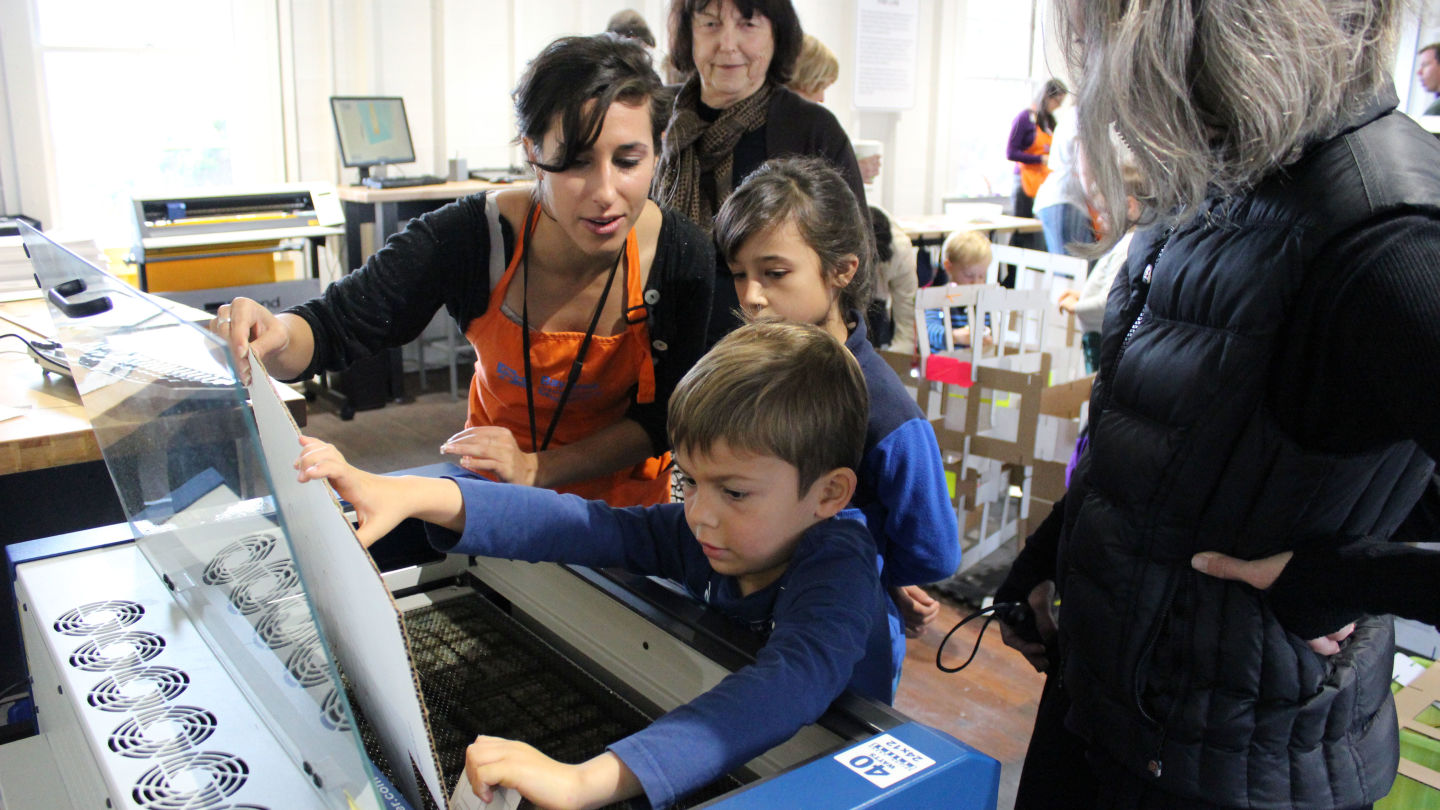
"caption": "Fascinated kids explore how the laser cutter produces the cardboard pieces during the city pilot program.",
"description": null,
"title": "laser-cutter",
"credit": "Courtesy of Bay Area Discovery Museum",
"status": "inherit",
"isLoading": false,
"fetchFailed": false
},
"mindshift_42529": {
"type": "attachments",
"id": "mindshift_42529",
"meta": {
"index": "attachments_1716263798",
"site": "mindshift",
"id": "42529",
"found": true
},
"parent": 42518,
"imgSizes": {
"twentyfourteen-full-width": {
"file": "https://ww2.kqed.org/app/uploads/sites/23/2015/10/Child-questions-1038x576.jpg",
"width": 1038,
"mimeType": "image/jpeg",
"height": 576
},
"thumbnail": {
"file": "https://ww2.kqed.org/app/uploads/sites/23/2015/10/Child-questions-400x225.jpg",
"width": 400,
"mimeType": "image/jpeg",
"height": 225
},
"fd-sm": {
"file": "https://ww2.kqed.org/app/uploads/sites/23/2015/10/Child-questions-960x540.jpg",
"width": 960,
"mimeType": "image/jpeg",
"height": 540
},
"post-thumbnail": {
"file": "https://ww2.kqed.org/app/uploads/sites/23/2015/10/Child-questions-672x372.jpg",
"width": 672,
"mimeType": "image/jpeg",
"height": 372
},
"kqedFullSize": {
"file": "https://ww2.kqed.org/app/uploads/sites/23/2015/10/Child-questions.jpg",
"width": 1920,
"height": 1080
},
"large": {
"file": "https://ww2.kqed.org/app/uploads/sites/23/2015/10/Child-questions-1440x810.jpg",
"width": 1440,
"mimeType": "image/jpeg",
"height": 810
},
"guest-author-96": {
"file": "https://ww2.kqed.org/app/uploads/sites/23/2015/10/Child-questions-96x96.jpg",
"width": 96,
"mimeType": "image/jpeg",
"height": 96
},
"medium": {
"file": "https://ww2.kqed.org/app/uploads/sites/23/2015/10/Child-questions-800x450.jpg",
"width": 800,
"mimeType": "image/jpeg",
"height": 450
},
"guest-author-64": {
"file": "https://ww2.kqed.org/app/uploads/sites/23/2015/10/Child-questions-64x64.jpg",
"width": 64,
"mimeType": "image/jpeg",
"height": 64
},
"guest-author-32": {
"file": "https://ww2.kqed.org/app/uploads/sites/23/2015/10/Child-questions-32x32.jpg",
"width": 32,
"mimeType": "image/jpeg",
"height": 32
},
"cat_post_thumb_sizecategory-posts-2": {
"file": "https://ww2.kqed.org/app/uploads/sites/23/2015/10/Child-questions-50x50.jpg",
"width": 50,
"mimeType": "image/jpeg",
"height": 50
},
"fd-lrg": {
"file": "https://ww2.kqed.org/app/uploads/sites/23/2015/10/Child-questions-1920x1080.jpg",
"width": 1920,
"mimeType": "image/jpeg",
"height": 1080
},
"fd-med": {
"file": "https://ww2.kqed.org/app/uploads/sites/23/2015/10/Child-questions-1180x664.jpg",
"width": 1180,
"mimeType": "image/jpeg",
"height": 664
},
"detail": {
"file": "https://ww2.kqed.org/app/uploads/sites/23/2015/10/Child-questions-75x75.jpg",
"width": 75,
"mimeType": "image/jpeg",
"height": 75
},
"guest-author-128": {
"file": "https://ww2.kqed.org/app/uploads/sites/23/2015/10/Child-questions-128x128.jpg",
"width": 128,
"mimeType": "image/jpeg",
"height": 128
}
},
"publishDate": 1445410826,
"modified": 1445410834,
"caption": null,
"description": null,
"title": "Child-questions",
"credit": "iStock",
"status": "inherit",
"isLoading": false,
"fetchFailed": false
},
"mindshift_41279": {
"type": "attachments",
"id": "mindshift_41279",
"meta": {
"index": "attachments_1716263798",
"site": "mindshift",
"id": "41279",
"found": true
},
"parent": 40864,
"imgSizes": {
"twentyfourteen-full-width": {
"file": "https://ww2.kqed.org/app/uploads/sites/23/2015/07/Teens-and-Play-1038x576.jpg",
"width": 1038,
"mimeType": "image/jpeg",
"height": 576
},
"thumbnail": {
"file": "https://ww2.kqed.org/app/uploads/sites/23/2015/07/Teens-and-Play-400x225.jpg",
"width": 400,
"mimeType": "image/jpeg",
"height": 225
},
"fd-sm": {
"file": "https://ww2.kqed.org/app/uploads/sites/23/2015/07/Teens-and-Play-960x540.jpg",
"width": 960,
"mimeType": "image/jpeg",
"height": 540
},
"post-thumbnail": {
"file": "https://ww2.kqed.org/app/uploads/sites/23/2015/07/Teens-and-Play-672x372.jpg",
"width": 672,
"mimeType": "image/jpeg",
"height": 372
},
"kqedFullSize": {
"file": "https://ww2.kqed.org/app/uploads/sites/23/2015/07/Teens-and-Play.jpg",
"width": 1920,
"height": 1080
},
"large": {
"file": "https://ww2.kqed.org/app/uploads/sites/23/2015/07/Teens-and-Play-1440x810.jpg",
"width": 1440,
"mimeType": "image/jpeg",
"height": 810
},
"guest-author-96": {
"file": "https://ww2.kqed.org/app/uploads/sites/23/2015/07/Teens-and-Play-96x96.jpg",
"width": 96,
"mimeType": "image/jpeg",
"height": 96
},
"medium": {
"file": "https://ww2.kqed.org/app/uploads/sites/23/2015/07/Teens-and-Play-800x450.jpg",
"width": 800,
"mimeType": "image/jpeg",
"height": 450
},
"guest-author-64": {
"file": "https://ww2.kqed.org/app/uploads/sites/23/2015/07/Teens-and-Play-64x64.jpg",
"width": 64,
"mimeType": "image/jpeg",
"height": 64
},
"guest-author-32": {
"file": "https://ww2.kqed.org/app/uploads/sites/23/2015/07/Teens-and-Play-32x32.jpg",
"width": 32,
"mimeType": "image/jpeg",
"height": 32
},
"cat_post_thumb_sizecategory-posts-2": {
"file": "https://ww2.kqed.org/app/uploads/sites/23/2015/07/Teens-and-Play-50x50.jpg",
"width": 50,
"mimeType": "image/jpeg",
"height": 50
},
"fd-lrg": {
"file": "https://ww2.kqed.org/app/uploads/sites/23/2015/07/Teens-and-Play-1400x788.jpg",
"width": 1400,
"mimeType": "image/jpeg",
"height": 788
},
"fd-med": {
"file": "https://ww2.kqed.org/app/uploads/sites/23/2015/07/Teens-and-Play-1180x664.jpg",
"width": 1180,
"mimeType": "image/jpeg",
"height": 664
},
"detail": {
"file": "https://ww2.kqed.org/app/uploads/sites/23/2015/07/Teens-and-Play-75x75.jpg",
"width": 75,
"mimeType": "image/jpeg",
"height": 75
},
"guest-author-128": {
"file": "https://ww2.kqed.org/app/uploads/sites/23/2015/07/Teens-and-Play-128x128.jpg",
"width": 128,
"mimeType": "image/jpeg",
"height": 128
}
},
"publishDate": 1437742751,
"modified": 1437742760,
"caption": null,
"description": null,
"title": "Teens-and-Play",
"credit": "Getty Images",
"status": "inherit",
"isLoading": false,
"fetchFailed": false
},
"mindshift_40732": {
"type": "attachments",
"id": "mindshift_40732",
"meta": {
"index": "attachments_1716263798",
"site": "mindshift",
"id": "40732",
"found": true
},
"parent": 40729,
"imgSizes": {
"twentyfourteen-full-width": {
"file": "https://ww2.kqed.org/app/uploads/sites/23/2015/06/Hammer-1038x576.jpg",
"width": 1038,
"mimeType": "image/jpeg",
"height": 576
},
"thumbnail": {
"file": "https://ww2.kqed.org/app/uploads/sites/23/2015/06/Hammer-400x225.jpg",
"width": 400,
"mimeType": "image/jpeg",
"height": 225
},
"fd-sm": {
"file": "https://ww2.kqed.org/app/uploads/sites/23/2015/06/Hammer-960x540.jpg",
"width": 960,
"mimeType": "image/jpeg",
"height": 540
},
"post-thumbnail": {
"file": "https://ww2.kqed.org/app/uploads/sites/23/2015/06/Hammer-672x372.jpg",
"width": 672,
"mimeType": "image/jpeg",
"height": 372
},
"kqedFullSize": {
"file": "https://ww2.kqed.org/app/uploads/sites/23/2015/06/Hammer.jpg",
"width": 1920,
"height": 1080
},
"large": {
"file": "https://ww2.kqed.org/app/uploads/sites/23/2015/06/Hammer-1440x810.jpg",
"width": 1440,
"mimeType": "image/jpeg",
"height": 810
},
"guest-author-96": {
"file": "https://ww2.kqed.org/app/uploads/sites/23/2015/06/Hammer-96x96.jpg",
"width": 96,
"mimeType": "image/jpeg",
"height": 96
},
"medium": {
"file": "https://ww2.kqed.org/app/uploads/sites/23/2015/06/Hammer-800x450.jpg",
"width": 800,
"mimeType": "image/jpeg",
"height": 450
},
"guest-author-64": {
"file": "https://ww2.kqed.org/app/uploads/sites/23/2015/06/Hammer-64x64.jpg",
"width": 64,
"mimeType": "image/jpeg",
"height": 64
},
"guest-author-32": {
"file": "https://ww2.kqed.org/app/uploads/sites/23/2015/06/Hammer-32x32.jpg",
"width": 32,
"mimeType": "image/jpeg",
"height": 32
},
"cat_post_thumb_sizecategory-posts-2": {
"file": "https://ww2.kqed.org/app/uploads/sites/23/2015/06/Hammer-50x50.jpg",
"width": 50,
"mimeType": "image/jpeg",
"height": 50
},
"fd-med": {
"file": "https://ww2.kqed.org/app/uploads/sites/23/2015/06/Hammer-1180x664.jpg",
"width": 1180,
"mimeType": "image/jpeg",
"height": 664
},
"detail": {
"file": "https://ww2.kqed.org/app/uploads/sites/23/2015/06/Hammer-75x75.jpg",
"width": 75,
"mimeType": "image/jpeg",
"height": 75
},
"guest-author-128": {
"file": "https://ww2.kqed.org/app/uploads/sites/23/2015/06/Hammer-128x128.jpg",
"width": 128,
"mimeType": "image/jpeg",
"height": 128
}
},
"publishDate": 1433248303,
"modified": 1433248399,
"caption": "Kindergartners Kady Wilcox (left) and Cecilia Critchfield build a log cabin as part of Forest Monday at the Ottauquechee School in Quechee, Vermont. ",
"description": null,
"title": "Hammer",
"credit": "By Chas Goldman",
"status": "inherit",
"isLoading": false,
"fetchFailed": false
},
"mindshift_40482": {
"type": "attachments",
"id": "mindshift_40482",
"meta": {
"index": "attachments_1716263798",
"site": "mindshift",
"id": "40482",
"found": true
},
"parent": 40479,
"imgSizes": {
"twentyfourteen-full-width": {
"file": "https://ww2.kqed.org/app/uploads/sites/23/2015/05/FieldTrips_2-1038x576.jpg",
"width": 1038,
"mimeType": "image/jpeg",
"height": 576
},
"thumbnail": {
"file": "https://ww2.kqed.org/app/uploads/sites/23/2015/05/FieldTrips_2-400x268.jpg",
"width": 400,
"mimeType": "image/jpeg",
"height": 268
},
"fd-sm": {
"file": "https://ww2.kqed.org/app/uploads/sites/23/2015/05/FieldTrips_2-960x642.jpg",
"width": 960,
"mimeType": "image/jpeg",
"height": 642
},
"post-thumbnail": {
"file": "https://ww2.kqed.org/app/uploads/sites/23/2015/05/FieldTrips_2-672x372.jpg",
"width": 672,
"mimeType": "image/jpeg",
"height": 372
},
"kqedFullSize": {
"file": "https://ww2.kqed.org/app/uploads/sites/23/2015/05/FieldTrips_2.jpg",
"width": 1200,
"height": 803
},
"guest-author-96": {
"file": "https://ww2.kqed.org/app/uploads/sites/23/2015/05/FieldTrips_2-96x96.jpg",
"width": 96,
"mimeType": "image/jpeg",
"height": 96
},
"medium": {
"file": "https://ww2.kqed.org/app/uploads/sites/23/2015/05/FieldTrips_2-800x535.jpg",
"width": 800,
"mimeType": "image/jpeg",
"height": 535
},
"guest-author-64": {
"file": "https://ww2.kqed.org/app/uploads/sites/23/2015/05/FieldTrips_2-64x64.jpg",
"width": 64,
"mimeType": "image/jpeg",
"height": 64
},
"guest-author-32": {
"file": "https://ww2.kqed.org/app/uploads/sites/23/2015/05/FieldTrips_2-32x32.jpg",
"width": 32,
"mimeType": "image/jpeg",
"height": 32
},
"cat_post_thumb_sizecategory-posts-2": {
"file": "https://ww2.kqed.org/app/uploads/sites/23/2015/05/FieldTrips_2-50x50.jpg",
"width": 50,
"mimeType": "image/jpeg",
"height": 50
},
"fd-med": {
"file": "https://ww2.kqed.org/app/uploads/sites/23/2015/05/FieldTrips_2-1180x790.jpg",
"width": 1180,
"mimeType": "image/jpeg",
"height": 790
},
"detail": {
"file": "https://ww2.kqed.org/app/uploads/sites/23/2015/05/FieldTrips_2-75x75.jpg",
"width": 75,
"mimeType": "image/jpeg",
"height": 75
},
"guest-author-128": {
"file": "https://ww2.kqed.org/app/uploads/sites/23/2015/05/FieldTrips_2-128x128.jpg",
"width": 128,
"mimeType": "image/jpeg",
"height": 128
}
},
"publishDate": 1431376855,
"modified": 1431376916,
"caption": "Franklin Middle School students from Vallejo, Calif., experiment with a “spinning blackboard” while on a field trip to San Francisco’s Exploratorium. ",
"description": null,
"title": "FieldTrips_2",
"credit": "Lillian Mongeau/Hechinger Report",
"status": "inherit",
"isLoading": false,
"fetchFailed": false
},
"mindshift_40268": {
"type": "attachments",
"id": "mindshift_40268",
"meta": {
"index": "attachments_1716263798",
"site": "mindshift",
"id": "40268",
"found": true
},
"parent": 40264,
"imgSizes": {
"twentyfourteen-full-width": {
"file": "https://ww2.kqed.org/app/uploads/sites/23/2015/04/Quinn-Dombrowski-Paint-1038x576.jpg",
"width": 1038,
"mimeType": "image/jpeg",
"height": 576
},
"thumbnail": {
"file": "https://ww2.kqed.org/app/uploads/sites/23/2015/04/Quinn-Dombrowski-Paint-400x225.jpg",
"width": 400,
"mimeType": "image/jpeg",
"height": 225
},
"fd-sm": {
"file": "https://ww2.kqed.org/app/uploads/sites/23/2015/04/Quinn-Dombrowski-Paint-960x541.jpg",
"width": 960,
"mimeType": "image/jpeg",
"height": 541
},
"post-thumbnail": {
"file": "https://ww2.kqed.org/app/uploads/sites/23/2015/04/Quinn-Dombrowski-Paint-672x372.jpg",
"width": 672,
"mimeType": "image/jpeg",
"height": 372
},
"kqedFullSize": {
"file": "https://ww2.kqed.org/app/uploads/sites/23/2015/04/Quinn-Dombrowski-Paint.jpg",
"width": 1920,
"height": 1081
},
"large": {
"file": "https://ww2.kqed.org/app/uploads/sites/23/2015/04/Quinn-Dombrowski-Paint-1440x811.jpg",
"width": 1440,
"mimeType": "image/jpeg",
"height": 811
},
"guest-author-96": {
"file": "https://ww2.kqed.org/app/uploads/sites/23/2015/04/Quinn-Dombrowski-Paint-96x96.jpg",
"width": 96,
"mimeType": "image/jpeg",
"height": 96
},
"medium": {
"file": "https://ww2.kqed.org/app/uploads/sites/23/2015/04/Quinn-Dombrowski-Paint-800x450.jpg",
"width": 800,
"mimeType": "image/jpeg",
"height": 450
},
"guest-author-64": {
"file": "https://ww2.kqed.org/app/uploads/sites/23/2015/04/Quinn-Dombrowski-Paint-64x64.jpg",
"width": 64,
"mimeType": "image/jpeg",
"height": 64
},
"guest-author-32": {
"file": "https://ww2.kqed.org/app/uploads/sites/23/2015/04/Quinn-Dombrowski-Paint-32x32.jpg",
"width": 32,
"mimeType": "image/jpeg",
"height": 32
},
"cat_post_thumb_sizecategory-posts-2": {
"file": "https://ww2.kqed.org/app/uploads/sites/23/2015/04/Quinn-Dombrowski-Paint-50x50.jpg",
"width": 50,
"mimeType": "image/jpeg",
"height": 50
},
"fd-med": {
"file": "https://ww2.kqed.org/app/uploads/sites/23/2015/04/Quinn-Dombrowski-Paint-1180x664.jpg",
"width": 1180,
"mimeType": "image/jpeg",
"height": 664
},
"detail": {
"file": "https://ww2.kqed.org/app/uploads/sites/23/2015/04/Quinn-Dombrowski-Paint-75x75.jpg",
"width": 75,
"mimeType": "image/jpeg",
"height": 75
},
"guest-author-128": {
"file": "https://ww2.kqed.org/app/uploads/sites/23/2015/04/Quinn-Dombrowski-Paint-128x128.jpg",
"width": 128,
"mimeType": "image/jpeg",
"height": 128
}
},
"publishDate": 1430226611,
"modified": 1430226625,
"caption": null,
"description": null,
"title": "Quinn-Dombrowski Paint",
"credit": "Quinn Dombrowski/Flickr",
"status": "inherit",
"isLoading": false,
"fetchFailed": false
},
"mindshift_40221": {
"type": "attachments",
"id": "mindshift_40221",
"meta": {
"index": "attachments_1716263798",
"site": "mindshift",
"id": "40221",
"found": true
},
"parent": 40217,
"imgSizes": {
"twentyfourteen-full-width": {
"file": "https://ww2.kqed.org/app/uploads/sites/23/2015/04/Sir-Ken-Robinson-Sebastiaan-ter-Burg-1038x576.jpg",
"width": 1038,
"mimeType": "image/jpeg",
"height": 576
},
"thumbnail": {
"file": "https://ww2.kqed.org/app/uploads/sites/23/2015/04/Sir-Ken-Robinson-Sebastiaan-ter-Burg-400x225.jpg",
"width": 400,
"mimeType": "image/jpeg",
"height": 225
},
"fd-sm": {
"file": "https://ww2.kqed.org/app/uploads/sites/23/2015/04/Sir-Ken-Robinson-Sebastiaan-ter-Burg-960x541.jpg",
"width": 960,
"mimeType": "image/jpeg",
"height": 541
},
"post-thumbnail": {
"file": "https://ww2.kqed.org/app/uploads/sites/23/2015/04/Sir-Ken-Robinson-Sebastiaan-ter-Burg-672x372.jpg",
"width": 672,
"mimeType": "image/jpeg",
"height": 372
},
"kqedFullSize": {
"file": "https://ww2.kqed.org/app/uploads/sites/23/2015/04/Sir-Ken-Robinson-Sebastiaan-ter-Burg.jpg",
"width": 1920,
"height": 1081
},
"large": {
"file": "https://ww2.kqed.org/app/uploads/sites/23/2015/04/Sir-Ken-Robinson-Sebastiaan-ter-Burg-1440x811.jpg",
"width": 1440,
"mimeType": "image/jpeg",
"height": 811
},
"guest-author-96": {
"file": "https://ww2.kqed.org/app/uploads/sites/23/2015/04/Sir-Ken-Robinson-Sebastiaan-ter-Burg-96x96.jpg",
"width": 96,
"mimeType": "image/jpeg",
"height": 96
},
"medium": {
"file": "https://ww2.kqed.org/app/uploads/sites/23/2015/04/Sir-Ken-Robinson-Sebastiaan-ter-Burg-800x450.jpg",
"width": 800,
"mimeType": "image/jpeg",
"height": 450
},
"guest-author-64": {
"file": "https://ww2.kqed.org/app/uploads/sites/23/2015/04/Sir-Ken-Robinson-Sebastiaan-ter-Burg-64x64.jpg",
"width": 64,
"mimeType": "image/jpeg",
"height": 64
},
"guest-author-32": {
"file": "https://ww2.kqed.org/app/uploads/sites/23/2015/04/Sir-Ken-Robinson-Sebastiaan-ter-Burg-32x32.jpg",
"width": 32,
"mimeType": "image/jpeg",
"height": 32
},
"cat_post_thumb_sizecategory-posts-2": {
"file": "https://ww2.kqed.org/app/uploads/sites/23/2015/04/Sir-Ken-Robinson-Sebastiaan-ter-Burg-50x50.jpg",
"width": 50,
"mimeType": "image/jpeg",
"height": 50
},
"fd-med": {
"file": "https://ww2.kqed.org/app/uploads/sites/23/2015/04/Sir-Ken-Robinson-Sebastiaan-ter-Burg-1180x664.jpg",
"width": 1180,
"mimeType": "image/jpeg",
"height": 664
},
"detail": {
"file": "https://ww2.kqed.org/app/uploads/sites/23/2015/04/Sir-Ken-Robinson-Sebastiaan-ter-Burg-75x75.jpg",
"width": 75,
"mimeType": "image/jpeg",
"height": 75
},
"guest-author-128": {
"file": "https://ww2.kqed.org/app/uploads/sites/23/2015/04/Sir-Ken-Robinson-Sebastiaan-ter-Burg-128x128.jpg",
"width": 128,
"mimeType": "image/jpeg",
"height": 128
}
},
"publishDate": 1429703833,
"modified": 1429703842,
"caption": null,
"description": null,
"title": "Sir-Ken-Robinson Sebastiaan ter Burg",
"credit": "Sebastiaan ter Burg/Flickr",
"status": "inherit",
"isLoading": false,
"fetchFailed": false
},
"mindshift_39290": {
"type": "attachments",
"id": "mindshift_39290",
"meta": {
"index": "attachments_1716263798",
"site": "mindshift",
"id": "39290",
"found": true
},
"parent": 39286,
"imgSizes": {
"twentyfourteen-full-width": {
"file": "https://ww2.kqed.org/app/uploads/sites/23/2015/02/Christopher-Rodriguez-1038x576.gif",
"width": 1038,
"mimeType": "image/gif",
"height": 576
},
"thumbnail": {
"file": "https://ww2.kqed.org/app/uploads/sites/23/2015/02/Christopher-Rodriguez-400x267.gif",
"width": 400,
"mimeType": "image/gif",
"height": 267
},
"fd-sm": {
"file": "https://ww2.kqed.org/app/uploads/sites/23/2015/02/Christopher-Rodriguez-320x214.gif",
"width": 320,
"mimeType": "image/gif",
"height": 214
},
"post-thumbnail": {
"file": "https://ww2.kqed.org/app/uploads/sites/23/2015/02/Christopher-Rodriguez-672x372.gif",
"width": 672,
"mimeType": "image/gif",
"height": 372
},
"kqedFullSize": {
"file": "https://ww2.kqed.org/app/uploads/sites/23/2015/02/Christopher-Rodriguez.gif",
"width": 1438,
"height": 960
},
"fd-lrg": {
"file": "https://ww2.kqed.org/app/uploads/sites/23/2015/02/Christopher-Rodriguez-1180x788.gif",
"width": 1180,
"mimeType": "image/gif",
"height": 788
},
"fd-med": {
"file": "https://ww2.kqed.org/app/uploads/sites/23/2015/02/Christopher-Rodriguez-768x513.gif",
"width": 768,
"mimeType": "image/gif",
"height": 513
},
"guest-author-96": {
"file": "https://ww2.kqed.org/app/uploads/sites/23/2015/02/Christopher-Rodriguez-96x96.gif",
"width": 96,
"mimeType": "image/gif",
"height": 96
},
"medium": {
"file": "https://ww2.kqed.org/app/uploads/sites/23/2015/02/Christopher-Rodriguez-800x534.gif",
"width": 800,
"mimeType": "image/gif",
"height": 534
},
"guest-author-64": {
"file": "https://ww2.kqed.org/app/uploads/sites/23/2015/02/Christopher-Rodriguez-64x64.gif",
"width": 64,
"mimeType": "image/gif",
"height": 64
},
"guest-author-32": {
"file": "https://ww2.kqed.org/app/uploads/sites/23/2015/02/Christopher-Rodriguez-32x32.gif",
"width": 32,
"mimeType": "image/gif",
"height": 32
},
"guest-author-128": {
"file": "https://ww2.kqed.org/app/uploads/sites/23/2015/02/Christopher-Rodriguez-128x128.gif",
"width": 128,
"mimeType": "image/gif",
"height": 128
}
},
"publishDate": 1423493601,
"modified": 1423493601,
"caption": null,
"description": null,
"title": "Christopher-Rodriguez",
"credit": null,
"status": "inherit",
"isLoading": false,
"fetchFailed": false
},
"mindshift_38286": {
"type": "attachments",
"id": "mindshift_38286",
"meta": {
"index": "attachments_1716263798",
"site": "mindshift",
"id": "38286",
"found": true
},
"parent": 37765,
"imgSizes": {
"twentyfourteen-full-width": {
"file": "https://ww2.kqed.org/app/uploads/sites/23/2014/10/Golden-Ratio-Math-1038x576.gif",
"width": 1038,
"mimeType": "image/gif",
"height": 576
},
"thumbnail": {
"file": "https://ww2.kqed.org/app/uploads/sites/23/2014/10/Golden-Ratio-Math-400x225.gif",
"width": 400,
"mimeType": "image/gif",
"height": 225
},
"fd-sm": {
"file": "https://ww2.kqed.org/app/uploads/sites/23/2014/10/Golden-Ratio-Math-320x180.gif",
"width": 320,
"mimeType": "image/gif",
"height": 180
},
"post-thumbnail": {
"file": "https://ww2.kqed.org/app/uploads/sites/23/2014/10/Golden-Ratio-Math-672x372.gif",
"width": 672,
"mimeType": "image/gif",
"height": 372
},
"kqedFullSize": {
"file": "https://ww2.kqed.org/app/uploads/sites/23/2014/10/Golden-Ratio-Math.gif",
"width": 1280,
"height": 720
},
"fd-lrg": {
"file": "https://ww2.kqed.org/app/uploads/sites/23/2014/10/Golden-Ratio-Math-1180x664.gif",
"width": 1180,
"mimeType": "image/gif",
"height": 664
},
"fd-med": {
"file": "https://ww2.kqed.org/app/uploads/sites/23/2014/10/Golden-Ratio-Math-768x432.gif",
"width": 768,
"mimeType": "image/gif",
"height": 432
},
"guest-author-96": {
"file": "https://ww2.kqed.org/app/uploads/sites/23/2014/10/Golden-Ratio-Math-96x96.gif",
"width": 96,
"mimeType": "image/gif",
"height": 96
},
"medium": {
"file": "https://ww2.kqed.org/app/uploads/sites/23/2014/10/Golden-Ratio-Math-800x450.gif",
"width": 800,
"mimeType": "image/gif",
"height": 450
},
"guest-author-64": {
"file": "https://ww2.kqed.org/app/uploads/sites/23/2014/10/Golden-Ratio-Math-64x64.gif",
"width": 64,
"mimeType": "image/gif",
"height": 64
},
"guest-author-32": {
"file": "https://ww2.kqed.org/app/uploads/sites/23/2014/10/Golden-Ratio-Math-32x32.gif",
"width": 32,
"mimeType": "image/gif",
"height": 32
},
"guest-author-128": {
"file": "https://ww2.kqed.org/app/uploads/sites/23/2014/10/Golden-Ratio-Math-128x128.gif",
"width": 128,
"mimeType": "image/gif",
"height": 128
}
},
"publishDate": 1414500716,
"modified": 1414500716,
"caption": "iStock",
"description": null,
"title": "Golden-Ratio-Math",
"credit": null,
"status": "inherit",
"isLoading": false,
"fetchFailed": false
},
"mindshift_39232": {
"type": "attachments",
"id": "mindshift_39232",
"meta": {
"index": "attachments_1716263798",
"site": "mindshift",
"id": "39232",
"found": true
},
"parent": 39208,
"imgSizes": {
"twentyfourteen-full-width": {
"file": "https://ww2.kqed.org/app/uploads/sites/23/2015/02/Emily-Neblett-1038x576.gif",
"width": 1038,
"mimeType": "image/gif",
"height": 576
},
"thumbnail": {
"file": "https://ww2.kqed.org/app/uploads/sites/23/2015/02/Emily-Neblett-400x267.gif",
"width": 400,
"mimeType": "image/gif",
"height": 267
},
"fd-sm": {
"file": "https://ww2.kqed.org/app/uploads/sites/23/2015/02/Emily-Neblett-320x213.gif",
"width": 320,
"mimeType": "image/gif",
"height": 213
},
"post-thumbnail": {
"file": "https://ww2.kqed.org/app/uploads/sites/23/2015/02/Emily-Neblett-672x372.gif",
"width": 672,
"mimeType": "image/gif",
"height": 372
},
"kqedFullSize": {
"file": "https://ww2.kqed.org/app/uploads/sites/23/2015/02/Emily-Neblett.gif",
"width": 1440,
"height": 960
},
"large": {
"file": "https://ww2.kqed.org/app/uploads/sites/23/2015/02/Emily-Neblett-1440x960.gif",
"width": 1440,
"mimeType": "image/gif",
"height": 960
},
"guest-author-96": {
"file": "https://ww2.kqed.org/app/uploads/sites/23/2015/02/Emily-Neblett-96x96.gif",
"width": 96,
"mimeType": "image/gif",
"height": 96
},
"medium": {
"file": "https://ww2.kqed.org/app/uploads/sites/23/2015/02/Emily-Neblett-800x533.gif",
"width": 800,
"mimeType": "image/gif",
"height": 533
},
"guest-author-64": {
"file": "https://ww2.kqed.org/app/uploads/sites/23/2015/02/Emily-Neblett-64x64.gif",
"width": 64,
"mimeType": "image/gif",
"height": 64
},
"guest-author-32": {
"file": "https://ww2.kqed.org/app/uploads/sites/23/2015/02/Emily-Neblett-32x32.gif",
"width": 32,
"mimeType": "image/gif",
"height": 32
},
"fd-lrg": {
"file": "https://ww2.kqed.org/app/uploads/sites/23/2015/02/Emily-Neblett-1180x787.gif",
"width": 1180,
"mimeType": "image/gif",
"height": 787
},
"fd-med": {
"file": "https://ww2.kqed.org/app/uploads/sites/23/2015/02/Emily-Neblett-768x512.gif",
"width": 768,
"mimeType": "image/gif",
"height": 512
},
"guest-author-128": {
"file": "https://ww2.kqed.org/app/uploads/sites/23/2015/02/Emily-Neblett-128x128.gif",
"width": 128,
"mimeType": "image/gif",
"height": 128
}
},
"publishDate": 1423033288,
"modified": 1423033629,
"caption": "Emily Neblett stands next to a mobile maker space at at Monroe Caroll Jr. Children's Hospital at Vanderbilt University. Noah Nelson/Youth Radio",
"description": null,
"title": "Emily-Neblett",
"credit": null,
"status": "inherit",
"isLoading": false,
"fetchFailed": false
}
},
"audioPlayerReducer": {
"postId": "stream_live",
"isPaused": true,
"isPlaying": false,
"pfsActive": false,
"pledgeModalIsOpen": true,
"playerDrawerIsOpen": false,
"liveAudioPlayStartedAt": 0,
"liveAudioPlayContext": ""
},
"authorsReducer": {
"katrinaschwartz": {
"type": "authors",
"id": "234",
"meta": {
"index": "authors_1716337520",
"id": "234",
"found": true
},
"name": "Katrina Schwartz",
"firstName": "Katrina",
"lastName": "Schwartz",
"slug": "katrinaschwartz",
"email": "kschwartz@kqed.org",
"display_author_email": false,
"staff_mastheads": [
"news"
],
"title": "Producer",
"bio": "Katrina Schwartz is a journalist based in San Francisco. She's worked at KPCC public radio in LA and has reported on air and online for KQED since 2010. She covered how teaching and learning is changing for MindShift between 2012 and 2020. She is the co-host of the MindShift podcast and now produces KQED's Bay Curious podcast.",
"avatar": "https://secure.gravatar.com/avatar/edb4ee79070447a018538c9aae6eeecf28786515b8a0c30e43b6b7dce5aa44c8?s=600&d=blank&r=g",
"twitter": "kschwart",
"bluesky": null,
"facebook": null,
"instagram": null,
"linkedin": null,
"sites": [
{
"site": "",
"roles": [
"editor"
]
},
{
"site": "news",
"roles": [
"editor"
]
},
{
"site": "mindshift",
"roles": [
"administrator"
]
},
{
"site": "stateofhealth",
"roles": [
"author"
]
},
{
"site": "science",
"roles": [
"editor"
]
}
],
"headData": {
"title": "Katrina Schwartz | KQED",
"description": "Producer",
"ogImgSrc": "https://secure.gravatar.com/avatar/edb4ee79070447a018538c9aae6eeecf28786515b8a0c30e43b6b7dce5aa44c8?s=600&d=blank&r=g",
"twImgSrc": "https://secure.gravatar.com/avatar/edb4ee79070447a018538c9aae6eeecf28786515b8a0c30e43b6b7dce5aa44c8?s=600&d=blank&r=g"
},
"isLoading": false,
"link": "/author/katrinaschwartz"
},
"zstavely": {
"type": "authors",
"id": "3225",
"meta": {
"index": "authors_1716337520",
"id": "3225",
"found": true
},
"name": "Zaidee Stavely",
"firstName": "Zaidee",
"lastName": "Stavely",
"slug": "zstavely",
"email": "zstavely@gmail.com",
"display_author_email": false,
"staff_mastheads": [],
"title": "KQED Contributor",
"bio": "Zaidee Stavely is an award-winning reporter who writes about race, equity, immigration, and education.",
"avatar": "https://secure.gravatar.com/avatar/5154b3ee56a721c916ca429372ae629c?s=600&d=blank&r=g",
"twitter": null,
"facebook": null,
"instagram": null,
"linkedin": null,
"sites": [
{
"site": "news",
"roles": [
"subscriber"
]
},
{
"site": "mindshift",
"roles": [
"contributor"
]
}
],
"headData": {
"title": "Zaidee Stavely | KQED",
"description": "KQED Contributor",
"ogImgSrc": "https://secure.gravatar.com/avatar/5154b3ee56a721c916ca429372ae629c?s=600&d=blank&r=g",
"twImgSrc": "https://secure.gravatar.com/avatar/5154b3ee56a721c916ca429372ae629c?s=600&d=blank&r=g"
},
"isLoading": false,
"link": "/author/zstavely"
},
"ichen": {
"type": "authors",
"id": "4556",
"meta": {
"index": "authors_1716337520",
"id": "4556",
"found": true
},
"name": "Ingfei Chen",
"firstName": "Ingfei",
"lastName": "Chen",
"slug": "ichen",
"email": "ingfei@sbcglobal.net",
"display_author_email": false,
"staff_mastheads": [],
"title": null,
"bio": "Ingfei Chen is a freelance writer in Northern California whose work has appeared in Scientific American, the New York Times and Smithsonian.",
"avatar": "https://secure.gravatar.com/avatar/10d83690bdf15670800fcf9cbf9d7a63?s=600&d=blank&r=g",
"twitter": null,
"facebook": null,
"instagram": null,
"linkedin": null,
"sites": [
{
"site": "mindshift",
"roles": [
"contributor"
]
}
],
"headData": {
"title": "Ingfei Chen | KQED",
"description": null,
"ogImgSrc": "https://secure.gravatar.com/avatar/10d83690bdf15670800fcf9cbf9d7a63?s=600&d=blank&r=g",
"twImgSrc": "https://secure.gravatar.com/avatar/10d83690bdf15670800fcf9cbf9d7a63?s=600&d=blank&r=g"
},
"isLoading": false,
"link": "/author/ichen"
},
"lindaflan": {
"type": "authors",
"id": "4613",
"meta": {
"index": "authors_1716337520",
"id": "4613",
"found": true
},
"name": "Linda Flanagan",
"firstName": "Linda",
"lastName": "Flanagan",
"slug": "lindaflan",
"email": "lindaflan@comcast.net",
"display_author_email": false,
"staff_mastheads": [],
"title": null,
"bio": "Linda Flanagan is a freelance writer, researcher, and editor. Her work has appeared in The Atlantic, The Wall St. Journal, Newsweek, Running Times, and Mind/Shift, and she blogs regularly for the Huffington Post. Linda writes about education, culture, athletics, youth sports, mental health, politics, college admissions, and other curiosities. She also reviews books and conducts interviews.",
"avatar": "https://secure.gravatar.com/avatar/6bca04c0736bf5eaea80654019de688f?s=600&d=blank&r=g",
"twitter": "LindaFlanagan2",
"facebook": null,
"instagram": null,
"linkedin": null,
"sites": [
{
"site": "mindshift",
"roles": [
"contributor"
]
}
],
"headData": {
"title": "Linda Flanagan | KQED",
"description": null,
"ogImgSrc": "https://secure.gravatar.com/avatar/6bca04c0736bf5eaea80654019de688f?s=600&d=blank&r=g",
"twImgSrc": "https://secure.gravatar.com/avatar/6bca04c0736bf5eaea80654019de688f?s=600&d=blank&r=g"
},
"isLoading": false,
"link": "/author/lindaflan"
},
"dfkris": {
"type": "authors",
"id": "11087",
"meta": {
"index": "authors_1716337520",
"id": "11087",
"found": true
},
"name": "Deborah Farmer Kris",
"firstName": "Deborah Farmer",
"lastName": "Kris",
"slug": "dfkris",
"email": "dfkris@gmail.com",
"display_author_email": false,
"staff_mastheads": [],
"title": null,
"bio": "\u003cem>\u003ca href=\"https://twitter.com/@dfkris\">Deborah Farmer Kris\u003c/a> has taught elementary, middle and high school and served as a charter school administrator. She spent a decade as an associate at Boston University’s \u003c/em>\u003cem>\u003ca href=\"http://www.bu.edu/ccsr/about-us/\">Center for Character and Social Responsibility\u003c/a>, \u003c/em>\u003cem>researching, writing, and consulting with schools. She is the mother of two young children. You can follower her on Twitter \u003ca href=\"https://twitter.com/@dfkris\">@dfkris\u003c/a>.\u003c/em>",
"avatar": "https://secure.gravatar.com/avatar/48efe6f17031ed31222b74af9605fe5a?s=600&d=blank&r=g",
"twitter": "dfkris",
"facebook": null,
"instagram": null,
"linkedin": null,
"sites": [
{
"site": "mindshift",
"roles": [
"author"
]
}
],
"headData": {
"title": "Deborah Farmer Kris | KQED",
"description": null,
"ogImgSrc": "https://secure.gravatar.com/avatar/48efe6f17031ed31222b74af9605fe5a?s=600&d=blank&r=g",
"twImgSrc": "https://secure.gravatar.com/avatar/48efe6f17031ed31222b74af9605fe5a?s=600&d=blank&r=g"
},
"isLoading": false,
"link": "/author/dfkris"
}
},
"pagesReducer": {
"mindshift_category_creativity-3": {
"type": "terms",
"id": "mindshift_20579",
"meta": {
"index": "terms_1716263798",
"site": "mindshift",
"id": "20579",
"score": 14.403833
},
"featImg": null,
"name": "Creativity",
"description": null,
"taxonomy": "category",
"headData": {
"twImgId": null,
"twTitle": null,
"ogTitle": null,
"ogImgId": null,
"twDescription": null,
"description": null,
"title": "Creativity Archives | KQED Mindshift",
"ogDescription": null
},
"ttid": 19856,
"slug": "creativity-3",
"isLoading": false,
"title": "Creativity",
"pageMeta": {
"site": "mindshift",
"WpPageTemplate": "page-topic-editorial",
"currentPage": 3
},
"blocks": [
{
"blockName": "kqed/post-list",
"attrs": {
"layout": "cardArticle2",
"query": "posts/mindshift?category=creativity-3",
"seeMore": false,
"paginated": true,
"page": 3
}
},
{
"blockName": "kqed/ad"
}
]
}
},
"pfsSessionReducer": {},
"postsReducer": {
"stream_live": {
"type": "live",
"id": "stream_live",
"audioUrl": "https://hls.kqed.org/hls/kqed_app/playlist.m3u8",
"title": "Live Stream",
"excerpt": "Live Stream information currently unavailable.",
"link": "/radio",
"featImg": "",
"label": {
"name": "KQED Live",
"link": "/"
}
},
"stream_kqedNewscast": {
"type": "posts",
"id": "stream_kqedNewscast",
"audioUrl": "https://www.kqed.org/.stream/anon/radio/RDnews/newscast.mp3?_=1",
"title": "KQED Newscast",
"featImg": "",
"label": {
"name": "88.5 FM",
"link": "/"
}
},
"mindshift_43581": {
"type": "posts",
"id": "mindshift_43581",
"meta": {
"index": "posts_1716263798",
"site": "mindshift",
"id": "43581",
"score": null,
"sort": [
1454662910000
]
},
"parent": 0,
"labelTerm": {
"site": "mindshift"
},
"blocks": [],
"publishDate": 1454662910,
"format": "standard",
"disqusTitle": "What Colleges Can Gain by Adding Makerspaces to Their Libraries",
"title": "What Colleges Can Gain by Adding Makerspaces to Their Libraries",
"headTitle": "MindShift | KQED News",
"content": "\u003cp>Libraries are one of the fastest-evolving learning spaces. As many resources move online, and teachers require students to collaborate more and demonstrate their learning, librarians are trying to keep up. Some are even spearheading the changes. \u003ca href=\"http://ww2.kqed.org/mindshift/2014/11/20/how-libraries-are-advancing-and-inspiring-communities/\" target=\"_blank\">Public libraries have led\u003c/a> the effort to provide access to 21st century technologies and learning resources, but now university and \u003ca href=\"http://ww2.kqed.org/mindshift/2014/06/18/what-does-the-next-generation-school-library-look-like/\" target=\"_blank\">K-12 libraries\u003c/a> are beginning to catch up. Makerspaces are one way a few groundbreaking libraries are trying to provide equal access to exciting technologies and skills.\u003c/p>\n\u003cp>\u003cstrong>ESTABLISHED MAKERSPACE\u003c/strong>\u003c/p>\n\u003cp>North Carolina State University’s librarians have the reputation for being innovators and leaders of change. So when the university built its new \u003ca href=\"https://www.ncsu.edu/huntlibrary/\" target=\"_blank\">James B. Hunt Jr. Library\u003c/a> in 2013, it had a very small “makerspace” in what was originally designed to be a storage closet.\u003c/p>\n\u003caside class=\"pullquote alignleft\">'We've tied something that might look like a weird fringe thing to the library's mission and the strategic goals.'\u003c/aside>\n\u003cp>“Our library mission is to be a competitive advantage for our campus and for our students,” said Adam Rogers, the emerging technologies librarian at NCSU who pushed for the makerspace and now runs it. The \u003ca href=\"http://www.lib.ncsu.edu/services/makerspace\" target=\"_blank\">makerspace\u003c/a> is one of the few places on campus where anyone can access a 3-D printer or laser cutter. Often individual departments like engineering will have those tools, but they aren’t accessible to everyone. Rogers feels access to a makerspace fits firmly within the library’s mission.\u003c/p>\n\u003cp>“Our culture really favors us doing things like this,” Rogers said. “That said, I think it’s been very important that we’ve tied something that might look like a weird fringe thing to the library’s mission and the strategic goals.”\u003c/p>\n\u003cp>[ad fullwidth]\u003c/p>\n\u003cp>In his first foray into making, Rogers was able to provide only 3-D printing and a laser cutter. While Rogers is the first to acknowledge that doesn’t make it a real makerspace, he was eager to align the library with the movement and continue to grow what they can offer.\u003c/p>\n\u003cp>“We think of a 3-D printer, a laser printer, as actually being an information tool or resource because it’s all about the data that goes into the tool,” Rogers said. “You can’t do anything without understanding the data that goes into the machine.”\u003c/p>\n\u003cp>He sometimes compares the process of designing and 3-D printing a project to research. Students have to think about what they are making, understand its scale, design it on software and only then can it be printed.\u003c/p>\n\u003cp>The new library also opened up more space at NCSU’s older library, \u003ca href=\"https://www.lib.ncsu.edu/hours/hill/general\" target=\"_blank\">D.H. Hill\u003c/a>. When the smaller, 3-D printing-focused making experiment went well, Rogers pushed to open a second, more hands-on focused makerspace in an area that used to be staff offices before those employees were moved over to Hunt Library.\u003c/p>\n\u003cfigure id=\"attachment_43632\" class=\"wp-caption alignright\" style=\"max-width: 800px\">\u003ca href=\"https://red.lib.ncsu.edu/ncsumakes/images/117\" rel=\"attachment wp-att-43632\">\u003cimg class=\"size-medium wp-image-43632\" src=\"http://ww2.kqed.org/mindshift/wp-content/uploads/sites/23/2016/02/NCSU-makerspace-800x800.jpg\" alt=\"Hacking and learning wearable tech in the NCSU makerspace.\" width=\"800\" height=\"800\" srcset=\"https://ww2.kqed.org/app/uploads/sites/23/2016/02/NCSU-makerspace-800x800.jpg 800w, https://ww2.kqed.org/app/uploads/sites/23/2016/02/NCSU-makerspace-400x400.jpg 400w, https://ww2.kqed.org/app/uploads/sites/23/2016/02/NCSU-makerspace-768x768.jpg 768w, https://ww2.kqed.org/app/uploads/sites/23/2016/02/NCSU-makerspace-960x960.jpg 960w, https://ww2.kqed.org/app/uploads/sites/23/2016/02/NCSU-makerspace-32x32.jpg 32w, https://ww2.kqed.org/app/uploads/sites/23/2016/02/NCSU-makerspace-64x64.jpg 64w, https://ww2.kqed.org/app/uploads/sites/23/2016/02/NCSU-makerspace-96x96.jpg 96w, https://ww2.kqed.org/app/uploads/sites/23/2016/02/NCSU-makerspace-128x128.jpg 128w, https://ww2.kqed.org/app/uploads/sites/23/2016/02/NCSU-makerspace-50x50.jpg 50w, https://ww2.kqed.org/app/uploads/sites/23/2016/02/NCSU-makerspace-75x75.jpg 75w, https://ww2.kqed.org/app/uploads/sites/23/2016/02/NCSU-makerspace.jpg 1080w\" sizes=\"(max-width: 800px) 100vw, 800px\">\u003c/a>\u003cfigcaption class=\"wp-caption-text\">Hacking and learning wearable tech in the NCSU makerspace. \u003ccite>(Adam Rogers/NCSU)\u003c/cite>\u003c/figcaption>\u003c/figure>\n\u003cp>“It allows for hands-on learning in a different, maybe richer way,” Rogers said. He offers workshops in the new makerspace and has been able to fill it with a wider variety of tools and materials, including hand tools, sewing machines, fabrics, circuitry, a sautering station and more.\u003c/p>\n\u003cp>“Everything in the space is pretty flexible,” Rogers said. “We can move all the tables and chairs around. We’ve got power coming down from the ceilings, so we can have power anywhere we want without tripping.” And they have ventilation, a key aspect of makerspaces.\u003c/p>\n\u003cp>Rogers has also done a lot of outreach to faculty so they know the space is available to support their in-class teaching. Rogers said last semester he worked with eight to 10 professors on class projects.\u003c/p>\n\u003cp>One professor from the English department teaching a digital humanities class brought his students to the makerspace three times: once to learn about the tools, once to do a hands-on project and finally as part of their final project.\u003c/p>\n\u003cp>“That was really exciting because as librarians we aren’t so much the drivers of pedagogical innovations, but we’re really supportive of it,” Rogers said. He believes some of the most successful uses of the space have been through these faculty collaborations because students come in and work on a project from start to finish.\u003c/p>\n\u003cp>“This is really a space where we’re offering additional learning experiences alongside the formal learning experiences in the classroom,” Rogers said. “And I think we’re seeing that the experiences we’re offering are becoming a really valuable part of the full university experience.”\u003c/p>\n\u003cfigure id=\"attachment_43630\" class=\"wp-caption alignright\" style=\"max-width: 1920px\">\u003cimg class=\"size-full wp-image-43630\" src=\"http://ww2.kqed.org/mindshift/wp-content/uploads/sites/23/2016/02/16626010403_c15ea44a6b_k-e1454662083483.jpg\" alt=\"cardboard crafts\" width=\"1920\" height=\"1283\">\u003cfigcaption class=\"wp-caption-text\">cardboard crafts \u003ccite>(CSM Library/Flickr)\u003c/cite>\u003c/figcaption>\u003c/figure>\n\u003cp>Rogers offers several core workshops on 3-D design and printing and Arduinos in the makerspace that are meant to be accessible to everyone. They introduce students to the technology, help them understand the range of capabilities and give them some kind of project that will produce an output.\u003c/p>\n\u003cp>“The workshop is saying this is a tool for creativity and for problem-solving,” Rogers said. “It’s one any student or researcher on campus would benefit from knowing and find some application for.”\u003c/p>\n\u003cp>In the Arduino workshop, Rogers tries to familiarize participants with the components of the SparkFun Inventor's Kits that the library lends out. They examine how the light sensor and temperature controls work, and experiment with actions like running a motor or transmitting an output onto a screen. Rogers shows students how to write a few lines of code that controls a LED light so they can see how the code is controlling the physical activity. Then he lets them play around for the rest of the workshop.\u003c/p>\n\u003cp>There are very few learning spaces at most universities where students can tinker with materials and get exposed to technologies that are quickly becoming part of every discipline. Rogers said students also bring their own passions into the space, designing and sewing Cosplay costumes or animae swords, for example.\u003c/p>\n\u003cp>Rogers recommends that university librarians start small when thinking about developing a makerspace. Find out who else on campus is already doing some of this work and partner with them, maybe start lending out some tools or kits, offer a workshop or two to gauge interest. He also says: Don’t jump right into 3-D printing without thinking through what it means to offer a service like that to the whole university community.\u003c/p>\n\u003cp>While there are logistical challenges to having a makerspace in the library, Rogers said it has been a positive experience at North Carolina State University. Librarians are showcasing skills like bookbinding to students, and there’s a lot of excitement and learning going on beyond the classroom.\u003c/p>\n\u003cfigure id=\"attachment_43626\" class=\"wp-caption alignnone\" style=\"max-width: 1920px\">\u003cimg class=\"size-full wp-image-43626\" src=\"http://ww2.kqed.org/mindshift/wp-content/uploads/sites/23/2016/02/college-makerspace1-e1454662124162.jpg\" alt=\"3D printing extravaganza\" width=\"1920\" height=\"1080\">\u003cfigcaption class=\"wp-caption-text\">3D printing extravaganza \u003ccite>(CSM Library/Flickr)\u003c/cite>\u003c/figcaption>\u003c/figure>\n\u003cp>\u003cstrong>MAKING UNDER CONSTRAINTS\u003c/strong>\u003c/p>\n\u003cp>San Diego State University has had a makerspace focused on 3-D printing and laser cutting for a little over a year now. Like NCSU, it, too, started in a closet and has moved three times since then, until finally finding a home in the lobby of the library. \u003ca href=\"http://library.sdsu.edu/featured/stemming-your-creativity-tech\">Jenny Wong-Welch\u003c/a>, the STEM librarian, started the space with the intention of offering students access to new technologies and tools.\u003c/p>\n\u003caside class=\"pullquote alignleft\">'My engineering students have been shocked to see how the arts students use the 3-D printer.'\u003c/aside>\n\u003cp>“The whole point is to be a welcoming environment,” Wong-Welch said. \u003ca href=\"http://buildit.sdsu.edu/\" target=\"_blank\">Her space\u003c/a> started as a fringe project, one that many of the other librarians didn’t really understand, but it has grown into a space staffed by a variety of students who volunteer their time. Wong-Welch says at first she mostly had engineering students, but now art and business students, among others, have joined. They’re all interested in learning something new in a low-stakes environment.\u003c/p>\n\u003cp>“My engineering students have been shocked to see how the arts students use the 3-D printer,” Wong-Welch said. Students from different disciplines have learned a lot from one another, approaching projects, materials, tools and software in ways that other students had never thought of before.\u003c/p>\n\u003cp>Wong-Welch says it has been especially fun to learn alongside students. They have discussions about intellectual property rights, figure out scale together and teach anyone else who comes into the space how to use the technology. Each of Wong-Welch’s regular volunteers is also working on an individual project. One student mapped out the marketplace for open-source versus proprietary printing. Another is trying to program an Arduino to sense when visitors come into the space and count them.\u003c/p>\n\u003cfigure id=\"attachment_43629\" class=\"wp-caption alignnone\" style=\"max-width: 1920px\">\u003cimg class=\"size-full wp-image-43629\" src=\"http://ww2.kqed.org/mindshift/wp-content/uploads/sites/23/2016/02/22202200598_a22701478a_k-e1454662157710.jpg\" alt=\"Jewelry making\" width=\"1920\" height=\"1280\">\u003cfigcaption class=\"wp-caption-text\">Jewelry making \u003ccite>(CSM Library/Flickr)\u003c/cite>\u003c/figcaption>\u003c/figure>\n\u003cp>While the school administration has been fairly supportive of the effort, Wong-Welch says her biggest struggle has been getting buy-in from faculty. “There is a weariness from the faculty to learn new technology and incorporate it into their curriculum,” she said. And, without faculty partnerships, it’s hard to get the funding to continue expanding what the space offers. There are many competing demands on the library’s budget, and Wong-Welch had hoped that professors might write some makerspace equipment and materials into their grant proposals.\u003c/p>\n\u003cp>The other struggle is a fundamental one around the idea of making as an academic endeavor. How does one measure what goes on in a makerspace? Anecdotally, Wong-Welch can point to the interdisciplinary dialogue, the hands-on experiences that often result in failure and necessitate trying again. She can say the students she works with are learning software, hardware and programming skills, but it’s harder to quantify things like the effect of a tight-knit community on a commuter campus, a creative, safe space.\u003c/p>\n\u003cp>“We don’t have the data to show they learned something while they’re here,” Wong-Welch said. She believes university makerspaces will continue to struggle because their definition and purpose is murkier than the traditional and clearly defined library mission of storing and retrieving books.\u003c/p>\n\u003cfigure id=\"attachment_43628\" class=\"wp-caption alignnone\" style=\"max-width: 1920px\">\u003cimg class=\"size-full wp-image-43628\" src=\"http://ww2.kqed.org/mindshift/wp-content/uploads/sites/23/2016/02/21769438583_9ef9c9b19e_k-e1454662189372.jpg\" alt=\"Robotics\" width=\"1920\" height=\"1280\">\u003cfigcaption class=\"wp-caption-text\">Robotics \u003ccite>(CSM Library/Flickr)\u003c/cite>\u003c/figcaption>\u003c/figure>\n\u003cp>\u003cstrong>A COMMUNITY SPACE\u003c/strong>\u003c/p>\n\u003cp>Four-year universities aren’t the only ones branching out into makerspaces. Several community colleges are also cultivating spaces for creativity, problem-solving and access to new technologies. The College of San Mateo sits in the heart of Silicon Valley and its library director, Lorrita Ford, demonstrates the \u003ca href=\"http://www.libraryasincubatorproject.org/?p=15979\" target=\"_blank\">entrepreneurial spirit\u003c/a> for which the area is known.\u003c/p>\n\u003cp>Ford believes the library should be at the center of the college community and the broader community as well. “We serve a population that in many cases isn’t sure about what they’re going to do,” Ford said. Many College of San Mateo students are the children of service workers in the area. Their families don’t have a lot of experience with higher education, and students are still trying to discover their strengths.\u003c/p>\n\u003cp>“We really want them to have a place where they can come and discover their inner engineer that they may have not known existed,” Ford said. She and her staff embarked on their \u003ca href=\"http://collegeofsanmateo.edu/library/events.php\" target=\"_blank\">makerspace adventure\u003c/a> in 2013 and have steadily grown what they offer since then, all without a dedicated space. Many of their tools can be checked out, and when specific workshops are offered Ford repurposes library tables or holds them outside.\u003c/p>\n\u003cp>“It seems to us that it’s a good intersection between learning and creativity,” Ford said of making. “It’s also a social place. We welcome everyone.”\u003c/p>\n\u003cp>The unique thing about a makerspace, Ford said, is that it shows you a different side of people. A biology professor might lead a workshop on jewelry-making and a student could lead a workshop on knitting. “They come here and they share that with other people, and then they talk and get to know each other at a different level,” Ford said. “I think it fills a niche.”\u003c/p>\n\u003cp>When Ford started the makerspace she gathered faculty from science, technology, engineering, art and math disciplines to gauge interest. It was then she realized how much expertise and excitement already existed in the community.\u003c/p>\n\u003cp>“The fact that we had buy-in from faculty really helped,” Ford said. “It wasn’t just the library pushing for it, it was faculty from engineering, physics, the arts that were supportive, too.” Ford ended up getting an innovation grant that helped jump-start the program. Since then, the library has partnered with faculty to design solar cars, build telescopes and learn about African-American textiles, among other things.\u003c/p>\n\u003cp>“We really see it as supporting what’s going on in the classroom,” Ford said. She described one science professor who used the makerspace with his class to print out each section of the cervical spine. Each segment is slightly different, and he wanted his students to be able to see and touch them.\u003c/p>\n\u003cp>Ford has also done a lot of work with student groups on campus. “We really work to make it a multicultural space, and when we’re designing programs we try to reflect and help expand cultural awareness,” Ford said. The Pacific Islander student group came in and led a workshop on how to make graduation leis. The Puente program did a Dia de los Muertos skull-making activity where Ford was surprised to learn that the holiday is celebrated only in some parts of Mexico.\u003c/p>\n\u003cfigure id=\"attachment_43627\" class=\"wp-caption alignnone\" style=\"max-width: 1920px\">\u003cimg class=\"size-full wp-image-43627\" src=\"http://ww2.kqed.org/mindshift/wp-content/uploads/sites/23/2016/02/22621735470_4e05ede54e_k-e1454662236754.jpg\" alt=\"Dia de los Muertos skulls\" width=\"1920\" height=\"1283\">\u003cfigcaption class=\"wp-caption-text\">Dia de los Muertos skulls \u003ccite>(CSM Library/Flickr)\u003c/cite>\u003c/figcaption>\u003c/figure>\n\u003cp>Faculty members have also used the space to teach skills not covered in their courses. One engineering professor was so excited about the space he taught coding classes to students for fun. The library supported him by buying the software, circuits, Arduinos and other supplies he needed. Another faculty member taught students about online privacy and two-step encryption.\u003c/p>\n\u003cp>“We have this great physical space here, and I think as we involve in terms of what the library of the 21st century will be like, I think it makes sense for us to embrace and reinvent ourselves and make this part of our ‘new normal,’ ” Ford said. And she emphasized that while many people talk about libraries becoming irrelevant in the digital age, that hasn’t been her experience.\u003c/p>\n\u003cp>The College of San Mateo library is busier than ever, mostly with students looking for a quiet space where they can spread out. Ford and her staff try to respect various student needs simultaneously in the library. They try to make the library a welcoming space by letting students bring in food and offering relaxing activities like Legos and adult coloring in addition to everything else. Ford says if a noisy making activity is planned, they try to communicate that early, and even pass out earplugs to students who are trying to study.\u003c/p>\n\u003cp>Ford’s advice for anyone starting a makerspace on campus is to first develop relationships with faculty. “I’ve been really intentional in cultivating relationships with faculty and staff and have been really intentional about becoming part of the fabric of the college,” Ford said.\u003c/p>\n\u003cp>When she started at College of San Mateo 15 years ago, the library was very isolated. But over time she has worked to put library staff on key committees and to help support faculty whenever possible. She also made it clear to faculty how a makerspace could support the work they’re doing in classrooms.\u003c/p>\n\u003cp>Ford also suggests finding faculty champions, the people who already go to Burning Man or to Maker Faire, the ones who already have the hands-on gene. And, be patient. She’s also done a lot of partnering with the county, trying to make the college’s workshops and materials available to the wider community.\u003c/p>\n\u003cp>“Build it and keep nurturing it and eventually they will come,” Ford said. “In a lot of ways we are ahead of the curve a little bit, but they know we’re here and people show up at the library looking for stuff.” She described a student who came in looking for an adapter so he could hook his computer up to the projector in class. The library didn’t have those to check out, but Ford had one in her desk, so she quickly made it available for checkout.\u003c/p>\n\u003cp>[ad floatright]\u003c/p>\n\u003cp>She says when the library is an integral part of the whole college community, and its staff is there to help anyone who needs access to something, it changes the whole tone of the endeavor. And in that kind of environment, a makerspace just makes sense.\u003c/p>\n\n",
"disqusIdentifier": "43581 http://ww2.kqed.org/mindshift/?p=43581",
"disqusUrl": "https://ww2.kqed.org/mindshift/2016/02/05/what-colleges-can-gain-by-adding-makerspaces-to-its-libraries/",
"stats": {
"hasVideo": false,
"hasChartOrMap": false,
"hasAudio": false,
"hasPolis": false,
"wordCount": 2824,
"hasGoogleForm": false,
"hasGallery": false,
"hasHearkenModule": false,
"iframeSrcs": [],
"paragraphCount": 49
},
"modified": 1454693217,
"excerpt": "Colleges are following the lead of K-12 schools and libraries by creating easily accessible makerspaces that are available to the entire student body. ",
"headData": {
"twImgId": "",
"twTitle": "",
"ogTitle": "",
"ogImgId": "",
"twDescription": "",
"description": "Colleges are following the lead of K-12 schools and libraries by creating easily accessible makerspaces that are available to the entire student body. ",
"title": "What Colleges Can Gain by Adding Makerspaces to Their Libraries | KQED",
"ogDescription": "",
"schema": {
"@context": "https://schema.org",
"@type": "Article",
"headline": "What Colleges Can Gain by Adding Makerspaces to Their Libraries",
"datePublished": "2016-02-05T01:01:50-08:00",
"dateModified": "2016-02-05T09:26:57-08:00",
"image": "https://cdn.kqed.org/wp-content/uploads/2020/02/KQED-OG-Image@1x.png"
}
},
"guestAuthors": [],
"slug": "what-colleges-can-gain-by-adding-makerspaces-to-its-libraries",
"status": "publish",
"path": "/mindshift/43581/what-colleges-can-gain-by-adding-makerspaces-to-its-libraries",
"audioTrackLength": null,
"parsedContent": [
{
"type": "contentString",
"content": "\u003cdiv class=\"post-body\">\u003cp>\u003cp>Libraries are one of the fastest-evolving learning spaces. As many resources move online, and teachers require students to collaborate more and demonstrate their learning, librarians are trying to keep up. Some are even spearheading the changes. \u003ca href=\"http://ww2.kqed.org/mindshift/2014/11/20/how-libraries-are-advancing-and-inspiring-communities/\" target=\"_blank\">Public libraries have led\u003c/a> the effort to provide access to 21st century technologies and learning resources, but now university and \u003ca href=\"http://ww2.kqed.org/mindshift/2014/06/18/what-does-the-next-generation-school-library-look-like/\" target=\"_blank\">K-12 libraries\u003c/a> are beginning to catch up. Makerspaces are one way a few groundbreaking libraries are trying to provide equal access to exciting technologies and skills.\u003c/p>\n\u003cp>\u003cstrong>ESTABLISHED MAKERSPACE\u003c/strong>\u003c/p>\n\u003cp>North Carolina State University’s librarians have the reputation for being innovators and leaders of change. So when the university built its new \u003ca href=\"https://www.ncsu.edu/huntlibrary/\" target=\"_blank\">James B. Hunt Jr. Library\u003c/a> in 2013, it had a very small “makerspace” in what was originally designed to be a storage closet.\u003c/p>\n\u003caside class=\"pullquote alignleft\">'We've tied something that might look like a weird fringe thing to the library's mission and the strategic goals.'\u003c/aside>\n\u003cp>“Our library mission is to be a competitive advantage for our campus and for our students,” said Adam Rogers, the emerging technologies librarian at NCSU who pushed for the makerspace and now runs it. The \u003ca href=\"http://www.lib.ncsu.edu/services/makerspace\" target=\"_blank\">makerspace\u003c/a> is one of the few places on campus where anyone can access a 3-D printer or laser cutter. Often individual departments like engineering will have those tools, but they aren’t accessible to everyone. Rogers feels access to a makerspace fits firmly within the library’s mission.\u003c/p>\n\u003cp>“Our culture really favors us doing things like this,” Rogers said. “That said, I think it’s been very important that we’ve tied something that might look like a weird fringe thing to the library’s mission and the strategic goals.”\u003c/p>\n\u003cp>\u003c/p>\u003c/div>",
"attributes": {
"named": {},
"numeric": []
}
},
{
"type": "component",
"content": "",
"name": "ad",
"attributes": {
"named": {
"label": "fullwidth"
},
"numeric": [
"fullwidth"
]
}
},
{
"type": "contentString",
"content": "\u003cdiv class=\"post-body\">\u003cp>\u003c/p>\n\u003cp>In his first foray into making, Rogers was able to provide only 3-D printing and a laser cutter. While Rogers is the first to acknowledge that doesn’t make it a real makerspace, he was eager to align the library with the movement and continue to grow what they can offer.\u003c/p>\n\u003cp>“We think of a 3-D printer, a laser printer, as actually being an information tool or resource because it’s all about the data that goes into the tool,” Rogers said. “You can’t do anything without understanding the data that goes into the machine.”\u003c/p>\n\u003cp>He sometimes compares the process of designing and 3-D printing a project to research. Students have to think about what they are making, understand its scale, design it on software and only then can it be printed.\u003c/p>\n\u003cp>The new library also opened up more space at NCSU’s older library, \u003ca href=\"https://www.lib.ncsu.edu/hours/hill/general\" target=\"_blank\">D.H. Hill\u003c/a>. When the smaller, 3-D printing-focused making experiment went well, Rogers pushed to open a second, more hands-on focused makerspace in an area that used to be staff offices before those employees were moved over to Hunt Library.\u003c/p>\n\u003cfigure id=\"attachment_43632\" class=\"wp-caption alignright\" style=\"max-width: 800px\">\u003ca href=\"https://red.lib.ncsu.edu/ncsumakes/images/117\" rel=\"attachment wp-att-43632\">\u003cimg class=\"size-medium wp-image-43632\" src=\"http://ww2.kqed.org/mindshift/wp-content/uploads/sites/23/2016/02/NCSU-makerspace-800x800.jpg\" alt=\"Hacking and learning wearable tech in the NCSU makerspace.\" width=\"800\" height=\"800\" srcset=\"https://ww2.kqed.org/app/uploads/sites/23/2016/02/NCSU-makerspace-800x800.jpg 800w, https://ww2.kqed.org/app/uploads/sites/23/2016/02/NCSU-makerspace-400x400.jpg 400w, https://ww2.kqed.org/app/uploads/sites/23/2016/02/NCSU-makerspace-768x768.jpg 768w, https://ww2.kqed.org/app/uploads/sites/23/2016/02/NCSU-makerspace-960x960.jpg 960w, https://ww2.kqed.org/app/uploads/sites/23/2016/02/NCSU-makerspace-32x32.jpg 32w, https://ww2.kqed.org/app/uploads/sites/23/2016/02/NCSU-makerspace-64x64.jpg 64w, https://ww2.kqed.org/app/uploads/sites/23/2016/02/NCSU-makerspace-96x96.jpg 96w, https://ww2.kqed.org/app/uploads/sites/23/2016/02/NCSU-makerspace-128x128.jpg 128w, https://ww2.kqed.org/app/uploads/sites/23/2016/02/NCSU-makerspace-50x50.jpg 50w, https://ww2.kqed.org/app/uploads/sites/23/2016/02/NCSU-makerspace-75x75.jpg 75w, https://ww2.kqed.org/app/uploads/sites/23/2016/02/NCSU-makerspace.jpg 1080w\" sizes=\"(max-width: 800px) 100vw, 800px\">\u003c/a>\u003cfigcaption class=\"wp-caption-text\">Hacking and learning wearable tech in the NCSU makerspace. \u003ccite>(Adam Rogers/NCSU)\u003c/cite>\u003c/figcaption>\u003c/figure>\n\u003cp>“It allows for hands-on learning in a different, maybe richer way,” Rogers said. He offers workshops in the new makerspace and has been able to fill it with a wider variety of tools and materials, including hand tools, sewing machines, fabrics, circuitry, a sautering station and more.\u003c/p>\n\u003cp>“Everything in the space is pretty flexible,” Rogers said. “We can move all the tables and chairs around. We’ve got power coming down from the ceilings, so we can have power anywhere we want without tripping.” And they have ventilation, a key aspect of makerspaces.\u003c/p>\n\u003cp>Rogers has also done a lot of outreach to faculty so they know the space is available to support their in-class teaching. Rogers said last semester he worked with eight to 10 professors on class projects.\u003c/p>\n\u003cp>One professor from the English department teaching a digital humanities class brought his students to the makerspace three times: once to learn about the tools, once to do a hands-on project and finally as part of their final project.\u003c/p>\n\u003cp>“That was really exciting because as librarians we aren’t so much the drivers of pedagogical innovations, but we’re really supportive of it,” Rogers said. He believes some of the most successful uses of the space have been through these faculty collaborations because students come in and work on a project from start to finish.\u003c/p>\n\u003cp>“This is really a space where we’re offering additional learning experiences alongside the formal learning experiences in the classroom,” Rogers said. “And I think we’re seeing that the experiences we’re offering are becoming a really valuable part of the full university experience.”\u003c/p>\n\u003cfigure id=\"attachment_43630\" class=\"wp-caption alignright\" style=\"max-width: 1920px\">\u003cimg class=\"size-full wp-image-43630\" src=\"http://ww2.kqed.org/mindshift/wp-content/uploads/sites/23/2016/02/16626010403_c15ea44a6b_k-e1454662083483.jpg\" alt=\"cardboard crafts\" width=\"1920\" height=\"1283\">\u003cfigcaption class=\"wp-caption-text\">cardboard crafts \u003ccite>(CSM Library/Flickr)\u003c/cite>\u003c/figcaption>\u003c/figure>\n\u003cp>Rogers offers several core workshops on 3-D design and printing and Arduinos in the makerspace that are meant to be accessible to everyone. They introduce students to the technology, help them understand the range of capabilities and give them some kind of project that will produce an output.\u003c/p>\n\u003cp>“The workshop is saying this is a tool for creativity and for problem-solving,” Rogers said. “It’s one any student or researcher on campus would benefit from knowing and find some application for.”\u003c/p>\n\u003cp>In the Arduino workshop, Rogers tries to familiarize participants with the components of the SparkFun Inventor's Kits that the library lends out. They examine how the light sensor and temperature controls work, and experiment with actions like running a motor or transmitting an output onto a screen. Rogers shows students how to write a few lines of code that controls a LED light so they can see how the code is controlling the physical activity. Then he lets them play around for the rest of the workshop.\u003c/p>\n\u003cp>There are very few learning spaces at most universities where students can tinker with materials and get exposed to technologies that are quickly becoming part of every discipline. Rogers said students also bring their own passions into the space, designing and sewing Cosplay costumes or animae swords, for example.\u003c/p>\n\u003cp>Rogers recommends that university librarians start small when thinking about developing a makerspace. Find out who else on campus is already doing some of this work and partner with them, maybe start lending out some tools or kits, offer a workshop or two to gauge interest. He also says: Don’t jump right into 3-D printing without thinking through what it means to offer a service like that to the whole university community.\u003c/p>\n\u003cp>While there are logistical challenges to having a makerspace in the library, Rogers said it has been a positive experience at North Carolina State University. Librarians are showcasing skills like bookbinding to students, and there’s a lot of excitement and learning going on beyond the classroom.\u003c/p>\n\u003cfigure id=\"attachment_43626\" class=\"wp-caption alignnone\" style=\"max-width: 1920px\">\u003cimg class=\"size-full wp-image-43626\" src=\"http://ww2.kqed.org/mindshift/wp-content/uploads/sites/23/2016/02/college-makerspace1-e1454662124162.jpg\" alt=\"3D printing extravaganza\" width=\"1920\" height=\"1080\">\u003cfigcaption class=\"wp-caption-text\">3D printing extravaganza \u003ccite>(CSM Library/Flickr)\u003c/cite>\u003c/figcaption>\u003c/figure>\n\u003cp>\u003cstrong>MAKING UNDER CONSTRAINTS\u003c/strong>\u003c/p>\n\u003cp>San Diego State University has had a makerspace focused on 3-D printing and laser cutting for a little over a year now. Like NCSU, it, too, started in a closet and has moved three times since then, until finally finding a home in the lobby of the library. \u003ca href=\"http://library.sdsu.edu/featured/stemming-your-creativity-tech\">Jenny Wong-Welch\u003c/a>, the STEM librarian, started the space with the intention of offering students access to new technologies and tools.\u003c/p>\n\u003caside class=\"pullquote alignleft\">'My engineering students have been shocked to see how the arts students use the 3-D printer.'\u003c/aside>\n\u003cp>“The whole point is to be a welcoming environment,” Wong-Welch said. \u003ca href=\"http://buildit.sdsu.edu/\" target=\"_blank\">Her space\u003c/a> started as a fringe project, one that many of the other librarians didn’t really understand, but it has grown into a space staffed by a variety of students who volunteer their time. Wong-Welch says at first she mostly had engineering students, but now art and business students, among others, have joined. They’re all interested in learning something new in a low-stakes environment.\u003c/p>\n\u003cp>“My engineering students have been shocked to see how the arts students use the 3-D printer,” Wong-Welch said. Students from different disciplines have learned a lot from one another, approaching projects, materials, tools and software in ways that other students had never thought of before.\u003c/p>\n\u003cp>Wong-Welch says it has been especially fun to learn alongside students. They have discussions about intellectual property rights, figure out scale together and teach anyone else who comes into the space how to use the technology. Each of Wong-Welch’s regular volunteers is also working on an individual project. One student mapped out the marketplace for open-source versus proprietary printing. Another is trying to program an Arduino to sense when visitors come into the space and count them.\u003c/p>\n\u003cfigure id=\"attachment_43629\" class=\"wp-caption alignnone\" style=\"max-width: 1920px\">\u003cimg class=\"size-full wp-image-43629\" src=\"http://ww2.kqed.org/mindshift/wp-content/uploads/sites/23/2016/02/22202200598_a22701478a_k-e1454662157710.jpg\" alt=\"Jewelry making\" width=\"1920\" height=\"1280\">\u003cfigcaption class=\"wp-caption-text\">Jewelry making \u003ccite>(CSM Library/Flickr)\u003c/cite>\u003c/figcaption>\u003c/figure>\n\u003cp>While the school administration has been fairly supportive of the effort, Wong-Welch says her biggest struggle has been getting buy-in from faculty. “There is a weariness from the faculty to learn new technology and incorporate it into their curriculum,” she said. And, without faculty partnerships, it’s hard to get the funding to continue expanding what the space offers. There are many competing demands on the library’s budget, and Wong-Welch had hoped that professors might write some makerspace equipment and materials into their grant proposals.\u003c/p>\n\u003cp>The other struggle is a fundamental one around the idea of making as an academic endeavor. How does one measure what goes on in a makerspace? Anecdotally, Wong-Welch can point to the interdisciplinary dialogue, the hands-on experiences that often result in failure and necessitate trying again. She can say the students she works with are learning software, hardware and programming skills, but it’s harder to quantify things like the effect of a tight-knit community on a commuter campus, a creative, safe space.\u003c/p>\n\u003cp>“We don’t have the data to show they learned something while they’re here,” Wong-Welch said. She believes university makerspaces will continue to struggle because their definition and purpose is murkier than the traditional and clearly defined library mission of storing and retrieving books.\u003c/p>\n\u003cfigure id=\"attachment_43628\" class=\"wp-caption alignnone\" style=\"max-width: 1920px\">\u003cimg class=\"size-full wp-image-43628\" src=\"http://ww2.kqed.org/mindshift/wp-content/uploads/sites/23/2016/02/21769438583_9ef9c9b19e_k-e1454662189372.jpg\" alt=\"Robotics\" width=\"1920\" height=\"1280\">\u003cfigcaption class=\"wp-caption-text\">Robotics \u003ccite>(CSM Library/Flickr)\u003c/cite>\u003c/figcaption>\u003c/figure>\n\u003cp>\u003cstrong>A COMMUNITY SPACE\u003c/strong>\u003c/p>\n\u003cp>Four-year universities aren’t the only ones branching out into makerspaces. Several community colleges are also cultivating spaces for creativity, problem-solving and access to new technologies. The College of San Mateo sits in the heart of Silicon Valley and its library director, Lorrita Ford, demonstrates the \u003ca href=\"http://www.libraryasincubatorproject.org/?p=15979\" target=\"_blank\">entrepreneurial spirit\u003c/a> for which the area is known.\u003c/p>\n\u003cp>Ford believes the library should be at the center of the college community and the broader community as well. “We serve a population that in many cases isn’t sure about what they’re going to do,” Ford said. Many College of San Mateo students are the children of service workers in the area. Their families don’t have a lot of experience with higher education, and students are still trying to discover their strengths.\u003c/p>\n\u003cp>“We really want them to have a place where they can come and discover their inner engineer that they may have not known existed,” Ford said. She and her staff embarked on their \u003ca href=\"http://collegeofsanmateo.edu/library/events.php\" target=\"_blank\">makerspace adventure\u003c/a> in 2013 and have steadily grown what they offer since then, all without a dedicated space. Many of their tools can be checked out, and when specific workshops are offered Ford repurposes library tables or holds them outside.\u003c/p>\n\u003cp>“It seems to us that it’s a good intersection between learning and creativity,” Ford said of making. “It’s also a social place. We welcome everyone.”\u003c/p>\n\u003cp>The unique thing about a makerspace, Ford said, is that it shows you a different side of people. A biology professor might lead a workshop on jewelry-making and a student could lead a workshop on knitting. “They come here and they share that with other people, and then they talk and get to know each other at a different level,” Ford said. “I think it fills a niche.”\u003c/p>\n\u003cp>When Ford started the makerspace she gathered faculty from science, technology, engineering, art and math disciplines to gauge interest. It was then she realized how much expertise and excitement already existed in the community.\u003c/p>\n\u003cp>“The fact that we had buy-in from faculty really helped,” Ford said. “It wasn’t just the library pushing for it, it was faculty from engineering, physics, the arts that were supportive, too.” Ford ended up getting an innovation grant that helped jump-start the program. Since then, the library has partnered with faculty to design solar cars, build telescopes and learn about African-American textiles, among other things.\u003c/p>\n\u003cp>“We really see it as supporting what’s going on in the classroom,” Ford said. She described one science professor who used the makerspace with his class to print out each section of the cervical spine. Each segment is slightly different, and he wanted his students to be able to see and touch them.\u003c/p>\n\u003cp>Ford has also done a lot of work with student groups on campus. “We really work to make it a multicultural space, and when we’re designing programs we try to reflect and help expand cultural awareness,” Ford said. The Pacific Islander student group came in and led a workshop on how to make graduation leis. The Puente program did a Dia de los Muertos skull-making activity where Ford was surprised to learn that the holiday is celebrated only in some parts of Mexico.\u003c/p>\n\u003cfigure id=\"attachment_43627\" class=\"wp-caption alignnone\" style=\"max-width: 1920px\">\u003cimg class=\"size-full wp-image-43627\" src=\"http://ww2.kqed.org/mindshift/wp-content/uploads/sites/23/2016/02/22621735470_4e05ede54e_k-e1454662236754.jpg\" alt=\"Dia de los Muertos skulls\" width=\"1920\" height=\"1283\">\u003cfigcaption class=\"wp-caption-text\">Dia de los Muertos skulls \u003ccite>(CSM Library/Flickr)\u003c/cite>\u003c/figcaption>\u003c/figure>\n\u003cp>Faculty members have also used the space to teach skills not covered in their courses. One engineering professor was so excited about the space he taught coding classes to students for fun. The library supported him by buying the software, circuits, Arduinos and other supplies he needed. Another faculty member taught students about online privacy and two-step encryption.\u003c/p>\n\u003cp>“We have this great physical space here, and I think as we involve in terms of what the library of the 21st century will be like, I think it makes sense for us to embrace and reinvent ourselves and make this part of our ‘new normal,’ ” Ford said. And she emphasized that while many people talk about libraries becoming irrelevant in the digital age, that hasn’t been her experience.\u003c/p>\n\u003cp>The College of San Mateo library is busier than ever, mostly with students looking for a quiet space where they can spread out. Ford and her staff try to respect various student needs simultaneously in the library. They try to make the library a welcoming space by letting students bring in food and offering relaxing activities like Legos and adult coloring in addition to everything else. Ford says if a noisy making activity is planned, they try to communicate that early, and even pass out earplugs to students who are trying to study.\u003c/p>\n\u003cp>Ford’s advice for anyone starting a makerspace on campus is to first develop relationships with faculty. “I’ve been really intentional in cultivating relationships with faculty and staff and have been really intentional about becoming part of the fabric of the college,” Ford said.\u003c/p>\n\u003cp>When she started at College of San Mateo 15 years ago, the library was very isolated. But over time she has worked to put library staff on key committees and to help support faculty whenever possible. She also made it clear to faculty how a makerspace could support the work they’re doing in classrooms.\u003c/p>\n\u003cp>Ford also suggests finding faculty champions, the people who already go to Burning Man or to Maker Faire, the ones who already have the hands-on gene. And, be patient. She’s also done a lot of partnering with the county, trying to make the college’s workshops and materials available to the wider community.\u003c/p>\n\u003cp>“Build it and keep nurturing it and eventually they will come,” Ford said. “In a lot of ways we are ahead of the curve a little bit, but they know we’re here and people show up at the library looking for stuff.” She described a student who came in looking for an adapter so he could hook his computer up to the projector in class. The library didn’t have those to check out, but Ford had one in her desk, so she quickly made it available for checkout.\u003c/p>\n\u003cp>\u003c/p>\u003c/div>",
"attributes": {
"named": {},
"numeric": []
}
},
{
"type": "component",
"content": "",
"name": "ad",
"attributes": {
"named": {
"label": "floatright"
},
"numeric": [
"floatright"
]
}
},
{
"type": "contentString",
"content": "\u003cdiv class=\"post-body\">\u003cp>\u003c/p>\n\u003cp>She says when the library is an integral part of the whole college community, and its staff is there to help anyone who needs access to something, it changes the whole tone of the endeavor. And in that kind of environment, a makerspace just makes sense.\u003c/p>\n\n\u003c/div>\u003c/p>",
"attributes": {
"named": {},
"numeric": []
}
}
],
"link": "/mindshift/43581/what-colleges-can-gain-by-adding-makerspaces-to-its-libraries",
"authors": [
"234"
],
"categories": [
"mindshift_20579"
],
"tags": [
"mindshift_20509",
"mindshift_20966",
"mindshift_962",
"mindshift_20784",
"mindshift_1040",
"mindshift_68",
"mindshift_895",
"mindshift_20945",
"mindshift_980",
"mindshift_885",
"mindshift_975"
],
"featImg": "mindshift_43625",
"label": "mindshift"
},
"mindshift_43092": {
"type": "posts",
"id": "mindshift_43092",
"meta": {
"index": "posts_1716263798",
"site": "mindshift",
"id": "43092",
"score": null,
"sort": [
1450459657000
]
},
"parent": 0,
"labelTerm": {
"site": "mindshift"
},
"blocks": [],
"publishDate": 1450459657,
"format": "standard",
"disqusTitle": "15 Picture Books That Support Children’s Spatial Skills Development",
"title": "15 Picture Books That Support Children’s Spatial Skills Development",
"headTitle": "MindShift | KQED News",
"content": "\u003cp>Having strong spatial skills -- the ability to understand and mentally manipulate shapes and figures -- has been identified by researchers as \u003ca href=\"http://ww2.kqed.org/mindshift/2015/12/16/steps-to-help-foster-a-preschoolers-spatial-reasoning-skills/\">characteristic of those\u003c/a> who find success in STEM fields and creative pursuits. Developing those skills can start early through activities and the language that caregivers use with children. Parents can also support young children’s spatial reasoning skills by reading them “spatially challenging picture books,” says Temple University’s Nora Newcombe. These includes books that examine scenes from various angles or perspectives, that include maps and spatial language, or whose illustrations require close attention to decipher their meaning.\u003c/p>\n\u003cp>\u003cspan style=\"font-weight: 400\">The power of these books is both \u003c/span>\u003ca href=\"http://www.ncbi.nlm.nih.gov/pubmed/15144491\">\u003cspan style=\"font-weight: 400\">in the illustrations\u003c/span>\u003c/a>\u003cspan style=\"font-weight: 400\"> themselves and in how parents and educators talk about the pictures with children, says \u003c/span>\u003ca href=\"http://www.juliedillemuth.com/about-me.html\">\u003cspan style=\"font-weight: 400\">Julie Dillemuth\u003c/span>\u003c/a>\u003cspan style=\"font-weight: 400\">, a spatial cognition geographer. Researchers \u003c/span>\u003ca href=\"http://onlinelibrary.wiley.com/doi/10.1111/j.1751-228X.2011.01122.x/abstract\">\u003cspan style=\"font-weight: 400\">have\u003c/span>\u003c/a> \u003ca href=\"http://news.uchicago.edu/article/2011/11/09/learning-spatial-terms-improves-childrens-spatial-skills\">\u003cspan style=\"font-weight: 400\">found\u003c/span>\u003c/a>\u003cspan style=\"font-weight: 400\"> a “vast range in the \u003c/span>\u003cspan style=\"font-weight: 400\">amount of spatial language that children are exposed to,” says Dillemuth, and this has the potential of creating an early spatial skills gap.\u003c/span>\u003c/p>\n\u003cp>\u003cspan style=\"font-weight: 400\">With these studies in mind, Dillemuth asked herself, “What if I could write a kids book that would lay the foundation for spatial thinking?” The result, \u003c/span>\u003ca href=\"http://www.amazon.com/Lucy-City-Developing-Spatial-Thinking/dp/1433819287\">\u003cspan style=\"font-weight: 400\">\"Lucy in the City,\"\u003c/span>\u003c/a>\u003cspan style=\"font-weight: 400\"> follows a lost racoon who engages in three spatial activities to find her way home: retracing one’s steps, interpreting a map and being aware of one’s surroundings. She hopes books like hers will help parents talk about spatial concepts with their children and offer “a little extra nudge to help kids acquire these skills.” \u003c/span>\u003c/p>\n\u003cp>\u003cspan style=\"font-weight: 400\">MindShift asked Julie Dillemuth and Kathleen T. Horning, \u003c/span>\u003cspan style=\"font-weight: 400\"> director of the \u003c/span>\u003ca href=\"https://ccbc.education.wisc.edu/\">\u003cspan style=\"font-weight: 400\">Cooperative Children’s Book Center\u003c/span>\u003c/a>\u003cspan style=\"font-weight: 400\"> at the University of Wisconsin–Madison, to recommend some engaging, spatially challenging picture books for young children. Here are the 15 they selected. \u003c/span>\u003c/p>\n\u003cp>\u003ca href=\"http://www.amazon.com/Yellow-Ball-Molly-Bang/dp/1930900791/\">\u003cb>\u003cimg class=\"alignleft wp-image-43132 size-full\" src=\"http://ww2.kqed.org/mindshift/wp-content/uploads/sites/23/2015/12/Yellow-Ball-e1450295258141.jpg\" alt=\"Yellow Ball\" width=\"200\" height=\"239\">YELLOW BALL\u003c/b>\u003c/a>\u003cb>, by Molly Bang (Ages 1-3)\u003c/b>\u003c/p>\n\u003cp>[ad fullwidth]\u003c/p>\n\u003cp>\u003cspan style=\"font-weight: 400\">Three beachgoers interrupt a game of catch to build a sand castle on a busy sandy stretch, so they don’t notice what young readers will see: Their big yellow ball is carried away on the tide to begin a long journey out to sea. Bang's dazzling full-color pastel paintings tell most of the story as they trace the progress of the ball, \u003c/span>\u003ci>\u003cspan style=\"font-weight: 400\">over \u003c/span>\u003c/i>\u003cspan style=\"font-weight: 400\">dolphins and \u003c/span>\u003ci>\u003cspan style=\"font-weight: 400\">under\u003c/span>\u003c/i> \u003cspan style=\"font-weight: 400\">sea gulls, \u003c/span>\u003ci>\u003cspan style=\"font-weight: 400\">beyond\u003c/span>\u003c/i> \u003cspan style=\"font-weight: 400\">a bridge and \u003c/span>\u003ci>\u003cspan style=\"font-weight: 400\">through\u003c/span>\u003c/i>\u003cspan style=\"font-weight: 400\"> a night storm, before being washed ashore on a different beach and into the open arms of another child. Perspectives change but the bright yellow ball is always visible, even when it’s just a dot on the dark blue ocean. This toddler favorite has been out of print so it’s wonderful to see that a 25\u003c/span>\u003cspan style=\"font-weight: 400\">th\u003c/span>\u003cspan style=\"font-weight: 400\"> anniversary edition will be available in January 2016. --Horning\u003c/span>\u003c/p>\n\u003cp>\u003ca href=\"http://www.amazon.com/Up-Down-Around-Katherine-Ayres/dp/0763640174\">\u003cb>\u003cimg class=\"alignleft size-full wp-image-43129\" src=\"http://ww2.kqed.org/mindshift/wp-content/uploads/sites/23/2015/12/Up-Down-and-Around-e1450295303581.jpg\" alt=\"Up Down and Around\" width=\"200\" height=\"252\">UP, DOWN, AND AROUND,\u003c/b>\u003c/a>\u003cb> by Katherine Ayers and Nadine Bernard Westcott (Ages 2-4)\u003c/b>\u003c/p>\n\u003cp>\u003cspan style=\"font-weight: 400\">Two preschool-age children are busy in the garden in a breezy picture book that highlights the concepts of “up,” “down,” and “around.” Digging, planting and watering quickly give way to the garden’s bounty: “Corn grows up. Carrots grow down. Cucumbers climb around and around.” The playful narrative is complemented by Nadine Bernard Westcott’s bright, whimsical illustrations depicting a host of mouthwatering vegetables and a plethora of wiggly, wide-eyed garden creatures, offering lots for children and parents to talk about as they look at the illustrations. --Horning\u003c/span>\u003c/p>\n\u003cp>\u003ca href=\"http://www.amazon.com/Rosies-Walk-Pat-Hutchins/dp/0020437501\">\u003cb>\u003cimg class=\"alignleft size-full wp-image-43127\" src=\"http://ww2.kqed.org/mindshift/wp-content/uploads/sites/23/2015/12/Rosies-Walk-e1450295322541.jpg\" alt=\"Rosie's Walk\" width=\"200\" height=\"161\">ROSIE’S WALK,\u003c/b>\u003c/a>\u003cb> Pat Hutchins Macmillan (Ages 2-5)\u003c/b>\u003c/p>\n\u003cp>\u003cspan style=\"font-weight: 400\">It’s easy to see why \"\u003c/span>\u003cspan style=\"font-weight: 400\">Ro\u003c/span>\u003cspan style=\"font-weight: 400\">sie’s\u003c/span>\u003cspan style=\"font-weight: 400\"> Walk\" \u003c/span>\u003cspan style=\"font-weight: 400\">has been a favorite with young children for almost 50 years. The story follows a hen and a fox around a barnyard. Rosie walks around the pond, over the haystack and past the mill -- completely oblivious to the fox who’s pursuing her and the humorous setbacks he faces on each page. The understated text uses directional words to describe Rosie’s journey. --Horning\u003c/span>\u003c/p>\n\u003cp>\u003ca href=\"http://www.amazon.com/Shrinking-Mouse-Pat-Hutchins/dp/0688139612\">\u003cb>\u003cimg class=\"alignleft size-full wp-image-43128\" src=\"http://ww2.kqed.org/mindshift/wp-content/uploads/sites/23/2015/12/Shrinking-Mouse-e1450295341706.jpg\" alt=\"Shrinking Mouse\" width=\"200\" height=\"261\">SHRINKING MOUSE,\u003c/b>\u003c/a>\u003cb> Pat Hutchins (Ages 2-6)\u003c/b>\u003c/p>\n\u003cp>\u003cspan style=\"font-weight: 400\">Fox, Rabbit, Squirrel, and Mouse notice that their friend Owl gets smaller and smaller as he flies away from them, and they logically conclude that he is shrinking. One by one, the animals set off in pursuit and the same thing happens each time -- and then they grow bigger when they return. Even if toddlers don't understand the complexity of the spatial perception, there will be much for them to enjoy in the story, while older children will find humor in the animals' misunderstanding of a concept they themselves have only just mastered. --Horning\u003c/span>\u003c/p>\n\u003cp>\u003ca href=\"http://www.amazon.com/Big-Bug-Henry-Cole/dp/1442498978\">\u003cb>\u003cimg class=\"alignleft size-full wp-image-43119\" src=\"http://ww2.kqed.org/mindshift/wp-content/uploads/sites/23/2015/12/big-bug-e1450295363186.jpg\" alt=\"Big Bug\" width=\"200\" height=\"201\">BIG BUG,\u003c/b>\u003c/a>\u003cb> by Henry Cole (Ages 2-6)\u003c/b>\u003c/p>\n\u003cp>\u003cspan style=\"font-weight: 400\">Size is a matter of relativity in this deceptively simple, striking picture book. The opening spread features a ladybug so large it doesn’t quite fit on the two pages. On the next page, we see the ladybug is now small in relation to the big leaf on which it sits. Every turn of the page continues to zoom out to show that what was large is now small in comparison to a newly introduced object. Once we get to the big sky with an aerial view of a farm, the comparisons reverse course, moving in closer on details of the farm. The minimal text will invite parents and children to point and talk about what they are seeing in each scene. --Horning\u003c/span>\u003c/p>\n\u003cp>\u003ca href=\"http://www.amazon.com/You-Are-Small-Anna-Kang/dp/1477847723\">\u003cb>\u003cimg class=\"alignleft size-full wp-image-43131\" src=\"http://ww2.kqed.org/mindshift/wp-content/uploads/sites/23/2015/12/You-are-not-small-e1450295394600.jpg\" alt=\"You Are Not Small\" width=\"200\" height=\"246\">YOU ARE NOT SMALL, \u003c/b>\u003c/a>\u003cb>by Anna Kang and Christopher Weyant (Ages 2-6)\u003c/b>\u003c/p>\n\u003cp>\u003cspan style=\"font-weight: 400\">A larger bear exclaims to a smaller bear: You are small. The little bear retorts: “I am not small. You are big.” The argument builds between the two, who are similar in appearance except for size and color (one is blue and the other orange), and they resort to calling in their identical friends for comparison. Who is small and who is big? That depends on whom you ask. With simple, sparse text and bold, clean illustrations, this amusing book about size comparison also offers a clever introduction to perspective-taking. --Horning\u003c/span>\u003c/p>\n\u003cp>\u003ca href=\"http://www.amazon.com/Follow-That-Map-Mapping-Skills/dp/1554532744\">\u003cb>\u003cimg class=\"alignleft size-full wp-image-43122\" src=\"http://ww2.kqed.org/mindshift/wp-content/uploads/sites/23/2015/12/Follow-That-Map-e1450295415308.jpg\" alt=\"Follow That Map\" width=\"201\" height=\"172\">FOLLOW THAT MAP! A FIRST BOOK OF MAPPING SKILLS\u003c/b>\u003c/a>\u003cb>, by Scot Ritchie (Ages 3-5)\u003c/b>\u003c/p>\n\u003cp>\u003cspan style=\"font-weight: 400\">Ritchie cleverly introduces various kinds of maps by incorporating them into a hunt for two runaway pets. Each page invites the reader to interact with the map in a specific way. Younger kids can follow along in the search for the pets, and older readers can appreciate and learn from the map vocabulary. Because the maps resemble bird's-eye views rather than cartographic maps, there is a lot of action to observe in each of them. --Dillemuth\u003c/span>\u003c/p>\n\u003cp>\u003ca href=\"http://www.amazon.com/Piggies-Pumpkin-Patch-Mary-Peterson/dp/1570914613\">\u003cb>\u003cimg class=\"alignleft size-full wp-image-43126\" src=\"http://ww2.kqed.org/mindshift/wp-content/uploads/sites/23/2015/12/Piggies-in-the-Pumpkin-Patch-e1450295433265.jpg\" alt=\"Piggies in the Pumpkin Patch\" width=\"200\" height=\"223\">PIGGIES IN THE PUMPKIN PATCH\u003c/b>\u003c/a>\u003cb>, by Mary Peterson and Jennifer Rofe (Ages 3-7)\u003c/b>\u003c/p>\n\u003cp>\u003cspan style=\"font-weight: 400\">This playful book includes lots of spatial language as the piggies sneak out of the pumpkin patch and run around the farm. It’s a great introduction to spatial prepositions such as through, into and back. The placement of the text on the page mirrors the meaning of the words. For example, the words “along winding wagon tracks” curve around on the page. --Dillemuth\u003c/span>\u003c/p>\n\u003cp>\u003ca href=\"http://www.amazon.com/Which-Is-Round-Bigger/dp/1554539730\">\u003cb>\u003cimg class=\"alignleft size-full wp-image-43130\" src=\"http://ww2.kqed.org/mindshift/wp-content/uploads/sites/23/2015/12/Which-is-Round-Which-is-Bigger-e1450295450336.jpg\" alt=\"Which is Round Which is Bigger\" width=\"200\" height=\"209\">WHICH IS ROUND? WHICH IS BIGGER?\u003c/b>\u003c/a>\u003cb> by Mineko Marmada (Ages 3-7)\u003c/b>\u003c/p>\n\u003cp>\u003cspan style=\"font-weight: 400\">“Which one is round?” The opening page spread poses this seemingly simple question about a round red apple and a long-nosed anteater. The answer is obvious. But with a turn of the page, the apple has been eaten and all that's left is the hourglass shape of the core, while the anteater is now curled up into a tight ball, asleep. \"Which one is round? What do you think?\" The rest of the book asks additional questions about a series of different pairings. Every time, a turn of the page repeats the original question about the pair, but transforms the appearance of one or both subjects, inviting children to consider more than one answer and to articulate the reasons behind their own response. --Horning\u003c/span>\u003c/p>\n\u003cp>\u003ca href=\"http://www.amazon.com/Katy-Big-Snow-Vol-2/dp/0395185629/\">\u003cb>\u003cimg class=\"alignleft size-full wp-image-43124\" src=\"http://ww2.kqed.org/mindshift/wp-content/uploads/sites/23/2015/12/Katy-and-the-Big-Snow-e1450295464599.jpg\" alt=\"Katy and the Big Snow\" width=\"200\" height=\"182\">KATY AND THE BIG SNOW\u003c/b>\u003c/a>\u003cb>, by Virginia Lee Burton (Ages 4-7)\u003c/b>\u003c/p>\n\u003cp>\u003cspan style=\"font-weight: 400\">First published in 1943, this classic with a modern feel opens with an amazing map of “Geoppolis,” which we revisit bit by bit when the town is snowed in and Katy must plow out the various sections of town. The book incorporates cardinal directions and offers readers a neat opportunity to think about the spatial relationships of various city services as Katy figures out how to get where she needs to go next. --Dillemuth\u003c/span>\u003c/p>\n\u003cp>\u003ca href=\"http://www.amazon.com/Elephants-Aloft-Kathi-Appelt/dp/0152015566\">\u003cb>\u003cimg class=\"alignleft size-full wp-image-43120\" src=\"http://ww2.kqed.org/mindshift/wp-content/uploads/sites/23/2015/12/Elephants-aloft-e1450295487676.jpg\" alt=\"Elephants Aloft\" width=\"200\" height=\"216\">ELEPHANTS ALOFT,\u003c/b>\u003c/a>\u003cb> by Kathi Appelt (Ages 4-7)\u003c/b>\u003c/p>\n\u003cp>\u003cspan style=\"font-weight: 400\">With one word per page spread, the only text in this story is spatial language. Appelt uses positional words that take us on a journey with the elephants in the hot-air balloon. Picture books that have very few words prompt the adult reader to discuss what’s going on in the story with children, and this book’s discussion will touch on a lot of spatial themes. --Dillemuth\u003c/span>\u003c/p>\n\u003cp>\u003ca href=\"http://www.amazon.com/Henrys-Map-David-Elliot/dp/0399160728\">\u003cb>\u003cimg class=\"alignleft size-full wp-image-43123\" src=\"http://ww2.kqed.org/mindshift/wp-content/uploads/sites/23/2015/12/Henrys-Map-e1450295503491.jpg\" alt=\"Henry's Map\" width=\"200\" height=\"248\">HENRY’S MAP\u003c/b>\u003c/a>\u003cb>, by David Elliot (Ages 4-8)\u003c/b>\u003c/p>\n\u003cp>\u003cspan style=\"font-weight: 400\">Henry, a hyperorganized pig, makes a map of the farm to ensure everything is in the right place. This entertaining story introduces the concept of drawing objects in spatial relation to one another. It helps kids understand that a map is a tool to know where things are located and makes the concept of drawing a mapping accessible for young kids. --Dillemuth \u003c/span>\u003c/p>\n\u003cp>\u003ca href=\"http://www.amazon.com/Lucy-City-Developing-Spatial-Thinking/dp/1433819287\">\u003cb>\u003cimg class=\"alignleft size-full wp-image-43125\" src=\"http://ww2.kqed.org/mindshift/wp-content/uploads/sites/23/2015/12/Lucy-in-the-City-e1450295518423.jpg\" alt=\"Lucy in the City\" width=\"200\" height=\"250\">LUCY IN THE CITY: A STORY ABOUT DEVELOPING SPATIAL THINKING SKILLS\u003c/b>\u003c/a>\u003cb>, by Julie Dillemuth (Ages 4-8)\u003c/b>\u003c/p>\n\u003cp>\u003cspan style=\"font-weight: 400\">This book follows a little lost racoon trying to find her way home. The story introduces readers to three fundamental mapping concepts: interpreting a bird’s-eye view map, paying attention to one’s surroundings and retracing one’s steps as a navigation strategy. Kids trace Lucy’s journey as they look down on the city from the owl’s perspective, counting the blocks as the owl gives Lucy directions. A “Note to Parents, Caregivers, and Professionals” at the back of the book ties the story content to specific types of spatial thinking and offers additional activities to support spatial reasoning. \u003c/span>\u003c/p>\n\u003cp>\u003ca href=\"http://www.amazon.com/Actual-Size-Steve-Jenkins/dp/0547512910\">\u003cb>\u003cimg class=\"alignleft size-full wp-image-43118\" src=\"http://ww2.kqed.org/mindshift/wp-content/uploads/sites/23/2015/12/Actual-Size-e1450295540361.jpg\" alt=\"Actual Size\" width=\"200\" height=\"242\">ACTUAL SIZE\u003c/b>\u003c/a>\u003cb>, Steve Jenkins. (Ages 4-9)\u003c/b>\u003c/p>\n\u003cp>\u003cspan style=\"font-weight: 400\">Steve Jenkins always produces engaging, artful science books for children in early elementary school. \"\u003c/span>\u003cspan style=\"font-weight: 400\">Act\u003c/span>\u003cspan style=\"font-weight: 400\">ual\u003c/span>\u003cspan style=\"font-weight: 400\"> Size\" \u003c/span>\u003cspan style=\"font-weight: 400\">presents his trademark cut-paper animals, each accompanied by a pithy line of text. The difference here is the scale: Everything appears at actual size. Jenkins' master stroke, though, is his inclusion of creatures both great and small, so while petite critters fit comfortably within 12-by-20-inch spreads, larger ones appear as evocatively cropped bits and pieces: a gorilla's massive hand; a Siberian tiger's snarling mug; the unnerving, basketball-size eye of a giant squid. The resulting juxtapositions will leave children marveling at one species' daintiness, then shuddering as they mentally sketch in the unseen portions of more formidable beasts. Every child will want to put his or her own hand atop the gorilla’s hand, just for the sake of comparison. --Horning\u003c/span>\u003c/p>\n\u003cp>\u003ca href=\"http://www.amazon.com/Flotsam-David-Wiesner/dp/0618194576\">\u003cb>\u003cimg class=\"alignleft size-full wp-image-43121\" src=\"http://ww2.kqed.org/mindshift/wp-content/uploads/sites/23/2015/12/Flotsam-e1450295559532.jpg\" alt=\"Flotsam\" width=\"200\" height=\"160\">FLOTSAM\u003c/b>\u003c/a>\u003cb>, by David Wiesner (Ages 5-9)\u003c/b>\u003c/p>\n\u003cp>[ad floatright]\u003c/p>\n\u003cp>\u003cspan style=\"font-weight: 400\">The three-time Caldecott winner is known for his sophisticated wordless books for older children that require them to “read” the pictures to tell the story in their own words. When an old underwater camera washes up on a beach, the boy who finds it discovers there is film inside. When he has the pictures developed, they reveal an extraordinarily unscientific, fantastical perspective on life beneath the sea. The last photo is of a child, who is holding the photo of a child, who is holding the photo of a child. Using his microscope, the boy finally amplifies the picture 70 times, discovering that the original image contains no fewer than 10 others, all photographs of children standing on beaches. The last few photos are in black-and-white. This helps marks the clear passage of time across the decades in the photographs, just as other details show that the children are standing on beaches around the world, from cold northern climates to warm sunny shores. --Horning\u003c/span>\u003c/p>\n\n",
"disqusIdentifier": "43092 http://ww2.kqed.org/mindshift/?p=43092",
"disqusUrl": "https://ww2.kqed.org/mindshift/2015/12/18/15-picture-books-that-support-childrens-spatial-skills-development/",
"stats": {
"hasVideo": false,
"hasChartOrMap": false,
"hasAudio": false,
"hasPolis": false,
"wordCount": 2020,
"hasGoogleForm": false,
"hasGallery": false,
"hasHearkenModule": false,
"iframeSrcs": [],
"paragraphCount": 36
},
"modified": 1450460753,
"excerpt": "Spatially challenging picture books can help young children develop their ability to mentally manipulate objects, a skill connected to creative pursuits and STEM careers. ",
"headData": {
"twImgId": "",
"twTitle": "",
"ogTitle": "",
"ogImgId": "",
"twDescription": "",
"description": "Spatially challenging picture books can help young children develop their ability to mentally manipulate objects, a skill connected to creative pursuits and STEM careers. ",
"title": "15 Picture Books That Support Children’s Spatial Skills Development | KQED",
"ogDescription": "",
"schema": {
"@context": "https://schema.org",
"@type": "Article",
"headline": "15 Picture Books That Support Children’s Spatial Skills Development",
"datePublished": "2015-12-18T09:27:37-08:00",
"dateModified": "2015-12-18T09:45:53-08:00",
"image": "https://cdn.kqed.org/wp-content/uploads/2020/02/KQED-OG-Image@1x.png"
}
},
"guestAuthors": [],
"slug": "15-picture-books-that-support-childrens-spatial-skills-development",
"status": "publish",
"path": "/mindshift/43092/15-picture-books-that-support-childrens-spatial-skills-development",
"audioTrackLength": null,
"parsedContent": [
{
"type": "contentString",
"content": "\u003cdiv class=\"post-body\">\u003cp>\u003cp>Having strong spatial skills -- the ability to understand and mentally manipulate shapes and figures -- has been identified by researchers as \u003ca href=\"http://ww2.kqed.org/mindshift/2015/12/16/steps-to-help-foster-a-preschoolers-spatial-reasoning-skills/\">characteristic of those\u003c/a> who find success in STEM fields and creative pursuits. Developing those skills can start early through activities and the language that caregivers use with children. Parents can also support young children’s spatial reasoning skills by reading them “spatially challenging picture books,” says Temple University’s Nora Newcombe. These includes books that examine scenes from various angles or perspectives, that include maps and spatial language, or whose illustrations require close attention to decipher their meaning.\u003c/p>\n\u003cp>\u003cspan style=\"font-weight: 400\">The power of these books is both \u003c/span>\u003ca href=\"http://www.ncbi.nlm.nih.gov/pubmed/15144491\">\u003cspan style=\"font-weight: 400\">in the illustrations\u003c/span>\u003c/a>\u003cspan style=\"font-weight: 400\"> themselves and in how parents and educators talk about the pictures with children, says \u003c/span>\u003ca href=\"http://www.juliedillemuth.com/about-me.html\">\u003cspan style=\"font-weight: 400\">Julie Dillemuth\u003c/span>\u003c/a>\u003cspan style=\"font-weight: 400\">, a spatial cognition geographer. Researchers \u003c/span>\u003ca href=\"http://onlinelibrary.wiley.com/doi/10.1111/j.1751-228X.2011.01122.x/abstract\">\u003cspan style=\"font-weight: 400\">have\u003c/span>\u003c/a> \u003ca href=\"http://news.uchicago.edu/article/2011/11/09/learning-spatial-terms-improves-childrens-spatial-skills\">\u003cspan style=\"font-weight: 400\">found\u003c/span>\u003c/a>\u003cspan style=\"font-weight: 400\"> a “vast range in the \u003c/span>\u003cspan style=\"font-weight: 400\">amount of spatial language that children are exposed to,” says Dillemuth, and this has the potential of creating an early spatial skills gap.\u003c/span>\u003c/p>\n\u003cp>\u003cspan style=\"font-weight: 400\">With these studies in mind, Dillemuth asked herself, “What if I could write a kids book that would lay the foundation for spatial thinking?” The result, \u003c/span>\u003ca href=\"http://www.amazon.com/Lucy-City-Developing-Spatial-Thinking/dp/1433819287\">\u003cspan style=\"font-weight: 400\">\"Lucy in the City,\"\u003c/span>\u003c/a>\u003cspan style=\"font-weight: 400\"> follows a lost racoon who engages in three spatial activities to find her way home: retracing one’s steps, interpreting a map and being aware of one’s surroundings. She hopes books like hers will help parents talk about spatial concepts with their children and offer “a little extra nudge to help kids acquire these skills.” \u003c/span>\u003c/p>\n\u003cp>\u003cspan style=\"font-weight: 400\">MindShift asked Julie Dillemuth and Kathleen T. Horning, \u003c/span>\u003cspan style=\"font-weight: 400\"> director of the \u003c/span>\u003ca href=\"https://ccbc.education.wisc.edu/\">\u003cspan style=\"font-weight: 400\">Cooperative Children’s Book Center\u003c/span>\u003c/a>\u003cspan style=\"font-weight: 400\"> at the University of Wisconsin–Madison, to recommend some engaging, spatially challenging picture books for young children. Here are the 15 they selected. \u003c/span>\u003c/p>\n\u003cp>\u003ca href=\"http://www.amazon.com/Yellow-Ball-Molly-Bang/dp/1930900791/\">\u003cb>\u003cimg class=\"alignleft wp-image-43132 size-full\" src=\"http://ww2.kqed.org/mindshift/wp-content/uploads/sites/23/2015/12/Yellow-Ball-e1450295258141.jpg\" alt=\"Yellow Ball\" width=\"200\" height=\"239\">YELLOW BALL\u003c/b>\u003c/a>\u003cb>, by Molly Bang (Ages 1-3)\u003c/b>\u003c/p>\n\u003cp>\u003c/p>\u003c/div>",
"attributes": {
"named": {},
"numeric": []
}
},
{
"type": "component",
"content": "",
"name": "ad",
"attributes": {
"named": {
"label": "fullwidth"
},
"numeric": [
"fullwidth"
]
}
},
{
"type": "contentString",
"content": "\u003cdiv class=\"post-body\">\u003cp>\u003c/p>\n\u003cp>\u003cspan style=\"font-weight: 400\">Three beachgoers interrupt a game of catch to build a sand castle on a busy sandy stretch, so they don’t notice what young readers will see: Their big yellow ball is carried away on the tide to begin a long journey out to sea. Bang's dazzling full-color pastel paintings tell most of the story as they trace the progress of the ball, \u003c/span>\u003ci>\u003cspan style=\"font-weight: 400\">over \u003c/span>\u003c/i>\u003cspan style=\"font-weight: 400\">dolphins and \u003c/span>\u003ci>\u003cspan style=\"font-weight: 400\">under\u003c/span>\u003c/i> \u003cspan style=\"font-weight: 400\">sea gulls, \u003c/span>\u003ci>\u003cspan style=\"font-weight: 400\">beyond\u003c/span>\u003c/i> \u003cspan style=\"font-weight: 400\">a bridge and \u003c/span>\u003ci>\u003cspan style=\"font-weight: 400\">through\u003c/span>\u003c/i>\u003cspan style=\"font-weight: 400\"> a night storm, before being washed ashore on a different beach and into the open arms of another child. Perspectives change but the bright yellow ball is always visible, even when it’s just a dot on the dark blue ocean. This toddler favorite has been out of print so it’s wonderful to see that a 25\u003c/span>\u003cspan style=\"font-weight: 400\">th\u003c/span>\u003cspan style=\"font-weight: 400\"> anniversary edition will be available in January 2016. --Horning\u003c/span>\u003c/p>\n\u003cp>\u003ca href=\"http://www.amazon.com/Up-Down-Around-Katherine-Ayres/dp/0763640174\">\u003cb>\u003cimg class=\"alignleft size-full wp-image-43129\" src=\"http://ww2.kqed.org/mindshift/wp-content/uploads/sites/23/2015/12/Up-Down-and-Around-e1450295303581.jpg\" alt=\"Up Down and Around\" width=\"200\" height=\"252\">UP, DOWN, AND AROUND,\u003c/b>\u003c/a>\u003cb> by Katherine Ayers and Nadine Bernard Westcott (Ages 2-4)\u003c/b>\u003c/p>\n\u003cp>\u003cspan style=\"font-weight: 400\">Two preschool-age children are busy in the garden in a breezy picture book that highlights the concepts of “up,” “down,” and “around.” Digging, planting and watering quickly give way to the garden’s bounty: “Corn grows up. Carrots grow down. Cucumbers climb around and around.” The playful narrative is complemented by Nadine Bernard Westcott’s bright, whimsical illustrations depicting a host of mouthwatering vegetables and a plethora of wiggly, wide-eyed garden creatures, offering lots for children and parents to talk about as they look at the illustrations. --Horning\u003c/span>\u003c/p>\n\u003cp>\u003ca href=\"http://www.amazon.com/Rosies-Walk-Pat-Hutchins/dp/0020437501\">\u003cb>\u003cimg class=\"alignleft size-full wp-image-43127\" src=\"http://ww2.kqed.org/mindshift/wp-content/uploads/sites/23/2015/12/Rosies-Walk-e1450295322541.jpg\" alt=\"Rosie's Walk\" width=\"200\" height=\"161\">ROSIE’S WALK,\u003c/b>\u003c/a>\u003cb> Pat Hutchins Macmillan (Ages 2-5)\u003c/b>\u003c/p>\n\u003cp>\u003cspan style=\"font-weight: 400\">It’s easy to see why \"\u003c/span>\u003cspan style=\"font-weight: 400\">Ro\u003c/span>\u003cspan style=\"font-weight: 400\">sie’s\u003c/span>\u003cspan style=\"font-weight: 400\"> Walk\" \u003c/span>\u003cspan style=\"font-weight: 400\">has been a favorite with young children for almost 50 years. The story follows a hen and a fox around a barnyard. Rosie walks around the pond, over the haystack and past the mill -- completely oblivious to the fox who’s pursuing her and the humorous setbacks he faces on each page. The understated text uses directional words to describe Rosie’s journey. --Horning\u003c/span>\u003c/p>\n\u003cp>\u003ca href=\"http://www.amazon.com/Shrinking-Mouse-Pat-Hutchins/dp/0688139612\">\u003cb>\u003cimg class=\"alignleft size-full wp-image-43128\" src=\"http://ww2.kqed.org/mindshift/wp-content/uploads/sites/23/2015/12/Shrinking-Mouse-e1450295341706.jpg\" alt=\"Shrinking Mouse\" width=\"200\" height=\"261\">SHRINKING MOUSE,\u003c/b>\u003c/a>\u003cb> Pat Hutchins (Ages 2-6)\u003c/b>\u003c/p>\n\u003cp>\u003cspan style=\"font-weight: 400\">Fox, Rabbit, Squirrel, and Mouse notice that their friend Owl gets smaller and smaller as he flies away from them, and they logically conclude that he is shrinking. One by one, the animals set off in pursuit and the same thing happens each time -- and then they grow bigger when they return. Even if toddlers don't understand the complexity of the spatial perception, there will be much for them to enjoy in the story, while older children will find humor in the animals' misunderstanding of a concept they themselves have only just mastered. --Horning\u003c/span>\u003c/p>\n\u003cp>\u003ca href=\"http://www.amazon.com/Big-Bug-Henry-Cole/dp/1442498978\">\u003cb>\u003cimg class=\"alignleft size-full wp-image-43119\" src=\"http://ww2.kqed.org/mindshift/wp-content/uploads/sites/23/2015/12/big-bug-e1450295363186.jpg\" alt=\"Big Bug\" width=\"200\" height=\"201\">BIG BUG,\u003c/b>\u003c/a>\u003cb> by Henry Cole (Ages 2-6)\u003c/b>\u003c/p>\n\u003cp>\u003cspan style=\"font-weight: 400\">Size is a matter of relativity in this deceptively simple, striking picture book. The opening spread features a ladybug so large it doesn’t quite fit on the two pages. On the next page, we see the ladybug is now small in relation to the big leaf on which it sits. Every turn of the page continues to zoom out to show that what was large is now small in comparison to a newly introduced object. Once we get to the big sky with an aerial view of a farm, the comparisons reverse course, moving in closer on details of the farm. The minimal text will invite parents and children to point and talk about what they are seeing in each scene. --Horning\u003c/span>\u003c/p>\n\u003cp>\u003ca href=\"http://www.amazon.com/You-Are-Small-Anna-Kang/dp/1477847723\">\u003cb>\u003cimg class=\"alignleft size-full wp-image-43131\" src=\"http://ww2.kqed.org/mindshift/wp-content/uploads/sites/23/2015/12/You-are-not-small-e1450295394600.jpg\" alt=\"You Are Not Small\" width=\"200\" height=\"246\">YOU ARE NOT SMALL, \u003c/b>\u003c/a>\u003cb>by Anna Kang and Christopher Weyant (Ages 2-6)\u003c/b>\u003c/p>\n\u003cp>\u003cspan style=\"font-weight: 400\">A larger bear exclaims to a smaller bear: You are small. The little bear retorts: “I am not small. You are big.” The argument builds between the two, who are similar in appearance except for size and color (one is blue and the other orange), and they resort to calling in their identical friends for comparison. Who is small and who is big? That depends on whom you ask. With simple, sparse text and bold, clean illustrations, this amusing book about size comparison also offers a clever introduction to perspective-taking. --Horning\u003c/span>\u003c/p>\n\u003cp>\u003ca href=\"http://www.amazon.com/Follow-That-Map-Mapping-Skills/dp/1554532744\">\u003cb>\u003cimg class=\"alignleft size-full wp-image-43122\" src=\"http://ww2.kqed.org/mindshift/wp-content/uploads/sites/23/2015/12/Follow-That-Map-e1450295415308.jpg\" alt=\"Follow That Map\" width=\"201\" height=\"172\">FOLLOW THAT MAP! A FIRST BOOK OF MAPPING SKILLS\u003c/b>\u003c/a>\u003cb>, by Scot Ritchie (Ages 3-5)\u003c/b>\u003c/p>\n\u003cp>\u003cspan style=\"font-weight: 400\">Ritchie cleverly introduces various kinds of maps by incorporating them into a hunt for two runaway pets. Each page invites the reader to interact with the map in a specific way. Younger kids can follow along in the search for the pets, and older readers can appreciate and learn from the map vocabulary. Because the maps resemble bird's-eye views rather than cartographic maps, there is a lot of action to observe in each of them. --Dillemuth\u003c/span>\u003c/p>\n\u003cp>\u003ca href=\"http://www.amazon.com/Piggies-Pumpkin-Patch-Mary-Peterson/dp/1570914613\">\u003cb>\u003cimg class=\"alignleft size-full wp-image-43126\" src=\"http://ww2.kqed.org/mindshift/wp-content/uploads/sites/23/2015/12/Piggies-in-the-Pumpkin-Patch-e1450295433265.jpg\" alt=\"Piggies in the Pumpkin Patch\" width=\"200\" height=\"223\">PIGGIES IN THE PUMPKIN PATCH\u003c/b>\u003c/a>\u003cb>, by Mary Peterson and Jennifer Rofe (Ages 3-7)\u003c/b>\u003c/p>\n\u003cp>\u003cspan style=\"font-weight: 400\">This playful book includes lots of spatial language as the piggies sneak out of the pumpkin patch and run around the farm. It’s a great introduction to spatial prepositions such as through, into and back. The placement of the text on the page mirrors the meaning of the words. For example, the words “along winding wagon tracks” curve around on the page. --Dillemuth\u003c/span>\u003c/p>\n\u003cp>\u003ca href=\"http://www.amazon.com/Which-Is-Round-Bigger/dp/1554539730\">\u003cb>\u003cimg class=\"alignleft size-full wp-image-43130\" src=\"http://ww2.kqed.org/mindshift/wp-content/uploads/sites/23/2015/12/Which-is-Round-Which-is-Bigger-e1450295450336.jpg\" alt=\"Which is Round Which is Bigger\" width=\"200\" height=\"209\">WHICH IS ROUND? WHICH IS BIGGER?\u003c/b>\u003c/a>\u003cb> by Mineko Marmada (Ages 3-7)\u003c/b>\u003c/p>\n\u003cp>\u003cspan style=\"font-weight: 400\">“Which one is round?” The opening page spread poses this seemingly simple question about a round red apple and a long-nosed anteater. The answer is obvious. But with a turn of the page, the apple has been eaten and all that's left is the hourglass shape of the core, while the anteater is now curled up into a tight ball, asleep. \"Which one is round? What do you think?\" The rest of the book asks additional questions about a series of different pairings. Every time, a turn of the page repeats the original question about the pair, but transforms the appearance of one or both subjects, inviting children to consider more than one answer and to articulate the reasons behind their own response. --Horning\u003c/span>\u003c/p>\n\u003cp>\u003ca href=\"http://www.amazon.com/Katy-Big-Snow-Vol-2/dp/0395185629/\">\u003cb>\u003cimg class=\"alignleft size-full wp-image-43124\" src=\"http://ww2.kqed.org/mindshift/wp-content/uploads/sites/23/2015/12/Katy-and-the-Big-Snow-e1450295464599.jpg\" alt=\"Katy and the Big Snow\" width=\"200\" height=\"182\">KATY AND THE BIG SNOW\u003c/b>\u003c/a>\u003cb>, by Virginia Lee Burton (Ages 4-7)\u003c/b>\u003c/p>\n\u003cp>\u003cspan style=\"font-weight: 400\">First published in 1943, this classic with a modern feel opens with an amazing map of “Geoppolis,” which we revisit bit by bit when the town is snowed in and Katy must plow out the various sections of town. The book incorporates cardinal directions and offers readers a neat opportunity to think about the spatial relationships of various city services as Katy figures out how to get where she needs to go next. --Dillemuth\u003c/span>\u003c/p>\n\u003cp>\u003ca href=\"http://www.amazon.com/Elephants-Aloft-Kathi-Appelt/dp/0152015566\">\u003cb>\u003cimg class=\"alignleft size-full wp-image-43120\" src=\"http://ww2.kqed.org/mindshift/wp-content/uploads/sites/23/2015/12/Elephants-aloft-e1450295487676.jpg\" alt=\"Elephants Aloft\" width=\"200\" height=\"216\">ELEPHANTS ALOFT,\u003c/b>\u003c/a>\u003cb> by Kathi Appelt (Ages 4-7)\u003c/b>\u003c/p>\n\u003cp>\u003cspan style=\"font-weight: 400\">With one word per page spread, the only text in this story is spatial language. Appelt uses positional words that take us on a journey with the elephants in the hot-air balloon. Picture books that have very few words prompt the adult reader to discuss what’s going on in the story with children, and this book’s discussion will touch on a lot of spatial themes. --Dillemuth\u003c/span>\u003c/p>\n\u003cp>\u003ca href=\"http://www.amazon.com/Henrys-Map-David-Elliot/dp/0399160728\">\u003cb>\u003cimg class=\"alignleft size-full wp-image-43123\" src=\"http://ww2.kqed.org/mindshift/wp-content/uploads/sites/23/2015/12/Henrys-Map-e1450295503491.jpg\" alt=\"Henry's Map\" width=\"200\" height=\"248\">HENRY’S MAP\u003c/b>\u003c/a>\u003cb>, by David Elliot (Ages 4-8)\u003c/b>\u003c/p>\n\u003cp>\u003cspan style=\"font-weight: 400\">Henry, a hyperorganized pig, makes a map of the farm to ensure everything is in the right place. This entertaining story introduces the concept of drawing objects in spatial relation to one another. It helps kids understand that a map is a tool to know where things are located and makes the concept of drawing a mapping accessible for young kids. --Dillemuth \u003c/span>\u003c/p>\n\u003cp>\u003ca href=\"http://www.amazon.com/Lucy-City-Developing-Spatial-Thinking/dp/1433819287\">\u003cb>\u003cimg class=\"alignleft size-full wp-image-43125\" src=\"http://ww2.kqed.org/mindshift/wp-content/uploads/sites/23/2015/12/Lucy-in-the-City-e1450295518423.jpg\" alt=\"Lucy in the City\" width=\"200\" height=\"250\">LUCY IN THE CITY: A STORY ABOUT DEVELOPING SPATIAL THINKING SKILLS\u003c/b>\u003c/a>\u003cb>, by Julie Dillemuth (Ages 4-8)\u003c/b>\u003c/p>\n\u003cp>\u003cspan style=\"font-weight: 400\">This book follows a little lost racoon trying to find her way home. The story introduces readers to three fundamental mapping concepts: interpreting a bird’s-eye view map, paying attention to one’s surroundings and retracing one’s steps as a navigation strategy. Kids trace Lucy’s journey as they look down on the city from the owl’s perspective, counting the blocks as the owl gives Lucy directions. A “Note to Parents, Caregivers, and Professionals” at the back of the book ties the story content to specific types of spatial thinking and offers additional activities to support spatial reasoning. \u003c/span>\u003c/p>\n\u003cp>\u003ca href=\"http://www.amazon.com/Actual-Size-Steve-Jenkins/dp/0547512910\">\u003cb>\u003cimg class=\"alignleft size-full wp-image-43118\" src=\"http://ww2.kqed.org/mindshift/wp-content/uploads/sites/23/2015/12/Actual-Size-e1450295540361.jpg\" alt=\"Actual Size\" width=\"200\" height=\"242\">ACTUAL SIZE\u003c/b>\u003c/a>\u003cb>, Steve Jenkins. (Ages 4-9)\u003c/b>\u003c/p>\n\u003cp>\u003cspan style=\"font-weight: 400\">Steve Jenkins always produces engaging, artful science books for children in early elementary school. \"\u003c/span>\u003cspan style=\"font-weight: 400\">Act\u003c/span>\u003cspan style=\"font-weight: 400\">ual\u003c/span>\u003cspan style=\"font-weight: 400\"> Size\" \u003c/span>\u003cspan style=\"font-weight: 400\">presents his trademark cut-paper animals, each accompanied by a pithy line of text. The difference here is the scale: Everything appears at actual size. Jenkins' master stroke, though, is his inclusion of creatures both great and small, so while petite critters fit comfortably within 12-by-20-inch spreads, larger ones appear as evocatively cropped bits and pieces: a gorilla's massive hand; a Siberian tiger's snarling mug; the unnerving, basketball-size eye of a giant squid. The resulting juxtapositions will leave children marveling at one species' daintiness, then shuddering as they mentally sketch in the unseen portions of more formidable beasts. Every child will want to put his or her own hand atop the gorilla’s hand, just for the sake of comparison. --Horning\u003c/span>\u003c/p>\n\u003cp>\u003ca href=\"http://www.amazon.com/Flotsam-David-Wiesner/dp/0618194576\">\u003cb>\u003cimg class=\"alignleft size-full wp-image-43121\" src=\"http://ww2.kqed.org/mindshift/wp-content/uploads/sites/23/2015/12/Flotsam-e1450295559532.jpg\" alt=\"Flotsam\" width=\"200\" height=\"160\">FLOTSAM\u003c/b>\u003c/a>\u003cb>, by David Wiesner (Ages 5-9)\u003c/b>\u003c/p>\n\u003cp>\u003c/p>\u003c/div>",
"attributes": {
"named": {},
"numeric": []
}
},
{
"type": "component",
"content": "",
"name": "ad",
"attributes": {
"named": {
"label": "floatright"
},
"numeric": [
"floatright"
]
}
},
{
"type": "contentString",
"content": "\u003cdiv class=\"post-body\">\u003cp>\u003c/p>\n\u003cp>\u003cspan style=\"font-weight: 400\">The three-time Caldecott winner is known for his sophisticated wordless books for older children that require them to “read” the pictures to tell the story in their own words. When an old underwater camera washes up on a beach, the boy who finds it discovers there is film inside. When he has the pictures developed, they reveal an extraordinarily unscientific, fantastical perspective on life beneath the sea. The last photo is of a child, who is holding the photo of a child, who is holding the photo of a child. Using his microscope, the boy finally amplifies the picture 70 times, discovering that the original image contains no fewer than 10 others, all photographs of children standing on beaches. The last few photos are in black-and-white. This helps marks the clear passage of time across the decades in the photographs, just as other details show that the children are standing on beaches around the world, from cold northern climates to warm sunny shores. --Horning\u003c/span>\u003c/p>\n\n\u003c/div>\u003c/p>",
"attributes": {
"named": {},
"numeric": []
}
}
],
"link": "/mindshift/43092/15-picture-books-that-support-childrens-spatial-skills-development",
"authors": [
"11087"
],
"categories": [
"mindshift_20579"
],
"tags": [
"mindshift_972",
"mindshift_862",
"mindshift_20784",
"mindshift_1040",
"mindshift_20530",
"mindshift_47"
],
"featImg": "mindshift_43137",
"label": "mindshift"
},
"mindshift_42853": {
"type": "posts",
"id": "mindshift_42853",
"meta": {
"index": "posts_1716263798",
"site": "mindshift",
"id": "42853",
"score": null,
"sort": [
1449557819000
]
},
"parent": 0,
"labelTerm": {
"site": "mindshift"
},
"blocks": [],
"publishDate": 1449557819,
"format": "standard",
"disqusTitle": "Can Kids As Young As Three Learn to Design and Create In Fab Labs?",
"title": "Can Kids As Young As Three Learn to Design and Create In Fab Labs?",
"headTitle": "MindShift | KQED News",
"content": "\u003cp>Screen time for young children has been a \u003ca href=\"http://ww2.kqed.org/mindshift/2011/03/11/screen-time-for-kids-is-it-learning-or-a-brain-drain/\" target=\"_blank\">hotly contested debate\u003c/a> among parents for years. Many worry that passive consumption of media through screens harms young children’s brain development, or at the very least means they are getting less interaction with caregivers, other children and hands-on play. On the other hand, most children under the age of 8 have access to a mobile device in the home and it can be hard to enforce an absolutely-no-screen-time rule. The \u003ca href=\"https://www.baykidsmuseum.org/\" target=\"_blank\">Bay Area Discovery Museum\u003c/a>, which focuses on hands-on, play-based learning, is trying to introduce a more active kind of technology use with the first Fab Lab for kids ages 3 and up.\u003c/p>\n\u003cp>The Discovery Museum is open to families and \u003ca href=\"https://www.baykidsmuseum.org/programs-and-events/programs-for-schools-teachers/program-offerings/\" target=\"_blank\">partners with schools\u003c/a> to bring schoolchildren to the museum in coordination with a multi-part visiting structure to help bring hands-on, creative learning back into the classroom. In contrast to a makerspace, which is a more free-form experience of making, the Fab Lab that museum educators are designing is explicitly connected to the ideas of design and engineering and connects to the \u003ca href=\"http://ww2.kqed.org/mindshift/2013/04/10/new-science-standards-aim-to-relate-concepts-to-students-lives/\" target=\"_blank\">Next Generation Science Standards\u003c/a>.\u003c/p>\n\u003caside class=\"pullquote alignright\">'What’s exciting about this is it offers a different way of using technology that’s much more active.'\u003c/aside>\n\u003cp>“In many ways it’s very connected to the maker movement, but there is more of an intentional focus on some of the skills connected to engineering, electrical engineering and more of an intentional draw back to math concepts,” said Elizabeth Rood, vice president of education strategy for the museum. Rood says young kids have always been fascinated by building things, and educators at the museum hope to help even the youngest kids begin to understand that the built world is designed by people. It doesn’t appear by magic.\u003c/p>\n\u003cp>“It’s really trying to take away the black box and helping kids understand the made-world around them,” Rood said.\u003c/p>\n\u003cp>The museum will be one of the first institutions in the country to pilot a Fab Lab for kids this young, and they are doing a lot of learning along the way. They’ve already started bringing in test groups and will start inviting classes to participate in the spring. All along, they are taking video, watching how interactions take place in the space and modifying activities, materials and curriculum based on what they see.\u003c/p>\n\u003cp>[ad fullwidth]\u003c/p>\n\u003cp>\u003cstrong>WHAT DOES A FAB LAB FOR 3-YEAR OLDS LOOK LIKE?\u003c/strong>\u003c/p>\n\u003cp>Rood said the space is designed with multiple age groups in mind. If a family brings their 8-year-old and their 3-year-old, both kids should have developmentally appropriate activities available to them. The space has a laser cutter, 3-D printer, vinyl cutter (fun for little guys, making stickers), software, and soon hopefully an industrial sewing machine, which automatically sews based on a digital design. The Discovery Museum Fab Lab is three rooms, one room with the more complicated machines requiring more adult facilitation, and two rooms requiring less adult supervision and lots of materials at kid height.\u003c/p>\n\u003cp>In a recent test of the space, museum staff set up activities related to building a city. They had precut cardboard pieces that kids could use to construct buildings, and the laser cutter ran in a corner so kids could see where those pieces came from (although in this activity they didn’t get to cut pieces themselves). They also had a circuitry table so older kids could wire up lighting for the buildings and streets, along with programmable cars. Little kids had access to lots of stickers, tape and paint to beautify the city.\u003c/p>\n\u003cfigure id=\"attachment_42857\" class=\"wp-caption aligncenter\" style=\"max-width: 640px\">\u003cimg class=\"size-large wp-image-42857\" src=\"http://ww2.kqed.org/mindshift/wp-content/uploads/sites/23/2015/11/city-beautification-1440x810.jpg\" alt=\"A dad and son beautify the building they built with pre-cut cardboard pieces.\" width=\"640\" height=\"360\" srcset=\"https://ww2.kqed.org/app/uploads/sites/23/2015/11/city-beautification-1440x810.jpg 1440w, https://ww2.kqed.org/app/uploads/sites/23/2015/11/city-beautification-400x225.jpg 400w, https://ww2.kqed.org/app/uploads/sites/23/2015/11/city-beautification-800x450.jpg 800w, https://ww2.kqed.org/app/uploads/sites/23/2015/11/city-beautification-1180x664.jpg 1180w, https://ww2.kqed.org/app/uploads/sites/23/2015/11/city-beautification-960x540.jpg 960w\" sizes=\"(max-width: 640px) 100vw, 640px\">\u003cfigcaption class=\"wp-caption-text\">A dad and son beautify the building they built with precut cardboard pieces. \u003ccite>(Courtesy Bay Area Discovery Museum)\u003c/cite>\u003c/figcaption>\u003c/figure>\n\u003cp>“It’s all very hands-on, even with the kids who are at the point where they can interact with the software, it’s very hands-on,” Rood said.\u003c/p>\n\u003cp>She imagines the space as a place where kids can experiment with moving from three dimensions to two dimensions and back again. Perhaps children will build something with Play-Doh or clay first and then try to replicate what they’ve built using design software. That 2-D design can then be sent to the laser cutter for cutting. Inevitably the first design won’t work, so they’ll go back and tweak, in the process learning about iteration, trial and error, proportions and other engineering and math concepts.\u003c/p>\n\u003cp>“One of the things we’re really grappling with now is that a major limiting factor is the software,” Rood said. Most design software isn’t appropriate for kids younger than 6 or 7. The museum is committed to keeping the Fab Lab child-centered, where parents are encouraged to interact with their kids, but activities are explicitly designed to be child-led. Most of the commercially available software would require lots of one-on-one adult-to-child attention, so the museum is looking into commissioning its own software.\u003c/p>\n\u003cp>The museum already has a strong focus on science, technology, engineering and math (STEM) activities, and often trains teachers on ways to bring more hands-on approaches into the classroom. Some of those activities, like “fairytale engineering,” could easily be taken a step further with access to the Fab Lab. The activity is designed for kids ages 4 to 6. The educator begins by reading a version of \"The Three Little Pigs\" story, but with a focus on designing and engineering stronger houses. The story introduces the idea of prototyping. Then they read parts of the \"Three Billy Goats Gruff\" story and ask kids what they would design to get the goats across the bridge safely.\u003c/p>\n\u003cp>The kids come up with lots of creative ideas and then they get to play with designing and prototyping their ideas. Often that starts with cardboard, but in the Fab Lab, kids could take their exploration of materials further, printing the same design in plastic or wood and experimenting with how the same design works differently when made in different materials.\u003c/p>\n\u003cp>\u003cstrong>DEVELOPMENTALLY APPROPRIATE?\u003c/strong>\u003c/p>\n\u003cp>There’s been a lot of concern from \u003ca href=\"http://ww2.kqed.org/mindshift/2014/01/23/how-do-parents-think-educational-media-affects-learning/\" target=\"_blank\">parents and early education teachers\u003c/a> about the encroachment of screens into young children’s lives. There are tons of apps and gadgets marketed to parents of young children, many of which require the child only to passively consume content on a device. Rood agrees that kind of passive screen time can be a concern and that parents will ultimately make those decisions for their children.\u003c/p>\n\u003cp>“What’s exciting about this is it offers a different way of using technology that’s much more active,” Rood said. Her goal is to make technology use in the Fab Lab all about creating, with clear tie-ins to what’s happening in the material world. Even the lead curriculum designer was a little unsure that technology would be appropriate for young children.\u003c/p>\n\u003cfigure id=\"attachment_42871\" class=\"wp-caption aligncenter\" style=\"max-width: 640px\">\u003cimg class=\"size-large wp-image-42871\" src=\"http://ww2.kqed.org/mindshift/wp-content/uploads/sites/23/2015/11/programmable-car-1440x810.jpg\" alt=\"A facilitator helps kids figure out how to program one of the cars in the Fab Lab.\" width=\"640\" height=\"360\" srcset=\"https://ww2.kqed.org/app/uploads/sites/23/2015/11/programmable-car-1440x810.jpg 1440w, https://ww2.kqed.org/app/uploads/sites/23/2015/11/programmable-car-400x225.jpg 400w, https://ww2.kqed.org/app/uploads/sites/23/2015/11/programmable-car-800x450.jpg 800w, https://ww2.kqed.org/app/uploads/sites/23/2015/11/programmable-car-1180x664.jpg 1180w, https://ww2.kqed.org/app/uploads/sites/23/2015/11/programmable-car-960x540.jpg 960w\" sizes=\"(max-width: 640px) 100vw, 640px\">\u003cfigcaption class=\"wp-caption-text\">A facilitator helps kids figure out how to program one of the cars in the Fab Lab. \u003ccite>(Courtesy of Bay Area Discovery Museum)\u003c/cite>\u003c/figcaption>\u003c/figure>\n\u003cp>“I was a teacher who really strongly pushed back against introducing technology into the classroom,” said Sara Norris, associate director of STEM education and partnerships. Most of the technology she saw being pushed on classrooms was passive, or limited to keyboarding or projecting things onto a smartboard. She wanted her kindergarten classroom to stay focused on interactive, interpersonal learning. So she was skeptical in her new job with the museum when they started talking about Fab Lab software for very young learners.\u003c/p>\n\u003cp>“I felt that experiential learning couldn’t mean time with screens,” Norris said. “It felt counterintuitive to me.”\u003c/p>\n\u003cp>As the museum has built out the idea over the past several months, Norris has come to see the technology in the Fab Lab as just another tool, equal to any other tool in the space. The museum is working hard to make any technology time active time and Norris is watching how kids interact with the space to make sure it remains developmentally appropriate. She’s open to the idea that they may discover that 3 is too young for the technology side of things. She’s looking to see how long the little kids stick with the technology, whether they’re able to create what they wanted and if it sparks curiosity. All those things would be good signs.\u003c/p>\n\u003caside class=\"pullquote alignleft\">'We want to not only hit things they need to address anyway, but enrich the experience and introduce new and creative ways for how to teach.'\u003c/aside>\n\u003cp>“It’s also about equity and empowering kids so they feel they can shape the world around them,” Norris said. Both she and Rood are passionate about bringing their design-thinking, creative, hands-on approach to kids from all backgrounds. As they experiment with the Fab Lab space, they’ve tried to bring in students from many backgrounds to make sure the space works for all learners.\u003c/p>\n\u003cp>“We are seeing that these tools and this kind of technology is popping up in schools that serve affluent kids,” Rood said. “It is not happening in our public schools. I’m deeply concerned that there’s a divide not only in access, but I worry the answer will be putting technology in without understanding how we’re really going to use it.”\u003c/p>\n\u003cp>When visiting less affluent schools, Rood sees a focus on reproducing knowledge instead of creating it, a gap she hopes the museum can help correct.\u003c/p>\n\u003cp>For the past year, the museum has been piloting a multivisit program. Museum educators visit the classroom and teach about design thinking before bringing the class to the museum, where they get to work with hands-on materials. In the Fab Lab, that hands-on time will mean using the software to design prototypes and using the machines to make their designs real. Then, back in the classroom, the museum educators continue to work with teachers to apply the same ideas to the rest of the curriculum, drawing direct parallels to the standards teachers are required to cover.\u003c/p>\n\u003cp>“We’ve made it really explicit to teachers that all of our projects are connected to the standards,” Norris said. For example, the lessons look at more hands-on and creative ways to think about form and function, or cause and effect.\u003c/p>\n\u003cp>“We want to not only hit things they need to address anyway, but enrich the experience and introduce new and creative ways for how to teach,” Norris said. Bay Area teachers they’ve worked with have been appreciative of this work, asking for more resources and lessons to extend the learning beyond the three-visit structure.\u003c/p>\n\u003cp>Norris said a lot of her time with teachers is spent helping them recognize the creative work they are doing daily in the classroom.\u003c/p>\n\u003cp>“Classroom teachers are constantly involved in design-thinking process all the time, whether they know it or not,” Norris said. They design lessons, see how their “end user” -- students -- respond, and tweak the idea. Norris says more and more public school teachers are seeing how creativity ties into the STEM subjects they are teaching, and are hungry for more resources and training in this model.\u003c/p>\n\u003cp>\u003cstrong>LEARNINGS SO FAR\u003c/strong>\u003c/p>\n\u003cp>While the museum Fab Lab is in a “soft opening” phase right now, museum staff are already seeing some interesting things. “The most exciting thing for me was the collaboration I saw between younger and older children,” Norris said. Parents were also excited about the new space and many were down on the floor with their kids, instead of on their phones or having side conversations with other parents.\u003c/p>\n\u003cp>Rood is excited about how the Fab Lab can push forward the museum’s mission to improve math education. “We really feel strongly that early math learning is the gateway to so many next steps,” Rood said. “We are working a lot in trying to help teachers make mathematics more visual, more conceptual and less performance based.”\u003c/p>\n\u003cp>The interplay between building and designing is a great way to help make \u003ca href=\"http://ww2.kqed.org/mindshift/2015/11/19/how-turning-math-into-a-maker-workshop-can-bring-calculations-to-life/\" target=\"_blank\">theoretical concepts more concrete and visual\u003c/a>. “The FabLab is a great way to build math learning in the early years especially as we think about shapes, proportionality, how shapes fit together, angles and going from two dimensions to three dimensions,” Rood said. “There is so much you can teach in a FabLab using the equipment that’s so engaging and hands-on that is also so rich with math.”\u003c/p>\n\u003cp>As the museum continues to invite families and classes into the space to test their activities, they will be reporting back to a \u003ca href=\"http://www.tiesteach.org/solutions/fab-labs/\" target=\"_blank\">global network\u003c/a> of educators interested in replicating any promising practices that come out of this pilot. The museum will also be commissioning a third-party evaluation of the program after it is formally up and running and has found its feet.\u003c/p>\n\u003cp>[ad floatright]\u003c/p>\n\u003cp> \u003c/p>\n\n",
"disqusIdentifier": "42853 http://ww2.kqed.org/mindshift/?p=42853",
"disqusUrl": "https://ww2.kqed.org/mindshift/2015/12/07/can-kids-as-young-as-three-learn-to-design-and-create-in-fab-labs/",
"stats": {
"hasVideo": false,
"hasChartOrMap": false,
"hasAudio": false,
"hasPolis": false,
"wordCount": 2215,
"hasGoogleForm": false,
"hasGallery": false,
"hasHearkenModule": false,
"iframeSrcs": [],
"paragraphCount": 34
},
"modified": 1449698016,
"excerpt": "A children's museum in the San Francisco Bay Area hopes a new space will bring design and engineering concepts to life with hands-on activities.",
"headData": {
"twImgId": "",
"twTitle": "",
"ogTitle": "",
"ogImgId": "",
"twDescription": "",
"description": "A children's museum in the San Francisco Bay Area hopes a new space will bring design and engineering concepts to life with hands-on activities.",
"title": "Can Kids As Young As Three Learn to Design and Create In Fab Labs? | KQED",
"ogDescription": "",
"schema": {
"@context": "https://schema.org",
"@type": "Article",
"headline": "Can Kids As Young As Three Learn to Design and Create In Fab Labs?",
"datePublished": "2015-12-07T22:56:59-08:00",
"dateModified": "2015-12-09T13:53:36-08:00",
"image": "https://cdn.kqed.org/wp-content/uploads/2020/02/KQED-OG-Image@1x.png"
}
},
"guestAuthors": [],
"slug": "can-kids-as-young-as-three-learn-to-design-and-create-in-fab-labs",
"status": "publish",
"path": "/mindshift/42853/can-kids-as-young-as-three-learn-to-design-and-create-in-fab-labs",
"audioTrackLength": null,
"parsedContent": [
{
"type": "contentString",
"content": "\u003cdiv class=\"post-body\">\u003cp>\u003cp>Screen time for young children has been a \u003ca href=\"http://ww2.kqed.org/mindshift/2011/03/11/screen-time-for-kids-is-it-learning-or-a-brain-drain/\" target=\"_blank\">hotly contested debate\u003c/a> among parents for years. Many worry that passive consumption of media through screens harms young children’s brain development, or at the very least means they are getting less interaction with caregivers, other children and hands-on play. On the other hand, most children under the age of 8 have access to a mobile device in the home and it can be hard to enforce an absolutely-no-screen-time rule. The \u003ca href=\"https://www.baykidsmuseum.org/\" target=\"_blank\">Bay Area Discovery Museum\u003c/a>, which focuses on hands-on, play-based learning, is trying to introduce a more active kind of technology use with the first Fab Lab for kids ages 3 and up.\u003c/p>\n\u003cp>The Discovery Museum is open to families and \u003ca href=\"https://www.baykidsmuseum.org/programs-and-events/programs-for-schools-teachers/program-offerings/\" target=\"_blank\">partners with schools\u003c/a> to bring schoolchildren to the museum in coordination with a multi-part visiting structure to help bring hands-on, creative learning back into the classroom. In contrast to a makerspace, which is a more free-form experience of making, the Fab Lab that museum educators are designing is explicitly connected to the ideas of design and engineering and connects to the \u003ca href=\"http://ww2.kqed.org/mindshift/2013/04/10/new-science-standards-aim-to-relate-concepts-to-students-lives/\" target=\"_blank\">Next Generation Science Standards\u003c/a>.\u003c/p>\n\u003caside class=\"pullquote alignright\">'What’s exciting about this is it offers a different way of using technology that’s much more active.'\u003c/aside>\n\u003cp>“In many ways it’s very connected to the maker movement, but there is more of an intentional focus on some of the skills connected to engineering, electrical engineering and more of an intentional draw back to math concepts,” said Elizabeth Rood, vice president of education strategy for the museum. Rood says young kids have always been fascinated by building things, and educators at the museum hope to help even the youngest kids begin to understand that the built world is designed by people. It doesn’t appear by magic.\u003c/p>\n\u003cp>“It’s really trying to take away the black box and helping kids understand the made-world around them,” Rood said.\u003c/p>\n\u003cp>The museum will be one of the first institutions in the country to pilot a Fab Lab for kids this young, and they are doing a lot of learning along the way. They’ve already started bringing in test groups and will start inviting classes to participate in the spring. All along, they are taking video, watching how interactions take place in the space and modifying activities, materials and curriculum based on what they see.\u003c/p>\n\u003cp>\u003c/p>\u003c/div>",
"attributes": {
"named": {},
"numeric": []
}
},
{
"type": "component",
"content": "",
"name": "ad",
"attributes": {
"named": {
"label": "fullwidth"
},
"numeric": [
"fullwidth"
]
}
},
{
"type": "contentString",
"content": "\u003cdiv class=\"post-body\">\u003cp>\u003c/p>\n\u003cp>\u003cstrong>WHAT DOES A FAB LAB FOR 3-YEAR OLDS LOOK LIKE?\u003c/strong>\u003c/p>\n\u003cp>Rood said the space is designed with multiple age groups in mind. If a family brings their 8-year-old and their 3-year-old, both kids should have developmentally appropriate activities available to them. The space has a laser cutter, 3-D printer, vinyl cutter (fun for little guys, making stickers), software, and soon hopefully an industrial sewing machine, which automatically sews based on a digital design. The Discovery Museum Fab Lab is three rooms, one room with the more complicated machines requiring more adult facilitation, and two rooms requiring less adult supervision and lots of materials at kid height.\u003c/p>\n\u003cp>In a recent test of the space, museum staff set up activities related to building a city. They had precut cardboard pieces that kids could use to construct buildings, and the laser cutter ran in a corner so kids could see where those pieces came from (although in this activity they didn’t get to cut pieces themselves). They also had a circuitry table so older kids could wire up lighting for the buildings and streets, along with programmable cars. Little kids had access to lots of stickers, tape and paint to beautify the city.\u003c/p>\n\u003cfigure id=\"attachment_42857\" class=\"wp-caption aligncenter\" style=\"max-width: 640px\">\u003cimg class=\"size-large wp-image-42857\" src=\"http://ww2.kqed.org/mindshift/wp-content/uploads/sites/23/2015/11/city-beautification-1440x810.jpg\" alt=\"A dad and son beautify the building they built with pre-cut cardboard pieces.\" width=\"640\" height=\"360\" srcset=\"https://ww2.kqed.org/app/uploads/sites/23/2015/11/city-beautification-1440x810.jpg 1440w, https://ww2.kqed.org/app/uploads/sites/23/2015/11/city-beautification-400x225.jpg 400w, https://ww2.kqed.org/app/uploads/sites/23/2015/11/city-beautification-800x450.jpg 800w, https://ww2.kqed.org/app/uploads/sites/23/2015/11/city-beautification-1180x664.jpg 1180w, https://ww2.kqed.org/app/uploads/sites/23/2015/11/city-beautification-960x540.jpg 960w\" sizes=\"(max-width: 640px) 100vw, 640px\">\u003cfigcaption class=\"wp-caption-text\">A dad and son beautify the building they built with precut cardboard pieces. \u003ccite>(Courtesy Bay Area Discovery Museum)\u003c/cite>\u003c/figcaption>\u003c/figure>\n\u003cp>“It’s all very hands-on, even with the kids who are at the point where they can interact with the software, it’s very hands-on,” Rood said.\u003c/p>\n\u003cp>She imagines the space as a place where kids can experiment with moving from three dimensions to two dimensions and back again. Perhaps children will build something with Play-Doh or clay first and then try to replicate what they’ve built using design software. That 2-D design can then be sent to the laser cutter for cutting. Inevitably the first design won’t work, so they’ll go back and tweak, in the process learning about iteration, trial and error, proportions and other engineering and math concepts.\u003c/p>\n\u003cp>“One of the things we’re really grappling with now is that a major limiting factor is the software,” Rood said. Most design software isn’t appropriate for kids younger than 6 or 7. The museum is committed to keeping the Fab Lab child-centered, where parents are encouraged to interact with their kids, but activities are explicitly designed to be child-led. Most of the commercially available software would require lots of one-on-one adult-to-child attention, so the museum is looking into commissioning its own software.\u003c/p>\n\u003cp>The museum already has a strong focus on science, technology, engineering and math (STEM) activities, and often trains teachers on ways to bring more hands-on approaches into the classroom. Some of those activities, like “fairytale engineering,” could easily be taken a step further with access to the Fab Lab. The activity is designed for kids ages 4 to 6. The educator begins by reading a version of \"The Three Little Pigs\" story, but with a focus on designing and engineering stronger houses. The story introduces the idea of prototyping. Then they read parts of the \"Three Billy Goats Gruff\" story and ask kids what they would design to get the goats across the bridge safely.\u003c/p>\n\u003cp>The kids come up with lots of creative ideas and then they get to play with designing and prototyping their ideas. Often that starts with cardboard, but in the Fab Lab, kids could take their exploration of materials further, printing the same design in plastic or wood and experimenting with how the same design works differently when made in different materials.\u003c/p>\n\u003cp>\u003cstrong>DEVELOPMENTALLY APPROPRIATE?\u003c/strong>\u003c/p>\n\u003cp>There’s been a lot of concern from \u003ca href=\"http://ww2.kqed.org/mindshift/2014/01/23/how-do-parents-think-educational-media-affects-learning/\" target=\"_blank\">parents and early education teachers\u003c/a> about the encroachment of screens into young children’s lives. There are tons of apps and gadgets marketed to parents of young children, many of which require the child only to passively consume content on a device. Rood agrees that kind of passive screen time can be a concern and that parents will ultimately make those decisions for their children.\u003c/p>\n\u003cp>“What’s exciting about this is it offers a different way of using technology that’s much more active,” Rood said. Her goal is to make technology use in the Fab Lab all about creating, with clear tie-ins to what’s happening in the material world. Even the lead curriculum designer was a little unsure that technology would be appropriate for young children.\u003c/p>\n\u003cfigure id=\"attachment_42871\" class=\"wp-caption aligncenter\" style=\"max-width: 640px\">\u003cimg class=\"size-large wp-image-42871\" src=\"http://ww2.kqed.org/mindshift/wp-content/uploads/sites/23/2015/11/programmable-car-1440x810.jpg\" alt=\"A facilitator helps kids figure out how to program one of the cars in the Fab Lab.\" width=\"640\" height=\"360\" srcset=\"https://ww2.kqed.org/app/uploads/sites/23/2015/11/programmable-car-1440x810.jpg 1440w, https://ww2.kqed.org/app/uploads/sites/23/2015/11/programmable-car-400x225.jpg 400w, https://ww2.kqed.org/app/uploads/sites/23/2015/11/programmable-car-800x450.jpg 800w, https://ww2.kqed.org/app/uploads/sites/23/2015/11/programmable-car-1180x664.jpg 1180w, https://ww2.kqed.org/app/uploads/sites/23/2015/11/programmable-car-960x540.jpg 960w\" sizes=\"(max-width: 640px) 100vw, 640px\">\u003cfigcaption class=\"wp-caption-text\">A facilitator helps kids figure out how to program one of the cars in the Fab Lab. \u003ccite>(Courtesy of Bay Area Discovery Museum)\u003c/cite>\u003c/figcaption>\u003c/figure>\n\u003cp>“I was a teacher who really strongly pushed back against introducing technology into the classroom,” said Sara Norris, associate director of STEM education and partnerships. Most of the technology she saw being pushed on classrooms was passive, or limited to keyboarding or projecting things onto a smartboard. She wanted her kindergarten classroom to stay focused on interactive, interpersonal learning. So she was skeptical in her new job with the museum when they started talking about Fab Lab software for very young learners.\u003c/p>\n\u003cp>“I felt that experiential learning couldn’t mean time with screens,” Norris said. “It felt counterintuitive to me.”\u003c/p>\n\u003cp>As the museum has built out the idea over the past several months, Norris has come to see the technology in the Fab Lab as just another tool, equal to any other tool in the space. The museum is working hard to make any technology time active time and Norris is watching how kids interact with the space to make sure it remains developmentally appropriate. She’s open to the idea that they may discover that 3 is too young for the technology side of things. She’s looking to see how long the little kids stick with the technology, whether they’re able to create what they wanted and if it sparks curiosity. All those things would be good signs.\u003c/p>\n\u003caside class=\"pullquote alignleft\">'We want to not only hit things they need to address anyway, but enrich the experience and introduce new and creative ways for how to teach.'\u003c/aside>\n\u003cp>“It’s also about equity and empowering kids so they feel they can shape the world around them,” Norris said. Both she and Rood are passionate about bringing their design-thinking, creative, hands-on approach to kids from all backgrounds. As they experiment with the Fab Lab space, they’ve tried to bring in students from many backgrounds to make sure the space works for all learners.\u003c/p>\n\u003cp>“We are seeing that these tools and this kind of technology is popping up in schools that serve affluent kids,” Rood said. “It is not happening in our public schools. I’m deeply concerned that there’s a divide not only in access, but I worry the answer will be putting technology in without understanding how we’re really going to use it.”\u003c/p>\n\u003cp>When visiting less affluent schools, Rood sees a focus on reproducing knowledge instead of creating it, a gap she hopes the museum can help correct.\u003c/p>\n\u003cp>For the past year, the museum has been piloting a multivisit program. Museum educators visit the classroom and teach about design thinking before bringing the class to the museum, where they get to work with hands-on materials. In the Fab Lab, that hands-on time will mean using the software to design prototypes and using the machines to make their designs real. Then, back in the classroom, the museum educators continue to work with teachers to apply the same ideas to the rest of the curriculum, drawing direct parallels to the standards teachers are required to cover.\u003c/p>\n\u003cp>“We’ve made it really explicit to teachers that all of our projects are connected to the standards,” Norris said. For example, the lessons look at more hands-on and creative ways to think about form and function, or cause and effect.\u003c/p>\n\u003cp>“We want to not only hit things they need to address anyway, but enrich the experience and introduce new and creative ways for how to teach,” Norris said. Bay Area teachers they’ve worked with have been appreciative of this work, asking for more resources and lessons to extend the learning beyond the three-visit structure.\u003c/p>\n\u003cp>Norris said a lot of her time with teachers is spent helping them recognize the creative work they are doing daily in the classroom.\u003c/p>\n\u003cp>“Classroom teachers are constantly involved in design-thinking process all the time, whether they know it or not,” Norris said. They design lessons, see how their “end user” -- students -- respond, and tweak the idea. Norris says more and more public school teachers are seeing how creativity ties into the STEM subjects they are teaching, and are hungry for more resources and training in this model.\u003c/p>\n\u003cp>\u003cstrong>LEARNINGS SO FAR\u003c/strong>\u003c/p>\n\u003cp>While the museum Fab Lab is in a “soft opening” phase right now, museum staff are already seeing some interesting things. “The most exciting thing for me was the collaboration I saw between younger and older children,” Norris said. Parents were also excited about the new space and many were down on the floor with their kids, instead of on their phones or having side conversations with other parents.\u003c/p>\n\u003cp>Rood is excited about how the Fab Lab can push forward the museum’s mission to improve math education. “We really feel strongly that early math learning is the gateway to so many next steps,” Rood said. “We are working a lot in trying to help teachers make mathematics more visual, more conceptual and less performance based.”\u003c/p>\n\u003cp>The interplay between building and designing is a great way to help make \u003ca href=\"http://ww2.kqed.org/mindshift/2015/11/19/how-turning-math-into-a-maker-workshop-can-bring-calculations-to-life/\" target=\"_blank\">theoretical concepts more concrete and visual\u003c/a>. “The FabLab is a great way to build math learning in the early years especially as we think about shapes, proportionality, how shapes fit together, angles and going from two dimensions to three dimensions,” Rood said. “There is so much you can teach in a FabLab using the equipment that’s so engaging and hands-on that is also so rich with math.”\u003c/p>\n\u003cp>As the museum continues to invite families and classes into the space to test their activities, they will be reporting back to a \u003ca href=\"http://www.tiesteach.org/solutions/fab-labs/\" target=\"_blank\">global network\u003c/a> of educators interested in replicating any promising practices that come out of this pilot. The museum will also be commissioning a third-party evaluation of the program after it is formally up and running and has found its feet.\u003c/p>\n\u003cp>\u003c/p>\u003c/div>",
"attributes": {
"named": {},
"numeric": []
}
},
{
"type": "component",
"content": "",
"name": "ad",
"attributes": {
"named": {
"label": "floatright"
},
"numeric": [
"floatright"
]
}
},
{
"type": "contentString",
"content": "\u003cdiv class=\"post-body\">\u003cp>\u003c/p>\n\u003cp> \u003c/p>\n\n\u003c/div>\u003c/p>",
"attributes": {
"named": {},
"numeric": []
}
}
],
"link": "/mindshift/42853/can-kids-as-young-as-three-learn-to-design-and-create-in-fab-labs",
"authors": [
"234"
],
"categories": [
"mindshift_20579",
"mindshift_20523",
"mindshift_193"
],
"tags": [
"mindshift_1004",
"mindshift_20720",
"mindshift_20951",
"mindshift_20784",
"mindshift_1040",
"mindshift_20797",
"mindshift_20945",
"mindshift_20946",
"mindshift_391"
],
"featImg": "mindshift_42854",
"label": "mindshift"
},
"mindshift_42518": {
"type": "posts",
"id": "mindshift_42518",
"meta": {
"index": "posts_1716263798",
"site": "mindshift",
"id": "42518",
"score": null,
"sort": [
1445412510000
]
},
"parent": 0,
"labelTerm": {
"site": "mindshift"
},
"blocks": [],
"publishDate": 1445412510,
"format": "standard",
"disqusTitle": "How to Spark Curiosity in Children Through Embracing Uncertainty",
"title": "How to Spark Curiosity in Children Through Embracing Uncertainty",
"headTitle": "MindShift | KQED News",
"content": "\u003cp>In the classroom, subjects are often presented as settled and complete. Teachers lecture students on the causes of World War I, say, or the nature of matter, as if no further questioning is needed because all the answers have been found.\u003c/p>\n\u003cp>In turn, students regurgitate what they’ve been told, confident they’ve learned all the facts and unaware of the mysteries that remain unexplored. Without insight into the holes in our knowledge, students mistakenly believe that some subjects are closed. They lose humility and curiosity in the face of this conceit.\u003c/p>\n\u003cp>But our collective understanding of any given subject is never complete, according to Jamie Holmes, who has just written a book on the hidden benefits of uncertainty. In \"\u003ca href=\"http://www.amazon.com/Nonsense-The-Power-Not-Knowing/dp/0385348371\">Nonsense: The Power of Not Knowing\u003c/a>,\" Holmes explores how the discomforting notions of ambiguity and uncertainty affect the way we think and behave. Confronting what we don’t know sometimes triggers curiosity.\u003c/p>\n\u003cp>He wants students to grapple with uncertainty to spark their curiosity and better prepare them for the “real world,” where answers are seldom clear-cut or permanent. Whether exploring black holes or a Shakespearean sonnet, students should be comfortable challenging the received wisdom. There’s already a believer of the uncertain in science -- Columbia neuroscience professor Stuart Firestein, who argues that “\u003ca href=\"http://www.nytimes.com/2015/08/24/opinion/the-case-for-teaching-ignorance.html?_r=0\">insightful ignorance\u003c/a>” \u003ca href=\"http://www.amazon.co.uk/books/dp/0199828075\">drives science\u003c/a>.\u003c/p>\n\u003cp>“We’re much more certain about facts than we should be,” Holmes said. “A lot of this will be challenged, and it should not be embarrassing.”\u003c/p>\n\u003cp>[ad fullwidth]\u003c/p>\n\u003cp>If students can be made to feel comfortable with uncertainty -- if they’re learning in an environment where ambiguity is welcome and they are encouraged to question facts -- then they are more apt to be curious and innovative in their thinking.\u003c/p>\n\u003cp>Approaching knowledge this way is difficult for students and teachers, however, because ambiguity spurs unpleasant feelings. Indeed, studies show that the typical response to uncertainty is a rush for resolution, often prematurely, and heightened emotions.\u003c/p>\n\u003cp>“Our minds crave closure, but when we latch onto it prematurely we miss beautiful and important moments along the way,” Holmes said, including the opportunity to explore new ideas or consider novel interpretations. And teachers have additional challenges in presenting facts as fluid: appearing less than certain about their field of expertise can feel risky in a classroom of merciless teenagers.\u003c/p>\n\u003cp>But teachers who hope to inspire curiosity in their students, and to encourage tolerance for ambiguity, can take steps to introduce uncertainty into the classroom. Holmes offers several recommendations.\u003c/p>\n\u003cp>\u003cstrong>Address the emotional impact of uncertainty. \u003c/strong>“The emotions of learning are surprise, awe, interest and confusion,” Holmes said. But because confusion provokes discomfort, it should be discussed by teachers to help students handle the inevitable disquiet. “Students have to grow comfortable not just with the idea that failure is a part of innovation, but with the idea that confusion is, too,” Holmes writes. Teachers can help students cope with these feelings by acknowledging their emotional response and encouraging them to view ambiguity as a learning opportunity.\u003c/p>\n\u003cp>\u003cstrong>Assign projects that provoke uncertainty.\u003c/strong> One way to help students grow more comfortable with confusion is to assign projects that are likely to flummox them. Holmes identifies three techniques for doing so: inviting students to find mistakes; asking them to present arguments for alien viewpoints; and providing assignments that students will fail. “The best assignments should make students make mistakes, be confused and feel uncertain,\" he said.\u003c/p>\n\u003cp>\u003cstrong>Adopt a non-authoritarian teaching style to encourage exploration, challenge and revision. \u003c/strong>Teachers who instruct with a sense of humanity, curiosity and an appreciation for mystery are more apt to engage students in learning, Holmes explained. “Those with an outlook of authority and certainty don’t invite students in,” he said. Also, when teachers present themselves as experts imparting wisdom, students get the mistaken idea that subjects are closed. “Teachers should help students find ways to think and learn,” he said. “The best teachers are in awe of their subjects.\"\u003c/p>\n\u003cp>\u003cstrong>Emphasize the current topics of debate in a field. \u003c/strong>To give students a clearer sense of the mutability of facts, discuss the ongoing debates among academics and others on some “settled” subjects. Sharing what researchers, historians and theorists are arguing about now makes clear that questioning and challenging facts are what drive discovery.\u003c/p>\n\u003cp>\u003cstrong>Invite guest speakers to share the mysteries they’re exploring.\u003c/strong> In his class on ignorance, Columbia professor Firestein welcomes scientists across a spectrum of fields to talk about the unknowns they’re investigating. Chemists, statisticians, zoologists and others share with students the ambiguities that excite them, opening students’ minds to the vast unknowns waiting to be examined.\u003c/p>\n\u003cp>\u003cstrong>Show how the process of discovery is often messy and non-linear. \u003c/strong>Rather than present breakthroughs as the logical result of a long trek toward understanding, teachers can share with students how discoveries are often made: through trial and error, missteps, happy accidents and chance. Firestein describes scientific discovery as “groping and probing and poking, and some bumbling and bungling, and then a switch is discovered, often by accident, and the light is lit.” All the poking around in the unknown, he adds, is what makes science exhilarating.\u003c/p>\n\u003cp>\u003cstrong>How Could This Look At Home?\u003c/strong>\u003c/p>\n\u003cp>When Mollie Cueva-Dabkoski was growing up, her mother took her to the library every week to read stories together. When the storytelling ended, her mother asked questions that challenged the narrative and pressed Mollie to reconsider the protagonist’s motives, or to rethink the gender norms.\u003c/p>\n\u003cp>“She pushed me to question the world around me,” Cueva-Dabkoski said.\u003c/p>\n\u003cp>Cueva-Dabkoski, however, was troubled by all that she didn’t know. Raised by a single mother in San Francisco, and educated at an underfunded public school nearby, she worried that her ignorance about all manner of subjects would interfere with her ability to perform at college. Cueva-Dabkoski had always been curious and driven, but she doubted whether she possessed sufficient intellectual tools.\u003c/p>\n\u003cp>Awareness of the gaps in her knowledge spurs Cueva-Dabkoski to learn. So, she decided, “I taught myself how to be a critical thinker.” Today, she’s a junior at Johns Hopkins University, majoring in sociology and public health.\u003c/p>\n\u003cp>[ad floatright]\u003c/p>\n\u003cp>Though Cueva-Dabkoski laments what she calls the “product-driven” nature of higher education, she continues to challenge and explore, inside the classroom and out. As a teenager, Cueva-Dabkoski began to make a list of concepts she wanted to understand by age 20, and she continues to work her way down the list. Some subjects on that list? String theory, democracy in Burma, the history of Bhutan. How to explain her wide-ranging curiosity? “There are big gaps in my knowledge,” she said.\u003c/p>\n\n",
"disqusIdentifier": "42518 http://ww2.kqed.org/mindshift/?p=42518",
"disqusUrl": "https://ww2.kqed.org/mindshift/2015/10/21/how-to-spark-curiosity-in-children-by-embracing-uncertainty/",
"stats": {
"hasVideo": false,
"hasChartOrMap": false,
"hasAudio": false,
"hasPolis": false,
"wordCount": 1154,
"hasGoogleForm": false,
"hasGallery": false,
"hasHearkenModule": false,
"iframeSrcs": [],
"paragraphCount": 23
},
"modified": 1445412564,
"excerpt": "Teaching students how to confront what we don't know can trigger curiosity and lead to new discoveries, according to author Jamie Holmes. ",
"headData": {
"twImgId": "",
"twTitle": "",
"ogTitle": "",
"ogImgId": "",
"twDescription": "",
"description": "Teaching students how to confront what we don't know can trigger curiosity and lead to new discoveries, according to author Jamie Holmes. ",
"title": "How to Spark Curiosity in Children Through Embracing Uncertainty | KQED",
"ogDescription": "",
"schema": {
"@context": "https://schema.org",
"@type": "Article",
"headline": "How to Spark Curiosity in Children Through Embracing Uncertainty",
"datePublished": "2015-10-21T00:28:30-07:00",
"dateModified": "2015-10-21T00:29:24-07:00",
"image": "https://cdn.kqed.org/wp-content/uploads/2020/02/KQED-OG-Image@1x.png"
}
},
"guestAuthors": [],
"slug": "how-to-spark-curiosity-in-children-by-embracing-uncertainty",
"status": "publish",
"path": "/mindshift/42518/how-to-spark-curiosity-in-children-by-embracing-uncertainty",
"audioTrackLength": null,
"parsedContent": [
{
"type": "contentString",
"content": "\u003cdiv class=\"post-body\">\u003cp>\u003cp>In the classroom, subjects are often presented as settled and complete. Teachers lecture students on the causes of World War I, say, or the nature of matter, as if no further questioning is needed because all the answers have been found.\u003c/p>\n\u003cp>In turn, students regurgitate what they’ve been told, confident they’ve learned all the facts and unaware of the mysteries that remain unexplored. Without insight into the holes in our knowledge, students mistakenly believe that some subjects are closed. They lose humility and curiosity in the face of this conceit.\u003c/p>\n\u003cp>But our collective understanding of any given subject is never complete, according to Jamie Holmes, who has just written a book on the hidden benefits of uncertainty. In \"\u003ca href=\"http://www.amazon.com/Nonsense-The-Power-Not-Knowing/dp/0385348371\">Nonsense: The Power of Not Knowing\u003c/a>,\" Holmes explores how the discomforting notions of ambiguity and uncertainty affect the way we think and behave. Confronting what we don’t know sometimes triggers curiosity.\u003c/p>\n\u003cp>He wants students to grapple with uncertainty to spark their curiosity and better prepare them for the “real world,” where answers are seldom clear-cut or permanent. Whether exploring black holes or a Shakespearean sonnet, students should be comfortable challenging the received wisdom. There’s already a believer of the uncertain in science -- Columbia neuroscience professor Stuart Firestein, who argues that “\u003ca href=\"http://www.nytimes.com/2015/08/24/opinion/the-case-for-teaching-ignorance.html?_r=0\">insightful ignorance\u003c/a>” \u003ca href=\"http://www.amazon.co.uk/books/dp/0199828075\">drives science\u003c/a>.\u003c/p>\n\u003cp>“We’re much more certain about facts than we should be,” Holmes said. “A lot of this will be challenged, and it should not be embarrassing.”\u003c/p>\n\u003cp>\u003c/p>\u003c/div>",
"attributes": {
"named": {},
"numeric": []
}
},
{
"type": "component",
"content": "",
"name": "ad",
"attributes": {
"named": {
"label": "fullwidth"
},
"numeric": [
"fullwidth"
]
}
},
{
"type": "contentString",
"content": "\u003cdiv class=\"post-body\">\u003cp>\u003c/p>\n\u003cp>If students can be made to feel comfortable with uncertainty -- if they’re learning in an environment where ambiguity is welcome and they are encouraged to question facts -- then they are more apt to be curious and innovative in their thinking.\u003c/p>\n\u003cp>Approaching knowledge this way is difficult for students and teachers, however, because ambiguity spurs unpleasant feelings. Indeed, studies show that the typical response to uncertainty is a rush for resolution, often prematurely, and heightened emotions.\u003c/p>\n\u003cp>“Our minds crave closure, but when we latch onto it prematurely we miss beautiful and important moments along the way,” Holmes said, including the opportunity to explore new ideas or consider novel interpretations. And teachers have additional challenges in presenting facts as fluid: appearing less than certain about their field of expertise can feel risky in a classroom of merciless teenagers.\u003c/p>\n\u003cp>But teachers who hope to inspire curiosity in their students, and to encourage tolerance for ambiguity, can take steps to introduce uncertainty into the classroom. Holmes offers several recommendations.\u003c/p>\n\u003cp>\u003cstrong>Address the emotional impact of uncertainty. \u003c/strong>“The emotions of learning are surprise, awe, interest and confusion,” Holmes said. But because confusion provokes discomfort, it should be discussed by teachers to help students handle the inevitable disquiet. “Students have to grow comfortable not just with the idea that failure is a part of innovation, but with the idea that confusion is, too,” Holmes writes. Teachers can help students cope with these feelings by acknowledging their emotional response and encouraging them to view ambiguity as a learning opportunity.\u003c/p>\n\u003cp>\u003cstrong>Assign projects that provoke uncertainty.\u003c/strong> One way to help students grow more comfortable with confusion is to assign projects that are likely to flummox them. Holmes identifies three techniques for doing so: inviting students to find mistakes; asking them to present arguments for alien viewpoints; and providing assignments that students will fail. “The best assignments should make students make mistakes, be confused and feel uncertain,\" he said.\u003c/p>\n\u003cp>\u003cstrong>Adopt a non-authoritarian teaching style to encourage exploration, challenge and revision. \u003c/strong>Teachers who instruct with a sense of humanity, curiosity and an appreciation for mystery are more apt to engage students in learning, Holmes explained. “Those with an outlook of authority and certainty don’t invite students in,” he said. Also, when teachers present themselves as experts imparting wisdom, students get the mistaken idea that subjects are closed. “Teachers should help students find ways to think and learn,” he said. “The best teachers are in awe of their subjects.\"\u003c/p>\n\u003cp>\u003cstrong>Emphasize the current topics of debate in a field. \u003c/strong>To give students a clearer sense of the mutability of facts, discuss the ongoing debates among academics and others on some “settled” subjects. Sharing what researchers, historians and theorists are arguing about now makes clear that questioning and challenging facts are what drive discovery.\u003c/p>\n\u003cp>\u003cstrong>Invite guest speakers to share the mysteries they’re exploring.\u003c/strong> In his class on ignorance, Columbia professor Firestein welcomes scientists across a spectrum of fields to talk about the unknowns they’re investigating. Chemists, statisticians, zoologists and others share with students the ambiguities that excite them, opening students’ minds to the vast unknowns waiting to be examined.\u003c/p>\n\u003cp>\u003cstrong>Show how the process of discovery is often messy and non-linear. \u003c/strong>Rather than present breakthroughs as the logical result of a long trek toward understanding, teachers can share with students how discoveries are often made: through trial and error, missteps, happy accidents and chance. Firestein describes scientific discovery as “groping and probing and poking, and some bumbling and bungling, and then a switch is discovered, often by accident, and the light is lit.” All the poking around in the unknown, he adds, is what makes science exhilarating.\u003c/p>\n\u003cp>\u003cstrong>How Could This Look At Home?\u003c/strong>\u003c/p>\n\u003cp>When Mollie Cueva-Dabkoski was growing up, her mother took her to the library every week to read stories together. When the storytelling ended, her mother asked questions that challenged the narrative and pressed Mollie to reconsider the protagonist’s motives, or to rethink the gender norms.\u003c/p>\n\u003cp>“She pushed me to question the world around me,” Cueva-Dabkoski said.\u003c/p>\n\u003cp>Cueva-Dabkoski, however, was troubled by all that she didn’t know. Raised by a single mother in San Francisco, and educated at an underfunded public school nearby, she worried that her ignorance about all manner of subjects would interfere with her ability to perform at college. Cueva-Dabkoski had always been curious and driven, but she doubted whether she possessed sufficient intellectual tools.\u003c/p>\n\u003cp>Awareness of the gaps in her knowledge spurs Cueva-Dabkoski to learn. So, she decided, “I taught myself how to be a critical thinker.” Today, she’s a junior at Johns Hopkins University, majoring in sociology and public health.\u003c/p>\n\u003cp>\u003c/p>\u003c/div>",
"attributes": {
"named": {},
"numeric": []
}
},
{
"type": "component",
"content": "",
"name": "ad",
"attributes": {
"named": {
"label": "floatright"
},
"numeric": [
"floatright"
]
}
},
{
"type": "contentString",
"content": "\u003cdiv class=\"post-body\">\u003cp>\u003c/p>\n\u003cp>Though Cueva-Dabkoski laments what she calls the “product-driven” nature of higher education, she continues to challenge and explore, inside the classroom and out. As a teenager, Cueva-Dabkoski began to make a list of concepts she wanted to understand by age 20, and she continues to work her way down the list. Some subjects on that list? String theory, democracy in Burma, the history of Bhutan. How to explain her wide-ranging curiosity? “There are big gaps in my knowledge,” she said.\u003c/p>\n\n\u003c/div>\u003c/p>",
"attributes": {
"named": {},
"numeric": []
}
}
],
"link": "/mindshift/42518/how-to-spark-curiosity-in-children-by-embracing-uncertainty",
"authors": [
"4613"
],
"categories": [
"mindshift_192",
"mindshift_20579"
],
"tags": [
"mindshift_1020",
"mindshift_20784",
"mindshift_1040",
"mindshift_20512",
"mindshift_797",
"mindshift_20772",
"mindshift_46",
"mindshift_943"
],
"featImg": "mindshift_42529",
"label": "mindshift"
},
"mindshift_40864": {
"type": "posts",
"id": "mindshift_40864",
"meta": {
"index": "posts_1716263798",
"site": "mindshift",
"id": "40864",
"score": null,
"sort": [
1437744449000
]
},
"parent": 0,
"labelTerm": {
"site": "mindshift"
},
"blocks": [],
"publishDate": 1437744449,
"format": "standard",
"disqusTitle": "How to Bring Playfulness to High School Students",
"title": "How to Bring Playfulness to High School Students",
"headTitle": "MindShift | KQED News",
"content": "\u003cp>It’s easy to focus on academics and college transcripts when children become tweens and teens, but retaining the agency and creativity inherent in play is crucial for them, too. But what is the high school equivalent for the kind of inquisitive learning that happens when little kids play in the sandbox, finger-paint, build with blocks or play make-believe?\u003c/p>\n\u003cp>\"When your 4-year-old is dipping his hand in the rice table, he's learning really important things about tactile touch,\" said Denise Pope, senior lecturer at Stanford's Graduate School of Education and co-founder of \u003ca href=\"http://www.challengesuccess.org/\">Challenge Success\u003c/a>. \"Older kids need those same tactile, hands-on experiences to learn as well.\"\u003c/p>\n\u003cp>Teenagers need creative outlets, just like elementary school children. Those experiences help open their brains in different ways, get them excited about learning and allow them to have fun. Playful learning can in turn lead to deeper engagement with school, better retention of learning and a stronger motivation to persist all the way through school.\u003c/p>\n\u003cp>There are several ways to encourage teenagers to learn playfully.\u003c/p>\n\u003cp>\u003cstrong>Free Choice Time: Student-Directed Learning\u003c/strong>\u003c/p>\n\u003cp>[ad fullwidth]\u003c/p>\n\u003cp>During free-choice time in preschool, kids are encouraged to choose their own activity: dressing-up corner, painting at an easel or even just reading a book. Older kids also like having choice built into their learning experience.\u003c/p>\n\u003cp>\"In the first book I wrote, 'Doing School,' there was a kid I was shadowing and she wanted to write a novel, and her teacher was like, 'Well, that’s great, but I can't give you credit, it can't count for a grade or anything,' \" Pope said. \"She was really discouraged.\"\u003c/p>\n\u003cp>Allowing that student to write a novel for credit would have been a chance to encourage her to connect to her classes, Pope said. It’s much easier for students to learn deeply when they see the tasks as meaningful and the content as valuable to their future lives.\u003c/p>\n\u003cp>Sandra Russ, professor of psychology at Case Western Reserve University, has researched the role of pretend play in child development. She agrees choice is important for teenagers.\u003c/p>\n\u003cp>\"It's important that they're doing it for its own sake. They're not doing it for a reward, they're doing it because they love it. Especially for teenagers, who are under a lot of stress,\" Russ said.\u003c/p>\n\u003cfigure id=\"attachment_41281\" class=\"wp-caption alignnone\" style=\"max-width: 1920px\">\u003cimg class=\"size-full wp-image-41281\" src=\"http://ww2.kqed.org/mindshift/wp-content/uploads/sites/23/2015/07/Arduino.jpg\" alt=\"Arduino For Total Newbies workshop at STGO Maker Space Santiago, Chile\" width=\"1920\" height=\"1080\" srcset=\"https://ww2.kqed.org/app/uploads/sites/23/2015/07/Arduino.jpg 1920w, https://ww2.kqed.org/app/uploads/sites/23/2015/07/Arduino-400x225.jpg 400w, https://ww2.kqed.org/app/uploads/sites/23/2015/07/Arduino-800x450.jpg 800w, https://ww2.kqed.org/app/uploads/sites/23/2015/07/Arduino-1440x810.jpg 1440w, https://ww2.kqed.org/app/uploads/sites/23/2015/07/Arduino-1400x788.jpg 1400w, https://ww2.kqed.org/app/uploads/sites/23/2015/07/Arduino-1180x664.jpg 1180w, https://ww2.kqed.org/app/uploads/sites/23/2015/07/Arduino-960x540.jpg 960w\" sizes=\"(max-width: 1920px) 100vw, 1920px\">\u003cfigcaption class=\"wp-caption-text\">Arduino For Total Newbies workshop at STGO Maker Space Santiago, Chile \u003ccite>(Mitch Altman/Flickr)\u003c/cite>\u003c/figcaption>\u003c/figure>\n\u003cp>\u003cstrong>Blocks and Legos: Maker Spaces and Fab Labs\u003cbr>\n\u003c/strong>\u003c/p>\n\u003cp>Teenagers love the opportunity to invent, design and build things. At the makerspaces and \"fab labs\" that some high schools now have, students make jewelry, build guitars out of cigar boxes, design robots or lanterns, even sew their own clothes. A project that starts in physics class might end up in the fab lab, where students can actually see the theories applied in life.\u003c/p>\n\u003cp>Makerspaces give teenagers a place to learn through exploration and imagination, while working collaboratively -- many of the same principles behind preschool play.\u003c/p>\n\u003cp>Though makerspaces often use technology, they don't have to. Many successful spaces are stocked with scraps of wood, soda bottles, soldering irons, PVC pipe and other easy-to-find supplies.\u003c/p>\n\u003cp>\"You're learning about Michelangelo, and to understand the context of his innovations, you may actually make one the way he made it, using wood and glue and old-fashioned tools like he used,\" Pope said.\u003c/p>\n\u003cp>And when technology does make an appearance in a makerspace, it's still important to use it creatively.\u003c/p>\n\u003cp>\"If they're taught to use technology as a medium, just like someone would use a paintbrush, it's different than if they're using technology as a means to the end,\" says Mariah Bruehl of Playful Learning. \"Give them technology, give them hammers, give them wood, give them real problems to solve, with lots of different tools to meet that challenge.\"\u003c/p>\n\u003cp>\u003cstrong>Playground: Pickup Sports and Jam Sessions\u003c/strong>\u003c/p>\n\u003cp>Often, play for older kids takes the form of games, either video or computer games or traditional sports. But these kinds of games are often competitive and don't always foster creativity the way free play does.\u003c/p>\n\u003cp>Encouraging teens to play more informal games, like pickup sports, or to play music with each other just for fun can be ways to let them play without emphasizing competition.\u003c/p>\n\u003cp>\"Extracurricular has become much more focused on winning or performing professionally,\" Pope said. \"There is something to be learned from being in a professional production or a fully competitive orchestra. But there’s also something to be learned from putting together a garage band and jamming with your friends, or doing improv for fun.\"\u003c/p>\n\u003cp>\u003cstrong>Finger-Painting: Arts Integration\u003cbr>\n\u003c/strong>\u003c/p>\n\u003cp>\"Adolescent imagination is really different than kid imagination,\" says psychology professor Sandra Russ. \"What they really need are creative outlets, which is really what pretend play is for children.\"\u003c/p>\n\u003cp>Some teachers find that integrating the arts -- like fiction writing, dance, drama, graphic design, music, drawing, painting or ceramics -- into all subjects helps kids learn. Arts integration is more often done in elementary schools, but high school teachers can do it, too.\u003c/p>\n\u003cp>\"Teenagers need to find their talents and their interests,\" Russ said. \"They need to see what they like, what they're good at. They need to see where their talents and enjoyment go together, so they need to try different things.\"\u003c/p>\n\u003cp>\u003cstrong>Make-Believe: Problem-Based Learning\u003c/strong>\u003c/p>\n\u003cp>Little kids use imaginary play to pretend to be grown-ups and prepare for life. In middle and high school, educators can give students real-world experiences and problems, and allow them to work alongside real-world experts.\u003c/p>\n\u003cp>[contextly_sidebar id=\"4uVDFoOZkiv7R4dxv4rBBxpi3K56s0Eh\"]\u003c/p>\n\u003cp>\"Go beyond the walls of the school. Make-believe is them wanting to be engaged in the real world. That's where the magic happens for them,\" Playful Learning’s Bruehl said.\u003c/p>\n\u003cp>At Quest to Learn middle and upper schools in New York City, students solve real-world problems, said Arana Shapiro, former co-director of the school and current director of school design at the \u003ca href=\"http://www.instituteofplay.org/\">Institute of Play\u003c/a>. In one unit, students are challenged to come up with the design of their own restaurant, complete with budget, menu and brand. In another, students come into class and get news that their teacher has been kidnapped, and they have to collect fingerprints and look for clues. High school students are asked to come up with solutions for big problems like global warming.\u003c/p>\n\u003cp>When putting real-world play into the classroom, students are more motivated when the projects are expansive, big ideas. The most successful teachers first think critically about the big ideas they want students to walk away with, and then find where those big ideas live in the real world, Shapiro said.\u003c/p>\n\u003cp>\"If you can figure that out, it’s easier to create situations and problems for kids to grapple with,\" said Shapiro. \"When you start with content, and then you think about play, you often think about a game like 'Jeopardy' and the facts that kids need to know. If you can really dig deeper into the understandings you want kids to have five or 10 years down the road, those are almost always real situations.\"\u003c/p>\n\u003cp>\u003cstrong>Rice Tables and Sandboxes: Science Through Inquiry\u003cbr>\n\u003c/strong>\u003c/p>\n\u003cp>Little kids learn science best when they're using their hands and bodies and exploring for themselves. That's the idea behind inquiry-based science education at all ages. The \u003ca href=\"http://www.exploratorium.edu/ifi/\">Exploratorium's Institute of Inquiry\u003c/a> defines the methodology this way: \"asking questions, making discoveries, and testing those discoveries in the search for new understanding.\"\u003c/p>\n\u003cp>In other words, students should be following the same processes real scientists use.\u003c/p>\n\u003cp>\"Some of the best scientists we know will say it's much more about creativity and innovation than understanding the basics of science. You have to know the basics, but you also have to have that creative bar to design an exciting experiment,\" Pope said.\u003c/p>\n\u003cp>\u003cstrong>Play Resources\u003c/strong>\u003c/p>\n\u003cp>\u003cstrong>Student-directed Learning\u003c/strong>\u003cbr>\nJackie Gerstein's blog \u003ca href=\"https://usergeneratededucation.wordpress.com/\">User-Generated Education\u003c/a>.\u003c/p>\n\u003cp>\u003cstrong>Maker Spaces and Fab Labs\u003c/strong>\u003cbr>\n\u003ca href=\"http://www.fabfoundation.org/fab-labs/setting-up-a-fab-lab/\">How to start a Fab Lab\u003c/a>\u003cbr>\n\u003ca href=\"http://makered.org/wp-content/uploads/2014/09/Makerspace-Playbook-Feb-2013.pdf\">Makerspace Playbook\u003c/a>\u003cbr>\n\u003ca href=\"http://makered.org/resources/projects-learning/\">Maker Project Ideas\u003c/a>\u003c/p>\n\u003cp>\u003cstrong>Science Through Inquiry\u003c/strong>\u003cbr>\nThe Institute of Inquiry offers \u003ca href=\"http://www.exploratorium.edu/ifi/workshops/fundamentals/index.html\">workshops and online curriculum ideas\u003c/a> for teachers to incorporate inquiry into their science classrooms.\u003cbr>\n\u003ca href=\"http://www.exploratorium.edu/ifi/docs/IFI_pathways_essay.pdf\">The Inquiry Approach to Learning Science\u003c/a>\u003c/p>\n\u003cp>\u003cstrong>Arts Integration\u003c/strong>\u003cbr>\nChicago Arts Partnerships in Education has some \u003ca href=\"http://www.capeweb.org/what-we-do/curriculum-units\">examples of how high school teachers have integrated arts into their lessons\u003c/a>.\u003c/p>\n\u003cp>\u003cstrong>Problem-Based Learning\u003c/strong>\u003cbr>\nThe Institute of Play offers \u003ca href=\"http://www.instituteofplay.org/work/projects/teacherquest-2/\">professional development for teachers.\u003c/a>\u003c/p>\n\u003cp>\u003ca href=\"http://www.instituteofplay.org/work/projects/quest-curriculum/mission-pack-shark-tank/\">Shark Tank Mission Pack\u003c/a>: example of a ninth-grade math mission at Quest to Learn, where students develop business plans and pitch them to potential investors.\u003c/p>\n\u003cp>[ad floatright]\u003c/p>\n\u003cp>\u003ca href=\"http://www.instituteofplay.org/work/projects/quest-curriculum/mission-pack-self-on-the-stand/\">Self on the Stand\u003c/a>: example of a ninth-grade language arts mission at Quest to Learn, where students contribute to TeenInk magazine's Discovering Identity series.\u003c/p>\n\n",
"disqusIdentifier": "40864 http://ww2.kqed.org/mindshift/?p=40864",
"disqusUrl": "https://ww2.kqed.org/mindshift/2015/07/24/how-to-bring-playfulness-to-high-school-students/",
"stats": {
"hasVideo": false,
"hasChartOrMap": false,
"hasAudio": false,
"hasPolis": false,
"wordCount": 1469,
"hasGoogleForm": false,
"hasGallery": false,
"hasHearkenModule": false,
"iframeSrcs": [],
"paragraphCount": 46
},
"modified": 1532641617,
"excerpt": "Play is often the domain of young children, but as those kids become teens, learning playfully maintains its importance, especially as academics and competitive sports take over. ",
"headData": {
"twImgId": "",
"twTitle": "",
"ogTitle": "",
"ogImgId": "",
"twDescription": "",
"description": "Play is often the domain of young children, but as those kids become teens, learning playfully maintains its importance, especially as academics and competitive sports take over. ",
"title": "How to Bring Playfulness to High School Students | KQED",
"ogDescription": "",
"schema": {
"@context": "https://schema.org",
"@type": "Article",
"headline": "How to Bring Playfulness to High School Students",
"datePublished": "2015-07-24T06:27:29-07:00",
"dateModified": "2018-07-26T14:46:57-07:00",
"image": "https://cdn.kqed.org/wp-content/uploads/2020/02/KQED-OG-Image@1x.png"
}
},
"guestAuthors": [],
"slug": "how-to-bring-playfulness-to-high-school-students",
"status": "publish",
"path": "/mindshift/40864/how-to-bring-playfulness-to-high-school-students",
"audioTrackLength": null,
"parsedContent": [
{
"type": "contentString",
"content": "\u003cdiv class=\"post-body\">\u003cp>\u003cp>It’s easy to focus on academics and college transcripts when children become tweens and teens, but retaining the agency and creativity inherent in play is crucial for them, too. But what is the high school equivalent for the kind of inquisitive learning that happens when little kids play in the sandbox, finger-paint, build with blocks or play make-believe?\u003c/p>\n\u003cp>\"When your 4-year-old is dipping his hand in the rice table, he's learning really important things about tactile touch,\" said Denise Pope, senior lecturer at Stanford's Graduate School of Education and co-founder of \u003ca href=\"http://www.challengesuccess.org/\">Challenge Success\u003c/a>. \"Older kids need those same tactile, hands-on experiences to learn as well.\"\u003c/p>\n\u003cp>Teenagers need creative outlets, just like elementary school children. Those experiences help open their brains in different ways, get them excited about learning and allow them to have fun. Playful learning can in turn lead to deeper engagement with school, better retention of learning and a stronger motivation to persist all the way through school.\u003c/p>\n\u003cp>There are several ways to encourage teenagers to learn playfully.\u003c/p>\n\u003cp>\u003cstrong>Free Choice Time: Student-Directed Learning\u003c/strong>\u003c/p>\n\u003cp>\u003c/p>\u003c/div>",
"attributes": {
"named": {},
"numeric": []
}
},
{
"type": "component",
"content": "",
"name": "ad",
"attributes": {
"named": {
"label": "fullwidth"
},
"numeric": [
"fullwidth"
]
}
},
{
"type": "contentString",
"content": "\u003cdiv class=\"post-body\">\u003cp>\u003c/p>\n\u003cp>During free-choice time in preschool, kids are encouraged to choose their own activity: dressing-up corner, painting at an easel or even just reading a book. Older kids also like having choice built into their learning experience.\u003c/p>\n\u003cp>\"In the first book I wrote, 'Doing School,' there was a kid I was shadowing and she wanted to write a novel, and her teacher was like, 'Well, that’s great, but I can't give you credit, it can't count for a grade or anything,' \" Pope said. \"She was really discouraged.\"\u003c/p>\n\u003cp>Allowing that student to write a novel for credit would have been a chance to encourage her to connect to her classes, Pope said. It’s much easier for students to learn deeply when they see the tasks as meaningful and the content as valuable to their future lives.\u003c/p>\n\u003cp>Sandra Russ, professor of psychology at Case Western Reserve University, has researched the role of pretend play in child development. She agrees choice is important for teenagers.\u003c/p>\n\u003cp>\"It's important that they're doing it for its own sake. They're not doing it for a reward, they're doing it because they love it. Especially for teenagers, who are under a lot of stress,\" Russ said.\u003c/p>\n\u003cfigure id=\"attachment_41281\" class=\"wp-caption alignnone\" style=\"max-width: 1920px\">\u003cimg class=\"size-full wp-image-41281\" src=\"http://ww2.kqed.org/mindshift/wp-content/uploads/sites/23/2015/07/Arduino.jpg\" alt=\"Arduino For Total Newbies workshop at STGO Maker Space Santiago, Chile\" width=\"1920\" height=\"1080\" srcset=\"https://ww2.kqed.org/app/uploads/sites/23/2015/07/Arduino.jpg 1920w, https://ww2.kqed.org/app/uploads/sites/23/2015/07/Arduino-400x225.jpg 400w, https://ww2.kqed.org/app/uploads/sites/23/2015/07/Arduino-800x450.jpg 800w, https://ww2.kqed.org/app/uploads/sites/23/2015/07/Arduino-1440x810.jpg 1440w, https://ww2.kqed.org/app/uploads/sites/23/2015/07/Arduino-1400x788.jpg 1400w, https://ww2.kqed.org/app/uploads/sites/23/2015/07/Arduino-1180x664.jpg 1180w, https://ww2.kqed.org/app/uploads/sites/23/2015/07/Arduino-960x540.jpg 960w\" sizes=\"(max-width: 1920px) 100vw, 1920px\">\u003cfigcaption class=\"wp-caption-text\">Arduino For Total Newbies workshop at STGO Maker Space Santiago, Chile \u003ccite>(Mitch Altman/Flickr)\u003c/cite>\u003c/figcaption>\u003c/figure>\n\u003cp>\u003cstrong>Blocks and Legos: Maker Spaces and Fab Labs\u003cbr>\n\u003c/strong>\u003c/p>\n\u003cp>Teenagers love the opportunity to invent, design and build things. At the makerspaces and \"fab labs\" that some high schools now have, students make jewelry, build guitars out of cigar boxes, design robots or lanterns, even sew their own clothes. A project that starts in physics class might end up in the fab lab, where students can actually see the theories applied in life.\u003c/p>\n\u003cp>Makerspaces give teenagers a place to learn through exploration and imagination, while working collaboratively -- many of the same principles behind preschool play.\u003c/p>\n\u003cp>Though makerspaces often use technology, they don't have to. Many successful spaces are stocked with scraps of wood, soda bottles, soldering irons, PVC pipe and other easy-to-find supplies.\u003c/p>\n\u003cp>\"You're learning about Michelangelo, and to understand the context of his innovations, you may actually make one the way he made it, using wood and glue and old-fashioned tools like he used,\" Pope said.\u003c/p>\n\u003cp>And when technology does make an appearance in a makerspace, it's still important to use it creatively.\u003c/p>\n\u003cp>\"If they're taught to use technology as a medium, just like someone would use a paintbrush, it's different than if they're using technology as a means to the end,\" says Mariah Bruehl of Playful Learning. \"Give them technology, give them hammers, give them wood, give them real problems to solve, with lots of different tools to meet that challenge.\"\u003c/p>\n\u003cp>\u003cstrong>Playground: Pickup Sports and Jam Sessions\u003c/strong>\u003c/p>\n\u003cp>Often, play for older kids takes the form of games, either video or computer games or traditional sports. But these kinds of games are often competitive and don't always foster creativity the way free play does.\u003c/p>\n\u003cp>Encouraging teens to play more informal games, like pickup sports, or to play music with each other just for fun can be ways to let them play without emphasizing competition.\u003c/p>\n\u003cp>\"Extracurricular has become much more focused on winning or performing professionally,\" Pope said. \"There is something to be learned from being in a professional production or a fully competitive orchestra. But there’s also something to be learned from putting together a garage band and jamming with your friends, or doing improv for fun.\"\u003c/p>\n\u003cp>\u003cstrong>Finger-Painting: Arts Integration\u003cbr>\n\u003c/strong>\u003c/p>\n\u003cp>\"Adolescent imagination is really different than kid imagination,\" says psychology professor Sandra Russ. \"What they really need are creative outlets, which is really what pretend play is for children.\"\u003c/p>\n\u003cp>Some teachers find that integrating the arts -- like fiction writing, dance, drama, graphic design, music, drawing, painting or ceramics -- into all subjects helps kids learn. Arts integration is more often done in elementary schools, but high school teachers can do it, too.\u003c/p>\n\u003cp>\"Teenagers need to find their talents and their interests,\" Russ said. \"They need to see what they like, what they're good at. They need to see where their talents and enjoyment go together, so they need to try different things.\"\u003c/p>\n\u003cp>\u003cstrong>Make-Believe: Problem-Based Learning\u003c/strong>\u003c/p>\n\u003cp>Little kids use imaginary play to pretend to be grown-ups and prepare for life. In middle and high school, educators can give students real-world experiences and problems, and allow them to work alongside real-world experts.\u003c/p>\n\u003cp>\u003c/p>\u003cp>\u003c/p>\u003cp>\u003c/p>\n\u003cp>\"Go beyond the walls of the school. Make-believe is them wanting to be engaged in the real world. That's where the magic happens for them,\" Playful Learning’s Bruehl said.\u003c/p>\n\u003cp>At Quest to Learn middle and upper schools in New York City, students solve real-world problems, said Arana Shapiro, former co-director of the school and current director of school design at the \u003ca href=\"http://www.instituteofplay.org/\">Institute of Play\u003c/a>. In one unit, students are challenged to come up with the design of their own restaurant, complete with budget, menu and brand. In another, students come into class and get news that their teacher has been kidnapped, and they have to collect fingerprints and look for clues. High school students are asked to come up with solutions for big problems like global warming.\u003c/p>\n\u003cp>When putting real-world play into the classroom, students are more motivated when the projects are expansive, big ideas. The most successful teachers first think critically about the big ideas they want students to walk away with, and then find where those big ideas live in the real world, Shapiro said.\u003c/p>\n\u003cp>\"If you can figure that out, it’s easier to create situations and problems for kids to grapple with,\" said Shapiro. \"When you start with content, and then you think about play, you often think about a game like 'Jeopardy' and the facts that kids need to know. If you can really dig deeper into the understandings you want kids to have five or 10 years down the road, those are almost always real situations.\"\u003c/p>\n\u003cp>\u003cstrong>Rice Tables and Sandboxes: Science Through Inquiry\u003cbr>\n\u003c/strong>\u003c/p>\n\u003cp>Little kids learn science best when they're using their hands and bodies and exploring for themselves. That's the idea behind inquiry-based science education at all ages. The \u003ca href=\"http://www.exploratorium.edu/ifi/\">Exploratorium's Institute of Inquiry\u003c/a> defines the methodology this way: \"asking questions, making discoveries, and testing those discoveries in the search for new understanding.\"\u003c/p>\n\u003cp>In other words, students should be following the same processes real scientists use.\u003c/p>\n\u003cp>\"Some of the best scientists we know will say it's much more about creativity and innovation than understanding the basics of science. You have to know the basics, but you also have to have that creative bar to design an exciting experiment,\" Pope said.\u003c/p>\n\u003cp>\u003cstrong>Play Resources\u003c/strong>\u003c/p>\n\u003cp>\u003cstrong>Student-directed Learning\u003c/strong>\u003cbr>\nJackie Gerstein's blog \u003ca href=\"https://usergeneratededucation.wordpress.com/\">User-Generated Education\u003c/a>.\u003c/p>\n\u003cp>\u003cstrong>Maker Spaces and Fab Labs\u003c/strong>\u003cbr>\n\u003ca href=\"http://www.fabfoundation.org/fab-labs/setting-up-a-fab-lab/\">How to start a Fab Lab\u003c/a>\u003cbr>\n\u003ca href=\"http://makered.org/wp-content/uploads/2014/09/Makerspace-Playbook-Feb-2013.pdf\">Makerspace Playbook\u003c/a>\u003cbr>\n\u003ca href=\"http://makered.org/resources/projects-learning/\">Maker Project Ideas\u003c/a>\u003c/p>\n\u003cp>\u003cstrong>Science Through Inquiry\u003c/strong>\u003cbr>\nThe Institute of Inquiry offers \u003ca href=\"http://www.exploratorium.edu/ifi/workshops/fundamentals/index.html\">workshops and online curriculum ideas\u003c/a> for teachers to incorporate inquiry into their science classrooms.\u003cbr>\n\u003ca href=\"http://www.exploratorium.edu/ifi/docs/IFI_pathways_essay.pdf\">The Inquiry Approach to Learning Science\u003c/a>\u003c/p>\n\u003cp>\u003cstrong>Arts Integration\u003c/strong>\u003cbr>\nChicago Arts Partnerships in Education has some \u003ca href=\"http://www.capeweb.org/what-we-do/curriculum-units\">examples of how high school teachers have integrated arts into their lessons\u003c/a>.\u003c/p>\n\u003cp>\u003cstrong>Problem-Based Learning\u003c/strong>\u003cbr>\nThe Institute of Play offers \u003ca href=\"http://www.instituteofplay.org/work/projects/teacherquest-2/\">professional development for teachers.\u003c/a>\u003c/p>\n\u003cp>\u003ca href=\"http://www.instituteofplay.org/work/projects/quest-curriculum/mission-pack-shark-tank/\">Shark Tank Mission Pack\u003c/a>: example of a ninth-grade math mission at Quest to Learn, where students develop business plans and pitch them to potential investors.\u003c/p>\n\u003cp>\u003c/p>\u003c/div>",
"attributes": {
"named": {},
"numeric": []
}
},
{
"type": "component",
"content": "",
"name": "ad",
"attributes": {
"named": {
"label": "floatright"
},
"numeric": [
"floatright"
]
}
},
{
"type": "contentString",
"content": "\u003cdiv class=\"post-body\">\u003cp>\u003c/p>\n\u003cp>\u003ca href=\"http://www.instituteofplay.org/work/projects/quest-curriculum/mission-pack-self-on-the-stand/\">Self on the Stand\u003c/a>: example of a ninth-grade language arts mission at Quest to Learn, where students contribute to TeenInk magazine's Discovering Identity series.\u003c/p>\n\n\u003c/div>\u003c/p>",
"attributes": {
"named": {},
"numeric": []
}
}
],
"link": "/mindshift/40864/how-to-bring-playfulness-to-high-school-students",
"authors": [
"3225"
],
"categories": [
"mindshift_20579",
"mindshift_20524"
],
"tags": [
"mindshift_976",
"mindshift_20784",
"mindshift_1040",
"mindshift_20881",
"mindshift_498"
],
"featImg": "mindshift_41279",
"label": "mindshift"
},
"mindshift_40729": {
"type": "posts",
"id": "mindshift_40729",
"meta": {
"index": "posts_1716263798",
"site": "mindshift",
"id": "40729",
"score": null,
"sort": [
1433249909000
]
},
"parent": 0,
"labelTerm": {
"site": "mindshift"
},
"blocks": [],
"publishDate": 1433249909,
"format": "standard",
"disqusTitle": "Beyond Recess: How to Explore the Forest as a Kindergarten Class",
"title": "Beyond Recess: How to Explore the Forest as a Kindergarten Class",
"headTitle": "MindShift | KQED News",
"content": "\u003cp>\u003cstrong>By Emily Hanford,\u003ca href=\"http://www.americanradioworks.org/\"> American Radio Works\u003c/a>\u003c/strong>\u003c/p>\n\u003cp>American kids are spending less time outside. Even in kindergarten, recess is being cut back. But in one small town in Vermont, a teacher is doing something different: one day a week, she takes her students outside - for the entire school day.\u003c/p>\n\u003cp>It’s called Forest Monday.\u003c/p>\n\u003cp>Kindergarten teacher Eliza Minnucci got the idea after watching a \u003ca href=\"http://www.schoolsoutfilm.com/\">documentary\u003c/a> about a forest school in Switzerland where kids spend all day, every day, out in the woods.\u003c/p>\n\u003cp>“I would do that in a heartbeat,” she thought to herself. Then reality hit. “We’re in a public school in America,” she says. “That’s not going to happen.”\u003c/p>\n\u003cp>[ad fullwidth]\u003c/p>\n\u003cp>But her principal at the Ottauquechee School in Quechee, Vermont surprised her by saying: try it.\u003c/p>\n\u003cp>Every Monday morning, the kids suit up for a day outdoors. Rain or shine - even in the bitter cold - they go out. They head to the woods next to their school where they’ve built a home site with forts and a fire pit.\u003c/p>\n\u003cfigure id=\"attachment_40731\" class=\"wp-caption alignnone\" style=\"max-width: 1920px\">\u003ca href=\"http://ww2.kqed.org/mindshift/wp-content/uploads/sites/23/2015/06/Fort.jpg\">\u003cimg class=\"size-full wp-image-40731\" src=\"http://ww2.kqed.org/mindshift/wp-content/uploads/sites/23/2015/06/Fort.jpg\" alt=\"Student Ben Potter in a fort made by the kindergartners. \" width=\"1920\" height=\"1080\" srcset=\"https://ww2.kqed.org/app/uploads/sites/23/2015/06/Fort.jpg 1920w, https://ww2.kqed.org/app/uploads/sites/23/2015/06/Fort-400x225.jpg 400w, https://ww2.kqed.org/app/uploads/sites/23/2015/06/Fort-800x450.jpg 800w, https://ww2.kqed.org/app/uploads/sites/23/2015/06/Fort-1440x810.jpg 1440w, https://ww2.kqed.org/app/uploads/sites/23/2015/06/Fort-1180x664.jpg 1180w, https://ww2.kqed.org/app/uploads/sites/23/2015/06/Fort-960x540.jpg 960w\" sizes=\"(max-width: 1920px) 100vw, 1920px\">\u003c/a>\u003cfigcaption class=\"wp-caption-text\">Student Ben Potter in a fort made by the kindergartners. \u003ccite>(By Chas Goldman)\u003c/cite>\u003c/figcaption>\u003c/figure>\n\u003cp>\u003cstrong>OBSERVATION\u003c/strong>\u003c/p>\n\u003cp>First thing, the kids go to their “sit spots.” These are designated places – under a tree, on a log - where each kid sits quietly, alone, for 10 minutes. Their task is to notice what’s changed in nature since last week.\u003c/p>\n\u003cp>“There’s more moisture in the air,” says a boy named Orion Bee. It’s early April on the day I visit, and the snow is starting to melt, making the air feel slightly soggy. With that astute observation, Orion picks up a rock and starts banging it on the ground. It seems he’s had enough quiet time for now. And lucky for him, playtime is next.\u003c/p>\n\u003cp>\u003cstrong>PLAYING AND LEARNING\u003c/strong>\u003c/p>\n\u003cp>Kids run around and do all kinds of things they’re not allowed to do at school, like yell and throw things. Down by the stream, two boys are working together to build a dam. One boy, pushing with all his might, tries to move a downed tree onto the dam. “We can roll it!” insists the other boy. They push and push, to no avail. Eventually, one of the boys realizes he can get leverage using the tree’s branches. Teacher Eliza Minnucci is standing about 20 feet away, watching.\u003c/p>\n\u003cp>“We’re supposed to study force and motion in kindergarten,” she says, noting how the boy just had a real world experience of that when he figured out how to use the branches to move the tree. “Outside offers so much,” she says. “It is sort of the deepest and widest environment for learning that we have.”\u003c/p>\n\u003cp>Minnucci worries that U.S. schools have become too focused on academics and test scores and not enough on “non-cognitive” skills, such as persistence and self-control. There is increasing attention on the importance of these skills, but Minnucci doesn’t think traditional school is set up to teach them very well.\u003c/p>\n\u003cp>Forest Mondays, however, provide lots of opportunities.\u003c/p>\n\u003cp>“I see some amazing grit,” she says with a smile, looking over at the boys who have successfully moved the downed tree onto their dam.\u003c/p>\n\u003cfigure id=\"attachment_40734\" class=\"wp-caption alignnone\" style=\"max-width: 1920px\">\u003ca href=\"http://ww2.kqed.org/mindshift/wp-content/uploads/sites/23/2015/06/Snacks.jpg\">\u003cimg class=\"size-full wp-image-40734\" src=\"http://ww2.kqed.org/mindshift/wp-content/uploads/sites/23/2015/06/Snacks.jpg\" alt=\"Grilling snack for Forest Monday. Out in the woods, the kindergartners will “try everything we put in front of them,” says a teacher.\" width=\"1920\" height=\"1080\" srcset=\"https://ww2.kqed.org/app/uploads/sites/23/2015/06/Snacks.jpg 1920w, https://ww2.kqed.org/app/uploads/sites/23/2015/06/Snacks-400x225.jpg 400w, https://ww2.kqed.org/app/uploads/sites/23/2015/06/Snacks-800x450.jpg 800w, https://ww2.kqed.org/app/uploads/sites/23/2015/06/Snacks-1440x810.jpg 1440w, https://ww2.kqed.org/app/uploads/sites/23/2015/06/Snacks-1180x664.jpg 1180w, https://ww2.kqed.org/app/uploads/sites/23/2015/06/Snacks-960x540.jpg 960w\" sizes=\"(max-width: 1920px) 100vw, 1920px\">\u003c/a>\u003cfigcaption class=\"wp-caption-text\">Grilling snack for Forest Monday. Out in the woods, the kindergartners will “try everything we put in front of them,” says a teacher. \u003ccite>(By Chas Goldman)\u003c/cite>\u003c/figcaption>\u003c/figure>\n\u003cp>\u003cstrong>NATURE’S TEACHING TOOLS\u003c/strong>\u003c/p>\n\u003cp>There are formal lessons in the forest too. After playtime, the kids visit learning stations. At one they paint using natural materials. At another they make letters out of sticks. One girl struggles to make an “S.”\u003c/p>\n\u003cp>“I’m going to get some curvy sticks!” she declares. Soon realizing that curvy sticks are hard to come by, she comes up with the idea of making a backwards “Z” instead.\u003c/p>\n\u003cp>“Kids are so resourceful out here,” says Minnucci. “In the classroom, we chunk everything into small pieces. We teach them discrete skills and facts and they put it together later. That’s a good way to learn, but it’s not the way the world works,” she says. “I like giving them the opportunity to be in a really complex place where they need to think about how to build a dam with a peer and at the same time think about staying dry and staying warm.”\u003c/p>\n\u003cfigure id=\"attachment_40735\" class=\"wp-caption alignnone\" style=\"max-width: 1920px\">\u003ca href=\"http://ww2.kqed.org/mindshift/wp-content/uploads/sites/23/2015/06/Climbing.jpg\">\u003cimg class=\"size-full wp-image-40735\" src=\"http://ww2.kqed.org/mindshift/wp-content/uploads/sites/23/2015/06/Climbing.jpg\" alt=\"A boy climbs to his “sit spot.” Every Forest Monday begins with kindergartners spending 10 minutes sitting quietly alone in designated spots in the woods. \" width=\"1920\" height=\"1080\" srcset=\"https://ww2.kqed.org/app/uploads/sites/23/2015/06/Climbing.jpg 1920w, https://ww2.kqed.org/app/uploads/sites/23/2015/06/Climbing-400x225.jpg 400w, https://ww2.kqed.org/app/uploads/sites/23/2015/06/Climbing-800x450.jpg 800w, https://ww2.kqed.org/app/uploads/sites/23/2015/06/Climbing-1440x810.jpg 1440w, https://ww2.kqed.org/app/uploads/sites/23/2015/06/Climbing-1180x664.jpg 1180w, https://ww2.kqed.org/app/uploads/sites/23/2015/06/Climbing-960x540.jpg 960w\" sizes=\"(max-width: 1920px) 100vw, 1920px\">\u003c/a>\u003cfigcaption class=\"wp-caption-text\">A boy climbs to his “sit spot.” Every Forest Monday begins with kindergartners spending 10 minutes sitting quietly alone in designated spots in the woods. \u003ccite>(By Chas Goldman)\u003c/cite>\u003c/figcaption>\u003c/figure>\n\u003cp>\u003cstrong>GROUND RULES\u003c/strong>\u003c/p>\n\u003cp>There are very few rules in the woods. Take care of yourself, take care of others, don’t wander too far away; that’s pretty much it. The goal is to let kids experience independence and help them learn the self-regulation skills that are so important to becoming a successful adult. Minnucci points to a kid sitting in the stream.\u003c/p>\n\u003cp>“It’s 33 degrees out. He’s \u003cem>sitting\u003c/em> in water. And he’s going to figure out whether that becomes uncomfortable or not,” she says. “I don’t need to make a rule for him. He’s going to figure that out. This is a place where he can learn to take care of himself.”\u003c/p>\n\u003cp>There are plenty of adult eyes making sure kids stay safe. Grants pay for an additional forest day teacher. And most Mondays, there’s at least one parent volunteer.\u003c/p>\n\u003cp>“I think it’s a really great idea that they get the kids out,” says a dad, Chris Cooper. “They’re able to explore and figure things out on their own.”\u003c/p>\n\u003cp>And what do the students think? \"We get to play and we don't have to stay seated forever,\" says kindergartner Jacob Tyburski.\u003c/p>\n\u003cp>When Minnucci started this forest school experiment two years ago, she knew it would be good for the rowdy boys who clearly need to run around more than the typical school day offers.\u003c/p>\n\u003cp>What she didn’t expect is how good it would be for the kids who can sit still and “do” school when they’re 5 years old. She gives the example of a boy last year.\u003c/p>\n\u003cp>Inside the classroom, he was one of her best students. But when he got outside and kids were climbing a tree, he couldn’t get very high. “I think he was a little surprised to not be meeting his peers’ ability,” says Minnucci.\u003c/p>\n\u003cp>Then, partway up the tree, he fell. And got a bit scraped up. “I felt terrible,” Minnucci says. “I thought, ‘Oh this poor guy. He failed.’”\u003c/p>\n\u003cp>But two weeks later, when the kids were climbing the tree again, he looked over at them. “I want to try the tree,” he said.\u003c/p>\n\u003cp>“And he went to the tree and he got higher than he’d been before and he was beaming,” says Minnucci. “And I thought, ‘Oh, this good, this is good!’ This is a kid who may have gone so far before he met challenge that he wouldn’t have known what to do when he got there.”\u003c/p>\n\u003cfigure id=\"attachment_40733\" class=\"wp-caption alignnone\" style=\"max-width: 1920px\">\u003ca href=\"http://ww2.kqed.org/mindshift/wp-content/uploads/sites/23/2015/06/Home-Site.jpg\">\u003cimg class=\"size-full wp-image-40733\" src=\"http://ww2.kqed.org/mindshift/wp-content/uploads/sites/23/2015/06/Home-Site.jpg\" alt=\"Students and teachers at the Forest Monday home site they’ve built in the woods next to their school in Quechee, Vermont. \" width=\"1920\" height=\"1080\" srcset=\"https://ww2.kqed.org/app/uploads/sites/23/2015/06/Home-Site.jpg 1920w, https://ww2.kqed.org/app/uploads/sites/23/2015/06/Home-Site-400x225.jpg 400w, https://ww2.kqed.org/app/uploads/sites/23/2015/06/Home-Site-800x450.jpg 800w, https://ww2.kqed.org/app/uploads/sites/23/2015/06/Home-Site-1440x810.jpg 1440w, https://ww2.kqed.org/app/uploads/sites/23/2015/06/Home-Site-1180x664.jpg 1180w, https://ww2.kqed.org/app/uploads/sites/23/2015/06/Home-Site-960x540.jpg 960w\" sizes=\"(max-width: 1920px) 100vw, 1920px\">\u003c/a>\u003cfigcaption class=\"wp-caption-text\">Students and teachers at the Forest Monday home site they’ve built in the woods next to their school in Quechee, Vermont. \u003ccite>(By Chas Goldman)\u003c/cite>\u003c/figcaption>\u003c/figure>\n\u003cp>Kids who are good at school need to understand there’s more to life than acing academics, says Minnucci. And students who aren’t excelling at the academic stuff need to know there’s value in the things they are good at. Doing school in the forest offers “something really important” to everyone, she says.\u003c/p>\n\u003cp>Clearly there’s a lot students are learning in the forest. But what about standardized test scores? That’s the bottom line for schools these days.\u003c/p>\n\u003cp>Minnucci says scores went up more last year than any other year she’s been teaching. She’s quick to point out there could be lots of reasons for that.\u003c/p>\n\u003cp>She didn’t set out to prove that one day a week in the forest would improve academic achievement. But it didn’t hurt. She says what her students gain from the experience might not be measurable, but that doesn’t mean it’s not worth doing.\u003c/p>\n\u003cp>Her principal, Amos Kornfeld, agrees. He says schools are being forced to think about everything in terms of data and measurable outcomes, but he doesn’t need test scores to tell him forest kindergarten is working.\u003c/p>\n\u003cp>When the kids come back from the woods, they look happy and healthy. “Schools need to be focusing on that too,” he says.\u003c/p>\n\u003cp>\u003cem>Emily Hanford is an education correspondent for \u003ca href=\"http://www.americanradioworks.org/\">American Radio Works\u003c/a>. \u003c/em>\u003cem>Listen to the \u003ca href=\"http://www.americanradioworks.org/forest-schools/\">American RadioWorks podcast\u003c/a> for more about forest schools, including a visit to a sixth grade class that does forest days. Check out the weekly \u003ca href=\"https://cornerclassroom.wordpress.com/\">Forest Monday blog\u003c/a> created by the kindergartners in Quechee, Vermont. Learn more about \u003ca href=\"http://forestkinder.org/\">setting up a forest kindergarten.\u003c/a>\u003c/em>\u003c/p>\n\u003cp>[ad floatright]\u003c/p>\n\u003cp>\u003cem>A version of this story originally appeared on \u003ca href=\"http://www.npr.org/sections/ed/2015/05/26/407762253/out-of-the-classroom-and-into-the-woods\">NPR.org\u003c/a>.\u003c/em>\u003c/p>\n\n",
"disqusIdentifier": "40729 http://ww2.kqed.org/mindshift/?p=40729",
"disqusUrl": "https://ww2.kqed.org/mindshift/2015/06/02/beyond-recess-how-to-explore-the-forest-as-a-kindergarten-class/",
"stats": {
"hasVideo": false,
"hasChartOrMap": false,
"hasAudio": false,
"hasPolis": false,
"wordCount": 1595,
"hasGoogleForm": false,
"hasGallery": false,
"hasHearkenModule": false,
"iframeSrcs": [],
"paragraphCount": 42
},
"modified": 1433249909,
"excerpt": "Public school teachers take students to the forest once a week for a natural educational experience. ",
"headData": {
"twImgId": "",
"twTitle": "",
"ogTitle": "",
"ogImgId": "",
"twDescription": "",
"description": "Public school teachers take students to the forest once a week for a natural educational experience. ",
"title": "Beyond Recess: How to Explore the Forest as a Kindergarten Class | KQED",
"ogDescription": "",
"schema": {
"@context": "https://schema.org",
"@type": "Article",
"headline": "Beyond Recess: How to Explore the Forest as a Kindergarten Class",
"datePublished": "2015-06-02T05:58:29-07:00",
"dateModified": "2015-06-02T05:58:29-07:00",
"image": "https://cdn.kqed.org/wp-content/uploads/2020/02/KQED-OG-Image@1x.png"
}
},
"guestAuthors": [],
"slug": "beyond-recess-how-to-explore-the-forest-as-a-kindergarten-class",
"status": "publish",
"path": "/mindshift/40729/beyond-recess-how-to-explore-the-forest-as-a-kindergarten-class",
"audioTrackLength": null,
"parsedContent": [
{
"type": "contentString",
"content": "\u003cdiv class=\"post-body\">\u003cp>\u003cp>\u003cstrong>By Emily Hanford,\u003ca href=\"http://www.americanradioworks.org/\"> American Radio Works\u003c/a>\u003c/strong>\u003c/p>\n\u003cp>American kids are spending less time outside. Even in kindergarten, recess is being cut back. But in one small town in Vermont, a teacher is doing something different: one day a week, she takes her students outside - for the entire school day.\u003c/p>\n\u003cp>It’s called Forest Monday.\u003c/p>\n\u003cp>Kindergarten teacher Eliza Minnucci got the idea after watching a \u003ca href=\"http://www.schoolsoutfilm.com/\">documentary\u003c/a> about a forest school in Switzerland where kids spend all day, every day, out in the woods.\u003c/p>\n\u003cp>“I would do that in a heartbeat,” she thought to herself. Then reality hit. “We’re in a public school in America,” she says. “That’s not going to happen.”\u003c/p>\n\u003cp>\u003c/p>\u003c/div>",
"attributes": {
"named": {},
"numeric": []
}
},
{
"type": "component",
"content": "",
"name": "ad",
"attributes": {
"named": {
"label": "fullwidth"
},
"numeric": [
"fullwidth"
]
}
},
{
"type": "contentString",
"content": "\u003cdiv class=\"post-body\">\u003cp>\u003c/p>\n\u003cp>But her principal at the Ottauquechee School in Quechee, Vermont surprised her by saying: try it.\u003c/p>\n\u003cp>Every Monday morning, the kids suit up for a day outdoors. Rain or shine - even in the bitter cold - they go out. They head to the woods next to their school where they’ve built a home site with forts and a fire pit.\u003c/p>\n\u003cfigure id=\"attachment_40731\" class=\"wp-caption alignnone\" style=\"max-width: 1920px\">\u003ca href=\"http://ww2.kqed.org/mindshift/wp-content/uploads/sites/23/2015/06/Fort.jpg\">\u003cimg class=\"size-full wp-image-40731\" src=\"http://ww2.kqed.org/mindshift/wp-content/uploads/sites/23/2015/06/Fort.jpg\" alt=\"Student Ben Potter in a fort made by the kindergartners. \" width=\"1920\" height=\"1080\" srcset=\"https://ww2.kqed.org/app/uploads/sites/23/2015/06/Fort.jpg 1920w, https://ww2.kqed.org/app/uploads/sites/23/2015/06/Fort-400x225.jpg 400w, https://ww2.kqed.org/app/uploads/sites/23/2015/06/Fort-800x450.jpg 800w, https://ww2.kqed.org/app/uploads/sites/23/2015/06/Fort-1440x810.jpg 1440w, https://ww2.kqed.org/app/uploads/sites/23/2015/06/Fort-1180x664.jpg 1180w, https://ww2.kqed.org/app/uploads/sites/23/2015/06/Fort-960x540.jpg 960w\" sizes=\"(max-width: 1920px) 100vw, 1920px\">\u003c/a>\u003cfigcaption class=\"wp-caption-text\">Student Ben Potter in a fort made by the kindergartners. \u003ccite>(By Chas Goldman)\u003c/cite>\u003c/figcaption>\u003c/figure>\n\u003cp>\u003cstrong>OBSERVATION\u003c/strong>\u003c/p>\n\u003cp>First thing, the kids go to their “sit spots.” These are designated places – under a tree, on a log - where each kid sits quietly, alone, for 10 minutes. Their task is to notice what’s changed in nature since last week.\u003c/p>\n\u003cp>“There’s more moisture in the air,” says a boy named Orion Bee. It’s early April on the day I visit, and the snow is starting to melt, making the air feel slightly soggy. With that astute observation, Orion picks up a rock and starts banging it on the ground. It seems he’s had enough quiet time for now. And lucky for him, playtime is next.\u003c/p>\n\u003cp>\u003cstrong>PLAYING AND LEARNING\u003c/strong>\u003c/p>\n\u003cp>Kids run around and do all kinds of things they’re not allowed to do at school, like yell and throw things. Down by the stream, two boys are working together to build a dam. One boy, pushing with all his might, tries to move a downed tree onto the dam. “We can roll it!” insists the other boy. They push and push, to no avail. Eventually, one of the boys realizes he can get leverage using the tree’s branches. Teacher Eliza Minnucci is standing about 20 feet away, watching.\u003c/p>\n\u003cp>“We’re supposed to study force and motion in kindergarten,” she says, noting how the boy just had a real world experience of that when he figured out how to use the branches to move the tree. “Outside offers so much,” she says. “It is sort of the deepest and widest environment for learning that we have.”\u003c/p>\n\u003cp>Minnucci worries that U.S. schools have become too focused on academics and test scores and not enough on “non-cognitive” skills, such as persistence and self-control. There is increasing attention on the importance of these skills, but Minnucci doesn’t think traditional school is set up to teach them very well.\u003c/p>\n\u003cp>Forest Mondays, however, provide lots of opportunities.\u003c/p>\n\u003cp>“I see some amazing grit,” she says with a smile, looking over at the boys who have successfully moved the downed tree onto their dam.\u003c/p>\n\u003cfigure id=\"attachment_40734\" class=\"wp-caption alignnone\" style=\"max-width: 1920px\">\u003ca href=\"http://ww2.kqed.org/mindshift/wp-content/uploads/sites/23/2015/06/Snacks.jpg\">\u003cimg class=\"size-full wp-image-40734\" src=\"http://ww2.kqed.org/mindshift/wp-content/uploads/sites/23/2015/06/Snacks.jpg\" alt=\"Grilling snack for Forest Monday. Out in the woods, the kindergartners will “try everything we put in front of them,” says a teacher.\" width=\"1920\" height=\"1080\" srcset=\"https://ww2.kqed.org/app/uploads/sites/23/2015/06/Snacks.jpg 1920w, https://ww2.kqed.org/app/uploads/sites/23/2015/06/Snacks-400x225.jpg 400w, https://ww2.kqed.org/app/uploads/sites/23/2015/06/Snacks-800x450.jpg 800w, https://ww2.kqed.org/app/uploads/sites/23/2015/06/Snacks-1440x810.jpg 1440w, https://ww2.kqed.org/app/uploads/sites/23/2015/06/Snacks-1180x664.jpg 1180w, https://ww2.kqed.org/app/uploads/sites/23/2015/06/Snacks-960x540.jpg 960w\" sizes=\"(max-width: 1920px) 100vw, 1920px\">\u003c/a>\u003cfigcaption class=\"wp-caption-text\">Grilling snack for Forest Monday. Out in the woods, the kindergartners will “try everything we put in front of them,” says a teacher. \u003ccite>(By Chas Goldman)\u003c/cite>\u003c/figcaption>\u003c/figure>\n\u003cp>\u003cstrong>NATURE’S TEACHING TOOLS\u003c/strong>\u003c/p>\n\u003cp>There are formal lessons in the forest too. After playtime, the kids visit learning stations. At one they paint using natural materials. At another they make letters out of sticks. One girl struggles to make an “S.”\u003c/p>\n\u003cp>“I’m going to get some curvy sticks!” she declares. Soon realizing that curvy sticks are hard to come by, she comes up with the idea of making a backwards “Z” instead.\u003c/p>\n\u003cp>“Kids are so resourceful out here,” says Minnucci. “In the classroom, we chunk everything into small pieces. We teach them discrete skills and facts and they put it together later. That’s a good way to learn, but it’s not the way the world works,” she says. “I like giving them the opportunity to be in a really complex place where they need to think about how to build a dam with a peer and at the same time think about staying dry and staying warm.”\u003c/p>\n\u003cfigure id=\"attachment_40735\" class=\"wp-caption alignnone\" style=\"max-width: 1920px\">\u003ca href=\"http://ww2.kqed.org/mindshift/wp-content/uploads/sites/23/2015/06/Climbing.jpg\">\u003cimg class=\"size-full wp-image-40735\" src=\"http://ww2.kqed.org/mindshift/wp-content/uploads/sites/23/2015/06/Climbing.jpg\" alt=\"A boy climbs to his “sit spot.” Every Forest Monday begins with kindergartners spending 10 minutes sitting quietly alone in designated spots in the woods. \" width=\"1920\" height=\"1080\" srcset=\"https://ww2.kqed.org/app/uploads/sites/23/2015/06/Climbing.jpg 1920w, https://ww2.kqed.org/app/uploads/sites/23/2015/06/Climbing-400x225.jpg 400w, https://ww2.kqed.org/app/uploads/sites/23/2015/06/Climbing-800x450.jpg 800w, https://ww2.kqed.org/app/uploads/sites/23/2015/06/Climbing-1440x810.jpg 1440w, https://ww2.kqed.org/app/uploads/sites/23/2015/06/Climbing-1180x664.jpg 1180w, https://ww2.kqed.org/app/uploads/sites/23/2015/06/Climbing-960x540.jpg 960w\" sizes=\"(max-width: 1920px) 100vw, 1920px\">\u003c/a>\u003cfigcaption class=\"wp-caption-text\">A boy climbs to his “sit spot.” Every Forest Monday begins with kindergartners spending 10 minutes sitting quietly alone in designated spots in the woods. \u003ccite>(By Chas Goldman)\u003c/cite>\u003c/figcaption>\u003c/figure>\n\u003cp>\u003cstrong>GROUND RULES\u003c/strong>\u003c/p>\n\u003cp>There are very few rules in the woods. Take care of yourself, take care of others, don’t wander too far away; that’s pretty much it. The goal is to let kids experience independence and help them learn the self-regulation skills that are so important to becoming a successful adult. Minnucci points to a kid sitting in the stream.\u003c/p>\n\u003cp>“It’s 33 degrees out. He’s \u003cem>sitting\u003c/em> in water. And he’s going to figure out whether that becomes uncomfortable or not,” she says. “I don’t need to make a rule for him. He’s going to figure that out. This is a place where he can learn to take care of himself.”\u003c/p>\n\u003cp>There are plenty of adult eyes making sure kids stay safe. Grants pay for an additional forest day teacher. And most Mondays, there’s at least one parent volunteer.\u003c/p>\n\u003cp>“I think it’s a really great idea that they get the kids out,” says a dad, Chris Cooper. “They’re able to explore and figure things out on their own.”\u003c/p>\n\u003cp>And what do the students think? \"We get to play and we don't have to stay seated forever,\" says kindergartner Jacob Tyburski.\u003c/p>\n\u003cp>When Minnucci started this forest school experiment two years ago, she knew it would be good for the rowdy boys who clearly need to run around more than the typical school day offers.\u003c/p>\n\u003cp>What she didn’t expect is how good it would be for the kids who can sit still and “do” school when they’re 5 years old. She gives the example of a boy last year.\u003c/p>\n\u003cp>Inside the classroom, he was one of her best students. But when he got outside and kids were climbing a tree, he couldn’t get very high. “I think he was a little surprised to not be meeting his peers’ ability,” says Minnucci.\u003c/p>\n\u003cp>Then, partway up the tree, he fell. And got a bit scraped up. “I felt terrible,” Minnucci says. “I thought, ‘Oh this poor guy. He failed.’”\u003c/p>\n\u003cp>But two weeks later, when the kids were climbing the tree again, he looked over at them. “I want to try the tree,” he said.\u003c/p>\n\u003cp>“And he went to the tree and he got higher than he’d been before and he was beaming,” says Minnucci. “And I thought, ‘Oh, this good, this is good!’ This is a kid who may have gone so far before he met challenge that he wouldn’t have known what to do when he got there.”\u003c/p>\n\u003cfigure id=\"attachment_40733\" class=\"wp-caption alignnone\" style=\"max-width: 1920px\">\u003ca href=\"http://ww2.kqed.org/mindshift/wp-content/uploads/sites/23/2015/06/Home-Site.jpg\">\u003cimg class=\"size-full wp-image-40733\" src=\"http://ww2.kqed.org/mindshift/wp-content/uploads/sites/23/2015/06/Home-Site.jpg\" alt=\"Students and teachers at the Forest Monday home site they’ve built in the woods next to their school in Quechee, Vermont. \" width=\"1920\" height=\"1080\" srcset=\"https://ww2.kqed.org/app/uploads/sites/23/2015/06/Home-Site.jpg 1920w, https://ww2.kqed.org/app/uploads/sites/23/2015/06/Home-Site-400x225.jpg 400w, https://ww2.kqed.org/app/uploads/sites/23/2015/06/Home-Site-800x450.jpg 800w, https://ww2.kqed.org/app/uploads/sites/23/2015/06/Home-Site-1440x810.jpg 1440w, https://ww2.kqed.org/app/uploads/sites/23/2015/06/Home-Site-1180x664.jpg 1180w, https://ww2.kqed.org/app/uploads/sites/23/2015/06/Home-Site-960x540.jpg 960w\" sizes=\"(max-width: 1920px) 100vw, 1920px\">\u003c/a>\u003cfigcaption class=\"wp-caption-text\">Students and teachers at the Forest Monday home site they’ve built in the woods next to their school in Quechee, Vermont. \u003ccite>(By Chas Goldman)\u003c/cite>\u003c/figcaption>\u003c/figure>\n\u003cp>Kids who are good at school need to understand there’s more to life than acing academics, says Minnucci. And students who aren’t excelling at the academic stuff need to know there’s value in the things they are good at. Doing school in the forest offers “something really important” to everyone, she says.\u003c/p>\n\u003cp>Clearly there’s a lot students are learning in the forest. But what about standardized test scores? That’s the bottom line for schools these days.\u003c/p>\n\u003cp>Minnucci says scores went up more last year than any other year she’s been teaching. She’s quick to point out there could be lots of reasons for that.\u003c/p>\n\u003cp>She didn’t set out to prove that one day a week in the forest would improve academic achievement. But it didn’t hurt. She says what her students gain from the experience might not be measurable, but that doesn’t mean it’s not worth doing.\u003c/p>\n\u003cp>Her principal, Amos Kornfeld, agrees. He says schools are being forced to think about everything in terms of data and measurable outcomes, but he doesn’t need test scores to tell him forest kindergarten is working.\u003c/p>\n\u003cp>When the kids come back from the woods, they look happy and healthy. “Schools need to be focusing on that too,” he says.\u003c/p>\n\u003cp>\u003cem>Emily Hanford is an education correspondent for \u003ca href=\"http://www.americanradioworks.org/\">American Radio Works\u003c/a>. \u003c/em>\u003cem>Listen to the \u003ca href=\"http://www.americanradioworks.org/forest-schools/\">American RadioWorks podcast\u003c/a> for more about forest schools, including a visit to a sixth grade class that does forest days. Check out the weekly \u003ca href=\"https://cornerclassroom.wordpress.com/\">Forest Monday blog\u003c/a> created by the kindergartners in Quechee, Vermont. Learn more about \u003ca href=\"http://forestkinder.org/\">setting up a forest kindergarten.\u003c/a>\u003c/em>\u003c/p>\n\u003cp>\u003c/p>\u003c/div>",
"attributes": {
"named": {},
"numeric": []
}
},
{
"type": "component",
"content": "",
"name": "ad",
"attributes": {
"named": {
"label": "floatright"
},
"numeric": [
"floatright"
]
}
},
{
"type": "contentString",
"content": "\u003cdiv class=\"post-body\">\u003cp>\u003c/p>\n\u003cp>\u003cem>A version of this story originally appeared on \u003ca href=\"http://www.npr.org/sections/ed/2015/05/26/407762253/out-of-the-classroom-and-into-the-woods\">NPR.org\u003c/a>.\u003c/em>\u003c/p>\n\n\u003c/div>\u003c/p>",
"attributes": {
"named": {},
"numeric": []
}
}
],
"link": "/mindshift/40729/beyond-recess-how-to-explore-the-forest-as-a-kindergarten-class",
"authors": [
"4354"
],
"categories": [
"mindshift_192",
"mindshift_20579"
],
"tags": [
"mindshift_20784",
"mindshift_20866",
"mindshift_1040",
"mindshift_20867",
"mindshift_20712"
],
"featImg": "mindshift_40732",
"label": "mindshift"
},
"mindshift_40479": {
"type": "posts",
"id": "mindshift_40479",
"meta": {
"index": "posts_1716263798",
"site": "mindshift",
"id": "40479",
"score": null,
"sort": [
1431436914000
]
},
"parent": 0,
"labelTerm": {
"site": "mindshift"
},
"blocks": [],
"publishDate": 1431436914,
"format": "standard",
"disqusTitle": "Field Trips: What Students Gain From Having Input Into School Budgets",
"title": "Field Trips: What Students Gain From Having Input Into School Budgets",
"headTitle": "MindShift | KQED News",
"content": "\u003cp>By Lillian Mongeau, The Hechinger Report\u003c/p>\n\u003cp>\u003cem>This story was written by \u003c/em>\u003ca href=\"http://hechingerreport.org/\">The Hechinger Report\u003c/a>\u003cem>, a nonprofit, independent news organization focused on inequality and innovation in education. Read more about \u003c/em>\u003ca href=\"http://hechingerreport.org/special-reports/california/\">\u003cem>California schools.\u003c/em>\u003c/a>\u003c/p>\n\u003cp>VALLEJO, CALIF. - Taking 175 sixth-graders on two forms of transportation, then leading them on a one mile walk through San Francisco to a downtown science museum is no small task. But it’s one teacher Linda Holt may be doing far more regularly in the coming years. That’s because her school district, in Vallejo, Calif., made the decision last summer to allocate more money to field trips over the next several school years.\u003c/p>\n\u003cp>The decision comes as a result of California’s new school funding rules, which eliminated many of the traditional earmarks on state funding and handed the privilege, and the challenge, of allocating funds to the districts. Known as the “Local Control Funding Formula,” the new rules require that district leaders make funding decisions only after asking for input from teachers, parents and students.\u003c/p>\n\u003cp>Vallejo Superintendent Ramona Bishop took that directive very seriously for her 15,500-student district. In addition to collecting surveys from a quarter of the student body, which is about a third black, a third Latino and 18 percent Filipino, she set up small-group meetings at the middle and high schools.\u003c/p>\n\u003cfigure id=\"attachment_40483\" class=\"wp-caption alignnone\" style=\"max-width: 1024px\">\u003ca href=\"http://ww2.kqed.org/mindshift/wp-content/uploads/sites/23/2015/05/FieldTrips_3.jpg\">\u003cimg class=\"size-full wp-image-40483\" src=\"http://ww2.kqed.org/mindshift/wp-content/uploads/sites/23/2015/05/FieldTrips_3.jpg\" alt=\"Brenda Hernandez and Marianna Cruz, both sixth-graders from Franklin Middle School in Vallejo, Calif., play with an exhibit on pulleys at the Exploratorium in San Francisco.\" width=\"1024\" height=\"685\" srcset=\"https://ww2.kqed.org/app/uploads/sites/23/2015/05/FieldTrips_3.jpg 1024w, https://ww2.kqed.org/app/uploads/sites/23/2015/05/FieldTrips_3-400x268.jpg 400w, https://ww2.kqed.org/app/uploads/sites/23/2015/05/FieldTrips_3-800x535.jpg 800w, https://ww2.kqed.org/app/uploads/sites/23/2015/05/FieldTrips_3-960x642.jpg 960w\" sizes=\"(max-width: 1024px) 100vw, 1024px\">\u003c/a>\u003cfigcaption class=\"wp-caption-text\">Brenda Hernandez and Marianna Cruz, both sixth-graders from Franklin Middle School in Vallejo, Calif., play with an exhibit on pulleys at the Exploratorium in San Francisco. \u003ccite>(Lillian Mongeau/Hechinger Report)\u003c/cite>\u003c/figcaption>\u003c/figure>\n\u003cp>“They really were articulate,” Bishop said of the students she met with. “I think I was underestimating my students. I hate to say that as a superintendent.”\u003c/p>\n\u003cp>[ad fullwidth]\u003c/p>\n\u003cp>The idea to spend more money on field trips — students also asked for new textbooks, yummier lunches and more afterschool activities — came from students at the district’s alternative high school.\u003c/p>\n\u003cp>“It was all about, ‘take us places where you take your kids, Dr. Bishop,’” she said. Students listed museums, college campuses and military bases as examples of where they might want to go.\u003c/p>\n\u003cp>Jake Howland, 17, attends Vallejo’s alternative John W. Finney High School. He said school officials usually don’t ask what students think “because they don't want to hear about the problems. But if your school's not all the way it should be, there are problems that you could make clear,” he said.\u003c/p>\n\u003cp>Though Jake was at last year’s meeting with Bishop, he didn’t remember field trips coming up. Neither did Tiffany Dotson, 17, who was at last year’s meeting as well. Tiffany said she’d only been on one field trip — to the California Hall of Sciences in San Francisco — during her years in Vallejo’s public schools. But she recalled it vividly.\u003c/p>\n\u003cp>“Probably it would have helped me,” stay out of trouble to go on more field trips, Tiffany said. “I’m a hands-on learner.”\u003c/p>\n\u003cp>Whether they remembered suggesting it or not, the students’ field trip idea now appears on page 29 of the 41-page plan that outlines how the Vallejo City Unified School District will spend its money for this school year through the 2016-17 school year. Common Core-aligned materials, art supplies, science supplies, library improvements, and several staff positions are among the other new items in the district’s $124 million budget. Field trips in grades 4 to 12 claimed $120,000 of the budget this school year. By 2016-17, there will be $360,000 available to grades K to 12, enough for every child in the district to attend at least one field trip.\u003c/p>\n\u003cfigure id=\"attachment_40481\" class=\"wp-caption alignnone\" style=\"max-width: 1200px\">\u003ca href=\"http://ww2.kqed.org/mindshift/wp-content/uploads/sites/23/2015/05/FieldTrips_1.jpg\">\u003cimg class=\"size-full wp-image-40481\" src=\"http://ww2.kqed.org/mindshift/wp-content/uploads/sites/23/2015/05/FieldTrips_1.jpg\" alt=\"Taivon Wilson, a sixth-grade student at Franklin Middle School in Vallejo, Calif., waves at a high-speed camera that plays back movements in extreme slow motion during a field trip to The Exploratorium. \" width=\"1200\" height=\"803\" srcset=\"https://ww2.kqed.org/app/uploads/sites/23/2015/05/FieldTrips_1.jpg 1200w, https://ww2.kqed.org/app/uploads/sites/23/2015/05/FieldTrips_1-400x268.jpg 400w, https://ww2.kqed.org/app/uploads/sites/23/2015/05/FieldTrips_1-800x535.jpg 800w, https://ww2.kqed.org/app/uploads/sites/23/2015/05/FieldTrips_1-1180x790.jpg 1180w, https://ww2.kqed.org/app/uploads/sites/23/2015/05/FieldTrips_1-960x642.jpg 960w\" sizes=\"(max-width: 1200px) 100vw, 1200px\">\u003c/a>\u003cfigcaption class=\"wp-caption-text\">Taivon Wilson, a sixth-grade student at Franklin Middle School in Vallejo, Calif., waves at a high-speed camera that plays back movements in extreme slow motion during a field trip to The Exploratorium. \u003ccite>(Lillian Mongeau/Hechinger Report)\u003c/cite>\u003c/figcaption>\u003c/figure>\n\u003cp>The new money was doled out to schools in September, said Mitch Romao, who oversees the district’s funding plan under the state’s new local control laws. Once the school year starts, it’s mostly up to teachers to decide where to take their students on field trips , Romao said. The district does provide some guidelines: Fourth- and fifth-graders should see colleges or universities, middle school students are meant to learn more about art or science on their trips and high school students should visit places that teach them about their chosen academy’s area of focus.\u003c/p>\n\u003cp>“As far as I know, every school is using as much of the money as possible,” Romao said. “We’re not quite sure if they’re going to use it all or if they’ll need a couple dollars more.”\u003c/p>\n\u003cp>As transportation is the most expensive part of any trip, Romao said district officials calculated the field trip budget based on the cost of bus rentals, which he said run around $600 for a day’s excursion.\u003c/p>\n\u003cp>And that’s how, after 15 years of teaching at Franklin Middle School and not once taking a single student on a field trip to the Exploratorium, a science museum in nearby San Francisco, Holt found herself supervising the loading of three buses full of museum-bound 11- and 12-year-olds.\u003c/p>\n\u003cp>“Just let it be fun,” prayed Ra’ven Powell, 12, as she waited to board the bus to the subway station. Today’s trip would be only her second to a museum, she said, after the time she went to a dinosaur museum with her grandma. Ra’ven was expecting to see “stuff from the 1970s or something.”\u003c/p>\n\u003cp>On the second leg of the 90-minute journey, a group of boys clinging to a subway pole were similarly unsure of what they would see. Slime, squids, emeralds, fossils, skeletons, rocks and candy all made the hoped-for list.\u003c/p>\n\u003cp>Some of the confusion was probably due to the infrequency with which these students, 88 percent of whom qualify for free or reduced lunch, go on such trips. According to their teachers, most don’t come from families that can afford to spend much time in museums.\u003c/p>\n\u003cp>But some of the confusion was generated by the school. The museum tickets — free to Franklin’s students — had originally been secured for the eighth-graders. When Holt heard a few weeks before the trip that her sixth-graders would be going instead, she was thrilled, but overwhelmed. She went to find the school’s activity director.\u003c/p>\n\u003cp>“I go ask all the questions,” Holt said. “When you ask all the questions, you get all the jobs.”\u003c/p>\n\u003cp>But not all the details. No one had told Holt the district money was meant to cover a bus tide all the way into the city. Consequently, Holt reserved buses just to take her students to the subway station and bought subway tickets with money earned from the sixth-grade dance. Between handling all of that and requesting parent chaperones, Holt also erroneously told some of her students that they would be going to the Tech Museum rather than the Exploratorium. They were never going to the Tech Museum, which is in San Jose, but the error meant that several students still didn’t know where they were going on the day of the trip.\u003c/p>\n\u003cp>Nevertheless, they all seemed happy to be going \u003cem>somewhere\u003c/em>.\u003c/p>\n\u003cfigure id=\"attachment_40484\" class=\"wp-caption alignnone\" style=\"max-width: 1091px\">\u003ca href=\"http://ww2.kqed.org/mindshift/wp-content/uploads/sites/23/2015/05/FieldTrips_4.jpg\">\u003cimg class=\"size-full wp-image-40484\" src=\"http://ww2.kqed.org/mindshift/wp-content/uploads/sites/23/2015/05/FieldTrips_4.jpg\" alt=\"Jasmine Capili and Cesar Viallsenor try to figure out an Exploratorium exhibit on sound waves while their classmate, Stephanie Posadas Torres, listens at the end of a glass tube in the background. All three sixth-grade students are from Vallejo, Calif. \" width=\"1091\" height=\"730\" srcset=\"https://ww2.kqed.org/app/uploads/sites/23/2015/05/FieldTrips_4.jpg 1091w, https://ww2.kqed.org/app/uploads/sites/23/2015/05/FieldTrips_4-400x268.jpg 400w, https://ww2.kqed.org/app/uploads/sites/23/2015/05/FieldTrips_4-800x535.jpg 800w, https://ww2.kqed.org/app/uploads/sites/23/2015/05/FieldTrips_4-960x642.jpg 960w\" sizes=\"(max-width: 1091px) 100vw, 1091px\">\u003c/a>\u003cfigcaption class=\"wp-caption-text\">Jasmine Capili and Cesar Viallsenor try to figure out an Exploratorium exhibit on sound waves while their classmate, Stephanie Posadas Torres, listens at the end of a glass tube in the background. All three sixth-grade students are from Vallejo, Calif. \u003ccite>(Lillian Mongeau/Hechinger Report)\u003c/cite>\u003c/figcaption>\u003c/figure>\n\u003cp>Field trips, as measured by student visits to museums, fell sharply during the recession. A third of districts nationally cut field trips entirely during the 2010-11 school year, according to \u003ca href=\"http://aasa.org/uploadedFiles/Policy_and_Advocacy/files/Weathering_the_Storm_Mar_2012_FINAL.pdf\">an American Association of School Administrators survey\u003c/a>.\u003c/p>\n\u003cp>Schools in California were particularly hard hit by the recession. The state plunged to \u003ca href=\"http://edsource.org/2014/latest-but-outdated-ed-week-survey-ranks-california-50th-in-per-pupil-spending/56196#.VKzHIifEglN\">50\u003csup>th\u003c/sup> in per student spending in 2010-11\u003c/a>, according to Education Week’s rankings. An informal poll of a half dozen California museums found that field trip attendance dropped universally in the 2009-10 and 2010-11 school years.\u003c/p>\n\u003cp>The Natural History Museum of Los Angeles County, for example, experienced a field trip attendance decline from 137,671 students in the 2007-08 school year to just 98,176 in 2009-10.* Attendance has come back up at most museums, including the Natural History Museum, which had rebounded to 131,292 field trip visitors by the 2013-14 school year. In part, that’s because districts like Vallejo have begun loosening their belts. It’s also because museums like the Exploratorium have increased programs that offer free admission for students from low-income schools, like Franklin.\u003c/p>\n\u003cp>Amid increased pressures on schools to produce top test scores, Molly Porter, manager of school and teacher programs for the Natural History Museum and the Page Museum, worries many will decide to forgo out-of-school field trips.\u003c/p>\n\u003cp>“It’s expensive and it does take (time) out of the class day, but it is instructional time and it is valuable,” Porter said. “I hope that we can be seen as a vital component of a well-rounded formal education experience.”\u003c/p>\n\u003cp>[contextly_sidebar id=\"5VqdofQgtf2XLXCYlBb3YfvnVP5iSSbE\"]\u003c/p>\n\u003cp>It’s unclear at this point how many other California districts will allocate a portion of the money they receive from the new school funding formula to field trips. For one thing, not all districts will get the same amount of extra money. For another, district needs vary widely. Training on the Common Core State Standards, expanding community engagement efforts and purchasing materials have ranked high on many district plans for how to spend the new money, according \u003ca href=\"http://www.lao.ca.gov/reports/2015/edu/LCAP/2014-15-LCAP-012015.pdf\">to an analysis by the state’s Legislative Analyst’s Office\u003c/a>. Many district plans are also unclear, overly ambitious or lacking specifics, according to the January 2015 report.\u003c/p>\n\u003cp>Jay P. Greene, a professor in the school of education at the University of Arkansas, is one of only a few academics to have examined the vitality of field trips. He and his colleagues took advantage of the 2011 opening of the Crystal Bridges Museum of American Art, in Arkansas, to conduct a \u003ca href=\"http://educationnext.org/the-educational-value-of-field-trips/\">study on the effects of a visit to the museum\u003c/a>.\u003c/p>\n\u003cp>In cooperation with the university, Crystal Bridges staff issued field trip dates to 123 schools that had expressed interest in taking a total of 11,000 students to the museum. Half of the schools made the trip in the fall and the second half traveled in the spring. All students and staff were admitted for free.\u003c/p>\n\u003cp>Students who attended the fall field trip scored higher than their peers who had not yet made the trip on measures of critical thinking, tolerance and interest in visiting a museum again. Students from low-income backgrounds and those from rural areas benefitted the most, Greene said.\u003c/p>\n\u003cp>“More disadvantaged students have less opportunity to be exposed to cultural activities so they really need the school to do it for them,” he said. “I suspect that the quality of the experience is incredibly important.”\u003c/p>\n\u003cp>An ideal trip, the Natural History Museum’s Porter said, would include a preparatory visit by the lead teacher, logistical and academic preparation for students and chaperones, and a clear introduction to the exhibits by museum staff. There should also be clear academic goals for students during the visit, like writing observations of the exhibits in a notebook.\u003c/p>\n\u003cp>Almost none of this preparation happened as part of the Franklin Middle School trip to the Exploratorium. And because it took so long to get there, students only had an hour and 15 minutes to explore the exhibits, less than half the time they spent traveling to and from the museum.\u003c/p>\n\u003cp>Upon walking into the vast warehouse that now houses the Exploratorium, students scattered to play with hands-on exhibits that ranged from shooting a basketball while wearing glasses with slanted prisms for lenses to experimenting with shadows in a room lined with light-sensitive vinyl.\u003c/p>\n\u003cp>Taivon Wilson, one of the students, pushed a button in front of a screen and watched an extreme slow-motion playback of himself waving and clapping. He said he didn’t know how it worked, but he tried moving slowly, then quickly, to see what the camera recorded depending on his speed. Jasmine Capili, 11, and two classmates listened at tubes that were supposed to separate specific sound waves from the rest. Jasmine said she didn’t know what the tubes were supposed to do. Then, to everyone’s delight, a boy started tapping out a song on the various tubes, playing it like a xylophone.\u003c/p>\n\u003cp>In another part of the museum, Brenda Hernandez, 12, and Mariana Cruz, 11, worked at a table covered in wheels and elastic bands. They were making an elaborate pulley system meant to spin a wheel with an umbrella on it and make the umbrella flare out. They figured out that using tighter bands worked better if they wanted the umbrella to spin fast.\u003c/p>\n\u003cp>Soon, it was time to go.\u003c/p>\n\u003cp>A week after the trip, Holt listed nearly every item on Porter’s list, without prompting, as something she would like to do in preparation for her next trip.\u003c/p>\n\u003cp>“If we could prepare them for the activity so they know what they’re going to see, it would be better,” Holt said. “We didn’t have a lot of info [this year]. I think we could have done a much better job at getting the kids ready.”\u003c/p>\n\u003cp>Back on the bus, returning to school, there was a fart-noise making contest in the back. In the front, two boys sat glumly by a teacher in anticipation of getting suspended for jumping the subway turnstiles when they couldn’t get their subway tickets to work. And asked if they’d learned anything, most students shrugged and returned their attention to their smart phones and each other.\u003c/p>\n\u003cp>It was not abundantly clear that the trip had been a success. Certainly, no one was excitedly explaining how she’d just had an insight into how sound waves work; nor going on about the properties of simple pulleys; nor plotting the invention of an improved slow-motion camera.\u003c/p>\n\u003cp>Then, Greene said specific new knowledge is only one part of what students get out of a field trip. The other part, much harder to measure, is greater cultural awareness and broader horizons.\u003c/p>\n\u003cp>Jake, the student from the alternative high school, had a similar reason for thinking field trips were important.\u003c/p>\n\u003cp>“If we were going to go on a field trip they should probably be to places where it's showing us what's beyond school,” he said. “Once you're done in school, there's still a whole other lane you need to move into and I feel like they need to bring that into people's vision.”\u003c/p>\n\u003cp>Though Holt considered her inaugural Exploratorium trip to be an overall success, she said she’s determined that her students will have a much improved field trip experience next year. Thanks to the input of students like Tiffany and Jake, she will have that chance. And so will her students.\u003c/p>\n\u003cp>\u003cem>This story was written by \u003c/em>\u003ca href=\"http://hechingerreport.org/\">The Hechinger Report\u003c/a>\u003cem>, a nonprofit, independent news organization focused on inequality and innovation in education. Read more about \u003c/em>\u003ca href=\"http://hechingerreport.org/special-reports/california/\">\u003cem>California schools.\u003c/em>\u003c/a>\u003c/p>\n\u003cp>[ad floatright]\u003c/p>\n\u003cp>\u003cem>*An earlier version of this story erroneously included teachers and chaperones in attendance figures. \u003c/em>\u003c/p>\n\n",
"disqusIdentifier": "40479 http://ww2.kqed.org/mindshift/?p=40479",
"disqusUrl": "https://ww2.kqed.org/mindshift/2015/05/12/field-trips-what-students-gain-from-providing-input-on-school-budgets/",
"stats": {
"hasVideo": false,
"hasChartOrMap": false,
"hasAudio": false,
"hasPolis": false,
"wordCount": 2665,
"hasGoogleForm": false,
"hasGallery": false,
"hasHearkenModule": false,
"iframeSrcs": [],
"paragraphCount": 52
},
"modified": 1431491296,
"excerpt": "For disadvantaged students, field trips provided a rare opportunity for enrichment at museums and cultural centers.",
"headData": {
"twImgId": "",
"twTitle": "",
"ogTitle": "",
"ogImgId": "",
"twDescription": "",
"description": "For disadvantaged students, field trips provided a rare opportunity for enrichment at museums and cultural centers.",
"title": "Field Trips: What Students Gain From Having Input Into School Budgets | KQED",
"ogDescription": "",
"schema": {
"@context": "https://schema.org",
"@type": "Article",
"headline": "Field Trips: What Students Gain From Having Input Into School Budgets",
"datePublished": "2015-05-12T06:21:54-07:00",
"dateModified": "2015-05-12T21:28:16-07:00",
"image": "https://cdn.kqed.org/wp-content/uploads/2020/02/KQED-OG-Image@1x.png"
}
},
"guestAuthors": [],
"slug": "field-trips-what-students-gain-from-providing-input-on-school-budgets",
"status": "publish",
"path": "/mindshift/40479/field-trips-what-students-gain-from-providing-input-on-school-budgets",
"audioTrackLength": null,
"parsedContent": [
{
"type": "contentString",
"content": "\u003cdiv class=\"post-body\">\u003cp>\u003cp>By Lillian Mongeau, The Hechinger Report\u003c/p>\n\u003cp>\u003cem>This story was written by \u003c/em>\u003ca href=\"http://hechingerreport.org/\">The Hechinger Report\u003c/a>\u003cem>, a nonprofit, independent news organization focused on inequality and innovation in education. Read more about \u003c/em>\u003ca href=\"http://hechingerreport.org/special-reports/california/\">\u003cem>California schools.\u003c/em>\u003c/a>\u003c/p>\n\u003cp>VALLEJO, CALIF. - Taking 175 sixth-graders on two forms of transportation, then leading them on a one mile walk through San Francisco to a downtown science museum is no small task. But it’s one teacher Linda Holt may be doing far more regularly in the coming years. That’s because her school district, in Vallejo, Calif., made the decision last summer to allocate more money to field trips over the next several school years.\u003c/p>\n\u003cp>The decision comes as a result of California’s new school funding rules, which eliminated many of the traditional earmarks on state funding and handed the privilege, and the challenge, of allocating funds to the districts. Known as the “Local Control Funding Formula,” the new rules require that district leaders make funding decisions only after asking for input from teachers, parents and students.\u003c/p>\n\u003cp>Vallejo Superintendent Ramona Bishop took that directive very seriously for her 15,500-student district. In addition to collecting surveys from a quarter of the student body, which is about a third black, a third Latino and 18 percent Filipino, she set up small-group meetings at the middle and high schools.\u003c/p>\n\u003cfigure id=\"attachment_40483\" class=\"wp-caption alignnone\" style=\"max-width: 1024px\">\u003ca href=\"http://ww2.kqed.org/mindshift/wp-content/uploads/sites/23/2015/05/FieldTrips_3.jpg\">\u003cimg class=\"size-full wp-image-40483\" src=\"http://ww2.kqed.org/mindshift/wp-content/uploads/sites/23/2015/05/FieldTrips_3.jpg\" alt=\"Brenda Hernandez and Marianna Cruz, both sixth-graders from Franklin Middle School in Vallejo, Calif., play with an exhibit on pulleys at the Exploratorium in San Francisco.\" width=\"1024\" height=\"685\" srcset=\"https://ww2.kqed.org/app/uploads/sites/23/2015/05/FieldTrips_3.jpg 1024w, https://ww2.kqed.org/app/uploads/sites/23/2015/05/FieldTrips_3-400x268.jpg 400w, https://ww2.kqed.org/app/uploads/sites/23/2015/05/FieldTrips_3-800x535.jpg 800w, https://ww2.kqed.org/app/uploads/sites/23/2015/05/FieldTrips_3-960x642.jpg 960w\" sizes=\"(max-width: 1024px) 100vw, 1024px\">\u003c/a>\u003cfigcaption class=\"wp-caption-text\">Brenda Hernandez and Marianna Cruz, both sixth-graders from Franklin Middle School in Vallejo, Calif., play with an exhibit on pulleys at the Exploratorium in San Francisco. \u003ccite>(Lillian Mongeau/Hechinger Report)\u003c/cite>\u003c/figcaption>\u003c/figure>\n\u003cp>“They really were articulate,” Bishop said of the students she met with. “I think I was underestimating my students. I hate to say that as a superintendent.”\u003c/p>\n\u003cp>\u003c/p>\u003c/div>",
"attributes": {
"named": {},
"numeric": []
}
},
{
"type": "component",
"content": "",
"name": "ad",
"attributes": {
"named": {
"label": "fullwidth"
},
"numeric": [
"fullwidth"
]
}
},
{
"type": "contentString",
"content": "\u003cdiv class=\"post-body\">\u003cp>\u003c/p>\n\u003cp>The idea to spend more money on field trips — students also asked for new textbooks, yummier lunches and more afterschool activities — came from students at the district’s alternative high school.\u003c/p>\n\u003cp>“It was all about, ‘take us places where you take your kids, Dr. Bishop,’” she said. Students listed museums, college campuses and military bases as examples of where they might want to go.\u003c/p>\n\u003cp>Jake Howland, 17, attends Vallejo’s alternative John W. Finney High School. He said school officials usually don’t ask what students think “because they don't want to hear about the problems. But if your school's not all the way it should be, there are problems that you could make clear,” he said.\u003c/p>\n\u003cp>Though Jake was at last year’s meeting with Bishop, he didn’t remember field trips coming up. Neither did Tiffany Dotson, 17, who was at last year’s meeting as well. Tiffany said she’d only been on one field trip — to the California Hall of Sciences in San Francisco — during her years in Vallejo’s public schools. But she recalled it vividly.\u003c/p>\n\u003cp>“Probably it would have helped me,” stay out of trouble to go on more field trips, Tiffany said. “I’m a hands-on learner.”\u003c/p>\n\u003cp>Whether they remembered suggesting it or not, the students’ field trip idea now appears on page 29 of the 41-page plan that outlines how the Vallejo City Unified School District will spend its money for this school year through the 2016-17 school year. Common Core-aligned materials, art supplies, science supplies, library improvements, and several staff positions are among the other new items in the district’s $124 million budget. Field trips in grades 4 to 12 claimed $120,000 of the budget this school year. By 2016-17, there will be $360,000 available to grades K to 12, enough for every child in the district to attend at least one field trip.\u003c/p>\n\u003cfigure id=\"attachment_40481\" class=\"wp-caption alignnone\" style=\"max-width: 1200px\">\u003ca href=\"http://ww2.kqed.org/mindshift/wp-content/uploads/sites/23/2015/05/FieldTrips_1.jpg\">\u003cimg class=\"size-full wp-image-40481\" src=\"http://ww2.kqed.org/mindshift/wp-content/uploads/sites/23/2015/05/FieldTrips_1.jpg\" alt=\"Taivon Wilson, a sixth-grade student at Franklin Middle School in Vallejo, Calif., waves at a high-speed camera that plays back movements in extreme slow motion during a field trip to The Exploratorium. \" width=\"1200\" height=\"803\" srcset=\"https://ww2.kqed.org/app/uploads/sites/23/2015/05/FieldTrips_1.jpg 1200w, https://ww2.kqed.org/app/uploads/sites/23/2015/05/FieldTrips_1-400x268.jpg 400w, https://ww2.kqed.org/app/uploads/sites/23/2015/05/FieldTrips_1-800x535.jpg 800w, https://ww2.kqed.org/app/uploads/sites/23/2015/05/FieldTrips_1-1180x790.jpg 1180w, https://ww2.kqed.org/app/uploads/sites/23/2015/05/FieldTrips_1-960x642.jpg 960w\" sizes=\"(max-width: 1200px) 100vw, 1200px\">\u003c/a>\u003cfigcaption class=\"wp-caption-text\">Taivon Wilson, a sixth-grade student at Franklin Middle School in Vallejo, Calif., waves at a high-speed camera that plays back movements in extreme slow motion during a field trip to The Exploratorium. \u003ccite>(Lillian Mongeau/Hechinger Report)\u003c/cite>\u003c/figcaption>\u003c/figure>\n\u003cp>The new money was doled out to schools in September, said Mitch Romao, who oversees the district’s funding plan under the state’s new local control laws. Once the school year starts, it’s mostly up to teachers to decide where to take their students on field trips , Romao said. The district does provide some guidelines: Fourth- and fifth-graders should see colleges or universities, middle school students are meant to learn more about art or science on their trips and high school students should visit places that teach them about their chosen academy’s area of focus.\u003c/p>\n\u003cp>“As far as I know, every school is using as much of the money as possible,” Romao said. “We’re not quite sure if they’re going to use it all or if they’ll need a couple dollars more.”\u003c/p>\n\u003cp>As transportation is the most expensive part of any trip, Romao said district officials calculated the field trip budget based on the cost of bus rentals, which he said run around $600 for a day’s excursion.\u003c/p>\n\u003cp>And that’s how, after 15 years of teaching at Franklin Middle School and not once taking a single student on a field trip to the Exploratorium, a science museum in nearby San Francisco, Holt found herself supervising the loading of three buses full of museum-bound 11- and 12-year-olds.\u003c/p>\n\u003cp>“Just let it be fun,” prayed Ra’ven Powell, 12, as she waited to board the bus to the subway station. Today’s trip would be only her second to a museum, she said, after the time she went to a dinosaur museum with her grandma. Ra’ven was expecting to see “stuff from the 1970s or something.”\u003c/p>\n\u003cp>On the second leg of the 90-minute journey, a group of boys clinging to a subway pole were similarly unsure of what they would see. Slime, squids, emeralds, fossils, skeletons, rocks and candy all made the hoped-for list.\u003c/p>\n\u003cp>Some of the confusion was probably due to the infrequency with which these students, 88 percent of whom qualify for free or reduced lunch, go on such trips. According to their teachers, most don’t come from families that can afford to spend much time in museums.\u003c/p>\n\u003cp>But some of the confusion was generated by the school. The museum tickets — free to Franklin’s students — had originally been secured for the eighth-graders. When Holt heard a few weeks before the trip that her sixth-graders would be going instead, she was thrilled, but overwhelmed. She went to find the school’s activity director.\u003c/p>\n\u003cp>“I go ask all the questions,” Holt said. “When you ask all the questions, you get all the jobs.”\u003c/p>\n\u003cp>But not all the details. No one had told Holt the district money was meant to cover a bus tide all the way into the city. Consequently, Holt reserved buses just to take her students to the subway station and bought subway tickets with money earned from the sixth-grade dance. Between handling all of that and requesting parent chaperones, Holt also erroneously told some of her students that they would be going to the Tech Museum rather than the Exploratorium. They were never going to the Tech Museum, which is in San Jose, but the error meant that several students still didn’t know where they were going on the day of the trip.\u003c/p>\n\u003cp>Nevertheless, they all seemed happy to be going \u003cem>somewhere\u003c/em>.\u003c/p>\n\u003cfigure id=\"attachment_40484\" class=\"wp-caption alignnone\" style=\"max-width: 1091px\">\u003ca href=\"http://ww2.kqed.org/mindshift/wp-content/uploads/sites/23/2015/05/FieldTrips_4.jpg\">\u003cimg class=\"size-full wp-image-40484\" src=\"http://ww2.kqed.org/mindshift/wp-content/uploads/sites/23/2015/05/FieldTrips_4.jpg\" alt=\"Jasmine Capili and Cesar Viallsenor try to figure out an Exploratorium exhibit on sound waves while their classmate, Stephanie Posadas Torres, listens at the end of a glass tube in the background. All three sixth-grade students are from Vallejo, Calif. \" width=\"1091\" height=\"730\" srcset=\"https://ww2.kqed.org/app/uploads/sites/23/2015/05/FieldTrips_4.jpg 1091w, https://ww2.kqed.org/app/uploads/sites/23/2015/05/FieldTrips_4-400x268.jpg 400w, https://ww2.kqed.org/app/uploads/sites/23/2015/05/FieldTrips_4-800x535.jpg 800w, https://ww2.kqed.org/app/uploads/sites/23/2015/05/FieldTrips_4-960x642.jpg 960w\" sizes=\"(max-width: 1091px) 100vw, 1091px\">\u003c/a>\u003cfigcaption class=\"wp-caption-text\">Jasmine Capili and Cesar Viallsenor try to figure out an Exploratorium exhibit on sound waves while their classmate, Stephanie Posadas Torres, listens at the end of a glass tube in the background. All three sixth-grade students are from Vallejo, Calif. \u003ccite>(Lillian Mongeau/Hechinger Report)\u003c/cite>\u003c/figcaption>\u003c/figure>\n\u003cp>Field trips, as measured by student visits to museums, fell sharply during the recession. A third of districts nationally cut field trips entirely during the 2010-11 school year, according to \u003ca href=\"http://aasa.org/uploadedFiles/Policy_and_Advocacy/files/Weathering_the_Storm_Mar_2012_FINAL.pdf\">an American Association of School Administrators survey\u003c/a>.\u003c/p>\n\u003cp>Schools in California were particularly hard hit by the recession. The state plunged to \u003ca href=\"http://edsource.org/2014/latest-but-outdated-ed-week-survey-ranks-california-50th-in-per-pupil-spending/56196#.VKzHIifEglN\">50\u003csup>th\u003c/sup> in per student spending in 2010-11\u003c/a>, according to Education Week’s rankings. An informal poll of a half dozen California museums found that field trip attendance dropped universally in the 2009-10 and 2010-11 school years.\u003c/p>\n\u003cp>The Natural History Museum of Los Angeles County, for example, experienced a field trip attendance decline from 137,671 students in the 2007-08 school year to just 98,176 in 2009-10.* Attendance has come back up at most museums, including the Natural History Museum, which had rebounded to 131,292 field trip visitors by the 2013-14 school year. In part, that’s because districts like Vallejo have begun loosening their belts. It’s also because museums like the Exploratorium have increased programs that offer free admission for students from low-income schools, like Franklin.\u003c/p>\n\u003cp>Amid increased pressures on schools to produce top test scores, Molly Porter, manager of school and teacher programs for the Natural History Museum and the Page Museum, worries many will decide to forgo out-of-school field trips.\u003c/p>\n\u003cp>“It’s expensive and it does take (time) out of the class day, but it is instructional time and it is valuable,” Porter said. “I hope that we can be seen as a vital component of a well-rounded formal education experience.”\u003c/p>\n\u003cp>\u003c/p>\u003cp>\u003c/p>\u003cp>\u003c/p>\n\u003cp>It’s unclear at this point how many other California districts will allocate a portion of the money they receive from the new school funding formula to field trips. For one thing, not all districts will get the same amount of extra money. For another, district needs vary widely. Training on the Common Core State Standards, expanding community engagement efforts and purchasing materials have ranked high on many district plans for how to spend the new money, according \u003ca href=\"http://www.lao.ca.gov/reports/2015/edu/LCAP/2014-15-LCAP-012015.pdf\">to an analysis by the state’s Legislative Analyst’s Office\u003c/a>. Many district plans are also unclear, overly ambitious or lacking specifics, according to the January 2015 report.\u003c/p>\n\u003cp>Jay P. Greene, a professor in the school of education at the University of Arkansas, is one of only a few academics to have examined the vitality of field trips. He and his colleagues took advantage of the 2011 opening of the Crystal Bridges Museum of American Art, in Arkansas, to conduct a \u003ca href=\"http://educationnext.org/the-educational-value-of-field-trips/\">study on the effects of a visit to the museum\u003c/a>.\u003c/p>\n\u003cp>In cooperation with the university, Crystal Bridges staff issued field trip dates to 123 schools that had expressed interest in taking a total of 11,000 students to the museum. Half of the schools made the trip in the fall and the second half traveled in the spring. All students and staff were admitted for free.\u003c/p>\n\u003cp>Students who attended the fall field trip scored higher than their peers who had not yet made the trip on measures of critical thinking, tolerance and interest in visiting a museum again. Students from low-income backgrounds and those from rural areas benefitted the most, Greene said.\u003c/p>\n\u003cp>“More disadvantaged students have less opportunity to be exposed to cultural activities so they really need the school to do it for them,” he said. “I suspect that the quality of the experience is incredibly important.”\u003c/p>\n\u003cp>An ideal trip, the Natural History Museum’s Porter said, would include a preparatory visit by the lead teacher, logistical and academic preparation for students and chaperones, and a clear introduction to the exhibits by museum staff. There should also be clear academic goals for students during the visit, like writing observations of the exhibits in a notebook.\u003c/p>\n\u003cp>Almost none of this preparation happened as part of the Franklin Middle School trip to the Exploratorium. And because it took so long to get there, students only had an hour and 15 minutes to explore the exhibits, less than half the time they spent traveling to and from the museum.\u003c/p>\n\u003cp>Upon walking into the vast warehouse that now houses the Exploratorium, students scattered to play with hands-on exhibits that ranged from shooting a basketball while wearing glasses with slanted prisms for lenses to experimenting with shadows in a room lined with light-sensitive vinyl.\u003c/p>\n\u003cp>Taivon Wilson, one of the students, pushed a button in front of a screen and watched an extreme slow-motion playback of himself waving and clapping. He said he didn’t know how it worked, but he tried moving slowly, then quickly, to see what the camera recorded depending on his speed. Jasmine Capili, 11, and two classmates listened at tubes that were supposed to separate specific sound waves from the rest. Jasmine said she didn’t know what the tubes were supposed to do. Then, to everyone’s delight, a boy started tapping out a song on the various tubes, playing it like a xylophone.\u003c/p>\n\u003cp>In another part of the museum, Brenda Hernandez, 12, and Mariana Cruz, 11, worked at a table covered in wheels and elastic bands. They were making an elaborate pulley system meant to spin a wheel with an umbrella on it and make the umbrella flare out. They figured out that using tighter bands worked better if they wanted the umbrella to spin fast.\u003c/p>\n\u003cp>Soon, it was time to go.\u003c/p>\n\u003cp>A week after the trip, Holt listed nearly every item on Porter’s list, without prompting, as something she would like to do in preparation for her next trip.\u003c/p>\n\u003cp>“If we could prepare them for the activity so they know what they’re going to see, it would be better,” Holt said. “We didn’t have a lot of info [this year]. I think we could have done a much better job at getting the kids ready.”\u003c/p>\n\u003cp>Back on the bus, returning to school, there was a fart-noise making contest in the back. In the front, two boys sat glumly by a teacher in anticipation of getting suspended for jumping the subway turnstiles when they couldn’t get their subway tickets to work. And asked if they’d learned anything, most students shrugged and returned their attention to their smart phones and each other.\u003c/p>\n\u003cp>It was not abundantly clear that the trip had been a success. Certainly, no one was excitedly explaining how she’d just had an insight into how sound waves work; nor going on about the properties of simple pulleys; nor plotting the invention of an improved slow-motion camera.\u003c/p>\n\u003cp>Then, Greene said specific new knowledge is only one part of what students get out of a field trip. The other part, much harder to measure, is greater cultural awareness and broader horizons.\u003c/p>\n\u003cp>Jake, the student from the alternative high school, had a similar reason for thinking field trips were important.\u003c/p>\n\u003cp>“If we were going to go on a field trip they should probably be to places where it's showing us what's beyond school,” he said. “Once you're done in school, there's still a whole other lane you need to move into and I feel like they need to bring that into people's vision.”\u003c/p>\n\u003cp>Though Holt considered her inaugural Exploratorium trip to be an overall success, she said she’s determined that her students will have a much improved field trip experience next year. Thanks to the input of students like Tiffany and Jake, she will have that chance. And so will her students.\u003c/p>\n\u003cp>\u003cem>This story was written by \u003c/em>\u003ca href=\"http://hechingerreport.org/\">The Hechinger Report\u003c/a>\u003cem>, a nonprofit, independent news organization focused on inequality and innovation in education. Read more about \u003c/em>\u003ca href=\"http://hechingerreport.org/special-reports/california/\">\u003cem>California schools.\u003c/em>\u003c/a>\u003c/p>\n\u003cp>\u003c/p>\u003c/div>",
"attributes": {
"named": {},
"numeric": []
}
},
{
"type": "component",
"content": "",
"name": "ad",
"attributes": {
"named": {
"label": "floatright"
},
"numeric": [
"floatright"
]
}
},
{
"type": "contentString",
"content": "\u003cdiv class=\"post-body\">\u003cp>\u003c/p>\n\u003cp>\u003cem>*An earlier version of this story erroneously included teachers and chaperones in attendance figures. \u003c/em>\u003c/p>\n\n\u003c/div>\u003c/p>",
"attributes": {
"named": {},
"numeric": []
}
}
],
"link": "/mindshift/40479/field-trips-what-students-gain-from-providing-input-on-school-budgets",
"authors": [
"4354"
],
"categories": [
"mindshift_20579"
],
"tags": [
"mindshift_20784",
"mindshift_20792",
"mindshift_1040"
],
"featImg": "mindshift_40482",
"label": "mindshift"
},
"mindshift_40264": {
"type": "posts",
"id": "mindshift_40264",
"meta": {
"index": "posts_1716263798",
"site": "mindshift",
"id": "40264",
"score": null,
"sort": [
1430227345000
]
},
"parent": 0,
"labelTerm": {
"site": "mindshift"
},
"blocks": [],
"publishDate": 1430227345,
"format": "standard",
"disqusTitle": "Could Common Core Help Grow Arts Education in Schools?",
"title": "Could Common Core Help Grow Arts Education in Schools?",
"headTitle": "MindShift | KQED News",
"content": "\u003cp>Arts programs have long suffered cuts as schools adjust to meeting the growing demands of academic performance and standardized tests. Students are rarely tested on the arts, and arts knowledge is challenging to measure, so it becomes an easy target when schools are pressed for money and results. So how does one justify arts spending when test scores are at stake?\u003c/p>\n\u003cp>Ascend Learning charter schools is betting on the arts to tap into the benefits of arts in learning, according to \u003ca href=\"http://hechingerreport.org/do-the-arts-go-hand-in-hand-with-common-core/\">The Hechinger Report\u003c/a>. Students are surrounded by art and the schools replicate a museum-like environment. While the demands of academic performance has had its role in cuts to the arts, educators are hoping that Common Core standards will bring back attention to the importance of the arts, as Sara Neufeld reports for The Hechinger Report:\u003c/p>\n\u003cp>\"The arts most often get short shrift in high-poverty schools under intense pressure to boost academic performance. But the Common Core standards mention the arts frequently: approximately 75 times, according to Sandra Ruppert, director of the nonprofit \u003ca href=\"http://www.aep-arts.org/\">Arts Education Partnership\u003c/a>. Students are expected to analyze paintings, music and theater and create their own works of art. 'The pendulum might be swinging to the idea that maybe kids actually do need a well-balanced education,' Ruppert said.\"\u003c/p>\n\u003cp>\u003ca class=\"embedly-card\" href=\"http://hechingerreport.org/do-the-arts-go-hand-in-hand-with-common-core/\">Do the arts go hand in hand with Common Core? - The Hechinger Report\u003c/a>\u003c/p>\n\u003cp>[ad fullwidth]\u003c/p>\u003cp>\u003c/p>\n",
"disqusIdentifier": "40264 http://ww2.kqed.org/mindshift/?p=40264",
"disqusUrl": "https://ww2.kqed.org/mindshift/2015/04/28/could-common-core-help-grow-arts-education-in-schools/",
"stats": {
"hasVideo": false,
"hasChartOrMap": false,
"hasAudio": false,
"hasPolis": false,
"wordCount": 233,
"hasGoogleForm": false,
"hasGallery": false,
"hasHearkenModule": false,
"iframeSrcs": [],
"paragraphCount": 6
},
"modified": 1430227405,
"excerpt": "Some educators are seeing Common Core as integral to strengthening arts education by enabling students' creative and analytical skills. ",
"headData": {
"twImgId": "",
"twTitle": "",
"ogTitle": "",
"ogImgId": "",
"twDescription": "",
"description": "Some educators are seeing Common Core as integral to strengthening arts education by enabling students' creative and analytical skills. ",
"title": "Could Common Core Help Grow Arts Education in Schools? | KQED",
"ogDescription": "",
"schema": {
"@context": "https://schema.org",
"@type": "Article",
"headline": "Could Common Core Help Grow Arts Education in Schools?",
"datePublished": "2015-04-28T06:22:25-07:00",
"dateModified": "2015-04-28T06:23:25-07:00",
"image": "https://cdn.kqed.org/wp-content/uploads/2020/02/KQED-OG-Image@1x.png"
}
},
"guestAuthors": [],
"slug": "could-common-core-help-grow-arts-education-in-schools",
"status": "publish",
"path": "/mindshift/40264/could-common-core-help-grow-arts-education-in-schools",
"audioTrackLength": null,
"parsedContent": [
{
"type": "contentString",
"content": "\u003cdiv class=\"post-body\">\u003cp>\u003cp>Arts programs have long suffered cuts as schools adjust to meeting the growing demands of academic performance and standardized tests. Students are rarely tested on the arts, and arts knowledge is challenging to measure, so it becomes an easy target when schools are pressed for money and results. So how does one justify arts spending when test scores are at stake?\u003c/p>\n\u003cp>Ascend Learning charter schools is betting on the arts to tap into the benefits of arts in learning, according to \u003ca href=\"http://hechingerreport.org/do-the-arts-go-hand-in-hand-with-common-core/\">The Hechinger Report\u003c/a>. Students are surrounded by art and the schools replicate a museum-like environment. While the demands of academic performance has had its role in cuts to the arts, educators are hoping that Common Core standards will bring back attention to the importance of the arts, as Sara Neufeld reports for The Hechinger Report:\u003c/p>\n\u003cp>\"The arts most often get short shrift in high-poverty schools under intense pressure to boost academic performance. But the Common Core standards mention the arts frequently: approximately 75 times, according to Sandra Ruppert, director of the nonprofit \u003ca href=\"http://www.aep-arts.org/\">Arts Education Partnership\u003c/a>. Students are expected to analyze paintings, music and theater and create their own works of art. 'The pendulum might be swinging to the idea that maybe kids actually do need a well-balanced education,' Ruppert said.\"\u003c/p>\n\u003cp>\u003ca class=\"embedly-card\" href=\"http://hechingerreport.org/do-the-arts-go-hand-in-hand-with-common-core/\">Do the arts go hand in hand with Common Core? - The Hechinger Report\u003c/a>\u003c/p>\n\u003cp>\u003c/p>\u003c/div>",
"attributes": {
"named": {},
"numeric": []
}
},
{
"type": "component",
"content": "",
"name": "ad",
"attributes": {
"named": {
"label": "fullwidth"
},
"numeric": [
"fullwidth"
]
}
},
{
"type": "contentString",
"content": "\u003cdiv class=\"post-body\">\u003cp>\u003c/p>\u003cp>\u003c/p>\n\u003c/div>\u003c/p>",
"attributes": {
"named": {},
"numeric": []
}
}
],
"link": "/mindshift/40264/could-common-core-help-grow-arts-education-in-schools",
"authors": [
"4354"
],
"categories": [
"mindshift_20579"
],
"tags": [
"mindshift_20854",
"mindshift_1004",
"mindshift_20784",
"mindshift_1040"
],
"featImg": "mindshift_40268",
"label": "mindshift"
},
"mindshift_40217": {
"type": "posts",
"id": "mindshift_40217",
"meta": {
"index": "posts_1716263798",
"site": "mindshift",
"id": "40217",
"score": null,
"sort": [
1429713825000
]
},
"parent": 0,
"labelTerm": {
"site": "mindshift"
},
"blocks": [],
"publishDate": 1429713825,
"format": "standard",
"disqusTitle": "Sir Ken Robinson: Creativity Is In Everything, Especially Teaching",
"title": "Sir Ken Robinson: Creativity Is In Everything, Especially Teaching",
"headTitle": "MindShift | KQED News",
"content": "\u003cp class=\"p1\">\u003cem>From \u003ca href=\"http://www.amazon.com/Creative-Schools-Grassroots-Revolution-Transforming/dp/0670016713\">Creative Schools \u003c/a>by Ken Robinson and Lou Aronica, published April 21, 2015, by Viking, an imprint of Penguin Publishing Group, a division of Penguin Random House LLC. Copyright by \u003ca href=\"http://sirkenrobinson.com/\">Ken Robinson\u003c/a>, 2015.\u003c/em>\u003c/p>\n\u003cp class=\"p1\">\u003cstrong>Creative Teaching\u003c/strong>\u003c/p>\n\u003cp class=\"p2\">Let me say a few words about creativity. I’ve written a lot about this theme in other publications. Rather than test your patience here with repetition of those ideas, let me refer you to them if you have a special interest. In \u003cem>Out of Our Minds: Learning to Be Creative\u003c/em>, I look in some detail at the nature of creativity and how it relates to the idea of intelligence in the arts, the sciences, and other areas of human achievement. In 1997, I was asked by the U.K. government to convene a national commission to advise on how creativity can be developed throughout the school system from ages five through eighteen. That group brought together scientists, artists, educators, and business leaders in a common mission to explain the nature and critical importance of creativity in education. Our report, \u003ca href=\"http://sirkenrobinson.com/pdf/allourfutures.pdf\">\u003cem>All Our Futures: Creativity, Culture and Education\u003c/em>\u003c/a>, set our detailed proposals for how to make this happen in practice and was addressed to people working at all levels of education, from schools to government.\u003c/p>\n\u003cp class=\"p2\">It’s sometimes said that creativity cannot be defined. I think it can. Here’s my definition, based on the work of the \u003cem>All Our Futures\u003c/em> group: \u003cem>Creativity is the process of having original ideas that have value.\u003c/em>\u003c/p>\n\u003cp class=\"p2\">There are two other concepts to keep in mind: imagination and innovation. Imagination is the root of creativity. It is the ability to bring to mind things that aren’t present to our senses.\u003c/p>\n\u003cp>[ad fullwidth]\u003c/p>\n\u003cp class=\"p2\">[contextly_sidebar id=\"4jmuYGl432P3SyWO53YCjk9Dg7fgcP2P\"]\u003c/p>\n\u003cp class=\"p2\">Creativity is putting your imagination to work. It is applied imagination. Innovation is putting new ideas into practice. There are various myths about creativity. One is that only special people are creative, another is that creativity is only about the arts, a third is that creativity cannot be taught, and a fourth is that it’s all to do with uninhibited “self-expression.”\u003c/p>\n\u003cp class=\"p2\">None of these is true. Creativity draws from many powers that we all have by virtue of being human. Creativity is possible in all areas of human life, in science, the arts, mathematics, technology, cuisine, teaching, politics, business, you name it. And like many human capacities, our creative powers can be cultivated and refined. Doing that involves an increasing mastery of skills, knowledge, and ideas.\u003c/p>\n\u003cp class=\"p2\">Creativity is about fresh thinking. It doesn’t have to be new to the whole of humanity— though that’s always a bonus— but certainly to the person whose work it is. Creativity also involves making critical judgments about whether what you’re working on is any good, be it a theorem, a design, or a poem. Creative work often passes through typical phases. Sometimes what you end up with is not what you had in mind when you started. It’s a dynamic process that often involves making new connections, crossing disciplines, and using metaphors and analogies. Being creative is not just about having off-the-wall ideas and letting your imagination run free. It may involve all of that, but it also involves refining, testing, and focusing what you’re doing. It’s about original thinking on the part of the individual, and it’s also about judging critically whether the work in process is taking the right shape and is worthwhile, at least for the person producing it.\u003c/p>\n\u003cp class=\"p2\">\u003ca href=\"http://ww2.kqed.org/mindshift/wp-content/uploads/sites/23/2015/04/Ken-Robinson-Creative-schools-cover.png\">\u003cimg class=\"alignright size-full wp-image-40220\" src=\"http://ww2.kqed.org/mindshift/wp-content/uploads/sites/23/2015/04/Ken-Robinson-Creative-schools-cover.png\" alt=\"Ken Robinson Creative schools cover\" width=\"291\" height=\"441\">\u003c/a>\u003c/p>\n\u003cp class=\"p2\">Creativity is not the opposite of discipline and control. On the contrary, creativity in any field may involve deep factual knowledge and high levels of practical skill. Cultivating creativity is one of the most interesting challenges for any teacher. It involves understanding the real dynamics of creative work.\u003c/p>\n\u003cp class=\"p2\">Creativity is not a linear process, in which you have to learn all the necessary skills before you get started. It is true that creative work in any field involves a growing mastery of skills and concepts. It is not true that they have to be mastered before the creative work can begin. Focusing on skills in isolation can kill interest in any discipline. Many people have been put off by mathematics for life by endless rote tasks that did nothing to inspire them with the beauty of numbers. Many have spent years grudgingly practicing scales for music examinations only to abandon the instrument altogether once they’ve made the grade. The real driver of creativity is an appetite for discovery and a passion for the work itself. When students are motivated to learn, they naturally acquire the skills they need to get the work done. Their mastery of them grows as their creative ambitions expand. You’ll find evidence of this process in great teaching in every discipline from football to chemistry.\u003c/p>\n\u003cp>\u003c/p>\n\u003cp class=\"p2\">\n\u003c/p>\n",
"disqusIdentifier": "40217 http://ww2.kqed.org/mindshift/?p=40217",
"disqusUrl": "https://ww2.kqed.org/mindshift/2015/04/22/sir-ken-robinson-creativity-is-in-everything-especially-teaching/",
"stats": {
"hasVideo": false,
"hasChartOrMap": false,
"hasAudio": false,
"hasPolis": false,
"wordCount": 893,
"hasGoogleForm": false,
"hasGallery": false,
"hasHearkenModule": false,
"iframeSrcs": [],
"paragraphCount": 2
},
"modified": 1429713825,
"excerpt": "Creativity can seem like an abstract concept, but having a definition can give a learner the power to practice it on a regular basis. ",
"headData": {
"twImgId": "",
"twTitle": "",
"ogTitle": "",
"ogImgId": "",
"twDescription": "",
"description": "Creativity can seem like an abstract concept, but having a definition can give a learner the power to practice it on a regular basis. ",
"title": "Sir Ken Robinson: Creativity Is In Everything, Especially Teaching | KQED",
"ogDescription": "",
"schema": {
"@context": "https://schema.org",
"@type": "Article",
"headline": "Sir Ken Robinson: Creativity Is In Everything, Especially Teaching",
"datePublished": "2015-04-22T07:43:45-07:00",
"dateModified": "2015-04-22T07:43:45-07:00",
"image": "https://cdn.kqed.org/wp-content/uploads/2020/02/KQED-OG-Image@1x.png"
}
},
"guestAuthors": [],
"slug": "sir-ken-robinson-creativity-is-in-everything-especially-teaching",
"status": "publish",
"path": "/mindshift/40217/sir-ken-robinson-creativity-is-in-everything-especially-teaching",
"audioTrackLength": null,
"parsedContent": [
{
"type": "contentString",
"content": "\u003cdiv class=\"post-body\">\u003cp>\u003cp class=\"p1\">\u003cem>From \u003ca href=\"http://www.amazon.com/Creative-Schools-Grassroots-Revolution-Transforming/dp/0670016713\">Creative Schools \u003c/a>by Ken Robinson and Lou Aronica, published April 21, 2015, by Viking, an imprint of Penguin Publishing Group, a division of Penguin Random House LLC. Copyright by \u003ca href=\"http://sirkenrobinson.com/\">Ken Robinson\u003c/a>, 2015.\u003c/em>\u003c/p>\n\u003cp class=\"p1\">\u003cstrong>Creative Teaching\u003c/strong>\u003c/p>\n\u003cp class=\"p2\">Let me say a few words about creativity. I’ve written a lot about this theme in other publications. Rather than test your patience here with repetition of those ideas, let me refer you to them if you have a special interest. In \u003cem>Out of Our Minds: Learning to Be Creative\u003c/em>, I look in some detail at the nature of creativity and how it relates to the idea of intelligence in the arts, the sciences, and other areas of human achievement. In 1997, I was asked by the U.K. government to convene a national commission to advise on how creativity can be developed throughout the school system from ages five through eighteen. That group brought together scientists, artists, educators, and business leaders in a common mission to explain the nature and critical importance of creativity in education. Our report, \u003ca href=\"http://sirkenrobinson.com/pdf/allourfutures.pdf\">\u003cem>All Our Futures: Creativity, Culture and Education\u003c/em>\u003c/a>, set our detailed proposals for how to make this happen in practice and was addressed to people working at all levels of education, from schools to government.\u003c/p>\n\u003cp class=\"p2\">It’s sometimes said that creativity cannot be defined. I think it can. Here’s my definition, based on the work of the \u003cem>All Our Futures\u003c/em> group: \u003cem>Creativity is the process of having original ideas that have value.\u003c/em>\u003c/p>\n\u003cp class=\"p2\">There are two other concepts to keep in mind: imagination and innovation. Imagination is the root of creativity. It is the ability to bring to mind things that aren’t present to our senses.\u003c/p>\n\u003cp>\u003c/p>\u003c/div>",
"attributes": {
"named": {},
"numeric": []
}
},
{
"type": "component",
"content": "",
"name": "ad",
"attributes": {
"named": {
"label": "fullwidth"
},
"numeric": [
"fullwidth"
]
}
},
{
"type": "contentString",
"content": "\u003cdiv class=\"post-body\">\u003cp>\u003c/p>\n\u003cp class=\"p2\">\u003c/p>\u003cp>\u003c/p>\u003cp>\u003c/p>\n\u003cp class=\"p2\">Creativity is putting your imagination to work. It is applied imagination. Innovation is putting new ideas into practice. There are various myths about creativity. One is that only special people are creative, another is that creativity is only about the arts, a third is that creativity cannot be taught, and a fourth is that it’s all to do with uninhibited “self-expression.”\u003c/p>\n\u003cp class=\"p2\">None of these is true. Creativity draws from many powers that we all have by virtue of being human. Creativity is possible in all areas of human life, in science, the arts, mathematics, technology, cuisine, teaching, politics, business, you name it. And like many human capacities, our creative powers can be cultivated and refined. Doing that involves an increasing mastery of skills, knowledge, and ideas.\u003c/p>\n\u003cp class=\"p2\">Creativity is about fresh thinking. It doesn’t have to be new to the whole of humanity— though that’s always a bonus— but certainly to the person whose work it is. Creativity also involves making critical judgments about whether what you’re working on is any good, be it a theorem, a design, or a poem. Creative work often passes through typical phases. Sometimes what you end up with is not what you had in mind when you started. It’s a dynamic process that often involves making new connections, crossing disciplines, and using metaphors and analogies. Being creative is not just about having off-the-wall ideas and letting your imagination run free. It may involve all of that, but it also involves refining, testing, and focusing what you’re doing. It’s about original thinking on the part of the individual, and it’s also about judging critically whether the work in process is taking the right shape and is worthwhile, at least for the person producing it.\u003c/p>\n\u003cp class=\"p2\">\u003ca href=\"http://ww2.kqed.org/mindshift/wp-content/uploads/sites/23/2015/04/Ken-Robinson-Creative-schools-cover.png\">\u003cimg class=\"alignright size-full wp-image-40220\" src=\"http://ww2.kqed.org/mindshift/wp-content/uploads/sites/23/2015/04/Ken-Robinson-Creative-schools-cover.png\" alt=\"Ken Robinson Creative schools cover\" width=\"291\" height=\"441\">\u003c/a>\u003c/p>\n\u003cp class=\"p2\">Creativity is not the opposite of discipline and control. On the contrary, creativity in any field may involve deep factual knowledge and high levels of practical skill. Cultivating creativity is one of the most interesting challenges for any teacher. It involves understanding the real dynamics of creative work.\u003c/p>\n\u003cp class=\"p2\">Creativity is not a linear process, in which you have to learn all the necessary skills before you get started. It is true that creative work in any field involves a growing mastery of skills and concepts. It is not true that they have to be mastered before the creative work can begin. Focusing on skills in isolation can kill interest in any discipline. Many people have been put off by mathematics for life by endless rote tasks that did nothing to inspire them with the beauty of numbers. Many have spent years grudgingly practicing scales for music examinations only to abandon the instrument altogether once they’ve made the grade. The real driver of creativity is an appetite for discovery and a passion for the work itself. When students are motivated to learn, they naturally acquire the skills they need to get the work done. Their mastery of them grows as their creative ambitions expand. You’ll find evidence of this process in great teaching in every discipline from football to chemistry.\u003c/p>\n\u003cp>\u003c/p>\n\u003cp class=\"p2\">\n\u003c/p>\n\u003c/div>\u003c/p>",
"attributes": {
"named": {},
"numeric": []
}
}
],
"link": "/mindshift/40217/sir-ken-robinson-creativity-is-in-everything-especially-teaching",
"authors": [
"4354"
],
"categories": [
"mindshift_192",
"mindshift_20579"
],
"tags": [
"mindshift_862",
"mindshift_20784",
"mindshift_1040",
"mindshift_238"
],
"featImg": "mindshift_40221",
"label": "mindshift"
},
"mindshift_39286": {
"type": "posts",
"id": "mindshift_39286",
"meta": {
"index": "posts_1716263798",
"site": "mindshift",
"id": "39286",
"score": null,
"sort": [
1423493802000
]
},
"parent": 0,
"labelTerm": {
"site": "mindshift"
},
"blocks": [],
"publishDate": 1423493802,
"format": "aside",
"disqusTitle": "The Benefits of Paper Prototypes in Games and Learning",
"title": "The Benefits of Paper Prototypes in Games and Learning",
"headTitle": "MindShift | KQED News",
"content": "\u003cfigure id=\"attachment_39292\" class=\"wp-caption alignnone\" style=\"max-width: 640px\">\u003ca href=\"http://ww2.kqed.org/mindshift/2015/02/the-benefits-of-paper-prototypes-in-games-and-learning/christopher-rodriguez-3/\" rel=\"attachment wp-att-39292\">\u003cimg src=\"http://ww2.kqed.org/mindshift/wp-content/uploads/sites/23/2015/02/Christopher-Rodriguez2.gif\" alt=\"Flickr/Christopher Rodriguez\" width=\"640\" height=\"960\" class=\"size-full wp-image-39292\">\u003c/a>\u003cfigcaption class=\"wp-caption-text\">\u003ca href=\"https://www.flickr.com/photos/32607104@N08/6591972143\">Flickr/Christopher Rodriguez\u003c/a>\u003c/figcaption>\u003c/figure>\n\u003cp>\u003cem>The excerpt below is from the book “\u003ca href=\"http://peterlang.com/index.cfm?event=cmp.ccc.seitenstruktur.detailseiten&seitentyp=produkt&pk=80594&cid=5&concordeid=312670\">Gamify Your Classroom: A Field Guide to Game-Based Learning\u003c/a>,” by Matthew Farber. This excerpt is from the chapter entitled “Iterative Design.”\u003c/em>\u003c/p>\n\u003cp>\u003cstrong>Paper Prototyping\u003c/strong>\u003c/p>\n\u003cp>Tracy Fullerton, director of the University of Southern California’s Game Innovation Lab, wrote the textbook Game Design Workshop, now in its 3rd edition. Paper prototyping and iterative design is something that The Game Innovation Lab has done for over a decade. Many academic institutions use the methodology to create innovative games. In March 2014 I asked Fullerton how teachers could apply techniques such as paper prototyping and iterative design in the classroom. She pointed out how similar the process was to constructivism, or learning from doing. She said, “It’s a version of constructivist education, more focused on systems thinking than just making.”\u003c/p>\n\u003cp>Digital games are sometimes paper prototyped as collectible trading card games. Pokémon, Magic: The Gathering, and Yu-Gi-Oh! are examples of this. In 2013 Barry Joseph, at the Museum of Natural History in New York City, co-designed dinosaur trading cards with Nick Fortugno. The deck is called Pterosaurs: The Card Game. There is also a category of trading card game apps on iTunes. One example of a digital card game is Calculords, which features several decks to collect. The strategy game depends on the player’s arithmetic skills.\u003c/p>\n\u003cp>GlassLab’s Erin Hoffman explained the design process in creating its first tablet game, Mars Generation One: Argubot Academy (2014). We initially spoke about the app in January 2014. It went from trading cards to interactive fiction (covered later in this chapter) to digital. The mechanics of play were worked out first using paper before any money was spent on graphical renderings. The mechanic of argumentation was modeled on Pokémon card duels. “For the argument game [Mars Generation One], we did a paper prototype,” she explained. “We got cards, played Pokémon to get the feel for what would work, the phases of battle. We paper prototyped the map exploration.”\u003c/p>\n\u003cp>[ad fullwidth]\u003c/p>\n\u003cp>[contextly_sidebar id=\"9texwCxnBNhQROBW6atg5hSD66H3KT8W\"]\u003c/p>\n\u003cp>Because paper-based games seem readily easy to make and modify, I wanted to learn more about the process. In August 2013 I had the opportunity to playtest a nondigital game called Socratic Smackdown. It is an “energetic discussion-based humanities game” called Socratic Smackdown (Institute of Play, 2014). Teams of four or six students engage in a gamified Socratic discussion. Textual evidence must be made to support claims. The game builds argumentative thinking skills—a Common Core State Standard for English language arts. Mission Lab at the Quest to Learn school designed the game in collaboration with teacher Rebecca Grodner. She even used it for her school’s “boss level” (end of trimester challenge) as a method for discussing dystopian novels in small reading groups. The rules were changed, with limits restricting what students could do or say. The remix was dubbed Socratic Crackdown, and hosted by Grodner dressed as the Hunger Games’s Effie Trinket. I was curious about how Mission Lab designed game-like learning experiences. Katie Salen, founder of the Institute of Play and Quest to Learn, explained the process to me. She said:\u003c/p>\n\u003cblockquote>\u003cp>It starts with the learning outcomes, the kinds of actions of “doing.” If you see a kid doing something, you say, “Ah! They get this. They understand this concept.” Start there. Ask what are the types of situations or actions I could get a kid to do that? Ask what would provide a practice space for ways of doing, ways of thinking. Socratic Smackdown came out of that early vision. When we see kids making arguments and debating, we ask what situations can they be put in to arrive at that? That’s how you make games and map out the experiences.\u003c/p>\u003c/blockquote>\n\u003cp>I spoke at length with Mission Lab’s Shula Ehrlich, co-designer of Socratic Smackdown. We spoke in January 2014. Ehrlich first heard about Quest to Learn and Institute of Play while taking classes at Parsons the New School for Design in New York City (Katie Salen taught at Parsons prior to her current position at DePaul University in Chicago). She saw the power of games in engaging students and she wanted to be part of that initiative. After 4 years at the Institute, she became a lead designer. A lot of what she designs is close to project-based learning; some of the designs are more game-like than others.\u003c/p>\n\u003cp>\u003ca href=\"http://ww2.kqed.org/mindshift/2015/02/the-benefits-of-paper-prototypes-in-games-and-learning/gamify-your-classroom/\" rel=\"attachment wp-att-39287\">\u003cimg src=\"http://ww2.kqed.org/mindshift/wp-content/uploads/sites/23/2015/02/Gamify-Your-Classroom-300x461.png\" alt=\"Gamify Your Classroom\" width=\"300\" height=\"461\" class=\"alignleft size-medium wp-image-39287\">\u003c/a>Quest to Learn uses about 95% paper-based games, although they are moving more towards digital. They do have a MinecraftEdu server, and teach digital game design and systems thinking with Gamestar Mechanic. Mission Lab is the Institute of Play’s design studio situated within its Quest to Learn school. The team is comprised of game and learning designers. They give full- time support to the game-like curriculum. Mission Lab works collaboratively with teachers; each teacher is paired with one learning designer and one game designer. They meet once or twice a week to develop a curriculum and to develop games to be used in the classroom. Most of the original games are nondigital, and often involve cards, dice and/or game boards. Ehrlich told me that they “really like paper-based because teachers and students can modify the games; digital is a black box to most people.” Teachers with little to no background knowledge of game design can modify or adapt a nondigital game more easily than a video game. Paper-based games have a low barrier to use, allowing for iteration from year to year. Mission Lab games offer students different possible scenarios. Ehrlich described the process:\u003c/p>\n\u003cblockquote>\u003cp>We call it exploding the game. Stretching out the capacity of the game as a teaching tool. I think it’s more powerful than playing a game once. The important thing is what surrounds a game. It’s not one discrete thing you play and that’s it. A game is situated in a larger learning trajectory. There are lessons before, related activities, and a period of rolling out pieces of the game.\u003c/p>\u003c/blockquote>\n\u003cp>Ehrlich gave me an example of “exploding a game.” She described the 7th-grade math game Absolute Blast. It is a card game about rockets that teaches the concept of absolute value. In the game, every player has three rockets and needs the highest absolute value to shoot into space. It teaches adding, subtracting, multiplying, and dividing integers, as well as negative and positive numbers. Ehrlich explained:\u003c/p>\n\u003cblockquote>\u003cp>To explode it, the teacher rolls out a simplified version: just one rocket instead of three. You only play the cards on your own board, not others. This gets students acclimated to the rules, the basic structure of the gameplay, and math concepts. Then there is more teaching and related activities, and then back to the game, which becomes more complicated. After that the kids reflect until, finally, the full version.\u003c/p>\u003c/blockquote>\n\u003cp>Once a game is exploded, Quest teachers—like other educators—assess student learning. The teacher gives the class a piece of paper with a picture of a frozen game state and asks, “What would you do in this scenario? What would each player do in this scenario? Explain your reasoning.” Here the teacher is asking the student to reflect on game strategy as well as underlying skills. Both are higher-order challenges; the game-related question puts the learning in an authentic context. Ehrlich summed it up concisely: “We think of exploding the game as before gameplay, during gameplay, and after gameplay.”\u003c/p>\n\u003cp>After researching paper prototyping, I was inspired to create a student center. After all, student-created games meet many Common Core State Standards—plus, it is a fun activity! I purchased inexpensive plastic drawers and filled them with different game artifacts. The station currently contains several inexpensive items:\u003c/p>\n\u003cp>• Dry erase spinners \u003cbr>\n• Dry erase whiteboards\u003cbr>\n• Plastic poker chips (for game tokens—not gambling)\u003cbr>\n• Novelty eraser caps (useful as game pieces)\u003cbr>\n• Different sizes of blank index cards\u003cbr>\n• Color folders, to be used as game boards\u003cbr>\n• Hourglasses\u003cbr>\n• Toy money\u003cbr>\n• Rulers\u003cbr>\n• Several sets of dice—and not just 6-sided\u003c/p>\n\u003cp>[ad floatright]\u003c/p>\n\u003cp>\u003cem>\u003ca href=\"http://matthewfarber.com/\">Matthew Farber\u003c/a> teaches social studies at Valleyview Middle School, in Denville, New Jersey, and is currently a Doctoral Candidate in Educational Technology Leadership at New Jersey City University. His book, \u003ca href=\"http://peterlang.com/index.cfm?event=cmp.ccc.seitenstruktur.detailseiten&seitentyp=produkt&pk=80594&cid=5&concordeid=312670\">Gamify Your Classroom: A Field Guide to Game-Based Learning\u003c/a>, is available from Peter Lang Publishing. You can follow him on Twitter \u003ca href=\"https://twitter.com/matthewfarber\">@MatthewFarber\u003c/a>.\u003c/em>\u003c/p>\n\n",
"disqusIdentifier": "39286 http://blogs.kqed.org/mindshift/?p=39286",
"disqusUrl": "https://ww2.kqed.org/mindshift/2015/02/09/the-benefits-of-paper-prototypes-in-games-and-learning/",
"stats": {
"hasVideo": false,
"hasChartOrMap": false,
"hasAudio": false,
"hasPolis": false,
"wordCount": 1469,
"hasGoogleForm": false,
"hasGallery": false,
"hasHearkenModule": false,
"iframeSrcs": [],
"paragraphCount": 19
},
"modified": 1423495607,
"excerpt": "Most games, including digital ones, start with a paper prototype. Students and educators can learn from the process of planning, drawing and creating a game on paper. ",
"headData": {
"twImgId": "",
"twTitle": "",
"ogTitle": "",
"ogImgId": "",
"twDescription": "",
"description": "Most games, including digital ones, start with a paper prototype. Students and educators can learn from the process of planning, drawing and creating a game on paper. ",
"title": "The Benefits of Paper Prototypes in Games and Learning | KQED",
"ogDescription": "",
"schema": {
"@context": "https://schema.org",
"@type": "Article",
"headline": "The Benefits of Paper Prototypes in Games and Learning",
"datePublished": "2015-02-09T06:56:42-08:00",
"dateModified": "2015-02-09T07:26:47-08:00",
"image": "https://cdn.kqed.org/wp-content/uploads/2020/02/KQED-OG-Image@1x.png"
}
},
"guestAuthors": [],
"slug": "the-benefits-of-paper-prototypes-in-games-and-learning",
"status": "publish",
"path": "/mindshift/39286/the-benefits-of-paper-prototypes-in-games-and-learning",
"audioTrackLength": null,
"parsedContent": [
{
"type": "contentString",
"content": "\u003cdiv class=\"post-body\">\u003cp>\u003cfigure id=\"attachment_39292\" class=\"wp-caption alignnone\" style=\"max-width: 640px\">\u003ca href=\"http://ww2.kqed.org/mindshift/2015/02/the-benefits-of-paper-prototypes-in-games-and-learning/christopher-rodriguez-3/\" rel=\"attachment wp-att-39292\">\u003cimg src=\"http://ww2.kqed.org/mindshift/wp-content/uploads/sites/23/2015/02/Christopher-Rodriguez2.gif\" alt=\"Flickr/Christopher Rodriguez\" width=\"640\" height=\"960\" class=\"size-full wp-image-39292\">\u003c/a>\u003cfigcaption class=\"wp-caption-text\">\u003ca href=\"https://www.flickr.com/photos/32607104@N08/6591972143\">Flickr/Christopher Rodriguez\u003c/a>\u003c/figcaption>\u003c/figure>\n\u003cp>\u003cem>The excerpt below is from the book “\u003ca href=\"http://peterlang.com/index.cfm?event=cmp.ccc.seitenstruktur.detailseiten&seitentyp=produkt&pk=80594&cid=5&concordeid=312670\">Gamify Your Classroom: A Field Guide to Game-Based Learning\u003c/a>,” by Matthew Farber. This excerpt is from the chapter entitled “Iterative Design.”\u003c/em>\u003c/p>\n\u003cp>\u003cstrong>Paper Prototyping\u003c/strong>\u003c/p>\n\u003cp>Tracy Fullerton, director of the University of Southern California’s Game Innovation Lab, wrote the textbook Game Design Workshop, now in its 3rd edition. Paper prototyping and iterative design is something that The Game Innovation Lab has done for over a decade. Many academic institutions use the methodology to create innovative games. In March 2014 I asked Fullerton how teachers could apply techniques such as paper prototyping and iterative design in the classroom. She pointed out how similar the process was to constructivism, or learning from doing. She said, “It’s a version of constructivist education, more focused on systems thinking than just making.”\u003c/p>\n\u003cp>Digital games are sometimes paper prototyped as collectible trading card games. Pokémon, Magic: The Gathering, and Yu-Gi-Oh! are examples of this. In 2013 Barry Joseph, at the Museum of Natural History in New York City, co-designed dinosaur trading cards with Nick Fortugno. The deck is called Pterosaurs: The Card Game. There is also a category of trading card game apps on iTunes. One example of a digital card game is Calculords, which features several decks to collect. The strategy game depends on the player’s arithmetic skills.\u003c/p>\n\u003cp>GlassLab’s Erin Hoffman explained the design process in creating its first tablet game, Mars Generation One: Argubot Academy (2014). We initially spoke about the app in January 2014. It went from trading cards to interactive fiction (covered later in this chapter) to digital. The mechanics of play were worked out first using paper before any money was spent on graphical renderings. The mechanic of argumentation was modeled on Pokémon card duels. “For the argument game [Mars Generation One], we did a paper prototype,” she explained. “We got cards, played Pokémon to get the feel for what would work, the phases of battle. We paper prototyped the map exploration.”\u003c/p>\n\u003cp>\u003c/p>\u003c/div>",
"attributes": {
"named": {},
"numeric": []
}
},
{
"type": "component",
"content": "",
"name": "ad",
"attributes": {
"named": {
"label": "fullwidth"
},
"numeric": [
"fullwidth"
]
}
},
{
"type": "contentString",
"content": "\u003cdiv class=\"post-body\">\u003cp>\u003c/p>\n\u003cp>\u003c/p>\u003cp>\u003c/p>\u003cp>\u003c/p>\n\u003cp>Because paper-based games seem readily easy to make and modify, I wanted to learn more about the process. In August 2013 I had the opportunity to playtest a nondigital game called Socratic Smackdown. It is an “energetic discussion-based humanities game” called Socratic Smackdown (Institute of Play, 2014). Teams of four or six students engage in a gamified Socratic discussion. Textual evidence must be made to support claims. The game builds argumentative thinking skills—a Common Core State Standard for English language arts. Mission Lab at the Quest to Learn school designed the game in collaboration with teacher Rebecca Grodner. She even used it for her school’s “boss level” (end of trimester challenge) as a method for discussing dystopian novels in small reading groups. The rules were changed, with limits restricting what students could do or say. The remix was dubbed Socratic Crackdown, and hosted by Grodner dressed as the Hunger Games’s Effie Trinket. I was curious about how Mission Lab designed game-like learning experiences. Katie Salen, founder of the Institute of Play and Quest to Learn, explained the process to me. She said:\u003c/p>\n\u003cblockquote>\u003cp>It starts with the learning outcomes, the kinds of actions of “doing.” If you see a kid doing something, you say, “Ah! They get this. They understand this concept.” Start there. Ask what are the types of situations or actions I could get a kid to do that? Ask what would provide a practice space for ways of doing, ways of thinking. Socratic Smackdown came out of that early vision. When we see kids making arguments and debating, we ask what situations can they be put in to arrive at that? That’s how you make games and map out the experiences.\u003c/p>\u003c/blockquote>\n\u003cp>I spoke at length with Mission Lab’s Shula Ehrlich, co-designer of Socratic Smackdown. We spoke in January 2014. Ehrlich first heard about Quest to Learn and Institute of Play while taking classes at Parsons the New School for Design in New York City (Katie Salen taught at Parsons prior to her current position at DePaul University in Chicago). She saw the power of games in engaging students and she wanted to be part of that initiative. After 4 years at the Institute, she became a lead designer. A lot of what she designs is close to project-based learning; some of the designs are more game-like than others.\u003c/p>\n\u003cp>\u003ca href=\"http://ww2.kqed.org/mindshift/2015/02/the-benefits-of-paper-prototypes-in-games-and-learning/gamify-your-classroom/\" rel=\"attachment wp-att-39287\">\u003cimg src=\"http://ww2.kqed.org/mindshift/wp-content/uploads/sites/23/2015/02/Gamify-Your-Classroom-300x461.png\" alt=\"Gamify Your Classroom\" width=\"300\" height=\"461\" class=\"alignleft size-medium wp-image-39287\">\u003c/a>Quest to Learn uses about 95% paper-based games, although they are moving more towards digital. They do have a MinecraftEdu server, and teach digital game design and systems thinking with Gamestar Mechanic. Mission Lab is the Institute of Play’s design studio situated within its Quest to Learn school. The team is comprised of game and learning designers. They give full- time support to the game-like curriculum. Mission Lab works collaboratively with teachers; each teacher is paired with one learning designer and one game designer. They meet once or twice a week to develop a curriculum and to develop games to be used in the classroom. Most of the original games are nondigital, and often involve cards, dice and/or game boards. Ehrlich told me that they “really like paper-based because teachers and students can modify the games; digital is a black box to most people.” Teachers with little to no background knowledge of game design can modify or adapt a nondigital game more easily than a video game. Paper-based games have a low barrier to use, allowing for iteration from year to year. Mission Lab games offer students different possible scenarios. Ehrlich described the process:\u003c/p>\n\u003cblockquote>\u003cp>We call it exploding the game. Stretching out the capacity of the game as a teaching tool. I think it’s more powerful than playing a game once. The important thing is what surrounds a game. It’s not one discrete thing you play and that’s it. A game is situated in a larger learning trajectory. There are lessons before, related activities, and a period of rolling out pieces of the game.\u003c/p>\u003c/blockquote>\n\u003cp>Ehrlich gave me an example of “exploding a game.” She described the 7th-grade math game Absolute Blast. It is a card game about rockets that teaches the concept of absolute value. In the game, every player has three rockets and needs the highest absolute value to shoot into space. It teaches adding, subtracting, multiplying, and dividing integers, as well as negative and positive numbers. Ehrlich explained:\u003c/p>\n\u003cblockquote>\u003cp>To explode it, the teacher rolls out a simplified version: just one rocket instead of three. You only play the cards on your own board, not others. This gets students acclimated to the rules, the basic structure of the gameplay, and math concepts. Then there is more teaching and related activities, and then back to the game, which becomes more complicated. After that the kids reflect until, finally, the full version.\u003c/p>\u003c/blockquote>\n\u003cp>Once a game is exploded, Quest teachers—like other educators—assess student learning. The teacher gives the class a piece of paper with a picture of a frozen game state and asks, “What would you do in this scenario? What would each player do in this scenario? Explain your reasoning.” Here the teacher is asking the student to reflect on game strategy as well as underlying skills. Both are higher-order challenges; the game-related question puts the learning in an authentic context. Ehrlich summed it up concisely: “We think of exploding the game as before gameplay, during gameplay, and after gameplay.”\u003c/p>\n\u003cp>After researching paper prototyping, I was inspired to create a student center. After all, student-created games meet many Common Core State Standards—plus, it is a fun activity! I purchased inexpensive plastic drawers and filled them with different game artifacts. The station currently contains several inexpensive items:\u003c/p>\n\u003cp>• Dry erase spinners \u003cbr>\n• Dry erase whiteboards\u003cbr>\n• Plastic poker chips (for game tokens—not gambling)\u003cbr>\n• Novelty eraser caps (useful as game pieces)\u003cbr>\n• Different sizes of blank index cards\u003cbr>\n• Color folders, to be used as game boards\u003cbr>\n• Hourglasses\u003cbr>\n• Toy money\u003cbr>\n• Rulers\u003cbr>\n• Several sets of dice—and not just 6-sided\u003c/p>\n\u003cp>\u003c/p>\u003c/div>",
"attributes": {
"named": {},
"numeric": []
}
},
{
"type": "component",
"content": "",
"name": "ad",
"attributes": {
"named": {
"label": "floatright"
},
"numeric": [
"floatright"
]
}
},
{
"type": "contentString",
"content": "\u003cdiv class=\"post-body\">\u003cp>\u003c/p>\n\u003cp>\u003cem>\u003ca href=\"http://matthewfarber.com/\">Matthew Farber\u003c/a> teaches social studies at Valleyview Middle School, in Denville, New Jersey, and is currently a Doctoral Candidate in Educational Technology Leadership at New Jersey City University. His book, \u003ca href=\"http://peterlang.com/index.cfm?event=cmp.ccc.seitenstruktur.detailseiten&seitentyp=produkt&pk=80594&cid=5&concordeid=312670\">Gamify Your Classroom: A Field Guide to Game-Based Learning\u003c/a>, is available from Peter Lang Publishing. You can follow him on Twitter \u003ca href=\"https://twitter.com/matthewfarber\">@MatthewFarber\u003c/a>.\u003c/em>\u003c/p>\n\n\u003c/div>\u003c/p>",
"attributes": {
"named": {},
"numeric": []
}
}
],
"link": "/mindshift/39286/the-benefits-of-paper-prototypes-in-games-and-learning",
"authors": [
"4354"
],
"categories": [
"mindshift_20579",
"mindshift_20523"
],
"tags": [
"mindshift_20809",
"mindshift_20784",
"mindshift_1040",
"mindshift_282",
"mindshift_548"
],
"featImg": "mindshift_39290",
"label": "mindshift"
},
"mindshift_39210": {
"type": "posts",
"id": "mindshift_39210",
"meta": {
"index": "posts_1716263798",
"site": "mindshift",
"id": "39210",
"score": null,
"sort": [
1423232683000
]
},
"parent": 0,
"labelTerm": {
"site": "mindshift"
},
"blocks": [],
"publishDate": 1423232683,
"format": "aside",
"disqusTitle": "Playing With Math: How Math Circles Bring Learners Together For Fun",
"title": "Playing With Math: How Math Circles Bring Learners Together For Fun",
"headTitle": "MindShift | KQED News",
"content": "\u003cfigure id=\"attachment_38286\" class=\"wp-caption alignnone\" style=\"max-width: 1280px\">\u003cimg src=\"http://ww2.kqed.org/mindshift/wp-content/uploads/sites/23/2014/10/Golden-Ratio-Math.gif\" alt=\"iStock\" width=\"1280\" height=\"720\" class=\"size-full wp-image-38286\">\u003cfigcaption class=\"wp-caption-text\">iStock\u003c/figcaption>\u003c/figure>\n\u003cp class=\"dropcap-serif\">One day more than a year ago, an 8-year-old named Andrew told his parents he wanted to learn to do long division. His dad, Tim Sylvester, looked up a YouTube video explaining the basic steps and began working with him through simple problems on a whiteboard in their house. A half-hour later, the child was dividing two-digit numbers into 20-digit numbers.\u003c/p>\n\u003cp>“He was ecstatic, running around,” said Sylvester, describing the moment as a “math high.” Several months later, when Andrew’s third-grade class at a public school in Santa Cruz, California, began tackling long division, the boy had it down cold and read a book on his own during the lessons.\u003c/p>\n\u003cp>Sylvester and his wife, Barbara Meister, wanted to keep Andrew, who is profoundly gifted with numbers, engaged and learning. So last fall, the father launched the \u003ca href=\"http://xacademy.org/\">Santa Cruz Math Circle\u003c/a>: a six-week enrichment program that brought in mathematicians for two hours on Sunday afternoons to explore and discuss fascinating numerical puzzles and concepts with fourth- through eighth-graders. \u003ca href=\"http://www.mathcircles.org\">Math circles\u003c/a> are an Eastern European and Russian tradition that spread across the U.S. in the last two decades. The goal wasn’t to plod through the standard formulas in preparation for a test, but to provide a stimulating and interactive environment in which Andrew and other kids with a knack for numbers could experience “math that was challenging and fun at the same time,” said Sylvester, a software engineer who works in Silicon Valley.\u003c/p>\n\u003cp>The new course in Santa Cruz has been “a huge success,” said Evelyn Strauss, whose 10-year-old son was an avid participant. “There's a wide range of kids who are really enjoying the program.” Most students go through elementary school thinking that mathematics is only about adding and subtracting and arithmetic, “but there's this whole world of math that's not typically covered in school and that's really interesting,” she said. Math circle reveals that world to kids.\u003c/p>\n\u003caside class=\"pullquote alignleft\">\nIn the U.S., “most of the kids come to the math circle because they don’t like what they see in school and they’re looking for something else.”\u003c/aside>\n\u003cp>Creating a math circle takes a lot of energy and planning -- from finding dynamic instructors to booking classroom space -- but it can be well worth the effort if no similar enrichment opportunities are available nearby. Parents might consider forming a circle when their children come home from school saying they’re bored with the level of mathematics that’s being taught, Sylvester said. “If your kid comes back and wants more challenging math, or if they love math or they love puzzles, then start one.”\u003c/p>\n\u003cp>[ad fullwidth]\u003c/p>\n\u003cp>One Sunday last November, the fledgling program was underway at a community center, with around 19 boys and seven girls mulling over a game called Conway’s checkers. The visiting instructor that day was Zvezdelina Stankova, a Mills College professor and director of the \u003ca href=\"http://mathcircle.berkeley.edu/\">Berkeley Math Circle\u003c/a>. Each student was given a sheet of paper with a grid of squares -- divided in half by a thick line -- and a pile of pennies to serve as checkers. Beginning at one end of the board, and given particular rules for checker-jumping and a theoretically endless supply of coins, Stankova asked: How far could the coins be advanced?\u003c/p>\n\u003cp>Students experimented with jumping the checkers to the third row on the other side of the line, and then the fourth, and Stankova demonstrated the winning solutions. What about the fifth row? Many kids became so engrossed, chattering among themselves, they didn’t want to stop to hear the next part of the lesson. “No touching the coins!” Stankova finally admonished. “It’s impossible to reach the fifth row,” she said, briefly explaining that the reason had to do with the quadratic equation and the Golden Ratio.\u003c/p>\n\u003cp>Stankova grew up in Bulgaria, where it was common for children to attend circles in math, physics, chemistry and poetry. “Kids went to the math circle because they loved what was happening in class and they wanted more of it,” she said. By contrast, in the U.S., “most of the kids come to the math circle because they don't like what they see in school and they're looking for something else.”\u003c/p>\n\u003cp>\u003cstrong>A COMFORTABLE PLACE FOR MATH GEEKS\u003c/strong>\u003c/p>\n\u003cp>About three years ago, Sylvester wanted to take Andrew to a math circle after hearing of the programs at Berkeley as well as Stanford, but those courses are popular and hard to get into. He and his wife have fostered their son’s passion for numbers in various ways, including online courses and a summer camp in mathematics, as well as math competitions. Although UC Santa Cruz was offering a monthly math circle at one point, that course was put on hold when the professor who ran it went on sabbatical.\u003c/p>\n\u003cp>[contextly_sidebar id=\"ajVWdKoGTSzNaY9PHn6Av0sySOm2F3Hg\"]\u003c/p>\n\u003cp>Last summer, Sylvester decided to start a circle through the X Academy, a nonprofit that he founded to offer enrichment activities, and he reached out to math professor Paul Zeitz, co-founder of the \u003ca href=\"http://www.sfmathcircle.org/\">San Francisco Math Circle\u003c/a>. Zeitz promptly volunteered to give an introductory math circle session in Santa Cruz and connected him with Stankova and other willing expert instructors.\u003c/p>\n\u003cp>“I thought I’d be lucky to get five kids in a room on a Sunday afternoon,” Sylvester said. To his surprise, 50 students and their parents signed up to attend the free kickoff session by Zeitz. Through an application process, the Santa Cruz Math Circle ended up with around 25 regular attendees for the rest of the fall course; registration cost $75, but scholarships were available.\u003c/p>\n\u003cp>Sylvester ran the course with help from X Academy board members (including Meister) and other parent volunteers, who assisted with promotion and setup. Meeting the needs of students from fourth through eighth grades in a single class proved too wide of a spread in ability and maturity to manage, so the software engineer brought in an extra instructor and split the students into two tracks; but younger kids such as Andrew who were ready for the math of the upper-level group could move up.\u003c/p>\n\u003cp>For many attendees, being in a place where they could dive into math and interact with other number-loving geeks was a welcome shift from the standard school environment, where the subject isn’t exactly popular. The circle “creates this community where it's safe to come and talk about math,” said teacher Nicholas Bugayong of Rolling Hills Middle School in Watsonville, who volunteered to drive four eighth-grade math students, all from Latino families, to the Sunday sessions. Some of these pupils were otherwise unable to make the 17-mile trek -- their parents couldn’t bring them -- or to afford the course without X Academy scholarships.\u003c/p>\n\u003cp>“Other people don’t like math and they say it’s a waste of time, but I think it’s interesting to learn things that you don’t learn in school,” said Rolling Hills student Monica Alvarez, 13. Listening to the other students as they volunteered different ideas and strategies for tackling challenging problems “helps you to learn other ways to solve a puzzle,” she added.\u003c/p>\n\u003cp>As for Andrew Sylvester, now age 10, the program prompted some more “math highs,” such as when he got into thinking about the Conway’s checkers conundrum. And the lessons spurred lively discussions. During one pizza break, he stayed behind in the classroom with two other boys who are also profoundly gifted at math. “They were bent over a piece of paper scribbling, in animated conversation,” recalled Strauss, whose son was part of the confab.\u003c/p>\n\u003cp>“I just like learning the math and arguing with my friends about math stuff -- for example, stuff like if one over infinity equals zero,” said 10-year-old Olin Ottemann-Strauss.\u003c/p>\n\u003cp>\u003cstrong>MATH CIRCLE STARTUP LESSONS\u003c/strong>\u003c/p>\n\u003cp>The Santa Cruz Math Circle resumes this spring. A major challenge will be continuing to arrange for high-quality instructors, Tim Sylvester said. While ideal teachers include math professors or scientists or engineers with doctorates in math, not all such experts have the experience or classroom management skills to instruct young pupils in a dynamic way. But Sylvester hopes to eventually join forces with UC Santa Cruz’s math circle.\u003c/p>\n\u003cp>Even if there is no nearby college to collaborate with, anyone interested in launching a math circle program can find helpful, step-by-step resources on the National Association of Math Circles website, including \u003ca href=\"http://www.mathcircles.org/content/getting-started-new-organizers\">lesson plans\u003c/a> from the book, \u003cem>Circle in a Box\u003c/em>. Teachers at some Bay Area schools have created their own programs, Sylvester noted, such as \u003ca href=\"http://www.nuevaschool.org/outreach/math-circles\">Nueva School\u003c/a> in Hillsborough.\u003c/p>\n\u003cp>Sustaining a circle does require adequate financing, which can be an ongoing challenge if registration fees are to remain affordable. The Santa Cruz program recently got a donation from Cisco Systems, where Sylvester used to work, and parents can make contributions to X Academy through its website. The academy has also applied for \u003ca href=\"http://www.mathcircles.org/content/math-circle-grants\">a seed grant\u003c/a> from the Berkeley-based nonprofit Mathematical Sciences Research Institute, which has funded many math circles over the years. But the institute is currently reviewing that grant program and has ended its support of the San Francisco Math Circle.\u003c/p>\n\u003cp>While many students often question why they need to learn algebra or calculus that they might not use later in life, Sylvester sees the ability to figure out tough math problems as being an essential life skill.\u003c/p>\n\u003cp>“One of the reasons you learn math is for the thought process and the problem-solving process,” he said. “That's why you do it.”\u003c/p>\n\u003cp>[ad floatright]\u003c/p>\n\u003cp>\u003cem>Correction: An earlier version of this story misidentified Barbara Meister as Barbara Sylvester. It also stated that Andrew Sylvester's third grade lessons in long division were at a private school, which is incorrect. He was attending a public school. \u003c/em>\u003c/p>\n\n",
"disqusIdentifier": "39210 http://blogs.kqed.org/mindshift/?p=39210",
"disqusUrl": "https://ww2.kqed.org/mindshift/2015/02/06/playing-with-math-how-math-circles-bring-learners-together-for-fun/",
"stats": {
"hasVideo": false,
"hasChartOrMap": false,
"hasAudio": false,
"hasPolis": false,
"wordCount": 1707,
"hasGoogleForm": false,
"hasGallery": false,
"hasHearkenModule": false,
"iframeSrcs": [],
"paragraphCount": 26
},
"modified": 1423265954,
"excerpt": "Math circles are an Eastern European and Russian tradition that spread across the U.S. in the last two decades thanks to math lovers who yearn for more. ",
"headData": {
"twImgId": "",
"twTitle": "",
"ogTitle": "",
"ogImgId": "",
"twDescription": "",
"description": "Math circles are an Eastern European and Russian tradition that spread across the U.S. in the last two decades thanks to math lovers who yearn for more. ",
"title": "Playing With Math: How Math Circles Bring Learners Together For Fun | KQED",
"ogDescription": "",
"schema": {
"@context": "https://schema.org",
"@type": "Article",
"headline": "Playing With Math: How Math Circles Bring Learners Together For Fun",
"datePublished": "2015-02-06T06:24:43-08:00",
"dateModified": "2015-02-06T15:39:14-08:00",
"image": "https://cdn.kqed.org/wp-content/uploads/2020/02/KQED-OG-Image@1x.png"
}
},
"guestAuthors": [],
"slug": "playing-with-math-how-math-circles-bring-learners-together-for-fun",
"status": "publish",
"path": "/mindshift/39210/playing-with-math-how-math-circles-bring-learners-together-for-fun",
"audioTrackLength": null,
"parsedContent": [
{
"type": "contentString",
"content": "\u003cdiv class=\"post-body\">\u003cp>\u003cfigure id=\"attachment_38286\" class=\"wp-caption alignnone\" style=\"max-width: 1280px\">\u003cimg src=\"http://ww2.kqed.org/mindshift/wp-content/uploads/sites/23/2014/10/Golden-Ratio-Math.gif\" alt=\"iStock\" width=\"1280\" height=\"720\" class=\"size-full wp-image-38286\">\u003cfigcaption class=\"wp-caption-text\">iStock\u003c/figcaption>\u003c/figure>\n\u003cp class=\"dropcap-serif\">One day more than a year ago, an 8-year-old named Andrew told his parents he wanted to learn to do long division. His dad, Tim Sylvester, looked up a YouTube video explaining the basic steps and began working with him through simple problems on a whiteboard in their house. A half-hour later, the child was dividing two-digit numbers into 20-digit numbers.\u003c/p>\n\u003cp>“He was ecstatic, running around,” said Sylvester, describing the moment as a “math high.” Several months later, when Andrew’s third-grade class at a public school in Santa Cruz, California, began tackling long division, the boy had it down cold and read a book on his own during the lessons.\u003c/p>\n\u003cp>Sylvester and his wife, Barbara Meister, wanted to keep Andrew, who is profoundly gifted with numbers, engaged and learning. So last fall, the father launched the \u003ca href=\"http://xacademy.org/\">Santa Cruz Math Circle\u003c/a>: a six-week enrichment program that brought in mathematicians for two hours on Sunday afternoons to explore and discuss fascinating numerical puzzles and concepts with fourth- through eighth-graders. \u003ca href=\"http://www.mathcircles.org\">Math circles\u003c/a> are an Eastern European and Russian tradition that spread across the U.S. in the last two decades. The goal wasn’t to plod through the standard formulas in preparation for a test, but to provide a stimulating and interactive environment in which Andrew and other kids with a knack for numbers could experience “math that was challenging and fun at the same time,” said Sylvester, a software engineer who works in Silicon Valley.\u003c/p>\n\u003cp>The new course in Santa Cruz has been “a huge success,” said Evelyn Strauss, whose 10-year-old son was an avid participant. “There's a wide range of kids who are really enjoying the program.” Most students go through elementary school thinking that mathematics is only about adding and subtracting and arithmetic, “but there's this whole world of math that's not typically covered in school and that's really interesting,” she said. Math circle reveals that world to kids.\u003c/p>\n\u003caside class=\"pullquote alignleft\">\nIn the U.S., “most of the kids come to the math circle because they don’t like what they see in school and they’re looking for something else.”\u003c/aside>\n\u003cp>Creating a math circle takes a lot of energy and planning -- from finding dynamic instructors to booking classroom space -- but it can be well worth the effort if no similar enrichment opportunities are available nearby. Parents might consider forming a circle when their children come home from school saying they’re bored with the level of mathematics that’s being taught, Sylvester said. “If your kid comes back and wants more challenging math, or if they love math or they love puzzles, then start one.”\u003c/p>\n\u003cp>\u003c/p>\u003c/div>",
"attributes": {
"named": {},
"numeric": []
}
},
{
"type": "component",
"content": "",
"name": "ad",
"attributes": {
"named": {
"label": "fullwidth"
},
"numeric": [
"fullwidth"
]
}
},
{
"type": "contentString",
"content": "\u003cdiv class=\"post-body\">\u003cp>\u003c/p>\n\u003cp>One Sunday last November, the fledgling program was underway at a community center, with around 19 boys and seven girls mulling over a game called Conway’s checkers. The visiting instructor that day was Zvezdelina Stankova, a Mills College professor and director of the \u003ca href=\"http://mathcircle.berkeley.edu/\">Berkeley Math Circle\u003c/a>. Each student was given a sheet of paper with a grid of squares -- divided in half by a thick line -- and a pile of pennies to serve as checkers. Beginning at one end of the board, and given particular rules for checker-jumping and a theoretically endless supply of coins, Stankova asked: How far could the coins be advanced?\u003c/p>\n\u003cp>Students experimented with jumping the checkers to the third row on the other side of the line, and then the fourth, and Stankova demonstrated the winning solutions. What about the fifth row? Many kids became so engrossed, chattering among themselves, they didn’t want to stop to hear the next part of the lesson. “No touching the coins!” Stankova finally admonished. “It’s impossible to reach the fifth row,” she said, briefly explaining that the reason had to do with the quadratic equation and the Golden Ratio.\u003c/p>\n\u003cp>Stankova grew up in Bulgaria, where it was common for children to attend circles in math, physics, chemistry and poetry. “Kids went to the math circle because they loved what was happening in class and they wanted more of it,” she said. By contrast, in the U.S., “most of the kids come to the math circle because they don't like what they see in school and they're looking for something else.”\u003c/p>\n\u003cp>\u003cstrong>A COMFORTABLE PLACE FOR MATH GEEKS\u003c/strong>\u003c/p>\n\u003cp>About three years ago, Sylvester wanted to take Andrew to a math circle after hearing of the programs at Berkeley as well as Stanford, but those courses are popular and hard to get into. He and his wife have fostered their son’s passion for numbers in various ways, including online courses and a summer camp in mathematics, as well as math competitions. Although UC Santa Cruz was offering a monthly math circle at one point, that course was put on hold when the professor who ran it went on sabbatical.\u003c/p>\n\u003cp>\u003c/p>\u003cp>\u003c/p>\u003cp>\u003c/p>\n\u003cp>Last summer, Sylvester decided to start a circle through the X Academy, a nonprofit that he founded to offer enrichment activities, and he reached out to math professor Paul Zeitz, co-founder of the \u003ca href=\"http://www.sfmathcircle.org/\">San Francisco Math Circle\u003c/a>. Zeitz promptly volunteered to give an introductory math circle session in Santa Cruz and connected him with Stankova and other willing expert instructors.\u003c/p>\n\u003cp>“I thought I’d be lucky to get five kids in a room on a Sunday afternoon,” Sylvester said. To his surprise, 50 students and their parents signed up to attend the free kickoff session by Zeitz. Through an application process, the Santa Cruz Math Circle ended up with around 25 regular attendees for the rest of the fall course; registration cost $75, but scholarships were available.\u003c/p>\n\u003cp>Sylvester ran the course with help from X Academy board members (including Meister) and other parent volunteers, who assisted with promotion and setup. Meeting the needs of students from fourth through eighth grades in a single class proved too wide of a spread in ability and maturity to manage, so the software engineer brought in an extra instructor and split the students into two tracks; but younger kids such as Andrew who were ready for the math of the upper-level group could move up.\u003c/p>\n\u003cp>For many attendees, being in a place where they could dive into math and interact with other number-loving geeks was a welcome shift from the standard school environment, where the subject isn’t exactly popular. The circle “creates this community where it's safe to come and talk about math,” said teacher Nicholas Bugayong of Rolling Hills Middle School in Watsonville, who volunteered to drive four eighth-grade math students, all from Latino families, to the Sunday sessions. Some of these pupils were otherwise unable to make the 17-mile trek -- their parents couldn’t bring them -- or to afford the course without X Academy scholarships.\u003c/p>\n\u003cp>“Other people don’t like math and they say it’s a waste of time, but I think it’s interesting to learn things that you don’t learn in school,” said Rolling Hills student Monica Alvarez, 13. Listening to the other students as they volunteered different ideas and strategies for tackling challenging problems “helps you to learn other ways to solve a puzzle,” she added.\u003c/p>\n\u003cp>As for Andrew Sylvester, now age 10, the program prompted some more “math highs,” such as when he got into thinking about the Conway’s checkers conundrum. And the lessons spurred lively discussions. During one pizza break, he stayed behind in the classroom with two other boys who are also profoundly gifted at math. “They were bent over a piece of paper scribbling, in animated conversation,” recalled Strauss, whose son was part of the confab.\u003c/p>\n\u003cp>“I just like learning the math and arguing with my friends about math stuff -- for example, stuff like if one over infinity equals zero,” said 10-year-old Olin Ottemann-Strauss.\u003c/p>\n\u003cp>\u003cstrong>MATH CIRCLE STARTUP LESSONS\u003c/strong>\u003c/p>\n\u003cp>The Santa Cruz Math Circle resumes this spring. A major challenge will be continuing to arrange for high-quality instructors, Tim Sylvester said. While ideal teachers include math professors or scientists or engineers with doctorates in math, not all such experts have the experience or classroom management skills to instruct young pupils in a dynamic way. But Sylvester hopes to eventually join forces with UC Santa Cruz’s math circle.\u003c/p>\n\u003cp>Even if there is no nearby college to collaborate with, anyone interested in launching a math circle program can find helpful, step-by-step resources on the National Association of Math Circles website, including \u003ca href=\"http://www.mathcircles.org/content/getting-started-new-organizers\">lesson plans\u003c/a> from the book, \u003cem>Circle in a Box\u003c/em>. Teachers at some Bay Area schools have created their own programs, Sylvester noted, such as \u003ca href=\"http://www.nuevaschool.org/outreach/math-circles\">Nueva School\u003c/a> in Hillsborough.\u003c/p>\n\u003cp>Sustaining a circle does require adequate financing, which can be an ongoing challenge if registration fees are to remain affordable. The Santa Cruz program recently got a donation from Cisco Systems, where Sylvester used to work, and parents can make contributions to X Academy through its website. The academy has also applied for \u003ca href=\"http://www.mathcircles.org/content/math-circle-grants\">a seed grant\u003c/a> from the Berkeley-based nonprofit Mathematical Sciences Research Institute, which has funded many math circles over the years. But the institute is currently reviewing that grant program and has ended its support of the San Francisco Math Circle.\u003c/p>\n\u003cp>While many students often question why they need to learn algebra or calculus that they might not use later in life, Sylvester sees the ability to figure out tough math problems as being an essential life skill.\u003c/p>\n\u003cp>“One of the reasons you learn math is for the thought process and the problem-solving process,” he said. “That's why you do it.”\u003c/p>\n\u003cp>\u003c/p>\u003c/div>",
"attributes": {
"named": {},
"numeric": []
}
},
{
"type": "component",
"content": "",
"name": "ad",
"attributes": {
"named": {
"label": "floatright"
},
"numeric": [
"floatright"
]
}
},
{
"type": "contentString",
"content": "\u003cdiv class=\"post-body\">\u003cp>\u003c/p>\n\u003cp>\u003cem>Correction: An earlier version of this story misidentified Barbara Meister as Barbara Sylvester. It also stated that Andrew Sylvester's third grade lessons in long division were at a private school, which is incorrect. He was attending a public school. \u003c/em>\u003c/p>\n\n\u003c/div>\u003c/p>",
"attributes": {
"named": {},
"numeric": []
}
}
],
"link": "/mindshift/39210/playing-with-math-how-math-circles-bring-learners-together-for-fun",
"authors": [
"4556"
],
"categories": [
"mindshift_192",
"mindshift_20579",
"mindshift_194"
],
"tags": [
"mindshift_20784",
"mindshift_1040",
"mindshift_392",
"mindshift_20813"
],
"featImg": "mindshift_38286",
"label": "mindshift"
},
"mindshift_39208": {
"type": "posts",
"id": "mindshift_39208",
"meta": {
"index": "posts_1716263798",
"site": "mindshift",
"id": "39208",
"score": null,
"sort": [
1423059316000
]
},
"parent": 0,
"labelTerm": {
"site": "mindshift"
},
"blocks": [],
"publishDate": 1423059316,
"format": "aside",
"disqusTitle": "A Maker Space That Helps Kids Create During Long Hospital Stays",
"title": "A Maker Space That Helps Kids Create During Long Hospital Stays",
"headTitle": "MindShift | KQED News",
"content": "\u003cfigure id=\"attachment_39232\" class=\"wp-caption alignnone\" style=\"max-width: 640px\">\u003ca href=\"http://ww2.kqed.org/mindshift/2015/02/a-maker-space-that-helps-kids-learn-during-long-hospital-stays/emily-neblett/\" rel=\"attachment wp-att-39232\">\u003cimg class=\"size-full wp-image-39232\" src=\"http://ww2.kqed.org/mindshift/wp-content/uploads/sites/23/2015/02/Emily-Neblett.gif\" alt=\"Emily Neblett stands next to a mobile maker space at at Monroe Caroll Jr. Children's Hospital at Vanderbilt University. Noah Nelson/Youth Radio\" width=\"640\" height=\"960\">\u003c/a>\u003cfigcaption class=\"wp-caption-text\">Emily Neblett stands next to a mobile maker space at at Monroe Caroll Jr. Children's Hospital at Vanderbilt University. Noah Nelson/Youth Radio\u003c/figcaption>\u003c/figure>\n\u003cp>\u003cstrong>By Noah Nelson, \u003ca href=\"https://youthradio.org/\">Youth Radio\u003c/a> \u003c/strong>\u003c/p>\n\u003cp class=\"dropcap-serif\">For students, the benefit of tinkering with tools and developing hands-on creative projects is that they get concrete lessons in what can otherwise feel like remote theoretical topics, especially in STEM (science, technology, engineering and math). While maker-based approaches are no longer new inside educational settings, an unexpected maker space is now being piloted at a children’s hospital, where patients can routinely experience long hospital stays, often in isolation.\u003c/p>\n\u003cp>“Many patients who have chronic illnesses are not allowed to leave their room, due to safety reasons and cross-contamination issues,” said Gokul Krishnan. “That’s why we bring the mobile maker space into the patient’s room.” He’s a Ph.D. student at Vanderbilt University’s Peabody College of Education who created the mobile maker space project to help patients learn STEM skills. He’s testing the project at Monroe Carell Jr. Children's Hospital at Vanderbilt University in Nashville, Tennessee.\u003c/p>\n\u003cp>The maker space is a rolling metal cart, filled with the equipment and materials needed for small-scale engineering projects. Cubbyholes full of wires and circuit boards are lined by lights that can cycle through the rainbow. A sleek 3-D printer is the heart of the cart, which is topped by a tablet computer on a swivel arm. The tablet is there for communicating with Krishnan and fellow patients.\u003c/p>\n\u003cp>\u003cstrong>Learning in the Hospital Room\u003c/strong>\u003c/p>\n\u003cp>[ad fullwidth]\u003c/p>\n\u003cp>Emily Neblett, 17, is one such patient who’s in and out of the hospital a lot. She has cystic fibrosis, which means that she has to come in every so often for what she calls her “two-week tuneup.” During that time, for medical reasons, she is pretty much isolated in her room.\u003c/p>\n\u003cp>“There’s not really much to see from around the hospital from the room,” said Emily. “It’s just sick kids and nurses and doctors. That’s really it.”\u003c/p>\n\u003cp>Walking around the hallways of the hospital confirms Emily’s take. It is quiet, save for the murmur of medical students making their rounds, the beep of machinery and the occasional sound of a cartoon leaking out from behind a door. Some of those doors have warning signs that say the room should not be entered without protective gear, to shield the patient inside from infection.\u003c/p>\n\u003cp>Emily first encountered an early version of the mobile maker space while visiting her cousin — who also has cystic fibrosis — in the hospital. That’s when she ran into Krishnan, who talked her into giving the cart a try.\u003c/p>\n\u003cp>“My little cousin and I started working on it together, and we made a design and everything.”\u003c/p>\n\u003cfigure id=\"attachment_39233\" class=\"wp-caption alignnone\" style=\"max-width: 640px\">\u003ca href=\"http://ww2.kqed.org/mindshift/2015/02/a-maker-space-that-helps-kids-learn-during-long-hospital-stays/mobile-maker-space-bins/\" rel=\"attachment wp-att-39233\">\u003cimg class=\"size-full wp-image-39233\" src=\"http://ww2.kqed.org/mindshift/wp-content/uploads/sites/23/2015/02/Mobile-Maker-Space-Bins.gif\" alt=\"A 3D printer and space bins offer creative possibilities for kids with long hospital stays. Noah Nelson/Youth Radio\" width=\"640\" height=\"960\">\u003c/a>\u003cfigcaption class=\"wp-caption-text\">A 3D printer and space bins offer creative possibilities for kids with long hospital stays. Noah Nelson/Youth Radio\u003c/figcaption>\u003c/figure>\n\u003cp>\u003cstrong>Creating Solutions to Real Problems\u003c/strong>\u003c/p>\n\u003cp>What sets the program that Krishnan has devised apart from an “arts and crafts” approach to hands-on learning is that he encourages the patients to identify real problems that they have in the hospital and come up with creative engineering solutions for them. For Emily, that need was a sense of control over her environment.\u003c/p>\n\u003cp>“I decided to make the doorbell just because my nurses would never knock. And it would drive me insane just having somebody walk in. So I put a sign on my door that said: Ring My Doorbell.”\u003c/p>\n\u003cp>[contextly_sidebar id=\"ZmJKflP7WWvOkuUkU2b3JrskCLLEWph8\"]\u003c/p>\n\u003cp>That doorbell was a modest affair: a tissue-paper box outfitted with wires and switches. Simple as it was, though, it worked, and gave Emily something to be proud of — and something to focus on other than the two weeks that would otherwise crawl by.\u003c/p>\n\u003cp>The mobile maker space project started when Krishnan met Brandon Bradley in September 2013. Brandon was 17 at the time and in the hospital getting treatment for leukemia.\u003c/p>\n\u003cp>“The first project he gave me was a shoebox full of just random stuff,” Brandon said of Krishnan. “I think it was string, wire ... random stuff, and he told me to make something out of it. I wound up making the Nurse Night Light that would just light up the toilet and trash areas. So, if the nurses came in at night and opened up the door and flipped the lights on, it wouldn’t wake up the child that was asleep.”\u003c/p>\n\u003cp>Krishnan credits Brandon as a co-founder of the project, now named Project M@CH, which started a serious trial this winter at the Nashville hospital. One cart has become two, and pre-med students are being trained to expand the project further. Krishnan’s next step is to publish findings from his pilot program, in hopes that it will expand beyond the halls of the Vanderbilt Children’s Hospital.\u003c/p>\n\u003cp> \u003c/p>\n\u003cp>\u003cem>\u003cimg class=\"alignleft wp-image-36186 size-thumbnail\" src=\"http://ww2.kqed.org/mindshift/wp-content/uploads/sites/23/2014/06/logo-e1402352439180-140x65.jpg\" alt=\"logo\" width=\"140\" height=\"65\">\u003c/em>\u003c/p>\n\u003cp>\u003cem>This piece was produced by \u003ca href=\"https://youthradio.org/\" target=\"_blank\">Youth Radio\u003c/a>.\u003cbr>\n\u003c/em>\u003c/p>\n\u003cp>\u003c/p>\n\u003cp> \u003c/p>\n\n",
"disqusIdentifier": "39208 http://blogs.kqed.org/mindshift/?p=39208",
"disqusUrl": "https://ww2.kqed.org/mindshift/2015/02/04/a-maker-space-that-helps-kids-learn-during-long-hospital-stays/",
"stats": {
"hasVideo": false,
"hasChartOrMap": false,
"hasAudio": false,
"hasPolis": false,
"wordCount": 858,
"hasGoogleForm": false,
"hasGallery": false,
"hasHearkenModule": false,
"iframeSrcs": [],
"paragraphCount": 21
},
"modified": 1423076348,
"excerpt": "Many young patients resort to tv to pass the time during long hospital stays. A mobile maker project aims to ignite creativity, while helping kids solve problems they face during their visits. ",
"headData": {
"twImgId": "",
"twTitle": "",
"ogTitle": "",
"ogImgId": "",
"twDescription": "",
"description": "Many young patients resort to tv to pass the time during long hospital stays. A mobile maker project aims to ignite creativity, while helping kids solve problems they face during their visits. ",
"title": "A Maker Space That Helps Kids Create During Long Hospital Stays | KQED",
"ogDescription": "",
"schema": {
"@context": "https://schema.org",
"@type": "Article",
"headline": "A Maker Space That Helps Kids Create During Long Hospital Stays",
"datePublished": "2015-02-04T06:15:16-08:00",
"dateModified": "2015-02-04T10:59:08-08:00",
"image": "https://cdn.kqed.org/wp-content/uploads/2020/02/KQED-OG-Image@1x.png"
}
},
"guestAuthors": [],
"slug": "a-maker-space-that-helps-kids-learn-during-long-hospital-stays",
"status": "publish",
"path": "/mindshift/39208/a-maker-space-that-helps-kids-learn-during-long-hospital-stays",
"audioTrackLength": null,
"parsedContent": [
{
"type": "contentString",
"content": "\u003cdiv class=\"post-body\">\u003cp>\u003cfigure id=\"attachment_39232\" class=\"wp-caption alignnone\" style=\"max-width: 640px\">\u003ca href=\"http://ww2.kqed.org/mindshift/2015/02/a-maker-space-that-helps-kids-learn-during-long-hospital-stays/emily-neblett/\" rel=\"attachment wp-att-39232\">\u003cimg class=\"size-full wp-image-39232\" src=\"http://ww2.kqed.org/mindshift/wp-content/uploads/sites/23/2015/02/Emily-Neblett.gif\" alt=\"Emily Neblett stands next to a mobile maker space at at Monroe Caroll Jr. Children's Hospital at Vanderbilt University. Noah Nelson/Youth Radio\" width=\"640\" height=\"960\">\u003c/a>\u003cfigcaption class=\"wp-caption-text\">Emily Neblett stands next to a mobile maker space at at Monroe Caroll Jr. Children's Hospital at Vanderbilt University. Noah Nelson/Youth Radio\u003c/figcaption>\u003c/figure>\n\u003cp>\u003cstrong>By Noah Nelson, \u003ca href=\"https://youthradio.org/\">Youth Radio\u003c/a> \u003c/strong>\u003c/p>\n\u003cp class=\"dropcap-serif\">For students, the benefit of tinkering with tools and developing hands-on creative projects is that they get concrete lessons in what can otherwise feel like remote theoretical topics, especially in STEM (science, technology, engineering and math). While maker-based approaches are no longer new inside educational settings, an unexpected maker space is now being piloted at a children’s hospital, where patients can routinely experience long hospital stays, often in isolation.\u003c/p>\n\u003cp>“Many patients who have chronic illnesses are not allowed to leave their room, due to safety reasons and cross-contamination issues,” said Gokul Krishnan. “That’s why we bring the mobile maker space into the patient’s room.” He’s a Ph.D. student at Vanderbilt University’s Peabody College of Education who created the mobile maker space project to help patients learn STEM skills. He’s testing the project at Monroe Carell Jr. Children's Hospital at Vanderbilt University in Nashville, Tennessee.\u003c/p>\n\u003cp>The maker space is a rolling metal cart, filled with the equipment and materials needed for small-scale engineering projects. Cubbyholes full of wires and circuit boards are lined by lights that can cycle through the rainbow. A sleek 3-D printer is the heart of the cart, which is topped by a tablet computer on a swivel arm. The tablet is there for communicating with Krishnan and fellow patients.\u003c/p>\n\u003cp>\u003cstrong>Learning in the Hospital Room\u003c/strong>\u003c/p>\n\u003cp>\u003c/p>\u003c/div>",
"attributes": {
"named": {},
"numeric": []
}
},
{
"type": "component",
"content": "",
"name": "ad",
"attributes": {
"named": {
"label": "fullwidth"
},
"numeric": [
"fullwidth"
]
}
},
{
"type": "contentString",
"content": "\u003cdiv class=\"post-body\">\u003cp>\u003c/p>\n\u003cp>Emily Neblett, 17, is one such patient who’s in and out of the hospital a lot. She has cystic fibrosis, which means that she has to come in every so often for what she calls her “two-week tuneup.” During that time, for medical reasons, she is pretty much isolated in her room.\u003c/p>\n\u003cp>“There’s not really much to see from around the hospital from the room,” said Emily. “It’s just sick kids and nurses and doctors. That’s really it.”\u003c/p>\n\u003cp>Walking around the hallways of the hospital confirms Emily’s take. It is quiet, save for the murmur of medical students making their rounds, the beep of machinery and the occasional sound of a cartoon leaking out from behind a door. Some of those doors have warning signs that say the room should not be entered without protective gear, to shield the patient inside from infection.\u003c/p>\n\u003cp>Emily first encountered an early version of the mobile maker space while visiting her cousin — who also has cystic fibrosis — in the hospital. That’s when she ran into Krishnan, who talked her into giving the cart a try.\u003c/p>\n\u003cp>“My little cousin and I started working on it together, and we made a design and everything.”\u003c/p>\n\u003cfigure id=\"attachment_39233\" class=\"wp-caption alignnone\" style=\"max-width: 640px\">\u003ca href=\"http://ww2.kqed.org/mindshift/2015/02/a-maker-space-that-helps-kids-learn-during-long-hospital-stays/mobile-maker-space-bins/\" rel=\"attachment wp-att-39233\">\u003cimg class=\"size-full wp-image-39233\" src=\"http://ww2.kqed.org/mindshift/wp-content/uploads/sites/23/2015/02/Mobile-Maker-Space-Bins.gif\" alt=\"A 3D printer and space bins offer creative possibilities for kids with long hospital stays. Noah Nelson/Youth Radio\" width=\"640\" height=\"960\">\u003c/a>\u003cfigcaption class=\"wp-caption-text\">A 3D printer and space bins offer creative possibilities for kids with long hospital stays. Noah Nelson/Youth Radio\u003c/figcaption>\u003c/figure>\n\u003cp>\u003cstrong>Creating Solutions to Real Problems\u003c/strong>\u003c/p>\n\u003cp>What sets the program that Krishnan has devised apart from an “arts and crafts” approach to hands-on learning is that he encourages the patients to identify real problems that they have in the hospital and come up with creative engineering solutions for them. For Emily, that need was a sense of control over her environment.\u003c/p>\n\u003cp>“I decided to make the doorbell just because my nurses would never knock. And it would drive me insane just having somebody walk in. So I put a sign on my door that said: Ring My Doorbell.”\u003c/p>\n\u003cp>\u003c/p>\u003cp>\u003c/p>\u003cp>\u003c/p>\n\u003cp>That doorbell was a modest affair: a tissue-paper box outfitted with wires and switches. Simple as it was, though, it worked, and gave Emily something to be proud of — and something to focus on other than the two weeks that would otherwise crawl by.\u003c/p>\n\u003cp>The mobile maker space project started when Krishnan met Brandon Bradley in September 2013. Brandon was 17 at the time and in the hospital getting treatment for leukemia.\u003c/p>\n\u003cp>“The first project he gave me was a shoebox full of just random stuff,” Brandon said of Krishnan. “I think it was string, wire ... random stuff, and he told me to make something out of it. I wound up making the Nurse Night Light that would just light up the toilet and trash areas. So, if the nurses came in at night and opened up the door and flipped the lights on, it wouldn’t wake up the child that was asleep.”\u003c/p>\n\u003cp>Krishnan credits Brandon as a co-founder of the project, now named Project M@CH, which started a serious trial this winter at the Nashville hospital. One cart has become two, and pre-med students are being trained to expand the project further. Krishnan’s next step is to publish findings from his pilot program, in hopes that it will expand beyond the halls of the Vanderbilt Children’s Hospital.\u003c/p>\n\u003cp> \u003c/p>\n\u003cp>\u003cem>\u003cimg class=\"alignleft wp-image-36186 size-thumbnail\" src=\"http://ww2.kqed.org/mindshift/wp-content/uploads/sites/23/2014/06/logo-e1402352439180-140x65.jpg\" alt=\"logo\" width=\"140\" height=\"65\">\u003c/em>\u003c/p>\n\u003cp>\u003cem>This piece was produced by \u003ca href=\"https://youthradio.org/\" target=\"_blank\">Youth Radio\u003c/a>.\u003cbr>\n\u003c/em>\u003c/p>\n\u003cp>\u003c/p>\n\u003cp> \u003c/p>\n\n\u003c/div>\u003c/p>",
"attributes": {
"named": {},
"numeric": []
}
}
],
"link": "/mindshift/39208/a-maker-space-that-helps-kids-learn-during-long-hospital-stays",
"authors": [
"4354"
],
"categories": [
"mindshift_20579",
"mindshift_20523"
],
"tags": [
"mindshift_20784",
"mindshift_1040",
"mindshift_980",
"mindshift_47",
"mindshift_241"
],
"featImg": "mindshift_39232",
"label": "mindshift"
}
},
"podcastsReducer": {
"isFetching": false,
"fetchFailed": false,
"hasFetched": false,
"podcasts": {}
},
"radioProgramsReducer": {
"isFetching": false,
"fetchFailed": false,
"hasFetched": false,
"radioPrograms": {}
},
"radioSearchSegmentsReducer": {},
"programsReducer": {
"all-things-considered": {
"id": "all-things-considered",
"title": "All Things Considered",
"info": "Every weekday, \u003cem>All Things Considered\u003c/em> hosts Robert Siegel, Audie Cornish, Ari Shapiro, and Kelly McEvers present the program's trademark mix of news, interviews, commentaries, reviews, and offbeat features. Michel Martin hosts on the weekends.",
"airtime": "MON-FRI 1pm-2pm, 4:30pm-6:30pm\u003cbr />SAT-SUN 5pm-6pm",
"imageSrc": "https://cdn.kqed.org/wp-content/uploads/2024/04/All-Things-Considered-Podcast-Tile-360x360-1.jpg",
"officialWebsiteLink": "https://www.npr.org/programs/all-things-considered/",
"meta": {
"site": "news",
"source": "npr"
},
"link": "/radio/program/all-things-considered"
},
"american-suburb-podcast": {
"id": "american-suburb-podcast",
"title": "American Suburb: The Podcast",
"tagline": "The flip side of gentrification, told through one town",
"info": "Gentrification is changing cities across America, forcing people from neighborhoods they have long called home. Call them the displaced. Now those priced out of the Bay Area are looking for a better life in an unlikely place. American Suburb follows this migration to one California town along the Delta, 45 miles from San Francisco. But is this once sleepy suburb ready for them?",
"imageSrc": "https://cdn.kqed.org/wp-content/uploads/2024/04/American-Suburb-Podcast-Tile-703x703-1.jpg",
"officialWebsiteLink": "/news/series/american-suburb-podcast",
"meta": {
"site": "news",
"source": "kqed",
"order": 19
},
"link": "/news/series/american-suburb-podcast/",
"subscribe": {
"npr": "https://rpb3r.app.goo.gl/RBrW",
"apple": "https://itunes.apple.com/WebObjects/MZStore.woa/wa/viewPodcast?mt=2&id=1287748328",
"tuneIn": "https://tunein.com/radio/American-Suburb-p1086805/",
"rss": "https://ww2.kqed.org/news/series/american-suburb-podcast/feed/podcast",
"google": "https://podcasts.google.com/feed/aHR0cHM6Ly9mZWVkcy5tZWdhcGhvbmUuZm0vS1FJTkMzMDExODgxNjA5"
}
},
"baycurious": {
"id": "baycurious",
"title": "Bay Curious",
"tagline": "Exploring the Bay Area, one question at a time",
"info": "KQED’s new podcast, Bay Curious, gets to the bottom of the mysteries — both profound and peculiar — that give the Bay Area its unique identity. And we’ll do it with your help! You ask the questions. You decide what Bay Curious investigates. And you join us on the journey to find the answers.",
"imageSrc": "https://cdn.kqed.org/wp-content/uploads/2024/04/Bay-Curious-Podcast-Tile-703x703-1.jpg",
"imageAlt": "KQED Bay Curious",
"officialWebsiteLink": "/news/series/baycurious",
"meta": {
"site": "news",
"source": "kqed",
"order": 3
},
"link": "/podcasts/baycurious",
"subscribe": {
"apple": "https://podcasts.apple.com/us/podcast/bay-curious/id1172473406",
"npr": "https://www.npr.org/podcasts/500557090/bay-curious",
"rss": "https://ww2.kqed.org/news/category/bay-curious-podcast/feed/podcast",
"amazon": "https://music.amazon.com/podcasts/9a90d476-aa04-455d-9a4c-0871ed6216d4/bay-curious",
"stitcher": "https://www.stitcher.com/podcast/kqed/bay-curious",
"spotify": "https://open.spotify.com/show/6O76IdmhixfijmhTZLIJ8k"
}
},
"bbc-world-service": {
"id": "bbc-world-service",
"title": "BBC World Service",
"info": "The day's top stories from BBC News compiled twice daily in the week, once at weekends.",
"airtime": "MON-FRI 9pm-10pm, TUE-FRI 1am-2am",
"imageSrc": "https://cdn.kqed.org/wp-content/uploads/2024/04/BBC-World-Service-Podcast-Tile-360x360-1.jpg",
"officialWebsiteLink": "https://www.bbc.co.uk/sounds/play/live:bbc_world_service",
"meta": {
"site": "news",
"source": "BBC World Service"
},
"link": "/radio/program/bbc-world-service",
"subscribe": {
"apple": "https://itunes.apple.com/us/podcast/global-news-podcast/id135067274?mt=2",
"tuneIn": "https://tunein.com/radio/BBC-World-Service-p455581/",
"rss": "https://podcasts.files.bbci.co.uk/p02nq0gn.rss"
}
},
"californiareport": {
"id": "californiareport",
"title": "The California Report",
"tagline": "California, day by day",
"info": "KQED’s statewide radio news program providing daily coverage of issues, trends and public policy decisions.",
"imageSrc": "https://cdn.kqed.org/wp-content/uploads/2024/04/The-California-Report-Podcast-Tile-703x703-1.jpg",
"imageAlt": "KQED The California Report",
"officialWebsiteLink": "/californiareport",
"meta": {
"site": "news",
"source": "kqed",
"order": 8
},
"link": "/californiareport",
"subscribe": {
"apple": "https://podcasts.apple.com/us/podcast/kqeds-the-california-report/id79681292",
"amazon": "https://music.amazon.com/podcasts/26099305-72af-4542-9dde-ac1807fe36d5/kqed-s-the-california-report",
"npr": "https://www.npr.org/podcasts/432285393/the-california-report",
"stitcher": "https://www.stitcher.com/podcast/kqedfm-kqeds-the-california-report-podcast-8838",
"rss": "https://ww2.kqed.org/news/tag/tcram/feed/podcast"
}
},
"californiareportmagazine": {
"id": "californiareportmagazine",
"title": "The California Report Magazine",
"tagline": "Your state, your stories",
"info": "Every week, The California Report Magazine takes you on a road trip for the ears: to visit the places and meet the people who make California unique. The in-depth storytelling podcast from the California Report.",
"airtime": "FRI 4:30pm-5pm, 6:30pm-7pm, 11pm-11:30pm",
"imageSrc": "https://cdn.kqed.org/wp-content/uploads/2024/04/The-California-Report-Magazine-Podcast-Tile-703x703-1.jpg",
"imageAlt": "KQED The California Report Magazine",
"officialWebsiteLink": "/californiareportmagazine",
"meta": {
"site": "news",
"source": "kqed",
"order": 10
},
"link": "/californiareportmagazine",
"subscribe": {
"apple": "https://podcasts.apple.com/us/podcast/the-california-report-magazine/id1314750545",
"google": "https://podcasts.google.com/feed/aHR0cHM6Ly9mZWVkcy5tZWdhcGhvbmUuZm0vS1FJTkM3NjkwNjk1OTAz",
"npr": "https://www.npr.org/podcasts/564733126/the-california-report-magazine",
"stitcher": "https://www.stitcher.com/podcast/kqed/the-california-report-magazine",
"rss": "https://ww2.kqed.org/news/tag/tcrmag/feed/podcast"
}
},
"city-arts": {
"id": "city-arts",
"title": "City Arts & Lectures",
"info": "A one-hour radio program to hear celebrated writers, artists and thinkers address contemporary ideas and values, often discussing the creative process. Please note: tapes or transcripts are not available",
"imageSrc": "https://ww2.kqed.org/radio/wp-content/uploads/sites/50/2018/05/cityartsandlecture-300x300.jpg",
"officialWebsiteLink": "https://www.cityarts.net/",
"airtime": "SUN 1pm-2pm, TUE 10pm, WED 1am",
"meta": {
"site": "news",
"source": "City Arts & Lectures"
},
"link": "https://www.cityarts.net",
"subscribe": {
"tuneIn": "https://tunein.com/radio/City-Arts-and-Lectures-p692/",
"rss": "https://www.cityarts.net/feed/"
}
},
"closealltabs": {
"id": "closealltabs",
"title": "Close All Tabs",
"tagline": "Your irreverent guide to the trends redefining our world",
"info": "Close All Tabs breaks down how digital culture shapes our world through thoughtful insights and irreverent humor.",
"imageSrc": "https://cdn.kqed.org/wp-content/uploads/2025/02/CAT_2_Tile-scaled.jpg",
"imageAlt": "KQED Close All Tabs",
"officialWebsiteLink": "/podcasts/closealltabs",
"meta": {
"site": "news",
"source": "kqed",
"order": 1
},
"link": "/podcasts/closealltabs",
"subscribe": {
"apple": "https://podcasts.apple.com/us/podcast/close-all-tabs/id214663465",
"rss": "https://feeds.megaphone.fm/KQINC6993880386",
"amazon": "https://music.amazon.com/podcasts/92d9d4ac-67a3-4eed-b10a-fb45d45b1ef2/close-all-tabs",
"spotify": "https://open.spotify.com/show/6LAJFHnGK1pYXYzv6SIol6?si=deb0cae19813417c"
}
},
"code-switch-life-kit": {
"id": "code-switch-life-kit",
"title": "Code Switch / Life Kit",
"info": "\u003cem>Code Switch\u003c/em>, which listeners will hear in the first part of the hour, has fearless and much-needed conversations about race. Hosted by journalists of color, the show tackles the subject of race head-on, exploring how it impacts every part of society — from politics and pop culture to history, sports and more.\u003cbr />\u003cbr />\u003cem>Life Kit\u003c/em>, which will be in the second part of the hour, guides you through spaces and feelings no one prepares you for — from finances to mental health, from workplace microaggressions to imposter syndrome, from relationships to parenting. The show features experts with real world experience and shares their knowledge. Because everyone needs a little help being human.\u003cbr />\u003cbr />\u003ca href=\"https://www.npr.org/podcasts/510312/codeswitch\">\u003cem>Code Switch\u003c/em> offical site and podcast\u003c/a>\u003cbr />\u003ca href=\"https://www.npr.org/lifekit\">\u003cem>Life Kit\u003c/em> offical site and podcast\u003c/a>\u003cbr />",
"airtime": "SUN 9pm-10pm",
"imageSrc": "https://cdn.kqed.org/wp-content/uploads/2024/04/Code-Switch-Life-Kit-Podcast-Tile-360x360-1.jpg",
"meta": {
"site": "radio",
"source": "npr"
},
"link": "/radio/program/code-switch-life-kit",
"subscribe": {
"apple": "https://podcasts.apple.com/podcast/1112190608?mt=2&at=11l79Y&ct=nprdirectory",
"google": "https://podcasts.google.com/feed/aHR0cHM6Ly93d3cubnByLm9yZy9yc3MvcG9kY2FzdC5waHA_aWQ9NTEwMzEy",
"spotify": "https://open.spotify.com/show/3bExJ9JQpkwNhoHvaIIuyV",
"rss": "https://feeds.npr.org/510312/podcast.xml"
}
},
"commonwealth-club": {
"id": "commonwealth-club",
"title": "Commonwealth Club of California Podcast",
"info": "The Commonwealth Club of California is the nation's oldest and largest public affairs forum. As a non-partisan forum, The Club brings to the public airwaves diverse viewpoints on important topics. The Club's weekly radio broadcast - the oldest in the U.S., dating back to 1924 - is carried across the nation on public radio stations and is now podcasting. Our website archive features audio of our recent programs, as well as selected speeches from our long and distinguished history. This podcast feed is usually updated twice a week and is always un-edited.",
"airtime": "THU 10pm, FRI 1am",
"imageSrc": "https://cdn.kqed.org/wp-content/uploads/2024/04/Commonwealth-Club-Podcast-Tile-360x360-1.jpg",
"officialWebsiteLink": "https://www.commonwealthclub.org/podcasts",
"meta": {
"site": "news",
"source": "Commonwealth Club of California"
},
"link": "/radio/program/commonwealth-club",
"subscribe": {
"apple": "https://itunes.apple.com/us/podcast/commonwealth-club-of-california-podcast/id976334034?mt=2",
"google": "https://podcasts.google.com/feed/aHR0cDovL3d3dy5jb21tb253ZWFsdGhjbHViLm9yZy9hdWRpby9wb2RjYXN0L3dlZWtseS54bWw",
"tuneIn": "https://tunein.com/radio/Commonwealth-Club-of-California-p1060/"
}
},
"forum": {
"id": "forum",
"title": "Forum",
"tagline": "The conversation starts here",
"info": "KQED’s live call-in program discussing local, state, national and international issues, as well as in-depth interviews.",
"airtime": "MON-FRI 9am-11am, 10pm-11pm",
"imageSrc": "https://cdn.kqed.org/wp-content/uploads/2024/04/Forum-Podcast-Tile-703x703-1.jpg",
"imageAlt": "KQED Forum with Mina Kim and Alexis Madrigal",
"officialWebsiteLink": "/forum",
"meta": {
"site": "news",
"source": "kqed",
"order": 9
},
"link": "/forum",
"subscribe": {
"apple": "https://podcasts.apple.com/us/podcast/kqeds-forum/id73329719",
"google": "https://podcasts.google.com/feed/aHR0cHM6Ly9mZWVkcy5tZWdhcGhvbmUuZm0vS1FJTkM5NTU3MzgxNjMz",
"npr": "https://www.npr.org/podcasts/432307980/forum",
"stitcher": "https://www.stitcher.com/podcast/kqedfm-kqeds-forum-podcast",
"rss": "https://feeds.megaphone.fm/KQINC9557381633"
}
},
"freakonomics-radio": {
"id": "freakonomics-radio",
"title": "Freakonomics Radio",
"info": "Freakonomics Radio is a one-hour award-winning podcast and public-radio project hosted by Stephen Dubner, with co-author Steve Levitt as a regular guest. It is produced in partnership with WNYC.",
"imageSrc": "https://ww2.kqed.org/news/wp-content/uploads/sites/10/2018/05/freakonomicsRadio.png",
"officialWebsiteLink": "http://freakonomics.com/",
"airtime": "SUN 1am-2am, SAT 3pm-4pm",
"meta": {
"site": "radio",
"source": "WNYC"
},
"link": "/radio/program/freakonomics-radio",
"subscribe": {
"npr": "https://rpb3r.app.goo.gl/4s8b",
"apple": "https://itunes.apple.com/us/podcast/freakonomics-radio/id354668519",
"tuneIn": "https://tunein.com/podcasts/WNYC-Podcasts/Freakonomics-Radio-p272293/",
"rss": "https://feeds.feedburner.com/freakonomicsradio"
}
},
"fresh-air": {
"id": "fresh-air",
"title": "Fresh Air",
"info": "Hosted by Terry Gross, \u003cem>Fresh Air from WHYY\u003c/em> is the Peabody Award-winning weekday magazine of contemporary arts and issues. One of public radio's most popular programs, Fresh Air features intimate conversations with today's biggest luminaries.",
"airtime": "MON-FRI 7pm-8pm",
"imageSrc": "https://cdn.kqed.org/wp-content/uploads/2024/04/Fresh-Air-Podcast-Tile-360x360-1.jpg",
"officialWebsiteLink": "https://www.npr.org/programs/fresh-air/",
"meta": {
"site": "radio",
"source": "npr"
},
"link": "/radio/program/fresh-air",
"subscribe": {
"npr": "https://rpb3r.app.goo.gl/4s8b",
"apple": "https://itunes.apple.com/WebObjects/MZStore.woa/wa/viewPodcast?s=143441&mt=2&id=214089682&at=11l79Y&ct=nprdirectory",
"tuneIn": "https://tunein.com/radio/Fresh-Air-p17/",
"rss": "https://feeds.npr.org/381444908/podcast.xml"
}
},
"here-and-now": {
"id": "here-and-now",
"title": "Here & Now",
"info": "A live production of NPR and WBUR Boston, in collaboration with stations across the country, Here & Now reflects the fluid world of news as it's happening in the middle of the day, with timely, in-depth news, interviews and conversation. Hosted by Robin Young, Jeremy Hobson and Tonya Mosley.",
"airtime": "MON-THU 11am-12pm",
"imageSrc": "https://cdn.kqed.org/wp-content/uploads/2024/04/Here-And-Now-Podcast-Tile-360x360-1.jpg",
"officialWebsiteLink": "http://www.wbur.org/hereandnow",
"meta": {
"site": "news",
"source": "npr"
},
"link": "/radio/program/here-and-now",
"subsdcribe": {
"apple": "https://itunes.apple.com/WebObjects/MZStore.woa/wa/viewPodcast?mt=2&id=426698661",
"tuneIn": "https://tunein.com/radio/Here--Now-p211/",
"rss": "https://feeds.npr.org/510051/podcast.xml"
}
},
"hidden-brain": {
"id": "hidden-brain",
"title": "Hidden Brain",
"info": "Shankar Vedantam uses science and storytelling to reveal the unconscious patterns that drive human behavior, shape our choices and direct our relationships.",
"imageSrc": "https://ww2.kqed.org/radio/wp-content/uploads/sites/50/2018/05/hiddenbrain.jpg",
"officialWebsiteLink": "https://www.npr.org/series/423302056/hidden-brain",
"airtime": "SUN 7pm-8pm",
"meta": {
"site": "news",
"source": "NPR"
},
"link": "/radio/program/hidden-brain",
"subscribe": {
"apple": "https://itunes.apple.com/us/podcast/hidden-brain/id1028908750?mt=2",
"tuneIn": "https://tunein.com/podcasts/Science-Podcasts/Hidden-Brain-p787503/",
"rss": "https://feeds.npr.org/510308/podcast.xml"
}
},
"how-i-built-this": {
"id": "how-i-built-this",
"title": "How I Built This with Guy Raz",
"info": "Guy Raz dives into the stories behind some of the world's best known companies. How I Built This weaves a narrative journey about innovators, entrepreneurs and idealists—and the movements they built.",
"imageSrc": "https://ww2.kqed.org/news/wp-content/uploads/sites/10/2018/05/howIBuiltThis.png",
"officialWebsiteLink": "https://www.npr.org/podcasts/510313/how-i-built-this",
"airtime": "SUN 7:30pm-8pm",
"meta": {
"site": "news",
"source": "npr"
},
"link": "/radio/program/how-i-built-this",
"subscribe": {
"npr": "https://rpb3r.app.goo.gl/3zxy",
"apple": "https://itunes.apple.com/us/podcast/how-i-built-this-with-guy-raz/id1150510297?mt=2",
"tuneIn": "https://tunein.com/podcasts/Arts--Culture-Podcasts/How-I-Built-This-p910896/",
"rss": "https://feeds.npr.org/510313/podcast.xml"
}
},
"hyphenacion": {
"id": "hyphenacion",
"title": "Hyphenación",
"tagline": "Where conversation and cultura meet",
"info": "What kind of no sabo word is Hyphenación? For us, it’s about living within a hyphenation. Like being a third-gen Mexican-American from the Texas border now living that Bay Area Chicano life. Like Xorje! Each week we bring together a couple of hyphenated Latinos to talk all about personal life choices: family, careers, relationships, belonging … everything is on the table. ",
"imageSrc": "https://cdn.kqed.org/wp-content/uploads/2025/03/Hyphenacion_FinalAssets_PodcastTile.png",
"imageAlt": "KQED Hyphenación",
"officialWebsiteLink": "/podcasts/hyphenacion",
"meta": {
"site": "news",
"source": "kqed",
"order": 15
},
"link": "/podcasts/hyphenacion",
"subscribe": {
"apple": "https://podcasts.apple.com/us/podcast/hyphenaci%C3%B3n/id1191591838",
"spotify": "https://open.spotify.com/show/2p3Fifq96nw9BPcmFdIq0o?si=39209f7b25774f38",
"youtube": "https://www.youtube.com/c/kqedarts",
"amazon": "https://music.amazon.com/podcasts/6c3dd23c-93fb-4aab-97ba-1725fa6315f1/hyphenaci%C3%B3n",
"rss": "https://feeds.megaphone.fm/KQINC2275451163"
}
},
"jerrybrown": {
"id": "jerrybrown",
"title": "The Political Mind of Jerry Brown",
"tagline": "Lessons from a lifetime in politics",
"info": "The Political Mind of Jerry Brown brings listeners the wisdom of the former Governor, Mayor, and presidential candidate. Scott Shafer interviewed Brown for more than 40 hours, covering the former governor's life and half-century in the political game – and Brown has some lessons he'd like to share. ",
"imageSrc": "https://cdn.kqed.org/wp-content/uploads/2024/04/The-Political-Mind-of-Jerry-Brown-Podcast-Tile-703x703-1.jpg",
"imageAlt": "KQED The Political Mind of Jerry Brown",
"officialWebsiteLink": "/podcasts/jerrybrown",
"meta": {
"site": "news",
"source": "kqed",
"order": 18
},
"link": "/podcasts/jerrybrown",
"subscribe": {
"npr": "https://www.npr.org/podcasts/790253322/the-political-mind-of-jerry-brown",
"apple": "https://itunes.apple.com/us/podcast/id1492194549",
"rss": "https://ww2.kqed.org/news/series/jerrybrown/feed/podcast/",
"tuneIn": "http://tun.in/pjGcK",
"stitcher": "https://www.stitcher.com/podcast/kqed/the-political-mind-of-jerry-brown",
"spotify": "https://open.spotify.com/show/54C1dmuyFyKMFttY6X2j6r?si=K8SgRCoISNK6ZbjpXrX5-w",
"amazon": "https://music.amazon.com/podcasts/44420f75-3b0e-4301-ab3b-16da6b09e543/the-political-mind-of-jerry-brown"
}
},
"latino-usa": {
"id": "latino-usa",
"title": "Latino USA",
"airtime": "MON 1am-2am, SUN 6pm-7pm",
"info": "Latino USA, the radio journal of news and culture, is the only national, English-language radio program produced from a Latino perspective.",
"imageSrc": "https://ww2.kqed.org/radio/wp-content/uploads/sites/50/2018/04/latinoUsa.jpg",
"officialWebsiteLink": "http://latinousa.org/",
"meta": {
"site": "news",
"source": "npr"
},
"link": "/radio/program/latino-usa",
"subscribe": {
"npr": "https://rpb3r.app.goo.gl/xtTd",
"apple": "https://itunes.apple.com/WebObjects/MZStore.woa/wa/viewPodcast?s=143441&mt=2&id=79681317&at=11l79Y&ct=nprdirectory",
"tuneIn": "https://tunein.com/radio/Latino-USA-p621/",
"rss": "https://feeds.npr.org/510016/podcast.xml"
}
},
"marketplace": {
"id": "marketplace",
"title": "Marketplace",
"info": "Our flagship program, helmed by Kai Ryssdal, examines what the day in money delivered, through stories, conversations, newsworthy numbers and more. Updated Monday through Friday at about 3:30 p.m. PT.",
"airtime": "MON-FRI 4pm-4:30pm, MON-WED 6:30pm-7pm",
"imageSrc": "https://cdn.kqed.org/wp-content/uploads/2024/04/Marketplace-Podcast-Tile-360x360-1.jpg",
"officialWebsiteLink": "https://www.marketplace.org/",
"meta": {
"site": "news",
"source": "American Public Media"
},
"link": "/radio/program/marketplace",
"subscribe": {
"apple": "https://itunes.apple.com/WebObjects/MZStore.woa/wa/viewPodcast?s=143441&mt=2&id=201853034&at=11l79Y&ct=nprdirectory",
"tuneIn": "https://tunein.com/radio/APM-Marketplace-p88/",
"rss": "https://feeds.publicradio.org/public_feeds/marketplace-pm/rss/rss"
}
},
"masters-of-scale": {
"id": "masters-of-scale",
"title": "Masters of Scale",
"info": "Masters of Scale is an original podcast in which LinkedIn co-founder and Greylock Partner Reid Hoffman sets out to describe and prove theories that explain how great entrepreneurs take their companies from zero to a gazillion in ingenious fashion.",
"airtime": "Every other Wednesday June 12 through October 16 at 8pm (repeats Thursdays at 2am)",
"imageSrc": "https://cdn.kqed.org/wp-content/uploads/2024/04/Masters-of-Scale-Podcast-Tile-360x360-1.jpg",
"officialWebsiteLink": "https://mastersofscale.com/",
"meta": {
"site": "radio",
"source": "WaitWhat"
},
"link": "/radio/program/masters-of-scale",
"subscribe": {
"apple": "http://mastersofscale.app.link/",
"rss": "https://rss.art19.com/masters-of-scale"
}
},
"mindshift": {
"id": "mindshift",
"title": "MindShift",
"tagline": "A podcast about the future of learning and how we raise our kids",
"info": "The MindShift podcast explores the innovations in education that are shaping how kids learn. Hosts Ki Sung and Katrina Schwartz introduce listeners to educators, researchers, parents and students who are developing effective ways to improve how kids learn. We cover topics like how fed-up administrators are developing surprising tactics to deal with classroom disruptions; how listening to podcasts are helping kids develop reading skills; the consequences of overparenting; and why interdisciplinary learning can engage students on all ends of the traditional achievement spectrum. This podcast is part of the MindShift education site, a division of KQED News. KQED is an NPR/PBS member station based in San Francisco. You can also visit the MindShift website for episodes and supplemental blog posts or tweet us \u003ca href=\"https://twitter.com/MindShiftKQED\">@MindShiftKQED\u003c/a> or visit us at \u003ca href=\"/mindshift\">MindShift.KQED.org\u003c/a>",
"imageSrc": "https://cdn.kqed.org/wp-content/uploads/2024/04/Mindshift-Podcast-Tile-703x703-1.jpg",
"imageAlt": "KQED MindShift: How We Will Learn",
"officialWebsiteLink": "/mindshift/",
"meta": {
"site": "news",
"source": "kqed",
"order": 12
},
"link": "/podcasts/mindshift",
"subscribe": {
"apple": "https://podcasts.apple.com/us/podcast/mindshift-podcast/id1078765985",
"google": "https://podcasts.google.com/feed/aHR0cHM6Ly9mZWVkcy5tZWdhcGhvbmUuZm0vS1FJTkM1NzY0NjAwNDI5",
"npr": "https://www.npr.org/podcasts/464615685/mind-shift-podcast",
"stitcher": "https://www.stitcher.com/podcast/kqed/stories-teachers-share",
"spotify": "https://open.spotify.com/show/0MxSpNYZKNprFLCl7eEtyx"
}
},
"morning-edition": {
"id": "morning-edition",
"title": "Morning Edition",
"info": "\u003cem>Morning Edition\u003c/em> takes listeners around the country and the world with multi-faceted stories and commentaries every weekday. Hosts Steve Inskeep, David Greene and Rachel Martin bring you the latest breaking news and features to prepare you for the day.",
"airtime": "MON-FRI 3am-9am",
"imageSrc": "https://cdn.kqed.org/wp-content/uploads/2024/04/Morning-Edition-Podcast-Tile-360x360-1.jpg",
"officialWebsiteLink": "https://www.npr.org/programs/morning-edition/",
"meta": {
"site": "news",
"source": "npr"
},
"link": "/radio/program/morning-edition"
},
"onourwatch": {
"id": "onourwatch",
"title": "On Our Watch",
"tagline": "Deeply-reported investigative journalism",
"info": "For decades, the process for how police police themselves has been inconsistent – if not opaque. In some states, like California, these proceedings were completely hidden. After a new police transparency law unsealed scores of internal affairs files, our reporters set out to examine these cases and the shadow world of police discipline. On Our Watch brings listeners into the rooms where officers are questioned and witnesses are interrogated to find out who this system is really protecting. Is it the officers, or the public they've sworn to serve?",
"imageSrc": "https://cdn.kqed.org/wp-content/uploads/2024/04/On-Our-Watch-Podcast-Tile-703x703-1.jpg",
"imageAlt": "On Our Watch from NPR and KQED",
"officialWebsiteLink": "/podcasts/onourwatch",
"meta": {
"site": "news",
"source": "kqed",
"order": 11
},
"link": "/podcasts/onourwatch",
"subscribe": {
"apple": "https://podcasts.apple.com/podcast/id1567098962",
"google": "https://podcasts.google.com/feed/aHR0cHM6Ly9mZWVkcy5ucHIub3JnLzUxMDM2MC9wb2RjYXN0LnhtbD9zYz1nb29nbGVwb2RjYXN0cw",
"npr": "https://rpb3r.app.goo.gl/onourwatch",
"spotify": "https://open.spotify.com/show/0OLWoyizopu6tY1XiuX70x",
"tuneIn": "https://tunein.com/radio/On-Our-Watch-p1436229/",
"stitcher": "https://www.stitcher.com/show/on-our-watch",
"rss": "https://feeds.npr.org/510360/podcast.xml"
}
},
"on-the-media": {
"id": "on-the-media",
"title": "On The Media",
"info": "Our weekly podcast explores how the media 'sausage' is made, casts an incisive eye on fluctuations in the marketplace of ideas, and examines threats to the freedom of information and expression in America and abroad. For one hour a week, the show tries to lift the veil from the process of \"making media,\" especially news media, because it's through that lens that we see the world and the world sees us",
"airtime": "SUN 2pm-3pm, MON 12am-1am",
"imageSrc": "https://ww2.kqed.org/radio/wp-content/uploads/sites/50/2018/04/onTheMedia.png",
"officialWebsiteLink": "https://www.wnycstudios.org/shows/otm",
"meta": {
"site": "news",
"source": "wnyc"
},
"link": "/radio/program/on-the-media",
"subscribe": {
"apple": "https://itunes.apple.com/us/podcast/on-the-media/id73330715?mt=2",
"tuneIn": "https://tunein.com/radio/On-the-Media-p69/",
"rss": "http://feeds.wnyc.org/onthemedia"
}
},
"pbs-newshour": {
"id": "pbs-newshour",
"title": "PBS NewsHour",
"info": "Analysis, background reports and updates from the PBS NewsHour putting today's news in context.",
"airtime": "MON-FRI 3pm-4pm",
"imageSrc": "https://cdn.kqed.org/wp-content/uploads/2024/04/PBS-News-Hour-Podcast-Tile-360x360-1.jpg",
"officialWebsiteLink": "https://www.pbs.org/newshour/",
"meta": {
"site": "news",
"source": "pbs"
},
"link": "/radio/program/pbs-newshour",
"subscribe": {
"apple": "https://itunes.apple.com/us/podcast/pbs-newshour-full-show/id394432287?mt=2",
"tuneIn": "https://tunein.com/radio/PBS-NewsHour---Full-Show-p425698/",
"rss": "https://www.pbs.org/newshour/feeds/rss/podcasts/show"
}
},
"perspectives": {
"id": "perspectives",
"title": "Perspectives",
"tagline": "KQED's series of daily listener commentaries since 1991",
"info": "KQED's series of daily listener commentaries since 1991.",
"imageSrc": "https://cdn.kqed.org/wp-content/uploads/2025/01/Perspectives_Tile_Final.jpg",
"imageAlt": "KQED Perspectives",
"officialWebsiteLink": "/perspectives/",
"meta": {
"site": "radio",
"source": "kqed",
"order": 14
},
"link": "/perspectives",
"subscribe": {
"apple": "https://podcasts.apple.com/us/podcast/id73801135",
"npr": "https://www.npr.org/podcasts/432309616/perspectives",
"rss": "https://ww2.kqed.org/perspectives/category/perspectives/feed/",
"google": "https://podcasts.google.com/feed/aHR0cHM6Ly93dzIua3FlZC5vcmcvcGVyc3BlY3RpdmVzL2NhdGVnb3J5L3BlcnNwZWN0aXZlcy9mZWVkLw"
}
},
"planet-money": {
"id": "planet-money",
"title": "Planet Money",
"info": "The economy explained. Imagine you could call up a friend and say, Meet me at the bar and tell me what's going on with the economy. Now imagine that's actually a fun evening.",
"airtime": "SUN 3pm-4pm",
"imageSrc": "https://ww2.kqed.org/radio/wp-content/uploads/sites/50/2018/04/planetmoney.jpg",
"officialWebsiteLink": "https://www.npr.org/sections/money/",
"meta": {
"site": "news",
"source": "npr"
},
"link": "/radio/program/planet-money",
"subscribe": {
"npr": "https://rpb3r.app.goo.gl/M4f5",
"apple": "https://itunes.apple.com/us/podcast/planet-money/id290783428?mt=2",
"tuneIn": "https://tunein.com/podcasts/Business--Economics-Podcasts/Planet-Money-p164680/",
"rss": "https://feeds.npr.org/510289/podcast.xml"
}
},
"politicalbreakdown": {
"id": "politicalbreakdown",
"title": "Political Breakdown",
"tagline": "Politics from a personal perspective",
"info": "Political Breakdown is a new series that explores the political intersection of California and the nation. Each week hosts Scott Shafer and Marisa Lagos are joined with a new special guest to unpack politics -- with personality — and offer an insider’s glimpse at how politics happens.",
"airtime": "THU 6:30pm-7pm",
"imageSrc": "https://cdn.kqed.org/wp-content/uploads/2024/04/Political-Breakdown-2024-Podcast-Tile-703x703-1.jpg",
"imageAlt": "KQED Political Breakdown",
"officialWebsiteLink": "/podcasts/politicalbreakdown",
"meta": {
"site": "radio",
"source": "kqed",
"order": 5
},
"link": "/podcasts/politicalbreakdown",
"subscribe": {
"apple": "https://podcasts.apple.com/us/podcast/political-breakdown/id1327641087",
"amazon": "https://music.amazon.com/podcasts/e0c2d153-ad36-4c8d-901d-f1da6a724824/political-breakdown",
"npr": "https://www.npr.org/podcasts/572155894/political-breakdown",
"stitcher": "https://www.stitcher.com/podcast/kqed/political-breakdown",
"spotify": "https://open.spotify.com/show/07RVyIjIdk2WDuVehvBMoN",
"rss": "https://ww2.kqed.org/news/tag/political-breakdown/feed/podcast"
}
},
"possible": {
"id": "possible",
"title": "Possible",
"info": "Possible is hosted by entrepreneur Reid Hoffman and writer Aria Finger. Together in Possible, Hoffman and Finger lead enlightening discussions about building a brighter collective future. The show features interviews with visionary guests like Trevor Noah, Sam Altman and Janette Sadik-Khan. Possible paints an optimistic portrait of the world we can create through science, policy, business, art and our shared humanity. It asks: What if everything goes right for once? How can we get there? Each episode also includes a short fiction story generated by advanced AI GPT-4, serving as a thought-provoking springboard to speculate how humanity could leverage technology for good.",
"airtime": "SUN 2pm",
"imageSrc": "https://cdn.kqed.org/wp-content/uploads/2024/04/Possible-Podcast-Tile-360x360-1.jpg",
"officialWebsiteLink": "https://www.possible.fm/",
"meta": {
"site": "news",
"source": "Possible"
},
"link": "/radio/program/possible",
"subscribe": {
"apple": "https://podcasts.apple.com/us/podcast/possible/id1677184070",
"spotify": "https://open.spotify.com/show/730YpdUSNlMyPQwNnyjp4k"
}
},
"pri-the-world": {
"id": "pri-the-world",
"title": "PRI's The World: Latest Edition",
"info": "Each weekday, host Marco Werman and his team of producers bring you the world's most interesting stories in an hour of radio that reminds us just how small our planet really is.",
"airtime": "MON-FRI 2pm-3pm",
"imageSrc": "https://cdn.kqed.org/wp-content/uploads/2024/04/The-World-Podcast-Tile-360x360-1.jpg",
"officialWebsiteLink": "https://www.pri.org/programs/the-world",
"meta": {
"site": "news",
"source": "PRI"
},
"link": "/radio/program/pri-the-world",
"subscribe": {
"apple": "https://itunes.apple.com/us/podcast/pris-the-world-latest-edition/id278196007?mt=2",
"tuneIn": "https://tunein.com/podcasts/News--Politics-Podcasts/PRIs-The-World-p24/",
"rss": "http://feeds.feedburner.com/pri/theworld"
}
},
"radiolab": {
"id": "radiolab",
"title": "Radiolab",
"info": "A two-time Peabody Award-winner, Radiolab is an investigation told through sounds and stories, and centered around one big idea. In the Radiolab world, information sounds like music and science and culture collide. Hosted by Jad Abumrad and Robert Krulwich, the show is designed for listeners who demand skepticism, but appreciate wonder. WNYC Studios is the producer of other leading podcasts including Freakonomics Radio, Death, Sex & Money, On the Media and many more.",
"airtime": "SUN 12am-1am, SAT 2pm-3pm",
"imageSrc": "https://ww2.kqed.org/radio/wp-content/uploads/sites/50/2018/04/radiolab1400.png",
"officialWebsiteLink": "https://www.wnycstudios.org/shows/radiolab/",
"meta": {
"site": "science",
"source": "WNYC"
},
"link": "/radio/program/radiolab",
"subscribe": {
"apple": "https://itunes.apple.com/us/podcast/radiolab/id152249110?mt=2",
"tuneIn": "https://tunein.com/radio/RadioLab-p68032/",
"rss": "https://feeds.wnyc.org/radiolab"
}
},
"reveal": {
"id": "reveal",
"title": "Reveal",
"info": "Created by The Center for Investigative Reporting and PRX, Reveal is public radios first one-hour weekly radio show and podcast dedicated to investigative reporting. Credible, fact based and without a partisan agenda, Reveal combines the power and artistry of driveway moment storytelling with data-rich reporting on critically important issues. The result is stories that inform and inspire, arming our listeners with information to right injustices, hold the powerful accountable and improve lives.Reveal is hosted by Al Letson and showcases the award-winning work of CIR and newsrooms large and small across the nation. In a radio and podcast market crowded with choices, Reveal focuses on important and often surprising stories that illuminate the world for our listeners.",
"airtime": "SAT 4pm-5pm",
"imageSrc": "https://ww2.kqed.org/radio/wp-content/uploads/sites/50/2018/04/reveal300px.png",
"officialWebsiteLink": "https://www.revealnews.org/episodes/",
"meta": {
"site": "news",
"source": "npr"
},
"link": "/radio/program/reveal",
"subscribe": {
"apple": "https://itunes.apple.com/us/podcast/reveal/id886009669",
"tuneIn": "https://tunein.com/radio/Reveal-p679597/",
"rss": "http://feeds.revealradio.org/revealpodcast"
}
},
"rightnowish": {
"id": "rightnowish",
"title": "Rightnowish",
"tagline": "Art is where you find it",
"info": "Rightnowish digs into life in the Bay Area right now… ish. Journalist Pendarvis Harshaw takes us to galleries painted on the sides of liquor stores in West Oakland. We'll dance in warehouses in the Bayview, make smoothies with kids in South Berkeley, and listen to classical music in a 1984 Cutlass Supreme in Richmond. Every week, Pen talks to movers and shakers about how the Bay Area shapes what they create, and how they shape the place we call home.",
"imageSrc": "https://cdn.kqed.org/wp-content/uploads/2024/04/Rightnowish-Podcast-Tile-500x500-1.jpg",
"imageAlt": "KQED Rightnowish with Pendarvis Harshaw",
"officialWebsiteLink": "/podcasts/rightnowish",
"meta": {
"site": "arts",
"source": "kqed",
"order": 16
},
"link": "/podcasts/rightnowish",
"subscribe": {
"npr": "https://www.npr.org/podcasts/721590300/rightnowish",
"rss": "https://ww2.kqed.org/arts/programs/rightnowish/feed/podcast",
"apple": "https://podcasts.apple.com/us/podcast/rightnowish/id1482187648",
"stitcher": "https://www.stitcher.com/podcast/kqed/rightnowish",
"google": "https://podcasts.google.com/feed/aHR0cHM6Ly9mZWVkcy5tZWdhcGhvbmUuZm0vS1FJTkMxMjU5MTY3NDc4",
"spotify": "https://open.spotify.com/show/7kEJuafTzTVan7B78ttz1I"
}
},
"science-friday": {
"id": "science-friday",
"title": "Science Friday",
"info": "Science Friday is a weekly science talk show, broadcast live over public radio stations nationwide. Each week, the show focuses on science topics that are in the news and tries to bring an educated, balanced discussion to bear on the scientific issues at hand. Panels of expert guests join host Ira Flatow, a veteran science journalist, to discuss science and to take questions from listeners during the call-in portion of the program.",
"airtime": "FRI 11am-1pm",
"imageSrc": "https://cdn.kqed.org/wp-content/uploads/2024/04/Science-Friday-Podcast-Tile-360x360-1.jpg",
"officialWebsiteLink": "https://www.wnycstudios.org/shows/science-friday",
"meta": {
"site": "news",
"source": "npr"
},
"link": "/radio/program/science-friday",
"subscribe": {
"apple": "https://itunes.apple.com/WebObjects/MZStore.woa/wa/viewPodcast?s=143441&mt=2&id=73329284&at=11l79Y&ct=nprdirectory",
"tuneIn": "https://tunein.com/radio/Science-Friday-p394/",
"rss": "http://feeds.wnyc.org/science-friday"
}
},
"snap-judgment": {
"id": "snap-judgment",
"title": "Snap Judgment",
"tagline": "Real stories with killer beats",
"info": "The Snap Judgment radio show and podcast mixes real stories with killer beats to produce cinematic, dramatic radio. Snap's musical brand of storytelling dares listeners to see the world through the eyes of another. This is storytelling... with a BEAT!! Snap first aired on public radio stations nationwide in July 2010. Today, Snap Judgment airs on over 450 public radio stations and is brought to the airwaves by KQED & PRX.",
"airtime": "SAT 1pm-2pm, 9pm-10pm",
"imageSrc": "https://cdn.kqed.org/wp-content/uploads/2024/05/Snap-Judgment-Podcast-Tile-703x703-1.jpg",
"imageAlt": "KQED Snap Judgment",
"officialWebsiteLink": "https://snapjudgment.org",
"meta": {
"site": "arts",
"source": "kqed",
"order": 4
},
"link": "https://snapjudgment.org",
"subscribe": {
"apple": "https://podcasts.apple.com/us/podcast/snap-judgment/id283657561",
"npr": "https://www.npr.org/podcasts/449018144/snap-judgment",
"stitcher": "https://www.pandora.com/podcast/snap-judgment/PC:241?source=stitcher-sunset",
"spotify": "https://open.spotify.com/show/3Cct7ZWmxHNAtLgBTqjC5v",
"rss": "https://snap.feed.snapjudgment.org/"
}
},
"soldout": {
"id": "soldout",
"title": "SOLD OUT: Rethinking Housing in America",
"tagline": "A new future for housing",
"info": "Sold Out: Rethinking Housing in America",
"imageSrc": "https://cdn.kqed.org/wp-content/uploads/2024/04/Sold-Out-Podcast-Tile-703x703-1.jpg",
"imageAlt": "KQED Sold Out: Rethinking Housing in America",
"officialWebsiteLink": "/podcasts/soldout",
"meta": {
"site": "news",
"source": "kqed",
"order": 13
},
"link": "/podcasts/soldout",
"subscribe": {
"npr": "https://www.npr.org/podcasts/911586047/s-o-l-d-o-u-t-a-new-future-for-housing",
"apple": "https://podcasts.apple.com/us/podcast/introducing-sold-out-rethinking-housing-in-america/id1531354937",
"rss": "https://feeds.megaphone.fm/soldout",
"spotify": "https://open.spotify.com/show/38dTBSk2ISFoPiyYNoKn1X",
"stitcher": "https://www.stitcher.com/podcast/kqed/sold-out-rethinking-housing-in-america",
"tunein": "https://tunein.com/radio/SOLD-OUT-Rethinking-Housing-in-America-p1365871/"
}
},
"spooked": {
"id": "spooked",
"title": "Spooked",
"tagline": "True-life supernatural stories",
"info": "",
"imageSrc": "https://cdn.kqed.org/wp-content/uploads/2024/10/Spooked-Podcast-Tile-703x703-1.jpg",
"imageAlt": "KQED Spooked",
"officialWebsiteLink": "https://spookedpodcast.org/",
"meta": {
"site": "news",
"source": "kqed",
"order": 7
},
"link": "https://spookedpodcast.org/",
"subscribe": {
"apple": "https://podcasts.apple.com/us/podcast/spooked/id1279361017",
"npr": "https://www.npr.org/podcasts/549547848/snap-judgment-presents-spooked",
"spotify": "https://open.spotify.com/show/76571Rfl3m7PLJQZKQIGCT",
"rss": "https://feeds.simplecast.com/TBotaapn"
}
},
"tech-nation": {
"id": "tech-nation",
"title": "Tech Nation Radio Podcast",
"info": "Tech Nation is a weekly public radio program, hosted by Dr. Moira Gunn. Founded in 1993, it has grown from a simple interview show to a multi-faceted production, featuring conversations with noted technology and science leaders, and a weekly science and technology-related commentary.",
"airtime": "FRI 10pm",
"imageSrc": "https://cdn.kqed.org/wp-content/uploads/2024/04/Tech-Nation-Radio-Podcast-Tile-360x360-1.jpg",
"officialWebsiteLink": "http://technation.podomatic.com/",
"meta": {
"site": "science",
"source": "Tech Nation Media"
},
"link": "/radio/program/tech-nation",
"subscribe": {
"rss": "https://technation.podomatic.com/rss2.xml"
}
},
"ted-radio-hour": {
"id": "ted-radio-hour",
"title": "TED Radio Hour",
"info": "The TED Radio Hour is a journey through fascinating ideas, astonishing inventions, fresh approaches to old problems, and new ways to think and create.",
"airtime": "SUN 3pm-4pm, SAT 10pm-11pm",
"imageSrc": "https://ww2.kqed.org/radio/wp-content/uploads/sites/50/2018/04/tedRadioHour.jpg",
"officialWebsiteLink": "https://www.npr.org/programs/ted-radio-hour/?showDate=2018-06-22",
"meta": {
"site": "news",
"source": "npr"
},
"link": "/radio/program/ted-radio-hour",
"subscribe": {
"npr": "https://rpb3r.app.goo.gl/8vsS",
"apple": "https://itunes.apple.com/WebObjects/MZStore.woa/wa/viewPodcast?s=143441&mt=2&id=523121474&at=11l79Y&ct=nprdirectory",
"tuneIn": "https://tunein.com/radio/TED-Radio-Hour-p418021/",
"rss": "https://feeds.npr.org/510298/podcast.xml"
}
},
"thebay": {
"id": "thebay",
"title": "The Bay",
"tagline": "Local news to keep you rooted",
"info": "Host Devin Katayama walks you through the biggest story of the day with reporters and newsmakers.",
"imageSrc": "https://cdn.kqed.org/wp-content/uploads/2024/04/The-Bay-Podcast-Tile-703x703-1.jpg",
"imageAlt": "KQED The Bay",
"officialWebsiteLink": "/podcasts/thebay",
"meta": {
"site": "radio",
"source": "kqed",
"order": 2
},
"link": "/podcasts/thebay",
"subscribe": {
"apple": "https://podcasts.apple.com/us/podcast/the-bay/id1350043452",
"amazon": "https://music.amazon.com/podcasts/d800ea4c-7a2c-42f2-b861-edaf78a5db0b/the-bay",
"npr": "https://www.npr.org/podcasts/586725995/the-bay",
"stitcher": "https://www.stitcher.com/podcast/kqed/the-bay",
"spotify": "https://open.spotify.com/show/4BIKBKIujizLHlIlBNaAqQ",
"rss": "https://feeds.megaphone.fm/KQINC8259786327"
}
},
"thelatest": {
"id": "thelatest",
"title": "The Latest",
"tagline": "Trusted local news in real time",
"info": "",
"imageSrc": "https://cdn.kqed.org/wp-content/uploads/2025/05/The-Latest-2025-Podcast-Tile-703x703-1.jpg",
"imageAlt": "KQED The Latest",
"officialWebsiteLink": "/thelatest",
"meta": {
"site": "news",
"source": "kqed",
"order": 6
},
"link": "/thelatest",
"subscribe": {
"apple": "https://podcasts.apple.com/us/podcast/the-latest-from-kqed/id1197721799",
"npr": "https://www.npr.org/podcasts/1257949365/the-latest-from-k-q-e-d",
"spotify": "https://open.spotify.com/show/5KIIXMgM9GTi5AepwOYvIZ?si=bd3053fec7244dba",
"rss": "https://feeds.megaphone.fm/KQINC9137121918"
}
},
"theleap": {
"id": "theleap",
"title": "The Leap",
"tagline": "What if you closed your eyes, and jumped?",
"info": "Stories about people making dramatic, risky changes, told by award-winning public radio reporter Judy Campbell.",
"imageSrc": "https://cdn.kqed.org/wp-content/uploads/2024/04/The-Leap-Podcast-Tile-703x703-1.jpg",
"imageAlt": "KQED The Leap",
"officialWebsiteLink": "/podcasts/theleap",
"meta": {
"site": "news",
"source": "kqed",
"order": 17
},
"link": "/podcasts/theleap",
"subscribe": {
"apple": "https://podcasts.apple.com/us/podcast/the-leap/id1046668171",
"npr": "https://www.npr.org/podcasts/447248267/the-leap",
"stitcher": "https://www.stitcher.com/podcast/kqed/the-leap",
"spotify": "https://open.spotify.com/show/3sSlVHHzU0ytLwuGs1SD1U",
"rss": "https://ww2.kqed.org/news/programs/the-leap/feed/podcast"
}
},
"the-moth-radio-hour": {
"id": "the-moth-radio-hour",
"title": "The Moth Radio Hour",
"info": "Since its launch in 1997, The Moth has presented thousands of true stories, told live and without notes, to standing-room-only crowds worldwide. Moth storytellers stand alone, under a spotlight, with only a microphone and a roomful of strangers. The storyteller and the audience embark on a high-wire act of shared experience which is both terrifying and exhilarating. Since 2008, The Moth podcast has featured many of our favorite stories told live on Moth stages around the country. For information on all of our programs and live events, visit themoth.org.",
"airtime": "SAT 8pm-9pm and SUN 11am-12pm",
"imageSrc": "https://ww2.kqed.org/radio/wp-content/uploads/sites/50/2018/04/theMoth.jpg",
"officialWebsiteLink": "https://themoth.org/",
"meta": {
"site": "arts",
"source": "prx"
},
"link": "/radio/program/the-moth-radio-hour",
"subscribe": {
"apple": "https://itunes.apple.com/us/podcast/the-moth-podcast/id275699983?mt=2",
"tuneIn": "https://tunein.com/radio/The-Moth-p273888/",
"rss": "http://feeds.themoth.org/themothpodcast"
}
},
"the-new-yorker-radio-hour": {
"id": "the-new-yorker-radio-hour",
"title": "The New Yorker Radio Hour",
"info": "The New Yorker Radio Hour is a weekly program presented by the magazine's editor, David Remnick, and produced by WNYC Studios and The New Yorker. Each episode features a diverse mix of interviews, profiles, storytelling, and an occasional burst of humor inspired by the magazine, and shaped by its writers, artists, and editors. This isn't a radio version of a magazine, but something all its own, reflecting the rich possibilities of audio storytelling and conversation. Theme music for the show was composed and performed by Merrill Garbus of tUnE-YArDs.",
"airtime": "SAT 10am-11am",
"imageSrc": "https://cdn.kqed.org/wp-content/uploads/2024/04/The-New-Yorker-Podcast-Tile-360x360-1.jpg",
"officialWebsiteLink": "https://www.wnycstudios.org/shows/tnyradiohour",
"meta": {
"site": "arts",
"source": "WNYC"
},
"link": "/radio/program/the-new-yorker-radio-hour",
"subscribe": {
"apple": "https://itunes.apple.com/us/podcast/id1050430296",
"tuneIn": "https://tunein.com/podcasts/WNYC-Podcasts/New-Yorker-Radio-Hour-p803804/",
"rss": "https://feeds.feedburner.com/newyorkerradiohour"
}
},
"the-sam-sanders-show": {
"id": "the-sam-sanders-show",
"title": "The Sam Sanders Show",
"info": "One of public radio's most dynamic voices, Sam Sanders helped launch The NPR Politics Podcast and hosted NPR's hit show It's Been A Minute. Now, the award-winning host returns with something brand new, The Sam Sanders Show. Every week, Sam Sanders and friends dig into the culture that shapes our lives: what's driving the biggest trends, how artists really think, and even the memes you can't stop scrolling past. Sam is beloved for his way of unpacking the world and bringing you up close to fresh currents and engaging conversations. The Sam Sanders Show is smart, funny and always a good time.",
"airtime": "FRI 12-1pm AND SAT 11am-12pm",
"imageSrc": "https://cdn.kqed.org/wp-content/uploads/2025/11/The-Sam-Sanders-Show-Podcast-Tile-400x400-1.jpg",
"officialWebsiteLink": "https://www.kcrw.com/shows/the-sam-sanders-show/latest",
"meta": {
"site": "arts",
"source": "KCRW"
},
"link": "https://www.kcrw.com/shows/the-sam-sanders-show/latest",
"subscribe": {
"rss": "https://feed.cdnstream1.com/zjb/feed/download/ac/28/59/ac28594c-e1d0-4231-8728-61865cdc80e8.xml"
}
},
"the-splendid-table": {
"id": "the-splendid-table",
"title": "The Splendid Table",
"info": "\u003cem>The Splendid Table\u003c/em> hosts our nation's conversations about cooking, sustainability and food culture.",
"imageSrc": "https://cdn.kqed.org/wp-content/uploads/2024/04/The-Splendid-Table-Podcast-Tile-360x360-1.jpg",
"officialWebsiteLink": "https://www.splendidtable.org/",
"airtime": "SUN 10-11 pm",
"meta": {
"site": "radio",
"source": "npr"
},
"link": "/radio/program/the-splendid-table"
},
"this-american-life": {
"id": "this-american-life",
"title": "This American Life",
"info": "This American Life is a weekly public radio show, heard by 2.2 million people on more than 500 stations. Another 2.5 million people download the weekly podcast. It is hosted by Ira Glass, produced in collaboration with Chicago Public Media, delivered to stations by PRX The Public Radio Exchange, and has won all of the major broadcasting awards.",
"airtime": "SAT 12pm-1pm, 7pm-8pm",
"imageSrc": "https://ww2.kqed.org/radio/wp-content/uploads/sites/50/2018/04/thisAmericanLife.png",
"officialWebsiteLink": "https://www.thisamericanlife.org/",
"meta": {
"site": "news",
"source": "wbez"
},
"link": "/radio/program/this-american-life",
"subscribe": {
"apple": "https://itunes.apple.com/WebObjects/MZStore.woa/wa/viewPodcast?s=143441&mt=2&id=201671138&at=11l79Y&ct=nprdirectory",
"rss": "https://www.thisamericanlife.org/podcast/rss.xml"
}
},
"tinydeskradio": {
"id": "tinydeskradio",
"title": "Tiny Desk Radio",
"info": "We're bringing the best of Tiny Desk to the airwaves, only on public radio.",
"airtime": "SUN 8pm and SAT 9pm",
"imageSrc": "https://cdn.kqed.org/wp-content/uploads/2025/04/300x300-For-Member-Station-Logo-Tiny-Desk-Radio-@2x.png",
"officialWebsiteLink": "https://www.npr.org/series/g-s1-52030/tiny-desk-radio",
"meta": {
"site": "news",
"source": "npr"
},
"link": "/radio/program/tinydeskradio",
"subscribe": {
"rss": "https://feeds.npr.org/g-s1-52030/rss.xml"
}
},
"wait-wait-dont-tell-me": {
"id": "wait-wait-dont-tell-me",
"title": "Wait Wait... Don't Tell Me!",
"info": "Peter Sagal and Bill Kurtis host the weekly NPR News quiz show alongside some of the best and brightest news and entertainment personalities.",
"airtime": "SUN 10am-11am, SAT 11am-12pm, SAT 6pm-7pm",
"imageSrc": "https://cdn.kqed.org/wp-content/uploads/2024/04/Wait-Wait-Podcast-Tile-300x300-1.jpg",
"officialWebsiteLink": "https://www.npr.org/programs/wait-wait-dont-tell-me/",
"meta": {
"site": "news",
"source": "npr"
},
"link": "/radio/program/wait-wait-dont-tell-me",
"subscribe": {
"npr": "https://rpb3r.app.goo.gl/Xogv",
"apple": "https://itunes.apple.com/WebObjects/MZStore.woa/wa/viewPodcast?s=143441&mt=2&id=121493804&at=11l79Y&ct=nprdirectory",
"tuneIn": "https://tunein.com/radio/Wait-Wait-Dont-Tell-Me-p46/",
"rss": "https://feeds.npr.org/344098539/podcast.xml"
}
},
"weekend-edition-saturday": {
"id": "weekend-edition-saturday",
"title": "Weekend Edition Saturday",
"info": "Weekend Edition Saturday wraps up the week's news and offers a mix of analysis and features on a wide range of topics, including arts, sports, entertainment, and human interest stories. The two-hour program is hosted by NPR's Peabody Award-winning Scott Simon.",
"airtime": "SAT 5am-10am",
"imageSrc": "https://cdn.kqed.org/wp-content/uploads/2024/04/Weekend-Edition-Podcast-Tile-360x360-1.jpg",
"officialWebsiteLink": "https://www.npr.org/programs/weekend-edition-saturday/",
"meta": {
"site": "news",
"source": "npr"
},
"link": "/radio/program/weekend-edition-saturday"
},
"weekend-edition-sunday": {
"id": "weekend-edition-sunday",
"title": "Weekend Edition Sunday",
"info": "Weekend Edition Sunday features interviews with newsmakers, artists, scientists, politicians, musicians, writers, theologians and historians. The program has covered news events from Nelson Mandela's 1990 release from a South African prison to the capture of Saddam Hussein.",
"airtime": "SUN 5am-10am",
"imageSrc": "https://cdn.kqed.org/wp-content/uploads/2024/04/Weekend-Edition-Podcast-Tile-360x360-1.jpg",
"officialWebsiteLink": "https://www.npr.org/programs/weekend-edition-sunday/",
"meta": {
"site": "news",
"source": "npr"
},
"link": "/radio/program/weekend-edition-sunday"
}
},
"racesReducer": {},
"racesGenElectionReducer": {},
"racesGenElection2026Reducer": {},
"racesGeneralEl2026Reducer": {},
"radioSchedulesReducer": {},
"listsReducer": {
"posts/mindshift?category=creativity-3": {
"isFetching": false,
"latestQuery": {
"from": 24,
"size": 12
},
"vitalsOnly": false,
"totalRequested": 12,
"isLoading": false,
"isLoadingMore": true,
"total": {
"value": 52,
"relation": "eq"
},
"items": [
"mindshift_43581",
"mindshift_43092",
"mindshift_42853",
"mindshift_42518",
"mindshift_40864",
"mindshift_40729",
"mindshift_40479",
"mindshift_40264",
"mindshift_40217",
"mindshift_39286",
"mindshift_39210",
"mindshift_39208"
],
"complete": true
}
},
"recallGuideReducer": {
"intros": {},
"policy": {},
"candidates": {}
},
"savedArticleReducer": {
"articles": [],
"status": {}
},
"newslettersReducer": {
"isFetching": false,
"fetchFailed": false,
"hasFetched": false,
"newsletters": {},
"isSubscribing": false,
"isUnsubscribing": false,
"subscribedNewsletters": {}
},
"termsReducer": {
"about": {
"name": "About",
"type": "terms",
"id": "about",
"slug": "about",
"link": "/about",
"taxonomy": "site"
},
"arts": {
"name": "Arts & Culture",
"grouping": [
"arts",
"pop",
"trulyca"
],
"description": "KQED Arts provides daily in-depth coverage of the Bay Area's music, art, film, performing arts, literature and arts news, as well as cultural commentary and criticism.",
"type": "terms",
"id": "arts",
"slug": "arts",
"link": "/arts",
"taxonomy": "site"
},
"artschool": {
"name": "Art School",
"parent": "arts",
"type": "terms",
"id": "artschool",
"slug": "artschool",
"link": "/artschool",
"taxonomy": "site"
},
"bayareabites": {
"name": "KQED food",
"grouping": [
"food",
"bayareabites",
"checkplease"
],
"parent": "food",
"type": "terms",
"id": "bayareabites",
"slug": "bayareabites",
"link": "/food",
"taxonomy": "site"
},
"bayareahiphop": {
"name": "Bay Area Hiphop",
"type": "terms",
"id": "bayareahiphop",
"slug": "bayareahiphop",
"link": "/bayareahiphop",
"taxonomy": "site"
},
"campaign21": {
"name": "Campaign 21",
"type": "terms",
"id": "campaign21",
"slug": "campaign21",
"link": "/campaign21",
"taxonomy": "site"
},
"careers": {
"name": "Careers",
"type": "terms",
"id": "careers",
"slug": "careers",
"link": "/careers",
"taxonomy": "site"
},
"checkplease": {
"name": "KQED food",
"grouping": [
"food",
"bayareabites",
"checkplease"
],
"parent": "food",
"type": "terms",
"id": "checkplease",
"slug": "checkplease",
"link": "/food",
"taxonomy": "site"
},
"education": {
"name": "Education",
"grouping": [
"education"
],
"type": "terms",
"id": "education",
"slug": "education",
"link": "/education",
"taxonomy": "site"
},
"elections": {
"name": "Elections",
"type": "terms",
"id": "elections",
"slug": "elections",
"link": "/elections",
"taxonomy": "site"
},
"events": {
"name": "Events",
"type": "terms",
"id": "events",
"slug": "events",
"link": "/events",
"taxonomy": "site"
},
"event": {
"name": "Event",
"alias": "events",
"type": "terms",
"id": "event",
"slug": "event",
"link": "/event",
"taxonomy": "site"
},
"filmschoolshorts": {
"name": "Film School Shorts",
"type": "terms",
"id": "filmschoolshorts",
"slug": "filmschoolshorts",
"link": "/filmschoolshorts",
"taxonomy": "site"
},
"food": {
"name": "KQED food",
"grouping": [
"food",
"bayareabites",
"checkplease"
],
"type": "terms",
"id": "food",
"slug": "food",
"link": "/food",
"taxonomy": "site"
},
"forum": {
"name": "Forum",
"relatedContentQuery": "posts/forum?",
"parent": "news",
"type": "terms",
"id": "forum",
"slug": "forum",
"link": "/forum",
"taxonomy": "site"
},
"futureofyou": {
"name": "Future of You",
"grouping": [
"science",
"futureofyou"
],
"parent": "science",
"type": "terms",
"id": "futureofyou",
"slug": "futureofyou",
"link": "/futureofyou",
"taxonomy": "site"
},
"jpepinheart": {
"name": "KQED food",
"relatedContentQuery": "posts/food,bayareabites,checkplease",
"parent": "food",
"type": "terms",
"id": "jpepinheart",
"slug": "jpepinheart",
"link": "/food",
"taxonomy": "site"
},
"liveblog": {
"name": "Live Blog",
"type": "terms",
"id": "liveblog",
"slug": "liveblog",
"link": "/liveblog",
"taxonomy": "site"
},
"livetv": {
"name": "Live TV",
"parent": "tv",
"type": "terms",
"id": "livetv",
"slug": "livetv",
"link": "/livetv",
"taxonomy": "site"
},
"lowdown": {
"name": "The Lowdown",
"relatedContentQuery": "posts/lowdown?",
"parent": "news",
"type": "terms",
"id": "lowdown",
"slug": "lowdown",
"link": "/lowdown",
"taxonomy": "site"
},
"mindshift": {
"name": "Mindshift",
"parent": "news",
"description": "MindShift explores the future of education by highlighting the innovative – and sometimes counterintuitive – ways educators and parents are helping all children succeed.",
"type": "terms",
"id": "mindshift",
"slug": "mindshift",
"link": "/mindshift",
"taxonomy": "site"
},
"news": {
"name": "News",
"grouping": [
"news",
"forum"
],
"type": "terms",
"id": "news",
"slug": "news",
"link": "/news",
"taxonomy": "site"
},
"newsletters": {
"name": "newsletters",
"type": "terms",
"id": "newsletters",
"slug": "newsletters",
"link": "/newsletters",
"taxonomy": "site"
},
"perspectives": {
"name": "Perspectives",
"parent": "radio",
"type": "terms",
"id": "perspectives",
"slug": "perspectives",
"link": "/perspectives",
"taxonomy": "site"
},
"podcasts": {
"name": "Podcasts",
"type": "terms",
"id": "podcasts",
"slug": "podcasts",
"link": "/podcasts",
"taxonomy": "site"
},
"pop": {
"name": "Pop",
"parent": "arts",
"type": "terms",
"id": "pop",
"slug": "pop",
"link": "/pop",
"taxonomy": "site"
},
"pressroom": {
"name": "Pressroom",
"type": "terms",
"id": "pressroom",
"slug": "pressroom",
"link": "/pressroom",
"taxonomy": "site"
},
"quest": {
"name": "Quest",
"parent": "science",
"type": "terms",
"id": "quest",
"slug": "quest",
"link": "/quest",
"taxonomy": "site"
},
"radio": {
"name": "Radio",
"grouping": [
"forum",
"perspectives"
],
"description": "Listen to KQED Public Radio – home of Forum and The California Report – on 88.5 FM in San Francisco, 89.3 FM in Sacramento, 88.3 FM in Santa Rosa and 88.1 FM in Martinez.",
"type": "terms",
"id": "radio",
"slug": "radio",
"link": "/radio",
"taxonomy": "site"
},
"root": {
"name": "KQED",
"image": "https://ww2.kqed.org/app/uploads/2020/02/KQED-OG-Image@1x.png",
"imageWidth": 1200,
"imageHeight": 630,
"headData": {
"title": "KQED | News, Radio, Podcasts, TV | Public Media for Northern California",
"description": "KQED provides public radio, television, and independent reporting on issues that matter to the Bay Area. We’re the NPR and PBS member station for Northern California."
},
"type": "terms",
"id": "root",
"slug": "root",
"link": "/root",
"taxonomy": "site"
},
"science": {
"name": "Science",
"grouping": [
"science",
"futureofyou"
],
"description": "KQED Science brings you award-winning science and environment coverage from the Bay Area and beyond.",
"type": "terms",
"id": "science",
"slug": "science",
"link": "/science",
"taxonomy": "site"
},
"stateofhealth": {
"name": "State of Health",
"parent": "science",
"type": "terms",
"id": "stateofhealth",
"slug": "stateofhealth",
"link": "/stateofhealth",
"taxonomy": "site"
},
"support": {
"name": "Support",
"type": "terms",
"id": "support",
"slug": "support",
"link": "/support",
"taxonomy": "site"
},
"thedolist": {
"name": "The Do List",
"parent": "arts",
"type": "terms",
"id": "thedolist",
"slug": "thedolist",
"link": "/thedolist",
"taxonomy": "site"
},
"trulyca": {
"name": "Truly CA",
"grouping": [
"arts",
"pop",
"trulyca"
],
"parent": "arts",
"type": "terms",
"id": "trulyca",
"slug": "trulyca",
"link": "/trulyca",
"taxonomy": "site"
},
"tv": {
"name": "TV",
"type": "terms",
"id": "tv",
"slug": "tv",
"link": "/tv",
"taxonomy": "site"
},
"voterguide": {
"name": "Voter Guide",
"parent": "elections",
"alias": "elections",
"type": "terms",
"id": "voterguide",
"slug": "voterguide",
"link": "/voterguide",
"taxonomy": "site"
},
"guiaelectoral": {
"name": "Guia Electoral",
"parent": "elections",
"alias": "elections",
"type": "terms",
"id": "guiaelectoral",
"slug": "guiaelectoral",
"link": "/guiaelectoral",
"taxonomy": "site"
},
"mindshift_category_creativity-3": {
"isLoading": true
},
"mindshift_20579": {
"type": "terms",
"id": "mindshift_20579",
"meta": {
"index": "terms_1716263798",
"site": "mindshift",
"id": "20579",
"found": true
},
"relationships": {},
"featImg": null,
"name": "Creativity",
"description": null,
"taxonomy": "category",
"headData": {
"twImgId": null,
"twTitle": null,
"ogTitle": null,
"ogImgId": null,
"twDescription": null,
"description": null,
"title": "Creativity Archives | KQED Mindshift",
"ogDescription": null
},
"ttid": 19856,
"slug": "creativity-3",
"isLoading": false,
"link": "/mindshift/category/creativity-3"
},
"mindshift_20509": {
"type": "terms",
"id": "mindshift_20509",
"meta": {
"index": "terms_1716263798",
"site": "mindshift",
"id": "20509",
"found": true
},
"relationships": {},
"featImg": null,
"name": "3D printing",
"description": null,
"taxonomy": "tag",
"headData": {
"twImgId": null,
"twTitle": null,
"ogTitle": null,
"ogImgId": null,
"twDescription": null,
"description": null,
"title": "3D printing Archives | KQED Mindshift",
"ogDescription": null
},
"ttid": 19786,
"slug": "3d-printing",
"isLoading": false,
"link": "/mindshift/tag/3d-printing"
},
"mindshift_20966": {
"type": "terms",
"id": "mindshift_20966",
"meta": {
"index": "terms_1716263798",
"site": "mindshift",
"id": "20966",
"found": true
},
"relationships": {},
"featImg": null,
"name": "community college",
"description": null,
"taxonomy": "tag",
"headData": {
"twImgId": null,
"twTitle": null,
"ogTitle": null,
"ogImgId": null,
"twDescription": null,
"description": null,
"title": "community college Archives | KQED Mindshift",
"ogDescription": null
},
"ttid": 20238,
"slug": "community-college",
"isLoading": false,
"link": "/mindshift/tag/community-college"
},
"mindshift_962": {
"type": "terms",
"id": "mindshift_962",
"meta": {
"index": "terms_1716263798",
"site": "mindshift",
"id": "962",
"found": true
},
"relationships": {},
"featImg": null,
"name": "ed tech",
"description": null,
"taxonomy": "tag",
"headData": {
"twImgId": null,
"twTitle": null,
"ogTitle": null,
"ogImgId": null,
"twDescription": null,
"description": null,
"title": "ed tech Archives | KQED Mindshift",
"ogDescription": null
},
"ttid": 967,
"slug": "ed-tech",
"isLoading": false,
"link": "/mindshift/tag/ed-tech"
},
"mindshift_20784": {
"type": "terms",
"id": "mindshift_20784",
"meta": {
"index": "terms_1716263798",
"site": "mindshift",
"id": "20784",
"found": true
},
"relationships": {},
"featImg": null,
"name": "featured",
"description": null,
"taxonomy": "tag",
"headData": {
"twImgId": null,
"twTitle": null,
"ogTitle": null,
"ogImgId": null,
"twDescription": null,
"description": null,
"title": "featured Archives | KQED Mindshift",
"ogDescription": null
},
"ttid": 20061,
"slug": "featured",
"isLoading": false,
"link": "/mindshift/tag/featured"
},
"mindshift_1040": {
"type": "terms",
"id": "mindshift_1040",
"meta": {
"index": "terms_1716263798",
"site": "mindshift",
"id": "1040",
"found": true
},
"relationships": {},
"featImg": null,
"name": "full-image",
"description": null,
"taxonomy": "tag",
"headData": {
"twImgId": null,
"twTitle": null,
"ogTitle": null,
"ogImgId": null,
"twDescription": null,
"description": null,
"title": "full-image Archives | KQED Mindshift",
"ogDescription": null
},
"ttid": 1045,
"slug": "full-image",
"isLoading": false,
"link": "/mindshift/tag/full-image"
},
"mindshift_68": {
"type": "terms",
"id": "mindshift_68",
"meta": {
"index": "terms_1716263798",
"site": "mindshift",
"id": "68",
"found": true
},
"relationships": {},
"featImg": null,
"name": "Higher Education",
"description": null,
"taxonomy": "tag",
"headData": {
"twImgId": null,
"twTitle": null,
"ogTitle": null,
"ogImgId": null,
"twDescription": null,
"description": null,
"title": "Higher Education Archives - KQED Mindshift",
"ogDescription": null
},
"ttid": 68,
"slug": "higher-education",
"isLoading": false,
"link": "/mindshift/tag/higher-education"
},
"mindshift_895": {
"type": "terms",
"id": "mindshift_895",
"meta": {
"index": "terms_1716263798",
"site": "mindshift",
"id": "895",
"found": true
},
"relationships": {},
"featImg": null,
"name": "libraries",
"description": null,
"taxonomy": "tag",
"headData": {
"twImgId": null,
"twTitle": null,
"ogTitle": null,
"ogImgId": null,
"twDescription": null,
"description": null,
"title": "libraries Archives | KQED Mindshift",
"ogDescription": null
},
"ttid": 899,
"slug": "libraries",
"isLoading": false,
"link": "/mindshift/tag/libraries"
},
"mindshift_20945": {
"type": "terms",
"id": "mindshift_20945",
"meta": {
"index": "terms_1716263798",
"site": "mindshift",
"id": "20945",
"found": true
},
"relationships": {},
"featImg": null,
"name": "maker education",
"description": null,
"taxonomy": "tag",
"headData": {
"twImgId": null,
"twTitle": null,
"ogTitle": null,
"ogImgId": null,
"twDescription": null,
"description": null,
"title": "maker education Archives | KQED Mindshift",
"ogDescription": null
},
"ttid": 20217,
"slug": "maker-education",
"isLoading": false,
"link": "/mindshift/tag/maker-education"
},
"mindshift_980": {
"type": "terms",
"id": "mindshift_980",
"meta": {
"index": "terms_1716263798",
"site": "mindshift",
"id": "980",
"found": true
},
"relationships": {},
"featImg": null,
"name": "maker movement",
"description": null,
"taxonomy": "tag",
"headData": {
"twImgId": null,
"twTitle": null,
"ogTitle": null,
"ogImgId": null,
"twDescription": null,
"description": null,
"title": "maker movement Archives | KQED Mindshift",
"ogDescription": null
},
"ttid": 985,
"slug": "maker-movement",
"isLoading": false,
"link": "/mindshift/tag/maker-movement"
},
"mindshift_885": {
"type": "terms",
"id": "mindshift_885",
"meta": {
"index": "terms_1716263798",
"site": "mindshift",
"id": "885",
"found": true
},
"relationships": {},
"featImg": null,
"name": "Maker Space",
"description": null,
"taxonomy": "tag",
"headData": {
"twImgId": null,
"twTitle": null,
"ogTitle": null,
"ogImgId": null,
"twDescription": null,
"description": null,
"title": "Maker Space Archives | KQED Mindshift",
"ogDescription": null
},
"ttid": 888,
"slug": "maker-space",
"isLoading": false,
"link": "/mindshift/tag/maker-space"
},
"mindshift_975": {
"type": "terms",
"id": "mindshift_975",
"meta": {
"index": "terms_1716263798",
"site": "mindshift",
"id": "975",
"found": true
},
"relationships": {},
"featImg": null,
"name": "tinkering",
"description": null,
"taxonomy": "tag",
"headData": {
"twImgId": null,
"twTitle": null,
"ogTitle": null,
"ogImgId": null,
"twDescription": null,
"description": null,
"title": "tinkering Archives | KQED Mindshift",
"ogDescription": null
},
"ttid": 980,
"slug": "tinkering",
"isLoading": false,
"link": "/mindshift/tag/tinkering"
},
"mindshift_972": {
"type": "terms",
"id": "mindshift_972",
"meta": {
"index": "terms_1716263798",
"site": "mindshift",
"id": "972",
"found": true
},
"relationships": {},
"featImg": null,
"name": "books",
"description": null,
"taxonomy": "tag",
"headData": {
"twImgId": null,
"twTitle": null,
"ogTitle": null,
"ogImgId": null,
"twDescription": null,
"description": null,
"title": "books Archives | KQED Mindshift",
"ogDescription": null
},
"ttid": 977,
"slug": "books",
"isLoading": false,
"link": "/mindshift/tag/books"
},
"mindshift_862": {
"type": "terms",
"id": "mindshift_862",
"meta": {
"index": "terms_1716263798",
"site": "mindshift",
"id": "862",
"found": true
},
"relationships": {},
"featImg": null,
"name": "creativity",
"description": null,
"taxonomy": "tag",
"headData": {
"twImgId": null,
"twTitle": null,
"ogTitle": null,
"ogImgId": null,
"twDescription": null,
"description": null,
"title": "creativity Archives | KQED Mindshift",
"ogDescription": null
},
"ttid": 865,
"slug": "creativity",
"isLoading": false,
"link": "/mindshift/tag/creativity"
},
"mindshift_20530": {
"type": "terms",
"id": "mindshift_20530",
"meta": {
"index": "terms_1716263798",
"site": "mindshift",
"id": "20530",
"found": true
},
"relationships": {},
"featImg": null,
"name": "spatial skills",
"description": null,
"taxonomy": "tag",
"headData": {
"twImgId": null,
"twTitle": null,
"ogTitle": null,
"ogImgId": null,
"twDescription": null,
"description": null,
"title": "spatial skills Archives | KQED Mindshift",
"ogDescription": null
},
"ttid": 19807,
"slug": "spatial-skills",
"isLoading": false,
"link": "/mindshift/tag/spatial-skills"
},
"mindshift_47": {
"type": "terms",
"id": "mindshift_47",
"meta": {
"index": "terms_1716263798",
"site": "mindshift",
"id": "47",
"found": true
},
"relationships": {},
"featImg": null,
"name": "STEM",
"description": null,
"taxonomy": "tag",
"headData": {
"twImgId": null,
"twTitle": null,
"ogTitle": null,
"ogImgId": null,
"twDescription": null,
"description": null,
"title": "STEM Archives - KQED Mindshift",
"ogDescription": null
},
"ttid": 47,
"slug": "stem",
"isLoading": false,
"link": "/mindshift/tag/stem"
},
"mindshift_20523": {
"type": "terms",
"id": "mindshift_20523",
"meta": {
"index": "terms_1716263798",
"site": "mindshift",
"id": "20523",
"found": true
},
"relationships": {},
"featImg": null,
"name": "Design Thinking",
"description": null,
"taxonomy": "category",
"headData": {
"twImgId": null,
"twTitle": null,
"ogTitle": null,
"ogImgId": null,
"twDescription": null,
"description": null,
"title": "Design Thinking Archives | KQED Mindshift",
"ogDescription": null
},
"ttid": 19800,
"slug": "design-thinking-2",
"isLoading": false,
"link": "/mindshift/category/design-thinking-2"
},
"mindshift_193": {
"type": "terms",
"id": "mindshift_193",
"meta": {
"index": "terms_1716263798",
"site": "mindshift",
"id": "193",
"found": true
},
"relationships": {},
"featImg": null,
"name": "Teaching Strategies",
"description": "Innovative ideas - projects, processes, curricula, and more - that are transforming how we teach and learn.",
"taxonomy": "category",
"headData": {
"twImgId": null,
"twTitle": null,
"ogTitle": null,
"ogImgId": null,
"twDescription": null,
"description": "Innovative ideas - projects, processes, curricula, and more - that are transforming how we teach and learn.",
"title": "Teaching Strategies Archives | KQED Mindshift",
"ogDescription": null
},
"ttid": 193,
"slug": "teaching-strategies",
"isLoading": false,
"link": "/mindshift/category/teaching-strategies"
},
"mindshift_1004": {
"type": "terms",
"id": "mindshift_1004",
"meta": {
"index": "terms_1716263798",
"site": "mindshift",
"id": "1004",
"found": true
},
"relationships": {},
"featImg": null,
"name": "Common Core State Standards",
"description": null,
"taxonomy": "tag",
"headData": {
"twImgId": null,
"twTitle": null,
"ogTitle": null,
"ogImgId": null,
"twDescription": null,
"description": null,
"title": "Common Core State Standards Archives | KQED Mindshift",
"ogDescription": null
},
"ttid": 1009,
"slug": "common-core",
"isLoading": false,
"link": "/mindshift/tag/common-core"
},
"mindshift_20720": {
"type": "terms",
"id": "mindshift_20720",
"meta": {
"index": "terms_1716263798",
"site": "mindshift",
"id": "20720",
"found": true
},
"relationships": {},
"featImg": null,
"name": "early childhood education",
"description": null,
"taxonomy": "tag",
"headData": {
"twImgId": null,
"twTitle": null,
"ogTitle": null,
"ogImgId": null,
"twDescription": null,
"description": null,
"title": "early childhood education Archives | KQED Mindshift",
"ogDescription": null
},
"ttid": 19997,
"slug": "early-childhood-education",
"isLoading": false,
"link": "/mindshift/tag/early-childhood-education"
},
"mindshift_20951": {
"type": "terms",
"id": "mindshift_20951",
"meta": {
"index": "terms_1716263798",
"site": "mindshift",
"id": "20951",
"found": true
},
"relationships": {},
"featImg": null,
"name": "Fab Lab",
"description": null,
"taxonomy": "tag",
"headData": {
"twImgId": null,
"twTitle": null,
"ogTitle": null,
"ogImgId": null,
"twDescription": null,
"description": null,
"title": "Fab Lab Archives | KQED Mindshift",
"ogDescription": null
},
"ttid": 20223,
"slug": "fab-lab",
"isLoading": false,
"link": "/mindshift/tag/fab-lab"
},
"mindshift_20797": {
"type": "terms",
"id": "mindshift_20797",
"meta": {
"index": "terms_1716263798",
"site": "mindshift",
"id": "20797",
"found": true
},
"relationships": {},
"featImg": null,
"name": "hands-on learning",
"description": null,
"taxonomy": "tag",
"headData": {
"twImgId": null,
"twTitle": null,
"ogTitle": null,
"ogImgId": null,
"twDescription": null,
"description": null,
"title": "hands-on learning Archives | KQED Mindshift",
"ogDescription": null
},
"ttid": 20074,
"slug": "hands-on-learning",
"isLoading": false,
"link": "/mindshift/tag/hands-on-learning"
},
"mindshift_20946": {
"type": "terms",
"id": "mindshift_20946",
"meta": {
"index": "terms_1716263798",
"site": "mindshift",
"id": "20946",
"found": true
},
"relationships": {},
"featImg": null,
"name": "Next Generation Science Standards",
"description": null,
"taxonomy": "tag",
"headData": {
"twImgId": null,
"twTitle": null,
"ogTitle": null,
"ogImgId": null,
"twDescription": null,
"description": null,
"title": "Next Generation Science Standards Archives | KQED Mindshift",
"ogDescription": null
},
"ttid": 20218,
"slug": "next-generation-science-standards",
"isLoading": false,
"link": "/mindshift/tag/next-generation-science-standards"
},
"mindshift_391": {
"type": "terms",
"id": "mindshift_391",
"meta": {
"index": "terms_1716263798",
"site": "mindshift",
"id": "391",
"found": true
},
"relationships": {},
"featImg": null,
"name": "STEM education",
"description": null,
"taxonomy": "tag",
"headData": {
"twImgId": null,
"twTitle": null,
"ogTitle": null,
"ogImgId": null,
"twDescription": null,
"description": null,
"title": "STEM education Archives | KQED Mindshift",
"ogDescription": null
},
"ttid": 392,
"slug": "stem-education",
"isLoading": false,
"link": "/mindshift/tag/stem-education"
},
"mindshift_192": {
"type": "terms",
"id": "mindshift_192",
"meta": {
"index": "terms_1716263798",
"site": "mindshift",
"id": "192",
"found": true
},
"relationships": {},
"featImg": null,
"name": "Big Ideas",
"description": "The latest findings from experts in the field related to the future of learning.",
"taxonomy": "category",
"headData": {
"twImgId": null,
"twTitle": null,
"ogTitle": null,
"ogImgId": null,
"twDescription": null,
"description": "The latest findings from experts in the field related to the future of learning.",
"title": "Big Ideas Archives | KQED Mindshift",
"ogDescription": null
},
"ttid": 192,
"slug": "big-ideas",
"isLoading": false,
"link": "/mindshift/category/big-ideas"
},
"mindshift_1020": {
"type": "terms",
"id": "mindshift_1020",
"meta": {
"index": "terms_1716263798",
"site": "mindshift",
"id": "1020",
"found": true
},
"relationships": {},
"featImg": null,
"name": "Curiosity",
"description": null,
"taxonomy": "tag",
"headData": {
"twImgId": null,
"twTitle": null,
"ogTitle": null,
"ogImgId": null,
"twDescription": null,
"description": null,
"title": "Curiosity Archives | KQED Mindshift",
"ogDescription": null
},
"ttid": 1025,
"slug": "curiosity",
"isLoading": false,
"link": "/mindshift/tag/curiosity"
},
"mindshift_20512": {
"type": "terms",
"id": "mindshift_20512",
"meta": {
"index": "terms_1716263798",
"site": "mindshift",
"id": "20512",
"found": true
},
"relationships": {},
"featImg": null,
"name": "growth mindset",
"description": null,
"taxonomy": "tag",
"headData": {
"twImgId": null,
"twTitle": null,
"ogTitle": null,
"ogImgId": null,
"twDescription": null,
"description": null,
"title": "growth mindset Archives - KQED Mindshift",
"ogDescription": null
},
"ttid": 19789,
"slug": "growth-mindset",
"isLoading": false,
"link": "/mindshift/tag/growth-mindset"
},
"mindshift_797": {
"type": "terms",
"id": "mindshift_797",
"meta": {
"index": "terms_1716263798",
"site": "mindshift",
"id": "797",
"found": true
},
"relationships": {},
"featImg": null,
"name": "inquiry learning",
"description": null,
"taxonomy": "tag",
"headData": {
"twImgId": null,
"twTitle": null,
"ogTitle": null,
"ogImgId": null,
"twDescription": null,
"description": null,
"title": "inquiry learning Archives - KQED Mindshift",
"ogDescription": null
},
"ttid": 800,
"slug": "inquiry-learning",
"isLoading": false,
"link": "/mindshift/tag/inquiry-learning"
},
"mindshift_20772": {
"type": "terms",
"id": "mindshift_20772",
"meta": {
"index": "terms_1716263798",
"site": "mindshift",
"id": "20772",
"found": true
},
"relationships": {},
"featImg": null,
"name": "intrinsic motivation",
"description": null,
"taxonomy": "tag",
"headData": {
"twImgId": null,
"twTitle": null,
"ogTitle": null,
"ogImgId": null,
"twDescription": null,
"description": null,
"title": "intrinsic motivation Archives | KQED Mindshift",
"ogDescription": null
},
"ttid": 20049,
"slug": "intrinsic-motivation",
"isLoading": false,
"link": "/mindshift/tag/intrinsic-motivation"
},
"mindshift_46": {
"type": "terms",
"id": "mindshift_46",
"meta": {
"index": "terms_1716263798",
"site": "mindshift",
"id": "46",
"found": true
},
"relationships": {},
"featImg": null,
"name": "Neuroscience",
"description": null,
"taxonomy": "tag",
"headData": {
"twImgId": null,
"twTitle": null,
"ogTitle": null,
"ogImgId": null,
"twDescription": null,
"description": null,
"title": "Neuroscience Archives | KQED Mindshift",
"ogDescription": null
},
"ttid": 46,
"slug": "neuroscience",
"isLoading": false,
"link": "/mindshift/tag/neuroscience"
},
"mindshift_943": {
"type": "terms",
"id": "mindshift_943",
"meta": {
"index": "terms_1716263798",
"site": "mindshift",
"id": "943",
"found": true
},
"relationships": {},
"featImg": null,
"name": "social emotional learning",
"description": null,
"taxonomy": "tag",
"headData": {
"twImgId": null,
"twTitle": null,
"ogTitle": null,
"ogImgId": null,
"twDescription": null,
"description": null,
"title": "social emotional learning Archives - KQED Mindshift",
"ogDescription": null
},
"ttid": 948,
"slug": "social-emotional-learning",
"isLoading": false,
"link": "/mindshift/tag/social-emotional-learning"
},
"mindshift_20524": {
"type": "terms",
"id": "mindshift_20524",
"meta": {
"index": "terms_1716263798",
"site": "mindshift",
"id": "20524",
"found": true
},
"relationships": {},
"featImg": null,
"name": "Inquiry Learning",
"description": null,
"taxonomy": "category",
"headData": {
"twImgId": null,
"twTitle": null,
"ogTitle": null,
"ogImgId": null,
"twDescription": null,
"description": null,
"title": "Inquiry Learning Archives | KQED Mindshift",
"ogDescription": null
},
"ttid": 19801,
"slug": "inquiry-learning-2",
"isLoading": false,
"link": "/mindshift/category/inquiry-learning-2"
},
"mindshift_976": {
"type": "terms",
"id": "mindshift_976",
"meta": {
"index": "terms_1716263798",
"site": "mindshift",
"id": "976",
"found": true
},
"relationships": {},
"featImg": null,
"name": "Exploratorium",
"description": null,
"taxonomy": "tag",
"headData": {
"twImgId": null,
"twTitle": null,
"ogTitle": null,
"ogImgId": null,
"twDescription": null,
"description": null,
"title": "Exploratorium Archives | KQED Mindshift",
"ogDescription": null
},
"ttid": 981,
"slug": "exploratorium",
"isLoading": false,
"link": "/mindshift/tag/exploratorium"
},
"mindshift_20881": {
"type": "terms",
"id": "mindshift_20881",
"meta": {
"index": "terms_1716263798",
"site": "mindshift",
"id": "20881",
"found": true
},
"relationships": {},
"featImg": null,
"name": "Institute of Play",
"description": null,
"taxonomy": "tag",
"headData": {
"twImgId": null,
"twTitle": null,
"ogTitle": null,
"ogImgId": null,
"twDescription": null,
"description": null,
"title": "Institute of Play Archives | KQED Mindshift",
"ogDescription": null
},
"ttid": 20159,
"slug": "institute-of-play",
"isLoading": false,
"link": "/mindshift/tag/institute-of-play"
},
"mindshift_498": {
"type": "terms",
"id": "mindshift_498",
"meta": {
"index": "terms_1716263798",
"site": "mindshift",
"id": "498",
"found": true
},
"relationships": {},
"featImg": null,
"name": "play",
"description": null,
"taxonomy": "tag",
"headData": {
"twImgId": null,
"twTitle": null,
"ogTitle": null,
"ogImgId": null,
"twDescription": null,
"description": null,
"title": "play Archives | KQED Mindshift",
"ogDescription": null
},
"ttid": 501,
"slug": "play",
"isLoading": false,
"link": "/mindshift/tag/play"
},
"mindshift_20866": {
"type": "terms",
"id": "mindshift_20866",
"meta": {
"index": "terms_1716263798",
"site": "mindshift",
"id": "20866",
"found": true
},
"relationships": {},
"featImg": null,
"name": "forest kindergarten",
"description": null,
"taxonomy": "tag",
"headData": {
"twImgId": null,
"twTitle": null,
"ogTitle": null,
"ogImgId": null,
"twDescription": null,
"description": null,
"title": "forest kindergarten Archives | KQED Mindshift",
"ogDescription": null
},
"ttid": 20144,
"slug": "forest-kindergarten",
"isLoading": false,
"link": "/mindshift/tag/forest-kindergarten"
},
"mindshift_20867": {
"type": "terms",
"id": "mindshift_20867",
"meta": {
"index": "terms_1716263798",
"site": "mindshift",
"id": "20867",
"found": true
},
"relationships": {},
"featImg": null,
"name": "non-cognitive skills",
"description": null,
"taxonomy": "tag",
"headData": {
"twImgId": null,
"twTitle": null,
"ogTitle": null,
"ogImgId": null,
"twDescription": null,
"description": null,
"title": "non-cognitive skills Archives | KQED Mindshift",
"ogDescription": null
},
"ttid": 20145,
"slug": "non-cognitive-skills",
"isLoading": false,
"link": "/mindshift/tag/non-cognitive-skills"
},
"mindshift_20712": {
"type": "terms",
"id": "mindshift_20712",
"meta": {
"index": "terms_1716263798",
"site": "mindshift",
"id": "20712",
"found": true
},
"relationships": {},
"featImg": null,
"name": "outdoor kindergarten",
"description": null,
"taxonomy": "tag",
"headData": {
"twImgId": null,
"twTitle": null,
"ogTitle": null,
"ogImgId": null,
"twDescription": null,
"description": null,
"title": "outdoor kindergarten Archives | KQED Mindshift",
"ogDescription": null
},
"ttid": 19989,
"slug": "outdoor-kindergarten",
"isLoading": false,
"link": "/mindshift/tag/outdoor-kindergarten"
},
"mindshift_20792": {
"type": "terms",
"id": "mindshift_20792",
"meta": {
"index": "terms_1716263798",
"site": "mindshift",
"id": "20792",
"found": true
},
"relationships": {},
"featImg": null,
"name": "field trips",
"description": null,
"taxonomy": "tag",
"headData": {
"twImgId": null,
"twTitle": null,
"ogTitle": null,
"ogImgId": null,
"twDescription": null,
"description": null,
"title": "field trips Archives | KQED Mindshift",
"ogDescription": null
},
"ttid": 20069,
"slug": "field-trips",
"isLoading": false,
"link": "/mindshift/tag/field-trips"
},
"mindshift_20854": {
"type": "terms",
"id": "mindshift_20854",
"meta": {
"index": "terms_1716263798",
"site": "mindshift",
"id": "20854",
"found": true
},
"relationships": {},
"featImg": null,
"name": "art education",
"description": null,
"taxonomy": "tag",
"headData": {
"twImgId": null,
"twTitle": null,
"ogTitle": null,
"ogImgId": null,
"twDescription": null,
"description": null,
"title": "art education Archives | KQED Mindshift",
"ogDescription": null
},
"ttid": 20132,
"slug": "art-education",
"isLoading": false,
"link": "/mindshift/tag/art-education"
},
"mindshift_238": {
"type": "terms",
"id": "mindshift_238",
"meta": {
"index": "terms_1716263798",
"site": "mindshift",
"id": "238",
"found": true
},
"relationships": {},
"featImg": null,
"name": "Sir Ken Robinson",
"description": null,
"taxonomy": "tag",
"headData": {
"twImgId": null,
"twTitle": null,
"ogTitle": null,
"ogImgId": null,
"twDescription": null,
"description": null,
"title": "Sir Ken Robinson Archives | KQED Mindshift",
"ogDescription": null
},
"ttid": 238,
"slug": "sir-ken-robinson",
"isLoading": false,
"link": "/mindshift/tag/sir-ken-robinson"
},
"mindshift_20809": {
"type": "terms",
"id": "mindshift_20809",
"meta": {
"index": "terms_1716263798",
"site": "mindshift",
"id": "20809",
"found": true
},
"relationships": {},
"featImg": null,
"name": "board games",
"description": null,
"taxonomy": "tag",
"headData": {
"twImgId": null,
"twTitle": null,
"ogTitle": null,
"ogImgId": null,
"twDescription": null,
"description": null,
"title": "board games Archives | KQED Mindshift",
"ogDescription": null
},
"ttid": 20086,
"slug": "board-games",
"isLoading": false,
"link": "/mindshift/tag/board-games"
},
"mindshift_282": {
"type": "terms",
"id": "mindshift_282",
"meta": {
"index": "terms_1716263798",
"site": "mindshift",
"id": "282",
"found": true
},
"relationships": {},
"featImg": null,
"name": "game design",
"description": null,
"taxonomy": "tag",
"headData": {
"twImgId": null,
"twTitle": null,
"ogTitle": null,
"ogImgId": null,
"twDescription": null,
"description": null,
"title": "game design Archives | KQED Mindshift",
"ogDescription": null
},
"ttid": 283,
"slug": "game-design",
"isLoading": false,
"link": "/mindshift/tag/game-design"
},
"mindshift_548": {
"type": "terms",
"id": "mindshift_548",
"meta": {
"index": "terms_1716263798",
"site": "mindshift",
"id": "548",
"found": true
},
"relationships": {},
"featImg": null,
"name": "game-based learning",
"description": null,
"taxonomy": "tag",
"headData": {
"twImgId": null,
"twTitle": null,
"ogTitle": null,
"ogImgId": null,
"twDescription": null,
"description": null,
"title": "game-based learning Archives | KQED Mindshift",
"ogDescription": null
},
"ttid": 551,
"slug": "game-based-learning",
"isLoading": false,
"link": "/mindshift/tag/game-based-learning"
},
"mindshift_194": {
"type": "terms",
"id": "mindshift_194",
"meta": {
"index": "terms_1716263798",
"site": "mindshift",
"id": "194",
"found": true
},
"relationships": {},
"featImg": null,
"name": "Culture",
"description": "How trends in technology – social networks, Internet privacy, cyberbullying – influence education.",
"taxonomy": "category",
"headData": {
"twImgId": null,
"twTitle": null,
"ogTitle": null,
"ogImgId": null,
"twDescription": null,
"description": "How trends in technology – social networks, Internet privacy, cyberbullying – influence education.",
"title": "Culture Archives | KQED Mindshift",
"ogDescription": null
},
"ttid": 194,
"slug": "culture",
"isLoading": false,
"link": "/mindshift/category/culture"
},
"mindshift_392": {
"type": "terms",
"id": "mindshift_392",
"meta": {
"index": "terms_1716263798",
"site": "mindshift",
"id": "392",
"found": true
},
"relationships": {},
"featImg": null,
"name": "math",
"description": null,
"taxonomy": "tag",
"headData": {
"twImgId": null,
"twTitle": null,
"ogTitle": null,
"ogImgId": null,
"twDescription": null,
"description": null,
"title": "math Archives - KQED Mindshift",
"ogDescription": null
},
"ttid": 393,
"slug": "math",
"isLoading": false,
"link": "/mindshift/tag/math"
},
"mindshift_20813": {
"type": "terms",
"id": "mindshift_20813",
"meta": {
"index": "terms_1716263798",
"site": "mindshift",
"id": "20813",
"found": true
},
"relationships": {},
"featImg": null,
"name": "math circles",
"description": null,
"taxonomy": "tag",
"headData": {
"twImgId": null,
"twTitle": null,
"ogTitle": null,
"ogImgId": null,
"twDescription": null,
"description": null,
"title": "math circles Archives | KQED Mindshift",
"ogDescription": null
},
"ttid": 20090,
"slug": "math-circles",
"isLoading": false,
"link": "/mindshift/tag/math-circles"
},
"mindshift_241": {
"type": "terms",
"id": "mindshift_241",
"meta": {
"index": "terms_1716263798",
"site": "mindshift",
"id": "241",
"found": true
},
"relationships": {},
"featImg": null,
"name": "youth media",
"description": null,
"taxonomy": "tag",
"headData": {
"twImgId": null,
"twTitle": null,
"ogTitle": null,
"ogImgId": null,
"twDescription": null,
"description": null,
"title": "youth media Archives | KQED Mindshift",
"ogDescription": null
},
"ttid": 241,
"slug": "youth-media",
"isLoading": false,
"link": "/mindshift/tag/youth-media"
}
},
"userPermissionsReducer": {
"wpLoggedIn": false
},
"eventsReducer": {},
"fssReducer": {},
"tvDailyScheduleReducer": {},
"tvWeeklyScheduleReducer": {},
"tvPrimetimeScheduleReducer": {},
"tvMonthlyScheduleReducer": {},
"userAccountReducer": {
"user": {
"email": null,
"emailStatus": "EMAIL_UNVALIDATED",
"loggedStatus": "LOGGED_OUT",
"loggingChecked": false,
"articles": [],
"firstName": null,
"lastName": null,
"phoneNumber": null,
"fetchingMembership": false,
"membershipError": false,
"memberships": [
{
"id": null,
"startDate": null,
"firstName": null,
"lastName": null,
"familyNumber": null,
"memberNumber": null,
"memberSince": null,
"expirationDate": null,
"pfsEligible": false,
"isSustaining": false,
"membershipLevel": "Prospect",
"membershipStatus": "Non Member",
"lastGiftDate": null,
"renewalDate": null,
"lastDonationAmount": null
}
]
},
"authModal": {
"isOpen": false,
"view": "LANDING_VIEW"
},
"error": null
},
"youthMediaReducer": {},
"checkPleaseReducer": {
"filterData": {
"region": {
"key": "Restaurant Region",
"filters": [
"Any Region"
]
},
"cuisine": {
"key": "Restaurant Cuisine",
"filters": [
"Any Cuisine"
]
}
},
"restaurantDataById": {},
"restaurantIdsSorted": [],
"error": null
},
"userAgentReducer": {
"userAgent": "Mozilla/5.0 AppleWebKit/537.36 (KHTML, like Gecko; compatible; ClaudeBot/1.0; +claudebot@anthropic.com)",
"isBot": true
},
"requestOutcomesReducer": {
"notFound": []
},
"navPromosReducer": {
"isFetching": false,
"fetchFailed": false,
"hasFetched": true,
"promos": {
"news": {},
"podcasts-radio": {},
"video-tv": {},
"events": {},
"support": {
"name": "Shop exclusive Bay Area offers",
"link": "https://shop.kqed.org/",
"imageURL": "https://cdn.kqed.org/wp-content/uploads/2026/11/Nav-Support-KQED-Marketplace@2x-e29b8111.png",
"description": "100% of net proceeds go to support KQED’s mission."
}
}
}
}