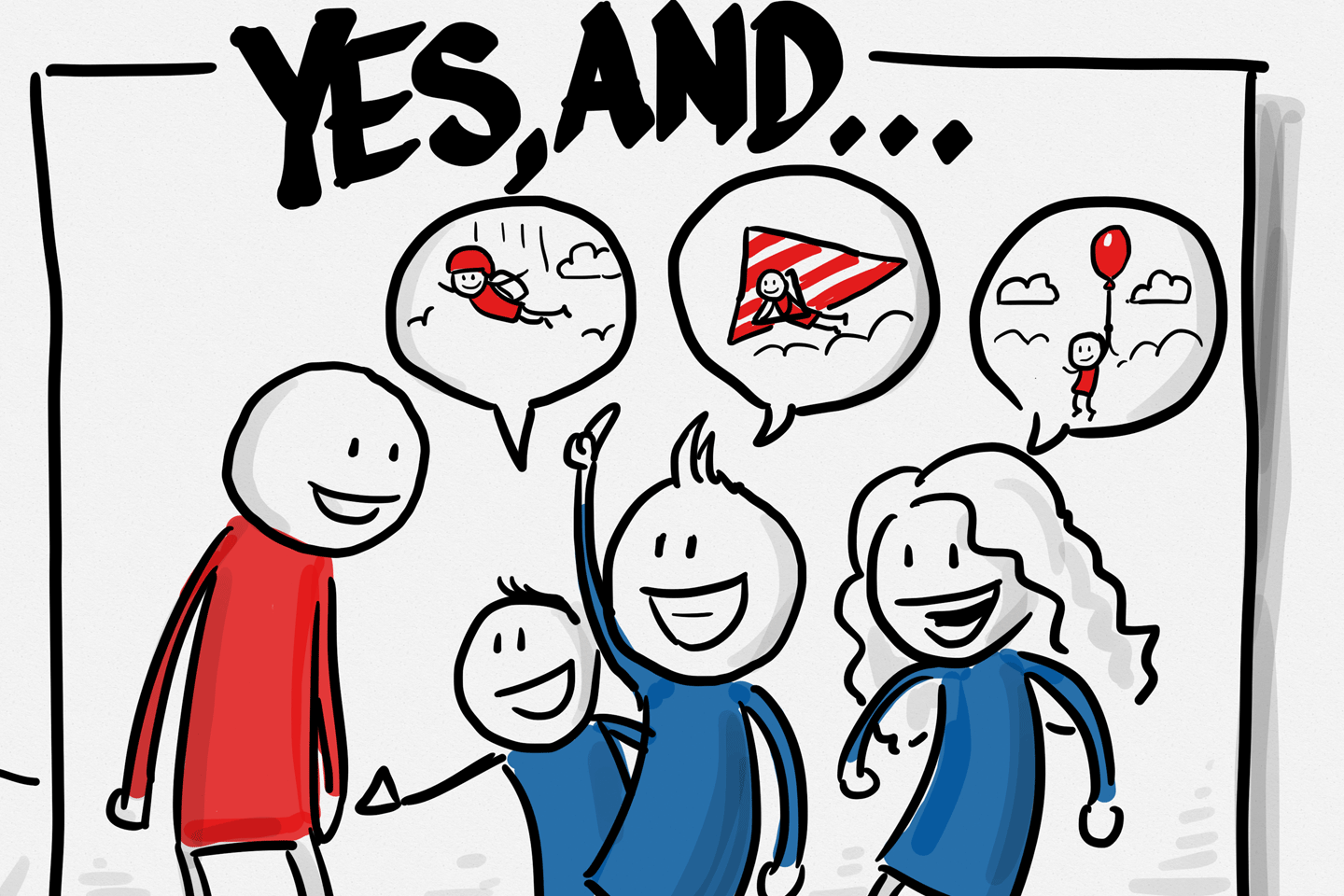
window.__IS_SSR__=true
window.__INITIAL_STATE__={
"attachmentsReducer": {
"audio_0": {
"type": "attachments",
"id": "audio_0",
"imgSizes": {
"kqedFullSize": {
"file": "https://ww2.kqed.org/news/wp-content/themes/KQED-unified/img/audio_bgs/background0.jpg"
}
}
},
"audio_1": {
"type": "attachments",
"id": "audio_1",
"imgSizes": {
"kqedFullSize": {
"file": "https://ww2.kqed.org/news/wp-content/themes/KQED-unified/img/audio_bgs/background1.jpg"
}
}
},
"audio_2": {
"type": "attachments",
"id": "audio_2",
"imgSizes": {
"kqedFullSize": {
"file": "https://ww2.kqed.org/news/wp-content/themes/KQED-unified/img/audio_bgs/background2.jpg"
}
}
},
"audio_3": {
"type": "attachments",
"id": "audio_3",
"imgSizes": {
"kqedFullSize": {
"file": "https://ww2.kqed.org/news/wp-content/themes/KQED-unified/img/audio_bgs/background3.jpg"
}
}
},
"audio_4": {
"type": "attachments",
"id": "audio_4",
"imgSizes": {
"kqedFullSize": {
"file": "https://ww2.kqed.org/news/wp-content/themes/KQED-unified/img/audio_bgs/background4.jpg"
}
}
},
"placeholder": {
"type": "attachments",
"id": "placeholder",
"imgSizes": {
"thumbnail": {
"file": "https://cdn.kqed.org/wp-content/uploads/2024/12/KQED-Default-Image-816638274-2000x1333-1-160x107.jpg",
"width": 160,
"height": 107,
"mimeType": "image/jpeg"
},
"medium": {
"file": "https://cdn.kqed.org/wp-content/uploads/2024/12/KQED-Default-Image-816638274-2000x1333-1-800x533.jpg",
"width": 800,
"height": 533,
"mimeType": "image/jpeg"
},
"medium_large": {
"file": "https://cdn.kqed.org/wp-content/uploads/2024/12/KQED-Default-Image-816638274-2000x1333-1-768x512.jpg",
"width": 768,
"height": 512,
"mimeType": "image/jpeg"
},
"large": {
"file": "https://cdn.kqed.org/wp-content/uploads/2024/12/KQED-Default-Image-816638274-2000x1333-1-1020x680.jpg",
"width": 1020,
"height": 680,
"mimeType": "image/jpeg"
},
"1536x1536": {
"file": "https://cdn.kqed.org/wp-content/uploads/2024/12/KQED-Default-Image-816638274-2000x1333-1-1536x1024.jpg",
"width": 1536,
"height": 1024,
"mimeType": "image/jpeg"
},
"fd-lrg": {
"file": "https://cdn.kqed.org/wp-content/uploads/2024/12/KQED-Default-Image-816638274-2000x1333-1-1536x1024.jpg",
"width": 1536,
"height": 1024,
"mimeType": "image/jpeg"
},
"fd-med": {
"file": "https://cdn.kqed.org/wp-content/uploads/2024/12/KQED-Default-Image-816638274-2000x1333-1-1020x680.jpg",
"width": 1020,
"height": 680,
"mimeType": "image/jpeg"
},
"fd-sm": {
"file": "https://cdn.kqed.org/wp-content/uploads/2024/12/KQED-Default-Image-816638274-2000x1333-1-800x533.jpg",
"width": 800,
"height": 533,
"mimeType": "image/jpeg"
},
"post-thumbnail": {
"file": "https://cdn.kqed.org/wp-content/uploads/2024/12/KQED-Default-Image-816638274-2000x1333-1-672x372.jpg",
"width": 672,
"height": 372,
"mimeType": "image/jpeg"
},
"twentyfourteen-full-width": {
"file": "https://cdn.kqed.org/wp-content/uploads/2024/12/KQED-Default-Image-816638274-2000x1333-1-1038x576.jpg",
"width": 1038,
"height": 576,
"mimeType": "image/jpeg"
},
"xxsmall": {
"file": "https://cdn.kqed.org/wp-content/uploads/2024/12/KQED-Default-Image-816638274-2000x1333-1-160x107.jpg",
"width": 160,
"height": 107,
"mimeType": "image/jpeg"
},
"xsmall": {
"file": "https://cdn.kqed.org/wp-content/uploads/2024/12/KQED-Default-Image-816638274-2000x1333-1-672x372.jpg",
"width": 672,
"height": 372,
"mimeType": "image/jpeg"
},
"small": {
"file": "https://cdn.kqed.org/wp-content/uploads/2024/12/KQED-Default-Image-816638274-2000x1333-1-672x372.jpg",
"width": 672,
"height": 372,
"mimeType": "image/jpeg"
},
"xlarge": {
"file": "https://cdn.kqed.org/wp-content/uploads/2024/12/KQED-Default-Image-816638274-2000x1333-1-1020x680.jpg",
"width": 1020,
"height": 680,
"mimeType": "image/jpeg"
},
"full-width": {
"file": "https://cdn.kqed.org/wp-content/uploads/2024/12/KQED-Default-Image-816638274-2000x1333-1-1920x1280.jpg",
"width": 1920,
"height": 1280,
"mimeType": "image/jpeg"
},
"guest-author-32": {
"file": "https://cdn.kqed.org/wp-content/uploads/2025/01/KQED-Default-Image-816638274-1333x1333-1-160x160.jpg",
"width": 32,
"height": 32,
"mimeType": "image/jpeg"
},
"guest-author-50": {
"file": "https://cdn.kqed.org/wp-content/uploads/2025/01/KQED-Default-Image-816638274-1333x1333-1-160x160.jpg",
"width": 50,
"height": 50,
"mimeType": "image/jpeg"
},
"guest-author-64": {
"file": "https://cdn.kqed.org/wp-content/uploads/2025/01/KQED-Default-Image-816638274-1333x1333-1-160x160.jpg",
"width": 64,
"height": 64,
"mimeType": "image/jpeg"
},
"guest-author-96": {
"file": "https://cdn.kqed.org/wp-content/uploads/2025/01/KQED-Default-Image-816638274-1333x1333-1-160x160.jpg",
"width": 96,
"height": 96,
"mimeType": "image/jpeg"
},
"guest-author-128": {
"file": "https://cdn.kqed.org/wp-content/uploads/2025/01/KQED-Default-Image-816638274-1333x1333-1-160x160.jpg",
"width": 128,
"height": 128,
"mimeType": "image/jpeg"
},
"detail": {
"file": "https://cdn.kqed.org/wp-content/uploads/2025/01/KQED-Default-Image-816638274-1333x1333-1-160x160.jpg",
"width": 160,
"height": 160,
"mimeType": "image/jpeg"
},
"kqedFullSize": {
"file": "https://cdn.kqed.org/wp-content/uploads/2024/12/KQED-Default-Image-816638274-2000x1333-1.jpg",
"width": 2000,
"height": 1333
}
}
},
"mindshift_39188": {
"type": "attachments",
"id": "mindshift_39188",
"meta": {
"index": "attachments_1716263798",
"site": "mindshift",
"id": "39188",
"found": true
},
"parent": 39108,
"imgSizes": {
"twentyfourteen-full-width": {
"file": "https://ww2.kqed.org/app/uploads/sites/23/2015/01/Improv2_BaukeSchildt1-Featured-Image-1038x576.gif",
"width": 1038,
"mimeType": "image/gif",
"height": 576
},
"thumbnail": {
"file": "https://ww2.kqed.org/app/uploads/sites/23/2015/01/Improv2_BaukeSchildt1-Featured-Image-400x267.gif",
"width": 400,
"mimeType": "image/gif",
"height": 267
},
"fd-sm": {
"file": "https://ww2.kqed.org/app/uploads/sites/23/2015/01/Improv2_BaukeSchildt1-Featured-Image-320x213.gif",
"width": 320,
"mimeType": "image/gif",
"height": 213
},
"post-thumbnail": {
"file": "https://ww2.kqed.org/app/uploads/sites/23/2015/01/Improv2_BaukeSchildt1-Featured-Image-672x372.gif",
"width": 672,
"mimeType": "image/gif",
"height": 372
},
"kqedFullSize": {
"file": "https://ww2.kqed.org/app/uploads/sites/23/2015/01/Improv2_BaukeSchildt1-Featured-Image.gif",
"width": 1440,
"height": 960
},
"large": {
"file": "https://ww2.kqed.org/app/uploads/sites/23/2015/01/Improv2_BaukeSchildt1-Featured-Image-1440x960.gif",
"width": 1440,
"mimeType": "image/gif",
"height": 960
},
"guest-author-96": {
"file": "https://ww2.kqed.org/app/uploads/sites/23/2015/01/Improv2_BaukeSchildt1-Featured-Image-96x96.gif",
"width": 96,
"mimeType": "image/gif",
"height": 96
},
"medium": {
"file": "https://ww2.kqed.org/app/uploads/sites/23/2015/01/Improv2_BaukeSchildt1-Featured-Image-800x533.gif",
"width": 800,
"mimeType": "image/gif",
"height": 533
},
"guest-author-64": {
"file": "https://ww2.kqed.org/app/uploads/sites/23/2015/01/Improv2_BaukeSchildt1-Featured-Image-64x64.gif",
"width": 64,
"mimeType": "image/gif",
"height": 64
},
"guest-author-32": {
"file": "https://ww2.kqed.org/app/uploads/sites/23/2015/01/Improv2_BaukeSchildt1-Featured-Image-32x32.gif",
"width": 32,
"mimeType": "image/gif",
"height": 32
},
"fd-lrg": {
"file": "https://ww2.kqed.org/app/uploads/sites/23/2015/01/Improv2_BaukeSchildt1-Featured-Image-1180x787.gif",
"width": 1180,
"mimeType": "image/gif",
"height": 787
},
"fd-med": {
"file": "https://ww2.kqed.org/app/uploads/sites/23/2015/01/Improv2_BaukeSchildt1-Featured-Image-768x512.gif",
"width": 768,
"mimeType": "image/gif",
"height": 512
},
"guest-author-128": {
"file": "https://ww2.kqed.org/app/uploads/sites/23/2015/01/Improv2_BaukeSchildt1-Featured-Image-128x128.gif",
"width": 128,
"mimeType": "image/gif",
"height": 128
}
},
"publishDate": 1422654564,
"modified": 1422654579,
"caption": "Illustration by Bauke Schildt",
"description": null,
"title": "Improv2_BaukeSchildt[1]-Featured-Image",
"credit": null,
"status": "inherit",
"isLoading": false,
"fetchFailed": false
},
"mindshift_39014": {
"type": "attachments",
"id": "mindshift_39014",
"meta": {
"index": "attachments_1716263798",
"site": "mindshift",
"id": "39014",
"found": true
},
"parent": 39013,
"imgSizes": {
"twentyfourteen-full-width": {
"file": "https://ww2.kqed.org/app/uploads/sites/23/2015/01/Globe-Judy-van-der-Velden-1038x576.gif",
"width": 1038,
"mimeType": "image/gif",
"height": 576
},
"thumbnail": {
"file": "https://ww2.kqed.org/app/uploads/sites/23/2015/01/Globe-Judy-van-der-Velden-400x267.gif",
"width": 400,
"mimeType": "image/gif",
"height": 267
},
"fd-sm": {
"file": "https://ww2.kqed.org/app/uploads/sites/23/2015/01/Globe-Judy-van-der-Velden-320x213.gif",
"width": 320,
"mimeType": "image/gif",
"height": 213
},
"post-thumbnail": {
"file": "https://ww2.kqed.org/app/uploads/sites/23/2015/01/Globe-Judy-van-der-Velden-672x372.gif",
"width": 672,
"mimeType": "image/gif",
"height": 372
},
"kqedFullSize": {
"file": "https://ww2.kqed.org/app/uploads/sites/23/2015/01/Globe-Judy-van-der-Velden.gif",
"width": 1440,
"height": 960
},
"large": {
"file": "https://ww2.kqed.org/app/uploads/sites/23/2015/01/Globe-Judy-van-der-Velden-1440x960.gif",
"width": 1440,
"mimeType": "image/gif",
"height": 960
},
"guest-author-96": {
"file": "https://ww2.kqed.org/app/uploads/sites/23/2015/01/Globe-Judy-van-der-Velden-96x96.gif",
"width": 96,
"mimeType": "image/gif",
"height": 96
},
"medium": {
"file": "https://ww2.kqed.org/app/uploads/sites/23/2015/01/Globe-Judy-van-der-Velden-800x533.gif",
"width": 800,
"mimeType": "image/gif",
"height": 533
},
"guest-author-64": {
"file": "https://ww2.kqed.org/app/uploads/sites/23/2015/01/Globe-Judy-van-der-Velden-64x64.gif",
"width": 64,
"mimeType": "image/gif",
"height": 64
},
"guest-author-32": {
"file": "https://ww2.kqed.org/app/uploads/sites/23/2015/01/Globe-Judy-van-der-Velden-32x32.gif",
"width": 32,
"mimeType": "image/gif",
"height": 32
},
"fd-lrg": {
"file": "https://ww2.kqed.org/app/uploads/sites/23/2015/01/Globe-Judy-van-der-Velden-1180x787.gif",
"width": 1180,
"mimeType": "image/gif",
"height": 787
},
"fd-med": {
"file": "https://ww2.kqed.org/app/uploads/sites/23/2015/01/Globe-Judy-van-der-Velden-768x512.gif",
"width": 768,
"mimeType": "image/gif",
"height": 512
},
"guest-author-128": {
"file": "https://ww2.kqed.org/app/uploads/sites/23/2015/01/Globe-Judy-van-der-Velden-128x128.gif",
"width": 128,
"mimeType": "image/gif",
"height": 128
}
},
"publishDate": 1421243771,
"modified": 1421243786,
"caption": "Flickr/Judy van der Velden",
"description": null,
"title": "Globe-Judy-van-der-Velden",
"credit": null,
"status": "inherit",
"isLoading": false,
"fetchFailed": false
},
"mindshift_38893": {
"type": "attachments",
"id": "mindshift_38893",
"meta": {
"index": "attachments_1716263798",
"site": "mindshift",
"id": "38893",
"found": true
},
"parent": 38881,
"imgSizes": {
"twentyfourteen-full-width": {
"file": "https://ww2.kqed.org/app/uploads/sites/23/2015/01/Marko-kids-433322236_3177e2c86c_o-1038x576.gif",
"width": 1038,
"mimeType": "image/gif",
"height": 576
},
"thumbnail": {
"file": "https://ww2.kqed.org/app/uploads/sites/23/2015/01/Marko-kids-433322236_3177e2c86c_o-400x267.gif",
"width": 400,
"mimeType": "image/gif",
"height": 267
},
"fd-sm": {
"file": "https://ww2.kqed.org/app/uploads/sites/23/2015/01/Marko-kids-433322236_3177e2c86c_o-320x213.gif",
"width": 320,
"mimeType": "image/gif",
"height": 213
},
"post-thumbnail": {
"file": "https://ww2.kqed.org/app/uploads/sites/23/2015/01/Marko-kids-433322236_3177e2c86c_o-672x372.gif",
"width": 672,
"mimeType": "image/gif",
"height": 372
},
"kqedFullSize": {
"file": "https://ww2.kqed.org/app/uploads/sites/23/2015/01/Marko-kids-433322236_3177e2c86c_o.gif",
"width": 1440,
"height": 960
},
"large": {
"file": "https://ww2.kqed.org/app/uploads/sites/23/2015/01/Marko-kids-433322236_3177e2c86c_o-1440x960.gif",
"width": 1440,
"mimeType": "image/gif",
"height": 960
},
"guest-author-96": {
"file": "https://ww2.kqed.org/app/uploads/sites/23/2015/01/Marko-kids-433322236_3177e2c86c_o-96x96.gif",
"width": 96,
"mimeType": "image/gif",
"height": 96
},
"medium": {
"file": "https://ww2.kqed.org/app/uploads/sites/23/2015/01/Marko-kids-433322236_3177e2c86c_o-800x533.gif",
"width": 800,
"mimeType": "image/gif",
"height": 533
},
"guest-author-64": {
"file": "https://ww2.kqed.org/app/uploads/sites/23/2015/01/Marko-kids-433322236_3177e2c86c_o-64x64.gif",
"width": 64,
"mimeType": "image/gif",
"height": 64
},
"guest-author-32": {
"file": "https://ww2.kqed.org/app/uploads/sites/23/2015/01/Marko-kids-433322236_3177e2c86c_o-32x32.gif",
"width": 32,
"mimeType": "image/gif",
"height": 32
},
"fd-lrg": {
"file": "https://ww2.kqed.org/app/uploads/sites/23/2015/01/Marko-kids-433322236_3177e2c86c_o-1180x787.gif",
"width": 1180,
"mimeType": "image/gif",
"height": 787
},
"fd-med": {
"file": "https://ww2.kqed.org/app/uploads/sites/23/2015/01/Marko-kids-433322236_3177e2c86c_o-768x512.gif",
"width": 768,
"mimeType": "image/gif",
"height": 512
},
"guest-author-128": {
"file": "https://ww2.kqed.org/app/uploads/sites/23/2015/01/Marko-kids-433322236_3177e2c86c_o-128x128.gif",
"width": 128,
"mimeType": "image/gif",
"height": 128
}
},
"publishDate": 1420551084,
"modified": 1420551100,
"caption": "Flickr/Marko",
"description": null,
"title": "Marko-kids-433322236_3177e2c86c_o",
"credit": null,
"status": "inherit",
"isLoading": false,
"fetchFailed": false
},
"mindshift_38867": {
"type": "attachments",
"id": "mindshift_38867",
"meta": {
"index": "attachments_1716263798",
"site": "mindshift",
"id": "38867",
"found": true
},
"parent": 38865,
"imgSizes": {
"twentyfourteen-full-width": {
"file": "https://ww2.kqed.org/app/uploads/sites/23/2014/12/Dictionary-Bethany-King-1038x576.gif",
"width": 1038,
"mimeType": "image/gif",
"height": 576
},
"thumbnail": {
"file": "https://ww2.kqed.org/app/uploads/sites/23/2014/12/Dictionary-Bethany-King-400x267.gif",
"width": 400,
"mimeType": "image/gif",
"height": 267
},
"fd-sm": {
"file": "https://ww2.kqed.org/app/uploads/sites/23/2014/12/Dictionary-Bethany-King-320x213.gif",
"width": 320,
"mimeType": "image/gif",
"height": 213
},
"post-thumbnail": {
"file": "https://ww2.kqed.org/app/uploads/sites/23/2014/12/Dictionary-Bethany-King-672x372.gif",
"width": 672,
"mimeType": "image/gif",
"height": 372
},
"kqedFullSize": {
"file": "https://ww2.kqed.org/app/uploads/sites/23/2014/12/Dictionary-Bethany-King.gif",
"width": 1440,
"height": 960
},
"large": {
"file": "https://ww2.kqed.org/app/uploads/sites/23/2014/12/Dictionary-Bethany-King-1440x960.gif",
"width": 1440,
"mimeType": "image/gif",
"height": 960
},
"guest-author-96": {
"file": "https://ww2.kqed.org/app/uploads/sites/23/2014/12/Dictionary-Bethany-King-96x96.gif",
"width": 96,
"mimeType": "image/gif",
"height": 96
},
"medium": {
"file": "https://ww2.kqed.org/app/uploads/sites/23/2014/12/Dictionary-Bethany-King-800x533.gif",
"width": 800,
"mimeType": "image/gif",
"height": 533
},
"guest-author-64": {
"file": "https://ww2.kqed.org/app/uploads/sites/23/2014/12/Dictionary-Bethany-King-64x64.gif",
"width": 64,
"mimeType": "image/gif",
"height": 64
},
"guest-author-32": {
"file": "https://ww2.kqed.org/app/uploads/sites/23/2014/12/Dictionary-Bethany-King-32x32.gif",
"width": 32,
"mimeType": "image/gif",
"height": 32
},
"fd-lrg": {
"file": "https://ww2.kqed.org/app/uploads/sites/23/2014/12/Dictionary-Bethany-King-1180x787.gif",
"width": 1180,
"mimeType": "image/gif",
"height": 787
},
"fd-med": {
"file": "https://ww2.kqed.org/app/uploads/sites/23/2014/12/Dictionary-Bethany-King-768x512.gif",
"width": 768,
"mimeType": "image/gif",
"height": 512
},
"guest-author-128": {
"file": "https://ww2.kqed.org/app/uploads/sites/23/2014/12/Dictionary-Bethany-King-128x128.gif",
"width": 128,
"mimeType": "image/gif",
"height": 128
}
},
"publishDate": 1420043646,
"modified": 1420043673,
"caption": "Dictionary (Flickr/Bethany King)",
"description": null,
"title": "Dictionary-Bethany-King",
"credit": null,
"status": "inherit",
"isLoading": false,
"fetchFailed": false
},
"mindshift_38778": {
"type": "attachments",
"id": "mindshift_38778",
"meta": {
"index": "attachments_1716263798",
"site": "mindshift",
"id": "38778",
"found": true
},
"parent": 38757,
"imgSizes": {
"twentyfourteen-full-width": {
"file": "https://ww2.kqed.org/app/uploads/sites/23/2014/12/Positive-mindset-1038x576.gif",
"width": 1038,
"mimeType": "image/gif",
"height": 576
},
"thumbnail": {
"file": "https://ww2.kqed.org/app/uploads/sites/23/2014/12/Positive-mindset-400x267.gif",
"width": 400,
"mimeType": "image/gif",
"height": 267
},
"fd-sm": {
"file": "https://ww2.kqed.org/app/uploads/sites/23/2014/12/Positive-mindset-320x213.gif",
"width": 320,
"mimeType": "image/gif",
"height": 213
},
"post-thumbnail": {
"file": "https://ww2.kqed.org/app/uploads/sites/23/2014/12/Positive-mindset-672x372.gif",
"width": 672,
"mimeType": "image/gif",
"height": 372
},
"kqedFullSize": {
"file": "https://ww2.kqed.org/app/uploads/sites/23/2014/12/Positive-mindset.gif",
"width": 1440,
"height": 960
},
"large": {
"file": "https://ww2.kqed.org/app/uploads/sites/23/2014/12/Positive-mindset-1440x960.gif",
"width": 1440,
"mimeType": "image/gif",
"height": 960
},
"guest-author-96": {
"file": "https://ww2.kqed.org/app/uploads/sites/23/2014/12/Positive-mindset-96x96.gif",
"width": 96,
"mimeType": "image/gif",
"height": 96
},
"medium": {
"file": "https://ww2.kqed.org/app/uploads/sites/23/2014/12/Positive-mindset-800x533.gif",
"width": 800,
"mimeType": "image/gif",
"height": 533
},
"guest-author-64": {
"file": "https://ww2.kqed.org/app/uploads/sites/23/2014/12/Positive-mindset-64x64.gif",
"width": 64,
"mimeType": "image/gif",
"height": 64
},
"guest-author-32": {
"file": "https://ww2.kqed.org/app/uploads/sites/23/2014/12/Positive-mindset-32x32.gif",
"width": 32,
"mimeType": "image/gif",
"height": 32
},
"fd-lrg": {
"file": "https://ww2.kqed.org/app/uploads/sites/23/2014/12/Positive-mindset-1180x787.gif",
"width": 1180,
"mimeType": "image/gif",
"height": 787
},
"fd-med": {
"file": "https://ww2.kqed.org/app/uploads/sites/23/2014/12/Positive-mindset-768x512.gif",
"width": 768,
"mimeType": "image/gif",
"height": 512
},
"guest-author-128": {
"file": "https://ww2.kqed.org/app/uploads/sites/23/2014/12/Positive-mindset-128x128.gif",
"width": 128,
"mimeType": "image/gif",
"height": 128
}
},
"publishDate": 1418915415,
"modified": 1418915422,
"caption": "iStock",
"description": null,
"title": "Positive-mindset",
"credit": null,
"status": "inherit",
"isLoading": false,
"fetchFailed": false
},
"mindshift_38555": {
"type": "attachments",
"id": "mindshift_38555",
"meta": {
"index": "attachments_1716263798",
"site": "mindshift",
"id": "38555",
"found": true
},
"parent": 38553,
"imgSizes": {
"twentyfourteen-full-width": {
"file": "https://ww2.kqed.org/app/uploads/sites/23/2014/11/Scavenged-Casters-Earthworm-1038x576.gif",
"width": 1038,
"mimeType": "image/gif",
"height": 576
},
"thumbnail": {
"file": "https://ww2.kqed.org/app/uploads/sites/23/2014/11/Scavenged-Casters-Earthworm-400x225.gif",
"width": 400,
"mimeType": "image/gif",
"height": 225
},
"fd-sm": {
"file": "https://ww2.kqed.org/app/uploads/sites/23/2014/11/Scavenged-Casters-Earthworm-320x180.gif",
"width": 320,
"mimeType": "image/gif",
"height": 180
},
"post-thumbnail": {
"file": "https://ww2.kqed.org/app/uploads/sites/23/2014/11/Scavenged-Casters-Earthworm-672x372.gif",
"width": 672,
"mimeType": "image/gif",
"height": 372
},
"kqedFullSize": {
"file": "https://ww2.kqed.org/app/uploads/sites/23/2014/11/Scavenged-Casters-Earthworm.gif",
"width": 1280,
"height": 720
},
"fd-lrg": {
"file": "https://ww2.kqed.org/app/uploads/sites/23/2014/11/Scavenged-Casters-Earthworm-1180x664.gif",
"width": 1180,
"mimeType": "image/gif",
"height": 664
},
"fd-med": {
"file": "https://ww2.kqed.org/app/uploads/sites/23/2014/11/Scavenged-Casters-Earthworm-768x432.gif",
"width": 768,
"mimeType": "image/gif",
"height": 432
},
"guest-author-96": {
"file": "https://ww2.kqed.org/app/uploads/sites/23/2014/11/Scavenged-Casters-Earthworm-96x96.gif",
"width": 96,
"mimeType": "image/gif",
"height": 96
},
"medium": {
"file": "https://ww2.kqed.org/app/uploads/sites/23/2014/11/Scavenged-Casters-Earthworm-800x450.gif",
"width": 800,
"mimeType": "image/gif",
"height": 450
},
"guest-author-64": {
"file": "https://ww2.kqed.org/app/uploads/sites/23/2014/11/Scavenged-Casters-Earthworm-64x64.gif",
"width": 64,
"mimeType": "image/gif",
"height": 64
},
"guest-author-32": {
"file": "https://ww2.kqed.org/app/uploads/sites/23/2014/11/Scavenged-Casters-Earthworm-32x32.gif",
"width": 32,
"mimeType": "image/gif",
"height": 32
},
"guest-author-128": {
"file": "https://ww2.kqed.org/app/uploads/sites/23/2014/11/Scavenged-Casters-Earthworm-128x128.gif",
"width": 128,
"mimeType": "image/gif",
"height": 128
}
},
"publishDate": 1417008293,
"modified": 1417008293,
"caption": "Scavenged casters. (Courtesy of Earthworm)",
"description": null,
"title": "Scavenged-Casters-Earthworm",
"credit": null,
"status": "inherit",
"isLoading": false,
"fetchFailed": false
},
"mindshift_38325": {
"type": "attachments",
"id": "mindshift_38325",
"meta": {
"index": "attachments_1716263798",
"site": "mindshift",
"id": "38325",
"found": true
},
"parent": 37663,
"imgSizes": {
"twentyfourteen-full-width": {
"file": "https://ww2.kqed.org/app/uploads/sites/23/2014/10/Bergson-Mushroom-1038x576.gif",
"width": 1038,
"mimeType": "image/gif",
"height": 576
},
"thumbnail": {
"file": "https://ww2.kqed.org/app/uploads/sites/23/2014/10/Bergson-Mushroom-400x225.gif",
"width": 400,
"mimeType": "image/gif",
"height": 225
},
"fd-sm": {
"file": "https://ww2.kqed.org/app/uploads/sites/23/2014/10/Bergson-Mushroom-320x180.gif",
"width": 320,
"mimeType": "image/gif",
"height": 180
},
"post-thumbnail": {
"file": "https://ww2.kqed.org/app/uploads/sites/23/2014/10/Bergson-Mushroom-672x372.gif",
"width": 672,
"mimeType": "image/gif",
"height": 372
},
"kqedFullSize": {
"file": "https://ww2.kqed.org/app/uploads/sites/23/2014/10/Bergson-Mushroom.gif",
"width": 1440,
"height": 810
},
"large": {
"file": "https://ww2.kqed.org/app/uploads/sites/23/2014/10/Bergson-Mushroom-1440x810.gif",
"width": 1440,
"mimeType": "image/gif",
"height": 810
},
"guest-author-96": {
"file": "https://ww2.kqed.org/app/uploads/sites/23/2014/10/Bergson-Mushroom-96x96.gif",
"width": 96,
"mimeType": "image/gif",
"height": 96
},
"medium": {
"file": "https://ww2.kqed.org/app/uploads/sites/23/2014/10/Bergson-Mushroom-800x450.gif",
"width": 800,
"mimeType": "image/gif",
"height": 450
},
"guest-author-64": {
"file": "https://ww2.kqed.org/app/uploads/sites/23/2014/10/Bergson-Mushroom-64x64.gif",
"width": 64,
"mimeType": "image/gif",
"height": 64
},
"guest-author-32": {
"file": "https://ww2.kqed.org/app/uploads/sites/23/2014/10/Bergson-Mushroom-32x32.gif",
"width": 32,
"mimeType": "image/gif",
"height": 32
},
"fd-lrg": {
"file": "https://ww2.kqed.org/app/uploads/sites/23/2014/10/Bergson-Mushroom-1180x664.gif",
"width": 1180,
"mimeType": "image/gif",
"height": 664
},
"fd-med": {
"file": "https://ww2.kqed.org/app/uploads/sites/23/2014/10/Bergson-Mushroom-768x432.gif",
"width": 768,
"mimeType": "image/gif",
"height": 432
},
"guest-author-128": {
"file": "https://ww2.kqed.org/app/uploads/sites/23/2014/10/Bergson-Mushroom-128x128.gif",
"width": 128,
"mimeType": "image/gif",
"height": 128
}
},
"publishDate": 1414791065,
"modified": 1414791065,
"caption": null,
"description": null,
"title": "Bergson-Mushroom",
"credit": null,
"status": "inherit",
"isLoading": false,
"fetchFailed": false
},
"mindshift_37890": {
"type": "attachments",
"id": "mindshift_37890",
"meta": {
"index": "attachments_1716263798",
"site": "mindshift",
"id": "37890",
"found": true
},
"parent": 37887,
"imgSizes": {
"thumbnail": {
"file": "https://ww2.kqed.org/app/uploads/sites/23/2014/09/Ted-Music-repetition-screen-grab-400x225.png",
"width": 400,
"mimeType": "image/png",
"height": 225
},
"fd-sm": {
"file": "https://ww2.kqed.org/app/uploads/sites/23/2014/09/Ted-Music-repetition-screen-grab-320x180.png",
"width": 320,
"mimeType": "image/png",
"height": 180
},
"kqedFullSize": {
"file": "https://ww2.kqed.org/app/uploads/sites/23/2014/09/Ted-Music-repetition-screen-grab.png",
"width": 640,
"height": 360
},
"guest-author-96": {
"file": "https://ww2.kqed.org/app/uploads/sites/23/2014/09/Ted-Music-repetition-screen-grab-96x96.png",
"width": 96,
"mimeType": "image/png",
"height": 96
},
"guest-author-64": {
"file": "https://ww2.kqed.org/app/uploads/sites/23/2014/09/Ted-Music-repetition-screen-grab-64x64.png",
"width": 64,
"mimeType": "image/png",
"height": 64
},
"guest-author-32": {
"file": "https://ww2.kqed.org/app/uploads/sites/23/2014/09/Ted-Music-repetition-screen-grab-32x32.png",
"width": 32,
"mimeType": "image/png",
"height": 32
},
"guest-author-128": {
"file": "https://ww2.kqed.org/app/uploads/sites/23/2014/09/Ted-Music-repetition-screen-grab-128x128.png",
"width": 128,
"mimeType": "image/png",
"height": 128
}
},
"publishDate": 1411560844,
"modified": 1411560844,
"caption": null,
"description": null,
"title": "TED Why We Love Repetition in Music",
"credit": null,
"status": "inherit",
"isLoading": false,
"fetchFailed": false
},
"mindshift_36229": {
"type": "attachments",
"id": "mindshift_36229",
"meta": {
"index": "attachments_1716263798",
"site": "mindshift",
"id": "36229",
"found": true
},
"parent": 36224,
"imgSizes": {
"thumbnail": {
"file": "https://ww2.kqed.org/app/uploads/sites/23/2014/06/140609sleep_btn_560-400x268.jpg",
"width": 400,
"mimeType": "image/jpeg",
"height": 268
},
"fd-sm": {
"file": "https://ww2.kqed.org/app/uploads/sites/23/2014/06/140609sleep_btn_560-320x214.jpg",
"width": 320,
"mimeType": "image/jpeg",
"height": 214
},
"post-thumbnail": {
"file": "https://ww2.kqed.org/app/uploads/sites/23/2014/06/140609sleep_btn_560-560x372.jpg",
"width": 560,
"mimeType": "image/jpeg",
"height": 372
},
"kqedFullSize": {
"file": "https://ww2.kqed.org/app/uploads/sites/23/2014/06/140609sleep_btn_560.jpg",
"width": 560,
"height": 375
},
"guest-author-96": {
"file": "https://ww2.kqed.org/app/uploads/sites/23/2014/06/140609sleep_btn_560-96x96.jpg",
"width": 96,
"mimeType": "image/jpeg",
"height": 96
},
"guest-author-64": {
"file": "https://ww2.kqed.org/app/uploads/sites/23/2014/06/140609sleep_btn_560-64x64.jpg",
"width": 64,
"mimeType": "image/jpeg",
"height": 64
},
"guest-author-32": {
"file": "https://ww2.kqed.org/app/uploads/sites/23/2014/06/140609sleep_btn_560-32x32.jpg",
"width": 32,
"mimeType": "image/jpeg",
"height": 32
},
"guest-author-128": {
"file": "https://ww2.kqed.org/app/uploads/sites/23/2014/06/140609sleep_btn_560-128x128.jpg",
"width": 128,
"mimeType": "image/jpeg",
"height": 128
}
},
"publishDate": 1402434846,
"modified": 1402434846,
"caption": "Mason Currey/New York Magazine",
"description": null,
"title": "140609sleep_btn_560",
"credit": null,
"status": "inherit",
"isLoading": false,
"fetchFailed": false
},
"mindshift_32615": {
"type": "attachments",
"id": "mindshift_32615",
"meta": {
"index": "attachments_1716263798",
"site": "mindshift",
"id": "32615",
"found": true
},
"parent": 32075,
"imgSizes": {
"thumbnail": {
"file": "https://ww2.kqed.org/app/uploads/sites/23/2013/10/aspiration1-400x225.jpg",
"width": 400,
"mimeType": "image/jpeg",
"height": 225
},
"fd-sm": {
"file": "https://ww2.kqed.org/app/uploads/sites/23/2013/10/aspiration1-320x180.jpg",
"width": 320,
"mimeType": "image/jpeg",
"height": 180
},
"kqedFullSize": {
"file": "https://ww2.kqed.org/app/uploads/sites/23/2013/10/aspiration1.jpg",
"width": 640,
"height": 360
},
"guest-author-96": {
"file": "https://ww2.kqed.org/app/uploads/sites/23/2013/10/aspiration1-96x96.jpg",
"width": 96,
"mimeType": "image/jpeg",
"height": 96
},
"guest-author-64": {
"file": "https://ww2.kqed.org/app/uploads/sites/23/2013/10/aspiration1-64x64.jpg",
"width": 64,
"mimeType": "image/jpeg",
"height": 64
},
"detail": {
"file": "https://ww2.kqed.org/app/uploads/sites/23/2013/10/aspiration1-75x75.jpg",
"width": 75,
"mimeType": "image/jpeg",
"height": 75
},
"guest-author-32": {
"file": "https://ww2.kqed.org/app/uploads/sites/23/2013/10/aspiration1-32x32.jpg",
"width": 32,
"mimeType": "image/jpeg",
"height": 32
},
"guest-author-128": {
"file": "https://ww2.kqed.org/app/uploads/sites/23/2013/10/aspiration1-128x128.jpg",
"width": 128,
"mimeType": "image/jpeg",
"height": 128
}
},
"publishDate": 1384295448,
"modified": 1384295448,
"caption": null,
"description": null,
"title": "aspiration",
"credit": null,
"status": "inherit",
"isLoading": false,
"fetchFailed": false
}
},
"audioPlayerReducer": {
"postId": "stream_live",
"isPaused": true,
"isPlaying": false,
"pfsActive": false,
"pledgeModalIsOpen": true,
"playerDrawerIsOpen": false,
"liveAudioPlayStartedAt": 0,
"liveAudioPlayContext": ""
},
"authorsReducer": {
"tbarseghian": {
"type": "authors",
"id": "180",
"meta": {
"index": "authors_1716337520",
"id": "180",
"found": true
},
"name": "Tina Barseghian",
"firstName": "Tina",
"lastName": "Barseghian",
"slug": "tbarseghian",
"email": "tbarseghian@kqed.org",
"display_author_email": false,
"staff_mastheads": [],
"title": null,
"bio": null,
"avatar": "https://secure.gravatar.com/avatar/de7e6ced1239b7018fe4d2b61f723c90?s=600&d=blank&r=g",
"twitter": null,
"facebook": null,
"instagram": null,
"linkedin": null,
"sites": [
{
"site": "styleguide",
"roles": [
"contributor"
]
},
{
"site": "news",
"roles": [
"subscriber"
]
},
{
"site": "mindshift",
"roles": [
"subscriber"
]
},
{
"site": "bayareabites",
"roles": [
"subscriber"
]
}
],
"headData": {
"title": "Tina Barseghian | KQED",
"description": null,
"ogImgSrc": "https://secure.gravatar.com/avatar/de7e6ced1239b7018fe4d2b61f723c90?s=600&d=blank&r=g",
"twImgSrc": "https://secure.gravatar.com/avatar/de7e6ced1239b7018fe4d2b61f723c90?s=600&d=blank&r=g"
},
"isLoading": false,
"link": "/author/tbarseghian"
},
"katrinaschwartz": {
"type": "authors",
"id": "234",
"meta": {
"index": "authors_1716337520",
"id": "234",
"found": true
},
"name": "Katrina Schwartz",
"firstName": "Katrina",
"lastName": "Schwartz",
"slug": "katrinaschwartz",
"email": "kschwartz@kqed.org",
"display_author_email": false,
"staff_mastheads": [
"news"
],
"title": "Producer",
"bio": "Katrina Schwartz is a journalist based in San Francisco. She's worked at KPCC public radio in LA and has reported on air and online for KQED since 2010. She covered how teaching and learning is changing for MindShift between 2012 and 2020. She is the co-host of the MindShift podcast and now produces KQED's Bay Curious podcast.",
"avatar": "https://secure.gravatar.com/avatar/edb4ee79070447a018538c9aae6eeecf28786515b8a0c30e43b6b7dce5aa44c8?s=600&d=blank&r=g",
"twitter": "kschwart",
"bluesky": null,
"facebook": null,
"instagram": null,
"linkedin": null,
"sites": [
{
"site": "",
"roles": [
"editor"
]
},
{
"site": "news",
"roles": [
"editor"
]
},
{
"site": "mindshift",
"roles": [
"administrator"
]
},
{
"site": "stateofhealth",
"roles": [
"author"
]
},
{
"site": "science",
"roles": [
"editor"
]
}
],
"headData": {
"title": "Katrina Schwartz | KQED",
"description": "Producer",
"ogImgSrc": "https://secure.gravatar.com/avatar/edb4ee79070447a018538c9aae6eeecf28786515b8a0c30e43b6b7dce5aa44c8?s=600&d=blank&r=g",
"twImgSrc": "https://secure.gravatar.com/avatar/edb4ee79070447a018538c9aae6eeecf28786515b8a0c30e43b6b7dce5aa44c8?s=600&d=blank&r=g"
},
"isLoading": false,
"link": "/author/katrinaschwartz"
},
"luba": {
"type": "authors",
"id": "4537",
"meta": {
"index": "authors_1716337520",
"id": "4537",
"found": true
},
"name": "Luba Vangelova",
"firstName": "Luba",
"lastName": "Vangelova",
"slug": "luba",
"email": "luba@catalystcommunicationsllc.com",
"display_author_email": false,
"staff_mastheads": [],
"title": null,
"bio": "Luba Vangelova’s work has appeared in numerous print, online and broadcast media outlets, including The New York Times, Smithsonian, The Atlantic, and Salon. She is also working on a book about self-directed learning. Her web site is \u003ca title=\"Luba Vangelova\" href=\"http://www.LubaVangelova.com\" target=\"_blank\">www.LubaVangelova.com\u003c/a>. She also posts on \u003ca title=\"@LubaSays\" href=\"http://www.twitter.com/LubaSays\" target=\"_blank\">Twitter\u003c/a> and on her official \u003ca title=\"Facebook - Luba Vangelova\" href=\"http://www.facebook.com/LubaSays\" target=\"_blank\">Facebook\u003c/a> page.",
"avatar": "https://secure.gravatar.com/avatar/0c49027042bcd2ffbce1f5f200e2172e?s=600&d=blank&r=g",
"twitter": "LubaSays",
"facebook": null,
"instagram": null,
"linkedin": "lvangelova",
"sites": [
{
"site": "mindshift",
"roles": [
"contributor"
]
}
],
"headData": {
"title": "Luba Vangelova | KQED",
"description": null,
"ogImgSrc": "https://secure.gravatar.com/avatar/0c49027042bcd2ffbce1f5f200e2172e?s=600&d=blank&r=g",
"twImgSrc": "https://secure.gravatar.com/avatar/0c49027042bcd2ffbce1f5f200e2172e?s=600&d=blank&r=g"
},
"isLoading": false,
"link": "/author/luba"
},
"lindaflan": {
"type": "authors",
"id": "4613",
"meta": {
"index": "authors_1716337520",
"id": "4613",
"found": true
},
"name": "Linda Flanagan",
"firstName": "Linda",
"lastName": "Flanagan",
"slug": "lindaflan",
"email": "lindaflan@comcast.net",
"display_author_email": false,
"staff_mastheads": [],
"title": null,
"bio": "Linda Flanagan is a freelance writer, researcher, and editor. Her work has appeared in The Atlantic, The Wall St. Journal, Newsweek, Running Times, and Mind/Shift, and she blogs regularly for the Huffington Post. Linda writes about education, culture, athletics, youth sports, mental health, politics, college admissions, and other curiosities. She also reviews books and conducts interviews.",
"avatar": "https://secure.gravatar.com/avatar/6bca04c0736bf5eaea80654019de688f?s=600&d=blank&r=g",
"twitter": "LindaFlanagan2",
"facebook": null,
"instagram": null,
"linkedin": null,
"sites": [
{
"site": "mindshift",
"roles": [
"contributor"
]
}
],
"headData": {
"title": "Linda Flanagan | KQED",
"description": null,
"ogImgSrc": "https://secure.gravatar.com/avatar/6bca04c0736bf5eaea80654019de688f?s=600&d=blank&r=g",
"twImgSrc": "https://secure.gravatar.com/avatar/6bca04c0736bf5eaea80654019de688f?s=600&d=blank&r=g"
},
"isLoading": false,
"link": "/author/lindaflan"
}
},
"pagesReducer": {
"mindshift_category_creativity-3": {
"type": "terms",
"id": "mindshift_20579",
"meta": {
"index": "terms_1716263798",
"site": "mindshift",
"id": "20579",
"score": 14.403833
},
"featImg": null,
"name": "Creativity",
"description": null,
"taxonomy": "category",
"headData": {
"twImgId": null,
"twTitle": null,
"ogTitle": null,
"ogImgId": null,
"twDescription": null,
"description": null,
"title": "Creativity Archives | KQED Mindshift",
"ogDescription": null
},
"ttid": 19856,
"slug": "creativity-3",
"isLoading": false,
"title": "Creativity",
"pageMeta": {
"site": "mindshift",
"WpPageTemplate": "page-topic-editorial",
"currentPage": 4
},
"blocks": [
{
"blockName": "kqed/post-list",
"attrs": {
"layout": "cardArticle2",
"query": "posts/mindshift?category=creativity-3",
"seeMore": false,
"paginated": true,
"page": 4
}
},
{
"blockName": "kqed/ad"
}
]
}
},
"pfsSessionReducer": {},
"postsReducer": {
"stream_live": {
"type": "live",
"id": "stream_live",
"audioUrl": "https://hls.kqed.org/hls/kqed_app/playlist.m3u8",
"title": "Live Stream",
"excerpt": "Live Stream information currently unavailable.",
"link": "/radio",
"featImg": "",
"label": {
"name": "KQED Live",
"link": "/"
}
},
"stream_kqedNewscast": {
"type": "posts",
"id": "stream_kqedNewscast",
"audioUrl": "https://www.kqed.org/.stream/anon/radio/RDnews/newscast.mp3?_=1",
"title": "KQED Newscast",
"featImg": "",
"label": {
"name": "88.5 FM",
"link": "/"
}
},
"mindshift_39108": {
"type": "posts",
"id": "mindshift_39108",
"meta": {
"index": "posts_1716263798",
"site": "mindshift",
"id": "39108",
"score": null,
"sort": [
1422625321000
]
},
"parent": 0,
"labelTerm": {
"site": "mindshift"
},
"blocks": [],
"publishDate": 1422625321,
"format": "aside",
"disqusTitle": "How Improv Can Open Up the Mind to Learning in the Classroom and Beyond",
"title": "How Improv Can Open Up the Mind to Learning in the Classroom and Beyond",
"headTitle": "MindShift | KQED News",
"content": "\u003cfigure id=\"attachment_39154\" class=\"wp-caption alignnone\" style=\"max-width: 640px\">\u003ca href=\"http://ww2.kqed.org/mindshift/2015/01/how-improv-can-open-up-the-mind-to-learning-in-the-classroom-and-beyond/improv2_baukeschildt1/\" rel=\"attachment wp-att-39154\">\u003cimg class=\"size-full wp-image-39154\" src=\"http://ww2.kqed.org/mindshift/wp-content/uploads/sites/23/2015/01/Improv2_BaukeSchildt1.gif\" alt=\"Illustration by Bauke Schildt\" width=\"640\" height=\"960\">\u003c/a>\u003cfigcaption class=\"wp-caption-text\">Illustration by Bauke Schildt\u003c/figcaption>\u003c/figure>\n\u003cp class=\"dropcap-serif\">Long before Amy Poehler became famous for her comic roles as Hillary Clinton on \"Saturday Night Live,\" and as indefatigable bureaucrat Leslie Knope on \"Parks and Recreation,\" she was a college freshman looking for something to do outside class. During her first week on campus, she auditioned for the school’s improvisational theater group, \"My Mother’s Fleabag,\" and discovered a passion. “Everyone was getting to act and be funny and write and direct and edit all at the same time,” she writes in her memoir, \u003cem>Yes, Please\u003c/em>. “My college life sort of exploded in happiness,” she adds.\u003c/p>\n\u003cp>What Poehler found liberating as a performer — the free-wheeling, creative and judgment-free nature of improv — is what makes it an appealing way to learn. \u003c/p>\n\u003cp>Improvisation is well-known as comedy and entertainment, but during the past decade it has grown as a method of teaching and learning as well, says Robert Kulhan, adjunct professor of business administration at Duke’s Fuqua School of Business, and CEO of \u003ca href=\"http://businessimprov.com/\">Business Improvisations\u003c/a>. Today, improv is offered in the theater departments of many colleges and some high schools, according to Kulhan. As well, improv troupes around the country offer short workshops to school kids on specific subjects, and teach the basics of the art form in afterschool programs and summer camps. ImprovBoston, a 30-year old nonprofit comedy theater, sends staff into local schools to perform assemblies and share the fundamentals of improv to teachers and students.\u003c/p>\n\u003cp>[contextly_sidebar id=\"q8ZaL0bQGGf6Oqj4cOuVNjNxaQHc2KrF\"]\u003c/p>\n\u003cp>The first rule of improvisation is “yes, and,” meaning that anyone’s contribution to the group discussion is accepted without judgment. “We always talk about the four ‘c’s of improv: creativity, critical thinking, collaboration and communication,” says Deana Criess, director of ImprovBoston’s National Touring Company, about how she teaches the form to seventh-graders. To persuade students to abandon their fear of mistakes, she insists on unconditional support to all answers, then works to build trust among the group and invite risk-taking. “Once we have confidence in our ideas and in our teammates, we can free ourselves up to have fun,” she says. “So support, trust, risk, confidence and fun. That’s what improv is all about,” Criess says.\u003c/p>\n\u003cp>[ad fullwidth]\u003c/p>\n\u003cp>Improv enthusiasts rave about its educational value. Not only does it hone communication and public speaking skills, it also stimulates fast thinking and engagement with ideas. On a deeper level, improv chips away at mental barriers that block creative thinking — that internal editor who crosses out every word before it appears on a page — and rewards spontaneous, intuitive responses, Criess says. Because improv depends on the group providing categorical support for every answer, participants also grow in confidence and feel more connected to others.\u003c/p>\n\u003cp>“It’s one of the few opportunities they have to truly create something, and have a voice that isn’t prescribed for them,” Criess says about students engaged in an improv exercise. And the form’s imperative to be fully “in the zone,” as Kulhan puts it, is a rebellion against the interruptions and distractions of our modern, high-tech lives.\u003c/p>\n\u003cp>Improv is especially beneficial for atypical kids, no matter their stripe. It helps children with learning and physical disabilities develop a sense of play, and enables the socially awkward intellectual to socialize more easily, Kulhan explains. Run-of-the-mill introverts, who might be reluctant to raise their hands or audition for the play, also gain from the experience, Criess says. When they know they’ll be supported no matter their answer, introspective kids thrive. “Introverts give improv its richness,” she says, adding that many improv instructors identify themselves as introverts.\u003c/p>\n\u003cfigure id=\"attachment_39158\" class=\"wp-caption alignleft\" style=\"max-width: 300px\">\u003ca href=\"http://ww2.kqed.org/mindshift/2015/01/how-improv-can-open-up-the-mind-to-learning-in-the-classroom-and-beyond/tenets-of-improve-iskme/\" rel=\"attachment wp-att-39158\">\u003cimg class=\"size-medium wp-image-39158\" src=\"http://ww2.kqed.org/mindshift/wp-content/uploads/sites/23/2015/01/Tenets-of-Improve-ISKME-300x410.gif\" alt=\"Facilitators at the Institute for the Study of Knowledge Management in Education's Big Ideas Fest 2014 conveyed the improv mindset for solving problems and learning new ideas. \" width=\"300\" height=\"410\">\u003c/a>\u003cfigcaption class=\"wp-caption-text\">Facilitators at ISKME's \u003ca href=\"http://www.bigideasfest.org/\">Big Ideas Fest 2014\u003c/a> conveyed the improv mindset for solving problems and learning new ideas.\u003c/figcaption>\u003c/figure>\n\u003cp>And improv is liberating for those in fields like science, where emotional detachment is critical for success. The Alan Alda Center for Communicating Science at Stony Brook University offers a graduate course on improv to help emerging scientists convey their ideas without resorting to textbook speak or one-sided lectures. “Improv helps the scientist re-engage with their own passions in their work, get out of their head and connected to the needs of the listener, be able to respond more freely, spontaneously and flexibly,” says Valeri Lantz-Gefroh, the improvisation coordinator at Stony Brook.\u003c/p>\n\u003cp>\u003cstrong>A Student’s Perspective\u003c/strong>\u003c/p>\n\u003cp>Lilly Hartman, now a junior at Brookline High School in Brookline, Massachusetts, took her first improv class in eighth grade, and remembers thinking it seemed cool but kind of nerve-wracking. Her first few times on stage she felt anxious about what her peers would think of her, worrying that she might do something foolish or embarrassing. But the more times Hartman did it, the less self-conscious she became, and the quicker she began to trust her own ideas and to think on her feet. “It’s about deciding to go with the flow and acting on what’s around you, and making decisions based on that,” she says. “And then feeling good about those decisions,” she adds.\u003c/p>\n\u003cp>Unlike the classroom, where the learning environment is often tense and competitive, an improv setting builds enthusiasm among the participants, Hartman explained. “When you’re performing, it’s not competitive,” she says, and the trust that the performers build with one another is rewarding in itself. Acknowledging that math and English classes teach important skills, Hartman says that her improv work has been more personally transformative. “Improv helps you change on the inside,” she says. Without it, “I would be a more scared and quiet person,” she says. In fact, she adds, “I wouldn’t be the same person.”\u003c/p>\n\u003cp>\u003cstrong>Improvisation Exercises\u003c/strong>\u003c/p>\n\u003cp>Improv works cumulatively, so that a group ordinarily starts with a simple task and moves on to more challenging assignments once they’ve loosened up and begun to trust one another. Kulhan offers these two simple introductory examples:\u003c/p>\n\u003cp>\u003cstrong>One-Word Story:\u003c/strong> In this exercise, a group of individuals tells a cohesive story one word at a time. It starts when one person says a single word, and unfolds when someone else in the group offers up another word. Groups can do this in circles, so the participants know when it’s their turn to talk, or at the will of the teacher, adding a randomness to the exercise. The improvising continues until the group has created a story. “It takes a lot of focus, concentration, adaptability, flexibility, attentive listening, etc., just to create a single sentence … let alone a whole story,” Kulhan says.\u003c/p>\n\u003cp>\u003cstrong>Conducted Story:\u003c/strong> This is more advanced than the one-word story. Here, participants form a line with the teacher up front, who behaves like the conductor of a line orchestra. When the conductor points to a student, that person talks for as long as the conductor remains pointing — perhaps just a couple of words, or maybe a few sentences. But as soon as the conductor turns to another student, the first talker must stop immediately and allow the second speaker to take over the narrative. The conductor moves haphazardly, forward and back through the line, lending even more unexpected twists to the story.\u003c/p>\n\u003cp>Variations of improv are also useful in helping revitalize a sleepy or distracted class or to introduce more proactive kinds of learning:\u003c/p>\n\u003cp>\u003cstrong>Shakeout Exercise:\u003c/strong> Together, the teacher and class stand at their desks and count backward from eight to one — then seven to one, and six to one, etc. — saying the number out loud as if it’s the most important word they’ve ever heard. While counting, they also shake their right hands in keeping with the number. Then they do the same series of countdowns while moving their left hand, then their right leg, and finally their left leg. “It’s superpowerful,” says Criess, “and doing it together can teach kids and adults it’s OK to look foolish in front of each other.”\u003c/p>\n\u003cp>\u003cstrong>Living Wax Museum/Historical Talk Show:\u003c/strong> Students pick an important historical figure to research, and later “become” that person, improvising answers to questions posed by fellow classmates, visiting parents or the talk-show “host”.\u003c/p>\n\u003cp>\u003cstrong>An Aid for Teachers and Schools\u003c/strong>\u003c/p>\n\u003cp>Inviting kids of all types to engage together in improv exercises reinforces the values that most schools seek, Criess says. With its emphasis on support and acceptance of all ideas, improv’s “yes, and” code penetrates social tribes and teaches kids to see the positive in their peers, creating a healthier climate at school. “It helps kids be positive community members,” she says.\u003c/p>\n\u003cfigure id=\"attachment_39155\" class=\"wp-caption alignright\" style=\"max-width: 300px\">\u003ca href=\"http://ww2.kqed.org/mindshift/2015/01/how-improv-can-open-up-the-mind-to-learning-in-the-classroom-and-beyond/improv-photo-from-iskme-big-ideas-fest/\" rel=\"attachment wp-att-39155\">\u003cimg class=\"size-medium wp-image-39155\" src=\"http://ww2.kqed.org/mindshift/wp-content/uploads/sites/23/2015/01/Improv-photo-from-ISKME-Big-Ideas-Fest-300x300.gif\" alt=\"Facilitators at ISKME's Big Ideas Fest 2014 conveyed the "Yes, and" mindset for solving problems and learning new ideas. \" width=\"300\" height=\"300\">\u003c/a>\u003cfigcaption class=\"wp-caption-text\">Facilitators at ISKME's Big Ideas Fest 2014 conveyed the \"Yes, and\" mindset for solving problems and learning new ideas.\u003c/figcaption>\u003c/figure>\n\u003cp>Training in improv may help teachers be more effective as well. Criess began learning improv while working in a preschool for children on the autism spectrum, and found herself applying the lessons from theater to the class. “What I was doing there with adults is exactly what these kids needed,” she says. Improv class helped her work with the kids on their level rather than according to a preconceived idea about what they needed to know.\u003c/p>\n\u003cp>It also reminds teachers that listening and responding to students, and adapting to their needs, is more educational than obeying a rigid teaching plan, Kulhan explains. “It's communication based on observation, collaboration, and not teaching with blinders on,” he says. Teachers might also find that kids are energized and more attentive after engaging in simple improv exercises that induce everyone to look ridiculous together.\u003c/p>\n\u003cp>[ad floatright]\u003c/p>\n\u003cp>But does “yes, and” diminish one’s ability to think critically? Are there limits to all the right answers? “Improv says yes to the idea of ideas,” Criess says. Not every original thought will turn into the next invention, but offshoots of that first idea may lead to better ones, she explains. “Let’s agree to have ideas,” she says. “And set up a culture where risks are encouraged, and greeted positively and with respect.”\u003c/p>\n\n",
"disqusIdentifier": "39108 http://blogs.kqed.org/mindshift/?p=39108",
"disqusUrl": "https://ww2.kqed.org/mindshift/2015/01/30/how-improv-can-open-up-the-mind-to-learning-in-the-classroom-and-beyond/",
"stats": {
"hasVideo": false,
"hasChartOrMap": false,
"hasAudio": false,
"hasPolis": false,
"wordCount": 1754,
"hasGoogleForm": false,
"hasGallery": false,
"hasHearkenModule": false,
"iframeSrcs": [],
"paragraphCount": 25
},
"modified": 1424825449,
"excerpt": "Improvisation is being used as a way to help students and educators feel supported, open up to new ideas and think on their feet. ",
"headData": {
"twImgId": "",
"twTitle": "",
"ogTitle": "",
"ogImgId": "",
"twDescription": "",
"description": "Improvisation is being used as a way to help students and educators feel supported, open up to new ideas and think on their feet. ",
"title": "How Improv Can Open Up the Mind to Learning in the Classroom and Beyond | KQED",
"ogDescription": "",
"schema": {
"@context": "https://schema.org",
"@type": "Article",
"headline": "How Improv Can Open Up the Mind to Learning in the Classroom and Beyond",
"datePublished": "2015-01-30T05:42:01-08:00",
"dateModified": "2015-02-24T16:50:49-08:00",
"image": "https://cdn.kqed.org/wp-content/uploads/2020/02/KQED-OG-Image@1x.png"
}
},
"guestAuthors": [],
"slug": "how-improv-can-open-up-the-mind-to-learning-in-the-classroom-and-beyond",
"status": "publish",
"path": "/mindshift/39108/how-improv-can-open-up-the-mind-to-learning-in-the-classroom-and-beyond",
"audioTrackLength": null,
"parsedContent": [
{
"type": "contentString",
"content": "\u003cdiv class=\"post-body\">\u003cp>\u003cfigure id=\"attachment_39154\" class=\"wp-caption alignnone\" style=\"max-width: 640px\">\u003ca href=\"http://ww2.kqed.org/mindshift/2015/01/how-improv-can-open-up-the-mind-to-learning-in-the-classroom-and-beyond/improv2_baukeschildt1/\" rel=\"attachment wp-att-39154\">\u003cimg class=\"size-full wp-image-39154\" src=\"http://ww2.kqed.org/mindshift/wp-content/uploads/sites/23/2015/01/Improv2_BaukeSchildt1.gif\" alt=\"Illustration by Bauke Schildt\" width=\"640\" height=\"960\">\u003c/a>\u003cfigcaption class=\"wp-caption-text\">Illustration by Bauke Schildt\u003c/figcaption>\u003c/figure>\n\u003cp class=\"dropcap-serif\">Long before Amy Poehler became famous for her comic roles as Hillary Clinton on \"Saturday Night Live,\" and as indefatigable bureaucrat Leslie Knope on \"Parks and Recreation,\" she was a college freshman looking for something to do outside class. During her first week on campus, she auditioned for the school’s improvisational theater group, \"My Mother’s Fleabag,\" and discovered a passion. “Everyone was getting to act and be funny and write and direct and edit all at the same time,” she writes in her memoir, \u003cem>Yes, Please\u003c/em>. “My college life sort of exploded in happiness,” she adds.\u003c/p>\n\u003cp>What Poehler found liberating as a performer — the free-wheeling, creative and judgment-free nature of improv — is what makes it an appealing way to learn. \u003c/p>\n\u003cp>Improvisation is well-known as comedy and entertainment, but during the past decade it has grown as a method of teaching and learning as well, says Robert Kulhan, adjunct professor of business administration at Duke’s Fuqua School of Business, and CEO of \u003ca href=\"http://businessimprov.com/\">Business Improvisations\u003c/a>. Today, improv is offered in the theater departments of many colleges and some high schools, according to Kulhan. As well, improv troupes around the country offer short workshops to school kids on specific subjects, and teach the basics of the art form in afterschool programs and summer camps. ImprovBoston, a 30-year old nonprofit comedy theater, sends staff into local schools to perform assemblies and share the fundamentals of improv to teachers and students.\u003c/p>\n\u003cp>\u003c/p>\u003cp>\u003c/p>\u003cp>\u003c/p>\n\u003cp>The first rule of improvisation is “yes, and,” meaning that anyone’s contribution to the group discussion is accepted without judgment. “We always talk about the four ‘c’s of improv: creativity, critical thinking, collaboration and communication,” says Deana Criess, director of ImprovBoston’s National Touring Company, about how she teaches the form to seventh-graders. To persuade students to abandon their fear of mistakes, she insists on unconditional support to all answers, then works to build trust among the group and invite risk-taking. “Once we have confidence in our ideas and in our teammates, we can free ourselves up to have fun,” she says. “So support, trust, risk, confidence and fun. That’s what improv is all about,” Criess says.\u003c/p>\n\u003cp>\u003c/p>\u003c/div>",
"attributes": {
"named": {},
"numeric": []
}
},
{
"type": "component",
"content": "",
"name": "ad",
"attributes": {
"named": {
"label": "fullwidth"
},
"numeric": [
"fullwidth"
]
}
},
{
"type": "contentString",
"content": "\u003cdiv class=\"post-body\">\u003cp>\u003c/p>\n\u003cp>Improv enthusiasts rave about its educational value. Not only does it hone communication and public speaking skills, it also stimulates fast thinking and engagement with ideas. On a deeper level, improv chips away at mental barriers that block creative thinking — that internal editor who crosses out every word before it appears on a page — and rewards spontaneous, intuitive responses, Criess says. Because improv depends on the group providing categorical support for every answer, participants also grow in confidence and feel more connected to others.\u003c/p>\n\u003cp>“It’s one of the few opportunities they have to truly create something, and have a voice that isn’t prescribed for them,” Criess says about students engaged in an improv exercise. And the form’s imperative to be fully “in the zone,” as Kulhan puts it, is a rebellion against the interruptions and distractions of our modern, high-tech lives.\u003c/p>\n\u003cp>Improv is especially beneficial for atypical kids, no matter their stripe. It helps children with learning and physical disabilities develop a sense of play, and enables the socially awkward intellectual to socialize more easily, Kulhan explains. Run-of-the-mill introverts, who might be reluctant to raise their hands or audition for the play, also gain from the experience, Criess says. When they know they’ll be supported no matter their answer, introspective kids thrive. “Introverts give improv its richness,” she says, adding that many improv instructors identify themselves as introverts.\u003c/p>\n\u003cfigure id=\"attachment_39158\" class=\"wp-caption alignleft\" style=\"max-width: 300px\">\u003ca href=\"http://ww2.kqed.org/mindshift/2015/01/how-improv-can-open-up-the-mind-to-learning-in-the-classroom-and-beyond/tenets-of-improve-iskme/\" rel=\"attachment wp-att-39158\">\u003cimg class=\"size-medium wp-image-39158\" src=\"http://ww2.kqed.org/mindshift/wp-content/uploads/sites/23/2015/01/Tenets-of-Improve-ISKME-300x410.gif\" alt=\"Facilitators at the Institute for the Study of Knowledge Management in Education's Big Ideas Fest 2014 conveyed the improv mindset for solving problems and learning new ideas. \" width=\"300\" height=\"410\">\u003c/a>\u003cfigcaption class=\"wp-caption-text\">Facilitators at ISKME's \u003ca href=\"http://www.bigideasfest.org/\">Big Ideas Fest 2014\u003c/a> conveyed the improv mindset for solving problems and learning new ideas.\u003c/figcaption>\u003c/figure>\n\u003cp>And improv is liberating for those in fields like science, where emotional detachment is critical for success. The Alan Alda Center for Communicating Science at Stony Brook University offers a graduate course on improv to help emerging scientists convey their ideas without resorting to textbook speak or one-sided lectures. “Improv helps the scientist re-engage with their own passions in their work, get out of their head and connected to the needs of the listener, be able to respond more freely, spontaneously and flexibly,” says Valeri Lantz-Gefroh, the improvisation coordinator at Stony Brook.\u003c/p>\n\u003cp>\u003cstrong>A Student’s Perspective\u003c/strong>\u003c/p>\n\u003cp>Lilly Hartman, now a junior at Brookline High School in Brookline, Massachusetts, took her first improv class in eighth grade, and remembers thinking it seemed cool but kind of nerve-wracking. Her first few times on stage she felt anxious about what her peers would think of her, worrying that she might do something foolish or embarrassing. But the more times Hartman did it, the less self-conscious she became, and the quicker she began to trust her own ideas and to think on her feet. “It’s about deciding to go with the flow and acting on what’s around you, and making decisions based on that,” she says. “And then feeling good about those decisions,” she adds.\u003c/p>\n\u003cp>Unlike the classroom, where the learning environment is often tense and competitive, an improv setting builds enthusiasm among the participants, Hartman explained. “When you’re performing, it’s not competitive,” she says, and the trust that the performers build with one another is rewarding in itself. Acknowledging that math and English classes teach important skills, Hartman says that her improv work has been more personally transformative. “Improv helps you change on the inside,” she says. Without it, “I would be a more scared and quiet person,” she says. In fact, she adds, “I wouldn’t be the same person.”\u003c/p>\n\u003cp>\u003cstrong>Improvisation Exercises\u003c/strong>\u003c/p>\n\u003cp>Improv works cumulatively, so that a group ordinarily starts with a simple task and moves on to more challenging assignments once they’ve loosened up and begun to trust one another. Kulhan offers these two simple introductory examples:\u003c/p>\n\u003cp>\u003cstrong>One-Word Story:\u003c/strong> In this exercise, a group of individuals tells a cohesive story one word at a time. It starts when one person says a single word, and unfolds when someone else in the group offers up another word. Groups can do this in circles, so the participants know when it’s their turn to talk, or at the will of the teacher, adding a randomness to the exercise. The improvising continues until the group has created a story. “It takes a lot of focus, concentration, adaptability, flexibility, attentive listening, etc., just to create a single sentence … let alone a whole story,” Kulhan says.\u003c/p>\n\u003cp>\u003cstrong>Conducted Story:\u003c/strong> This is more advanced than the one-word story. Here, participants form a line with the teacher up front, who behaves like the conductor of a line orchestra. When the conductor points to a student, that person talks for as long as the conductor remains pointing — perhaps just a couple of words, or maybe a few sentences. But as soon as the conductor turns to another student, the first talker must stop immediately and allow the second speaker to take over the narrative. The conductor moves haphazardly, forward and back through the line, lending even more unexpected twists to the story.\u003c/p>\n\u003cp>Variations of improv are also useful in helping revitalize a sleepy or distracted class or to introduce more proactive kinds of learning:\u003c/p>\n\u003cp>\u003cstrong>Shakeout Exercise:\u003c/strong> Together, the teacher and class stand at their desks and count backward from eight to one — then seven to one, and six to one, etc. — saying the number out loud as if it’s the most important word they’ve ever heard. While counting, they also shake their right hands in keeping with the number. Then they do the same series of countdowns while moving their left hand, then their right leg, and finally their left leg. “It’s superpowerful,” says Criess, “and doing it together can teach kids and adults it’s OK to look foolish in front of each other.”\u003c/p>\n\u003cp>\u003cstrong>Living Wax Museum/Historical Talk Show:\u003c/strong> Students pick an important historical figure to research, and later “become” that person, improvising answers to questions posed by fellow classmates, visiting parents or the talk-show “host”.\u003c/p>\n\u003cp>\u003cstrong>An Aid for Teachers and Schools\u003c/strong>\u003c/p>\n\u003cp>Inviting kids of all types to engage together in improv exercises reinforces the values that most schools seek, Criess says. With its emphasis on support and acceptance of all ideas, improv’s “yes, and” code penetrates social tribes and teaches kids to see the positive in their peers, creating a healthier climate at school. “It helps kids be positive community members,” she says.\u003c/p>\n\u003cfigure id=\"attachment_39155\" class=\"wp-caption alignright\" style=\"max-width: 300px\">\u003ca href=\"http://ww2.kqed.org/mindshift/2015/01/how-improv-can-open-up-the-mind-to-learning-in-the-classroom-and-beyond/improv-photo-from-iskme-big-ideas-fest/\" rel=\"attachment wp-att-39155\">\u003cimg class=\"size-medium wp-image-39155\" src=\"http://ww2.kqed.org/mindshift/wp-content/uploads/sites/23/2015/01/Improv-photo-from-ISKME-Big-Ideas-Fest-300x300.gif\" alt=\"Facilitators at ISKME's Big Ideas Fest 2014 conveyed the "Yes, and" mindset for solving problems and learning new ideas. \" width=\"300\" height=\"300\">\u003c/a>\u003cfigcaption class=\"wp-caption-text\">Facilitators at ISKME's Big Ideas Fest 2014 conveyed the \"Yes, and\" mindset for solving problems and learning new ideas.\u003c/figcaption>\u003c/figure>\n\u003cp>Training in improv may help teachers be more effective as well. Criess began learning improv while working in a preschool for children on the autism spectrum, and found herself applying the lessons from theater to the class. “What I was doing there with adults is exactly what these kids needed,” she says. Improv class helped her work with the kids on their level rather than according to a preconceived idea about what they needed to know.\u003c/p>\n\u003cp>It also reminds teachers that listening and responding to students, and adapting to their needs, is more educational than obeying a rigid teaching plan, Kulhan explains. “It's communication based on observation, collaboration, and not teaching with blinders on,” he says. Teachers might also find that kids are energized and more attentive after engaging in simple improv exercises that induce everyone to look ridiculous together.\u003c/p>\n\u003cp>\u003c/p>\u003c/div>",
"attributes": {
"named": {},
"numeric": []
}
},
{
"type": "component",
"content": "",
"name": "ad",
"attributes": {
"named": {
"label": "floatright"
},
"numeric": [
"floatright"
]
}
},
{
"type": "contentString",
"content": "\u003cdiv class=\"post-body\">\u003cp>\u003c/p>\n\u003cp>But does “yes, and” diminish one’s ability to think critically? Are there limits to all the right answers? “Improv says yes to the idea of ideas,” Criess says. Not every original thought will turn into the next invention, but offshoots of that first idea may lead to better ones, she explains. “Let’s agree to have ideas,” she says. “And set up a culture where risks are encouraged, and greeted positively and with respect.”\u003c/p>\n\n\u003c/div>\u003c/p>",
"attributes": {
"named": {},
"numeric": []
}
}
],
"link": "/mindshift/39108/how-improv-can-open-up-the-mind-to-learning-in-the-classroom-and-beyond",
"authors": [
"4613"
],
"categories": [
"mindshift_20729",
"mindshift_20579",
"mindshift_194"
],
"tags": [
"mindshift_862",
"mindshift_20784",
"mindshift_1040",
"mindshift_20812"
],
"featImg": "mindshift_39188",
"label": "mindshift"
},
"mindshift_39013": {
"type": "posts",
"id": "mindshift_39013",
"meta": {
"index": "posts_1716263798",
"site": "mindshift",
"id": "39013",
"score": null,
"sort": [
1421245799000
]
},
"parent": 0,
"labelTerm": {
"site": "mindshift"
},
"blocks": [],
"publishDate": 1421245799,
"format": "aside",
"disqusTitle": "In an Era of Conflict, Healing the World One Classroom at a Time",
"title": "In an Era of Conflict, Healing the World One Classroom at a Time",
"headTitle": "MindShift | KQED News",
"content": "\u003cfigure id=\"attachment_39014\" class=\"wp-caption alignnone\" style=\"max-width: 640px\">\u003ca href=\"http://ww2.kqed.org/mindshift/wp-content/uploads/sites/23/2015/01/Globe-Judy-van-der-Velden.gif\">\u003cimg class=\"size-full wp-image-39014\" src=\"http://ww2.kqed.org/mindshift/wp-content/uploads/sites/23/2015/01/Globe-Judy-van-der-Velden.gif\" alt=\"Flickr/Judy van der Velden\" width=\"640\" height=\"960\">\u003c/a>\u003cfigcaption class=\"wp-caption-text\">\u003ca href=\"https://www.flickr.com/photos/judy-van-der-velden/6700513557\">Flickr/Judy van der Velden\u003c/a>\u003c/figcaption>\u003c/figure>\n\u003cp>\u003cstrong>By Thom Markham\u003c/strong>\u003c/p>\n\u003cp>It’s not hyperbole to say that we’re in danger of losing a generation of children to a world that, at the moment, cannot find its way forward without violence, conflict, and despair. It’s not just war and violence that threaten, but a crumbling of the infrastructure of good thinking. That sounds vague, but we witness its impact daily. What we see around us is an \u003cem>increasing inability to collectively define and outline a satisfying vision of the future. \u003c/em>Fear is rapidly replacing hope—and that’s not a good formula for growing up whole.\u003c/p>\n\u003cp>The news is particularly poignant as we transition into a new year, when much of the world aims to turn love and good will from slogans into reality. So here's a question for educators to consider: How do teachers help heal the world in 2015 and beyond?\u003c/p>\n\u003cp>[contextly_sidebar id=\"oX7qIK68b4oByR8EQz83DOn0JcyFBd7H\"]\u003c/p>\n\u003cp>First, education can aim higher. Implementing better standards or more STEM programs, increasing college enrollments or improving teacher evaluation, privatizing schools or flipping classrooms, or similar programmatic solutions are built on the premise that what we do now, but doing it better, will suffice for the future. That's doubtful. The crisis is deeper, rooted in habits of mind and heart inaccessible to traditional content-driven education.\u003c/p>\n\u003cp>[ad fullwidth]\u003c/p>\n\u003cp>That means teachers need to go deeper as well to help students rise above current religious, political, and social divides, and to nourish the collegial, broad-minded, and self-sustaining qualities we desire in citizens of the future. To begin addressing some of these issues, consider infusing instruction with a set of ‘first’ principles imagined as a kind of Hippocratic Oath or similar touchstone that unites teachers in service to youth \u003cem>everywhere\u003c/em>, based on four commitments:\u003c/p>\n\u003cp>\u003cstrong>Commit to character \u003c/strong>\u003c/p>\n\u003cp>To borrow a metaphor, attempting to improve education without addressing the critical role of personal strengths and resilient behaviors is like Starbucks changing the design of their coffee cup rather than the quality of their coffee. The real question is this: How do we change the quality of our coffee to meet the needs of today’s customers in schools?\u003c/p>\n\u003cp>Here's one suggestion: Invent a new Bloom’s taxonomy that makes character the foundation for learning. Amidst the chaotic turbulence of a divided world, you cannot navigate and do no harm without empathy, persistence, and—most crucial—an attitude of appreciation and gratitude. How else can you deal with income inequality or immigration or violence except through empathy? How else can you encourage communication and tolerance except through nurturing a collaborative spirit in children?\u003c/p>\n\u003cp>\u003cstrong>Commit to being a global teacher \u003c/strong>\u003c/p>\n\u003cp>Most teachers express deep care for children, but their concern is largely local, focused on their own students, classrooms, and schools. Plus, their curriculum is subject to the constraints of nationality, religion, politics, and—more recently—the incessant mantra of global competition.\u003c/p>\n\u003cp>But teachers should become familiar with an underreported fact: Teachers from the U.S., U.K., Turkey, Iran, and Vietnam—or any combination of any countries, anywhere—are engaged in a common conversation about common problems in teaching and learning. Globally, children are disengaged, motivated more by fear than love of learning, and comply with demands but lack a vision of the future. Worldwide, teachers \u003cem>know and agree \u003c/em>that something is wrong.\u003c/p>\n\u003cp>This creates an opening for educators to participate in a global mindshift: Let go of local and commit to taking responsibility for \u003cem>all \u003c/em>children and working against a future run by ideologues focused on division rather than cooperation. Help all children move from the dominant win-lose mentality to cooperation—to \u003cem>sustain \u003c/em>from \u003cem>compete\u003c/em>. In every child, foster curiosity, questioning, and innovative thinking by encouraging appreciation for multiple points of view. The key to learning is \u003cem>openness. \u003c/em>That’s a shared global goal for every teacher.\u003c/p>\n\u003cp>\u003cstrong>Commit to educational innovation \u003c/strong>\u003c/p>\n\u003cp>Whether learning takes place in a regimented classroom in a Chinese province, a madrassa in an Islamic country, a makeshift building in Africa, or a sparkling new high school in a highly-developed country, children suffer equally from the lack of a new cognitive map to guide education into the latter 21\u003csup>st\u003c/sup> century. Obviously, issues of equity, access, funding, and so forth create enormous disparities in opportunity. But in every corner of the globe, old methods of instruction prevail, driven chiefly by the notion that information can be planted in a child’s head.\u003c/p>\n\u003cp>Just as with student issues, surprising unanimity exists among teachers that the old model does not serve children well. Thought leaders in education usually cite better standards or improved testing as markers for the future, but that’s not true in my experience. Worldwide, teachers sense that a more relevant, problem-based, inquiry-oriented, student-empowered form of education is necessary.\u003c/p>\n\u003cp>The outline of the new model is apparent. The present emphasis on inquiry, projects, deeper learning, personalization, and qualities such as grit, resilience, and empathy are not fads. They’re a genuine response to the desire to impact students more deeply, to bring forth the essential goodness that most teacher sense in their students.\u003c/p>\n\u003cp>\u003cstrong>Commit to a personal mission\u003c/strong>\u003c/p>\n\u003cp>The power of purpose is well known. It fosters resilience, perseverance, and creativity. More important, it liberates the energy necessary to do important work. But industrial education, which too often settles for small outcomes, relies on top-down reform, or treats teachers as cogs rather than innovators, can mute the power of purpose in individuals.\u003c/p>\n\u003cp>It’s time to reclaim the power. It’s way past time for teachers to see educational transformation as the sole province of consultants, superintendents, or state and federal officials. Plus, it’s time to reveal a well-kept secret: \u003cem>They don’t have the answers either.\u003c/em> In this peer driven, collaborative world, the real answer is for every teacher to make a personal commitment to becoming local thought leaders of schools and communities, to be innovators at all levels, and to join with colleagues and students in reimagining the future. That’s one important way to honor an unmistakable fact of the global world: We’re all in this together.\u003c/p>\n\u003cp>[ad floatright]\u003c/p>\n\u003cp>\u003cem>\u003cem>\u003ca href=\"http://ww2.kqed.org/mindshift/wp-admin/thom@thommarkham.com\">Thom Markham\u003c/a> is a psychologist, school redesign consultant, and the author of the \u003ca href=\"http://www.amazon.com/Project-Based-Learning-Design-Coaching/dp/1616233613/ref=sr_1_3?s=books&ie=UTF8&qid=1334257826&sr=1-3\">Project Based Learning Design and Coaching Guide: Expert tools for inquiry and innovation for K-12 educators\u003c/a>. Find many more resources on his website, \u003ca href=\"http://www.thommarkham.com/\">www.thommarkham.com\u003c/a>.\u003c/em>\u003c/em>\u003c/p>\n\n",
"disqusIdentifier": "39013 http://blogs.kqed.org/mindshift/?p=39013",
"disqusUrl": "https://ww2.kqed.org/mindshift/2015/01/14/in-an-era-of-conflict-healing-the-world-one-classroom-at-a-time/",
"stats": {
"hasVideo": false,
"hasChartOrMap": false,
"hasAudio": false,
"hasPolis": false,
"wordCount": 1100,
"hasGoogleForm": false,
"hasGallery": false,
"hasHearkenModule": false,
"iframeSrcs": [],
"paragraphCount": 23
},
"modified": 1421245799,
"excerpt": "Thom Markham offers a set of principles to help educators see beyond immediate reforms to the education system. ",
"headData": {
"twImgId": "",
"twTitle": "",
"ogTitle": "",
"ogImgId": "",
"twDescription": "",
"description": "Thom Markham offers a set of principles to help educators see beyond immediate reforms to the education system. ",
"title": "In an Era of Conflict, Healing the World One Classroom at a Time | KQED",
"ogDescription": "",
"schema": {
"@context": "https://schema.org",
"@type": "Article",
"headline": "In an Era of Conflict, Healing the World One Classroom at a Time",
"datePublished": "2015-01-14T06:29:59-08:00",
"dateModified": "2015-01-14T06:29:59-08:00",
"image": "https://cdn.kqed.org/wp-content/uploads/2020/02/KQED-OG-Image@1x.png"
}
},
"guestAuthors": [],
"slug": "in-an-era-of-conflict-healing-the-world-one-classroom-at-a-time",
"status": "publish",
"path": "/mindshift/39013/in-an-era-of-conflict-healing-the-world-one-classroom-at-a-time",
"audioTrackLength": null,
"parsedContent": [
{
"type": "contentString",
"content": "\u003cdiv class=\"post-body\">\u003cp>\u003cfigure id=\"attachment_39014\" class=\"wp-caption alignnone\" style=\"max-width: 640px\">\u003ca href=\"http://ww2.kqed.org/mindshift/wp-content/uploads/sites/23/2015/01/Globe-Judy-van-der-Velden.gif\">\u003cimg class=\"size-full wp-image-39014\" src=\"http://ww2.kqed.org/mindshift/wp-content/uploads/sites/23/2015/01/Globe-Judy-van-der-Velden.gif\" alt=\"Flickr/Judy van der Velden\" width=\"640\" height=\"960\">\u003c/a>\u003cfigcaption class=\"wp-caption-text\">\u003ca href=\"https://www.flickr.com/photos/judy-van-der-velden/6700513557\">Flickr/Judy van der Velden\u003c/a>\u003c/figcaption>\u003c/figure>\n\u003cp>\u003cstrong>By Thom Markham\u003c/strong>\u003c/p>\n\u003cp>It’s not hyperbole to say that we’re in danger of losing a generation of children to a world that, at the moment, cannot find its way forward without violence, conflict, and despair. It’s not just war and violence that threaten, but a crumbling of the infrastructure of good thinking. That sounds vague, but we witness its impact daily. What we see around us is an \u003cem>increasing inability to collectively define and outline a satisfying vision of the future. \u003c/em>Fear is rapidly replacing hope—and that’s not a good formula for growing up whole.\u003c/p>\n\u003cp>The news is particularly poignant as we transition into a new year, when much of the world aims to turn love and good will from slogans into reality. So here's a question for educators to consider: How do teachers help heal the world in 2015 and beyond?\u003c/p>\n\u003cp>\u003c/p>\u003cp>\u003c/p>\u003cp>\u003c/p>\n\u003cp>First, education can aim higher. Implementing better standards or more STEM programs, increasing college enrollments or improving teacher evaluation, privatizing schools or flipping classrooms, or similar programmatic solutions are built on the premise that what we do now, but doing it better, will suffice for the future. That's doubtful. The crisis is deeper, rooted in habits of mind and heart inaccessible to traditional content-driven education.\u003c/p>\n\u003cp>\u003c/p>\u003c/div>",
"attributes": {
"named": {},
"numeric": []
}
},
{
"type": "component",
"content": "",
"name": "ad",
"attributes": {
"named": {
"label": "fullwidth"
},
"numeric": [
"fullwidth"
]
}
},
{
"type": "contentString",
"content": "\u003cdiv class=\"post-body\">\u003cp>\u003c/p>\n\u003cp>That means teachers need to go deeper as well to help students rise above current religious, political, and social divides, and to nourish the collegial, broad-minded, and self-sustaining qualities we desire in citizens of the future. To begin addressing some of these issues, consider infusing instruction with a set of ‘first’ principles imagined as a kind of Hippocratic Oath or similar touchstone that unites teachers in service to youth \u003cem>everywhere\u003c/em>, based on four commitments:\u003c/p>\n\u003cp>\u003cstrong>Commit to character \u003c/strong>\u003c/p>\n\u003cp>To borrow a metaphor, attempting to improve education without addressing the critical role of personal strengths and resilient behaviors is like Starbucks changing the design of their coffee cup rather than the quality of their coffee. The real question is this: How do we change the quality of our coffee to meet the needs of today’s customers in schools?\u003c/p>\n\u003cp>Here's one suggestion: Invent a new Bloom’s taxonomy that makes character the foundation for learning. Amidst the chaotic turbulence of a divided world, you cannot navigate and do no harm without empathy, persistence, and—most crucial—an attitude of appreciation and gratitude. How else can you deal with income inequality or immigration or violence except through empathy? How else can you encourage communication and tolerance except through nurturing a collaborative spirit in children?\u003c/p>\n\u003cp>\u003cstrong>Commit to being a global teacher \u003c/strong>\u003c/p>\n\u003cp>Most teachers express deep care for children, but their concern is largely local, focused on their own students, classrooms, and schools. Plus, their curriculum is subject to the constraints of nationality, religion, politics, and—more recently—the incessant mantra of global competition.\u003c/p>\n\u003cp>But teachers should become familiar with an underreported fact: Teachers from the U.S., U.K., Turkey, Iran, and Vietnam—or any combination of any countries, anywhere—are engaged in a common conversation about common problems in teaching and learning. Globally, children are disengaged, motivated more by fear than love of learning, and comply with demands but lack a vision of the future. Worldwide, teachers \u003cem>know and agree \u003c/em>that something is wrong.\u003c/p>\n\u003cp>This creates an opening for educators to participate in a global mindshift: Let go of local and commit to taking responsibility for \u003cem>all \u003c/em>children and working against a future run by ideologues focused on division rather than cooperation. Help all children move from the dominant win-lose mentality to cooperation—to \u003cem>sustain \u003c/em>from \u003cem>compete\u003c/em>. In every child, foster curiosity, questioning, and innovative thinking by encouraging appreciation for multiple points of view. The key to learning is \u003cem>openness. \u003c/em>That’s a shared global goal for every teacher.\u003c/p>\n\u003cp>\u003cstrong>Commit to educational innovation \u003c/strong>\u003c/p>\n\u003cp>Whether learning takes place in a regimented classroom in a Chinese province, a madrassa in an Islamic country, a makeshift building in Africa, or a sparkling new high school in a highly-developed country, children suffer equally from the lack of a new cognitive map to guide education into the latter 21\u003csup>st\u003c/sup> century. Obviously, issues of equity, access, funding, and so forth create enormous disparities in opportunity. But in every corner of the globe, old methods of instruction prevail, driven chiefly by the notion that information can be planted in a child’s head.\u003c/p>\n\u003cp>Just as with student issues, surprising unanimity exists among teachers that the old model does not serve children well. Thought leaders in education usually cite better standards or improved testing as markers for the future, but that’s not true in my experience. Worldwide, teachers sense that a more relevant, problem-based, inquiry-oriented, student-empowered form of education is necessary.\u003c/p>\n\u003cp>The outline of the new model is apparent. The present emphasis on inquiry, projects, deeper learning, personalization, and qualities such as grit, resilience, and empathy are not fads. They’re a genuine response to the desire to impact students more deeply, to bring forth the essential goodness that most teacher sense in their students.\u003c/p>\n\u003cp>\u003cstrong>Commit to a personal mission\u003c/strong>\u003c/p>\n\u003cp>The power of purpose is well known. It fosters resilience, perseverance, and creativity. More important, it liberates the energy necessary to do important work. But industrial education, which too often settles for small outcomes, relies on top-down reform, or treats teachers as cogs rather than innovators, can mute the power of purpose in individuals.\u003c/p>\n\u003cp>It’s time to reclaim the power. It’s way past time for teachers to see educational transformation as the sole province of consultants, superintendents, or state and federal officials. Plus, it’s time to reveal a well-kept secret: \u003cem>They don’t have the answers either.\u003c/em> In this peer driven, collaborative world, the real answer is for every teacher to make a personal commitment to becoming local thought leaders of schools and communities, to be innovators at all levels, and to join with colleagues and students in reimagining the future. That’s one important way to honor an unmistakable fact of the global world: We’re all in this together.\u003c/p>\n\u003cp>\u003c/p>\u003c/div>",
"attributes": {
"named": {},
"numeric": []
}
},
{
"type": "component",
"content": "",
"name": "ad",
"attributes": {
"named": {
"label": "floatright"
},
"numeric": [
"floatright"
]
}
},
{
"type": "contentString",
"content": "\u003cdiv class=\"post-body\">\u003cp>\u003c/p>\n\u003cp>\u003cem>\u003cem>\u003ca href=\"http://ww2.kqed.org/mindshift/wp-admin/thom@thommarkham.com\">Thom Markham\u003c/a> is a psychologist, school redesign consultant, and the author of the \u003ca href=\"http://www.amazon.com/Project-Based-Learning-Design-Coaching/dp/1616233613/ref=sr_1_3?s=books&ie=UTF8&qid=1334257826&sr=1-3\">Project Based Learning Design and Coaching Guide: Expert tools for inquiry and innovation for K-12 educators\u003c/a>. Find many more resources on his website, \u003ca href=\"http://www.thommarkham.com/\">www.thommarkham.com\u003c/a>.\u003c/em>\u003c/em>\u003c/p>\n\n\u003c/div>\u003c/p>",
"attributes": {
"named": {},
"numeric": []
}
}
],
"link": "/mindshift/39013/in-an-era-of-conflict-healing-the-world-one-classroom-at-a-time",
"authors": [
"4354"
],
"categories": [
"mindshift_20579",
"mindshift_194"
],
"tags": [
"mindshift_20784",
"mindshift_1040"
],
"featImg": "mindshift_39014",
"label": "mindshift"
},
"mindshift_38881": {
"type": "posts",
"id": "mindshift_38881",
"meta": {
"index": "posts_1716263798",
"site": "mindshift",
"id": "38881",
"score": null,
"sort": [
1420639699000
]
},
"parent": 0,
"labelTerm": {
"site": "mindshift"
},
"blocks": [],
"publishDate": 1420639699,
"format": "aside",
"disqusTitle": "Can Schools Cultivate a Student’s Ability to Think Differently? ",
"title": "Can Schools Cultivate a Student’s Ability to Think Differently? ",
"headTitle": "MindShift | KQED News",
"content": "\u003cfigure id=\"attachment_38893\" class=\"wp-caption alignnone\" style=\"max-width: 640px\">\u003ca href=\"http://ww2.kqed.org/mindshift/wp-content/uploads/sites/23/2015/01/Marko-kids-433322236_3177e2c86c_o.gif\">\u003cimg src=\"http://ww2.kqed.org/mindshift/wp-content/uploads/sites/23/2015/01/Marko-kids-433322236_3177e2c86c_o.gif\" alt=\"Flickr/Marko\" width=\"640\" height=\"960\" class=\"size-full wp-image-38893\">\u003c/a>\u003cfigcaption class=\"wp-caption-text\">\u003ca href=\"https://www.flickr.com/photos/_pixelmaniac_/433322236\">Flickr/Marko\u003c/a>\u003c/figcaption>\u003c/figure>\n\u003cp class=\"dropcap-serif\">Entrepreneurship is often associated with people who assume the risk of starting a business venture for financial gain. However, entrepreneurs exist in many forms: They may be writers, carpenters, computer programmers, school principals or fundraisers, to name just a few examples.\u003c/p>\n\u003cp>What they have in common is an “entrepreneurial mindset” that enables them to see opportunities for improvement, take initiative and collaborate with others to turn their ideas into action. Everyone is born with some propensity for entrepreneurship, which at its core is about solving problems creatively, according to Yong Zhao, a professor at the University of Oregon’s College of Education. He is the author of several books, including, most recently, “\u003ca href=\"http://www.amazon.com/Whos-Afraid-Big-Bad-Dragon/dp/1118487133/ref=sr_1_1?ie=UTF8&qid=1419282301&sr=8-1&keywords=who%27s+afraid+of+the+big+bad+dragon\">Who’s Afraid of the Big Bad Dragon? Why China has the Best (and Worst) Education System in the World\u003c/a>.”\u003c/p>\n\u003caside class=\"pullquote alignleft\">“We overemphasize the deficits of children, and that’s not a good starting point. … If we let people flourish in their own ways, hopefully everyone will find something they want to do.”\u003c/aside>\n\u003cp>Unfortunately, the current education system doesn’t support the development of an entrepreneurial mindset, Zhao says, because of its reliance on standards, tests and a prescribed curriculum, which are all fundamentally \u003ca href=\"http://ww2.kqed.org/mindshift/2013/04/in-an-era-of-global-competition-what-exactly-are-we-testing-for/\">incompatible with entrepreneurial thinking\u003c/a>. Studies have shown an \u003ca href=\"http://blogs.cfr.org/renewing-america/2013/02/01/education-do-international-test-scores-matter/\">inverse relationship\u003c/a> between countries’ academic test scores and entrepreneurship levels, and between years of schooling and entrepreneurship levels.\u003c/p>\n\u003cp>“Students are treated like employees of a big company, who don’t bear the risk if the company fails,” he says. “They are paid with grades and are not treated as being responsible for their learning.”\u003c/p>\n\u003cp>Instead of building on existing education reform plans, such as Common Core, Zhao supports an altogether different education paradigm to prepare children to thrive in our rapidly changing world, which will put a premium on entrepreneurship in all fields of endeavor.\u003c/p>\n\u003cp>[ad fullwidth]\u003c/p>\n\u003cp>A mashup of democratic and project-based learning would enhance the characteristics that lie at the heart of the entrepreneurial mindset. Zhao envisions schools that combine three essential elements: a freedom-based, non-coercive environment (as can be found at England’s democratic \u003ca href=\"http://www.summerhillschool.co.uk\">Summerhill School\u003c/a>); enhanced project-based learning opportunities (such as those offered at \u003ca href=\"http://newtechhigh.org\">New Technology High\u003c/a> in Napa, California); and interaction with the larger world (as practiced by a program that allows students at the Cherwell School in Oxford, England, to collaborate with students at the Gcato School in Eastern Cape, South Africa).\u003c/p>\n\u003cp>[contextly_sidebar id=\"V29EijhuYbSh7Bx1grQuXE3TYNJzGNP1\"]\u003c/p>\n\u003cp>A democratic school such as Summerhill shifts the responsibility to the learner and honors the natural variety that exists among individuals. As long as the students follow the general rules of behavior (which they themselves have developed on an equal footing with the staff), they are free to spend their time as they choose, taking only the classes that interest them. Nurturing what interests and excites each child benefits both society and the individual, Zhao says — the world needs all kinds of talents and skills, and this method effectively harnesses each child’s intrinsic motivation to learn what makes sense for him or her.\u003c/p>\n\u003cp>This extends to whatever is needed to achieve their goals: “When a child has a reason to learn, the basics will be sought after, rather than imposed,” Zhao wrote in his previous book, “World Class Learners: Educating Creative and Entrepreneurial Students.” “If they are true basics, they are hard to avoid.”\u003c/p>\n\u003cp>This also allows children to build on their strengths, which is what successful entrepreneurs do, he says, instead of wasting their efforts to try and become like everyone else. “We should give all children confidence, and an alternative space to find something to be good at,” he says. “We overemphasize the deficits of children, and that’s not a good starting point. … If we let people flourish in their own ways, hopefully everyone will find something they want to do.”\u003c/p>\n\u003cp>But freedom in learning is not sufficient, Zhao says. The underlying environment must be characterized by flexibility, diversity (with access to a variety of adults and learning opportunities both inside and outside the school), and agency (so that students are “citizens of a democratic society who help to shape the society,” Zhao writes, instead of “subjects of a kingdom built by adults”). And then on top of that, “for learning how to be a disciplined, creative entrepreneur, you need a product, and you need practice,” he says.\u003c/p>\n\u003cp>So to the foundation of a \u003ca href=\"http://ww2.kqed.org/mindshift/2014/10/students-lead-the-learning-experience-at-democratic-schools/\">democratic school\u003c/a>, he would add the offerings of a New Technology High School, which takes project-based learning to another level. Most project-based learning environments use projects to teach prescribed content and skills, and the teacher retains most (if not all) of the control. Much more valuable is what Zhao calls the “entrepreneurial model” of project-based learning, which places the emphasis on the product rather than the project— students create products or services that meet authentic needs, and build knowledge and skills in the process. The teachers facilitate the process, but the students decide what products to make.\u003c/p>\n\u003cp>The third and final layer involves establishing a global consciousness, which can be done in numerous ways. It can include learning foreign languages, collaborating with students on the other side of the world (for example, the Cherwell School and Gcato School students jointly established a chicken business), or teaching foreign students about things in your area and vice versa.\u003c/p>\n\u003cp>\u003cstrong>The Path From Here to There\u003c/strong>\u003c/p>\n\u003cp>These changes will require giving up entrenched beliefs and the sense of comfort offered by a system that emphasizes order, control and immediate tangible results in the form of test scores, Zhao says. But the high unemployment rate among recent college graduates is causing people to rethink their assumptions and question whether the current model of education is serving children’s best interests.\u003c/p>\n\u003cp>Zhao has observed some elements of the changes for which he’s advocating appearing in more innovative public schools, primarily in suburban areas with smaller school districts and more local control. And in many ways, he says, he’s advocating for the United States to return to its roots.\u003c/p>\n\u003cp>[ad floatright]\u003c/p>\n\u003cp>“America thrived on democracy and trying to celebrate diversity, and allowing individuals to flourish. … It can look very messy,” he says, but the payoff is worth it.\u003c/p>\n\n",
"disqusIdentifier": "38881 http://blogs.kqed.org/mindshift/?p=38881",
"disqusUrl": "https://ww2.kqed.org/mindshift/2015/01/07/can-schools-cultivate-a-students-ability-to-think-differently/",
"stats": {
"hasVideo": false,
"hasChartOrMap": false,
"hasAudio": false,
"hasPolis": false,
"wordCount": 1081,
"hasGoogleForm": false,
"hasGallery": false,
"hasHearkenModule": false,
"iframeSrcs": [],
"paragraphCount": 18
},
"modified": 1420639948,
"excerpt": "In order to develop creative individuals, children need environments that nurture their interests. Between standards and testing, how much of that are they getting at school?",
"headData": {
"twImgId": "",
"twTitle": "",
"ogTitle": "",
"ogImgId": "",
"twDescription": "",
"description": "In order to develop creative individuals, children need environments that nurture their interests. Between standards and testing, how much of that are they getting at school?",
"title": "Can Schools Cultivate a Student’s Ability to Think Differently? | KQED",
"ogDescription": "",
"schema": {
"@context": "https://schema.org",
"@type": "Article",
"headline": "Can Schools Cultivate a Student’s Ability to Think Differently? ",
"datePublished": "2015-01-07T06:08:19-08:00",
"dateModified": "2015-01-07T06:12:28-08:00",
"image": "https://cdn.kqed.org/wp-content/uploads/2020/02/KQED-OG-Image@1x.png"
}
},
"guestAuthors": [],
"slug": "can-schools-cultivate-a-students-ability-to-think-differently",
"status": "publish",
"path": "/mindshift/38881/can-schools-cultivate-a-students-ability-to-think-differently",
"audioTrackLength": null,
"parsedContent": [
{
"type": "contentString",
"content": "\u003cdiv class=\"post-body\">\u003cp>\u003cfigure id=\"attachment_38893\" class=\"wp-caption alignnone\" style=\"max-width: 640px\">\u003ca href=\"http://ww2.kqed.org/mindshift/wp-content/uploads/sites/23/2015/01/Marko-kids-433322236_3177e2c86c_o.gif\">\u003cimg src=\"http://ww2.kqed.org/mindshift/wp-content/uploads/sites/23/2015/01/Marko-kids-433322236_3177e2c86c_o.gif\" alt=\"Flickr/Marko\" width=\"640\" height=\"960\" class=\"size-full wp-image-38893\">\u003c/a>\u003cfigcaption class=\"wp-caption-text\">\u003ca href=\"https://www.flickr.com/photos/_pixelmaniac_/433322236\">Flickr/Marko\u003c/a>\u003c/figcaption>\u003c/figure>\n\u003cp class=\"dropcap-serif\">Entrepreneurship is often associated with people who assume the risk of starting a business venture for financial gain. However, entrepreneurs exist in many forms: They may be writers, carpenters, computer programmers, school principals or fundraisers, to name just a few examples.\u003c/p>\n\u003cp>What they have in common is an “entrepreneurial mindset” that enables them to see opportunities for improvement, take initiative and collaborate with others to turn their ideas into action. Everyone is born with some propensity for entrepreneurship, which at its core is about solving problems creatively, according to Yong Zhao, a professor at the University of Oregon’s College of Education. He is the author of several books, including, most recently, “\u003ca href=\"http://www.amazon.com/Whos-Afraid-Big-Bad-Dragon/dp/1118487133/ref=sr_1_1?ie=UTF8&qid=1419282301&sr=8-1&keywords=who%27s+afraid+of+the+big+bad+dragon\">Who’s Afraid of the Big Bad Dragon? Why China has the Best (and Worst) Education System in the World\u003c/a>.”\u003c/p>\n\u003caside class=\"pullquote alignleft\">“We overemphasize the deficits of children, and that’s not a good starting point. … If we let people flourish in their own ways, hopefully everyone will find something they want to do.”\u003c/aside>\n\u003cp>Unfortunately, the current education system doesn’t support the development of an entrepreneurial mindset, Zhao says, because of its reliance on standards, tests and a prescribed curriculum, which are all fundamentally \u003ca href=\"http://ww2.kqed.org/mindshift/2013/04/in-an-era-of-global-competition-what-exactly-are-we-testing-for/\">incompatible with entrepreneurial thinking\u003c/a>. Studies have shown an \u003ca href=\"http://blogs.cfr.org/renewing-america/2013/02/01/education-do-international-test-scores-matter/\">inverse relationship\u003c/a> between countries’ academic test scores and entrepreneurship levels, and between years of schooling and entrepreneurship levels.\u003c/p>\n\u003cp>“Students are treated like employees of a big company, who don’t bear the risk if the company fails,” he says. “They are paid with grades and are not treated as being responsible for their learning.”\u003c/p>\n\u003cp>Instead of building on existing education reform plans, such as Common Core, Zhao supports an altogether different education paradigm to prepare children to thrive in our rapidly changing world, which will put a premium on entrepreneurship in all fields of endeavor.\u003c/p>\n\u003cp>\u003c/p>\u003c/div>",
"attributes": {
"named": {},
"numeric": []
}
},
{
"type": "component",
"content": "",
"name": "ad",
"attributes": {
"named": {
"label": "fullwidth"
},
"numeric": [
"fullwidth"
]
}
},
{
"type": "contentString",
"content": "\u003cdiv class=\"post-body\">\u003cp>\u003c/p>\n\u003cp>A mashup of democratic and project-based learning would enhance the characteristics that lie at the heart of the entrepreneurial mindset. Zhao envisions schools that combine three essential elements: a freedom-based, non-coercive environment (as can be found at England’s democratic \u003ca href=\"http://www.summerhillschool.co.uk\">Summerhill School\u003c/a>); enhanced project-based learning opportunities (such as those offered at \u003ca href=\"http://newtechhigh.org\">New Technology High\u003c/a> in Napa, California); and interaction with the larger world (as practiced by a program that allows students at the Cherwell School in Oxford, England, to collaborate with students at the Gcato School in Eastern Cape, South Africa).\u003c/p>\n\u003cp>\u003c/p>\u003cp>\u003c/p>\u003cp>\u003c/p>\n\u003cp>A democratic school such as Summerhill shifts the responsibility to the learner and honors the natural variety that exists among individuals. As long as the students follow the general rules of behavior (which they themselves have developed on an equal footing with the staff), they are free to spend their time as they choose, taking only the classes that interest them. Nurturing what interests and excites each child benefits both society and the individual, Zhao says — the world needs all kinds of talents and skills, and this method effectively harnesses each child’s intrinsic motivation to learn what makes sense for him or her.\u003c/p>\n\u003cp>This extends to whatever is needed to achieve their goals: “When a child has a reason to learn, the basics will be sought after, rather than imposed,” Zhao wrote in his previous book, “World Class Learners: Educating Creative and Entrepreneurial Students.” “If they are true basics, they are hard to avoid.”\u003c/p>\n\u003cp>This also allows children to build on their strengths, which is what successful entrepreneurs do, he says, instead of wasting their efforts to try and become like everyone else. “We should give all children confidence, and an alternative space to find something to be good at,” he says. “We overemphasize the deficits of children, and that’s not a good starting point. … If we let people flourish in their own ways, hopefully everyone will find something they want to do.”\u003c/p>\n\u003cp>But freedom in learning is not sufficient, Zhao says. The underlying environment must be characterized by flexibility, diversity (with access to a variety of adults and learning opportunities both inside and outside the school), and agency (so that students are “citizens of a democratic society who help to shape the society,” Zhao writes, instead of “subjects of a kingdom built by adults”). And then on top of that, “for learning how to be a disciplined, creative entrepreneur, you need a product, and you need practice,” he says.\u003c/p>\n\u003cp>So to the foundation of a \u003ca href=\"http://ww2.kqed.org/mindshift/2014/10/students-lead-the-learning-experience-at-democratic-schools/\">democratic school\u003c/a>, he would add the offerings of a New Technology High School, which takes project-based learning to another level. Most project-based learning environments use projects to teach prescribed content and skills, and the teacher retains most (if not all) of the control. Much more valuable is what Zhao calls the “entrepreneurial model” of project-based learning, which places the emphasis on the product rather than the project— students create products or services that meet authentic needs, and build knowledge and skills in the process. The teachers facilitate the process, but the students decide what products to make.\u003c/p>\n\u003cp>The third and final layer involves establishing a global consciousness, which can be done in numerous ways. It can include learning foreign languages, collaborating with students on the other side of the world (for example, the Cherwell School and Gcato School students jointly established a chicken business), or teaching foreign students about things in your area and vice versa.\u003c/p>\n\u003cp>\u003cstrong>The Path From Here to There\u003c/strong>\u003c/p>\n\u003cp>These changes will require giving up entrenched beliefs and the sense of comfort offered by a system that emphasizes order, control and immediate tangible results in the form of test scores, Zhao says. But the high unemployment rate among recent college graduates is causing people to rethink their assumptions and question whether the current model of education is serving children’s best interests.\u003c/p>\n\u003cp>Zhao has observed some elements of the changes for which he’s advocating appearing in more innovative public schools, primarily in suburban areas with smaller school districts and more local control. And in many ways, he says, he’s advocating for the United States to return to its roots.\u003c/p>\n\u003cp>\u003c/p>\u003c/div>",
"attributes": {
"named": {},
"numeric": []
}
},
{
"type": "component",
"content": "",
"name": "ad",
"attributes": {
"named": {
"label": "floatright"
},
"numeric": [
"floatright"
]
}
},
{
"type": "contentString",
"content": "\u003cdiv class=\"post-body\">\u003cp>\u003c/p>\n\u003cp>“America thrived on democracy and trying to celebrate diversity, and allowing individuals to flourish. … It can look very messy,” he says, but the payoff is worth it.\u003c/p>\n\n\u003c/div>\u003c/p>",
"attributes": {
"named": {},
"numeric": []
}
}
],
"link": "/mindshift/38881/can-schools-cultivate-a-students-ability-to-think-differently",
"authors": [
"4537"
],
"categories": [
"mindshift_20579",
"mindshift_194"
],
"tags": [
"mindshift_20763",
"mindshift_369",
"mindshift_20784",
"mindshift_1040",
"mindshift_883"
],
"featImg": "mindshift_38893",
"label": "mindshift"
},
"mindshift_38865": {
"type": "posts",
"id": "mindshift_38865",
"meta": {
"index": "posts_1716263798",
"site": "mindshift",
"id": "38865",
"score": null,
"sort": [
1420044763000
]
},
"parent": 0,
"labelTerm": {
"site": "mindshift"
},
"blocks": [],
"publishDate": 1420044763,
"format": "aside",
"disqusTitle": "Appreciating Slang's Creative Contributions to Language",
"title": "Appreciating Slang's Creative Contributions to Language",
"headTitle": "MindShift | KQED News",
"content": "\u003cp>English professor Anne Curzan makes an unusual request of her students at the University of Michigan — she asks students to teach her two new slang words. While some might cringe at the use of YOLO or hangry in an academic setting, Curzan, who is also a language historian, appreciates the creativity in the words that make their way into the vernacular, and ultimately, the dictionary. In this \u003ca href=\"https://www.ted.com/talks/anne_curzan_what_makes_a_word_real\">TED video\u003c/a>, she explains the role of dictionary editors and how they view language, including slang: \u003c/p>\n\u003cp>\"Dictionaries are a wonderful guide and resource, but there is no objective dictionary authority out there that is the final arbiter about what words mean. If a community of speakers is using a word and knows what it means, it's real. That word might be slangy, that word might be informal, that word might be a word that you think is illogical or unnecessary, but that word that we're using, that word is real.\"\u003c/p>\n\u003cp>https://www.ted.com/talks/anne_curzan_what_makes_a_word_real\u003c/p>\n\u003cp>[ad fullwidth]\u003c/p>\u003cp>\u003c/p>\n",
"disqusIdentifier": "38865 http://blogs.kqed.org/mindshift/?p=38865",
"disqusUrl": "https://ww2.kqed.org/mindshift/2014/12/31/appreciating-slangs-creative-contributions-to-language/",
"stats": {
"hasVideo": false,
"hasChartOrMap": false,
"hasAudio": false,
"hasPolis": false,
"wordCount": 168,
"hasGoogleForm": false,
"hasGallery": false,
"hasHearkenModule": false,
"iframeSrcs": [],
"paragraphCount": 4
},
"modified": 1456261903,
"excerpt": "Slang may seem like it has no place in the dictionary, but dictionary editors are listening very closely to the words people use in real life. ",
"headData": {
"twImgId": "",
"twTitle": "",
"ogTitle": "",
"ogImgId": "",
"twDescription": "",
"description": "Slang may seem like it has no place in the dictionary, but dictionary editors are listening very closely to the words people use in real life. ",
"title": "Appreciating Slang's Creative Contributions to Language | KQED",
"ogDescription": "",
"schema": {
"@context": "https://schema.org",
"@type": "Article",
"headline": "Appreciating Slang's Creative Contributions to Language",
"datePublished": "2014-12-31T08:52:43-08:00",
"dateModified": "2016-02-23T13:11:43-08:00",
"image": "https://cdn.kqed.org/wp-content/uploads/2020/02/KQED-OG-Image@1x.png"
}
},
"guestAuthors": [],
"slug": "appreciating-slangs-creative-contributions-to-language",
"status": "publish",
"path": "/mindshift/38865/appreciating-slangs-creative-contributions-to-language",
"audioTrackLength": null,
"parsedContent": [
{
"type": "contentString",
"content": "\u003cdiv class=\"post-body\">\u003cp>\u003cp>English professor Anne Curzan makes an unusual request of her students at the University of Michigan — she asks students to teach her two new slang words. While some might cringe at the use of YOLO or hangry in an academic setting, Curzan, who is also a language historian, appreciates the creativity in the words that make their way into the vernacular, and ultimately, the dictionary. In this \u003ca href=\"https://www.ted.com/talks/anne_curzan_what_makes_a_word_real\">TED video\u003c/a>, she explains the role of dictionary editors and how they view language, including slang: \u003c/p>\n\u003cp>\"Dictionaries are a wonderful guide and resource, but there is no objective dictionary authority out there that is the final arbiter about what words mean. If a community of speakers is using a word and knows what it means, it's real. That word might be slangy, that word might be informal, that word might be a word that you think is illogical or unnecessary, but that word that we're using, that word is real.\"\u003c/p>\n\u003cp>https://www.ted.com/talks/anne_curzan_what_makes_a_word_real\u003c/p>\n\u003cp>\u003c/p>\u003c/div>",
"attributes": {
"named": {},
"numeric": []
}
},
{
"type": "component",
"content": "",
"name": "ad",
"attributes": {
"named": {
"label": "fullwidth"
},
"numeric": [
"fullwidth"
]
}
},
{
"type": "contentString",
"content": "\u003cdiv class=\"post-body\">\u003cp>\u003c/p>\u003cp>\u003c/p>\n\u003c/div>\u003c/p>",
"attributes": {
"named": {},
"numeric": []
}
}
],
"link": "/mindshift/38865/appreciating-slangs-creative-contributions-to-language",
"authors": [
"4354"
],
"categories": [
"mindshift_20579",
"mindshift_194"
],
"tags": [
"mindshift_20784",
"mindshift_1040",
"mindshift_815",
"mindshift_20803"
],
"featImg": "mindshift_38867",
"label": "mindshift"
},
"mindshift_38757": {
"type": "posts",
"id": "mindshift_38757",
"meta": {
"index": "posts_1716263798",
"site": "mindshift",
"id": "38757",
"score": null,
"sort": [
1418915446000
]
},
"parent": 0,
"labelTerm": {
"site": "mindshift"
},
"blocks": [],
"publishDate": 1418915446,
"format": "aside",
"disqusTitle": "What Believing in the Possibilities Can Do For Learning and Teaching",
"title": "What Believing in the Possibilities Can Do For Learning and Teaching",
"headTitle": "MindShift | KQED News",
"content": "\u003cfigure id=\"attachment_38778\" class=\"wp-caption alignnone\" style=\"max-width: 640px\">\u003ca href=\"http://ww2.kqed.org/mindshift/wp-content/uploads/sites/23/2014/12/Positive-mindset.gif\">\u003cimg src=\"http://ww2.kqed.org/mindshift/wp-content/uploads/sites/23/2014/12/Positive-mindset.gif\" alt=\"iStock\" width=\"640\" height=\"960\" class=\"size-full wp-image-38778\">\u003c/a>\u003cfigcaption class=\"wp-caption-text\">iStock\u003c/figcaption>\u003c/figure>\n\u003cp>\u003cstrong>By Thom Markham\u003c/strong>\u003c/p>\n\u003cp class=\"dropcap-serif\">In medicine, the placebo effect is well known, but still mysterious. Through some unknown connection between mind and body, placebos produce changes in brain states, immune systems, blood pressure and hormone levels. Although most of us think of a placebo as a sugar pill, in fact it’s any intervention in which beliefs produce measurable changes in physiology, and thus performance.\u003c/p>\n\u003cp>Here’s a typical \u003ca href=\"http://www.nytimes.com/2014/10/26/magazine/what-if-age-is-nothing-but-a-mind-set.html\">example\u003c/a>: When adults enter a flight simulator and take on the role of Air Force pilots flying a plane, their eyesight improves 40 percent more than adults who just \"pretend\" to fly a plane in a broken simulator. Something in the belief system shifts the body.\u003c/p>\n\u003cp>Results from research into the \u003ca href=\"http://www.mindsetworks.com/webnav/whatismindset.aspx\">growth mindset\u003c/a> tell us that placebos have finally hit the classroom. When students are informed that it’s possible to improve their IQ, they respond by \u003cem>improving their IQ\u003c/em>. A simple message of possibility opens the door to an improvement in brain function. When distance-learning students in west Texas used an avatar from Second Life to attend virtual meetings, their new personas gave them permission to change their behavior. They turned into noticeably different and more attentive students than in person.\u003c/p>\n\u003cp>[contextly_sidebar id=\"H8nKqJI5A4rW9DPibjMl7QHTlaIq7Wkn\"]\u003c/p>\n\u003cp>What’s the takeaway from the placebo phenomenon? More than anything, the results tell us that \u003cem>beliefs\u003c/em> matter, perhaps much more than we realize. In many cases, the chief message of placebo research is that focusing on using the mind and beliefs to power up the brain and body is the key to better learning in the future. This approach requires that we take more seriously the latest research showing that intentional, placebo-like interventions also work.\u003c/p>\n\u003cp>[ad fullwidth]\u003c/p>\n\u003cp>This \"open\" placebo research is the realm of \u003ca href=\"http://www.positivepsychology.org/\">positive psychology\u003c/a>, mindfulness, studies on kindness and so forth. That is, powerful, \u003ca href=\"http://www.unc.edu/peplab/publications/Fredrickson_AmPsych_2001.pdf\">positive beliefs\u003c/a> openly transmitted to others result in positive thinking, brighter attitudes, a greater sense of well-being and other indicators of a more alert, resilient, and balanced individual. While it’s difficult to track the corresponding brain changes, we can be sure that a student exhibiting these qualities is NOT in a flight or fight, stressful mode. Rather, the brain is freed to invent, solve and investigate.\u003c/p>\n\u003cp>To get at this kind of depth in teaching is not difficult, except for the awkward fact that education has yet to escape the \"empty vessel\" metaphor. We continue to insist that filling up students with information constitutes good learning. That’s why moving to a more inquiry-based, personalized and student-driven system — the face of the future — feels slow and fitful. But every teacher can begin to import this new thinking into the classroom by conveying the primary message that \u003cem>relationships matter\u003c/em> in ways that far exceed our prior beliefs. Here’s why:\u003c/p>\n\u003cp>\u003cstrong>The invisible connection. \u003c/strong>Beliefs and attitudes are transmitted through words, body language and facial expressions. But that’s the obvious part, and it’s increasingly clear that connections go deeper than science can capture. Neuroplasticity studies show that the brain is a dynamic organ in constant flux, and is exquisitely responsive to nuance. Neuronal networks are being built or discarded in the course of one conversation. The neurons themselves each contain 2-3 feet of DNA that control gene expression, meaning that culture and conversation ultimately have permanent effects on the brain. And the deeper work on consciousness by leading scientists points to ever-changing quantum activity at the subcellular level generated by beliefs and thoughts.\u003c/p>\n\u003cp>\u003cstrong>Positive, sincere beliefs matter. \u003c/strong>This is territory virtually unexplored in education, but the latest research is clear: The body and brain respond favorably to care, sincerity and unconditional acceptance, which are relayed through the heart and vagal system to the brain. So it’s not enough to smile (fake smiles don’t work, anyway) and say the right words unless you believe them wholeheartedly. Inquiry and innovation rely on a high-functioning brain activated by care and acceptance.\u003c/p>\n\u003cp>\u003cstrong>The Fifth \"C\" is critical. \u003c/strong>Currently, we intend to deliver the Big Four 21\u003csup>st\u003c/sup> century skills (collaboration, communication, critical thinking and creativity) much like we teach the photosynthesis cycle or the causes of the Civil War. They’re outcomes of an instructional process. This is magical thinking. These skills are deeply rooted in attitude, confidence, empathy, openness, and curiosity — the province of \u003cem>character\u003c/em>. How do we move upstream, get as close to the source as possible and elicit these qualities?\u003c/p>\n\u003cp>Studies on resiliency point the way. Resiliency is commonly viewed as an antidote to stress or an intervention for at-risk students. But in a chaotic, 21\u003csup>st\u003c/sup> century world, resiliency becomes a broader term that encompasses balance, persistence and awareness. And the research is clear: These aspects of character are evoked in students through a strong mentor relationship with an adult who cares, listens and offers nonjudgmental coaching and feedback.\u003c/p>\n\u003cp>In other words, if we want to get to skills, we’ll have to start with personal strengths. That means that 21\u003csup>st\u003c/sup> century teachers must put powerful, positive relationships at the center of their mission.\u003c/p>\n\u003cp>\u003c/p>\n\u003cp>\u003cem>Thom Markham is a psychologist, school redesign consultant and the author of the\u003c/em>\u003cem> \u003c/em>\u003cem>\u003ca href=\"http://www.amazon.com/Project-Based-Learning-Design-Coaching/dp/1616233613/ref=sr_1_3?s=books&ie=UTF8&qid=1334257826&sr=1-3\">Project Based Learning Design and Coaching Guide: Expert tools for inquiry and innovation for K-12 educators\u003c/a>. Find many more resources on his website,\u003c/em>\u003cem> \u003c/em>\u003cem>\u003ca href=\"http://www.thommarkham.com/\">www.thommarkham.com\u003c/a> \u003c/em>\u003cem>or tweet him @thommarkham\u003cem>.\u003c/em>\u003c/em>\u003c/p>\n\n",
"disqusIdentifier": "38757 http://blogs.kqed.org/mindshift/?p=38757",
"disqusUrl": "https://ww2.kqed.org/mindshift/2014/12/18/what-believing-in-the-possibilities-can-do-for-learning-and-teaching/",
"stats": {
"hasVideo": false,
"hasChartOrMap": false,
"hasAudio": false,
"hasPolis": false,
"wordCount": 911,
"hasGoogleForm": false,
"hasGallery": false,
"hasHearkenModule": false,
"iframeSrcs": [],
"paragraphCount": 15
},
"modified": 1418915826,
"excerpt": "Connecting with people through sincere positive beliefs can influence the brain and open it up for learning possibilities. ",
"headData": {
"twImgId": "",
"twTitle": "",
"ogTitle": "",
"ogImgId": "",
"twDescription": "",
"description": "Connecting with people through sincere positive beliefs can influence the brain and open it up for learning possibilities. ",
"title": "What Believing in the Possibilities Can Do For Learning and Teaching | KQED",
"ogDescription": "",
"schema": {
"@context": "https://schema.org",
"@type": "Article",
"headline": "What Believing in the Possibilities Can Do For Learning and Teaching",
"datePublished": "2014-12-18T07:10:46-08:00",
"dateModified": "2014-12-18T07:17:06-08:00",
"image": "https://cdn.kqed.org/wp-content/uploads/2020/02/KQED-OG-Image@1x.png"
}
},
"guestAuthors": [],
"slug": "what-believing-in-the-possibilities-can-do-for-learning-and-teaching",
"status": "publish",
"path": "/mindshift/38757/what-believing-in-the-possibilities-can-do-for-learning-and-teaching",
"audioTrackLength": null,
"parsedContent": [
{
"type": "contentString",
"content": "\u003cdiv class=\"post-body\">\u003cp>\u003cfigure id=\"attachment_38778\" class=\"wp-caption alignnone\" style=\"max-width: 640px\">\u003ca href=\"http://ww2.kqed.org/mindshift/wp-content/uploads/sites/23/2014/12/Positive-mindset.gif\">\u003cimg src=\"http://ww2.kqed.org/mindshift/wp-content/uploads/sites/23/2014/12/Positive-mindset.gif\" alt=\"iStock\" width=\"640\" height=\"960\" class=\"size-full wp-image-38778\">\u003c/a>\u003cfigcaption class=\"wp-caption-text\">iStock\u003c/figcaption>\u003c/figure>\n\u003cp>\u003cstrong>By Thom Markham\u003c/strong>\u003c/p>\n\u003cp class=\"dropcap-serif\">In medicine, the placebo effect is well known, but still mysterious. Through some unknown connection between mind and body, placebos produce changes in brain states, immune systems, blood pressure and hormone levels. Although most of us think of a placebo as a sugar pill, in fact it’s any intervention in which beliefs produce measurable changes in physiology, and thus performance.\u003c/p>\n\u003cp>Here’s a typical \u003ca href=\"http://www.nytimes.com/2014/10/26/magazine/what-if-age-is-nothing-but-a-mind-set.html\">example\u003c/a>: When adults enter a flight simulator and take on the role of Air Force pilots flying a plane, their eyesight improves 40 percent more than adults who just \"pretend\" to fly a plane in a broken simulator. Something in the belief system shifts the body.\u003c/p>\n\u003cp>Results from research into the \u003ca href=\"http://www.mindsetworks.com/webnav/whatismindset.aspx\">growth mindset\u003c/a> tell us that placebos have finally hit the classroom. When students are informed that it’s possible to improve their IQ, they respond by \u003cem>improving their IQ\u003c/em>. A simple message of possibility opens the door to an improvement in brain function. When distance-learning students in west Texas used an avatar from Second Life to attend virtual meetings, their new personas gave them permission to change their behavior. They turned into noticeably different and more attentive students than in person.\u003c/p>\n\u003cp>\u003c/p>\u003cp>\u003c/p>\u003cp>\u003c/p>\n\u003cp>What’s the takeaway from the placebo phenomenon? More than anything, the results tell us that \u003cem>beliefs\u003c/em> matter, perhaps much more than we realize. In many cases, the chief message of placebo research is that focusing on using the mind and beliefs to power up the brain and body is the key to better learning in the future. This approach requires that we take more seriously the latest research showing that intentional, placebo-like interventions also work.\u003c/p>\n\u003cp>\u003c/p>\u003c/div>",
"attributes": {
"named": {},
"numeric": []
}
},
{
"type": "component",
"content": "",
"name": "ad",
"attributes": {
"named": {
"label": "fullwidth"
},
"numeric": [
"fullwidth"
]
}
},
{
"type": "contentString",
"content": "\u003cdiv class=\"post-body\">\u003cp>\u003c/p>\n\u003cp>This \"open\" placebo research is the realm of \u003ca href=\"http://www.positivepsychology.org/\">positive psychology\u003c/a>, mindfulness, studies on kindness and so forth. That is, powerful, \u003ca href=\"http://www.unc.edu/peplab/publications/Fredrickson_AmPsych_2001.pdf\">positive beliefs\u003c/a> openly transmitted to others result in positive thinking, brighter attitudes, a greater sense of well-being and other indicators of a more alert, resilient, and balanced individual. While it’s difficult to track the corresponding brain changes, we can be sure that a student exhibiting these qualities is NOT in a flight or fight, stressful mode. Rather, the brain is freed to invent, solve and investigate.\u003c/p>\n\u003cp>To get at this kind of depth in teaching is not difficult, except for the awkward fact that education has yet to escape the \"empty vessel\" metaphor. We continue to insist that filling up students with information constitutes good learning. That’s why moving to a more inquiry-based, personalized and student-driven system — the face of the future — feels slow and fitful. But every teacher can begin to import this new thinking into the classroom by conveying the primary message that \u003cem>relationships matter\u003c/em> in ways that far exceed our prior beliefs. Here’s why:\u003c/p>\n\u003cp>\u003cstrong>The invisible connection. \u003c/strong>Beliefs and attitudes are transmitted through words, body language and facial expressions. But that’s the obvious part, and it’s increasingly clear that connections go deeper than science can capture. Neuroplasticity studies show that the brain is a dynamic organ in constant flux, and is exquisitely responsive to nuance. Neuronal networks are being built or discarded in the course of one conversation. The neurons themselves each contain 2-3 feet of DNA that control gene expression, meaning that culture and conversation ultimately have permanent effects on the brain. And the deeper work on consciousness by leading scientists points to ever-changing quantum activity at the subcellular level generated by beliefs and thoughts.\u003c/p>\n\u003cp>\u003cstrong>Positive, sincere beliefs matter. \u003c/strong>This is territory virtually unexplored in education, but the latest research is clear: The body and brain respond favorably to care, sincerity and unconditional acceptance, which are relayed through the heart and vagal system to the brain. So it’s not enough to smile (fake smiles don’t work, anyway) and say the right words unless you believe them wholeheartedly. Inquiry and innovation rely on a high-functioning brain activated by care and acceptance.\u003c/p>\n\u003cp>\u003cstrong>The Fifth \"C\" is critical. \u003c/strong>Currently, we intend to deliver the Big Four 21\u003csup>st\u003c/sup> century skills (collaboration, communication, critical thinking and creativity) much like we teach the photosynthesis cycle or the causes of the Civil War. They’re outcomes of an instructional process. This is magical thinking. These skills are deeply rooted in attitude, confidence, empathy, openness, and curiosity — the province of \u003cem>character\u003c/em>. How do we move upstream, get as close to the source as possible and elicit these qualities?\u003c/p>\n\u003cp>Studies on resiliency point the way. Resiliency is commonly viewed as an antidote to stress or an intervention for at-risk students. But in a chaotic, 21\u003csup>st\u003c/sup> century world, resiliency becomes a broader term that encompasses balance, persistence and awareness. And the research is clear: These aspects of character are evoked in students through a strong mentor relationship with an adult who cares, listens and offers nonjudgmental coaching and feedback.\u003c/p>\n\u003cp>In other words, if we want to get to skills, we’ll have to start with personal strengths. That means that 21\u003csup>st\u003c/sup> century teachers must put powerful, positive relationships at the center of their mission.\u003c/p>\n\u003cp>\u003c/p>\n\u003cp>\u003cem>Thom Markham is a psychologist, school redesign consultant and the author of the\u003c/em>\u003cem> \u003c/em>\u003cem>\u003ca href=\"http://www.amazon.com/Project-Based-Learning-Design-Coaching/dp/1616233613/ref=sr_1_3?s=books&ie=UTF8&qid=1334257826&sr=1-3\">Project Based Learning Design and Coaching Guide: Expert tools for inquiry and innovation for K-12 educators\u003c/a>. Find many more resources on his website,\u003c/em>\u003cem> \u003c/em>\u003cem>\u003ca href=\"http://www.thommarkham.com/\">www.thommarkham.com\u003c/a> \u003c/em>\u003cem>or tweet him @thommarkham\u003cem>.\u003c/em>\u003c/em>\u003c/p>\n\n\u003c/div>\u003c/p>",
"attributes": {
"named": {},
"numeric": []
}
}
],
"link": "/mindshift/38757/what-believing-in-the-possibilities-can-do-for-learning-and-teaching",
"authors": [
"4354"
],
"categories": [
"mindshift_20579",
"mindshift_194",
"mindshift_20524"
],
"tags": [
"mindshift_20784",
"mindshift_1040",
"mindshift_20512",
"mindshift_797",
"mindshift_841",
"mindshift_20796"
],
"featImg": "mindshift_38778",
"label": "mindshift"
},
"mindshift_38553": {
"type": "posts",
"id": "mindshift_38553",
"meta": {
"index": "posts_1716263798",
"site": "mindshift",
"id": "38553",
"score": null,
"sort": [
1417012788000
]
},
"parent": 0,
"labelTerm": {
"site": "mindshift"
},
"blocks": [],
"publishDate": 1417012788,
"format": "aside",
"disqusTitle": "How a Moveable Space Can Ignite Creativity in the Classroom",
"title": "How a Moveable Space Can Ignite Creativity in the Classroom",
"headTitle": "MindShift | KQED News",
"content": "\u003cfigure id=\"attachment_38555\" class=\"wp-caption alignnone\" style=\"max-width: 1280px\">\u003ca href=\"http://ww2.kqed.org/mindshift/wp-content/uploads/sites/23/2014/11/Scavenged-Casters-Earthworm.gif\">\u003cimg src=\"http://ww2.kqed.org/mindshift/wp-content/uploads/sites/23/2014/11/Scavenged-Casters-Earthworm.gif\" alt=\"Scavenged casters. (Courtesy of Earthworm)\" width=\"1280\" height=\"720\" class=\"size-full wp-image-38555\">\u003c/a>\u003cfigcaption class=\"wp-caption-text\">Scavenged casters. (Courtesy of Earthworm)\u003c/figcaption>\u003c/figure>\n\u003cp>\u003cstrong>By Peter Pfau, FAIA\u003c/strong>\u003c/p>\n\u003cp class=\"dropcap-serif\">One of the most exciting models of learning is “design thinking.” It combines hands on learning (tinkering) with independent problem solving methodologies. This concept is basically the same as the problem solving-based creative process taught in many design disciplines, like architecture, engineering, and game design. The basic steps of design thinking can be characterized as follows:\u003c/p>\n\u003cp>1.\tIdentify the problem and research to understand the problem better\u003cbr>\n2.\tBrainstorm possible strategies and identify solutions\u003cbr>\n3.\tTest these solutions (welcoming failure as a learning tool)\u003cbr>\n4.\tApply what you learn to evolve best solutions\u003c/p>\n\u003cp>When students practice design-thinking projects in the classroom, they not only master the concepts within the project, they exercise their skills of collaborating with teammates, investigating their topic thoroughly, using empathy to generate ideas for solutions, prototyping, and testing. Most importantly, they learn that failure is not a setback. This activity fosters the lifelong skill and mindset that learning new things to help solve problems is part of day-to-day practice and no longer confined to the classroom. Because this quest for knowledge is self-initiated and involves the direct application of learned skills, the retention of information that kids have as a result of this process is significantly higher. \u003c/p>\n\u003caside class=\"pullquote alignleft\"> Everyone who cares deeply about education wants to find creative ways to engage the next generation of learners. The thinking about these spaces will continue to evolve and change as we try them out and learn from these experiences.\u003c/aside>\n\u003cp>A challenge for many public and cash-strapped schools is that this hands-on, project-based learning approach needs to be directly supported by the spaces where the learning occurs. Design thinking in education requires open spaces with flexible, moveable pieces that can be used in different ways each day depending on the topic being explored. Schools like Brightworks in San Francisco and the Nueva School in Hillsborough have fashioned their learning spaces and laboratories specifically for this type of culture, but similar results can be achieved without renovating your classroom or school. Here are six ideas that any school can implement.\u003c/p>\n\u003cp>[ad fullwidth]\u003c/p>\n\u003cp>\u003cstrong>1. Put wheels on classroom furniture.\u003c/strong>\u003cbr>\nSpaces need to be flexible to accommodate a wide variety of student-use scenarios and project-driven set ups. Furniture that can be easily rolled out of the way can go from collaboration lounge to prototype lab with little effort. A variety of casters can be found at IKEA or your local hardware store. Use casters with stems for desks and tables. These have sleeves that can be inserted into the legs. Plate mounted casters can be screwed directly into the base of the furniture. Look for wheels that swivel in all directions so that students can move them easily. Many casters have locks which help to keep them from moving once you’ve got them in place. \u003c/p>\n\u003cp>\u003cstrong>2. Create comfortable and customizable “break-out spaces” with couches or soft chairs where students can work together. \u003c/strong>\u003cbr>\nStanford University's “d.school” (design and engineering school), where the current design thinking trend was jump started, exemplifies the importance of comfortable collaboration spaces. d.school students draw from a mobile “kit of parts” to assemble work environments shaped to their project based activities and then put them all back afterwards. d.school has created a culture of creating the space for the environment you need. Furniture here easily rolls or stacks out of the way to leave an open room after the activity is finished. Working in this space requires presence of mind of how you will interact and how the space should be shaped to accommodate that. \u003c/p>\n\u003cp>\u003cstrong>3. Look for spaces on your campus that can be transformed into a student-driven collaboration classroom. \u003c/strong>\u003cbr>\nThe \u003ca href=\"https://asms.sa.edu.au/\">Australian Science and Mathematics School\u003c/a>, a public high school in Adelaide, repurposed a basement storeroom as their innovation “shed.” The shed supports 17 students in self-organized learning and tinkering on Thursday mornings and was designed to be a “funky” place teenagers would be comfortable perusing what they are interested in. Sivam Krish directs programs at the shed, but does not teach in the traditional sense. He encourages peer-to-peer learning in the space. The shed is furnished with cheap garage equipment and relatively inexpensive technology. Nothing is fixed: monitors, 3-D printers, computer workstations, and other equipment are mounted on wheeled scaffolding carts so that students can frequently adjust their space to suit their projects. \u003c/p>\n\u003cp>\u003cstrong>4. Create a shared design-thinking space for all students to use.\u003c/strong>\u003cbr>\nBy being inclusive of all students, the program can serve as a compliment to the rest of the curriculum. At \u003ca href=\"http://www.mpms.org/\">Marin Primary and Middle School in Northern California\u003c/a>, the kindergarten through 8th grade classroom curriculum links to hands-on projects that kids do in the school’s “Projects Lab.” The lab is a locus where all the equipment that can facilitate student tinkering and prototyping is concentrated, with some inherent flexibility in its layout to accommodate student creativity. \u003c/p>\n\u003cp>[contextly_sidebar id=\"du40aWLme4cEBCytbfwkf4z5TctMcRqG\"]\u003c/p>\n\u003cp>In San Francisco, \u003ca href=\"http://www.lwhs.org/page/Curriculum/Departments/Technical-Arts\">Lick-Wilmerding High School’s Design and Technology Center\u003c/a> takes sharing a step further by bringing together many of the schools communal resources. The center houses teaching workspaces and shops for wood, metal, glass and electronics, as well as a multi-purpose room, computer lab, and two conference rooms. The central, single level, configuration of the spaces allows for a shared work area between disciplines and encourages student interaction and interdisciplinary collaboration. \u003c/p>\n\u003cp>\u003cstrong>5. Create a design-thinking space is a design-thinking exercise.\u003c/strong>\u003cbr>\nAssign students the task of designing the design-thinking environment. Groups of the students enrolled in the one-semester design-thinking course at \u003ca href=\"http://www.flinthill.org/\">Flint Hill School in Oakton, Virginia\u003c/a> came up with blue-sky proposals for redesigning the school library. At the end of the semester, two 11th grade participants, Jack Morrissette and Zane Homsi, used an independent study credit to further consider how design thinking could be expanded at the school. Their study culminated in a more feasible library redesign based on the collective ideas from their classmates—including a proposal to free up space for design-thinking environments by going completely digital. With no more shelves full of hard copy books, there would be room for comfy chairs and moveable white board walls for collaboration spaces, and an innovation lab with 3-D printers, visual design technology and other tools. Their proposal is currently being considered by the school board.\u003c/p>\n\u003cp>\u003cstrong>6. Ask for help.\u003c/strong>\u003cbr>\nAsk students’ families and the community to donate gently used furniture, construction tools, sewing machines, fabric, wood remnants, and other tools and materials they no longer use. Power tools, an integral component of any decent maker-studio space, empower kids with confidence and the independence to prototype and test their ideas. Ask parent volunteers to demonstrate how to use them correctly and with the necessary safety equipment. Ask the PTA or your board to help raise the funds for your program. \u003c/p>\n\u003cp>You can also ask to visit design thinking programs other schools. The \u003ca href=\"http://www.thewillows.org/\">Willows Community School\u003c/a> in Culver City, California visited Castilleja High School's \u003ca href=\"http://www.castilleja.org/page.cfm?p=941600\">Bourn Idea Lab\u003c/a> in Palo Alto where parent and resident tinkerer, Diego Fonstad, showed the space and offered insights into how the school integrates the classroom learning and physical aspects of making into one project. \u003c/p>\n\u003cp>Rethinking learning environments will play an important role in education in the years to come. Are you rehashing old models or covering new ground? Everyone who cares deeply about education wants to find creative ways to engage the next generation of learners. The thinking about these spaces will continue to evolve and change as we try them out and learn from these experiences. This is the design-thinking process for creating the next generation of learning environments. \u003c/p>\n\u003cp>Let’s keep this conversation going. What ideas for bringing design thinking into schools have you tried? \u003c/p>\n\u003cp>[ad floatright]\u003c/p>\n\u003cp>\u003cem>Peter Pfau, FAIA, is the founding Principal of \u003ca href=\"http://pfaulong.com/\">Pfau Long Architecture\u003c/a> in San Francisco and a member of the AIA’s National Committee on Architecture for Education. Pfau is a modernist who balances conceptual rigor with a love for building.\u003c/em>\u003c/p>\n\n",
"disqusIdentifier": "38553 http://blogs.kqed.org/mindshift/?p=38553",
"disqusUrl": "https://ww2.kqed.org/mindshift/2014/11/26/how-a-moveable-space-can-ignite-creativity-in-the-classroom/",
"stats": {
"hasVideo": false,
"hasChartOrMap": false,
"hasAudio": false,
"hasPolis": false,
"wordCount": 1377,
"hasGoogleForm": false,
"hasGallery": false,
"hasHearkenModule": false,
"iframeSrcs": [],
"paragraphCount": 18
},
"modified": 1417013574,
"excerpt": "Break-out spaces and furniture on wheels can do wonders to enhance a person's learning experience. Here are six low-cost ideas for creating those environments in the classroom. ",
"headData": {
"twImgId": "",
"twTitle": "",
"ogTitle": "",
"ogImgId": "",
"twDescription": "",
"description": "Break-out spaces and furniture on wheels can do wonders to enhance a person's learning experience. Here are six low-cost ideas for creating those environments in the classroom. ",
"title": "How a Moveable Space Can Ignite Creativity in the Classroom | KQED",
"ogDescription": "",
"schema": {
"@context": "https://schema.org",
"@type": "Article",
"headline": "How a Moveable Space Can Ignite Creativity in the Classroom",
"datePublished": "2014-11-26T06:39:48-08:00",
"dateModified": "2014-11-26T06:52:54-08:00",
"image": "https://cdn.kqed.org/wp-content/uploads/2020/02/KQED-OG-Image@1x.png"
}
},
"guestAuthors": [],
"slug": "how-a-moveable-space-can-ignite-creativity-in-the-classroom",
"status": "publish",
"path": "/mindshift/38553/how-a-moveable-space-can-ignite-creativity-in-the-classroom",
"audioTrackLength": null,
"parsedContent": [
{
"type": "contentString",
"content": "\u003cdiv class=\"post-body\">\u003cp>\u003cfigure id=\"attachment_38555\" class=\"wp-caption alignnone\" style=\"max-width: 1280px\">\u003ca href=\"http://ww2.kqed.org/mindshift/wp-content/uploads/sites/23/2014/11/Scavenged-Casters-Earthworm.gif\">\u003cimg src=\"http://ww2.kqed.org/mindshift/wp-content/uploads/sites/23/2014/11/Scavenged-Casters-Earthworm.gif\" alt=\"Scavenged casters. (Courtesy of Earthworm)\" width=\"1280\" height=\"720\" class=\"size-full wp-image-38555\">\u003c/a>\u003cfigcaption class=\"wp-caption-text\">Scavenged casters. (Courtesy of Earthworm)\u003c/figcaption>\u003c/figure>\n\u003cp>\u003cstrong>By Peter Pfau, FAIA\u003c/strong>\u003c/p>\n\u003cp class=\"dropcap-serif\">One of the most exciting models of learning is “design thinking.” It combines hands on learning (tinkering) with independent problem solving methodologies. This concept is basically the same as the problem solving-based creative process taught in many design disciplines, like architecture, engineering, and game design. The basic steps of design thinking can be characterized as follows:\u003c/p>\n\u003cp>1.\tIdentify the problem and research to understand the problem better\u003cbr>\n2.\tBrainstorm possible strategies and identify solutions\u003cbr>\n3.\tTest these solutions (welcoming failure as a learning tool)\u003cbr>\n4.\tApply what you learn to evolve best solutions\u003c/p>\n\u003cp>When students practice design-thinking projects in the classroom, they not only master the concepts within the project, they exercise their skills of collaborating with teammates, investigating their topic thoroughly, using empathy to generate ideas for solutions, prototyping, and testing. Most importantly, they learn that failure is not a setback. This activity fosters the lifelong skill and mindset that learning new things to help solve problems is part of day-to-day practice and no longer confined to the classroom. Because this quest for knowledge is self-initiated and involves the direct application of learned skills, the retention of information that kids have as a result of this process is significantly higher. \u003c/p>\n\u003caside class=\"pullquote alignleft\"> Everyone who cares deeply about education wants to find creative ways to engage the next generation of learners. The thinking about these spaces will continue to evolve and change as we try them out and learn from these experiences.\u003c/aside>\n\u003cp>A challenge for many public and cash-strapped schools is that this hands-on, project-based learning approach needs to be directly supported by the spaces where the learning occurs. Design thinking in education requires open spaces with flexible, moveable pieces that can be used in different ways each day depending on the topic being explored. Schools like Brightworks in San Francisco and the Nueva School in Hillsborough have fashioned their learning spaces and laboratories specifically for this type of culture, but similar results can be achieved without renovating your classroom or school. Here are six ideas that any school can implement.\u003c/p>\n\u003cp>\u003c/p>\u003c/div>",
"attributes": {
"named": {},
"numeric": []
}
},
{
"type": "component",
"content": "",
"name": "ad",
"attributes": {
"named": {
"label": "fullwidth"
},
"numeric": [
"fullwidth"
]
}
},
{
"type": "contentString",
"content": "\u003cdiv class=\"post-body\">\u003cp>\u003c/p>\n\u003cp>\u003cstrong>1. Put wheels on classroom furniture.\u003c/strong>\u003cbr>\nSpaces need to be flexible to accommodate a wide variety of student-use scenarios and project-driven set ups. Furniture that can be easily rolled out of the way can go from collaboration lounge to prototype lab with little effort. A variety of casters can be found at IKEA or your local hardware store. Use casters with stems for desks and tables. These have sleeves that can be inserted into the legs. Plate mounted casters can be screwed directly into the base of the furniture. Look for wheels that swivel in all directions so that students can move them easily. Many casters have locks which help to keep them from moving once you’ve got them in place. \u003c/p>\n\u003cp>\u003cstrong>2. Create comfortable and customizable “break-out spaces” with couches or soft chairs where students can work together. \u003c/strong>\u003cbr>\nStanford University's “d.school” (design and engineering school), where the current design thinking trend was jump started, exemplifies the importance of comfortable collaboration spaces. d.school students draw from a mobile “kit of parts” to assemble work environments shaped to their project based activities and then put them all back afterwards. d.school has created a culture of creating the space for the environment you need. Furniture here easily rolls or stacks out of the way to leave an open room after the activity is finished. Working in this space requires presence of mind of how you will interact and how the space should be shaped to accommodate that. \u003c/p>\n\u003cp>\u003cstrong>3. Look for spaces on your campus that can be transformed into a student-driven collaboration classroom. \u003c/strong>\u003cbr>\nThe \u003ca href=\"https://asms.sa.edu.au/\">Australian Science and Mathematics School\u003c/a>, a public high school in Adelaide, repurposed a basement storeroom as their innovation “shed.” The shed supports 17 students in self-organized learning and tinkering on Thursday mornings and was designed to be a “funky” place teenagers would be comfortable perusing what they are interested in. Sivam Krish directs programs at the shed, but does not teach in the traditional sense. He encourages peer-to-peer learning in the space. The shed is furnished with cheap garage equipment and relatively inexpensive technology. Nothing is fixed: monitors, 3-D printers, computer workstations, and other equipment are mounted on wheeled scaffolding carts so that students can frequently adjust their space to suit their projects. \u003c/p>\n\u003cp>\u003cstrong>4. Create a shared design-thinking space for all students to use.\u003c/strong>\u003cbr>\nBy being inclusive of all students, the program can serve as a compliment to the rest of the curriculum. At \u003ca href=\"http://www.mpms.org/\">Marin Primary and Middle School in Northern California\u003c/a>, the kindergarten through 8th grade classroom curriculum links to hands-on projects that kids do in the school’s “Projects Lab.” The lab is a locus where all the equipment that can facilitate student tinkering and prototyping is concentrated, with some inherent flexibility in its layout to accommodate student creativity. \u003c/p>\n\u003cp>\u003c/p>\u003cp>\u003c/p>\u003cp>\u003c/p>\n\u003cp>In San Francisco, \u003ca href=\"http://www.lwhs.org/page/Curriculum/Departments/Technical-Arts\">Lick-Wilmerding High School’s Design and Technology Center\u003c/a> takes sharing a step further by bringing together many of the schools communal resources. The center houses teaching workspaces and shops for wood, metal, glass and electronics, as well as a multi-purpose room, computer lab, and two conference rooms. The central, single level, configuration of the spaces allows for a shared work area between disciplines and encourages student interaction and interdisciplinary collaboration. \u003c/p>\n\u003cp>\u003cstrong>5. Create a design-thinking space is a design-thinking exercise.\u003c/strong>\u003cbr>\nAssign students the task of designing the design-thinking environment. Groups of the students enrolled in the one-semester design-thinking course at \u003ca href=\"http://www.flinthill.org/\">Flint Hill School in Oakton, Virginia\u003c/a> came up with blue-sky proposals for redesigning the school library. At the end of the semester, two 11th grade participants, Jack Morrissette and Zane Homsi, used an independent study credit to further consider how design thinking could be expanded at the school. Their study culminated in a more feasible library redesign based on the collective ideas from their classmates—including a proposal to free up space for design-thinking environments by going completely digital. With no more shelves full of hard copy books, there would be room for comfy chairs and moveable white board walls for collaboration spaces, and an innovation lab with 3-D printers, visual design technology and other tools. Their proposal is currently being considered by the school board.\u003c/p>\n\u003cp>\u003cstrong>6. Ask for help.\u003c/strong>\u003cbr>\nAsk students’ families and the community to donate gently used furniture, construction tools, sewing machines, fabric, wood remnants, and other tools and materials they no longer use. Power tools, an integral component of any decent maker-studio space, empower kids with confidence and the independence to prototype and test their ideas. Ask parent volunteers to demonstrate how to use them correctly and with the necessary safety equipment. Ask the PTA or your board to help raise the funds for your program. \u003c/p>\n\u003cp>You can also ask to visit design thinking programs other schools. The \u003ca href=\"http://www.thewillows.org/\">Willows Community School\u003c/a> in Culver City, California visited Castilleja High School's \u003ca href=\"http://www.castilleja.org/page.cfm?p=941600\">Bourn Idea Lab\u003c/a> in Palo Alto where parent and resident tinkerer, Diego Fonstad, showed the space and offered insights into how the school integrates the classroom learning and physical aspects of making into one project. \u003c/p>\n\u003cp>Rethinking learning environments will play an important role in education in the years to come. Are you rehashing old models or covering new ground? Everyone who cares deeply about education wants to find creative ways to engage the next generation of learners. The thinking about these spaces will continue to evolve and change as we try them out and learn from these experiences. This is the design-thinking process for creating the next generation of learning environments. \u003c/p>\n\u003cp>Let’s keep this conversation going. What ideas for bringing design thinking into schools have you tried? \u003c/p>\n\u003cp>\u003c/p>\u003c/div>",
"attributes": {
"named": {},
"numeric": []
}
},
{
"type": "component",
"content": "",
"name": "ad",
"attributes": {
"named": {
"label": "floatright"
},
"numeric": [
"floatright"
]
}
},
{
"type": "contentString",
"content": "\u003cdiv class=\"post-body\">\u003cp>\u003c/p>\n\u003cp>\u003cem>Peter Pfau, FAIA, is the founding Principal of \u003ca href=\"http://pfaulong.com/\">Pfau Long Architecture\u003c/a> in San Francisco and a member of the AIA’s National Committee on Architecture for Education. Pfau is a modernist who balances conceptual rigor with a love for building.\u003c/em>\u003c/p>\n\n\u003c/div>\u003c/p>",
"attributes": {
"named": {},
"numeric": []
}
}
],
"link": "/mindshift/38553/how-a-moveable-space-can-ignite-creativity-in-the-classroom",
"authors": [
"4354"
],
"categories": [
"mindshift_20579",
"mindshift_20523"
],
"tags": [
"mindshift_564",
"mindshift_20538",
"mindshift_167",
"mindshift_20784",
"mindshift_1040",
"mindshift_20569"
],
"featImg": "mindshift_38555",
"label": "mindshift"
},
"mindshift_37663": {
"type": "posts",
"id": "mindshift_37663",
"meta": {
"index": "posts_1716263798",
"site": "mindshift",
"id": "37663",
"score": null,
"sort": [
1414761308000
]
},
"parent": 0,
"labelTerm": {
"site": "mindshift"
},
"blocks": [],
"publishDate": 1414761308,
"format": "aside",
"disqusTitle": "The Value of Connecting the Dots to Create “Real Learning”",
"title": "The Value of Connecting the Dots to Create “Real Learning”",
"headTitle": "MindShift | KQED News",
"content": "\u003cfigure id=\"attachment_38316\" class=\"wp-caption alignnone\" style=\"max-width: 640px\">\u003ca href=\"http://ww2.kqed.org/mindshift/wp-content/uploads/sites/23/2014/10/Bergson-Mushroom.jpeg\">\u003cimg src=\"http://ww2.kqed.org/mindshift/wp-content/uploads/sites/23/2014/10/Bergson-Mushroom-640x454.jpeg\" alt=\"Open Connections students inject shitake mushroom spores into logs. (Courtesy of Peter Bergson)\" width=\"640\" height=\"454\" class=\"size-large wp-image-38316\">\u003c/a>\u003cfigcaption class=\"wp-caption-text\">Open Connections students inject shitake mushroom spores into logs. (Courtesy of Peter Bergson)\u003c/figcaption>\u003c/figure>\n\u003cp class=\"dropcap-serif\">While leading problem-solving and creativity workshops for a company called Synectics in the 1970s, former schoolteacher Peter Bergson had a revelation. “I realized learning is a creative process—you are creating understanding,” he said. “The Synectics process was remedial, helping middle-aged businessmen develop thinking patterns that are natural to young people but get schooled out of them. What the Synectics process was doing was what the school process should have been doing—helping people develop their innate abilities to create and collaborate.”\u003c/p>\n\u003cp>He decided that conceptual development—the learner-driven creation of mental schemas that leads to an understanding of fundamental concepts and the ability to apply them to diverse situations—is the essence of what he calls “real learning,\" because it leads to competence and possible mastery, in contrast to the typical “memorizing and regurgitating” that stops at mere awareness or else at knowledge that lacks practical value.\u003c/p>\n\u003cp>So in 1978, he and his wife (since deceased), Susan Shilcock, who had also been a teacher, launched a hybrid learning center in the Philadelphia suburbs. Their vision was to apply the concepts of Bergson’s corporate workshops to the self-directed learning philosophy espoused by the likes of education reformer John Holt (author of \u003ca href=\"http://www.amazon.com/Children-Fail-Classics-Child-Development/dp/0201484021\">“How Children Fail,”\u003c/a> among other books), in a format designed to provide the best of two worlds: school and unschooling.\u003c/p>\n\u003cp>They called the center \u003ca href=\"http://openconnections.org\">Open Connections\u003c/a> because its primary agenda “is to nourish and extend the connection-making abilities of young people and families,” Bergson explains. The more skilled people are at making positive synaptic connections in their brains, the better able they will be to achieve their goals, because \"connection making lies at the heart of the creative process.” The center's students are officially registered as homeschoolers. \u003c/p>\n\u003cp>Thirty-five years later, Bergson is reflecting on this educational experiment as he explores the possibility of opening a second Open Connections in Philadelphia proper, where the clientele would skew heavily toward low-income families. Based on initial feedback from colleagues who serve that community, he expects the fundamental elements of the Open Connections approach could be retained in that setting, although some format changes might be needed (such as expanded hours to accommodate families in which both parents work full time and have inflexible schedules).\u003c/p>\n\u003cfigure id=\"attachment_38318\" class=\"wp-caption aligncenter\" style=\"max-width: 640px\">\u003ca href=\"http://ww2.kqed.org/mindshift/wp-content/uploads/sites/23/2014/10/Bergson-Lego-cable-car.gif\">\u003cimg src=\"http://ww2.kqed.org/mindshift/wp-content/uploads/sites/23/2014/10/Bergson-Lego-cable-car-640x360.gif\" alt=\"Students hook up a Lego cable car. (Courtesy of Peter Bergson)\" width=\"640\" height=\"360\" class=\"size-large wp-image-38318\">\u003c/a>\u003cfigcaption class=\"wp-caption-text\">Students hook up a Lego cable car. (Courtesy of Peter Bergson)\u003c/figcaption>\u003c/figure>\n\u003cp>\u003cstrong>LEARNING THAT PROMOTES CREATIVITY\u003c/strong>\u003c/p>\n\u003cp>[ad fullwidth]\u003c/p>\n\u003cp>Open Connections began as a one-room schoolhouse for the younger set. In 2001 it expanded to a 28-acre center offering a menu of one-day programs for ages four through 18. The program for four- to seven-year-olds is focused on free play; older students have a choice of group tutorials (covering a range of topics such as math, science and the humanities) and more narrowly focused programs, such as a naturalist program. (Open Connections differs from a \u003ca href=\"http://ww2.kqed.org/mindshift/2014/10/students-lead-the-learning-experience-at-democratic-schools/\">democratic school\u003c/a> by virtue of its part-time format and the presence of more structure, in the form of a menu of ongoing programs that are co-designed by adults and students.)\u003c/p>\n\u003cp>The majority of students attend two or three days a week; the rest of their time is spent learning at home and at various other venues. Open Connections admits anyone who wants to enroll and can demonstrate “an age-appropriate level of self-regulation,” as long as the parents are also committed to being partners in the child’s education, Bergson says. (The families run the gamut from the very wealthy to those needing to barter or receive assistance with tuition. Although there have been only a few minority applicants—and therefore students—over the years, this year the percentage of Asian Americans has jumped from zero to 15 percent of the incoming families.)\u003c/p>\n\u003cp>Open Connections is based on the premise that “learning is natural and self-motivated, does not have to be compelled, and is experiential, as in the Confucian proverb, ‘I hear and I forget; I see and I remember; I \u003cem>do\u003c/em> and I understand,’” Bergson says. Its other core beliefs: There is variation in human development; there is inherent value in free play and taking pleasure in learning; collaboration is more useful than competition; learners have the right to pursue their own interests; and people learn best in mixed-age groups, in an atmosphere free of the anxiety generated by artificial grading and testing.\u003c/p>\n\u003cp>Out of these beliefs grew the following guiding principles:\u003c/p>\n\u003cp>\u003cstrong>1. A student’s thinking process is more important than getting the “right” answer\u003c/strong>\u003c/p>\n\u003cfigure id=\"attachment_38317\" class=\"wp-caption alignright\" style=\"max-width: 300px\">\u003ca href=\"http://ww2.kqed.org/mindshift/wp-content/uploads/sites/23/2014/10/Bergson-Blacksmith.jpeg\">\u003cimg src=\"http://ww2.kqed.org/mindshift/wp-content/uploads/sites/23/2014/10/Bergson-Blacksmith-300x449.jpeg\" alt=\"Blacksmithing at Open Connections. (Courtesy of Peter Bergson)\" width=\"300\" height=\"449\" class=\"size-medium wp-image-38317\">\u003c/a>\u003cfigcaption class=\"wp-caption-text\">Blacksmithing at Open Connections. (Courtesy of Peter Bergson)\u003c/figcaption>\u003c/figure>\n\u003cp>“When you figure things out for yourself, you learn you can figure things out, and that far outweighs any bit of information” you might absorb about the content itself, Bergson says. “My starting point is to assume that if a person wants my help, he or she will ask. If I see someone really struggling and seemingly wanting help, I might say, ‘There’s another way to do that, which I’ll be happy to show you if you want.' That’s the key—and the hardest part—offering only after being invited to do so, and otherwise getting out of the way.”\u003c/p>\n\u003cp>But “freedom is not the same as license,” he adds, and practical considerations are also factored in. That means that in the workshop, for instance, “if a student is turning the handle of a vice the wrong way, my wish is not to intervene, because there is minimal risk. They’ll see it’s not getting tighter and will self-correct,” just as infants and toddlers do automatically. If, on the other hand, a student is sawing too close to the vice, “you don’t stand around and say, ‘This is an interesting opportunity for them to learn not to do that,’ because it would damage the equipment and come at the expense of the community.”\u003c/p>\n\u003cp>\u003cstrong>2. Offer activities that have practical value and hit the developmental “sweet spot”\u003c/strong>\u003c/p>\n\u003cp>\"Self directed doesn't have to mean hands off,\" Bergson says. “We can’t know what we don’t know.” Children learn about new ideas and activities from talking to adults and peers, and watching them do things. So Open Connections seeks to provide a stimulating environment brimming with materials “that invite exploration and experimentation and invention,” as he puts it. It also strives to challenge students by offering activities that are just beyond their current conceptual reach, occupying “the space into which the developing mind is capable of moving at the present time. You’ll know you’ve found it when you hear, ‘Wait! Wait! Don’t tell me! I’ve almost got it!’ That’s when a new schema is on the verge of being created.”\u003c/p>\n\u003cp>The center also emphasizes “learning in the context of purposeful activity,” Bergson says, “where the learning is only a by-product of the doing, not its raison d’être. You are doing in order to accomplish a goal, such as build a boat, manage a business, eat food from your garden, heal your sick pet, change a zoning law, etcetera.” For example, some of the students are learning about biology and math in the course of helping Open Connections' property manager monitor the growth of some trees (using a tangent height gauge) and study the environmental factors that affect their viability.\u003c/p>\n\u003cp>In the process, they’re forging multiple connections. “When you are faced with a situation where you’re trying to create something, either for the purpose of solving a problem or building something new, you sort of Google your mind,” Bergson says. “We never really know what data and conceptual development will prove useful in the future, but the more material we have on hand, the more options we have later. … So the next time they’re trying to figure out how to measure something, they can make the connection that there was this device to measure the height of trees, so why not also come up with a device or technique to allow us to indirectly measure something like levels of enthusiasm.”\u003c/p>\n\u003cp>\u003cstrong>3. Whenever possible, keep it optional\u003c/strong>\u003c/p>\n\u003cp>“We don’t need everyone to understand everything—we just need enough people to understand all the key areas,” Bergson says. “We don’t need members of the State Department to have a sophisticated knowledge of chemistry, for example.” Moreover, “who gets to decide what everyone should know? What you think I should know is highly speculative, because you don't know my future. On the other hand, you can help me with my process—first by modeling, and second by getting out of my way.”\u003c/p>\n\u003cp>[contextly_sidebar id=\"zLSPpb3Tk6pTY8WDQkNafFycfFG1nDg5\"]\u003c/p>\n\u003cp>In practice, this means that instead of starting from the conventional premise of “I have things I want you to know, so I built this curriculum,” Open Connections starts by asking the students, “What do you want to know?” Bergson explains. “Their skill development is not my business. They own that agenda, and I trust that, absent such outside coercion, they will learn what they need to know to create a life that satisfies them.” Therefore “students freely choose their programs and have anywhere from a modest to a complete say in what they personally do when they attend them,” he says. Facilitators are encouraged to introduce students to opportunities, but the students are not obligated to take them up on anything.\u003c/p>\n\u003cp>This approach, Bergson writes in Open Connections' handbook, fosters self-motivation and a sense of purpose, and also leads to “less resistance, confusion, frustration, distress and certainly rebellion.”\u003c/p>\n\u003cp>\u003cstrong>4. Avoid praise\u003c/strong>\u003c/p>\n\u003cp>Open Connections doesn’t employ external motivators such as grades, tests and honors, believing that such devices “decrease self-motivation and become means in and of themselves,” Bergson says. “Gold stars have nothing to do with genuine self-esteem, because they are external bribes, not internally derived acknowledgement of a job well done.” (Because the students are officially classified as homeschoolers, though, they are required by the state to take standardized tests when they are in third, fifth and eighth grades.)\u003c/p>\n\u003cp>Authentic assessment, on the other hand, is regularly employed. “We are tested every time we try to do something,” Bergson notes. \"Does the boat you made or computer program that you wrote work properly? Does your essay make sense and convince your readers of your position?\" Thus when a group of Open Connections teenagers created a multi-level playhouse for the younger students, its popularity and stability were a testament to the teens' project management and client skills, as well as to their design and technical abilities (they developed the plans in consultation with an architect and engineer, then hired a contractor to execute them).\u003c/p>\n\u003cp>Praise is also eschewed because of the belief that collaboration is a more productive approach than competition. “All of the research shows that competition actually diminishes the quality of results—especially where innovation and creativity are concerned,” Bergson notes in the handbook. “None of us is as smart as all of us.”\u003c/p>\n\u003cp>\u003cstrong>5. Above all, do no harm\u003c/strong>\u003c/p>\n\u003cp>“We want to protect the self-esteem, self-motivation and sense of good will of others,” Bergson says. The facilitators are urged to pay careful attention to process, and to bear in mind a key Synectics learning—that there are always at least two agendas in every human interaction. One is about the topic at hand, while the other seeks to protect each participant’s self-esteem. “Whenever the latter is threatened, the former takes the back burner,“ Bergson says. Hence businesspeople prefer to defend their ideas rather than acknowledge their flaws and ask for assistance, and students in traditional classrooms are reluctant to admit to not knowing an answer.\u003c/p>\n\u003cp>By not making students feel like they’re being judged all the time, “[Open Connections] frees up each individual to devote his or her full energies to the task at hand,” Bergson says. “Having an emotionally safe environment increases the probability of success exponentially.” That’s one reason infants and toddlers develop so rapidly, he adds. “They don’t understand the concepts of ‘mistakes’ and ‘failure.’ … There are no mistakes, only different effects—that is, until they get corrected and perhaps punished. Then they learn to stop experimenting and wait for someone to give them the ‘right’ answer.”\u003c/p>\n\u003cp>To foster a productive, non-judgmental environment, facilitators are encouraged to ask only genuine questions to which they don’t already know the answers (in other words, to refrain from quizzing students) and to provide feedback using what Bergson calls “balanced responses.” These begin with comments reflecting what the person likes about what’s going on, followed by their concerns, and finally their wishes regarding change. (For example: “I’m happy to see you using the saw; it looks like you understand how to grip it. I will alert you that if the saw rubs against the vice, it won’t saw anymore, so I suggest you move to where you’re cutting away from the vice.”)\u003c/p>\n\u003cfigure id=\"attachment_38321\" class=\"wp-caption aligncenter\" style=\"max-width: 640px\">\u003ca href=\"http://ww2.kqed.org/mindshift/wp-content/uploads/sites/23/2014/10/Bergson-chem-lab.jpeg\">\u003cimg src=\"http://ww2.kqed.org/mindshift/wp-content/uploads/sites/23/2014/10/Bergson-chem-lab-640x426.jpeg\" alt=\"Students participate in chemistry lab at Open Connections. (Courtesy Peter Bergson)\" width=\"640\" height=\"426\" class=\"size-large wp-image-38321\">\u003c/a>\u003cfigcaption class=\"wp-caption-text\">Students participate in chemistry lab at Open Connections. (Courtesy Peter Bergson)\u003c/figcaption>\u003c/figure>\n\u003cp>\u003cstrong>A PARTNERSHIP APPROACH TO LEARNING\u003c/strong>\u003c/p>\n\u003cp>“Great solutions are not born,” Bergson says. “They are made, through collaborative interaction, and the same is true when the goal is developing skills and knowledge.” The Open Connections guidelines are put into practice by facilitators who must be skilled at understanding something from someone else’s perspective and connecting on an equal basis—and have the desire to do so. Therefore instead of trying to teach students what a poem means, a good facilitator starts “where the student is,” Bergson says. They might ask the student what resonated for him or her, what feelings the poem evoked, or what understanding it generated. The answers might then provoke a balanced response that begins by noting elements of the student’s analysis that resonated with the facilitator, followed by a different perspective that challenges the student’s thinking.\u003c/p>\n\u003cp>Facilitators are also responsible for promoting collaboration among the students and creating a stimulating but intellectually and emotionally safe environment. “The facilitator pays primary attention to the process of the environment, whereas the young people are largely in charge of the content of their activities,” Bergson explains.\u003c/p>\n\u003cp>Parents also play an important role. “They can talk with their youth about what he or she wants to do, learn about, create, etcetera, then offer them whatever resources the youth might need from them to get there,” Bergson says. “It may be that all the youth needs is free time to explore, experiment, and work it out on her or his own, or else he or she might need some money to pay for a trip or admission to a museum, or for a mentor, some supplies, or lessons.” Beyond that, parents can serve as important role models of self-direction, he adds.\u003c/p>\n\u003cp>Although Open Connections doesn't systematically track its alumni, the anecdotal results mirror those of \u003ca title='\"How Do Unschoolers Turn Out?\"' href=\"http://ww2.kqed.org/mindshift/2014/09/how-do-unschoolers-turn-out/\" target=\"_blank\">a recent survey of unschoolers\u003c/a>, with the majority going on to lead satisfying lives and having productive careers. \"The youths who fall through the cracks, at least temporarily, are victims of the same causes as schooled youths,\" Bergson notes, such as \"dysfunctional parents, genetic constraints, or lack of constructive opportunities to develop their interests.\" Similarly, for the ones who found success, \"one should not draw a straight cause-and-effect line from Open Connections to these achievements. Open Connections is only one part of each youth’s life. They, themselves, are the ones who got themselves into these colleges and work situations. What we do take credit for is encouraging them, by word and by deed, to build their flexible thinking skills and nurture their can-do attitude. This is what they tell us over and over again is the most important takeaway from [Open Connections] for them.\"\u003c/p>\n\u003cp>\u003cstrong>EXPANDING TO THE CITY\u003c/strong>\u003c/p>\n\u003cp>As he explores the idea of opening a second Open Connections within Philadelphia’s city limits, Bergson concedes that \"the first barrier to overcome is my own ignorance and the mistaken biases that we suburbanites often have with regard to city folks.\" He has been striving to overcome this by consulting people who work in that community, as well as conducting focus groups with families to better understand their needs and challenges. Aside from some design differences (such as longer hours), he is confident that the same general approach can be used, citing examples such as the \u003ca title=\"Big Picture Learning\" href=\"http://www.bigpicture.org/schools/\" target=\"_blank\">Big Picture Learning\u003c/a> schools, \"which have demonstrated that lower socio-economic youths can be just as passionate about their work and learning as their wealthier counterparts, if not more so.\"\u003c/p>\n\u003cfigure id=\"attachment_38319\" class=\"wp-caption alignright\" style=\"max-width: 140px\">\u003ca href=\"http://ww2.kqed.org/mindshift/wp-content/uploads/sites/23/2014/10/Bergson-Peter.jpg\">\u003cimg src=\"http://ww2.kqed.org/mindshift/wp-content/uploads/sites/23/2014/10/Bergson-Peter-140x140.jpg\" alt=\"Peter Bergson\" width=\"140\" height=\"140\" class=\"size-thumbnail wp-image-38319\">\u003c/a>\u003cfigcaption class=\"wp-caption-text\">Peter Bergson\u003c/figcaption>\u003c/figure>\n\u003cp>They are probably accustomed to \"more overt forms of disrespect,” such as dilapidated schools with broken equipment, he adds, “so it may take some of them a bit more getting used to before they’ll realize that they are deserving of the same opportunities as their wealthier peers in the suburbs, but we are certain that they are just as passionate about growing and learning due to their being human beings.”\u003c/p>\n\u003cp>He expects that the presence of proactive adult facilitators would help them make the transition. He also anticipates that an Open Connections in Philadelphia would start by catering to younger children who have been exposed to little, if any, top-down instruction and therefore have not internalized \"the notion that someone has to 'teach' them in order for them to learn,\" he says.\u003c/p>\n\u003cp>[ad floatright]\u003c/p>\n\u003cp>As for replication by others, he recommends “visiting [Open Connections] and other places, then deciding what \u003cem>you \u003c/em>want to create. Be clear about your motives, and then find some hard-working and passionate colleagues and, preferably, an angel investor or two. Don’t try to duplicate anything else; learn from others, but keep your own vision first and foremost,\" Bergson said.\u003c/p>\n\n",
"disqusIdentifier": "37663 http://blogs.kqed.org/mindshift/?p=37663",
"disqusUrl": "https://ww2.kqed.org/mindshift/2014/10/31/the-value-of-connecting-the-dots-to-create-real-learning/",
"stats": {
"hasVideo": false,
"hasChartOrMap": false,
"hasAudio": false,
"hasPolis": false,
"wordCount": 3200,
"hasGoogleForm": false,
"hasGallery": false,
"hasHearkenModule": false,
"iframeSrcs": [],
"paragraphCount": 41
},
"modified": 1414791080,
"excerpt": "A Philadelphia center puts making connections between concepts and experiences central to the creative process for student-driven learning. ",
"headData": {
"twImgId": "",
"twTitle": "",
"ogTitle": "",
"ogImgId": "",
"twDescription": "",
"description": "A Philadelphia center puts making connections between concepts and experiences central to the creative process for student-driven learning. ",
"title": "The Value of Connecting the Dots to Create “Real Learning” | KQED",
"ogDescription": "",
"schema": {
"@context": "https://schema.org",
"@type": "Article",
"headline": "The Value of Connecting the Dots to Create “Real Learning”",
"datePublished": "2014-10-31T06:15:08-07:00",
"dateModified": "2014-10-31T14:31:20-07:00",
"image": "https://cdn.kqed.org/wp-content/uploads/2020/02/KQED-OG-Image@1x.png"
}
},
"guestAuthors": [],
"slug": "the-value-of-connecting-the-dots-to-create-real-learning",
"status": "publish",
"path": "/mindshift/37663/the-value-of-connecting-the-dots-to-create-real-learning",
"audioTrackLength": null,
"parsedContent": [
{
"type": "contentString",
"content": "\u003cdiv class=\"post-body\">\u003cp>\u003cfigure id=\"attachment_38316\" class=\"wp-caption alignnone\" style=\"max-width: 640px\">\u003ca href=\"http://ww2.kqed.org/mindshift/wp-content/uploads/sites/23/2014/10/Bergson-Mushroom.jpeg\">\u003cimg src=\"http://ww2.kqed.org/mindshift/wp-content/uploads/sites/23/2014/10/Bergson-Mushroom-640x454.jpeg\" alt=\"Open Connections students inject shitake mushroom spores into logs. (Courtesy of Peter Bergson)\" width=\"640\" height=\"454\" class=\"size-large wp-image-38316\">\u003c/a>\u003cfigcaption class=\"wp-caption-text\">Open Connections students inject shitake mushroom spores into logs. (Courtesy of Peter Bergson)\u003c/figcaption>\u003c/figure>\n\u003cp class=\"dropcap-serif\">While leading problem-solving and creativity workshops for a company called Synectics in the 1970s, former schoolteacher Peter Bergson had a revelation. “I realized learning is a creative process—you are creating understanding,” he said. “The Synectics process was remedial, helping middle-aged businessmen develop thinking patterns that are natural to young people but get schooled out of them. What the Synectics process was doing was what the school process should have been doing—helping people develop their innate abilities to create and collaborate.”\u003c/p>\n\u003cp>He decided that conceptual development—the learner-driven creation of mental schemas that leads to an understanding of fundamental concepts and the ability to apply them to diverse situations—is the essence of what he calls “real learning,\" because it leads to competence and possible mastery, in contrast to the typical “memorizing and regurgitating” that stops at mere awareness or else at knowledge that lacks practical value.\u003c/p>\n\u003cp>So in 1978, he and his wife (since deceased), Susan Shilcock, who had also been a teacher, launched a hybrid learning center in the Philadelphia suburbs. Their vision was to apply the concepts of Bergson’s corporate workshops to the self-directed learning philosophy espoused by the likes of education reformer John Holt (author of \u003ca href=\"http://www.amazon.com/Children-Fail-Classics-Child-Development/dp/0201484021\">“How Children Fail,”\u003c/a> among other books), in a format designed to provide the best of two worlds: school and unschooling.\u003c/p>\n\u003cp>They called the center \u003ca href=\"http://openconnections.org\">Open Connections\u003c/a> because its primary agenda “is to nourish and extend the connection-making abilities of young people and families,” Bergson explains. The more skilled people are at making positive synaptic connections in their brains, the better able they will be to achieve their goals, because \"connection making lies at the heart of the creative process.” The center's students are officially registered as homeschoolers. \u003c/p>\n\u003cp>Thirty-five years later, Bergson is reflecting on this educational experiment as he explores the possibility of opening a second Open Connections in Philadelphia proper, where the clientele would skew heavily toward low-income families. Based on initial feedback from colleagues who serve that community, he expects the fundamental elements of the Open Connections approach could be retained in that setting, although some format changes might be needed (such as expanded hours to accommodate families in which both parents work full time and have inflexible schedules).\u003c/p>\n\u003cfigure id=\"attachment_38318\" class=\"wp-caption aligncenter\" style=\"max-width: 640px\">\u003ca href=\"http://ww2.kqed.org/mindshift/wp-content/uploads/sites/23/2014/10/Bergson-Lego-cable-car.gif\">\u003cimg src=\"http://ww2.kqed.org/mindshift/wp-content/uploads/sites/23/2014/10/Bergson-Lego-cable-car-640x360.gif\" alt=\"Students hook up a Lego cable car. (Courtesy of Peter Bergson)\" width=\"640\" height=\"360\" class=\"size-large wp-image-38318\">\u003c/a>\u003cfigcaption class=\"wp-caption-text\">Students hook up a Lego cable car. (Courtesy of Peter Bergson)\u003c/figcaption>\u003c/figure>\n\u003cp>\u003cstrong>LEARNING THAT PROMOTES CREATIVITY\u003c/strong>\u003c/p>\n\u003cp>\u003c/p>\u003c/div>",
"attributes": {
"named": {},
"numeric": []
}
},
{
"type": "component",
"content": "",
"name": "ad",
"attributes": {
"named": {
"label": "fullwidth"
},
"numeric": [
"fullwidth"
]
}
},
{
"type": "contentString",
"content": "\u003cdiv class=\"post-body\">\u003cp>\u003c/p>\n\u003cp>Open Connections began as a one-room schoolhouse for the younger set. In 2001 it expanded to a 28-acre center offering a menu of one-day programs for ages four through 18. The program for four- to seven-year-olds is focused on free play; older students have a choice of group tutorials (covering a range of topics such as math, science and the humanities) and more narrowly focused programs, such as a naturalist program. (Open Connections differs from a \u003ca href=\"http://ww2.kqed.org/mindshift/2014/10/students-lead-the-learning-experience-at-democratic-schools/\">democratic school\u003c/a> by virtue of its part-time format and the presence of more structure, in the form of a menu of ongoing programs that are co-designed by adults and students.)\u003c/p>\n\u003cp>The majority of students attend two or three days a week; the rest of their time is spent learning at home and at various other venues. Open Connections admits anyone who wants to enroll and can demonstrate “an age-appropriate level of self-regulation,” as long as the parents are also committed to being partners in the child’s education, Bergson says. (The families run the gamut from the very wealthy to those needing to barter or receive assistance with tuition. Although there have been only a few minority applicants—and therefore students—over the years, this year the percentage of Asian Americans has jumped from zero to 15 percent of the incoming families.)\u003c/p>\n\u003cp>Open Connections is based on the premise that “learning is natural and self-motivated, does not have to be compelled, and is experiential, as in the Confucian proverb, ‘I hear and I forget; I see and I remember; I \u003cem>do\u003c/em> and I understand,’” Bergson says. Its other core beliefs: There is variation in human development; there is inherent value in free play and taking pleasure in learning; collaboration is more useful than competition; learners have the right to pursue their own interests; and people learn best in mixed-age groups, in an atmosphere free of the anxiety generated by artificial grading and testing.\u003c/p>\n\u003cp>Out of these beliefs grew the following guiding principles:\u003c/p>\n\u003cp>\u003cstrong>1. A student’s thinking process is more important than getting the “right” answer\u003c/strong>\u003c/p>\n\u003cfigure id=\"attachment_38317\" class=\"wp-caption alignright\" style=\"max-width: 300px\">\u003ca href=\"http://ww2.kqed.org/mindshift/wp-content/uploads/sites/23/2014/10/Bergson-Blacksmith.jpeg\">\u003cimg src=\"http://ww2.kqed.org/mindshift/wp-content/uploads/sites/23/2014/10/Bergson-Blacksmith-300x449.jpeg\" alt=\"Blacksmithing at Open Connections. (Courtesy of Peter Bergson)\" width=\"300\" height=\"449\" class=\"size-medium wp-image-38317\">\u003c/a>\u003cfigcaption class=\"wp-caption-text\">Blacksmithing at Open Connections. (Courtesy of Peter Bergson)\u003c/figcaption>\u003c/figure>\n\u003cp>“When you figure things out for yourself, you learn you can figure things out, and that far outweighs any bit of information” you might absorb about the content itself, Bergson says. “My starting point is to assume that if a person wants my help, he or she will ask. If I see someone really struggling and seemingly wanting help, I might say, ‘There’s another way to do that, which I’ll be happy to show you if you want.' That’s the key—and the hardest part—offering only after being invited to do so, and otherwise getting out of the way.”\u003c/p>\n\u003cp>But “freedom is not the same as license,” he adds, and practical considerations are also factored in. That means that in the workshop, for instance, “if a student is turning the handle of a vice the wrong way, my wish is not to intervene, because there is minimal risk. They’ll see it’s not getting tighter and will self-correct,” just as infants and toddlers do automatically. If, on the other hand, a student is sawing too close to the vice, “you don’t stand around and say, ‘This is an interesting opportunity for them to learn not to do that,’ because it would damage the equipment and come at the expense of the community.”\u003c/p>\n\u003cp>\u003cstrong>2. Offer activities that have practical value and hit the developmental “sweet spot”\u003c/strong>\u003c/p>\n\u003cp>\"Self directed doesn't have to mean hands off,\" Bergson says. “We can’t know what we don’t know.” Children learn about new ideas and activities from talking to adults and peers, and watching them do things. So Open Connections seeks to provide a stimulating environment brimming with materials “that invite exploration and experimentation and invention,” as he puts it. It also strives to challenge students by offering activities that are just beyond their current conceptual reach, occupying “the space into which the developing mind is capable of moving at the present time. You’ll know you’ve found it when you hear, ‘Wait! Wait! Don’t tell me! I’ve almost got it!’ That’s when a new schema is on the verge of being created.”\u003c/p>\n\u003cp>The center also emphasizes “learning in the context of purposeful activity,” Bergson says, “where the learning is only a by-product of the doing, not its raison d’être. You are doing in order to accomplish a goal, such as build a boat, manage a business, eat food from your garden, heal your sick pet, change a zoning law, etcetera.” For example, some of the students are learning about biology and math in the course of helping Open Connections' property manager monitor the growth of some trees (using a tangent height gauge) and study the environmental factors that affect their viability.\u003c/p>\n\u003cp>In the process, they’re forging multiple connections. “When you are faced with a situation where you’re trying to create something, either for the purpose of solving a problem or building something new, you sort of Google your mind,” Bergson says. “We never really know what data and conceptual development will prove useful in the future, but the more material we have on hand, the more options we have later. … So the next time they’re trying to figure out how to measure something, they can make the connection that there was this device to measure the height of trees, so why not also come up with a device or technique to allow us to indirectly measure something like levels of enthusiasm.”\u003c/p>\n\u003cp>\u003cstrong>3. Whenever possible, keep it optional\u003c/strong>\u003c/p>\n\u003cp>“We don’t need everyone to understand everything—we just need enough people to understand all the key areas,” Bergson says. “We don’t need members of the State Department to have a sophisticated knowledge of chemistry, for example.” Moreover, “who gets to decide what everyone should know? What you think I should know is highly speculative, because you don't know my future. On the other hand, you can help me with my process—first by modeling, and second by getting out of my way.”\u003c/p>\n\u003cp>\u003c/p>\u003cp>\u003c/p>\u003cp>\u003c/p>\n\u003cp>In practice, this means that instead of starting from the conventional premise of “I have things I want you to know, so I built this curriculum,” Open Connections starts by asking the students, “What do you want to know?” Bergson explains. “Their skill development is not my business. They own that agenda, and I trust that, absent such outside coercion, they will learn what they need to know to create a life that satisfies them.” Therefore “students freely choose their programs and have anywhere from a modest to a complete say in what they personally do when they attend them,” he says. Facilitators are encouraged to introduce students to opportunities, but the students are not obligated to take them up on anything.\u003c/p>\n\u003cp>This approach, Bergson writes in Open Connections' handbook, fosters self-motivation and a sense of purpose, and also leads to “less resistance, confusion, frustration, distress and certainly rebellion.”\u003c/p>\n\u003cp>\u003cstrong>4. Avoid praise\u003c/strong>\u003c/p>\n\u003cp>Open Connections doesn’t employ external motivators such as grades, tests and honors, believing that such devices “decrease self-motivation and become means in and of themselves,” Bergson says. “Gold stars have nothing to do with genuine self-esteem, because they are external bribes, not internally derived acknowledgement of a job well done.” (Because the students are officially classified as homeschoolers, though, they are required by the state to take standardized tests when they are in third, fifth and eighth grades.)\u003c/p>\n\u003cp>Authentic assessment, on the other hand, is regularly employed. “We are tested every time we try to do something,” Bergson notes. \"Does the boat you made or computer program that you wrote work properly? Does your essay make sense and convince your readers of your position?\" Thus when a group of Open Connections teenagers created a multi-level playhouse for the younger students, its popularity and stability were a testament to the teens' project management and client skills, as well as to their design and technical abilities (they developed the plans in consultation with an architect and engineer, then hired a contractor to execute them).\u003c/p>\n\u003cp>Praise is also eschewed because of the belief that collaboration is a more productive approach than competition. “All of the research shows that competition actually diminishes the quality of results—especially where innovation and creativity are concerned,” Bergson notes in the handbook. “None of us is as smart as all of us.”\u003c/p>\n\u003cp>\u003cstrong>5. Above all, do no harm\u003c/strong>\u003c/p>\n\u003cp>“We want to protect the self-esteem, self-motivation and sense of good will of others,” Bergson says. The facilitators are urged to pay careful attention to process, and to bear in mind a key Synectics learning—that there are always at least two agendas in every human interaction. One is about the topic at hand, while the other seeks to protect each participant’s self-esteem. “Whenever the latter is threatened, the former takes the back burner,“ Bergson says. Hence businesspeople prefer to defend their ideas rather than acknowledge their flaws and ask for assistance, and students in traditional classrooms are reluctant to admit to not knowing an answer.\u003c/p>\n\u003cp>By not making students feel like they’re being judged all the time, “[Open Connections] frees up each individual to devote his or her full energies to the task at hand,” Bergson says. “Having an emotionally safe environment increases the probability of success exponentially.” That’s one reason infants and toddlers develop so rapidly, he adds. “They don’t understand the concepts of ‘mistakes’ and ‘failure.’ … There are no mistakes, only different effects—that is, until they get corrected and perhaps punished. Then they learn to stop experimenting and wait for someone to give them the ‘right’ answer.”\u003c/p>\n\u003cp>To foster a productive, non-judgmental environment, facilitators are encouraged to ask only genuine questions to which they don’t already know the answers (in other words, to refrain from quizzing students) and to provide feedback using what Bergson calls “balanced responses.” These begin with comments reflecting what the person likes about what’s going on, followed by their concerns, and finally their wishes regarding change. (For example: “I’m happy to see you using the saw; it looks like you understand how to grip it. I will alert you that if the saw rubs against the vice, it won’t saw anymore, so I suggest you move to where you’re cutting away from the vice.”)\u003c/p>\n\u003cfigure id=\"attachment_38321\" class=\"wp-caption aligncenter\" style=\"max-width: 640px\">\u003ca href=\"http://ww2.kqed.org/mindshift/wp-content/uploads/sites/23/2014/10/Bergson-chem-lab.jpeg\">\u003cimg src=\"http://ww2.kqed.org/mindshift/wp-content/uploads/sites/23/2014/10/Bergson-chem-lab-640x426.jpeg\" alt=\"Students participate in chemistry lab at Open Connections. (Courtesy Peter Bergson)\" width=\"640\" height=\"426\" class=\"size-large wp-image-38321\">\u003c/a>\u003cfigcaption class=\"wp-caption-text\">Students participate in chemistry lab at Open Connections. (Courtesy Peter Bergson)\u003c/figcaption>\u003c/figure>\n\u003cp>\u003cstrong>A PARTNERSHIP APPROACH TO LEARNING\u003c/strong>\u003c/p>\n\u003cp>“Great solutions are not born,” Bergson says. “They are made, through collaborative interaction, and the same is true when the goal is developing skills and knowledge.” The Open Connections guidelines are put into practice by facilitators who must be skilled at understanding something from someone else’s perspective and connecting on an equal basis—and have the desire to do so. Therefore instead of trying to teach students what a poem means, a good facilitator starts “where the student is,” Bergson says. They might ask the student what resonated for him or her, what feelings the poem evoked, or what understanding it generated. The answers might then provoke a balanced response that begins by noting elements of the student’s analysis that resonated with the facilitator, followed by a different perspective that challenges the student’s thinking.\u003c/p>\n\u003cp>Facilitators are also responsible for promoting collaboration among the students and creating a stimulating but intellectually and emotionally safe environment. “The facilitator pays primary attention to the process of the environment, whereas the young people are largely in charge of the content of their activities,” Bergson explains.\u003c/p>\n\u003cp>Parents also play an important role. “They can talk with their youth about what he or she wants to do, learn about, create, etcetera, then offer them whatever resources the youth might need from them to get there,” Bergson says. “It may be that all the youth needs is free time to explore, experiment, and work it out on her or his own, or else he or she might need some money to pay for a trip or admission to a museum, or for a mentor, some supplies, or lessons.” Beyond that, parents can serve as important role models of self-direction, he adds.\u003c/p>\n\u003cp>Although Open Connections doesn't systematically track its alumni, the anecdotal results mirror those of \u003ca title='\"How Do Unschoolers Turn Out?\"' href=\"http://ww2.kqed.org/mindshift/2014/09/how-do-unschoolers-turn-out/\" target=\"_blank\">a recent survey of unschoolers\u003c/a>, with the majority going on to lead satisfying lives and having productive careers. \"The youths who fall through the cracks, at least temporarily, are victims of the same causes as schooled youths,\" Bergson notes, such as \"dysfunctional parents, genetic constraints, or lack of constructive opportunities to develop their interests.\" Similarly, for the ones who found success, \"one should not draw a straight cause-and-effect line from Open Connections to these achievements. Open Connections is only one part of each youth’s life. They, themselves, are the ones who got themselves into these colleges and work situations. What we do take credit for is encouraging them, by word and by deed, to build their flexible thinking skills and nurture their can-do attitude. This is what they tell us over and over again is the most important takeaway from [Open Connections] for them.\"\u003c/p>\n\u003cp>\u003cstrong>EXPANDING TO THE CITY\u003c/strong>\u003c/p>\n\u003cp>As he explores the idea of opening a second Open Connections within Philadelphia’s city limits, Bergson concedes that \"the first barrier to overcome is my own ignorance and the mistaken biases that we suburbanites often have with regard to city folks.\" He has been striving to overcome this by consulting people who work in that community, as well as conducting focus groups with families to better understand their needs and challenges. Aside from some design differences (such as longer hours), he is confident that the same general approach can be used, citing examples such as the \u003ca title=\"Big Picture Learning\" href=\"http://www.bigpicture.org/schools/\" target=\"_blank\">Big Picture Learning\u003c/a> schools, \"which have demonstrated that lower socio-economic youths can be just as passionate about their work and learning as their wealthier counterparts, if not more so.\"\u003c/p>\n\u003cfigure id=\"attachment_38319\" class=\"wp-caption alignright\" style=\"max-width: 140px\">\u003ca href=\"http://ww2.kqed.org/mindshift/wp-content/uploads/sites/23/2014/10/Bergson-Peter.jpg\">\u003cimg src=\"http://ww2.kqed.org/mindshift/wp-content/uploads/sites/23/2014/10/Bergson-Peter-140x140.jpg\" alt=\"Peter Bergson\" width=\"140\" height=\"140\" class=\"size-thumbnail wp-image-38319\">\u003c/a>\u003cfigcaption class=\"wp-caption-text\">Peter Bergson\u003c/figcaption>\u003c/figure>\n\u003cp>They are probably accustomed to \"more overt forms of disrespect,” such as dilapidated schools with broken equipment, he adds, “so it may take some of them a bit more getting used to before they’ll realize that they are deserving of the same opportunities as their wealthier peers in the suburbs, but we are certain that they are just as passionate about growing and learning due to their being human beings.”\u003c/p>\n\u003cp>He expects that the presence of proactive adult facilitators would help them make the transition. He also anticipates that an Open Connections in Philadelphia would start by catering to younger children who have been exposed to little, if any, top-down instruction and therefore have not internalized \"the notion that someone has to 'teach' them in order for them to learn,\" he says.\u003c/p>\n\u003cp>\u003c/p>\u003c/div>",
"attributes": {
"named": {},
"numeric": []
}
},
{
"type": "component",
"content": "",
"name": "ad",
"attributes": {
"named": {
"label": "floatright"
},
"numeric": [
"floatright"
]
}
},
{
"type": "contentString",
"content": "\u003cdiv class=\"post-body\">\u003cp>\u003c/p>\n\u003cp>As for replication by others, he recommends “visiting [Open Connections] and other places, then deciding what \u003cem>you \u003c/em>want to create. Be clear about your motives, and then find some hard-working and passionate colleagues and, preferably, an angel investor or two. Don’t try to duplicate anything else; learn from others, but keep your own vision first and foremost,\" Bergson said.\u003c/p>\n\n\u003c/div>\u003c/p>",
"attributes": {
"named": {},
"numeric": []
}
}
],
"link": "/mindshift/37663/the-value-of-connecting-the-dots-to-create-real-learning",
"authors": [
"4537"
],
"categories": [
"mindshift_20579",
"mindshift_1"
],
"tags": [
"mindshift_20780",
"mindshift_1040",
"mindshift_289",
"mindshift_20782",
"mindshift_20781",
"mindshift_20718"
],
"featImg": "mindshift_38325",
"label": "mindshift"
},
"mindshift_37887": {
"type": "posts",
"id": "mindshift_37887",
"meta": {
"index": "posts_1716263798",
"site": "mindshift",
"id": "37887",
"score": null,
"sort": [
1411567241000
]
},
"parent": 0,
"labelTerm": {
"site": "mindshift"
},
"blocks": [],
"publishDate": 1411567241,
"format": "aside",
"disqusTitle": "How Repetition in Music Affects Your Thinking",
"title": "How Repetition in Music Affects Your Thinking",
"headTitle": "MindShift | KQED News",
"content": "\u003cp>If you’re wondering why a particular song is catchy, it may be because you've heard it before on the radio, in a store, on a soundtrack. Elizabeth Hellmuth Margullis, director of the Music Cognition Lab at the University of Arkansas, says that \u003ca href=\"http://www.npr.org/blogs/health/2014/04/07/300178813/play-it-again-and-again-sam\" target=\"_blank\">repetition \u003c/a>creates an opening for the listener to become imagined participants in the song. In this \u003ca href=\"http://ed.ted.com/lessons/why-we-love-repetition-in-music-elizabeth-hellmuth-margulis\" target=\"_blank\">TED video\u003c/a> she's quoted as saying, “Repetition gives rise to a kind of orientation to sound that we think of as distinctively musical where we’re listening along with the sound, engaging imaginatively with the note about to happen.” Repetition also allows the listener to notice new things.\u003c/p>\n\u003cp>https://www.youtube.com/watch?v=1lo8EomDrwA\u003c/p>\n\u003cp> \u003c/p>\n\u003cp> \u003c/p>\n\u003cp>[ad fullwidth]\u003c/p>\u003cp>\u003c/p>\n",
"disqusIdentifier": "37887 http://blogs.kqed.org/mindshift/?p=37887",
"disqusUrl": "https://ww2.kqed.org/mindshift/2014/09/24/how-repetition-in-music-affects-your-thinking/",
"stats": {
"hasVideo": true,
"hasChartOrMap": false,
"hasAudio": false,
"hasPolis": false,
"wordCount": 126,
"hasGoogleForm": false,
"hasGallery": false,
"hasHearkenModule": false,
"iframeSrcs": [],
"paragraphCount": 3
},
"modified": 1479340544,
"excerpt": "Repetition in music is surprisingly seductive.",
"headData": {
"twImgId": "",
"twTitle": "",
"ogTitle": "",
"ogImgId": "",
"twDescription": "",
"description": "Repetition in music is surprisingly seductive.",
"title": "How Repetition in Music Affects Your Thinking | KQED",
"ogDescription": "",
"schema": {
"@context": "https://schema.org",
"@type": "Article",
"headline": "How Repetition in Music Affects Your Thinking",
"datePublished": "2014-09-24T07:00:41-07:00",
"dateModified": "2016-11-16T15:55:44-08:00",
"image": "https://cdn.kqed.org/wp-content/uploads/2020/02/KQED-OG-Image@1x.png"
}
},
"guestAuthors": [],
"slug": "how-repetition-in-music-affects-your-thinking",
"status": "publish",
"path": "/mindshift/37887/how-repetition-in-music-affects-your-thinking",
"audioTrackLength": null,
"parsedContent": [
{
"type": "contentString",
"content": "\u003cdiv class=\"post-body\">\u003cp>\u003cp>If you’re wondering why a particular song is catchy, it may be because you've heard it before on the radio, in a store, on a soundtrack. Elizabeth Hellmuth Margullis, director of the Music Cognition Lab at the University of Arkansas, says that \u003ca href=\"http://www.npr.org/blogs/health/2014/04/07/300178813/play-it-again-and-again-sam\" target=\"_blank\">repetition \u003c/a>creates an opening for the listener to become imagined participants in the song. In this \u003ca href=\"http://ed.ted.com/lessons/why-we-love-repetition-in-music-elizabeth-hellmuth-margulis\" target=\"_blank\">TED video\u003c/a> she's quoted as saying, “Repetition gives rise to a kind of orientation to sound that we think of as distinctively musical where we’re listening along with the sound, engaging imaginatively with the note about to happen.” Repetition also allows the listener to notice new things.\u003c/p>\u003c/p>\u003cp>\u003cspan class='utils-parseShortcode-shortcodes-__youtubeShortcode__embedYoutube'>\n \u003cspan class='utils-parseShortcode-shortcodes-__youtubeShortcode__embedYoutubeInside'>\n \u003ciframe\n loading='lazy'\n class='utils-parseShortcode-shortcodes-__youtubeShortcode__youtubePlayer'\n type='text/html'\n src='//www.youtube.com/embed/1lo8EomDrwA'\n title='//www.youtube.com/embed/1lo8EomDrwA'\n allowfullscreen='true'\n style='border:0;'>\u003c/iframe>\n \u003c/span>\n \u003c/span>\u003c/p>\u003cp>\u003cp> \u003c/p>\n\u003cp> \u003c/p>\n\u003cp>\u003c/p>\u003c/div>",
"attributes": {
"named": {},
"numeric": []
}
},
{
"type": "component",
"content": "",
"name": "ad",
"attributes": {
"named": {
"label": "fullwidth"
},
"numeric": [
"fullwidth"
]
}
},
{
"type": "contentString",
"content": "\u003cdiv class=\"post-body\">\u003cp>\u003c/p>\u003cp>\u003c/p>\n\u003c/div>\u003c/p>",
"attributes": {
"named": {},
"numeric": []
}
}
],
"link": "/mindshift/37887/how-repetition-in-music-affects-your-thinking",
"authors": [
"4354"
],
"categories": [
"mindshift_20579"
],
"tags": [
"mindshift_862",
"mindshift_1040",
"mindshift_364",
"mindshift_20743"
],
"featImg": "mindshift_37890",
"label": "mindshift"
},
"mindshift_36224": {
"type": "posts",
"id": "mindshift_36224",
"meta": {
"index": "posts_1716263798",
"site": "mindshift",
"id": "36224",
"score": null,
"sort": [
1402848055000
]
},
"parent": 0,
"labelTerm": {
"site": "mindshift"
},
"blocks": [],
"publishDate": 1402848055,
"format": "aside",
"disqusTitle": "How Much Sleep Do Creative Geniuses Need?",
"title": "How Much Sleep Do Creative Geniuses Need?",
"headTitle": "MindShift | KQED News",
"content": "\u003cp>The stereotypical notion of creative geniuses forgoing sleep as they scribble or paint or solve equations might be way off. Some of the most creative minds in history went to bed surprising early and got up late. Check out just how much sleep people like Benjamin Franklin, Victor Hugo and Maya Angelou got in this \u003ca href=\"http://nymag.com/health/bestdoctors/2014/genius-sleeping-habits-2014-6/\" target=\"_blank\">New York Magazine graphic\u003c/a> by Mason Currey.\u003c/p>\n\u003cp>Click on the link below to read the \u003ca href=\"http://nymag.com/health/bestdoctors/2014/genius-sleeping-habits-2014-6/\" target=\"_blank\">full, fascinating article\u003c/a>.\u003cbr>\nhttp://nymag.com/health/bestdoctors/2014/genius-sleeping-habits-2014-6/\u003c/p>\n\u003cp>[ad fullwidth]\u003c/p>\u003cp>\u003c/p>\n",
"disqusIdentifier": "36224 http://blogs.kqed.org/mindshift/?p=36224",
"disqusUrl": "https://ww2.kqed.org/mindshift/2014/06/15/how-much-sleep-do-creative-geniuses-need/",
"stats": {
"hasVideo": false,
"hasChartOrMap": false,
"hasAudio": false,
"hasPolis": false,
"wordCount": 86,
"hasGoogleForm": false,
"hasGallery": false,
"hasHearkenModule": false,
"iframeSrcs": [],
"paragraphCount": 4
},
"modified": 1456257978,
"excerpt": "Check out this neat visual showing how the most creative people in history slept.",
"headData": {
"twImgId": "",
"twTitle": "",
"ogTitle": "",
"ogImgId": "",
"twDescription": "",
"description": "Check out this neat visual showing how the most creative people in history slept.",
"title": "How Much Sleep Do Creative Geniuses Need? | KQED",
"ogDescription": "",
"schema": {
"@context": "https://schema.org",
"@type": "Article",
"headline": "How Much Sleep Do Creative Geniuses Need?",
"datePublished": "2014-06-15T09:00:55-07:00",
"dateModified": "2016-02-23T12:06:18-08:00",
"image": "https://cdn.kqed.org/wp-content/uploads/2020/02/KQED-OG-Image@1x.png"
}
},
"guestAuthors": [],
"slug": "how-much-sleep-do-creative-geniuses-need",
"status": "publish",
"path": "/mindshift/36224/how-much-sleep-do-creative-geniuses-need",
"audioTrackLength": null,
"parsedContent": [
{
"type": "contentString",
"content": "\u003cdiv class=\"post-body\">\u003cp>\u003cp>The stereotypical notion of creative geniuses forgoing sleep as they scribble or paint or solve equations might be way off. Some of the most creative minds in history went to bed surprising early and got up late. Check out just how much sleep people like Benjamin Franklin, Victor Hugo and Maya Angelou got in this \u003ca href=\"http://nymag.com/health/bestdoctors/2014/genius-sleeping-habits-2014-6/\" target=\"_blank\">New York Magazine graphic\u003c/a> by Mason Currey.\u003c/p>\n\u003cp>Click on the link below to read the \u003ca href=\"http://nymag.com/health/bestdoctors/2014/genius-sleeping-habits-2014-6/\" target=\"_blank\">full, fascinating article\u003c/a>.\u003cbr>\nhttp://nymag.com/health/bestdoctors/2014/genius-sleeping-habits-2014-6/\u003c/p>\n\u003cp>\u003c/p>\u003c/div>",
"attributes": {
"named": {},
"numeric": []
}
},
{
"type": "component",
"content": "",
"name": "ad",
"attributes": {
"named": {
"label": "fullwidth"
},
"numeric": [
"fullwidth"
]
}
},
{
"type": "contentString",
"content": "\u003cdiv class=\"post-body\">\u003cp>\u003c/p>\u003cp>\u003c/p>\n\u003c/div>\u003c/p>",
"attributes": {
"named": {},
"numeric": []
}
}
],
"link": "/mindshift/36224/how-much-sleep-do-creative-geniuses-need",
"authors": [
"4354"
],
"categories": [
"mindshift_20579"
],
"tags": [
"mindshift_862",
"mindshift_20549",
"mindshift_991"
],
"featImg": "mindshift_36229",
"label": "mindshift"
},
"mindshift_35462": {
"type": "posts",
"id": "mindshift_35462",
"meta": {
"index": "posts_1716263798",
"site": "mindshift",
"id": "35462",
"score": null,
"sort": [
1399403559000
]
},
"parent": 0,
"labelTerm": {
"site": "mindshift"
},
"blocks": [],
"publishDate": 1399403559,
"format": "aside",
"disqusTitle": "On the Edge of Chaos: Where Creativity Flourishes",
"title": "On the Edge of Chaos: Where Creativity Flourishes",
"headTitle": "MindShift | KQED News",
"content": "\u003cfigure id=\"attachment_35515\" class=\"wp-caption aligncenter\" style=\"max-width: 640px\">\u003cimg class=\"size-full wp-image-35515\" src=\"http://ww2.kqed.org/mindshift/wp-content/uploads/sites/23/2014/05/475253193-e1399403283931.jpg\" alt=\"Getty\" width=\"640\" height=\"360\" srcset=\"https://ww2.kqed.org/app/uploads/sites/23/2014/05/475253193-e1399403283931.jpg 640w, https://ww2.kqed.org/app/uploads/sites/23/2014/05/475253193-e1399403283931-400x225.jpg 400w, https://ww2.kqed.org/app/uploads/sites/23/2014/05/475253193-e1399403283931-320x180.jpg 320w\" sizes=\"(max-width: 640px) 100vw, 640px\">\u003cfigcaption class=\"wp-caption-text\">Getty\u003c/figcaption>\u003c/figure>\n\u003cp class=\"dropcap-serif\">If it's true, in \u003ca href=\"http://ww2.kqed.org/mindshift/2013/01/sir-ken-robinson-fostering-creativity-in-education-is-not-an-option/\" target=\"_blank\">Sir Ken Robinson's words\u003c/a>, that “Creativity is not an option, it’s an absolute necessity,” then it's that much more imperative to find ways to bring creativity to learning.\u003c/p>\n\u003cp>But first, we have to understand what conditions foster true creativity. One definition that scientists have agreed upon for creativity is the ability to create something that's both novel as compared to what came before, and has value. “It’s this intersection of novelty and value, a combination of those two features that’s particularly important,” Dr. Robert Bilder, a psychiatry and psychology professor at UCLA’s Semel Institute for Neuroscience and Human Behavior. In any system, there are forces pushing towards organization and others introducing unpredictability. A truly creative idea straddles both of those states.\u003c/p>\n\u003cp>“The truly creative changes and the big shifts occur right at the edge of chaos,” Bilder said.\u003c/p>\n\u003cp>For educators who have embraced the notion of the tightly controlled classroom, it's a worst-case scenario. But Bilder has a reason for this theory. He tested it by asking children what aspects of a learning environment make them feel most creative. “One of the things they found most valuable in their arts classes was the freedom not to have to seek right and wrong answers,” Bilder said. “It was that freedom to explore that led them to be increasingly engaged and allowed them to forge connections that allowed them to be more creative.”\u003c/p>\n\u003cp>It’s the lack of this type of freedom that has led skeptics to \u003ca href=\"http://ww2.kqed.org/mindshift/2014/03/can-creativity-truly-be-fostered-in-classrooms-of-today/\" target=\"_blank\">question if today's schools could ever inspire true creativity\u003c/a>. While there are exceptions -- schools that have built freedom of expression into their models -- the majority of schools, whether public or private -- expect students to conform to behavior norms that don’t allow for the individual space to \u003ca href=\"http://ww2.kqed.org/mindshift/2012/06/why-daydreaming-isnt-a-waste-of-time/\" target=\"_blank\">daydream\u003c/a>, reflect, and create. In fact, creative behaviors are often associated with mental disorders.\u003c/p>\n\u003caside class=\"pullquote alignleft\">\"The truly creative changes and the big shifts occur right at the edge of chaos.\"\u003c/aside>\n\u003cp>“In the school environment, creativity can be considered pathological behavior as opposed to the compliant traits of being reliable, sincere, good-natured, responsible, tolerant, and peaceable — the qualities associated with the lowest levels of creativity,” \u003ca href=\"http://ww2.kqed.org/mindshift/2014/03/can-creativity-truly-be-fostered-in-classrooms-of-today/\" target=\"_blank\">writes Cevin Soling\u003c/a>. Openness to new experiences and a \"disagreeable personality\" are also associated with creative achievement, two attributes not always found in schools.\u003c/p>\n\u003cp>[ad fullwidth]\u003c/p>\n\u003cp>To foster creativity, teachers can make room for more freedom around activities in class, and highlight students’ ability to be creative achievers, Bilder said. Freedom offers students space to generate ideas.\u003c/p>\n\u003cp>How does an educator know if she's creating space for creativity? The way Bilder describes it, students in a classroom that allowed for creativity would appear to a visitor to be enraptured in what they were doing -- they’d be in the zone. “You’d have a hard time distracting them and getting them away from what they’re working on,” Bilder said. He highlighted \u003ca href=\"http://ww2.kqed.org/mindshift/2013/01/what-project-based-learning-is-and-isnt/\" target=\"_blank\">project-based learning\u003c/a> as a way that educators are beginning to introduce choice, and thus freedom, into school work, making space for at least some creativity.\u003c/p>\n\u003cp>\u003cstrong>COGNITIVE TRAITS OF CREATIVITY\u003c/strong>\u003c/p>\n\u003cp>Generating lots of different ideas is more important to creativity than many people realize. That’s partly because of the free flowing nature of coming up with lots of ideas, no matter how ridiculous they seem, but it’s also because it gets the idea out of the brain, making space for the next idea.\u003c/p>\n\u003cp>“When we look through examples of illustrious creative types these individuals create a lot of work,” Bilder said. Picasso is a good example. The artist created between 10,000 and 50,000 works of art (depending on how they're counted). The number of pieces produced is the number one predictor of creative achievement, said Bilder. Additionally, putting an idea to paper and expelling it from the mental space allows the creator to react to it in new ways.\u003c/p>\n\u003cp>[contextly_sidebar id=\"6b0a345526ec6da4b4cc8d3dd25874e3\"]\u003c/p>\n\u003cp>While many people cite disinhibition as a crucial element of creativity -- and it is -- positive inhibition is even more important, Bilder said. “The ability to inhibit the first thing that comes to mind in order to get to the higher hanging fruit in the cognitive tree is one of the cornerstones of creative achievement,” said Bilder. The first idea is not usually the most novel one; pushing past the easy answer and reaching for a better one is a mark of creativity.\u003c/p>\n\u003cp>Perhaps one of the most important parts of creativity is its connection to emotions and the visceral parts of the brain. “Neuroimaging experiments show us that we use the very same neural systems to feel our bodies as to feel our relationships, our moral judgments, and our creative inspiration,” said \u003ca href=\"http://www-bcf.usc.edu/%7Eimmordin/\">Mary Helen Immordino-Yang\u003c/a>, a professor at USC’s Rossier School of Education and an expert on the neuroscience of learning and creativity. She and other neuroscientist \u003ca href=\"http://ww2.kqed.org/mindshift/2013/03/how-emotional-connections-can-trigger-creativity-and-learning/\" target=\"_blank\">researchers have found that this visceral connection \u003c/a>to the body is a huge motivator of creativity.\u003c/p>\n\u003cp>To develop ideas that could be considered creative, the brain has to be both stable and flexible at the same time. Brains perform just this type of balancing act every second of every day. “The brain maintains a duality of systems that are constantly introducing flexibility into our thinking and then trying to stabilize our thinking,” Bilder said. The brain evaluates a new stimuli, compares it the plan originally set and then decides on the optimal degree of flexibility or stability to pursue. This cycle happens three times per second.\u003c/p>\n\u003cp>To reach that perfect state of brain balance it helps if the creator is feeling what Bilder refers to as “flow,” and what an athlete might call “playing in the zone.” It’s an automatic, effortless, but highly concentrated state when all the practice and knowledge leading up to that moment comes pouring out in perfect harmony.\u003c/p>\n\u003cp>Musicians and artists describe this same sense of flow, which can appear out of nowhere and often doesn’t happen when someone is trying too hard to form an idea. “When you’re trying so hard to come up with ideas you can’t do it, you can’t force it,” said Charles Limb, associate professor of Otolaryngology-Head and Neck Surgery at John’s Hopkins University. “Then at another time, some flip switches and you’ve got this flow going on, this generation of ideas.”\u003c/p>\n\u003cp>\u003ca href=\"http://ww2.kqed.org/mindshift/2014/04/the-link-between-jazz-improvisation-and-student-creativity/\" target=\"_blank\">Limb’s research\u003c/a> has shown that when musicians are improvising, there’s a switch away from the lateral prefrontal lobes responsible for monitoring and self-censoring, allowing the musician to generate ideas more freely. Limb’s research has led him to agree with Binder that freedom to explore and practice without a specific goal in mind is a key element of developing creative competence. “You have to cultivate these behaviors by introducing them to children and recognizing that the more you do it, the better you are at doing it,” Limb said.\u003c/p>\n\u003cp>[ad floatright]\u003c/p>\n\u003cp>So, can educators help their students become more creative? Some teachers are moving in that direction, loosening the rules, giving students choice, celebrating ideas and behaviors that challenge the status quo, but without a drastic \u003ca href=\"http://ww2.kqed.org/mindshift/2012/05/are-we-wringing-the-creativity-out-of-kids/\" target=\"_blank\">reimagining of the structures within which educators work\u003c/a>, true creativity could be hard to find in school.\u003c/p>\n\n",
"disqusIdentifier": "35462 http://blogs.kqed.org/mindshift/?p=35462",
"disqusUrl": "https://ww2.kqed.org/mindshift/2014/05/06/on-the-edge-of-chaos-where-creativity-flourishes/",
"stats": {
"hasVideo": false,
"hasChartOrMap": false,
"hasAudio": false,
"hasPolis": false,
"wordCount": 1273,
"hasGoogleForm": false,
"hasGallery": false,
"hasHearkenModule": false,
"iframeSrcs": [],
"paragraphCount": 20
},
"modified": 1399408807,
"excerpt": "Scientists have come a long way in understanding how the brain generates creative ideas. Their work can inform classroom structures if educators want to inspire more creativity in students.",
"headData": {
"twImgId": "",
"twTitle": "",
"ogTitle": "",
"ogImgId": "",
"twDescription": "",
"description": "Scientists have come a long way in understanding how the brain generates creative ideas. Their work can inform classroom structures if educators want to inspire more creativity in students.",
"title": "On the Edge of Chaos: Where Creativity Flourishes | KQED",
"ogDescription": "",
"schema": {
"@context": "https://schema.org",
"@type": "Article",
"headline": "On the Edge of Chaos: Where Creativity Flourishes",
"datePublished": "2014-05-06T12:12:39-07:00",
"dateModified": "2014-05-06T13:40:07-07:00",
"image": "https://cdn.kqed.org/wp-content/uploads/2020/02/KQED-OG-Image@1x.png"
}
},
"guestAuthors": [],
"slug": "on-the-edge-of-chaos-where-creativity-flourishes",
"status": "publish",
"path": "/mindshift/35462/on-the-edge-of-chaos-where-creativity-flourishes",
"audioTrackLength": null,
"parsedContent": [
{
"type": "contentString",
"content": "\u003cdiv class=\"post-body\">\u003cp>\u003cfigure id=\"attachment_35515\" class=\"wp-caption aligncenter\" style=\"max-width: 640px\">\u003cimg class=\"size-full wp-image-35515\" src=\"http://ww2.kqed.org/mindshift/wp-content/uploads/sites/23/2014/05/475253193-e1399403283931.jpg\" alt=\"Getty\" width=\"640\" height=\"360\" srcset=\"https://ww2.kqed.org/app/uploads/sites/23/2014/05/475253193-e1399403283931.jpg 640w, https://ww2.kqed.org/app/uploads/sites/23/2014/05/475253193-e1399403283931-400x225.jpg 400w, https://ww2.kqed.org/app/uploads/sites/23/2014/05/475253193-e1399403283931-320x180.jpg 320w\" sizes=\"(max-width: 640px) 100vw, 640px\">\u003cfigcaption class=\"wp-caption-text\">Getty\u003c/figcaption>\u003c/figure>\n\u003cp class=\"dropcap-serif\">If it's true, in \u003ca href=\"http://ww2.kqed.org/mindshift/2013/01/sir-ken-robinson-fostering-creativity-in-education-is-not-an-option/\" target=\"_blank\">Sir Ken Robinson's words\u003c/a>, that “Creativity is not an option, it’s an absolute necessity,” then it's that much more imperative to find ways to bring creativity to learning.\u003c/p>\n\u003cp>But first, we have to understand what conditions foster true creativity. One definition that scientists have agreed upon for creativity is the ability to create something that's both novel as compared to what came before, and has value. “It’s this intersection of novelty and value, a combination of those two features that’s particularly important,” Dr. Robert Bilder, a psychiatry and psychology professor at UCLA’s Semel Institute for Neuroscience and Human Behavior. In any system, there are forces pushing towards organization and others introducing unpredictability. A truly creative idea straddles both of those states.\u003c/p>\n\u003cp>“The truly creative changes and the big shifts occur right at the edge of chaos,” Bilder said.\u003c/p>\n\u003cp>For educators who have embraced the notion of the tightly controlled classroom, it's a worst-case scenario. But Bilder has a reason for this theory. He tested it by asking children what aspects of a learning environment make them feel most creative. “One of the things they found most valuable in their arts classes was the freedom not to have to seek right and wrong answers,” Bilder said. “It was that freedom to explore that led them to be increasingly engaged and allowed them to forge connections that allowed them to be more creative.”\u003c/p>\n\u003cp>It’s the lack of this type of freedom that has led skeptics to \u003ca href=\"http://ww2.kqed.org/mindshift/2014/03/can-creativity-truly-be-fostered-in-classrooms-of-today/\" target=\"_blank\">question if today's schools could ever inspire true creativity\u003c/a>. While there are exceptions -- schools that have built freedom of expression into their models -- the majority of schools, whether public or private -- expect students to conform to behavior norms that don’t allow for the individual space to \u003ca href=\"http://ww2.kqed.org/mindshift/2012/06/why-daydreaming-isnt-a-waste-of-time/\" target=\"_blank\">daydream\u003c/a>, reflect, and create. In fact, creative behaviors are often associated with mental disorders.\u003c/p>\n\u003caside class=\"pullquote alignleft\">\"The truly creative changes and the big shifts occur right at the edge of chaos.\"\u003c/aside>\n\u003cp>“In the school environment, creativity can be considered pathological behavior as opposed to the compliant traits of being reliable, sincere, good-natured, responsible, tolerant, and peaceable — the qualities associated with the lowest levels of creativity,” \u003ca href=\"http://ww2.kqed.org/mindshift/2014/03/can-creativity-truly-be-fostered-in-classrooms-of-today/\" target=\"_blank\">writes Cevin Soling\u003c/a>. Openness to new experiences and a \"disagreeable personality\" are also associated with creative achievement, two attributes not always found in schools.\u003c/p>\n\u003cp>\u003c/p>\u003c/div>",
"attributes": {
"named": {},
"numeric": []
}
},
{
"type": "component",
"content": "",
"name": "ad",
"attributes": {
"named": {
"label": "fullwidth"
},
"numeric": [
"fullwidth"
]
}
},
{
"type": "contentString",
"content": "\u003cdiv class=\"post-body\">\u003cp>\u003c/p>\n\u003cp>To foster creativity, teachers can make room for more freedom around activities in class, and highlight students’ ability to be creative achievers, Bilder said. Freedom offers students space to generate ideas.\u003c/p>\n\u003cp>How does an educator know if she's creating space for creativity? The way Bilder describes it, students in a classroom that allowed for creativity would appear to a visitor to be enraptured in what they were doing -- they’d be in the zone. “You’d have a hard time distracting them and getting them away from what they’re working on,” Bilder said. He highlighted \u003ca href=\"http://ww2.kqed.org/mindshift/2013/01/what-project-based-learning-is-and-isnt/\" target=\"_blank\">project-based learning\u003c/a> as a way that educators are beginning to introduce choice, and thus freedom, into school work, making space for at least some creativity.\u003c/p>\n\u003cp>\u003cstrong>COGNITIVE TRAITS OF CREATIVITY\u003c/strong>\u003c/p>\n\u003cp>Generating lots of different ideas is more important to creativity than many people realize. That’s partly because of the free flowing nature of coming up with lots of ideas, no matter how ridiculous they seem, but it’s also because it gets the idea out of the brain, making space for the next idea.\u003c/p>\n\u003cp>“When we look through examples of illustrious creative types these individuals create a lot of work,” Bilder said. Picasso is a good example. The artist created between 10,000 and 50,000 works of art (depending on how they're counted). The number of pieces produced is the number one predictor of creative achievement, said Bilder. Additionally, putting an idea to paper and expelling it from the mental space allows the creator to react to it in new ways.\u003c/p>\n\u003cp>\u003c/p>\u003cp>\u003c/p>\u003cp>\u003c/p>\n\u003cp>While many people cite disinhibition as a crucial element of creativity -- and it is -- positive inhibition is even more important, Bilder said. “The ability to inhibit the first thing that comes to mind in order to get to the higher hanging fruit in the cognitive tree is one of the cornerstones of creative achievement,” said Bilder. The first idea is not usually the most novel one; pushing past the easy answer and reaching for a better one is a mark of creativity.\u003c/p>\n\u003cp>Perhaps one of the most important parts of creativity is its connection to emotions and the visceral parts of the brain. “Neuroimaging experiments show us that we use the very same neural systems to feel our bodies as to feel our relationships, our moral judgments, and our creative inspiration,” said \u003ca href=\"http://www-bcf.usc.edu/%7Eimmordin/\">Mary Helen Immordino-Yang\u003c/a>, a professor at USC’s Rossier School of Education and an expert on the neuroscience of learning and creativity. She and other neuroscientist \u003ca href=\"http://ww2.kqed.org/mindshift/2013/03/how-emotional-connections-can-trigger-creativity-and-learning/\" target=\"_blank\">researchers have found that this visceral connection \u003c/a>to the body is a huge motivator of creativity.\u003c/p>\n\u003cp>To develop ideas that could be considered creative, the brain has to be both stable and flexible at the same time. Brains perform just this type of balancing act every second of every day. “The brain maintains a duality of systems that are constantly introducing flexibility into our thinking and then trying to stabilize our thinking,” Bilder said. The brain evaluates a new stimuli, compares it the plan originally set and then decides on the optimal degree of flexibility or stability to pursue. This cycle happens three times per second.\u003c/p>\n\u003cp>To reach that perfect state of brain balance it helps if the creator is feeling what Bilder refers to as “flow,” and what an athlete might call “playing in the zone.” It’s an automatic, effortless, but highly concentrated state when all the practice and knowledge leading up to that moment comes pouring out in perfect harmony.\u003c/p>\n\u003cp>Musicians and artists describe this same sense of flow, which can appear out of nowhere and often doesn’t happen when someone is trying too hard to form an idea. “When you’re trying so hard to come up with ideas you can’t do it, you can’t force it,” said Charles Limb, associate professor of Otolaryngology-Head and Neck Surgery at John’s Hopkins University. “Then at another time, some flip switches and you’ve got this flow going on, this generation of ideas.”\u003c/p>\n\u003cp>\u003ca href=\"http://ww2.kqed.org/mindshift/2014/04/the-link-between-jazz-improvisation-and-student-creativity/\" target=\"_blank\">Limb’s research\u003c/a> has shown that when musicians are improvising, there’s a switch away from the lateral prefrontal lobes responsible for monitoring and self-censoring, allowing the musician to generate ideas more freely. Limb’s research has led him to agree with Binder that freedom to explore and practice without a specific goal in mind is a key element of developing creative competence. “You have to cultivate these behaviors by introducing them to children and recognizing that the more you do it, the better you are at doing it,” Limb said.\u003c/p>\n\u003cp>\u003c/p>\u003c/div>",
"attributes": {
"named": {},
"numeric": []
}
},
{
"type": "component",
"content": "",
"name": "ad",
"attributes": {
"named": {
"label": "floatright"
},
"numeric": [
"floatright"
]
}
},
{
"type": "contentString",
"content": "\u003cdiv class=\"post-body\">\u003cp>\u003c/p>\n\u003cp>So, can educators help their students become more creative? Some teachers are moving in that direction, loosening the rules, giving students choice, celebrating ideas and behaviors that challenge the status quo, but without a drastic \u003ca href=\"http://ww2.kqed.org/mindshift/2012/05/are-we-wringing-the-creativity-out-of-kids/\" target=\"_blank\">reimagining of the structures within which educators work\u003c/a>, true creativity could be hard to find in school.\u003c/p>\n\n\u003c/div>\u003c/p>",
"attributes": {
"named": {},
"numeric": []
}
}
],
"link": "/mindshift/35462/on-the-edge-of-chaos-where-creativity-flourishes",
"authors": [
"234"
],
"categories": [
"mindshift_192",
"mindshift_20579"
],
"tags": [
"mindshift_767",
"mindshift_862",
"mindshift_1040",
"mindshift_46"
],
"label": "mindshift"
},
"mindshift_34481": {
"type": "posts",
"id": "mindshift_34481",
"meta": {
"index": "posts_1716263798",
"site": "mindshift",
"id": "34481",
"score": null,
"sort": [
1395151258000
]
},
"parent": 0,
"labelTerm": {
"site": "mindshift"
},
"blocks": [],
"publishDate": 1395151258,
"format": "aside",
"disqusTitle": "Can Any School Foster Pure Creativity? ",
"title": "Can Any School Foster Pure Creativity? ",
"headTitle": "MindShift | KQED News",
"content": "\u003cfigure id=\"attachment_34489\" class=\"wp-caption center\" style=\"max-width: 640px\">\u003cimg class=\"size-full wp-image-34489\" src=\"http://ww2.kqed.org/mindshift/wp-content/uploads/sites/23/2014/03/81266776-e1395099542318.jpg\" alt=\"81266776\" width=\"640\" height=\"360\" srcset=\"https://ww2.kqed.org/app/uploads/sites/23/2014/03/81266776-e1395099542318.jpg 640w, https://ww2.kqed.org/app/uploads/sites/23/2014/03/81266776-e1395099542318-400x225.jpg 400w, https://ww2.kqed.org/app/uploads/sites/23/2014/03/81266776-e1395099542318-320x180.jpg 320w\" sizes=\"(max-width: 640px) 100vw, 640px\">\u003cfigcaption class=\"wp-caption-text\"> \u003c/figcaption>\u003c/figure>\n\u003cp>\u003cstrong>By Cevin Soling\u003c/strong>\u003c/p>\n\u003cp class=\"dropcap-serif\">How do we promote creativity in schools? This is one of the prevailing concerns of many progressive education reformers. From a long-term fiscal perspective, creativity can lead to innovation, and for the U.S. to have a competitive edge in the global economy, minds capable of identifying problems and imagining new possibilities are a necessity. At the same time, we sense that there's something ethically wrong with suppressing creativity in children. The correlation between creativity and self-actualization seems implicit. Presumably, children’s aspirations include a meaningful personal engagement with whatever it is they want to achieve.\u003c/p>\n\u003cp>Creativity can be broadly defined as the phenomenon of developing new processes, constructs, or ideas. But can creativity be measured? Just as with measuring intelligence, the challenge of measuring creativity is complicated by lots of different factors, including the current temperament on any given day of the child whose creativity is being measured. That's why it's important to understand how data is used in tests that are designed to quantify creativity as a single number. Measuring creativity typically involves evaluating the quantity and originality of responses to prompts that do not demand a specific answer. For instance, a child could be asked to come up with as many original or unusual functions as he can conceive for a toy airplane, or ways he would want to alter it to make it more fun.\u003c/p>\n\u003caside class=\"pullquote alignleft\">The idea of teaching creativity in an environment that requires assessment, evaluation, and grading seems unlikely, if not impossible.\u003c/aside>\n\u003cp>With regards to research involving creativity and children, two recent studies are of particular note. One \u003ca href=\"http://www.creativitypost.com/education/yes_there_is_a_creativity_crisis\" target=\"_blank\">study\u003c/a> reveals that since 1990,\u003ca href=\"http://ststesting.com/2005giftttct.html\" target=\"_blank\"> Torrance test scores\u003c/a>, which are designed to measure six components of creative thinking, have marginally declined each year. This test measures the quantity, originality, intensity, and degree of detail of novel ideas, as well as the individual’s capacity to consider a range of possible solutions. And when output requires a title, the title’s degree of novelty is evaluated.\u003c/p>\n\u003cp>While this research broadly examines a trend in American culture, another \u003ca href=\"http://psycnet.apa.org/index.cfm?fa=search.displayRecord&UID=1969-14129-001\">study\u003c/a> investigated specific individuals over time and revealed that self-reported conceptions of creativity markedly decline after second grade. Whereas 95 percent of second-graders self-reported being creative, \u003ca href=\"http://ww2.kqed.org/mindshift/2012/05/are-we-wringing-the-creativity-out-of-kids/\" target=\"_blank\">only 5 percent of high school seniors believe they are creative\u003c/a>.\u003c/p>\n\u003cp>[ad fullwidth]\u003c/p>\n\u003cp>The most readily apparent inference to be drawn is the significant role that schools play in this reported decline. The hows and whys are evident. Creativity is based on thinking unconventionally, having time to \u003ca href=\"http://ww2.kqed.org/mindshift/2012/06/why-daydreaming-isnt-a-waste-of-time/\">daydream\u003c/a> or simply reflect, understanding that there is no \u003ca href=\"http://ww2.kqed.org/mindshift/2012/10/for-students-why-the-question-is-more-important-than-the-answer/\" target=\"_blank\">single right answer\u003c/a>, and appreciating and \u003ca href=\"http://ww2.kqed.org/mindshift/2012/11/struggle-means-learning-difference-in-eastern-and-western-cultures/\" target=\"_blank\">valuing failure\u003c/a>. All of these experiences run counter to what's measured, and thus valued, in the public school system. This conflict is precisely what reformers seek to resolve, although the strategies have been somewhat vague.\u003c/p>\n\u003cp>Because schools must work with large numbers of students, they're perpetually bound by the limitations of bureaucratic efficiency. Discipline, order, and obedience must be maintained, and while the degree of enforcement varies among schools, this level of order defines the institution. Curricula may have dramatically changed since the inception of compulsory schooling, but the autocratic design remains unchanged.\u003c/p>\n\u003cp>Because of the emphasis on maintaining order in a compulsory school environment, teachers are compelled to adopt policies that adhere to the rigid requirements of the institution. And in turn, students who embrace conformity and deference to authority are better-suited in these environments. For teachers to engage with an entire classroom of students, everyone must be acquiescent. The inevitable outcome, as \u003ca href=\"http://itari.in/categories/Creativity/19.pdf\" target=\"_blank\">studies consistently show\u003c/a>, is a widespread aversion to traits associated with creativity in the public school environment.\u003c/p>\n\u003cp>Even more disturbing is that characteristics associated with creativity, such as being impulsive and taking risks, are closely aligned with what the American Psychiatric Association considers to be \u003ca href=\"http://www.cdc.gov/ncbddd/adhd/diagnosis.html\" target=\"_blank\">symptoms of ADHD\u003c/a>. In the school environment, creativity can be considered pathological behavior as opposed to the compliant traits of being reliable, sincere, good-natured, responsible, tolerant, and peaceable -- the qualities \u003ca href=\"http://itari.in/categories/Creativity/19.pdf\" target=\"_blank\">associated with the lowest levels of creativity\u003c/a>. Further discordance between school structure and creative displays is revealed by the finding that \u003ca href=\"http://hbswk.hbs.edu/item/6613.html\" target=\"_blank\">creative students tend to cheat more\u003c/a> than their less creative classmates.\u003c/p>\n\u003cp>\u003cstrong>TURNING SCHOOL UPSIDE DOWN\u003c/strong>\u003c/p>\n\u003cp>Promoting creativity would require an entirely new conception of public schooling. Teachers would have to be transformed into mentors whose mission would be to support the individual interests of each child and introduce them to new ideas and possibilities, which the student may or may not opt to embrace. Traditional testing would have to be eliminated -- tests implicitly teach that failure is bad and that there is only one right answer. Creative learning would be more effectively promoted by having students actively engage in their creative pursuits as opposed to being confined to a classroom.\u003c/p>\n\u003cp>[contextly_sidebar id=\"7bc1bd5554a5bb4225766d938c9d8eff\"]\u003c/p>\n\u003cp>It's worth noting that \u003ca href=\"http://ww2.kqed.org/mindshift/2013/10/harnessing-childrens-natural-ways-of-learning/\" target=\"_blank\">learning environments with these features already exist\u003c/a>. For example, democratic schools such as Sudbury Valley and Summerhill provide environments where students are responsible for deciding what and how they learn, who they associate with, and what activities they want to pursue. The staff acts as mentors to support students as opposed to directing their thoughts and behavior. Roughly thirty democratic schools exist in the U.S. and while this may not be appropriate for every child, \u003ca href=\"http://www.jstor.org/discover/10.2307/1084948?uid=3739696&uid=2&uid=4&uid=3739256&sid=21103457902313\" target=\"_blank\">studies have shown\u003c/a> that this climate promotes creative traits.\u003c/p>\n\u003cp>Given these circumstances, the idea of teaching creativity in an environment that requires assessment, evaluation, and grading seems unlikely, if not impossible. Even where opportunities to show creativity might be devised, students may be inclined to self-censoring: A student who wants a good grade may not feel completely free to produce something that might be offensive.\u003c/p>\n\u003cp>So what’s the result? Creativity scores decline, and school administrators wonder why their efforts towards boosting creativity have failed. What’s more, the paradox of expecting students to exhibit creativity in an environment that suppresses such displays becomes a breeding ground for neurotic children.\u003c/p>\n\u003cp>Barring a much-needed reinvention of the education system, there are steps that can be taken to promote creativity within the existing paradigm. Teachers can learn to recognize and respect that the child who cannot cope with the classroom environment might not be belligerent or have a mental disorder, but rather may simply have a creative disposition. Educators can also explain honestly to their students that the work they’re doing in school may not foster creativity, but that they do believe in every students’ innate capacity to be truly creative.\u003c/p>\n\u003cp>That kind of honesty will go a long way in enabling students to appreciate their innate creativity and provide them with greater fortitude and resources when engaging in creative pursuits outside of school.\u003c/p>\n\u003cp>\u003cem>Cevin Soling is the director of the documentary \u003ca title=\"The War on Kids\" href=\"http://en.wikipedia.org/wiki/The_War_on_Kids\" target=\"_blank\">The War on Kids.\u003c/a>\u003c/em>\u003c/p>\n\u003cp>[ad floatright]\u003c/p>\n\u003cp> \u003c/p>\n\n",
"disqusIdentifier": "34481 http://blogs.kqed.org/mindshift/?p=34481",
"disqusUrl": "https://ww2.kqed.org/mindshift/2014/03/18/can-creativity-truly-be-fostered-in-classrooms-of-today/",
"stats": {
"hasVideo": false,
"hasChartOrMap": false,
"hasAudio": false,
"hasPolis": false,
"wordCount": 1145,
"hasGoogleForm": false,
"hasGallery": false,
"hasHearkenModule": false,
"iframeSrcs": [],
"paragraphCount": 19
},
"modified": 1395100971,
"excerpt": "How do we promote creativity in schools? This is one of the prevailing concerns of many progressive education reformers. From a long-term fiscal perspective, creativity can lead to innovation, and for the U.S. to have a competitive edge in the global economy, minds capable of identifying problems and imagining new possibilities are a necessity. But given the constructs of public schools, can creativity truly be valued? ",
"headData": {
"twImgId": "",
"twTitle": "",
"ogTitle": "",
"ogImgId": "",
"twDescription": "",
"description": "How do we promote creativity in schools? This is one of the prevailing concerns of many progressive education reformers. From a long-term fiscal perspective, creativity can lead to innovation, and for the U.S. to have a competitive edge in the global economy, minds capable of identifying problems and imagining new possibilities are a necessity. But given the constructs of public schools, can creativity truly be valued? ",
"title": "Can Any School Foster Pure Creativity? | KQED",
"ogDescription": "",
"schema": {
"@context": "https://schema.org",
"@type": "Article",
"headline": "Can Any School Foster Pure Creativity? ",
"datePublished": "2014-03-18T07:00:58-07:00",
"dateModified": "2014-03-17T17:02:51-07:00",
"image": "https://cdn.kqed.org/wp-content/uploads/2020/02/KQED-OG-Image@1x.png"
}
},
"guestAuthors": [],
"slug": "can-creativity-truly-be-fostered-in-classrooms-of-today",
"status": "publish",
"path": "/mindshift/34481/can-creativity-truly-be-fostered-in-classrooms-of-today",
"audioTrackLength": null,
"parsedContent": [
{
"type": "contentString",
"content": "\u003cdiv class=\"post-body\">\u003cp>\u003cfigure id=\"attachment_34489\" class=\"wp-caption center\" style=\"max-width: 640px\">\u003cimg class=\"size-full wp-image-34489\" src=\"http://ww2.kqed.org/mindshift/wp-content/uploads/sites/23/2014/03/81266776-e1395099542318.jpg\" alt=\"81266776\" width=\"640\" height=\"360\" srcset=\"https://ww2.kqed.org/app/uploads/sites/23/2014/03/81266776-e1395099542318.jpg 640w, https://ww2.kqed.org/app/uploads/sites/23/2014/03/81266776-e1395099542318-400x225.jpg 400w, https://ww2.kqed.org/app/uploads/sites/23/2014/03/81266776-e1395099542318-320x180.jpg 320w\" sizes=\"(max-width: 640px) 100vw, 640px\">\u003cfigcaption class=\"wp-caption-text\"> \u003c/figcaption>\u003c/figure>\n\u003cp>\u003cstrong>By Cevin Soling\u003c/strong>\u003c/p>\n\u003cp class=\"dropcap-serif\">How do we promote creativity in schools? This is one of the prevailing concerns of many progressive education reformers. From a long-term fiscal perspective, creativity can lead to innovation, and for the U.S. to have a competitive edge in the global economy, minds capable of identifying problems and imagining new possibilities are a necessity. At the same time, we sense that there's something ethically wrong with suppressing creativity in children. The correlation between creativity and self-actualization seems implicit. Presumably, children’s aspirations include a meaningful personal engagement with whatever it is they want to achieve.\u003c/p>\n\u003cp>Creativity can be broadly defined as the phenomenon of developing new processes, constructs, or ideas. But can creativity be measured? Just as with measuring intelligence, the challenge of measuring creativity is complicated by lots of different factors, including the current temperament on any given day of the child whose creativity is being measured. That's why it's important to understand how data is used in tests that are designed to quantify creativity as a single number. Measuring creativity typically involves evaluating the quantity and originality of responses to prompts that do not demand a specific answer. For instance, a child could be asked to come up with as many original or unusual functions as he can conceive for a toy airplane, or ways he would want to alter it to make it more fun.\u003c/p>\n\u003caside class=\"pullquote alignleft\">The idea of teaching creativity in an environment that requires assessment, evaluation, and grading seems unlikely, if not impossible.\u003c/aside>\n\u003cp>With regards to research involving creativity and children, two recent studies are of particular note. One \u003ca href=\"http://www.creativitypost.com/education/yes_there_is_a_creativity_crisis\" target=\"_blank\">study\u003c/a> reveals that since 1990,\u003ca href=\"http://ststesting.com/2005giftttct.html\" target=\"_blank\"> Torrance test scores\u003c/a>, which are designed to measure six components of creative thinking, have marginally declined each year. This test measures the quantity, originality, intensity, and degree of detail of novel ideas, as well as the individual’s capacity to consider a range of possible solutions. And when output requires a title, the title’s degree of novelty is evaluated.\u003c/p>\n\u003cp>While this research broadly examines a trend in American culture, another \u003ca href=\"http://psycnet.apa.org/index.cfm?fa=search.displayRecord&UID=1969-14129-001\">study\u003c/a> investigated specific individuals over time and revealed that self-reported conceptions of creativity markedly decline after second grade. Whereas 95 percent of second-graders self-reported being creative, \u003ca href=\"http://ww2.kqed.org/mindshift/2012/05/are-we-wringing-the-creativity-out-of-kids/\" target=\"_blank\">only 5 percent of high school seniors believe they are creative\u003c/a>.\u003c/p>\n\u003cp>\u003c/p>\u003c/div>",
"attributes": {
"named": {},
"numeric": []
}
},
{
"type": "component",
"content": "",
"name": "ad",
"attributes": {
"named": {
"label": "fullwidth"
},
"numeric": [
"fullwidth"
]
}
},
{
"type": "contentString",
"content": "\u003cdiv class=\"post-body\">\u003cp>\u003c/p>\n\u003cp>The most readily apparent inference to be drawn is the significant role that schools play in this reported decline. The hows and whys are evident. Creativity is based on thinking unconventionally, having time to \u003ca href=\"http://ww2.kqed.org/mindshift/2012/06/why-daydreaming-isnt-a-waste-of-time/\">daydream\u003c/a> or simply reflect, understanding that there is no \u003ca href=\"http://ww2.kqed.org/mindshift/2012/10/for-students-why-the-question-is-more-important-than-the-answer/\" target=\"_blank\">single right answer\u003c/a>, and appreciating and \u003ca href=\"http://ww2.kqed.org/mindshift/2012/11/struggle-means-learning-difference-in-eastern-and-western-cultures/\" target=\"_blank\">valuing failure\u003c/a>. All of these experiences run counter to what's measured, and thus valued, in the public school system. This conflict is precisely what reformers seek to resolve, although the strategies have been somewhat vague.\u003c/p>\n\u003cp>Because schools must work with large numbers of students, they're perpetually bound by the limitations of bureaucratic efficiency. Discipline, order, and obedience must be maintained, and while the degree of enforcement varies among schools, this level of order defines the institution. Curricula may have dramatically changed since the inception of compulsory schooling, but the autocratic design remains unchanged.\u003c/p>\n\u003cp>Because of the emphasis on maintaining order in a compulsory school environment, teachers are compelled to adopt policies that adhere to the rigid requirements of the institution. And in turn, students who embrace conformity and deference to authority are better-suited in these environments. For teachers to engage with an entire classroom of students, everyone must be acquiescent. The inevitable outcome, as \u003ca href=\"http://itari.in/categories/Creativity/19.pdf\" target=\"_blank\">studies consistently show\u003c/a>, is a widespread aversion to traits associated with creativity in the public school environment.\u003c/p>\n\u003cp>Even more disturbing is that characteristics associated with creativity, such as being impulsive and taking risks, are closely aligned with what the American Psychiatric Association considers to be \u003ca href=\"http://www.cdc.gov/ncbddd/adhd/diagnosis.html\" target=\"_blank\">symptoms of ADHD\u003c/a>. In the school environment, creativity can be considered pathological behavior as opposed to the compliant traits of being reliable, sincere, good-natured, responsible, tolerant, and peaceable -- the qualities \u003ca href=\"http://itari.in/categories/Creativity/19.pdf\" target=\"_blank\">associated with the lowest levels of creativity\u003c/a>. Further discordance between school structure and creative displays is revealed by the finding that \u003ca href=\"http://hbswk.hbs.edu/item/6613.html\" target=\"_blank\">creative students tend to cheat more\u003c/a> than their less creative classmates.\u003c/p>\n\u003cp>\u003cstrong>TURNING SCHOOL UPSIDE DOWN\u003c/strong>\u003c/p>\n\u003cp>Promoting creativity would require an entirely new conception of public schooling. Teachers would have to be transformed into mentors whose mission would be to support the individual interests of each child and introduce them to new ideas and possibilities, which the student may or may not opt to embrace. Traditional testing would have to be eliminated -- tests implicitly teach that failure is bad and that there is only one right answer. Creative learning would be more effectively promoted by having students actively engage in their creative pursuits as opposed to being confined to a classroom.\u003c/p>\n\u003cp>\u003c/p>\u003cp>\u003c/p>\u003cp>\u003c/p>\n\u003cp>It's worth noting that \u003ca href=\"http://ww2.kqed.org/mindshift/2013/10/harnessing-childrens-natural-ways-of-learning/\" target=\"_blank\">learning environments with these features already exist\u003c/a>. For example, democratic schools such as Sudbury Valley and Summerhill provide environments where students are responsible for deciding what and how they learn, who they associate with, and what activities they want to pursue. The staff acts as mentors to support students as opposed to directing their thoughts and behavior. Roughly thirty democratic schools exist in the U.S. and while this may not be appropriate for every child, \u003ca href=\"http://www.jstor.org/discover/10.2307/1084948?uid=3739696&uid=2&uid=4&uid=3739256&sid=21103457902313\" target=\"_blank\">studies have shown\u003c/a> that this climate promotes creative traits.\u003c/p>\n\u003cp>Given these circumstances, the idea of teaching creativity in an environment that requires assessment, evaluation, and grading seems unlikely, if not impossible. Even where opportunities to show creativity might be devised, students may be inclined to self-censoring: A student who wants a good grade may not feel completely free to produce something that might be offensive.\u003c/p>\n\u003cp>So what’s the result? Creativity scores decline, and school administrators wonder why their efforts towards boosting creativity have failed. What’s more, the paradox of expecting students to exhibit creativity in an environment that suppresses such displays becomes a breeding ground for neurotic children.\u003c/p>\n\u003cp>Barring a much-needed reinvention of the education system, there are steps that can be taken to promote creativity within the existing paradigm. Teachers can learn to recognize and respect that the child who cannot cope with the classroom environment might not be belligerent or have a mental disorder, but rather may simply have a creative disposition. Educators can also explain honestly to their students that the work they’re doing in school may not foster creativity, but that they do believe in every students’ innate capacity to be truly creative.\u003c/p>\n\u003cp>That kind of honesty will go a long way in enabling students to appreciate their innate creativity and provide them with greater fortitude and resources when engaging in creative pursuits outside of school.\u003c/p>\n\u003cp>\u003cem>Cevin Soling is the director of the documentary \u003ca title=\"The War on Kids\" href=\"http://en.wikipedia.org/wiki/The_War_on_Kids\" target=\"_blank\">The War on Kids.\u003c/a>\u003c/em>\u003c/p>\n\u003cp>\u003c/p>\u003c/div>",
"attributes": {
"named": {},
"numeric": []
}
},
{
"type": "component",
"content": "",
"name": "ad",
"attributes": {
"named": {
"label": "floatright"
},
"numeric": [
"floatright"
]
}
},
{
"type": "contentString",
"content": "\u003cdiv class=\"post-body\">\u003cp>\u003c/p>\n\u003cp> \u003c/p>\n\n\u003c/div>\u003c/p>",
"attributes": {
"named": {},
"numeric": []
}
}
],
"link": "/mindshift/34481/can-creativity-truly-be-fostered-in-classrooms-of-today",
"authors": [
"4354"
],
"categories": [
"mindshift_192",
"mindshift_20579"
],
"tags": [
"mindshift_862",
"mindshift_1040"
],
"label": "mindshift"
},
"mindshift_32075": {
"type": "posts",
"id": "mindshift_32075",
"meta": {
"index": "posts_1716263798",
"site": "mindshift",
"id": "32075",
"score": null,
"sort": [
1381680000000
]
},
"parent": 0,
"labelTerm": {
"site": "mindshift"
},
"blocks": [],
"publishDate": 1381680000,
"format": "aside",
"disqusTitle": "The Importance of Fostering Kids' Creative Confidence",
"title": "The Importance of Fostering Kids' Creative Confidence",
"headTitle": "MindShift | KQED News",
"content": "\u003cp>When people say, \"I'm just not the creative type,\" IDEO founder David Kelley refutes that assumption with the idea that if they stick with it long enough, their creativity will inevitably come through. Kelley talks about the idea of \"guided mastery\" -- it's a practice that parents and educators can use to help kids find their creative confidence.\u003c/p>\n\u003cp>David and his brother Tom Kelley just published the book \u003ca href=\"http://www.creativeconfidence.com/buy\">Creative Confidence, \u003c/a>which will hit the stores soon.\u003c/p>\n\u003cp>[ted id=1449]\u003c/p>\n\u003cp> \u003c/p>\n\u003cp>[ad fullwidth]\u003c/p>\u003cp>\u003c/p>\n",
"disqusIdentifier": "32075 http://blogs.kqed.org/mindshift/?p=32075",
"disqusUrl": "https://ww2.kqed.org/mindshift/2013/10/13/the-importance-of-fostering-kids-creative-confidence/",
"stats": {
"hasVideo": false,
"hasChartOrMap": false,
"hasAudio": false,
"hasPolis": false,
"wordCount": 83,
"hasGoogleForm": false,
"hasGallery": false,
"hasHearkenModule": false,
"iframeSrcs": [],
"paragraphCount": 5
},
"modified": 1384295456,
"excerpt": null,
"headData": {
"twImgId": "",
"twTitle": "",
"ogTitle": "",
"ogImgId": "",
"twDescription": "",
"description": "When people say, "I'm just not the creative type," IDEO founder David Kelley refutes that assumption with the idea that if they stick with it long enough, their creativity will inevitably come through. Kelley talks about the idea of "guided mastery" -- it's a practice that parents and educators can use to help kids find",
"title": "The Importance of Fostering Kids' Creative Confidence | KQED",
"ogDescription": "",
"schema": {
"@context": "https://schema.org",
"@type": "Article",
"headline": "The Importance of Fostering Kids' Creative Confidence",
"datePublished": "2013-10-13T09:00:00-07:00",
"dateModified": "2013-11-12T14:30:56-08:00",
"image": "https://cdn.kqed.org/wp-content/uploads/2020/02/KQED-OG-Image@1x.png"
}
},
"guestAuthors": [],
"slug": "the-importance-of-fostering-kids-creative-confidence",
"status": "publish",
"path": "/mindshift/32075/the-importance-of-fostering-kids-creative-confidence",
"audioTrackLength": null,
"parsedContent": [
{
"type": "contentString",
"content": "\u003cdiv class=\"post-body\">\u003cp>\u003cp>When people say, \"I'm just not the creative type,\" IDEO founder David Kelley refutes that assumption with the idea that if they stick with it long enough, their creativity will inevitably come through. Kelley talks about the idea of \"guided mastery\" -- it's a practice that parents and educators can use to help kids find their creative confidence.\u003c/p>\n\u003cp>David and his brother Tom Kelley just published the book \u003ca href=\"http://www.creativeconfidence.com/buy\">Creative Confidence, \u003c/a>which will hit the stores soon.\u003c/p>\n\u003cp>[ted id=1449]\u003c/p>\n\u003cp> \u003c/p>\n\u003cp>\u003c/p>\u003c/div>",
"attributes": {
"named": {},
"numeric": []
}
},
{
"type": "component",
"content": "",
"name": "ad",
"attributes": {
"named": {
"label": "fullwidth"
},
"numeric": [
"fullwidth"
]
}
},
{
"type": "contentString",
"content": "\u003cdiv class=\"post-body\">\u003cp>\u003c/p>\u003cp>\u003c/p>\n\u003c/div>\u003c/p>",
"attributes": {
"named": {},
"numeric": []
}
}
],
"link": "/mindshift/32075/the-importance-of-fostering-kids-creative-confidence",
"authors": [
"180"
],
"categories": [
"mindshift_192",
"mindshift_20579"
],
"tags": [
"mindshift_862",
"mindshift_20566",
"mindshift_51",
"mindshift_135"
],
"featImg": "mindshift_32615",
"label": "mindshift"
}
},
"podcastsReducer": {
"isFetching": false,
"fetchFailed": false,
"hasFetched": false,
"podcasts": {}
},
"radioProgramsReducer": {
"isFetching": false,
"fetchFailed": false,
"hasFetched": false,
"radioPrograms": {}
},
"radioSearchSegmentsReducer": {},
"programsReducer": {
"all-things-considered": {
"id": "all-things-considered",
"title": "All Things Considered",
"info": "Every weekday, \u003cem>All Things Considered\u003c/em> hosts Robert Siegel, Audie Cornish, Ari Shapiro, and Kelly McEvers present the program's trademark mix of news, interviews, commentaries, reviews, and offbeat features. Michel Martin hosts on the weekends.",
"airtime": "MON-FRI 1pm-2pm, 4:30pm-6:30pm\u003cbr />SAT-SUN 5pm-6pm",
"imageSrc": "https://cdn.kqed.org/wp-content/uploads/2024/04/All-Things-Considered-Podcast-Tile-360x360-1.jpg",
"officialWebsiteLink": "https://www.npr.org/programs/all-things-considered/",
"meta": {
"site": "news",
"source": "npr"
},
"link": "/radio/program/all-things-considered"
},
"american-suburb-podcast": {
"id": "american-suburb-podcast",
"title": "American Suburb: The Podcast",
"tagline": "The flip side of gentrification, told through one town",
"info": "Gentrification is changing cities across America, forcing people from neighborhoods they have long called home. Call them the displaced. Now those priced out of the Bay Area are looking for a better life in an unlikely place. American Suburb follows this migration to one California town along the Delta, 45 miles from San Francisco. But is this once sleepy suburb ready for them?",
"imageSrc": "https://cdn.kqed.org/wp-content/uploads/2024/04/American-Suburb-Podcast-Tile-703x703-1.jpg",
"officialWebsiteLink": "/news/series/american-suburb-podcast",
"meta": {
"site": "news",
"source": "kqed",
"order": 19
},
"link": "/news/series/american-suburb-podcast/",
"subscribe": {
"npr": "https://rpb3r.app.goo.gl/RBrW",
"apple": "https://itunes.apple.com/WebObjects/MZStore.woa/wa/viewPodcast?mt=2&id=1287748328",
"tuneIn": "https://tunein.com/radio/American-Suburb-p1086805/",
"rss": "https://ww2.kqed.org/news/series/american-suburb-podcast/feed/podcast",
"google": "https://podcasts.google.com/feed/aHR0cHM6Ly9mZWVkcy5tZWdhcGhvbmUuZm0vS1FJTkMzMDExODgxNjA5"
}
},
"baycurious": {
"id": "baycurious",
"title": "Bay Curious",
"tagline": "Exploring the Bay Area, one question at a time",
"info": "KQED’s new podcast, Bay Curious, gets to the bottom of the mysteries — both profound and peculiar — that give the Bay Area its unique identity. And we’ll do it with your help! You ask the questions. You decide what Bay Curious investigates. And you join us on the journey to find the answers.",
"imageSrc": "https://cdn.kqed.org/wp-content/uploads/2024/04/Bay-Curious-Podcast-Tile-703x703-1.jpg",
"imageAlt": "KQED Bay Curious",
"officialWebsiteLink": "/news/series/baycurious",
"meta": {
"site": "news",
"source": "kqed",
"order": 3
},
"link": "/podcasts/baycurious",
"subscribe": {
"apple": "https://podcasts.apple.com/us/podcast/bay-curious/id1172473406",
"npr": "https://www.npr.org/podcasts/500557090/bay-curious",
"rss": "https://ww2.kqed.org/news/category/bay-curious-podcast/feed/podcast",
"amazon": "https://music.amazon.com/podcasts/9a90d476-aa04-455d-9a4c-0871ed6216d4/bay-curious",
"stitcher": "https://www.stitcher.com/podcast/kqed/bay-curious",
"spotify": "https://open.spotify.com/show/6O76IdmhixfijmhTZLIJ8k"
}
},
"bbc-world-service": {
"id": "bbc-world-service",
"title": "BBC World Service",
"info": "The day's top stories from BBC News compiled twice daily in the week, once at weekends.",
"airtime": "MON-FRI 9pm-10pm, TUE-FRI 1am-2am",
"imageSrc": "https://cdn.kqed.org/wp-content/uploads/2024/04/BBC-World-Service-Podcast-Tile-360x360-1.jpg",
"officialWebsiteLink": "https://www.bbc.co.uk/sounds/play/live:bbc_world_service",
"meta": {
"site": "news",
"source": "BBC World Service"
},
"link": "/radio/program/bbc-world-service",
"subscribe": {
"apple": "https://itunes.apple.com/us/podcast/global-news-podcast/id135067274?mt=2",
"tuneIn": "https://tunein.com/radio/BBC-World-Service-p455581/",
"rss": "https://podcasts.files.bbci.co.uk/p02nq0gn.rss"
}
},
"californiareport": {
"id": "californiareport",
"title": "The California Report",
"tagline": "California, day by day",
"info": "KQED’s statewide radio news program providing daily coverage of issues, trends and public policy decisions.",
"imageSrc": "https://cdn.kqed.org/wp-content/uploads/2024/04/The-California-Report-Podcast-Tile-703x703-1.jpg",
"imageAlt": "KQED The California Report",
"officialWebsiteLink": "/californiareport",
"meta": {
"site": "news",
"source": "kqed",
"order": 8
},
"link": "/californiareport",
"subscribe": {
"apple": "https://podcasts.apple.com/us/podcast/kqeds-the-california-report/id79681292",
"amazon": "https://music.amazon.com/podcasts/26099305-72af-4542-9dde-ac1807fe36d5/kqed-s-the-california-report",
"npr": "https://www.npr.org/podcasts/432285393/the-california-report",
"stitcher": "https://www.stitcher.com/podcast/kqedfm-kqeds-the-california-report-podcast-8838",
"rss": "https://ww2.kqed.org/news/tag/tcram/feed/podcast"
}
},
"californiareportmagazine": {
"id": "californiareportmagazine",
"title": "The California Report Magazine",
"tagline": "Your state, your stories",
"info": "Every week, The California Report Magazine takes you on a road trip for the ears: to visit the places and meet the people who make California unique. The in-depth storytelling podcast from the California Report.",
"airtime": "FRI 4:30pm-5pm, 6:30pm-7pm, 11pm-11:30pm",
"imageSrc": "https://cdn.kqed.org/wp-content/uploads/2024/04/The-California-Report-Magazine-Podcast-Tile-703x703-1.jpg",
"imageAlt": "KQED The California Report Magazine",
"officialWebsiteLink": "/californiareportmagazine",
"meta": {
"site": "news",
"source": "kqed",
"order": 10
},
"link": "/californiareportmagazine",
"subscribe": {
"apple": "https://podcasts.apple.com/us/podcast/the-california-report-magazine/id1314750545",
"google": "https://podcasts.google.com/feed/aHR0cHM6Ly9mZWVkcy5tZWdhcGhvbmUuZm0vS1FJTkM3NjkwNjk1OTAz",
"npr": "https://www.npr.org/podcasts/564733126/the-california-report-magazine",
"stitcher": "https://www.stitcher.com/podcast/kqed/the-california-report-magazine",
"rss": "https://ww2.kqed.org/news/tag/tcrmag/feed/podcast"
}
},
"city-arts": {
"id": "city-arts",
"title": "City Arts & Lectures",
"info": "A one-hour radio program to hear celebrated writers, artists and thinkers address contemporary ideas and values, often discussing the creative process. Please note: tapes or transcripts are not available",
"imageSrc": "https://ww2.kqed.org/radio/wp-content/uploads/sites/50/2018/05/cityartsandlecture-300x300.jpg",
"officialWebsiteLink": "https://www.cityarts.net/",
"airtime": "SUN 1pm-2pm, TUE 10pm, WED 1am",
"meta": {
"site": "news",
"source": "City Arts & Lectures"
},
"link": "https://www.cityarts.net",
"subscribe": {
"tuneIn": "https://tunein.com/radio/City-Arts-and-Lectures-p692/",
"rss": "https://www.cityarts.net/feed/"
}
},
"closealltabs": {
"id": "closealltabs",
"title": "Close All Tabs",
"tagline": "Your irreverent guide to the trends redefining our world",
"info": "Close All Tabs breaks down how digital culture shapes our world through thoughtful insights and irreverent humor.",
"imageSrc": "https://cdn.kqed.org/wp-content/uploads/2025/02/CAT_2_Tile-scaled.jpg",
"imageAlt": "KQED Close All Tabs",
"officialWebsiteLink": "/podcasts/closealltabs",
"meta": {
"site": "news",
"source": "kqed",
"order": 1
},
"link": "/podcasts/closealltabs",
"subscribe": {
"apple": "https://podcasts.apple.com/us/podcast/close-all-tabs/id214663465",
"rss": "https://feeds.megaphone.fm/KQINC6993880386",
"amazon": "https://music.amazon.com/podcasts/92d9d4ac-67a3-4eed-b10a-fb45d45b1ef2/close-all-tabs",
"spotify": "https://open.spotify.com/show/6LAJFHnGK1pYXYzv6SIol6?si=deb0cae19813417c"
}
},
"code-switch-life-kit": {
"id": "code-switch-life-kit",
"title": "Code Switch / Life Kit",
"info": "\u003cem>Code Switch\u003c/em>, which listeners will hear in the first part of the hour, has fearless and much-needed conversations about race. Hosted by journalists of color, the show tackles the subject of race head-on, exploring how it impacts every part of society — from politics and pop culture to history, sports and more.\u003cbr />\u003cbr />\u003cem>Life Kit\u003c/em>, which will be in the second part of the hour, guides you through spaces and feelings no one prepares you for — from finances to mental health, from workplace microaggressions to imposter syndrome, from relationships to parenting. The show features experts with real world experience and shares their knowledge. Because everyone needs a little help being human.\u003cbr />\u003cbr />\u003ca href=\"https://www.npr.org/podcasts/510312/codeswitch\">\u003cem>Code Switch\u003c/em> offical site and podcast\u003c/a>\u003cbr />\u003ca href=\"https://www.npr.org/lifekit\">\u003cem>Life Kit\u003c/em> offical site and podcast\u003c/a>\u003cbr />",
"airtime": "SUN 9pm-10pm",
"imageSrc": "https://cdn.kqed.org/wp-content/uploads/2024/04/Code-Switch-Life-Kit-Podcast-Tile-360x360-1.jpg",
"meta": {
"site": "radio",
"source": "npr"
},
"link": "/radio/program/code-switch-life-kit",
"subscribe": {
"apple": "https://podcasts.apple.com/podcast/1112190608?mt=2&at=11l79Y&ct=nprdirectory",
"google": "https://podcasts.google.com/feed/aHR0cHM6Ly93d3cubnByLm9yZy9yc3MvcG9kY2FzdC5waHA_aWQ9NTEwMzEy",
"spotify": "https://open.spotify.com/show/3bExJ9JQpkwNhoHvaIIuyV",
"rss": "https://feeds.npr.org/510312/podcast.xml"
}
},
"commonwealth-club": {
"id": "commonwealth-club",
"title": "Commonwealth Club of California Podcast",
"info": "The Commonwealth Club of California is the nation's oldest and largest public affairs forum. As a non-partisan forum, The Club brings to the public airwaves diverse viewpoints on important topics. The Club's weekly radio broadcast - the oldest in the U.S., dating back to 1924 - is carried across the nation on public radio stations and is now podcasting. Our website archive features audio of our recent programs, as well as selected speeches from our long and distinguished history. This podcast feed is usually updated twice a week and is always un-edited.",
"airtime": "THU 10pm, FRI 1am",
"imageSrc": "https://cdn.kqed.org/wp-content/uploads/2024/04/Commonwealth-Club-Podcast-Tile-360x360-1.jpg",
"officialWebsiteLink": "https://www.commonwealthclub.org/podcasts",
"meta": {
"site": "news",
"source": "Commonwealth Club of California"
},
"link": "/radio/program/commonwealth-club",
"subscribe": {
"apple": "https://itunes.apple.com/us/podcast/commonwealth-club-of-california-podcast/id976334034?mt=2",
"google": "https://podcasts.google.com/feed/aHR0cDovL3d3dy5jb21tb253ZWFsdGhjbHViLm9yZy9hdWRpby9wb2RjYXN0L3dlZWtseS54bWw",
"tuneIn": "https://tunein.com/radio/Commonwealth-Club-of-California-p1060/"
}
},
"forum": {
"id": "forum",
"title": "Forum",
"tagline": "The conversation starts here",
"info": "KQED’s live call-in program discussing local, state, national and international issues, as well as in-depth interviews.",
"airtime": "MON-FRI 9am-11am, 10pm-11pm",
"imageSrc": "https://cdn.kqed.org/wp-content/uploads/2024/04/Forum-Podcast-Tile-703x703-1.jpg",
"imageAlt": "KQED Forum with Mina Kim and Alexis Madrigal",
"officialWebsiteLink": "/forum",
"meta": {
"site": "news",
"source": "kqed",
"order": 9
},
"link": "/forum",
"subscribe": {
"apple": "https://podcasts.apple.com/us/podcast/kqeds-forum/id73329719",
"google": "https://podcasts.google.com/feed/aHR0cHM6Ly9mZWVkcy5tZWdhcGhvbmUuZm0vS1FJTkM5NTU3MzgxNjMz",
"npr": "https://www.npr.org/podcasts/432307980/forum",
"stitcher": "https://www.stitcher.com/podcast/kqedfm-kqeds-forum-podcast",
"rss": "https://feeds.megaphone.fm/KQINC9557381633"
}
},
"freakonomics-radio": {
"id": "freakonomics-radio",
"title": "Freakonomics Radio",
"info": "Freakonomics Radio is a one-hour award-winning podcast and public-radio project hosted by Stephen Dubner, with co-author Steve Levitt as a regular guest. It is produced in partnership with WNYC.",
"imageSrc": "https://ww2.kqed.org/news/wp-content/uploads/sites/10/2018/05/freakonomicsRadio.png",
"officialWebsiteLink": "http://freakonomics.com/",
"airtime": "SUN 1am-2am, SAT 3pm-4pm",
"meta": {
"site": "radio",
"source": "WNYC"
},
"link": "/radio/program/freakonomics-radio",
"subscribe": {
"npr": "https://rpb3r.app.goo.gl/4s8b",
"apple": "https://itunes.apple.com/us/podcast/freakonomics-radio/id354668519",
"tuneIn": "https://tunein.com/podcasts/WNYC-Podcasts/Freakonomics-Radio-p272293/",
"rss": "https://feeds.feedburner.com/freakonomicsradio"
}
},
"fresh-air": {
"id": "fresh-air",
"title": "Fresh Air",
"info": "Hosted by Terry Gross, \u003cem>Fresh Air from WHYY\u003c/em> is the Peabody Award-winning weekday magazine of contemporary arts and issues. One of public radio's most popular programs, Fresh Air features intimate conversations with today's biggest luminaries.",
"airtime": "MON-FRI 7pm-8pm",
"imageSrc": "https://cdn.kqed.org/wp-content/uploads/2024/04/Fresh-Air-Podcast-Tile-360x360-1.jpg",
"officialWebsiteLink": "https://www.npr.org/programs/fresh-air/",
"meta": {
"site": "radio",
"source": "npr"
},
"link": "/radio/program/fresh-air",
"subscribe": {
"npr": "https://rpb3r.app.goo.gl/4s8b",
"apple": "https://itunes.apple.com/WebObjects/MZStore.woa/wa/viewPodcast?s=143441&mt=2&id=214089682&at=11l79Y&ct=nprdirectory",
"tuneIn": "https://tunein.com/radio/Fresh-Air-p17/",
"rss": "https://feeds.npr.org/381444908/podcast.xml"
}
},
"here-and-now": {
"id": "here-and-now",
"title": "Here & Now",
"info": "A live production of NPR and WBUR Boston, in collaboration with stations across the country, Here & Now reflects the fluid world of news as it's happening in the middle of the day, with timely, in-depth news, interviews and conversation. Hosted by Robin Young, Jeremy Hobson and Tonya Mosley.",
"airtime": "MON-THU 11am-12pm",
"imageSrc": "https://cdn.kqed.org/wp-content/uploads/2024/04/Here-And-Now-Podcast-Tile-360x360-1.jpg",
"officialWebsiteLink": "http://www.wbur.org/hereandnow",
"meta": {
"site": "news",
"source": "npr"
},
"link": "/radio/program/here-and-now",
"subsdcribe": {
"apple": "https://itunes.apple.com/WebObjects/MZStore.woa/wa/viewPodcast?mt=2&id=426698661",
"tuneIn": "https://tunein.com/radio/Here--Now-p211/",
"rss": "https://feeds.npr.org/510051/podcast.xml"
}
},
"hidden-brain": {
"id": "hidden-brain",
"title": "Hidden Brain",
"info": "Shankar Vedantam uses science and storytelling to reveal the unconscious patterns that drive human behavior, shape our choices and direct our relationships.",
"imageSrc": "https://ww2.kqed.org/radio/wp-content/uploads/sites/50/2018/05/hiddenbrain.jpg",
"officialWebsiteLink": "https://www.npr.org/series/423302056/hidden-brain",
"airtime": "SUN 7pm-8pm",
"meta": {
"site": "news",
"source": "NPR"
},
"link": "/radio/program/hidden-brain",
"subscribe": {
"apple": "https://itunes.apple.com/us/podcast/hidden-brain/id1028908750?mt=2",
"tuneIn": "https://tunein.com/podcasts/Science-Podcasts/Hidden-Brain-p787503/",
"rss": "https://feeds.npr.org/510308/podcast.xml"
}
},
"how-i-built-this": {
"id": "how-i-built-this",
"title": "How I Built This with Guy Raz",
"info": "Guy Raz dives into the stories behind some of the world's best known companies. How I Built This weaves a narrative journey about innovators, entrepreneurs and idealists—and the movements they built.",
"imageSrc": "https://ww2.kqed.org/news/wp-content/uploads/sites/10/2018/05/howIBuiltThis.png",
"officialWebsiteLink": "https://www.npr.org/podcasts/510313/how-i-built-this",
"airtime": "SUN 7:30pm-8pm",
"meta": {
"site": "news",
"source": "npr"
},
"link": "/radio/program/how-i-built-this",
"subscribe": {
"npr": "https://rpb3r.app.goo.gl/3zxy",
"apple": "https://itunes.apple.com/us/podcast/how-i-built-this-with-guy-raz/id1150510297?mt=2",
"tuneIn": "https://tunein.com/podcasts/Arts--Culture-Podcasts/How-I-Built-This-p910896/",
"rss": "https://feeds.npr.org/510313/podcast.xml"
}
},
"hyphenacion": {
"id": "hyphenacion",
"title": "Hyphenación",
"tagline": "Where conversation and cultura meet",
"info": "What kind of no sabo word is Hyphenación? For us, it’s about living within a hyphenation. Like being a third-gen Mexican-American from the Texas border now living that Bay Area Chicano life. Like Xorje! Each week we bring together a couple of hyphenated Latinos to talk all about personal life choices: family, careers, relationships, belonging … everything is on the table. ",
"imageSrc": "https://cdn.kqed.org/wp-content/uploads/2025/03/Hyphenacion_FinalAssets_PodcastTile.png",
"imageAlt": "KQED Hyphenación",
"officialWebsiteLink": "/podcasts/hyphenacion",
"meta": {
"site": "news",
"source": "kqed",
"order": 15
},
"link": "/podcasts/hyphenacion",
"subscribe": {
"apple": "https://podcasts.apple.com/us/podcast/hyphenaci%C3%B3n/id1191591838",
"spotify": "https://open.spotify.com/show/2p3Fifq96nw9BPcmFdIq0o?si=39209f7b25774f38",
"youtube": "https://www.youtube.com/c/kqedarts",
"amazon": "https://music.amazon.com/podcasts/6c3dd23c-93fb-4aab-97ba-1725fa6315f1/hyphenaci%C3%B3n",
"rss": "https://feeds.megaphone.fm/KQINC2275451163"
}
},
"jerrybrown": {
"id": "jerrybrown",
"title": "The Political Mind of Jerry Brown",
"tagline": "Lessons from a lifetime in politics",
"info": "The Political Mind of Jerry Brown brings listeners the wisdom of the former Governor, Mayor, and presidential candidate. Scott Shafer interviewed Brown for more than 40 hours, covering the former governor's life and half-century in the political game – and Brown has some lessons he'd like to share. ",
"imageSrc": "https://cdn.kqed.org/wp-content/uploads/2024/04/The-Political-Mind-of-Jerry-Brown-Podcast-Tile-703x703-1.jpg",
"imageAlt": "KQED The Political Mind of Jerry Brown",
"officialWebsiteLink": "/podcasts/jerrybrown",
"meta": {
"site": "news",
"source": "kqed",
"order": 18
},
"link": "/podcasts/jerrybrown",
"subscribe": {
"npr": "https://www.npr.org/podcasts/790253322/the-political-mind-of-jerry-brown",
"apple": "https://itunes.apple.com/us/podcast/id1492194549",
"rss": "https://ww2.kqed.org/news/series/jerrybrown/feed/podcast/",
"tuneIn": "http://tun.in/pjGcK",
"stitcher": "https://www.stitcher.com/podcast/kqed/the-political-mind-of-jerry-brown",
"spotify": "https://open.spotify.com/show/54C1dmuyFyKMFttY6X2j6r?si=K8SgRCoISNK6ZbjpXrX5-w",
"amazon": "https://music.amazon.com/podcasts/44420f75-3b0e-4301-ab3b-16da6b09e543/the-political-mind-of-jerry-brown"
}
},
"latino-usa": {
"id": "latino-usa",
"title": "Latino USA",
"airtime": "MON 1am-2am, SUN 6pm-7pm",
"info": "Latino USA, the radio journal of news and culture, is the only national, English-language radio program produced from a Latino perspective.",
"imageSrc": "https://ww2.kqed.org/radio/wp-content/uploads/sites/50/2018/04/latinoUsa.jpg",
"officialWebsiteLink": "http://latinousa.org/",
"meta": {
"site": "news",
"source": "npr"
},
"link": "/radio/program/latino-usa",
"subscribe": {
"npr": "https://rpb3r.app.goo.gl/xtTd",
"apple": "https://itunes.apple.com/WebObjects/MZStore.woa/wa/viewPodcast?s=143441&mt=2&id=79681317&at=11l79Y&ct=nprdirectory",
"tuneIn": "https://tunein.com/radio/Latino-USA-p621/",
"rss": "https://feeds.npr.org/510016/podcast.xml"
}
},
"marketplace": {
"id": "marketplace",
"title": "Marketplace",
"info": "Our flagship program, helmed by Kai Ryssdal, examines what the day in money delivered, through stories, conversations, newsworthy numbers and more. Updated Monday through Friday at about 3:30 p.m. PT.",
"airtime": "MON-FRI 4pm-4:30pm, MON-WED 6:30pm-7pm",
"imageSrc": "https://cdn.kqed.org/wp-content/uploads/2024/04/Marketplace-Podcast-Tile-360x360-1.jpg",
"officialWebsiteLink": "https://www.marketplace.org/",
"meta": {
"site": "news",
"source": "American Public Media"
},
"link": "/radio/program/marketplace",
"subscribe": {
"apple": "https://itunes.apple.com/WebObjects/MZStore.woa/wa/viewPodcast?s=143441&mt=2&id=201853034&at=11l79Y&ct=nprdirectory",
"tuneIn": "https://tunein.com/radio/APM-Marketplace-p88/",
"rss": "https://feeds.publicradio.org/public_feeds/marketplace-pm/rss/rss"
}
},
"masters-of-scale": {
"id": "masters-of-scale",
"title": "Masters of Scale",
"info": "Masters of Scale is an original podcast in which LinkedIn co-founder and Greylock Partner Reid Hoffman sets out to describe and prove theories that explain how great entrepreneurs take their companies from zero to a gazillion in ingenious fashion.",
"airtime": "Every other Wednesday June 12 through October 16 at 8pm (repeats Thursdays at 2am)",
"imageSrc": "https://cdn.kqed.org/wp-content/uploads/2024/04/Masters-of-Scale-Podcast-Tile-360x360-1.jpg",
"officialWebsiteLink": "https://mastersofscale.com/",
"meta": {
"site": "radio",
"source": "WaitWhat"
},
"link": "/radio/program/masters-of-scale",
"subscribe": {
"apple": "http://mastersofscale.app.link/",
"rss": "https://rss.art19.com/masters-of-scale"
}
},
"mindshift": {
"id": "mindshift",
"title": "MindShift",
"tagline": "A podcast about the future of learning and how we raise our kids",
"info": "The MindShift podcast explores the innovations in education that are shaping how kids learn. Hosts Ki Sung and Katrina Schwartz introduce listeners to educators, researchers, parents and students who are developing effective ways to improve how kids learn. We cover topics like how fed-up administrators are developing surprising tactics to deal with classroom disruptions; how listening to podcasts are helping kids develop reading skills; the consequences of overparenting; and why interdisciplinary learning can engage students on all ends of the traditional achievement spectrum. This podcast is part of the MindShift education site, a division of KQED News. KQED is an NPR/PBS member station based in San Francisco. You can also visit the MindShift website for episodes and supplemental blog posts or tweet us \u003ca href=\"https://twitter.com/MindShiftKQED\">@MindShiftKQED\u003c/a> or visit us at \u003ca href=\"/mindshift\">MindShift.KQED.org\u003c/a>",
"imageSrc": "https://cdn.kqed.org/wp-content/uploads/2024/04/Mindshift-Podcast-Tile-703x703-1.jpg",
"imageAlt": "KQED MindShift: How We Will Learn",
"officialWebsiteLink": "/mindshift/",
"meta": {
"site": "news",
"source": "kqed",
"order": 12
},
"link": "/podcasts/mindshift",
"subscribe": {
"apple": "https://podcasts.apple.com/us/podcast/mindshift-podcast/id1078765985",
"google": "https://podcasts.google.com/feed/aHR0cHM6Ly9mZWVkcy5tZWdhcGhvbmUuZm0vS1FJTkM1NzY0NjAwNDI5",
"npr": "https://www.npr.org/podcasts/464615685/mind-shift-podcast",
"stitcher": "https://www.stitcher.com/podcast/kqed/stories-teachers-share",
"spotify": "https://open.spotify.com/show/0MxSpNYZKNprFLCl7eEtyx"
}
},
"morning-edition": {
"id": "morning-edition",
"title": "Morning Edition",
"info": "\u003cem>Morning Edition\u003c/em> takes listeners around the country and the world with multi-faceted stories and commentaries every weekday. Hosts Steve Inskeep, David Greene and Rachel Martin bring you the latest breaking news and features to prepare you for the day.",
"airtime": "MON-FRI 3am-9am",
"imageSrc": "https://cdn.kqed.org/wp-content/uploads/2024/04/Morning-Edition-Podcast-Tile-360x360-1.jpg",
"officialWebsiteLink": "https://www.npr.org/programs/morning-edition/",
"meta": {
"site": "news",
"source": "npr"
},
"link": "/radio/program/morning-edition"
},
"onourwatch": {
"id": "onourwatch",
"title": "On Our Watch",
"tagline": "Deeply-reported investigative journalism",
"info": "For decades, the process for how police police themselves has been inconsistent – if not opaque. In some states, like California, these proceedings were completely hidden. After a new police transparency law unsealed scores of internal affairs files, our reporters set out to examine these cases and the shadow world of police discipline. On Our Watch brings listeners into the rooms where officers are questioned and witnesses are interrogated to find out who this system is really protecting. Is it the officers, or the public they've sworn to serve?",
"imageSrc": "https://cdn.kqed.org/wp-content/uploads/2024/04/On-Our-Watch-Podcast-Tile-703x703-1.jpg",
"imageAlt": "On Our Watch from NPR and KQED",
"officialWebsiteLink": "/podcasts/onourwatch",
"meta": {
"site": "news",
"source": "kqed",
"order": 11
},
"link": "/podcasts/onourwatch",
"subscribe": {
"apple": "https://podcasts.apple.com/podcast/id1567098962",
"google": "https://podcasts.google.com/feed/aHR0cHM6Ly9mZWVkcy5ucHIub3JnLzUxMDM2MC9wb2RjYXN0LnhtbD9zYz1nb29nbGVwb2RjYXN0cw",
"npr": "https://rpb3r.app.goo.gl/onourwatch",
"spotify": "https://open.spotify.com/show/0OLWoyizopu6tY1XiuX70x",
"tuneIn": "https://tunein.com/radio/On-Our-Watch-p1436229/",
"stitcher": "https://www.stitcher.com/show/on-our-watch",
"rss": "https://feeds.npr.org/510360/podcast.xml"
}
},
"on-the-media": {
"id": "on-the-media",
"title": "On The Media",
"info": "Our weekly podcast explores how the media 'sausage' is made, casts an incisive eye on fluctuations in the marketplace of ideas, and examines threats to the freedom of information and expression in America and abroad. For one hour a week, the show tries to lift the veil from the process of \"making media,\" especially news media, because it's through that lens that we see the world and the world sees us",
"airtime": "SUN 2pm-3pm, MON 12am-1am",
"imageSrc": "https://ww2.kqed.org/radio/wp-content/uploads/sites/50/2018/04/onTheMedia.png",
"officialWebsiteLink": "https://www.wnycstudios.org/shows/otm",
"meta": {
"site": "news",
"source": "wnyc"
},
"link": "/radio/program/on-the-media",
"subscribe": {
"apple": "https://itunes.apple.com/us/podcast/on-the-media/id73330715?mt=2",
"tuneIn": "https://tunein.com/radio/On-the-Media-p69/",
"rss": "http://feeds.wnyc.org/onthemedia"
}
},
"pbs-newshour": {
"id": "pbs-newshour",
"title": "PBS NewsHour",
"info": "Analysis, background reports and updates from the PBS NewsHour putting today's news in context.",
"airtime": "MON-FRI 3pm-4pm",
"imageSrc": "https://cdn.kqed.org/wp-content/uploads/2024/04/PBS-News-Hour-Podcast-Tile-360x360-1.jpg",
"officialWebsiteLink": "https://www.pbs.org/newshour/",
"meta": {
"site": "news",
"source": "pbs"
},
"link": "/radio/program/pbs-newshour",
"subscribe": {
"apple": "https://itunes.apple.com/us/podcast/pbs-newshour-full-show/id394432287?mt=2",
"tuneIn": "https://tunein.com/radio/PBS-NewsHour---Full-Show-p425698/",
"rss": "https://www.pbs.org/newshour/feeds/rss/podcasts/show"
}
},
"perspectives": {
"id": "perspectives",
"title": "Perspectives",
"tagline": "KQED's series of daily listener commentaries since 1991",
"info": "KQED's series of daily listener commentaries since 1991.",
"imageSrc": "https://cdn.kqed.org/wp-content/uploads/2025/01/Perspectives_Tile_Final.jpg",
"imageAlt": "KQED Perspectives",
"officialWebsiteLink": "/perspectives/",
"meta": {
"site": "radio",
"source": "kqed",
"order": 14
},
"link": "/perspectives",
"subscribe": {
"apple": "https://podcasts.apple.com/us/podcast/id73801135",
"npr": "https://www.npr.org/podcasts/432309616/perspectives",
"rss": "https://ww2.kqed.org/perspectives/category/perspectives/feed/",
"google": "https://podcasts.google.com/feed/aHR0cHM6Ly93dzIua3FlZC5vcmcvcGVyc3BlY3RpdmVzL2NhdGVnb3J5L3BlcnNwZWN0aXZlcy9mZWVkLw"
}
},
"planet-money": {
"id": "planet-money",
"title": "Planet Money",
"info": "The economy explained. Imagine you could call up a friend and say, Meet me at the bar and tell me what's going on with the economy. Now imagine that's actually a fun evening.",
"airtime": "SUN 3pm-4pm",
"imageSrc": "https://ww2.kqed.org/radio/wp-content/uploads/sites/50/2018/04/planetmoney.jpg",
"officialWebsiteLink": "https://www.npr.org/sections/money/",
"meta": {
"site": "news",
"source": "npr"
},
"link": "/radio/program/planet-money",
"subscribe": {
"npr": "https://rpb3r.app.goo.gl/M4f5",
"apple": "https://itunes.apple.com/us/podcast/planet-money/id290783428?mt=2",
"tuneIn": "https://tunein.com/podcasts/Business--Economics-Podcasts/Planet-Money-p164680/",
"rss": "https://feeds.npr.org/510289/podcast.xml"
}
},
"politicalbreakdown": {
"id": "politicalbreakdown",
"title": "Political Breakdown",
"tagline": "Politics from a personal perspective",
"info": "Political Breakdown is a new series that explores the political intersection of California and the nation. Each week hosts Scott Shafer and Marisa Lagos are joined with a new special guest to unpack politics -- with personality — and offer an insider’s glimpse at how politics happens.",
"airtime": "THU 6:30pm-7pm",
"imageSrc": "https://cdn.kqed.org/wp-content/uploads/2024/04/Political-Breakdown-2024-Podcast-Tile-703x703-1.jpg",
"imageAlt": "KQED Political Breakdown",
"officialWebsiteLink": "/podcasts/politicalbreakdown",
"meta": {
"site": "radio",
"source": "kqed",
"order": 5
},
"link": "/podcasts/politicalbreakdown",
"subscribe": {
"apple": "https://podcasts.apple.com/us/podcast/political-breakdown/id1327641087",
"amazon": "https://music.amazon.com/podcasts/e0c2d153-ad36-4c8d-901d-f1da6a724824/political-breakdown",
"npr": "https://www.npr.org/podcasts/572155894/political-breakdown",
"stitcher": "https://www.stitcher.com/podcast/kqed/political-breakdown",
"spotify": "https://open.spotify.com/show/07RVyIjIdk2WDuVehvBMoN",
"rss": "https://ww2.kqed.org/news/tag/political-breakdown/feed/podcast"
}
},
"possible": {
"id": "possible",
"title": "Possible",
"info": "Possible is hosted by entrepreneur Reid Hoffman and writer Aria Finger. Together in Possible, Hoffman and Finger lead enlightening discussions about building a brighter collective future. The show features interviews with visionary guests like Trevor Noah, Sam Altman and Janette Sadik-Khan. Possible paints an optimistic portrait of the world we can create through science, policy, business, art and our shared humanity. It asks: What if everything goes right for once? How can we get there? Each episode also includes a short fiction story generated by advanced AI GPT-4, serving as a thought-provoking springboard to speculate how humanity could leverage technology for good.",
"airtime": "SUN 2pm",
"imageSrc": "https://cdn.kqed.org/wp-content/uploads/2024/04/Possible-Podcast-Tile-360x360-1.jpg",
"officialWebsiteLink": "https://www.possible.fm/",
"meta": {
"site": "news",
"source": "Possible"
},
"link": "/radio/program/possible",
"subscribe": {
"apple": "https://podcasts.apple.com/us/podcast/possible/id1677184070",
"spotify": "https://open.spotify.com/show/730YpdUSNlMyPQwNnyjp4k"
}
},
"pri-the-world": {
"id": "pri-the-world",
"title": "PRI's The World: Latest Edition",
"info": "Each weekday, host Marco Werman and his team of producers bring you the world's most interesting stories in an hour of radio that reminds us just how small our planet really is.",
"airtime": "MON-FRI 2pm-3pm",
"imageSrc": "https://cdn.kqed.org/wp-content/uploads/2024/04/The-World-Podcast-Tile-360x360-1.jpg",
"officialWebsiteLink": "https://www.pri.org/programs/the-world",
"meta": {
"site": "news",
"source": "PRI"
},
"link": "/radio/program/pri-the-world",
"subscribe": {
"apple": "https://itunes.apple.com/us/podcast/pris-the-world-latest-edition/id278196007?mt=2",
"tuneIn": "https://tunein.com/podcasts/News--Politics-Podcasts/PRIs-The-World-p24/",
"rss": "http://feeds.feedburner.com/pri/theworld"
}
},
"radiolab": {
"id": "radiolab",
"title": "Radiolab",
"info": "A two-time Peabody Award-winner, Radiolab is an investigation told through sounds and stories, and centered around one big idea. In the Radiolab world, information sounds like music and science and culture collide. Hosted by Jad Abumrad and Robert Krulwich, the show is designed for listeners who demand skepticism, but appreciate wonder. WNYC Studios is the producer of other leading podcasts including Freakonomics Radio, Death, Sex & Money, On the Media and many more.",
"airtime": "SUN 12am-1am, SAT 2pm-3pm",
"imageSrc": "https://ww2.kqed.org/radio/wp-content/uploads/sites/50/2018/04/radiolab1400.png",
"officialWebsiteLink": "https://www.wnycstudios.org/shows/radiolab/",
"meta": {
"site": "science",
"source": "WNYC"
},
"link": "/radio/program/radiolab",
"subscribe": {
"apple": "https://itunes.apple.com/us/podcast/radiolab/id152249110?mt=2",
"tuneIn": "https://tunein.com/radio/RadioLab-p68032/",
"rss": "https://feeds.wnyc.org/radiolab"
}
},
"reveal": {
"id": "reveal",
"title": "Reveal",
"info": "Created by The Center for Investigative Reporting and PRX, Reveal is public radios first one-hour weekly radio show and podcast dedicated to investigative reporting. Credible, fact based and without a partisan agenda, Reveal combines the power and artistry of driveway moment storytelling with data-rich reporting on critically important issues. The result is stories that inform and inspire, arming our listeners with information to right injustices, hold the powerful accountable and improve lives.Reveal is hosted by Al Letson and showcases the award-winning work of CIR and newsrooms large and small across the nation. In a radio and podcast market crowded with choices, Reveal focuses on important and often surprising stories that illuminate the world for our listeners.",
"airtime": "SAT 4pm-5pm",
"imageSrc": "https://ww2.kqed.org/radio/wp-content/uploads/sites/50/2018/04/reveal300px.png",
"officialWebsiteLink": "https://www.revealnews.org/episodes/",
"meta": {
"site": "news",
"source": "npr"
},
"link": "/radio/program/reveal",
"subscribe": {
"apple": "https://itunes.apple.com/us/podcast/reveal/id886009669",
"tuneIn": "https://tunein.com/radio/Reveal-p679597/",
"rss": "http://feeds.revealradio.org/revealpodcast"
}
},
"rightnowish": {
"id": "rightnowish",
"title": "Rightnowish",
"tagline": "Art is where you find it",
"info": "Rightnowish digs into life in the Bay Area right now… ish. Journalist Pendarvis Harshaw takes us to galleries painted on the sides of liquor stores in West Oakland. We'll dance in warehouses in the Bayview, make smoothies with kids in South Berkeley, and listen to classical music in a 1984 Cutlass Supreme in Richmond. Every week, Pen talks to movers and shakers about how the Bay Area shapes what they create, and how they shape the place we call home.",
"imageSrc": "https://cdn.kqed.org/wp-content/uploads/2024/04/Rightnowish-Podcast-Tile-500x500-1.jpg",
"imageAlt": "KQED Rightnowish with Pendarvis Harshaw",
"officialWebsiteLink": "/podcasts/rightnowish",
"meta": {
"site": "arts",
"source": "kqed",
"order": 16
},
"link": "/podcasts/rightnowish",
"subscribe": {
"npr": "https://www.npr.org/podcasts/721590300/rightnowish",
"rss": "https://ww2.kqed.org/arts/programs/rightnowish/feed/podcast",
"apple": "https://podcasts.apple.com/us/podcast/rightnowish/id1482187648",
"stitcher": "https://www.stitcher.com/podcast/kqed/rightnowish",
"google": "https://podcasts.google.com/feed/aHR0cHM6Ly9mZWVkcy5tZWdhcGhvbmUuZm0vS1FJTkMxMjU5MTY3NDc4",
"spotify": "https://open.spotify.com/show/7kEJuafTzTVan7B78ttz1I"
}
},
"science-friday": {
"id": "science-friday",
"title": "Science Friday",
"info": "Science Friday is a weekly science talk show, broadcast live over public radio stations nationwide. Each week, the show focuses on science topics that are in the news and tries to bring an educated, balanced discussion to bear on the scientific issues at hand. Panels of expert guests join host Ira Flatow, a veteran science journalist, to discuss science and to take questions from listeners during the call-in portion of the program.",
"airtime": "FRI 11am-1pm",
"imageSrc": "https://cdn.kqed.org/wp-content/uploads/2024/04/Science-Friday-Podcast-Tile-360x360-1.jpg",
"officialWebsiteLink": "https://www.wnycstudios.org/shows/science-friday",
"meta": {
"site": "news",
"source": "npr"
},
"link": "/radio/program/science-friday",
"subscribe": {
"apple": "https://itunes.apple.com/WebObjects/MZStore.woa/wa/viewPodcast?s=143441&mt=2&id=73329284&at=11l79Y&ct=nprdirectory",
"tuneIn": "https://tunein.com/radio/Science-Friday-p394/",
"rss": "http://feeds.wnyc.org/science-friday"
}
},
"snap-judgment": {
"id": "snap-judgment",
"title": "Snap Judgment",
"tagline": "Real stories with killer beats",
"info": "The Snap Judgment radio show and podcast mixes real stories with killer beats to produce cinematic, dramatic radio. Snap's musical brand of storytelling dares listeners to see the world through the eyes of another. This is storytelling... with a BEAT!! Snap first aired on public radio stations nationwide in July 2010. Today, Snap Judgment airs on over 450 public radio stations and is brought to the airwaves by KQED & PRX.",
"airtime": "SAT 1pm-2pm, 9pm-10pm",
"imageSrc": "https://cdn.kqed.org/wp-content/uploads/2024/05/Snap-Judgment-Podcast-Tile-703x703-1.jpg",
"imageAlt": "KQED Snap Judgment",
"officialWebsiteLink": "https://snapjudgment.org",
"meta": {
"site": "arts",
"source": "kqed",
"order": 4
},
"link": "https://snapjudgment.org",
"subscribe": {
"apple": "https://podcasts.apple.com/us/podcast/snap-judgment/id283657561",
"npr": "https://www.npr.org/podcasts/449018144/snap-judgment",
"stitcher": "https://www.pandora.com/podcast/snap-judgment/PC:241?source=stitcher-sunset",
"spotify": "https://open.spotify.com/show/3Cct7ZWmxHNAtLgBTqjC5v",
"rss": "https://snap.feed.snapjudgment.org/"
}
},
"soldout": {
"id": "soldout",
"title": "SOLD OUT: Rethinking Housing in America",
"tagline": "A new future for housing",
"info": "Sold Out: Rethinking Housing in America",
"imageSrc": "https://cdn.kqed.org/wp-content/uploads/2024/04/Sold-Out-Podcast-Tile-703x703-1.jpg",
"imageAlt": "KQED Sold Out: Rethinking Housing in America",
"officialWebsiteLink": "/podcasts/soldout",
"meta": {
"site": "news",
"source": "kqed",
"order": 13
},
"link": "/podcasts/soldout",
"subscribe": {
"npr": "https://www.npr.org/podcasts/911586047/s-o-l-d-o-u-t-a-new-future-for-housing",
"apple": "https://podcasts.apple.com/us/podcast/introducing-sold-out-rethinking-housing-in-america/id1531354937",
"rss": "https://feeds.megaphone.fm/soldout",
"spotify": "https://open.spotify.com/show/38dTBSk2ISFoPiyYNoKn1X",
"stitcher": "https://www.stitcher.com/podcast/kqed/sold-out-rethinking-housing-in-america",
"tunein": "https://tunein.com/radio/SOLD-OUT-Rethinking-Housing-in-America-p1365871/"
}
},
"spooked": {
"id": "spooked",
"title": "Spooked",
"tagline": "True-life supernatural stories",
"info": "",
"imageSrc": "https://cdn.kqed.org/wp-content/uploads/2024/10/Spooked-Podcast-Tile-703x703-1.jpg",
"imageAlt": "KQED Spooked",
"officialWebsiteLink": "https://spookedpodcast.org/",
"meta": {
"site": "news",
"source": "kqed",
"order": 7
},
"link": "https://spookedpodcast.org/",
"subscribe": {
"apple": "https://podcasts.apple.com/us/podcast/spooked/id1279361017",
"npr": "https://www.npr.org/podcasts/549547848/snap-judgment-presents-spooked",
"spotify": "https://open.spotify.com/show/76571Rfl3m7PLJQZKQIGCT",
"rss": "https://feeds.simplecast.com/TBotaapn"
}
},
"tech-nation": {
"id": "tech-nation",
"title": "Tech Nation Radio Podcast",
"info": "Tech Nation is a weekly public radio program, hosted by Dr. Moira Gunn. Founded in 1993, it has grown from a simple interview show to a multi-faceted production, featuring conversations with noted technology and science leaders, and a weekly science and technology-related commentary.",
"airtime": "FRI 10pm",
"imageSrc": "https://cdn.kqed.org/wp-content/uploads/2024/04/Tech-Nation-Radio-Podcast-Tile-360x360-1.jpg",
"officialWebsiteLink": "http://technation.podomatic.com/",
"meta": {
"site": "science",
"source": "Tech Nation Media"
},
"link": "/radio/program/tech-nation",
"subscribe": {
"rss": "https://technation.podomatic.com/rss2.xml"
}
},
"ted-radio-hour": {
"id": "ted-radio-hour",
"title": "TED Radio Hour",
"info": "The TED Radio Hour is a journey through fascinating ideas, astonishing inventions, fresh approaches to old problems, and new ways to think and create.",
"airtime": "SUN 3pm-4pm, SAT 10pm-11pm",
"imageSrc": "https://ww2.kqed.org/radio/wp-content/uploads/sites/50/2018/04/tedRadioHour.jpg",
"officialWebsiteLink": "https://www.npr.org/programs/ted-radio-hour/?showDate=2018-06-22",
"meta": {
"site": "news",
"source": "npr"
},
"link": "/radio/program/ted-radio-hour",
"subscribe": {
"npr": "https://rpb3r.app.goo.gl/8vsS",
"apple": "https://itunes.apple.com/WebObjects/MZStore.woa/wa/viewPodcast?s=143441&mt=2&id=523121474&at=11l79Y&ct=nprdirectory",
"tuneIn": "https://tunein.com/radio/TED-Radio-Hour-p418021/",
"rss": "https://feeds.npr.org/510298/podcast.xml"
}
},
"thebay": {
"id": "thebay",
"title": "The Bay",
"tagline": "Local news to keep you rooted",
"info": "Host Devin Katayama walks you through the biggest story of the day with reporters and newsmakers.",
"imageSrc": "https://cdn.kqed.org/wp-content/uploads/2024/04/The-Bay-Podcast-Tile-703x703-1.jpg",
"imageAlt": "KQED The Bay",
"officialWebsiteLink": "/podcasts/thebay",
"meta": {
"site": "radio",
"source": "kqed",
"order": 2
},
"link": "/podcasts/thebay",
"subscribe": {
"apple": "https://podcasts.apple.com/us/podcast/the-bay/id1350043452",
"amazon": "https://music.amazon.com/podcasts/d800ea4c-7a2c-42f2-b861-edaf78a5db0b/the-bay",
"npr": "https://www.npr.org/podcasts/586725995/the-bay",
"stitcher": "https://www.stitcher.com/podcast/kqed/the-bay",
"spotify": "https://open.spotify.com/show/4BIKBKIujizLHlIlBNaAqQ",
"rss": "https://feeds.megaphone.fm/KQINC8259786327"
}
},
"thelatest": {
"id": "thelatest",
"title": "The Latest",
"tagline": "Trusted local news in real time",
"info": "",
"imageSrc": "https://cdn.kqed.org/wp-content/uploads/2025/05/The-Latest-2025-Podcast-Tile-703x703-1.jpg",
"imageAlt": "KQED The Latest",
"officialWebsiteLink": "/thelatest",
"meta": {
"site": "news",
"source": "kqed",
"order": 6
},
"link": "/thelatest",
"subscribe": {
"apple": "https://podcasts.apple.com/us/podcast/the-latest-from-kqed/id1197721799",
"npr": "https://www.npr.org/podcasts/1257949365/the-latest-from-k-q-e-d",
"spotify": "https://open.spotify.com/show/5KIIXMgM9GTi5AepwOYvIZ?si=bd3053fec7244dba",
"rss": "https://feeds.megaphone.fm/KQINC9137121918"
}
},
"theleap": {
"id": "theleap",
"title": "The Leap",
"tagline": "What if you closed your eyes, and jumped?",
"info": "Stories about people making dramatic, risky changes, told by award-winning public radio reporter Judy Campbell.",
"imageSrc": "https://cdn.kqed.org/wp-content/uploads/2024/04/The-Leap-Podcast-Tile-703x703-1.jpg",
"imageAlt": "KQED The Leap",
"officialWebsiteLink": "/podcasts/theleap",
"meta": {
"site": "news",
"source": "kqed",
"order": 17
},
"link": "/podcasts/theleap",
"subscribe": {
"apple": "https://podcasts.apple.com/us/podcast/the-leap/id1046668171",
"npr": "https://www.npr.org/podcasts/447248267/the-leap",
"stitcher": "https://www.stitcher.com/podcast/kqed/the-leap",
"spotify": "https://open.spotify.com/show/3sSlVHHzU0ytLwuGs1SD1U",
"rss": "https://ww2.kqed.org/news/programs/the-leap/feed/podcast"
}
},
"the-moth-radio-hour": {
"id": "the-moth-radio-hour",
"title": "The Moth Radio Hour",
"info": "Since its launch in 1997, The Moth has presented thousands of true stories, told live and without notes, to standing-room-only crowds worldwide. Moth storytellers stand alone, under a spotlight, with only a microphone and a roomful of strangers. The storyteller and the audience embark on a high-wire act of shared experience which is both terrifying and exhilarating. Since 2008, The Moth podcast has featured many of our favorite stories told live on Moth stages around the country. For information on all of our programs and live events, visit themoth.org.",
"airtime": "SAT 8pm-9pm and SUN 11am-12pm",
"imageSrc": "https://ww2.kqed.org/radio/wp-content/uploads/sites/50/2018/04/theMoth.jpg",
"officialWebsiteLink": "https://themoth.org/",
"meta": {
"site": "arts",
"source": "prx"
},
"link": "/radio/program/the-moth-radio-hour",
"subscribe": {
"apple": "https://itunes.apple.com/us/podcast/the-moth-podcast/id275699983?mt=2",
"tuneIn": "https://tunein.com/radio/The-Moth-p273888/",
"rss": "http://feeds.themoth.org/themothpodcast"
}
},
"the-new-yorker-radio-hour": {
"id": "the-new-yorker-radio-hour",
"title": "The New Yorker Radio Hour",
"info": "The New Yorker Radio Hour is a weekly program presented by the magazine's editor, David Remnick, and produced by WNYC Studios and The New Yorker. Each episode features a diverse mix of interviews, profiles, storytelling, and an occasional burst of humor inspired by the magazine, and shaped by its writers, artists, and editors. This isn't a radio version of a magazine, but something all its own, reflecting the rich possibilities of audio storytelling and conversation. Theme music for the show was composed and performed by Merrill Garbus of tUnE-YArDs.",
"airtime": "SAT 10am-11am",
"imageSrc": "https://cdn.kqed.org/wp-content/uploads/2024/04/The-New-Yorker-Podcast-Tile-360x360-1.jpg",
"officialWebsiteLink": "https://www.wnycstudios.org/shows/tnyradiohour",
"meta": {
"site": "arts",
"source": "WNYC"
},
"link": "/radio/program/the-new-yorker-radio-hour",
"subscribe": {
"apple": "https://itunes.apple.com/us/podcast/id1050430296",
"tuneIn": "https://tunein.com/podcasts/WNYC-Podcasts/New-Yorker-Radio-Hour-p803804/",
"rss": "https://feeds.feedburner.com/newyorkerradiohour"
}
},
"the-sam-sanders-show": {
"id": "the-sam-sanders-show",
"title": "The Sam Sanders Show",
"info": "One of public radio's most dynamic voices, Sam Sanders helped launch The NPR Politics Podcast and hosted NPR's hit show It's Been A Minute. Now, the award-winning host returns with something brand new, The Sam Sanders Show. Every week, Sam Sanders and friends dig into the culture that shapes our lives: what's driving the biggest trends, how artists really think, and even the memes you can't stop scrolling past. Sam is beloved for his way of unpacking the world and bringing you up close to fresh currents and engaging conversations. The Sam Sanders Show is smart, funny and always a good time.",
"airtime": "FRI 12-1pm AND SAT 11am-12pm",
"imageSrc": "https://cdn.kqed.org/wp-content/uploads/2025/11/The-Sam-Sanders-Show-Podcast-Tile-400x400-1.jpg",
"officialWebsiteLink": "https://www.kcrw.com/shows/the-sam-sanders-show/latest",
"meta": {
"site": "arts",
"source": "KCRW"
},
"link": "https://www.kcrw.com/shows/the-sam-sanders-show/latest",
"subscribe": {
"rss": "https://feed.cdnstream1.com/zjb/feed/download/ac/28/59/ac28594c-e1d0-4231-8728-61865cdc80e8.xml"
}
},
"the-splendid-table": {
"id": "the-splendid-table",
"title": "The Splendid Table",
"info": "\u003cem>The Splendid Table\u003c/em> hosts our nation's conversations about cooking, sustainability and food culture.",
"imageSrc": "https://cdn.kqed.org/wp-content/uploads/2024/04/The-Splendid-Table-Podcast-Tile-360x360-1.jpg",
"officialWebsiteLink": "https://www.splendidtable.org/",
"airtime": "SUN 10-11 pm",
"meta": {
"site": "radio",
"source": "npr"
},
"link": "/radio/program/the-splendid-table"
},
"this-american-life": {
"id": "this-american-life",
"title": "This American Life",
"info": "This American Life is a weekly public radio show, heard by 2.2 million people on more than 500 stations. Another 2.5 million people download the weekly podcast. It is hosted by Ira Glass, produced in collaboration with Chicago Public Media, delivered to stations by PRX The Public Radio Exchange, and has won all of the major broadcasting awards.",
"airtime": "SAT 12pm-1pm, 7pm-8pm",
"imageSrc": "https://ww2.kqed.org/radio/wp-content/uploads/sites/50/2018/04/thisAmericanLife.png",
"officialWebsiteLink": "https://www.thisamericanlife.org/",
"meta": {
"site": "news",
"source": "wbez"
},
"link": "/radio/program/this-american-life",
"subscribe": {
"apple": "https://itunes.apple.com/WebObjects/MZStore.woa/wa/viewPodcast?s=143441&mt=2&id=201671138&at=11l79Y&ct=nprdirectory",
"rss": "https://www.thisamericanlife.org/podcast/rss.xml"
}
},
"tinydeskradio": {
"id": "tinydeskradio",
"title": "Tiny Desk Radio",
"info": "We're bringing the best of Tiny Desk to the airwaves, only on public radio.",
"airtime": "SUN 8pm and SAT 9pm",
"imageSrc": "https://cdn.kqed.org/wp-content/uploads/2025/04/300x300-For-Member-Station-Logo-Tiny-Desk-Radio-@2x.png",
"officialWebsiteLink": "https://www.npr.org/series/g-s1-52030/tiny-desk-radio",
"meta": {
"site": "news",
"source": "npr"
},
"link": "/radio/program/tinydeskradio",
"subscribe": {
"rss": "https://feeds.npr.org/g-s1-52030/rss.xml"
}
},
"wait-wait-dont-tell-me": {
"id": "wait-wait-dont-tell-me",
"title": "Wait Wait... Don't Tell Me!",
"info": "Peter Sagal and Bill Kurtis host the weekly NPR News quiz show alongside some of the best and brightest news and entertainment personalities.",
"airtime": "SUN 10am-11am, SAT 11am-12pm, SAT 6pm-7pm",
"imageSrc": "https://cdn.kqed.org/wp-content/uploads/2024/04/Wait-Wait-Podcast-Tile-300x300-1.jpg",
"officialWebsiteLink": "https://www.npr.org/programs/wait-wait-dont-tell-me/",
"meta": {
"site": "news",
"source": "npr"
},
"link": "/radio/program/wait-wait-dont-tell-me",
"subscribe": {
"npr": "https://rpb3r.app.goo.gl/Xogv",
"apple": "https://itunes.apple.com/WebObjects/MZStore.woa/wa/viewPodcast?s=143441&mt=2&id=121493804&at=11l79Y&ct=nprdirectory",
"tuneIn": "https://tunein.com/radio/Wait-Wait-Dont-Tell-Me-p46/",
"rss": "https://feeds.npr.org/344098539/podcast.xml"
}
},
"weekend-edition-saturday": {
"id": "weekend-edition-saturday",
"title": "Weekend Edition Saturday",
"info": "Weekend Edition Saturday wraps up the week's news and offers a mix of analysis and features on a wide range of topics, including arts, sports, entertainment, and human interest stories. The two-hour program is hosted by NPR's Peabody Award-winning Scott Simon.",
"airtime": "SAT 5am-10am",
"imageSrc": "https://cdn.kqed.org/wp-content/uploads/2024/04/Weekend-Edition-Podcast-Tile-360x360-1.jpg",
"officialWebsiteLink": "https://www.npr.org/programs/weekend-edition-saturday/",
"meta": {
"site": "news",
"source": "npr"
},
"link": "/radio/program/weekend-edition-saturday"
},
"weekend-edition-sunday": {
"id": "weekend-edition-sunday",
"title": "Weekend Edition Sunday",
"info": "Weekend Edition Sunday features interviews with newsmakers, artists, scientists, politicians, musicians, writers, theologians and historians. The program has covered news events from Nelson Mandela's 1990 release from a South African prison to the capture of Saddam Hussein.",
"airtime": "SUN 5am-10am",
"imageSrc": "https://cdn.kqed.org/wp-content/uploads/2024/04/Weekend-Edition-Podcast-Tile-360x360-1.jpg",
"officialWebsiteLink": "https://www.npr.org/programs/weekend-edition-sunday/",
"meta": {
"site": "news",
"source": "npr"
},
"link": "/radio/program/weekend-edition-sunday"
}
},
"racesReducer": {},
"racesGenElectionReducer": {},
"racesGenElection2026Reducer": {},
"racesGeneralEl2026Reducer": {},
"radioSchedulesReducer": {},
"listsReducer": {
"posts/mindshift?category=creativity-3": {
"isFetching": false,
"latestQuery": {
"from": 36,
"size": 12
},
"vitalsOnly": false,
"totalRequested": 12,
"isLoading": false,
"isLoadingMore": true,
"total": {
"value": 52,
"relation": "eq"
},
"items": [
"mindshift_39108",
"mindshift_39013",
"mindshift_38881",
"mindshift_38865",
"mindshift_38757",
"mindshift_38553",
"mindshift_37663",
"mindshift_37887",
"mindshift_36224",
"mindshift_35462",
"mindshift_34481",
"mindshift_32075"
],
"complete": true
}
},
"recallGuideReducer": {
"intros": {},
"policy": {},
"candidates": {}
},
"savedArticleReducer": {
"articles": [],
"status": {}
},
"newslettersReducer": {
"isFetching": false,
"fetchFailed": false,
"hasFetched": false,
"newsletters": {},
"isSubscribing": false,
"isUnsubscribing": false,
"subscribedNewsletters": {}
},
"termsReducer": {
"about": {
"name": "About",
"type": "terms",
"id": "about",
"slug": "about",
"link": "/about",
"taxonomy": "site"
},
"arts": {
"name": "Arts & Culture",
"grouping": [
"arts",
"pop",
"trulyca"
],
"description": "KQED Arts provides daily in-depth coverage of the Bay Area's music, art, film, performing arts, literature and arts news, as well as cultural commentary and criticism.",
"type": "terms",
"id": "arts",
"slug": "arts",
"link": "/arts",
"taxonomy": "site"
},
"artschool": {
"name": "Art School",
"parent": "arts",
"type": "terms",
"id": "artschool",
"slug": "artschool",
"link": "/artschool",
"taxonomy": "site"
},
"bayareabites": {
"name": "KQED food",
"grouping": [
"food",
"bayareabites",
"checkplease"
],
"parent": "food",
"type": "terms",
"id": "bayareabites",
"slug": "bayareabites",
"link": "/food",
"taxonomy": "site"
},
"bayareahiphop": {
"name": "Bay Area Hiphop",
"type": "terms",
"id": "bayareahiphop",
"slug": "bayareahiphop",
"link": "/bayareahiphop",
"taxonomy": "site"
},
"campaign21": {
"name": "Campaign 21",
"type": "terms",
"id": "campaign21",
"slug": "campaign21",
"link": "/campaign21",
"taxonomy": "site"
},
"careers": {
"name": "Careers",
"type": "terms",
"id": "careers",
"slug": "careers",
"link": "/careers",
"taxonomy": "site"
},
"checkplease": {
"name": "KQED food",
"grouping": [
"food",
"bayareabites",
"checkplease"
],
"parent": "food",
"type": "terms",
"id": "checkplease",
"slug": "checkplease",
"link": "/food",
"taxonomy": "site"
},
"education": {
"name": "Education",
"grouping": [
"education"
],
"type": "terms",
"id": "education",
"slug": "education",
"link": "/education",
"taxonomy": "site"
},
"elections": {
"name": "Elections",
"type": "terms",
"id": "elections",
"slug": "elections",
"link": "/elections",
"taxonomy": "site"
},
"events": {
"name": "Events",
"type": "terms",
"id": "events",
"slug": "events",
"link": "/events",
"taxonomy": "site"
},
"event": {
"name": "Event",
"alias": "events",
"type": "terms",
"id": "event",
"slug": "event",
"link": "/event",
"taxonomy": "site"
},
"filmschoolshorts": {
"name": "Film School Shorts",
"type": "terms",
"id": "filmschoolshorts",
"slug": "filmschoolshorts",
"link": "/filmschoolshorts",
"taxonomy": "site"
},
"food": {
"name": "KQED food",
"grouping": [
"food",
"bayareabites",
"checkplease"
],
"type": "terms",
"id": "food",
"slug": "food",
"link": "/food",
"taxonomy": "site"
},
"forum": {
"name": "Forum",
"relatedContentQuery": "posts/forum?",
"parent": "news",
"type": "terms",
"id": "forum",
"slug": "forum",
"link": "/forum",
"taxonomy": "site"
},
"futureofyou": {
"name": "Future of You",
"grouping": [
"science",
"futureofyou"
],
"parent": "science",
"type": "terms",
"id": "futureofyou",
"slug": "futureofyou",
"link": "/futureofyou",
"taxonomy": "site"
},
"jpepinheart": {
"name": "KQED food",
"relatedContentQuery": "posts/food,bayareabites,checkplease",
"parent": "food",
"type": "terms",
"id": "jpepinheart",
"slug": "jpepinheart",
"link": "/food",
"taxonomy": "site"
},
"liveblog": {
"name": "Live Blog",
"type": "terms",
"id": "liveblog",
"slug": "liveblog",
"link": "/liveblog",
"taxonomy": "site"
},
"livetv": {
"name": "Live TV",
"parent": "tv",
"type": "terms",
"id": "livetv",
"slug": "livetv",
"link": "/livetv",
"taxonomy": "site"
},
"lowdown": {
"name": "The Lowdown",
"relatedContentQuery": "posts/lowdown?",
"parent": "news",
"type": "terms",
"id": "lowdown",
"slug": "lowdown",
"link": "/lowdown",
"taxonomy": "site"
},
"mindshift": {
"name": "Mindshift",
"parent": "news",
"description": "MindShift explores the future of education by highlighting the innovative – and sometimes counterintuitive – ways educators and parents are helping all children succeed.",
"type": "terms",
"id": "mindshift",
"slug": "mindshift",
"link": "/mindshift",
"taxonomy": "site"
},
"news": {
"name": "News",
"grouping": [
"news",
"forum"
],
"type": "terms",
"id": "news",
"slug": "news",
"link": "/news",
"taxonomy": "site"
},
"newsletters": {
"name": "newsletters",
"type": "terms",
"id": "newsletters",
"slug": "newsletters",
"link": "/newsletters",
"taxonomy": "site"
},
"perspectives": {
"name": "Perspectives",
"parent": "radio",
"type": "terms",
"id": "perspectives",
"slug": "perspectives",
"link": "/perspectives",
"taxonomy": "site"
},
"podcasts": {
"name": "Podcasts",
"type": "terms",
"id": "podcasts",
"slug": "podcasts",
"link": "/podcasts",
"taxonomy": "site"
},
"pop": {
"name": "Pop",
"parent": "arts",
"type": "terms",
"id": "pop",
"slug": "pop",
"link": "/pop",
"taxonomy": "site"
},
"pressroom": {
"name": "Pressroom",
"type": "terms",
"id": "pressroom",
"slug": "pressroom",
"link": "/pressroom",
"taxonomy": "site"
},
"quest": {
"name": "Quest",
"parent": "science",
"type": "terms",
"id": "quest",
"slug": "quest",
"link": "/quest",
"taxonomy": "site"
},
"radio": {
"name": "Radio",
"grouping": [
"forum",
"perspectives"
],
"description": "Listen to KQED Public Radio – home of Forum and The California Report – on 88.5 FM in San Francisco, 89.3 FM in Sacramento, 88.3 FM in Santa Rosa and 88.1 FM in Martinez.",
"type": "terms",
"id": "radio",
"slug": "radio",
"link": "/radio",
"taxonomy": "site"
},
"root": {
"name": "KQED",
"image": "https://ww2.kqed.org/app/uploads/2020/02/KQED-OG-Image@1x.png",
"imageWidth": 1200,
"imageHeight": 630,
"headData": {
"title": "KQED | News, Radio, Podcasts, TV | Public Media for Northern California",
"description": "KQED provides public radio, television, and independent reporting on issues that matter to the Bay Area. We’re the NPR and PBS member station for Northern California."
},
"type": "terms",
"id": "root",
"slug": "root",
"link": "/root",
"taxonomy": "site"
},
"science": {
"name": "Science",
"grouping": [
"science",
"futureofyou"
],
"description": "KQED Science brings you award-winning science and environment coverage from the Bay Area and beyond.",
"type": "terms",
"id": "science",
"slug": "science",
"link": "/science",
"taxonomy": "site"
},
"stateofhealth": {
"name": "State of Health",
"parent": "science",
"type": "terms",
"id": "stateofhealth",
"slug": "stateofhealth",
"link": "/stateofhealth",
"taxonomy": "site"
},
"support": {
"name": "Support",
"type": "terms",
"id": "support",
"slug": "support",
"link": "/support",
"taxonomy": "site"
},
"thedolist": {
"name": "The Do List",
"parent": "arts",
"type": "terms",
"id": "thedolist",
"slug": "thedolist",
"link": "/thedolist",
"taxonomy": "site"
},
"trulyca": {
"name": "Truly CA",
"grouping": [
"arts",
"pop",
"trulyca"
],
"parent": "arts",
"type": "terms",
"id": "trulyca",
"slug": "trulyca",
"link": "/trulyca",
"taxonomy": "site"
},
"tv": {
"name": "TV",
"type": "terms",
"id": "tv",
"slug": "tv",
"link": "/tv",
"taxonomy": "site"
},
"voterguide": {
"name": "Voter Guide",
"parent": "elections",
"alias": "elections",
"type": "terms",
"id": "voterguide",
"slug": "voterguide",
"link": "/voterguide",
"taxonomy": "site"
},
"guiaelectoral": {
"name": "Guia Electoral",
"parent": "elections",
"alias": "elections",
"type": "terms",
"id": "guiaelectoral",
"slug": "guiaelectoral",
"link": "/guiaelectoral",
"taxonomy": "site"
},
"mindshift_category_creativity-3": {
"isLoading": true
},
"mindshift_20579": {
"type": "terms",
"id": "mindshift_20579",
"meta": {
"index": "terms_1716263798",
"site": "mindshift",
"id": "20579",
"found": true
},
"relationships": {},
"featImg": null,
"name": "Creativity",
"description": null,
"taxonomy": "category",
"headData": {
"twImgId": null,
"twTitle": null,
"ogTitle": null,
"ogImgId": null,
"twDescription": null,
"description": null,
"title": "Creativity Archives | KQED Mindshift",
"ogDescription": null
},
"ttid": 19856,
"slug": "creativity-3",
"isLoading": false,
"link": "/mindshift/category/creativity-3"
},
"mindshift_20729": {
"type": "terms",
"id": "mindshift_20729",
"meta": {
"index": "terms_1716263798",
"site": "mindshift",
"id": "20729",
"found": true
},
"relationships": {},
"featImg": null,
"name": "BACK TO SCHOOL",
"description": null,
"taxonomy": "category",
"headData": {
"twImgId": null,
"twTitle": null,
"ogTitle": null,
"ogImgId": null,
"twDescription": null,
"description": null,
"title": "BACK TO SCHOOL Archives | KQED Mindshift",
"ogDescription": null
},
"ttid": 20006,
"slug": "back-to-school",
"isLoading": false,
"link": "/mindshift/category/back-to-school"
},
"mindshift_194": {
"type": "terms",
"id": "mindshift_194",
"meta": {
"index": "terms_1716263798",
"site": "mindshift",
"id": "194",
"found": true
},
"relationships": {},
"featImg": null,
"name": "Culture",
"description": "How trends in technology – social networks, Internet privacy, cyberbullying – influence education.",
"taxonomy": "category",
"headData": {
"twImgId": null,
"twTitle": null,
"ogTitle": null,
"ogImgId": null,
"twDescription": null,
"description": "How trends in technology – social networks, Internet privacy, cyberbullying – influence education.",
"title": "Culture Archives | KQED Mindshift",
"ogDescription": null
},
"ttid": 194,
"slug": "culture",
"isLoading": false,
"link": "/mindshift/category/culture"
},
"mindshift_862": {
"type": "terms",
"id": "mindshift_862",
"meta": {
"index": "terms_1716263798",
"site": "mindshift",
"id": "862",
"found": true
},
"relationships": {},
"featImg": null,
"name": "creativity",
"description": null,
"taxonomy": "tag",
"headData": {
"twImgId": null,
"twTitle": null,
"ogTitle": null,
"ogImgId": null,
"twDescription": null,
"description": null,
"title": "creativity Archives | KQED Mindshift",
"ogDescription": null
},
"ttid": 865,
"slug": "creativity",
"isLoading": false,
"link": "/mindshift/tag/creativity"
},
"mindshift_20784": {
"type": "terms",
"id": "mindshift_20784",
"meta": {
"index": "terms_1716263798",
"site": "mindshift",
"id": "20784",
"found": true
},
"relationships": {},
"featImg": null,
"name": "featured",
"description": null,
"taxonomy": "tag",
"headData": {
"twImgId": null,
"twTitle": null,
"ogTitle": null,
"ogImgId": null,
"twDescription": null,
"description": null,
"title": "featured Archives | KQED Mindshift",
"ogDescription": null
},
"ttid": 20061,
"slug": "featured",
"isLoading": false,
"link": "/mindshift/tag/featured"
},
"mindshift_1040": {
"type": "terms",
"id": "mindshift_1040",
"meta": {
"index": "terms_1716263798",
"site": "mindshift",
"id": "1040",
"found": true
},
"relationships": {},
"featImg": null,
"name": "full-image",
"description": null,
"taxonomy": "tag",
"headData": {
"twImgId": null,
"twTitle": null,
"ogTitle": null,
"ogImgId": null,
"twDescription": null,
"description": null,
"title": "full-image Archives | KQED Mindshift",
"ogDescription": null
},
"ttid": 1045,
"slug": "full-image",
"isLoading": false,
"link": "/mindshift/tag/full-image"
},
"mindshift_20812": {
"type": "terms",
"id": "mindshift_20812",
"meta": {
"index": "terms_1716263798",
"site": "mindshift",
"id": "20812",
"found": true
},
"relationships": {},
"featImg": null,
"name": "improv",
"description": null,
"taxonomy": "tag",
"headData": {
"twImgId": null,
"twTitle": null,
"ogTitle": null,
"ogImgId": null,
"twDescription": null,
"description": null,
"title": "improv Archives | KQED Mindshift",
"ogDescription": null
},
"ttid": 20089,
"slug": "improv",
"isLoading": false,
"link": "/mindshift/tag/improv"
},
"mindshift_20763": {
"type": "terms",
"id": "mindshift_20763",
"meta": {
"index": "terms_1716263798",
"site": "mindshift",
"id": "20763",
"found": true
},
"relationships": {},
"featImg": null,
"name": "democratic school",
"description": null,
"taxonomy": "tag",
"headData": {
"twImgId": null,
"twTitle": null,
"ogTitle": null,
"ogImgId": null,
"twDescription": null,
"description": null,
"title": "democratic school Archives | KQED Mindshift",
"ogDescription": null
},
"ttid": 20040,
"slug": "democratic-school",
"isLoading": false,
"link": "/mindshift/tag/democratic-school"
},
"mindshift_369": {
"type": "terms",
"id": "mindshift_369",
"meta": {
"index": "terms_1716263798",
"site": "mindshift",
"id": "369",
"found": true
},
"relationships": {},
"featImg": null,
"name": "entrepreneurship",
"description": null,
"taxonomy": "tag",
"headData": {
"twImgId": null,
"twTitle": null,
"ogTitle": null,
"ogImgId": null,
"twDescription": null,
"description": null,
"title": "entrepreneurship Archives | KQED Mindshift",
"ogDescription": null
},
"ttid": 370,
"slug": "entrepreneurship",
"isLoading": false,
"link": "/mindshift/tag/entrepreneurship"
},
"mindshift_883": {
"type": "terms",
"id": "mindshift_883",
"meta": {
"index": "terms_1716263798",
"site": "mindshift",
"id": "883",
"found": true
},
"relationships": {},
"featImg": null,
"name": "standardized tests",
"description": null,
"taxonomy": "tag",
"headData": {
"twImgId": null,
"twTitle": null,
"ogTitle": null,
"ogImgId": null,
"twDescription": null,
"description": null,
"title": "standardized tests Archives | KQED Mindshift",
"ogDescription": null
},
"ttid": 886,
"slug": "standardized-tests",
"isLoading": false,
"link": "/mindshift/tag/standardized-tests"
},
"mindshift_815": {
"type": "terms",
"id": "mindshift_815",
"meta": {
"index": "terms_1716263798",
"site": "mindshift",
"id": "815",
"found": true
},
"relationships": {},
"featImg": null,
"name": "language learning",
"description": null,
"taxonomy": "tag",
"headData": {
"twImgId": null,
"twTitle": null,
"ogTitle": null,
"ogImgId": null,
"twDescription": null,
"description": null,
"title": "language learning Archives | KQED Mindshift",
"ogDescription": null
},
"ttid": 818,
"slug": "language-learning",
"isLoading": false,
"link": "/mindshift/tag/language-learning"
},
"mindshift_20803": {
"type": "terms",
"id": "mindshift_20803",
"meta": {
"index": "terms_1716263798",
"site": "mindshift",
"id": "20803",
"found": true
},
"relationships": {},
"featImg": null,
"name": "slang",
"description": null,
"taxonomy": "tag",
"headData": {
"twImgId": null,
"twTitle": null,
"ogTitle": null,
"ogImgId": null,
"twDescription": null,
"description": null,
"title": "slang Archives | KQED Mindshift",
"ogDescription": null
},
"ttid": 20080,
"slug": "slang",
"isLoading": false,
"link": "/mindshift/tag/slang"
},
"mindshift_20524": {
"type": "terms",
"id": "mindshift_20524",
"meta": {
"index": "terms_1716263798",
"site": "mindshift",
"id": "20524",
"found": true
},
"relationships": {},
"featImg": null,
"name": "Inquiry Learning",
"description": null,
"taxonomy": "category",
"headData": {
"twImgId": null,
"twTitle": null,
"ogTitle": null,
"ogImgId": null,
"twDescription": null,
"description": null,
"title": "Inquiry Learning Archives | KQED Mindshift",
"ogDescription": null
},
"ttid": 19801,
"slug": "inquiry-learning-2",
"isLoading": false,
"link": "/mindshift/category/inquiry-learning-2"
},
"mindshift_20512": {
"type": "terms",
"id": "mindshift_20512",
"meta": {
"index": "terms_1716263798",
"site": "mindshift",
"id": "20512",
"found": true
},
"relationships": {},
"featImg": null,
"name": "growth mindset",
"description": null,
"taxonomy": "tag",
"headData": {
"twImgId": null,
"twTitle": null,
"ogTitle": null,
"ogImgId": null,
"twDescription": null,
"description": null,
"title": "growth mindset Archives - KQED Mindshift",
"ogDescription": null
},
"ttid": 19789,
"slug": "growth-mindset",
"isLoading": false,
"link": "/mindshift/tag/growth-mindset"
},
"mindshift_797": {
"type": "terms",
"id": "mindshift_797",
"meta": {
"index": "terms_1716263798",
"site": "mindshift",
"id": "797",
"found": true
},
"relationships": {},
"featImg": null,
"name": "inquiry learning",
"description": null,
"taxonomy": "tag",
"headData": {
"twImgId": null,
"twTitle": null,
"ogTitle": null,
"ogImgId": null,
"twDescription": null,
"description": null,
"title": "inquiry learning Archives - KQED Mindshift",
"ogDescription": null
},
"ttid": 800,
"slug": "inquiry-learning",
"isLoading": false,
"link": "/mindshift/tag/inquiry-learning"
},
"mindshift_841": {
"type": "terms",
"id": "mindshift_841",
"meta": {
"index": "terms_1716263798",
"site": "mindshift",
"id": "841",
"found": true
},
"relationships": {},
"featImg": null,
"name": "mindfulness",
"description": null,
"taxonomy": "tag",
"headData": {
"twImgId": null,
"twTitle": null,
"ogTitle": null,
"ogImgId": null,
"twDescription": null,
"description": null,
"title": "mindfulness Archives - KQED Mindshift",
"ogDescription": null
},
"ttid": 844,
"slug": "mindfulness",
"isLoading": false,
"link": "/mindshift/tag/mindfulness"
},
"mindshift_20796": {
"type": "terms",
"id": "mindshift_20796",
"meta": {
"index": "terms_1716263798",
"site": "mindshift",
"id": "20796",
"found": true
},
"relationships": {},
"featImg": null,
"name": "positive psychology",
"description": null,
"taxonomy": "tag",
"headData": {
"twImgId": null,
"twTitle": null,
"ogTitle": null,
"ogImgId": null,
"twDescription": null,
"description": null,
"title": "positive psychology Archives | KQED Mindshift",
"ogDescription": null
},
"ttid": 20073,
"slug": "positive-psychology",
"isLoading": false,
"link": "/mindshift/tag/positive-psychology"
},
"mindshift_20523": {
"type": "terms",
"id": "mindshift_20523",
"meta": {
"index": "terms_1716263798",
"site": "mindshift",
"id": "20523",
"found": true
},
"relationships": {},
"featImg": null,
"name": "Design Thinking",
"description": null,
"taxonomy": "category",
"headData": {
"twImgId": null,
"twTitle": null,
"ogTitle": null,
"ogImgId": null,
"twDescription": null,
"description": null,
"title": "Design Thinking Archives | KQED Mindshift",
"ogDescription": null
},
"ttid": 19800,
"slug": "design-thinking-2",
"isLoading": false,
"link": "/mindshift/category/design-thinking-2"
},
"mindshift_564": {
"type": "terms",
"id": "mindshift_564",
"meta": {
"index": "terms_1716263798",
"site": "mindshift",
"id": "564",
"found": true
},
"relationships": {},
"featImg": null,
"name": "Brightworks",
"description": null,
"taxonomy": "tag",
"headData": {
"twImgId": null,
"twTitle": null,
"ogTitle": null,
"ogImgId": null,
"twDescription": null,
"description": null,
"title": "Brightworks Archives | KQED Mindshift",
"ogDescription": null
},
"ttid": 567,
"slug": "brightworks",
"isLoading": false,
"link": "/mindshift/tag/brightworks"
},
"mindshift_20538": {
"type": "terms",
"id": "mindshift_20538",
"meta": {
"index": "terms_1716263798",
"site": "mindshift",
"id": "20538",
"found": true
},
"relationships": {},
"featImg": null,
"name": "classroom design",
"description": null,
"taxonomy": "tag",
"headData": {
"twImgId": null,
"twTitle": null,
"ogTitle": null,
"ogImgId": null,
"twDescription": null,
"description": null,
"title": "classroom design Archives | KQED Mindshift",
"ogDescription": null
},
"ttid": 19815,
"slug": "classroom-design",
"isLoading": false,
"link": "/mindshift/tag/classroom-design"
},
"mindshift_167": {
"type": "terms",
"id": "mindshift_167",
"meta": {
"index": "terms_1716263798",
"site": "mindshift",
"id": "167",
"found": true
},
"relationships": {},
"featImg": null,
"name": "design thinking",
"description": null,
"taxonomy": "tag",
"headData": {
"twImgId": null,
"twTitle": null,
"ogTitle": null,
"ogImgId": null,
"twDescription": null,
"description": null,
"title": "design thinking Archives | KQED Mindshift",
"ogDescription": null
},
"ttid": 167,
"slug": "design-thinking",
"isLoading": false,
"link": "/mindshift/tag/design-thinking"
},
"mindshift_20569": {
"type": "terms",
"id": "mindshift_20569",
"meta": {
"index": "terms_1716263798",
"site": "mindshift",
"id": "20569",
"found": true
},
"relationships": {},
"featImg": null,
"name": "Nueva School",
"description": null,
"taxonomy": "tag",
"headData": {
"twImgId": null,
"twTitle": null,
"ogTitle": null,
"ogImgId": null,
"twDescription": null,
"description": null,
"title": "Nueva School Archives | KQED Mindshift",
"ogDescription": null
},
"ttid": 19846,
"slug": "nueva-school",
"isLoading": false,
"link": "/mindshift/tag/nueva-school"
},
"mindshift_1": {
"type": "terms",
"id": "mindshift_1",
"meta": {
"index": "terms_1716263798",
"site": "mindshift",
"id": "1",
"found": true
},
"relationships": {},
"featImg": null,
"name": "Uncategorized",
"description": null,
"taxonomy": "category",
"headData": {
"twImgId": null,
"twTitle": null,
"ogTitle": null,
"ogImgId": null,
"twDescription": null,
"description": null,
"title": "Uncategorized Archives | KQED Mindshift",
"ogDescription": null
},
"ttid": 1,
"slug": "uncategorized",
"isLoading": false,
"link": "/mindshift/category/uncategorized"
},
"mindshift_20780": {
"type": "terms",
"id": "mindshift_20780",
"meta": {
"index": "terms_1716263798",
"site": "mindshift",
"id": "20780",
"found": true
},
"relationships": {},
"featImg": null,
"name": "conceptual development",
"description": null,
"taxonomy": "tag",
"headData": {
"twImgId": null,
"twTitle": null,
"ogTitle": null,
"ogImgId": null,
"twDescription": null,
"description": null,
"title": "conceptual development Archives | KQED Mindshift",
"ogDescription": null
},
"ttid": 20057,
"slug": "conceptual-development",
"isLoading": false,
"link": "/mindshift/tag/conceptual-development"
},
"mindshift_289": {
"type": "terms",
"id": "mindshift_289",
"meta": {
"index": "terms_1716263798",
"site": "mindshift",
"id": "289",
"found": true
},
"relationships": {},
"featImg": null,
"name": "homeschool",
"description": null,
"taxonomy": "tag",
"headData": {
"twImgId": null,
"twTitle": null,
"ogTitle": null,
"ogImgId": null,
"twDescription": null,
"description": null,
"title": "homeschool Archives | KQED Mindshift",
"ogDescription": null
},
"ttid": 290,
"slug": "homeschool",
"isLoading": false,
"link": "/mindshift/tag/homeschool"
},
"mindshift_20782": {
"type": "terms",
"id": "mindshift_20782",
"meta": {
"index": "terms_1716263798",
"site": "mindshift",
"id": "20782",
"found": true
},
"relationships": {},
"featImg": null,
"name": "open connections",
"description": null,
"taxonomy": "tag",
"headData": {
"twImgId": null,
"twTitle": null,
"ogTitle": null,
"ogImgId": null,
"twDescription": null,
"description": null,
"title": "open connections Archives | KQED Mindshift",
"ogDescription": null
},
"ttid": 20059,
"slug": "open-connections",
"isLoading": false,
"link": "/mindshift/tag/open-connections"
},
"mindshift_20781": {
"type": "terms",
"id": "mindshift_20781",
"meta": {
"index": "terms_1716263798",
"site": "mindshift",
"id": "20781",
"found": true
},
"relationships": {},
"featImg": null,
"name": "Peter Bergson",
"description": null,
"taxonomy": "tag",
"headData": {
"twImgId": null,
"twTitle": null,
"ogTitle": null,
"ogImgId": null,
"twDescription": null,
"description": null,
"title": "Peter Bergson Archives | KQED Mindshift",
"ogDescription": null
},
"ttid": 20058,
"slug": "peter-bergson",
"isLoading": false,
"link": "/mindshift/tag/peter-bergson"
},
"mindshift_20718": {
"type": "terms",
"id": "mindshift_20718",
"meta": {
"index": "terms_1716263798",
"site": "mindshift",
"id": "20718",
"found": true
},
"relationships": {},
"featImg": null,
"name": "unschooling",
"description": null,
"taxonomy": "tag",
"headData": {
"twImgId": null,
"twTitle": null,
"ogTitle": null,
"ogImgId": null,
"twDescription": null,
"description": null,
"title": "unschooling Archives | KQED Mindshift",
"ogDescription": null
},
"ttid": 19995,
"slug": "unschooling",
"isLoading": false,
"link": "/mindshift/tag/unschooling"
},
"mindshift_364": {
"type": "terms",
"id": "mindshift_364",
"meta": {
"index": "terms_1716263798",
"site": "mindshift",
"id": "364",
"found": true
},
"relationships": {},
"featImg": null,
"name": "music",
"description": null,
"taxonomy": "tag",
"headData": {
"twImgId": null,
"twTitle": null,
"ogTitle": null,
"ogImgId": null,
"twDescription": null,
"description": null,
"title": "music Archives | KQED Mindshift",
"ogDescription": null
},
"ttid": 365,
"slug": "music",
"isLoading": false,
"link": "/mindshift/tag/music"
},
"mindshift_20743": {
"type": "terms",
"id": "mindshift_20743",
"meta": {
"index": "terms_1716263798",
"site": "mindshift",
"id": "20743",
"found": true
},
"relationships": {},
"featImg": null,
"name": "repetition",
"description": null,
"taxonomy": "tag",
"headData": {
"twImgId": null,
"twTitle": null,
"ogTitle": null,
"ogImgId": null,
"twDescription": null,
"description": null,
"title": "repetition Archives | KQED Mindshift",
"ogDescription": null
},
"ttid": 20020,
"slug": "repetition",
"isLoading": false,
"link": "/mindshift/tag/repetition"
},
"mindshift_20549": {
"type": "terms",
"id": "mindshift_20549",
"meta": {
"index": "terms_1716263798",
"site": "mindshift",
"id": "20549",
"found": true
},
"relationships": {},
"featImg": null,
"name": "genius",
"description": null,
"taxonomy": "tag",
"headData": {
"twImgId": null,
"twTitle": null,
"ogTitle": null,
"ogImgId": null,
"twDescription": null,
"description": null,
"title": "genius Archives | KQED Mindshift",
"ogDescription": null
},
"ttid": 19826,
"slug": "genius",
"isLoading": false,
"link": "/mindshift/tag/genius"
},
"mindshift_991": {
"type": "terms",
"id": "mindshift_991",
"meta": {
"index": "terms_1716263798",
"site": "mindshift",
"id": "991",
"found": true
},
"relationships": {},
"featImg": null,
"name": "sleep",
"description": null,
"taxonomy": "tag",
"headData": {
"twImgId": null,
"twTitle": null,
"ogTitle": null,
"ogImgId": null,
"twDescription": null,
"description": null,
"title": "sleep Archives | KQED Mindshift",
"ogDescription": null
},
"ttid": 996,
"slug": "sleep",
"isLoading": false,
"link": "/mindshift/tag/sleep"
},
"mindshift_192": {
"type": "terms",
"id": "mindshift_192",
"meta": {
"index": "terms_1716263798",
"site": "mindshift",
"id": "192",
"found": true
},
"relationships": {},
"featImg": null,
"name": "Big Ideas",
"description": "The latest findings from experts in the field related to the future of learning.",
"taxonomy": "category",
"headData": {
"twImgId": null,
"twTitle": null,
"ogTitle": null,
"ogImgId": null,
"twDescription": null,
"description": "The latest findings from experts in the field related to the future of learning.",
"title": "Big Ideas Archives | KQED Mindshift",
"ogDescription": null
},
"ttid": 192,
"slug": "big-ideas",
"isLoading": false,
"link": "/mindshift/category/big-ideas"
},
"mindshift_767": {
"type": "terms",
"id": "mindshift_767",
"meta": {
"index": "terms_1716263798",
"site": "mindshift",
"id": "767",
"found": true
},
"relationships": {},
"featImg": null,
"name": "brain research",
"description": null,
"taxonomy": "tag",
"headData": {
"twImgId": null,
"twTitle": null,
"ogTitle": null,
"ogImgId": null,
"twDescription": null,
"description": null,
"title": "brain research Archives | KQED Mindshift",
"ogDescription": null
},
"ttid": 770,
"slug": "brain-research",
"isLoading": false,
"link": "/mindshift/tag/brain-research"
},
"mindshift_46": {
"type": "terms",
"id": "mindshift_46",
"meta": {
"index": "terms_1716263798",
"site": "mindshift",
"id": "46",
"found": true
},
"relationships": {},
"featImg": null,
"name": "Neuroscience",
"description": null,
"taxonomy": "tag",
"headData": {
"twImgId": null,
"twTitle": null,
"ogTitle": null,
"ogImgId": null,
"twDescription": null,
"description": null,
"title": "Neuroscience Archives | KQED Mindshift",
"ogDescription": null
},
"ttid": 46,
"slug": "neuroscience",
"isLoading": false,
"link": "/mindshift/tag/neuroscience"
},
"mindshift_20566": {
"type": "terms",
"id": "mindshift_20566",
"meta": {
"index": "terms_1716263798",
"site": "mindshift",
"id": "20566",
"found": true
},
"relationships": {},
"featImg": null,
"name": "David Kelley",
"description": null,
"taxonomy": "tag",
"headData": {
"twImgId": null,
"twTitle": null,
"ogTitle": null,
"ogImgId": null,
"twDescription": null,
"description": null,
"title": "David Kelley Archives | KQED Mindshift",
"ogDescription": null
},
"ttid": 19843,
"slug": "david-kelley",
"isLoading": false,
"link": "/mindshift/tag/david-kelley"
},
"mindshift_51": {
"type": "terms",
"id": "mindshift_51",
"meta": {
"index": "terms_1716263798",
"site": "mindshift",
"id": "51",
"found": true
},
"relationships": {},
"featImg": null,
"name": "IDEO",
"description": null,
"taxonomy": "tag",
"headData": {
"twImgId": null,
"twTitle": null,
"ogTitle": null,
"ogImgId": null,
"twDescription": null,
"description": null,
"title": "IDEO Archives | KQED Mindshift",
"ogDescription": null
},
"ttid": 51,
"slug": "ideo",
"isLoading": false,
"link": "/mindshift/tag/ideo"
},
"mindshift_135": {
"type": "terms",
"id": "mindshift_135",
"meta": {
"index": "terms_1716263798",
"site": "mindshift",
"id": "135",
"found": true
},
"relationships": {},
"featImg": null,
"name": "TED talk",
"description": null,
"taxonomy": "tag",
"headData": {
"twImgId": null,
"twTitle": null,
"ogTitle": null,
"ogImgId": null,
"twDescription": null,
"description": null,
"title": "TED talk Archives | KQED Mindshift",
"ogDescription": null
},
"ttid": 135,
"slug": "ted-talk",
"isLoading": false,
"link": "/mindshift/tag/ted-talk"
}
},
"userPermissionsReducer": {
"wpLoggedIn": false
},
"eventsReducer": {},
"fssReducer": {},
"tvDailyScheduleReducer": {},
"tvWeeklyScheduleReducer": {},
"tvPrimetimeScheduleReducer": {},
"tvMonthlyScheduleReducer": {},
"userAccountReducer": {
"user": {
"email": null,
"emailStatus": "EMAIL_UNVALIDATED",
"loggedStatus": "LOGGED_OUT",
"loggingChecked": false,
"articles": [],
"firstName": null,
"lastName": null,
"phoneNumber": null,
"fetchingMembership": false,
"membershipError": false,
"memberships": [
{
"id": null,
"startDate": null,
"firstName": null,
"lastName": null,
"familyNumber": null,
"memberNumber": null,
"memberSince": null,
"expirationDate": null,
"pfsEligible": false,
"isSustaining": false,
"membershipLevel": "Prospect",
"membershipStatus": "Non Member",
"lastGiftDate": null,
"renewalDate": null,
"lastDonationAmount": null
}
]
},
"authModal": {
"isOpen": false,
"view": "LANDING_VIEW"
},
"error": null
},
"youthMediaReducer": {},
"checkPleaseReducer": {
"filterData": {
"region": {
"key": "Restaurant Region",
"filters": [
"Any Region"
]
},
"cuisine": {
"key": "Restaurant Cuisine",
"filters": [
"Any Cuisine"
]
}
},
"restaurantDataById": {},
"restaurantIdsSorted": [],
"error": null
},
"userAgentReducer": {
"userAgent": "Mozilla/5.0 AppleWebKit/537.36 (KHTML, like Gecko; compatible; ClaudeBot/1.0; +claudebot@anthropic.com)",
"isBot": true
},
"requestOutcomesReducer": {
"notFound": []
},
"navPromosReducer": {
"isFetching": false,
"fetchFailed": false,
"hasFetched": true,
"promos": {
"news": {},
"podcasts-radio": {},
"video-tv": {},
"events": {},
"support": {
"name": "Shop exclusive Bay Area offers",
"link": "https://shop.kqed.org/",
"imageURL": "https://cdn.kqed.org/wp-content/uploads/2026/11/Nav-Support-KQED-Marketplace@2x-e29b8111.png",
"description": "100% of net proceeds go to support KQED’s mission."
}
}
}
}