window.__IS_SSR__=true
window.__INITIAL_STATE__={
"attachmentsReducer": {
"audio_0": {
"type": "attachments",
"id": "audio_0",
"imgSizes": {
"kqedFullSize": {
"file": "https://ww2.kqed.org/news/wp-content/themes/KQED-unified/img/audio_bgs/background0.jpg"
}
}
},
"audio_1": {
"type": "attachments",
"id": "audio_1",
"imgSizes": {
"kqedFullSize": {
"file": "https://ww2.kqed.org/news/wp-content/themes/KQED-unified/img/audio_bgs/background1.jpg"
}
}
},
"audio_2": {
"type": "attachments",
"id": "audio_2",
"imgSizes": {
"kqedFullSize": {
"file": "https://ww2.kqed.org/news/wp-content/themes/KQED-unified/img/audio_bgs/background2.jpg"
}
}
},
"audio_3": {
"type": "attachments",
"id": "audio_3",
"imgSizes": {
"kqedFullSize": {
"file": "https://ww2.kqed.org/news/wp-content/themes/KQED-unified/img/audio_bgs/background3.jpg"
}
}
},
"audio_4": {
"type": "attachments",
"id": "audio_4",
"imgSizes": {
"kqedFullSize": {
"file": "https://ww2.kqed.org/news/wp-content/themes/KQED-unified/img/audio_bgs/background4.jpg"
}
}
},
"placeholder": {
"type": "attachments",
"id": "placeholder",
"imgSizes": {
"thumbnail": {
"file": "https://cdn.kqed.org/wp-content/uploads/2024/12/KQED-Default-Image-816638274-2000x1333-1-160x107.jpg",
"width": 160,
"height": 107,
"mimeType": "image/jpeg"
},
"medium": {
"file": "https://cdn.kqed.org/wp-content/uploads/2024/12/KQED-Default-Image-816638274-2000x1333-1-800x533.jpg",
"width": 800,
"height": 533,
"mimeType": "image/jpeg"
},
"medium_large": {
"file": "https://cdn.kqed.org/wp-content/uploads/2024/12/KQED-Default-Image-816638274-2000x1333-1-768x512.jpg",
"width": 768,
"height": 512,
"mimeType": "image/jpeg"
},
"large": {
"file": "https://cdn.kqed.org/wp-content/uploads/2024/12/KQED-Default-Image-816638274-2000x1333-1-1020x680.jpg",
"width": 1020,
"height": 680,
"mimeType": "image/jpeg"
},
"1536x1536": {
"file": "https://cdn.kqed.org/wp-content/uploads/2024/12/KQED-Default-Image-816638274-2000x1333-1-1536x1024.jpg",
"width": 1536,
"height": 1024,
"mimeType": "image/jpeg"
},
"fd-lrg": {
"file": "https://cdn.kqed.org/wp-content/uploads/2024/12/KQED-Default-Image-816638274-2000x1333-1-1536x1024.jpg",
"width": 1536,
"height": 1024,
"mimeType": "image/jpeg"
},
"fd-med": {
"file": "https://cdn.kqed.org/wp-content/uploads/2024/12/KQED-Default-Image-816638274-2000x1333-1-1020x680.jpg",
"width": 1020,
"height": 680,
"mimeType": "image/jpeg"
},
"fd-sm": {
"file": "https://cdn.kqed.org/wp-content/uploads/2024/12/KQED-Default-Image-816638274-2000x1333-1-800x533.jpg",
"width": 800,
"height": 533,
"mimeType": "image/jpeg"
},
"post-thumbnail": {
"file": "https://cdn.kqed.org/wp-content/uploads/2024/12/KQED-Default-Image-816638274-2000x1333-1-672x372.jpg",
"width": 672,
"height": 372,
"mimeType": "image/jpeg"
},
"twentyfourteen-full-width": {
"file": "https://cdn.kqed.org/wp-content/uploads/2024/12/KQED-Default-Image-816638274-2000x1333-1-1038x576.jpg",
"width": 1038,
"height": 576,
"mimeType": "image/jpeg"
},
"xxsmall": {
"file": "https://cdn.kqed.org/wp-content/uploads/2024/12/KQED-Default-Image-816638274-2000x1333-1-160x107.jpg",
"width": 160,
"height": 107,
"mimeType": "image/jpeg"
},
"xsmall": {
"file": "https://cdn.kqed.org/wp-content/uploads/2024/12/KQED-Default-Image-816638274-2000x1333-1-672x372.jpg",
"width": 672,
"height": 372,
"mimeType": "image/jpeg"
},
"small": {
"file": "https://cdn.kqed.org/wp-content/uploads/2024/12/KQED-Default-Image-816638274-2000x1333-1-672x372.jpg",
"width": 672,
"height": 372,
"mimeType": "image/jpeg"
},
"xlarge": {
"file": "https://cdn.kqed.org/wp-content/uploads/2024/12/KQED-Default-Image-816638274-2000x1333-1-1020x680.jpg",
"width": 1020,
"height": 680,
"mimeType": "image/jpeg"
},
"full-width": {
"file": "https://cdn.kqed.org/wp-content/uploads/2024/12/KQED-Default-Image-816638274-2000x1333-1-1920x1280.jpg",
"width": 1920,
"height": 1280,
"mimeType": "image/jpeg"
},
"guest-author-32": {
"file": "https://cdn.kqed.org/wp-content/uploads/2025/01/KQED-Default-Image-816638274-1333x1333-1-160x160.jpg",
"width": 32,
"height": 32,
"mimeType": "image/jpeg"
},
"guest-author-50": {
"file": "https://cdn.kqed.org/wp-content/uploads/2025/01/KQED-Default-Image-816638274-1333x1333-1-160x160.jpg",
"width": 50,
"height": 50,
"mimeType": "image/jpeg"
},
"guest-author-64": {
"file": "https://cdn.kqed.org/wp-content/uploads/2025/01/KQED-Default-Image-816638274-1333x1333-1-160x160.jpg",
"width": 64,
"height": 64,
"mimeType": "image/jpeg"
},
"guest-author-96": {
"file": "https://cdn.kqed.org/wp-content/uploads/2025/01/KQED-Default-Image-816638274-1333x1333-1-160x160.jpg",
"width": 96,
"height": 96,
"mimeType": "image/jpeg"
},
"guest-author-128": {
"file": "https://cdn.kqed.org/wp-content/uploads/2025/01/KQED-Default-Image-816638274-1333x1333-1-160x160.jpg",
"width": 128,
"height": 128,
"mimeType": "image/jpeg"
},
"detail": {
"file": "https://cdn.kqed.org/wp-content/uploads/2025/01/KQED-Default-Image-816638274-1333x1333-1-160x160.jpg",
"width": 160,
"height": 160,
"mimeType": "image/jpeg"
},
"kqedFullSize": {
"file": "https://cdn.kqed.org/wp-content/uploads/2024/12/KQED-Default-Image-816638274-2000x1333-1.jpg",
"width": 2000,
"height": 1333
}
}
},
"mindshift_12582": {
"type": "attachments",
"id": "mindshift_12582",
"meta": {
"index": "attachments_1716263798",
"site": "mindshift",
"id": "12582",
"found": true
},
"parent": 12578,
"imgSizes": {
"twentyfourteen-full-width": {
"file": "https://ww2.kqed.org/app/uploads/sites/23/2011/06/Screen-shot-2011-06-14-at-1.59.28-PM-936x576.png",
"width": 936,
"mimeType": "image/png",
"height": 576
},
"thumbnail": {
"file": "https://ww2.kqed.org/app/uploads/sites/23/2011/06/Screen-shot-2011-06-14-at-1.59.28-PM-400x272.png",
"width": 400,
"mimeType": "image/png",
"height": 272
},
"fd-sm": {
"file": "https://ww2.kqed.org/app/uploads/sites/23/2011/06/Screen-shot-2011-06-14-at-1.59.28-PM-320x218.png",
"width": 320,
"mimeType": "image/png",
"height": 218
},
"post-thumbnail": {
"file": "https://ww2.kqed.org/app/uploads/sites/23/2011/06/Screen-shot-2011-06-14-at-1.59.28-PM-672x372.png",
"width": 672,
"mimeType": "image/png",
"height": 372
},
"kqedFullSize": {
"file": "https://ww2.kqed.org/app/uploads/sites/23/2011/06/Screen-shot-2011-06-14-at-1.59.28-PM.png",
"width": 936,
"height": 637
},
"fd-med": {
"file": "https://ww2.kqed.org/app/uploads/sites/23/2011/06/Screen-shot-2011-06-14-at-1.59.28-PM-768x523.png",
"width": 768,
"mimeType": "image/png",
"height": 523
},
"guest-author-96": {
"file": "https://ww2.kqed.org/app/uploads/sites/23/2011/06/Screen-shot-2011-06-14-at-1.59.28-PM-96x96.png",
"width": 96,
"mimeType": "image/png",
"height": 96
},
"medium": {
"file": "https://ww2.kqed.org/app/uploads/sites/23/2011/06/Screen-shot-2011-06-14-at-1.59.28-PM-800x544.png",
"width": 800,
"mimeType": "image/png",
"height": 544
},
"guest-author-64": {
"file": "https://ww2.kqed.org/app/uploads/sites/23/2011/06/Screen-shot-2011-06-14-at-1.59.28-PM-64x64.png",
"width": 64,
"mimeType": "image/png",
"height": 64
},
"detail": {
"file": "https://ww2.kqed.org/app/uploads/sites/23/2011/06/Screen-shot-2011-06-14-at-1.59.28-PM-75x75.png",
"width": 75,
"mimeType": "image/png",
"height": 75
},
"guest-author-32": {
"file": "https://ww2.kqed.org/app/uploads/sites/23/2011/06/Screen-shot-2011-06-14-at-1.59.28-PM-32x32.png",
"width": 32,
"mimeType": "image/png",
"height": 32
},
"guest-author-128": {
"file": "https://ww2.kqed.org/app/uploads/sites/23/2011/06/Screen-shot-2011-06-14-at-1.59.28-PM-128x128.png",
"width": 128,
"mimeType": "image/png",
"height": 128
}
},
"publishDate": 1308085278,
"modified": 1308085278,
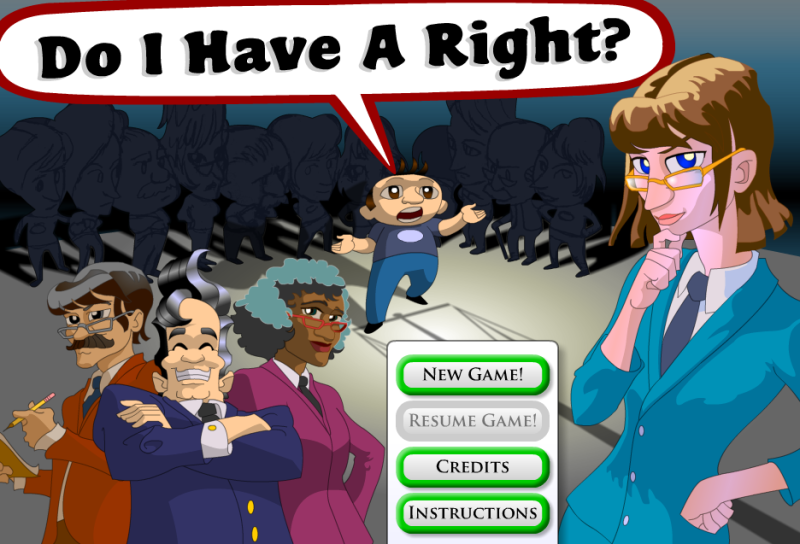
"caption": "The iCivics web-based game is one of the recipients of the Next Generation Learning Challenges grants.",
"description": null,
"title": "Screen shot 2011-06-14 at 1.59.28 PM",
"credit": null,
"status": "inherit",
"isLoading": false,
"fetchFailed": false
},
"mindshift_11579": {
"type": "attachments",
"id": "mindshift_11579",
"meta": {
"index": "attachments_1716263798",
"site": "mindshift",
"id": "11579",
"found": true
},
"parent": 11537,
"imgSizes": {
"twentyfourteen-full-width": {
"file": "https://ww2.kqed.org/app/uploads/sites/23/2011/05/2456767724_bdd5d95a1d_z-640x576.jpg",
"width": 640,
"mimeType": "image/jpeg",
"height": 576
},
"thumbnail": {
"file": "https://ww2.kqed.org/app/uploads/sites/23/2011/05/2456767724_bdd5d95a1d_z-400x400.jpg",
"width": 400,
"mimeType": "image/jpeg",
"height": 400
},
"fd-sm": {
"file": "https://ww2.kqed.org/app/uploads/sites/23/2011/05/2456767724_bdd5d95a1d_z-320x320.jpg",
"width": 320,
"mimeType": "image/jpeg",
"height": 320
},
"post-thumbnail": {
"file": "https://ww2.kqed.org/app/uploads/sites/23/2011/05/2456767724_bdd5d95a1d_z-640x372.jpg",
"width": 640,
"mimeType": "image/jpeg",
"height": 372
},
"kqedFullSize": {
"file": "https://ww2.kqed.org/app/uploads/sites/23/2011/05/2456767724_bdd5d95a1d_z.jpg",
"width": 640,
"height": 640
},
"guest-author-96": {
"file": "https://ww2.kqed.org/app/uploads/sites/23/2011/05/2456767724_bdd5d95a1d_z-96x96.jpg",
"width": 96,
"mimeType": "image/jpeg",
"height": 96
},
"guest-author-64": {
"file": "https://ww2.kqed.org/app/uploads/sites/23/2011/05/2456767724_bdd5d95a1d_z-64x64.jpg",
"width": 64,
"mimeType": "image/jpeg",
"height": 64
},
"detail": {
"file": "https://ww2.kqed.org/app/uploads/sites/23/2011/05/2456767724_bdd5d95a1d_z-75x75.jpg",
"width": 75,
"mimeType": "image/jpeg",
"height": 75
},
"guest-author-32": {
"file": "https://ww2.kqed.org/app/uploads/sites/23/2011/05/2456767724_bdd5d95a1d_z-32x32.jpg",
"width": 32,
"mimeType": "image/jpeg",
"height": 32
},
"guest-author-128": {
"file": "https://ww2.kqed.org/app/uploads/sites/23/2011/05/2456767724_bdd5d95a1d_z-128x128.jpg",
"width": 128,
"mimeType": "image/jpeg",
"height": 128
}
},
"publishDate": 1305250800,
"modified": 1305250800,
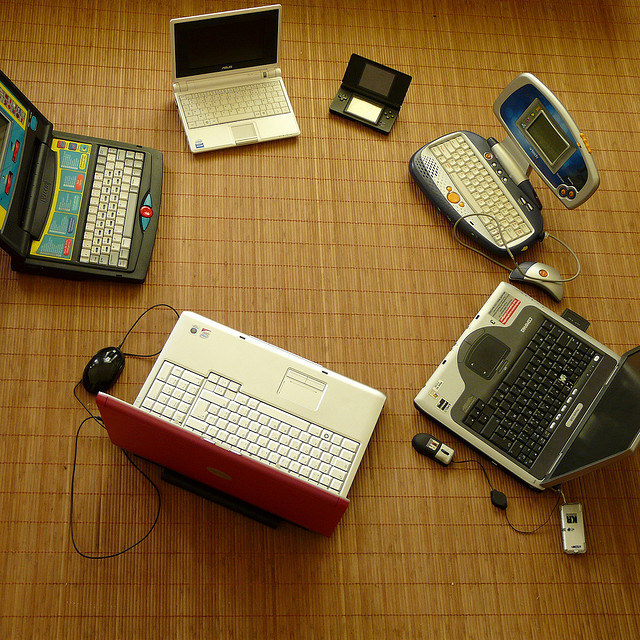
"caption": "Computer games and mobile devices will be prevalent in schools within the next few years.",
"description": null,
"title": "2456767724_bdd5d95a1d_z",
"credit": null,
"status": "inherit",
"isLoading": false,
"fetchFailed": false
},
"mindshift_11357": {
"type": "attachments",
"id": "mindshift_11357",
"meta": {
"index": "attachments_1716263798",
"site": "mindshift",
"id": "11357",
"found": true
},
"parent": 11300,
"imgSizes": {
"twentyfourteen-full-width": {
"file": "https://ww2.kqed.org/app/uploads/sites/23/2011/05/playground-1038x576.jpg",
"width": 1038,
"mimeType": "image/jpeg",
"height": 576
},
"thumbnail": {
"file": "https://ww2.kqed.org/app/uploads/sites/23/2011/05/playground-400x299.jpg",
"width": 400,
"mimeType": "image/jpeg",
"height": 299
},
"fd-sm": {
"file": "https://ww2.kqed.org/app/uploads/sites/23/2011/05/playground-320x239.jpg",
"width": 320,
"mimeType": "image/jpeg",
"height": 239
},
"post-thumbnail": {
"file": "https://ww2.kqed.org/app/uploads/sites/23/2011/05/playground-672x372.jpg",
"width": 672,
"mimeType": "image/jpeg",
"height": 372
},
"kqedFullSize": {
"file": "https://ww2.kqed.org/app/uploads/sites/23/2011/05/playground.jpg",
"width": 1296,
"height": 968
},
"guest-author-96": {
"file": "https://ww2.kqed.org/app/uploads/sites/23/2011/05/playground-96x96.jpg",
"width": 96,
"mimeType": "image/jpeg",
"height": 96
},
"medium": {
"file": "https://ww2.kqed.org/app/uploads/sites/23/2011/05/playground-800x598.jpg",
"width": 800,
"mimeType": "image/jpeg",
"height": 598
},
"guest-author-64": {
"file": "https://ww2.kqed.org/app/uploads/sites/23/2011/05/playground-64x64.jpg",
"width": 64,
"mimeType": "image/jpeg",
"height": 64
},
"guest-author-32": {
"file": "https://ww2.kqed.org/app/uploads/sites/23/2011/05/playground-32x32.jpg",
"width": 32,
"mimeType": "image/jpeg",
"height": 32
},
"fd-lrg": {
"file": "https://ww2.kqed.org/app/uploads/sites/23/2011/05/playground-1180x881.jpg",
"width": 1180,
"mimeType": "image/jpeg",
"height": 881
},
"fd-med": {
"file": "https://ww2.kqed.org/app/uploads/sites/23/2011/05/playground-768x574.jpg",
"width": 768,
"mimeType": "image/jpeg",
"height": 574
},
"detail": {
"file": "https://ww2.kqed.org/app/uploads/sites/23/2011/05/playground-75x75.jpg",
"width": 75,
"mimeType": "image/jpeg",
"height": 75
},
"guest-author-128": {
"file": "https://ww2.kqed.org/app/uploads/sites/23/2011/05/playground-128x128.jpg",
"width": 128,
"mimeType": "image/jpeg",
"height": 128
}
},
"publishDate": 1304703719,
"modified": 1304703719,
"caption": "Astroturf on the playground provides a spot for kids to play and congregate.",
"description": null,
"title": "Recess",
"credit": null,
"status": "inherit",
"isLoading": false,
"fetchFailed": false
},
"mindshift_11135": {
"type": "attachments",
"id": "mindshift_11135",
"meta": {
"index": "attachments_1716263798",
"site": "mindshift",
"id": "11135",
"found": true
},
"parent": 11120,
"imgSizes": {
"thumbnail": {
"file": "https://ww2.kqed.org/app/uploads/sites/23/2011/05/encyclo1-400x400.jpg",
"width": 400,
"mimeType": "image/jpeg",
"height": 400
},
"fd-sm": {
"file": "https://ww2.kqed.org/app/uploads/sites/23/2011/05/encyclo1-320x320.jpg",
"width": 320,
"mimeType": "image/jpeg",
"height": 320
},
"post-thumbnail": {
"file": "https://ww2.kqed.org/app/uploads/sites/23/2011/05/encyclo1-500x372.jpg",
"width": 500,
"mimeType": "image/jpeg",
"height": 372
},
"kqedFullSize": {
"file": "https://ww2.kqed.org/app/uploads/sites/23/2011/05/encyclo1.jpg",
"width": 500,
"height": 500
},
"guest-author-96": {
"file": "https://ww2.kqed.org/app/uploads/sites/23/2011/05/encyclo1-96x96.jpg",
"width": 96,
"mimeType": "image/jpeg",
"height": 96
},
"guest-author-64": {
"file": "https://ww2.kqed.org/app/uploads/sites/23/2011/05/encyclo1-64x64.jpg",
"width": 64,
"mimeType": "image/jpeg",
"height": 64
},
"detail": {
"file": "https://ww2.kqed.org/app/uploads/sites/23/2011/05/encyclo1-75x75.jpg",
"width": 75,
"mimeType": "image/jpeg",
"height": 75
},
"guest-author-32": {
"file": "https://ww2.kqed.org/app/uploads/sites/23/2011/05/encyclo1-32x32.jpg",
"width": 32,
"mimeType": "image/jpeg",
"height": 32
},
"guest-author-128": {
"file": "https://ww2.kqed.org/app/uploads/sites/23/2011/05/encyclo1-128x128.jpg",
"width": 128,
"mimeType": "image/jpeg",
"height": 128
}
},
"publishDate": 1304356140,
"modified": 1304356140,
"caption": null,
"description": null,
"title": "encyclo",
"credit": null,
"status": "inherit",
"isLoading": false,
"fetchFailed": false
},
"mindshift_10676": {
"type": "attachments",
"id": "mindshift_10676",
"meta": {
"index": "attachments_1716263798",
"site": "mindshift",
"id": "10676",
"found": true
},
"parent": 10675,
"imgSizes": {
"thumbnail": {
"file": "https://ww2.kqed.org/app/uploads/sites/23/2011/04/MindJumpers-400x325.png",
"width": 400,
"mimeType": "image/png",
"height": 325
},
"fd-sm": {
"file": "https://ww2.kqed.org/app/uploads/sites/23/2011/04/MindJumpers-320x260.png",
"width": 320,
"mimeType": "image/png",
"height": 260
},
"post-thumbnail": {
"file": "https://ww2.kqed.org/app/uploads/sites/23/2011/04/MindJumpers-672x372.png",
"width": 672,
"mimeType": "image/png",
"height": 372
},
"kqedFullSize": {
"file": "https://ww2.kqed.org/app/uploads/sites/23/2011/04/MindJumpers.png",
"width": 673,
"height": 546
},
"guest-author-96": {
"file": "https://ww2.kqed.org/app/uploads/sites/23/2011/04/MindJumpers-96x96.png",
"width": 96,
"mimeType": "image/png",
"height": 96
},
"guest-author-64": {
"file": "https://ww2.kqed.org/app/uploads/sites/23/2011/04/MindJumpers-64x64.png",
"width": 64,
"mimeType": "image/png",
"height": 64
},
"detail": {
"file": "https://ww2.kqed.org/app/uploads/sites/23/2011/04/MindJumpers-75x75.png",
"width": 75,
"mimeType": "image/png",
"height": 75
},
"guest-author-32": {
"file": "https://ww2.kqed.org/app/uploads/sites/23/2011/04/MindJumpers-32x32.png",
"width": 32,
"mimeType": "image/png",
"height": 32
},
"guest-author-128": {
"file": "https://ww2.kqed.org/app/uploads/sites/23/2011/04/MindJumpers-128x128.png",
"width": 128,
"mimeType": "image/png",
"height": 128
}
},
"publishDate": 1303242023,
"modified": 1303242023,
"caption": null,
"description": null,
"title": "MindJumpers",
"credit": null,
"status": "inherit",
"isLoading": false,
"fetchFailed": false
},
"mindshift_10333": {
"type": "attachments",
"id": "mindshift_10333",
"meta": {
"index": "attachments_1716263798",
"site": "mindshift",
"id": "10333",
"found": true
},
"parent": 10299,
"imgSizes": {
"thumbnail": {
"file": "https://ww2.kqed.org/app/uploads/sites/23/2011/04/tv-400x269.jpg",
"width": 400,
"mimeType": "image/jpeg",
"height": 269
},
"fd-sm": {
"file": "https://ww2.kqed.org/app/uploads/sites/23/2011/04/tv-320x215.jpg",
"width": 320,
"mimeType": "image/jpeg",
"height": 215
},
"kqedFullSize": {
"file": "https://ww2.kqed.org/app/uploads/sites/23/2011/04/tv.jpg",
"width": 505,
"height": 339
},
"guest-author-96": {
"file": "https://ww2.kqed.org/app/uploads/sites/23/2011/04/tv-96x96.jpg",
"width": 96,
"mimeType": "image/jpeg",
"height": 96
},
"guest-author-64": {
"file": "https://ww2.kqed.org/app/uploads/sites/23/2011/04/tv-64x64.jpg",
"width": 64,
"mimeType": "image/jpeg",
"height": 64
},
"detail": {
"file": "https://ww2.kqed.org/app/uploads/sites/23/2011/04/tv-75x75.jpg",
"width": 75,
"mimeType": "image/jpeg",
"height": 75
},
"guest-author-32": {
"file": "https://ww2.kqed.org/app/uploads/sites/23/2011/04/tv-32x32.jpg",
"width": 32,
"mimeType": "image/jpeg",
"height": 32
},
"guest-author-128": {
"file": "https://ww2.kqed.org/app/uploads/sites/23/2011/04/tv-128x128.jpg",
"width": 128,
"mimeType": "image/jpeg",
"height": 128
}
},
"publishDate": 1302301267,
"modified": 1302301267,
"caption": null,
"description": "PR 1, MR F, MR G | date created: 2005:07:21",
"title": "JACK-MIA-COSTUME_016",
"credit": null,
"status": "inherit",
"isLoading": false,
"fetchFailed": false
},
"mindshift_10155": {
"type": "attachments",
"id": "mindshift_10155",
"meta": {
"index": "attachments_1716263798",
"site": "mindshift",
"id": "10155",
"found": true
},
"parent": 10147,
"imgSizes": {
"thumbnail": {
"file": "https://ww2.kqed.org/app/uploads/sites/23/2011/04/Husky-400x300.jpg",
"width": 400,
"mimeType": "image/jpeg",
"height": 300
},
"fd-sm": {
"file": "https://ww2.kqed.org/app/uploads/sites/23/2011/04/Husky-320x240.jpg",
"width": 320,
"mimeType": "image/jpeg",
"height": 240
},
"post-thumbnail": {
"file": "https://ww2.kqed.org/app/uploads/sites/23/2011/04/Husky-500x372.jpg",
"width": 500,
"mimeType": "image/jpeg",
"height": 372
},
"kqedFullSize": {
"file": "https://ww2.kqed.org/app/uploads/sites/23/2011/04/Husky.jpg",
"width": 500,
"height": 375
},
"guest-author-96": {
"file": "https://ww2.kqed.org/app/uploads/sites/23/2011/04/Husky-96x96.jpg",
"width": 96,
"mimeType": "image/jpeg",
"height": 96
},
"guest-author-64": {
"file": "https://ww2.kqed.org/app/uploads/sites/23/2011/04/Husky-64x64.jpg",
"width": 64,
"mimeType": "image/jpeg",
"height": 64
},
"detail": {
"file": "https://ww2.kqed.org/app/uploads/sites/23/2011/04/Husky-75x75.jpg",
"width": 75,
"mimeType": "image/jpeg",
"height": 75
},
"guest-author-32": {
"file": "https://ww2.kqed.org/app/uploads/sites/23/2011/04/Husky-32x32.jpg",
"width": 32,
"mimeType": "image/jpeg",
"height": 32
},
"guest-author-128": {
"file": "https://ww2.kqed.org/app/uploads/sites/23/2011/04/Husky-128x128.jpg",
"width": 128,
"mimeType": "image/jpeg",
"height": 128
}
},
"publishDate": 1302022632,
"modified": 1302022632,
"caption": null,
"description": null,
"title": "Husky",
"credit": null,
"status": "inherit",
"isLoading": false,
"fetchFailed": false
},
"mindshift_9869": {
"type": "attachments",
"id": "mindshift_9869",
"meta": {
"index": "attachments_1716263798",
"site": "mindshift",
"id": "9869",
"found": true
},
"parent": 9850,
"imgSizes": {
"thumbnail": {
"file": "https://ww2.kqed.org/app/uploads/sites/23/2011/03/Hoyasmeg1-400x299.jpg",
"width": 400,
"mimeType": "image/jpeg",
"height": 299
},
"fd-sm": {
"file": "https://ww2.kqed.org/app/uploads/sites/23/2011/03/Hoyasmeg1-320x240.jpg",
"width": 320,
"mimeType": "image/jpeg",
"height": 240
},
"post-thumbnail": {
"file": "https://ww2.kqed.org/app/uploads/sites/23/2011/03/Hoyasmeg1-517x372.jpg",
"width": 517,
"mimeType": "image/jpeg",
"height": 372
},
"kqedFullSize": {
"file": "https://ww2.kqed.org/app/uploads/sites/23/2011/03/Hoyasmeg1.jpg",
"width": 517,
"height": 387
},
"guest-author-96": {
"file": "https://ww2.kqed.org/app/uploads/sites/23/2011/03/Hoyasmeg1-96x96.jpg",
"width": 96,
"mimeType": "image/jpeg",
"height": 96
},
"guest-author-64": {
"file": "https://ww2.kqed.org/app/uploads/sites/23/2011/03/Hoyasmeg1-64x64.jpg",
"width": 64,
"mimeType": "image/jpeg",
"height": 64
},
"detail": {
"file": "https://ww2.kqed.org/app/uploads/sites/23/2011/03/Hoyasmeg1-75x75.jpg",
"width": 75,
"mimeType": "image/jpeg",
"height": 75
},
"guest-author-32": {
"file": "https://ww2.kqed.org/app/uploads/sites/23/2011/03/Hoyasmeg1-32x32.jpg",
"width": 32,
"mimeType": "image/jpeg",
"height": 32
},
"guest-author-128": {
"file": "https://ww2.kqed.org/app/uploads/sites/23/2011/03/Hoyasmeg1-128x128.jpg",
"width": 128,
"mimeType": "image/jpeg",
"height": 128
}
},
"publishDate": 1301101809,
"modified": 1301101809,
"caption": null,
"description": null,
"title": "Hoyasmeg",
"credit": null,
"status": "inherit",
"isLoading": false,
"fetchFailed": false
},
"mindshift_9609": {
"type": "attachments",
"id": "mindshift_9609",
"meta": {
"index": "attachments_1716263798",
"site": "mindshift",
"id": "9609",
"found": true
},
"parent": 9598,
"imgSizes": {
"thumbnail": {
"file": "https://ww2.kqed.org/app/uploads/sites/23/2011/03/DiSalvo.600-400x240.jpg",
"width": 400,
"mimeType": "image/jpeg",
"height": 240
},
"fd-sm": {
"file": "https://ww2.kqed.org/app/uploads/sites/23/2011/03/DiSalvo.600-320x192.jpg",
"width": 320,
"mimeType": "image/jpeg",
"height": 192
},
"kqedFullSize": {
"file": "https://ww2.kqed.org/app/uploads/sites/23/2011/03/DiSalvo.600.jpg",
"width": 600,
"height": 360
},
"guest-author-96": {
"file": "https://ww2.kqed.org/app/uploads/sites/23/2011/03/DiSalvo.600-96x96.jpg",
"width": 96,
"mimeType": "image/jpeg",
"height": 96
},
"guest-author-64": {
"file": "https://ww2.kqed.org/app/uploads/sites/23/2011/03/DiSalvo.600-64x64.jpg",
"width": 64,
"mimeType": "image/jpeg",
"height": 64
},
"detail": {
"file": "https://ww2.kqed.org/app/uploads/sites/23/2011/03/DiSalvo.600-75x75.jpg",
"width": 75,
"mimeType": "image/jpeg",
"height": 75
},
"guest-author-32": {
"file": "https://ww2.kqed.org/app/uploads/sites/23/2011/03/DiSalvo.600-32x32.jpg",
"width": 32,
"mimeType": "image/jpeg",
"height": 32
},
"guest-author-128": {
"file": "https://ww2.kqed.org/app/uploads/sites/23/2011/03/DiSalvo.600-128x128.jpg",
"width": 128,
"mimeType": "image/jpeg",
"height": 128
}
},
"publishDate": 1300901759,
"modified": 1300901759,
"caption": null,
"description": null,
"title": "DiSalvo.600",
"credit": null,
"status": "inherit",
"isLoading": false,
"fetchFailed": false
},
"mindshift_9447": {
"type": "attachments",
"id": "mindshift_9447",
"meta": {
"index": "attachments_1716263798",
"site": "mindshift",
"id": "9447",
"found": true
},
"parent": 9441,
"imgSizes": {
"thumbnail": {
"file": "https://ww2.kqed.org/app/uploads/sites/23/2011/03/weekly_roundup1-400x266.jpg",
"width": 400,
"mimeType": "image/jpeg",
"height": 266
},
"fd-sm": {
"file": "https://ww2.kqed.org/app/uploads/sites/23/2011/03/weekly_roundup1-320x213.jpg",
"width": 320,
"mimeType": "image/jpeg",
"height": 213
},
"kqedFullSize": {
"file": "https://ww2.kqed.org/app/uploads/sites/23/2011/03/weekly_roundup1.jpg",
"width": 500,
"height": 333
},
"guest-author-96": {
"file": "https://ww2.kqed.org/app/uploads/sites/23/2011/03/weekly_roundup1-96x96.jpg",
"width": 96,
"mimeType": "image/jpeg",
"height": 96
},
"guest-author-64": {
"file": "https://ww2.kqed.org/app/uploads/sites/23/2011/03/weekly_roundup1-64x64.jpg",
"width": 64,
"mimeType": "image/jpeg",
"height": 64
},
"detail": {
"file": "https://ww2.kqed.org/app/uploads/sites/23/2011/03/weekly_roundup1-75x75.jpg",
"width": 75,
"mimeType": "image/jpeg",
"height": 75
},
"guest-author-32": {
"file": "https://ww2.kqed.org/app/uploads/sites/23/2011/03/weekly_roundup1-32x32.jpg",
"width": 32,
"mimeType": "image/jpeg",
"height": 32
},
"guest-author-128": {
"file": "https://ww2.kqed.org/app/uploads/sites/23/2011/03/weekly_roundup1-128x128.jpg",
"width": 128,
"mimeType": "image/jpeg",
"height": 128
}
},
"publishDate": 1300421715,
"modified": 1300421715,
"caption": null,
"description": null,
"title": "weekly_roundup",
"credit": null,
"status": "inherit",
"isLoading": false,
"fetchFailed": false
},
"mindshift_9378": {
"type": "attachments",
"id": "mindshift_9378",
"meta": {
"index": "attachments_1716263798",
"site": "mindshift",
"id": "9378",
"found": true
},
"parent": 9316,
"imgSizes": {
"fd-sm": {
"file": "https://ww2.kqed.org/app/uploads/sites/23/2011/03/student_directory-320x320.jpg",
"width": 320,
"mimeType": "image/jpeg",
"height": 320
},
"post-thumbnail": {
"file": "https://ww2.kqed.org/app/uploads/sites/23/2011/03/student_directory-384x372.jpg",
"width": 384,
"mimeType": "image/jpeg",
"height": 372
},
"kqedFullSize": {
"file": "https://ww2.kqed.org/app/uploads/sites/23/2011/03/student_directory.jpg",
"width": 384,
"height": 384
},
"guest-author-96": {
"file": "https://ww2.kqed.org/app/uploads/sites/23/2011/03/student_directory-96x96.jpg",
"width": 96,
"mimeType": "image/jpeg",
"height": 96
},
"guest-author-64": {
"file": "https://ww2.kqed.org/app/uploads/sites/23/2011/03/student_directory-64x64.jpg",
"width": 64,
"mimeType": "image/jpeg",
"height": 64
},
"detail": {
"file": "https://ww2.kqed.org/app/uploads/sites/23/2011/03/student_directory-75x75.jpg",
"width": 75,
"mimeType": "image/jpeg",
"height": 75
},
"guest-author-32": {
"file": "https://ww2.kqed.org/app/uploads/sites/23/2011/03/student_directory-32x32.jpg",
"width": 32,
"mimeType": "image/jpeg",
"height": 32
},
"guest-author-128": {
"file": "https://ww2.kqed.org/app/uploads/sites/23/2011/03/student_directory-128x128.jpg",
"width": 128,
"mimeType": "image/jpeg",
"height": 128
}
},
"publishDate": 1300298597,
"modified": 1300298597,
"caption": null,
"description": null,
"title": "student_directory",
"credit": null,
"status": "inherit",
"isLoading": false,
"fetchFailed": false
}
},
"audioPlayerReducer": {
"postId": "stream_live",
"isPaused": true,
"isPlaying": false,
"pfsActive": false,
"pledgeModalIsOpen": true,
"playerDrawerIsOpen": false,
"liveAudioPlayStartedAt": 0,
"liveAudioPlayContext": ""
},
"authorsReducer": {
"tbarseghian": {
"type": "authors",
"id": "180",
"meta": {
"index": "authors_1716337520",
"id": "180",
"found": true
},
"name": "Tina Barseghian",
"firstName": "Tina",
"lastName": "Barseghian",
"slug": "tbarseghian",
"email": "tbarseghian@kqed.org",
"display_author_email": false,
"staff_mastheads": [],
"title": null,
"bio": null,
"avatar": "https://secure.gravatar.com/avatar/de7e6ced1239b7018fe4d2b61f723c90?s=600&d=blank&r=g",
"twitter": null,
"facebook": null,
"instagram": null,
"linkedin": null,
"sites": [
{
"site": "styleguide",
"roles": [
"contributor"
]
},
{
"site": "news",
"roles": [
"subscriber"
]
},
{
"site": "mindshift",
"roles": [
"subscriber"
]
},
{
"site": "bayareabites",
"roles": [
"subscriber"
]
}
],
"headData": {
"title": "Tina Barseghian | KQED",
"description": null,
"ogImgSrc": "https://secure.gravatar.com/avatar/de7e6ced1239b7018fe4d2b61f723c90?s=600&d=blank&r=g",
"twImgSrc": "https://secure.gravatar.com/avatar/de7e6ced1239b7018fe4d2b61f723c90?s=600&d=blank&r=g"
},
"isLoading": false,
"link": "/author/tbarseghian"
},
"sbernard": {
"type": "authors",
"id": "4351",
"meta": {
"index": "authors_1716337520",
"id": "4351",
"found": true
},
"name": "Sara Bernard",
"firstName": "Sara",
"lastName": "Bernard",
"slug": "sbernard",
"email": "saralacy@gmail.com",
"display_author_email": false,
"staff_mastheads": [],
"title": null,
"bio": null,
"avatar": "https://secure.gravatar.com/avatar/69bae8afcc64ab67f6e3709cfb4bef26?s=600&d=blank&r=g",
"twitter": null,
"facebook": null,
"instagram": null,
"linkedin": null,
"sites": [
{
"site": "mindshift",
"roles": [
"subscriber"
]
}
],
"headData": {
"title": "Sara Bernard | KQED",
"description": null,
"ogImgSrc": "https://secure.gravatar.com/avatar/69bae8afcc64ab67f6e3709cfb4bef26?s=600&d=blank&r=g",
"twImgSrc": "https://secure.gravatar.com/avatar/69bae8afcc64ab67f6e3709cfb4bef26?s=600&d=blank&r=g"
},
"isLoading": false,
"link": "/author/sbernard"
},
"awatters": {
"type": "authors",
"id": "4352",
"meta": {
"index": "authors_1716337520",
"id": "4352",
"found": true
},
"name": "Audrey Watters",
"firstName": "Audrey",
"lastName": "Watters",
"slug": "awatters",
"email": "awatters@kqed.org",
"display_author_email": false,
"staff_mastheads": [],
"title": null,
"bio": null,
"avatar": "https://secure.gravatar.com/avatar/fb6ac91bb93632725bfa683c1de71bee?s=600&d=blank&r=g",
"twitter": null,
"facebook": null,
"instagram": null,
"linkedin": null,
"sites": [
{
"site": "mindshift",
"roles": [
"subscriber"
]
}
],
"headData": {
"title": "Audrey Watters | KQED",
"description": null,
"ogImgSrc": "https://secure.gravatar.com/avatar/fb6ac91bb93632725bfa683c1de71bee?s=600&d=blank&r=g",
"twImgSrc": "https://secure.gravatar.com/avatar/fb6ac91bb93632725bfa683c1de71bee?s=600&d=blank&r=g"
},
"isLoading": false,
"link": "/author/awatters"
}
},
"pagesReducer": {
"mindshift_category_big-ideas": {
"type": "terms",
"id": "mindshift_192",
"meta": {
"index": "terms_1716263798",
"site": "mindshift",
"id": "192",
"score": 14.406195
},
"featImg": null,
"name": "Big Ideas",
"description": "The latest findings from experts in the field related to the future of learning.",
"taxonomy": "category",
"headData": {
"twImgId": null,
"twTitle": null,
"ogTitle": null,
"ogImgId": null,
"twDescription": null,
"description": "The latest findings from experts in the field related to the future of learning.",
"title": "Big Ideas Archives | KQED Mindshift",
"ogDescription": null
},
"ttid": 192,
"slug": "big-ideas",
"isLoading": false,
"title": "Big Ideas",
"pageMeta": {
"site": "mindshift",
"WpPageTemplate": "page-topic-editorial",
"currentPage": 81
},
"blocks": [
{
"blockName": "kqed/company-paragraph",
"content": "The latest findings from experts in the field related to the future of learning."
},
{
"blockName": "kqed/post-list",
"attrs": {
"layout": "cardArticle2",
"query": "posts/mindshift?category=big-ideas",
"seeMore": false,
"paginated": true,
"page": 81
}
},
{
"blockName": "kqed/ad"
}
]
}
},
"pfsSessionReducer": {},
"postsReducer": {
"stream_live": {
"type": "live",
"id": "stream_live",
"audioUrl": "https://streams.kqed.org/kqedradio",
"title": "Live Stream",
"excerpt": "Live Stream information currently unavailable.",
"link": "/radio",
"featImg": "",
"label": {
"name": "KQED Live",
"link": "/"
}
},
"stream_kqedNewscast": {
"type": "posts",
"id": "stream_kqedNewscast",
"audioUrl": "https://www.kqed.org/.stream/anon/radio/RDnews/newscast.mp3?_=1",
"title": "KQED Newscast",
"featImg": "",
"label": {
"name": "88.5 FM",
"link": "/"
}
},
"mindshift_12578": {
"type": "posts",
"id": "mindshift_12578",
"meta": {
"index": "posts_1716263798",
"site": "mindshift",
"id": "12578",
"score": null,
"sort": [
1308085388000
]
},
"parent": 0,
"labelTerm": {
"site": "mindshift"
},
"blocks": [],
"publishDate": 1308085388,
"format": "aside",
"disqusTitle": "$7 Million Grants Awarded to Help Boost College Readiness",
"title": "$7 Million Grants Awarded to Help Boost College Readiness",
"headTitle": "MindShift | KQED News",
"content": "\u003cfigure id=\"attachment_12582\" class=\"wp-caption left\" style=\"max-width: 300px\">\u003cimg class=\"size-medium wp-image-12582\" src=\"http://ww2.kqed.org/mindshift/wp-content/uploads/sites/23/2011/06/Screen-shot-2011-06-14-at-1.59.28-PM-300x204.png\" alt=\"\" width=\"300\" height=\"204\">\u003cfigcaption class=\"wp-caption-text\">The iCivics web-based game is one of the recipients of the Next Generation Learning Challenges grants.\u003c/figcaption>\u003c/figure>\n\u003cp>Today, the \u003ca href=\"http://nextgenlearning.org/\">Next Generation Learning Challenges\u003c/a> (NGLC), an education technology grant program funded by the Gates Foundation, announced the 19 winners of its latest wave of project funding aimed at the K-12 level.\u003c/p>\n\u003cp>Last fall, the Gates Foundation announced its NGLC initiative, a multi-year project to help support programs that boost college preparedness and college completion. The first round of grants, announced earlier this year, were aimed at developing tools for higher education. While those grant recipients aim to address some of the factors that cause students to drop out of college, the recipients of the second round of grants, announced today, tackle the other end of the spectrum: the factors that make students ill-prepared for college.\u003c/p>\n\u003cp>This $7 million round of funding asked for proposals that use technology to address some of the Common Core materials and to help build both educational content and and assessment tools. The 19 recipients are mostly a blend of private companies and universities. The Louisiana Department of Education - the only public K-12 grant winner in this round - will use the funding to expand its virtual school algebra program. The \u003ca href=\"http://www.icivics.org/\">iCivics\u003c/a> program, another recipient, is an online civic education platform founded and led by Justice Sandra Day O'Connor, and its civics and literacy curriculum will be will be further developed.\u003c/p>\n\u003cp>Although the grant program said that entrants should be able to demonstrate a history of results, there were several \"proof of concept\" endeavors among today's winners, including a project by Classroom Inc to build out its \u003ca href=\"http://www.classroominc.org/node/111\">Sports Network\u003c/a> career simulation module, aimed at at-risk and below reading level students. \u003c!--more-->\u003c/p>\n\u003cp>NGLC is taking a sweeping approach to addressing the problems around college completion rates in the U.S. by addressing issues at both the K-12 level and in college itself. It also has an interesting tact of supporting startups, established technology companies, universities, and K-12 schools.\u003c/p>\n\u003cp>[ad fullwidth]\u003c/p>\n\u003cp>\u003c/p>\n\u003cp>There has been quite a bit of interest in the grant program, and this round had over 230 proposals. A third wave of grant opportunities will be announced later this year.\u003c/p>\n\n",
"disqusIdentifier": "12578 http://blogs.kqed.org/mindshift/?p=12578",
"disqusUrl": "https://ww2.kqed.org/mindshift/2011/06/14/10-million-grants-awarded-to-help-boost-college-readiness/",
"stats": {
"hasVideo": false,
"hasChartOrMap": false,
"hasAudio": false,
"hasPolis": false,
"wordCount": 370,
"hasGoogleForm": false,
"hasGallery": false,
"hasHearkenModule": false,
"iframeSrcs": [],
"paragraphCount": 8
},
"modified": 1308089024,
"excerpt": null,
"headData": {
"twImgId": "",
"twTitle": "",
"ogTitle": "",
"ogImgId": "",
"twDescription": "",
"description": "Today, the Next Generation Learning Challenges (NGLC), an education technology grant program funded by the Gates Foundation, announced the 19 winners of its latest wave of project funding aimed at the K-12 level. Last fall, the Gates Foundation announced its NGLC initiative, a multi-year project to help support programs that boost college preparedness and college",
"title": "$7 Million Grants Awarded to Help Boost College Readiness | KQED",
"ogDescription": "",
"schema": {
"@context": "https://schema.org",
"@type": "Article",
"headline": "$7 Million Grants Awarded to Help Boost College Readiness",
"datePublished": "2011-06-14T14:03:08-07:00",
"dateModified": "2011-06-14T15:03:44-07:00",
"image": "https://cdn.kqed.org/wp-content/uploads/2020/02/KQED-OG-Image@1x.png"
}
},
"guestAuthors": [],
"slug": "10-million-grants-awarded-to-help-boost-college-readiness",
"status": "publish",
"path": "/mindshift/12578/10-million-grants-awarded-to-help-boost-college-readiness",
"audioTrackLength": null,
"parsedContent": [
{
"type": "contentString",
"content": "\u003cdiv class=\"post-body\">\u003cp>\u003cfigure id=\"attachment_12582\" class=\"wp-caption left\" style=\"max-width: 300px\">\u003cimg class=\"size-medium wp-image-12582\" src=\"http://ww2.kqed.org/mindshift/wp-content/uploads/sites/23/2011/06/Screen-shot-2011-06-14-at-1.59.28-PM-300x204.png\" alt=\"\" width=\"300\" height=\"204\">\u003cfigcaption class=\"wp-caption-text\">The iCivics web-based game is one of the recipients of the Next Generation Learning Challenges grants.\u003c/figcaption>\u003c/figure>\n\u003cp>Today, the \u003ca href=\"http://nextgenlearning.org/\">Next Generation Learning Challenges\u003c/a> (NGLC), an education technology grant program funded by the Gates Foundation, announced the 19 winners of its latest wave of project funding aimed at the K-12 level.\u003c/p>\n\u003cp>Last fall, the Gates Foundation announced its NGLC initiative, a multi-year project to help support programs that boost college preparedness and college completion. The first round of grants, announced earlier this year, were aimed at developing tools for higher education. While those grant recipients aim to address some of the factors that cause students to drop out of college, the recipients of the second round of grants, announced today, tackle the other end of the spectrum: the factors that make students ill-prepared for college.\u003c/p>\n\u003cp>This $7 million round of funding asked for proposals that use technology to address some of the Common Core materials and to help build both educational content and and assessment tools. The 19 recipients are mostly a blend of private companies and universities. The Louisiana Department of Education - the only public K-12 grant winner in this round - will use the funding to expand its virtual school algebra program. The \u003ca href=\"http://www.icivics.org/\">iCivics\u003c/a> program, another recipient, is an online civic education platform founded and led by Justice Sandra Day O'Connor, and its civics and literacy curriculum will be will be further developed.\u003c/p>\n\u003cp>Although the grant program said that entrants should be able to demonstrate a history of results, there were several \"proof of concept\" endeavors among today's winners, including a project by Classroom Inc to build out its \u003ca href=\"http://www.classroominc.org/node/111\">Sports Network\u003c/a> career simulation module, aimed at at-risk and below reading level students. \u003c!--more-->\u003c/p>\n\u003cp>NGLC is taking a sweeping approach to addressing the problems around college completion rates in the U.S. by addressing issues at both the K-12 level and in college itself. It also has an interesting tact of supporting startups, established technology companies, universities, and K-12 schools.\u003c/p>\n\u003cp>\u003c/p>\u003c/div>",
"attributes": {
"named": {},
"numeric": []
}
},
{
"type": "component",
"content": "",
"name": "ad",
"attributes": {
"named": {
"label": "fullwidth"
},
"numeric": [
"fullwidth"
]
}
},
{
"type": "contentString",
"content": "\u003cdiv class=\"post-body\">\u003cp>\u003c/p>\n\u003cp>\u003c/p>\n\u003cp>There has been quite a bit of interest in the grant program, and this round had over 230 proposals. A third wave of grant opportunities will be announced later this year.\u003c/p>\n\n\u003c/div>\u003c/p>",
"attributes": {
"named": {},
"numeric": []
}
}
],
"link": "/mindshift/12578/10-million-grants-awarded-to-help-boost-college-readiness",
"authors": [
"4352"
],
"categories": [
"mindshift_192"
],
"tags": [
"mindshift_25",
"mindshift_558"
],
"featImg": "mindshift_12582",
"label": "mindshift"
},
"mindshift_12392": {
"type": "posts",
"id": "mindshift_12392",
"meta": {
"index": "posts_1716263798",
"site": "mindshift",
"id": "12392",
"score": null,
"sort": [
1307734238000
]
},
"parent": 0,
"labelTerm": {
"site": "mindshift"
},
"blocks": [],
"publishDate": 1307734238,
"format": "aside",
"disqusTitle": "Games, Gadgets and the Cloud: Coming Soon to a School Near You",
"title": "Games, Gadgets and the Cloud: Coming Soon to a School Near You",
"headTitle": "MindShift | KQED News",
"content": "\u003cp style=\"padding-left: 30px;\">\n\u003cfigure id=\"attachment_11579\" class=\"wp-caption left\" style=\"max-width: 300px\">\u003ca rel=\"attachment wp-att-11579\" href=\"http://ww2.kqed.org/mindshift/2011/05/its-flexibility-draws-one-family-to-virtual-school/2456767724_bdd5d95a1d_z/\">\u003cimg class=\"size-medium wp-image-11579\" src=\"http://ww2.kqed.org/mindshift/wp-content/uploads/sites/23/2011/05/2456767724_bdd5d95a1d_z-300x300.jpg\" alt=\"\" width=\"300\" height=\"300\">\u003c/a>\u003cfigcaption class=\"wp-caption-text\">Computer games and mobile devices will be prevalent in schools within the next few years.\u003c/figcaption>\u003c/figure>\n\u003c/p>\u003cp>Cloud computing and mobile learning: That's the way of the near future in education, according to the \u003ca href=\"http://www.nmc.org/publications/2011-horizon-report-k-12\" target=\"_blank\">\u003cem>New Media Consortium (NMC) Horizon Report: 2011 K-12 Edition\u003c/em>\u003c/a>.\u003c/p>\n\u003cp>Released by the \u003ca href=\"http://www.nmc.org/horizon\" target=\"_blank\">NMC's Horizon Project\u003c/a>, the report distills current trends, challenges, and emerging technologies in K-12 education. \"There are so many things to pay attention to in the world of emerging technologies,\" says New Media Consortium CEO and Horizon Project founder \u003ca href=\"http://www.nmc.org/user/larry-johnson\" target=\"_blank\">Dr. Larry Johnson\u003c/a>. \"What we're saying is, 'Pay attention to this small list and you won't go wrong.'\"\u003c/p>\n\u003cp>The report is full of specific examples of what's really happening in schools, but Johnson recommends keeping a close eye on the following trends.\u003c/p>\n\u003cul>\n\u003cli>\u003cstrong>IN THE NEXT YEAR: \u003ca href=\"http://blogs.edweek.org/edweek/DigitalEducation/2011/05/clouds_on_ed-tech_horizon_agai.html\" target=\"_blank\">CLOUD COMPUTING AND MOBILE DEVICES\u003c!--more-->\u003c/a>\u003c/strong>\u003c/li>\n\u003c/ul>\n\u003cp>\u003cem> \u003c/em>Schools will start incorporating mobile, hand-held devices in the classroom in significant ways. Mobiles (read: smart phones), Johnson says, were placed \"pretty far out\" in past Horizon reports -- in the four- to five-year category, mostly because of policy concerns. \"Schools didn't have the right policies in place to even think about it; [phones] were still considered disruptive,\" he says. But now, \"we think mobiles are finally going to tip in education.\"\u003c/p>\n\u003cp>[ad fullwidth]\u003c/p>\n\u003cp>Cloud computing will replace data storage on school servers because using free data centers that host thousands of servers, like Google, is becoming more prevalent. Not only are these cloud computing services more convenient for schools (\u003ca href=\"http://ww2.kqed.org/mindshift/tag/google-apps-for-education/\">Google Docs\u003c/a>, for instance), but it's \"increasingly seen as a way to save money,\" Johnson says.\u003c/p>\n\u003cul>\n\u003cli>\u003cstrong>2-3 YEARS:\u003c/strong> \u003cstrong>\u003ca href=\"http://ww2.kqed.org/mindshift/2011/04/can-gamification-boost-independent-learning/\">GAME-BASED LEARNING\u003c/a> AND \u003ca href=\"http://ww2.kqed.org/mindshift/tag/open-source/\">OPEN CONTENT\u003c/a>\u003c/strong>\u003c/li>\n\u003c/ul>\n\u003cp>\u003cem> \u003c/em>Games are gaining more traction in education -- primarily for the potential of highly sophisticated video games to \"foster collaboration and engage students deeply in the process of learning.\" \u003ca href=\"http://ww2.kqed.org/mindshift/2011/05/10-open-education-resources-you-may-not-know-about-but-should/\" target=\"_blank\">Open content\u003c/a> is perhaps not \u003cem>yet\u003c/em> as widely employed as cloud computing is to save money, but it's on its way: open educational resources have been offered by institutions as renowned as MIT for a decade and are increasingly seen in the K-12 community as a way to increase student choice and access to learning.\u003c/p>\n\u003cul>\n\u003cli>\u003cstrong>4-5 YEARS:\u003c/strong> \u003ca href=\"http://ww2.kqed.org/mindshift/2011/04/linking-analytics-with-learning/\">LEARNING ANALYTICS\u003c/a> AND \u003ca href=\"http://ww2.kqed.org/mindshift/tag/guide-to-future-school/\">PERSONAL LEARNING ENVIRONMENTS \u003c/a>\u003c/li>\n\u003c/ul>\n\u003cp>It might still be far out, but there's a glimmer on the horizon that standardized tests may not be the only widely approved form of student assessment. Analytics technology is becoming sophisticated enough that schools may start providing personalized assessment systems for students over the next five years. And while a \"personal learning environment\" is still very much in its conceptual phase, the idea that \"student-designed learning approaches that encompass different types of content\" -- like videos, apps, games, and social media tools -- can meet his or her learning style and pace goes a long way to making education more personalized, and therefore effective.\u003c/p>\n\u003cp>The report also cites key trends and critical challenges. Among them:\u003c/p>\n\u003cul>\n\u003cli>\u003cstrong>A NEW DEFINITION OF \"THE DIGITAL DIVIDE.\" \u003c/strong>Today's digital divide is \"less about the devices that you have than the \u003ca href=\"http://www.huffingtonpost.com/daniel-donahoo/horizon-report-k12-releas_b_863345.html\">knowledge and capability\u003c/a> you have to use them when you need to,\" says Johnson. \"We use the Internet as if it were air. Doing a Web search is something we do without even thinking. That, more and more, is how employers expect their workforce to be. The people who have those skills are going to be relatively more successful than people who don't.\"\u003c/li>\n\u003cli>\u003cstrong>LACK OF DIGITAL MEDIA TRAINING FOR TEACHERS. \u003c/strong>Despite widespread agreement about its importance in schools, schools of education and professional development programs for teachers are \u003ca href=\"http://thejournal.com/articles/2011/05/18/a-fistful-of-challenges-for-ed-tech.aspx\" target=\"_blank\">still not providing the training necessary\u003c/a> to make tech integration a reality.\u003c/li>\n\u003cli>\u003cstrong>THE NEED FOR SYSTEMATIC CHANGE. \u003c/strong>\"The fundamental structure of the K-12 education establishment\" is one of the greatest obstacles to innovation, write the report's collaborators. \"As long as maintaining the basic elements of the existing system remains the focus of efforts to support education, there will be resistance to any profound change in practice.\"\u003c/li>\n\u003c/ul>\n\u003cp>This last idea is potentially controversial, but Johnson is matter-of-fact.\u003c/p>\n\u003cp>\"Everything about the way that teachers are evaluated and the way their work is evaluated is based on old models,\" he says. \"It's really very difficult to change. When your lesson plans have to conform to a specific structure, and when your creativity is limited to making sure your students pass high-stakes tests, the ability of a teacher to encourage students to become self-directed learners is hampered.\"\u003c/p>\n\u003cp>\u003c/p>\n\u003cp>Nevertheless, he insists, \"I'm an optimist in this. I understand that change takes time. Schools are not early adopters. They tend to look for technologies that are proven in the rest of the world -- in the business, entertainment, or other industries. Once they're established elsewhere, schools bring them in.\"\u003c/p>\n\n",
"disqusIdentifier": "12392 http://blogs.kqed.org/mindshift/?p=12392",
"disqusUrl": "https://ww2.kqed.org/mindshift/2011/06/10/games-gadgets-and-the-cloud-coming-soon-to-a-school-near-you/",
"stats": {
"hasVideo": false,
"hasChartOrMap": false,
"hasAudio": false,
"hasPolis": false,
"wordCount": 800,
"hasGoogleForm": false,
"hasGallery": false,
"hasHearkenModule": false,
"iframeSrcs": [],
"paragraphCount": 13
},
"modified": 1307988229,
"excerpt": null,
"headData": {
"twImgId": "",
"twTitle": "",
"ogTitle": "",
"ogImgId": "",
"twDescription": "",
"description": "Cloud computing and mobile learning: That's the way of the near future in education, according to the New Media Consortium (NMC) Horizon Report: 2011 K-12 Edition. Released by the NMC's Horizon Project, the report distills current trends, challenges, and emerging technologies in K-12 education. "There are so many things to pay attention to in the",
"title": "Games, Gadgets and the Cloud: Coming Soon to a School Near You | KQED",
"ogDescription": "",
"schema": {
"@context": "https://schema.org",
"@type": "Article",
"headline": "Games, Gadgets and the Cloud: Coming Soon to a School Near You",
"datePublished": "2011-06-10T12:30:38-07:00",
"dateModified": "2011-06-13T11:03:49-07:00",
"image": "https://cdn.kqed.org/wp-content/uploads/2020/02/KQED-OG-Image@1x.png"
}
},
"guestAuthors": [],
"slug": "games-gadgets-and-the-cloud-coming-soon-to-a-school-near-you",
"status": "publish",
"path": "/mindshift/12392/games-gadgets-and-the-cloud-coming-soon-to-a-school-near-you",
"audioTrackLength": null,
"parsedContent": [
{
"type": "contentString",
"content": "\u003cdiv class=\"post-body\">\u003cp>\u003cp style=\"padding-left: 30px;\">\n\u003cfigure id=\"attachment_11579\" class=\"wp-caption left\" style=\"max-width: 300px\">\u003ca rel=\"attachment wp-att-11579\" href=\"http://ww2.kqed.org/mindshift/2011/05/its-flexibility-draws-one-family-to-virtual-school/2456767724_bdd5d95a1d_z/\">\u003cimg class=\"size-medium wp-image-11579\" src=\"http://ww2.kqed.org/mindshift/wp-content/uploads/sites/23/2011/05/2456767724_bdd5d95a1d_z-300x300.jpg\" alt=\"\" width=\"300\" height=\"300\">\u003c/a>\u003cfigcaption class=\"wp-caption-text\">Computer games and mobile devices will be prevalent in schools within the next few years.\u003c/figcaption>\u003c/figure>\n\u003c/p>\u003cp>Cloud computing and mobile learning: That's the way of the near future in education, according to the \u003ca href=\"http://www.nmc.org/publications/2011-horizon-report-k-12\" target=\"_blank\">\u003cem>New Media Consortium (NMC) Horizon Report: 2011 K-12 Edition\u003c/em>\u003c/a>.\u003c/p>\n\u003cp>Released by the \u003ca href=\"http://www.nmc.org/horizon\" target=\"_blank\">NMC's Horizon Project\u003c/a>, the report distills current trends, challenges, and emerging technologies in K-12 education. \"There are so many things to pay attention to in the world of emerging technologies,\" says New Media Consortium CEO and Horizon Project founder \u003ca href=\"http://www.nmc.org/user/larry-johnson\" target=\"_blank\">Dr. Larry Johnson\u003c/a>. \"What we're saying is, 'Pay attention to this small list and you won't go wrong.'\"\u003c/p>\n\u003cp>The report is full of specific examples of what's really happening in schools, but Johnson recommends keeping a close eye on the following trends.\u003c/p>\n\u003cul>\n\u003cli>\u003cstrong>IN THE NEXT YEAR: \u003ca href=\"http://blogs.edweek.org/edweek/DigitalEducation/2011/05/clouds_on_ed-tech_horizon_agai.html\" target=\"_blank\">CLOUD COMPUTING AND MOBILE DEVICES\u003c!--more-->\u003c/a>\u003c/strong>\u003c/li>\n\u003c/ul>\n\u003cp>\u003cem> \u003c/em>Schools will start incorporating mobile, hand-held devices in the classroom in significant ways. Mobiles (read: smart phones), Johnson says, were placed \"pretty far out\" in past Horizon reports -- in the four- to five-year category, mostly because of policy concerns. \"Schools didn't have the right policies in place to even think about it; [phones] were still considered disruptive,\" he says. But now, \"we think mobiles are finally going to tip in education.\"\u003c/p>\n\u003cp>\u003c/p>\u003c/div>",
"attributes": {
"named": {},
"numeric": []
}
},
{
"type": "component",
"content": "",
"name": "ad",
"attributes": {
"named": {
"label": "fullwidth"
},
"numeric": [
"fullwidth"
]
}
},
{
"type": "contentString",
"content": "\u003cdiv class=\"post-body\">\u003cp>\u003c/p>\n\u003cp>Cloud computing will replace data storage on school servers because using free data centers that host thousands of servers, like Google, is becoming more prevalent. Not only are these cloud computing services more convenient for schools (\u003ca href=\"http://ww2.kqed.org/mindshift/tag/google-apps-for-education/\">Google Docs\u003c/a>, for instance), but it's \"increasingly seen as a way to save money,\" Johnson says.\u003c/p>\n\u003cul>\n\u003cli>\u003cstrong>2-3 YEARS:\u003c/strong> \u003cstrong>\u003ca href=\"http://ww2.kqed.org/mindshift/2011/04/can-gamification-boost-independent-learning/\">GAME-BASED LEARNING\u003c/a> AND \u003ca href=\"http://ww2.kqed.org/mindshift/tag/open-source/\">OPEN CONTENT\u003c/a>\u003c/strong>\u003c/li>\n\u003c/ul>\n\u003cp>\u003cem> \u003c/em>Games are gaining more traction in education -- primarily for the potential of highly sophisticated video games to \"foster collaboration and engage students deeply in the process of learning.\" \u003ca href=\"http://ww2.kqed.org/mindshift/2011/05/10-open-education-resources-you-may-not-know-about-but-should/\" target=\"_blank\">Open content\u003c/a> is perhaps not \u003cem>yet\u003c/em> as widely employed as cloud computing is to save money, but it's on its way: open educational resources have been offered by institutions as renowned as MIT for a decade and are increasingly seen in the K-12 community as a way to increase student choice and access to learning.\u003c/p>\n\u003cul>\n\u003cli>\u003cstrong>4-5 YEARS:\u003c/strong> \u003ca href=\"http://ww2.kqed.org/mindshift/2011/04/linking-analytics-with-learning/\">LEARNING ANALYTICS\u003c/a> AND \u003ca href=\"http://ww2.kqed.org/mindshift/tag/guide-to-future-school/\">PERSONAL LEARNING ENVIRONMENTS \u003c/a>\u003c/li>\n\u003c/ul>\n\u003cp>It might still be far out, but there's a glimmer on the horizon that standardized tests may not be the only widely approved form of student assessment. Analytics technology is becoming sophisticated enough that schools may start providing personalized assessment systems for students over the next five years. And while a \"personal learning environment\" is still very much in its conceptual phase, the idea that \"student-designed learning approaches that encompass different types of content\" -- like videos, apps, games, and social media tools -- can meet his or her learning style and pace goes a long way to making education more personalized, and therefore effective.\u003c/p>\n\u003cp>The report also cites key trends and critical challenges. Among them:\u003c/p>\n\u003cul>\n\u003cli>\u003cstrong>A NEW DEFINITION OF \"THE DIGITAL DIVIDE.\" \u003c/strong>Today's digital divide is \"less about the devices that you have than the \u003ca href=\"http://www.huffingtonpost.com/daniel-donahoo/horizon-report-k12-releas_b_863345.html\">knowledge and capability\u003c/a> you have to use them when you need to,\" says Johnson. \"We use the Internet as if it were air. Doing a Web search is something we do without even thinking. That, more and more, is how employers expect their workforce to be. The people who have those skills are going to be relatively more successful than people who don't.\"\u003c/li>\n\u003cli>\u003cstrong>LACK OF DIGITAL MEDIA TRAINING FOR TEACHERS. \u003c/strong>Despite widespread agreement about its importance in schools, schools of education and professional development programs for teachers are \u003ca href=\"http://thejournal.com/articles/2011/05/18/a-fistful-of-challenges-for-ed-tech.aspx\" target=\"_blank\">still not providing the training necessary\u003c/a> to make tech integration a reality.\u003c/li>\n\u003cli>\u003cstrong>THE NEED FOR SYSTEMATIC CHANGE. \u003c/strong>\"The fundamental structure of the K-12 education establishment\" is one of the greatest obstacles to innovation, write the report's collaborators. \"As long as maintaining the basic elements of the existing system remains the focus of efforts to support education, there will be resistance to any profound change in practice.\"\u003c/li>\n\u003c/ul>\n\u003cp>This last idea is potentially controversial, but Johnson is matter-of-fact.\u003c/p>\n\u003cp>\"Everything about the way that teachers are evaluated and the way their work is evaluated is based on old models,\" he says. \"It's really very difficult to change. When your lesson plans have to conform to a specific structure, and when your creativity is limited to making sure your students pass high-stakes tests, the ability of a teacher to encourage students to become self-directed learners is hampered.\"\u003c/p>\n\u003cp>\u003c/p>\n\u003cp>Nevertheless, he insists, \"I'm an optimist in this. I understand that change takes time. Schools are not early adopters. They tend to look for technologies that are proven in the rest of the world -- in the business, entertainment, or other industries. Once they're established elsewhere, schools bring them in.\"\u003c/p>\n\n\u003c/div>\u003c/p>",
"attributes": {
"named": {},
"numeric": []
}
}
],
"link": "/mindshift/12392/games-gadgets-and-the-cloud-coming-soon-to-a-school-near-you",
"authors": [
"4351"
],
"categories": [
"mindshift_192"
],
"tags": [
"mindshift_547",
"mindshift_543",
"mindshift_544",
"mindshift_545",
"mindshift_546",
"mindshift_187",
"mindshift_540",
"mindshift_542"
],
"featImg": "mindshift_11579",
"label": "mindshift"
},
"mindshift_11377": {
"type": "posts",
"id": "mindshift_11377",
"meta": {
"index": "posts_1716263798",
"site": "mindshift",
"id": "11377",
"score": null,
"sort": [
1304724527000
]
},
"parent": 0,
"labelTerm": {
"site": "mindshift"
},
"blocks": [],
"publishDate": 1304724527,
"format": "aside",
"disqusTitle": "Five Lessons Learned from a New Charter School ",
"title": "Five Lessons Learned from a New Charter School ",
"headTitle": "MindShift | KQED News",
"content": "\u003cdiv id=\"attachment_11357\" class=\"module image left mceTemp\" style=\"width: 300px;\">\n\u003cp>\u003ca rel=\"attachment wp-att-11357\" href=\"http://ww2.kqed.org/mindshift/2011/05/a-look-inside-rocketship/playground/\">\u003cimg class=\"size-medium wp-image-11357\" title=\"Recess\" src=\"http://ww2.kqed.org/mindshift/wp-content/uploads/sites/23/2011/05/playground-300x224.jpg\" alt=\"Tina Barseghian\" width=\"300\" height=\"224\">\u003c/a>\u003c/p>\n\u003cp class=\"credit\"> \u003c/p>\n\u003c/div>\n\u003cp>The \u003ca href=\"http://rsed.org\">Rocketship\u003c/a> network of charter Schools in San Jose is fairly new -- the first school just opened in 2007. But from an observer's perspective, a few lessons can be pulled from the way the young network has engineered the design of the school system. Can these ideas be applied to any school, whether they're charter, private, or traditional public school?\u003c/p>\n\u003col>\n\u003cli>\u003cstrong>THE CAMPUS IS ONLY THE SETTING\u003c/strong>. When it comes to school, innovation in the way a student learns lives in the circuitry of the way the day is designed. For a school that’s known as one of the pioneers of hybrid learning, the campus of Rocketship Mateo Sheedy is decidedly traditional. \u003ca href=\"http://ww2.kqed.org/mindshift/2011/05/a-look-inside-rocketship/\">Classrooms, playgrounds,\u003c/a> and the school’s office look like any other. In fact, I’d argue the campus is more modest than many I’ve seen. Students sit on the floor of the Reading Center for their individual reading times. The computers are sectioned off from the cafeteria with dividers. Students are squeezed next to each other on the only available seating in the lunch room. What makes it different is the inventive schedule that guides how and what students learn, making most of the educators’ time and effort. With all the discussions about the \u003ca href=\"http://ww2.kqed.org/mindshift/tag/school-day-of-the-future/?order=asc\">future school day\u003c/a>, it turns out that it might actually not look so different than today. \u003cstrong> \u003c/strong>\u003c/li>\n\u003cli>\u003cstrong>SMART, ADAPTIVE TECHNOLOGY IS KEY. \u003c/strong> Finding the “Holy Grail” of individualized learning when it comes to technology depends on how well the computer programs work with students’ learning levels. Rocketship administrators believe \u003ca href=\"http://ww2.kqed.org/mindshift/2011/05/hybrid-learning-comes-to-life-at-rocketship/\">the ones they’ve chosen\u003c/a> do the job. As spokesperson Judith McGarry described it, remediation happens seamlessly until each student is ready to move to the next level. Granted, these are fairly simple subjects in K-5 grades. The true test will come when or if it moves into middle school curriculum and beyond.\u003cstrong> \u003c/strong>\u003c/li>\n\u003cli>\u003cstrong>SCHOOLS CAN DO MORE WITH LESS.\u003c/strong> Because a portion of students’ day is spent in the computer Learning Lab using the adaptive technology, hiring an extra teacher for that period is not necessary. The labs are monitored by teacher aides, who mostly answer questions and try to keep students focusing on their work. \u003c!--more-->\u003cstrong> \u003c/strong>\u003c/li>\n\u003cli>\u003cstrong>TEACHERS NEED TO BE VALUED. \u003c/strong>Offer professional development ideas, time and ways for them to collaborate, training in technology tools, and most importantly, value their ideas for what they want to bring to their own classes.\u003cstrong> \u003c/strong>\u003cstrong> \u003c/strong>\u003c/li>\n\u003cli>\u003cstrong>KEEP TINKERING. \u003c/strong>Rocketship was co-founded by John Danner, a former software engineer who created the design of the school day. The team continues to iterate on the network’s system. They’re in the midst of creating a teacher’s dashboard that tracks students’ progress on the computer programs for teachers. They continue to adjust the schedule with each new idea and change and find new ways to improve depending on what works and the community’s feedback.\u003c/li>\n\u003c/ol>\n\u003cp>\u003cstrong>\u003cbr>\n\u003c/strong>\u003c/p>\n\u003cp>[module align=\"center\" width=\"half\" type=\"aside\"]\u003c/p>\n\u003ch3>Read more from the \u003ca href=\"http://ww2.kqed.org/mindshift/feature/my-education/\">MY EDUCATION series\u003c/a>:\u003c/h3>\n\u003cul>\n\u003cli>\u003cstrong>PART I:\u003c/strong> \u003ca href=\"http://ww2.kqed.org/mindshift/2011/04/how-can-an-advanced-student-move-ahead-in-public-school/\">How Can An Advanced Student Move Ahead in Public School?\u003c/a>\u003c/li>\n\u003cli>\u003cstrong>PART II: \u003c/strong>\u003ca href=\"http://ww2.kqed.org/mindshift/2011/05/hybrid-learning-comes-to-life-at-rocketship/\">Hybrid Learning Comes to Life at Rocketship\u003c/a>\u003c/li>\n\u003cli>\u003cstrong>PART III:\u003c/strong> \u003ca href=\"http://ww2.kqed.org/mindshift/2011/05/rocketships-culture-respectful-empathetic-and-college-bound/\">Rocketship's Culture - Respectful, Empathetic and College-Bound\u003c/a>\u003c/li>\n\u003cli>\u003cstrong>PART IV:\u003c/strong> \u003ca href=\"http://ww2.kqed.org/mindshift/2011/05/how-to-keep-good-teachers-in-the-game/\">How to Keep Good Teachers in the Game\u003c/a>\u003c/li>\n\u003cli>\u003cstrong>PART V:\u003c/strong> \u003ca href=\"http://ww2.kqed.org/mindshift/2011/05/focus-on-assessments-fuels-rocketships-goals/\">Focus on Assessments Fuels Rocketship's Goals\u003c/a>\u003c/li>\n\u003cli>\u003cstrong>PART VI:\u003c/strong> \u003ca href=\"http://ww2.kqed.org/mindshift/2011/05/a-look-inside-rocketship/\">A Look Inside Rocketship\u003c/a>\u003c/li>\n\u003cli>\u003cstrong>PART VII:\u003c/strong> \u003ca href=\"http://ww2.kqed.org/mindshift/2011/05/five-lessons-learned-from-a-new-charter-school/\">Five Lessons Learned from a New Charter School\u003c/a>\u003c/li>\n\u003c/ul>\n\u003cp>[/module]\u003c/p>\n\u003cp>[ad fullwidth]\u003c/p>\u003cp>\u003c/p>\n",
"disqusIdentifier": "11377 http://blogs.kqed.org/mindshift/?p=11377",
"disqusUrl": "https://ww2.kqed.org/mindshift/2011/05/06/five-lessons-learned-from-a-new-charter-school/",
"stats": {
"hasVideo": false,
"hasChartOrMap": false,
"hasAudio": false,
"hasPolis": false,
"wordCount": 579,
"hasGoogleForm": false,
"hasGallery": false,
"hasHearkenModule": false,
"iframeSrcs": [],
"paragraphCount": 7
},
"modified": 1311800217,
"excerpt": null,
"headData": {
"twImgId": "",
"twTitle": "",
"ogTitle": "",
"ogImgId": "",
"twDescription": "",
"description": " The Rocketship network of charter Schools in San Jose is fairly new -- the first school just opened in 2007. But from an observer's perspective, a few lessons can be pulled from the way the young network has engineered the design of the school system. Can these ideas be applied to any school, whether",
"title": "Five Lessons Learned from a New Charter School | KQED",
"ogDescription": "",
"schema": {
"@context": "https://schema.org",
"@type": "Article",
"headline": "Five Lessons Learned from a New Charter School ",
"datePublished": "2011-05-06T16:28:47-07:00",
"dateModified": "2011-07-27T13:56:57-07:00",
"image": "https://cdn.kqed.org/wp-content/uploads/2020/02/KQED-OG-Image@1x.png"
}
},
"guestAuthors": [],
"slug": "five-lessons-learned-from-a-new-charter-school",
"status": "publish",
"path": "/mindshift/11377/five-lessons-learned-from-a-new-charter-school",
"audioTrackLength": null,
"parsedContent": [
{
"type": "contentString",
"content": "\u003cdiv class=\"post-body\">\u003cp>\u003cdiv id=\"attachment_11357\" class=\"module image left mceTemp\" style=\"width: 300px;\">\n\u003cp>\u003ca rel=\"attachment wp-att-11357\" href=\"http://ww2.kqed.org/mindshift/2011/05/a-look-inside-rocketship/playground/\">\u003cimg class=\"size-medium wp-image-11357\" title=\"Recess\" src=\"http://ww2.kqed.org/mindshift/wp-content/uploads/sites/23/2011/05/playground-300x224.jpg\" alt=\"Tina Barseghian\" width=\"300\" height=\"224\">\u003c/a>\u003c/p>\n\u003cp class=\"credit\"> \u003c/p>\n\u003c/div>\n\u003cp>The \u003ca href=\"http://rsed.org\">Rocketship\u003c/a> network of charter Schools in San Jose is fairly new -- the first school just opened in 2007. But from an observer's perspective, a few lessons can be pulled from the way the young network has engineered the design of the school system. Can these ideas be applied to any school, whether they're charter, private, or traditional public school?\u003c/p>\n\u003col>\n\u003cli>\u003cstrong>THE CAMPUS IS ONLY THE SETTING\u003c/strong>. When it comes to school, innovation in the way a student learns lives in the circuitry of the way the day is designed. For a school that’s known as one of the pioneers of hybrid learning, the campus of Rocketship Mateo Sheedy is decidedly traditional. \u003ca href=\"http://ww2.kqed.org/mindshift/2011/05/a-look-inside-rocketship/\">Classrooms, playgrounds,\u003c/a> and the school’s office look like any other. In fact, I’d argue the campus is more modest than many I’ve seen. Students sit on the floor of the Reading Center for their individual reading times. The computers are sectioned off from the cafeteria with dividers. Students are squeezed next to each other on the only available seating in the lunch room. What makes it different is the inventive schedule that guides how and what students learn, making most of the educators’ time and effort. With all the discussions about the \u003ca href=\"http://ww2.kqed.org/mindshift/tag/school-day-of-the-future/?order=asc\">future school day\u003c/a>, it turns out that it might actually not look so different than today. \u003cstrong> \u003c/strong>\u003c/li>\n\u003cli>\u003cstrong>SMART, ADAPTIVE TECHNOLOGY IS KEY. \u003c/strong> Finding the “Holy Grail” of individualized learning when it comes to technology depends on how well the computer programs work with students’ learning levels. Rocketship administrators believe \u003ca href=\"http://ww2.kqed.org/mindshift/2011/05/hybrid-learning-comes-to-life-at-rocketship/\">the ones they’ve chosen\u003c/a> do the job. As spokesperson Judith McGarry described it, remediation happens seamlessly until each student is ready to move to the next level. Granted, these are fairly simple subjects in K-5 grades. The true test will come when or if it moves into middle school curriculum and beyond.\u003cstrong> \u003c/strong>\u003c/li>\n\u003cli>\u003cstrong>SCHOOLS CAN DO MORE WITH LESS.\u003c/strong> Because a portion of students’ day is spent in the computer Learning Lab using the adaptive technology, hiring an extra teacher for that period is not necessary. The labs are monitored by teacher aides, who mostly answer questions and try to keep students focusing on their work. \u003c!--more-->\u003cstrong> \u003c/strong>\u003c/li>\n\u003cli>\u003cstrong>TEACHERS NEED TO BE VALUED. \u003c/strong>Offer professional development ideas, time and ways for them to collaborate, training in technology tools, and most importantly, value their ideas for what they want to bring to their own classes.\u003cstrong> \u003c/strong>\u003cstrong> \u003c/strong>\u003c/li>\n\u003cli>\u003cstrong>KEEP TINKERING. \u003c/strong>Rocketship was co-founded by John Danner, a former software engineer who created the design of the school day. The team continues to iterate on the network’s system. They’re in the midst of creating a teacher’s dashboard that tracks students’ progress on the computer programs for teachers. They continue to adjust the schedule with each new idea and change and find new ways to improve depending on what works and the community’s feedback.\u003c/li>\n\u003c/ol>\n\u003cp>\u003cstrong>\u003cbr>\n\u003c/strong>\u003c/p>\n\u003cp>[module align=\"center\" width=\"half\" type=\"aside\"]\u003c/p>\n\u003ch3>Read more from the \u003ca href=\"http://ww2.kqed.org/mindshift/feature/my-education/\">MY EDUCATION series\u003c/a>:\u003c/h3>\n\u003cul>\n\u003cli>\u003cstrong>PART I:\u003c/strong> \u003ca href=\"http://ww2.kqed.org/mindshift/2011/04/how-can-an-advanced-student-move-ahead-in-public-school/\">How Can An Advanced Student Move Ahead in Public School?\u003c/a>\u003c/li>\n\u003cli>\u003cstrong>PART II: \u003c/strong>\u003ca href=\"http://ww2.kqed.org/mindshift/2011/05/hybrid-learning-comes-to-life-at-rocketship/\">Hybrid Learning Comes to Life at Rocketship\u003c/a>\u003c/li>\n\u003cli>\u003cstrong>PART III:\u003c/strong> \u003ca href=\"http://ww2.kqed.org/mindshift/2011/05/rocketships-culture-respectful-empathetic-and-college-bound/\">Rocketship's Culture - Respectful, Empathetic and College-Bound\u003c/a>\u003c/li>\n\u003cli>\u003cstrong>PART IV:\u003c/strong> \u003ca href=\"http://ww2.kqed.org/mindshift/2011/05/how-to-keep-good-teachers-in-the-game/\">How to Keep Good Teachers in the Game\u003c/a>\u003c/li>\n\u003cli>\u003cstrong>PART V:\u003c/strong> \u003ca href=\"http://ww2.kqed.org/mindshift/2011/05/focus-on-assessments-fuels-rocketships-goals/\">Focus on Assessments Fuels Rocketship's Goals\u003c/a>\u003c/li>\n\u003cli>\u003cstrong>PART VI:\u003c/strong> \u003ca href=\"http://ww2.kqed.org/mindshift/2011/05/a-look-inside-rocketship/\">A Look Inside Rocketship\u003c/a>\u003c/li>\n\u003cli>\u003cstrong>PART VII:\u003c/strong> \u003ca href=\"http://ww2.kqed.org/mindshift/2011/05/five-lessons-learned-from-a-new-charter-school/\">Five Lessons Learned from a New Charter School\u003c/a>\u003c/li>\n\u003c/ul>\n\u003cp>[/module]\u003c/p>\n\u003cp>\u003c/p>\u003c/div>",
"attributes": {
"named": {},
"numeric": []
}
},
{
"type": "component",
"content": "",
"name": "ad",
"attributes": {
"named": {
"label": "fullwidth"
},
"numeric": [
"fullwidth"
]
}
},
{
"type": "contentString",
"content": "\u003cdiv class=\"post-body\">\u003cp>\u003c/p>\u003cp>\u003c/p>\n\u003c/div>\u003c/p>",
"attributes": {
"named": {},
"numeric": []
}
}
],
"link": "/mindshift/11377/five-lessons-learned-from-a-new-charter-school",
"authors": [
"180"
],
"categories": [
"mindshift_192",
"mindshift_194",
"mindshift_195",
"mindshift_193"
],
"tags": [
"mindshift_108",
"mindshift_480",
"mindshift_96",
"mindshift_481"
],
"featImg": "mindshift_11357",
"label": "mindshift"
},
"mindshift_11120": {
"type": "posts",
"id": "mindshift_11120",
"meta": {
"index": "posts_1716263798",
"site": "mindshift",
"id": "11120",
"score": null,
"sort": [
1304356536000
]
},
"parent": 0,
"labelTerm": {
"site": "mindshift"
},
"blocks": [],
"publishDate": 1304356536,
"format": "aside",
"disqusTitle": "How the Internet Affects Plagiarism",
"title": "How the Internet Affects Plagiarism",
"headTitle": "MindShift | KQED News",
"content": "\u003cp>\u003ca rel=\"attachment wp-att-11135\" href=\"http://ww2.kqed.org/mindshift/2011/05/how-the-internet-affects-plagiarism/encyclo-2/\">\u003cimg class=\"size-medium wp-image-11135\" title=\"encyclo\" src=\"http://ww2.kqed.org/mindshift/wp-content/uploads/sites/23/2011/05/encyclo1-300x300.jpg\" alt=\"\" width=\"300\" height=\"300\">\u003c/a>\u003c/p>\n\u003cp>Plagiarism is nothing new. Students have been plagiarizing far before the Internet was widely available -- whether it was copying from the encyclopedia or hiring professionals. But the Internet and the explosion of online resources has made it easier for students to get to those resources. You'll find a number of websites geared specifically to cheating -- sites where you can buy papers, for example. But even if students opt not to pay-to-cheat, the Internet does seem to make it easier to lift content. It's as easy as copy-and-paste.\u003c/p>\n\u003cp>But by those very same standards, it also means that plagiarism is much easier to identify. Even without purchasing expensive plagiarism-tracking software, instructors can Google suspicious-sounding sentences from students' work and determine whether or not they've lifted content from online resources.\u003c/p>\n\u003cp>Even though plagiarism is often easily identifiable via a simple Web search, many schools have opted to purchase one of the many plagiarism-checking software programs currently on the market. One of the best known options is \u003ca href=\"http://www.turnitin.com\">TurnItIn\u003c/a>, which has just released an interesting \u003ca href=\"http://pages.turnitin.com/PlagiarismandtheWebSEC.html\">white paper\u003c/a>, based on the 40 million some-odd papers that have been submitted and analyzed by the site.\u003c/p>\n\u003cp>Some of the key finds from the paper include:\u003c/p>\n\u003cul>\n\u003cli>\u003cstrong>Plagiarism is going social\u003c/strong>: One-third of all content matched in the study is from social networks, content sharing or question-and-answer sites where users contribute and share content.\u003c!--more-->\u003c/li>\n\u003cli>\u003cstrong>Legitimate educational sites are more popular than cheat sites\u003c/strong>: One-quarter of all matched material is from legitimate educational web sites, almost double the number that comes from paper mills or cheat sites.\u003c/li>\n\u003cli>\u003cstrong> \u003c/strong>15% of content matches come directly from sites that promote and\u003cstrong> benefit from academic dishonesty\u003c/strong>: Paper mills and cheat sites are the third most popular category for matched content.\u003c/li>\n\u003cli>\u003cstrong>Wikipedia is the most popular site for matched content\u003c/strong>: It remains the single most used source for student-matched content on the Web, comprising 7% of matches in the months examined.\u003c/li>\n\u003c/ul>\n\u003cp>The TurnItIn research suggests that students really are trying to \"do the right thing.\" Noting the decrease in the number of students turning to sites that are clearly identified as \"cheating,\" the white paper asks if our new digital culture -- one that promotes sharing, openness, and re-use -- is running counter to some of the \"fundamental tenets of education -- the ability to develop, organize, and express original thoughts.\" The paper suggests that many students really aren't clear about what is legitimate re-use compared to plagiarism.\u003c!--more-->\u003c/p>\n\u003cp>[ad fullwidth]\u003c/p>\n\u003cp>The white paper urges teachers to continue to teach proper citation methods and to discuss with students what constitutes fair use and what's considered stealing. And no surprise, TurnItIn contends that adopting its tools means a reduction in students using \"unoriginal content,\" by as much as 30 - 35% in the first year.\u003c/p>\n\u003cp>Whether or not institutions opt to pay for plagiarism checking services like TurnItIn, the white paper does echo what many teachers already know from their day-to-day grading habits: Students turn to online sources to help them write their papers. But it's important to note that these sources \u003cem>aren't\u003c/em> necessarily associated with cheating.\u003c/p>\n\u003cp>\u003c/p>\n\u003cp>For educators and parents, the question is, how can we better equip students to take advantage of the vast resources online without succumbing to plagiarizing?\u003c/p>\n\n",
"disqusIdentifier": "11120 http://blogs.kqed.org/mindshift/?p=11120",
"disqusUrl": "https://ww2.kqed.org/mindshift/2011/05/02/how-the-internet-affects-plagiarism/",
"stats": {
"hasVideo": false,
"hasChartOrMap": false,
"hasAudio": false,
"hasPolis": false,
"wordCount": 555,
"hasGoogleForm": false,
"hasGallery": false,
"hasHearkenModule": false,
"iframeSrcs": [],
"paragraphCount": 11
},
"modified": 1304464037,
"excerpt": null,
"headData": {
"twImgId": "",
"twTitle": "",
"ogTitle": "",
"ogImgId": "",
"twDescription": "",
"description": "Plagiarism is nothing new. Students have been plagiarizing far before the Internet was widely available -- whether it was copying from the encyclopedia or hiring professionals. But the Internet and the explosion of online resources has made it easier for students to get to those resources. You'll find a number of websites geared specifically to",
"title": "How the Internet Affects Plagiarism | KQED",
"ogDescription": "",
"schema": {
"@context": "https://schema.org",
"@type": "Article",
"headline": "How the Internet Affects Plagiarism",
"datePublished": "2011-05-02T10:15:36-07:00",
"dateModified": "2011-05-03T16:07:17-07:00",
"image": "https://cdn.kqed.org/wp-content/uploads/2020/02/KQED-OG-Image@1x.png"
}
},
"guestAuthors": [],
"slug": "how-the-internet-affects-plagiarism",
"status": "publish",
"path": "/mindshift/11120/how-the-internet-affects-plagiarism",
"audioTrackLength": null,
"parsedContent": [
{
"type": "contentString",
"content": "\u003cdiv class=\"post-body\">\u003cp>\u003cp>\u003ca rel=\"attachment wp-att-11135\" href=\"http://ww2.kqed.org/mindshift/2011/05/how-the-internet-affects-plagiarism/encyclo-2/\">\u003cimg class=\"size-medium wp-image-11135\" title=\"encyclo\" src=\"http://ww2.kqed.org/mindshift/wp-content/uploads/sites/23/2011/05/encyclo1-300x300.jpg\" alt=\"\" width=\"300\" height=\"300\">\u003c/a>\u003c/p>\n\u003cp>Plagiarism is nothing new. Students have been plagiarizing far before the Internet was widely available -- whether it was copying from the encyclopedia or hiring professionals. But the Internet and the explosion of online resources has made it easier for students to get to those resources. You'll find a number of websites geared specifically to cheating -- sites where you can buy papers, for example. But even if students opt not to pay-to-cheat, the Internet does seem to make it easier to lift content. It's as easy as copy-and-paste.\u003c/p>\n\u003cp>But by those very same standards, it also means that plagiarism is much easier to identify. Even without purchasing expensive plagiarism-tracking software, instructors can Google suspicious-sounding sentences from students' work and determine whether or not they've lifted content from online resources.\u003c/p>\n\u003cp>Even though plagiarism is often easily identifiable via a simple Web search, many schools have opted to purchase one of the many plagiarism-checking software programs currently on the market. One of the best known options is \u003ca href=\"http://www.turnitin.com\">TurnItIn\u003c/a>, which has just released an interesting \u003ca href=\"http://pages.turnitin.com/PlagiarismandtheWebSEC.html\">white paper\u003c/a>, based on the 40 million some-odd papers that have been submitted and analyzed by the site.\u003c/p>\n\u003cp>Some of the key finds from the paper include:\u003c/p>\n\u003cul>\n\u003cli>\u003cstrong>Plagiarism is going social\u003c/strong>: One-third of all content matched in the study is from social networks, content sharing or question-and-answer sites where users contribute and share content.\u003c!--more-->\u003c/li>\n\u003cli>\u003cstrong>Legitimate educational sites are more popular than cheat sites\u003c/strong>: One-quarter of all matched material is from legitimate educational web sites, almost double the number that comes from paper mills or cheat sites.\u003c/li>\n\u003cli>\u003cstrong> \u003c/strong>15% of content matches come directly from sites that promote and\u003cstrong> benefit from academic dishonesty\u003c/strong>: Paper mills and cheat sites are the third most popular category for matched content.\u003c/li>\n\u003cli>\u003cstrong>Wikipedia is the most popular site for matched content\u003c/strong>: It remains the single most used source for student-matched content on the Web, comprising 7% of matches in the months examined.\u003c/li>\n\u003c/ul>\n\u003cp>The TurnItIn research suggests that students really are trying to \"do the right thing.\" Noting the decrease in the number of students turning to sites that are clearly identified as \"cheating,\" the white paper asks if our new digital culture -- one that promotes sharing, openness, and re-use -- is running counter to some of the \"fundamental tenets of education -- the ability to develop, organize, and express original thoughts.\" The paper suggests that many students really aren't clear about what is legitimate re-use compared to plagiarism.\u003c!--more-->\u003c/p>\n\u003cp>\u003c/p>\u003c/div>",
"attributes": {
"named": {},
"numeric": []
}
},
{
"type": "component",
"content": "",
"name": "ad",
"attributes": {
"named": {
"label": "fullwidth"
},
"numeric": [
"fullwidth"
]
}
},
{
"type": "contentString",
"content": "\u003cdiv class=\"post-body\">\u003cp>\u003c/p>\n\u003cp>The white paper urges teachers to continue to teach proper citation methods and to discuss with students what constitutes fair use and what's considered stealing. And no surprise, TurnItIn contends that adopting its tools means a reduction in students using \"unoriginal content,\" by as much as 30 - 35% in the first year.\u003c/p>\n\u003cp>Whether or not institutions opt to pay for plagiarism checking services like TurnItIn, the white paper does echo what many teachers already know from their day-to-day grading habits: Students turn to online sources to help them write their papers. But it's important to note that these sources \u003cem>aren't\u003c/em> necessarily associated with cheating.\u003c/p>\n\u003cp>\u003c/p>\n\u003cp>For educators and parents, the question is, how can we better equip students to take advantage of the vast resources online without succumbing to plagiarizing?\u003c/p>\n\n\u003c/div>\u003c/p>",
"attributes": {
"named": {},
"numeric": []
}
}
],
"link": "/mindshift/11120/how-the-internet-affects-plagiarism",
"authors": [
"4352"
],
"categories": [
"mindshift_192",
"mindshift_194"
],
"tags": [
"mindshift_482",
"mindshift_483"
],
"featImg": "mindshift_11135",
"label": "mindshift"
},
"mindshift_10675": {
"type": "posts",
"id": "mindshift_10675",
"meta": {
"index": "posts_1716263798",
"site": "mindshift",
"id": "10675",
"score": null,
"sort": [
1303246854000
]
},
"parent": 0,
"labelTerm": {
"site": "mindshift"
},
"blocks": [],
"publishDate": 1303246854,
"format": "aside",
"disqusTitle": "How are College Educators Using YouTube?",
"title": "How are College Educators Using YouTube?",
"headTitle": "MindShift | KQED News",
"content": "\u003cdiv id=\"attachment_10676\" class=\"module image center mceTemp\" style=\"width: 620px;\">\u003ca rel=\"attachment wp-att-10676\" href=\"http://ww2.kqed.org/mindshift/2011/04/how-are-college-educators-using-youtube/mindjumpers/\">\u003c/a>\n\u003cp>\u003ca href=\"http://www.mindjumpers.com/blog/2011/04/education-industry-infographic-2/\">\u003cimg class=\"size-large wp-image-10676\" title=\"MindJumpers\" src=\"http://ww2.kqed.org/mindshift/wp-content/uploads/sites/23/2011/04/MindJumpers-620x503.png\" alt=\"\" width=\"620\" height=\"503\">\u003c/a>\u003c/p>\n\u003c/div>\n\u003cp>This is just part of a fun infographic on \u003ca href=\"http://www.mindjumpers.com/blog/2011/04/education-industry-infographic-2/\">MindJumpers\u003c/a> depicting different studies about how college educators are using social media. The one that stands out: \u003cspan style=\"color: #ff0033;\">40% of educators report having a YouTube account.\u003c/span> I'd love to know how college professors are using YouTube in (and out of) the classroom.\u003c/p>\n\u003cp>Part of the information from the graphic comes from a \u003ca href=\"http://www.pearsoncustom.com/educators/social-media-survey.php\">Babson Survey Research Group\u003c/a>, which reveals other interesting facts:\u003c/p>\n\u003cul>\n\u003cli>More than \u003cspan style=\"color: #ff0000;\">90% of faculty use social media\u003c/span> either for professional purposes or in their classes—or both.\u003c/li>\n\u003cli>Nearly \u003cspan style=\"color: #ff0000;\">two-thirds of all teaching faculty \u003c/span>have used social media in their class sessions.\u003c/li>\n\u003cli>30% have posted content for students to \u003cspan style=\"color: #ff0000;\">view outside class.\u003c/span>\u003c/li>\n\u003cli>40% of faculty have assigned students to \u003cspan style=\"color: #ff0000;\">read or view social media as part of course assignments\u003c/span>.\u003c/li>\n\u003cli>20% have \u003cspan style=\"color: #ff0000;\">assigned students to comment\u003c/span> on or post to social media sites.\u003c/li>\n\u003cli>80% of faculty report \u003cspan style=\"color: #ff0000;\">using social media for some aspect of a course\u003c/span> they are teaching.\u003c/li>\n\u003cli>Of the 80% of faculty who’ve made any use of social media as part of their courses, virtually \u003cspan style=\"color: #ff0000;\">all include some form of online video use\u003c/span>. One-third of faculty restrict their social media use to only online video, but nearly one-half use other forms of social media in addition to online video.\u003c/li>\n\u003c/ul>\n\u003cp>[ad fullwidth]\u003c/p>\u003cp>\u003c/p>\n",
"disqusIdentifier": "10675 http://blogs.kqed.org/mindshift/?p=10675",
"disqusUrl": "https://ww2.kqed.org/mindshift/2011/04/19/how-are-college-educators-using-youtube/",
"stats": {
"hasVideo": false,
"hasChartOrMap": false,
"hasAudio": false,
"hasPolis": false,
"wordCount": 218,
"hasGoogleForm": false,
"hasGallery": false,
"hasHearkenModule": false,
"iframeSrcs": [],
"paragraphCount": 5
},
"modified": 1303251408,
"excerpt": null,
"headData": {
"twImgId": "",
"twTitle": "",
"ogTitle": "",
"ogImgId": "",
"twDescription": "",
"description": "This is just part of a fun infographic on MindJumpers depicting different studies about how college educators are using social media. The one that stands out: 40% of educators report having a YouTube account. I'd love to know how college professors are using YouTube in (and out of) the classroom. Part of the information from",
"title": "How are College Educators Using YouTube? | KQED",
"ogDescription": "",
"schema": {
"@context": "https://schema.org",
"@type": "Article",
"headline": "How are College Educators Using YouTube?",
"datePublished": "2011-04-19T14:00:54-07:00",
"dateModified": "2011-04-19T15:16:48-07:00",
"image": "https://cdn.kqed.org/wp-content/uploads/2020/02/KQED-OG-Image@1x.png"
}
},
"guestAuthors": [],
"slug": "how-are-college-educators-using-youtube",
"status": "publish",
"path": "/mindshift/10675/how-are-college-educators-using-youtube",
"audioTrackLength": null,
"parsedContent": [
{
"type": "contentString",
"content": "\u003cdiv class=\"post-body\">\u003cp>\u003cdiv id=\"attachment_10676\" class=\"module image center mceTemp\" style=\"width: 620px;\">\u003ca rel=\"attachment wp-att-10676\" href=\"http://ww2.kqed.org/mindshift/2011/04/how-are-college-educators-using-youtube/mindjumpers/\">\u003c/a>\n\u003cp>\u003ca href=\"http://www.mindjumpers.com/blog/2011/04/education-industry-infographic-2/\">\u003cimg class=\"size-large wp-image-10676\" title=\"MindJumpers\" src=\"http://ww2.kqed.org/mindshift/wp-content/uploads/sites/23/2011/04/MindJumpers-620x503.png\" alt=\"\" width=\"620\" height=\"503\">\u003c/a>\u003c/p>\n\u003c/div>\n\u003cp>This is just part of a fun infographic on \u003ca href=\"http://www.mindjumpers.com/blog/2011/04/education-industry-infographic-2/\">MindJumpers\u003c/a> depicting different studies about how college educators are using social media. The one that stands out: \u003cspan style=\"color: #ff0033;\">40% of educators report having a YouTube account.\u003c/span> I'd love to know how college professors are using YouTube in (and out of) the classroom.\u003c/p>\n\u003cp>Part of the information from the graphic comes from a \u003ca href=\"http://www.pearsoncustom.com/educators/social-media-survey.php\">Babson Survey Research Group\u003c/a>, which reveals other interesting facts:\u003c/p>\n\u003cul>\n\u003cli>More than \u003cspan style=\"color: #ff0000;\">90% of faculty use social media\u003c/span> either for professional purposes or in their classes—or both.\u003c/li>\n\u003cli>Nearly \u003cspan style=\"color: #ff0000;\">two-thirds of all teaching faculty \u003c/span>have used social media in their class sessions.\u003c/li>\n\u003cli>30% have posted content for students to \u003cspan style=\"color: #ff0000;\">view outside class.\u003c/span>\u003c/li>\n\u003cli>40% of faculty have assigned students to \u003cspan style=\"color: #ff0000;\">read or view social media as part of course assignments\u003c/span>.\u003c/li>\n\u003cli>20% have \u003cspan style=\"color: #ff0000;\">assigned students to comment\u003c/span> on or post to social media sites.\u003c/li>\n\u003cli>80% of faculty report \u003cspan style=\"color: #ff0000;\">using social media for some aspect of a course\u003c/span> they are teaching.\u003c/li>\n\u003cli>Of the 80% of faculty who’ve made any use of social media as part of their courses, virtually \u003cspan style=\"color: #ff0000;\">all include some form of online video use\u003c/span>. One-third of faculty restrict their social media use to only online video, but nearly one-half use other forms of social media in addition to online video.\u003c/li>\n\u003c/ul>\n\u003cp>\u003c/p>\u003c/div>",
"attributes": {
"named": {},
"numeric": []
}
},
{
"type": "component",
"content": "",
"name": "ad",
"attributes": {
"named": {
"label": "fullwidth"
},
"numeric": [
"fullwidth"
]
}
},
{
"type": "contentString",
"content": "\u003cdiv class=\"post-body\">\u003cp>\u003c/p>\u003cp>\u003c/p>\n\u003c/div>\u003c/p>",
"attributes": {
"named": {},
"numeric": []
}
}
],
"link": "/mindshift/10675/how-are-college-educators-using-youtube",
"authors": [
"180"
],
"categories": [
"mindshift_192"
],
"tags": [
"mindshift_68",
"mindshift_30"
],
"featImg": "mindshift_10676",
"label": "mindshift"
},
"mindshift_10299": {
"type": "posts",
"id": "mindshift_10299",
"meta": {
"index": "posts_1716263798",
"site": "mindshift",
"id": "10299",
"score": null,
"sort": [
1302303655000
]
},
"parent": 0,
"labelTerm": {
"site": "mindshift"
},
"blocks": [],
"publishDate": 1302303655,
"format": "aside",
"disqusTitle": "Sorry Video Games: TV Still Reigns as Kids' Favorite Media",
"title": "Sorry Video Games: TV Still Reigns as Kids' Favorite Media",
"headTitle": "MindShift | KQED News",
"content": "\u003cp>\u003ca rel=\"attachment wp-att-10333\" href=\"http://ww2.kqed.org/mindshift/2011/04/sorry-video-games-tv-still-reins-as-kids-favorite-media/jack-mia-costume_016/\">\u003cimg class=\"size-medium wp-image-10333\" title=\"JACK-MIA-COSTUME_016\" src=\"http://ww2.kqed.org/mindshift/wp-content/uploads/sites/23/2011/04/tv-300x201.jpg\" alt=\"\" width=\"300\" height=\"201\">\u003c/a>\u003c/p>\n\u003cp>Mobile phones, the Internet, and video games might be growing in popularity with kids, but according to one report, the trusty television is still the predominant media of choice.\u003c/p>\n\u003cp>“Even as technology evolves and young children increasingly turn to games and mobile media, they still love television best.” The statement comes from \u003ca href=\"http://www.joanganzcooneycenter.org/Reports-28.html\">\"Always Connected,\" \u003c/a>a recent report from the \u003ca href=\"http://www.joanganzcooneycenter.org/Reports-28.html\">Joan Ganz Cooney Center\u003c/a>, which reviewed seven recent studies (some of them never before released), and provides a comprehensive look at the implications of media exposure and use.\u003c/p>\n\u003cp>Kids age 8-10 watch 3.5 hours of television everyday. \"Although computer and Internet use are rising, they are still just a fraction of children’s overall media use, and nowhere near the amount of time spent with television.\"\u003c/p>\n\u003cp>In one example illustrated in the report, an 8-year-old named Gabriela watches Disney shows after school for 45 minutes, works on her homework while watching \"Oprah,\" and after dinner, watches the Discovery Channel and other shows with her parents, easily adding up to three or more hours per day.\u003c/p>\n\u003cp>[ad fullwidth]\u003c/p>\n\u003cp>I asked the authors of the study, Dr. Lori Takeuchi, Dr. Jennifer Kotler, along with the center's executive director Dr. Michael Levine, some questions to help put the study into context.\u003c/p>\n\u003cp>\u003cem>\u003cstrong>Q. What's the implication of children ages 8-10 spending 3.5 hours watching TV everyday? How is watching television different from playing games online, whether on a laptop or on a mobile device?\u003c/strong>\u003c/em>\u003c/p>\n\u003cp style=\"padding-left: 30px;\">A. It depends. The jury is still largely out about whether interactive game play is better than TV or vice versa. One could argue that the interactivity that these newer formats offer are \"better\" for kids than the lean-back nature of TV watching. Research has shown that both TV and video can provide experiences that are educational as well as harmful depending on the kind of content to which children have been exposed.\u003c/p>\n\u003cp style=\"padding-left: 30px;\">Kids are certainly better off watching high-quality, educational TV shows than playing video games that are either age inappropriate or which offer no educational value. The research on the educational benefits of video games is beginning to build, but risks are still well described in the research literature, especially around violent content. Intriguingly even some of the offensive play mechanics associated with some video games may be able to be turned around if placed in the right context. Recent research by neuroscientists such as Dr. Daphne Bevalier at the University of Rochester has shown that \u003cstrong>playing first-person shooter games can improve players' number sense (and consequently mathematical achievement). Others have shown that online multi-player games like \u003ca href=\"http://us.battle.net/wow/en/\">World of Warcraft \u003c/a>can improve teamwork and collaboration skills.\u003c/strong> And a study by the Mayo Clinic demonstrated the benefits of playing physical action games such as Dance Dance Revolution in developing healthy exercise habits for kids. Much of this research, however has been conducted on older players (teens and older), so we're not certain if the same benefits will hold true with younger children. For a good review of the research on games, learning and health habits, readers might wish to read the Center's report, \u003ca href=\"http://www.joanganzcooneycenter.org/Reports-18.html\">Game Changer\u003c/a>.\u003c/p>\n\u003cp>\u003cem>\u003cstrong>Q. Why do you think kids 2 - 5 years old watch more TV than 6 - 11 year olds?\u003c/strong>\u003c/em>\u003c/p>\n\u003cp style=\"padding-left: 30px;\">A. Younger children spend more time with television for the simple reason that they spend less time in school. Younger kids haven't yet developed the cognitive and physical capacities to interact with or manipulate what are, in essence, representational worlds. Simply watching these representational worlds is easier. Another reason younger kids aren't playing video games is because parents are more closely regulating their media consumption. They may worry more about little fingers breaking mobile devices/laptops than TV sets. Or believe that video games just aren't appropriate for their very young children.\u003c/p>\n\u003cp>\u003cem>\u003cstrong>Q. How does children's media consumption change around age 8?\u003cbr>\n\u003c/strong>\u003c/em>\u003c/p>\n\u003cp style=\"padding-left: 30px;\">A. The developmental readiness factor described above is responsive to this shift in media consumption. The new focus is also influenced by peer interactions inside schools and by parents' loosening of the controls on the more sophisticated and costly technologies that allow independent game play and early use of mobile devices.\u003c/p>\n\u003cp>\u003cem>\u003cstrong>\u003cem>\u003cstrong>Q. Do you think this will change once younger kids spend more time with mobile games?\u003c/strong>\u003c/em>\u003c/strong>\u003c/em>\u003c/p>\n\u003cp style=\"padding-left: 30px;\">\u003cem>\u003cstrong> \u003c/strong>\u003c/em> In the next few years, our trends data and that of other researchers indicates that more young children will be likely spending more time with interactive media at younger ages. There will however continue to be developmental and parental factors that make it less likely to ever rival the kind of use of older children. But who knows: one day children might literally be wired for learning from birth.\u003c/p>\n\u003cp>\u003cem>\u003cstrong>Q. \u003c/strong>\u003cstrong>When we talk about kids using 8 hours of media everyday, should all media be clumped into one category?\u003c/strong>\u003c/em>\u003c/p>\n\u003cp style=\"padding-left: 30px;\">A. No, it is useful to break out the categories of media consumption just as the Kaiser Family Foundation and the recent Cooney Center/Sesame Workshop study did. That way we have a more fine grained sense of which types of media are gaining currency and which types of media multitasking behaviors are underway. For example listening to an iPod while playing a videogame is a different experience from watching television while surfing the internet.\u003c/p>\n\u003cp>\u003cem>\u003cstrong>Q. Which specific apps or media do you recommend for parents who want to interact with kids while they're using media?\u003c/strong>\u003c/em>\u003c/p>\n\u003cp>\u003c/p>\n\u003cp style=\"padding-left: 30px;\">We don't recommend specific apps that promote \"coviewing\" among kids and adults, but tablets such as iPads do appear to hold potential as an intergenerational learning platform given the ease with which kids and parents can mutually view and interact on them. iPad apps that are like board games look especially promising, as do electronic books that come on this format. TV console-based games such the Wii and other gesture-based systems such as the Kinect game system are also appealing to both generations. However there's a need for more games that are both educational and possess intergenerational appeal -- like Sesame Street the TV show!\u003c/p>\n\n",
"disqusIdentifier": "10299 http://blogs.kqed.org/mindshift/?p=10299",
"disqusUrl": "https://ww2.kqed.org/mindshift/2011/04/08/sorry-video-games-tv-still-reins-as-kids-favorite-media/",
"stats": {
"hasVideo": false,
"hasChartOrMap": false,
"hasAudio": false,
"hasPolis": false,
"wordCount": 1018,
"hasGoogleForm": false,
"hasGallery": false,
"hasHearkenModule": false,
"iframeSrcs": [],
"paragraphCount": 14
},
"modified": 1302365972,
"excerpt": null,
"headData": {
"twImgId": "",
"twTitle": "",
"ogTitle": "",
"ogImgId": "",
"twDescription": "",
"description": "Mobile phones, the Internet, and video games might be growing in popularity with kids, but according to one report, the trusty television is still the predominant media of choice. “Even as technology evolves and young children increasingly turn to games and mobile media, they still love television best.” The statement comes from "Always Connected," a",
"title": "Sorry Video Games: TV Still Reigns as Kids' Favorite Media | KQED",
"ogDescription": "",
"schema": {
"@context": "https://schema.org",
"@type": "Article",
"headline": "Sorry Video Games: TV Still Reigns as Kids' Favorite Media",
"datePublished": "2011-04-08T16:00:55-07:00",
"dateModified": "2011-04-09T09:19:32-07:00",
"image": "https://cdn.kqed.org/wp-content/uploads/2020/02/KQED-OG-Image@1x.png"
}
},
"guestAuthors": [],
"slug": "sorry-video-games-tv-still-reins-as-kids-favorite-media",
"status": "publish",
"path": "/mindshift/10299/sorry-video-games-tv-still-reins-as-kids-favorite-media",
"audioTrackLength": null,
"parsedContent": [
{
"type": "contentString",
"content": "\u003cdiv class=\"post-body\">\u003cp>\u003cp>\u003ca rel=\"attachment wp-att-10333\" href=\"http://ww2.kqed.org/mindshift/2011/04/sorry-video-games-tv-still-reins-as-kids-favorite-media/jack-mia-costume_016/\">\u003cimg class=\"size-medium wp-image-10333\" title=\"JACK-MIA-COSTUME_016\" src=\"http://ww2.kqed.org/mindshift/wp-content/uploads/sites/23/2011/04/tv-300x201.jpg\" alt=\"\" width=\"300\" height=\"201\">\u003c/a>\u003c/p>\n\u003cp>Mobile phones, the Internet, and video games might be growing in popularity with kids, but according to one report, the trusty television is still the predominant media of choice.\u003c/p>\n\u003cp>“Even as technology evolves and young children increasingly turn to games and mobile media, they still love television best.” The statement comes from \u003ca href=\"http://www.joanganzcooneycenter.org/Reports-28.html\">\"Always Connected,\" \u003c/a>a recent report from the \u003ca href=\"http://www.joanganzcooneycenter.org/Reports-28.html\">Joan Ganz Cooney Center\u003c/a>, which reviewed seven recent studies (some of them never before released), and provides a comprehensive look at the implications of media exposure and use.\u003c/p>\n\u003cp>Kids age 8-10 watch 3.5 hours of television everyday. \"Although computer and Internet use are rising, they are still just a fraction of children’s overall media use, and nowhere near the amount of time spent with television.\"\u003c/p>\n\u003cp>In one example illustrated in the report, an 8-year-old named Gabriela watches Disney shows after school for 45 minutes, works on her homework while watching \"Oprah,\" and after dinner, watches the Discovery Channel and other shows with her parents, easily adding up to three or more hours per day.\u003c/p>\n\u003cp>\u003c/p>\u003c/div>",
"attributes": {
"named": {},
"numeric": []
}
},
{
"type": "component",
"content": "",
"name": "ad",
"attributes": {
"named": {
"label": "fullwidth"
},
"numeric": [
"fullwidth"
]
}
},
{
"type": "contentString",
"content": "\u003cdiv class=\"post-body\">\u003cp>\u003c/p>\n\u003cp>I asked the authors of the study, Dr. Lori Takeuchi, Dr. Jennifer Kotler, along with the center's executive director Dr. Michael Levine, some questions to help put the study into context.\u003c/p>\n\u003cp>\u003cem>\u003cstrong>Q. What's the implication of children ages 8-10 spending 3.5 hours watching TV everyday? How is watching television different from playing games online, whether on a laptop or on a mobile device?\u003c/strong>\u003c/em>\u003c/p>\n\u003cp style=\"padding-left: 30px;\">A. It depends. The jury is still largely out about whether interactive game play is better than TV or vice versa. One could argue that the interactivity that these newer formats offer are \"better\" for kids than the lean-back nature of TV watching. Research has shown that both TV and video can provide experiences that are educational as well as harmful depending on the kind of content to which children have been exposed.\u003c/p>\n\u003cp style=\"padding-left: 30px;\">Kids are certainly better off watching high-quality, educational TV shows than playing video games that are either age inappropriate or which offer no educational value. The research on the educational benefits of video games is beginning to build, but risks are still well described in the research literature, especially around violent content. Intriguingly even some of the offensive play mechanics associated with some video games may be able to be turned around if placed in the right context. Recent research by neuroscientists such as Dr. Daphne Bevalier at the University of Rochester has shown that \u003cstrong>playing first-person shooter games can improve players' number sense (and consequently mathematical achievement). Others have shown that online multi-player games like \u003ca href=\"http://us.battle.net/wow/en/\">World of Warcraft \u003c/a>can improve teamwork and collaboration skills.\u003c/strong> And a study by the Mayo Clinic demonstrated the benefits of playing physical action games such as Dance Dance Revolution in developing healthy exercise habits for kids. Much of this research, however has been conducted on older players (teens and older), so we're not certain if the same benefits will hold true with younger children. For a good review of the research on games, learning and health habits, readers might wish to read the Center's report, \u003ca href=\"http://www.joanganzcooneycenter.org/Reports-18.html\">Game Changer\u003c/a>.\u003c/p>\n\u003cp>\u003cem>\u003cstrong>Q. Why do you think kids 2 - 5 years old watch more TV than 6 - 11 year olds?\u003c/strong>\u003c/em>\u003c/p>\n\u003cp style=\"padding-left: 30px;\">A. Younger children spend more time with television for the simple reason that they spend less time in school. Younger kids haven't yet developed the cognitive and physical capacities to interact with or manipulate what are, in essence, representational worlds. Simply watching these representational worlds is easier. Another reason younger kids aren't playing video games is because parents are more closely regulating their media consumption. They may worry more about little fingers breaking mobile devices/laptops than TV sets. Or believe that video games just aren't appropriate for their very young children.\u003c/p>\n\u003cp>\u003cem>\u003cstrong>Q. How does children's media consumption change around age 8?\u003cbr>\n\u003c/strong>\u003c/em>\u003c/p>\n\u003cp style=\"padding-left: 30px;\">A. The developmental readiness factor described above is responsive to this shift in media consumption. The new focus is also influenced by peer interactions inside schools and by parents' loosening of the controls on the more sophisticated and costly technologies that allow independent game play and early use of mobile devices.\u003c/p>\n\u003cp>\u003cem>\u003cstrong>\u003cem>\u003cstrong>Q. Do you think this will change once younger kids spend more time with mobile games?\u003c/strong>\u003c/em>\u003c/strong>\u003c/em>\u003c/p>\n\u003cp style=\"padding-left: 30px;\">\u003cem>\u003cstrong> \u003c/strong>\u003c/em> In the next few years, our trends data and that of other researchers indicates that more young children will be likely spending more time with interactive media at younger ages. There will however continue to be developmental and parental factors that make it less likely to ever rival the kind of use of older children. But who knows: one day children might literally be wired for learning from birth.\u003c/p>\n\u003cp>\u003cem>\u003cstrong>Q. \u003c/strong>\u003cstrong>When we talk about kids using 8 hours of media everyday, should all media be clumped into one category?\u003c/strong>\u003c/em>\u003c/p>\n\u003cp style=\"padding-left: 30px;\">A. No, it is useful to break out the categories of media consumption just as the Kaiser Family Foundation and the recent Cooney Center/Sesame Workshop study did. That way we have a more fine grained sense of which types of media are gaining currency and which types of media multitasking behaviors are underway. For example listening to an iPod while playing a videogame is a different experience from watching television while surfing the internet.\u003c/p>\n\u003cp>\u003cem>\u003cstrong>Q. Which specific apps or media do you recommend for parents who want to interact with kids while they're using media?\u003c/strong>\u003c/em>\u003c/p>\n\u003cp>\u003c/p>\n\u003cp style=\"padding-left: 30px;\">We don't recommend specific apps that promote \"coviewing\" among kids and adults, but tablets such as iPads do appear to hold potential as an intergenerational learning platform given the ease with which kids and parents can mutually view and interact on them. iPad apps that are like board games look especially promising, as do electronic books that come on this format. TV console-based games such the Wii and other gesture-based systems such as the Kinect game system are also appealing to both generations. However there's a need for more games that are both educational and possess intergenerational appeal -- like Sesame Street the TV show!\u003c/p>\n\n\u003c/div>\u003c/p>",
"attributes": {
"named": {},
"numeric": []
}
}
],
"link": "/mindshift/10299/sorry-video-games-tv-still-reins-as-kids-favorite-media",
"authors": [
"180"
],
"categories": [
"mindshift_192",
"mindshift_194"
],
"tags": [
"mindshift_200",
"mindshift_243",
"mindshift_433"
],
"featImg": "mindshift_10333",
"label": "mindshift"
},
"mindshift_10147": {
"type": "posts",
"id": "mindshift_10147",
"meta": {
"index": "posts_1716263798",
"site": "mindshift",
"id": "10147",
"score": null,
"sort": [
1302023398000
]
},
"parent": 0,
"labelTerm": {
"site": "mindshift"
},
"blocks": [],
"publishDate": 1302023398,
"format": "aside",
"disqusTitle": "Students Complain About Being Shut Out of the Internet",
"title": "Students Complain About Being Shut Out of the Internet",
"headTitle": "MindShift | KQED News",
"content": "\u003cp>\u003ca href=\"http://www.tomorrow.org\">\u003c/a>\u003c/p>\n\u003cp>\u003ca href=\"http://www.flickr.com/photos/husky/22167426/sizes/m/in/photostream/\">\u003cimg class=\"size-medium wp-image-10155\" title=\"Husky\" src=\"http://ww2.kqed.org/mindshift/wp-content/uploads/sites/23/2011/04/Husky-300x225.jpg\" alt=\"\" width=\"300\" height=\"225\">\u003c/a>\u003c/p>\n\u003cp>\u003cstrong>Project Tomorrow\u003c/strong>\u003cstrong> has just released the results\u003c/strong> of its \u003ca href=\"http://www.tomorrow.org/speakup/speakup_congress.html\">Speak Up 2010\u003c/a> survey that asked over 300,000 students (and 43,000 parents, 35,000 teachers, and 3,500 administrators) about their thoughts on technology and learning in the classroom. The results confirm what many of us already know: Children have access to a wide variety of technologies, both at home and at school.\u003c/p>\n\u003caside class=\"pullquote alignleft\"> Those rules were \"not created to keep students stuck in the past, educated in a disconnected environment that shares little resemblance to the real world.\"\u003c/aside>\n\u003cp>Take for example, these statistics comparing 6th graders today with those from just five years ago. In 2005, half of the 6th graders surveyed said they own a cellphone. Today, that same statistic holds true, but now an additional one-third say they own a smart phone. Almost 73% say they own an MP3 player, compared to just a third in 2005. Half of all 6th graders take tests online and three times as many have taken an online class as did in 2005.\u003c/p>\n\u003cp>Almost half of 6th grade girls and over a third of 6th grade boys say they regularly update their social networking profiles - up over 125% from five years ago. This, despite the fact that most 6th graders are not old enough to legally register on many of these sites.\u003c/p>\n\u003cp>[ad fullwidth]\u003c/p>\n\u003cp>But here is the statistic I found particularly striking. In 2005, the 6th graders complained that the Internet at their school was too slow. Today, their number one complaint is that school filters and firewalls block the websites they need to do their school work. It wasn't just the main complaint of 6th graders -- 71% of high school students and 62% of middle school students said that greater access to the Internet was the number one thing their school could do to make it easier to use technology.\u003c/p>\n\u003cp>Of course, removing filters and blocks at school is easier said than done. \u003ca href=\"http://www.fcc.gov/cgb/consumerfacts/cipa.html\">CIPA\u003c/a>, the Children's Internet Protection Act, requires that schools and libraries receiving federal E-rate funding have protective measures in place when it comes to students' Internet access. But there's often a gap between the mandate for and the practice of filtering and blocking.\u003c/p>\n\u003cp>CIPA requires institutions have an Internet safety policy that addresses blocking or filtering access to images that are obscene, child pornography or harmful to minors (for computers that are accessed by minors). It requires a method for monitoring (not tracking) activities.\u003c/p>\n\u003cp>CIPA, along with the other regulations that are frequently invoked in discussions of blocking (namely \u003ca href=\"http://www2.ed.gov/policy/gen/guid/fpco/ferpa/index.html\">FERPA\u003c/a> and \u003ca href=\"http://www.coppa.org/\">COPPA\u003c/a>, both of which address data privacy), is meant to protect children online. But as teacher-educator Tom Whitby argues in a \u003ca href=\"http://tomwhitby.wordpress.com/2011/04/02/world%E2%80%99s-simplest-online-safety-policy/\">blog post\u003c/a>, \"World's Simplest Online Safety Policy,\" these regulations \"were not created to keep students stuck in the past, educated in a disconnected school environment that shares little resemblance to the real world for which we should be preparing our children. These acts do not say we can’t publish online student’s names, videos, work, pictures, etc. They do not prevent us from using social media, YouTube, email, or any of those things that may be blocked in many school districts. An important goal of education is to strive for \u003ca href=\"https://docs.google.com/document/d/1lTWnUyhcjRjTJlNdAt8OnwDNIdWA3t6fpf0wjNmpC6Q/21st%20century%20educators%20don't%20say%20hand%20it%20in,%20they%20say%20publish%20it\">creation and publication of content by students\u003c/a>. In today’s world technology and the Internet are an essential components of that process.\"\u003c/p>\n\u003caside class=\"pullquote alignleft\">There's often a gap between the mandate for and the practice of filtering and blocking.\u003c/aside>\n\u003cp>Based on the results from the Speak Up 2010 survey, students seem to realize that, even if schools and districts are reluctant to do so. As students' access to Internet -- for better or worse -- may be unrestricted at home, they are increasingly frustrated to find the tools they use the most are unavailable at school. Not surprisingly, many students also listed restrictions on cellphones as a major barrier to their technology usage at school. And while cellphones offer a lot of things (including, of course, access to teens' favorite communication platform, text-messaging), a data plan also means that a student can have access to sites that a school may block on its network.\u003c/p>\n\u003cp>\u003c/p>\n\u003cp>Blocking and banning, Whitby argues, are just the \"easy way out,\" and schools need to do more to help teach kids how to behave and search responsibly online. How can schools navigate what seem to be very challenging waters, balancing the demands of students for more open access and fears from adults that they're not ready for it?\u003c/p>\n\n",
"disqusIdentifier": "10147 http://blogs.kqed.org/mindshift/?p=10147",
"disqusUrl": "https://ww2.kqed.org/mindshift/2011/04/05/students-complain-about-archaic-internet-blocking-rules/",
"stats": {
"hasVideo": false,
"hasChartOrMap": false,
"hasAudio": false,
"hasPolis": false,
"wordCount": 759,
"hasGoogleForm": false,
"hasGallery": false,
"hasHearkenModule": false,
"iframeSrcs": [],
"paragraphCount": 13
},
"modified": 1302031669,
"excerpt": null,
"headData": {
"twImgId": "",
"twTitle": "",
"ogTitle": "",
"ogImgId": "",
"twDescription": "",
"description": "Project Tomorrow has just released the results of its Speak Up 2010 survey that asked over 300,000 students (and 43,000 parents, 35,000 teachers, and 3,500 administrators) about their thoughts on technology and learning in the classroom. The results confirm what many of us already know: Children have access to a wide variety of technologies, both",
"title": "Students Complain About Being Shut Out of the Internet | KQED",
"ogDescription": "",
"schema": {
"@context": "https://schema.org",
"@type": "Article",
"headline": "Students Complain About Being Shut Out of the Internet",
"datePublished": "2011-04-05T10:09:58-07:00",
"dateModified": "2011-04-05T12:27:49-07:00",
"image": "https://cdn.kqed.org/wp-content/uploads/2020/02/KQED-OG-Image@1x.png"
}
},
"guestAuthors": [],
"slug": "students-complain-about-archaic-internet-blocking-rules",
"status": "publish",
"path": "/mindshift/10147/students-complain-about-archaic-internet-blocking-rules",
"audioTrackLength": null,
"parsedContent": [
{
"type": "contentString",
"content": "\u003cdiv class=\"post-body\">\u003cp>\u003cp>\u003ca href=\"http://www.tomorrow.org\">\u003c/a>\u003c/p>\n\u003cp>\u003ca href=\"http://www.flickr.com/photos/husky/22167426/sizes/m/in/photostream/\">\u003cimg class=\"size-medium wp-image-10155\" title=\"Husky\" src=\"http://ww2.kqed.org/mindshift/wp-content/uploads/sites/23/2011/04/Husky-300x225.jpg\" alt=\"\" width=\"300\" height=\"225\">\u003c/a>\u003c/p>\n\u003cp>\u003cstrong>Project Tomorrow\u003c/strong>\u003cstrong> has just released the results\u003c/strong> of its \u003ca href=\"http://www.tomorrow.org/speakup/speakup_congress.html\">Speak Up 2010\u003c/a> survey that asked over 300,000 students (and 43,000 parents, 35,000 teachers, and 3,500 administrators) about their thoughts on technology and learning in the classroom. The results confirm what many of us already know: Children have access to a wide variety of technologies, both at home and at school.\u003c/p>\n\u003caside class=\"pullquote alignleft\"> Those rules were \"not created to keep students stuck in the past, educated in a disconnected environment that shares little resemblance to the real world.\"\u003c/aside>\n\u003cp>Take for example, these statistics comparing 6th graders today with those from just five years ago. In 2005, half of the 6th graders surveyed said they own a cellphone. Today, that same statistic holds true, but now an additional one-third say they own a smart phone. Almost 73% say they own an MP3 player, compared to just a third in 2005. Half of all 6th graders take tests online and three times as many have taken an online class as did in 2005.\u003c/p>\n\u003cp>Almost half of 6th grade girls and over a third of 6th grade boys say they regularly update their social networking profiles - up over 125% from five years ago. This, despite the fact that most 6th graders are not old enough to legally register on many of these sites.\u003c/p>\n\u003cp>\u003c/p>\u003c/div>",
"attributes": {
"named": {},
"numeric": []
}
},
{
"type": "component",
"content": "",
"name": "ad",
"attributes": {
"named": {
"label": "fullwidth"
},
"numeric": [
"fullwidth"
]
}
},
{
"type": "contentString",
"content": "\u003cdiv class=\"post-body\">\u003cp>\u003c/p>\n\u003cp>But here is the statistic I found particularly striking. In 2005, the 6th graders complained that the Internet at their school was too slow. Today, their number one complaint is that school filters and firewalls block the websites they need to do their school work. It wasn't just the main complaint of 6th graders -- 71% of high school students and 62% of middle school students said that greater access to the Internet was the number one thing their school could do to make it easier to use technology.\u003c/p>\n\u003cp>Of course, removing filters and blocks at school is easier said than done. \u003ca href=\"http://www.fcc.gov/cgb/consumerfacts/cipa.html\">CIPA\u003c/a>, the Children's Internet Protection Act, requires that schools and libraries receiving federal E-rate funding have protective measures in place when it comes to students' Internet access. But there's often a gap between the mandate for and the practice of filtering and blocking.\u003c/p>\n\u003cp>CIPA requires institutions have an Internet safety policy that addresses blocking or filtering access to images that are obscene, child pornography or harmful to minors (for computers that are accessed by minors). It requires a method for monitoring (not tracking) activities.\u003c/p>\n\u003cp>CIPA, along with the other regulations that are frequently invoked in discussions of blocking (namely \u003ca href=\"http://www2.ed.gov/policy/gen/guid/fpco/ferpa/index.html\">FERPA\u003c/a> and \u003ca href=\"http://www.coppa.org/\">COPPA\u003c/a>, both of which address data privacy), is meant to protect children online. But as teacher-educator Tom Whitby argues in a \u003ca href=\"http://tomwhitby.wordpress.com/2011/04/02/world%E2%80%99s-simplest-online-safety-policy/\">blog post\u003c/a>, \"World's Simplest Online Safety Policy,\" these regulations \"were not created to keep students stuck in the past, educated in a disconnected school environment that shares little resemblance to the real world for which we should be preparing our children. These acts do not say we can’t publish online student’s names, videos, work, pictures, etc. They do not prevent us from using social media, YouTube, email, or any of those things that may be blocked in many school districts. An important goal of education is to strive for \u003ca href=\"https://docs.google.com/document/d/1lTWnUyhcjRjTJlNdAt8OnwDNIdWA3t6fpf0wjNmpC6Q/21st%20century%20educators%20don't%20say%20hand%20it%20in,%20they%20say%20publish%20it\">creation and publication of content by students\u003c/a>. In today’s world technology and the Internet are an essential components of that process.\"\u003c/p>\n\u003caside class=\"pullquote alignleft\">There's often a gap between the mandate for and the practice of filtering and blocking.\u003c/aside>\n\u003cp>Based on the results from the Speak Up 2010 survey, students seem to realize that, even if schools and districts are reluctant to do so. As students' access to Internet -- for better or worse -- may be unrestricted at home, they are increasingly frustrated to find the tools they use the most are unavailable at school. Not surprisingly, many students also listed restrictions on cellphones as a major barrier to their technology usage at school. And while cellphones offer a lot of things (including, of course, access to teens' favorite communication platform, text-messaging), a data plan also means that a student can have access to sites that a school may block on its network.\u003c/p>\n\u003cp>\u003c/p>\n\u003cp>Blocking and banning, Whitby argues, are just the \"easy way out,\" and schools need to do more to help teach kids how to behave and search responsibly online. How can schools navigate what seem to be very challenging waters, balancing the demands of students for more open access and fears from adults that they're not ready for it?\u003c/p>\n\n\u003c/div>\u003c/p>",
"attributes": {
"named": {},
"numeric": []
}
}
],
"link": "/mindshift/10147/students-complain-about-archaic-internet-blocking-rules",
"authors": [
"4352"
],
"categories": [
"mindshift_192"
],
"tags": [
"mindshift_427",
"mindshift_428",
"mindshift_227",
"mindshift_226",
"mindshift_429",
"mindshift_430"
],
"featImg": "mindshift_10155",
"label": "mindshift"
},
"mindshift_9850": {
"type": "posts",
"id": "mindshift_9850",
"meta": {
"index": "posts_1716263798",
"site": "mindshift",
"id": "9850",
"score": null,
"sort": [
1301102409000
]
},
"parent": 0,
"labelTerm": {
"site": "mindshift"
},
"blocks": [],
"publishDate": 1301102409,
"format": "aside",
"disqusTitle": "The Pitfalls and Promises of Facebook, Social Media, and Kids",
"title": "The Pitfalls and Promises of Facebook, Social Media, and Kids",
"headTitle": "MindShift | KQED News",
"content": "\u003cp>\u003ca href=\"http://www.flickr.com/photos/emeryjl/3495302347/\">\u003c/a>\u003ca rel=\"attachment wp-att-9869\" href=\"http://ww2.kqed.org/mindshift/2011/03/the-pitfalls-and-promise-of-social-media-and-kids/hoyasmeg-2/\">\u003cimg class=\"aligncenter size-full wp-image-9869\" title=\"Hoyasmeg\" src=\"http://ww2.kqed.org/mindshift/wp-content/uploads/sites/23/2011/03/Hoyasmeg1.jpg\" alt=\"\" width=\"517\" height=\"387\" srcset=\"https://ww2.kqed.org/app/uploads/sites/23/2011/03/Hoyasmeg1.jpg 517w, https://ww2.kqed.org/app/uploads/sites/23/2011/03/Hoyasmeg1-400x299.jpg 400w, https://ww2.kqed.org/app/uploads/sites/23/2011/03/Hoyasmeg1-320x240.jpg 320w\" sizes=\"(max-width: 517px) 100vw, 517px\">\u003c/a>\u003c/p>\n\u003cp>With more than 500 million \u003ca href=\"http://www.facebook.com/press/info.php?statistics\">Facebook\u003c/a> users across the world, it’s hard to refute that the social networking site has profoundly changed the way we communicate and share information. But what’s the \u003ca href=\"http://www.nytimes.com/2010/06/08/books/excerpt-facebook-effect.html\">Facebook effect\u003c/a> on kids? When it comes to navigating the social networking world – whether it’s Facebook or Fan Fiction sites – the terrain becomes even murkier.\u003c/p>\n\u003caside class=\"pullquote alignleft\">\"Parents have to give kids the opportunities to figure out what it means to be digital citizens.\"\u003c/aside>\n\u003cp>Parents worry about what’s age-appropriate, what should be kept private, and exposure to cyberbullying, among many other issues. And it’s true -- there’s a lot to navigate, even for adults. But Facebook and social networks aren’t going away anytime soon, and the better parents understand this, the better they’ll be able to help their kids understand it too. Rather than block all access to the Internet, they can see that for every pitfall, there’s a potential promise, too.\u003c/p>\n\u003cp>“Parents can and should moderate sites, but they have to give kids the opportunities to figure out what it means to be digital citizens, and allow kids to be empowered,” said Carrie James, who’s conducting a qualitative survey of kids and social networks at the Harvard Graduate School of Education. “They need prompts and supports to develop guidelines together.\"\u003c/p>\n\u003cp>\u003cstrong>CONNECTION AND SELF-EXPRESSION\u003cbr>\n\u003c/strong>\u003c/p>\n\u003cp>[ad fullwidth]\u003c/p>\n\u003cp style=\"padding-left: 30px;\">For better or for worse, YouTube, Facebook, Twitter, and their ilk provide ways for kids to connect with each other and to express themselves.\u003c/p>\n\u003cp style=\"padding-left: 30px;\">This level of unchecked expression, some argue, is too much for young children who can't handle the complexities of social networking sites. \"The amount of angst has increased in my school in the past few years,\" said Anthony Orsini, principal of Benjamin Franklin Middle School in Ridgewood, New Jersery. With three suicides (including \u003ca href=\"http://ww2.kqed.org/mindshift/2010/09/two-suicides-teacher-student-and-technologys-role/\">Tyler Clementi\u003c/a>) in the past year, he says \"it's been a fearful time in our town for our parents.\"\u003c/p>\n\u003cp style=\"padding-left: 30px;\">\n\u003caside class=\"pullquote alignleft\">\"We can’t fault kids for doing something wrong on Facebook or Twitter because we’re not teaching them.\"\u003c/aside>\n\u003c/p>\n\u003cp style=\"padding-left: 30px;\">The irony here is that the fear doesn't come from the traditional \"\u003ca href=\"http://www.missingkids.com/missingkids/servlet/NewsEventServlet?LanguageCountry=en_US&PageId=2349\">stranger danger\u003c/a>\" but from how kids behave towards each other online. \"Stranger danger is unbelievably minute compared to the social and emotional damage they receive from each other everyday,\" he said. Add to that the \u003ca href=\"http://www.csmonitor.com/USA/Education/2011/0310/Obama-takes-on-bullies-at-White-House-anti-bullying-summit\">strict anti-bullying laws\u003c/a> that Orsini says renders schools responsible for kids' online behavior, the matter becomes that much more complicated.\u003c/p>\n\u003cp style=\"padding-left: 30px;\">But for administrators like Eric Sheninger, principal of New Milford High School in Bergen County, New Jersey, privacy and cyberbullying issues are a red herring. \"What if a kid swears in the hallway? It's the same thing. People want to hide behind the legal issues, but it's the same as swearing on Facebook,\" he says.\u003c/p>\n\u003cp style=\"padding-left: 30px;\">Either way, kids will have to learn that their digital footprint is born from the moment they start posting on each other's walls and create their first online avatar. They'll have to figure out that every YouTube video they upload will be a reflection of themselves as the public sees them. With guidance from parents and educators, they can figure out \u003ca href=\"http://ww2.kqed.org/mindshift/2010/11/what-does-the-public-know-about-you/\">what the world knows\u003c/a> about them.\u003c/p>\n\u003cp style=\"padding-left: 30px;\">But at the moment, it's not a high priority at most schools, Sheninger says. \"Schools aren’t teaching kids to be digitally responsible,\" he said. \"We can’t fault kids for doing something wrong on Facebook or Twitter because we’re not teaching them. We need to have digital citizenship curriculum in schools.\"\u003c/p>\n\u003cp style=\"padding-left: 30px;\">It's important to note here that Orisini is the principal of a middle school, while Sheninger is the principal of a high school, and the age difference can be a factor in how kids behave online.\u003c/p>\n\u003cp style=\"padding-left: 30px;\">\n\u003c/p>\u003cp>\u003cstrong>LEARNING\u003c/strong>\u003c/p>\n\u003cp style=\"padding-left: 30px;\">Chances are, anytime the computer is on near a kid (and let’s face it, even adults), some kind of social networking is happening. Whether it’s Facebook or instant-messaging, or watching or uploading videos to share, the distractions are endless. As we all know, one link can easily lead to another until suddenly an hour and half has passed and we’ve lost track of the task at hand.\u003c/p>\n\u003cp style=\"padding-left: 30px;\">Last year’s comprehensive study by \u003ca href=\"http://www.kff.org/entmedia/mh012010pkg.cfm\">Kaiser Family Foundation found\u003c/a> that kids age 8 – 18 actually manage to pack in almost 11 hours worth of media content into 7½ hours of using media.\u003c/p>\n\u003cp style=\"padding-left: 30px;\">So is there any time left for learning? Researchers like \u003ca href=\"http://henryjenkins.org\">Henry Jenkins \u003c/a>would argue that the best kind of learning – engaged and collaborative – is \u003ca href=\"http://henryjenkins.org/2010/02/_children_and_young_people.html\">happening on social network sites\u003c/a>.\u003c/p>\n\u003cp style=\"padding-left: 30px;\">Jenkins talks about “deeply meaningful forms of learning … taking place through engagement with affinity groups and social networks online” such as \u003ca href=\"http://www.thehpalliance.org/\">Harry Pottery Alliance\u003c/a>, which \u003ca href=\"http://henryjenkins.org/2009/07/how_dumbledores_army_is_transf.html\">has mobilized more than 100,000 \u003c/a>people against the Darfur genocide and labor rights at Wal-Mart.\u003c/p>\n\u003cp style=\"padding-left: 30px;\">But because of privacy laws like the \u003ca href=\"http://www.ftc.gov/privacy/coppafaqs.shtm\">Children's Online Privacy Protection Act, \u003c/a>most schools shut off access to social networking sites -- with a few exceptions. To principal Sheninger, \"if you're not on Facebook, you can't really communicate with us. Our new hub of real-time information is Facebook. I post things about what the kids are doing, and when they comment or parents comment, as a principal, I'm proud,\" he said.\u003c/p>\n\u003cp>\u003cstrong>PRIVACY\u003c/strong>\u003c/p>\n\u003cp style=\"padding-left: 30px;\">Facebook’s changing privacy settings and its tendency to default to more open information is a source of constant annoyance for its users. We have to keep close tabs on those changes, especially when it comes to kids.\u003c/p>\n\u003cp style=\"padding-left: 30px;\">But young children \u003ca href=\"http://ww2.kqed.org/mindshift/2011/03/how-young-is-too-young-for-kids-to-start-social-networking/\">are not the primary target\u003c/a> user for Facebook, which does not allow kids under 13 to sign up for an account. Parents must decide whether they’ll allow their children to become a part of the vast Facebook network, or to harness the social networking world into smaller, more contained sites like Togetherville or Club Penguin.\u003c/p>\n\u003cp style=\"padding-left: 30px;\">Parents can use the subject of privacy settings as an opportunity to teach kids about navigating the online world. They can talk about what information they agree is acceptable to be shared with friends and with the public at large and about social media \u003ca href=\"http://melissasais.com/2009/08/06/facebook-etiquette/\">etiquette\u003c/a>. With guidance and support, and with parents to set examples of what they think is appropriate, kids can learn their place and their responsibility as part of a worldwide community.\u003c/p>\n\u003cp style=\"padding-left: 30px;\">\n\u003c/p>\u003ch5>\u003cem>Read more in the MindShift series about \u003ca href=\"http://ww2.kqed.org/mindshift/feature/children-and-social-media/\">Children and Social Media\u003c/a>.\u003c/em>\u003c/h5>\n\u003cp>\u003cstrong> \u003c/strong>\u003c/p>\n\u003cp>\u003cstrong> \u003c/strong>\u003c/p>\n\u003cp>[ad floatright]\u003c/p>\n\u003cp style=\"padding-left: 30px;\">\n\u003c/p>\n",
"disqusIdentifier": "9850 http://blogs.kqed.org/mindshift/?p=9850",
"disqusUrl": "https://ww2.kqed.org/mindshift/2011/03/25/the-pitfalls-and-promise-of-social-media-and-kids/",
"stats": {
"hasVideo": false,
"hasChartOrMap": false,
"hasAudio": false,
"hasPolis": false,
"wordCount": 1100,
"hasGoogleForm": false,
"hasGallery": false,
"hasHearkenModule": false,
"iframeSrcs": [],
"paragraphCount": 11
},
"modified": 1301593241,
"excerpt": null,
"headData": {
"twImgId": "",
"twTitle": "",
"ogTitle": "",
"ogImgId": "",
"twDescription": "",
"description": "With more than 500 million Facebook users across the world, it’s hard to refute that the social networking site has profoundly changed the way we communicate and share information. But what’s the Facebook effect on kids? When it comes to navigating the social networking world – whether it’s Facebook or Fan Fiction sites – the",
"title": "The Pitfalls and Promises of Facebook, Social Media, and Kids | KQED",
"ogDescription": "",
"schema": {
"@context": "https://schema.org",
"@type": "Article",
"headline": "The Pitfalls and Promises of Facebook, Social Media, and Kids",
"datePublished": "2011-03-25T18:20:09-07:00",
"dateModified": "2011-03-31T10:40:41-07:00",
"image": "https://cdn.kqed.org/wp-content/uploads/2020/02/KQED-OG-Image@1x.png"
}
},
"guestAuthors": [],
"slug": "the-pitfalls-and-promise-of-social-media-and-kids",
"status": "publish",
"path": "/mindshift/9850/the-pitfalls-and-promise-of-social-media-and-kids",
"audioTrackLength": null,
"parsedContent": [
{
"type": "contentString",
"content": "\u003cdiv class=\"post-body\">\u003cp>\u003cp>\u003ca href=\"http://www.flickr.com/photos/emeryjl/3495302347/\">\u003c/a>\u003ca rel=\"attachment wp-att-9869\" href=\"http://ww2.kqed.org/mindshift/2011/03/the-pitfalls-and-promise-of-social-media-and-kids/hoyasmeg-2/\">\u003cimg class=\"aligncenter size-full wp-image-9869\" title=\"Hoyasmeg\" src=\"http://ww2.kqed.org/mindshift/wp-content/uploads/sites/23/2011/03/Hoyasmeg1.jpg\" alt=\"\" width=\"517\" height=\"387\" srcset=\"https://ww2.kqed.org/app/uploads/sites/23/2011/03/Hoyasmeg1.jpg 517w, https://ww2.kqed.org/app/uploads/sites/23/2011/03/Hoyasmeg1-400x299.jpg 400w, https://ww2.kqed.org/app/uploads/sites/23/2011/03/Hoyasmeg1-320x240.jpg 320w\" sizes=\"(max-width: 517px) 100vw, 517px\">\u003c/a>\u003c/p>\n\u003cp>With more than 500 million \u003ca href=\"http://www.facebook.com/press/info.php?statistics\">Facebook\u003c/a> users across the world, it’s hard to refute that the social networking site has profoundly changed the way we communicate and share information. But what’s the \u003ca href=\"http://www.nytimes.com/2010/06/08/books/excerpt-facebook-effect.html\">Facebook effect\u003c/a> on kids? When it comes to navigating the social networking world – whether it’s Facebook or Fan Fiction sites – the terrain becomes even murkier.\u003c/p>\n\u003caside class=\"pullquote alignleft\">\"Parents have to give kids the opportunities to figure out what it means to be digital citizens.\"\u003c/aside>\n\u003cp>Parents worry about what’s age-appropriate, what should be kept private, and exposure to cyberbullying, among many other issues. And it’s true -- there’s a lot to navigate, even for adults. But Facebook and social networks aren’t going away anytime soon, and the better parents understand this, the better they’ll be able to help their kids understand it too. Rather than block all access to the Internet, they can see that for every pitfall, there’s a potential promise, too.\u003c/p>\n\u003cp>“Parents can and should moderate sites, but they have to give kids the opportunities to figure out what it means to be digital citizens, and allow kids to be empowered,” said Carrie James, who’s conducting a qualitative survey of kids and social networks at the Harvard Graduate School of Education. “They need prompts and supports to develop guidelines together.\"\u003c/p>\n\u003cp>\u003cstrong>CONNECTION AND SELF-EXPRESSION\u003cbr>\n\u003c/strong>\u003c/p>\n\u003cp>\u003c/p>\u003c/div>",
"attributes": {
"named": {},
"numeric": []
}
},
{
"type": "component",
"content": "",
"name": "ad",
"attributes": {
"named": {
"label": "fullwidth"
},
"numeric": [
"fullwidth"
]
}
},
{
"type": "contentString",
"content": "\u003cdiv class=\"post-body\">\u003cp>\u003c/p>\n\u003cp style=\"padding-left: 30px;\">For better or for worse, YouTube, Facebook, Twitter, and their ilk provide ways for kids to connect with each other and to express themselves.\u003c/p>\n\u003cp style=\"padding-left: 30px;\">This level of unchecked expression, some argue, is too much for young children who can't handle the complexities of social networking sites. \"The amount of angst has increased in my school in the past few years,\" said Anthony Orsini, principal of Benjamin Franklin Middle School in Ridgewood, New Jersery. With three suicides (including \u003ca href=\"http://ww2.kqed.org/mindshift/2010/09/two-suicides-teacher-student-and-technologys-role/\">Tyler Clementi\u003c/a>) in the past year, he says \"it's been a fearful time in our town for our parents.\"\u003c/p>\n\u003cp style=\"padding-left: 30px;\">\n\u003caside class=\"pullquote alignleft\">\"We can’t fault kids for doing something wrong on Facebook or Twitter because we’re not teaching them.\"\u003c/aside>\n\u003c/p>\n\u003cp style=\"padding-left: 30px;\">The irony here is that the fear doesn't come from the traditional \"\u003ca href=\"http://www.missingkids.com/missingkids/servlet/NewsEventServlet?LanguageCountry=en_US&PageId=2349\">stranger danger\u003c/a>\" but from how kids behave towards each other online. \"Stranger danger is unbelievably minute compared to the social and emotional damage they receive from each other everyday,\" he said. Add to that the \u003ca href=\"http://www.csmonitor.com/USA/Education/2011/0310/Obama-takes-on-bullies-at-White-House-anti-bullying-summit\">strict anti-bullying laws\u003c/a> that Orsini says renders schools responsible for kids' online behavior, the matter becomes that much more complicated.\u003c/p>\n\u003cp style=\"padding-left: 30px;\">But for administrators like Eric Sheninger, principal of New Milford High School in Bergen County, New Jersey, privacy and cyberbullying issues are a red herring. \"What if a kid swears in the hallway? It's the same thing. People want to hide behind the legal issues, but it's the same as swearing on Facebook,\" he says.\u003c/p>\n\u003cp style=\"padding-left: 30px;\">Either way, kids will have to learn that their digital footprint is born from the moment they start posting on each other's walls and create their first online avatar. They'll have to figure out that every YouTube video they upload will be a reflection of themselves as the public sees them. With guidance from parents and educators, they can figure out \u003ca href=\"http://ww2.kqed.org/mindshift/2010/11/what-does-the-public-know-about-you/\">what the world knows\u003c/a> about them.\u003c/p>\n\u003cp style=\"padding-left: 30px;\">But at the moment, it's not a high priority at most schools, Sheninger says. \"Schools aren’t teaching kids to be digitally responsible,\" he said. \"We can’t fault kids for doing something wrong on Facebook or Twitter because we’re not teaching them. We need to have digital citizenship curriculum in schools.\"\u003c/p>\n\u003cp style=\"padding-left: 30px;\">It's important to note here that Orisini is the principal of a middle school, while Sheninger is the principal of a high school, and the age difference can be a factor in how kids behave online.\u003c/p>\n\u003cp style=\"padding-left: 30px;\">\n\u003c/p>\u003cp>\u003cstrong>LEARNING\u003c/strong>\u003c/p>\n\u003cp style=\"padding-left: 30px;\">Chances are, anytime the computer is on near a kid (and let’s face it, even adults), some kind of social networking is happening. Whether it’s Facebook or instant-messaging, or watching or uploading videos to share, the distractions are endless. As we all know, one link can easily lead to another until suddenly an hour and half has passed and we’ve lost track of the task at hand.\u003c/p>\n\u003cp style=\"padding-left: 30px;\">Last year’s comprehensive study by \u003ca href=\"http://www.kff.org/entmedia/mh012010pkg.cfm\">Kaiser Family Foundation found\u003c/a> that kids age 8 – 18 actually manage to pack in almost 11 hours worth of media content into 7½ hours of using media.\u003c/p>\n\u003cp style=\"padding-left: 30px;\">So is there any time left for learning? Researchers like \u003ca href=\"http://henryjenkins.org\">Henry Jenkins \u003c/a>would argue that the best kind of learning – engaged and collaborative – is \u003ca href=\"http://henryjenkins.org/2010/02/_children_and_young_people.html\">happening on social network sites\u003c/a>.\u003c/p>\n\u003cp style=\"padding-left: 30px;\">Jenkins talks about “deeply meaningful forms of learning … taking place through engagement with affinity groups and social networks online” such as \u003ca href=\"http://www.thehpalliance.org/\">Harry Pottery Alliance\u003c/a>, which \u003ca href=\"http://henryjenkins.org/2009/07/how_dumbledores_army_is_transf.html\">has mobilized more than 100,000 \u003c/a>people against the Darfur genocide and labor rights at Wal-Mart.\u003c/p>\n\u003cp style=\"padding-left: 30px;\">But because of privacy laws like the \u003ca href=\"http://www.ftc.gov/privacy/coppafaqs.shtm\">Children's Online Privacy Protection Act, \u003c/a>most schools shut off access to social networking sites -- with a few exceptions. To principal Sheninger, \"if you're not on Facebook, you can't really communicate with us. Our new hub of real-time information is Facebook. I post things about what the kids are doing, and when they comment or parents comment, as a principal, I'm proud,\" he said.\u003c/p>\n\u003cp>\u003cstrong>PRIVACY\u003c/strong>\u003c/p>\n\u003cp style=\"padding-left: 30px;\">Facebook’s changing privacy settings and its tendency to default to more open information is a source of constant annoyance for its users. We have to keep close tabs on those changes, especially when it comes to kids.\u003c/p>\n\u003cp style=\"padding-left: 30px;\">But young children \u003ca href=\"http://ww2.kqed.org/mindshift/2011/03/how-young-is-too-young-for-kids-to-start-social-networking/\">are not the primary target\u003c/a> user for Facebook, which does not allow kids under 13 to sign up for an account. Parents must decide whether they’ll allow their children to become a part of the vast Facebook network, or to harness the social networking world into smaller, more contained sites like Togetherville or Club Penguin.\u003c/p>\n\u003cp style=\"padding-left: 30px;\">Parents can use the subject of privacy settings as an opportunity to teach kids about navigating the online world. They can talk about what information they agree is acceptable to be shared with friends and with the public at large and about social media \u003ca href=\"http://melissasais.com/2009/08/06/facebook-etiquette/\">etiquette\u003c/a>. With guidance and support, and with parents to set examples of what they think is appropriate, kids can learn their place and their responsibility as part of a worldwide community.\u003c/p>\n\u003cp style=\"padding-left: 30px;\">\n\u003c/p>\u003ch5>\u003cem>Read more in the MindShift series about \u003ca href=\"http://ww2.kqed.org/mindshift/feature/children-and-social-media/\">Children and Social Media\u003c/a>.\u003c/em>\u003c/h5>\n\u003cp>\u003cstrong> \u003c/strong>\u003c/p>\n\u003cp>\u003cstrong> \u003c/strong>\u003c/p>\n\u003cp>\u003c/p>\u003c/div>",
"attributes": {
"named": {},
"numeric": []
}
},
{
"type": "component",
"content": "",
"name": "ad",
"attributes": {
"named": {
"label": "floatright"
},
"numeric": [
"floatright"
]
}
},
{
"type": "contentString",
"content": "\u003cdiv class=\"post-body\">\u003cp>\u003c/p>\n\u003cp style=\"padding-left: 30px;\">\n\u003c/p>\n\u003c/div>\u003c/p>",
"attributes": {
"named": {},
"numeric": []
}
}
],
"link": "/mindshift/9850/the-pitfalls-and-promise-of-social-media-and-kids",
"authors": [
"180"
],
"categories": [
"mindshift_192",
"mindshift_194",
"mindshift_193"
],
"tags": [
"mindshift_31",
"mindshift_30"
],
"featImg": "mindshift_9869",
"label": "mindshift"
},
"mindshift_9656": {
"type": "posts",
"id": "mindshift_9656",
"meta": {
"index": "posts_1716263798",
"site": "mindshift",
"id": "9656",
"score": null,
"sort": [
1300922734000
]
},
"parent": 0,
"labelTerm": {
"site": "mindshift"
},
"blocks": [],
"publishDate": 1300922734,
"format": "aside",
"disqusTitle": "Virtual Worlds in the Hands of Student Scientists",
"title": "Virtual Worlds in the Hands of Student Scientists",
"headTitle": "MindShift | KQED News",
"content": "\u003cp>\u003cem>Can video games really work as a learning tool? If so, what happens to the role of the teacher in this realm? \u003ca href=\"http://isites.harvard.edu/icb/icb.do?keyword=chris_dede\">Chris Dede\u003c/a> and his colleagues at Harvard Graduate School of Education\u003ca href=\"http://ww2.kqed.org/mindshift/2010/10/video-game-on-yes-and-no/\"> have been working\u003c/a> on testing these theories and have come up with fascinating results. \u003c/em>\u003c/p>\n\u003cp>\u003cem>I spoke with Dede at the \u003ca href=\"http://www.cyberlearningstem.org/\">Cyberlearning Tools for STEM Education Conference\u003c/a> recently, and asked him to elaborate on his thesis. Here's the video, and the full transcript follow below. The big takeaway: \u003cstrong>When combined with challenges and assessments, along with the guidance of a teacher, video games can lead students to rich learning experiences.\u003c/strong>\u003c/em>\u003c/p>\n\u003cp>http://www.youtube.com/watch?v=nNAZXB0DnT4&feature=channel_video_title\u003c/p>\n\u003ch5>Read the \u003ca href=\"http://ww2.kqed.org/mindshift/2011/03/virtual-worlds-in-the-hands-of-student-scientists/#more-9656\">full transcript here\u003c/a>.\u003c/h5>\n\u003cp>\u003c!--more-->\u003c/p>\n\u003ch5>\u003cspan style=\"color: #333399;\">ON THE MAGIC OF SCIENCE COMING TO LIFE\u003c/span>\u003c/h5>\n\u003cp style=\"padding-left: 30px;\">One of the big challenges of classrooms is that they're very barren places. They're isolated from the world. Teachers typically have very limited resources that they can bring to bear, and yet we know that science takes place in very rich, real world settings with lots of lab equipment and with a lot of access to technology.\u003c/p>\n\u003cp>[ad fullwidth]\u003c/p>\n\u003cp style=\"padding-left: 30px;\">So, how students learn to act like scientists is complicated, but cyberlearning is really helping us with this because through cyberlearning, we can bring immersive experiences like those that students have in games or Club Penguin or Second Life into classrooms so that they're physically in the classroom, but psychologically, they're inside of some sort of digital environment. And if it's well constructed, and we build and study environments like this, we find that students can assume the role of scientists, and they can see the kinds of challenges that scientists face, and \u003cstrong>\u003cspan style=\"color: #cc0000;\">THEY CAN LEARN A LOT OF SKILLS THAT ARE THEN IMPORTANT FOR THEM LATER WHEN THEY'RE OUT OF THE CLASSROOM, AND IN THE REAL WORLD, \u003c/span>\u003c/strong> bring science to bear on understanding problems.\u003c/p>\n\u003cp style=\"padding-left: 30px;\">\n\u003c/p>\u003ch5>\u003cspan style=\"color: #333399;\">ON THE POWER OF TEACHING WITH GAMES\u003c/span>\u003c/h5>\n\u003cp style=\"padding-left: 30px;\">We have four projects that deal with immersive virtual worlds in classrooms. One is curriculum oriented, where we're building and studying digital ecosystems. One is assessment oriented, where we put students in a challenging situation, and we ask them to use their inquiry skills to figure out what's happening. One is mathematics instead of science, and students land in the virtual world on a strange planet, and they have to use math in order to rescue their captain, and then the fourth goes back to the digital pond, and students are learning [about] social perspective taking and some skills out of social psychology and negotiating about land use.\u003c/p>\n\u003cp style=\"padding-left: 30px;\">So what we’re studying is how broad a range of 21st century skills and sophisticated kind of processes can students learn in virtual worlds. And what is the role of the teacher in all of this. How does the teacher help them interpret and reflect on these experiences that they are having in the world. So it’s fascinating to look out how these worlds can be used in different ways. And see what the strengths and limits are with each approach. So what we find is that if students simply experience a virtual world without any guidance, it’s fun for them, they are engaged, they probably learned something, but they don't learn very much. Because the virtual world is simpler than the real world. But to be authentic, it’s still pretty complicated.\u003c/p>\n\u003cp style=\"padding-left: 30px;\">So we’re not trying to create some teacher in the box experience, where kids go into a virtual world and all by themselves they learn a great deal. Instead we find \u003cspan style=\"color: #cc3300;\">\u003cstrong>COMBINING A VIRTUAL WORLD AND A SKILLED TEACHER IS VERY POWERFUL\u003c/strong>,\u003cstrong> BECAUSE THE WORLD PROVIDES THE ENGAGEMENT AND EXPERIENCE, BUT THE TEACHER PROVIDES THE INTERPRETATION AND THE ABILITY TO HELP STUDENTS PLAN.\u003c/strong>\u003c/span>\u003cstrong> \u003c/strong>So the next time they go through the magic portal and back into the virtual world, they can organize themselves more effectively. We’re also finding that collaborative learning is also very powerful in virtual worlds. It’s easy for the students to play different roles, in which each gathers another set of data. And to put their elephant together they have to combine their knowledge of the trunk and the ears and the tail. And that kind of jigsaw pedagogy is difficult to do in a standard classroom, but it works really well in a virtual environment.\u003c/p>\n\u003ch5>\u003cstrong>\u003cspan style=\"color: #333399;\">ON SEEING THE SPARK OF ENGAGEMENT\u003c/span>\u003cbr>\n\u003c/strong>\u003c/h5>\n\u003cp>\u003c/p>\n\u003cp style=\"padding-left: 30px;\">When we think about how to bring cyberlearning into more conventional forms of instruction, I think that we need to think about the beginning and the end of a curricular unit. So, often students wonder, \"Why am I learning this? I don’t see any relevance to my life,\" and if you have a cyberlearning experience that's authentic right at the beginning of a curricular unit, students see. They see why it's relevant to their lives, and they also see that they don’t know what to do, that they're confused and lost. So, now they have a reason to learn the curriculum. In the middle, I might use an assessment based on cyberlearning so that the students can see, \"Yeah. I'm making some progress here, but there's also some things that I still don’t know.\" And then at the end, as a culminating experience and as an assessment, again, some kind of authentic cyberlearning can be really powerful. So,\u003cspan style=\"color: #cc3300;\">\u003cstrong> IT'S A LITTLE LIKE A DANCE, WHERE YOU'RE WEAVING CYBERLEARNING IN AND OUT OF FORMS OF INSTRUCTION THAT WE'RE MORE FAMILIAR WITH \u003c/strong>\u003c/span>building on the strengths of each.\u003c/p>\n\n",
"disqusIdentifier": "9656 http://blogs.kqed.org/mindshift/?p=9656",
"disqusUrl": "https://ww2.kqed.org/mindshift/2011/03/23/virtual-worlds-in-the-hands-of-student-scientists/",
"stats": {
"hasVideo": false,
"hasChartOrMap": false,
"hasAudio": false,
"hasPolis": false,
"wordCount": 948,
"hasGoogleForm": false,
"hasGallery": false,
"hasHearkenModule": false,
"iframeSrcs": [],
"paragraphCount": 5
},
"modified": 1300925416,
"excerpt": null,
"headData": {
"twImgId": "",
"twTitle": "",
"ogTitle": "",
"ogImgId": "",
"twDescription": "",
"description": "Can video games really work as a learning tool? If so, what happens to the role of the teacher in this realm? Chris Dede and his colleagues at Harvard Graduate School of Education have been working on testing these theories and have come up with fascinating results. I spoke with Dede at the Cyberlearning Tools",
"title": "Virtual Worlds in the Hands of Student Scientists | KQED",
"ogDescription": "",
"schema": {
"@context": "https://schema.org",
"@type": "Article",
"headline": "Virtual Worlds in the Hands of Student Scientists",
"datePublished": "2011-03-23T16:25:34-07:00",
"dateModified": "2011-03-23T17:10:16-07:00",
"image": "https://cdn.kqed.org/wp-content/uploads/2020/02/KQED-OG-Image@1x.png"
}
},
"guestAuthors": [],
"slug": "virtual-worlds-in-the-hands-of-student-scientists",
"status": "publish",
"path": "/mindshift/9656/virtual-worlds-in-the-hands-of-student-scientists",
"audioTrackLength": null,
"parsedContent": [
{
"type": "contentString",
"content": "\u003cdiv class=\"post-body\">\u003cp>\u003cp>\u003cem>Can video games really work as a learning tool? If so, what happens to the role of the teacher in this realm? \u003ca href=\"http://isites.harvard.edu/icb/icb.do?keyword=chris_dede\">Chris Dede\u003c/a> and his colleagues at Harvard Graduate School of Education\u003ca href=\"http://ww2.kqed.org/mindshift/2010/10/video-game-on-yes-and-no/\"> have been working\u003c/a> on testing these theories and have come up with fascinating results. \u003c/em>\u003c/p>\n\u003cp>\u003cem>I spoke with Dede at the \u003ca href=\"http://www.cyberlearningstem.org/\">Cyberlearning Tools for STEM Education Conference\u003c/a> recently, and asked him to elaborate on his thesis. Here's the video, and the full transcript follow below. The big takeaway: \u003cstrong>When combined with challenges and assessments, along with the guidance of a teacher, video games can lead students to rich learning experiences.\u003c/strong>\u003c/em>\u003c/p>\u003c/p>\u003cp>\u003cspan class='utils-parseShortcode-shortcodes-__youtubeShortcode__embedYoutube'>\n \u003cspan class='utils-parseShortcode-shortcodes-__youtubeShortcode__embedYoutubeInside'>\n \u003ciframe\n loading='lazy'\n class='utils-parseShortcode-shortcodes-__youtubeShortcode__youtubePlayer'\n type='text/html'\n src='//www.youtube.com/embed/nNAZXB0DnT4'\n title='//www.youtube.com/embed/nNAZXB0DnT4'\n allowfullscreen='true'\n style='border:0;'>\u003c/iframe>\n \u003c/span>\n \u003c/span>\u003c/p>\u003cp>\u003ch5>Read the \u003ca href=\"http://ww2.kqed.org/mindshift/2011/03/virtual-worlds-in-the-hands-of-student-scientists/#more-9656\">full transcript here\u003c/a>.\u003c/h5>\n\u003cp>\u003c!--more-->\u003c/p>\n\u003ch5>\u003cspan style=\"color: #333399;\">ON THE MAGIC OF SCIENCE COMING TO LIFE\u003c/span>\u003c/h5>\n\u003cp style=\"padding-left: 30px;\">One of the big challenges of classrooms is that they're very barren places. They're isolated from the world. Teachers typically have very limited resources that they can bring to bear, and yet we know that science takes place in very rich, real world settings with lots of lab equipment and with a lot of access to technology.\u003c/p>\n\u003cp>\u003c/p>\u003c/div>",
"attributes": {
"named": {},
"numeric": []
}
},
{
"type": "component",
"content": "",
"name": "ad",
"attributes": {
"named": {
"label": "fullwidth"
},
"numeric": [
"fullwidth"
]
}
},
{
"type": "contentString",
"content": "\u003cdiv class=\"post-body\">\u003cp>\u003c/p>\n\u003cp style=\"padding-left: 30px;\">So, how students learn to act like scientists is complicated, but cyberlearning is really helping us with this because through cyberlearning, we can bring immersive experiences like those that students have in games or Club Penguin or Second Life into classrooms so that they're physically in the classroom, but psychologically, they're inside of some sort of digital environment. And if it's well constructed, and we build and study environments like this, we find that students can assume the role of scientists, and they can see the kinds of challenges that scientists face, and \u003cstrong>\u003cspan style=\"color: #cc0000;\">THEY CAN LEARN A LOT OF SKILLS THAT ARE THEN IMPORTANT FOR THEM LATER WHEN THEY'RE OUT OF THE CLASSROOM, AND IN THE REAL WORLD, \u003c/span>\u003c/strong> bring science to bear on understanding problems.\u003c/p>\n\u003cp style=\"padding-left: 30px;\">\n\u003c/p>\u003ch5>\u003cspan style=\"color: #333399;\">ON THE POWER OF TEACHING WITH GAMES\u003c/span>\u003c/h5>\n\u003cp style=\"padding-left: 30px;\">We have four projects that deal with immersive virtual worlds in classrooms. One is curriculum oriented, where we're building and studying digital ecosystems. One is assessment oriented, where we put students in a challenging situation, and we ask them to use their inquiry skills to figure out what's happening. One is mathematics instead of science, and students land in the virtual world on a strange planet, and they have to use math in order to rescue their captain, and then the fourth goes back to the digital pond, and students are learning [about] social perspective taking and some skills out of social psychology and negotiating about land use.\u003c/p>\n\u003cp style=\"padding-left: 30px;\">So what we’re studying is how broad a range of 21st century skills and sophisticated kind of processes can students learn in virtual worlds. And what is the role of the teacher in all of this. How does the teacher help them interpret and reflect on these experiences that they are having in the world. So it’s fascinating to look out how these worlds can be used in different ways. And see what the strengths and limits are with each approach. So what we find is that if students simply experience a virtual world without any guidance, it’s fun for them, they are engaged, they probably learned something, but they don't learn very much. Because the virtual world is simpler than the real world. But to be authentic, it’s still pretty complicated.\u003c/p>\n\u003cp style=\"padding-left: 30px;\">So we’re not trying to create some teacher in the box experience, where kids go into a virtual world and all by themselves they learn a great deal. Instead we find \u003cspan style=\"color: #cc3300;\">\u003cstrong>COMBINING A VIRTUAL WORLD AND A SKILLED TEACHER IS VERY POWERFUL\u003c/strong>,\u003cstrong> BECAUSE THE WORLD PROVIDES THE ENGAGEMENT AND EXPERIENCE, BUT THE TEACHER PROVIDES THE INTERPRETATION AND THE ABILITY TO HELP STUDENTS PLAN.\u003c/strong>\u003c/span>\u003cstrong> \u003c/strong>So the next time they go through the magic portal and back into the virtual world, they can organize themselves more effectively. We’re also finding that collaborative learning is also very powerful in virtual worlds. It’s easy for the students to play different roles, in which each gathers another set of data. And to put their elephant together they have to combine their knowledge of the trunk and the ears and the tail. And that kind of jigsaw pedagogy is difficult to do in a standard classroom, but it works really well in a virtual environment.\u003c/p>\n\u003ch5>\u003cstrong>\u003cspan style=\"color: #333399;\">ON SEEING THE SPARK OF ENGAGEMENT\u003c/span>\u003cbr>\n\u003c/strong>\u003c/h5>\n\u003cp>\u003c/p>\n\u003cp style=\"padding-left: 30px;\">When we think about how to bring cyberlearning into more conventional forms of instruction, I think that we need to think about the beginning and the end of a curricular unit. So, often students wonder, \"Why am I learning this? I don’t see any relevance to my life,\" and if you have a cyberlearning experience that's authentic right at the beginning of a curricular unit, students see. They see why it's relevant to their lives, and they also see that they don’t know what to do, that they're confused and lost. So, now they have a reason to learn the curriculum. In the middle, I might use an assessment based on cyberlearning so that the students can see, \"Yeah. I'm making some progress here, but there's also some things that I still don’t know.\" And then at the end, as a culminating experience and as an assessment, again, some kind of authentic cyberlearning can be really powerful. So,\u003cspan style=\"color: #cc3300;\">\u003cstrong> IT'S A LITTLE LIKE A DANCE, WHERE YOU'RE WEAVING CYBERLEARNING IN AND OUT OF FORMS OF INSTRUCTION THAT WE'RE MORE FAMILIAR WITH \u003c/strong>\u003c/span>building on the strengths of each.\u003c/p>\n\n\u003c/div>\u003c/p>",
"attributes": {
"named": {},
"numeric": []
}
}
],
"link": "/mindshift/9656/virtual-worlds-in-the-hands-of-student-scientists",
"authors": [
"180"
],
"categories": [
"mindshift_192",
"mindshift_195",
"mindshift_193"
],
"tags": [
"mindshift_402",
"mindshift_366",
"mindshift_20902",
"mindshift_47",
"mindshift_114"
],
"label": "mindshift"
},
"mindshift_9598": {
"type": "posts",
"id": "mindshift_9598",
"meta": {
"index": "posts_1716263798",
"site": "mindshift",
"id": "9598",
"score": null,
"sort": [
1300902882000
]
},
"parent": 0,
"labelTerm": {
"site": "mindshift"
},
"blocks": [],
"publishDate": 1300902882,
"format": "aside",
"disqusTitle": "Can Video Games Help Close the Digital Divide?",
"title": "Can Video Games Help Close the Digital Divide?",
"headTitle": "MindShift | KQED News",
"content": "\u003ch4>\u003cem>Applying African-American boys' passion for sports video games toward building confidence in a learning environment.\u003c/em>\u003c/h4>\n\u003cp>\u003ca rel=\"attachment wp-att-9609\" href=\"http://ww2.kqed.org/mindshift/2011/03/can-video-games-help-close-the-digital-divide/disalvo-600/\">\u003c/a>\u003c/p>\n\u003cp>\u003ca>\u003cimg class=\"size-full wp-image-9609\" title=\"DiSalvo.600\" src=\"http://ww2.kqed.org/mindshift/wp-content/uploads/sites/23/2011/03/DiSalvo.600.jpg\" alt=\"\" width=\"600\" height=\"360\" srcset=\"https://ww2.kqed.org/app/uploads/sites/23/2011/03/DiSalvo.600.jpg 600w, https://ww2.kqed.org/app/uploads/sites/23/2011/03/DiSalvo.600-400x240.jpg 400w, https://ww2.kqed.org/app/uploads/sites/23/2011/03/DiSalvo.600-320x192.jpg 320w\" sizes=\"(max-width: 600px) 100vw, 600px\">\u003c/a>\u003c/p>\n\u003cp>\u003cspan style=\"color: #333399;\">\u003cem>This fascinating article by \u003ca href=\"http://dmlcentral.net/blog/liz-losh/young-black-males-learning-and-video-games\">Liz Losh on Digital Media & Learning\u003c/a> looks at how video games as learning motivator can be a completely different experience for different cultures.\u003c/em>\u003c/span>\u003c/p>\n\u003cp>A recent report on educational achievement among young black males describes a “national catastrophe” in primary, secondary, and higher education that is reinforced by policy failures and funding shortfalls. “\u003ca href=\"http://www.cgcs.org/cgcs/Call_For_Change.pdf\">A Call for Change: The Social and Educational Factors Contributing to the Outcomes of Black Males in Urban Schools\u003c/a>” uses data largely from the U.S. Department of Education to paint a grim picture of an achievement gap between black and white students, reinforcing the message of recent books like Pedro Noguera’s \u003ca href=\"http://www.amazon.com/Trouble-Black-Boys-Reflections-Education/dp/0470452080/\">\u003cem>The Trouble with Black Boys: Race, Equity, and the Future of Public Education\u003c/em>\u003c/a>.\u003c/p>\n\u003caside class=\"pullquote alignleft\">“Game consoles often are the most powerful computational devices and the only Internet-enabled devices in our participants’ homes.”\u003c/aside>\n\u003cp style=\"padding-left: 30px;\">While the Obama White House has become known for promoting video games as a way to teach \u003ca href=\"http://www.whitehouse.gov/the-press-office/president-obama-launches-educate-innovate-campaign-excellence-science-technology-en\">science, technology, engineering, math\u003c/a>, and as a method to promote \u003ca href=\"http://www.whitehouse.gov/blog/2010/09/28/apps-healthy-kids-envelope-please\">healthier eating\u003c/a> and exercise among kids with sedentary lifestyles and pop culture habits, often the Presidential message targeted to African-American urban youth emphasizes traditional print culture literacies in reading and writing. Researcher \u003ca href=\"http://www.betsydisalvo.com/\">Betsy James DiSalvo\u003c/a> from the Georgia Institute of Technology is taking a different approach to the achievement gap. Her work is focused on understanding the role that video games play in urban African-American youth culture.\u003c!--break-->\u003c/p>\n\u003cp>[ad fullwidth]\u003c/p>\n\u003cp style=\"padding-left: 30px;\">DiSalvo engages African-American teenage boys with video game design and seeks to provide them intensive college and career counseling that “A Call for Change” argues they might not be getting in school despite a desperate need for intervention. She also takes advantage of the fact that video games can bridge the digital divide in African-American homes, because “game consoles often are the most powerful computational devices and the only Internet-enabled devices in our participants’ homes.”\u003cstrong> \u003c/strong>\u003c/p>\n\u003cp>\u003cstrong>UNUSUAL APPROACH\u003c/strong>\u003c/p>\n\u003cp style=\"padding-left: 30px;\">Unlike other after-school programs with technology labs, DiSalvo’s “\u003ca href=\"http://www.prism.gatech.edu/%7Etjohnson3/GlitchTest.html\">Glitch Game Testers\u003c/a>” treats students as paid employees rather than charity cases. Participants have part-time jobs during the school year and full-time jobs during the summer that provide economic as well as educational incentives to pursue careers in computer science and other STEM-related fields. The program makes a long-term commitment to mentoring and economic support and tries to tailor services around stated needs. According to DiSalvo, other programs “parachute-in” with a rescue mentality that shows little respect for existing attitudes in African-American communities.\u003c/p>\n\u003cp style=\"padding-left: 30px;\">\n\u003caside class=\"pullquote alignleft\">“Going to a whole classroom of people and assuming that you will find something that everyone likes” is naïve. You have to think about the culture that people come from first.”\u003c/aside>\n\u003c/p>\n\u003cp style=\"padding-left: 30px;\">DiSalvo has come up with a pragmatic series of solutions designed around symbiotic relationships between corporate products and consumer populations to foster STEM learning around sports video games that are usually not seen as particularly educational. She recruits Atlanta-area youth attending schools that are 99% African-American and where most students are well below the poverty line as play \u003ca href=\"http://www.prism.gatech.edu/%7Etjohnson3/clients.html\">testers for commercial video game companies\u003c/a> to search for bugs in new video games. Local mentors from Georgia Tech and historically black Morehouse College are also part of the Glitch Game Testers team and serve as both \u003ca href=\"http://www.prism.gatech.edu/%7Etjohnson3/staff.html\">coaches and role models\u003c/a>.\u003c/p>\n\u003cp style=\"padding-left: 30px;\">In her work, DiSalvo finds that video game play practices such as “hacking, cheating, and modding,” which provide powerful informal learning practices among self-described “geeks” destined for careers in technology, are often treated with disdain by African-American teenagers. For many black urban youth, DiSalvo says, their notions of masculinity are defined by codes of idealized sportsmanship and pure physical embodiment, rather than the so-called “hacker ethic” that emphasizes subverting systems and authority.\u003c/p>\n\u003cp>\u003cstrong>GENDER, IDENTITY AND TECHNOLOGY\u003cbr>\n\u003c/strong>\u003c/p>\n\u003cp style=\"padding-left: 30px;\">DiSalvo’s advisor, \u003ca href=\"http://www.cc.gatech.edu/%7Easb/\">Professor Amy Bruckman\u003c/a>, has been known for her research on gender and computer gaming that stretches back for more than a decade. (Bruckman also wrote seminal essays questioning cyber-utopianism that were written in the nineties, such as “\u003ca href=\"http://www.cc.gatech.edu/%7Easb/papers/tr-finding-ones-own.pdf\">Finding One’s Own in Cyberspace\u003c/a>” and “\u003ca href=\"http://www.cc.gatech.edu/%7Easb/papers/getty/disneyland.html\">Cyberspace is Not Disneyland\u003c/a>\").\u003c/p>\n\u003cp style=\"padding-left: 30px;\">In an interview for DML Central, Bruckman praises DiSalvo’s work because it is “specifically targeting African-American teenage boys” in a larger research environment in which the discussion about gender and technology has often been focused on “women and this, and women and that” without enough serious research on masculinity and how “cultural groups have unique challenges.”\u003c!--more-->\u003c/p>\n\u003cp style=\"padding-left: 30px;\">By thinking about “games as a motivator” rather than as a means of what \u003cem>The Chronicle of Higher Education\u003c/em> has recently called “\u003ca href=\"http://chronicle.com/article/A-Stealth-Assessment-Turns/125276/\">stealth assessment\u003c/a>,\" Bruckman argues that researchers can find out a lot more about learning and its relationship to cultural norms and that “looking at masculinity” might provide a fundamental “key to understanding.\"\u003c/p>\n\u003cp style=\"padding-left: 30px;\">Bruckman also asserts that other researchers interested in how young people make “the transition from interest in games to an interest in computer science” should be thinking more about “theories of the body” and why an ideology that seems to devalue sports and sportsmanship might be repugnant to some groups. The stereotype of “the computer scientist who doesn’t eat and doesn’t sleep and drinks Jolt cola” represents a “denial of the body” that probably seems alien to those young people for whom “the body is first and foremost in identity” and the epitome of success is defined by “owning” people in athletic competition.\u003cstrong> \u003c/strong>\u003c/p>\n\u003cp>\u003cstrong>CHALLENGING THE NARRATIVE ON GAMES AND LEARNING\u003c/strong>\u003c/p>\n\u003cp style=\"padding-left: 30px;\">As Bruckman puts it, “I think that the discourse on games and learning is filled with assumptions that I don’t buy.” For her, “Betsy is using games in a way that makes sense . . . to take the passion that African-American boys have for sports video games to build confidence in creating a learning environment.” According to Bruckman, DiSalvo’s work on play testing emphasizes a “different side of computer science” rather than a campaign to change African-American youth culture in transferring their interest from “entertainment to intellectual discipline.”\u003c/p>\n\u003cp>[ad floatright]\u003c/p>\n\u003cp style=\"padding-left: 30px;\">More generally, Bruckman warns that many who are devoted to making educational games are part of a larger enterprise that is “ill-motivated and doomed,” because it is based on the simplistic assumption that “if it is fun, then they’ll love it” without asking the most basic of questions: “What is fun?” Bruckman titled one of her essays from the nineties “\u003ca href=\"http://www.cc.gatech.edu/%7Easb/papers/bruckman-gdc99.pdf\">Can Educational Be Fun?\u003c/a>” and it has been a theme in her work since then. “Going to a whole classroom of people and assuming that you will find something that everyone likes” is naïve,\" Bruckman insists. “You have to think about the culture that people come from first.”\u003c/p>\n\n",
"disqusIdentifier": "9598 http://blogs.kqed.org/mindshift/?p=9598",
"disqusUrl": "https://ww2.kqed.org/mindshift/2011/03/23/can-video-games-help-close-the-digital-divide/",
"stats": {
"hasVideo": false,
"hasChartOrMap": false,
"hasAudio": false,
"hasPolis": false,
"wordCount": 1210,
"hasGoogleForm": false,
"hasGallery": false,
"hasHearkenModule": false,
"iframeSrcs": [],
"paragraphCount": 9
},
"modified": 1300902884,
"excerpt": null,
"headData": {
"twImgId": "",
"twTitle": "",
"ogTitle": "",
"ogImgId": "",
"twDescription": "",
"description": "Applying African-American boys' passion for sports video games toward building confidence in a learning environment. This fascinating article by Liz Losh on Digital Media & Learning looks at how video games as learning motivator can be a completely different experience for different cultures. A recent report on educational achievement among young black males describes a",
"title": "Can Video Games Help Close the Digital Divide? | KQED",
"ogDescription": "",
"schema": {
"@context": "https://schema.org",
"@type": "Article",
"headline": "Can Video Games Help Close the Digital Divide?",
"datePublished": "2011-03-23T10:54:42-07:00",
"dateModified": "2011-03-23T10:54:44-07:00",
"image": "https://cdn.kqed.org/wp-content/uploads/2020/02/KQED-OG-Image@1x.png"
}
},
"guestAuthors": [],
"slug": "can-video-games-help-close-the-digital-divide",
"status": "publish",
"path": "/mindshift/9598/can-video-games-help-close-the-digital-divide",
"audioTrackLength": null,
"parsedContent": [
{
"type": "contentString",
"content": "\u003cdiv class=\"post-body\">\u003cp>\u003ch4>\u003cem>Applying African-American boys' passion for sports video games toward building confidence in a learning environment.\u003c/em>\u003c/h4>\n\u003cp>\u003ca rel=\"attachment wp-att-9609\" href=\"http://ww2.kqed.org/mindshift/2011/03/can-video-games-help-close-the-digital-divide/disalvo-600/\">\u003c/a>\u003c/p>\n\u003cp>\u003ca>\u003cimg class=\"size-full wp-image-9609\" title=\"DiSalvo.600\" src=\"http://ww2.kqed.org/mindshift/wp-content/uploads/sites/23/2011/03/DiSalvo.600.jpg\" alt=\"\" width=\"600\" height=\"360\" srcset=\"https://ww2.kqed.org/app/uploads/sites/23/2011/03/DiSalvo.600.jpg 600w, https://ww2.kqed.org/app/uploads/sites/23/2011/03/DiSalvo.600-400x240.jpg 400w, https://ww2.kqed.org/app/uploads/sites/23/2011/03/DiSalvo.600-320x192.jpg 320w\" sizes=\"(max-width: 600px) 100vw, 600px\">\u003c/a>\u003c/p>\n\u003cp>\u003cspan style=\"color: #333399;\">\u003cem>This fascinating article by \u003ca href=\"http://dmlcentral.net/blog/liz-losh/young-black-males-learning-and-video-games\">Liz Losh on Digital Media & Learning\u003c/a> looks at how video games as learning motivator can be a completely different experience for different cultures.\u003c/em>\u003c/span>\u003c/p>\n\u003cp>A recent report on educational achievement among young black males describes a “national catastrophe” in primary, secondary, and higher education that is reinforced by policy failures and funding shortfalls. “\u003ca href=\"http://www.cgcs.org/cgcs/Call_For_Change.pdf\">A Call for Change: The Social and Educational Factors Contributing to the Outcomes of Black Males in Urban Schools\u003c/a>” uses data largely from the U.S. Department of Education to paint a grim picture of an achievement gap between black and white students, reinforcing the message of recent books like Pedro Noguera’s \u003ca href=\"http://www.amazon.com/Trouble-Black-Boys-Reflections-Education/dp/0470452080/\">\u003cem>The Trouble with Black Boys: Race, Equity, and the Future of Public Education\u003c/em>\u003c/a>.\u003c/p>\n\u003caside class=\"pullquote alignleft\">“Game consoles often are the most powerful computational devices and the only Internet-enabled devices in our participants’ homes.”\u003c/aside>\n\u003cp style=\"padding-left: 30px;\">While the Obama White House has become known for promoting video games as a way to teach \u003ca href=\"http://www.whitehouse.gov/the-press-office/president-obama-launches-educate-innovate-campaign-excellence-science-technology-en\">science, technology, engineering, math\u003c/a>, and as a method to promote \u003ca href=\"http://www.whitehouse.gov/blog/2010/09/28/apps-healthy-kids-envelope-please\">healthier eating\u003c/a> and exercise among kids with sedentary lifestyles and pop culture habits, often the Presidential message targeted to African-American urban youth emphasizes traditional print culture literacies in reading and writing. Researcher \u003ca href=\"http://www.betsydisalvo.com/\">Betsy James DiSalvo\u003c/a> from the Georgia Institute of Technology is taking a different approach to the achievement gap. Her work is focused on understanding the role that video games play in urban African-American youth culture.\u003c!--break-->\u003c/p>\n\u003cp>\u003c/p>\u003c/div>",
"attributes": {
"named": {},
"numeric": []
}
},
{
"type": "component",
"content": "",
"name": "ad",
"attributes": {
"named": {
"label": "fullwidth"
},
"numeric": [
"fullwidth"
]
}
},
{
"type": "contentString",
"content": "\u003cdiv class=\"post-body\">\u003cp>\u003c/p>\n\u003cp style=\"padding-left: 30px;\">DiSalvo engages African-American teenage boys with video game design and seeks to provide them intensive college and career counseling that “A Call for Change” argues they might not be getting in school despite a desperate need for intervention. She also takes advantage of the fact that video games can bridge the digital divide in African-American homes, because “game consoles often are the most powerful computational devices and the only Internet-enabled devices in our participants’ homes.”\u003cstrong> \u003c/strong>\u003c/p>\n\u003cp>\u003cstrong>UNUSUAL APPROACH\u003c/strong>\u003c/p>\n\u003cp style=\"padding-left: 30px;\">Unlike other after-school programs with technology labs, DiSalvo’s “\u003ca href=\"http://www.prism.gatech.edu/%7Etjohnson3/GlitchTest.html\">Glitch Game Testers\u003c/a>” treats students as paid employees rather than charity cases. Participants have part-time jobs during the school year and full-time jobs during the summer that provide economic as well as educational incentives to pursue careers in computer science and other STEM-related fields. The program makes a long-term commitment to mentoring and economic support and tries to tailor services around stated needs. According to DiSalvo, other programs “parachute-in” with a rescue mentality that shows little respect for existing attitudes in African-American communities.\u003c/p>\n\u003cp style=\"padding-left: 30px;\">\n\u003caside class=\"pullquote alignleft\">“Going to a whole classroom of people and assuming that you will find something that everyone likes” is naïve. You have to think about the culture that people come from first.”\u003c/aside>\n\u003c/p>\n\u003cp style=\"padding-left: 30px;\">DiSalvo has come up with a pragmatic series of solutions designed around symbiotic relationships between corporate products and consumer populations to foster STEM learning around sports video games that are usually not seen as particularly educational. She recruits Atlanta-area youth attending schools that are 99% African-American and where most students are well below the poverty line as play \u003ca href=\"http://www.prism.gatech.edu/%7Etjohnson3/clients.html\">testers for commercial video game companies\u003c/a> to search for bugs in new video games. Local mentors from Georgia Tech and historically black Morehouse College are also part of the Glitch Game Testers team and serve as both \u003ca href=\"http://www.prism.gatech.edu/%7Etjohnson3/staff.html\">coaches and role models\u003c/a>.\u003c/p>\n\u003cp style=\"padding-left: 30px;\">In her work, DiSalvo finds that video game play practices such as “hacking, cheating, and modding,” which provide powerful informal learning practices among self-described “geeks” destined for careers in technology, are often treated with disdain by African-American teenagers. For many black urban youth, DiSalvo says, their notions of masculinity are defined by codes of idealized sportsmanship and pure physical embodiment, rather than the so-called “hacker ethic” that emphasizes subverting systems and authority.\u003c/p>\n\u003cp>\u003cstrong>GENDER, IDENTITY AND TECHNOLOGY\u003cbr>\n\u003c/strong>\u003c/p>\n\u003cp style=\"padding-left: 30px;\">DiSalvo’s advisor, \u003ca href=\"http://www.cc.gatech.edu/%7Easb/\">Professor Amy Bruckman\u003c/a>, has been known for her research on gender and computer gaming that stretches back for more than a decade. (Bruckman also wrote seminal essays questioning cyber-utopianism that were written in the nineties, such as “\u003ca href=\"http://www.cc.gatech.edu/%7Easb/papers/tr-finding-ones-own.pdf\">Finding One’s Own in Cyberspace\u003c/a>” and “\u003ca href=\"http://www.cc.gatech.edu/%7Easb/papers/getty/disneyland.html\">Cyberspace is Not Disneyland\u003c/a>\").\u003c/p>\n\u003cp style=\"padding-left: 30px;\">In an interview for DML Central, Bruckman praises DiSalvo’s work because it is “specifically targeting African-American teenage boys” in a larger research environment in which the discussion about gender and technology has often been focused on “women and this, and women and that” without enough serious research on masculinity and how “cultural groups have unique challenges.”\u003c!--more-->\u003c/p>\n\u003cp style=\"padding-left: 30px;\">By thinking about “games as a motivator” rather than as a means of what \u003cem>The Chronicle of Higher Education\u003c/em> has recently called “\u003ca href=\"http://chronicle.com/article/A-Stealth-Assessment-Turns/125276/\">stealth assessment\u003c/a>,\" Bruckman argues that researchers can find out a lot more about learning and its relationship to cultural norms and that “looking at masculinity” might provide a fundamental “key to understanding.\"\u003c/p>\n\u003cp style=\"padding-left: 30px;\">Bruckman also asserts that other researchers interested in how young people make “the transition from interest in games to an interest in computer science” should be thinking more about “theories of the body” and why an ideology that seems to devalue sports and sportsmanship might be repugnant to some groups. The stereotype of “the computer scientist who doesn’t eat and doesn’t sleep and drinks Jolt cola” represents a “denial of the body” that probably seems alien to those young people for whom “the body is first and foremost in identity” and the epitome of success is defined by “owning” people in athletic competition.\u003cstrong> \u003c/strong>\u003c/p>\n\u003cp>\u003cstrong>CHALLENGING THE NARRATIVE ON GAMES AND LEARNING\u003c/strong>\u003c/p>\n\u003cp style=\"padding-left: 30px;\">As Bruckman puts it, “I think that the discourse on games and learning is filled with assumptions that I don’t buy.” For her, “Betsy is using games in a way that makes sense . . . to take the passion that African-American boys have for sports video games to build confidence in creating a learning environment.” According to Bruckman, DiSalvo’s work on play testing emphasizes a “different side of computer science” rather than a campaign to change African-American youth culture in transferring their interest from “entertainment to intellectual discipline.”\u003c/p>\n\u003cp>\u003c/p>\u003c/div>",
"attributes": {
"named": {},
"numeric": []
}
},
{
"type": "component",
"content": "",
"name": "ad",
"attributes": {
"named": {
"label": "floatright"
},
"numeric": [
"floatright"
]
}
},
{
"type": "contentString",
"content": "\u003cdiv class=\"post-body\">\u003cp>\u003c/p>\n\u003cp style=\"padding-left: 30px;\">More generally, Bruckman warns that many who are devoted to making educational games are part of a larger enterprise that is “ill-motivated and doomed,” because it is based on the simplistic assumption that “if it is fun, then they’ll love it” without asking the most basic of questions: “What is fun?” Bruckman titled one of her essays from the nineties “\u003ca href=\"http://www.cc.gatech.edu/%7Easb/papers/bruckman-gdc99.pdf\">Can Educational Be Fun?\u003c/a>” and it has been a theme in her work since then. “Going to a whole classroom of people and assuming that you will find something that everyone likes” is naïve,\" Bruckman insists. “You have to think about the culture that people come from first.”\u003c/p>\n\n\u003c/div>\u003c/p>",
"attributes": {
"named": {},
"numeric": []
}
}
],
"link": "/mindshift/9598/can-video-games-help-close-the-digital-divide",
"authors": [
"180"
],
"categories": [
"mindshift_192",
"mindshift_194",
"mindshift_195",
"mindshift_193"
],
"tags": [
"mindshift_179",
"mindshift_273",
"mindshift_252",
"mindshift_114"
],
"featImg": "mindshift_9609",
"label": "mindshift"
},
"mindshift_9441": {
"type": "posts",
"id": "mindshift_9441",
"meta": {
"index": "posts_1716263798",
"site": "mindshift",
"id": "9441",
"score": null,
"sort": [
1300453200000
]
},
"parent": 0,
"labelTerm": {
"site": "mindshift"
},
"blocks": [],
"publishDate": 1300453200,
"format": "aside",
"disqusTitle": "Weekly News Roundup",
"title": "Weekly News Roundup",
"headTitle": "MindShift | KQED News",
"content": "\u003cp>\u003ca href=\"http://www.flickr.com/photos/williac/626962261/sizes/m/in/photostream/\">\u003cimg class=\"size-medium wp-image-9447\" title=\"weekly_roundup\" src=\"http://ww2.kqed.org/mindshift/wp-content/uploads/sites/23/2011/03/weekly_roundup1-300x199.jpg\" alt=\"\" width=\"300\" height=\"199\">\u003c/a>\u003c/p>\n\u003cul>\n\u003cli>The Sesame Workshop and the Joan Ganz Cooney Center released its study on \u003ca href=\"http://joanganzcooneycenter.org/Press-Releases-52.html\">children's media usage\u003c/a>. Among its findings, television is still popular, but children are engaging in a variety of other media platforms. Almost 25 percent of young children under age 5 use the Internet at least once a week, and just under half of those under the age of 6 play video games.\u003c/li>\n\u003c/ul>\n\u003cul>\n\u003cli>The social learning platform \u003ca href=\"http://www.xplana.com\">Xplana\u003c/a> released its report on digital textbooks in higher education, calling the industry at \u003ca href=\"http://blog.xplana.com/reports/digital-textbooks-reach-the-tipping-point-in-the-u-s-higher-education-a-revised-5-year-projection/\">a tipping point\u003c/a> and contending that by 2015, one out of every four textbooks will be e-books.\u003c/li>\n\u003c/ul>\n\u003cul>\n\u003cli>Google rolled out some changes to its \u003ca href=\"http://googleblog.blogspot.com/2011/03/great-documents-come-from-great.html\">Google Docs\u003c/a> enhancing its collaboration features. Google Docs has allowed comments for almost a year, something that makes the apps great for classroom - for teachers and for students giving feedback. This week, Google expanded those comments into \"discussions,\" making them editable, making them appear in threaded conversations, and letting collaborators use the @ symbol to refer to each other by name. Google Wave lives on!\u003c/li>\n\u003c/ul>\n\u003cul>\n\u003cli>A \u003ca href=\"http://chronicle.com/blogs/wiredcampus/colleges-discriminate-against-the-blind-with-google-apps-advocates-say/30394\">complaint was filed\u003c/a> against Northwestern and New York University, charging that the schools' use of \u003ca href=\"http://www.google.com/a/help/intl/en/edu/\">Google Apps for Education\u003c/a> violated the Americans with Disabilities Act. According to the National Federation of the Blind, Google's educational suite is not fully accessible. Google has responded saying it has \"a strong commitment to improving our products,\" but the company did not offer any details.\u003c/li>\n\u003c/ul>\n\u003cul>\n\u003cli>Microsoft released an update to its video game development platform for kids, \u003ca href=\"http://fuse.microsoft.com/project/kodu.aspx\">Kodu\u003c/a>. Kodu is an icon-based development environment, requiring no programming skills but teaching some of the basics of computational thinking and used to build games for PC and Xbox. Microsoft also announced \u003ca href=\"https://microsoft.promo.eprize.com/kodukup/\">the Kodu Cup competition\u003c/a> for students age 9 to 17.\u003c/li>\n\u003c/ul>\n\u003cul>\n\u003cli>A new education-focused startup incubator launched this week. \u003ca href=\"http://www.imaginek12.com/imagine-launch-press-release.html\">ImagineK12\u003c/a> will provide a 3-month accelerator program, with funding and mentorship, for early stage ed-tech startups. Founded by startup veterans Geoff Ralston, Tim Brady andAlan Louie and modeled after the very successful \u003ca href=\"http://ycombinator.com\">Y Combinator\u003c/a> program, ImagineK12 aims “to effect positive change in the K-12 education space.”\u003c/li>\n\u003c/ul>\n\u003cp>[ad fullwidth]\u003c/p>\u003cp>\u003c/p>\n",
"disqusIdentifier": "9441 http://blogs.kqed.org/mindshift/?p=9441",
"disqusUrl": "https://ww2.kqed.org/mindshift/2011/03/18/ed-tech-weekly-roundup/",
"stats": {
"hasVideo": false,
"hasChartOrMap": false,
"hasAudio": false,
"hasPolis": false,
"wordCount": 353,
"hasGoogleForm": false,
"hasGallery": false,
"hasHearkenModule": false,
"iframeSrcs": [],
"paragraphCount": 3
},
"modified": 1300422311,
"excerpt": null,
"headData": {
"twImgId": "",
"twTitle": "",
"ogTitle": "",
"ogImgId": "",
"twDescription": "",
"description": "The Sesame Workshop and the Joan Ganz Cooney Center released its study on children's media usage. Among its findings, television is still popular, but children are engaging in a variety of other media platforms. Almost 25 percent of young children under age 5 use the Internet at least once a week, and just under half",
"title": "Weekly News Roundup | KQED",
"ogDescription": "",
"schema": {
"@context": "https://schema.org",
"@type": "Article",
"headline": "Weekly News Roundup",
"datePublished": "2011-03-18T06:00:00-07:00",
"dateModified": "2011-03-17T21:25:11-07:00",
"image": "https://cdn.kqed.org/wp-content/uploads/2020/02/KQED-OG-Image@1x.png"
}
},
"guestAuthors": [],
"slug": "ed-tech-weekly-roundup",
"status": "publish",
"path": "/mindshift/9441/ed-tech-weekly-roundup",
"audioTrackLength": null,
"parsedContent": [
{
"type": "contentString",
"content": "\u003cdiv class=\"post-body\">\u003cp>\u003cp>\u003ca href=\"http://www.flickr.com/photos/williac/626962261/sizes/m/in/photostream/\">\u003cimg class=\"size-medium wp-image-9447\" title=\"weekly_roundup\" src=\"http://ww2.kqed.org/mindshift/wp-content/uploads/sites/23/2011/03/weekly_roundup1-300x199.jpg\" alt=\"\" width=\"300\" height=\"199\">\u003c/a>\u003c/p>\n\u003cul>\n\u003cli>The Sesame Workshop and the Joan Ganz Cooney Center released its study on \u003ca href=\"http://joanganzcooneycenter.org/Press-Releases-52.html\">children's media usage\u003c/a>. Among its findings, television is still popular, but children are engaging in a variety of other media platforms. Almost 25 percent of young children under age 5 use the Internet at least once a week, and just under half of those under the age of 6 play video games.\u003c/li>\n\u003c/ul>\n\u003cul>\n\u003cli>The social learning platform \u003ca href=\"http://www.xplana.com\">Xplana\u003c/a> released its report on digital textbooks in higher education, calling the industry at \u003ca href=\"http://blog.xplana.com/reports/digital-textbooks-reach-the-tipping-point-in-the-u-s-higher-education-a-revised-5-year-projection/\">a tipping point\u003c/a> and contending that by 2015, one out of every four textbooks will be e-books.\u003c/li>\n\u003c/ul>\n\u003cul>\n\u003cli>Google rolled out some changes to its \u003ca href=\"http://googleblog.blogspot.com/2011/03/great-documents-come-from-great.html\">Google Docs\u003c/a> enhancing its collaboration features. Google Docs has allowed comments for almost a year, something that makes the apps great for classroom - for teachers and for students giving feedback. This week, Google expanded those comments into \"discussions,\" making them editable, making them appear in threaded conversations, and letting collaborators use the @ symbol to refer to each other by name. Google Wave lives on!\u003c/li>\n\u003c/ul>\n\u003cul>\n\u003cli>A \u003ca href=\"http://chronicle.com/blogs/wiredcampus/colleges-discriminate-against-the-blind-with-google-apps-advocates-say/30394\">complaint was filed\u003c/a> against Northwestern and New York University, charging that the schools' use of \u003ca href=\"http://www.google.com/a/help/intl/en/edu/\">Google Apps for Education\u003c/a> violated the Americans with Disabilities Act. According to the National Federation of the Blind, Google's educational suite is not fully accessible. Google has responded saying it has \"a strong commitment to improving our products,\" but the company did not offer any details.\u003c/li>\n\u003c/ul>\n\u003cul>\n\u003cli>Microsoft released an update to its video game development platform for kids, \u003ca href=\"http://fuse.microsoft.com/project/kodu.aspx\">Kodu\u003c/a>. Kodu is an icon-based development environment, requiring no programming skills but teaching some of the basics of computational thinking and used to build games for PC and Xbox. Microsoft also announced \u003ca href=\"https://microsoft.promo.eprize.com/kodukup/\">the Kodu Cup competition\u003c/a> for students age 9 to 17.\u003c/li>\n\u003c/ul>\n\u003cul>\n\u003cli>A new education-focused startup incubator launched this week. \u003ca href=\"http://www.imaginek12.com/imagine-launch-press-release.html\">ImagineK12\u003c/a> will provide a 3-month accelerator program, with funding and mentorship, for early stage ed-tech startups. Founded by startup veterans Geoff Ralston, Tim Brady andAlan Louie and modeled after the very successful \u003ca href=\"http://ycombinator.com\">Y Combinator\u003c/a> program, ImagineK12 aims “to effect positive change in the K-12 education space.”\u003c/li>\n\u003c/ul>\n\u003cp>\u003c/p>\u003c/div>",
"attributes": {
"named": {},
"numeric": []
}
},
{
"type": "component",
"content": "",
"name": "ad",
"attributes": {
"named": {
"label": "fullwidth"
},
"numeric": [
"fullwidth"
]
}
},
{
"type": "contentString",
"content": "\u003cdiv class=\"post-body\">\u003cp>\u003c/p>\u003cp>\u003c/p>\n\u003c/div>\u003c/p>",
"attributes": {
"named": {},
"numeric": []
}
}
],
"link": "/mindshift/9441/ed-tech-weekly-roundup",
"authors": [
"4352"
],
"categories": [
"mindshift_192"
],
"tags": [
"mindshift_388",
"mindshift_386",
"mindshift_149",
"mindshift_387",
"mindshift_114"
],
"featImg": "mindshift_9447",
"label": "mindshift"
},
"mindshift_9316": {
"type": "posts",
"id": "mindshift_9316",
"meta": {
"index": "posts_1716263798",
"site": "mindshift",
"id": "9316",
"score": null,
"sort": [
1300392019000
]
},
"parent": 0,
"labelTerm": {
"site": "mindshift"
},
"blocks": [],
"publishDate": 1300392019,
"format": "aside",
"disqusTitle": "Can Social Networking in College Prevent Dropouts?",
"title": "Can Social Networking in College Prevent Dropouts?",
"headTitle": "MindShift | KQED News",
"content": "\u003cdiv id=\"attachment_9378\" class=\"module image aligncenter mceTemp mceIEcenter\" style=\"width: 300px;\">\u003ca rel=\"attachment wp-att-9378\" href=\"http://ww2.kqed.org/mindshift/2011/03/can-social-networking-in-college-prevent-dropouts/student_directory/\">\u003cimg class=\"size-medium wp-image-9378\" title=\"student_directory\" src=\"http://ww2.kqed.org/mindshift/wp-content/uploads/sites/23/2011/03/student_directory-300x300.jpg\" alt=\"\" width=\"300\" height=\"300\">\u003c/a>\n\u003cp class=\"credit\">Flickr: Helga Webber\u003c/p>\n\u003c/div>\n\u003cp>The vast majority of college students -- 60% to 84% -- will never participate in a school-sponsored activity, according to the \u003ca href=\"http://nsse.iub.edu/\">National Survey on Student Engagement\u003c/a>. This lack of engagement is cause for concern, and not simply because the NSSE score helps prospective students identify colleges with good campus environments.\u003c/p>\n\u003cp>The low scores mean students are missing out on the wealth of learning opportunities that occur outside the classroom. And they indicate that students aren't feeling connected or supported -- socially and intellectually -- by their schools, something that's linked in turn to high dropout rates, which currently hover around 30% for students in their first year of college.\u003c/p>\n\u003cp>The promise of social networking as a connection-builder might help schools foster better community. That's easier said than done, and launching a Facebook page or a Twitter account for your Admissions Office isn't likely to go very far in helping promote student engagement or keep students in school through graduation.\u003c/p>\n\u003cp>Even if you do create a vibrant online community through social media -- a lively blog with a lot of community engagement, for example, or a popular Facebook page -- how does that translate into offline engagement? How do students find the resources and activities they need both on- and offline?\u003c/p>\n\u003cp>A New York-based company called \u003ca href=\"http://www.redrover.com\">Red Rover\u003c/a> is building what it describes as the equivalent of an online student union, if you will, that helps students better connect to campus activities and build relationships with one another -- what they say are keys to improved student engagement.\u003c/p>\n\u003cp>[ad fullwidth]\u003c/p>\n\u003cp>Red Rover's Tom Krieglstein described the company's plans to help build a better campus directory, one that isn't simply a giant phonebook with names and majors; rather, it's a social network that bridges students' academic and personal worlds. Red Rover's goal is to create a directory that encourages students to fill out a more robust entry, one that includes their interests as well as links to their other online profiles.\u003c/p>\n\u003cp>Ideally, the new directory leads students to easily find content, people, and activities on campus that interests them. It also helps schools deliver relevant information to the student body, with more granular and targeted control. The directory also helps schools have a better understanding of students' engagement, making it more easy to identify those who aren't involved.\u003c/p>\n\u003cp>\u003c/p>\n\u003cp>\u003cem>\u003ca href=\"http://www.flickr.com/photos/91695677@N00/3380834415\">\u003cbr>\n\u003c/a>\u003c/em>\u003c/p>\n\n",
"disqusIdentifier": "9316 http://blogs.kqed.org/mindshift/?p=9316",
"disqusUrl": "https://ww2.kqed.org/mindshift/2011/03/17/can-social-networking-in-college-prevent-dropouts/",
"stats": {
"hasVideo": false,
"hasChartOrMap": false,
"hasAudio": false,
"hasPolis": false,
"wordCount": 395,
"hasGoogleForm": false,
"hasGallery": false,
"hasHearkenModule": false,
"iframeSrcs": [],
"paragraphCount": 10
},
"modified": 1300387659,
"excerpt": null,
"headData": {
"twImgId": "",
"twTitle": "",
"ogTitle": "",
"ogImgId": "",
"twDescription": "",
"description": "Flickr: Helga Webber The vast majority of college students -- 60% to 84% -- will never participate in a school-sponsored activity, according to the National Survey on Student Engagement. This lack of engagement is cause for concern, and not simply because the NSSE score helps prospective students identify colleges with good campus environments. The low",
"title": "Can Social Networking in College Prevent Dropouts? | KQED",
"ogDescription": "",
"schema": {
"@context": "https://schema.org",
"@type": "Article",
"headline": "Can Social Networking in College Prevent Dropouts?",
"datePublished": "2011-03-17T13:00:19-07:00",
"dateModified": "2011-03-17T11:47:39-07:00",
"image": "https://cdn.kqed.org/wp-content/uploads/2020/02/KQED-OG-Image@1x.png"
}
},
"guestAuthors": [],
"slug": "can-social-networking-in-college-prevent-dropouts",
"status": "publish",
"path": "/mindshift/9316/can-social-networking-in-college-prevent-dropouts",
"audioTrackLength": null,
"parsedContent": [
{
"type": "contentString",
"content": "\u003cdiv class=\"post-body\">\u003cp>\u003cdiv id=\"attachment_9378\" class=\"module image aligncenter mceTemp mceIEcenter\" style=\"width: 300px;\">\u003ca rel=\"attachment wp-att-9378\" href=\"http://ww2.kqed.org/mindshift/2011/03/can-social-networking-in-college-prevent-dropouts/student_directory/\">\u003cimg class=\"size-medium wp-image-9378\" title=\"student_directory\" src=\"http://ww2.kqed.org/mindshift/wp-content/uploads/sites/23/2011/03/student_directory-300x300.jpg\" alt=\"\" width=\"300\" height=\"300\">\u003c/a>\n\u003cp class=\"credit\">Flickr: Helga Webber\u003c/p>\n\u003c/div>\n\u003cp>The vast majority of college students -- 60% to 84% -- will never participate in a school-sponsored activity, according to the \u003ca href=\"http://nsse.iub.edu/\">National Survey on Student Engagement\u003c/a>. This lack of engagement is cause for concern, and not simply because the NSSE score helps prospective students identify colleges with good campus environments.\u003c/p>\n\u003cp>The low scores mean students are missing out on the wealth of learning opportunities that occur outside the classroom. And they indicate that students aren't feeling connected or supported -- socially and intellectually -- by their schools, something that's linked in turn to high dropout rates, which currently hover around 30% for students in their first year of college.\u003c/p>\n\u003cp>The promise of social networking as a connection-builder might help schools foster better community. That's easier said than done, and launching a Facebook page or a Twitter account for your Admissions Office isn't likely to go very far in helping promote student engagement or keep students in school through graduation.\u003c/p>\n\u003cp>Even if you do create a vibrant online community through social media -- a lively blog with a lot of community engagement, for example, or a popular Facebook page -- how does that translate into offline engagement? How do students find the resources and activities they need both on- and offline?\u003c/p>\n\u003cp>A New York-based company called \u003ca href=\"http://www.redrover.com\">Red Rover\u003c/a> is building what it describes as the equivalent of an online student union, if you will, that helps students better connect to campus activities and build relationships with one another -- what they say are keys to improved student engagement.\u003c/p>\n\u003cp>\u003c/p>\u003c/div>",
"attributes": {
"named": {},
"numeric": []
}
},
{
"type": "component",
"content": "",
"name": "ad",
"attributes": {
"named": {
"label": "fullwidth"
},
"numeric": [
"fullwidth"
]
}
},
{
"type": "contentString",
"content": "\u003cdiv class=\"post-body\">\u003cp>\u003c/p>\n\u003cp>Red Rover's Tom Krieglstein described the company's plans to help build a better campus directory, one that isn't simply a giant phonebook with names and majors; rather, it's a social network that bridges students' academic and personal worlds. Red Rover's goal is to create a directory that encourages students to fill out a more robust entry, one that includes their interests as well as links to their other online profiles.\u003c/p>\n\u003cp>Ideally, the new directory leads students to easily find content, people, and activities on campus that interests them. It also helps schools deliver relevant information to the student body, with more granular and targeted control. The directory also helps schools have a better understanding of students' engagement, making it more easy to identify those who aren't involved.\u003c/p>\n\u003cp>\u003c/p>\n\u003cp>\u003cem>\u003ca href=\"http://www.flickr.com/photos/91695677@N00/3380834415\">\u003cbr>\n\u003c/a>\u003c/em>\u003c/p>\n\n\u003c/div>\u003c/p>",
"attributes": {
"named": {},
"numeric": []
}
}
],
"link": "/mindshift/9316/can-social-networking-in-college-prevent-dropouts",
"authors": [
"4352"
],
"categories": [
"mindshift_192",
"mindshift_194"
],
"tags": [
"mindshift_30"
],
"featImg": "mindshift_9378",
"label": "mindshift"
}
},
"podcastsReducer": {
"isFetching": false,
"fetchFailed": false,
"hasFetched": false,
"podcasts": {}
},
"radioProgramsReducer": {
"isFetching": false,
"fetchFailed": false,
"hasFetched": false,
"radioPrograms": {}
},
"radioSearchSegmentsReducer": {},
"programsReducer": {
"all-things-considered": {
"id": "all-things-considered",
"title": "All Things Considered",
"info": "Every weekday, \u003cem>All Things Considered\u003c/em> hosts Robert Siegel, Audie Cornish, Ari Shapiro, and Kelly McEvers present the program's trademark mix of news, interviews, commentaries, reviews, and offbeat features. Michel Martin hosts on the weekends.",
"airtime": "MON-FRI 1pm-2pm, 4:30pm-6:30pm\u003cbr />SAT-SUN 5pm-6pm",
"imageSrc": "https://cdn.kqed.org/wp-content/uploads/2024/04/All-Things-Considered-Podcast-Tile-360x360-1.jpg",
"officialWebsiteLink": "https://www.npr.org/programs/all-things-considered/",
"meta": {
"site": "news",
"source": "npr"
},
"link": "/radio/program/all-things-considered"
},
"american-suburb-podcast": {
"id": "american-suburb-podcast",
"title": "American Suburb: The Podcast",
"tagline": "The flip side of gentrification, told through one town",
"info": "Gentrification is changing cities across America, forcing people from neighborhoods they have long called home. Call them the displaced. Now those priced out of the Bay Area are looking for a better life in an unlikely place. American Suburb follows this migration to one California town along the Delta, 45 miles from San Francisco. But is this once sleepy suburb ready for them?",
"imageSrc": "https://cdn.kqed.org/wp-content/uploads/2024/04/American-Suburb-Podcast-Tile-703x703-1.jpg",
"officialWebsiteLink": "/news/series/american-suburb-podcast",
"meta": {
"site": "news",
"source": "kqed",
"order": 19
},
"link": "/news/series/american-suburb-podcast/",
"subscribe": {
"npr": "https://rpb3r.app.goo.gl/RBrW",
"apple": "https://itunes.apple.com/WebObjects/MZStore.woa/wa/viewPodcast?mt=2&id=1287748328",
"tuneIn": "https://tunein.com/radio/American-Suburb-p1086805/",
"rss": "https://ww2.kqed.org/news/series/american-suburb-podcast/feed/podcast",
"google": "https://podcasts.google.com/feed/aHR0cHM6Ly9mZWVkcy5tZWdhcGhvbmUuZm0vS1FJTkMzMDExODgxNjA5"
}
},
"baycurious": {
"id": "baycurious",
"title": "Bay Curious",
"tagline": "Exploring the Bay Area, one question at a time",
"info": "KQED’s new podcast, Bay Curious, gets to the bottom of the mysteries — both profound and peculiar — that give the Bay Area its unique identity. And we’ll do it with your help! You ask the questions. You decide what Bay Curious investigates. And you join us on the journey to find the answers.",
"imageSrc": "https://cdn.kqed.org/wp-content/uploads/2024/04/Bay-Curious-Podcast-Tile-703x703-1.jpg",
"imageAlt": "KQED Bay Curious",
"officialWebsiteLink": "/news/series/baycurious",
"meta": {
"site": "news",
"source": "kqed",
"order": 3
},
"link": "/podcasts/baycurious",
"subscribe": {
"apple": "https://podcasts.apple.com/us/podcast/bay-curious/id1172473406",
"npr": "https://www.npr.org/podcasts/500557090/bay-curious",
"rss": "https://ww2.kqed.org/news/category/bay-curious-podcast/feed/podcast",
"amazon": "https://music.amazon.com/podcasts/9a90d476-aa04-455d-9a4c-0871ed6216d4/bay-curious",
"stitcher": "https://www.stitcher.com/podcast/kqed/bay-curious",
"spotify": "https://open.spotify.com/show/6O76IdmhixfijmhTZLIJ8k"
}
},
"bbc-world-service": {
"id": "bbc-world-service",
"title": "BBC World Service",
"info": "The day's top stories from BBC News compiled twice daily in the week, once at weekends.",
"airtime": "MON-FRI 9pm-10pm, TUE-FRI 1am-2am",
"imageSrc": "https://cdn.kqed.org/wp-content/uploads/2024/04/BBC-World-Service-Podcast-Tile-360x360-1.jpg",
"officialWebsiteLink": "https://www.bbc.co.uk/sounds/play/live:bbc_world_service",
"meta": {
"site": "news",
"source": "BBC World Service"
},
"link": "/radio/program/bbc-world-service",
"subscribe": {
"apple": "https://itunes.apple.com/us/podcast/global-news-podcast/id135067274?mt=2",
"tuneIn": "https://tunein.com/radio/BBC-World-Service-p455581/",
"rss": "https://podcasts.files.bbci.co.uk/p02nq0gn.rss"
}
},
"californiareport": {
"id": "californiareport",
"title": "The California Report",
"tagline": "California, day by day",
"info": "KQED’s statewide radio news program providing daily coverage of issues, trends and public policy decisions.",
"imageSrc": "https://cdn.kqed.org/wp-content/uploads/2024/04/The-California-Report-Podcast-Tile-703x703-1.jpg",
"imageAlt": "KQED The California Report",
"officialWebsiteLink": "/californiareport",
"meta": {
"site": "news",
"source": "kqed",
"order": 8
},
"link": "/californiareport",
"subscribe": {
"apple": "https://podcasts.apple.com/us/podcast/kqeds-the-california-report/id79681292",
"amazon": "https://music.amazon.com/podcasts/26099305-72af-4542-9dde-ac1807fe36d5/kqed-s-the-california-report",
"npr": "https://www.npr.org/podcasts/432285393/the-california-report",
"stitcher": "https://www.stitcher.com/podcast/kqedfm-kqeds-the-california-report-podcast-8838",
"rss": "https://ww2.kqed.org/news/tag/tcram/feed/podcast"
}
},
"californiareportmagazine": {
"id": "californiareportmagazine",
"title": "The California Report Magazine",
"tagline": "Your state, your stories",
"info": "Every week, The California Report Magazine takes you on a road trip for the ears: to visit the places and meet the people who make California unique. The in-depth storytelling podcast from the California Report.",
"airtime": "FRI 4:30pm-5pm, 6:30pm-7pm, 11pm-11:30pm",
"imageSrc": "https://cdn.kqed.org/wp-content/uploads/2024/04/The-California-Report-Magazine-Podcast-Tile-703x703-1.jpg",
"imageAlt": "KQED The California Report Magazine",
"officialWebsiteLink": "/californiareportmagazine",
"meta": {
"site": "news",
"source": "kqed",
"order": 10
},
"link": "/californiareportmagazine",
"subscribe": {
"apple": "https://podcasts.apple.com/us/podcast/the-california-report-magazine/id1314750545",
"google": "https://podcasts.google.com/feed/aHR0cHM6Ly9mZWVkcy5tZWdhcGhvbmUuZm0vS1FJTkM3NjkwNjk1OTAz",
"npr": "https://www.npr.org/podcasts/564733126/the-california-report-magazine",
"stitcher": "https://www.stitcher.com/podcast/kqed/the-california-report-magazine",
"rss": "https://ww2.kqed.org/news/tag/tcrmag/feed/podcast"
}
},
"city-arts": {
"id": "city-arts",
"title": "City Arts & Lectures",
"info": "A one-hour radio program to hear celebrated writers, artists and thinkers address contemporary ideas and values, often discussing the creative process. Please note: tapes or transcripts are not available",
"imageSrc": "https://ww2.kqed.org/radio/wp-content/uploads/sites/50/2018/05/cityartsandlecture-300x300.jpg",
"officialWebsiteLink": "https://www.cityarts.net/",
"airtime": "SUN 1pm-2pm, TUE 10pm, WED 1am",
"meta": {
"site": "news",
"source": "City Arts & Lectures"
},
"link": "https://www.cityarts.net",
"subscribe": {
"tuneIn": "https://tunein.com/radio/City-Arts-and-Lectures-p692/",
"rss": "https://www.cityarts.net/feed/"
}
},
"closealltabs": {
"id": "closealltabs",
"title": "Close All Tabs",
"tagline": "Your irreverent guide to the trends redefining our world",
"info": "Close All Tabs breaks down how digital culture shapes our world through thoughtful insights and irreverent humor.",
"imageSrc": "https://cdn.kqed.org/wp-content/uploads/2025/02/CAT_2_Tile-scaled.jpg",
"imageAlt": "KQED Close All Tabs",
"officialWebsiteLink": "/podcasts/closealltabs",
"meta": {
"site": "news",
"source": "kqed",
"order": 1
},
"link": "/podcasts/closealltabs",
"subscribe": {
"apple": "https://podcasts.apple.com/us/podcast/close-all-tabs/id214663465",
"rss": "https://feeds.megaphone.fm/KQINC6993880386",
"amazon": "https://music.amazon.com/podcasts/92d9d4ac-67a3-4eed-b10a-fb45d45b1ef2/close-all-tabs",
"spotify": "https://open.spotify.com/show/6LAJFHnGK1pYXYzv6SIol6?si=deb0cae19813417c"
}
},
"code-switch-life-kit": {
"id": "code-switch-life-kit",
"title": "Code Switch / Life Kit",
"info": "\u003cem>Code Switch\u003c/em>, which listeners will hear in the first part of the hour, has fearless and much-needed conversations about race. Hosted by journalists of color, the show tackles the subject of race head-on, exploring how it impacts every part of society — from politics and pop culture to history, sports and more.\u003cbr />\u003cbr />\u003cem>Life Kit\u003c/em>, which will be in the second part of the hour, guides you through spaces and feelings no one prepares you for — from finances to mental health, from workplace microaggressions to imposter syndrome, from relationships to parenting. The show features experts with real world experience and shares their knowledge. Because everyone needs a little help being human.\u003cbr />\u003cbr />\u003ca href=\"https://www.npr.org/podcasts/510312/codeswitch\">\u003cem>Code Switch\u003c/em> offical site and podcast\u003c/a>\u003cbr />\u003ca href=\"https://www.npr.org/lifekit\">\u003cem>Life Kit\u003c/em> offical site and podcast\u003c/a>\u003cbr />",
"airtime": "SUN 9pm-10pm",
"imageSrc": "https://cdn.kqed.org/wp-content/uploads/2024/04/Code-Switch-Life-Kit-Podcast-Tile-360x360-1.jpg",
"meta": {
"site": "radio",
"source": "npr"
},
"link": "/radio/program/code-switch-life-kit",
"subscribe": {
"apple": "https://podcasts.apple.com/podcast/1112190608?mt=2&at=11l79Y&ct=nprdirectory",
"google": "https://podcasts.google.com/feed/aHR0cHM6Ly93d3cubnByLm9yZy9yc3MvcG9kY2FzdC5waHA_aWQ9NTEwMzEy",
"spotify": "https://open.spotify.com/show/3bExJ9JQpkwNhoHvaIIuyV",
"rss": "https://feeds.npr.org/510312/podcast.xml"
}
},
"commonwealth-club": {
"id": "commonwealth-club",
"title": "Commonwealth Club of California Podcast",
"info": "The Commonwealth Club of California is the nation's oldest and largest public affairs forum. As a non-partisan forum, The Club brings to the public airwaves diverse viewpoints on important topics. The Club's weekly radio broadcast - the oldest in the U.S., dating back to 1924 - is carried across the nation on public radio stations and is now podcasting. Our website archive features audio of our recent programs, as well as selected speeches from our long and distinguished history. This podcast feed is usually updated twice a week and is always un-edited.",
"airtime": "THU 10pm, FRI 1am",
"imageSrc": "https://cdn.kqed.org/wp-content/uploads/2024/04/Commonwealth-Club-Podcast-Tile-360x360-1.jpg",
"officialWebsiteLink": "https://www.commonwealthclub.org/podcasts",
"meta": {
"site": "news",
"source": "Commonwealth Club of California"
},
"link": "/radio/program/commonwealth-club",
"subscribe": {
"apple": "https://itunes.apple.com/us/podcast/commonwealth-club-of-california-podcast/id976334034?mt=2",
"google": "https://podcasts.google.com/feed/aHR0cDovL3d3dy5jb21tb253ZWFsdGhjbHViLm9yZy9hdWRpby9wb2RjYXN0L3dlZWtseS54bWw",
"tuneIn": "https://tunein.com/radio/Commonwealth-Club-of-California-p1060/"
}
},
"forum": {
"id": "forum",
"title": "Forum",
"tagline": "The conversation starts here",
"info": "KQED’s live call-in program discussing local, state, national and international issues, as well as in-depth interviews.",
"airtime": "MON-FRI 9am-11am, 10pm-11pm",
"imageSrc": "https://cdn.kqed.org/wp-content/uploads/2024/04/Forum-Podcast-Tile-703x703-1.jpg",
"imageAlt": "KQED Forum with Mina Kim and Alexis Madrigal",
"officialWebsiteLink": "/forum",
"meta": {
"site": "news",
"source": "kqed",
"order": 9
},
"link": "/forum",
"subscribe": {
"apple": "https://podcasts.apple.com/us/podcast/kqeds-forum/id73329719",
"google": "https://podcasts.google.com/feed/aHR0cHM6Ly9mZWVkcy5tZWdhcGhvbmUuZm0vS1FJTkM5NTU3MzgxNjMz",
"npr": "https://www.npr.org/podcasts/432307980/forum",
"stitcher": "https://www.stitcher.com/podcast/kqedfm-kqeds-forum-podcast",
"rss": "https://feeds.megaphone.fm/KQINC9557381633"
}
},
"freakonomics-radio": {
"id": "freakonomics-radio",
"title": "Freakonomics Radio",
"info": "Freakonomics Radio is a one-hour award-winning podcast and public-radio project hosted by Stephen Dubner, with co-author Steve Levitt as a regular guest. It is produced in partnership with WNYC.",
"imageSrc": "https://ww2.kqed.org/news/wp-content/uploads/sites/10/2018/05/freakonomicsRadio.png",
"officialWebsiteLink": "http://freakonomics.com/",
"airtime": "SUN 1am-2am, SAT 3pm-4pm",
"meta": {
"site": "radio",
"source": "WNYC"
},
"link": "/radio/program/freakonomics-radio",
"subscribe": {
"npr": "https://rpb3r.app.goo.gl/4s8b",
"apple": "https://itunes.apple.com/us/podcast/freakonomics-radio/id354668519",
"tuneIn": "https://tunein.com/podcasts/WNYC-Podcasts/Freakonomics-Radio-p272293/",
"rss": "https://feeds.feedburner.com/freakonomicsradio"
}
},
"fresh-air": {
"id": "fresh-air",
"title": "Fresh Air",
"info": "Hosted by Terry Gross, \u003cem>Fresh Air from WHYY\u003c/em> is the Peabody Award-winning weekday magazine of contemporary arts and issues. One of public radio's most popular programs, Fresh Air features intimate conversations with today's biggest luminaries.",
"airtime": "MON-FRI 7pm-8pm",
"imageSrc": "https://cdn.kqed.org/wp-content/uploads/2024/04/Fresh-Air-Podcast-Tile-360x360-1.jpg",
"officialWebsiteLink": "https://www.npr.org/programs/fresh-air/",
"meta": {
"site": "radio",
"source": "npr"
},
"link": "/radio/program/fresh-air",
"subscribe": {
"npr": "https://rpb3r.app.goo.gl/4s8b",
"apple": "https://itunes.apple.com/WebObjects/MZStore.woa/wa/viewPodcast?s=143441&mt=2&id=214089682&at=11l79Y&ct=nprdirectory",
"tuneIn": "https://tunein.com/radio/Fresh-Air-p17/",
"rss": "https://feeds.npr.org/381444908/podcast.xml"
}
},
"here-and-now": {
"id": "here-and-now",
"title": "Here & Now",
"info": "A live production of NPR and WBUR Boston, in collaboration with stations across the country, Here & Now reflects the fluid world of news as it's happening in the middle of the day, with timely, in-depth news, interviews and conversation. Hosted by Robin Young, Jeremy Hobson and Tonya Mosley.",
"airtime": "MON-THU 11am-12pm",
"imageSrc": "https://cdn.kqed.org/wp-content/uploads/2024/04/Here-And-Now-Podcast-Tile-360x360-1.jpg",
"officialWebsiteLink": "http://www.wbur.org/hereandnow",
"meta": {
"site": "news",
"source": "npr"
},
"link": "/radio/program/here-and-now",
"subsdcribe": {
"apple": "https://itunes.apple.com/WebObjects/MZStore.woa/wa/viewPodcast?mt=2&id=426698661",
"tuneIn": "https://tunein.com/radio/Here--Now-p211/",
"rss": "https://feeds.npr.org/510051/podcast.xml"
}
},
"hidden-brain": {
"id": "hidden-brain",
"title": "Hidden Brain",
"info": "Shankar Vedantam uses science and storytelling to reveal the unconscious patterns that drive human behavior, shape our choices and direct our relationships.",
"imageSrc": "https://ww2.kqed.org/radio/wp-content/uploads/sites/50/2018/05/hiddenbrain.jpg",
"officialWebsiteLink": "https://www.npr.org/series/423302056/hidden-brain",
"airtime": "SUN 7pm-8pm",
"meta": {
"site": "news",
"source": "NPR"
},
"link": "/radio/program/hidden-brain",
"subscribe": {
"apple": "https://itunes.apple.com/us/podcast/hidden-brain/id1028908750?mt=2",
"tuneIn": "https://tunein.com/podcasts/Science-Podcasts/Hidden-Brain-p787503/",
"rss": "https://feeds.npr.org/510308/podcast.xml"
}
},
"how-i-built-this": {
"id": "how-i-built-this",
"title": "How I Built This with Guy Raz",
"info": "Guy Raz dives into the stories behind some of the world's best known companies. How I Built This weaves a narrative journey about innovators, entrepreneurs and idealists—and the movements they built.",
"imageSrc": "https://ww2.kqed.org/news/wp-content/uploads/sites/10/2018/05/howIBuiltThis.png",
"officialWebsiteLink": "https://www.npr.org/podcasts/510313/how-i-built-this",
"airtime": "SUN 7:30pm-8pm",
"meta": {
"site": "news",
"source": "npr"
},
"link": "/radio/program/how-i-built-this",
"subscribe": {
"npr": "https://rpb3r.app.goo.gl/3zxy",
"apple": "https://itunes.apple.com/us/podcast/how-i-built-this-with-guy-raz/id1150510297?mt=2",
"tuneIn": "https://tunein.com/podcasts/Arts--Culture-Podcasts/How-I-Built-This-p910896/",
"rss": "https://feeds.npr.org/510313/podcast.xml"
}
},
"hyphenacion": {
"id": "hyphenacion",
"title": "Hyphenación",
"tagline": "Where conversation and cultura meet",
"info": "What kind of no sabo word is Hyphenación? For us, it’s about living within a hyphenation. Like being a third-gen Mexican-American from the Texas border now living that Bay Area Chicano life. Like Xorje! Each week we bring together a couple of hyphenated Latinos to talk all about personal life choices: family, careers, relationships, belonging … everything is on the table. ",
"imageSrc": "https://cdn.kqed.org/wp-content/uploads/2025/03/Hyphenacion_FinalAssets_PodcastTile.png",
"imageAlt": "KQED Hyphenación",
"officialWebsiteLink": "/podcasts/hyphenacion",
"meta": {
"site": "news",
"source": "kqed",
"order": 15
},
"link": "/podcasts/hyphenacion",
"subscribe": {
"apple": "https://podcasts.apple.com/us/podcast/hyphenaci%C3%B3n/id1191591838",
"spotify": "https://open.spotify.com/show/2p3Fifq96nw9BPcmFdIq0o?si=39209f7b25774f38",
"youtube": "https://www.youtube.com/c/kqedarts",
"amazon": "https://music.amazon.com/podcasts/6c3dd23c-93fb-4aab-97ba-1725fa6315f1/hyphenaci%C3%B3n",
"rss": "https://feeds.megaphone.fm/KQINC2275451163"
}
},
"jerrybrown": {
"id": "jerrybrown",
"title": "The Political Mind of Jerry Brown",
"tagline": "Lessons from a lifetime in politics",
"info": "The Political Mind of Jerry Brown brings listeners the wisdom of the former Governor, Mayor, and presidential candidate. Scott Shafer interviewed Brown for more than 40 hours, covering the former governor's life and half-century in the political game – and Brown has some lessons he'd like to share. ",
"imageSrc": "https://cdn.kqed.org/wp-content/uploads/2024/04/The-Political-Mind-of-Jerry-Brown-Podcast-Tile-703x703-1.jpg",
"imageAlt": "KQED The Political Mind of Jerry Brown",
"officialWebsiteLink": "/podcasts/jerrybrown",
"meta": {
"site": "news",
"source": "kqed",
"order": 18
},
"link": "/podcasts/jerrybrown",
"subscribe": {
"npr": "https://www.npr.org/podcasts/790253322/the-political-mind-of-jerry-brown",
"apple": "https://itunes.apple.com/us/podcast/id1492194549",
"rss": "https://ww2.kqed.org/news/series/jerrybrown/feed/podcast/",
"tuneIn": "http://tun.in/pjGcK",
"stitcher": "https://www.stitcher.com/podcast/kqed/the-political-mind-of-jerry-brown",
"spotify": "https://open.spotify.com/show/54C1dmuyFyKMFttY6X2j6r?si=K8SgRCoISNK6ZbjpXrX5-w",
"amazon": "https://music.amazon.com/podcasts/44420f75-3b0e-4301-ab3b-16da6b09e543/the-political-mind-of-jerry-brown"
}
},
"latino-usa": {
"id": "latino-usa",
"title": "Latino USA",
"airtime": "MON 1am-2am, SUN 6pm-7pm",
"info": "Latino USA, the radio journal of news and culture, is the only national, English-language radio program produced from a Latino perspective.",
"imageSrc": "https://ww2.kqed.org/radio/wp-content/uploads/sites/50/2018/04/latinoUsa.jpg",
"officialWebsiteLink": "http://latinousa.org/",
"meta": {
"site": "news",
"source": "npr"
},
"link": "/radio/program/latino-usa",
"subscribe": {
"npr": "https://rpb3r.app.goo.gl/xtTd",
"apple": "https://itunes.apple.com/WebObjects/MZStore.woa/wa/viewPodcast?s=143441&mt=2&id=79681317&at=11l79Y&ct=nprdirectory",
"tuneIn": "https://tunein.com/radio/Latino-USA-p621/",
"rss": "https://feeds.npr.org/510016/podcast.xml"
}
},
"marketplace": {
"id": "marketplace",
"title": "Marketplace",
"info": "Our flagship program, helmed by Kai Ryssdal, examines what the day in money delivered, through stories, conversations, newsworthy numbers and more. Updated Monday through Friday at about 3:30 p.m. PT.",
"airtime": "MON-FRI 4pm-4:30pm, MON-WED 6:30pm-7pm",
"imageSrc": "https://cdn.kqed.org/wp-content/uploads/2024/04/Marketplace-Podcast-Tile-360x360-1.jpg",
"officialWebsiteLink": "https://www.marketplace.org/",
"meta": {
"site": "news",
"source": "American Public Media"
},
"link": "/radio/program/marketplace",
"subscribe": {
"apple": "https://itunes.apple.com/WebObjects/MZStore.woa/wa/viewPodcast?s=143441&mt=2&id=201853034&at=11l79Y&ct=nprdirectory",
"tuneIn": "https://tunein.com/radio/APM-Marketplace-p88/",
"rss": "https://feeds.publicradio.org/public_feeds/marketplace-pm/rss/rss"
}
},
"masters-of-scale": {
"id": "masters-of-scale",
"title": "Masters of Scale",
"info": "Masters of Scale is an original podcast in which LinkedIn co-founder and Greylock Partner Reid Hoffman sets out to describe and prove theories that explain how great entrepreneurs take their companies from zero to a gazillion in ingenious fashion.",
"airtime": "Every other Wednesday June 12 through October 16 at 8pm (repeats Thursdays at 2am)",
"imageSrc": "https://cdn.kqed.org/wp-content/uploads/2024/04/Masters-of-Scale-Podcast-Tile-360x360-1.jpg",
"officialWebsiteLink": "https://mastersofscale.com/",
"meta": {
"site": "radio",
"source": "WaitWhat"
},
"link": "/radio/program/masters-of-scale",
"subscribe": {
"apple": "http://mastersofscale.app.link/",
"rss": "https://rss.art19.com/masters-of-scale"
}
},
"mindshift": {
"id": "mindshift",
"title": "MindShift",
"tagline": "A podcast about the future of learning and how we raise our kids",
"info": "The MindShift podcast explores the innovations in education that are shaping how kids learn. Hosts Ki Sung and Katrina Schwartz introduce listeners to educators, researchers, parents and students who are developing effective ways to improve how kids learn. We cover topics like how fed-up administrators are developing surprising tactics to deal with classroom disruptions; how listening to podcasts are helping kids develop reading skills; the consequences of overparenting; and why interdisciplinary learning can engage students on all ends of the traditional achievement spectrum. This podcast is part of the MindShift education site, a division of KQED News. KQED is an NPR/PBS member station based in San Francisco. You can also visit the MindShift website for episodes and supplemental blog posts or tweet us \u003ca href=\"https://twitter.com/MindShiftKQED\">@MindShiftKQED\u003c/a> or visit us at \u003ca href=\"/mindshift\">MindShift.KQED.org\u003c/a>",
"imageSrc": "https://cdn.kqed.org/wp-content/uploads/2024/04/Mindshift-Podcast-Tile-703x703-1.jpg",
"imageAlt": "KQED MindShift: How We Will Learn",
"officialWebsiteLink": "/mindshift/",
"meta": {
"site": "news",
"source": "kqed",
"order": 12
},
"link": "/podcasts/mindshift",
"subscribe": {
"apple": "https://podcasts.apple.com/us/podcast/mindshift-podcast/id1078765985",
"google": "https://podcasts.google.com/feed/aHR0cHM6Ly9mZWVkcy5tZWdhcGhvbmUuZm0vS1FJTkM1NzY0NjAwNDI5",
"npr": "https://www.npr.org/podcasts/464615685/mind-shift-podcast",
"stitcher": "https://www.stitcher.com/podcast/kqed/stories-teachers-share",
"spotify": "https://open.spotify.com/show/0MxSpNYZKNprFLCl7eEtyx"
}
},
"morning-edition": {
"id": "morning-edition",
"title": "Morning Edition",
"info": "\u003cem>Morning Edition\u003c/em> takes listeners around the country and the world with multi-faceted stories and commentaries every weekday. Hosts Steve Inskeep, David Greene and Rachel Martin bring you the latest breaking news and features to prepare you for the day.",
"airtime": "MON-FRI 3am-9am",
"imageSrc": "https://cdn.kqed.org/wp-content/uploads/2024/04/Morning-Edition-Podcast-Tile-360x360-1.jpg",
"officialWebsiteLink": "https://www.npr.org/programs/morning-edition/",
"meta": {
"site": "news",
"source": "npr"
},
"link": "/radio/program/morning-edition"
},
"onourwatch": {
"id": "onourwatch",
"title": "On Our Watch",
"tagline": "Deeply-reported investigative journalism",
"info": "For decades, the process for how police police themselves has been inconsistent – if not opaque. In some states, like California, these proceedings were completely hidden. After a new police transparency law unsealed scores of internal affairs files, our reporters set out to examine these cases and the shadow world of police discipline. On Our Watch brings listeners into the rooms where officers are questioned and witnesses are interrogated to find out who this system is really protecting. Is it the officers, or the public they've sworn to serve?",
"imageSrc": "https://cdn.kqed.org/wp-content/uploads/2024/04/On-Our-Watch-Podcast-Tile-703x703-1.jpg",
"imageAlt": "On Our Watch from NPR and KQED",
"officialWebsiteLink": "/podcasts/onourwatch",
"meta": {
"site": "news",
"source": "kqed",
"order": 11
},
"link": "/podcasts/onourwatch",
"subscribe": {
"apple": "https://podcasts.apple.com/podcast/id1567098962",
"google": "https://podcasts.google.com/feed/aHR0cHM6Ly9mZWVkcy5ucHIub3JnLzUxMDM2MC9wb2RjYXN0LnhtbD9zYz1nb29nbGVwb2RjYXN0cw",
"npr": "https://rpb3r.app.goo.gl/onourwatch",
"spotify": "https://open.spotify.com/show/0OLWoyizopu6tY1XiuX70x",
"tuneIn": "https://tunein.com/radio/On-Our-Watch-p1436229/",
"stitcher": "https://www.stitcher.com/show/on-our-watch",
"rss": "https://feeds.npr.org/510360/podcast.xml"
}
},
"on-the-media": {
"id": "on-the-media",
"title": "On The Media",
"info": "Our weekly podcast explores how the media 'sausage' is made, casts an incisive eye on fluctuations in the marketplace of ideas, and examines threats to the freedom of information and expression in America and abroad. For one hour a week, the show tries to lift the veil from the process of \"making media,\" especially news media, because it's through that lens that we see the world and the world sees us",
"airtime": "SUN 2pm-3pm, MON 12am-1am",
"imageSrc": "https://ww2.kqed.org/radio/wp-content/uploads/sites/50/2018/04/onTheMedia.png",
"officialWebsiteLink": "https://www.wnycstudios.org/shows/otm",
"meta": {
"site": "news",
"source": "wnyc"
},
"link": "/radio/program/on-the-media",
"subscribe": {
"apple": "https://itunes.apple.com/us/podcast/on-the-media/id73330715?mt=2",
"tuneIn": "https://tunein.com/radio/On-the-Media-p69/",
"rss": "http://feeds.wnyc.org/onthemedia"
}
},
"pbs-newshour": {
"id": "pbs-newshour",
"title": "PBS NewsHour",
"info": "Analysis, background reports and updates from the PBS NewsHour putting today's news in context.",
"airtime": "MON-FRI 3pm-4pm",
"imageSrc": "https://cdn.kqed.org/wp-content/uploads/2024/04/PBS-News-Hour-Podcast-Tile-360x360-1.jpg",
"officialWebsiteLink": "https://www.pbs.org/newshour/",
"meta": {
"site": "news",
"source": "pbs"
},
"link": "/radio/program/pbs-newshour",
"subscribe": {
"apple": "https://itunes.apple.com/us/podcast/pbs-newshour-full-show/id394432287?mt=2",
"tuneIn": "https://tunein.com/radio/PBS-NewsHour---Full-Show-p425698/",
"rss": "https://www.pbs.org/newshour/feeds/rss/podcasts/show"
}
},
"perspectives": {
"id": "perspectives",
"title": "Perspectives",
"tagline": "KQED's series of daily listener commentaries since 1991",
"info": "KQED's series of daily listener commentaries since 1991.",
"imageSrc": "https://cdn.kqed.org/wp-content/uploads/2025/01/Perspectives_Tile_Final.jpg",
"imageAlt": "KQED Perspectives",
"officialWebsiteLink": "/perspectives/",
"meta": {
"site": "radio",
"source": "kqed",
"order": 14
},
"link": "/perspectives",
"subscribe": {
"apple": "https://podcasts.apple.com/us/podcast/id73801135",
"npr": "https://www.npr.org/podcasts/432309616/perspectives",
"rss": "https://ww2.kqed.org/perspectives/category/perspectives/feed/",
"google": "https://podcasts.google.com/feed/aHR0cHM6Ly93dzIua3FlZC5vcmcvcGVyc3BlY3RpdmVzL2NhdGVnb3J5L3BlcnNwZWN0aXZlcy9mZWVkLw"
}
},
"planet-money": {
"id": "planet-money",
"title": "Planet Money",
"info": "The economy explained. Imagine you could call up a friend and say, Meet me at the bar and tell me what's going on with the economy. Now imagine that's actually a fun evening.",
"airtime": "SUN 3pm-4pm",
"imageSrc": "https://ww2.kqed.org/radio/wp-content/uploads/sites/50/2018/04/planetmoney.jpg",
"officialWebsiteLink": "https://www.npr.org/sections/money/",
"meta": {
"site": "news",
"source": "npr"
},
"link": "/radio/program/planet-money",
"subscribe": {
"npr": "https://rpb3r.app.goo.gl/M4f5",
"apple": "https://itunes.apple.com/us/podcast/planet-money/id290783428?mt=2",
"tuneIn": "https://tunein.com/podcasts/Business--Economics-Podcasts/Planet-Money-p164680/",
"rss": "https://feeds.npr.org/510289/podcast.xml"
}
},
"politicalbreakdown": {
"id": "politicalbreakdown",
"title": "Political Breakdown",
"tagline": "Politics from a personal perspective",
"info": "Political Breakdown is a new series that explores the political intersection of California and the nation. Each week hosts Scott Shafer and Marisa Lagos are joined with a new special guest to unpack politics -- with personality — and offer an insider’s glimpse at how politics happens.",
"airtime": "THU 6:30pm-7pm",
"imageSrc": "https://cdn.kqed.org/wp-content/uploads/2024/04/Political-Breakdown-2024-Podcast-Tile-703x703-1.jpg",
"imageAlt": "KQED Political Breakdown",
"officialWebsiteLink": "/podcasts/politicalbreakdown",
"meta": {
"site": "radio",
"source": "kqed",
"order": 5
},
"link": "/podcasts/politicalbreakdown",
"subscribe": {
"apple": "https://podcasts.apple.com/us/podcast/political-breakdown/id1327641087",
"amazon": "https://music.amazon.com/podcasts/e0c2d153-ad36-4c8d-901d-f1da6a724824/political-breakdown",
"npr": "https://www.npr.org/podcasts/572155894/political-breakdown",
"stitcher": "https://www.stitcher.com/podcast/kqed/political-breakdown",
"spotify": "https://open.spotify.com/show/07RVyIjIdk2WDuVehvBMoN",
"rss": "https://ww2.kqed.org/news/tag/political-breakdown/feed/podcast"
}
},
"possible": {
"id": "possible",
"title": "Possible",
"info": "Possible is hosted by entrepreneur Reid Hoffman and writer Aria Finger. Together in Possible, Hoffman and Finger lead enlightening discussions about building a brighter collective future. The show features interviews with visionary guests like Trevor Noah, Sam Altman and Janette Sadik-Khan. Possible paints an optimistic portrait of the world we can create through science, policy, business, art and our shared humanity. It asks: What if everything goes right for once? How can we get there? Each episode also includes a short fiction story generated by advanced AI GPT-4, serving as a thought-provoking springboard to speculate how humanity could leverage technology for good.",
"airtime": "SUN 2pm",
"imageSrc": "https://cdn.kqed.org/wp-content/uploads/2024/04/Possible-Podcast-Tile-360x360-1.jpg",
"officialWebsiteLink": "https://www.possible.fm/",
"meta": {
"site": "news",
"source": "Possible"
},
"link": "/radio/program/possible",
"subscribe": {
"apple": "https://podcasts.apple.com/us/podcast/possible/id1677184070",
"spotify": "https://open.spotify.com/show/730YpdUSNlMyPQwNnyjp4k"
}
},
"pri-the-world": {
"id": "pri-the-world",
"title": "PRI's The World: Latest Edition",
"info": "Each weekday, host Marco Werman and his team of producers bring you the world's most interesting stories in an hour of radio that reminds us just how small our planet really is.",
"airtime": "MON-FRI 2pm-3pm",
"imageSrc": "https://cdn.kqed.org/wp-content/uploads/2024/04/The-World-Podcast-Tile-360x360-1.jpg",
"officialWebsiteLink": "https://www.pri.org/programs/the-world",
"meta": {
"site": "news",
"source": "PRI"
},
"link": "/radio/program/pri-the-world",
"subscribe": {
"apple": "https://itunes.apple.com/us/podcast/pris-the-world-latest-edition/id278196007?mt=2",
"tuneIn": "https://tunein.com/podcasts/News--Politics-Podcasts/PRIs-The-World-p24/",
"rss": "http://feeds.feedburner.com/pri/theworld"
}
},
"radiolab": {
"id": "radiolab",
"title": "Radiolab",
"info": "A two-time Peabody Award-winner, Radiolab is an investigation told through sounds and stories, and centered around one big idea. In the Radiolab world, information sounds like music and science and culture collide. Hosted by Jad Abumrad and Robert Krulwich, the show is designed for listeners who demand skepticism, but appreciate wonder. WNYC Studios is the producer of other leading podcasts including Freakonomics Radio, Death, Sex & Money, On the Media and many more.",
"airtime": "SUN 12am-1am, SAT 2pm-3pm",
"imageSrc": "https://ww2.kqed.org/radio/wp-content/uploads/sites/50/2018/04/radiolab1400.png",
"officialWebsiteLink": "https://www.wnycstudios.org/shows/radiolab/",
"meta": {
"site": "science",
"source": "WNYC"
},
"link": "/radio/program/radiolab",
"subscribe": {
"apple": "https://itunes.apple.com/us/podcast/radiolab/id152249110?mt=2",
"tuneIn": "https://tunein.com/radio/RadioLab-p68032/",
"rss": "https://feeds.wnyc.org/radiolab"
}
},
"reveal": {
"id": "reveal",
"title": "Reveal",
"info": "Created by The Center for Investigative Reporting and PRX, Reveal is public radios first one-hour weekly radio show and podcast dedicated to investigative reporting. Credible, fact based and without a partisan agenda, Reveal combines the power and artistry of driveway moment storytelling with data-rich reporting on critically important issues. The result is stories that inform and inspire, arming our listeners with information to right injustices, hold the powerful accountable and improve lives.Reveal is hosted by Al Letson and showcases the award-winning work of CIR and newsrooms large and small across the nation. In a radio and podcast market crowded with choices, Reveal focuses on important and often surprising stories that illuminate the world for our listeners.",
"airtime": "SAT 4pm-5pm",
"imageSrc": "https://ww2.kqed.org/radio/wp-content/uploads/sites/50/2018/04/reveal300px.png",
"officialWebsiteLink": "https://www.revealnews.org/episodes/",
"meta": {
"site": "news",
"source": "npr"
},
"link": "/radio/program/reveal",
"subscribe": {
"apple": "https://itunes.apple.com/us/podcast/reveal/id886009669",
"tuneIn": "https://tunein.com/radio/Reveal-p679597/",
"rss": "http://feeds.revealradio.org/revealpodcast"
}
},
"rightnowish": {
"id": "rightnowish",
"title": "Rightnowish",
"tagline": "Art is where you find it",
"info": "Rightnowish digs into life in the Bay Area right now… ish. Journalist Pendarvis Harshaw takes us to galleries painted on the sides of liquor stores in West Oakland. We'll dance in warehouses in the Bayview, make smoothies with kids in South Berkeley, and listen to classical music in a 1984 Cutlass Supreme in Richmond. Every week, Pen talks to movers and shakers about how the Bay Area shapes what they create, and how they shape the place we call home.",
"imageSrc": "https://cdn.kqed.org/wp-content/uploads/2024/04/Rightnowish-Podcast-Tile-500x500-1.jpg",
"imageAlt": "KQED Rightnowish with Pendarvis Harshaw",
"officialWebsiteLink": "/podcasts/rightnowish",
"meta": {
"site": "arts",
"source": "kqed",
"order": 16
},
"link": "/podcasts/rightnowish",
"subscribe": {
"npr": "https://www.npr.org/podcasts/721590300/rightnowish",
"rss": "https://ww2.kqed.org/arts/programs/rightnowish/feed/podcast",
"apple": "https://podcasts.apple.com/us/podcast/rightnowish/id1482187648",
"stitcher": "https://www.stitcher.com/podcast/kqed/rightnowish",
"google": "https://podcasts.google.com/feed/aHR0cHM6Ly9mZWVkcy5tZWdhcGhvbmUuZm0vS1FJTkMxMjU5MTY3NDc4",
"spotify": "https://open.spotify.com/show/7kEJuafTzTVan7B78ttz1I"
}
},
"science-friday": {
"id": "science-friday",
"title": "Science Friday",
"info": "Science Friday is a weekly science talk show, broadcast live over public radio stations nationwide. Each week, the show focuses on science topics that are in the news and tries to bring an educated, balanced discussion to bear on the scientific issues at hand. Panels of expert guests join host Ira Flatow, a veteran science journalist, to discuss science and to take questions from listeners during the call-in portion of the program.",
"airtime": "FRI 11am-1pm",
"imageSrc": "https://cdn.kqed.org/wp-content/uploads/2024/04/Science-Friday-Podcast-Tile-360x360-1.jpg",
"officialWebsiteLink": "https://www.wnycstudios.org/shows/science-friday",
"meta": {
"site": "news",
"source": "npr"
},
"link": "/radio/program/science-friday",
"subscribe": {
"apple": "https://itunes.apple.com/WebObjects/MZStore.woa/wa/viewPodcast?s=143441&mt=2&id=73329284&at=11l79Y&ct=nprdirectory",
"tuneIn": "https://tunein.com/radio/Science-Friday-p394/",
"rss": "http://feeds.wnyc.org/science-friday"
}
},
"snap-judgment": {
"id": "snap-judgment",
"title": "Snap Judgment",
"tagline": "Real stories with killer beats",
"info": "The Snap Judgment radio show and podcast mixes real stories with killer beats to produce cinematic, dramatic radio. Snap's musical brand of storytelling dares listeners to see the world through the eyes of another. This is storytelling... with a BEAT!! Snap first aired on public radio stations nationwide in July 2010. Today, Snap Judgment airs on over 450 public radio stations and is brought to the airwaves by KQED & PRX.",
"airtime": "SAT 1pm-2pm, 9pm-10pm",
"imageSrc": "https://cdn.kqed.org/wp-content/uploads/2024/05/Snap-Judgment-Podcast-Tile-703x703-1.jpg",
"imageAlt": "KQED Snap Judgment",
"officialWebsiteLink": "https://snapjudgment.org",
"meta": {
"site": "arts",
"source": "kqed",
"order": 4
},
"link": "https://snapjudgment.org",
"subscribe": {
"apple": "https://podcasts.apple.com/us/podcast/snap-judgment/id283657561",
"npr": "https://www.npr.org/podcasts/449018144/snap-judgment",
"stitcher": "https://www.pandora.com/podcast/snap-judgment/PC:241?source=stitcher-sunset",
"spotify": "https://open.spotify.com/show/3Cct7ZWmxHNAtLgBTqjC5v",
"rss": "https://snap.feed.snapjudgment.org/"
}
},
"soldout": {
"id": "soldout",
"title": "SOLD OUT: Rethinking Housing in America",
"tagline": "A new future for housing",
"info": "Sold Out: Rethinking Housing in America",
"imageSrc": "https://cdn.kqed.org/wp-content/uploads/2024/04/Sold-Out-Podcast-Tile-703x703-1.jpg",
"imageAlt": "KQED Sold Out: Rethinking Housing in America",
"officialWebsiteLink": "/podcasts/soldout",
"meta": {
"site": "news",
"source": "kqed",
"order": 13
},
"link": "/podcasts/soldout",
"subscribe": {
"npr": "https://www.npr.org/podcasts/911586047/s-o-l-d-o-u-t-a-new-future-for-housing",
"apple": "https://podcasts.apple.com/us/podcast/introducing-sold-out-rethinking-housing-in-america/id1531354937",
"rss": "https://feeds.megaphone.fm/soldout",
"spotify": "https://open.spotify.com/show/38dTBSk2ISFoPiyYNoKn1X",
"stitcher": "https://www.stitcher.com/podcast/kqed/sold-out-rethinking-housing-in-america",
"tunein": "https://tunein.com/radio/SOLD-OUT-Rethinking-Housing-in-America-p1365871/"
}
},
"spooked": {
"id": "spooked",
"title": "Spooked",
"tagline": "True-life supernatural stories",
"info": "",
"imageSrc": "https://cdn.kqed.org/wp-content/uploads/2024/10/Spooked-Podcast-Tile-703x703-1.jpg",
"imageAlt": "KQED Spooked",
"officialWebsiteLink": "https://spookedpodcast.org/",
"meta": {
"site": "news",
"source": "kqed",
"order": 7
},
"link": "https://spookedpodcast.org/",
"subscribe": {
"apple": "https://podcasts.apple.com/us/podcast/spooked/id1279361017",
"npr": "https://www.npr.org/podcasts/549547848/snap-judgment-presents-spooked",
"spotify": "https://open.spotify.com/show/76571Rfl3m7PLJQZKQIGCT",
"rss": "https://feeds.simplecast.com/TBotaapn"
}
},
"tech-nation": {
"id": "tech-nation",
"title": "Tech Nation Radio Podcast",
"info": "Tech Nation is a weekly public radio program, hosted by Dr. Moira Gunn. Founded in 1993, it has grown from a simple interview show to a multi-faceted production, featuring conversations with noted technology and science leaders, and a weekly science and technology-related commentary.",
"airtime": "FRI 10pm",
"imageSrc": "https://cdn.kqed.org/wp-content/uploads/2024/04/Tech-Nation-Radio-Podcast-Tile-360x360-1.jpg",
"officialWebsiteLink": "http://technation.podomatic.com/",
"meta": {
"site": "science",
"source": "Tech Nation Media"
},
"link": "/radio/program/tech-nation",
"subscribe": {
"rss": "https://technation.podomatic.com/rss2.xml"
}
},
"ted-radio-hour": {
"id": "ted-radio-hour",
"title": "TED Radio Hour",
"info": "The TED Radio Hour is a journey through fascinating ideas, astonishing inventions, fresh approaches to old problems, and new ways to think and create.",
"airtime": "SUN 3pm-4pm, SAT 10pm-11pm",
"imageSrc": "https://ww2.kqed.org/radio/wp-content/uploads/sites/50/2018/04/tedRadioHour.jpg",
"officialWebsiteLink": "https://www.npr.org/programs/ted-radio-hour/?showDate=2018-06-22",
"meta": {
"site": "news",
"source": "npr"
},
"link": "/radio/program/ted-radio-hour",
"subscribe": {
"npr": "https://rpb3r.app.goo.gl/8vsS",
"apple": "https://itunes.apple.com/WebObjects/MZStore.woa/wa/viewPodcast?s=143441&mt=2&id=523121474&at=11l79Y&ct=nprdirectory",
"tuneIn": "https://tunein.com/radio/TED-Radio-Hour-p418021/",
"rss": "https://feeds.npr.org/510298/podcast.xml"
}
},
"thebay": {
"id": "thebay",
"title": "The Bay",
"tagline": "Local news to keep you rooted",
"info": "Host Devin Katayama walks you through the biggest story of the day with reporters and newsmakers.",
"imageSrc": "https://cdn.kqed.org/wp-content/uploads/2024/04/The-Bay-Podcast-Tile-703x703-1.jpg",
"imageAlt": "KQED The Bay",
"officialWebsiteLink": "/podcasts/thebay",
"meta": {
"site": "radio",
"source": "kqed",
"order": 2
},
"link": "/podcasts/thebay",
"subscribe": {
"apple": "https://podcasts.apple.com/us/podcast/the-bay/id1350043452",
"amazon": "https://music.amazon.com/podcasts/d800ea4c-7a2c-42f2-b861-edaf78a5db0b/the-bay",
"npr": "https://www.npr.org/podcasts/586725995/the-bay",
"stitcher": "https://www.stitcher.com/podcast/kqed/the-bay",
"spotify": "https://open.spotify.com/show/4BIKBKIujizLHlIlBNaAqQ",
"rss": "https://feeds.megaphone.fm/KQINC8259786327"
}
},
"thelatest": {
"id": "thelatest",
"title": "The Latest",
"tagline": "Trusted local news in real time",
"info": "",
"imageSrc": "https://cdn.kqed.org/wp-content/uploads/2025/05/The-Latest-2025-Podcast-Tile-703x703-1.jpg",
"imageAlt": "KQED The Latest",
"officialWebsiteLink": "/thelatest",
"meta": {
"site": "news",
"source": "kqed",
"order": 6
},
"link": "/thelatest",
"subscribe": {
"apple": "https://podcasts.apple.com/us/podcast/the-latest-from-kqed/id1197721799",
"npr": "https://www.npr.org/podcasts/1257949365/the-latest-from-k-q-e-d",
"spotify": "https://open.spotify.com/show/5KIIXMgM9GTi5AepwOYvIZ?si=bd3053fec7244dba",
"rss": "https://feeds.megaphone.fm/KQINC9137121918"
}
},
"theleap": {
"id": "theleap",
"title": "The Leap",
"tagline": "What if you closed your eyes, and jumped?",
"info": "Stories about people making dramatic, risky changes, told by award-winning public radio reporter Judy Campbell.",
"imageSrc": "https://cdn.kqed.org/wp-content/uploads/2024/04/The-Leap-Podcast-Tile-703x703-1.jpg",
"imageAlt": "KQED The Leap",
"officialWebsiteLink": "/podcasts/theleap",
"meta": {
"site": "news",
"source": "kqed",
"order": 17
},
"link": "/podcasts/theleap",
"subscribe": {
"apple": "https://podcasts.apple.com/us/podcast/the-leap/id1046668171",
"npr": "https://www.npr.org/podcasts/447248267/the-leap",
"stitcher": "https://www.stitcher.com/podcast/kqed/the-leap",
"spotify": "https://open.spotify.com/show/3sSlVHHzU0ytLwuGs1SD1U",
"rss": "https://ww2.kqed.org/news/programs/the-leap/feed/podcast"
}
},
"the-moth-radio-hour": {
"id": "the-moth-radio-hour",
"title": "The Moth Radio Hour",
"info": "Since its launch in 1997, The Moth has presented thousands of true stories, told live and without notes, to standing-room-only crowds worldwide. Moth storytellers stand alone, under a spotlight, with only a microphone and a roomful of strangers. The storyteller and the audience embark on a high-wire act of shared experience which is both terrifying and exhilarating. Since 2008, The Moth podcast has featured many of our favorite stories told live on Moth stages around the country. For information on all of our programs and live events, visit themoth.org.",
"airtime": "SAT 8pm-9pm and SUN 11am-12pm",
"imageSrc": "https://ww2.kqed.org/radio/wp-content/uploads/sites/50/2018/04/theMoth.jpg",
"officialWebsiteLink": "https://themoth.org/",
"meta": {
"site": "arts",
"source": "prx"
},
"link": "/radio/program/the-moth-radio-hour",
"subscribe": {
"apple": "https://itunes.apple.com/us/podcast/the-moth-podcast/id275699983?mt=2",
"tuneIn": "https://tunein.com/radio/The-Moth-p273888/",
"rss": "http://feeds.themoth.org/themothpodcast"
}
},
"the-new-yorker-radio-hour": {
"id": "the-new-yorker-radio-hour",
"title": "The New Yorker Radio Hour",
"info": "The New Yorker Radio Hour is a weekly program presented by the magazine's editor, David Remnick, and produced by WNYC Studios and The New Yorker. Each episode features a diverse mix of interviews, profiles, storytelling, and an occasional burst of humor inspired by the magazine, and shaped by its writers, artists, and editors. This isn't a radio version of a magazine, but something all its own, reflecting the rich possibilities of audio storytelling and conversation. Theme music for the show was composed and performed by Merrill Garbus of tUnE-YArDs.",
"airtime": "SAT 10am-11am",
"imageSrc": "https://cdn.kqed.org/wp-content/uploads/2024/04/The-New-Yorker-Podcast-Tile-360x360-1.jpg",
"officialWebsiteLink": "https://www.wnycstudios.org/shows/tnyradiohour",
"meta": {
"site": "arts",
"source": "WNYC"
},
"link": "/radio/program/the-new-yorker-radio-hour",
"subscribe": {
"apple": "https://itunes.apple.com/us/podcast/id1050430296",
"tuneIn": "https://tunein.com/podcasts/WNYC-Podcasts/New-Yorker-Radio-Hour-p803804/",
"rss": "https://feeds.feedburner.com/newyorkerradiohour"
}
},
"the-sam-sanders-show": {
"id": "the-sam-sanders-show",
"title": "The Sam Sanders Show",
"info": "One of public radio's most dynamic voices, Sam Sanders helped launch The NPR Politics Podcast and hosted NPR's hit show It's Been A Minute. Now, the award-winning host returns with something brand new, The Sam Sanders Show. Every week, Sam Sanders and friends dig into the culture that shapes our lives: what's driving the biggest trends, how artists really think, and even the memes you can't stop scrolling past. Sam is beloved for his way of unpacking the world and bringing you up close to fresh currents and engaging conversations. The Sam Sanders Show is smart, funny and always a good time.",
"airtime": "FRI 12-1pm AND SAT 11am-12pm",
"imageSrc": "https://cdn.kqed.org/wp-content/uploads/2025/11/The-Sam-Sanders-Show-Podcast-Tile-400x400-1.jpg",
"officialWebsiteLink": "https://www.kcrw.com/shows/the-sam-sanders-show/latest",
"meta": {
"site": "arts",
"source": "KCRW"
},
"link": "https://www.kcrw.com/shows/the-sam-sanders-show/latest",
"subscribe": {
"rss": "https://feed.cdnstream1.com/zjb/feed/download/ac/28/59/ac28594c-e1d0-4231-8728-61865cdc80e8.xml"
}
},
"the-splendid-table": {
"id": "the-splendid-table",
"title": "The Splendid Table",
"info": "\u003cem>The Splendid Table\u003c/em> hosts our nation's conversations about cooking, sustainability and food culture.",
"imageSrc": "https://cdn.kqed.org/wp-content/uploads/2024/04/The-Splendid-Table-Podcast-Tile-360x360-1.jpg",
"officialWebsiteLink": "https://www.splendidtable.org/",
"airtime": "SUN 10-11 pm",
"meta": {
"site": "radio",
"source": "npr"
},
"link": "/radio/program/the-splendid-table"
},
"this-american-life": {
"id": "this-american-life",
"title": "This American Life",
"info": "This American Life is a weekly public radio show, heard by 2.2 million people on more than 500 stations. Another 2.5 million people download the weekly podcast. It is hosted by Ira Glass, produced in collaboration with Chicago Public Media, delivered to stations by PRX The Public Radio Exchange, and has won all of the major broadcasting awards.",
"airtime": "SAT 12pm-1pm, 7pm-8pm",
"imageSrc": "https://ww2.kqed.org/radio/wp-content/uploads/sites/50/2018/04/thisAmericanLife.png",
"officialWebsiteLink": "https://www.thisamericanlife.org/",
"meta": {
"site": "news",
"source": "wbez"
},
"link": "/radio/program/this-american-life",
"subscribe": {
"apple": "https://itunes.apple.com/WebObjects/MZStore.woa/wa/viewPodcast?s=143441&mt=2&id=201671138&at=11l79Y&ct=nprdirectory",
"rss": "https://www.thisamericanlife.org/podcast/rss.xml"
}
},
"tinydeskradio": {
"id": "tinydeskradio",
"title": "Tiny Desk Radio",
"info": "We're bringing the best of Tiny Desk to the airwaves, only on public radio.",
"airtime": "SUN 8pm and SAT 9pm",
"imageSrc": "https://cdn.kqed.org/wp-content/uploads/2025/04/300x300-For-Member-Station-Logo-Tiny-Desk-Radio-@2x.png",
"officialWebsiteLink": "https://www.npr.org/series/g-s1-52030/tiny-desk-radio",
"meta": {
"site": "news",
"source": "npr"
},
"link": "/radio/program/tinydeskradio",
"subscribe": {
"rss": "https://feeds.npr.org/g-s1-52030/rss.xml"
}
},
"wait-wait-dont-tell-me": {
"id": "wait-wait-dont-tell-me",
"title": "Wait Wait... Don't Tell Me!",
"info": "Peter Sagal and Bill Kurtis host the weekly NPR News quiz show alongside some of the best and brightest news and entertainment personalities.",
"airtime": "SUN 10am-11am, SAT 11am-12pm, SAT 6pm-7pm",
"imageSrc": "https://cdn.kqed.org/wp-content/uploads/2024/04/Wait-Wait-Podcast-Tile-300x300-1.jpg",
"officialWebsiteLink": "https://www.npr.org/programs/wait-wait-dont-tell-me/",
"meta": {
"site": "news",
"source": "npr"
},
"link": "/radio/program/wait-wait-dont-tell-me",
"subscribe": {
"npr": "https://rpb3r.app.goo.gl/Xogv",
"apple": "https://itunes.apple.com/WebObjects/MZStore.woa/wa/viewPodcast?s=143441&mt=2&id=121493804&at=11l79Y&ct=nprdirectory",
"tuneIn": "https://tunein.com/radio/Wait-Wait-Dont-Tell-Me-p46/",
"rss": "https://feeds.npr.org/344098539/podcast.xml"
}
},
"weekend-edition-saturday": {
"id": "weekend-edition-saturday",
"title": "Weekend Edition Saturday",
"info": "Weekend Edition Saturday wraps up the week's news and offers a mix of analysis and features on a wide range of topics, including arts, sports, entertainment, and human interest stories. The two-hour program is hosted by NPR's Peabody Award-winning Scott Simon.",
"airtime": "SAT 5am-10am",
"imageSrc": "https://cdn.kqed.org/wp-content/uploads/2024/04/Weekend-Edition-Podcast-Tile-360x360-1.jpg",
"officialWebsiteLink": "https://www.npr.org/programs/weekend-edition-saturday/",
"meta": {
"site": "news",
"source": "npr"
},
"link": "/radio/program/weekend-edition-saturday"
},
"weekend-edition-sunday": {
"id": "weekend-edition-sunday",
"title": "Weekend Edition Sunday",
"info": "Weekend Edition Sunday features interviews with newsmakers, artists, scientists, politicians, musicians, writers, theologians and historians. The program has covered news events from Nelson Mandela's 1990 release from a South African prison to the capture of Saddam Hussein.",
"airtime": "SUN 5am-10am",
"imageSrc": "https://cdn.kqed.org/wp-content/uploads/2024/04/Weekend-Edition-Podcast-Tile-360x360-1.jpg",
"officialWebsiteLink": "https://www.npr.org/programs/weekend-edition-sunday/",
"meta": {
"site": "news",
"source": "npr"
},
"link": "/radio/program/weekend-edition-sunday"
}
},
"racesReducer": {},
"racesGenElectionReducer": {},
"racesGenElection2026Reducer": {},
"racesGenElection2026PresidentialReducer": {},
"radioSchedulesReducer": {},
"listsReducer": {
"posts/mindshift?category=big-ideas": {
"isFetching": false,
"latestQuery": {
"from": 960,
"size": 12
},
"vitalsOnly": false,
"totalRequested": 12,
"isLoading": false,
"isLoadingMore": true,
"total": {
"value": 993,
"relation": "eq"
},
"items": [
"mindshift_12578",
"mindshift_12392",
"mindshift_11377",
"mindshift_11120",
"mindshift_10675",
"mindshift_10299",
"mindshift_10147",
"mindshift_9850",
"mindshift_9656",
"mindshift_9598",
"mindshift_9441",
"mindshift_9316"
],
"complete": true
}
},
"recallGuideReducer": {
"intros": {},
"policy": {},
"candidates": {}
},
"savedArticleReducer": {
"articles": [],
"status": {}
},
"newslettersReducer": {
"isFetching": false,
"fetchFailed": false,
"hasFetched": false,
"newsletters": {},
"isSubscribing": false,
"isUnsubscribing": false,
"subscribedNewsletters": {}
},
"termsReducer": {
"about": {
"name": "About",
"type": "terms",
"id": "about",
"slug": "about",
"link": "/about",
"taxonomy": "site"
},
"arts": {
"name": "Arts & Culture",
"grouping": [
"arts",
"pop",
"trulyca"
],
"description": "KQED Arts provides daily in-depth coverage of the Bay Area's music, art, film, performing arts, literature and arts news, as well as cultural commentary and criticism.",
"type": "terms",
"id": "arts",
"slug": "arts",
"link": "/arts",
"taxonomy": "site"
},
"artschool": {
"name": "Art School",
"parent": "arts",
"type": "terms",
"id": "artschool",
"slug": "artschool",
"link": "/artschool",
"taxonomy": "site"
},
"bayareabites": {
"name": "KQED food",
"grouping": [
"food",
"bayareabites",
"checkplease"
],
"parent": "food",
"type": "terms",
"id": "bayareabites",
"slug": "bayareabites",
"link": "/food",
"taxonomy": "site"
},
"bayareahiphop": {
"name": "Bay Area Hiphop",
"type": "terms",
"id": "bayareahiphop",
"slug": "bayareahiphop",
"link": "/bayareahiphop",
"taxonomy": "site"
},
"campaign21": {
"name": "Campaign 21",
"type": "terms",
"id": "campaign21",
"slug": "campaign21",
"link": "/campaign21",
"taxonomy": "site"
},
"careers": {
"name": "Careers",
"type": "terms",
"id": "careers",
"slug": "careers",
"link": "/careers",
"taxonomy": "site"
},
"checkplease": {
"name": "KQED food",
"grouping": [
"food",
"bayareabites",
"checkplease"
],
"parent": "food",
"type": "terms",
"id": "checkplease",
"slug": "checkplease",
"link": "/food",
"taxonomy": "site"
},
"education": {
"name": "Education",
"grouping": [
"education"
],
"type": "terms",
"id": "education",
"slug": "education",
"link": "/education",
"taxonomy": "site"
},
"elections": {
"name": "Elections",
"type": "terms",
"id": "elections",
"slug": "elections",
"link": "/elections",
"taxonomy": "site"
},
"events": {
"name": "Events",
"type": "terms",
"id": "events",
"slug": "events",
"link": "/events",
"taxonomy": "site"
},
"event": {
"name": "Event",
"alias": "events",
"type": "terms",
"id": "event",
"slug": "event",
"link": "/event",
"taxonomy": "site"
},
"filmschoolshorts": {
"name": "Film School Shorts",
"type": "terms",
"id": "filmschoolshorts",
"slug": "filmschoolshorts",
"link": "/filmschoolshorts",
"taxonomy": "site"
},
"food": {
"name": "KQED food",
"grouping": [
"food",
"bayareabites",
"checkplease"
],
"type": "terms",
"id": "food",
"slug": "food",
"link": "/food",
"taxonomy": "site"
},
"forum": {
"name": "Forum",
"relatedContentQuery": "posts/forum?",
"parent": "news",
"type": "terms",
"id": "forum",
"slug": "forum",
"link": "/forum",
"taxonomy": "site"
},
"futureofyou": {
"name": "Future of You",
"grouping": [
"science",
"futureofyou"
],
"parent": "science",
"type": "terms",
"id": "futureofyou",
"slug": "futureofyou",
"link": "/futureofyou",
"taxonomy": "site"
},
"jpepinheart": {
"name": "KQED food",
"relatedContentQuery": "posts/food,bayareabites,checkplease",
"parent": "food",
"type": "terms",
"id": "jpepinheart",
"slug": "jpepinheart",
"link": "/food",
"taxonomy": "site"
},
"liveblog": {
"name": "Live Blog",
"type": "terms",
"id": "liveblog",
"slug": "liveblog",
"link": "/liveblog",
"taxonomy": "site"
},
"livetv": {
"name": "Live TV",
"parent": "tv",
"type": "terms",
"id": "livetv",
"slug": "livetv",
"link": "/livetv",
"taxonomy": "site"
},
"lowdown": {
"name": "The Lowdown",
"relatedContentQuery": "posts/lowdown?",
"parent": "news",
"type": "terms",
"id": "lowdown",
"slug": "lowdown",
"link": "/lowdown",
"taxonomy": "site"
},
"mindshift": {
"name": "Mindshift",
"parent": "news",
"description": "MindShift explores the future of education by highlighting the innovative – and sometimes counterintuitive – ways educators and parents are helping all children succeed.",
"type": "terms",
"id": "mindshift",
"slug": "mindshift",
"link": "/mindshift",
"taxonomy": "site"
},
"news": {
"name": "News",
"grouping": [
"news",
"forum"
],
"type": "terms",
"id": "news",
"slug": "news",
"link": "/news",
"taxonomy": "site"
},
"newsletters": {
"name": "newsletters",
"type": "terms",
"id": "newsletters",
"slug": "newsletters",
"link": "/newsletters",
"taxonomy": "site"
},
"perspectives": {
"name": "Perspectives",
"parent": "radio",
"type": "terms",
"id": "perspectives",
"slug": "perspectives",
"link": "/perspectives",
"taxonomy": "site"
},
"podcasts": {
"name": "Podcasts",
"type": "terms",
"id": "podcasts",
"slug": "podcasts",
"link": "/podcasts",
"taxonomy": "site"
},
"pop": {
"name": "Pop",
"parent": "arts",
"type": "terms",
"id": "pop",
"slug": "pop",
"link": "/pop",
"taxonomy": "site"
},
"pressroom": {
"name": "Pressroom",
"type": "terms",
"id": "pressroom",
"slug": "pressroom",
"link": "/pressroom",
"taxonomy": "site"
},
"quest": {
"name": "Quest",
"parent": "science",
"type": "terms",
"id": "quest",
"slug": "quest",
"link": "/quest",
"taxonomy": "site"
},
"radio": {
"name": "Radio",
"grouping": [
"forum",
"perspectives"
],
"description": "Listen to KQED Public Radio – home of Forum and The California Report – on 88.5 FM in San Francisco, 89.3 FM in Sacramento, 88.3 FM in Santa Rosa and 88.1 FM in Martinez.",
"type": "terms",
"id": "radio",
"slug": "radio",
"link": "/radio",
"taxonomy": "site"
},
"root": {
"name": "KQED",
"image": "https://ww2.kqed.org/app/uploads/2020/02/KQED-OG-Image@1x.png",
"imageWidth": 1200,
"imageHeight": 630,
"headData": {
"title": "KQED | News, Radio, Podcasts, TV | Public Media for Northern California",
"description": "KQED provides public radio, television, and independent reporting on issues that matter to the Bay Area. We’re the NPR and PBS member station for Northern California."
},
"type": "terms",
"id": "root",
"slug": "root",
"link": "/root",
"taxonomy": "site"
},
"science": {
"name": "Science",
"grouping": [
"science",
"futureofyou"
],
"description": "KQED Science brings you award-winning science and environment coverage from the Bay Area and beyond.",
"type": "terms",
"id": "science",
"slug": "science",
"link": "/science",
"taxonomy": "site"
},
"stateofhealth": {
"name": "State of Health",
"parent": "science",
"type": "terms",
"id": "stateofhealth",
"slug": "stateofhealth",
"link": "/stateofhealth",
"taxonomy": "site"
},
"support": {
"name": "Support",
"type": "terms",
"id": "support",
"slug": "support",
"link": "/support",
"taxonomy": "site"
},
"thedolist": {
"name": "The Do List",
"parent": "arts",
"type": "terms",
"id": "thedolist",
"slug": "thedolist",
"link": "/thedolist",
"taxonomy": "site"
},
"trulyca": {
"name": "Truly CA",
"grouping": [
"arts",
"pop",
"trulyca"
],
"parent": "arts",
"type": "terms",
"id": "trulyca",
"slug": "trulyca",
"link": "/trulyca",
"taxonomy": "site"
},
"tv": {
"name": "TV",
"type": "terms",
"id": "tv",
"slug": "tv",
"link": "/tv",
"taxonomy": "site"
},
"voterguide": {
"name": "Voter Guide",
"parent": "elections",
"alias": "elections",
"type": "terms",
"id": "voterguide",
"slug": "voterguide",
"link": "/voterguide",
"taxonomy": "site"
},
"guiaelectoral": {
"name": "Guia Electoral",
"parent": "elections",
"alias": "elections",
"type": "terms",
"id": "guiaelectoral",
"slug": "guiaelectoral",
"link": "/guiaelectoral",
"taxonomy": "site"
},
"mindshift_category_big-ideas": {
"isLoading": true
},
"mindshift_192": {
"type": "terms",
"id": "mindshift_192",
"meta": {
"index": "terms_1716263798",
"site": "mindshift",
"id": "192",
"found": true
},
"relationships": {},
"featImg": null,
"name": "Big Ideas",
"description": "The latest findings from experts in the field related to the future of learning.",
"taxonomy": "category",
"headData": {
"twImgId": null,
"twTitle": null,
"ogTitle": null,
"ogImgId": null,
"twDescription": null,
"description": "The latest findings from experts in the field related to the future of learning.",
"title": "Big Ideas Archives | KQED Mindshift",
"ogDescription": null
},
"ttid": 192,
"slug": "big-ideas",
"isLoading": false,
"link": "/mindshift/category/big-ideas"
},
"mindshift_25": {
"type": "terms",
"id": "mindshift_25",
"meta": {
"index": "terms_1716263798",
"site": "mindshift",
"id": "25",
"found": true
},
"relationships": {},
"featImg": null,
"name": "Bill and Melinda Gates Foundation",
"description": null,
"taxonomy": "tag",
"headData": {
"twImgId": null,
"twTitle": null,
"ogTitle": null,
"ogImgId": null,
"twDescription": null,
"description": null,
"title": "Bill and Melinda Gates Foundation Archives | KQED Mindshift",
"ogDescription": null
},
"ttid": 25,
"slug": "bill-melinda-gates-foundation",
"isLoading": false,
"link": "/mindshift/tag/bill-melinda-gates-foundation"
},
"mindshift_558": {
"type": "terms",
"id": "mindshift_558",
"meta": {
"index": "terms_1716263798",
"site": "mindshift",
"id": "558",
"found": true
},
"relationships": {},
"featImg": null,
"name": "Next Generation Learning Challenges",
"description": null,
"taxonomy": "tag",
"headData": {
"twImgId": null,
"twTitle": null,
"ogTitle": null,
"ogImgId": null,
"twDescription": null,
"description": null,
"title": "Next Generation Learning Challenges Archives | KQED Mindshift",
"ogDescription": null
},
"ttid": 561,
"slug": "next-generation-learning-challenges",
"isLoading": false,
"link": "/mindshift/tag/next-generation-learning-challenges"
},
"mindshift_547": {
"type": "terms",
"id": "mindshift_547",
"meta": {
"index": "terms_1716263798",
"site": "mindshift",
"id": "547",
"found": true
},
"relationships": {},
"featImg": null,
"name": "cloud computing",
"description": null,
"taxonomy": "tag",
"headData": {
"twImgId": null,
"twTitle": null,
"ogTitle": null,
"ogImgId": null,
"twDescription": null,
"description": null,
"title": "cloud computing Archives | KQED Mindshift",
"ogDescription": null
},
"ttid": 550,
"slug": "cloud-computing",
"isLoading": false,
"link": "/mindshift/tag/cloud-computing"
},
"mindshift_543": {
"type": "terms",
"id": "mindshift_543",
"meta": {
"index": "terms_1716263798",
"site": "mindshift",
"id": "543",
"found": true
},
"relationships": {},
"featImg": null,
"name": "Consortium for School Networking",
"description": null,
"taxonomy": "tag",
"headData": {
"twImgId": null,
"twTitle": null,
"ogTitle": null,
"ogImgId": null,
"twDescription": null,
"description": null,
"title": "Consortium for School Networking Archives | KQED Mindshift",
"ogDescription": null
},
"ttid": 546,
"slug": "consortium-for-school-networking",
"isLoading": false,
"link": "/mindshift/tag/consortium-for-school-networking"
},
"mindshift_544": {
"type": "terms",
"id": "mindshift_544",
"meta": {
"index": "terms_1716263798",
"site": "mindshift",
"id": "544",
"found": true
},
"relationships": {},
"featImg": null,
"name": "CoSN",
"description": null,
"taxonomy": "tag",
"headData": {
"twImgId": null,
"twTitle": null,
"ogTitle": null,
"ogImgId": null,
"twDescription": null,
"description": null,
"title": "CoSN Archives | KQED Mindshift",
"ogDescription": null
},
"ttid": 547,
"slug": "cosn",
"isLoading": false,
"link": "/mindshift/tag/cosn"
},
"mindshift_545": {
"type": "terms",
"id": "mindshift_545",
"meta": {
"index": "terms_1716263798",
"site": "mindshift",
"id": "545",
"found": true
},
"relationships": {},
"featImg": null,
"name": "International Society for Technology in Education",
"description": null,
"taxonomy": "tag",
"headData": {
"twImgId": null,
"twTitle": null,
"ogTitle": null,
"ogImgId": null,
"twDescription": null,
"description": null,
"title": "International Society for Technology in Education Archives | KQED Mindshift",
"ogDescription": null
},
"ttid": 548,
"slug": "international-society-for-technology-in-education",
"isLoading": false,
"link": "/mindshift/tag/international-society-for-technology-in-education"
},
"mindshift_546": {
"type": "terms",
"id": "mindshift_546",
"meta": {
"index": "terms_1716263798",
"site": "mindshift",
"id": "546",
"found": true
},
"relationships": {},
"featImg": null,
"name": "ISTE",
"description": null,
"taxonomy": "tag",
"headData": {
"twImgId": null,
"twTitle": null,
"ogTitle": null,
"ogImgId": null,
"twDescription": null,
"description": null,
"title": "ISTE Archives | KQED Mindshift",
"ogDescription": null
},
"ttid": 549,
"slug": "iste",
"isLoading": false,
"link": "/mindshift/tag/iste"
},
"mindshift_187": {
"type": "terms",
"id": "mindshift_187",
"meta": {
"index": "terms_1716263798",
"site": "mindshift",
"id": "187",
"found": true
},
"relationships": {},
"featImg": null,
"name": "Mobile Learning",
"description": null,
"taxonomy": "tag",
"headData": {
"twImgId": null,
"twTitle": null,
"ogTitle": null,
"ogImgId": null,
"twDescription": null,
"description": null,
"title": "Mobile Learning Archives | KQED Mindshift",
"ogDescription": null
},
"ttid": 187,
"slug": "mobile-learning",
"isLoading": false,
"link": "/mindshift/tag/mobile-learning"
},
"mindshift_540": {
"type": "terms",
"id": "mindshift_540",
"meta": {
"index": "terms_1716263798",
"site": "mindshift",
"id": "540",
"found": true
},
"relationships": {},
"featImg": null,
"name": "New Media Consortium",
"description": null,
"taxonomy": "tag",
"headData": {
"twImgId": null,
"twTitle": null,
"ogTitle": null,
"ogImgId": null,
"twDescription": null,
"description": null,
"title": "New Media Consortium Archives | KQED Mindshift",
"ogDescription": null
},
"ttid": 543,
"slug": "new-media-consortium",
"isLoading": false,
"link": "/mindshift/tag/new-media-consortium"
},
"mindshift_542": {
"type": "terms",
"id": "mindshift_542",
"meta": {
"index": "terms_1716263798",
"site": "mindshift",
"id": "542",
"found": true
},
"relationships": {},
"featImg": null,
"name": "NMC Horizon Report 2011 K-12 Edition",
"description": null,
"taxonomy": "tag",
"headData": {
"twImgId": null,
"twTitle": null,
"ogTitle": null,
"ogImgId": null,
"twDescription": null,
"description": null,
"title": "NMC Horizon Report 2011 K-12 Edition Archives | KQED Mindshift",
"ogDescription": null
},
"ttid": 545,
"slug": "nmc-horizon-report-2011-k-12-edition",
"isLoading": false,
"link": "/mindshift/tag/nmc-horizon-report-2011-k-12-edition"
},
"mindshift_194": {
"type": "terms",
"id": "mindshift_194",
"meta": {
"index": "terms_1716263798",
"site": "mindshift",
"id": "194",
"found": true
},
"relationships": {},
"featImg": null,
"name": "Culture",
"description": "How trends in technology – social networks, Internet privacy, cyberbullying – influence education.",
"taxonomy": "category",
"headData": {
"twImgId": null,
"twTitle": null,
"ogTitle": null,
"ogImgId": null,
"twDescription": null,
"description": "How trends in technology – social networks, Internet privacy, cyberbullying – influence education.",
"title": "Culture Archives | KQED Mindshift",
"ogDescription": null
},
"ttid": 194,
"slug": "culture",
"isLoading": false,
"link": "/mindshift/category/culture"
},
"mindshift_195": {
"type": "terms",
"id": "mindshift_195",
"meta": {
"index": "terms_1716263798",
"site": "mindshift",
"id": "195",
"found": true
},
"relationships": {},
"featImg": null,
"name": "Digital Tools",
"description": "How devices, software, and the Internet are changing the classroom dynamic.",
"taxonomy": "category",
"headData": {
"twImgId": null,
"twTitle": null,
"ogTitle": null,
"ogImgId": null,
"twDescription": null,
"description": "How devices, software, and the Internet are changing the classroom dynamic.",
"title": "Digital Tools Archives | KQED Mindshift",
"ogDescription": null
},
"ttid": 195,
"slug": "digital-tools",
"isLoading": false,
"link": "/mindshift/category/digital-tools"
},
"mindshift_193": {
"type": "terms",
"id": "mindshift_193",
"meta": {
"index": "terms_1716263798",
"site": "mindshift",
"id": "193",
"found": true
},
"relationships": {},
"featImg": null,
"name": "Teaching Strategies",
"description": "Innovative ideas - projects, processes, curricula, and more - that are transforming how we teach and learn.",
"taxonomy": "category",
"headData": {
"twImgId": null,
"twTitle": null,
"ogTitle": null,
"ogImgId": null,
"twDescription": null,
"description": "Innovative ideas - projects, processes, curricula, and more - that are transforming how we teach and learn.",
"title": "Teaching Strategies Archives | KQED Mindshift",
"ogDescription": null
},
"ttid": 193,
"slug": "teaching-strategies",
"isLoading": false,
"link": "/mindshift/category/teaching-strategies"
},
"mindshift_108": {
"type": "terms",
"id": "mindshift_108",
"meta": {
"index": "terms_1716263798",
"site": "mindshift",
"id": "108",
"found": true
},
"relationships": {},
"featImg": null,
"name": "assessment",
"description": null,
"taxonomy": "tag",
"headData": {
"twImgId": null,
"twTitle": null,
"ogTitle": null,
"ogImgId": null,
"twDescription": null,
"description": null,
"title": "assessment Archives | KQED Mindshift",
"ogDescription": null
},
"ttid": 108,
"slug": "assessments",
"isLoading": false,
"link": "/mindshift/tag/assessments"
},
"mindshift_480": {
"type": "terms",
"id": "mindshift_480",
"meta": {
"index": "terms_1716263798",
"site": "mindshift",
"id": "480",
"found": true
},
"relationships": {},
"featImg": null,
"name": "hybrid learning",
"description": null,
"taxonomy": "tag",
"headData": {
"twImgId": null,
"twTitle": null,
"ogTitle": null,
"ogImgId": null,
"twDescription": null,
"description": null,
"title": "hybrid learning Archives | KQED Mindshift",
"ogDescription": null
},
"ttid": 482,
"slug": "hybrid-learning",
"isLoading": false,
"link": "/mindshift/tag/hybrid-learning"
},
"mindshift_96": {
"type": "terms",
"id": "mindshift_96",
"meta": {
"index": "terms_1716263798",
"site": "mindshift",
"id": "96",
"found": true
},
"relationships": {},
"featImg": null,
"name": "professional development",
"description": null,
"taxonomy": "tag",
"headData": {
"twImgId": null,
"twTitle": null,
"ogTitle": null,
"ogImgId": null,
"twDescription": null,
"description": null,
"title": "professional development Archives | KQED Mindshift",
"ogDescription": null
},
"ttid": 96,
"slug": "professional-development",
"isLoading": false,
"link": "/mindshift/tag/professional-development"
},
"mindshift_481": {
"type": "terms",
"id": "mindshift_481",
"meta": {
"index": "terms_1716263798",
"site": "mindshift",
"id": "481",
"found": true
},
"relationships": {},
"featImg": null,
"name": "Rocketship",
"description": null,
"taxonomy": "tag",
"headData": {
"twImgId": null,
"twTitle": null,
"ogTitle": null,
"ogImgId": null,
"twDescription": null,
"description": null,
"title": "Rocketship Archives | KQED Mindshift",
"ogDescription": null
},
"ttid": 483,
"slug": "rocketship",
"isLoading": false,
"link": "/mindshift/tag/rocketship"
},
"mindshift_482": {
"type": "terms",
"id": "mindshift_482",
"meta": {
"index": "terms_1716263798",
"site": "mindshift",
"id": "482",
"found": true
},
"relationships": {},
"featImg": null,
"name": "plagiarism",
"description": null,
"taxonomy": "tag",
"headData": {
"twImgId": null,
"twTitle": null,
"ogTitle": null,
"ogImgId": null,
"twDescription": null,
"description": null,
"title": "plagiarism Archives | KQED Mindshift",
"ogDescription": null
},
"ttid": 484,
"slug": "plagiarism",
"isLoading": false,
"link": "/mindshift/tag/plagiarism"
},
"mindshift_483": {
"type": "terms",
"id": "mindshift_483",
"meta": {
"index": "terms_1716263798",
"site": "mindshift",
"id": "483",
"found": true
},
"relationships": {},
"featImg": null,
"name": "turnitin",
"description": null,
"taxonomy": "tag",
"headData": {
"twImgId": null,
"twTitle": null,
"ogTitle": null,
"ogImgId": null,
"twDescription": null,
"description": null,
"title": "turnitin Archives | KQED Mindshift",
"ogDescription": null
},
"ttid": 485,
"slug": "turnitin",
"isLoading": false,
"link": "/mindshift/tag/turnitin"
},
"mindshift_68": {
"type": "terms",
"id": "mindshift_68",
"meta": {
"index": "terms_1716263798",
"site": "mindshift",
"id": "68",
"found": true
},
"relationships": {},
"featImg": null,
"name": "Higher Education",
"description": null,
"taxonomy": "tag",
"headData": {
"twImgId": null,
"twTitle": null,
"ogTitle": null,
"ogImgId": null,
"twDescription": null,
"description": null,
"title": "Higher Education Archives - KQED Mindshift",
"ogDescription": null
},
"ttid": 68,
"slug": "higher-education",
"isLoading": false,
"link": "/mindshift/tag/higher-education"
},
"mindshift_30": {
"type": "terms",
"id": "mindshift_30",
"meta": {
"index": "terms_1716263798",
"site": "mindshift",
"id": "30",
"found": true
},
"relationships": {},
"featImg": null,
"name": "Social Media",
"description": null,
"taxonomy": "tag",
"headData": {
"twImgId": null,
"twTitle": null,
"ogTitle": null,
"ogImgId": null,
"twDescription": null,
"description": null,
"title": "Social Media Archives | KQED Mindshift",
"ogDescription": null
},
"ttid": 30,
"slug": "social-media",
"isLoading": false,
"link": "/mindshift/tag/social-media"
},
"mindshift_200": {
"type": "terms",
"id": "mindshift_200",
"meta": {
"index": "terms_1716263798",
"site": "mindshift",
"id": "200",
"found": true
},
"relationships": {},
"featImg": null,
"name": "Joan Ganz Cooney Center",
"description": null,
"taxonomy": "tag",
"headData": {
"twImgId": null,
"twTitle": null,
"ogTitle": null,
"ogImgId": null,
"twDescription": null,
"description": null,
"title": "Joan Ganz Cooney Center Archives | KQED Mindshift",
"ogDescription": null
},
"ttid": 200,
"slug": "joan-ganz-cooney-center",
"isLoading": false,
"link": "/mindshift/tag/joan-ganz-cooney-center"
},
"mindshift_243": {
"type": "terms",
"id": "mindshift_243",
"meta": {
"index": "terms_1716263798",
"site": "mindshift",
"id": "243",
"found": true
},
"relationships": {},
"featImg": null,
"name": "multimedia",
"description": null,
"taxonomy": "tag",
"headData": {
"twImgId": null,
"twTitle": null,
"ogTitle": null,
"ogImgId": null,
"twDescription": null,
"description": null,
"title": "multimedia Archives | KQED Mindshift",
"ogDescription": null
},
"ttid": 243,
"slug": "multimedia",
"isLoading": false,
"link": "/mindshift/tag/multimedia"
},
"mindshift_433": {
"type": "terms",
"id": "mindshift_433",
"meta": {
"index": "terms_1716263798",
"site": "mindshift",
"id": "433",
"found": true
},
"relationships": {},
"featImg": null,
"name": "TV",
"description": null,
"taxonomy": "tag",
"headData": {
"twImgId": null,
"twTitle": null,
"ogTitle": null,
"ogImgId": null,
"twDescription": null,
"description": null,
"title": "TV Archives | KQED Mindshift",
"ogDescription": null
},
"ttid": 434,
"slug": "tv",
"isLoading": false,
"link": "/mindshift/tag/tv"
},
"mindshift_427": {
"type": "terms",
"id": "mindshift_427",
"meta": {
"index": "terms_1716263798",
"site": "mindshift",
"id": "427",
"found": true
},
"relationships": {},
"featImg": null,
"name": "cipa",
"description": null,
"taxonomy": "tag",
"headData": {
"twImgId": null,
"twTitle": null,
"ogTitle": null,
"ogImgId": null,
"twDescription": null,
"description": null,
"title": "cipa Archives | KQED Mindshift",
"ogDescription": null
},
"ttid": 428,
"slug": "cipa",
"isLoading": false,
"link": "/mindshift/tag/cipa"
},
"mindshift_428": {
"type": "terms",
"id": "mindshift_428",
"meta": {
"index": "terms_1716263798",
"site": "mindshift",
"id": "428",
"found": true
},
"relationships": {},
"featImg": null,
"name": "coppa",
"description": null,
"taxonomy": "tag",
"headData": {
"twImgId": null,
"twTitle": null,
"ogTitle": null,
"ogImgId": null,
"twDescription": null,
"description": null,
"title": "coppa Archives | KQED Mindshift",
"ogDescription": null
},
"ttid": 429,
"slug": "coppa",
"isLoading": false,
"link": "/mindshift/tag/coppa"
},
"mindshift_227": {
"type": "terms",
"id": "mindshift_227",
"meta": {
"index": "terms_1716263798",
"site": "mindshift",
"id": "227",
"found": true
},
"relationships": {},
"featImg": null,
"name": "Internet filtering",
"description": null,
"taxonomy": "tag",
"headData": {
"twImgId": null,
"twTitle": null,
"ogTitle": null,
"ogImgId": null,
"twDescription": null,
"description": null,
"title": "Internet filtering Archives | KQED Mindshift",
"ogDescription": null
},
"ttid": 227,
"slug": "internet-filtering",
"isLoading": false,
"link": "/mindshift/tag/internet-filtering"
},
"mindshift_226": {
"type": "terms",
"id": "mindshift_226",
"meta": {
"index": "terms_1716263798",
"site": "mindshift",
"id": "226",
"found": true
},
"relationships": {},
"featImg": null,
"name": "Internet safety",
"description": null,
"taxonomy": "tag",
"headData": {
"twImgId": null,
"twTitle": null,
"ogTitle": null,
"ogImgId": null,
"twDescription": null,
"description": null,
"title": "Internet safety Archives | KQED Mindshift",
"ogDescription": null
},
"ttid": 226,
"slug": "internet-safety",
"isLoading": false,
"link": "/mindshift/tag/internet-safety"
},
"mindshift_429": {
"type": "terms",
"id": "mindshift_429",
"meta": {
"index": "terms_1716263798",
"site": "mindshift",
"id": "429",
"found": true
},
"relationships": {},
"featImg": null,
"name": "project tomorrow",
"description": null,
"taxonomy": "tag",
"headData": {
"twImgId": null,
"twTitle": null,
"ogTitle": null,
"ogImgId": null,
"twDescription": null,
"description": null,
"title": "project tomorrow Archives | KQED Mindshift",
"ogDescription": null
},
"ttid": 430,
"slug": "project-tomorrow",
"isLoading": false,
"link": "/mindshift/tag/project-tomorrow"
},
"mindshift_430": {
"type": "terms",
"id": "mindshift_430",
"meta": {
"index": "terms_1716263798",
"site": "mindshift",
"id": "430",
"found": true
},
"relationships": {},
"featImg": null,
"name": "speak up 2010",
"description": null,
"taxonomy": "tag",
"headData": {
"twImgId": null,
"twTitle": null,
"ogTitle": null,
"ogImgId": null,
"twDescription": null,
"description": null,
"title": "speak up 2010 Archives | KQED Mindshift",
"ogDescription": null
},
"ttid": 431,
"slug": "speak-up-2010",
"isLoading": false,
"link": "/mindshift/tag/speak-up-2010"
},
"mindshift_31": {
"type": "terms",
"id": "mindshift_31",
"meta": {
"index": "terms_1716263798",
"site": "mindshift",
"id": "31",
"found": true
},
"relationships": {},
"featImg": null,
"name": "Facebook",
"description": null,
"taxonomy": "tag",
"headData": {
"twImgId": null,
"twTitle": null,
"ogTitle": null,
"ogImgId": null,
"twDescription": null,
"description": null,
"title": "Facebook Archives | KQED Mindshift",
"ogDescription": null
},
"ttid": 31,
"slug": "facebook",
"isLoading": false,
"link": "/mindshift/tag/facebook"
},
"mindshift_402": {
"type": "terms",
"id": "mindshift_402",
"meta": {
"index": "terms_1716263798",
"site": "mindshift",
"id": "402",
"found": true
},
"relationships": {},
"featImg": null,
"name": "Chris Dede",
"description": null,
"taxonomy": "tag",
"headData": {
"twImgId": null,
"twTitle": null,
"ogTitle": null,
"ogImgId": null,
"twDescription": null,
"description": null,
"title": "Chris Dede Archives | KQED Mindshift",
"ogDescription": null
},
"ttid": 403,
"slug": "chris-dede",
"isLoading": false,
"link": "/mindshift/tag/chris-dede"
},
"mindshift_366": {
"type": "terms",
"id": "mindshift_366",
"meta": {
"index": "terms_1716263798",
"site": "mindshift",
"id": "366",
"found": true
},
"relationships": {},
"featImg": null,
"name": "cytse",
"description": null,
"taxonomy": "tag",
"headData": {
"twImgId": null,
"twTitle": null,
"ogTitle": null,
"ogImgId": null,
"twDescription": null,
"description": null,
"title": "cytse Archives | KQED Mindshift",
"ogDescription": null
},
"ttid": 367,
"slug": "cytse",
"isLoading": false,
"link": "/mindshift/tag/cytse"
},
"mindshift_20902": {
"type": "terms",
"id": "mindshift_20902",
"meta": {
"index": "terms_1716263798",
"site": "mindshift",
"id": "20902",
"found": true
},
"relationships": {},
"featImg": null,
"name": "Games",
"description": null,
"taxonomy": "tag",
"headData": {
"twImgId": null,
"twTitle": null,
"ogTitle": null,
"ogImgId": null,
"twDescription": null,
"description": null,
"title": "Games Archives - KQED Mindshift",
"ogDescription": null
},
"ttid": 67,
"slug": "games",
"isLoading": false,
"link": "/mindshift/tag/games"
},
"mindshift_47": {
"type": "terms",
"id": "mindshift_47",
"meta": {
"index": "terms_1716263798",
"site": "mindshift",
"id": "47",
"found": true
},
"relationships": {},
"featImg": null,
"name": "STEM",
"description": null,
"taxonomy": "tag",
"headData": {
"twImgId": null,
"twTitle": null,
"ogTitle": null,
"ogImgId": null,
"twDescription": null,
"description": null,
"title": "STEM Archives - KQED Mindshift",
"ogDescription": null
},
"ttid": 47,
"slug": "stem",
"isLoading": false,
"link": "/mindshift/tag/stem"
},
"mindshift_114": {
"type": "terms",
"id": "mindshift_114",
"meta": {
"index": "terms_1716263798",
"site": "mindshift",
"id": "114",
"found": true
},
"relationships": {},
"featImg": null,
"name": "video games",
"description": null,
"taxonomy": "tag",
"headData": {
"twImgId": null,
"twTitle": null,
"ogTitle": null,
"ogImgId": null,
"twDescription": null,
"description": null,
"title": "video games Archives | KQED Mindshift",
"ogDescription": null
},
"ttid": 114,
"slug": "video-games",
"isLoading": false,
"link": "/mindshift/tag/video-games"
},
"mindshift_179": {
"type": "terms",
"id": "mindshift_179",
"meta": {
"index": "terms_1716263798",
"site": "mindshift",
"id": "179",
"found": true
},
"relationships": {},
"featImg": null,
"name": "achievement gap",
"description": null,
"taxonomy": "tag",
"headData": {
"twImgId": null,
"twTitle": null,
"ogTitle": null,
"ogImgId": null,
"twDescription": null,
"description": null,
"title": "achievement gap Archives | KQED Mindshift",
"ogDescription": null
},
"ttid": 179,
"slug": "achievement-gap",
"isLoading": false,
"link": "/mindshift/tag/achievement-gap"
},
"mindshift_273": {
"type": "terms",
"id": "mindshift_273",
"meta": {
"index": "terms_1716263798",
"site": "mindshift",
"id": "273",
"found": true
},
"relationships": {},
"featImg": null,
"name": "digital media",
"description": null,
"taxonomy": "tag",
"headData": {
"twImgId": null,
"twTitle": null,
"ogTitle": null,
"ogImgId": null,
"twDescription": null,
"description": null,
"title": "digital media Archives | KQED Mindshift",
"ogDescription": null
},
"ttid": 274,
"slug": "digital-media",
"isLoading": false,
"link": "/mindshift/tag/digital-media"
},
"mindshift_252": {
"type": "terms",
"id": "mindshift_252",
"meta": {
"index": "terms_1716263798",
"site": "mindshift",
"id": "252",
"found": true
},
"relationships": {},
"featImg": null,
"name": "digital-divide",
"description": null,
"taxonomy": "tag",
"headData": {
"twImgId": null,
"twTitle": null,
"ogTitle": null,
"ogImgId": null,
"twDescription": null,
"description": null,
"title": "digital-divide Archives | KQED Mindshift",
"ogDescription": null
},
"ttid": 252,
"slug": "digital-divide",
"isLoading": false,
"link": "/mindshift/tag/digital-divide"
},
"mindshift_388": {
"type": "terms",
"id": "mindshift_388",
"meta": {
"index": "terms_1716263798",
"site": "mindshift",
"id": "388",
"found": true
},
"relationships": {},
"featImg": null,
"name": "accessibility",
"description": null,
"taxonomy": "tag",
"headData": {
"twImgId": null,
"twTitle": null,
"ogTitle": null,
"ogImgId": null,
"twDescription": null,
"description": null,
"title": "accessibility Archives | KQED Mindshift",
"ogDescription": null
},
"ttid": 389,
"slug": "accessibility",
"isLoading": false,
"link": "/mindshift/tag/accessibility"
},
"mindshift_386": {
"type": "terms",
"id": "mindshift_386",
"meta": {
"index": "terms_1716263798",
"site": "mindshift",
"id": "386",
"found": true
},
"relationships": {},
"featImg": null,
"name": "google apps for education",
"description": null,
"taxonomy": "tag",
"headData": {
"twImgId": null,
"twTitle": null,
"ogTitle": null,
"ogImgId": null,
"twDescription": null,
"description": null,
"title": "google apps for education Archives | KQED Mindshift",
"ogDescription": null
},
"ttid": 387,
"slug": "google-apps-for-education",
"isLoading": false,
"link": "/mindshift/tag/google-apps-for-education"
},
"mindshift_149": {
"type": "terms",
"id": "mindshift_149",
"meta": {
"index": "terms_1716263798",
"site": "mindshift",
"id": "149",
"found": true
},
"relationships": {},
"featImg": null,
"name": "Microsoft",
"description": null,
"taxonomy": "tag",
"headData": {
"twImgId": null,
"twTitle": null,
"ogTitle": null,
"ogImgId": null,
"twDescription": null,
"description": null,
"title": "Microsoft Archives | KQED Mindshift",
"ogDescription": null
},
"ttid": 149,
"slug": "microsoft",
"isLoading": false,
"link": "/mindshift/tag/microsoft"
},
"mindshift_387": {
"type": "terms",
"id": "mindshift_387",
"meta": {
"index": "terms_1716263798",
"site": "mindshift",
"id": "387",
"found": true
},
"relationships": {},
"featImg": null,
"name": "sesame workshop",
"description": null,
"taxonomy": "tag",
"headData": {
"twImgId": null,
"twTitle": null,
"ogTitle": null,
"ogImgId": null,
"twDescription": null,
"description": null,
"title": "sesame workshop Archives | KQED Mindshift",
"ogDescription": null
},
"ttid": 388,
"slug": "sesame-workshop",
"isLoading": false,
"link": "/mindshift/tag/sesame-workshop"
}
},
"userPermissionsReducer": {
"wpLoggedIn": false
},
"eventsReducer": {},
"fssReducer": {},
"tvDailyScheduleReducer": {},
"tvWeeklyScheduleReducer": {},
"tvPrimetimeScheduleReducer": {},
"tvMonthlyScheduleReducer": {},
"userAccountReducer": {
"user": {
"email": null,
"emailStatus": "EMAIL_UNVALIDATED",
"loggedStatus": "LOGGED_OUT",
"loggingChecked": false,
"articles": [],
"firstName": null,
"lastName": null,
"phoneNumber": null,
"fetchingMembership": false,
"membershipError": false,
"memberships": [
{
"id": null,
"startDate": null,
"firstName": null,
"lastName": null,
"familyNumber": null,
"memberNumber": null,
"memberSince": null,
"expirationDate": null,
"pfsEligible": false,
"isSustaining": false,
"membershipLevel": "Prospect",
"membershipStatus": "Non Member",
"lastGiftDate": null,
"renewalDate": null,
"lastDonationAmount": null
}
]
},
"authModal": {
"isOpen": false,
"view": "LANDING_VIEW"
},
"error": null
},
"youthMediaReducer": {},
"checkPleaseReducer": {
"filterData": {
"region": {
"key": "Restaurant Region",
"filters": [
"Any Region"
]
},
"cuisine": {
"key": "Restaurant Cuisine",
"filters": [
"Any Cuisine"
]
}
},
"restaurantDataById": {},
"restaurantIdsSorted": [],
"error": null
},
"userAgentReducer": {
"userAgent": "Mozilla/5.0 AppleWebKit/537.36 (KHTML, like Gecko; compatible; ClaudeBot/1.0; +claudebot@anthropic.com)",
"isBot": true
},
"requestOutcomesReducer": {
"notFound": []
}
}