window.__IS_SSR__=true
window.__INITIAL_STATE__={
"attachmentsReducer": {
"audio_0": {
"type": "attachments",
"id": "audio_0",
"imgSizes": {
"kqedFullSize": {
"file": "https://ww2.kqed.org/news/wp-content/themes/KQED-unified/img/audio_bgs/background0.jpg"
}
}
},
"audio_1": {
"type": "attachments",
"id": "audio_1",
"imgSizes": {
"kqedFullSize": {
"file": "https://ww2.kqed.org/news/wp-content/themes/KQED-unified/img/audio_bgs/background1.jpg"
}
}
},
"audio_2": {
"type": "attachments",
"id": "audio_2",
"imgSizes": {
"kqedFullSize": {
"file": "https://ww2.kqed.org/news/wp-content/themes/KQED-unified/img/audio_bgs/background2.jpg"
}
}
},
"audio_3": {
"type": "attachments",
"id": "audio_3",
"imgSizes": {
"kqedFullSize": {
"file": "https://ww2.kqed.org/news/wp-content/themes/KQED-unified/img/audio_bgs/background3.jpg"
}
}
},
"audio_4": {
"type": "attachments",
"id": "audio_4",
"imgSizes": {
"kqedFullSize": {
"file": "https://ww2.kqed.org/news/wp-content/themes/KQED-unified/img/audio_bgs/background4.jpg"
}
}
},
"placeholder": {
"type": "attachments",
"id": "placeholder",
"imgSizes": {
"thumbnail": {
"file": "https://cdn.kqed.org/wp-content/uploads/2024/12/KQED-Default-Image-816638274-2000x1333-1-160x107.jpg",
"width": 160,
"height": 107,
"mimeType": "image/jpeg"
},
"medium": {
"file": "https://cdn.kqed.org/wp-content/uploads/2024/12/KQED-Default-Image-816638274-2000x1333-1-800x533.jpg",
"width": 800,
"height": 533,
"mimeType": "image/jpeg"
},
"medium_large": {
"file": "https://cdn.kqed.org/wp-content/uploads/2024/12/KQED-Default-Image-816638274-2000x1333-1-768x512.jpg",
"width": 768,
"height": 512,
"mimeType": "image/jpeg"
},
"large": {
"file": "https://cdn.kqed.org/wp-content/uploads/2024/12/KQED-Default-Image-816638274-2000x1333-1-1020x680.jpg",
"width": 1020,
"height": 680,
"mimeType": "image/jpeg"
},
"1536x1536": {
"file": "https://cdn.kqed.org/wp-content/uploads/2024/12/KQED-Default-Image-816638274-2000x1333-1-1536x1024.jpg",
"width": 1536,
"height": 1024,
"mimeType": "image/jpeg"
},
"fd-lrg": {
"file": "https://cdn.kqed.org/wp-content/uploads/2024/12/KQED-Default-Image-816638274-2000x1333-1-1536x1024.jpg",
"width": 1536,
"height": 1024,
"mimeType": "image/jpeg"
},
"fd-med": {
"file": "https://cdn.kqed.org/wp-content/uploads/2024/12/KQED-Default-Image-816638274-2000x1333-1-1020x680.jpg",
"width": 1020,
"height": 680,
"mimeType": "image/jpeg"
},
"fd-sm": {
"file": "https://cdn.kqed.org/wp-content/uploads/2024/12/KQED-Default-Image-816638274-2000x1333-1-800x533.jpg",
"width": 800,
"height": 533,
"mimeType": "image/jpeg"
},
"post-thumbnail": {
"file": "https://cdn.kqed.org/wp-content/uploads/2024/12/KQED-Default-Image-816638274-2000x1333-1-672x372.jpg",
"width": 672,
"height": 372,
"mimeType": "image/jpeg"
},
"twentyfourteen-full-width": {
"file": "https://cdn.kqed.org/wp-content/uploads/2024/12/KQED-Default-Image-816638274-2000x1333-1-1038x576.jpg",
"width": 1038,
"height": 576,
"mimeType": "image/jpeg"
},
"xxsmall": {
"file": "https://cdn.kqed.org/wp-content/uploads/2024/12/KQED-Default-Image-816638274-2000x1333-1-160x107.jpg",
"width": 160,
"height": 107,
"mimeType": "image/jpeg"
},
"xsmall": {
"file": "https://cdn.kqed.org/wp-content/uploads/2024/12/KQED-Default-Image-816638274-2000x1333-1-672x372.jpg",
"width": 672,
"height": 372,
"mimeType": "image/jpeg"
},
"small": {
"file": "https://cdn.kqed.org/wp-content/uploads/2024/12/KQED-Default-Image-816638274-2000x1333-1-672x372.jpg",
"width": 672,
"height": 372,
"mimeType": "image/jpeg"
},
"xlarge": {
"file": "https://cdn.kqed.org/wp-content/uploads/2024/12/KQED-Default-Image-816638274-2000x1333-1-1020x680.jpg",
"width": 1020,
"height": 680,
"mimeType": "image/jpeg"
},
"full-width": {
"file": "https://cdn.kqed.org/wp-content/uploads/2024/12/KQED-Default-Image-816638274-2000x1333-1-1920x1280.jpg",
"width": 1920,
"height": 1280,
"mimeType": "image/jpeg"
},
"guest-author-32": {
"file": "https://cdn.kqed.org/wp-content/uploads/2025/01/KQED-Default-Image-816638274-1333x1333-1-160x160.jpg",
"width": 32,
"height": 32,
"mimeType": "image/jpeg"
},
"guest-author-50": {
"file": "https://cdn.kqed.org/wp-content/uploads/2025/01/KQED-Default-Image-816638274-1333x1333-1-160x160.jpg",
"width": 50,
"height": 50,
"mimeType": "image/jpeg"
},
"guest-author-64": {
"file": "https://cdn.kqed.org/wp-content/uploads/2025/01/KQED-Default-Image-816638274-1333x1333-1-160x160.jpg",
"width": 64,
"height": 64,
"mimeType": "image/jpeg"
},
"guest-author-96": {
"file": "https://cdn.kqed.org/wp-content/uploads/2025/01/KQED-Default-Image-816638274-1333x1333-1-160x160.jpg",
"width": 96,
"height": 96,
"mimeType": "image/jpeg"
},
"guest-author-128": {
"file": "https://cdn.kqed.org/wp-content/uploads/2025/01/KQED-Default-Image-816638274-1333x1333-1-160x160.jpg",
"width": 128,
"height": 128,
"mimeType": "image/jpeg"
},
"detail": {
"file": "https://cdn.kqed.org/wp-content/uploads/2025/01/KQED-Default-Image-816638274-1333x1333-1-160x160.jpg",
"width": 160,
"height": 160,
"mimeType": "image/jpeg"
},
"kqedFullSize": {
"file": "https://cdn.kqed.org/wp-content/uploads/2024/12/KQED-Default-Image-816638274-2000x1333-1.jpg",
"width": 2000,
"height": 1333
}
}
},
"mindshift_34301": {
"type": "attachments",
"id": "mindshift_34301",
"meta": {
"index": "attachments_1716263798",
"site": "mindshift",
"id": "34301",
"found": true
},
"parent": 34294,
"imgSizes": {
"thumbnail": {
"file": "https://ww2.kqed.org/app/uploads/sites/23/2014/02/180691147-e1393631956748-400x194.jpg",
"width": 400,
"mimeType": "image/jpeg",
"height": 194
},
"fd-sm": {
"file": "https://ww2.kqed.org/app/uploads/sites/23/2014/02/180691147-e1393631956748-320x156.jpg",
"width": 320,
"mimeType": "image/jpeg",
"height": 156
},
"kqedFullSize": {
"file": "https://ww2.kqed.org/app/uploads/sites/23/2014/02/180691147-e1393631956748.jpg",
"width": 640,
"height": 311
},
"guest-author-96": {
"file": "https://ww2.kqed.org/app/uploads/sites/23/2014/02/180691147-e1393631956748-96x96.jpg",
"width": 96,
"mimeType": "image/jpeg",
"height": 96
},
"guest-author-64": {
"file": "https://ww2.kqed.org/app/uploads/sites/23/2014/02/180691147-e1393631956748-64x64.jpg",
"width": 64,
"mimeType": "image/jpeg",
"height": 64
},
"detail": {
"file": "https://ww2.kqed.org/app/uploads/sites/23/2014/02/180691147-e1393631956748-75x75.jpg",
"width": 75,
"mimeType": "image/jpeg",
"height": 75
},
"guest-author-32": {
"file": "https://ww2.kqed.org/app/uploads/sites/23/2014/02/180691147-e1393631956748-32x32.jpg",
"width": 32,
"mimeType": "image/jpeg",
"height": 32
},
"guest-author-128": {
"file": "https://ww2.kqed.org/app/uploads/sites/23/2014/02/180691147-e1393631956748-128x128.jpg",
"width": 128,
"mimeType": "image/jpeg",
"height": 128
}
},
"publishDate": 1393631932,
"modified": 1393631932,
"caption": null,
"description": null,
"title": "180691147",
"credit": null,
"status": "inherit",
"isLoading": false,
"fetchFailed": false
},
"mindshift_34317": {
"type": "attachments",
"id": "mindshift_34317",
"meta": {
"index": "attachments_1716263798",
"site": "mindshift",
"id": "34317",
"found": true
},
"parent": 34312,
"imgSizes": {
"thumbnail": {
"file": "https://ww2.kqed.org/app/uploads/sites/23/2014/03/DSC_9640-e1393704242581-400x225.jpg",
"width": 400,
"mimeType": "image/jpeg",
"height": 225
},
"fd-sm": {
"file": "https://ww2.kqed.org/app/uploads/sites/23/2014/03/DSC_9640-e1393704242581-320x180.jpg",
"width": 320,
"mimeType": "image/jpeg",
"height": 180
},
"kqedFullSize": {
"file": "https://ww2.kqed.org/app/uploads/sites/23/2014/03/DSC_9640-e1393704242581.jpg",
"width": 640,
"height": 360
},
"guest-author-96": {
"file": "https://ww2.kqed.org/app/uploads/sites/23/2014/03/DSC_9640-e1393704242581-96x96.jpg",
"width": 96,
"mimeType": "image/jpeg",
"height": 96
},
"guest-author-64": {
"file": "https://ww2.kqed.org/app/uploads/sites/23/2014/03/DSC_9640-e1393704242581-64x64.jpg",
"width": 64,
"mimeType": "image/jpeg",
"height": 64
},
"detail": {
"file": "https://ww2.kqed.org/app/uploads/sites/23/2014/03/DSC_9640-e1393704242581-75x75.jpg",
"width": 75,
"mimeType": "image/jpeg",
"height": 75
},
"guest-author-32": {
"file": "https://ww2.kqed.org/app/uploads/sites/23/2014/03/DSC_9640-e1393704242581-32x32.jpg",
"width": 32,
"mimeType": "image/jpeg",
"height": 32
},
"guest-author-128": {
"file": "https://ww2.kqed.org/app/uploads/sites/23/2014/03/DSC_9640-e1393704242581-128x128.jpg",
"width": 128,
"mimeType": "image/jpeg",
"height": 128
}
},
"publishDate": 1393704196,
"modified": 1393704196,
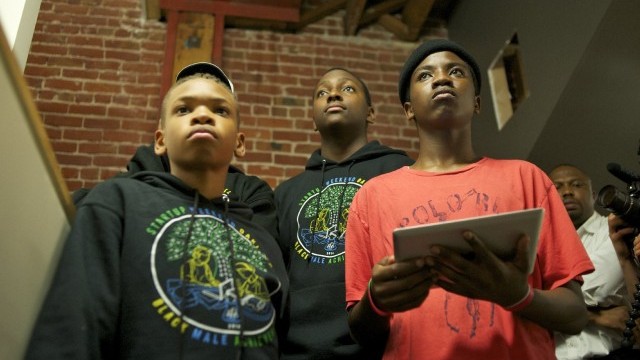
"caption": "Members of the Hidden Genius Project learn how to code.",
"description": null,
"title": "DSC_9640",
"credit": null,
"status": "inherit",
"isLoading": false,
"fetchFailed": false
},
"mindshift_34166": {
"type": "attachments",
"id": "mindshift_34166",
"meta": {
"index": "attachments_1716263798",
"site": "mindshift",
"id": "34166",
"found": true
},
"parent": 34161,
"imgSizes": {
"thumbnail": {
"file": "https://ww2.kqed.org/app/uploads/sites/23/2014/02/Screen-Shot-2014-02-20-at-2.04.14-PM-400x195.png",
"width": 400,
"mimeType": "image/png",
"height": 195
},
"fd-sm": {
"file": "https://ww2.kqed.org/app/uploads/sites/23/2014/02/Screen-Shot-2014-02-20-at-2.04.14-PM-320x156.png",
"width": 320,
"mimeType": "image/png",
"height": 156
},
"kqedFullSize": {
"file": "https://ww2.kqed.org/app/uploads/sites/23/2014/02/Screen-Shot-2014-02-20-at-2.04.14-PM.png",
"width": 616,
"height": 300
},
"guest-author-96": {
"file": "https://ww2.kqed.org/app/uploads/sites/23/2014/02/Screen-Shot-2014-02-20-at-2.04.14-PM-96x96.png",
"width": 96,
"mimeType": "image/png",
"height": 96
},
"guest-author-64": {
"file": "https://ww2.kqed.org/app/uploads/sites/23/2014/02/Screen-Shot-2014-02-20-at-2.04.14-PM-64x64.png",
"width": 64,
"mimeType": "image/png",
"height": 64
},
"guest-author-32": {
"file": "https://ww2.kqed.org/app/uploads/sites/23/2014/02/Screen-Shot-2014-02-20-at-2.04.14-PM-32x32.png",
"width": 32,
"mimeType": "image/png",
"height": 32
},
"guest-author-128": {
"file": "https://ww2.kqed.org/app/uploads/sites/23/2014/02/Screen-Shot-2014-02-20-at-2.04.14-PM-128x128.png",
"width": 128,
"mimeType": "image/png",
"height": 128
}
},
"publishDate": 1392933880,
"modified": 1392933880,
"caption": null,
"description": null,
"title": "Hacking School",
"credit": null,
"status": "inherit",
"isLoading": false,
"fetchFailed": false
},
"mindshift_34137": {
"type": "attachments",
"id": "mindshift_34137",
"meta": {
"index": "attachments_1716263798",
"site": "mindshift",
"id": "34137",
"found": true
},
"parent": 34131,
"imgSizes": {
"thumbnail": {
"file": "https://ww2.kqed.org/app/uploads/sites/23/2014/02/testing360-400x225.jpg",
"width": 400,
"mimeType": "image/jpeg",
"height": 225
},
"fd-sm": {
"file": "https://ww2.kqed.org/app/uploads/sites/23/2014/02/testing360-320x180.jpg",
"width": 320,
"mimeType": "image/jpeg",
"height": 180
},
"kqedFullSize": {
"file": "https://ww2.kqed.org/app/uploads/sites/23/2014/02/testing360.jpg",
"width": 640,
"height": 360
},
"guest-author-96": {
"file": "https://ww2.kqed.org/app/uploads/sites/23/2014/02/testing360-96x96.jpg",
"width": 96,
"mimeType": "image/jpeg",
"height": 96
},
"guest-author-64": {
"file": "https://ww2.kqed.org/app/uploads/sites/23/2014/02/testing360-64x64.jpg",
"width": 64,
"mimeType": "image/jpeg",
"height": 64
},
"guest-author-32": {
"file": "https://ww2.kqed.org/app/uploads/sites/23/2014/02/testing360-32x32.jpg",
"width": 32,
"mimeType": "image/jpeg",
"height": 32
},
"guest-author-128": {
"file": "https://ww2.kqed.org/app/uploads/sites/23/2014/02/testing360-128x128.jpg",
"width": 128,
"mimeType": "image/jpeg",
"height": 128
}
},
"publishDate": 1392755652,
"modified": 1392755652,
"caption": null,
"description": null,
"title": "testing360",
"credit": null,
"status": "inherit",
"isLoading": false,
"fetchFailed": false
},
"mindshift_34073": {
"type": "attachments",
"id": "mindshift_34073",
"meta": {
"index": "attachments_1716263798",
"site": "mindshift",
"id": "34073",
"found": true
},
"parent": 33897,
"imgSizes": {
"thumbnail": {
"file": "https://ww2.kqed.org/app/uploads/sites/23/2014/02/8041488609_f825c1a3ac_z-e1392314088653-400x225.jpg",
"width": 400,
"mimeType": "image/jpeg",
"height": 225
},
"fd-sm": {
"file": "https://ww2.kqed.org/app/uploads/sites/23/2014/02/8041488609_f825c1a3ac_z-e1392314088653-320x180.jpg",
"width": 320,
"mimeType": "image/jpeg",
"height": 180
},
"kqedFullSize": {
"file": "https://ww2.kqed.org/app/uploads/sites/23/2014/02/8041488609_f825c1a3ac_z-e1392314088653.jpg",
"width": 640,
"height": 360
},
"guest-author-96": {
"file": "https://ww2.kqed.org/app/uploads/sites/23/2014/02/8041488609_f825c1a3ac_z-e1392314088653-96x96.jpg",
"width": 96,
"mimeType": "image/jpeg",
"height": 96
},
"guest-author-64": {
"file": "https://ww2.kqed.org/app/uploads/sites/23/2014/02/8041488609_f825c1a3ac_z-e1392314088653-64x64.jpg",
"width": 64,
"mimeType": "image/jpeg",
"height": 64
},
"detail": {
"file": "https://ww2.kqed.org/app/uploads/sites/23/2014/02/8041488609_f825c1a3ac_z-e1392314088653-75x75.jpg",
"width": 75,
"mimeType": "image/jpeg",
"height": 75
},
"guest-author-32": {
"file": "https://ww2.kqed.org/app/uploads/sites/23/2014/02/8041488609_f825c1a3ac_z-e1392314088653-32x32.jpg",
"width": 32,
"mimeType": "image/jpeg",
"height": 32
},
"guest-author-128": {
"file": "https://ww2.kqed.org/app/uploads/sites/23/2014/02/8041488609_f825c1a3ac_z-e1392314088653-128x128.jpg",
"width": 128,
"mimeType": "image/jpeg",
"height": 128
}
},
"publishDate": 1392314060,
"modified": 1392314060,
"caption": null,
"description": null,
"title": "8041488609_f825c1a3ac_z",
"credit": null,
"status": "inherit",
"isLoading": false,
"fetchFailed": false
},
"mindshift_34032": {
"type": "attachments",
"id": "mindshift_34032",
"meta": {
"index": "attachments_1716263798",
"site": "mindshift",
"id": "34032",
"found": true
},
"parent": 34027,
"imgSizes": {
"thumbnail": {
"file": "https://ww2.kqed.org/app/uploads/sites/23/2014/02/equation-400x225.jpg",
"width": 400,
"mimeType": "image/jpeg",
"height": 225
},
"fd-sm": {
"file": "https://ww2.kqed.org/app/uploads/sites/23/2014/02/equation-320x180.jpg",
"width": 320,
"mimeType": "image/jpeg",
"height": 180
},
"kqedFullSize": {
"file": "https://ww2.kqed.org/app/uploads/sites/23/2014/02/equation.jpg",
"width": 640,
"height": 360
},
"guest-author-96": {
"file": "https://ww2.kqed.org/app/uploads/sites/23/2014/02/equation-96x96.jpg",
"width": 96,
"mimeType": "image/jpeg",
"height": 96
},
"guest-author-64": {
"file": "https://ww2.kqed.org/app/uploads/sites/23/2014/02/equation-64x64.jpg",
"width": 64,
"mimeType": "image/jpeg",
"height": 64
},
"guest-author-32": {
"file": "https://ww2.kqed.org/app/uploads/sites/23/2014/02/equation-32x32.jpg",
"width": 32,
"mimeType": "image/jpeg",
"height": 32
},
"guest-author-128": {
"file": "https://ww2.kqed.org/app/uploads/sites/23/2014/02/equation-128x128.jpg",
"width": 128,
"mimeType": "image/jpeg",
"height": 128
}
},
"publishDate": 1392248292,
"modified": 1392248292,
"caption": null,
"description": null,
"title": "equation",
"credit": null,
"status": "inherit",
"isLoading": false,
"fetchFailed": false
},
"mindshift_33856": {
"type": "attachments",
"id": "mindshift_33856",
"meta": {
"index": "attachments_1716263798",
"site": "mindshift",
"id": "33856",
"found": true
},
"parent": 33796,
"imgSizes": {
"thumbnail": {
"file": "https://ww2.kqed.org/app/uploads/sites/23/2014/02/erinscott_-7346-400x225.jpg",
"width": 400,
"mimeType": "image/jpeg",
"height": 225
},
"fd-sm": {
"file": "https://ww2.kqed.org/app/uploads/sites/23/2014/02/erinscott_-7346-320x180.jpg",
"width": 320,
"mimeType": "image/jpeg",
"height": 180
},
"kqedFullSize": {
"file": "https://ww2.kqed.org/app/uploads/sites/23/2014/02/erinscott_-7346.jpg",
"width": 640,
"height": 360
},
"guest-author-96": {
"file": "https://ww2.kqed.org/app/uploads/sites/23/2014/02/erinscott_-7346-96x96.jpg",
"width": 96,
"mimeType": "image/jpeg",
"height": 96
},
"guest-author-64": {
"file": "https://ww2.kqed.org/app/uploads/sites/23/2014/02/erinscott_-7346-64x64.jpg",
"width": 64,
"mimeType": "image/jpeg",
"height": 64
},
"guest-author-32": {
"file": "https://ww2.kqed.org/app/uploads/sites/23/2014/02/erinscott_-7346-32x32.jpg",
"width": 32,
"mimeType": "image/jpeg",
"height": 32
},
"guest-author-128": {
"file": "https://ww2.kqed.org/app/uploads/sites/23/2014/02/erinscott_-7346-128x128.jpg",
"width": 128,
"mimeType": "image/jpeg",
"height": 128
}
},
"publishDate": 1391644822,
"modified": 1391644822,
"caption": null,
"description": null,
"title": "erinscott_-7346",
"credit": null,
"status": "inherit",
"isLoading": false,
"fetchFailed": false
},
"mindshift_33921": {
"type": "attachments",
"id": "mindshift_33921",
"meta": {
"index": "attachments_1716263798",
"site": "mindshift",
"id": "33921",
"found": true
},
"parent": 33915,
"imgSizes": {
"thumbnail": {
"file": "https://ww2.kqed.org/app/uploads/sites/23/2014/02/11556-v2-490x-400x234.jpg",
"width": 400,
"mimeType": "image/jpeg",
"height": 234
},
"fd-sm": {
"file": "https://ww2.kqed.org/app/uploads/sites/23/2014/02/11556-v2-490x-320x187.jpg",
"width": 320,
"mimeType": "image/jpeg",
"height": 187
},
"kqedFullSize": {
"file": "https://ww2.kqed.org/app/uploads/sites/23/2014/02/11556-v2-490x.jpg",
"width": 490,
"height": 287
},
"guest-author-96": {
"file": "https://ww2.kqed.org/app/uploads/sites/23/2014/02/11556-v2-490x-96x96.jpg",
"width": 96,
"mimeType": "image/jpeg",
"height": 96
},
"guest-author-64": {
"file": "https://ww2.kqed.org/app/uploads/sites/23/2014/02/11556-v2-490x-64x64.jpg",
"width": 64,
"mimeType": "image/jpeg",
"height": 64
},
"guest-author-32": {
"file": "https://ww2.kqed.org/app/uploads/sites/23/2014/02/11556-v2-490x-32x32.jpg",
"width": 32,
"mimeType": "image/jpeg",
"height": 32
},
"guest-author-128": {
"file": "https://ww2.kqed.org/app/uploads/sites/23/2014/02/11556-v2-490x-128x128.jpg",
"width": 128,
"mimeType": "image/jpeg",
"height": 128
}
},
"publishDate": 1391806132,
"modified": 1391806132,
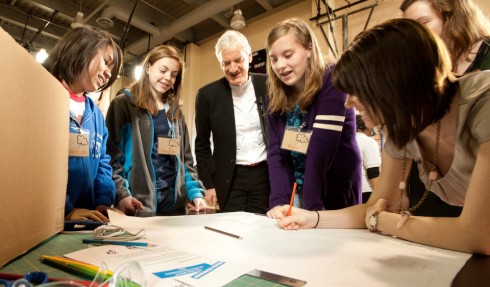
"caption": "James Dyson with students",
"description": null,
"title": "11556-v2-490x",
"credit": null,
"status": "inherit",
"isLoading": false,
"fetchFailed": false
}
},
"audioPlayerReducer": {
"postId": "stream_live",
"isPaused": true,
"isPlaying": false,
"pfsActive": false,
"pledgeModalIsOpen": true,
"playerDrawerIsOpen": false,
"liveAudioPlayStartedAt": 0,
"liveAudioPlayContext": ""
},
"authorsReducer": {
"byline_mindshift_34131": {
"type": "authors",
"id": "byline_mindshift_34131",
"meta": {
"override": true
},
"slug": "byline_mindshift_34131",
"name": "Eric Westervelt",
"isLoading": false
},
"wpengine": {
"type": "authors",
"id": "1",
"meta": {
"index": "authors_1716337520",
"id": "1",
"found": true
},
"name": "wpengine",
"firstName": null,
"lastName": null,
"slug": "wpengine",
"email": "bitbucket@wpengine.com",
"display_author_email": false,
"staff_mastheads": [],
"title": null,
"bio": "This is the \"wpengine\" admin user that our staff uses to gain access to your admin area to provide support and troubleshooting. It can only be accessed by a button in our secure log that auto generates a password and dumps that password after the staff member has logged in. We have taken extreme measures to ensure that our own user is not going to be misused to harm any of our clients sites.",
"avatar": "https://secure.gravatar.com/avatar/9315f6ce3baebb09c86901c4497d57b7?s=600&d=blank&r=g",
"twitter": null,
"facebook": null,
"instagram": null,
"linkedin": null,
"sites": [
{
"site": "test",
"roles": [
"administrator"
]
}
],
"headData": {
"title": "wpengine | KQED",
"description": null,
"ogImgSrc": "https://secure.gravatar.com/avatar/9315f6ce3baebb09c86901c4497d57b7?s=600&d=blank&r=g",
"twImgSrc": "https://secure.gravatar.com/avatar/9315f6ce3baebb09c86901c4497d57b7?s=600&d=blank&r=g"
},
"isLoading": false,
"link": "/author/wpengine"
},
"tbarseghian": {
"type": "authors",
"id": "180",
"meta": {
"index": "authors_1716337520",
"id": "180",
"found": true
},
"name": "Tina Barseghian",
"firstName": "Tina",
"lastName": "Barseghian",
"slug": "tbarseghian",
"email": "tbarseghian@kqed.org",
"display_author_email": false,
"staff_mastheads": [],
"title": null,
"bio": null,
"avatar": "https://secure.gravatar.com/avatar/de7e6ced1239b7018fe4d2b61f723c90?s=600&d=blank&r=g",
"twitter": null,
"facebook": null,
"instagram": null,
"linkedin": null,
"sites": [
{
"site": "styleguide",
"roles": [
"contributor"
]
},
{
"site": "news",
"roles": [
"subscriber"
]
},
{
"site": "mindshift",
"roles": [
"subscriber"
]
},
{
"site": "bayareabites",
"roles": [
"subscriber"
]
}
],
"headData": {
"title": "Tina Barseghian | KQED",
"description": null,
"ogImgSrc": "https://secure.gravatar.com/avatar/de7e6ced1239b7018fe4d2b61f723c90?s=600&d=blank&r=g",
"twImgSrc": "https://secure.gravatar.com/avatar/de7e6ced1239b7018fe4d2b61f723c90?s=600&d=blank&r=g"
},
"isLoading": false,
"link": "/author/tbarseghian"
},
"katrinaschwartz": {
"type": "authors",
"id": "234",
"meta": {
"index": "authors_1716337520",
"id": "234",
"found": true
},
"name": "Katrina Schwartz",
"firstName": "Katrina",
"lastName": "Schwartz",
"slug": "katrinaschwartz",
"email": "kschwartz@kqed.org",
"display_author_email": false,
"staff_mastheads": [
"news"
],
"title": "Producer",
"bio": "Katrina Schwartz is a journalist based in San Francisco. She's worked at KPCC public radio in LA and has reported on air and online for KQED since 2010. She covered how teaching and learning is changing for MindShift between 2012 and 2020. She is the co-host of the MindShift podcast and now produces KQED's Bay Curious podcast.",
"avatar": "https://secure.gravatar.com/avatar/edb4ee79070447a018538c9aae6eeecf28786515b8a0c30e43b6b7dce5aa44c8?s=600&d=blank&r=g",
"twitter": "kschwart",
"bluesky": null,
"facebook": null,
"instagram": null,
"linkedin": null,
"sites": [
{
"site": "",
"roles": [
"editor"
]
},
{
"site": "news",
"roles": [
"editor"
]
},
{
"site": "mindshift",
"roles": [
"administrator"
]
},
{
"site": "stateofhealth",
"roles": [
"author"
]
},
{
"site": "science",
"roles": [
"editor"
]
}
],
"headData": {
"title": "Katrina Schwartz | KQED",
"description": "Producer",
"ogImgSrc": "https://secure.gravatar.com/avatar/edb4ee79070447a018538c9aae6eeecf28786515b8a0c30e43b6b7dce5aa44c8?s=600&d=blank&r=g",
"twImgSrc": "https://secure.gravatar.com/avatar/edb4ee79070447a018538c9aae6eeecf28786515b8a0c30e43b6b7dce5aa44c8?s=600&d=blank&r=g"
},
"isLoading": false,
"link": "/author/katrinaschwartz"
},
"luba": {
"type": "authors",
"id": "4537",
"meta": {
"index": "authors_1716337520",
"id": "4537",
"found": true
},
"name": "Luba Vangelova",
"firstName": "Luba",
"lastName": "Vangelova",
"slug": "luba",
"email": "luba@catalystcommunicationsllc.com",
"display_author_email": false,
"staff_mastheads": [],
"title": null,
"bio": "Luba Vangelova’s work has appeared in numerous print, online and broadcast media outlets, including The New York Times, Smithsonian, The Atlantic, and Salon. She is also working on a book about self-directed learning. Her web site is \u003ca title=\"Luba Vangelova\" href=\"http://www.LubaVangelova.com\" target=\"_blank\">www.LubaVangelova.com\u003c/a>. She also posts on \u003ca title=\"@LubaSays\" href=\"http://www.twitter.com/LubaSays\" target=\"_blank\">Twitter\u003c/a> and on her official \u003ca title=\"Facebook - Luba Vangelova\" href=\"http://www.facebook.com/LubaSays\" target=\"_blank\">Facebook\u003c/a> page.",
"avatar": "https://secure.gravatar.com/avatar/0c49027042bcd2ffbce1f5f200e2172e?s=600&d=blank&r=g",
"twitter": "LubaSays",
"facebook": null,
"instagram": null,
"linkedin": "lvangelova",
"sites": [
{
"site": "mindshift",
"roles": [
"contributor"
]
}
],
"headData": {
"title": "Luba Vangelova | KQED",
"description": null,
"ogImgSrc": "https://secure.gravatar.com/avatar/0c49027042bcd2ffbce1f5f200e2172e?s=600&d=blank&r=g",
"twImgSrc": "https://secure.gravatar.com/avatar/0c49027042bcd2ffbce1f5f200e2172e?s=600&d=blank&r=g"
},
"isLoading": false,
"link": "/author/luba"
}
},
"pagesReducer": {
"mindshift_category_big-ideas": {
"type": "terms",
"id": "mindshift_192",
"meta": {
"index": "terms_1716263798",
"site": "mindshift",
"id": "192",
"score": 14.406744
},
"featImg": null,
"name": "Big Ideas",
"description": "The latest findings from experts in the field related to the future of learning.",
"taxonomy": "category",
"headData": {
"twImgId": null,
"twTitle": null,
"ogTitle": null,
"ogImgId": null,
"twDescription": null,
"description": "The latest findings from experts in the field related to the future of learning.",
"title": "Big Ideas Archives | KQED Mindshift",
"ogDescription": null
},
"ttid": 192,
"slug": "big-ideas",
"isLoading": false,
"title": "Big Ideas",
"pageMeta": {
"site": "mindshift",
"WpPageTemplate": "page-topic-editorial",
"currentPage": 66
},
"blocks": [
{
"blockName": "kqed/company-paragraph",
"content": "The latest findings from experts in the field related to the future of learning."
},
{
"blockName": "kqed/post-list",
"attrs": {
"layout": "cardArticle2",
"query": "posts/mindshift?category=big-ideas",
"seeMore": false,
"paginated": true,
"page": 66
}
},
{
"blockName": "kqed/ad"
}
]
}
},
"pfsSessionReducer": {},
"postsReducer": {
"stream_live": {
"type": "live",
"id": "stream_live",
"audioUrl": "https://streams.kqed.org/kqedradio",
"title": "Live Stream",
"excerpt": "Live Stream information currently unavailable.",
"link": "/radio",
"featImg": "",
"label": {
"name": "KQED Live",
"link": "/"
}
},
"stream_kqedNewscast": {
"type": "posts",
"id": "stream_kqedNewscast",
"audioUrl": "https://www.kqed.org/.stream/anon/radio/RDnews/newscast.mp3?_=1",
"title": "KQED Newscast",
"featImg": "",
"label": {
"name": "88.5 FM",
"link": "/"
}
},
"mindshift_34294": {
"type": "posts",
"id": "mindshift_34294",
"meta": {
"index": "posts_1716263798",
"site": "mindshift",
"id": "34294",
"score": null,
"sort": [
1394118024000
]
},
"parent": 0,
"labelTerm": {
"site": "mindshift",
"term": 20667
},
"blocks": [],
"publishDate": 1394118024,
"format": "aside",
"disqusTitle": "Teaching in the New (Abundant) Economy of Information",
"title": "Teaching in the New (Abundant) Economy of Information",
"headTitle": "LEARNING IN THE NEW ECONOMY OF INFORMATION | MindShift | KQED News",
"content": "\u003cp>\u003cimg class=\"aligncenter size-large wp-image-34301\" src=\"http://ww2.kqed.org/mindshift/wp-content/uploads/sites/23/2014/02/180691147-640x310.jpg\" alt=\"180691147\" width=\"640\" height=\"310\">\u003c/p>\n\u003cp>\u003cem>Part 1 in the series \u003ca href=\"http://ww2.kqed.org/mindshift/series/learning-in-the-new-economy-of-information/\" target=\"_blank\">Learning In the New Economy of Information\u003c/a>\u003c/em>\u003c/p>\n\u003cp>\u003ca href=\"https://twitter.com/ShawnMcCusker\">\u003cstrong>By Shawn McCusker\u003c/strong>\u003c/a>\u003c/p>\n\u003cp class=\"dropcap-serif\">In the past 10 years, perhaps nothing has changed more than the relationship between teachers and the information being distributed in their classrooms. Historically, the role of teacher has always been that of gatekeeper and distributor of the course canon. Information was dispensed. Students were encouraged to arrive at their own conclusions and interpret information, but they were limited by the fact that they were operating in a scarce economy of information (teacher, textbook and a limited number of outside sources). For the most part, the teacher was the sole provider of content, and though many teachers worked to provide quality materials and move away from a lecture-based curriculum, even these provided resources were no less teacher directed.\u003c/p>\n\u003cp>With the proliferation of mobile technology, our ability to access information has increased, dramatically changing the practice of teaching. Comparing the two scenarios, the circumstances couldn't be more different.\u003c/p>\n\u003ch3>Teaching in an Environment of Scarcity\u003c/h3>\n\u003cp>When teaching in an environment of informational scarcity, lessons that deeply explored a subject were limited by the resources that the school library had available, as well as students' ability to access them. (Remember encyclopedias labeled “Reference: Do not remove from library”?) Even the most thorough research might yield only a few resources. To put it simply, your Lego castle could be no larger than the maximum number of bricks that you possessed. There just weren’t that many bricks available for building.\u003c/p>\n\u003cp>[ad fullwidth]\u003c/p>\n\u003cp>[contextly_sidebar id=\"1d08ecf02cd552d2aa24851366c4c556\"]\u003c/p>\n\u003cp>In this information scarce environment, the main form of instruction was a lecture, and the tools that dominated the classroom were just as understandably those that distributed the limited information: textbooks and chalkboards. Much of early educational technology consisted of tools to enhance the lecture. While PowerPoint is often derided today, at its inception, it offered an effective way to share pictures and graphics, emphasize information, and ration the delivery of content (just as the cover paper on an overhead slide once did, only better).\u003c/p>\n\u003cp>A teacher might spend the better part of her career collecting effective, appropriate, and accessible sources for their students -- think of all the hours and money spent finding specific artifacts at libraries and museums, which today can be found through one search of Google images. But before that was possible, finding, evaluating, preparing, copying, and distributing such materials made lessons with rich resources a rarity, and came at the cost of time -- the ultimate educational currency.\u003c/p>\n\u003ch3>The New Economy of Abundance\u003c/h3>\n\u003cp>\u003c/p>\n\u003cp>Today, there's almost an over-abundance of information. A class of students could easily collect and process 100 potential sources in a single class. They can access materials from different eras and regions. They have access to experts and their work. It's becoming common for actual artifacts to be available online; and in many cases, replicas of artifacts can even be downloaded and reconstructed with a 3D printer.\u003c/p>\n\u003cdiv title=\"Page 2\">\n\u003cdiv>\n\u003cdiv>\n\u003cdiv>\n\u003cp>In an economy of such abundant information, the teacher who still insists upon distributing information via lecture is competing with primary sources and documents that would allow students to actively participate in ways far deeper than simply listening. If a student can download a PowerPoint, or take pictures of notes on the board, is it the most efficient use of class time to have them copy content line by line? The speed with which information can be accessed and shared seems to invalidate the pace of the everyday lecture.\u003c/p>\n\u003cp>But far from devaluing the role of the modern teacher, the new economy of information has freed teachers from their role as “font of knowledge” and allowed them to become chief analyzer, validity coach, research assistant, master differentiator, and creator of a shared learning experience. Today’s teacher will have to make sense of information that he may not be able to predict (because it is student generated), and yet still ensure that the daily learning objective is met. This is done by highlighting and celebrating successes, building skills, and honing the ability to evaluate information.\u003c/p>\n\u003cp>In the past, teachers gave life to learning for generations of students -- no different than today. But they were operating in an environment of scarcity that would make today’s teachers cringe (and they do, every time the Internet is down for more than just\u003cbr>\na short while). As the information available and our ability to access it increases, this new economy of information is transforming the practice of teaching and the roles of both teacher and student.\u003c/p>\n\u003c/div>\n\u003c/div>\n\u003c/div>\n\u003c/div>\n\n",
"disqusIdentifier": "34294 http://blogs.kqed.org/mindshift/?p=34294",
"disqusUrl": "https://ww2.kqed.org/mindshift/2014/03/06/teaching-in-the-new-abundant-economy-of-information/",
"stats": {
"hasVideo": false,
"hasChartOrMap": false,
"hasAudio": false,
"hasPolis": false,
"wordCount": 764,
"hasGoogleForm": false,
"hasGallery": false,
"hasHearkenModule": false,
"iframeSrcs": [],
"paragraphCount": 14
},
"modified": 1397690335,
"excerpt": "With the proliferation of mobile technology, our ability to access information has increased, dramatically changing the practice of teaching. Comparing the two scenarios, the circumstances couldn't be more different.",
"headData": {
"twImgId": "",
"twTitle": "",
"ogTitle": "",
"ogImgId": "",
"twDescription": "",
"description": "With the proliferation of mobile technology, our ability to access information has increased, dramatically changing the practice of teaching. Comparing the two scenarios, the circumstances couldn't be more different.",
"title": "Teaching in the New (Abundant) Economy of Information | KQED",
"ogDescription": "",
"schema": {
"@context": "https://schema.org",
"@type": "Article",
"headline": "Teaching in the New (Abundant) Economy of Information",
"datePublished": "2014-03-06T07:00:24-08:00",
"dateModified": "2014-04-16T16:18:55-07:00",
"image": "https://cdn.kqed.org/wp-content/uploads/2020/02/KQED-OG-Image@1x.png"
}
},
"guestAuthors": [],
"slug": "teaching-in-the-new-abundant-economy-of-information",
"status": "publish",
"path": "/mindshift/34294/teaching-in-the-new-abundant-economy-of-information",
"audioTrackLength": null,
"parsedContent": [
{
"type": "contentString",
"content": "\u003cdiv class=\"post-body\">\u003cp>\u003cp>\u003cimg class=\"aligncenter size-large wp-image-34301\" src=\"http://ww2.kqed.org/mindshift/wp-content/uploads/sites/23/2014/02/180691147-640x310.jpg\" alt=\"180691147\" width=\"640\" height=\"310\">\u003c/p>\n\u003cp>\u003cem>Part 1 in the series \u003ca href=\"http://ww2.kqed.org/mindshift/series/learning-in-the-new-economy-of-information/\" target=\"_blank\">Learning In the New Economy of Information\u003c/a>\u003c/em>\u003c/p>\n\u003cp>\u003ca href=\"https://twitter.com/ShawnMcCusker\">\u003cstrong>By Shawn McCusker\u003c/strong>\u003c/a>\u003c/p>\n\u003cp class=\"dropcap-serif\">In the past 10 years, perhaps nothing has changed more than the relationship between teachers and the information being distributed in their classrooms. Historically, the role of teacher has always been that of gatekeeper and distributor of the course canon. Information was dispensed. Students were encouraged to arrive at their own conclusions and interpret information, but they were limited by the fact that they were operating in a scarce economy of information (teacher, textbook and a limited number of outside sources). For the most part, the teacher was the sole provider of content, and though many teachers worked to provide quality materials and move away from a lecture-based curriculum, even these provided resources were no less teacher directed.\u003c/p>\n\u003cp>With the proliferation of mobile technology, our ability to access information has increased, dramatically changing the practice of teaching. Comparing the two scenarios, the circumstances couldn't be more different.\u003c/p>\n\u003ch3>Teaching in an Environment of Scarcity\u003c/h3>\n\u003cp>When teaching in an environment of informational scarcity, lessons that deeply explored a subject were limited by the resources that the school library had available, as well as students' ability to access them. (Remember encyclopedias labeled “Reference: Do not remove from library”?) Even the most thorough research might yield only a few resources. To put it simply, your Lego castle could be no larger than the maximum number of bricks that you possessed. There just weren’t that many bricks available for building.\u003c/p>\n\u003cp>\u003c/p>\u003c/div>",
"attributes": {
"named": {},
"numeric": []
}
},
{
"type": "component",
"content": "",
"name": "ad",
"attributes": {
"named": {
"label": "fullwidth"
},
"numeric": [
"fullwidth"
]
}
},
{
"type": "contentString",
"content": "\u003cdiv class=\"post-body\">\u003cp>\u003c/p>\n\u003cp>\u003c/p>\u003cp>\u003c/p>\u003cp>\u003c/p>\n\u003cp>In this information scarce environment, the main form of instruction was a lecture, and the tools that dominated the classroom were just as understandably those that distributed the limited information: textbooks and chalkboards. Much of early educational technology consisted of tools to enhance the lecture. While PowerPoint is often derided today, at its inception, it offered an effective way to share pictures and graphics, emphasize information, and ration the delivery of content (just as the cover paper on an overhead slide once did, only better).\u003c/p>\n\u003cp>A teacher might spend the better part of her career collecting effective, appropriate, and accessible sources for their students -- think of all the hours and money spent finding specific artifacts at libraries and museums, which today can be found through one search of Google images. But before that was possible, finding, evaluating, preparing, copying, and distributing such materials made lessons with rich resources a rarity, and came at the cost of time -- the ultimate educational currency.\u003c/p>\n\u003ch3>The New Economy of Abundance\u003c/h3>\n\u003cp>\u003c/p>\n\u003cp>Today, there's almost an over-abundance of information. A class of students could easily collect and process 100 potential sources in a single class. They can access materials from different eras and regions. They have access to experts and their work. It's becoming common for actual artifacts to be available online; and in many cases, replicas of artifacts can even be downloaded and reconstructed with a 3D printer.\u003c/p>\n\u003cdiv title=\"Page 2\">\n\u003cdiv>\n\u003cdiv>\n\u003cdiv>\n\u003cp>In an economy of such abundant information, the teacher who still insists upon distributing information via lecture is competing with primary sources and documents that would allow students to actively participate in ways far deeper than simply listening. If a student can download a PowerPoint, or take pictures of notes on the board, is it the most efficient use of class time to have them copy content line by line? The speed with which information can be accessed and shared seems to invalidate the pace of the everyday lecture.\u003c/p>\n\u003cp>But far from devaluing the role of the modern teacher, the new economy of information has freed teachers from their role as “font of knowledge” and allowed them to become chief analyzer, validity coach, research assistant, master differentiator, and creator of a shared learning experience. Today’s teacher will have to make sense of information that he may not be able to predict (because it is student generated), and yet still ensure that the daily learning objective is met. This is done by highlighting and celebrating successes, building skills, and honing the ability to evaluate information.\u003c/p>\n\u003cp>In the past, teachers gave life to learning for generations of students -- no different than today. But they were operating in an environment of scarcity that would make today’s teachers cringe (and they do, every time the Internet is down for more than just\u003cbr>\na short while). As the information available and our ability to access it increases, this new economy of information is transforming the practice of teaching and the roles of both teacher and student.\u003c/p>\n\u003c/div>\n\u003c/div>\n\u003c/div>\n\u003c/div>\n\n\u003c/div>\u003c/p>",
"attributes": {
"named": {},
"numeric": []
}
}
],
"link": "/mindshift/34294/teaching-in-the-new-abundant-economy-of-information",
"authors": [
"4354"
],
"series": [
"mindshift_20667"
],
"categories": [
"mindshift_192"
],
"tags": [
"mindshift_322",
"mindshift_1040",
"mindshift_20643"
],
"featImg": "mindshift_34301",
"label": "mindshift_20667"
},
"mindshift_34312": {
"type": "posts",
"id": "mindshift_34312",
"meta": {
"index": "posts_1716263798",
"site": "mindshift",
"id": "34312",
"score": null,
"sort": [
1393858846000
]
},
"parent": 0,
"labelTerm": {
"site": "mindshift"
},
"blocks": [],
"publishDate": 1393858846,
"format": "aside",
"disqusTitle": "Looking for the Hidden Genius Within Disenfranchised Youth",
"title": "Looking for the Hidden Genius Within Disenfranchised Youth",
"headTitle": "MindShift | KQED News",
"content": "\u003cp>For low-income and disenfranchised youth, learning to code might lead to a lucrative career in an industry that's both booming and lacking in diversity. That's the idea behind Oakland's \u003ca href=\"http://www.hiddengeniusproject.org/\">Hidden Genius Project,\u003c/a> a two-year program that offers black high school students a variety of tech classes and pairs them with mentors. Kalimah Priforce, a tech entrepreneur and head mentor at the project wants to see black and Latino kids move from being consumers of technology to being producers -- and he wants to see that diversity reflected in high tech products.\u003c/p>\n\u003cp>“If we want to build an app that could have saved Trayvon Martin’s life, one of the best approaches is to make sure that Trayvon Martin is able to build that app,” said Priforce, who was also among the community leaders advising the White House on its new initiative, My Brother's Keeper, aimed at empowering young men of color.\u003c/p>\n\u003cp>At a recent hack-a-thon in Oakland, Calif., students from the Hidden Genius Project pitched their ideas for software to address their own everyday problems -- from an adventure game about decision making to a mobile app encouraging users to exercise more. Check out what the students are up to.\u003c/p>\n\u003cp>[\u003cem>Produced by Monica Lam/Reported by Aarti Shahani for\u003c/em> \u003ca href=\"http://www.kqed.org/tv/programs/newsroom/\">KQED Newsroom\u003c/a>]\u003c/p>\n\u003cp>[youtube //www.youtube.com/watch?v=7J0lkO3cKio?list=UU0FISFbEaHFc5ccrIgkZ3mg]\u003c/p>\n\u003cp>[ad fullwidth]\u003c/p>\u003cp>\u003c/p>\n",
"disqusIdentifier": "34312 http://blogs.kqed.org/mindshift/?p=34312",
"disqusUrl": "https://ww2.kqed.org/mindshift/2014/03/03/looking-for-hidden-geniuses-among-disenfranchised-youth/",
"stats": {
"hasVideo": true,
"hasChartOrMap": false,
"hasAudio": false,
"hasPolis": false,
"wordCount": 231,
"hasGoogleForm": false,
"hasGallery": false,
"hasHearkenModule": false,
"iframeSrcs": [],
"paragraphCount": 7
},
"modified": 1395252746,
"excerpt": "For low-income and disenfranchised youth, learning to code might lead to a lucrative career in an industry that’s both booming and lacking in diversity. That’s the idea behind Oakland’s Hidden Genius Project, a two-year program that offers black high school students a variety of tech classes and pairs them with mentors. Kalimah Priforce, a tech entrepreneur and head mentor at the projects wants to see black and Latino kids move from being consumers of technology to being producers — and he wants to see that diversity reflected in high tech products.",
"headData": {
"twImgId": "",
"twTitle": "",
"ogTitle": "",
"ogImgId": "",
"twDescription": "",
"description": "For low-income and disenfranchised youth, learning to code might lead to a lucrative career in an industry that’s both booming and lacking in diversity. That’s the idea behind Oakland’s Hidden Genius Project, a two-year program that offers black high school students a variety of tech classes and pairs them with mentors. Kalimah Priforce, a tech entrepreneur and head mentor at the projects wants to see black and Latino kids move from being consumers of technology to being producers — and he wants to see that diversity reflected in high tech products.",
"title": "Looking for the Hidden Genius Within Disenfranchised Youth | KQED",
"ogDescription": "",
"schema": {
"@context": "https://schema.org",
"@type": "Article",
"headline": "Looking for the Hidden Genius Within Disenfranchised Youth",
"datePublished": "2014-03-03T07:00:46-08:00",
"dateModified": "2014-03-19T11:12:26-07:00",
"image": "https://cdn.kqed.org/wp-content/uploads/2020/02/KQED-OG-Image@1x.png"
}
},
"guestAuthors": [],
"slug": "looking-for-hidden-geniuses-among-disenfranchised-youth",
"status": "publish",
"path": "/mindshift/34312/looking-for-hidden-geniuses-among-disenfranchised-youth",
"audioTrackLength": null,
"parsedContent": [
{
"type": "contentString",
"content": "\u003cdiv class=\"post-body\">\u003cp>\u003cp>For low-income and disenfranchised youth, learning to code might lead to a lucrative career in an industry that's both booming and lacking in diversity. That's the idea behind Oakland's \u003ca href=\"http://www.hiddengeniusproject.org/\">Hidden Genius Project,\u003c/a> a two-year program that offers black high school students a variety of tech classes and pairs them with mentors. Kalimah Priforce, a tech entrepreneur and head mentor at the project wants to see black and Latino kids move from being consumers of technology to being producers -- and he wants to see that diversity reflected in high tech products.\u003c/p>\n\u003cp>“If we want to build an app that could have saved Trayvon Martin’s life, one of the best approaches is to make sure that Trayvon Martin is able to build that app,” said Priforce, who was also among the community leaders advising the White House on its new initiative, My Brother's Keeper, aimed at empowering young men of color.\u003c/p>\n\u003cp>At a recent hack-a-thon in Oakland, Calif., students from the Hidden Genius Project pitched their ideas for software to address their own everyday problems -- from an adventure game about decision making to a mobile app encouraging users to exercise more. Check out what the students are up to.\u003c/p>\n\u003cp>[\u003cem>Produced by Monica Lam/Reported by Aarti Shahani for\u003c/em> \u003ca href=\"http://www.kqed.org/tv/programs/newsroom/\">KQED Newsroom\u003c/a>]\u003c/p>\n\u003cp>\u003c/p>\u003cp>\u003cspan class='utils-parseShortcode-shortcodes-__youtubeShortcode__embedYoutube'>\n \u003cspan class='utils-parseShortcode-shortcodes-__youtubeShortcode__embedYoutubeInside'>\n \u003ciframe\n loading='lazy'\n class='utils-parseShortcode-shortcodes-__youtubeShortcode__youtubePlayer'\n type='text/html'\n src='//www.youtube.com/embed/7J0lkO3cKio?list=UU0FISFbEaHFc5ccrIgkZ3mg'\n title='//www.youtube.com/embed/7J0lkO3cKio?list=UU0FISFbEaHFc5ccrIgkZ3mg'\n allowfullscreen='true'\n style='border:0;'>\u003c/iframe>\n \u003c/span>\n \u003c/span>\u003c/p>\u003cp>\u003c/p>\n\u003cp>\u003c/p>\u003c/div>",
"attributes": {
"named": {},
"numeric": []
}
},
{
"type": "component",
"content": "",
"name": "ad",
"attributes": {
"named": {
"label": "fullwidth"
},
"numeric": [
"fullwidth"
]
}
},
{
"type": "contentString",
"content": "\u003cdiv class=\"post-body\">\u003cp>\u003c/p>\u003cp>\u003c/p>\n\u003c/div>\u003c/p>",
"attributes": {
"named": {},
"numeric": []
}
}
],
"link": "/mindshift/34312/looking-for-hidden-geniuses-among-disenfranchised-youth",
"authors": [
"4354"
],
"categories": [
"mindshift_192"
],
"tags": [
"mindshift_981",
"mindshift_1040",
"mindshift_20644"
],
"featImg": "mindshift_34317",
"label": "mindshift"
},
"mindshift_34365": {
"type": "posts",
"id": "mindshift_34365",
"meta": {
"index": "posts_1716263798",
"site": "mindshift",
"id": "34365",
"score": null,
"sort": [
1393776018000
]
},
"parent": 0,
"labelTerm": {
"site": "mindshift"
},
"blocks": [],
"publishDate": 1393776018,
"format": "aside",
"disqusTitle": "Demanding a Different Vision of School Requires Courage",
"title": "Demanding a Different Vision of School Requires Courage",
"headTitle": "MindShift | KQED News",
"content": "\u003cp>\u003ca href=\"http://aprincipalspeaking.blogspot.com/2014/03/demand-different.html?m=1\">Principal Robert Dillon\u003c/a> calls for a different vision of school, which requires tremendous courage on the part of the education community and parents:\u003c/p>\n\u003cp>\"The schools that we need demand different. They need to support the open and transparent world that is exploding around education. This begins with pushing students into the center of the ring. In the center, there is no room to hide. It is a place of full engagement where real questions about real issues are being addressed with real solutions that will impact real people. Different schools are real.\"\u003c/p>\n\u003cp>Read the full compelling essay below.\u003c/p>\n\u003cp>\u003cimg class=\"alignleft size-thumbnail wp-image-34173\" src=\"http://ww2.kqed.org/mindshift/wp-content/uploads/sites/23/2014/02/new-ideas-140x140.jpg\" alt=\"new-ideas\" width=\"140\" height=\"140\">\u003c/p>\n\u003cdiv class=\"mceItemEmbedly\" style=\"max-width: 600px;max-width:600px;\" data-ajax=\"{'url':'http://aprincipalspeaking.blogspot.com/2014/03/demand-different.html?m=1','width':null,'words':null,'height':null,'embed':'<div class=\\"embedly\\" style=\\"\\"><a class=\\'embedly-title\\' target=\\'_blank\\' href=\\'http://aprincipalspeaking.blogspot.com/2014/03/demand-different.html?m=1\\'>PRINCIPALLY SPEAKING</a>School leaders, teachers, and those that surround the work of education are in a difficult space. The demands to achieve are higher than ever, and the needs of kids, both academically and in the other spaces of their lives, are growing in intensity and complexity, while the resources are growing more narrow in scope.<div class=\\"embedly-clear\\"></div><span class=\\"embedly-powered\\" style=\\"float:right;display:block\\"><a target=\\"_blank\\" href=\\"http://embed.ly/code?url=http%3A%2F%2Faprincipalspeaking.blogspot.com%2F2014%2F03%2Fdemand-different.html%3Fm%3D1\\" title=\\"Powered by Embedly\\"><img src=\\"http://static.embed.ly/images/logos/embedly-powered-small-light.png\\" alt=\\"Embedly Powered\\" /></a></span><div class=\\"media-attribution\\"><span>via </span><a href=\\"http://aprincipalspeaking.blogspot.com\\" class=\\"media-attribution-link\\" target=\\"_blank\\">Blogspot</a></span></div><div class=\\"embedly-clear\\"></div></div>'}\">\n\u003cdiv class=\"embedly\" style=\"\">\u003ca class=\"embedly-title\" target=\"_blank\" href=\"http://aprincipalspeaking.blogspot.com/2014/03/demand-different.html?m=1\">PRINCIPALLY SPEAKING\u003c/a>School leaders, teachers, and those that surround the work of education are in a difficult space. The demands to achieve are higher than ever, and the needs of kids, both academically and in the other spaces of their lives, are growing in intensity and complexity, while the resources are growing more narrow in scope.\n\u003cdiv class=\"embedly-clear\">\u003c/div>\n\u003cp>\u003cspan class=\"embedly-powered\" style=\"float:right;display:block\">\u003ca target=\"_blank\" href=\"http://embed.ly/code?url=http%3A%2F%2Faprincipalspeaking.blogspot.com%2F2014%2F03%2Fdemand-different.html%3Fm%3D1\" title=\"Powered by Embedly\">\u003cimg src=\"http://static.embed.ly/images/logos/embedly-powered-small-light.png\" alt=\"Embedly Powered\">\u003c/a>\u003c/span>\u003c/p>\n\u003cdiv class=\"media-attribution\">\u003cspan>via \u003c/span>\u003ca href=\"http://aprincipalspeaking.blogspot.com\" class=\"media-attribution-link\" target=\"_blank\">Blogspot\u003c/a>\u003c/div>\n\u003cdiv class=\"embedly-clear\">\u003c/div>\n\u003c/div>\n\u003c/div>\n\u003cp>[ad fullwidth]\u003c/p>\u003cp>\u003c/p>\n",
"disqusIdentifier": "34365 http://blogs.kqed.org/mindshift/?p=34365",
"disqusUrl": "https://ww2.kqed.org/mindshift/2014/03/02/demanding-a-different-vision-of-school-requires-courage/",
"stats": {
"hasVideo": false,
"hasChartOrMap": false,
"hasAudio": false,
"hasPolis": false,
"wordCount": 157,
"hasGoogleForm": false,
"hasGallery": false,
"hasHearkenModule": false,
"iframeSrcs": [],
"paragraphCount": 7
},
"modified": 1393722095,
"excerpt": "Principal Robert Dillon calls for a different vision of school, which requires tremendous courage on the part of the education community and parents:",
"headData": {
"twImgId": "",
"twTitle": "",
"ogTitle": "",
"ogImgId": "",
"twDescription": "",
"description": "Principal Robert Dillon calls for a different vision of school, which requires tremendous courage on the part of the education community and parents:",
"title": "Demanding a Different Vision of School Requires Courage | KQED",
"ogDescription": "",
"schema": {
"@context": "https://schema.org",
"@type": "Article",
"headline": "Demanding a Different Vision of School Requires Courage",
"datePublished": "2014-03-02T08:00:18-08:00",
"dateModified": "2014-03-01T17:01:35-08:00",
"image": "https://cdn.kqed.org/wp-content/uploads/2020/02/KQED-OG-Image@1x.png"
}
},
"guestAuthors": [],
"slug": "demanding-a-different-vision-of-school-requires-courage",
"status": "publish",
"path": "/mindshift/34365/demanding-a-different-vision-of-school-requires-courage",
"audioTrackLength": null,
"parsedContent": [
{
"type": "contentString",
"content": "\u003cdiv class=\"post-body\">\u003cp>\u003cp>\u003ca href=\"http://aprincipalspeaking.blogspot.com/2014/03/demand-different.html?m=1\">Principal Robert Dillon\u003c/a> calls for a different vision of school, which requires tremendous courage on the part of the education community and parents:\u003c/p>\n\u003cp>\"The schools that we need demand different. They need to support the open and transparent world that is exploding around education. This begins with pushing students into the center of the ring. In the center, there is no room to hide. It is a place of full engagement where real questions about real issues are being addressed with real solutions that will impact real people. Different schools are real.\"\u003c/p>\n\u003cp>Read the full compelling essay below.\u003c/p>\n\u003cp>\u003cimg class=\"alignleft size-thumbnail wp-image-34173\" src=\"http://ww2.kqed.org/mindshift/wp-content/uploads/sites/23/2014/02/new-ideas-140x140.jpg\" alt=\"new-ideas\" width=\"140\" height=\"140\">\u003c/p>\n\u003cdiv class=\"mceItemEmbedly\" style=\"max-width: 600px;max-width:600px;\" data-ajax=\"{'url':'http://aprincipalspeaking.blogspot.com/2014/03/demand-different.html?m=1','width':null,'words':null,'height':null,'embed':'<div class=\\"embedly\\" style=\\"\\"><a class=\\'embedly-title\\' target=\\'_blank\\' href=\\'http://aprincipalspeaking.blogspot.com/2014/03/demand-different.html?m=1\\'>PRINCIPALLY SPEAKING</a>School leaders, teachers, and those that surround the work of education are in a difficult space. The demands to achieve are higher than ever, and the needs of kids, both academically and in the other spaces of their lives, are growing in intensity and complexity, while the resources are growing more narrow in scope.<div class=\\"embedly-clear\\"></div><span class=\\"embedly-powered\\" style=\\"float:right;display:block\\"><a target=\\"_blank\\" href=\\"http://embed.ly/code?url=http%3A%2F%2Faprincipalspeaking.blogspot.com%2F2014%2F03%2Fdemand-different.html%3Fm%3D1\\" title=\\"Powered by Embedly\\"><img src=\\"http://static.embed.ly/images/logos/embedly-powered-small-light.png\\" alt=\\"Embedly Powered\\" /></a></span><div class=\\"media-attribution\\"><span>via </span><a href=\\"http://aprincipalspeaking.blogspot.com\\" class=\\"media-attribution-link\\" target=\\"_blank\\">Blogspot</a></span></div><div class=\\"embedly-clear\\"></div></div>'}\">\n\u003cdiv class=\"embedly\" style=\"\">\u003ca class=\"embedly-title\" target=\"_blank\" href=\"http://aprincipalspeaking.blogspot.com/2014/03/demand-different.html?m=1\">PRINCIPALLY SPEAKING\u003c/a>School leaders, teachers, and those that surround the work of education are in a difficult space. The demands to achieve are higher than ever, and the needs of kids, both academically and in the other spaces of their lives, are growing in intensity and complexity, while the resources are growing more narrow in scope.\n\u003cdiv class=\"embedly-clear\">\u003c/div>\n\u003cp>\u003cspan class=\"embedly-powered\" style=\"float:right;display:block\">\u003ca target=\"_blank\" href=\"http://embed.ly/code?url=http%3A%2F%2Faprincipalspeaking.blogspot.com%2F2014%2F03%2Fdemand-different.html%3Fm%3D1\" title=\"Powered by Embedly\">\u003cimg src=\"http://static.embed.ly/images/logos/embedly-powered-small-light.png\" alt=\"Embedly Powered\">\u003c/a>\u003c/span>\u003c/p>\n\u003cdiv class=\"media-attribution\">\u003cspan>via \u003c/span>\u003ca href=\"http://aprincipalspeaking.blogspot.com\" class=\"media-attribution-link\" target=\"_blank\">Blogspot\u003c/a>\u003c/div>\n\u003cdiv class=\"embedly-clear\">\u003c/div>\n\u003c/div>\n\u003c/div>\n\u003cp>\u003c/p>\u003c/div>",
"attributes": {
"named": {},
"numeric": []
}
},
{
"type": "component",
"content": "",
"name": "ad",
"attributes": {
"named": {
"label": "fullwidth"
},
"numeric": [
"fullwidth"
]
}
},
{
"type": "contentString",
"content": "\u003cdiv class=\"post-body\">\u003cp>\u003c/p>\u003cp>\u003c/p>\n\u003c/div>\u003c/p>",
"attributes": {
"named": {},
"numeric": []
}
}
],
"link": "/mindshift/34365/demanding-a-different-vision-of-school-requires-courage",
"authors": [
"1"
],
"categories": [
"mindshift_192"
],
"tags": [
"mindshift_1040",
"mindshift_992"
],
"label": "mindshift"
},
"mindshift_34171": {
"type": "posts",
"id": "mindshift_34171",
"meta": {
"index": "posts_1716263798",
"site": "mindshift",
"id": "34171",
"score": null,
"sort": [
1392994809000
]
},
"parent": 0,
"labelTerm": {
"site": "mindshift"
},
"blocks": [],
"publishDate": 1392994809,
"format": "aside",
"disqusTitle": "What Would Be a Radically Different Vision of School? ",
"title": "What Would Be a Radically Different Vision of School? ",
"headTitle": "MindShift | KQED News",
"content": "\u003cp>\u003ca href=\"http://ww2.kqed.org/mindshift/wp-content/uploads/sites/23/2014/02/new-ideas.jpg\">\u003cimg class=\"aligncenter size-full wp-image-34173\" src=\"http://ww2.kqed.org/mindshift/wp-content/uploads/sites/23/2014/02/new-ideas.jpg\" alt=\"new-ideas\" width=\"640\" height=\"360\" srcset=\"https://ww2.kqed.org/app/uploads/sites/23/2014/02/new-ideas.jpg 640w, https://ww2.kqed.org/app/uploads/sites/23/2014/02/new-ideas-400x225.jpg 400w, https://ww2.kqed.org/app/uploads/sites/23/2014/02/new-ideas-320x180.jpg 320w\" sizes=\"(max-width: 640px) 100vw, 640px\">\u003c/a>\u003c/p>\n\u003cp class=\"dropcap-serif\">There’s no shortage of different opinions about how the education system should adapt to a shifting world and a future with unknown demands, but for the most part, only two dominant narratives of education reform have emerged.\u003c/p>\n\u003cp>“The predominant narrative is that schools are broken,” said veteran educator and author \u003ca href=\"http://ww2.kqed.org/mindshift/tag/will-richardson/\" target=\"_blank\">Will Richardson\u003c/a> recently at a gathering of teachers at \u003ca href=\"http://educonphilly.org/\" target=\"_blank\">Educon\u003c/a>. “Our test scores aren’t great and kids aren’t learning what they need to be successful.” This narrative is dominated by those who believe schools need to be organized and funded differently, but Richardson claims that the essential outcomes of improved test scores and other measurable results are the same as the current system. “Different isn’t really different,” Richardson said. “It’s the same outcome, but maybe different paths to get there.”\u003c/p>\n\u003cp>The other dominant narrative holds that schools aren’t broken -- they just need to do what they’re already doing, but better. To improve education, this faction argues society needs to support teachers more and limit standardized testing. “It’s this idea of preservation and improvement rather than doing it in any way fundamentally different,” Richardson said.\u003c/p>\n\u003cp>[contextly_sidebar id=\"d6c6d9d0687b7e9bfa4ff9c69325b58b\"]\u003c/p>\n\u003cp>But neither of these narratives frames the core goals and elements of a successful education differently. Richardson believes there are many educators that don’t completely agree with either of the narratives dominating the debate about education and wants to define a third narrative for those who think education needs to radically shift away from current models. That third narrative would help articulate what goes into creating powerful learning experiences and holds that technology will be a crucial factor in future learning.\u003c/p>\n\u003cp>[ad fullwidth]\u003c/p>\n\u003cp>“We need to begin to think about schools in a fundamentally different way,” Richardson said. In his vision of this third narrative, reformers would focus on creating an education system that supports\u003ca href=\"http://ww2.kqed.org/mindshift/tag/inquiry-learning/\" target=\"_blank\"> inquiry-based\u003c/a>, student-centered learning, where students are encouraged to find entry points into the mandated curriculum in ways that are \u003ca href=\"http://ww2.kqed.org/mindshift/2013/04/connected-learning-tying-to-student-passions-to-school-subjects/\" target=\"_blank\">meaningful to them\u003c/a>. Technology is an integral part of Richardson’s vision because it allows students to create and demonstrate their knowledge. “That piece of it really allows kids to create things and connect with other people, arguably more important than much of the traditional curriculum that schools are built around,” Richardson said.\u003c/p>\n\u003cp>A group of progressive educators at the Educon conference discussed other qualities that successful future citizens will need and that a good education should offer. A successful student should be able to \u003ca href=\"http://ww2.kqed.org/mindshift/2013/10/teach-kids-to-be-their-own-filter/\" target=\"_blank\">manage massive amounts of information\u003c/a>, a crucial skill as life becomes more digital. Students should learn in ways that disregard traditional disciplines like English and math, instead focusing on real world problems that allow for crossover and interplay. The focus should be on providing student-centered experiences that bring out qualities in students that \u003ca href=\"http://ww2.kqed.org/mindshift/2013/04/in-an-era-of-global-competition-what-exactly-are-we-testing-for/\" target=\"_blank\">aren’t necessarily measurable\u003c/a>. Students should learn to build and manipulate computers, not just use them. Perhaps most importantly students should be taught\u003ca href=\"http://ww2.kqed.org/mindshift/2013/10/smart-strategies-that-help-students-learn-how-to-learn/\" target=\"_blank\">\u003cem> how\u003c/em> to learn\u003c/a>, especially since the content or specific skills needed in the future are as yet unknown.\u003c/p>\n\u003caside class=\"pullquote alignright\">“We need to find a narrative that has at its core a very different valuable thing.”\u003c/aside>\n\u003cp>These qualities are different than what one might find in an average public school, but they aren’t impossible to achieve. In isolated pockets around the country schools and teachers are already teaching using many of these principles, but they haven’t coalesced into a movement.\u003c/p>\n\u003cp>“We need to find a narrative that has at its core a very different valuable thing,” said Chris Lehmann, Principal of \u003ca href=\"http://www.scienceleadership.org/\" target=\"_blank\">Science Leadership Academy (SLA)\u003c/a>. “It may not be the most efficient thing, but it could be the most quality thing to do.” It’s hard to convince people that a new narrative can work until they see a physical manifestation of it. “What we have become is a place that people can see and hold onto,” said Diana Laufenberg, lead teacher at SLA, which has based its foundation on inquiry-based, student-led learning. “We’re a place that can get kids into college.” Now families clamor to get their students into the school, but they didn’t trust the idea at the outset.\u003c/p>\n\u003cp>“Modern learning is about the ability to self-organize your education, to create meaning for things that have value in the world and not answer to this institution,” Richardson said. But as educators discussed the issue more in depth, it became clear there was more than one definition of what a third education narrative would look like. “I’m not sure if we all wrote down our definition of modern learning right now that we’d all be near each other,” Richardson said.\u003c/p>\n\u003cp>And yet there was a clear hunger for something other than charter schools or a defense of the status quo. “The underlying problem for any new kind of education is putting out there that level of uncertainty, that level of messiness that exists in the world, the ugly problems that are going to need to be solved by people, not by corporations,” said one teacher. An ambiguous vision of education is hard to sell to politicians, parents, and students.\u003c/p>\n\u003cp>\u003c/p>\n\u003cp>“Most teachers didn’t sign up for this moment that we’re in, this shifty moment,” said Richardson. As ideas about what makes a useful education morph, some educators are feeling left behind, \u003ca href=\"http://ww2.kqed.org/mindshift/2014/01/why-some-teachers-may-question-new-education-trends/\" target=\"_blank\">reeling from all the changes\u003c/a>. Others are fighting to hold onto the accountability tools that were used to measure them. But assessing this as-yet amorphous concept of the future of learning would necessarily be varied. More than anything, educators would guide students on a learning journey through the lens of their interests and help them discover who they are as learners.\u003c/p>\n\n",
"disqusIdentifier": "34171 http://blogs.kqed.org/mindshift/?p=34171",
"disqusUrl": "https://ww2.kqed.org/mindshift/2014/02/21/what-would-be-a-radically-different-vision-of-school/",
"stats": {
"hasVideo": false,
"hasChartOrMap": false,
"hasAudio": false,
"hasPolis": false,
"wordCount": 1009,
"hasGoogleForm": false,
"hasGallery": false,
"hasHearkenModule": false,
"iframeSrcs": [],
"paragraphCount": 14
},
"modified": 1392961097,
"excerpt": "Setting aside the two predominant narratives of education, there's a third vision taking shape that's yet to be defined. What would a reimagined education system value and teach?",
"headData": {
"twImgId": "",
"twTitle": "",
"ogTitle": "",
"ogImgId": "",
"twDescription": "",
"description": "Setting aside the two predominant narratives of education, there's a third vision taking shape that's yet to be defined. What would a reimagined education system value and teach?",
"title": "What Would Be a Radically Different Vision of School? | KQED",
"ogDescription": "",
"schema": {
"@context": "https://schema.org",
"@type": "Article",
"headline": "What Would Be a Radically Different Vision of School? ",
"datePublished": "2014-02-21T07:00:09-08:00",
"dateModified": "2014-02-20T21:38:17-08:00",
"image": "https://cdn.kqed.org/wp-content/uploads/2020/02/KQED-OG-Image@1x.png"
}
},
"guestAuthors": [],
"slug": "what-would-be-a-radically-different-vision-of-school",
"status": "publish",
"path": "/mindshift/34171/what-would-be-a-radically-different-vision-of-school",
"audioTrackLength": null,
"parsedContent": [
{
"type": "contentString",
"content": "\u003cdiv class=\"post-body\">\u003cp>\u003cp>\u003ca href=\"http://ww2.kqed.org/mindshift/wp-content/uploads/sites/23/2014/02/new-ideas.jpg\">\u003cimg class=\"aligncenter size-full wp-image-34173\" src=\"http://ww2.kqed.org/mindshift/wp-content/uploads/sites/23/2014/02/new-ideas.jpg\" alt=\"new-ideas\" width=\"640\" height=\"360\" srcset=\"https://ww2.kqed.org/app/uploads/sites/23/2014/02/new-ideas.jpg 640w, https://ww2.kqed.org/app/uploads/sites/23/2014/02/new-ideas-400x225.jpg 400w, https://ww2.kqed.org/app/uploads/sites/23/2014/02/new-ideas-320x180.jpg 320w\" sizes=\"(max-width: 640px) 100vw, 640px\">\u003c/a>\u003c/p>\n\u003cp class=\"dropcap-serif\">There’s no shortage of different opinions about how the education system should adapt to a shifting world and a future with unknown demands, but for the most part, only two dominant narratives of education reform have emerged.\u003c/p>\n\u003cp>“The predominant narrative is that schools are broken,” said veteran educator and author \u003ca href=\"http://ww2.kqed.org/mindshift/tag/will-richardson/\" target=\"_blank\">Will Richardson\u003c/a> recently at a gathering of teachers at \u003ca href=\"http://educonphilly.org/\" target=\"_blank\">Educon\u003c/a>. “Our test scores aren’t great and kids aren’t learning what they need to be successful.” This narrative is dominated by those who believe schools need to be organized and funded differently, but Richardson claims that the essential outcomes of improved test scores and other measurable results are the same as the current system. “Different isn’t really different,” Richardson said. “It’s the same outcome, but maybe different paths to get there.”\u003c/p>\n\u003cp>The other dominant narrative holds that schools aren’t broken -- they just need to do what they’re already doing, but better. To improve education, this faction argues society needs to support teachers more and limit standardized testing. “It’s this idea of preservation and improvement rather than doing it in any way fundamentally different,” Richardson said.\u003c/p>\n\u003cp>\u003c/p>\u003cp>\u003c/p>\u003cp>\u003c/p>\n\u003cp>But neither of these narratives frames the core goals and elements of a successful education differently. Richardson believes there are many educators that don’t completely agree with either of the narratives dominating the debate about education and wants to define a third narrative for those who think education needs to radically shift away from current models. That third narrative would help articulate what goes into creating powerful learning experiences and holds that technology will be a crucial factor in future learning.\u003c/p>\n\u003cp>\u003c/p>\u003c/div>",
"attributes": {
"named": {},
"numeric": []
}
},
{
"type": "component",
"content": "",
"name": "ad",
"attributes": {
"named": {
"label": "fullwidth"
},
"numeric": [
"fullwidth"
]
}
},
{
"type": "contentString",
"content": "\u003cdiv class=\"post-body\">\u003cp>\u003c/p>\n\u003cp>“We need to begin to think about schools in a fundamentally different way,” Richardson said. In his vision of this third narrative, reformers would focus on creating an education system that supports\u003ca href=\"http://ww2.kqed.org/mindshift/tag/inquiry-learning/\" target=\"_blank\"> inquiry-based\u003c/a>, student-centered learning, where students are encouraged to find entry points into the mandated curriculum in ways that are \u003ca href=\"http://ww2.kqed.org/mindshift/2013/04/connected-learning-tying-to-student-passions-to-school-subjects/\" target=\"_blank\">meaningful to them\u003c/a>. Technology is an integral part of Richardson’s vision because it allows students to create and demonstrate their knowledge. “That piece of it really allows kids to create things and connect with other people, arguably more important than much of the traditional curriculum that schools are built around,” Richardson said.\u003c/p>\n\u003cp>A group of progressive educators at the Educon conference discussed other qualities that successful future citizens will need and that a good education should offer. A successful student should be able to \u003ca href=\"http://ww2.kqed.org/mindshift/2013/10/teach-kids-to-be-their-own-filter/\" target=\"_blank\">manage massive amounts of information\u003c/a>, a crucial skill as life becomes more digital. Students should learn in ways that disregard traditional disciplines like English and math, instead focusing on real world problems that allow for crossover and interplay. The focus should be on providing student-centered experiences that bring out qualities in students that \u003ca href=\"http://ww2.kqed.org/mindshift/2013/04/in-an-era-of-global-competition-what-exactly-are-we-testing-for/\" target=\"_blank\">aren’t necessarily measurable\u003c/a>. Students should learn to build and manipulate computers, not just use them. Perhaps most importantly students should be taught\u003ca href=\"http://ww2.kqed.org/mindshift/2013/10/smart-strategies-that-help-students-learn-how-to-learn/\" target=\"_blank\">\u003cem> how\u003c/em> to learn\u003c/a>, especially since the content or specific skills needed in the future are as yet unknown.\u003c/p>\n\u003caside class=\"pullquote alignright\">“We need to find a narrative that has at its core a very different valuable thing.”\u003c/aside>\n\u003cp>These qualities are different than what one might find in an average public school, but they aren’t impossible to achieve. In isolated pockets around the country schools and teachers are already teaching using many of these principles, but they haven’t coalesced into a movement.\u003c/p>\n\u003cp>“We need to find a narrative that has at its core a very different valuable thing,” said Chris Lehmann, Principal of \u003ca href=\"http://www.scienceleadership.org/\" target=\"_blank\">Science Leadership Academy (SLA)\u003c/a>. “It may not be the most efficient thing, but it could be the most quality thing to do.” It’s hard to convince people that a new narrative can work until they see a physical manifestation of it. “What we have become is a place that people can see and hold onto,” said Diana Laufenberg, lead teacher at SLA, which has based its foundation on inquiry-based, student-led learning. “We’re a place that can get kids into college.” Now families clamor to get their students into the school, but they didn’t trust the idea at the outset.\u003c/p>\n\u003cp>“Modern learning is about the ability to self-organize your education, to create meaning for things that have value in the world and not answer to this institution,” Richardson said. But as educators discussed the issue more in depth, it became clear there was more than one definition of what a third education narrative would look like. “I’m not sure if we all wrote down our definition of modern learning right now that we’d all be near each other,” Richardson said.\u003c/p>\n\u003cp>And yet there was a clear hunger for something other than charter schools or a defense of the status quo. “The underlying problem for any new kind of education is putting out there that level of uncertainty, that level of messiness that exists in the world, the ugly problems that are going to need to be solved by people, not by corporations,” said one teacher. An ambiguous vision of education is hard to sell to politicians, parents, and students.\u003c/p>\n\u003cp>\u003c/p>\n\u003cp>“Most teachers didn’t sign up for this moment that we’re in, this shifty moment,” said Richardson. As ideas about what makes a useful education morph, some educators are feeling left behind, \u003ca href=\"http://ww2.kqed.org/mindshift/2014/01/why-some-teachers-may-question-new-education-trends/\" target=\"_blank\">reeling from all the changes\u003c/a>. Others are fighting to hold onto the accountability tools that were used to measure them. But assessing this as-yet amorphous concept of the future of learning would necessarily be varied. More than anything, educators would guide students on a learning journey through the lens of their interests and help them discover who they are as learners.\u003c/p>\n\n\u003c/div>\u003c/p>",
"attributes": {
"named": {},
"numeric": []
}
}
],
"link": "/mindshift/34171/what-would-be-a-radically-different-vision-of-school",
"authors": [
"234"
],
"categories": [
"mindshift_192"
],
"tags": [
"mindshift_20598",
"mindshift_997",
"mindshift_1040",
"mindshift_797",
"mindshift_109"
],
"label": "mindshift"
},
"mindshift_34161": {
"type": "posts",
"id": "mindshift_34161",
"meta": {
"index": "posts_1716263798",
"site": "mindshift",
"id": "34161",
"score": null,
"sort": [
1392934457000
]
},
"parent": 0,
"labelTerm": {
"site": "mindshift"
},
"blocks": [],
"publishDate": 1392934457,
"format": "aside",
"disqusTitle": "Hacking School: One Teenager's Path to Happiness",
"title": "Hacking School: One Teenager's Path to Happiness",
"headTitle": "MindShift | KQED News",
"content": "\u003cp>\"What do you want to be when you grow up?\"\u003c/p>\n\u003cp>For \u003ca href=\"https://www.youtube.com/watch?v=h11u3vtcpaY\" target=\"_blank\">Teenager Logan LaPlante\u003c/a>, the answer is simple: \"I want to continue to be happy.\"\u003c/p>\n\u003cp>He asks the pointed question: \"What if we based education on the practice of being happy and healthy? Are schools making this a priority? Much of education is more geared towards making a living than towards making a life.\"\u003c/p>\n\u003cp>So he's created his own model of a school based on things like community, time in nature, general happiness. He calls his alternative school model \"hackschool\" because it's all about being willing to change a system. \"Everything is up for being hacked,\" said LaPlante. Since he started his new system, he's hacked through every subject -- from physics to math to history -- while building things along the way. Check out his inspirational talk.\u003c/p>\n\u003cp>[youtube http://www.youtube.com/watch?v=h11u3vtcpaY?rel=0]\u003c/p>\n\u003cp>[ad fullwidth]\u003c/p>\u003cp>\u003c/p>\n",
"disqusIdentifier": "34161 http://blogs.kqed.org/mindshift/?p=34161",
"disqusUrl": "https://ww2.kqed.org/mindshift/2014/02/20/hacking-school-one-teenagers-path-to-happiness/",
"stats": {
"hasVideo": true,
"hasChartOrMap": false,
"hasAudio": false,
"hasPolis": false,
"wordCount": 150,
"hasGoogleForm": false,
"hasGallery": false,
"hasHearkenModule": false,
"iframeSrcs": [],
"paragraphCount": 7
},
"modified": 1408749307,
"excerpt": "Teenager Logan LaPlante explains why he's committed to making his education about learning how to live a healthy and happy life, not just how to make a living.",
"headData": {
"twImgId": "",
"twTitle": "",
"ogTitle": "",
"ogImgId": "",
"twDescription": "",
"description": "Teenager Logan LaPlante explains why he's committed to making his education about learning how to live a healthy and happy life, not just how to make a living.",
"title": "Hacking School: One Teenager's Path to Happiness | KQED",
"ogDescription": "",
"schema": {
"@context": "https://schema.org",
"@type": "Article",
"headline": "Hacking School: One Teenager's Path to Happiness",
"datePublished": "2014-02-20T14:14:17-08:00",
"dateModified": "2014-08-22T16:15:07-07:00",
"image": "https://cdn.kqed.org/wp-content/uploads/2020/02/KQED-OG-Image@1x.png"
}
},
"guestAuthors": [],
"slug": "hacking-school-one-teenagers-path-to-happiness",
"status": "publish",
"path": "/mindshift/34161/hacking-school-one-teenagers-path-to-happiness",
"audioTrackLength": null,
"parsedContent": [
{
"type": "contentString",
"content": "\u003cdiv class=\"post-body\">\u003cp>\u003cp>\"What do you want to be when you grow up?\"\u003c/p>\n\u003cp>For \u003ca href=\"https://www.youtube.com/watch?v=h11u3vtcpaY\" target=\"_blank\">Teenager Logan LaPlante\u003c/a>, the answer is simple: \"I want to continue to be happy.\"\u003c/p>\n\u003cp>He asks the pointed question: \"What if we based education on the practice of being happy and healthy? Are schools making this a priority? Much of education is more geared towards making a living than towards making a life.\"\u003c/p>\n\u003cp>So he's created his own model of a school based on things like community, time in nature, general happiness. He calls his alternative school model \"hackschool\" because it's all about being willing to change a system. \"Everything is up for being hacked,\" said LaPlante. Since he started his new system, he's hacked through every subject -- from physics to math to history -- while building things along the way. Check out his inspirational talk.\u003c/p>\n\u003cp>\u003c/p>\u003cp>\u003cspan class='utils-parseShortcode-shortcodes-__youtubeShortcode__embedYoutube'>\n \u003cspan class='utils-parseShortcode-shortcodes-__youtubeShortcode__embedYoutubeInside'>\n \u003ciframe\n loading='lazy'\n class='utils-parseShortcode-shortcodes-__youtubeShortcode__youtubePlayer'\n type='text/html'\n src='//www.youtube.com/embed/h11u3vtcpaY?rel=0'\n title='//www.youtube.com/embed/h11u3vtcpaY?rel=0'\n allowfullscreen='true'\n style='border:0;'>\u003c/iframe>\n \u003c/span>\n \u003c/span>\u003c/p>\u003cp>\u003c/p>\n\u003cp>\u003c/p>\u003c/div>",
"attributes": {
"named": {},
"numeric": []
}
},
{
"type": "component",
"content": "",
"name": "ad",
"attributes": {
"named": {
"label": "fullwidth"
},
"numeric": [
"fullwidth"
]
}
},
{
"type": "contentString",
"content": "\u003cdiv class=\"post-body\">\u003cp>\u003c/p>\u003cp>\u003c/p>\n\u003c/div>\u003c/p>",
"attributes": {
"named": {},
"numeric": []
}
}
],
"link": "/mindshift/34161/hacking-school-one-teenagers-path-to-happiness",
"authors": [
"234"
],
"categories": [
"mindshift_192"
],
"tags": [
"mindshift_1040",
"mindshift_135"
],
"featImg": "mindshift_34166",
"label": "mindshift"
},
"mindshift_34131": {
"type": "posts",
"id": "mindshift_34131",
"meta": {
"index": "posts_1716263798",
"site": "mindshift",
"id": "34131",
"score": null,
"sort": [
1392822006000
]
},
"parent": 0,
"labelTerm": {
"site": "mindshift"
},
"blocks": [],
"publishDate": 1392822006,
"format": "aside",
"disqusTitle": "New Study: SAT Scores Not the Only Indicator of College Success",
"title": "New Study: SAT Scores Not the Only Indicator of College Success",
"headTitle": "MindShift | KQED News",
"content": "\u003cfigure id=\"attachment_34137\" class=\"wp-caption center\" style=\"max-width: 640px\">\u003ca href=\"http://ww2.kqed.org/mindshift/wp-content/uploads/sites/23/2014/02/testing360.jpg\">\u003cimg class=\"size-full wp-image-34137\" src=\"http://ww2.kqed.org/mindshift/wp-content/uploads/sites/23/2014/02/testing360.jpg\" alt=\"testing360\" width=\"640\" height=\"360\" srcset=\"https://ww2.kqed.org/app/uploads/sites/23/2014/02/testing360.jpg 640w, https://ww2.kqed.org/app/uploads/sites/23/2014/02/testing360-400x225.jpg 400w, https://ww2.kqed.org/app/uploads/sites/23/2014/02/testing360-320x180.jpg 320w\" sizes=\"(max-width: 640px) 100vw, 640px\">\u003c/a>\u003cfigcaption class=\"wp-caption-text\"> \u003c/figcaption>\u003c/figure>\n\u003cp>\u003cstrong>By \u003ca href=\"https://twitter.com/Ericnpr\" target=\"_blank\">Eric Westervelt\u003c/a>\u003c/strong>\u003c/p>\n\u003cp class=\"dropcap-serif\">With spring fast approaching, many American high school seniors are now waiting anxiously to hear whether they got into the college or university of their choice. For many students, their scores on the SAT or the ACT will play a big role in where they get in.\u003c/p>\n\u003cp>That's because those standardized tests remain a central part in determining which students get accepted at many schools. But a first-of-its-kind study obtained by NPR raises questions about whether those tests are becoming obsolete.\u003c/p>\n\u003cp>On a drizzly Saturday in Belmont, Calif., high school students are walking out of the Belmont Library looking a little frazzled. They've just spent four hours communing with paper, chair and pencil.\u003c/p>\n\u003cp>Mara Meijer, a junior who wants to be a veterinarian, is among them.\u003c/p>\n\u003cp>[ad fullwidth]\u003c/p>\n\u003cp>\"A lot of my teachers have said that if you don't have these scores, [colleges] won't even look at your applications,\" Meijer says. \"I have tons of books at home that I practice over the weekend and after school, so I can work on upping my score.\"\u003c/p>\n\u003cp>\"Upping my score\" is a mantra for teens across the country. But Meijer questions — as do a growing number of students and parents — why America remains addicted to these standardized tests in the first place.\u003c/p>\n\u003cp>\"They're not exactly a fair way to show our skills,\" she says. \"I wish they could find some way to really show what we can do.\"\u003c/p>\n\u003caside class=\"pullquote alignright\">\"The nonsubmitters are doing fine in terms of their graduation rates and GPAs, and significantly outperforming their standardized testing.\"\u003c/aside>\n\u003cp>Today, \u003ca href=\"http://www.fairtest.org/university/optional\" target=\"_blank\">some 800\u003c/a> of the roughly 3,000 four-year colleges and universities in America make SAT or ACT submissions optional. But before \u003ca href=\"http://www.nacacnet.org/research/research-data/nacac-research/Documents/DefiningPromise.pdf\">a new study released Tuesday\u003c/a>, no one had taken a hard, broad look at just how students who take advantage of \"test-optional\" policies are doing: how, for example, their grades and graduation rates stack up next to their counterparts who submitted their test results to admissions offices.\u003c/p>\n\u003cp>\"Human intelligence is so multifaceted, so complex, so varied, that no standardized testing system can be expected to capture it,\" says William Hiss, the study's main author. Hiss is the former dean of admissions at Bates College in Lewiston, Maine — one of the nation's first test-optional schools — and has been \u003ca href=\"http://npr.org/assets/news/2013/optionaltestingpaper19842009.pdf\" target=\"_blank\">conducting similar research\u003c/a> for a number of years.\u003c/p>\n\u003cp>\u003cstrong>DOING WELL, DESPITE MODEST SCORES\u003c/strong>\u003c/p>\n\u003cp>\"My hope is that this study will be a first step in examining what happens when you admit tens of thousands of students without looking at their SAT scores,\" Hiss says. \"And the answer is, if they have good high school grades, they're almost certainly going to be fine.\"\u003c/p>\n\u003cp>Hiss' study, \"Defining Promise: Optional Standardized Testing Policies in American College and University Admissions,\" examined data from nearly three-dozen \"test-optional\" U.S. schools, ranging from small liberal arts schools to large public universities, over several years.\u003c/p>\n\u003cp>Hiss found that there was virtually no difference in grades and graduation rates between test \"submitters\" and \"nonsubmitters.\" Just 0.05 percent of a GPA point separated the students who submitted their scores to admissions offices and those who did not. And college graduation rates for \"nonsubmitters\" were just 0.6 percent lower than those students who submitted their test scores.\u003c/p>\n\u003cp>(The six public universities included in the study are de facto test-optional; these schools collect scores but generally do not use them to determine admission unless a student's rank or high school grade point average is below a given threshold.\u003c/p>\n\u003cp>[contextly_sidebar id=\"03c4481c7cb394c7091d94c91b56aa24\"]\u003c/p>\n\u003cp>(Sixty-three percent of all enrollees at the public universities included in the study were admitted without testing taken into account. The study excludes or controlled for one subset of those students: The 35 percent of those applicants who tested above their institution's average scores. Those students would likely have been admitted, Hiss says, if their test scores were considered. Twenty-eight of the public school students included in the study had below-average scores and were admitted by their school's automatic admissions policy.)\u003c/p>\n\u003cp>\"By any statistical methodology [these are] completely trivial differences,\" Hiss explains. \"The nonsubmitters are doing fine in terms of their graduation rates and GPAs, and significantly outperforming their standardized testing.\"\u003c/p>\n\u003cp>In other words, those students actually performed better in college than their SAT and ACT stores might lead an admissions officer to expect.\u003c/p>\n\u003cp>\u003cstrong>HIGH SCHOOL GRADES MATTER\u003c/strong>\u003c/p>\n\u003cp>The study has another clear result: High school grades matter — a lot. For both those students who submitted their test results to their colleges and those who did not, high school grades were the best predictor of a student's success in college. And kids who had low or modest test scores, but good high school grades, did better in college than those with good scores but modest grades.\u003c/p>\n\u003cp>Hiss says it's probably not so surprising that a pattern of hard work, discipline and curiosity in high school shows up \"as highly predictive, in contrast to what they do in three or four hours on a particular Saturday morning in a testing room.\"\u003c/p>\n\u003cp>Some are calling this study a potential game-changer that may prompt schools to evaluate whether there is value in requiring standardized tests. Before now, data on outcomes for test-optional programs were almost always school-specific or largely anecdotal, says Robert Schaeffer, public education director of the advocacy group \u003ca href=\"http://www.fairtest.org/\">FairTest\u003c/a>, a longtime critic of standardized testing.\u003c/p>\n\u003cp>\"Now we have a study that covers 123,000 students at 33 institutions over eight years. And the conclusion: that test-optional admissions improves diversity [and] does not undermine academic quality,\" Schaeffer says. \"Now more [colleges] and universities will have the data they need to support dropping ACT and SAT requirements.\"\u003c/p>\n\u003cp>So just how \u003cem>did\u003c/em> the U.S. come to rely so much on standardized test scores? The SAT grew out of an Army IQ test that got the attention of presidents at two prestigious Ivy League schools. In the late 1930s the SAT became a scholarship test for all of the Ivies.\u003c/p>\n\u003cp>After World War II, Hiss says, most every school followed the Ivies with good intentions: to try to \"open up access to colleges and universities, and to allow young people coming out of unfancy social backgrounds to be noticed.\"\u003c/p>\n\u003cp>A big test, the theory went, would allow more \"diamond in the rough\" students to be found and accepted to top schools, regardless of family connections or money.\u003c/p>\n\u003cp>But Hiss argues that what started as a single tool became an overused pillar of admissions policies.\u003c/p>\n\u003cp>\"The scores, while they still certainly can help spot a highly talented person coming out of a different sort of a background ... serve more to truncate access than to open it,\" he says.\u003c/p>\n\u003cp>John Fraire, vice president for student affairs and enrollment at Washington State University in Pullman, Wash., agrees. WSU is one of the large test-optional public universities that took part in the study. Fraire believes that standardized tests are artificially narrowing the pool of students applying to some colleges. Students who do badly on tests, he says, may not even bother to apply.\u003c/p>\n\u003cp>\"In some ways, it's discouraging students who have great potential for success [from applying to] a particular school,\" he says. \"Most of our students [at WSU] aren't from privileged backgrounds. They're from the rural communities, the inner-city Latino community, African-American community. And that's why I think this study is so important.\"\u003c/p>\n\u003cp>\u003cstrong>MORE INFORMATION IS BETTER\u003c/strong>\u003c/p>\n\u003cp>The private test preparation market for the SAT and the ACT is a $2 billion-a-year industry in the U.S. Critics of the tests have long said the exams better reflect a family's income and a student's speed at test-taking than aptitude, competency or intelligence.\u003c/p>\n\u003cp>But officials at the College Board, which administers and manages the SAT, say the test is always evolving. James Montoya, the College Board's vice president for higher education, says he's heartened by the study's conclusion that high school grades matter a lot in determining college success. And he points to a \u003ca href=\"http://www.insidehighered.com/news/2012/09/14/new-research-finds-sat-equally-predictive-those-high-and-low-socioeconomic-status\">previous study\u003c/a> that showed SAT scores, when combined with grades, proved a strong predictor of first-year college success across economic groups.\u003c/p>\n\u003cp>Overall, Montoya says, the SAT expands opportunity.\u003c/p>\n\u003cp>\"The information in this study, of course, is valuable. But I also think it needs to be put into context in relationship to the many thousands of colleges and universities who find that the SAT is an extremely useful tool in the admissions process,\" Montoya says.\u003c/p>\n\u003cp>Wayne Camara, ACT's senior vice president of research, doesn't dispute the study's results but adds that \"more information is always better in admissions decisions. ... Another reason why tests are also important is to ensure that grade inflation is held at bay.\"\u003c/p>\n\u003cp>The Bates report may end up adding to the current public policy debate in Washington, D.C. There's a renewed push, led by President Obama, to expand the college pool — especially by getting more low-income and minority students into college, as well as more young people who will be the first generation in their family to attend. The Bates study shows that test nonsubmitters are more likely to be precisely those students.\u003c/p>\n\u003cp>The study's authors believe test-optional policies can help students from all backgrounds. Evy Borkan, 20, of Portland, Ore., says she benefited from a test-optional admissions policy. She was a strong student in high school, but she didn't have great SAT scores.\u003c/p>\n\u003cp>\"I did well in my classes in high school. I worked hard in them, and I felt really comfortable with sending in my GPA,\" she says.\u003c/p>\n\u003cp>Borkan was drawn to Pitzer College, a liberal arts school near Los Angeles. She liked the feel of the place and its academic offerings — and another big factor, she says, was that submitting SAT scores was optional.\u003c/p>\n\u003cp>\"I just liked the fact that they were putting into question the merit [that] SAT scores can hold on a college application, and that just made me feel more comfortable,\" she says.\u003c/p>\n\u003cp>[ad floatright]\u003c/p>\n\u003cp>Now a Pitzer sophomore, Borkan is doing very well. The \"test-optional\" kids, it seems, are more than all right; this study shows that they're thriving.\u003c/p>\n\u003cdiv class=\"fullattribution\">Copyright 2014 NPR.\u003c/div>\n\n",
"disqusIdentifier": "34131 http://blogs.kqed.org/mindshift/?p=34131",
"disqusUrl": "https://ww2.kqed.org/mindshift/2014/02/19/students-question-whether-sat-fairly-measures-academic-skills/",
"stats": {
"hasVideo": false,
"hasChartOrMap": false,
"hasAudio": false,
"hasPolis": false,
"wordCount": 1729,
"hasGoogleForm": false,
"hasGallery": false,
"hasHearkenModule": false,
"iframeSrcs": [],
"paragraphCount": 44
},
"modified": 1394420626,
"excerpt": "Many students who don't ace the SAT and ACT tests apply to schools that make standardized test scores optional. A new study shows those students do just as well in college as those who submit their scores.",
"headData": {
"twImgId": "",
"twTitle": "",
"ogTitle": "",
"ogImgId": "",
"twDescription": "",
"description": "Many students who don't ace the SAT and ACT tests apply to schools that make standardized test scores optional. A new study shows those students do just as well in college as those who submit their scores.",
"title": "New Study: SAT Scores Not the Only Indicator of College Success | KQED",
"ogDescription": "",
"schema": {
"@context": "https://schema.org",
"@type": "Article",
"headline": "New Study: SAT Scores Not the Only Indicator of College Success",
"datePublished": "2014-02-19T07:00:06-08:00",
"dateModified": "2014-03-09T20:03:46-07:00",
"image": "https://cdn.kqed.org/wp-content/uploads/2020/02/KQED-OG-Image@1x.png"
}
},
"guestAuthors": [],
"slug": "students-question-whether-sat-fairly-measures-academic-skills",
"status": "publish",
"nprApiLink": "http://api.npr.org/query?id=277059528&apiKey=MDAxOTAwOTE4MDEyMTkxMDAzNjczZDljZA004",
"nprByline": "Eric Westervelt",
"nprStoryDate": "Tue, 18 Feb 2014 03:29:00 -0500",
"nprLastModifiedDate": "Tue, 18 Feb 2014 09:20:42 -0500",
"nprHtmlLink": "http://www.npr.org/2014/02/18/277059528/college-applicants-sweat-the-sats-perhaps-they-shouldn-t?ft=3&f=277059528",
"nprAudio": "http://pd.npr.org/anon.npr-mp3/npr/me/2014/02/20140218_me_college_applicants_sweat_the_sats_perhaps_they_shouldnt.mp3?orgId=1&topicId=1013&ft=3&f=277059528",
"nprAudioM3u": "http://api.npr.org/m3u/1278952424-dcd946.m3u?orgId=1&topicId=1013&ft=3&f=277059528",
"nprStoryId": "277059528",
"nprRetrievedStory": "1",
"nprPubDate": "Tue, 18 Feb 2014 11:03:00 -0500",
"path": "/mindshift/34131/students-question-whether-sat-fairly-measures-academic-skills",
"audioUrl": "http://pd.npr.org/anon.npr-mp3/npr/me/2014/02/20140218_me_college_applicants_sweat_the_sats_perhaps_they_shouldnt.mp3?orgId=1&topicId=1013&ft=3&f=277059528",
"audioTrackLength": null,
"parsedContent": [
{
"type": "contentString",
"content": "\u003cdiv class=\"post-body\">\u003cp>\u003cfigure id=\"attachment_34137\" class=\"wp-caption center\" style=\"max-width: 640px\">\u003ca href=\"http://ww2.kqed.org/mindshift/wp-content/uploads/sites/23/2014/02/testing360.jpg\">\u003cimg class=\"size-full wp-image-34137\" src=\"http://ww2.kqed.org/mindshift/wp-content/uploads/sites/23/2014/02/testing360.jpg\" alt=\"testing360\" width=\"640\" height=\"360\" srcset=\"https://ww2.kqed.org/app/uploads/sites/23/2014/02/testing360.jpg 640w, https://ww2.kqed.org/app/uploads/sites/23/2014/02/testing360-400x225.jpg 400w, https://ww2.kqed.org/app/uploads/sites/23/2014/02/testing360-320x180.jpg 320w\" sizes=\"(max-width: 640px) 100vw, 640px\">\u003c/a>\u003cfigcaption class=\"wp-caption-text\"> \u003c/figcaption>\u003c/figure>\n\u003cp>\u003cstrong>By \u003ca href=\"https://twitter.com/Ericnpr\" target=\"_blank\">Eric Westervelt\u003c/a>\u003c/strong>\u003c/p>\n\u003cp class=\"dropcap-serif\">With spring fast approaching, many American high school seniors are now waiting anxiously to hear whether they got into the college or university of their choice. For many students, their scores on the SAT or the ACT will play a big role in where they get in.\u003c/p>\n\u003cp>That's because those standardized tests remain a central part in determining which students get accepted at many schools. But a first-of-its-kind study obtained by NPR raises questions about whether those tests are becoming obsolete.\u003c/p>\n\u003cp>On a drizzly Saturday in Belmont, Calif., high school students are walking out of the Belmont Library looking a little frazzled. They've just spent four hours communing with paper, chair and pencil.\u003c/p>\n\u003cp>Mara Meijer, a junior who wants to be a veterinarian, is among them.\u003c/p>\n\u003cp>\u003c/p>\u003c/div>",
"attributes": {
"named": {},
"numeric": []
}
},
{
"type": "component",
"content": "",
"name": "ad",
"attributes": {
"named": {
"label": "fullwidth"
},
"numeric": [
"fullwidth"
]
}
},
{
"type": "contentString",
"content": "\u003cdiv class=\"post-body\">\u003cp>\u003c/p>\n\u003cp>\"A lot of my teachers have said that if you don't have these scores, [colleges] won't even look at your applications,\" Meijer says. \"I have tons of books at home that I practice over the weekend and after school, so I can work on upping my score.\"\u003c/p>\n\u003cp>\"Upping my score\" is a mantra for teens across the country. But Meijer questions — as do a growing number of students and parents — why America remains addicted to these standardized tests in the first place.\u003c/p>\n\u003cp>\"They're not exactly a fair way to show our skills,\" she says. \"I wish they could find some way to really show what we can do.\"\u003c/p>\n\u003caside class=\"pullquote alignright\">\"The nonsubmitters are doing fine in terms of their graduation rates and GPAs, and significantly outperforming their standardized testing.\"\u003c/aside>\n\u003cp>Today, \u003ca href=\"http://www.fairtest.org/university/optional\" target=\"_blank\">some 800\u003c/a> of the roughly 3,000 four-year colleges and universities in America make SAT or ACT submissions optional. But before \u003ca href=\"http://www.nacacnet.org/research/research-data/nacac-research/Documents/DefiningPromise.pdf\">a new study released Tuesday\u003c/a>, no one had taken a hard, broad look at just how students who take advantage of \"test-optional\" policies are doing: how, for example, their grades and graduation rates stack up next to their counterparts who submitted their test results to admissions offices.\u003c/p>\n\u003cp>\"Human intelligence is so multifaceted, so complex, so varied, that no standardized testing system can be expected to capture it,\" says William Hiss, the study's main author. Hiss is the former dean of admissions at Bates College in Lewiston, Maine — one of the nation's first test-optional schools — and has been \u003ca href=\"http://npr.org/assets/news/2013/optionaltestingpaper19842009.pdf\" target=\"_blank\">conducting similar research\u003c/a> for a number of years.\u003c/p>\n\u003cp>\u003cstrong>DOING WELL, DESPITE MODEST SCORES\u003c/strong>\u003c/p>\n\u003cp>\"My hope is that this study will be a first step in examining what happens when you admit tens of thousands of students without looking at their SAT scores,\" Hiss says. \"And the answer is, if they have good high school grades, they're almost certainly going to be fine.\"\u003c/p>\n\u003cp>Hiss' study, \"Defining Promise: Optional Standardized Testing Policies in American College and University Admissions,\" examined data from nearly three-dozen \"test-optional\" U.S. schools, ranging from small liberal arts schools to large public universities, over several years.\u003c/p>\n\u003cp>Hiss found that there was virtually no difference in grades and graduation rates between test \"submitters\" and \"nonsubmitters.\" Just 0.05 percent of a GPA point separated the students who submitted their scores to admissions offices and those who did not. And college graduation rates for \"nonsubmitters\" were just 0.6 percent lower than those students who submitted their test scores.\u003c/p>\n\u003cp>(The six public universities included in the study are de facto test-optional; these schools collect scores but generally do not use them to determine admission unless a student's rank or high school grade point average is below a given threshold.\u003c/p>\n\u003cp>\u003c/p>\u003cp>\u003c/p>\u003cp>\u003c/p>\n\u003cp>(Sixty-three percent of all enrollees at the public universities included in the study were admitted without testing taken into account. The study excludes or controlled for one subset of those students: The 35 percent of those applicants who tested above their institution's average scores. Those students would likely have been admitted, Hiss says, if their test scores were considered. Twenty-eight of the public school students included in the study had below-average scores and were admitted by their school's automatic admissions policy.)\u003c/p>\n\u003cp>\"By any statistical methodology [these are] completely trivial differences,\" Hiss explains. \"The nonsubmitters are doing fine in terms of their graduation rates and GPAs, and significantly outperforming their standardized testing.\"\u003c/p>\n\u003cp>In other words, those students actually performed better in college than their SAT and ACT stores might lead an admissions officer to expect.\u003c/p>\n\u003cp>\u003cstrong>HIGH SCHOOL GRADES MATTER\u003c/strong>\u003c/p>\n\u003cp>The study has another clear result: High school grades matter — a lot. For both those students who submitted their test results to their colleges and those who did not, high school grades were the best predictor of a student's success in college. And kids who had low or modest test scores, but good high school grades, did better in college than those with good scores but modest grades.\u003c/p>\n\u003cp>Hiss says it's probably not so surprising that a pattern of hard work, discipline and curiosity in high school shows up \"as highly predictive, in contrast to what they do in three or four hours on a particular Saturday morning in a testing room.\"\u003c/p>\n\u003cp>Some are calling this study a potential game-changer that may prompt schools to evaluate whether there is value in requiring standardized tests. Before now, data on outcomes for test-optional programs were almost always school-specific or largely anecdotal, says Robert Schaeffer, public education director of the advocacy group \u003ca href=\"http://www.fairtest.org/\">FairTest\u003c/a>, a longtime critic of standardized testing.\u003c/p>\n\u003cp>\"Now we have a study that covers 123,000 students at 33 institutions over eight years. And the conclusion: that test-optional admissions improves diversity [and] does not undermine academic quality,\" Schaeffer says. \"Now more [colleges] and universities will have the data they need to support dropping ACT and SAT requirements.\"\u003c/p>\n\u003cp>So just how \u003cem>did\u003c/em> the U.S. come to rely so much on standardized test scores? The SAT grew out of an Army IQ test that got the attention of presidents at two prestigious Ivy League schools. In the late 1930s the SAT became a scholarship test for all of the Ivies.\u003c/p>\n\u003cp>After World War II, Hiss says, most every school followed the Ivies with good intentions: to try to \"open up access to colleges and universities, and to allow young people coming out of unfancy social backgrounds to be noticed.\"\u003c/p>\n\u003cp>A big test, the theory went, would allow more \"diamond in the rough\" students to be found and accepted to top schools, regardless of family connections or money.\u003c/p>\n\u003cp>But Hiss argues that what started as a single tool became an overused pillar of admissions policies.\u003c/p>\n\u003cp>\"The scores, while they still certainly can help spot a highly talented person coming out of a different sort of a background ... serve more to truncate access than to open it,\" he says.\u003c/p>\n\u003cp>John Fraire, vice president for student affairs and enrollment at Washington State University in Pullman, Wash., agrees. WSU is one of the large test-optional public universities that took part in the study. Fraire believes that standardized tests are artificially narrowing the pool of students applying to some colleges. Students who do badly on tests, he says, may not even bother to apply.\u003c/p>\n\u003cp>\"In some ways, it's discouraging students who have great potential for success [from applying to] a particular school,\" he says. \"Most of our students [at WSU] aren't from privileged backgrounds. They're from the rural communities, the inner-city Latino community, African-American community. And that's why I think this study is so important.\"\u003c/p>\n\u003cp>\u003cstrong>MORE INFORMATION IS BETTER\u003c/strong>\u003c/p>\n\u003cp>The private test preparation market for the SAT and the ACT is a $2 billion-a-year industry in the U.S. Critics of the tests have long said the exams better reflect a family's income and a student's speed at test-taking than aptitude, competency or intelligence.\u003c/p>\n\u003cp>But officials at the College Board, which administers and manages the SAT, say the test is always evolving. James Montoya, the College Board's vice president for higher education, says he's heartened by the study's conclusion that high school grades matter a lot in determining college success. And he points to a \u003ca href=\"http://www.insidehighered.com/news/2012/09/14/new-research-finds-sat-equally-predictive-those-high-and-low-socioeconomic-status\">previous study\u003c/a> that showed SAT scores, when combined with grades, proved a strong predictor of first-year college success across economic groups.\u003c/p>\n\u003cp>Overall, Montoya says, the SAT expands opportunity.\u003c/p>\n\u003cp>\"The information in this study, of course, is valuable. But I also think it needs to be put into context in relationship to the many thousands of colleges and universities who find that the SAT is an extremely useful tool in the admissions process,\" Montoya says.\u003c/p>\n\u003cp>Wayne Camara, ACT's senior vice president of research, doesn't dispute the study's results but adds that \"more information is always better in admissions decisions. ... Another reason why tests are also important is to ensure that grade inflation is held at bay.\"\u003c/p>\n\u003cp>The Bates report may end up adding to the current public policy debate in Washington, D.C. There's a renewed push, led by President Obama, to expand the college pool — especially by getting more low-income and minority students into college, as well as more young people who will be the first generation in their family to attend. The Bates study shows that test nonsubmitters are more likely to be precisely those students.\u003c/p>\n\u003cp>The study's authors believe test-optional policies can help students from all backgrounds. Evy Borkan, 20, of Portland, Ore., says she benefited from a test-optional admissions policy. She was a strong student in high school, but she didn't have great SAT scores.\u003c/p>\n\u003cp>\"I did well in my classes in high school. I worked hard in them, and I felt really comfortable with sending in my GPA,\" she says.\u003c/p>\n\u003cp>Borkan was drawn to Pitzer College, a liberal arts school near Los Angeles. She liked the feel of the place and its academic offerings — and another big factor, she says, was that submitting SAT scores was optional.\u003c/p>\n\u003cp>\"I just liked the fact that they were putting into question the merit [that] SAT scores can hold on a college application, and that just made me feel more comfortable,\" she says.\u003c/p>\n\u003cp>\u003c/p>\u003c/div>",
"attributes": {
"named": {},
"numeric": []
}
},
{
"type": "component",
"content": "",
"name": "ad",
"attributes": {
"named": {
"label": "floatright"
},
"numeric": [
"floatright"
]
}
},
{
"type": "contentString",
"content": "\u003cdiv class=\"post-body\">\u003cp>\u003c/p>\n\u003cp>Now a Pitzer sophomore, Borkan is doing very well. The \"test-optional\" kids, it seems, are more than all right; this study shows that they're thriving.\u003c/p>\n\u003cdiv class=\"fullattribution\">Copyright 2014 NPR.\u003c/div>\n\n\u003c/div>\u003c/p>",
"attributes": {
"named": {},
"numeric": []
}
}
],
"link": "/mindshift/34131/students-question-whether-sat-fairly-measures-academic-skills",
"authors": [
"byline_mindshift_34131"
],
"categories": [
"mindshift_192"
],
"tags": [
"mindshift_108",
"mindshift_1040",
"mindshift_68",
"mindshift_381",
"mindshift_464"
],
"featImg": "mindshift_34137",
"label": "mindshift"
},
"mindshift_33897": {
"type": "posts",
"id": "mindshift_33897",
"meta": {
"index": "posts_1716263798",
"site": "mindshift",
"id": "33897",
"score": null,
"sort": [
1392735648000
]
},
"parent": 0,
"labelTerm": {
"site": "mindshift"
},
"blocks": [],
"publishDate": 1392735648,
"format": "aside",
"disqusTitle": "How Opening Up Classroom Doors Can Push Education Forward",
"title": "How Opening Up Classroom Doors Can Push Education Forward",
"headTitle": "MindShift | KQED News",
"content": "\u003cp>\u003cimg class=\"aligncenter size-full wp-image-34073\" src=\"http://ww2.kqed.org/mindshift/wp-content/uploads/sites/23/2014/02/8041488609_f825c1a3ac_z-e1392314088653.jpg\" alt=\"8041488609_f825c1a3ac_z\" width=\"640\" height=\"360\" srcset=\"https://ww2.kqed.org/app/uploads/sites/23/2014/02/8041488609_f825c1a3ac_z-e1392314088653.jpg 640w, https://ww2.kqed.org/app/uploads/sites/23/2014/02/8041488609_f825c1a3ac_z-e1392314088653-400x225.jpg 400w, https://ww2.kqed.org/app/uploads/sites/23/2014/02/8041488609_f825c1a3ac_z-e1392314088653-320x180.jpg 320w\" sizes=\"(max-width: 640px) 100vw, 640px\">\u003c/p>\n\u003cp class=\"dropcap-serif\">Transparency is not a word often associated with education. For many parents, the time between 8 a.m. and 3 p.m. can feel like a mysterious part of their child’s life. Questioning students about their school day often results in an unsatisfying answer and not every parent has the time to be in constant communication with their student’s teacher.\u003c/p>\n\u003cp>For teachers, transparency can have a distinctly negative connotation. In the political debate, the word is often used in connection to hot button issues like posting teacher salaries and benefits publicly or publishing test scores. And within the school walls, transparency can feel like judgement. Teachers can see principal visits as inspections, not respectful check-ins to offer encouragement and suggestions. No school is the same and dynamics between teaching staff and the administration are different everywhere, but for many teachers the classroom is a sacrosanct, personal space.\u003c/p>\n\u003caside class=\"pullquote alignright\"> “I try to become a bridge between the quantifiable and the qualifiable.”\u003c/aside>\n\u003cp>But what if teachers embraced the idea of transparency as a form of activism, a way of shining light on what works in the classroom? “The minute we say, 'Come look and talk to the students,' we can show what we’re all about,” said \u003ca href=\"http://thejosevilson.com/#sthash.F79qxJ5U.dpbs\" target=\"_blank\">Jose Vilson\u003c/a>, an educator and panelist at \u003ca href=\"http://educonphilly.org/schedule/Openness-Creating_More_Transparent_Schools\" target=\"_blank\">EduCon in Philadelphia\u003c/a>. “If we can do that with a sense of trust and expertise, with respect for ourselves and others, then we can have a pro something instead of an anti-something.”\u003c/p>\n\u003cp>Opening one's classroom to public scrutiny isn’t an easy thing to do. “In order for us to get more people involved, some of us are going to have to be twice as involved, go twice as deep and explain what we are doing in the classroom,” Vilson said. That means being vulnerable and willing to defend teaching practices to anyone who asks. But by welcoming a variety of voices into a discussion about what drives powerful learning experiences, and why certain teaching practices work and others don’t, the process becomes participatory. Everyone shares the responsibility for changing a system that matters to the future of the country.\u003c/p>\n\u003cp>[ad fullwidth]\u003c/p>\n\u003cp>At \u003ca href=\"http://www.missionhillschool.org/\" target=\"_blank\">Mission Hill School\u003c/a> in Boston every structure in the school is based on transparency. “Openness is the willingness to be disturbed,” said Ayla Gavins, principal of Mission Hill. At her school, teachers lead the effort to be transparent with one another and families and everyone else in the building tries to support that work. The school also has structures in place to support that kind of openness such as weekly meetings, short meetings before or after school and retreat time. There’s an understanding on her staff about what times of the day suit different kinds of meetings.\u003c/p>\n\u003cp>As the leader of the school, Gavins believes that commitment to openness extends to school decisions. When Mission Hill had its budget reduced by the district, a group of teachers came together to figure out how to hire a new teacher with less money, and do it with the culture and integrity of the school in mind. Operating out in the open comes with a different level of accountability. Decision makers have to be prepared to explain and defend tough choices. Still, Gavins found this process less destructive to school morale and mission when done democratically than if she had made the decision herself.\u003c/p>\n\u003cp>[contextly_sidebar id=\"e432d96817d0962503e864b526f133a6\"]\u003c/p>\n\u003cp>Being transparent is a decisive action and can be used as a tool.“Take advantage of your captive audiences,” Gavins said. She encourages her teachers to share their vision for the classroom in letters home to parents. That letter can be an important communication tool teachers have at their disposal to help parents understand why they are doing what they are doing.\u003c/p>\n\u003cp>Social media is another way for teachers to be transparent about what’s happening in the classroom. Teachers can even feed parents informed questions to ask their children at home, to continue and share learning that happens at school. With a little more knowledge about what happened that day, parents won’t be stuck asking the generic, “What did you do in school today?”\u003c/p>\n\u003cp>Test scores continue to dominate the public conversation about how well a school or teacher is performing. But a teacher willing to be open about what goes on in the classroom can help provide a different narrative. “I try to become a bridge between the quantifiable and the 'qualifiable,'” Vilson said. He wants to give the story behind the numbers, the narrative that makes those numbers matter.\u003c/p>\n\u003cp>“We can find a way to create a balance between, ‘Here’s the story and here’s some reflective and introspective evidence,’ put it all together and see what’s going on,” Vilson said. “Right now, I feel like our narrative is being controlled by one side.”\u003c/p>\n\u003cp>Educators who want to see change in the way classrooms are run and how priorities are set have the difficult job of meeting today’s needs while keeping an eye on the future. “You can’t forget what your kids need right now,” said Gavins. “And as you are preparing for the future you need to put some things in place to make a change.”\u003c/p>\n\u003cp>\u003c/p>\n\u003cp>One way to promote change is to allow the outside world to see inside innovative classrooms, hold up positive narratives and be sure everyone knows the consequences of seemingly distant policy decisions.\u003c/p>\n\n",
"disqusIdentifier": "33897 http://blogs.kqed.org/mindshift/?p=33897",
"disqusUrl": "https://ww2.kqed.org/mindshift/2014/02/18/how-opening-up-classroom-doors-can-push-education-forward/",
"stats": {
"hasVideo": false,
"hasChartOrMap": false,
"hasAudio": false,
"hasPolis": false,
"wordCount": 942,
"hasGoogleForm": false,
"hasGallery": false,
"hasHearkenModule": false,
"iframeSrcs": [],
"paragraphCount": 15
},
"modified": 1392745356,
"excerpt": "What if teachers embraced the idea of transparency as a form of activism, a way of shining light on what works in the classroom?",
"headData": {
"twImgId": "",
"twTitle": "",
"ogTitle": "",
"ogImgId": "",
"twDescription": "",
"description": "What if teachers embraced the idea of transparency as a form of activism, a way of shining light on what works in the classroom?",
"title": "How Opening Up Classroom Doors Can Push Education Forward | KQED",
"ogDescription": "",
"schema": {
"@context": "https://schema.org",
"@type": "Article",
"headline": "How Opening Up Classroom Doors Can Push Education Forward",
"datePublished": "2014-02-18T07:00:48-08:00",
"dateModified": "2014-02-18T09:42:36-08:00",
"image": "https://cdn.kqed.org/wp-content/uploads/2020/02/KQED-OG-Image@1x.png"
}
},
"guestAuthors": [],
"slug": "how-opening-up-classroom-doors-can-push-education-forward",
"status": "publish",
"path": "/mindshift/33897/how-opening-up-classroom-doors-can-push-education-forward",
"audioTrackLength": null,
"parsedContent": [
{
"type": "contentString",
"content": "\u003cdiv class=\"post-body\">\u003cp>\u003cp>\u003cimg class=\"aligncenter size-full wp-image-34073\" src=\"http://ww2.kqed.org/mindshift/wp-content/uploads/sites/23/2014/02/8041488609_f825c1a3ac_z-e1392314088653.jpg\" alt=\"8041488609_f825c1a3ac_z\" width=\"640\" height=\"360\" srcset=\"https://ww2.kqed.org/app/uploads/sites/23/2014/02/8041488609_f825c1a3ac_z-e1392314088653.jpg 640w, https://ww2.kqed.org/app/uploads/sites/23/2014/02/8041488609_f825c1a3ac_z-e1392314088653-400x225.jpg 400w, https://ww2.kqed.org/app/uploads/sites/23/2014/02/8041488609_f825c1a3ac_z-e1392314088653-320x180.jpg 320w\" sizes=\"(max-width: 640px) 100vw, 640px\">\u003c/p>\n\u003cp class=\"dropcap-serif\">Transparency is not a word often associated with education. For many parents, the time between 8 a.m. and 3 p.m. can feel like a mysterious part of their child’s life. Questioning students about their school day often results in an unsatisfying answer and not every parent has the time to be in constant communication with their student’s teacher.\u003c/p>\n\u003cp>For teachers, transparency can have a distinctly negative connotation. In the political debate, the word is often used in connection to hot button issues like posting teacher salaries and benefits publicly or publishing test scores. And within the school walls, transparency can feel like judgement. Teachers can see principal visits as inspections, not respectful check-ins to offer encouragement and suggestions. No school is the same and dynamics between teaching staff and the administration are different everywhere, but for many teachers the classroom is a sacrosanct, personal space.\u003c/p>\n\u003caside class=\"pullquote alignright\"> “I try to become a bridge between the quantifiable and the qualifiable.”\u003c/aside>\n\u003cp>But what if teachers embraced the idea of transparency as a form of activism, a way of shining light on what works in the classroom? “The minute we say, 'Come look and talk to the students,' we can show what we’re all about,” said \u003ca href=\"http://thejosevilson.com/#sthash.F79qxJ5U.dpbs\" target=\"_blank\">Jose Vilson\u003c/a>, an educator and panelist at \u003ca href=\"http://educonphilly.org/schedule/Openness-Creating_More_Transparent_Schools\" target=\"_blank\">EduCon in Philadelphia\u003c/a>. “If we can do that with a sense of trust and expertise, with respect for ourselves and others, then we can have a pro something instead of an anti-something.”\u003c/p>\n\u003cp>Opening one's classroom to public scrutiny isn’t an easy thing to do. “In order for us to get more people involved, some of us are going to have to be twice as involved, go twice as deep and explain what we are doing in the classroom,” Vilson said. That means being vulnerable and willing to defend teaching practices to anyone who asks. But by welcoming a variety of voices into a discussion about what drives powerful learning experiences, and why certain teaching practices work and others don’t, the process becomes participatory. Everyone shares the responsibility for changing a system that matters to the future of the country.\u003c/p>\n\u003cp>\u003c/p>\u003c/div>",
"attributes": {
"named": {},
"numeric": []
}
},
{
"type": "component",
"content": "",
"name": "ad",
"attributes": {
"named": {
"label": "fullwidth"
},
"numeric": [
"fullwidth"
]
}
},
{
"type": "contentString",
"content": "\u003cdiv class=\"post-body\">\u003cp>\u003c/p>\n\u003cp>At \u003ca href=\"http://www.missionhillschool.org/\" target=\"_blank\">Mission Hill School\u003c/a> in Boston every structure in the school is based on transparency. “Openness is the willingness to be disturbed,” said Ayla Gavins, principal of Mission Hill. At her school, teachers lead the effort to be transparent with one another and families and everyone else in the building tries to support that work. The school also has structures in place to support that kind of openness such as weekly meetings, short meetings before or after school and retreat time. There’s an understanding on her staff about what times of the day suit different kinds of meetings.\u003c/p>\n\u003cp>As the leader of the school, Gavins believes that commitment to openness extends to school decisions. When Mission Hill had its budget reduced by the district, a group of teachers came together to figure out how to hire a new teacher with less money, and do it with the culture and integrity of the school in mind. Operating out in the open comes with a different level of accountability. Decision makers have to be prepared to explain and defend tough choices. Still, Gavins found this process less destructive to school morale and mission when done democratically than if she had made the decision herself.\u003c/p>\n\u003cp>\u003c/p>\u003cp>\u003c/p>\u003cp>\u003c/p>\n\u003cp>Being transparent is a decisive action and can be used as a tool.“Take advantage of your captive audiences,” Gavins said. She encourages her teachers to share their vision for the classroom in letters home to parents. That letter can be an important communication tool teachers have at their disposal to help parents understand why they are doing what they are doing.\u003c/p>\n\u003cp>Social media is another way for teachers to be transparent about what’s happening in the classroom. Teachers can even feed parents informed questions to ask their children at home, to continue and share learning that happens at school. With a little more knowledge about what happened that day, parents won’t be stuck asking the generic, “What did you do in school today?”\u003c/p>\n\u003cp>Test scores continue to dominate the public conversation about how well a school or teacher is performing. But a teacher willing to be open about what goes on in the classroom can help provide a different narrative. “I try to become a bridge between the quantifiable and the 'qualifiable,'” Vilson said. He wants to give the story behind the numbers, the narrative that makes those numbers matter.\u003c/p>\n\u003cp>“We can find a way to create a balance between, ‘Here’s the story and here’s some reflective and introspective evidence,’ put it all together and see what’s going on,” Vilson said. “Right now, I feel like our narrative is being controlled by one side.”\u003c/p>\n\u003cp>Educators who want to see change in the way classrooms are run and how priorities are set have the difficult job of meeting today’s needs while keeping an eye on the future. “You can’t forget what your kids need right now,” said Gavins. “And as you are preparing for the future you need to put some things in place to make a change.”\u003c/p>\n\u003cp>\u003c/p>\n\u003cp>One way to promote change is to allow the outside world to see inside innovative classrooms, hold up positive narratives and be sure everyone knows the consequences of seemingly distant policy decisions.\u003c/p>\n\n\u003c/div>\u003c/p>",
"attributes": {
"named": {},
"numeric": []
}
}
],
"link": "/mindshift/33897/how-opening-up-classroom-doors-can-push-education-forward",
"authors": [
"234"
],
"categories": [
"mindshift_192"
],
"tags": [
"mindshift_997",
"mindshift_1040",
"mindshift_488",
"mindshift_20630"
],
"featImg": "mindshift_34073",
"label": "mindshift"
},
"mindshift_34027": {
"type": "posts",
"id": "mindshift_34027",
"meta": {
"index": "posts_1716263798",
"site": "mindshift",
"id": "34027",
"score": null,
"sort": [
1392390045000
]
},
"parent": 0,
"labelTerm": {
"site": "mindshift"
},
"blocks": [],
"publishDate": 1392390045,
"format": "aside",
"disqusTitle": "Is There a Formula For Intelligence?",
"title": "Is There a Formula For Intelligence?",
"headTitle": "MindShift | KQED News",
"content": "\u003cp>In his \u003ca href=\"http://www.ted.com/talks/alex_wissner_gross_a_new_equation_for_intelligence.html?utm_source=newsletter_weekly_2014-02-08&utm_campaign=newsletter_weekly&utm_medium=email&utm_content=talk_of_the_week_image\" target=\"_blank\">TEDx talk\u003c/a> Alex Wissner-Gross explains the best mathematical equation he's found to describe intelligence. It all boils down to maximizing future choices and keeping options open.\u003c/p>\n\u003cp> \u003c/p>\n\u003cp>\u003ciframe src=\"http://embed.ted.com/talks/alex_wissner_gross_a_new_equation_for_intelligence.html\" frameborder=\"0\" scrolling=\"no\" width=\"640\" height=\"360\">\u003c/iframe>\u003c/p>\n\u003cp>[ad fullwidth]\u003c/p>\u003cp>\u003c/p>\n",
"disqusIdentifier": "34027 http://blogs.kqed.org/mindshift/?p=34027",
"disqusUrl": "https://ww2.kqed.org/mindshift/2014/02/14/is-there-a-formula-for-intelligence/",
"stats": {
"hasVideo": false,
"hasChartOrMap": true,
"hasAudio": false,
"hasPolis": false,
"wordCount": 33,
"hasGoogleForm": false,
"hasGallery": false,
"hasHearkenModule": false,
"iframeSrcs": [
"http://embed.ted.com/talks/alex_wissner_gross_a_new_equation_for_intelligence.html"
],
"paragraphCount": 4
},
"modified": 1392399411,
"excerpt": "Can intelligence be expressed with a mathematical equation?",
"headData": {
"twImgId": "",
"twTitle": "",
"ogTitle": "",
"ogImgId": "",
"twDescription": "",
"description": "Can intelligence be expressed with a mathematical equation?",
"title": "Is There a Formula For Intelligence? | KQED",
"ogDescription": "",
"schema": {
"@context": "https://schema.org",
"@type": "Article",
"headline": "Is There a Formula For Intelligence?",
"datePublished": "2014-02-14T07:00:45-08:00",
"dateModified": "2014-02-14T09:36:51-08:00",
"image": "https://cdn.kqed.org/wp-content/uploads/2020/02/KQED-OG-Image@1x.png"
}
},
"guestAuthors": [],
"slug": "is-there-a-formula-for-intelligence",
"status": "publish",
"path": "/mindshift/34027/is-there-a-formula-for-intelligence",
"audioTrackLength": null,
"parsedContent": [
{
"type": "contentString",
"content": "\u003cdiv class=\"post-body\">\u003cp>\u003cp>In his \u003ca href=\"http://www.ted.com/talks/alex_wissner_gross_a_new_equation_for_intelligence.html?utm_source=newsletter_weekly_2014-02-08&utm_campaign=newsletter_weekly&utm_medium=email&utm_content=talk_of_the_week_image\" target=\"_blank\">TEDx talk\u003c/a> Alex Wissner-Gross explains the best mathematical equation he's found to describe intelligence. It all boils down to maximizing future choices and keeping options open.\u003c/p>\n\u003cp> \u003c/p>\n\u003cp>\u003ciframe src=\"http://embed.ted.com/talks/alex_wissner_gross_a_new_equation_for_intelligence.html\" frameborder=\"0\" scrolling=\"no\" width=\"640\" height=\"360\">\u003c/iframe>\u003c/p>\n\u003cp>\u003c/p>\u003c/div>",
"attributes": {
"named": {},
"numeric": []
}
},
{
"type": "component",
"content": "",
"name": "ad",
"attributes": {
"named": {
"label": "fullwidth"
},
"numeric": [
"fullwidth"
]
}
},
{
"type": "contentString",
"content": "\u003cdiv class=\"post-body\">\u003cp>\u003c/p>\u003cp>\u003c/p>\n\u003c/div>\u003c/p>",
"attributes": {
"named": {},
"numeric": []
}
}
],
"link": "/mindshift/34027/is-there-a-formula-for-intelligence",
"authors": [
"4354"
],
"categories": [
"mindshift_192"
],
"tags": [
"mindshift_1040",
"mindshift_135"
],
"featImg": "mindshift_34032",
"label": "mindshift"
},
"mindshift_34005": {
"type": "posts",
"id": "mindshift_34005",
"meta": {
"index": "posts_1716263798",
"site": "mindshift",
"id": "34005",
"score": null,
"sort": [
1392243983000
]
},
"parent": 0,
"labelTerm": {
"site": "mindshift"
},
"blocks": [],
"publishDate": 1392243983,
"format": "aside",
"disqusTitle": "Putting Power (Money) Directly Into Teachers' Hands",
"title": "Putting Power (Money) Directly Into Teachers' Hands",
"headTitle": "MindShift | KQED News",
"content": "\u003cp>When \u003ca href=\"http://www.donorschoose.org/\" target=\"_blank\">DonorsChoose\u003c/a> started 13 years ago it was a crowd-funding site to help teachers buy classroom materials. Now, it has morphed into a much bigger, and better financed, project that's trying to circumnavigate some of education's thorniest issues. In her \u003ca href=\"http://www.fastcompany.com/3025597/donorschoose-hot-for-teachers\" target=\"_blank\">Fast Company article\u003c/a> Peg Tyre writes:\u003c/p>\n\u003cblockquote>\u003cp>\"In the past decade, the debate over how to improve public education in the U.S. has grown brutally divisive and increasingly shrill. The system is under pressure: State education budgets are shrinking; the population of harder-to-teach poor children is growing; and at the same time, business leaders are demanding that schools prepare better-educated graduates for tomorrow's workforce. Arguing for one set of remedies are the top-down reformers--largely wealthy businesspeople and deep-pocketed philanthropists who have championed charter schools, demonized teachers' unions, and focused heavily on standardized test scores as a way to close the achievement gap between middle class and poor kids and get all kids learning more. On the other side is the education establishment--teachers, school administrators, teachers' colleges, and public school labor leaders--who charge that corporate-style reform ignores a perennial truth, that the achievement gap is a by-product of economic inequity rather than failing schools, recalcitrant unions, or ineffectual teachers. For the past decade or so, wealthy reformers have dominated the agenda, but lately the educational professionals are gathering strength by pointing out the ways in which corporate reform is eroding, rather than strengthening, public schools.\u003c/p>\n\u003cp>Why does Best have confidence that DonorsChoose will be able to thread the needle between these two entrenched factions and effect real change? 'We think we represent a third way,' he says. 'We aren't prescribing anything. We're not claiming to be the experts. We aren't advocating for or against any program. We are going to create a platform that says very explicitly what it is that teachers experience in their classrooms. And donors from either side of the debate--or any part of the political spectrum--can decide whether they want to fund it or agitate to change the underlying conditions that created it.' His plan, so simple it seems almost radical: Listen to the teachers.\"\u003c/p>\u003c/blockquote>\n\u003cdiv style=\"overflow: hidden\">\n\u003cdiv class=\"embedly\">\u003cimg class=\"thumb embedly-thumbnail-small\" src=\"http://c.fastcompany.net/multisite_files/fastcompany/imagecache/620x350//poster/2014/02/3025597-poster-p-1-2014-most-innovative-companies-donorschoose.jpg\" alt=\"\">\u003ca class=\"embedly-title\" href=\"http://www.fastcompany.com/3025597/donorschoose-hot-for-teachers\" target=\"_blank\">Beyond School Supplies: How DonorsChoose is Crowdsourcing Real Education Reform\u003c/a>Every chance he gets, Charles Best, the founder of DonorsChoose.org, leafs through the carefully lettered, colorfully illustrated thank-you notes from public school students that arrive daily at the loft office he shares with his staff in the garment district of Manhattan.\n\u003cdiv class=\"embedly-clear\">\u003c/div>\n\u003cp>\u003cspan class=\"embedly-powered\" style=\"float: right\">\u003ca title=\"Powered by Embedly\" href=\"http://embed.ly/code?url=http%3A%2F%2Fwww.fastcompany.com%2F3025597%2Fdonorschoose-hot-for-teachers\" target=\"_blank\">\u003cimg src=\"http://static.embed.ly/images/logos/embedly-powered-small-light.png\" alt=\"Embedly Powered\">\u003c/a>\u003c/span>\u003c/p>\n\u003cdiv class=\"media-attribution\">via \u003ca class=\"media-attribution-link\" href=\"http://www.fastcompany.com\" target=\"_blank\">Fastcompany\u003c/a>\u003c/div>\n\u003cdiv class=\"embedly-clear\">\u003c/div>\n\u003c/div>\n\u003c/div>\n\u003cp>[ad fullwidth]\u003c/p>\u003cp>\u003c/p>\n",
"disqusIdentifier": "34005 http://blogs.kqed.org/mindshift/?p=34005",
"disqusUrl": "https://ww2.kqed.org/mindshift/2014/02/12/putting-power-money-directly-into-teachers-hands/",
"stats": {
"hasVideo": false,
"hasChartOrMap": false,
"hasAudio": false,
"hasPolis": false,
"wordCount": 423,
"hasGoogleForm": false,
"hasGallery": false,
"hasHearkenModule": false,
"iframeSrcs": [],
"paragraphCount": 6
},
"modified": 1392243983,
"excerpt": "A site devoted to crowd-sourcing donations for classroom materials has grown into a much bigger force over the past 13 years.",
"headData": {
"twImgId": "",
"twTitle": "",
"ogTitle": "",
"ogImgId": "",
"twDescription": "",
"description": "A site devoted to crowd-sourcing donations for classroom materials has grown into a much bigger force over the past 13 years.",
"title": "Putting Power (Money) Directly Into Teachers' Hands | KQED",
"ogDescription": "",
"schema": {
"@context": "https://schema.org",
"@type": "Article",
"headline": "Putting Power (Money) Directly Into Teachers' Hands",
"datePublished": "2014-02-12T14:26:23-08:00",
"dateModified": "2014-02-12T14:26:23-08:00",
"image": "https://cdn.kqed.org/wp-content/uploads/2020/02/KQED-OG-Image@1x.png"
}
},
"guestAuthors": [],
"slug": "putting-power-money-directly-into-teachers-hands",
"status": "publish",
"path": "/mindshift/34005/putting-power-money-directly-into-teachers-hands",
"audioTrackLength": null,
"parsedContent": [
{
"type": "contentString",
"content": "\u003cdiv class=\"post-body\">\u003cp>\u003cp>When \u003ca href=\"http://www.donorschoose.org/\" target=\"_blank\">DonorsChoose\u003c/a> started 13 years ago it was a crowd-funding site to help teachers buy classroom materials. Now, it has morphed into a much bigger, and better financed, project that's trying to circumnavigate some of education's thorniest issues. In her \u003ca href=\"http://www.fastcompany.com/3025597/donorschoose-hot-for-teachers\" target=\"_blank\">Fast Company article\u003c/a> Peg Tyre writes:\u003c/p>\n\u003cblockquote>\u003cp>\"In the past decade, the debate over how to improve public education in the U.S. has grown brutally divisive and increasingly shrill. The system is under pressure: State education budgets are shrinking; the population of harder-to-teach poor children is growing; and at the same time, business leaders are demanding that schools prepare better-educated graduates for tomorrow's workforce. Arguing for one set of remedies are the top-down reformers--largely wealthy businesspeople and deep-pocketed philanthropists who have championed charter schools, demonized teachers' unions, and focused heavily on standardized test scores as a way to close the achievement gap between middle class and poor kids and get all kids learning more. On the other side is the education establishment--teachers, school administrators, teachers' colleges, and public school labor leaders--who charge that corporate-style reform ignores a perennial truth, that the achievement gap is a by-product of economic inequity rather than failing schools, recalcitrant unions, or ineffectual teachers. For the past decade or so, wealthy reformers have dominated the agenda, but lately the educational professionals are gathering strength by pointing out the ways in which corporate reform is eroding, rather than strengthening, public schools.\u003c/p>\n\u003cp>Why does Best have confidence that DonorsChoose will be able to thread the needle between these two entrenched factions and effect real change? 'We think we represent a third way,' he says. 'We aren't prescribing anything. We're not claiming to be the experts. We aren't advocating for or against any program. We are going to create a platform that says very explicitly what it is that teachers experience in their classrooms. And donors from either side of the debate--or any part of the political spectrum--can decide whether they want to fund it or agitate to change the underlying conditions that created it.' His plan, so simple it seems almost radical: Listen to the teachers.\"\u003c/p>\u003c/blockquote>\n\u003cdiv style=\"overflow: hidden\">\n\u003cdiv class=\"embedly\">\u003cimg class=\"thumb embedly-thumbnail-small\" src=\"http://c.fastcompany.net/multisite_files/fastcompany/imagecache/620x350//poster/2014/02/3025597-poster-p-1-2014-most-innovative-companies-donorschoose.jpg\" alt=\"\">\u003ca class=\"embedly-title\" href=\"http://www.fastcompany.com/3025597/donorschoose-hot-for-teachers\" target=\"_blank\">Beyond School Supplies: How DonorsChoose is Crowdsourcing Real Education Reform\u003c/a>Every chance he gets, Charles Best, the founder of DonorsChoose.org, leafs through the carefully lettered, colorfully illustrated thank-you notes from public school students that arrive daily at the loft office he shares with his staff in the garment district of Manhattan.\n\u003cdiv class=\"embedly-clear\">\u003c/div>\n\u003cp>\u003cspan class=\"embedly-powered\" style=\"float: right\">\u003ca title=\"Powered by Embedly\" href=\"http://embed.ly/code?url=http%3A%2F%2Fwww.fastcompany.com%2F3025597%2Fdonorschoose-hot-for-teachers\" target=\"_blank\">\u003cimg src=\"http://static.embed.ly/images/logos/embedly-powered-small-light.png\" alt=\"Embedly Powered\">\u003c/a>\u003c/span>\u003c/p>\n\u003cdiv class=\"media-attribution\">via \u003ca class=\"media-attribution-link\" href=\"http://www.fastcompany.com\" target=\"_blank\">Fastcompany\u003c/a>\u003c/div>\n\u003cdiv class=\"embedly-clear\">\u003c/div>\n\u003c/div>\n\u003c/div>\n\u003cp>\u003c/p>\u003c/div>",
"attributes": {
"named": {},
"numeric": []
}
},
{
"type": "component",
"content": "",
"name": "ad",
"attributes": {
"named": {
"label": "fullwidth"
},
"numeric": [
"fullwidth"
]
}
},
{
"type": "contentString",
"content": "\u003cdiv class=\"post-body\">\u003cp>\u003c/p>\u003cp>\u003c/p>\n\u003c/div>\u003c/p>",
"attributes": {
"named": {},
"numeric": []
}
}
],
"link": "/mindshift/34005/putting-power-money-directly-into-teachers-hands",
"authors": [
"234"
],
"categories": [
"mindshift_192"
],
"tags": [
"mindshift_448",
"mindshift_228"
],
"label": "mindshift"
},
"mindshift_33796": {
"type": "posts",
"id": "mindshift_33796",
"meta": {
"index": "posts_1716263798",
"site": "mindshift",
"id": "33796",
"score": null,
"sort": [
1392130844000
]
},
"parent": 0,
"labelTerm": {
"site": "mindshift"
},
"blocks": [],
"publishDate": 1392130844,
"format": "aside",
"disqusTitle": "Are We Taking Our Students' Work Seriously Enough?",
"title": "Are We Taking Our Students' Work Seriously Enough?",
"headTitle": "MindShift | KQED News",
"content": "\u003cfigure id=\"attachment_33856\" class=\"wp-caption alignnone\" style=\"max-width: 640px\">\u003cimg class=\"size-full wp-image-33856\" src=\"http://ww2.kqed.org/mindshift/wp-content/uploads/sites/23/2014/02/erinscott_-7346.jpg\" alt=\"erinscott_-7346\" width=\"640\" height=\"360\" srcset=\"https://ww2.kqed.org/app/uploads/sites/23/2014/02/erinscott_-7346.jpg 640w, https://ww2.kqed.org/app/uploads/sites/23/2014/02/erinscott_-7346-400x225.jpg 400w, https://ww2.kqed.org/app/uploads/sites/23/2014/02/erinscott_-7346-320x180.jpg 320w\" sizes=\"(max-width: 640px) 100vw, 640px\">\u003cfigcaption class=\"wp-caption-text\"> \" credit=\"Erin Scott\u003c/figcaption>\u003c/figure>\n\u003cp class=\"dropcap-serif\">In the course of studying different aspects of children’s environments, \u003ca href=\"http://en.wikipedia.org/wiki/Roger_Hart\">Dr. Roger Hart\u003c/a> noticed that “a lot of supposedly participatory projects had a distinct air of tokenism. Children were being put on display, so to speak, as though they were actively participating, but they were not taken seriously.”\u003c/p>\n\u003cp>To get people talking about this issue, Hart, who serves as director of the \u003ca href=\"http://cergnyc.org\">Children’s Environments Research Group\u003c/a> at the City University of New York and helps lead the \u003ca href=\"http://crc15.org\">Article 15 Project,\u003c/a> a children's rights organization, adapted a colleague’s ladder metaphor. He labeled the rungs:\u003c/p>\n\u003cp>\u003cstrong>1.\u003c/strong> Manipulation\u003c/p>\n\u003cp>\u003cstrong>2. \u003c/strong>Decoration\u003c/p>\n\u003cp>\u003cstrong>3. \u003c/strong>Tokenism\u003c/p>\n\u003cp>[ad fullwidth]\u003c/p>\n\u003cp>\u003cstrong>4. \u003c/strong>Assigned but informed\u003c/p>\n\u003cp>\u003cstrong>5. \u003c/strong>Consulted and informed\u003c/p>\n\u003cp>\u003cstrong>6. \u003c/strong>Adult-initiated, share decisions with children\u003c/p>\n\u003cp>\u003cstrong>7. \u003c/strong>Child-initiated and directed\u003c/p>\n\u003cp>\u003cstrong>8.\u003c/strong> Child-initiated, share decisions with adults\u003c/p>\n\u003cp>This became known as “Hart’s ladder of participation” after it was featured in a 1992 \u003ca href=\"http://www.unicef-irc.org/publications/pdf/childrens_participation.pdf\">booklet\u003c/a> promoting the U.N. Convention on the Rights of the Child. The globally popular convention (which was not ratified by the U.S.) prompted many high-level debates regarding children’s civil rights, and their right to participate in society. “The idea was that children aren’t being prepared for citizenship; they are citizens from birth,” Hart says. “That turns things upside down when people think about participation—it takes them from discussing ‘when should we give children a voice’ to ‘why NOT give them a voice?’”\u003c/p>\n\u003cp>Two decades later, \"choice and voice\" are some of the buzzwords used by educators seeking to help children develop into independent and responsible adults, making Hart's Ladder (which is better known outside the U.S.) worth a closer look.\u003c/p>\n\u003cp>Hart, who was born in England, says: “People think American children already have a lot of voice. I thought the same thing when I first came here. But having rights implies being listened to, as well as speaking, and being taken seriously. Being listened to is even more important than having the freedom to make a lot of noise.”\u003c/p>\n\u003caside class=\"pullquote alignleft\">\"[Adults] don’t involve them, because they don’t think the child will contribute anything serious that will really make a difference.\"\u003c/aside>\n\u003cp>Hart's ladder has made an impact -- educators around the world are using it as a gauge. The ideal situation, Hart says, involves children operating at the highest level at which they feel competent and confident, as long as it’s above the bottom three rungs, which represent different levels of non-participation. “The fourth rung is where kids are mobilized to have a voice, so it’s okay to start there before moving up,” he says, as long as kids are given the opportunity to critically reflect on the subject matter and seriously challenge it.\u003c/p>\n\u003cp>Hart considers the top three rungs equally acceptable. “Whether the children or the adults initiate something, and whether responsibilities are shared—those distinctions are not important,” he says. And the top rung is not about children being in charge: “I don’t want children to always be in charge any more than I want adults to always be in charge.”\u003c/p>\n\u003cp>He also cautions against using the ladder to categorize people. “Someone can be on different levels at different times,” he says. “It depends where they are in the project.” The ladder also needs to be adapted to account for different cultural contexts, such as the collectivist sensibilities prevalent in Asia.\u003c/p>\n\u003cp>\u003cstrong>IN PRACTICE AT SCHOOLS\u003c/strong>\u003c/p>\n\u003cp>Hart says his ladder has most commonly been applied to non-school activities, because schools are a “special kind of institution”—they require attendance and typically have hierarchical power structures that place teachers themselves on the lower rungs of the participation ladder, with little leeway to grant greater freedom to others. Students’ participation in school governance is therefore greatly constrained. And students tend to be either completely left out of broader school-reform debates, or only represented by one or two “star” students. “It’s a system that is not about inclusive, participatory decision making,” Hart says.\u003c/p>\n\u003cfigure id=\"attachment_33850\" class=\"wp-caption alignnone\" style=\"max-width: 300px\">\u003cimg class=\"size-medium wp-image-33850\" src=\"http://ww2.kqed.org/mindshift/wp-content/uploads/sites/23/2014/02/Screen-Shot-2014-02-05-at-3.17.02-PM-300x393.png\" alt=\"YouthPolicy\" width=\"300\" height=\"393\">\u003cfigcaption class=\"wp-caption-text\"> \" credit=\"YouthPolicy.org\u003c/figcaption>\u003c/figure>\n\u003cp>He’s intrigued by the exceptions — democratic schools around the world that operate on the ladder’s highest rungs — and how such school cultures can reverberate throughout communities. Research on Colombia’s very inclusive \u003ca href=\"http://www.escuelanueva.org/portal/en/escuela-nueva-model.html\">Escuela Nueva schools \u003c/a>(which started in low-income rural regions and have been replicated elsewhere) showed that communities with such schools became much more democratic and developed more social capital, with deeper and more caring bonds developing among community members. (The effect was less profound in less homogeneous urban settings, but Hart considers it a valuable model nonetheless.)\u003c/p>\n\u003cp>Even at more conventional schools, the ladder has sometimes been used to assess projects and identify opportunities for greater participation. Most school projects, he says, are conceived and designed by teachers, representing lost opportunities for more engaged and profound learning.\u003c/p>\n\u003cp>That was the approach taken at one school in England. Rather than giving explicit instructions on a project, a teacher operating on a higher rung asked students to reflect on what aspects of their neighborhood could be improved, discuss their ideas, settle on one, and find ways to improve it. Students decided that dog excrement was the biggest problem in their environment. With the support of teachers, they mapped the problem areas, designed a pooper scooper, and devised ways to discuss the issue with the community. They intercepted dog owners, sold them scoopers, and convinced stores to advertise them and journalists to write about them.\u003c/p>\n\u003cp>“After two years, the neighborhood was free of dog poo,” Hart says. “That’s a project kids will recall for the rest of their lives, knowing they can see a problem and do something to change it.\" That's a much more powerful way to learn about environmental issues than simply following a teacher's instructions to collect and test water samples, and it promotes the kind of thinking that will be needed if humanity is to learn to live sustainably on this planet, says Hart, who also wrote a book called \u003ca href=\"http://www.amazon.com/Childrens-Participation-Involving-Development-Environmental/dp/1853833223\">Children’s Participation: The Theory And Practice Of Involving Young Citizens In Community Development and Environmental Care\u003c/a>.\u003c/p>\n\u003cp>\u003cstrong>HOW TO CLIMB THE RUNGS\u003c/strong>\u003c/p>\n\u003cp>The key to moving up the rungs, Hart says, is to ask groups of adults and children to reflect on examples of the rungs from their own lives. “A lot of adults are genuinely trying to be helpful,” Hart says, “but they don’t maximize a child’s chance to contribute in a way that allows the child to prepare and be confident and give an opinion that is really likely to be listened to. They don’t involve them, because they don’t think the child will contribute anything serious that will really make a difference.\"\u003c/p>\n\u003cp>For many years, the higher rungs were more evident in early childhood education, Hart says, “where teachers were trained to observe and listen to children while they’re playing, and to build on that. It’s a very child-centered and respectful way of working with people.” But the encroachment of standardized testing and curricula into the youngest classrooms has introduced a rigidity that is not compatible with such approaches.\u003c/p>\n\u003cp>[contextly_sidebar id=\"1081592df99cf95cec899d61d1b33a64\"]\u003c/p>\n\u003cp>Hart is inspired by innovative programs at schools that are free of such restrictions. In Bogota, Colombia, city leaders began allowing teachers to experiment with ideas for developing citizenship, starting in preschool. Hart saw the process unfold when he dropped in on a classroom unannounced. “The teacher told the kids: ‘We have a guest. Shall we ask his name and why he’s here?’” he recalls. “She then asked them what they do when they have a guest in their home, and each kid answered. She then told them, ‘So you’ve heard everyone’s idea; what would be good for us to do with our guest?’ They then created a whole script of what to do with a guest, built on what children liked from their own experience, reflected on, and chose. … It was such an obvious yet unusual kind of preschool program, with four-year-olds being talked with as part of an intelligent, democratic community.”\u003c/p>\n\u003cp>Some teachers are resistant (at least initially) about moving up the ladder’s rungs, because they worry about losing their familiar roles, and about feeling ignorant for not knowing the answers to children’s questions. Hart says these challenges can easily be overcome. For example, Escuela Nueva made its teacher training “horizontal,” engaging teachers from existing Escuela Nueva schools to educate newer colleagues and put them at ease. The schools also established well-stocked libraries to which the teachers could refer the children when they didn’t know the answers.\u003c/p>\n\u003cp>“It sounds simple,” Hart says, “but it made a big impact.”\u003c/p>\n\u003cp>[ad floatright]\u003c/p>\n\u003cp> \u003c/p>\n\n",
"disqusIdentifier": "33796 http://blogs.kqed.org/mindshift/?p=33796",
"disqusUrl": "https://ww2.kqed.org/mindshift/2014/02/11/are-we-taking-our-students-work-seriously-enough/",
"stats": {
"hasVideo": false,
"hasChartOrMap": false,
"hasAudio": false,
"hasPolis": false,
"wordCount": 1544,
"hasGoogleForm": false,
"hasGallery": false,
"hasHearkenModule": false,
"iframeSrcs": [],
"paragraphCount": 30
},
"modified": 1399583609,
"excerpt": "In the course of studying different aspects of children’s environments, Dr. Roger Hart noticed that “a lot of supposedly participatory projects had a distinct air of tokenism. Children were being put on display, so to speak, as though they were actively participating, but they were not taken seriously.” He created Hart's Ladder to help measure the authenticity of the work educators ask students to do.",
"headData": {
"twImgId": "",
"twTitle": "",
"ogTitle": "",
"ogImgId": "",
"twDescription": "",
"description": "In the course of studying different aspects of children’s environments, Dr. Roger Hart noticed that “a lot of supposedly participatory projects had a distinct air of tokenism. Children were being put on display, so to speak, as though they were actively participating, but they were not taken seriously.” He created Hart's Ladder to help measure the authenticity of the work educators ask students to do.",
"title": "Are We Taking Our Students' Work Seriously Enough? | KQED",
"ogDescription": "",
"schema": {
"@context": "https://schema.org",
"@type": "Article",
"headline": "Are We Taking Our Students' Work Seriously Enough?",
"datePublished": "2014-02-11T07:00:44-08:00",
"dateModified": "2014-05-08T14:13:29-07:00",
"image": "https://cdn.kqed.org/wp-content/uploads/2020/02/KQED-OG-Image@1x.png"
}
},
"guestAuthors": [],
"slug": "are-we-taking-our-students-work-seriously-enough",
"status": "publish",
"path": "/mindshift/33796/are-we-taking-our-students-work-seriously-enough",
"audioTrackLength": null,
"parsedContent": [
{
"type": "contentString",
"content": "\u003cdiv class=\"post-body\">\u003cp>\u003cfigure id=\"attachment_33856\" class=\"wp-caption alignnone\" style=\"max-width: 640px\">\u003cimg class=\"size-full wp-image-33856\" src=\"http://ww2.kqed.org/mindshift/wp-content/uploads/sites/23/2014/02/erinscott_-7346.jpg\" alt=\"erinscott_-7346\" width=\"640\" height=\"360\" srcset=\"https://ww2.kqed.org/app/uploads/sites/23/2014/02/erinscott_-7346.jpg 640w, https://ww2.kqed.org/app/uploads/sites/23/2014/02/erinscott_-7346-400x225.jpg 400w, https://ww2.kqed.org/app/uploads/sites/23/2014/02/erinscott_-7346-320x180.jpg 320w\" sizes=\"(max-width: 640px) 100vw, 640px\">\u003cfigcaption class=\"wp-caption-text\"> \" credit=\"Erin Scott\u003c/figcaption>\u003c/figure>\n\u003cp class=\"dropcap-serif\">In the course of studying different aspects of children’s environments, \u003ca href=\"http://en.wikipedia.org/wiki/Roger_Hart\">Dr. Roger Hart\u003c/a> noticed that “a lot of supposedly participatory projects had a distinct air of tokenism. Children were being put on display, so to speak, as though they were actively participating, but they were not taken seriously.”\u003c/p>\n\u003cp>To get people talking about this issue, Hart, who serves as director of the \u003ca href=\"http://cergnyc.org\">Children’s Environments Research Group\u003c/a> at the City University of New York and helps lead the \u003ca href=\"http://crc15.org\">Article 15 Project,\u003c/a> a children's rights organization, adapted a colleague’s ladder metaphor. He labeled the rungs:\u003c/p>\n\u003cp>\u003cstrong>1.\u003c/strong> Manipulation\u003c/p>\n\u003cp>\u003cstrong>2. \u003c/strong>Decoration\u003c/p>\n\u003cp>\u003cstrong>3. \u003c/strong>Tokenism\u003c/p>\n\u003cp>\u003c/p>\u003c/div>",
"attributes": {
"named": {},
"numeric": []
}
},
{
"type": "component",
"content": "",
"name": "ad",
"attributes": {
"named": {
"label": "fullwidth"
},
"numeric": [
"fullwidth"
]
}
},
{
"type": "contentString",
"content": "\u003cdiv class=\"post-body\">\u003cp>\u003c/p>\n\u003cp>\u003cstrong>4. \u003c/strong>Assigned but informed\u003c/p>\n\u003cp>\u003cstrong>5. \u003c/strong>Consulted and informed\u003c/p>\n\u003cp>\u003cstrong>6. \u003c/strong>Adult-initiated, share decisions with children\u003c/p>\n\u003cp>\u003cstrong>7. \u003c/strong>Child-initiated and directed\u003c/p>\n\u003cp>\u003cstrong>8.\u003c/strong> Child-initiated, share decisions with adults\u003c/p>\n\u003cp>This became known as “Hart’s ladder of participation” after it was featured in a 1992 \u003ca href=\"http://www.unicef-irc.org/publications/pdf/childrens_participation.pdf\">booklet\u003c/a> promoting the U.N. Convention on the Rights of the Child. The globally popular convention (which was not ratified by the U.S.) prompted many high-level debates regarding children’s civil rights, and their right to participate in society. “The idea was that children aren’t being prepared for citizenship; they are citizens from birth,” Hart says. “That turns things upside down when people think about participation—it takes them from discussing ‘when should we give children a voice’ to ‘why NOT give them a voice?’”\u003c/p>\n\u003cp>Two decades later, \"choice and voice\" are some of the buzzwords used by educators seeking to help children develop into independent and responsible adults, making Hart's Ladder (which is better known outside the U.S.) worth a closer look.\u003c/p>\n\u003cp>Hart, who was born in England, says: “People think American children already have a lot of voice. I thought the same thing when I first came here. But having rights implies being listened to, as well as speaking, and being taken seriously. Being listened to is even more important than having the freedom to make a lot of noise.”\u003c/p>\n\u003caside class=\"pullquote alignleft\">\"[Adults] don’t involve them, because they don’t think the child will contribute anything serious that will really make a difference.\"\u003c/aside>\n\u003cp>Hart's ladder has made an impact -- educators around the world are using it as a gauge. The ideal situation, Hart says, involves children operating at the highest level at which they feel competent and confident, as long as it’s above the bottom three rungs, which represent different levels of non-participation. “The fourth rung is where kids are mobilized to have a voice, so it’s okay to start there before moving up,” he says, as long as kids are given the opportunity to critically reflect on the subject matter and seriously challenge it.\u003c/p>\n\u003cp>Hart considers the top three rungs equally acceptable. “Whether the children or the adults initiate something, and whether responsibilities are shared—those distinctions are not important,” he says. And the top rung is not about children being in charge: “I don’t want children to always be in charge any more than I want adults to always be in charge.”\u003c/p>\n\u003cp>He also cautions against using the ladder to categorize people. “Someone can be on different levels at different times,” he says. “It depends where they are in the project.” The ladder also needs to be adapted to account for different cultural contexts, such as the collectivist sensibilities prevalent in Asia.\u003c/p>\n\u003cp>\u003cstrong>IN PRACTICE AT SCHOOLS\u003c/strong>\u003c/p>\n\u003cp>Hart says his ladder has most commonly been applied to non-school activities, because schools are a “special kind of institution”—they require attendance and typically have hierarchical power structures that place teachers themselves on the lower rungs of the participation ladder, with little leeway to grant greater freedom to others. Students’ participation in school governance is therefore greatly constrained. And students tend to be either completely left out of broader school-reform debates, or only represented by one or two “star” students. “It’s a system that is not about inclusive, participatory decision making,” Hart says.\u003c/p>\n\u003cfigure id=\"attachment_33850\" class=\"wp-caption alignnone\" style=\"max-width: 300px\">\u003cimg class=\"size-medium wp-image-33850\" src=\"http://ww2.kqed.org/mindshift/wp-content/uploads/sites/23/2014/02/Screen-Shot-2014-02-05-at-3.17.02-PM-300x393.png\" alt=\"YouthPolicy\" width=\"300\" height=\"393\">\u003cfigcaption class=\"wp-caption-text\"> \" credit=\"YouthPolicy.org\u003c/figcaption>\u003c/figure>\n\u003cp>He’s intrigued by the exceptions — democratic schools around the world that operate on the ladder’s highest rungs — and how such school cultures can reverberate throughout communities. Research on Colombia’s very inclusive \u003ca href=\"http://www.escuelanueva.org/portal/en/escuela-nueva-model.html\">Escuela Nueva schools \u003c/a>(which started in low-income rural regions and have been replicated elsewhere) showed that communities with such schools became much more democratic and developed more social capital, with deeper and more caring bonds developing among community members. (The effect was less profound in less homogeneous urban settings, but Hart considers it a valuable model nonetheless.)\u003c/p>\n\u003cp>Even at more conventional schools, the ladder has sometimes been used to assess projects and identify opportunities for greater participation. Most school projects, he says, are conceived and designed by teachers, representing lost opportunities for more engaged and profound learning.\u003c/p>\n\u003cp>That was the approach taken at one school in England. Rather than giving explicit instructions on a project, a teacher operating on a higher rung asked students to reflect on what aspects of their neighborhood could be improved, discuss their ideas, settle on one, and find ways to improve it. Students decided that dog excrement was the biggest problem in their environment. With the support of teachers, they mapped the problem areas, designed a pooper scooper, and devised ways to discuss the issue with the community. They intercepted dog owners, sold them scoopers, and convinced stores to advertise them and journalists to write about them.\u003c/p>\n\u003cp>“After two years, the neighborhood was free of dog poo,” Hart says. “That’s a project kids will recall for the rest of their lives, knowing they can see a problem and do something to change it.\" That's a much more powerful way to learn about environmental issues than simply following a teacher's instructions to collect and test water samples, and it promotes the kind of thinking that will be needed if humanity is to learn to live sustainably on this planet, says Hart, who also wrote a book called \u003ca href=\"http://www.amazon.com/Childrens-Participation-Involving-Development-Environmental/dp/1853833223\">Children’s Participation: The Theory And Practice Of Involving Young Citizens In Community Development and Environmental Care\u003c/a>.\u003c/p>\n\u003cp>\u003cstrong>HOW TO CLIMB THE RUNGS\u003c/strong>\u003c/p>\n\u003cp>The key to moving up the rungs, Hart says, is to ask groups of adults and children to reflect on examples of the rungs from their own lives. “A lot of adults are genuinely trying to be helpful,” Hart says, “but they don’t maximize a child’s chance to contribute in a way that allows the child to prepare and be confident and give an opinion that is really likely to be listened to. They don’t involve them, because they don’t think the child will contribute anything serious that will really make a difference.\"\u003c/p>\n\u003cp>For many years, the higher rungs were more evident in early childhood education, Hart says, “where teachers were trained to observe and listen to children while they’re playing, and to build on that. It’s a very child-centered and respectful way of working with people.” But the encroachment of standardized testing and curricula into the youngest classrooms has introduced a rigidity that is not compatible with such approaches.\u003c/p>\n\u003cp>\u003c/p>\u003cp>\u003c/p>\u003cp>\u003c/p>\n\u003cp>Hart is inspired by innovative programs at schools that are free of such restrictions. In Bogota, Colombia, city leaders began allowing teachers to experiment with ideas for developing citizenship, starting in preschool. Hart saw the process unfold when he dropped in on a classroom unannounced. “The teacher told the kids: ‘We have a guest. Shall we ask his name and why he’s here?’” he recalls. “She then asked them what they do when they have a guest in their home, and each kid answered. She then told them, ‘So you’ve heard everyone’s idea; what would be good for us to do with our guest?’ They then created a whole script of what to do with a guest, built on what children liked from their own experience, reflected on, and chose. … It was such an obvious yet unusual kind of preschool program, with four-year-olds being talked with as part of an intelligent, democratic community.”\u003c/p>\n\u003cp>Some teachers are resistant (at least initially) about moving up the ladder’s rungs, because they worry about losing their familiar roles, and about feeling ignorant for not knowing the answers to children’s questions. Hart says these challenges can easily be overcome. For example, Escuela Nueva made its teacher training “horizontal,” engaging teachers from existing Escuela Nueva schools to educate newer colleagues and put them at ease. The schools also established well-stocked libraries to which the teachers could refer the children when they didn’t know the answers.\u003c/p>\n\u003cp>“It sounds simple,” Hart says, “but it made a big impact.”\u003c/p>\n\u003cp>\u003c/p>\u003c/div>",
"attributes": {
"named": {},
"numeric": []
}
},
{
"type": "component",
"content": "",
"name": "ad",
"attributes": {
"named": {
"label": "floatright"
},
"numeric": [
"floatright"
]
}
},
{
"type": "contentString",
"content": "\u003cdiv class=\"post-body\">\u003cp>\u003c/p>\n\u003cp> \u003c/p>\n\n\u003c/div>\u003c/p>",
"attributes": {
"named": {},
"numeric": []
}
}
],
"link": "/mindshift/33796/are-we-taking-our-students-work-seriously-enough",
"authors": [
"4537"
],
"categories": [
"mindshift_192"
],
"tags": [
"mindshift_1040",
"mindshift_20629",
"mindshift_20628",
"mindshift_20616"
],
"featImg": "mindshift_33856",
"label": "mindshift"
},
"mindshift_33915": {
"type": "posts",
"id": "mindshift_33915",
"meta": {
"index": "posts_1716263798",
"site": "mindshift",
"id": "33915",
"score": null,
"sort": [
1391878806000
]
},
"parent": 0,
"labelTerm": {
"site": "mindshift"
},
"blocks": [],
"publishDate": 1391878806,
"format": "aside",
"disqusTitle": "Inventor to Schools: 'Let Kids Fail!'",
"title": "Inventor to Schools: 'Let Kids Fail!'",
"headTitle": "MindShift | KQED News",
"content": "\u003cp style=\"text-align: left\">We've heard the \u003ca href=\"http://ww2.kqed.org/mindshift/2012/11/beyond-talent-and-smarts-why-even-geniuses-struggle/\">importance of failure\u003c/a> and experimentation in learning. In this excellent interview on \u003ca href=\"http://www.sciencefriday.com/segment/01/24/2014/james-dyson-failures-are-interesting.html\">Science Friday\u003c/a>, inventor James Dyson speaks about his direct experience with failures and schools' need to accommodate it.\u003c/p>\n\u003cp style=\"text-align: left\">\"My life and my day are full of failures,” he says. “Failures are interesting.”\u003c/p>\n\u003cp>\u003ciframe src=\"https://w.soundcloud.com/player/?url=https%3A//api.soundcloud.com/tracks/133232514&color=ff5500&auto_play=false&hide_related=false&show_artwork=true\" frameborder=\"no\" scrolling=\"no\" width=\"100%\" height=\"166\">\u003c/iframe>\u003c/p>\n\u003cp>[ad fullwidth]\u003c/p>\u003cp>\u003c/p>\n",
"disqusIdentifier": "33915 http://blogs.kqed.org/mindshift/?p=33915",
"disqusUrl": "https://ww2.kqed.org/mindshift/2014/02/08/inventor-says-to-schools-let-kids-fail/",
"stats": {
"hasVideo": false,
"hasChartOrMap": true,
"hasAudio": true,
"hasPolis": false,
"wordCount": 53,
"hasGoogleForm": false,
"hasGallery": false,
"hasHearkenModule": false,
"iframeSrcs": [
"https://w.soundcloud.com/player/"
],
"paragraphCount": 3
},
"modified": 1391814658,
"excerpt": null,
"headData": {
"twImgId": "",
"twTitle": "",
"ogTitle": "",
"ogImgId": "",
"twDescription": "",
"description": "We've heard the importance of failure and experimentation in learning. In this excellent interview on Science Friday, inventor James Dyson speaks about his direct experience with failures and schools' need to accommodate it. "My life and my day are full of failures,” he says. “Failures are interesting.”",
"title": "Inventor to Schools: 'Let Kids Fail!' | KQED",
"ogDescription": "",
"schema": {
"@context": "https://schema.org",
"@type": "Article",
"headline": "Inventor to Schools: 'Let Kids Fail!'",
"datePublished": "2014-02-08T09:00:06-08:00",
"dateModified": "2014-02-07T15:10:58-08:00",
"image": "https://cdn.kqed.org/wp-content/uploads/2020/02/KQED-OG-Image@1x.png"
}
},
"guestAuthors": [],
"slug": "inventor-says-to-schools-let-kids-fail",
"status": "publish",
"path": "/mindshift/33915/inventor-says-to-schools-let-kids-fail",
"audioTrackLength": null,
"parsedContent": [
{
"type": "contentString",
"content": "\u003cdiv class=\"post-body\">\u003cp>\u003cp style=\"text-align: left\">We've heard the \u003ca href=\"http://ww2.kqed.org/mindshift/2012/11/beyond-talent-and-smarts-why-even-geniuses-struggle/\">importance of failure\u003c/a> and experimentation in learning. In this excellent interview on \u003ca href=\"http://www.sciencefriday.com/segment/01/24/2014/james-dyson-failures-are-interesting.html\">Science Friday\u003c/a>, inventor James Dyson speaks about his direct experience with failures and schools' need to accommodate it.\u003c/p>\n\u003cp style=\"text-align: left\">\"My life and my day are full of failures,” he says. “Failures are interesting.”\u003c/p>\n\u003cp>\u003ciframe src=\"https://w.soundcloud.com/player/?url=https%3A//api.soundcloud.com/tracks/133232514&color=ff5500&auto_play=false&hide_related=false&show_artwork=true\" frameborder=\"no\" scrolling=\"no\" width=\"100%\" height=\"166\">\u003c/iframe>\u003c/p>\n\u003cp>\u003c/p>\u003c/div>",
"attributes": {
"named": {},
"numeric": []
}
},
{
"type": "component",
"content": "",
"name": "ad",
"attributes": {
"named": {
"label": "fullwidth"
},
"numeric": [
"fullwidth"
]
}
},
{
"type": "contentString",
"content": "\u003cdiv class=\"post-body\">\u003cp>\u003c/p>\u003cp>\u003c/p>\n\u003c/div>\u003c/p>",
"attributes": {
"named": {},
"numeric": []
}
}
],
"link": "/mindshift/33915/inventor-says-to-schools-let-kids-fail",
"authors": [
"180"
],
"categories": [
"mindshift_192"
],
"tags": [
"mindshift_870",
"mindshift_20633",
"mindshift_20632"
],
"featImg": "mindshift_33921",
"label": "mindshift"
},
"mindshift_33834": {
"type": "posts",
"id": "mindshift_33834",
"meta": {
"index": "posts_1716263798",
"site": "mindshift",
"id": "33834",
"score": null,
"sort": [
1391719575000
]
},
"parent": 0,
"labelTerm": {
"site": "mindshift"
},
"blocks": [],
"publishDate": 1391719575,
"format": "aside",
"disqusTitle": "Will Degrees in Creativity Be the Next New Hot Commodity?",
"title": "Will Degrees in Creativity Be the Next New Hot Commodity?",
"headTitle": "MindShift | KQED News",
"content": "\u003cp>Creative studies programs have been around since the 1960s, but as education and business leaders put more emphasis on creativity as a core academic skill, the discipline is growing. In a \u003ca href=\"http://www.nytimes.com/2014/02/09/education/edlife/creativity-becomes-an-academic-discipline.html?smid=tw-share&_r=0\" target=\"_blank\">New York Times article\u003c/a>, Laura Pappano explores the curriculum and ethos of teaching something as individualistic as creativity. Starting with the premise that everyone has good ideas, how can universities challenge students to grow creatively?\u003c/p>\n\u003cdiv style=\"overflow: hidden\">\n\u003cdiv class=\"embedly\">\u003cimg class=\"thumb embedly-thumbnail-small\" src=\"http://static01.nyt.com/images/2014/02/06/world/edlife/edlife-videoSixteenByNine1050.jpg\" alt=\"\">\u003ca class=\"embedly-title\" href=\"http://www.nytimes.com/2014/02/09/education/edlife/creativity-becomes-an-academic-discipline.html?smid=tw-share&_r=0\" target=\"_blank\">Creativity Becomes an Academic Discipline\u003c/a>IT BOTHERS MATTHEW LAHUE and it surely bothers you: enter a public restroom and the stall lock is broken. Fortunately, Mr. Lahue has a solution. It's called the Bathroom Bodyguard. Standing before his Buffalo State College classmates and professor, Cyndi Burnett, Mr. Lahue displayed a device he concocted from a large washer, metal ring, wall hook, rubber bands and Lincoln Log.\n\u003cdiv class=\"embedly-clear\">\u003c/div>\n\u003cp>\u003cspan class=\"embedly-powered\" style=\"float: right\">\u003ca title=\"Powered by Embedly\" href=\"http://embed.ly/code?url=http%3A%2F%2Fwww.nytimes.com%2F2014%2F02%2F09%2Feducation%2Fedlife%2Fcreativity-becomes-an-academic-discipline.html%3Fsmid%3Dtw-share%26_r%3D0\" target=\"_blank\">\u003cimg src=\"http://static.embed.ly/images/logos/embedly-powered-small-light.png\" alt=\"Embedly Powered\">\u003c/a>\u003c/span>\u003c/p>\n\u003cdiv class=\"media-attribution\">via \u003ca class=\"media-attribution-link\" href=\"http://www.nytimes.com\" target=\"_blank\">Nytimes\u003c/a>\u003c/div>\n\u003cdiv class=\"embedly-clear\">\u003c/div>\n\u003c/div>\n\u003c/div>\n\u003cp>[ad fullwidth]\u003c/p>\u003cp>\u003c/p>\n",
"disqusIdentifier": "33834 http://blogs.kqed.org/mindshift/?p=33834",
"disqusUrl": "https://ww2.kqed.org/mindshift/2014/02/06/will-degrees-in-creativity-be-the-next-new-hot-commodity/",
"stats": {
"hasVideo": false,
"hasChartOrMap": false,
"hasAudio": false,
"hasPolis": false,
"wordCount": 136,
"hasGoogleForm": false,
"hasGallery": false,
"hasHearkenModule": false,
"iframeSrcs": [],
"paragraphCount": 4
},
"modified": 1391721028,
"excerpt": "University degrees in creativity are proliferating. But what does it mean to teach someone to be creative?",
"headData": {
"twImgId": "",
"twTitle": "",
"ogTitle": "",
"ogImgId": "",
"twDescription": "",
"description": "University degrees in creativity are proliferating. But what does it mean to teach someone to be creative?",
"title": "Will Degrees in Creativity Be the Next New Hot Commodity? | KQED",
"ogDescription": "",
"schema": {
"@context": "https://schema.org",
"@type": "Article",
"headline": "Will Degrees in Creativity Be the Next New Hot Commodity?",
"datePublished": "2014-02-06T12:46:15-08:00",
"dateModified": "2014-02-06T13:10:28-08:00",
"image": "https://cdn.kqed.org/wp-content/uploads/2020/02/KQED-OG-Image@1x.png"
}
},
"guestAuthors": [],
"slug": "will-degrees-in-creativity-be-the-next-new-hot-commodity",
"status": "publish",
"path": "/mindshift/33834/will-degrees-in-creativity-be-the-next-new-hot-commodity",
"audioTrackLength": null,
"parsedContent": [
{
"type": "contentString",
"content": "\u003cdiv class=\"post-body\">\u003cp>\u003cp>Creative studies programs have been around since the 1960s, but as education and business leaders put more emphasis on creativity as a core academic skill, the discipline is growing. In a \u003ca href=\"http://www.nytimes.com/2014/02/09/education/edlife/creativity-becomes-an-academic-discipline.html?smid=tw-share&_r=0\" target=\"_blank\">New York Times article\u003c/a>, Laura Pappano explores the curriculum and ethos of teaching something as individualistic as creativity. Starting with the premise that everyone has good ideas, how can universities challenge students to grow creatively?\u003c/p>\n\u003cdiv style=\"overflow: hidden\">\n\u003cdiv class=\"embedly\">\u003cimg class=\"thumb embedly-thumbnail-small\" src=\"http://static01.nyt.com/images/2014/02/06/world/edlife/edlife-videoSixteenByNine1050.jpg\" alt=\"\">\u003ca class=\"embedly-title\" href=\"http://www.nytimes.com/2014/02/09/education/edlife/creativity-becomes-an-academic-discipline.html?smid=tw-share&_r=0\" target=\"_blank\">Creativity Becomes an Academic Discipline\u003c/a>IT BOTHERS MATTHEW LAHUE and it surely bothers you: enter a public restroom and the stall lock is broken. Fortunately, Mr. Lahue has a solution. It's called the Bathroom Bodyguard. Standing before his Buffalo State College classmates and professor, Cyndi Burnett, Mr. Lahue displayed a device he concocted from a large washer, metal ring, wall hook, rubber bands and Lincoln Log.\n\u003cdiv class=\"embedly-clear\">\u003c/div>\n\u003cp>\u003cspan class=\"embedly-powered\" style=\"float: right\">\u003ca title=\"Powered by Embedly\" href=\"http://embed.ly/code?url=http%3A%2F%2Fwww.nytimes.com%2F2014%2F02%2F09%2Feducation%2Fedlife%2Fcreativity-becomes-an-academic-discipline.html%3Fsmid%3Dtw-share%26_r%3D0\" target=\"_blank\">\u003cimg src=\"http://static.embed.ly/images/logos/embedly-powered-small-light.png\" alt=\"Embedly Powered\">\u003c/a>\u003c/span>\u003c/p>\n\u003cdiv class=\"media-attribution\">via \u003ca class=\"media-attribution-link\" href=\"http://www.nytimes.com\" target=\"_blank\">Nytimes\u003c/a>\u003c/div>\n\u003cdiv class=\"embedly-clear\">\u003c/div>\n\u003c/div>\n\u003c/div>\n\u003cp>\u003c/p>\u003c/div>",
"attributes": {
"named": {},
"numeric": []
}
},
{
"type": "component",
"content": "",
"name": "ad",
"attributes": {
"named": {
"label": "fullwidth"
},
"numeric": [
"fullwidth"
]
}
},
{
"type": "contentString",
"content": "\u003cdiv class=\"post-body\">\u003cp>\u003c/p>\u003cp>\u003c/p>\n\u003c/div>\u003c/p>",
"attributes": {
"named": {},
"numeric": []
}
}
],
"link": "/mindshift/33834/will-degrees-in-creativity-be-the-next-new-hot-commodity",
"authors": [
"234"
],
"categories": [
"mindshift_192"
],
"tags": [
"mindshift_862",
"mindshift_68"
],
"label": "mindshift"
}
},
"podcastsReducer": {
"isFetching": false,
"fetchFailed": false,
"hasFetched": false,
"podcasts": {}
},
"radioProgramsReducer": {
"isFetching": false,
"fetchFailed": false,
"hasFetched": false,
"radioPrograms": {}
},
"radioSearchSegmentsReducer": {},
"programsReducer": {
"all-things-considered": {
"id": "all-things-considered",
"title": "All Things Considered",
"info": "Every weekday, \u003cem>All Things Considered\u003c/em> hosts Robert Siegel, Audie Cornish, Ari Shapiro, and Kelly McEvers present the program's trademark mix of news, interviews, commentaries, reviews, and offbeat features. Michel Martin hosts on the weekends.",
"airtime": "MON-FRI 1pm-2pm, 4:30pm-6:30pm\u003cbr />SAT-SUN 5pm-6pm",
"imageSrc": "https://cdn.kqed.org/wp-content/uploads/2024/04/All-Things-Considered-Podcast-Tile-360x360-1.jpg",
"officialWebsiteLink": "https://www.npr.org/programs/all-things-considered/",
"meta": {
"site": "news",
"source": "npr"
},
"link": "/radio/program/all-things-considered"
},
"american-suburb-podcast": {
"id": "american-suburb-podcast",
"title": "American Suburb: The Podcast",
"tagline": "The flip side of gentrification, told through one town",
"info": "Gentrification is changing cities across America, forcing people from neighborhoods they have long called home. Call them the displaced. Now those priced out of the Bay Area are looking for a better life in an unlikely place. American Suburb follows this migration to one California town along the Delta, 45 miles from San Francisco. But is this once sleepy suburb ready for them?",
"imageSrc": "https://cdn.kqed.org/wp-content/uploads/2024/04/American-Suburb-Podcast-Tile-703x703-1.jpg",
"officialWebsiteLink": "/news/series/american-suburb-podcast",
"meta": {
"site": "news",
"source": "kqed",
"order": 19
},
"link": "/news/series/american-suburb-podcast/",
"subscribe": {
"npr": "https://rpb3r.app.goo.gl/RBrW",
"apple": "https://itunes.apple.com/WebObjects/MZStore.woa/wa/viewPodcast?mt=2&id=1287748328",
"tuneIn": "https://tunein.com/radio/American-Suburb-p1086805/",
"rss": "https://ww2.kqed.org/news/series/american-suburb-podcast/feed/podcast",
"google": "https://podcasts.google.com/feed/aHR0cHM6Ly9mZWVkcy5tZWdhcGhvbmUuZm0vS1FJTkMzMDExODgxNjA5"
}
},
"baycurious": {
"id": "baycurious",
"title": "Bay Curious",
"tagline": "Exploring the Bay Area, one question at a time",
"info": "KQED’s new podcast, Bay Curious, gets to the bottom of the mysteries — both profound and peculiar — that give the Bay Area its unique identity. And we’ll do it with your help! You ask the questions. You decide what Bay Curious investigates. And you join us on the journey to find the answers.",
"imageSrc": "https://cdn.kqed.org/wp-content/uploads/2024/04/Bay-Curious-Podcast-Tile-703x703-1.jpg",
"imageAlt": "KQED Bay Curious",
"officialWebsiteLink": "/news/series/baycurious",
"meta": {
"site": "news",
"source": "kqed",
"order": 3
},
"link": "/podcasts/baycurious",
"subscribe": {
"apple": "https://podcasts.apple.com/us/podcast/bay-curious/id1172473406",
"npr": "https://www.npr.org/podcasts/500557090/bay-curious",
"rss": "https://ww2.kqed.org/news/category/bay-curious-podcast/feed/podcast",
"amazon": "https://music.amazon.com/podcasts/9a90d476-aa04-455d-9a4c-0871ed6216d4/bay-curious",
"stitcher": "https://www.stitcher.com/podcast/kqed/bay-curious",
"spotify": "https://open.spotify.com/show/6O76IdmhixfijmhTZLIJ8k"
}
},
"bbc-world-service": {
"id": "bbc-world-service",
"title": "BBC World Service",
"info": "The day's top stories from BBC News compiled twice daily in the week, once at weekends.",
"airtime": "MON-FRI 9pm-10pm, TUE-FRI 1am-2am",
"imageSrc": "https://cdn.kqed.org/wp-content/uploads/2024/04/BBC-World-Service-Podcast-Tile-360x360-1.jpg",
"officialWebsiteLink": "https://www.bbc.co.uk/sounds/play/live:bbc_world_service",
"meta": {
"site": "news",
"source": "BBC World Service"
},
"link": "/radio/program/bbc-world-service",
"subscribe": {
"apple": "https://itunes.apple.com/us/podcast/global-news-podcast/id135067274?mt=2",
"tuneIn": "https://tunein.com/radio/BBC-World-Service-p455581/",
"rss": "https://podcasts.files.bbci.co.uk/p02nq0gn.rss"
}
},
"californiareport": {
"id": "californiareport",
"title": "The California Report",
"tagline": "California, day by day",
"info": "KQED’s statewide radio news program providing daily coverage of issues, trends and public policy decisions.",
"imageSrc": "https://cdn.kqed.org/wp-content/uploads/2024/04/The-California-Report-Podcast-Tile-703x703-1.jpg",
"imageAlt": "KQED The California Report",
"officialWebsiteLink": "/californiareport",
"meta": {
"site": "news",
"source": "kqed",
"order": 8
},
"link": "/californiareport",
"subscribe": {
"apple": "https://podcasts.apple.com/us/podcast/kqeds-the-california-report/id79681292",
"amazon": "https://music.amazon.com/podcasts/26099305-72af-4542-9dde-ac1807fe36d5/kqed-s-the-california-report",
"npr": "https://www.npr.org/podcasts/432285393/the-california-report",
"stitcher": "https://www.stitcher.com/podcast/kqedfm-kqeds-the-california-report-podcast-8838",
"rss": "https://ww2.kqed.org/news/tag/tcram/feed/podcast"
}
},
"californiareportmagazine": {
"id": "californiareportmagazine",
"title": "The California Report Magazine",
"tagline": "Your state, your stories",
"info": "Every week, The California Report Magazine takes you on a road trip for the ears: to visit the places and meet the people who make California unique. The in-depth storytelling podcast from the California Report.",
"airtime": "FRI 4:30pm-5pm, 6:30pm-7pm, 11pm-11:30pm",
"imageSrc": "https://cdn.kqed.org/wp-content/uploads/2024/04/The-California-Report-Magazine-Podcast-Tile-703x703-1.jpg",
"imageAlt": "KQED The California Report Magazine",
"officialWebsiteLink": "/californiareportmagazine",
"meta": {
"site": "news",
"source": "kqed",
"order": 10
},
"link": "/californiareportmagazine",
"subscribe": {
"apple": "https://podcasts.apple.com/us/podcast/the-california-report-magazine/id1314750545",
"google": "https://podcasts.google.com/feed/aHR0cHM6Ly9mZWVkcy5tZWdhcGhvbmUuZm0vS1FJTkM3NjkwNjk1OTAz",
"npr": "https://www.npr.org/podcasts/564733126/the-california-report-magazine",
"stitcher": "https://www.stitcher.com/podcast/kqed/the-california-report-magazine",
"rss": "https://ww2.kqed.org/news/tag/tcrmag/feed/podcast"
}
},
"city-arts": {
"id": "city-arts",
"title": "City Arts & Lectures",
"info": "A one-hour radio program to hear celebrated writers, artists and thinkers address contemporary ideas and values, often discussing the creative process. Please note: tapes or transcripts are not available",
"imageSrc": "https://ww2.kqed.org/radio/wp-content/uploads/sites/50/2018/05/cityartsandlecture-300x300.jpg",
"officialWebsiteLink": "https://www.cityarts.net/",
"airtime": "SUN 1pm-2pm, TUE 10pm, WED 1am",
"meta": {
"site": "news",
"source": "City Arts & Lectures"
},
"link": "https://www.cityarts.net",
"subscribe": {
"tuneIn": "https://tunein.com/radio/City-Arts-and-Lectures-p692/",
"rss": "https://www.cityarts.net/feed/"
}
},
"closealltabs": {
"id": "closealltabs",
"title": "Close All Tabs",
"tagline": "Your irreverent guide to the trends redefining our world",
"info": "Close All Tabs breaks down how digital culture shapes our world through thoughtful insights and irreverent humor.",
"imageSrc": "https://cdn.kqed.org/wp-content/uploads/2025/02/CAT_2_Tile-scaled.jpg",
"imageAlt": "KQED Close All Tabs",
"officialWebsiteLink": "/podcasts/closealltabs",
"meta": {
"site": "news",
"source": "kqed",
"order": 1
},
"link": "/podcasts/closealltabs",
"subscribe": {
"apple": "https://podcasts.apple.com/us/podcast/close-all-tabs/id214663465",
"rss": "https://feeds.megaphone.fm/KQINC6993880386",
"amazon": "https://music.amazon.com/podcasts/92d9d4ac-67a3-4eed-b10a-fb45d45b1ef2/close-all-tabs",
"spotify": "https://open.spotify.com/show/6LAJFHnGK1pYXYzv6SIol6?si=deb0cae19813417c"
}
},
"code-switch-life-kit": {
"id": "code-switch-life-kit",
"title": "Code Switch / Life Kit",
"info": "\u003cem>Code Switch\u003c/em>, which listeners will hear in the first part of the hour, has fearless and much-needed conversations about race. Hosted by journalists of color, the show tackles the subject of race head-on, exploring how it impacts every part of society — from politics and pop culture to history, sports and more.\u003cbr />\u003cbr />\u003cem>Life Kit\u003c/em>, which will be in the second part of the hour, guides you through spaces and feelings no one prepares you for — from finances to mental health, from workplace microaggressions to imposter syndrome, from relationships to parenting. The show features experts with real world experience and shares their knowledge. Because everyone needs a little help being human.\u003cbr />\u003cbr />\u003ca href=\"https://www.npr.org/podcasts/510312/codeswitch\">\u003cem>Code Switch\u003c/em> offical site and podcast\u003c/a>\u003cbr />\u003ca href=\"https://www.npr.org/lifekit\">\u003cem>Life Kit\u003c/em> offical site and podcast\u003c/a>\u003cbr />",
"airtime": "SUN 9pm-10pm",
"imageSrc": "https://cdn.kqed.org/wp-content/uploads/2024/04/Code-Switch-Life-Kit-Podcast-Tile-360x360-1.jpg",
"meta": {
"site": "radio",
"source": "npr"
},
"link": "/radio/program/code-switch-life-kit",
"subscribe": {
"apple": "https://podcasts.apple.com/podcast/1112190608?mt=2&at=11l79Y&ct=nprdirectory",
"google": "https://podcasts.google.com/feed/aHR0cHM6Ly93d3cubnByLm9yZy9yc3MvcG9kY2FzdC5waHA_aWQ9NTEwMzEy",
"spotify": "https://open.spotify.com/show/3bExJ9JQpkwNhoHvaIIuyV",
"rss": "https://feeds.npr.org/510312/podcast.xml"
}
},
"commonwealth-club": {
"id": "commonwealth-club",
"title": "Commonwealth Club of California Podcast",
"info": "The Commonwealth Club of California is the nation's oldest and largest public affairs forum. As a non-partisan forum, The Club brings to the public airwaves diverse viewpoints on important topics. The Club's weekly radio broadcast - the oldest in the U.S., dating back to 1924 - is carried across the nation on public radio stations and is now podcasting. Our website archive features audio of our recent programs, as well as selected speeches from our long and distinguished history. This podcast feed is usually updated twice a week and is always un-edited.",
"airtime": "THU 10pm, FRI 1am",
"imageSrc": "https://cdn.kqed.org/wp-content/uploads/2024/04/Commonwealth-Club-Podcast-Tile-360x360-1.jpg",
"officialWebsiteLink": "https://www.commonwealthclub.org/podcasts",
"meta": {
"site": "news",
"source": "Commonwealth Club of California"
},
"link": "/radio/program/commonwealth-club",
"subscribe": {
"apple": "https://itunes.apple.com/us/podcast/commonwealth-club-of-california-podcast/id976334034?mt=2",
"google": "https://podcasts.google.com/feed/aHR0cDovL3d3dy5jb21tb253ZWFsdGhjbHViLm9yZy9hdWRpby9wb2RjYXN0L3dlZWtseS54bWw",
"tuneIn": "https://tunein.com/radio/Commonwealth-Club-of-California-p1060/"
}
},
"forum": {
"id": "forum",
"title": "Forum",
"tagline": "The conversation starts here",
"info": "KQED’s live call-in program discussing local, state, national and international issues, as well as in-depth interviews.",
"airtime": "MON-FRI 9am-11am, 10pm-11pm",
"imageSrc": "https://cdn.kqed.org/wp-content/uploads/2024/04/Forum-Podcast-Tile-703x703-1.jpg",
"imageAlt": "KQED Forum with Mina Kim and Alexis Madrigal",
"officialWebsiteLink": "/forum",
"meta": {
"site": "news",
"source": "kqed",
"order": 9
},
"link": "/forum",
"subscribe": {
"apple": "https://podcasts.apple.com/us/podcast/kqeds-forum/id73329719",
"google": "https://podcasts.google.com/feed/aHR0cHM6Ly9mZWVkcy5tZWdhcGhvbmUuZm0vS1FJTkM5NTU3MzgxNjMz",
"npr": "https://www.npr.org/podcasts/432307980/forum",
"stitcher": "https://www.stitcher.com/podcast/kqedfm-kqeds-forum-podcast",
"rss": "https://feeds.megaphone.fm/KQINC9557381633"
}
},
"freakonomics-radio": {
"id": "freakonomics-radio",
"title": "Freakonomics Radio",
"info": "Freakonomics Radio is a one-hour award-winning podcast and public-radio project hosted by Stephen Dubner, with co-author Steve Levitt as a regular guest. It is produced in partnership with WNYC.",
"imageSrc": "https://ww2.kqed.org/news/wp-content/uploads/sites/10/2018/05/freakonomicsRadio.png",
"officialWebsiteLink": "http://freakonomics.com/",
"airtime": "SUN 1am-2am, SAT 3pm-4pm",
"meta": {
"site": "radio",
"source": "WNYC"
},
"link": "/radio/program/freakonomics-radio",
"subscribe": {
"npr": "https://rpb3r.app.goo.gl/4s8b",
"apple": "https://itunes.apple.com/us/podcast/freakonomics-radio/id354668519",
"tuneIn": "https://tunein.com/podcasts/WNYC-Podcasts/Freakonomics-Radio-p272293/",
"rss": "https://feeds.feedburner.com/freakonomicsradio"
}
},
"fresh-air": {
"id": "fresh-air",
"title": "Fresh Air",
"info": "Hosted by Terry Gross, \u003cem>Fresh Air from WHYY\u003c/em> is the Peabody Award-winning weekday magazine of contemporary arts and issues. One of public radio's most popular programs, Fresh Air features intimate conversations with today's biggest luminaries.",
"airtime": "MON-FRI 7pm-8pm",
"imageSrc": "https://cdn.kqed.org/wp-content/uploads/2024/04/Fresh-Air-Podcast-Tile-360x360-1.jpg",
"officialWebsiteLink": "https://www.npr.org/programs/fresh-air/",
"meta": {
"site": "radio",
"source": "npr"
},
"link": "/radio/program/fresh-air",
"subscribe": {
"npr": "https://rpb3r.app.goo.gl/4s8b",
"apple": "https://itunes.apple.com/WebObjects/MZStore.woa/wa/viewPodcast?s=143441&mt=2&id=214089682&at=11l79Y&ct=nprdirectory",
"tuneIn": "https://tunein.com/radio/Fresh-Air-p17/",
"rss": "https://feeds.npr.org/381444908/podcast.xml"
}
},
"here-and-now": {
"id": "here-and-now",
"title": "Here & Now",
"info": "A live production of NPR and WBUR Boston, in collaboration with stations across the country, Here & Now reflects the fluid world of news as it's happening in the middle of the day, with timely, in-depth news, interviews and conversation. Hosted by Robin Young, Jeremy Hobson and Tonya Mosley.",
"airtime": "MON-THU 11am-12pm",
"imageSrc": "https://cdn.kqed.org/wp-content/uploads/2024/04/Here-And-Now-Podcast-Tile-360x360-1.jpg",
"officialWebsiteLink": "http://www.wbur.org/hereandnow",
"meta": {
"site": "news",
"source": "npr"
},
"link": "/radio/program/here-and-now",
"subsdcribe": {
"apple": "https://itunes.apple.com/WebObjects/MZStore.woa/wa/viewPodcast?mt=2&id=426698661",
"tuneIn": "https://tunein.com/radio/Here--Now-p211/",
"rss": "https://feeds.npr.org/510051/podcast.xml"
}
},
"hidden-brain": {
"id": "hidden-brain",
"title": "Hidden Brain",
"info": "Shankar Vedantam uses science and storytelling to reveal the unconscious patterns that drive human behavior, shape our choices and direct our relationships.",
"imageSrc": "https://ww2.kqed.org/radio/wp-content/uploads/sites/50/2018/05/hiddenbrain.jpg",
"officialWebsiteLink": "https://www.npr.org/series/423302056/hidden-brain",
"airtime": "SUN 7pm-8pm",
"meta": {
"site": "news",
"source": "NPR"
},
"link": "/radio/program/hidden-brain",
"subscribe": {
"apple": "https://itunes.apple.com/us/podcast/hidden-brain/id1028908750?mt=2",
"tuneIn": "https://tunein.com/podcasts/Science-Podcasts/Hidden-Brain-p787503/",
"rss": "https://feeds.npr.org/510308/podcast.xml"
}
},
"how-i-built-this": {
"id": "how-i-built-this",
"title": "How I Built This with Guy Raz",
"info": "Guy Raz dives into the stories behind some of the world's best known companies. How I Built This weaves a narrative journey about innovators, entrepreneurs and idealists—and the movements they built.",
"imageSrc": "https://ww2.kqed.org/news/wp-content/uploads/sites/10/2018/05/howIBuiltThis.png",
"officialWebsiteLink": "https://www.npr.org/podcasts/510313/how-i-built-this",
"airtime": "SUN 7:30pm-8pm",
"meta": {
"site": "news",
"source": "npr"
},
"link": "/radio/program/how-i-built-this",
"subscribe": {
"npr": "https://rpb3r.app.goo.gl/3zxy",
"apple": "https://itunes.apple.com/us/podcast/how-i-built-this-with-guy-raz/id1150510297?mt=2",
"tuneIn": "https://tunein.com/podcasts/Arts--Culture-Podcasts/How-I-Built-This-p910896/",
"rss": "https://feeds.npr.org/510313/podcast.xml"
}
},
"hyphenacion": {
"id": "hyphenacion",
"title": "Hyphenación",
"tagline": "Where conversation and cultura meet",
"info": "What kind of no sabo word is Hyphenación? For us, it’s about living within a hyphenation. Like being a third-gen Mexican-American from the Texas border now living that Bay Area Chicano life. Like Xorje! Each week we bring together a couple of hyphenated Latinos to talk all about personal life choices: family, careers, relationships, belonging … everything is on the table. ",
"imageSrc": "https://cdn.kqed.org/wp-content/uploads/2025/03/Hyphenacion_FinalAssets_PodcastTile.png",
"imageAlt": "KQED Hyphenación",
"officialWebsiteLink": "/podcasts/hyphenacion",
"meta": {
"site": "news",
"source": "kqed",
"order": 15
},
"link": "/podcasts/hyphenacion",
"subscribe": {
"apple": "https://podcasts.apple.com/us/podcast/hyphenaci%C3%B3n/id1191591838",
"spotify": "https://open.spotify.com/show/2p3Fifq96nw9BPcmFdIq0o?si=39209f7b25774f38",
"youtube": "https://www.youtube.com/c/kqedarts",
"amazon": "https://music.amazon.com/podcasts/6c3dd23c-93fb-4aab-97ba-1725fa6315f1/hyphenaci%C3%B3n",
"rss": "https://feeds.megaphone.fm/KQINC2275451163"
}
},
"jerrybrown": {
"id": "jerrybrown",
"title": "The Political Mind of Jerry Brown",
"tagline": "Lessons from a lifetime in politics",
"info": "The Political Mind of Jerry Brown brings listeners the wisdom of the former Governor, Mayor, and presidential candidate. Scott Shafer interviewed Brown for more than 40 hours, covering the former governor's life and half-century in the political game – and Brown has some lessons he'd like to share. ",
"imageSrc": "https://cdn.kqed.org/wp-content/uploads/2024/04/The-Political-Mind-of-Jerry-Brown-Podcast-Tile-703x703-1.jpg",
"imageAlt": "KQED The Political Mind of Jerry Brown",
"officialWebsiteLink": "/podcasts/jerrybrown",
"meta": {
"site": "news",
"source": "kqed",
"order": 18
},
"link": "/podcasts/jerrybrown",
"subscribe": {
"npr": "https://www.npr.org/podcasts/790253322/the-political-mind-of-jerry-brown",
"apple": "https://itunes.apple.com/us/podcast/id1492194549",
"rss": "https://ww2.kqed.org/news/series/jerrybrown/feed/podcast/",
"tuneIn": "http://tun.in/pjGcK",
"stitcher": "https://www.stitcher.com/podcast/kqed/the-political-mind-of-jerry-brown",
"spotify": "https://open.spotify.com/show/54C1dmuyFyKMFttY6X2j6r?si=K8SgRCoISNK6ZbjpXrX5-w",
"amazon": "https://music.amazon.com/podcasts/44420f75-3b0e-4301-ab3b-16da6b09e543/the-political-mind-of-jerry-brown"
}
},
"latino-usa": {
"id": "latino-usa",
"title": "Latino USA",
"airtime": "MON 1am-2am, SUN 6pm-7pm",
"info": "Latino USA, the radio journal of news and culture, is the only national, English-language radio program produced from a Latino perspective.",
"imageSrc": "https://ww2.kqed.org/radio/wp-content/uploads/sites/50/2018/04/latinoUsa.jpg",
"officialWebsiteLink": "http://latinousa.org/",
"meta": {
"site": "news",
"source": "npr"
},
"link": "/radio/program/latino-usa",
"subscribe": {
"npr": "https://rpb3r.app.goo.gl/xtTd",
"apple": "https://itunes.apple.com/WebObjects/MZStore.woa/wa/viewPodcast?s=143441&mt=2&id=79681317&at=11l79Y&ct=nprdirectory",
"tuneIn": "https://tunein.com/radio/Latino-USA-p621/",
"rss": "https://feeds.npr.org/510016/podcast.xml"
}
},
"marketplace": {
"id": "marketplace",
"title": "Marketplace",
"info": "Our flagship program, helmed by Kai Ryssdal, examines what the day in money delivered, through stories, conversations, newsworthy numbers and more. Updated Monday through Friday at about 3:30 p.m. PT.",
"airtime": "MON-FRI 4pm-4:30pm, MON-WED 6:30pm-7pm",
"imageSrc": "https://cdn.kqed.org/wp-content/uploads/2024/04/Marketplace-Podcast-Tile-360x360-1.jpg",
"officialWebsiteLink": "https://www.marketplace.org/",
"meta": {
"site": "news",
"source": "American Public Media"
},
"link": "/radio/program/marketplace",
"subscribe": {
"apple": "https://itunes.apple.com/WebObjects/MZStore.woa/wa/viewPodcast?s=143441&mt=2&id=201853034&at=11l79Y&ct=nprdirectory",
"tuneIn": "https://tunein.com/radio/APM-Marketplace-p88/",
"rss": "https://feeds.publicradio.org/public_feeds/marketplace-pm/rss/rss"
}
},
"masters-of-scale": {
"id": "masters-of-scale",
"title": "Masters of Scale",
"info": "Masters of Scale is an original podcast in which LinkedIn co-founder and Greylock Partner Reid Hoffman sets out to describe and prove theories that explain how great entrepreneurs take their companies from zero to a gazillion in ingenious fashion.",
"airtime": "Every other Wednesday June 12 through October 16 at 8pm (repeats Thursdays at 2am)",
"imageSrc": "https://cdn.kqed.org/wp-content/uploads/2024/04/Masters-of-Scale-Podcast-Tile-360x360-1.jpg",
"officialWebsiteLink": "https://mastersofscale.com/",
"meta": {
"site": "radio",
"source": "WaitWhat"
},
"link": "/radio/program/masters-of-scale",
"subscribe": {
"apple": "http://mastersofscale.app.link/",
"rss": "https://rss.art19.com/masters-of-scale"
}
},
"mindshift": {
"id": "mindshift",
"title": "MindShift",
"tagline": "A podcast about the future of learning and how we raise our kids",
"info": "The MindShift podcast explores the innovations in education that are shaping how kids learn. Hosts Ki Sung and Katrina Schwartz introduce listeners to educators, researchers, parents and students who are developing effective ways to improve how kids learn. We cover topics like how fed-up administrators are developing surprising tactics to deal with classroom disruptions; how listening to podcasts are helping kids develop reading skills; the consequences of overparenting; and why interdisciplinary learning can engage students on all ends of the traditional achievement spectrum. This podcast is part of the MindShift education site, a division of KQED News. KQED is an NPR/PBS member station based in San Francisco. You can also visit the MindShift website for episodes and supplemental blog posts or tweet us \u003ca href=\"https://twitter.com/MindShiftKQED\">@MindShiftKQED\u003c/a> or visit us at \u003ca href=\"/mindshift\">MindShift.KQED.org\u003c/a>",
"imageSrc": "https://cdn.kqed.org/wp-content/uploads/2024/04/Mindshift-Podcast-Tile-703x703-1.jpg",
"imageAlt": "KQED MindShift: How We Will Learn",
"officialWebsiteLink": "/mindshift/",
"meta": {
"site": "news",
"source": "kqed",
"order": 12
},
"link": "/podcasts/mindshift",
"subscribe": {
"apple": "https://podcasts.apple.com/us/podcast/mindshift-podcast/id1078765985",
"google": "https://podcasts.google.com/feed/aHR0cHM6Ly9mZWVkcy5tZWdhcGhvbmUuZm0vS1FJTkM1NzY0NjAwNDI5",
"npr": "https://www.npr.org/podcasts/464615685/mind-shift-podcast",
"stitcher": "https://www.stitcher.com/podcast/kqed/stories-teachers-share",
"spotify": "https://open.spotify.com/show/0MxSpNYZKNprFLCl7eEtyx"
}
},
"morning-edition": {
"id": "morning-edition",
"title": "Morning Edition",
"info": "\u003cem>Morning Edition\u003c/em> takes listeners around the country and the world with multi-faceted stories and commentaries every weekday. Hosts Steve Inskeep, David Greene and Rachel Martin bring you the latest breaking news and features to prepare you for the day.",
"airtime": "MON-FRI 3am-9am",
"imageSrc": "https://cdn.kqed.org/wp-content/uploads/2024/04/Morning-Edition-Podcast-Tile-360x360-1.jpg",
"officialWebsiteLink": "https://www.npr.org/programs/morning-edition/",
"meta": {
"site": "news",
"source": "npr"
},
"link": "/radio/program/morning-edition"
},
"onourwatch": {
"id": "onourwatch",
"title": "On Our Watch",
"tagline": "Deeply-reported investigative journalism",
"info": "For decades, the process for how police police themselves has been inconsistent – if not opaque. In some states, like California, these proceedings were completely hidden. After a new police transparency law unsealed scores of internal affairs files, our reporters set out to examine these cases and the shadow world of police discipline. On Our Watch brings listeners into the rooms where officers are questioned and witnesses are interrogated to find out who this system is really protecting. Is it the officers, or the public they've sworn to serve?",
"imageSrc": "https://cdn.kqed.org/wp-content/uploads/2024/04/On-Our-Watch-Podcast-Tile-703x703-1.jpg",
"imageAlt": "On Our Watch from NPR and KQED",
"officialWebsiteLink": "/podcasts/onourwatch",
"meta": {
"site": "news",
"source": "kqed",
"order": 11
},
"link": "/podcasts/onourwatch",
"subscribe": {
"apple": "https://podcasts.apple.com/podcast/id1567098962",
"google": "https://podcasts.google.com/feed/aHR0cHM6Ly9mZWVkcy5ucHIub3JnLzUxMDM2MC9wb2RjYXN0LnhtbD9zYz1nb29nbGVwb2RjYXN0cw",
"npr": "https://rpb3r.app.goo.gl/onourwatch",
"spotify": "https://open.spotify.com/show/0OLWoyizopu6tY1XiuX70x",
"tuneIn": "https://tunein.com/radio/On-Our-Watch-p1436229/",
"stitcher": "https://www.stitcher.com/show/on-our-watch",
"rss": "https://feeds.npr.org/510360/podcast.xml"
}
},
"on-the-media": {
"id": "on-the-media",
"title": "On The Media",
"info": "Our weekly podcast explores how the media 'sausage' is made, casts an incisive eye on fluctuations in the marketplace of ideas, and examines threats to the freedom of information and expression in America and abroad. For one hour a week, the show tries to lift the veil from the process of \"making media,\" especially news media, because it's through that lens that we see the world and the world sees us",
"airtime": "SUN 2pm-3pm, MON 12am-1am",
"imageSrc": "https://ww2.kqed.org/radio/wp-content/uploads/sites/50/2018/04/onTheMedia.png",
"officialWebsiteLink": "https://www.wnycstudios.org/shows/otm",
"meta": {
"site": "news",
"source": "wnyc"
},
"link": "/radio/program/on-the-media",
"subscribe": {
"apple": "https://itunes.apple.com/us/podcast/on-the-media/id73330715?mt=2",
"tuneIn": "https://tunein.com/radio/On-the-Media-p69/",
"rss": "http://feeds.wnyc.org/onthemedia"
}
},
"pbs-newshour": {
"id": "pbs-newshour",
"title": "PBS NewsHour",
"info": "Analysis, background reports and updates from the PBS NewsHour putting today's news in context.",
"airtime": "MON-FRI 3pm-4pm",
"imageSrc": "https://cdn.kqed.org/wp-content/uploads/2024/04/PBS-News-Hour-Podcast-Tile-360x360-1.jpg",
"officialWebsiteLink": "https://www.pbs.org/newshour/",
"meta": {
"site": "news",
"source": "pbs"
},
"link": "/radio/program/pbs-newshour",
"subscribe": {
"apple": "https://itunes.apple.com/us/podcast/pbs-newshour-full-show/id394432287?mt=2",
"tuneIn": "https://tunein.com/radio/PBS-NewsHour---Full-Show-p425698/",
"rss": "https://www.pbs.org/newshour/feeds/rss/podcasts/show"
}
},
"perspectives": {
"id": "perspectives",
"title": "Perspectives",
"tagline": "KQED's series of daily listener commentaries since 1991",
"info": "KQED's series of daily listener commentaries since 1991.",
"imageSrc": "https://cdn.kqed.org/wp-content/uploads/2025/01/Perspectives_Tile_Final.jpg",
"imageAlt": "KQED Perspectives",
"officialWebsiteLink": "/perspectives/",
"meta": {
"site": "radio",
"source": "kqed",
"order": 14
},
"link": "/perspectives",
"subscribe": {
"apple": "https://podcasts.apple.com/us/podcast/id73801135",
"npr": "https://www.npr.org/podcasts/432309616/perspectives",
"rss": "https://ww2.kqed.org/perspectives/category/perspectives/feed/",
"google": "https://podcasts.google.com/feed/aHR0cHM6Ly93dzIua3FlZC5vcmcvcGVyc3BlY3RpdmVzL2NhdGVnb3J5L3BlcnNwZWN0aXZlcy9mZWVkLw"
}
},
"planet-money": {
"id": "planet-money",
"title": "Planet Money",
"info": "The economy explained. Imagine you could call up a friend and say, Meet me at the bar and tell me what's going on with the economy. Now imagine that's actually a fun evening.",
"airtime": "SUN 3pm-4pm",
"imageSrc": "https://ww2.kqed.org/radio/wp-content/uploads/sites/50/2018/04/planetmoney.jpg",
"officialWebsiteLink": "https://www.npr.org/sections/money/",
"meta": {
"site": "news",
"source": "npr"
},
"link": "/radio/program/planet-money",
"subscribe": {
"npr": "https://rpb3r.app.goo.gl/M4f5",
"apple": "https://itunes.apple.com/us/podcast/planet-money/id290783428?mt=2",
"tuneIn": "https://tunein.com/podcasts/Business--Economics-Podcasts/Planet-Money-p164680/",
"rss": "https://feeds.npr.org/510289/podcast.xml"
}
},
"politicalbreakdown": {
"id": "politicalbreakdown",
"title": "Political Breakdown",
"tagline": "Politics from a personal perspective",
"info": "Political Breakdown is a new series that explores the political intersection of California and the nation. Each week hosts Scott Shafer and Marisa Lagos are joined with a new special guest to unpack politics -- with personality — and offer an insider’s glimpse at how politics happens.",
"airtime": "THU 6:30pm-7pm",
"imageSrc": "https://cdn.kqed.org/wp-content/uploads/2024/04/Political-Breakdown-2024-Podcast-Tile-703x703-1.jpg",
"imageAlt": "KQED Political Breakdown",
"officialWebsiteLink": "/podcasts/politicalbreakdown",
"meta": {
"site": "radio",
"source": "kqed",
"order": 5
},
"link": "/podcasts/politicalbreakdown",
"subscribe": {
"apple": "https://podcasts.apple.com/us/podcast/political-breakdown/id1327641087",
"amazon": "https://music.amazon.com/podcasts/e0c2d153-ad36-4c8d-901d-f1da6a724824/political-breakdown",
"npr": "https://www.npr.org/podcasts/572155894/political-breakdown",
"stitcher": "https://www.stitcher.com/podcast/kqed/political-breakdown",
"spotify": "https://open.spotify.com/show/07RVyIjIdk2WDuVehvBMoN",
"rss": "https://ww2.kqed.org/news/tag/political-breakdown/feed/podcast"
}
},
"possible": {
"id": "possible",
"title": "Possible",
"info": "Possible is hosted by entrepreneur Reid Hoffman and writer Aria Finger. Together in Possible, Hoffman and Finger lead enlightening discussions about building a brighter collective future. The show features interviews with visionary guests like Trevor Noah, Sam Altman and Janette Sadik-Khan. Possible paints an optimistic portrait of the world we can create through science, policy, business, art and our shared humanity. It asks: What if everything goes right for once? How can we get there? Each episode also includes a short fiction story generated by advanced AI GPT-4, serving as a thought-provoking springboard to speculate how humanity could leverage technology for good.",
"airtime": "SUN 2pm",
"imageSrc": "https://cdn.kqed.org/wp-content/uploads/2024/04/Possible-Podcast-Tile-360x360-1.jpg",
"officialWebsiteLink": "https://www.possible.fm/",
"meta": {
"site": "news",
"source": "Possible"
},
"link": "/radio/program/possible",
"subscribe": {
"apple": "https://podcasts.apple.com/us/podcast/possible/id1677184070",
"spotify": "https://open.spotify.com/show/730YpdUSNlMyPQwNnyjp4k"
}
},
"pri-the-world": {
"id": "pri-the-world",
"title": "PRI's The World: Latest Edition",
"info": "Each weekday, host Marco Werman and his team of producers bring you the world's most interesting stories in an hour of radio that reminds us just how small our planet really is.",
"airtime": "MON-FRI 2pm-3pm",
"imageSrc": "https://cdn.kqed.org/wp-content/uploads/2024/04/The-World-Podcast-Tile-360x360-1.jpg",
"officialWebsiteLink": "https://www.pri.org/programs/the-world",
"meta": {
"site": "news",
"source": "PRI"
},
"link": "/radio/program/pri-the-world",
"subscribe": {
"apple": "https://itunes.apple.com/us/podcast/pris-the-world-latest-edition/id278196007?mt=2",
"tuneIn": "https://tunein.com/podcasts/News--Politics-Podcasts/PRIs-The-World-p24/",
"rss": "http://feeds.feedburner.com/pri/theworld"
}
},
"radiolab": {
"id": "radiolab",
"title": "Radiolab",
"info": "A two-time Peabody Award-winner, Radiolab is an investigation told through sounds and stories, and centered around one big idea. In the Radiolab world, information sounds like music and science and culture collide. Hosted by Jad Abumrad and Robert Krulwich, the show is designed for listeners who demand skepticism, but appreciate wonder. WNYC Studios is the producer of other leading podcasts including Freakonomics Radio, Death, Sex & Money, On the Media and many more.",
"airtime": "SUN 12am-1am, SAT 2pm-3pm",
"imageSrc": "https://ww2.kqed.org/radio/wp-content/uploads/sites/50/2018/04/radiolab1400.png",
"officialWebsiteLink": "https://www.wnycstudios.org/shows/radiolab/",
"meta": {
"site": "science",
"source": "WNYC"
},
"link": "/radio/program/radiolab",
"subscribe": {
"apple": "https://itunes.apple.com/us/podcast/radiolab/id152249110?mt=2",
"tuneIn": "https://tunein.com/radio/RadioLab-p68032/",
"rss": "https://feeds.wnyc.org/radiolab"
}
},
"reveal": {
"id": "reveal",
"title": "Reveal",
"info": "Created by The Center for Investigative Reporting and PRX, Reveal is public radios first one-hour weekly radio show and podcast dedicated to investigative reporting. Credible, fact based and without a partisan agenda, Reveal combines the power and artistry of driveway moment storytelling with data-rich reporting on critically important issues. The result is stories that inform and inspire, arming our listeners with information to right injustices, hold the powerful accountable and improve lives.Reveal is hosted by Al Letson and showcases the award-winning work of CIR and newsrooms large and small across the nation. In a radio and podcast market crowded with choices, Reveal focuses on important and often surprising stories that illuminate the world for our listeners.",
"airtime": "SAT 4pm-5pm",
"imageSrc": "https://ww2.kqed.org/radio/wp-content/uploads/sites/50/2018/04/reveal300px.png",
"officialWebsiteLink": "https://www.revealnews.org/episodes/",
"meta": {
"site": "news",
"source": "npr"
},
"link": "/radio/program/reveal",
"subscribe": {
"apple": "https://itunes.apple.com/us/podcast/reveal/id886009669",
"tuneIn": "https://tunein.com/radio/Reveal-p679597/",
"rss": "http://feeds.revealradio.org/revealpodcast"
}
},
"rightnowish": {
"id": "rightnowish",
"title": "Rightnowish",
"tagline": "Art is where you find it",
"info": "Rightnowish digs into life in the Bay Area right now… ish. Journalist Pendarvis Harshaw takes us to galleries painted on the sides of liquor stores in West Oakland. We'll dance in warehouses in the Bayview, make smoothies with kids in South Berkeley, and listen to classical music in a 1984 Cutlass Supreme in Richmond. Every week, Pen talks to movers and shakers about how the Bay Area shapes what they create, and how they shape the place we call home.",
"imageSrc": "https://cdn.kqed.org/wp-content/uploads/2024/04/Rightnowish-Podcast-Tile-500x500-1.jpg",
"imageAlt": "KQED Rightnowish with Pendarvis Harshaw",
"officialWebsiteLink": "/podcasts/rightnowish",
"meta": {
"site": "arts",
"source": "kqed",
"order": 16
},
"link": "/podcasts/rightnowish",
"subscribe": {
"npr": "https://www.npr.org/podcasts/721590300/rightnowish",
"rss": "https://ww2.kqed.org/arts/programs/rightnowish/feed/podcast",
"apple": "https://podcasts.apple.com/us/podcast/rightnowish/id1482187648",
"stitcher": "https://www.stitcher.com/podcast/kqed/rightnowish",
"google": "https://podcasts.google.com/feed/aHR0cHM6Ly9mZWVkcy5tZWdhcGhvbmUuZm0vS1FJTkMxMjU5MTY3NDc4",
"spotify": "https://open.spotify.com/show/7kEJuafTzTVan7B78ttz1I"
}
},
"science-friday": {
"id": "science-friday",
"title": "Science Friday",
"info": "Science Friday is a weekly science talk show, broadcast live over public radio stations nationwide. Each week, the show focuses on science topics that are in the news and tries to bring an educated, balanced discussion to bear on the scientific issues at hand. Panels of expert guests join host Ira Flatow, a veteran science journalist, to discuss science and to take questions from listeners during the call-in portion of the program.",
"airtime": "FRI 11am-1pm",
"imageSrc": "https://cdn.kqed.org/wp-content/uploads/2024/04/Science-Friday-Podcast-Tile-360x360-1.jpg",
"officialWebsiteLink": "https://www.wnycstudios.org/shows/science-friday",
"meta": {
"site": "news",
"source": "npr"
},
"link": "/radio/program/science-friday",
"subscribe": {
"apple": "https://itunes.apple.com/WebObjects/MZStore.woa/wa/viewPodcast?s=143441&mt=2&id=73329284&at=11l79Y&ct=nprdirectory",
"tuneIn": "https://tunein.com/radio/Science-Friday-p394/",
"rss": "http://feeds.wnyc.org/science-friday"
}
},
"snap-judgment": {
"id": "snap-judgment",
"title": "Snap Judgment",
"tagline": "Real stories with killer beats",
"info": "The Snap Judgment radio show and podcast mixes real stories with killer beats to produce cinematic, dramatic radio. Snap's musical brand of storytelling dares listeners to see the world through the eyes of another. This is storytelling... with a BEAT!! Snap first aired on public radio stations nationwide in July 2010. Today, Snap Judgment airs on over 450 public radio stations and is brought to the airwaves by KQED & PRX.",
"airtime": "SAT 1pm-2pm, 9pm-10pm",
"imageSrc": "https://cdn.kqed.org/wp-content/uploads/2024/05/Snap-Judgment-Podcast-Tile-703x703-1.jpg",
"imageAlt": "KQED Snap Judgment",
"officialWebsiteLink": "https://snapjudgment.org",
"meta": {
"site": "arts",
"source": "kqed",
"order": 4
},
"link": "https://snapjudgment.org",
"subscribe": {
"apple": "https://podcasts.apple.com/us/podcast/snap-judgment/id283657561",
"npr": "https://www.npr.org/podcasts/449018144/snap-judgment",
"stitcher": "https://www.pandora.com/podcast/snap-judgment/PC:241?source=stitcher-sunset",
"spotify": "https://open.spotify.com/show/3Cct7ZWmxHNAtLgBTqjC5v",
"rss": "https://snap.feed.snapjudgment.org/"
}
},
"soldout": {
"id": "soldout",
"title": "SOLD OUT: Rethinking Housing in America",
"tagline": "A new future for housing",
"info": "Sold Out: Rethinking Housing in America",
"imageSrc": "https://cdn.kqed.org/wp-content/uploads/2024/04/Sold-Out-Podcast-Tile-703x703-1.jpg",
"imageAlt": "KQED Sold Out: Rethinking Housing in America",
"officialWebsiteLink": "/podcasts/soldout",
"meta": {
"site": "news",
"source": "kqed",
"order": 13
},
"link": "/podcasts/soldout",
"subscribe": {
"npr": "https://www.npr.org/podcasts/911586047/s-o-l-d-o-u-t-a-new-future-for-housing",
"apple": "https://podcasts.apple.com/us/podcast/introducing-sold-out-rethinking-housing-in-america/id1531354937",
"rss": "https://feeds.megaphone.fm/soldout",
"spotify": "https://open.spotify.com/show/38dTBSk2ISFoPiyYNoKn1X",
"stitcher": "https://www.stitcher.com/podcast/kqed/sold-out-rethinking-housing-in-america",
"tunein": "https://tunein.com/radio/SOLD-OUT-Rethinking-Housing-in-America-p1365871/"
}
},
"spooked": {
"id": "spooked",
"title": "Spooked",
"tagline": "True-life supernatural stories",
"info": "",
"imageSrc": "https://cdn.kqed.org/wp-content/uploads/2024/10/Spooked-Podcast-Tile-703x703-1.jpg",
"imageAlt": "KQED Spooked",
"officialWebsiteLink": "https://spookedpodcast.org/",
"meta": {
"site": "news",
"source": "kqed",
"order": 7
},
"link": "https://spookedpodcast.org/",
"subscribe": {
"apple": "https://podcasts.apple.com/us/podcast/spooked/id1279361017",
"npr": "https://www.npr.org/podcasts/549547848/snap-judgment-presents-spooked",
"spotify": "https://open.spotify.com/show/76571Rfl3m7PLJQZKQIGCT",
"rss": "https://feeds.simplecast.com/TBotaapn"
}
},
"tech-nation": {
"id": "tech-nation",
"title": "Tech Nation Radio Podcast",
"info": "Tech Nation is a weekly public radio program, hosted by Dr. Moira Gunn. Founded in 1993, it has grown from a simple interview show to a multi-faceted production, featuring conversations with noted technology and science leaders, and a weekly science and technology-related commentary.",
"airtime": "FRI 10pm",
"imageSrc": "https://cdn.kqed.org/wp-content/uploads/2024/04/Tech-Nation-Radio-Podcast-Tile-360x360-1.jpg",
"officialWebsiteLink": "http://technation.podomatic.com/",
"meta": {
"site": "science",
"source": "Tech Nation Media"
},
"link": "/radio/program/tech-nation",
"subscribe": {
"rss": "https://technation.podomatic.com/rss2.xml"
}
},
"ted-radio-hour": {
"id": "ted-radio-hour",
"title": "TED Radio Hour",
"info": "The TED Radio Hour is a journey through fascinating ideas, astonishing inventions, fresh approaches to old problems, and new ways to think and create.",
"airtime": "SUN 3pm-4pm, SAT 10pm-11pm",
"imageSrc": "https://ww2.kqed.org/radio/wp-content/uploads/sites/50/2018/04/tedRadioHour.jpg",
"officialWebsiteLink": "https://www.npr.org/programs/ted-radio-hour/?showDate=2018-06-22",
"meta": {
"site": "news",
"source": "npr"
},
"link": "/radio/program/ted-radio-hour",
"subscribe": {
"npr": "https://rpb3r.app.goo.gl/8vsS",
"apple": "https://itunes.apple.com/WebObjects/MZStore.woa/wa/viewPodcast?s=143441&mt=2&id=523121474&at=11l79Y&ct=nprdirectory",
"tuneIn": "https://tunein.com/radio/TED-Radio-Hour-p418021/",
"rss": "https://feeds.npr.org/510298/podcast.xml"
}
},
"thebay": {
"id": "thebay",
"title": "The Bay",
"tagline": "Local news to keep you rooted",
"info": "Host Devin Katayama walks you through the biggest story of the day with reporters and newsmakers.",
"imageSrc": "https://cdn.kqed.org/wp-content/uploads/2024/04/The-Bay-Podcast-Tile-703x703-1.jpg",
"imageAlt": "KQED The Bay",
"officialWebsiteLink": "/podcasts/thebay",
"meta": {
"site": "radio",
"source": "kqed",
"order": 2
},
"link": "/podcasts/thebay",
"subscribe": {
"apple": "https://podcasts.apple.com/us/podcast/the-bay/id1350043452",
"amazon": "https://music.amazon.com/podcasts/d800ea4c-7a2c-42f2-b861-edaf78a5db0b/the-bay",
"npr": "https://www.npr.org/podcasts/586725995/the-bay",
"stitcher": "https://www.stitcher.com/podcast/kqed/the-bay",
"spotify": "https://open.spotify.com/show/4BIKBKIujizLHlIlBNaAqQ",
"rss": "https://feeds.megaphone.fm/KQINC8259786327"
}
},
"thelatest": {
"id": "thelatest",
"title": "The Latest",
"tagline": "Trusted local news in real time",
"info": "",
"imageSrc": "https://cdn.kqed.org/wp-content/uploads/2025/05/The-Latest-2025-Podcast-Tile-703x703-1.jpg",
"imageAlt": "KQED The Latest",
"officialWebsiteLink": "/thelatest",
"meta": {
"site": "news",
"source": "kqed",
"order": 6
},
"link": "/thelatest",
"subscribe": {
"apple": "https://podcasts.apple.com/us/podcast/the-latest-from-kqed/id1197721799",
"npr": "https://www.npr.org/podcasts/1257949365/the-latest-from-k-q-e-d",
"spotify": "https://open.spotify.com/show/5KIIXMgM9GTi5AepwOYvIZ?si=bd3053fec7244dba",
"rss": "https://feeds.megaphone.fm/KQINC9137121918"
}
},
"theleap": {
"id": "theleap",
"title": "The Leap",
"tagline": "What if you closed your eyes, and jumped?",
"info": "Stories about people making dramatic, risky changes, told by award-winning public radio reporter Judy Campbell.",
"imageSrc": "https://cdn.kqed.org/wp-content/uploads/2024/04/The-Leap-Podcast-Tile-703x703-1.jpg",
"imageAlt": "KQED The Leap",
"officialWebsiteLink": "/podcasts/theleap",
"meta": {
"site": "news",
"source": "kqed",
"order": 17
},
"link": "/podcasts/theleap",
"subscribe": {
"apple": "https://podcasts.apple.com/us/podcast/the-leap/id1046668171",
"npr": "https://www.npr.org/podcasts/447248267/the-leap",
"stitcher": "https://www.stitcher.com/podcast/kqed/the-leap",
"spotify": "https://open.spotify.com/show/3sSlVHHzU0ytLwuGs1SD1U",
"rss": "https://ww2.kqed.org/news/programs/the-leap/feed/podcast"
}
},
"the-moth-radio-hour": {
"id": "the-moth-radio-hour",
"title": "The Moth Radio Hour",
"info": "Since its launch in 1997, The Moth has presented thousands of true stories, told live and without notes, to standing-room-only crowds worldwide. Moth storytellers stand alone, under a spotlight, with only a microphone and a roomful of strangers. The storyteller and the audience embark on a high-wire act of shared experience which is both terrifying and exhilarating. Since 2008, The Moth podcast has featured many of our favorite stories told live on Moth stages around the country. For information on all of our programs and live events, visit themoth.org.",
"airtime": "SAT 8pm-9pm and SUN 11am-12pm",
"imageSrc": "https://ww2.kqed.org/radio/wp-content/uploads/sites/50/2018/04/theMoth.jpg",
"officialWebsiteLink": "https://themoth.org/",
"meta": {
"site": "arts",
"source": "prx"
},
"link": "/radio/program/the-moth-radio-hour",
"subscribe": {
"apple": "https://itunes.apple.com/us/podcast/the-moth-podcast/id275699983?mt=2",
"tuneIn": "https://tunein.com/radio/The-Moth-p273888/",
"rss": "http://feeds.themoth.org/themothpodcast"
}
},
"the-new-yorker-radio-hour": {
"id": "the-new-yorker-radio-hour",
"title": "The New Yorker Radio Hour",
"info": "The New Yorker Radio Hour is a weekly program presented by the magazine's editor, David Remnick, and produced by WNYC Studios and The New Yorker. Each episode features a diverse mix of interviews, profiles, storytelling, and an occasional burst of humor inspired by the magazine, and shaped by its writers, artists, and editors. This isn't a radio version of a magazine, but something all its own, reflecting the rich possibilities of audio storytelling and conversation. Theme music for the show was composed and performed by Merrill Garbus of tUnE-YArDs.",
"airtime": "SAT 10am-11am",
"imageSrc": "https://cdn.kqed.org/wp-content/uploads/2024/04/The-New-Yorker-Podcast-Tile-360x360-1.jpg",
"officialWebsiteLink": "https://www.wnycstudios.org/shows/tnyradiohour",
"meta": {
"site": "arts",
"source": "WNYC"
},
"link": "/radio/program/the-new-yorker-radio-hour",
"subscribe": {
"apple": "https://itunes.apple.com/us/podcast/id1050430296",
"tuneIn": "https://tunein.com/podcasts/WNYC-Podcasts/New-Yorker-Radio-Hour-p803804/",
"rss": "https://feeds.feedburner.com/newyorkerradiohour"
}
},
"the-sam-sanders-show": {
"id": "the-sam-sanders-show",
"title": "The Sam Sanders Show",
"info": "One of public radio's most dynamic voices, Sam Sanders helped launch The NPR Politics Podcast and hosted NPR's hit show It's Been A Minute. Now, the award-winning host returns with something brand new, The Sam Sanders Show. Every week, Sam Sanders and friends dig into the culture that shapes our lives: what's driving the biggest trends, how artists really think, and even the memes you can't stop scrolling past. Sam is beloved for his way of unpacking the world and bringing you up close to fresh currents and engaging conversations. The Sam Sanders Show is smart, funny and always a good time.",
"airtime": "FRI 12-1pm AND SAT 11am-12pm",
"imageSrc": "https://cdn.kqed.org/wp-content/uploads/2025/11/The-Sam-Sanders-Show-Podcast-Tile-400x400-1.jpg",
"officialWebsiteLink": "https://www.kcrw.com/shows/the-sam-sanders-show/latest",
"meta": {
"site": "arts",
"source": "KCRW"
},
"link": "https://www.kcrw.com/shows/the-sam-sanders-show/latest",
"subscribe": {
"rss": "https://feed.cdnstream1.com/zjb/feed/download/ac/28/59/ac28594c-e1d0-4231-8728-61865cdc80e8.xml"
}
},
"the-splendid-table": {
"id": "the-splendid-table",
"title": "The Splendid Table",
"info": "\u003cem>The Splendid Table\u003c/em> hosts our nation's conversations about cooking, sustainability and food culture.",
"imageSrc": "https://cdn.kqed.org/wp-content/uploads/2024/04/The-Splendid-Table-Podcast-Tile-360x360-1.jpg",
"officialWebsiteLink": "https://www.splendidtable.org/",
"airtime": "SUN 10-11 pm",
"meta": {
"site": "radio",
"source": "npr"
},
"link": "/radio/program/the-splendid-table"
},
"this-american-life": {
"id": "this-american-life",
"title": "This American Life",
"info": "This American Life is a weekly public radio show, heard by 2.2 million people on more than 500 stations. Another 2.5 million people download the weekly podcast. It is hosted by Ira Glass, produced in collaboration with Chicago Public Media, delivered to stations by PRX The Public Radio Exchange, and has won all of the major broadcasting awards.",
"airtime": "SAT 12pm-1pm, 7pm-8pm",
"imageSrc": "https://ww2.kqed.org/radio/wp-content/uploads/sites/50/2018/04/thisAmericanLife.png",
"officialWebsiteLink": "https://www.thisamericanlife.org/",
"meta": {
"site": "news",
"source": "wbez"
},
"link": "/radio/program/this-american-life",
"subscribe": {
"apple": "https://itunes.apple.com/WebObjects/MZStore.woa/wa/viewPodcast?s=143441&mt=2&id=201671138&at=11l79Y&ct=nprdirectory",
"rss": "https://www.thisamericanlife.org/podcast/rss.xml"
}
},
"tinydeskradio": {
"id": "tinydeskradio",
"title": "Tiny Desk Radio",
"info": "We're bringing the best of Tiny Desk to the airwaves, only on public radio.",
"airtime": "SUN 8pm and SAT 9pm",
"imageSrc": "https://cdn.kqed.org/wp-content/uploads/2025/04/300x300-For-Member-Station-Logo-Tiny-Desk-Radio-@2x.png",
"officialWebsiteLink": "https://www.npr.org/series/g-s1-52030/tiny-desk-radio",
"meta": {
"site": "news",
"source": "npr"
},
"link": "/radio/program/tinydeskradio",
"subscribe": {
"rss": "https://feeds.npr.org/g-s1-52030/rss.xml"
}
},
"wait-wait-dont-tell-me": {
"id": "wait-wait-dont-tell-me",
"title": "Wait Wait... Don't Tell Me!",
"info": "Peter Sagal and Bill Kurtis host the weekly NPR News quiz show alongside some of the best and brightest news and entertainment personalities.",
"airtime": "SUN 10am-11am, SAT 11am-12pm, SAT 6pm-7pm",
"imageSrc": "https://cdn.kqed.org/wp-content/uploads/2024/04/Wait-Wait-Podcast-Tile-300x300-1.jpg",
"officialWebsiteLink": "https://www.npr.org/programs/wait-wait-dont-tell-me/",
"meta": {
"site": "news",
"source": "npr"
},
"link": "/radio/program/wait-wait-dont-tell-me",
"subscribe": {
"npr": "https://rpb3r.app.goo.gl/Xogv",
"apple": "https://itunes.apple.com/WebObjects/MZStore.woa/wa/viewPodcast?s=143441&mt=2&id=121493804&at=11l79Y&ct=nprdirectory",
"tuneIn": "https://tunein.com/radio/Wait-Wait-Dont-Tell-Me-p46/",
"rss": "https://feeds.npr.org/344098539/podcast.xml"
}
},
"weekend-edition-saturday": {
"id": "weekend-edition-saturday",
"title": "Weekend Edition Saturday",
"info": "Weekend Edition Saturday wraps up the week's news and offers a mix of analysis and features on a wide range of topics, including arts, sports, entertainment, and human interest stories. The two-hour program is hosted by NPR's Peabody Award-winning Scott Simon.",
"airtime": "SAT 5am-10am",
"imageSrc": "https://cdn.kqed.org/wp-content/uploads/2024/04/Weekend-Edition-Podcast-Tile-360x360-1.jpg",
"officialWebsiteLink": "https://www.npr.org/programs/weekend-edition-saturday/",
"meta": {
"site": "news",
"source": "npr"
},
"link": "/radio/program/weekend-edition-saturday"
},
"weekend-edition-sunday": {
"id": "weekend-edition-sunday",
"title": "Weekend Edition Sunday",
"info": "Weekend Edition Sunday features interviews with newsmakers, artists, scientists, politicians, musicians, writers, theologians and historians. The program has covered news events from Nelson Mandela's 1990 release from a South African prison to the capture of Saddam Hussein.",
"airtime": "SUN 5am-10am",
"imageSrc": "https://cdn.kqed.org/wp-content/uploads/2024/04/Weekend-Edition-Podcast-Tile-360x360-1.jpg",
"officialWebsiteLink": "https://www.npr.org/programs/weekend-edition-sunday/",
"meta": {
"site": "news",
"source": "npr"
},
"link": "/radio/program/weekend-edition-sunday"
}
},
"racesReducer": {},
"racesGenElectionReducer": {},
"racesGenElection2026Reducer": {},
"racesGenElection2026PresidentialReducer": {},
"radioSchedulesReducer": {},
"listsReducer": {
"posts/mindshift?category=big-ideas": {
"isFetching": false,
"latestQuery": {
"from": 780,
"size": 12
},
"vitalsOnly": false,
"totalRequested": 12,
"isLoading": false,
"isLoadingMore": true,
"total": {
"value": 993,
"relation": "eq"
},
"items": [
"mindshift_34294",
"mindshift_34312",
"mindshift_34365",
"mindshift_34171",
"mindshift_34161",
"mindshift_34131",
"mindshift_33897",
"mindshift_34027",
"mindshift_34005",
"mindshift_33796",
"mindshift_33915",
"mindshift_33834"
],
"complete": true
}
},
"recallGuideReducer": {
"intros": {},
"policy": {},
"candidates": {}
},
"savedArticleReducer": {
"articles": [],
"status": {}
},
"newslettersReducer": {
"isFetching": false,
"fetchFailed": false,
"hasFetched": false,
"newsletters": {},
"isSubscribing": false,
"isUnsubscribing": false,
"subscribedNewsletters": {}
},
"termsReducer": {
"about": {
"name": "About",
"type": "terms",
"id": "about",
"slug": "about",
"link": "/about",
"taxonomy": "site"
},
"arts": {
"name": "Arts & Culture",
"grouping": [
"arts",
"pop",
"trulyca"
],
"description": "KQED Arts provides daily in-depth coverage of the Bay Area's music, art, film, performing arts, literature and arts news, as well as cultural commentary and criticism.",
"type": "terms",
"id": "arts",
"slug": "arts",
"link": "/arts",
"taxonomy": "site"
},
"artschool": {
"name": "Art School",
"parent": "arts",
"type": "terms",
"id": "artschool",
"slug": "artschool",
"link": "/artschool",
"taxonomy": "site"
},
"bayareabites": {
"name": "KQED food",
"grouping": [
"food",
"bayareabites",
"checkplease"
],
"parent": "food",
"type": "terms",
"id": "bayareabites",
"slug": "bayareabites",
"link": "/food",
"taxonomy": "site"
},
"bayareahiphop": {
"name": "Bay Area Hiphop",
"type": "terms",
"id": "bayareahiphop",
"slug": "bayareahiphop",
"link": "/bayareahiphop",
"taxonomy": "site"
},
"campaign21": {
"name": "Campaign 21",
"type": "terms",
"id": "campaign21",
"slug": "campaign21",
"link": "/campaign21",
"taxonomy": "site"
},
"careers": {
"name": "Careers",
"type": "terms",
"id": "careers",
"slug": "careers",
"link": "/careers",
"taxonomy": "site"
},
"checkplease": {
"name": "KQED food",
"grouping": [
"food",
"bayareabites",
"checkplease"
],
"parent": "food",
"type": "terms",
"id": "checkplease",
"slug": "checkplease",
"link": "/food",
"taxonomy": "site"
},
"education": {
"name": "Education",
"grouping": [
"education"
],
"type": "terms",
"id": "education",
"slug": "education",
"link": "/education",
"taxonomy": "site"
},
"elections": {
"name": "Elections",
"type": "terms",
"id": "elections",
"slug": "elections",
"link": "/elections",
"taxonomy": "site"
},
"events": {
"name": "Events",
"type": "terms",
"id": "events",
"slug": "events",
"link": "/events",
"taxonomy": "site"
},
"event": {
"name": "Event",
"alias": "events",
"type": "terms",
"id": "event",
"slug": "event",
"link": "/event",
"taxonomy": "site"
},
"filmschoolshorts": {
"name": "Film School Shorts",
"type": "terms",
"id": "filmschoolshorts",
"slug": "filmschoolshorts",
"link": "/filmschoolshorts",
"taxonomy": "site"
},
"food": {
"name": "KQED food",
"grouping": [
"food",
"bayareabites",
"checkplease"
],
"type": "terms",
"id": "food",
"slug": "food",
"link": "/food",
"taxonomy": "site"
},
"forum": {
"name": "Forum",
"relatedContentQuery": "posts/forum?",
"parent": "news",
"type": "terms",
"id": "forum",
"slug": "forum",
"link": "/forum",
"taxonomy": "site"
},
"futureofyou": {
"name": "Future of You",
"grouping": [
"science",
"futureofyou"
],
"parent": "science",
"type": "terms",
"id": "futureofyou",
"slug": "futureofyou",
"link": "/futureofyou",
"taxonomy": "site"
},
"jpepinheart": {
"name": "KQED food",
"relatedContentQuery": "posts/food,bayareabites,checkplease",
"parent": "food",
"type": "terms",
"id": "jpepinheart",
"slug": "jpepinheart",
"link": "/food",
"taxonomy": "site"
},
"liveblog": {
"name": "Live Blog",
"type": "terms",
"id": "liveblog",
"slug": "liveblog",
"link": "/liveblog",
"taxonomy": "site"
},
"livetv": {
"name": "Live TV",
"parent": "tv",
"type": "terms",
"id": "livetv",
"slug": "livetv",
"link": "/livetv",
"taxonomy": "site"
},
"lowdown": {
"name": "The Lowdown",
"relatedContentQuery": "posts/lowdown?",
"parent": "news",
"type": "terms",
"id": "lowdown",
"slug": "lowdown",
"link": "/lowdown",
"taxonomy": "site"
},
"mindshift": {
"name": "Mindshift",
"parent": "news",
"description": "MindShift explores the future of education by highlighting the innovative – and sometimes counterintuitive – ways educators and parents are helping all children succeed.",
"type": "terms",
"id": "mindshift",
"slug": "mindshift",
"link": "/mindshift",
"taxonomy": "site"
},
"news": {
"name": "News",
"grouping": [
"news",
"forum"
],
"type": "terms",
"id": "news",
"slug": "news",
"link": "/news",
"taxonomy": "site"
},
"newsletters": {
"name": "newsletters",
"type": "terms",
"id": "newsletters",
"slug": "newsletters",
"link": "/newsletters",
"taxonomy": "site"
},
"perspectives": {
"name": "Perspectives",
"parent": "radio",
"type": "terms",
"id": "perspectives",
"slug": "perspectives",
"link": "/perspectives",
"taxonomy": "site"
},
"podcasts": {
"name": "Podcasts",
"type": "terms",
"id": "podcasts",
"slug": "podcasts",
"link": "/podcasts",
"taxonomy": "site"
},
"pop": {
"name": "Pop",
"parent": "arts",
"type": "terms",
"id": "pop",
"slug": "pop",
"link": "/pop",
"taxonomy": "site"
},
"pressroom": {
"name": "Pressroom",
"type": "terms",
"id": "pressroom",
"slug": "pressroom",
"link": "/pressroom",
"taxonomy": "site"
},
"quest": {
"name": "Quest",
"parent": "science",
"type": "terms",
"id": "quest",
"slug": "quest",
"link": "/quest",
"taxonomy": "site"
},
"radio": {
"name": "Radio",
"grouping": [
"forum",
"perspectives"
],
"description": "Listen to KQED Public Radio – home of Forum and The California Report – on 88.5 FM in San Francisco, 89.3 FM in Sacramento, 88.3 FM in Santa Rosa and 88.1 FM in Martinez.",
"type": "terms",
"id": "radio",
"slug": "radio",
"link": "/radio",
"taxonomy": "site"
},
"root": {
"name": "KQED",
"image": "https://ww2.kqed.org/app/uploads/2020/02/KQED-OG-Image@1x.png",
"imageWidth": 1200,
"imageHeight": 630,
"headData": {
"title": "KQED | News, Radio, Podcasts, TV | Public Media for Northern California",
"description": "KQED provides public radio, television, and independent reporting on issues that matter to the Bay Area. We’re the NPR and PBS member station for Northern California."
},
"type": "terms",
"id": "root",
"slug": "root",
"link": "/root",
"taxonomy": "site"
},
"science": {
"name": "Science",
"grouping": [
"science",
"futureofyou"
],
"description": "KQED Science brings you award-winning science and environment coverage from the Bay Area and beyond.",
"type": "terms",
"id": "science",
"slug": "science",
"link": "/science",
"taxonomy": "site"
},
"stateofhealth": {
"name": "State of Health",
"parent": "science",
"type": "terms",
"id": "stateofhealth",
"slug": "stateofhealth",
"link": "/stateofhealth",
"taxonomy": "site"
},
"support": {
"name": "Support",
"type": "terms",
"id": "support",
"slug": "support",
"link": "/support",
"taxonomy": "site"
},
"thedolist": {
"name": "The Do List",
"parent": "arts",
"type": "terms",
"id": "thedolist",
"slug": "thedolist",
"link": "/thedolist",
"taxonomy": "site"
},
"trulyca": {
"name": "Truly CA",
"grouping": [
"arts",
"pop",
"trulyca"
],
"parent": "arts",
"type": "terms",
"id": "trulyca",
"slug": "trulyca",
"link": "/trulyca",
"taxonomy": "site"
},
"tv": {
"name": "TV",
"type": "terms",
"id": "tv",
"slug": "tv",
"link": "/tv",
"taxonomy": "site"
},
"voterguide": {
"name": "Voter Guide",
"parent": "elections",
"alias": "elections",
"type": "terms",
"id": "voterguide",
"slug": "voterguide",
"link": "/voterguide",
"taxonomy": "site"
},
"guiaelectoral": {
"name": "Guia Electoral",
"parent": "elections",
"alias": "elections",
"type": "terms",
"id": "guiaelectoral",
"slug": "guiaelectoral",
"link": "/guiaelectoral",
"taxonomy": "site"
},
"mindshift_category_big-ideas": {
"isLoading": true
},
"mindshift_192": {
"type": "terms",
"id": "mindshift_192",
"meta": {
"index": "terms_1716263798",
"site": "mindshift",
"id": "192",
"found": true
},
"relationships": {},
"featImg": null,
"name": "Big Ideas",
"description": "The latest findings from experts in the field related to the future of learning.",
"taxonomy": "category",
"headData": {
"twImgId": null,
"twTitle": null,
"ogTitle": null,
"ogImgId": null,
"twDescription": null,
"description": "The latest findings from experts in the field related to the future of learning.",
"title": "Big Ideas Archives | KQED Mindshift",
"ogDescription": null
},
"ttid": 192,
"slug": "big-ideas",
"isLoading": false,
"link": "/mindshift/category/big-ideas"
},
"mindshift_20667": {
"type": "terms",
"id": "mindshift_20667",
"meta": {
"index": "terms_1716263798",
"site": "mindshift",
"id": "20667",
"found": true
},
"relationships": {},
"featImg": null,
"name": "LEARNING IN THE NEW ECONOMY OF INFORMATION",
"description": "In the past 10 years, perhaps nothing has changed more than the relationship between teachers and the information being distributed in their classrooms. With the proliferation of mobile technology, our ability to access information has increased, dramatically changing the practice of teaching. This series examines in detail how learning in the digital age has upended the traditional dynamic between teachers and students.",
"taxonomy": "series",
"headData": {
"twImgId": null,
"twTitle": null,
"ogTitle": null,
"ogImgId": null,
"twDescription": null,
"description": "In the past 10 years, perhaps nothing has changed more than the relationship between teachers and the information being distributed in their classrooms. With the proliferation of mobile technology, our ability to access information has increased, dramatically changing the practice of teaching. This series examines in detail how learning in the digital age has upended the traditional dynamic between teachers and students.",
"title": "LEARNING IN THE NEW ECONOMY OF INFORMATION Archives | KQED Mindshift",
"ogDescription": null
},
"ttid": 19944,
"slug": "learning-in-the-new-economy-of-information",
"isLoading": false,
"link": "/mindshift/series/learning-in-the-new-economy-of-information"
},
"mindshift_322": {
"type": "terms",
"id": "mindshift_322",
"meta": {
"index": "terms_1716263798",
"site": "mindshift",
"id": "322",
"found": true
},
"relationships": {},
"featImg": null,
"name": "Control Shift",
"description": null,
"taxonomy": "tag",
"headData": {
"twImgId": null,
"twTitle": null,
"ogTitle": null,
"ogImgId": null,
"twDescription": null,
"description": null,
"title": "Control Shift Archives | KQED Mindshift",
"ogDescription": null
},
"ttid": 323,
"slug": "control-shift",
"isLoading": false,
"link": "/mindshift/tag/control-shift"
},
"mindshift_1040": {
"type": "terms",
"id": "mindshift_1040",
"meta": {
"index": "terms_1716263798",
"site": "mindshift",
"id": "1040",
"found": true
},
"relationships": {},
"featImg": null,
"name": "full-image",
"description": null,
"taxonomy": "tag",
"headData": {
"twImgId": null,
"twTitle": null,
"ogTitle": null,
"ogImgId": null,
"twDescription": null,
"description": null,
"title": "full-image Archives | KQED Mindshift",
"ogDescription": null
},
"ttid": 1045,
"slug": "full-image",
"isLoading": false,
"link": "/mindshift/tag/full-image"
},
"mindshift_20643": {
"type": "terms",
"id": "mindshift_20643",
"meta": {
"index": "terms_1716263798",
"site": "mindshift",
"id": "20643",
"found": true
},
"relationships": {},
"featImg": null,
"name": "Information Age",
"description": null,
"taxonomy": "tag",
"headData": {
"twImgId": null,
"twTitle": null,
"ogTitle": null,
"ogImgId": null,
"twDescription": null,
"description": null,
"title": "Information Age Archives | KQED Mindshift",
"ogDescription": null
},
"ttid": 19920,
"slug": "information-age",
"isLoading": false,
"link": "/mindshift/tag/information-age"
},
"mindshift_981": {
"type": "terms",
"id": "mindshift_981",
"meta": {
"index": "terms_1716263798",
"site": "mindshift",
"id": "981",
"found": true
},
"relationships": {},
"featImg": null,
"name": "coding",
"description": null,
"taxonomy": "tag",
"headData": {
"twImgId": null,
"twTitle": null,
"ogTitle": null,
"ogImgId": null,
"twDescription": null,
"description": null,
"title": "coding Archives | KQED Mindshift",
"ogDescription": null
},
"ttid": 986,
"slug": "coding",
"isLoading": false,
"link": "/mindshift/tag/coding"
},
"mindshift_20644": {
"type": "terms",
"id": "mindshift_20644",
"meta": {
"index": "terms_1716263798",
"site": "mindshift",
"id": "20644",
"found": true
},
"relationships": {},
"featImg": null,
"name": "Hidden Genius Project",
"description": null,
"taxonomy": "tag",
"headData": {
"twImgId": null,
"twTitle": null,
"ogTitle": null,
"ogImgId": null,
"twDescription": null,
"description": null,
"title": "Hidden Genius Project Archives | KQED Mindshift",
"ogDescription": null
},
"ttid": 19921,
"slug": "hidden-genius-project",
"isLoading": false,
"link": "/mindshift/tag/hidden-genius-project"
},
"mindshift_992": {
"type": "terms",
"id": "mindshift_992",
"meta": {
"index": "terms_1716263798",
"site": "mindshift",
"id": "992",
"found": true
},
"relationships": {},
"featImg": null,
"name": "progressive education",
"description": null,
"taxonomy": "tag",
"headData": {
"twImgId": null,
"twTitle": null,
"ogTitle": null,
"ogImgId": null,
"twDescription": null,
"description": null,
"title": "progressive education Archives | KQED Mindshift",
"ogDescription": null
},
"ttid": 997,
"slug": "progressive-education",
"isLoading": false,
"link": "/mindshift/tag/progressive-education"
},
"mindshift_20598": {
"type": "terms",
"id": "mindshift_20598",
"meta": {
"index": "terms_1716263798",
"site": "mindshift",
"id": "20598",
"found": true
},
"relationships": {},
"featImg": null,
"name": "education reform",
"description": null,
"taxonomy": "tag",
"headData": {
"twImgId": null,
"twTitle": null,
"ogTitle": null,
"ogImgId": null,
"twDescription": null,
"description": null,
"title": "education reform Archives | KQED Mindshift",
"ogDescription": null
},
"ttid": 19875,
"slug": "education-reform",
"isLoading": false,
"link": "/mindshift/tag/education-reform"
},
"mindshift_997": {
"type": "terms",
"id": "mindshift_997",
"meta": {
"index": "terms_1716263798",
"site": "mindshift",
"id": "997",
"found": true
},
"relationships": {},
"featImg": null,
"name": "Educon",
"description": null,
"taxonomy": "tag",
"headData": {
"twImgId": null,
"twTitle": null,
"ogTitle": null,
"ogImgId": null,
"twDescription": null,
"description": null,
"title": "Educon Archives | KQED Mindshift",
"ogDescription": null
},
"ttid": 1002,
"slug": "educon",
"isLoading": false,
"link": "/mindshift/tag/educon"
},
"mindshift_797": {
"type": "terms",
"id": "mindshift_797",
"meta": {
"index": "terms_1716263798",
"site": "mindshift",
"id": "797",
"found": true
},
"relationships": {},
"featImg": null,
"name": "inquiry learning",
"description": null,
"taxonomy": "tag",
"headData": {
"twImgId": null,
"twTitle": null,
"ogTitle": null,
"ogImgId": null,
"twDescription": null,
"description": null,
"title": "inquiry learning Archives - KQED Mindshift",
"ogDescription": null
},
"ttid": 800,
"slug": "inquiry-learning",
"isLoading": false,
"link": "/mindshift/tag/inquiry-learning"
},
"mindshift_109": {
"type": "terms",
"id": "mindshift_109",
"meta": {
"index": "terms_1716263798",
"site": "mindshift",
"id": "109",
"found": true
},
"relationships": {},
"featImg": null,
"name": "Will Richardson",
"description": null,
"taxonomy": "tag",
"headData": {
"twImgId": null,
"twTitle": null,
"ogTitle": null,
"ogImgId": null,
"twDescription": null,
"description": null,
"title": "Will Richardson Archives | KQED Mindshift",
"ogDescription": null
},
"ttid": 109,
"slug": "will-richardson",
"isLoading": false,
"link": "/mindshift/tag/will-richardson"
},
"mindshift_135": {
"type": "terms",
"id": "mindshift_135",
"meta": {
"index": "terms_1716263798",
"site": "mindshift",
"id": "135",
"found": true
},
"relationships": {},
"featImg": null,
"name": "TED talk",
"description": null,
"taxonomy": "tag",
"headData": {
"twImgId": null,
"twTitle": null,
"ogTitle": null,
"ogImgId": null,
"twDescription": null,
"description": null,
"title": "TED talk Archives | KQED Mindshift",
"ogDescription": null
},
"ttid": 135,
"slug": "ted-talk",
"isLoading": false,
"link": "/mindshift/tag/ted-talk"
},
"mindshift_108": {
"type": "terms",
"id": "mindshift_108",
"meta": {
"index": "terms_1716263798",
"site": "mindshift",
"id": "108",
"found": true
},
"relationships": {},
"featImg": null,
"name": "assessment",
"description": null,
"taxonomy": "tag",
"headData": {
"twImgId": null,
"twTitle": null,
"ogTitle": null,
"ogImgId": null,
"twDescription": null,
"description": null,
"title": "assessment Archives | KQED Mindshift",
"ogDescription": null
},
"ttid": 108,
"slug": "assessments",
"isLoading": false,
"link": "/mindshift/tag/assessments"
},
"mindshift_68": {
"type": "terms",
"id": "mindshift_68",
"meta": {
"index": "terms_1716263798",
"site": "mindshift",
"id": "68",
"found": true
},
"relationships": {},
"featImg": null,
"name": "Higher Education",
"description": null,
"taxonomy": "tag",
"headData": {
"twImgId": null,
"twTitle": null,
"ogTitle": null,
"ogImgId": null,
"twDescription": null,
"description": null,
"title": "Higher Education Archives - KQED Mindshift",
"ogDescription": null
},
"ttid": 68,
"slug": "higher-education",
"isLoading": false,
"link": "/mindshift/tag/higher-education"
},
"mindshift_381": {
"type": "terms",
"id": "mindshift_381",
"meta": {
"index": "terms_1716263798",
"site": "mindshift",
"id": "381",
"found": true
},
"relationships": {},
"featImg": null,
"name": "research",
"description": null,
"taxonomy": "tag",
"headData": {
"twImgId": null,
"twTitle": null,
"ogTitle": null,
"ogImgId": null,
"twDescription": null,
"description": null,
"title": "research Archives | KQED Mindshift",
"ogDescription": null
},
"ttid": 382,
"slug": "research-2",
"isLoading": false,
"link": "/mindshift/tag/research-2"
},
"mindshift_464": {
"type": "terms",
"id": "mindshift_464",
"meta": {
"index": "terms_1716263798",
"site": "mindshift",
"id": "464",
"found": true
},
"relationships": {},
"featImg": null,
"name": "SAT",
"description": null,
"taxonomy": "tag",
"headData": {
"twImgId": null,
"twTitle": null,
"ogTitle": null,
"ogImgId": null,
"twDescription": null,
"description": null,
"title": "SAT Archives | KQED Mindshift",
"ogDescription": null
},
"ttid": 466,
"slug": "sat",
"isLoading": false,
"link": "/mindshift/tag/sat"
},
"mindshift_488": {
"type": "terms",
"id": "mindshift_488",
"meta": {
"index": "terms_1716263798",
"site": "mindshift",
"id": "488",
"found": true
},
"relationships": {},
"featImg": null,
"name": "open",
"description": null,
"taxonomy": "tag",
"headData": {
"twImgId": null,
"twTitle": null,
"ogTitle": null,
"ogImgId": null,
"twDescription": null,
"description": null,
"title": "open Archives | KQED Mindshift",
"ogDescription": null
},
"ttid": 491,
"slug": "open",
"isLoading": false,
"link": "/mindshift/tag/open"
},
"mindshift_20630": {
"type": "terms",
"id": "mindshift_20630",
"meta": {
"index": "terms_1716263798",
"site": "mindshift",
"id": "20630",
"found": true
},
"relationships": {},
"featImg": null,
"name": "transparency",
"description": null,
"taxonomy": "tag",
"headData": {
"twImgId": null,
"twTitle": null,
"ogTitle": null,
"ogImgId": null,
"twDescription": null,
"description": null,
"title": "transparency Archives | KQED Mindshift",
"ogDescription": null
},
"ttid": 19907,
"slug": "transparency",
"isLoading": false,
"link": "/mindshift/tag/transparency"
},
"mindshift_448": {
"type": "terms",
"id": "mindshift_448",
"meta": {
"index": "terms_1716263798",
"site": "mindshift",
"id": "448",
"found": true
},
"relationships": {},
"featImg": null,
"name": "donorschoose.org",
"description": null,
"taxonomy": "tag",
"headData": {
"twImgId": null,
"twTitle": null,
"ogTitle": null,
"ogImgId": null,
"twDescription": null,
"description": null,
"title": "donorschoose.org Archives | KQED Mindshift",
"ogDescription": null
},
"ttid": 450,
"slug": "donorschoose-org",
"isLoading": false,
"link": "/mindshift/tag/donorschoose-org"
},
"mindshift_228": {
"type": "terms",
"id": "mindshift_228",
"meta": {
"index": "terms_1716263798",
"site": "mindshift",
"id": "228",
"found": true
},
"relationships": {},
"featImg": null,
"name": "funding",
"description": null,
"taxonomy": "tag",
"headData": {
"twImgId": null,
"twTitle": null,
"ogTitle": null,
"ogImgId": null,
"twDescription": null,
"description": null,
"title": "funding Archives | KQED Mindshift",
"ogDescription": null
},
"ttid": 228,
"slug": "funding",
"isLoading": false,
"link": "/mindshift/tag/funding"
},
"mindshift_20629": {
"type": "terms",
"id": "mindshift_20629",
"meta": {
"index": "terms_1716263798",
"site": "mindshift",
"id": "20629",
"found": true
},
"relationships": {},
"featImg": null,
"name": "Ladder of Participation",
"description": null,
"taxonomy": "tag",
"headData": {
"twImgId": null,
"twTitle": null,
"ogTitle": null,
"ogImgId": null,
"twDescription": null,
"description": null,
"title": "Ladder of Participation Archives | KQED Mindshift",
"ogDescription": null
},
"ttid": 19906,
"slug": "ladder-of-participation",
"isLoading": false,
"link": "/mindshift/tag/ladder-of-participation"
},
"mindshift_20628": {
"type": "terms",
"id": "mindshift_20628",
"meta": {
"index": "terms_1716263798",
"site": "mindshift",
"id": "20628",
"found": true
},
"relationships": {},
"featImg": null,
"name": "Roger Hart",
"description": null,
"taxonomy": "tag",
"headData": {
"twImgId": null,
"twTitle": null,
"ogTitle": null,
"ogImgId": null,
"twDescription": null,
"description": null,
"title": "Roger Hart Archives | KQED Mindshift",
"ogDescription": null
},
"ttid": 19905,
"slug": "roger-hart",
"isLoading": false,
"link": "/mindshift/tag/roger-hart"
},
"mindshift_20616": {
"type": "terms",
"id": "mindshift_20616",
"meta": {
"index": "terms_1716263798",
"site": "mindshift",
"id": "20616",
"found": true
},
"relationships": {},
"featImg": null,
"name": "student engagement",
"description": null,
"taxonomy": "tag",
"headData": {
"twImgId": null,
"twTitle": null,
"ogTitle": null,
"ogImgId": null,
"twDescription": null,
"description": null,
"title": "student engagement Archives | KQED Mindshift",
"ogDescription": null
},
"ttid": 19893,
"slug": "student-engagement",
"isLoading": false,
"link": "/mindshift/tag/student-engagement"
},
"mindshift_870": {
"type": "terms",
"id": "mindshift_870",
"meta": {
"index": "terms_1716263798",
"site": "mindshift",
"id": "870",
"found": true
},
"relationships": {},
"featImg": null,
"name": "Failure",
"description": null,
"taxonomy": "tag",
"headData": {
"twImgId": null,
"twTitle": null,
"ogTitle": null,
"ogImgId": null,
"twDescription": null,
"description": null,
"title": "Failure Archives | KQED Mindshift",
"ogDescription": null
},
"ttid": 873,
"slug": "failure",
"isLoading": false,
"link": "/mindshift/tag/failure"
},
"mindshift_20633": {
"type": "terms",
"id": "mindshift_20633",
"meta": {
"index": "terms_1716263798",
"site": "mindshift",
"id": "20633",
"found": true
},
"relationships": {},
"featImg": null,
"name": "James Dyson",
"description": null,
"taxonomy": "tag",
"headData": {
"twImgId": null,
"twTitle": null,
"ogTitle": null,
"ogImgId": null,
"twDescription": null,
"description": null,
"title": "James Dyson Archives | KQED Mindshift",
"ogDescription": null
},
"ttid": 19910,
"slug": "james-dyson",
"isLoading": false,
"link": "/mindshift/tag/james-dyson"
},
"mindshift_20632": {
"type": "terms",
"id": "mindshift_20632",
"meta": {
"index": "terms_1716263798",
"site": "mindshift",
"id": "20632",
"found": true
},
"relationships": {},
"featImg": null,
"name": "Science Friday",
"description": null,
"taxonomy": "tag",
"headData": {
"twImgId": null,
"twTitle": null,
"ogTitle": null,
"ogImgId": null,
"twDescription": null,
"description": null,
"title": "Science Friday Archives | KQED Mindshift",
"ogDescription": null
},
"ttid": 19909,
"slug": "science-friday",
"isLoading": false,
"link": "/mindshift/tag/science-friday"
},
"mindshift_862": {
"type": "terms",
"id": "mindshift_862",
"meta": {
"index": "terms_1716263798",
"site": "mindshift",
"id": "862",
"found": true
},
"relationships": {},
"featImg": null,
"name": "creativity",
"description": null,
"taxonomy": "tag",
"headData": {
"twImgId": null,
"twTitle": null,
"ogTitle": null,
"ogImgId": null,
"twDescription": null,
"description": null,
"title": "creativity Archives | KQED Mindshift",
"ogDescription": null
},
"ttid": 865,
"slug": "creativity",
"isLoading": false,
"link": "/mindshift/tag/creativity"
}
},
"userPermissionsReducer": {
"wpLoggedIn": false
},
"eventsReducer": {},
"fssReducer": {},
"tvDailyScheduleReducer": {},
"tvWeeklyScheduleReducer": {},
"tvPrimetimeScheduleReducer": {},
"tvMonthlyScheduleReducer": {},
"userAccountReducer": {
"user": {
"email": null,
"emailStatus": "EMAIL_UNVALIDATED",
"loggedStatus": "LOGGED_OUT",
"loggingChecked": false,
"articles": [],
"firstName": null,
"lastName": null,
"phoneNumber": null,
"fetchingMembership": false,
"membershipError": false,
"memberships": [
{
"id": null,
"startDate": null,
"firstName": null,
"lastName": null,
"familyNumber": null,
"memberNumber": null,
"memberSince": null,
"expirationDate": null,
"pfsEligible": false,
"isSustaining": false,
"membershipLevel": "Prospect",
"membershipStatus": "Non Member",
"lastGiftDate": null,
"renewalDate": null,
"lastDonationAmount": null
}
]
},
"authModal": {
"isOpen": false,
"view": "LANDING_VIEW"
},
"error": null
},
"youthMediaReducer": {},
"checkPleaseReducer": {
"filterData": {
"region": {
"key": "Restaurant Region",
"filters": [
"Any Region"
]
},
"cuisine": {
"key": "Restaurant Cuisine",
"filters": [
"Any Cuisine"
]
}
},
"restaurantDataById": {},
"restaurantIdsSorted": [],
"error": null
},
"userAgentReducer": {
"userAgent": "Mozilla/5.0 AppleWebKit/537.36 (KHTML, like Gecko; compatible; ClaudeBot/1.0; +claudebot@anthropic.com)",
"isBot": true
},
"requestOutcomesReducer": {
"notFound": []
}
}