window.__IS_SSR__=true
window.__INITIAL_STATE__={
"attachmentsReducer": {
"audio_0": {
"type": "attachments",
"id": "audio_0",
"imgSizes": {
"kqedFullSize": {
"file": "https://ww2.kqed.org/news/wp-content/themes/KQED-unified/img/audio_bgs/background0.jpg"
}
}
},
"audio_1": {
"type": "attachments",
"id": "audio_1",
"imgSizes": {
"kqedFullSize": {
"file": "https://ww2.kqed.org/news/wp-content/themes/KQED-unified/img/audio_bgs/background1.jpg"
}
}
},
"audio_2": {
"type": "attachments",
"id": "audio_2",
"imgSizes": {
"kqedFullSize": {
"file": "https://ww2.kqed.org/news/wp-content/themes/KQED-unified/img/audio_bgs/background2.jpg"
}
}
},
"audio_3": {
"type": "attachments",
"id": "audio_3",
"imgSizes": {
"kqedFullSize": {
"file": "https://ww2.kqed.org/news/wp-content/themes/KQED-unified/img/audio_bgs/background3.jpg"
}
}
},
"audio_4": {
"type": "attachments",
"id": "audio_4",
"imgSizes": {
"kqedFullSize": {
"file": "https://ww2.kqed.org/news/wp-content/themes/KQED-unified/img/audio_bgs/background4.jpg"
}
}
},
"placeholder": {
"type": "attachments",
"id": "placeholder",
"imgSizes": {
"thumbnail": {
"file": "https://cdn.kqed.org/wp-content/uploads/2024/12/KQED-Default-Image-816638274-2000x1333-1-160x107.jpg",
"width": 160,
"height": 107,
"mimeType": "image/jpeg"
},
"medium": {
"file": "https://cdn.kqed.org/wp-content/uploads/2024/12/KQED-Default-Image-816638274-2000x1333-1-800x533.jpg",
"width": 800,
"height": 533,
"mimeType": "image/jpeg"
},
"medium_large": {
"file": "https://cdn.kqed.org/wp-content/uploads/2024/12/KQED-Default-Image-816638274-2000x1333-1-768x512.jpg",
"width": 768,
"height": 512,
"mimeType": "image/jpeg"
},
"large": {
"file": "https://cdn.kqed.org/wp-content/uploads/2024/12/KQED-Default-Image-816638274-2000x1333-1-1020x680.jpg",
"width": 1020,
"height": 680,
"mimeType": "image/jpeg"
},
"1536x1536": {
"file": "https://cdn.kqed.org/wp-content/uploads/2024/12/KQED-Default-Image-816638274-2000x1333-1-1536x1024.jpg",
"width": 1536,
"height": 1024,
"mimeType": "image/jpeg"
},
"fd-lrg": {
"file": "https://cdn.kqed.org/wp-content/uploads/2024/12/KQED-Default-Image-816638274-2000x1333-1-1536x1024.jpg",
"width": 1536,
"height": 1024,
"mimeType": "image/jpeg"
},
"fd-med": {
"file": "https://cdn.kqed.org/wp-content/uploads/2024/12/KQED-Default-Image-816638274-2000x1333-1-1020x680.jpg",
"width": 1020,
"height": 680,
"mimeType": "image/jpeg"
},
"fd-sm": {
"file": "https://cdn.kqed.org/wp-content/uploads/2024/12/KQED-Default-Image-816638274-2000x1333-1-800x533.jpg",
"width": 800,
"height": 533,
"mimeType": "image/jpeg"
},
"post-thumbnail": {
"file": "https://cdn.kqed.org/wp-content/uploads/2024/12/KQED-Default-Image-816638274-2000x1333-1-672x372.jpg",
"width": 672,
"height": 372,
"mimeType": "image/jpeg"
},
"twentyfourteen-full-width": {
"file": "https://cdn.kqed.org/wp-content/uploads/2024/12/KQED-Default-Image-816638274-2000x1333-1-1038x576.jpg",
"width": 1038,
"height": 576,
"mimeType": "image/jpeg"
},
"xxsmall": {
"file": "https://cdn.kqed.org/wp-content/uploads/2024/12/KQED-Default-Image-816638274-2000x1333-1-160x107.jpg",
"width": 160,
"height": 107,
"mimeType": "image/jpeg"
},
"xsmall": {
"file": "https://cdn.kqed.org/wp-content/uploads/2024/12/KQED-Default-Image-816638274-2000x1333-1-672x372.jpg",
"width": 672,
"height": 372,
"mimeType": "image/jpeg"
},
"small": {
"file": "https://cdn.kqed.org/wp-content/uploads/2024/12/KQED-Default-Image-816638274-2000x1333-1-672x372.jpg",
"width": 672,
"height": 372,
"mimeType": "image/jpeg"
},
"xlarge": {
"file": "https://cdn.kqed.org/wp-content/uploads/2024/12/KQED-Default-Image-816638274-2000x1333-1-1020x680.jpg",
"width": 1020,
"height": 680,
"mimeType": "image/jpeg"
},
"full-width": {
"file": "https://cdn.kqed.org/wp-content/uploads/2024/12/KQED-Default-Image-816638274-2000x1333-1-1920x1280.jpg",
"width": 1920,
"height": 1280,
"mimeType": "image/jpeg"
},
"guest-author-32": {
"file": "https://cdn.kqed.org/wp-content/uploads/2025/01/KQED-Default-Image-816638274-1333x1333-1-160x160.jpg",
"width": 32,
"height": 32,
"mimeType": "image/jpeg"
},
"guest-author-50": {
"file": "https://cdn.kqed.org/wp-content/uploads/2025/01/KQED-Default-Image-816638274-1333x1333-1-160x160.jpg",
"width": 50,
"height": 50,
"mimeType": "image/jpeg"
},
"guest-author-64": {
"file": "https://cdn.kqed.org/wp-content/uploads/2025/01/KQED-Default-Image-816638274-1333x1333-1-160x160.jpg",
"width": 64,
"height": 64,
"mimeType": "image/jpeg"
},
"guest-author-96": {
"file": "https://cdn.kqed.org/wp-content/uploads/2025/01/KQED-Default-Image-816638274-1333x1333-1-160x160.jpg",
"width": 96,
"height": 96,
"mimeType": "image/jpeg"
},
"guest-author-128": {
"file": "https://cdn.kqed.org/wp-content/uploads/2025/01/KQED-Default-Image-816638274-1333x1333-1-160x160.jpg",
"width": 128,
"height": 128,
"mimeType": "image/jpeg"
},
"detail": {
"file": "https://cdn.kqed.org/wp-content/uploads/2025/01/KQED-Default-Image-816638274-1333x1333-1-160x160.jpg",
"width": 160,
"height": 160,
"mimeType": "image/jpeg"
},
"kqedFullSize": {
"file": "https://cdn.kqed.org/wp-content/uploads/2024/12/KQED-Default-Image-816638274-2000x1333-1.jpg",
"width": 2000,
"height": 1333
}
}
},
"futureofyou_116317": {
"type": "attachments",
"id": "futureofyou_116317",
"meta": {
"index": "attachments_1716263798",
"site": "futureofyou",
"id": "116317",
"found": true
},
"parent": 116290,
"imgSizes": {
"twentyfourteen-full-width": {
"file": "https://ww2.kqed.org/app/uploads/sites/13/2016/02/1687-CXB-1-1038x576.jpg",
"width": 1038,
"mimeType": "image/jpeg",
"height": 576
},
"thumbnail": {
"file": "https://ww2.kqed.org/app/uploads/sites/13/2016/02/1687-CXB-1-400x272.jpg",
"width": 400,
"mimeType": "image/jpeg",
"height": 272
},
"fd-sm": {
"file": "https://ww2.kqed.org/app/uploads/sites/13/2016/02/1687-CXB-1-960x652.jpg",
"width": 960,
"mimeType": "image/jpeg",
"height": 652
},
"post-thumbnail": {
"file": "https://ww2.kqed.org/app/uploads/sites/13/2016/02/1687-CXB-1-672x372.jpg",
"width": 672,
"mimeType": "image/jpeg",
"height": 372
},
"kqedFullSize": {
"file": "https://ww2.kqed.org/app/uploads/sites/13/2016/02/1687-CXB-1.jpg",
"width": 6144,
"height": 4173
},
"large": {
"file": "https://ww2.kqed.org/app/uploads/sites/13/2016/02/1687-CXB-1-1180x801.jpg",
"width": 1180,
"mimeType": "image/jpeg",
"height": 801
},
"guest-author-96": {
"file": "https://ww2.kqed.org/app/uploads/sites/13/2016/02/1687-CXB-1-96x96.jpg",
"width": 96,
"mimeType": "image/jpeg",
"height": 96
},
"medium": {
"file": "https://ww2.kqed.org/app/uploads/sites/13/2016/02/1687-CXB-1-800x543.jpg",
"width": 800,
"mimeType": "image/jpeg",
"height": 543
},
"guest-author-64": {
"file": "https://ww2.kqed.org/app/uploads/sites/13/2016/02/1687-CXB-1-64x64.jpg",
"width": 64,
"mimeType": "image/jpeg",
"height": 64
},
"guest-author-32": {
"file": "https://ww2.kqed.org/app/uploads/sites/13/2016/02/1687-CXB-1-32x32.jpg",
"width": 32,
"mimeType": "image/jpeg",
"height": 32
},
"fd-lrg": {
"file": "https://ww2.kqed.org/app/uploads/sites/13/2016/02/1687-CXB-1-1920x1304.jpg",
"width": 1920,
"mimeType": "image/jpeg",
"height": 1304
},
"fd-med": {
"file": "https://ww2.kqed.org/app/uploads/sites/13/2016/02/1687-CXB-1-1180x801.jpg",
"width": 1180,
"mimeType": "image/jpeg",
"height": 801
},
"detail": {
"file": "https://ww2.kqed.org/app/uploads/sites/13/2016/02/1687-CXB-1-75x75.jpg",
"width": 75,
"mimeType": "image/jpeg",
"height": 75
},
"medium_large": {
"file": "https://ww2.kqed.org/app/uploads/sites/13/2016/02/1687-CXB-1-768x522.jpg",
"width": 768,
"mimeType": "image/jpeg",
"height": 522
},
"guest-author-128": {
"file": "https://ww2.kqed.org/app/uploads/sites/13/2016/02/1687-CXB-1-128x128.jpg",
"width": 128,
"mimeType": "image/jpeg",
"height": 128
}
},
"publishDate": 1456161350,
"modified": 1458625616,
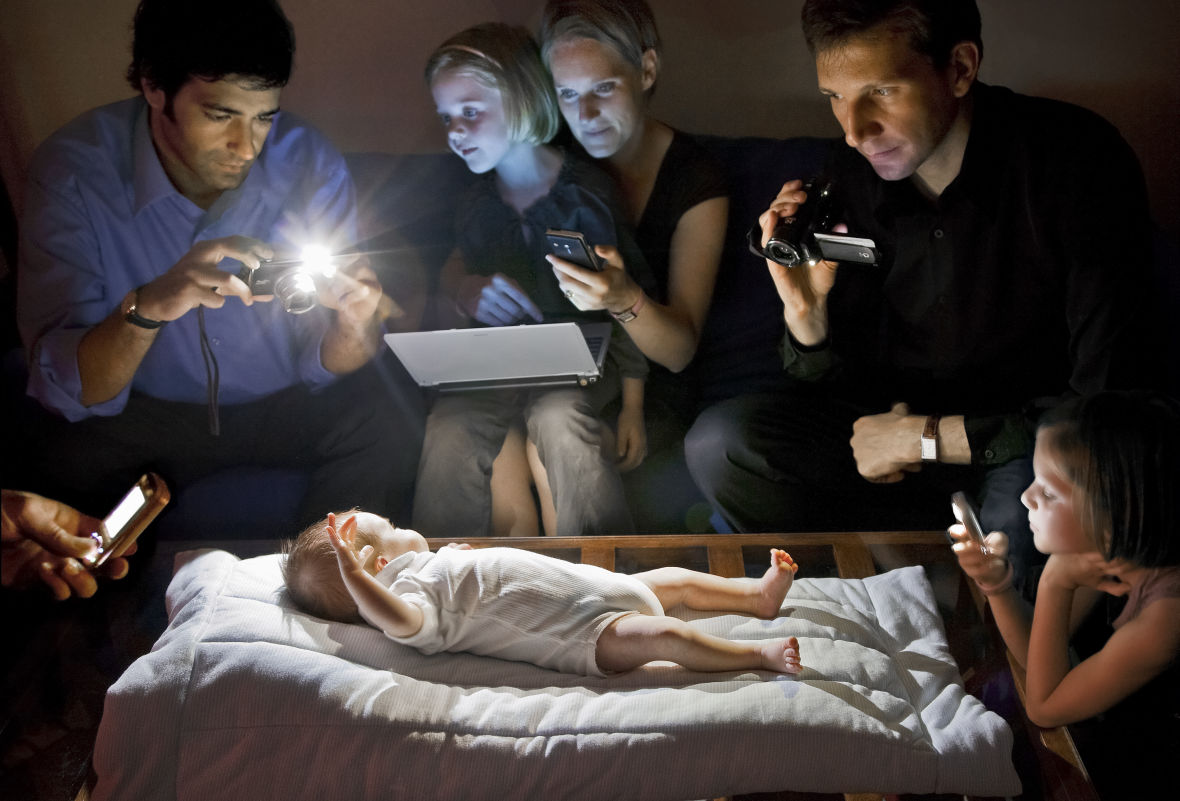
"caption": "During the first day of a baby’s life, the amount of data generated by humanity is equivalent to 70 times the information contained in the Library of Congress.\n",
"description": null,
"title": "1687-CXB-1",
"credit": "Catherine Balet",
"status": "inherit",
"isLoading": false,
"fetchFailed": false
},
"futureofyou_117050": {
"type": "attachments",
"id": "futureofyou_117050",
"meta": {
"index": "attachments_1716263798",
"site": "futureofyou",
"id": "117050",
"found": true
},
"parent": 117046,
"imgSizes": {
"twentyfourteen-full-width": {
"file": "https://ww2.kqed.org/app/uploads/sites/13/2016/02/Research-1038x576.jpg",
"width": 1038,
"mimeType": "image/jpeg",
"height": 576
},
"thumbnail": {
"file": "https://ww2.kqed.org/app/uploads/sites/13/2016/02/Research-400x267.jpg",
"width": 400,
"mimeType": "image/jpeg",
"height": 267
},
"fd-sm": {
"file": "https://ww2.kqed.org/app/uploads/sites/13/2016/02/Research-960x640.jpg",
"width": 960,
"mimeType": "image/jpeg",
"height": 640
},
"post-thumbnail": {
"file": "https://ww2.kqed.org/app/uploads/sites/13/2016/02/Research-672x372.jpg",
"width": 672,
"mimeType": "image/jpeg",
"height": 372
},
"kqedFullSize": {
"file": "https://ww2.kqed.org/app/uploads/sites/13/2016/02/Research-e1456264451287.jpg",
"width": 1920,
"height": 1280
},
"large": {
"file": "https://ww2.kqed.org/app/uploads/sites/13/2016/02/Research-1180x787.jpg",
"width": 1180,
"mimeType": "image/jpeg",
"height": 787
},
"guest-author-96": {
"file": "https://ww2.kqed.org/app/uploads/sites/13/2016/02/Research-96x96.jpg",
"width": 96,
"mimeType": "image/jpeg",
"height": 96
},
"medium": {
"file": "https://ww2.kqed.org/app/uploads/sites/13/2016/02/Research-800x533.jpg",
"width": 800,
"mimeType": "image/jpeg",
"height": 533
},
"guest-author-64": {
"file": "https://ww2.kqed.org/app/uploads/sites/13/2016/02/Research-64x64.jpg",
"width": 64,
"mimeType": "image/jpeg",
"height": 64
},
"guest-author-32": {
"file": "https://ww2.kqed.org/app/uploads/sites/13/2016/02/Research-32x32.jpg",
"width": 32,
"mimeType": "image/jpeg",
"height": 32
},
"fd-lrg": {
"file": "https://ww2.kqed.org/app/uploads/sites/13/2016/02/Research-1920x1280.jpg",
"width": 1920,
"mimeType": "image/jpeg",
"height": 1280
},
"fd-med": {
"file": "https://ww2.kqed.org/app/uploads/sites/13/2016/02/Research-1180x787.jpg",
"width": 1180,
"mimeType": "image/jpeg",
"height": 787
},
"detail": {
"file": "https://ww2.kqed.org/app/uploads/sites/13/2016/02/Research-75x75.jpg",
"width": 75,
"mimeType": "image/jpeg",
"height": 75
},
"medium_large": {
"file": "https://ww2.kqed.org/app/uploads/sites/13/2016/02/Research-768x512.jpg",
"width": 768,
"mimeType": "image/jpeg",
"height": 512
},
"guest-author-128": {
"file": "https://ww2.kqed.org/app/uploads/sites/13/2016/02/Research-128x128.jpg",
"width": 128,
"mimeType": "image/jpeg",
"height": 128
}
},
"publishDate": 1456264364,
"modified": 1456264445,
"caption": "File photo of researcher.",
"description": null,
"title": "Research",
"credit": " Andrew Burton/Getty Images",
"status": "inherit",
"isLoading": false,
"fetchFailed": false
},
"futureofyou_116525": {
"type": "attachments",
"id": "futureofyou_116525",
"meta": {
"index": "attachments_1716263798",
"site": "futureofyou",
"id": "116525",
"found": true
},
"parent": 116496,
"imgSizes": {
"kqedFullSize": {
"file": "https://ww2.kqed.org/app/uploads/sites/13/2016/02/fitbitcharge-1.png",
"width": 381,
"height": 239
},
"guest-author-96": {
"file": "https://ww2.kqed.org/app/uploads/sites/13/2016/02/fitbitcharge-1-96x96.png",
"width": 96,
"mimeType": "image/png",
"height": 96
},
"guest-author-64": {
"file": "https://ww2.kqed.org/app/uploads/sites/13/2016/02/fitbitcharge-1-64x64.png",
"width": 64,
"mimeType": "image/png",
"height": 64
},
"detail": {
"file": "https://ww2.kqed.org/app/uploads/sites/13/2016/02/fitbitcharge-1-75x75.png",
"width": 75,
"mimeType": "image/png",
"height": 75
},
"guest-author-32": {
"file": "https://ww2.kqed.org/app/uploads/sites/13/2016/02/fitbitcharge-1-32x32.png",
"width": 32,
"mimeType": "image/png",
"height": 32
},
"guest-author-128": {
"file": "https://ww2.kqed.org/app/uploads/sites/13/2016/02/fitbitcharge-1-128x128.png",
"width": 128,
"mimeType": "image/png",
"height": 128
}
},
"publishDate": 1456183472,
"modified": 1456183472,
"caption": null,
"description": null,
"title": "fitbitcharge",
"credit": null,
"status": "inherit",
"isLoading": false,
"fetchFailed": false
},
"futureofyou_114645": {
"type": "attachments",
"id": "futureofyou_114645",
"meta": {
"index": "attachments_1716263798",
"site": "futureofyou",
"id": "114645",
"found": true
},
"parent": 114198,
"imgSizes": {
"twentyfourteen-full-width": {
"file": "https://ww2.kqed.org/app/uploads/sites/13/2016/02/Activating-Memory-2-1038x576.jpg",
"width": 1038,
"mimeType": "image/jpeg",
"height": 576
},
"thumbnail": {
"file": "https://ww2.kqed.org/app/uploads/sites/13/2016/02/Activating-Memory-2-400x180.jpg",
"width": 400,
"mimeType": "image/jpeg",
"height": 180
},
"fd-sm": {
"file": "https://ww2.kqed.org/app/uploads/sites/13/2016/02/Activating-Memory-2-960x431.jpg",
"width": 960,
"mimeType": "image/jpeg",
"height": 431
},
"post-thumbnail": {
"file": "https://ww2.kqed.org/app/uploads/sites/13/2016/02/Activating-Memory-2-672x372.jpg",
"width": 672,
"mimeType": "image/jpeg",
"height": 372
},
"kqedFullSize": {
"file": "https://ww2.kqed.org/app/uploads/sites/13/2016/02/Activating-Memory-2-e1455912166332.jpg",
"width": 1920,
"height": 863
},
"large": {
"file": "https://ww2.kqed.org/app/uploads/sites/13/2016/02/Activating-Memory-2-1180x530.jpg",
"width": 1180,
"mimeType": "image/jpeg",
"height": 530
},
"guest-author-96": {
"file": "https://ww2.kqed.org/app/uploads/sites/13/2016/02/Activating-Memory-2-96x96.jpg",
"width": 96,
"mimeType": "image/jpeg",
"height": 96
},
"medium": {
"file": "https://ww2.kqed.org/app/uploads/sites/13/2016/02/Activating-Memory-2-800x359.jpg",
"width": 800,
"mimeType": "image/jpeg",
"height": 359
},
"guest-author-64": {
"file": "https://ww2.kqed.org/app/uploads/sites/13/2016/02/Activating-Memory-2-64x64.jpg",
"width": 64,
"mimeType": "image/jpeg",
"height": 64
},
"guest-author-32": {
"file": "https://ww2.kqed.org/app/uploads/sites/13/2016/02/Activating-Memory-2-32x32.jpg",
"width": 32,
"mimeType": "image/jpeg",
"height": 32
},
"fd-lrg": {
"file": "https://ww2.kqed.org/app/uploads/sites/13/2016/02/Activating-Memory-2-1920x863.jpg",
"width": 1920,
"mimeType": "image/jpeg",
"height": 863
},
"fd-med": {
"file": "https://ww2.kqed.org/app/uploads/sites/13/2016/02/Activating-Memory-2-1180x530.jpg",
"width": 1180,
"mimeType": "image/jpeg",
"height": 530
},
"detail": {
"file": "https://ww2.kqed.org/app/uploads/sites/13/2016/02/Activating-Memory-2-75x75.jpg",
"width": 75,
"mimeType": "image/jpeg",
"height": 75
},
"medium_large": {
"file": "https://ww2.kqed.org/app/uploads/sites/13/2016/02/Activating-Memory-2-768x345.jpg",
"width": 768,
"mimeType": "image/jpeg",
"height": 345
},
"guest-author-128": {
"file": "https://ww2.kqed.org/app/uploads/sites/13/2016/02/Activating-Memory-2-128x128.jpg",
"width": 128,
"mimeType": "image/jpeg",
"height": 128
}
},
"publishDate": 1455912151,
"modified": 1455921802,
"caption": "Members of The Paramusical Ensemble choose musical phrases by staring at a screen then transmitting their choice, via brain signals, to musicians who then play the music. ",
"description": null,
"title": "Activating-Memory-2",
"credit": "Eduardo Miranda",
"status": "inherit",
"isLoading": false,
"fetchFailed": false
},
"futureofyou_108048": {
"type": "attachments",
"id": "futureofyou_108048",
"meta": {
"index": "attachments_1716263798",
"site": "futureofyou",
"id": "108048",
"found": true
},
"parent": 107964,
"imgSizes": {
"twentyfourteen-full-width": {
"file": "https://ww2.kqed.org/app/uploads/sites/13/2017/02/zikavirus-1038x576.jpg",
"width": 1038,
"mimeType": "image/jpeg",
"height": 576
},
"thumbnail": {
"file": "https://ww2.kqed.org/app/uploads/sites/13/2017/02/zikavirus-400x266.jpg",
"width": 400,
"mimeType": "image/jpeg",
"height": 266
},
"fd-sm": {
"file": "https://ww2.kqed.org/app/uploads/sites/13/2017/02/zikavirus-960x639.jpg",
"width": 960,
"mimeType": "image/jpeg",
"height": 639
},
"post-thumbnail": {
"file": "https://ww2.kqed.org/app/uploads/sites/13/2017/02/zikavirus-672x372.jpg",
"width": 672,
"mimeType": "image/jpeg",
"height": 372
},
"kqedFullSize": {
"file": "https://ww2.kqed.org/app/uploads/sites/13/2017/02/zikavirus.jpg",
"width": 1440,
"height": 958
},
"large": {
"file": "https://ww2.kqed.org/app/uploads/sites/13/2017/02/zikavirus-1180x785.jpg",
"width": 1180,
"mimeType": "image/jpeg",
"height": 785
},
"guest-author-96": {
"file": "https://ww2.kqed.org/app/uploads/sites/13/2017/02/zikavirus-96x96.jpg",
"width": 96,
"mimeType": "image/jpeg",
"height": 96
},
"medium": {
"file": "https://ww2.kqed.org/app/uploads/sites/13/2017/02/zikavirus-800x532.jpg",
"width": 800,
"mimeType": "image/jpeg",
"height": 532
},
"guest-author-64": {
"file": "https://ww2.kqed.org/app/uploads/sites/13/2017/02/zikavirus-64x64.jpg",
"width": 64,
"mimeType": "image/jpeg",
"height": 64
},
"guest-author-32": {
"file": "https://ww2.kqed.org/app/uploads/sites/13/2017/02/zikavirus-32x32.jpg",
"width": 32,
"mimeType": "image/jpeg",
"height": 32
},
"fd-med": {
"file": "https://ww2.kqed.org/app/uploads/sites/13/2017/02/zikavirus-1180x785.jpg",
"width": 1180,
"mimeType": "image/jpeg",
"height": 785
},
"detail": {
"file": "https://ww2.kqed.org/app/uploads/sites/13/2017/02/zikavirus-75x75.jpg",
"width": 75,
"mimeType": "image/jpeg",
"height": 75
},
"medium_large": {
"file": "https://ww2.kqed.org/app/uploads/sites/13/2017/02/zikavirus-768x511.jpg",
"width": 768,
"mimeType": "image/jpeg",
"height": 511
},
"guest-author-128": {
"file": "https://ww2.kqed.org/app/uploads/sites/13/2017/02/zikavirus-128x128.jpg",
"width": 128,
"mimeType": "image/jpeg",
"height": 128
}
},
"publishDate": 1454635284,
"modified": 1454635309,
"caption": "The \u003cem>Aedes aegypti\u003c/em> mosquito is one of two types thought to be capable of carrying and transmitting the Zika virus.",
"description": null,
"title": "zikavirus",
"credit": "Nelson Almeida/AFP/Getty Images",
"status": "inherit",
"isLoading": false,
"fetchFailed": false
},
"futureofyou_114153": {
"type": "attachments",
"id": "futureofyou_114153",
"meta": {
"index": "attachments_1716263798",
"site": "futureofyou",
"id": "114153",
"found": true
},
"parent": 114128,
"imgSizes": {
"twentyfourteen-full-width": {
"file": "https://ww2.kqed.org/app/uploads/sites/13/2016/02/HollywoodPresHosp-764x576.jpg",
"width": 764,
"mimeType": "image/jpeg",
"height": 576
},
"thumbnail": {
"file": "https://ww2.kqed.org/app/uploads/sites/13/2016/02/HollywoodPresHosp-400x401.jpg",
"width": 400,
"mimeType": "image/jpeg",
"height": 401
},
"post-thumbnail": {
"file": "https://ww2.kqed.org/app/uploads/sites/13/2016/02/HollywoodPresHosp-672x372.jpg",
"width": 672,
"mimeType": "image/jpeg",
"height": 372
},
"kqedFullSize": {
"file": "https://ww2.kqed.org/app/uploads/sites/13/2016/02/HollywoodPresHosp.jpg",
"width": 764,
"height": 765
},
"guest-author-96": {
"file": "https://ww2.kqed.org/app/uploads/sites/13/2016/02/HollywoodPresHosp-96x96.jpg",
"width": 96,
"mimeType": "image/jpeg",
"height": 96
},
"medium": {
"file": "https://ww2.kqed.org/app/uploads/sites/13/2016/02/HollywoodPresHosp-599x600.jpg",
"width": 599,
"mimeType": "image/jpeg",
"height": 600
},
"guest-author-64": {
"file": "https://ww2.kqed.org/app/uploads/sites/13/2016/02/HollywoodPresHosp-64x64.jpg",
"width": 64,
"mimeType": "image/jpeg",
"height": 64
},
"detail": {
"file": "https://ww2.kqed.org/app/uploads/sites/13/2016/02/HollywoodPresHosp-75x75.jpg",
"width": 75,
"mimeType": "image/jpeg",
"height": 75
},
"guest-author-32": {
"file": "https://ww2.kqed.org/app/uploads/sites/13/2016/02/HollywoodPresHosp-32x32.jpg",
"width": 32,
"mimeType": "image/jpeg",
"height": 32
},
"guest-author-128": {
"file": "https://ww2.kqed.org/app/uploads/sites/13/2016/02/HollywoodPresHosp-128x128.jpg",
"width": 128,
"mimeType": "image/jpeg",
"height": 128
}
},
"publishDate": 1455829367,
"modified": 1455829383,
"caption": "Hollywood Presbyterian Medical Center.",
"description": null,
"title": "HollywoodPresHosp",
"credit": null,
"status": "inherit",
"isLoading": false,
"fetchFailed": false
},
"futureofyou_114100": {
"type": "attachments",
"id": "futureofyou_114100",
"meta": {
"index": "attachments_1716263798",
"site": "futureofyou",
"id": "114100",
"found": true
},
"parent": 114099,
"imgSizes": {
"twentyfourteen-full-width": {
"file": "https://ww2.kqed.org/app/uploads/sites/13/2016/02/t_therapy_wide-591af0cc447f7347ceb906a539c78e94d1f911a0-1038x576.jpe",
"width": 1038,
"mimeType": "image/jpeg",
"height": 576
},
"thumbnail": {
"file": "https://ww2.kqed.org/app/uploads/sites/13/2016/02/t_therapy_wide-591af0cc447f7347ceb906a539c78e94d1f911a0-400x225.jpe",
"width": 400,
"mimeType": "image/jpeg",
"height": 225
},
"fd-sm": {
"file": "https://ww2.kqed.org/app/uploads/sites/13/2016/02/t_therapy_wide-591af0cc447f7347ceb906a539c78e94d1f911a0-960x540.jpe",
"width": 960,
"mimeType": "image/jpeg",
"height": 540
},
"post-thumbnail": {
"file": "https://ww2.kqed.org/app/uploads/sites/13/2016/02/t_therapy_wide-591af0cc447f7347ceb906a539c78e94d1f911a0-672x372.jpe",
"width": 672,
"mimeType": "image/jpeg",
"height": 372
},
"kqedFullSize": {
"file": "https://ww2.kqed.org/app/uploads/sites/13/2016/02/t_therapy_wide-591af0cc447f7347ceb906a539c78e94d1f911a0-e1455822272749.jpe",
"width": 1920,
"height": 1080
},
"large": {
"file": "https://ww2.kqed.org/app/uploads/sites/13/2016/02/t_therapy_wide-591af0cc447f7347ceb906a539c78e94d1f911a0-1180x663.jpe",
"width": 1180,
"mimeType": "image/jpeg",
"height": 663
},
"guest-author-96": {
"file": "https://ww2.kqed.org/app/uploads/sites/13/2016/02/t_therapy_wide-591af0cc447f7347ceb906a539c78e94d1f911a0-96x96.jpe",
"width": 96,
"mimeType": "image/jpeg",
"height": 96
},
"medium": {
"file": "https://ww2.kqed.org/app/uploads/sites/13/2016/02/t_therapy_wide-591af0cc447f7347ceb906a539c78e94d1f911a0-800x450.jpe",
"width": 800,
"mimeType": "image/jpeg",
"height": 450
},
"guest-author-64": {
"file": "https://ww2.kqed.org/app/uploads/sites/13/2016/02/t_therapy_wide-591af0cc447f7347ceb906a539c78e94d1f911a0-64x64.jpe",
"width": 64,
"mimeType": "image/jpeg",
"height": 64
},
"guest-author-32": {
"file": "https://ww2.kqed.org/app/uploads/sites/13/2016/02/t_therapy_wide-591af0cc447f7347ceb906a539c78e94d1f911a0-32x32.jpe",
"width": 32,
"mimeType": "image/jpeg",
"height": 32
},
"fd-lrg": {
"file": "https://ww2.kqed.org/app/uploads/sites/13/2016/02/t_therapy_wide-591af0cc447f7347ceb906a539c78e94d1f911a0-1920x1080.jpe",
"width": 1920,
"mimeType": "image/jpeg",
"height": 1080
},
"fd-med": {
"file": "https://ww2.kqed.org/app/uploads/sites/13/2016/02/t_therapy_wide-591af0cc447f7347ceb906a539c78e94d1f911a0-1180x663.jpe",
"width": 1180,
"mimeType": "image/jpeg",
"height": 663
},
"detail": {
"file": "https://ww2.kqed.org/app/uploads/sites/13/2016/02/t_therapy_wide-591af0cc447f7347ceb906a539c78e94d1f911a0-75x75.jpe",
"width": 75,
"mimeType": "image/jpeg",
"height": 75
},
"medium_large": {
"file": "https://ww2.kqed.org/app/uploads/sites/13/2016/02/t_therapy_wide-591af0cc447f7347ceb906a539c78e94d1f911a0-768x432.jpe",
"width": 768,
"mimeType": "image/jpeg",
"height": 432
},
"guest-author-128": {
"file": "https://ww2.kqed.org/app/uploads/sites/13/2016/02/t_therapy_wide-591af0cc447f7347ceb906a539c78e94d1f911a0-128x128.jpe",
"width": 128,
"mimeType": "image/jpeg",
"height": 128
}
},
"publishDate": 1455822063,
"modified": 1455822287,
"caption": null,
"description": null,
"title": "Katherine Streeter for NPR",
"credit": "Katherine Streeter for NPR",
"status": "inherit",
"isLoading": false,
"fetchFailed": false
},
"futureofyou_100149": {
"type": "attachments",
"id": "futureofyou_100149",
"meta": {
"index": "attachments_1716263798",
"site": "futureofyou",
"id": "100149",
"found": true
},
"parent": 94302,
"imgSizes": {
"twentyfourteen-full-width": {
"file": "https://ww2.kqed.org/app/uploads/sites/13/2016/01/crispr-graphic-1038x576.png",
"width": 1038,
"mimeType": "image/png",
"height": 576
},
"thumbnail": {
"file": "https://ww2.kqed.org/app/uploads/sites/13/2016/01/crispr-graphic-400x213.png",
"width": 400,
"mimeType": "image/png",
"height": 213
},
"fd-sm": {
"file": "https://ww2.kqed.org/app/uploads/sites/13/2016/01/crispr-graphic-960x510.png",
"width": 960,
"mimeType": "image/png",
"height": 510
},
"post-thumbnail": {
"file": "https://ww2.kqed.org/app/uploads/sites/13/2016/01/crispr-graphic-672x372.png",
"width": 672,
"mimeType": "image/png",
"height": 372
},
"kqedFullSize": {
"file": "https://ww2.kqed.org/app/uploads/sites/13/2016/01/crispr-graphic.png",
"width": 1197,
"height": 636
},
"large": {
"file": "https://ww2.kqed.org/app/uploads/sites/13/2016/01/crispr-graphic-1180x627.png",
"width": 1180,
"mimeType": "image/png",
"height": 627
},
"guest-author-96": {
"file": "https://ww2.kqed.org/app/uploads/sites/13/2016/01/crispr-graphic-96x96.png",
"width": 96,
"mimeType": "image/png",
"height": 96
},
"medium": {
"file": "https://ww2.kqed.org/app/uploads/sites/13/2016/01/crispr-graphic-800x425.png",
"width": 800,
"mimeType": "image/png",
"height": 425
},
"guest-author-64": {
"file": "https://ww2.kqed.org/app/uploads/sites/13/2016/01/crispr-graphic-64x64.png",
"width": 64,
"mimeType": "image/png",
"height": 64
},
"guest-author-32": {
"file": "https://ww2.kqed.org/app/uploads/sites/13/2016/01/crispr-graphic-32x32.png",
"width": 32,
"mimeType": "image/png",
"height": 32
},
"fd-med": {
"file": "https://ww2.kqed.org/app/uploads/sites/13/2016/01/crispr-graphic-1180x627.png",
"width": 1180,
"mimeType": "image/png",
"height": 627
},
"detail": {
"file": "https://ww2.kqed.org/app/uploads/sites/13/2016/01/crispr-graphic-75x75.png",
"width": 75,
"mimeType": "image/png",
"height": 75
},
"medium_large": {
"file": "https://ww2.kqed.org/app/uploads/sites/13/2016/01/crispr-graphic-768x408.png",
"width": 768,
"mimeType": "image/png",
"height": 408
},
"guest-author-128": {
"file": "https://ww2.kqed.org/app/uploads/sites/13/2016/01/crispr-graphic-128x128.png",
"width": 128,
"mimeType": "image/png",
"height": 128
}
},
"publishDate": 1453251516,
"modified": 1453251628,
"caption": "A graphic illustration of the enzyme Cas9, in the background, clipping a strand of DNA in order to remove a mutated sequence that could cause disease.",
"description": null,
"title": "crispr graphic",
"credit": "UC Berkeley",
"status": "inherit",
"isLoading": false,
"fetchFailed": false
},
"futureofyou_110261": {
"type": "attachments",
"id": "futureofyou_110261",
"meta": {
"index": "attachments_1716263798",
"site": "futureofyou",
"id": "110261",
"found": true
},
"parent": 109852,
"imgSizes": {
"twentyfourteen-full-width": {
"file": "https://ww2.kqed.org/app/uploads/sites/13/2017/02/Jordan-1030x576.jpg",
"width": 1030,
"mimeType": "image/jpeg",
"height": 576
},
"thumbnail": {
"file": "https://ww2.kqed.org/app/uploads/sites/13/2017/02/Jordan-400x256.jpg",
"width": 400,
"mimeType": "image/jpeg",
"height": 256
},
"fd-sm": {
"file": "https://ww2.kqed.org/app/uploads/sites/13/2017/02/Jordan-960x615.jpg",
"width": 960,
"mimeType": "image/jpeg",
"height": 615
},
"post-thumbnail": {
"file": "https://ww2.kqed.org/app/uploads/sites/13/2017/02/Jordan-672x372.jpg",
"width": 672,
"mimeType": "image/jpeg",
"height": 372
},
"kqedFullSize": {
"file": "https://ww2.kqed.org/app/uploads/sites/13/2017/02/Jordan.jpg",
"width": 1030,
"height": 660
},
"guest-author-96": {
"file": "https://ww2.kqed.org/app/uploads/sites/13/2017/02/Jordan-96x96.jpg",
"width": 96,
"mimeType": "image/jpeg",
"height": 96
},
"medium": {
"file": "https://ww2.kqed.org/app/uploads/sites/13/2017/02/Jordan-800x513.jpg",
"width": 800,
"mimeType": "image/jpeg",
"height": 513
},
"guest-author-64": {
"file": "https://ww2.kqed.org/app/uploads/sites/13/2017/02/Jordan-64x64.jpg",
"width": 64,
"mimeType": "image/jpeg",
"height": 64
},
"detail": {
"file": "https://ww2.kqed.org/app/uploads/sites/13/2017/02/Jordan-75x75.jpg",
"width": 75,
"mimeType": "image/jpeg",
"height": 75
},
"guest-author-32": {
"file": "https://ww2.kqed.org/app/uploads/sites/13/2017/02/Jordan-32x32.jpg",
"width": 32,
"mimeType": "image/jpeg",
"height": 32
},
"medium_large": {
"file": "https://ww2.kqed.org/app/uploads/sites/13/2017/02/Jordan-768x492.jpg",
"width": 768,
"mimeType": "image/jpeg",
"height": 492
},
"guest-author-128": {
"file": "https://ww2.kqed.org/app/uploads/sites/13/2017/02/Jordan-128x128.jpg",
"width": 128,
"mimeType": "image/jpeg",
"height": 128
}
},
"publishDate": 1455131675,
"modified": 1455131912,
"caption": "Palo Alto Unified School District tried to transfer 11-year-old Colman Chadam out of Jordan Middle School, pictured here, because of misplaced health concerns stemming from genetic tests.",
"description": null,
"title": "Jordan",
"credit": "Palo Alto Unified School District",
"status": "inherit",
"isLoading": false,
"fetchFailed": false
},
"futureofyou_109834": {
"type": "attachments",
"id": "futureofyou_109834",
"meta": {
"index": "attachments_1716263798",
"site": "futureofyou",
"id": "109834",
"found": true
},
"parent": 109832,
"imgSizes": {
"twentyfourteen-full-width": {
"file": "https://ww2.kqed.org/app/uploads/sites/13/2016/02/tick-800x576.jpg",
"width": 800,
"mimeType": "image/jpeg",
"height": 576
},
"thumbnail": {
"file": "https://ww2.kqed.org/app/uploads/sites/13/2016/02/tick-400x289.jpg",
"width": 400,
"mimeType": "image/jpeg",
"height": 289
},
"post-thumbnail": {
"file": "https://ww2.kqed.org/app/uploads/sites/13/2016/02/tick-672x372.jpg",
"width": 672,
"mimeType": "image/jpeg",
"height": 372
},
"kqedFullSize": {
"file": "https://ww2.kqed.org/app/uploads/sites/13/2016/02/tick.jpg",
"width": 800,
"height": 578
},
"guest-author-96": {
"file": "https://ww2.kqed.org/app/uploads/sites/13/2016/02/tick-96x96.jpg",
"width": 96,
"mimeType": "image/jpeg",
"height": 96
},
"medium": {
"file": "https://ww2.kqed.org/app/uploads/sites/13/2016/02/tick-800x578.jpg",
"width": 800,
"mimeType": "image/jpeg",
"height": 578
},
"guest-author-64": {
"file": "https://ww2.kqed.org/app/uploads/sites/13/2016/02/tick-64x64.jpg",
"width": 64,
"mimeType": "image/jpeg",
"height": 64
},
"detail": {
"file": "https://ww2.kqed.org/app/uploads/sites/13/2016/02/tick-75x75.jpg",
"width": 75,
"mimeType": "image/jpeg",
"height": 75
},
"guest-author-32": {
"file": "https://ww2.kqed.org/app/uploads/sites/13/2016/02/tick-32x32.jpg",
"width": 32,
"mimeType": "image/jpeg",
"height": 32
},
"medium_large": {
"file": "https://ww2.kqed.org/app/uploads/sites/13/2016/02/tick-768x555.jpg",
"width": 768,
"mimeType": "image/jpeg",
"height": 555
},
"guest-author-128": {
"file": "https://ww2.kqed.org/app/uploads/sites/13/2016/02/tick-128x128.jpg",
"width": 128,
"mimeType": "image/jpeg",
"height": 128
}
},
"publishDate": 1455044182,
"modified": 1455044220,
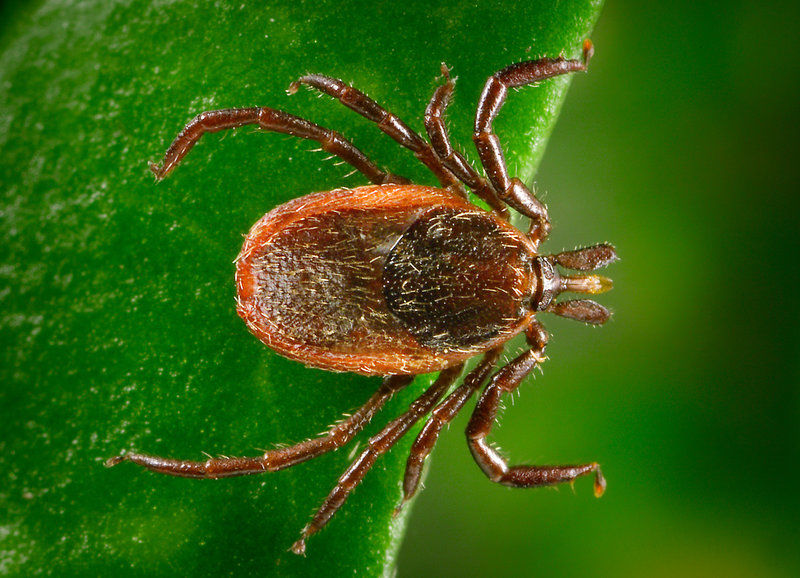
"caption": "The black-legged tick can spread both species of bacteria known to cause Lyme disease.",
"description": "The black-legged tick can spread both species of bacteria known to cause Lyme disease.",
"title": "tick",
"credit": "James Gathany/CDC",
"status": "inherit",
"isLoading": false,
"fetchFailed": false
},
"futureofyou_51": {
"type": "attachments",
"id": "futureofyou_51",
"meta": {
"index": "attachments_1716263798",
"site": "futureofyou",
"id": "51",
"found": true
},
"parent": 45,
"imgSizes": {
"thumbnail": {
"file": "https://ww2.kqed.org/app/uploads/sites/13/2015/02/DNA-21-400x225.jpg",
"width": 400,
"mimeType": "image/jpeg",
"height": 225
},
"kqedFullSize": {
"file": "https://ww2.kqed.org/app/uploads/sites/13/2015/02/DNA-21.jpg",
"width": 640,
"height": 360
},
"guest-author-96": {
"file": "https://ww2.kqed.org/app/uploads/sites/13/2015/02/DNA-21-96x96.jpg",
"width": 96,
"mimeType": "image/jpeg",
"height": 96
},
"guest-author-64": {
"file": "https://ww2.kqed.org/app/uploads/sites/13/2015/02/DNA-21-64x64.jpg",
"width": 64,
"mimeType": "image/jpeg",
"height": 64
},
"detail": {
"file": "https://ww2.kqed.org/app/uploads/sites/13/2015/02/DNA-21-75x75.jpg",
"width": 75,
"mimeType": "image/jpeg",
"height": 75
},
"guest-author-32": {
"file": "https://ww2.kqed.org/app/uploads/sites/13/2015/02/DNA-21-32x32.jpg",
"width": 32,
"mimeType": "image/jpeg",
"height": 32
},
"guest-author-128": {
"file": "https://ww2.kqed.org/app/uploads/sites/13/2015/02/DNA-21-128x128.jpg",
"width": 128,
"mimeType": "image/jpeg",
"height": 128
}
},
"publishDate": 1423264330,
"modified": 1454959112,
"caption": "A magnified strand of DNA. ",
"description": null,
"title": "DNA-2",
"credit": "Tomasz Wyszomirski",
"status": "inherit",
"isLoading": false,
"fetchFailed": false
},
"futureofyou_103649": {
"type": "attachments",
"id": "futureofyou_103649",
"meta": {
"index": "attachments_1716263798",
"site": "futureofyou",
"id": "103649",
"found": true
},
"parent": 103581,
"imgSizes": {
"twentyfourteen-full-width": {
"file": "https://ww2.kqed.org/app/uploads/sites/13/2016/01/Theranos-1038x576.jpg",
"width": 1038,
"mimeType": "image/jpeg",
"height": 576
},
"thumbnail": {
"file": "https://ww2.kqed.org/app/uploads/sites/13/2016/01/Theranos-400x266.jpg",
"width": 400,
"mimeType": "image/jpeg",
"height": 266
},
"fd-sm": {
"file": "https://ww2.kqed.org/app/uploads/sites/13/2016/01/Theranos-960x638.jpg",
"width": 960,
"mimeType": "image/jpeg",
"height": 638
},
"post-thumbnail": {
"file": "https://ww2.kqed.org/app/uploads/sites/13/2016/01/Theranos-672x372.jpg",
"width": 672,
"mimeType": "image/jpeg",
"height": 372
},
"kqedFullSize": {
"file": "https://ww2.kqed.org/app/uploads/sites/13/2016/01/Theranos-e1453851409558.jpg",
"width": 1920,
"height": 1275
},
"large": {
"file": "https://ww2.kqed.org/app/uploads/sites/13/2016/01/Theranos-1180x784.jpg",
"width": 1180,
"mimeType": "image/jpeg",
"height": 784
},
"guest-author-96": {
"file": "https://ww2.kqed.org/app/uploads/sites/13/2016/01/Theranos-96x96.jpg",
"width": 96,
"mimeType": "image/jpeg",
"height": 96
},
"medium": {
"file": "https://ww2.kqed.org/app/uploads/sites/13/2016/01/Theranos-800x531.jpg",
"width": 800,
"mimeType": "image/jpeg",
"height": 531
},
"guest-author-64": {
"file": "https://ww2.kqed.org/app/uploads/sites/13/2016/01/Theranos-64x64.jpg",
"width": 64,
"mimeType": "image/jpeg",
"height": 64
},
"guest-author-32": {
"file": "https://ww2.kqed.org/app/uploads/sites/13/2016/01/Theranos-32x32.jpg",
"width": 32,
"mimeType": "image/jpeg",
"height": 32
},
"fd-lrg": {
"file": "https://ww2.kqed.org/app/uploads/sites/13/2016/01/Theranos-1920x1275.jpg",
"width": 1920,
"mimeType": "image/jpeg",
"height": 1275
},
"fd-med": {
"file": "https://ww2.kqed.org/app/uploads/sites/13/2016/01/Theranos-1180x784.jpg",
"width": 1180,
"mimeType": "image/jpeg",
"height": 784
},
"detail": {
"file": "https://ww2.kqed.org/app/uploads/sites/13/2016/01/Theranos-75x75.jpg",
"width": 75,
"mimeType": "image/jpeg",
"height": 75
},
"medium_large": {
"file": "https://ww2.kqed.org/app/uploads/sites/13/2016/01/Theranos-768x510.jpg",
"width": 768,
"mimeType": "image/jpeg",
"height": 510
},
"guest-author-128": {
"file": "https://ww2.kqed.org/app/uploads/sites/13/2016/01/Theranos-128x128.jpg",
"width": 128,
"mimeType": "image/jpeg",
"height": 128
}
},
"publishDate": 1453851359,
"modified": 1453851403,
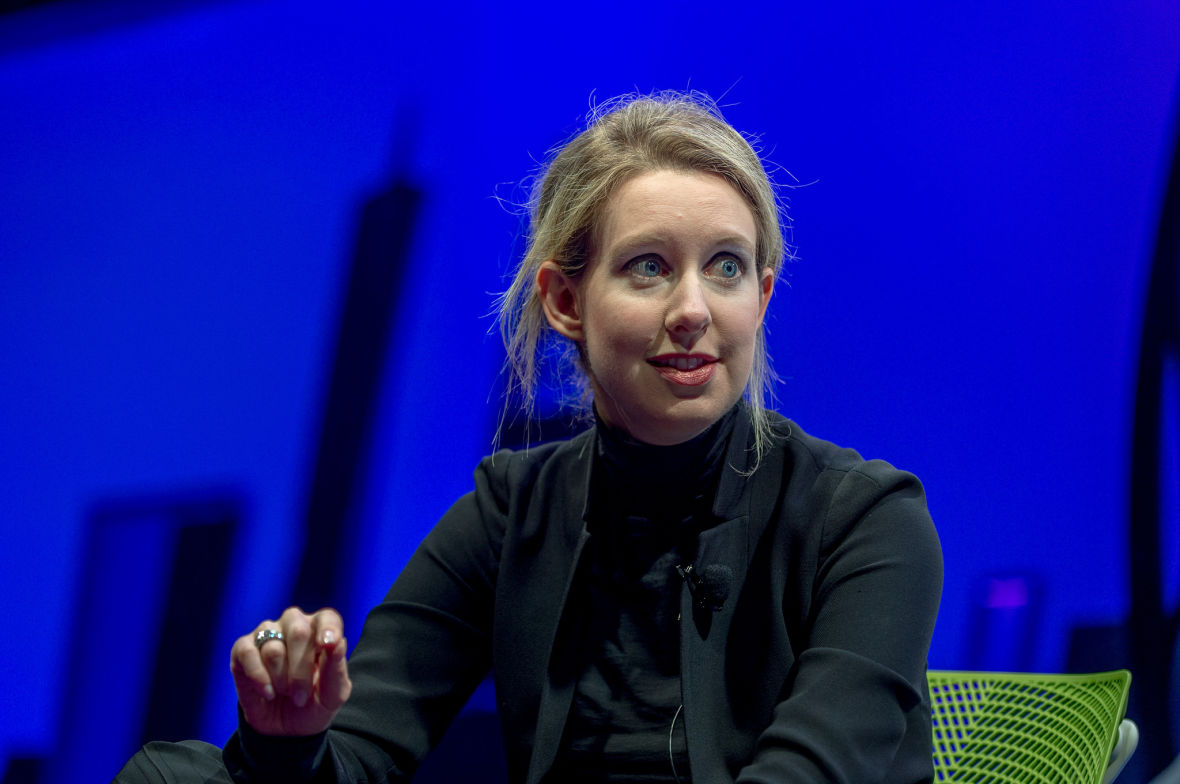
"caption": "Theranos founder and CEO Elizabeth Holmes at the Fortune Global Forum, November 2015.",
"description": null,
"title": "Theranos",
"credit": " Stuart Isett/Fortune Global Forum",
"status": "inherit",
"isLoading": false,
"fetchFailed": false
}
},
"audioPlayerReducer": {
"postId": "stream_live",
"isPaused": true,
"isPlaying": false,
"pfsActive": false,
"pledgeModalIsOpen": true,
"playerDrawerIsOpen": false,
"liveAudioPlayStartedAt": 0,
"liveAudioPlayContext": ""
},
"authorsReducer": {
"byline_futureofyou_117046": {
"type": "authors",
"id": "byline_futureofyou_117046",
"meta": {
"override": true
},
"slug": "byline_futureofyou_117046",
"name": "Harlan Krumholz\u003cbr />NPR Shots",
"isLoading": false
},
"byline_futureofyou_116496": {
"type": "authors",
"id": "byline_futureofyou_116496",
"meta": {
"override": true
},
"slug": "byline_futureofyou_116496",
"name": "Future of You ",
"isLoading": false
},
"byline_futureofyou_114705": {
"type": "authors",
"id": "byline_futureofyou_114705",
"meta": {
"override": true
},
"slug": "byline_futureofyou_114705",
"name": "Mike Stobbe\u003cbr />Associated Press",
"isLoading": false
},
"byline_futureofyou_114128": {
"type": "authors",
"id": "byline_futureofyou_114128",
"meta": {
"override": true
},
"slug": "byline_futureofyou_114128",
"name": "Andrew Dalton\u003cbr />Associated Press",
"isLoading": false
},
"byline_futureofyou_114099": {
"type": "authors",
"id": "byline_futureofyou_114099",
"meta": {
"override": true
},
"slug": "byline_futureofyou_114099",
"name": "Patti Neighmond",
"isLoading": false
},
"byline_futureofyou_110305": {
"type": "authors",
"id": "byline_futureofyou_110305",
"meta": {
"override": true
},
"slug": "byline_futureofyou_110305",
"name": "Danelle Venton",
"isLoading": false
},
"byline_futureofyou_109832": {
"type": "authors",
"id": "byline_futureofyou_109832",
"meta": {
"override": true
},
"slug": "byline_futureofyou_109832",
"name": "Rae Ellen Bichell\u003cbr />NPR Shots",
"isLoading": false
},
"jbrooks": {
"type": "authors",
"id": "80",
"meta": {
"index": "authors_1716337520",
"id": "80",
"found": true
},
"name": "Jon Brooks",
"firstName": "Jon",
"lastName": "Brooks",
"slug": "jbrooks",
"email": "jbrooks@kqed.org",
"display_author_email": true,
"staff_mastheads": [
"science"
],
"title": "Digital Editor",
"bio": "Jon Brooks is a former Digital Editor for KQED Science. He is the former editor of KQED’s daily news blog, News Fix. In 2014, he won a California Journalism Award for his coverage of ride services like Uber and Lyft and the taxi industry. A veteran blogger, he previously worked for Yahoo! in various news writing and editing roles. Jon is also a playwright whose work has been produced in San Francisco, New York, Italy, and around the U.S. He has written about film for his own blog and studied film at Boston University.",
"avatar": "https://secure.gravatar.com/avatar/98887f7ed1c876ed414d4c915e969584?s=600&d=blank&r=g",
"twitter": "jbrooksfoy",
"facebook": null,
"instagram": null,
"linkedin": null,
"sites": [
{
"site": "arts",
"roles": [
"Contributor",
"editor"
]
},
{
"site": "news",
"roles": [
"author"
]
},
{
"site": "futureofyou",
"roles": [
"administrator"
]
},
{
"site": "mindshift",
"roles": [
"editor"
]
},
{
"site": "stateofhealth",
"roles": [
"editor"
]
},
{
"site": "science",
"roles": [
"administrator"
]
},
{
"site": "quest",
"roles": [
"editor"
]
}
],
"headData": {
"title": "Jon Brooks | KQED",
"description": "Digital Editor",
"ogImgSrc": "https://secure.gravatar.com/avatar/98887f7ed1c876ed414d4c915e969584?s=600&d=blank&r=g",
"twImgSrc": "https://secure.gravatar.com/avatar/98887f7ed1c876ed414d4c915e969584?s=600&d=blank&r=g"
},
"isLoading": false,
"link": "/author/jbrooks"
},
"lindseyhoshaw": {
"type": "authors",
"id": "5432",
"meta": {
"index": "authors_1716337520",
"id": "5432",
"found": true
},
"name": "Lindsey Hoshaw",
"firstName": "Lindsey",
"lastName": "Hoshaw",
"slug": "lindseyhoshaw",
"email": "lhoshaw@kqed.org",
"display_author_email": false,
"staff_mastheads": [],
"title": "KQED Contributor",
"bio": "Lindsey Hoshaw is a former interactive producer for KQED Science. Before joining KQED, Lindsey was a science correspondent for The New York Times, The Boston Globe, Forbes and Scientific American. On Twitter @lindseyhoshaw",
"avatar": "https://secure.gravatar.com/avatar/274b07694c998eaa8f26cfabaa941186?s=600&d=mm&r=g",
"twitter": "lindseyhoshaw",
"facebook": "lindsey.hoshaw.9",
"instagram": null,
"linkedin": null,
"sites": [
{
"site": "arts",
"roles": [
"author"
]
},
{
"site": "news",
"roles": [
"subscriber"
]
},
{
"site": "futureofyou",
"roles": [
"editor"
]
},
{
"site": "bayareabites",
"roles": [
"contributor"
]
},
{
"site": "stateofhealth",
"roles": [
"author"
]
},
{
"site": "science",
"roles": [
"edit_theme_options",
"subscriber"
]
},
{
"site": "quest",
"roles": [
"edit_post_subscriptions",
"edit_usergroups",
"unfiltered_html",
"unfiltered_upload",
"leadcoordinator",
"editor"
]
},
{
"site": "food",
"roles": []
}
],
"headData": {
"title": "Lindsey Hoshaw | KQED",
"description": "KQED Contributor",
"ogImgSrc": "https://secure.gravatar.com/avatar/274b07694c998eaa8f26cfabaa941186?s=600&d=mm&r=g",
"twImgSrc": "https://secure.gravatar.com/avatar/274b07694c998eaa8f26cfabaa941186?s=600&d=mm&r=g"
},
"isLoading": false,
"link": "/author/lindseyhoshaw"
},
"dr-barry-starr": {
"type": "authors",
"id": "6177",
"meta": {
"index": "authors_1716337520",
"id": "6177",
"found": true
},
"name": "Dr. Barry Starr",
"firstName": "Dr. Barry",
"lastName": "Starr",
"slug": "dr-barry-starr",
"email": "bstarr@thetech.org",
"display_author_email": false,
"staff_mastheads": [],
"title": "KQED Contributor",
"bio": "Dr. Barry Starr (\u003ca href=\"https://twitter.com/geneticsboy\">@geneticsboy\u003c/a>) is a Geneticist-in-Residence at The Tech Museum of Innovation in San Jose, CA and runs their Stanford at The Tech program. The program is part of an ongoing collaboration between the \u003ca href=\"http://genetics.stanford.edu/\">Stanford Department of Genetics\u003c/a> and \u003ca href=\"http://www.thetech.org/\">The Tech Museum of Innovation\u003c/a>. Together these two partners created the \u003ca href=\"http://www.thetech.org/exhibits/permanent/index.php?sGalKey=gtwt&galKey=lt\">Genetics: Technology with a Twist\u003c/a> exhibition.\r\n\r\nYou can also see \u003ca href=\"https://ww2.kqed.org/science/author/dr-barry-starr/\">additional posts by Barry at KQED Science\u003c/a>, and read his \u003ca href=\"http://science.kqed.org/quest/author/dr-barry-starr/\">previous contributions\u003c/a> to \u003ca href=\"http://science.kqed.org/quest/\">QUEST\u003c/a>, a project dedicated to exploring the Science of Sustainability.",
"avatar": "https://secure.gravatar.com/avatar/4a5680e4c642ea0f0f3041af16018969?s=600&d=blank&r=g",
"twitter": "geneticsboy",
"facebook": null,
"instagram": null,
"linkedin": null,
"sites": [
{
"site": "futureofyou",
"roles": []
},
{
"site": "science",
"roles": [
"author"
]
},
{
"site": "quest",
"roles": [
"subscriber"
]
}
],
"headData": {
"title": "Dr. Barry Starr | KQED",
"description": "KQED Contributor",
"ogImgSrc": "https://secure.gravatar.com/avatar/4a5680e4c642ea0f0f3041af16018969?s=600&d=blank&r=g",
"twImgSrc": "https://secure.gravatar.com/avatar/4a5680e4c642ea0f0f3041af16018969?s=600&d=blank&r=g"
},
"isLoading": false,
"link": "/author/dr-barry-starr"
}
},
"pagesReducer": {
"futureofyou_program_future-of-you": {
"type": "terms",
"id": "futureofyou_54",
"meta": {
"index": "terms_1716263798",
"site": "futureofyou",
"id": "54",
"score": 14.775631
},
"featImg": null,
"name": "Future of You",
"description": null,
"taxonomy": "program",
"headData": {
"twImgId": null,
"twTitle": null,
"ogTitle": null,
"ogImgId": null,
"twDescription": null,
"description": null,
"title": "Future of You Archives | KQED Arts",
"ogDescription": null
},
"ttid": 54,
"slug": "future-of-you",
"isLoading": false,
"title": "Future of You",
"pageMeta": {
"site": "futureofyou",
"WpPageTemplate": "page-topic-editorial",
"currentPage": 8
},
"blocks": [
{
"blockName": "kqed/post-list",
"attrs": {
"layout": "cardArticle2",
"query": "posts/futureofyou?program=future-of-you",
"seeMore": false,
"paginated": true,
"page": 8
}
},
{
"blockName": "kqed/ad"
}
]
}
},
"pfsSessionReducer": {},
"postsReducer": {
"stream_live": {
"type": "live",
"id": "stream_live",
"audioUrl": "https://streams.kqed.org/kqedradio",
"title": "Live Stream",
"excerpt": "Live Stream information currently unavailable.",
"link": "/radio",
"featImg": "",
"label": {
"name": "KQED Live",
"link": "/"
}
},
"stream_kqedNewscast": {
"type": "posts",
"id": "stream_kqedNewscast",
"audioUrl": "https://www.kqed.org/.stream/anon/radio/RDnews/newscast.mp3?_=1",
"title": "KQED Newscast",
"featImg": "",
"label": {
"name": "88.5 FM",
"link": "/"
}
},
"futureofyou_116290": {
"type": "posts",
"id": "futureofyou_116290",
"meta": {
"index": "posts_1716263798",
"site": "futureofyou",
"id": "116290",
"score": null,
"sort": [
1456322421000
]
},
"parent": 0,
"labelTerm": {
"site": "futureofyou",
"term": 54
},
"blocks": [],
"publishDate": 1456322421,
"format": "standard",
"disqusTitle": "Watch All the Health Segments From 'The Human Face of Big Data'",
"title": "Watch All the Health Segments From 'The Human Face of Big Data'",
"headTitle": "Future of You | KQED Future of You | KQED Science",
"content": "\u003cp>One in four babies has \u003ca href=\"http://www.businesswire.com/news/home/20101006006722/en/Digital-Birth-Online-World\" target=\"_blank\">a digital footprint\u003c/a> before it's even born, which isn't surprising if you've ever seen a sonogram photo on Facebook.\u003c/p>\n\u003cp>The trend continues as we grow up. A host of activities—from buying groceries with a credit card to texting friends—leaves a trace in cyberspace.\u003c/p>\n\u003caside class=\"alignright\">Watch the health segments below\u003c/aside>\n\u003cp>This information can be helpful, as when \u003ca href=\"http://www.medicaldaily.com/reddit-user-fitbit-data-pregnancy-symptoms-372880\">Fitbit data revealed \u003c/a>a couple was expecting, or not so much, as when a 23andMe test \u003ca href=\"http://www.vox.com/2014/9/9/5975653/with-genetic-testing-i-gave-my-parents-the-gift-of-divorce-23andme\" target=\"_blank\">led to a couple's divorce\u003c/a>.\u003c/p>\n\u003cp>The increasing power of all this information is the subject of PBS' hour-long special: \"\u003ca href=\"http://www.pbs.org/show/human-face-big-data/\">The Human Face of Big Data\u003c/a>,\" which airs Wednesday.\u003c/p>\n\u003cp>Featuring more than 30 leading voices and pioneers in the fields of data science, artificial intelligence, technology and digital medicine, \"The Human Face of Big Data\" is a galvanizing yet cautionary tale. Several experts predict a world where privacy ceases to exist.\u003c/p>\n\u003cp>[ad fullwidth]\u003c/p>\n\u003cp>\"\u003cspan style=\"font-weight: 400\">What I’m really worried about is the cost to democracy; today it’s nearly impossible to be truly anonymous,\" \u003ca href=\"http://www.media.mit.edu/\" target=\"_blank\">MIT Media Lab\u003c/a> Director Joi Ito says in the film.\u003c/span>\u003c/p>\n\u003cp>Perhaps most striking in the documentary: how big data is rapidly being applied to health care.\u003c/p>\n\u003cp>\u003cspan style=\"font-weight: 400\">\"We talk a lot in the movie about medicine,\" says director and producer Sandy Smolan. \u003c/span>\u003c/p>\n\u003cp>\u003cspan style=\"font-weight: 400\">\"Now that the cost of getting your DNA sequenced has dropped so low, it’s only a matter of years before hospitals compile medicine for you.\" \u003c/span>\u003c/p>\n\u003cp>\u003cspan style=\"font-weight: 400\">Smolan says precision will make today's health care system seem woefully antiquated.\u003c/span>\u003c/p>\n\u003cp>\u003cspan style=\"font-weight: 400\">\"We’ll look back at this period and say, 'How barbaric, we just prescribed medicine and hope it worked.'\"\u003c/span>\u003c/p>\n\u003cp>\u003ca name=\"clips\">\u003c/a>\u003c/p>\n\u003cp>The film explores four public health advances fueled by big data:\u003c/p>\n\u003cp>\u003cstrong>Google Flu Trends. \u003c/strong>The search engine used real time search results to \u003ca href=\"https://en.wikipedia.org/wiki/Google_Flu_Trends\" target=\"_blank\">predict infectious outbreaks\u003c/a>, such as the flu, which previously took several weeks for the Centers for Disease Control and Prevention to track.\u003c/p>\n\u003cp>https://www.youtube.com/watch?v=lEDt89eQ64o&ab_channel=PBS\u003c/p>\n\u003cp>\u003cstrong>Monitoring health. \u003c/strong>If millions of people tracked their health continuously, producing huge amount of physiological information, what would that enable? \"There's a company right now in Boston that can actually predict you're going to get depressed, two days before you get depressed,\" says journalist Rick Smolan.\u003c/p>\n\u003cp>https://www.youtube.com/watch?v=-ZKsqr2RUjw&ab_channel=PBS\u003c/p>\n\u003cp>\u003cstrong>Heartbeat data saves infants.\u003c/strong> Data scientist Carolyn McGregor aggregated data from medical equipment to predict the onset of life-threatening infections in premature babies before physical symptoms appeared.\u003c/p>\n\u003cp>https://www.youtube.com/watch?v=WNccLBzR_I4&ab_channel=UOIT\u003c/p>\n\u003cp>\u003cstrong>Whole genome sequencing and personalized medicine\u003c/strong>. Digitizing our genome could revolutionize personal health care. In the film, a daughter tests for mutations in the \u003ca href=\"http://www.cancer.gov/about-cancer/causes-prevention/genetics/brca-fact-sheet#q1\" target=\"_blank\">BRCA2 gene\u003c/a>, to see if she inherited the mutation from her mom, which would lead to an increased risk for breast cancer.\u003c/p>\n\u003cp>https://www.youtube.com/watch?v=V6FMIbgCtys\u003c/p>\n\u003cp>\u003cstrong>Mapping the spread of malaria.\u003c/strong> The organization Ushahidi worked with a communications network to map malaria hotspots in Kenya. Since 2000, Malaria infections are down 25 percent worldwide.\u003c/p>\n\u003cp>[youtube https://www.youtube.com/watch?v=zHCnLkTHSAk]\u003c/p>\n\u003cp>Last week, \u003ca href=\"http://hereandnow.wbur.org/\">Here & Now\u003c/a>’s Jeremy Hobson spoke with executive producer Rick Smolan and Shwetak Patel, a computer science and engineering professor at the University of Washington, who appears in the film. Listen below:\u003c/p>\n\u003cp>\u003c/p>\n\u003cp>\u003c!-- iframe plugin v.4.3 wordpress.org/plugins/iframe/ -->\u003cbr>\n\u003ciframe width=\"100%\" height=\"124\" scrolling=\"no\" frameborder=\"no\" src=\"//embed.wbur.org/player/hereandnow/2016/02/24/human-face-of-big-data-pbs\" class=\"iframe-class\">\u003c/iframe>\u003c/p>\n\n",
"disqusIdentifier": "116290 http://ww2.kqed.org/futureofyou/?p=116290",
"disqusUrl": "https://ww2.kqed.org/futureofyou/2016/02/24/watch-four-public-health-advances-fueled-by-big-data/",
"stats": {
"hasVideo": true,
"hasChartOrMap": false,
"hasAudio": false,
"hasPolis": false,
"wordCount": 582,
"hasGoogleForm": false,
"hasGallery": false,
"hasHearkenModule": false,
"iframeSrcs": [],
"paragraphCount": 23
},
"modified": 1476935799,
"excerpt": "The PBS documentary explores the growing big data revolution, which many experts believe will have 1,000 times greater impact on our lives than the Internet.",
"headData": {
"twImgId": "",
"twTitle": "",
"ogTitle": "",
"ogImgId": "",
"twDescription": "",
"description": "The PBS documentary explores the growing big data revolution, which many experts believe will have 1,000 times greater impact on our lives than the Internet.",
"title": "Watch All the Health Segments From 'The Human Face of Big Data' | KQED",
"ogDescription": "",
"schema": {
"@context": "https://schema.org",
"@type": "Article",
"headline": "Watch All the Health Segments From 'The Human Face of Big Data'",
"datePublished": "2016-02-24T06:00:21-08:00",
"dateModified": "2016-10-19T20:56:39-07:00",
"image": "https://cdn.kqed.org/wp-content/uploads/2020/02/KQED-OG-Image@1x.png"
}
},
"guestAuthors": [],
"slug": "watch-four-public-health-advances-fueled-by-big-data",
"status": "publish",
"path": "/futureofyou/116290/watch-four-public-health-advances-fueled-by-big-data",
"audioTrackLength": null,
"parsedContent": [
{
"type": "contentString",
"content": "\u003cdiv class=\"post-body\">\u003cp>\u003cp>One in four babies has \u003ca href=\"http://www.businesswire.com/news/home/20101006006722/en/Digital-Birth-Online-World\" target=\"_blank\">a digital footprint\u003c/a> before it's even born, which isn't surprising if you've ever seen a sonogram photo on Facebook.\u003c/p>\n\u003cp>The trend continues as we grow up. A host of activities—from buying groceries with a credit card to texting friends—leaves a trace in cyberspace.\u003c/p>\n\u003caside class=\"alignright\">Watch the health segments below\u003c/aside>\n\u003cp>This information can be helpful, as when \u003ca href=\"http://www.medicaldaily.com/reddit-user-fitbit-data-pregnancy-symptoms-372880\">Fitbit data revealed \u003c/a>a couple was expecting, or not so much, as when a 23andMe test \u003ca href=\"http://www.vox.com/2014/9/9/5975653/with-genetic-testing-i-gave-my-parents-the-gift-of-divorce-23andme\" target=\"_blank\">led to a couple's divorce\u003c/a>.\u003c/p>\n\u003cp>The increasing power of all this information is the subject of PBS' hour-long special: \"\u003ca href=\"http://www.pbs.org/show/human-face-big-data/\">The Human Face of Big Data\u003c/a>,\" which airs Wednesday.\u003c/p>\n\u003cp>Featuring more than 30 leading voices and pioneers in the fields of data science, artificial intelligence, technology and digital medicine, \"The Human Face of Big Data\" is a galvanizing yet cautionary tale. Several experts predict a world where privacy ceases to exist.\u003c/p>\n\u003cp>\u003c/p>\u003c/div>",
"attributes": {
"named": {},
"numeric": []
}
},
{
"type": "component",
"content": "",
"name": "ad",
"attributes": {
"named": {
"label": "fullwidth"
},
"numeric": [
"fullwidth"
]
}
},
{
"type": "contentString",
"content": "\u003cdiv class=\"post-body\">\u003cp>\u003c/p>\n\u003cp>\"\u003cspan style=\"font-weight: 400\">What I’m really worried about is the cost to democracy; today it’s nearly impossible to be truly anonymous,\" \u003ca href=\"http://www.media.mit.edu/\" target=\"_blank\">MIT Media Lab\u003c/a> Director Joi Ito says in the film.\u003c/span>\u003c/p>\n\u003cp>Perhaps most striking in the documentary: how big data is rapidly being applied to health care.\u003c/p>\n\u003cp>\u003cspan style=\"font-weight: 400\">\"We talk a lot in the movie about medicine,\" says director and producer Sandy Smolan. \u003c/span>\u003c/p>\n\u003cp>\u003cspan style=\"font-weight: 400\">\"Now that the cost of getting your DNA sequenced has dropped so low, it’s only a matter of years before hospitals compile medicine for you.\" \u003c/span>\u003c/p>\n\u003cp>\u003cspan style=\"font-weight: 400\">Smolan says precision will make today's health care system seem woefully antiquated.\u003c/span>\u003c/p>\n\u003cp>\u003cspan style=\"font-weight: 400\">\"We’ll look back at this period and say, 'How barbaric, we just prescribed medicine and hope it worked.'\"\u003c/span>\u003c/p>\n\u003cp>\u003ca name=\"clips\">\u003c/a>\u003c/p>\n\u003cp>The film explores four public health advances fueled by big data:\u003c/p>\n\u003cp>\u003cstrong>Google Flu Trends. \u003c/strong>The search engine used real time search results to \u003ca href=\"https://en.wikipedia.org/wiki/Google_Flu_Trends\" target=\"_blank\">predict infectious outbreaks\u003c/a>, such as the flu, which previously took several weeks for the Centers for Disease Control and Prevention to track.\u003c/p>\u003c/p>\u003cp>\u003cspan class='utils-parseShortcode-shortcodes-__youtubeShortcode__embedYoutube'>\n \u003cspan class='utils-parseShortcode-shortcodes-__youtubeShortcode__embedYoutubeInside'>\n \u003ciframe\n loading='lazy'\n class='utils-parseShortcode-shortcodes-__youtubeShortcode__youtubePlayer'\n type='text/html'\n src='//www.youtube.com/embed/lEDt89eQ64o'\n title='//www.youtube.com/embed/lEDt89eQ64o'\n allowfullscreen='true'\n style='border:0;'>\u003c/iframe>\n \u003c/span>\n \u003c/span>\u003c/p>\u003cp>\u003cp>\u003cstrong>Monitoring health. \u003c/strong>If millions of people tracked their health continuously, producing huge amount of physiological information, what would that enable? \"There's a company right now in Boston that can actually predict you're going to get depressed, two days before you get depressed,\" says journalist Rick Smolan.\u003c/p>\u003c/p>\u003cp>\u003cspan class='utils-parseShortcode-shortcodes-__youtubeShortcode__embedYoutube'>\n \u003cspan class='utils-parseShortcode-shortcodes-__youtubeShortcode__embedYoutubeInside'>\n \u003ciframe\n loading='lazy'\n class='utils-parseShortcode-shortcodes-__youtubeShortcode__youtubePlayer'\n type='text/html'\n src='//www.youtube.com/embed/-ZKsqr2RUjw'\n title='//www.youtube.com/embed/-ZKsqr2RUjw'\n allowfullscreen='true'\n style='border:0;'>\u003c/iframe>\n \u003c/span>\n \u003c/span>\u003c/p>\u003cp>\u003cp>\u003cstrong>Heartbeat data saves infants.\u003c/strong> Data scientist Carolyn McGregor aggregated data from medical equipment to predict the onset of life-threatening infections in premature babies before physical symptoms appeared.\u003c/p>\u003c/p>\u003cp>\u003cspan class='utils-parseShortcode-shortcodes-__youtubeShortcode__embedYoutube'>\n \u003cspan class='utils-parseShortcode-shortcodes-__youtubeShortcode__embedYoutubeInside'>\n \u003ciframe\n loading='lazy'\n class='utils-parseShortcode-shortcodes-__youtubeShortcode__youtubePlayer'\n type='text/html'\n src='//www.youtube.com/embed/WNccLBzR_I4'\n title='//www.youtube.com/embed/WNccLBzR_I4'\n allowfullscreen='true'\n style='border:0;'>\u003c/iframe>\n \u003c/span>\n \u003c/span>\u003c/p>\u003cp>\u003cp>\u003cstrong>Whole genome sequencing and personalized medicine\u003c/strong>. Digitizing our genome could revolutionize personal health care. In the film, a daughter tests for mutations in the \u003ca href=\"http://www.cancer.gov/about-cancer/causes-prevention/genetics/brca-fact-sheet#q1\" target=\"_blank\">BRCA2 gene\u003c/a>, to see if she inherited the mutation from her mom, which would lead to an increased risk for breast cancer.\u003c/p>\u003c/p>\u003cp>\u003cspan class='utils-parseShortcode-shortcodes-__youtubeShortcode__embedYoutube'>\n \u003cspan class='utils-parseShortcode-shortcodes-__youtubeShortcode__embedYoutubeInside'>\n \u003ciframe\n loading='lazy'\n class='utils-parseShortcode-shortcodes-__youtubeShortcode__youtubePlayer'\n type='text/html'\n src='//www.youtube.com/embed/V6FMIbgCtys'\n title='//www.youtube.com/embed/V6FMIbgCtys'\n allowfullscreen='true'\n style='border:0;'>\u003c/iframe>\n \u003c/span>\n \u003c/span>\u003c/p>\u003cp>\u003cp>\u003cstrong>Mapping the spread of malaria.\u003c/strong> The organization Ushahidi worked with a communications network to map malaria hotspots in Kenya. Since 2000, Malaria infections are down 25 percent worldwide.\u003c/p>\n\u003cp>\u003c/p>\u003cp>\u003cspan class='utils-parseShortcode-shortcodes-__youtubeShortcode__embedYoutube'>\n \u003cspan class='utils-parseShortcode-shortcodes-__youtubeShortcode__embedYoutubeInside'>\n \u003ciframe\n loading='lazy'\n class='utils-parseShortcode-shortcodes-__youtubeShortcode__youtubePlayer'\n type='text/html'\n src='//www.youtube.com/embed/zHCnLkTHSAk'\n title='//www.youtube.com/embed/zHCnLkTHSAk'\n allowfullscreen='true'\n style='border:0;'>\u003c/iframe>\n \u003c/span>\n \u003c/span>\u003c/p>\u003cp>\u003c/p>\n\u003cp>Last week, \u003ca href=\"http://hereandnow.wbur.org/\">Here & Now\u003c/a>’s Jeremy Hobson spoke with executive producer Rick Smolan and Shwetak Patel, a computer science and engineering professor at the University of Washington, who appears in the film. Listen below:\u003c/p>\n\u003cp>\u003c/p>\n\u003cp>\u003c!-- iframe plugin v.4.3 wordpress.org/plugins/iframe/ -->\u003cbr>\n\u003ciframe width=\"100%\" height=\"124\" scrolling=\"no\" frameborder=\"no\" src=\"//embed.wbur.org/player/hereandnow/2016/02/24/human-face-of-big-data-pbs\" class=\"iframe-class\">\u003c/iframe>\u003c/p>\n\n\u003c/div>\u003c/p>",
"attributes": {
"named": {},
"numeric": []
}
}
],
"link": "/futureofyou/116290/watch-four-public-health-advances-fueled-by-big-data",
"authors": [
"5432"
],
"programs": [
"futureofyou_54"
],
"categories": [
"futureofyou_1060",
"futureofyou_1064"
],
"tags": [
"futureofyou_29",
"futureofyou_80",
"futureofyou_773",
"futureofyou_84",
"futureofyou_774"
],
"featImg": "futureofyou_116317",
"label": "futureofyou_54"
},
"futureofyou_117046": {
"type": "posts",
"id": "futureofyou_117046",
"meta": {
"index": "posts_1716263798",
"site": "futureofyou",
"id": "117046",
"score": null,
"sort": [
1456267659000
]
},
"parent": 0,
"labelTerm": {
"site": "futureofyou",
"term": 54
},
"blocks": [],
"publishDate": 1456267659,
"format": "standard",
"disqusTitle": "No Excuse For Failing to Report Medical Research Results (Commentary)",
"title": "No Excuse For Failing to Report Medical Research Results (Commentary)",
"headTitle": "Future of You | KQED Future of You | KQED Science",
"content": "\u003cp>In a study powered by the labor of medical students, my colleagues and I found that two-thirds of clinical trials led by scientists at our finest academic institutions didn't share their results publicly within two years of the study's completion.\u003c/p>\n\u003caside class=\"pullquote alignright\">\"Not reporting results violates the basic principle of the scientific method. It hurts patients, society and science. It also dishonors the people who gave their consent and bore the risk of participating in the studies.\"\u003c/aside>\n\u003cp>Moreover, none of these research institutions has a good record of sharing results. Many are much worse than the average.\u003c/p>\n\u003cp>For all the focus on the need to speed up science for cures, we have a bottleneck at our nation's bastions of research excellence. Too many times, study results are neither reported on the government website dedicated to that purpose, \u003ca href=\"https://clinicaltrials.gov/\">clinicaltrials.gov\u003c/a>, nor published in a medical journal.\u003c/p>\n\u003cp>Our findings were \u003ca href=\"http://www.bmj.com/content/352/bmj.i637\">published\u003c/a> Wednesday in \u003cem>The BMJ,\u003c/em> formerly the British Medical Journal.\u003c/p>\n\u003cp>The failure to share results is so pervasive that it seems inappropriate to blame individuals. Instead, it is a systemic problem. Academic medicine has fostered a culture in which the sharing of our results is considered discretionary, rather than mandatory. And if researchers decide to pass on sharing, there is no consequence to them.\u003c/p>\n\u003cp>[ad fullwidth]\u003c/p>\n\u003cp>Not reporting results violates the basic principle of the \u003ca href=\"http://scienceinvestigators.wikispaces.com/The+Scientific+Method\">scientific method\u003c/a>. It hurts patients, society and science. It also dishonors the people who gave their consent and bore the risk of participating in the studies. Who would agree to be in a study with the knowledge that the results wouldn't be shared?\u003c/p>\n\u003cp>It seems a fair assumption that these studies were worth doing and were designed to generate meaningful information. Academics at leading universities led these studies. Human studies oversight boards at these institutions approved these studies. Given all that, the holding back of the results impedes progress toward scientific breakthroughs, corrupts the medical literature and wastes research funding.\u003c/p>\n\u003cp>I am a \u003ca href=\"http://www.bmj.com/content/350/bmj.h599.long\">strong advocate for data sharing and open science\u003c/a>. I believe that scientists share data in the spirit of advancing knowledge. But those goals are a step beyond what we are talking about here: simply sharing the results of the research.\u003c/p>\n\u003cp>Some people are intent on finding the underlying factors within the culture that has produced this behavior. I have heard people say that they aren't eager to publish results that seem weak or counter to what they believe. Some claim that other responsibilities occupied their time or that they ran out of research funds in the final stages.\u003c/p>\n\u003cp>I must admit that I don't care. I don't want to study this problem further. I just want to see it fixed.\u003c/p>\n\u003cp>Posting results on clinicaltrials.gov, the government website, could be done in less than an hour. Publishing the results, with or without peer review, could be done if people are determined to do it. Sharing the results is just not that hard and should not be considered optional.\u003c/p>\n\u003cp>The problem isn't new. I first encountered the selective sharing of research findings during my work as an expert for plaintiffs in the Vioxx litigation 10 years ago and we subsequently published an \u003ca href=\"http://archinte.jamanetwork.com/article.aspx?articleid=1108579\">article\u003c/a> about it. Before that experience I never imagined that people would conduct human studies and not share results.\u003c/p>\n\u003cp>To investigate this issue further, colleagues and I took a broader look at research and found that this wasn't a problem unique to industry, but was pervasive throughout medicine. In a \u003ca href=\"http://journals.plos.org/plosmedicine/article?id=10.1371/journal.pmed.1000144\">2009 study\u003c/a>, we were shocked to see that results of only about half of trials were published within four years of study completion.\u003c/p>\n\u003cp>Our first reaction was that we couldn't be right. We pored over our results to be sure they were true. We published them with trepidation because despite repeated checks, we still thought that someone would find an error. How could it be so bad?\u003c/p>\n\u003cp>And yet, our conclusions were true and \u003ca href=\"http://annals.org/article.aspx?articleid=745938\">others\u003c/a> soon replicated the findings.\u003c/p>\n\u003cp>When we published \u003ca href=\"http://www.ncbi.nlm.nih.gov/pubmed/22214755\">a study\u003c/a> that showed even results from studies funded by the National Institutes of Health commonly went unshared, our findings were met by disbelief at NIH until scientists there repeated the study and \u003ca href=\"http://www.nejm.org/doi/full/10.1056/NEJMsa1300237\">found the same thing\u003c/a>.\u003c/p>\n\u003cp>As these studies emerged, industry began to adopt \u003ca href=\"http://phrma.org/sites/default/files/pdf/PhRMAPrinciplesForResponsibleClinicalTrialDataSharing.pdf\">policies\u003c/a> to ensure reporting and publication. But not academic institutions.\u003c/p>\n\u003cp>To zero in on this issue, the most recent study looks specifically at the performance of academic centers.\u003c/p>\n\u003cp>I teach at Yale University and one of my students, Ray Chen (now a resident at the University of California, San Francisco), wanted to do a meaningful study as part of his degree. We began talking about researchers not sharing their results. We thought it would be useful to produce a national report card for the leading academic institutions. They are, after all, ultimately responsible for the studies conducted under their auspices.\u003c/p>\n\u003cp>We didn't want to embarrass anyone, but we felt that maybe some stellar performers could help enlighten the others about how to improve.\u003c/p>\n\u003cp>There was only one problem: It would take a lot of work. I mean, \u003cem>a lot\u003c/em> of work. There was no easy way to track down the information about study publications without going one by one and searching for them in many different ways.\u003c/p>\n\u003cp>Ray said that he thought he could recruit other medical students to help. They would have to spend hours tracking down whether studies led by people at the top academic institutions had shared results by reporting them on clinicaltrials.gov or publishing them.\u003c/p>\n\u003cp>The students persevered, knowing that they might be questioning the practices of the powerful. And they were dismayed by what they found.\u003c/p>\n\u003cp>What should be done about the problem? If I were a funder of research and the recipient academic institution didn't share the results, I would ask for a refund. If I were representing the interests of study participants, I would ask for apologies and forbid future research until there was a plan for sharing all results.\u003c/p>\n\u003cp>There's no excuse for not reporting all results within two years of finishing a study. And, I'd argue, the time should be much shorter. This is about taking science seriously and our commitment to move faster on behalf of patients and society.\u003c/p>\n\u003cp>This is medical research. It is ultimately about providing practical benefit. We have a moral imperative to share what we learn. We need the systems in place that guarantee researchers adhere to the final step of the scientific method and share what they find.\u003c/p>\n\u003cp>In the end, it would be particularly sweet if it were the labor of medical students that led the established researchers to correct their ways.\u003c/p>\n\u003cp>[ad floatright]\u003c/p>\n\u003cp>\u003cem>Harlan Krumholz is a cardiologist and the Harold H. Hines Jr. Professor of Medicine at Yale School of Medicine. He directs the Yale-New Haven Hospital Center for Outcomes Research and Evaluation and is a co-director of the Robert Wood Johnson Foundation Clinical Scholars Program.\u003c/em>\u003c/p>\n\u003cdiv class=\"fullattribution\">Copyright 2016 NPR. To see more, visit http://www.npr.org/.\u003cimg src=\"http://www.google-analytics.com/__utm.gif?utmac=UA-5828686-4&utmdt=Academic+Medical+Centers+Get+An+F+In+Sharing+Research+Results&utme=8(APIKey)9(MDAxOTAwOTE4MDEyMTkxMDAzNjczZDljZA004)\" alt=\"\">\u003c/div>\n\n",
"disqusIdentifier": "117046 http://ww2.kqed.org/futureofyou/?p=117046",
"disqusUrl": "https://ww2.kqed.org/futureofyou/2016/02/23/no-excuse-for-failing-to-report-results-of-medical-research-commentary/",
"stats": {
"hasVideo": false,
"hasChartOrMap": false,
"hasAudio": false,
"hasPolis": false,
"wordCount": 1175,
"hasGoogleForm": false,
"hasGallery": false,
"hasHearkenModule": false,
"iframeSrcs": [],
"paragraphCount": 30
},
"modified": 1456270085,
"excerpt": "Study finds pervasive lack of timeliness in publishing clinical trial results of studies done at academic institutions. ",
"headData": {
"twImgId": "",
"twTitle": "",
"ogTitle": "",
"ogImgId": "",
"twDescription": "",
"description": "Study finds pervasive lack of timeliness in publishing clinical trial results of studies done at academic institutions. ",
"title": "No Excuse For Failing to Report Medical Research Results (Commentary) | KQED",
"ogDescription": "",
"schema": {
"@context": "https://schema.org",
"@type": "Article",
"headline": "No Excuse For Failing to Report Medical Research Results (Commentary)",
"datePublished": "2016-02-23T14:47:39-08:00",
"dateModified": "2016-02-23T15:28:05-08:00",
"image": "https://cdn.kqed.org/wp-content/uploads/2020/02/KQED-OG-Image@1x.png"
}
},
"guestAuthors": [],
"slug": "no-excuse-for-failing-to-report-results-of-medical-research-commentary",
"status": "publish",
"nprApiLink": "http://api.npr.org/query?id=467712481&apiKey=MDAxOTAwOTE4MDEyMTkxMDAzNjczZDljZA004",
"nprByline": "Harlan Krumholz\u003cbr />NPR Shots",
"nprStoryDate": "Tue, 23 Feb 2016 13:59:00 -0500",
"nprLastModifiedDate": "Tue, 23 Feb 2016 14:20:33 -0500",
"nprHtmlLink": "http://www.npr.org/sections/health-shots/2016/02/23/467712481/academic-medical-centers-get-an-f-in-sharing-research-results?ft=nprml&f=467712481",
"nprStoryId": "467712481",
"nprRetrievedStory": "1",
"nprPubDate": "Tue, 23 Feb 2016 14:20:00 -0500",
"path": "/futureofyou/117046/no-excuse-for-failing-to-report-results-of-medical-research-commentary",
"audioTrackLength": null,
"parsedContent": [
{
"type": "contentString",
"content": "\u003cdiv class=\"post-body\">\u003cp>\u003cp>In a study powered by the labor of medical students, my colleagues and I found that two-thirds of clinical trials led by scientists at our finest academic institutions didn't share their results publicly within two years of the study's completion.\u003c/p>\n\u003caside class=\"pullquote alignright\">\"Not reporting results violates the basic principle of the scientific method. It hurts patients, society and science. It also dishonors the people who gave their consent and bore the risk of participating in the studies.\"\u003c/aside>\n\u003cp>Moreover, none of these research institutions has a good record of sharing results. Many are much worse than the average.\u003c/p>\n\u003cp>For all the focus on the need to speed up science for cures, we have a bottleneck at our nation's bastions of research excellence. Too many times, study results are neither reported on the government website dedicated to that purpose, \u003ca href=\"https://clinicaltrials.gov/\">clinicaltrials.gov\u003c/a>, nor published in a medical journal.\u003c/p>\n\u003cp>Our findings were \u003ca href=\"http://www.bmj.com/content/352/bmj.i637\">published\u003c/a> Wednesday in \u003cem>The BMJ,\u003c/em> formerly the British Medical Journal.\u003c/p>\n\u003cp>The failure to share results is so pervasive that it seems inappropriate to blame individuals. Instead, it is a systemic problem. Academic medicine has fostered a culture in which the sharing of our results is considered discretionary, rather than mandatory. And if researchers decide to pass on sharing, there is no consequence to them.\u003c/p>\n\u003cp>\u003c/p>\u003c/div>",
"attributes": {
"named": {},
"numeric": []
}
},
{
"type": "component",
"content": "",
"name": "ad",
"attributes": {
"named": {
"label": "fullwidth"
},
"numeric": [
"fullwidth"
]
}
},
{
"type": "contentString",
"content": "\u003cdiv class=\"post-body\">\u003cp>\u003c/p>\n\u003cp>Not reporting results violates the basic principle of the \u003ca href=\"http://scienceinvestigators.wikispaces.com/The+Scientific+Method\">scientific method\u003c/a>. It hurts patients, society and science. It also dishonors the people who gave their consent and bore the risk of participating in the studies. Who would agree to be in a study with the knowledge that the results wouldn't be shared?\u003c/p>\n\u003cp>It seems a fair assumption that these studies were worth doing and were designed to generate meaningful information. Academics at leading universities led these studies. Human studies oversight boards at these institutions approved these studies. Given all that, the holding back of the results impedes progress toward scientific breakthroughs, corrupts the medical literature and wastes research funding.\u003c/p>\n\u003cp>I am a \u003ca href=\"http://www.bmj.com/content/350/bmj.h599.long\">strong advocate for data sharing and open science\u003c/a>. I believe that scientists share data in the spirit of advancing knowledge. But those goals are a step beyond what we are talking about here: simply sharing the results of the research.\u003c/p>\n\u003cp>Some people are intent on finding the underlying factors within the culture that has produced this behavior. I have heard people say that they aren't eager to publish results that seem weak or counter to what they believe. Some claim that other responsibilities occupied their time or that they ran out of research funds in the final stages.\u003c/p>\n\u003cp>I must admit that I don't care. I don't want to study this problem further. I just want to see it fixed.\u003c/p>\n\u003cp>Posting results on clinicaltrials.gov, the government website, could be done in less than an hour. Publishing the results, with or without peer review, could be done if people are determined to do it. Sharing the results is just not that hard and should not be considered optional.\u003c/p>\n\u003cp>The problem isn't new. I first encountered the selective sharing of research findings during my work as an expert for plaintiffs in the Vioxx litigation 10 years ago and we subsequently published an \u003ca href=\"http://archinte.jamanetwork.com/article.aspx?articleid=1108579\">article\u003c/a> about it. Before that experience I never imagined that people would conduct human studies and not share results.\u003c/p>\n\u003cp>To investigate this issue further, colleagues and I took a broader look at research and found that this wasn't a problem unique to industry, but was pervasive throughout medicine. In a \u003ca href=\"http://journals.plos.org/plosmedicine/article?id=10.1371/journal.pmed.1000144\">2009 study\u003c/a>, we were shocked to see that results of only about half of trials were published within four years of study completion.\u003c/p>\n\u003cp>Our first reaction was that we couldn't be right. We pored over our results to be sure they were true. We published them with trepidation because despite repeated checks, we still thought that someone would find an error. How could it be so bad?\u003c/p>\n\u003cp>And yet, our conclusions were true and \u003ca href=\"http://annals.org/article.aspx?articleid=745938\">others\u003c/a> soon replicated the findings.\u003c/p>\n\u003cp>When we published \u003ca href=\"http://www.ncbi.nlm.nih.gov/pubmed/22214755\">a study\u003c/a> that showed even results from studies funded by the National Institutes of Health commonly went unshared, our findings were met by disbelief at NIH until scientists there repeated the study and \u003ca href=\"http://www.nejm.org/doi/full/10.1056/NEJMsa1300237\">found the same thing\u003c/a>.\u003c/p>\n\u003cp>As these studies emerged, industry began to adopt \u003ca href=\"http://phrma.org/sites/default/files/pdf/PhRMAPrinciplesForResponsibleClinicalTrialDataSharing.pdf\">policies\u003c/a> to ensure reporting and publication. But not academic institutions.\u003c/p>\n\u003cp>To zero in on this issue, the most recent study looks specifically at the performance of academic centers.\u003c/p>\n\u003cp>I teach at Yale University and one of my students, Ray Chen (now a resident at the University of California, San Francisco), wanted to do a meaningful study as part of his degree. We began talking about researchers not sharing their results. We thought it would be useful to produce a national report card for the leading academic institutions. They are, after all, ultimately responsible for the studies conducted under their auspices.\u003c/p>\n\u003cp>We didn't want to embarrass anyone, but we felt that maybe some stellar performers could help enlighten the others about how to improve.\u003c/p>\n\u003cp>There was only one problem: It would take a lot of work. I mean, \u003cem>a lot\u003c/em> of work. There was no easy way to track down the information about study publications without going one by one and searching for them in many different ways.\u003c/p>\n\u003cp>Ray said that he thought he could recruit other medical students to help. They would have to spend hours tracking down whether studies led by people at the top academic institutions had shared results by reporting them on clinicaltrials.gov or publishing them.\u003c/p>\n\u003cp>The students persevered, knowing that they might be questioning the practices of the powerful. And they were dismayed by what they found.\u003c/p>\n\u003cp>What should be done about the problem? If I were a funder of research and the recipient academic institution didn't share the results, I would ask for a refund. If I were representing the interests of study participants, I would ask for apologies and forbid future research until there was a plan for sharing all results.\u003c/p>\n\u003cp>There's no excuse for not reporting all results within two years of finishing a study. And, I'd argue, the time should be much shorter. This is about taking science seriously and our commitment to move faster on behalf of patients and society.\u003c/p>\n\u003cp>This is medical research. It is ultimately about providing practical benefit. We have a moral imperative to share what we learn. We need the systems in place that guarantee researchers adhere to the final step of the scientific method and share what they find.\u003c/p>\n\u003cp>In the end, it would be particularly sweet if it were the labor of medical students that led the established researchers to correct their ways.\u003c/p>\n\u003cp>\u003c/p>\u003c/div>",
"attributes": {
"named": {},
"numeric": []
}
},
{
"type": "component",
"content": "",
"name": "ad",
"attributes": {
"named": {
"label": "floatright"
},
"numeric": [
"floatright"
]
}
},
{
"type": "contentString",
"content": "\u003cdiv class=\"post-body\">\u003cp>\u003c/p>\n\u003cp>\u003cem>Harlan Krumholz is a cardiologist and the Harold H. Hines Jr. Professor of Medicine at Yale School of Medicine. He directs the Yale-New Haven Hospital Center for Outcomes Research and Evaluation and is a co-director of the Robert Wood Johnson Foundation Clinical Scholars Program.\u003c/em>\u003c/p>\n\u003cdiv class=\"fullattribution\">Copyright 2016 NPR. To see more, visit http://www.npr.org/.\u003cimg src=\"http://www.google-analytics.com/__utm.gif?utmac=UA-5828686-4&utmdt=Academic+Medical+Centers+Get+An+F+In+Sharing+Research+Results&utme=8(APIKey)9(MDAxOTAwOTE4MDEyMTkxMDAzNjczZDljZA004)\" alt=\"\">\u003c/div>\n\n\u003c/div>\u003c/p>",
"attributes": {
"named": {},
"numeric": []
}
}
],
"link": "/futureofyou/117046/no-excuse-for-failing-to-report-results-of-medical-research-commentary",
"authors": [
"byline_futureofyou_117046"
],
"programs": [
"futureofyou_54"
],
"categories": [
"futureofyou_452",
"futureofyou_1"
],
"tags": [
"futureofyou_80",
"futureofyou_775"
],
"featImg": "futureofyou_117050",
"label": "futureofyou_54"
},
"futureofyou_116496": {
"type": "posts",
"id": "futureofyou_116496",
"meta": {
"index": "posts_1716263798",
"site": "futureofyou",
"id": "116496",
"score": null,
"sort": [
1456183027000
]
},
"parent": 0,
"labelTerm": {
"site": "futureofyou",
"term": 54
},
"blocks": [],
"publishDate": 1456183027,
"format": "aside",
"disqusTitle": "Wearables Can Be Used to Track User Whereabouts, Researchers Say",
"title": "Wearables Can Be Used to Track User Whereabouts, Researchers Say",
"headTitle": "Future of You | KQED Future of You | KQED Science",
"content": "\u003cp>Whither wearables? Well...\u003c/p>\n\u003cp>Fitbit shares have \u003ca href=\"http://finance.yahoo.com/echarts?s=FIT+Interactive#%7B%22range%22:%226mo%22,%22allowChartStacking%22:true%7D\" target=\"_blank\">taken a spanking \u003c/a> and keep on tanking. Investors must have done some major panting today, weathering a \u003ca href=\"http://finance.yahoo.com/q?s=FIT\" target=\"_blank\">double-digit dip\u003c/a> due to diminished \u003ca href=\"http://blogs.barrons.com/techtraderdaily/2016/02/22/fitbit-cfo-blames-first-quarter-weakness-on-timing-the-confidence-is-very-high/?mod=yahoobarrons&ru=yahoo\" target=\"_blank\">first-quarter guidance\u003c/a>. And more bad press today from the \u003cstrong>\u003ca href=\"http://www.sfgate.com/business/article/Wearables-do-more-than-monitor-fitness-6844920.php\" target=\"_blank\">San Francisco Chronicle\u003c/a>\u003c/strong>: The paper reports the Fitbit Charge and other wearables have some 'splainin' to do when it comes to privacy, as the products can \"be used to surveil\" the wearer's movements. And what's worse for some of the major brands, \"Only the Apple Watch properly protected users against tracking,\" the Chron said.\u003c/p>\n\u003cp>Read here ...\u003c/p>\n\u003cp>http://www.sfgate.com/business/article/Wearables-do-more-than-monitor-fitness-6844920.php\u003c/p>\n\u003cp>[ad fullwidth]\u003c/p>\u003cp>\u003c/p>\n",
"disqusIdentifier": "116496 http://ww2.kqed.org/futureofyou/?p=116496",
"disqusUrl": "https://ww2.kqed.org/futureofyou/2016/02/22/wearables-have-some-privacy-issues-researchers-warn/",
"stats": {
"hasVideo": false,
"hasChartOrMap": false,
"hasAudio": false,
"hasPolis": false,
"wordCount": 122,
"hasGoogleForm": false,
"hasGallery": false,
"hasHearkenModule": false,
"iframeSrcs": [],
"paragraphCount": 5
},
"modified": 1456184229,
"excerpt": "Researchers say fitness trackers can be used to surveil the movements of wearers, the San Francisco Chronicle reports.",
"headData": {
"twImgId": "",
"twTitle": "",
"ogTitle": "",
"ogImgId": "",
"twDescription": "",
"description": "Researchers say fitness trackers can be used to surveil the movements of wearers, the San Francisco Chronicle reports.",
"title": "Wearables Can Be Used to Track User Whereabouts, Researchers Say | KQED",
"ogDescription": "",
"schema": {
"@context": "https://schema.org",
"@type": "Article",
"headline": "Wearables Can Be Used to Track User Whereabouts, Researchers Say",
"datePublished": "2016-02-22T15:17:07-08:00",
"dateModified": "2016-02-22T15:37:09-08:00",
"image": "https://cdn.kqed.org/wp-content/uploads/2020/02/KQED-OG-Image@1x.png"
}
},
"guestAuthors": [],
"slug": "wearables-have-some-privacy-issues-researchers-warn",
"status": "publish",
"customPermalink": "wearables-privacy",
"nprByline": "Future of You ",
"path": "/futureofyou/116496/wearables-have-some-privacy-issues-researchers-warn",
"audioTrackLength": null,
"parsedContent": [
{
"type": "contentString",
"content": "\u003cdiv class=\"post-body\">\u003cp>\u003cp>Whither wearables? Well...\u003c/p>\n\u003cp>Fitbit shares have \u003ca href=\"http://finance.yahoo.com/echarts?s=FIT+Interactive#%7B%22range%22:%226mo%22,%22allowChartStacking%22:true%7D\" target=\"_blank\">taken a spanking \u003c/a> and keep on tanking. Investors must have done some major panting today, weathering a \u003ca href=\"http://finance.yahoo.com/q?s=FIT\" target=\"_blank\">double-digit dip\u003c/a> due to diminished \u003ca href=\"http://blogs.barrons.com/techtraderdaily/2016/02/22/fitbit-cfo-blames-first-quarter-weakness-on-timing-the-confidence-is-very-high/?mod=yahoobarrons&ru=yahoo\" target=\"_blank\">first-quarter guidance\u003c/a>. And more bad press today from the \u003cstrong>\u003ca href=\"http://www.sfgate.com/business/article/Wearables-do-more-than-monitor-fitness-6844920.php\" target=\"_blank\">San Francisco Chronicle\u003c/a>\u003c/strong>: The paper reports the Fitbit Charge and other wearables have some 'splainin' to do when it comes to privacy, as the products can \"be used to surveil\" the wearer's movements. And what's worse for some of the major brands, \"Only the Apple Watch properly protected users against tracking,\" the Chron said.\u003c/p>\n\u003cp>Read here ...\u003c/p>\n\u003cp>http://www.sfgate.com/business/article/Wearables-do-more-than-monitor-fitness-6844920.php\u003c/p>\n\u003cp>\u003c/p>\u003c/div>",
"attributes": {
"named": {},
"numeric": []
}
},
{
"type": "component",
"content": "",
"name": "ad",
"attributes": {
"named": {
"label": "fullwidth"
},
"numeric": [
"fullwidth"
]
}
},
{
"type": "contentString",
"content": "\u003cdiv class=\"post-body\">\u003cp>\u003c/p>\u003cp>\u003c/p>\n\u003c/div>\u003c/p>",
"attributes": {
"named": {},
"numeric": []
}
}
],
"link": "/futureofyou/116496/wearables-have-some-privacy-issues-researchers-warn",
"authors": [
"byline_futureofyou_116496"
],
"programs": [
"futureofyou_54"
],
"categories": [
"futureofyou_452",
"futureofyou_1",
"futureofyou_73"
],
"tags": [
"futureofyou_49",
"futureofyou_25"
],
"featImg": "futureofyou_116525",
"label": "futureofyou_54"
},
"futureofyou_114198": {
"type": "posts",
"id": "futureofyou_114198",
"meta": {
"index": "posts_1716263798",
"site": "futureofyou",
"id": "114198",
"score": null,
"sort": [
1456174706000
]
},
"parent": 0,
"labelTerm": {
"site": "futureofyou",
"term": 54
},
"blocks": [],
"publishDate": 1456174706,
"format": "aside",
"disqusTitle": "Making Music When You Can't Move or Speak (Video)",
"title": "Making Music When You Can't Move or Speak (Video)",
"headTitle": "Future of You | KQED Future of You | KQED Science",
"content": "\u003cp>\u003c!-- iframe plugin v.4.3 wordpress.org/plugins/iframe/ -->\u003cbr>\n\u003ciframe src=\"https://player.vimeo.com/video/143153591\" width=\"640\" height=\"360\" frameborder=\"0\" scrolling=\"yes\" class=\"iframe-class\">\u003c/iframe>\u003c/p>\n\u003cp>Late last week we took note of this item from the UK's Telegraph:\u003c/p>\n\u003cp>\"\u003ca href=\"http://www.telegraph.co.uk/good-news/2016/02/11/brain-damaged-violinist-makes-music-for-first-time-in-27-years-w/\" target=\"_blank\">Brain damaged violinist makes music for first time in 27 years with mind-reading technology\u003c/a>.\"\u003c/p>\n\u003cp>That reads a bit like the \u003ca href=\"http://www.cracked.com/article_16310_12-comic-book-ads-that-taught-us-to-be-cynical.html\" target=\"_blank\">ads they used to run in old comic books\u003c/a>. But while \"mind-reading\" may be a little hyperbolic, the technology it describes is indeed on the wondrous side. Plus it made us tear up.\u003c/p>\n\u003caside class=\"pullquote alignright\">\"At the end of the day, the technology allows people to make choices, switch things on and off.\"\u003c/aside>\n\u003cp>Brain Computer Music Interfacing is the subject of a short film (see above) that will debut at the Peninsula Arts Contemporary Music Festival next weekend at Plymouth University in England.\u003c/p>\n\u003cp>[ad fullwidth]\u003c/p>\n\u003cp>The violinist referenced in the Telegraph article is one of four severely disabled musicians who took part in a remarkable performance last year. Each of the participants suffers from \u003ca href=\"http://rarediseases.org/rare-diseases/locked-in-syndrome/\" target=\"_blank\">locked-in syndrome\u003c/a>, which is possible to describe as the stuff of which nightmares are made. (If you've read or seen \"\u003ca href=\"https://en.wikipedia.org/wiki/The_Diving_Bell_and_the_Butterfly_(film)\" target=\"_blank\">The Diving Bell and the Butterfly\u003c/a>,\" you'll know what we mean.)\u003c/p>\n\u003cp>\"They cannot talk, cannot move at all,\" says Eduardo Miranda, who heads the Interdisciplinary Centre for Computer Music Research at Plymouth University. \"Some of them move their head a little bit, others communicate only through blinking eyes. That’s the thing that motivated us to do this project, to allow them to regain some sort of communication again through music.\"\u003c/p>\n\u003cfigure id=\"attachment_114645\" class=\"wp-caption alignnone\" style=\"max-width: 800px\">\u003cimg class=\"size-medium wp-image-114645\" src=\"http://ww2.kqed.org/futureofyou/wp-content/uploads/sites/13/2016/02/Activating-Memory-2-800x359.jpg\" alt=\"Members of The Paramusical Ensemble choose musical phrases by staring at a screen then transmitting their choice, via brain signals, to musicians who then play the music. \" width=\"800\" height=\"359\">\u003cfigcaption class=\"wp-caption-text\">Members of The Paramusical Ensemble choose musical phrases by staring at a screen then transmitting their choice, via brain signals, to musicians who then play the music. \u003ccite>(Eduardo Miranda)\u003c/cite>\u003c/figcaption>\u003c/figure>\n\u003cp>That was accomplished through a device, developed by Miranda and his assistant, Joel Eaton, that reads the electrical signals produced by the visual cortex in each musician's brain. These signals are produced when the musicians pick one square to focus on from a group of four, each filled with flashing lights. Each square appears next to a different musical phrase, and because each flashes at a different frequency, it triggers a distinct brain signal.\u003c/p>\n\u003cp>\"If you have a light flashing at 20hz, another at 24hz, we can detect [which one you're looking at] in the brain signal,\" Miranda says. In this way, the disabled musicians each choose a snippet of music, written by Miranda. Another group of musicians then sees these choices on their own computer screens, so they can be played aloud. The title of the entire piece, composed by Miranda, is \"Activating Memory.\"\u003c/p>\n\u003cp>The groups of choices presented to the disabled musicians changed on average about every 10 seconds, Miranda says. Four musicians times four choices meant 16 potential combinations of music each time a new set was presented. Every time the piece is played, says Miranda, it would sound different.\u003c/p>\n\u003cp>\"These combinations will produce sometimes dissonance, sometimes consonance,\" he says. \"That is part of the game, so to speak.\"\u003c/p>\n\u003cp>After the performance, Steve Thomas, one of the musicians with locked-in syndrome, communicated through a synthetic voice activated by blinking his eyes. \"It was great to hear the musician play the phrase I selected,\" he said. \"I tried to select music that was harmonious with the others. It's very cool.\"\u003c/p>\n\u003cp>Miranda, who is a composer by training but also took the time to get a Ph.D. in artificial intelligence, said the next step in the development of Brain Computer Music Interfacing could be detecting the brain signatures that correspond to different moods or emotions.\u003c/p>\n\u003cp>\"Is it possible to detect when you are feeling sad or happy?\" he wonders. \"That would be a fantastic tool for therapies to treat people who may suffer from depression. If the system is monitoring your brain and detects that [someone] is getting into a depressive state, let’s play some music that will make that change.\"\u003c/p>\n\u003cp>Whoa, there -- my iTunes already shuffles me up \"\u003ca href=\"https://www.youtube.com/watch?v=y6Sxv-sUYtM\" target=\"_blank\">Happy\u003c/a>\" way too much. But other uses could be on the horizon.\u003c/p>\n\u003cp>\"At the end of the day, the technology allows people to make choices, switch things on and off,\" Miranda says. \"You could use it to \u003ca href=\"https://jneuroengrehab.biomedcentral.com/articles/10.1186/1743-0003-11-7\" target=\"_blank\">drive a wheelchair\u003c/a> -- instead of having four musical phrases, you could say, 'go forward, backwards, left, right.'\"\u003c/p>\n\u003cp>\u003c/p>\n\u003cp>Go forward, indeed.\u003c/p>\n\n",
"disqusIdentifier": "114198 http://ww2.kqed.org/futureofyou/?p=114198",
"disqusUrl": "https://ww2.kqed.org/futureofyou/2016/02/22/making-music-when-you-cant-move-or-speak-video/",
"stats": {
"hasVideo": true,
"hasChartOrMap": false,
"hasAudio": false,
"hasPolis": false,
"wordCount": 737,
"hasGoogleForm": false,
"hasGallery": false,
"hasHearkenModule": false,
"iframeSrcs": [],
"paragraphCount": 19
},
"modified": 1456261771,
"excerpt": "Short film shows how former musicians unable to move or speak can communicate musical choices through Brain Computer Interface technology.",
"headData": {
"twImgId": "",
"twTitle": "",
"ogTitle": "",
"ogImgId": "",
"twDescription": "",
"description": "Short film shows how former musicians unable to move or speak can communicate musical choices through Brain Computer Interface technology.",
"title": "Making Music When You Can't Move or Speak (Video) | KQED",
"ogDescription": "",
"schema": {
"@context": "https://schema.org",
"@type": "Article",
"headline": "Making Music When You Can't Move or Speak (Video)",
"datePublished": "2016-02-22T12:58:26-08:00",
"dateModified": "2016-02-23T13:09:31-08:00",
"image": "https://cdn.kqed.org/wp-content/uploads/2020/02/KQED-OG-Image@1x.png"
}
},
"guestAuthors": [],
"slug": "making-music-when-you-cant-move-or-speak-video",
"status": "publish",
"path": "/futureofyou/114198/making-music-when-you-cant-move-or-speak-video",
"audioTrackLength": null,
"parsedContent": [
{
"type": "contentString",
"content": "\u003cdiv class=\"post-body\">\u003cp>\u003cp>\u003c!-- iframe plugin v.4.3 wordpress.org/plugins/iframe/ -->\u003cbr>\n\u003ciframe src=\"https://player.vimeo.com/video/143153591\" width=\"640\" height=\"360\" frameborder=\"0\" scrolling=\"yes\" class=\"iframe-class\">\u003c/iframe>\u003c/p>\n\u003cp>Late last week we took note of this item from the UK's Telegraph:\u003c/p>\n\u003cp>\"\u003ca href=\"http://www.telegraph.co.uk/good-news/2016/02/11/brain-damaged-violinist-makes-music-for-first-time-in-27-years-w/\" target=\"_blank\">Brain damaged violinist makes music for first time in 27 years with mind-reading technology\u003c/a>.\"\u003c/p>\n\u003cp>That reads a bit like the \u003ca href=\"http://www.cracked.com/article_16310_12-comic-book-ads-that-taught-us-to-be-cynical.html\" target=\"_blank\">ads they used to run in old comic books\u003c/a>. But while \"mind-reading\" may be a little hyperbolic, the technology it describes is indeed on the wondrous side. Plus it made us tear up.\u003c/p>\n\u003caside class=\"pullquote alignright\">\"At the end of the day, the technology allows people to make choices, switch things on and off.\"\u003c/aside>\n\u003cp>Brain Computer Music Interfacing is the subject of a short film (see above) that will debut at the Peninsula Arts Contemporary Music Festival next weekend at Plymouth University in England.\u003c/p>\n\u003cp>\u003c/p>\u003c/div>",
"attributes": {
"named": {},
"numeric": []
}
},
{
"type": "component",
"content": "",
"name": "ad",
"attributes": {
"named": {
"label": "fullwidth"
},
"numeric": [
"fullwidth"
]
}
},
{
"type": "contentString",
"content": "\u003cdiv class=\"post-body\">\u003cp>\u003c/p>\n\u003cp>The violinist referenced in the Telegraph article is one of four severely disabled musicians who took part in a remarkable performance last year. Each of the participants suffers from \u003ca href=\"http://rarediseases.org/rare-diseases/locked-in-syndrome/\" target=\"_blank\">locked-in syndrome\u003c/a>, which is possible to describe as the stuff of which nightmares are made. (If you've read or seen \"\u003ca href=\"https://en.wikipedia.org/wiki/The_Diving_Bell_and_the_Butterfly_(film)\" target=\"_blank\">The Diving Bell and the Butterfly\u003c/a>,\" you'll know what we mean.)\u003c/p>\n\u003cp>\"They cannot talk, cannot move at all,\" says Eduardo Miranda, who heads the Interdisciplinary Centre for Computer Music Research at Plymouth University. \"Some of them move their head a little bit, others communicate only through blinking eyes. That’s the thing that motivated us to do this project, to allow them to regain some sort of communication again through music.\"\u003c/p>\n\u003cfigure id=\"attachment_114645\" class=\"wp-caption alignnone\" style=\"max-width: 800px\">\u003cimg class=\"size-medium wp-image-114645\" src=\"http://ww2.kqed.org/futureofyou/wp-content/uploads/sites/13/2016/02/Activating-Memory-2-800x359.jpg\" alt=\"Members of The Paramusical Ensemble choose musical phrases by staring at a screen then transmitting their choice, via brain signals, to musicians who then play the music. \" width=\"800\" height=\"359\">\u003cfigcaption class=\"wp-caption-text\">Members of The Paramusical Ensemble choose musical phrases by staring at a screen then transmitting their choice, via brain signals, to musicians who then play the music. \u003ccite>(Eduardo Miranda)\u003c/cite>\u003c/figcaption>\u003c/figure>\n\u003cp>That was accomplished through a device, developed by Miranda and his assistant, Joel Eaton, that reads the electrical signals produced by the visual cortex in each musician's brain. These signals are produced when the musicians pick one square to focus on from a group of four, each filled with flashing lights. Each square appears next to a different musical phrase, and because each flashes at a different frequency, it triggers a distinct brain signal.\u003c/p>\n\u003cp>\"If you have a light flashing at 20hz, another at 24hz, we can detect [which one you're looking at] in the brain signal,\" Miranda says. In this way, the disabled musicians each choose a snippet of music, written by Miranda. Another group of musicians then sees these choices on their own computer screens, so they can be played aloud. The title of the entire piece, composed by Miranda, is \"Activating Memory.\"\u003c/p>\n\u003cp>The groups of choices presented to the disabled musicians changed on average about every 10 seconds, Miranda says. Four musicians times four choices meant 16 potential combinations of music each time a new set was presented. Every time the piece is played, says Miranda, it would sound different.\u003c/p>\n\u003cp>\"These combinations will produce sometimes dissonance, sometimes consonance,\" he says. \"That is part of the game, so to speak.\"\u003c/p>\n\u003cp>After the performance, Steve Thomas, one of the musicians with locked-in syndrome, communicated through a synthetic voice activated by blinking his eyes. \"It was great to hear the musician play the phrase I selected,\" he said. \"I tried to select music that was harmonious with the others. It's very cool.\"\u003c/p>\n\u003cp>Miranda, who is a composer by training but also took the time to get a Ph.D. in artificial intelligence, said the next step in the development of Brain Computer Music Interfacing could be detecting the brain signatures that correspond to different moods or emotions.\u003c/p>\n\u003cp>\"Is it possible to detect when you are feeling sad or happy?\" he wonders. \"That would be a fantastic tool for therapies to treat people who may suffer from depression. If the system is monitoring your brain and detects that [someone] is getting into a depressive state, let’s play some music that will make that change.\"\u003c/p>\n\u003cp>Whoa, there -- my iTunes already shuffles me up \"\u003ca href=\"https://www.youtube.com/watch?v=y6Sxv-sUYtM\" target=\"_blank\">Happy\u003c/a>\" way too much. But other uses could be on the horizon.\u003c/p>\n\u003cp>\"At the end of the day, the technology allows people to make choices, switch things on and off,\" Miranda says. \"You could use it to \u003ca href=\"https://jneuroengrehab.biomedcentral.com/articles/10.1186/1743-0003-11-7\" target=\"_blank\">drive a wheelchair\u003c/a> -- instead of having four musical phrases, you could say, 'go forward, backwards, left, right.'\"\u003c/p>\n\u003cp>\u003c/p>\n\u003cp>Go forward, indeed.\u003c/p>\n\n\u003c/div>\u003c/p>",
"attributes": {
"named": {},
"numeric": []
}
}
],
"link": "/futureofyou/114198/making-music-when-you-cant-move-or-speak-video",
"authors": [
"80"
],
"programs": [
"futureofyou_54"
],
"categories": [
"futureofyou_1"
],
"tags": [
"futureofyou_770",
"futureofyou_771",
"futureofyou_80",
"futureofyou_769"
],
"featImg": "futureofyou_114645",
"label": "futureofyou_54"
},
"futureofyou_114705": {
"type": "posts",
"id": "futureofyou_114705",
"meta": {
"index": "posts_1716263798",
"site": "futureofyou",
"id": "114705",
"score": null,
"sort": [
1455918313000
]
},
"parent": 0,
"labelTerm": {
"site": "futureofyou",
"term": 54
},
"blocks": [],
"publishDate": 1455918313,
"format": "standard",
"disqusTitle": "Can Scientists Prove Zika Virus is Causing Birth Defects?",
"title": "Can Scientists Prove Zika Virus is Causing Birth Defects?",
"headTitle": "Future of You | KQED Future of You | KQED Science",
"content": "\u003cp>Scientists suspect an outbreak of the Zika virus is behind a surge in a rare birth defect in Brazil. But how are they going to prove it?\u003c/p>\n\u003caside class=\"“pullquote alignright\">\n\"The simple presence of the virus doesn't mean it caused the birth defect. It means there's a probability.\"\u003cbr>\n\u003c/aside>\n\u003cp>Authorities in the South American country were quick to make the link last fall. The health minister last week said he was \"absolutely sure\" that the mosquito-borne virus is a cause.\u003c/p>\n\u003cp>But others aren't so certain. While the evidence has been mounting, so far it is circumstantial.\u003c/p>\n\u003cp>\"The simple presence of the virus doesn't mean it caused the birth defect. It means there's a probability,\" said Dr. Arnold Monto, a University of Michigan epidemiologist.\u003c/p>\n\u003cp>The investigation is still in its early stages. It began after Brazilian doctors noticed an increase last fall in babies with a birth defect called microcephaly, which has a number of causes. The cases closely followed the country's first outbreak of the tropical virus Zika, which was thought to cause no more than a mild illness that clears up in a week.\u003c/p>\n\u003cp>[ad fullwidth]\u003c/p>\n\u003cp>Microcephaly hadn't been seen in past Zika outbreaks. Babies with the condition have a smaller than normal head and often have a smaller brain that hasn't developed properly. Lab tests have detected the virus in the brain tissue of a few babies with microcephaly.\u003c/p>\n\u003cp>Proving the cause is a bit like prosecuting a murder investigation, with Zika as the apparent killer but a lot of unanswered questions, said Dr. Ernesto Marques, a University of Pittsburgh microbiologist who is collaborating with Brazilian researchers.\u003c/p>\n\u003cp>\"What you have so far, the victim is there, and you find a person right there that has a smoking gun in his hand,\" Marques said. \"But you still need to close the deal.\"\u003c/p>\n\u003cp>The investigation poses special challenges. There's currently no good animal substitute for humans to study the virus. And it's not considered ethical to infect people, especially pregnant women, in an experiment to see what happens — not when there seems to be a real chance that a volunteer could be seriously harmed.\u003c/p>\n\u003cp>So researchers are turning to other kinds of studies to try to establish whether Zika or some other factor is causing the birth defect or, also, a paralyzing condition called Guillain-Barre. Five Latin America countries with Zika outbreaks are reporting an uptick in that condition in adults.\u003c/p>\n\u003cp>One method is quick-and-dirty research called a case-control study, which looks back in time after an illness or condition has occurred. For the birth defect research, that means recruiting a group of women with babies born with microcephaly and trying to sort out what may have happened during their pregnancy to spark the condition. For comparison, they will query women whose infants don't have the birth defect.\u003c/p>\n\u003cp>The U.S. Centers for Disease Control and Prevention is involved in one such a study set to start next week in the Brazilian state of Paraiba. It will focus on 100 babies with microcephaly and at least 100 more without.\u003c/p>\n\u003cp>Investigators will take blood samples from the mothers to check for signs of an earlier Zika infection. They also will ask not only about Zika infections but other possible factors, like other germs or poisons in the environment. Some experts suggest that perhaps Zika needs an accomplice — like malnutrition or an infection with another tropical illness like dengue — to cause serious problems.\u003c/p>\n\u003cp>A similar study, led by Brazil, is investigating 200 babies with microcephaly and 400 without. Results are due in April.\u003c/p>\n\u003cp>\"That will be the first one to tell us if there's strong evidence,\" Dr. Marcos Espinal of the Pan American Health Organization told reporters Thursday.\u003c/p>\n\u003cp>The CDC was in the coastal city of Salvador last month to help health officials with another look-back study, this one targeting Guillain-Barre. They tested 40 people who had the condition, and 80 people who didn't, said Dr. James Sejvar, who led the CDC team.\u003c/p>\n\u003cp>Such studies are hardly perfect. People often have trouble remembering every detail from six months ago — for example, when they might have been bitten by mosquitoes, the primary source of Zika infections.\u003c/p>\n\u003cp>While these studies can sort out potential causes, experts say they need to be confirmed with research that follows people forward. Colombia, for example, will be following 2,000 Zika-infected pregnant women to see what happens with them and their pregnancies, Espinal said.\u003c/p>\n\u003cp>In Brazil, Zika's possible link to microcephaly emerged in September, when a spike in babies born with the condition got the attention of Dr. Vanessa van der Linden, a pediatric neurologist at a hospital in northeast Recife that works with disabled children.\u003c/p>\n\u003cp>Initially, Van der Linden and other doctors looked for the usual causes of microcephaly, such as toxoplasmosis, rubella, HIV, and cytomegalovirus. None were found.\u003c/p>\n\u003cp>But most of the mothers had something in common: blotches and skin rashes early in their pregnancies that seemed consistent with Zika. That was the genesis of the link.\u003c/p>\n\u003cp>It's all been difficult to sort out, though, because Brazil wasn't keeping good track of microcephaly cases before Zika arrived. They're still determining how many of the reported cases are really microcephaly and involve a Zika infection.\u003c/p>\n\u003cp>One of the puzzling questions facing researchers: Why have so many severe health problems been reported in Brazil, but comparatively few in other Latin America or Caribbean countries with Zika? Will we soon see similar spikes elsewhere, or is the Brazilian setting somehow unique?\u003c/p>\n\u003cp>Health officials are closely watching Colombia, which had a Zika outbreak after Brazil and so far has not seen a spike in microcephaly cases. If there is, it would be apparent by June and would help finger Zika as the culprit, Espinal said.\u003c/p>\n\u003cp>It will take a combination of studies and laboratory evidence to finally determine if Zika is the villain it appears to be, experts say.\u003c/p>\n\u003cp>\u003c/p>\n\u003cp>\"This is going to be solved,\" said Dr. Farrah Mateen, a Harvard researcher. \"It's just a matter of doing the research in the right way.\"\u003c/p>\n\n",
"disqusIdentifier": "114705 http://ww2.kqed.org/futureofyou/?p=114705",
"disqusUrl": "https://ww2.kqed.org/futureofyou/2016/02/19/can-scientists-prove-zika-virus-is-causing-birth-defects/",
"stats": {
"hasVideo": false,
"hasChartOrMap": false,
"hasAudio": false,
"hasPolis": false,
"wordCount": 1030,
"hasGoogleForm": false,
"hasGallery": false,
"hasHearkenModule": false,
"iframeSrcs": [],
"paragraphCount": 28
},
"modified": 1476935890,
"excerpt": "Scientists suspect an outbreak of the Zika virus is behind a surge in a rare birth defect in Brazil. But how are they going to prove it?",
"headData": {
"twImgId": "",
"twTitle": "",
"ogTitle": "",
"ogImgId": "",
"twDescription": "",
"description": "Scientists suspect an outbreak of the Zika virus is behind a surge in a rare birth defect in Brazil. But how are they going to prove it?",
"title": "Can Scientists Prove Zika Virus is Causing Birth Defects? | KQED",
"ogDescription": "",
"schema": {
"@context": "https://schema.org",
"@type": "Article",
"headline": "Can Scientists Prove Zika Virus is Causing Birth Defects?",
"datePublished": "2016-02-19T13:45:13-08:00",
"dateModified": "2016-10-19T20:58:10-07:00",
"image": "https://cdn.kqed.org/wp-content/uploads/2020/02/KQED-OG-Image@1x.png"
}
},
"guestAuthors": [],
"slug": "can-scientists-prove-zika-virus-is-causing-birth-defects",
"status": "publish",
"nprByline": "Mike Stobbe\u003cbr />Associated Press",
"path": "/futureofyou/114705/can-scientists-prove-zika-virus-is-causing-birth-defects",
"audioTrackLength": null,
"parsedContent": [
{
"type": "contentString",
"content": "\u003cdiv class=\"post-body\">\u003cp>\u003cp>Scientists suspect an outbreak of the Zika virus is behind a surge in a rare birth defect in Brazil. But how are they going to prove it?\u003c/p>\n\u003caside class=\"“pullquote alignright\">\n\"The simple presence of the virus doesn't mean it caused the birth defect. It means there's a probability.\"\u003cbr>\n\u003c/aside>\n\u003cp>Authorities in the South American country were quick to make the link last fall. The health minister last week said he was \"absolutely sure\" that the mosquito-borne virus is a cause.\u003c/p>\n\u003cp>But others aren't so certain. While the evidence has been mounting, so far it is circumstantial.\u003c/p>\n\u003cp>\"The simple presence of the virus doesn't mean it caused the birth defect. It means there's a probability,\" said Dr. Arnold Monto, a University of Michigan epidemiologist.\u003c/p>\n\u003cp>The investigation is still in its early stages. It began after Brazilian doctors noticed an increase last fall in babies with a birth defect called microcephaly, which has a number of causes. The cases closely followed the country's first outbreak of the tropical virus Zika, which was thought to cause no more than a mild illness that clears up in a week.\u003c/p>\n\u003cp>\u003c/p>\u003c/div>",
"attributes": {
"named": {},
"numeric": []
}
},
{
"type": "component",
"content": "",
"name": "ad",
"attributes": {
"named": {
"label": "fullwidth"
},
"numeric": [
"fullwidth"
]
}
},
{
"type": "contentString",
"content": "\u003cdiv class=\"post-body\">\u003cp>\u003c/p>\n\u003cp>Microcephaly hadn't been seen in past Zika outbreaks. Babies with the condition have a smaller than normal head and often have a smaller brain that hasn't developed properly. Lab tests have detected the virus in the brain tissue of a few babies with microcephaly.\u003c/p>\n\u003cp>Proving the cause is a bit like prosecuting a murder investigation, with Zika as the apparent killer but a lot of unanswered questions, said Dr. Ernesto Marques, a University of Pittsburgh microbiologist who is collaborating with Brazilian researchers.\u003c/p>\n\u003cp>\"What you have so far, the victim is there, and you find a person right there that has a smoking gun in his hand,\" Marques said. \"But you still need to close the deal.\"\u003c/p>\n\u003cp>The investigation poses special challenges. There's currently no good animal substitute for humans to study the virus. And it's not considered ethical to infect people, especially pregnant women, in an experiment to see what happens — not when there seems to be a real chance that a volunteer could be seriously harmed.\u003c/p>\n\u003cp>So researchers are turning to other kinds of studies to try to establish whether Zika or some other factor is causing the birth defect or, also, a paralyzing condition called Guillain-Barre. Five Latin America countries with Zika outbreaks are reporting an uptick in that condition in adults.\u003c/p>\n\u003cp>One method is quick-and-dirty research called a case-control study, which looks back in time after an illness or condition has occurred. For the birth defect research, that means recruiting a group of women with babies born with microcephaly and trying to sort out what may have happened during their pregnancy to spark the condition. For comparison, they will query women whose infants don't have the birth defect.\u003c/p>\n\u003cp>The U.S. Centers for Disease Control and Prevention is involved in one such a study set to start next week in the Brazilian state of Paraiba. It will focus on 100 babies with microcephaly and at least 100 more without.\u003c/p>\n\u003cp>Investigators will take blood samples from the mothers to check for signs of an earlier Zika infection. They also will ask not only about Zika infections but other possible factors, like other germs or poisons in the environment. Some experts suggest that perhaps Zika needs an accomplice — like malnutrition or an infection with another tropical illness like dengue — to cause serious problems.\u003c/p>\n\u003cp>A similar study, led by Brazil, is investigating 200 babies with microcephaly and 400 without. Results are due in April.\u003c/p>\n\u003cp>\"That will be the first one to tell us if there's strong evidence,\" Dr. Marcos Espinal of the Pan American Health Organization told reporters Thursday.\u003c/p>\n\u003cp>The CDC was in the coastal city of Salvador last month to help health officials with another look-back study, this one targeting Guillain-Barre. They tested 40 people who had the condition, and 80 people who didn't, said Dr. James Sejvar, who led the CDC team.\u003c/p>\n\u003cp>Such studies are hardly perfect. People often have trouble remembering every detail from six months ago — for example, when they might have been bitten by mosquitoes, the primary source of Zika infections.\u003c/p>\n\u003cp>While these studies can sort out potential causes, experts say they need to be confirmed with research that follows people forward. Colombia, for example, will be following 2,000 Zika-infected pregnant women to see what happens with them and their pregnancies, Espinal said.\u003c/p>\n\u003cp>In Brazil, Zika's possible link to microcephaly emerged in September, when a spike in babies born with the condition got the attention of Dr. Vanessa van der Linden, a pediatric neurologist at a hospital in northeast Recife that works with disabled children.\u003c/p>\n\u003cp>Initially, Van der Linden and other doctors looked for the usual causes of microcephaly, such as toxoplasmosis, rubella, HIV, and cytomegalovirus. None were found.\u003c/p>\n\u003cp>But most of the mothers had something in common: blotches and skin rashes early in their pregnancies that seemed consistent with Zika. That was the genesis of the link.\u003c/p>\n\u003cp>It's all been difficult to sort out, though, because Brazil wasn't keeping good track of microcephaly cases before Zika arrived. They're still determining how many of the reported cases are really microcephaly and involve a Zika infection.\u003c/p>\n\u003cp>One of the puzzling questions facing researchers: Why have so many severe health problems been reported in Brazil, but comparatively few in other Latin America or Caribbean countries with Zika? Will we soon see similar spikes elsewhere, or is the Brazilian setting somehow unique?\u003c/p>\n\u003cp>Health officials are closely watching Colombia, which had a Zika outbreak after Brazil and so far has not seen a spike in microcephaly cases. If there is, it would be apparent by June and would help finger Zika as the culprit, Espinal said.\u003c/p>\n\u003cp>It will take a combination of studies and laboratory evidence to finally determine if Zika is the villain it appears to be, experts say.\u003c/p>\n\u003cp>\u003c/p>\n\u003cp>\"This is going to be solved,\" said Dr. Farrah Mateen, a Harvard researcher. \"It's just a matter of doing the research in the right way.\"\u003c/p>\n\n\u003c/div>\u003c/p>",
"attributes": {
"named": {},
"numeric": []
}
}
],
"link": "/futureofyou/114705/can-scientists-prove-zika-virus-is-causing-birth-defects",
"authors": [
"byline_futureofyou_114705"
],
"programs": [
"futureofyou_54"
],
"categories": [
"futureofyou_1062"
],
"tags": [
"futureofyou_80",
"futureofyou_753"
],
"featImg": "futureofyou_108048",
"label": "futureofyou_54"
},
"futureofyou_114128": {
"type": "posts",
"id": "futureofyou_114128",
"meta": {
"index": "posts_1716263798",
"site": "futureofyou",
"id": "114128",
"score": null,
"sort": [
1455829524000
]
},
"parent": 0,
"labelTerm": {
"site": "futureofyou",
"term": 54
},
"blocks": [],
"publishDate": 1455829524,
"format": "standard",
"disqusTitle": "L.A. Hospital Decides to Pay Hackers After Being Hit With Ransomware",
"title": "L.A. Hospital Decides to Pay Hackers After Being Hit With Ransomware",
"headTitle": "Future of You | KQED Future of You | KQED Science",
"content": "\u003cp>A large Los Angeles hospital chose to pay hackers who were holding its computer network hostage, a move its CEO said was in its best interest and the most efficient way to end the problem.\u003c/p>\n\u003cp>Hollywood Presbyterian Medical Center showed uncommon transparency in saying Wednesday that it paid the 40 bitcoins — or about $17,000 — demanded when it fell victim to what's commonly called \"ransomware.\"\u003c/p>\n\u003cp>The hacking tactic is growing fast against both individuals and institutions, but it's difficult to say exactly how fast, and even tougher to say how many pay up.\u003c/p>\n\u003cp>\"Unfortunately, a lot of companies don't tell anybody if they had fallen victim to ransomware and especially if they have paid the criminals,\" said Adam Kujawa, Head of Malware Intelligence for Malwarebytes, a San Jose-based company that recently released anti-ransomware software. \"I know from the experiences I hear about from various industry professionals that it's a pretty common practice to just hand over the cash.\"\u003c/p>\n\u003cp>Computer security experts normally recommend people not pay the ransom, though at times law enforcement agencies suggest they do, Kujawa said.\u003c/p>\n\u003cp>[ad fullwidth]\u003c/p>\n\u003cp>The FBI said it is investigating the ransomware attack, but have provided no details beyond that.\u003c/p>\n\u003cp>During 2013, the number of attacks each month rose from 100,000 in January to 600,000 in December, according to a 2014 report by Symantec, the maker of antivirus software.\u003c/p>\n\u003cp>A report from Intel Corp.'s McAfee Labs released in November said the number of ransomware attacks is expected to grow even more in 2016 because of increased sophistication in the software used to do it. The company estimates that on average, 3 percent of users with infected machines pay a ransom.\u003c/p>\n\u003cp>The infiltration at Hollywood Presbyterian was first noticed on Feb. 5, CEO Allen Stefanek said in a statement. Its system was fully functioning again by Monday, 10 days later.\u003c/p>\n\u003cp>The hospital did not say whether anyone in law enforcement or the technology business had recommended it pay off the hackers and quickly obtain the digital key used to be able to access its data again.\u003c/p>\n\u003cp>\"The quickest and most efficient way to restore our systems and administrative functions was to pay the ransom and obtain the decryption key,\" Stefanek said. \"In the best interest of restoring normal operations, we did this.\"\u003c/p>\n\u003cp>Neither law enforcement nor the hospital gave any indication of who might have been behind the attack or whether there are any suspects.\u003c/p>\n\u003cp>Bitcoins, the online currency that is hard to trace, is becoming the preferred way for hackers collect a ransom, FBI Special Agent Thomas Grasso, who is part of the government's efforts to fight malicious software including ransomware, told The Associated Press last year.\u003c/p>\n\u003cp>Patient care at Hollywood Presbyterian was not affected by the hacking, and there is no evidence any patient data was compromised, Stefanek said.\u003c/p>\n\u003cp>\u003c/p>\n\u003cp>The 434-bed hospital in the Los Feliz area of Los Angeles was founded in 1924. It was sold to CHA Medical Center of South Korea in 2004. It offers a range of services including emergency care, maternity services, cancer care, physical therapy, and specialized operations such as fetal and orthopedic surgeries.\u003c/p>\n\n",
"disqusIdentifier": "114128 http://ww2.kqed.org/futureofyou/?p=114128",
"disqusUrl": "https://ww2.kqed.org/futureofyou/2016/02/18/l-a-hospital-decides-to-pays-hackers-after-being-hit-with-ransomware/",
"stats": {
"hasVideo": false,
"hasChartOrMap": false,
"hasAudio": false,
"hasPolis": false,
"wordCount": 531,
"hasGoogleForm": false,
"hasGallery": false,
"hasHearkenModule": false,
"iframeSrcs": [],
"paragraphCount": 17
},
"modified": 1455829869,
"excerpt": "Hollywood Presbyterian Medical Center paid $17,000 to hackers holding its computer network hostage.",
"headData": {
"twImgId": "",
"twTitle": "",
"ogTitle": "",
"ogImgId": "",
"twDescription": "",
"description": "Hollywood Presbyterian Medical Center paid $17,000 to hackers holding its computer network hostage.",
"title": "L.A. Hospital Decides to Pay Hackers After Being Hit With Ransomware | KQED",
"ogDescription": "",
"schema": {
"@context": "https://schema.org",
"@type": "Article",
"headline": "L.A. Hospital Decides to Pay Hackers After Being Hit With Ransomware",
"datePublished": "2016-02-18T13:05:24-08:00",
"dateModified": "2016-02-18T13:11:09-08:00",
"image": "https://cdn.kqed.org/wp-content/uploads/2020/02/KQED-OG-Image@1x.png"
}
},
"guestAuthors": [],
"slug": "l-a-hospital-decides-to-pays-hackers-after-being-hit-with-ransomware",
"status": "publish",
"nprByline": "Andrew Dalton\u003cbr />Associated Press",
"path": "/futureofyou/114128/l-a-hospital-decides-to-pays-hackers-after-being-hit-with-ransomware",
"audioTrackLength": null,
"parsedContent": [
{
"type": "contentString",
"content": "\u003cdiv class=\"post-body\">\u003cp>\u003cp>A large Los Angeles hospital chose to pay hackers who were holding its computer network hostage, a move its CEO said was in its best interest and the most efficient way to end the problem.\u003c/p>\n\u003cp>Hollywood Presbyterian Medical Center showed uncommon transparency in saying Wednesday that it paid the 40 bitcoins — or about $17,000 — demanded when it fell victim to what's commonly called \"ransomware.\"\u003c/p>\n\u003cp>The hacking tactic is growing fast against both individuals and institutions, but it's difficult to say exactly how fast, and even tougher to say how many pay up.\u003c/p>\n\u003cp>\"Unfortunately, a lot of companies don't tell anybody if they had fallen victim to ransomware and especially if they have paid the criminals,\" said Adam Kujawa, Head of Malware Intelligence for Malwarebytes, a San Jose-based company that recently released anti-ransomware software. \"I know from the experiences I hear about from various industry professionals that it's a pretty common practice to just hand over the cash.\"\u003c/p>\n\u003cp>Computer security experts normally recommend people not pay the ransom, though at times law enforcement agencies suggest they do, Kujawa said.\u003c/p>\n\u003cp>\u003c/p>\u003c/div>",
"attributes": {
"named": {},
"numeric": []
}
},
{
"type": "component",
"content": "",
"name": "ad",
"attributes": {
"named": {
"label": "fullwidth"
},
"numeric": [
"fullwidth"
]
}
},
{
"type": "contentString",
"content": "\u003cdiv class=\"post-body\">\u003cp>\u003c/p>\n\u003cp>The FBI said it is investigating the ransomware attack, but have provided no details beyond that.\u003c/p>\n\u003cp>During 2013, the number of attacks each month rose from 100,000 in January to 600,000 in December, according to a 2014 report by Symantec, the maker of antivirus software.\u003c/p>\n\u003cp>A report from Intel Corp.'s McAfee Labs released in November said the number of ransomware attacks is expected to grow even more in 2016 because of increased sophistication in the software used to do it. The company estimates that on average, 3 percent of users with infected machines pay a ransom.\u003c/p>\n\u003cp>The infiltration at Hollywood Presbyterian was first noticed on Feb. 5, CEO Allen Stefanek said in a statement. Its system was fully functioning again by Monday, 10 days later.\u003c/p>\n\u003cp>The hospital did not say whether anyone in law enforcement or the technology business had recommended it pay off the hackers and quickly obtain the digital key used to be able to access its data again.\u003c/p>\n\u003cp>\"The quickest and most efficient way to restore our systems and administrative functions was to pay the ransom and obtain the decryption key,\" Stefanek said. \"In the best interest of restoring normal operations, we did this.\"\u003c/p>\n\u003cp>Neither law enforcement nor the hospital gave any indication of who might have been behind the attack or whether there are any suspects.\u003c/p>\n\u003cp>Bitcoins, the online currency that is hard to trace, is becoming the preferred way for hackers collect a ransom, FBI Special Agent Thomas Grasso, who is part of the government's efforts to fight malicious software including ransomware, told The Associated Press last year.\u003c/p>\n\u003cp>Patient care at Hollywood Presbyterian was not affected by the hacking, and there is no evidence any patient data was compromised, Stefanek said.\u003c/p>\n\u003cp>\u003c/p>\n\u003cp>The 434-bed hospital in the Los Feliz area of Los Angeles was founded in 1924. It was sold to CHA Medical Center of South Korea in 2004. It offers a range of services including emergency care, maternity services, cancer care, physical therapy, and specialized operations such as fetal and orthopedic surgeries.\u003c/p>\n\n\u003c/div>\u003c/p>",
"attributes": {
"named": {},
"numeric": []
}
}
],
"link": "/futureofyou/114128/l-a-hospital-decides-to-pays-hackers-after-being-hit-with-ransomware",
"authors": [
"byline_futureofyou_114128"
],
"programs": [
"futureofyou_54"
],
"categories": [
"futureofyou_452",
"futureofyou_73"
],
"tags": [
"futureofyou_767",
"futureofyou_766"
],
"featImg": "futureofyou_114153",
"label": "futureofyou_54"
},
"futureofyou_114099": {
"type": "posts",
"id": "futureofyou_114099",
"meta": {
"index": "posts_1716263798",
"site": "futureofyou",
"id": "114099",
"score": null,
"sort": [
1455824170000
]
},
"parent": 0,
"labelTerm": {
"site": "futureofyou",
"term": 54
},
"blocks": [],
"publishDate": 1455824170,
"format": "standard",
"disqusTitle": "Extra Testosterone Helped Sex Lives of Elderly Men, Study Shows",
"title": "Extra Testosterone Helped Sex Lives of Elderly Men, Study Shows",
"headTitle": "Future of You | KQED Future of You | KQED Science",
"content": "\u003cp>As men age, they lose testosterone — which some say affects their sense of well-being and sexual function. But for healthy older men, using supplemental testosterone as a remedy has been controversial. Past studies of the supplement's use have been relatively small, and the evidence about benefits and risks has been mixed.\u003c/p>\n\u003caside class=\"“pullquote alignright\">\"Testosterone improved sexual activity, sexual desire and improved erectile function.\"\u003c/aside>\n\u003cp>Now a well-designed study \u003ca href=\"http://www.nejm.org/doi/full/10.1056/NEJMoa1506119?query=TOC\">published \u003c/a>online Wednesday, in the \u003cem>New England Journal of Medicine,\u003c/em> confirms certain benefits in sexual function and mood for some men 65 and over, at least in the first year. Though the gains were modest, and some tended to wane in the latter months of treatment, researchers say the findings are encouraging, and merit further research.\u003c/p>\n\u003cp>Dave Bostick, a retired vocational counselor in Pittsburgh, took part in the study. Bostick loves his wife, but when he got to his 60s, he says, he'd noticed some changes in himself — a decline in his sexual drive, and a drop in his enthusiasm for trying new things at work.\u003c/p>\n\u003cp>[contextly_sidebar id=\"Zx40QCllMb3bZaOUDpRHJQvphvmh63SV\"]His lack of ambition was so noticeable, he tells Shots, that he decided it was time to retire. But he still wasn't really happy. And one day, while taking a course at the University of Pittsburgh, he was drawn to a posted notice about a new study.\u003c/p>\n\u003cp>\"I looked at the announcement,\" he says. \"I said, 'Yes, I'm 65, and yes, I feel low-energy/low-libido.' \"\u003c/p>\n\u003cp>[ad fullwidth]\u003c/p>\n\u003cp>The University of Pittsburgh was one of 12 sites nationwide that collaborated to look at the possible benefits of testosterone in older men whose levels of the hormone were below 275 ng per deciliter of blood — that's just below the wide range that many doctors consider \"normal\" for healthy, younger men.\u003c/p>\n\u003cp>The scientists screened more than 51,000 men who were 65 or older for their study, and from that group found 790 with low testosterone, as measured by \u003ca href=\"http://www.npr.org/sections/health-shots/2014/04/28/306830577/test-first-before-going-for-those-testosterone-supplements\">a blood test\u003c/a>. The researchers say the study wasn't designed to get at whether the men had lost the hormone more rapidly than others, or whether they produced less testosterone to begin with.\u003c/p>\n\u003cp>About half the participants were given testosterone gel, and the other half a placebo gel. Until the first year of the study was over, neither the participants nor the researchers knew which men were getting the placebo.\u003c/p>\n\u003cp>\"The testosterone concentrations in the men in this trial [who got the active treatment] were increased, on average, to just the middle of the normal range for young men,\" says endocrinologist \u003ca href=\"http://www.med.upenn.edu/apps/faculty/index.php/g275/p18180\">Dr. Peter Snyder\u003c/a>, of the University of Pennsylvania, who led the study.\u003c/p>\n\u003cp>After a year, Snyder says, though the benefits were only moderate, it was clear that mood and physical activity had improved among the group that had been getting a boost of testosterone. And the biggest improvement, he says, was in sexual function.\u003c/p>\n\u003cp>\"Testosterone improved sexual activity, sexual desire and improved erectile function,\" Snyder says.\u003c/p>\n\u003cp>Dave Bostick, it turned out, was in the group assigned testosterone. He did develop a more robust libido, he says. But even more important, he adds, he felt happier. He had more energy, and his enthusiasm for trying new things — new classes, new interests — was restored. His part of the study ended two years ago, but Bostick is still taking testosterone.\u003c/p>\n\u003cp>Past research has suggested that increasing testosterone levels might also \u003ca href=\"http://www.npr.org/sections/health-shots/2014/01/29/268427675/popular-testosterone-therapy-may-raise-risk-of-heart-attack\">increase the risk for of heart attack\u003c/a> and stroke, or lead to prostate issues. But Snyder says, so far, his team of scientists has found no increase in adverse events among those taking the hormone.\u003c/p>\n\u003cp>Still, that doesn't mean testosterone supplements are safe to take long-term, he says. To get those answers, he says, far more research is needed — larger studies that last longer periods of time.\u003c/p>\n\u003cp>Even so, endocrinologist \u003ca href=\"https://www.linkedin.com/in/eric-orwoll-b9283519\">Dr. Eric Orwoll\u003c/a>, with the Oregon Health And Science University, says the findings offer a bit more guidance for doctors and some patients.\u003c/p>\n\u003cp>\"I think we can be confident that there is some benefit for some men,\" Orwoll says. \"This is the first really well-designed and scientifically rigorous trial to get at the question of whether testosterone supplements provide benefit; we didn't have that information before.\"\u003c/p>\n\u003cp>Researchers still don't know exactly which men might benefit.\u003c/p>\n\u003cp>\"The average participant was 72 years of age,\" Orwoll notes in \u003ca href=\"http://www.nejm.org/doi/full/10.1056/NEJMe1600196?query=TOC\">an editorial\u003c/a> that accompanied the journal study. \"Almost 90 percent of participants were white, most were obese, most had hypertension, more than one third had diabetes, and almost 20 percent had sleep apnea.\"\u003c/p>\n\u003cp>Most testosterone prescriptions these days are written for middle-aged men, Orwoll adds — not the demographic included in Snyder's study.\u003c/p>\n\u003cp>\"We should not assume that the benefits, lack of benefits, or adverse-event profile observed in these studies would be similar in younger men, men with higher testosterone levels, or those with different demographic or clinical characteristics,\" Orwoll writes.\u003c/p>\n\u003cp>The supplement was given only to men with abnormally low testosterone — as measured by a blood test. Those men, Orwoll says, now have more information to inform their treatment choices.\u003c/p>\n\u003cp>\"Some men would say, 'Yes! I want to take any chance that there might be that my sexual function will improve, even if it's modest,' \" Orwoll says. \"Other men will say, 'Geez, that doesn't sound very encouraging — I don't want to go to the trouble of using testosterone, particularly when we don't know about long-term risks.' \"\u003c/p>\n\u003cp>\u003c/p>\n\u003cp>The study, which cost $50 million, is ongoing; researchers will soon analyze supplemental testosterone's effect, if any, on cognitive function, bone health and the cardiovascular system.\u003c/p>\n\u003cdiv class=\"fullattribution\">Copyright 2016 NPR. To see more, visit http://www.npr.org/.\u003cimg src=\"http://www.google-analytics.com/__utm.gif?utmac=UA-5828686-4&utmdt=Study+Shows+Extra+Testosterone+Might+Help+Some+Older+Men&utme=8(APIKey)9(MDAxOTAwOTE4MDEyMTkxMDAzNjczZDljZA004)\" alt=\"\">\u003c/div>\n\n",
"disqusIdentifier": "114099 http://ww2.kqed.org/futureofyou/?p=114099",
"disqusUrl": "https://ww2.kqed.org/futureofyou/2016/02/18/extra-testosterone-helped-sex-lives-of-elderly-men-study-shows/",
"stats": {
"hasVideo": false,
"hasChartOrMap": false,
"hasAudio": false,
"hasPolis": false,
"wordCount": 960,
"hasGoogleForm": false,
"hasGallery": false,
"hasHearkenModule": false,
"iframeSrcs": [],
"paragraphCount": 25
},
"modified": 1476935917,
"excerpt": "The first year of data from a big study suggests a modest boost in libido for some men.",
"headData": {
"twImgId": "",
"twTitle": "",
"ogTitle": "",
"ogImgId": "",
"twDescription": "",
"description": "The first year of data from a big study suggests a modest boost in libido for some men.",
"title": "Extra Testosterone Helped Sex Lives of Elderly Men, Study Shows | KQED",
"ogDescription": "",
"schema": {
"@context": "https://schema.org",
"@type": "Article",
"headline": "Extra Testosterone Helped Sex Lives of Elderly Men, Study Shows",
"datePublished": "2016-02-18T11:36:10-08:00",
"dateModified": "2016-10-19T20:58:37-07:00",
"image": "https://cdn.kqed.org/wp-content/uploads/2020/02/KQED-OG-Image@1x.png"
}
},
"guestAuthors": [],
"slug": "extra-testosterone-helped-sex-lives-of-elderly-men-study-shows",
"status": "publish",
"nprApiLink": "http://api.npr.org/query?id=467059671&apiKey=MDAxOTAwOTE4MDEyMTkxMDAzNjczZDljZA004",
"nprByline": "Patti Neighmond",
"nprStoryDate": "Wed, 17 Feb 2016 18:08:00 -0500",
"nprLastModifiedDate": "Wed, 17 Feb 2016 18:35:21 -0500",
"nprHtmlLink": "http://www.npr.org/sections/health-shots/2016/02/17/467059671/study-shows-extra-testosterone-might-help-some-older-men?ft=nprml&f=467059671",
"nprAudio": "http://pd.npr.org/anon.npr-mp3/npr/atc/2016/02/20160217_atc_testosterone_boost_for_older_men.mp3?orgId=1&topicId=1128&d=234&p=2&story=467059671&t=progseg&e=467042308&seg=15&ft=nprml&f=467059671",
"nprImageAgency": " Katherine Streeter for NPR",
"nprAudioM3u": "http://api.npr.org/m3u/1467115598-1d4d5d.m3u?orgId=1&topicId=1128&d=234&p=2&story=467059671&t=progseg&e=467042308&seg=15&ft=nprml&f=467059671",
"nprStoryId": "467059671",
"nprRetrievedStory": "1",
"nprPubDate": "Thu, 18 Feb 2016 10:32:00 -0500",
"path": "/futureofyou/114099/extra-testosterone-helped-sex-lives-of-elderly-men-study-shows",
"audioUrl": "http://pd.npr.org/anon.npr-mp3/npr/atc/2016/02/20160217_atc_testosterone_boost_for_older_men.mp3?orgId=1&topicId=1128&d=234&p=2&story=467059671&t=progseg&e=467042308&seg=15&ft=nprml&f=467059671",
"audioTrackLength": null,
"parsedContent": [
{
"type": "contentString",
"content": "\u003cdiv class=\"post-body\">\u003cp>\u003cp>As men age, they lose testosterone — which some say affects their sense of well-being and sexual function. But for healthy older men, using supplemental testosterone as a remedy has been controversial. Past studies of the supplement's use have been relatively small, and the evidence about benefits and risks has been mixed.\u003c/p>\n\u003caside class=\"“pullquote alignright\">\"Testosterone improved sexual activity, sexual desire and improved erectile function.\"\u003c/aside>\n\u003cp>Now a well-designed study \u003ca href=\"http://www.nejm.org/doi/full/10.1056/NEJMoa1506119?query=TOC\">published \u003c/a>online Wednesday, in the \u003cem>New England Journal of Medicine,\u003c/em> confirms certain benefits in sexual function and mood for some men 65 and over, at least in the first year. Though the gains were modest, and some tended to wane in the latter months of treatment, researchers say the findings are encouraging, and merit further research.\u003c/p>\n\u003cp>Dave Bostick, a retired vocational counselor in Pittsburgh, took part in the study. Bostick loves his wife, but when he got to his 60s, he says, he'd noticed some changes in himself — a decline in his sexual drive, and a drop in his enthusiasm for trying new things at work.\u003c/p>\n\u003cp>\u003c/p>\u003cp>\u003c/p>\u003cp>His lack of ambition was so noticeable, he tells Shots, that he decided it was time to retire. But he still wasn't really happy. And one day, while taking a course at the University of Pittsburgh, he was drawn to a posted notice about a new study.\u003c/p>\n\u003cp>\"I looked at the announcement,\" he says. \"I said, 'Yes, I'm 65, and yes, I feel low-energy/low-libido.' \"\u003c/p>\n\u003cp>\u003c/p>\u003c/div>",
"attributes": {
"named": {},
"numeric": []
}
},
{
"type": "component",
"content": "",
"name": "ad",
"attributes": {
"named": {
"label": "fullwidth"
},
"numeric": [
"fullwidth"
]
}
},
{
"type": "contentString",
"content": "\u003cdiv class=\"post-body\">\u003cp>\u003c/p>\n\u003cp>The University of Pittsburgh was one of 12 sites nationwide that collaborated to look at the possible benefits of testosterone in older men whose levels of the hormone were below 275 ng per deciliter of blood — that's just below the wide range that many doctors consider \"normal\" for healthy, younger men.\u003c/p>\n\u003cp>The scientists screened more than 51,000 men who were 65 or older for their study, and from that group found 790 with low testosterone, as measured by \u003ca href=\"http://www.npr.org/sections/health-shots/2014/04/28/306830577/test-first-before-going-for-those-testosterone-supplements\">a blood test\u003c/a>. The researchers say the study wasn't designed to get at whether the men had lost the hormone more rapidly than others, or whether they produced less testosterone to begin with.\u003c/p>\n\u003cp>About half the participants were given testosterone gel, and the other half a placebo gel. Until the first year of the study was over, neither the participants nor the researchers knew which men were getting the placebo.\u003c/p>\n\u003cp>\"The testosterone concentrations in the men in this trial [who got the active treatment] were increased, on average, to just the middle of the normal range for young men,\" says endocrinologist \u003ca href=\"http://www.med.upenn.edu/apps/faculty/index.php/g275/p18180\">Dr. Peter Snyder\u003c/a>, of the University of Pennsylvania, who led the study.\u003c/p>\n\u003cp>After a year, Snyder says, though the benefits were only moderate, it was clear that mood and physical activity had improved among the group that had been getting a boost of testosterone. And the biggest improvement, he says, was in sexual function.\u003c/p>\n\u003cp>\"Testosterone improved sexual activity, sexual desire and improved erectile function,\" Snyder says.\u003c/p>\n\u003cp>Dave Bostick, it turned out, was in the group assigned testosterone. He did develop a more robust libido, he says. But even more important, he adds, he felt happier. He had more energy, and his enthusiasm for trying new things — new classes, new interests — was restored. His part of the study ended two years ago, but Bostick is still taking testosterone.\u003c/p>\n\u003cp>Past research has suggested that increasing testosterone levels might also \u003ca href=\"http://www.npr.org/sections/health-shots/2014/01/29/268427675/popular-testosterone-therapy-may-raise-risk-of-heart-attack\">increase the risk for of heart attack\u003c/a> and stroke, or lead to prostate issues. But Snyder says, so far, his team of scientists has found no increase in adverse events among those taking the hormone.\u003c/p>\n\u003cp>Still, that doesn't mean testosterone supplements are safe to take long-term, he says. To get those answers, he says, far more research is needed — larger studies that last longer periods of time.\u003c/p>\n\u003cp>Even so, endocrinologist \u003ca href=\"https://www.linkedin.com/in/eric-orwoll-b9283519\">Dr. Eric Orwoll\u003c/a>, with the Oregon Health And Science University, says the findings offer a bit more guidance for doctors and some patients.\u003c/p>\n\u003cp>\"I think we can be confident that there is some benefit for some men,\" Orwoll says. \"This is the first really well-designed and scientifically rigorous trial to get at the question of whether testosterone supplements provide benefit; we didn't have that information before.\"\u003c/p>\n\u003cp>Researchers still don't know exactly which men might benefit.\u003c/p>\n\u003cp>\"The average participant was 72 years of age,\" Orwoll notes in \u003ca href=\"http://www.nejm.org/doi/full/10.1056/NEJMe1600196?query=TOC\">an editorial\u003c/a> that accompanied the journal study. \"Almost 90 percent of participants were white, most were obese, most had hypertension, more than one third had diabetes, and almost 20 percent had sleep apnea.\"\u003c/p>\n\u003cp>Most testosterone prescriptions these days are written for middle-aged men, Orwoll adds — not the demographic included in Snyder's study.\u003c/p>\n\u003cp>\"We should not assume that the benefits, lack of benefits, or adverse-event profile observed in these studies would be similar in younger men, men with higher testosterone levels, or those with different demographic or clinical characteristics,\" Orwoll writes.\u003c/p>\n\u003cp>The supplement was given only to men with abnormally low testosterone — as measured by a blood test. Those men, Orwoll says, now have more information to inform their treatment choices.\u003c/p>\n\u003cp>\"Some men would say, 'Yes! I want to take any chance that there might be that my sexual function will improve, even if it's modest,' \" Orwoll says. \"Other men will say, 'Geez, that doesn't sound very encouraging — I don't want to go to the trouble of using testosterone, particularly when we don't know about long-term risks.' \"\u003c/p>\n\u003cp>\u003c/p>\n\u003cp>The study, which cost $50 million, is ongoing; researchers will soon analyze supplemental testosterone's effect, if any, on cognitive function, bone health and the cardiovascular system.\u003c/p>\n\u003cdiv class=\"fullattribution\">Copyright 2016 NPR. To see more, visit http://www.npr.org/.\u003cimg src=\"http://www.google-analytics.com/__utm.gif?utmac=UA-5828686-4&utmdt=Study+Shows+Extra+Testosterone+Might+Help+Some+Older+Men&utme=8(APIKey)9(MDAxOTAwOTE4MDEyMTkxMDAzNjczZDljZA004)\" alt=\"\">\u003c/div>\n\n\u003c/div>\u003c/p>",
"attributes": {
"named": {},
"numeric": []
}
}
],
"link": "/futureofyou/114099/extra-testosterone-helped-sex-lives-of-elderly-men-study-shows",
"authors": [
"byline_futureofyou_114099"
],
"programs": [
"futureofyou_54"
],
"categories": [
"futureofyou_1062"
],
"tags": [
"futureofyou_80",
"futureofyou_765"
],
"featImg": "futureofyou_114100",
"label": "futureofyou_54"
},
"futureofyou_110305": {
"type": "posts",
"id": "futureofyou_110305",
"meta": {
"index": "posts_1716263798",
"site": "futureofyou",
"id": "110305",
"score": null,
"sort": [
1455195648000
]
},
"parent": 0,
"labelTerm": {
"site": "futureofyou",
"term": 54
},
"blocks": [],
"publishDate": 1455195648,
"format": "standard",
"disqusTitle": "Watch Live: National Academy of Sciences Tackles Human Gene Editing",
"title": "Watch Live: National Academy of Sciences Tackles Human Gene Editing",
"headTitle": "Future of You | KQED Future of You | KQED Science",
"content": "\u003cp>A DNA-editing technology known as CRISPR/Cas9 has exploded onto the scientific stage in the last year. Though gene-editing techniques have been around for decades, CRISPR is easier to use and more precise than other methods.\u003c/p>\n\u003caside class=\"pullquote alignright\">[contextly_sidebar id=\"KlgRhLw9DLb7fGcDeXEgPcQ7XatdraRv\"]\u003c/aside>\n\u003cp>Research in the United States is still restricted to editing non-reproductive (or somatic) cells, but many in the scientific community feel it is only a matter of time before the human germline is modified, changing human genes in a way that can be passed down parent to offspring.\u003c/p>\n\u003cp>Last spring researchers in China caused a mild panic by reporting they had \u003ca href=\"http://www.nature.com/news/chinese-scientists-genetically-modify-human-embryos-1.17378\" target=\"_blank\">edited human embryos for the first time\u003c/a>. That experiment did not work well, but it leant added urgency to calls for an international discussion on gene-editing ethics.\u003c/p>\n\u003cp>The National Academy of Sciences has started a year-long study to examine the issues related to using CRISPR/Cas9 to treat diseases and, potentially, modify the human germline.\u003c/p>\n\u003caside class=\"pullquote alignright\">[twitter-timeline id=697581495985111041 username=FOYJon]\u003c/aside>\n\u003cp>Today the academy is holding a public meeting 5 a.m. to 12:30 PST (8 a.m. to 3:30 p.m. EST) in Washington D.C. Speakers will include bioethicists, gene- editing researchers and representatives from genetic disease organizations.\u003c/p>\n\u003cp>[ad fullwidth]\u003c/p>\n\u003cp>\u003ca href=\"http://nationalacademies.org/gene-editing/consensus-study/index.htm\" target=\"_blank\">\u003cstrong>Watch it live here\u003c/strong>.\u003c/a>\u003c/p>\n\u003cp>\u003cstrong>\u003ca href=\"http://nationalacademies.org/cs/groups/genesite/documents/webpage/gene_169966.pdf\" target=\"_blank\">Agenda here\u003c/a>\u003c/strong>.\u003c/p>\n\u003cp>Participate on Twitter using \u003ca href=\"https://twitter.com/hashtag/GeneEditStudy?src=hash\" target=\"_blank\">#GeneEditStudy\u003c/a>.\u003c/p>\n\u003cp>\u003c/p>\n\u003cp>https://www.youtube.com/watch?v=39guiH7TZxY\u003c/p>\n\n",
"disqusIdentifier": "110305 http://ww2.kqed.org/futureofyou/?p=110305",
"disqusUrl": "https://ww2.kqed.org/futureofyou/2016/02/11/national-academy-of-sciences-human-gene-editing/",
"stats": {
"hasVideo": true,
"hasChartOrMap": false,
"hasAudio": false,
"hasPolis": false,
"wordCount": 231,
"hasGoogleForm": false,
"hasGallery": false,
"hasHearkenModule": false,
"iframeSrcs": [],
"paragraphCount": 10
},
"modified": 1476936287,
"excerpt": "National Academy of Sciences has started year-long study to examine issues related to using CRISPR/Cas9 to treat diseases and potentially modify human germline.",
"headData": {
"twImgId": "",
"twTitle": "",
"ogTitle": "",
"ogImgId": "",
"twDescription": "",
"description": "National Academy of Sciences has started year-long study to examine issues related to using CRISPR/Cas9 to treat diseases and potentially modify human germline.",
"title": "Watch Live: National Academy of Sciences Tackles Human Gene Editing | KQED",
"ogDescription": "",
"schema": {
"@context": "https://schema.org",
"@type": "Article",
"headline": "Watch Live: National Academy of Sciences Tackles Human Gene Editing",
"datePublished": "2016-02-11T05:00:48-08:00",
"dateModified": "2016-10-19T21:04:47-07:00",
"image": "https://cdn.kqed.org/wp-content/uploads/2020/02/KQED-OG-Image@1x.png"
}
},
"guestAuthors": [],
"slug": "national-academy-of-sciences-human-gene-editing",
"status": "publish",
"nprByline": "Danelle Venton",
"path": "/futureofyou/110305/national-academy-of-sciences-human-gene-editing",
"audioTrackLength": null,
"parsedContent": [
{
"type": "contentString",
"content": "\u003cdiv class=\"post-body\">\u003cp>\u003cp>A DNA-editing technology known as CRISPR/Cas9 has exploded onto the scientific stage in the last year. Though gene-editing techniques have been around for decades, CRISPR is easier to use and more precise than other methods.\u003c/p>\n\u003caside class=\"pullquote alignright\">\u003c/p>\u003cp>\u003c/p>\u003cp>\u003c/aside>\n\u003cp>Research in the United States is still restricted to editing non-reproductive (or somatic) cells, but many in the scientific community feel it is only a matter of time before the human germline is modified, changing human genes in a way that can be passed down parent to offspring.\u003c/p>\n\u003cp>Last spring researchers in China caused a mild panic by reporting they had \u003ca href=\"http://www.nature.com/news/chinese-scientists-genetically-modify-human-embryos-1.17378\" target=\"_blank\">edited human embryos for the first time\u003c/a>. That experiment did not work well, but it leant added urgency to calls for an international discussion on gene-editing ethics.\u003c/p>\n\u003cp>The National Academy of Sciences has started a year-long study to examine the issues related to using CRISPR/Cas9 to treat diseases and, potentially, modify the human germline.\u003c/p>\n\u003caside class=\"pullquote alignright\">\u003c/p>\u003c/div>",
"attributes": {
"named": {},
"numeric": []
}
},
{
"type": "component",
"content": "",
"name": "twitter-timeline",
"attributes": {
"named": {
"id": "697581495985111041",
"username": "FOYJon",
"label": ""
},
"numeric": []
}
},
{
"type": "contentString",
"content": "\u003cdiv class=\"post-body\">\u003cp>\u003c/aside>\n\u003cp>Today the academy is holding a public meeting 5 a.m. to 12:30 PST (8 a.m. to 3:30 p.m. EST) in Washington D.C. Speakers will include bioethicists, gene- editing researchers and representatives from genetic disease organizations.\u003c/p>\n\u003cp>\u003c/p>\u003c/div>",
"attributes": {
"named": {},
"numeric": []
}
},
{
"type": "component",
"content": "",
"name": "ad",
"attributes": {
"named": {
"label": "fullwidth"
},
"numeric": [
"fullwidth"
]
}
},
{
"type": "contentString",
"content": "\u003cdiv class=\"post-body\">\u003cp>\u003c/p>\n\u003cp>\u003ca href=\"http://nationalacademies.org/gene-editing/consensus-study/index.htm\" target=\"_blank\">\u003cstrong>Watch it live here\u003c/strong>.\u003c/a>\u003c/p>\n\u003cp>\u003cstrong>\u003ca href=\"http://nationalacademies.org/cs/groups/genesite/documents/webpage/gene_169966.pdf\" target=\"_blank\">Agenda here\u003c/a>\u003c/strong>.\u003c/p>\n\u003cp>Participate on Twitter using \u003ca href=\"https://twitter.com/hashtag/GeneEditStudy?src=hash\" target=\"_blank\">#GeneEditStudy\u003c/a>.\u003c/p>\n\u003cp>\u003c/p>\u003c/p>\u003cp>\u003cspan class='utils-parseShortcode-shortcodes-__youtubeShortcode__embedYoutube'>\n \u003cspan class='utils-parseShortcode-shortcodes-__youtubeShortcode__embedYoutubeInside'>\n \u003ciframe\n loading='lazy'\n class='utils-parseShortcode-shortcodes-__youtubeShortcode__youtubePlayer'\n type='text/html'\n src='//www.youtube.com/embed/39guiH7TZxY'\n title='//www.youtube.com/embed/39guiH7TZxY'\n allowfullscreen='true'\n style='border:0;'>\u003c/iframe>\n \u003c/span>\n \u003c/span>\u003c/p>\u003cp>\n\u003c/div>\u003c/p>",
"attributes": {
"named": {},
"numeric": []
}
}
],
"link": "/futureofyou/110305/national-academy-of-sciences-human-gene-editing",
"authors": [
"byline_futureofyou_110305"
],
"programs": [
"futureofyou_54"
],
"categories": [
"futureofyou_1064"
],
"tags": [
"futureofyou_94",
"futureofyou_762"
],
"featImg": "futureofyou_100149",
"label": "futureofyou_54"
},
"futureofyou_109852": {
"type": "posts",
"id": "futureofyou_109852",
"meta": {
"index": "posts_1716263798",
"site": "futureofyou",
"id": "109852",
"score": null,
"sort": [
1455131413000
]
},
"parent": 0,
"labelTerm": {
"site": "futureofyou",
"term": 54
},
"blocks": [],
"publishDate": 1455131413,
"format": "standard",
"disqusTitle": "Alleged Genetic Discrimination at California School Strikes a Nerve, Raises More Questions",
"title": "Alleged Genetic Discrimination at California School Strikes a Nerve, Raises More Questions",
"headTitle": "Future of You | KQED Future of You | KQED Science",
"content": "\u003cp>We're seeing a lot of interest in \u003ca href=\"http://ww2.kqed.org/futureofyou/2016/02/08/student-was-asked-to-leave-school-because-of-his-dna/\">Barry Starr's post\u003c/a> about the student who was forced to leave school for a time based on a genetic predisposition to cystic fibrosis.\u003c/p>\n\u003cp>Most of the comments from our readers have expressed some degree of WTF. One in particular -- \"Here we go!\" -- succinctly captures the fear that we're on a fast Road to Dystopia due to new genetic-testing capabilities.\u003c/p>\n\u003caside class=\"“pullquote alignright\">“The allegations in this case present a quintessential ADA claim ... that a child was denied access to his school based on prejudices, stereotypes, and unfounded fear.”\u003cbr>\n\u003ccite>From a brief filed by the Dept. of Justice and Dept. of Education\u003c/cite>\u003c/aside>\n\u003cp>To recap: Palo Alto Unified School District tried in 2012 to forcibly transfer 11-year-old Colman Chadam -- who did not have CF, just the genes for it -- in order to protect two students at his school who \u003cem>actually \u003c/em>had the disease. The reason: a high risk exists among those with CF to give each other lung infections. As the family sought a court injunction, the district allowed him to return after missing 11 days of school.\u003c/p>\n\u003cp>One remark noted that the post did not mention the California Genetic Information Nondiscrimination Act (CalGINA), signed into law by Gov. Jerry Brown in 2011. That legislation amended existing state non-discrimination laws, including those in education, to prohibit discrimination based on genetic information.\u003c/p>\n\u003cp>The rationale behind CalGINA was to close gaps in protection afforded by the federal Genetic Nondiscrimination Act (plain GINA). As Starr noted in his post on the Palo Alto case, GINA only covers discrimination in employment and health insurance.\u003c/p>\n\u003cp>[ad fullwidth]\u003c/p>\n\u003cp>But Colman's parents, who sued Palo Alto Unified School District over the incident in 2014, did not rely on CalGINA. The case was filed in federal court, and it asserted the school district had violated their rights under the \u003ca href=\"http://www.ada.gov/\" target=\"_blank\">Americans With Disabilies Act\u003c/a>, the \u003ca href=\"http://www.dol.gov/oasam/regs/statutes/sec504.htm\" target=\"_blank\">Rehabilitation Act of 1973\u003c/a>, and the First Amendment's constitutional right to privacy. It also claimed negligence.\u003c/p>\n\u003cp>None of those arguments succeeded in court -- the suit was dismissed, and last month the family filed an appeal with the Ninth Circuit Court in San Francisco.\u003c/p>\n\u003cp>The \u003ca href=\"https://www.aclu.org/genetic-discrimination-workplace-factsheet\" target=\"_blank\">ACLU\u003c/a> and \u003ca href=\"http://www.ncbi.nlm.nih.gov/pmc/articles/PMC3035561/\" target=\"_blank\">others\u003c/a> who have studied the issue do not think the courts will interpret the ADA as applying to genetic discrimination. Given that uncertainty, it's logical to ask why the family didn't go to state court and invoke CalGINA -- which, after all was specifically designed to prevent genetic discrimination -- instead of suing under ADA.\u003c/p>\n\u003cp>The lawyer for the Chadams has an answer.\u003c/p>\n\u003cp>\"A lawsuit under California law would, even if it would prevail, affect only California,\" attorney Stephen R. Jaffe told me on Tuesday. \"This [federal suit] would affect other states. It would have a much broader application.\"\u003c/p>\n\u003cp>The family is seeking unspecified monetary damages, but Jaffe said a large part of their motivation is \"making some good law on the subject, where there's a need for it to be made, particularly under ADA.\"\u003c/p>\n\u003cp>He noted the U.S. departments of education and justice have filed an \u003ca href=\"https://www.documentcloud.org/documents/2701245-DOJ-Amicus-Brief.html\" target=\"_blank\">amicus brief\u003c/a> in support of the Chadams' ADA claims.\u003c/p>\n\u003cp>\"The allegations in this case present a quintessential ADA claim -- allegations that a child was denied access to his school based on prejudices, stereotypes, and unfounded fear,\" the government said in its filing.\u003c/p>\n\u003cp>Palo Alto Unified said in an emailed statement that it \"cares about and is committed to the safety and well-being of its student population,\" and that it \"continues to agree with the ruling of the Federal District Court.\"\u003c/p>\n\u003cp>Jaffe said if the appeal with the Ninth Circuit fails, he will take the Chadam family's case to the U.S. Supreme Court.\u003c/p>\n\u003cp>It's worth noting why the circuit court rebuffed the ADA claims in the lawsuit, reasoning Jaffe called \"tortured and strained.\"\u003c/p>\n\u003cp>Noting Title II of the ADA allows public officials to exclude individuals if they believe they \"pose a direct threat to the health and safety of others,\" and provided the assessment is \"based on reasonable judgement based on current medical knowledge,\" Judge Claudia Wilken wrote that the family failed to show that the district \"did not act in an effort to preserve the safe operation of the school,\" or that their son's \"brief exclusion ... from the school closest to his home, in light of the risk involved, was not reasonable given the information PAUSD had.\" She went on:\u003c/p>\n\u003cblockquote>\u003cp>In fact, they allege that PAUSD told them it was basing its decision on medical evidence provided both by [a physician's letter] and a \"top Stanford doctor.\" They state that PAUSD made its decisions on the basis of its belief that C.C.'s presence in the school was a serious threat to other students. Furthermore, C.C. was allowed, within two weeks, to return to the school closest to his home, indicating that PAUSD had changed its policy with regard to C.C.\u003c/p>\n\u003cp>In short, the Chadams admit that PAUSD believed the risk to other children was real and based on medical evidence.\u003c/p>\u003c/blockquote>\n\u003cp>\u003cstrong>Don't Ask, Don't Tell?\u003cbr>\n\u003c/strong>\u003c/p>\n\u003cp>The suit alleges that ADA's Title II applies because Colman was perceived as having an impairment, even though he didn't.\u003c/p>\n\u003cp>It's a perception that might have been avoided, had the boy's mother not disclosed her son's genetic vulnerability on a school form. That set off a chain of haphazard events in which, according to the complaint, teachers at the school told the parents of the two students with CF about Colman's genes, dueling letters from medical doctors were produced, and Colman was removed from his classroom.\u003c/p>\n\u003cp>Why did the Chadams disclose their son's genetic susceptibility to the school in the first place?\u003c/p>\n\u003cp>\"That's a good question,\" Jaffe said. \"Mrs. Chadam was not required to do so. She was trying to be honest and forthcoming -- she was just enrolling him\u003c/p>\n\u003cp>\u003c/p>\n\u003cp>\"If she had to do it again, I think she wouldn’t.\"\u003c/p>\n\n",
"disqusIdentifier": "109852 http://ww2.kqed.org/futureofyou/?p=109852",
"disqusUrl": "https://ww2.kqed.org/futureofyou/2016/02/10/alleged-genetic-discrimination-at-california-school-strikes-a-nerve-and-raises-more-questions/",
"stats": {
"hasVideo": false,
"hasChartOrMap": false,
"hasAudio": false,
"hasPolis": false,
"wordCount": 1030,
"hasGoogleForm": false,
"hasGallery": false,
"hasHearkenModule": false,
"iframeSrcs": [],
"paragraphCount": 27
},
"modified": 1476936267,
"excerpt": "The federal government says the incident represents a \"quintessential ADA case,\" but a judge disagreed. ",
"headData": {
"twImgId": "",
"twTitle": "",
"ogTitle": "",
"ogImgId": "",
"twDescription": "",
"description": "The federal government says the incident represents a "quintessential ADA case," but a judge disagreed. ",
"title": "Alleged Genetic Discrimination at California School Strikes a Nerve, Raises More Questions | KQED",
"ogDescription": "",
"schema": {
"@context": "https://schema.org",
"@type": "Article",
"headline": "Alleged Genetic Discrimination at California School Strikes a Nerve, Raises More Questions",
"datePublished": "2016-02-10T11:10:13-08:00",
"dateModified": "2016-10-19T21:04:27-07:00",
"image": "https://cdn.kqed.org/wp-content/uploads/2020/02/KQED-OG-Image@1x.png"
}
},
"guestAuthors": [],
"slug": "alleged-genetic-discrimination-at-california-school-strikes-a-nerve-and-raises-more-questions",
"status": "publish",
"path": "/futureofyou/109852/alleged-genetic-discrimination-at-california-school-strikes-a-nerve-and-raises-more-questions",
"audioTrackLength": null,
"parsedContent": [
{
"type": "contentString",
"content": "\u003cdiv class=\"post-body\">\u003cp>\u003cp>We're seeing a lot of interest in \u003ca href=\"http://ww2.kqed.org/futureofyou/2016/02/08/student-was-asked-to-leave-school-because-of-his-dna/\">Barry Starr's post\u003c/a> about the student who was forced to leave school for a time based on a genetic predisposition to cystic fibrosis.\u003c/p>\n\u003cp>Most of the comments from our readers have expressed some degree of WTF. One in particular -- \"Here we go!\" -- succinctly captures the fear that we're on a fast Road to Dystopia due to new genetic-testing capabilities.\u003c/p>\n\u003caside class=\"“pullquote alignright\">“The allegations in this case present a quintessential ADA claim ... that a child was denied access to his school based on prejudices, stereotypes, and unfounded fear.”\u003cbr>\n\u003ccite>From a brief filed by the Dept. of Justice and Dept. of Education\u003c/cite>\u003c/aside>\n\u003cp>To recap: Palo Alto Unified School District tried in 2012 to forcibly transfer 11-year-old Colman Chadam -- who did not have CF, just the genes for it -- in order to protect two students at his school who \u003cem>actually \u003c/em>had the disease. The reason: a high risk exists among those with CF to give each other lung infections. As the family sought a court injunction, the district allowed him to return after missing 11 days of school.\u003c/p>\n\u003cp>One remark noted that the post did not mention the California Genetic Information Nondiscrimination Act (CalGINA), signed into law by Gov. Jerry Brown in 2011. That legislation amended existing state non-discrimination laws, including those in education, to prohibit discrimination based on genetic information.\u003c/p>\n\u003cp>The rationale behind CalGINA was to close gaps in protection afforded by the federal Genetic Nondiscrimination Act (plain GINA). As Starr noted in his post on the Palo Alto case, GINA only covers discrimination in employment and health insurance.\u003c/p>\n\u003cp>\u003c/p>\u003c/div>",
"attributes": {
"named": {},
"numeric": []
}
},
{
"type": "component",
"content": "",
"name": "ad",
"attributes": {
"named": {
"label": "fullwidth"
},
"numeric": [
"fullwidth"
]
}
},
{
"type": "contentString",
"content": "\u003cdiv class=\"post-body\">\u003cp>\u003c/p>\n\u003cp>But Colman's parents, who sued Palo Alto Unified School District over the incident in 2014, did not rely on CalGINA. The case was filed in federal court, and it asserted the school district had violated their rights under the \u003ca href=\"http://www.ada.gov/\" target=\"_blank\">Americans With Disabilies Act\u003c/a>, the \u003ca href=\"http://www.dol.gov/oasam/regs/statutes/sec504.htm\" target=\"_blank\">Rehabilitation Act of 1973\u003c/a>, and the First Amendment's constitutional right to privacy. It also claimed negligence.\u003c/p>\n\u003cp>None of those arguments succeeded in court -- the suit was dismissed, and last month the family filed an appeal with the Ninth Circuit Court in San Francisco.\u003c/p>\n\u003cp>The \u003ca href=\"https://www.aclu.org/genetic-discrimination-workplace-factsheet\" target=\"_blank\">ACLU\u003c/a> and \u003ca href=\"http://www.ncbi.nlm.nih.gov/pmc/articles/PMC3035561/\" target=\"_blank\">others\u003c/a> who have studied the issue do not think the courts will interpret the ADA as applying to genetic discrimination. Given that uncertainty, it's logical to ask why the family didn't go to state court and invoke CalGINA -- which, after all was specifically designed to prevent genetic discrimination -- instead of suing under ADA.\u003c/p>\n\u003cp>The lawyer for the Chadams has an answer.\u003c/p>\n\u003cp>\"A lawsuit under California law would, even if it would prevail, affect only California,\" attorney Stephen R. Jaffe told me on Tuesday. \"This [federal suit] would affect other states. It would have a much broader application.\"\u003c/p>\n\u003cp>The family is seeking unspecified monetary damages, but Jaffe said a large part of their motivation is \"making some good law on the subject, where there's a need for it to be made, particularly under ADA.\"\u003c/p>\n\u003cp>He noted the U.S. departments of education and justice have filed an \u003ca href=\"https://www.documentcloud.org/documents/2701245-DOJ-Amicus-Brief.html\" target=\"_blank\">amicus brief\u003c/a> in support of the Chadams' ADA claims.\u003c/p>\n\u003cp>\"The allegations in this case present a quintessential ADA claim -- allegations that a child was denied access to his school based on prejudices, stereotypes, and unfounded fear,\" the government said in its filing.\u003c/p>\n\u003cp>Palo Alto Unified said in an emailed statement that it \"cares about and is committed to the safety and well-being of its student population,\" and that it \"continues to agree with the ruling of the Federal District Court.\"\u003c/p>\n\u003cp>Jaffe said if the appeal with the Ninth Circuit fails, he will take the Chadam family's case to the U.S. Supreme Court.\u003c/p>\n\u003cp>It's worth noting why the circuit court rebuffed the ADA claims in the lawsuit, reasoning Jaffe called \"tortured and strained.\"\u003c/p>\n\u003cp>Noting Title II of the ADA allows public officials to exclude individuals if they believe they \"pose a direct threat to the health and safety of others,\" and provided the assessment is \"based on reasonable judgement based on current medical knowledge,\" Judge Claudia Wilken wrote that the family failed to show that the district \"did not act in an effort to preserve the safe operation of the school,\" or that their son's \"brief exclusion ... from the school closest to his home, in light of the risk involved, was not reasonable given the information PAUSD had.\" She went on:\u003c/p>\n\u003cblockquote>\u003cp>In fact, they allege that PAUSD told them it was basing its decision on medical evidence provided both by [a physician's letter] and a \"top Stanford doctor.\" They state that PAUSD made its decisions on the basis of its belief that C.C.'s presence in the school was a serious threat to other students. Furthermore, C.C. was allowed, within two weeks, to return to the school closest to his home, indicating that PAUSD had changed its policy with regard to C.C.\u003c/p>\n\u003cp>In short, the Chadams admit that PAUSD believed the risk to other children was real and based on medical evidence.\u003c/p>\u003c/blockquote>\n\u003cp>\u003cstrong>Don't Ask, Don't Tell?\u003cbr>\n\u003c/strong>\u003c/p>\n\u003cp>The suit alleges that ADA's Title II applies because Colman was perceived as having an impairment, even though he didn't.\u003c/p>\n\u003cp>It's a perception that might have been avoided, had the boy's mother not disclosed her son's genetic vulnerability on a school form. That set off a chain of haphazard events in which, according to the complaint, teachers at the school told the parents of the two students with CF about Colman's genes, dueling letters from medical doctors were produced, and Colman was removed from his classroom.\u003c/p>\n\u003cp>Why did the Chadams disclose their son's genetic susceptibility to the school in the first place?\u003c/p>\n\u003cp>\"That's a good question,\" Jaffe said. \"Mrs. Chadam was not required to do so. She was trying to be honest and forthcoming -- she was just enrolling him\u003c/p>\n\u003cp>\u003c/p>\n\u003cp>\"If she had to do it again, I think she wouldn’t.\"\u003c/p>\n\n\u003c/div>\u003c/p>",
"attributes": {
"named": {},
"numeric": []
}
}
],
"link": "/futureofyou/109852/alleged-genetic-discrimination-at-california-school-strikes-a-nerve-and-raises-more-questions",
"authors": [
"80"
],
"programs": [
"futureofyou_54"
],
"categories": [
"futureofyou_1064"
],
"tags": [
"futureofyou_760",
"futureofyou_758",
"futureofyou_80"
],
"featImg": "futureofyou_110261",
"label": "futureofyou_54"
},
"futureofyou_109832": {
"type": "posts",
"id": "futureofyou_109832",
"meta": {
"index": "posts_1716263798",
"site": "futureofyou",
"id": "109832",
"score": null,
"sort": [
1455044357000
]
},
"parent": 0,
"labelTerm": {
"site": "futureofyou",
"term": 54
},
"blocks": [],
"publishDate": 1455044357,
"format": "standard",
"disqusTitle": "Second Bacterium Causing Lyme Disease Discovered",
"title": "Second Bacterium Causing Lyme Disease Discovered",
"headTitle": "Future of You | KQED Future of You | KQED Science",
"content": "\u003cp>Until very recently it was thought that just one bacterium was to blame for causing Lyme disease in humans. But it turns out that a second, related bug can cause it too.\u003c/p>\n\u003cp>In 2013, during routine testing of bacterial DNA floating around in the blood samples of people suspected of having Lyme disease, researchers at the Mayo Clinic in Rochester, Minn., realized they were looking at something different.\u003c/p>\n\u003cp>\"We detected this result which was positive, but it was clearly different from what we would have expected for \u003cem>Borrelia burgdorferi\u003c/em>, which at that time was the only known cause of Lyme disease in the U.S.,\" says \u003ca href=\"http://www.mayo.edu/research/faculty/pritt-bobbi-s-m-d/bio-00093461\">Dr. Bobbi Pritt\u003c/a>, a microbiologist at the Mayo Clinic.\u003c/p>\n\u003cp>When they sequenced the genome of the bacterium, they realized it was different enough to be considered a new species. It's been dubbed \u003cem>Borrelia mayonii\u003c/em>, after the Mayo Clinic. News of the new species was \u003ca href=\"http://www.thelancet.com/journals/laninf/article/PIIS1473-3099(15)00464-8/abstract\">published\u003c/a> this month in the journal \u003cem>The\u003c/em> \u003cem>Lancet Infectious Diseases\u003c/em>.\u003c/p>\n\u003cp>The new species hadn't appeared during routine tests on thousands of other samples over the course of a decade. Then, over the span of two years, it appeared in six patients out of about 9,000 tested for Lyme disease. They were all residents of Minnesota, Wisconsin or North Dakota.\u003c/p>\n\u003cp>[ad fullwidth]\u003c/p>\n\u003cp>The patients' symptoms were a little different from the usual Lyme disease cases. Instead of the telltale bull's-eye pattern associated with \u003cem>B. burgdorferi\u003c/em>, rashes on these patients were diffuse or spotty. In addition to the fever, headache, rash and neck pain that accompanies the usual form of Lyme disease, patients who had contracted the new species of bacteria also experienced nausea and vomiting.\u003c/p>\n\u003cp>\"This organism doesn't behave completely like the Lyme disease that we all know,\" says Pritt.\u003c/p>\n\u003cp>There were other odd symptoms. A child was nearly impossible to wake up from sleep. An adult had trouble with vision, and was seeing double. Two patients were hospitalized. Pritt says all have now recovered, except for one with continued arthritis.\u003c/p>\n\u003cp>Because the species had not been identified in the thousands of samples that were routinely tested before 2013, Pritt says, it's likely that it either recently emerged as a new organism through mutations of an existing bacterium, or it recently came into contact with people.\u003c/p>\n\u003cp>\"Maybe it infected woodchucks and no one ever tested them,\" she says. \"But what we can say is, it's a species that no one has ever described before, and it's clearly infecting patients.\"\u003c/p>\n\u003cp>The bacterium was isolated alive from the blood of two patients, and was subsequently found in black-legged ticks in two parts of Wisconsin.\u003c/p>\n\u003cp>Both species of Lyme-causing bacteria are carried by the tick \u003cem>Ixodes scapularis,\u003c/em> also known as the black-legged or deer tick, which has continued to spread its range across the U.S.\u003c/p>\n\u003cp>\"Lots of people are encountering ticks where they didn't encounter them 20 years ago,\" says \u003ca href=\"http://cdczilla.com/cdc-employee/contact/rebecca-eisen-970_266_3523\">Rebecca Eisen\u003c/a>, a research biologist with the Centers for Disease Control and Prevention who published \u003ca href=\"http://jme.oxfordjournals.org/content/early/2016/01/15/jme.tjv237.abstract\">the latest map\u003c/a> of tick populations in the U.S.\u003c/p>\n\u003cp>\"It's a living organism, so the range of the tick changes, and so the likelihood of people encountering these ticks changes,\" says Eisen.\u003c/p>\n\u003cp>This new bacterium appears to be relatively rare so far. Entomologists found that of 600 ticks collected across Wisconsin, 3 percent tested positive for the new species of bacteria. The older bacterial species is typically found in 30 to 40 percent of black-legged ticks, says Pritt.\u003c/p>\n\u003cp>Doxycycline is used to kill both species of bacteria. The issue, Pritt says, is for patients and physicians to recognize the slightly different constellation of symptoms associated with this form of Lyme disease, so treatment can be started promptly.\u003c/p>\n\u003cp>It's also unclear what is behind the higher bacterial load detected in the blood samples of patients with \u003cem>B. mayonii\u003c/em>, and if it's responsible for the more severe symptoms that the six patients experienced.\u003c/p>\n\u003cp>\"It just seems like every time you turn around, there's a new tick-borne disease. So when people go outside, I think they have to think about protecting themselves from ticks,\" says Pritt.\u003c/p>\n\u003cp>\u003c/p>\n\u003cp>The best way to avoid picking up an infection from a tick is to avoid tick-infested areas, use repellent and remove ticks as soon as they're spotted.\u003c/p>\n\u003cdiv class=\"fullattribution\">Copyright 2016 NPR. To see more, visit http://www.npr.org/.\u003cimg src=\"http://www.google-analytics.com/__utm.gif?utmac=UA-5828686-4&utmdt=Scientists+Discover+A+Second+Bacterium+That+Causes+Lyme+Disease&utme=8(APIKey)9(MDAxOTAwOTE4MDEyMTkxMDAzNjczZDljZA004)\" alt=\"\">\u003c/div>\n\n",
"disqusIdentifier": "109832 http://ww2.kqed.org/futureofyou/?p=109832",
"disqusUrl": "https://ww2.kqed.org/futureofyou/2016/02/09/second-bacterium-causing-lyme-disease-discovered/",
"stats": {
"hasVideo": false,
"hasChartOrMap": false,
"hasAudio": false,
"hasPolis": false,
"wordCount": 735,
"hasGoogleForm": false,
"hasGallery": false,
"hasHearkenModule": false,
"iframeSrcs": [],
"paragraphCount": 21
},
"modified": 1455044357,
"excerpt": "It's not the tick that causes Lyme disease, but the bacteria that live in its spit.",
"headData": {
"twImgId": "",
"twTitle": "",
"ogTitle": "",
"ogImgId": "",
"twDescription": "",
"description": "It's not the tick that causes Lyme disease, but the bacteria that live in its spit.",
"title": "Second Bacterium Causing Lyme Disease Discovered | KQED",
"ogDescription": "",
"schema": {
"@context": "https://schema.org",
"@type": "Article",
"headline": "Second Bacterium Causing Lyme Disease Discovered",
"datePublished": "2016-02-09T10:59:17-08:00",
"dateModified": "2016-02-09T10:59:17-08:00",
"image": "https://cdn.kqed.org/wp-content/uploads/2020/02/KQED-OG-Image@1x.png"
}
},
"guestAuthors": [],
"slug": "second-bacterium-causing-lyme-disease-discovered",
"status": "publish",
"nprApiLink": "http://api.npr.org/query?id=466032063&apiKey=MDAxOTAwOTE4MDEyMTkxMDAzNjczZDljZA004",
"nprByline": "Rae Ellen Bichell\u003cbr />NPR Shots",
"nprStoryDate": "Mon, 08 Feb 2016 17:40:00 -0500",
"nprLastModifiedDate": "Tue, 09 Feb 2016 12:15:57 -0500",
"nprHtmlLink": "http://www.npr.org/sections/health-shots/2016/02/08/466032063/scientists-discover-a-second-bacterium-that-causes-lyme-disease?ft=nprml&f=466032063",
"nprStoryId": "466032063",
"nprRetrievedStory": "1",
"nprPubDate": "Tue, 09 Feb 2016 12:15:00 -0500",
"path": "/futureofyou/109832/second-bacterium-causing-lyme-disease-discovered",
"audioTrackLength": null,
"parsedContent": [
{
"type": "contentString",
"content": "\u003cdiv class=\"post-body\">\u003cp>\u003cp>Until very recently it was thought that just one bacterium was to blame for causing Lyme disease in humans. But it turns out that a second, related bug can cause it too.\u003c/p>\n\u003cp>In 2013, during routine testing of bacterial DNA floating around in the blood samples of people suspected of having Lyme disease, researchers at the Mayo Clinic in Rochester, Minn., realized they were looking at something different.\u003c/p>\n\u003cp>\"We detected this result which was positive, but it was clearly different from what we would have expected for \u003cem>Borrelia burgdorferi\u003c/em>, which at that time was the only known cause of Lyme disease in the U.S.,\" says \u003ca href=\"http://www.mayo.edu/research/faculty/pritt-bobbi-s-m-d/bio-00093461\">Dr. Bobbi Pritt\u003c/a>, a microbiologist at the Mayo Clinic.\u003c/p>\n\u003cp>When they sequenced the genome of the bacterium, they realized it was different enough to be considered a new species. It's been dubbed \u003cem>Borrelia mayonii\u003c/em>, after the Mayo Clinic. News of the new species was \u003ca href=\"http://www.thelancet.com/journals/laninf/article/PIIS1473-3099(15)00464-8/abstract\">published\u003c/a> this month in the journal \u003cem>The\u003c/em> \u003cem>Lancet Infectious Diseases\u003c/em>.\u003c/p>\n\u003cp>The new species hadn't appeared during routine tests on thousands of other samples over the course of a decade. Then, over the span of two years, it appeared in six patients out of about 9,000 tested for Lyme disease. They were all residents of Minnesota, Wisconsin or North Dakota.\u003c/p>\n\u003cp>\u003c/p>\u003c/div>",
"attributes": {
"named": {},
"numeric": []
}
},
{
"type": "component",
"content": "",
"name": "ad",
"attributes": {
"named": {
"label": "fullwidth"
},
"numeric": [
"fullwidth"
]
}
},
{
"type": "contentString",
"content": "\u003cdiv class=\"post-body\">\u003cp>\u003c/p>\n\u003cp>The patients' symptoms were a little different from the usual Lyme disease cases. Instead of the telltale bull's-eye pattern associated with \u003cem>B. burgdorferi\u003c/em>, rashes on these patients were diffuse or spotty. In addition to the fever, headache, rash and neck pain that accompanies the usual form of Lyme disease, patients who had contracted the new species of bacteria also experienced nausea and vomiting.\u003c/p>\n\u003cp>\"This organism doesn't behave completely like the Lyme disease that we all know,\" says Pritt.\u003c/p>\n\u003cp>There were other odd symptoms. A child was nearly impossible to wake up from sleep. An adult had trouble with vision, and was seeing double. Two patients were hospitalized. Pritt says all have now recovered, except for one with continued arthritis.\u003c/p>\n\u003cp>Because the species had not been identified in the thousands of samples that were routinely tested before 2013, Pritt says, it's likely that it either recently emerged as a new organism through mutations of an existing bacterium, or it recently came into contact with people.\u003c/p>\n\u003cp>\"Maybe it infected woodchucks and no one ever tested them,\" she says. \"But what we can say is, it's a species that no one has ever described before, and it's clearly infecting patients.\"\u003c/p>\n\u003cp>The bacterium was isolated alive from the blood of two patients, and was subsequently found in black-legged ticks in two parts of Wisconsin.\u003c/p>\n\u003cp>Both species of Lyme-causing bacteria are carried by the tick \u003cem>Ixodes scapularis,\u003c/em> also known as the black-legged or deer tick, which has continued to spread its range across the U.S.\u003c/p>\n\u003cp>\"Lots of people are encountering ticks where they didn't encounter them 20 years ago,\" says \u003ca href=\"http://cdczilla.com/cdc-employee/contact/rebecca-eisen-970_266_3523\">Rebecca Eisen\u003c/a>, a research biologist with the Centers for Disease Control and Prevention who published \u003ca href=\"http://jme.oxfordjournals.org/content/early/2016/01/15/jme.tjv237.abstract\">the latest map\u003c/a> of tick populations in the U.S.\u003c/p>\n\u003cp>\"It's a living organism, so the range of the tick changes, and so the likelihood of people encountering these ticks changes,\" says Eisen.\u003c/p>\n\u003cp>This new bacterium appears to be relatively rare so far. Entomologists found that of 600 ticks collected across Wisconsin, 3 percent tested positive for the new species of bacteria. The older bacterial species is typically found in 30 to 40 percent of black-legged ticks, says Pritt.\u003c/p>\n\u003cp>Doxycycline is used to kill both species of bacteria. The issue, Pritt says, is for patients and physicians to recognize the slightly different constellation of symptoms associated with this form of Lyme disease, so treatment can be started promptly.\u003c/p>\n\u003cp>It's also unclear what is behind the higher bacterial load detected in the blood samples of patients with \u003cem>B. mayonii\u003c/em>, and if it's responsible for the more severe symptoms that the six patients experienced.\u003c/p>\n\u003cp>\"It just seems like every time you turn around, there's a new tick-borne disease. So when people go outside, I think they have to think about protecting themselves from ticks,\" says Pritt.\u003c/p>\n\u003cp>\u003c/p>\n\u003cp>The best way to avoid picking up an infection from a tick is to avoid tick-infested areas, use repellent and remove ticks as soon as they're spotted.\u003c/p>\n\u003cdiv class=\"fullattribution\">Copyright 2016 NPR. To see more, visit http://www.npr.org/.\u003cimg src=\"http://www.google-analytics.com/__utm.gif?utmac=UA-5828686-4&utmdt=Scientists+Discover+A+Second+Bacterium+That+Causes+Lyme+Disease&utme=8(APIKey)9(MDAxOTAwOTE4MDEyMTkxMDAzNjczZDljZA004)\" alt=\"\">\u003c/div>\n\n\u003c/div>\u003c/p>",
"attributes": {
"named": {},
"numeric": []
}
}
],
"link": "/futureofyou/109832/second-bacterium-causing-lyme-disease-discovered",
"authors": [
"byline_futureofyou_109832"
],
"programs": [
"futureofyou_54"
],
"categories": [
"futureofyou_452",
"futureofyou_1"
],
"tags": [
"futureofyou_80",
"futureofyou_759"
],
"featImg": "futureofyou_109834",
"label": "futureofyou_54"
},
"futureofyou_108369": {
"type": "posts",
"id": "futureofyou_108369",
"meta": {
"index": "posts_1716263798",
"site": "futureofyou",
"id": "108369",
"score": null,
"sort": [
1454958239000
]
},
"parent": 0,
"labelTerm": {
"site": "futureofyou",
"term": 54
},
"blocks": [],
"publishDate": 1454958239,
"format": "standard",
"disqusTitle": "Palo Alto Student Was Asked to Leave School Because of His DNA",
"title": "Palo Alto Student Was Asked to Leave School Because of His DNA",
"headTitle": "Future of You | KQED Future of You | KQED Science",
"content": "\u003cp>To find a society where a student is forced to leave school because of his genes, you might think you’d need to watch \"\u003ca href=\"https://en.wikipedia.org/wiki/Gattaca\">Gattaca\u003c/a>\" or pick up a dystopian novel.\u003c/p>\n\u003cp>As it turns out, you wouldn't need to immerse yourself in fiction. This exact scenario occurred at a middle school in Palo Alto, California.\u003c/p>\n\u003caside class=\"pullquote alignright\">Unless something is done to strengthen legal protections, anyone who is genetically tested could be discriminated against.\u003c/aside>\n\u003cp>And unless something is done to strengthen our legal protections, it could be just the tip of the iceberg. Any of us who learns about our DNA through direct-to-consumer tests like 23andMe, newborn genetic testing or gene sequencing at the doctor’s office could be genetically discriminated against too.\u003c/p>\n\u003cp>\u003cstrong>School Boots Out Sixth Grader Over Predisposition to Disease\u003c/strong>\u003c/p>\n\u003cp>In 2012, Jordan Middle School tried to force 11-year-old Colman Chadam to transfer to another school, not because he did something wrong or had a contagious disease, but because of his DNA.\u003c/p>\n\u003cp>[ad fullwidth]\u003c/p>\n\u003cp>[contextly_sidebar id=\"RWAfIZvPfGk0QXWSsjL020T1kdGZFuZd\"]Colman had been born with a heart condition. To try to figure out what was wrong, the doctors had performed a lot of genetic tests, one of which found an increased risk for cystic fibrosis, a very severe genetic condition.\u003c/p>\n\u003cp>Twelve years later, Colman's parents, as a simple precaution, filled out a medical form telling the school about his genetic results even though he had none of the symptoms of CF. He did not have the disease.\u003c/p>\n\u003cp>But the student population at Jordan Middle School included two siblings who had CF. Because there is a high risk for people with the disease to give each other lung infections, it is important to always keep them at least 6 feet away from each other.\u003c/p>\n\u003cp>After teachers at the school told the parents of these students about Colman's genetics, the district ordered Colman's transfer, despite the fact that he did not have the disease.\u003c/p>\n\u003cp>His parents took the district to court. After Colman missed 11 days of school, a settlement was reached to \u003ca href=\"http://www.sfgate.com/bayarea/article/6th-grader-back-in-school-despite-genes-4010983.php\" target=\"_blank\">let him return\u003c/a>.\u003c/p>\n\u003cp>But the Chadams filed a suit in federal court, alleging unlawful disclosure of Colman's private medical information. The case was dismissed, but last month the Chadams filed an \u003ca href=\"https://assets.documentcloud.org/documents/2701506/Opening-Brief.pdf\" target=\"_blank\">appeal to the Ninth Circuit Court\u003c/a>.\u003c/p>\n\u003cp>All of this brouhaha occurred even though Colman did not have CF and posed no risk to anyone. The specific genetic differences he had are in a gray area of genetics known as \u003ca href=\"http://ghr.nlm.nih.gov/glossary=penetrance\">variable penetrance\u003c/a>.\u003c/p>\n\u003cp>Some people with his DNA end up with CF and some don't. Up to that time, Colman had not developed any symptoms.\u003c/p>\n\u003cp>Perhaps it's not surprising that well-meaning people at Jordan Middle School did not understand these subtleties and misinterpreted Colman's results. What is surprising is that there is so little legal protection against this sort of misunderstanding.\u003c/p>\n\u003cfigure id=\"attachment_108371\" class=\"wp-caption alignnone\" style=\"max-width: 800px\">\u003cimg class=\"size-medium wp-image-108371\" src=\"http://ww2.kqed.org/futureofyou/wp-content/uploads/sites/13/2016/02/BushSignsGINA2008-800x510.jpg\" alt=\"In 2008 President Bush signed the Genetics Information Nondiscrimination Act (GINA) . It did not protect a middle school student from being asked to transfer to a new school because of his DNA. \" width=\"800\" height=\"510\" srcset=\"https://ww2.kqed.org/app/uploads/sites/13/2016/02/BushSignsGINA2008-800x510.jpg 800w, https://ww2.kqed.org/app/uploads/sites/13/2016/02/BushSignsGINA2008-400x255.jpg 400w, https://ww2.kqed.org/app/uploads/sites/13/2016/02/BushSignsGINA2008-768x489.jpg 768w, https://ww2.kqed.org/app/uploads/sites/13/2016/02/BushSignsGINA2008-1180x752.jpg 1180w, https://ww2.kqed.org/app/uploads/sites/13/2016/02/BushSignsGINA2008-960x612.jpg 960w, https://ww2.kqed.org/app/uploads/sites/13/2016/02/BushSignsGINA2008.jpg 1400w\" sizes=\"(max-width: 800px) 100vw, 800px\">\u003cfigcaption class=\"wp-caption-text\">In 2008 President Bush signed the Genetics Information Nondiscrimination Act (GINA) . It did not protect a middle school student from being asked to transfer to a new school because of his DNA. \u003ccite>(NHGRI)\u003c/cite>\u003c/figcaption>\u003c/figure>\n\u003cp>\u003cstrong>Surprisingly Weak Protections\u003c/strong>\u003c/p>\n\u003cp>Back in 2008 President Bush signed the \u003ca href=\"http://ginahelp.org/\" target=\"_blank\">Genetics Information Nondiscrimination Act\u003c/a> (GINA). Unfortunately for the Chadams, it only covers employment and health insurance discrimination.\u003c/p>\n\u003cp>This oversight needs to be addressed sooner rather than later.\u003c/p>\n\u003cp>Every day more and more people learn about potential disease risks from their DNA. Many people will have results similar to Colman's that could be used against them.\u003c/p>\n\u003cp>\u003cstrong>The Perils of Testing\u003c/strong>\u003c/p>\n\u003cp>DNA is more complicated than a lot of people think. For example, scientists have found over 2000 DNA variants or differences in CFTR, the key gene involved in cystic fibrosis.\u003c/p>\n\u003cp>Without additional protections in place, CF screening programs like the one described \u003ca href=\"http://ww2.kqed.org/futureofyou/2016/02/01/stanford-develops-fast-affordable-genetic-test-for-newborns/\">here\u003c/a> could place many more people in Colman Chadam's situation.\u003c/p>\n\u003cp>Multiply these risks by 10, 100, 1000 or even 10,000 for some of the proposed screens where \u003ca href=\"http://genomemag.com/a-newborn-challenge/#.Vrj3vfkrKM8\">every gene of a newborn might be looked at\u003c/a> (exome sequencing), and you begin to see what we're up against. People will be flooded with a lot of hard-to-understand information that is easy to misinterpret.\u003c/p>\n\u003cp>\u003c/p>\n\u003cp>This doesn't mean genetic testing, which can have many benefits, shouldn't be done. We just need to ensure it isn't used to discriminate, as we head toward a world where everyone knows their DNA but doesn’t necessarily understand genetics.\u003c/p>\n\n",
"disqusIdentifier": "108369 http://ww2.kqed.org/futureofyou/?p=108369",
"disqusUrl": "https://ww2.kqed.org/futureofyou/2016/02/08/student-was-asked-to-leave-school-because-of-his-dna/",
"stats": {
"hasVideo": false,
"hasChartOrMap": false,
"hasAudio": false,
"hasPolis": false,
"wordCount": 780,
"hasGoogleForm": false,
"hasGallery": false,
"hasHearkenModule": false,
"iframeSrcs": [],
"paragraphCount": 25
},
"modified": 1454976972,
"excerpt": "Case shows the perils of knowing someone's DNA without understanding genetics.",
"headData": {
"twImgId": "",
"twTitle": "",
"ogTitle": "",
"ogImgId": "",
"twDescription": "",
"description": "Case shows the perils of knowing someone's DNA without understanding genetics.",
"title": "Palo Alto Student Was Asked to Leave School Because of His DNA | KQED",
"ogDescription": "",
"schema": {
"@context": "https://schema.org",
"@type": "Article",
"headline": "Palo Alto Student Was Asked to Leave School Because of His DNA",
"datePublished": "2016-02-08T11:03:59-08:00",
"dateModified": "2016-02-08T16:16:12-08:00",
"image": "https://cdn.kqed.org/wp-content/uploads/2020/02/KQED-OG-Image@1x.png"
}
},
"guestAuthors": [],
"slug": "student-was-asked-to-leave-school-because-of-his-dna",
"status": "publish",
"path": "/futureofyou/108369/student-was-asked-to-leave-school-because-of-his-dna",
"audioTrackLength": null,
"parsedContent": [
{
"type": "contentString",
"content": "\u003cdiv class=\"post-body\">\u003cp>\u003cp>To find a society where a student is forced to leave school because of his genes, you might think you’d need to watch \"\u003ca href=\"https://en.wikipedia.org/wiki/Gattaca\">Gattaca\u003c/a>\" or pick up a dystopian novel.\u003c/p>\n\u003cp>As it turns out, you wouldn't need to immerse yourself in fiction. This exact scenario occurred at a middle school in Palo Alto, California.\u003c/p>\n\u003caside class=\"pullquote alignright\">Unless something is done to strengthen legal protections, anyone who is genetically tested could be discriminated against.\u003c/aside>\n\u003cp>And unless something is done to strengthen our legal protections, it could be just the tip of the iceberg. Any of us who learns about our DNA through direct-to-consumer tests like 23andMe, newborn genetic testing or gene sequencing at the doctor’s office could be genetically discriminated against too.\u003c/p>\n\u003cp>\u003cstrong>School Boots Out Sixth Grader Over Predisposition to Disease\u003c/strong>\u003c/p>\n\u003cp>In 2012, Jordan Middle School tried to force 11-year-old Colman Chadam to transfer to another school, not because he did something wrong or had a contagious disease, but because of his DNA.\u003c/p>\n\u003cp>\u003c/p>\u003c/div>",
"attributes": {
"named": {},
"numeric": []
}
},
{
"type": "component",
"content": "",
"name": "ad",
"attributes": {
"named": {
"label": "fullwidth"
},
"numeric": [
"fullwidth"
]
}
},
{
"type": "contentString",
"content": "\u003cdiv class=\"post-body\">\u003cp>\u003c/p>\n\u003cp>\u003c/p>\u003cp>\u003c/p>\u003cp>Colman had been born with a heart condition. To try to figure out what was wrong, the doctors had performed a lot of genetic tests, one of which found an increased risk for cystic fibrosis, a very severe genetic condition.\u003c/p>\n\u003cp>Twelve years later, Colman's parents, as a simple precaution, filled out a medical form telling the school about his genetic results even though he had none of the symptoms of CF. He did not have the disease.\u003c/p>\n\u003cp>But the student population at Jordan Middle School included two siblings who had CF. Because there is a high risk for people with the disease to give each other lung infections, it is important to always keep them at least 6 feet away from each other.\u003c/p>\n\u003cp>After teachers at the school told the parents of these students about Colman's genetics, the district ordered Colman's transfer, despite the fact that he did not have the disease.\u003c/p>\n\u003cp>His parents took the district to court. After Colman missed 11 days of school, a settlement was reached to \u003ca href=\"http://www.sfgate.com/bayarea/article/6th-grader-back-in-school-despite-genes-4010983.php\" target=\"_blank\">let him return\u003c/a>.\u003c/p>\n\u003cp>But the Chadams filed a suit in federal court, alleging unlawful disclosure of Colman's private medical information. The case was dismissed, but last month the Chadams filed an \u003ca href=\"https://assets.documentcloud.org/documents/2701506/Opening-Brief.pdf\" target=\"_blank\">appeal to the Ninth Circuit Court\u003c/a>.\u003c/p>\n\u003cp>All of this brouhaha occurred even though Colman did not have CF and posed no risk to anyone. The specific genetic differences he had are in a gray area of genetics known as \u003ca href=\"http://ghr.nlm.nih.gov/glossary=penetrance\">variable penetrance\u003c/a>.\u003c/p>\n\u003cp>Some people with his DNA end up with CF and some don't. Up to that time, Colman had not developed any symptoms.\u003c/p>\n\u003cp>Perhaps it's not surprising that well-meaning people at Jordan Middle School did not understand these subtleties and misinterpreted Colman's results. What is surprising is that there is so little legal protection against this sort of misunderstanding.\u003c/p>\n\u003cfigure id=\"attachment_108371\" class=\"wp-caption alignnone\" style=\"max-width: 800px\">\u003cimg class=\"size-medium wp-image-108371\" src=\"http://ww2.kqed.org/futureofyou/wp-content/uploads/sites/13/2016/02/BushSignsGINA2008-800x510.jpg\" alt=\"In 2008 President Bush signed the Genetics Information Nondiscrimination Act (GINA) . It did not protect a middle school student from being asked to transfer to a new school because of his DNA. \" width=\"800\" height=\"510\" srcset=\"https://ww2.kqed.org/app/uploads/sites/13/2016/02/BushSignsGINA2008-800x510.jpg 800w, https://ww2.kqed.org/app/uploads/sites/13/2016/02/BushSignsGINA2008-400x255.jpg 400w, https://ww2.kqed.org/app/uploads/sites/13/2016/02/BushSignsGINA2008-768x489.jpg 768w, https://ww2.kqed.org/app/uploads/sites/13/2016/02/BushSignsGINA2008-1180x752.jpg 1180w, https://ww2.kqed.org/app/uploads/sites/13/2016/02/BushSignsGINA2008-960x612.jpg 960w, https://ww2.kqed.org/app/uploads/sites/13/2016/02/BushSignsGINA2008.jpg 1400w\" sizes=\"(max-width: 800px) 100vw, 800px\">\u003cfigcaption class=\"wp-caption-text\">In 2008 President Bush signed the Genetics Information Nondiscrimination Act (GINA) . It did not protect a middle school student from being asked to transfer to a new school because of his DNA. \u003ccite>(NHGRI)\u003c/cite>\u003c/figcaption>\u003c/figure>\n\u003cp>\u003cstrong>Surprisingly Weak Protections\u003c/strong>\u003c/p>\n\u003cp>Back in 2008 President Bush signed the \u003ca href=\"http://ginahelp.org/\" target=\"_blank\">Genetics Information Nondiscrimination Act\u003c/a> (GINA). Unfortunately for the Chadams, it only covers employment and health insurance discrimination.\u003c/p>\n\u003cp>This oversight needs to be addressed sooner rather than later.\u003c/p>\n\u003cp>Every day more and more people learn about potential disease risks from their DNA. Many people will have results similar to Colman's that could be used against them.\u003c/p>\n\u003cp>\u003cstrong>The Perils of Testing\u003c/strong>\u003c/p>\n\u003cp>DNA is more complicated than a lot of people think. For example, scientists have found over 2000 DNA variants or differences in CFTR, the key gene involved in cystic fibrosis.\u003c/p>\n\u003cp>Without additional protections in place, CF screening programs like the one described \u003ca href=\"http://ww2.kqed.org/futureofyou/2016/02/01/stanford-develops-fast-affordable-genetic-test-for-newborns/\">here\u003c/a> could place many more people in Colman Chadam's situation.\u003c/p>\n\u003cp>Multiply these risks by 10, 100, 1000 or even 10,000 for some of the proposed screens where \u003ca href=\"http://genomemag.com/a-newborn-challenge/#.Vrj3vfkrKM8\">every gene of a newborn might be looked at\u003c/a> (exome sequencing), and you begin to see what we're up against. People will be flooded with a lot of hard-to-understand information that is easy to misinterpret.\u003c/p>\n\u003cp>\u003c/p>\n\u003cp>This doesn't mean genetic testing, which can have many benefits, shouldn't be done. We just need to ensure it isn't used to discriminate, as we head toward a world where everyone knows their DNA but doesn’t necessarily understand genetics.\u003c/p>\n\n\u003c/div>\u003c/p>",
"attributes": {
"named": {},
"numeric": []
}
}
],
"link": "/futureofyou/108369/student-was-asked-to-leave-school-because-of-his-dna",
"authors": [
"6177"
],
"programs": [
"futureofyou_54"
],
"categories": [
"futureofyou_452",
"futureofyou_1",
"futureofyou_73"
],
"tags": [
"futureofyou_733",
"futureofyou_758",
"futureofyou_757",
"futureofyou_80"
],
"featImg": "futureofyou_51",
"label": "futureofyou_54"
},
"futureofyou_108372": {
"type": "posts",
"id": "futureofyou_108372",
"meta": {
"index": "posts_1716263798",
"site": "futureofyou",
"id": "108372",
"score": null,
"sort": [
1454698910000
]
},
"parent": 0,
"labelTerm": {
"site": "futureofyou",
"term": 54
},
"blocks": [],
"publishDate": 1454698910,
"format": "aside",
"disqusTitle": "Theranos Given Extension to Correct Serious Lab Deficiencies",
"title": "Theranos Given Extension to Correct Serious Lab Deficiencies",
"headTitle": "Future of You | KQED Future of You | KQED Science",
"content": "\u003cp>The blood testing startup Theranos got a little more time, Friday.\u003c/p>\n\u003cp>The Centers for Medicare & Medicaid Services sent this statement today:\u003c/p>\n\u003cp>\"At the request of the laboratory’s director, Theranos was granted an extension until February 12 to submit their response to the CMS inspection report. This is a routine procedure in oversight of clinical labs.\"\u003c/p>\n\u003caside class=\"“pullquote alignright\">\"The idea that you should not let your customers rely on test results you have reason to think had a good chance of being inaccurate is not [complicated].\"\u003cbr>\n--\u003ccite>Hank Greely, director of Stanford's Center for Law and the Biosciences \u003c/cite>\u003c/aside>\n\u003cp>A CMS inspection of the lab, in Newark, California, had found deficiencies that “pose immediate jeopardy to patient health and safety,” according to a CMS letter sent to Theranos.\u003c/p>\n\u003cp>Immediate jeopardy, as defined by CMS, means “a situation in which immediate corrective action is necessary because the laboratory’s non-compliance … has already caused, is causing, or is likely to cause, at any time, serious injury or harm, or death, to individuals served by the laboratory or to the health and safety of the general public.”\u003c/p>\n\u003cp>[ad fullwidth]\u003c/p>\n\u003cp>Originally, Theranos had been given 10 days from receipt of the letter to correct the deficiencies. That deadline was today.\u003c/p>\n\u003cp>CMS also directed the company to take \"corrective action\" for affected patients.\u003c/p>\n\u003cp>Theranos sent this statement about the extension:\u003c/p>\n\u003cp>“We are working to submit our plan of correction to CMS, addressing every issue raised in the audit report regarding the Newark, CA lab and will continue to actively work with them. CMS has granted an extension to February 12 for submission of our plan of correction, to allow our new Lab Director, Dr. Das, additional time to review our comprehensive response.”\u003c/p>\n\u003cp>So ... what should people whose blood has been tested by Theranos do in the meantime?\u003c/p>\n\u003cp>I asked a CMS spokesperson if the agency had any advice for those folks; she declined to respond.\u003c/p>\n\u003cp>Theranos did not respond to two queries asking the same question.\u003c/p>\n\u003cp>\u003cstrong>Medical Ethicist Weighs In\u003c/strong>\u003c/p>\n\u003cp>What does an expert in medical ethics think?\u003c/p>\n\u003cp>Hank Greely is the director of Stanford's Center for Law and the Biosciences. He said in an email that \"it wouldn't shock\" him if CMS' assertion of potential fatal consequences wasn't literal.\u003c/p>\n\u003cp>He said the language \"is enough to \u003cstrong>at least \u003c/strong>raise serious questions about getting customers/patients to get new tests.\"\u003c/p>\n\u003cp>Greely said the haste in which Theranos should be obligated to contact potentially affected patients would be determined by the substance and frequency of the errors CMS found.\u003c/p>\n\u003cp>\"If they got substantial error rates on a particular kind of test (I don’t know - total cholesterol), I would think they need to tell the customers who got that test. If instead they had a relatively low error rate (though still too high) scattered across all their testing, figuring out who to tell what is trickier. And some kinds of lab tests are going to be more critical than others.\"\u003c/p>\n\u003cp>Greely said he thought it would behoove Theranos to offer affected patients or even every patient a free retest, if it was able to do so.\u003c/p>\n\u003cp>\"Good PR, good for the patients (if the retests are accurate), and, if their tests are as cheap as they say they are, not expensive.\"\u003c/p>\n\u003cp>\u003c/p>\n\u003cp>Greely said though the details of disclosure are complicated and depend on many factors, \"the idea that you should not let your customers rely on test results you have reason to think had a good chance of being inaccurate is not [complicated].\"\u003c/p>\n\n",
"disqusIdentifier": "108372 http://ww2.kqed.org/futureofyou/?p=108372",
"disqusUrl": "https://ww2.kqed.org/futureofyou/2016/02/05/theranos-given-extension-to-submit-plan-for-deficient-lab/",
"stats": {
"hasVideo": false,
"hasChartOrMap": false,
"hasAudio": false,
"hasPolis": false,
"wordCount": 610,
"hasGoogleForm": false,
"hasGallery": false,
"hasHearkenModule": false,
"iframeSrcs": [],
"paragraphCount": 23
},
"modified": 1454956937,
"excerpt": "An inspection of its lab found deficiencies that “pose immediate jeopardy to patient health and safety.\"",
"headData": {
"twImgId": "",
"twTitle": "",
"ogTitle": "",
"ogImgId": "",
"twDescription": "",
"description": "An inspection of its lab found deficiencies that “pose immediate jeopardy to patient health and safety."",
"title": "Theranos Given Extension to Correct Serious Lab Deficiencies | KQED",
"ogDescription": "",
"schema": {
"@context": "https://schema.org",
"@type": "Article",
"headline": "Theranos Given Extension to Correct Serious Lab Deficiencies",
"datePublished": "2016-02-05T11:01:50-08:00",
"dateModified": "2016-02-08T10:42:17-08:00",
"image": "https://cdn.kqed.org/wp-content/uploads/2020/02/KQED-OG-Image@1x.png"
}
},
"guestAuthors": [],
"slug": "theranos-given-extension-to-submit-plan-for-deficient-lab",
"status": "publish",
"path": "/futureofyou/108372/theranos-given-extension-to-submit-plan-for-deficient-lab",
"audioTrackLength": null,
"parsedContent": [
{
"type": "contentString",
"content": "\u003cdiv class=\"post-body\">\u003cp>\u003cp>The blood testing startup Theranos got a little more time, Friday.\u003c/p>\n\u003cp>The Centers for Medicare & Medicaid Services sent this statement today:\u003c/p>\n\u003cp>\"At the request of the laboratory’s director, Theranos was granted an extension until February 12 to submit their response to the CMS inspection report. This is a routine procedure in oversight of clinical labs.\"\u003c/p>\n\u003caside class=\"“pullquote alignright\">\"The idea that you should not let your customers rely on test results you have reason to think had a good chance of being inaccurate is not [complicated].\"\u003cbr>\n--\u003ccite>Hank Greely, director of Stanford's Center for Law and the Biosciences \u003c/cite>\u003c/aside>\n\u003cp>A CMS inspection of the lab, in Newark, California, had found deficiencies that “pose immediate jeopardy to patient health and safety,” according to a CMS letter sent to Theranos.\u003c/p>\n\u003cp>Immediate jeopardy, as defined by CMS, means “a situation in which immediate corrective action is necessary because the laboratory’s non-compliance … has already caused, is causing, or is likely to cause, at any time, serious injury or harm, or death, to individuals served by the laboratory or to the health and safety of the general public.”\u003c/p>\n\u003cp>\u003c/p>\u003c/div>",
"attributes": {
"named": {},
"numeric": []
}
},
{
"type": "component",
"content": "",
"name": "ad",
"attributes": {
"named": {
"label": "fullwidth"
},
"numeric": [
"fullwidth"
]
}
},
{
"type": "contentString",
"content": "\u003cdiv class=\"post-body\">\u003cp>\u003c/p>\n\u003cp>Originally, Theranos had been given 10 days from receipt of the letter to correct the deficiencies. That deadline was today.\u003c/p>\n\u003cp>CMS also directed the company to take \"corrective action\" for affected patients.\u003c/p>\n\u003cp>Theranos sent this statement about the extension:\u003c/p>\n\u003cp>“We are working to submit our plan of correction to CMS, addressing every issue raised in the audit report regarding the Newark, CA lab and will continue to actively work with them. CMS has granted an extension to February 12 for submission of our plan of correction, to allow our new Lab Director, Dr. Das, additional time to review our comprehensive response.”\u003c/p>\n\u003cp>So ... what should people whose blood has been tested by Theranos do in the meantime?\u003c/p>\n\u003cp>I asked a CMS spokesperson if the agency had any advice for those folks; she declined to respond.\u003c/p>\n\u003cp>Theranos did not respond to two queries asking the same question.\u003c/p>\n\u003cp>\u003cstrong>Medical Ethicist Weighs In\u003c/strong>\u003c/p>\n\u003cp>What does an expert in medical ethics think?\u003c/p>\n\u003cp>Hank Greely is the director of Stanford's Center for Law and the Biosciences. He said in an email that \"it wouldn't shock\" him if CMS' assertion of potential fatal consequences wasn't literal.\u003c/p>\n\u003cp>He said the language \"is enough to \u003cstrong>at least \u003c/strong>raise serious questions about getting customers/patients to get new tests.\"\u003c/p>\n\u003cp>Greely said the haste in which Theranos should be obligated to contact potentially affected patients would be determined by the substance and frequency of the errors CMS found.\u003c/p>\n\u003cp>\"If they got substantial error rates on a particular kind of test (I don’t know - total cholesterol), I would think they need to tell the customers who got that test. If instead they had a relatively low error rate (though still too high) scattered across all their testing, figuring out who to tell what is trickier. And some kinds of lab tests are going to be more critical than others.\"\u003c/p>\n\u003cp>Greely said he thought it would behoove Theranos to offer affected patients or even every patient a free retest, if it was able to do so.\u003c/p>\n\u003cp>\"Good PR, good for the patients (if the retests are accurate), and, if their tests are as cheap as they say they are, not expensive.\"\u003c/p>\n\u003cp>\u003c/p>\n\u003cp>Greely said though the details of disclosure are complicated and depend on many factors, \"the idea that you should not let your customers rely on test results you have reason to think had a good chance of being inaccurate is not [complicated].\"\u003c/p>\n\n\u003c/div>\u003c/p>",
"attributes": {
"named": {},
"numeric": []
}
}
],
"link": "/futureofyou/108372/theranos-given-extension-to-submit-plan-for-deficient-lab",
"authors": [
"80"
],
"programs": [
"futureofyou_54"
],
"categories": [
"futureofyou_452",
"futureofyou_1",
"futureofyou_73"
],
"tags": [
"futureofyou_617"
],
"featImg": "futureofyou_103649",
"label": "futureofyou_54"
}
},
"podcastsReducer": {
"isFetching": false,
"fetchFailed": false,
"hasFetched": false,
"podcasts": {}
},
"radioProgramsReducer": {
"isFetching": false,
"fetchFailed": false,
"hasFetched": false,
"radioPrograms": {}
},
"radioSearchSegmentsReducer": {},
"programsReducer": {
"all-things-considered": {
"id": "all-things-considered",
"title": "All Things Considered",
"info": "Every weekday, \u003cem>All Things Considered\u003c/em> hosts Robert Siegel, Audie Cornish, Ari Shapiro, and Kelly McEvers present the program's trademark mix of news, interviews, commentaries, reviews, and offbeat features. Michel Martin hosts on the weekends.",
"airtime": "MON-FRI 1pm-2pm, 4:30pm-6:30pm\u003cbr />SAT-SUN 5pm-6pm",
"imageSrc": "https://cdn.kqed.org/wp-content/uploads/2024/04/All-Things-Considered-Podcast-Tile-360x360-1.jpg",
"officialWebsiteLink": "https://www.npr.org/programs/all-things-considered/",
"meta": {
"site": "news",
"source": "npr"
},
"link": "/radio/program/all-things-considered"
},
"american-suburb-podcast": {
"id": "american-suburb-podcast",
"title": "American Suburb: The Podcast",
"tagline": "The flip side of gentrification, told through one town",
"info": "Gentrification is changing cities across America, forcing people from neighborhoods they have long called home. Call them the displaced. Now those priced out of the Bay Area are looking for a better life in an unlikely place. American Suburb follows this migration to one California town along the Delta, 45 miles from San Francisco. But is this once sleepy suburb ready for them?",
"imageSrc": "https://cdn.kqed.org/wp-content/uploads/2024/04/American-Suburb-Podcast-Tile-703x703-1.jpg",
"officialWebsiteLink": "/news/series/american-suburb-podcast",
"meta": {
"site": "news",
"source": "kqed",
"order": 19
},
"link": "/news/series/american-suburb-podcast/",
"subscribe": {
"npr": "https://rpb3r.app.goo.gl/RBrW",
"apple": "https://itunes.apple.com/WebObjects/MZStore.woa/wa/viewPodcast?mt=2&id=1287748328",
"tuneIn": "https://tunein.com/radio/American-Suburb-p1086805/",
"rss": "https://ww2.kqed.org/news/series/american-suburb-podcast/feed/podcast",
"google": "https://podcasts.google.com/feed/aHR0cHM6Ly9mZWVkcy5tZWdhcGhvbmUuZm0vS1FJTkMzMDExODgxNjA5"
}
},
"baycurious": {
"id": "baycurious",
"title": "Bay Curious",
"tagline": "Exploring the Bay Area, one question at a time",
"info": "KQED’s new podcast, Bay Curious, gets to the bottom of the mysteries — both profound and peculiar — that give the Bay Area its unique identity. And we’ll do it with your help! You ask the questions. You decide what Bay Curious investigates. And you join us on the journey to find the answers.",
"imageSrc": "https://cdn.kqed.org/wp-content/uploads/2024/04/Bay-Curious-Podcast-Tile-703x703-1.jpg",
"imageAlt": "KQED Bay Curious",
"officialWebsiteLink": "/news/series/baycurious",
"meta": {
"site": "news",
"source": "kqed",
"order": 3
},
"link": "/podcasts/baycurious",
"subscribe": {
"apple": "https://podcasts.apple.com/us/podcast/bay-curious/id1172473406",
"npr": "https://www.npr.org/podcasts/500557090/bay-curious",
"rss": "https://ww2.kqed.org/news/category/bay-curious-podcast/feed/podcast",
"amazon": "https://music.amazon.com/podcasts/9a90d476-aa04-455d-9a4c-0871ed6216d4/bay-curious",
"stitcher": "https://www.stitcher.com/podcast/kqed/bay-curious",
"spotify": "https://open.spotify.com/show/6O76IdmhixfijmhTZLIJ8k"
}
},
"bbc-world-service": {
"id": "bbc-world-service",
"title": "BBC World Service",
"info": "The day's top stories from BBC News compiled twice daily in the week, once at weekends.",
"airtime": "MON-FRI 9pm-10pm, TUE-FRI 1am-2am",
"imageSrc": "https://cdn.kqed.org/wp-content/uploads/2024/04/BBC-World-Service-Podcast-Tile-360x360-1.jpg",
"officialWebsiteLink": "https://www.bbc.co.uk/sounds/play/live:bbc_world_service",
"meta": {
"site": "news",
"source": "BBC World Service"
},
"link": "/radio/program/bbc-world-service",
"subscribe": {
"apple": "https://itunes.apple.com/us/podcast/global-news-podcast/id135067274?mt=2",
"tuneIn": "https://tunein.com/radio/BBC-World-Service-p455581/",
"rss": "https://podcasts.files.bbci.co.uk/p02nq0gn.rss"
}
},
"californiareport": {
"id": "californiareport",
"title": "The California Report",
"tagline": "California, day by day",
"info": "KQED’s statewide radio news program providing daily coverage of issues, trends and public policy decisions.",
"imageSrc": "https://cdn.kqed.org/wp-content/uploads/2024/04/The-California-Report-Podcast-Tile-703x703-1.jpg",
"imageAlt": "KQED The California Report",
"officialWebsiteLink": "/californiareport",
"meta": {
"site": "news",
"source": "kqed",
"order": 8
},
"link": "/californiareport",
"subscribe": {
"apple": "https://podcasts.apple.com/us/podcast/kqeds-the-california-report/id79681292",
"amazon": "https://music.amazon.com/podcasts/26099305-72af-4542-9dde-ac1807fe36d5/kqed-s-the-california-report",
"npr": "https://www.npr.org/podcasts/432285393/the-california-report",
"stitcher": "https://www.stitcher.com/podcast/kqedfm-kqeds-the-california-report-podcast-8838",
"rss": "https://ww2.kqed.org/news/tag/tcram/feed/podcast"
}
},
"californiareportmagazine": {
"id": "californiareportmagazine",
"title": "The California Report Magazine",
"tagline": "Your state, your stories",
"info": "Every week, The California Report Magazine takes you on a road trip for the ears: to visit the places and meet the people who make California unique. The in-depth storytelling podcast from the California Report.",
"airtime": "FRI 4:30pm-5pm, 6:30pm-7pm, 11pm-11:30pm",
"imageSrc": "https://cdn.kqed.org/wp-content/uploads/2024/04/The-California-Report-Magazine-Podcast-Tile-703x703-1.jpg",
"imageAlt": "KQED The California Report Magazine",
"officialWebsiteLink": "/californiareportmagazine",
"meta": {
"site": "news",
"source": "kqed",
"order": 10
},
"link": "/californiareportmagazine",
"subscribe": {
"apple": "https://podcasts.apple.com/us/podcast/the-california-report-magazine/id1314750545",
"google": "https://podcasts.google.com/feed/aHR0cHM6Ly9mZWVkcy5tZWdhcGhvbmUuZm0vS1FJTkM3NjkwNjk1OTAz",
"npr": "https://www.npr.org/podcasts/564733126/the-california-report-magazine",
"stitcher": "https://www.stitcher.com/podcast/kqed/the-california-report-magazine",
"rss": "https://ww2.kqed.org/news/tag/tcrmag/feed/podcast"
}
},
"city-arts": {
"id": "city-arts",
"title": "City Arts & Lectures",
"info": "A one-hour radio program to hear celebrated writers, artists and thinkers address contemporary ideas and values, often discussing the creative process. Please note: tapes or transcripts are not available",
"imageSrc": "https://ww2.kqed.org/radio/wp-content/uploads/sites/50/2018/05/cityartsandlecture-300x300.jpg",
"officialWebsiteLink": "https://www.cityarts.net/",
"airtime": "SUN 1pm-2pm, TUE 10pm, WED 1am",
"meta": {
"site": "news",
"source": "City Arts & Lectures"
},
"link": "https://www.cityarts.net",
"subscribe": {
"tuneIn": "https://tunein.com/radio/City-Arts-and-Lectures-p692/",
"rss": "https://www.cityarts.net/feed/"
}
},
"closealltabs": {
"id": "closealltabs",
"title": "Close All Tabs",
"tagline": "Your irreverent guide to the trends redefining our world",
"info": "Close All Tabs breaks down how digital culture shapes our world through thoughtful insights and irreverent humor.",
"imageSrc": "https://cdn.kqed.org/wp-content/uploads/2025/02/CAT_2_Tile-scaled.jpg",
"imageAlt": "KQED Close All Tabs",
"officialWebsiteLink": "/podcasts/closealltabs",
"meta": {
"site": "news",
"source": "kqed",
"order": 1
},
"link": "/podcasts/closealltabs",
"subscribe": {
"apple": "https://podcasts.apple.com/us/podcast/close-all-tabs/id214663465",
"rss": "https://feeds.megaphone.fm/KQINC6993880386",
"amazon": "https://music.amazon.com/podcasts/92d9d4ac-67a3-4eed-b10a-fb45d45b1ef2/close-all-tabs",
"spotify": "https://open.spotify.com/show/6LAJFHnGK1pYXYzv6SIol6?si=deb0cae19813417c"
}
},
"code-switch-life-kit": {
"id": "code-switch-life-kit",
"title": "Code Switch / Life Kit",
"info": "\u003cem>Code Switch\u003c/em>, which listeners will hear in the first part of the hour, has fearless and much-needed conversations about race. Hosted by journalists of color, the show tackles the subject of race head-on, exploring how it impacts every part of society — from politics and pop culture to history, sports and more.\u003cbr />\u003cbr />\u003cem>Life Kit\u003c/em>, which will be in the second part of the hour, guides you through spaces and feelings no one prepares you for — from finances to mental health, from workplace microaggressions to imposter syndrome, from relationships to parenting. The show features experts with real world experience and shares their knowledge. Because everyone needs a little help being human.\u003cbr />\u003cbr />\u003ca href=\"https://www.npr.org/podcasts/510312/codeswitch\">\u003cem>Code Switch\u003c/em> offical site and podcast\u003c/a>\u003cbr />\u003ca href=\"https://www.npr.org/lifekit\">\u003cem>Life Kit\u003c/em> offical site and podcast\u003c/a>\u003cbr />",
"airtime": "SUN 9pm-10pm",
"imageSrc": "https://cdn.kqed.org/wp-content/uploads/2024/04/Code-Switch-Life-Kit-Podcast-Tile-360x360-1.jpg",
"meta": {
"site": "radio",
"source": "npr"
},
"link": "/radio/program/code-switch-life-kit",
"subscribe": {
"apple": "https://podcasts.apple.com/podcast/1112190608?mt=2&at=11l79Y&ct=nprdirectory",
"google": "https://podcasts.google.com/feed/aHR0cHM6Ly93d3cubnByLm9yZy9yc3MvcG9kY2FzdC5waHA_aWQ9NTEwMzEy",
"spotify": "https://open.spotify.com/show/3bExJ9JQpkwNhoHvaIIuyV",
"rss": "https://feeds.npr.org/510312/podcast.xml"
}
},
"commonwealth-club": {
"id": "commonwealth-club",
"title": "Commonwealth Club of California Podcast",
"info": "The Commonwealth Club of California is the nation's oldest and largest public affairs forum. As a non-partisan forum, The Club brings to the public airwaves diverse viewpoints on important topics. The Club's weekly radio broadcast - the oldest in the U.S., dating back to 1924 - is carried across the nation on public radio stations and is now podcasting. Our website archive features audio of our recent programs, as well as selected speeches from our long and distinguished history. This podcast feed is usually updated twice a week and is always un-edited.",
"airtime": "THU 10pm, FRI 1am",
"imageSrc": "https://cdn.kqed.org/wp-content/uploads/2024/04/Commonwealth-Club-Podcast-Tile-360x360-1.jpg",
"officialWebsiteLink": "https://www.commonwealthclub.org/podcasts",
"meta": {
"site": "news",
"source": "Commonwealth Club of California"
},
"link": "/radio/program/commonwealth-club",
"subscribe": {
"apple": "https://itunes.apple.com/us/podcast/commonwealth-club-of-california-podcast/id976334034?mt=2",
"google": "https://podcasts.google.com/feed/aHR0cDovL3d3dy5jb21tb253ZWFsdGhjbHViLm9yZy9hdWRpby9wb2RjYXN0L3dlZWtseS54bWw",
"tuneIn": "https://tunein.com/radio/Commonwealth-Club-of-California-p1060/"
}
},
"forum": {
"id": "forum",
"title": "Forum",
"tagline": "The conversation starts here",
"info": "KQED’s live call-in program discussing local, state, national and international issues, as well as in-depth interviews.",
"airtime": "MON-FRI 9am-11am, 10pm-11pm",
"imageSrc": "https://cdn.kqed.org/wp-content/uploads/2024/04/Forum-Podcast-Tile-703x703-1.jpg",
"imageAlt": "KQED Forum with Mina Kim and Alexis Madrigal",
"officialWebsiteLink": "/forum",
"meta": {
"site": "news",
"source": "kqed",
"order": 9
},
"link": "/forum",
"subscribe": {
"apple": "https://podcasts.apple.com/us/podcast/kqeds-forum/id73329719",
"google": "https://podcasts.google.com/feed/aHR0cHM6Ly9mZWVkcy5tZWdhcGhvbmUuZm0vS1FJTkM5NTU3MzgxNjMz",
"npr": "https://www.npr.org/podcasts/432307980/forum",
"stitcher": "https://www.stitcher.com/podcast/kqedfm-kqeds-forum-podcast",
"rss": "https://feeds.megaphone.fm/KQINC9557381633"
}
},
"freakonomics-radio": {
"id": "freakonomics-radio",
"title": "Freakonomics Radio",
"info": "Freakonomics Radio is a one-hour award-winning podcast and public-radio project hosted by Stephen Dubner, with co-author Steve Levitt as a regular guest. It is produced in partnership with WNYC.",
"imageSrc": "https://ww2.kqed.org/news/wp-content/uploads/sites/10/2018/05/freakonomicsRadio.png",
"officialWebsiteLink": "http://freakonomics.com/",
"airtime": "SUN 1am-2am, SAT 3pm-4pm",
"meta": {
"site": "radio",
"source": "WNYC"
},
"link": "/radio/program/freakonomics-radio",
"subscribe": {
"npr": "https://rpb3r.app.goo.gl/4s8b",
"apple": "https://itunes.apple.com/us/podcast/freakonomics-radio/id354668519",
"tuneIn": "https://tunein.com/podcasts/WNYC-Podcasts/Freakonomics-Radio-p272293/",
"rss": "https://feeds.feedburner.com/freakonomicsradio"
}
},
"fresh-air": {
"id": "fresh-air",
"title": "Fresh Air",
"info": "Hosted by Terry Gross, \u003cem>Fresh Air from WHYY\u003c/em> is the Peabody Award-winning weekday magazine of contemporary arts and issues. One of public radio's most popular programs, Fresh Air features intimate conversations with today's biggest luminaries.",
"airtime": "MON-FRI 7pm-8pm",
"imageSrc": "https://cdn.kqed.org/wp-content/uploads/2024/04/Fresh-Air-Podcast-Tile-360x360-1.jpg",
"officialWebsiteLink": "https://www.npr.org/programs/fresh-air/",
"meta": {
"site": "radio",
"source": "npr"
},
"link": "/radio/program/fresh-air",
"subscribe": {
"npr": "https://rpb3r.app.goo.gl/4s8b",
"apple": "https://itunes.apple.com/WebObjects/MZStore.woa/wa/viewPodcast?s=143441&mt=2&id=214089682&at=11l79Y&ct=nprdirectory",
"tuneIn": "https://tunein.com/radio/Fresh-Air-p17/",
"rss": "https://feeds.npr.org/381444908/podcast.xml"
}
},
"here-and-now": {
"id": "here-and-now",
"title": "Here & Now",
"info": "A live production of NPR and WBUR Boston, in collaboration with stations across the country, Here & Now reflects the fluid world of news as it's happening in the middle of the day, with timely, in-depth news, interviews and conversation. Hosted by Robin Young, Jeremy Hobson and Tonya Mosley.",
"airtime": "MON-THU 11am-12pm",
"imageSrc": "https://cdn.kqed.org/wp-content/uploads/2024/04/Here-And-Now-Podcast-Tile-360x360-1.jpg",
"officialWebsiteLink": "http://www.wbur.org/hereandnow",
"meta": {
"site": "news",
"source": "npr"
},
"link": "/radio/program/here-and-now",
"subsdcribe": {
"apple": "https://itunes.apple.com/WebObjects/MZStore.woa/wa/viewPodcast?mt=2&id=426698661",
"tuneIn": "https://tunein.com/radio/Here--Now-p211/",
"rss": "https://feeds.npr.org/510051/podcast.xml"
}
},
"hidden-brain": {
"id": "hidden-brain",
"title": "Hidden Brain",
"info": "Shankar Vedantam uses science and storytelling to reveal the unconscious patterns that drive human behavior, shape our choices and direct our relationships.",
"imageSrc": "https://ww2.kqed.org/radio/wp-content/uploads/sites/50/2018/05/hiddenbrain.jpg",
"officialWebsiteLink": "https://www.npr.org/series/423302056/hidden-brain",
"airtime": "SUN 7pm-8pm",
"meta": {
"site": "news",
"source": "NPR"
},
"link": "/radio/program/hidden-brain",
"subscribe": {
"apple": "https://itunes.apple.com/us/podcast/hidden-brain/id1028908750?mt=2",
"tuneIn": "https://tunein.com/podcasts/Science-Podcasts/Hidden-Brain-p787503/",
"rss": "https://feeds.npr.org/510308/podcast.xml"
}
},
"how-i-built-this": {
"id": "how-i-built-this",
"title": "How I Built This with Guy Raz",
"info": "Guy Raz dives into the stories behind some of the world's best known companies. How I Built This weaves a narrative journey about innovators, entrepreneurs and idealists—and the movements they built.",
"imageSrc": "https://ww2.kqed.org/news/wp-content/uploads/sites/10/2018/05/howIBuiltThis.png",
"officialWebsiteLink": "https://www.npr.org/podcasts/510313/how-i-built-this",
"airtime": "SUN 7:30pm-8pm",
"meta": {
"site": "news",
"source": "npr"
},
"link": "/radio/program/how-i-built-this",
"subscribe": {
"npr": "https://rpb3r.app.goo.gl/3zxy",
"apple": "https://itunes.apple.com/us/podcast/how-i-built-this-with-guy-raz/id1150510297?mt=2",
"tuneIn": "https://tunein.com/podcasts/Arts--Culture-Podcasts/How-I-Built-This-p910896/",
"rss": "https://feeds.npr.org/510313/podcast.xml"
}
},
"hyphenacion": {
"id": "hyphenacion",
"title": "Hyphenación",
"tagline": "Where conversation and cultura meet",
"info": "What kind of no sabo word is Hyphenación? For us, it’s about living within a hyphenation. Like being a third-gen Mexican-American from the Texas border now living that Bay Area Chicano life. Like Xorje! Each week we bring together a couple of hyphenated Latinos to talk all about personal life choices: family, careers, relationships, belonging … everything is on the table. ",
"imageSrc": "https://cdn.kqed.org/wp-content/uploads/2025/03/Hyphenacion_FinalAssets_PodcastTile.png",
"imageAlt": "KQED Hyphenación",
"officialWebsiteLink": "/podcasts/hyphenacion",
"meta": {
"site": "news",
"source": "kqed",
"order": 15
},
"link": "/podcasts/hyphenacion",
"subscribe": {
"apple": "https://podcasts.apple.com/us/podcast/hyphenaci%C3%B3n/id1191591838",
"spotify": "https://open.spotify.com/show/2p3Fifq96nw9BPcmFdIq0o?si=39209f7b25774f38",
"youtube": "https://www.youtube.com/c/kqedarts",
"amazon": "https://music.amazon.com/podcasts/6c3dd23c-93fb-4aab-97ba-1725fa6315f1/hyphenaci%C3%B3n",
"rss": "https://feeds.megaphone.fm/KQINC2275451163"
}
},
"jerrybrown": {
"id": "jerrybrown",
"title": "The Political Mind of Jerry Brown",
"tagline": "Lessons from a lifetime in politics",
"info": "The Political Mind of Jerry Brown brings listeners the wisdom of the former Governor, Mayor, and presidential candidate. Scott Shafer interviewed Brown for more than 40 hours, covering the former governor's life and half-century in the political game – and Brown has some lessons he'd like to share. ",
"imageSrc": "https://cdn.kqed.org/wp-content/uploads/2024/04/The-Political-Mind-of-Jerry-Brown-Podcast-Tile-703x703-1.jpg",
"imageAlt": "KQED The Political Mind of Jerry Brown",
"officialWebsiteLink": "/podcasts/jerrybrown",
"meta": {
"site": "news",
"source": "kqed",
"order": 18
},
"link": "/podcasts/jerrybrown",
"subscribe": {
"npr": "https://www.npr.org/podcasts/790253322/the-political-mind-of-jerry-brown",
"apple": "https://itunes.apple.com/us/podcast/id1492194549",
"rss": "https://ww2.kqed.org/news/series/jerrybrown/feed/podcast/",
"tuneIn": "http://tun.in/pjGcK",
"stitcher": "https://www.stitcher.com/podcast/kqed/the-political-mind-of-jerry-brown",
"spotify": "https://open.spotify.com/show/54C1dmuyFyKMFttY6X2j6r?si=K8SgRCoISNK6ZbjpXrX5-w",
"amazon": "https://music.amazon.com/podcasts/44420f75-3b0e-4301-ab3b-16da6b09e543/the-political-mind-of-jerry-brown"
}
},
"latino-usa": {
"id": "latino-usa",
"title": "Latino USA",
"airtime": "MON 1am-2am, SUN 6pm-7pm",
"info": "Latino USA, the radio journal of news and culture, is the only national, English-language radio program produced from a Latino perspective.",
"imageSrc": "https://ww2.kqed.org/radio/wp-content/uploads/sites/50/2018/04/latinoUsa.jpg",
"officialWebsiteLink": "http://latinousa.org/",
"meta": {
"site": "news",
"source": "npr"
},
"link": "/radio/program/latino-usa",
"subscribe": {
"npr": "https://rpb3r.app.goo.gl/xtTd",
"apple": "https://itunes.apple.com/WebObjects/MZStore.woa/wa/viewPodcast?s=143441&mt=2&id=79681317&at=11l79Y&ct=nprdirectory",
"tuneIn": "https://tunein.com/radio/Latino-USA-p621/",
"rss": "https://feeds.npr.org/510016/podcast.xml"
}
},
"marketplace": {
"id": "marketplace",
"title": "Marketplace",
"info": "Our flagship program, helmed by Kai Ryssdal, examines what the day in money delivered, through stories, conversations, newsworthy numbers and more. Updated Monday through Friday at about 3:30 p.m. PT.",
"airtime": "MON-FRI 4pm-4:30pm, MON-WED 6:30pm-7pm",
"imageSrc": "https://cdn.kqed.org/wp-content/uploads/2024/04/Marketplace-Podcast-Tile-360x360-1.jpg",
"officialWebsiteLink": "https://www.marketplace.org/",
"meta": {
"site": "news",
"source": "American Public Media"
},
"link": "/radio/program/marketplace",
"subscribe": {
"apple": "https://itunes.apple.com/WebObjects/MZStore.woa/wa/viewPodcast?s=143441&mt=2&id=201853034&at=11l79Y&ct=nprdirectory",
"tuneIn": "https://tunein.com/radio/APM-Marketplace-p88/",
"rss": "https://feeds.publicradio.org/public_feeds/marketplace-pm/rss/rss"
}
},
"masters-of-scale": {
"id": "masters-of-scale",
"title": "Masters of Scale",
"info": "Masters of Scale is an original podcast in which LinkedIn co-founder and Greylock Partner Reid Hoffman sets out to describe and prove theories that explain how great entrepreneurs take their companies from zero to a gazillion in ingenious fashion.",
"airtime": "Every other Wednesday June 12 through October 16 at 8pm (repeats Thursdays at 2am)",
"imageSrc": "https://cdn.kqed.org/wp-content/uploads/2024/04/Masters-of-Scale-Podcast-Tile-360x360-1.jpg",
"officialWebsiteLink": "https://mastersofscale.com/",
"meta": {
"site": "radio",
"source": "WaitWhat"
},
"link": "/radio/program/masters-of-scale",
"subscribe": {
"apple": "http://mastersofscale.app.link/",
"rss": "https://rss.art19.com/masters-of-scale"
}
},
"mindshift": {
"id": "mindshift",
"title": "MindShift",
"tagline": "A podcast about the future of learning and how we raise our kids",
"info": "The MindShift podcast explores the innovations in education that are shaping how kids learn. Hosts Ki Sung and Katrina Schwartz introduce listeners to educators, researchers, parents and students who are developing effective ways to improve how kids learn. We cover topics like how fed-up administrators are developing surprising tactics to deal with classroom disruptions; how listening to podcasts are helping kids develop reading skills; the consequences of overparenting; and why interdisciplinary learning can engage students on all ends of the traditional achievement spectrum. This podcast is part of the MindShift education site, a division of KQED News. KQED is an NPR/PBS member station based in San Francisco. You can also visit the MindShift website for episodes and supplemental blog posts or tweet us \u003ca href=\"https://twitter.com/MindShiftKQED\">@MindShiftKQED\u003c/a> or visit us at \u003ca href=\"/mindshift\">MindShift.KQED.org\u003c/a>",
"imageSrc": "https://cdn.kqed.org/wp-content/uploads/2024/04/Mindshift-Podcast-Tile-703x703-1.jpg",
"imageAlt": "KQED MindShift: How We Will Learn",
"officialWebsiteLink": "/mindshift/",
"meta": {
"site": "news",
"source": "kqed",
"order": 12
},
"link": "/podcasts/mindshift",
"subscribe": {
"apple": "https://podcasts.apple.com/us/podcast/mindshift-podcast/id1078765985",
"google": "https://podcasts.google.com/feed/aHR0cHM6Ly9mZWVkcy5tZWdhcGhvbmUuZm0vS1FJTkM1NzY0NjAwNDI5",
"npr": "https://www.npr.org/podcasts/464615685/mind-shift-podcast",
"stitcher": "https://www.stitcher.com/podcast/kqed/stories-teachers-share",
"spotify": "https://open.spotify.com/show/0MxSpNYZKNprFLCl7eEtyx"
}
},
"morning-edition": {
"id": "morning-edition",
"title": "Morning Edition",
"info": "\u003cem>Morning Edition\u003c/em> takes listeners around the country and the world with multi-faceted stories and commentaries every weekday. Hosts Steve Inskeep, David Greene and Rachel Martin bring you the latest breaking news and features to prepare you for the day.",
"airtime": "MON-FRI 3am-9am",
"imageSrc": "https://cdn.kqed.org/wp-content/uploads/2024/04/Morning-Edition-Podcast-Tile-360x360-1.jpg",
"officialWebsiteLink": "https://www.npr.org/programs/morning-edition/",
"meta": {
"site": "news",
"source": "npr"
},
"link": "/radio/program/morning-edition"
},
"onourwatch": {
"id": "onourwatch",
"title": "On Our Watch",
"tagline": "Deeply-reported investigative journalism",
"info": "For decades, the process for how police police themselves has been inconsistent – if not opaque. In some states, like California, these proceedings were completely hidden. After a new police transparency law unsealed scores of internal affairs files, our reporters set out to examine these cases and the shadow world of police discipline. On Our Watch brings listeners into the rooms where officers are questioned and witnesses are interrogated to find out who this system is really protecting. Is it the officers, or the public they've sworn to serve?",
"imageSrc": "https://cdn.kqed.org/wp-content/uploads/2024/04/On-Our-Watch-Podcast-Tile-703x703-1.jpg",
"imageAlt": "On Our Watch from NPR and KQED",
"officialWebsiteLink": "/podcasts/onourwatch",
"meta": {
"site": "news",
"source": "kqed",
"order": 11
},
"link": "/podcasts/onourwatch",
"subscribe": {
"apple": "https://podcasts.apple.com/podcast/id1567098962",
"google": "https://podcasts.google.com/feed/aHR0cHM6Ly9mZWVkcy5ucHIub3JnLzUxMDM2MC9wb2RjYXN0LnhtbD9zYz1nb29nbGVwb2RjYXN0cw",
"npr": "https://rpb3r.app.goo.gl/onourwatch",
"spotify": "https://open.spotify.com/show/0OLWoyizopu6tY1XiuX70x",
"tuneIn": "https://tunein.com/radio/On-Our-Watch-p1436229/",
"stitcher": "https://www.stitcher.com/show/on-our-watch",
"rss": "https://feeds.npr.org/510360/podcast.xml"
}
},
"on-the-media": {
"id": "on-the-media",
"title": "On The Media",
"info": "Our weekly podcast explores how the media 'sausage' is made, casts an incisive eye on fluctuations in the marketplace of ideas, and examines threats to the freedom of information and expression in America and abroad. For one hour a week, the show tries to lift the veil from the process of \"making media,\" especially news media, because it's through that lens that we see the world and the world sees us",
"airtime": "SUN 2pm-3pm, MON 12am-1am",
"imageSrc": "https://ww2.kqed.org/radio/wp-content/uploads/sites/50/2018/04/onTheMedia.png",
"officialWebsiteLink": "https://www.wnycstudios.org/shows/otm",
"meta": {
"site": "news",
"source": "wnyc"
},
"link": "/radio/program/on-the-media",
"subscribe": {
"apple": "https://itunes.apple.com/us/podcast/on-the-media/id73330715?mt=2",
"tuneIn": "https://tunein.com/radio/On-the-Media-p69/",
"rss": "http://feeds.wnyc.org/onthemedia"
}
},
"pbs-newshour": {
"id": "pbs-newshour",
"title": "PBS NewsHour",
"info": "Analysis, background reports and updates from the PBS NewsHour putting today's news in context.",
"airtime": "MON-FRI 3pm-4pm",
"imageSrc": "https://cdn.kqed.org/wp-content/uploads/2024/04/PBS-News-Hour-Podcast-Tile-360x360-1.jpg",
"officialWebsiteLink": "https://www.pbs.org/newshour/",
"meta": {
"site": "news",
"source": "pbs"
},
"link": "/radio/program/pbs-newshour",
"subscribe": {
"apple": "https://itunes.apple.com/us/podcast/pbs-newshour-full-show/id394432287?mt=2",
"tuneIn": "https://tunein.com/radio/PBS-NewsHour---Full-Show-p425698/",
"rss": "https://www.pbs.org/newshour/feeds/rss/podcasts/show"
}
},
"perspectives": {
"id": "perspectives",
"title": "Perspectives",
"tagline": "KQED's series of daily listener commentaries since 1991",
"info": "KQED's series of daily listener commentaries since 1991.",
"imageSrc": "https://cdn.kqed.org/wp-content/uploads/2025/01/Perspectives_Tile_Final.jpg",
"imageAlt": "KQED Perspectives",
"officialWebsiteLink": "/perspectives/",
"meta": {
"site": "radio",
"source": "kqed",
"order": 14
},
"link": "/perspectives",
"subscribe": {
"apple": "https://podcasts.apple.com/us/podcast/id73801135",
"npr": "https://www.npr.org/podcasts/432309616/perspectives",
"rss": "https://ww2.kqed.org/perspectives/category/perspectives/feed/",
"google": "https://podcasts.google.com/feed/aHR0cHM6Ly93dzIua3FlZC5vcmcvcGVyc3BlY3RpdmVzL2NhdGVnb3J5L3BlcnNwZWN0aXZlcy9mZWVkLw"
}
},
"planet-money": {
"id": "planet-money",
"title": "Planet Money",
"info": "The economy explained. Imagine you could call up a friend and say, Meet me at the bar and tell me what's going on with the economy. Now imagine that's actually a fun evening.",
"airtime": "SUN 3pm-4pm",
"imageSrc": "https://ww2.kqed.org/radio/wp-content/uploads/sites/50/2018/04/planetmoney.jpg",
"officialWebsiteLink": "https://www.npr.org/sections/money/",
"meta": {
"site": "news",
"source": "npr"
},
"link": "/radio/program/planet-money",
"subscribe": {
"npr": "https://rpb3r.app.goo.gl/M4f5",
"apple": "https://itunes.apple.com/us/podcast/planet-money/id290783428?mt=2",
"tuneIn": "https://tunein.com/podcasts/Business--Economics-Podcasts/Planet-Money-p164680/",
"rss": "https://feeds.npr.org/510289/podcast.xml"
}
},
"politicalbreakdown": {
"id": "politicalbreakdown",
"title": "Political Breakdown",
"tagline": "Politics from a personal perspective",
"info": "Political Breakdown is a new series that explores the political intersection of California and the nation. Each week hosts Scott Shafer and Marisa Lagos are joined with a new special guest to unpack politics -- with personality — and offer an insider’s glimpse at how politics happens.",
"airtime": "THU 6:30pm-7pm",
"imageSrc": "https://cdn.kqed.org/wp-content/uploads/2024/04/Political-Breakdown-2024-Podcast-Tile-703x703-1.jpg",
"imageAlt": "KQED Political Breakdown",
"officialWebsiteLink": "/podcasts/politicalbreakdown",
"meta": {
"site": "radio",
"source": "kqed",
"order": 5
},
"link": "/podcasts/politicalbreakdown",
"subscribe": {
"apple": "https://podcasts.apple.com/us/podcast/political-breakdown/id1327641087",
"amazon": "https://music.amazon.com/podcasts/e0c2d153-ad36-4c8d-901d-f1da6a724824/political-breakdown",
"npr": "https://www.npr.org/podcasts/572155894/political-breakdown",
"stitcher": "https://www.stitcher.com/podcast/kqed/political-breakdown",
"spotify": "https://open.spotify.com/show/07RVyIjIdk2WDuVehvBMoN",
"rss": "https://ww2.kqed.org/news/tag/political-breakdown/feed/podcast"
}
},
"possible": {
"id": "possible",
"title": "Possible",
"info": "Possible is hosted by entrepreneur Reid Hoffman and writer Aria Finger. Together in Possible, Hoffman and Finger lead enlightening discussions about building a brighter collective future. The show features interviews with visionary guests like Trevor Noah, Sam Altman and Janette Sadik-Khan. Possible paints an optimistic portrait of the world we can create through science, policy, business, art and our shared humanity. It asks: What if everything goes right for once? How can we get there? Each episode also includes a short fiction story generated by advanced AI GPT-4, serving as a thought-provoking springboard to speculate how humanity could leverage technology for good.",
"airtime": "SUN 2pm",
"imageSrc": "https://cdn.kqed.org/wp-content/uploads/2024/04/Possible-Podcast-Tile-360x360-1.jpg",
"officialWebsiteLink": "https://www.possible.fm/",
"meta": {
"site": "news",
"source": "Possible"
},
"link": "/radio/program/possible",
"subscribe": {
"apple": "https://podcasts.apple.com/us/podcast/possible/id1677184070",
"spotify": "https://open.spotify.com/show/730YpdUSNlMyPQwNnyjp4k"
}
},
"pri-the-world": {
"id": "pri-the-world",
"title": "PRI's The World: Latest Edition",
"info": "Each weekday, host Marco Werman and his team of producers bring you the world's most interesting stories in an hour of radio that reminds us just how small our planet really is.",
"airtime": "MON-FRI 2pm-3pm",
"imageSrc": "https://cdn.kqed.org/wp-content/uploads/2024/04/The-World-Podcast-Tile-360x360-1.jpg",
"officialWebsiteLink": "https://www.pri.org/programs/the-world",
"meta": {
"site": "news",
"source": "PRI"
},
"link": "/radio/program/pri-the-world",
"subscribe": {
"apple": "https://itunes.apple.com/us/podcast/pris-the-world-latest-edition/id278196007?mt=2",
"tuneIn": "https://tunein.com/podcasts/News--Politics-Podcasts/PRIs-The-World-p24/",
"rss": "http://feeds.feedburner.com/pri/theworld"
}
},
"radiolab": {
"id": "radiolab",
"title": "Radiolab",
"info": "A two-time Peabody Award-winner, Radiolab is an investigation told through sounds and stories, and centered around one big idea. In the Radiolab world, information sounds like music and science and culture collide. Hosted by Jad Abumrad and Robert Krulwich, the show is designed for listeners who demand skepticism, but appreciate wonder. WNYC Studios is the producer of other leading podcasts including Freakonomics Radio, Death, Sex & Money, On the Media and many more.",
"airtime": "SUN 12am-1am, SAT 2pm-3pm",
"imageSrc": "https://ww2.kqed.org/radio/wp-content/uploads/sites/50/2018/04/radiolab1400.png",
"officialWebsiteLink": "https://www.wnycstudios.org/shows/radiolab/",
"meta": {
"site": "science",
"source": "WNYC"
},
"link": "/radio/program/radiolab",
"subscribe": {
"apple": "https://itunes.apple.com/us/podcast/radiolab/id152249110?mt=2",
"tuneIn": "https://tunein.com/radio/RadioLab-p68032/",
"rss": "https://feeds.wnyc.org/radiolab"
}
},
"reveal": {
"id": "reveal",
"title": "Reveal",
"info": "Created by The Center for Investigative Reporting and PRX, Reveal is public radios first one-hour weekly radio show and podcast dedicated to investigative reporting. Credible, fact based and without a partisan agenda, Reveal combines the power and artistry of driveway moment storytelling with data-rich reporting on critically important issues. The result is stories that inform and inspire, arming our listeners with information to right injustices, hold the powerful accountable and improve lives.Reveal is hosted by Al Letson and showcases the award-winning work of CIR and newsrooms large and small across the nation. In a radio and podcast market crowded with choices, Reveal focuses on important and often surprising stories that illuminate the world for our listeners.",
"airtime": "SAT 4pm-5pm",
"imageSrc": "https://ww2.kqed.org/radio/wp-content/uploads/sites/50/2018/04/reveal300px.png",
"officialWebsiteLink": "https://www.revealnews.org/episodes/",
"meta": {
"site": "news",
"source": "npr"
},
"link": "/radio/program/reveal",
"subscribe": {
"apple": "https://itunes.apple.com/us/podcast/reveal/id886009669",
"tuneIn": "https://tunein.com/radio/Reveal-p679597/",
"rss": "http://feeds.revealradio.org/revealpodcast"
}
},
"rightnowish": {
"id": "rightnowish",
"title": "Rightnowish",
"tagline": "Art is where you find it",
"info": "Rightnowish digs into life in the Bay Area right now… ish. Journalist Pendarvis Harshaw takes us to galleries painted on the sides of liquor stores in West Oakland. We'll dance in warehouses in the Bayview, make smoothies with kids in South Berkeley, and listen to classical music in a 1984 Cutlass Supreme in Richmond. Every week, Pen talks to movers and shakers about how the Bay Area shapes what they create, and how they shape the place we call home.",
"imageSrc": "https://cdn.kqed.org/wp-content/uploads/2024/04/Rightnowish-Podcast-Tile-500x500-1.jpg",
"imageAlt": "KQED Rightnowish with Pendarvis Harshaw",
"officialWebsiteLink": "/podcasts/rightnowish",
"meta": {
"site": "arts",
"source": "kqed",
"order": 16
},
"link": "/podcasts/rightnowish",
"subscribe": {
"npr": "https://www.npr.org/podcasts/721590300/rightnowish",
"rss": "https://ww2.kqed.org/arts/programs/rightnowish/feed/podcast",
"apple": "https://podcasts.apple.com/us/podcast/rightnowish/id1482187648",
"stitcher": "https://www.stitcher.com/podcast/kqed/rightnowish",
"google": "https://podcasts.google.com/feed/aHR0cHM6Ly9mZWVkcy5tZWdhcGhvbmUuZm0vS1FJTkMxMjU5MTY3NDc4",
"spotify": "https://open.spotify.com/show/7kEJuafTzTVan7B78ttz1I"
}
},
"science-friday": {
"id": "science-friday",
"title": "Science Friday",
"info": "Science Friday is a weekly science talk show, broadcast live over public radio stations nationwide. Each week, the show focuses on science topics that are in the news and tries to bring an educated, balanced discussion to bear on the scientific issues at hand. Panels of expert guests join host Ira Flatow, a veteran science journalist, to discuss science and to take questions from listeners during the call-in portion of the program.",
"airtime": "FRI 11am-1pm",
"imageSrc": "https://cdn.kqed.org/wp-content/uploads/2024/04/Science-Friday-Podcast-Tile-360x360-1.jpg",
"officialWebsiteLink": "https://www.wnycstudios.org/shows/science-friday",
"meta": {
"site": "news",
"source": "npr"
},
"link": "/radio/program/science-friday",
"subscribe": {
"apple": "https://itunes.apple.com/WebObjects/MZStore.woa/wa/viewPodcast?s=143441&mt=2&id=73329284&at=11l79Y&ct=nprdirectory",
"tuneIn": "https://tunein.com/radio/Science-Friday-p394/",
"rss": "http://feeds.wnyc.org/science-friday"
}
},
"snap-judgment": {
"id": "snap-judgment",
"title": "Snap Judgment",
"tagline": "Real stories with killer beats",
"info": "The Snap Judgment radio show and podcast mixes real stories with killer beats to produce cinematic, dramatic radio. Snap's musical brand of storytelling dares listeners to see the world through the eyes of another. This is storytelling... with a BEAT!! Snap first aired on public radio stations nationwide in July 2010. Today, Snap Judgment airs on over 450 public radio stations and is brought to the airwaves by KQED & PRX.",
"airtime": "SAT 1pm-2pm, 9pm-10pm",
"imageSrc": "https://cdn.kqed.org/wp-content/uploads/2024/05/Snap-Judgment-Podcast-Tile-703x703-1.jpg",
"imageAlt": "KQED Snap Judgment",
"officialWebsiteLink": "https://snapjudgment.org",
"meta": {
"site": "arts",
"source": "kqed",
"order": 4
},
"link": "https://snapjudgment.org",
"subscribe": {
"apple": "https://podcasts.apple.com/us/podcast/snap-judgment/id283657561",
"npr": "https://www.npr.org/podcasts/449018144/snap-judgment",
"stitcher": "https://www.pandora.com/podcast/snap-judgment/PC:241?source=stitcher-sunset",
"spotify": "https://open.spotify.com/show/3Cct7ZWmxHNAtLgBTqjC5v",
"rss": "https://snap.feed.snapjudgment.org/"
}
},
"soldout": {
"id": "soldout",
"title": "SOLD OUT: Rethinking Housing in America",
"tagline": "A new future for housing",
"info": "Sold Out: Rethinking Housing in America",
"imageSrc": "https://cdn.kqed.org/wp-content/uploads/2024/04/Sold-Out-Podcast-Tile-703x703-1.jpg",
"imageAlt": "KQED Sold Out: Rethinking Housing in America",
"officialWebsiteLink": "/podcasts/soldout",
"meta": {
"site": "news",
"source": "kqed",
"order": 13
},
"link": "/podcasts/soldout",
"subscribe": {
"npr": "https://www.npr.org/podcasts/911586047/s-o-l-d-o-u-t-a-new-future-for-housing",
"apple": "https://podcasts.apple.com/us/podcast/introducing-sold-out-rethinking-housing-in-america/id1531354937",
"rss": "https://feeds.megaphone.fm/soldout",
"spotify": "https://open.spotify.com/show/38dTBSk2ISFoPiyYNoKn1X",
"stitcher": "https://www.stitcher.com/podcast/kqed/sold-out-rethinking-housing-in-america",
"tunein": "https://tunein.com/radio/SOLD-OUT-Rethinking-Housing-in-America-p1365871/"
}
},
"spooked": {
"id": "spooked",
"title": "Spooked",
"tagline": "True-life supernatural stories",
"info": "",
"imageSrc": "https://cdn.kqed.org/wp-content/uploads/2024/10/Spooked-Podcast-Tile-703x703-1.jpg",
"imageAlt": "KQED Spooked",
"officialWebsiteLink": "https://spookedpodcast.org/",
"meta": {
"site": "news",
"source": "kqed",
"order": 7
},
"link": "https://spookedpodcast.org/",
"subscribe": {
"apple": "https://podcasts.apple.com/us/podcast/spooked/id1279361017",
"npr": "https://www.npr.org/podcasts/549547848/snap-judgment-presents-spooked",
"spotify": "https://open.spotify.com/show/76571Rfl3m7PLJQZKQIGCT",
"rss": "https://feeds.simplecast.com/TBotaapn"
}
},
"tech-nation": {
"id": "tech-nation",
"title": "Tech Nation Radio Podcast",
"info": "Tech Nation is a weekly public radio program, hosted by Dr. Moira Gunn. Founded in 1993, it has grown from a simple interview show to a multi-faceted production, featuring conversations with noted technology and science leaders, and a weekly science and technology-related commentary.",
"airtime": "FRI 10pm",
"imageSrc": "https://cdn.kqed.org/wp-content/uploads/2024/04/Tech-Nation-Radio-Podcast-Tile-360x360-1.jpg",
"officialWebsiteLink": "http://technation.podomatic.com/",
"meta": {
"site": "science",
"source": "Tech Nation Media"
},
"link": "/radio/program/tech-nation",
"subscribe": {
"rss": "https://technation.podomatic.com/rss2.xml"
}
},
"ted-radio-hour": {
"id": "ted-radio-hour",
"title": "TED Radio Hour",
"info": "The TED Radio Hour is a journey through fascinating ideas, astonishing inventions, fresh approaches to old problems, and new ways to think and create.",
"airtime": "SUN 3pm-4pm, SAT 10pm-11pm",
"imageSrc": "https://ww2.kqed.org/radio/wp-content/uploads/sites/50/2018/04/tedRadioHour.jpg",
"officialWebsiteLink": "https://www.npr.org/programs/ted-radio-hour/?showDate=2018-06-22",
"meta": {
"site": "news",
"source": "npr"
},
"link": "/radio/program/ted-radio-hour",
"subscribe": {
"npr": "https://rpb3r.app.goo.gl/8vsS",
"apple": "https://itunes.apple.com/WebObjects/MZStore.woa/wa/viewPodcast?s=143441&mt=2&id=523121474&at=11l79Y&ct=nprdirectory",
"tuneIn": "https://tunein.com/radio/TED-Radio-Hour-p418021/",
"rss": "https://feeds.npr.org/510298/podcast.xml"
}
},
"thebay": {
"id": "thebay",
"title": "The Bay",
"tagline": "Local news to keep you rooted",
"info": "Host Devin Katayama walks you through the biggest story of the day with reporters and newsmakers.",
"imageSrc": "https://cdn.kqed.org/wp-content/uploads/2024/04/The-Bay-Podcast-Tile-703x703-1.jpg",
"imageAlt": "KQED The Bay",
"officialWebsiteLink": "/podcasts/thebay",
"meta": {
"site": "radio",
"source": "kqed",
"order": 2
},
"link": "/podcasts/thebay",
"subscribe": {
"apple": "https://podcasts.apple.com/us/podcast/the-bay/id1350043452",
"amazon": "https://music.amazon.com/podcasts/d800ea4c-7a2c-42f2-b861-edaf78a5db0b/the-bay",
"npr": "https://www.npr.org/podcasts/586725995/the-bay",
"stitcher": "https://www.stitcher.com/podcast/kqed/the-bay",
"spotify": "https://open.spotify.com/show/4BIKBKIujizLHlIlBNaAqQ",
"rss": "https://feeds.megaphone.fm/KQINC8259786327"
}
},
"thelatest": {
"id": "thelatest",
"title": "The Latest",
"tagline": "Trusted local news in real time",
"info": "",
"imageSrc": "https://cdn.kqed.org/wp-content/uploads/2025/05/The-Latest-2025-Podcast-Tile-703x703-1.jpg",
"imageAlt": "KQED The Latest",
"officialWebsiteLink": "/thelatest",
"meta": {
"site": "news",
"source": "kqed",
"order": 6
},
"link": "/thelatest",
"subscribe": {
"apple": "https://podcasts.apple.com/us/podcast/the-latest-from-kqed/id1197721799",
"npr": "https://www.npr.org/podcasts/1257949365/the-latest-from-k-q-e-d",
"spotify": "https://open.spotify.com/show/5KIIXMgM9GTi5AepwOYvIZ?si=bd3053fec7244dba",
"rss": "https://feeds.megaphone.fm/KQINC9137121918"
}
},
"theleap": {
"id": "theleap",
"title": "The Leap",
"tagline": "What if you closed your eyes, and jumped?",
"info": "Stories about people making dramatic, risky changes, told by award-winning public radio reporter Judy Campbell.",
"imageSrc": "https://cdn.kqed.org/wp-content/uploads/2024/04/The-Leap-Podcast-Tile-703x703-1.jpg",
"imageAlt": "KQED The Leap",
"officialWebsiteLink": "/podcasts/theleap",
"meta": {
"site": "news",
"source": "kqed",
"order": 17
},
"link": "/podcasts/theleap",
"subscribe": {
"apple": "https://podcasts.apple.com/us/podcast/the-leap/id1046668171",
"npr": "https://www.npr.org/podcasts/447248267/the-leap",
"stitcher": "https://www.stitcher.com/podcast/kqed/the-leap",
"spotify": "https://open.spotify.com/show/3sSlVHHzU0ytLwuGs1SD1U",
"rss": "https://ww2.kqed.org/news/programs/the-leap/feed/podcast"
}
},
"the-moth-radio-hour": {
"id": "the-moth-radio-hour",
"title": "The Moth Radio Hour",
"info": "Since its launch in 1997, The Moth has presented thousands of true stories, told live and without notes, to standing-room-only crowds worldwide. Moth storytellers stand alone, under a spotlight, with only a microphone and a roomful of strangers. The storyteller and the audience embark on a high-wire act of shared experience which is both terrifying and exhilarating. Since 2008, The Moth podcast has featured many of our favorite stories told live on Moth stages around the country. For information on all of our programs and live events, visit themoth.org.",
"airtime": "SAT 8pm-9pm and SUN 11am-12pm",
"imageSrc": "https://ww2.kqed.org/radio/wp-content/uploads/sites/50/2018/04/theMoth.jpg",
"officialWebsiteLink": "https://themoth.org/",
"meta": {
"site": "arts",
"source": "prx"
},
"link": "/radio/program/the-moth-radio-hour",
"subscribe": {
"apple": "https://itunes.apple.com/us/podcast/the-moth-podcast/id275699983?mt=2",
"tuneIn": "https://tunein.com/radio/The-Moth-p273888/",
"rss": "http://feeds.themoth.org/themothpodcast"
}
},
"the-new-yorker-radio-hour": {
"id": "the-new-yorker-radio-hour",
"title": "The New Yorker Radio Hour",
"info": "The New Yorker Radio Hour is a weekly program presented by the magazine's editor, David Remnick, and produced by WNYC Studios and The New Yorker. Each episode features a diverse mix of interviews, profiles, storytelling, and an occasional burst of humor inspired by the magazine, and shaped by its writers, artists, and editors. This isn't a radio version of a magazine, but something all its own, reflecting the rich possibilities of audio storytelling and conversation. Theme music for the show was composed and performed by Merrill Garbus of tUnE-YArDs.",
"airtime": "SAT 10am-11am",
"imageSrc": "https://cdn.kqed.org/wp-content/uploads/2024/04/The-New-Yorker-Podcast-Tile-360x360-1.jpg",
"officialWebsiteLink": "https://www.wnycstudios.org/shows/tnyradiohour",
"meta": {
"site": "arts",
"source": "WNYC"
},
"link": "/radio/program/the-new-yorker-radio-hour",
"subscribe": {
"apple": "https://itunes.apple.com/us/podcast/id1050430296",
"tuneIn": "https://tunein.com/podcasts/WNYC-Podcasts/New-Yorker-Radio-Hour-p803804/",
"rss": "https://feeds.feedburner.com/newyorkerradiohour"
}
},
"the-sam-sanders-show": {
"id": "the-sam-sanders-show",
"title": "The Sam Sanders Show",
"info": "One of public radio's most dynamic voices, Sam Sanders helped launch The NPR Politics Podcast and hosted NPR's hit show It's Been A Minute. Now, the award-winning host returns with something brand new, The Sam Sanders Show. Every week, Sam Sanders and friends dig into the culture that shapes our lives: what's driving the biggest trends, how artists really think, and even the memes you can't stop scrolling past. Sam is beloved for his way of unpacking the world and bringing you up close to fresh currents and engaging conversations. The Sam Sanders Show is smart, funny and always a good time.",
"airtime": "FRI 12-1pm AND SAT 11am-12pm",
"imageSrc": "https://cdn.kqed.org/wp-content/uploads/2025/11/The-Sam-Sanders-Show-Podcast-Tile-400x400-1.jpg",
"officialWebsiteLink": "https://www.kcrw.com/shows/the-sam-sanders-show/latest",
"meta": {
"site": "arts",
"source": "KCRW"
},
"link": "https://www.kcrw.com/shows/the-sam-sanders-show/latest",
"subscribe": {
"rss": "https://feed.cdnstream1.com/zjb/feed/download/ac/28/59/ac28594c-e1d0-4231-8728-61865cdc80e8.xml"
}
},
"the-splendid-table": {
"id": "the-splendid-table",
"title": "The Splendid Table",
"info": "\u003cem>The Splendid Table\u003c/em> hosts our nation's conversations about cooking, sustainability and food culture.",
"imageSrc": "https://cdn.kqed.org/wp-content/uploads/2024/04/The-Splendid-Table-Podcast-Tile-360x360-1.jpg",
"officialWebsiteLink": "https://www.splendidtable.org/",
"airtime": "SUN 10-11 pm",
"meta": {
"site": "radio",
"source": "npr"
},
"link": "/radio/program/the-splendid-table"
},
"this-american-life": {
"id": "this-american-life",
"title": "This American Life",
"info": "This American Life is a weekly public radio show, heard by 2.2 million people on more than 500 stations. Another 2.5 million people download the weekly podcast. It is hosted by Ira Glass, produced in collaboration with Chicago Public Media, delivered to stations by PRX The Public Radio Exchange, and has won all of the major broadcasting awards.",
"airtime": "SAT 12pm-1pm, 7pm-8pm",
"imageSrc": "https://ww2.kqed.org/radio/wp-content/uploads/sites/50/2018/04/thisAmericanLife.png",
"officialWebsiteLink": "https://www.thisamericanlife.org/",
"meta": {
"site": "news",
"source": "wbez"
},
"link": "/radio/program/this-american-life",
"subscribe": {
"apple": "https://itunes.apple.com/WebObjects/MZStore.woa/wa/viewPodcast?s=143441&mt=2&id=201671138&at=11l79Y&ct=nprdirectory",
"rss": "https://www.thisamericanlife.org/podcast/rss.xml"
}
},
"tinydeskradio": {
"id": "tinydeskradio",
"title": "Tiny Desk Radio",
"info": "We're bringing the best of Tiny Desk to the airwaves, only on public radio.",
"airtime": "SUN 8pm and SAT 9pm",
"imageSrc": "https://cdn.kqed.org/wp-content/uploads/2025/04/300x300-For-Member-Station-Logo-Tiny-Desk-Radio-@2x.png",
"officialWebsiteLink": "https://www.npr.org/series/g-s1-52030/tiny-desk-radio",
"meta": {
"site": "news",
"source": "npr"
},
"link": "/radio/program/tinydeskradio",
"subscribe": {
"rss": "https://feeds.npr.org/g-s1-52030/rss.xml"
}
},
"wait-wait-dont-tell-me": {
"id": "wait-wait-dont-tell-me",
"title": "Wait Wait... Don't Tell Me!",
"info": "Peter Sagal and Bill Kurtis host the weekly NPR News quiz show alongside some of the best and brightest news and entertainment personalities.",
"airtime": "SUN 10am-11am, SAT 11am-12pm, SAT 6pm-7pm",
"imageSrc": "https://cdn.kqed.org/wp-content/uploads/2024/04/Wait-Wait-Podcast-Tile-300x300-1.jpg",
"officialWebsiteLink": "https://www.npr.org/programs/wait-wait-dont-tell-me/",
"meta": {
"site": "news",
"source": "npr"
},
"link": "/radio/program/wait-wait-dont-tell-me",
"subscribe": {
"npr": "https://rpb3r.app.goo.gl/Xogv",
"apple": "https://itunes.apple.com/WebObjects/MZStore.woa/wa/viewPodcast?s=143441&mt=2&id=121493804&at=11l79Y&ct=nprdirectory",
"tuneIn": "https://tunein.com/radio/Wait-Wait-Dont-Tell-Me-p46/",
"rss": "https://feeds.npr.org/344098539/podcast.xml"
}
},
"weekend-edition-saturday": {
"id": "weekend-edition-saturday",
"title": "Weekend Edition Saturday",
"info": "Weekend Edition Saturday wraps up the week's news and offers a mix of analysis and features on a wide range of topics, including arts, sports, entertainment, and human interest stories. The two-hour program is hosted by NPR's Peabody Award-winning Scott Simon.",
"airtime": "SAT 5am-10am",
"imageSrc": "https://cdn.kqed.org/wp-content/uploads/2024/04/Weekend-Edition-Podcast-Tile-360x360-1.jpg",
"officialWebsiteLink": "https://www.npr.org/programs/weekend-edition-saturday/",
"meta": {
"site": "news",
"source": "npr"
},
"link": "/radio/program/weekend-edition-saturday"
},
"weekend-edition-sunday": {
"id": "weekend-edition-sunday",
"title": "Weekend Edition Sunday",
"info": "Weekend Edition Sunday features interviews with newsmakers, artists, scientists, politicians, musicians, writers, theologians and historians. The program has covered news events from Nelson Mandela's 1990 release from a South African prison to the capture of Saddam Hussein.",
"airtime": "SUN 5am-10am",
"imageSrc": "https://cdn.kqed.org/wp-content/uploads/2024/04/Weekend-Edition-Podcast-Tile-360x360-1.jpg",
"officialWebsiteLink": "https://www.npr.org/programs/weekend-edition-sunday/",
"meta": {
"site": "news",
"source": "npr"
},
"link": "/radio/program/weekend-edition-sunday"
}
},
"racesReducer": {},
"racesGenElectionReducer": {},
"racesGenElection2026Reducer": {},
"radioSchedulesReducer": {},
"listsReducer": {
"posts/futureofyou?program=future-of-you": {
"isFetching": false,
"latestQuery": {
"from": 84,
"size": 12
},
"vitalsOnly": false,
"totalRequested": 12,
"isLoading": false,
"isLoadingMore": true,
"total": {
"value": 168,
"relation": "eq"
},
"items": [
"futureofyou_116290",
"futureofyou_117046",
"futureofyou_116496",
"futureofyou_114198",
"futureofyou_114705",
"futureofyou_114128",
"futureofyou_114099",
"futureofyou_110305",
"futureofyou_109852",
"futureofyou_109832",
"futureofyou_108369",
"futureofyou_108372"
],
"complete": true
}
},
"recallGuideReducer": {
"intros": {},
"policy": {},
"candidates": {}
},
"savedArticleReducer": {
"articles": [],
"status": {}
},
"newslettersReducer": {
"isFetching": false,
"fetchFailed": false,
"hasFetched": false,
"newsletters": {},
"isSubscribing": false,
"isUnsubscribing": false,
"subscribedNewsletters": {}
},
"termsReducer": {
"about": {
"name": "About",
"type": "terms",
"id": "about",
"slug": "about",
"link": "/about",
"taxonomy": "site"
},
"arts": {
"name": "Arts & Culture",
"grouping": [
"arts",
"pop",
"trulyca"
],
"description": "KQED Arts provides daily in-depth coverage of the Bay Area's music, art, film, performing arts, literature and arts news, as well as cultural commentary and criticism.",
"type": "terms",
"id": "arts",
"slug": "arts",
"link": "/arts",
"taxonomy": "site"
},
"artschool": {
"name": "Art School",
"parent": "arts",
"type": "terms",
"id": "artschool",
"slug": "artschool",
"link": "/artschool",
"taxonomy": "site"
},
"bayareabites": {
"name": "KQED food",
"grouping": [
"food",
"bayareabites",
"checkplease"
],
"parent": "food",
"type": "terms",
"id": "bayareabites",
"slug": "bayareabites",
"link": "/food",
"taxonomy": "site"
},
"bayareahiphop": {
"name": "Bay Area Hiphop",
"type": "terms",
"id": "bayareahiphop",
"slug": "bayareahiphop",
"link": "/bayareahiphop",
"taxonomy": "site"
},
"campaign21": {
"name": "Campaign 21",
"type": "terms",
"id": "campaign21",
"slug": "campaign21",
"link": "/campaign21",
"taxonomy": "site"
},
"careers": {
"name": "Careers",
"type": "terms",
"id": "careers",
"slug": "careers",
"link": "/careers",
"taxonomy": "site"
},
"checkplease": {
"name": "KQED food",
"grouping": [
"food",
"bayareabites",
"checkplease"
],
"parent": "food",
"type": "terms",
"id": "checkplease",
"slug": "checkplease",
"link": "/food",
"taxonomy": "site"
},
"education": {
"name": "Education",
"grouping": [
"education"
],
"type": "terms",
"id": "education",
"slug": "education",
"link": "/education",
"taxonomy": "site"
},
"elections": {
"name": "Elections",
"type": "terms",
"id": "elections",
"slug": "elections",
"link": "/elections",
"taxonomy": "site"
},
"events": {
"name": "Events",
"type": "terms",
"id": "events",
"slug": "events",
"link": "/events",
"taxonomy": "site"
},
"event": {
"name": "Event",
"alias": "events",
"type": "terms",
"id": "event",
"slug": "event",
"link": "/event",
"taxonomy": "site"
},
"filmschoolshorts": {
"name": "Film School Shorts",
"type": "terms",
"id": "filmschoolshorts",
"slug": "filmschoolshorts",
"link": "/filmschoolshorts",
"taxonomy": "site"
},
"food": {
"name": "KQED food",
"grouping": [
"food",
"bayareabites",
"checkplease"
],
"type": "terms",
"id": "food",
"slug": "food",
"link": "/food",
"taxonomy": "site"
},
"forum": {
"name": "Forum",
"relatedContentQuery": "posts/forum?",
"parent": "news",
"type": "terms",
"id": "forum",
"slug": "forum",
"link": "/forum",
"taxonomy": "site"
},
"futureofyou": {
"name": "Future of You",
"grouping": [
"science",
"futureofyou"
],
"parent": "science",
"type": "terms",
"id": "futureofyou",
"slug": "futureofyou",
"link": "/futureofyou",
"taxonomy": "site"
},
"jpepinheart": {
"name": "KQED food",
"relatedContentQuery": "posts/food,bayareabites,checkplease",
"parent": "food",
"type": "terms",
"id": "jpepinheart",
"slug": "jpepinheart",
"link": "/food",
"taxonomy": "site"
},
"liveblog": {
"name": "Live Blog",
"type": "terms",
"id": "liveblog",
"slug": "liveblog",
"link": "/liveblog",
"taxonomy": "site"
},
"livetv": {
"name": "Live TV",
"parent": "tv",
"type": "terms",
"id": "livetv",
"slug": "livetv",
"link": "/livetv",
"taxonomy": "site"
},
"lowdown": {
"name": "The Lowdown",
"relatedContentQuery": "posts/lowdown?",
"parent": "news",
"type": "terms",
"id": "lowdown",
"slug": "lowdown",
"link": "/lowdown",
"taxonomy": "site"
},
"mindshift": {
"name": "Mindshift",
"parent": "news",
"description": "MindShift explores the future of education by highlighting the innovative – and sometimes counterintuitive – ways educators and parents are helping all children succeed.",
"type": "terms",
"id": "mindshift",
"slug": "mindshift",
"link": "/mindshift",
"taxonomy": "site"
},
"news": {
"name": "News",
"grouping": [
"news",
"forum"
],
"type": "terms",
"id": "news",
"slug": "news",
"link": "/news",
"taxonomy": "site"
},
"newsletters": {
"name": "newsletters",
"type": "terms",
"id": "newsletters",
"slug": "newsletters",
"link": "/newsletters",
"taxonomy": "site"
},
"perspectives": {
"name": "Perspectives",
"parent": "radio",
"type": "terms",
"id": "perspectives",
"slug": "perspectives",
"link": "/perspectives",
"taxonomy": "site"
},
"podcasts": {
"name": "Podcasts",
"type": "terms",
"id": "podcasts",
"slug": "podcasts",
"link": "/podcasts",
"taxonomy": "site"
},
"pop": {
"name": "Pop",
"parent": "arts",
"type": "terms",
"id": "pop",
"slug": "pop",
"link": "/pop",
"taxonomy": "site"
},
"pressroom": {
"name": "Pressroom",
"type": "terms",
"id": "pressroom",
"slug": "pressroom",
"link": "/pressroom",
"taxonomy": "site"
},
"quest": {
"name": "Quest",
"parent": "science",
"type": "terms",
"id": "quest",
"slug": "quest",
"link": "/quest",
"taxonomy": "site"
},
"radio": {
"name": "Radio",
"grouping": [
"forum",
"perspectives"
],
"description": "Listen to KQED Public Radio – home of Forum and The California Report – on 88.5 FM in San Francisco, 89.3 FM in Sacramento, 88.3 FM in Santa Rosa and 88.1 FM in Martinez.",
"type": "terms",
"id": "radio",
"slug": "radio",
"link": "/radio",
"taxonomy": "site"
},
"root": {
"name": "KQED",
"image": "https://ww2.kqed.org/app/uploads/2020/02/KQED-OG-Image@1x.png",
"imageWidth": 1200,
"imageHeight": 630,
"headData": {
"title": "KQED | News, Radio, Podcasts, TV | Public Media for Northern California",
"description": "KQED provides public radio, television, and independent reporting on issues that matter to the Bay Area. We’re the NPR and PBS member station for Northern California."
},
"type": "terms",
"id": "root",
"slug": "root",
"link": "/root",
"taxonomy": "site"
},
"science": {
"name": "Science",
"grouping": [
"science",
"futureofyou"
],
"description": "KQED Science brings you award-winning science and environment coverage from the Bay Area and beyond.",
"type": "terms",
"id": "science",
"slug": "science",
"link": "/science",
"taxonomy": "site"
},
"stateofhealth": {
"name": "State of Health",
"parent": "science",
"type": "terms",
"id": "stateofhealth",
"slug": "stateofhealth",
"link": "/stateofhealth",
"taxonomy": "site"
},
"support": {
"name": "Support",
"type": "terms",
"id": "support",
"slug": "support",
"link": "/support",
"taxonomy": "site"
},
"thedolist": {
"name": "The Do List",
"parent": "arts",
"type": "terms",
"id": "thedolist",
"slug": "thedolist",
"link": "/thedolist",
"taxonomy": "site"
},
"trulyca": {
"name": "Truly CA",
"grouping": [
"arts",
"pop",
"trulyca"
],
"parent": "arts",
"type": "terms",
"id": "trulyca",
"slug": "trulyca",
"link": "/trulyca",
"taxonomy": "site"
},
"tv": {
"name": "TV",
"type": "terms",
"id": "tv",
"slug": "tv",
"link": "/tv",
"taxonomy": "site"
},
"voterguide": {
"name": "Voter Guide",
"parent": "elections",
"alias": "elections",
"type": "terms",
"id": "voterguide",
"slug": "voterguide",
"link": "/voterguide",
"taxonomy": "site"
},
"guiaelectoral": {
"name": "Guia Electoral",
"parent": "elections",
"alias": "elections",
"type": "terms",
"id": "guiaelectoral",
"slug": "guiaelectoral",
"link": "/guiaelectoral",
"taxonomy": "site"
},
"futureofyou_program_future-of-you": {
"isLoading": true
},
"futureofyou_54": {
"type": "terms",
"id": "futureofyou_54",
"meta": {
"index": "terms_1716263798",
"site": "futureofyou",
"id": "54",
"found": true
},
"relationships": {},
"featImg": null,
"name": "Future of You",
"description": null,
"taxonomy": "program",
"headData": {
"twImgId": null,
"twTitle": null,
"ogTitle": null,
"ogImgId": null,
"twDescription": null,
"description": null,
"title": "Future of You Archives | KQED Arts",
"ogDescription": null
},
"ttid": 54,
"slug": "future-of-you",
"isLoading": false,
"link": "/futureofyou/program/future-of-you"
},
"futureofyou_1060": {
"type": "terms",
"id": "futureofyou_1060",
"meta": {
"index": "terms_1716263798",
"site": "futureofyou",
"id": "1060",
"found": true
},
"relationships": {},
"featImg": null,
"name": "DIY Health",
"description": null,
"taxonomy": "category",
"headData": {
"twImgId": null,
"twTitle": null,
"ogTitle": null,
"ogImgId": null,
"twDescription": null,
"description": null,
"title": "DIY Health Archives | KQED Arts",
"ogDescription": null
},
"ttid": 1060,
"slug": "diy-health",
"isLoading": false,
"link": "/futureofyou/category/diy-health"
},
"futureofyou_1064": {
"type": "terms",
"id": "futureofyou_1064",
"meta": {
"index": "terms_1716263798",
"site": "futureofyou",
"id": "1064",
"found": true
},
"relationships": {},
"featImg": null,
"name": "Your Genes",
"description": null,
"taxonomy": "category",
"headData": {
"twImgId": null,
"twTitle": null,
"ogTitle": null,
"ogImgId": null,
"twDescription": null,
"description": null,
"title": "Your Genes Archives | KQED Arts",
"ogDescription": null
},
"ttid": 1064,
"slug": "your-genes",
"isLoading": false,
"link": "/futureofyou/category/your-genes"
},
"futureofyou_29": {
"type": "terms",
"id": "futureofyou_29",
"meta": {
"index": "terms_1716263798",
"site": "futureofyou",
"id": "29",
"found": true
},
"relationships": {},
"featImg": null,
"name": "Big Data",
"description": null,
"taxonomy": "tag",
"headData": {
"twImgId": null,
"twTitle": null,
"ogTitle": null,
"ogImgId": null,
"twDescription": null,
"description": null,
"title": "Big Data Archives | KQED Arts",
"ogDescription": null
},
"ttid": 29,
"slug": "big-data",
"isLoading": false,
"link": "/futureofyou/tag/big-data"
},
"futureofyou_80": {
"type": "terms",
"id": "futureofyou_80",
"meta": {
"index": "terms_1716263798",
"site": "futureofyou",
"id": "80",
"found": true
},
"relationships": {},
"featImg": null,
"name": "kqedscience",
"description": null,
"taxonomy": "tag",
"headData": {
"twImgId": null,
"twTitle": null,
"ogTitle": null,
"ogImgId": null,
"twDescription": null,
"description": null,
"title": "kqedscience Archives | KQED Arts",
"ogDescription": null
},
"ttid": 80,
"slug": "kqedscience",
"isLoading": false,
"link": "/futureofyou/tag/kqedscience"
},
"futureofyou_773": {
"type": "terms",
"id": "futureofyou_773",
"meta": {
"index": "terms_1716263798",
"site": "futureofyou",
"id": "773",
"found": true
},
"relationships": {},
"featImg": null,
"name": "neonatology",
"description": null,
"taxonomy": "tag",
"headData": {
"twImgId": null,
"twTitle": null,
"ogTitle": null,
"ogImgId": null,
"twDescription": null,
"description": null,
"title": "neonatology Archives | KQED Arts",
"ogDescription": null
},
"ttid": 773,
"slug": "neonatology",
"isLoading": false,
"link": "/futureofyou/tag/neonatology"
},
"futureofyou_84": {
"type": "terms",
"id": "futureofyou_84",
"meta": {
"index": "terms_1716263798",
"site": "futureofyou",
"id": "84",
"found": true
},
"relationships": {},
"featImg": null,
"name": "pbs",
"description": null,
"taxonomy": "tag",
"headData": {
"twImgId": null,
"twTitle": null,
"ogTitle": null,
"ogImgId": null,
"twDescription": null,
"description": null,
"title": "pbs Archives | KQED Arts",
"ogDescription": null
},
"ttid": 84,
"slug": "pbs",
"isLoading": false,
"link": "/futureofyou/tag/pbs"
},
"futureofyou_774": {
"type": "terms",
"id": "futureofyou_774",
"meta": {
"index": "terms_1716263798",
"site": "futureofyou",
"id": "774",
"found": true
},
"relationships": {},
"featImg": null,
"name": "software networks",
"description": null,
"taxonomy": "tag",
"headData": {
"twImgId": null,
"twTitle": null,
"ogTitle": null,
"ogImgId": null,
"twDescription": null,
"description": null,
"title": "software networks Archives | KQED Arts",
"ogDescription": null
},
"ttid": 774,
"slug": "software-networks",
"isLoading": false,
"link": "/futureofyou/tag/software-networks"
},
"futureofyou_452": {
"type": "terms",
"id": "futureofyou_452",
"meta": {
"index": "terms_1716263798",
"site": "futureofyou",
"id": "452",
"found": true
},
"relationships": {},
"featImg": null,
"name": "Health Policy",
"description": null,
"taxonomy": "category",
"headData": {
"twImgId": null,
"twTitle": null,
"ogTitle": null,
"ogImgId": null,
"twDescription": null,
"description": null,
"title": "Health Policy Archives | KQED Arts",
"ogDescription": null
},
"ttid": 452,
"slug": "health-policy",
"isLoading": false,
"link": "/futureofyou/category/health-policy"
},
"futureofyou_1": {
"type": "terms",
"id": "futureofyou_1",
"meta": {
"index": "terms_1716263798",
"site": "futureofyou",
"id": "1",
"found": true
},
"relationships": {},
"featImg": null,
"name": "KQED Future Of You",
"description": null,
"taxonomy": "category",
"headData": {
"twImgId": null,
"twTitle": null,
"ogTitle": null,
"ogImgId": null,
"twDescription": null,
"description": null,
"title": "KQED Future Of You Archives | KQED Arts",
"ogDescription": null
},
"ttid": 1,
"slug": "future-of-you",
"isLoading": false,
"link": "/futureofyou/category/future-of-you"
},
"futureofyou_775": {
"type": "terms",
"id": "futureofyou_775",
"meta": {
"index": "terms_1716263798",
"site": "futureofyou",
"id": "775",
"found": true
},
"relationships": {},
"featImg": null,
"name": "medical research",
"description": null,
"taxonomy": "tag",
"headData": {
"twImgId": null,
"twTitle": null,
"ogTitle": null,
"ogImgId": null,
"twDescription": null,
"description": null,
"title": "medical research Archives | KQED Arts",
"ogDescription": null
},
"ttid": 775,
"slug": "medical-research",
"isLoading": false,
"link": "/futureofyou/tag/medical-research"
},
"futureofyou_73": {
"type": "terms",
"id": "futureofyou_73",
"meta": {
"index": "terms_1716263798",
"site": "futureofyou",
"id": "73",
"found": true
},
"relationships": {},
"featImg": null,
"name": "KQED News",
"description": null,
"taxonomy": "category",
"headData": {
"twImgId": null,
"twTitle": null,
"ogTitle": null,
"ogImgId": null,
"twDescription": null,
"description": null,
"title": "KQED News Archives | KQED Arts",
"ogDescription": null
},
"ttid": 73,
"slug": "kqed-news",
"isLoading": false,
"link": "/futureofyou/category/kqed-news"
},
"futureofyou_49": {
"type": "terms",
"id": "futureofyou_49",
"meta": {
"index": "terms_1716263798",
"site": "futureofyou",
"id": "49",
"found": true
},
"relationships": {},
"featImg": null,
"name": "Fitbit",
"description": null,
"taxonomy": "tag",
"headData": {
"twImgId": null,
"twTitle": null,
"ogTitle": null,
"ogImgId": null,
"twDescription": null,
"description": null,
"title": "Fitbit Archives | KQED Arts",
"ogDescription": null
},
"ttid": 49,
"slug": "fitbit",
"isLoading": false,
"link": "/futureofyou/tag/fitbit"
},
"futureofyou_25": {
"type": "terms",
"id": "futureofyou_25",
"meta": {
"index": "terms_1716263798",
"site": "futureofyou",
"id": "25",
"found": true
},
"relationships": {},
"featImg": null,
"name": "wearables",
"description": null,
"taxonomy": "tag",
"headData": {
"twImgId": null,
"twTitle": null,
"ogTitle": null,
"ogImgId": null,
"twDescription": null,
"description": null,
"title": "wearables Archives | KQED Arts",
"ogDescription": null
},
"ttid": 25,
"slug": "wearables",
"isLoading": false,
"link": "/futureofyou/tag/wearables"
},
"futureofyou_770": {
"type": "terms",
"id": "futureofyou_770",
"meta": {
"index": "terms_1716263798",
"site": "futureofyou",
"id": "770",
"found": true
},
"relationships": {},
"featImg": null,
"name": "BCMI",
"description": null,
"taxonomy": "tag",
"headData": {
"twImgId": null,
"twTitle": null,
"ogTitle": null,
"ogImgId": null,
"twDescription": null,
"description": null,
"title": "BCMI Archives | KQED Arts",
"ogDescription": null
},
"ttid": 770,
"slug": "bcmi",
"isLoading": false,
"link": "/futureofyou/tag/bcmi"
},
"futureofyou_771": {
"type": "terms",
"id": "futureofyou_771",
"meta": {
"index": "terms_1716263798",
"site": "futureofyou",
"id": "771",
"found": true
},
"relationships": {},
"featImg": null,
"name": "brain computer music interface",
"description": null,
"taxonomy": "tag",
"headData": {
"twImgId": null,
"twTitle": null,
"ogTitle": null,
"ogImgId": null,
"twDescription": null,
"description": null,
"title": "brain computer music interface Archives | KQED Arts",
"ogDescription": null
},
"ttid": 771,
"slug": "brain-computer-music-interface",
"isLoading": false,
"link": "/futureofyou/tag/brain-computer-music-interface"
},
"futureofyou_769": {
"type": "terms",
"id": "futureofyou_769",
"meta": {
"index": "terms_1716263798",
"site": "futureofyou",
"id": "769",
"found": true
},
"relationships": {},
"featImg": null,
"name": "Paramusical Ensemble",
"description": null,
"taxonomy": "tag",
"headData": {
"twImgId": null,
"twTitle": null,
"ogTitle": null,
"ogImgId": null,
"twDescription": null,
"description": null,
"title": "Paramusical Ensemble Archives | KQED Arts",
"ogDescription": null
},
"ttid": 769,
"slug": "paramusical-ensemble",
"isLoading": false,
"link": "/futureofyou/tag/paramusical-ensemble"
},
"futureofyou_1062": {
"type": "terms",
"id": "futureofyou_1062",
"meta": {
"index": "terms_1716263798",
"site": "futureofyou",
"id": "1062",
"found": true
},
"relationships": {},
"featImg": null,
"name": "Hope/Hype",
"description": null,
"taxonomy": "category",
"headData": {
"twImgId": null,
"twTitle": null,
"ogTitle": null,
"ogImgId": null,
"twDescription": null,
"description": null,
"title": "Hope/Hype Archives | KQED Arts",
"ogDescription": null
},
"ttid": 1062,
"slug": "hopehype",
"isLoading": false,
"link": "/futureofyou/category/hopehype"
},
"futureofyou_753": {
"type": "terms",
"id": "futureofyou_753",
"meta": {
"index": "terms_1716263798",
"site": "futureofyou",
"id": "753",
"found": true
},
"relationships": {},
"featImg": null,
"name": "Zika virus",
"description": null,
"taxonomy": "tag",
"headData": {
"twImgId": null,
"twTitle": null,
"ogTitle": null,
"ogImgId": null,
"twDescription": null,
"description": null,
"title": "Zika virus Archives | KQED Arts",
"ogDescription": null
},
"ttid": 753,
"slug": "zika-virus",
"isLoading": false,
"link": "/futureofyou/tag/zika-virus"
},
"futureofyou_767": {
"type": "terms",
"id": "futureofyou_767",
"meta": {
"index": "terms_1716263798",
"site": "futureofyou",
"id": "767",
"found": true
},
"relationships": {},
"featImg": null,
"name": "Hollywood Presbyterian Medical Center",
"description": null,
"taxonomy": "tag",
"headData": {
"twImgId": null,
"twTitle": null,
"ogTitle": null,
"ogImgId": null,
"twDescription": null,
"description": null,
"title": "Hollywood Presbyterian Medical Center Archives | KQED Arts",
"ogDescription": null
},
"ttid": 767,
"slug": "hollywood-presbyterian-medical-center",
"isLoading": false,
"link": "/futureofyou/tag/hollywood-presbyterian-medical-center"
},
"futureofyou_766": {
"type": "terms",
"id": "futureofyou_766",
"meta": {
"index": "terms_1716263798",
"site": "futureofyou",
"id": "766",
"found": true
},
"relationships": {},
"featImg": null,
"name": "ransomware",
"description": null,
"taxonomy": "tag",
"headData": {
"twImgId": null,
"twTitle": null,
"ogTitle": null,
"ogImgId": null,
"twDescription": null,
"description": null,
"title": "ransomware Archives | KQED Arts",
"ogDescription": null
},
"ttid": 766,
"slug": "ransomware",
"isLoading": false,
"link": "/futureofyou/tag/ransomware"
},
"futureofyou_765": {
"type": "terms",
"id": "futureofyou_765",
"meta": {
"index": "terms_1716263798",
"site": "futureofyou",
"id": "765",
"found": true
},
"relationships": {},
"featImg": null,
"name": "testosterone",
"description": null,
"taxonomy": "tag",
"headData": {
"twImgId": null,
"twTitle": null,
"ogTitle": null,
"ogImgId": null,
"twDescription": null,
"description": null,
"title": "testosterone Archives | KQED Arts",
"ogDescription": null
},
"ttid": 765,
"slug": "testosterone",
"isLoading": false,
"link": "/futureofyou/tag/testosterone"
},
"futureofyou_94": {
"type": "terms",
"id": "futureofyou_94",
"meta": {
"index": "terms_1716263798",
"site": "futureofyou",
"id": "94",
"found": true
},
"relationships": {},
"featImg": null,
"name": "CRISPR",
"description": null,
"taxonomy": "tag",
"headData": {
"twImgId": null,
"twTitle": null,
"ogTitle": null,
"ogImgId": null,
"twDescription": null,
"description": null,
"title": "CRISPR Archives | KQED Arts",
"ogDescription": null
},
"ttid": 94,
"slug": "crispr",
"isLoading": false,
"link": "/futureofyou/tag/crispr"
},
"futureofyou_762": {
"type": "terms",
"id": "futureofyou_762",
"meta": {
"index": "terms_1716263798",
"site": "futureofyou",
"id": "762",
"found": true
},
"relationships": {},
"featImg": null,
"name": "National Academy of Sciences",
"description": null,
"taxonomy": "tag",
"headData": {
"twImgId": null,
"twTitle": null,
"ogTitle": null,
"ogImgId": null,
"twDescription": null,
"description": null,
"title": "National Academy of Sciences Archives | KQED Arts",
"ogDescription": null
},
"ttid": 762,
"slug": "national-academy-of-sciences",
"isLoading": false,
"link": "/futureofyou/tag/national-academy-of-sciences"
},
"futureofyou_760": {
"type": "terms",
"id": "futureofyou_760",
"meta": {
"index": "terms_1716263798",
"site": "futureofyou",
"id": "760",
"found": true
},
"relationships": {},
"featImg": null,
"name": "Colman Chadam",
"description": null,
"taxonomy": "tag",
"headData": {
"twImgId": null,
"twTitle": null,
"ogTitle": null,
"ogImgId": null,
"twDescription": null,
"description": null,
"title": "Colman Chadam Archives | KQED Arts",
"ogDescription": null
},
"ttid": 760,
"slug": "colman-chadam",
"isLoading": false,
"link": "/futureofyou/tag/colman-chadam"
},
"futureofyou_758": {
"type": "terms",
"id": "futureofyou_758",
"meta": {
"index": "terms_1716263798",
"site": "futureofyou",
"id": "758",
"found": true
},
"relationships": {},
"featImg": null,
"name": "genetic discrimination",
"description": null,
"taxonomy": "tag",
"headData": {
"twImgId": null,
"twTitle": null,
"ogTitle": null,
"ogImgId": null,
"twDescription": null,
"description": null,
"title": "genetic discrimination Archives | KQED Arts",
"ogDescription": null
},
"ttid": 758,
"slug": "genetic-discrimination",
"isLoading": false,
"link": "/futureofyou/tag/genetic-discrimination"
},
"futureofyou_759": {
"type": "terms",
"id": "futureofyou_759",
"meta": {
"index": "terms_1716263798",
"site": "futureofyou",
"id": "759",
"found": true
},
"relationships": {},
"featImg": null,
"name": "lyme disease",
"description": null,
"taxonomy": "tag",
"headData": {
"twImgId": null,
"twTitle": null,
"ogTitle": null,
"ogImgId": null,
"twDescription": null,
"description": null,
"title": "lyme disease Archives | KQED Arts",
"ogDescription": null
},
"ttid": 759,
"slug": "lyme-disease",
"isLoading": false,
"link": "/futureofyou/tag/lyme-disease"
},
"futureofyou_733": {
"type": "terms",
"id": "futureofyou_733",
"meta": {
"index": "terms_1716263798",
"site": "futureofyou",
"id": "733",
"found": true
},
"relationships": {},
"featImg": null,
"name": "cystic fibrosis",
"description": null,
"taxonomy": "tag",
"headData": {
"twImgId": null,
"twTitle": null,
"ogTitle": null,
"ogImgId": null,
"twDescription": null,
"description": null,
"title": "cystic fibrosis Archives | KQED Arts",
"ogDescription": null
},
"ttid": 733,
"slug": "cystic-fibrosis",
"isLoading": false,
"link": "/futureofyou/tag/cystic-fibrosis"
},
"futureofyou_757": {
"type": "terms",
"id": "futureofyou_757",
"meta": {
"index": "terms_1716263798",
"site": "futureofyou",
"id": "757",
"found": true
},
"relationships": {},
"featImg": null,
"name": "GINA",
"description": null,
"taxonomy": "tag",
"headData": {
"twImgId": null,
"twTitle": null,
"ogTitle": null,
"ogImgId": null,
"twDescription": null,
"description": null,
"title": "GINA Archives | KQED Arts",
"ogDescription": null
},
"ttid": 757,
"slug": "gina",
"isLoading": false,
"link": "/futureofyou/tag/gina"
},
"futureofyou_617": {
"type": "terms",
"id": "futureofyou_617",
"meta": {
"index": "terms_1716263798",
"site": "futureofyou",
"id": "617",
"found": true
},
"relationships": {},
"featImg": null,
"name": "theranos",
"description": null,
"taxonomy": "tag",
"headData": {
"twImgId": null,
"twTitle": null,
"ogTitle": null,
"ogImgId": null,
"twDescription": null,
"description": null,
"title": "theranos Archives | KQED Arts",
"ogDescription": null
},
"ttid": 617,
"slug": "theranos",
"isLoading": false,
"link": "/futureofyou/tag/theranos"
}
},
"userPermissionsReducer": {
"wpLoggedIn": false
},
"eventsReducer": {},
"fssReducer": {},
"tvDailyScheduleReducer": {},
"tvWeeklyScheduleReducer": {},
"tvPrimetimeScheduleReducer": {},
"tvMonthlyScheduleReducer": {},
"userAccountReducer": {
"user": {
"email": null,
"emailStatus": "EMAIL_UNVALIDATED",
"loggedStatus": "LOGGED_OUT",
"loggingChecked": false,
"articles": [],
"firstName": null,
"lastName": null,
"phoneNumber": null,
"fetchingMembership": false,
"membershipError": false,
"memberships": [
{
"id": null,
"startDate": null,
"firstName": null,
"lastName": null,
"familyNumber": null,
"memberNumber": null,
"memberSince": null,
"expirationDate": null,
"pfsEligible": false,
"isSustaining": false,
"membershipLevel": "Prospect",
"membershipStatus": "Non Member",
"lastGiftDate": null,
"renewalDate": null,
"lastDonationAmount": null
}
]
},
"authModal": {
"isOpen": false,
"view": "LANDING_VIEW"
},
"error": null
},
"youthMediaReducer": {},
"checkPleaseReducer": {
"filterData": {
"region": {
"key": "Restaurant Region",
"filters": [
"Any Region"
]
},
"cuisine": {
"key": "Restaurant Cuisine",
"filters": [
"Any Cuisine"
]
}
},
"restaurantDataById": {},
"restaurantIdsSorted": [],
"error": null
},
"userAgentReducer": {
"userAgent": "Mozilla/5.0 AppleWebKit/537.36 (KHTML, like Gecko; compatible; ClaudeBot/1.0; +claudebot@anthropic.com)",
"isBot": true
},
"requestOutcomesReducer": {
"notFound": []
}
}