window.__IS_SSR__=true
window.__INITIAL_STATE__={
"attachmentsReducer": {
"audio_0": {
"type": "attachments",
"id": "audio_0",
"imgSizes": {
"kqedFullSize": {
"file": "https://ww2.kqed.org/news/wp-content/themes/KQED-unified/img/audio_bgs/background0.jpg"
}
}
},
"audio_1": {
"type": "attachments",
"id": "audio_1",
"imgSizes": {
"kqedFullSize": {
"file": "https://ww2.kqed.org/news/wp-content/themes/KQED-unified/img/audio_bgs/background1.jpg"
}
}
},
"audio_2": {
"type": "attachments",
"id": "audio_2",
"imgSizes": {
"kqedFullSize": {
"file": "https://ww2.kqed.org/news/wp-content/themes/KQED-unified/img/audio_bgs/background2.jpg"
}
}
},
"audio_3": {
"type": "attachments",
"id": "audio_3",
"imgSizes": {
"kqedFullSize": {
"file": "https://ww2.kqed.org/news/wp-content/themes/KQED-unified/img/audio_bgs/background3.jpg"
}
}
},
"audio_4": {
"type": "attachments",
"id": "audio_4",
"imgSizes": {
"kqedFullSize": {
"file": "https://ww2.kqed.org/news/wp-content/themes/KQED-unified/img/audio_bgs/background4.jpg"
}
}
},
"placeholder": {
"type": "attachments",
"id": "placeholder",
"imgSizes": {
"thumbnail": {
"file": "https://cdn.kqed.org/wp-content/uploads/2024/12/KQED-Default-Image-816638274-2000x1333-1-160x107.jpg",
"width": 160,
"height": 107,
"mimeType": "image/jpeg"
},
"medium": {
"file": "https://cdn.kqed.org/wp-content/uploads/2024/12/KQED-Default-Image-816638274-2000x1333-1-800x533.jpg",
"width": 800,
"height": 533,
"mimeType": "image/jpeg"
},
"medium_large": {
"file": "https://cdn.kqed.org/wp-content/uploads/2024/12/KQED-Default-Image-816638274-2000x1333-1-768x512.jpg",
"width": 768,
"height": 512,
"mimeType": "image/jpeg"
},
"large": {
"file": "https://cdn.kqed.org/wp-content/uploads/2024/12/KQED-Default-Image-816638274-2000x1333-1-1020x680.jpg",
"width": 1020,
"height": 680,
"mimeType": "image/jpeg"
},
"1536x1536": {
"file": "https://cdn.kqed.org/wp-content/uploads/2024/12/KQED-Default-Image-816638274-2000x1333-1-1536x1024.jpg",
"width": 1536,
"height": 1024,
"mimeType": "image/jpeg"
},
"fd-lrg": {
"file": "https://cdn.kqed.org/wp-content/uploads/2024/12/KQED-Default-Image-816638274-2000x1333-1-1536x1024.jpg",
"width": 1536,
"height": 1024,
"mimeType": "image/jpeg"
},
"fd-med": {
"file": "https://cdn.kqed.org/wp-content/uploads/2024/12/KQED-Default-Image-816638274-2000x1333-1-1020x680.jpg",
"width": 1020,
"height": 680,
"mimeType": "image/jpeg"
},
"fd-sm": {
"file": "https://cdn.kqed.org/wp-content/uploads/2024/12/KQED-Default-Image-816638274-2000x1333-1-800x533.jpg",
"width": 800,
"height": 533,
"mimeType": "image/jpeg"
},
"post-thumbnail": {
"file": "https://cdn.kqed.org/wp-content/uploads/2024/12/KQED-Default-Image-816638274-2000x1333-1-672x372.jpg",
"width": 672,
"height": 372,
"mimeType": "image/jpeg"
},
"twentyfourteen-full-width": {
"file": "https://cdn.kqed.org/wp-content/uploads/2024/12/KQED-Default-Image-816638274-2000x1333-1-1038x576.jpg",
"width": 1038,
"height": 576,
"mimeType": "image/jpeg"
},
"xxsmall": {
"file": "https://cdn.kqed.org/wp-content/uploads/2024/12/KQED-Default-Image-816638274-2000x1333-1-160x107.jpg",
"width": 160,
"height": 107,
"mimeType": "image/jpeg"
},
"xsmall": {
"file": "https://cdn.kqed.org/wp-content/uploads/2024/12/KQED-Default-Image-816638274-2000x1333-1-672x372.jpg",
"width": 672,
"height": 372,
"mimeType": "image/jpeg"
},
"small": {
"file": "https://cdn.kqed.org/wp-content/uploads/2024/12/KQED-Default-Image-816638274-2000x1333-1-672x372.jpg",
"width": 672,
"height": 372,
"mimeType": "image/jpeg"
},
"xlarge": {
"file": "https://cdn.kqed.org/wp-content/uploads/2024/12/KQED-Default-Image-816638274-2000x1333-1-1020x680.jpg",
"width": 1020,
"height": 680,
"mimeType": "image/jpeg"
},
"full-width": {
"file": "https://cdn.kqed.org/wp-content/uploads/2024/12/KQED-Default-Image-816638274-2000x1333-1-1920x1280.jpg",
"width": 1920,
"height": 1280,
"mimeType": "image/jpeg"
},
"guest-author-32": {
"file": "https://cdn.kqed.org/wp-content/uploads/2025/01/KQED-Default-Image-816638274-1333x1333-1-160x160.jpg",
"width": 32,
"height": 32,
"mimeType": "image/jpeg"
},
"guest-author-50": {
"file": "https://cdn.kqed.org/wp-content/uploads/2025/01/KQED-Default-Image-816638274-1333x1333-1-160x160.jpg",
"width": 50,
"height": 50,
"mimeType": "image/jpeg"
},
"guest-author-64": {
"file": "https://cdn.kqed.org/wp-content/uploads/2025/01/KQED-Default-Image-816638274-1333x1333-1-160x160.jpg",
"width": 64,
"height": 64,
"mimeType": "image/jpeg"
},
"guest-author-96": {
"file": "https://cdn.kqed.org/wp-content/uploads/2025/01/KQED-Default-Image-816638274-1333x1333-1-160x160.jpg",
"width": 96,
"height": 96,
"mimeType": "image/jpeg"
},
"guest-author-128": {
"file": "https://cdn.kqed.org/wp-content/uploads/2025/01/KQED-Default-Image-816638274-1333x1333-1-160x160.jpg",
"width": 128,
"height": 128,
"mimeType": "image/jpeg"
},
"detail": {
"file": "https://cdn.kqed.org/wp-content/uploads/2025/01/KQED-Default-Image-816638274-1333x1333-1-160x160.jpg",
"width": 160,
"height": 160,
"mimeType": "image/jpeg"
},
"kqedFullSize": {
"file": "https://cdn.kqed.org/wp-content/uploads/2024/12/KQED-Default-Image-816638274-2000x1333-1.jpg",
"width": 2000,
"height": 1333
}
}
},
"lowdown_13567": {
"type": "attachments",
"id": "lowdown_13567",
"meta": {
"index": "attachments_1716263798",
"site": "lowdown",
"id": "13567",
"found": true
},
"parent": 13565,
"imgSizes": {
"thumbnail": {
"file": "https://ww2.kqed.org/app/uploads/sites/26/2014/07/Screen-Shot-2014-07-10-at-12.07.33-PM-400x247.png",
"width": 400,
"mimeType": "image/png",
"height": 247
},
"fd-sm": {
"file": "https://ww2.kqed.org/app/uploads/sites/26/2014/07/Screen-Shot-2014-07-10-at-12.07.33-PM-320x198.png",
"width": 320,
"mimeType": "image/png",
"height": 198
},
"post-thumbnail": {
"file": "https://ww2.kqed.org/app/uploads/sites/26/2014/07/Screen-Shot-2014-07-10-at-12.07.33-PM-672x372.png",
"width": 672,
"mimeType": "image/png",
"height": 372
},
"kqedFullSize": {
"file": "https://ww2.kqed.org/app/uploads/sites/26/2014/07/Screen-Shot-2014-07-10-at-12.07.33-PM.png",
"width": 741,
"height": 458
},
"guest-author-96": {
"file": "https://ww2.kqed.org/app/uploads/sites/26/2014/07/Screen-Shot-2014-07-10-at-12.07.33-PM-96x96.png",
"width": 96,
"mimeType": "image/png",
"height": 96
},
"guest-author-64": {
"file": "https://ww2.kqed.org/app/uploads/sites/26/2014/07/Screen-Shot-2014-07-10-at-12.07.33-PM-64x64.png",
"width": 64,
"mimeType": "image/png",
"height": 64
},
"detail": {
"file": "https://ww2.kqed.org/app/uploads/sites/26/2014/07/Screen-Shot-2014-07-10-at-12.07.33-PM-75x75.png",
"width": 75,
"mimeType": "image/png",
"height": 75
},
"guest-author-32": {
"file": "https://ww2.kqed.org/app/uploads/sites/26/2014/07/Screen-Shot-2014-07-10-at-12.07.33-PM-32x32.png",
"width": 32,
"mimeType": "image/png",
"height": 32
},
"guest-author-128": {
"file": "https://ww2.kqed.org/app/uploads/sites/26/2014/07/Screen-Shot-2014-07-10-at-12.07.33-PM-128x128.png",
"width": 128,
"mimeType": "image/png",
"height": 128
}
},
"publishDate": 1405019277,
"modified": 1405019277,
"caption": null,
"description": null,
"title": "Screen Shot 2014-07-10 at 12.07.33 PM",
"credit": null,
"status": "inherit",
"isLoading": false,
"fetchFailed": false
},
"lowdown_20481": {
"type": "attachments",
"id": "lowdown_20481",
"meta": {
"index": "attachments_1716263798",
"site": "lowdown",
"id": "20481",
"found": true
},
"parent": 20417,
"imgSizes": {
"thumbnail": {
"file": "https://ww2.kqed.org/app/uploads/sites/26/2015/12/Screen-shot-2015-12-11-at-7.30.15-PM-400x233.png",
"width": 400,
"mimeType": "image/png",
"height": 233
},
"post-thumbnail": {
"file": "https://ww2.kqed.org/app/uploads/sites/26/2015/12/Screen-shot-2015-12-11-at-7.30.15-PM-668x372.png",
"width": 668,
"mimeType": "image/png",
"height": 372
},
"kqedFullSize": {
"file": "https://ww2.kqed.org/app/uploads/sites/26/2015/12/Screen-shot-2015-12-11-at-7.30.15-PM.png",
"width": 668,
"height": 389
},
"guest-author-96": {
"file": "https://ww2.kqed.org/app/uploads/sites/26/2015/12/Screen-shot-2015-12-11-at-7.30.15-PM-96x96.png",
"width": 96,
"mimeType": "image/png",
"height": 96
},
"guest-author-64": {
"file": "https://ww2.kqed.org/app/uploads/sites/26/2015/12/Screen-shot-2015-12-11-at-7.30.15-PM-64x64.png",
"width": 64,
"mimeType": "image/png",
"height": 64
},
"detail": {
"file": "https://ww2.kqed.org/app/uploads/sites/26/2015/12/Screen-shot-2015-12-11-at-7.30.15-PM-75x75.png",
"width": 75,
"mimeType": "image/png",
"height": 75
},
"guest-author-32": {
"file": "https://ww2.kqed.org/app/uploads/sites/26/2015/12/Screen-shot-2015-12-11-at-7.30.15-PM-32x32.png",
"width": 32,
"mimeType": "image/png",
"height": 32
},
"guest-author-128": {
"file": "https://ww2.kqed.org/app/uploads/sites/26/2015/12/Screen-shot-2015-12-11-at-7.30.15-PM-128x128.png",
"width": 128,
"mimeType": "image/png",
"height": 128
}
},
"publishDate": 1449891132,
"modified": 1449891132,
"caption": null,
"description": null,
"title": "Screen shot 2015-12-11 at 7.30.15 PM",
"credit": null,
"status": "inherit",
"isLoading": false,
"fetchFailed": false
},
"lowdown_12563": {
"type": "attachments",
"id": "lowdown_12563",
"meta": {
"index": "attachments_1716263798",
"site": "lowdown",
"id": "12563",
"found": true
},
"parent": 12559,
"imgSizes": {
"thumbnail": {
"file": "https://ww2.kqed.org/app/uploads/sites/26/2014/04/IncomeInequality_slice2-400x228.gif",
"width": 400,
"mimeType": "image/gif",
"height": 228
},
"fd-sm": {
"file": "https://ww2.kqed.org/app/uploads/sites/26/2014/04/IncomeInequality_slice2-320x183.gif",
"width": 320,
"mimeType": "image/gif",
"height": 183
},
"kqedFullSize": {
"file": "https://ww2.kqed.org/app/uploads/sites/26/2014/04/IncomeInequality_slice2.gif",
"width": 620,
"height": 354
},
"guest-author-96": {
"file": "https://ww2.kqed.org/app/uploads/sites/26/2014/04/IncomeInequality_slice2-96x96.gif",
"width": 96,
"mimeType": "image/gif",
"height": 96
},
"guest-author-64": {
"file": "https://ww2.kqed.org/app/uploads/sites/26/2014/04/IncomeInequality_slice2-64x64.gif",
"width": 64,
"mimeType": "image/gif",
"height": 64
},
"detail": {
"file": "https://ww2.kqed.org/app/uploads/sites/26/2014/04/IncomeInequality_slice2-75x75.gif",
"width": 75,
"mimeType": "image/gif",
"height": 75
},
"guest-author-32": {
"file": "https://ww2.kqed.org/app/uploads/sites/26/2014/04/IncomeInequality_slice2-32x32.gif",
"width": 32,
"mimeType": "image/gif",
"height": 32
},
"guest-author-128": {
"file": "https://ww2.kqed.org/app/uploads/sites/26/2014/04/IncomeInequality_slice2-128x128.gif",
"width": 128,
"mimeType": "image/gif",
"height": 128
}
},
"publishDate": 1398446338,
"modified": 1398446338,
"caption": null,
"description": null,
"title": null,
"credit": null,
"status": "inherit",
"isLoading": false,
"fetchFailed": false
},
"lowdown_20385": {
"type": "attachments",
"id": "lowdown_20385",
"meta": {
"index": "attachments_1716263798",
"site": "lowdown",
"id": "20385",
"found": true
},
"parent": 20330,
"imgSizes": {
"thumbnail": {
"file": "https://ww2.kqed.org/app/uploads/sites/26/2015/12/gunmap-400x232.png",
"width": 400,
"mimeType": "image/png",
"height": 232
},
"post-thumbnail": {
"file": "https://ww2.kqed.org/app/uploads/sites/26/2015/12/gunmap-672x372.png",
"width": 672,
"mimeType": "image/png",
"height": 372
},
"kqedFullSize": {
"file": "https://ww2.kqed.org/app/uploads/sites/26/2015/12/gunmap.png",
"width": 682,
"height": 395
},
"guest-author-96": {
"file": "https://ww2.kqed.org/app/uploads/sites/26/2015/12/gunmap-96x96.png",
"width": 96,
"mimeType": "image/png",
"height": 96
},
"guest-author-64": {
"file": "https://ww2.kqed.org/app/uploads/sites/26/2015/12/gunmap-64x64.png",
"width": 64,
"mimeType": "image/png",
"height": 64
},
"detail": {
"file": "https://ww2.kqed.org/app/uploads/sites/26/2015/12/gunmap-75x75.png",
"width": 75,
"mimeType": "image/png",
"height": 75
},
"guest-author-32": {
"file": "https://ww2.kqed.org/app/uploads/sites/26/2015/12/gunmap-32x32.png",
"width": 32,
"mimeType": "image/png",
"height": 32
},
"guest-author-128": {
"file": "https://ww2.kqed.org/app/uploads/sites/26/2015/12/gunmap-128x128.png",
"width": 128,
"mimeType": "image/png",
"height": 128
}
},
"publishDate": 1449268055,
"modified": 1465750698,
"caption": null,
"description": null,
"title": "gunmap",
"credit": null,
"status": "inherit",
"isLoading": false,
"fetchFailed": false
},
"lowdown_20367": {
"type": "attachments",
"id": "lowdown_20367",
"meta": {
"index": "attachments_1716263798",
"site": "lowdown",
"id": "20367",
"found": true
},
"parent": 20332,
"imgSizes": {
"thumbnail": {
"file": "https://ww2.kqed.org/app/uploads/sites/26/2015/12/Screen-shot-2015-12-04-at-11.30.06-AM-400x343.png",
"width": 400,
"mimeType": "image/png",
"height": 343
},
"post-thumbnail": {
"file": "https://ww2.kqed.org/app/uploads/sites/26/2015/12/Screen-shot-2015-12-04-at-11.30.06-AM-545x372.png",
"width": 545,
"mimeType": "image/png",
"height": 372
},
"kqedFullSize": {
"file": "https://ww2.kqed.org/app/uploads/sites/26/2015/12/Screen-shot-2015-12-04-at-11.30.06-AM.png",
"width": 545,
"height": 468
},
"guest-author-96": {
"file": "https://ww2.kqed.org/app/uploads/sites/26/2015/12/Screen-shot-2015-12-04-at-11.30.06-AM-96x96.png",
"width": 96,
"mimeType": "image/png",
"height": 96
},
"guest-author-64": {
"file": "https://ww2.kqed.org/app/uploads/sites/26/2015/12/Screen-shot-2015-12-04-at-11.30.06-AM-64x64.png",
"width": 64,
"mimeType": "image/png",
"height": 64
},
"detail": {
"file": "https://ww2.kqed.org/app/uploads/sites/26/2015/12/Screen-shot-2015-12-04-at-11.30.06-AM-75x75.png",
"width": 75,
"mimeType": "image/png",
"height": 75
},
"guest-author-32": {
"file": "https://ww2.kqed.org/app/uploads/sites/26/2015/12/Screen-shot-2015-12-04-at-11.30.06-AM-32x32.png",
"width": 32,
"mimeType": "image/png",
"height": 32
},
"guest-author-128": {
"file": "https://ww2.kqed.org/app/uploads/sites/26/2015/12/Screen-shot-2015-12-04-at-11.30.06-AM-128x128.png",
"width": 128,
"mimeType": "image/png",
"height": 128
}
},
"publishDate": 1449257468,
"modified": 1449687292,
"caption": null,
"description": null,
"title": "Screen shot 2015-12-04 at 11.30.06 AM",
"credit": "dafdasfsaf",
"status": "inherit",
"isLoading": false,
"fetchFailed": false
},
"lowdown_20283": {
"type": "attachments",
"id": "lowdown_20283",
"meta": {
"index": "attachments_1716263798",
"site": "lowdown",
"id": "20283",
"found": true
},
"parent": 14318,
"imgSizes": {
"thumbnail": {
"file": "https://ww2.kqed.org/app/uploads/sites/26/2015/11/Screen-Shot-2015-12-01-at-8.52.37-AM-400x257.png",
"width": 400,
"mimeType": "image/png",
"height": 257
},
"post-thumbnail": {
"file": "https://ww2.kqed.org/app/uploads/sites/26/2015/11/Screen-Shot-2015-12-01-at-8.52.37-AM-672x372.png",
"width": 672,
"mimeType": "image/png",
"height": 372
},
"kqedFullSize": {
"file": "https://ww2.kqed.org/app/uploads/sites/26/2015/11/Screen-Shot-2015-12-01-at-8.52.37-AM.png",
"width": 854,
"height": 548
},
"guest-author-96": {
"file": "https://ww2.kqed.org/app/uploads/sites/26/2015/11/Screen-Shot-2015-12-01-at-8.52.37-AM-96x96.png",
"width": 96,
"mimeType": "image/png",
"height": 96
},
"medium": {
"file": "https://ww2.kqed.org/app/uploads/sites/26/2015/11/Screen-Shot-2015-12-01-at-8.52.37-AM-800x513.png",
"width": 800,
"mimeType": "image/png",
"height": 513
},
"guest-author-64": {
"file": "https://ww2.kqed.org/app/uploads/sites/26/2015/11/Screen-Shot-2015-12-01-at-8.52.37-AM-64x64.png",
"width": 64,
"mimeType": "image/png",
"height": 64
},
"detail": {
"file": "https://ww2.kqed.org/app/uploads/sites/26/2015/11/Screen-Shot-2015-12-01-at-8.52.37-AM-75x75.png",
"width": 75,
"mimeType": "image/png",
"height": 75
},
"guest-author-32": {
"file": "https://ww2.kqed.org/app/uploads/sites/26/2015/11/Screen-Shot-2015-12-01-at-8.52.37-AM-32x32.png",
"width": 32,
"mimeType": "image/png",
"height": 32
},
"guest-author-128": {
"file": "https://ww2.kqed.org/app/uploads/sites/26/2015/11/Screen-Shot-2015-12-01-at-8.52.37-AM-128x128.png",
"width": 128,
"mimeType": "image/png",
"height": 128
}
},
"publishDate": 1448988821,
"modified": 1448988821,
"caption": null,
"description": null,
"title": "Screen Shot 2015-12-01 at 8.52.37 AM",
"credit": null,
"status": "inherit",
"isLoading": false,
"fetchFailed": false
},
"lowdown_20233": {
"type": "attachments",
"id": "lowdown_20233",
"meta": {
"index": "attachments_1716263798",
"site": "lowdown",
"id": "20233",
"found": true
},
"parent": 20231,
"imgSizes": {
"twentyfourteen-full-width": {
"file": "https://ww2.kqed.org/app/uploads/sites/26/2015/11/7A7DE7F4-268B-491B-BCA5-D189D1B658E9-1038x576.jpg",
"width": 1038,
"mimeType": "image/jpeg",
"height": 576
},
"thumbnail": {
"file": "https://ww2.kqed.org/app/uploads/sites/26/2015/11/7A7DE7F4-268B-491B-BCA5-D189D1B658E9-400x304.jpg",
"width": 400,
"mimeType": "image/jpeg",
"height": 304
},
"fd-sm": {
"file": "https://ww2.kqed.org/app/uploads/sites/26/2015/11/7A7DE7F4-268B-491B-BCA5-D189D1B658E9-960x729.jpg",
"width": 960,
"mimeType": "image/jpeg",
"height": 729
},
"post-thumbnail": {
"file": "https://ww2.kqed.org/app/uploads/sites/26/2015/11/7A7DE7F4-268B-491B-BCA5-D189D1B658E9-672x372.jpg",
"width": 672,
"mimeType": "image/jpeg",
"height": 372
},
"kqedFullSize": {
"file": "https://ww2.kqed.org/app/uploads/sites/26/2015/11/7A7DE7F4-268B-491B-BCA5-D189D1B658E9.jpg",
"width": 1920,
"height": 1458
},
"large": {
"file": "https://ww2.kqed.org/app/uploads/sites/26/2015/11/7A7DE7F4-268B-491B-BCA5-D189D1B658E9-1440x1094.jpg",
"width": 1440,
"mimeType": "image/jpeg",
"height": 1094
},
"guest-author-96": {
"file": "https://ww2.kqed.org/app/uploads/sites/26/2015/11/7A7DE7F4-268B-491B-BCA5-D189D1B658E9-96x96.jpg",
"width": 96,
"mimeType": "image/jpeg",
"height": 96
},
"medium": {
"file": "https://ww2.kqed.org/app/uploads/sites/26/2015/11/7A7DE7F4-268B-491B-BCA5-D189D1B658E9-800x608.jpg",
"width": 800,
"mimeType": "image/jpeg",
"height": 608
},
"guest-author-64": {
"file": "https://ww2.kqed.org/app/uploads/sites/26/2015/11/7A7DE7F4-268B-491B-BCA5-D189D1B658E9-64x64.jpg",
"width": 64,
"mimeType": "image/jpeg",
"height": 64
},
"guest-author-32": {
"file": "https://ww2.kqed.org/app/uploads/sites/26/2015/11/7A7DE7F4-268B-491B-BCA5-D189D1B658E9-32x32.jpg",
"width": 32,
"mimeType": "image/jpeg",
"height": 32
},
"fd-lrg": {
"file": "https://ww2.kqed.org/app/uploads/sites/26/2015/11/7A7DE7F4-268B-491B-BCA5-D189D1B658E9-1920x1458.jpg",
"width": 1920,
"mimeType": "image/jpeg",
"height": 1458
},
"fd-med": {
"file": "https://ww2.kqed.org/app/uploads/sites/26/2015/11/7A7DE7F4-268B-491B-BCA5-D189D1B658E9-1180x896.jpg",
"width": 1180,
"mimeType": "image/jpeg",
"height": 896
},
"detail": {
"file": "https://ww2.kqed.org/app/uploads/sites/26/2015/11/7A7DE7F4-268B-491B-BCA5-D189D1B658E9-75x75.jpg",
"width": 75,
"mimeType": "image/jpeg",
"height": 75
},
"guest-author-128": {
"file": "https://ww2.kqed.org/app/uploads/sites/26/2015/11/7A7DE7F4-268B-491B-BCA5-D189D1B658E9-128x128.jpg",
"width": 128,
"mimeType": "image/jpeg",
"height": 128
}
},
"publishDate": 1448392049,
"modified": 1448392049,
"caption": null,
"description": null,
"title": "7A7DE7F4-268B-491B-BCA5-D189D1B658E9",
"credit": null,
"status": "inherit",
"isLoading": false,
"fetchFailed": false
},
"lowdown_16769": {
"type": "attachments",
"id": "lowdown_16769",
"meta": {
"index": "attachments_1716263798",
"site": "lowdown",
"id": "16769",
"found": true
},
"parent": 16416,
"imgSizes": {
"twentyfourteen-full-width": {
"file": "https://ww2.kqed.org/app/uploads/sites/26/2015/03/3fbf8773-b646-49a6-a348-dbd3bae45168-1024x768-1024x576.jpeg",
"width": 1024,
"mimeType": "image/jpeg",
"height": 576
},
"thumbnail": {
"file": "https://ww2.kqed.org/app/uploads/sites/26/2015/03/3fbf8773-b646-49a6-a348-dbd3bae45168-1024x768-400x300.jpeg",
"width": 400,
"mimeType": "image/jpeg",
"height": 300
},
"fd-sm": {
"file": "https://ww2.kqed.org/app/uploads/sites/26/2015/03/3fbf8773-b646-49a6-a348-dbd3bae45168-1024x768-320x240.jpeg",
"width": 320,
"mimeType": "image/jpeg",
"height": 240
},
"post-thumbnail": {
"file": "https://ww2.kqed.org/app/uploads/sites/26/2015/03/3fbf8773-b646-49a6-a348-dbd3bae45168-1024x768-672x372.jpeg",
"width": 672,
"mimeType": "image/jpeg",
"height": 372
},
"kqedFullSize": {
"file": "https://ww2.kqed.org/app/uploads/sites/26/2015/03/3fbf8773-b646-49a6-a348-dbd3bae45168-1024x768.jpeg",
"width": 1024,
"height": 768
},
"fd-med": {
"file": "https://ww2.kqed.org/app/uploads/sites/26/2015/03/3fbf8773-b646-49a6-a348-dbd3bae45168-1024x768-768x576.jpeg",
"width": 768,
"mimeType": "image/jpeg",
"height": 576
},
"guest-author-96": {
"file": "https://ww2.kqed.org/app/uploads/sites/26/2015/03/3fbf8773-b646-49a6-a348-dbd3bae45168-1024x768-96x96.jpeg",
"width": 96,
"mimeType": "image/jpeg",
"height": 96
},
"medium": {
"file": "https://ww2.kqed.org/app/uploads/sites/26/2015/03/3fbf8773-b646-49a6-a348-dbd3bae45168-1024x768-800x600.jpeg",
"width": 800,
"mimeType": "image/jpeg",
"height": 600
},
"guest-author-64": {
"file": "https://ww2.kqed.org/app/uploads/sites/26/2015/03/3fbf8773-b646-49a6-a348-dbd3bae45168-1024x768-64x64.jpeg",
"width": 64,
"mimeType": "image/jpeg",
"height": 64
},
"detail": {
"file": "https://ww2.kqed.org/app/uploads/sites/26/2015/03/3fbf8773-b646-49a6-a348-dbd3bae45168-1024x768-75x75.jpeg",
"width": 75,
"mimeType": "image/jpeg",
"height": 75
},
"guest-author-32": {
"file": "https://ww2.kqed.org/app/uploads/sites/26/2015/03/3fbf8773-b646-49a6-a348-dbd3bae45168-1024x768-32x32.jpeg",
"width": 32,
"mimeType": "image/jpeg",
"height": 32
},
"guest-author-128": {
"file": "https://ww2.kqed.org/app/uploads/sites/26/2015/03/3fbf8773-b646-49a6-a348-dbd3bae45168-1024x768-128x128.jpeg",
"width": 128,
"mimeType": "image/jpeg",
"height": 128
}
},
"publishDate": 1426904372,
"modified": 1426904372,
"caption": null,
"description": null,
"title": "3fbf8773-b646-49a6-a348-dbd3bae45168-1024x768",
"credit": null,
"status": "inherit",
"isLoading": false,
"fetchFailed": false
},
"lowdown_22225": {
"type": "attachments",
"id": "lowdown_22225",
"meta": {
"index": "attachments_1716263798",
"site": "lowdown",
"id": "22225",
"found": true
},
"parent": 22209,
"imgSizes": {
"thumbnail": {
"file": "https://ww2.kqed.org/app/uploads/sites/26/2016/05/army-400x266.jpg",
"width": 400,
"mimeType": "image/jpeg",
"height": 266
},
"post-thumbnail": {
"file": "https://ww2.kqed.org/app/uploads/sites/26/2016/05/army-640x372.jpg",
"width": 640,
"mimeType": "image/jpeg",
"height": 372
},
"kqedFullSize": {
"file": "https://ww2.kqed.org/app/uploads/sites/26/2016/05/army.jpg",
"width": 640,
"height": 425
},
"guest-author-50": {
"file": "https://ww2.kqed.org/app/uploads/sites/26/2016/05/army-50x50.jpg",
"width": 50,
"mimeType": "image/jpeg",
"height": 50
},
"guest-author-96": {
"file": "https://ww2.kqed.org/app/uploads/sites/26/2016/05/army-96x96.jpg",
"width": 96,
"mimeType": "image/jpeg",
"height": 96
},
"guest-author-64": {
"file": "https://ww2.kqed.org/app/uploads/sites/26/2016/05/army-64x64.jpg",
"width": 64,
"mimeType": "image/jpeg",
"height": 64
},
"detail": {
"file": "https://ww2.kqed.org/app/uploads/sites/26/2016/05/army-150x150.jpg",
"width": 150,
"mimeType": "image/jpeg",
"height": 150
},
"guest-author-32": {
"file": "https://ww2.kqed.org/app/uploads/sites/26/2016/05/army-32x32.jpg",
"width": 32,
"mimeType": "image/jpeg",
"height": 32
},
"guest-author-128": {
"file": "https://ww2.kqed.org/app/uploads/sites/26/2016/05/army-128x128.jpg",
"width": 128,
"mimeType": "image/jpeg",
"height": 128
}
},
"publishDate": 1464395567,
"modified": 1464395636,
"caption": "Army Pvt. Aaron Johnson places a small American flag in front of a grave during the annual \"Flags In\" event at Arlington National Cemetery in Arlington, Va.",
"description": null,
"title": "army",
"credit": "Sgt. Jose A. Torres Jr./U.S. Army",
"status": "inherit",
"isLoading": false,
"fetchFailed": false
}
},
"audioPlayerReducer": {
"postId": "stream_live",
"isPaused": true,
"isPlaying": false,
"pfsActive": false,
"pledgeModalIsOpen": true,
"playerDrawerIsOpen": false,
"liveAudioPlayStartedAt": 0,
"liveAudioPlayContext": ""
},
"authorsReducer": {
"matthewgreen": {
"type": "authors",
"id": "1263",
"meta": {
"index": "authors_1716337520",
"id": "1263",
"found": true
},
"name": "Matthew Green",
"firstName": "Matthew",
"lastName": "Green",
"slug": "matthewgreen",
"email": "mgreen@kqed.org",
"display_author_email": false,
"staff_mastheads": [],
"title": "KQED Editor/Reporter",
"bio": "Matthew Green is a digital media producer for KQED News. He previously produced \u003ca href=\"http://www.kqed.org/lowdown\">The Lowdown\u003c/a>, KQED’s multimedia news education blog. Matthew's written for numerous Bay Area publications, including the Oakland Tribune and San Francisco Chronicle. He also taught journalism classes at Fremont High School in East Oakland.\r\n\r\nEmail: mgreen@kqed.org; Twitter: @MGreenKQED",
"avatar": "https://secure.gravatar.com/avatar/3bf498d1267ca02c8494f33d8cfc575e?s=600&d=blank&r=g",
"twitter": "MGreenKQED",
"facebook": null,
"instagram": null,
"linkedin": null,
"sites": [
{
"site": "news",
"roles": []
},
{
"site": "lowdown",
"roles": []
},
{
"site": "science",
"roles": []
},
{
"site": "education",
"roles": []
},
{
"site": "quest",
"roles": []
},
{
"site": "liveblog",
"roles": []
}
],
"headData": {
"title": "Matthew Green | KQED",
"description": "KQED Editor/Reporter",
"ogImgSrc": "https://secure.gravatar.com/avatar/3bf498d1267ca02c8494f33d8cfc575e?s=600&d=blank&r=g",
"twImgSrc": "https://secure.gravatar.com/avatar/3bf498d1267ca02c8494f33d8cfc575e?s=600&d=blank&r=g"
},
"isLoading": false,
"link": "/author/matthewgreen"
},
"andywarner": {
"type": "authors",
"id": "7506",
"meta": {
"index": "authors_1716337520",
"id": "7506",
"found": true
},
"name": "Andy Warner",
"firstName": "Andy",
"lastName": "Warner",
"slug": "andywarner",
"email": "eridisc@gmail.com",
"display_author_email": false,
"staff_mastheads": [],
"title": null,
"bio": "Andy Warner's comic journalism has been published by Symbolia, Slate, \u003ca href=\"http://popsci.com/\">popsci.com\u003c/a>, American Public Media, Campus Progress and more. You can see more of his work at: \u003ca href=\"http://andywarnercomics.com/\">andywarnercomics.com\u003c/a>.",
"avatar": "https://secure.gravatar.com/avatar/2983c68805617a24b2c98bc90911aa2b?s=600&d=blank&r=g",
"twitter": null,
"facebook": null,
"instagram": null,
"linkedin": null,
"sites": [
{
"site": "lowdown",
"roles": [
"author"
]
}
],
"headData": {
"title": "Andy Warner | KQED",
"description": null,
"ogImgSrc": "https://secure.gravatar.com/avatar/2983c68805617a24b2c98bc90911aa2b?s=600&d=blank&r=g",
"twImgSrc": "https://secure.gravatar.com/avatar/2983c68805617a24b2c98bc90911aa2b?s=600&d=blank&r=g"
},
"isLoading": false,
"link": "/author/andywarner"
},
"joshkurz": {
"type": "authors",
"id": "7577",
"meta": {
"index": "authors_1716337520",
"id": "7577",
"found": true
},
"name": "Josh Kurz",
"firstName": "Josh",
"lastName": "Kurz",
"slug": "joshkurz",
"email": "2joshk@gmail.com",
"display_author_email": false,
"staff_mastheads": [],
"title": null,
"bio": "Josh Kurz started out as an embryo, 53 times smaller than a US nickel. Born and raised in Brooklyn, New York, he began at an early age fusing the abstract concepts of science and comedy. Now he works as an independent filmmaker specializing in humorous science explainers ranging from the economics of voting to why some people (like he himself) hate cilantro. His work has been featured on WGBH, ABC, PBS, NPR, TEDed, and Radiolab.",
"avatar": "https://secure.gravatar.com/avatar/395d23b44be70c3cd465aa80df9d026b?s=600&d=blank&r=g",
"twitter": null,
"facebook": null,
"instagram": null,
"linkedin": null,
"sites": [
{
"site": "lowdown",
"roles": [
"contributor"
]
}
],
"headData": {
"title": "Josh Kurz | KQED",
"description": null,
"ogImgSrc": "https://secure.gravatar.com/avatar/395d23b44be70c3cd465aa80df9d026b?s=600&d=blank&r=g",
"twImgSrc": "https://secure.gravatar.com/avatar/395d23b44be70c3cd465aa80df9d026b?s=600&d=blank&r=g"
},
"isLoading": false,
"link": "/author/joshkurz"
},
"charukukreja": {
"type": "authors",
"id": "8658",
"meta": {
"index": "authors_1716337520",
"id": "8658",
"found": true
},
"name": "Charu Kukreja",
"firstName": "Charu",
"lastName": "Kukreja",
"slug": "charukukreja",
"email": "charu@dcrdesign.net",
"display_author_email": false,
"staff_mastheads": [],
"title": null,
"bio": "Charu is a writer, designer & urban planner based in Los Angeles, CA",
"avatar": "https://secure.gravatar.com/avatar/242498bfba464209ac2dea7d895a5fd4?s=600&d=blank&r=g",
"twitter": "charukukreja",
"facebook": null,
"instagram": null,
"linkedin": null,
"sites": [
{
"site": "lowdown",
"roles": [
"editor"
]
}
],
"headData": {
"title": "Charu Kukreja | KQED",
"description": null,
"ogImgSrc": "https://secure.gravatar.com/avatar/242498bfba464209ac2dea7d895a5fd4?s=600&d=blank&r=g",
"twImgSrc": "https://secure.gravatar.com/avatar/242498bfba464209ac2dea7d895a5fd4?s=600&d=blank&r=g"
},
"isLoading": false,
"link": "/author/charukukreja"
}
},
"pagesReducer": {
"education_category_news-and-civics": {
"type": "terms",
"id": "education_50",
"meta": {
"index": "terms_1716263798",
"site": "education",
"id": "50",
"score": 13.896311
},
"featImg": null,
"name": "News & Civics",
"description": "Find civics lesson plans and teaching resources for high school and middle school, including lesson plan ideas on the latest news topics.",
"taxonomy": "category",
"headData": {
"twImgId": null,
"twTitle": null,
"ogTitle": null,
"ogImgId": null,
"twDescription": null,
"description": "Find civics lesson plans and teaching resources for high school and middle school, including lesson plan ideas on the latest news topics.",
"title": "News & Civics | KQED Education",
"ogDescription": null
},
"ttid": 58,
"slug": "news-and-civics",
"isLoading": false,
"title": "News & Civics",
"pageMeta": {
"site": "education",
"WpPageTemplate": "page-topic-company",
"currentPage": 32
},
"blocks": [
{
"blockName": "kqed/company-paragraph",
"content": "Find civics lesson plans and teaching resources for high school and middle school, including lesson plan ideas on the latest news topics."
},
{
"blockName": "kqed/post-list",
"attrs": {
"layout": "cardCompany2",
"query": "posts/education?category=news-and-civics",
"seeMore": false,
"paginated": true,
"page": 32
}
},
{
"blockName": "kqed/ad"
}
]
}
},
"pfsSessionReducer": {},
"postsReducer": {
"stream_live": {
"type": "live",
"id": "stream_live",
"audioUrl": "https://hls.kqed.org/hls/kqed_app/playlist.m3u8",
"title": "Live Stream",
"excerpt": "Live Stream information currently unavailable.",
"link": "/radio",
"featImg": "",
"label": {
"name": "KQED Live",
"link": "/"
}
},
"stream_kqedNewscast": {
"type": "posts",
"id": "stream_kqedNewscast",
"audioUrl": "https://www.kqed.org/.stream/anon/radio/RDnews/newscast.mp3?_=1",
"title": "KQED Newscast",
"featImg": "",
"label": {
"name": "88.5 FM",
"link": "/"
}
},
"lowdown_13565": {
"type": "posts",
"id": "lowdown_13565",
"meta": {
"index": "posts_1716263798",
"site": "lowdown",
"id": "13565",
"score": null,
"sort": [
1450290615000
]
},
"parent": 0,
"labelTerm": {
"site": "lowdown"
},
"blocks": [],
"publishDate": 1450290615,
"format": "aside",
"disqusTitle": "The Fed Just Raised Interest Rates for the First Time in 7 Years! Here's What that Means for You [Videos]",
"title": "The Fed Just Raised Interest Rates for the First Time in 7 Years! Here's What that Means for You [Videos]",
"headTitle": "The Lowdown | KQED News",
"content": "\u003cp>\u003c!-- iframe plugin v.4.3 wordpress.org/plugins/iframe/ -->\u003cbr>\n\u003ciframe src=\"http://graphics8.nytimes.com/video/players/offsite/index.html?videoId=100000004089464\" width=\"100%\" height=\"500\" scrolling=\"yes\" class=\"iframe-class\" frameborder=\"0\">\u003c/iframe>\u003cbr>\nThe U.S. Federal Reserve is expected to raise interest rates today, which hasn't happened since the Phillies were World Series champs (talk about ancient history)!\u003c/p>\n\u003cp>\u003c!--more-->\u003c/p>\n\u003cp>Seven years ago -- \u003ca href=\"http://www.federalreserve.gov/newsevents/press/monetary/20081216b.htm\" target=\"_blank\">to the day\u003c/a> — the Fed lowered rates to nearly zilch in a desperate move to increase borrowing and spending, and rejuvenate a tanking economy. The year was 2008. The housing bubble had just burst and major financial institutions were collapsing -- or being bailed out, marking the start of a nationwide financial crisis that came to be known as the Great Recession.\u003c/p>\n\u003cp>Although today's economy ain't exactly glistening, things are definitely looking up. Unemployment is about half its 2009 peak of \u003ca href=\"http://data.bls.gov/timeseries/LNS14000000\" target=\"_blank\">10 percent\u003c/a>. And the once anemic financial markets are have slowly rebounded.\u003c/p>\n\u003cp>All of which is why the Fed just \u003ca href=\"http://www.npr.org/sections/thetwo-way/2015/12/16/459989461/federal-reserve-announces-hike-in-short-term-interest-rates\" target=\"_blank\">announced its decision\u003c/a> to marginally increase short-term interest rates by .25%, to a range of to a range of 0.25% to 0.5% (up from the longstanding range of 0% to .25%). The move is, in part, an effort to control inflation by increasing -- or \"normalizing\" -- the costs of borrowing money. Simply put, it's still going to be \u003cem>pretty\u003c/em> cheap to borrow money, but not \u003cem>quite\u003c/em> as cheap.\u003c/p>\n\u003cp>[ad fullwidth]\u003c/p>\n\u003cp>The \u003ca href=\"http://www.nytimes.com/interactive/2015/business/economy/fed-interest-rates.html?_r=0\">New York Times\u003c/a> explained it well:\u003c/p>\n\u003cblockquote>\u003cp>\"The announcement will be akin to a doctor’s decision that a patient is well enough to be gradually taken off medication. The thinking inside the Fed is that the economy is finally healthy enough that borrowing costs should return to more 'normal' levels to help keep future inflation from accelerating too much.\"\u003c/p>\u003c/blockquote>\n\u003cp>So what the heck does all of this mean? And why in the world should you care about stuff like interest rates and inflation? Stop motion guru Josh Kurz explains the process.\u003c/p>\n\u003cp>\u003c/p>\n\u003cp>https://youtu.be/hHB0m53AX_0\u003c/p>\n\n",
"disqusIdentifier": "13565 http://blogs.kqed.org/lowdown/?p=13565",
"disqusUrl": "https://ww2.kqed.org/lowdown/2015/12/16/what-you-need-to-know-about-inflation/",
"stats": {
"hasVideo": false,
"hasChartOrMap": true,
"hasAudio": false,
"hasPolis": false,
"wordCount": 303,
"hasGoogleForm": false,
"hasGallery": false,
"hasHearkenModule": false,
"iframeSrcs": [
"http://graphics8.nytimes.com/video/players/offsite/index.html"
],
"paragraphCount": 10
},
"modified": 1450371027,
"excerpt": null,
"headData": {
"twImgId": "",
"twTitle": "",
"ogTitle": "",
"ogImgId": "",
"twDescription": "",
"description": "The U.S. Federal Reserve is expected to raise interest rates today, which hasn't happened since the Phillies were World Series champs (talk about ancient history)!",
"title": "The Fed Just Raised Interest Rates for the First Time in 7 Years! Here's What that Means for You [Videos] | KQED",
"ogDescription": "",
"schema": {
"@context": "https://schema.org",
"@type": "Article",
"headline": "The Fed Just Raised Interest Rates for the First Time in 7 Years! Here's What that Means for You [Videos]",
"datePublished": "2015-12-16T10:30:15-08:00",
"dateModified": "2015-12-17T08:50:27-08:00",
"image": "https://cdn.kqed.org/wp-content/uploads/2020/02/KQED-OG-Image@1x.png"
}
},
"guestAuthors": [],
"slug": "what-you-need-to-know-about-inflation",
"status": "publish",
"videoEmbed": "https://youtu.be/hHB0m53AX_0",
"path": "/lowdown/13565/what-you-need-to-know-about-inflation",
"audioTrackLength": null,
"parsedContent": [
{
"type": "contentString",
"content": "\u003cdiv class=\"post-body\">\u003cp>\u003cp>\u003c!-- iframe plugin v.4.3 wordpress.org/plugins/iframe/ -->\u003cbr>\n\u003ciframe src=\"http://graphics8.nytimes.com/video/players/offsite/index.html?videoId=100000004089464\" width=\"100%\" height=\"500\" scrolling=\"yes\" class=\"iframe-class\" frameborder=\"0\">\u003c/iframe>\u003cbr>\nThe U.S. Federal Reserve is expected to raise interest rates today, which hasn't happened since the Phillies were World Series champs (talk about ancient history)!\u003c/p>\n\u003cp>\u003c!--more-->\u003c/p>\n\u003cp>Seven years ago -- \u003ca href=\"http://www.federalreserve.gov/newsevents/press/monetary/20081216b.htm\" target=\"_blank\">to the day\u003c/a> — the Fed lowered rates to nearly zilch in a desperate move to increase borrowing and spending, and rejuvenate a tanking economy. The year was 2008. The housing bubble had just burst and major financial institutions were collapsing -- or being bailed out, marking the start of a nationwide financial crisis that came to be known as the Great Recession.\u003c/p>\n\u003cp>Although today's economy ain't exactly glistening, things are definitely looking up. Unemployment is about half its 2009 peak of \u003ca href=\"http://data.bls.gov/timeseries/LNS14000000\" target=\"_blank\">10 percent\u003c/a>. And the once anemic financial markets are have slowly rebounded.\u003c/p>\n\u003cp>All of which is why the Fed just \u003ca href=\"http://www.npr.org/sections/thetwo-way/2015/12/16/459989461/federal-reserve-announces-hike-in-short-term-interest-rates\" target=\"_blank\">announced its decision\u003c/a> to marginally increase short-term interest rates by .25%, to a range of to a range of 0.25% to 0.5% (up from the longstanding range of 0% to .25%). The move is, in part, an effort to control inflation by increasing -- or \"normalizing\" -- the costs of borrowing money. Simply put, it's still going to be \u003cem>pretty\u003c/em> cheap to borrow money, but not \u003cem>quite\u003c/em> as cheap.\u003c/p>\n\u003cp>\u003c/p>\u003c/div>",
"attributes": {
"named": {},
"numeric": []
}
},
{
"type": "component",
"content": "",
"name": "ad",
"attributes": {
"named": {
"label": "fullwidth"
},
"numeric": [
"fullwidth"
]
}
},
{
"type": "contentString",
"content": "\u003cdiv class=\"post-body\">\u003cp>\u003c/p>\n\u003cp>The \u003ca href=\"http://www.nytimes.com/interactive/2015/business/economy/fed-interest-rates.html?_r=0\">New York Times\u003c/a> explained it well:\u003c/p>\n\u003cblockquote>\u003cp>\"The announcement will be akin to a doctor’s decision that a patient is well enough to be gradually taken off medication. The thinking inside the Fed is that the economy is finally healthy enough that borrowing costs should return to more 'normal' levels to help keep future inflation from accelerating too much.\"\u003c/p>\u003c/blockquote>\n\u003cp>So what the heck does all of this mean? And why in the world should you care about stuff like interest rates and inflation? Stop motion guru Josh Kurz explains the process.\u003c/p>\n\u003cp>\u003c/p>\u003c/p>\u003cp>\u003cspan class='utils-parseShortcode-shortcodes-__youtubeShortcode__embedYoutube'>\n \u003cspan class='utils-parseShortcode-shortcodes-__youtubeShortcode__embedYoutubeInside'>\n \u003ciframe\n loading='lazy'\n class='utils-parseShortcode-shortcodes-__youtubeShortcode__youtubePlayer'\n type='text/html'\n src='//www.youtube.com/embed/hHB0m53AX_0'\n title='//www.youtube.com/embed/hHB0m53AX_0'\n allowfullscreen='true'\n style='border:0;'>\u003c/iframe>\n \u003c/span>\n \u003c/span>\u003c/p>\u003cp>\n\u003c/div>\u003c/p>",
"attributes": {
"named": {},
"numeric": []
}
}
],
"link": "/lowdown/13565/what-you-need-to-know-about-inflation",
"authors": [
"7577"
],
"categories": [
"lowdown_245",
"lowdown_391",
"lowdown_2370",
"lowdown_457",
"lowdown_475"
],
"tags": [
"lowdown_2337",
"lowdown_504",
"lowdown_2472"
],
"featImg": "lowdown_13567",
"label": "lowdown"
},
"lowdown_20417": {
"type": "posts",
"id": "lowdown_20417",
"meta": {
"index": "posts_1716263798",
"site": "lowdown",
"id": "20417",
"score": null,
"sort": [
1449891208000
]
},
"parent": 0,
"labelTerm": {
"site": "lowdown"
},
"blocks": [],
"publishDate": 1449891208,
"format": "aside",
"disqusTitle": "MAP: This Is How Much Each Country Is Pledging to Reduce Its Carbon Emissions",
"title": "MAP: This Is How Much Each Country Is Pledging to Reduce Its Carbon Emissions",
"headTitle": "The Lowdown | KQED News",
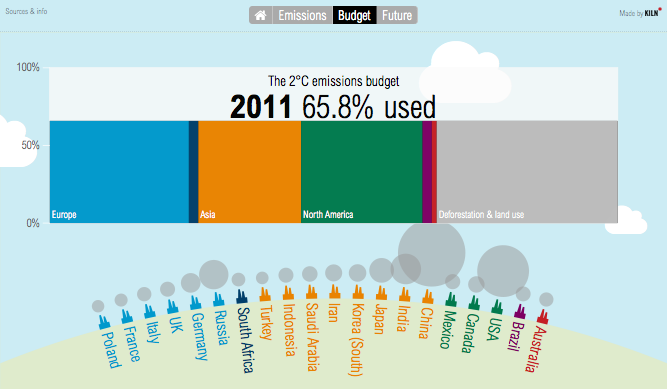
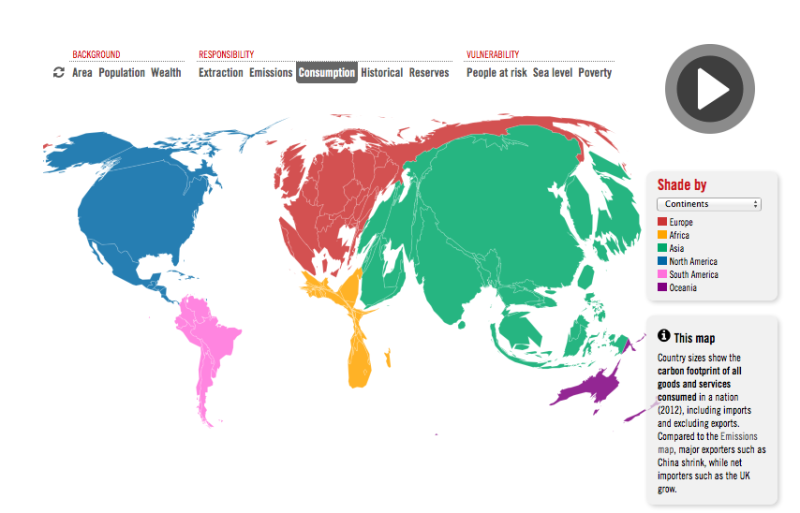
"content": "\u003cp>[http_redir]\u003c/p>\n\u003cp>https://youtu.be/463uS6yiGgM\u003c/p>\n\u003cp>Representatives of 195 nations agreed on Saturday to a \u003ca href=\"http://www.nytimes.com/interactive/2015/12/12/world/paris-climate-change-deal-explainer.html\" target=\"_blank\">landmark climate deal \u003c/a>requiring each nation to significantly lower its greenhouse gas emissions as part of an urgent international effort to stave off the worst consequences of climate change.\u003c!--more-->\u003c/p>\n\u003cp>The agreement is the culmination of two intense weeks of negotiations between delegates from every corner of the globe, who gathered in a huge tent-city compound on the outskirts of Paris to iron out the countless details involved in one of the most complex international climate deals ever attempted.\u003c/p>\n\u003cdiv>\n\u003caside class=\"alignright\">\u003cstrong>Key goals of the deal\u003c/strong> (from the \u003ca href=\"http://www.bbc.com/news/science-environment-35084374\">BBC\u003c/a>)\n\u003cp>\u003ca href=\"https://www.documentcloud.org/documents/2646001-Final-COP21-draft.html\" target=\"_blank\">Click here\u003c/a> to read an interactive version of the official agreement\u003c/p>\n\u003cul>\n\u003cli>Curb the rise (\"peak\") in global greenhouse gas emissions (GHGs) as soon as possible and by the second half of this century establish a balance between GHG sources and \u003ca href=\"http://www.livescience.com/32354-what-is-a-carbon-sink.html\" target=\"_blank\">sinks\u003c/a> (natural systems that suck up GHGs in the atmosphere and and store them).\u003c/li>\n\u003cli>Keep global temperature increase \"well below\" 2 degrees Celsius (about 3.6 degrees Fahrenheit) and continue to pursue efforts to limit it to 1.5 degrees Celsius. Review progress every five years.\u003c/li>\n\u003cli>Wealthy nations commit to spending $100 billion a year, by 2020, to finance climate initiatives in developing nations, with a commitment to continue financing in the future.\u003c/li>\n\u003c/ul>\n\u003c/aside>\n\u003c/div>\n\u003cp>The United Nations conference on climate change, or \u003ca href=\"http://www.cop21paris.org/\" target=\"_blank\">COP21\u003c/a> (Conference of Parties), as it's called, which ended Saturday, follows nearly 20 years of largely failed efforts to forge a meaningful international agreement to lower GHGs. The Paris talks were considered by many world leaders, including President Obama, the last, best chance to prevent global temperatures from rising to catastrophic levels.\u003c/p>\n\u003cp>[ad fullwidth]\u003c/p>\n\u003cp>The goal: to stop global average surface temperatures from rising above 2 degrees Celsius (about 3.6 degrees Fahrenheit) above pre-Industrial Revolution temperatures (when we started burning significant amounts of fossil fuel in the late 1800s). Temperatures rising above that 2 degree threshold, according to broad scientific consensus, would likely result in irreversible, catastrophic environmental consequences around the world, including rapid sea level rise and devastating flooding and drought.\u003c/p>\n\u003cdiv align=\"center\">\u003ciframe src=\"http://wri.live.kiln.it\" width=\"1000\" height=\"800\" style=\"border: 0\">\u003c/iframe>\u003c/div>\n\u003cp>But to keep global average temperatures a bay, each of the nations participating in the negotiations -- who are collectively responsible for almost 98 percent of global emissions -- have to dramatically reduce their own \u003ca href=\"http://www3.epa.gov/climatechange/ghgemissions/global.html\" target=\"_blank\">greenhouse gas (GHG)\u003c/a> emissions (including carbon dioxide, nitrous oxide and methane). And that's a tricky proposition, because some countries have been emitting GHGs for decades, even centuries, and reaping huge economic benefits, while many other \"developing nations\" are just beginning that process. The deal, therefore, not only requires rich countries to significantly cut their emissions, it also mandates that they pay poorer countries to also cut emissions and \u003ca href=\"http://www.unep.org/climatechange/adaptation/\" target=\"_blank\">adapt\u003c/a> to the impacts of a changing climate.\u003c/p>\n\u003cp>But as the \u003ca href=\"http://www.nytimes.com/2015/12/13/world/europe/climate-change-accord-paris.html\" target=\"_blank\">New York Times\u003c/a> notes:\u003c/p>\n\u003cblockquote>\u003cp>\"The new deal will not, on its own, solve global warming. At best, scientists who have analyzed it say, it will cut global greenhouse gas emissions by about half what is necessary to stave off an increase in atmospheric temperatures of 2 degrees Celsius, or 3.6 degrees Fahrenheit. That is the point at which scientific studies have concluded the world will be locked into a future of devastating consequences, including rising sea levels, severe droughts and flooding, widespread food and water shortages, and more destructive storms.\"\u003c/p>\u003c/blockquote>\n\u003cp>The deal has also come under fire by some environmental activist groups who argue it's too weak to effectively prevent environmental disaster. They deal, they note is largely \u003ca href=\"http://www.vox.com/2015/12/14/10105422/paris-climate-deal-history\" target=\"_blank\">voluntary\u003c/a>, lacking the necessary legally binding emissions reduction requirements.\u003c/p>\n\u003cp>Indeed, there are few firm mechanisms -- or consequences -- to ensure that each of 195 nations make good on their promises.\u003c/p>\n\u003cp>More than 180 participating countries have already submitted their specific carbon reduction pledges, called \u003ca href=\"http://cait.wri.org/indc/#/map\" target=\"_blank\">Intended Nationally Determined Contribution\u003c/a> (INDC). Although signatories are legally required to meet every five years -- beginning in 2020 -- with updated emissions goals, the goals themselves are not legally binding. And because these emissions targets fall short of preventing catastrophic temperature rise, the agreement includes a process intended to ensure that countries will continue to strengthen their goals as renewable energy technology becomes more accessible.\u003c/p>\n\u003cdiv align=\"center\">\n\u003c!-- iframe plugin v.4.3 wordpress.org/plugins/iframe/ -->\u003cbr>\n\u003ciframe width=\"1000\" height=\"750\" frameborder=\"0\" src=\"https://mgreen.cartodb.com/viz/5a27f02a-9f9b-11e5-922c-0e3a376473ab/embed_map\" scrolling=\"yes\" class=\"iframe-class\">\u003c/iframe>\n\u003c/div>\n\u003cp>The U.S. has promised to reduce GHG emissions by 26 to 28 percent of 2005 levels by 2025. And for ratification here, it requires only the signature of President Obama, rather than the approval of the U.S. Congress (where the majority of Republicans oppose it).\u003c/p>\n\u003cp>Although the U.S. pledge is more ambitious than some large carbon emitting nations like Russia, it pales in comparison to many other developed countries, including the 28 European Union nations, who have all committed to at least a 40 percent GHG reduction below 1990 levels by 2030.\u003c/p>\n\u003cp>Explore these interactive visualizations (above and below) to see all the countries making a pledge, who the world's biggest GHG emitters are and how much each nation is willing to cut back to reach that 2-degree goal. All data was compiled by the \u003ca href=\"http://www.wri.org//\">WRI\u003c/a>. Click \u003ca href=\"http://cait.wri.org/faq.html#q07\" target=\"_blank\">here\u003c/a> for methodology.\u003c/p>\n\u003cdiv align=\"center\">\n\u003c!-- iframe plugin v.4.3 wordpress.org/plugins/iframe/ -->\u003cbr>\n\u003ciframe src=\"http://goo.gl/a88rlh\" scrolling=\"no\" style=\"width: 1000px; height: 920px; border: 0\" width=\"100%\" height=\"500\" class=\"iframe-class\" frameborder=\"0\">\u003c/iframe>\n\u003c/div>\n\u003cp>\u003c/p>\n\u003cp>\u003c!--more-->\u003c/p>\n\n",
"disqusIdentifier": "20417 http://ww2.kqed.org/lowdown/?p=20417",
"disqusUrl": "https://ww2.kqed.org/lowdown/2015/12/11/whats-at-stake-at-the-paris-climate-conference-and-whos-responsible-visualizations/",
"stats": {
"hasVideo": false,
"hasChartOrMap": true,
"hasAudio": false,
"hasPolis": false,
"wordCount": 838,
"hasGoogleForm": false,
"hasGallery": false,
"hasHearkenModule": false,
"iframeSrcs": [
"http://wri.live.kiln.it",
"https://mgreen.cartodb.com/viz/5a27f02a-9f9b-11e5-922c-0e3a376473ab/embed_map",
"http://goo.gl/a88rlh"
],
"paragraphCount": 18
},
"modified": 1490814308,
"excerpt": null,
"headData": {
"twImgId": "",
"twTitle": "",
"ogTitle": "",
"ogImgId": "",
"twDescription": "",
"description": " https://youtu.be/463uS6yiGgM Representatives of 195 nations agreed on Saturday to a landmark climate deal requiring each nation to significantly lower its greenhouse gas emissions as part of an urgent international effort to stave off the worst consequences of climate change.",
"title": "MAP: This Is How Much Each Country Is Pledging to Reduce Its Carbon Emissions | KQED",
"ogDescription": "",
"schema": {
"@context": "https://schema.org",
"@type": "Article",
"headline": "MAP: This Is How Much Each Country Is Pledging to Reduce Its Carbon Emissions",
"datePublished": "2015-12-11T19:33:28-08:00",
"dateModified": "2017-03-29T12:05:08-07:00",
"image": "https://cdn.kqed.org/wp-content/uploads/2020/02/KQED-OG-Image@1x.png"
}
},
"guestAuthors": [],
"slug": "whats-at-stake-at-the-paris-climate-conference-and-whos-responsible-visualizations",
"status": "publish",
"path": "/lowdown/20417/whats-at-stake-at-the-paris-climate-conference-and-whos-responsible-visualizations",
"audioTrackLength": null,
"parsedContent": [
{
"type": "contentString",
"content": "\u003cdiv class=\"post-body\">\u003cp>\u003cp>[http_redir]\u003c/p>\u003c/p>\u003cp>\u003cspan class='utils-parseShortcode-shortcodes-__youtubeShortcode__embedYoutube'>\n \u003cspan class='utils-parseShortcode-shortcodes-__youtubeShortcode__embedYoutubeInside'>\n \u003ciframe\n loading='lazy'\n class='utils-parseShortcode-shortcodes-__youtubeShortcode__youtubePlayer'\n type='text/html'\n src='//www.youtube.com/embed/463uS6yiGgM'\n title='//www.youtube.com/embed/463uS6yiGgM'\n allowfullscreen='true'\n style='border:0;'>\u003c/iframe>\n \u003c/span>\n \u003c/span>\u003c/p>\u003cp>\u003cp>Representatives of 195 nations agreed on Saturday to a \u003ca href=\"http://www.nytimes.com/interactive/2015/12/12/world/paris-climate-change-deal-explainer.html\" target=\"_blank\">landmark climate deal \u003c/a>requiring each nation to significantly lower its greenhouse gas emissions as part of an urgent international effort to stave off the worst consequences of climate change.\u003c!--more-->\u003c/p>\n\u003cp>The agreement is the culmination of two intense weeks of negotiations between delegates from every corner of the globe, who gathered in a huge tent-city compound on the outskirts of Paris to iron out the countless details involved in one of the most complex international climate deals ever attempted.\u003c/p>\n\u003cdiv>\n\u003caside class=\"alignright\">\u003cstrong>Key goals of the deal\u003c/strong> (from the \u003ca href=\"http://www.bbc.com/news/science-environment-35084374\">BBC\u003c/a>)\n\u003cp>\u003ca href=\"https://www.documentcloud.org/documents/2646001-Final-COP21-draft.html\" target=\"_blank\">Click here\u003c/a> to read an interactive version of the official agreement\u003c/p>\n\u003cul>\n\u003cli>Curb the rise (\"peak\") in global greenhouse gas emissions (GHGs) as soon as possible and by the second half of this century establish a balance between GHG sources and \u003ca href=\"http://www.livescience.com/32354-what-is-a-carbon-sink.html\" target=\"_blank\">sinks\u003c/a> (natural systems that suck up GHGs in the atmosphere and and store them).\u003c/li>\n\u003cli>Keep global temperature increase \"well below\" 2 degrees Celsius (about 3.6 degrees Fahrenheit) and continue to pursue efforts to limit it to 1.5 degrees Celsius. Review progress every five years.\u003c/li>\n\u003cli>Wealthy nations commit to spending $100 billion a year, by 2020, to finance climate initiatives in developing nations, with a commitment to continue financing in the future.\u003c/li>\n\u003c/ul>\n\u003c/aside>\n\u003c/div>\n\u003cp>The United Nations conference on climate change, or \u003ca href=\"http://www.cop21paris.org/\" target=\"_blank\">COP21\u003c/a> (Conference of Parties), as it's called, which ended Saturday, follows nearly 20 years of largely failed efforts to forge a meaningful international agreement to lower GHGs. The Paris talks were considered by many world leaders, including President Obama, the last, best chance to prevent global temperatures from rising to catastrophic levels.\u003c/p>\n\u003cp>\u003c/p>\u003c/div>",
"attributes": {
"named": {},
"numeric": []
}
},
{
"type": "component",
"content": "",
"name": "ad",
"attributes": {
"named": {
"label": "fullwidth"
},
"numeric": [
"fullwidth"
]
}
},
{
"type": "contentString",
"content": "\u003cdiv class=\"post-body\">\u003cp>\u003c/p>\n\u003cp>The goal: to stop global average surface temperatures from rising above 2 degrees Celsius (about 3.6 degrees Fahrenheit) above pre-Industrial Revolution temperatures (when we started burning significant amounts of fossil fuel in the late 1800s). Temperatures rising above that 2 degree threshold, according to broad scientific consensus, would likely result in irreversible, catastrophic environmental consequences around the world, including rapid sea level rise and devastating flooding and drought.\u003c/p>\n\u003cdiv align=\"center\">\u003ciframe src=\"http://wri.live.kiln.it\" width=\"1000\" height=\"800\" style=\"border: 0\">\u003c/iframe>\u003c/div>\n\u003cp>But to keep global average temperatures a bay, each of the nations participating in the negotiations -- who are collectively responsible for almost 98 percent of global emissions -- have to dramatically reduce their own \u003ca href=\"http://www3.epa.gov/climatechange/ghgemissions/global.html\" target=\"_blank\">greenhouse gas (GHG)\u003c/a> emissions (including carbon dioxide, nitrous oxide and methane). And that's a tricky proposition, because some countries have been emitting GHGs for decades, even centuries, and reaping huge economic benefits, while many other \"developing nations\" are just beginning that process. The deal, therefore, not only requires rich countries to significantly cut their emissions, it also mandates that they pay poorer countries to also cut emissions and \u003ca href=\"http://www.unep.org/climatechange/adaptation/\" target=\"_blank\">adapt\u003c/a> to the impacts of a changing climate.\u003c/p>\n\u003cp>But as the \u003ca href=\"http://www.nytimes.com/2015/12/13/world/europe/climate-change-accord-paris.html\" target=\"_blank\">New York Times\u003c/a> notes:\u003c/p>\n\u003cblockquote>\u003cp>\"The new deal will not, on its own, solve global warming. At best, scientists who have analyzed it say, it will cut global greenhouse gas emissions by about half what is necessary to stave off an increase in atmospheric temperatures of 2 degrees Celsius, or 3.6 degrees Fahrenheit. That is the point at which scientific studies have concluded the world will be locked into a future of devastating consequences, including rising sea levels, severe droughts and flooding, widespread food and water shortages, and more destructive storms.\"\u003c/p>\u003c/blockquote>\n\u003cp>The deal has also come under fire by some environmental activist groups who argue it's too weak to effectively prevent environmental disaster. They deal, they note is largely \u003ca href=\"http://www.vox.com/2015/12/14/10105422/paris-climate-deal-history\" target=\"_blank\">voluntary\u003c/a>, lacking the necessary legally binding emissions reduction requirements.\u003c/p>\n\u003cp>Indeed, there are few firm mechanisms -- or consequences -- to ensure that each of 195 nations make good on their promises.\u003c/p>\n\u003cp>More than 180 participating countries have already submitted their specific carbon reduction pledges, called \u003ca href=\"http://cait.wri.org/indc/#/map\" target=\"_blank\">Intended Nationally Determined Contribution\u003c/a> (INDC). Although signatories are legally required to meet every five years -- beginning in 2020 -- with updated emissions goals, the goals themselves are not legally binding. And because these emissions targets fall short of preventing catastrophic temperature rise, the agreement includes a process intended to ensure that countries will continue to strengthen their goals as renewable energy technology becomes more accessible.\u003c/p>\n\u003cdiv align=\"center\">\n\u003c!-- iframe plugin v.4.3 wordpress.org/plugins/iframe/ -->\u003cbr>\n\u003ciframe width=\"1000\" height=\"750\" frameborder=\"0\" src=\"https://mgreen.cartodb.com/viz/5a27f02a-9f9b-11e5-922c-0e3a376473ab/embed_map\" scrolling=\"yes\" class=\"iframe-class\">\u003c/iframe>\n\u003c/div>\n\u003cp>The U.S. has promised to reduce GHG emissions by 26 to 28 percent of 2005 levels by 2025. And for ratification here, it requires only the signature of President Obama, rather than the approval of the U.S. Congress (where the majority of Republicans oppose it).\u003c/p>\n\u003cp>Although the U.S. pledge is more ambitious than some large carbon emitting nations like Russia, it pales in comparison to many other developed countries, including the 28 European Union nations, who have all committed to at least a 40 percent GHG reduction below 1990 levels by 2030.\u003c/p>\n\u003cp>Explore these interactive visualizations (above and below) to see all the countries making a pledge, who the world's biggest GHG emitters are and how much each nation is willing to cut back to reach that 2-degree goal. All data was compiled by the \u003ca href=\"http://www.wri.org//\">WRI\u003c/a>. Click \u003ca href=\"http://cait.wri.org/faq.html#q07\" target=\"_blank\">here\u003c/a> for methodology.\u003c/p>\n\u003cdiv align=\"center\">\n\u003c!-- iframe plugin v.4.3 wordpress.org/plugins/iframe/ -->\u003cbr>\n\u003ciframe src=\"http://goo.gl/a88rlh\" scrolling=\"no\" style=\"width: 1000px; height: 920px; border: 0\" width=\"100%\" height=\"500\" class=\"iframe-class\" frameborder=\"0\">\u003c/iframe>\n\u003c/div>\n\u003cp>\u003c/p>\n\u003cp>\u003c!--more-->\u003c/p>\n\n\u003c/div>\u003c/p>",
"attributes": {
"named": {},
"numeric": []
}
}
],
"link": "/lowdown/20417/whats-at-stake-at-the-paris-climate-conference-and-whos-responsible-visualizations",
"authors": [
"1263"
],
"categories": [
"lowdown_509",
"lowdown_242",
"lowdown_457",
"lowdown_572",
"lowdown_243"
],
"tags": [
"lowdown_394",
"lowdown_2500",
"lowdown_2337",
"lowdown_2501"
],
"featImg": "lowdown_20481",
"label": "lowdown"
},
"lowdown_12559": {
"type": "posts",
"id": "lowdown_12559",
"meta": {
"index": "posts_1716263798",
"site": "lowdown",
"id": "12559",
"score": null,
"sort": [
1449770429000
]
},
"parent": 0,
"labelTerm": {
"site": "lowdown"
},
"blocks": [],
"publishDate": 1449770429,
"format": "aside",
"disqusTitle": "An Illustrated Guide to Income Inequality in America",
"title": "An Illustrated Guide to Income Inequality in America",
"headTitle": "The Lowdown | KQED News",
"content": "\u003cp>In late 2011, Occupy Wall Street protests spread like wildfire in cities across the country, forcing a focus on America's gaping income gaps.\u003c!--more-->\u003c/p>\n\u003cp>The issue took center stage for some time, grabbing headlines and, briefly at least, the attention of elected officials. But when the protest camps were dismantled and the media crews packed up, the issue got largely sidelined.\u003c/p>\n\u003cp>In the end not much changed, and today the income divide remains as wide as it was the day the protests began. In fact, a recent \u003ca href=\"http://www.pewsocialtrends.org/2015/12/09/the-american-middle-class-is-losing-ground/\" target=\"_blank\" rel=\"noopener\">Pew Research report\u003c/a> found that the middle class is losing ground: \"after more than four decades of serving as the nation's economic majority, the U.S. middle class is now matched in size by those in the economic tiers above and below it.\"\u003c/p>\n\u003cp>This growing inequality between society's rich and poor is an issue that some candidates have already begun to address in the 2016 presidential campaign.\u003c/p>\n\u003cp>Cartoon journalist Andy Warner illustrates how deep America's economic divide is.\u003c/p>\n\u003cp>[ad fullwidth]\u003c/p>\n\u003cp>\u003c/p>\n\u003cp>\u003ca href=\"https://ww2.kqed.org/lowdown/wp-content/uploads/sites/26/2015/12/Shrinking-Shares-2-e1524513779516.png\">\u003cimg class=\"alignnone size-full wp-image-30763\" src=\"https://ww2.kqed.org/lowdown/wp-content/uploads/sites/26/2015/12/Shrinking-Shares-2-e1524513779516.png\" alt=\"\" width=\"620\" height=\"3508\" srcset=\"https://ww2.kqed.org/app/uploads/sites/26/2015/12/Shrinking-Shares-2-e1524513779516.png 620w, https://ww2.kqed.org/app/uploads/sites/26/2015/12/Shrinking-Shares-2-e1524513779516-160x905.png 160w, https://ww2.kqed.org/app/uploads/sites/26/2015/12/Shrinking-Shares-2-e1524513779516-212x1200.png 212w, https://ww2.kqed.org/app/uploads/sites/26/2015/12/Shrinking-Shares-2-e1524513779516-240x1358.png 240w, https://ww2.kqed.org/app/uploads/sites/26/2015/12/Shrinking-Shares-2-e1524513779516-375x2122.png 375w, https://ww2.kqed.org/app/uploads/sites/26/2015/12/Shrinking-Shares-2-e1524513779516-520x2942.png 520w\" sizes=\"(max-width: 620px) 100vw, 620px\">\u003c/a>\u003c/p>\n\u003ch4>Sources:\u003c/h4>\n\u003cul>\n\u003cli>\u003ca href=\"http://eml.berkeley.edu/~saez/saez-UStopincomes-2012.pdf\" target=\"_blank\" rel=\"noopener\">Emmanuel Saez, UC Berkeley: \"Striking it Richer\"\u003c/a>\u003c/li>\n\u003cli>\u003ca href=\"http://www.epi.org/publication/ib330-productivity-vs-compensation/\" target=\"_blank\" rel=\"noopener\">Economic Policy Institute\u003c/a>\u003c/li>\n\u003cli>\u003ca href=\"http://www.oecd.org/els/soc/OECD2013-Inequality-and-Poverty-8p.pdf\" target=\"_blank\" rel=\"noopener\">Organisation for Economic Co-operation and Development\u003c/a>\u003c/li>\n\u003cli>\u003ca href=\"http://www.nytimes.com/interactive/2012/01/20/business/the-iphone-economy.html\" target=\"_blank\" rel=\"noopener\">NY Times\u003c/a>\u003c/li>\n\u003c/ul>\n\n",
"disqusIdentifier": "12559 http://blogs.kqed.org/lowdown/?p=12559",
"disqusUrl": "https://ww2.kqed.org/lowdown/2015/12/10/income-inequality/",
"stats": {
"hasVideo": false,
"hasChartOrMap": false,
"hasAudio": false,
"hasPolis": false,
"wordCount": 197,
"hasGoogleForm": false,
"hasGallery": false,
"hasHearkenModule": false,
"iframeSrcs": [],
"paragraphCount": 8
},
"modified": 1524513814,
"excerpt": null,
"headData": {
"twImgId": "",
"twTitle": "",
"ogTitle": "",
"ogImgId": "",
"twDescription": "",
"description": "In late 2011, Occupy Wall Street protests spread like wildfire in cities across the country, forcing a focus on America's gaping income gaps.",
"title": "An Illustrated Guide to Income Inequality in America | KQED",
"ogDescription": "",
"schema": {
"@context": "https://schema.org",
"@type": "Article",
"headline": "An Illustrated Guide to Income Inequality in America",
"datePublished": "2015-12-10T10:00:29-08:00",
"dateModified": "2018-04-23T13:03:34-07:00",
"image": "https://cdn.kqed.org/wp-content/uploads/2020/02/KQED-OG-Image@1x.png"
}
},
"guestAuthors": [],
"slug": "income-inequality",
"status": "publish",
"WpOldSlug": "rags-and-riches-americas-ongoing-income-inequality-problem",
"path": "/lowdown/12559/income-inequality",
"audioTrackLength": null,
"parsedContent": [
{
"type": "contentString",
"content": "\u003cdiv class=\"post-body\">\u003cp>\u003cp>In late 2011, Occupy Wall Street protests spread like wildfire in cities across the country, forcing a focus on America's gaping income gaps.\u003c!--more-->\u003c/p>\n\u003cp>The issue took center stage for some time, grabbing headlines and, briefly at least, the attention of elected officials. But when the protest camps were dismantled and the media crews packed up, the issue got largely sidelined.\u003c/p>\n\u003cp>In the end not much changed, and today the income divide remains as wide as it was the day the protests began. In fact, a recent \u003ca href=\"http://www.pewsocialtrends.org/2015/12/09/the-american-middle-class-is-losing-ground/\" target=\"_blank\" rel=\"noopener\">Pew Research report\u003c/a> found that the middle class is losing ground: \"after more than four decades of serving as the nation's economic majority, the U.S. middle class is now matched in size by those in the economic tiers above and below it.\"\u003c/p>\n\u003cp>This growing inequality between society's rich and poor is an issue that some candidates have already begun to address in the 2016 presidential campaign.\u003c/p>\n\u003cp>Cartoon journalist Andy Warner illustrates how deep America's economic divide is.\u003c/p>\n\u003cp>\u003c/p>\u003c/div>",
"attributes": {
"named": {},
"numeric": []
}
},
{
"type": "component",
"content": "",
"name": "ad",
"attributes": {
"named": {
"label": "fullwidth"
},
"numeric": [
"fullwidth"
]
}
},
{
"type": "contentString",
"content": "\u003cdiv class=\"post-body\">\u003cp>\u003c/p>\n\u003cp>\u003c/p>\n\u003cp>\u003ca href=\"https://ww2.kqed.org/lowdown/wp-content/uploads/sites/26/2015/12/Shrinking-Shares-2-e1524513779516.png\">\u003cimg class=\"alignnone size-full wp-image-30763\" src=\"https://ww2.kqed.org/lowdown/wp-content/uploads/sites/26/2015/12/Shrinking-Shares-2-e1524513779516.png\" alt=\"\" width=\"620\" height=\"3508\" srcset=\"https://ww2.kqed.org/app/uploads/sites/26/2015/12/Shrinking-Shares-2-e1524513779516.png 620w, https://ww2.kqed.org/app/uploads/sites/26/2015/12/Shrinking-Shares-2-e1524513779516-160x905.png 160w, https://ww2.kqed.org/app/uploads/sites/26/2015/12/Shrinking-Shares-2-e1524513779516-212x1200.png 212w, https://ww2.kqed.org/app/uploads/sites/26/2015/12/Shrinking-Shares-2-e1524513779516-240x1358.png 240w, https://ww2.kqed.org/app/uploads/sites/26/2015/12/Shrinking-Shares-2-e1524513779516-375x2122.png 375w, https://ww2.kqed.org/app/uploads/sites/26/2015/12/Shrinking-Shares-2-e1524513779516-520x2942.png 520w\" sizes=\"(max-width: 620px) 100vw, 620px\">\u003c/a>\u003c/p>\n\u003ch4>Sources:\u003c/h4>\n\u003cul>\n\u003cli>\u003ca href=\"http://eml.berkeley.edu/~saez/saez-UStopincomes-2012.pdf\" target=\"_blank\" rel=\"noopener\">Emmanuel Saez, UC Berkeley: \"Striking it Richer\"\u003c/a>\u003c/li>\n\u003cli>\u003ca href=\"http://www.epi.org/publication/ib330-productivity-vs-compensation/\" target=\"_blank\" rel=\"noopener\">Economic Policy Institute\u003c/a>\u003c/li>\n\u003cli>\u003ca href=\"http://www.oecd.org/els/soc/OECD2013-Inequality-and-Poverty-8p.pdf\" target=\"_blank\" rel=\"noopener\">Organisation for Economic Co-operation and Development\u003c/a>\u003c/li>\n\u003cli>\u003ca href=\"http://www.nytimes.com/interactive/2012/01/20/business/the-iphone-economy.html\" target=\"_blank\" rel=\"noopener\">NY Times\u003c/a>\u003c/li>\n\u003c/ul>\n\n\u003c/div>\u003c/p>",
"attributes": {
"named": {},
"numeric": []
}
}
],
"link": "/lowdown/12559/income-inequality",
"authors": [
"7506"
],
"categories": [
"lowdown_391",
"lowdown_256",
"lowdown_588",
"lowdown_451",
"lowdown_457"
],
"tags": [
"lowdown_2337",
"lowdown_276"
],
"featImg": "lowdown_12563",
"label": "lowdown"
},
"lowdown_20330": {
"type": "posts",
"id": "lowdown_20330",
"meta": {
"index": "posts_1716263798",
"site": "lowdown",
"id": "20330",
"score": null,
"sort": [
1449268170000
]
},
"parent": 0,
"labelTerm": {
"site": "lowdown"
},
"blocks": [],
"publishDate": 1449268170,
"format": "standard",
"disqusTitle": "MAP: Every Mass Shooting in America This Year (So Far)",
"title": "MAP: Every Mass Shooting in America This Year (So Far)",
"headTitle": "The Lowdown | KQED News",
"content": "\u003cp>By the time two gunmen opened fire inside a San Bernardino social service center on Wednesday, killing 14 people, another mass shooting had already happened that day.\u003c!--more-->\u003c/p>\n\u003cp>Earlier that morning, in Savannah, Ga. a gunman \u003ca href=\"https://www.washingtonpost.com/news/wonk/wp/2015/12/02/the-other-mass-shooting-that-happened-today-in-the-united-states/\" target=\"_blank\">shot four people\u003c/a>, killing one woman and injuring three men. The underreported incident underscores the bleak reality of how routine mass shootings are in the United States.\u003c/p>\n\u003cp>To date, there have been 337 days in 2015 and 354 mass shootings, according to the \u003ca href=\"http://shootingtracker.com\" target=\"_blank\">Mass Shooting Tracker\u003c/a>, a site that tabulates incidents based on crowdsourced news reports submitted by \u003ca href=\"https://www.reddit.com/r/GunsAreCool/wiki/2015massshootings\" target=\"_blank\">reddit\u003c/a> users. That's more mass shootings than days of the year.\u003c/p>\n\u003cp>In its count, the tracker uses a broader definition than some other databases, defining a \"mass shooting\" -- based on an old FBI classification -- as an incident in which four or more people, including the gunman, are killed or injured by gunfire.\u003c/p>\n\u003cp>The number of mass shootings this year has already eclipsed last year's total of 336, and is nearing the 365 incidents in 2013. The vast majority of perpetrators are young, white men.\u003c/p>\n\u003cp>[ad fullwidth]\u003c/p>\n\u003cp>Perhaps most shocking, however, is that despite the heightened public attention that large mass shootings generate, these incidents only account for a tiny fraction of total U.S. firearms deaths and injuries each year. To date, 465 people have been killed this year in mass shooting incidents, according to the tracker site. Compare that to the more than 33,000 gun deaths in 2013, the latest year that \u003ca href=\"http://www.cdc.gov/nchs/fastats/injury.htm\" target=\"_blank\">Centers for Disease Control and Prevention\u003c/a> data is available. Roughly two-thirds of these are suicides.\u003c/p>\n\u003cp>\u003c/p>\n\u003cp>The three maps below, all based on the same data set from the Mass Shooting Tracker, show every recorded 2015 mass shooting to date tabulated by the site.\u003c/p>\n\u003cdiv>\n\u003c!-- iframe plugin v.4.3 wordpress.org/plugins/iframe/ -->\u003cbr>\n\u003ciframe width=\"1000\" height=\"600\" frameborder=\"0\" src=\"https://mgreen.cartodb.com/viz/b1740c98-9aae-11e5-8632-0e3a376473ab/embed_map\" scrolling=\"yes\" class=\"iframe-class\">\u003c/iframe>\n\u003c/div>\n\u003cdiv>\u003c/div>\n\u003cdiv>\n\u003c!-- iframe plugin v.4.3 wordpress.org/plugins/iframe/ -->\u003cbr>\n\u003ciframe width=\"1000\" height=\"600\" frameborder=\"0\" src=\"https://mgreen.cartodb.com/viz/29fb9426-9a26-11e5-aa46-0e3ff518bd15/embed_map\" scrolling=\"yes\" class=\"iframe-class\">\u003c/iframe>\n\u003c/div>\n\u003cdiv>\u003c/div>\n\u003cdiv>\n\u003c!-- iframe plugin v.4.3 wordpress.org/plugins/iframe/ -->\u003cbr>\n\u003ciframe width=\"1000\" height=\"600\" frameborder=\"0\" src=\"https://mgreen.cartodb.com/viz/392d92de-9a29-11e5-bb29-0ecd1babdde5/embed_map\" scrolling=\"yes\" class=\"iframe-class\">\u003c/iframe>\n\u003c/div>\n\n",
"disqusIdentifier": "20330 http://ww2.kqed.org/lowdown/?p=20330",
"disqusUrl": "https://ww2.kqed.org/lowdown/2015/12/04/map-every-recorded-mass-shooting-in-america-this-year-so-far/",
"stats": {
"hasVideo": false,
"hasChartOrMap": true,
"hasAudio": false,
"hasPolis": false,
"wordCount": 300,
"hasGoogleForm": false,
"hasGallery": false,
"hasHearkenModule": false,
"iframeSrcs": [
"https://mgreen.cartodb.com/viz/b1740c98-9aae-11e5-8632-0e3a376473ab/embed_map",
"https://mgreen.cartodb.com/viz/29fb9426-9a26-11e5-aa46-0e3ff518bd15/embed_map",
"https://mgreen.cartodb.com/viz/392d92de-9a29-11e5-bb29-0ecd1babdde5/embed_map"
],
"paragraphCount": 9
},
"modified": 1497473623,
"excerpt": null,
"headData": {
"twImgId": "",
"twTitle": "",
"ogTitle": "",
"ogImgId": "",
"twDescription": "",
"description": "By the time two gunmen opened fire inside a San Bernardino social service center on Wednesday, killing 14 people, another mass shooting had already happened that day.",
"title": "MAP: Every Mass Shooting in America This Year (So Far) | KQED",
"ogDescription": "",
"schema": {
"@context": "https://schema.org",
"@type": "Article",
"headline": "MAP: Every Mass Shooting in America This Year (So Far)",
"datePublished": "2015-12-04T14:29:30-08:00",
"dateModified": "2017-06-14T13:53:43-07:00",
"image": "https://cdn.kqed.org/wp-content/uploads/2020/02/KQED-OG-Image@1x.png"
}
},
"guestAuthors": [],
"slug": "map-every-recorded-mass-shooting-in-america-this-year-so-far",
"status": "publish",
"path": "/lowdown/20330/map-every-recorded-mass-shooting-in-america-this-year-so-far",
"audioTrackLength": null,
"parsedContent": [
{
"type": "contentString",
"content": "\u003cdiv class=\"post-body\">\u003cp>\u003cp>By the time two gunmen opened fire inside a San Bernardino social service center on Wednesday, killing 14 people, another mass shooting had already happened that day.\u003c!--more-->\u003c/p>\n\u003cp>Earlier that morning, in Savannah, Ga. a gunman \u003ca href=\"https://www.washingtonpost.com/news/wonk/wp/2015/12/02/the-other-mass-shooting-that-happened-today-in-the-united-states/\" target=\"_blank\">shot four people\u003c/a>, killing one woman and injuring three men. The underreported incident underscores the bleak reality of how routine mass shootings are in the United States.\u003c/p>\n\u003cp>To date, there have been 337 days in 2015 and 354 mass shootings, according to the \u003ca href=\"http://shootingtracker.com\" target=\"_blank\">Mass Shooting Tracker\u003c/a>, a site that tabulates incidents based on crowdsourced news reports submitted by \u003ca href=\"https://www.reddit.com/r/GunsAreCool/wiki/2015massshootings\" target=\"_blank\">reddit\u003c/a> users. That's more mass shootings than days of the year.\u003c/p>\n\u003cp>In its count, the tracker uses a broader definition than some other databases, defining a \"mass shooting\" -- based on an old FBI classification -- as an incident in which four or more people, including the gunman, are killed or injured by gunfire.\u003c/p>\n\u003cp>The number of mass shootings this year has already eclipsed last year's total of 336, and is nearing the 365 incidents in 2013. The vast majority of perpetrators are young, white men.\u003c/p>\n\u003cp>\u003c/p>\u003c/div>",
"attributes": {
"named": {},
"numeric": []
}
},
{
"type": "component",
"content": "",
"name": "ad",
"attributes": {
"named": {
"label": "fullwidth"
},
"numeric": [
"fullwidth"
]
}
},
{
"type": "contentString",
"content": "\u003cdiv class=\"post-body\">\u003cp>\u003c/p>\n\u003cp>Perhaps most shocking, however, is that despite the heightened public attention that large mass shootings generate, these incidents only account for a tiny fraction of total U.S. firearms deaths and injuries each year. To date, 465 people have been killed this year in mass shooting incidents, according to the tracker site. Compare that to the more than 33,000 gun deaths in 2013, the latest year that \u003ca href=\"http://www.cdc.gov/nchs/fastats/injury.htm\" target=\"_blank\">Centers for Disease Control and Prevention\u003c/a> data is available. Roughly two-thirds of these are suicides.\u003c/p>\n\u003cp>\u003c/p>\n\u003cp>The three maps below, all based on the same data set from the Mass Shooting Tracker, show every recorded 2015 mass shooting to date tabulated by the site.\u003c/p>\n\u003cdiv>\n\u003c!-- iframe plugin v.4.3 wordpress.org/plugins/iframe/ -->\u003cbr>\n\u003ciframe width=\"1000\" height=\"600\" frameborder=\"0\" src=\"https://mgreen.cartodb.com/viz/b1740c98-9aae-11e5-8632-0e3a376473ab/embed_map\" scrolling=\"yes\" class=\"iframe-class\">\u003c/iframe>\n\u003c/div>\n\u003cdiv>\u003c/div>\n\u003cdiv>\n\u003c!-- iframe plugin v.4.3 wordpress.org/plugins/iframe/ -->\u003cbr>\n\u003ciframe width=\"1000\" height=\"600\" frameborder=\"0\" src=\"https://mgreen.cartodb.com/viz/29fb9426-9a26-11e5-aa46-0e3ff518bd15/embed_map\" scrolling=\"yes\" class=\"iframe-class\">\u003c/iframe>\n\u003c/div>\n\u003cdiv>\u003c/div>\n\u003cdiv>\n\u003c!-- iframe plugin v.4.3 wordpress.org/plugins/iframe/ -->\u003cbr>\n\u003ciframe width=\"1000\" height=\"600\" frameborder=\"0\" src=\"https://mgreen.cartodb.com/viz/392d92de-9a29-11e5-bb29-0ecd1babdde5/embed_map\" scrolling=\"yes\" class=\"iframe-class\">\u003c/iframe>\n\u003c/div>\n\n\u003c/div>\u003c/p>",
"attributes": {
"named": {},
"numeric": []
}
}
],
"link": "/lowdown/20330/map-every-recorded-mass-shooting-in-america-this-year-so-far",
"authors": [
"1263"
],
"categories": [
"lowdown_311"
],
"tags": [
"lowdown_2337",
"lowdown_324",
"lowdown_335",
"lowdown_2499"
],
"featImg": "lowdown_20385",
"label": "lowdown"
},
"lowdown_20332": {
"type": "posts",
"id": "lowdown_20332",
"meta": {
"index": "posts_1716263798",
"site": "lowdown",
"id": "20332",
"score": null,
"sort": [
1452789637000
]
},
"parent": 0,
"labelTerm": {
"site": "lowdown"
},
"blocks": [],
"publishDate": 1452789637,
"format": "aside",
"disqusTitle": "The Big Issues of the 2016 Presidential Election and Where the Candidates Stand",
"title": "The Big Issues of the 2016 Presidential Election and Where the Candidates Stand",
"headTitle": "The Lowdown | KQED News",
"content": "\u003cp>\u003ca href=\"https://ww2.kqed.org/lowdown/2016/08/22/election-2016-where-clinton-and-trump-stand-on-the-major-issues-interactive/\">[\u003cem>Click here for an updated version of this post, contrasting the views of Hillary Clinton and Donald Trump\u003c/em>]\u003c/a>\u003cbr>\n\u003cbr>\nOn the public radio show \u003ca href=\"http://www.thisamericanlife.org/\" target=\"_blank\">This American Life\u003c/a>, the host Ira Glass once noted the widening chasm in American politics:\u003c!--more-->\u003c/p>\n\u003cp>“Everyone knows that politics is now so divided in our country that not only do the two sides disagree on the solutions to the country’s problems, they don’t even agree on what the problems are. It’s two versions of the world in collision.”\u003c/p>\n\u003cp>There's a lot at stake in the upcoming presidential election, and no shortage of disagreement about how the United States should move forward.\u003c/p>\n\u003cp>Click each box below to learn more about the issues, get a sense of where the majority of Americans stand and see the dramatically different positions taken by the slew of Republican and Democratic candidates vying for the presidency. If the interactive is not appearing below, \u003ca href=\"http://ww2.kqed.org/lowdown/2015/12/04/the-big-issues-of-the-2016-campaign-and-where-the-candidates-stand/\">click here\u003c/a> to reload the page. \u003c/p>\n\u003cdiv>\n\u003c!-- iframe plugin v.4.3 wordpress.org/plugins/iframe/ -->\u003cbr>\n\u003ciframe src=\"http://dcrdesign.net/2016Graphic/index4.html\" width=\"100%\" height=\"750\" scrolling=\"yes\" class=\"iframe-class\" frameborder=\"0\">\u003c/iframe>\n\u003c/div>\n\u003cp>[ad fullwidth]\u003c/p>\u003cp>\u003c/p>\n",
"disqusIdentifier": "20332 http://ww2.kqed.org/lowdown/?p=20332",
"disqusUrl": "https://ww2.kqed.org/lowdown/2016/01/14/the-big-issues-of-the-2016-campaign-and-where-the-candidates-stand/",
"stats": {
"hasVideo": false,
"hasChartOrMap": true,
"hasAudio": false,
"hasPolis": false,
"wordCount": 167,
"hasGoogleForm": false,
"hasGallery": false,
"hasHearkenModule": false,
"iframeSrcs": [
"http://dcrdesign.net/2016Graphic/index4.html"
],
"paragraphCount": 6
},
"modified": 1472681104,
"excerpt": null,
"headData": {
"twImgId": "",
"twTitle": "",
"ogTitle": "",
"ogImgId": "",
"twDescription": "",
"description": " On the public radio show This American Life, the host Ira Glass once noted the widening chasm in American politics:",
"title": "The Big Issues of the 2016 Presidential Election and Where the Candidates Stand | KQED",
"ogDescription": "",
"schema": {
"@context": "https://schema.org",
"@type": "Article",
"headline": "The Big Issues of the 2016 Presidential Election and Where the Candidates Stand",
"datePublished": "2016-01-14T08:40:37-08:00",
"dateModified": "2016-08-31T15:05:04-07:00",
"image": "https://cdn.kqed.org/wp-content/uploads/2020/02/KQED-OG-Image@1x.png"
}
},
"guestAuthors": [],
"slug": "the-big-issues-of-the-2016-campaign-and-where-the-candidates-stand",
"status": "publish",
"customPermalink": "2015/12/04/the-big-issues-of-the-2016-campaign-and-where-the-candidates-stand/",
"path": "/lowdown/20332/the-big-issues-of-the-2016-campaign-and-where-the-candidates-stand",
"audioTrackLength": null,
"parsedContent": [
{
"type": "contentString",
"content": "\u003cdiv class=\"post-body\">\u003cp>\u003cp>\u003ca href=\"https://ww2.kqed.org/lowdown/2016/08/22/election-2016-where-clinton-and-trump-stand-on-the-major-issues-interactive/\">[\u003cem>Click here for an updated version of this post, contrasting the views of Hillary Clinton and Donald Trump\u003c/em>]\u003c/a>\u003cbr>\n\u003cbr>\nOn the public radio show \u003ca href=\"http://www.thisamericanlife.org/\" target=\"_blank\">This American Life\u003c/a>, the host Ira Glass once noted the widening chasm in American politics:\u003c!--more-->\u003c/p>\n\u003cp>“Everyone knows that politics is now so divided in our country that not only do the two sides disagree on the solutions to the country’s problems, they don’t even agree on what the problems are. It’s two versions of the world in collision.”\u003c/p>\n\u003cp>There's a lot at stake in the upcoming presidential election, and no shortage of disagreement about how the United States should move forward.\u003c/p>\n\u003cp>Click each box below to learn more about the issues, get a sense of where the majority of Americans stand and see the dramatically different positions taken by the slew of Republican and Democratic candidates vying for the presidency. If the interactive is not appearing below, \u003ca href=\"http://ww2.kqed.org/lowdown/2015/12/04/the-big-issues-of-the-2016-campaign-and-where-the-candidates-stand/\">click here\u003c/a> to reload the page. \u003c/p>\n\u003cdiv>\n\u003c!-- iframe plugin v.4.3 wordpress.org/plugins/iframe/ -->\u003cbr>\n\u003ciframe src=\"http://dcrdesign.net/2016Graphic/index4.html\" width=\"100%\" height=\"750\" scrolling=\"yes\" class=\"iframe-class\" frameborder=\"0\">\u003c/iframe>\n\u003c/div>\n\u003cp>\u003c/p>\u003c/div>",
"attributes": {
"named": {},
"numeric": []
}
},
{
"type": "component",
"content": "",
"name": "ad",
"attributes": {
"named": {
"label": "fullwidth"
},
"numeric": [
"fullwidth"
]
}
},
{
"type": "contentString",
"content": "\u003cdiv class=\"post-body\">\u003cp>\u003c/p>\u003cp>\u003c/p>\n\u003c/div>\u003c/p>",
"attributes": {
"named": {},
"numeric": []
}
}
],
"link": "/lowdown/20332/the-big-issues-of-the-2016-campaign-and-where-the-candidates-stand",
"authors": [
"8658"
],
"categories": [
"lowdown_2498",
"lowdown_1",
"lowdown_2392",
"lowdown_2391"
],
"tags": [
"lowdown_2337"
],
"featImg": "lowdown_20367",
"label": "lowdown"
},
"lowdown_14318": {
"type": "posts",
"id": "lowdown_14318",
"meta": {
"index": "posts_1716263798",
"site": "lowdown",
"id": "14318",
"score": null,
"sort": [
1448933512000
]
},
"parent": 0,
"labelTerm": {
"site": "lowdown"
},
"blocks": [],
"publishDate": 1448933512,
"format": "aside",
"disqusTitle": "Eight Great Multimedia Resources for Teaching about Climate Change",
"title": "Eight Great Multimedia Resources for Teaching about Climate Change",
"headTitle": "The Lowdown | KQED News",
"content": "\u003cp>https://www.youtube.com/watch?v=1-qd8YCaoQ4&feature=youtu.be\u003c/p>\n\u003cp>President Obama joined leaders and diplomats from more than 190 countries who convened in Paris today to kick off a two week effort towards negotiating an international climate change agreement. \u003c!--more-->The \u003ca href=\"http://www.cop21.gouv.fr/en/\" target=\"_blank\">United Nations' sponsored event\u003c/a>, the largest gathering of world leaders in history, is an urgent, sweeping attempt to reduce global carbon emissions and stave off the worst consequences of climate change.\u003c/p>\n\u003cp>2015 is on track to be the warmest year on record. In fact, nearly all of the warmest years on record \u003ca href=\"http://www.climatecentral.org/gallery/graphics/10-warmest-years-globally\" target=\"_blank\">have occurred\u003c/a> since 2000. During that time, the frequency of extreme weather events -- from droughts and floods, to hurricanes and freezes -- have also risen significantly. The vast majority of scientists agree that these changes largely stem from a rapid increase in greenhouse gas emissions, primarily from the burning of fossil fuels.\u003c/p>\n\u003cp>Perhaps the greatest inequity of the crisis is that those least responsible for contributing to climate change -- people of the world's poorest nations -- will likely continue to be the most adversely impacted by its consequences.\u003c/p>\n\u003cp>Explore the issue in greater depth with these excellent interactive resources from around the web. Additionally, \u003ca href=\"http://ww2.kqed.org/education/e-books/\" target=\"_blank\">click here\u003c/a> to download a series of KQED Science Education e-Books on the science of climate change.\u003c/p>\n\u003ch4>Climate 101\u003c/h4>\n\u003cp>A good short explainer on the basic science of climate change, narrated by celebrity scientist Bill Nye (\"the Science Guy\") and produced by the \u003ca href=\"https://www.climaterealityproject.org/\" target=\"_blank\">Climate Reality\u003c/a> project.\u003c/p>\n\u003cp>[ad fullwidth]\u003c/p>\n\u003cp>https://youtu.be/3v-w8Cyfoq8\u003c/p>\n\u003ch4>Climate map: the global culprits and victims\u003c/h4>\n\u003cp>\u003ca href=\"http://www.carbonmap.org/\" target=\"_blank\">The Carbon Map\u003c/a> was created by Duncan Clark and Robin Houston from the design firm \u003ca href=\"http://www.kiln.it/\" target=\"_blank\">KILN\u003c/a> as an entry in the World Bank’s \u003ca href=\"http://worldbank.org/appsforclimate\" target=\"_blank\">Apps for Climate competition\u003c/a>. Recently updated and featured on \u003ca href=\"http://www.theguardian.com/environment/ng-interactive/2014/sep/23/carbon-map-which-countries-are-responsible-for-climate-change\" target=\"_blank\">The Guardian's site\u003c/a>, the map resizes the world's geography so as to reflect the nations that are most responsible for climate change and those most vulnerable to its impacts. Click the PLAY button to see a demo. Listed below the map is a collection of additional interactive climate change resources.\u003c/p>\n\u003cdiv>\n\u003c!-- iframe plugin v.4.3 wordpress.org/plugins/iframe/ -->\u003cbr>\n\u003ciframe src=\"https://www.carbonmap.org/?header=hidden#\" width=\"1000\" height=\"660\" frameborder=\"0\" scrolling=\"no\" class=\"iframe-class\">\u003c/iframe>\n\u003c/div>\n\u003ch4>NASA's Climate Time Machine\u003c/h4>\n\u003cp>A series of visualizations showing how some of the world's key climate indicators like global temperature, sea ice and carbon levels have changed over time.\u003c/p>\n\u003cp>\u003ciframe src=\"http://climate.nasa.gov/interactives/climate_time_machine\" width=\"900\" height=\"800\">\u003c/iframe>\u003c/p>\n\u003ch4>Carbon story\u003c/h4>\n\u003cp>Produced by the \u003ca href=\"http://globalcarbonatlas.org/?q=outreach\" target=\"_blank\">Global Carbon Project\u003c/a>, this visualization shows the past, present and future of carbon production and its environmental impacts.\u003c/p>\n\u003cp>\u003ca href=\"http://globalcarbonatlas.org/?q=outreach\" target=\"_blank\">\u003cimg class=\"alignnone wp-image-14331 size-full\" src=\"http://ww2.kqed.org/lowdown/wp-content/uploads/sites/26/2014/09/carbon-story-Copy.jpg\" alt=\"carbon story - Copy\" width=\"1065\" height=\"569\" srcset=\"https://ww2.kqed.org/app/uploads/sites/26/2014/09/carbon-story-Copy.jpg 1065w, https://ww2.kqed.org/app/uploads/sites/26/2014/09/carbon-story-Copy-400x214.jpg 400w, https://ww2.kqed.org/app/uploads/sites/26/2014/09/carbon-story-Copy-800x427.jpg 800w, https://ww2.kqed.org/app/uploads/sites/26/2014/09/carbon-story-Copy-768x410.jpg 768w, https://ww2.kqed.org/app/uploads/sites/26/2014/09/carbon-story-Copy-320x171.jpg 320w\" sizes=\"(max-width: 1065px) 100vw, 1065px\">\u003c/a>\u003c/p>\n\u003ch4>Flooding risks\u003c/h4>\n\u003cp>The \u003ca href=\"http://www.nytimes.com/2014/09/24/upshot/flooding-risk-from-climate-change-country-by-country.html?hp&action=click&pgtype=Homepage&version=HpSum&module=second-column-region®ion=top-news&WT.nav=top-news&abt=0002&abg=1\" target=\"_blank\">NY Times\u003c/a> interactive team put together a country by country map of flooding risks due to climate change, using data from an analysis conducted by \u003ca href=\"http://www.climatecentral.org/\" target=\"_blank\">Climate Central\u003c/a>.\u003c/p>\n\u003cp>\u003ca href=\"http://www.nytimes.com/2014/09/24/upshot/flooding-risk-from-climate-change-country-by-country.html?hp&action=click&pgtype=Homepage&version=HpSum&module=second-column-region®ion=top-news&WT.nav=top-news&abt=0002&abg=1\" target=\"_blank\">\u003cimg class=\"alignnone wp-image-14336 size-full\" src=\"http://ww2.kqed.org/lowdown/wp-content/uploads/sites/26/2014/09/Upshot-Copy.jpg\" alt=\"Upshot - Copy\" width=\"814\" height=\"598\" srcset=\"https://ww2.kqed.org/app/uploads/sites/26/2014/09/Upshot-Copy.jpg 814w, https://ww2.kqed.org/app/uploads/sites/26/2014/09/Upshot-Copy-400x294.jpg 400w, https://ww2.kqed.org/app/uploads/sites/26/2014/09/Upshot-Copy-800x588.jpg 800w, https://ww2.kqed.org/app/uploads/sites/26/2014/09/Upshot-Copy-768x564.jpg 768w, https://ww2.kqed.org/app/uploads/sites/26/2014/09/Upshot-Copy-320x235.jpg 320w\" sizes=\"(max-width: 814px) 100vw, 814px\">\u003c/a>\u003c/p>\n\u003ch4>Climate Hot Map\u003c/h4>\n\u003cp>Produced by the \u003ca href=\"http://www.ucsusa.org/\" target=\"_blank\">Union of Concerned Scientists\u003c/a>, this map tracks climate change-related impacts in locations around the world. Indicators include heat waves, sea-level rise, flooding, melting glaciers, earlier spring arrival, coral reef bleaching, and the spread of disease.\u003c/p>\n\u003cp>\u003ca href=\"http://www.climatehotmap.org/\">\u003cimg class=\"alignnone wp-image-20326 size-full\" src=\"http://ww2.kqed.org/lowdown/wp-content/uploads/sites/26/2015/11/ucs.jpg\" alt=\"ucs\" width=\"907\" height=\"681\" srcset=\"https://ww2.kqed.org/app/uploads/sites/26/2015/11/ucs.jpg 907w, https://ww2.kqed.org/app/uploads/sites/26/2015/11/ucs-400x300.jpg 400w, https://ww2.kqed.org/app/uploads/sites/26/2015/11/ucs-800x601.jpg 800w\" sizes=\"(max-width: 907px) 100vw, 907px\">\u003c/a>\u003c/p>\n\u003ch4>How hot has it gotten in your lifetime (and how much hotter will it get)?\u003c/h4>\n\u003cp>Also created by Duncan Clark from \u003ca href=\"http://ipcc.live.kiln.it/\" target=\"_blank\">Kiln\u003c/a> (and featured on the Guardian), this interactive shows predicted temperature changes in your lifetime.\u003c/p>\n\u003cdiv>\n\u003c!-- iframe plugin v.4.3 wordpress.org/plugins/iframe/ -->\u003cbr>\n\u003ciframe src=\"http://ipcc.live.kiln.it/\" width=\"1000\" height=\"660\" frameborder=\"0\" scrolling=\"no\" class=\"iframe-class\">\u003c/iframe>\n\u003c/div>\n\u003ch4>Climate change crisis guide\u003c/h4>\n\u003cp>An extensive interactive guide on climate change, produced by the \u003ca href=\"http://www.cfr.org/climate-change/crisis-guide-climate-change/p17088\" target=\"_blank\">Council on Foreign Relations\u003c/a>.\u003c/p>\n\u003cp>\u003c/p>\n\u003cp>\u003ca href=\"http://www.cfr.org/climate-change/crisis-guide-climate-change/p17088\" target=\"_blank\">\u003cimg class=\"alignnone wp-image-14332 size-full\" src=\"http://ww2.kqed.org/lowdown/wp-content/uploads/sites/26/2014/09/CFL.jpg\" alt=\"CFL\" width=\"773\" height=\"526\" srcset=\"https://ww2.kqed.org/app/uploads/sites/26/2014/09/CFL.jpg 773w, https://ww2.kqed.org/app/uploads/sites/26/2014/09/CFL-400x272.jpg 400w, https://ww2.kqed.org/app/uploads/sites/26/2014/09/CFL-768x523.jpg 768w, https://ww2.kqed.org/app/uploads/sites/26/2014/09/CFL-320x218.jpg 320w\" sizes=\"(max-width: 773px) 100vw, 773px\">\u003c/a>\u003c/p>\n\n",
"disqusIdentifier": "14318 http://blogs.kqed.org/lowdown/?p=14318",
"disqusUrl": "https://ww2.kqed.org/lowdown/2015/11/30/the-inequalities-of-climate-change-visualized-in-one-fascinating-map-and-6-other-great-interactive-resources/",
"stats": {
"hasVideo": true,
"hasChartOrMap": true,
"hasAudio": false,
"hasPolis": false,
"wordCount": 536,
"hasGoogleForm": false,
"hasGallery": false,
"hasHearkenModule": false,
"iframeSrcs": [
"https://www.carbonmap.org/",
"http://climate.nasa.gov/interactives/climate_time_machine",
"http://ipcc.live.kiln.it/"
],
"paragraphCount": 19
},
"modified": 1492724697,
"excerpt": null,
"headData": {
"twImgId": "",
"twTitle": "",
"ogTitle": "",
"ogImgId": "",
"twDescription": "",
"description": "https://www.youtube.com/watch?v=1-qd8YCaoQ4&feature=youtu.be President Obama joined leaders and diplomats from more than 190 countries who convened in Paris today to kick off a two week effort towards negotiating an international climate change agreement.",
"title": "Eight Great Multimedia Resources for Teaching about Climate Change | KQED",
"ogDescription": "",
"schema": {
"@context": "https://schema.org",
"@type": "Article",
"headline": "Eight Great Multimedia Resources for Teaching about Climate Change",
"datePublished": "2015-11-30T17:31:52-08:00",
"dateModified": "2017-04-20T14:44:57-07:00",
"image": "https://cdn.kqed.org/wp-content/uploads/2020/02/KQED-OG-Image@1x.png"
}
},
"guestAuthors": [],
"slug": "the-inequalities-of-climate-change-visualized-in-one-fascinating-map-and-6-other-great-interactive-resources",
"status": "publish",
"path": "/lowdown/14318/the-inequalities-of-climate-change-visualized-in-one-fascinating-map-and-6-other-great-interactive-resources",
"audioTrackLength": null,
"parsedContent": [
{
"type": "contentString",
"content": "\u003cdiv class=\"post-body\">\u003cp>\u003c/p>\u003cp>\u003cspan class='utils-parseShortcode-shortcodes-__youtubeShortcode__embedYoutube'>\n \u003cspan class='utils-parseShortcode-shortcodes-__youtubeShortcode__embedYoutubeInside'>\n \u003ciframe\n loading='lazy'\n class='utils-parseShortcode-shortcodes-__youtubeShortcode__youtubePlayer'\n type='text/html'\n src='//www.youtube.com/embed/1-qd8YCaoQ4'\n title='//www.youtube.com/embed/1-qd8YCaoQ4'\n allowfullscreen='true'\n style='border:0;'>\u003c/iframe>\n \u003c/span>\n \u003c/span>\u003c/p>\u003cp>\u003cp>President Obama joined leaders and diplomats from more than 190 countries who convened in Paris today to kick off a two week effort towards negotiating an international climate change agreement. \u003c!--more-->The \u003ca href=\"http://www.cop21.gouv.fr/en/\" target=\"_blank\">United Nations' sponsored event\u003c/a>, the largest gathering of world leaders in history, is an urgent, sweeping attempt to reduce global carbon emissions and stave off the worst consequences of climate change.\u003c/p>\n\u003cp>2015 is on track to be the warmest year on record. In fact, nearly all of the warmest years on record \u003ca href=\"http://www.climatecentral.org/gallery/graphics/10-warmest-years-globally\" target=\"_blank\">have occurred\u003c/a> since 2000. During that time, the frequency of extreme weather events -- from droughts and floods, to hurricanes and freezes -- have also risen significantly. The vast majority of scientists agree that these changes largely stem from a rapid increase in greenhouse gas emissions, primarily from the burning of fossil fuels.\u003c/p>\n\u003cp>Perhaps the greatest inequity of the crisis is that those least responsible for contributing to climate change -- people of the world's poorest nations -- will likely continue to be the most adversely impacted by its consequences.\u003c/p>\n\u003cp>Explore the issue in greater depth with these excellent interactive resources from around the web. Additionally, \u003ca href=\"http://ww2.kqed.org/education/e-books/\" target=\"_blank\">click here\u003c/a> to download a series of KQED Science Education e-Books on the science of climate change.\u003c/p>\n\u003ch4>Climate 101\u003c/h4>\n\u003cp>A good short explainer on the basic science of climate change, narrated by celebrity scientist Bill Nye (\"the Science Guy\") and produced by the \u003ca href=\"https://www.climaterealityproject.org/\" target=\"_blank\">Climate Reality\u003c/a> project.\u003c/p>\n\u003cp>\u003c/p>\u003c/div>",
"attributes": {
"named": {},
"numeric": []
}
},
{
"type": "component",
"content": "",
"name": "ad",
"attributes": {
"named": {
"label": "fullwidth"
},
"numeric": [
"fullwidth"
]
}
},
{
"type": "contentString",
"content": "\u003cdiv class=\"post-body\">\u003cp>\u003c/p>\u003c/p>\u003cp>\u003cspan class='utils-parseShortcode-shortcodes-__youtubeShortcode__embedYoutube'>\n \u003cspan class='utils-parseShortcode-shortcodes-__youtubeShortcode__embedYoutubeInside'>\n \u003ciframe\n loading='lazy'\n class='utils-parseShortcode-shortcodes-__youtubeShortcode__youtubePlayer'\n type='text/html'\n src='//www.youtube.com/embed/3v-w8Cyfoq8'\n title='//www.youtube.com/embed/3v-w8Cyfoq8'\n allowfullscreen='true'\n style='border:0;'>\u003c/iframe>\n \u003c/span>\n \u003c/span>\u003c/p>\u003cp>\u003ch4>Climate map: the global culprits and victims\u003c/h4>\n\u003cp>\u003ca href=\"http://www.carbonmap.org/\" target=\"_blank\">The Carbon Map\u003c/a> was created by Duncan Clark and Robin Houston from the design firm \u003ca href=\"http://www.kiln.it/\" target=\"_blank\">KILN\u003c/a> as an entry in the World Bank’s \u003ca href=\"http://worldbank.org/appsforclimate\" target=\"_blank\">Apps for Climate competition\u003c/a>. Recently updated and featured on \u003ca href=\"http://www.theguardian.com/environment/ng-interactive/2014/sep/23/carbon-map-which-countries-are-responsible-for-climate-change\" target=\"_blank\">The Guardian's site\u003c/a>, the map resizes the world's geography so as to reflect the nations that are most responsible for climate change and those most vulnerable to its impacts. Click the PLAY button to see a demo. Listed below the map is a collection of additional interactive climate change resources.\u003c/p>\n\u003cdiv>\n\u003c!-- iframe plugin v.4.3 wordpress.org/plugins/iframe/ -->\u003cbr>\n\u003ciframe src=\"https://www.carbonmap.org/?header=hidden#\" width=\"1000\" height=\"660\" frameborder=\"0\" scrolling=\"no\" class=\"iframe-class\">\u003c/iframe>\n\u003c/div>\n\u003ch4>NASA's Climate Time Machine\u003c/h4>\n\u003cp>A series of visualizations showing how some of the world's key climate indicators like global temperature, sea ice and carbon levels have changed over time.\u003c/p>\n\u003cp>\u003ciframe src=\"http://climate.nasa.gov/interactives/climate_time_machine\" width=\"900\" height=\"800\">\u003c/iframe>\u003c/p>\n\u003ch4>Carbon story\u003c/h4>\n\u003cp>Produced by the \u003ca href=\"http://globalcarbonatlas.org/?q=outreach\" target=\"_blank\">Global Carbon Project\u003c/a>, this visualization shows the past, present and future of carbon production and its environmental impacts.\u003c/p>\n\u003cp>\u003ca href=\"http://globalcarbonatlas.org/?q=outreach\" target=\"_blank\">\u003cimg class=\"alignnone wp-image-14331 size-full\" src=\"http://ww2.kqed.org/lowdown/wp-content/uploads/sites/26/2014/09/carbon-story-Copy.jpg\" alt=\"carbon story - Copy\" width=\"1065\" height=\"569\" srcset=\"https://ww2.kqed.org/app/uploads/sites/26/2014/09/carbon-story-Copy.jpg 1065w, https://ww2.kqed.org/app/uploads/sites/26/2014/09/carbon-story-Copy-400x214.jpg 400w, https://ww2.kqed.org/app/uploads/sites/26/2014/09/carbon-story-Copy-800x427.jpg 800w, https://ww2.kqed.org/app/uploads/sites/26/2014/09/carbon-story-Copy-768x410.jpg 768w, https://ww2.kqed.org/app/uploads/sites/26/2014/09/carbon-story-Copy-320x171.jpg 320w\" sizes=\"(max-width: 1065px) 100vw, 1065px\">\u003c/a>\u003c/p>\n\u003ch4>Flooding risks\u003c/h4>\n\u003cp>The \u003ca href=\"http://www.nytimes.com/2014/09/24/upshot/flooding-risk-from-climate-change-country-by-country.html?hp&action=click&pgtype=Homepage&version=HpSum&module=second-column-region®ion=top-news&WT.nav=top-news&abt=0002&abg=1\" target=\"_blank\">NY Times\u003c/a> interactive team put together a country by country map of flooding risks due to climate change, using data from an analysis conducted by \u003ca href=\"http://www.climatecentral.org/\" target=\"_blank\">Climate Central\u003c/a>.\u003c/p>\n\u003cp>\u003ca href=\"http://www.nytimes.com/2014/09/24/upshot/flooding-risk-from-climate-change-country-by-country.html?hp&action=click&pgtype=Homepage&version=HpSum&module=second-column-region®ion=top-news&WT.nav=top-news&abt=0002&abg=1\" target=\"_blank\">\u003cimg class=\"alignnone wp-image-14336 size-full\" src=\"http://ww2.kqed.org/lowdown/wp-content/uploads/sites/26/2014/09/Upshot-Copy.jpg\" alt=\"Upshot - Copy\" width=\"814\" height=\"598\" srcset=\"https://ww2.kqed.org/app/uploads/sites/26/2014/09/Upshot-Copy.jpg 814w, https://ww2.kqed.org/app/uploads/sites/26/2014/09/Upshot-Copy-400x294.jpg 400w, https://ww2.kqed.org/app/uploads/sites/26/2014/09/Upshot-Copy-800x588.jpg 800w, https://ww2.kqed.org/app/uploads/sites/26/2014/09/Upshot-Copy-768x564.jpg 768w, https://ww2.kqed.org/app/uploads/sites/26/2014/09/Upshot-Copy-320x235.jpg 320w\" sizes=\"(max-width: 814px) 100vw, 814px\">\u003c/a>\u003c/p>\n\u003ch4>Climate Hot Map\u003c/h4>\n\u003cp>Produced by the \u003ca href=\"http://www.ucsusa.org/\" target=\"_blank\">Union of Concerned Scientists\u003c/a>, this map tracks climate change-related impacts in locations around the world. Indicators include heat waves, sea-level rise, flooding, melting glaciers, earlier spring arrival, coral reef bleaching, and the spread of disease.\u003c/p>\n\u003cp>\u003ca href=\"http://www.climatehotmap.org/\">\u003cimg class=\"alignnone wp-image-20326 size-full\" src=\"http://ww2.kqed.org/lowdown/wp-content/uploads/sites/26/2015/11/ucs.jpg\" alt=\"ucs\" width=\"907\" height=\"681\" srcset=\"https://ww2.kqed.org/app/uploads/sites/26/2015/11/ucs.jpg 907w, https://ww2.kqed.org/app/uploads/sites/26/2015/11/ucs-400x300.jpg 400w, https://ww2.kqed.org/app/uploads/sites/26/2015/11/ucs-800x601.jpg 800w\" sizes=\"(max-width: 907px) 100vw, 907px\">\u003c/a>\u003c/p>\n\u003ch4>How hot has it gotten in your lifetime (and how much hotter will it get)?\u003c/h4>\n\u003cp>Also created by Duncan Clark from \u003ca href=\"http://ipcc.live.kiln.it/\" target=\"_blank\">Kiln\u003c/a> (and featured on the Guardian), this interactive shows predicted temperature changes in your lifetime.\u003c/p>\n\u003cdiv>\n\u003c!-- iframe plugin v.4.3 wordpress.org/plugins/iframe/ -->\u003cbr>\n\u003ciframe src=\"http://ipcc.live.kiln.it/\" width=\"1000\" height=\"660\" frameborder=\"0\" scrolling=\"no\" class=\"iframe-class\">\u003c/iframe>\n\u003c/div>\n\u003ch4>Climate change crisis guide\u003c/h4>\n\u003cp>An extensive interactive guide on climate change, produced by the \u003ca href=\"http://www.cfr.org/climate-change/crisis-guide-climate-change/p17088\" target=\"_blank\">Council on Foreign Relations\u003c/a>.\u003c/p>\n\u003cp>\u003c/p>\n\u003cp>\u003ca href=\"http://www.cfr.org/climate-change/crisis-guide-climate-change/p17088\" target=\"_blank\">\u003cimg class=\"alignnone wp-image-14332 size-full\" src=\"http://ww2.kqed.org/lowdown/wp-content/uploads/sites/26/2014/09/CFL.jpg\" alt=\"CFL\" width=\"773\" height=\"526\" srcset=\"https://ww2.kqed.org/app/uploads/sites/26/2014/09/CFL.jpg 773w, https://ww2.kqed.org/app/uploads/sites/26/2014/09/CFL-400x272.jpg 400w, https://ww2.kqed.org/app/uploads/sites/26/2014/09/CFL-768x523.jpg 768w, https://ww2.kqed.org/app/uploads/sites/26/2014/09/CFL-320x218.jpg 320w\" sizes=\"(max-width: 773px) 100vw, 773px\">\u003c/a>\u003c/p>\n\n\u003c/div>\u003c/p>",
"attributes": {
"named": {},
"numeric": []
}
}
],
"link": "/lowdown/14318/the-inequalities-of-climate-change-visualized-in-one-fascinating-map-and-6-other-great-interactive-resources",
"authors": [
"1263"
],
"categories": [
"lowdown_242",
"lowdown_457",
"lowdown_572",
"lowdown_243"
],
"tags": [
"lowdown_394",
"lowdown_2496",
"lowdown_2337",
"lowdown_532"
],
"featImg": "lowdown_20283",
"label": "lowdown"
},
"lowdown_20231": {
"type": "posts",
"id": "lowdown_20231",
"meta": {
"index": "posts_1716263798",
"site": "lowdown",
"id": "20231",
"score": null,
"sort": [
1479931217000
]
},
"parent": 0,
"labelTerm": {
"site": "lowdown"
},
"blocks": [],
"publishDate": 1479931217,
"format": "image",
"disqusTitle": "Were the Pilgrims America's Original Refugees?",
"title": "Were the Pilgrims America's Original Refugees?",
"headTitle": "The Lowdown | KQED News",
"content": "\u003cp>\u003c!--more-->Regardless of where you stand on admitting refugees from Syria or other war-torn countries into the United States, there is a certain irony in seeing this long-standing heated debate continue to unfold as we celebrate Thanksgiving this year, a national holiday rooted in the tenets of gratitude, kindness and acceptance of others .\u003c/p>\n\u003cp>The main protagonists of the Thanksgiving story -- the Pilgrims -- were, after all, refugees of a sort as well. While they might not have necessarily fit neatly into the United Nations' \u003ca href=\"http://www.unrefugees.org/what-is-a-refugee/\" target=\"_blank\" rel=\"noopener\">modern legal classification\u003c/a> of a \"refugee,\" they were undeniably seeking religious freedom and a refuge from persecution.\u003c/p>\n\u003cp>Among the roughly 100 passengers who set sail aboard the Mayflower in 1620 in search of a better life, about a third were members of the radical Puritan faction known as the \u003ca href=\"http://www.smithsonianmag.com/people-places/pilgrims-progress-135067108/?no-ist=&page=4\" target=\"_blank\" rel=\"noopener\">English Separatist Church\u003c/a>. The group fled religious persecution after illegally ceding from the Church of England, heading first to the Netherlands and eventually across the Atlantic to the New World.\u003c/p>\n\u003cp>Although aiming for an area near the Hudson River, the ship ultimately landed on the shores of Cape Cod in what is modern-day Massachusetts, where its passengers founded the Plymouth Colony. The first winter was a rough one: nearly \u003ca href=\"http://www.pilgrimhallmuseum.org/\" target=\"_blank\" rel=\"noopener\">half the colony\u003c/a> died from starvation and inadequate shelter.\u003c/p>\n\u003cp>But, as the story goes, the group acquired crucial agricultural advice and survival skills from the area's native inhabitants, and by the fall of 1621, had managed to scrape together enough food to at least marginally sustain themselves. The 53 remaining members of the colony famously celebrated a harvest feast with members of the Pokanoket tribe, an event \u003ca href=\"http://www.history.com/topics/pilgrims\" target=\"_blank\" rel=\"noopener\">considered the basis\u003c/a> for today's Thanksgiving holiday.\u003c/p>\n\u003cfigure id=\"attachment_20262\" class=\"wp-caption alignnone\" style=\"max-width: 1600px\">\u003cimg class=\"size-full wp-image-20262\" src=\"http://ww2.kqed.org/lowdown/wp-content/uploads/sites/26/2015/11/thanksgiving-pic1.jpg\" alt=\"The First Thanksgiving 1621, oil on canvas by Jean Leon Gerome Ferris (1899).\" width=\"1600\" height=\"900\" srcset=\"https://ww2.kqed.org/app/uploads/sites/26/2015/11/thanksgiving-pic1.jpg 1600w, https://ww2.kqed.org/app/uploads/sites/26/2015/11/thanksgiving-pic1-400x225.jpg 400w, https://ww2.kqed.org/app/uploads/sites/26/2015/11/thanksgiving-pic1-800x450.jpg 800w, https://ww2.kqed.org/app/uploads/sites/26/2015/11/thanksgiving-pic1-1440x810.jpg 1440w, https://ww2.kqed.org/app/uploads/sites/26/2015/11/thanksgiving-pic1-1180x664.jpg 1180w, https://ww2.kqed.org/app/uploads/sites/26/2015/11/thanksgiving-pic1-960x540.jpg 960w\" sizes=\"(max-width: 1600px) 100vw, 1600px\">\u003cfigcaption class=\"wp-caption-text\">The First Thanksgiving 1621, oil on canvas by Jean Leon Gerome Ferris (1899). \u003ccite>(\u003ca href=\"https://upload.wikimedia.org/wikipedia/commons/6/6e/The_First_Thanksgiving_cph.3g04961.jpg\" target=\"_blank\">Wikipedia\u003c/a>)\u003c/cite>\u003c/figcaption>\u003c/figure>\n\u003cp>“Our harvest being gotten in, our governor sent four men on fowling, that so we might after a special manner rejoice together after we had gathered the fruit of our labors… many of the Indians coming amongst us, and among the rest their greatest king Massasoit, with some ninety men, whom for three days we entertained and feasted,” \u003ca href=\"http://www.pilgrimhallmuseum.org/ap_first_thanksgiving.htm\" target=\"_blank\" rel=\"noopener\">wrote\u003c/a> Edward Winslow, one of the colony's leaders.\u003c/p>\n\u003cp>[ad fullwidth]\u003c/p>\n\u003cp>“And although it be not always so plentiful as it was at this time with us, yet by the goodness of God, we are so far from want that we often wish you partakers of our plenty.”\u003c/p>\n\u003cp>Of course, the arrival of the newcomers didn't bode all that well for the Pokanokets, part of the larger Wampanoag Nation, whose population was rapidly decimated, largely due to smallpox and other diseases imported by the colonists.\u003c/p>\n\u003cp>As liberal comedian John Oliver noted last year on his HBO show\u003ca href=\"http://www.hbo.com/last-week-tonight-with-john-oliver\" target=\"_blank\" rel=\"noopener\"> \"Last Week Tonight\u003c/a>,\" it was really the only influx of refugees in American history that had a significantly detrimental impact on the people already living here.\u003c/p>\n\u003cp>“Every generation has had its own ugly reaction to refugees. ... And those fears have been broadly unfounded,” he said. “In fact, there was only one time in American history when the fear of refugees wiping everyone out did actually come true, and we’ll all be sitting around a table celebrating it on Thursday.\"\u003c/p>\n\u003cp>\u003c/p>\n\u003cp>As we get ready to celebrate Thanksgiving with friends and family who may not always be politically aligned, it's worth remembering what this holiday is intended to commemorate, and to keep in mind the \u003ca href=\"http://www.unhcr.org/en-us/statistics/unhcrstats/576408cd7/unhcr-global-trends-2015.html\" target=\"_blank\" rel=\"noopener\">many millions of people\u003c/a> around the world today forced to flee their homes in search of safety.\u003c/p>\n\n",
"disqusIdentifier": "20231 http://ww2.kqed.org/lowdown/?p=20231",
"disqusUrl": "https://ww2.kqed.org/lowdown/2016/11/23/wait-but-werent-the-pilgrims-refugees-too/",
"stats": {
"hasVideo": false,
"hasChartOrMap": false,
"hasAudio": false,
"hasPolis": false,
"wordCount": 593,
"hasGoogleForm": false,
"hasGallery": false,
"hasHearkenModule": false,
"iframeSrcs": [],
"paragraphCount": 13
},
"modified": 1510956476,
"excerpt": null,
"headData": {
"twImgId": "",
"twTitle": "",
"ogTitle": "",
"ogImgId": "",
"twDescription": "",
"description": "",
"title": "Were the Pilgrims America's Original Refugees? | KQED",
"ogDescription": "",
"schema": {
"@context": "https://schema.org",
"@type": "Article",
"headline": "Were the Pilgrims America's Original Refugees?",
"datePublished": "2016-11-23T12:00:17-08:00",
"dateModified": "2017-11-17T14:07:56-08:00",
"image": "https://cdn.kqed.org/wp-content/uploads/2020/02/KQED-OG-Image@1x.png"
}
},
"guestAuthors": [],
"slug": "wait-but-werent-the-pilgrims-refugees-too",
"status": "publish",
"path": "/lowdown/20231/wait-but-werent-the-pilgrims-refugees-too",
"audioTrackLength": null,
"parsedContent": [
{
"type": "contentString",
"content": "\u003cdiv class=\"post-body\">\u003cp>\u003cp>\u003c!--more-->Regardless of where you stand on admitting refugees from Syria or other war-torn countries into the United States, there is a certain irony in seeing this long-standing heated debate continue to unfold as we celebrate Thanksgiving this year, a national holiday rooted in the tenets of gratitude, kindness and acceptance of others .\u003c/p>\n\u003cp>The main protagonists of the Thanksgiving story -- the Pilgrims -- were, after all, refugees of a sort as well. While they might not have necessarily fit neatly into the United Nations' \u003ca href=\"http://www.unrefugees.org/what-is-a-refugee/\" target=\"_blank\" rel=\"noopener\">modern legal classification\u003c/a> of a \"refugee,\" they were undeniably seeking religious freedom and a refuge from persecution.\u003c/p>\n\u003cp>Among the roughly 100 passengers who set sail aboard the Mayflower in 1620 in search of a better life, about a third were members of the radical Puritan faction known as the \u003ca href=\"http://www.smithsonianmag.com/people-places/pilgrims-progress-135067108/?no-ist=&page=4\" target=\"_blank\" rel=\"noopener\">English Separatist Church\u003c/a>. The group fled religious persecution after illegally ceding from the Church of England, heading first to the Netherlands and eventually across the Atlantic to the New World.\u003c/p>\n\u003cp>Although aiming for an area near the Hudson River, the ship ultimately landed on the shores of Cape Cod in what is modern-day Massachusetts, where its passengers founded the Plymouth Colony. The first winter was a rough one: nearly \u003ca href=\"http://www.pilgrimhallmuseum.org/\" target=\"_blank\" rel=\"noopener\">half the colony\u003c/a> died from starvation and inadequate shelter.\u003c/p>\n\u003cp>But, as the story goes, the group acquired crucial agricultural advice and survival skills from the area's native inhabitants, and by the fall of 1621, had managed to scrape together enough food to at least marginally sustain themselves. The 53 remaining members of the colony famously celebrated a harvest feast with members of the Pokanoket tribe, an event \u003ca href=\"http://www.history.com/topics/pilgrims\" target=\"_blank\" rel=\"noopener\">considered the basis\u003c/a> for today's Thanksgiving holiday.\u003c/p>\n\u003cfigure id=\"attachment_20262\" class=\"wp-caption alignnone\" style=\"max-width: 1600px\">\u003cimg class=\"size-full wp-image-20262\" src=\"http://ww2.kqed.org/lowdown/wp-content/uploads/sites/26/2015/11/thanksgiving-pic1.jpg\" alt=\"The First Thanksgiving 1621, oil on canvas by Jean Leon Gerome Ferris (1899).\" width=\"1600\" height=\"900\" srcset=\"https://ww2.kqed.org/app/uploads/sites/26/2015/11/thanksgiving-pic1.jpg 1600w, https://ww2.kqed.org/app/uploads/sites/26/2015/11/thanksgiving-pic1-400x225.jpg 400w, https://ww2.kqed.org/app/uploads/sites/26/2015/11/thanksgiving-pic1-800x450.jpg 800w, https://ww2.kqed.org/app/uploads/sites/26/2015/11/thanksgiving-pic1-1440x810.jpg 1440w, https://ww2.kqed.org/app/uploads/sites/26/2015/11/thanksgiving-pic1-1180x664.jpg 1180w, https://ww2.kqed.org/app/uploads/sites/26/2015/11/thanksgiving-pic1-960x540.jpg 960w\" sizes=\"(max-width: 1600px) 100vw, 1600px\">\u003cfigcaption class=\"wp-caption-text\">The First Thanksgiving 1621, oil on canvas by Jean Leon Gerome Ferris (1899). \u003ccite>(\u003ca href=\"https://upload.wikimedia.org/wikipedia/commons/6/6e/The_First_Thanksgiving_cph.3g04961.jpg\" target=\"_blank\">Wikipedia\u003c/a>)\u003c/cite>\u003c/figcaption>\u003c/figure>\n\u003cp>“Our harvest being gotten in, our governor sent four men on fowling, that so we might after a special manner rejoice together after we had gathered the fruit of our labors… many of the Indians coming amongst us, and among the rest their greatest king Massasoit, with some ninety men, whom for three days we entertained and feasted,” \u003ca href=\"http://www.pilgrimhallmuseum.org/ap_first_thanksgiving.htm\" target=\"_blank\" rel=\"noopener\">wrote\u003c/a> Edward Winslow, one of the colony's leaders.\u003c/p>\n\u003cp>\u003c/p>\u003c/div>",
"attributes": {
"named": {},
"numeric": []
}
},
{
"type": "component",
"content": "",
"name": "ad",
"attributes": {
"named": {
"label": "fullwidth"
},
"numeric": [
"fullwidth"
]
}
},
{
"type": "contentString",
"content": "\u003cdiv class=\"post-body\">\u003cp>\u003c/p>\n\u003cp>“And although it be not always so plentiful as it was at this time with us, yet by the goodness of God, we are so far from want that we often wish you partakers of our plenty.”\u003c/p>\n\u003cp>Of course, the arrival of the newcomers didn't bode all that well for the Pokanokets, part of the larger Wampanoag Nation, whose population was rapidly decimated, largely due to smallpox and other diseases imported by the colonists.\u003c/p>\n\u003cp>As liberal comedian John Oliver noted last year on his HBO show\u003ca href=\"http://www.hbo.com/last-week-tonight-with-john-oliver\" target=\"_blank\" rel=\"noopener\"> \"Last Week Tonight\u003c/a>,\" it was really the only influx of refugees in American history that had a significantly detrimental impact on the people already living here.\u003c/p>\n\u003cp>“Every generation has had its own ugly reaction to refugees. ... And those fears have been broadly unfounded,” he said. “In fact, there was only one time in American history when the fear of refugees wiping everyone out did actually come true, and we’ll all be sitting around a table celebrating it on Thursday.\"\u003c/p>\n\u003cp>\u003c/p>\n\u003cp>As we get ready to celebrate Thanksgiving with friends and family who may not always be politically aligned, it's worth remembering what this holiday is intended to commemorate, and to keep in mind the \u003ca href=\"http://www.unhcr.org/en-us/statistics/unhcrstats/576408cd7/unhcr-global-trends-2015.html\" target=\"_blank\" rel=\"noopener\">many millions of people\u003c/a> around the world today forced to flee their homes in search of safety.\u003c/p>\n\n\u003c/div>\u003c/p>",
"attributes": {
"named": {},
"numeric": []
}
}
],
"link": "/lowdown/20231/wait-but-werent-the-pilgrims-refugees-too",
"authors": [
"1263"
],
"categories": [
"lowdown_2402"
],
"tags": [
"lowdown_2337",
"lowdown_2465",
"lowdown_429"
],
"featImg": "lowdown_20233",
"label": "lowdown"
},
"lowdown_16416": {
"type": "posts",
"id": "lowdown_16416",
"meta": {
"index": "posts_1716263798",
"site": "lowdown",
"id": "16416",
"score": null,
"sort": [
1447880457000
]
},
"parent": 0,
"labelTerm": {
"site": "lowdown"
},
"blocks": [],
"publishDate": 1447880457,
"format": "standard",
"disqusTitle": "What is The Islamic State? Five Videos about the Extremist Militant Group",
"title": "What is The Islamic State? Five Videos about the Extremist Militant Group",
"headTitle": "The Lowdown | KQED News",
"content": "\u003cp>The terrorist attacks in Paris on Friday (Nov. 13), that left 129 people dead and hundreds more injured, were the latest in a string of high profile violent incidents against civilians thought to be perpetrated by members of the Islamic State.\u003c!--more-->\u003c/p>\n\u003cp>Just a day before the Paris attacks, suicide bombers affiliated with the Islamic State killed 43 people in a Beirut suburb. The group is also suspected of downing a Russian jetliner departing Egypt's Sinai Peninsula on October 31, killing all 224 passengers on board. These recent attacks suggest the group's ability and new determination to conduct large, coordinated assaults outside its immediate territory in Iraq and Syria, significantly increasing its threat to Western nations. If the Islamic State is indeed responsible for these latest high causality incidents, it would raise the civilian death toll outside of Iraq and Syria to nearly 1,000 since January, according to a \u003ca href=\"http://If%20the%20Islamic%20State%20is%20responsible%20for%20the%20Paris%20killings%20and%20the%20explosion%20of%20the%20Russian%20plane,%20as%20officials%20on%20both%20sides%20of%20the%20Atlantic%20seem%20to%20believe,%20the%20civilian%20death%20toll%20outside%20Iraq%20and%20Syria%20would%20rise%20to%20nearly%201,000%20since%20January.\" target=\"_blank\">New York Times\u003c/a> analysis.\u003c/p>\n\u003cp>\u003ca href=\"http://www.nytimes.com/interactive/2015/06/17/world/middleeast/map-isis-attacks-around-the-world.html\">\u003cimg class=\"alignnone size-full wp-image-20177\" src=\"http://ww2.kqed.org/lowdown/wp-content/uploads/sites/26/2015/11/Screen-Shot-2015-11-18-at-4.18.35-PM.png\" alt=\"Screen Shot 2015-11-18 at 4.18.35 PM\" width=\"764\" height=\"253\" srcset=\"https://ww2.kqed.org/app/uploads/sites/26/2015/11/Screen-Shot-2015-11-18-at-4.18.35-PM.png 764w, https://ww2.kqed.org/app/uploads/sites/26/2015/11/Screen-Shot-2015-11-18-at-4.18.35-PM-400x132.png 400w\" sizes=\"(max-width: 764px) 100vw, 764px\">\u003c/a>Also known as ISIS (Islamic State of Iraq and Syria), ISIL (Islamic State of Iraq and the Levant) and Daesh (an acronym for the Arabic al-Dawla al-Islamiya al-Iraq al-Sham), the Islamic State emerged in 2013 from the chaotic aftermath of the U.S. invasion of Iraq, an offshoot of al-Qaeda in Iraq. It quickly established itself as a formidable foe in June 2014 after capturing Mosul, Iraq's second-largest city.\u003c/p>\n\u003cp>But much mystery still remains about this strikingly tenacious and sophisticated militant group, whose brutal attacks and beheadings were originally confined to Iraq and Syria. The following hand-picked videos from around the Web explain the Islamic State's origins, what it wants, how it operates and the surprisingly sophisticated media tactics it uses to spread its message of terror and attract new recruits from around the world.\u003c/p>\n\u003ch4>Two takes on the origins of ISIS\u003c/h4>\n\u003cp>https://youtu.be/y6qSirb9G9U\u003c/p>\n\u003cp>[ad fullwidth]\u003c/p>\n\u003cp>https://youtu.be/HJ034SvB16E\u003c/p>\n\u003ch4>How the group makes its millions\u003c/h4>\n\u003cp>https://youtu.be/0QVRUxALZIs\u003c/p>\n\u003ch4>The online propaganda and recruitment effort\u003c/h4>\n\u003cp>http://www.youtube.com/embed/wObRO6jwrA4\u003c/p>\n\u003ch4>An in-depth investigation on the rise of ISIS\u003c/h4>\n\u003cp>\u003c/p>\n\u003cp>\u003ciframe src=\"https://player.vimeo.com/video/118181466\" width=\"650\" height=\"400\" frameborder=\"0\" allowfullscreen=\"allowfullscreen\">\u003c/iframe>\u003c/p>\n\n",
"disqusIdentifier": "16416 http://blogs.kqed.org/lowdown/?p=16416",
"disqusUrl": "https://ww2.kqed.org/lowdown/2015/11/18/roundup-five-multimedia-resources-that-help-explain-the-islamic-state/",
"stats": {
"hasVideo": true,
"hasChartOrMap": true,
"hasAudio": false,
"hasPolis": false,
"wordCount": 358,
"hasGoogleForm": false,
"hasGallery": false,
"hasHearkenModule": false,
"iframeSrcs": [
"https://player.vimeo.com/video/118181466"
],
"paragraphCount": 7
},
"modified": 1449686663,
"excerpt": null,
"headData": {
"twImgId": "",
"twTitle": "",
"ogTitle": "",
"ogImgId": "",
"twDescription": "",
"description": "The terrorist attacks in Paris on Friday (Nov. 13), that left 129 people dead and hundreds more injured, were the latest in a string of high profile violent incidents against civilians thought to be perpetrated by members of the Islamic State.",
"title": "What is The Islamic State? Five Videos about the Extremist Militant Group | KQED",
"ogDescription": "",
"schema": {
"@context": "https://schema.org",
"@type": "Article",
"headline": "What is The Islamic State? Five Videos about the Extremist Militant Group",
"datePublished": "2015-11-18T13:00:57-08:00",
"dateModified": "2015-12-09T10:44:23-08:00",
"image": "https://cdn.kqed.org/wp-content/uploads/2020/02/KQED-OG-Image@1x.png"
}
},
"guestAuthors": [],
"slug": "roundup-five-multimedia-resources-that-help-explain-the-islamic-state",
"status": "publish",
"videoEmbed": "https://www.youtube.com/watch?v=oRh_sZU1lZ4&feature=youtu.be",
"path": "/lowdown/16416/roundup-five-multimedia-resources-that-help-explain-the-islamic-state",
"audioTrackLength": null,
"parsedContent": [
{
"type": "contentString",
"content": "\u003cdiv class=\"post-body\">\u003cp>\u003cp>The terrorist attacks in Paris on Friday (Nov. 13), that left 129 people dead and hundreds more injured, were the latest in a string of high profile violent incidents against civilians thought to be perpetrated by members of the Islamic State.\u003c!--more-->\u003c/p>\n\u003cp>Just a day before the Paris attacks, suicide bombers affiliated with the Islamic State killed 43 people in a Beirut suburb. The group is also suspected of downing a Russian jetliner departing Egypt's Sinai Peninsula on October 31, killing all 224 passengers on board. These recent attacks suggest the group's ability and new determination to conduct large, coordinated assaults outside its immediate territory in Iraq and Syria, significantly increasing its threat to Western nations. If the Islamic State is indeed responsible for these latest high causality incidents, it would raise the civilian death toll outside of Iraq and Syria to nearly 1,000 since January, according to a \u003ca href=\"http://If%20the%20Islamic%20State%20is%20responsible%20for%20the%20Paris%20killings%20and%20the%20explosion%20of%20the%20Russian%20plane,%20as%20officials%20on%20both%20sides%20of%20the%20Atlantic%20seem%20to%20believe,%20the%20civilian%20death%20toll%20outside%20Iraq%20and%20Syria%20would%20rise%20to%20nearly%201,000%20since%20January.\" target=\"_blank\">New York Times\u003c/a> analysis.\u003c/p>\n\u003cp>\u003ca href=\"http://www.nytimes.com/interactive/2015/06/17/world/middleeast/map-isis-attacks-around-the-world.html\">\u003cimg class=\"alignnone size-full wp-image-20177\" src=\"http://ww2.kqed.org/lowdown/wp-content/uploads/sites/26/2015/11/Screen-Shot-2015-11-18-at-4.18.35-PM.png\" alt=\"Screen Shot 2015-11-18 at 4.18.35 PM\" width=\"764\" height=\"253\" srcset=\"https://ww2.kqed.org/app/uploads/sites/26/2015/11/Screen-Shot-2015-11-18-at-4.18.35-PM.png 764w, https://ww2.kqed.org/app/uploads/sites/26/2015/11/Screen-Shot-2015-11-18-at-4.18.35-PM-400x132.png 400w\" sizes=\"(max-width: 764px) 100vw, 764px\">\u003c/a>Also known as ISIS (Islamic State of Iraq and Syria), ISIL (Islamic State of Iraq and the Levant) and Daesh (an acronym for the Arabic al-Dawla al-Islamiya al-Iraq al-Sham), the Islamic State emerged in 2013 from the chaotic aftermath of the U.S. invasion of Iraq, an offshoot of al-Qaeda in Iraq. It quickly established itself as a formidable foe in June 2014 after capturing Mosul, Iraq's second-largest city.\u003c/p>\n\u003cp>But much mystery still remains about this strikingly tenacious and sophisticated militant group, whose brutal attacks and beheadings were originally confined to Iraq and Syria. The following hand-picked videos from around the Web explain the Islamic State's origins, what it wants, how it operates and the surprisingly sophisticated media tactics it uses to spread its message of terror and attract new recruits from around the world.\u003c/p>\n\u003ch4>Two takes on the origins of ISIS\u003c/h4>\u003c/p>\u003cp>\u003cspan class='utils-parseShortcode-shortcodes-__youtubeShortcode__embedYoutube'>\n \u003cspan class='utils-parseShortcode-shortcodes-__youtubeShortcode__embedYoutubeInside'>\n \u003ciframe\n loading='lazy'\n class='utils-parseShortcode-shortcodes-__youtubeShortcode__youtubePlayer'\n type='text/html'\n src='//www.youtube.com/embed/y6qSirb9G9U'\n title='//www.youtube.com/embed/y6qSirb9G9U'\n allowfullscreen='true'\n style='border:0;'>\u003c/iframe>\n \u003c/span>\n \u003c/span>\u003c/p>\u003cp>\u003cp>\u003c/p>\u003c/div>",
"attributes": {
"named": {},
"numeric": []
}
},
{
"type": "component",
"content": "",
"name": "ad",
"attributes": {
"named": {
"label": "fullwidth"
},
"numeric": [
"fullwidth"
]
}
},
{
"type": "contentString",
"content": "\u003cdiv class=\"post-body\">\u003cp>\u003c/p>\u003c/p>\u003cp>\u003cspan class='utils-parseShortcode-shortcodes-__youtubeShortcode__embedYoutube'>\n \u003cspan class='utils-parseShortcode-shortcodes-__youtubeShortcode__embedYoutubeInside'>\n \u003ciframe\n loading='lazy'\n class='utils-parseShortcode-shortcodes-__youtubeShortcode__youtubePlayer'\n type='text/html'\n src='//www.youtube.com/embed/HJ034SvB16E'\n title='//www.youtube.com/embed/HJ034SvB16E'\n allowfullscreen='true'\n style='border:0;'>\u003c/iframe>\n \u003c/span>\n \u003c/span>\u003c/p>\u003cp>\u003ch4>How the group makes its millions\u003c/h4>\u003c/p>\u003cp>\u003cspan class='utils-parseShortcode-shortcodes-__youtubeShortcode__embedYoutube'>\n \u003cspan class='utils-parseShortcode-shortcodes-__youtubeShortcode__embedYoutubeInside'>\n \u003ciframe\n loading='lazy'\n class='utils-parseShortcode-shortcodes-__youtubeShortcode__youtubePlayer'\n type='text/html'\n src='//www.youtube.com/embed/0QVRUxALZIs'\n title='//www.youtube.com/embed/0QVRUxALZIs'\n allowfullscreen='true'\n style='border:0;'>\u003c/iframe>\n \u003c/span>\n \u003c/span>\u003c/p>\u003cp>\u003ch4>The online propaganda and recruitment effort\u003c/h4>\u003c/p>\u003cp>\u003cspan class='utils-parseShortcode-shortcodes-__youtubeShortcode__embedYoutube'>\n \u003cspan class='utils-parseShortcode-shortcodes-__youtubeShortcode__embedYoutubeInside'>\n \u003ciframe\n loading='lazy'\n class='utils-parseShortcode-shortcodes-__youtubeShortcode__youtubePlayer'\n type='text/html'\n src='//www.youtube.com/embed/wObRO6jwrA4'\n title='//www.youtube.com/embed/wObRO6jwrA4'\n allowfullscreen='true'\n style='border:0;'>\u003c/iframe>\n \u003c/span>\n \u003c/span>\u003c/p>\u003cp>\u003ch4>An in-depth investigation on the rise of ISIS\u003c/h4>\n\u003cp>\u003c/p>\n\u003cp>\u003ciframe src=\"https://player.vimeo.com/video/118181466\" width=\"650\" height=\"400\" frameborder=\"0\" allowfullscreen=\"allowfullscreen\">\u003c/iframe>\u003c/p>\n\n\u003c/div>\u003c/p>",
"attributes": {
"named": {},
"numeric": []
}
}
],
"link": "/lowdown/16416/roundup-five-multimedia-resources-that-help-explain-the-islamic-state",
"authors": [
"1263"
],
"categories": [
"lowdown_509",
"lowdown_2388",
"lowdown_2377"
],
"tags": [
"lowdown_2337",
"lowdown_510",
"lowdown_592"
],
"featImg": "lowdown_16769",
"label": "lowdown"
},
"lowdown_20095": {
"type": "posts",
"id": "lowdown_20095",
"meta": {
"index": "posts_1716263798",
"site": "lowdown",
"id": "20095",
"score": null,
"sort": [
1510243243000
]
},
"parent": 0,
"labelTerm": {
"site": "lowdown"
},
"blocks": [],
"publishDate": 1510243243,
"format": "standard",
"disqusTitle": "America's Veterans, By the Numbers",
"title": "America's Veterans, By the Numbers",
"headTitle": "The Lowdown | KQED News",
"content": "\u003cp>\u003c!--more-->\u003cbr>\nOn Nov. 11, 1919, the first anniversary marking the end of World War I -- the supposed \"war to end all wars\" -- Americans began celebrating what was then called Armistice Day. It later became a national holiday, and in 1954 President Dwight D. Eisenhower signed legislation changing the name to Veterans Day to honor those who fought for the country.\u003c/p>\n\u003cp>Here's a brief snapshot of America's veteran population in 2016.\u003c/p>\n\u003ch2>\u003cspan style=\"color: red;\">18.5 million: Total veteran population\u003cbr>\n\u003c/span>\u003c/h2>\n\u003cp class=\"x_gd_p\" align=\"left\">That's according to the U.S. Census' \u003ca href=\"http://factfinder2.census.gov/bkmk/table/1.0/en/ACS/14_1YR/DP02\">American Community Survey \u003c/a>(the figure reported by the Department of Veterans Affairs is slightly higher). The population has markedly decreased in recent years (down from nearly 22 million in 2010), with the decline in living World War II and Korean War vets. Veterans today make up nearly 8 percent of the nation's adult population.\u003c/p>\n\u003cp class=\"x_gd_p\" align=\"left\">In 2016, only three states had a million or more veterans: California (1.6 million), Texas (1.5 million) and Florida (1.4 million).\u003c/p>\n\u003cfigure id=\"attachment_20105\" class=\"wp-caption alignnone\" style=\"max-width: 2718px\">\u003cimg class=\"wp-image-20105 size-full\" src=\"http://ww2.kqed.org/lowdown/wp-content/uploads/sites/26/2015/11/US_Navy_050528-N-6843I-006_Military_veterans_observe_a_moment_of_silence_aboard_the_decommissioned_aircraft_carrier_USS_Midway_CV_41.jpg\" alt=\"Military veterans observing a moment of silience.\" width=\"2718\" height=\"1800\" srcset=\"https://ww2.kqed.org/app/uploads/sites/26/2015/11/US_Navy_050528-N-6843I-006_Military_veterans_observe_a_moment_of_silence_aboard_the_decommissioned_aircraft_carrier_USS_Midway_CV_41.jpg 2718w, https://ww2.kqed.org/app/uploads/sites/26/2015/11/US_Navy_050528-N-6843I-006_Military_veterans_observe_a_moment_of_silence_aboard_the_decommissioned_aircraft_carrier_USS_Midway_CV_41-400x265.jpg 400w, https://ww2.kqed.org/app/uploads/sites/26/2015/11/US_Navy_050528-N-6843I-006_Military_veterans_observe_a_moment_of_silence_aboard_the_decommissioned_aircraft_carrier_USS_Midway_CV_41-800x530.jpg 800w, https://ww2.kqed.org/app/uploads/sites/26/2015/11/US_Navy_050528-N-6843I-006_Military_veterans_observe_a_moment_of_silence_aboard_the_decommissioned_aircraft_carrier_USS_Midway_CV_41-1440x954.jpg 1440w, https://ww2.kqed.org/app/uploads/sites/26/2015/11/US_Navy_050528-N-6843I-006_Military_veterans_observe_a_moment_of_silence_aboard_the_decommissioned_aircraft_carrier_USS_Midway_CV_41-1180x781.jpg 1180w, https://ww2.kqed.org/app/uploads/sites/26/2015/11/US_Navy_050528-N-6843I-006_Military_veterans_observe_a_moment_of_silence_aboard_the_decommissioned_aircraft_carrier_USS_Midway_CV_41-960x636.jpg 960w\" sizes=\"(max-width: 2718px) 100vw, 2718px\">\u003cfigcaption class=\"wp-caption-text\">Military veterans observing a moment of silience. \u003ccite>(Navy photo by Journalist Seaman S. C. Irwin/Wikimedia)\u003c/cite>\u003c/figcaption>\u003c/figure>\n\u003ch2>\u003cspan style=\"color: red;\">1.6 million: Female veterans\u003cbr>\n\u003c/span>\u003c/h2>\n\u003cp>The number of female veterans has grown markedly since the Gulf Wars, when significant numbers of women began enlisting in the military and participating in combat operations.\u003c/p>\n\u003cp>[ad fullwidth]\u003c/p>\n\u003cp>Source: \u003ca href=\"http://factfinder2.census.gov/bkmk/table/1.0/en/ACS/14_1YR/B21001\" target=\"_blank\" rel=\"noopener\">American Community Survey\u003c/a>\u003c/p>\n\u003cfigure id=\"attachment_20104\" class=\"wp-caption alignnone\" style=\"max-width: 3008px\">\u003cimg class=\"wp-image-20104 size-full\" src=\"http://ww2.kqed.org/lowdown/wp-content/uploads/sites/26/2015/11/F-15_pilots_Elmendorf.jpg\" alt=\"Four F-15 Eagle pilots from the 3rd Wing walk to their respective jets at Elmendorf Air Force Base, Alaska, on Wednesday, July 5, for the fini flight of Maj. Andrea Misener (far left). To her right are Capt. Jammie Jamieson, Maj. Carey Jones and Capt. Samantha Weeks. (U.S. Air Force photo/Tech. Sgt. Keith Brown)\" width=\"3008\" height=\"1960\" srcset=\"https://ww2.kqed.org/app/uploads/sites/26/2015/11/F-15_pilots_Elmendorf.jpg 3008w, https://ww2.kqed.org/app/uploads/sites/26/2015/11/F-15_pilots_Elmendorf-400x261.jpg 400w, https://ww2.kqed.org/app/uploads/sites/26/2015/11/F-15_pilots_Elmendorf-800x521.jpg 800w, https://ww2.kqed.org/app/uploads/sites/26/2015/11/F-15_pilots_Elmendorf-1440x938.jpg 1440w, https://ww2.kqed.org/app/uploads/sites/26/2015/11/F-15_pilots_Elmendorf-1180x769.jpg 1180w, https://ww2.kqed.org/app/uploads/sites/26/2015/11/F-15_pilots_Elmendorf-960x626.jpg 960w\" sizes=\"(max-width: 3008px) 100vw, 3008px\">\u003cfigcaption class=\"wp-caption-text\">Four F-15 Eagle pilots from the 3rd Wing walk to their respective jets at Elmendorf Air Force Base, Alaska. (U.S. Air Force photo/Tech. Sgt. Keith Brown) \u003ccite>(Wikimedia)\u003c/cite>\u003c/figcaption>\u003c/figure>\n\u003ch2>\u003cspan style=\"color: red;\">11.6: Percent of black veterans\u003cbr>\n\u003c/span>\u003c/h2>\n\u003cp class=\"x_gd_p\" align=\"left\">Roughly one in five of those enlisted in the military today are black. Additionally, 6.1 percent were Hispanic; 1.6 percent were Asian; 0.7 percent were American Indian or Alaska Native; 0.2 percent were Native Hawaiian or other Pacific Islander; and 1.2 percent were some other race. 78 percent were non-Hispanic white.\u003c/p>\n\u003cp class=\"x_gd_p\" align=\"left\">Source: \u003ca href=\"http://factfinder2.census.gov/bkmk/table/1.0/en/ACS/14_1YR/S2101\" target=\"_blank\" rel=\"noopener\">American Community Survey \u003c/a>\u003c/p>\n\u003cfigure id=\"attachment_20108\" class=\"wp-caption alignnone\" style=\"max-width: 670px\">\u003cimg class=\"size-full wp-image-20108\" src=\"http://ww2.kqed.org/lowdown/wp-content/uploads/sites/26/2015/11/1384203710.jpg.CROP_.rtstory-large.jpg\" alt=\"President Obama greets a group of black veterans at the White House.\" width=\"670\" height=\"377\" srcset=\"https://ww2.kqed.org/app/uploads/sites/26/2015/11/1384203710.jpg.CROP_.rtstory-large.jpg 670w, https://ww2.kqed.org/app/uploads/sites/26/2015/11/1384203710.jpg.CROP_.rtstory-large-400x225.jpg 400w\" sizes=\"(max-width: 670px) 100vw, 670px\">\u003cfigcaption class=\"wp-caption-text\">President Obama greets a group of black veterans at the White House. \u003ccite>(Twitter/@BarackObama)\u003c/cite>\u003c/figcaption>\u003c/figure>\n\u003ch2>\u003cspan style=\"color: red;\">6.7 million: Vietnam veterans\u003cbr>\n\u003c/span>\u003c/h2>\n\u003cp>In 2016, Vietnam veterans comprised the largest living group of veterans. About 5.5 million veterans served during the Gulf War era (representing service from August 1990 to present); 1.1 million served in World War II; 2.0 million served in the Korean War; and 4.4 million served in peacetime only.\u003c/p>\n\u003cp>Source: \u003ca href=\"http://factfinder2.census.gov/bkmk/table/1.0/en/ACS/14_1YR/B21002\" target=\"_blank\" rel=\"noopener\">American Community Survey\u003c/a>\u003c/p>\n\u003cfigure id=\"attachment_20109\" class=\"wp-caption alignnone\" style=\"max-width: 640px\">\u003cimg class=\"size-full wp-image-20109\" src=\"http://ww2.kqed.org/lowdown/wp-content/uploads/sites/26/2015/11/vietnam.jpg\" alt=\"Vietnam War veteran Michael Sullivan Sr. waves a Prisoner of War/Missing in Action flag during the Vietnam veterans ceremony in Huntsville, AL.\" width=\"640\" height=\"420\" srcset=\"https://ww2.kqed.org/app/uploads/sites/26/2015/11/vietnam.jpg 640w, https://ww2.kqed.org/app/uploads/sites/26/2015/11/vietnam-400x263.jpg 400w\" sizes=\"(max-width: 640px) 100vw, 640px\">\u003cfigcaption class=\"wp-caption-text\">Vietnam War veteran Michael Sullivan Sr. waves a Prisoner of War/Missing in Action flag during the Vietnam veterans ceremony in Huntsville, AL. \u003ccite>(U.S. Army)\u003c/cite>\u003c/figcaption>\u003c/figure>\n\u003ch2>\u003cspan style=\"color: red;\">4 million: Veterans with disabilities\u003cbr>\n\u003c/span>\u003c/h2>\n\u003cp>In 2016, approximately 4 million veterans had a \"service-connected disability,\" defined as disease or injury (mental or physical) incurred or aggravated during active military service. The Department of Veterans Affairs ranks the severity of a veteran's disability from 0 to 100 percent, which determines eligibility for compensation. 1.3 million veterans had a rating of 70 percent or higher.\u003c/p>\n\u003cp>Source: \u003ca href=\"http://factfinder2.census.gov/bkmk/table/1.0/en/ACS/14_1YR/B21100\" target=\"_blank\" rel=\"noopener\">American Community Survey\u003c/a>\u003c/p>\n\u003cp>https://youtu.be/zeXMw_DQGU4\u003c/p>\n\u003ch2>\u003cspan style=\"color: red;\">40,000: Homeless veterans\u003cbr>\n\u003c/span>\u003c/h2>\n\u003cp>There were nearly 40,000 (homeless veterans in 2016 (counted across the nation on a single night in January 2016). Veterans are still overrepresented among America's homeless population (about 8 percent). But the veteran homeless population has actually decreased by \u003ca href=\"http://portal.hud.gov/hudportal/HUD?src=/press/press_releases_media_advisories/2016/HUDNo_16-117\" target=\"_blank\" rel=\"noopener\">more than half\u003c/a> since 2010, a result of increased local and federal efforts to provide housing and support services.\u003c/p>\n\u003cp>Homeless veterans tend to be male (91 percent), single (98 percent), live in a city (76 percent), and have a mental and/or physical disability (54 percent), according to the National Alliance to End Homelessness, based on the 2016 point-in-time count data.\u003c/p>\n\u003cp>Black veterans are substantially overrepresented among homeless veterans, comprising 39 percent of the total homeless veteran population but only 11 percent of the total veteran population.\u003c/p>\n\u003cp>Source: \u003ca href=\"http://www.endhomelessness.org/library/entry/fact-sheet-veteran-homelessness\" target=\"_blank\" rel=\"noopener\">National Alliance to End Homelessness\u003c/a>\u003c/p>\n\u003cp>https://www.youtube.com/watch?v=_L8o35Ds6Tw\u003c/p>\n\u003ch3>America's War Dead\u003c/h3>\n\u003cp>America has never been a stranger to war. In our relatively short history as a nation, we've fought a lot of them: 11 official wars and numerous other domestic and international military conflicts that have collectively resulted in a huge number of casualties on both sides of the battlefield.\u003c/p>\n\u003cp>It's a sober fact we're reminded of on Veterans Day and Memorial Day, particularly in light of the nearly 7,000 U.S. troops killed, and the many more wounded, over the last decade in our most recent and ongoing conflicts in Iraq and Afghanistan.\u003c/p>\n\u003cp>But today, even as the U.S. military continues to grow more inclusive, Americans on average are far less likely than previous generations to either be involved in an armed military conflict or to know a friend or family member serving in one. That's in large part because the military has been an all-volunteer force since the end of the Vietnam War.\u003c/p>\n\u003cp>As Paul Waldman of the \u003ca href=\"http://prospect.org/article/american-war-dead-numbers\" target=\"_blank\" rel=\"noopener\">American Prospect\u003c/a> wrote in a 2014 article:\u003c/p>\n\u003cp>\"The number of Americans who were in uniform peaked during the national mobilizations of World War I and World War II, particularly the latter, when more than 16 million Americans were in the armed forces. As a proportion of the population, 14 times as many Americans served in World War II as did in the wars of the last decade.\"\u003c/p>\n\u003cp>Also stark, notes Waldman, is the rate of U.S. fatalities rates in today's conflicts as compared to those of even the recent past: \"In Vietnam, the figure was one death for every 58 who deployed, and in both World War I and World War II it was around one in 40. During the Civil War it was one in five. That of course meant that many more Americans would know someone who died.\"\u003c/p>\n\u003cp>In short, modern American warfare has become less a national sacrifice than it once was, with a significantly smaller percentage of the nation's population bearing the burden.\u003c/p>\n\u003cp>Keep in mind that some of these figures, particularly those from older conflicts, are rough estimates. Sources are listed beneath the chart.\u003c/p>\n\u003cp>\u003c!-- iframe plugin v.4.3 wordpress.org/plugins/iframe/ -->\u003cbr>\n\u003ciframe src=\"//e.infogr.am/ac52f636-e624-4c5b-9248-3b4aa7804453?src=embed\" title=\"U.S. War Deaths\" width=\"802\" height=\"870\" scrolling=\"no\" frameborder=\"0\" style=\"border:none;\" class=\"iframe-class\">\u003c/iframe>\u003c/p>\n\u003cp>\u003c/p>\n\u003cp>\u003cstrong>Sources\u003c/strong>\u003cbr>\n\u003cem>- War fatalities/deployments: \u003ca href=\"http://www.va.gov/opa/publications/factsheets/fs_americas_wars.pdf\" target=\"_blank\" rel=\"noopener\">Dept. of Veterans Affairs \u003c/a>and \u003ca href=\"http://www.defense.gov/casualty.pdf\" target=\"_blank\" rel=\"noopener\">Department of Defense\u003c/a>\u003cbr>\n- Population figures: \u003ca href=\"http://prospect.org/article/american-war-dead-numbers\" target=\"_blank\" rel=\"noopener\">Paul Waldman, American Prospect\u003c/a> (based on U.S. Census data from the year each war began)\u003c/em>\u003c/p>\n\n",
"disqusIdentifier": "20095 http://ww2.kqed.org/lowdown/?p=20095",
"disqusUrl": "https://ww2.kqed.org/lowdown/2017/11/09/u-s-veterans-by-the-numbers/",
"stats": {
"hasVideo": true,
"hasChartOrMap": true,
"hasAudio": false,
"hasPolis": false,
"wordCount": 1029,
"hasGoogleForm": false,
"hasGallery": false,
"hasHearkenModule": false,
"iframeSrcs": [
"//e.infogr.am/ac52f636-e624-4c5b-9248-3b4aa7804453"
],
"paragraphCount": 24
},
"modified": 1510598881,
"excerpt": null,
"headData": {
"twImgId": "",
"twTitle": "",
"ogTitle": "",
"ogImgId": "",
"twDescription": "",
"description": "",
"title": "America's Veterans, By the Numbers | KQED",
"ogDescription": "",
"schema": {
"@context": "https://schema.org",
"@type": "Article",
"headline": "America's Veterans, By the Numbers",
"datePublished": "2017-11-09T08:00:43-08:00",
"dateModified": "2017-11-13T10:48:01-08:00",
"image": "https://cdn.kqed.org/wp-content/uploads/2020/02/KQED-OG-Image@1x.png"
}
},
"guestAuthors": [],
"slug": "u-s-veterans-by-the-numbers",
"status": "publish",
"path": "/lowdown/20095/u-s-veterans-by-the-numbers",
"audioTrackLength": null,
"parsedContent": [
{
"type": "contentString",
"content": "\u003cdiv class=\"post-body\">\u003cp>\u003cp>\u003c!--more-->\u003cbr>\nOn Nov. 11, 1919, the first anniversary marking the end of World War I -- the supposed \"war to end all wars\" -- Americans began celebrating what was then called Armistice Day. It later became a national holiday, and in 1954 President Dwight D. Eisenhower signed legislation changing the name to Veterans Day to honor those who fought for the country.\u003c/p>\n\u003cp>Here's a brief snapshot of America's veteran population in 2016.\u003c/p>\n\u003ch2>\u003cspan style=\"color: red;\">18.5 million: Total veteran population\u003cbr>\n\u003c/span>\u003c/h2>\n\u003cp class=\"x_gd_p\" align=\"left\">That's according to the U.S. Census' \u003ca href=\"http://factfinder2.census.gov/bkmk/table/1.0/en/ACS/14_1YR/DP02\">American Community Survey \u003c/a>(the figure reported by the Department of Veterans Affairs is slightly higher). The population has markedly decreased in recent years (down from nearly 22 million in 2010), with the decline in living World War II and Korean War vets. Veterans today make up nearly 8 percent of the nation's adult population.\u003c/p>\n\u003cp class=\"x_gd_p\" align=\"left\">In 2016, only three states had a million or more veterans: California (1.6 million), Texas (1.5 million) and Florida (1.4 million).\u003c/p>\n\u003cfigure id=\"attachment_20105\" class=\"wp-caption alignnone\" style=\"max-width: 2718px\">\u003cimg class=\"wp-image-20105 size-full\" src=\"http://ww2.kqed.org/lowdown/wp-content/uploads/sites/26/2015/11/US_Navy_050528-N-6843I-006_Military_veterans_observe_a_moment_of_silence_aboard_the_decommissioned_aircraft_carrier_USS_Midway_CV_41.jpg\" alt=\"Military veterans observing a moment of silience.\" width=\"2718\" height=\"1800\" srcset=\"https://ww2.kqed.org/app/uploads/sites/26/2015/11/US_Navy_050528-N-6843I-006_Military_veterans_observe_a_moment_of_silence_aboard_the_decommissioned_aircraft_carrier_USS_Midway_CV_41.jpg 2718w, https://ww2.kqed.org/app/uploads/sites/26/2015/11/US_Navy_050528-N-6843I-006_Military_veterans_observe_a_moment_of_silence_aboard_the_decommissioned_aircraft_carrier_USS_Midway_CV_41-400x265.jpg 400w, https://ww2.kqed.org/app/uploads/sites/26/2015/11/US_Navy_050528-N-6843I-006_Military_veterans_observe_a_moment_of_silence_aboard_the_decommissioned_aircraft_carrier_USS_Midway_CV_41-800x530.jpg 800w, https://ww2.kqed.org/app/uploads/sites/26/2015/11/US_Navy_050528-N-6843I-006_Military_veterans_observe_a_moment_of_silence_aboard_the_decommissioned_aircraft_carrier_USS_Midway_CV_41-1440x954.jpg 1440w, https://ww2.kqed.org/app/uploads/sites/26/2015/11/US_Navy_050528-N-6843I-006_Military_veterans_observe_a_moment_of_silence_aboard_the_decommissioned_aircraft_carrier_USS_Midway_CV_41-1180x781.jpg 1180w, https://ww2.kqed.org/app/uploads/sites/26/2015/11/US_Navy_050528-N-6843I-006_Military_veterans_observe_a_moment_of_silence_aboard_the_decommissioned_aircraft_carrier_USS_Midway_CV_41-960x636.jpg 960w\" sizes=\"(max-width: 2718px) 100vw, 2718px\">\u003cfigcaption class=\"wp-caption-text\">Military veterans observing a moment of silience. \u003ccite>(Navy photo by Journalist Seaman S. C. Irwin/Wikimedia)\u003c/cite>\u003c/figcaption>\u003c/figure>\n\u003ch2>\u003cspan style=\"color: red;\">1.6 million: Female veterans\u003cbr>\n\u003c/span>\u003c/h2>\n\u003cp>The number of female veterans has grown markedly since the Gulf Wars, when significant numbers of women began enlisting in the military and participating in combat operations.\u003c/p>\n\u003cp>\u003c/p>\u003c/div>",
"attributes": {
"named": {},
"numeric": []
}
},
{
"type": "component",
"content": "",
"name": "ad",
"attributes": {
"named": {
"label": "fullwidth"
},
"numeric": [
"fullwidth"
]
}
},
{
"type": "contentString",
"content": "\u003cdiv class=\"post-body\">\u003cp>\u003c/p>\n\u003cp>Source: \u003ca href=\"http://factfinder2.census.gov/bkmk/table/1.0/en/ACS/14_1YR/B21001\" target=\"_blank\" rel=\"noopener\">American Community Survey\u003c/a>\u003c/p>\n\u003cfigure id=\"attachment_20104\" class=\"wp-caption alignnone\" style=\"max-width: 3008px\">\u003cimg class=\"wp-image-20104 size-full\" src=\"http://ww2.kqed.org/lowdown/wp-content/uploads/sites/26/2015/11/F-15_pilots_Elmendorf.jpg\" alt=\"Four F-15 Eagle pilots from the 3rd Wing walk to their respective jets at Elmendorf Air Force Base, Alaska, on Wednesday, July 5, for the fini flight of Maj. Andrea Misener (far left). To her right are Capt. Jammie Jamieson, Maj. Carey Jones and Capt. Samantha Weeks. (U.S. Air Force photo/Tech. Sgt. Keith Brown)\" width=\"3008\" height=\"1960\" srcset=\"https://ww2.kqed.org/app/uploads/sites/26/2015/11/F-15_pilots_Elmendorf.jpg 3008w, https://ww2.kqed.org/app/uploads/sites/26/2015/11/F-15_pilots_Elmendorf-400x261.jpg 400w, https://ww2.kqed.org/app/uploads/sites/26/2015/11/F-15_pilots_Elmendorf-800x521.jpg 800w, https://ww2.kqed.org/app/uploads/sites/26/2015/11/F-15_pilots_Elmendorf-1440x938.jpg 1440w, https://ww2.kqed.org/app/uploads/sites/26/2015/11/F-15_pilots_Elmendorf-1180x769.jpg 1180w, https://ww2.kqed.org/app/uploads/sites/26/2015/11/F-15_pilots_Elmendorf-960x626.jpg 960w\" sizes=\"(max-width: 3008px) 100vw, 3008px\">\u003cfigcaption class=\"wp-caption-text\">Four F-15 Eagle pilots from the 3rd Wing walk to their respective jets at Elmendorf Air Force Base, Alaska. (U.S. Air Force photo/Tech. Sgt. Keith Brown) \u003ccite>(Wikimedia)\u003c/cite>\u003c/figcaption>\u003c/figure>\n\u003ch2>\u003cspan style=\"color: red;\">11.6: Percent of black veterans\u003cbr>\n\u003c/span>\u003c/h2>\n\u003cp class=\"x_gd_p\" align=\"left\">Roughly one in five of those enlisted in the military today are black. Additionally, 6.1 percent were Hispanic; 1.6 percent were Asian; 0.7 percent were American Indian or Alaska Native; 0.2 percent were Native Hawaiian or other Pacific Islander; and 1.2 percent were some other race. 78 percent were non-Hispanic white.\u003c/p>\n\u003cp class=\"x_gd_p\" align=\"left\">Source: \u003ca href=\"http://factfinder2.census.gov/bkmk/table/1.0/en/ACS/14_1YR/S2101\" target=\"_blank\" rel=\"noopener\">American Community Survey \u003c/a>\u003c/p>\n\u003cfigure id=\"attachment_20108\" class=\"wp-caption alignnone\" style=\"max-width: 670px\">\u003cimg class=\"size-full wp-image-20108\" src=\"http://ww2.kqed.org/lowdown/wp-content/uploads/sites/26/2015/11/1384203710.jpg.CROP_.rtstory-large.jpg\" alt=\"President Obama greets a group of black veterans at the White House.\" width=\"670\" height=\"377\" srcset=\"https://ww2.kqed.org/app/uploads/sites/26/2015/11/1384203710.jpg.CROP_.rtstory-large.jpg 670w, https://ww2.kqed.org/app/uploads/sites/26/2015/11/1384203710.jpg.CROP_.rtstory-large-400x225.jpg 400w\" sizes=\"(max-width: 670px) 100vw, 670px\">\u003cfigcaption class=\"wp-caption-text\">President Obama greets a group of black veterans at the White House. \u003ccite>(Twitter/@BarackObama)\u003c/cite>\u003c/figcaption>\u003c/figure>\n\u003ch2>\u003cspan style=\"color: red;\">6.7 million: Vietnam veterans\u003cbr>\n\u003c/span>\u003c/h2>\n\u003cp>In 2016, Vietnam veterans comprised the largest living group of veterans. About 5.5 million veterans served during the Gulf War era (representing service from August 1990 to present); 1.1 million served in World War II; 2.0 million served in the Korean War; and 4.4 million served in peacetime only.\u003c/p>\n\u003cp>Source: \u003ca href=\"http://factfinder2.census.gov/bkmk/table/1.0/en/ACS/14_1YR/B21002\" target=\"_blank\" rel=\"noopener\">American Community Survey\u003c/a>\u003c/p>\n\u003cfigure id=\"attachment_20109\" class=\"wp-caption alignnone\" style=\"max-width: 640px\">\u003cimg class=\"size-full wp-image-20109\" src=\"http://ww2.kqed.org/lowdown/wp-content/uploads/sites/26/2015/11/vietnam.jpg\" alt=\"Vietnam War veteran Michael Sullivan Sr. waves a Prisoner of War/Missing in Action flag during the Vietnam veterans ceremony in Huntsville, AL.\" width=\"640\" height=\"420\" srcset=\"https://ww2.kqed.org/app/uploads/sites/26/2015/11/vietnam.jpg 640w, https://ww2.kqed.org/app/uploads/sites/26/2015/11/vietnam-400x263.jpg 400w\" sizes=\"(max-width: 640px) 100vw, 640px\">\u003cfigcaption class=\"wp-caption-text\">Vietnam War veteran Michael Sullivan Sr. waves a Prisoner of War/Missing in Action flag during the Vietnam veterans ceremony in Huntsville, AL. \u003ccite>(U.S. Army)\u003c/cite>\u003c/figcaption>\u003c/figure>\n\u003ch2>\u003cspan style=\"color: red;\">4 million: Veterans with disabilities\u003cbr>\n\u003c/span>\u003c/h2>\n\u003cp>In 2016, approximately 4 million veterans had a \"service-connected disability,\" defined as disease or injury (mental or physical) incurred or aggravated during active military service. The Department of Veterans Affairs ranks the severity of a veteran's disability from 0 to 100 percent, which determines eligibility for compensation. 1.3 million veterans had a rating of 70 percent or higher.\u003c/p>\n\u003cp>Source: \u003ca href=\"http://factfinder2.census.gov/bkmk/table/1.0/en/ACS/14_1YR/B21100\" target=\"_blank\" rel=\"noopener\">American Community Survey\u003c/a>\u003c/p>\u003c/p>\u003cp>\u003cspan class='utils-parseShortcode-shortcodes-__youtubeShortcode__embedYoutube'>\n \u003cspan class='utils-parseShortcode-shortcodes-__youtubeShortcode__embedYoutubeInside'>\n \u003ciframe\n loading='lazy'\n class='utils-parseShortcode-shortcodes-__youtubeShortcode__youtubePlayer'\n type='text/html'\n src='//www.youtube.com/embed/zeXMw_DQGU4'\n title='//www.youtube.com/embed/zeXMw_DQGU4'\n allowfullscreen='true'\n style='border:0;'>\u003c/iframe>\n \u003c/span>\n \u003c/span>\u003c/p>\u003cp>\u003ch2>\u003cspan style=\"color: red;\">40,000: Homeless veterans\u003cbr>\n\u003c/span>\u003c/h2>\n\u003cp>There were nearly 40,000 (homeless veterans in 2016 (counted across the nation on a single night in January 2016). Veterans are still overrepresented among America's homeless population (about 8 percent). But the veteran homeless population has actually decreased by \u003ca href=\"http://portal.hud.gov/hudportal/HUD?src=/press/press_releases_media_advisories/2016/HUDNo_16-117\" target=\"_blank\" rel=\"noopener\">more than half\u003c/a> since 2010, a result of increased local and federal efforts to provide housing and support services.\u003c/p>\n\u003cp>Homeless veterans tend to be male (91 percent), single (98 percent), live in a city (76 percent), and have a mental and/or physical disability (54 percent), according to the National Alliance to End Homelessness, based on the 2016 point-in-time count data.\u003c/p>\n\u003cp>Black veterans are substantially overrepresented among homeless veterans, comprising 39 percent of the total homeless veteran population but only 11 percent of the total veteran population.\u003c/p>\n\u003cp>Source: \u003ca href=\"http://www.endhomelessness.org/library/entry/fact-sheet-veteran-homelessness\" target=\"_blank\" rel=\"noopener\">National Alliance to End Homelessness\u003c/a>\u003c/p>\u003c/p>\u003cp>\u003cspan class='utils-parseShortcode-shortcodes-__youtubeShortcode__embedYoutube'>\n \u003cspan class='utils-parseShortcode-shortcodes-__youtubeShortcode__embedYoutubeInside'>\n \u003ciframe\n loading='lazy'\n class='utils-parseShortcode-shortcodes-__youtubeShortcode__youtubePlayer'\n type='text/html'\n src='//www.youtube.com/embed/_L8o35Ds6Tw'\n title='//www.youtube.com/embed/_L8o35Ds6Tw'\n allowfullscreen='true'\n style='border:0;'>\u003c/iframe>\n \u003c/span>\n \u003c/span>\u003c/p>\u003cp>\u003ch3>America's War Dead\u003c/h3>\n\u003cp>America has never been a stranger to war. In our relatively short history as a nation, we've fought a lot of them: 11 official wars and numerous other domestic and international military conflicts that have collectively resulted in a huge number of casualties on both sides of the battlefield.\u003c/p>\n\u003cp>It's a sober fact we're reminded of on Veterans Day and Memorial Day, particularly in light of the nearly 7,000 U.S. troops killed, and the many more wounded, over the last decade in our most recent and ongoing conflicts in Iraq and Afghanistan.\u003c/p>\n\u003cp>But today, even as the U.S. military continues to grow more inclusive, Americans on average are far less likely than previous generations to either be involved in an armed military conflict or to know a friend or family member serving in one. That's in large part because the military has been an all-volunteer force since the end of the Vietnam War.\u003c/p>\n\u003cp>As Paul Waldman of the \u003ca href=\"http://prospect.org/article/american-war-dead-numbers\" target=\"_blank\" rel=\"noopener\">American Prospect\u003c/a> wrote in a 2014 article:\u003c/p>\n\u003cp>\"The number of Americans who were in uniform peaked during the national mobilizations of World War I and World War II, particularly the latter, when more than 16 million Americans were in the armed forces. As a proportion of the population, 14 times as many Americans served in World War II as did in the wars of the last decade.\"\u003c/p>\n\u003cp>Also stark, notes Waldman, is the rate of U.S. fatalities rates in today's conflicts as compared to those of even the recent past: \"In Vietnam, the figure was one death for every 58 who deployed, and in both World War I and World War II it was around one in 40. During the Civil War it was one in five. That of course meant that many more Americans would know someone who died.\"\u003c/p>\n\u003cp>In short, modern American warfare has become less a national sacrifice than it once was, with a significantly smaller percentage of the nation's population bearing the burden.\u003c/p>\n\u003cp>Keep in mind that some of these figures, particularly those from older conflicts, are rough estimates. Sources are listed beneath the chart.\u003c/p>\n\u003cp>\u003c!-- iframe plugin v.4.3 wordpress.org/plugins/iframe/ -->\u003cbr>\n\u003ciframe src=\"//e.infogr.am/ac52f636-e624-4c5b-9248-3b4aa7804453?src=embed\" title=\"U.S. War Deaths\" width=\"802\" height=\"870\" scrolling=\"no\" frameborder=\"0\" style=\"border:none;\" class=\"iframe-class\">\u003c/iframe>\u003c/p>\n\u003cp>\u003c/p>\n\u003cp>\u003cstrong>Sources\u003c/strong>\u003cbr>\n\u003cem>- War fatalities/deployments: \u003ca href=\"http://www.va.gov/opa/publications/factsheets/fs_americas_wars.pdf\" target=\"_blank\" rel=\"noopener\">Dept. of Veterans Affairs \u003c/a>and \u003ca href=\"http://www.defense.gov/casualty.pdf\" target=\"_blank\" rel=\"noopener\">Department of Defense\u003c/a>\u003cbr>\n- Population figures: \u003ca href=\"http://prospect.org/article/american-war-dead-numbers\" target=\"_blank\" rel=\"noopener\">Paul Waldman, American Prospect\u003c/a> (based on U.S. Census data from the year each war began)\u003c/em>\u003c/p>\n\n\u003c/div>\u003c/p>",
"attributes": {
"named": {},
"numeric": []
}
}
],
"link": "/lowdown/20095/u-s-veterans-by-the-numbers",
"authors": [
"1263"
],
"categories": [
"lowdown_391"
],
"tags": [
"lowdown_2337",
"lowdown_2492",
"lowdown_2491",
"lowdown_2493"
],
"featImg": "lowdown_22225",
"label": "lowdown"
}
},
"podcastsReducer": {
"isFetching": false,
"fetchFailed": false,
"hasFetched": false,
"podcasts": {}
},
"radioProgramsReducer": {
"isFetching": false,
"fetchFailed": false,
"hasFetched": false,
"radioPrograms": {}
},
"radioSearchSegmentsReducer": {},
"programsReducer": {
"all-things-considered": {
"id": "all-things-considered",
"title": "All Things Considered",
"info": "Every weekday, \u003cem>All Things Considered\u003c/em> hosts Robert Siegel, Audie Cornish, Ari Shapiro, and Kelly McEvers present the program's trademark mix of news, interviews, commentaries, reviews, and offbeat features. Michel Martin hosts on the weekends.",
"airtime": "MON-FRI 1pm-2pm, 4:30pm-6:30pm\u003cbr />SAT-SUN 5pm-6pm",
"imageSrc": "https://cdn.kqed.org/wp-content/uploads/2024/04/All-Things-Considered-Podcast-Tile-360x360-1.jpg",
"officialWebsiteLink": "https://www.npr.org/programs/all-things-considered/",
"meta": {
"site": "news",
"source": "npr"
},
"link": "/radio/program/all-things-considered"
},
"american-suburb-podcast": {
"id": "american-suburb-podcast",
"title": "American Suburb: The Podcast",
"tagline": "The flip side of gentrification, told through one town",
"info": "Gentrification is changing cities across America, forcing people from neighborhoods they have long called home. Call them the displaced. Now those priced out of the Bay Area are looking for a better life in an unlikely place. American Suburb follows this migration to one California town along the Delta, 45 miles from San Francisco. But is this once sleepy suburb ready for them?",
"imageSrc": "https://cdn.kqed.org/wp-content/uploads/2024/04/American-Suburb-Podcast-Tile-703x703-1.jpg",
"officialWebsiteLink": "/news/series/american-suburb-podcast",
"meta": {
"site": "news",
"source": "kqed",
"order": 19
},
"link": "/news/series/american-suburb-podcast/",
"subscribe": {
"npr": "https://rpb3r.app.goo.gl/RBrW",
"apple": "https://itunes.apple.com/WebObjects/MZStore.woa/wa/viewPodcast?mt=2&id=1287748328",
"tuneIn": "https://tunein.com/radio/American-Suburb-p1086805/",
"rss": "https://ww2.kqed.org/news/series/american-suburb-podcast/feed/podcast",
"google": "https://podcasts.google.com/feed/aHR0cHM6Ly9mZWVkcy5tZWdhcGhvbmUuZm0vS1FJTkMzMDExODgxNjA5"
}
},
"baycurious": {
"id": "baycurious",
"title": "Bay Curious",
"tagline": "Exploring the Bay Area, one question at a time",
"info": "KQED’s new podcast, Bay Curious, gets to the bottom of the mysteries — both profound and peculiar — that give the Bay Area its unique identity. And we’ll do it with your help! You ask the questions. You decide what Bay Curious investigates. And you join us on the journey to find the answers.",
"imageSrc": "https://cdn.kqed.org/wp-content/uploads/2024/04/Bay-Curious-Podcast-Tile-703x703-1.jpg",
"imageAlt": "KQED Bay Curious",
"officialWebsiteLink": "/news/series/baycurious",
"meta": {
"site": "news",
"source": "kqed",
"order": 3
},
"link": "/podcasts/baycurious",
"subscribe": {
"apple": "https://podcasts.apple.com/us/podcast/bay-curious/id1172473406",
"npr": "https://www.npr.org/podcasts/500557090/bay-curious",
"rss": "https://ww2.kqed.org/news/category/bay-curious-podcast/feed/podcast",
"amazon": "https://music.amazon.com/podcasts/9a90d476-aa04-455d-9a4c-0871ed6216d4/bay-curious",
"stitcher": "https://www.stitcher.com/podcast/kqed/bay-curious",
"spotify": "https://open.spotify.com/show/6O76IdmhixfijmhTZLIJ8k"
}
},
"bbc-world-service": {
"id": "bbc-world-service",
"title": "BBC World Service",
"info": "The day's top stories from BBC News compiled twice daily in the week, once at weekends.",
"airtime": "MON-FRI 9pm-10pm, TUE-FRI 1am-2am",
"imageSrc": "https://cdn.kqed.org/wp-content/uploads/2024/04/BBC-World-Service-Podcast-Tile-360x360-1.jpg",
"officialWebsiteLink": "https://www.bbc.co.uk/sounds/play/live:bbc_world_service",
"meta": {
"site": "news",
"source": "BBC World Service"
},
"link": "/radio/program/bbc-world-service",
"subscribe": {
"apple": "https://itunes.apple.com/us/podcast/global-news-podcast/id135067274?mt=2",
"tuneIn": "https://tunein.com/radio/BBC-World-Service-p455581/",
"rss": "https://podcasts.files.bbci.co.uk/p02nq0gn.rss"
}
},
"californiareport": {
"id": "californiareport",
"title": "The California Report",
"tagline": "California, day by day",
"info": "KQED’s statewide radio news program providing daily coverage of issues, trends and public policy decisions.",
"imageSrc": "https://cdn.kqed.org/wp-content/uploads/2024/04/The-California-Report-Podcast-Tile-703x703-1.jpg",
"imageAlt": "KQED The California Report",
"officialWebsiteLink": "/californiareport",
"meta": {
"site": "news",
"source": "kqed",
"order": 8
},
"link": "/californiareport",
"subscribe": {
"apple": "https://podcasts.apple.com/us/podcast/kqeds-the-california-report/id79681292",
"amazon": "https://music.amazon.com/podcasts/26099305-72af-4542-9dde-ac1807fe36d5/kqed-s-the-california-report",
"npr": "https://www.npr.org/podcasts/432285393/the-california-report",
"stitcher": "https://www.stitcher.com/podcast/kqedfm-kqeds-the-california-report-podcast-8838",
"rss": "https://ww2.kqed.org/news/tag/tcram/feed/podcast"
}
},
"californiareportmagazine": {
"id": "californiareportmagazine",
"title": "The California Report Magazine",
"tagline": "Your state, your stories",
"info": "Every week, The California Report Magazine takes you on a road trip for the ears: to visit the places and meet the people who make California unique. The in-depth storytelling podcast from the California Report.",
"airtime": "FRI 4:30pm-5pm, 6:30pm-7pm, 11pm-11:30pm",
"imageSrc": "https://cdn.kqed.org/wp-content/uploads/2024/04/The-California-Report-Magazine-Podcast-Tile-703x703-1.jpg",
"imageAlt": "KQED The California Report Magazine",
"officialWebsiteLink": "/californiareportmagazine",
"meta": {
"site": "news",
"source": "kqed",
"order": 10
},
"link": "/californiareportmagazine",
"subscribe": {
"apple": "https://podcasts.apple.com/us/podcast/the-california-report-magazine/id1314750545",
"google": "https://podcasts.google.com/feed/aHR0cHM6Ly9mZWVkcy5tZWdhcGhvbmUuZm0vS1FJTkM3NjkwNjk1OTAz",
"npr": "https://www.npr.org/podcasts/564733126/the-california-report-magazine",
"stitcher": "https://www.stitcher.com/podcast/kqed/the-california-report-magazine",
"rss": "https://ww2.kqed.org/news/tag/tcrmag/feed/podcast"
}
},
"city-arts": {
"id": "city-arts",
"title": "City Arts & Lectures",
"info": "A one-hour radio program to hear celebrated writers, artists and thinkers address contemporary ideas and values, often discussing the creative process. Please note: tapes or transcripts are not available",
"imageSrc": "https://ww2.kqed.org/radio/wp-content/uploads/sites/50/2018/05/cityartsandlecture-300x300.jpg",
"officialWebsiteLink": "https://www.cityarts.net/",
"airtime": "SUN 1pm-2pm, TUE 10pm, WED 1am",
"meta": {
"site": "news",
"source": "City Arts & Lectures"
},
"link": "https://www.cityarts.net",
"subscribe": {
"tuneIn": "https://tunein.com/radio/City-Arts-and-Lectures-p692/",
"rss": "https://www.cityarts.net/feed/"
}
},
"closealltabs": {
"id": "closealltabs",
"title": "Close All Tabs",
"tagline": "Your irreverent guide to the trends redefining our world",
"info": "Close All Tabs breaks down how digital culture shapes our world through thoughtful insights and irreverent humor.",
"imageSrc": "https://cdn.kqed.org/wp-content/uploads/2025/02/CAT_2_Tile-scaled.jpg",
"imageAlt": "KQED Close All Tabs",
"officialWebsiteLink": "/podcasts/closealltabs",
"meta": {
"site": "news",
"source": "kqed",
"order": 1
},
"link": "/podcasts/closealltabs",
"subscribe": {
"apple": "https://podcasts.apple.com/us/podcast/close-all-tabs/id214663465",
"rss": "https://feeds.megaphone.fm/KQINC6993880386",
"amazon": "https://music.amazon.com/podcasts/92d9d4ac-67a3-4eed-b10a-fb45d45b1ef2/close-all-tabs",
"spotify": "https://open.spotify.com/show/6LAJFHnGK1pYXYzv6SIol6?si=deb0cae19813417c"
}
},
"code-switch-life-kit": {
"id": "code-switch-life-kit",
"title": "Code Switch / Life Kit",
"info": "\u003cem>Code Switch\u003c/em>, which listeners will hear in the first part of the hour, has fearless and much-needed conversations about race. Hosted by journalists of color, the show tackles the subject of race head-on, exploring how it impacts every part of society — from politics and pop culture to history, sports and more.\u003cbr />\u003cbr />\u003cem>Life Kit\u003c/em>, which will be in the second part of the hour, guides you through spaces and feelings no one prepares you for — from finances to mental health, from workplace microaggressions to imposter syndrome, from relationships to parenting. The show features experts with real world experience and shares their knowledge. Because everyone needs a little help being human.\u003cbr />\u003cbr />\u003ca href=\"https://www.npr.org/podcasts/510312/codeswitch\">\u003cem>Code Switch\u003c/em> offical site and podcast\u003c/a>\u003cbr />\u003ca href=\"https://www.npr.org/lifekit\">\u003cem>Life Kit\u003c/em> offical site and podcast\u003c/a>\u003cbr />",
"airtime": "SUN 9pm-10pm",
"imageSrc": "https://cdn.kqed.org/wp-content/uploads/2024/04/Code-Switch-Life-Kit-Podcast-Tile-360x360-1.jpg",
"meta": {
"site": "radio",
"source": "npr"
},
"link": "/radio/program/code-switch-life-kit",
"subscribe": {
"apple": "https://podcasts.apple.com/podcast/1112190608?mt=2&at=11l79Y&ct=nprdirectory",
"google": "https://podcasts.google.com/feed/aHR0cHM6Ly93d3cubnByLm9yZy9yc3MvcG9kY2FzdC5waHA_aWQ9NTEwMzEy",
"spotify": "https://open.spotify.com/show/3bExJ9JQpkwNhoHvaIIuyV",
"rss": "https://feeds.npr.org/510312/podcast.xml"
}
},
"commonwealth-club": {
"id": "commonwealth-club",
"title": "Commonwealth Club of California Podcast",
"info": "The Commonwealth Club of California is the nation's oldest and largest public affairs forum. As a non-partisan forum, The Club brings to the public airwaves diverse viewpoints on important topics. The Club's weekly radio broadcast - the oldest in the U.S., dating back to 1924 - is carried across the nation on public radio stations and is now podcasting. Our website archive features audio of our recent programs, as well as selected speeches from our long and distinguished history. This podcast feed is usually updated twice a week and is always un-edited.",
"airtime": "THU 10pm, FRI 1am",
"imageSrc": "https://cdn.kqed.org/wp-content/uploads/2024/04/Commonwealth-Club-Podcast-Tile-360x360-1.jpg",
"officialWebsiteLink": "https://www.commonwealthclub.org/podcasts",
"meta": {
"site": "news",
"source": "Commonwealth Club of California"
},
"link": "/radio/program/commonwealth-club",
"subscribe": {
"apple": "https://itunes.apple.com/us/podcast/commonwealth-club-of-california-podcast/id976334034?mt=2",
"google": "https://podcasts.google.com/feed/aHR0cDovL3d3dy5jb21tb253ZWFsdGhjbHViLm9yZy9hdWRpby9wb2RjYXN0L3dlZWtseS54bWw",
"tuneIn": "https://tunein.com/radio/Commonwealth-Club-of-California-p1060/"
}
},
"forum": {
"id": "forum",
"title": "Forum",
"tagline": "The conversation starts here",
"info": "KQED’s live call-in program discussing local, state, national and international issues, as well as in-depth interviews.",
"airtime": "MON-FRI 9am-11am, 10pm-11pm",
"imageSrc": "https://cdn.kqed.org/wp-content/uploads/2024/04/Forum-Podcast-Tile-703x703-1.jpg",
"imageAlt": "KQED Forum with Mina Kim and Alexis Madrigal",
"officialWebsiteLink": "/forum",
"meta": {
"site": "news",
"source": "kqed",
"order": 9
},
"link": "/forum",
"subscribe": {
"apple": "https://podcasts.apple.com/us/podcast/kqeds-forum/id73329719",
"google": "https://podcasts.google.com/feed/aHR0cHM6Ly9mZWVkcy5tZWdhcGhvbmUuZm0vS1FJTkM5NTU3MzgxNjMz",
"npr": "https://www.npr.org/podcasts/432307980/forum",
"stitcher": "https://www.stitcher.com/podcast/kqedfm-kqeds-forum-podcast",
"rss": "https://feeds.megaphone.fm/KQINC9557381633"
}
},
"freakonomics-radio": {
"id": "freakonomics-radio",
"title": "Freakonomics Radio",
"info": "Freakonomics Radio is a one-hour award-winning podcast and public-radio project hosted by Stephen Dubner, with co-author Steve Levitt as a regular guest. It is produced in partnership with WNYC.",
"imageSrc": "https://ww2.kqed.org/news/wp-content/uploads/sites/10/2018/05/freakonomicsRadio.png",
"officialWebsiteLink": "http://freakonomics.com/",
"airtime": "SUN 1am-2am, SAT 3pm-4pm",
"meta": {
"site": "radio",
"source": "WNYC"
},
"link": "/radio/program/freakonomics-radio",
"subscribe": {
"npr": "https://rpb3r.app.goo.gl/4s8b",
"apple": "https://itunes.apple.com/us/podcast/freakonomics-radio/id354668519",
"tuneIn": "https://tunein.com/podcasts/WNYC-Podcasts/Freakonomics-Radio-p272293/",
"rss": "https://feeds.feedburner.com/freakonomicsradio"
}
},
"fresh-air": {
"id": "fresh-air",
"title": "Fresh Air",
"info": "Hosted by Terry Gross, \u003cem>Fresh Air from WHYY\u003c/em> is the Peabody Award-winning weekday magazine of contemporary arts and issues. One of public radio's most popular programs, Fresh Air features intimate conversations with today's biggest luminaries.",
"airtime": "MON-FRI 7pm-8pm",
"imageSrc": "https://cdn.kqed.org/wp-content/uploads/2024/04/Fresh-Air-Podcast-Tile-360x360-1.jpg",
"officialWebsiteLink": "https://www.npr.org/programs/fresh-air/",
"meta": {
"site": "radio",
"source": "npr"
},
"link": "/radio/program/fresh-air",
"subscribe": {
"npr": "https://rpb3r.app.goo.gl/4s8b",
"apple": "https://itunes.apple.com/WebObjects/MZStore.woa/wa/viewPodcast?s=143441&mt=2&id=214089682&at=11l79Y&ct=nprdirectory",
"tuneIn": "https://tunein.com/radio/Fresh-Air-p17/",
"rss": "https://feeds.npr.org/381444908/podcast.xml"
}
},
"here-and-now": {
"id": "here-and-now",
"title": "Here & Now",
"info": "A live production of NPR and WBUR Boston, in collaboration with stations across the country, Here & Now reflects the fluid world of news as it's happening in the middle of the day, with timely, in-depth news, interviews and conversation. Hosted by Robin Young, Jeremy Hobson and Tonya Mosley.",
"airtime": "MON-THU 11am-12pm",
"imageSrc": "https://cdn.kqed.org/wp-content/uploads/2024/04/Here-And-Now-Podcast-Tile-360x360-1.jpg",
"officialWebsiteLink": "http://www.wbur.org/hereandnow",
"meta": {
"site": "news",
"source": "npr"
},
"link": "/radio/program/here-and-now",
"subsdcribe": {
"apple": "https://itunes.apple.com/WebObjects/MZStore.woa/wa/viewPodcast?mt=2&id=426698661",
"tuneIn": "https://tunein.com/radio/Here--Now-p211/",
"rss": "https://feeds.npr.org/510051/podcast.xml"
}
},
"hidden-brain": {
"id": "hidden-brain",
"title": "Hidden Brain",
"info": "Shankar Vedantam uses science and storytelling to reveal the unconscious patterns that drive human behavior, shape our choices and direct our relationships.",
"imageSrc": "https://ww2.kqed.org/radio/wp-content/uploads/sites/50/2018/05/hiddenbrain.jpg",
"officialWebsiteLink": "https://www.npr.org/series/423302056/hidden-brain",
"airtime": "SUN 7pm-8pm",
"meta": {
"site": "news",
"source": "NPR"
},
"link": "/radio/program/hidden-brain",
"subscribe": {
"apple": "https://itunes.apple.com/us/podcast/hidden-brain/id1028908750?mt=2",
"tuneIn": "https://tunein.com/podcasts/Science-Podcasts/Hidden-Brain-p787503/",
"rss": "https://feeds.npr.org/510308/podcast.xml"
}
},
"how-i-built-this": {
"id": "how-i-built-this",
"title": "How I Built This with Guy Raz",
"info": "Guy Raz dives into the stories behind some of the world's best known companies. How I Built This weaves a narrative journey about innovators, entrepreneurs and idealists—and the movements they built.",
"imageSrc": "https://ww2.kqed.org/news/wp-content/uploads/sites/10/2018/05/howIBuiltThis.png",
"officialWebsiteLink": "https://www.npr.org/podcasts/510313/how-i-built-this",
"airtime": "SUN 7:30pm-8pm",
"meta": {
"site": "news",
"source": "npr"
},
"link": "/radio/program/how-i-built-this",
"subscribe": {
"npr": "https://rpb3r.app.goo.gl/3zxy",
"apple": "https://itunes.apple.com/us/podcast/how-i-built-this-with-guy-raz/id1150510297?mt=2",
"tuneIn": "https://tunein.com/podcasts/Arts--Culture-Podcasts/How-I-Built-This-p910896/",
"rss": "https://feeds.npr.org/510313/podcast.xml"
}
},
"hyphenacion": {
"id": "hyphenacion",
"title": "Hyphenación",
"tagline": "Where conversation and cultura meet",
"info": "What kind of no sabo word is Hyphenación? For us, it’s about living within a hyphenation. Like being a third-gen Mexican-American from the Texas border now living that Bay Area Chicano life. Like Xorje! Each week we bring together a couple of hyphenated Latinos to talk all about personal life choices: family, careers, relationships, belonging … everything is on the table. ",
"imageSrc": "https://cdn.kqed.org/wp-content/uploads/2025/03/Hyphenacion_FinalAssets_PodcastTile.png",
"imageAlt": "KQED Hyphenación",
"officialWebsiteLink": "/podcasts/hyphenacion",
"meta": {
"site": "news",
"source": "kqed",
"order": 15
},
"link": "/podcasts/hyphenacion",
"subscribe": {
"apple": "https://podcasts.apple.com/us/podcast/hyphenaci%C3%B3n/id1191591838",
"spotify": "https://open.spotify.com/show/2p3Fifq96nw9BPcmFdIq0o?si=39209f7b25774f38",
"youtube": "https://www.youtube.com/c/kqedarts",
"amazon": "https://music.amazon.com/podcasts/6c3dd23c-93fb-4aab-97ba-1725fa6315f1/hyphenaci%C3%B3n",
"rss": "https://feeds.megaphone.fm/KQINC2275451163"
}
},
"jerrybrown": {
"id": "jerrybrown",
"title": "The Political Mind of Jerry Brown",
"tagline": "Lessons from a lifetime in politics",
"info": "The Political Mind of Jerry Brown brings listeners the wisdom of the former Governor, Mayor, and presidential candidate. Scott Shafer interviewed Brown for more than 40 hours, covering the former governor's life and half-century in the political game – and Brown has some lessons he'd like to share. ",
"imageSrc": "https://cdn.kqed.org/wp-content/uploads/2024/04/The-Political-Mind-of-Jerry-Brown-Podcast-Tile-703x703-1.jpg",
"imageAlt": "KQED The Political Mind of Jerry Brown",
"officialWebsiteLink": "/podcasts/jerrybrown",
"meta": {
"site": "news",
"source": "kqed",
"order": 18
},
"link": "/podcasts/jerrybrown",
"subscribe": {
"npr": "https://www.npr.org/podcasts/790253322/the-political-mind-of-jerry-brown",
"apple": "https://itunes.apple.com/us/podcast/id1492194549",
"rss": "https://ww2.kqed.org/news/series/jerrybrown/feed/podcast/",
"tuneIn": "http://tun.in/pjGcK",
"stitcher": "https://www.stitcher.com/podcast/kqed/the-political-mind-of-jerry-brown",
"spotify": "https://open.spotify.com/show/54C1dmuyFyKMFttY6X2j6r?si=K8SgRCoISNK6ZbjpXrX5-w",
"amazon": "https://music.amazon.com/podcasts/44420f75-3b0e-4301-ab3b-16da6b09e543/the-political-mind-of-jerry-brown"
}
},
"latino-usa": {
"id": "latino-usa",
"title": "Latino USA",
"airtime": "MON 1am-2am, SUN 6pm-7pm",
"info": "Latino USA, the radio journal of news and culture, is the only national, English-language radio program produced from a Latino perspective.",
"imageSrc": "https://ww2.kqed.org/radio/wp-content/uploads/sites/50/2018/04/latinoUsa.jpg",
"officialWebsiteLink": "http://latinousa.org/",
"meta": {
"site": "news",
"source": "npr"
},
"link": "/radio/program/latino-usa",
"subscribe": {
"npr": "https://rpb3r.app.goo.gl/xtTd",
"apple": "https://itunes.apple.com/WebObjects/MZStore.woa/wa/viewPodcast?s=143441&mt=2&id=79681317&at=11l79Y&ct=nprdirectory",
"tuneIn": "https://tunein.com/radio/Latino-USA-p621/",
"rss": "https://feeds.npr.org/510016/podcast.xml"
}
},
"marketplace": {
"id": "marketplace",
"title": "Marketplace",
"info": "Our flagship program, helmed by Kai Ryssdal, examines what the day in money delivered, through stories, conversations, newsworthy numbers and more. Updated Monday through Friday at about 3:30 p.m. PT.",
"airtime": "MON-FRI 4pm-4:30pm, MON-WED 6:30pm-7pm",
"imageSrc": "https://cdn.kqed.org/wp-content/uploads/2024/04/Marketplace-Podcast-Tile-360x360-1.jpg",
"officialWebsiteLink": "https://www.marketplace.org/",
"meta": {
"site": "news",
"source": "American Public Media"
},
"link": "/radio/program/marketplace",
"subscribe": {
"apple": "https://itunes.apple.com/WebObjects/MZStore.woa/wa/viewPodcast?s=143441&mt=2&id=201853034&at=11l79Y&ct=nprdirectory",
"tuneIn": "https://tunein.com/radio/APM-Marketplace-p88/",
"rss": "https://feeds.publicradio.org/public_feeds/marketplace-pm/rss/rss"
}
},
"masters-of-scale": {
"id": "masters-of-scale",
"title": "Masters of Scale",
"info": "Masters of Scale is an original podcast in which LinkedIn co-founder and Greylock Partner Reid Hoffman sets out to describe and prove theories that explain how great entrepreneurs take their companies from zero to a gazillion in ingenious fashion.",
"airtime": "Every other Wednesday June 12 through October 16 at 8pm (repeats Thursdays at 2am)",
"imageSrc": "https://cdn.kqed.org/wp-content/uploads/2024/04/Masters-of-Scale-Podcast-Tile-360x360-1.jpg",
"officialWebsiteLink": "https://mastersofscale.com/",
"meta": {
"site": "radio",
"source": "WaitWhat"
},
"link": "/radio/program/masters-of-scale",
"subscribe": {
"apple": "http://mastersofscale.app.link/",
"rss": "https://rss.art19.com/masters-of-scale"
}
},
"mindshift": {
"id": "mindshift",
"title": "MindShift",
"tagline": "A podcast about the future of learning and how we raise our kids",
"info": "The MindShift podcast explores the innovations in education that are shaping how kids learn. Hosts Ki Sung and Katrina Schwartz introduce listeners to educators, researchers, parents and students who are developing effective ways to improve how kids learn. We cover topics like how fed-up administrators are developing surprising tactics to deal with classroom disruptions; how listening to podcasts are helping kids develop reading skills; the consequences of overparenting; and why interdisciplinary learning can engage students on all ends of the traditional achievement spectrum. This podcast is part of the MindShift education site, a division of KQED News. KQED is an NPR/PBS member station based in San Francisco. You can also visit the MindShift website for episodes and supplemental blog posts or tweet us \u003ca href=\"https://twitter.com/MindShiftKQED\">@MindShiftKQED\u003c/a> or visit us at \u003ca href=\"/mindshift\">MindShift.KQED.org\u003c/a>",
"imageSrc": "https://cdn.kqed.org/wp-content/uploads/2024/04/Mindshift-Podcast-Tile-703x703-1.jpg",
"imageAlt": "KQED MindShift: How We Will Learn",
"officialWebsiteLink": "/mindshift/",
"meta": {
"site": "news",
"source": "kqed",
"order": 12
},
"link": "/podcasts/mindshift",
"subscribe": {
"apple": "https://podcasts.apple.com/us/podcast/mindshift-podcast/id1078765985",
"google": "https://podcasts.google.com/feed/aHR0cHM6Ly9mZWVkcy5tZWdhcGhvbmUuZm0vS1FJTkM1NzY0NjAwNDI5",
"npr": "https://www.npr.org/podcasts/464615685/mind-shift-podcast",
"stitcher": "https://www.stitcher.com/podcast/kqed/stories-teachers-share",
"spotify": "https://open.spotify.com/show/0MxSpNYZKNprFLCl7eEtyx"
}
},
"morning-edition": {
"id": "morning-edition",
"title": "Morning Edition",
"info": "\u003cem>Morning Edition\u003c/em> takes listeners around the country and the world with multi-faceted stories and commentaries every weekday. Hosts Steve Inskeep, David Greene and Rachel Martin bring you the latest breaking news and features to prepare you for the day.",
"airtime": "MON-FRI 3am-9am",
"imageSrc": "https://cdn.kqed.org/wp-content/uploads/2024/04/Morning-Edition-Podcast-Tile-360x360-1.jpg",
"officialWebsiteLink": "https://www.npr.org/programs/morning-edition/",
"meta": {
"site": "news",
"source": "npr"
},
"link": "/radio/program/morning-edition"
},
"onourwatch": {
"id": "onourwatch",
"title": "On Our Watch",
"tagline": "Deeply-reported investigative journalism",
"info": "For decades, the process for how police police themselves has been inconsistent – if not opaque. In some states, like California, these proceedings were completely hidden. After a new police transparency law unsealed scores of internal affairs files, our reporters set out to examine these cases and the shadow world of police discipline. On Our Watch brings listeners into the rooms where officers are questioned and witnesses are interrogated to find out who this system is really protecting. Is it the officers, or the public they've sworn to serve?",
"imageSrc": "https://cdn.kqed.org/wp-content/uploads/2024/04/On-Our-Watch-Podcast-Tile-703x703-1.jpg",
"imageAlt": "On Our Watch from NPR and KQED",
"officialWebsiteLink": "/podcasts/onourwatch",
"meta": {
"site": "news",
"source": "kqed",
"order": 11
},
"link": "/podcasts/onourwatch",
"subscribe": {
"apple": "https://podcasts.apple.com/podcast/id1567098962",
"google": "https://podcasts.google.com/feed/aHR0cHM6Ly9mZWVkcy5ucHIub3JnLzUxMDM2MC9wb2RjYXN0LnhtbD9zYz1nb29nbGVwb2RjYXN0cw",
"npr": "https://rpb3r.app.goo.gl/onourwatch",
"spotify": "https://open.spotify.com/show/0OLWoyizopu6tY1XiuX70x",
"tuneIn": "https://tunein.com/radio/On-Our-Watch-p1436229/",
"stitcher": "https://www.stitcher.com/show/on-our-watch",
"rss": "https://feeds.npr.org/510360/podcast.xml"
}
},
"on-the-media": {
"id": "on-the-media",
"title": "On The Media",
"info": "Our weekly podcast explores how the media 'sausage' is made, casts an incisive eye on fluctuations in the marketplace of ideas, and examines threats to the freedom of information and expression in America and abroad. For one hour a week, the show tries to lift the veil from the process of \"making media,\" especially news media, because it's through that lens that we see the world and the world sees us",
"airtime": "SUN 2pm-3pm, MON 12am-1am",
"imageSrc": "https://ww2.kqed.org/radio/wp-content/uploads/sites/50/2018/04/onTheMedia.png",
"officialWebsiteLink": "https://www.wnycstudios.org/shows/otm",
"meta": {
"site": "news",
"source": "wnyc"
},
"link": "/radio/program/on-the-media",
"subscribe": {
"apple": "https://itunes.apple.com/us/podcast/on-the-media/id73330715?mt=2",
"tuneIn": "https://tunein.com/radio/On-the-Media-p69/",
"rss": "http://feeds.wnyc.org/onthemedia"
}
},
"pbs-newshour": {
"id": "pbs-newshour",
"title": "PBS NewsHour",
"info": "Analysis, background reports and updates from the PBS NewsHour putting today's news in context.",
"airtime": "MON-FRI 3pm-4pm",
"imageSrc": "https://cdn.kqed.org/wp-content/uploads/2024/04/PBS-News-Hour-Podcast-Tile-360x360-1.jpg",
"officialWebsiteLink": "https://www.pbs.org/newshour/",
"meta": {
"site": "news",
"source": "pbs"
},
"link": "/radio/program/pbs-newshour",
"subscribe": {
"apple": "https://itunes.apple.com/us/podcast/pbs-newshour-full-show/id394432287?mt=2",
"tuneIn": "https://tunein.com/radio/PBS-NewsHour---Full-Show-p425698/",
"rss": "https://www.pbs.org/newshour/feeds/rss/podcasts/show"
}
},
"perspectives": {
"id": "perspectives",
"title": "Perspectives",
"tagline": "KQED's series of daily listener commentaries since 1991",
"info": "KQED's series of daily listener commentaries since 1991.",
"imageSrc": "https://cdn.kqed.org/wp-content/uploads/2025/01/Perspectives_Tile_Final.jpg",
"imageAlt": "KQED Perspectives",
"officialWebsiteLink": "/perspectives/",
"meta": {
"site": "radio",
"source": "kqed",
"order": 14
},
"link": "/perspectives",
"subscribe": {
"apple": "https://podcasts.apple.com/us/podcast/id73801135",
"npr": "https://www.npr.org/podcasts/432309616/perspectives",
"rss": "https://ww2.kqed.org/perspectives/category/perspectives/feed/",
"google": "https://podcasts.google.com/feed/aHR0cHM6Ly93dzIua3FlZC5vcmcvcGVyc3BlY3RpdmVzL2NhdGVnb3J5L3BlcnNwZWN0aXZlcy9mZWVkLw"
}
},
"planet-money": {
"id": "planet-money",
"title": "Planet Money",
"info": "The economy explained. Imagine you could call up a friend and say, Meet me at the bar and tell me what's going on with the economy. Now imagine that's actually a fun evening.",
"airtime": "SUN 3pm-4pm",
"imageSrc": "https://ww2.kqed.org/radio/wp-content/uploads/sites/50/2018/04/planetmoney.jpg",
"officialWebsiteLink": "https://www.npr.org/sections/money/",
"meta": {
"site": "news",
"source": "npr"
},
"link": "/radio/program/planet-money",
"subscribe": {
"npr": "https://rpb3r.app.goo.gl/M4f5",
"apple": "https://itunes.apple.com/us/podcast/planet-money/id290783428?mt=2",
"tuneIn": "https://tunein.com/podcasts/Business--Economics-Podcasts/Planet-Money-p164680/",
"rss": "https://feeds.npr.org/510289/podcast.xml"
}
},
"politicalbreakdown": {
"id": "politicalbreakdown",
"title": "Political Breakdown",
"tagline": "Politics from a personal perspective",
"info": "Political Breakdown is a new series that explores the political intersection of California and the nation. Each week hosts Scott Shafer and Marisa Lagos are joined with a new special guest to unpack politics -- with personality — and offer an insider’s glimpse at how politics happens.",
"airtime": "THU 6:30pm-7pm",
"imageSrc": "https://cdn.kqed.org/wp-content/uploads/2024/04/Political-Breakdown-2024-Podcast-Tile-703x703-1.jpg",
"imageAlt": "KQED Political Breakdown",
"officialWebsiteLink": "/podcasts/politicalbreakdown",
"meta": {
"site": "radio",
"source": "kqed",
"order": 5
},
"link": "/podcasts/politicalbreakdown",
"subscribe": {
"apple": "https://podcasts.apple.com/us/podcast/political-breakdown/id1327641087",
"amazon": "https://music.amazon.com/podcasts/e0c2d153-ad36-4c8d-901d-f1da6a724824/political-breakdown",
"npr": "https://www.npr.org/podcasts/572155894/political-breakdown",
"stitcher": "https://www.stitcher.com/podcast/kqed/political-breakdown",
"spotify": "https://open.spotify.com/show/07RVyIjIdk2WDuVehvBMoN",
"rss": "https://ww2.kqed.org/news/tag/political-breakdown/feed/podcast"
}
},
"possible": {
"id": "possible",
"title": "Possible",
"info": "Possible is hosted by entrepreneur Reid Hoffman and writer Aria Finger. Together in Possible, Hoffman and Finger lead enlightening discussions about building a brighter collective future. The show features interviews with visionary guests like Trevor Noah, Sam Altman and Janette Sadik-Khan. Possible paints an optimistic portrait of the world we can create through science, policy, business, art and our shared humanity. It asks: What if everything goes right for once? How can we get there? Each episode also includes a short fiction story generated by advanced AI GPT-4, serving as a thought-provoking springboard to speculate how humanity could leverage technology for good.",
"airtime": "SUN 2pm",
"imageSrc": "https://cdn.kqed.org/wp-content/uploads/2024/04/Possible-Podcast-Tile-360x360-1.jpg",
"officialWebsiteLink": "https://www.possible.fm/",
"meta": {
"site": "news",
"source": "Possible"
},
"link": "/radio/program/possible",
"subscribe": {
"apple": "https://podcasts.apple.com/us/podcast/possible/id1677184070",
"spotify": "https://open.spotify.com/show/730YpdUSNlMyPQwNnyjp4k"
}
},
"pri-the-world": {
"id": "pri-the-world",
"title": "PRI's The World: Latest Edition",
"info": "Each weekday, host Marco Werman and his team of producers bring you the world's most interesting stories in an hour of radio that reminds us just how small our planet really is.",
"airtime": "MON-FRI 2pm-3pm",
"imageSrc": "https://cdn.kqed.org/wp-content/uploads/2024/04/The-World-Podcast-Tile-360x360-1.jpg",
"officialWebsiteLink": "https://www.pri.org/programs/the-world",
"meta": {
"site": "news",
"source": "PRI"
},
"link": "/radio/program/pri-the-world",
"subscribe": {
"apple": "https://itunes.apple.com/us/podcast/pris-the-world-latest-edition/id278196007?mt=2",
"tuneIn": "https://tunein.com/podcasts/News--Politics-Podcasts/PRIs-The-World-p24/",
"rss": "http://feeds.feedburner.com/pri/theworld"
}
},
"radiolab": {
"id": "radiolab",
"title": "Radiolab",
"info": "A two-time Peabody Award-winner, Radiolab is an investigation told through sounds and stories, and centered around one big idea. In the Radiolab world, information sounds like music and science and culture collide. Hosted by Jad Abumrad and Robert Krulwich, the show is designed for listeners who demand skepticism, but appreciate wonder. WNYC Studios is the producer of other leading podcasts including Freakonomics Radio, Death, Sex & Money, On the Media and many more.",
"airtime": "SUN 12am-1am, SAT 2pm-3pm",
"imageSrc": "https://ww2.kqed.org/radio/wp-content/uploads/sites/50/2018/04/radiolab1400.png",
"officialWebsiteLink": "https://www.wnycstudios.org/shows/radiolab/",
"meta": {
"site": "science",
"source": "WNYC"
},
"link": "/radio/program/radiolab",
"subscribe": {
"apple": "https://itunes.apple.com/us/podcast/radiolab/id152249110?mt=2",
"tuneIn": "https://tunein.com/radio/RadioLab-p68032/",
"rss": "https://feeds.wnyc.org/radiolab"
}
},
"reveal": {
"id": "reveal",
"title": "Reveal",
"info": "Created by The Center for Investigative Reporting and PRX, Reveal is public radios first one-hour weekly radio show and podcast dedicated to investigative reporting. Credible, fact based and without a partisan agenda, Reveal combines the power and artistry of driveway moment storytelling with data-rich reporting on critically important issues. The result is stories that inform and inspire, arming our listeners with information to right injustices, hold the powerful accountable and improve lives.Reveal is hosted by Al Letson and showcases the award-winning work of CIR and newsrooms large and small across the nation. In a radio and podcast market crowded with choices, Reveal focuses on important and often surprising stories that illuminate the world for our listeners.",
"airtime": "SAT 4pm-5pm",
"imageSrc": "https://ww2.kqed.org/radio/wp-content/uploads/sites/50/2018/04/reveal300px.png",
"officialWebsiteLink": "https://www.revealnews.org/episodes/",
"meta": {
"site": "news",
"source": "npr"
},
"link": "/radio/program/reveal",
"subscribe": {
"apple": "https://itunes.apple.com/us/podcast/reveal/id886009669",
"tuneIn": "https://tunein.com/radio/Reveal-p679597/",
"rss": "http://feeds.revealradio.org/revealpodcast"
}
},
"rightnowish": {
"id": "rightnowish",
"title": "Rightnowish",
"tagline": "Art is where you find it",
"info": "Rightnowish digs into life in the Bay Area right now… ish. Journalist Pendarvis Harshaw takes us to galleries painted on the sides of liquor stores in West Oakland. We'll dance in warehouses in the Bayview, make smoothies with kids in South Berkeley, and listen to classical music in a 1984 Cutlass Supreme in Richmond. Every week, Pen talks to movers and shakers about how the Bay Area shapes what they create, and how they shape the place we call home.",
"imageSrc": "https://cdn.kqed.org/wp-content/uploads/2024/04/Rightnowish-Podcast-Tile-500x500-1.jpg",
"imageAlt": "KQED Rightnowish with Pendarvis Harshaw",
"officialWebsiteLink": "/podcasts/rightnowish",
"meta": {
"site": "arts",
"source": "kqed",
"order": 16
},
"link": "/podcasts/rightnowish",
"subscribe": {
"npr": "https://www.npr.org/podcasts/721590300/rightnowish",
"rss": "https://ww2.kqed.org/arts/programs/rightnowish/feed/podcast",
"apple": "https://podcasts.apple.com/us/podcast/rightnowish/id1482187648",
"stitcher": "https://www.stitcher.com/podcast/kqed/rightnowish",
"google": "https://podcasts.google.com/feed/aHR0cHM6Ly9mZWVkcy5tZWdhcGhvbmUuZm0vS1FJTkMxMjU5MTY3NDc4",
"spotify": "https://open.spotify.com/show/7kEJuafTzTVan7B78ttz1I"
}
},
"science-friday": {
"id": "science-friday",
"title": "Science Friday",
"info": "Science Friday is a weekly science talk show, broadcast live over public radio stations nationwide. Each week, the show focuses on science topics that are in the news and tries to bring an educated, balanced discussion to bear on the scientific issues at hand. Panels of expert guests join host Ira Flatow, a veteran science journalist, to discuss science and to take questions from listeners during the call-in portion of the program.",
"airtime": "FRI 11am-1pm",
"imageSrc": "https://cdn.kqed.org/wp-content/uploads/2024/04/Science-Friday-Podcast-Tile-360x360-1.jpg",
"officialWebsiteLink": "https://www.wnycstudios.org/shows/science-friday",
"meta": {
"site": "news",
"source": "npr"
},
"link": "/radio/program/science-friday",
"subscribe": {
"apple": "https://itunes.apple.com/WebObjects/MZStore.woa/wa/viewPodcast?s=143441&mt=2&id=73329284&at=11l79Y&ct=nprdirectory",
"tuneIn": "https://tunein.com/radio/Science-Friday-p394/",
"rss": "http://feeds.wnyc.org/science-friday"
}
},
"snap-judgment": {
"id": "snap-judgment",
"title": "Snap Judgment",
"tagline": "Real stories with killer beats",
"info": "The Snap Judgment radio show and podcast mixes real stories with killer beats to produce cinematic, dramatic radio. Snap's musical brand of storytelling dares listeners to see the world through the eyes of another. This is storytelling... with a BEAT!! Snap first aired on public radio stations nationwide in July 2010. Today, Snap Judgment airs on over 450 public radio stations and is brought to the airwaves by KQED & PRX.",
"airtime": "SAT 1pm-2pm, 9pm-10pm",
"imageSrc": "https://cdn.kqed.org/wp-content/uploads/2024/05/Snap-Judgment-Podcast-Tile-703x703-1.jpg",
"imageAlt": "KQED Snap Judgment",
"officialWebsiteLink": "https://snapjudgment.org",
"meta": {
"site": "arts",
"source": "kqed",
"order": 4
},
"link": "https://snapjudgment.org",
"subscribe": {
"apple": "https://podcasts.apple.com/us/podcast/snap-judgment/id283657561",
"npr": "https://www.npr.org/podcasts/449018144/snap-judgment",
"stitcher": "https://www.pandora.com/podcast/snap-judgment/PC:241?source=stitcher-sunset",
"spotify": "https://open.spotify.com/show/3Cct7ZWmxHNAtLgBTqjC5v",
"rss": "https://snap.feed.snapjudgment.org/"
}
},
"soldout": {
"id": "soldout",
"title": "SOLD OUT: Rethinking Housing in America",
"tagline": "A new future for housing",
"info": "Sold Out: Rethinking Housing in America",
"imageSrc": "https://cdn.kqed.org/wp-content/uploads/2024/04/Sold-Out-Podcast-Tile-703x703-1.jpg",
"imageAlt": "KQED Sold Out: Rethinking Housing in America",
"officialWebsiteLink": "/podcasts/soldout",
"meta": {
"site": "news",
"source": "kqed",
"order": 13
},
"link": "/podcasts/soldout",
"subscribe": {
"npr": "https://www.npr.org/podcasts/911586047/s-o-l-d-o-u-t-a-new-future-for-housing",
"apple": "https://podcasts.apple.com/us/podcast/introducing-sold-out-rethinking-housing-in-america/id1531354937",
"rss": "https://feeds.megaphone.fm/soldout",
"spotify": "https://open.spotify.com/show/38dTBSk2ISFoPiyYNoKn1X",
"stitcher": "https://www.stitcher.com/podcast/kqed/sold-out-rethinking-housing-in-america",
"tunein": "https://tunein.com/radio/SOLD-OUT-Rethinking-Housing-in-America-p1365871/"
}
},
"spooked": {
"id": "spooked",
"title": "Spooked",
"tagline": "True-life supernatural stories",
"info": "",
"imageSrc": "https://cdn.kqed.org/wp-content/uploads/2024/10/Spooked-Podcast-Tile-703x703-1.jpg",
"imageAlt": "KQED Spooked",
"officialWebsiteLink": "https://spookedpodcast.org/",
"meta": {
"site": "news",
"source": "kqed",
"order": 7
},
"link": "https://spookedpodcast.org/",
"subscribe": {
"apple": "https://podcasts.apple.com/us/podcast/spooked/id1279361017",
"npr": "https://www.npr.org/podcasts/549547848/snap-judgment-presents-spooked",
"spotify": "https://open.spotify.com/show/76571Rfl3m7PLJQZKQIGCT",
"rss": "https://feeds.simplecast.com/TBotaapn"
}
},
"tech-nation": {
"id": "tech-nation",
"title": "Tech Nation Radio Podcast",
"info": "Tech Nation is a weekly public radio program, hosted by Dr. Moira Gunn. Founded in 1993, it has grown from a simple interview show to a multi-faceted production, featuring conversations with noted technology and science leaders, and a weekly science and technology-related commentary.",
"airtime": "FRI 10pm",
"imageSrc": "https://cdn.kqed.org/wp-content/uploads/2024/04/Tech-Nation-Radio-Podcast-Tile-360x360-1.jpg",
"officialWebsiteLink": "http://technation.podomatic.com/",
"meta": {
"site": "science",
"source": "Tech Nation Media"
},
"link": "/radio/program/tech-nation",
"subscribe": {
"rss": "https://technation.podomatic.com/rss2.xml"
}
},
"ted-radio-hour": {
"id": "ted-radio-hour",
"title": "TED Radio Hour",
"info": "The TED Radio Hour is a journey through fascinating ideas, astonishing inventions, fresh approaches to old problems, and new ways to think and create.",
"airtime": "SUN 3pm-4pm, SAT 10pm-11pm",
"imageSrc": "https://ww2.kqed.org/radio/wp-content/uploads/sites/50/2018/04/tedRadioHour.jpg",
"officialWebsiteLink": "https://www.npr.org/programs/ted-radio-hour/?showDate=2018-06-22",
"meta": {
"site": "news",
"source": "npr"
},
"link": "/radio/program/ted-radio-hour",
"subscribe": {
"npr": "https://rpb3r.app.goo.gl/8vsS",
"apple": "https://itunes.apple.com/WebObjects/MZStore.woa/wa/viewPodcast?s=143441&mt=2&id=523121474&at=11l79Y&ct=nprdirectory",
"tuneIn": "https://tunein.com/radio/TED-Radio-Hour-p418021/",
"rss": "https://feeds.npr.org/510298/podcast.xml"
}
},
"thebay": {
"id": "thebay",
"title": "The Bay",
"tagline": "Local news to keep you rooted",
"info": "Host Devin Katayama walks you through the biggest story of the day with reporters and newsmakers.",
"imageSrc": "https://cdn.kqed.org/wp-content/uploads/2024/04/The-Bay-Podcast-Tile-703x703-1.jpg",
"imageAlt": "KQED The Bay",
"officialWebsiteLink": "/podcasts/thebay",
"meta": {
"site": "radio",
"source": "kqed",
"order": 2
},
"link": "/podcasts/thebay",
"subscribe": {
"apple": "https://podcasts.apple.com/us/podcast/the-bay/id1350043452",
"amazon": "https://music.amazon.com/podcasts/d800ea4c-7a2c-42f2-b861-edaf78a5db0b/the-bay",
"npr": "https://www.npr.org/podcasts/586725995/the-bay",
"stitcher": "https://www.stitcher.com/podcast/kqed/the-bay",
"spotify": "https://open.spotify.com/show/4BIKBKIujizLHlIlBNaAqQ",
"rss": "https://feeds.megaphone.fm/KQINC8259786327"
}
},
"thelatest": {
"id": "thelatest",
"title": "The Latest",
"tagline": "Trusted local news in real time",
"info": "",
"imageSrc": "https://cdn.kqed.org/wp-content/uploads/2025/05/The-Latest-2025-Podcast-Tile-703x703-1.jpg",
"imageAlt": "KQED The Latest",
"officialWebsiteLink": "/thelatest",
"meta": {
"site": "news",
"source": "kqed",
"order": 6
},
"link": "/thelatest",
"subscribe": {
"apple": "https://podcasts.apple.com/us/podcast/the-latest-from-kqed/id1197721799",
"npr": "https://www.npr.org/podcasts/1257949365/the-latest-from-k-q-e-d",
"spotify": "https://open.spotify.com/show/5KIIXMgM9GTi5AepwOYvIZ?si=bd3053fec7244dba",
"rss": "https://feeds.megaphone.fm/KQINC9137121918"
}
},
"theleap": {
"id": "theleap",
"title": "The Leap",
"tagline": "What if you closed your eyes, and jumped?",
"info": "Stories about people making dramatic, risky changes, told by award-winning public radio reporter Judy Campbell.",
"imageSrc": "https://cdn.kqed.org/wp-content/uploads/2024/04/The-Leap-Podcast-Tile-703x703-1.jpg",
"imageAlt": "KQED The Leap",
"officialWebsiteLink": "/podcasts/theleap",
"meta": {
"site": "news",
"source": "kqed",
"order": 17
},
"link": "/podcasts/theleap",
"subscribe": {
"apple": "https://podcasts.apple.com/us/podcast/the-leap/id1046668171",
"npr": "https://www.npr.org/podcasts/447248267/the-leap",
"stitcher": "https://www.stitcher.com/podcast/kqed/the-leap",
"spotify": "https://open.spotify.com/show/3sSlVHHzU0ytLwuGs1SD1U",
"rss": "https://ww2.kqed.org/news/programs/the-leap/feed/podcast"
}
},
"the-moth-radio-hour": {
"id": "the-moth-radio-hour",
"title": "The Moth Radio Hour",
"info": "Since its launch in 1997, The Moth has presented thousands of true stories, told live and without notes, to standing-room-only crowds worldwide. Moth storytellers stand alone, under a spotlight, with only a microphone and a roomful of strangers. The storyteller and the audience embark on a high-wire act of shared experience which is both terrifying and exhilarating. Since 2008, The Moth podcast has featured many of our favorite stories told live on Moth stages around the country. For information on all of our programs and live events, visit themoth.org.",
"airtime": "SAT 8pm-9pm and SUN 11am-12pm",
"imageSrc": "https://ww2.kqed.org/radio/wp-content/uploads/sites/50/2018/04/theMoth.jpg",
"officialWebsiteLink": "https://themoth.org/",
"meta": {
"site": "arts",
"source": "prx"
},
"link": "/radio/program/the-moth-radio-hour",
"subscribe": {
"apple": "https://itunes.apple.com/us/podcast/the-moth-podcast/id275699983?mt=2",
"tuneIn": "https://tunein.com/radio/The-Moth-p273888/",
"rss": "http://feeds.themoth.org/themothpodcast"
}
},
"the-new-yorker-radio-hour": {
"id": "the-new-yorker-radio-hour",
"title": "The New Yorker Radio Hour",
"info": "The New Yorker Radio Hour is a weekly program presented by the magazine's editor, David Remnick, and produced by WNYC Studios and The New Yorker. Each episode features a diverse mix of interviews, profiles, storytelling, and an occasional burst of humor inspired by the magazine, and shaped by its writers, artists, and editors. This isn't a radio version of a magazine, but something all its own, reflecting the rich possibilities of audio storytelling and conversation. Theme music for the show was composed and performed by Merrill Garbus of tUnE-YArDs.",
"airtime": "SAT 10am-11am",
"imageSrc": "https://cdn.kqed.org/wp-content/uploads/2024/04/The-New-Yorker-Podcast-Tile-360x360-1.jpg",
"officialWebsiteLink": "https://www.wnycstudios.org/shows/tnyradiohour",
"meta": {
"site": "arts",
"source": "WNYC"
},
"link": "/radio/program/the-new-yorker-radio-hour",
"subscribe": {
"apple": "https://itunes.apple.com/us/podcast/id1050430296",
"tuneIn": "https://tunein.com/podcasts/WNYC-Podcasts/New-Yorker-Radio-Hour-p803804/",
"rss": "https://feeds.feedburner.com/newyorkerradiohour"
}
},
"the-sam-sanders-show": {
"id": "the-sam-sanders-show",
"title": "The Sam Sanders Show",
"info": "One of public radio's most dynamic voices, Sam Sanders helped launch The NPR Politics Podcast and hosted NPR's hit show It's Been A Minute. Now, the award-winning host returns with something brand new, The Sam Sanders Show. Every week, Sam Sanders and friends dig into the culture that shapes our lives: what's driving the biggest trends, how artists really think, and even the memes you can't stop scrolling past. Sam is beloved for his way of unpacking the world and bringing you up close to fresh currents and engaging conversations. The Sam Sanders Show is smart, funny and always a good time.",
"airtime": "FRI 12-1pm AND SAT 11am-12pm",
"imageSrc": "https://cdn.kqed.org/wp-content/uploads/2025/11/The-Sam-Sanders-Show-Podcast-Tile-400x400-1.jpg",
"officialWebsiteLink": "https://www.kcrw.com/shows/the-sam-sanders-show/latest",
"meta": {
"site": "arts",
"source": "KCRW"
},
"link": "https://www.kcrw.com/shows/the-sam-sanders-show/latest",
"subscribe": {
"rss": "https://feed.cdnstream1.com/zjb/feed/download/ac/28/59/ac28594c-e1d0-4231-8728-61865cdc80e8.xml"
}
},
"the-splendid-table": {
"id": "the-splendid-table",
"title": "The Splendid Table",
"info": "\u003cem>The Splendid Table\u003c/em> hosts our nation's conversations about cooking, sustainability and food culture.",
"imageSrc": "https://cdn.kqed.org/wp-content/uploads/2024/04/The-Splendid-Table-Podcast-Tile-360x360-1.jpg",
"officialWebsiteLink": "https://www.splendidtable.org/",
"airtime": "SUN 10-11 pm",
"meta": {
"site": "radio",
"source": "npr"
},
"link": "/radio/program/the-splendid-table"
},
"this-american-life": {
"id": "this-american-life",
"title": "This American Life",
"info": "This American Life is a weekly public radio show, heard by 2.2 million people on more than 500 stations. Another 2.5 million people download the weekly podcast. It is hosted by Ira Glass, produced in collaboration with Chicago Public Media, delivered to stations by PRX The Public Radio Exchange, and has won all of the major broadcasting awards.",
"airtime": "SAT 12pm-1pm, 7pm-8pm",
"imageSrc": "https://ww2.kqed.org/radio/wp-content/uploads/sites/50/2018/04/thisAmericanLife.png",
"officialWebsiteLink": "https://www.thisamericanlife.org/",
"meta": {
"site": "news",
"source": "wbez"
},
"link": "/radio/program/this-american-life",
"subscribe": {
"apple": "https://itunes.apple.com/WebObjects/MZStore.woa/wa/viewPodcast?s=143441&mt=2&id=201671138&at=11l79Y&ct=nprdirectory",
"rss": "https://www.thisamericanlife.org/podcast/rss.xml"
}
},
"tinydeskradio": {
"id": "tinydeskradio",
"title": "Tiny Desk Radio",
"info": "We're bringing the best of Tiny Desk to the airwaves, only on public radio.",
"airtime": "SUN 8pm and SAT 9pm",
"imageSrc": "https://cdn.kqed.org/wp-content/uploads/2025/04/300x300-For-Member-Station-Logo-Tiny-Desk-Radio-@2x.png",
"officialWebsiteLink": "https://www.npr.org/series/g-s1-52030/tiny-desk-radio",
"meta": {
"site": "news",
"source": "npr"
},
"link": "/radio/program/tinydeskradio",
"subscribe": {
"rss": "https://feeds.npr.org/g-s1-52030/rss.xml"
}
},
"wait-wait-dont-tell-me": {
"id": "wait-wait-dont-tell-me",
"title": "Wait Wait... Don't Tell Me!",
"info": "Peter Sagal and Bill Kurtis host the weekly NPR News quiz show alongside some of the best and brightest news and entertainment personalities.",
"airtime": "SUN 10am-11am, SAT 11am-12pm, SAT 6pm-7pm",
"imageSrc": "https://cdn.kqed.org/wp-content/uploads/2024/04/Wait-Wait-Podcast-Tile-300x300-1.jpg",
"officialWebsiteLink": "https://www.npr.org/programs/wait-wait-dont-tell-me/",
"meta": {
"site": "news",
"source": "npr"
},
"link": "/radio/program/wait-wait-dont-tell-me",
"subscribe": {
"npr": "https://rpb3r.app.goo.gl/Xogv",
"apple": "https://itunes.apple.com/WebObjects/MZStore.woa/wa/viewPodcast?s=143441&mt=2&id=121493804&at=11l79Y&ct=nprdirectory",
"tuneIn": "https://tunein.com/radio/Wait-Wait-Dont-Tell-Me-p46/",
"rss": "https://feeds.npr.org/344098539/podcast.xml"
}
},
"weekend-edition-saturday": {
"id": "weekend-edition-saturday",
"title": "Weekend Edition Saturday",
"info": "Weekend Edition Saturday wraps up the week's news and offers a mix of analysis and features on a wide range of topics, including arts, sports, entertainment, and human interest stories. The two-hour program is hosted by NPR's Peabody Award-winning Scott Simon.",
"airtime": "SAT 5am-10am",
"imageSrc": "https://cdn.kqed.org/wp-content/uploads/2024/04/Weekend-Edition-Podcast-Tile-360x360-1.jpg",
"officialWebsiteLink": "https://www.npr.org/programs/weekend-edition-saturday/",
"meta": {
"site": "news",
"source": "npr"
},
"link": "/radio/program/weekend-edition-saturday"
},
"weekend-edition-sunday": {
"id": "weekend-edition-sunday",
"title": "Weekend Edition Sunday",
"info": "Weekend Edition Sunday features interviews with newsmakers, artists, scientists, politicians, musicians, writers, theologians and historians. The program has covered news events from Nelson Mandela's 1990 release from a South African prison to the capture of Saddam Hussein.",
"airtime": "SUN 5am-10am",
"imageSrc": "https://cdn.kqed.org/wp-content/uploads/2024/04/Weekend-Edition-Podcast-Tile-360x360-1.jpg",
"officialWebsiteLink": "https://www.npr.org/programs/weekend-edition-sunday/",
"meta": {
"site": "news",
"source": "npr"
},
"link": "/radio/program/weekend-edition-sunday"
}
},
"racesReducer": {},
"racesGenElectionReducer": {},
"racesGenElection2026Reducer": {},
"racesGenElection2026PresidentialReducer": {},
"radioSchedulesReducer": {},
"listsReducer": {
"posts/education?category=news-and-civics": {
"isFetching": false,
"latestQuery": {
"from": 279,
"size": 9
},
"vitalsOnly": false,
"totalRequested": 9,
"isLoading": false,
"isLoadingMore": true,
"total": {
"value": 511,
"relation": "eq"
},
"items": [
"lowdown_13565",
"lowdown_20417",
"lowdown_12559",
"lowdown_20330",
"lowdown_20332",
"lowdown_14318",
"lowdown_20231",
"lowdown_16416",
"lowdown_20095"
],
"complete": true
}
},
"recallGuideReducer": {
"intros": {},
"policy": {},
"candidates": {}
},
"savedArticleReducer": {
"articles": [],
"status": {}
},
"newslettersReducer": {
"isFetching": false,
"fetchFailed": false,
"hasFetched": false,
"newsletters": {},
"isSubscribing": false,
"isUnsubscribing": false,
"subscribedNewsletters": {}
},
"termsReducer": {
"about": {
"name": "About",
"type": "terms",
"id": "about",
"slug": "about",
"link": "/about",
"taxonomy": "site"
},
"arts": {
"name": "Arts & Culture",
"grouping": [
"arts",
"pop",
"trulyca"
],
"description": "KQED Arts provides daily in-depth coverage of the Bay Area's music, art, film, performing arts, literature and arts news, as well as cultural commentary and criticism.",
"type": "terms",
"id": "arts",
"slug": "arts",
"link": "/arts",
"taxonomy": "site"
},
"artschool": {
"name": "Art School",
"parent": "arts",
"type": "terms",
"id": "artschool",
"slug": "artschool",
"link": "/artschool",
"taxonomy": "site"
},
"bayareabites": {
"name": "KQED food",
"grouping": [
"food",
"bayareabites",
"checkplease"
],
"parent": "food",
"type": "terms",
"id": "bayareabites",
"slug": "bayareabites",
"link": "/food",
"taxonomy": "site"
},
"bayareahiphop": {
"name": "Bay Area Hiphop",
"type": "terms",
"id": "bayareahiphop",
"slug": "bayareahiphop",
"link": "/bayareahiphop",
"taxonomy": "site"
},
"campaign21": {
"name": "Campaign 21",
"type": "terms",
"id": "campaign21",
"slug": "campaign21",
"link": "/campaign21",
"taxonomy": "site"
},
"careers": {
"name": "Careers",
"type": "terms",
"id": "careers",
"slug": "careers",
"link": "/careers",
"taxonomy": "site"
},
"checkplease": {
"name": "KQED food",
"grouping": [
"food",
"bayareabites",
"checkplease"
],
"parent": "food",
"type": "terms",
"id": "checkplease",
"slug": "checkplease",
"link": "/food",
"taxonomy": "site"
},
"education": {
"name": "Education",
"grouping": [
"education"
],
"type": "terms",
"id": "education",
"slug": "education",
"link": "/education",
"taxonomy": "site"
},
"elections": {
"name": "Elections",
"type": "terms",
"id": "elections",
"slug": "elections",
"link": "/elections",
"taxonomy": "site"
},
"events": {
"name": "Events",
"type": "terms",
"id": "events",
"slug": "events",
"link": "/events",
"taxonomy": "site"
},
"event": {
"name": "Event",
"alias": "events",
"type": "terms",
"id": "event",
"slug": "event",
"link": "/event",
"taxonomy": "site"
},
"filmschoolshorts": {
"name": "Film School Shorts",
"type": "terms",
"id": "filmschoolshorts",
"slug": "filmschoolshorts",
"link": "/filmschoolshorts",
"taxonomy": "site"
},
"food": {
"name": "KQED food",
"grouping": [
"food",
"bayareabites",
"checkplease"
],
"type": "terms",
"id": "food",
"slug": "food",
"link": "/food",
"taxonomy": "site"
},
"forum": {
"name": "Forum",
"relatedContentQuery": "posts/forum?",
"parent": "news",
"type": "terms",
"id": "forum",
"slug": "forum",
"link": "/forum",
"taxonomy": "site"
},
"futureofyou": {
"name": "Future of You",
"grouping": [
"science",
"futureofyou"
],
"parent": "science",
"type": "terms",
"id": "futureofyou",
"slug": "futureofyou",
"link": "/futureofyou",
"taxonomy": "site"
},
"jpepinheart": {
"name": "KQED food",
"relatedContentQuery": "posts/food,bayareabites,checkplease",
"parent": "food",
"type": "terms",
"id": "jpepinheart",
"slug": "jpepinheart",
"link": "/food",
"taxonomy": "site"
},
"liveblog": {
"name": "Live Blog",
"type": "terms",
"id": "liveblog",
"slug": "liveblog",
"link": "/liveblog",
"taxonomy": "site"
},
"livetv": {
"name": "Live TV",
"parent": "tv",
"type": "terms",
"id": "livetv",
"slug": "livetv",
"link": "/livetv",
"taxonomy": "site"
},
"lowdown": {
"name": "The Lowdown",
"relatedContentQuery": "posts/lowdown?",
"parent": "news",
"type": "terms",
"id": "lowdown",
"slug": "lowdown",
"link": "/lowdown",
"taxonomy": "site"
},
"mindshift": {
"name": "Mindshift",
"parent": "news",
"description": "MindShift explores the future of education by highlighting the innovative – and sometimes counterintuitive – ways educators and parents are helping all children succeed.",
"type": "terms",
"id": "mindshift",
"slug": "mindshift",
"link": "/mindshift",
"taxonomy": "site"
},
"news": {
"name": "News",
"grouping": [
"news",
"forum"
],
"type": "terms",
"id": "news",
"slug": "news",
"link": "/news",
"taxonomy": "site"
},
"newsletters": {
"name": "newsletters",
"type": "terms",
"id": "newsletters",
"slug": "newsletters",
"link": "/newsletters",
"taxonomy": "site"
},
"perspectives": {
"name": "Perspectives",
"parent": "radio",
"type": "terms",
"id": "perspectives",
"slug": "perspectives",
"link": "/perspectives",
"taxonomy": "site"
},
"podcasts": {
"name": "Podcasts",
"type": "terms",
"id": "podcasts",
"slug": "podcasts",
"link": "/podcasts",
"taxonomy": "site"
},
"pop": {
"name": "Pop",
"parent": "arts",
"type": "terms",
"id": "pop",
"slug": "pop",
"link": "/pop",
"taxonomy": "site"
},
"pressroom": {
"name": "Pressroom",
"type": "terms",
"id": "pressroom",
"slug": "pressroom",
"link": "/pressroom",
"taxonomy": "site"
},
"quest": {
"name": "Quest",
"parent": "science",
"type": "terms",
"id": "quest",
"slug": "quest",
"link": "/quest",
"taxonomy": "site"
},
"radio": {
"name": "Radio",
"grouping": [
"forum",
"perspectives"
],
"description": "Listen to KQED Public Radio – home of Forum and The California Report – on 88.5 FM in San Francisco, 89.3 FM in Sacramento, 88.3 FM in Santa Rosa and 88.1 FM in Martinez.",
"type": "terms",
"id": "radio",
"slug": "radio",
"link": "/radio",
"taxonomy": "site"
},
"root": {
"name": "KQED",
"image": "https://ww2.kqed.org/app/uploads/2020/02/KQED-OG-Image@1x.png",
"imageWidth": 1200,
"imageHeight": 630,
"headData": {
"title": "KQED | News, Radio, Podcasts, TV | Public Media for Northern California",
"description": "KQED provides public radio, television, and independent reporting on issues that matter to the Bay Area. We’re the NPR and PBS member station for Northern California."
},
"type": "terms",
"id": "root",
"slug": "root",
"link": "/root",
"taxonomy": "site"
},
"science": {
"name": "Science",
"grouping": [
"science",
"futureofyou"
],
"description": "KQED Science brings you award-winning science and environment coverage from the Bay Area and beyond.",
"type": "terms",
"id": "science",
"slug": "science",
"link": "/science",
"taxonomy": "site"
},
"stateofhealth": {
"name": "State of Health",
"parent": "science",
"type": "terms",
"id": "stateofhealth",
"slug": "stateofhealth",
"link": "/stateofhealth",
"taxonomy": "site"
},
"support": {
"name": "Support",
"type": "terms",
"id": "support",
"slug": "support",
"link": "/support",
"taxonomy": "site"
},
"thedolist": {
"name": "The Do List",
"parent": "arts",
"type": "terms",
"id": "thedolist",
"slug": "thedolist",
"link": "/thedolist",
"taxonomy": "site"
},
"trulyca": {
"name": "Truly CA",
"grouping": [
"arts",
"pop",
"trulyca"
],
"parent": "arts",
"type": "terms",
"id": "trulyca",
"slug": "trulyca",
"link": "/trulyca",
"taxonomy": "site"
},
"tv": {
"name": "TV",
"type": "terms",
"id": "tv",
"slug": "tv",
"link": "/tv",
"taxonomy": "site"
},
"voterguide": {
"name": "Voter Guide",
"parent": "elections",
"alias": "elections",
"type": "terms",
"id": "voterguide",
"slug": "voterguide",
"link": "/voterguide",
"taxonomy": "site"
},
"guiaelectoral": {
"name": "Guia Electoral",
"parent": "elections",
"alias": "elections",
"type": "terms",
"id": "guiaelectoral",
"slug": "guiaelectoral",
"link": "/guiaelectoral",
"taxonomy": "site"
},
"education_category_news-and-civics": {
"isLoading": true
},
"education_50": {
"type": "terms",
"id": "education_50",
"meta": {
"index": "terms_1716263798",
"site": "education",
"id": "50",
"score": 13.896311
},
"relationships": {},
"featImg": null,
"name": "News & Civics",
"description": "Find civics lesson plans and teaching resources for high school and middle school, including lesson plan ideas on the latest news topics.",
"taxonomy": "category",
"headData": {
"twImgId": null,
"twTitle": null,
"ogTitle": null,
"ogImgId": null,
"twDescription": null,
"description": "Find civics lesson plans and teaching resources for high school and middle school, including lesson plan ideas on the latest news topics.",
"title": "News & Civics | KQED Education",
"ogDescription": null
},
"ttid": 58,
"slug": "news-and-civics",
"isLoading": false,
"link": "/education/category/news-and-civics"
},
"lowdown_245": {
"type": "terms",
"id": "lowdown_245",
"meta": {
"index": "terms_1716263798",
"site": "lowdown",
"id": "245",
"found": true
},
"relationships": {},
"featImg": null,
"name": "All Videos",
"description": "A collection of embedded short news clips, animations, commentary and originally-produced videos ",
"taxonomy": "category",
"headData": {
"twImgId": null,
"twTitle": null,
"ogTitle": null,
"ogImgId": null,
"twDescription": null,
"description": "A collection of embedded short news clips, animations, commentary and originally-produced videos",
"title": "All Videos Archives | KQED Arts",
"ogDescription": null
},
"ttid": 247,
"slug": "video",
"isLoading": false,
"link": "/lowdown/category/video"
},
"lowdown_391": {
"type": "terms",
"id": "lowdown_391",
"meta": {
"index": "terms_1716263798",
"site": "lowdown",
"id": "391",
"found": true
},
"relationships": {},
"featImg": null,
"name": "By the Numbers",
"description": "Interactive charts and videos explaining the math of news",
"taxonomy": "category",
"headData": {
"twImgId": null,
"twTitle": null,
"ogTitle": null,
"ogImgId": null,
"twDescription": null,
"description": "Interactive charts and videos explaining the math of news",
"title": "By the Numbers Archives | KQED Arts",
"ogDescription": null
},
"ttid": 394,
"slug": "math-assets",
"isLoading": false,
"link": "/lowdown/category/math-assets"
},
"lowdown_2370": {
"type": "terms",
"id": "lowdown_2370",
"meta": {
"index": "terms_1716263798",
"site": "lowdown",
"id": "2370",
"found": true
},
"relationships": {},
"featImg": null,
"name": "Money & Taxes",
"description": null,
"taxonomy": "category",
"headData": {
"twImgId": null,
"twTitle": null,
"ogTitle": null,
"ogImgId": null,
"twDescription": null,
"description": null,
"title": "Money & Taxes Archives | KQED Arts",
"ogDescription": null
},
"ttid": 2381,
"slug": "money-and-taxes",
"isLoading": false,
"link": "/lowdown/category/money-and-taxes"
},
"lowdown_457": {
"type": "terms",
"id": "lowdown_457",
"meta": {
"index": "terms_1716263798",
"site": "lowdown",
"id": "457",
"found": true
},
"relationships": {},
"featImg": null,
"name": "Multimedia",
"description": "A collection of original and featured multimedia resources ",
"taxonomy": "category",
"headData": {
"twImgId": null,
"twTitle": null,
"ogTitle": null,
"ogImgId": null,
"twDescription": null,
"description": "A collection of original and featured multimedia resources",
"title": "Multimedia Archives | KQED Arts",
"ogDescription": null
},
"ttid": 462,
"slug": "multimedia",
"isLoading": false,
"link": "/lowdown/category/multimedia"
},
"lowdown_475": {
"type": "terms",
"id": "lowdown_475",
"meta": {
"index": "terms_1716263798",
"site": "lowdown",
"id": "475",
"found": true
},
"relationships": {},
"featImg": null,
"name": "Original videos",
"description": "Original videos produced by The Lowdown",
"taxonomy": "category",
"headData": {
"twImgId": null,
"twTitle": null,
"ogTitle": null,
"ogImgId": null,
"twDescription": null,
"description": "Original videos produced by The Lowdown",
"title": "Original videos Archives | KQED Arts",
"ogDescription": null
},
"ttid": 480,
"slug": "original-videos",
"isLoading": false,
"link": "/lowdown/category/original-videos"
},
"lowdown_2337": {
"type": "terms",
"id": "lowdown_2337",
"meta": {
"index": "terms_1716263798",
"site": "lowdown",
"id": "2337",
"found": true
},
"relationships": {},
"featImg": null,
"name": "featured",
"description": null,
"taxonomy": "tag",
"headData": {
"twImgId": null,
"twTitle": null,
"ogTitle": null,
"ogImgId": null,
"twDescription": null,
"description": null,
"title": "featured Archives | KQED Arts",
"ogDescription": null
},
"ttid": 2349,
"slug": "featured",
"isLoading": false,
"link": "/lowdown/tag/featured"
},
"lowdown_504": {
"type": "terms",
"id": "lowdown_504",
"meta": {
"index": "terms_1716263798",
"site": "lowdown",
"id": "504",
"found": true
},
"relationships": {},
"featImg": null,
"name": "inflation",
"description": null,
"taxonomy": "tag",
"headData": {
"twImgId": null,
"twTitle": null,
"ogTitle": null,
"ogImgId": null,
"twDescription": null,
"description": null,
"title": "inflation Archives | KQED Arts",
"ogDescription": null
},
"ttid": 509,
"slug": "inflation",
"isLoading": false,
"link": "/lowdown/tag/inflation"
},
"lowdown_2472": {
"type": "terms",
"id": "lowdown_2472",
"meta": {
"index": "terms_1716263798",
"site": "lowdown",
"id": "2472",
"found": true
},
"relationships": {},
"featImg": null,
"name": "interest rates",
"description": null,
"taxonomy": "tag",
"headData": {
"twImgId": null,
"twTitle": null,
"ogTitle": null,
"ogImgId": null,
"twDescription": null,
"description": null,
"title": "interest rates Archives | KQED Arts",
"ogDescription": null
},
"ttid": 2482,
"slug": "interest-rates",
"isLoading": false,
"link": "/lowdown/tag/interest-rates"
},
"lowdown_509": {
"type": "terms",
"id": "lowdown_509",
"meta": {
"index": "terms_1716263798",
"site": "lowdown",
"id": "509",
"found": true
},
"relationships": {},
"featImg": null,
"name": "Foreign Affairs",
"description": null,
"taxonomy": "category",
"headData": {
"twImgId": null,
"twTitle": null,
"ogTitle": null,
"ogImgId": null,
"twDescription": null,
"description": null,
"title": "Foreign Affairs Archives | KQED Arts",
"ogDescription": null
},
"ttid": 514,
"slug": "foreign-affairs",
"isLoading": false,
"link": "/lowdown/category/foreign-affairs"
},
"lowdown_242": {
"type": "terms",
"id": "lowdown_242",
"meta": {
"index": "terms_1716263798",
"site": "lowdown",
"id": "242",
"found": true
},
"relationships": {},
"featImg": null,
"name": "Interactive Maps",
"description": "Interactive maps ",
"taxonomy": "category",
"headData": {
"twImgId": null,
"twTitle": null,
"ogTitle": null,
"ogImgId": null,
"twDescription": null,
"description": "Interactive maps",
"title": "Interactive Maps Archives | KQED Arts",
"ogDescription": null
},
"ttid": 244,
"slug": "maps",
"isLoading": false,
"link": "/lowdown/category/maps"
},
"lowdown_572": {
"type": "terms",
"id": "lowdown_572",
"meta": {
"index": "terms_1716263798",
"site": "lowdown",
"id": "572",
"found": true
},
"relationships": {},
"featImg": null,
"name": "Science and Environment",
"description": null,
"taxonomy": "category",
"headData": {
"twImgId": null,
"twTitle": null,
"ogTitle": null,
"ogImgId": null,
"twDescription": null,
"description": null,
"title": "Science and Environment Archives | KQED Arts",
"ogDescription": null
},
"ttid": 577,
"slug": "climate-change-2",
"isLoading": false,
"link": "/lowdown/category/climate-change-2"
},
"lowdown_243": {
"type": "terms",
"id": "lowdown_243",
"meta": {
"index": "terms_1716263798",
"site": "lowdown",
"id": "243",
"found": true
},
"relationships": {},
"featImg": null,
"name": "Timelines & Visualizations",
"description": "Includes multimedia timelines, Prezis, and additional exploratory presentation formats",
"taxonomy": "category",
"headData": {
"twImgId": null,
"twTitle": null,
"ogTitle": null,
"ogImgId": null,
"twDescription": null,
"description": "Includes multimedia timelines, Prezis, and additional exploratory presentation formats",
"title": "Timelines & Visualizations Archives | KQED Arts",
"ogDescription": null
},
"ttid": 245,
"slug": "multimedia-presentations",
"isLoading": false,
"link": "/lowdown/category/multimedia-presentations"
},
"lowdown_394": {
"type": "terms",
"id": "lowdown_394",
"meta": {
"index": "terms_1716263798",
"site": "lowdown",
"id": "394",
"found": true
},
"relationships": {},
"featImg": null,
"name": "climate change",
"description": null,
"taxonomy": "tag",
"headData": {
"twImgId": null,
"twTitle": null,
"ogTitle": null,
"ogImgId": null,
"twDescription": null,
"description": null,
"title": "climate change Archives | KQED Arts",
"ogDescription": null
},
"ttid": 397,
"slug": "climate-change",
"isLoading": false,
"link": "/lowdown/tag/climate-change"
},
"lowdown_2500": {
"type": "terms",
"id": "lowdown_2500",
"meta": {
"index": "terms_1716263798",
"site": "lowdown",
"id": "2500",
"found": true
},
"relationships": {},
"featImg": null,
"name": "COP21",
"description": null,
"taxonomy": "tag",
"headData": {
"twImgId": null,
"twTitle": null,
"ogTitle": null,
"ogImgId": null,
"twDescription": null,
"description": null,
"title": "COP21 Archives | KQED Arts",
"ogDescription": null
},
"ttid": 2510,
"slug": "cop21",
"isLoading": false,
"link": "/lowdown/tag/cop21"
},
"lowdown_2501": {
"type": "terms",
"id": "lowdown_2501",
"meta": {
"index": "terms_1716263798",
"site": "lowdown",
"id": "2501",
"found": true
},
"relationships": {},
"featImg": null,
"name": "science",
"description": null,
"taxonomy": "tag",
"headData": {
"twImgId": null,
"twTitle": null,
"ogTitle": null,
"ogImgId": null,
"twDescription": null,
"description": null,
"title": "science Archives | KQED Arts",
"ogDescription": null
},
"ttid": 2511,
"slug": "science",
"isLoading": false,
"link": "/lowdown/tag/science"
},
"lowdown_256": {
"type": "terms",
"id": "lowdown_256",
"meta": {
"index": "terms_1716263798",
"site": "lowdown",
"id": "256",
"found": true
},
"relationships": {},
"featImg": null,
"name": "Charts & Infographics",
"description": "Charts and infographics illustrating key statistics",
"taxonomy": "category",
"headData": {
"twImgId": null,
"twTitle": null,
"ogTitle": null,
"ogImgId": null,
"twDescription": null,
"description": "Charts and infographics illustrating key statistics",
"title": "Charts & Infographics Archives | KQED Arts",
"ogDescription": null
},
"ttid": 258,
"slug": "charts",
"isLoading": false,
"link": "/lowdown/category/charts"
},
"lowdown_588": {
"type": "terms",
"id": "lowdown_588",
"meta": {
"index": "terms_1716263798",
"site": "lowdown",
"id": "588",
"found": true
},
"relationships": {},
"featImg": null,
"name": "Comics",
"description": "A collection of comic journalism pieces by illustrator Andy Warner. ",
"taxonomy": "category",
"headData": {
"twImgId": null,
"twTitle": null,
"ogTitle": null,
"ogImgId": null,
"twDescription": null,
"description": "A collection of comic journalism pieces by illustrator Andy Warner.",
"title": "Comics Archives | KQED Arts",
"ogDescription": null
},
"ttid": 593,
"slug": "comic-journalism",
"isLoading": false,
"link": "/lowdown/category/comic-journalism"
},
"lowdown_451": {
"type": "terms",
"id": "lowdown_451",
"meta": {
"index": "terms_1716263798",
"site": "lowdown",
"id": "451",
"found": true
},
"relationships": {},
"featImg": null,
"name": "Income Inequality",
"description": "Opportunity, inequality and the struggle to make a buck",
"taxonomy": "category",
"headData": {
"twImgId": null,
"twTitle": null,
"ogTitle": null,
"ogImgId": null,
"twDescription": null,
"description": "Opportunity, inequality and the struggle to make a buck",
"title": "Income Inequality Archives | KQED Arts",
"ogDescription": null
},
"ttid": 454,
"slug": "wealth-and-poverty",
"isLoading": false,
"link": "/lowdown/category/wealth-and-poverty"
},
"lowdown_276": {
"type": "terms",
"id": "lowdown_276",
"meta": {
"index": "terms_1716263798",
"site": "lowdown",
"id": "276",
"found": true
},
"relationships": {},
"featImg": null,
"name": "income inequality",
"description": null,
"taxonomy": "tag",
"headData": {
"twImgId": null,
"twTitle": null,
"ogTitle": null,
"ogImgId": null,
"twDescription": null,
"description": null,
"title": "income inequality Archives | KQED Arts",
"ogDescription": null
},
"ttid": 278,
"slug": "income-inequality",
"isLoading": false,
"link": "/lowdown/tag/income-inequality"
},
"lowdown_311": {
"type": "terms",
"id": "lowdown_311",
"meta": {
"index": "terms_1716263798",
"site": "lowdown",
"id": "311",
"found": true
},
"relationships": {},
"featImg": null,
"name": "Gun Control",
"description": "The fight over gun rights and gun violence. \u003c/ br>\r\n\u003ca href=\"http://ww2.kqed.org/lowdown/files/2013/05/guncontrol_guide_final2.pdf\">\u003cstrong>\u003cspan style=\"font-size: 81%\">With downloadable educator guide\u003c/strong>\u003cimg src=\"http://ww2.kqed.org/lowdown/files/2012/04/list_icon_pdf.png\">",
"taxonomy": "category",
"headData": {
"twImgId": null,
"twTitle": null,
"ogTitle": null,
"ogImgId": null,
"twDescription": null,
"description": "The fight over gun rights and gun violence. With downloadable educator guide",
"title": "Gun Control Archives | KQED Arts",
"ogDescription": null
},
"ttid": 314,
"slug": "gun-violence",
"isLoading": false,
"link": "/lowdown/category/gun-violence"
},
"lowdown_324": {
"type": "terms",
"id": "lowdown_324",
"meta": {
"index": "terms_1716263798",
"site": "lowdown",
"id": "324",
"found": true
},
"relationships": {},
"featImg": null,
"name": "gun violence",
"description": null,
"taxonomy": "tag",
"headData": {
"twImgId": null,
"twTitle": null,
"ogTitle": null,
"ogImgId": null,
"twDescription": null,
"description": null,
"title": "gun violence Archives | KQED Arts",
"ogDescription": null
},
"ttid": 327,
"slug": "gun-violence-2",
"isLoading": false,
"link": "/lowdown/tag/gun-violence-2"
},
"lowdown_335": {
"type": "terms",
"id": "lowdown_335",
"meta": {
"index": "terms_1716263798",
"site": "lowdown",
"id": "335",
"found": true
},
"relationships": {},
"featImg": null,
"name": "mass shootings",
"description": null,
"taxonomy": "tag",
"headData": {
"twImgId": null,
"twTitle": null,
"ogTitle": null,
"ogImgId": null,
"twDescription": null,
"description": null,
"title": "mass shootings Archives | KQED Arts",
"ogDescription": null
},
"ttid": 338,
"slug": "mass-shootings",
"isLoading": false,
"link": "/lowdown/tag/mass-shootings"
},
"lowdown_2499": {
"type": "terms",
"id": "lowdown_2499",
"meta": {
"index": "terms_1716263798",
"site": "lowdown",
"id": "2499",
"found": true
},
"relationships": {},
"featImg": null,
"name": "san bernardino",
"description": null,
"taxonomy": "tag",
"headData": {
"twImgId": null,
"twTitle": null,
"ogTitle": null,
"ogImgId": null,
"twDescription": null,
"description": null,
"title": "san bernardino Archives | KQED Arts",
"ogDescription": null
},
"ttid": 2509,
"slug": "san-bernardino",
"isLoading": false,
"link": "/lowdown/tag/san-bernardino"
},
"lowdown_2498": {
"type": "terms",
"id": "lowdown_2498",
"meta": {
"index": "terms_1716263798",
"site": "lowdown",
"id": "2498",
"found": true
},
"relationships": {},
"featImg": null,
"name": "2016 Election",
"description": null,
"taxonomy": "category",
"headData": {
"twImgId": null,
"twTitle": null,
"ogTitle": null,
"ogImgId": null,
"twDescription": null,
"description": null,
"title": "2016 Election Archives | KQED Arts",
"ogDescription": null
},
"ttid": 2508,
"slug": "election-2016",
"isLoading": false,
"link": "/lowdown/category/election-2016"
},
"lowdown_1": {
"type": "terms",
"id": "lowdown_1",
"meta": {
"index": "terms_1716263798",
"site": "lowdown",
"id": "1",
"found": true
},
"relationships": {},
"featImg": null,
"name": "Lowdown",
"description": null,
"taxonomy": "category",
"headData": {
"twImgId": null,
"twTitle": null,
"ogTitle": null,
"ogImgId": null,
"twDescription": null,
"description": null,
"title": "Lowdown Archives | KQED Arts",
"ogDescription": null
},
"ttid": 1,
"slug": "lowdown",
"isLoading": false,
"link": "/lowdown/category/lowdown"
},
"lowdown_2392": {
"type": "terms",
"id": "lowdown_2392",
"meta": {
"index": "terms_1716263798",
"site": "lowdown",
"id": "2392",
"found": true
},
"relationships": {},
"featImg": null,
"name": "Political Parties & Campaigns",
"description": null,
"taxonomy": "category",
"headData": {
"twImgId": null,
"twTitle": null,
"ogTitle": null,
"ogImgId": null,
"twDescription": null,
"description": null,
"title": "Political Parties & Campaigns Archives | KQED Arts",
"ogDescription": null
},
"ttid": 2402,
"slug": "the-parties",
"isLoading": false,
"link": "/lowdown/category/the-parties"
},
"lowdown_2391": {
"type": "terms",
"id": "lowdown_2391",
"meta": {
"index": "terms_1716263798",
"site": "lowdown",
"id": "2391",
"found": true
},
"relationships": {},
"featImg": null,
"name": "Politics & Elections",
"description": null,
"taxonomy": "category",
"headData": {
"twImgId": null,
"twTitle": null,
"ogTitle": null,
"ogImgId": null,
"twDescription": null,
"description": null,
"title": "Politics & Elections Archives | KQED Arts",
"ogDescription": null
},
"ttid": 2401,
"slug": "politics-and-elections",
"isLoading": false,
"link": "/lowdown/category/politics-and-elections"
},
"lowdown_2496": {
"type": "terms",
"id": "lowdown_2496",
"meta": {
"index": "terms_1716263798",
"site": "lowdown",
"id": "2496",
"found": true
},
"relationships": {},
"featImg": null,
"name": "climate conference",
"description": null,
"taxonomy": "tag",
"headData": {
"twImgId": null,
"twTitle": null,
"ogTitle": null,
"ogImgId": null,
"twDescription": null,
"description": null,
"title": "climate conference Archives | KQED Arts",
"ogDescription": null
},
"ttid": 2506,
"slug": "climate-conference",
"isLoading": false,
"link": "/lowdown/tag/climate-conference"
},
"lowdown_532": {
"type": "terms",
"id": "lowdown_532",
"meta": {
"index": "terms_1716263798",
"site": "lowdown",
"id": "532",
"found": true
},
"relationships": {},
"featImg": null,
"name": "global warming",
"description": null,
"taxonomy": "tag",
"headData": {
"twImgId": null,
"twTitle": null,
"ogTitle": null,
"ogImgId": null,
"twDescription": null,
"description": null,
"title": "global warming Archives | KQED Arts",
"ogDescription": null
},
"ttid": 537,
"slug": "global-warming",
"isLoading": false,
"link": "/lowdown/tag/global-warming"
},
"lowdown_2402": {
"type": "terms",
"id": "lowdown_2402",
"meta": {
"index": "terms_1716263798",
"site": "lowdown",
"id": "2402",
"found": true
},
"relationships": {},
"featImg": null,
"name": "Human Rights",
"description": null,
"taxonomy": "category",
"headData": {
"twImgId": null,
"twTitle": null,
"ogTitle": null,
"ogImgId": null,
"twDescription": null,
"description": null,
"title": "Human Rights Archives | KQED Arts",
"ogDescription": null
},
"ttid": 2412,
"slug": "human-rights",
"isLoading": false,
"link": "/lowdown/category/human-rights"
},
"lowdown_2465": {
"type": "terms",
"id": "lowdown_2465",
"meta": {
"index": "terms_1716263798",
"site": "lowdown",
"id": "2465",
"found": true
},
"relationships": {},
"featImg": null,
"name": "refugees",
"description": null,
"taxonomy": "tag",
"headData": {
"twImgId": null,
"twTitle": null,
"ogTitle": null,
"ogImgId": null,
"twDescription": null,
"description": null,
"title": "refugees Archives | KQED Arts",
"ogDescription": null
},
"ttid": 2475,
"slug": "refugees",
"isLoading": false,
"link": "/lowdown/tag/refugees"
},
"lowdown_429": {
"type": "terms",
"id": "lowdown_429",
"meta": {
"index": "terms_1716263798",
"site": "lowdown",
"id": "429",
"found": true
},
"relationships": {},
"featImg": null,
"name": "Thanksgiving",
"description": null,
"taxonomy": "tag",
"headData": {
"twImgId": null,
"twTitle": null,
"ogTitle": null,
"ogImgId": null,
"twDescription": null,
"description": null,
"title": "Thanksgiving Archives | KQED Arts",
"ogDescription": null
},
"ttid": 432,
"slug": "thanksgiving",
"isLoading": false,
"link": "/lowdown/tag/thanksgiving"
},
"lowdown_2388": {
"type": "terms",
"id": "lowdown_2388",
"meta": {
"index": "terms_1716263798",
"site": "lowdown",
"id": "2388",
"found": true
},
"relationships": {},
"featImg": null,
"name": "Middle East",
"description": null,
"taxonomy": "category",
"headData": {
"twImgId": null,
"twTitle": null,
"ogTitle": null,
"ogImgId": null,
"twDescription": null,
"description": null,
"title": "Middle East Archives | KQED Arts",
"ogDescription": null
},
"ttid": 2398,
"slug": "middle-east-drama",
"isLoading": false,
"link": "/lowdown/category/middle-east-drama"
},
"lowdown_2377": {
"type": "terms",
"id": "lowdown_2377",
"meta": {
"index": "terms_1716263798",
"site": "lowdown",
"id": "2377",
"found": true
},
"relationships": {},
"featImg": null,
"name": "Multimedia News Collections",
"description": "Curated collections of multimedia content from around the Web on major global news topics. ",
"taxonomy": "category",
"headData": {
"twImgId": null,
"twTitle": null,
"ogTitle": null,
"ogImgId": null,
"twDescription": null,
"description": "Curated collections of multimedia content from around the Web on major global news topics.",
"title": "Multimedia News Collections Archives | KQED Arts",
"ogDescription": null
},
"ttid": 2387,
"slug": "multimedia-resource-collections",
"isLoading": false,
"link": "/lowdown/category/multimedia-resource-collections"
},
"lowdown_510": {
"type": "terms",
"id": "lowdown_510",
"meta": {
"index": "terms_1716263798",
"site": "lowdown",
"id": "510",
"found": true
},
"relationships": {},
"featImg": null,
"name": "ISIS",
"description": null,
"taxonomy": "tag",
"headData": {
"twImgId": null,
"twTitle": null,
"ogTitle": null,
"ogImgId": null,
"twDescription": null,
"description": null,
"title": "ISIS Archives | KQED Arts",
"ogDescription": null
},
"ttid": 515,
"slug": "isis",
"isLoading": false,
"link": "/lowdown/tag/isis"
},
"lowdown_592": {
"type": "terms",
"id": "lowdown_592",
"meta": {
"index": "terms_1716263798",
"site": "lowdown",
"id": "592",
"found": true
},
"relationships": {},
"featImg": null,
"name": "Islamic State",
"description": null,
"taxonomy": "tag",
"headData": {
"twImgId": null,
"twTitle": null,
"ogTitle": null,
"ogImgId": null,
"twDescription": null,
"description": null,
"title": "Islamic State Archives | KQED Arts",
"ogDescription": null
},
"ttid": 597,
"slug": "islamic-state",
"isLoading": false,
"link": "/lowdown/tag/islamic-state"
},
"lowdown_2492": {
"type": "terms",
"id": "lowdown_2492",
"meta": {
"index": "terms_1716263798",
"site": "lowdown",
"id": "2492",
"found": true
},
"relationships": {},
"featImg": null,
"name": "military",
"description": null,
"taxonomy": "tag",
"headData": {
"twImgId": null,
"twTitle": null,
"ogTitle": null,
"ogImgId": null,
"twDescription": null,
"description": null,
"title": "military Archives | KQED Arts",
"ogDescription": null
},
"ttid": 2502,
"slug": "military",
"isLoading": false,
"link": "/lowdown/tag/military"
},
"lowdown_2491": {
"type": "terms",
"id": "lowdown_2491",
"meta": {
"index": "terms_1716263798",
"site": "lowdown",
"id": "2491",
"found": true
},
"relationships": {},
"featImg": null,
"name": "Veterans",
"description": null,
"taxonomy": "tag",
"headData": {
"twImgId": null,
"twTitle": null,
"ogTitle": null,
"ogImgId": null,
"twDescription": null,
"description": null,
"title": "Veterans Archives | KQED Arts",
"ogDescription": null
},
"ttid": 2501,
"slug": "veterans",
"isLoading": false,
"link": "/lowdown/tag/veterans"
},
"lowdown_2493": {
"type": "terms",
"id": "lowdown_2493",
"meta": {
"index": "terms_1716263798",
"site": "lowdown",
"id": "2493",
"found": true
},
"relationships": {},
"featImg": null,
"name": "Veterans Day",
"description": null,
"taxonomy": "tag",
"headData": {
"twImgId": null,
"twTitle": null,
"ogTitle": null,
"ogImgId": null,
"twDescription": null,
"description": null,
"title": "Veterans Day Archives | KQED Arts",
"ogDescription": null
},
"ttid": 2503,
"slug": "veterans-day",
"isLoading": false,
"link": "/lowdown/tag/veterans-day"
}
},
"userPermissionsReducer": {
"wpLoggedIn": false
},
"eventsReducer": {},
"fssReducer": {},
"tvDailyScheduleReducer": {},
"tvWeeklyScheduleReducer": {},
"tvPrimetimeScheduleReducer": {},
"tvMonthlyScheduleReducer": {},
"userAccountReducer": {
"user": {
"email": null,
"emailStatus": "EMAIL_UNVALIDATED",
"loggedStatus": "LOGGED_OUT",
"loggingChecked": false,
"articles": [],
"firstName": null,
"lastName": null,
"phoneNumber": null,
"fetchingMembership": false,
"membershipError": false,
"memberships": [
{
"id": null,
"startDate": null,
"firstName": null,
"lastName": null,
"familyNumber": null,
"memberNumber": null,
"memberSince": null,
"expirationDate": null,
"pfsEligible": false,
"isSustaining": false,
"membershipLevel": "Prospect",
"membershipStatus": "Non Member",
"lastGiftDate": null,
"renewalDate": null,
"lastDonationAmount": null
}
]
},
"authModal": {
"isOpen": false,
"view": "LANDING_VIEW"
},
"error": null
},
"youthMediaReducer": {},
"checkPleaseReducer": {
"filterData": {
"region": {
"key": "Restaurant Region",
"filters": [
"Any Region"
]
},
"cuisine": {
"key": "Restaurant Cuisine",
"filters": [
"Any Cuisine"
]
}
},
"restaurantDataById": {},
"restaurantIdsSorted": [],
"error": null
},
"userAgentReducer": {
"userAgent": "Mozilla/5.0 AppleWebKit/537.36 (KHTML, like Gecko; compatible; ClaudeBot/1.0; +claudebot@anthropic.com)",
"isBot": true
},
"requestOutcomesReducer": {
"notFound": []
},
"navPromosReducer": {
"isFetching": false,
"fetchFailed": false,
"hasFetched": true,
"promos": {
"news": {
"name": "2026 Voter Guide",
"link": "/voterguide",
"imageURL": "https://cdn.kqed.org/wp-content/uploads/2026/10/Nav-News-Nov2026ElectionCoverage@2x-7bd4aad4.png",
"description": "Get informed in minutes with our Voter Guide for California’s November 3 election."
},
"podcasts-radio": {},
"video-tv": {},
"events": {},
"support": {}
}
}
}