window.__IS_SSR__=true
window.__INITIAL_STATE__={
"attachmentsReducer": {
"audio_0": {
"type": "attachments",
"id": "audio_0",
"imgSizes": {
"kqedFullSize": {
"file": "https://ww2.kqed.org/news/wp-content/themes/KQED-unified/img/audio_bgs/background0.jpg"
}
}
},
"audio_1": {
"type": "attachments",
"id": "audio_1",
"imgSizes": {
"kqedFullSize": {
"file": "https://ww2.kqed.org/news/wp-content/themes/KQED-unified/img/audio_bgs/background1.jpg"
}
}
},
"audio_2": {
"type": "attachments",
"id": "audio_2",
"imgSizes": {
"kqedFullSize": {
"file": "https://ww2.kqed.org/news/wp-content/themes/KQED-unified/img/audio_bgs/background2.jpg"
}
}
},
"audio_3": {
"type": "attachments",
"id": "audio_3",
"imgSizes": {
"kqedFullSize": {
"file": "https://ww2.kqed.org/news/wp-content/themes/KQED-unified/img/audio_bgs/background3.jpg"
}
}
},
"audio_4": {
"type": "attachments",
"id": "audio_4",
"imgSizes": {
"kqedFullSize": {
"file": "https://ww2.kqed.org/news/wp-content/themes/KQED-unified/img/audio_bgs/background4.jpg"
}
}
},
"placeholder": {
"type": "attachments",
"id": "placeholder",
"imgSizes": {
"thumbnail": {
"file": "https://cdn.kqed.org/wp-content/uploads/2024/12/KQED-Default-Image-816638274-2000x1333-1-160x107.jpg",
"width": 160,
"height": 107,
"mimeType": "image/jpeg"
},
"medium": {
"file": "https://cdn.kqed.org/wp-content/uploads/2024/12/KQED-Default-Image-816638274-2000x1333-1-800x533.jpg",
"width": 800,
"height": 533,
"mimeType": "image/jpeg"
},
"medium_large": {
"file": "https://cdn.kqed.org/wp-content/uploads/2024/12/KQED-Default-Image-816638274-2000x1333-1-768x512.jpg",
"width": 768,
"height": 512,
"mimeType": "image/jpeg"
},
"large": {
"file": "https://cdn.kqed.org/wp-content/uploads/2024/12/KQED-Default-Image-816638274-2000x1333-1-1020x680.jpg",
"width": 1020,
"height": 680,
"mimeType": "image/jpeg"
},
"1536x1536": {
"file": "https://cdn.kqed.org/wp-content/uploads/2024/12/KQED-Default-Image-816638274-2000x1333-1-1536x1024.jpg",
"width": 1536,
"height": 1024,
"mimeType": "image/jpeg"
},
"fd-lrg": {
"file": "https://cdn.kqed.org/wp-content/uploads/2024/12/KQED-Default-Image-816638274-2000x1333-1-1536x1024.jpg",
"width": 1536,
"height": 1024,
"mimeType": "image/jpeg"
},
"fd-med": {
"file": "https://cdn.kqed.org/wp-content/uploads/2024/12/KQED-Default-Image-816638274-2000x1333-1-1020x680.jpg",
"width": 1020,
"height": 680,
"mimeType": "image/jpeg"
},
"fd-sm": {
"file": "https://cdn.kqed.org/wp-content/uploads/2024/12/KQED-Default-Image-816638274-2000x1333-1-800x533.jpg",
"width": 800,
"height": 533,
"mimeType": "image/jpeg"
},
"post-thumbnail": {
"file": "https://cdn.kqed.org/wp-content/uploads/2024/12/KQED-Default-Image-816638274-2000x1333-1-672x372.jpg",
"width": 672,
"height": 372,
"mimeType": "image/jpeg"
},
"twentyfourteen-full-width": {
"file": "https://cdn.kqed.org/wp-content/uploads/2024/12/KQED-Default-Image-816638274-2000x1333-1-1038x576.jpg",
"width": 1038,
"height": 576,
"mimeType": "image/jpeg"
},
"xxsmall": {
"file": "https://cdn.kqed.org/wp-content/uploads/2024/12/KQED-Default-Image-816638274-2000x1333-1-160x107.jpg",
"width": 160,
"height": 107,
"mimeType": "image/jpeg"
},
"xsmall": {
"file": "https://cdn.kqed.org/wp-content/uploads/2024/12/KQED-Default-Image-816638274-2000x1333-1-672x372.jpg",
"width": 672,
"height": 372,
"mimeType": "image/jpeg"
},
"small": {
"file": "https://cdn.kqed.org/wp-content/uploads/2024/12/KQED-Default-Image-816638274-2000x1333-1-672x372.jpg",
"width": 672,
"height": 372,
"mimeType": "image/jpeg"
},
"xlarge": {
"file": "https://cdn.kqed.org/wp-content/uploads/2024/12/KQED-Default-Image-816638274-2000x1333-1-1020x680.jpg",
"width": 1020,
"height": 680,
"mimeType": "image/jpeg"
},
"full-width": {
"file": "https://cdn.kqed.org/wp-content/uploads/2024/12/KQED-Default-Image-816638274-2000x1333-1-1920x1280.jpg",
"width": 1920,
"height": 1280,
"mimeType": "image/jpeg"
},
"guest-author-32": {
"file": "https://cdn.kqed.org/wp-content/uploads/2025/01/KQED-Default-Image-816638274-1333x1333-1-160x160.jpg",
"width": 32,
"height": 32,
"mimeType": "image/jpeg"
},
"guest-author-50": {
"file": "https://cdn.kqed.org/wp-content/uploads/2025/01/KQED-Default-Image-816638274-1333x1333-1-160x160.jpg",
"width": 50,
"height": 50,
"mimeType": "image/jpeg"
},
"guest-author-64": {
"file": "https://cdn.kqed.org/wp-content/uploads/2025/01/KQED-Default-Image-816638274-1333x1333-1-160x160.jpg",
"width": 64,
"height": 64,
"mimeType": "image/jpeg"
},
"guest-author-96": {
"file": "https://cdn.kqed.org/wp-content/uploads/2025/01/KQED-Default-Image-816638274-1333x1333-1-160x160.jpg",
"width": 96,
"height": 96,
"mimeType": "image/jpeg"
},
"guest-author-128": {
"file": "https://cdn.kqed.org/wp-content/uploads/2025/01/KQED-Default-Image-816638274-1333x1333-1-160x160.jpg",
"width": 128,
"height": 128,
"mimeType": "image/jpeg"
},
"detail": {
"file": "https://cdn.kqed.org/wp-content/uploads/2025/01/KQED-Default-Image-816638274-1333x1333-1-160x160.jpg",
"width": 160,
"height": 160,
"mimeType": "image/jpeg"
},
"kqedFullSize": {
"file": "https://cdn.kqed.org/wp-content/uploads/2024/12/KQED-Default-Image-816638274-2000x1333-1.jpg",
"width": 2000,
"height": 1333
}
}
},
"lowdown_18076": {
"type": "attachments",
"id": "lowdown_18076",
"meta": {
"index": "attachments_1716263798",
"site": "lowdown",
"id": "18076",
"found": true
},
"parent": 18075,
"imgSizes": {
"thumbnail": {
"file": "https://ww2.kqed.org/app/uploads/sites/26/2015/05/Memorial-Day-400x320.jpg",
"width": 400,
"mimeType": "image/jpeg",
"height": 320
},
"post-thumbnail": {
"file": "https://ww2.kqed.org/app/uploads/sites/26/2015/05/Memorial-Day-640x372.jpg",
"width": 640,
"mimeType": "image/jpeg",
"height": 372
},
"kqedFullSize": {
"file": "https://ww2.kqed.org/app/uploads/sites/26/2015/05/Memorial-Day.jpg",
"width": 640,
"height": 512
},
"guest-author-96": {
"file": "https://ww2.kqed.org/app/uploads/sites/26/2015/05/Memorial-Day-96x96.jpg",
"width": 96,
"mimeType": "image/jpeg",
"height": 96
},
"guest-author-64": {
"file": "https://ww2.kqed.org/app/uploads/sites/26/2015/05/Memorial-Day-64x64.jpg",
"width": 64,
"mimeType": "image/jpeg",
"height": 64
},
"detail": {
"file": "https://ww2.kqed.org/app/uploads/sites/26/2015/05/Memorial-Day-75x75.jpg",
"width": 75,
"mimeType": "image/jpeg",
"height": 75
},
"guest-author-32": {
"file": "https://ww2.kqed.org/app/uploads/sites/26/2015/05/Memorial-Day-32x32.jpg",
"width": 32,
"mimeType": "image/jpeg",
"height": 32
},
"guest-author-128": {
"file": "https://ww2.kqed.org/app/uploads/sites/26/2015/05/Memorial-Day-128x128.jpg",
"width": 128,
"mimeType": "image/jpeg",
"height": 128
}
},
"publishDate": 1432339716,
"modified": 1432339763,
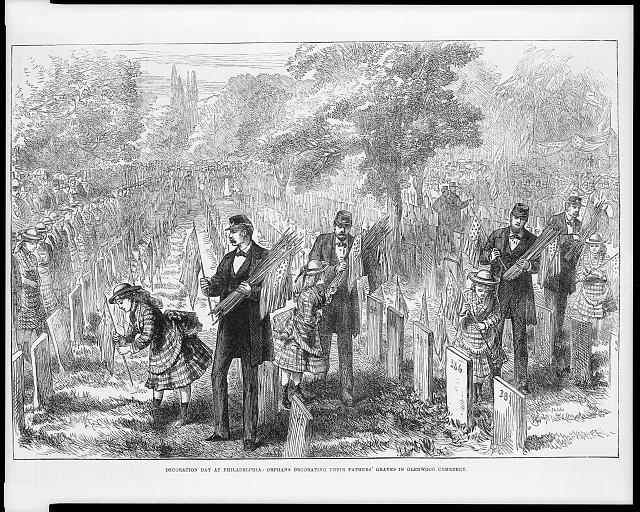
"caption": "Wood engraving of orphans decorating their fathers' graves in Glenwood Cemetery, Philadelphia, on Decoration Day",
"description": null,
"title": "Memorial Day",
"credit": "Library of Congress",
"status": "inherit",
"isLoading": false,
"fetchFailed": false
},
"lowdown_22171": {
"type": "attachments",
"id": "lowdown_22171",
"meta": {
"index": "attachments_1716263798",
"site": "lowdown",
"id": "22171",
"found": true
},
"parent": 22088,
"imgSizes": {
"thumbnail": {
"file": "https://ww2.kqed.org/app/uploads/sites/26/2016/05/7458scr_4fae7d901a0b5e9-400x267.jpg",
"width": 400,
"mimeType": "image/jpeg",
"height": 267
},
"post-thumbnail": {
"file": "https://ww2.kqed.org/app/uploads/sites/26/2016/05/7458scr_4fae7d901a0b5e9-672x372.jpg",
"width": 672,
"mimeType": "image/jpeg",
"height": 372
},
"kqedFullSize": {
"file": "https://ww2.kqed.org/app/uploads/sites/26/2016/05/7458scr_4fae7d901a0b5e9.jpg",
"width": 850,
"height": 567
},
"guest-author-50": {
"file": "https://ww2.kqed.org/app/uploads/sites/26/2016/05/7458scr_4fae7d901a0b5e9-50x50.jpg",
"width": 50,
"mimeType": "image/jpeg",
"height": 50
},
"guest-author-96": {
"file": "https://ww2.kqed.org/app/uploads/sites/26/2016/05/7458scr_4fae7d901a0b5e9-96x96.jpg",
"width": 96,
"mimeType": "image/jpeg",
"height": 96
},
"medium": {
"file": "https://ww2.kqed.org/app/uploads/sites/26/2016/05/7458scr_4fae7d901a0b5e9-800x534.jpg",
"width": 800,
"mimeType": "image/jpeg",
"height": 534
},
"guest-author-64": {
"file": "https://ww2.kqed.org/app/uploads/sites/26/2016/05/7458scr_4fae7d901a0b5e9-64x64.jpg",
"width": 64,
"mimeType": "image/jpeg",
"height": 64
},
"detail": {
"file": "https://ww2.kqed.org/app/uploads/sites/26/2016/05/7458scr_4fae7d901a0b5e9-150x150.jpg",
"width": 150,
"mimeType": "image/jpeg",
"height": 150
},
"guest-author-32": {
"file": "https://ww2.kqed.org/app/uploads/sites/26/2016/05/7458scr_4fae7d901a0b5e9-32x32.jpg",
"width": 32,
"mimeType": "image/jpeg",
"height": 32
},
"medium_large": {
"file": "https://ww2.kqed.org/app/uploads/sites/26/2016/05/7458scr_4fae7d901a0b5e9-768x512.jpg",
"width": 768,
"mimeType": "image/jpeg",
"height": 512
},
"guest-author-128": {
"file": "https://ww2.kqed.org/app/uploads/sites/26/2016/05/7458scr_4fae7d901a0b5e9-128x128.jpg",
"width": 128,
"mimeType": "image/jpeg",
"height": 128
}
},
"publishDate": 1464221077,
"modified": 1464221131,
"caption": null,
"description": null,
"title": "7458scr_4fae7d901a0b5e9",
"credit": "Sara Bloomberg/KQED",
"status": "inherit",
"isLoading": false,
"fetchFailed": false
},
"lowdown_22127": {
"type": "attachments",
"id": "lowdown_22127",
"meta": {
"index": "attachments_1716263798",
"site": "lowdown",
"id": "22127",
"found": true
},
"parent": 22101,
"imgSizes": {
"twentyfourteen-full-width": {
"file": "https://ww2.kqed.org/app/uploads/sites/26/2016/05/2016Primaries_featured-1038x576.png",
"width": 1038,
"mimeType": "image/png",
"height": 576
},
"thumbnail": {
"file": "https://ww2.kqed.org/app/uploads/sites/26/2016/05/2016Primaries_featured-400x263.png",
"width": 400,
"mimeType": "image/png",
"height": 263
},
"fd-sm": {
"file": "https://ww2.kqed.org/app/uploads/sites/26/2016/05/2016Primaries_featured-960x631.png",
"width": 960,
"mimeType": "image/png",
"height": 631
},
"post-thumbnail": {
"file": "https://ww2.kqed.org/app/uploads/sites/26/2016/05/2016Primaries_featured-672x372.png",
"width": 672,
"mimeType": "image/png",
"height": 372
},
"kqedFullSize": {
"file": "https://ww2.kqed.org/app/uploads/sites/26/2016/05/2016Primaries_featured.png",
"width": 1499,
"height": 986
},
"large": {
"file": "https://ww2.kqed.org/app/uploads/sites/26/2016/05/2016Primaries_featured-1440x947.png",
"width": 1440,
"mimeType": "image/png",
"height": 947
},
"guest-author-50": {
"file": "https://ww2.kqed.org/app/uploads/sites/26/2016/05/2016Primaries_featured-50x50.png",
"width": 50,
"mimeType": "image/png",
"height": 50
},
"guest-author-96": {
"file": "https://ww2.kqed.org/app/uploads/sites/26/2016/05/2016Primaries_featured-96x96.png",
"width": 96,
"mimeType": "image/png",
"height": 96
},
"medium": {
"file": "https://ww2.kqed.org/app/uploads/sites/26/2016/05/2016Primaries_featured-800x526.png",
"width": 800,
"mimeType": "image/png",
"height": 526
},
"guest-author-64": {
"file": "https://ww2.kqed.org/app/uploads/sites/26/2016/05/2016Primaries_featured-64x64.png",
"width": 64,
"mimeType": "image/png",
"height": 64
},
"guest-author-32": {
"file": "https://ww2.kqed.org/app/uploads/sites/26/2016/05/2016Primaries_featured-32x32.png",
"width": 32,
"mimeType": "image/png",
"height": 32
},
"fd-med": {
"file": "https://ww2.kqed.org/app/uploads/sites/26/2016/05/2016Primaries_featured-1180x776.png",
"width": 1180,
"mimeType": "image/png",
"height": 776
},
"detail": {
"file": "https://ww2.kqed.org/app/uploads/sites/26/2016/05/2016Primaries_featured-150x150.png",
"width": 150,
"mimeType": "image/png",
"height": 150
},
"medium_large": {
"file": "https://ww2.kqed.org/app/uploads/sites/26/2016/05/2016Primaries_featured-768x505.png",
"width": 768,
"mimeType": "image/png",
"height": 505
},
"guest-author-128": {
"file": "https://ww2.kqed.org/app/uploads/sites/26/2016/05/2016Primaries_featured-128x128.png",
"width": 128,
"mimeType": "image/png",
"height": 128
}
},
"publishDate": 1464038756,
"modified": 1464038756,
"caption": null,
"description": null,
"title": "2016Primaries_featured",
"credit": null,
"status": "inherit",
"isLoading": false,
"fetchFailed": false
},
"education_190262": {
"type": "attachments",
"id": "education_190262",
"meta": {
"index": "attachments_1716263798",
"site": "education",
"id": "190262",
"found": true
},
"parent": 17002,
"imgSizes": {
"twentyfourteen-full-width": {
"file": "https://ww2.kqed.org/app/uploads/sites/38/2015/04/Tuskegee_Airmen_-_Circa_May_1942_to_Aug_1943-1038x576.jpg",
"width": 1038,
"mimeType": "image/jpeg",
"height": 576
},
"thumbnail": {
"file": "https://ww2.kqed.org/app/uploads/sites/38/2015/04/Tuskegee_Airmen_-_Circa_May_1942_to_Aug_1943-400x310.jpg",
"width": 400,
"mimeType": "image/jpeg",
"height": 310
},
"fd-sm": {
"file": "https://ww2.kqed.org/app/uploads/sites/38/2015/04/Tuskegee_Airmen_-_Circa_May_1942_to_Aug_1943-960x745.jpg",
"width": 960,
"mimeType": "image/jpeg",
"height": 745
},
"post-thumbnail": {
"file": "https://ww2.kqed.org/app/uploads/sites/38/2015/04/Tuskegee_Airmen_-_Circa_May_1942_to_Aug_1943-672x372.jpg",
"width": 672,
"mimeType": "image/jpeg",
"height": 372
},
"kqedFullSize": {
"file": "https://ww2.kqed.org/app/uploads/sites/38/2015/04/Tuskegee_Airmen_-_Circa_May_1942_to_Aug_1943.jpg",
"width": 2692,
"height": 2088
},
"large": {
"file": "https://ww2.kqed.org/app/uploads/sites/38/2015/04/Tuskegee_Airmen_-_Circa_May_1942_to_Aug_1943-1440x1117.jpg",
"width": 1440,
"mimeType": "image/jpeg",
"height": 1117
},
"guest-author-50": {
"file": "https://ww2.kqed.org/app/uploads/sites/38/2015/04/Tuskegee_Airmen_-_Circa_May_1942_to_Aug_1943-50x50.jpg",
"width": 50,
"mimeType": "image/jpeg",
"height": 50
},
"guest-author-96": {
"file": "https://ww2.kqed.org/app/uploads/sites/38/2015/04/Tuskegee_Airmen_-_Circa_May_1942_to_Aug_1943-96x96.jpg",
"width": 96,
"mimeType": "image/jpeg",
"height": 96
},
"medium": {
"file": "https://ww2.kqed.org/app/uploads/sites/38/2015/04/Tuskegee_Airmen_-_Circa_May_1942_to_Aug_1943-800x621.jpg",
"width": 800,
"mimeType": "image/jpeg",
"height": 621
},
"guest-author-64": {
"file": "https://ww2.kqed.org/app/uploads/sites/38/2015/04/Tuskegee_Airmen_-_Circa_May_1942_to_Aug_1943-64x64.jpg",
"width": 64,
"mimeType": "image/jpeg",
"height": 64
},
"guest-author-32": {
"file": "https://ww2.kqed.org/app/uploads/sites/38/2015/04/Tuskegee_Airmen_-_Circa_May_1942_to_Aug_1943-32x32.jpg",
"width": 32,
"mimeType": "image/jpeg",
"height": 32
},
"fd-lrg": {
"file": "https://ww2.kqed.org/app/uploads/sites/38/2015/04/Tuskegee_Airmen_-_Circa_May_1942_to_Aug_1943-1920x1489.jpg",
"width": 1920,
"mimeType": "image/jpeg",
"height": 1489
},
"fd-med": {
"file": "https://ww2.kqed.org/app/uploads/sites/38/2015/04/Tuskegee_Airmen_-_Circa_May_1942_to_Aug_1943-1180x915.jpg",
"width": 1180,
"mimeType": "image/jpeg",
"height": 915
},
"detail": {
"file": "https://ww2.kqed.org/app/uploads/sites/38/2015/04/Tuskegee_Airmen_-_Circa_May_1942_to_Aug_1943-150x150.jpg",
"width": 150,
"mimeType": "image/jpeg",
"height": 150
},
"medium_large": {
"file": "https://ww2.kqed.org/app/uploads/sites/38/2015/04/Tuskegee_Airmen_-_Circa_May_1942_to_Aug_1943-768x596.jpg",
"width": 768,
"mimeType": "image/jpeg",
"height": 596
},
"guest-author-128": {
"file": "https://ww2.kqed.org/app/uploads/sites/38/2015/04/Tuskegee_Airmen_-_Circa_May_1942_to_Aug_1943-128x128.jpg",
"width": 128,
"mimeType": "image/jpeg",
"height": 128
}
},
"publishDate": 1463769643,
"modified": 1463769666,
"caption": "The Tuskeegee Airmen",
"description": null,
"title": "The Tuskeegee Airmen",
"credit": null,
"status": "inherit",
"isLoading": false,
"fetchFailed": false
},
"education_190264": {
"type": "attachments",
"id": "education_190264",
"meta": {
"index": "attachments_1716263798",
"site": "education",
"id": "190264",
"found": true
},
"parent": 17100,
"imgSizes": {
"twentyfourteen-full-width": {
"file": "https://ww2.kqed.org/app/uploads/sites/38/2015/04/soldier-708711_960_720-960x576.jpg",
"width": 960,
"mimeType": "image/jpeg",
"height": 576
},
"thumbnail": {
"file": "https://ww2.kqed.org/app/uploads/sites/38/2015/04/soldier-708711_960_720-400x255.jpg",
"width": 400,
"mimeType": "image/jpeg",
"height": 255
},
"fd-sm": {
"file": "https://ww2.kqed.org/app/uploads/sites/38/2015/04/soldier-708711_960_720-960x613.jpg",
"width": 960,
"mimeType": "image/jpeg",
"height": 613
},
"post-thumbnail": {
"file": "https://ww2.kqed.org/app/uploads/sites/38/2015/04/soldier-708711_960_720-672x372.jpg",
"width": 672,
"mimeType": "image/jpeg",
"height": 372
},
"kqedFullSize": {
"file": "https://ww2.kqed.org/app/uploads/sites/38/2015/04/soldier-708711_960_720.jpg",
"width": 960,
"height": 613
},
"guest-author-50": {
"file": "https://ww2.kqed.org/app/uploads/sites/38/2015/04/soldier-708711_960_720-50x50.jpg",
"width": 50,
"mimeType": "image/jpeg",
"height": 50
},
"guest-author-96": {
"file": "https://ww2.kqed.org/app/uploads/sites/38/2015/04/soldier-708711_960_720-96x96.jpg",
"width": 96,
"mimeType": "image/jpeg",
"height": 96
},
"medium": {
"file": "https://ww2.kqed.org/app/uploads/sites/38/2015/04/soldier-708711_960_720-800x511.jpg",
"width": 800,
"mimeType": "image/jpeg",
"height": 511
},
"guest-author-64": {
"file": "https://ww2.kqed.org/app/uploads/sites/38/2015/04/soldier-708711_960_720-64x64.jpg",
"width": 64,
"mimeType": "image/jpeg",
"height": 64
},
"guest-author-32": {
"file": "https://ww2.kqed.org/app/uploads/sites/38/2015/04/soldier-708711_960_720-32x32.jpg",
"width": 32,
"mimeType": "image/jpeg",
"height": 32
},
"detail": {
"file": "https://ww2.kqed.org/app/uploads/sites/38/2015/04/soldier-708711_960_720-150x150.jpg",
"width": 150,
"mimeType": "image/jpeg",
"height": 150
},
"medium_large": {
"file": "https://ww2.kqed.org/app/uploads/sites/38/2015/04/soldier-708711_960_720-768x490.jpg",
"width": 768,
"mimeType": "image/jpeg",
"height": 490
},
"guest-author-128": {
"file": "https://ww2.kqed.org/app/uploads/sites/38/2015/04/soldier-708711_960_720-128x128.jpg",
"width": 128,
"mimeType": "image/jpeg",
"height": 128
}
},
"publishDate": 1463769856,
"modified": 1463769869,
"caption": null,
"description": null,
"title": "soldier-708711_960_720",
"credit": null,
"status": "inherit",
"isLoading": false,
"fetchFailed": false
},
"lowdown_20909": {
"type": "attachments",
"id": "lowdown_20909",
"meta": {
"index": "attachments_1716263798",
"site": "lowdown",
"id": "20909",
"found": true
},
"parent": 20839,
"imgSizes": {
"thumbnail": {
"file": "https://ww2.kqed.org/app/uploads/sites/26/2016/02/primary-map-400x268.png",
"width": 400,
"mimeType": "image/png",
"height": 268
},
"post-thumbnail": {
"file": "https://ww2.kqed.org/app/uploads/sites/26/2016/02/primary-map-600x372.png",
"width": 600,
"mimeType": "image/png",
"height": 372
},
"kqedFullSize": {
"file": "https://ww2.kqed.org/app/uploads/sites/26/2016/02/primary-map.png",
"width": 600,
"height": 402
},
"guest-author-96": {
"file": "https://ww2.kqed.org/app/uploads/sites/26/2016/02/primary-map-96x96.png",
"width": 96,
"mimeType": "image/png",
"height": 96
},
"guest-author-64": {
"file": "https://ww2.kqed.org/app/uploads/sites/26/2016/02/primary-map-64x64.png",
"width": 64,
"mimeType": "image/png",
"height": 64
},
"detail": {
"file": "https://ww2.kqed.org/app/uploads/sites/26/2016/02/primary-map-75x75.png",
"width": 75,
"mimeType": "image/png",
"height": 75
},
"guest-author-32": {
"file": "https://ww2.kqed.org/app/uploads/sites/26/2016/02/primary-map-32x32.png",
"width": 32,
"mimeType": "image/png",
"height": 32
},
"guest-author-128": {
"file": "https://ww2.kqed.org/app/uploads/sites/26/2016/02/primary-map-128x128.png",
"width": 128,
"mimeType": "image/png",
"height": 128
}
},
"publishDate": 1454531101,
"modified": 1454531101,
"caption": null,
"description": null,
"title": "primary map",
"credit": null,
"status": "inherit",
"isLoading": false,
"fetchFailed": false
},
"education_187148": {
"type": "attachments",
"id": "education_187148",
"meta": {
"index": "attachments_1716263798",
"site": "education",
"id": "187148",
"found": true
},
"parent": 187147,
"imgSizes": {
"kqedFullSize": {
"file": "https://ww2.kqed.org/app/uploads/sites/38/2016/05/187147-thumb.jpg",
"width": 399,
"height": 254
},
"guest-author-50": {
"file": "https://ww2.kqed.org/app/uploads/sites/38/2016/05/187147-thumb-50x50.jpg",
"width": 50,
"mimeType": "image/jpeg",
"height": 50
},
"guest-author-96": {
"file": "https://ww2.kqed.org/app/uploads/sites/38/2016/05/187147-thumb-96x96.jpg",
"width": 96,
"mimeType": "image/jpeg",
"height": 96
},
"guest-author-64": {
"file": "https://ww2.kqed.org/app/uploads/sites/38/2016/05/187147-thumb-64x64.jpg",
"width": 64,
"mimeType": "image/jpeg",
"height": 64
},
"detail": {
"file": "https://ww2.kqed.org/app/uploads/sites/38/2016/05/187147-thumb-150x150.jpg",
"width": 150,
"mimeType": "image/jpeg",
"height": 150
},
"guest-author-32": {
"file": "https://ww2.kqed.org/app/uploads/sites/38/2016/05/187147-thumb-32x32.jpg",
"width": 32,
"mimeType": "image/jpeg",
"height": 32
},
"guest-author-128": {
"file": "https://ww2.kqed.org/app/uploads/sites/38/2016/05/187147-thumb-128x128.jpg",
"width": 128,
"mimeType": "image/jpeg",
"height": 128
}
},
"publishDate": 1463449575,
"modified": 1463449575,
"caption": null,
"description": null,
"title": "Thumbnail for 187147",
"credit": null,
"status": "inherit",
"isLoading": false,
"fetchFailed": false
},
"lowdown_22336": {
"type": "attachments",
"id": "lowdown_22336",
"meta": {
"index": "attachments_1716263798",
"site": "lowdown",
"id": "22336",
"found": true
},
"parent": 2014,
"imgSizes": {
"twentyfourteen-full-width": {
"file": "https://ww2.kqed.org/app/uploads/sites/26/2016/06/12590scr_165889a50e3092e-1038x576.jpg",
"width": 1038,
"mimeType": "image/jpeg",
"height": 576
},
"thumbnail": {
"file": "https://ww2.kqed.org/app/uploads/sites/26/2016/06/12590scr_165889a50e3092e-400x266.jpg",
"width": 400,
"mimeType": "image/jpeg",
"height": 266
},
"fd-sm": {
"file": "https://ww2.kqed.org/app/uploads/sites/26/2016/06/12590scr_165889a50e3092e-960x638.jpg",
"width": 960,
"mimeType": "image/jpeg",
"height": 638
},
"post-thumbnail": {
"file": "https://ww2.kqed.org/app/uploads/sites/26/2016/06/12590scr_165889a50e3092e-672x372.jpg",
"width": 672,
"mimeType": "image/jpeg",
"height": 372
},
"kqedFullSize": {
"file": "https://ww2.kqed.org/app/uploads/sites/26/2016/06/12590scr_165889a50e3092e.jpg",
"width": 1440,
"height": 957
},
"large": {
"file": "https://ww2.kqed.org/app/uploads/sites/26/2016/06/12590scr_165889a50e3092e-1440x957.jpg",
"width": 1440,
"mimeType": "image/jpeg",
"height": 957
},
"guest-author-50": {
"file": "https://ww2.kqed.org/app/uploads/sites/26/2016/06/12590scr_165889a50e3092e-50x50.jpg",
"width": 50,
"mimeType": "image/jpeg",
"height": 50
},
"guest-author-96": {
"file": "https://ww2.kqed.org/app/uploads/sites/26/2016/06/12590scr_165889a50e3092e-96x96.jpg",
"width": 96,
"mimeType": "image/jpeg",
"height": 96
},
"medium": {
"file": "https://ww2.kqed.org/app/uploads/sites/26/2016/06/12590scr_165889a50e3092e-800x532.jpg",
"width": 800,
"mimeType": "image/jpeg",
"height": 532
},
"guest-author-64": {
"file": "https://ww2.kqed.org/app/uploads/sites/26/2016/06/12590scr_165889a50e3092e-64x64.jpg",
"width": 64,
"mimeType": "image/jpeg",
"height": 64
},
"guest-author-32": {
"file": "https://ww2.kqed.org/app/uploads/sites/26/2016/06/12590scr_165889a50e3092e-32x32.jpg",
"width": 32,
"mimeType": "image/jpeg",
"height": 32
},
"fd-med": {
"file": "https://ww2.kqed.org/app/uploads/sites/26/2016/06/12590scr_165889a50e3092e-1180x784.jpg",
"width": 1180,
"mimeType": "image/jpeg",
"height": 784
},
"detail": {
"file": "https://ww2.kqed.org/app/uploads/sites/26/2016/06/12590scr_165889a50e3092e-150x150.jpg",
"width": 150,
"mimeType": "image/jpeg",
"height": 150
},
"medium_large": {
"file": "https://ww2.kqed.org/app/uploads/sites/26/2016/06/12590scr_165889a50e3092e-768x510.jpg",
"width": 768,
"mimeType": "image/jpeg",
"height": 510
},
"guest-author-128": {
"file": "https://ww2.kqed.org/app/uploads/sites/26/2016/06/12590scr_165889a50e3092e-128x128.jpg",
"width": 128,
"mimeType": "image/jpeg",
"height": 128
}
},
"publishDate": 1465255636,
"modified": 1465255662,
"caption": null,
"description": null,
"title": "12590scr_165889a50e3092e",
"credit": "iStock",
"status": "inherit",
"isLoading": false,
"fetchFailed": false
},
"lowdown_22161": {
"type": "attachments",
"id": "lowdown_22161",
"meta": {
"index": "attachments_1716263798",
"site": "lowdown",
"id": "22161",
"found": true
},
"parent": 13116,
"imgSizes": {
"twentyfourteen-full-width": {
"file": "https://ww2.kqed.org/app/uploads/sites/26/2016/05/GettyImages-515752436-young-voter-Sara-D.-Davis-Getty-Image-1920x1080-1038x576.jpg",
"width": 1038,
"mimeType": "image/jpeg",
"height": 576
},
"thumbnail": {
"file": "https://ww2.kqed.org/app/uploads/sites/26/2016/05/GettyImages-515752436-young-voter-Sara-D.-Davis-Getty-Image-1920x1080-400x225.jpg",
"width": 400,
"mimeType": "image/jpeg",
"height": 225
},
"fd-sm": {
"file": "https://ww2.kqed.org/app/uploads/sites/26/2016/05/GettyImages-515752436-young-voter-Sara-D.-Davis-Getty-Image-1920x1080-960x540.jpg",
"width": 960,
"mimeType": "image/jpeg",
"height": 540
},
"post-thumbnail": {
"file": "https://ww2.kqed.org/app/uploads/sites/26/2016/05/GettyImages-515752436-young-voter-Sara-D.-Davis-Getty-Image-1920x1080-672x372.jpg",
"width": 672,
"mimeType": "image/jpeg",
"height": 372
},
"kqedFullSize": {
"file": "https://ww2.kqed.org/app/uploads/sites/26/2016/05/GettyImages-515752436-young-voter-Sara-D.-Davis-Getty-Image-1920x1080.jpg",
"width": 1920,
"height": 1080
},
"large": {
"file": "https://ww2.kqed.org/app/uploads/sites/26/2016/05/GettyImages-515752436-young-voter-Sara-D.-Davis-Getty-Image-1920x1080-1440x810.jpg",
"width": 1440,
"mimeType": "image/jpeg",
"height": 810
},
"guest-author-50": {
"file": "https://ww2.kqed.org/app/uploads/sites/26/2016/05/GettyImages-515752436-young-voter-Sara-D.-Davis-Getty-Image-1920x1080-50x50.jpg",
"width": 50,
"mimeType": "image/jpeg",
"height": 50
},
"guest-author-96": {
"file": "https://ww2.kqed.org/app/uploads/sites/26/2016/05/GettyImages-515752436-young-voter-Sara-D.-Davis-Getty-Image-1920x1080-96x96.jpg",
"width": 96,
"mimeType": "image/jpeg",
"height": 96
},
"medium": {
"file": "https://ww2.kqed.org/app/uploads/sites/26/2016/05/GettyImages-515752436-young-voter-Sara-D.-Davis-Getty-Image-1920x1080-800x450.jpg",
"width": 800,
"mimeType": "image/jpeg",
"height": 450
},
"guest-author-64": {
"file": "https://ww2.kqed.org/app/uploads/sites/26/2016/05/GettyImages-515752436-young-voter-Sara-D.-Davis-Getty-Image-1920x1080-64x64.jpg",
"width": 64,
"mimeType": "image/jpeg",
"height": 64
},
"guest-author-32": {
"file": "https://ww2.kqed.org/app/uploads/sites/26/2016/05/GettyImages-515752436-young-voter-Sara-D.-Davis-Getty-Image-1920x1080-32x32.jpg",
"width": 32,
"mimeType": "image/jpeg",
"height": 32
},
"fd-lrg": {
"file": "https://ww2.kqed.org/app/uploads/sites/26/2016/05/GettyImages-515752436-young-voter-Sara-D.-Davis-Getty-Image-1920x1080-1920x1080.jpg",
"width": 1920,
"mimeType": "image/jpeg",
"height": 1080
},
"fd-med": {
"file": "https://ww2.kqed.org/app/uploads/sites/26/2016/05/GettyImages-515752436-young-voter-Sara-D.-Davis-Getty-Image-1920x1080-1180x664.jpg",
"width": 1180,
"mimeType": "image/jpeg",
"height": 664
},
"detail": {
"file": "https://ww2.kqed.org/app/uploads/sites/26/2016/05/GettyImages-515752436-young-voter-Sara-D.-Davis-Getty-Image-1920x1080-150x150.jpg",
"width": 150,
"mimeType": "image/jpeg",
"height": 150
},
"medium_large": {
"file": "https://ww2.kqed.org/app/uploads/sites/26/2016/05/GettyImages-515752436-young-voter-Sara-D.-Davis-Getty-Image-1920x1080-768x432.jpg",
"width": 768,
"mimeType": "image/jpeg",
"height": 432
},
"guest-author-128": {
"file": "https://ww2.kqed.org/app/uploads/sites/26/2016/05/GettyImages-515752436-young-voter-Sara-D.-Davis-Getty-Image-1920x1080-128x128.jpg",
"width": 128,
"mimeType": "image/jpeg",
"height": 128
}
},
"publishDate": 1464215123,
"modified": 1479234274,
"caption": null,
"description": null,
"title": "GettyImages-515752436-young-voter-Sara-D.-Davis-Getty-Image-1920x1080",
"credit": "Getty Images",
"status": "inherit",
"isLoading": false,
"fetchFailed": false
}
},
"audioPlayerReducer": {
"postId": "stream_live",
"isPaused": true,
"isPlaying": false,
"pfsActive": false,
"pledgeModalIsOpen": true,
"playerDrawerIsOpen": false,
"liveAudioPlayStartedAt": 0,
"liveAudioPlayContext": ""
},
"authorsReducer": {
"byline_education_17100": {
"type": "authors",
"id": "byline_education_17100",
"meta": {
"override": true
},
"slug": "byline_education_17100",
"name": "Connie Williams",
"isLoading": false
},
"matthewgreen": {
"type": "authors",
"id": "1263",
"meta": {
"index": "authors_1716337520",
"id": "1263",
"found": true
},
"name": "Matthew Green",
"firstName": "Matthew",
"lastName": "Green",
"slug": "matthewgreen",
"email": "mgreen@kqed.org",
"display_author_email": false,
"staff_mastheads": [],
"title": "KQED Editor/Reporter",
"bio": "Matthew Green is a digital media producer for KQED News. He previously produced \u003ca href=\"http://www.kqed.org/lowdown\">The Lowdown\u003c/a>, KQED’s multimedia news education blog. Matthew's written for numerous Bay Area publications, including the Oakland Tribune and San Francisco Chronicle. He also taught journalism classes at Fremont High School in East Oakland.\r\n\r\nEmail: mgreen@kqed.org; Twitter: @MGreenKQED",
"avatar": "https://secure.gravatar.com/avatar/3bf498d1267ca02c8494f33d8cfc575e?s=600&d=blank&r=g",
"twitter": "MGreenKQED",
"facebook": null,
"instagram": null,
"linkedin": null,
"sites": [
{
"site": "news",
"roles": []
},
{
"site": "lowdown",
"roles": []
},
{
"site": "science",
"roles": []
},
{
"site": "education",
"roles": []
},
{
"site": "quest",
"roles": []
},
{
"site": "liveblog",
"roles": []
}
],
"headData": {
"title": "Matthew Green | KQED",
"description": "KQED Editor/Reporter",
"ogImgSrc": "https://secure.gravatar.com/avatar/3bf498d1267ca02c8494f33d8cfc575e?s=600&d=blank&r=g",
"twImgSrc": "https://secure.gravatar.com/avatar/3bf498d1267ca02c8494f33d8cfc575e?s=600&d=blank&r=g"
},
"isLoading": false,
"link": "/author/matthewgreen"
},
"andywarner": {
"type": "authors",
"id": "7506",
"meta": {
"index": "authors_1716337520",
"id": "7506",
"found": true
},
"name": "Andy Warner",
"firstName": "Andy",
"lastName": "Warner",
"slug": "andywarner",
"email": "eridisc@gmail.com",
"display_author_email": false,
"staff_mastheads": [],
"title": null,
"bio": "Andy Warner's comic journalism has been published by Symbolia, Slate, \u003ca href=\"http://popsci.com/\">popsci.com\u003c/a>, American Public Media, Campus Progress and more. You can see more of his work at: \u003ca href=\"http://andywarnercomics.com/\">andywarnercomics.com\u003c/a>.",
"avatar": "https://secure.gravatar.com/avatar/2983c68805617a24b2c98bc90911aa2b?s=600&d=blank&r=g",
"twitter": null,
"facebook": null,
"instagram": null,
"linkedin": null,
"sites": [
{
"site": "lowdown",
"roles": [
"author"
]
}
],
"headData": {
"title": "Andy Warner | KQED",
"description": null,
"ogImgSrc": "https://secure.gravatar.com/avatar/2983c68805617a24b2c98bc90911aa2b?s=600&d=blank&r=g",
"twImgSrc": "https://secure.gravatar.com/avatar/2983c68805617a24b2c98bc90911aa2b?s=600&d=blank&r=g"
},
"isLoading": false,
"link": "/author/andywarner"
},
"jessengebretson": {
"type": "authors",
"id": "8628",
"meta": {
"index": "authors_1716337520",
"id": "8628",
"found": true
},
"name": "Jess Engebretson",
"firstName": "Jess",
"lastName": "Engebretson",
"slug": "jessengebretson",
"email": "jess.engebretson@gmail.com",
"display_author_email": false,
"staff_mastheads": [],
"title": null,
"bio": "Jess Engebretson is a radio producer from Virginia.",
"avatar": "https://secure.gravatar.com/avatar/82da81d5865f1a046c91ee925e616266?s=600&d=blank&r=g",
"twitter": null,
"facebook": null,
"instagram": null,
"linkedin": null,
"sites": [
{
"site": "lowdown",
"roles": [
"contributor"
]
}
],
"headData": {
"title": "Jess Engebretson | KQED",
"description": null,
"ogImgSrc": "https://secure.gravatar.com/avatar/82da81d5865f1a046c91ee925e616266?s=600&d=blank&r=g",
"twImgSrc": "https://secure.gravatar.com/avatar/82da81d5865f1a046c91ee925e616266?s=600&d=blank&r=g"
},
"isLoading": false,
"link": "/author/jessengebretson"
},
"almetriavaba": {
"type": "authors",
"id": "9323",
"meta": {
"index": "authors_1716337520",
"id": "9323",
"found": true
},
"name": "Almetria Vaba",
"firstName": "Almetria",
"lastName": "Vaba",
"slug": "almetriavaba",
"email": "avaba@kqed.org",
"display_author_email": false,
"staff_mastheads": [],
"title": "KQED Contributor",
"bio": "Almetria Vaba is the director for education partnerships and distribution at KQED. In her role, she leads collaborative efforts with education agencies, public media stations and other non profit organizations.",
"avatar": "https://secure.gravatar.com/avatar/d96f15109ffaefc23a215a8b8ac1424b7de62311c3469b8f2efafe917214c31d?s=600&d=mm&r=g",
"twitter": "metravaba",
"bluesky": null,
"facebook": null,
"instagram": null,
"linkedin": null,
"sites": [
{
"site": "arts",
"roles": [
"author"
]
},
{
"site": "artschool",
"roles": [
"editor"
]
},
{
"site": "news",
"roles": [
"author"
]
},
{
"site": "futureofyou",
"roles": [
"author"
]
},
{
"site": "mindshift",
"roles": [
"author"
]
},
{
"site": "lowdown",
"roles": [
"author"
]
},
{
"site": "stateofhealth",
"roles": [
"author"
]
},
{
"site": "spark",
"roles": [
"author"
]
},
{
"site": "science",
"roles": [
"author"
]
},
{
"site": "education",
"roles": [
"editor"
]
},
{
"site": "quest",
"roles": [
"editor"
]
},
{
"site": "food",
"roles": [
"author"
]
},
{
"site": "perspectives",
"roles": [
"editor"
]
},
{
"site": "youthmedia",
"roles": [
"administrator"
]
}
],
"headData": {
"title": "Almetria Vaba | KQED",
"description": "KQED Contributor",
"ogImgSrc": "https://secure.gravatar.com/avatar/d96f15109ffaefc23a215a8b8ac1424b7de62311c3469b8f2efafe917214c31d?s=600&d=mm&r=g",
"twImgSrc": "https://secure.gravatar.com/avatar/d96f15109ffaefc23a215a8b8ac1424b7de62311c3469b8f2efafe917214c31d?s=600&d=mm&r=g"
},
"isLoading": false,
"link": "/author/almetriavaba"
}
},
"pagesReducer": {
"education_category_news-and-civics": {
"type": "terms",
"id": "education_50",
"meta": {
"index": "terms_1716263798",
"site": "education",
"id": "50",
"score": 13.896352
},
"featImg": null,
"name": "News & Civics",
"description": "Find civics lesson plans and teaching resources for high school and middle school, including lesson plan ideas on the latest news topics.",
"taxonomy": "category",
"headData": {
"twImgId": null,
"twTitle": null,
"ogTitle": null,
"ogImgId": null,
"twDescription": null,
"description": "Find civics lesson plans and teaching resources for high school and middle school, including lesson plan ideas on the latest news topics.",
"title": "News & Civics | KQED Education",
"ogDescription": null
},
"ttid": 58,
"slug": "news-and-civics",
"isLoading": false,
"title": "News & Civics",
"pageMeta": {
"site": "education",
"WpPageTemplate": "page-topic-company",
"currentPage": 27
},
"blocks": [
{
"blockName": "kqed/company-paragraph",
"content": "Find civics lesson plans and teaching resources for high school and middle school, including lesson plan ideas on the latest news topics."
},
{
"blockName": "kqed/post-list",
"attrs": {
"layout": "cardCompany2",
"query": "posts/education?category=news-and-civics",
"seeMore": false,
"paginated": true,
"page": 27
}
},
{
"blockName": "kqed/ad"
}
]
}
},
"pfsSessionReducer": {},
"postsReducer": {
"stream_live": {
"type": "live",
"id": "stream_live",
"audioUrl": "https://hls.kqed.org/hls/kqed_app/playlist.m3u8",
"title": "Live Stream",
"excerpt": "Live Stream information currently unavailable.",
"link": "/radio",
"featImg": "",
"label": {
"name": "KQED Live",
"link": "/"
}
},
"stream_kqedNewscast": {
"type": "posts",
"id": "stream_kqedNewscast",
"audioUrl": "https://www.kqed.org/.stream/anon/radio/RDnews/newscast.mp3?_=1",
"title": "KQED Newscast",
"featImg": "",
"label": {
"name": "88.5 FM",
"link": "/"
}
},
"lowdown_18075": {
"type": "posts",
"id": "lowdown_18075",
"meta": {
"index": "posts_1716263798",
"site": "lowdown",
"id": "18075",
"score": null,
"sort": [
1464382114000
]
},
"parent": 0,
"labelTerm": {
"site": "lowdown"
},
"blocks": [],
"publishDate": 1464382114,
"format": "standard",
"disqusTitle": "The Hidden Roots of Memorial Day",
"title": "The Hidden Roots of Memorial Day",
"headTitle": "The Lowdown | KQED News",
"content": "\u003cp>Memorial Day was born out of the collective trauma of the Civil War.\u003c/p>\n\u003cp>\u003c!--more-->\u003c/p>\n\u003cp>By 1868, the head of a major veterans association, declared that the 30th of May would be dedicated to “strewing with flowers or otherwise decorating the graves of comrades” who had died fighting for the Union. Nearly 5,000 people attended an official ceremony that year at the newly established Arlington National Cemetery.\u003c/p>\n\u003cp>The practice spread, and many northern states designated Memorial Day (or Decoration Day, as it was originally called) an official holiday. Civic groups in the South also gathered to honor the Confederate dead, often on the birthday of Confederate leader Jefferson Davis (June 3) or the day marking the death of legendary commander Stonewall Jackson (May 10).\u003c/p>\n\u003cp>But \u003ca href=\"http://www.nytimes.com/2011/05/30/opinion/30blight.html\">Yale historian David Blight\u003c/a> has evidence that suggests a notably different Memorial Day story.\u003c/p>\n\u003cp>[ad fullwidth]\u003c/p>\n\u003cp>Contrary to popular belief, he argues, the holiday actually stemmed from a ceremony performed in 1865, by recently freed blacks in the smoldering city of Charleston, S.C. In researching his book \u003cem>\u003ca href=\"https://anthony-fatato-cvq1.squarespace.com/books/#race\" target=\"_blank\">Race and Reunion: The Civil War in American History\u003c/a>\u003c/em>, Professor Blight unearthed documents that, he claims, tells the story of the all-but-forgotten event.\u003c/p>\n\u003cp>Some 620,000 soldiers (Union and Confederate) are commonly believed to have been killed during the Civil War (although \u003ca href=\"http://www.nytimes.com/2012/04/03/science/civil-war-toll-up-by-20-percent-in-new-estimate.html\">a recent analysis\u003c/a> suggests the complete death toll was closer to 750,000)\u003c/p>\n\u003cp>Far more Americans died in the Civil War than in any other. The war claimed roughly six times more lives than World War II, America's second deadliest conflict.\u003c/p>\n\u003caside class=\"pullquote alignright\">' What you have there is black Americans recently freed from slavery announcing to the world with their flowers, and their feet, and their songs, what the war had been about.'\u003ccite>David Blight\u003c/cite>\u003c/aside>\n\u003cp>In the war's aftermath, shell-shocked communities throughout the country didn't know what to do with so many bodies, writes historian Drew Gilpin Faust, author of \u003ca href=\"http://www.npr.org/templates/story/story.php?storyId=17957712\" target=\"_blank\">\u003cem>This Republic of Suffering: Death and the American Civil War.\u003c/em> \u003c/a>When the fighting began, there were no national cemeteries and few reliable systems to track deaths. Nearly half of the war dead were unidentified at burial.\u003c/p>\n\u003cp>By Spring of 1865, most Confederate supporters had already fled the now Union-occupied city of Charleston, and the city's remaining inhabitants were primarily recently freed blacks. It must have been a strange time: rubble in the streets, azaleas blooming, the shock and euphoria of the war’s end and the cautious embrace of freedom.\u003c/p>\n\u003cfigure id=\"attachment_22204\" class=\"wp-caption alignright\" style=\"max-width: 493px\">\u003ca href=\"http://ww2.kqed.org/lowdown/wp-content/uploads/sites/26/2015/05/UnionGravesEdited_650x650.jpg\">\u003cimg class=\"wp-image-22204 size-full\" src=\"http://ww2.kqed.org/lowdown/wp-content/uploads/sites/26/2015/05/UnionGravesEdited_650x650.jpg\" alt=\"Union soldiers' graves at Washington Racecourse, 1865.\" width=\"493\" height=\"584\" srcset=\"https://ww2.kqed.org/app/uploads/sites/26/2015/05/UnionGravesEdited_650x650.jpg 493w, https://ww2.kqed.org/app/uploads/sites/26/2015/05/UnionGravesEdited_650x650-400x474.jpg 400w\" sizes=\"(max-width: 493px) 100vw, 493px\">\u003c/a>\u003cfigcaption class=\"wp-caption-text\">Union soldiers' graves at Washington Racecourse, 1865. \u003ccite>(Library of Congress)\u003c/cite>\u003c/figcaption>\u003c/figure>\n\u003cp>At some point during this period, a group of black workmen walked through the ruined city to the Washington Race Course and Jockey Club, which the Confederate army had converted during the war into a open air prison for captured Union soldiers. Hundreds of prisoners there had died of disease and exposure and were buried in a mass grave behind the grandstand. The workers dug up the mass graves and reinterred each unidentified body in proper graves. They also built a fence around the site, identifying it as a cemetery. Over the entrance, they raised an arch inscribed with the words “Martyrs of the Race Track.”\u003c/p>\n\u003cp>According to Blight, ten thousand mostly black residents gathered at the racetrack on May 1, to honor the fallen Union prisoners and celebrate their own nascent freedom. Children carried armfuls of roses; women brought crosses and wreaths to decorate the graves. A children’s choir sang “The Star-Spangled Banner,” and ministers read from the Bible. Black men marched alongside black and white Union soldiers singing “John Brown’s Body.”\u003c/p>\n\u003cp>In a \u003ca href=\"http://oyc.yale.edu/history/hist-119/lecture-19\" target=\"_blank\">recent lecture\u003c/a> on the topic, Blight describes the event.\u003c/p>\n\u003cp>\u003cem>\"This was the first Memorial Day. African-Americans invented Memorial Day in Charleston, South Carolina ... What you have there is black Americans recently freed from slavery announcing to the world with their flowers, and their feet, and their songs, what the war had been about. What they basically were creating was the Independence Day of a Second American Revolution. That story got lost for more than a century. \u003c/em>\u003c/p>\n\u003cp>Blight notes that during his research, he contacted archives and libraries in Charleston to find out more about the ceremony only to discover the event had been pretty much wiped from the local historical record.\u003c/p>\n\u003cp>\"It showed the power of the lost cause in the wake of the war to erase the story,\" he said.\u003c/p>\n\u003cp>Further digging, though, unearthed more evidence of the event, including a drawing of the cemetery in a 1867 issue of Harper's Weekly.\u003c/p>\n\u003cp>Today, the physical evidence of that first Memorial Day has all but disappeared. The bodies of the prisoners were dug up again in the 1880s and reinterred yet again in another cemetery seventy miles away. The grandstand is gone and the site is now a public park, ironically renamed after Wade Hampton, the former Confederate Civil War general and white supremacist governor of South Carolina.\u003c/p>\n\u003cp>\u003c/p>\n\u003cp>\u003ca href=\"https://www.flickr.com/photos/thomasn528/4661977250/in/photostream%22\" target=\"_blank\">One small plaque, \u003c/a>recently installed at the site, is the only recognition of that first momentous Memorial Day celebration more than 150 years ago.\u003c/p>\n\n",
"disqusIdentifier": "18075 http://ww2.kqed.org/lowdown/?p=18075",
"disqusUrl": "https://ww2.kqed.org/lowdown/2016/05/27/the-hidden-roots-of-memorial-day-a-ceremony-organized-by-recently-freed-blacks-residents-in-south-carolina/",
"stats": {
"hasVideo": false,
"hasChartOrMap": false,
"hasAudio": false,
"hasPolis": false,
"wordCount": 860,
"hasGoogleForm": false,
"hasGallery": false,
"hasHearkenModule": false,
"iframeSrcs": [],
"paragraphCount": 21
},
"modified": 1464450076,
"excerpt": "Recent research shows that Memorial Day was first performed by former slaves at the end of the Civil War.",
"headData": {
"twImgId": "",
"twTitle": "",
"ogTitle": "",
"ogImgId": "",
"twDescription": "",
"description": "Recent research shows that Memorial Day was first performed by former slaves at the end of the Civil War.",
"title": "The Hidden Roots of Memorial Day | KQED",
"ogDescription": "",
"schema": {
"@context": "https://schema.org",
"@type": "Article",
"headline": "The Hidden Roots of Memorial Day",
"datePublished": "2016-05-27T13:48:34-07:00",
"dateModified": "2016-05-28T08:41:16-07:00",
"image": "https://cdn.kqed.org/wp-content/uploads/2020/02/KQED-OG-Image@1x.png"
}
},
"guestAuthors": [],
"slug": "the-hidden-roots-of-memorial-day-a-ceremony-organized-by-recently-freed-blacks-residents-in-south-carolina",
"status": "publish",
"path": "/lowdown/18075/the-hidden-roots-of-memorial-day-a-ceremony-organized-by-recently-freed-blacks-residents-in-south-carolina",
"audioTrackLength": null,
"parsedContent": [
{
"type": "contentString",
"content": "\u003cdiv class=\"post-body\">\u003cp>\u003cp>Memorial Day was born out of the collective trauma of the Civil War.\u003c/p>\n\u003cp>\u003c!--more-->\u003c/p>\n\u003cp>By 1868, the head of a major veterans association, declared that the 30th of May would be dedicated to “strewing with flowers or otherwise decorating the graves of comrades” who had died fighting for the Union. Nearly 5,000 people attended an official ceremony that year at the newly established Arlington National Cemetery.\u003c/p>\n\u003cp>The practice spread, and many northern states designated Memorial Day (or Decoration Day, as it was originally called) an official holiday. Civic groups in the South also gathered to honor the Confederate dead, often on the birthday of Confederate leader Jefferson Davis (June 3) or the day marking the death of legendary commander Stonewall Jackson (May 10).\u003c/p>\n\u003cp>But \u003ca href=\"http://www.nytimes.com/2011/05/30/opinion/30blight.html\">Yale historian David Blight\u003c/a> has evidence that suggests a notably different Memorial Day story.\u003c/p>\n\u003cp>\u003c/p>\u003c/div>",
"attributes": {
"named": {},
"numeric": []
}
},
{
"type": "component",
"content": "",
"name": "ad",
"attributes": {
"named": {
"label": "fullwidth"
},
"numeric": [
"fullwidth"
]
}
},
{
"type": "contentString",
"content": "\u003cdiv class=\"post-body\">\u003cp>\u003c/p>\n\u003cp>Contrary to popular belief, he argues, the holiday actually stemmed from a ceremony performed in 1865, by recently freed blacks in the smoldering city of Charleston, S.C. In researching his book \u003cem>\u003ca href=\"https://anthony-fatato-cvq1.squarespace.com/books/#race\" target=\"_blank\">Race and Reunion: The Civil War in American History\u003c/a>\u003c/em>, Professor Blight unearthed documents that, he claims, tells the story of the all-but-forgotten event.\u003c/p>\n\u003cp>Some 620,000 soldiers (Union and Confederate) are commonly believed to have been killed during the Civil War (although \u003ca href=\"http://www.nytimes.com/2012/04/03/science/civil-war-toll-up-by-20-percent-in-new-estimate.html\">a recent analysis\u003c/a> suggests the complete death toll was closer to 750,000)\u003c/p>\n\u003cp>Far more Americans died in the Civil War than in any other. The war claimed roughly six times more lives than World War II, America's second deadliest conflict.\u003c/p>\n\u003caside class=\"pullquote alignright\">' What you have there is black Americans recently freed from slavery announcing to the world with their flowers, and their feet, and their songs, what the war had been about.'\u003ccite>David Blight\u003c/cite>\u003c/aside>\n\u003cp>In the war's aftermath, shell-shocked communities throughout the country didn't know what to do with so many bodies, writes historian Drew Gilpin Faust, author of \u003ca href=\"http://www.npr.org/templates/story/story.php?storyId=17957712\" target=\"_blank\">\u003cem>This Republic of Suffering: Death and the American Civil War.\u003c/em> \u003c/a>When the fighting began, there were no national cemeteries and few reliable systems to track deaths. Nearly half of the war dead were unidentified at burial.\u003c/p>\n\u003cp>By Spring of 1865, most Confederate supporters had already fled the now Union-occupied city of Charleston, and the city's remaining inhabitants were primarily recently freed blacks. It must have been a strange time: rubble in the streets, azaleas blooming, the shock and euphoria of the war’s end and the cautious embrace of freedom.\u003c/p>\n\u003cfigure id=\"attachment_22204\" class=\"wp-caption alignright\" style=\"max-width: 493px\">\u003ca href=\"http://ww2.kqed.org/lowdown/wp-content/uploads/sites/26/2015/05/UnionGravesEdited_650x650.jpg\">\u003cimg class=\"wp-image-22204 size-full\" src=\"http://ww2.kqed.org/lowdown/wp-content/uploads/sites/26/2015/05/UnionGravesEdited_650x650.jpg\" alt=\"Union soldiers' graves at Washington Racecourse, 1865.\" width=\"493\" height=\"584\" srcset=\"https://ww2.kqed.org/app/uploads/sites/26/2015/05/UnionGravesEdited_650x650.jpg 493w, https://ww2.kqed.org/app/uploads/sites/26/2015/05/UnionGravesEdited_650x650-400x474.jpg 400w\" sizes=\"(max-width: 493px) 100vw, 493px\">\u003c/a>\u003cfigcaption class=\"wp-caption-text\">Union soldiers' graves at Washington Racecourse, 1865. \u003ccite>(Library of Congress)\u003c/cite>\u003c/figcaption>\u003c/figure>\n\u003cp>At some point during this period, a group of black workmen walked through the ruined city to the Washington Race Course and Jockey Club, which the Confederate army had converted during the war into a open air prison for captured Union soldiers. Hundreds of prisoners there had died of disease and exposure and were buried in a mass grave behind the grandstand. The workers dug up the mass graves and reinterred each unidentified body in proper graves. They also built a fence around the site, identifying it as a cemetery. Over the entrance, they raised an arch inscribed with the words “Martyrs of the Race Track.”\u003c/p>\n\u003cp>According to Blight, ten thousand mostly black residents gathered at the racetrack on May 1, to honor the fallen Union prisoners and celebrate their own nascent freedom. Children carried armfuls of roses; women brought crosses and wreaths to decorate the graves. A children’s choir sang “The Star-Spangled Banner,” and ministers read from the Bible. Black men marched alongside black and white Union soldiers singing “John Brown’s Body.”\u003c/p>\n\u003cp>In a \u003ca href=\"http://oyc.yale.edu/history/hist-119/lecture-19\" target=\"_blank\">recent lecture\u003c/a> on the topic, Blight describes the event.\u003c/p>\n\u003cp>\u003cem>\"This was the first Memorial Day. African-Americans invented Memorial Day in Charleston, South Carolina ... What you have there is black Americans recently freed from slavery announcing to the world with their flowers, and their feet, and their songs, what the war had been about. What they basically were creating was the Independence Day of a Second American Revolution. That story got lost for more than a century. \u003c/em>\u003c/p>\n\u003cp>Blight notes that during his research, he contacted archives and libraries in Charleston to find out more about the ceremony only to discover the event had been pretty much wiped from the local historical record.\u003c/p>\n\u003cp>\"It showed the power of the lost cause in the wake of the war to erase the story,\" he said.\u003c/p>\n\u003cp>Further digging, though, unearthed more evidence of the event, including a drawing of the cemetery in a 1867 issue of Harper's Weekly.\u003c/p>\n\u003cp>Today, the physical evidence of that first Memorial Day has all but disappeared. The bodies of the prisoners were dug up again in the 1880s and reinterred yet again in another cemetery seventy miles away. The grandstand is gone and the site is now a public park, ironically renamed after Wade Hampton, the former Confederate Civil War general and white supremacist governor of South Carolina.\u003c/p>\n\u003cp>\u003c/p>\n\u003cp>\u003ca href=\"https://www.flickr.com/photos/thomasn528/4661977250/in/photostream%22\" target=\"_blank\">One small plaque, \u003c/a>recently installed at the site, is the only recognition of that first momentous Memorial Day celebration more than 150 years ago.\u003c/p>\n\n\u003c/div>\u003c/p>",
"attributes": {
"named": {},
"numeric": []
}
}
],
"link": "/lowdown/18075/the-hidden-roots-of-memorial-day-a-ceremony-organized-by-recently-freed-blacks-residents-in-south-carolina",
"authors": [
"8628"
],
"categories": [
"lowdown_1"
],
"tags": [
"lowdown_2414",
"lowdown_2337",
"lowdown_2413"
],
"featImg": "lowdown_18076",
"label": "lowdown"
},
"lowdown_22088": {
"type": "posts",
"id": "lowdown_22088",
"meta": {
"index": "posts_1716263798",
"site": "lowdown",
"id": "22088",
"score": null,
"sort": [
1464221998000
]
},
"parent": 0,
"labelTerm": {
"site": "lowdown"
},
"blocks": [],
"publishDate": 1464221998,
"format": "aside",
"disqusTitle": "Are You In The Middle Class? Find Out With This Interactive Income Calculator",
"title": "Are You In The Middle Class? Find Out With This Interactive Income Calculator",
"headTitle": "The Lowdown | KQED News",
"content": "\u003cp>https://youtu.be/_MMKZSQaKxU\u003c/p>\n\u003cp>If there's one thing the presidential candidates agree on it's the need to support and grow America's dwindling middle class.\u003c!--more-->\u003c/p>\n\u003cp>How to do that, though, is where the agreement ends.\u003c/p>\n\u003cp>In a \u003ca href=\"http://www.pewsocialtrends.org/2015/12/09/the-american-middle-class-is-losing-ground/\" target=\"_blank\">recent economic analysis\u003c/a>, Pew Research found that the middle class has declined considerably since the 1970s, when good-paying manufacturing jobs were still relatively abundant. For the first time in four decades, middle-income earners no longer make up the nation's economic majority group; more American households now fall into the upper and lower classes, indicating a widening gap between the nation's rich and poor.\u003c/p>\n\u003cp>\u003ca href=\"http://ww2.kqed.org/lowdown/wp-content/uploads/sites/26/2016/05/ST_2016.05.12_middle-class-geo-03.png\">\u003cimg class=\"alignright wp-image-22172 size-full\" src=\"http://ww2.kqed.org/lowdown/wp-content/uploads/sites/26/2016/05/ST_2016.05.12_middle-class-geo-03.png\" alt=\"ST_2016.05.12_middle-class-geo-03\" width=\"350\" height=\"282\">\u003c/a>According to the report: \"In early 2015, 120.8 million adults were in middle-income households, compared with 121.3 million in lower- and upper-income households combined, a demographic shift that could signal a tipping point.\"\u003c/p>\n\u003cp>[ad fullwidth]\u003c/p>\n\u003cp>Using data from U.S. Census Bureau and the Federal Reserve Board of Governors, the report defines “middle-income” Americans as \"adults whose annual household income is two-thirds to double the national median, about $42,000 to $126,000 annually in 2014 dollars for a household of three.\"\u003c/p>\n\u003cp>[If the income calculator does not show up in your browser, you can \u003ca href=\"http://www.pewsocialtrends.org/interactives/middle-class-calculator/\" target=\"_blank\">view it here\u003c/a>] \u003c/p>\n\u003cp>\u003ciframe id=\"pew21164\" src=\"http://www.pewsocialtrends.org/interactives/middle-class-calculator/iframe/\" width=\"100%\" height=\"844px\" frameborder=\"0\" scrolling=\"no\">\u003c/iframe>\u003cscript id=\"pew-iframe\" type=\"text/javascript\">// \u003c![CDATA[ (function(){function async_load(){var s=document.createElement('script');s.type='text/javascript';s.async=true;s.src='http://www.pewsocialtrends.org/wp-content/plugins/pew-scripts/js/iframeResizer.min.js';s.onload=s.onreadystatechange=function(){var rs=this.readyState;try{iFrameResize([],'iframe#pew21164')}catch(e){}};var embedder=document.getElementById('pew-iframe');embedder.parentNode.insertBefore(s,embedder)}if(window.attachEvent)window.attachEvent('onload',async_load);else window.addEventListener('load',async_load,false)})();\n// ]]>\u003c/script>\u003c/p>\n\u003cp>[Methodology explained \u003ca href=\"http://www.pewsocialtrends.org/2016/05/11/americas-shrinking-middle-class-a-close-look-at-changes-within-metropolitan-areas/\" target=\"_blank\">here\u003c/a>]\u003c/p>\n\u003cp>\u003c/p>\n\u003cp>\u003ciframe id=\"pew21580\" src=\"http://www.pewsocialtrends.org/interactives/middle-class-metro-map/iframe/\" width=\"100%\" height=\"844px\" frameborder=\"0\" scrolling=\"no\">\u003c/iframe>\u003cscript id=\"pew-iframe\" type=\"text/javascript\">// \u003c![CDATA[ (function(){function async_load(){var s=document.createElement('script');s.type='text/javascript';s.async=true;s.src='http://www.pewsocialtrends.org/wp-content/plugins/pew-scripts/js/iframeResizer.min.js';s.onload=s.onreadystatechange=function(){var rs=this.readyState;try{iFrameResize([],'iframe#pew21580')}catch(e){}};var embedder=document.getElementById('pew-iframe');embedder.parentNode.insertBefore(s,embedder)}if(window.attachEvent)window.attachEvent('onload',async_load);else window.addEventListener('load',async_load,false)})();\n// ]]>\u003c/script>\u003c/p>\n\n",
"disqusIdentifier": "22088 http://ww2.kqed.org/lowdown/?p=22088",
"disqusUrl": "https://ww2.kqed.org/lowdown/2016/05/25/interactive-are-you-in-the-american-middle-class/",
"stats": {
"hasVideo": false,
"hasChartOrMap": true,
"hasAudio": false,
"hasPolis": false,
"wordCount": 216,
"hasGoogleForm": false,
"hasGallery": false,
"hasHearkenModule": false,
"iframeSrcs": [
"http://www.pewsocialtrends.org/interactives/middle-class-calculator/iframe/",
"http://www.pewsocialtrends.org/interactives/middle-class-metro-map/iframe/"
],
"paragraphCount": 11
},
"modified": 1465944248,
"excerpt": null,
"headData": {
"twImgId": "",
"twTitle": "",
"ogTitle": "",
"ogImgId": "",
"twDescription": "",
"description": "https://youtu.be/_MMKZSQaKxU If there's one thing the presidential candidates agree on it's the need to support and grow America's dwindling middle class.",
"title": "Are You In The Middle Class? Find Out With This Interactive Income Calculator | KQED",
"ogDescription": "",
"schema": {
"@context": "https://schema.org",
"@type": "Article",
"headline": "Are You In The Middle Class? Find Out With This Interactive Income Calculator",
"datePublished": "2016-05-25T17:19:58-07:00",
"dateModified": "2016-06-14T15:44:08-07:00",
"image": "https://cdn.kqed.org/wp-content/uploads/2020/02/KQED-OG-Image@1x.png"
}
},
"guestAuthors": [],
"slug": "interactive-are-you-in-the-american-middle-class",
"status": "publish",
"path": "/lowdown/22088/interactive-are-you-in-the-american-middle-class",
"audioTrackLength": null,
"parsedContent": [
{
"type": "contentString",
"content": "\u003cdiv class=\"post-body\">\u003cp>\u003c/p>\u003cp>\u003cspan class='utils-parseShortcode-shortcodes-__youtubeShortcode__embedYoutube'>\n \u003cspan class='utils-parseShortcode-shortcodes-__youtubeShortcode__embedYoutubeInside'>\n \u003ciframe\n loading='lazy'\n class='utils-parseShortcode-shortcodes-__youtubeShortcode__youtubePlayer'\n type='text/html'\n src='//www.youtube.com/embed/_MMKZSQaKxU'\n title='//www.youtube.com/embed/_MMKZSQaKxU'\n allowfullscreen='true'\n style='border:0;'>\u003c/iframe>\n \u003c/span>\n \u003c/span>\u003c/p>\u003cp>\u003cp>If there's one thing the presidential candidates agree on it's the need to support and grow America's dwindling middle class.\u003c!--more-->\u003c/p>\n\u003cp>How to do that, though, is where the agreement ends.\u003c/p>\n\u003cp>In a \u003ca href=\"http://www.pewsocialtrends.org/2015/12/09/the-american-middle-class-is-losing-ground/\" target=\"_blank\">recent economic analysis\u003c/a>, Pew Research found that the middle class has declined considerably since the 1970s, when good-paying manufacturing jobs were still relatively abundant. For the first time in four decades, middle-income earners no longer make up the nation's economic majority group; more American households now fall into the upper and lower classes, indicating a widening gap between the nation's rich and poor.\u003c/p>\n\u003cp>\u003ca href=\"http://ww2.kqed.org/lowdown/wp-content/uploads/sites/26/2016/05/ST_2016.05.12_middle-class-geo-03.png\">\u003cimg class=\"alignright wp-image-22172 size-full\" src=\"http://ww2.kqed.org/lowdown/wp-content/uploads/sites/26/2016/05/ST_2016.05.12_middle-class-geo-03.png\" alt=\"ST_2016.05.12_middle-class-geo-03\" width=\"350\" height=\"282\">\u003c/a>According to the report: \"In early 2015, 120.8 million adults were in middle-income households, compared with 121.3 million in lower- and upper-income households combined, a demographic shift that could signal a tipping point.\"\u003c/p>\n\u003cp>\u003c/p>\u003c/div>",
"attributes": {
"named": {},
"numeric": []
}
},
{
"type": "component",
"content": "",
"name": "ad",
"attributes": {
"named": {
"label": "fullwidth"
},
"numeric": [
"fullwidth"
]
}
},
{
"type": "contentString",
"content": "\u003cdiv class=\"post-body\">\u003cp>\u003c/p>\n\u003cp>Using data from U.S. Census Bureau and the Federal Reserve Board of Governors, the report defines “middle-income” Americans as \"adults whose annual household income is two-thirds to double the national median, about $42,000 to $126,000 annually in 2014 dollars for a household of three.\"\u003c/p>\n\u003cp>[If the income calculator does not show up in your browser, you can \u003ca href=\"http://www.pewsocialtrends.org/interactives/middle-class-calculator/\" target=\"_blank\">view it here\u003c/a>] \u003c/p>\n\u003cp>\u003ciframe id=\"pew21164\" src=\"http://www.pewsocialtrends.org/interactives/middle-class-calculator/iframe/\" width=\"100%\" height=\"844px\" frameborder=\"0\" scrolling=\"no\">\u003c/iframe>\u003cscript id=\"pew-iframe\" type=\"text/javascript\">// \u003c![CDATA[ (function(){function async_load(){var s=document.createElement('script');s.type='text/javascript';s.async=true;s.src='http://www.pewsocialtrends.org/wp-content/plugins/pew-scripts/js/iframeResizer.min.js';s.onload=s.onreadystatechange=function(){var rs=this.readyState;try{iFrameResize([],'iframe#pew21164')}catch(e){}};var embedder=document.getElementById('pew-iframe');embedder.parentNode.insertBefore(s,embedder)}if(window.attachEvent)window.attachEvent('onload',async_load);else window.addEventListener('load',async_load,false)})();\n// ]]>\u003c/script>\u003c/p>\n\u003cp>[Methodology explained \u003ca href=\"http://www.pewsocialtrends.org/2016/05/11/americas-shrinking-middle-class-a-close-look-at-changes-within-metropolitan-areas/\" target=\"_blank\">here\u003c/a>]\u003c/p>\n\u003cp>\u003c/p>\n\u003cp>\u003ciframe id=\"pew21580\" src=\"http://www.pewsocialtrends.org/interactives/middle-class-metro-map/iframe/\" width=\"100%\" height=\"844px\" frameborder=\"0\" scrolling=\"no\">\u003c/iframe>\u003cscript id=\"pew-iframe\" type=\"text/javascript\">// \u003c![CDATA[ (function(){function async_load(){var s=document.createElement('script');s.type='text/javascript';s.async=true;s.src='http://www.pewsocialtrends.org/wp-content/plugins/pew-scripts/js/iframeResizer.min.js';s.onload=s.onreadystatechange=function(){var rs=this.readyState;try{iFrameResize([],'iframe#pew21580')}catch(e){}};var embedder=document.getElementById('pew-iframe');embedder.parentNode.insertBefore(s,embedder)}if(window.attachEvent)window.attachEvent('onload',async_load);else window.addEventListener('load',async_load,false)})();\n// ]]>\u003c/script>\u003c/p>\n\n\u003c/div>\u003c/p>",
"attributes": {
"named": {},
"numeric": []
}
}
],
"link": "/lowdown/22088/interactive-are-you-in-the-american-middle-class",
"authors": [
"1263"
],
"categories": [
"lowdown_451"
],
"tags": [
"lowdown_2337",
"lowdown_2534"
],
"featImg": "lowdown_22171",
"label": "lowdown"
},
"lowdown_22101": {
"type": "posts",
"id": "lowdown_22101",
"meta": {
"index": "posts_1716263798",
"site": "lowdown",
"id": "22101",
"score": null,
"sort": [
1469037635000
]
},
"parent": 0,
"labelTerm": {
"site": "lowdown"
},
"blocks": [],
"publishDate": 1469037635,
"format": "aside",
"disqusTitle": "The Presidential Convention and Nomination Process: A Cartoon Guide",
"title": "The Presidential Convention and Nomination Process: A Cartoon Guide",
"headTitle": "The Lowdown | KQED News",
"content": "\u003cp>At long last ... the Republican National Convention is upon us.\u003c/p>\n\u003cp>After a rocky first day, including a suppressed party rebellion and a Melania Trump speech that sounded \u003ca href=\"http://www.npr.org/2016/07/20/486758596/trump-speechwriter-accepts-responsibility-for-using-michelle-obamas-words\" target=\"_blank\" rel=\"noopener noreferrer\">suspiciously similar\u003c/a> to an 8-year-old address by Michelle Obama -- Republican delegates formally nominated Donald Trump for president.\u003c/p>\n\u003cp>And so it begins.\u003c/p>\n\u003cp>But wait, how'd we get to this point? Comic journalist Andy Warner explains.\u003c/p>\n\u003cp>\u003ca href=\"https://ww2.kqed.org/lowdown/wp-content/uploads/sites/26/2016/07/ContestedConvention_Revise2_fullsize-1440x10174-2.png\">\u003cimg class=\"alignnone size-full wp-image-30731\" src=\"https://ww2.kqed.org/lowdown/wp-content/uploads/sites/26/2016/07/ContestedConvention_Revise2_fullsize-1440x10174-2.png\" alt=\"\" width=\"1440\" height=\"10174\" srcset=\"https://ww2.kqed.org/app/uploads/sites/26/2016/07/ContestedConvention_Revise2_fullsize-1440x10174-2.png 1440w, https://ww2.kqed.org/app/uploads/sites/26/2016/07/ContestedConvention_Revise2_fullsize-1440x10174-2-160x1130.png 160w, https://ww2.kqed.org/app/uploads/sites/26/2016/07/ContestedConvention_Revise2_fullsize-1440x10174-2-800x5652.png 800w, https://ww2.kqed.org/app/uploads/sites/26/2016/07/ContestedConvention_Revise2_fullsize-1440x10174-2-768x5426.png 768w, https://ww2.kqed.org/app/uploads/sites/26/2016/07/ContestedConvention_Revise2_fullsize-1440x10174-2-1020x7207.png 1020w, https://ww2.kqed.org/app/uploads/sites/26/2016/07/ContestedConvention_Revise2_fullsize-1440x10174-2-170x1200.png 170w, https://ww2.kqed.org/app/uploads/sites/26/2016/07/ContestedConvention_Revise2_fullsize-1440x10174-2-1180x8337.png 1180w, https://ww2.kqed.org/app/uploads/sites/26/2016/07/ContestedConvention_Revise2_fullsize-1440x10174-2-960x6783.png 960w, https://ww2.kqed.org/app/uploads/sites/26/2016/07/ContestedConvention_Revise2_fullsize-1440x10174-2-240x1696.png 240w, https://ww2.kqed.org/app/uploads/sites/26/2016/07/ContestedConvention_Revise2_fullsize-1440x10174-2-375x2649.png 375w, https://ww2.kqed.org/app/uploads/sites/26/2016/07/ContestedConvention_Revise2_fullsize-1440x10174-2-520x3674.png 520w\" sizes=\"(max-width: 1440px) 100vw, 1440px\">\u003c/a>\u003c/p>\n\u003cp>[ad fullwidth]\u003c/p>\n\u003cp>\u003c/p>\n\u003cp> \u003c/p>\n\n",
"disqusIdentifier": "22101 http://ww2.kqed.org/lowdown/?p=22101",
"disqusUrl": "https://ww2.kqed.org/lowdown/2016/07/20/delegates-conventions-and-the-quirky-presidential-nominating-process-explained-in-one-comic-infographic/",
"stats": {
"hasVideo": false,
"hasChartOrMap": false,
"hasAudio": false,
"hasPolis": false,
"wordCount": 69,
"hasGoogleForm": false,
"hasGallery": false,
"hasHearkenModule": false,
"iframeSrcs": [],
"paragraphCount": 7
},
"modified": 1582739488,
"excerpt": null,
"headData": {
"twImgId": "",
"twTitle": "",
"ogTitle": "",
"ogImgId": "",
"twDescription": "",
"description": "At long last ... the Republican National Convention is upon us. After a rocky first day, including a suppressed party rebellion and a Melania Trump speech that sounded suspiciously similar to an 8-year-old address by Michelle Obama -- Republican delegates formally nominated Donald Trump for president. And so it begins. But wait, how'd we get",
"title": "The Presidential Convention and Nomination Process: A Cartoon Guide | KQED",
"ogDescription": "",
"schema": {
"@context": "https://schema.org",
"@type": "Article",
"headline": "The Presidential Convention and Nomination Process: A Cartoon Guide",
"datePublished": "2016-07-20T11:00:35-07:00",
"dateModified": "2020-02-26T09:51:28-08:00",
"image": "https://cdn.kqed.org/wp-content/uploads/2020/02/KQED-OG-Image@1x.png"
}
},
"guestAuthors": [],
"slug": "delegates-conventions-and-the-quirky-presidential-nominating-process-explained-in-one-comic-infographic",
"status": "publish",
"path": "/lowdown/22101/delegates-conventions-and-the-quirky-presidential-nominating-process-explained-in-one-comic-infographic",
"audioTrackLength": null,
"parsedContent": [
{
"type": "contentString",
"content": "\u003cdiv class=\"post-body\">\u003cp>\u003cp>At long last ... the Republican National Convention is upon us.\u003c/p>\n\u003cp>After a rocky first day, including a suppressed party rebellion and a Melania Trump speech that sounded \u003ca href=\"http://www.npr.org/2016/07/20/486758596/trump-speechwriter-accepts-responsibility-for-using-michelle-obamas-words\" target=\"_blank\" rel=\"noopener noreferrer\">suspiciously similar\u003c/a> to an 8-year-old address by Michelle Obama -- Republican delegates formally nominated Donald Trump for president.\u003c/p>\n\u003cp>And so it begins.\u003c/p>\n\u003cp>But wait, how'd we get to this point? Comic journalist Andy Warner explains.\u003c/p>\n\u003cp>\u003ca href=\"https://ww2.kqed.org/lowdown/wp-content/uploads/sites/26/2016/07/ContestedConvention_Revise2_fullsize-1440x10174-2.png\">\u003cimg class=\"alignnone size-full wp-image-30731\" src=\"https://ww2.kqed.org/lowdown/wp-content/uploads/sites/26/2016/07/ContestedConvention_Revise2_fullsize-1440x10174-2.png\" alt=\"\" width=\"1440\" height=\"10174\" srcset=\"https://ww2.kqed.org/app/uploads/sites/26/2016/07/ContestedConvention_Revise2_fullsize-1440x10174-2.png 1440w, https://ww2.kqed.org/app/uploads/sites/26/2016/07/ContestedConvention_Revise2_fullsize-1440x10174-2-160x1130.png 160w, https://ww2.kqed.org/app/uploads/sites/26/2016/07/ContestedConvention_Revise2_fullsize-1440x10174-2-800x5652.png 800w, https://ww2.kqed.org/app/uploads/sites/26/2016/07/ContestedConvention_Revise2_fullsize-1440x10174-2-768x5426.png 768w, https://ww2.kqed.org/app/uploads/sites/26/2016/07/ContestedConvention_Revise2_fullsize-1440x10174-2-1020x7207.png 1020w, https://ww2.kqed.org/app/uploads/sites/26/2016/07/ContestedConvention_Revise2_fullsize-1440x10174-2-170x1200.png 170w, https://ww2.kqed.org/app/uploads/sites/26/2016/07/ContestedConvention_Revise2_fullsize-1440x10174-2-1180x8337.png 1180w, https://ww2.kqed.org/app/uploads/sites/26/2016/07/ContestedConvention_Revise2_fullsize-1440x10174-2-960x6783.png 960w, https://ww2.kqed.org/app/uploads/sites/26/2016/07/ContestedConvention_Revise2_fullsize-1440x10174-2-240x1696.png 240w, https://ww2.kqed.org/app/uploads/sites/26/2016/07/ContestedConvention_Revise2_fullsize-1440x10174-2-375x2649.png 375w, https://ww2.kqed.org/app/uploads/sites/26/2016/07/ContestedConvention_Revise2_fullsize-1440x10174-2-520x3674.png 520w\" sizes=\"(max-width: 1440px) 100vw, 1440px\">\u003c/a>\u003c/p>\n\u003cp>\u003c/p>\u003c/div>",
"attributes": {
"named": {},
"numeric": []
}
},
{
"type": "component",
"content": "",
"name": "ad",
"attributes": {
"named": {
"label": "fullwidth"
},
"numeric": [
"fullwidth"
]
}
},
{
"type": "contentString",
"content": "\u003cdiv class=\"post-body\">\u003cp>\u003c/p>\n\u003cp>\u003c/p>\n\u003cp> \u003c/p>\n\n\u003c/div>\u003c/p>",
"attributes": {
"named": {},
"numeric": []
}
}
],
"link": "/lowdown/22101/delegates-conventions-and-the-quirky-presidential-nominating-process-explained-in-one-comic-infographic",
"authors": [
"7506"
],
"categories": [
"lowdown_2498",
"lowdown_588",
"lowdown_2398",
"lowdown_2392"
],
"tags": [
"lowdown_2337",
"lowdown_2547",
"lowdown_2533"
],
"featImg": "lowdown_22127",
"label": "lowdown"
},
"education_17002": {
"type": "posts",
"id": "education_17002",
"meta": {
"index": "posts_1716263798",
"site": "education",
"id": "17002",
"score": null,
"sort": [
1463765823000
]
},
"parent": 0,
"labelTerm": {
"site": "education",
"term": 2838
},
"blocks": [],
"publishDate": 1463765823,
"format": "standard",
"title": "Exploring U.S. History Through Soldiers' Stories",
"headTitle": "Exploring U.S. History Through Soldiers’ Stories | KQED",
"content": "\u003cp>From a multi-media history lesson to a modern approach to tinytype portraits, explore tales from history’s battlefield with these PBS LearningMedia videos. These videos tell stories of soldiers and veterans from across the country and through the ages. \u003ca href=\"http://ca.pbslearningmedia.org/\">PBS LearningMedia\u003c/a> is the free public media digital library with trusted quality standards aligned resources for teaching and learning. Sign up for a free account to save resources, download videos and build interactive media experiences for the classroom.\u003c/p>\n\u003cp>\u003cstrong>\u003ca href=\"http://www.pbslearningmedia.org/resource/d2c8b872-0267-4f9d-9b32-7b32a2840e0f/photographer-on-a-mission-ed-drew/\" target=\"_blank\" rel=\"noopener\">Photographer on a Mission\u003c/a> | Video | Grades 6-12+\u003c/strong>\u003cbr>\nEd Drew’s tintype portraits of his fellow soldiers in Afghanistan evoked the timelessness of war. Once he returned to the United States, Drew turned his lens toward an organic garden project that’s empowering at-risk youth. Drew takes the best portraits when the students are relaxed. Before every pose, he chats with them, finding common ground and creating a bond that will help him tell their stories. He hopes casting their images within the context of fine art may help dispel negative stereotypes.\u003c/p>\n\u003cp>\u003cstrong>\u003ca href=\"http://ca.pbslearningmedia.org/collection/amex/?topic_id=1413\" target=\"_blank\" rel=\"noopener\">Last Days of Vietnam\u003c/a> | Videos | Grades 9-12\u003c/strong>\u003cbr>\nExperience the moral dilemmas facing both U.S. and South Vietnamese soldiers as the North Vietnamese Army closed in on Saigon in April 1975 in this video adapted from American Experience: Last Days in Vietnam. Also learn about the decision to evacuate Americans and South Vietnamese from the U.S. embassy and about the experience of a South Vietnamese Army lieutenant who stayed behind. American Experience: Last Days in Vietnam premiers 4/28.\u003c/p>\n\u003cp>\u003cstrong>\u003ca href=\"http://ca.pbslearningmedia.org/resource/ff65fcca-c765-499c-86a4-39669a614eac/joan-ganz-cooney-elmo-and-murray-recite-the-gettysburg-address/\" target=\"_blank\" rel=\"noopener\">Joan Ganz Cooney Recites the Gettysburg Address\u003c/a> | Video | Grades K-12\u003c/strong>\u003cbr>\nWatch Joan Ganz Cooney, Elmo, and Murray recite the Gettysburg Address as part of Ken Burns’ challenge to all Americans to learn the address. To celebrate the 150th anniversary of the Gettysburg Address, filmmaker Ken Burns, along with numerous partners, launched a national effort to encourage everyone in America to video record themselves reading or reciting the speech.\u003c/p>\n\u003cp>\u003cstrong>\u003ca href=\"http://www.pbslearningmedia.org/resource/bcd8f4a2-3368-47d0-b442-344fa91636aa/multiple-perspectives-of-the-war-of-1812/\" target=\"_blank\" rel=\"noopener\">The War of 1812\u003c/a> | Lesson Plan | Grades 2-4, 13+\u003c/strong>\u003cbr>\nThis lesson plan, to be used with the program The War of 1812, gives students background information about the diverse perspectives of those groups involved in the war: Americans, British, Canadian Colonists, and First Nations.\u003c/p>\n\u003cp>[ad fullwidth]\u003c/p>\n\u003cp>\u003cstrong>\u003ca href=\"http://ca.pbslearningmedia.org/resource/d5b52d96-ba5d-452c-a743-08ce3825e885/tuskegee-airmen-experiences-in-world-war-ii-world-war-ii-stories/\" target=\"_blank\" rel=\"noopener\">Tuskegee Airmen \u003c/a>| Video | Grades 5-10\u003c/strong>\u003cbr>\nThe Tuskegee Airmen, officially known as the 332nd fighter group, were the first African Americans to fly planes in the U.S. military. Although they faced severe discrimination in the country and mandates of the Jim Crow laws in the south, they volunteered in large numbers to help fight in World War II. This segment of Iowa Public Television’s Iowa’s WWII Stories includes historical footage and profiles an Iowa veteran and member of the Tuskegee Airmen.\u003c/p>\n\u003cp>\u003cstrong>\u003ca href=\"http://ca.pbslearningmedia.org/resource/a38531d3-82a4-4835-a1a3-746a116d4d51/seals-in-the-vietnam-war-navy-seals-their-untold-story/\" target=\"_blank\" rel=\"noopener\">SEALs in the Vietnam War \u003c/a>| Navy SEALs | Grades 6-12\u003c/strong>\u003cbr>\nUnderstand key elements of U.S. strategy and operations during the Vietnam War through the contributions of the U.S. Navy SEALs to this conflict. SEAL teams partnered with the CIA to train their South Vietnamese counterparts and they collaborated with American military scientists on weapons technology. Because they wore camouflage makeup during their missions, the SEAL combat teams in Vietnam were known as “Men with Green Faces.”\u003c/p>\n\u003cp>\u003cstrong>\u003ca href=\"http://ca.pbslearningmedia.org/resource/d5d9e018-73fc-4d00-a128-2b0c55ccd8f6/rebel-loreta-velazquez-civil-war-soldier-and-spy/\" target=\"_blank\" rel=\"noopener\">Civil War Soldier and Spy\u003c/a> | Video | Grades 6-12\u003c/strong>\u003cbr>\nIt is estimated that between 500 and 1,000 women went into military service during the American Civil War, yet their contributions to major events of that era are often overlooked, misunderstood, misrepresented, or undocumented. Using excerpts from the documentary film Rebel: Loreta Velazquez Civil War Soldier and Spy and the remarkable story of Loreta Velazquez as a guide, students will: consider how factors such as gender and race shape our understanding of history.\u003c/p>\n\u003cp>\u003cstrong>\u003ca href=\"http://ca.pbslearningmedia.org/collection/georgia-world-war-ii-oral-history-project/\" target=\"_blank\" rel=\"noopener\">WWII Oral History Project\u003c/a> | Video Collection | Grades 6-12\u003c/strong>\u003cbr>\nGPB’s World War II Veterans Oral History Project presents the story of World War II through the personal accounts of men and women from Georgia whose lives were touched by the war. Through letters, photographs, and full-length video interviews, the project makes the experiences of Georgia’s “greatest generation” available for generations to come.\u003c/p>\n\u003cp>\u003cstrong>\u003ca href=\"http://ca.pbslearningmedia.org/resource/5befce11-0550-4b27-9a5f-0000769eb84e/student-reporting-labs-military-families/\" target=\"_blank\" rel=\"noopener\">Military Families\u003c/a> | PBS NewsHour | Grades 7-12\u003c/strong>\u003cbr>\nThere are over 21.2 million veterans living today in the United States. They served the country during the last six wars World War II, the Korean War, the Vietnam War, the Persian Gulf War, the Iraq War and the War in Afghanistan. The video shares the unique perspective of elementary to high school students in military living on a base in the Middle Eastern country of Bahrain.\u003c/p>\n\u003cp>\u003cstrong>\u003ca href=\"http://ca.pbslearningmedia.org/resource/pres10.socst.ush.now.escalate/escalation-of-the-vietnam-war-by-lbj/\">Escalation of the Vietnam War\u003c/a> | Video | Grades 9-12+\u003c/strong>\u003cbr>\nIn this video segment adapted from American Experience, view archival photos, newsreel footage, and interviews to examine the decision-making process that led Lyndon Johnson to order increased United States military involvement in the Vietnam War. With military and political advisers recommending massive American troop involvement over a number of years, and only one adviser urging complete withdrawal, Johnson chose to continue the commitments made by past presidents. This decision reflected Johnson’s conviction that history taught the United States never to give in to aggressors.\u003c/p>\n\u003cp>\u003c/p>\n\u003cp>\u003cstrong>\u003ca href=\"http://ca.pbslearningmedia.org/resource/cc13.pd.voicesofvets/voices-of-veterans/\" target=\"_blank\" rel=\"noopener\">Voices of Veterans\u003c/a> | Video | Grades 12+\u003c/strong>\u003cbr>\nVeterans help make history come alive each year at North Warren Regional School District with their Voices of Veterans program in this episode of NJEA’s Classroom Close-up. Students invite veterans into their school to learn about what it means to serve in the military. Teachers and school staff also share their own personal connections with veterans that are particularly close to their hearts. The program and veterans’ stories help students make connections with the information they read about in history books.\u003c/p>\n\n",
"stats": {
"hasVideo": false,
"hasChartOrMap": false,
"hasAudio": false,
"hasPolis": false,
"wordCount": 955,
"hasGoogleForm": false,
"hasGallery": false,
"hasHearkenModule": false,
"iframeSrcs": [],
"paragraphCount": 14
},
"modified": 1704762687,
"excerpt": "These videos tell stories of soldiers and veterans from across the country and through the ages. PBS LearningMedia is the free public media digital library with trusted quality standards aligned resources for teaching and learning.",
"headData": {
"twImgId": "",
"twTitle": "",
"ogTitle": "",
"ogImgId": "",
"twDescription": "",
"description": "These videos tell stories of soldiers and veterans from across the country and through the ages. PBS LearningMedia is the free public media digital library with trusted quality standards aligned resources for teaching and learning.",
"title": "Exploring U.S. History Through Soldiers' Stories | KQED",
"ogDescription": "",
"schema": {
"@context": "https://schema.org",
"@type": "Article",
"headline": "Exploring U.S. History Through Soldiers' Stories",
"datePublished": "2016-05-20T10:37:03-07:00",
"dateModified": "2024-01-08T17:11:27-08:00",
"image": "https://cdn.kqed.org/wp-content/uploads/2020/02/KQED-OG-Image@1x.png"
}
},
"guestAuthors": [],
"slug": "explore-us-history-soldiers-stories",
"status": "publish",
"sticky": false,
"WpOldSlug": "9-videos-for-exploring-tales-from-historys-battlefield",
"path": "/education/17002/explore-us-history-soldiers-stories",
"audioTrackLength": null,
"parsedContent": [
{
"type": "contentString",
"content": "\u003cdiv class=\"post-body\">\u003cp>\u003cp>From a multi-media history lesson to a modern approach to tinytype portraits, explore tales from history’s battlefield with these PBS LearningMedia videos. These videos tell stories of soldiers and veterans from across the country and through the ages. \u003ca href=\"http://ca.pbslearningmedia.org/\">PBS LearningMedia\u003c/a> is the free public media digital library with trusted quality standards aligned resources for teaching and learning. Sign up for a free account to save resources, download videos and build interactive media experiences for the classroom.\u003c/p>\n\u003cp>\u003cstrong>\u003ca href=\"http://www.pbslearningmedia.org/resource/d2c8b872-0267-4f9d-9b32-7b32a2840e0f/photographer-on-a-mission-ed-drew/\" target=\"_blank\" rel=\"noopener\">Photographer on a Mission\u003c/a> | Video | Grades 6-12+\u003c/strong>\u003cbr>\nEd Drew’s tintype portraits of his fellow soldiers in Afghanistan evoked the timelessness of war. Once he returned to the United States, Drew turned his lens toward an organic garden project that’s empowering at-risk youth. Drew takes the best portraits when the students are relaxed. Before every pose, he chats with them, finding common ground and creating a bond that will help him tell their stories. He hopes casting their images within the context of fine art may help dispel negative stereotypes.\u003c/p>\n\u003cp>\u003cstrong>\u003ca href=\"http://ca.pbslearningmedia.org/collection/amex/?topic_id=1413\" target=\"_blank\" rel=\"noopener\">Last Days of Vietnam\u003c/a> | Videos | Grades 9-12\u003c/strong>\u003cbr>\nExperience the moral dilemmas facing both U.S. and South Vietnamese soldiers as the North Vietnamese Army closed in on Saigon in April 1975 in this video adapted from American Experience: Last Days in Vietnam. Also learn about the decision to evacuate Americans and South Vietnamese from the U.S. embassy and about the experience of a South Vietnamese Army lieutenant who stayed behind. American Experience: Last Days in Vietnam premiers 4/28.\u003c/p>\n\u003cp>\u003cstrong>\u003ca href=\"http://ca.pbslearningmedia.org/resource/ff65fcca-c765-499c-86a4-39669a614eac/joan-ganz-cooney-elmo-and-murray-recite-the-gettysburg-address/\" target=\"_blank\" rel=\"noopener\">Joan Ganz Cooney Recites the Gettysburg Address\u003c/a> | Video | Grades K-12\u003c/strong>\u003cbr>\nWatch Joan Ganz Cooney, Elmo, and Murray recite the Gettysburg Address as part of Ken Burns’ challenge to all Americans to learn the address. To celebrate the 150th anniversary of the Gettysburg Address, filmmaker Ken Burns, along with numerous partners, launched a national effort to encourage everyone in America to video record themselves reading or reciting the speech.\u003c/p>\n\u003cp>\u003cstrong>\u003ca href=\"http://www.pbslearningmedia.org/resource/bcd8f4a2-3368-47d0-b442-344fa91636aa/multiple-perspectives-of-the-war-of-1812/\" target=\"_blank\" rel=\"noopener\">The War of 1812\u003c/a> | Lesson Plan | Grades 2-4, 13+\u003c/strong>\u003cbr>\nThis lesson plan, to be used with the program The War of 1812, gives students background information about the diverse perspectives of those groups involved in the war: Americans, British, Canadian Colonists, and First Nations.\u003c/p>\n\u003cp>\u003c/p>\u003c/div>",
"attributes": {
"named": {},
"numeric": []
}
},
{
"type": "component",
"content": "",
"name": "ad",
"attributes": {
"named": {
"label": "fullwidth"
},
"numeric": [
"fullwidth"
]
}
},
{
"type": "contentString",
"content": "\u003cdiv class=\"post-body\">\u003cp>\u003c/p>\n\u003cp>\u003cstrong>\u003ca href=\"http://ca.pbslearningmedia.org/resource/d5b52d96-ba5d-452c-a743-08ce3825e885/tuskegee-airmen-experiences-in-world-war-ii-world-war-ii-stories/\" target=\"_blank\" rel=\"noopener\">Tuskegee Airmen \u003c/a>| Video | Grades 5-10\u003c/strong>\u003cbr>\nThe Tuskegee Airmen, officially known as the 332nd fighter group, were the first African Americans to fly planes in the U.S. military. Although they faced severe discrimination in the country and mandates of the Jim Crow laws in the south, they volunteered in large numbers to help fight in World War II. This segment of Iowa Public Television’s Iowa’s WWII Stories includes historical footage and profiles an Iowa veteran and member of the Tuskegee Airmen.\u003c/p>\n\u003cp>\u003cstrong>\u003ca href=\"http://ca.pbslearningmedia.org/resource/a38531d3-82a4-4835-a1a3-746a116d4d51/seals-in-the-vietnam-war-navy-seals-their-untold-story/\" target=\"_blank\" rel=\"noopener\">SEALs in the Vietnam War \u003c/a>| Navy SEALs | Grades 6-12\u003c/strong>\u003cbr>\nUnderstand key elements of U.S. strategy and operations during the Vietnam War through the contributions of the U.S. Navy SEALs to this conflict. SEAL teams partnered with the CIA to train their South Vietnamese counterparts and they collaborated with American military scientists on weapons technology. Because they wore camouflage makeup during their missions, the SEAL combat teams in Vietnam were known as “Men with Green Faces.”\u003c/p>\n\u003cp>\u003cstrong>\u003ca href=\"http://ca.pbslearningmedia.org/resource/d5d9e018-73fc-4d00-a128-2b0c55ccd8f6/rebel-loreta-velazquez-civil-war-soldier-and-spy/\" target=\"_blank\" rel=\"noopener\">Civil War Soldier and Spy\u003c/a> | Video | Grades 6-12\u003c/strong>\u003cbr>\nIt is estimated that between 500 and 1,000 women went into military service during the American Civil War, yet their contributions to major events of that era are often overlooked, misunderstood, misrepresented, or undocumented. Using excerpts from the documentary film Rebel: Loreta Velazquez Civil War Soldier and Spy and the remarkable story of Loreta Velazquez as a guide, students will: consider how factors such as gender and race shape our understanding of history.\u003c/p>\n\u003cp>\u003cstrong>\u003ca href=\"http://ca.pbslearningmedia.org/collection/georgia-world-war-ii-oral-history-project/\" target=\"_blank\" rel=\"noopener\">WWII Oral History Project\u003c/a> | Video Collection | Grades 6-12\u003c/strong>\u003cbr>\nGPB’s World War II Veterans Oral History Project presents the story of World War II through the personal accounts of men and women from Georgia whose lives were touched by the war. Through letters, photographs, and full-length video interviews, the project makes the experiences of Georgia’s “greatest generation” available for generations to come.\u003c/p>\n\u003cp>\u003cstrong>\u003ca href=\"http://ca.pbslearningmedia.org/resource/5befce11-0550-4b27-9a5f-0000769eb84e/student-reporting-labs-military-families/\" target=\"_blank\" rel=\"noopener\">Military Families\u003c/a> | PBS NewsHour | Grades 7-12\u003c/strong>\u003cbr>\nThere are over 21.2 million veterans living today in the United States. They served the country during the last six wars World War II, the Korean War, the Vietnam War, the Persian Gulf War, the Iraq War and the War in Afghanistan. The video shares the unique perspective of elementary to high school students in military living on a base in the Middle Eastern country of Bahrain.\u003c/p>\n\u003cp>\u003cstrong>\u003ca href=\"http://ca.pbslearningmedia.org/resource/pres10.socst.ush.now.escalate/escalation-of-the-vietnam-war-by-lbj/\">Escalation of the Vietnam War\u003c/a> | Video | Grades 9-12+\u003c/strong>\u003cbr>\nIn this video segment adapted from American Experience, view archival photos, newsreel footage, and interviews to examine the decision-making process that led Lyndon Johnson to order increased United States military involvement in the Vietnam War. With military and political advisers recommending massive American troop involvement over a number of years, and only one adviser urging complete withdrawal, Johnson chose to continue the commitments made by past presidents. This decision reflected Johnson’s conviction that history taught the United States never to give in to aggressors.\u003c/p>\n\u003cp>\u003c/p>\n\u003cp>\u003cstrong>\u003ca href=\"http://ca.pbslearningmedia.org/resource/cc13.pd.voicesofvets/voices-of-veterans/\" target=\"_blank\" rel=\"noopener\">Voices of Veterans\u003c/a> | Video | Grades 12+\u003c/strong>\u003cbr>\nVeterans help make history come alive each year at North Warren Regional School District with their Voices of Veterans program in this episode of NJEA’s Classroom Close-up. Students invite veterans into their school to learn about what it means to serve in the military. Teachers and school staff also share their own personal connections with veterans that are particularly close to their hearts. The program and veterans’ stories help students make connections with the information they read about in history books.\u003c/p>\n\n\u003c/div>\u003c/p>",
"attributes": {
"named": {},
"numeric": []
}
}
],
"link": "/education/17002/explore-us-history-soldiers-stories",
"authors": [
"9323"
],
"series": [
"education_2838"
],
"categories": [
"education_3",
"education_50"
],
"tags": [
"education_1320"
],
"collections": [
"education_2405"
],
"featImg": "education_190262",
"label": "education_2838"
},
"education_17100": {
"type": "posts",
"id": "education_17100",
"meta": {
"index": "posts_1716263798",
"site": "education",
"id": "17100",
"score": null,
"sort": [
1463756425000
]
},
"parent": 0,
"labelTerm": {
"site": "education",
"term": 2838
},
"blocks": [],
"publishDate": 1463756425,
"format": "standard",
"title": "Memorial Day Resources for Your Classroom",
"headTitle": "Memorial Day Resources for Your Classroom | KQED",
"content": "\u003cp>Memorial Day is an opportunity to reflect on the past by taking time out to honor those who have fallen in battle and to remember the long difficult wars that develop from the conflict of competing ideas and desires. Memorial Day also offers a rich backdrop for class exploration including discussions about the nature of war as well as a timeline of the history of specific wars and/or battles. Short video interviews with survivors of war, either civilian or soldier, bring the stories home.\u003c/p>\n\u003cp>Primary sources – documents, images, artifacts or other items – are the original records of events from those who were present during a specific time or place. Photographs, letters, diaries, census rolls; even kitchen or farmyard artifacts are all part of our story. Using the rich resources from PBS productions like Ken Burns “The Civil War” or “The War”, classroom teachers can show glimpses into the past by using ‘story’ as a way to engage students. \u003ca href=\"http://ca.pbslearningmedia.org/\" target=\"_blank\" rel=\"noopener\">PBS LearningMedia\u003c/a> has many interviews and images from the Civil War to the War in Iraq.\u003c/p>\n\u003cp>Here are four examples:\u003c/p>\n\u003cp style=\"padding-left: 30px\">\u003cstrong>\u003ca href=\"http://www.pbslearningmedia.org/resource/ff06c107-0955-4217-af8e-9ceb7a0eba32/memories-of-d-day-james-williams-jr-wwii-europe/\" target=\"_blank\" rel=\"noopener\">The Memories of D-Day: James Williams Jr\u003c/a>\u003c/strong>\u003cbr>\n\u003cstrong> \u003ca href=\"http://www.pbslearningmedia.org/resource/e1db2bf2-d54d-45ba-b6c6-f31e6d01abd4/the-last-days-of-world-war-ii/\" target=\"_blank\" rel=\"noopener\"> The Last Days of World War II\u003c/a>\u003c/strong>\u003cbr>\n\u003cstrong> \u003ca href=\"http://video.pbs.org/program/vietnam-war-stories/\" target=\"_blank\" rel=\"noopener\">Vietnam War Stories\u003c/a>\u003c/strong>\u003cbr>\n\u003cstrong> \u003ca href=\"http://ca.pbslearningmedia.org/resource/0e1e4fea-5158-447c-b8c9-9e3f9159f23f/0e1e4fea-5158-447c-b8c9-9e3f9159f23f/\" target=\"_blank\" rel=\"noopener\">Author Tim O’Brien recalls Vietnam War Experience\u003c/a>\u003c/strong>\u003c/p>\n\u003cp>Teachers and librarians can help students to understand the context of primary source resources by using a process of thinking developed by the librarians at the Library of Congress, Teaching with Primary Sources. A “jump start” activity to get students thinking about an event is to ‘deconstruct’ an image or document. Using an image from the Vietnam War [for example]:\u003c/p>\n\u003cp>[ad fullwidth]\u003c/p>\n\u003cp style=\"padding-left: 30px\">\u003cstrong>Project an image of soldiers in the Vietnam War onto a whiteboard.\u003c/strong>\u003c/p>\n\u003cp style=\"padding-left: 30px\">1. Ask: “What do you see?” Have them share answers aloud while you write them on the board. Have them be precise, stating only what they see. [e.g. I see a man with a helmet on. I see a man with a rifle in his hand.]\u003c/p>\n\u003cp style=\"padding-left: 30px\">2. Ask: “Now take a moment of quiet [30 seconds] then tell me what you think you see –describe items again based on what you know [e.g. the man with a helmet is a soldier. He might be American because….].\u003c/p>\n\u003cp style=\"padding-left: 30px\">\u003cstrong>As students speak out their observations put them on the board aiming for a wide variety of words, descriptions, and phrases.\u003c/strong>\u003c/p>\n\u003cp style=\"padding-left: 30px\">1. Ask: “What do you wonder? Write on the board.\u003c/p>\n\u003cp style=\"padding-left: 30px\">2. Read aloud, or hand out copies of\u003ca href=\"http://www.nytimes.com/1993/06/01/us/transcript-of-clinton-speech-at-vietnam-war-memorial.html\" target=\"_blank\" rel=\"noopener\"> President Clinton’s dedication speech\u003c/a>.\u003c/p>\n\u003cp style=\"padding-left: 30px\">3. Play video: \u003ca href=\"http://ca.pbslearningmedia.org/resource/bb09.res.vid.vietnam/vietnam-veteran-memorial/\" target=\"_blank\" rel=\"noopener\">Vietnam War Memorial, Washington D.C.\u003c/a> . Discuss the speech.\u003c/p>\n\u003cp style=\"padding-left: 30px\">4. Show one or more of the Vietnam video stories (listed above) following up with another discussion process of seeing, reflecting and wondering.\u003c/p>\n\u003cp style=\"padding-left: 30px\">\u003cstrong>Students can continue with follow up research or complete this activity:\u003c/strong>\u003c/p>\n\u003cp style=\"padding-left: 30px\">1. Explain: Using these images and what you now know about the Vietnam War and the memorial, write a six-word poem. You must use four of the words from the board and two “filler” words if necessary. All the words will come from discussion.\u003c/p>\n\u003cp style=\"padding-left: 30px\">\u003cstrong>Have students decorate their poems and post them on the wall. You can copy words from board onto wordle.net. Post the wordle on the wall and discuss how the ‘big’ words indicate words that were repeated. \u003c/strong>\u003c/p>\n\u003cp style=\"padding-left: 30px\">1. Ask: What words are ‘biggest’? Why do you think we used those words and thoughts?\u003c/p>\n\u003cp>Primary sources provide an engagement that pulls the past into the present. Many students become interested in the questions they ask in this process and want to explore further. \u003ca href=\"http://ca.pbslearningmedia.org/\" target=\"_blank\" rel=\"noopener\">PBS LearningMedia \u003c/a>offers hundreds of videos with differing points of view. Students can use them to develop a more complete picture of the time period.\u003c/p>\n\u003cp>\u003cstrong>About the Author\u003c/strong>\u003c/p>\n\u003cp>\u003c/p>\n\u003cp>Connie Williams, Teacher Librarian at Petaluma High School, is the governor appointee representing school libraries on the CA State Library Services Board. This blog is part of a collaborative effort between KQED and the California School Library Association (CSLA).\u003c/p>\n\n",
"stats": {
"hasVideo": false,
"hasChartOrMap": false,
"hasAudio": false,
"hasPolis": false,
"wordCount": 677,
"hasGoogleForm": false,
"hasGallery": false,
"hasHearkenModule": false,
"iframeSrcs": [],
"paragraphCount": 9
},
"modified": 1704762690,
"excerpt": null,
"headData": {
"twImgId": "",
"twTitle": "",
"ogTitle": "",
"ogImgId": "",
"twDescription": "",
"description": "Memorial Day is an opportunity to reflect on the past by taking time out to honor those who have fallen in battle and to remember the long difficult wars that develop from the conflict of competing ideas and desires. Memorial Day also offers a rich backdrop for class exploration including discussions about the nature of",
"title": "Memorial Day Resources for Your Classroom | KQED",
"ogDescription": "",
"schema": {
"@context": "https://schema.org",
"@type": "Article",
"headline": "Memorial Day Resources for Your Classroom",
"datePublished": "2016-05-20T08:00:25-07:00",
"dateModified": "2024-01-08T17:11:30-08:00",
"image": "https://cdn.kqed.org/wp-content/uploads/2020/02/KQED-OG-Image@1x.png"
}
},
"guestAuthors": [],
"slug": "memorial-day-resources-classroom",
"status": "publish",
"nprByline": "Connie Williams",
"sticky": false,
"WpOldSlug": "primary-sources-for-memorial-day-reflection",
"path": "/education/17100/memorial-day-resources-classroom",
"audioTrackLength": null,
"parsedContent": [
{
"type": "contentString",
"content": "\u003cdiv class=\"post-body\">\u003cp>\u003cp>Memorial Day is an opportunity to reflect on the past by taking time out to honor those who have fallen in battle and to remember the long difficult wars that develop from the conflict of competing ideas and desires. Memorial Day also offers a rich backdrop for class exploration including discussions about the nature of war as well as a timeline of the history of specific wars and/or battles. Short video interviews with survivors of war, either civilian or soldier, bring the stories home.\u003c/p>\n\u003cp>Primary sources – documents, images, artifacts or other items – are the original records of events from those who were present during a specific time or place. Photographs, letters, diaries, census rolls; even kitchen or farmyard artifacts are all part of our story. Using the rich resources from PBS productions like Ken Burns “The Civil War” or “The War”, classroom teachers can show glimpses into the past by using ‘story’ as a way to engage students. \u003ca href=\"http://ca.pbslearningmedia.org/\" target=\"_blank\" rel=\"noopener\">PBS LearningMedia\u003c/a> has many interviews and images from the Civil War to the War in Iraq.\u003c/p>\n\u003cp>Here are four examples:\u003c/p>\n\u003cp style=\"padding-left: 30px\">\u003cstrong>\u003ca href=\"http://www.pbslearningmedia.org/resource/ff06c107-0955-4217-af8e-9ceb7a0eba32/memories-of-d-day-james-williams-jr-wwii-europe/\" target=\"_blank\" rel=\"noopener\">The Memories of D-Day: James Williams Jr\u003c/a>\u003c/strong>\u003cbr>\n\u003cstrong> \u003ca href=\"http://www.pbslearningmedia.org/resource/e1db2bf2-d54d-45ba-b6c6-f31e6d01abd4/the-last-days-of-world-war-ii/\" target=\"_blank\" rel=\"noopener\"> The Last Days of World War II\u003c/a>\u003c/strong>\u003cbr>\n\u003cstrong> \u003ca href=\"http://video.pbs.org/program/vietnam-war-stories/\" target=\"_blank\" rel=\"noopener\">Vietnam War Stories\u003c/a>\u003c/strong>\u003cbr>\n\u003cstrong> \u003ca href=\"http://ca.pbslearningmedia.org/resource/0e1e4fea-5158-447c-b8c9-9e3f9159f23f/0e1e4fea-5158-447c-b8c9-9e3f9159f23f/\" target=\"_blank\" rel=\"noopener\">Author Tim O’Brien recalls Vietnam War Experience\u003c/a>\u003c/strong>\u003c/p>\n\u003cp>Teachers and librarians can help students to understand the context of primary source resources by using a process of thinking developed by the librarians at the Library of Congress, Teaching with Primary Sources. A “jump start” activity to get students thinking about an event is to ‘deconstruct’ an image or document. Using an image from the Vietnam War [for example]:\u003c/p>\n\u003cp>\u003c/p>\u003c/div>",
"attributes": {
"named": {},
"numeric": []
}
},
{
"type": "component",
"content": "",
"name": "ad",
"attributes": {
"named": {
"label": "fullwidth"
},
"numeric": [
"fullwidth"
]
}
},
{
"type": "contentString",
"content": "\u003cdiv class=\"post-body\">\u003cp>\u003c/p>\n\u003cp style=\"padding-left: 30px\">\u003cstrong>Project an image of soldiers in the Vietnam War onto a whiteboard.\u003c/strong>\u003c/p>\n\u003cp style=\"padding-left: 30px\">1. Ask: “What do you see?” Have them share answers aloud while you write them on the board. Have them be precise, stating only what they see. [e.g. I see a man with a helmet on. I see a man with a rifle in his hand.]\u003c/p>\n\u003cp style=\"padding-left: 30px\">2. Ask: “Now take a moment of quiet [30 seconds] then tell me what you think you see –describe items again based on what you know [e.g. the man with a helmet is a soldier. He might be American because….].\u003c/p>\n\u003cp style=\"padding-left: 30px\">\u003cstrong>As students speak out their observations put them on the board aiming for a wide variety of words, descriptions, and phrases.\u003c/strong>\u003c/p>\n\u003cp style=\"padding-left: 30px\">1. Ask: “What do you wonder? Write on the board.\u003c/p>\n\u003cp style=\"padding-left: 30px\">2. Read aloud, or hand out copies of\u003ca href=\"http://www.nytimes.com/1993/06/01/us/transcript-of-clinton-speech-at-vietnam-war-memorial.html\" target=\"_blank\" rel=\"noopener\"> President Clinton’s dedication speech\u003c/a>.\u003c/p>\n\u003cp style=\"padding-left: 30px\">3. Play video: \u003ca href=\"http://ca.pbslearningmedia.org/resource/bb09.res.vid.vietnam/vietnam-veteran-memorial/\" target=\"_blank\" rel=\"noopener\">Vietnam War Memorial, Washington D.C.\u003c/a> . Discuss the speech.\u003c/p>\n\u003cp style=\"padding-left: 30px\">4. Show one or more of the Vietnam video stories (listed above) following up with another discussion process of seeing, reflecting and wondering.\u003c/p>\n\u003cp style=\"padding-left: 30px\">\u003cstrong>Students can continue with follow up research or complete this activity:\u003c/strong>\u003c/p>\n\u003cp style=\"padding-left: 30px\">1. Explain: Using these images and what you now know about the Vietnam War and the memorial, write a six-word poem. You must use four of the words from the board and two “filler” words if necessary. All the words will come from discussion.\u003c/p>\n\u003cp style=\"padding-left: 30px\">\u003cstrong>Have students decorate their poems and post them on the wall. You can copy words from board onto wordle.net. Post the wordle on the wall and discuss how the ‘big’ words indicate words that were repeated. \u003c/strong>\u003c/p>\n\u003cp style=\"padding-left: 30px\">1. Ask: What words are ‘biggest’? Why do you think we used those words and thoughts?\u003c/p>\n\u003cp>Primary sources provide an engagement that pulls the past into the present. Many students become interested in the questions they ask in this process and want to explore further. \u003ca href=\"http://ca.pbslearningmedia.org/\" target=\"_blank\" rel=\"noopener\">PBS LearningMedia \u003c/a>offers hundreds of videos with differing points of view. Students can use them to develop a more complete picture of the time period.\u003c/p>\n\u003cp>\u003cstrong>About the Author\u003c/strong>\u003c/p>\n\u003cp>\u003c/p>\n\u003cp>Connie Williams, Teacher Librarian at Petaluma High School, is the governor appointee representing school libraries on the CA State Library Services Board. This blog is part of a collaborative effort between KQED and the California School Library Association (CSLA).\u003c/p>\n\n\u003c/div>\u003c/p>",
"attributes": {
"named": {},
"numeric": []
}
}
],
"link": "/education/17100/memorial-day-resources-classroom",
"authors": [
"byline_education_17100"
],
"series": [
"education_2838"
],
"categories": [
"education_50"
],
"collections": [
"education_2405"
],
"featImg": "education_190264",
"label": "education_2838"
},
"lowdown_20839": {
"type": "posts",
"id": "lowdown_20839",
"meta": {
"index": "posts_1716263798",
"site": "lowdown",
"id": "20839",
"score": null,
"sort": [
1463598036000
]
},
"parent": 0,
"labelTerm": {
"site": "lowdown"
},
"blocks": [],
"publishDate": 1463598036,
"format": "aside",
"disqusTitle": "MAP: Primary Results, Delegate Counts and Remaining Contests",
"title": "MAP: Primary Results, Delegate Counts and Remaining Contests",
"headTitle": "The Lowdown | KQED News",
"content": "\u003cp>The end's in sight!\u003c!--more-->\u003c/p>\n\u003cp>Of primary season, at least (lest you forgot - we still have six more months of general election mayhem in front of us).\u003c/p>\n\u003cp>Only six states are still in line to participate in the exhausting presidential nominating process. All of them, including California, the biggest fish in the pond, vote June 7. The final Democratic primary is in Washington D.C. on June 14.\u003c/p>\n\u003cp>No candidate from either party has yet to win the magic number of delegates needed to clinch the nomination, but there's little doubt as to who will emerge victorious. Donald Trump is the last Republican candidate standing, and therefore the all-but-imminent party nominee. And although Senator Bernie Sanders has continued to perform strongly in recent Democratic primaries, it's very unlikely he'll be able to overcome Hillary Clinton's significantly lead in the delegate count (largely because of her concentration of superdelegates).\u003c/p>\n\u003cp>\u003c!-- iframe plugin v.4.3 wordpress.org/plugins/iframe/ -->\u003cbr>\n\u003ciframe src=\"https://interactives.ap.org/2016/delegates-overview/\" height=\"375\" width=\"100%\" scrolling=\"yes\" class=\"iframe-class\" frameborder=\"0\">\u003c/iframe>\u003c/p>\n\u003cp>[ad fullwidth]\u003c/p>\n\u003cp>Scroll over the map below for details on each state's primary or caucus. Click each state to see which candidates won. Note that for the handful of states with Democratic and Republican contests on different days, the color key corresponds to the date of the first contest.\u003c/p>\n\u003cdiv align=\"center\">\n\u003c!-- iframe plugin v.4.3 wordpress.org/plugins/iframe/ -->\u003cbr>\n\u003ciframe width=\"1000\" height=\"750\" frameborder=\"0\" src=\"https://mgreen.cartodb.com/viz/3ee1acd2-ca18-11e5-bc2d-0e3ff518bd15/embed_map\" scrolling=\"yes\" class=\"iframe-class\">\u003c/iframe>\n\u003c/div>\n\u003cdiv align=\"center\">\u003c/div>\n\u003cp>Quick civics lesson:\u003c/p>\n\u003cp>The number of delegates up for grabs in each state generally reflects its population size. In most states, delegates are allocated proportionately based on the results of the primary or caucus (although in a handful of Republican contests, including Florida and Delaware, the Republican primary is winner-take-all).\u003c/p>\n\u003cp>This means, unless the race remains incredibly close into the late spring -- which was a possibility this year --each party's nomination is generally secured long before a decent number of states get to vote. The staggered nature of this system affords candidates the luxury of focusing resources on specific areas of the country rather than trying to be everywhere at once.\u003c/p>\n\u003cdiv>\n\u003caside class=\"alignright\">\u003ciframe src=\"https://www.youtube.com/embed/videoseries?list=PLtJ3pGPLv8AQcwBE_7C5V3iNlXznMJTWZ\" width=\"400\" height=\"225\" frameborder=\"0\" allowfullscreen=\"allowfullscreen\">\u003c/iframe>\u003c/aside>\n\u003c/div>\n\u003cp>However, the system is also somewhat controversial, in that millions of voters in late-primary states -- \u003ca href=\"http://ww2.kqed.org/news/2016/03/15/why-is-californias-presidential-primary-so-late\" target=\"_blank\">including California \u003c/a> -- often miss out on the opportunity to directly impact the outcome of their party's nomination. Opponents of the process argue that this gives undue influence to small, largely white, rural early-voting states like Iowa and New Hampshire, which they say, can result in nominees who don't necessarily represent the preferences of the larger U.S. electorate.\u003c/p>\n\u003cp>Note that most delegates are \"pledged,\" meaning they are mandated to support a particular candidate at their party's national convention in July. However, each party also has a certain number of unpledged delegates, and these guys can support whoever they want. In the Republican Party they're called \"unbound delegates\" and make up about 7 percent of the total delegate count. In the Democratic Party, they're known as \"superdelegates\" and make up 15 percent of the delegate count. As mentioned earlier, Clinton is ahead of Sanders in the pledged delegate count. But what makes her overall lead so formidable is the overwhelming portion of party superdelegates, who have committed to supporting her (a process that Sanders and his supporters \u003ca href=\"http://www.vox.com/2016/5/6/11597550/superdelegates-bernie-sanders-clinton\" target=\"_blank\">call blatantly unfair\u003c/a>).\u003c/p>\n\u003cp>\u003c/p>\n\u003cp>Last technical thing to keep in mind (for now) in this incredibly complicated process: a primary or caucus is considered \"closed\" when participation is limited to only registered members of that party, \"open\" when participation is open to all registered voters and \"mixed\" when independent voters are allowed to participate.\u003c/p>\n\n",
"disqusIdentifier": "20839 http://ww2.kqed.org/lowdown/?p=20839",
"disqusUrl": "https://ww2.kqed.org/lowdown/2016/05/18/map-welcome-to-primary-season-see-when-each-state-votes-and-how-much-its-worth/",
"stats": {
"hasVideo": true,
"hasChartOrMap": true,
"hasAudio": false,
"hasPolis": false,
"wordCount": 573,
"hasGoogleForm": false,
"hasGallery": false,
"hasHearkenModule": false,
"iframeSrcs": [
"https://interactives.ap.org/2016/delegates-overview/",
"https://mgreen.cartodb.com/viz/3ee1acd2-ca18-11e5-bc2d-0e3ff518bd15/embed_map",
"https://www.youtube.com/embed/videoseries"
],
"paragraphCount": 14
},
"modified": 1476389904,
"excerpt": null,
"headData": {
"twImgId": "",
"twTitle": "",
"ogTitle": "",
"ogImgId": "",
"twDescription": "",
"description": "The end's in sight!",
"title": "MAP: Primary Results, Delegate Counts and Remaining Contests | KQED",
"ogDescription": "",
"schema": {
"@context": "https://schema.org",
"@type": "Article",
"headline": "MAP: Primary Results, Delegate Counts and Remaining Contests",
"datePublished": "2016-05-18T12:00:36-07:00",
"dateModified": "2016-10-13T13:18:24-07:00",
"image": "https://cdn.kqed.org/wp-content/uploads/2020/02/KQED-OG-Image@1x.png"
}
},
"guestAuthors": [],
"slug": "map-welcome-to-primary-season-see-when-each-state-votes-and-how-much-its-worth",
"status": "publish",
"customPermalink": "2016/04/25/map-welcome-to-primary-season-see-when-each-state-votes-and-how-much-its-worth/",
"path": "/lowdown/20839/map-welcome-to-primary-season-see-when-each-state-votes-and-how-much-its-worth",
"audioTrackLength": null,
"parsedContent": [
{
"type": "contentString",
"content": "\u003cdiv class=\"post-body\">\u003cp>\u003cp>The end's in sight!\u003c!--more-->\u003c/p>\n\u003cp>Of primary season, at least (lest you forgot - we still have six more months of general election mayhem in front of us).\u003c/p>\n\u003cp>Only six states are still in line to participate in the exhausting presidential nominating process. All of them, including California, the biggest fish in the pond, vote June 7. The final Democratic primary is in Washington D.C. on June 14.\u003c/p>\n\u003cp>No candidate from either party has yet to win the magic number of delegates needed to clinch the nomination, but there's little doubt as to who will emerge victorious. Donald Trump is the last Republican candidate standing, and therefore the all-but-imminent party nominee. And although Senator Bernie Sanders has continued to perform strongly in recent Democratic primaries, it's very unlikely he'll be able to overcome Hillary Clinton's significantly lead in the delegate count (largely because of her concentration of superdelegates).\u003c/p>\n\u003cp>\u003c!-- iframe plugin v.4.3 wordpress.org/plugins/iframe/ -->\u003cbr>\n\u003ciframe src=\"https://interactives.ap.org/2016/delegates-overview/\" height=\"375\" width=\"100%\" scrolling=\"yes\" class=\"iframe-class\" frameborder=\"0\">\u003c/iframe>\u003c/p>\n\u003cp>\u003c/p>\u003c/div>",
"attributes": {
"named": {},
"numeric": []
}
},
{
"type": "component",
"content": "",
"name": "ad",
"attributes": {
"named": {
"label": "fullwidth"
},
"numeric": [
"fullwidth"
]
}
},
{
"type": "contentString",
"content": "\u003cdiv class=\"post-body\">\u003cp>\u003c/p>\n\u003cp>Scroll over the map below for details on each state's primary or caucus. Click each state to see which candidates won. Note that for the handful of states with Democratic and Republican contests on different days, the color key corresponds to the date of the first contest.\u003c/p>\n\u003cdiv align=\"center\">\n\u003c!-- iframe plugin v.4.3 wordpress.org/plugins/iframe/ -->\u003cbr>\n\u003ciframe width=\"1000\" height=\"750\" frameborder=\"0\" src=\"https://mgreen.cartodb.com/viz/3ee1acd2-ca18-11e5-bc2d-0e3ff518bd15/embed_map\" scrolling=\"yes\" class=\"iframe-class\">\u003c/iframe>\n\u003c/div>\n\u003cdiv align=\"center\">\u003c/div>\n\u003cp>Quick civics lesson:\u003c/p>\n\u003cp>The number of delegates up for grabs in each state generally reflects its population size. In most states, delegates are allocated proportionately based on the results of the primary or caucus (although in a handful of Republican contests, including Florida and Delaware, the Republican primary is winner-take-all).\u003c/p>\n\u003cp>This means, unless the race remains incredibly close into the late spring -- which was a possibility this year --each party's nomination is generally secured long before a decent number of states get to vote. The staggered nature of this system affords candidates the luxury of focusing resources on specific areas of the country rather than trying to be everywhere at once.\u003c/p>\n\u003cdiv>\n\u003caside class=\"alignright\">\u003ciframe src=\"https://www.youtube.com/embed/videoseries?list=PLtJ3pGPLv8AQcwBE_7C5V3iNlXznMJTWZ\" width=\"400\" height=\"225\" frameborder=\"0\" allowfullscreen=\"allowfullscreen\">\u003c/iframe>\u003c/aside>\n\u003c/div>\n\u003cp>However, the system is also somewhat controversial, in that millions of voters in late-primary states -- \u003ca href=\"http://ww2.kqed.org/news/2016/03/15/why-is-californias-presidential-primary-so-late\" target=\"_blank\">including California \u003c/a> -- often miss out on the opportunity to directly impact the outcome of their party's nomination. Opponents of the process argue that this gives undue influence to small, largely white, rural early-voting states like Iowa and New Hampshire, which they say, can result in nominees who don't necessarily represent the preferences of the larger U.S. electorate.\u003c/p>\n\u003cp>Note that most delegates are \"pledged,\" meaning they are mandated to support a particular candidate at their party's national convention in July. However, each party also has a certain number of unpledged delegates, and these guys can support whoever they want. In the Republican Party they're called \"unbound delegates\" and make up about 7 percent of the total delegate count. In the Democratic Party, they're known as \"superdelegates\" and make up 15 percent of the delegate count. As mentioned earlier, Clinton is ahead of Sanders in the pledged delegate count. But what makes her overall lead so formidable is the overwhelming portion of party superdelegates, who have committed to supporting her (a process that Sanders and his supporters \u003ca href=\"http://www.vox.com/2016/5/6/11597550/superdelegates-bernie-sanders-clinton\" target=\"_blank\">call blatantly unfair\u003c/a>).\u003c/p>\n\u003cp>\u003c/p>\n\u003cp>Last technical thing to keep in mind (for now) in this incredibly complicated process: a primary or caucus is considered \"closed\" when participation is limited to only registered members of that party, \"open\" when participation is open to all registered voters and \"mixed\" when independent voters are allowed to participate.\u003c/p>\n\n\u003c/div>\u003c/p>",
"attributes": {
"named": {},
"numeric": []
}
}
],
"link": "/lowdown/20839/map-welcome-to-primary-season-see-when-each-state-votes-and-how-much-its-worth",
"authors": [
"1263"
],
"categories": [
"lowdown_2498",
"lowdown_2398",
"lowdown_2392",
"lowdown_2391"
],
"tags": [
"lowdown_2508",
"lowdown_2337",
"lowdown_2509",
"lowdown_2520"
],
"featImg": "lowdown_20909",
"label": "lowdown"
},
"education_187147": {
"type": "posts",
"id": "education_187147",
"meta": {
"index": "posts_1716263798",
"site": "education",
"id": "187147",
"score": null,
"sort": [
1463421639000
]
},
"parent": 0,
"labelTerm": {
"site": "lowdown"
},
"blocks": [],
"publishDate": 1463421639,
"format": "standard",
"title": "Is College Worth It? An Illustrated Cost-Benefit Analysis",
"headTitle": "Is College Worth It? An Illustrated Cost-Benefit Analysis | KQED",
"content": "\u003cp>More Americans are attending college today than ever before. And that’s generally considered a good thing. \u003cspan>\u003c/span>\u003c/p>\n\u003cp>But skyrocketing college tuition at both public and private universities has left a growing number of graduates mired in debt and struggling to find good paying jobs. It’s a widening problem that’s received an \u003c/p>\n\u003cp>Source:: \u003ca href=\"http://ww2.kqed.org/lowdown/2014/01/14/is-college-really-worth-it/\" target=\"_self\" title=\"Is College Worth It? An Illustrated Cost-Benefit Analysis\" rel=\"noopener\">The Lowdown\u003c/a>\u003c/p>\n\u003cp>[ad fullwidth]\u003c/p>\u003cp>\u003c/p>\n",
"stats": {
"hasVideo": false,
"hasChartOrMap": false,
"hasAudio": false,
"hasPolis": false,
"wordCount": 61,
"hasGoogleForm": false,
"hasGallery": false,
"hasHearkenModule": false,
"iframeSrcs": [],
"paragraphCount": 5
},
"modified": 1704762709,
"excerpt": "\u003cp>More Americans are attending college today than ever before. And that's generally considered a good thing. \u003cspan>\u003c/span>\u003c/p>\n\u003cp>But skyrocketing college tuition at both public and private universities has left a growing number of graduates mired in debt and struggling to find good paying jobs. It's a widening problem that's received an",
"headData": {
"twImgId": "",
"twTitle": "",
"ogTitle": "",
"ogImgId": "",
"twDescription": "",
"description": "More Americans are attending college today than ever before. And that's generally considered a good thing. \nBut skyrocketing college tuition at both public and private universities has left a growing number of graduates mired in debt and struggling to find good paying jobs. It's a widening problem that's received an",
"title": "Is College Worth It? An Illustrated Cost-Benefit Analysis | KQED",
"ogDescription": "",
"schema": {
"@context": "https://schema.org",
"@type": "Article",
"headline": "Is College Worth It? An Illustrated Cost-Benefit Analysis",
"datePublished": "2016-05-16T11:00:39-07:00",
"dateModified": "2024-01-08T17:11:49-08:00",
"image": "https://cdn.kqed.org/wp-content/uploads/2020/02/KQED-OG-Image@1x.png"
}
},
"guestAuthors": [],
"slug": "is-college-worth-it-an-illustrated-cost-benefit-analysis",
"status": "publish",
"redirect": {
"type": "external",
"url": "http://ww2.kqed.org/lowdown/2014/01/14/is-college-really-worth-it/"
},
"rssmiSourceLink": "http://ww2.kqed.org/lowdown/2014/01/14/is-college-really-worth-it/",
"sticky": false,
"path": "/education/187147/is-college-worth-it-an-illustrated-cost-benefit-analysis",
"audioTrackLength": null,
"parsedContent": [
{
"type": "contentString",
"content": "\u003cdiv class=\"post-body\">\u003cp>\u003cp>More Americans are attending college today than ever before. And that’s generally considered a good thing. \u003cspan>\u003c/span>\u003c/p>\n\u003cp>But skyrocketing college tuition at both public and private universities has left a growing number of graduates mired in debt and struggling to find good paying jobs. It’s a widening problem that’s received an \u003c/p>\n\u003cp>Source:: \u003ca href=\"http://ww2.kqed.org/lowdown/2014/01/14/is-college-really-worth-it/\" target=\"_self\" title=\"Is College Worth It? An Illustrated Cost-Benefit Analysis\" rel=\"noopener\">The Lowdown\u003c/a>\u003c/p>\n\u003cp>\u003c/p>\u003c/div>",
"attributes": {
"named": {},
"numeric": []
}
},
{
"type": "component",
"content": "",
"name": "ad",
"attributes": {
"named": {
"label": "fullwidth"
},
"numeric": [
"fullwidth"
]
}
},
{
"type": "contentString",
"content": "\u003cdiv class=\"post-body\">\u003cp>\u003c/p>\u003cp>\u003c/p>\n\u003c/div>\u003c/p>",
"attributes": {
"named": {},
"numeric": []
}
}
],
"link": "http://ww2.kqed.org/lowdown/2014/01/14/is-college-really-worth-it/",
"authors": [
"1263"
],
"series": [
"education_2838"
],
"categories": [
"education_50"
],
"tags": [
"education_3378"
],
"featImg": "education_187148",
"label": "education"
},
"lowdown_2014": {
"type": "posts",
"id": "lowdown_2014",
"meta": {
"index": "posts_1716263798",
"site": "lowdown",
"id": "2014",
"score": null,
"sort": [
1465228848000
]
},
"parent": 0,
"labelTerm": {
"site": "lowdown"
},
"blocks": [],
"publishDate": 1465228848,
"format": "standard",
"disqusTitle": "Making Sense of California's Top-Two Primary System",
"title": "Making Sense of California's Top-Two Primary System",
"headTitle": "The Lowdown | KQED News",
"content": "\u003cp class=\"wp-more-tag mce-wp-more\" title=\"Read more...\" data-wp-more=\"more\" data-wp-more-text=\"\" data-mce-placeholder=\"1\">After months of watching the bloody battle from the sidelines, California is finally getting its chance to weigh in. On Tuesday, June 7 the Golden State hosts its presidential primary, one of the last state's to participate in a nominating process that started way back in February.\u003c/p>\n\u003cp class=\"wp-more-tag mce-wp-more\" title=\"Read more...\" data-wp-more=\"more\" data-wp-more-text=\"\" data-mce-placeholder=\"1\">But with so much attention on the presidential race, it's easy to overlook some of the high stakes local and statewide contests on Tuesday's ballot, including a heated U.S. Senate race to replace Barbara Boxer.\u003c/p>\n\u003cp>And that's where the voting process gets confusing, namely because California's statewide contests follow a different set of rules from its presidential primary.\u003c/p>\n\u003ch4>First, the presidential primary ...\u003c/h4>\n\u003cp>California's presidential primary is known as a \"modified closed system.\" If you're registered with a particular political party, you can only vote for candidates in that party (i.e. registered Democrats can only choose between Hillary Clinton or Bernie Sanders).\u003c/p>\n\u003cp>[contextly_sidebar id=\"TtZz7kD2p1wZEdYkSGObv3h49eVoCszE\"]\u003c/p>\n\u003cp>But in California, nearly \u003ca href=\"http://www.ppic.org/main/publication_show.asp?i=526\" target=\"_blank\" rel=\"noopener\">25 percent of all registered voters\u003c/a> are not affiliated with any party (known as \"No Party Preference\" voters). These voters receive a default non-partisan ballot that does not list any presidential candidates. However (and here comes the \"modified\" part), NPP voters can request to receive the presidential ballot of either the Democratic Party, the American Independent Party or the Libertarian Party (but not the Republican Party), and vote for those parties' respective candidates.\u003c/p>\n\u003cp>[ad fullwidth]\u003c/p>\n\u003cp>Tricky, right?\u003c/p>\n\u003cp>In both the Democratic and Republican presidential primary contests, candidates win state party delegates in proportion to the number of votes they receive: the more votes, the more delegates.\u003c/p>\n\u003ch4>So what about the top-two system?\u003c/h4>\n\u003cp>The first thing to remember about California's relatively new top-two voting system is that it \u003cem>only\u003c/em> applies to statewide and legislative races, as well \u003cspan style=\"font-family: 'Libre Franklin', Helvetica, Arial, sans-serif;\">U.S. Senate\u003c/span> and \u003cspan style=\"font-family: 'Libre Franklin', Helvetica, Arial, sans-serif;\">U.S. House\u003c/span>\u003cspan style=\"font-family: 'Libre Franklin', Helvetica, Arial, sans-serif;\"> \u003cspan style=\"color: #333333;\">races \u003c/span>\u003c/span>(not the presidential primary or local races). It's an open primary system, which means party affiliation does not matter. You can vote for any candidate you want!\u003c/p>\n\u003cp>In these races, every eligible candidate from every party is lumped together in one big political crock pot (yes, that's \"crock,\" not \"crack\").\u003c/p>\n\u003cfigure id=\"attachment_2023\" class=\"wp-caption alignright\" style=\"max-width: 300px\">\u003ca href=\"http://ww2.kqed.org/lowdown/wp-content/uploads/sites/26/2012/05/lao_office1.jpg\">\u003cimg class=\"wp-image-2023\" style=\"border: 1px solid black;\" title=\"lao_office\" src=\"http://ww2.kqed.org/lowdown/wp-content/uploads/sites/26/2012/05/lao_office1.jpg\" width=\"300\" height=\"318\" srcset=\"https://ww2.kqed.org/app/uploads/sites/26/2012/05/lao_office1.jpg 390w, https://ww2.kqed.org/app/uploads/sites/26/2012/05/lao_office1-320x339.jpg 320w\" sizes=\"(max-width: 300px) 100vw, 300px\">\u003c/a>\u003cfigcaption class=\"wp-caption-text\">CA Legislative Analyst's Office\u003c/figcaption>\u003c/figure>\n\u003cp>The two candidates from any party who receive the most votes in the primary will then face each other in a runoff in the November general election.\u003c/p>\n\u003cp>That's why your ballot this year will be overflowing with a shockingly long list of U.S. Senate candidates - a whopping \u003ca href=\"https://ballotpedia.org/United_States_Senate_election_in_California,_2016\" target=\"_blank\" rel=\"noopener\">34 to be precise. \u003c/a>It includes every candidate from every party running for that office.\u003c/p>\n\u003cp>Let's say six Republicans, six Democrats, two Libertarians and one Green Party candidate are running for a state Assembly seat in your district. You're free to vote for any candidate you want, regardless of party affiliation. The top-two vote getters in that race then face off in the general election. That could even result in two candidates from the same party running against each other.\u003c/p>\n\u003cp>The process looks a little something like this (and yes, this graphic is completely hypothetical - we're not in any way stipulating that the top-two voters will be a man and a woman!)\u003c/p>\n\u003cfigure id=\"attachment_2034\" class=\"wp-caption aligncenter\" style=\"max-width: 620px\">\u003ca href=\"http://ww2.kqed.org/lowdown/wp-content/uploads/sites/26/2012/05/ope_ACGov1.png\">\u003cimg class=\"size-large wp-image-2034\" title=\"ope_ACGov\" src=\"http://ww2.kqed.org/lowdown/wp-content/uploads/sites/26/2012/05/ope_ACGov1-620x439.png\" alt=\"\" width=\"620\" height=\"439\">\u003c/a>\u003cfigcaption class=\"wp-caption-text\">acgov.org\u003c/figcaption>\u003c/figure>\n\u003cp>Unlike the old, traditional closed voting system, third party candidates are no longer guaranteed a spot on the November ballot \u003cem>unless\u003c/em> they've received the highest or second highest number of votes in the primary.\u003c/p>\n\u003cp>And under the newer system, voters can only add write-in candidates during the primary, but not during the general election (again, this does not apply to the presidential primary).\u003c/p>\n\u003cp>\u003cem>For more on how the process works, see \u003ca href=\"http://www.acgov.org/rov/documents/TopTwoPresentation.pdf\">Alameda County's excellent illustrated guide. \u003c/a>\u003c/em>\u003c/p>\n\u003ch4>How it used to be\u003c/h4>\n\u003cp>From 2001 to 2011 (when the top-two system took effect), California had a “modified\" closed primary system. That meant you could only vote for candidates in your own political party (with the exception of non-partisan offices like county judges and education officials). For instance, if you were a Democrat, your ballot would only list Democratic candidates for national offices, or state senate, or governor or whatever other political races were happening in that particular election.\u003c/p>\n\u003cp>However, just to make things that much more confusing, there was a caveat: No Party Preference voters \u003ca href=\"http://www.sos.ca.gov/elections/political-parties/no-party-preference/history-political-parties-have-adopted-party-rules-regarding-no-party-preference-voters/\" target=\"_blank\" rel=\"noopener\">could participate in a party's primary election\u003c/a> \"if authorized by the individual party's rules and duly noticed to the Secretary of State.\" Essentially, the same rules as the presidential primary applied.\u003c/p>\n\u003cp>California has six \u003ca href=\"http://www.sos.ca.gov/elections/political-parties/qualified-political-parties/\" target=\"_blank\" rel=\"noopener\">\"qualified\" \u003c/a>political parties:\u003c/p>\n\u003cul>\n\u003cli>DEM = Democratic Party\u003c/li>\n\u003cli>REP = Republican Party\u003c/li>\n\u003cli>AI = American Independent Party\u003c/li>\n\u003cli>GRN = Green Party\u003c/li>\n\u003cli>LIB = Libertarian Party\u003c/li>\n\u003cli>PF = Peace & Freedom Party\u003c/li>\n\u003c/ul>\n\u003cp>The candidate with the most votes from each party then advanced to the general election, where he/she would face top candidates from all the other parties. For each political contest, every party participating in the primary election would be guaranteed a spot in the November general election.\u003c/p>\n\u003cp>So for any given race, the process generally looked something like this:\u003c/p>\n\u003cfigure id=\"attachment_2019\" class=\"wp-caption alignnone\" style=\"max-width: 3000px\">\u003ca href=\"http://ww2.kqed.org/lowdown/wp-content/uploads/sites/26/2012/05/closed_acgov.png\">\u003cimg class=\"wp-image-2019 size-full\" title=\"closed_acgov\" src=\"http://ww2.kqed.org/lowdown/wp-content/uploads/sites/26/2012/05/closed_acgov.png\" width=\"3000\" height=\"1923\" srcset=\"https://ww2.kqed.org/app/uploads/sites/26/2012/05/closed_acgov.png 3000w, https://ww2.kqed.org/app/uploads/sites/26/2012/05/closed_acgov-400x256.png 400w, https://ww2.kqed.org/app/uploads/sites/26/2012/05/closed_acgov-800x513.png 800w, https://ww2.kqed.org/app/uploads/sites/26/2012/05/closed_acgov-1440x923.png 1440w, https://ww2.kqed.org/app/uploads/sites/26/2012/05/closed_acgov-1180x756.png 1180w, https://ww2.kqed.org/app/uploads/sites/26/2012/05/closed_acgov-768x492.png 768w, https://ww2.kqed.org/app/uploads/sites/26/2012/05/closed_acgov-320x205.png 320w\" sizes=\"(max-width: 3000px) 100vw, 3000px\">\u003c/a>\u003cfigcaption class=\"wp-caption-text\">Courtesy acgov.org\u003c/figcaption>\u003c/figure>\n\u003ch4>\u003cstrong>Why the change?\u003c/strong>\u003c/h4>\n\u003cp>The top-two system came about as a result of Prop 14, which voters approved in 2010. The measure was championed by Gov. Arnold Schwarzenegger ostensibly to reform California’s bitterly divided political system. Proponents successfully made the case that an open primary would force candidates to appeal to voters across party lines and reach a larger swath of the public, resulting in a less divided class of elected officials.\u003c/p>\n\u003cp>Backers also argued that increasing the number of choices on the ballot would boost voter turnout and lend greater political voice to California’s growing contingent of independent voters.\u003c/p>\n\u003cp>Both the state’s Republican and Democratic party leaders, as well as a number of smaller parties and big labor unions, strongly denounced the measure on several grounds. They argued it would make primary campaigns significantly more expensive (because candidates would now need to appeal to a larger swath of voters across party lines) and thus benefit the richest candidates with the most name recognition. Opponents also argued that it would decimate the authority of individual political parties and all but eliminate opportunities for third party candidates to advance to the general election.\u003c/p>\n\u003cp>In the end, though, the measure prevailed with 54 percent support, an indication of the public’s growing discontent with California’s political establishment. Some analysts, however, suggested that many voters supporting the measure didn't completely understand what they were voting for. And interestingly, San Francisco and Orange County, on opposite ends of California’s political spectrum, were among the only counties to oppose it.\u003c/p>\n\u003ch4>\u003cstrong>Wait, déjà vu?\u003c/strong>\u003c/h4>\n\u003cp>No -- just California politics.\u003c/p>\n\u003cp>In 1996, voters approved Proposition 198, which instituted the “blanket primary.” The system was similar, in that voters could choose any candidate regardless of party affiliation. But it still resulted in one candidate from each party advancing to the general election.\u003c/p>\n\u003cp>The system was challenged in federal court and ultimately struck down by the U.S. Supreme Court in a 7-2 decision on the basis that it violated a political party's First Amendment right of association.\u003c/p>\n\u003cp>More recently, another attempt to institute open primaries in California appeared on the 2004 ballot, but got the smack-down.\u003c/p>\n\u003cp>[ad floatright]\u003c/p>\n\u003cp>So get used to the top-two system, because it's here to stay. For now, at least.\u003c/p>\n\u003ch4>Still confused? Some useful links:\u003c/h4>\n\u003cul>\n\u003cli>\u003ca href=\"http://www.acgov.org/rov/documents/TopTwoPresentation.pdf\" target=\"_blank\" rel=\"noopener\">Alameda County's illustrated top-two voting guide\u003cbr>\n\u003c/a>\u003c/li>\n\u003cli>\u003ca href=\"http://www.sos.ca.gov/elections/\" target=\"_blank\" rel=\"noopener\">CA Secretary of State's election rundown\u003cbr>\n\u003c/a>\u003c/li>\n\u003cli>\u003ca href=\"https://ballotpedia.org/United_States_Senate_election_in_California,_2016\" target=\"_blank\" rel=\"noopener\">Ballotpedia's CA Senate race breakdown\u003c/a>\u003c/li>\n\u003c/ul>\n\n",
"disqusIdentifier": "2014 http://blogs.kqed.org/lowdown/?p=2014",
"disqusUrl": "https://ww2.kqed.org/lowdown/2016/06/06/californias-new-top-two-primary-explained/",
"stats": {
"hasVideo": false,
"hasChartOrMap": false,
"hasAudio": false,
"hasPolis": false,
"wordCount": 1267,
"hasGoogleForm": false,
"hasGallery": false,
"hasHearkenModule": false,
"iframeSrcs": [],
"paragraphCount": 31
},
"modified": 1527794274,
"excerpt": null,
"headData": {
"twImgId": "",
"twTitle": "",
"ogTitle": "",
"ogImgId": "",
"twDescription": "",
"description": "After months of watching the bloody battle from the sidelines, California is finally getting its chance to weigh in. On Tuesday, June 7 the Golden State hosts its presidential primary, one of the last state's to participate in a nominating process that started way back in February. But with so much attention on the presidential",
"title": "Making Sense of California's Top-Two Primary System | KQED",
"ogDescription": "",
"schema": {
"@context": "https://schema.org",
"@type": "Article",
"headline": "Making Sense of California's Top-Two Primary System",
"datePublished": "2016-06-06T09:00:48-07:00",
"dateModified": "2018-05-31T12:17:54-07:00",
"image": "https://cdn.kqed.org/wp-content/uploads/2020/02/KQED-OG-Image@1x.png"
}
},
"guestAuthors": [],
"slug": "californias-new-top-two-primary-explained",
"status": "publish",
"path": "/lowdown/2014/californias-new-top-two-primary-explained",
"audioTrackLength": null,
"parsedContent": [
{
"type": "contentString",
"content": "\u003cdiv class=\"post-body\">\u003cp>\u003cp class=\"wp-more-tag mce-wp-more\" title=\"Read more...\" data-wp-more=\"more\" data-wp-more-text=\"\" data-mce-placeholder=\"1\">After months of watching the bloody battle from the sidelines, California is finally getting its chance to weigh in. On Tuesday, June 7 the Golden State hosts its presidential primary, one of the last state's to participate in a nominating process that started way back in February.\u003c/p>\n\u003cp class=\"wp-more-tag mce-wp-more\" title=\"Read more...\" data-wp-more=\"more\" data-wp-more-text=\"\" data-mce-placeholder=\"1\">But with so much attention on the presidential race, it's easy to overlook some of the high stakes local and statewide contests on Tuesday's ballot, including a heated U.S. Senate race to replace Barbara Boxer.\u003c/p>\n\u003cp>And that's where the voting process gets confusing, namely because California's statewide contests follow a different set of rules from its presidential primary.\u003c/p>\n\u003ch4>First, the presidential primary ...\u003c/h4>\n\u003cp>California's presidential primary is known as a \"modified closed system.\" If you're registered with a particular political party, you can only vote for candidates in that party (i.e. registered Democrats can only choose between Hillary Clinton or Bernie Sanders).\u003c/p>\n\u003cp>\u003c/p>\u003cp>\u003c/p>\u003cp>\u003c/p>\n\u003cp>But in California, nearly \u003ca href=\"http://www.ppic.org/main/publication_show.asp?i=526\" target=\"_blank\" rel=\"noopener\">25 percent of all registered voters\u003c/a> are not affiliated with any party (known as \"No Party Preference\" voters). These voters receive a default non-partisan ballot that does not list any presidential candidates. However (and here comes the \"modified\" part), NPP voters can request to receive the presidential ballot of either the Democratic Party, the American Independent Party or the Libertarian Party (but not the Republican Party), and vote for those parties' respective candidates.\u003c/p>\n\u003cp>\u003c/p>\u003c/div>",
"attributes": {
"named": {},
"numeric": []
}
},
{
"type": "component",
"content": "",
"name": "ad",
"attributes": {
"named": {
"label": "fullwidth"
},
"numeric": [
"fullwidth"
]
}
},
{
"type": "contentString",
"content": "\u003cdiv class=\"post-body\">\u003cp>\u003c/p>\n\u003cp>Tricky, right?\u003c/p>\n\u003cp>In both the Democratic and Republican presidential primary contests, candidates win state party delegates in proportion to the number of votes they receive: the more votes, the more delegates.\u003c/p>\n\u003ch4>So what about the top-two system?\u003c/h4>\n\u003cp>The first thing to remember about California's relatively new top-two voting system is that it \u003cem>only\u003c/em> applies to statewide and legislative races, as well \u003cspan style=\"font-family: 'Libre Franklin', Helvetica, Arial, sans-serif;\">U.S. Senate\u003c/span> and \u003cspan style=\"font-family: 'Libre Franklin', Helvetica, Arial, sans-serif;\">U.S. House\u003c/span>\u003cspan style=\"font-family: 'Libre Franklin', Helvetica, Arial, sans-serif;\"> \u003cspan style=\"color: #333333;\">races \u003c/span>\u003c/span>(not the presidential primary or local races). It's an open primary system, which means party affiliation does not matter. You can vote for any candidate you want!\u003c/p>\n\u003cp>In these races, every eligible candidate from every party is lumped together in one big political crock pot (yes, that's \"crock,\" not \"crack\").\u003c/p>\n\u003cfigure id=\"attachment_2023\" class=\"wp-caption alignright\" style=\"max-width: 300px\">\u003ca href=\"http://ww2.kqed.org/lowdown/wp-content/uploads/sites/26/2012/05/lao_office1.jpg\">\u003cimg class=\"wp-image-2023\" style=\"border: 1px solid black;\" title=\"lao_office\" src=\"http://ww2.kqed.org/lowdown/wp-content/uploads/sites/26/2012/05/lao_office1.jpg\" width=\"300\" height=\"318\" srcset=\"https://ww2.kqed.org/app/uploads/sites/26/2012/05/lao_office1.jpg 390w, https://ww2.kqed.org/app/uploads/sites/26/2012/05/lao_office1-320x339.jpg 320w\" sizes=\"(max-width: 300px) 100vw, 300px\">\u003c/a>\u003cfigcaption class=\"wp-caption-text\">CA Legislative Analyst's Office\u003c/figcaption>\u003c/figure>\n\u003cp>The two candidates from any party who receive the most votes in the primary will then face each other in a runoff in the November general election.\u003c/p>\n\u003cp>That's why your ballot this year will be overflowing with a shockingly long list of U.S. Senate candidates - a whopping \u003ca href=\"https://ballotpedia.org/United_States_Senate_election_in_California,_2016\" target=\"_blank\" rel=\"noopener\">34 to be precise. \u003c/a>It includes every candidate from every party running for that office.\u003c/p>\n\u003cp>Let's say six Republicans, six Democrats, two Libertarians and one Green Party candidate are running for a state Assembly seat in your district. You're free to vote for any candidate you want, regardless of party affiliation. The top-two vote getters in that race then face off in the general election. That could even result in two candidates from the same party running against each other.\u003c/p>\n\u003cp>The process looks a little something like this (and yes, this graphic is completely hypothetical - we're not in any way stipulating that the top-two voters will be a man and a woman!)\u003c/p>\n\u003cfigure id=\"attachment_2034\" class=\"wp-caption aligncenter\" style=\"max-width: 620px\">\u003ca href=\"http://ww2.kqed.org/lowdown/wp-content/uploads/sites/26/2012/05/ope_ACGov1.png\">\u003cimg class=\"size-large wp-image-2034\" title=\"ope_ACGov\" src=\"http://ww2.kqed.org/lowdown/wp-content/uploads/sites/26/2012/05/ope_ACGov1-620x439.png\" alt=\"\" width=\"620\" height=\"439\">\u003c/a>\u003cfigcaption class=\"wp-caption-text\">acgov.org\u003c/figcaption>\u003c/figure>\n\u003cp>Unlike the old, traditional closed voting system, third party candidates are no longer guaranteed a spot on the November ballot \u003cem>unless\u003c/em> they've received the highest or second highest number of votes in the primary.\u003c/p>\n\u003cp>And under the newer system, voters can only add write-in candidates during the primary, but not during the general election (again, this does not apply to the presidential primary).\u003c/p>\n\u003cp>\u003cem>For more on how the process works, see \u003ca href=\"http://www.acgov.org/rov/documents/TopTwoPresentation.pdf\">Alameda County's excellent illustrated guide. \u003c/a>\u003c/em>\u003c/p>\n\u003ch4>How it used to be\u003c/h4>\n\u003cp>From 2001 to 2011 (when the top-two system took effect), California had a “modified\" closed primary system. That meant you could only vote for candidates in your own political party (with the exception of non-partisan offices like county judges and education officials). For instance, if you were a Democrat, your ballot would only list Democratic candidates for national offices, or state senate, or governor or whatever other political races were happening in that particular election.\u003c/p>\n\u003cp>However, just to make things that much more confusing, there was a caveat: No Party Preference voters \u003ca href=\"http://www.sos.ca.gov/elections/political-parties/no-party-preference/history-political-parties-have-adopted-party-rules-regarding-no-party-preference-voters/\" target=\"_blank\" rel=\"noopener\">could participate in a party's primary election\u003c/a> \"if authorized by the individual party's rules and duly noticed to the Secretary of State.\" Essentially, the same rules as the presidential primary applied.\u003c/p>\n\u003cp>California has six \u003ca href=\"http://www.sos.ca.gov/elections/political-parties/qualified-political-parties/\" target=\"_blank\" rel=\"noopener\">\"qualified\" \u003c/a>political parties:\u003c/p>\n\u003cul>\n\u003cli>DEM = Democratic Party\u003c/li>\n\u003cli>REP = Republican Party\u003c/li>\n\u003cli>AI = American Independent Party\u003c/li>\n\u003cli>GRN = Green Party\u003c/li>\n\u003cli>LIB = Libertarian Party\u003c/li>\n\u003cli>PF = Peace & Freedom Party\u003c/li>\n\u003c/ul>\n\u003cp>The candidate with the most votes from each party then advanced to the general election, where he/she would face top candidates from all the other parties. For each political contest, every party participating in the primary election would be guaranteed a spot in the November general election.\u003c/p>\n\u003cp>So for any given race, the process generally looked something like this:\u003c/p>\n\u003cfigure id=\"attachment_2019\" class=\"wp-caption alignnone\" style=\"max-width: 3000px\">\u003ca href=\"http://ww2.kqed.org/lowdown/wp-content/uploads/sites/26/2012/05/closed_acgov.png\">\u003cimg class=\"wp-image-2019 size-full\" title=\"closed_acgov\" src=\"http://ww2.kqed.org/lowdown/wp-content/uploads/sites/26/2012/05/closed_acgov.png\" width=\"3000\" height=\"1923\" srcset=\"https://ww2.kqed.org/app/uploads/sites/26/2012/05/closed_acgov.png 3000w, https://ww2.kqed.org/app/uploads/sites/26/2012/05/closed_acgov-400x256.png 400w, https://ww2.kqed.org/app/uploads/sites/26/2012/05/closed_acgov-800x513.png 800w, https://ww2.kqed.org/app/uploads/sites/26/2012/05/closed_acgov-1440x923.png 1440w, https://ww2.kqed.org/app/uploads/sites/26/2012/05/closed_acgov-1180x756.png 1180w, https://ww2.kqed.org/app/uploads/sites/26/2012/05/closed_acgov-768x492.png 768w, https://ww2.kqed.org/app/uploads/sites/26/2012/05/closed_acgov-320x205.png 320w\" sizes=\"(max-width: 3000px) 100vw, 3000px\">\u003c/a>\u003cfigcaption class=\"wp-caption-text\">Courtesy acgov.org\u003c/figcaption>\u003c/figure>\n\u003ch4>\u003cstrong>Why the change?\u003c/strong>\u003c/h4>\n\u003cp>The top-two system came about as a result of Prop 14, which voters approved in 2010. The measure was championed by Gov. Arnold Schwarzenegger ostensibly to reform California’s bitterly divided political system. Proponents successfully made the case that an open primary would force candidates to appeal to voters across party lines and reach a larger swath of the public, resulting in a less divided class of elected officials.\u003c/p>\n\u003cp>Backers also argued that increasing the number of choices on the ballot would boost voter turnout and lend greater political voice to California’s growing contingent of independent voters.\u003c/p>\n\u003cp>Both the state’s Republican and Democratic party leaders, as well as a number of smaller parties and big labor unions, strongly denounced the measure on several grounds. They argued it would make primary campaigns significantly more expensive (because candidates would now need to appeal to a larger swath of voters across party lines) and thus benefit the richest candidates with the most name recognition. Opponents also argued that it would decimate the authority of individual political parties and all but eliminate opportunities for third party candidates to advance to the general election.\u003c/p>\n\u003cp>In the end, though, the measure prevailed with 54 percent support, an indication of the public’s growing discontent with California’s political establishment. Some analysts, however, suggested that many voters supporting the measure didn't completely understand what they were voting for. And interestingly, San Francisco and Orange County, on opposite ends of California’s political spectrum, were among the only counties to oppose it.\u003c/p>\n\u003ch4>\u003cstrong>Wait, déjà vu?\u003c/strong>\u003c/h4>\n\u003cp>No -- just California politics.\u003c/p>\n\u003cp>In 1996, voters approved Proposition 198, which instituted the “blanket primary.” The system was similar, in that voters could choose any candidate regardless of party affiliation. But it still resulted in one candidate from each party advancing to the general election.\u003c/p>\n\u003cp>The system was challenged in federal court and ultimately struck down by the U.S. Supreme Court in a 7-2 decision on the basis that it violated a political party's First Amendment right of association.\u003c/p>\n\u003cp>More recently, another attempt to institute open primaries in California appeared on the 2004 ballot, but got the smack-down.\u003c/p>\n\u003cp>\u003c/p>\u003c/div>",
"attributes": {
"named": {},
"numeric": []
}
},
{
"type": "component",
"content": "",
"name": "ad",
"attributes": {
"named": {
"label": "floatright"
},
"numeric": [
"floatright"
]
}
},
{
"type": "contentString",
"content": "\u003cdiv class=\"post-body\">\u003cp>\u003c/p>\n\u003cp>So get used to the top-two system, because it's here to stay. For now, at least.\u003c/p>\n\u003ch4>Still confused? Some useful links:\u003c/h4>\n\u003cul>\n\u003cli>\u003ca href=\"http://www.acgov.org/rov/documents/TopTwoPresentation.pdf\" target=\"_blank\" rel=\"noopener\">Alameda County's illustrated top-two voting guide\u003cbr>\n\u003c/a>\u003c/li>\n\u003cli>\u003ca href=\"http://www.sos.ca.gov/elections/\" target=\"_blank\" rel=\"noopener\">CA Secretary of State's election rundown\u003cbr>\n\u003c/a>\u003c/li>\n\u003cli>\u003ca href=\"https://ballotpedia.org/United_States_Senate_election_in_California,_2016\" target=\"_blank\" rel=\"noopener\">Ballotpedia's CA Senate race breakdown\u003c/a>\u003c/li>\n\u003c/ul>\n\n\u003c/div>\u003c/p>",
"attributes": {
"named": {},
"numeric": []
}
}
],
"link": "/lowdown/2014/californias-new-top-two-primary-explained",
"authors": [
"1263"
],
"categories": [
"lowdown_256",
"lowdown_2361"
],
"tags": [
"lowdown_2337",
"lowdown_117",
"lowdown_115"
],
"featImg": "lowdown_22336",
"label": "lowdown"
},
"lowdown_13116": {
"type": "posts",
"id": "lowdown_13116",
"meta": {
"index": "posts_1716263798",
"site": "lowdown",
"id": "13116",
"score": null,
"sort": [
1477328446000
]
},
"parent": 0,
"labelTerm": {
"site": "lowdown"
},
"blocks": [],
"publishDate": 1477328446,
"format": "video",
"disqusTitle": "VIDEO: Should San Francisco Lower Its Voting Age? (with Lesson Plan)",
"title": "VIDEO: Should San Francisco Lower Its Voting Age? (with Lesson Plan)",
"headTitle": "The Lowdown | KQED News",
"content": "\u003cp>\u003c!--more-->\u003cbr>\nThey pay taxes. They have to abide by the same laws as everyone else. And many are old enough to work and get behind the wheel.\u003c/p>\n\u003cp>But for teens under 18, the right to vote is still out of reach.\u003c/p>\n\u003cdiv>\n\u003caside class=\"alignright\">\n\u003cdiv>\u003cb>\u003cspan style=\"font-size: x-large;\">\u003cspan style=\"color: #993300;\">Teach with the Lowdown\u003c/span>\u003c/span>\u003c/b>\u003cbr>\n\u003cimg class=\"alignnone wp-image-22868\" src=\"http://ww2.kqed.org/lowdown/wp-content/uploads/sites/26/2016/07/hands-e1469568663680-400x143.jpg\" width=\"340\" height=\"122\" srcset=\"https://ww2.kqed.org/app/uploads/sites/26/2016/07/hands-e1469568663680-400x143.jpg 400w, https://ww2.kqed.org/app/uploads/sites/26/2016/07/hands-e1469568663680-800x286.jpg 800w, https://ww2.kqed.org/app/uploads/sites/26/2016/07/hands-e1469568663680-768x274.jpg 768w, https://ww2.kqed.org/app/uploads/sites/26/2016/07/hands-e1469568663680.jpg 957w\" sizes=\"(max-width: 340px) 100vw, 340px\">\u003c/div>\n\u003cp>Suggestions for nonfiction analysis, writing/discussion prompts and multimedia projects. Browse our lesson plan collection \u003ca href=\"https://ww2.kqed.org/lowdown/category/lesson-plans-and-guides/\" target=\"_blank\" rel=\"noopener noreferrer\">here\u003c/a>.\u003c/p>\n\u003cul>\n\u003cli>\u003ca href=\"http://ww2.kqed.org/lowdown/wp-content/uploads/sites/26/2016/05/Lowering-the-youth-voting-age-lesson-plan.pdf\" target=\"_blank\" rel=\"noopener noreferrer\">Lesson Plan: Lowering the voting age (PDF)\u003c/a>\u003c/li>\n\u003c/ul>\n\u003c/aside>\n\u003c/div>\n\u003cp>And that’s not fair, say a number of youth rights groups, who for years have pushed to lower America's voting age to 16. In a nation with notoriously low voter turnout -- particularly \u003ca href=\"http://www.electproject.org/home/voter-turnout/demographics\" target=\"_blank\" rel=\"noopener noreferrer\">among 18- to 24-year-olds\u003c/a> -- allowing more young people to vote, advocates claim, would boost civic participation and give students a voice in local public affairs.\u003c/p>\n\u003cp>And some local campaigns to lower the voting age in various cities around the country have started to gain traction, as have the broader efforts of national youth civics groups like \u003ca href=\"http://www.generationcitizen.org/vote16usa-a-campaign-to-lower-the-voting-age/\" target=\"_blank\" rel=\"noopener noreferrer\">Generation Citizen\u003c/a> and the \u003ca href=\"http://www.youthrights.org/\" target=\"_blank\" rel=\"noopener noreferrer\">National Youth Rights Association\u003c/a>.\u003c/p>\n\u003cp>This year, San Francisco supervisors approved \u003ca href=\"http://sfpublicpress.org/election2016/prop-f\" target=\"_blank\" rel=\"noopener noreferrer\">Proposition F\u003c/a> for the November 2016 ballot. The measure would lower the city's voting age for local elections, allowing 16- and 17-year-olds to vote for mayor and other city officials, as well as school board and citywide initiatives. It follows a multi-year organizing effort by \u003ca href=\"http://vote16sf.org/\" target=\"_blank\" rel=\"noopener noreferrer\">Vote16 SF\u003c/a> and the \u003ca href=\"http://www.sfbos.org/index.aspx?page=5585\" target=\"_blank\" rel=\"noopener noreferrer\">San Francisco Youth Commission.\u003c/a> If the measure passes, San Francisco would become the first major city in the country to extend voting rights to 16- and 17-year-olds (effective for the next municipal election).\u003c/p>\n\u003cp>[ad fullwidth]\u003c/p>\n\u003cp>A similar initiative in Berkeley -- \u003ca href=\"http://www.dailycal.org/2016/10/27/measure-y1-could-implement-lower-voting-age-for-certain-elections-in-berkeley/\" target=\"_blank\" rel=\"noopener noreferrer\">Measure Y1\u003c/a> -- would allow16- and 17-year-olds to vote, but only for school board members. There are also \u003ca href=\"http://www.youthrights.org/issues/voting-age/voting-age-status-report/#success\" target=\"_blank\" rel=\"noopener noreferrer\">efforts to get similar measures\u003c/a> up for a vote in states across the country.\u003c/p>\n\u003cp>\u003ciframe src=\"https://w.soundcloud.com/player/?url=https%3A//api.soundcloud.com/tracks/291237947&color=ff5500&auto_play=false&hide_related=false&show_comments=true&show_user=true&show_reposts=false\" width=\"100%\" height=\"166\" frameborder=\"no\" scrolling=\"no\">\u003c/iframe>\u003cbr>\nNationwide, only two municipalities -- the Maryland cities of Hyattsville and Tacoma Park -- have passed ordinances lowering their voting ages to 16 for local elections.\u003c/p>\n\u003cp>Although the voting age is still 18 in a majority of the world's democracies, several nations including Austria, Argentina, Brazil, and Nicaragua have already lowered the voting age for national elections to 16.\u003c/p>\n\u003ch4>Not everyone agrees ...\u003c/h4>\n\u003cp>Skeptics, however, argue that too many young people simply lack the life experience and knowledge to make informed decisions in the voting booth.\u003c/p>\n\u003cp>\"I think it's a dumb idea,\" argued \u003ca href=\"http://csaelectorate.blogspot.com/\" target=\"_blank\" rel=\"noopener noreferrer\">Curtis Gans\u003c/a>, former director of the Committee for the Study of the American Electorate at American University. \"The voting age was set at 18 because that's the age at which people could be drafted and die for their country. [Those under 18] don't have enough life experience or history and don't know the issues in enough detail.\"\u003c/p>\n\u003cp>Additionally, opponents argue, the nation's minimum voting age often sets the precedent for other age ceilings. Sexual consent and criminal responsibility age limits, for instance, vary state by state but never exceed 18. If the voting age were lowered to 16, some fear, states could start treating 16-year-olds as adults in matters of consent and criminal prosecution.\u003c/p>\n\u003ch4>The slow path to the ballot\u003c/h4>\n\u003cp>Throughout U.S. history, voting has gradually grown more inclusive, a result of hard-fought political battles waged by disenfranchised populations.\u003c/p>\n\u003cp>Upon adoption of the U.S. Constitution, voting in most states was reserved for white male property owners. In fact, the nation's founding document, as originally drafted, never explicitly guarantees the right to vote to anyone.\u003c/p>\n\u003cp>By the mid-Nineteenth Century, most states had dropped property requirements. And with the ratification of the Fifteenth Amendment in 1870, voting rights were granted to all male citizens, 21 and older, regardless of color. It took another half-century before the passage of the 19th Amendment, extending the vote to women.\u003c/p>\n\u003cfigure id=\"attachment_24280\" class=\"wp-caption alignright\" style=\"max-width: 450px\">\u003ca href=\"http://ww2.kqed.org/lowdown/wp-content/uploads/sites/26/2016/05/Student_march_full.jpg\" target=\"_blank\" rel=\"noopener noreferrer\">\u003cimg class=\"wp-image-24280 size-full\" src=\"http://ww2.kqed.org/lowdown/wp-content/uploads/sites/26/2016/05/Student_march_full.jpg\" alt=\"Young people in Seattle march in support of lowering the national voting age to 18.\" width=\"450\" height=\"302\" srcset=\"https://ww2.kqed.org/app/uploads/sites/26/2016/05/Student_march_full.jpg 450w, https://ww2.kqed.org/app/uploads/sites/26/2016/05/Student_march_full-160x107.jpg 160w, https://ww2.kqed.org/app/uploads/sites/26/2016/05/Student_march_full-240x161.jpg 240w, https://ww2.kqed.org/app/uploads/sites/26/2016/05/Student_march_full-375x252.jpg 375w\" sizes=\"(max-width: 450px) 100vw, 450px\">\u003c/a>\u003cfigcaption class=\"wp-caption-text\">Young people in Seattle march in support of lowering the national voting age to 18 (1969). \u003ccite>(Post-Intelligencer Collection, Museum of History & Industry )\u003c/cite>\u003c/figcaption>\u003c/figure>\n\u003cp>But it wasn't until 1971 that America lowered its voting age to 18. The 26th Amendment was ratified largely as a result of heated student opposition to the Vietnam War and the contention that if an 18-year-old was old enough to be drafted into the military and fight for his country, he should also be considered mature enough to influence political outcomes.\u003c/p>\n\u003cp>\"Old enough to fight, old enough to vote,” became the movement's campaign slogan.\u003c/p>\n\u003cp>\u003c/p>\n\u003cp>The effort extended suffrage to millions of 18-20-year-olds.\u003c/p>\n\n",
"disqusIdentifier": "13116 http://blogs.kqed.org/lowdown/?p=13116",
"disqusUrl": "https://ww2.kqed.org/lowdown/2016/10/24/should-high-school-students-under-18-be-allowed-to-vote/",
"stats": {
"hasVideo": false,
"hasChartOrMap": true,
"hasAudio": true,
"hasPolis": false,
"wordCount": 765,
"hasGoogleForm": false,
"hasGallery": false,
"hasHearkenModule": false,
"iframeSrcs": [
"https://w.soundcloud.com/player/"
],
"paragraphCount": 20
},
"modified": 1513630005,
"excerpt": null,
"headData": {
"twImgId": "",
"twTitle": "",
"ogTitle": "",
"ogImgId": "",
"twDescription": "",
"description": "",
"title": "VIDEO: Should San Francisco Lower Its Voting Age? (with Lesson Plan) | KQED",
"ogDescription": "",
"schema": {
"@context": "https://schema.org",
"@type": "Article",
"headline": "VIDEO: Should San Francisco Lower Its Voting Age? (with Lesson Plan)",
"datePublished": "2016-10-24T10:00:46-07:00",
"dateModified": "2017-12-18T12:46:45-08:00",
"image": "https://cdn.kqed.org/wp-content/uploads/2020/02/KQED-OG-Image@1x.png"
}
},
"guestAuthors": [],
"slug": "should-high-school-students-under-18-be-allowed-to-vote",
"status": "publish",
"videoEmbed": "https://youtu.be/BALbuqWVSjU",
"audioUrl": "https://www.kqed.org/.stream/mp3splice/radio/perspectives/2016/04/PerspYoungVote.mp3",
"path": "/lowdown/13116/should-high-school-students-under-18-be-allowed-to-vote",
"audioTrackLength": null,
"parsedContent": [
{
"type": "contentString",
"content": "\u003cdiv class=\"post-body\">\u003cp>\u003cp>\u003c!--more-->\u003cbr>\nThey pay taxes. They have to abide by the same laws as everyone else. And many are old enough to work and get behind the wheel.\u003c/p>\n\u003cp>But for teens under 18, the right to vote is still out of reach.\u003c/p>\n\u003cdiv>\n\u003caside class=\"alignright\">\n\u003cdiv>\u003cb>\u003cspan style=\"font-size: x-large;\">\u003cspan style=\"color: #993300;\">Teach with the Lowdown\u003c/span>\u003c/span>\u003c/b>\u003cbr>\n\u003cimg class=\"alignnone wp-image-22868\" src=\"http://ww2.kqed.org/lowdown/wp-content/uploads/sites/26/2016/07/hands-e1469568663680-400x143.jpg\" width=\"340\" height=\"122\" srcset=\"https://ww2.kqed.org/app/uploads/sites/26/2016/07/hands-e1469568663680-400x143.jpg 400w, https://ww2.kqed.org/app/uploads/sites/26/2016/07/hands-e1469568663680-800x286.jpg 800w, https://ww2.kqed.org/app/uploads/sites/26/2016/07/hands-e1469568663680-768x274.jpg 768w, https://ww2.kqed.org/app/uploads/sites/26/2016/07/hands-e1469568663680.jpg 957w\" sizes=\"(max-width: 340px) 100vw, 340px\">\u003c/div>\n\u003cp>Suggestions for nonfiction analysis, writing/discussion prompts and multimedia projects. Browse our lesson plan collection \u003ca href=\"https://ww2.kqed.org/lowdown/category/lesson-plans-and-guides/\" target=\"_blank\" rel=\"noopener noreferrer\">here\u003c/a>.\u003c/p>\n\u003cul>\n\u003cli>\u003ca href=\"http://ww2.kqed.org/lowdown/wp-content/uploads/sites/26/2016/05/Lowering-the-youth-voting-age-lesson-plan.pdf\" target=\"_blank\" rel=\"noopener noreferrer\">Lesson Plan: Lowering the voting age (PDF)\u003c/a>\u003c/li>\n\u003c/ul>\n\u003c/aside>\n\u003c/div>\n\u003cp>And that’s not fair, say a number of youth rights groups, who for years have pushed to lower America's voting age to 16. In a nation with notoriously low voter turnout -- particularly \u003ca href=\"http://www.electproject.org/home/voter-turnout/demographics\" target=\"_blank\" rel=\"noopener noreferrer\">among 18- to 24-year-olds\u003c/a> -- allowing more young people to vote, advocates claim, would boost civic participation and give students a voice in local public affairs.\u003c/p>\n\u003cp>And some local campaigns to lower the voting age in various cities around the country have started to gain traction, as have the broader efforts of national youth civics groups like \u003ca href=\"http://www.generationcitizen.org/vote16usa-a-campaign-to-lower-the-voting-age/\" target=\"_blank\" rel=\"noopener noreferrer\">Generation Citizen\u003c/a> and the \u003ca href=\"http://www.youthrights.org/\" target=\"_blank\" rel=\"noopener noreferrer\">National Youth Rights Association\u003c/a>.\u003c/p>\n\u003cp>This year, San Francisco supervisors approved \u003ca href=\"http://sfpublicpress.org/election2016/prop-f\" target=\"_blank\" rel=\"noopener noreferrer\">Proposition F\u003c/a> for the November 2016 ballot. The measure would lower the city's voting age for local elections, allowing 16- and 17-year-olds to vote for mayor and other city officials, as well as school board and citywide initiatives. It follows a multi-year organizing effort by \u003ca href=\"http://vote16sf.org/\" target=\"_blank\" rel=\"noopener noreferrer\">Vote16 SF\u003c/a> and the \u003ca href=\"http://www.sfbos.org/index.aspx?page=5585\" target=\"_blank\" rel=\"noopener noreferrer\">San Francisco Youth Commission.\u003c/a> If the measure passes, San Francisco would become the first major city in the country to extend voting rights to 16- and 17-year-olds (effective for the next municipal election).\u003c/p>\n\u003cp>\u003c/p>\u003c/div>",
"attributes": {
"named": {},
"numeric": []
}
},
{
"type": "component",
"content": "",
"name": "ad",
"attributes": {
"named": {
"label": "fullwidth"
},
"numeric": [
"fullwidth"
]
}
},
{
"type": "contentString",
"content": "\u003cdiv class=\"post-body\">\u003cp>\u003c/p>\n\u003cp>A similar initiative in Berkeley -- \u003ca href=\"http://www.dailycal.org/2016/10/27/measure-y1-could-implement-lower-voting-age-for-certain-elections-in-berkeley/\" target=\"_blank\" rel=\"noopener noreferrer\">Measure Y1\u003c/a> -- would allow16- and 17-year-olds to vote, but only for school board members. There are also \u003ca href=\"http://www.youthrights.org/issues/voting-age/voting-age-status-report/#success\" target=\"_blank\" rel=\"noopener noreferrer\">efforts to get similar measures\u003c/a> up for a vote in states across the country.\u003c/p>\n\u003cp>\u003ciframe src=\"https://w.soundcloud.com/player/?url=https%3A//api.soundcloud.com/tracks/291237947&color=ff5500&auto_play=false&hide_related=false&show_comments=true&show_user=true&show_reposts=false\" width=\"100%\" height=\"166\" frameborder=\"no\" scrolling=\"no\">\u003c/iframe>\u003cbr>\nNationwide, only two municipalities -- the Maryland cities of Hyattsville and Tacoma Park -- have passed ordinances lowering their voting ages to 16 for local elections.\u003c/p>\n\u003cp>Although the voting age is still 18 in a majority of the world's democracies, several nations including Austria, Argentina, Brazil, and Nicaragua have already lowered the voting age for national elections to 16.\u003c/p>\n\u003ch4>Not everyone agrees ...\u003c/h4>\n\u003cp>Skeptics, however, argue that too many young people simply lack the life experience and knowledge to make informed decisions in the voting booth.\u003c/p>\n\u003cp>\"I think it's a dumb idea,\" argued \u003ca href=\"http://csaelectorate.blogspot.com/\" target=\"_blank\" rel=\"noopener noreferrer\">Curtis Gans\u003c/a>, former director of the Committee for the Study of the American Electorate at American University. \"The voting age was set at 18 because that's the age at which people could be drafted and die for their country. [Those under 18] don't have enough life experience or history and don't know the issues in enough detail.\"\u003c/p>\n\u003cp>Additionally, opponents argue, the nation's minimum voting age often sets the precedent for other age ceilings. Sexual consent and criminal responsibility age limits, for instance, vary state by state but never exceed 18. If the voting age were lowered to 16, some fear, states could start treating 16-year-olds as adults in matters of consent and criminal prosecution.\u003c/p>\n\u003ch4>The slow path to the ballot\u003c/h4>\n\u003cp>Throughout U.S. history, voting has gradually grown more inclusive, a result of hard-fought political battles waged by disenfranchised populations.\u003c/p>\n\u003cp>Upon adoption of the U.S. Constitution, voting in most states was reserved for white male property owners. In fact, the nation's founding document, as originally drafted, never explicitly guarantees the right to vote to anyone.\u003c/p>\n\u003cp>By the mid-Nineteenth Century, most states had dropped property requirements. And with the ratification of the Fifteenth Amendment in 1870, voting rights were granted to all male citizens, 21 and older, regardless of color. It took another half-century before the passage of the 19th Amendment, extending the vote to women.\u003c/p>\n\u003cfigure id=\"attachment_24280\" class=\"wp-caption alignright\" style=\"max-width: 450px\">\u003ca href=\"http://ww2.kqed.org/lowdown/wp-content/uploads/sites/26/2016/05/Student_march_full.jpg\" target=\"_blank\" rel=\"noopener noreferrer\">\u003cimg class=\"wp-image-24280 size-full\" src=\"http://ww2.kqed.org/lowdown/wp-content/uploads/sites/26/2016/05/Student_march_full.jpg\" alt=\"Young people in Seattle march in support of lowering the national voting age to 18.\" width=\"450\" height=\"302\" srcset=\"https://ww2.kqed.org/app/uploads/sites/26/2016/05/Student_march_full.jpg 450w, https://ww2.kqed.org/app/uploads/sites/26/2016/05/Student_march_full-160x107.jpg 160w, https://ww2.kqed.org/app/uploads/sites/26/2016/05/Student_march_full-240x161.jpg 240w, https://ww2.kqed.org/app/uploads/sites/26/2016/05/Student_march_full-375x252.jpg 375w\" sizes=\"(max-width: 450px) 100vw, 450px\">\u003c/a>\u003cfigcaption class=\"wp-caption-text\">Young people in Seattle march in support of lowering the national voting age to 18 (1969). \u003ccite>(Post-Intelligencer Collection, Museum of History & Industry )\u003c/cite>\u003c/figcaption>\u003c/figure>\n\u003cp>But it wasn't until 1971 that America lowered its voting age to 18. The 26th Amendment was ratified largely as a result of heated student opposition to the Vietnam War and the contention that if an 18-year-old was old enough to be drafted into the military and fight for his country, he should also be considered mature enough to influence political outcomes.\u003c/p>\n\u003cp>\"Old enough to fight, old enough to vote,” became the movement's campaign slogan.\u003c/p>\n\u003cp>\u003c/p>\n\u003cp>The effort extended suffrage to millions of 18-20-year-olds.\u003c/p>\n\n\u003c/div>\u003c/p>",
"attributes": {
"named": {},
"numeric": []
}
}
],
"link": "/lowdown/13116/should-high-school-students-under-18-be-allowed-to-vote",
"authors": [
"1263"
],
"categories": [
"lowdown_245",
"lowdown_2398",
"lowdown_2399",
"lowdown_457",
"lowdown_2392",
"lowdown_2361"
],
"tags": [
"lowdown_2337",
"lowdown_2570",
"lowdown_2530"
],
"featImg": "lowdown_22161",
"label": "lowdown"
}
},
"podcastsReducer": {
"isFetching": false,
"fetchFailed": false,
"hasFetched": false,
"podcasts": {}
},
"radioProgramsReducer": {
"isFetching": false,
"fetchFailed": false,
"hasFetched": false,
"radioPrograms": {}
},
"radioSearchSegmentsReducer": {},
"programsReducer": {
"all-things-considered": {
"id": "all-things-considered",
"title": "All Things Considered",
"info": "Every weekday, \u003cem>All Things Considered\u003c/em> hosts Robert Siegel, Audie Cornish, Ari Shapiro, and Kelly McEvers present the program's trademark mix of news, interviews, commentaries, reviews, and offbeat features. Michel Martin hosts on the weekends.",
"airtime": "MON-FRI 1pm-2pm, 4:30pm-6:30pm\u003cbr />SAT-SUN 5pm-6pm",
"imageSrc": "https://cdn.kqed.org/wp-content/uploads/2024/04/All-Things-Considered-Podcast-Tile-360x360-1.jpg",
"officialWebsiteLink": "https://www.npr.org/programs/all-things-considered/",
"meta": {
"site": "news",
"source": "npr"
},
"link": "/radio/program/all-things-considered"
},
"american-suburb-podcast": {
"id": "american-suburb-podcast",
"title": "American Suburb: The Podcast",
"tagline": "The flip side of gentrification, told through one town",
"info": "Gentrification is changing cities across America, forcing people from neighborhoods they have long called home. Call them the displaced. Now those priced out of the Bay Area are looking for a better life in an unlikely place. American Suburb follows this migration to one California town along the Delta, 45 miles from San Francisco. But is this once sleepy suburb ready for them?",
"imageSrc": "https://cdn.kqed.org/wp-content/uploads/2024/04/American-Suburb-Podcast-Tile-703x703-1.jpg",
"officialWebsiteLink": "/news/series/american-suburb-podcast",
"meta": {
"site": "news",
"source": "kqed",
"order": 19
},
"link": "/news/series/american-suburb-podcast/",
"subscribe": {
"npr": "https://rpb3r.app.goo.gl/RBrW",
"apple": "https://itunes.apple.com/WebObjects/MZStore.woa/wa/viewPodcast?mt=2&id=1287748328",
"tuneIn": "https://tunein.com/radio/American-Suburb-p1086805/",
"rss": "https://ww2.kqed.org/news/series/american-suburb-podcast/feed/podcast",
"google": "https://podcasts.google.com/feed/aHR0cHM6Ly9mZWVkcy5tZWdhcGhvbmUuZm0vS1FJTkMzMDExODgxNjA5"
}
},
"baycurious": {
"id": "baycurious",
"title": "Bay Curious",
"tagline": "Exploring the Bay Area, one question at a time",
"info": "KQED’s new podcast, Bay Curious, gets to the bottom of the mysteries — both profound and peculiar — that give the Bay Area its unique identity. And we’ll do it with your help! You ask the questions. You decide what Bay Curious investigates. And you join us on the journey to find the answers.",
"imageSrc": "https://cdn.kqed.org/wp-content/uploads/2024/04/Bay-Curious-Podcast-Tile-703x703-1.jpg",
"imageAlt": "KQED Bay Curious",
"officialWebsiteLink": "/news/series/baycurious",
"meta": {
"site": "news",
"source": "kqed",
"order": 3
},
"link": "/podcasts/baycurious",
"subscribe": {
"apple": "https://podcasts.apple.com/us/podcast/bay-curious/id1172473406",
"npr": "https://www.npr.org/podcasts/500557090/bay-curious",
"rss": "https://ww2.kqed.org/news/category/bay-curious-podcast/feed/podcast",
"amazon": "https://music.amazon.com/podcasts/9a90d476-aa04-455d-9a4c-0871ed6216d4/bay-curious",
"stitcher": "https://www.stitcher.com/podcast/kqed/bay-curious",
"spotify": "https://open.spotify.com/show/6O76IdmhixfijmhTZLIJ8k"
}
},
"bbc-world-service": {
"id": "bbc-world-service",
"title": "BBC World Service",
"info": "The day's top stories from BBC News compiled twice daily in the week, once at weekends.",
"airtime": "MON-FRI 9pm-10pm, TUE-FRI 1am-2am",
"imageSrc": "https://cdn.kqed.org/wp-content/uploads/2024/04/BBC-World-Service-Podcast-Tile-360x360-1.jpg",
"officialWebsiteLink": "https://www.bbc.co.uk/sounds/play/live:bbc_world_service",
"meta": {
"site": "news",
"source": "BBC World Service"
},
"link": "/radio/program/bbc-world-service",
"subscribe": {
"apple": "https://itunes.apple.com/us/podcast/global-news-podcast/id135067274?mt=2",
"tuneIn": "https://tunein.com/radio/BBC-World-Service-p455581/",
"rss": "https://podcasts.files.bbci.co.uk/p02nq0gn.rss"
}
},
"californiareport": {
"id": "californiareport",
"title": "The California Report",
"tagline": "California, day by day",
"info": "KQED’s statewide radio news program providing daily coverage of issues, trends and public policy decisions.",
"imageSrc": "https://cdn.kqed.org/wp-content/uploads/2024/04/The-California-Report-Podcast-Tile-703x703-1.jpg",
"imageAlt": "KQED The California Report",
"officialWebsiteLink": "/californiareport",
"meta": {
"site": "news",
"source": "kqed",
"order": 8
},
"link": "/californiareport",
"subscribe": {
"apple": "https://podcasts.apple.com/us/podcast/kqeds-the-california-report/id79681292",
"amazon": "https://music.amazon.com/podcasts/26099305-72af-4542-9dde-ac1807fe36d5/kqed-s-the-california-report",
"npr": "https://www.npr.org/podcasts/432285393/the-california-report",
"stitcher": "https://www.stitcher.com/podcast/kqedfm-kqeds-the-california-report-podcast-8838",
"rss": "https://ww2.kqed.org/news/tag/tcram/feed/podcast"
}
},
"californiareportmagazine": {
"id": "californiareportmagazine",
"title": "The California Report Magazine",
"tagline": "Your state, your stories",
"info": "Every week, The California Report Magazine takes you on a road trip for the ears: to visit the places and meet the people who make California unique. The in-depth storytelling podcast from the California Report.",
"airtime": "FRI 4:30pm-5pm, 6:30pm-7pm, 11pm-11:30pm",
"imageSrc": "https://cdn.kqed.org/wp-content/uploads/2024/04/The-California-Report-Magazine-Podcast-Tile-703x703-1.jpg",
"imageAlt": "KQED The California Report Magazine",
"officialWebsiteLink": "/californiareportmagazine",
"meta": {
"site": "news",
"source": "kqed",
"order": 10
},
"link": "/californiareportmagazine",
"subscribe": {
"apple": "https://podcasts.apple.com/us/podcast/the-california-report-magazine/id1314750545",
"google": "https://podcasts.google.com/feed/aHR0cHM6Ly9mZWVkcy5tZWdhcGhvbmUuZm0vS1FJTkM3NjkwNjk1OTAz",
"npr": "https://www.npr.org/podcasts/564733126/the-california-report-magazine",
"stitcher": "https://www.stitcher.com/podcast/kqed/the-california-report-magazine",
"rss": "https://ww2.kqed.org/news/tag/tcrmag/feed/podcast"
}
},
"city-arts": {
"id": "city-arts",
"title": "City Arts & Lectures",
"info": "A one-hour radio program to hear celebrated writers, artists and thinkers address contemporary ideas and values, often discussing the creative process. Please note: tapes or transcripts are not available",
"imageSrc": "https://ww2.kqed.org/radio/wp-content/uploads/sites/50/2018/05/cityartsandlecture-300x300.jpg",
"officialWebsiteLink": "https://www.cityarts.net/",
"airtime": "SUN 1pm-2pm, TUE 10pm, WED 1am",
"meta": {
"site": "news",
"source": "City Arts & Lectures"
},
"link": "https://www.cityarts.net",
"subscribe": {
"tuneIn": "https://tunein.com/radio/City-Arts-and-Lectures-p692/",
"rss": "https://www.cityarts.net/feed/"
}
},
"closealltabs": {
"id": "closealltabs",
"title": "Close All Tabs",
"tagline": "Your irreverent guide to the trends redefining our world",
"info": "Close All Tabs breaks down how digital culture shapes our world through thoughtful insights and irreverent humor.",
"imageSrc": "https://cdn.kqed.org/wp-content/uploads/2025/02/CAT_2_Tile-scaled.jpg",
"imageAlt": "KQED Close All Tabs",
"officialWebsiteLink": "/podcasts/closealltabs",
"meta": {
"site": "news",
"source": "kqed",
"order": 1
},
"link": "/podcasts/closealltabs",
"subscribe": {
"apple": "https://podcasts.apple.com/us/podcast/close-all-tabs/id214663465",
"rss": "https://feeds.megaphone.fm/KQINC6993880386",
"amazon": "https://music.amazon.com/podcasts/92d9d4ac-67a3-4eed-b10a-fb45d45b1ef2/close-all-tabs",
"spotify": "https://open.spotify.com/show/6LAJFHnGK1pYXYzv6SIol6?si=deb0cae19813417c"
}
},
"code-switch-life-kit": {
"id": "code-switch-life-kit",
"title": "Code Switch / Life Kit",
"info": "\u003cem>Code Switch\u003c/em>, which listeners will hear in the first part of the hour, has fearless and much-needed conversations about race. Hosted by journalists of color, the show tackles the subject of race head-on, exploring how it impacts every part of society — from politics and pop culture to history, sports and more.\u003cbr />\u003cbr />\u003cem>Life Kit\u003c/em>, which will be in the second part of the hour, guides you through spaces and feelings no one prepares you for — from finances to mental health, from workplace microaggressions to imposter syndrome, from relationships to parenting. The show features experts with real world experience and shares their knowledge. Because everyone needs a little help being human.\u003cbr />\u003cbr />\u003ca href=\"https://www.npr.org/podcasts/510312/codeswitch\">\u003cem>Code Switch\u003c/em> offical site and podcast\u003c/a>\u003cbr />\u003ca href=\"https://www.npr.org/lifekit\">\u003cem>Life Kit\u003c/em> offical site and podcast\u003c/a>\u003cbr />",
"airtime": "SUN 9pm-10pm",
"imageSrc": "https://cdn.kqed.org/wp-content/uploads/2024/04/Code-Switch-Life-Kit-Podcast-Tile-360x360-1.jpg",
"meta": {
"site": "radio",
"source": "npr"
},
"link": "/radio/program/code-switch-life-kit",
"subscribe": {
"apple": "https://podcasts.apple.com/podcast/1112190608?mt=2&at=11l79Y&ct=nprdirectory",
"google": "https://podcasts.google.com/feed/aHR0cHM6Ly93d3cubnByLm9yZy9yc3MvcG9kY2FzdC5waHA_aWQ9NTEwMzEy",
"spotify": "https://open.spotify.com/show/3bExJ9JQpkwNhoHvaIIuyV",
"rss": "https://feeds.npr.org/510312/podcast.xml"
}
},
"commonwealth-club": {
"id": "commonwealth-club",
"title": "Commonwealth Club of California Podcast",
"info": "The Commonwealth Club of California is the nation's oldest and largest public affairs forum. As a non-partisan forum, The Club brings to the public airwaves diverse viewpoints on important topics. The Club's weekly radio broadcast - the oldest in the U.S., dating back to 1924 - is carried across the nation on public radio stations and is now podcasting. Our website archive features audio of our recent programs, as well as selected speeches from our long and distinguished history. This podcast feed is usually updated twice a week and is always un-edited.",
"airtime": "THU 10pm, FRI 1am",
"imageSrc": "https://cdn.kqed.org/wp-content/uploads/2024/04/Commonwealth-Club-Podcast-Tile-360x360-1.jpg",
"officialWebsiteLink": "https://www.commonwealthclub.org/podcasts",
"meta": {
"site": "news",
"source": "Commonwealth Club of California"
},
"link": "/radio/program/commonwealth-club",
"subscribe": {
"apple": "https://itunes.apple.com/us/podcast/commonwealth-club-of-california-podcast/id976334034?mt=2",
"google": "https://podcasts.google.com/feed/aHR0cDovL3d3dy5jb21tb253ZWFsdGhjbHViLm9yZy9hdWRpby9wb2RjYXN0L3dlZWtseS54bWw",
"tuneIn": "https://tunein.com/radio/Commonwealth-Club-of-California-p1060/"
}
},
"forum": {
"id": "forum",
"title": "Forum",
"tagline": "The conversation starts here",
"info": "KQED’s live call-in program discussing local, state, national and international issues, as well as in-depth interviews.",
"airtime": "MON-FRI 9am-11am, 10pm-11pm",
"imageSrc": "https://cdn.kqed.org/wp-content/uploads/2024/04/Forum-Podcast-Tile-703x703-1.jpg",
"imageAlt": "KQED Forum with Mina Kim and Alexis Madrigal",
"officialWebsiteLink": "/forum",
"meta": {
"site": "news",
"source": "kqed",
"order": 9
},
"link": "/forum",
"subscribe": {
"apple": "https://podcasts.apple.com/us/podcast/kqeds-forum/id73329719",
"google": "https://podcasts.google.com/feed/aHR0cHM6Ly9mZWVkcy5tZWdhcGhvbmUuZm0vS1FJTkM5NTU3MzgxNjMz",
"npr": "https://www.npr.org/podcasts/432307980/forum",
"stitcher": "https://www.stitcher.com/podcast/kqedfm-kqeds-forum-podcast",
"rss": "https://feeds.megaphone.fm/KQINC9557381633"
}
},
"freakonomics-radio": {
"id": "freakonomics-radio",
"title": "Freakonomics Radio",
"info": "Freakonomics Radio is a one-hour award-winning podcast and public-radio project hosted by Stephen Dubner, with co-author Steve Levitt as a regular guest. It is produced in partnership with WNYC.",
"imageSrc": "https://ww2.kqed.org/news/wp-content/uploads/sites/10/2018/05/freakonomicsRadio.png",
"officialWebsiteLink": "http://freakonomics.com/",
"airtime": "SUN 1am-2am, SAT 3pm-4pm",
"meta": {
"site": "radio",
"source": "WNYC"
},
"link": "/radio/program/freakonomics-radio",
"subscribe": {
"npr": "https://rpb3r.app.goo.gl/4s8b",
"apple": "https://itunes.apple.com/us/podcast/freakonomics-radio/id354668519",
"tuneIn": "https://tunein.com/podcasts/WNYC-Podcasts/Freakonomics-Radio-p272293/",
"rss": "https://feeds.feedburner.com/freakonomicsradio"
}
},
"fresh-air": {
"id": "fresh-air",
"title": "Fresh Air",
"info": "Hosted by Terry Gross, \u003cem>Fresh Air from WHYY\u003c/em> is the Peabody Award-winning weekday magazine of contemporary arts and issues. One of public radio's most popular programs, Fresh Air features intimate conversations with today's biggest luminaries.",
"airtime": "MON-FRI 7pm-8pm",
"imageSrc": "https://cdn.kqed.org/wp-content/uploads/2024/04/Fresh-Air-Podcast-Tile-360x360-1.jpg",
"officialWebsiteLink": "https://www.npr.org/programs/fresh-air/",
"meta": {
"site": "radio",
"source": "npr"
},
"link": "/radio/program/fresh-air",
"subscribe": {
"npr": "https://rpb3r.app.goo.gl/4s8b",
"apple": "https://itunes.apple.com/WebObjects/MZStore.woa/wa/viewPodcast?s=143441&mt=2&id=214089682&at=11l79Y&ct=nprdirectory",
"tuneIn": "https://tunein.com/radio/Fresh-Air-p17/",
"rss": "https://feeds.npr.org/381444908/podcast.xml"
}
},
"here-and-now": {
"id": "here-and-now",
"title": "Here & Now",
"info": "A live production of NPR and WBUR Boston, in collaboration with stations across the country, Here & Now reflects the fluid world of news as it's happening in the middle of the day, with timely, in-depth news, interviews and conversation. Hosted by Robin Young, Jeremy Hobson and Tonya Mosley.",
"airtime": "MON-THU 11am-12pm",
"imageSrc": "https://cdn.kqed.org/wp-content/uploads/2024/04/Here-And-Now-Podcast-Tile-360x360-1.jpg",
"officialWebsiteLink": "http://www.wbur.org/hereandnow",
"meta": {
"site": "news",
"source": "npr"
},
"link": "/radio/program/here-and-now",
"subsdcribe": {
"apple": "https://itunes.apple.com/WebObjects/MZStore.woa/wa/viewPodcast?mt=2&id=426698661",
"tuneIn": "https://tunein.com/radio/Here--Now-p211/",
"rss": "https://feeds.npr.org/510051/podcast.xml"
}
},
"hidden-brain": {
"id": "hidden-brain",
"title": "Hidden Brain",
"info": "Shankar Vedantam uses science and storytelling to reveal the unconscious patterns that drive human behavior, shape our choices and direct our relationships.",
"imageSrc": "https://ww2.kqed.org/radio/wp-content/uploads/sites/50/2018/05/hiddenbrain.jpg",
"officialWebsiteLink": "https://www.npr.org/series/423302056/hidden-brain",
"airtime": "SUN 7pm-8pm",
"meta": {
"site": "news",
"source": "NPR"
},
"link": "/radio/program/hidden-brain",
"subscribe": {
"apple": "https://itunes.apple.com/us/podcast/hidden-brain/id1028908750?mt=2",
"tuneIn": "https://tunein.com/podcasts/Science-Podcasts/Hidden-Brain-p787503/",
"rss": "https://feeds.npr.org/510308/podcast.xml"
}
},
"how-i-built-this": {
"id": "how-i-built-this",
"title": "How I Built This with Guy Raz",
"info": "Guy Raz dives into the stories behind some of the world's best known companies. How I Built This weaves a narrative journey about innovators, entrepreneurs and idealists—and the movements they built.",
"imageSrc": "https://ww2.kqed.org/news/wp-content/uploads/sites/10/2018/05/howIBuiltThis.png",
"officialWebsiteLink": "https://www.npr.org/podcasts/510313/how-i-built-this",
"airtime": "SUN 7:30pm-8pm",
"meta": {
"site": "news",
"source": "npr"
},
"link": "/radio/program/how-i-built-this",
"subscribe": {
"npr": "https://rpb3r.app.goo.gl/3zxy",
"apple": "https://itunes.apple.com/us/podcast/how-i-built-this-with-guy-raz/id1150510297?mt=2",
"tuneIn": "https://tunein.com/podcasts/Arts--Culture-Podcasts/How-I-Built-This-p910896/",
"rss": "https://feeds.npr.org/510313/podcast.xml"
}
},
"hyphenacion": {
"id": "hyphenacion",
"title": "Hyphenación",
"tagline": "Where conversation and cultura meet",
"info": "What kind of no sabo word is Hyphenación? For us, it’s about living within a hyphenation. Like being a third-gen Mexican-American from the Texas border now living that Bay Area Chicano life. Like Xorje! Each week we bring together a couple of hyphenated Latinos to talk all about personal life choices: family, careers, relationships, belonging … everything is on the table. ",
"imageSrc": "https://cdn.kqed.org/wp-content/uploads/2025/03/Hyphenacion_FinalAssets_PodcastTile.png",
"imageAlt": "KQED Hyphenación",
"officialWebsiteLink": "/podcasts/hyphenacion",
"meta": {
"site": "news",
"source": "kqed",
"order": 15
},
"link": "/podcasts/hyphenacion",
"subscribe": {
"apple": "https://podcasts.apple.com/us/podcast/hyphenaci%C3%B3n/id1191591838",
"spotify": "https://open.spotify.com/show/2p3Fifq96nw9BPcmFdIq0o?si=39209f7b25774f38",
"youtube": "https://www.youtube.com/c/kqedarts",
"amazon": "https://music.amazon.com/podcasts/6c3dd23c-93fb-4aab-97ba-1725fa6315f1/hyphenaci%C3%B3n",
"rss": "https://feeds.megaphone.fm/KQINC2275451163"
}
},
"jerrybrown": {
"id": "jerrybrown",
"title": "The Political Mind of Jerry Brown",
"tagline": "Lessons from a lifetime in politics",
"info": "The Political Mind of Jerry Brown brings listeners the wisdom of the former Governor, Mayor, and presidential candidate. Scott Shafer interviewed Brown for more than 40 hours, covering the former governor's life and half-century in the political game – and Brown has some lessons he'd like to share. ",
"imageSrc": "https://cdn.kqed.org/wp-content/uploads/2024/04/The-Political-Mind-of-Jerry-Brown-Podcast-Tile-703x703-1.jpg",
"imageAlt": "KQED The Political Mind of Jerry Brown",
"officialWebsiteLink": "/podcasts/jerrybrown",
"meta": {
"site": "news",
"source": "kqed",
"order": 18
},
"link": "/podcasts/jerrybrown",
"subscribe": {
"npr": "https://www.npr.org/podcasts/790253322/the-political-mind-of-jerry-brown",
"apple": "https://itunes.apple.com/us/podcast/id1492194549",
"rss": "https://ww2.kqed.org/news/series/jerrybrown/feed/podcast/",
"tuneIn": "http://tun.in/pjGcK",
"stitcher": "https://www.stitcher.com/podcast/kqed/the-political-mind-of-jerry-brown",
"spotify": "https://open.spotify.com/show/54C1dmuyFyKMFttY6X2j6r?si=K8SgRCoISNK6ZbjpXrX5-w",
"amazon": "https://music.amazon.com/podcasts/44420f75-3b0e-4301-ab3b-16da6b09e543/the-political-mind-of-jerry-brown"
}
},
"latino-usa": {
"id": "latino-usa",
"title": "Latino USA",
"airtime": "MON 1am-2am, SUN 6pm-7pm",
"info": "Latino USA, the radio journal of news and culture, is the only national, English-language radio program produced from a Latino perspective.",
"imageSrc": "https://ww2.kqed.org/radio/wp-content/uploads/sites/50/2018/04/latinoUsa.jpg",
"officialWebsiteLink": "http://latinousa.org/",
"meta": {
"site": "news",
"source": "npr"
},
"link": "/radio/program/latino-usa",
"subscribe": {
"npr": "https://rpb3r.app.goo.gl/xtTd",
"apple": "https://itunes.apple.com/WebObjects/MZStore.woa/wa/viewPodcast?s=143441&mt=2&id=79681317&at=11l79Y&ct=nprdirectory",
"tuneIn": "https://tunein.com/radio/Latino-USA-p621/",
"rss": "https://feeds.npr.org/510016/podcast.xml"
}
},
"marketplace": {
"id": "marketplace",
"title": "Marketplace",
"info": "Our flagship program, helmed by Kai Ryssdal, examines what the day in money delivered, through stories, conversations, newsworthy numbers and more. Updated Monday through Friday at about 3:30 p.m. PT.",
"airtime": "MON-FRI 4pm-4:30pm, MON-WED 6:30pm-7pm",
"imageSrc": "https://cdn.kqed.org/wp-content/uploads/2024/04/Marketplace-Podcast-Tile-360x360-1.jpg",
"officialWebsiteLink": "https://www.marketplace.org/",
"meta": {
"site": "news",
"source": "American Public Media"
},
"link": "/radio/program/marketplace",
"subscribe": {
"apple": "https://itunes.apple.com/WebObjects/MZStore.woa/wa/viewPodcast?s=143441&mt=2&id=201853034&at=11l79Y&ct=nprdirectory",
"tuneIn": "https://tunein.com/radio/APM-Marketplace-p88/",
"rss": "https://feeds.publicradio.org/public_feeds/marketplace-pm/rss/rss"
}
},
"masters-of-scale": {
"id": "masters-of-scale",
"title": "Masters of Scale",
"info": "Masters of Scale is an original podcast in which LinkedIn co-founder and Greylock Partner Reid Hoffman sets out to describe and prove theories that explain how great entrepreneurs take their companies from zero to a gazillion in ingenious fashion.",
"airtime": "Every other Wednesday June 12 through October 16 at 8pm (repeats Thursdays at 2am)",
"imageSrc": "https://cdn.kqed.org/wp-content/uploads/2024/04/Masters-of-Scale-Podcast-Tile-360x360-1.jpg",
"officialWebsiteLink": "https://mastersofscale.com/",
"meta": {
"site": "radio",
"source": "WaitWhat"
},
"link": "/radio/program/masters-of-scale",
"subscribe": {
"apple": "http://mastersofscale.app.link/",
"rss": "https://rss.art19.com/masters-of-scale"
}
},
"mindshift": {
"id": "mindshift",
"title": "MindShift",
"tagline": "A podcast about the future of learning and how we raise our kids",
"info": "The MindShift podcast explores the innovations in education that are shaping how kids learn. Hosts Ki Sung and Katrina Schwartz introduce listeners to educators, researchers, parents and students who are developing effective ways to improve how kids learn. We cover topics like how fed-up administrators are developing surprising tactics to deal with classroom disruptions; how listening to podcasts are helping kids develop reading skills; the consequences of overparenting; and why interdisciplinary learning can engage students on all ends of the traditional achievement spectrum. This podcast is part of the MindShift education site, a division of KQED News. KQED is an NPR/PBS member station based in San Francisco. You can also visit the MindShift website for episodes and supplemental blog posts or tweet us \u003ca href=\"https://twitter.com/MindShiftKQED\">@MindShiftKQED\u003c/a> or visit us at \u003ca href=\"/mindshift\">MindShift.KQED.org\u003c/a>",
"imageSrc": "https://cdn.kqed.org/wp-content/uploads/2024/04/Mindshift-Podcast-Tile-703x703-1.jpg",
"imageAlt": "KQED MindShift: How We Will Learn",
"officialWebsiteLink": "/mindshift/",
"meta": {
"site": "news",
"source": "kqed",
"order": 12
},
"link": "/podcasts/mindshift",
"subscribe": {
"apple": "https://podcasts.apple.com/us/podcast/mindshift-podcast/id1078765985",
"google": "https://podcasts.google.com/feed/aHR0cHM6Ly9mZWVkcy5tZWdhcGhvbmUuZm0vS1FJTkM1NzY0NjAwNDI5",
"npr": "https://www.npr.org/podcasts/464615685/mind-shift-podcast",
"stitcher": "https://www.stitcher.com/podcast/kqed/stories-teachers-share",
"spotify": "https://open.spotify.com/show/0MxSpNYZKNprFLCl7eEtyx"
}
},
"morning-edition": {
"id": "morning-edition",
"title": "Morning Edition",
"info": "\u003cem>Morning Edition\u003c/em> takes listeners around the country and the world with multi-faceted stories and commentaries every weekday. Hosts Steve Inskeep, David Greene and Rachel Martin bring you the latest breaking news and features to prepare you for the day.",
"airtime": "MON-FRI 3am-9am",
"imageSrc": "https://cdn.kqed.org/wp-content/uploads/2024/04/Morning-Edition-Podcast-Tile-360x360-1.jpg",
"officialWebsiteLink": "https://www.npr.org/programs/morning-edition/",
"meta": {
"site": "news",
"source": "npr"
},
"link": "/radio/program/morning-edition"
},
"onourwatch": {
"id": "onourwatch",
"title": "On Our Watch",
"tagline": "Deeply-reported investigative journalism",
"info": "For decades, the process for how police police themselves has been inconsistent – if not opaque. In some states, like California, these proceedings were completely hidden. After a new police transparency law unsealed scores of internal affairs files, our reporters set out to examine these cases and the shadow world of police discipline. On Our Watch brings listeners into the rooms where officers are questioned and witnesses are interrogated to find out who this system is really protecting. Is it the officers, or the public they've sworn to serve?",
"imageSrc": "https://cdn.kqed.org/wp-content/uploads/2024/04/On-Our-Watch-Podcast-Tile-703x703-1.jpg",
"imageAlt": "On Our Watch from NPR and KQED",
"officialWebsiteLink": "/podcasts/onourwatch",
"meta": {
"site": "news",
"source": "kqed",
"order": 11
},
"link": "/podcasts/onourwatch",
"subscribe": {
"apple": "https://podcasts.apple.com/podcast/id1567098962",
"google": "https://podcasts.google.com/feed/aHR0cHM6Ly9mZWVkcy5ucHIub3JnLzUxMDM2MC9wb2RjYXN0LnhtbD9zYz1nb29nbGVwb2RjYXN0cw",
"npr": "https://rpb3r.app.goo.gl/onourwatch",
"spotify": "https://open.spotify.com/show/0OLWoyizopu6tY1XiuX70x",
"tuneIn": "https://tunein.com/radio/On-Our-Watch-p1436229/",
"stitcher": "https://www.stitcher.com/show/on-our-watch",
"rss": "https://feeds.npr.org/510360/podcast.xml"
}
},
"on-the-media": {
"id": "on-the-media",
"title": "On The Media",
"info": "Our weekly podcast explores how the media 'sausage' is made, casts an incisive eye on fluctuations in the marketplace of ideas, and examines threats to the freedom of information and expression in America and abroad. For one hour a week, the show tries to lift the veil from the process of \"making media,\" especially news media, because it's through that lens that we see the world and the world sees us",
"airtime": "SUN 2pm-3pm, MON 12am-1am",
"imageSrc": "https://ww2.kqed.org/radio/wp-content/uploads/sites/50/2018/04/onTheMedia.png",
"officialWebsiteLink": "https://www.wnycstudios.org/shows/otm",
"meta": {
"site": "news",
"source": "wnyc"
},
"link": "/radio/program/on-the-media",
"subscribe": {
"apple": "https://itunes.apple.com/us/podcast/on-the-media/id73330715?mt=2",
"tuneIn": "https://tunein.com/radio/On-the-Media-p69/",
"rss": "http://feeds.wnyc.org/onthemedia"
}
},
"pbs-newshour": {
"id": "pbs-newshour",
"title": "PBS NewsHour",
"info": "Analysis, background reports and updates from the PBS NewsHour putting today's news in context.",
"airtime": "MON-FRI 3pm-4pm",
"imageSrc": "https://cdn.kqed.org/wp-content/uploads/2024/04/PBS-News-Hour-Podcast-Tile-360x360-1.jpg",
"officialWebsiteLink": "https://www.pbs.org/newshour/",
"meta": {
"site": "news",
"source": "pbs"
},
"link": "/radio/program/pbs-newshour",
"subscribe": {
"apple": "https://itunes.apple.com/us/podcast/pbs-newshour-full-show/id394432287?mt=2",
"tuneIn": "https://tunein.com/radio/PBS-NewsHour---Full-Show-p425698/",
"rss": "https://www.pbs.org/newshour/feeds/rss/podcasts/show"
}
},
"perspectives": {
"id": "perspectives",
"title": "Perspectives",
"tagline": "KQED's series of daily listener commentaries since 1991",
"info": "KQED's series of daily listener commentaries since 1991.",
"imageSrc": "https://cdn.kqed.org/wp-content/uploads/2025/01/Perspectives_Tile_Final.jpg",
"imageAlt": "KQED Perspectives",
"officialWebsiteLink": "/perspectives/",
"meta": {
"site": "radio",
"source": "kqed",
"order": 14
},
"link": "/perspectives",
"subscribe": {
"apple": "https://podcasts.apple.com/us/podcast/id73801135",
"npr": "https://www.npr.org/podcasts/432309616/perspectives",
"rss": "https://ww2.kqed.org/perspectives/category/perspectives/feed/",
"google": "https://podcasts.google.com/feed/aHR0cHM6Ly93dzIua3FlZC5vcmcvcGVyc3BlY3RpdmVzL2NhdGVnb3J5L3BlcnNwZWN0aXZlcy9mZWVkLw"
}
},
"planet-money": {
"id": "planet-money",
"title": "Planet Money",
"info": "The economy explained. Imagine you could call up a friend and say, Meet me at the bar and tell me what's going on with the economy. Now imagine that's actually a fun evening.",
"airtime": "SUN 3pm-4pm",
"imageSrc": "https://ww2.kqed.org/radio/wp-content/uploads/sites/50/2018/04/planetmoney.jpg",
"officialWebsiteLink": "https://www.npr.org/sections/money/",
"meta": {
"site": "news",
"source": "npr"
},
"link": "/radio/program/planet-money",
"subscribe": {
"npr": "https://rpb3r.app.goo.gl/M4f5",
"apple": "https://itunes.apple.com/us/podcast/planet-money/id290783428?mt=2",
"tuneIn": "https://tunein.com/podcasts/Business--Economics-Podcasts/Planet-Money-p164680/",
"rss": "https://feeds.npr.org/510289/podcast.xml"
}
},
"politicalbreakdown": {
"id": "politicalbreakdown",
"title": "Political Breakdown",
"tagline": "Politics from a personal perspective",
"info": "Political Breakdown is a new series that explores the political intersection of California and the nation. Each week hosts Scott Shafer and Marisa Lagos are joined with a new special guest to unpack politics -- with personality — and offer an insider’s glimpse at how politics happens.",
"airtime": "THU 6:30pm-7pm",
"imageSrc": "https://cdn.kqed.org/wp-content/uploads/2024/04/Political-Breakdown-2024-Podcast-Tile-703x703-1.jpg",
"imageAlt": "KQED Political Breakdown",
"officialWebsiteLink": "/podcasts/politicalbreakdown",
"meta": {
"site": "radio",
"source": "kqed",
"order": 5
},
"link": "/podcasts/politicalbreakdown",
"subscribe": {
"apple": "https://podcasts.apple.com/us/podcast/political-breakdown/id1327641087",
"amazon": "https://music.amazon.com/podcasts/e0c2d153-ad36-4c8d-901d-f1da6a724824/political-breakdown",
"npr": "https://www.npr.org/podcasts/572155894/political-breakdown",
"stitcher": "https://www.stitcher.com/podcast/kqed/political-breakdown",
"spotify": "https://open.spotify.com/show/07RVyIjIdk2WDuVehvBMoN",
"rss": "https://ww2.kqed.org/news/tag/political-breakdown/feed/podcast"
}
},
"possible": {
"id": "possible",
"title": "Possible",
"info": "Possible is hosted by entrepreneur Reid Hoffman and writer Aria Finger. Together in Possible, Hoffman and Finger lead enlightening discussions about building a brighter collective future. The show features interviews with visionary guests like Trevor Noah, Sam Altman and Janette Sadik-Khan. Possible paints an optimistic portrait of the world we can create through science, policy, business, art and our shared humanity. It asks: What if everything goes right for once? How can we get there? Each episode also includes a short fiction story generated by advanced AI GPT-4, serving as a thought-provoking springboard to speculate how humanity could leverage technology for good.",
"airtime": "SUN 2pm",
"imageSrc": "https://cdn.kqed.org/wp-content/uploads/2024/04/Possible-Podcast-Tile-360x360-1.jpg",
"officialWebsiteLink": "https://www.possible.fm/",
"meta": {
"site": "news",
"source": "Possible"
},
"link": "/radio/program/possible",
"subscribe": {
"apple": "https://podcasts.apple.com/us/podcast/possible/id1677184070",
"spotify": "https://open.spotify.com/show/730YpdUSNlMyPQwNnyjp4k"
}
},
"pri-the-world": {
"id": "pri-the-world",
"title": "PRI's The World: Latest Edition",
"info": "Each weekday, host Marco Werman and his team of producers bring you the world's most interesting stories in an hour of radio that reminds us just how small our planet really is.",
"airtime": "MON-FRI 2pm-3pm",
"imageSrc": "https://cdn.kqed.org/wp-content/uploads/2024/04/The-World-Podcast-Tile-360x360-1.jpg",
"officialWebsiteLink": "https://www.pri.org/programs/the-world",
"meta": {
"site": "news",
"source": "PRI"
},
"link": "/radio/program/pri-the-world",
"subscribe": {
"apple": "https://itunes.apple.com/us/podcast/pris-the-world-latest-edition/id278196007?mt=2",
"tuneIn": "https://tunein.com/podcasts/News--Politics-Podcasts/PRIs-The-World-p24/",
"rss": "http://feeds.feedburner.com/pri/theworld"
}
},
"radiolab": {
"id": "radiolab",
"title": "Radiolab",
"info": "A two-time Peabody Award-winner, Radiolab is an investigation told through sounds and stories, and centered around one big idea. In the Radiolab world, information sounds like music and science and culture collide. Hosted by Jad Abumrad and Robert Krulwich, the show is designed for listeners who demand skepticism, but appreciate wonder. WNYC Studios is the producer of other leading podcasts including Freakonomics Radio, Death, Sex & Money, On the Media and many more.",
"airtime": "SUN 12am-1am, SAT 2pm-3pm",
"imageSrc": "https://ww2.kqed.org/radio/wp-content/uploads/sites/50/2018/04/radiolab1400.png",
"officialWebsiteLink": "https://www.wnycstudios.org/shows/radiolab/",
"meta": {
"site": "science",
"source": "WNYC"
},
"link": "/radio/program/radiolab",
"subscribe": {
"apple": "https://itunes.apple.com/us/podcast/radiolab/id152249110?mt=2",
"tuneIn": "https://tunein.com/radio/RadioLab-p68032/",
"rss": "https://feeds.wnyc.org/radiolab"
}
},
"reveal": {
"id": "reveal",
"title": "Reveal",
"info": "Created by The Center for Investigative Reporting and PRX, Reveal is public radios first one-hour weekly radio show and podcast dedicated to investigative reporting. Credible, fact based and without a partisan agenda, Reveal combines the power and artistry of driveway moment storytelling with data-rich reporting on critically important issues. The result is stories that inform and inspire, arming our listeners with information to right injustices, hold the powerful accountable and improve lives.Reveal is hosted by Al Letson and showcases the award-winning work of CIR and newsrooms large and small across the nation. In a radio and podcast market crowded with choices, Reveal focuses on important and often surprising stories that illuminate the world for our listeners.",
"airtime": "SAT 4pm-5pm",
"imageSrc": "https://ww2.kqed.org/radio/wp-content/uploads/sites/50/2018/04/reveal300px.png",
"officialWebsiteLink": "https://www.revealnews.org/episodes/",
"meta": {
"site": "news",
"source": "npr"
},
"link": "/radio/program/reveal",
"subscribe": {
"apple": "https://itunes.apple.com/us/podcast/reveal/id886009669",
"tuneIn": "https://tunein.com/radio/Reveal-p679597/",
"rss": "http://feeds.revealradio.org/revealpodcast"
}
},
"rightnowish": {
"id": "rightnowish",
"title": "Rightnowish",
"tagline": "Art is where you find it",
"info": "Rightnowish digs into life in the Bay Area right now… ish. Journalist Pendarvis Harshaw takes us to galleries painted on the sides of liquor stores in West Oakland. We'll dance in warehouses in the Bayview, make smoothies with kids in South Berkeley, and listen to classical music in a 1984 Cutlass Supreme in Richmond. Every week, Pen talks to movers and shakers about how the Bay Area shapes what they create, and how they shape the place we call home.",
"imageSrc": "https://cdn.kqed.org/wp-content/uploads/2024/04/Rightnowish-Podcast-Tile-500x500-1.jpg",
"imageAlt": "KQED Rightnowish with Pendarvis Harshaw",
"officialWebsiteLink": "/podcasts/rightnowish",
"meta": {
"site": "arts",
"source": "kqed",
"order": 16
},
"link": "/podcasts/rightnowish",
"subscribe": {
"npr": "https://www.npr.org/podcasts/721590300/rightnowish",
"rss": "https://ww2.kqed.org/arts/programs/rightnowish/feed/podcast",
"apple": "https://podcasts.apple.com/us/podcast/rightnowish/id1482187648",
"stitcher": "https://www.stitcher.com/podcast/kqed/rightnowish",
"google": "https://podcasts.google.com/feed/aHR0cHM6Ly9mZWVkcy5tZWdhcGhvbmUuZm0vS1FJTkMxMjU5MTY3NDc4",
"spotify": "https://open.spotify.com/show/7kEJuafTzTVan7B78ttz1I"
}
},
"science-friday": {
"id": "science-friday",
"title": "Science Friday",
"info": "Science Friday is a weekly science talk show, broadcast live over public radio stations nationwide. Each week, the show focuses on science topics that are in the news and tries to bring an educated, balanced discussion to bear on the scientific issues at hand. Panels of expert guests join host Ira Flatow, a veteran science journalist, to discuss science and to take questions from listeners during the call-in portion of the program.",
"airtime": "FRI 11am-1pm",
"imageSrc": "https://cdn.kqed.org/wp-content/uploads/2024/04/Science-Friday-Podcast-Tile-360x360-1.jpg",
"officialWebsiteLink": "https://www.wnycstudios.org/shows/science-friday",
"meta": {
"site": "news",
"source": "npr"
},
"link": "/radio/program/science-friday",
"subscribe": {
"apple": "https://itunes.apple.com/WebObjects/MZStore.woa/wa/viewPodcast?s=143441&mt=2&id=73329284&at=11l79Y&ct=nprdirectory",
"tuneIn": "https://tunein.com/radio/Science-Friday-p394/",
"rss": "http://feeds.wnyc.org/science-friday"
}
},
"snap-judgment": {
"id": "snap-judgment",
"title": "Snap Judgment",
"tagline": "Real stories with killer beats",
"info": "The Snap Judgment radio show and podcast mixes real stories with killer beats to produce cinematic, dramatic radio. Snap's musical brand of storytelling dares listeners to see the world through the eyes of another. This is storytelling... with a BEAT!! Snap first aired on public radio stations nationwide in July 2010. Today, Snap Judgment airs on over 450 public radio stations and is brought to the airwaves by KQED & PRX.",
"airtime": "SAT 1pm-2pm, 9pm-10pm",
"imageSrc": "https://cdn.kqed.org/wp-content/uploads/2024/05/Snap-Judgment-Podcast-Tile-703x703-1.jpg",
"imageAlt": "KQED Snap Judgment",
"officialWebsiteLink": "https://snapjudgment.org",
"meta": {
"site": "arts",
"source": "kqed",
"order": 4
},
"link": "https://snapjudgment.org",
"subscribe": {
"apple": "https://podcasts.apple.com/us/podcast/snap-judgment/id283657561",
"npr": "https://www.npr.org/podcasts/449018144/snap-judgment",
"stitcher": "https://www.pandora.com/podcast/snap-judgment/PC:241?source=stitcher-sunset",
"spotify": "https://open.spotify.com/show/3Cct7ZWmxHNAtLgBTqjC5v",
"rss": "https://snap.feed.snapjudgment.org/"
}
},
"soldout": {
"id": "soldout",
"title": "SOLD OUT: Rethinking Housing in America",
"tagline": "A new future for housing",
"info": "Sold Out: Rethinking Housing in America",
"imageSrc": "https://cdn.kqed.org/wp-content/uploads/2024/04/Sold-Out-Podcast-Tile-703x703-1.jpg",
"imageAlt": "KQED Sold Out: Rethinking Housing in America",
"officialWebsiteLink": "/podcasts/soldout",
"meta": {
"site": "news",
"source": "kqed",
"order": 13
},
"link": "/podcasts/soldout",
"subscribe": {
"npr": "https://www.npr.org/podcasts/911586047/s-o-l-d-o-u-t-a-new-future-for-housing",
"apple": "https://podcasts.apple.com/us/podcast/introducing-sold-out-rethinking-housing-in-america/id1531354937",
"rss": "https://feeds.megaphone.fm/soldout",
"spotify": "https://open.spotify.com/show/38dTBSk2ISFoPiyYNoKn1X",
"stitcher": "https://www.stitcher.com/podcast/kqed/sold-out-rethinking-housing-in-america",
"tunein": "https://tunein.com/radio/SOLD-OUT-Rethinking-Housing-in-America-p1365871/"
}
},
"spooked": {
"id": "spooked",
"title": "Spooked",
"tagline": "True-life supernatural stories",
"info": "",
"imageSrc": "https://cdn.kqed.org/wp-content/uploads/2024/10/Spooked-Podcast-Tile-703x703-1.jpg",
"imageAlt": "KQED Spooked",
"officialWebsiteLink": "https://spookedpodcast.org/",
"meta": {
"site": "news",
"source": "kqed",
"order": 7
},
"link": "https://spookedpodcast.org/",
"subscribe": {
"apple": "https://podcasts.apple.com/us/podcast/spooked/id1279361017",
"npr": "https://www.npr.org/podcasts/549547848/snap-judgment-presents-spooked",
"spotify": "https://open.spotify.com/show/76571Rfl3m7PLJQZKQIGCT",
"rss": "https://feeds.simplecast.com/TBotaapn"
}
},
"tech-nation": {
"id": "tech-nation",
"title": "Tech Nation Radio Podcast",
"info": "Tech Nation is a weekly public radio program, hosted by Dr. Moira Gunn. Founded in 1993, it has grown from a simple interview show to a multi-faceted production, featuring conversations with noted technology and science leaders, and a weekly science and technology-related commentary.",
"airtime": "FRI 10pm",
"imageSrc": "https://cdn.kqed.org/wp-content/uploads/2024/04/Tech-Nation-Radio-Podcast-Tile-360x360-1.jpg",
"officialWebsiteLink": "http://technation.podomatic.com/",
"meta": {
"site": "science",
"source": "Tech Nation Media"
},
"link": "/radio/program/tech-nation",
"subscribe": {
"rss": "https://technation.podomatic.com/rss2.xml"
}
},
"ted-radio-hour": {
"id": "ted-radio-hour",
"title": "TED Radio Hour",
"info": "The TED Radio Hour is a journey through fascinating ideas, astonishing inventions, fresh approaches to old problems, and new ways to think and create.",
"airtime": "SUN 3pm-4pm, SAT 10pm-11pm",
"imageSrc": "https://ww2.kqed.org/radio/wp-content/uploads/sites/50/2018/04/tedRadioHour.jpg",
"officialWebsiteLink": "https://www.npr.org/programs/ted-radio-hour/?showDate=2018-06-22",
"meta": {
"site": "news",
"source": "npr"
},
"link": "/radio/program/ted-radio-hour",
"subscribe": {
"npr": "https://rpb3r.app.goo.gl/8vsS",
"apple": "https://itunes.apple.com/WebObjects/MZStore.woa/wa/viewPodcast?s=143441&mt=2&id=523121474&at=11l79Y&ct=nprdirectory",
"tuneIn": "https://tunein.com/radio/TED-Radio-Hour-p418021/",
"rss": "https://feeds.npr.org/510298/podcast.xml"
}
},
"thebay": {
"id": "thebay",
"title": "The Bay",
"tagline": "Local news to keep you rooted",
"info": "Host Devin Katayama walks you through the biggest story of the day with reporters and newsmakers.",
"imageSrc": "https://cdn.kqed.org/wp-content/uploads/2024/04/The-Bay-Podcast-Tile-703x703-1.jpg",
"imageAlt": "KQED The Bay",
"officialWebsiteLink": "/podcasts/thebay",
"meta": {
"site": "radio",
"source": "kqed",
"order": 2
},
"link": "/podcasts/thebay",
"subscribe": {
"apple": "https://podcasts.apple.com/us/podcast/the-bay/id1350043452",
"amazon": "https://music.amazon.com/podcasts/d800ea4c-7a2c-42f2-b861-edaf78a5db0b/the-bay",
"npr": "https://www.npr.org/podcasts/586725995/the-bay",
"stitcher": "https://www.stitcher.com/podcast/kqed/the-bay",
"spotify": "https://open.spotify.com/show/4BIKBKIujizLHlIlBNaAqQ",
"rss": "https://feeds.megaphone.fm/KQINC8259786327"
}
},
"thelatest": {
"id": "thelatest",
"title": "The Latest",
"tagline": "Trusted local news in real time",
"info": "",
"imageSrc": "https://cdn.kqed.org/wp-content/uploads/2025/05/The-Latest-2025-Podcast-Tile-703x703-1.jpg",
"imageAlt": "KQED The Latest",
"officialWebsiteLink": "/thelatest",
"meta": {
"site": "news",
"source": "kqed",
"order": 6
},
"link": "/thelatest",
"subscribe": {
"apple": "https://podcasts.apple.com/us/podcast/the-latest-from-kqed/id1197721799",
"npr": "https://www.npr.org/podcasts/1257949365/the-latest-from-k-q-e-d",
"spotify": "https://open.spotify.com/show/5KIIXMgM9GTi5AepwOYvIZ?si=bd3053fec7244dba",
"rss": "https://feeds.megaphone.fm/KQINC9137121918"
}
},
"theleap": {
"id": "theleap",
"title": "The Leap",
"tagline": "What if you closed your eyes, and jumped?",
"info": "Stories about people making dramatic, risky changes, told by award-winning public radio reporter Judy Campbell.",
"imageSrc": "https://cdn.kqed.org/wp-content/uploads/2024/04/The-Leap-Podcast-Tile-703x703-1.jpg",
"imageAlt": "KQED The Leap",
"officialWebsiteLink": "/podcasts/theleap",
"meta": {
"site": "news",
"source": "kqed",
"order": 17
},
"link": "/podcasts/theleap",
"subscribe": {
"apple": "https://podcasts.apple.com/us/podcast/the-leap/id1046668171",
"npr": "https://www.npr.org/podcasts/447248267/the-leap",
"stitcher": "https://www.stitcher.com/podcast/kqed/the-leap",
"spotify": "https://open.spotify.com/show/3sSlVHHzU0ytLwuGs1SD1U",
"rss": "https://ww2.kqed.org/news/programs/the-leap/feed/podcast"
}
},
"the-moth-radio-hour": {
"id": "the-moth-radio-hour",
"title": "The Moth Radio Hour",
"info": "Since its launch in 1997, The Moth has presented thousands of true stories, told live and without notes, to standing-room-only crowds worldwide. Moth storytellers stand alone, under a spotlight, with only a microphone and a roomful of strangers. The storyteller and the audience embark on a high-wire act of shared experience which is both terrifying and exhilarating. Since 2008, The Moth podcast has featured many of our favorite stories told live on Moth stages around the country. For information on all of our programs and live events, visit themoth.org.",
"airtime": "SAT 8pm-9pm and SUN 11am-12pm",
"imageSrc": "https://ww2.kqed.org/radio/wp-content/uploads/sites/50/2018/04/theMoth.jpg",
"officialWebsiteLink": "https://themoth.org/",
"meta": {
"site": "arts",
"source": "prx"
},
"link": "/radio/program/the-moth-radio-hour",
"subscribe": {
"apple": "https://itunes.apple.com/us/podcast/the-moth-podcast/id275699983?mt=2",
"tuneIn": "https://tunein.com/radio/The-Moth-p273888/",
"rss": "http://feeds.themoth.org/themothpodcast"
}
},
"the-new-yorker-radio-hour": {
"id": "the-new-yorker-radio-hour",
"title": "The New Yorker Radio Hour",
"info": "The New Yorker Radio Hour is a weekly program presented by the magazine's editor, David Remnick, and produced by WNYC Studios and The New Yorker. Each episode features a diverse mix of interviews, profiles, storytelling, and an occasional burst of humor inspired by the magazine, and shaped by its writers, artists, and editors. This isn't a radio version of a magazine, but something all its own, reflecting the rich possibilities of audio storytelling and conversation. Theme music for the show was composed and performed by Merrill Garbus of tUnE-YArDs.",
"airtime": "SAT 10am-11am",
"imageSrc": "https://cdn.kqed.org/wp-content/uploads/2024/04/The-New-Yorker-Podcast-Tile-360x360-1.jpg",
"officialWebsiteLink": "https://www.wnycstudios.org/shows/tnyradiohour",
"meta": {
"site": "arts",
"source": "WNYC"
},
"link": "/radio/program/the-new-yorker-radio-hour",
"subscribe": {
"apple": "https://itunes.apple.com/us/podcast/id1050430296",
"tuneIn": "https://tunein.com/podcasts/WNYC-Podcasts/New-Yorker-Radio-Hour-p803804/",
"rss": "https://feeds.feedburner.com/newyorkerradiohour"
}
},
"the-sam-sanders-show": {
"id": "the-sam-sanders-show",
"title": "The Sam Sanders Show",
"info": "One of public radio's most dynamic voices, Sam Sanders helped launch The NPR Politics Podcast and hosted NPR's hit show It's Been A Minute. Now, the award-winning host returns with something brand new, The Sam Sanders Show. Every week, Sam Sanders and friends dig into the culture that shapes our lives: what's driving the biggest trends, how artists really think, and even the memes you can't stop scrolling past. Sam is beloved for his way of unpacking the world and bringing you up close to fresh currents and engaging conversations. The Sam Sanders Show is smart, funny and always a good time.",
"airtime": "FRI 12-1pm AND SAT 11am-12pm",
"imageSrc": "https://cdn.kqed.org/wp-content/uploads/2025/11/The-Sam-Sanders-Show-Podcast-Tile-400x400-1.jpg",
"officialWebsiteLink": "https://www.kcrw.com/shows/the-sam-sanders-show/latest",
"meta": {
"site": "arts",
"source": "KCRW"
},
"link": "https://www.kcrw.com/shows/the-sam-sanders-show/latest",
"subscribe": {
"rss": "https://feed.cdnstream1.com/zjb/feed/download/ac/28/59/ac28594c-e1d0-4231-8728-61865cdc80e8.xml"
}
},
"the-splendid-table": {
"id": "the-splendid-table",
"title": "The Splendid Table",
"info": "\u003cem>The Splendid Table\u003c/em> hosts our nation's conversations about cooking, sustainability and food culture.",
"imageSrc": "https://cdn.kqed.org/wp-content/uploads/2024/04/The-Splendid-Table-Podcast-Tile-360x360-1.jpg",
"officialWebsiteLink": "https://www.splendidtable.org/",
"airtime": "SUN 10-11 pm",
"meta": {
"site": "radio",
"source": "npr"
},
"link": "/radio/program/the-splendid-table"
},
"this-american-life": {
"id": "this-american-life",
"title": "This American Life",
"info": "This American Life is a weekly public radio show, heard by 2.2 million people on more than 500 stations. Another 2.5 million people download the weekly podcast. It is hosted by Ira Glass, produced in collaboration with Chicago Public Media, delivered to stations by PRX The Public Radio Exchange, and has won all of the major broadcasting awards.",
"airtime": "SAT 12pm-1pm, 7pm-8pm",
"imageSrc": "https://ww2.kqed.org/radio/wp-content/uploads/sites/50/2018/04/thisAmericanLife.png",
"officialWebsiteLink": "https://www.thisamericanlife.org/",
"meta": {
"site": "news",
"source": "wbez"
},
"link": "/radio/program/this-american-life",
"subscribe": {
"apple": "https://itunes.apple.com/WebObjects/MZStore.woa/wa/viewPodcast?s=143441&mt=2&id=201671138&at=11l79Y&ct=nprdirectory",
"rss": "https://www.thisamericanlife.org/podcast/rss.xml"
}
},
"tinydeskradio": {
"id": "tinydeskradio",
"title": "Tiny Desk Radio",
"info": "We're bringing the best of Tiny Desk to the airwaves, only on public radio.",
"airtime": "SUN 8pm and SAT 9pm",
"imageSrc": "https://cdn.kqed.org/wp-content/uploads/2025/04/300x300-For-Member-Station-Logo-Tiny-Desk-Radio-@2x.png",
"officialWebsiteLink": "https://www.npr.org/series/g-s1-52030/tiny-desk-radio",
"meta": {
"site": "news",
"source": "npr"
},
"link": "/radio/program/tinydeskradio",
"subscribe": {
"rss": "https://feeds.npr.org/g-s1-52030/rss.xml"
}
},
"wait-wait-dont-tell-me": {
"id": "wait-wait-dont-tell-me",
"title": "Wait Wait... Don't Tell Me!",
"info": "Peter Sagal and Bill Kurtis host the weekly NPR News quiz show alongside some of the best and brightest news and entertainment personalities.",
"airtime": "SUN 10am-11am, SAT 11am-12pm, SAT 6pm-7pm",
"imageSrc": "https://cdn.kqed.org/wp-content/uploads/2024/04/Wait-Wait-Podcast-Tile-300x300-1.jpg",
"officialWebsiteLink": "https://www.npr.org/programs/wait-wait-dont-tell-me/",
"meta": {
"site": "news",
"source": "npr"
},
"link": "/radio/program/wait-wait-dont-tell-me",
"subscribe": {
"npr": "https://rpb3r.app.goo.gl/Xogv",
"apple": "https://itunes.apple.com/WebObjects/MZStore.woa/wa/viewPodcast?s=143441&mt=2&id=121493804&at=11l79Y&ct=nprdirectory",
"tuneIn": "https://tunein.com/radio/Wait-Wait-Dont-Tell-Me-p46/",
"rss": "https://feeds.npr.org/344098539/podcast.xml"
}
},
"weekend-edition-saturday": {
"id": "weekend-edition-saturday",
"title": "Weekend Edition Saturday",
"info": "Weekend Edition Saturday wraps up the week's news and offers a mix of analysis and features on a wide range of topics, including arts, sports, entertainment, and human interest stories. The two-hour program is hosted by NPR's Peabody Award-winning Scott Simon.",
"airtime": "SAT 5am-10am",
"imageSrc": "https://cdn.kqed.org/wp-content/uploads/2024/04/Weekend-Edition-Podcast-Tile-360x360-1.jpg",
"officialWebsiteLink": "https://www.npr.org/programs/weekend-edition-saturday/",
"meta": {
"site": "news",
"source": "npr"
},
"link": "/radio/program/weekend-edition-saturday"
},
"weekend-edition-sunday": {
"id": "weekend-edition-sunday",
"title": "Weekend Edition Sunday",
"info": "Weekend Edition Sunday features interviews with newsmakers, artists, scientists, politicians, musicians, writers, theologians and historians. The program has covered news events from Nelson Mandela's 1990 release from a South African prison to the capture of Saddam Hussein.",
"airtime": "SUN 5am-10am",
"imageSrc": "https://cdn.kqed.org/wp-content/uploads/2024/04/Weekend-Edition-Podcast-Tile-360x360-1.jpg",
"officialWebsiteLink": "https://www.npr.org/programs/weekend-edition-sunday/",
"meta": {
"site": "news",
"source": "npr"
},
"link": "/radio/program/weekend-edition-sunday"
}
},
"racesReducer": {},
"racesGenElectionReducer": {},
"racesGenElection2026Reducer": {},
"racesGenElection2026PresidentialReducer": {},
"radioSchedulesReducer": {},
"listsReducer": {
"posts/education?category=news-and-civics": {
"isFetching": false,
"latestQuery": {
"from": 234,
"size": 9
},
"vitalsOnly": false,
"totalRequested": 9,
"isLoading": false,
"isLoadingMore": true,
"total": {
"value": 511,
"relation": "eq"
},
"items": [
"lowdown_18075",
"lowdown_22088",
"lowdown_22101",
"education_17002",
"education_17100",
"lowdown_20839",
"education_187147",
"lowdown_2014",
"lowdown_13116"
],
"complete": true
}
},
"recallGuideReducer": {
"intros": {},
"policy": {},
"candidates": {}
},
"savedArticleReducer": {
"articles": [],
"status": {}
},
"newslettersReducer": {
"isFetching": false,
"fetchFailed": false,
"hasFetched": false,
"newsletters": {},
"isSubscribing": false,
"isUnsubscribing": false,
"subscribedNewsletters": {}
},
"termsReducer": {
"about": {
"name": "About",
"type": "terms",
"id": "about",
"slug": "about",
"link": "/about",
"taxonomy": "site"
},
"arts": {
"name": "Arts & Culture",
"grouping": [
"arts",
"pop",
"trulyca"
],
"description": "KQED Arts provides daily in-depth coverage of the Bay Area's music, art, film, performing arts, literature and arts news, as well as cultural commentary and criticism.",
"type": "terms",
"id": "arts",
"slug": "arts",
"link": "/arts",
"taxonomy": "site"
},
"artschool": {
"name": "Art School",
"parent": "arts",
"type": "terms",
"id": "artschool",
"slug": "artschool",
"link": "/artschool",
"taxonomy": "site"
},
"bayareabites": {
"name": "KQED food",
"grouping": [
"food",
"bayareabites",
"checkplease"
],
"parent": "food",
"type": "terms",
"id": "bayareabites",
"slug": "bayareabites",
"link": "/food",
"taxonomy": "site"
},
"bayareahiphop": {
"name": "Bay Area Hiphop",
"type": "terms",
"id": "bayareahiphop",
"slug": "bayareahiphop",
"link": "/bayareahiphop",
"taxonomy": "site"
},
"campaign21": {
"name": "Campaign 21",
"type": "terms",
"id": "campaign21",
"slug": "campaign21",
"link": "/campaign21",
"taxonomy": "site"
},
"careers": {
"name": "Careers",
"type": "terms",
"id": "careers",
"slug": "careers",
"link": "/careers",
"taxonomy": "site"
},
"checkplease": {
"name": "KQED food",
"grouping": [
"food",
"bayareabites",
"checkplease"
],
"parent": "food",
"type": "terms",
"id": "checkplease",
"slug": "checkplease",
"link": "/food",
"taxonomy": "site"
},
"education": {
"name": "Education",
"grouping": [
"education"
],
"type": "terms",
"id": "education",
"slug": "education",
"link": "/education",
"taxonomy": "site"
},
"elections": {
"name": "Elections",
"type": "terms",
"id": "elections",
"slug": "elections",
"link": "/elections",
"taxonomy": "site"
},
"events": {
"name": "Events",
"type": "terms",
"id": "events",
"slug": "events",
"link": "/events",
"taxonomy": "site"
},
"event": {
"name": "Event",
"alias": "events",
"type": "terms",
"id": "event",
"slug": "event",
"link": "/event",
"taxonomy": "site"
},
"filmschoolshorts": {
"name": "Film School Shorts",
"type": "terms",
"id": "filmschoolshorts",
"slug": "filmschoolshorts",
"link": "/filmschoolshorts",
"taxonomy": "site"
},
"food": {
"name": "KQED food",
"grouping": [
"food",
"bayareabites",
"checkplease"
],
"type": "terms",
"id": "food",
"slug": "food",
"link": "/food",
"taxonomy": "site"
},
"forum": {
"name": "Forum",
"relatedContentQuery": "posts/forum?",
"parent": "news",
"type": "terms",
"id": "forum",
"slug": "forum",
"link": "/forum",
"taxonomy": "site"
},
"futureofyou": {
"name": "Future of You",
"grouping": [
"science",
"futureofyou"
],
"parent": "science",
"type": "terms",
"id": "futureofyou",
"slug": "futureofyou",
"link": "/futureofyou",
"taxonomy": "site"
},
"jpepinheart": {
"name": "KQED food",
"relatedContentQuery": "posts/food,bayareabites,checkplease",
"parent": "food",
"type": "terms",
"id": "jpepinheart",
"slug": "jpepinheart",
"link": "/food",
"taxonomy": "site"
},
"liveblog": {
"name": "Live Blog",
"type": "terms",
"id": "liveblog",
"slug": "liveblog",
"link": "/liveblog",
"taxonomy": "site"
},
"livetv": {
"name": "Live TV",
"parent": "tv",
"type": "terms",
"id": "livetv",
"slug": "livetv",
"link": "/livetv",
"taxonomy": "site"
},
"lowdown": {
"name": "The Lowdown",
"relatedContentQuery": "posts/lowdown?",
"parent": "news",
"type": "terms",
"id": "lowdown",
"slug": "lowdown",
"link": "/lowdown",
"taxonomy": "site"
},
"mindshift": {
"name": "Mindshift",
"parent": "news",
"description": "MindShift explores the future of education by highlighting the innovative – and sometimes counterintuitive – ways educators and parents are helping all children succeed.",
"type": "terms",
"id": "mindshift",
"slug": "mindshift",
"link": "/mindshift",
"taxonomy": "site"
},
"news": {
"name": "News",
"grouping": [
"news",
"forum"
],
"type": "terms",
"id": "news",
"slug": "news",
"link": "/news",
"taxonomy": "site"
},
"newsletters": {
"name": "newsletters",
"type": "terms",
"id": "newsletters",
"slug": "newsletters",
"link": "/newsletters",
"taxonomy": "site"
},
"perspectives": {
"name": "Perspectives",
"parent": "radio",
"type": "terms",
"id": "perspectives",
"slug": "perspectives",
"link": "/perspectives",
"taxonomy": "site"
},
"podcasts": {
"name": "Podcasts",
"type": "terms",
"id": "podcasts",
"slug": "podcasts",
"link": "/podcasts",
"taxonomy": "site"
},
"pop": {
"name": "Pop",
"parent": "arts",
"type": "terms",
"id": "pop",
"slug": "pop",
"link": "/pop",
"taxonomy": "site"
},
"pressroom": {
"name": "Pressroom",
"type": "terms",
"id": "pressroom",
"slug": "pressroom",
"link": "/pressroom",
"taxonomy": "site"
},
"quest": {
"name": "Quest",
"parent": "science",
"type": "terms",
"id": "quest",
"slug": "quest",
"link": "/quest",
"taxonomy": "site"
},
"radio": {
"name": "Radio",
"grouping": [
"forum",
"perspectives"
],
"description": "Listen to KQED Public Radio – home of Forum and The California Report – on 88.5 FM in San Francisco, 89.3 FM in Sacramento, 88.3 FM in Santa Rosa and 88.1 FM in Martinez.",
"type": "terms",
"id": "radio",
"slug": "radio",
"link": "/radio",
"taxonomy": "site"
},
"root": {
"name": "KQED",
"image": "https://ww2.kqed.org/app/uploads/2020/02/KQED-OG-Image@1x.png",
"imageWidth": 1200,
"imageHeight": 630,
"headData": {
"title": "KQED | News, Radio, Podcasts, TV | Public Media for Northern California",
"description": "KQED provides public radio, television, and independent reporting on issues that matter to the Bay Area. We’re the NPR and PBS member station for Northern California."
},
"type": "terms",
"id": "root",
"slug": "root",
"link": "/root",
"taxonomy": "site"
},
"science": {
"name": "Science",
"grouping": [
"science",
"futureofyou"
],
"description": "KQED Science brings you award-winning science and environment coverage from the Bay Area and beyond.",
"type": "terms",
"id": "science",
"slug": "science",
"link": "/science",
"taxonomy": "site"
},
"stateofhealth": {
"name": "State of Health",
"parent": "science",
"type": "terms",
"id": "stateofhealth",
"slug": "stateofhealth",
"link": "/stateofhealth",
"taxonomy": "site"
},
"support": {
"name": "Support",
"type": "terms",
"id": "support",
"slug": "support",
"link": "/support",
"taxonomy": "site"
},
"thedolist": {
"name": "The Do List",
"parent": "arts",
"type": "terms",
"id": "thedolist",
"slug": "thedolist",
"link": "/thedolist",
"taxonomy": "site"
},
"trulyca": {
"name": "Truly CA",
"grouping": [
"arts",
"pop",
"trulyca"
],
"parent": "arts",
"type": "terms",
"id": "trulyca",
"slug": "trulyca",
"link": "/trulyca",
"taxonomy": "site"
},
"tv": {
"name": "TV",
"type": "terms",
"id": "tv",
"slug": "tv",
"link": "/tv",
"taxonomy": "site"
},
"voterguide": {
"name": "Voter Guide",
"parent": "elections",
"alias": "elections",
"type": "terms",
"id": "voterguide",
"slug": "voterguide",
"link": "/voterguide",
"taxonomy": "site"
},
"guiaelectoral": {
"name": "Guia Electoral",
"parent": "elections",
"alias": "elections",
"type": "terms",
"id": "guiaelectoral",
"slug": "guiaelectoral",
"link": "/guiaelectoral",
"taxonomy": "site"
},
"education_category_news-and-civics": {
"isLoading": true
},
"education_50": {
"type": "terms",
"id": "education_50",
"meta": {
"index": "terms_1716263798",
"site": "education",
"id": "50",
"found": true
},
"relationships": {},
"featImg": null,
"name": "News & Civics",
"description": "Find civics lesson plans and teaching resources for high school and middle school, including lesson plan ideas on the latest news topics.",
"taxonomy": "category",
"headData": {
"twImgId": null,
"twTitle": null,
"ogTitle": null,
"ogImgId": null,
"twDescription": null,
"description": "Find civics lesson plans and teaching resources for high school and middle school, including lesson plan ideas on the latest news topics.",
"title": "News & Civics | KQED Education",
"ogDescription": null
},
"ttid": 58,
"slug": "news-and-civics",
"isLoading": false,
"link": "/education/category/news-and-civics"
},
"lowdown_1": {
"type": "terms",
"id": "lowdown_1",
"meta": {
"index": "terms_1716263798",
"site": "lowdown",
"id": "1",
"found": true
},
"relationships": {},
"featImg": null,
"name": "Lowdown",
"description": null,
"taxonomy": "category",
"headData": {
"twImgId": null,
"twTitle": null,
"ogTitle": null,
"ogImgId": null,
"twDescription": null,
"description": null,
"title": "Lowdown Archives | KQED Arts",
"ogDescription": null
},
"ttid": 1,
"slug": "lowdown",
"isLoading": false,
"link": "/lowdown/category/lowdown"
},
"lowdown_2414": {
"type": "terms",
"id": "lowdown_2414",
"meta": {
"index": "terms_1716263798",
"site": "lowdown",
"id": "2414",
"found": true
},
"relationships": {},
"featImg": null,
"name": "Civil War",
"description": null,
"taxonomy": "tag",
"headData": {
"twImgId": null,
"twTitle": null,
"ogTitle": null,
"ogImgId": null,
"twDescription": null,
"description": null,
"title": "Civil War Archives | KQED Arts",
"ogDescription": null
},
"ttid": 2424,
"slug": "civil-war",
"isLoading": false,
"link": "/lowdown/tag/civil-war"
},
"lowdown_2337": {
"type": "terms",
"id": "lowdown_2337",
"meta": {
"index": "terms_1716263798",
"site": "lowdown",
"id": "2337",
"found": true
},
"relationships": {},
"featImg": null,
"name": "featured",
"description": null,
"taxonomy": "tag",
"headData": {
"twImgId": null,
"twTitle": null,
"ogTitle": null,
"ogImgId": null,
"twDescription": null,
"description": null,
"title": "featured Archives | KQED Arts",
"ogDescription": null
},
"ttid": 2349,
"slug": "featured",
"isLoading": false,
"link": "/lowdown/tag/featured"
},
"lowdown_2413": {
"type": "terms",
"id": "lowdown_2413",
"meta": {
"index": "terms_1716263798",
"site": "lowdown",
"id": "2413",
"found": true
},
"relationships": {},
"featImg": null,
"name": "Memorial Day",
"description": null,
"taxonomy": "tag",
"headData": {
"twImgId": null,
"twTitle": null,
"ogTitle": null,
"ogImgId": null,
"twDescription": null,
"description": null,
"title": "Memorial Day Archives | KQED Arts",
"ogDescription": null
},
"ttid": 2423,
"slug": "memorial-day",
"isLoading": false,
"link": "/lowdown/tag/memorial-day"
},
"lowdown_451": {
"type": "terms",
"id": "lowdown_451",
"meta": {
"index": "terms_1716263798",
"site": "lowdown",
"id": "451",
"found": true
},
"relationships": {},
"featImg": null,
"name": "Income Inequality",
"description": "Opportunity, inequality and the struggle to make a buck",
"taxonomy": "category",
"headData": {
"twImgId": null,
"twTitle": null,
"ogTitle": null,
"ogImgId": null,
"twDescription": null,
"description": "Opportunity, inequality and the struggle to make a buck",
"title": "Income Inequality Archives | KQED Arts",
"ogDescription": null
},
"ttid": 454,
"slug": "wealth-and-poverty",
"isLoading": false,
"link": "/lowdown/category/wealth-and-poverty"
},
"lowdown_2534": {
"type": "terms",
"id": "lowdown_2534",
"meta": {
"index": "terms_1716263798",
"site": "lowdown",
"id": "2534",
"found": true
},
"relationships": {},
"featImg": null,
"name": "middle class",
"description": null,
"taxonomy": "tag",
"headData": {
"twImgId": null,
"twTitle": null,
"ogTitle": null,
"ogImgId": null,
"twDescription": null,
"description": null,
"title": "middle class Archives | KQED Arts",
"ogDescription": null
},
"ttid": 2544,
"slug": "middle-class",
"isLoading": false,
"link": "/lowdown/tag/middle-class"
},
"lowdown_2498": {
"type": "terms",
"id": "lowdown_2498",
"meta": {
"index": "terms_1716263798",
"site": "lowdown",
"id": "2498",
"found": true
},
"relationships": {},
"featImg": null,
"name": "2016 Election",
"description": null,
"taxonomy": "category",
"headData": {
"twImgId": null,
"twTitle": null,
"ogTitle": null,
"ogImgId": null,
"twDescription": null,
"description": null,
"title": "2016 Election Archives | KQED Arts",
"ogDescription": null
},
"ttid": 2508,
"slug": "election-2016",
"isLoading": false,
"link": "/lowdown/category/election-2016"
},
"lowdown_588": {
"type": "terms",
"id": "lowdown_588",
"meta": {
"index": "terms_1716263798",
"site": "lowdown",
"id": "588",
"found": true
},
"relationships": {},
"featImg": null,
"name": "Comics",
"description": "A collection of comic journalism pieces by illustrator Andy Warner. ",
"taxonomy": "category",
"headData": {
"twImgId": null,
"twTitle": null,
"ogTitle": null,
"ogImgId": null,
"twDescription": null,
"description": "A collection of comic journalism pieces by illustrator Andy Warner.",
"title": "Comics Archives | KQED Arts",
"ogDescription": null
},
"ttid": 593,
"slug": "comic-journalism",
"isLoading": false,
"link": "/lowdown/category/comic-journalism"
},
"lowdown_2398": {
"type": "terms",
"id": "lowdown_2398",
"meta": {
"index": "terms_1716263798",
"site": "lowdown",
"id": "2398",
"found": true
},
"relationships": {},
"featImg": null,
"name": "Electoral Process",
"description": null,
"taxonomy": "category",
"headData": {
"twImgId": null,
"twTitle": null,
"ogTitle": null,
"ogImgId": null,
"twDescription": null,
"description": null,
"title": "Electoral Process Archives | KQED Arts",
"ogDescription": null
},
"ttid": 2408,
"slug": "electoral-process",
"isLoading": false,
"link": "/lowdown/category/electoral-process"
},
"lowdown_2392": {
"type": "terms",
"id": "lowdown_2392",
"meta": {
"index": "terms_1716263798",
"site": "lowdown",
"id": "2392",
"found": true
},
"relationships": {},
"featImg": null,
"name": "Political Parties & Campaigns",
"description": null,
"taxonomy": "category",
"headData": {
"twImgId": null,
"twTitle": null,
"ogTitle": null,
"ogImgId": null,
"twDescription": null,
"description": null,
"title": "Political Parties & Campaigns Archives | KQED Arts",
"ogDescription": null
},
"ttid": 2402,
"slug": "the-parties",
"isLoading": false,
"link": "/lowdown/category/the-parties"
},
"lowdown_2547": {
"type": "terms",
"id": "lowdown_2547",
"meta": {
"index": "terms_1716263798",
"site": "lowdown",
"id": "2547",
"found": true
},
"relationships": {},
"featImg": null,
"name": "nomination",
"description": null,
"taxonomy": "tag",
"headData": {
"twImgId": null,
"twTitle": null,
"ogTitle": null,
"ogImgId": null,
"twDescription": null,
"description": null,
"title": "nomination Archives | KQED Arts",
"ogDescription": null
},
"ttid": 2557,
"slug": "nomination",
"isLoading": false,
"link": "/lowdown/tag/nomination"
},
"lowdown_2533": {
"type": "terms",
"id": "lowdown_2533",
"meta": {
"index": "terms_1716263798",
"site": "lowdown",
"id": "2533",
"found": true
},
"relationships": {},
"featImg": null,
"name": "presidential convention",
"description": null,
"taxonomy": "tag",
"headData": {
"twImgId": null,
"twTitle": null,
"ogTitle": null,
"ogImgId": null,
"twDescription": null,
"description": null,
"title": "presidential convention Archives | KQED Arts",
"ogDescription": null
},
"ttid": 2543,
"slug": "presidential-convention",
"isLoading": false,
"link": "/lowdown/tag/presidential-convention"
},
"education_2838": {
"type": "terms",
"id": "education_2838",
"meta": {
"index": "terms_1716263798",
"site": "education",
"id": "2838",
"found": true
},
"relationships": {},
"featImg": null,
"name": "Videos & Interactives",
"description": null,
"taxonomy": "series",
"headData": {
"twImgId": null,
"twTitle": null,
"ogTitle": null,
"ogImgId": null,
"twDescription": null,
"description": null,
"title": "Videos & Interactives | KQED Education",
"ogDescription": null
},
"ttid": 2827,
"slug": "videos-and-interactives",
"isLoading": false,
"link": "/education/series/videos-and-interactives"
},
"education_3": {
"type": "terms",
"id": "education_3",
"meta": {
"index": "terms_1716263798",
"site": "education",
"id": "3",
"found": true
},
"relationships": {},
"featImg": null,
"name": "Arts",
"description": "Find art lesson plans and teaching resources for high school and middle school on subjects including photography, animation, design, and much more.",
"taxonomy": "category",
"headData": {
"twImgId": null,
"twTitle": null,
"ogTitle": null,
"ogImgId": null,
"twDescription": null,
"description": "Find art lesson plans and teaching resources for high school and middle school on subjects including photography, animation, design, and much more.",
"title": "Arts | KQED Education",
"ogDescription": null
},
"ttid": 3,
"slug": "arts-education",
"isLoading": false,
"link": "/education/category/arts-education"
},
"education_1320": {
"type": "terms",
"id": "education_1320",
"meta": {
"index": "terms_1716263798",
"site": "education",
"id": "1320",
"found": true
},
"relationships": {},
"featImg": null,
"name": "full-image",
"description": null,
"taxonomy": "tag",
"headData": {
"twImgId": null,
"twTitle": null,
"ogTitle": null,
"ogImgId": null,
"twDescription": null,
"description": null,
"title": "full-image | KQED Education",
"ogDescription": null
},
"ttid": 1334,
"slug": "full-image",
"isLoading": false,
"link": "/education/tag/full-image"
},
"education_2405": {
"type": "terms",
"id": "education_2405",
"meta": {
"index": "terms_1716263798",
"site": "education",
"id": "2405",
"found": true
},
"relationships": {},
"featImg": "https://ww2.kqed.org/app/uploads/sites/38/2013/08/pbs-learningmedia-150x150-150x150.jpg",
"name": "PBS LearningMedia",
"description": null,
"taxonomy": "collection",
"headData": {
"twImgId": null,
"twTitle": null,
"ogTitle": null,
"ogImgId": null,
"twDescription": null,
"description": null,
"title": "PBS LearningMedia | KQED Education",
"ogDescription": null
},
"ttid": 2405,
"slug": "pbs-learning-media",
"isLoading": false,
"link": "/education/collection/pbs-learning-media"
},
"lowdown_2391": {
"type": "terms",
"id": "lowdown_2391",
"meta": {
"index": "terms_1716263798",
"site": "lowdown",
"id": "2391",
"found": true
},
"relationships": {},
"featImg": null,
"name": "Politics & Elections",
"description": null,
"taxonomy": "category",
"headData": {
"twImgId": null,
"twTitle": null,
"ogTitle": null,
"ogImgId": null,
"twDescription": null,
"description": null,
"title": "Politics & Elections Archives | KQED Arts",
"ogDescription": null
},
"ttid": 2401,
"slug": "politics-and-elections",
"isLoading": false,
"link": "/lowdown/category/politics-and-elections"
},
"lowdown_2508": {
"type": "terms",
"id": "lowdown_2508",
"meta": {
"index": "terms_1716263798",
"site": "lowdown",
"id": "2508",
"found": true
},
"relationships": {},
"featImg": null,
"name": "caucus",
"description": null,
"taxonomy": "tag",
"headData": {
"twImgId": null,
"twTitle": null,
"ogTitle": null,
"ogImgId": null,
"twDescription": null,
"description": null,
"title": "caucus Archives | KQED Arts",
"ogDescription": null
},
"ttid": 2518,
"slug": "caucus",
"isLoading": false,
"link": "/lowdown/tag/caucus"
},
"lowdown_2509": {
"type": "terms",
"id": "lowdown_2509",
"meta": {
"index": "terms_1716263798",
"site": "lowdown",
"id": "2509",
"found": true
},
"relationships": {},
"featImg": null,
"name": "primary",
"description": null,
"taxonomy": "tag",
"headData": {
"twImgId": null,
"twTitle": null,
"ogTitle": null,
"ogImgId": null,
"twDescription": null,
"description": null,
"title": "primary Archives | KQED Arts",
"ogDescription": null
},
"ttid": 2519,
"slug": "primary",
"isLoading": false,
"link": "/lowdown/tag/primary"
},
"lowdown_2520": {
"type": "terms",
"id": "lowdown_2520",
"meta": {
"index": "terms_1716263798",
"site": "lowdown",
"id": "2520",
"found": true
},
"relationships": {},
"featImg": null,
"name": "wisconsin",
"description": null,
"taxonomy": "tag",
"headData": {
"twImgId": null,
"twTitle": null,
"ogTitle": null,
"ogImgId": null,
"twDescription": null,
"description": null,
"title": "wisconsin Archives | KQED Arts",
"ogDescription": null
},
"ttid": 2530,
"slug": "wisconsin",
"isLoading": false,
"link": "/lowdown/tag/wisconsin"
},
"education_3378": {
"type": "terms",
"id": "education_3378",
"meta": {
"index": "terms_1716263798",
"site": "education",
"id": "3378",
"found": true
},
"relationships": {},
"featImg": null,
"name": "news and civics",
"description": null,
"taxonomy": "tag",
"headData": {
"twImgId": null,
"twTitle": null,
"ogTitle": null,
"ogImgId": null,
"twDescription": null,
"description": null,
"title": "news and civics | KQED Education",
"ogDescription": null
},
"ttid": 3367,
"slug": "news-and-civics",
"isLoading": false,
"link": "/education/tag/news-and-civics"
},
"lowdown_256": {
"type": "terms",
"id": "lowdown_256",
"meta": {
"index": "terms_1716263798",
"site": "lowdown",
"id": "256",
"found": true
},
"relationships": {},
"featImg": null,
"name": "Charts & Infographics",
"description": "Charts and infographics illustrating key statistics",
"taxonomy": "category",
"headData": {
"twImgId": null,
"twTitle": null,
"ogTitle": null,
"ogImgId": null,
"twDescription": null,
"description": "Charts and infographics illustrating key statistics",
"title": "Charts & Infographics Archives | KQED Arts",
"ogDescription": null
},
"ttid": 258,
"slug": "charts",
"isLoading": false,
"link": "/lowdown/category/charts"
},
"lowdown_2361": {
"type": "terms",
"id": "lowdown_2361",
"meta": {
"index": "terms_1716263798",
"site": "lowdown",
"id": "2361",
"found": true
},
"relationships": {},
"featImg": null,
"name": "State Politics and Elections",
"description": null,
"taxonomy": "category",
"headData": {
"twImgId": null,
"twTitle": null,
"ogTitle": null,
"ogImgId": null,
"twDescription": null,
"description": null,
"title": "State Politics and Elections Archives | KQED Arts",
"ogDescription": null
},
"ttid": 2373,
"slug": "california-elections",
"isLoading": false,
"link": "/lowdown/category/california-elections"
},
"lowdown_117": {
"type": "terms",
"id": "lowdown_117",
"meta": {
"index": "terms_1716263798",
"site": "lowdown",
"id": "117",
"found": true
},
"relationships": {},
"featImg": null,
"name": "Proposition 14",
"description": null,
"taxonomy": "tag",
"headData": {
"twImgId": null,
"twTitle": null,
"ogTitle": null,
"ogImgId": null,
"twDescription": null,
"description": null,
"title": "Proposition 14 Archives | KQED Arts",
"ogDescription": null
},
"ttid": 118,
"slug": "proposition-14",
"isLoading": false,
"link": "/lowdown/tag/proposition-14"
},
"lowdown_115": {
"type": "terms",
"id": "lowdown_115",
"meta": {
"index": "terms_1716263798",
"site": "lowdown",
"id": "115",
"found": true
},
"relationships": {},
"featImg": null,
"name": "top-two primary",
"description": null,
"taxonomy": "tag",
"headData": {
"twImgId": null,
"twTitle": null,
"ogTitle": null,
"ogImgId": null,
"twDescription": null,
"description": null,
"title": "top-two primary Archives | KQED Arts",
"ogDescription": null
},
"ttid": 116,
"slug": "top-two-primary",
"isLoading": false,
"link": "/lowdown/tag/top-two-primary"
},
"lowdown_245": {
"type": "terms",
"id": "lowdown_245",
"meta": {
"index": "terms_1716263798",
"site": "lowdown",
"id": "245",
"found": true
},
"relationships": {},
"featImg": null,
"name": "All Videos",
"description": "A collection of embedded short news clips, animations, commentary and originally-produced videos ",
"taxonomy": "category",
"headData": {
"twImgId": null,
"twTitle": null,
"ogTitle": null,
"ogImgId": null,
"twDescription": null,
"description": "A collection of embedded short news clips, animations, commentary and originally-produced videos",
"title": "All Videos Archives | KQED Arts",
"ogDescription": null
},
"ttid": 247,
"slug": "video",
"isLoading": false,
"link": "/lowdown/category/video"
},
"lowdown_2399": {
"type": "terms",
"id": "lowdown_2399",
"meta": {
"index": "terms_1716263798",
"site": "lowdown",
"id": "2399",
"found": true
},
"relationships": {},
"featImg": null,
"name": "Lesson Plans and Educator Guides",
"description": null,
"taxonomy": "category",
"headData": {
"twImgId": null,
"twTitle": null,
"ogTitle": null,
"ogImgId": null,
"twDescription": null,
"description": null,
"title": "Lesson Plans and Educator Guides Archives | KQED Arts",
"ogDescription": null
},
"ttid": 2409,
"slug": "lesson-plans-and-guides",
"isLoading": false,
"link": "/lowdown/category/lesson-plans-and-guides"
},
"lowdown_457": {
"type": "terms",
"id": "lowdown_457",
"meta": {
"index": "terms_1716263798",
"site": "lowdown",
"id": "457",
"found": true
},
"relationships": {},
"featImg": null,
"name": "Multimedia",
"description": "A collection of original and featured multimedia resources ",
"taxonomy": "category",
"headData": {
"twImgId": null,
"twTitle": null,
"ogTitle": null,
"ogImgId": null,
"twDescription": null,
"description": "A collection of original and featured multimedia resources",
"title": "Multimedia Archives | KQED Arts",
"ogDescription": null
},
"ttid": 462,
"slug": "multimedia",
"isLoading": false,
"link": "/lowdown/category/multimedia"
},
"lowdown_2570": {
"type": "terms",
"id": "lowdown_2570",
"meta": {
"index": "terms_1716263798",
"site": "lowdown",
"id": "2570",
"found": true
},
"relationships": {},
"featImg": null,
"name": "Proposition F",
"description": null,
"taxonomy": "tag",
"headData": {
"twImgId": null,
"twTitle": null,
"ogTitle": null,
"ogImgId": null,
"twDescription": null,
"description": null,
"title": "Proposition F Archives | KQED Arts",
"ogDescription": null
},
"ttid": 2580,
"slug": "proposition-f",
"isLoading": false,
"link": "/lowdown/tag/proposition-f"
},
"lowdown_2530": {
"type": "terms",
"id": "lowdown_2530",
"meta": {
"index": "terms_1716263798",
"site": "lowdown",
"id": "2530",
"found": true
},
"relationships": {},
"featImg": null,
"name": "youth voting",
"description": null,
"taxonomy": "tag",
"headData": {
"twImgId": null,
"twTitle": null,
"ogTitle": null,
"ogImgId": null,
"twDescription": null,
"description": null,
"title": "youth voting Archives | KQED Arts",
"ogDescription": null
},
"ttid": 2540,
"slug": "youth-voting",
"isLoading": false,
"link": "/lowdown/tag/youth-voting"
}
},
"userPermissionsReducer": {
"wpLoggedIn": false
},
"eventsReducer": {},
"fssReducer": {},
"tvDailyScheduleReducer": {},
"tvWeeklyScheduleReducer": {},
"tvPrimetimeScheduleReducer": {},
"tvMonthlyScheduleReducer": {},
"userAccountReducer": {
"user": {
"email": null,
"emailStatus": "EMAIL_UNVALIDATED",
"loggedStatus": "LOGGED_OUT",
"loggingChecked": false,
"articles": [],
"firstName": null,
"lastName": null,
"phoneNumber": null,
"fetchingMembership": false,
"membershipError": false,
"memberships": [
{
"id": null,
"startDate": null,
"firstName": null,
"lastName": null,
"familyNumber": null,
"memberNumber": null,
"memberSince": null,
"expirationDate": null,
"pfsEligible": false,
"isSustaining": false,
"membershipLevel": "Prospect",
"membershipStatus": "Non Member",
"lastGiftDate": null,
"renewalDate": null,
"lastDonationAmount": null
}
]
},
"authModal": {
"isOpen": false,
"view": "LANDING_VIEW"
},
"error": null
},
"youthMediaReducer": {},
"checkPleaseReducer": {
"filterData": {
"region": {
"key": "Restaurant Region",
"filters": [
"Any Region"
]
},
"cuisine": {
"key": "Restaurant Cuisine",
"filters": [
"Any Cuisine"
]
}
},
"restaurantDataById": {},
"restaurantIdsSorted": [],
"error": null
},
"userAgentReducer": {
"userAgent": "Mozilla/5.0 AppleWebKit/537.36 (KHTML, like Gecko; compatible; ClaudeBot/1.0; +claudebot@anthropic.com)",
"isBot": true
},
"requestOutcomesReducer": {
"notFound": []
},
"navPromosReducer": {
"isFetching": false,
"fetchFailed": false,
"hasFetched": true,
"promos": {
"news": {
"name": "2026 Voter Guide",
"link": "/voterguide",
"imageURL": "https://cdn.kqed.org/wp-content/uploads/2026/10/Nav-News-Nov2026ElectionCoverage@2x-7bd4aad4.png",
"description": "Get informed in minutes with our Voter Guide for California’s November 3 election."
},
"podcasts-radio": {},
"video-tv": {},
"events": {},
"support": {}
}
}
}