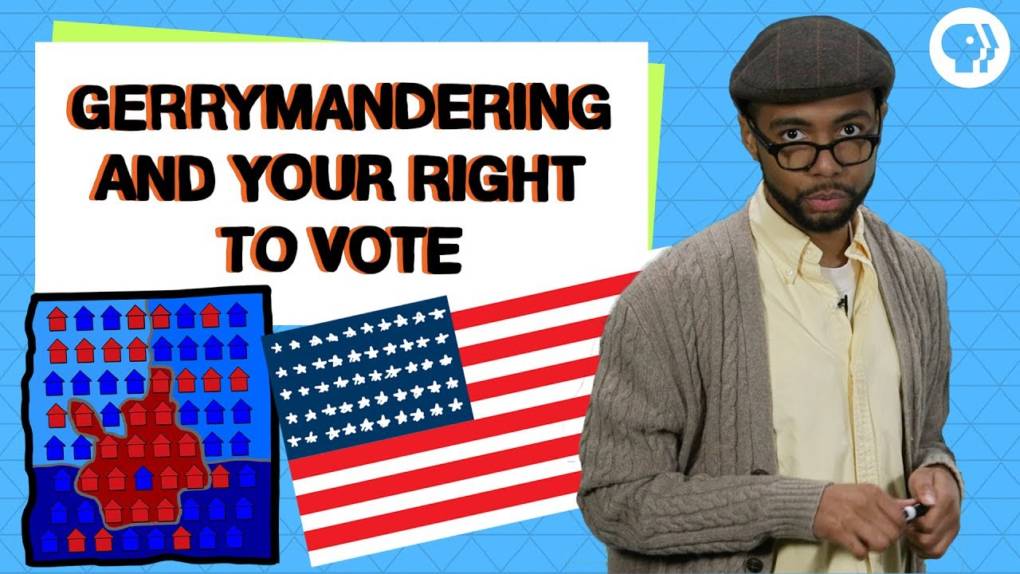
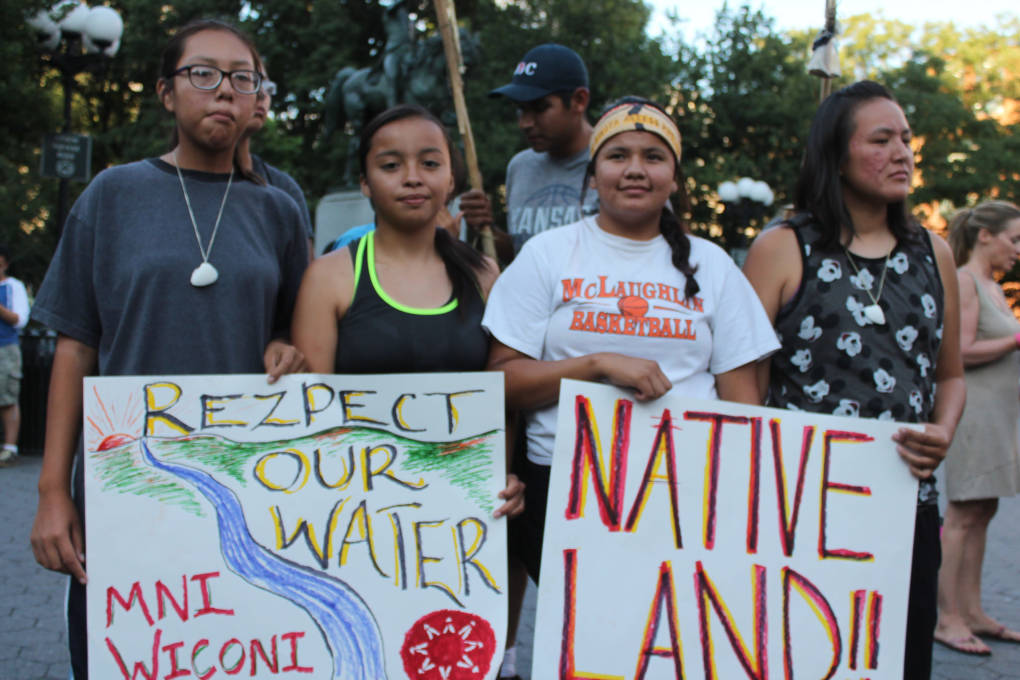
window.__IS_SSR__=true
window.__INITIAL_STATE__={
"attachmentsReducer": {
"audio_0": {
"type": "attachments",
"id": "audio_0",
"imgSizes": {
"kqedFullSize": {
"file": "https://ww2.kqed.org/news/wp-content/themes/KQED-unified/img/audio_bgs/background0.jpg"
}
}
},
"audio_1": {
"type": "attachments",
"id": "audio_1",
"imgSizes": {
"kqedFullSize": {
"file": "https://ww2.kqed.org/news/wp-content/themes/KQED-unified/img/audio_bgs/background1.jpg"
}
}
},
"audio_2": {
"type": "attachments",
"id": "audio_2",
"imgSizes": {
"kqedFullSize": {
"file": "https://ww2.kqed.org/news/wp-content/themes/KQED-unified/img/audio_bgs/background2.jpg"
}
}
},
"audio_3": {
"type": "attachments",
"id": "audio_3",
"imgSizes": {
"kqedFullSize": {
"file": "https://ww2.kqed.org/news/wp-content/themes/KQED-unified/img/audio_bgs/background3.jpg"
}
}
},
"audio_4": {
"type": "attachments",
"id": "audio_4",
"imgSizes": {
"kqedFullSize": {
"file": "https://ww2.kqed.org/news/wp-content/themes/KQED-unified/img/audio_bgs/background4.jpg"
}
}
},
"placeholder": {
"type": "attachments",
"id": "placeholder",
"imgSizes": {
"thumbnail": {
"file": "https://cdn.kqed.org/wp-content/uploads/2024/12/KQED-Default-Image-816638274-2000x1333-1-160x107.jpg",
"width": 160,
"height": 107,
"mimeType": "image/jpeg"
},
"medium": {
"file": "https://cdn.kqed.org/wp-content/uploads/2024/12/KQED-Default-Image-816638274-2000x1333-1-800x533.jpg",
"width": 800,
"height": 533,
"mimeType": "image/jpeg"
},
"medium_large": {
"file": "https://cdn.kqed.org/wp-content/uploads/2024/12/KQED-Default-Image-816638274-2000x1333-1-768x512.jpg",
"width": 768,
"height": 512,
"mimeType": "image/jpeg"
},
"large": {
"file": "https://cdn.kqed.org/wp-content/uploads/2024/12/KQED-Default-Image-816638274-2000x1333-1-1020x680.jpg",
"width": 1020,
"height": 680,
"mimeType": "image/jpeg"
},
"1536x1536": {
"file": "https://cdn.kqed.org/wp-content/uploads/2024/12/KQED-Default-Image-816638274-2000x1333-1-1536x1024.jpg",
"width": 1536,
"height": 1024,
"mimeType": "image/jpeg"
},
"fd-lrg": {
"file": "https://cdn.kqed.org/wp-content/uploads/2024/12/KQED-Default-Image-816638274-2000x1333-1-1536x1024.jpg",
"width": 1536,
"height": 1024,
"mimeType": "image/jpeg"
},
"fd-med": {
"file": "https://cdn.kqed.org/wp-content/uploads/2024/12/KQED-Default-Image-816638274-2000x1333-1-1020x680.jpg",
"width": 1020,
"height": 680,
"mimeType": "image/jpeg"
},
"fd-sm": {
"file": "https://cdn.kqed.org/wp-content/uploads/2024/12/KQED-Default-Image-816638274-2000x1333-1-800x533.jpg",
"width": 800,
"height": 533,
"mimeType": "image/jpeg"
},
"post-thumbnail": {
"file": "https://cdn.kqed.org/wp-content/uploads/2024/12/KQED-Default-Image-816638274-2000x1333-1-672x372.jpg",
"width": 672,
"height": 372,
"mimeType": "image/jpeg"
},
"twentyfourteen-full-width": {
"file": "https://cdn.kqed.org/wp-content/uploads/2024/12/KQED-Default-Image-816638274-2000x1333-1-1038x576.jpg",
"width": 1038,
"height": 576,
"mimeType": "image/jpeg"
},
"xxsmall": {
"file": "https://cdn.kqed.org/wp-content/uploads/2024/12/KQED-Default-Image-816638274-2000x1333-1-160x107.jpg",
"width": 160,
"height": 107,
"mimeType": "image/jpeg"
},
"xsmall": {
"file": "https://cdn.kqed.org/wp-content/uploads/2024/12/KQED-Default-Image-816638274-2000x1333-1-672x372.jpg",
"width": 672,
"height": 372,
"mimeType": "image/jpeg"
},
"small": {
"file": "https://cdn.kqed.org/wp-content/uploads/2024/12/KQED-Default-Image-816638274-2000x1333-1-672x372.jpg",
"width": 672,
"height": 372,
"mimeType": "image/jpeg"
},
"xlarge": {
"file": "https://cdn.kqed.org/wp-content/uploads/2024/12/KQED-Default-Image-816638274-2000x1333-1-1020x680.jpg",
"width": 1020,
"height": 680,
"mimeType": "image/jpeg"
},
"full-width": {
"file": "https://cdn.kqed.org/wp-content/uploads/2024/12/KQED-Default-Image-816638274-2000x1333-1-1920x1280.jpg",
"width": 1920,
"height": 1280,
"mimeType": "image/jpeg"
},
"guest-author-32": {
"file": "https://cdn.kqed.org/wp-content/uploads/2025/01/KQED-Default-Image-816638274-1333x1333-1-160x160.jpg",
"width": 32,
"height": 32,
"mimeType": "image/jpeg"
},
"guest-author-50": {
"file": "https://cdn.kqed.org/wp-content/uploads/2025/01/KQED-Default-Image-816638274-1333x1333-1-160x160.jpg",
"width": 50,
"height": 50,
"mimeType": "image/jpeg"
},
"guest-author-64": {
"file": "https://cdn.kqed.org/wp-content/uploads/2025/01/KQED-Default-Image-816638274-1333x1333-1-160x160.jpg",
"width": 64,
"height": 64,
"mimeType": "image/jpeg"
},
"guest-author-96": {
"file": "https://cdn.kqed.org/wp-content/uploads/2025/01/KQED-Default-Image-816638274-1333x1333-1-160x160.jpg",
"width": 96,
"height": 96,
"mimeType": "image/jpeg"
},
"guest-author-128": {
"file": "https://cdn.kqed.org/wp-content/uploads/2025/01/KQED-Default-Image-816638274-1333x1333-1-160x160.jpg",
"width": 128,
"height": 128,
"mimeType": "image/jpeg"
},
"detail": {
"file": "https://cdn.kqed.org/wp-content/uploads/2025/01/KQED-Default-Image-816638274-1333x1333-1-160x160.jpg",
"width": 160,
"height": 160,
"mimeType": "image/jpeg"
},
"kqedFullSize": {
"file": "https://cdn.kqed.org/wp-content/uploads/2024/12/KQED-Default-Image-816638274-2000x1333-1.jpg",
"width": 2000,
"height": 1333
}
}
},
"lowdown_30301": {
"type": "attachments",
"id": "lowdown_30301",
"meta": {
"index": "attachments_1716263798",
"site": "lowdown",
"id": "30301",
"found": true
},
"parent": 26074,
"imgSizes": {
"small": {
"file": "https://ww2.kqed.org/app/uploads/sites/26/2017/06/maxresdefault-2-520x293.jpg",
"width": 520,
"mimeType": "image/jpeg",
"height": 293
},
"twentyfourteen-full-width": {
"file": "https://ww2.kqed.org/app/uploads/sites/26/2017/06/maxresdefault-2-1038x576.jpg",
"width": 1038,
"mimeType": "image/jpeg",
"height": 576
},
"thumbnail": {
"file": "https://ww2.kqed.org/app/uploads/sites/26/2017/06/maxresdefault-2-160x90.jpg",
"width": 160,
"mimeType": "image/jpeg",
"height": 90
},
"fd-sm": {
"file": "https://ww2.kqed.org/app/uploads/sites/26/2017/06/maxresdefault-2-960x540.jpg",
"width": 960,
"mimeType": "image/jpeg",
"height": 540
},
"post-thumbnail": {
"file": "https://ww2.kqed.org/app/uploads/sites/26/2017/06/maxresdefault-2-672x372.jpg",
"width": 672,
"mimeType": "image/jpeg",
"height": 372
},
"xsmall": {
"file": "https://ww2.kqed.org/app/uploads/sites/26/2017/06/maxresdefault-2-375x211.jpg",
"width": 375,
"mimeType": "image/jpeg",
"height": 211
},
"kqedFullSize": {
"file": "https://ww2.kqed.org/app/uploads/sites/26/2017/06/maxresdefault-2.jpg",
"width": 1280,
"height": 720
},
"large": {
"file": "https://ww2.kqed.org/app/uploads/sites/26/2017/06/maxresdefault-2-1020x574.jpg",
"width": 1020,
"mimeType": "image/jpeg",
"height": 574
},
"xlarge": {
"file": "https://ww2.kqed.org/app/uploads/sites/26/2017/06/maxresdefault-2-1180x664.jpg",
"width": 1180,
"mimeType": "image/jpeg",
"height": 664
},
"guest-author-50": {
"file": "https://ww2.kqed.org/app/uploads/sites/26/2017/06/maxresdefault-2-50x50.jpg",
"width": 50,
"mimeType": "image/jpeg",
"height": 50
},
"guest-author-96": {
"file": "https://ww2.kqed.org/app/uploads/sites/26/2017/06/maxresdefault-2-96x96.jpg",
"width": 96,
"mimeType": "image/jpeg",
"height": 96
},
"medium": {
"file": "https://ww2.kqed.org/app/uploads/sites/26/2017/06/maxresdefault-2-800x450.jpg",
"width": 800,
"mimeType": "image/jpeg",
"height": 450
},
"guest-author-64": {
"file": "https://ww2.kqed.org/app/uploads/sites/26/2017/06/maxresdefault-2-64x64.jpg",
"width": 64,
"mimeType": "image/jpeg",
"height": 64
},
"guest-author-32": {
"file": "https://ww2.kqed.org/app/uploads/sites/26/2017/06/maxresdefault-2-32x32.jpg",
"width": 32,
"mimeType": "image/jpeg",
"height": 32
},
"fd-med": {
"file": "https://ww2.kqed.org/app/uploads/sites/26/2017/06/maxresdefault-2-1180x664.jpg",
"width": 1180,
"mimeType": "image/jpeg",
"height": 664
},
"detail": {
"file": "https://ww2.kqed.org/app/uploads/sites/26/2017/06/maxresdefault-2-150x150.jpg",
"width": 150,
"mimeType": "image/jpeg",
"height": 150
},
"medium_large": {
"file": "https://ww2.kqed.org/app/uploads/sites/26/2017/06/maxresdefault-2-768x432.jpg",
"width": 768,
"mimeType": "image/jpeg",
"height": 432
},
"guest-author-128": {
"file": "https://ww2.kqed.org/app/uploads/sites/26/2017/06/maxresdefault-2-128x128.jpg",
"width": 128,
"mimeType": "image/jpeg",
"height": 128
},
"xxsmall": {
"file": "https://ww2.kqed.org/app/uploads/sites/26/2017/06/maxresdefault-2-240x135.jpg",
"width": 240,
"mimeType": "image/jpeg",
"height": 135
}
},
"publishDate": 1520018494,
"modified": 1520018494,
"caption": null,
"description": null,
"title": "maxresdefault (2)",
"credit": null,
"status": "inherit",
"isLoading": false,
"fetchFailed": false
},
"education_510706": {
"type": "attachments",
"id": "education_510706",
"meta": {
"index": "attachments_1716263798",
"site": "education",
"id": "510706",
"found": true
},
"parent": 510705,
"imgSizes": {
"small": {
"file": "https://ww2.kqed.org/app/uploads/sites/38/2017/06/510705-thumb-520x311.png",
"width": 520,
"mimeType": "image/png",
"height": 311
},
"thumbnail": {
"file": "https://ww2.kqed.org/app/uploads/sites/38/2017/06/510705-thumb-160x96.png",
"width": 160,
"mimeType": "image/png",
"height": 96
},
"xsmall": {
"file": "https://ww2.kqed.org/app/uploads/sites/38/2017/06/510705-thumb-375x224.png",
"width": 375,
"mimeType": "image/png",
"height": 224
},
"kqedFullSize": {
"file": "https://ww2.kqed.org/app/uploads/sites/38/2017/06/510705-thumb.png",
"width": 565,
"height": 338
},
"guest-author-50": {
"file": "https://ww2.kqed.org/app/uploads/sites/38/2017/06/510705-thumb-50x50.png",
"width": 50,
"mimeType": "image/png",
"height": 50
},
"guest-author-96": {
"file": "https://ww2.kqed.org/app/uploads/sites/38/2017/06/510705-thumb-96x96.png",
"width": 96,
"mimeType": "image/png",
"height": 96
},
"guest-author-64": {
"file": "https://ww2.kqed.org/app/uploads/sites/38/2017/06/510705-thumb-64x64.png",
"width": 64,
"mimeType": "image/png",
"height": 64
},
"detail": {
"file": "https://ww2.kqed.org/app/uploads/sites/38/2017/06/510705-thumb-150x150.png",
"width": 150,
"mimeType": "image/png",
"height": 150
},
"guest-author-32": {
"file": "https://ww2.kqed.org/app/uploads/sites/38/2017/06/510705-thumb-32x32.png",
"width": 32,
"mimeType": "image/png",
"height": 32
},
"guest-author-128": {
"file": "https://ww2.kqed.org/app/uploads/sites/38/2017/06/510705-thumb-128x128.png",
"width": 128,
"mimeType": "image/png",
"height": 128
},
"xxsmall": {
"file": "https://ww2.kqed.org/app/uploads/sites/38/2017/06/510705-thumb-240x144.png",
"width": 240,
"mimeType": "image/png",
"height": 144
}
},
"publishDate": 1496708017,
"modified": 1496708017,
"caption": null,
"description": null,
"title": "Thumbnail for 510705",
"credit": null,
"status": "inherit",
"isLoading": false,
"fetchFailed": false
},
"lowdown_26662": {
"type": "attachments",
"id": "lowdown_26662",
"meta": {
"index": "attachments_1716263798",
"site": "lowdown",
"id": "26662",
"found": true
},
"parent": 26657,
"imgSizes": {
"small": {
"file": "https://ww2.kqed.org/app/uploads/sites/26/2017/04/609068main_earth-temperatureFull-520x292.jpeg",
"width": 520,
"mimeType": "image/jpeg",
"height": 292
},
"twentyfourteen-full-width": {
"file": "https://ww2.kqed.org/app/uploads/sites/26/2017/04/609068main_earth-temperatureFull-1038x576.jpeg",
"width": 1038,
"mimeType": "image/jpeg",
"height": 576
},
"thumbnail": {
"file": "https://ww2.kqed.org/app/uploads/sites/26/2017/04/609068main_earth-temperatureFull-160x90.jpeg",
"width": 160,
"mimeType": "image/jpeg",
"height": 90
},
"fd-sm": {
"file": "https://ww2.kqed.org/app/uploads/sites/26/2017/04/609068main_earth-temperatureFull-960x539.jpeg",
"width": 960,
"mimeType": "image/jpeg",
"height": 539
},
"post-thumbnail": {
"file": "https://ww2.kqed.org/app/uploads/sites/26/2017/04/609068main_earth-temperatureFull-672x372.jpeg",
"width": 672,
"mimeType": "image/jpeg",
"height": 372
},
"xsmall": {
"file": "https://ww2.kqed.org/app/uploads/sites/26/2017/04/609068main_earth-temperatureFull-375x211.jpeg",
"width": 375,
"mimeType": "image/jpeg",
"height": 211
},
"kqedFullSize": {
"file": "https://ww2.kqed.org/app/uploads/sites/26/2017/04/609068main_earth-temperatureFull.jpeg",
"width": 1134,
"height": 637
},
"large": {
"file": "https://ww2.kqed.org/app/uploads/sites/26/2017/04/609068main_earth-temperatureFull-1020x573.jpeg",
"width": 1020,
"mimeType": "image/jpeg",
"height": 573
},
"guest-author-50": {
"file": "https://ww2.kqed.org/app/uploads/sites/26/2017/04/609068main_earth-temperatureFull-50x50.jpeg",
"width": 50,
"mimeType": "image/jpeg",
"height": 50
},
"guest-author-96": {
"file": "https://ww2.kqed.org/app/uploads/sites/26/2017/04/609068main_earth-temperatureFull-96x96.jpeg",
"width": 96,
"mimeType": "image/jpeg",
"height": 96
},
"medium": {
"file": "https://ww2.kqed.org/app/uploads/sites/26/2017/04/609068main_earth-temperatureFull-800x449.jpeg",
"width": 800,
"mimeType": "image/jpeg",
"height": 449
},
"guest-author-64": {
"file": "https://ww2.kqed.org/app/uploads/sites/26/2017/04/609068main_earth-temperatureFull-64x64.jpeg",
"width": 64,
"mimeType": "image/jpeg",
"height": 64
},
"guest-author-32": {
"file": "https://ww2.kqed.org/app/uploads/sites/26/2017/04/609068main_earth-temperatureFull-32x32.jpeg",
"width": 32,
"mimeType": "image/jpeg",
"height": 32
},
"detail": {
"file": "https://ww2.kqed.org/app/uploads/sites/26/2017/04/609068main_earth-temperatureFull-150x150.jpeg",
"width": 150,
"mimeType": "image/jpeg",
"height": 150
},
"medium_large": {
"file": "https://ww2.kqed.org/app/uploads/sites/26/2017/04/609068main_earth-temperatureFull-768x431.jpeg",
"width": 768,
"mimeType": "image/jpeg",
"height": 431
},
"guest-author-128": {
"file": "https://ww2.kqed.org/app/uploads/sites/26/2017/04/609068main_earth-temperatureFull-128x128.jpeg",
"width": 128,
"mimeType": "image/jpeg",
"height": 128
},
"xxsmall": {
"file": "https://ww2.kqed.org/app/uploads/sites/26/2017/04/609068main_earth-temperatureFull-240x135.jpeg",
"width": 240,
"mimeType": "image/jpeg",
"height": 135
}
},
"publishDate": 1492754063,
"modified": 1492754087,
"caption": null,
"description": null,
"title": "609068main_earth-temperatureFull",
"credit": "NASA",
"status": "inherit",
"isLoading": false,
"fetchFailed": false
},
"lowdown_27204": {
"type": "attachments",
"id": "lowdown_27204",
"meta": {
"index": "attachments_1716263798",
"site": "lowdown",
"id": "27204",
"found": true
},
"parent": 27199,
"imgSizes": {
"small": {
"file": "https://ww2.kqed.org/app/uploads/sites/26/2017/06/RISK-ASSESSMENT_THUMBNAIL1-520x293.jpg",
"width": 520,
"mimeType": "image/jpeg",
"height": 293
},
"twentyfourteen-full-width": {
"file": "https://ww2.kqed.org/app/uploads/sites/26/2017/06/RISK-ASSESSMENT_THUMBNAIL1-1038x576.jpg",
"width": 1038,
"mimeType": "image/jpeg",
"height": 576
},
"thumbnail": {
"file": "https://ww2.kqed.org/app/uploads/sites/26/2017/06/RISK-ASSESSMENT_THUMBNAIL1-160x90.jpg",
"width": 160,
"mimeType": "image/jpeg",
"height": 90
},
"fd-sm": {
"file": "https://ww2.kqed.org/app/uploads/sites/26/2017/06/RISK-ASSESSMENT_THUMBNAIL1-960x540.jpg",
"width": 960,
"mimeType": "image/jpeg",
"height": 540
},
"post-thumbnail": {
"file": "https://ww2.kqed.org/app/uploads/sites/26/2017/06/RISK-ASSESSMENT_THUMBNAIL1-672x372.jpg",
"width": 672,
"mimeType": "image/jpeg",
"height": 372
},
"xsmall": {
"file": "https://ww2.kqed.org/app/uploads/sites/26/2017/06/RISK-ASSESSMENT_THUMBNAIL1-375x211.jpg",
"width": 375,
"mimeType": "image/jpeg",
"height": 211
},
"kqedFullSize": {
"file": "https://ww2.kqed.org/app/uploads/sites/26/2017/06/RISK-ASSESSMENT_THUMBNAIL1.jpg",
"width": 1920,
"height": 1080
},
"large": {
"file": "https://ww2.kqed.org/app/uploads/sites/26/2017/06/RISK-ASSESSMENT_THUMBNAIL1-1020x574.jpg",
"width": 1020,
"mimeType": "image/jpeg",
"height": 574
},
"xlarge": {
"file": "https://ww2.kqed.org/app/uploads/sites/26/2017/06/RISK-ASSESSMENT_THUMBNAIL1-1180x664.jpg",
"width": 1180,
"mimeType": "image/jpeg",
"height": 664
},
"guest-author-50": {
"file": "https://ww2.kqed.org/app/uploads/sites/26/2017/06/RISK-ASSESSMENT_THUMBNAIL1-50x50.jpg",
"width": 50,
"mimeType": "image/jpeg",
"height": 50
},
"guest-author-96": {
"file": "https://ww2.kqed.org/app/uploads/sites/26/2017/06/RISK-ASSESSMENT_THUMBNAIL1-96x96.jpg",
"width": 96,
"mimeType": "image/jpeg",
"height": 96
},
"medium": {
"file": "https://ww2.kqed.org/app/uploads/sites/26/2017/06/RISK-ASSESSMENT_THUMBNAIL1-800x450.jpg",
"width": 800,
"mimeType": "image/jpeg",
"height": 450
},
"guest-author-64": {
"file": "https://ww2.kqed.org/app/uploads/sites/26/2017/06/RISK-ASSESSMENT_THUMBNAIL1-64x64.jpg",
"width": 64,
"mimeType": "image/jpeg",
"height": 64
},
"guest-author-32": {
"file": "https://ww2.kqed.org/app/uploads/sites/26/2017/06/RISK-ASSESSMENT_THUMBNAIL1-32x32.jpg",
"width": 32,
"mimeType": "image/jpeg",
"height": 32
},
"fd-lrg": {
"file": "https://ww2.kqed.org/app/uploads/sites/26/2017/06/RISK-ASSESSMENT_THUMBNAIL1-1920x1080.jpg",
"width": 1920,
"mimeType": "image/jpeg",
"height": 1080
},
"fd-med": {
"file": "https://ww2.kqed.org/app/uploads/sites/26/2017/06/RISK-ASSESSMENT_THUMBNAIL1-1180x664.jpg",
"width": 1180,
"mimeType": "image/jpeg",
"height": 664
},
"full-width": {
"file": "https://ww2.kqed.org/app/uploads/sites/26/2017/06/RISK-ASSESSMENT_THUMBNAIL1-1920x1080.jpg",
"width": 1920,
"mimeType": "image/jpeg",
"height": 1080
},
"detail": {
"file": "https://ww2.kqed.org/app/uploads/sites/26/2017/06/RISK-ASSESSMENT_THUMBNAIL1-150x150.jpg",
"width": 150,
"mimeType": "image/jpeg",
"height": 150
},
"medium_large": {
"file": "https://ww2.kqed.org/app/uploads/sites/26/2017/06/RISK-ASSESSMENT_THUMBNAIL1-768x432.jpg",
"width": 768,
"mimeType": "image/jpeg",
"height": 432
},
"guest-author-128": {
"file": "https://ww2.kqed.org/app/uploads/sites/26/2017/06/RISK-ASSESSMENT_THUMBNAIL1-128x128.jpg",
"width": 128,
"mimeType": "image/jpeg",
"height": 128
},
"xxsmall": {
"file": "https://ww2.kqed.org/app/uploads/sites/26/2017/06/RISK-ASSESSMENT_THUMBNAIL1-240x135.jpg",
"width": 240,
"mimeType": "image/jpeg",
"height": 135
}
},
"publishDate": 1496362543,
"modified": 1496362543,
"caption": null,
"description": null,
"title": "RISK ASSESSMENT_THUMBNAIL1",
"credit": null,
"status": "inherit",
"isLoading": false,
"fetchFailed": false
},
"lowdown_27144": {
"type": "attachments",
"id": "lowdown_27144",
"meta": {
"index": "attachments_1716263798",
"site": "lowdown",
"id": "27144",
"found": true
},
"parent": 27124,
"imgSizes": {
"small": {
"file": "https://ww2.kqed.org/app/uploads/sites/26/2017/05/Marvin-Mutch-landing-page-photo-w-logo2-2-520x293.jpeg",
"width": 520,
"mimeType": "image/jpeg",
"height": 293
},
"twentyfourteen-full-width": {
"file": "https://ww2.kqed.org/app/uploads/sites/26/2017/05/Marvin-Mutch-landing-page-photo-w-logo2-2-1038x576.jpeg",
"width": 1038,
"mimeType": "image/jpeg",
"height": 576
},
"thumbnail": {
"file": "https://ww2.kqed.org/app/uploads/sites/26/2017/05/Marvin-Mutch-landing-page-photo-w-logo2-2-160x90.jpeg",
"width": 160,
"mimeType": "image/jpeg",
"height": 90
},
"fd-sm": {
"file": "https://ww2.kqed.org/app/uploads/sites/26/2017/05/Marvin-Mutch-landing-page-photo-w-logo2-2-960x540.jpeg",
"width": 960,
"mimeType": "image/jpeg",
"height": 540
},
"post-thumbnail": {
"file": "https://ww2.kqed.org/app/uploads/sites/26/2017/05/Marvin-Mutch-landing-page-photo-w-logo2-2-672x372.jpeg",
"width": 672,
"mimeType": "image/jpeg",
"height": 372
},
"xsmall": {
"file": "https://ww2.kqed.org/app/uploads/sites/26/2017/05/Marvin-Mutch-landing-page-photo-w-logo2-2-375x211.jpeg",
"width": 375,
"mimeType": "image/jpeg",
"height": 211
},
"kqedFullSize": {
"file": "https://ww2.kqed.org/app/uploads/sites/26/2017/05/Marvin-Mutch-landing-page-photo-w-logo2-2.jpeg",
"width": 1920,
"height": 1080
},
"large": {
"file": "https://ww2.kqed.org/app/uploads/sites/26/2017/05/Marvin-Mutch-landing-page-photo-w-logo2-2-1020x574.jpeg",
"width": 1020,
"mimeType": "image/jpeg",
"height": 574
},
"xlarge": {
"file": "https://ww2.kqed.org/app/uploads/sites/26/2017/05/Marvin-Mutch-landing-page-photo-w-logo2-2-1180x664.jpeg",
"width": 1180,
"mimeType": "image/jpeg",
"height": 664
},
"guest-author-50": {
"file": "https://ww2.kqed.org/app/uploads/sites/26/2017/05/Marvin-Mutch-landing-page-photo-w-logo2-2-50x50.jpeg",
"width": 50,
"mimeType": "image/jpeg",
"height": 50
},
"guest-author-96": {
"file": "https://ww2.kqed.org/app/uploads/sites/26/2017/05/Marvin-Mutch-landing-page-photo-w-logo2-2-96x96.jpeg",
"width": 96,
"mimeType": "image/jpeg",
"height": 96
},
"medium": {
"file": "https://ww2.kqed.org/app/uploads/sites/26/2017/05/Marvin-Mutch-landing-page-photo-w-logo2-2-800x450.jpeg",
"width": 800,
"mimeType": "image/jpeg",
"height": 450
},
"guest-author-64": {
"file": "https://ww2.kqed.org/app/uploads/sites/26/2017/05/Marvin-Mutch-landing-page-photo-w-logo2-2-64x64.jpeg",
"width": 64,
"mimeType": "image/jpeg",
"height": 64
},
"guest-author-32": {
"file": "https://ww2.kqed.org/app/uploads/sites/26/2017/05/Marvin-Mutch-landing-page-photo-w-logo2-2-32x32.jpeg",
"width": 32,
"mimeType": "image/jpeg",
"height": 32
},
"fd-lrg": {
"file": "https://ww2.kqed.org/app/uploads/sites/26/2017/05/Marvin-Mutch-landing-page-photo-w-logo2-2-1920x1080.jpeg",
"width": 1920,
"mimeType": "image/jpeg",
"height": 1080
},
"fd-med": {
"file": "https://ww2.kqed.org/app/uploads/sites/26/2017/05/Marvin-Mutch-landing-page-photo-w-logo2-2-1180x664.jpeg",
"width": 1180,
"mimeType": "image/jpeg",
"height": 664
},
"full-width": {
"file": "https://ww2.kqed.org/app/uploads/sites/26/2017/05/Marvin-Mutch-landing-page-photo-w-logo2-2-1920x1080.jpeg",
"width": 1920,
"mimeType": "image/jpeg",
"height": 1080
},
"detail": {
"file": "https://ww2.kqed.org/app/uploads/sites/26/2017/05/Marvin-Mutch-landing-page-photo-w-logo2-2-150x150.jpeg",
"width": 150,
"mimeType": "image/jpeg",
"height": 150
},
"medium_large": {
"file": "https://ww2.kqed.org/app/uploads/sites/26/2017/05/Marvin-Mutch-landing-page-photo-w-logo2-2-768x432.jpeg",
"width": 768,
"mimeType": "image/jpeg",
"height": 432
},
"guest-author-128": {
"file": "https://ww2.kqed.org/app/uploads/sites/26/2017/05/Marvin-Mutch-landing-page-photo-w-logo2-2-128x128.jpeg",
"width": 128,
"mimeType": "image/jpeg",
"height": 128
},
"xxsmall": {
"file": "https://ww2.kqed.org/app/uploads/sites/26/2017/05/Marvin-Mutch-landing-page-photo-w-logo2-2-240x135.jpeg",
"width": 240,
"mimeType": "image/jpeg",
"height": 135
}
},
"publishDate": 1496211312,
"modified": 1496211312,
"caption": null,
"description": null,
"title": "Marvin-Mutch-landing-page-photo-w-logo2-2",
"credit": null,
"status": "inherit",
"isLoading": false,
"fetchFailed": false
},
"lowdown_22225": {
"type": "attachments",
"id": "lowdown_22225",
"meta": {
"index": "attachments_1716263798",
"site": "lowdown",
"id": "22225",
"found": true
},
"parent": 22209,
"imgSizes": {
"thumbnail": {
"file": "https://ww2.kqed.org/app/uploads/sites/26/2016/05/army-400x266.jpg",
"width": 400,
"mimeType": "image/jpeg",
"height": 266
},
"post-thumbnail": {
"file": "https://ww2.kqed.org/app/uploads/sites/26/2016/05/army-640x372.jpg",
"width": 640,
"mimeType": "image/jpeg",
"height": 372
},
"kqedFullSize": {
"file": "https://ww2.kqed.org/app/uploads/sites/26/2016/05/army.jpg",
"width": 640,
"height": 425
},
"guest-author-50": {
"file": "https://ww2.kqed.org/app/uploads/sites/26/2016/05/army-50x50.jpg",
"width": 50,
"mimeType": "image/jpeg",
"height": 50
},
"guest-author-96": {
"file": "https://ww2.kqed.org/app/uploads/sites/26/2016/05/army-96x96.jpg",
"width": 96,
"mimeType": "image/jpeg",
"height": 96
},
"guest-author-64": {
"file": "https://ww2.kqed.org/app/uploads/sites/26/2016/05/army-64x64.jpg",
"width": 64,
"mimeType": "image/jpeg",
"height": 64
},
"detail": {
"file": "https://ww2.kqed.org/app/uploads/sites/26/2016/05/army-150x150.jpg",
"width": 150,
"mimeType": "image/jpeg",
"height": 150
},
"guest-author-32": {
"file": "https://ww2.kqed.org/app/uploads/sites/26/2016/05/army-32x32.jpg",
"width": 32,
"mimeType": "image/jpeg",
"height": 32
},
"guest-author-128": {
"file": "https://ww2.kqed.org/app/uploads/sites/26/2016/05/army-128x128.jpg",
"width": 128,
"mimeType": "image/jpeg",
"height": 128
}
},
"publishDate": 1464395567,
"modified": 1464395636,
"caption": "Army Pvt. Aaron Johnson places a small American flag in front of a grave during the annual \"Flags In\" event at Arlington National Cemetery in Arlington, Va.",
"description": null,
"title": "army",
"credit": "Sgt. Jose A. Torres Jr./U.S. Army",
"status": "inherit",
"isLoading": false,
"fetchFailed": false
},
"lowdown_27044": {
"type": "attachments",
"id": "lowdown_27044",
"meta": {
"index": "attachments_1716263798",
"site": "lowdown",
"id": "27044",
"found": true
},
"parent": 27023,
"imgSizes": {
"small": {
"file": "https://ww2.kqed.org/app/uploads/sites/26/2017/05/28243607073_152e75b1ca_k-520x347.jpg",
"width": 520,
"mimeType": "image/jpeg",
"height": 347
},
"twentyfourteen-full-width": {
"file": "https://ww2.kqed.org/app/uploads/sites/26/2017/05/28243607073_152e75b1ca_k-1038x576.jpg",
"width": 1038,
"mimeType": "image/jpeg",
"height": 576
},
"thumbnail": {
"file": "https://ww2.kqed.org/app/uploads/sites/26/2017/05/28243607073_152e75b1ca_k-160x107.jpg",
"width": 160,
"mimeType": "image/jpeg",
"height": 107
},
"fd-sm": {
"file": "https://ww2.kqed.org/app/uploads/sites/26/2017/05/28243607073_152e75b1ca_k-960x640.jpg",
"width": 960,
"mimeType": "image/jpeg",
"height": 640
},
"post-thumbnail": {
"file": "https://ww2.kqed.org/app/uploads/sites/26/2017/05/28243607073_152e75b1ca_k-672x372.jpg",
"width": 672,
"mimeType": "image/jpeg",
"height": 372
},
"xsmall": {
"file": "https://ww2.kqed.org/app/uploads/sites/26/2017/05/28243607073_152e75b1ca_k-375x250.jpg",
"width": 375,
"mimeType": "image/jpeg",
"height": 250
},
"kqedFullSize": {
"file": "https://ww2.kqed.org/app/uploads/sites/26/2017/05/28243607073_152e75b1ca_k.jpg",
"width": 2048,
"height": 1365
},
"large": {
"file": "https://ww2.kqed.org/app/uploads/sites/26/2017/05/28243607073_152e75b1ca_k-1020x680.jpg",
"width": 1020,
"mimeType": "image/jpeg",
"height": 680
},
"xlarge": {
"file": "https://ww2.kqed.org/app/uploads/sites/26/2017/05/28243607073_152e75b1ca_k-1180x786.jpg",
"width": 1180,
"mimeType": "image/jpeg",
"height": 786
},
"guest-author-50": {
"file": "https://ww2.kqed.org/app/uploads/sites/26/2017/05/28243607073_152e75b1ca_k-50x50.jpg",
"width": 50,
"mimeType": "image/jpeg",
"height": 50
},
"guest-author-96": {
"file": "https://ww2.kqed.org/app/uploads/sites/26/2017/05/28243607073_152e75b1ca_k-96x96.jpg",
"width": 96,
"mimeType": "image/jpeg",
"height": 96
},
"medium": {
"file": "https://ww2.kqed.org/app/uploads/sites/26/2017/05/28243607073_152e75b1ca_k-800x533.jpg",
"width": 800,
"mimeType": "image/jpeg",
"height": 533
},
"guest-author-64": {
"file": "https://ww2.kqed.org/app/uploads/sites/26/2017/05/28243607073_152e75b1ca_k-64x64.jpg",
"width": 64,
"mimeType": "image/jpeg",
"height": 64
},
"guest-author-32": {
"file": "https://ww2.kqed.org/app/uploads/sites/26/2017/05/28243607073_152e75b1ca_k-32x32.jpg",
"width": 32,
"mimeType": "image/jpeg",
"height": 32
},
"fd-lrg": {
"file": "https://ww2.kqed.org/app/uploads/sites/26/2017/05/28243607073_152e75b1ca_k-1920x1280.jpg",
"width": 1920,
"mimeType": "image/jpeg",
"height": 1280
},
"fd-med": {
"file": "https://ww2.kqed.org/app/uploads/sites/26/2017/05/28243607073_152e75b1ca_k-1180x786.jpg",
"width": 1180,
"mimeType": "image/jpeg",
"height": 786
},
"full-width": {
"file": "https://ww2.kqed.org/app/uploads/sites/26/2017/05/28243607073_152e75b1ca_k-1920x1280.jpg",
"width": 1920,
"mimeType": "image/jpeg",
"height": 1280
},
"detail": {
"file": "https://ww2.kqed.org/app/uploads/sites/26/2017/05/28243607073_152e75b1ca_k-150x150.jpg",
"width": 150,
"mimeType": "image/jpeg",
"height": 150
},
"medium_large": {
"file": "https://ww2.kqed.org/app/uploads/sites/26/2017/05/28243607073_152e75b1ca_k-768x512.jpg",
"width": 768,
"mimeType": "image/jpeg",
"height": 512
},
"guest-author-128": {
"file": "https://ww2.kqed.org/app/uploads/sites/26/2017/05/28243607073_152e75b1ca_k-128x128.jpg",
"width": 128,
"mimeType": "image/jpeg",
"height": 128
},
"xxsmall": {
"file": "https://ww2.kqed.org/app/uploads/sites/26/2017/05/28243607073_152e75b1ca_k-240x160.jpg",
"width": 240,
"mimeType": "image/jpeg",
"height": 160
}
},
"publishDate": 1495581768,
"modified": 1495581862,
"caption": "Native youth activists at a protest last summer in New York. ",
"description": null,
"title": "28243607073_152e75b1ca_k",
"credit": "\u003ca href=\"https://www.flickr.com/photos/joegaza/28243607073\" target=\"_blank\">Joe Catron/Flickr\u003c/a>",
"status": "inherit",
"isLoading": false,
"fetchFailed": false
}
},
"audioPlayerReducer": {
"postId": "stream_live",
"isPaused": true,
"isPlaying": false,
"pfsActive": false,
"pledgeModalIsOpen": true,
"playerDrawerIsOpen": false,
"liveAudioPlayStartedAt": 0,
"liveAudioPlayContext": ""
},
"authorsReducer": {
"matthewgreen": {
"type": "authors",
"id": "1263",
"meta": {
"index": "authors_1716337520",
"id": "1263",
"found": true
},
"name": "Matthew Green",
"firstName": "Matthew",
"lastName": "Green",
"slug": "matthewgreen",
"email": "mgreen@kqed.org",
"display_author_email": false,
"staff_mastheads": [],
"title": "KQED Editor/Reporter",
"bio": "Matthew Green is a digital media producer for KQED News. He previously produced \u003ca href=\"http://www.kqed.org/lowdown\">The Lowdown\u003c/a>, KQED’s multimedia news education blog. Matthew's written for numerous Bay Area publications, including the Oakland Tribune and San Francisco Chronicle. He also taught journalism classes at Fremont High School in East Oakland.\r\n\r\nEmail: mgreen@kqed.org; Twitter: @MGreenKQED",
"avatar": "https://secure.gravatar.com/avatar/3bf498d1267ca02c8494f33d8cfc575e?s=600&d=blank&r=g",
"twitter": "MGreenKQED",
"facebook": null,
"instagram": null,
"linkedin": null,
"sites": [
{
"site": "news",
"roles": []
},
{
"site": "lowdown",
"roles": []
},
{
"site": "science",
"roles": []
},
{
"site": "education",
"roles": []
},
{
"site": "quest",
"roles": []
},
{
"site": "liveblog",
"roles": []
}
],
"headData": {
"title": "Matthew Green | KQED",
"description": "KQED Editor/Reporter",
"ogImgSrc": "https://secure.gravatar.com/avatar/3bf498d1267ca02c8494f33d8cfc575e?s=600&d=blank&r=g",
"twImgSrc": "https://secure.gravatar.com/avatar/3bf498d1267ca02c8494f33d8cfc575e?s=600&d=blank&r=g"
},
"isLoading": false,
"link": "/author/matthewgreen"
},
"lfarrar": {
"type": "authors",
"id": "6544",
"meta": {
"index": "authors_1716337520",
"id": "6544",
"found": true
},
"name": "Lauren Farrar",
"firstName": "Lauren",
"lastName": "Farrar",
"slug": "lfarrar",
"email": "lfarrar@kqed.org",
"display_author_email": false,
"staff_mastheads": [],
"title": "KQED Contributor",
"bio": "Lauren has a background in biology, education, and filmmaking. She has had the privilege to work on a diverse array of educational endeavors and is currently a producer for KQED Learning's YouTube series \u003cem>Above the Noise\u003c/em>. Lauren's career has taken her to the deepest parts of the ocean to film deep sea hydrothermal vents for classroom webcasts, into the pool to film synchronized swimmers to teach about the pH scale, and on roller coasters to create a video about activation energy. And, she’s done it all for the sake of education. Lauren loves communicating science! Follow her on twitter @LFarrarAtWork",
"avatar": "https://secure.gravatar.com/avatar/580c4ece9fa0756ef42202cdcf4146d1?s=600&d=blank&r=g",
"twitter": null,
"facebook": null,
"instagram": null,
"linkedin": null,
"sites": [
{
"site": "news",
"roles": []
},
{
"site": "lowdown",
"roles": []
},
{
"site": "education",
"roles": []
},
{
"site": "quest",
"roles": []
}
],
"headData": {
"title": "Lauren Farrar | KQED",
"description": "KQED Contributor",
"ogImgSrc": "https://secure.gravatar.com/avatar/580c4ece9fa0756ef42202cdcf4146d1?s=600&d=blank&r=g",
"twImgSrc": "https://secure.gravatar.com/avatar/580c4ece9fa0756ef42202cdcf4146d1?s=600&d=blank&r=g"
},
"isLoading": false,
"link": "/author/lfarrar"
},
"rroberson": {
"type": "authors",
"id": "11274",
"meta": {
"index": "authors_1716337520",
"id": "11274",
"found": true
},
"name": "Rachel Roberson",
"firstName": "Rachel",
"lastName": "Roberson",
"slug": "rroberson",
"email": "rroberson@kqed.org",
"display_author_email": false,
"staff_mastheads": [],
"title": null,
"bio": "Rachel Roberson is KQED's news education manager. Previously, she was a reading, writing and social studies teacher leader on three continents, having served on the founding staff of KIPP Bayview Academy in San Francisco before moving to schools in Abu Dhabi and Austin, Texas. She started her teaching career as a Peace Corps volunteer in Cameroon. Before she was a teacher, Rachel was a journalist in the East Bay.",
"avatar": "https://secure.gravatar.com/avatar/d0516373a400e4059f65bd29bc026a20?s=600&d=mm&r=g",
"twitter": null,
"facebook": null,
"instagram": null,
"linkedin": null,
"sites": [
{
"site": "news",
"roles": [
"editor"
]
},
{
"site": "lowdown",
"roles": [
"editor"
]
},
{
"site": "stateofhealth",
"roles": [
"editor"
]
},
{
"site": "science",
"roles": [
"editor"
]
},
{
"site": "education",
"roles": [
"editor"
]
},
{
"site": "perspectives",
"roles": [
"editor"
]
},
{
"site": "youthmedia",
"roles": [
"editor"
]
}
],
"headData": {
"title": "Rachel Roberson | KQED",
"description": null,
"ogImgSrc": "https://secure.gravatar.com/avatar/d0516373a400e4059f65bd29bc026a20?s=600&d=mm&r=g",
"twImgSrc": "https://secure.gravatar.com/avatar/d0516373a400e4059f65bd29bc026a20?s=600&d=mm&r=g"
},
"isLoading": false,
"link": "/author/rroberson"
}
},
"pagesReducer": {
"education_category_news-and-civics": {
"type": "terms",
"id": "education_50",
"meta": {
"index": "terms_1716263798",
"site": "education",
"id": "50",
"score": 13.89722
},
"featImg": null,
"name": "News & Civics",
"description": "Find civics lesson plans and teaching resources for high school and middle school, including lesson plan ideas on the latest news topics.",
"taxonomy": "category",
"headData": {
"twImgId": null,
"twTitle": null,
"ogTitle": null,
"ogImgId": null,
"twDescription": null,
"description": "Find civics lesson plans and teaching resources for high school and middle school, including lesson plan ideas on the latest news topics.",
"title": "News & Civics | KQED Education",
"ogDescription": null
},
"ttid": 58,
"slug": "news-and-civics",
"isLoading": false,
"title": "News & Civics",
"pageMeta": {
"site": "education",
"WpPageTemplate": "page-topic-company",
"currentPage": 12
},
"blocks": [
{
"blockName": "kqed/company-paragraph",
"content": "Find civics lesson plans and teaching resources for high school and middle school, including lesson plan ideas on the latest news topics."
},
{
"blockName": "kqed/post-list",
"attrs": {
"layout": "cardCompany2",
"query": "posts/education?category=news-and-civics",
"seeMore": false,
"paginated": true,
"page": 12
}
},
{
"blockName": "kqed/ad"
}
]
}
},
"pfsSessionReducer": {},
"postsReducer": {
"stream_live": {
"type": "live",
"id": "stream_live",
"audioUrl": "https://streams.kqed.org/kqedradio",
"title": "Live Stream",
"excerpt": "Live Stream information currently unavailable.",
"link": "/radio",
"featImg": "",
"label": {
"name": "KQED Live",
"link": "/"
}
},
"stream_kqedNewscast": {
"type": "posts",
"id": "stream_kqedNewscast",
"audioUrl": "https://www.kqed.org/.stream/anon/radio/RDnews/newscast.mp3?_=1",
"title": "KQED Newscast",
"featImg": "",
"label": {
"name": "88.5 FM",
"link": "/"
}
},
"lowdown_26074": {
"type": "posts",
"id": "lowdown_26074",
"meta": {
"index": "posts_1716263798",
"site": "lowdown",
"id": "26074",
"score": null,
"sort": [
1496772006000
]
},
"parent": 0,
"labelTerm": {
"site": "lowdown"
},
"blocks": [],
"publishDate": 1496772006,
"format": "video",
"disqusTitle": "The Strange Geometry of Gerrymandering (with Lesson Plan)",
"title": "The Strange Geometry of Gerrymandering (with Lesson Plan)",
"headTitle": "The Lowdown | KQED News",
"content": "\u003cp>\u003c!--more-->\u003c/p>\n\u003cdiv>\n\u003caside class=\"alignright\">\n\u003cdiv>\u003cspan style=\"font-size: x-large;\">\u003cspan style=\"color: #993300;\">Teach with the Lowdown\u003c/span>\u003c/span>\u003cimg class=\"alignnone wp-image-22868\" src=\"http://ww2.kqed.org/lowdown/wp-content/uploads/sites/26/2016/07/hands-e1469568663680-400x143.jpg\" width=\"340\" height=\"122\" srcset=\"https://ww2.kqed.org/app/uploads/sites/26/2016/07/hands-e1469568663680-400x143.jpg 400w, https://ww2.kqed.org/app/uploads/sites/26/2016/07/hands-e1469568663680-800x286.jpg 800w, https://ww2.kqed.org/app/uploads/sites/26/2016/07/hands-e1469568663680-768x274.jpg 768w, https://ww2.kqed.org/app/uploads/sites/26/2016/07/hands-e1469568663680.jpg 957w\" sizes=\"(max-width: 340px) 100vw, 340px\">\u003c/div>\n\u003cp>Suggestions for nonfiction analysis, writing/discussion prompts and multimedia projects. Browse our entire lesson plan collection \u003ca href=\"https://ww2.kqed.org/lowdown/category/lesson-plans-and-guides/\" target=\"_blank\" rel=\"noopener noreferrer\">here\u003c/a>.\u003c/p>\n\u003cul>\n\u003cli>\u003ca href=\"https://ww2.kqed.org/lowdown/wp-content/uploads/sites/26/2017/03/Gerrymandering-lesson-plan-updated.pdf\" target=\"_blank\" rel=\"noopener noreferrer\">Lesson Plan: Redistricting and Gerrymandering (PDF)\u003c/a>\u003c/li>\n\u003cli>\u003ca href=\"https://ww2.kqed.org/education/wp-content/uploads/sites/38/2017/07/Above-the-Noise-Classroom-Guide.pdf\" target=\"new\">Above the Noise Classroom Discussion Guide\u003c/a>\u003c/li>\n\u003cli>\u003ca href=\"https://ww2.kqed.org/education/wp-content/uploads/sites/38/2017/07/Above-the-Noise-Student-Viewing-Notes.pdf\" target=\"new\">Student Video Viewing Notes Handout\u003c/a>\u003c/li>\n\u003c/ul>\n\u003c/aside>\n\u003c/div>\n\u003cp>Should politicians be able to create state voting districts that benefit their own parties?\u003c/p>\n\u003cp>That's the key question the Supreme Court \u003ca href=\"https://www.washingtonpost.com/politics/courts_law/supreme-court-to-hear-potentially-landmark-case-on-partisan-gerrymandering/2017/06/19/d525237e-5435-11e7-b38e-35fd8e0c288f_story.html?utm_term=.135f76c788c6\" target=\"_blank\" rel=\"noopener noreferrer\">will take up\u003c/a> during its next term, which begins in October. At stake is the future of gerrymandering, an entrenched electoral tactic practiced in most states wherein the majority party redraws district lines every 10 years to consolidate power.\u003c/p>\n\u003cp>In several recent cases, the High Court has prohibited state parties from considering the racial makeup of communities when drawing district maps. But it has not ruled against straight-up partisan gerrymandering: when parties draw lines for pure political advantage. The court's decision could reshape how U.S. elections are conducted.\u003c/p>\n\u003cp>In separate opinions in May and June, the court \u003ca href=\"https://www.reuters.com/article/us-usa-court-election-idUSKBN18W1TF\" target=\"_blank\" rel=\"noopener noreferrer\">struck down\u003c/a> two North Carolina congressional districts and 28 state legislative districts, ruling that race played a major role in drawing the lines.\u003c/p>\n\u003cp>[ad fullwidth]\u003c/p>\n\u003cp class=\"story-body-text story-content\">The court also recently invalidated how the Republican-controlled legislatures in \u003ca href=\"https://www.nytimes.com/2015/03/26/us/supreme-court-rules-against-alabama-in-redistricting-case.html\">Alabama\u003c/a> and \u003ca href=\"https://www.nytimes.com/2017/03/01/us/politics/supreme-court-virginia-house-delegates-gerrymandering.html\">Virginia\u003c/a> drew some of their legislative districts, determining that, as in North Carolina, black voters were intentionally packed into a handful of districts, unconstitutionally weakening the power of their vote. The \u003ca href=\"https://www.texastribune.org/2017/05/01/federal-court-sets-july-trial-date-texas-redistricting-case/\" target=\"_blank\" rel=\"noopener noreferrer\">Texas legislature\u003c/a> has faced similar setbacks: A federal court in March determined that Republican lawmakers there drew the state's congressional map in a way that also intentionally discriminated against minority voters.\u003c/p>\n\u003cfigure id=\"attachment_2250\" class=\"wp-caption alignright\" style=\"max-width: 565px\">\u003ca href=\"https://ww2.kqed.org/lowdown/wp-content/uploads/sites/26/2012/06/gerrymandering-e1432169819715.png\">\u003cimg class=\"size-full wp-image-2250\" src=\"https://ww2.kqed.org/lowdown/wp-content/uploads/sites/26/2012/06/gerrymandering-e1432169819715.png\" alt=\"\" width=\"565\" height=\"338\" srcset=\"https://ww2.kqed.org/app/uploads/sites/26/2012/06/gerrymandering-e1432169819715.png 565w, https://ww2.kqed.org/app/uploads/sites/26/2012/06/gerrymandering-e1432169819715-400x239.png 400w\" sizes=\"(max-width: 565px) 100vw, 565px\">\u003c/a>\u003cfigcaption class=\"wp-caption-text\">A political cartoon from 1812 criticizing Massachusetts state senate electoral districts drawn by the legislature to favor candidates in Gov. Elbridge Gerry's party. \u003ccite>(Wikimedia Commons)\u003c/cite>\u003c/figcaption>\u003c/figure>\n\u003cp class=\"story-body-text story-content\">Gerrymandering dates back to Massachusetts Gov. Elbridge Gerry, who in 1812 engineered the drafting of his state's electoral districts to directly benefit his own party. The strange shapes of the new district maps, it was said, resembled a salamander. Hence ... the gerrymander.\u003c/p>\n\u003cp>It's par for the course in the opaque ritual known as redistricting. Following the census every 10 years, states redraw their congressional and legislative boundaries so that all districts have roughly equal populations. But as long as they contain the same number of people, those districts can be reconfigured in any number of ways, shapes and forms. If you put your mind to it, you can come up with some seriously creative cartography.\u003c/p>\n\u003cdiv style=\"text-align: center;\">\n\u003caside class=\"alignright\">Test out your district drawing chops\u003ca href=\"http://polytrope.com/district/\" target=\"_blank\" rel=\"noopener noreferrer\">\u003cimg class=\"aligncenter wp-image-27291 size-full\" src=\"https://ww2.kqed.org/lowdown/wp-content/uploads/sites/26/2017/06/district_256.jpg\" alt=\"\" width=\"256\" height=\"256\" srcset=\"https://ww2.kqed.org/app/uploads/sites/26/2017/06/district_256.jpg 256w, https://ww2.kqed.org/app/uploads/sites/26/2017/06/district_256-160x160.jpg 160w, https://ww2.kqed.org/app/uploads/sites/26/2017/06/district_256-240x240.jpg 240w, https://ww2.kqed.org/app/uploads/sites/26/2017/06/district_256-32x32.jpg 32w, https://ww2.kqed.org/app/uploads/sites/26/2017/06/district_256-50x50.jpg 50w, https://ww2.kqed.org/app/uploads/sites/26/2017/06/district_256-64x64.jpg 64w, https://ww2.kqed.org/app/uploads/sites/26/2017/06/district_256-96x96.jpg 96w, https://ww2.kqed.org/app/uploads/sites/26/2017/06/district_256-128x128.jpg 128w, https://ww2.kqed.org/app/uploads/sites/26/2017/06/district_256-150x150.jpg 150w\" sizes=\"(max-width: 256px) 100vw, 256px\">\u003c/a>\u003c/aside>\n\u003c/div>\n\u003cp>In a whopping \u003ca href=\"https://ballotpedia.org/State-by-state_redistricting_procedures\" target=\"_blank\" rel=\"noopener noreferrer\">37 states\u003c/a>, the party that controls the statehouse also controls the redistricting process, something that sets the U.S. apart from virtually every other democracy in the world.\u003c/p>\n\u003cp>This, of course, guarantees some degree of seemingly unfair partisan edge. The party in control is likely to redraw district lines in a way that ensures they'll control the most seats, even if they win fewer overall votes. But here's the rub: Partisan gerrymandering is generally permitted as long as there's no evidence that it discriminates against specific populations.\u003c/p>\n\u003cp>The states under recent legal scrutiny all argued, albeit unsuccessfully, that, while their district maps were drawn to give the majority party a clear electoral advantage, there was no intent to racially discriminate.\u003c/p>\n\u003cdiv>\n\u003caside class=\"alignright\">Common gerrymandering tactics\n\u003cp>\u003cstrong>Cracking\u003c/strong>: Splitting a community into multiple districts to reduce its political influence. Prior to the 1965 Voting Rights Act, African-Americans throughout the South were frequently split apart by district lines in order to prevent them from electing their own candidates.\u003c/p>\n\u003cp>\u003cstrong>Packing\u003c/strong>: Isolating “unfriendly” voters into one political district to minimize their influence in neighboring district races. When racially motivated, this process is called “bleaching.”\u003c/p>\n\u003cp>\u003cstrong>Hijacking\u003c/strong>: Intentionally drawing lines that put two unfavorable incumbents into the same district to compete against each other.\u003cstrong>Kidnapping\u003c/strong>: Intentionally drawing new district lines that place an unwanted incumbent in a district where he/she doesn’t live.\u003c/p>\n\u003cp>\u003ciframe src=\"https://www.youtube.com/embed/_-p66V9VsZM\" width=\"380\" height=\"214\" frameborder=\"0\" allowfullscreen=\"allowfullscreen\">\u003c/iframe>\u003c/p>\n\u003c/aside>\n\u003c/div>\n\u003cp>This process has huge impact on the balance of power in our political system and plays a large role in determining how much our votes actually count on Election Day.\u003c/p>\n\u003cp>Take the 2014 midterms. It was a rough one for Democrats. They lost their Senate majority, slipped further into the minority in the House and got clobbered in \u003ca href=\"http://www.politico.com/story/2014/11/democrats-lose-big-in-statehouses-too-112650?o=0\">state elections\u003c/a>, where Republicans took 31 out of 50 governorships and secured a record 68 state legislatures.\u003c/p>\n\u003cp>But as Evan Bonsall and Victor Agbafe write in the \u003ca href=\"http://harvardpolitics.com/united-states/redrawing-america-gerrymandering-matters/\" target=\"_blank\" rel=\"noopener noreferrer\">Harvard Political Review\u003c/a>, a quick voting analysis suggests there was some serious political rigging at play. Looking at total votes cast nationwide in the 2014 U.S. House elections, they found that Democrats actually received \u003ca href=\"http://www.politifact.com/texas/statements/2013/nov/26/lloyd-doggett/democrats-outpolled-republicans-who-landed-33-seat/\">1.4 million more votes\u003c/a> than Republicans, even though Republicans won 46 more seats. These disparities were similar in state legislative elections, where Republicans won 948 more \u003ca href=\"http://www.ncsl.org/Portals/1/Documents/Elections/Legis_Control_2015_Feb4_11am.pdf\">statehouse seats\u003c/a> despite receiving fewer popular votes overall.\u003c/p>\n\u003cp>The authors note that Democrats are far from blameless. Election results were often skewed in their favor from the 1960s to the 1990s, and states like Illinois and Maryland are still heavily gerrymandered to protect Democratic majorities.\u003c/p>\n\u003cp>So prevalent is the process that former President Barack Obama is teaming up with Eric Holder, his old attorney general, to try to change how political districts are formed.\u003c/p>\n\u003cp>With an eye on 2021, when states next redraw their lines, Holder has stepped up to lead the \u003ca href=\"https://democraticredistricting.com/\">National Democratic Redistricting Committee\u003c/a>, a newly formed political group pushing redistricting reform. He argues that redistricting efforts are often unfair and undemocratic, orchestrated by Republicans to help solidify their power.\u003c/p>\n\u003cp>“[Obama] thinks, and I think, that this is something that threatens our democracy,” Holder \u003ca href=\"https://www.nytimes.com/2017/01/11/us/eric-holder-to-lead-democrats-attack-on-republican-gerrymandering.html\">told the New York Times\u003c/a>. “We have a system now where the politicians are picking their voters, as opposed to voters making selections about who they want to represent them.”\u003c/p>\n\u003cp>For more on the strange geometry of redistricting and gerrymandering, check out this great interactive by Newsbound. Note that this resource was originally produced for \u003ca href=\"http://www.changeil.org/\" target=\"_blank\" rel=\"noopener noreferrer\">Change Illinois\u003c/a>, a group that advocates for state political reform (hence the Illinois references). It's since been updated -- with editorial input from yours truly -- to present a more balanced analysis.\u003c/p>\n\u003cp>\u003c/p>\n\u003cp>And if you're still hungry for more, check out \u003ca href=\"https://ww2.kqed.org/lowdown/category/politics-and-elections/redistricting/\" target=\"_blank\" rel=\"noopener noreferrer\">this related collection\u003c/a> of Lowdown posts from 2012.\u003c/p>\n\u003cdiv class=\"fullWidthWrapper\">\n\u003cdiv class=\"withMargin\">\n\u003c!-- iframe plugin v.4.3 wordpress.org/plugins/iframe/ -->\u003cbr>\n\u003ciframe width=\"1000\" height=\"563\" src=\"//content.newsbound.com/public/redistrict/redistrict_us/index.html?embed=true\" name=\"nb-stack\" class=\"newsbound-embedded\" frameborder=\"0\" scrolling=\"yes\">\u003c/iframe>\n\u003c/div>\n\u003c/div>\n\n",
"disqusIdentifier": "26074 https://ww2.kqed.org/lowdown/?p=26074",
"disqusUrl": "https://ww2.kqed.org/lowdown/2017/06/06/redistricting-how-the-maps-of-power-are-drawn-with-lesson-plan/",
"stats": {
"hasVideo": true,
"hasChartOrMap": true,
"hasAudio": false,
"hasPolis": false,
"wordCount": 1053,
"hasGoogleForm": false,
"hasGallery": false,
"hasHearkenModule": false,
"iframeSrcs": [
"https://www.youtube.com/embed/_-p66V9VsZM",
"//content.newsbound.com/public/redistrict/redistrict_us/index.html"
],
"paragraphCount": 25
},
"modified": 1523465347,
"excerpt": null,
"headData": {
"twImgId": "",
"twTitle": "",
"ogTitle": "",
"ogImgId": "",
"twDescription": "",
"description": "",
"title": "The Strange Geometry of Gerrymandering (with Lesson Plan) | KQED",
"ogDescription": "",
"schema": {
"@context": "https://schema.org",
"@type": "Article",
"headline": "The Strange Geometry of Gerrymandering (with Lesson Plan)",
"datePublished": "2017-06-06T11:00:06-07:00",
"dateModified": "2018-04-11T09:49:07-07:00",
"image": "https://cdn.kqed.org/wp-content/uploads/2020/02/KQED-OG-Image@1x.png"
}
},
"guestAuthors": [],
"slug": "redistricting-how-the-maps-of-power-are-drawn-with-lesson-plan",
"status": "publish",
"videoEmbed": "https://youtu.be/ieB3ukWB3tQ",
"path": "/lowdown/26074/redistricting-how-the-maps-of-power-are-drawn-with-lesson-plan",
"audioTrackLength": null,
"parsedContent": [
{
"type": "contentString",
"content": "\u003cdiv class=\"post-body\">\u003cp>\u003cp>\u003c!--more-->\u003c/p>\n\u003cdiv>\n\u003caside class=\"alignright\">\n\u003cdiv>\u003cspan style=\"font-size: x-large;\">\u003cspan style=\"color: #993300;\">Teach with the Lowdown\u003c/span>\u003c/span>\u003cimg class=\"alignnone wp-image-22868\" src=\"http://ww2.kqed.org/lowdown/wp-content/uploads/sites/26/2016/07/hands-e1469568663680-400x143.jpg\" width=\"340\" height=\"122\" srcset=\"https://ww2.kqed.org/app/uploads/sites/26/2016/07/hands-e1469568663680-400x143.jpg 400w, https://ww2.kqed.org/app/uploads/sites/26/2016/07/hands-e1469568663680-800x286.jpg 800w, https://ww2.kqed.org/app/uploads/sites/26/2016/07/hands-e1469568663680-768x274.jpg 768w, https://ww2.kqed.org/app/uploads/sites/26/2016/07/hands-e1469568663680.jpg 957w\" sizes=\"(max-width: 340px) 100vw, 340px\">\u003c/div>\n\u003cp>Suggestions for nonfiction analysis, writing/discussion prompts and multimedia projects. Browse our entire lesson plan collection \u003ca href=\"https://ww2.kqed.org/lowdown/category/lesson-plans-and-guides/\" target=\"_blank\" rel=\"noopener noreferrer\">here\u003c/a>.\u003c/p>\n\u003cul>\n\u003cli>\u003ca href=\"https://ww2.kqed.org/lowdown/wp-content/uploads/sites/26/2017/03/Gerrymandering-lesson-plan-updated.pdf\" target=\"_blank\" rel=\"noopener noreferrer\">Lesson Plan: Redistricting and Gerrymandering (PDF)\u003c/a>\u003c/li>\n\u003cli>\u003ca href=\"https://ww2.kqed.org/education/wp-content/uploads/sites/38/2017/07/Above-the-Noise-Classroom-Guide.pdf\" target=\"new\">Above the Noise Classroom Discussion Guide\u003c/a>\u003c/li>\n\u003cli>\u003ca href=\"https://ww2.kqed.org/education/wp-content/uploads/sites/38/2017/07/Above-the-Noise-Student-Viewing-Notes.pdf\" target=\"new\">Student Video Viewing Notes Handout\u003c/a>\u003c/li>\n\u003c/ul>\n\u003c/aside>\n\u003c/div>\n\u003cp>Should politicians be able to create state voting districts that benefit their own parties?\u003c/p>\n\u003cp>That's the key question the Supreme Court \u003ca href=\"https://www.washingtonpost.com/politics/courts_law/supreme-court-to-hear-potentially-landmark-case-on-partisan-gerrymandering/2017/06/19/d525237e-5435-11e7-b38e-35fd8e0c288f_story.html?utm_term=.135f76c788c6\" target=\"_blank\" rel=\"noopener noreferrer\">will take up\u003c/a> during its next term, which begins in October. At stake is the future of gerrymandering, an entrenched electoral tactic practiced in most states wherein the majority party redraws district lines every 10 years to consolidate power.\u003c/p>\n\u003cp>In several recent cases, the High Court has prohibited state parties from considering the racial makeup of communities when drawing district maps. But it has not ruled against straight-up partisan gerrymandering: when parties draw lines for pure political advantage. The court's decision could reshape how U.S. elections are conducted.\u003c/p>\n\u003cp>In separate opinions in May and June, the court \u003ca href=\"https://www.reuters.com/article/us-usa-court-election-idUSKBN18W1TF\" target=\"_blank\" rel=\"noopener noreferrer\">struck down\u003c/a> two North Carolina congressional districts and 28 state legislative districts, ruling that race played a major role in drawing the lines.\u003c/p>\n\u003cp>\u003c/p>\u003c/div>",
"attributes": {
"named": {},
"numeric": []
}
},
{
"type": "component",
"content": "",
"name": "ad",
"attributes": {
"named": {
"label": "fullwidth"
},
"numeric": [
"fullwidth"
]
}
},
{
"type": "contentString",
"content": "\u003cdiv class=\"post-body\">\u003cp>\u003c/p>\n\u003cp class=\"story-body-text story-content\">The court also recently invalidated how the Republican-controlled legislatures in \u003ca href=\"https://www.nytimes.com/2015/03/26/us/supreme-court-rules-against-alabama-in-redistricting-case.html\">Alabama\u003c/a> and \u003ca href=\"https://www.nytimes.com/2017/03/01/us/politics/supreme-court-virginia-house-delegates-gerrymandering.html\">Virginia\u003c/a> drew some of their legislative districts, determining that, as in North Carolina, black voters were intentionally packed into a handful of districts, unconstitutionally weakening the power of their vote. The \u003ca href=\"https://www.texastribune.org/2017/05/01/federal-court-sets-july-trial-date-texas-redistricting-case/\" target=\"_blank\" rel=\"noopener noreferrer\">Texas legislature\u003c/a> has faced similar setbacks: A federal court in March determined that Republican lawmakers there drew the state's congressional map in a way that also intentionally discriminated against minority voters.\u003c/p>\n\u003cfigure id=\"attachment_2250\" class=\"wp-caption alignright\" style=\"max-width: 565px\">\u003ca href=\"https://ww2.kqed.org/lowdown/wp-content/uploads/sites/26/2012/06/gerrymandering-e1432169819715.png\">\u003cimg class=\"size-full wp-image-2250\" src=\"https://ww2.kqed.org/lowdown/wp-content/uploads/sites/26/2012/06/gerrymandering-e1432169819715.png\" alt=\"\" width=\"565\" height=\"338\" srcset=\"https://ww2.kqed.org/app/uploads/sites/26/2012/06/gerrymandering-e1432169819715.png 565w, https://ww2.kqed.org/app/uploads/sites/26/2012/06/gerrymandering-e1432169819715-400x239.png 400w\" sizes=\"(max-width: 565px) 100vw, 565px\">\u003c/a>\u003cfigcaption class=\"wp-caption-text\">A political cartoon from 1812 criticizing Massachusetts state senate electoral districts drawn by the legislature to favor candidates in Gov. Elbridge Gerry's party. \u003ccite>(Wikimedia Commons)\u003c/cite>\u003c/figcaption>\u003c/figure>\n\u003cp class=\"story-body-text story-content\">Gerrymandering dates back to Massachusetts Gov. Elbridge Gerry, who in 1812 engineered the drafting of his state's electoral districts to directly benefit his own party. The strange shapes of the new district maps, it was said, resembled a salamander. Hence ... the gerrymander.\u003c/p>\n\u003cp>It's par for the course in the opaque ritual known as redistricting. Following the census every 10 years, states redraw their congressional and legislative boundaries so that all districts have roughly equal populations. But as long as they contain the same number of people, those districts can be reconfigured in any number of ways, shapes and forms. If you put your mind to it, you can come up with some seriously creative cartography.\u003c/p>\n\u003cdiv style=\"text-align: center;\">\n\u003caside class=\"alignright\">Test out your district drawing chops\u003ca href=\"http://polytrope.com/district/\" target=\"_blank\" rel=\"noopener noreferrer\">\u003cimg class=\"aligncenter wp-image-27291 size-full\" src=\"https://ww2.kqed.org/lowdown/wp-content/uploads/sites/26/2017/06/district_256.jpg\" alt=\"\" width=\"256\" height=\"256\" srcset=\"https://ww2.kqed.org/app/uploads/sites/26/2017/06/district_256.jpg 256w, https://ww2.kqed.org/app/uploads/sites/26/2017/06/district_256-160x160.jpg 160w, https://ww2.kqed.org/app/uploads/sites/26/2017/06/district_256-240x240.jpg 240w, https://ww2.kqed.org/app/uploads/sites/26/2017/06/district_256-32x32.jpg 32w, https://ww2.kqed.org/app/uploads/sites/26/2017/06/district_256-50x50.jpg 50w, https://ww2.kqed.org/app/uploads/sites/26/2017/06/district_256-64x64.jpg 64w, https://ww2.kqed.org/app/uploads/sites/26/2017/06/district_256-96x96.jpg 96w, https://ww2.kqed.org/app/uploads/sites/26/2017/06/district_256-128x128.jpg 128w, https://ww2.kqed.org/app/uploads/sites/26/2017/06/district_256-150x150.jpg 150w\" sizes=\"(max-width: 256px) 100vw, 256px\">\u003c/a>\u003c/aside>\n\u003c/div>\n\u003cp>In a whopping \u003ca href=\"https://ballotpedia.org/State-by-state_redistricting_procedures\" target=\"_blank\" rel=\"noopener noreferrer\">37 states\u003c/a>, the party that controls the statehouse also controls the redistricting process, something that sets the U.S. apart from virtually every other democracy in the world.\u003c/p>\n\u003cp>This, of course, guarantees some degree of seemingly unfair partisan edge. The party in control is likely to redraw district lines in a way that ensures they'll control the most seats, even if they win fewer overall votes. But here's the rub: Partisan gerrymandering is generally permitted as long as there's no evidence that it discriminates against specific populations.\u003c/p>\n\u003cp>The states under recent legal scrutiny all argued, albeit unsuccessfully, that, while their district maps were drawn to give the majority party a clear electoral advantage, there was no intent to racially discriminate.\u003c/p>\n\u003cdiv>\n\u003caside class=\"alignright\">Common gerrymandering tactics\n\u003cp>\u003cstrong>Cracking\u003c/strong>: Splitting a community into multiple districts to reduce its political influence. Prior to the 1965 Voting Rights Act, African-Americans throughout the South were frequently split apart by district lines in order to prevent them from electing their own candidates.\u003c/p>\n\u003cp>\u003cstrong>Packing\u003c/strong>: Isolating “unfriendly” voters into one political district to minimize their influence in neighboring district races. When racially motivated, this process is called “bleaching.”\u003c/p>\n\u003cp>\u003cstrong>Hijacking\u003c/strong>: Intentionally drawing lines that put two unfavorable incumbents into the same district to compete against each other.\u003cstrong>Kidnapping\u003c/strong>: Intentionally drawing new district lines that place an unwanted incumbent in a district where he/she doesn’t live.\u003c/p>\n\u003cp>\u003ciframe src=\"https://www.youtube.com/embed/_-p66V9VsZM\" width=\"380\" height=\"214\" frameborder=\"0\" allowfullscreen=\"allowfullscreen\">\u003c/iframe>\u003c/p>\n\u003c/aside>\n\u003c/div>\n\u003cp>This process has huge impact on the balance of power in our political system and plays a large role in determining how much our votes actually count on Election Day.\u003c/p>\n\u003cp>Take the 2014 midterms. It was a rough one for Democrats. They lost their Senate majority, slipped further into the minority in the House and got clobbered in \u003ca href=\"http://www.politico.com/story/2014/11/democrats-lose-big-in-statehouses-too-112650?o=0\">state elections\u003c/a>, where Republicans took 31 out of 50 governorships and secured a record 68 state legislatures.\u003c/p>\n\u003cp>But as Evan Bonsall and Victor Agbafe write in the \u003ca href=\"http://harvardpolitics.com/united-states/redrawing-america-gerrymandering-matters/\" target=\"_blank\" rel=\"noopener noreferrer\">Harvard Political Review\u003c/a>, a quick voting analysis suggests there was some serious political rigging at play. Looking at total votes cast nationwide in the 2014 U.S. House elections, they found that Democrats actually received \u003ca href=\"http://www.politifact.com/texas/statements/2013/nov/26/lloyd-doggett/democrats-outpolled-republicans-who-landed-33-seat/\">1.4 million more votes\u003c/a> than Republicans, even though Republicans won 46 more seats. These disparities were similar in state legislative elections, where Republicans won 948 more \u003ca href=\"http://www.ncsl.org/Portals/1/Documents/Elections/Legis_Control_2015_Feb4_11am.pdf\">statehouse seats\u003c/a> despite receiving fewer popular votes overall.\u003c/p>\n\u003cp>The authors note that Democrats are far from blameless. Election results were often skewed in their favor from the 1960s to the 1990s, and states like Illinois and Maryland are still heavily gerrymandered to protect Democratic majorities.\u003c/p>\n\u003cp>So prevalent is the process that former President Barack Obama is teaming up with Eric Holder, his old attorney general, to try to change how political districts are formed.\u003c/p>\n\u003cp>With an eye on 2021, when states next redraw their lines, Holder has stepped up to lead the \u003ca href=\"https://democraticredistricting.com/\">National Democratic Redistricting Committee\u003c/a>, a newly formed political group pushing redistricting reform. He argues that redistricting efforts are often unfair and undemocratic, orchestrated by Republicans to help solidify their power.\u003c/p>\n\u003cp>“[Obama] thinks, and I think, that this is something that threatens our democracy,” Holder \u003ca href=\"https://www.nytimes.com/2017/01/11/us/eric-holder-to-lead-democrats-attack-on-republican-gerrymandering.html\">told the New York Times\u003c/a>. “We have a system now where the politicians are picking their voters, as opposed to voters making selections about who they want to represent them.”\u003c/p>\n\u003cp>For more on the strange geometry of redistricting and gerrymandering, check out this great interactive by Newsbound. Note that this resource was originally produced for \u003ca href=\"http://www.changeil.org/\" target=\"_blank\" rel=\"noopener noreferrer\">Change Illinois\u003c/a>, a group that advocates for state political reform (hence the Illinois references). It's since been updated -- with editorial input from yours truly -- to present a more balanced analysis.\u003c/p>\n\u003cp>\u003c/p>\n\u003cp>And if you're still hungry for more, check out \u003ca href=\"https://ww2.kqed.org/lowdown/category/politics-and-elections/redistricting/\" target=\"_blank\" rel=\"noopener noreferrer\">this related collection\u003c/a> of Lowdown posts from 2012.\u003c/p>\n\u003cdiv class=\"fullWidthWrapper\">\n\u003cdiv class=\"withMargin\">\n\u003c!-- iframe plugin v.4.3 wordpress.org/plugins/iframe/ -->\u003cbr>\n\u003ciframe width=\"1000\" height=\"563\" src=\"//content.newsbound.com/public/redistrict/redistrict_us/index.html?embed=true\" name=\"nb-stack\" class=\"newsbound-embedded\" frameborder=\"0\" scrolling=\"yes\">\u003c/iframe>\n\u003c/div>\n\u003c/div>\n\n\u003c/div>\u003c/p>",
"attributes": {
"named": {},
"numeric": []
}
}
],
"link": "/lowdown/26074/redistricting-how-the-maps-of-power-are-drawn-with-lesson-plan",
"authors": [
"1263"
],
"categories": [
"lowdown_2618",
"lowdown_2399",
"lowdown_2394"
],
"tags": [
"lowdown_2337",
"lowdown_125"
],
"featImg": "lowdown_30301",
"label": "lowdown"
},
"education_510705": {
"type": "posts",
"id": "education_510705",
"meta": {
"index": "posts_1716263798",
"site": "education",
"id": "510705",
"score": null,
"sort": [
1496681907000
]
},
"parent": 0,
"labelTerm": {
"site": "lowdown"
},
"blocks": [],
"publishDate": 1496681907,
"format": "standard",
"title": "The Strange Geometry of Gerrymandering",
"headTitle": "The Strange Geometry of Gerrymandering | KQED",
"content": "\u003cp>When lawmakers control the redistricting process – as they do in most states – self-interest inevitably plays a big role in how electoral maps are redrawn. It puts the power in the hands of incumbent legislators eager to squash political competition. A Republican lawmaker would likely want to redraw \u003c/p>\n\u003cp>Source:: \u003ca href=\"https://ww2.kqed.org/lowdown/2017/06/05/the-strange-geometry-of-gerrymandering/\" target=\"_self\" title=\"The Strange Geometry of Gerrymandering\" rel=\"noopener\">The Lowdown\u003c/a>\u003c/p>\n\u003cp>[ad fullwidth]\u003c/p>\u003cp>\u003c/p>\n",
"stats": {
"hasVideo": false,
"hasChartOrMap": false,
"hasAudio": false,
"hasPolis": false,
"wordCount": 55,
"hasGoogleForm": false,
"hasGallery": false,
"hasHearkenModule": false,
"iframeSrcs": [],
"paragraphCount": 4
},
"modified": 1704761615,
"excerpt": "\u003cp>When lawmakers control the redistricting process – as they do in most states – self-interest inevitably plays a big role in how electoral maps are redrawn. It puts the power in the hands of incumbent legislators eager to squash political competition. A Republican lawmaker would likely want to redraw",
"headData": {
"twImgId": "",
"twTitle": "",
"ogTitle": "",
"ogImgId": "",
"twDescription": "",
"description": "When lawmakers control the redistricting process – as they do in most states – self-interest inevitably plays a big role in how electoral maps are redrawn. It puts the power in the hands of incumbent legislators eager to squash political competition. A Republican lawmaker would likely want to redraw",
"title": "The Strange Geometry of Gerrymandering | KQED",
"ogDescription": "",
"schema": {
"@context": "https://schema.org",
"@type": "Article",
"headline": "The Strange Geometry of Gerrymandering",
"datePublished": "2017-06-05T09:58:27-07:00",
"dateModified": "2024-01-08T16:53:35-08:00",
"image": "https://cdn.kqed.org/wp-content/uploads/2020/02/KQED-OG-Image@1x.png"
}
},
"guestAuthors": [],
"slug": "the-strange-geometry-of-gerrymandering",
"status": "publish",
"redirect": {
"type": "external",
"url": "https://ww2.kqed.org/lowdown/2017/06/05/the-strange-geometry-of-gerrymandering/"
},
"rssmiSourceLink": "https://ww2.kqed.org/lowdown/2017/06/05/the-strange-geometry-of-gerrymandering/",
"sticky": false,
"path": "/education/510705/the-strange-geometry-of-gerrymandering",
"audioTrackLength": null,
"parsedContent": [
{
"type": "contentString",
"content": "\u003cdiv class=\"post-body\">\u003cp>\u003cp>When lawmakers control the redistricting process – as they do in most states – self-interest inevitably plays a big role in how electoral maps are redrawn. It puts the power in the hands of incumbent legislators eager to squash political competition. A Republican lawmaker would likely want to redraw \u003c/p>\n\u003cp>Source:: \u003ca href=\"https://ww2.kqed.org/lowdown/2017/06/05/the-strange-geometry-of-gerrymandering/\" target=\"_self\" title=\"The Strange Geometry of Gerrymandering\" rel=\"noopener\">The Lowdown\u003c/a>\u003c/p>\n\u003cp>\u003c/p>\u003c/div>",
"attributes": {
"named": {},
"numeric": []
}
},
{
"type": "component",
"content": "",
"name": "ad",
"attributes": {
"named": {
"label": "fullwidth"
},
"numeric": [
"fullwidth"
]
}
},
{
"type": "contentString",
"content": "\u003cdiv class=\"post-body\">\u003cp>\u003c/p>\u003cp>\u003c/p>\n\u003c/div>\u003c/p>",
"attributes": {
"named": {},
"numeric": []
}
}
],
"link": "https://ww2.kqed.org/lowdown/2017/06/05/the-strange-geometry-of-gerrymandering/",
"authors": [
"1263"
],
"categories": [
"education_50"
],
"tags": [
"education_3378"
],
"featImg": "education_510706",
"label": "education"
},
"lowdown_27194": {
"type": "posts",
"id": "lowdown_27194",
"meta": {
"index": "posts_1716263798",
"site": "lowdown",
"id": "27194",
"score": null,
"sort": [
1496448507000
]
},
"parent": 0,
"labelTerm": {
"site": "lowdown"
},
"blocks": [],
"publishDate": 1496448507,
"format": "aside",
"disqusTitle": "Trump Just Backed Out of the Paris Climate Deal. Here's What the U.S. Is Walking Away From",
"title": "Trump Just Backed Out of the Paris Climate Deal. Here's What the U.S. Is Walking Away From",
"headTitle": "The Lowdown | KQED News",
"content": "\u003cp>\u003c!--more-->\u003cbr>\nhttps://youtu.be/MRCRiMNg_kM\u003c/p>\n\u003cp>President Trump on Thursday announced plans to withdraw the U.S. from the Paris climate accord, a landmark international agreement to reduce planet-warming emissions that nearly every country in the world signed on to.\u003c/p>\n\u003cp>\"We're getting out,\" Trump said at a ceremony at the White House Rose Garden, a fulfillment of his long-held campaign promise to walk away from an agreement he's assailed as a bad deal for American workers and industries and one that gives other countries an edge over the U.S.\u003c/p>\n\u003cp>“Our withdrawal from the agreement represents a reassertion of American workers’ sovereignty,” he added, noting the possibility of renegotiating the deal under terms more favorable to U.S. interests. \"I was elected to represent the citizens of Pittsburgh, not Paris.\"\u003c/p>\n\u003cp>For years before becoming president, Trump criticized the very \u003ca href=\"https://www.nytimes.com/2017/06/02/us/politics/climate-change-trump-hoax-scott-pruitt.html?_r=0\" target=\"_blank\" rel=\"noopener noreferrer\">concept of climate change\u003c/a>, calling it everything from “nonexistent\" and “mythical” to a \"very expensive, hoax!”\u003c/p>\n\u003cp>[ad fullwidth]\u003c/p>\n\u003cp>The announcement ends months of speculation over the direction he would go in. Some of the most conservative members of his administration — namely top aide Steve Bannon and head of the Environmental Protection Agency, Scott Pruitt -- had advocated strongly for walking away from the deal. More recently, though, a number of influential advisers, including his son-in-law Jared Kushner and Secretary of State Rex Tillerson (the former head of Exxon Mobil) -- had lobbied for staying the course, in part to avoid likely diplomatic blowback. So too had a host of major corporations, including several energy industry giants.\u003c/p>\n\u003cp>News of the U.S. withdrawal sent shock waves around the country and the world, prompting scores of foreign leaders and U.S. city and state officials doubled down on their commitment to reducing carbon emissions. Per the terms of the agreement, the U.S. will likely withdraw over a 3-year period, which means it won't officially exit until, coincidentally, a day after the next presidential election. It will then join Syria and Nicaragua as the only three countries not involved in the pact.\u003c/p>\n\u003cdiv>\n\u003caside class=\"alignright\">\u003cstrong>Key goals of the deal\u003c/strong> (from the \u003ca href=\"http://www.bbc.com/news/science-environment-35084374\">BBC\u003c/a>)\n\u003cul>\n\u003cli>Curb the rise (\"peak\") in global greenhouse gas emissions (GHGs) as soon as possible and by the second half of this century establish a balance between GHG sources and \u003ca href=\"http://www.livescience.com/32354-what-is-a-carbon-sink.html\" target=\"_blank\" rel=\"noopener noreferrer\">sinks\u003c/a> (natural systems that suck up GHGs in the atmosphere and and store them).\u003c/li>\n\u003cli>Keep global temperature increase \"well below\" 2 degrees Celsius (about 3.6 degrees Fahrenheit) and continue to pursue efforts to limit it to 1.5 degrees Celsius. Review progress every five years.\u003c/li>\n\u003cli>Wealthy nations commit to spending $100 billion a year, by 2020, to finance climate initiatives in developing nations, with a commitment to continue financing in the future.\u003c/li>\n\u003c/ul>\n\u003c/aside>\n\u003c/div>\n\u003cp>In December 2015, representatives of 195 nations agreed to limit greenhouse gas emissions by a set amount over a specified time period, with the overall goal of preventing global average surface temperatures from rising more than 2 degrees Celsius (about 3.6 degrees Fahrenheit) above pre-Industrial Revolution temperatures (when we started burning large amounts of fossil fuels). Anything beyond that would likely result in irreversible, catastrophic environmental consequences throughout the world, including rapid sea level rise and devastating floods and drought, according to a broad scientific consensus.\u003c/p>\n\u003cp>The United Nations conference on climate change, or \u003ca href=\"http://www.cop21paris.org/\" target=\"_blank\" rel=\"noopener noreferrer\">COP21\u003c/a> (Conference of Parties), followed nearly 20 years of mostly failed efforts. The deal also includes pledges from the world's wealthiest nations and largest emitters to raise billions each year to help poor countries build more sustainable economies.\u003c/p>\n\u003cdiv align=\"center\">\n\u003c!-- iframe plugin v.4.3 wordpress.org/plugins/iframe/ -->\u003cbr>\n\u003ciframe width=\"1000\" height=\"750\" frameborder=\"0\" src=\"https://mgreen.cartodb.com/viz/5a27f02a-9f9b-11e5-922c-0e3a376473ab/embed_map\" scrolling=\"yes\" class=\"iframe-class\">\u003c/iframe>\n\u003c/div>\n\u003cp> \u003c/p>\n\u003cfigure id=\"attachment_27221\" class=\"wp-caption alignright\" style=\"max-width: 640px\">\u003ca href=\"https://ww2.kqed.org/lowdown/wp-content/uploads/sites/26/2017/06/historical_emissions.png\">\u003cimg class=\"size-large wp-image-27221\" src=\"https://ww2.kqed.org/lowdown/wp-content/uploads/sites/26/2017/06/historical_emissions-1020x757.png\" alt=\"\" width=\"640\" height=\"475\" srcset=\"https://ww2.kqed.org/app/uploads/sites/26/2017/06/historical_emissions-1020x757.png 1020w, https://ww2.kqed.org/app/uploads/sites/26/2017/06/historical_emissions-160x119.png 160w, https://ww2.kqed.org/app/uploads/sites/26/2017/06/historical_emissions-800x594.png 800w, https://ww2.kqed.org/app/uploads/sites/26/2017/06/historical_emissions-768x570.png 768w, https://ww2.kqed.org/app/uploads/sites/26/2017/06/historical_emissions-1180x876.png 1180w, https://ww2.kqed.org/app/uploads/sites/26/2017/06/historical_emissions-960x713.png 960w, https://ww2.kqed.org/app/uploads/sites/26/2017/06/historical_emissions-240x178.png 240w, https://ww2.kqed.org/app/uploads/sites/26/2017/06/historical_emissions-375x278.png 375w, https://ww2.kqed.org/app/uploads/sites/26/2017/06/historical_emissions-520x386.png 520w, https://ww2.kqed.org/app/uploads/sites/26/2017/06/historical_emissions.png 1280w\" sizes=\"(max-width: 640px) 100vw, 640px\">\u003c/a>\u003cfigcaption class=\"wp-caption-text\">Historical emissions\u003c/figcaption>\u003c/figure>\n\u003cp>The Obama administration, which took a lead role in brokering the Paris accord, committed the U.S. to reducing emissions by at least 26 percent of 2005 levels over the next decade, and offering \u003ca href=\"https://www.nytimes.com/2014/11/15/us/politics/obama-climate-change-fund-3-billion-announcement.html\">$3 billion in aid \u003c/a>for poorer countries by 2020. Although it makes up less than 5 percent of the world's population, the U.S. is second only to China in greenhouse gas emissions, and historically, the largest contributor to climate change.\u003c/p>\n\u003cp>\"In cumulative terms, we certainly own this problem more than anybody else does,\" David G. Victor, director of the Laboratory on International Law and Regulation,\u003ca href=\"https://www.nytimes.com/interactive/2017/06/01/climate/us-biggest-carbon-polluter-in-history-will-it-walk-away-from-the-paris-climate-deal.html\" target=\"_blank\" rel=\"noopener noreferrer\"> told The New York Times\u003c/a>.\u003c/p>\n\u003cp>And that's why Trump's decision to renege on America's commitment to reducing emissions has dealt such a harsh blow to a deal that many world leaders consider the last, best international opportunity to avoid the most destructive impacts of a changing climate change.\u003c/p>\n\u003cp>\u003c/p>\n\u003cp>The visualization below was created by \u003ca href=\"http://duncanclark.net\">Duncan Clark\u003c/a> and \u003ca href=\"http://bosker.wordpress.com\">Robin Houston \u003c/a>of the the design \u003ca href=\"http://kiln.it\">Kiln\u003c/a>. It uses a distorted interactive map to show how much each nation has contributed to carbon emissions and how vulnerable each is to its impacts.\u003c/p>\n\u003cdiv>\n\u003c!-- iframe plugin v.4.3 wordpress.org/plugins/iframe/ -->\u003cbr>\n\u003ciframe src=\"https://www.carbonmap.org/\" height=\"700\" frameborder=\"0\" scrolling=\"no\" width=\"100%\" class=\"iframe-class\">\u003c/iframe>\n\u003c/div>\n\n",
"disqusIdentifier": "27194 https://ww2.kqed.org/lowdown/?p=27194",
"disqusUrl": "https://ww2.kqed.org/lowdown/2017/06/02/trump-just-backed-the-u-s-out-of-the-paris-climate-accord-this-is-what-were-walking-away-from/",
"stats": {
"hasVideo": false,
"hasChartOrMap": true,
"hasAudio": false,
"hasPolis": false,
"wordCount": 800,
"hasGoogleForm": false,
"hasGallery": false,
"hasHearkenModule": false,
"iframeSrcs": [
"https://mgreen.cartodb.com/viz/5a27f02a-9f9b-11e5-922c-0e3a376473ab/embed_map",
"https://www.carbonmap.org/"
],
"paragraphCount": 15
},
"modified": 1496707653,
"excerpt": null,
"headData": {
"twImgId": "",
"twTitle": "",
"ogTitle": "",
"ogImgId": "",
"twDescription": "",
"description": "",
"title": "Trump Just Backed Out of the Paris Climate Deal. Here's What the U.S. Is Walking Away From | KQED",
"ogDescription": "",
"schema": {
"@context": "https://schema.org",
"@type": "Article",
"headline": "Trump Just Backed Out of the Paris Climate Deal. Here's What the U.S. Is Walking Away From",
"datePublished": "2017-06-02T17:08:27-07:00",
"dateModified": "2017-06-05T17:07:33-07:00",
"image": "https://cdn.kqed.org/wp-content/uploads/2020/02/KQED-OG-Image@1x.png"
}
},
"guestAuthors": [],
"slug": "trump-just-backed-the-u-s-out-of-the-paris-climate-accord-this-is-what-were-walking-away-from",
"status": "publish",
"path": "/lowdown/27194/trump-just-backed-the-u-s-out-of-the-paris-climate-accord-this-is-what-were-walking-away-from",
"audioTrackLength": null,
"parsedContent": [
{
"type": "contentString",
"content": "\u003cdiv class=\"post-body\">\u003cp>\u003cp>\u003c!--more-->\u003cbr>\u003c/p>\u003cp>\u003cspan class='utils-parseShortcode-shortcodes-__youtubeShortcode__embedYoutube'>\n \u003cspan class='utils-parseShortcode-shortcodes-__youtubeShortcode__embedYoutubeInside'>\n \u003ciframe\n loading='lazy'\n class='utils-parseShortcode-shortcodes-__youtubeShortcode__youtubePlayer'\n type='text/html'\n src='//www.youtube.com/embed/MRCRiMNg_kM'\n title='//www.youtube.com/embed/MRCRiMNg_kM'\n allowfullscreen='true'\n style='border:0;'>\u003c/iframe>\n \u003c/span>\n \u003c/span>\u003c/p>\u003cp>\u003cp>President Trump on Thursday announced plans to withdraw the U.S. from the Paris climate accord, a landmark international agreement to reduce planet-warming emissions that nearly every country in the world signed on to.\u003c/p>\n\u003cp>\"We're getting out,\" Trump said at a ceremony at the White House Rose Garden, a fulfillment of his long-held campaign promise to walk away from an agreement he's assailed as a bad deal for American workers and industries and one that gives other countries an edge over the U.S.\u003c/p>\n\u003cp>“Our withdrawal from the agreement represents a reassertion of American workers’ sovereignty,” he added, noting the possibility of renegotiating the deal under terms more favorable to U.S. interests. \"I was elected to represent the citizens of Pittsburgh, not Paris.\"\u003c/p>\n\u003cp>For years before becoming president, Trump criticized the very \u003ca href=\"https://www.nytimes.com/2017/06/02/us/politics/climate-change-trump-hoax-scott-pruitt.html?_r=0\" target=\"_blank\" rel=\"noopener noreferrer\">concept of climate change\u003c/a>, calling it everything from “nonexistent\" and “mythical” to a \"very expensive, hoax!”\u003c/p>\n\u003cp>\u003c/p>\u003c/div>",
"attributes": {
"named": {},
"numeric": []
}
},
{
"type": "component",
"content": "",
"name": "ad",
"attributes": {
"named": {
"label": "fullwidth"
},
"numeric": [
"fullwidth"
]
}
},
{
"type": "contentString",
"content": "\u003cdiv class=\"post-body\">\u003cp>\u003c/p>\n\u003cp>The announcement ends months of speculation over the direction he would go in. Some of the most conservative members of his administration — namely top aide Steve Bannon and head of the Environmental Protection Agency, Scott Pruitt -- had advocated strongly for walking away from the deal. More recently, though, a number of influential advisers, including his son-in-law Jared Kushner and Secretary of State Rex Tillerson (the former head of Exxon Mobil) -- had lobbied for staying the course, in part to avoid likely diplomatic blowback. So too had a host of major corporations, including several energy industry giants.\u003c/p>\n\u003cp>News of the U.S. withdrawal sent shock waves around the country and the world, prompting scores of foreign leaders and U.S. city and state officials doubled down on their commitment to reducing carbon emissions. Per the terms of the agreement, the U.S. will likely withdraw over a 3-year period, which means it won't officially exit until, coincidentally, a day after the next presidential election. It will then join Syria and Nicaragua as the only three countries not involved in the pact.\u003c/p>\n\u003cdiv>\n\u003caside class=\"alignright\">\u003cstrong>Key goals of the deal\u003c/strong> (from the \u003ca href=\"http://www.bbc.com/news/science-environment-35084374\">BBC\u003c/a>)\n\u003cul>\n\u003cli>Curb the rise (\"peak\") in global greenhouse gas emissions (GHGs) as soon as possible and by the second half of this century establish a balance between GHG sources and \u003ca href=\"http://www.livescience.com/32354-what-is-a-carbon-sink.html\" target=\"_blank\" rel=\"noopener noreferrer\">sinks\u003c/a> (natural systems that suck up GHGs in the atmosphere and and store them).\u003c/li>\n\u003cli>Keep global temperature increase \"well below\" 2 degrees Celsius (about 3.6 degrees Fahrenheit) and continue to pursue efforts to limit it to 1.5 degrees Celsius. Review progress every five years.\u003c/li>\n\u003cli>Wealthy nations commit to spending $100 billion a year, by 2020, to finance climate initiatives in developing nations, with a commitment to continue financing in the future.\u003c/li>\n\u003c/ul>\n\u003c/aside>\n\u003c/div>\n\u003cp>In December 2015, representatives of 195 nations agreed to limit greenhouse gas emissions by a set amount over a specified time period, with the overall goal of preventing global average surface temperatures from rising more than 2 degrees Celsius (about 3.6 degrees Fahrenheit) above pre-Industrial Revolution temperatures (when we started burning large amounts of fossil fuels). Anything beyond that would likely result in irreversible, catastrophic environmental consequences throughout the world, including rapid sea level rise and devastating floods and drought, according to a broad scientific consensus.\u003c/p>\n\u003cp>The United Nations conference on climate change, or \u003ca href=\"http://www.cop21paris.org/\" target=\"_blank\" rel=\"noopener noreferrer\">COP21\u003c/a> (Conference of Parties), followed nearly 20 years of mostly failed efforts. The deal also includes pledges from the world's wealthiest nations and largest emitters to raise billions each year to help poor countries build more sustainable economies.\u003c/p>\n\u003cdiv align=\"center\">\n\u003c!-- iframe plugin v.4.3 wordpress.org/plugins/iframe/ -->\u003cbr>\n\u003ciframe width=\"1000\" height=\"750\" frameborder=\"0\" src=\"https://mgreen.cartodb.com/viz/5a27f02a-9f9b-11e5-922c-0e3a376473ab/embed_map\" scrolling=\"yes\" class=\"iframe-class\">\u003c/iframe>\n\u003c/div>\n\u003cp> \u003c/p>\n\u003cfigure id=\"attachment_27221\" class=\"wp-caption alignright\" style=\"max-width: 640px\">\u003ca href=\"https://ww2.kqed.org/lowdown/wp-content/uploads/sites/26/2017/06/historical_emissions.png\">\u003cimg class=\"size-large wp-image-27221\" src=\"https://ww2.kqed.org/lowdown/wp-content/uploads/sites/26/2017/06/historical_emissions-1020x757.png\" alt=\"\" width=\"640\" height=\"475\" srcset=\"https://ww2.kqed.org/app/uploads/sites/26/2017/06/historical_emissions-1020x757.png 1020w, https://ww2.kqed.org/app/uploads/sites/26/2017/06/historical_emissions-160x119.png 160w, https://ww2.kqed.org/app/uploads/sites/26/2017/06/historical_emissions-800x594.png 800w, https://ww2.kqed.org/app/uploads/sites/26/2017/06/historical_emissions-768x570.png 768w, https://ww2.kqed.org/app/uploads/sites/26/2017/06/historical_emissions-1180x876.png 1180w, https://ww2.kqed.org/app/uploads/sites/26/2017/06/historical_emissions-960x713.png 960w, https://ww2.kqed.org/app/uploads/sites/26/2017/06/historical_emissions-240x178.png 240w, https://ww2.kqed.org/app/uploads/sites/26/2017/06/historical_emissions-375x278.png 375w, https://ww2.kqed.org/app/uploads/sites/26/2017/06/historical_emissions-520x386.png 520w, https://ww2.kqed.org/app/uploads/sites/26/2017/06/historical_emissions.png 1280w\" sizes=\"(max-width: 640px) 100vw, 640px\">\u003c/a>\u003cfigcaption class=\"wp-caption-text\">Historical emissions\u003c/figcaption>\u003c/figure>\n\u003cp>The Obama administration, which took a lead role in brokering the Paris accord, committed the U.S. to reducing emissions by at least 26 percent of 2005 levels over the next decade, and offering \u003ca href=\"https://www.nytimes.com/2014/11/15/us/politics/obama-climate-change-fund-3-billion-announcement.html\">$3 billion in aid \u003c/a>for poorer countries by 2020. Although it makes up less than 5 percent of the world's population, the U.S. is second only to China in greenhouse gas emissions, and historically, the largest contributor to climate change.\u003c/p>\n\u003cp>\"In cumulative terms, we certainly own this problem more than anybody else does,\" David G. Victor, director of the Laboratory on International Law and Regulation,\u003ca href=\"https://www.nytimes.com/interactive/2017/06/01/climate/us-biggest-carbon-polluter-in-history-will-it-walk-away-from-the-paris-climate-deal.html\" target=\"_blank\" rel=\"noopener noreferrer\"> told The New York Times\u003c/a>.\u003c/p>\n\u003cp>And that's why Trump's decision to renege on America's commitment to reducing emissions has dealt such a harsh blow to a deal that many world leaders consider the last, best international opportunity to avoid the most destructive impacts of a changing climate change.\u003c/p>\n\u003cp>\u003c/p>\n\u003cp>The visualization below was created by \u003ca href=\"http://duncanclark.net\">Duncan Clark\u003c/a> and \u003ca href=\"http://bosker.wordpress.com\">Robin Houston \u003c/a>of the the design \u003ca href=\"http://kiln.it\">Kiln\u003c/a>. It uses a distorted interactive map to show how much each nation has contributed to carbon emissions and how vulnerable each is to its impacts.\u003c/p>\n\u003cdiv>\n\u003c!-- iframe plugin v.4.3 wordpress.org/plugins/iframe/ -->\u003cbr>\n\u003ciframe src=\"https://www.carbonmap.org/\" height=\"700\" frameborder=\"0\" scrolling=\"no\" width=\"100%\" class=\"iframe-class\">\u003c/iframe>\n\u003c/div>\n\n\u003c/div>\u003c/p>",
"attributes": {
"named": {},
"numeric": []
}
}
],
"link": "/lowdown/27194/trump-just-backed-the-u-s-out-of-the-paris-climate-accord-this-is-what-were-walking-away-from",
"authors": [
"1263"
],
"categories": [
"lowdown_509",
"lowdown_242",
"lowdown_457",
"lowdown_572",
"lowdown_243"
],
"tags": [
"lowdown_394",
"lowdown_2337"
],
"featImg": "lowdown_26662",
"label": "lowdown"
},
"lowdown_27199": {
"type": "posts",
"id": "lowdown_27199",
"meta": {
"index": "posts_1716263798",
"site": "lowdown",
"id": "27199",
"score": null,
"sort": [
1496383339000
]
},
"parent": 0,
"labelTerm": {
"site": "lowdown"
},
"blocks": [],
"publishDate": 1496383339,
"format": "video",
"disqusTitle": "Can Algorithms Help Make the U.S. Criminal Justice System Less Biased?",
"title": "Can Algorithms Help Make the U.S. Criminal Justice System Less Biased?",
"headTitle": "The Lowdown | KQED News",
"content": "\u003cp>\u003c!--more-->\u003cbr>\nThe U.S. has a seriously bloated prison population. We lock up people at a \u003ca href=\"https://www.washingtonpost.com/news/fact-checker/wp/2015/07/07/yes-u-s-locks-people-up-at-a-higher-rate-than-any-other-country/?utm_term=.5099387ba1d9\">higher rate \u003c/a>than any other country in the world, with roughly 1 out of 140 Americans are currently behind bars.\u003c/p>\n\u003cp>And that rate grows even steeper for certain minority populations, like African Americans, who are incarcerated at five times the rate of whites, according to \u003ca href=\"http://www.sentencingproject.org/publications/color-of-justice-racial-and-ethnic-disparity-in-state-prisons/\">The Sentencing Project\u003c/a>.\u003c/p>\n\u003cp>Jailing that many people isn't cheap. It costs roughly \u003ca href=\"https://www.usnews.com/news/blogs/data-mine/articles/2016-04-28/white-house-americas-prisons-more-costly-than-helpful\" target=\"_blank\" rel=\"noopener noreferrer\">$80 billion a year\u003c/a>, far more than what we spend on many other essential public services. California, for instance, shells out more than \u003ca href=\"http://www.lao.ca.gov/PolicyAreas/CJ/6_cj_inmatecost\" target=\"_blank\" rel=\"noopener noreferrer\">$70,000 per inmate\u003c/a> but less than \u003ca href=\"https://edsource.org/2017/how-does-california-rank-in-per-pupil-spending-it-all-depends/577405\" target=\"_blank\" rel=\"noopener noreferrer\">$12,000 per k-12 student\u003c/a>.\u003c/p>\n\u003cp>The ethical and financial dilemmas inherent in the current state of mass incarceration have spurred recent pushes at reform in the hopes of addressing racial disparities and reducing the sheer number of people we lock up.\u003c/p>\n\u003cp>One strategy that's gained traction in recent years is the use of \u003ca href=\"https://fas.org/sgp/crs/misc/R44087.pdf\">risk assessment tools\u003c/a>. Similar to popular video and social platforms like Netflix and Facebook, these tools rely on computer algorithms to make predictions about future behavior. But whereas the Netflix algorithm analyzes user data to predict what videos a viewer might want to watch next, risk assessment tools analyze data to predict the likelihood of someone committing a future crime.\u003c/p>\n\u003cp>[ad fullwidth]\u003c/p>\n\u003cp>These tools are typically presented as questionnaires, ranging from simple queries like a person's age, education level and substance abuse history, to more complex evaluations of personality and judgement. The responses are then measured against a database of past offenders to determine the likelihood of a person committing future crimes.\u003c/p>\n\u003cp>Advocates of these tools argue that in certain instances they can decide the fate of convicted criminals more fairly and than can judges and parole boards, whose decisions are often swayed by personal biases. Computer-based analyses, some argue, are colorblind and absent of prejudice. They can also help reduce prison populations by identifying low-risk offenders who are unlikely to commit future crimes and should therefore receive shorter sentences or forgo incarceration altogether.\u003c/p>\n\u003cp>A number of states and local jurisdictions are already using these tools to help determine everything from when parole should be granted to appropriate sentence lengths.\u003c/p>\n\u003cp>Ohio, for example, developed a set of\u003ca href=\"http://www.drc.ohio.gov/oras\"> statewide risk assessment tools\u003c/a> used throughout the criminal process, from pretrial to parole. A number of private companies also develop and sell them to various jurisdictions, including \u003ca href=\"http://www.cdcr.ca.gov/rehabilitation/docs/FS_COMPAS_Final_4-15-09.pdf\">California\u003c/a>, which has used a system called COMPAS (Correctional Offender Management Profiling for Alternative Sanctions) for nearly a decade to inform decisions about rehabilitation programs for prisoners and parolees.\u003c/p>\n\u003cp>But those skeptical of risk assessment techniques note that they are too often implemented without sufficient independent \u003ca href=\"https://csgjusticecenter.org/wp-content/uploads/2014/07/Risk-Assessment-Instruments-Validated-and-Implemented-in-Correctional-Settings-in-the-United-States.pdf\">review or validation\u003c/a>. In some cases, the companies making the tools are also the ones evaluating how good they are at predicting criminal behavior. Major flaws in the design, critics argue, can produce tools that are extremely influential but ultimately inaccurate, with detrimental consequences for the people whose fate they ultimately determine. A number of recent investigations have also questioned whether these tools lessen racial bias in criminal justice decision making, or in some cases actually perpetuate it.\u003c/p>\n\u003cp>ProPublica, for one, \u003ca href=\"https://www.propublica.org/article/machine-bias-risk-assessments-in-criminal-sentencing\" target=\"_blank\" rel=\"noopener noreferrer\">analyzed\u003c/a> a COMPAS tool used in Broward County, Fla. in 2013 and 2014, and found that it produced results that showed significant bias against black defendants. The investigation looked at the risk assessment scores of 7,000 people arrested in the county in 2013 and 2014, and analyzed the accuracy of the scores in predicting who was charged with a crime two years later. Black defendants, it found, were incorrectly flagged as future criminals at almost twice the rate of white defendants.\u003c/p>\n\u003cp>\u003ca href=\"http://www.equivant.com/\" target=\"_blank\" rel=\"noopener noreferrer\">Northpointe\u003c/a>, the Michigan company that created the tool, was quick to rebut ProPublica's analysis, defending its system as fair and evidence-based. And a follow-up \u003ca href=\"https://www.washingtonpost.com/news/monkey-cage/wp/2016/10/17/can-an-algorithm-be-racist-our-analysis-is-more-cautious-than-propublicas/?utm_term=.b3af3ee59cc4\">Washington Post analysis \u003c/a>suggested that the issue was less clear-cut than ProPublica made it seem, noting that \"at the heart of their disagreement is a subtle ethical question: What does it mean for an algorithm to be fair?\"\u003c/p>\n\u003cp>\u003c/p>\n\u003cp>In other words, the jury's still out.\u003c/p>\n\n",
"disqusIdentifier": "27199 https://ww2.kqed.org/lowdown/?p=27199",
"disqusUrl": "https://ww2.kqed.org/lowdown/2017/06/01/can-algorithms-predict-criminal-behavior/",
"stats": {
"hasVideo": false,
"hasChartOrMap": false,
"hasAudio": false,
"hasPolis": false,
"wordCount": 698,
"hasGoogleForm": false,
"hasGallery": false,
"hasHearkenModule": false,
"iframeSrcs": [],
"paragraphCount": 15
},
"modified": 1520018870,
"excerpt": null,
"headData": {
"twImgId": "",
"twTitle": "",
"ogTitle": "",
"ogImgId": "",
"twDescription": "",
"description": "",
"title": "Can Algorithms Help Make the U.S. Criminal Justice System Less Biased? | KQED",
"ogDescription": "",
"schema": {
"@context": "https://schema.org",
"@type": "Article",
"headline": "Can Algorithms Help Make the U.S. Criminal Justice System Less Biased?",
"datePublished": "2017-06-01T23:02:19-07:00",
"dateModified": "2018-03-02T11:27:50-08:00",
"image": "https://cdn.kqed.org/wp-content/uploads/2020/02/KQED-OG-Image@1x.png"
}
},
"guestAuthors": [],
"slug": "can-algorithms-predict-criminal-behavior",
"status": "publish",
"videoEmbed": "https://youtu.be/Gi4YeRqfb24",
"path": "/lowdown/27199/can-algorithms-predict-criminal-behavior",
"audioTrackLength": null,
"parsedContent": [
{
"type": "contentString",
"content": "\u003cdiv class=\"post-body\">\u003cp>\u003cp>\u003c!--more-->\u003cbr>\nThe U.S. has a seriously bloated prison population. We lock up people at a \u003ca href=\"https://www.washingtonpost.com/news/fact-checker/wp/2015/07/07/yes-u-s-locks-people-up-at-a-higher-rate-than-any-other-country/?utm_term=.5099387ba1d9\">higher rate \u003c/a>than any other country in the world, with roughly 1 out of 140 Americans are currently behind bars.\u003c/p>\n\u003cp>And that rate grows even steeper for certain minority populations, like African Americans, who are incarcerated at five times the rate of whites, according to \u003ca href=\"http://www.sentencingproject.org/publications/color-of-justice-racial-and-ethnic-disparity-in-state-prisons/\">The Sentencing Project\u003c/a>.\u003c/p>\n\u003cp>Jailing that many people isn't cheap. It costs roughly \u003ca href=\"https://www.usnews.com/news/blogs/data-mine/articles/2016-04-28/white-house-americas-prisons-more-costly-than-helpful\" target=\"_blank\" rel=\"noopener noreferrer\">$80 billion a year\u003c/a>, far more than what we spend on many other essential public services. California, for instance, shells out more than \u003ca href=\"http://www.lao.ca.gov/PolicyAreas/CJ/6_cj_inmatecost\" target=\"_blank\" rel=\"noopener noreferrer\">$70,000 per inmate\u003c/a> but less than \u003ca href=\"https://edsource.org/2017/how-does-california-rank-in-per-pupil-spending-it-all-depends/577405\" target=\"_blank\" rel=\"noopener noreferrer\">$12,000 per k-12 student\u003c/a>.\u003c/p>\n\u003cp>The ethical and financial dilemmas inherent in the current state of mass incarceration have spurred recent pushes at reform in the hopes of addressing racial disparities and reducing the sheer number of people we lock up.\u003c/p>\n\u003cp>One strategy that's gained traction in recent years is the use of \u003ca href=\"https://fas.org/sgp/crs/misc/R44087.pdf\">risk assessment tools\u003c/a>. Similar to popular video and social platforms like Netflix and Facebook, these tools rely on computer algorithms to make predictions about future behavior. But whereas the Netflix algorithm analyzes user data to predict what videos a viewer might want to watch next, risk assessment tools analyze data to predict the likelihood of someone committing a future crime.\u003c/p>\n\u003cp>\u003c/p>\u003c/div>",
"attributes": {
"named": {},
"numeric": []
}
},
{
"type": "component",
"content": "",
"name": "ad",
"attributes": {
"named": {
"label": "fullwidth"
},
"numeric": [
"fullwidth"
]
}
},
{
"type": "contentString",
"content": "\u003cdiv class=\"post-body\">\u003cp>\u003c/p>\n\u003cp>These tools are typically presented as questionnaires, ranging from simple queries like a person's age, education level and substance abuse history, to more complex evaluations of personality and judgement. The responses are then measured against a database of past offenders to determine the likelihood of a person committing future crimes.\u003c/p>\n\u003cp>Advocates of these tools argue that in certain instances they can decide the fate of convicted criminals more fairly and than can judges and parole boards, whose decisions are often swayed by personal biases. Computer-based analyses, some argue, are colorblind and absent of prejudice. They can also help reduce prison populations by identifying low-risk offenders who are unlikely to commit future crimes and should therefore receive shorter sentences or forgo incarceration altogether.\u003c/p>\n\u003cp>A number of states and local jurisdictions are already using these tools to help determine everything from when parole should be granted to appropriate sentence lengths.\u003c/p>\n\u003cp>Ohio, for example, developed a set of\u003ca href=\"http://www.drc.ohio.gov/oras\"> statewide risk assessment tools\u003c/a> used throughout the criminal process, from pretrial to parole. A number of private companies also develop and sell them to various jurisdictions, including \u003ca href=\"http://www.cdcr.ca.gov/rehabilitation/docs/FS_COMPAS_Final_4-15-09.pdf\">California\u003c/a>, which has used a system called COMPAS (Correctional Offender Management Profiling for Alternative Sanctions) for nearly a decade to inform decisions about rehabilitation programs for prisoners and parolees.\u003c/p>\n\u003cp>But those skeptical of risk assessment techniques note that they are too often implemented without sufficient independent \u003ca href=\"https://csgjusticecenter.org/wp-content/uploads/2014/07/Risk-Assessment-Instruments-Validated-and-Implemented-in-Correctional-Settings-in-the-United-States.pdf\">review or validation\u003c/a>. In some cases, the companies making the tools are also the ones evaluating how good they are at predicting criminal behavior. Major flaws in the design, critics argue, can produce tools that are extremely influential but ultimately inaccurate, with detrimental consequences for the people whose fate they ultimately determine. A number of recent investigations have also questioned whether these tools lessen racial bias in criminal justice decision making, or in some cases actually perpetuate it.\u003c/p>\n\u003cp>ProPublica, for one, \u003ca href=\"https://www.propublica.org/article/machine-bias-risk-assessments-in-criminal-sentencing\" target=\"_blank\" rel=\"noopener noreferrer\">analyzed\u003c/a> a COMPAS tool used in Broward County, Fla. in 2013 and 2014, and found that it produced results that showed significant bias against black defendants. The investigation looked at the risk assessment scores of 7,000 people arrested in the county in 2013 and 2014, and analyzed the accuracy of the scores in predicting who was charged with a crime two years later. Black defendants, it found, were incorrectly flagged as future criminals at almost twice the rate of white defendants.\u003c/p>\n\u003cp>\u003ca href=\"http://www.equivant.com/\" target=\"_blank\" rel=\"noopener noreferrer\">Northpointe\u003c/a>, the Michigan company that created the tool, was quick to rebut ProPublica's analysis, defending its system as fair and evidence-based. And a follow-up \u003ca href=\"https://www.washingtonpost.com/news/monkey-cage/wp/2016/10/17/can-an-algorithm-be-racist-our-analysis-is-more-cautious-than-propublicas/?utm_term=.b3af3ee59cc4\">Washington Post analysis \u003c/a>suggested that the issue was less clear-cut than ProPublica made it seem, noting that \"at the heart of their disagreement is a subtle ethical question: What does it mean for an algorithm to be fair?\"\u003c/p>\n\u003cp>\u003c/p>\n\u003cp>In other words, the jury's still out.\u003c/p>\n\n\u003c/div>\u003c/p>",
"attributes": {
"named": {},
"numeric": []
}
}
],
"link": "/lowdown/27199/can-algorithms-predict-criminal-behavior",
"authors": [
"6544"
],
"categories": [
"lowdown_2618",
"lowdown_552",
"lowdown_2372"
],
"tags": [
"lowdown_2608",
"lowdown_2613",
"lowdown_2337"
],
"featImg": "lowdown_27204",
"label": "lowdown"
},
"lowdown_27124": {
"type": "posts",
"id": "lowdown_27124",
"meta": {
"index": "posts_1716263798",
"site": "lowdown",
"id": "27124",
"score": null,
"sort": [
1496211439000
]
},
"parent": 0,
"labelTerm": {
"site": "lowdown"
},
"blocks": [],
"publishDate": 1496211439,
"format": "aside",
"disqusTitle": "Lesson Plan: The Trials of Marvin Mutch",
"title": "Lesson Plan: The Trials of Marvin Mutch",
"headTitle": "The Lowdown | KQED News",
"content": "\u003cp>\u003c!--more-->\u003c/p>\n\u003cp>\u003ciframe src=\"https://player.vimeo.com/video/218367252?title=0&portrait=0\" width=\"640\" height=\"360\" frameborder=\"0\" allowfullscreen=\"allowfullscreen\">\u003c/iframe>\u003c/p>\n\u003cp>Marvin Mutch spent 41 years in prison for a crime he insists he didn't commit.\u003c/p>\n\u003cp>In 1975, The 19-year-old Bay Area native was convicted on circumstantial evidence of murdering a young girl in Union City, and sentenced to life in prison with the possibility of parole.\u003c/p>\n\u003cp>[contextly_sidebar id=\"wrxRJ2jUgqETej1YkxX0w1CeMnVAJWmA\"]\u003c/p>\n\u003cp>Mutch had a rocky start behind bars, but eventually became a mentor to his fellow inmates and an advocate for prison rights. Despite his exemplary behavior, he was repeatedly denied parole, in large part because of his adamant refusal to confess to the crime he'd been convicted of.\u003c/p>\n\u003cp>[ad fullwidth]\u003c/p>\n\u003cp>In 2006, with legal assistance from the Northern California Innocence Project and support from high-ranking prison officials, Mutch was granted parole. But that decision was rescinded by Gov. Arnold Schwarzenegger, who did not to be accused of allowing someone convicted of murder back on the streets.\u003c/p>\n\u003cp>It wasn’t until 2016, at the age of 59, when Mutch finally re-entered society. His release was partly the result of an earlier court-mandated change to state parole rules making it harder to deny parole to inmates no longer considered dangerous.\u003c/p>\n\u003cp>Today, Mutch remains under parole supervision and continues his prison advocacy work. The Trials of Marvin Mutch, a KQED News documentary by Adam Grossberg and Alex Emslie, investigates the complex details of the original trial, and follows Mutch today as he adjusts to freedom for the first time in four decades.\u003c/p>\n\u003cp>[\u003ca href=\"https://ww2.kqed.org/news/the-trials-of-marvin-mutch/\" target=\"_blank\" rel=\"noopener noreferrer\">RELATED: Film landing page and related podcast series\u003c/a>]\u003c/p>\n\u003ch4>\u003cstrong>Opening\u003c/strong>\u003cstrong> quick write prompt:\u003c/strong>\u003c/h4>\n\u003cp>Do you think someone convicted of a heinous crime can be rehabilitated and should regain freedom? Why or why not?\u003c/p>\n\u003cp>\u003cem>A quick write allows students to write down their thoughts before discussing the opening question in order to increase participation and make the discussion more accessible to English Language Learners. \u003c/em>\u003c/p>\n\u003ch4>\u003cstrong>Objective\u003c/strong>\u003c/h4>\n\u003cul>\n\u003cli>Students will analyze and evaluate the case of Marvin Mutch, including his arrest and conviction, and the issues surrounding his eventual release from prison.\u003c/li>\n\u003cli>Students will investigate and reflect on the theme of justice, rehabilitation and parole policy, as well as the role of groups that advocate for the wrongfully convicted.\u003c/li>\n\u003c/ul>\n\u003ch4>\u003cstrong>Essential question\u003cbr>\n\u003c/strong>\u003c/h4>\n\u003cp>\u003cem>Who should be in charge of deciding if and when convicted criminals should be granted parole? How can justice be better served and wrongful convictions avoided? \u003c/em>\u003c/p>\n\u003ch4>\u003cstrong>Key vocabulary\u003c/strong>\u003c/h4>\n\u003cp>[ad floatright]\u003c/p>\n\u003cp>\u003cem>Pre-teach key vocabulary before students do the activity, especially if you have English Language Learners. After going over the simple definition, consider providing a visual aid or having students draw one. More ideas for how to pre-teach vocabulary can be found \u003c/em>\u003ca href=\"http://www.colorincolorado.org/article/vocabulary-development\">\u003cem>here\u003c/em>\u003c/a>.\u003c/p>\n\u003ctable width=\"320\">\n\u003ctbody>\n\u003ctr>\n\u003ctd width=\"100\">\u003cstrong>Word\u003c/strong>\u003c/td>\n\u003ctd width=\"200\">\u003cstrong>Simple definition\u003c/strong>\u003c/td>\n\u003c/tr>\n\u003ctr>\n\u003ctd width=\"100\">Circumstantial (adj.)\u003c/td>\n\u003ctd width=\"200\">Pointing indirectly to someone's guilt, but not conclusively proving it.\u003c/td>\n\u003c/tr>\n\u003ctr>\n\u003ctd width=\"100\">Confluence (n.)\u003c/td>\n\u003ctd width=\"200\">When two or more things occur at the same time\u003c/td>\n\u003c/tr>\n\u003ctr>\n\u003ctd width=\"100\">Heinous (adj.)\u003c/td>\n\u003ctd width=\"200\">Very bad or evil, deserving of contempt\u003c/td>\n\u003c/tr>\n\u003ctr>\n\u003ctd width=\"100\">Parole (n.)\u003c/td>\n\u003ctd width=\"200\">The release of a prisoner, on condition of good behavior, before completion of a full sentence\u003c/td>\n\u003c/tr>\n\u003ctr>\n\u003ctd width=\"100\">Predecessor (n.)\u003c/td>\n\u003ctd width=\"200\">Someone who had a job or role before somebody else\u003c/td>\n\u003c/tr>\n\u003ctr>\n\u003ctd width=\"100\">Rehabilitate (v.)\u003c/td>\n\u003ctd width=\"200\">To restore someone to a safe and healthy state\u003c/td>\n\u003c/tr>\n\u003ctr>\n\u003ctd width=\"100\">Truancy (n.)\u003c/td>\n\u003ctd width=\"200\">The act of skipping school without permission\u003c/td>\n\u003c/tr>\n\u003c/tbody>\n\u003c/table>\n\u003ch4>\u003cstrong>Direct instruction and guided practice \u003c/strong>\u003c/h4>\n\u003cul>\n\u003cli>Discuss the quick-write prompt to gauge how students generally feel about the concept of rehabilitation and parole.\u003c/li>\n\u003cli>Ask follow-up questions to explore the question in greater depth. (\u003cem>Note: Students can answer as a think-pair-share or in a whole-class discussion\u003c/em>): Who should decide if a convicted criminal is no longer dangerous? What if that person is now much older and doesn’t seem to pose a serious threat to society? What if the person maintains his or her innocence?\u003c/li>\n\u003cli>Explain that students will watch a film about Marvin Mutch, a man who was recently freed after serving 41 years in prison for a murder he insists he never committed.\u003c/li>\n\u003cli>\u003cstrong>Before watching:\u003c/strong> Brainstorm a list of all the things students can think of that have changed in our society since 1975, when Mutch was convicted at the age of 19 and sent to prison. Ask: What do you think the experience has been like for him to re-enter society after so long?\u003c/li>\n\u003cli>\u003cstrong>While watching\u003c/strong>: As a class or in small groups, watch the documentary \u003ca href=\"http://ww2.kqed.org/news/the-trials-of-marvin-mutch/\">The Trials of Marvin Mutch\u003c/a>. (\u003cem>Note: Use a platform like \u003c/em>\u003ca href=\"https://edpuzzle.com/\">\u003cem>EdPuzzle\u003c/em>\u003c/a>\u003cem> or \u003c/em>\u003ca href=\"https://www.playposit.com/\">\u003cem>PlayPosIt\u003c/em>\u003c/a>\u003cem> to insert questions directly into the video. Find strategies for how to make classroom videos interactive \u003c/em>\u003ca href=\"https://ww2.kqed.org/learning/2016/08/23/watch-think-write-and-other-proven-strategies-for-using-video-in-the-classroom/\">\u003cem>HERE\u003c/em>\u003c/a>\u003cem>.\u003c/em>) Stop the video at the following time marks to ask these questions:\n\u003cdiv>\n\u003cp>\u003cstrong>\u003cbr>\n- 3:55:\u003c/strong> What did Mutch do the day he got out of prison? What would you have done in that situation?\u003c/p>\n\u003cp>- 5:33: What challenges did Marvin experience in his childhood? Do you think his troubles with the police were serious? Why/why not? (Be sure students know the definitions of \u003cem>profane language\u003c/em> and \u003cem>truancy.\u003c/em>)\u003c/p>\n\u003cp>\u003cstrong> - 10:49:\u003c/strong> Why was Marvin arrested for Cassie’s murder? Do you agree with his statement of innocence? Why/why not?\u003c/p>\n\u003cp>\u003cstrong> - 24:10:\u003c/strong> What were the issues with testimony of Marvin’s sister? If you were Marvin, how would you feel about your sister’s actions? At this point, do you believe Marvin is innocent or guilty? Why/why not?\u003c/p>\n\u003cp>\u003cstrong> - 30:00:\u003c/strong> Would you have made the same choice as Marvin and lied to the parole board in the hope of winning release? Why or why not?\u003c/p>\n\u003cp>\u003cstrong> - 35:04:\u003c/strong> How did Marvin show leadership in prison? Do you think his actions were genuine or did he have ulterior motives? Why/why not?\u003c/p>\n\u003cp>\u003cstrong> - 40:07:\u003c/strong> What evidence does Jill Klinge (the assistant district attorney) use to explain why Marvin’s supporters built a case for parole? What evidence do Marvin’s supporters use to explain why he should get parole? Which explanation do you agree with? Explain.\u003c/p>\n\u003cp>\u003cstrong> - 44:28:\u003c/strong> What changed with California’s parole policies that led to Marvin finally being granted parole in 2016 after being denied 10 years earlier? How did that additional 10 years in prison affect Marvin’s life?\u003c/p>\n\u003cp>\u003cstrong> - At the end:\u003c/strong> How would you describe Marvin’s life now? In your opinion, why do you think he forgave his sister? Why do you think he doesn’t appear to be bitter at all about what happened to him?\u003c/p>\n\u003c/div>\n\u003cul>\n\u003cli>Transition to independent practice: Ask students to put themselves into groups based on interest in one of the following central questions in the film:\u003c/li>\n\u003c/ul>\n\u003col>\n\u003cli>Has justice been served in the case of Marvin Mutch? Why or why not?\u003c/li>\n\u003cli>Should convicted criminals be able to regain their freedom if they can show they are no longer a danger to society? Why/why not?\u003c/li>\n\u003cli>Do you think legal groups like the Northern California Innocence Project will always be necessary, or do you think the criminal justice system will eventually stop convicting innocent people? Explain.\u003c/li>\n\u003c/ol>\n\u003cul>\n\u003cli>Encourage groups or individual students to pose their own questions about this topic if there is another aspect they want to explore.\u003c/li>\n\u003c/ul>\n\u003ch4>\u003cstrong>Independent practice \u003c/strong>\u003c/h4>\n\u003cul>\n\u003cli>Students should prepare to present their answer and evidence to the class in the format of their choice. \u003ca href=\"https://spark.adobe.com/\">AdobeSpark\u003c/a>, \u003ca href=\"https://piktochart.com/\">piktochart\u003c/a>, \u003ca href=\"https://prezi.com/\">Prezi\u003c/a>, \u003ca href=\"https://www.canva.com/\">Canva\u003c/a>, and \u003ca href=\"https://www.thinglink.com/\">Thinglink\u003c/a> are all free, online tools that can be used for infographics, posters or presentations.\u003c/li>\n\u003c/ul>\n\u003cp>\u003cstrong>Assessment/Reflection \u003c/strong>\u003c/p>\n\u003cul>\n\u003cli>Small groups present their findings to the class orally or in a gallery walk.\u003c/li>\n\u003cli>After the presentations, students reflect individually in writing in response to the following question:What two or three factors do you think contributed most to Marvin Mutch’s conviction and decades spent behind bars? (Example: His troubled youth, his sister’s testimony, the lack of DNA evidence, the rules of the parole board, etc.)\u003c/li>\n\u003c/ul>\n\u003cp>\u003ca href=\"http://www.colorincolorado.org/article/increase-student-interaction-think-pair-shares-and-circle-chats\">\u003cem>Circle chats\u003c/em>\u003c/a>\u003cem>, small-group discussions and \u003c/em>\u003ca href=\"http://www.colorincolorado.org/article/increase-student-interaction-think-pair-shares-and-circle-chats\">\u003cem>think-pair-share\u003c/em>\u003c/a>\u003cem> provide a safer space for students to practice speaking and listening, and also boost participation during whole-class discussions. \u003c/em>\u003c/p>\n\u003ch4>Extension/Homework\u003c/h4>\n\u003cp>\u003cstrong> Write/speak locally:\u003c/strong> Students research ways to share their poster or presentation with the community. (Example: Presenting during the public comment section of a city council meeting, posting on an online forum, etc.) For a list of how to contact local officials in your area, check out \u003ca href=\"https://ww2.kqed.org/learning/2017/02/07/local-election-toolkit/\">KQED Learning’s Local Election Toolkit\u003c/a>.\u003c/p>\n\u003ch4>Common Core Standards\u003c/h4>\n\u003ctable width=\"320\">\n\u003ctbody>\n\u003ctr>\n\u003ctd width=\"100\">\u003ca href=\"http://www.corestandards.org/ELA-Literacy/CCRA/R/1/\">CCSS.ELA-Literacy.CCRA.R.1\u003c/a>\u003c/td>\n\u003ctd width=\"200\">Read closely to determine what the text says explicitly and to make logical inferences from it; cite specific textual evidence when writing or speaking to support conclusions drawn from the text.\u003c/td>\n\u003c/tr>\n\u003ctr>\n\u003ctd width=\"100\">\u003ca href=\"http://www.corestandards.org/ELA-Literacy/CCRA/R/7/\">CCSS.ELA-Literacy.CCRA.R.7\u003c/a>\u003c/td>\n\u003ctd width=\"200\">Integrate and evaluate content presented in diverse media and formats, including visually and quantitatively, as well as in words.\u003c/td>\n\u003c/tr>\n\u003ctr>\n\u003ctd width=\"100\"> \u003ca href=\"http://www.corestandards.org/ELA-Literacy/CCRA/W/6/\">CCSS.ELA-Literacy.CCRA.W.6\u003c/a>\u003c/td>\n\u003ctd width=\"200\">Use technology, including the Internet, to produce and publish writing and to interact and collaborate with others.\u003c/td>\n\u003c/tr>\n\u003ctr>\n\u003ctd width=\"100\">\u003ca href=\"http://www.corestandards.org/ELA-Literacy/CCRA/W/8/\">CCSS.ELA-Literacy.CCRA.W.8\u003c/a>\u003c/td>\n\u003ctd width=\"200\">Gather relevant information from multiple print and digital sources, assess the credibility and accuracy of each source, and integrate the information while avoiding plagiarism.\u003c/td>\n\u003c/tr>\n\u003c/tbody>\n\u003c/table>\n\u003c/li>\n\u003c/ul>\n\n",
"disqusIdentifier": "27124 https://ww2.kqed.org/lowdown/?p=27124",
"disqusUrl": "https://ww2.kqed.org/lowdown/2017/05/30/lesson-plan-the-trials-of-marvin-mutch/",
"stats": {
"hasVideo": true,
"hasChartOrMap": true,
"hasAudio": false,
"hasPolis": false,
"wordCount": 1525,
"hasGoogleForm": false,
"hasGallery": false,
"hasHearkenModule": false,
"iframeSrcs": [
"https://player.vimeo.com/video/218367252"
],
"paragraphCount": 27
},
"modified": 1496273929,
"excerpt": null,
"headData": {
"twImgId": "",
"twTitle": "",
"ogTitle": "",
"ogImgId": "",
"twDescription": "",
"description": "",
"title": "Lesson Plan: The Trials of Marvin Mutch | KQED",
"ogDescription": "",
"schema": {
"@context": "https://schema.org",
"@type": "Article",
"headline": "Lesson Plan: The Trials of Marvin Mutch",
"datePublished": "2017-05-30T23:17:19-07:00",
"dateModified": "2017-05-31T16:38:49-07:00",
"image": "https://cdn.kqed.org/wp-content/uploads/2020/02/KQED-OG-Image@1x.png"
}
},
"guestAuthors": [],
"slug": "lesson-plan-the-trials-of-marvin-mutch",
"status": "publish",
"path": "/lowdown/27124/lesson-plan-the-trials-of-marvin-mutch",
"audioTrackLength": null,
"parsedContent": [
{
"type": "contentString",
"content": "\u003cdiv class=\"post-body\">\u003cp>\u003cp>\u003c!--more-->\u003c/p>\n\u003cp>\u003ciframe src=\"https://player.vimeo.com/video/218367252?title=0&portrait=0\" width=\"640\" height=\"360\" frameborder=\"0\" allowfullscreen=\"allowfullscreen\">\u003c/iframe>\u003c/p>\n\u003cp>Marvin Mutch spent 41 years in prison for a crime he insists he didn't commit.\u003c/p>\n\u003cp>In 1975, The 19-year-old Bay Area native was convicted on circumstantial evidence of murdering a young girl in Union City, and sentenced to life in prison with the possibility of parole.\u003c/p>\n\u003cp>\u003c/p>\u003cp>\u003c/p>\u003cp>\u003c/p>\n\u003cp>Mutch had a rocky start behind bars, but eventually became a mentor to his fellow inmates and an advocate for prison rights. Despite his exemplary behavior, he was repeatedly denied parole, in large part because of his adamant refusal to confess to the crime he'd been convicted of.\u003c/p>\n\u003cp>\u003c/p>\u003c/div>",
"attributes": {
"named": {},
"numeric": []
}
},
{
"type": "component",
"content": "",
"name": "ad",
"attributes": {
"named": {
"label": "fullwidth"
},
"numeric": [
"fullwidth"
]
}
},
{
"type": "contentString",
"content": "\u003cdiv class=\"post-body\">\u003cp>\u003c/p>\n\u003cp>In 2006, with legal assistance from the Northern California Innocence Project and support from high-ranking prison officials, Mutch was granted parole. But that decision was rescinded by Gov. Arnold Schwarzenegger, who did not to be accused of allowing someone convicted of murder back on the streets.\u003c/p>\n\u003cp>It wasn’t until 2016, at the age of 59, when Mutch finally re-entered society. His release was partly the result of an earlier court-mandated change to state parole rules making it harder to deny parole to inmates no longer considered dangerous.\u003c/p>\n\u003cp>Today, Mutch remains under parole supervision and continues his prison advocacy work. The Trials of Marvin Mutch, a KQED News documentary by Adam Grossberg and Alex Emslie, investigates the complex details of the original trial, and follows Mutch today as he adjusts to freedom for the first time in four decades.\u003c/p>\n\u003cp>[\u003ca href=\"https://ww2.kqed.org/news/the-trials-of-marvin-mutch/\" target=\"_blank\" rel=\"noopener noreferrer\">RELATED: Film landing page and related podcast series\u003c/a>]\u003c/p>\n\u003ch4>\u003cstrong>Opening\u003c/strong>\u003cstrong> quick write prompt:\u003c/strong>\u003c/h4>\n\u003cp>Do you think someone convicted of a heinous crime can be rehabilitated and should regain freedom? Why or why not?\u003c/p>\n\u003cp>\u003cem>A quick write allows students to write down their thoughts before discussing the opening question in order to increase participation and make the discussion more accessible to English Language Learners. \u003c/em>\u003c/p>\n\u003ch4>\u003cstrong>Objective\u003c/strong>\u003c/h4>\n\u003cul>\n\u003cli>Students will analyze and evaluate the case of Marvin Mutch, including his arrest and conviction, and the issues surrounding his eventual release from prison.\u003c/li>\n\u003cli>Students will investigate and reflect on the theme of justice, rehabilitation and parole policy, as well as the role of groups that advocate for the wrongfully convicted.\u003c/li>\n\u003c/ul>\n\u003ch4>\u003cstrong>Essential question\u003cbr>\n\u003c/strong>\u003c/h4>\n\u003cp>\u003cem>Who should be in charge of deciding if and when convicted criminals should be granted parole? How can justice be better served and wrongful convictions avoided? \u003c/em>\u003c/p>\n\u003ch4>\u003cstrong>Key vocabulary\u003c/strong>\u003c/h4>\n\u003cp>\u003c/p>\u003c/div>",
"attributes": {
"named": {},
"numeric": []
}
},
{
"type": "component",
"content": "",
"name": "ad",
"attributes": {
"named": {
"label": "floatright"
},
"numeric": [
"floatright"
]
}
},
{
"type": "contentString",
"content": "\u003cdiv class=\"post-body\">\u003cp>\u003c/p>\n\u003cp>\u003cem>Pre-teach key vocabulary before students do the activity, especially if you have English Language Learners. After going over the simple definition, consider providing a visual aid or having students draw one. More ideas for how to pre-teach vocabulary can be found \u003c/em>\u003ca href=\"http://www.colorincolorado.org/article/vocabulary-development\">\u003cem>here\u003c/em>\u003c/a>.\u003c/p>\n\u003ctable width=\"320\">\n\u003ctbody>\n\u003ctr>\n\u003ctd width=\"100\">\u003cstrong>Word\u003c/strong>\u003c/td>\n\u003ctd width=\"200\">\u003cstrong>Simple definition\u003c/strong>\u003c/td>\n\u003c/tr>\n\u003ctr>\n\u003ctd width=\"100\">Circumstantial (adj.)\u003c/td>\n\u003ctd width=\"200\">Pointing indirectly to someone's guilt, but not conclusively proving it.\u003c/td>\n\u003c/tr>\n\u003ctr>\n\u003ctd width=\"100\">Confluence (n.)\u003c/td>\n\u003ctd width=\"200\">When two or more things occur at the same time\u003c/td>\n\u003c/tr>\n\u003ctr>\n\u003ctd width=\"100\">Heinous (adj.)\u003c/td>\n\u003ctd width=\"200\">Very bad or evil, deserving of contempt\u003c/td>\n\u003c/tr>\n\u003ctr>\n\u003ctd width=\"100\">Parole (n.)\u003c/td>\n\u003ctd width=\"200\">The release of a prisoner, on condition of good behavior, before completion of a full sentence\u003c/td>\n\u003c/tr>\n\u003ctr>\n\u003ctd width=\"100\">Predecessor (n.)\u003c/td>\n\u003ctd width=\"200\">Someone who had a job or role before somebody else\u003c/td>\n\u003c/tr>\n\u003ctr>\n\u003ctd width=\"100\">Rehabilitate (v.)\u003c/td>\n\u003ctd width=\"200\">To restore someone to a safe and healthy state\u003c/td>\n\u003c/tr>\n\u003ctr>\n\u003ctd width=\"100\">Truancy (n.)\u003c/td>\n\u003ctd width=\"200\">The act of skipping school without permission\u003c/td>\n\u003c/tr>\n\u003c/tbody>\n\u003c/table>\n\u003ch4>\u003cstrong>Direct instruction and guided practice \u003c/strong>\u003c/h4>\n\u003cul>\n\u003cli>Discuss the quick-write prompt to gauge how students generally feel about the concept of rehabilitation and parole.\u003c/li>\n\u003cli>Ask follow-up questions to explore the question in greater depth. (\u003cem>Note: Students can answer as a think-pair-share or in a whole-class discussion\u003c/em>): Who should decide if a convicted criminal is no longer dangerous? What if that person is now much older and doesn’t seem to pose a serious threat to society? What if the person maintains his or her innocence?\u003c/li>\n\u003cli>Explain that students will watch a film about Marvin Mutch, a man who was recently freed after serving 41 years in prison for a murder he insists he never committed.\u003c/li>\n\u003cli>\u003cstrong>Before watching:\u003c/strong> Brainstorm a list of all the things students can think of that have changed in our society since 1975, when Mutch was convicted at the age of 19 and sent to prison. Ask: What do you think the experience has been like for him to re-enter society after so long?\u003c/li>\n\u003cli>\u003cstrong>While watching\u003c/strong>: As a class or in small groups, watch the documentary \u003ca href=\"http://ww2.kqed.org/news/the-trials-of-marvin-mutch/\">The Trials of Marvin Mutch\u003c/a>. (\u003cem>Note: Use a platform like \u003c/em>\u003ca href=\"https://edpuzzle.com/\">\u003cem>EdPuzzle\u003c/em>\u003c/a>\u003cem> or \u003c/em>\u003ca href=\"https://www.playposit.com/\">\u003cem>PlayPosIt\u003c/em>\u003c/a>\u003cem> to insert questions directly into the video. Find strategies for how to make classroom videos interactive \u003c/em>\u003ca href=\"https://ww2.kqed.org/learning/2016/08/23/watch-think-write-and-other-proven-strategies-for-using-video-in-the-classroom/\">\u003cem>HERE\u003c/em>\u003c/a>\u003cem>.\u003c/em>) Stop the video at the following time marks to ask these questions:\n\u003cdiv>\n\u003cp>\u003cstrong>\u003cbr>\n- 3:55:\u003c/strong> What did Mutch do the day he got out of prison? What would you have done in that situation?\u003c/p>\n\u003cp>- 5:33: What challenges did Marvin experience in his childhood? Do you think his troubles with the police were serious? Why/why not? (Be sure students know the definitions of \u003cem>profane language\u003c/em> and \u003cem>truancy.\u003c/em>)\u003c/p>\n\u003cp>\u003cstrong> - 10:49:\u003c/strong> Why was Marvin arrested for Cassie’s murder? Do you agree with his statement of innocence? Why/why not?\u003c/p>\n\u003cp>\u003cstrong> - 24:10:\u003c/strong> What were the issues with testimony of Marvin’s sister? If you were Marvin, how would you feel about your sister’s actions? At this point, do you believe Marvin is innocent or guilty? Why/why not?\u003c/p>\n\u003cp>\u003cstrong> - 30:00:\u003c/strong> Would you have made the same choice as Marvin and lied to the parole board in the hope of winning release? Why or why not?\u003c/p>\n\u003cp>\u003cstrong> - 35:04:\u003c/strong> How did Marvin show leadership in prison? Do you think his actions were genuine or did he have ulterior motives? Why/why not?\u003c/p>\n\u003cp>\u003cstrong> - 40:07:\u003c/strong> What evidence does Jill Klinge (the assistant district attorney) use to explain why Marvin’s supporters built a case for parole? What evidence do Marvin’s supporters use to explain why he should get parole? Which explanation do you agree with? Explain.\u003c/p>\n\u003cp>\u003cstrong> - 44:28:\u003c/strong> What changed with California’s parole policies that led to Marvin finally being granted parole in 2016 after being denied 10 years earlier? How did that additional 10 years in prison affect Marvin’s life?\u003c/p>\n\u003cp>\u003cstrong> - At the end:\u003c/strong> How would you describe Marvin’s life now? In your opinion, why do you think he forgave his sister? Why do you think he doesn’t appear to be bitter at all about what happened to him?\u003c/p>\n\u003c/div>\n\u003cul>\n\u003cli>Transition to independent practice: Ask students to put themselves into groups based on interest in one of the following central questions in the film:\u003c/li>\n\u003c/ul>\n\u003col>\n\u003cli>Has justice been served in the case of Marvin Mutch? Why or why not?\u003c/li>\n\u003cli>Should convicted criminals be able to regain their freedom if they can show they are no longer a danger to society? Why/why not?\u003c/li>\n\u003cli>Do you think legal groups like the Northern California Innocence Project will always be necessary, or do you think the criminal justice system will eventually stop convicting innocent people? Explain.\u003c/li>\n\u003c/ol>\n\u003cul>\n\u003cli>Encourage groups or individual students to pose their own questions about this topic if there is another aspect they want to explore.\u003c/li>\n\u003c/ul>\n\u003ch4>\u003cstrong>Independent practice \u003c/strong>\u003c/h4>\n\u003cul>\n\u003cli>Students should prepare to present their answer and evidence to the class in the format of their choice. \u003ca href=\"https://spark.adobe.com/\">AdobeSpark\u003c/a>, \u003ca href=\"https://piktochart.com/\">piktochart\u003c/a>, \u003ca href=\"https://prezi.com/\">Prezi\u003c/a>, \u003ca href=\"https://www.canva.com/\">Canva\u003c/a>, and \u003ca href=\"https://www.thinglink.com/\">Thinglink\u003c/a> are all free, online tools that can be used for infographics, posters or presentations.\u003c/li>\n\u003c/ul>\n\u003cp>\u003cstrong>Assessment/Reflection \u003c/strong>\u003c/p>\n\u003cul>\n\u003cli>Small groups present their findings to the class orally or in a gallery walk.\u003c/li>\n\u003cli>After the presentations, students reflect individually in writing in response to the following question:What two or three factors do you think contributed most to Marvin Mutch’s conviction and decades spent behind bars? (Example: His troubled youth, his sister’s testimony, the lack of DNA evidence, the rules of the parole board, etc.)\u003c/li>\n\u003c/ul>\n\u003cp>\u003ca href=\"http://www.colorincolorado.org/article/increase-student-interaction-think-pair-shares-and-circle-chats\">\u003cem>Circle chats\u003c/em>\u003c/a>\u003cem>, small-group discussions and \u003c/em>\u003ca href=\"http://www.colorincolorado.org/article/increase-student-interaction-think-pair-shares-and-circle-chats\">\u003cem>think-pair-share\u003c/em>\u003c/a>\u003cem> provide a safer space for students to practice speaking and listening, and also boost participation during whole-class discussions. \u003c/em>\u003c/p>\n\u003ch4>Extension/Homework\u003c/h4>\n\u003cp>\u003cstrong> Write/speak locally:\u003c/strong> Students research ways to share their poster or presentation with the community. (Example: Presenting during the public comment section of a city council meeting, posting on an online forum, etc.) For a list of how to contact local officials in your area, check out \u003ca href=\"https://ww2.kqed.org/learning/2017/02/07/local-election-toolkit/\">KQED Learning’s Local Election Toolkit\u003c/a>.\u003c/p>\n\u003ch4>Common Core Standards\u003c/h4>\n\u003ctable width=\"320\">\n\u003ctbody>\n\u003ctr>\n\u003ctd width=\"100\">\u003ca href=\"http://www.corestandards.org/ELA-Literacy/CCRA/R/1/\">CCSS.ELA-Literacy.CCRA.R.1\u003c/a>\u003c/td>\n\u003ctd width=\"200\">Read closely to determine what the text says explicitly and to make logical inferences from it; cite specific textual evidence when writing or speaking to support conclusions drawn from the text.\u003c/td>\n\u003c/tr>\n\u003ctr>\n\u003ctd width=\"100\">\u003ca href=\"http://www.corestandards.org/ELA-Literacy/CCRA/R/7/\">CCSS.ELA-Literacy.CCRA.R.7\u003c/a>\u003c/td>\n\u003ctd width=\"200\">Integrate and evaluate content presented in diverse media and formats, including visually and quantitatively, as well as in words.\u003c/td>\n\u003c/tr>\n\u003ctr>\n\u003ctd width=\"100\"> \u003ca href=\"http://www.corestandards.org/ELA-Literacy/CCRA/W/6/\">CCSS.ELA-Literacy.CCRA.W.6\u003c/a>\u003c/td>\n\u003ctd width=\"200\">Use technology, including the Internet, to produce and publish writing and to interact and collaborate with others.\u003c/td>\n\u003c/tr>\n\u003ctr>\n\u003ctd width=\"100\">\u003ca href=\"http://www.corestandards.org/ELA-Literacy/CCRA/W/8/\">CCSS.ELA-Literacy.CCRA.W.8\u003c/a>\u003c/td>\n\u003ctd width=\"200\">Gather relevant information from multiple print and digital sources, assess the credibility and accuracy of each source, and integrate the information while avoiding plagiarism.\u003c/td>\n\u003c/tr>\n\u003c/tbody>\n\u003c/table>\n\u003c/li>\n\u003c/ul>\n\n\u003c/div>\u003c/p>",
"attributes": {
"named": {},
"numeric": []
}
}
],
"link": "/lowdown/27124/lesson-plan-the-trials-of-marvin-mutch",
"authors": [
"11274"
],
"categories": [
"lowdown_2399",
"lowdown_1",
"lowdown_2374"
],
"tags": [
"lowdown_2337",
"lowdown_2605",
"lowdown_37"
],
"featImg": "lowdown_27144",
"label": "lowdown"
},
"lowdown_22209": {
"type": "posts",
"id": "lowdown_22209",
"meta": {
"index": "posts_1716263798",
"site": "lowdown",
"id": "22209",
"score": null,
"sort": [
1495760456000
]
},
"parent": 0,
"labelTerm": {
"site": "lowdown"
},
"blocks": [],
"publishDate": 1495760456,
"format": "standard",
"disqusTitle": "CHART: How Many Soldiers Died in Each U.S. War?",
"title": "CHART: How Many Soldiers Died in Each U.S. War?",
"headTitle": "The Lowdown | KQED News",
"content": "\u003cp>\u003c!--more-->America has never been a stranger to war.\u003c/p>\n\u003cp>In our relatively short history as a nation, we've fought a lot of them: 11 official wars and numerous other domestic and international military conflicts, collectively resulting in huge numbers of casualties on both sides of the battlefield.\u003c/p>\n\u003cp>It's a sober fact we're meant to be reminded of on Memorial Day, particularly in light of the nearly 7,000 U.S. troops killed, and the many more wounded, over the last decade in our most recent and ongoing conflicts in Iraq and Afghanistan.\u003c/p>\n\u003cp>But today, even as the U.S. military continues to grow more inclusive, most Americans are much less likely than previous generations to either be involved in an armed military conflict or to know a friend or family member serving in one. This is in large part because the military has been an all-volunteer force since the end of the Vietnam War.\u003c/p>\n\u003cp>As Paul Waldman of the \u003ca href=\"http://prospect.org/article/american-war-dead-numbers\" target=\"_blank\" rel=\"noopener noreferrer\">American Prospect\u003c/a> noted in his 2014 article:\u003c/p>\n\u003cp>[ad fullwidth]\u003c/p>\n\u003cp>\"The number of Americans who were in uniform peaked during the national mobilizations of World War I and World War II, particularly the latter, when more than 16 million Americans were in the armed forces. As a proportion of the population, 14 times as many Americans served in World War II as did in the wars of the last decade.\"\u003c/p>\n\u003cp>Another stark disparity is the rate of U.S. fatalities in today's conflicts as compared to those in even the recent past. In Vietnam, Waldman writes, there was one death for every 58 soldiers deployed. In both World War I and World War II, that rate was about one in 40. And during the Civil War, it was an astounding one in five. \"That of course meant that many more Americans would know someone who died.\"\u003c/p>\n\u003cp>In short, modern American warfare has become less a national sacrifice than it once was, with a significantly smaller percentage of the nation's population bearing the burden.\u003c/p>\n\u003cp>The chart below shows U.S. war deaths per official military conflict. Keep in mind that some of these figures, particularly those from older conflicts, are rough estimates. Sources are listed below.\u003c/p>\n\u003cp>\u003cscript id=\"infogram_0_ac52f636-e624-4c5b-9248-3b4aa7804453\" title=\"U.S. War Deaths\" src=\"//e.infogr.am/js/dist/embed.js?KVz\" type=\"text/javascript\">\u003c/script>\u003c/p>\n\u003cp>\u003c/p>\n\u003cp>\u003cstrong>Sources\u003c/strong>\u003cbr>\n\u003cem>- War fatalities/deployments: \u003ca href=\"http://www.va.gov/opa/publications/factsheets/fs_americas_wars.pdf\" target=\"_blank\" rel=\"noopener noreferrer\">Dept. of Veterans Affairs \u003c/a>and \u003ca href=\"http://www.defense.gov/casualty.pdf\" target=\"_blank\" rel=\"noopener noreferrer\">Department of Defense\u003c/a>\u003cbr>\n- Population figures: \u003ca href=\"http://prospect.org/article/american-war-dead-numbers\" target=\"_blank\" rel=\"noopener noreferrer\">Paul Waldman, American Prospect\u003c/a> (based on U.S. Census data from the year each war began)\u003c/em>\u003c/p>\n\n",
"disqusIdentifier": "22209 http://ww2.kqed.org/lowdown/?p=22209",
"disqusUrl": "https://ww2.kqed.org/lowdown/2017/05/25/interactive-american-war-deaths-by-the-numbers/",
"stats": {
"hasVideo": false,
"hasChartOrMap": false,
"hasAudio": false,
"hasPolis": false,
"wordCount": 399,
"hasGoogleForm": false,
"hasGallery": false,
"hasHearkenModule": false,
"iframeSrcs": [],
"paragraphCount": 13
},
"modified": 1496104930,
"excerpt": null,
"headData": {
"twImgId": "",
"twTitle": "",
"ogTitle": "",
"ogImgId": "",
"twDescription": "",
"description": "",
"title": "CHART: How Many Soldiers Died in Each U.S. War? | KQED",
"ogDescription": "",
"schema": {
"@context": "https://schema.org",
"@type": "Article",
"headline": "CHART: How Many Soldiers Died in Each U.S. War?",
"datePublished": "2017-05-25T18:00:56-07:00",
"dateModified": "2017-05-29T17:42:10-07:00",
"image": "https://cdn.kqed.org/wp-content/uploads/2020/02/KQED-OG-Image@1x.png"
}
},
"guestAuthors": [],
"slug": "interactive-american-war-deaths-by-the-numbers",
"status": "publish",
"path": "/lowdown/22209/interactive-american-war-deaths-by-the-numbers",
"audioTrackLength": null,
"parsedContent": [
{
"type": "contentString",
"content": "\u003cdiv class=\"post-body\">\u003cp>\u003cp>\u003c!--more-->America has never been a stranger to war.\u003c/p>\n\u003cp>In our relatively short history as a nation, we've fought a lot of them: 11 official wars and numerous other domestic and international military conflicts, collectively resulting in huge numbers of casualties on both sides of the battlefield.\u003c/p>\n\u003cp>It's a sober fact we're meant to be reminded of on Memorial Day, particularly in light of the nearly 7,000 U.S. troops killed, and the many more wounded, over the last decade in our most recent and ongoing conflicts in Iraq and Afghanistan.\u003c/p>\n\u003cp>But today, even as the U.S. military continues to grow more inclusive, most Americans are much less likely than previous generations to either be involved in an armed military conflict or to know a friend or family member serving in one. This is in large part because the military has been an all-volunteer force since the end of the Vietnam War.\u003c/p>\n\u003cp>As Paul Waldman of the \u003ca href=\"http://prospect.org/article/american-war-dead-numbers\" target=\"_blank\" rel=\"noopener noreferrer\">American Prospect\u003c/a> noted in his 2014 article:\u003c/p>\n\u003cp>\u003c/p>\u003c/div>",
"attributes": {
"named": {},
"numeric": []
}
},
{
"type": "component",
"content": "",
"name": "ad",
"attributes": {
"named": {
"label": "fullwidth"
},
"numeric": [
"fullwidth"
]
}
},
{
"type": "contentString",
"content": "\u003cdiv class=\"post-body\">\u003cp>\u003c/p>\n\u003cp>\"The number of Americans who were in uniform peaked during the national mobilizations of World War I and World War II, particularly the latter, when more than 16 million Americans were in the armed forces. As a proportion of the population, 14 times as many Americans served in World War II as did in the wars of the last decade.\"\u003c/p>\n\u003cp>Another stark disparity is the rate of U.S. fatalities in today's conflicts as compared to those in even the recent past. In Vietnam, Waldman writes, there was one death for every 58 soldiers deployed. In both World War I and World War II, that rate was about one in 40. And during the Civil War, it was an astounding one in five. \"That of course meant that many more Americans would know someone who died.\"\u003c/p>\n\u003cp>In short, modern American warfare has become less a national sacrifice than it once was, with a significantly smaller percentage of the nation's population bearing the burden.\u003c/p>\n\u003cp>The chart below shows U.S. war deaths per official military conflict. Keep in mind that some of these figures, particularly those from older conflicts, are rough estimates. Sources are listed below.\u003c/p>\n\u003cp>\u003cscript id=\"infogram_0_ac52f636-e624-4c5b-9248-3b4aa7804453\" title=\"U.S. War Deaths\" src=\"//e.infogr.am/js/dist/embed.js?KVz\" type=\"text/javascript\">\u003c/script>\u003c/p>\n\u003cp>\u003c/p>\n\u003cp>\u003cstrong>Sources\u003c/strong>\u003cbr>\n\u003cem>- War fatalities/deployments: \u003ca href=\"http://www.va.gov/opa/publications/factsheets/fs_americas_wars.pdf\" target=\"_blank\" rel=\"noopener noreferrer\">Dept. of Veterans Affairs \u003c/a>and \u003ca href=\"http://www.defense.gov/casualty.pdf\" target=\"_blank\" rel=\"noopener noreferrer\">Department of Defense\u003c/a>\u003cbr>\n- Population figures: \u003ca href=\"http://prospect.org/article/american-war-dead-numbers\" target=\"_blank\" rel=\"noopener noreferrer\">Paul Waldman, American Prospect\u003c/a> (based on U.S. Census data from the year each war began)\u003c/em>\u003c/p>\n\n\u003c/div>\u003c/p>",
"attributes": {
"named": {},
"numeric": []
}
}
],
"link": "/lowdown/22209/interactive-american-war-deaths-by-the-numbers",
"authors": [
"1263"
],
"categories": [
"lowdown_391",
"lowdown_2397"
],
"tags": [
"lowdown_2337",
"lowdown_2413",
"lowdown_2535"
],
"featImg": "lowdown_22225",
"label": "lowdown"
},
"lowdown_27023": {
"type": "posts",
"id": "lowdown_27023",
"meta": {
"index": "posts_1716263798",
"site": "lowdown",
"id": "27023",
"score": null,
"sort": [
1495606893000
]
},
"parent": 0,
"labelTerm": {
"site": "lowdown"
},
"blocks": [],
"publishDate": 1495606893,
"format": "aside",
"disqusTitle": "The Youth Activists Behind the Standing Rock Resistance (with Lesson Plan)",
"title": "The Youth Activists Behind the Standing Rock Resistance (with Lesson Plan)",
"headTitle": "The Lowdown | KQED News",
"content": "\u003cp>\u003c!--more-->\u003cbr>\nhttps://youtu.be/Yb9HHtye1Tk\u003c/p>\n\u003cdiv>\n\u003caside class=\"alignright\">\n\u003cdiv>\u003cspan style=\"font-size: x-large;\">\u003cspan style=\"color: #993300;\">Teach with the Lowdown\u003c/span>\u003c/span>\u003c/div>\n\u003cp>\u003cimg class=\"alignnone wp-image-22868\" src=\"http://ww2.kqed.org/lowdown/wp-content/uploads/sites/26/2016/07/hands-e1469568663680-400x143.jpg\" width=\"340\" height=\"122\" srcset=\"https://ww2.kqed.org/app/uploads/sites/26/2016/07/hands-e1469568663680-400x143.jpg 400w, https://ww2.kqed.org/app/uploads/sites/26/2016/07/hands-e1469568663680-800x286.jpg 800w, https://ww2.kqed.org/app/uploads/sites/26/2016/07/hands-e1469568663680-768x274.jpg 768w, https://ww2.kqed.org/app/uploads/sites/26/2016/07/hands-e1469568663680.jpg 957w\" sizes=\"(max-width: 340px) 100vw, 340px\">Suggestions for nonfiction analysis, writing/discussion prompts and multimedia projects. Browse our lesson plan collection \u003ca href=\"https://ww2.kqed.org/lowdown/category/lesson-plans-and-guides/\" target=\"_blank\" rel=\"noopener noreferrer\">here\u003c/a>.\u003c/p>\n\u003cul>\n\u003cli>\u003ca href=\"https://ww2.kqed.org/lowdown/wp-content/uploads/sites/26/2017/05/Youth-of-Standing-Rock-lesson-plan.pdf\">Lesson Plan: The Youth Activists of Standing Rock (PDF)\u003c/a>\u003c/li>\n\u003cli>\u003cstrong>Next week: The parole system\u003c/strong>\u003c/li>\n\u003c/ul>\n\u003c/aside>\n\u003c/div>\n\u003cp>At first glance, it's easy to consider the dramatic effort to block construction of an oil pipeline near the Standing Rock reservation a defeat.\u003c/p>\n\u003cp>Just over a year since the protests began, the fiercely contested Dakota Access Pipeline is near completion. Long-stalled construction resumed in February, following an \u003ca href=\"https://www.whitehouse.gov/the-press-office/2017/01/24/presidential-memorandum-regarding-construction-dakota-access-pipeline\" target=\"_blank\" rel=\"noopener noreferrer\">order\u003c/a> by President Trump within his first days in office. And the once-vibrant, sprawling protest camps that dotted the North Dakota plains and came to symbolize an internationally recognized struggle for native rights and environmental justice have all but disappeared.\u003c/p>\n\u003cp>But for the small group of often overlooked native youth who started the movement, the experience was transformational.\u003c/p>\n\u003cp>\"This has changed my life completely,\" said Jasilyn Charger, 20, of the Cheyenne River Sioux Tribe, who first helped organize the protest. \"I will never be the same girl I was when I first came to camp. ... My people gave me courage. And I'm going to continue this fight.\"\u003c/p>\n\u003cdiv class=\"fullWidthWrapper\">\n\u003cdiv class=\"withMargin\">\n\u003cdiv align=\"center\">\n\u003c!-- iframe plugin v.4.3 wordpress.org/plugins/iframe/ -->\u003cbr>\n\u003ciframe src=\"https://cdn.knightlab.com/libs/timeline3/latest/embed/index.html?source=1TV_z8JHkK4TvJHYhVzMPIB0wOo4AVZ1G90TFIi5ZNS8&font=Default&lang=en&initial_zoom=2&height=800\" width=\"100%\" height=\"800\" frameborder=\"0\" allowfullscreen=\"allowfullscreen\" scrolling=\"yes\" class=\"iframe-class\">\u003c/iframe>\n\u003c/div>\n\u003c/div>\n\u003c/div>\n\u003cp>In a \u003ca href=\"https://www.revealnews.org/episodes/standing-rock-and-beyond/\" target=\"_blank\" rel=\"noopener noreferrer\">recent episode\u003c/a> of Reveal, produced by the Center for Investigative Reporting, reporter Leigh Paterson of the public media project \u003ca href=\"http://insideenergy.org/\" target=\"_blank\" rel=\"noopener noreferrer\">Inside Energy\u003c/a> returned to the Standing Rock reservation and reconnected with some of the youth leaders who played a crucial role in sparking the resistance.\u003c/p>\n\u003cp>[ad fullwidth]\u003c/p>\n\u003cp>\u003ciframe src=\"https://w.soundcloud.com/player/?url=https%3A//api.soundcloud.com/tracks/322192173&color=ff5500&auto_play=false&hide_related=false&show_comments=true&show_user=true&show_reposts=false\" width=\"100%\" height=\"166\" frameborder=\"no\" scrolling=\"no\">\u003c/iframe>\u003c/p>\n\u003cp>\"Never in my wildest dreams did I ever think that Standing Rock would be put on such a large world stage,\" Dana Yellow Fat, a member of the tribal council, told Paterson. And it was the young people who put it there, he added.\u003c/p>\n\u003cp>Soon after the pipeline broke ground in January 2016, he said, \"a group of youth approached us and asked for help. ... They wanted our help as elected officials to bring awareness to as many people as they could.\"\u003c/p>\n\u003cfigure id=\"attachment_27090\" class=\"wp-caption alignright\" style=\"max-width: 620px\">\u003cimg class=\"size-full wp-image-27090\" src=\"https://ww2.kqed.org/lowdown/wp-content/uploads/sites/26/2017/05/run_for_peace-620x412.jpg\" alt=\"\" width=\"620\" height=\"412\" srcset=\"https://ww2.kqed.org/app/uploads/sites/26/2017/05/run_for_peace-620x412.jpg 620w, https://ww2.kqed.org/app/uploads/sites/26/2017/05/run_for_peace-620x412-160x106.jpg 160w, https://ww2.kqed.org/app/uploads/sites/26/2017/05/run_for_peace-620x412-240x159.jpg 240w, https://ww2.kqed.org/app/uploads/sites/26/2017/05/run_for_peace-620x412-375x249.jpg 375w, https://ww2.kqed.org/app/uploads/sites/26/2017/05/run_for_peace-620x412-520x346.jpg 520w\" sizes=\"(max-width: 620px) 100vw, 620px\">\u003cfigcaption class=\"wp-caption-text\">Standing Rock youth running East towards D.C. \u003ccite>(ReZpect our Water)\u003c/cite>\u003c/figcaption>\u003c/figure>\n\u003cp>Calling themselves the One Mind Youth Movement, Jasilyn Charger's small group set up a tiny \"prayer camp\" on the still-frozen ground last spring on the northernmost edge of the Standing Rock reservation. It was one of the first actions to block construction of the pipeline, a project slated to move half a million barrels of oil a day under the nearby Missouri River, which the tribe said threatened its main water supply and desecrated sacred ancestral lands. In August, the group also organized a nearly 2,000-mile relay-style run to Washington, D.C., to bring those concerns directly to federal officials and draw more national attention to the issue.\u003c/p>\n\u003cp>Within months, thousands of protesters from around the world joined the sprawling camp near the river, an improbable movement uniting conservative farmers, urban environmentalists and members of \u003ca href=\"http://www.nytimes.com/interactive/2016/09/12/us/12tribes.html\" target=\"_blank\" rel=\"noopener noreferrer\">hundreds of American Indian tribes\u003c/a> from around the country, in what became one of the \u003ca href=\"https://ww2.kqed.org/lowdown/2016/12/13/the-significance-of-standing-rock-with-lesson-plan/\" target=\"_blank\" rel=\"noopener noreferrer\">largest native resistance efforts\u003c/a> in U.S. history.\u003c/p>\n\u003cp>https://youtu.be/5k6X3tFipqw\u003c/p>\n\u003cp>Numbering just over 8,000, the Standing Rock Sioux live on a stretch of plains that reaches across state lines from North to South Dakota. The reservation was once part of a far more vast expanse of land controlled by a confederation of Sioux tribes, including the Lakota and Dakota. That territory was dramatically whittled down in 1868 to an area of roughly 25 million acres, encompassing most of modern western South Dakota, when the federal government via treaty consolidated the tribes into the Great Sioux Reservation.\u003c/p>\n\u003cfigure id=\"attachment_27080\" class=\"wp-caption alignright\" style=\"max-width: 500px\">\u003cimg class=\"size-full wp-image-27080\" src=\"https://ww2.kqed.org/lowdown/wp-content/uploads/sites/26/2017/05/Siouxreservationmap.png\" alt=\"\" width=\"500\" height=\"500\" srcset=\"https://ww2.kqed.org/app/uploads/sites/26/2017/05/Siouxreservationmap.png 500w, https://ww2.kqed.org/app/uploads/sites/26/2017/05/Siouxreservationmap-160x160.png 160w, https://ww2.kqed.org/app/uploads/sites/26/2017/05/Siouxreservationmap-240x240.png 240w, https://ww2.kqed.org/app/uploads/sites/26/2017/05/Siouxreservationmap-375x375.png 375w, https://ww2.kqed.org/app/uploads/sites/26/2017/05/Siouxreservationmap-32x32.png 32w, https://ww2.kqed.org/app/uploads/sites/26/2017/05/Siouxreservationmap-50x50.png 50w, https://ww2.kqed.org/app/uploads/sites/26/2017/05/Siouxreservationmap-64x64.png 64w, https://ww2.kqed.org/app/uploads/sites/26/2017/05/Siouxreservationmap-96x96.png 96w, https://ww2.kqed.org/app/uploads/sites/26/2017/05/Siouxreservationmap-128x128.png 128w, https://ww2.kqed.org/app/uploads/sites/26/2017/05/Siouxreservationmap-150x150.png 150w\" sizes=\"(max-width: 500px) 100vw, 500px\">\u003cfigcaption class=\"wp-caption-text\">Partitioning of the Great Sioux Reservation \u003ccite>(\u003ca href=\"//commons.wikimedia.org/wiki/User:Kmusser\" title=\"User:Kmusser\">Kmusser/Wikimedia Commons\u003c/a>)\u003c/cite>\u003c/figcaption>\u003c/figure>\n\u003cp>But with the discovery of gold in the Black Hills in the late 1800s and impending statehood for the Dakotas, the government again went back on former treaties and partitioned the area into much smaller isolated reservations, including Standing Rock.\u003c/p>\n\u003cp>Many kids growing up on the Standing Rock reservation are no strangers to struggle. Roughly half of the families here live in poverty, a rate nearly \u003ca href=\"http://www.census.gov/tribal/?eml=gd&utm_medium=email&utm_source=govdelivery\" target=\"_blank\" rel=\"noopener noreferrer\">three times the national average. \u003c/a>The unemployment rate is officially about 35 percent, but many say it is much higher. Drug use, alcoholism and domestic violence plague the community, as do high rates of nutrition-related diseases like obesity and diabetes, making it one of the most unhealthy places in the country to live.\u003c/p>\n\u003cp>President Obama visited Standing Rock in 2014 and met with some local youth leaders. It was his first visit to an Indian reservation. Reflecting on his experience, he later said: \"We walked away shaken, because some of these kids were carrying burdens no young people should ever have to carry and it was heartbreaking.\"\u003c/p>\n\u003cp>And similar to many other reservations, the rate of suicide in Standing Rock, especially among young people, is strikingly high: about 1.5 times the national average. For young men, it climbs even higher.\u003c/p>\n\u003cp>\"One of the biggest things and biggest fears that I have is our youth taking their own lives, and it’s happened a lot on Standing Rock,\" said Yellow Fat. \"It was a national story. That’s what we were known for.\"\u003c/p>\n\u003cp>Aliya Eagle, Yellow Fat's 17-year-old stepdaughter, can speak of these tragedies firsthand. Several years ago her cousin committed suicide and just three days later her brother was murdered.\u003c/p>\n\u003cp>\"After all of that happened, I didn’t really want anything to do with anybody,\" she said. \"And I couldn’t be in a public setting for a long time or a short time without feeling like the world was going to crash on me.\"\u003c/p>\n\u003cp>For Eagle and many of the other young people involved in the protest, the fight against the pipeline was also a fight against many of the demons haunting the reservation.\u003c/p>\n\u003cp>\"I can say it was pretty amazing,\" she added. \"It really helped me gain people skills and just enjoy being in a public setting again.\"\u003c/p>\n\u003cp>The lasting impact that the resistance movement has had on the reservation's youth is impossible to quantify. But Monique Runnels, Standing Rock's wellness director, collects suicide-related data and told Paterson that she's observed a notable decrease in the number of referrals and attempts, a trend she hopes will continue now that the camps are gone.\u003c/p>\n\u003cp>This summer, oil will begin flowing through the completed pipeline, under Lake Oahe, just north of the reservation. For some, it will be a bitter reminder of an ultimately unsuccessful resistance, another failed native resistance effort.\u003c/p>\n\u003cp>But Tokata Iron Eyes, the 13-year-old president of the Standing Rock Youth Council, sees it a differently. Although certainly not satisfied with the outcome, she says the movement turned into something bigger than just stopping the pipeline.\u003c/p>\n\u003cp>\"Those camps and this whole movement gave our youth something to do that's occupied time where they could have been drinking, doing drugs. And so I think it was a really positive movement for a really long time.\u003c/p>\n\u003cp>[ad floatright]\u003c/p>\n\u003cp>\"Our communities have such a hard time. But we don’t want to be victims anymore. Because we’ve been victims for a really long time. Now, with this generation, with the youth, we’re just trying to pick ourselves up and start over and live in a good way.\"\u003c/p>\n\n",
"disqusIdentifier": "27023 https://ww2.kqed.org/lowdown/?p=27023",
"disqusUrl": "https://ww2.kqed.org/lowdown/2017/05/23/the-youth-of-standing-rock/",
"stats": {
"hasVideo": false,
"hasChartOrMap": true,
"hasAudio": true,
"hasPolis": false,
"wordCount": 1215,
"hasGoogleForm": false,
"hasGallery": false,
"hasHearkenModule": false,
"iframeSrcs": [
"https://cdn.knightlab.com/libs/timeline3/latest/embed/index.html",
"https://w.soundcloud.com/player/"
],
"paragraphCount": 29
},
"modified": 1524777205,
"excerpt": null,
"headData": {
"twImgId": "",
"twTitle": "",
"ogTitle": "",
"ogImgId": "",
"twDescription": "",
"description": "",
"title": "The Youth Activists Behind the Standing Rock Resistance (with Lesson Plan) | KQED",
"ogDescription": "",
"schema": {
"@context": "https://schema.org",
"@type": "Article",
"headline": "The Youth Activists Behind the Standing Rock Resistance (with Lesson Plan)",
"datePublished": "2017-05-23T23:21:33-07:00",
"dateModified": "2018-04-26T14:13:25-07:00",
"image": "https://cdn.kqed.org/wp-content/uploads/2020/02/KQED-OG-Image@1x.png"
}
},
"guestAuthors": [],
"slug": "the-youth-of-standing-rock",
"status": "publish",
"path": "/lowdown/27023/the-youth-of-standing-rock",
"audioTrackLength": null,
"parsedContent": [
{
"type": "contentString",
"content": "\u003cdiv class=\"post-body\">\u003cp>\u003cp>\u003c!--more-->\u003cbr>\u003c/p>\u003cp>\u003cspan class='utils-parseShortcode-shortcodes-__youtubeShortcode__embedYoutube'>\n \u003cspan class='utils-parseShortcode-shortcodes-__youtubeShortcode__embedYoutubeInside'>\n \u003ciframe\n loading='lazy'\n class='utils-parseShortcode-shortcodes-__youtubeShortcode__youtubePlayer'\n type='text/html'\n src='//www.youtube.com/embed/Yb9HHtye1Tk'\n title='//www.youtube.com/embed/Yb9HHtye1Tk'\n allowfullscreen='true'\n style='border:0;'>\u003c/iframe>\n \u003c/span>\n \u003c/span>\u003c/p>\u003cp>\u003cdiv>\n\u003caside class=\"alignright\">\n\u003cdiv>\u003cspan style=\"font-size: x-large;\">\u003cspan style=\"color: #993300;\">Teach with the Lowdown\u003c/span>\u003c/span>\u003c/div>\n\u003cp>\u003cimg class=\"alignnone wp-image-22868\" src=\"http://ww2.kqed.org/lowdown/wp-content/uploads/sites/26/2016/07/hands-e1469568663680-400x143.jpg\" width=\"340\" height=\"122\" srcset=\"https://ww2.kqed.org/app/uploads/sites/26/2016/07/hands-e1469568663680-400x143.jpg 400w, https://ww2.kqed.org/app/uploads/sites/26/2016/07/hands-e1469568663680-800x286.jpg 800w, https://ww2.kqed.org/app/uploads/sites/26/2016/07/hands-e1469568663680-768x274.jpg 768w, https://ww2.kqed.org/app/uploads/sites/26/2016/07/hands-e1469568663680.jpg 957w\" sizes=\"(max-width: 340px) 100vw, 340px\">Suggestions for nonfiction analysis, writing/discussion prompts and multimedia projects. Browse our lesson plan collection \u003ca href=\"https://ww2.kqed.org/lowdown/category/lesson-plans-and-guides/\" target=\"_blank\" rel=\"noopener noreferrer\">here\u003c/a>.\u003c/p>\n\u003cul>\n\u003cli>\u003ca href=\"https://ww2.kqed.org/lowdown/wp-content/uploads/sites/26/2017/05/Youth-of-Standing-Rock-lesson-plan.pdf\">Lesson Plan: The Youth Activists of Standing Rock (PDF)\u003c/a>\u003c/li>\n\u003cli>\u003cstrong>Next week: The parole system\u003c/strong>\u003c/li>\n\u003c/ul>\n\u003c/aside>\n\u003c/div>\n\u003cp>At first glance, it's easy to consider the dramatic effort to block construction of an oil pipeline near the Standing Rock reservation a defeat.\u003c/p>\n\u003cp>Just over a year since the protests began, the fiercely contested Dakota Access Pipeline is near completion. Long-stalled construction resumed in February, following an \u003ca href=\"https://www.whitehouse.gov/the-press-office/2017/01/24/presidential-memorandum-regarding-construction-dakota-access-pipeline\" target=\"_blank\" rel=\"noopener noreferrer\">order\u003c/a> by President Trump within his first days in office. And the once-vibrant, sprawling protest camps that dotted the North Dakota plains and came to symbolize an internationally recognized struggle for native rights and environmental justice have all but disappeared.\u003c/p>\n\u003cp>But for the small group of often overlooked native youth who started the movement, the experience was transformational.\u003c/p>\n\u003cp>\"This has changed my life completely,\" said Jasilyn Charger, 20, of the Cheyenne River Sioux Tribe, who first helped organize the protest. \"I will never be the same girl I was when I first came to camp. ... My people gave me courage. And I'm going to continue this fight.\"\u003c/p>\n\u003cdiv class=\"fullWidthWrapper\">\n\u003cdiv class=\"withMargin\">\n\u003cdiv align=\"center\">\n\u003c!-- iframe plugin v.4.3 wordpress.org/plugins/iframe/ -->\u003cbr>\n\u003ciframe src=\"https://cdn.knightlab.com/libs/timeline3/latest/embed/index.html?source=1TV_z8JHkK4TvJHYhVzMPIB0wOo4AVZ1G90TFIi5ZNS8&font=Default&lang=en&initial_zoom=2&height=800\" width=\"100%\" height=\"800\" frameborder=\"0\" allowfullscreen=\"allowfullscreen\" scrolling=\"yes\" class=\"iframe-class\">\u003c/iframe>\n\u003c/div>\n\u003c/div>\n\u003c/div>\n\u003cp>In a \u003ca href=\"https://www.revealnews.org/episodes/standing-rock-and-beyond/\" target=\"_blank\" rel=\"noopener noreferrer\">recent episode\u003c/a> of Reveal, produced by the Center for Investigative Reporting, reporter Leigh Paterson of the public media project \u003ca href=\"http://insideenergy.org/\" target=\"_blank\" rel=\"noopener noreferrer\">Inside Energy\u003c/a> returned to the Standing Rock reservation and reconnected with some of the youth leaders who played a crucial role in sparking the resistance.\u003c/p>\n\u003cp>\u003c/p>\u003c/div>",
"attributes": {
"named": {},
"numeric": []
}
},
{
"type": "component",
"content": "",
"name": "ad",
"attributes": {
"named": {
"label": "fullwidth"
},
"numeric": [
"fullwidth"
]
}
},
{
"type": "contentString",
"content": "\u003cdiv class=\"post-body\">\u003cp>\u003c/p>\n\u003cp>\u003ciframe src=\"https://w.soundcloud.com/player/?url=https%3A//api.soundcloud.com/tracks/322192173&color=ff5500&auto_play=false&hide_related=false&show_comments=true&show_user=true&show_reposts=false\" width=\"100%\" height=\"166\" frameborder=\"no\" scrolling=\"no\">\u003c/iframe>\u003c/p>\n\u003cp>\"Never in my wildest dreams did I ever think that Standing Rock would be put on such a large world stage,\" Dana Yellow Fat, a member of the tribal council, told Paterson. And it was the young people who put it there, he added.\u003c/p>\n\u003cp>Soon after the pipeline broke ground in January 2016, he said, \"a group of youth approached us and asked for help. ... They wanted our help as elected officials to bring awareness to as many people as they could.\"\u003c/p>\n\u003cfigure id=\"attachment_27090\" class=\"wp-caption alignright\" style=\"max-width: 620px\">\u003cimg class=\"size-full wp-image-27090\" src=\"https://ww2.kqed.org/lowdown/wp-content/uploads/sites/26/2017/05/run_for_peace-620x412.jpg\" alt=\"\" width=\"620\" height=\"412\" srcset=\"https://ww2.kqed.org/app/uploads/sites/26/2017/05/run_for_peace-620x412.jpg 620w, https://ww2.kqed.org/app/uploads/sites/26/2017/05/run_for_peace-620x412-160x106.jpg 160w, https://ww2.kqed.org/app/uploads/sites/26/2017/05/run_for_peace-620x412-240x159.jpg 240w, https://ww2.kqed.org/app/uploads/sites/26/2017/05/run_for_peace-620x412-375x249.jpg 375w, https://ww2.kqed.org/app/uploads/sites/26/2017/05/run_for_peace-620x412-520x346.jpg 520w\" sizes=\"(max-width: 620px) 100vw, 620px\">\u003cfigcaption class=\"wp-caption-text\">Standing Rock youth running East towards D.C. \u003ccite>(ReZpect our Water)\u003c/cite>\u003c/figcaption>\u003c/figure>\n\u003cp>Calling themselves the One Mind Youth Movement, Jasilyn Charger's small group set up a tiny \"prayer camp\" on the still-frozen ground last spring on the northernmost edge of the Standing Rock reservation. It was one of the first actions to block construction of the pipeline, a project slated to move half a million barrels of oil a day under the nearby Missouri River, which the tribe said threatened its main water supply and desecrated sacred ancestral lands. In August, the group also organized a nearly 2,000-mile relay-style run to Washington, D.C., to bring those concerns directly to federal officials and draw more national attention to the issue.\u003c/p>\n\u003cp>Within months, thousands of protesters from around the world joined the sprawling camp near the river, an improbable movement uniting conservative farmers, urban environmentalists and members of \u003ca href=\"http://www.nytimes.com/interactive/2016/09/12/us/12tribes.html\" target=\"_blank\" rel=\"noopener noreferrer\">hundreds of American Indian tribes\u003c/a> from around the country, in what became one of the \u003ca href=\"https://ww2.kqed.org/lowdown/2016/12/13/the-significance-of-standing-rock-with-lesson-plan/\" target=\"_blank\" rel=\"noopener noreferrer\">largest native resistance efforts\u003c/a> in U.S. history.\u003c/p>\u003c/p>\u003cp>\u003cspan class='utils-parseShortcode-shortcodes-__youtubeShortcode__embedYoutube'>\n \u003cspan class='utils-parseShortcode-shortcodes-__youtubeShortcode__embedYoutubeInside'>\n \u003ciframe\n loading='lazy'\n class='utils-parseShortcode-shortcodes-__youtubeShortcode__youtubePlayer'\n type='text/html'\n src='//www.youtube.com/embed/5k6X3tFipqw'\n title='//www.youtube.com/embed/5k6X3tFipqw'\n allowfullscreen='true'\n style='border:0;'>\u003c/iframe>\n \u003c/span>\n \u003c/span>\u003c/p>\u003cp>\u003cp>Numbering just over 8,000, the Standing Rock Sioux live on a stretch of plains that reaches across state lines from North to South Dakota. The reservation was once part of a far more vast expanse of land controlled by a confederation of Sioux tribes, including the Lakota and Dakota. That territory was dramatically whittled down in 1868 to an area of roughly 25 million acres, encompassing most of modern western South Dakota, when the federal government via treaty consolidated the tribes into the Great Sioux Reservation.\u003c/p>\n\u003cfigure id=\"attachment_27080\" class=\"wp-caption alignright\" style=\"max-width: 500px\">\u003cimg class=\"size-full wp-image-27080\" src=\"https://ww2.kqed.org/lowdown/wp-content/uploads/sites/26/2017/05/Siouxreservationmap.png\" alt=\"\" width=\"500\" height=\"500\" srcset=\"https://ww2.kqed.org/app/uploads/sites/26/2017/05/Siouxreservationmap.png 500w, https://ww2.kqed.org/app/uploads/sites/26/2017/05/Siouxreservationmap-160x160.png 160w, https://ww2.kqed.org/app/uploads/sites/26/2017/05/Siouxreservationmap-240x240.png 240w, https://ww2.kqed.org/app/uploads/sites/26/2017/05/Siouxreservationmap-375x375.png 375w, https://ww2.kqed.org/app/uploads/sites/26/2017/05/Siouxreservationmap-32x32.png 32w, https://ww2.kqed.org/app/uploads/sites/26/2017/05/Siouxreservationmap-50x50.png 50w, https://ww2.kqed.org/app/uploads/sites/26/2017/05/Siouxreservationmap-64x64.png 64w, https://ww2.kqed.org/app/uploads/sites/26/2017/05/Siouxreservationmap-96x96.png 96w, https://ww2.kqed.org/app/uploads/sites/26/2017/05/Siouxreservationmap-128x128.png 128w, https://ww2.kqed.org/app/uploads/sites/26/2017/05/Siouxreservationmap-150x150.png 150w\" sizes=\"(max-width: 500px) 100vw, 500px\">\u003cfigcaption class=\"wp-caption-text\">Partitioning of the Great Sioux Reservation \u003ccite>(\u003ca href=\"//commons.wikimedia.org/wiki/User:Kmusser\" title=\"User:Kmusser\">Kmusser/Wikimedia Commons\u003c/a>)\u003c/cite>\u003c/figcaption>\u003c/figure>\n\u003cp>But with the discovery of gold in the Black Hills in the late 1800s and impending statehood for the Dakotas, the government again went back on former treaties and partitioned the area into much smaller isolated reservations, including Standing Rock.\u003c/p>\n\u003cp>Many kids growing up on the Standing Rock reservation are no strangers to struggle. Roughly half of the families here live in poverty, a rate nearly \u003ca href=\"http://www.census.gov/tribal/?eml=gd&utm_medium=email&utm_source=govdelivery\" target=\"_blank\" rel=\"noopener noreferrer\">three times the national average. \u003c/a>The unemployment rate is officially about 35 percent, but many say it is much higher. Drug use, alcoholism and domestic violence plague the community, as do high rates of nutrition-related diseases like obesity and diabetes, making it one of the most unhealthy places in the country to live.\u003c/p>\n\u003cp>President Obama visited Standing Rock in 2014 and met with some local youth leaders. It was his first visit to an Indian reservation. Reflecting on his experience, he later said: \"We walked away shaken, because some of these kids were carrying burdens no young people should ever have to carry and it was heartbreaking.\"\u003c/p>\n\u003cp>And similar to many other reservations, the rate of suicide in Standing Rock, especially among young people, is strikingly high: about 1.5 times the national average. For young men, it climbs even higher.\u003c/p>\n\u003cp>\"One of the biggest things and biggest fears that I have is our youth taking their own lives, and it’s happened a lot on Standing Rock,\" said Yellow Fat. \"It was a national story. That’s what we were known for.\"\u003c/p>\n\u003cp>Aliya Eagle, Yellow Fat's 17-year-old stepdaughter, can speak of these tragedies firsthand. Several years ago her cousin committed suicide and just three days later her brother was murdered.\u003c/p>\n\u003cp>\"After all of that happened, I didn’t really want anything to do with anybody,\" she said. \"And I couldn’t be in a public setting for a long time or a short time without feeling like the world was going to crash on me.\"\u003c/p>\n\u003cp>For Eagle and many of the other young people involved in the protest, the fight against the pipeline was also a fight against many of the demons haunting the reservation.\u003c/p>\n\u003cp>\"I can say it was pretty amazing,\" she added. \"It really helped me gain people skills and just enjoy being in a public setting again.\"\u003c/p>\n\u003cp>The lasting impact that the resistance movement has had on the reservation's youth is impossible to quantify. But Monique Runnels, Standing Rock's wellness director, collects suicide-related data and told Paterson that she's observed a notable decrease in the number of referrals and attempts, a trend she hopes will continue now that the camps are gone.\u003c/p>\n\u003cp>This summer, oil will begin flowing through the completed pipeline, under Lake Oahe, just north of the reservation. For some, it will be a bitter reminder of an ultimately unsuccessful resistance, another failed native resistance effort.\u003c/p>\n\u003cp>But Tokata Iron Eyes, the 13-year-old president of the Standing Rock Youth Council, sees it a differently. Although certainly not satisfied with the outcome, she says the movement turned into something bigger than just stopping the pipeline.\u003c/p>\n\u003cp>\"Those camps and this whole movement gave our youth something to do that's occupied time where they could have been drinking, doing drugs. And so I think it was a really positive movement for a really long time.\u003c/p>\n\u003cp>\u003c/p>\u003c/div>",
"attributes": {
"named": {},
"numeric": []
}
},
{
"type": "component",
"content": "",
"name": "ad",
"attributes": {
"named": {
"label": "floatright"
},
"numeric": [
"floatright"
]
}
},
{
"type": "contentString",
"content": "\u003cdiv class=\"post-body\">\u003cp>\u003c/p>\n\u003cp>\"Our communities have such a hard time. But we don’t want to be victims anymore. Because we’ve been victims for a really long time. Now, with this generation, with the youth, we’re just trying to pick ourselves up and start over and live in a good way.\"\u003c/p>\n\n\u003c/div>\u003c/p>",
"attributes": {
"named": {},
"numeric": []
}
}
],
"link": "/lowdown/27023/the-youth-of-standing-rock",
"authors": [
"1263"
],
"categories": [
"lowdown_2399"
],
"tags": [
"lowdown_2337",
"lowdown_2578"
],
"featImg": "lowdown_27044",
"label": "lowdown"
}
},
"podcastsReducer": {
"isFetching": false,
"fetchFailed": false,
"hasFetched": false,
"podcasts": {}
},
"radioProgramsReducer": {
"isFetching": false,
"fetchFailed": false,
"hasFetched": false,
"radioPrograms": {}
},
"radioSearchSegmentsReducer": {},
"programsReducer": {
"all-things-considered": {
"id": "all-things-considered",
"title": "All Things Considered",
"info": "Every weekday, \u003cem>All Things Considered\u003c/em> hosts Robert Siegel, Audie Cornish, Ari Shapiro, and Kelly McEvers present the program's trademark mix of news, interviews, commentaries, reviews, and offbeat features. Michel Martin hosts on the weekends.",
"airtime": "MON-FRI 1pm-2pm, 4:30pm-6:30pm\u003cbr />SAT-SUN 5pm-6pm",
"imageSrc": "https://cdn.kqed.org/wp-content/uploads/2024/04/All-Things-Considered-Podcast-Tile-360x360-1.jpg",
"officialWebsiteLink": "https://www.npr.org/programs/all-things-considered/",
"meta": {
"site": "news",
"source": "npr"
},
"link": "/radio/program/all-things-considered"
},
"american-suburb-podcast": {
"id": "american-suburb-podcast",
"title": "American Suburb: The Podcast",
"tagline": "The flip side of gentrification, told through one town",
"info": "Gentrification is changing cities across America, forcing people from neighborhoods they have long called home. Call them the displaced. Now those priced out of the Bay Area are looking for a better life in an unlikely place. American Suburb follows this migration to one California town along the Delta, 45 miles from San Francisco. But is this once sleepy suburb ready for them?",
"imageSrc": "https://cdn.kqed.org/wp-content/uploads/2024/04/American-Suburb-Podcast-Tile-703x703-1.jpg",
"officialWebsiteLink": "/news/series/american-suburb-podcast",
"meta": {
"site": "news",
"source": "kqed",
"order": 19
},
"link": "/news/series/american-suburb-podcast/",
"subscribe": {
"npr": "https://rpb3r.app.goo.gl/RBrW",
"apple": "https://itunes.apple.com/WebObjects/MZStore.woa/wa/viewPodcast?mt=2&id=1287748328",
"tuneIn": "https://tunein.com/radio/American-Suburb-p1086805/",
"rss": "https://ww2.kqed.org/news/series/american-suburb-podcast/feed/podcast",
"google": "https://podcasts.google.com/feed/aHR0cHM6Ly9mZWVkcy5tZWdhcGhvbmUuZm0vS1FJTkMzMDExODgxNjA5"
}
},
"baycurious": {
"id": "baycurious",
"title": "Bay Curious",
"tagline": "Exploring the Bay Area, one question at a time",
"info": "KQED’s new podcast, Bay Curious, gets to the bottom of the mysteries — both profound and peculiar — that give the Bay Area its unique identity. And we’ll do it with your help! You ask the questions. You decide what Bay Curious investigates. And you join us on the journey to find the answers.",
"imageSrc": "https://cdn.kqed.org/wp-content/uploads/2024/04/Bay-Curious-Podcast-Tile-703x703-1.jpg",
"imageAlt": "KQED Bay Curious",
"officialWebsiteLink": "/news/series/baycurious",
"meta": {
"site": "news",
"source": "kqed",
"order": 3
},
"link": "/podcasts/baycurious",
"subscribe": {
"apple": "https://podcasts.apple.com/us/podcast/bay-curious/id1172473406",
"npr": "https://www.npr.org/podcasts/500557090/bay-curious",
"rss": "https://ww2.kqed.org/news/category/bay-curious-podcast/feed/podcast",
"amazon": "https://music.amazon.com/podcasts/9a90d476-aa04-455d-9a4c-0871ed6216d4/bay-curious",
"stitcher": "https://www.stitcher.com/podcast/kqed/bay-curious",
"spotify": "https://open.spotify.com/show/6O76IdmhixfijmhTZLIJ8k"
}
},
"bbc-world-service": {
"id": "bbc-world-service",
"title": "BBC World Service",
"info": "The day's top stories from BBC News compiled twice daily in the week, once at weekends.",
"airtime": "MON-FRI 9pm-10pm, TUE-FRI 1am-2am",
"imageSrc": "https://cdn.kqed.org/wp-content/uploads/2024/04/BBC-World-Service-Podcast-Tile-360x360-1.jpg",
"officialWebsiteLink": "https://www.bbc.co.uk/sounds/play/live:bbc_world_service",
"meta": {
"site": "news",
"source": "BBC World Service"
},
"link": "/radio/program/bbc-world-service",
"subscribe": {
"apple": "https://itunes.apple.com/us/podcast/global-news-podcast/id135067274?mt=2",
"tuneIn": "https://tunein.com/radio/BBC-World-Service-p455581/",
"rss": "https://podcasts.files.bbci.co.uk/p02nq0gn.rss"
}
},
"californiareport": {
"id": "californiareport",
"title": "The California Report",
"tagline": "California, day by day",
"info": "KQED’s statewide radio news program providing daily coverage of issues, trends and public policy decisions.",
"imageSrc": "https://cdn.kqed.org/wp-content/uploads/2024/04/The-California-Report-Podcast-Tile-703x703-1.jpg",
"imageAlt": "KQED The California Report",
"officialWebsiteLink": "/californiareport",
"meta": {
"site": "news",
"source": "kqed",
"order": 8
},
"link": "/californiareport",
"subscribe": {
"apple": "https://podcasts.apple.com/us/podcast/kqeds-the-california-report/id79681292",
"amazon": "https://music.amazon.com/podcasts/26099305-72af-4542-9dde-ac1807fe36d5/kqed-s-the-california-report",
"npr": "https://www.npr.org/podcasts/432285393/the-california-report",
"stitcher": "https://www.stitcher.com/podcast/kqedfm-kqeds-the-california-report-podcast-8838",
"rss": "https://ww2.kqed.org/news/tag/tcram/feed/podcast"
}
},
"californiareportmagazine": {
"id": "californiareportmagazine",
"title": "The California Report Magazine",
"tagline": "Your state, your stories",
"info": "Every week, The California Report Magazine takes you on a road trip for the ears: to visit the places and meet the people who make California unique. The in-depth storytelling podcast from the California Report.",
"airtime": "FRI 4:30pm-5pm, 6:30pm-7pm, 11pm-11:30pm",
"imageSrc": "https://cdn.kqed.org/wp-content/uploads/2024/04/The-California-Report-Magazine-Podcast-Tile-703x703-1.jpg",
"imageAlt": "KQED The California Report Magazine",
"officialWebsiteLink": "/californiareportmagazine",
"meta": {
"site": "news",
"source": "kqed",
"order": 10
},
"link": "/californiareportmagazine",
"subscribe": {
"apple": "https://podcasts.apple.com/us/podcast/the-california-report-magazine/id1314750545",
"google": "https://podcasts.google.com/feed/aHR0cHM6Ly9mZWVkcy5tZWdhcGhvbmUuZm0vS1FJTkM3NjkwNjk1OTAz",
"npr": "https://www.npr.org/podcasts/564733126/the-california-report-magazine",
"stitcher": "https://www.stitcher.com/podcast/kqed/the-california-report-magazine",
"rss": "https://ww2.kqed.org/news/tag/tcrmag/feed/podcast"
}
},
"city-arts": {
"id": "city-arts",
"title": "City Arts & Lectures",
"info": "A one-hour radio program to hear celebrated writers, artists and thinkers address contemporary ideas and values, often discussing the creative process. Please note: tapes or transcripts are not available",
"imageSrc": "https://ww2.kqed.org/radio/wp-content/uploads/sites/50/2018/05/cityartsandlecture-300x300.jpg",
"officialWebsiteLink": "https://www.cityarts.net/",
"airtime": "SUN 1pm-2pm, TUE 10pm, WED 1am",
"meta": {
"site": "news",
"source": "City Arts & Lectures"
},
"link": "https://www.cityarts.net",
"subscribe": {
"tuneIn": "https://tunein.com/radio/City-Arts-and-Lectures-p692/",
"rss": "https://www.cityarts.net/feed/"
}
},
"closealltabs": {
"id": "closealltabs",
"title": "Close All Tabs",
"tagline": "Your irreverent guide to the trends redefining our world",
"info": "Close All Tabs breaks down how digital culture shapes our world through thoughtful insights and irreverent humor.",
"imageSrc": "https://cdn.kqed.org/wp-content/uploads/2025/02/CAT_2_Tile-scaled.jpg",
"imageAlt": "KQED Close All Tabs",
"officialWebsiteLink": "/podcasts/closealltabs",
"meta": {
"site": "news",
"source": "kqed",
"order": 1
},
"link": "/podcasts/closealltabs",
"subscribe": {
"apple": "https://podcasts.apple.com/us/podcast/close-all-tabs/id214663465",
"rss": "https://feeds.megaphone.fm/KQINC6993880386",
"amazon": "https://music.amazon.com/podcasts/92d9d4ac-67a3-4eed-b10a-fb45d45b1ef2/close-all-tabs",
"spotify": "https://open.spotify.com/show/6LAJFHnGK1pYXYzv6SIol6?si=deb0cae19813417c"
}
},
"code-switch-life-kit": {
"id": "code-switch-life-kit",
"title": "Code Switch / Life Kit",
"info": "\u003cem>Code Switch\u003c/em>, which listeners will hear in the first part of the hour, has fearless and much-needed conversations about race. Hosted by journalists of color, the show tackles the subject of race head-on, exploring how it impacts every part of society — from politics and pop culture to history, sports and more.\u003cbr />\u003cbr />\u003cem>Life Kit\u003c/em>, which will be in the second part of the hour, guides you through spaces and feelings no one prepares you for — from finances to mental health, from workplace microaggressions to imposter syndrome, from relationships to parenting. The show features experts with real world experience and shares their knowledge. Because everyone needs a little help being human.\u003cbr />\u003cbr />\u003ca href=\"https://www.npr.org/podcasts/510312/codeswitch\">\u003cem>Code Switch\u003c/em> offical site and podcast\u003c/a>\u003cbr />\u003ca href=\"https://www.npr.org/lifekit\">\u003cem>Life Kit\u003c/em> offical site and podcast\u003c/a>\u003cbr />",
"airtime": "SUN 9pm-10pm",
"imageSrc": "https://cdn.kqed.org/wp-content/uploads/2024/04/Code-Switch-Life-Kit-Podcast-Tile-360x360-1.jpg",
"meta": {
"site": "radio",
"source": "npr"
},
"link": "/radio/program/code-switch-life-kit",
"subscribe": {
"apple": "https://podcasts.apple.com/podcast/1112190608?mt=2&at=11l79Y&ct=nprdirectory",
"google": "https://podcasts.google.com/feed/aHR0cHM6Ly93d3cubnByLm9yZy9yc3MvcG9kY2FzdC5waHA_aWQ9NTEwMzEy",
"spotify": "https://open.spotify.com/show/3bExJ9JQpkwNhoHvaIIuyV",
"rss": "https://feeds.npr.org/510312/podcast.xml"
}
},
"commonwealth-club": {
"id": "commonwealth-club",
"title": "Commonwealth Club of California Podcast",
"info": "The Commonwealth Club of California is the nation's oldest and largest public affairs forum. As a non-partisan forum, The Club brings to the public airwaves diverse viewpoints on important topics. The Club's weekly radio broadcast - the oldest in the U.S., dating back to 1924 - is carried across the nation on public radio stations and is now podcasting. Our website archive features audio of our recent programs, as well as selected speeches from our long and distinguished history. This podcast feed is usually updated twice a week and is always un-edited.",
"airtime": "THU 10pm, FRI 1am",
"imageSrc": "https://cdn.kqed.org/wp-content/uploads/2024/04/Commonwealth-Club-Podcast-Tile-360x360-1.jpg",
"officialWebsiteLink": "https://www.commonwealthclub.org/podcasts",
"meta": {
"site": "news",
"source": "Commonwealth Club of California"
},
"link": "/radio/program/commonwealth-club",
"subscribe": {
"apple": "https://itunes.apple.com/us/podcast/commonwealth-club-of-california-podcast/id976334034?mt=2",
"google": "https://podcasts.google.com/feed/aHR0cDovL3d3dy5jb21tb253ZWFsdGhjbHViLm9yZy9hdWRpby9wb2RjYXN0L3dlZWtseS54bWw",
"tuneIn": "https://tunein.com/radio/Commonwealth-Club-of-California-p1060/"
}
},
"forum": {
"id": "forum",
"title": "Forum",
"tagline": "The conversation starts here",
"info": "KQED’s live call-in program discussing local, state, national and international issues, as well as in-depth interviews.",
"airtime": "MON-FRI 9am-11am, 10pm-11pm",
"imageSrc": "https://cdn.kqed.org/wp-content/uploads/2024/04/Forum-Podcast-Tile-703x703-1.jpg",
"imageAlt": "KQED Forum with Mina Kim and Alexis Madrigal",
"officialWebsiteLink": "/forum",
"meta": {
"site": "news",
"source": "kqed",
"order": 9
},
"link": "/forum",
"subscribe": {
"apple": "https://podcasts.apple.com/us/podcast/kqeds-forum/id73329719",
"google": "https://podcasts.google.com/feed/aHR0cHM6Ly9mZWVkcy5tZWdhcGhvbmUuZm0vS1FJTkM5NTU3MzgxNjMz",
"npr": "https://www.npr.org/podcasts/432307980/forum",
"stitcher": "https://www.stitcher.com/podcast/kqedfm-kqeds-forum-podcast",
"rss": "https://feeds.megaphone.fm/KQINC9557381633"
}
},
"freakonomics-radio": {
"id": "freakonomics-radio",
"title": "Freakonomics Radio",
"info": "Freakonomics Radio is a one-hour award-winning podcast and public-radio project hosted by Stephen Dubner, with co-author Steve Levitt as a regular guest. It is produced in partnership with WNYC.",
"imageSrc": "https://ww2.kqed.org/news/wp-content/uploads/sites/10/2018/05/freakonomicsRadio.png",
"officialWebsiteLink": "http://freakonomics.com/",
"airtime": "SUN 1am-2am, SAT 3pm-4pm",
"meta": {
"site": "radio",
"source": "WNYC"
},
"link": "/radio/program/freakonomics-radio",
"subscribe": {
"npr": "https://rpb3r.app.goo.gl/4s8b",
"apple": "https://itunes.apple.com/us/podcast/freakonomics-radio/id354668519",
"tuneIn": "https://tunein.com/podcasts/WNYC-Podcasts/Freakonomics-Radio-p272293/",
"rss": "https://feeds.feedburner.com/freakonomicsradio"
}
},
"fresh-air": {
"id": "fresh-air",
"title": "Fresh Air",
"info": "Hosted by Terry Gross, \u003cem>Fresh Air from WHYY\u003c/em> is the Peabody Award-winning weekday magazine of contemporary arts and issues. One of public radio's most popular programs, Fresh Air features intimate conversations with today's biggest luminaries.",
"airtime": "MON-FRI 7pm-8pm",
"imageSrc": "https://cdn.kqed.org/wp-content/uploads/2024/04/Fresh-Air-Podcast-Tile-360x360-1.jpg",
"officialWebsiteLink": "https://www.npr.org/programs/fresh-air/",
"meta": {
"site": "radio",
"source": "npr"
},
"link": "/radio/program/fresh-air",
"subscribe": {
"npr": "https://rpb3r.app.goo.gl/4s8b",
"apple": "https://itunes.apple.com/WebObjects/MZStore.woa/wa/viewPodcast?s=143441&mt=2&id=214089682&at=11l79Y&ct=nprdirectory",
"tuneIn": "https://tunein.com/radio/Fresh-Air-p17/",
"rss": "https://feeds.npr.org/381444908/podcast.xml"
}
},
"here-and-now": {
"id": "here-and-now",
"title": "Here & Now",
"info": "A live production of NPR and WBUR Boston, in collaboration with stations across the country, Here & Now reflects the fluid world of news as it's happening in the middle of the day, with timely, in-depth news, interviews and conversation. Hosted by Robin Young, Jeremy Hobson and Tonya Mosley.",
"airtime": "MON-THU 11am-12pm",
"imageSrc": "https://cdn.kqed.org/wp-content/uploads/2024/04/Here-And-Now-Podcast-Tile-360x360-1.jpg",
"officialWebsiteLink": "http://www.wbur.org/hereandnow",
"meta": {
"site": "news",
"source": "npr"
},
"link": "/radio/program/here-and-now",
"subsdcribe": {
"apple": "https://itunes.apple.com/WebObjects/MZStore.woa/wa/viewPodcast?mt=2&id=426698661",
"tuneIn": "https://tunein.com/radio/Here--Now-p211/",
"rss": "https://feeds.npr.org/510051/podcast.xml"
}
},
"hidden-brain": {
"id": "hidden-brain",
"title": "Hidden Brain",
"info": "Shankar Vedantam uses science and storytelling to reveal the unconscious patterns that drive human behavior, shape our choices and direct our relationships.",
"imageSrc": "https://ww2.kqed.org/radio/wp-content/uploads/sites/50/2018/05/hiddenbrain.jpg",
"officialWebsiteLink": "https://www.npr.org/series/423302056/hidden-brain",
"airtime": "SUN 7pm-8pm",
"meta": {
"site": "news",
"source": "NPR"
},
"link": "/radio/program/hidden-brain",
"subscribe": {
"apple": "https://itunes.apple.com/us/podcast/hidden-brain/id1028908750?mt=2",
"tuneIn": "https://tunein.com/podcasts/Science-Podcasts/Hidden-Brain-p787503/",
"rss": "https://feeds.npr.org/510308/podcast.xml"
}
},
"how-i-built-this": {
"id": "how-i-built-this",
"title": "How I Built This with Guy Raz",
"info": "Guy Raz dives into the stories behind some of the world's best known companies. How I Built This weaves a narrative journey about innovators, entrepreneurs and idealists—and the movements they built.",
"imageSrc": "https://ww2.kqed.org/news/wp-content/uploads/sites/10/2018/05/howIBuiltThis.png",
"officialWebsiteLink": "https://www.npr.org/podcasts/510313/how-i-built-this",
"airtime": "SUN 7:30pm-8pm",
"meta": {
"site": "news",
"source": "npr"
},
"link": "/radio/program/how-i-built-this",
"subscribe": {
"npr": "https://rpb3r.app.goo.gl/3zxy",
"apple": "https://itunes.apple.com/us/podcast/how-i-built-this-with-guy-raz/id1150510297?mt=2",
"tuneIn": "https://tunein.com/podcasts/Arts--Culture-Podcasts/How-I-Built-This-p910896/",
"rss": "https://feeds.npr.org/510313/podcast.xml"
}
},
"hyphenacion": {
"id": "hyphenacion",
"title": "Hyphenación",
"tagline": "Where conversation and cultura meet",
"info": "What kind of no sabo word is Hyphenación? For us, it’s about living within a hyphenation. Like being a third-gen Mexican-American from the Texas border now living that Bay Area Chicano life. Like Xorje! Each week we bring together a couple of hyphenated Latinos to talk all about personal life choices: family, careers, relationships, belonging … everything is on the table. ",
"imageSrc": "https://cdn.kqed.org/wp-content/uploads/2025/03/Hyphenacion_FinalAssets_PodcastTile.png",
"imageAlt": "KQED Hyphenación",
"officialWebsiteLink": "/podcasts/hyphenacion",
"meta": {
"site": "news",
"source": "kqed",
"order": 15
},
"link": "/podcasts/hyphenacion",
"subscribe": {
"apple": "https://podcasts.apple.com/us/podcast/hyphenaci%C3%B3n/id1191591838",
"spotify": "https://open.spotify.com/show/2p3Fifq96nw9BPcmFdIq0o?si=39209f7b25774f38",
"youtube": "https://www.youtube.com/c/kqedarts",
"amazon": "https://music.amazon.com/podcasts/6c3dd23c-93fb-4aab-97ba-1725fa6315f1/hyphenaci%C3%B3n",
"rss": "https://feeds.megaphone.fm/KQINC2275451163"
}
},
"jerrybrown": {
"id": "jerrybrown",
"title": "The Political Mind of Jerry Brown",
"tagline": "Lessons from a lifetime in politics",
"info": "The Political Mind of Jerry Brown brings listeners the wisdom of the former Governor, Mayor, and presidential candidate. Scott Shafer interviewed Brown for more than 40 hours, covering the former governor's life and half-century in the political game – and Brown has some lessons he'd like to share. ",
"imageSrc": "https://cdn.kqed.org/wp-content/uploads/2024/04/The-Political-Mind-of-Jerry-Brown-Podcast-Tile-703x703-1.jpg",
"imageAlt": "KQED The Political Mind of Jerry Brown",
"officialWebsiteLink": "/podcasts/jerrybrown",
"meta": {
"site": "news",
"source": "kqed",
"order": 18
},
"link": "/podcasts/jerrybrown",
"subscribe": {
"npr": "https://www.npr.org/podcasts/790253322/the-political-mind-of-jerry-brown",
"apple": "https://itunes.apple.com/us/podcast/id1492194549",
"rss": "https://ww2.kqed.org/news/series/jerrybrown/feed/podcast/",
"tuneIn": "http://tun.in/pjGcK",
"stitcher": "https://www.stitcher.com/podcast/kqed/the-political-mind-of-jerry-brown",
"spotify": "https://open.spotify.com/show/54C1dmuyFyKMFttY6X2j6r?si=K8SgRCoISNK6ZbjpXrX5-w",
"amazon": "https://music.amazon.com/podcasts/44420f75-3b0e-4301-ab3b-16da6b09e543/the-political-mind-of-jerry-brown"
}
},
"latino-usa": {
"id": "latino-usa",
"title": "Latino USA",
"airtime": "MON 1am-2am, SUN 6pm-7pm",
"info": "Latino USA, the radio journal of news and culture, is the only national, English-language radio program produced from a Latino perspective.",
"imageSrc": "https://ww2.kqed.org/radio/wp-content/uploads/sites/50/2018/04/latinoUsa.jpg",
"officialWebsiteLink": "http://latinousa.org/",
"meta": {
"site": "news",
"source": "npr"
},
"link": "/radio/program/latino-usa",
"subscribe": {
"npr": "https://rpb3r.app.goo.gl/xtTd",
"apple": "https://itunes.apple.com/WebObjects/MZStore.woa/wa/viewPodcast?s=143441&mt=2&id=79681317&at=11l79Y&ct=nprdirectory",
"tuneIn": "https://tunein.com/radio/Latino-USA-p621/",
"rss": "https://feeds.npr.org/510016/podcast.xml"
}
},
"marketplace": {
"id": "marketplace",
"title": "Marketplace",
"info": "Our flagship program, helmed by Kai Ryssdal, examines what the day in money delivered, through stories, conversations, newsworthy numbers and more. Updated Monday through Friday at about 3:30 p.m. PT.",
"airtime": "MON-FRI 4pm-4:30pm, MON-WED 6:30pm-7pm",
"imageSrc": "https://cdn.kqed.org/wp-content/uploads/2024/04/Marketplace-Podcast-Tile-360x360-1.jpg",
"officialWebsiteLink": "https://www.marketplace.org/",
"meta": {
"site": "news",
"source": "American Public Media"
},
"link": "/radio/program/marketplace",
"subscribe": {
"apple": "https://itunes.apple.com/WebObjects/MZStore.woa/wa/viewPodcast?s=143441&mt=2&id=201853034&at=11l79Y&ct=nprdirectory",
"tuneIn": "https://tunein.com/radio/APM-Marketplace-p88/",
"rss": "https://feeds.publicradio.org/public_feeds/marketplace-pm/rss/rss"
}
},
"masters-of-scale": {
"id": "masters-of-scale",
"title": "Masters of Scale",
"info": "Masters of Scale is an original podcast in which LinkedIn co-founder and Greylock Partner Reid Hoffman sets out to describe and prove theories that explain how great entrepreneurs take their companies from zero to a gazillion in ingenious fashion.",
"airtime": "Every other Wednesday June 12 through October 16 at 8pm (repeats Thursdays at 2am)",
"imageSrc": "https://cdn.kqed.org/wp-content/uploads/2024/04/Masters-of-Scale-Podcast-Tile-360x360-1.jpg",
"officialWebsiteLink": "https://mastersofscale.com/",
"meta": {
"site": "radio",
"source": "WaitWhat"
},
"link": "/radio/program/masters-of-scale",
"subscribe": {
"apple": "http://mastersofscale.app.link/",
"rss": "https://rss.art19.com/masters-of-scale"
}
},
"mindshift": {
"id": "mindshift",
"title": "MindShift",
"tagline": "A podcast about the future of learning and how we raise our kids",
"info": "The MindShift podcast explores the innovations in education that are shaping how kids learn. Hosts Ki Sung and Katrina Schwartz introduce listeners to educators, researchers, parents and students who are developing effective ways to improve how kids learn. We cover topics like how fed-up administrators are developing surprising tactics to deal with classroom disruptions; how listening to podcasts are helping kids develop reading skills; the consequences of overparenting; and why interdisciplinary learning can engage students on all ends of the traditional achievement spectrum. This podcast is part of the MindShift education site, a division of KQED News. KQED is an NPR/PBS member station based in San Francisco. You can also visit the MindShift website for episodes and supplemental blog posts or tweet us \u003ca href=\"https://twitter.com/MindShiftKQED\">@MindShiftKQED\u003c/a> or visit us at \u003ca href=\"/mindshift\">MindShift.KQED.org\u003c/a>",
"imageSrc": "https://cdn.kqed.org/wp-content/uploads/2024/04/Mindshift-Podcast-Tile-703x703-1.jpg",
"imageAlt": "KQED MindShift: How We Will Learn",
"officialWebsiteLink": "/mindshift/",
"meta": {
"site": "news",
"source": "kqed",
"order": 12
},
"link": "/podcasts/mindshift",
"subscribe": {
"apple": "https://podcasts.apple.com/us/podcast/mindshift-podcast/id1078765985",
"google": "https://podcasts.google.com/feed/aHR0cHM6Ly9mZWVkcy5tZWdhcGhvbmUuZm0vS1FJTkM1NzY0NjAwNDI5",
"npr": "https://www.npr.org/podcasts/464615685/mind-shift-podcast",
"stitcher": "https://www.stitcher.com/podcast/kqed/stories-teachers-share",
"spotify": "https://open.spotify.com/show/0MxSpNYZKNprFLCl7eEtyx"
}
},
"morning-edition": {
"id": "morning-edition",
"title": "Morning Edition",
"info": "\u003cem>Morning Edition\u003c/em> takes listeners around the country and the world with multi-faceted stories and commentaries every weekday. Hosts Steve Inskeep, David Greene and Rachel Martin bring you the latest breaking news and features to prepare you for the day.",
"airtime": "MON-FRI 3am-9am",
"imageSrc": "https://cdn.kqed.org/wp-content/uploads/2024/04/Morning-Edition-Podcast-Tile-360x360-1.jpg",
"officialWebsiteLink": "https://www.npr.org/programs/morning-edition/",
"meta": {
"site": "news",
"source": "npr"
},
"link": "/radio/program/morning-edition"
},
"onourwatch": {
"id": "onourwatch",
"title": "On Our Watch",
"tagline": "Deeply-reported investigative journalism",
"info": "For decades, the process for how police police themselves has been inconsistent – if not opaque. In some states, like California, these proceedings were completely hidden. After a new police transparency law unsealed scores of internal affairs files, our reporters set out to examine these cases and the shadow world of police discipline. On Our Watch brings listeners into the rooms where officers are questioned and witnesses are interrogated to find out who this system is really protecting. Is it the officers, or the public they've sworn to serve?",
"imageSrc": "https://cdn.kqed.org/wp-content/uploads/2024/04/On-Our-Watch-Podcast-Tile-703x703-1.jpg",
"imageAlt": "On Our Watch from NPR and KQED",
"officialWebsiteLink": "/podcasts/onourwatch",
"meta": {
"site": "news",
"source": "kqed",
"order": 11
},
"link": "/podcasts/onourwatch",
"subscribe": {
"apple": "https://podcasts.apple.com/podcast/id1567098962",
"google": "https://podcasts.google.com/feed/aHR0cHM6Ly9mZWVkcy5ucHIub3JnLzUxMDM2MC9wb2RjYXN0LnhtbD9zYz1nb29nbGVwb2RjYXN0cw",
"npr": "https://rpb3r.app.goo.gl/onourwatch",
"spotify": "https://open.spotify.com/show/0OLWoyizopu6tY1XiuX70x",
"tuneIn": "https://tunein.com/radio/On-Our-Watch-p1436229/",
"stitcher": "https://www.stitcher.com/show/on-our-watch",
"rss": "https://feeds.npr.org/510360/podcast.xml"
}
},
"on-the-media": {
"id": "on-the-media",
"title": "On The Media",
"info": "Our weekly podcast explores how the media 'sausage' is made, casts an incisive eye on fluctuations in the marketplace of ideas, and examines threats to the freedom of information and expression in America and abroad. For one hour a week, the show tries to lift the veil from the process of \"making media,\" especially news media, because it's through that lens that we see the world and the world sees us",
"airtime": "SUN 2pm-3pm, MON 12am-1am",
"imageSrc": "https://ww2.kqed.org/radio/wp-content/uploads/sites/50/2018/04/onTheMedia.png",
"officialWebsiteLink": "https://www.wnycstudios.org/shows/otm",
"meta": {
"site": "news",
"source": "wnyc"
},
"link": "/radio/program/on-the-media",
"subscribe": {
"apple": "https://itunes.apple.com/us/podcast/on-the-media/id73330715?mt=2",
"tuneIn": "https://tunein.com/radio/On-the-Media-p69/",
"rss": "http://feeds.wnyc.org/onthemedia"
}
},
"pbs-newshour": {
"id": "pbs-newshour",
"title": "PBS NewsHour",
"info": "Analysis, background reports and updates from the PBS NewsHour putting today's news in context.",
"airtime": "MON-FRI 3pm-4pm",
"imageSrc": "https://cdn.kqed.org/wp-content/uploads/2024/04/PBS-News-Hour-Podcast-Tile-360x360-1.jpg",
"officialWebsiteLink": "https://www.pbs.org/newshour/",
"meta": {
"site": "news",
"source": "pbs"
},
"link": "/radio/program/pbs-newshour",
"subscribe": {
"apple": "https://itunes.apple.com/us/podcast/pbs-newshour-full-show/id394432287?mt=2",
"tuneIn": "https://tunein.com/radio/PBS-NewsHour---Full-Show-p425698/",
"rss": "https://www.pbs.org/newshour/feeds/rss/podcasts/show"
}
},
"perspectives": {
"id": "perspectives",
"title": "Perspectives",
"tagline": "KQED's series of daily listener commentaries since 1991",
"info": "KQED's series of daily listener commentaries since 1991.",
"imageSrc": "https://cdn.kqed.org/wp-content/uploads/2025/01/Perspectives_Tile_Final.jpg",
"imageAlt": "KQED Perspectives",
"officialWebsiteLink": "/perspectives/",
"meta": {
"site": "radio",
"source": "kqed",
"order": 14
},
"link": "/perspectives",
"subscribe": {
"apple": "https://podcasts.apple.com/us/podcast/id73801135",
"npr": "https://www.npr.org/podcasts/432309616/perspectives",
"rss": "https://ww2.kqed.org/perspectives/category/perspectives/feed/",
"google": "https://podcasts.google.com/feed/aHR0cHM6Ly93dzIua3FlZC5vcmcvcGVyc3BlY3RpdmVzL2NhdGVnb3J5L3BlcnNwZWN0aXZlcy9mZWVkLw"
}
},
"planet-money": {
"id": "planet-money",
"title": "Planet Money",
"info": "The economy explained. Imagine you could call up a friend and say, Meet me at the bar and tell me what's going on with the economy. Now imagine that's actually a fun evening.",
"airtime": "SUN 3pm-4pm",
"imageSrc": "https://ww2.kqed.org/radio/wp-content/uploads/sites/50/2018/04/planetmoney.jpg",
"officialWebsiteLink": "https://www.npr.org/sections/money/",
"meta": {
"site": "news",
"source": "npr"
},
"link": "/radio/program/planet-money",
"subscribe": {
"npr": "https://rpb3r.app.goo.gl/M4f5",
"apple": "https://itunes.apple.com/us/podcast/planet-money/id290783428?mt=2",
"tuneIn": "https://tunein.com/podcasts/Business--Economics-Podcasts/Planet-Money-p164680/",
"rss": "https://feeds.npr.org/510289/podcast.xml"
}
},
"politicalbreakdown": {
"id": "politicalbreakdown",
"title": "Political Breakdown",
"tagline": "Politics from a personal perspective",
"info": "Political Breakdown is a new series that explores the political intersection of California and the nation. Each week hosts Scott Shafer and Marisa Lagos are joined with a new special guest to unpack politics -- with personality — and offer an insider’s glimpse at how politics happens.",
"airtime": "THU 6:30pm-7pm",
"imageSrc": "https://cdn.kqed.org/wp-content/uploads/2024/04/Political-Breakdown-2024-Podcast-Tile-703x703-1.jpg",
"imageAlt": "KQED Political Breakdown",
"officialWebsiteLink": "/podcasts/politicalbreakdown",
"meta": {
"site": "radio",
"source": "kqed",
"order": 5
},
"link": "/podcasts/politicalbreakdown",
"subscribe": {
"apple": "https://podcasts.apple.com/us/podcast/political-breakdown/id1327641087",
"amazon": "https://music.amazon.com/podcasts/e0c2d153-ad36-4c8d-901d-f1da6a724824/political-breakdown",
"npr": "https://www.npr.org/podcasts/572155894/political-breakdown",
"stitcher": "https://www.stitcher.com/podcast/kqed/political-breakdown",
"spotify": "https://open.spotify.com/show/07RVyIjIdk2WDuVehvBMoN",
"rss": "https://ww2.kqed.org/news/tag/political-breakdown/feed/podcast"
}
},
"possible": {
"id": "possible",
"title": "Possible",
"info": "Possible is hosted by entrepreneur Reid Hoffman and writer Aria Finger. Together in Possible, Hoffman and Finger lead enlightening discussions about building a brighter collective future. The show features interviews with visionary guests like Trevor Noah, Sam Altman and Janette Sadik-Khan. Possible paints an optimistic portrait of the world we can create through science, policy, business, art and our shared humanity. It asks: What if everything goes right for once? How can we get there? Each episode also includes a short fiction story generated by advanced AI GPT-4, serving as a thought-provoking springboard to speculate how humanity could leverage technology for good.",
"airtime": "SUN 2pm",
"imageSrc": "https://cdn.kqed.org/wp-content/uploads/2024/04/Possible-Podcast-Tile-360x360-1.jpg",
"officialWebsiteLink": "https://www.possible.fm/",
"meta": {
"site": "news",
"source": "Possible"
},
"link": "/radio/program/possible",
"subscribe": {
"apple": "https://podcasts.apple.com/us/podcast/possible/id1677184070",
"spotify": "https://open.spotify.com/show/730YpdUSNlMyPQwNnyjp4k"
}
},
"pri-the-world": {
"id": "pri-the-world",
"title": "PRI's The World: Latest Edition",
"info": "Each weekday, host Marco Werman and his team of producers bring you the world's most interesting stories in an hour of radio that reminds us just how small our planet really is.",
"airtime": "MON-FRI 2pm-3pm",
"imageSrc": "https://cdn.kqed.org/wp-content/uploads/2024/04/The-World-Podcast-Tile-360x360-1.jpg",
"officialWebsiteLink": "https://www.pri.org/programs/the-world",
"meta": {
"site": "news",
"source": "PRI"
},
"link": "/radio/program/pri-the-world",
"subscribe": {
"apple": "https://itunes.apple.com/us/podcast/pris-the-world-latest-edition/id278196007?mt=2",
"tuneIn": "https://tunein.com/podcasts/News--Politics-Podcasts/PRIs-The-World-p24/",
"rss": "http://feeds.feedburner.com/pri/theworld"
}
},
"radiolab": {
"id": "radiolab",
"title": "Radiolab",
"info": "A two-time Peabody Award-winner, Radiolab is an investigation told through sounds and stories, and centered around one big idea. In the Radiolab world, information sounds like music and science and culture collide. Hosted by Jad Abumrad and Robert Krulwich, the show is designed for listeners who demand skepticism, but appreciate wonder. WNYC Studios is the producer of other leading podcasts including Freakonomics Radio, Death, Sex & Money, On the Media and many more.",
"airtime": "SUN 12am-1am, SAT 2pm-3pm",
"imageSrc": "https://ww2.kqed.org/radio/wp-content/uploads/sites/50/2018/04/radiolab1400.png",
"officialWebsiteLink": "https://www.wnycstudios.org/shows/radiolab/",
"meta": {
"site": "science",
"source": "WNYC"
},
"link": "/radio/program/radiolab",
"subscribe": {
"apple": "https://itunes.apple.com/us/podcast/radiolab/id152249110?mt=2",
"tuneIn": "https://tunein.com/radio/RadioLab-p68032/",
"rss": "https://feeds.wnyc.org/radiolab"
}
},
"reveal": {
"id": "reveal",
"title": "Reveal",
"info": "Created by The Center for Investigative Reporting and PRX, Reveal is public radios first one-hour weekly radio show and podcast dedicated to investigative reporting. Credible, fact based and without a partisan agenda, Reveal combines the power and artistry of driveway moment storytelling with data-rich reporting on critically important issues. The result is stories that inform and inspire, arming our listeners with information to right injustices, hold the powerful accountable and improve lives.Reveal is hosted by Al Letson and showcases the award-winning work of CIR and newsrooms large and small across the nation. In a radio and podcast market crowded with choices, Reveal focuses on important and often surprising stories that illuminate the world for our listeners.",
"airtime": "SAT 4pm-5pm",
"imageSrc": "https://ww2.kqed.org/radio/wp-content/uploads/sites/50/2018/04/reveal300px.png",
"officialWebsiteLink": "https://www.revealnews.org/episodes/",
"meta": {
"site": "news",
"source": "npr"
},
"link": "/radio/program/reveal",
"subscribe": {
"apple": "https://itunes.apple.com/us/podcast/reveal/id886009669",
"tuneIn": "https://tunein.com/radio/Reveal-p679597/",
"rss": "http://feeds.revealradio.org/revealpodcast"
}
},
"rightnowish": {
"id": "rightnowish",
"title": "Rightnowish",
"tagline": "Art is where you find it",
"info": "Rightnowish digs into life in the Bay Area right now… ish. Journalist Pendarvis Harshaw takes us to galleries painted on the sides of liquor stores in West Oakland. We'll dance in warehouses in the Bayview, make smoothies with kids in South Berkeley, and listen to classical music in a 1984 Cutlass Supreme in Richmond. Every week, Pen talks to movers and shakers about how the Bay Area shapes what they create, and how they shape the place we call home.",
"imageSrc": "https://cdn.kqed.org/wp-content/uploads/2024/04/Rightnowish-Podcast-Tile-500x500-1.jpg",
"imageAlt": "KQED Rightnowish with Pendarvis Harshaw",
"officialWebsiteLink": "/podcasts/rightnowish",
"meta": {
"site": "arts",
"source": "kqed",
"order": 16
},
"link": "/podcasts/rightnowish",
"subscribe": {
"npr": "https://www.npr.org/podcasts/721590300/rightnowish",
"rss": "https://ww2.kqed.org/arts/programs/rightnowish/feed/podcast",
"apple": "https://podcasts.apple.com/us/podcast/rightnowish/id1482187648",
"stitcher": "https://www.stitcher.com/podcast/kqed/rightnowish",
"google": "https://podcasts.google.com/feed/aHR0cHM6Ly9mZWVkcy5tZWdhcGhvbmUuZm0vS1FJTkMxMjU5MTY3NDc4",
"spotify": "https://open.spotify.com/show/7kEJuafTzTVan7B78ttz1I"
}
},
"science-friday": {
"id": "science-friday",
"title": "Science Friday",
"info": "Science Friday is a weekly science talk show, broadcast live over public radio stations nationwide. Each week, the show focuses on science topics that are in the news and tries to bring an educated, balanced discussion to bear on the scientific issues at hand. Panels of expert guests join host Ira Flatow, a veteran science journalist, to discuss science and to take questions from listeners during the call-in portion of the program.",
"airtime": "FRI 11am-1pm",
"imageSrc": "https://cdn.kqed.org/wp-content/uploads/2024/04/Science-Friday-Podcast-Tile-360x360-1.jpg",
"officialWebsiteLink": "https://www.wnycstudios.org/shows/science-friday",
"meta": {
"site": "news",
"source": "npr"
},
"link": "/radio/program/science-friday",
"subscribe": {
"apple": "https://itunes.apple.com/WebObjects/MZStore.woa/wa/viewPodcast?s=143441&mt=2&id=73329284&at=11l79Y&ct=nprdirectory",
"tuneIn": "https://tunein.com/radio/Science-Friday-p394/",
"rss": "http://feeds.wnyc.org/science-friday"
}
},
"snap-judgment": {
"id": "snap-judgment",
"title": "Snap Judgment",
"tagline": "Real stories with killer beats",
"info": "The Snap Judgment radio show and podcast mixes real stories with killer beats to produce cinematic, dramatic radio. Snap's musical brand of storytelling dares listeners to see the world through the eyes of another. This is storytelling... with a BEAT!! Snap first aired on public radio stations nationwide in July 2010. Today, Snap Judgment airs on over 450 public radio stations and is brought to the airwaves by KQED & PRX.",
"airtime": "SAT 1pm-2pm, 9pm-10pm",
"imageSrc": "https://cdn.kqed.org/wp-content/uploads/2024/05/Snap-Judgment-Podcast-Tile-703x703-1.jpg",
"imageAlt": "KQED Snap Judgment",
"officialWebsiteLink": "https://snapjudgment.org",
"meta": {
"site": "arts",
"source": "kqed",
"order": 4
},
"link": "https://snapjudgment.org",
"subscribe": {
"apple": "https://podcasts.apple.com/us/podcast/snap-judgment/id283657561",
"npr": "https://www.npr.org/podcasts/449018144/snap-judgment",
"stitcher": "https://www.pandora.com/podcast/snap-judgment/PC:241?source=stitcher-sunset",
"spotify": "https://open.spotify.com/show/3Cct7ZWmxHNAtLgBTqjC5v",
"rss": "https://snap.feed.snapjudgment.org/"
}
},
"soldout": {
"id": "soldout",
"title": "SOLD OUT: Rethinking Housing in America",
"tagline": "A new future for housing",
"info": "Sold Out: Rethinking Housing in America",
"imageSrc": "https://cdn.kqed.org/wp-content/uploads/2024/04/Sold-Out-Podcast-Tile-703x703-1.jpg",
"imageAlt": "KQED Sold Out: Rethinking Housing in America",
"officialWebsiteLink": "/podcasts/soldout",
"meta": {
"site": "news",
"source": "kqed",
"order": 13
},
"link": "/podcasts/soldout",
"subscribe": {
"npr": "https://www.npr.org/podcasts/911586047/s-o-l-d-o-u-t-a-new-future-for-housing",
"apple": "https://podcasts.apple.com/us/podcast/introducing-sold-out-rethinking-housing-in-america/id1531354937",
"rss": "https://feeds.megaphone.fm/soldout",
"spotify": "https://open.spotify.com/show/38dTBSk2ISFoPiyYNoKn1X",
"stitcher": "https://www.stitcher.com/podcast/kqed/sold-out-rethinking-housing-in-america",
"tunein": "https://tunein.com/radio/SOLD-OUT-Rethinking-Housing-in-America-p1365871/"
}
},
"spooked": {
"id": "spooked",
"title": "Spooked",
"tagline": "True-life supernatural stories",
"info": "",
"imageSrc": "https://cdn.kqed.org/wp-content/uploads/2024/10/Spooked-Podcast-Tile-703x703-1.jpg",
"imageAlt": "KQED Spooked",
"officialWebsiteLink": "https://spookedpodcast.org/",
"meta": {
"site": "news",
"source": "kqed",
"order": 7
},
"link": "https://spookedpodcast.org/",
"subscribe": {
"apple": "https://podcasts.apple.com/us/podcast/spooked/id1279361017",
"npr": "https://www.npr.org/podcasts/549547848/snap-judgment-presents-spooked",
"spotify": "https://open.spotify.com/show/76571Rfl3m7PLJQZKQIGCT",
"rss": "https://feeds.simplecast.com/TBotaapn"
}
},
"tech-nation": {
"id": "tech-nation",
"title": "Tech Nation Radio Podcast",
"info": "Tech Nation is a weekly public radio program, hosted by Dr. Moira Gunn. Founded in 1993, it has grown from a simple interview show to a multi-faceted production, featuring conversations with noted technology and science leaders, and a weekly science and technology-related commentary.",
"airtime": "FRI 10pm",
"imageSrc": "https://cdn.kqed.org/wp-content/uploads/2024/04/Tech-Nation-Radio-Podcast-Tile-360x360-1.jpg",
"officialWebsiteLink": "http://technation.podomatic.com/",
"meta": {
"site": "science",
"source": "Tech Nation Media"
},
"link": "/radio/program/tech-nation",
"subscribe": {
"rss": "https://technation.podomatic.com/rss2.xml"
}
},
"ted-radio-hour": {
"id": "ted-radio-hour",
"title": "TED Radio Hour",
"info": "The TED Radio Hour is a journey through fascinating ideas, astonishing inventions, fresh approaches to old problems, and new ways to think and create.",
"airtime": "SUN 3pm-4pm, SAT 10pm-11pm",
"imageSrc": "https://ww2.kqed.org/radio/wp-content/uploads/sites/50/2018/04/tedRadioHour.jpg",
"officialWebsiteLink": "https://www.npr.org/programs/ted-radio-hour/?showDate=2018-06-22",
"meta": {
"site": "news",
"source": "npr"
},
"link": "/radio/program/ted-radio-hour",
"subscribe": {
"npr": "https://rpb3r.app.goo.gl/8vsS",
"apple": "https://itunes.apple.com/WebObjects/MZStore.woa/wa/viewPodcast?s=143441&mt=2&id=523121474&at=11l79Y&ct=nprdirectory",
"tuneIn": "https://tunein.com/radio/TED-Radio-Hour-p418021/",
"rss": "https://feeds.npr.org/510298/podcast.xml"
}
},
"thebay": {
"id": "thebay",
"title": "The Bay",
"tagline": "Local news to keep you rooted",
"info": "Host Devin Katayama walks you through the biggest story of the day with reporters and newsmakers.",
"imageSrc": "https://cdn.kqed.org/wp-content/uploads/2024/04/The-Bay-Podcast-Tile-703x703-1.jpg",
"imageAlt": "KQED The Bay",
"officialWebsiteLink": "/podcasts/thebay",
"meta": {
"site": "radio",
"source": "kqed",
"order": 2
},
"link": "/podcasts/thebay",
"subscribe": {
"apple": "https://podcasts.apple.com/us/podcast/the-bay/id1350043452",
"amazon": "https://music.amazon.com/podcasts/d800ea4c-7a2c-42f2-b861-edaf78a5db0b/the-bay",
"npr": "https://www.npr.org/podcasts/586725995/the-bay",
"stitcher": "https://www.stitcher.com/podcast/kqed/the-bay",
"spotify": "https://open.spotify.com/show/4BIKBKIujizLHlIlBNaAqQ",
"rss": "https://feeds.megaphone.fm/KQINC8259786327"
}
},
"thelatest": {
"id": "thelatest",
"title": "The Latest",
"tagline": "Trusted local news in real time",
"info": "",
"imageSrc": "https://cdn.kqed.org/wp-content/uploads/2025/05/The-Latest-2025-Podcast-Tile-703x703-1.jpg",
"imageAlt": "KQED The Latest",
"officialWebsiteLink": "/thelatest",
"meta": {
"site": "news",
"source": "kqed",
"order": 6
},
"link": "/thelatest",
"subscribe": {
"apple": "https://podcasts.apple.com/us/podcast/the-latest-from-kqed/id1197721799",
"npr": "https://www.npr.org/podcasts/1257949365/the-latest-from-k-q-e-d",
"spotify": "https://open.spotify.com/show/5KIIXMgM9GTi5AepwOYvIZ?si=bd3053fec7244dba",
"rss": "https://feeds.megaphone.fm/KQINC9137121918"
}
},
"theleap": {
"id": "theleap",
"title": "The Leap",
"tagline": "What if you closed your eyes, and jumped?",
"info": "Stories about people making dramatic, risky changes, told by award-winning public radio reporter Judy Campbell.",
"imageSrc": "https://cdn.kqed.org/wp-content/uploads/2024/04/The-Leap-Podcast-Tile-703x703-1.jpg",
"imageAlt": "KQED The Leap",
"officialWebsiteLink": "/podcasts/theleap",
"meta": {
"site": "news",
"source": "kqed",
"order": 17
},
"link": "/podcasts/theleap",
"subscribe": {
"apple": "https://podcasts.apple.com/us/podcast/the-leap/id1046668171",
"npr": "https://www.npr.org/podcasts/447248267/the-leap",
"stitcher": "https://www.stitcher.com/podcast/kqed/the-leap",
"spotify": "https://open.spotify.com/show/3sSlVHHzU0ytLwuGs1SD1U",
"rss": "https://ww2.kqed.org/news/programs/the-leap/feed/podcast"
}
},
"the-moth-radio-hour": {
"id": "the-moth-radio-hour",
"title": "The Moth Radio Hour",
"info": "Since its launch in 1997, The Moth has presented thousands of true stories, told live and without notes, to standing-room-only crowds worldwide. Moth storytellers stand alone, under a spotlight, with only a microphone and a roomful of strangers. The storyteller and the audience embark on a high-wire act of shared experience which is both terrifying and exhilarating. Since 2008, The Moth podcast has featured many of our favorite stories told live on Moth stages around the country. For information on all of our programs and live events, visit themoth.org.",
"airtime": "SAT 8pm-9pm and SUN 11am-12pm",
"imageSrc": "https://ww2.kqed.org/radio/wp-content/uploads/sites/50/2018/04/theMoth.jpg",
"officialWebsiteLink": "https://themoth.org/",
"meta": {
"site": "arts",
"source": "prx"
},
"link": "/radio/program/the-moth-radio-hour",
"subscribe": {
"apple": "https://itunes.apple.com/us/podcast/the-moth-podcast/id275699983?mt=2",
"tuneIn": "https://tunein.com/radio/The-Moth-p273888/",
"rss": "http://feeds.themoth.org/themothpodcast"
}
},
"the-new-yorker-radio-hour": {
"id": "the-new-yorker-radio-hour",
"title": "The New Yorker Radio Hour",
"info": "The New Yorker Radio Hour is a weekly program presented by the magazine's editor, David Remnick, and produced by WNYC Studios and The New Yorker. Each episode features a diverse mix of interviews, profiles, storytelling, and an occasional burst of humor inspired by the magazine, and shaped by its writers, artists, and editors. This isn't a radio version of a magazine, but something all its own, reflecting the rich possibilities of audio storytelling and conversation. Theme music for the show was composed and performed by Merrill Garbus of tUnE-YArDs.",
"airtime": "SAT 10am-11am",
"imageSrc": "https://cdn.kqed.org/wp-content/uploads/2024/04/The-New-Yorker-Podcast-Tile-360x360-1.jpg",
"officialWebsiteLink": "https://www.wnycstudios.org/shows/tnyradiohour",
"meta": {
"site": "arts",
"source": "WNYC"
},
"link": "/radio/program/the-new-yorker-radio-hour",
"subscribe": {
"apple": "https://itunes.apple.com/us/podcast/id1050430296",
"tuneIn": "https://tunein.com/podcasts/WNYC-Podcasts/New-Yorker-Radio-Hour-p803804/",
"rss": "https://feeds.feedburner.com/newyorkerradiohour"
}
},
"the-sam-sanders-show": {
"id": "the-sam-sanders-show",
"title": "The Sam Sanders Show",
"info": "One of public radio's most dynamic voices, Sam Sanders helped launch The NPR Politics Podcast and hosted NPR's hit show It's Been A Minute. Now, the award-winning host returns with something brand new, The Sam Sanders Show. Every week, Sam Sanders and friends dig into the culture that shapes our lives: what's driving the biggest trends, how artists really think, and even the memes you can't stop scrolling past. Sam is beloved for his way of unpacking the world and bringing you up close to fresh currents and engaging conversations. The Sam Sanders Show is smart, funny and always a good time.",
"airtime": "FRI 12-1pm AND SAT 11am-12pm",
"imageSrc": "https://cdn.kqed.org/wp-content/uploads/2025/11/The-Sam-Sanders-Show-Podcast-Tile-400x400-1.jpg",
"officialWebsiteLink": "https://www.kcrw.com/shows/the-sam-sanders-show/latest",
"meta": {
"site": "arts",
"source": "KCRW"
},
"link": "https://www.kcrw.com/shows/the-sam-sanders-show/latest",
"subscribe": {
"rss": "https://feed.cdnstream1.com/zjb/feed/download/ac/28/59/ac28594c-e1d0-4231-8728-61865cdc80e8.xml"
}
},
"the-splendid-table": {
"id": "the-splendid-table",
"title": "The Splendid Table",
"info": "\u003cem>The Splendid Table\u003c/em> hosts our nation's conversations about cooking, sustainability and food culture.",
"imageSrc": "https://cdn.kqed.org/wp-content/uploads/2024/04/The-Splendid-Table-Podcast-Tile-360x360-1.jpg",
"officialWebsiteLink": "https://www.splendidtable.org/",
"airtime": "SUN 10-11 pm",
"meta": {
"site": "radio",
"source": "npr"
},
"link": "/radio/program/the-splendid-table"
},
"this-american-life": {
"id": "this-american-life",
"title": "This American Life",
"info": "This American Life is a weekly public radio show, heard by 2.2 million people on more than 500 stations. Another 2.5 million people download the weekly podcast. It is hosted by Ira Glass, produced in collaboration with Chicago Public Media, delivered to stations by PRX The Public Radio Exchange, and has won all of the major broadcasting awards.",
"airtime": "SAT 12pm-1pm, 7pm-8pm",
"imageSrc": "https://ww2.kqed.org/radio/wp-content/uploads/sites/50/2018/04/thisAmericanLife.png",
"officialWebsiteLink": "https://www.thisamericanlife.org/",
"meta": {
"site": "news",
"source": "wbez"
},
"link": "/radio/program/this-american-life",
"subscribe": {
"apple": "https://itunes.apple.com/WebObjects/MZStore.woa/wa/viewPodcast?s=143441&mt=2&id=201671138&at=11l79Y&ct=nprdirectory",
"rss": "https://www.thisamericanlife.org/podcast/rss.xml"
}
},
"tinydeskradio": {
"id": "tinydeskradio",
"title": "Tiny Desk Radio",
"info": "We're bringing the best of Tiny Desk to the airwaves, only on public radio.",
"airtime": "SUN 8pm and SAT 9pm",
"imageSrc": "https://cdn.kqed.org/wp-content/uploads/2025/04/300x300-For-Member-Station-Logo-Tiny-Desk-Radio-@2x.png",
"officialWebsiteLink": "https://www.npr.org/series/g-s1-52030/tiny-desk-radio",
"meta": {
"site": "news",
"source": "npr"
},
"link": "/radio/program/tinydeskradio",
"subscribe": {
"rss": "https://feeds.npr.org/g-s1-52030/rss.xml"
}
},
"wait-wait-dont-tell-me": {
"id": "wait-wait-dont-tell-me",
"title": "Wait Wait... Don't Tell Me!",
"info": "Peter Sagal and Bill Kurtis host the weekly NPR News quiz show alongside some of the best and brightest news and entertainment personalities.",
"airtime": "SUN 10am-11am, SAT 11am-12pm, SAT 6pm-7pm",
"imageSrc": "https://cdn.kqed.org/wp-content/uploads/2024/04/Wait-Wait-Podcast-Tile-300x300-1.jpg",
"officialWebsiteLink": "https://www.npr.org/programs/wait-wait-dont-tell-me/",
"meta": {
"site": "news",
"source": "npr"
},
"link": "/radio/program/wait-wait-dont-tell-me",
"subscribe": {
"npr": "https://rpb3r.app.goo.gl/Xogv",
"apple": "https://itunes.apple.com/WebObjects/MZStore.woa/wa/viewPodcast?s=143441&mt=2&id=121493804&at=11l79Y&ct=nprdirectory",
"tuneIn": "https://tunein.com/radio/Wait-Wait-Dont-Tell-Me-p46/",
"rss": "https://feeds.npr.org/344098539/podcast.xml"
}
},
"weekend-edition-saturday": {
"id": "weekend-edition-saturday",
"title": "Weekend Edition Saturday",
"info": "Weekend Edition Saturday wraps up the week's news and offers a mix of analysis and features on a wide range of topics, including arts, sports, entertainment, and human interest stories. The two-hour program is hosted by NPR's Peabody Award-winning Scott Simon.",
"airtime": "SAT 5am-10am",
"imageSrc": "https://cdn.kqed.org/wp-content/uploads/2024/04/Weekend-Edition-Podcast-Tile-360x360-1.jpg",
"officialWebsiteLink": "https://www.npr.org/programs/weekend-edition-saturday/",
"meta": {
"site": "news",
"source": "npr"
},
"link": "/radio/program/weekend-edition-saturday"
},
"weekend-edition-sunday": {
"id": "weekend-edition-sunday",
"title": "Weekend Edition Sunday",
"info": "Weekend Edition Sunday features interviews with newsmakers, artists, scientists, politicians, musicians, writers, theologians and historians. The program has covered news events from Nelson Mandela's 1990 release from a South African prison to the capture of Saddam Hussein.",
"airtime": "SUN 5am-10am",
"imageSrc": "https://cdn.kqed.org/wp-content/uploads/2024/04/Weekend-Edition-Podcast-Tile-360x360-1.jpg",
"officialWebsiteLink": "https://www.npr.org/programs/weekend-edition-sunday/",
"meta": {
"site": "news",
"source": "npr"
},
"link": "/radio/program/weekend-edition-sunday"
}
},
"racesReducer": {},
"racesGenElectionReducer": {},
"racesGenElection2026Reducer": {},
"racesGenElection2026PresidentialReducer": {},
"radioSchedulesReducer": {},
"listsReducer": {
"posts/education?category=news-and-civics": {
"isFetching": false,
"latestQuery": {
"from": 99,
"size": 9
},
"vitalsOnly": false,
"totalRequested": 9,
"isLoading": false,
"isLoadingMore": true,
"total": {
"value": 511,
"relation": "eq"
},
"items": [
"lowdown_26074",
"lowdown_26074",
"education_510705",
"lowdown_27194",
"lowdown_27199",
"lowdown_27199",
"lowdown_27124",
"lowdown_22209",
"lowdown_27023"
],
"complete": true
}
},
"recallGuideReducer": {
"intros": {},
"policy": {},
"candidates": {}
},
"savedArticleReducer": {
"articles": [],
"status": {}
},
"newslettersReducer": {
"isFetching": false,
"fetchFailed": false,
"hasFetched": false,
"newsletters": {},
"isSubscribing": false,
"isUnsubscribing": false,
"subscribedNewsletters": {}
},
"termsReducer": {
"about": {
"name": "About",
"type": "terms",
"id": "about",
"slug": "about",
"link": "/about",
"taxonomy": "site"
},
"arts": {
"name": "Arts & Culture",
"grouping": [
"arts",
"pop",
"trulyca"
],
"description": "KQED Arts provides daily in-depth coverage of the Bay Area's music, art, film, performing arts, literature and arts news, as well as cultural commentary and criticism.",
"type": "terms",
"id": "arts",
"slug": "arts",
"link": "/arts",
"taxonomy": "site"
},
"artschool": {
"name": "Art School",
"parent": "arts",
"type": "terms",
"id": "artschool",
"slug": "artschool",
"link": "/artschool",
"taxonomy": "site"
},
"bayareabites": {
"name": "KQED food",
"grouping": [
"food",
"bayareabites",
"checkplease"
],
"parent": "food",
"type": "terms",
"id": "bayareabites",
"slug": "bayareabites",
"link": "/food",
"taxonomy": "site"
},
"bayareahiphop": {
"name": "Bay Area Hiphop",
"type": "terms",
"id": "bayareahiphop",
"slug": "bayareahiphop",
"link": "/bayareahiphop",
"taxonomy": "site"
},
"campaign21": {
"name": "Campaign 21",
"type": "terms",
"id": "campaign21",
"slug": "campaign21",
"link": "/campaign21",
"taxonomy": "site"
},
"careers": {
"name": "Careers",
"type": "terms",
"id": "careers",
"slug": "careers",
"link": "/careers",
"taxonomy": "site"
},
"checkplease": {
"name": "KQED food",
"grouping": [
"food",
"bayareabites",
"checkplease"
],
"parent": "food",
"type": "terms",
"id": "checkplease",
"slug": "checkplease",
"link": "/food",
"taxonomy": "site"
},
"education": {
"name": "Education",
"grouping": [
"education"
],
"type": "terms",
"id": "education",
"slug": "education",
"link": "/education",
"taxonomy": "site"
},
"elections": {
"name": "Elections",
"type": "terms",
"id": "elections",
"slug": "elections",
"link": "/elections",
"taxonomy": "site"
},
"events": {
"name": "Events",
"type": "terms",
"id": "events",
"slug": "events",
"link": "/events",
"taxonomy": "site"
},
"event": {
"name": "Event",
"alias": "events",
"type": "terms",
"id": "event",
"slug": "event",
"link": "/event",
"taxonomy": "site"
},
"filmschoolshorts": {
"name": "Film School Shorts",
"type": "terms",
"id": "filmschoolshorts",
"slug": "filmschoolshorts",
"link": "/filmschoolshorts",
"taxonomy": "site"
},
"food": {
"name": "KQED food",
"grouping": [
"food",
"bayareabites",
"checkplease"
],
"type": "terms",
"id": "food",
"slug": "food",
"link": "/food",
"taxonomy": "site"
},
"forum": {
"name": "Forum",
"relatedContentQuery": "posts/forum?",
"parent": "news",
"type": "terms",
"id": "forum",
"slug": "forum",
"link": "/forum",
"taxonomy": "site"
},
"futureofyou": {
"name": "Future of You",
"grouping": [
"science",
"futureofyou"
],
"parent": "science",
"type": "terms",
"id": "futureofyou",
"slug": "futureofyou",
"link": "/futureofyou",
"taxonomy": "site"
},
"jpepinheart": {
"name": "KQED food",
"relatedContentQuery": "posts/food,bayareabites,checkplease",
"parent": "food",
"type": "terms",
"id": "jpepinheart",
"slug": "jpepinheart",
"link": "/food",
"taxonomy": "site"
},
"liveblog": {
"name": "Live Blog",
"type": "terms",
"id": "liveblog",
"slug": "liveblog",
"link": "/liveblog",
"taxonomy": "site"
},
"livetv": {
"name": "Live TV",
"parent": "tv",
"type": "terms",
"id": "livetv",
"slug": "livetv",
"link": "/livetv",
"taxonomy": "site"
},
"lowdown": {
"name": "The Lowdown",
"relatedContentQuery": "posts/lowdown?",
"parent": "news",
"type": "terms",
"id": "lowdown",
"slug": "lowdown",
"link": "/lowdown",
"taxonomy": "site"
},
"mindshift": {
"name": "Mindshift",
"parent": "news",
"description": "MindShift explores the future of education by highlighting the innovative – and sometimes counterintuitive – ways educators and parents are helping all children succeed.",
"type": "terms",
"id": "mindshift",
"slug": "mindshift",
"link": "/mindshift",
"taxonomy": "site"
},
"news": {
"name": "News",
"grouping": [
"news",
"forum"
],
"type": "terms",
"id": "news",
"slug": "news",
"link": "/news",
"taxonomy": "site"
},
"newsletters": {
"name": "newsletters",
"type": "terms",
"id": "newsletters",
"slug": "newsletters",
"link": "/newsletters",
"taxonomy": "site"
},
"perspectives": {
"name": "Perspectives",
"parent": "radio",
"type": "terms",
"id": "perspectives",
"slug": "perspectives",
"link": "/perspectives",
"taxonomy": "site"
},
"podcasts": {
"name": "Podcasts",
"type": "terms",
"id": "podcasts",
"slug": "podcasts",
"link": "/podcasts",
"taxonomy": "site"
},
"pop": {
"name": "Pop",
"parent": "arts",
"type": "terms",
"id": "pop",
"slug": "pop",
"link": "/pop",
"taxonomy": "site"
},
"pressroom": {
"name": "Pressroom",
"type": "terms",
"id": "pressroom",
"slug": "pressroom",
"link": "/pressroom",
"taxonomy": "site"
},
"quest": {
"name": "Quest",
"parent": "science",
"type": "terms",
"id": "quest",
"slug": "quest",
"link": "/quest",
"taxonomy": "site"
},
"radio": {
"name": "Radio",
"grouping": [
"forum",
"perspectives"
],
"description": "Listen to KQED Public Radio – home of Forum and The California Report – on 88.5 FM in San Francisco, 89.3 FM in Sacramento, 88.3 FM in Santa Rosa and 88.1 FM in Martinez.",
"type": "terms",
"id": "radio",
"slug": "radio",
"link": "/radio",
"taxonomy": "site"
},
"root": {
"name": "KQED",
"image": "https://ww2.kqed.org/app/uploads/2020/02/KQED-OG-Image@1x.png",
"imageWidth": 1200,
"imageHeight": 630,
"headData": {
"title": "KQED | News, Radio, Podcasts, TV | Public Media for Northern California",
"description": "KQED provides public radio, television, and independent reporting on issues that matter to the Bay Area. We’re the NPR and PBS member station for Northern California."
},
"type": "terms",
"id": "root",
"slug": "root",
"link": "/root",
"taxonomy": "site"
},
"science": {
"name": "Science",
"grouping": [
"science",
"futureofyou"
],
"description": "KQED Science brings you award-winning science and environment coverage from the Bay Area and beyond.",
"type": "terms",
"id": "science",
"slug": "science",
"link": "/science",
"taxonomy": "site"
},
"stateofhealth": {
"name": "State of Health",
"parent": "science",
"type": "terms",
"id": "stateofhealth",
"slug": "stateofhealth",
"link": "/stateofhealth",
"taxonomy": "site"
},
"support": {
"name": "Support",
"type": "terms",
"id": "support",
"slug": "support",
"link": "/support",
"taxonomy": "site"
},
"thedolist": {
"name": "The Do List",
"parent": "arts",
"type": "terms",
"id": "thedolist",
"slug": "thedolist",
"link": "/thedolist",
"taxonomy": "site"
},
"trulyca": {
"name": "Truly CA",
"grouping": [
"arts",
"pop",
"trulyca"
],
"parent": "arts",
"type": "terms",
"id": "trulyca",
"slug": "trulyca",
"link": "/trulyca",
"taxonomy": "site"
},
"tv": {
"name": "TV",
"type": "terms",
"id": "tv",
"slug": "tv",
"link": "/tv",
"taxonomy": "site"
},
"voterguide": {
"name": "Voter Guide",
"parent": "elections",
"alias": "elections",
"type": "terms",
"id": "voterguide",
"slug": "voterguide",
"link": "/voterguide",
"taxonomy": "site"
},
"guiaelectoral": {
"name": "Guia Electoral",
"parent": "elections",
"alias": "elections",
"type": "terms",
"id": "guiaelectoral",
"slug": "guiaelectoral",
"link": "/guiaelectoral",
"taxonomy": "site"
},
"education_category_news-and-civics": {
"isLoading": true
},
"education_50": {
"type": "terms",
"id": "education_50",
"meta": {
"index": "terms_1716263798",
"site": "education",
"id": "50",
"found": true
},
"relationships": {},
"featImg": null,
"name": "News & Civics",
"description": "Find civics lesson plans and teaching resources for high school and middle school, including lesson plan ideas on the latest news topics.",
"taxonomy": "category",
"headData": {
"twImgId": null,
"twTitle": null,
"ogTitle": null,
"ogImgId": null,
"twDescription": null,
"description": "Find civics lesson plans and teaching resources for high school and middle school, including lesson plan ideas on the latest news topics.",
"title": "News & Civics | KQED Education",
"ogDescription": null
},
"ttid": 58,
"slug": "news-and-civics",
"isLoading": false,
"link": "/education/category/news-and-civics"
},
"lowdown_2618": {
"type": "terms",
"id": "lowdown_2618",
"meta": {
"index": "terms_1716263798",
"site": "lowdown",
"id": "2618",
"found": true
},
"relationships": {},
"featImg": null,
"name": "Above the Noise",
"description": null,
"taxonomy": "category",
"headData": {
"twImgId": null,
"twTitle": null,
"ogTitle": null,
"ogImgId": null,
"twDescription": null,
"description": null,
"title": "Above the Noise Archives | KQED Arts",
"ogDescription": null
},
"ttid": 2628,
"slug": "above-the-noise",
"isLoading": false,
"link": "/lowdown/category/above-the-noise"
},
"lowdown_2399": {
"type": "terms",
"id": "lowdown_2399",
"meta": {
"index": "terms_1716263798",
"site": "lowdown",
"id": "2399",
"found": true
},
"relationships": {},
"featImg": null,
"name": "Lesson Plans and Educator Guides",
"description": null,
"taxonomy": "category",
"headData": {
"twImgId": null,
"twTitle": null,
"ogTitle": null,
"ogImgId": null,
"twDescription": null,
"description": null,
"title": "Lesson Plans and Educator Guides Archives | KQED Arts",
"ogDescription": null
},
"ttid": 2409,
"slug": "lesson-plans-and-guides",
"isLoading": false,
"link": "/lowdown/category/lesson-plans-and-guides"
},
"lowdown_2394": {
"type": "terms",
"id": "lowdown_2394",
"meta": {
"index": "terms_1716263798",
"site": "lowdown",
"id": "2394",
"found": true
},
"relationships": {},
"featImg": null,
"name": "Redistricting",
"description": null,
"taxonomy": "category",
"headData": {
"twImgId": null,
"twTitle": null,
"ogTitle": null,
"ogImgId": null,
"twDescription": null,
"description": null,
"title": "Redistricting Archives | KQED Arts",
"ogDescription": null
},
"ttid": 2404,
"slug": "redistricting",
"isLoading": false,
"link": "/lowdown/category/redistricting"
},
"lowdown_2337": {
"type": "terms",
"id": "lowdown_2337",
"meta": {
"index": "terms_1716263798",
"site": "lowdown",
"id": "2337",
"found": true
},
"relationships": {},
"featImg": null,
"name": "featured",
"description": null,
"taxonomy": "tag",
"headData": {
"twImgId": null,
"twTitle": null,
"ogTitle": null,
"ogImgId": null,
"twDescription": null,
"description": null,
"title": "featured Archives | KQED Arts",
"ogDescription": null
},
"ttid": 2349,
"slug": "featured",
"isLoading": false,
"link": "/lowdown/tag/featured"
},
"lowdown_125": {
"type": "terms",
"id": "lowdown_125",
"meta": {
"index": "terms_1716263798",
"site": "lowdown",
"id": "125",
"found": true
},
"relationships": {},
"featImg": null,
"name": "redistricting",
"description": null,
"taxonomy": "tag",
"headData": {
"twImgId": null,
"twTitle": null,
"ogTitle": null,
"ogImgId": null,
"twDescription": null,
"description": null,
"title": "redistricting Archives | KQED Arts",
"ogDescription": null
},
"ttid": 126,
"slug": "redistricting",
"isLoading": false,
"link": "/lowdown/tag/redistricting"
},
"education_3378": {
"type": "terms",
"id": "education_3378",
"meta": {
"index": "terms_1716263798",
"site": "education",
"id": "3378",
"found": true
},
"relationships": {},
"featImg": null,
"name": "news and civics",
"description": null,
"taxonomy": "tag",
"headData": {
"twImgId": null,
"twTitle": null,
"ogTitle": null,
"ogImgId": null,
"twDescription": null,
"description": null,
"title": "news and civics | KQED Education",
"ogDescription": null
},
"ttid": 3367,
"slug": "news-and-civics",
"isLoading": false,
"link": "/education/tag/news-and-civics"
},
"lowdown_509": {
"type": "terms",
"id": "lowdown_509",
"meta": {
"index": "terms_1716263798",
"site": "lowdown",
"id": "509",
"found": true
},
"relationships": {},
"featImg": null,
"name": "Foreign Affairs",
"description": null,
"taxonomy": "category",
"headData": {
"twImgId": null,
"twTitle": null,
"ogTitle": null,
"ogImgId": null,
"twDescription": null,
"description": null,
"title": "Foreign Affairs Archives | KQED Arts",
"ogDescription": null
},
"ttid": 514,
"slug": "foreign-affairs",
"isLoading": false,
"link": "/lowdown/category/foreign-affairs"
},
"lowdown_242": {
"type": "terms",
"id": "lowdown_242",
"meta": {
"index": "terms_1716263798",
"site": "lowdown",
"id": "242",
"found": true
},
"relationships": {},
"featImg": null,
"name": "Interactive Maps",
"description": "Interactive maps ",
"taxonomy": "category",
"headData": {
"twImgId": null,
"twTitle": null,
"ogTitle": null,
"ogImgId": null,
"twDescription": null,
"description": "Interactive maps",
"title": "Interactive Maps Archives | KQED Arts",
"ogDescription": null
},
"ttid": 244,
"slug": "maps",
"isLoading": false,
"link": "/lowdown/category/maps"
},
"lowdown_457": {
"type": "terms",
"id": "lowdown_457",
"meta": {
"index": "terms_1716263798",
"site": "lowdown",
"id": "457",
"found": true
},
"relationships": {},
"featImg": null,
"name": "Multimedia",
"description": "A collection of original and featured multimedia resources ",
"taxonomy": "category",
"headData": {
"twImgId": null,
"twTitle": null,
"ogTitle": null,
"ogImgId": null,
"twDescription": null,
"description": "A collection of original and featured multimedia resources",
"title": "Multimedia Archives | KQED Arts",
"ogDescription": null
},
"ttid": 462,
"slug": "multimedia",
"isLoading": false,
"link": "/lowdown/category/multimedia"
},
"lowdown_572": {
"type": "terms",
"id": "lowdown_572",
"meta": {
"index": "terms_1716263798",
"site": "lowdown",
"id": "572",
"found": true
},
"relationships": {},
"featImg": null,
"name": "Science and Environment",
"description": null,
"taxonomy": "category",
"headData": {
"twImgId": null,
"twTitle": null,
"ogTitle": null,
"ogImgId": null,
"twDescription": null,
"description": null,
"title": "Science and Environment Archives | KQED Arts",
"ogDescription": null
},
"ttid": 577,
"slug": "climate-change-2",
"isLoading": false,
"link": "/lowdown/category/climate-change-2"
},
"lowdown_243": {
"type": "terms",
"id": "lowdown_243",
"meta": {
"index": "terms_1716263798",
"site": "lowdown",
"id": "243",
"found": true
},
"relationships": {},
"featImg": null,
"name": "Timelines & Visualizations",
"description": "Includes multimedia timelines, Prezis, and additional exploratory presentation formats",
"taxonomy": "category",
"headData": {
"twImgId": null,
"twTitle": null,
"ogTitle": null,
"ogImgId": null,
"twDescription": null,
"description": "Includes multimedia timelines, Prezis, and additional exploratory presentation formats",
"title": "Timelines & Visualizations Archives | KQED Arts",
"ogDescription": null
},
"ttid": 245,
"slug": "multimedia-presentations",
"isLoading": false,
"link": "/lowdown/category/multimedia-presentations"
},
"lowdown_394": {
"type": "terms",
"id": "lowdown_394",
"meta": {
"index": "terms_1716263798",
"site": "lowdown",
"id": "394",
"found": true
},
"relationships": {},
"featImg": null,
"name": "climate change",
"description": null,
"taxonomy": "tag",
"headData": {
"twImgId": null,
"twTitle": null,
"ogTitle": null,
"ogImgId": null,
"twDescription": null,
"description": null,
"title": "climate change Archives | KQED Arts",
"ogDescription": null
},
"ttid": 397,
"slug": "climate-change",
"isLoading": false,
"link": "/lowdown/tag/climate-change"
},
"lowdown_552": {
"type": "terms",
"id": "lowdown_552",
"meta": {
"index": "terms_1716263798",
"site": "lowdown",
"id": "552",
"found": true
},
"relationships": {},
"featImg": null,
"name": "Crime and Punishment",
"description": "Law enforcement, community and courts in the age of Ferguson.",
"taxonomy": "category",
"headData": {
"twImgId": null,
"twTitle": null,
"ogTitle": null,
"ogImgId": null,
"twDescription": null,
"description": "Law enforcement, community and courts in the age of Ferguson.",
"title": "Crime and Punishment Archives | KQED Arts",
"ogDescription": null
},
"ttid": 557,
"slug": "criminal-justice-2",
"isLoading": false,
"link": "/lowdown/category/criminal-justice-2"
},
"lowdown_2372": {
"type": "terms",
"id": "lowdown_2372",
"meta": {
"index": "terms_1716263798",
"site": "lowdown",
"id": "2372",
"found": true
},
"relationships": {},
"featImg": null,
"name": "Prison and Punishment",
"description": null,
"taxonomy": "category",
"headData": {
"twImgId": null,
"twTitle": null,
"ogTitle": null,
"ogImgId": null,
"twDescription": null,
"description": null,
"title": "Prison and Punishment Archives | KQED Arts",
"ogDescription": null
},
"ttid": 2383,
"slug": "death-penalty",
"isLoading": false,
"link": "/lowdown/category/death-penalty"
},
"lowdown_2608": {
"type": "terms",
"id": "lowdown_2608",
"meta": {
"index": "terms_1716263798",
"site": "lowdown",
"id": "2608",
"found": true
},
"relationships": {},
"featImg": null,
"name": "above the noise",
"description": null,
"taxonomy": "tag",
"headData": {
"twImgId": null,
"twTitle": null,
"ogTitle": null,
"ogImgId": null,
"twDescription": null,
"description": null,
"title": "above the noise Archives | KQED Arts",
"ogDescription": null
},
"ttid": 2618,
"slug": "above-the-noise",
"isLoading": false,
"link": "/lowdown/tag/above-the-noise"
},
"lowdown_2613": {
"type": "terms",
"id": "lowdown_2613",
"meta": {
"index": "terms_1716263798",
"site": "lowdown",
"id": "2613",
"found": true
},
"relationships": {},
"featImg": null,
"name": "algorithms",
"description": null,
"taxonomy": "tag",
"headData": {
"twImgId": null,
"twTitle": null,
"ogTitle": null,
"ogImgId": null,
"twDescription": null,
"description": null,
"title": "algorithms Archives | KQED Arts",
"ogDescription": null
},
"ttid": 2623,
"slug": "algorithms",
"isLoading": false,
"link": "/lowdown/tag/algorithms"
},
"lowdown_1": {
"type": "terms",
"id": "lowdown_1",
"meta": {
"index": "terms_1716263798",
"site": "lowdown",
"id": "1",
"found": true
},
"relationships": {},
"featImg": null,
"name": "Lowdown",
"description": null,
"taxonomy": "category",
"headData": {
"twImgId": null,
"twTitle": null,
"ogTitle": null,
"ogImgId": null,
"twDescription": null,
"description": null,
"title": "Lowdown Archives | KQED Arts",
"ogDescription": null
},
"ttid": 1,
"slug": "lowdown",
"isLoading": false,
"link": "/lowdown/category/lowdown"
},
"lowdown_2374": {
"type": "terms",
"id": "lowdown_2374",
"meta": {
"index": "terms_1716263798",
"site": "lowdown",
"id": "2374",
"found": true
},
"relationships": {},
"featImg": null,
"name": "State Prisons",
"description": "\u003ca href=\"http://ww2.kqed.org/lowdown/wp-content/uploads/sites/26/2012/04/News_Education_prisons_edguide-R1.pdf\">\u003cstrong>With downloadable lesson plan\u003c/strong>\u003cimg src=\"http://ww2.kqed.org/lowdown/files/2012/04/list_icon_pdf.png\">",
"taxonomy": "category",
"headData": {
"twImgId": null,
"twTitle": null,
"ogTitle": null,
"ogImgId": null,
"twDescription": null,
"description": "With downloadable lesson plan",
"title": "State Prisons Archives | KQED Arts",
"ogDescription": null
},
"ttid": 2385,
"slug": "prisons",
"isLoading": false,
"link": "/lowdown/category/prisons"
},
"lowdown_2605": {
"type": "terms",
"id": "lowdown_2605",
"meta": {
"index": "terms_1716263798",
"site": "lowdown",
"id": "2605",
"found": true
},
"relationships": {},
"featImg": null,
"name": "marvin mutch",
"description": null,
"taxonomy": "tag",
"headData": {
"twImgId": null,
"twTitle": null,
"ogTitle": null,
"ogImgId": null,
"twDescription": null,
"description": null,
"title": "marvin mutch Archives | KQED Arts",
"ogDescription": null
},
"ttid": 2615,
"slug": "marvin-mutch",
"isLoading": false,
"link": "/lowdown/tag/marvin-mutch"
},
"lowdown_37": {
"type": "terms",
"id": "lowdown_37",
"meta": {
"index": "terms_1716263798",
"site": "lowdown",
"id": "37",
"found": true
},
"relationships": {},
"featImg": null,
"name": "parole",
"description": null,
"taxonomy": "tag",
"headData": {
"twImgId": null,
"twTitle": null,
"ogTitle": null,
"ogImgId": null,
"twDescription": null,
"description": null,
"title": "parole Archives | KQED Arts",
"ogDescription": null
},
"ttid": 37,
"slug": "parole",
"isLoading": false,
"link": "/lowdown/tag/parole"
},
"lowdown_391": {
"type": "terms",
"id": "lowdown_391",
"meta": {
"index": "terms_1716263798",
"site": "lowdown",
"id": "391",
"found": true
},
"relationships": {},
"featImg": null,
"name": "By the Numbers",
"description": "Interactive charts and videos explaining the math of news",
"taxonomy": "category",
"headData": {
"twImgId": null,
"twTitle": null,
"ogTitle": null,
"ogImgId": null,
"twDescription": null,
"description": "Interactive charts and videos explaining the math of news",
"title": "By the Numbers Archives | KQED Arts",
"ogDescription": null
},
"ttid": 394,
"slug": "math-assets",
"isLoading": false,
"link": "/lowdown/category/math-assets"
},
"lowdown_2397": {
"type": "terms",
"id": "lowdown_2397",
"meta": {
"index": "terms_1716263798",
"site": "lowdown",
"id": "2397",
"found": true
},
"relationships": {},
"featImg": null,
"name": "U.S. Foreign Policy",
"description": null,
"taxonomy": "category",
"headData": {
"twImgId": null,
"twTitle": null,
"ogTitle": null,
"ogImgId": null,
"twDescription": null,
"description": null,
"title": "U.S. Foreign Policy Archives | KQED Arts",
"ogDescription": null
},
"ttid": 2407,
"slug": "u-s-foreign-policy",
"isLoading": false,
"link": "/lowdown/category/u-s-foreign-policy"
},
"lowdown_2413": {
"type": "terms",
"id": "lowdown_2413",
"meta": {
"index": "terms_1716263798",
"site": "lowdown",
"id": "2413",
"found": true
},
"relationships": {},
"featImg": null,
"name": "Memorial Day",
"description": null,
"taxonomy": "tag",
"headData": {
"twImgId": null,
"twTitle": null,
"ogTitle": null,
"ogImgId": null,
"twDescription": null,
"description": null,
"title": "Memorial Day Archives | KQED Arts",
"ogDescription": null
},
"ttid": 2423,
"slug": "memorial-day",
"isLoading": false,
"link": "/lowdown/tag/memorial-day"
},
"lowdown_2535": {
"type": "terms",
"id": "lowdown_2535",
"meta": {
"index": "terms_1716263798",
"site": "lowdown",
"id": "2535",
"found": true
},
"relationships": {},
"featImg": null,
"name": "war dead",
"description": null,
"taxonomy": "tag",
"headData": {
"twImgId": null,
"twTitle": null,
"ogTitle": null,
"ogImgId": null,
"twDescription": null,
"description": null,
"title": "war dead Archives | KQED Arts",
"ogDescription": null
},
"ttid": 2545,
"slug": "war-dead",
"isLoading": false,
"link": "/lowdown/tag/war-dead"
},
"lowdown_2578": {
"type": "terms",
"id": "lowdown_2578",
"meta": {
"index": "terms_1716263798",
"site": "lowdown",
"id": "2578",
"found": true
},
"relationships": {},
"featImg": null,
"name": "standing rock",
"description": null,
"taxonomy": "tag",
"headData": {
"twImgId": null,
"twTitle": null,
"ogTitle": null,
"ogImgId": null,
"twDescription": null,
"description": null,
"title": "standing rock Archives | KQED Arts",
"ogDescription": null
},
"ttid": 2588,
"slug": "standing-rock",
"isLoading": false,
"link": "/lowdown/tag/standing-rock"
}
},
"userPermissionsReducer": {
"wpLoggedIn": false
},
"eventsReducer": {},
"fssReducer": {},
"tvDailyScheduleReducer": {},
"tvWeeklyScheduleReducer": {},
"tvPrimetimeScheduleReducer": {},
"tvMonthlyScheduleReducer": {},
"userAccountReducer": {
"user": {
"email": null,
"emailStatus": "EMAIL_UNVALIDATED",
"loggedStatus": "LOGGED_OUT",
"loggingChecked": false,
"articles": [],
"firstName": null,
"lastName": null,
"phoneNumber": null,
"fetchingMembership": false,
"membershipError": false,
"memberships": [
{
"id": null,
"startDate": null,
"firstName": null,
"lastName": null,
"familyNumber": null,
"memberNumber": null,
"memberSince": null,
"expirationDate": null,
"pfsEligible": false,
"isSustaining": false,
"membershipLevel": "Prospect",
"membershipStatus": "Non Member",
"lastGiftDate": null,
"renewalDate": null,
"lastDonationAmount": null
}
]
},
"authModal": {
"isOpen": false,
"view": "LANDING_VIEW"
},
"error": null
},
"youthMediaReducer": {},
"checkPleaseReducer": {
"filterData": {
"region": {
"key": "Restaurant Region",
"filters": [
"Any Region"
]
},
"cuisine": {
"key": "Restaurant Cuisine",
"filters": [
"Any Cuisine"
]
}
},
"restaurantDataById": {},
"restaurantIdsSorted": [],
"error": null
},
"userAgentReducer": {
"userAgent": "Mozilla/5.0 AppleWebKit/537.36 (KHTML, like Gecko; compatible; ClaudeBot/1.0; +claudebot@anthropic.com)",
"isBot": true
},
"requestOutcomesReducer": {
"notFound": []
},
"navPromosReducer": {
"isFetching": false,
"fetchFailed": false,
"hasFetched": true,
"promos": {
"news": {
"name": "2026 Voter Guide",
"link": "/voterguide",
"imageURL": "https://cdn.kqed.org/wp-content/uploads/2026/10/Nav-News-Nov2026ElectionCoverage@2x-7bd4aad4.png",
"description": "Get informed in minutes with our Voter Guide for California’s November 3 election."
},
"podcasts-radio": {},
"video-tv": {},
"events": {},
"support": {}
}
}
}