window.__IS_SSR__=true
window.__INITIAL_STATE__={
"attachmentsReducer": {
"audio_0": {
"type": "attachments",
"id": "audio_0",
"imgSizes": {
"kqedFullSize": {
"file": "https://ww2.kqed.org/news/wp-content/themes/KQED-unified/img/audio_bgs/background0.jpg"
}
}
},
"audio_1": {
"type": "attachments",
"id": "audio_1",
"imgSizes": {
"kqedFullSize": {
"file": "https://ww2.kqed.org/news/wp-content/themes/KQED-unified/img/audio_bgs/background1.jpg"
}
}
},
"audio_2": {
"type": "attachments",
"id": "audio_2",
"imgSizes": {
"kqedFullSize": {
"file": "https://ww2.kqed.org/news/wp-content/themes/KQED-unified/img/audio_bgs/background2.jpg"
}
}
},
"audio_3": {
"type": "attachments",
"id": "audio_3",
"imgSizes": {
"kqedFullSize": {
"file": "https://ww2.kqed.org/news/wp-content/themes/KQED-unified/img/audio_bgs/background3.jpg"
}
}
},
"audio_4": {
"type": "attachments",
"id": "audio_4",
"imgSizes": {
"kqedFullSize": {
"file": "https://ww2.kqed.org/news/wp-content/themes/KQED-unified/img/audio_bgs/background4.jpg"
}
}
},
"placeholder": {
"type": "attachments",
"id": "placeholder",
"imgSizes": {
"thumbnail": {
"file": "https://cdn.kqed.org/wp-content/uploads/2024/12/KQED-Default-Image-816638274-2000x1333-1-160x107.jpg",
"width": 160,
"height": 107,
"mimeType": "image/jpeg"
},
"medium": {
"file": "https://cdn.kqed.org/wp-content/uploads/2024/12/KQED-Default-Image-816638274-2000x1333-1-800x533.jpg",
"width": 800,
"height": 533,
"mimeType": "image/jpeg"
},
"medium_large": {
"file": "https://cdn.kqed.org/wp-content/uploads/2024/12/KQED-Default-Image-816638274-2000x1333-1-768x512.jpg",
"width": 768,
"height": 512,
"mimeType": "image/jpeg"
},
"large": {
"file": "https://cdn.kqed.org/wp-content/uploads/2024/12/KQED-Default-Image-816638274-2000x1333-1-1020x680.jpg",
"width": 1020,
"height": 680,
"mimeType": "image/jpeg"
},
"1536x1536": {
"file": "https://cdn.kqed.org/wp-content/uploads/2024/12/KQED-Default-Image-816638274-2000x1333-1-1536x1024.jpg",
"width": 1536,
"height": 1024,
"mimeType": "image/jpeg"
},
"fd-lrg": {
"file": "https://cdn.kqed.org/wp-content/uploads/2024/12/KQED-Default-Image-816638274-2000x1333-1-1536x1024.jpg",
"width": 1536,
"height": 1024,
"mimeType": "image/jpeg"
},
"fd-med": {
"file": "https://cdn.kqed.org/wp-content/uploads/2024/12/KQED-Default-Image-816638274-2000x1333-1-1020x680.jpg",
"width": 1020,
"height": 680,
"mimeType": "image/jpeg"
},
"fd-sm": {
"file": "https://cdn.kqed.org/wp-content/uploads/2024/12/KQED-Default-Image-816638274-2000x1333-1-800x533.jpg",
"width": 800,
"height": 533,
"mimeType": "image/jpeg"
},
"post-thumbnail": {
"file": "https://cdn.kqed.org/wp-content/uploads/2024/12/KQED-Default-Image-816638274-2000x1333-1-672x372.jpg",
"width": 672,
"height": 372,
"mimeType": "image/jpeg"
},
"twentyfourteen-full-width": {
"file": "https://cdn.kqed.org/wp-content/uploads/2024/12/KQED-Default-Image-816638274-2000x1333-1-1038x576.jpg",
"width": 1038,
"height": 576,
"mimeType": "image/jpeg"
},
"xxsmall": {
"file": "https://cdn.kqed.org/wp-content/uploads/2024/12/KQED-Default-Image-816638274-2000x1333-1-160x107.jpg",
"width": 160,
"height": 107,
"mimeType": "image/jpeg"
},
"xsmall": {
"file": "https://cdn.kqed.org/wp-content/uploads/2024/12/KQED-Default-Image-816638274-2000x1333-1-672x372.jpg",
"width": 672,
"height": 372,
"mimeType": "image/jpeg"
},
"small": {
"file": "https://cdn.kqed.org/wp-content/uploads/2024/12/KQED-Default-Image-816638274-2000x1333-1-672x372.jpg",
"width": 672,
"height": 372,
"mimeType": "image/jpeg"
},
"xlarge": {
"file": "https://cdn.kqed.org/wp-content/uploads/2024/12/KQED-Default-Image-816638274-2000x1333-1-1020x680.jpg",
"width": 1020,
"height": 680,
"mimeType": "image/jpeg"
},
"full-width": {
"file": "https://cdn.kqed.org/wp-content/uploads/2024/12/KQED-Default-Image-816638274-2000x1333-1-1920x1280.jpg",
"width": 1920,
"height": 1280,
"mimeType": "image/jpeg"
},
"guest-author-32": {
"file": "https://cdn.kqed.org/wp-content/uploads/2025/01/KQED-Default-Image-816638274-1333x1333-1-160x160.jpg",
"width": 32,
"height": 32,
"mimeType": "image/jpeg"
},
"guest-author-50": {
"file": "https://cdn.kqed.org/wp-content/uploads/2025/01/KQED-Default-Image-816638274-1333x1333-1-160x160.jpg",
"width": 50,
"height": 50,
"mimeType": "image/jpeg"
},
"guest-author-64": {
"file": "https://cdn.kqed.org/wp-content/uploads/2025/01/KQED-Default-Image-816638274-1333x1333-1-160x160.jpg",
"width": 64,
"height": 64,
"mimeType": "image/jpeg"
},
"guest-author-96": {
"file": "https://cdn.kqed.org/wp-content/uploads/2025/01/KQED-Default-Image-816638274-1333x1333-1-160x160.jpg",
"width": 96,
"height": 96,
"mimeType": "image/jpeg"
},
"guest-author-128": {
"file": "https://cdn.kqed.org/wp-content/uploads/2025/01/KQED-Default-Image-816638274-1333x1333-1-160x160.jpg",
"width": 128,
"height": 128,
"mimeType": "image/jpeg"
},
"detail": {
"file": "https://cdn.kqed.org/wp-content/uploads/2025/01/KQED-Default-Image-816638274-1333x1333-1-160x160.jpg",
"width": 160,
"height": 160,
"mimeType": "image/jpeg"
},
"kqedFullSize": {
"file": "https://cdn.kqed.org/wp-content/uploads/2024/12/KQED-Default-Image-816638274-2000x1333-1.jpg",
"width": 2000,
"height": 1333
}
}
},
"lowdown_28788": {
"type": "attachments",
"id": "lowdown_28788",
"meta": {
"index": "attachments_1716263798",
"site": "lowdown",
"id": "28788",
"found": true
},
"parent": 20016,
"imgSizes": {
"thumbnail": {
"file": "https://ww2.kqed.org/app/uploads/sites/26/2017/10/halloween.giphy_-160x107.gif",
"width": 160,
"mimeType": "image/gif",
"height": 107
},
"xsmall": {
"file": "https://ww2.kqed.org/app/uploads/sites/26/2017/10/halloween.giphy_-375x250.gif",
"width": 375,
"mimeType": "image/gif",
"height": 250
},
"kqedFullSize": {
"file": "https://ww2.kqed.org/app/uploads/sites/26/2017/10/halloween.giphy_.gif",
"width": 480,
"height": 320
},
"guest-author-50": {
"file": "https://ww2.kqed.org/app/uploads/sites/26/2017/10/halloween.giphy_-50x50.gif",
"width": 50,
"mimeType": "image/gif",
"height": 50
},
"guest-author-96": {
"file": "https://ww2.kqed.org/app/uploads/sites/26/2017/10/halloween.giphy_-96x96.gif",
"width": 96,
"mimeType": "image/gif",
"height": 96
},
"guest-author-64": {
"file": "https://ww2.kqed.org/app/uploads/sites/26/2017/10/halloween.giphy_-64x64.gif",
"width": 64,
"mimeType": "image/gif",
"height": 64
},
"detail": {
"file": "https://ww2.kqed.org/app/uploads/sites/26/2017/10/halloween.giphy_-150x150.gif",
"width": 150,
"mimeType": "image/gif",
"height": 150
},
"guest-author-32": {
"file": "https://ww2.kqed.org/app/uploads/sites/26/2017/10/halloween.giphy_-32x32.gif",
"width": 32,
"mimeType": "image/gif",
"height": 32
},
"guest-author-128": {
"file": "https://ww2.kqed.org/app/uploads/sites/26/2017/10/halloween.giphy_-128x128.gif",
"width": 128,
"mimeType": "image/gif",
"height": 128
},
"xxsmall": {
"file": "https://ww2.kqed.org/app/uploads/sites/26/2017/10/halloween.giphy_-240x160.gif",
"width": 240,
"mimeType": "image/gif",
"height": 160
}
},
"publishDate": 1509490669,
"modified": 1509490669,
"caption": null,
"description": null,
"title": "halloween.giphy",
"credit": null,
"status": "inherit",
"isLoading": false,
"fetchFailed": false
},
"lowdown_28762": {
"type": "attachments",
"id": "lowdown_28762",
"meta": {
"index": "attachments_1716263798",
"site": "lowdown",
"id": "28762",
"found": true
},
"parent": 28638,
"imgSizes": {
"small": {
"file": "https://ww2.kqed.org/app/uploads/sites/26/2017/10/north-bay-fire-home-1020x574-520x293.jpg",
"width": 520,
"mimeType": "image/jpeg",
"height": 293
},
"thumbnail": {
"file": "https://ww2.kqed.org/app/uploads/sites/26/2017/10/north-bay-fire-home-1020x574-160x90.jpg",
"width": 160,
"mimeType": "image/jpeg",
"height": 90
},
"fd-sm": {
"file": "https://ww2.kqed.org/app/uploads/sites/26/2017/10/north-bay-fire-home-1020x574-960x540.jpg",
"width": 960,
"mimeType": "image/jpeg",
"height": 540
},
"post-thumbnail": {
"file": "https://ww2.kqed.org/app/uploads/sites/26/2017/10/north-bay-fire-home-1020x574-672x372.jpg",
"width": 672,
"mimeType": "image/jpeg",
"height": 372
},
"xsmall": {
"file": "https://ww2.kqed.org/app/uploads/sites/26/2017/10/north-bay-fire-home-1020x574-375x211.jpg",
"width": 375,
"mimeType": "image/jpeg",
"height": 211
},
"kqedFullSize": {
"file": "https://ww2.kqed.org/app/uploads/sites/26/2017/10/north-bay-fire-home-1020x574.jpg",
"width": 1020,
"height": 574
},
"large": {
"file": "https://ww2.kqed.org/app/uploads/sites/26/2017/10/north-bay-fire-home-1020x574-1020x574.jpg",
"width": 1020,
"mimeType": "image/jpeg",
"height": 574
},
"guest-author-50": {
"file": "https://ww2.kqed.org/app/uploads/sites/26/2017/10/north-bay-fire-home-1020x574-50x50.jpg",
"width": 50,
"mimeType": "image/jpeg",
"height": 50
},
"guest-author-96": {
"file": "https://ww2.kqed.org/app/uploads/sites/26/2017/10/north-bay-fire-home-1020x574-96x96.jpg",
"width": 96,
"mimeType": "image/jpeg",
"height": 96
},
"medium": {
"file": "https://ww2.kqed.org/app/uploads/sites/26/2017/10/north-bay-fire-home-1020x574-800x450.jpg",
"width": 800,
"mimeType": "image/jpeg",
"height": 450
},
"guest-author-64": {
"file": "https://ww2.kqed.org/app/uploads/sites/26/2017/10/north-bay-fire-home-1020x574-64x64.jpg",
"width": 64,
"mimeType": "image/jpeg",
"height": 64
},
"guest-author-32": {
"file": "https://ww2.kqed.org/app/uploads/sites/26/2017/10/north-bay-fire-home-1020x574-32x32.jpg",
"width": 32,
"mimeType": "image/jpeg",
"height": 32
},
"detail": {
"file": "https://ww2.kqed.org/app/uploads/sites/26/2017/10/north-bay-fire-home-1020x574-150x150.jpg",
"width": 150,
"mimeType": "image/jpeg",
"height": 150
},
"medium_large": {
"file": "https://ww2.kqed.org/app/uploads/sites/26/2017/10/north-bay-fire-home-1020x574-768x432.jpg",
"width": 768,
"mimeType": "image/jpeg",
"height": 432
},
"guest-author-128": {
"file": "https://ww2.kqed.org/app/uploads/sites/26/2017/10/north-bay-fire-home-1020x574-128x128.jpg",
"width": 128,
"mimeType": "image/jpeg",
"height": 128
},
"xxsmall": {
"file": "https://ww2.kqed.org/app/uploads/sites/26/2017/10/north-bay-fire-home-1020x574-240x135.jpg",
"width": 240,
"mimeType": "image/jpeg",
"height": 135
}
},
"publishDate": 1509396184,
"modified": 1509495660,
"caption": "Flames ravage a home in the Napa wine region in California on Oct. 9, 2017, as multiple wind-driven fires continue to whip through the region.",
"description": null,
"title": "north-bay-fire-home-1020x574",
"credit": "Josh Edelson/AFP/Getty Images",
"status": "inherit",
"isLoading": false,
"fetchFailed": false
},
"lowdown_28663": {
"type": "attachments",
"id": "lowdown_28663",
"meta": {
"index": "attachments_1716263798",
"site": "lowdown",
"id": "28663",
"found": true
},
"parent": 18799,
"imgSizes": {
"small": {
"file": "https://ww2.kqed.org/app/uploads/sites/26/2017/10/SteinleMain-1920x1322-520x358.jpg",
"width": 520,
"mimeType": "image/jpeg",
"height": 358
},
"twentyfourteen-full-width": {
"file": "https://ww2.kqed.org/app/uploads/sites/26/2017/10/SteinleMain-1920x1322-1038x576.jpg",
"width": 1038,
"mimeType": "image/jpeg",
"height": 576
},
"thumbnail": {
"file": "https://ww2.kqed.org/app/uploads/sites/26/2017/10/SteinleMain-1920x1322-160x110.jpg",
"width": 160,
"mimeType": "image/jpeg",
"height": 110
},
"fd-sm": {
"file": "https://ww2.kqed.org/app/uploads/sites/26/2017/10/SteinleMain-1920x1322-960x661.jpg",
"width": 960,
"mimeType": "image/jpeg",
"height": 661
},
"post-thumbnail": {
"file": "https://ww2.kqed.org/app/uploads/sites/26/2017/10/SteinleMain-1920x1322-672x372.jpg",
"width": 672,
"mimeType": "image/jpeg",
"height": 372
},
"xsmall": {
"file": "https://ww2.kqed.org/app/uploads/sites/26/2017/10/SteinleMain-1920x1322-375x258.jpg",
"width": 375,
"mimeType": "image/jpeg",
"height": 258
},
"kqedFullSize": {
"file": "https://ww2.kqed.org/app/uploads/sites/26/2017/10/SteinleMain-1920x1322.jpg",
"width": 1920,
"height": 1322
},
"large": {
"file": "https://ww2.kqed.org/app/uploads/sites/26/2017/10/SteinleMain-1920x1322-1020x702.jpg",
"width": 1020,
"mimeType": "image/jpeg",
"height": 702
},
"xlarge": {
"file": "https://ww2.kqed.org/app/uploads/sites/26/2017/10/SteinleMain-1920x1322-1180x812.jpg",
"width": 1180,
"mimeType": "image/jpeg",
"height": 812
},
"guest-author-50": {
"file": "https://ww2.kqed.org/app/uploads/sites/26/2017/10/SteinleMain-1920x1322-50x50.jpg",
"width": 50,
"mimeType": "image/jpeg",
"height": 50
},
"guest-author-96": {
"file": "https://ww2.kqed.org/app/uploads/sites/26/2017/10/SteinleMain-1920x1322-96x96.jpg",
"width": 96,
"mimeType": "image/jpeg",
"height": 96
},
"medium": {
"file": "https://ww2.kqed.org/app/uploads/sites/26/2017/10/SteinleMain-1920x1322-800x551.jpg",
"width": 800,
"mimeType": "image/jpeg",
"height": 551
},
"guest-author-64": {
"file": "https://ww2.kqed.org/app/uploads/sites/26/2017/10/SteinleMain-1920x1322-64x64.jpg",
"width": 64,
"mimeType": "image/jpeg",
"height": 64
},
"guest-author-32": {
"file": "https://ww2.kqed.org/app/uploads/sites/26/2017/10/SteinleMain-1920x1322-32x32.jpg",
"width": 32,
"mimeType": "image/jpeg",
"height": 32
},
"fd-lrg": {
"file": "https://ww2.kqed.org/app/uploads/sites/26/2017/10/SteinleMain-1920x1322-1920x1322.jpg",
"width": 1920,
"mimeType": "image/jpeg",
"height": 1322
},
"fd-med": {
"file": "https://ww2.kqed.org/app/uploads/sites/26/2017/10/SteinleMain-1920x1322-1180x812.jpg",
"width": 1180,
"mimeType": "image/jpeg",
"height": 812
},
"full-width": {
"file": "https://ww2.kqed.org/app/uploads/sites/26/2017/10/SteinleMain-1920x1322-1920x1322.jpg",
"width": 1920,
"mimeType": "image/jpeg",
"height": 1322
},
"detail": {
"file": "https://ww2.kqed.org/app/uploads/sites/26/2017/10/SteinleMain-1920x1322-150x150.jpg",
"width": 150,
"mimeType": "image/jpeg",
"height": 150
},
"medium_large": {
"file": "https://ww2.kqed.org/app/uploads/sites/26/2017/10/SteinleMain-1920x1322-768x529.jpg",
"width": 768,
"mimeType": "image/jpeg",
"height": 529
},
"guest-author-128": {
"file": "https://ww2.kqed.org/app/uploads/sites/26/2017/10/SteinleMain-1920x1322-128x128.jpg",
"width": 128,
"mimeType": "image/jpeg",
"height": 128
},
"xxsmall": {
"file": "https://ww2.kqed.org/app/uploads/sites/26/2017/10/SteinleMain-1920x1322-240x165.jpg",
"width": 240,
"mimeType": "image/jpeg",
"height": 165
}
},
"publishDate": 1508953191,
"modified": 1508953248,
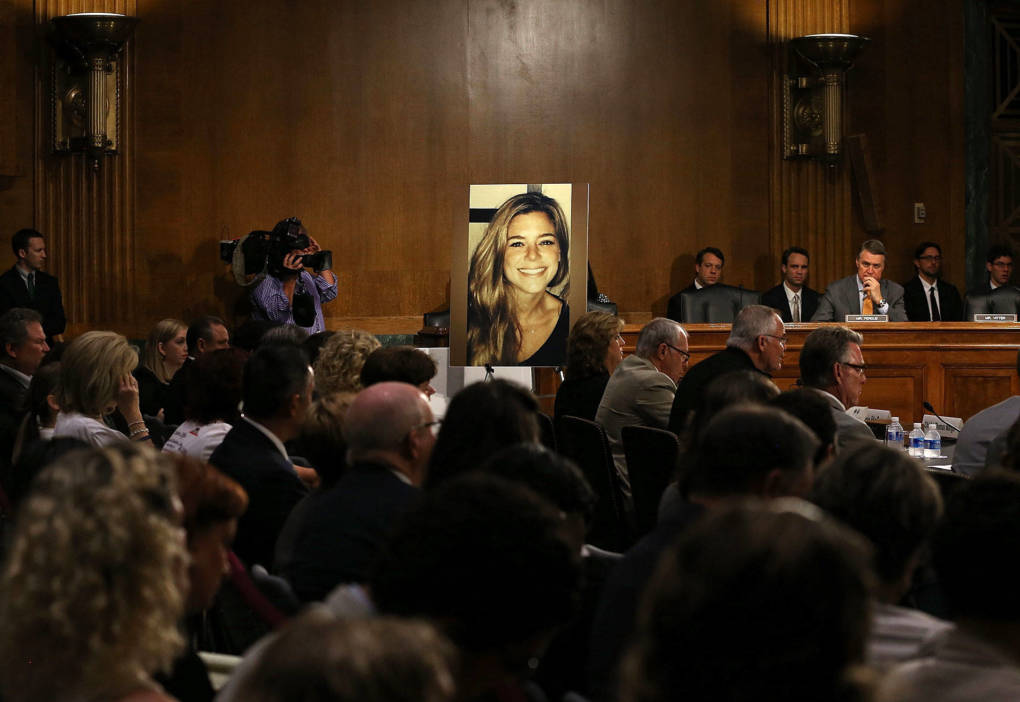
"caption": "A large photo of Kathryn Steinle is shown while her dad, James Steinle, testifies during a Senate Judiciary Committee hearing on Capitol Hill, July 21, 2015, in Washington, D.C. The committee heard testimony from family members who have had loved ones killed by undocumented immigrants. ",
"description": null,
"title": "SteinleMain-1920x1322",
"credit": "Mark Wilson/Getty Images",
"status": "inherit",
"isLoading": false,
"fetchFailed": false
},
"lowdown_30287": {
"type": "attachments",
"id": "lowdown_30287",
"meta": {
"index": "attachments_1716263798",
"site": "lowdown",
"id": "30287",
"found": true
},
"parent": 28562,
"imgSizes": {
"small": {
"file": "https://ww2.kqed.org/app/uploads/sites/26/2017/10/maxresdefault-1-520x293.jpg",
"width": 520,
"mimeType": "image/jpeg",
"height": 293
},
"twentyfourteen-full-width": {
"file": "https://ww2.kqed.org/app/uploads/sites/26/2017/10/maxresdefault-1-1038x576.jpg",
"width": 1038,
"mimeType": "image/jpeg",
"height": 576
},
"thumbnail": {
"file": "https://ww2.kqed.org/app/uploads/sites/26/2017/10/maxresdefault-1-160x90.jpg",
"width": 160,
"mimeType": "image/jpeg",
"height": 90
},
"fd-sm": {
"file": "https://ww2.kqed.org/app/uploads/sites/26/2017/10/maxresdefault-1-960x540.jpg",
"width": 960,
"mimeType": "image/jpeg",
"height": 540
},
"post-thumbnail": {
"file": "https://ww2.kqed.org/app/uploads/sites/26/2017/10/maxresdefault-1-672x372.jpg",
"width": 672,
"mimeType": "image/jpeg",
"height": 372
},
"xsmall": {
"file": "https://ww2.kqed.org/app/uploads/sites/26/2017/10/maxresdefault-1-375x211.jpg",
"width": 375,
"mimeType": "image/jpeg",
"height": 211
},
"kqedFullSize": {
"file": "https://ww2.kqed.org/app/uploads/sites/26/2017/10/maxresdefault-1.jpg",
"width": 1280,
"height": 720
},
"large": {
"file": "https://ww2.kqed.org/app/uploads/sites/26/2017/10/maxresdefault-1-1020x574.jpg",
"width": 1020,
"mimeType": "image/jpeg",
"height": 574
},
"xlarge": {
"file": "https://ww2.kqed.org/app/uploads/sites/26/2017/10/maxresdefault-1-1180x664.jpg",
"width": 1180,
"mimeType": "image/jpeg",
"height": 664
},
"guest-author-50": {
"file": "https://ww2.kqed.org/app/uploads/sites/26/2017/10/maxresdefault-1-50x50.jpg",
"width": 50,
"mimeType": "image/jpeg",
"height": 50
},
"guest-author-96": {
"file": "https://ww2.kqed.org/app/uploads/sites/26/2017/10/maxresdefault-1-96x96.jpg",
"width": 96,
"mimeType": "image/jpeg",
"height": 96
},
"medium": {
"file": "https://ww2.kqed.org/app/uploads/sites/26/2017/10/maxresdefault-1-800x450.jpg",
"width": 800,
"mimeType": "image/jpeg",
"height": 450
},
"guest-author-64": {
"file": "https://ww2.kqed.org/app/uploads/sites/26/2017/10/maxresdefault-1-64x64.jpg",
"width": 64,
"mimeType": "image/jpeg",
"height": 64
},
"guest-author-32": {
"file": "https://ww2.kqed.org/app/uploads/sites/26/2017/10/maxresdefault-1-32x32.jpg",
"width": 32,
"mimeType": "image/jpeg",
"height": 32
},
"fd-med": {
"file": "https://ww2.kqed.org/app/uploads/sites/26/2017/10/maxresdefault-1-1180x664.jpg",
"width": 1180,
"mimeType": "image/jpeg",
"height": 664
},
"detail": {
"file": "https://ww2.kqed.org/app/uploads/sites/26/2017/10/maxresdefault-1-150x150.jpg",
"width": 150,
"mimeType": "image/jpeg",
"height": 150
},
"medium_large": {
"file": "https://ww2.kqed.org/app/uploads/sites/26/2017/10/maxresdefault-1-768x432.jpg",
"width": 768,
"mimeType": "image/jpeg",
"height": 432
},
"guest-author-128": {
"file": "https://ww2.kqed.org/app/uploads/sites/26/2017/10/maxresdefault-1-128x128.jpg",
"width": 128,
"mimeType": "image/jpeg",
"height": 128
},
"xxsmall": {
"file": "https://ww2.kqed.org/app/uploads/sites/26/2017/10/maxresdefault-1-240x135.jpg",
"width": 240,
"mimeType": "image/jpeg",
"height": 135
}
},
"publishDate": 1520016485,
"modified": 1520016485,
"caption": null,
"description": null,
"title": "maxresdefault (1)",
"credit": null,
"status": "inherit",
"isLoading": false,
"fetchFailed": false
},
"lowdown_28545": {
"type": "attachments",
"id": "lowdown_28545",
"meta": {
"index": "attachments_1716263798",
"site": "lowdown",
"id": "28545",
"found": true
},
"parent": 28389,
"imgSizes": {
"small": {
"file": "https://ww2.kqed.org/app/uploads/sites/26/2017/10/2880px-Houston_Gun_Show_at_the_George_R._Brown_Convention_Center-520x348.jpg",
"width": 520,
"mimeType": "image/jpeg",
"height": 348
},
"twentyfourteen-full-width": {
"file": "https://ww2.kqed.org/app/uploads/sites/26/2017/10/2880px-Houston_Gun_Show_at_the_George_R._Brown_Convention_Center-1038x576.jpg",
"width": 1038,
"mimeType": "image/jpeg",
"height": 576
},
"thumbnail": {
"file": "https://ww2.kqed.org/app/uploads/sites/26/2017/10/2880px-Houston_Gun_Show_at_the_George_R._Brown_Convention_Center-160x107.jpg",
"width": 160,
"mimeType": "image/jpeg",
"height": 107
},
"fd-sm": {
"file": "https://ww2.kqed.org/app/uploads/sites/26/2017/10/2880px-Houston_Gun_Show_at_the_George_R._Brown_Convention_Center-960x643.jpg",
"width": 960,
"mimeType": "image/jpeg",
"height": 643
},
"post-thumbnail": {
"file": "https://ww2.kqed.org/app/uploads/sites/26/2017/10/2880px-Houston_Gun_Show_at_the_George_R._Brown_Convention_Center-672x372.jpg",
"width": 672,
"mimeType": "image/jpeg",
"height": 372
},
"xsmall": {
"file": "https://ww2.kqed.org/app/uploads/sites/26/2017/10/2880px-Houston_Gun_Show_at_the_George_R._Brown_Convention_Center-375x251.jpg",
"width": 375,
"mimeType": "image/jpeg",
"height": 251
},
"kqedFullSize": {
"file": "https://ww2.kqed.org/app/uploads/sites/26/2017/10/2880px-Houston_Gun_Show_at_the_George_R._Brown_Convention_Center.jpg",
"width": 2880,
"height": 1928
},
"large": {
"file": "https://ww2.kqed.org/app/uploads/sites/26/2017/10/2880px-Houston_Gun_Show_at_the_George_R._Brown_Convention_Center-1020x683.jpg",
"width": 1020,
"mimeType": "image/jpeg",
"height": 683
},
"xlarge": {
"file": "https://ww2.kqed.org/app/uploads/sites/26/2017/10/2880px-Houston_Gun_Show_at_the_George_R._Brown_Convention_Center-1180x790.jpg",
"width": 1180,
"mimeType": "image/jpeg",
"height": 790
},
"guest-author-50": {
"file": "https://ww2.kqed.org/app/uploads/sites/26/2017/10/2880px-Houston_Gun_Show_at_the_George_R._Brown_Convention_Center-50x50.jpg",
"width": 50,
"mimeType": "image/jpeg",
"height": 50
},
"guest-author-96": {
"file": "https://ww2.kqed.org/app/uploads/sites/26/2017/10/2880px-Houston_Gun_Show_at_the_George_R._Brown_Convention_Center-96x96.jpg",
"width": 96,
"mimeType": "image/jpeg",
"height": 96
},
"medium": {
"file": "https://ww2.kqed.org/app/uploads/sites/26/2017/10/2880px-Houston_Gun_Show_at_the_George_R._Brown_Convention_Center-800x536.jpg",
"width": 800,
"mimeType": "image/jpeg",
"height": 536
},
"guest-author-64": {
"file": "https://ww2.kqed.org/app/uploads/sites/26/2017/10/2880px-Houston_Gun_Show_at_the_George_R._Brown_Convention_Center-64x64.jpg",
"width": 64,
"mimeType": "image/jpeg",
"height": 64
},
"guest-author-32": {
"file": "https://ww2.kqed.org/app/uploads/sites/26/2017/10/2880px-Houston_Gun_Show_at_the_George_R._Brown_Convention_Center-32x32.jpg",
"width": 32,
"mimeType": "image/jpeg",
"height": 32
},
"fd-lrg": {
"file": "https://ww2.kqed.org/app/uploads/sites/26/2017/10/2880px-Houston_Gun_Show_at_the_George_R._Brown_Convention_Center-1920x1285.jpg",
"width": 1920,
"mimeType": "image/jpeg",
"height": 1285
},
"fd-med": {
"file": "https://ww2.kqed.org/app/uploads/sites/26/2017/10/2880px-Houston_Gun_Show_at_the_George_R._Brown_Convention_Center-1180x790.jpg",
"width": 1180,
"mimeType": "image/jpeg",
"height": 790
},
"full-width": {
"file": "https://ww2.kqed.org/app/uploads/sites/26/2017/10/2880px-Houston_Gun_Show_at_the_George_R._Brown_Convention_Center-1920x1285.jpg",
"width": 1920,
"mimeType": "image/jpeg",
"height": 1285
},
"detail": {
"file": "https://ww2.kqed.org/app/uploads/sites/26/2017/10/2880px-Houston_Gun_Show_at_the_George_R._Brown_Convention_Center-150x150.jpg",
"width": 150,
"mimeType": "image/jpeg",
"height": 150
},
"medium_large": {
"file": "https://ww2.kqed.org/app/uploads/sites/26/2017/10/2880px-Houston_Gun_Show_at_the_George_R._Brown_Convention_Center-768x514.jpg",
"width": 768,
"mimeType": "image/jpeg",
"height": 514
},
"guest-author-128": {
"file": "https://ww2.kqed.org/app/uploads/sites/26/2017/10/2880px-Houston_Gun_Show_at_the_George_R._Brown_Convention_Center-128x128.jpg",
"width": 128,
"mimeType": "image/jpeg",
"height": 128
},
"xxsmall": {
"file": "https://ww2.kqed.org/app/uploads/sites/26/2017/10/2880px-Houston_Gun_Show_at_the_George_R._Brown_Convention_Center-240x161.jpg",
"width": 240,
"mimeType": "image/jpeg",
"height": 161
}
},
"publishDate": 1508268384,
"modified": 1508268598,
"caption": null,
"description": null,
"title": "2880px-Houston_Gun_Show_at_the_George_R._Brown_Convention_Center",
"credit": "\u003ca href=\"https://www.flickr.com/photos/glasgows/432945997/\" target= \"_blank\">M&R Glasgow/Wikipedia\u003c/a>",
"status": "inherit",
"isLoading": false,
"fetchFailed": false
},
"lowdown_28455": {
"type": "attachments",
"id": "lowdown_28455",
"meta": {
"index": "attachments_1716263798",
"site": "lowdown",
"id": "28455",
"found": true
},
"parent": 28426,
"imgSizes": {
"small": {
"file": "https://ww2.kqed.org/app/uploads/sites/26/2017/10/BurnedHome-1180x762-520x336.jpg",
"width": 520,
"mimeType": "image/jpeg",
"height": 336
},
"twentyfourteen-full-width": {
"file": "https://ww2.kqed.org/app/uploads/sites/26/2017/10/BurnedHome-1180x762-1038x576.jpg",
"width": 1038,
"mimeType": "image/jpeg",
"height": 576
},
"thumbnail": {
"file": "https://ww2.kqed.org/app/uploads/sites/26/2017/10/BurnedHome-1180x762-160x103.jpg",
"width": 160,
"mimeType": "image/jpeg",
"height": 103
},
"fd-sm": {
"file": "https://ww2.kqed.org/app/uploads/sites/26/2017/10/BurnedHome-1180x762-960x620.jpg",
"width": 960,
"mimeType": "image/jpeg",
"height": 620
},
"post-thumbnail": {
"file": "https://ww2.kqed.org/app/uploads/sites/26/2017/10/BurnedHome-1180x762-672x372.jpg",
"width": 672,
"mimeType": "image/jpeg",
"height": 372
},
"xsmall": {
"file": "https://ww2.kqed.org/app/uploads/sites/26/2017/10/BurnedHome-1180x762-375x242.jpg",
"width": 375,
"mimeType": "image/jpeg",
"height": 242
},
"kqedFullSize": {
"file": "https://ww2.kqed.org/app/uploads/sites/26/2017/10/BurnedHome-1180x762.jpg",
"width": 1180,
"height": 762
},
"large": {
"file": "https://ww2.kqed.org/app/uploads/sites/26/2017/10/BurnedHome-1180x762-1020x659.jpg",
"width": 1020,
"mimeType": "image/jpeg",
"height": 659
},
"xlarge": {
"file": "https://ww2.kqed.org/app/uploads/sites/26/2017/10/BurnedHome-1180x762-1180x762.jpg",
"width": 1180,
"mimeType": "image/jpeg",
"height": 762
},
"guest-author-50": {
"file": "https://ww2.kqed.org/app/uploads/sites/26/2017/10/BurnedHome-1180x762-50x50.jpg",
"width": 50,
"mimeType": "image/jpeg",
"height": 50
},
"guest-author-96": {
"file": "https://ww2.kqed.org/app/uploads/sites/26/2017/10/BurnedHome-1180x762-96x96.jpg",
"width": 96,
"mimeType": "image/jpeg",
"height": 96
},
"medium": {
"file": "https://ww2.kqed.org/app/uploads/sites/26/2017/10/BurnedHome-1180x762-800x517.jpg",
"width": 800,
"mimeType": "image/jpeg",
"height": 517
},
"guest-author-64": {
"file": "https://ww2.kqed.org/app/uploads/sites/26/2017/10/BurnedHome-1180x762-64x64.jpg",
"width": 64,
"mimeType": "image/jpeg",
"height": 64
},
"guest-author-32": {
"file": "https://ww2.kqed.org/app/uploads/sites/26/2017/10/BurnedHome-1180x762-32x32.jpg",
"width": 32,
"mimeType": "image/jpeg",
"height": 32
},
"fd-med": {
"file": "https://ww2.kqed.org/app/uploads/sites/26/2017/10/BurnedHome-1180x762-1180x762.jpg",
"width": 1180,
"mimeType": "image/jpeg",
"height": 762
},
"detail": {
"file": "https://ww2.kqed.org/app/uploads/sites/26/2017/10/BurnedHome-1180x762-150x150.jpg",
"width": 150,
"mimeType": "image/jpeg",
"height": 150
},
"medium_large": {
"file": "https://ww2.kqed.org/app/uploads/sites/26/2017/10/BurnedHome-1180x762-768x496.jpg",
"width": 768,
"mimeType": "image/jpeg",
"height": 496
},
"guest-author-128": {
"file": "https://ww2.kqed.org/app/uploads/sites/26/2017/10/BurnedHome-1180x762-128x128.jpg",
"width": 128,
"mimeType": "image/jpeg",
"height": 128
},
"xxsmall": {
"file": "https://ww2.kqed.org/app/uploads/sites/26/2017/10/BurnedHome-1180x762-240x155.jpg",
"width": 240,
"mimeType": "image/jpeg",
"height": 155
}
},
"publishDate": 1507775135,
"modified": 1507775163,
"caption": null,
"description": "A burned home in Santa Rosa’s Forest Grove neighborhood.",
"title": "BurnedHome-1180x762",
"credit": "Lesley McClurg/KQED",
"status": "inherit",
"isLoading": false,
"fetchFailed": false
},
"lowdown_28077": {
"type": "attachments",
"id": "lowdown_28077",
"meta": {
"index": "attachments_1716263798",
"site": "lowdown",
"id": "28077",
"found": true
},
"parent": 28059,
"imgSizes": {
"small": {
"file": "https://ww2.kqed.org/app/uploads/sites/26/2017/08/Screen-Shot-2017-08-30-at-10.01.31-PM-520x289.png",
"width": 520,
"mimeType": "image/png",
"height": 289
},
"twentyfourteen-full-width": {
"file": "https://ww2.kqed.org/app/uploads/sites/26/2017/08/Screen-Shot-2017-08-30-at-10.01.31-PM-1038x576.png",
"width": 1038,
"mimeType": "image/png",
"height": 576
},
"thumbnail": {
"file": "https://ww2.kqed.org/app/uploads/sites/26/2017/08/Screen-Shot-2017-08-30-at-10.01.31-PM-160x89.png",
"width": 160,
"mimeType": "image/png",
"height": 89
},
"fd-sm": {
"file": "https://ww2.kqed.org/app/uploads/sites/26/2017/08/Screen-Shot-2017-08-30-at-10.01.31-PM-960x533.png",
"width": 960,
"mimeType": "image/png",
"height": 533
},
"post-thumbnail": {
"file": "https://ww2.kqed.org/app/uploads/sites/26/2017/08/Screen-Shot-2017-08-30-at-10.01.31-PM-672x372.png",
"width": 672,
"mimeType": "image/png",
"height": 372
},
"xsmall": {
"file": "https://ww2.kqed.org/app/uploads/sites/26/2017/08/Screen-Shot-2017-08-30-at-10.01.31-PM-375x208.png",
"width": 375,
"mimeType": "image/png",
"height": 208
},
"kqedFullSize": {
"file": "https://ww2.kqed.org/app/uploads/sites/26/2017/08/Screen-Shot-2017-08-30-at-10.01.31-PM.png",
"width": 1276,
"height": 709
},
"large": {
"file": "https://ww2.kqed.org/app/uploads/sites/26/2017/08/Screen-Shot-2017-08-30-at-10.01.31-PM-1020x567.png",
"width": 1020,
"mimeType": "image/png",
"height": 567
},
"xlarge": {
"file": "https://ww2.kqed.org/app/uploads/sites/26/2017/08/Screen-Shot-2017-08-30-at-10.01.31-PM-1180x656.png",
"width": 1180,
"mimeType": "image/png",
"height": 656
},
"guest-author-50": {
"file": "https://ww2.kqed.org/app/uploads/sites/26/2017/08/Screen-Shot-2017-08-30-at-10.01.31-PM-50x50.png",
"width": 50,
"mimeType": "image/png",
"height": 50
},
"guest-author-96": {
"file": "https://ww2.kqed.org/app/uploads/sites/26/2017/08/Screen-Shot-2017-08-30-at-10.01.31-PM-96x96.png",
"width": 96,
"mimeType": "image/png",
"height": 96
},
"medium": {
"file": "https://ww2.kqed.org/app/uploads/sites/26/2017/08/Screen-Shot-2017-08-30-at-10.01.31-PM-800x445.png",
"width": 800,
"mimeType": "image/png",
"height": 445
},
"guest-author-64": {
"file": "https://ww2.kqed.org/app/uploads/sites/26/2017/08/Screen-Shot-2017-08-30-at-10.01.31-PM-64x64.png",
"width": 64,
"mimeType": "image/png",
"height": 64
},
"guest-author-32": {
"file": "https://ww2.kqed.org/app/uploads/sites/26/2017/08/Screen-Shot-2017-08-30-at-10.01.31-PM-32x32.png",
"width": 32,
"mimeType": "image/png",
"height": 32
},
"fd-med": {
"file": "https://ww2.kqed.org/app/uploads/sites/26/2017/08/Screen-Shot-2017-08-30-at-10.01.31-PM-1180x656.png",
"width": 1180,
"mimeType": "image/png",
"height": 656
},
"detail": {
"file": "https://ww2.kqed.org/app/uploads/sites/26/2017/08/Screen-Shot-2017-08-30-at-10.01.31-PM-150x150.png",
"width": 150,
"mimeType": "image/png",
"height": 150
},
"medium_large": {
"file": "https://ww2.kqed.org/app/uploads/sites/26/2017/08/Screen-Shot-2017-08-30-at-10.01.31-PM-768x427.png",
"width": 768,
"mimeType": "image/png",
"height": 427
},
"guest-author-128": {
"file": "https://ww2.kqed.org/app/uploads/sites/26/2017/08/Screen-Shot-2017-08-30-at-10.01.31-PM-128x128.png",
"width": 128,
"mimeType": "image/png",
"height": 128
},
"xxsmall": {
"file": "https://ww2.kqed.org/app/uploads/sites/26/2017/08/Screen-Shot-2017-08-30-at-10.01.31-PM-240x133.png",
"width": 240,
"mimeType": "image/png",
"height": 133
}
},
"publishDate": 1504155743,
"modified": 1504155743,
"caption": null,
"description": null,
"title": "Screen Shot 2017-08-30 at 10.01.31 PM",
"credit": null,
"status": "inherit",
"isLoading": false,
"fetchFailed": false
},
"lowdown_28312": {
"type": "attachments",
"id": "lowdown_28312",
"meta": {
"index": "attachments_1716263798",
"site": "lowdown",
"id": "28312",
"found": true
},
"parent": 28281,
"imgSizes": {
"small": {
"file": "https://ww2.kqed.org/app/uploads/sites/26/2017/09/YOUTH-MEDIA-CHALLENGE-2-JUST-TITLE-520x293.png",
"width": 520,
"mimeType": "image/png",
"height": 293
},
"twentyfourteen-full-width": {
"file": "https://ww2.kqed.org/app/uploads/sites/26/2017/09/YOUTH-MEDIA-CHALLENGE-2-JUST-TITLE-1038x576.png",
"width": 1038,
"mimeType": "image/png",
"height": 576
},
"thumbnail": {
"file": "https://ww2.kqed.org/app/uploads/sites/26/2017/09/YOUTH-MEDIA-CHALLENGE-2-JUST-TITLE-160x90.png",
"width": 160,
"mimeType": "image/png",
"height": 90
},
"fd-sm": {
"file": "https://ww2.kqed.org/app/uploads/sites/26/2017/09/YOUTH-MEDIA-CHALLENGE-2-JUST-TITLE-960x540.png",
"width": 960,
"mimeType": "image/png",
"height": 540
},
"post-thumbnail": {
"file": "https://ww2.kqed.org/app/uploads/sites/26/2017/09/YOUTH-MEDIA-CHALLENGE-2-JUST-TITLE-672x372.png",
"width": 672,
"mimeType": "image/png",
"height": 372
},
"xsmall": {
"file": "https://ww2.kqed.org/app/uploads/sites/26/2017/09/YOUTH-MEDIA-CHALLENGE-2-JUST-TITLE-375x211.png",
"width": 375,
"mimeType": "image/png",
"height": 211
},
"kqedFullSize": {
"file": "https://ww2.kqed.org/app/uploads/sites/26/2017/09/YOUTH-MEDIA-CHALLENGE-2-JUST-TITLE.png",
"width": 1920,
"height": 1080
},
"large": {
"file": "https://ww2.kqed.org/app/uploads/sites/26/2017/09/YOUTH-MEDIA-CHALLENGE-2-JUST-TITLE-1020x574.png",
"width": 1020,
"mimeType": "image/png",
"height": 574
},
"xlarge": {
"file": "https://ww2.kqed.org/app/uploads/sites/26/2017/09/YOUTH-MEDIA-CHALLENGE-2-JUST-TITLE-1180x664.png",
"width": 1180,
"mimeType": "image/png",
"height": 664
},
"guest-author-50": {
"file": "https://ww2.kqed.org/app/uploads/sites/26/2017/09/YOUTH-MEDIA-CHALLENGE-2-JUST-TITLE-50x50.png",
"width": 50,
"mimeType": "image/png",
"height": 50
},
"guest-author-96": {
"file": "https://ww2.kqed.org/app/uploads/sites/26/2017/09/YOUTH-MEDIA-CHALLENGE-2-JUST-TITLE-96x96.png",
"width": 96,
"mimeType": "image/png",
"height": 96
},
"medium": {
"file": "https://ww2.kqed.org/app/uploads/sites/26/2017/09/YOUTH-MEDIA-CHALLENGE-2-JUST-TITLE-800x450.png",
"width": 800,
"mimeType": "image/png",
"height": 450
},
"guest-author-64": {
"file": "https://ww2.kqed.org/app/uploads/sites/26/2017/09/YOUTH-MEDIA-CHALLENGE-2-JUST-TITLE-64x64.png",
"width": 64,
"mimeType": "image/png",
"height": 64
},
"guest-author-32": {
"file": "https://ww2.kqed.org/app/uploads/sites/26/2017/09/YOUTH-MEDIA-CHALLENGE-2-JUST-TITLE-32x32.png",
"width": 32,
"mimeType": "image/png",
"height": 32
},
"fd-lrg": {
"file": "https://ww2.kqed.org/app/uploads/sites/26/2017/09/YOUTH-MEDIA-CHALLENGE-2-JUST-TITLE-1920x1080.png",
"width": 1920,
"mimeType": "image/png",
"height": 1080
},
"fd-med": {
"file": "https://ww2.kqed.org/app/uploads/sites/26/2017/09/YOUTH-MEDIA-CHALLENGE-2-JUST-TITLE-1180x664.png",
"width": 1180,
"mimeType": "image/png",
"height": 664
},
"full-width": {
"file": "https://ww2.kqed.org/app/uploads/sites/26/2017/09/YOUTH-MEDIA-CHALLENGE-2-JUST-TITLE-1920x1080.png",
"width": 1920,
"mimeType": "image/png",
"height": 1080
},
"detail": {
"file": "https://ww2.kqed.org/app/uploads/sites/26/2017/09/YOUTH-MEDIA-CHALLENGE-2-JUST-TITLE-150x150.png",
"width": 150,
"mimeType": "image/png",
"height": 150
},
"medium_large": {
"file": "https://ww2.kqed.org/app/uploads/sites/26/2017/09/YOUTH-MEDIA-CHALLENGE-2-JUST-TITLE-768x432.png",
"width": 768,
"mimeType": "image/png",
"height": 432
},
"guest-author-128": {
"file": "https://ww2.kqed.org/app/uploads/sites/26/2017/09/YOUTH-MEDIA-CHALLENGE-2-JUST-TITLE-128x128.png",
"width": 128,
"mimeType": "image/png",
"height": 128
},
"xxsmall": {
"file": "https://ww2.kqed.org/app/uploads/sites/26/2017/09/YOUTH-MEDIA-CHALLENGE-2-JUST-TITLE-240x135.png",
"width": 240,
"mimeType": "image/png",
"height": 135
}
},
"publishDate": 1506565609,
"modified": 1506565609,
"caption": null,
"description": null,
"title": "YOUTH MEDIA CHALLENGE 2 - JUST TITLE",
"credit": null,
"status": "inherit",
"isLoading": false,
"fetchFailed": false
},
"education_527748": {
"type": "attachments",
"id": "education_527748",
"meta": {
"index": "attachments_1716263798",
"site": "education",
"id": "527748",
"found": true
},
"parent": 527741,
"imgSizes": {
"small": {
"file": "https://ww2.kqed.org/app/uploads/sites/38/2017/09/YOUTH-MEDIA-CHALLENGE-2-520x293.png",
"width": 520,
"mimeType": "image/png",
"height": 293
},
"twentyfourteen-full-width": {
"file": "https://ww2.kqed.org/app/uploads/sites/38/2017/09/YOUTH-MEDIA-CHALLENGE-2-1038x576.png",
"width": 1038,
"mimeType": "image/png",
"height": 576
},
"thumbnail": {
"file": "https://ww2.kqed.org/app/uploads/sites/38/2017/09/YOUTH-MEDIA-CHALLENGE-2-160x90.png",
"width": 160,
"mimeType": "image/png",
"height": 90
},
"fd-sm": {
"file": "https://ww2.kqed.org/app/uploads/sites/38/2017/09/YOUTH-MEDIA-CHALLENGE-2-960x540.png",
"width": 960,
"mimeType": "image/png",
"height": 540
},
"post-thumbnail": {
"file": "https://ww2.kqed.org/app/uploads/sites/38/2017/09/YOUTH-MEDIA-CHALLENGE-2-672x372.png",
"width": 672,
"mimeType": "image/png",
"height": 372
},
"xsmall": {
"file": "https://ww2.kqed.org/app/uploads/sites/38/2017/09/YOUTH-MEDIA-CHALLENGE-2-375x211.png",
"width": 375,
"mimeType": "image/png",
"height": 211
},
"kqedFullSize": {
"file": "https://ww2.kqed.org/app/uploads/sites/38/2017/09/YOUTH-MEDIA-CHALLENGE-2.png",
"width": 1920,
"height": 1080
},
"large": {
"file": "https://ww2.kqed.org/app/uploads/sites/38/2017/09/YOUTH-MEDIA-CHALLENGE-2-1020x574.png",
"width": 1020,
"mimeType": "image/png",
"height": 574
},
"xlarge": {
"file": "https://ww2.kqed.org/app/uploads/sites/38/2017/09/YOUTH-MEDIA-CHALLENGE-2-1180x664.png",
"width": 1180,
"mimeType": "image/png",
"height": 664
},
"guest-author-50": {
"file": "https://ww2.kqed.org/app/uploads/sites/38/2017/09/YOUTH-MEDIA-CHALLENGE-2-50x50.png",
"width": 50,
"mimeType": "image/png",
"height": 50
},
"guest-author-96": {
"file": "https://ww2.kqed.org/app/uploads/sites/38/2017/09/YOUTH-MEDIA-CHALLENGE-2-96x96.png",
"width": 96,
"mimeType": "image/png",
"height": 96
},
"medium": {
"file": "https://ww2.kqed.org/app/uploads/sites/38/2017/09/YOUTH-MEDIA-CHALLENGE-2-800x450.png",
"width": 800,
"mimeType": "image/png",
"height": 450
},
"guest-author-64": {
"file": "https://ww2.kqed.org/app/uploads/sites/38/2017/09/YOUTH-MEDIA-CHALLENGE-2-64x64.png",
"width": 64,
"mimeType": "image/png",
"height": 64
},
"guest-author-32": {
"file": "https://ww2.kqed.org/app/uploads/sites/38/2017/09/YOUTH-MEDIA-CHALLENGE-2-32x32.png",
"width": 32,
"mimeType": "image/png",
"height": 32
},
"fd-lrg": {
"file": "https://ww2.kqed.org/app/uploads/sites/38/2017/09/YOUTH-MEDIA-CHALLENGE-2-1920x1080.png",
"width": 1920,
"mimeType": "image/png",
"height": 1080
},
"fd-med": {
"file": "https://ww2.kqed.org/app/uploads/sites/38/2017/09/YOUTH-MEDIA-CHALLENGE-2-1180x664.png",
"width": 1180,
"mimeType": "image/png",
"height": 664
},
"full-width": {
"file": "https://ww2.kqed.org/app/uploads/sites/38/2017/09/YOUTH-MEDIA-CHALLENGE-2-1920x1080.png",
"width": 1920,
"mimeType": "image/png",
"height": 1080
},
"detail": {
"file": "https://ww2.kqed.org/app/uploads/sites/38/2017/09/YOUTH-MEDIA-CHALLENGE-2-150x150.png",
"width": 150,
"mimeType": "image/png",
"height": 150
},
"medium_large": {
"file": "https://ww2.kqed.org/app/uploads/sites/38/2017/09/YOUTH-MEDIA-CHALLENGE-2-768x432.png",
"width": 768,
"mimeType": "image/png",
"height": 432
},
"guest-author-128": {
"file": "https://ww2.kqed.org/app/uploads/sites/38/2017/09/YOUTH-MEDIA-CHALLENGE-2-128x128.png",
"width": 128,
"mimeType": "image/png",
"height": 128
},
"xxsmall": {
"file": "https://ww2.kqed.org/app/uploads/sites/38/2017/09/YOUTH-MEDIA-CHALLENGE-2-240x135.png",
"width": 240,
"mimeType": "image/png",
"height": 135
}
},
"publishDate": 1506385229,
"modified": 1508260887,
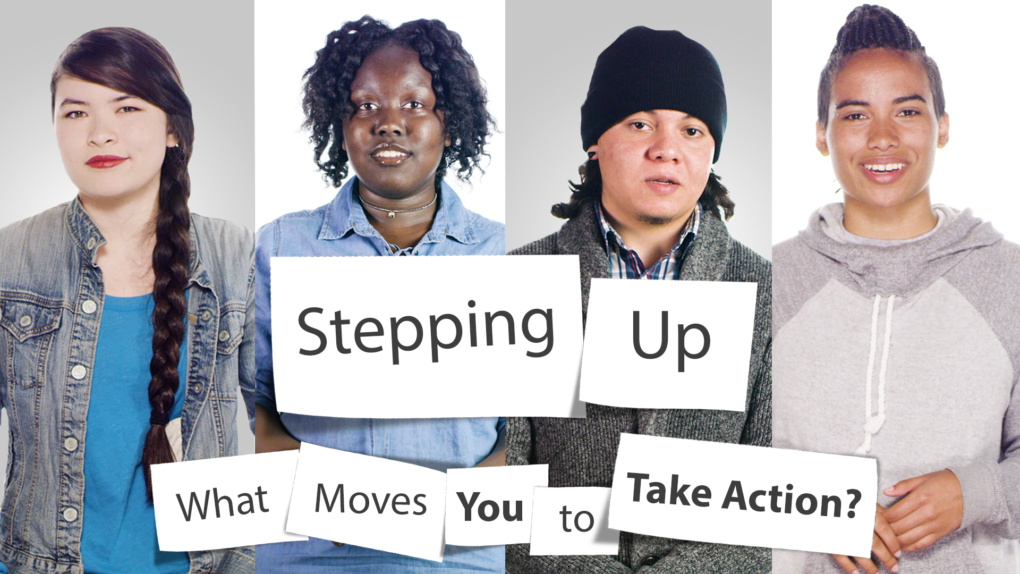
"caption": "Julianna Cecere",
"description": null,
"title": "YOUTH MEDIA CHALLENGE 2",
"credit": null,
"status": "inherit",
"isLoading": false,
"fetchFailed": false
}
},
"audioPlayerReducer": {
"postId": "stream_live",
"isPaused": true,
"isPlaying": false,
"pfsActive": false,
"pledgeModalIsOpen": true,
"playerDrawerIsOpen": false,
"liveAudioPlayStartedAt": 0,
"liveAudioPlayContext": ""
},
"authorsReducer": {
"matthewgreen": {
"type": "authors",
"id": "1263",
"meta": {
"index": "authors_1716337520",
"id": "1263",
"found": true
},
"name": "Matthew Green",
"firstName": "Matthew",
"lastName": "Green",
"slug": "matthewgreen",
"email": "mgreen@kqed.org",
"display_author_email": false,
"staff_mastheads": [],
"title": "KQED Editor/Reporter",
"bio": "Matthew Green is a digital media producer for KQED News. He previously produced \u003ca href=\"http://www.kqed.org/lowdown\">The Lowdown\u003c/a>, KQED’s multimedia news education blog. Matthew's written for numerous Bay Area publications, including the Oakland Tribune and San Francisco Chronicle. He also taught journalism classes at Fremont High School in East Oakland.\r\n\r\nEmail: mgreen@kqed.org; Twitter: @MGreenKQED",
"avatar": "https://secure.gravatar.com/avatar/3bf498d1267ca02c8494f33d8cfc575e?s=600&d=blank&r=g",
"twitter": "MGreenKQED",
"facebook": null,
"instagram": null,
"linkedin": null,
"sites": [
{
"site": "news",
"roles": []
},
{
"site": "lowdown",
"roles": []
},
{
"site": "science",
"roles": []
},
{
"site": "education",
"roles": []
},
{
"site": "quest",
"roles": []
},
{
"site": "liveblog",
"roles": []
}
],
"headData": {
"title": "Matthew Green | KQED",
"description": "KQED Editor/Reporter",
"ogImgSrc": "https://secure.gravatar.com/avatar/3bf498d1267ca02c8494f33d8cfc575e?s=600&d=blank&r=g",
"twImgSrc": "https://secure.gravatar.com/avatar/3bf498d1267ca02c8494f33d8cfc575e?s=600&d=blank&r=g"
},
"isLoading": false,
"link": "/author/matthewgreen"
},
"rroberson": {
"type": "authors",
"id": "11274",
"meta": {
"index": "authors_1716337520",
"id": "11274",
"found": true
},
"name": "Rachel Roberson",
"firstName": "Rachel",
"lastName": "Roberson",
"slug": "rroberson",
"email": "rroberson@kqed.org",
"display_author_email": false,
"staff_mastheads": [],
"title": null,
"bio": "Rachel Roberson is KQED's news education manager. Previously, she was a reading, writing and social studies teacher leader on three continents, having served on the founding staff of KIPP Bayview Academy in San Francisco before moving to schools in Abu Dhabi and Austin, Texas. She started her teaching career as a Peace Corps volunteer in Cameroon. Before she was a teacher, Rachel was a journalist in the East Bay.",
"avatar": "https://secure.gravatar.com/avatar/d0516373a400e4059f65bd29bc026a20?s=600&d=mm&r=g",
"twitter": null,
"facebook": null,
"instagram": null,
"linkedin": null,
"sites": [
{
"site": "news",
"roles": [
"editor"
]
},
{
"site": "lowdown",
"roles": [
"editor"
]
},
{
"site": "stateofhealth",
"roles": [
"editor"
]
},
{
"site": "science",
"roles": [
"editor"
]
},
{
"site": "education",
"roles": [
"editor"
]
},
{
"site": "perspectives",
"roles": [
"editor"
]
},
{
"site": "youthmedia",
"roles": [
"editor"
]
}
],
"headData": {
"title": "Rachel Roberson | KQED",
"description": null,
"ogImgSrc": "https://secure.gravatar.com/avatar/d0516373a400e4059f65bd29bc026a20?s=600&d=mm&r=g",
"twImgSrc": "https://secure.gravatar.com/avatar/d0516373a400e4059f65bd29bc026a20?s=600&d=mm&r=g"
},
"isLoading": false,
"link": "/author/rroberson"
},
"aproehl": {
"type": "authors",
"id": "11296",
"meta": {
"index": "authors_1716337520",
"id": "11296",
"found": true
},
"name": "Ariana Proehl",
"firstName": "Ariana",
"lastName": "Proehl",
"slug": "aproehl",
"email": "aproehl@KQED.org",
"display_author_email": true,
"staff_mastheads": [
"news"
],
"title": "Culture Reporter, KQED",
"bio": "Ariana Proehl is a Culture Reporter and Host.",
"avatar": "https://secure.gravatar.com/avatar/c96b24567eb5bb3a4f8bb295ed53e232?s=600&d=blank&r=g",
"twitter": "ArianaProehl",
"facebook": null,
"instagram": null,
"linkedin": null,
"sites": [
{
"site": "arts",
"roles": []
},
{
"site": "news",
"roles": []
},
{
"site": "education",
"roles": []
},
{
"site": "forum",
"roles": []
}
],
"headData": {
"title": "Ariana Proehl | KQED",
"description": "Culture Reporter, KQED",
"ogImgSrc": "https://secure.gravatar.com/avatar/c96b24567eb5bb3a4f8bb295ed53e232?s=600&d=blank&r=g",
"twImgSrc": "https://secure.gravatar.com/avatar/c96b24567eb5bb3a4f8bb295ed53e232?s=600&d=blank&r=g"
},
"isLoading": false,
"link": "/author/aproehl"
}
},
"pagesReducer": {
"education_category_news-and-civics": {
"type": "terms",
"id": "education_50",
"meta": {
"index": "terms_1716263798",
"site": "education",
"id": "50",
"score": 13.897009
},
"featImg": null,
"name": "News & Civics",
"description": "Find civics lesson plans and teaching resources for high school and middle school, including lesson plan ideas on the latest news topics.",
"taxonomy": "category",
"headData": {
"twImgId": null,
"twTitle": null,
"ogTitle": null,
"ogImgId": null,
"twDescription": null,
"description": "Find civics lesson plans and teaching resources for high school and middle school, including lesson plan ideas on the latest news topics.",
"title": "News & Civics | KQED Education",
"ogDescription": null
},
"ttid": 58,
"slug": "news-and-civics",
"isLoading": false,
"title": "News & Civics",
"pageMeta": {
"site": "education",
"WpPageTemplate": "page-topic-company",
"currentPage": 10
},
"blocks": [
{
"blockName": "kqed/company-paragraph",
"content": "Find civics lesson plans and teaching resources for high school and middle school, including lesson plan ideas on the latest news topics."
},
{
"blockName": "kqed/post-list",
"attrs": {
"layout": "cardCompany2",
"query": "posts/education?category=news-and-civics",
"seeMore": false,
"paginated": true,
"page": 10
}
},
{
"blockName": "kqed/ad"
}
]
}
},
"pfsSessionReducer": {},
"postsReducer": {
"stream_live": {
"type": "live",
"id": "stream_live",
"audioUrl": "https://streams.kqed.org/kqedradio",
"title": "Live Stream",
"excerpt": "Live Stream information currently unavailable.",
"link": "/radio",
"featImg": "",
"label": {
"name": "KQED Live",
"link": "/"
}
},
"stream_kqedNewscast": {
"type": "posts",
"id": "stream_kqedNewscast",
"audioUrl": "https://www.kqed.org/.stream/anon/radio/RDnews/newscast.mp3?_=1",
"title": "KQED Newscast",
"featImg": "",
"label": {
"name": "88.5 FM",
"link": "/"
}
},
"lowdown_20016": {
"type": "posts",
"id": "lowdown_20016",
"meta": {
"index": "posts_1716263798",
"site": "lowdown",
"id": "20016",
"score": null,
"sort": [
1509484164000
]
},
"parent": 0,
"labelTerm": {
"site": "lowdown"
},
"blocks": [],
"publishDate": 1509484164,
"format": "standard",
"disqusTitle": "MAP: What Are the Most Popular Halloween Costumes Near You?",
"title": "MAP: What Are the Most Popular Halloween Costumes Near You?",
"headTitle": "The Lowdown | KQED News",
"content": "\u003cp>\u003c!--more-->If you're still on the desperate hunt for a distinctive last-minute Halloween costume, you should probably steer clear of superheroes/villains and clowns. \u003c/p>\n\u003cp>That's according to Google, at least, which has once again demonstrated it may actually know you better than you know yourself. \u003ca href=\"https://frightgeist.withgoogle.com/\" target=\"_blank\" rel=\"noopener\">Frightgeist,\u003c/a> a tool produced by Google's News Lab project, analyzes reams of search data to identify the top 500 costume searches made in the United States since 2006. It then organizes and maps them based on where those searches were generated, revealing both national and local costume trends.\u003c/p>\n\u003cdiv>\u003ciframe src=\"https://frightgeist.withgoogle.com/\" width=\"1200\" height=\"800\" frameborder=\"0\" allowfullscreen=\"allowfullscreen\">\u003c/iframe>\u003c/div>\n\u003cp>\u003c/p>\n\u003cp>Nationally, Wonder Woman took the cake this year, followed by Harley Quinn (the sultry Batman villain) and that old creepy standby, a clown.\u003c/p>\n\u003cp>In the San Francisco Bay Area, Wonder Woman, unicorn and rabbit topped the charts.\u003c/p>\n\u003cp>[ad fullwidth]\u003c/p>\n\u003cp>The interactive even includes a costume-picking wizard - choose some variables and it spits out a suggestion. But where's the humanity? \u003c/p>\n\u003cp>\u003c/p>\n\u003cp>In the map, bubbles are sized by \"normalized search volume,\" explains Google News Lab's data editor Simon Rogers. \"That is basically the proportion of all searches in each place that are for Halloween costumes. That's how you can use Google data to compare a a small place to a big place.\"\u003c/p>\n\n",
"disqusIdentifier": "20016 http://ww2.kqed.org/lowdown/?p=20016",
"disqusUrl": "https://ww2.kqed.org/lowdown/2017/10/31/wondering-what-halloween-costumes-are-trending-near-you-theres-an-app-for-that/",
"stats": {
"hasVideo": false,
"hasChartOrMap": true,
"hasAudio": false,
"hasPolis": false,
"wordCount": 212,
"hasGoogleForm": false,
"hasGallery": false,
"hasHearkenModule": false,
"iframeSrcs": [
"https://frightgeist.withgoogle.com/"
],
"paragraphCount": 9
},
"modified": 1509565135,
"excerpt": null,
"headData": {
"twImgId": "",
"twTitle": "",
"ogTitle": "",
"ogImgId": "",
"twDescription": "",
"description": "",
"title": "MAP: What Are the Most Popular Halloween Costumes Near You? | KQED",
"ogDescription": "",
"schema": {
"@context": "https://schema.org",
"@type": "Article",
"headline": "MAP: What Are the Most Popular Halloween Costumes Near You?",
"datePublished": "2017-10-31T14:09:24-07:00",
"dateModified": "2017-11-01T12:38:55-07:00",
"image": "https://cdn.kqed.org/wp-content/uploads/2020/02/KQED-OG-Image@1x.png"
}
},
"guestAuthors": [],
"slug": "wondering-what-halloween-costumes-are-trending-near-you-theres-an-app-for-that",
"status": "publish",
"path": "/lowdown/20016/wondering-what-halloween-costumes-are-trending-near-you-theres-an-app-for-that",
"audioTrackLength": null,
"parsedContent": [
{
"type": "contentString",
"content": "\u003cdiv class=\"post-body\">\u003cp>\u003cp>\u003c!--more-->If you're still on the desperate hunt for a distinctive last-minute Halloween costume, you should probably steer clear of superheroes/villains and clowns. \u003c/p>\n\u003cp>That's according to Google, at least, which has once again demonstrated it may actually know you better than you know yourself. \u003ca href=\"https://frightgeist.withgoogle.com/\" target=\"_blank\" rel=\"noopener\">Frightgeist,\u003c/a> a tool produced by Google's News Lab project, analyzes reams of search data to identify the top 500 costume searches made in the United States since 2006. It then organizes and maps them based on where those searches were generated, revealing both national and local costume trends.\u003c/p>\n\u003cdiv>\u003ciframe src=\"https://frightgeist.withgoogle.com/\" width=\"1200\" height=\"800\" frameborder=\"0\" allowfullscreen=\"allowfullscreen\">\u003c/iframe>\u003c/div>\n\u003cp>\u003c/p>\n\u003cp>Nationally, Wonder Woman took the cake this year, followed by Harley Quinn (the sultry Batman villain) and that old creepy standby, a clown.\u003c/p>\n\u003cp>In the San Francisco Bay Area, Wonder Woman, unicorn and rabbit topped the charts.\u003c/p>\n\u003cp>\u003c/p>\u003c/div>",
"attributes": {
"named": {},
"numeric": []
}
},
{
"type": "component",
"content": "",
"name": "ad",
"attributes": {
"named": {
"label": "fullwidth"
},
"numeric": [
"fullwidth"
]
}
},
{
"type": "contentString",
"content": "\u003cdiv class=\"post-body\">\u003cp>\u003c/p>\n\u003cp>The interactive even includes a costume-picking wizard - choose some variables and it spits out a suggestion. But where's the humanity? \u003c/p>\n\u003cp>\u003c/p>\n\u003cp>In the map, bubbles are sized by \"normalized search volume,\" explains Google News Lab's data editor Simon Rogers. \"That is basically the proportion of all searches in each place that are for Halloween costumes. That's how you can use Google data to compare a a small place to a big place.\"\u003c/p>\n\n\u003c/div>\u003c/p>",
"attributes": {
"named": {},
"numeric": []
}
}
],
"link": "/lowdown/20016/wondering-what-halloween-costumes-are-trending-near-you-theres-an-app-for-that",
"authors": [
"1263"
],
"categories": [
"lowdown_1"
],
"tags": [
"lowdown_2337",
"lowdown_2490",
"lowdown_2489"
],
"featImg": "lowdown_28788",
"label": "lowdown"
},
"lowdown_28638": {
"type": "posts",
"id": "lowdown_28638",
"meta": {
"index": "posts_1716263798",
"site": "lowdown",
"id": "28638",
"score": null,
"sort": [
1509146709000
]
},
"parent": 0,
"labelTerm": {
"site": "lowdown"
},
"blocks": [],
"publishDate": 1509146709,
"format": "standard",
"disqusTitle": "After the Fires: North Bay Teachers and Students Talk Disaster Readiness (with Lesson Plan)",
"title": "After the Fires: North Bay Teachers and Students Talk Disaster Readiness (with Lesson Plan)",
"headTitle": "The Lowdown | KQED News",
"content": "\u003cp>\u003c!--more-->\u003c/p>\n\u003cp>\u003cspan style=\"font-weight: 400;\">Most schools have reopened in the North Bay communities that were devastated by October's massive wildfires. Many students and teachers, though, are returning to class holding on to the intense, often traumatic experiences of recent weeks.\u003c/span>\u003c/p>\n\u003cdiv>\n\u003caside class=\"alignright\">\n\u003cdiv>\u003cspan style=\"font-size: x-large;\">\u003cspan style=\"color: #993300;\">Teach with the Lowdown\u003c/span>\u003c/span>\u003c/div>\n\u003cp>\u003cimg class=\"alignnone wp-image-22868\" src=\"http://ww2.kqed.org/lowdown/wp-content/uploads/sites/26/2016/07/hands-e1469568663680-400x143.jpg\" width=\"340\" height=\"122\" srcset=\"https://ww2.kqed.org/app/uploads/sites/26/2016/07/hands-e1469568663680-400x143.jpg 400w, https://ww2.kqed.org/app/uploads/sites/26/2016/07/hands-e1469568663680-800x286.jpg 800w, https://ww2.kqed.org/app/uploads/sites/26/2016/07/hands-e1469568663680-768x274.jpg 768w, https://ww2.kqed.org/app/uploads/sites/26/2016/07/hands-e1469568663680.jpg 957w\" sizes=\"(max-width: 340px) 100vw, 340px\">Suggestions for nonfiction analysis, writing/discussion prompts and multimedia projects. Browse our lesson plan collection \u003ca href=\"https://ww2.kqed.org/lowdown/wp-content/uploads/sites/26/2017/10/When-disaster-strikes-lesson-plan.pdf\" target=\"_blank\" rel=\"noopener\">here\u003c/a>.\u003c/p>\n\u003cul>\n\u003cli>\u003ca href=\"https://ww2.kqed.org/lowdown/wp-content/uploads/sites/26/2017/10/When-disaster-strikes-lesson-plan.pdf\" target=\"_blank\" rel=\"noopener\">Lesson Plan: When Disaster Strikes (PDF)\u003c/a>\u003c/li>\n\u003c/ul>\n\u003c/aside>\n\u003c/div>\n\u003cp>\u003cspan style=\"font-weight: 400;\">Even communities that didn't have severe fire damage were forced to close schools during the disaster. Sonoma County was hit particularly hard, where nearly 7,000 homes and other structures were destroyed, including\u003c/span>\u003ca href=\"https://ww2.kqed.org/news/2017/10/16/after-fires-tragedy-teachers-ask-how-do-i-get-to-normal/\"> \u003cspan style=\"font-weight: 400;\">several school sites\u003c/span>\u003c/a>\u003cspan style=\"font-weight: 400;\">.\u003c/span>\u003c/p>\n\u003cp>\u003cspan style=\"font-weight: 400;\">\"Being in this kind of situation kind of takes it out of you,\" said Michael, a 10th-grader at Rancho Cotate High School in Rohnert Park, whose family was forced to evacuate. \"The stress of everything going on. You see all these people hurrying to get out. Then you see the dense amount of smoke and you can smell it in the air. It’s frightening.”\u003c/span>\u003c/p>\n\u003cp>\u003cspan style=\"font-weight: 400;\">For Devin, an eighth-grader at Kenilworth Junior High School in Petaluma, it was a stark realization of how fast a disaster like this can completely level an entire community. \u003c/span>\u003c/p>\n\u003cp>[ad fullwidth]\u003c/p>\n\u003cp>\u003cspan style=\"font-weight: 400;\">“It’s just crazy that this can happen in a such a short period of time and it can cause this much destruction,” he said. \u003c/span>\u003c/p>\n\u003cp>\u003cspan style=\"font-weight: 400;\">About\u003c/span>\u003ca href=\"https://ww2.kqed.org/news/2017/10/23/california-wildfires-have-disrupted-school-for-260000-students/\"> \u003cspan style=\"font-weight: 400;\">400 students and 200 staff members\u003c/span>\u003c/a>\u003cspan style=\"font-weight: 400;\"> have already reported losing their homes, said Sonoma County schools superintendent Steve Herrington, noting that the number is almost certain to grow.\u003c/span>\u003c/p>\n\u003cp>\u003cspan style=\"font-weight: 400;\">\"There will be a real need to address the trauma and long-term displacement that so many of our students, their families and their teachers have experienced,” Herrington said.\u003c/span>\u003c/p>\n\u003cp>\u003cspan style=\"font-weight: 400;\">\"All my kids were impacted,\" said Chloe Fischbach, a special education teacher at Rancho Cotate, where many students were forced to evacuate. And that, she adds, can actually make for a good teaching opportunity.\u003c/span>\u003c/p>\n\u003cp>\u003cspan style=\"font-weight: 400;\">\"I think that the school has kind of learned from this and is really talking about how to make crisis a more teachable subject for kids so that they do understand \u003ca href=\"https://ww2.kqed.org/lowdown/2017/07/19/burned-out-why-wildfires-in-the-west-have-gotten-so-much-worse-comic/\" target=\"_blank\" rel=\"noopener\">what happens\u003c/a> and how it works,\" said Fischbach, a Santa Rosa resident who remains uncertain if she'll be able to return to her own apartment, which incurred severe smoke damage.\u003c/span>\u003c/p>\n\u003cp>\u003cspan style=\"font-weight: 400;\">Fischbach notes that even though most of her students didn't lose their houses in the fire, everyone knew someone who did.\u003c/span>\u003c/p>\n\u003cp>\u003cspan style=\"font-weight: 400;\">\"I want my kids to know that you can prepare yourself for these kinds of things,\" she said. \"We talked about making lists and understanding what are the important things in life. What do we need to grab? Is it really important that you grab the PS4 game? Probably not. But do you want to grab that picture of you and your grandpa on the wall that you love to look at? Probably.\"\u003c/span>\u003c/p>\n\u003ch4>\u003cspan style=\"font-size: 20px; font-weight: bold;\">What's in your go bag?\u003c/span>\u003c/h4>\n\u003cp>“Things you cannot live without,” Capt. Erica Arteseros of San Francisco’s Fire Department \u003ca href=\"https://ww2.kqed.org/news/2017/10/10/heres-what-you-should-have-in-your-emergency-bag/\" target=\"_blank\" rel=\"noopener\">told KQED's Erika Aguilar\u003c/a>. Arteseros emphasized the importance of also having an evacuation plan in place, which includes knowing exactly where to go and how to get there.\u003c/p>\n\u003cfigure id=\"attachment_28691\" class=\"wp-caption alignright\" style=\"max-width: 468px\">\u003ca href=\"https://ww2.kqed.org/lowdown/wp-content/uploads/sites/26/2017/10/22291543_1631229680284756_390584336675607135_o.png\">\u003cimg class=\"wp-image-28691\" src=\"https://ww2.kqed.org/lowdown/wp-content/uploads/sites/26/2017/10/22291543_1631229680284756_390584336675607135_o-1020x1175.png\" alt=\"\" width=\"468\" height=\"539\" srcset=\"https://ww2.kqed.org/app/uploads/sites/26/2017/10/22291543_1631229680284756_390584336675607135_o-1020x1175.png 1020w, https://ww2.kqed.org/app/uploads/sites/26/2017/10/22291543_1631229680284756_390584336675607135_o-160x184.png 160w, https://ww2.kqed.org/app/uploads/sites/26/2017/10/22291543_1631229680284756_390584336675607135_o-800x922.png 800w, https://ww2.kqed.org/app/uploads/sites/26/2017/10/22291543_1631229680284756_390584336675607135_o-768x885.png 768w, https://ww2.kqed.org/app/uploads/sites/26/2017/10/22291543_1631229680284756_390584336675607135_o-1180x1359.png 1180w, https://ww2.kqed.org/app/uploads/sites/26/2017/10/22291543_1631229680284756_390584336675607135_o-960x1106.png 960w, https://ww2.kqed.org/app/uploads/sites/26/2017/10/22291543_1631229680284756_390584336675607135_o-240x276.png 240w, https://ww2.kqed.org/app/uploads/sites/26/2017/10/22291543_1631229680284756_390584336675607135_o-375x432.png 375w, https://ww2.kqed.org/app/uploads/sites/26/2017/10/22291543_1631229680284756_390584336675607135_o-520x599.png 520w, https://ww2.kqed.org/app/uploads/sites/26/2017/10/22291543_1631229680284756_390584336675607135_o.png 1500w\" sizes=\"(max-width: 468px) 100vw, 468px\">\u003c/a>\u003cfigcaption class=\"wp-caption-text\">Produced by KQED's social media team\u003c/figcaption>\u003c/figure>\n\u003cp>\u003cspan style=\"font-weight: 400;\">“In the future, we’d like to have a whole closet full of emergency stuff and just know where everything is and stay organized,\" said Stormy, a 12th-grader at Rancho Cotate who stayed in her home without power for over a week while her father helped bulldoze a fire line around their property on the border of Santa Rosa and Rohnert Park. \u003c/span>\u003c/p>\n\u003cp>\u003cspan style=\"font-weight: 400;\">\"I was calm this time, but I know I'll be calmer next time and just be more prepared and have a set plan.”\u003c/span>\u003c/p>\n\u003cp>\u003cspan style=\"font-weight: 400;\">Stella, a seventh-grader at Kenilworth, also noted the importance of photos and other irreplaceable memorabilia: \"If your house does burn, you can get new clothes and build a house, but it’s hard to remake memories.”\u003c/span>\u003c/p>\n\u003cp>\u003cspan style=\"font-weight: 400;\">\"It made me realize how little in my room I actually care about,\" said Carissa, an eighth-grader at Kenilworth. \u003c/span>\u003c/p>\n\u003cp>\u003cspan style=\"font-weight: 400;\">And Rysean, also a Kenilworth eighth-grader, had his own list: “The stuff I would bring is really specific. Like a basketball. Which is weird. But then, that's just what I want.\"\u003c/span>\u003c/p>\n\u003ch4>How to help\u003c/h4>\n\u003cp>Many teachers have used this and other recent disasters as an opportunity to discuss ways to help those in need.\u003c/p>\n\u003cp>\u003ca href=\"http://www.npr.org/2017/08/29/546866561/responding-to-harvey-will-be-long-term-issue-plan-cash-donations-to-match\">\u003cspan style=\"font-weight: 400;\">Most experts say\u003c/span>\u003c/a>\u003cspan style=\"font-weight: 400;\"> that donating money to victims of disasters is generally the most useful thing to do, but for students who want to get involved and don't often have a ton of cash to contribute, public service can be a powerful experience.\u003c/span>\u003c/p>\n\u003cp>\u003cspan style=\"font-weight: 400;\">\"I think kids struggle the most with feeling useless, like no one really wants their help,\" said Fischbach, the Rancho Cotate teacher. \"And so I think giving them the opportunity to feel like they're making an impact and doing something instead of just watching it from the sidelines is really important.\"\u003c/span>\u003c/p>\n\u003cp>There is real value, she notes, in introducing tangible things that young people can do to make a real difference to those in need.\u003c/p>\n\u003cp>\u003cspan style=\"font-weight: 400;\">Among other things, Fischbach had students write thank-you notes to firefighters and donate clothing.\u003c/span>\u003c/p>\n\u003cp>\u003cspan style=\"font-weight: 400;\">\"We're working on making them feel involved so that they feel like they're having impact moving forward.\"\u003c/span>\u003c/p>\n\u003cp>\u003cspan style=\"font-weight: 400;\">“It made me feel really good inside because I’m doing something not just for my sake but for people I don’t know, random strangers. \" said Lily, an eighth-grader at Kenilworth. \"Helping them get through the tough times when they were losing everything that they had.”\u003c/span>\u003c/p>\n\u003cp>\u003cspan style=\"font-weight: 400;\">And for Jocelynne, also an eighth-grader at Kenilworth, the experience has made her feel that much closer to people affected by disasters in more distant locations. \u003c/span>\u003c/p>\n\u003cp>\u003cspan style=\"font-weight: 400;\">“When we used to hear about hurricanes, I would feel bad for them. But it never really affected me or anyone I knew. So it didn’t exactly feel like it was happening. But this definitely had a huge impact on us. So now every time a fire or a hurricane happens (elsewhere), I’ll remember how I felt during this period.\"\u003c/span>\u003c/p>\n\u003cp>[ad floatright]\u003c/p>\n\u003cp>\u003ci>\u003cspan style=\"font-weight: 400;\">Thank you to teachers Kirk Amos and Chloe Fischbach at Rancho Cotate High School, Laura Bradley at Kenilworth Junior High School and Dan Rosales at American Canyon High School for their help with this post and lesson plan.\u003c/span>\u003c/i>\u003c/p>\n\n",
"disqusIdentifier": "28638 https://ww2.kqed.org/lowdown/?p=28638",
"disqusUrl": "https://ww2.kqed.org/lowdown/2017/10/27/when-disaster-strikes-bringing-disaster-preparedness-into-the-classroom/",
"stats": {
"hasVideo": false,
"hasChartOrMap": false,
"hasAudio": false,
"hasPolis": false,
"wordCount": 1087,
"hasGoogleForm": false,
"hasGallery": false,
"hasHearkenModule": false,
"iframeSrcs": [],
"paragraphCount": 31
},
"modified": 1510206660,
"excerpt": "North Bay students and teachers on learning from the wildfires and other recent disasters.",
"headData": {
"twImgId": "",
"twTitle": "",
"ogTitle": "",
"ogImgId": "",
"twDescription": "",
"description": "North Bay students and teachers on learning from the wildfires and other recent disasters.",
"title": "After the Fires: North Bay Teachers and Students Talk Disaster Readiness (with Lesson Plan) | KQED",
"ogDescription": "",
"schema": {
"@context": "https://schema.org",
"@type": "Article",
"headline": "After the Fires: North Bay Teachers and Students Talk Disaster Readiness (with Lesson Plan)",
"datePublished": "2017-10-27T16:25:09-07:00",
"dateModified": "2017-11-08T21:51:00-08:00",
"image": "https://cdn.kqed.org/wp-content/uploads/2020/02/KQED-OG-Image@1x.png"
}
},
"guestAuthors": [],
"slug": "when-disaster-strikes-bringing-disaster-preparedness-into-the-classroom",
"status": "publish",
"path": "/lowdown/28638/when-disaster-strikes-bringing-disaster-preparedness-into-the-classroom",
"audioTrackLength": null,
"parsedContent": [
{
"type": "contentString",
"content": "\u003cdiv class=\"post-body\">\u003cp>\u003cp>\u003c!--more-->\u003c/p>\n\u003cp>\u003cspan style=\"font-weight: 400;\">Most schools have reopened in the North Bay communities that were devastated by October's massive wildfires. Many students and teachers, though, are returning to class holding on to the intense, often traumatic experiences of recent weeks.\u003c/span>\u003c/p>\n\u003cdiv>\n\u003caside class=\"alignright\">\n\u003cdiv>\u003cspan style=\"font-size: x-large;\">\u003cspan style=\"color: #993300;\">Teach with the Lowdown\u003c/span>\u003c/span>\u003c/div>\n\u003cp>\u003cimg class=\"alignnone wp-image-22868\" src=\"http://ww2.kqed.org/lowdown/wp-content/uploads/sites/26/2016/07/hands-e1469568663680-400x143.jpg\" width=\"340\" height=\"122\" srcset=\"https://ww2.kqed.org/app/uploads/sites/26/2016/07/hands-e1469568663680-400x143.jpg 400w, https://ww2.kqed.org/app/uploads/sites/26/2016/07/hands-e1469568663680-800x286.jpg 800w, https://ww2.kqed.org/app/uploads/sites/26/2016/07/hands-e1469568663680-768x274.jpg 768w, https://ww2.kqed.org/app/uploads/sites/26/2016/07/hands-e1469568663680.jpg 957w\" sizes=\"(max-width: 340px) 100vw, 340px\">Suggestions for nonfiction analysis, writing/discussion prompts and multimedia projects. Browse our lesson plan collection \u003ca href=\"https://ww2.kqed.org/lowdown/wp-content/uploads/sites/26/2017/10/When-disaster-strikes-lesson-plan.pdf\" target=\"_blank\" rel=\"noopener\">here\u003c/a>.\u003c/p>\n\u003cul>\n\u003cli>\u003ca href=\"https://ww2.kqed.org/lowdown/wp-content/uploads/sites/26/2017/10/When-disaster-strikes-lesson-plan.pdf\" target=\"_blank\" rel=\"noopener\">Lesson Plan: When Disaster Strikes (PDF)\u003c/a>\u003c/li>\n\u003c/ul>\n\u003c/aside>\n\u003c/div>\n\u003cp>\u003cspan style=\"font-weight: 400;\">Even communities that didn't have severe fire damage were forced to close schools during the disaster. Sonoma County was hit particularly hard, where nearly 7,000 homes and other structures were destroyed, including\u003c/span>\u003ca href=\"https://ww2.kqed.org/news/2017/10/16/after-fires-tragedy-teachers-ask-how-do-i-get-to-normal/\"> \u003cspan style=\"font-weight: 400;\">several school sites\u003c/span>\u003c/a>\u003cspan style=\"font-weight: 400;\">.\u003c/span>\u003c/p>\n\u003cp>\u003cspan style=\"font-weight: 400;\">\"Being in this kind of situation kind of takes it out of you,\" said Michael, a 10th-grader at Rancho Cotate High School in Rohnert Park, whose family was forced to evacuate. \"The stress of everything going on. You see all these people hurrying to get out. Then you see the dense amount of smoke and you can smell it in the air. It’s frightening.”\u003c/span>\u003c/p>\n\u003cp>\u003cspan style=\"font-weight: 400;\">For Devin, an eighth-grader at Kenilworth Junior High School in Petaluma, it was a stark realization of how fast a disaster like this can completely level an entire community. \u003c/span>\u003c/p>\n\u003cp>\u003c/p>\u003c/div>",
"attributes": {
"named": {},
"numeric": []
}
},
{
"type": "component",
"content": "",
"name": "ad",
"attributes": {
"named": {
"label": "fullwidth"
},
"numeric": [
"fullwidth"
]
}
},
{
"type": "contentString",
"content": "\u003cdiv class=\"post-body\">\u003cp>\u003c/p>\n\u003cp>\u003cspan style=\"font-weight: 400;\">“It’s just crazy that this can happen in a such a short period of time and it can cause this much destruction,” he said. \u003c/span>\u003c/p>\n\u003cp>\u003cspan style=\"font-weight: 400;\">About\u003c/span>\u003ca href=\"https://ww2.kqed.org/news/2017/10/23/california-wildfires-have-disrupted-school-for-260000-students/\"> \u003cspan style=\"font-weight: 400;\">400 students and 200 staff members\u003c/span>\u003c/a>\u003cspan style=\"font-weight: 400;\"> have already reported losing their homes, said Sonoma County schools superintendent Steve Herrington, noting that the number is almost certain to grow.\u003c/span>\u003c/p>\n\u003cp>\u003cspan style=\"font-weight: 400;\">\"There will be a real need to address the trauma and long-term displacement that so many of our students, their families and their teachers have experienced,” Herrington said.\u003c/span>\u003c/p>\n\u003cp>\u003cspan style=\"font-weight: 400;\">\"All my kids were impacted,\" said Chloe Fischbach, a special education teacher at Rancho Cotate, where many students were forced to evacuate. And that, she adds, can actually make for a good teaching opportunity.\u003c/span>\u003c/p>\n\u003cp>\u003cspan style=\"font-weight: 400;\">\"I think that the school has kind of learned from this and is really talking about how to make crisis a more teachable subject for kids so that they do understand \u003ca href=\"https://ww2.kqed.org/lowdown/2017/07/19/burned-out-why-wildfires-in-the-west-have-gotten-so-much-worse-comic/\" target=\"_blank\" rel=\"noopener\">what happens\u003c/a> and how it works,\" said Fischbach, a Santa Rosa resident who remains uncertain if she'll be able to return to her own apartment, which incurred severe smoke damage.\u003c/span>\u003c/p>\n\u003cp>\u003cspan style=\"font-weight: 400;\">Fischbach notes that even though most of her students didn't lose their houses in the fire, everyone knew someone who did.\u003c/span>\u003c/p>\n\u003cp>\u003cspan style=\"font-weight: 400;\">\"I want my kids to know that you can prepare yourself for these kinds of things,\" she said. \"We talked about making lists and understanding what are the important things in life. What do we need to grab? Is it really important that you grab the PS4 game? Probably not. But do you want to grab that picture of you and your grandpa on the wall that you love to look at? Probably.\"\u003c/span>\u003c/p>\n\u003ch4>\u003cspan style=\"font-size: 20px; font-weight: bold;\">What's in your go bag?\u003c/span>\u003c/h4>\n\u003cp>“Things you cannot live without,” Capt. Erica Arteseros of San Francisco’s Fire Department \u003ca href=\"https://ww2.kqed.org/news/2017/10/10/heres-what-you-should-have-in-your-emergency-bag/\" target=\"_blank\" rel=\"noopener\">told KQED's Erika Aguilar\u003c/a>. Arteseros emphasized the importance of also having an evacuation plan in place, which includes knowing exactly where to go and how to get there.\u003c/p>\n\u003cfigure id=\"attachment_28691\" class=\"wp-caption alignright\" style=\"max-width: 468px\">\u003ca href=\"https://ww2.kqed.org/lowdown/wp-content/uploads/sites/26/2017/10/22291543_1631229680284756_390584336675607135_o.png\">\u003cimg class=\"wp-image-28691\" src=\"https://ww2.kqed.org/lowdown/wp-content/uploads/sites/26/2017/10/22291543_1631229680284756_390584336675607135_o-1020x1175.png\" alt=\"\" width=\"468\" height=\"539\" srcset=\"https://ww2.kqed.org/app/uploads/sites/26/2017/10/22291543_1631229680284756_390584336675607135_o-1020x1175.png 1020w, https://ww2.kqed.org/app/uploads/sites/26/2017/10/22291543_1631229680284756_390584336675607135_o-160x184.png 160w, https://ww2.kqed.org/app/uploads/sites/26/2017/10/22291543_1631229680284756_390584336675607135_o-800x922.png 800w, https://ww2.kqed.org/app/uploads/sites/26/2017/10/22291543_1631229680284756_390584336675607135_o-768x885.png 768w, https://ww2.kqed.org/app/uploads/sites/26/2017/10/22291543_1631229680284756_390584336675607135_o-1180x1359.png 1180w, https://ww2.kqed.org/app/uploads/sites/26/2017/10/22291543_1631229680284756_390584336675607135_o-960x1106.png 960w, https://ww2.kqed.org/app/uploads/sites/26/2017/10/22291543_1631229680284756_390584336675607135_o-240x276.png 240w, https://ww2.kqed.org/app/uploads/sites/26/2017/10/22291543_1631229680284756_390584336675607135_o-375x432.png 375w, https://ww2.kqed.org/app/uploads/sites/26/2017/10/22291543_1631229680284756_390584336675607135_o-520x599.png 520w, https://ww2.kqed.org/app/uploads/sites/26/2017/10/22291543_1631229680284756_390584336675607135_o.png 1500w\" sizes=\"(max-width: 468px) 100vw, 468px\">\u003c/a>\u003cfigcaption class=\"wp-caption-text\">Produced by KQED's social media team\u003c/figcaption>\u003c/figure>\n\u003cp>\u003cspan style=\"font-weight: 400;\">“In the future, we’d like to have a whole closet full of emergency stuff and just know where everything is and stay organized,\" said Stormy, a 12th-grader at Rancho Cotate who stayed in her home without power for over a week while her father helped bulldoze a fire line around their property on the border of Santa Rosa and Rohnert Park. \u003c/span>\u003c/p>\n\u003cp>\u003cspan style=\"font-weight: 400;\">\"I was calm this time, but I know I'll be calmer next time and just be more prepared and have a set plan.”\u003c/span>\u003c/p>\n\u003cp>\u003cspan style=\"font-weight: 400;\">Stella, a seventh-grader at Kenilworth, also noted the importance of photos and other irreplaceable memorabilia: \"If your house does burn, you can get new clothes and build a house, but it’s hard to remake memories.”\u003c/span>\u003c/p>\n\u003cp>\u003cspan style=\"font-weight: 400;\">\"It made me realize how little in my room I actually care about,\" said Carissa, an eighth-grader at Kenilworth. \u003c/span>\u003c/p>\n\u003cp>\u003cspan style=\"font-weight: 400;\">And Rysean, also a Kenilworth eighth-grader, had his own list: “The stuff I would bring is really specific. Like a basketball. Which is weird. But then, that's just what I want.\"\u003c/span>\u003c/p>\n\u003ch4>How to help\u003c/h4>\n\u003cp>Many teachers have used this and other recent disasters as an opportunity to discuss ways to help those in need.\u003c/p>\n\u003cp>\u003ca href=\"http://www.npr.org/2017/08/29/546866561/responding-to-harvey-will-be-long-term-issue-plan-cash-donations-to-match\">\u003cspan style=\"font-weight: 400;\">Most experts say\u003c/span>\u003c/a>\u003cspan style=\"font-weight: 400;\"> that donating money to victims of disasters is generally the most useful thing to do, but for students who want to get involved and don't often have a ton of cash to contribute, public service can be a powerful experience.\u003c/span>\u003c/p>\n\u003cp>\u003cspan style=\"font-weight: 400;\">\"I think kids struggle the most with feeling useless, like no one really wants their help,\" said Fischbach, the Rancho Cotate teacher. \"And so I think giving them the opportunity to feel like they're making an impact and doing something instead of just watching it from the sidelines is really important.\"\u003c/span>\u003c/p>\n\u003cp>There is real value, she notes, in introducing tangible things that young people can do to make a real difference to those in need.\u003c/p>\n\u003cp>\u003cspan style=\"font-weight: 400;\">Among other things, Fischbach had students write thank-you notes to firefighters and donate clothing.\u003c/span>\u003c/p>\n\u003cp>\u003cspan style=\"font-weight: 400;\">\"We're working on making them feel involved so that they feel like they're having impact moving forward.\"\u003c/span>\u003c/p>\n\u003cp>\u003cspan style=\"font-weight: 400;\">“It made me feel really good inside because I’m doing something not just for my sake but for people I don’t know, random strangers. \" said Lily, an eighth-grader at Kenilworth. \"Helping them get through the tough times when they were losing everything that they had.”\u003c/span>\u003c/p>\n\u003cp>\u003cspan style=\"font-weight: 400;\">And for Jocelynne, also an eighth-grader at Kenilworth, the experience has made her feel that much closer to people affected by disasters in more distant locations. \u003c/span>\u003c/p>\n\u003cp>\u003cspan style=\"font-weight: 400;\">“When we used to hear about hurricanes, I would feel bad for them. But it never really affected me or anyone I knew. So it didn’t exactly feel like it was happening. But this definitely had a huge impact on us. So now every time a fire or a hurricane happens (elsewhere), I’ll remember how I felt during this period.\"\u003c/span>\u003c/p>\n\u003cp>\u003c/p>\u003c/div>",
"attributes": {
"named": {},
"numeric": []
}
},
{
"type": "component",
"content": "",
"name": "ad",
"attributes": {
"named": {
"label": "floatright"
},
"numeric": [
"floatright"
]
}
},
{
"type": "contentString",
"content": "\u003cdiv class=\"post-body\">\u003cp>\u003c/p>\n\u003cp>\u003ci>\u003cspan style=\"font-weight: 400;\">Thank you to teachers Kirk Amos and Chloe Fischbach at Rancho Cotate High School, Laura Bradley at Kenilworth Junior High School and Dan Rosales at American Canyon High School for their help with this post and lesson plan.\u003c/span>\u003c/i>\u003c/p>\n\n\u003c/div>\u003c/p>",
"attributes": {
"named": {},
"numeric": []
}
}
],
"link": "/lowdown/28638/when-disaster-strikes-bringing-disaster-preparedness-into-the-classroom",
"authors": [
"1263",
"11274"
],
"categories": [
"lowdown_2399"
],
"tags": [
"lowdown_2631",
"lowdown_2337",
"lowdown_2626"
],
"featImg": "lowdown_28762",
"label": "lowdown"
},
"lowdown_18799": {
"type": "posts",
"id": "lowdown_18799",
"meta": {
"index": "posts_1716263798",
"site": "lowdown",
"id": "18799",
"score": null,
"sort": [
1508947225000
]
},
"parent": 0,
"labelTerm": {
"site": "lowdown"
},
"blocks": [],
"publishDate": 1508947225,
"format": "standard",
"disqusTitle": "'Sanctuary Cities' Explained",
"title": "'Sanctuary Cities' Explained",
"headTitle": "The Lowdown | KQED News",
"content": "\u003cp>Sanctuary cities have long been in President Donald Trump's crosshairs. The term refers to the scores of cities and counties across the United States that limit their cooperation with federal immigration authorities by refusing most requests to detain, pursue or report undocumented immigrants (those here illegally) who have had contact with local law enforcement.\u003c/p>\n\u003cdiv>\n\u003caside class=\"alignright\">\n\u003cdiv>\u003cspan style=\"font-size: x-large\">\u003cspan style=\"color: #993300\">Teach with the Lowdown\u003c/span>\u003c/span>\u003c/div>\n\u003cp>\u003cimg class=\"alignnone wp-image-22868\" src=\"http://ww2.kqed.org/lowdown/wp-content/uploads/sites/26/2016/07/hands-e1469568663680-400x143.jpg\" width=\"340\" height=\"122\" srcset=\"https://ww2.kqed.org/app/uploads/sites/26/2016/07/hands-e1469568663680-400x143.jpg 400w, https://ww2.kqed.org/app/uploads/sites/26/2016/07/hands-e1469568663680-800x286.jpg 800w, https://ww2.kqed.org/app/uploads/sites/26/2016/07/hands-e1469568663680-768x274.jpg 768w, https://ww2.kqed.org/app/uploads/sites/26/2016/07/hands-e1469568663680.jpg 957w\" sizes=\"(max-width: 340px) 100vw, 340px\">Suggestions for nonfiction analysis, writing/discussion prompts and multimedia projects. Browse our lesson plan collection \u003ca href=\"https://ww2.kqed.org/lowdown/category/lesson-plans-and-guides/\" target=\"_blank\" rel=\"noopener\">here\u003c/a>.\u003c/p>\n\u003cul>\n\u003cli>\u003ca href=\"https://ww2.kqed.org/lowdown/wp-content/uploads/sites/26/2017/02/Sanctuary-City-lesson-plan.pdf\" target=\"_blank\" rel=\"noopener\">Lesson Plan: Sanctuary Cities (PDF)\u003c/a>\u003c/li>\n\u003c/ul>\n\u003c/aside>\n\u003c/div>\n\u003cp>Just days after taking office, Trump signed a sweeping \u003ca href=\"https://www.whitehouse.gov/the-press-office/2017/01/25/presidential-executive-order-enhancing-public-safety-interior-united\" target=\"_blank\" rel=\"noopener\">executive order\u003c/a> making good on his key campaign pledge to crack down on illegal immigration. In addition to authorizing the construction of a border wall with Mexico and beefing up immigration enforcement, the order also threatens to cut billions of dollars in federal funds from so-called sanctuary cities.\u003c/p>\n\u003cp>\"Sanctuary jurisdictions across the United States willfully violate Federal law in an attempt to shield aliens from removal from the United States,\" the order states. It warns that those jurisdictions that don't comply with federal immigration enforcement efforts will lose federal funding. \"These jurisdictions have caused immeasurable harm to the American people and to the very fabric of our Republic.\"\u003c/p>\n\u003cp>Trump's order instructs federal immigration authorities to target a broader group of immigrants for deportation. It calls for the removal of immigrants \"who have committed acts that constitute a chargeable criminal offense\" or pose a public safety risk.\u003c/p>\n\u003cp>In response to Trump's 2016 election victory, mayors and police chiefs in more than 10 major cities, including San Francisco, Oakland, Los Angeles, New York, Chicago and Washington, D.C., reaffirmed their commitment to upholding sanctuary policies, and have continued to stand by those positions in the face of the recent order.\u003c/p>\n\u003cp>[ad fullwidth]\u003c/p>\n\u003cp>\"We'll proudly stand as a sanctuary city -- protecting our residents from what we deem unjust federal immigration laws -- fight all forms of bigotry and advance our commitment to equity even more passionately,\" Oakland Mayor Libby Schaaf \u003ca href=\"http://www.eastbayexpress.com/oakland/oakland-mayor-libby-schaaf-on-president-trump-move-beyond-anger-to-action/Content?oid=5034459\" target=\"_blank\" rel=\"noopener\">stated \u003c/a>shortly after the election.\u003c/p>\n\u003cp>San Francisco Mayor Ed Lee reiterated that sentiment on Jan. 26 in his \u003ca href=\"https://ww2.kqed.org/news/2017/01/26/mayor-ed-lee-reinforces-sanctuary-city-commitment/\" target=\"_blank\" rel=\"noopener\">State of the City\u003c/a> address: “We are a sanctuary city now, tomorrow, forever.”\u003c/p>\n\u003cp>On Jan. 31, San Francisco became the first city \u003ca href=\"https://ww2.kqed.org/news/2017/01/31/s-f-files-suit-against-trump-saying-punishing-sanctuary-cities-is-illegal/\" target=\"_blank\" rel=\"noopener\">to sue Trump \u003c/a>over his order to defund sanctuary jurisdictions. The lawsuit argues that the order is an unconstitutional overreach of the president's power, in violation of the \u003ca href=\"https://www.law.cornell.edu/constitution/tenth_amendment\" target=\"_blank\" rel=\"noopener\">10th Amendment\u003c/a>, which it says protects the sovereignty of local jurisdictions.\u003c/p>\n\u003cp>“President Trump’s executive order tries to turn city and state employees into federal immigration officers. That is unconstitutional,” San Francisco City Attorney Dennis Herrera said when announcing the suit. “No president can commandeer the local police force and turn it into the deportation arm of the federal government.”\u003c/p>\n\u003cp>San Francisco receives \u003ca href=\"http://www.sfgate.com/politics/article/SF-preparing-in-case-Trump-cuts-federal-funds-10607210.php\" target=\"_blank\" rel=\"noopener\">nearly $500 million a year\u003c/a> in federal funds, which would be at risk if Trump's order survives in court.\u003c/p>\n\u003cp>Although U.S. Immigration and Customs Enforcement (ICE) relies on local authorities to help enforce immigration laws, a 2013 federal appeals court \u003ca href=\"http://www2.ca3.uscourts.gov/opinarch/123991p.pdf#page=13\" target=\"_blank\" rel=\"noopener\">decision\u003c/a> concluded that those local agencies are not legally required to detain undocumented immigrants when requested to do so.\u003c/p>\n\u003cp>An estimated 11 million undocumented immigrants currently reside in the United States.\u003c/p>\n\u003ch4>What are sanctuary cities?\u003c/h4>\n\u003cp>There's no official legal definition, and what it means varies from place to place. Generally speaking, local law enforcement in sanctuary cities or counties don't ask or report the immigration status of people they come into contact with.\u003c/p>\n\u003cp>A sanctuary jurisdiction typically refuses requests from federal immigration authorities to detain undocumented immigrants apprehended for low-level offenses. For example, when someone gets arrested for a DUI, he or she might spend the night in jail, get processed and then released. If this person is undocumented, though, federal immigration authorities would be alerted and may ask local officials to hold this person for longer, and possibly deport them. A city or county with a sanctuary policy would generally deny that request unless legally mandated to do so.\u003c/p>\n\u003ch4>How many sanctuary cities are there?\u003c/h4>\n\u003cp>Depends who you ask.\u003c/p>\n\u003cp>A 2006 \u003ca href=\"http://www.ilw.com/immigrationdaily/news/2006,0912-crs.pdf\" target=\"_blank\" rel=\"noopener\">Congressional Research Service report \u003c/a>listed 32 counties and cities with explicit sanctuary ordinances. A number of cities have adopted similar resolutions since then, including Berkeley, Oakland and East Palo Alto.\u003c/p>\n\u003cp>In an analysis of data from the \u003ca href=\"https://www.ilrc.org/\" target=\"_blank\" rel=\"noopener\">Immigrant Legal Resource Center\u003c/a>, the \u003ca href=\"http://www.nytimes.com/interactive/2016/09/02/us/sanctuary-cities.html\" target=\"_blank\" rel=\"noopener\">New York Times\u003c/a> tallied 39 cities and 364 counties across the country that in some way limit how much local law enforcement can cooperate with federal detention requests. It's unclear, however, how much action some of these jurisdictions have taken, other than officially expressing opposition to what they consider harsh federal or state immigration laws.\u003c/p>\n\u003cp>And organizations in some municipalities even challenge the label. In 2011, for instance, the \u003ca href=\"http://articles.latimes.com/2011/aug/26/opinion/la-ed-sanctuary-20110825\" target=\"_blank\" rel=\"noopener\">Los Angeles Times editorial board\u003c/a> denied that Los Angeles was a sanctuary city, even though in 1979 the city had enacted a \u003ca href=\"http://assets.lapdonline.org/assets/pdf/SO_40.pdf\" target=\"_blank\" rel=\"noopener\">measure \u003c/a>to keep local police from inquiring about the immigration status of those arrested, one of the first cities in the country to do so.\u003c/p>\n\u003cfigure id=\"attachment_10961044\" class=\"wp-caption alignright\" style=\"max-width: 640px\">\u003ca href=\"https://ww2.kqed.org/lowdown/wp-content/uploads/sites/26/2017/02/FT_17.01.31_unauthorizedMetros_map.png\" target=\"_blank\" rel=\"noopener\">\u003cimg class=\"wp-image-10961044 size-thumbnail\" src=\"https://ww2.kqed.org/lowdown/wp-content/uploads/sites/26/2017/02/FT_17.01.31_unauthorizedMetros_map.png\" width=\"640\" height=\"483\">\u003c/a>\u003cfigcaption class=\"wp-caption-text\">Note: not all metro areas shown here are necessarily sanctuary cities.\u003c/figcaption>\u003c/figure>\n\u003cp>Four states --\u003ca href=\"http://www.leginfo.ca.gov/pub/13-14/bill/asm/ab_0001-0050/ab_4_bill_20130916_enrolled.pdf\" target=\"_blank\" rel=\"noopener\"> California\u003c/a>, Rhode Island, Vermont and Connecticut -- have also enacted ordinances in recent years that limit compliance with federal immigration officials.\u003c/p>\n\u003cp>A least \u003ca href=\"http://www.oregonlive.com/pacific-northwest-news/index.ssf/2014/04/federal_ruling_sparks_halt_on.html\" target=\"_blank\" rel=\"noopener\">nine Oregon counties\u003c/a> in 2014 stopped complying with ICE requests to hold undocumented immigrants in jail for the sole purpose of deportation. The change came after a federal judge ruled that one of those counties violated a woman’s Fourth Amendment rights by detaining her without probable cause. Some legal experts say the ruling may spur more local sanctuary policies across the state and possibly nationwide.\u003c/p>\n\u003ch4>Are sanctuary cities more dangerous?\u003c/h4>\n\u003cp>On the campaign trail, and now as president, Trump has consistently \u003ca href=\"https://www.washingtonpost.com/news/fact-checker/wp/2017/02/08/trumps-claim-that-sanctuary-cities-breed-crime/?utm_term=.9f83a4c2d5d1\" target=\"_blank\" rel=\"noopener\">claimed\u003c/a> that sanctuary cities \"breed crime\" and have resulted in \"so many needless deaths,\" with the underlying suggestion that undocumented immigrants are more prone to violent criminal activity.\u003c/p>\n\u003cp>The language in his recent executive order underscores this:\u003c/p>\n\u003cp>\"Many aliens who illegally enter the United States and those who overstay or otherwise violate the terms of their visas present a significant threat to national security and public safety.\"\u003c/p>\n\u003cp>Crime statistics, however, suggest otherwise.\u003c/p>\n\u003cp>A \u003ca href=\"https://www.americanprogress.org/issues/immigration/reports/2017/01/26/297366/the-effects-of-sanctuary-policies-on-crime-and-the-economy/\" target=\"_blank\" rel=\"noopener\">recent analysis\u003c/a> of FBI crime data by UC San Diego political science professor Tom Wong found that most counties considered “sanctuary” jurisdictions have notably lower rates of all types of crime, including homicide, than comparable non-sanctuary counties. In 2015, large metro sanctuary counties had 654 crimes fewer crimes per 100,000 people than large central metro non-sanctuary counties, the report found. That's nearly 15 percent less crime in sanctuary counties.\u003c/p>\n\u003cp>In smaller counties, the discrepancy was similar. The main exception, the report found, was in medium metro areas and counties bordering on large metro areas, where crime rates in sanctuary jurisdictions were slightly higher.\u003c/p>\n\u003cp>The report, it should be noted, was published by the Center for American Progress, a progressive policy organization. And it shows correlation, not causation. In other words, there no definitive proof that sanctuary policies actually \u003cem>cause\u003c/em> lower crime rates (it could just be a coincidence).\u003c/p>\n\u003cp>Another \u003ca href=\"https://www.americanimmigrationcouncil.org/research/criminalization-immigration-united-states\">study\u003c/a> by the American Immigration Council, a pro-immigrant group, analyzed FBI and census data from 1980 through 2010. It found that among men ages 18 to 49, immigrants (both legal and illegal) were far less likely than native-born Americans to engage in criminal behavior or to be incarcerated.\u003c/p>\n\u003cp>Now keep in mind that both of these studies were conducted by left-leaning organizations with progressive agendas. And even though the conclusions are based squarely on federal statistics, skeptics are likely to counter that the authors used selective data to produce desired results.\u003c/p>\n\u003cp>Nevertheless, several national policing associations seem to have embraced these findings. As the Washington Post \u003ca href=\"https://www.washingtonpost.com/news/wonk/wp/2017/01/27/trump-says-sanctuary-cities-are-hotbeds-of-crime-data-say-the-opposite/?utm_term=.76296b4c8be2\" target=\"_blank\" rel=\"noopener\">recently reported\u003c/a>, the Major Cities Chiefs Association, representing the 63 largest urban areas in the nation, \u003ca href=\"https://www.majorcitieschiefs.com/pdf/news/MCC_Position_Statement.pdf\" target=\"_blank\" rel=\"noopener\">stated in a 2006 report,\u003c/a> that “immigration enforcement by local police would likely negatively affect and undermine the level of trust and cooperation between local police and immigrant communities,” which would “would result in increased crime against immigrants and in the broader community, create a class of silent victims and eliminate the potential for assistance from immigrants in solving crimes or preventing future terroristic acts.”\u003c/p>\n\u003cp>The International Association of Chiefs of Police reiterated this position, \u003ca href=\"http://www.theiacp.org/portals/0/pdfs/publications/immigrationenforcementconf.pdf\">writing that \u003c/a>“state and local law enforcement should not be involved in the enforcement of civil immigration laws since such involvement would likely have a chilling effect on both legal and illegal aliens reporting criminal activity or assisting police in criminal investigations.”\u003c/p>\n\u003ch4>Which California cities have \"sanctuary\" policies?\u003c/h4>\n\u003cp>\u003cem>Note: Although some of these cities may not explicitly identify as \"sanctuary cities,\" they've all adopted some type of policy (an ordinance, resolution or law enforcement directive) that limits how much local law enforcement officials can cooperate with federal immigration enforcement efforts. This is not necessarily a complete list - it only includes those cities for which official documentation could be found.\u003c/em>\u003c/p>\n\u003cp>\u003c!-- iframe plugin v.4.3 wordpress.org/plugins/iframe/ -->\u003cbr>\n\u003ciframe width=\"100%\" height=\"600\" frameborder=\"0\" src=\"https://mgreen.cartodb.com/viz/f606fe7c-24fe-11e5-873a-0e853d047bba/embed_map\" scrolling=\"yes\" class=\"iframe-class\">\u003c/iframe>\u003c/p>\n\u003ch4>What's the history?\u003c/h4>\n\u003cp>The roots of the \u003ca href=\"http://www.ilw.com/immigrationdaily/news/2011,0106-crs.pdf\" target=\"_blank\" rel=\"noopener\">modern sanctuary movement\u003c/a> date back to the 1980s. U.S. churches, synagogues and other religious institutions began to provide refuge and services to thousands of undocumented immigrants from Guatemala and El Salvador who had fled civil unrest at home but were denied sanctuary in the U.S., largely due to Cold War politics.\u003c/p>\n\u003cp>The effort became known as the \u003ca href=\"http://www.immigrationpolicy.org/sites/default/files/docs/CommunityPolicingPaper3-09.pdf\" target=\"_blank\" rel=\"noopener\">Sanctuary Movement\u003c/a>, and as it spread, a number of cities throughout the country joined in solidarity, passing resolutions to overlook the immigration status of residents.\u003c/p>\n\u003ch4>What are the arguments for and against these policies?\u003c/h4>\n\u003cp>Supporters argue that cities have bigger public safety priorities and too few resources to handle immigration enforcement. Additionally, many local policymakers and law enforcement agencies argue that immigration enforcement is not their responsibility, and that cracking down on undocumented residents would undermine community relations, disrupt services and dissuade those residents from cooperating with crime prevention effort. They also note that none of their protective policies in any way prevent local police from pursuing immigrants suspected of committing crimes.\u003c/p>\n\u003cp>Trump is among a large number of mostly Republicans opposed to sanctuary policies, arguing that they encourage illegal immigration, undermine federal enforcement efforts and severely compromise public safety, resulting in crimes that could have been avoided through deportation.\u003c/p>\n\u003ch4>What's unique about San Francisco's law?\u003c/h4>\n\u003cp>Although the majority of sanctuary cities don't ask residents about their immigration status and refuse to share information with Immigration and Customs Enforcement (ICE), San Francisco is among a handful of localities that take things a bit further.\u003c/p>\n\u003cp>The \u003ca href=\"http://sfgsa.org/index.aspx?page=1069\" target=\"_blank\" rel=\"noopener\">City and County of Refuge ordinance\u003c/a>, adopted in 1989, prohibits the city from using any \"funds or resources to assist in the enforcement of federal immigration law or to gather or disseminate information regarding the immigration status\" of residents unless explicitly required by federal or state law or court order.\u003c/p>\n\u003cp>The motion was further emphasized by a 2007 \u003ca href=\"http://sf311.org/Modules/ShowDocument.aspx?documentid=426\" target=\"_blank\" rel=\"noopener\">executive directive \u003c/a>prohibiting city employees or agencies from assisting in any ICE investigation, detention or arrest proceeding unless required by federal law. And a section in the city's \u003ca href=\"http://www.sfbos.org/ftp/uploadedfiles/bdsupvrs/bosagendas/materials/bag100113_130764.pdf\" target=\"_blank\" rel=\"noopener\">administrative code \u003c/a>prevents any city law enforcement officer from detaining an individual \"on the basis of a civil immigration detainer after that individual becomes eligible for release from custody.”\u003c/p>\n\u003cp>[ad floatright]\u003c/p>\n\u003cp>Similar to other sanctuary cities, exceptions apply to individuals convicted of violent felonies within the past seven years or in custody for another violent felony.\u003c/p>\n\n",
"disqusIdentifier": "18799 http://ww2.kqed.org/lowdown/?p=18799",
"disqusUrl": "https://ww2.kqed.org/lowdown/2017/10/25/explainer-what-are-sanctuary-cities/",
"stats": {
"hasVideo": false,
"hasChartOrMap": true,
"hasAudio": false,
"hasPolis": false,
"wordCount": 1924,
"hasGoogleForm": false,
"hasGallery": false,
"hasHearkenModule": false,
"iframeSrcs": [
"https://mgreen.cartodb.com/viz/f606fe7c-24fe-11e5-873a-0e853d047bba/embed_map"
],
"paragraphCount": 44
},
"modified": 1555113367,
"excerpt": "The murder of a young women in San Francisco in 2015 sparked a nationwide uproar among hard-line immigration proponents over sanctuary cities.",
"headData": {
"twImgId": "",
"twTitle": "",
"ogTitle": "",
"ogImgId": "",
"twDescription": "",
"description": "The murder of a young women in San Francisco in 2015 sparked a nationwide uproar among hard-line immigration proponents over sanctuary cities.",
"title": "'Sanctuary Cities' Explained | KQED",
"ogDescription": "",
"schema": {
"@context": "https://schema.org",
"@type": "Article",
"headline": "'Sanctuary Cities' Explained",
"datePublished": "2017-10-25T09:00:25-07:00",
"dateModified": "2019-04-12T16:56:07-07:00",
"image": "https://cdn.kqed.org/wp-content/uploads/2020/02/KQED-OG-Image@1x.png"
}
},
"guestAuthors": [],
"slug": "explainer-what-are-sanctuary-cities",
"status": "publish",
"customPermalink": "2015/07/10/explainer-what-are-sanctuary-cities/",
"path": "/lowdown/18799/explainer-what-are-sanctuary-cities",
"audioTrackLength": null,
"parsedContent": [
{
"type": "contentString",
"content": "\u003cdiv class=\"post-body\">\u003cp>\u003cp>Sanctuary cities have long been in President Donald Trump's crosshairs. The term refers to the scores of cities and counties across the United States that limit their cooperation with federal immigration authorities by refusing most requests to detain, pursue or report undocumented immigrants (those here illegally) who have had contact with local law enforcement.\u003c/p>\n\u003cdiv>\n\u003caside class=\"alignright\">\n\u003cdiv>\u003cspan style=\"font-size: x-large\">\u003cspan style=\"color: #993300\">Teach with the Lowdown\u003c/span>\u003c/span>\u003c/div>\n\u003cp>\u003cimg class=\"alignnone wp-image-22868\" src=\"http://ww2.kqed.org/lowdown/wp-content/uploads/sites/26/2016/07/hands-e1469568663680-400x143.jpg\" width=\"340\" height=\"122\" srcset=\"https://ww2.kqed.org/app/uploads/sites/26/2016/07/hands-e1469568663680-400x143.jpg 400w, https://ww2.kqed.org/app/uploads/sites/26/2016/07/hands-e1469568663680-800x286.jpg 800w, https://ww2.kqed.org/app/uploads/sites/26/2016/07/hands-e1469568663680-768x274.jpg 768w, https://ww2.kqed.org/app/uploads/sites/26/2016/07/hands-e1469568663680.jpg 957w\" sizes=\"(max-width: 340px) 100vw, 340px\">Suggestions for nonfiction analysis, writing/discussion prompts and multimedia projects. Browse our lesson plan collection \u003ca href=\"https://ww2.kqed.org/lowdown/category/lesson-plans-and-guides/\" target=\"_blank\" rel=\"noopener\">here\u003c/a>.\u003c/p>\n\u003cul>\n\u003cli>\u003ca href=\"https://ww2.kqed.org/lowdown/wp-content/uploads/sites/26/2017/02/Sanctuary-City-lesson-plan.pdf\" target=\"_blank\" rel=\"noopener\">Lesson Plan: Sanctuary Cities (PDF)\u003c/a>\u003c/li>\n\u003c/ul>\n\u003c/aside>\n\u003c/div>\n\u003cp>Just days after taking office, Trump signed a sweeping \u003ca href=\"https://www.whitehouse.gov/the-press-office/2017/01/25/presidential-executive-order-enhancing-public-safety-interior-united\" target=\"_blank\" rel=\"noopener\">executive order\u003c/a> making good on his key campaign pledge to crack down on illegal immigration. In addition to authorizing the construction of a border wall with Mexico and beefing up immigration enforcement, the order also threatens to cut billions of dollars in federal funds from so-called sanctuary cities.\u003c/p>\n\u003cp>\"Sanctuary jurisdictions across the United States willfully violate Federal law in an attempt to shield aliens from removal from the United States,\" the order states. It warns that those jurisdictions that don't comply with federal immigration enforcement efforts will lose federal funding. \"These jurisdictions have caused immeasurable harm to the American people and to the very fabric of our Republic.\"\u003c/p>\n\u003cp>Trump's order instructs federal immigration authorities to target a broader group of immigrants for deportation. It calls for the removal of immigrants \"who have committed acts that constitute a chargeable criminal offense\" or pose a public safety risk.\u003c/p>\n\u003cp>In response to Trump's 2016 election victory, mayors and police chiefs in more than 10 major cities, including San Francisco, Oakland, Los Angeles, New York, Chicago and Washington, D.C., reaffirmed their commitment to upholding sanctuary policies, and have continued to stand by those positions in the face of the recent order.\u003c/p>\n\u003cp>\u003c/p>\u003c/div>",
"attributes": {
"named": {},
"numeric": []
}
},
{
"type": "component",
"content": "",
"name": "ad",
"attributes": {
"named": {
"label": "fullwidth"
},
"numeric": [
"fullwidth"
]
}
},
{
"type": "contentString",
"content": "\u003cdiv class=\"post-body\">\u003cp>\u003c/p>\n\u003cp>\"We'll proudly stand as a sanctuary city -- protecting our residents from what we deem unjust federal immigration laws -- fight all forms of bigotry and advance our commitment to equity even more passionately,\" Oakland Mayor Libby Schaaf \u003ca href=\"http://www.eastbayexpress.com/oakland/oakland-mayor-libby-schaaf-on-president-trump-move-beyond-anger-to-action/Content?oid=5034459\" target=\"_blank\" rel=\"noopener\">stated \u003c/a>shortly after the election.\u003c/p>\n\u003cp>San Francisco Mayor Ed Lee reiterated that sentiment on Jan. 26 in his \u003ca href=\"https://ww2.kqed.org/news/2017/01/26/mayor-ed-lee-reinforces-sanctuary-city-commitment/\" target=\"_blank\" rel=\"noopener\">State of the City\u003c/a> address: “We are a sanctuary city now, tomorrow, forever.”\u003c/p>\n\u003cp>On Jan. 31, San Francisco became the first city \u003ca href=\"https://ww2.kqed.org/news/2017/01/31/s-f-files-suit-against-trump-saying-punishing-sanctuary-cities-is-illegal/\" target=\"_blank\" rel=\"noopener\">to sue Trump \u003c/a>over his order to defund sanctuary jurisdictions. The lawsuit argues that the order is an unconstitutional overreach of the president's power, in violation of the \u003ca href=\"https://www.law.cornell.edu/constitution/tenth_amendment\" target=\"_blank\" rel=\"noopener\">10th Amendment\u003c/a>, which it says protects the sovereignty of local jurisdictions.\u003c/p>\n\u003cp>“President Trump’s executive order tries to turn city and state employees into federal immigration officers. That is unconstitutional,” San Francisco City Attorney Dennis Herrera said when announcing the suit. “No president can commandeer the local police force and turn it into the deportation arm of the federal government.”\u003c/p>\n\u003cp>San Francisco receives \u003ca href=\"http://www.sfgate.com/politics/article/SF-preparing-in-case-Trump-cuts-federal-funds-10607210.php\" target=\"_blank\" rel=\"noopener\">nearly $500 million a year\u003c/a> in federal funds, which would be at risk if Trump's order survives in court.\u003c/p>\n\u003cp>Although U.S. Immigration and Customs Enforcement (ICE) relies on local authorities to help enforce immigration laws, a 2013 federal appeals court \u003ca href=\"http://www2.ca3.uscourts.gov/opinarch/123991p.pdf#page=13\" target=\"_blank\" rel=\"noopener\">decision\u003c/a> concluded that those local agencies are not legally required to detain undocumented immigrants when requested to do so.\u003c/p>\n\u003cp>An estimated 11 million undocumented immigrants currently reside in the United States.\u003c/p>\n\u003ch4>What are sanctuary cities?\u003c/h4>\n\u003cp>There's no official legal definition, and what it means varies from place to place. Generally speaking, local law enforcement in sanctuary cities or counties don't ask or report the immigration status of people they come into contact with.\u003c/p>\n\u003cp>A sanctuary jurisdiction typically refuses requests from federal immigration authorities to detain undocumented immigrants apprehended for low-level offenses. For example, when someone gets arrested for a DUI, he or she might spend the night in jail, get processed and then released. If this person is undocumented, though, federal immigration authorities would be alerted and may ask local officials to hold this person for longer, and possibly deport them. A city or county with a sanctuary policy would generally deny that request unless legally mandated to do so.\u003c/p>\n\u003ch4>How many sanctuary cities are there?\u003c/h4>\n\u003cp>Depends who you ask.\u003c/p>\n\u003cp>A 2006 \u003ca href=\"http://www.ilw.com/immigrationdaily/news/2006,0912-crs.pdf\" target=\"_blank\" rel=\"noopener\">Congressional Research Service report \u003c/a>listed 32 counties and cities with explicit sanctuary ordinances. A number of cities have adopted similar resolutions since then, including Berkeley, Oakland and East Palo Alto.\u003c/p>\n\u003cp>In an analysis of data from the \u003ca href=\"https://www.ilrc.org/\" target=\"_blank\" rel=\"noopener\">Immigrant Legal Resource Center\u003c/a>, the \u003ca href=\"http://www.nytimes.com/interactive/2016/09/02/us/sanctuary-cities.html\" target=\"_blank\" rel=\"noopener\">New York Times\u003c/a> tallied 39 cities and 364 counties across the country that in some way limit how much local law enforcement can cooperate with federal detention requests. It's unclear, however, how much action some of these jurisdictions have taken, other than officially expressing opposition to what they consider harsh federal or state immigration laws.\u003c/p>\n\u003cp>And organizations in some municipalities even challenge the label. In 2011, for instance, the \u003ca href=\"http://articles.latimes.com/2011/aug/26/opinion/la-ed-sanctuary-20110825\" target=\"_blank\" rel=\"noopener\">Los Angeles Times editorial board\u003c/a> denied that Los Angeles was a sanctuary city, even though in 1979 the city had enacted a \u003ca href=\"http://assets.lapdonline.org/assets/pdf/SO_40.pdf\" target=\"_blank\" rel=\"noopener\">measure \u003c/a>to keep local police from inquiring about the immigration status of those arrested, one of the first cities in the country to do so.\u003c/p>\n\u003cfigure id=\"attachment_10961044\" class=\"wp-caption alignright\" style=\"max-width: 640px\">\u003ca href=\"https://ww2.kqed.org/lowdown/wp-content/uploads/sites/26/2017/02/FT_17.01.31_unauthorizedMetros_map.png\" target=\"_blank\" rel=\"noopener\">\u003cimg class=\"wp-image-10961044 size-thumbnail\" src=\"https://ww2.kqed.org/lowdown/wp-content/uploads/sites/26/2017/02/FT_17.01.31_unauthorizedMetros_map.png\" width=\"640\" height=\"483\">\u003c/a>\u003cfigcaption class=\"wp-caption-text\">Note: not all metro areas shown here are necessarily sanctuary cities.\u003c/figcaption>\u003c/figure>\n\u003cp>Four states --\u003ca href=\"http://www.leginfo.ca.gov/pub/13-14/bill/asm/ab_0001-0050/ab_4_bill_20130916_enrolled.pdf\" target=\"_blank\" rel=\"noopener\"> California\u003c/a>, Rhode Island, Vermont and Connecticut -- have also enacted ordinances in recent years that limit compliance with federal immigration officials.\u003c/p>\n\u003cp>A least \u003ca href=\"http://www.oregonlive.com/pacific-northwest-news/index.ssf/2014/04/federal_ruling_sparks_halt_on.html\" target=\"_blank\" rel=\"noopener\">nine Oregon counties\u003c/a> in 2014 stopped complying with ICE requests to hold undocumented immigrants in jail for the sole purpose of deportation. The change came after a federal judge ruled that one of those counties violated a woman’s Fourth Amendment rights by detaining her without probable cause. Some legal experts say the ruling may spur more local sanctuary policies across the state and possibly nationwide.\u003c/p>\n\u003ch4>Are sanctuary cities more dangerous?\u003c/h4>\n\u003cp>On the campaign trail, and now as president, Trump has consistently \u003ca href=\"https://www.washingtonpost.com/news/fact-checker/wp/2017/02/08/trumps-claim-that-sanctuary-cities-breed-crime/?utm_term=.9f83a4c2d5d1\" target=\"_blank\" rel=\"noopener\">claimed\u003c/a> that sanctuary cities \"breed crime\" and have resulted in \"so many needless deaths,\" with the underlying suggestion that undocumented immigrants are more prone to violent criminal activity.\u003c/p>\n\u003cp>The language in his recent executive order underscores this:\u003c/p>\n\u003cp>\"Many aliens who illegally enter the United States and those who overstay or otherwise violate the terms of their visas present a significant threat to national security and public safety.\"\u003c/p>\n\u003cp>Crime statistics, however, suggest otherwise.\u003c/p>\n\u003cp>A \u003ca href=\"https://www.americanprogress.org/issues/immigration/reports/2017/01/26/297366/the-effects-of-sanctuary-policies-on-crime-and-the-economy/\" target=\"_blank\" rel=\"noopener\">recent analysis\u003c/a> of FBI crime data by UC San Diego political science professor Tom Wong found that most counties considered “sanctuary” jurisdictions have notably lower rates of all types of crime, including homicide, than comparable non-sanctuary counties. In 2015, large metro sanctuary counties had 654 crimes fewer crimes per 100,000 people than large central metro non-sanctuary counties, the report found. That's nearly 15 percent less crime in sanctuary counties.\u003c/p>\n\u003cp>In smaller counties, the discrepancy was similar. The main exception, the report found, was in medium metro areas and counties bordering on large metro areas, where crime rates in sanctuary jurisdictions were slightly higher.\u003c/p>\n\u003cp>The report, it should be noted, was published by the Center for American Progress, a progressive policy organization. And it shows correlation, not causation. In other words, there no definitive proof that sanctuary policies actually \u003cem>cause\u003c/em> lower crime rates (it could just be a coincidence).\u003c/p>\n\u003cp>Another \u003ca href=\"https://www.americanimmigrationcouncil.org/research/criminalization-immigration-united-states\">study\u003c/a> by the American Immigration Council, a pro-immigrant group, analyzed FBI and census data from 1980 through 2010. It found that among men ages 18 to 49, immigrants (both legal and illegal) were far less likely than native-born Americans to engage in criminal behavior or to be incarcerated.\u003c/p>\n\u003cp>Now keep in mind that both of these studies were conducted by left-leaning organizations with progressive agendas. And even though the conclusions are based squarely on federal statistics, skeptics are likely to counter that the authors used selective data to produce desired results.\u003c/p>\n\u003cp>Nevertheless, several national policing associations seem to have embraced these findings. As the Washington Post \u003ca href=\"https://www.washingtonpost.com/news/wonk/wp/2017/01/27/trump-says-sanctuary-cities-are-hotbeds-of-crime-data-say-the-opposite/?utm_term=.76296b4c8be2\" target=\"_blank\" rel=\"noopener\">recently reported\u003c/a>, the Major Cities Chiefs Association, representing the 63 largest urban areas in the nation, \u003ca href=\"https://www.majorcitieschiefs.com/pdf/news/MCC_Position_Statement.pdf\" target=\"_blank\" rel=\"noopener\">stated in a 2006 report,\u003c/a> that “immigration enforcement by local police would likely negatively affect and undermine the level of trust and cooperation between local police and immigrant communities,” which would “would result in increased crime against immigrants and in the broader community, create a class of silent victims and eliminate the potential for assistance from immigrants in solving crimes or preventing future terroristic acts.”\u003c/p>\n\u003cp>The International Association of Chiefs of Police reiterated this position, \u003ca href=\"http://www.theiacp.org/portals/0/pdfs/publications/immigrationenforcementconf.pdf\">writing that \u003c/a>“state and local law enforcement should not be involved in the enforcement of civil immigration laws since such involvement would likely have a chilling effect on both legal and illegal aliens reporting criminal activity or assisting police in criminal investigations.”\u003c/p>\n\u003ch4>Which California cities have \"sanctuary\" policies?\u003c/h4>\n\u003cp>\u003cem>Note: Although some of these cities may not explicitly identify as \"sanctuary cities,\" they've all adopted some type of policy (an ordinance, resolution or law enforcement directive) that limits how much local law enforcement officials can cooperate with federal immigration enforcement efforts. This is not necessarily a complete list - it only includes those cities for which official documentation could be found.\u003c/em>\u003c/p>\n\u003cp>\u003c!-- iframe plugin v.4.3 wordpress.org/plugins/iframe/ -->\u003cbr>\n\u003ciframe width=\"100%\" height=\"600\" frameborder=\"0\" src=\"https://mgreen.cartodb.com/viz/f606fe7c-24fe-11e5-873a-0e853d047bba/embed_map\" scrolling=\"yes\" class=\"iframe-class\">\u003c/iframe>\u003c/p>\n\u003ch4>What's the history?\u003c/h4>\n\u003cp>The roots of the \u003ca href=\"http://www.ilw.com/immigrationdaily/news/2011,0106-crs.pdf\" target=\"_blank\" rel=\"noopener\">modern sanctuary movement\u003c/a> date back to the 1980s. U.S. churches, synagogues and other religious institutions began to provide refuge and services to thousands of undocumented immigrants from Guatemala and El Salvador who had fled civil unrest at home but were denied sanctuary in the U.S., largely due to Cold War politics.\u003c/p>\n\u003cp>The effort became known as the \u003ca href=\"http://www.immigrationpolicy.org/sites/default/files/docs/CommunityPolicingPaper3-09.pdf\" target=\"_blank\" rel=\"noopener\">Sanctuary Movement\u003c/a>, and as it spread, a number of cities throughout the country joined in solidarity, passing resolutions to overlook the immigration status of residents.\u003c/p>\n\u003ch4>What are the arguments for and against these policies?\u003c/h4>\n\u003cp>Supporters argue that cities have bigger public safety priorities and too few resources to handle immigration enforcement. Additionally, many local policymakers and law enforcement agencies argue that immigration enforcement is not their responsibility, and that cracking down on undocumented residents would undermine community relations, disrupt services and dissuade those residents from cooperating with crime prevention effort. They also note that none of their protective policies in any way prevent local police from pursuing immigrants suspected of committing crimes.\u003c/p>\n\u003cp>Trump is among a large number of mostly Republicans opposed to sanctuary policies, arguing that they encourage illegal immigration, undermine federal enforcement efforts and severely compromise public safety, resulting in crimes that could have been avoided through deportation.\u003c/p>\n\u003ch4>What's unique about San Francisco's law?\u003c/h4>\n\u003cp>Although the majority of sanctuary cities don't ask residents about their immigration status and refuse to share information with Immigration and Customs Enforcement (ICE), San Francisco is among a handful of localities that take things a bit further.\u003c/p>\n\u003cp>The \u003ca href=\"http://sfgsa.org/index.aspx?page=1069\" target=\"_blank\" rel=\"noopener\">City and County of Refuge ordinance\u003c/a>, adopted in 1989, prohibits the city from using any \"funds or resources to assist in the enforcement of federal immigration law or to gather or disseminate information regarding the immigration status\" of residents unless explicitly required by federal or state law or court order.\u003c/p>\n\u003cp>The motion was further emphasized by a 2007 \u003ca href=\"http://sf311.org/Modules/ShowDocument.aspx?documentid=426\" target=\"_blank\" rel=\"noopener\">executive directive \u003c/a>prohibiting city employees or agencies from assisting in any ICE investigation, detention or arrest proceeding unless required by federal law. And a section in the city's \u003ca href=\"http://www.sfbos.org/ftp/uploadedfiles/bdsupvrs/bosagendas/materials/bag100113_130764.pdf\" target=\"_blank\" rel=\"noopener\">administrative code \u003c/a>prevents any city law enforcement officer from detaining an individual \"on the basis of a civil immigration detainer after that individual becomes eligible for release from custody.”\u003c/p>\n\u003cp>\u003c/p>\u003c/div>",
"attributes": {
"named": {},
"numeric": []
}
},
{
"type": "component",
"content": "",
"name": "ad",
"attributes": {
"named": {
"label": "floatright"
},
"numeric": [
"floatright"
]
}
},
{
"type": "contentString",
"content": "\u003cdiv class=\"post-body\">\u003cp>\u003c/p>\n\u003cp>Similar to other sanctuary cities, exceptions apply to individuals convicted of violent felonies within the past seven years or in custody for another violent felony.\u003c/p>\n\n\u003c/div>\u003c/p>",
"attributes": {
"named": {},
"numeric": []
}
}
],
"link": "/lowdown/18799/explainer-what-are-sanctuary-cities",
"authors": [
"1263"
],
"categories": [
"lowdown_2362",
"lowdown_2399"
],
"tags": [
"lowdown_2337",
"lowdown_169",
"lowdown_2630",
"lowdown_2440"
],
"featImg": "lowdown_28663",
"label": "lowdown"
},
"lowdown_28562": {
"type": "posts",
"id": "lowdown_28562",
"meta": {
"index": "posts_1716263798",
"site": "lowdown",
"id": "28562",
"score": null,
"sort": [
1508358567000
]
},
"parent": 0,
"labelTerm": {
"site": "lowdown"
},
"blocks": [],
"publishDate": 1508358567,
"format": "video",
"disqusTitle": "VIDEO: Is Procrastination Ever A Good Thing? (with Lesson Plan)",
"title": "VIDEO: Is Procrastination Ever A Good Thing? (with Lesson Plan)",
"headTitle": "The Lowdown | KQED News",
"content": "\u003cp>\u003c!--more-->Actually, I think I'm going to get to this article a little bit later ...\u003c/p>\n\u003cp>Just about all of us do it -- some (me, for instance) more than others. When faced with a challenging or downright unappealing task, we drag our feet and put things off for as long as possible. Welcome to the age-old art of procrastination!\u003c/p>\n\u003cp>Even some of the greatest minds in history were susceptible to the procrastination bug. Take Mozart, who allegedly wrote the overture for his famous opera Don Giovanni the night before its premiere. And Martin Luther King, Jr.'s legendary \"I Have A Dream\" speech? Yup, he supposedly wrote that last-minute, too.\u003c/p>\n\u003cp>All of which begs the question: if procrastination is such a common human behavior, might it sometimes serve some useful, even creative, purpose? And does it serve some biological purpose?\u003c/p>\n\u003cp>While procrastination is commonly thought of as a negative behavior that hinders productivity, it's often more complicated than that. In fact, new research suggests that some people need to procrastinate in order to get things done.\u003c/p>\n\u003cp>[ad fullwidth]\u003c/p>\n\u003cp>\u003c/p>\n\u003cp>Just so happens that there's a great new \u003ca href=\"https://www.youtube.com/channel/UC4K10PNjqgGLKA3lo5V8KdQ\" target=\"_blank\" rel=\"noopener\">Above the Noise video\u003c/a> that digs right into this. And all you have to do is sit and watch it, so quit stalling!\u003c/p>\n\u003cdiv class=\"callout aligncenter\">\n\u003ch4>\u003cspan style=\"font-size: x-large;\">\u003cspan style=\"color: #993300;\">Teach with the Lowdown and Above the Noise\u003c/span>\u003c/span>\u003cimg class=\"wp-image-28023 alignnone\" src=\"https://ww2.kqed.org/lowdown/wp-content/uploads/sites/26/2017/08/hands.png\" width=\"600\" height=\"100\">\u003c/h4>\n\u003cdiv>\n\u003cp>\u003cspan style=\"font-size: large;\">Ideas for analysis, discussion and multimedia projects. Browse our \u003ca href=\"https://ww2.kqed.org/lowdown/category/lesson-plans-and-guides/\" target=\"_blank\" rel=\"noopener noreferrer\">lesson archive here\u003c/a>.\u003c/span>\u003c/p>\n\u003c/div>\n\u003cp>\u003cimg class=\"alignleft wp-image-28156\" src=\"https://ww2.kqed.org/lowdown/wp-content/uploads/sites/26/2017/09/36843_comments-icon-160x160.png\" alt=\"\" width=\"75\" height=\"75\" srcset=\"https://ww2.kqed.org/app/uploads/sites/26/2017/09/36843_comments-icon-160x160.png 160w, https://ww2.kqed.org/app/uploads/sites/26/2017/09/36843_comments-icon-32x32.png 32w, https://ww2.kqed.org/app/uploads/sites/26/2017/09/36843_comments-icon-50x50.png 50w, https://ww2.kqed.org/app/uploads/sites/26/2017/09/36843_comments-icon-64x64.png 64w, https://ww2.kqed.org/app/uploads/sites/26/2017/09/36843_comments-icon-96x96.png 96w, https://ww2.kqed.org/app/uploads/sites/26/2017/09/36843_comments-icon-128x128.png 128w, https://ww2.kqed.org/app/uploads/sites/26/2017/09/36843_comments-icon-150x150.png 150w, https://ww2.kqed.org/app/uploads/sites/26/2017/09/36843_comments-icon.png 229w\" sizes=\"(max-width: 75px) 100vw, 75px\">\u003cstrong>Read-Think-Respond:\u003c/strong> Are you a procrastinator? If so, what are your strategies for dealing with it?\u003cbr>\n\u003cspan style=\"font-size: medium;\">\u003cem>[comment below]\u003c/em>\u003c/span>\u003c/p>\n\u003cp>\u003cimg class=\"wp-image-28155 alignleft\" src=\"https://ww2.kqed.org/lowdown/wp-content/uploads/sites/26/2017/09/Video-Icon-PNG-Free-Download-160x160.png\" alt=\"\" width=\"69\" height=\"69\" srcset=\"https://ww2.kqed.org/app/uploads/sites/26/2017/09/Video-Icon-PNG-Free-Download-160x160.png 160w, https://ww2.kqed.org/app/uploads/sites/26/2017/09/Video-Icon-PNG-Free-Download-240x240.png 240w, https://ww2.kqed.org/app/uploads/sites/26/2017/09/Video-Icon-PNG-Free-Download-375x375.png 375w, https://ww2.kqed.org/app/uploads/sites/26/2017/09/Video-Icon-PNG-Free-Download-32x32.png 32w, https://ww2.kqed.org/app/uploads/sites/26/2017/09/Video-Icon-PNG-Free-Download-50x50.png 50w, https://ww2.kqed.org/app/uploads/sites/26/2017/09/Video-Icon-PNG-Free-Download-64x64.png 64w, https://ww2.kqed.org/app/uploads/sites/26/2017/09/Video-Icon-PNG-Free-Download-96x96.png 96w, https://ww2.kqed.org/app/uploads/sites/26/2017/09/Video-Icon-PNG-Free-Download-128x128.png 128w, https://ww2.kqed.org/app/uploads/sites/26/2017/09/Video-Icon-PNG-Free-Download-150x150.png 150w, https://ww2.kqed.org/app/uploads/sites/26/2017/09/Video-Icon-PNG-Free-Download.png 512w\" sizes=\"(max-width: 69px) 100vw, 69px\">\u003cstrong>Youth media\u003c/strong>: \u003ca href=\"http://www.youthareawesome.com/stop-procrastinating-done/\" target=\"_blank\" rel=\"noopener\">An article from a youth publication\u003c/a> on overcoming the procrastination trap\u003c/p>\n\u003cp>\u003cimg class=\"wp-image-28152 alignleft\" src=\"https://ww2.kqed.org/lowdown/wp-content/uploads/sites/26/2017/09/Lesson-plan.png\" alt=\"\" width=\"80\" height=\"80\" srcset=\"https://ww2.kqed.org/app/uploads/sites/26/2017/09/Lesson-plan.png 200w, https://ww2.kqed.org/app/uploads/sites/26/2017/09/Lesson-plan-160x160.png 160w, https://ww2.kqed.org/app/uploads/sites/26/2017/09/Lesson-plan-32x32.png 32w, https://ww2.kqed.org/app/uploads/sites/26/2017/09/Lesson-plan-50x50.png 50w, https://ww2.kqed.org/app/uploads/sites/26/2017/09/Lesson-plan-64x64.png 64w, https://ww2.kqed.org/app/uploads/sites/26/2017/09/Lesson-plan-96x96.png 96w, https://ww2.kqed.org/app/uploads/sites/26/2017/09/Lesson-plan-128x128.png 128w, https://ww2.kqed.org/app/uploads/sites/26/2017/09/Lesson-plan-150x150.png 150w\" sizes=\"(max-width: 80px) 100vw, 80px\">\u003cstrong>Teach\u003c/strong>: \u003ca href=\"https://ww2.kqed.org/lowdown/wp-content/uploads/sites/26/2017/10/Lesson-Plan-Procrastination.pdf\" target=\"_blank\" rel=\"noopener noreferrer\">An original lesson plan\u003c/a> \u003cem>and\u003c/em> \u003ca href=\"https://ww2.kqed.org/lowdown/wp-content/uploads/sites/26/2017/10/Source-List-Procrastination.pdf\" target=\"_blank\" rel=\"noopener noreferrer\">list of sources\u003c/a> for introducing this topic in the classroom\u003c/p>\n\u003c/div>\n\n",
"disqusIdentifier": "28562 https://ww2.kqed.org/lowdown/?p=28562",
"disqusUrl": "https://ww2.kqed.org/lowdown/2017/10/18/does-procrastination-ever-serve-a-useful-purpose/",
"stats": {
"hasVideo": false,
"hasChartOrMap": false,
"hasAudio": false,
"hasPolis": false,
"wordCount": 283,
"hasGoogleForm": false,
"hasGallery": false,
"hasHearkenModule": false,
"iframeSrcs": [],
"paragraphCount": 12
},
"modified": 1520016511,
"excerpt": null,
"headData": {
"twImgId": "",
"twTitle": "",
"ogTitle": "",
"ogImgId": "",
"twDescription": "",
"description": "",
"title": "VIDEO: Is Procrastination Ever A Good Thing? (with Lesson Plan) | KQED",
"ogDescription": "",
"schema": {
"@context": "https://schema.org",
"@type": "Article",
"headline": "VIDEO: Is Procrastination Ever A Good Thing? (with Lesson Plan)",
"datePublished": "2017-10-18T13:29:27-07:00",
"dateModified": "2018-03-02T10:48:31-08:00",
"image": "https://cdn.kqed.org/wp-content/uploads/2020/02/KQED-OG-Image@1x.png"
}
},
"guestAuthors": [],
"slug": "does-procrastination-ever-serve-a-useful-purpose",
"status": "publish",
"videoEmbed": "https://youtu.be/FQMwmBNNOnQ",
"path": "/lowdown/28562/does-procrastination-ever-serve-a-useful-purpose",
"audioTrackLength": null,
"parsedContent": [
{
"type": "contentString",
"content": "\u003cdiv class=\"post-body\">\u003cp>\u003cp>\u003c!--more-->Actually, I think I'm going to get to this article a little bit later ...\u003c/p>\n\u003cp>Just about all of us do it -- some (me, for instance) more than others. When faced with a challenging or downright unappealing task, we drag our feet and put things off for as long as possible. Welcome to the age-old art of procrastination!\u003c/p>\n\u003cp>Even some of the greatest minds in history were susceptible to the procrastination bug. Take Mozart, who allegedly wrote the overture for his famous opera Don Giovanni the night before its premiere. And Martin Luther King, Jr.'s legendary \"I Have A Dream\" speech? Yup, he supposedly wrote that last-minute, too.\u003c/p>\n\u003cp>All of which begs the question: if procrastination is such a common human behavior, might it sometimes serve some useful, even creative, purpose? And does it serve some biological purpose?\u003c/p>\n\u003cp>While procrastination is commonly thought of as a negative behavior that hinders productivity, it's often more complicated than that. In fact, new research suggests that some people need to procrastinate in order to get things done.\u003c/p>\n\u003cp>\u003c/p>\u003c/div>",
"attributes": {
"named": {},
"numeric": []
}
},
{
"type": "component",
"content": "",
"name": "ad",
"attributes": {
"named": {
"label": "fullwidth"
},
"numeric": [
"fullwidth"
]
}
},
{
"type": "contentString",
"content": "\u003cdiv class=\"post-body\">\u003cp>\u003c/p>\n\u003cp>\u003c/p>\n\u003cp>Just so happens that there's a great new \u003ca href=\"https://www.youtube.com/channel/UC4K10PNjqgGLKA3lo5V8KdQ\" target=\"_blank\" rel=\"noopener\">Above the Noise video\u003c/a> that digs right into this. And all you have to do is sit and watch it, so quit stalling!\u003c/p>\n\u003cdiv class=\"callout aligncenter\">\n\u003ch4>\u003cspan style=\"font-size: x-large;\">\u003cspan style=\"color: #993300;\">Teach with the Lowdown and Above the Noise\u003c/span>\u003c/span>\u003cimg class=\"wp-image-28023 alignnone\" src=\"https://ww2.kqed.org/lowdown/wp-content/uploads/sites/26/2017/08/hands.png\" width=\"600\" height=\"100\">\u003c/h4>\n\u003cdiv>\n\u003cp>\u003cspan style=\"font-size: large;\">Ideas for analysis, discussion and multimedia projects. Browse our \u003ca href=\"https://ww2.kqed.org/lowdown/category/lesson-plans-and-guides/\" target=\"_blank\" rel=\"noopener noreferrer\">lesson archive here\u003c/a>.\u003c/span>\u003c/p>\n\u003c/div>\n\u003cp>\u003cimg class=\"alignleft wp-image-28156\" src=\"https://ww2.kqed.org/lowdown/wp-content/uploads/sites/26/2017/09/36843_comments-icon-160x160.png\" alt=\"\" width=\"75\" height=\"75\" srcset=\"https://ww2.kqed.org/app/uploads/sites/26/2017/09/36843_comments-icon-160x160.png 160w, https://ww2.kqed.org/app/uploads/sites/26/2017/09/36843_comments-icon-32x32.png 32w, https://ww2.kqed.org/app/uploads/sites/26/2017/09/36843_comments-icon-50x50.png 50w, https://ww2.kqed.org/app/uploads/sites/26/2017/09/36843_comments-icon-64x64.png 64w, https://ww2.kqed.org/app/uploads/sites/26/2017/09/36843_comments-icon-96x96.png 96w, https://ww2.kqed.org/app/uploads/sites/26/2017/09/36843_comments-icon-128x128.png 128w, https://ww2.kqed.org/app/uploads/sites/26/2017/09/36843_comments-icon-150x150.png 150w, https://ww2.kqed.org/app/uploads/sites/26/2017/09/36843_comments-icon.png 229w\" sizes=\"(max-width: 75px) 100vw, 75px\">\u003cstrong>Read-Think-Respond:\u003c/strong> Are you a procrastinator? If so, what are your strategies for dealing with it?\u003cbr>\n\u003cspan style=\"font-size: medium;\">\u003cem>[comment below]\u003c/em>\u003c/span>\u003c/p>\n\u003cp>\u003cimg class=\"wp-image-28155 alignleft\" src=\"https://ww2.kqed.org/lowdown/wp-content/uploads/sites/26/2017/09/Video-Icon-PNG-Free-Download-160x160.png\" alt=\"\" width=\"69\" height=\"69\" srcset=\"https://ww2.kqed.org/app/uploads/sites/26/2017/09/Video-Icon-PNG-Free-Download-160x160.png 160w, https://ww2.kqed.org/app/uploads/sites/26/2017/09/Video-Icon-PNG-Free-Download-240x240.png 240w, https://ww2.kqed.org/app/uploads/sites/26/2017/09/Video-Icon-PNG-Free-Download-375x375.png 375w, https://ww2.kqed.org/app/uploads/sites/26/2017/09/Video-Icon-PNG-Free-Download-32x32.png 32w, https://ww2.kqed.org/app/uploads/sites/26/2017/09/Video-Icon-PNG-Free-Download-50x50.png 50w, https://ww2.kqed.org/app/uploads/sites/26/2017/09/Video-Icon-PNG-Free-Download-64x64.png 64w, https://ww2.kqed.org/app/uploads/sites/26/2017/09/Video-Icon-PNG-Free-Download-96x96.png 96w, https://ww2.kqed.org/app/uploads/sites/26/2017/09/Video-Icon-PNG-Free-Download-128x128.png 128w, https://ww2.kqed.org/app/uploads/sites/26/2017/09/Video-Icon-PNG-Free-Download-150x150.png 150w, https://ww2.kqed.org/app/uploads/sites/26/2017/09/Video-Icon-PNG-Free-Download.png 512w\" sizes=\"(max-width: 69px) 100vw, 69px\">\u003cstrong>Youth media\u003c/strong>: \u003ca href=\"http://www.youthareawesome.com/stop-procrastinating-done/\" target=\"_blank\" rel=\"noopener\">An article from a youth publication\u003c/a> on overcoming the procrastination trap\u003c/p>\n\u003cp>\u003cimg class=\"wp-image-28152 alignleft\" src=\"https://ww2.kqed.org/lowdown/wp-content/uploads/sites/26/2017/09/Lesson-plan.png\" alt=\"\" width=\"80\" height=\"80\" srcset=\"https://ww2.kqed.org/app/uploads/sites/26/2017/09/Lesson-plan.png 200w, https://ww2.kqed.org/app/uploads/sites/26/2017/09/Lesson-plan-160x160.png 160w, https://ww2.kqed.org/app/uploads/sites/26/2017/09/Lesson-plan-32x32.png 32w, https://ww2.kqed.org/app/uploads/sites/26/2017/09/Lesson-plan-50x50.png 50w, https://ww2.kqed.org/app/uploads/sites/26/2017/09/Lesson-plan-64x64.png 64w, https://ww2.kqed.org/app/uploads/sites/26/2017/09/Lesson-plan-96x96.png 96w, https://ww2.kqed.org/app/uploads/sites/26/2017/09/Lesson-plan-128x128.png 128w, https://ww2.kqed.org/app/uploads/sites/26/2017/09/Lesson-plan-150x150.png 150w\" sizes=\"(max-width: 80px) 100vw, 80px\">\u003cstrong>Teach\u003c/strong>: \u003ca href=\"https://ww2.kqed.org/lowdown/wp-content/uploads/sites/26/2017/10/Lesson-Plan-Procrastination.pdf\" target=\"_blank\" rel=\"noopener noreferrer\">An original lesson plan\u003c/a> \u003cem>and\u003c/em> \u003ca href=\"https://ww2.kqed.org/lowdown/wp-content/uploads/sites/26/2017/10/Source-List-Procrastination.pdf\" target=\"_blank\" rel=\"noopener noreferrer\">list of sources\u003c/a> for introducing this topic in the classroom\u003c/p>\n\u003c/div>\n\n\u003c/div>\u003c/p>",
"attributes": {
"named": {},
"numeric": []
}
}
],
"link": "/lowdown/28562/does-procrastination-ever-serve-a-useful-purpose",
"authors": [
"1263"
],
"categories": [
"lowdown_2618"
],
"tags": [
"lowdown_2337"
],
"featImg": "lowdown_30287",
"label": "lowdown"
},
"lowdown_28389": {
"type": "posts",
"id": "lowdown_28389",
"meta": {
"index": "posts_1716263798",
"site": "lowdown",
"id": "28389",
"score": null,
"sort": [
1518661856000
]
},
"parent": 0,
"labelTerm": {
"site": "lowdown"
},
"blocks": [],
"publishDate": 1518661856,
"format": "standard",
"disqusTitle": "Gun Violence, Gun Control, Gun Rights: Where We Go from Here (with Lesson Plan)",
"title": "Gun Violence, Gun Control, Gun Rights: Where We Go from Here (with Lesson Plan)",
"headTitle": "The Lowdown | KQED News",
"content": "\u003cp>\u003c!--more-->On Wednesday, Feb. 14, a heavily armed young man opened fire in a high school in Parkland, Fla., killing 17 people including 14 students and three school faculty.\u003c/p>\n\u003cp>Just seven weeks into 2018, the shooting at Marjory Stoneman Douglas High School, is already the 18th school shooting of the year, and the eighth resulting in injury or death, according to \u003ca href=\"https://everytownresearch.org/school-shootings/\" target=\"_blank\" rel=\"noopener\">Every Town for Gun Safety\u003c/a>, a gun control advocacy group that tracks these incidents.\u003c/p>\n\u003cdiv>\n\u003caside class=\"alignright\">\n\u003cp>\u003c/p>\u003cdiv>\u003cspan style=\"font-size: x-large;\">\u003cspan style=\"color: #993300;\">Teach with the Lowdown\u003c/span>\u003c/span>\u003c/div>\n\u003cp>\u003cimg class=\"alignnone wp-image-22868\" src=\"http://ww2.kqed.org/lowdown/wp-content/uploads/sites/26/2016/07/hands-e1469568663680-400x143.jpg\" width=\"340\" height=\"122\" srcset=\"https://ww2.kqed.org/app/uploads/sites/26/2016/07/hands-e1469568663680-400x143.jpg 400w, https://ww2.kqed.org/app/uploads/sites/26/2016/07/hands-e1469568663680-800x286.jpg 800w, https://ww2.kqed.org/app/uploads/sites/26/2016/07/hands-e1469568663680-768x274.jpg 768w, https://ww2.kqed.org/app/uploads/sites/26/2016/07/hands-e1469568663680.jpg 957w\" sizes=\"(max-width: 340px) 100vw, 340px\">Suggestions for nonfiction analysis, writing/discussion prompts and multimedia projects. Browse our lesson plan collection \u003ca href=\"https://ww2.kqed.org/lowdown/category/lesson-plans-and-guides/\" target=\"_blank\" rel=\"noopener noreferrer\">here\u003c/a>.\u003c/p>\n\u003cul>\n\u003cli>\u003ca href=\"https://ww2.kqed.org/lowdown/wp-content/uploads/sites/26/2017/10/Gun-Laws-and-Gun-Deaths-Lesson-Plan.pdf\" target=\"_blank\" rel=\"noopener noreferrer\">Lesson Plan: Gun Laws and Gun Deaths (PDF)\u003c/a>\u003c/li>\n\u003cli>\u003ca href=\"https://ww2.kqed.org/lowdown/wp-content/uploads/sites/26/2015/10/guncontrol_guide_final.pdf\" target=\"_blank\" rel=\"noopener\">A teacher-produced guide on addressing gun violence\u003c/a>\u003c/li>\n\u003c/ul>\n\u003c/aside>\n\u003c/div>\n\u003cp>The suspected gunman, a 19-year-old former student at the school who had been expelled for disciplinary reasons, fired a legally-purchased semiautomatic AR-15 assault rifle. That's the same firearm used in many other mass shootings in recent years, including the 2012 massacre at Sandy Hook Elementary School in Newtown, Conn. and the 2017 shooting at a concert in Las Vegas, deadliest mass shooting in modern U.S. history. A federal assault rifle ban from 1994, that would have prohibited legal sales of the AR-15, expired in 2004.\u003c/p>\n\u003cp>Mass shootings occur with \u003ca href=\"http://www.cnn.com/2015/08/27/health/u-s-most-mass-shootings/index.html\" target=\"_blank\" rel=\"noopener\">alarming frequency\u003c/a> in the U.S., more so than in any nation in the world. The deadliest incidents prompt predictable calls among gun control advocates in Congress -- almost entirely Democrats -- to tighten the nation's exceptionally lenient gun laws. Many point \u003ca href=\"https://www.cfr.org/backgrounder/us-gun-policy-global-comparisons\" target=\"_blank\" rel=\"noopener\">to Australia\u003c/a>, which significantly tightened its own gun laws following a mass shooting in 1996, when a lone gunman killed 35 people. Since then, there have been no gun-related mass killings in the country, and an overall decline in gun death rates.\u003c/p>\n\u003cp>But those opposed to new regulations, including the majority of Republicans, characteristically argue that the aftermath of a national tragedy is not the right time for political debate, and that stricter laws would only deprive law abiding Americans of their fundamental rights while doing little to prevent those with ill-intentions from getting hold of firearms.\u003c/p>\n\u003cp>[ad fullwidth]\u003c/p>\n\u003cp>\u003cb>Washington Post video\u003c/b>\u003cbr>\nhttps://www.youtube.com/watch?v=q34aJ9n97uI\u003c/p>\n\u003cp>In recent years, the latter faction has been undeniably victorious.\u003c/p>\n\u003cp>Passing new national gun control measures has proven all but impossible in a country where the right to bear arms is enshrined in the Constitution's Second Amendment, and where the gun rights lobby wields enormous political influence. Led by the efforts of the powerful National Rifle Association, firearms advocates stand firmly against almost any new restrictions, and through effective political organizing and \u003ca href=\"https://www.washingtonpost.com/graphics/national/nra-donations/?utm_term=.e706d746d8f9\" target=\"_blank\" rel=\"noopener\">generous campaign contributions\u003c/a>, have successfully thwarted all recent efforts to enact tougher regulations.\u003c/p>\n\u003cp>\u003ca href=\"https://ww2.kqed.org/lowdown/2017/07/26/americas-loaded-history-with-guns/\" target=\"_blank\" rel=\"noopener\">[RELATED: TIMELINE OF U.S. GUN CONTROL EFFORTS]\u003c/a>\u003c/p>\n\u003cp>It's not so much that Americans are more violent than people in other countries, we're just way more lethal.\u003c/p>\n\u003cp>Many gun rights proponents consider ownership a U.S. birthright, a protection as essential as freedom of speech. Even though the number of U.S. households with guns has \u003ca href=\"https://www.washingtonpost.com/news/wonk/wp/2016/06/29/american-gun-ownership-is-now-at-a-30-year-low/?utm_term=.3436e05e441d\" target=\"_blank\" rel=\"noopener\">actually fallen\u003c/a> in recent decades, the rate of firearms per capita here is still by far the highest in the world: nearly three of every 10 adults owns a firearm, according to \u003ca href=\"http://www.pewsocialtrends.org/2017/06/22/the-demographics-of-gun-ownership/\" target=\"_blank\" rel=\"noopener\">a recent Pew Research survey\u003c/a>. Today, there are an estimated \u003ca href=\"https://www.cfr.org/backgrounder/us-gun-policy-global-comparisons\" target=\"_blank\" rel=\"noopener\">350 million civilian-owned firearms \u003c/a>in the U.S. That's more guns than people.\u003c/p>\n\u003cp>\u003ca href=\"http://www.pewsocialtrends.org/2017/06/22/guns-and-daily-life-identity-experiences-activities-and-involvement/psdt_2017-06-22-guns-new-6-22-02/\">\u003cimg class=\"attachment-large size-large alignright\" src=\"http://assets.pewresearch.org/wp-content/uploads/sites/3/2017/06/22111057/PSDT_2017.06.22.guns-new-6.22-02.png\" alt=\"About four-in-ten U.S. adults say they live in a gun-owning household\" width=\"308\" height=\"643\">\u003c/a>\u003c/p>\n\u003cp>Although mass shootings receive the most attention, they actually make up only a tiny percentage of America's hefty gun carnage. The U.S. has\u003ca href=\"https://www.theguardian.com/news/datablog/interactive/2012/jul/22/gun-ownership-homicides-map\" target=\"_blank\" rel=\"noopener\"> far higher rates of gun violence\u003c/a> than any other developed nation. In 2015 alone, more than 36,000 people were killed by firearms, just shy of the total number killed in auto accidents, according to the \u003ca href=\"https://www.cdc.gov/injury/wisqars/fatal.html\" target=\"_blank\" rel=\"noopener\">Centers for Disease Control and Prevention\u003c/a>.\u003c/p>\n\u003cp>The map below is based on data from the \u003ca href=\"https://www.cdc.gov/nchs/pressroom/sosmap/firearm_mortality/firearm.htm\" target=\"_blank\" rel=\"noopener\">Centers for Disease Control and Prevention's\u003c/a> analysis of 2016 death certificates. It factors in all reported gun-related deaths, including homicides, accidents and suicides (the latter of which make up about two-thirds of gun deaths nationwide). There were more than 38,000 reported gun deaths in 2016, according to CDC data, a rate of about 12 per 100,000 people. It marks the second straight year that gun deaths have risen. There were about 4,000 more gun deaths in 2016 than the previous year.\u003c/p>\n\u003cp>Gun ownership rates are derived from the results of a 2013 \u003ca href=\"http://injuryprevention.bmj.com/content/injuryprev/early/2015/06/09/injuryprev-2015-041586.full.pdf?keytype=ref&ijkey=doj6vx0laFZMsQ2\" target=\"_blank\" rel=\"noopener\">survey published in the health journal Injury Prevention\u003c/a>. 4,000 adults (18 years and up ) were surveyed from 50 states. One-third of all respondents reported owning a gun (of any type), ranging from 5.2 percent in Delaware to 61.7 percent in Alaska.\u003c/p>\n\u003cp>2016 gun control rankings are from the \u003ca href=\"http://smartgunlaws.org/scorecard/#map\" target=\"/\">Law Center to Prevent Gun Violence\u003c/a>, a group that advocates for stronger gun control laws and assigns grades to each state based on the strength of policies like background checks, concealed carry permits, bulk firearms purchasing and gun carry restrictions in schools and other public spaces. The National Rifle Association has its own rundown and interpretation of state laws \u003ca href=\"https://www.nraila.org/gun-laws/state-gun-laws/\" target=\"_blank\" rel=\"noopener\">here\u003c/a>.\u003c/p>\n\u003cdiv class=\"fullWidthWrapper\">\n\u003cdiv class=\"withMargin\">\u003ciframe src=\"https://mgreen.carto.com/builder/136f3f5a-b403-4f2d-8805-4030df9ffb1f/embed\" width=\"1200\" height=\"750\" frameborder=\"0\" allowfullscreen=\"allowfullscreen\">\u003c/iframe>\u003c/div>\n\u003c/div>\n\u003cp>But while popular support for stricter gun laws does \u003ca href=\"http://www.cnn.com/2017/10/02/politics/gun-control-polling-las-vegas-shooting/index.html\" target=\"_blank\" rel=\"noopener\">typically increase\u003c/a> in the wake of major mass shootings, the sentiment doesn't usually last long, as Congress neglects to act and eventually moves on to a different issue.\u003c/p>\n\u003cp>There's little disagreement among Americans that gun violence is a problem: more than 80 percent consider it a major issue, including 50 percent who call it \"a very big problem,\" according to the \u003ca href=\"http://www.pewsocialtrends.org/2017/06/22/views-of-guns-and-gun-violence/\" target=\"_blank\" rel=\"noopener\">Pew poll\u003c/a>.\u003c/p>\n\u003cp>A sharp divide emerges however, often along partisan lines, in how to address the problem. While almost half of respondents in the same poll said there would be fewer mass shootings in the U.S. if it were harder for people to legally obtain guns, nearly 40 percent said more restrictions on ownership wouldn't make any difference. And a full 13 percent said that doing so would lead to more mass shootings, a belief espoused by NRA Executive Vice President Wayne LaPierre, who famously said: \"The only thing that stops a bad guy with a gun is a good guy with a gun.\"\u003c/p>\n\u003cp>In fact, U.S. gun sales \u003ca href=\"https://www.theatlantic.com/business/archive/2017/10/gun-sales-mass-shooting/541809/\" target=\"_blank\" rel=\"noopener\">typically spike \u003c/a>after mass shootings, a consequence of more people feeling unsafe and wanting to protect themselves, as well as an increased concern that such incidents will prompt stricter regulations and make it harder to buy guns.\u003c/p>\n\u003cp>Proponents of stricter regulations are quick to note the correlation between America's high rates of gun ownership and gun violence. But gun rights advocates often argue that there are other factors at play, and these statistics don't indicate a cause-and-effect relationship. They note for instance that \u003ca title=\"rates of gun homicide and other gun crimes\" href=\"http://www.pewsocialtrends.org/2013/05/07/gun-homicide-rate-down-49-since-1993-peak-public-unaware/#u-s-firearm-deaths\" target=\"_blank\" rel=\"noopener\">gun homicide and other gun crimes\u003c/a> in the U.S. have fallen sharply since peaking in the early 1990s, even as gun ownership remains high.\u003c/p>\n\u003cp>Explore the interactive graphic below, \u003ca href=\"https://fivethirtyeight.com/features/gun-deaths/\" target=\"_blank\" rel=\"noopener\">produced by FiveThirtyEight\u003c/a>, based on 2014 CDC data, to learn more about the victims and perpetrators of America's ongoing gun violence epidemic.\u003c/p>\n\u003cp>\u003ciframe src=\"https://projects.fivethirtyeight.com/simplified-gun-deaths/?initialWidth=575&childId=gun_deaths&parentTitle=Mass%20Shootings%20Are%20A%20Bad%20Way%20To%20Understand%20Gun%20Violence%20%7C%20FiveThirtyEight&parentUrl=https%3A%2F%2Ffivethirtyeight.com%2Ffeatures%2Fmass-shootings-are-a-bad-way-to-understand-gun-violence%2F\" width=\"100%\" height=\"764px\" frameborder=\"0\" marginheight=\"0\" scrolling=\"no\">\u003c/iframe>\u003c/p>\n\u003cp>The Law Center to Prevent Gun Violence points to a 2010 statistic showing that seven out of 10 states with the strictest regulations also have the lowest gun homicide rates.\u003c/p>\n\u003cp>But gun rights advocates opposed to tighter regulations argue that this a misleading comparison. One common rebuttal is that stricter regulations do little to prevent criminals from getting hold of guns; they simply prevent law-abiding citizens from being able to protect themselves. Gun rights advocates also often point to states like Maine, which has some of the loosest regulations in the country (it received an F grade by gun control groups) but also has a relatively low gun death rate. They also argue that strict gun laws in cities like Chicago and Washington, D.C., have failed to prevent high gun homicide rates.\u003c/p>\n\u003cp>[ad floatright]\u003c/p>\n\u003cp>\"The gun laws in Chicago only restrict the law-abiding citizens and they've essentially made the citizens prey,\" Richard A. Pearson, executive director of the Illinois State Rifle Association, told the \u003ca href=\"http://www.nytimes.com/2013/01/30/us/strict-chicago-gun-laws-cant-stem-fatal-shots.html?pagewanted=all\" target=\"_blank\" rel=\"noopener\">New York Times \u003c/a>in 2013.\u003c/p>\n\n",
"disqusIdentifier": "28389 https://ww2.kqed.org/lowdown/?p=28389",
"disqusUrl": "https://ww2.kqed.org/lowdown/2018/02/14/gun-nation/",
"stats": {
"hasVideo": false,
"hasChartOrMap": true,
"hasAudio": false,
"hasPolis": false,
"wordCount": 1358,
"hasGoogleForm": false,
"hasGallery": false,
"hasHearkenModule": false,
"iframeSrcs": [
"https://mgreen.carto.com/builder/136f3f5a-b403-4f2d-8805-4030df9ffb1f/embed",
"https://projects.fivethirtyeight.com/simplified-gun-deaths/"
],
"paragraphCount": 30
},
"modified": 1521759882,
"excerpt": null,
"headData": {
"twImgId": "",
"twTitle": "",
"ogTitle": "",
"ogImgId": "",
"twDescription": "",
"description": "",
"title": "Gun Violence, Gun Control, Gun Rights: Where We Go from Here (with Lesson Plan) | KQED",
"ogDescription": "",
"schema": {
"@context": "https://schema.org",
"@type": "Article",
"headline": "Gun Violence, Gun Control, Gun Rights: Where We Go from Here (with Lesson Plan)",
"datePublished": "2018-02-14T18:30:56-08:00",
"dateModified": "2018-03-22T16:04:42-07:00",
"image": "https://cdn.kqed.org/wp-content/uploads/2020/02/KQED-OG-Image@1x.png"
}
},
"guestAuthors": [],
"slug": "gun-nation",
"status": "publish",
"path": "/lowdown/28389/gun-nation",
"audioTrackLength": null,
"parsedContent": [
{
"type": "contentString",
"content": "\u003cdiv class=\"post-body\">\u003cp>\u003cp>\u003c!--more-->On Wednesday, Feb. 14, a heavily armed young man opened fire in a high school in Parkland, Fla., killing 17 people including 14 students and three school faculty.\u003c/p>\n\u003cp>Just seven weeks into 2018, the shooting at Marjory Stoneman Douglas High School, is already the 18th school shooting of the year, and the eighth resulting in injury or death, according to \u003ca href=\"https://everytownresearch.org/school-shootings/\" target=\"_blank\" rel=\"noopener\">Every Town for Gun Safety\u003c/a>, a gun control advocacy group that tracks these incidents.\u003c/p>\n\u003cdiv>\n\u003caside class=\"alignright\">\n\u003cp>\u003c/p>\u003cdiv>\u003cspan style=\"font-size: x-large;\">\u003cspan style=\"color: #993300;\">Teach with the Lowdown\u003c/span>\u003c/span>\u003c/div>\n\u003cp>\u003cimg class=\"alignnone wp-image-22868\" src=\"http://ww2.kqed.org/lowdown/wp-content/uploads/sites/26/2016/07/hands-e1469568663680-400x143.jpg\" width=\"340\" height=\"122\" srcset=\"https://ww2.kqed.org/app/uploads/sites/26/2016/07/hands-e1469568663680-400x143.jpg 400w, https://ww2.kqed.org/app/uploads/sites/26/2016/07/hands-e1469568663680-800x286.jpg 800w, https://ww2.kqed.org/app/uploads/sites/26/2016/07/hands-e1469568663680-768x274.jpg 768w, https://ww2.kqed.org/app/uploads/sites/26/2016/07/hands-e1469568663680.jpg 957w\" sizes=\"(max-width: 340px) 100vw, 340px\">Suggestions for nonfiction analysis, writing/discussion prompts and multimedia projects. Browse our lesson plan collection \u003ca href=\"https://ww2.kqed.org/lowdown/category/lesson-plans-and-guides/\" target=\"_blank\" rel=\"noopener noreferrer\">here\u003c/a>.\u003c/p>\n\u003cul>\n\u003cli>\u003ca href=\"https://ww2.kqed.org/lowdown/wp-content/uploads/sites/26/2017/10/Gun-Laws-and-Gun-Deaths-Lesson-Plan.pdf\" target=\"_blank\" rel=\"noopener noreferrer\">Lesson Plan: Gun Laws and Gun Deaths (PDF)\u003c/a>\u003c/li>\n\u003cli>\u003ca href=\"https://ww2.kqed.org/lowdown/wp-content/uploads/sites/26/2015/10/guncontrol_guide_final.pdf\" target=\"_blank\" rel=\"noopener\">A teacher-produced guide on addressing gun violence\u003c/a>\u003c/li>\n\u003c/ul>\n\u003c/aside>\n\u003c/div>\n\u003cp>The suspected gunman, a 19-year-old former student at the school who had been expelled for disciplinary reasons, fired a legally-purchased semiautomatic AR-15 assault rifle. That's the same firearm used in many other mass shootings in recent years, including the 2012 massacre at Sandy Hook Elementary School in Newtown, Conn. and the 2017 shooting at a concert in Las Vegas, deadliest mass shooting in modern U.S. history. A federal assault rifle ban from 1994, that would have prohibited legal sales of the AR-15, expired in 2004.\u003c/p>\n\u003cp>Mass shootings occur with \u003ca href=\"http://www.cnn.com/2015/08/27/health/u-s-most-mass-shootings/index.html\" target=\"_blank\" rel=\"noopener\">alarming frequency\u003c/a> in the U.S., more so than in any nation in the world. The deadliest incidents prompt predictable calls among gun control advocates in Congress -- almost entirely Democrats -- to tighten the nation's exceptionally lenient gun laws. Many point \u003ca href=\"https://www.cfr.org/backgrounder/us-gun-policy-global-comparisons\" target=\"_blank\" rel=\"noopener\">to Australia\u003c/a>, which significantly tightened its own gun laws following a mass shooting in 1996, when a lone gunman killed 35 people. Since then, there have been no gun-related mass killings in the country, and an overall decline in gun death rates.\u003c/p>\n\u003cp>But those opposed to new regulations, including the majority of Republicans, characteristically argue that the aftermath of a national tragedy is not the right time for political debate, and that stricter laws would only deprive law abiding Americans of their fundamental rights while doing little to prevent those with ill-intentions from getting hold of firearms.\u003c/p>\n\u003cp>\u003c/p>\u003c/div>",
"attributes": {
"named": {},
"numeric": []
}
},
{
"type": "component",
"content": "",
"name": "ad",
"attributes": {
"named": {
"label": "fullwidth"
},
"numeric": [
"fullwidth"
]
}
},
{
"type": "contentString",
"content": "\u003cdiv class=\"post-body\">\u003cp>\u003c/p>\n\u003cp>\u003cb>Washington Post video\u003c/b>\u003cbr>\u003c/p>\u003cp>\u003cspan class='utils-parseShortcode-shortcodes-__youtubeShortcode__embedYoutube'>\n \u003cspan class='utils-parseShortcode-shortcodes-__youtubeShortcode__embedYoutubeInside'>\n \u003ciframe\n loading='lazy'\n class='utils-parseShortcode-shortcodes-__youtubeShortcode__youtubePlayer'\n type='text/html'\n src='//www.youtube.com/embed/q34aJ9n97uI'\n title='//www.youtube.com/embed/q34aJ9n97uI'\n allowfullscreen='true'\n style='border:0;'>\u003c/iframe>\n \u003c/span>\n \u003c/span>\u003c/p>\u003cp>\u003cp>In recent years, the latter faction has been undeniably victorious.\u003c/p>\n\u003cp>Passing new national gun control measures has proven all but impossible in a country where the right to bear arms is enshrined in the Constitution's Second Amendment, and where the gun rights lobby wields enormous political influence. Led by the efforts of the powerful National Rifle Association, firearms advocates stand firmly against almost any new restrictions, and through effective political organizing and \u003ca href=\"https://www.washingtonpost.com/graphics/national/nra-donations/?utm_term=.e706d746d8f9\" target=\"_blank\" rel=\"noopener\">generous campaign contributions\u003c/a>, have successfully thwarted all recent efforts to enact tougher regulations.\u003c/p>\n\u003cp>\u003ca href=\"https://ww2.kqed.org/lowdown/2017/07/26/americas-loaded-history-with-guns/\" target=\"_blank\" rel=\"noopener\">[RELATED: TIMELINE OF U.S. GUN CONTROL EFFORTS]\u003c/a>\u003c/p>\n\u003cp>It's not so much that Americans are more violent than people in other countries, we're just way more lethal.\u003c/p>\n\u003cp>Many gun rights proponents consider ownership a U.S. birthright, a protection as essential as freedom of speech. Even though the number of U.S. households with guns has \u003ca href=\"https://www.washingtonpost.com/news/wonk/wp/2016/06/29/american-gun-ownership-is-now-at-a-30-year-low/?utm_term=.3436e05e441d\" target=\"_blank\" rel=\"noopener\">actually fallen\u003c/a> in recent decades, the rate of firearms per capita here is still by far the highest in the world: nearly three of every 10 adults owns a firearm, according to \u003ca href=\"http://www.pewsocialtrends.org/2017/06/22/the-demographics-of-gun-ownership/\" target=\"_blank\" rel=\"noopener\">a recent Pew Research survey\u003c/a>. Today, there are an estimated \u003ca href=\"https://www.cfr.org/backgrounder/us-gun-policy-global-comparisons\" target=\"_blank\" rel=\"noopener\">350 million civilian-owned firearms \u003c/a>in the U.S. That's more guns than people.\u003c/p>\n\u003cp>\u003ca href=\"http://www.pewsocialtrends.org/2017/06/22/guns-and-daily-life-identity-experiences-activities-and-involvement/psdt_2017-06-22-guns-new-6-22-02/\">\u003cimg class=\"attachment-large size-large alignright\" src=\"http://assets.pewresearch.org/wp-content/uploads/sites/3/2017/06/22111057/PSDT_2017.06.22.guns-new-6.22-02.png\" alt=\"About four-in-ten U.S. adults say they live in a gun-owning household\" width=\"308\" height=\"643\">\u003c/a>\u003c/p>\n\u003cp>Although mass shootings receive the most attention, they actually make up only a tiny percentage of America's hefty gun carnage. The U.S. has\u003ca href=\"https://www.theguardian.com/news/datablog/interactive/2012/jul/22/gun-ownership-homicides-map\" target=\"_blank\" rel=\"noopener\"> far higher rates of gun violence\u003c/a> than any other developed nation. In 2015 alone, more than 36,000 people were killed by firearms, just shy of the total number killed in auto accidents, according to the \u003ca href=\"https://www.cdc.gov/injury/wisqars/fatal.html\" target=\"_blank\" rel=\"noopener\">Centers for Disease Control and Prevention\u003c/a>.\u003c/p>\n\u003cp>The map below is based on data from the \u003ca href=\"https://www.cdc.gov/nchs/pressroom/sosmap/firearm_mortality/firearm.htm\" target=\"_blank\" rel=\"noopener\">Centers for Disease Control and Prevention's\u003c/a> analysis of 2016 death certificates. It factors in all reported gun-related deaths, including homicides, accidents and suicides (the latter of which make up about two-thirds of gun deaths nationwide). There were more than 38,000 reported gun deaths in 2016, according to CDC data, a rate of about 12 per 100,000 people. It marks the second straight year that gun deaths have risen. There were about 4,000 more gun deaths in 2016 than the previous year.\u003c/p>\n\u003cp>Gun ownership rates are derived from the results of a 2013 \u003ca href=\"http://injuryprevention.bmj.com/content/injuryprev/early/2015/06/09/injuryprev-2015-041586.full.pdf?keytype=ref&ijkey=doj6vx0laFZMsQ2\" target=\"_blank\" rel=\"noopener\">survey published in the health journal Injury Prevention\u003c/a>. 4,000 adults (18 years and up ) were surveyed from 50 states. One-third of all respondents reported owning a gun (of any type), ranging from 5.2 percent in Delaware to 61.7 percent in Alaska.\u003c/p>\n\u003cp>2016 gun control rankings are from the \u003ca href=\"http://smartgunlaws.org/scorecard/#map\" target=\"/\">Law Center to Prevent Gun Violence\u003c/a>, a group that advocates for stronger gun control laws and assigns grades to each state based on the strength of policies like background checks, concealed carry permits, bulk firearms purchasing and gun carry restrictions in schools and other public spaces. The National Rifle Association has its own rundown and interpretation of state laws \u003ca href=\"https://www.nraila.org/gun-laws/state-gun-laws/\" target=\"_blank\" rel=\"noopener\">here\u003c/a>.\u003c/p>\n\u003cdiv class=\"fullWidthWrapper\">\n\u003cdiv class=\"withMargin\">\u003ciframe src=\"https://mgreen.carto.com/builder/136f3f5a-b403-4f2d-8805-4030df9ffb1f/embed\" width=\"1200\" height=\"750\" frameborder=\"0\" allowfullscreen=\"allowfullscreen\">\u003c/iframe>\u003c/div>\n\u003c/div>\n\u003cp>But while popular support for stricter gun laws does \u003ca href=\"http://www.cnn.com/2017/10/02/politics/gun-control-polling-las-vegas-shooting/index.html\" target=\"_blank\" rel=\"noopener\">typically increase\u003c/a> in the wake of major mass shootings, the sentiment doesn't usually last long, as Congress neglects to act and eventually moves on to a different issue.\u003c/p>\n\u003cp>There's little disagreement among Americans that gun violence is a problem: more than 80 percent consider it a major issue, including 50 percent who call it \"a very big problem,\" according to the \u003ca href=\"http://www.pewsocialtrends.org/2017/06/22/views-of-guns-and-gun-violence/\" target=\"_blank\" rel=\"noopener\">Pew poll\u003c/a>.\u003c/p>\n\u003cp>A sharp divide emerges however, often along partisan lines, in how to address the problem. While almost half of respondents in the same poll said there would be fewer mass shootings in the U.S. if it were harder for people to legally obtain guns, nearly 40 percent said more restrictions on ownership wouldn't make any difference. And a full 13 percent said that doing so would lead to more mass shootings, a belief espoused by NRA Executive Vice President Wayne LaPierre, who famously said: \"The only thing that stops a bad guy with a gun is a good guy with a gun.\"\u003c/p>\n\u003cp>In fact, U.S. gun sales \u003ca href=\"https://www.theatlantic.com/business/archive/2017/10/gun-sales-mass-shooting/541809/\" target=\"_blank\" rel=\"noopener\">typically spike \u003c/a>after mass shootings, a consequence of more people feeling unsafe and wanting to protect themselves, as well as an increased concern that such incidents will prompt stricter regulations and make it harder to buy guns.\u003c/p>\n\u003cp>Proponents of stricter regulations are quick to note the correlation between America's high rates of gun ownership and gun violence. But gun rights advocates often argue that there are other factors at play, and these statistics don't indicate a cause-and-effect relationship. They note for instance that \u003ca title=\"rates of gun homicide and other gun crimes\" href=\"http://www.pewsocialtrends.org/2013/05/07/gun-homicide-rate-down-49-since-1993-peak-public-unaware/#u-s-firearm-deaths\" target=\"_blank\" rel=\"noopener\">gun homicide and other gun crimes\u003c/a> in the U.S. have fallen sharply since peaking in the early 1990s, even as gun ownership remains high.\u003c/p>\n\u003cp>Explore the interactive graphic below, \u003ca href=\"https://fivethirtyeight.com/features/gun-deaths/\" target=\"_blank\" rel=\"noopener\">produced by FiveThirtyEight\u003c/a>, based on 2014 CDC data, to learn more about the victims and perpetrators of America's ongoing gun violence epidemic.\u003c/p>\n\u003cp>\u003ciframe src=\"https://projects.fivethirtyeight.com/simplified-gun-deaths/?initialWidth=575&childId=gun_deaths&parentTitle=Mass%20Shootings%20Are%20A%20Bad%20Way%20To%20Understand%20Gun%20Violence%20%7C%20FiveThirtyEight&parentUrl=https%3A%2F%2Ffivethirtyeight.com%2Ffeatures%2Fmass-shootings-are-a-bad-way-to-understand-gun-violence%2F\" width=\"100%\" height=\"764px\" frameborder=\"0\" marginheight=\"0\" scrolling=\"no\">\u003c/iframe>\u003c/p>\n\u003cp>The Law Center to Prevent Gun Violence points to a 2010 statistic showing that seven out of 10 states with the strictest regulations also have the lowest gun homicide rates.\u003c/p>\n\u003cp>But gun rights advocates opposed to tighter regulations argue that this a misleading comparison. One common rebuttal is that stricter regulations do little to prevent criminals from getting hold of guns; they simply prevent law-abiding citizens from being able to protect themselves. Gun rights advocates also often point to states like Maine, which has some of the loosest regulations in the country (it received an F grade by gun control groups) but also has a relatively low gun death rate. They also argue that strict gun laws in cities like Chicago and Washington, D.C., have failed to prevent high gun homicide rates.\u003c/p>\n\u003cp>\u003c/p>\u003c/div>",
"attributes": {
"named": {},
"numeric": []
}
},
{
"type": "component",
"content": "",
"name": "ad",
"attributes": {
"named": {
"label": "floatright"
},
"numeric": [
"floatright"
]
}
},
{
"type": "contentString",
"content": "\u003cdiv class=\"post-body\">\u003cp>\u003c/p>\n\u003cp>\"The gun laws in Chicago only restrict the law-abiding citizens and they've essentially made the citizens prey,\" Richard A. Pearson, executive director of the Illinois State Rifle Association, told the \u003ca href=\"http://www.nytimes.com/2013/01/30/us/strict-chicago-gun-laws-cant-stem-fatal-shots.html?pagewanted=all\" target=\"_blank\" rel=\"noopener\">New York Times \u003c/a>in 2013.\u003c/p>\n\n\u003c/div>\u003c/p>",
"attributes": {
"named": {},
"numeric": []
}
}
],
"link": "/lowdown/28389/gun-nation",
"authors": [
"1263"
],
"categories": [
"lowdown_311",
"lowdown_2399",
"lowdown_457"
],
"tags": [
"lowdown_2337",
"lowdown_2629",
"lowdown_406"
],
"featImg": "lowdown_28545",
"label": "lowdown"
},
"lowdown_28426": {
"type": "posts",
"id": "lowdown_28426",
"meta": {
"index": "posts_1716263798",
"site": "lowdown",
"id": "28426",
"score": null,
"sort": [
1507775185000
]
},
"parent": 0,
"labelTerm": {
"site": "lowdown"
},
"blocks": [],
"publishDate": 1507775185,
"format": "aside",
"disqusTitle": "MAP: Where Fires Are Still Burning in Sonoma and Napa Counties",
"title": "MAP: Where Fires Are Still Burning in Sonoma and Napa Counties",
"headTitle": "The Lowdown | KQED News",
"content": "\u003cp>\u003c!--more-->[http_redir]\u003c/p>\n\u003cp>https://www.youtube.com/watch?v=5C0feQ4UWAA\u003c/p>\n\u003cp>The death toll from relentless wildfires in Northern California's wine country \u003ca href=\"https://ww2.kqed.org/news/2017/10/14/wildfires-in-northern-california-continue-to-burn-over-weekend/\" target=\"_blank\" rel=\"noopener\">rose to at least 40\u003c/a> by Saturday, in what has become one of the deadliest and most destructive blazes in the state's history.\u003c/p>\n\u003cp>\"We are in this fight for the long haul,\" said Cal Fire Director Ken Pimlott at a news conference Wednesday. \"It is going to continue to get worse before it gets better.\"\u003c/p>\n\u003cp>The series of firestorms that began Sunday night continues to devastate the region, even as firefighters gained more control amid calmer wind conditions. By Friday morning, the fires had already scorched \u003ca href=\"http://www.latimes.com/local/lanow/la-me-ln-fires-20171013-story.html\" target=\"_blank\" rel=\"noopener\">more than 200,000 acres\u003c/a>, destroying thousands of homes and businesses and leveling entire neighborhoods in the densely populated city of Santa Rosa.\u003c/p>\n\u003cp>[ad fullwidth]\u003c/p>\n\u003cp>The initial cause of the fires still remains unclear, although authorities are investigating \u003ca href=\"http://www.mercurynews.com/2017/10/10/pge-power-lines-linked-to-wine-country-fires/\" target=\"_blank\" rel=\"noopener\">power lines downed by high winds\u003c/a> as a possible culprit. The blazes spread rapidly, fueled by the winds and dry vegetation.\u003c/p>\n\u003cp>“We’ve had big fires in the past,” said Gov. Jerry Brown, who declared a state of emergency for the region on Monday. “This is one of the biggest, most serious.”\u003c/p>\n\u003cp>This Google Crisis map shows fire perimeters of currently active fires (red flame icons), based on continually updated incident reports from Cal Fire. Click the flame icon for current containment information. It also includes air quality information (colored dots). Click on the layers tab at right panel to show shelter and weather information. Zoom out for fire locations in other areas of California.\u003c/p>\n\u003cp>\u003c/p>\n\u003cp>[Go to \u003ca href=\"http://www.fire.ca.gov/current_incidents\" target=\"_blank\" rel=\"noopener\">Cal Fire\u003c/a> for the most up-to-date fire and evacuation information. KQED's complete list of evacuation zones is also \u003ca href=\"https://ww2.kqed.org/news/2017/10/11/map-north-bay-fire-evacuation-zones/\" target=\"_blank\" rel=\"noopener\">available here\u003c/a>].\u003c/p>\n\u003cdiv class=\"fullWidthWrapper\">\n\u003cdiv class=\"withMargin\">\u003ciframe width=\"1000\" height=\"800\" src=\"https://google.org/crisismap/google.com/2017-tubbs-fire?hl=en&llbox=38.8231%2C38.1944%2C-121.8534%2C-123.2047&t=ROADMAP&layers=2%2C7%2C8%3A100%2C4%3A100%2C3%3A100%2C17%2C16&embedded=true\" style=\"border: 1px solid #ccc\">\u003c/iframe>\u003c/div>\n\u003c/div>\n\n",
"disqusIdentifier": "28426 https://ww2.kqed.org/lowdown/?p=28426",
"disqusUrl": "https://ww2.kqed.org/lowdown/2017/10/11/map-where-fires-are-still-burning-in-napa-and-sonoma/",
"stats": {
"hasVideo": true,
"hasChartOrMap": true,
"hasAudio": false,
"hasPolis": false,
"wordCount": 295,
"hasGoogleForm": false,
"hasGallery": false,
"hasHearkenModule": false,
"iframeSrcs": [
"https://google.org/crisismap/google.com/2017-tubbs-fire"
],
"paragraphCount": 10
},
"modified": 1521832951,
"excerpt": null,
"headData": {
"twImgId": "",
"twTitle": "",
"ogTitle": "",
"ogImgId": "",
"twDescription": "",
"description": "",
"title": "MAP: Where Fires Are Still Burning in Sonoma and Napa Counties | KQED",
"ogDescription": "",
"schema": {
"@context": "https://schema.org",
"@type": "Article",
"headline": "MAP: Where Fires Are Still Burning in Sonoma and Napa Counties",
"datePublished": "2017-10-11T19:26:25-07:00",
"dateModified": "2018-03-23T12:22:31-07:00",
"image": "https://cdn.kqed.org/wp-content/uploads/2020/02/KQED-OG-Image@1x.png"
}
},
"guestAuthors": [],
"slug": "map-where-fires-are-still-burning-in-napa-and-sonoma",
"status": "publish",
"path": "/lowdown/28426/map-where-fires-are-still-burning-in-napa-and-sonoma",
"audioTrackLength": null,
"parsedContent": [
{
"type": "contentString",
"content": "\u003cdiv class=\"post-body\">\u003cp>\u003cp>\u003c!--more-->[http_redir]\u003c/p>\u003c/p>\u003cp>\u003cspan class='utils-parseShortcode-shortcodes-__youtubeShortcode__embedYoutube'>\n \u003cspan class='utils-parseShortcode-shortcodes-__youtubeShortcode__embedYoutubeInside'>\n \u003ciframe\n loading='lazy'\n class='utils-parseShortcode-shortcodes-__youtubeShortcode__youtubePlayer'\n type='text/html'\n src='//www.youtube.com/embed/5C0feQ4UWAA'\n title='//www.youtube.com/embed/5C0feQ4UWAA'\n allowfullscreen='true'\n style='border:0;'>\u003c/iframe>\n \u003c/span>\n \u003c/span>\u003c/p>\u003cp>\u003cp>The death toll from relentless wildfires in Northern California's wine country \u003ca href=\"https://ww2.kqed.org/news/2017/10/14/wildfires-in-northern-california-continue-to-burn-over-weekend/\" target=\"_blank\" rel=\"noopener\">rose to at least 40\u003c/a> by Saturday, in what has become one of the deadliest and most destructive blazes in the state's history.\u003c/p>\n\u003cp>\"We are in this fight for the long haul,\" said Cal Fire Director Ken Pimlott at a news conference Wednesday. \"It is going to continue to get worse before it gets better.\"\u003c/p>\n\u003cp>The series of firestorms that began Sunday night continues to devastate the region, even as firefighters gained more control amid calmer wind conditions. By Friday morning, the fires had already scorched \u003ca href=\"http://www.latimes.com/local/lanow/la-me-ln-fires-20171013-story.html\" target=\"_blank\" rel=\"noopener\">more than 200,000 acres\u003c/a>, destroying thousands of homes and businesses and leveling entire neighborhoods in the densely populated city of Santa Rosa.\u003c/p>\n\u003cp>\u003c/p>\u003c/div>",
"attributes": {
"named": {},
"numeric": []
}
},
{
"type": "component",
"content": "",
"name": "ad",
"attributes": {
"named": {
"label": "fullwidth"
},
"numeric": [
"fullwidth"
]
}
},
{
"type": "contentString",
"content": "\u003cdiv class=\"post-body\">\u003cp>\u003c/p>\n\u003cp>The initial cause of the fires still remains unclear, although authorities are investigating \u003ca href=\"http://www.mercurynews.com/2017/10/10/pge-power-lines-linked-to-wine-country-fires/\" target=\"_blank\" rel=\"noopener\">power lines downed by high winds\u003c/a> as a possible culprit. The blazes spread rapidly, fueled by the winds and dry vegetation.\u003c/p>\n\u003cp>“We’ve had big fires in the past,” said Gov. Jerry Brown, who declared a state of emergency for the region on Monday. “This is one of the biggest, most serious.”\u003c/p>\n\u003cp>This Google Crisis map shows fire perimeters of currently active fires (red flame icons), based on continually updated incident reports from Cal Fire. Click the flame icon for current containment information. It also includes air quality information (colored dots). Click on the layers tab at right panel to show shelter and weather information. Zoom out for fire locations in other areas of California.\u003c/p>\n\u003cp>\u003c/p>\n\u003cp>[Go to \u003ca href=\"http://www.fire.ca.gov/current_incidents\" target=\"_blank\" rel=\"noopener\">Cal Fire\u003c/a> for the most up-to-date fire and evacuation information. KQED's complete list of evacuation zones is also \u003ca href=\"https://ww2.kqed.org/news/2017/10/11/map-north-bay-fire-evacuation-zones/\" target=\"_blank\" rel=\"noopener\">available here\u003c/a>].\u003c/p>\n\u003cdiv class=\"fullWidthWrapper\">\n\u003cdiv class=\"withMargin\">\u003ciframe width=\"1000\" height=\"800\" src=\"https://google.org/crisismap/google.com/2017-tubbs-fire?hl=en&llbox=38.8231%2C38.1944%2C-121.8534%2C-123.2047&t=ROADMAP&layers=2%2C7%2C8%3A100%2C4%3A100%2C3%3A100%2C17%2C16&embedded=true\" style=\"border: 1px solid #ccc\">\u003c/iframe>\u003c/div>\n\u003c/div>\n\n\u003c/div>\u003c/p>",
"attributes": {
"named": {},
"numeric": []
}
}
],
"link": "/lowdown/28426/map-where-fires-are-still-burning-in-napa-and-sonoma",
"authors": [
"1263"
],
"categories": [
"lowdown_572",
"lowdown_530"
],
"tags": [
"lowdown_2337",
"lowdown_2628",
"lowdown_2627",
"lowdown_2626"
],
"featImg": "lowdown_28455",
"label": "lowdown"
},
"lowdown_28059": {
"type": "posts",
"id": "lowdown_28059",
"meta": {
"index": "posts_1716263798",
"site": "lowdown",
"id": "28059",
"score": null,
"sort": [
1507294810000
]
},
"parent": 0,
"labelTerm": {
"site": "lowdown"
},
"blocks": [],
"publishDate": 1507294810,
"format": "aside",
"disqusTitle": "Stop-and-Frisk: A Brief History of a Controversial Policing Tool (with Lesson Plan)",
"title": "Stop-and-Frisk: A Brief History of a Controversial Policing Tool (with Lesson Plan)",
"headTitle": "The Lowdown | KQED News",
"content": "\u003cp>On the campaign trail, President Trump repeatedly insisted that \"stop-and-frisk\" policing was among the most effective strategies for driving down violent crime. And following his boss' lead, Attorney General Jeff Sessions has shown strong support for helping city police departments revive the controversial tactic, in which officers stop and sometimes search people they think look suspicious.\u003c/p>\n\u003cdiv>\n\u003caside class=\"alignright\">\n\u003cdiv>\u003cspan style=\"font-size: x-large\">\u003cspan style=\"color: #993300\">Teach with the Lowdown\u003c/span>\u003c/span>\u003c/div>\n\u003cp>\u003cimg class=\"alignnone wp-image-22868\" src=\"http://ww2.kqed.org/lowdown/wp-content/uploads/sites/26/2016/07/hands-e1469568663680-400x143.jpg\" width=\"340\" height=\"122\" srcset=\"https://ww2.kqed.org/app/uploads/sites/26/2016/07/hands-e1469568663680-400x143.jpg 400w, https://ww2.kqed.org/app/uploads/sites/26/2016/07/hands-e1469568663680-800x286.jpg 800w, https://ww2.kqed.org/app/uploads/sites/26/2016/07/hands-e1469568663680-768x274.jpg 768w, https://ww2.kqed.org/app/uploads/sites/26/2016/07/hands-e1469568663680.jpg 957w\" sizes=\"(max-width: 340px) 100vw, 340px\">Suggestions for nonfiction analysis, writing/discussion prompts and multimedia projects. Browse our lesson plan collection \u003ca href=\"https://ww2.kqed.org/lowdown/category/lesson-plans-and-guides/\" target=\"_blank\" rel=\"noopener noreferrer\">here\u003c/a>.\u003c/p>\n\u003cul>\n\u003cli>\u003ca href=\"https://ww2.kqed.org/lowdown/wp-content/uploads/sites/26/2017/08/Stop-and-Frisk-lesson-plan.pdf\" target=\"_blank\" rel=\"noopener noreferrer\">Lesson Plan: Stop-and-Frisk Policing (PDF)\u003c/a>\u003c/li>\n\u003c/ul>\n\u003c/aside>\n\u003c/div>\n\u003cp>Advocates say it's a way to stop crime before it happens, particularly in urban areas where it's often most rampant. Opponents, though, counter that it gives police license to racially profile people, and that minority residents are disproportionately targeted.\u003c/p>\n\u003cp>This interactive explainer, produced by Newsbound's Josh Kalven, explores the evolution of stop-and-frisk policing and the heated legal battles that have long surrounded it.\u003c/p>\n\u003cdiv class=\"fullWidthWrapper\">\n\u003cdiv style=\"width:100%\">\n\u003c!-- iframe plugin v.4.3 wordpress.org/plugins/iframe/ -->\u003cbr>\n\u003ciframe width=\"1280\" height=\"650\" src=\"//view.stacker.cc/KQEDLowdown/stop_frisk/index.html?embed=true\" name=\"nb-stack\" class=\"newsbound-embedded\" frameborder=\"0\" scrolling=\"yes\">\u003c/iframe>\n\u003c/div>\n\u003c/div>\n\u003cp>[ad fullwidth]\u003c/p>\u003cp>\u003c/p>\n",
"disqusIdentifier": "28059 https://ww2.kqed.org/lowdown/?p=28059",
"disqusUrl": "https://ww2.kqed.org/lowdown/2017/10/06/stop-and-frisk-a-brief-history-of-a-controversial-policing-tool-with-lesson-plan/",
"stats": {
"hasVideo": false,
"hasChartOrMap": true,
"hasAudio": false,
"hasPolis": false,
"wordCount": 155,
"hasGoogleForm": false,
"hasGallery": false,
"hasHearkenModule": false,
"iframeSrcs": [
"//view.stacker.cc/KQEDLowdown/stop_frisk/index.html"
],
"paragraphCount": 6
},
"modified": 1582225952,
"excerpt": "An interactive history of stop-and-frisk policing practices and the legal battles surrounding it.",
"headData": {
"twImgId": "",
"twTitle": "",
"ogTitle": "",
"ogImgId": "",
"twDescription": "",
"description": "An interactive history of stop-and-frisk policing practices and the legal battles surrounding it.",
"title": "Stop-and-Frisk: A Brief History of a Controversial Policing Tool (with Lesson Plan) | KQED",
"ogDescription": "",
"schema": {
"@context": "https://schema.org",
"@type": "Article",
"headline": "Stop-and-Frisk: A Brief History of a Controversial Policing Tool (with Lesson Plan)",
"datePublished": "2017-10-06T06:00:10-07:00",
"dateModified": "2020-02-20T11:12:32-08:00",
"image": "https://cdn.kqed.org/wp-content/uploads/2020/02/KQED-OG-Image@1x.png"
}
},
"guestAuthors": [],
"slug": "stop-and-frisk-a-brief-history-of-a-controversial-policing-tool-with-lesson-plan",
"status": "publish",
"path": "/lowdown/28059/stop-and-frisk-a-brief-history-of-a-controversial-policing-tool-with-lesson-plan",
"audioTrackLength": null,
"parsedContent": [
{
"type": "contentString",
"content": "\u003cdiv class=\"post-body\">\u003cp>\u003cp>On the campaign trail, President Trump repeatedly insisted that \"stop-and-frisk\" policing was among the most effective strategies for driving down violent crime. And following his boss' lead, Attorney General Jeff Sessions has shown strong support for helping city police departments revive the controversial tactic, in which officers stop and sometimes search people they think look suspicious.\u003c/p>\n\u003cdiv>\n\u003caside class=\"alignright\">\n\u003cdiv>\u003cspan style=\"font-size: x-large\">\u003cspan style=\"color: #993300\">Teach with the Lowdown\u003c/span>\u003c/span>\u003c/div>\n\u003cp>\u003cimg class=\"alignnone wp-image-22868\" src=\"http://ww2.kqed.org/lowdown/wp-content/uploads/sites/26/2016/07/hands-e1469568663680-400x143.jpg\" width=\"340\" height=\"122\" srcset=\"https://ww2.kqed.org/app/uploads/sites/26/2016/07/hands-e1469568663680-400x143.jpg 400w, https://ww2.kqed.org/app/uploads/sites/26/2016/07/hands-e1469568663680-800x286.jpg 800w, https://ww2.kqed.org/app/uploads/sites/26/2016/07/hands-e1469568663680-768x274.jpg 768w, https://ww2.kqed.org/app/uploads/sites/26/2016/07/hands-e1469568663680.jpg 957w\" sizes=\"(max-width: 340px) 100vw, 340px\">Suggestions for nonfiction analysis, writing/discussion prompts and multimedia projects. Browse our lesson plan collection \u003ca href=\"https://ww2.kqed.org/lowdown/category/lesson-plans-and-guides/\" target=\"_blank\" rel=\"noopener noreferrer\">here\u003c/a>.\u003c/p>\n\u003cul>\n\u003cli>\u003ca href=\"https://ww2.kqed.org/lowdown/wp-content/uploads/sites/26/2017/08/Stop-and-Frisk-lesson-plan.pdf\" target=\"_blank\" rel=\"noopener noreferrer\">Lesson Plan: Stop-and-Frisk Policing (PDF)\u003c/a>\u003c/li>\n\u003c/ul>\n\u003c/aside>\n\u003c/div>\n\u003cp>Advocates say it's a way to stop crime before it happens, particularly in urban areas where it's often most rampant. Opponents, though, counter that it gives police license to racially profile people, and that minority residents are disproportionately targeted.\u003c/p>\n\u003cp>This interactive explainer, produced by Newsbound's Josh Kalven, explores the evolution of stop-and-frisk policing and the heated legal battles that have long surrounded it.\u003c/p>\n\u003cdiv class=\"fullWidthWrapper\">\n\u003cdiv style=\"width:100%\">\n\u003c!-- iframe plugin v.4.3 wordpress.org/plugins/iframe/ -->\u003cbr>\n\u003ciframe width=\"1280\" height=\"650\" src=\"//view.stacker.cc/KQEDLowdown/stop_frisk/index.html?embed=true\" name=\"nb-stack\" class=\"newsbound-embedded\" frameborder=\"0\" scrolling=\"yes\">\u003c/iframe>\n\u003c/div>\n\u003c/div>\n\u003cp>\u003c/p>\u003c/div>",
"attributes": {
"named": {},
"numeric": []
}
},
{
"type": "component",
"content": "",
"name": "ad",
"attributes": {
"named": {
"label": "fullwidth"
},
"numeric": [
"fullwidth"
]
}
},
{
"type": "contentString",
"content": "\u003cdiv class=\"post-body\">\u003cp>\u003c/p>\u003cp>\u003c/p>\n\u003c/div>\u003c/p>",
"attributes": {
"named": {},
"numeric": []
}
}
],
"link": "/lowdown/28059/stop-and-frisk-a-brief-history-of-a-controversial-policing-tool-with-lesson-plan",
"authors": [
"1263"
],
"categories": [
"lowdown_2390",
"lowdown_552",
"lowdown_2399",
"lowdown_1",
"lowdown_2366",
"lowdown_243"
],
"tags": [
"lowdown_2622",
"lowdown_2337",
"lowdown_2621"
],
"featImg": "lowdown_28077",
"label": "lowdown"
},
"lowdown_28281": {
"type": "posts",
"id": "lowdown_28281",
"meta": {
"index": "posts_1716263798",
"site": "lowdown",
"id": "28281",
"score": null,
"sort": [
1506565395000
]
},
"parent": 0,
"labelTerm": {
"site": "lowdown"
},
"blocks": [],
"publishDate": 1506565395,
"format": "standard",
"disqusTitle": "Stepping Up: Meet Four Teen Activists Fighting for Change in Their Communities",
"title": "Stepping Up: Meet Four Teen Activists Fighting for Change in Their Communities",
"headTitle": "The Lowdown | KQED News",
"content": "\u003cp>\u003c!--more-->\u003c/p>\n\u003cp>Activism isn't just for adults.\u003c/p>\n\u003cp>We searched the Bay Area for students who have dedicated a good chunk of their high school experience to fighting for a cause. We were looking for a diverse array of young activists representing different cities and with different perspectives who had good stories to tell about the spark that pushed them to take action.\u003c/p>\n\u003cp>The result is \"Stepping Up,\" a short video series featuring four impressive young people working for real change in their communities. Watch each student's story below.\u003c/p>\n\u003cdiv>\n\u003caside class=\"alignright\">\n\u003cdiv>\u003cb>\u003cspan style=\"font-size: x-large;\">\u003cspan style=\"color: #993300;\">Teach with the Lowdown\u003c/span>\u003c/span>\u003c/b>\u003cbr>\n\u003cimg class=\"alignnone wp-image-22868\" src=\"http://ww2.kqed.org/lowdown/wp-content/uploads/sites/26/2016/07/hands-e1469568663680-400x143.jpg\" width=\"340\" height=\"122\" srcset=\"https://ww2.kqed.org/app/uploads/sites/26/2016/07/hands-e1469568663680-400x143.jpg 400w, https://ww2.kqed.org/app/uploads/sites/26/2016/07/hands-e1469568663680-800x286.jpg 800w, https://ww2.kqed.org/app/uploads/sites/26/2016/07/hands-e1469568663680-768x274.jpg 768w, https://ww2.kqed.org/app/uploads/sites/26/2016/07/hands-e1469568663680.jpg 957w\" sizes=\"(max-width: 340px) 100vw, 340px\">\u003c/div>\n\u003cp>Suggestions for nonfiction analysis, writing/discussion prompts and multimedia projects. Browse our entire lesson plan collection \u003ca href=\"https://ww2.kqed.org/lowdown/category/lesson-plans-and-guides/\" target=\"_blank\" rel=\"noopener noreferrer\">here\u003c/a>.\u003c/p>\n\u003cul>\n\u003cli>\u003ca href=\"https://ww2.kqed.org/education/2017/09/27/fall-2017-youth-media-challenge/\" target=\"_blank\" rel=\"noopener\">Youth Media Challenge\u003c/a>\u003c/li>\n\u003cli>\u003ca href=\"https://ww2.kqed.org/lowdown/wp-content/uploads/sites/26/2017/09/Youth-Media-Challenge-classroom-guide.pdf\" target=\"_blank\" rel=\"noopener noreferrer\">Classroom guide (PDF)\u003c/a>\u003c/li>\n\u003cli>\u003ca href=\"https://ww2.kqed.org/lowdown/wp-content/uploads/sites/26/2017/09/Stepping-Up-Student-Viewing-handout.pdf\" target=\"_blank\" rel=\"noopener\">Student viewing handout\u003c/a>\u003c/li>\n\u003c/ul>\n\u003c/aside>\n\u003c/div>\n\u003cp>AND we want to hear from you! Are you -- or do you know -- a young person who's passionate about an issue and taken action? Submit your video, audio or written piece to KQED Education's Fall Youth Media Challenge. \u003ca href=\"https://wp.me/p6Uslp-2dhX\" target=\"_blank\" rel=\"noopener\">Go here\u003c/a> for deadlines and submission guidelines.\u003c/p>\n\u003cp>[ad fullwidth]\u003c/p>\n\u003cp>\u003ca href=\"https://ww2.kqed.org/lowdown/tag/stepping-up/\">Click here\u003c/a> to see the collection of individual videos and descriptions.\u003c/p>\n\u003cdiv align=\"center\">\u003ca href=\"https://ww2.kqed.org/lowdown/wp-content/uploads/sites/26/2017/09/STEPPING-UP.png\">\u003cimg class=\"aligncenter wp-image-28322 size-large\" src=\"https://ww2.kqed.org/lowdown/wp-content/uploads/sites/26/2017/09/STEPPING-UP-1020x574.png\" alt=\"\" width=\"640\" height=\"360\" srcset=\"https://ww2.kqed.org/app/uploads/sites/26/2017/09/STEPPING-UP-1020x574.png 1020w, https://ww2.kqed.org/app/uploads/sites/26/2017/09/STEPPING-UP-160x90.png 160w, https://ww2.kqed.org/app/uploads/sites/26/2017/09/STEPPING-UP-800x450.png 800w, https://ww2.kqed.org/app/uploads/sites/26/2017/09/STEPPING-UP-768x432.png 768w, https://ww2.kqed.org/app/uploads/sites/26/2017/09/STEPPING-UP-1180x664.png 1180w, https://ww2.kqed.org/app/uploads/sites/26/2017/09/STEPPING-UP-960x540.png 960w, https://ww2.kqed.org/app/uploads/sites/26/2017/09/STEPPING-UP-240x135.png 240w, https://ww2.kqed.org/app/uploads/sites/26/2017/09/STEPPING-UP-375x211.png 375w, https://ww2.kqed.org/app/uploads/sites/26/2017/09/STEPPING-UP-520x293.png 520w\" sizes=\"(max-width: 640px) 100vw, 640px\">\u003c/a>\u003c/div>\n\u003cdiv id=\"tubepress-express-z4UzQok8v9q-518512\">\u003c/div>\n\u003cp>\u003c/p>\n\u003cp>\u003cscript type=\"text/javascript\">(function(f,e){var d=\"script\",a=\"__tubePressExpress\",c=a+\"Registry\",h=true,g,b;if(!f[a]){f[a]=h;g=e.createElement(d);g.type=\"text/java\"+d;g.async=h;g.src=\"https://express.tubepress.com/js/embed.js\";b=e.getElementsByTagName(d)[0];b.parentNode.appendChild(g)}f[c]=f[c]||[];f[c].push([\"register\",\"z4UzQok8v9q-518512\"])}(window,document));\u003c/script>\u003c/p>\n\n",
"disqusIdentifier": "28281 https://ww2.kqed.org/lowdown/?p=28281",
"disqusUrl": "https://ww2.kqed.org/lowdown/2017/09/27/stepping-up-four-high-school-activists-on-what-moved-them-to-action-video/",
"stats": {
"hasVideo": false,
"hasChartOrMap": false,
"hasAudio": false,
"hasPolis": false,
"wordCount": 242,
"hasGoogleForm": false,
"hasGallery": false,
"hasHearkenModule": false,
"iframeSrcs": [],
"paragraphCount": 10
},
"modified": 1524779343,
"excerpt": null,
"headData": {
"twImgId": "",
"twTitle": "",
"ogTitle": "",
"ogImgId": "",
"twDescription": "",
"description": "",
"title": "Stepping Up: Meet Four Teen Activists Fighting for Change in Their Communities | KQED",
"ogDescription": "",
"schema": {
"@context": "https://schema.org",
"@type": "Article",
"headline": "Stepping Up: Meet Four Teen Activists Fighting for Change in Their Communities",
"datePublished": "2017-09-27T19:23:15-07:00",
"dateModified": "2018-04-26T14:49:03-07:00",
"image": "https://cdn.kqed.org/wp-content/uploads/2020/02/KQED-OG-Image@1x.png"
}
},
"guestAuthors": [],
"slug": "stepping-up-four-high-school-activists-on-what-moved-them-to-action-video",
"status": "publish",
"path": "/lowdown/28281/stepping-up-four-high-school-activists-on-what-moved-them-to-action-video",
"audioTrackLength": null,
"parsedContent": [
{
"type": "contentString",
"content": "\u003cdiv class=\"post-body\">\u003cp>\u003cp>\u003c!--more-->\u003c/p>\n\u003cp>Activism isn't just for adults.\u003c/p>\n\u003cp>We searched the Bay Area for students who have dedicated a good chunk of their high school experience to fighting for a cause. We were looking for a diverse array of young activists representing different cities and with different perspectives who had good stories to tell about the spark that pushed them to take action.\u003c/p>\n\u003cp>The result is \"Stepping Up,\" a short video series featuring four impressive young people working for real change in their communities. Watch each student's story below.\u003c/p>\n\u003cdiv>\n\u003caside class=\"alignright\">\n\u003cdiv>\u003cb>\u003cspan style=\"font-size: x-large;\">\u003cspan style=\"color: #993300;\">Teach with the Lowdown\u003c/span>\u003c/span>\u003c/b>\u003cbr>\n\u003cimg class=\"alignnone wp-image-22868\" src=\"http://ww2.kqed.org/lowdown/wp-content/uploads/sites/26/2016/07/hands-e1469568663680-400x143.jpg\" width=\"340\" height=\"122\" srcset=\"https://ww2.kqed.org/app/uploads/sites/26/2016/07/hands-e1469568663680-400x143.jpg 400w, https://ww2.kqed.org/app/uploads/sites/26/2016/07/hands-e1469568663680-800x286.jpg 800w, https://ww2.kqed.org/app/uploads/sites/26/2016/07/hands-e1469568663680-768x274.jpg 768w, https://ww2.kqed.org/app/uploads/sites/26/2016/07/hands-e1469568663680.jpg 957w\" sizes=\"(max-width: 340px) 100vw, 340px\">\u003c/div>\n\u003cp>Suggestions for nonfiction analysis, writing/discussion prompts and multimedia projects. Browse our entire lesson plan collection \u003ca href=\"https://ww2.kqed.org/lowdown/category/lesson-plans-and-guides/\" target=\"_blank\" rel=\"noopener noreferrer\">here\u003c/a>.\u003c/p>\n\u003cul>\n\u003cli>\u003ca href=\"https://ww2.kqed.org/education/2017/09/27/fall-2017-youth-media-challenge/\" target=\"_blank\" rel=\"noopener\">Youth Media Challenge\u003c/a>\u003c/li>\n\u003cli>\u003ca href=\"https://ww2.kqed.org/lowdown/wp-content/uploads/sites/26/2017/09/Youth-Media-Challenge-classroom-guide.pdf\" target=\"_blank\" rel=\"noopener noreferrer\">Classroom guide (PDF)\u003c/a>\u003c/li>\n\u003cli>\u003ca href=\"https://ww2.kqed.org/lowdown/wp-content/uploads/sites/26/2017/09/Stepping-Up-Student-Viewing-handout.pdf\" target=\"_blank\" rel=\"noopener\">Student viewing handout\u003c/a>\u003c/li>\n\u003c/ul>\n\u003c/aside>\n\u003c/div>\n\u003cp>AND we want to hear from you! Are you -- or do you know -- a young person who's passionate about an issue and taken action? Submit your video, audio or written piece to KQED Education's Fall Youth Media Challenge. \u003ca href=\"https://wp.me/p6Uslp-2dhX\" target=\"_blank\" rel=\"noopener\">Go here\u003c/a> for deadlines and submission guidelines.\u003c/p>\n\u003cp>\u003c/p>\u003c/div>",
"attributes": {
"named": {},
"numeric": []
}
},
{
"type": "component",
"content": "",
"name": "ad",
"attributes": {
"named": {
"label": "fullwidth"
},
"numeric": [
"fullwidth"
]
}
},
{
"type": "contentString",
"content": "\u003cdiv class=\"post-body\">\u003cp>\u003c/p>\n\u003cp>\u003ca href=\"https://ww2.kqed.org/lowdown/tag/stepping-up/\">Click here\u003c/a> to see the collection of individual videos and descriptions.\u003c/p>\n\u003cdiv align=\"center\">\u003ca href=\"https://ww2.kqed.org/lowdown/wp-content/uploads/sites/26/2017/09/STEPPING-UP.png\">\u003cimg class=\"aligncenter wp-image-28322 size-large\" src=\"https://ww2.kqed.org/lowdown/wp-content/uploads/sites/26/2017/09/STEPPING-UP-1020x574.png\" alt=\"\" width=\"640\" height=\"360\" srcset=\"https://ww2.kqed.org/app/uploads/sites/26/2017/09/STEPPING-UP-1020x574.png 1020w, https://ww2.kqed.org/app/uploads/sites/26/2017/09/STEPPING-UP-160x90.png 160w, https://ww2.kqed.org/app/uploads/sites/26/2017/09/STEPPING-UP-800x450.png 800w, https://ww2.kqed.org/app/uploads/sites/26/2017/09/STEPPING-UP-768x432.png 768w, https://ww2.kqed.org/app/uploads/sites/26/2017/09/STEPPING-UP-1180x664.png 1180w, https://ww2.kqed.org/app/uploads/sites/26/2017/09/STEPPING-UP-960x540.png 960w, https://ww2.kqed.org/app/uploads/sites/26/2017/09/STEPPING-UP-240x135.png 240w, https://ww2.kqed.org/app/uploads/sites/26/2017/09/STEPPING-UP-375x211.png 375w, https://ww2.kqed.org/app/uploads/sites/26/2017/09/STEPPING-UP-520x293.png 520w\" sizes=\"(max-width: 640px) 100vw, 640px\">\u003c/a>\u003c/div>\n\u003cdiv id=\"tubepress-express-z4UzQok8v9q-518512\">\u003c/div>\n\u003cp>\u003c/p>\n\u003cp>\u003cscript type=\"text/javascript\">(function(f,e){var d=\"script\",a=\"__tubePressExpress\",c=a+\"Registry\",h=true,g,b;if(!f[a]){f[a]=h;g=e.createElement(d);g.type=\"text/java\"+d;g.async=h;g.src=\"https://express.tubepress.com/js/embed.js\";b=e.getElementsByTagName(d)[0];b.parentNode.appendChild(g)}f[c]=f[c]||[];f[c].push([\"register\",\"z4UzQok8v9q-518512\"])}(window,document));\u003c/script>\u003c/p>\n\n\u003c/div>\u003c/p>",
"attributes": {
"named": {},
"numeric": []
}
}
],
"link": "/lowdown/28281/stepping-up-four-high-school-activists-on-what-moved-them-to-action-video",
"authors": [
"1263"
],
"categories": [
"lowdown_1"
],
"tags": [
"lowdown_482",
"lowdown_2337",
"lowdown_169",
"lowdown_2635",
"lowdown_2624"
],
"featImg": "lowdown_28312",
"label": "lowdown"
},
"education_527741": {
"type": "posts",
"id": "education_527741",
"meta": {
"index": "posts_1716263798",
"site": "education",
"id": "527741",
"score": null,
"sort": [
1506528058000
]
},
"parent": 0,
"labelTerm": {
"site": "education",
"term": 2816
},
"blocks": [],
"publishDate": 1506528058,
"format": "image",
"title": "Youth Media Challenge: How Are You Stepping Up?",
"headTitle": "Youth Media Challenge: How Are You Stepping Up? | KQED",
"content": "\u003cdiv class=\"callout noborder\">\n\u003cp>\u003cem>Presented in partnership with the \u003ca href=\"http://bavc.org\">Bay Area Video Coalition\u003c/a> (BAVC).\u003c/em>\u003c/p>\n\u003cp>\u003cstrong>Update: We’ve concluded the Youth Media Challenge. Thanks to all who shared how you’re stepping up in your community! Check out the \u003ca href=\"https://www.kqed.org/lowdown/29714/these-high-school-students-are-stepping-up-for-change-in-their-communities\">student submissions\u003c/a> and read all about our \u003ca href=\"https://ww2.kqed.org/education/2018/01/25/stepping-up-youth-media-creators-shine-at-our-silicon-valley-desk/\">live showcase\u003c/a> in San Jose. \u003c/strong>\u003c/p>\n\u003ch2>\u003cb>What’s the Deal?\u003c/b>\u003c/h2>\n\u003cp>This year, the Lowdown sought out Bay Area students who have dedicated a significant chunk of their high school experience to \u003ca href=\"https://ww2.kqed.org/lowdown/2017/09/27/stepping-up-four-high-school-activists-on-what-moved-them-to-action-video/\">fighting for a cause\u003c/a>. We looked for a diverse array of young activists from different backgrounds who were willing to share their unique personal stories and explain why they became passionate about a specific issue. \u003cstrong>Now we want to hear from YOU!\u003c/strong>\u003c/p>\n\u003cp>Maybe you were motivated by a specific program or club you joined, like \u003ca href=\"https://wp.me/p681tQ-7m9\">Naudika, Veronica S., and Veronica F.\u003c/a> were. Maybe you started your own club in response to the issues around you, like \u003ca href=\"https://wp.me/p681tQ-7m9\">Walter\u003c/a>. Maybe you’re not part of a program or club, but every time you see a piece of litter on the ground, you make a point to pick it up, or when you see someone being bullied or someone using demeaning language, \u003ca href=\"https://ww2.kqed.org/learning/2017/05/12/what-does-it-look-like-to-stand-up-for-whats-right/\">you speak up\u003c/a>.\u003c/p>\n\u003cp>However big or small an action, we want to hear from you!\u003c/p>\n\u003ch2>\u003cb>The Challenge – How Are You Stepping Up?\u003c/b>\u003c/h2>\n\u003cp class=\"callout aligncenter noborder\" style=\"padding-left: 30px\">\u003cspan style=\"font-weight: 400\">Have you ever felt so passionately about an issue that it spurred you to action? \u003c/span>\u003cb>In a video, audio, or written piece, tell us about the issue or event that sparked you to act, and what you are doing about it.\u003c/b>\u003c/p>\n\u003cp style=\"padding-left: 30px\">Selected works will be published on our website, and\u003ci> \u003c/i>a small number of the media makers located in the Bay Area will be invited to participate in a public screening in San Francisco.\u003c/p>\n\u003ch2>Submission Guidelines\u003c/h2>\n\u003caside class=\"alignright\">\n\u003ch2>\u003cb>Teachers!\u003c/b>\u003c/h2>\n\u003cp>\u003ca href=\"https://teach.kqed.org/\" target=\"_blank\" rel=\"noopener noreferrer\">\u003cimg loading=\"lazy\" decoding=\"async\" class=\"alignnone wp-image-527802\" src=\"https://ww2.kqed.org/education/wp-content/uploads/sites/38/2017/09/kqedteach_logo_960.png\" width=\"250\" height=\"47\" srcset=\"https://cdn.kqed.org/wp-content/uploads/sites/38/2017/09/kqedteach_logo_960.png 960w, https://cdn.kqed.org/wp-content/uploads/sites/38/2017/09/kqedteach_logo_960-160x30.png 160w, https://cdn.kqed.org/wp-content/uploads/sites/38/2017/09/kqedteach_logo_960-800x149.png 800w, https://cdn.kqed.org/wp-content/uploads/sites/38/2017/09/kqedteach_logo_960-768x143.png 768w, https://cdn.kqed.org/wp-content/uploads/sites/38/2017/09/kqedteach_logo_960-240x45.png 240w, https://cdn.kqed.org/wp-content/uploads/sites/38/2017/09/kqedteach_logo_960-375x70.png 375w, https://cdn.kqed.org/wp-content/uploads/sites/38/2017/09/kqedteach_logo_960-520x97.png 520w\" sizes=\"(max-width: 250px) 100vw, 250px\">\u003c/a>\u003cbr>\n\u003ca href=\"https://teach.kqed.org/\">KQED Teach\u003c/a>, a free online professional learning site, is designed to help build your multimedia production skills to support students in the Youth Media Challenge and other classroom projects. Check out the self-paced courses on\u003ca href=\"https://teach.kqed.org/course/video-storytelling-essentials\"> video storytelling\u003c/a> and\u003ca href=\"https://teach.kqed.org/course/podcasting-with-youth-radio\"> audio podcasting\u003c/a>!\u003c/p>\n\u003c/aside>\n\u003cul>\n\u003cli>\u003cstrong>Open to youth ages 13-18.\u003c/strong> We welcome individual and group submissions (up to three youth per group). Those who share an experience and story around the same issue (for example, volunteer at the same program together, co-founded a club together, etc.) are eligible to submit a media piece as a group as long as all participant voices are represented.\u003c/li>\n\u003cli>\u003cstrong>The time limit for video and audio pieces is 3 minutes.\u003c/strong> Video and audio pieces must be hosted on a shareable platform (YouTube, Vimeo, Soundcloud, etc.) to be considered.\u003c/li>\n\u003cli>\u003cstrong>The word limit for written pieces is 400 words.\u003c/strong> (Written pieces can be emailed as a PDF file, or hosted on a shareable platform like Google Docs. If using Google Docs, please put settings to “View Only”.)\u003c/li>\n\u003c/ul>\n\u003cp>\u003ci>\u003cspan style=\"font-weight: 400\">Note for video submissions: \u003c/span>\u003c/i>\u003cspan style=\"font-weight: 400\">while videos must include your voice and story, visuals are not limited to or required to feature you personally on camera. We welcome animation, photo montages and other creative visual storytelling tools!\u003c/span>\u003c/p>\n\u003ch2>Challenge Timeline\u003c/h2>\n\u003cp style=\"padding-left: 30px\">\u003cem>\u003ca href=\"https://ww2.kqed.org/education/2017/10/16/join-kqed-in-celebrating-media-literacy-week/\">“Stepping Up” Online Screening with Media Literacy Week\u003c/a>:\u003c/em> \u003cstrong>Monday\u003c/strong>\u003cb>, November 6, 2017 from 4:00 – 5:00 PM PST\u003c/b>\u003c/p>\n\u003cp> \u003cem>Submission Deadline:\u003c/em> \u003cb>Friday, December 1, 2017\u003c/b>\u003c/p>\n\u003cp style=\"padding-left: 30px\">\u003cspan style=\"font-weight: 400\">\u003cem>Youth Media Makers Notified of Selections:\u003c/em> \u003c/span>\u003cb>Wednesday, January 3, 2018\u003c/b>\u003c/p>\n\u003cp style=\"padding-left: 30px\">\u003cem>\u003cspan style=\"font-weight: 400\">Public Screening in San Jose with selected Media Makers: \u003cstrong>Wedne\u003c/strong>\u003c/span>\u003c/em>\u003cb>sday, January 17, 2018\u003cem> [updated]\u003c/em>\u003c/b>\u003c/p>\n\u003cp style=\"padding-left: 30px\">\u003cspan style=\"font-weight: 400\">\u003cem>Selected Works Published on KQED Website:\u003c/em> \u003c/span>\u003cb>Wednesday, January 17, 2018\u003c/b>\u003c/p>\n\u003cp style=\"padding-left: 30px\">\u003cspan style=\"font-weight: 400\">\u003cem>Virtual Screening of Media Selections:\u003c/em> \u003cstrong>Thursday\u003c/strong>\u003c/span>\u003cb>, January 18, 2018\u003c/b>\u003c/p>\n\u003cp style=\"padding-left: 30px\">\u003cem>\u003cspan style=\"font-weight: 400\">Submitting a piece does not guarantee you will be selected. We receive more submissions than we have the capacity to publish. You will be notified by email if your submission is selected.\u003c/span>\u003c/em>\u003c/p>\n\u003cp>\u003cem>\u003cspan style=\"font-weight: 400\">\u003cstrong>Questions?\u003c/strong> Email our Youth Media team at youthmedia@kqed.org\u003c/span>\u003cspan style=\"font-weight: 400\">. Note: We will not reply to questions regarding the status of your submission.\u003c/span>\u003c/em>\u003c/p>\n\u003cdiv class=\"callout aligncenter\">\n\u003ch2>\u003cb>Submission Terms & Conditions\u003c/b>\u003c/h2>\n\u003cp>\u003cspan style=\"font-weight: 400\">Submitted works must be your own and not violate any copyrights. For video and audio content, here is a resource for \u003ca href=\"http://bensound.com\">royalty-free music\u003c/a>.\u003c/span>\u003c/p>\n\u003cp>By submitting your work you are agreeing that:\u003c/p>\n\u003cul>\n\u003cli>You are between the ages of 13 and 18.\u003c/li>\n\u003cli>You made the work yourself.\u003c/li>\n\u003cli>If KQED chooses your work, you will be able to produce the following:\n\u003cul>\n\u003cli>Written permission, if your work contains copyrighted material from other sources (including the Internet)\u003c/li>\n\u003cli>Written permission from other people who appear in your work and are identifiable\u003c/li>\n\u003cli>These written permissions must also allow the work to be distributed and published by KQED\u003c/li>\n\u003c/ul>\n\u003cp>KQED will not share your personal information submitted above with anyone outside of KQED. For more information on how KQED handles your personal data, please read \u003ca href=\"https://ww2.kqed.org/about/help-old/privacy-policy/\">KQED’s Privacy Policy\u003c/a>.\u003c/p>\u003c/li>\n\u003c/ul>\n\u003c/div>\n\u003c/div>\n\u003cp>[ad fullwidth]\u003c/p>\u003cp>\u003c/p>\n",
"stats": {
"hasVideo": false,
"hasChartOrMap": false,
"hasAudio": false,
"hasPolis": false,
"wordCount": 786,
"hasGoogleForm": false,
"hasGallery": false,
"hasHearkenModule": false,
"iframeSrcs": [],
"paragraphCount": 13
},
"modified": 1704761506,
"excerpt": "Do you have a story about how you’ve ‘stepped up’ to take action on an issue you’re passionate about? Whether a big action or small, we want to hear about it!",
"headData": {
"twImgId": "",
"twTitle": "",
"ogTitle": "",
"ogImgId": "",
"twDescription": "",
"description": "Do you have a story about how you’ve ‘stepped up’ to take action on an issue you’re passionate about? Whether a big action or small, we want to hear about it!",
"title": "Youth Media Challenge: How Are You Stepping Up? | KQED",
"ogDescription": "",
"schema": {
"@context": "https://schema.org",
"@type": "Article",
"headline": "Youth Media Challenge: How Are You Stepping Up?",
"datePublished": "2017-09-27T09:00:58-07:00",
"dateModified": "2024-01-08T16:51:46-08:00",
"image": "https://cdn.kqed.org/wp-content/uploads/2020/02/KQED-OG-Image@1x.png"
}
},
"guestAuthors": [],
"slug": "fall-2017-youth-media-challenge",
"status": "publish",
"sticky": false,
"path": "/education/527741/fall-2017-youth-media-challenge",
"audioTrackLength": null,
"parsedContent": [
{
"type": "contentString",
"content": "\u003cdiv class=\"post-body\">\u003cp>\u003cdiv class=\"callout noborder\">\n\u003cp>\u003cem>Presented in partnership with the \u003ca href=\"http://bavc.org\">Bay Area Video Coalition\u003c/a> (BAVC).\u003c/em>\u003c/p>\n\u003cp>\u003cstrong>Update: We’ve concluded the Youth Media Challenge. Thanks to all who shared how you’re stepping up in your community! Check out the \u003ca href=\"https://www.kqed.org/lowdown/29714/these-high-school-students-are-stepping-up-for-change-in-their-communities\">student submissions\u003c/a> and read all about our \u003ca href=\"https://ww2.kqed.org/education/2018/01/25/stepping-up-youth-media-creators-shine-at-our-silicon-valley-desk/\">live showcase\u003c/a> in San Jose. \u003c/strong>\u003c/p>\n\u003ch2>\u003cb>What’s the Deal?\u003c/b>\u003c/h2>\n\u003cp>This year, the Lowdown sought out Bay Area students who have dedicated a significant chunk of their high school experience to \u003ca href=\"https://ww2.kqed.org/lowdown/2017/09/27/stepping-up-four-high-school-activists-on-what-moved-them-to-action-video/\">fighting for a cause\u003c/a>. We looked for a diverse array of young activists from different backgrounds who were willing to share their unique personal stories and explain why they became passionate about a specific issue. \u003cstrong>Now we want to hear from YOU!\u003c/strong>\u003c/p>\n\u003cp>Maybe you were motivated by a specific program or club you joined, like \u003ca href=\"https://wp.me/p681tQ-7m9\">Naudika, Veronica S., and Veronica F.\u003c/a> were. Maybe you started your own club in response to the issues around you, like \u003ca href=\"https://wp.me/p681tQ-7m9\">Walter\u003c/a>. Maybe you’re not part of a program or club, but every time you see a piece of litter on the ground, you make a point to pick it up, or when you see someone being bullied or someone using demeaning language, \u003ca href=\"https://ww2.kqed.org/learning/2017/05/12/what-does-it-look-like-to-stand-up-for-whats-right/\">you speak up\u003c/a>.\u003c/p>\n\u003cp>However big or small an action, we want to hear from you!\u003c/p>\n\u003ch2>\u003cb>The Challenge – How Are You Stepping Up?\u003c/b>\u003c/h2>\n\u003cp class=\"callout aligncenter noborder\" style=\"padding-left: 30px\">\u003cspan style=\"font-weight: 400\">Have you ever felt so passionately about an issue that it spurred you to action? \u003c/span>\u003cb>In a video, audio, or written piece, tell us about the issue or event that sparked you to act, and what you are doing about it.\u003c/b>\u003c/p>\n\u003cp style=\"padding-left: 30px\">Selected works will be published on our website, and\u003ci> \u003c/i>a small number of the media makers located in the Bay Area will be invited to participate in a public screening in San Francisco.\u003c/p>\n\u003ch2>Submission Guidelines\u003c/h2>\n\u003caside class=\"alignright\">\n\u003ch2>\u003cb>Teachers!\u003c/b>\u003c/h2>\n\u003cp>\u003ca href=\"https://teach.kqed.org/\" target=\"_blank\" rel=\"noopener noreferrer\">\u003cimg loading=\"lazy\" decoding=\"async\" class=\"alignnone wp-image-527802\" src=\"https://ww2.kqed.org/education/wp-content/uploads/sites/38/2017/09/kqedteach_logo_960.png\" width=\"250\" height=\"47\" srcset=\"https://cdn.kqed.org/wp-content/uploads/sites/38/2017/09/kqedteach_logo_960.png 960w, https://cdn.kqed.org/wp-content/uploads/sites/38/2017/09/kqedteach_logo_960-160x30.png 160w, https://cdn.kqed.org/wp-content/uploads/sites/38/2017/09/kqedteach_logo_960-800x149.png 800w, https://cdn.kqed.org/wp-content/uploads/sites/38/2017/09/kqedteach_logo_960-768x143.png 768w, https://cdn.kqed.org/wp-content/uploads/sites/38/2017/09/kqedteach_logo_960-240x45.png 240w, https://cdn.kqed.org/wp-content/uploads/sites/38/2017/09/kqedteach_logo_960-375x70.png 375w, https://cdn.kqed.org/wp-content/uploads/sites/38/2017/09/kqedteach_logo_960-520x97.png 520w\" sizes=\"(max-width: 250px) 100vw, 250px\">\u003c/a>\u003cbr>\n\u003ca href=\"https://teach.kqed.org/\">KQED Teach\u003c/a>, a free online professional learning site, is designed to help build your multimedia production skills to support students in the Youth Media Challenge and other classroom projects. Check out the self-paced courses on\u003ca href=\"https://teach.kqed.org/course/video-storytelling-essentials\"> video storytelling\u003c/a> and\u003ca href=\"https://teach.kqed.org/course/podcasting-with-youth-radio\"> audio podcasting\u003c/a>!\u003c/p>\n\u003c/aside>\n\u003cul>\n\u003cli>\u003cstrong>Open to youth ages 13-18.\u003c/strong> We welcome individual and group submissions (up to three youth per group). Those who share an experience and story around the same issue (for example, volunteer at the same program together, co-founded a club together, etc.) are eligible to submit a media piece as a group as long as all participant voices are represented.\u003c/li>\n\u003cli>\u003cstrong>The time limit for video and audio pieces is 3 minutes.\u003c/strong> Video and audio pieces must be hosted on a shareable platform (YouTube, Vimeo, Soundcloud, etc.) to be considered.\u003c/li>\n\u003cli>\u003cstrong>The word limit for written pieces is 400 words.\u003c/strong> (Written pieces can be emailed as a PDF file, or hosted on a shareable platform like Google Docs. If using Google Docs, please put settings to “View Only”.)\u003c/li>\n\u003c/ul>\n\u003cp>\u003ci>\u003cspan style=\"font-weight: 400\">Note for video submissions: \u003c/span>\u003c/i>\u003cspan style=\"font-weight: 400\">while videos must include your voice and story, visuals are not limited to or required to feature you personally on camera. We welcome animation, photo montages and other creative visual storytelling tools!\u003c/span>\u003c/p>\n\u003ch2>Challenge Timeline\u003c/h2>\n\u003cp style=\"padding-left: 30px\">\u003cem>\u003ca href=\"https://ww2.kqed.org/education/2017/10/16/join-kqed-in-celebrating-media-literacy-week/\">“Stepping Up” Online Screening with Media Literacy Week\u003c/a>:\u003c/em> \u003cstrong>Monday\u003c/strong>\u003cb>, November 6, 2017 from 4:00 – 5:00 PM PST\u003c/b>\u003c/p>\n\u003cp> \u003cem>Submission Deadline:\u003c/em> \u003cb>Friday, December 1, 2017\u003c/b>\u003c/p>\n\u003cp style=\"padding-left: 30px\">\u003cspan style=\"font-weight: 400\">\u003cem>Youth Media Makers Notified of Selections:\u003c/em> \u003c/span>\u003cb>Wednesday, January 3, 2018\u003c/b>\u003c/p>\n\u003cp style=\"padding-left: 30px\">\u003cem>\u003cspan style=\"font-weight: 400\">Public Screening in San Jose with selected Media Makers: \u003cstrong>Wedne\u003c/strong>\u003c/span>\u003c/em>\u003cb>sday, January 17, 2018\u003cem> [updated]\u003c/em>\u003c/b>\u003c/p>\n\u003cp style=\"padding-left: 30px\">\u003cspan style=\"font-weight: 400\">\u003cem>Selected Works Published on KQED Website:\u003c/em> \u003c/span>\u003cb>Wednesday, January 17, 2018\u003c/b>\u003c/p>\n\u003cp style=\"padding-left: 30px\">\u003cspan style=\"font-weight: 400\">\u003cem>Virtual Screening of Media Selections:\u003c/em> \u003cstrong>Thursday\u003c/strong>\u003c/span>\u003cb>, January 18, 2018\u003c/b>\u003c/p>\n\u003cp style=\"padding-left: 30px\">\u003cem>\u003cspan style=\"font-weight: 400\">Submitting a piece does not guarantee you will be selected. We receive more submissions than we have the capacity to publish. You will be notified by email if your submission is selected.\u003c/span>\u003c/em>\u003c/p>\n\u003cp>\u003cem>\u003cspan style=\"font-weight: 400\">\u003cstrong>Questions?\u003c/strong> Email our Youth Media team at youthmedia@kqed.org\u003c/span>\u003cspan style=\"font-weight: 400\">. Note: We will not reply to questions regarding the status of your submission.\u003c/span>\u003c/em>\u003c/p>\n\u003cdiv class=\"callout aligncenter\">\n\u003ch2>\u003cb>Submission Terms & Conditions\u003c/b>\u003c/h2>\n\u003cp>\u003cspan style=\"font-weight: 400\">Submitted works must be your own and not violate any copyrights. For video and audio content, here is a resource for \u003ca href=\"http://bensound.com\">royalty-free music\u003c/a>.\u003c/span>\u003c/p>\n\u003cp>By submitting your work you are agreeing that:\u003c/p>\n\u003cul>\n\u003cli>You are between the ages of 13 and 18.\u003c/li>\n\u003cli>You made the work yourself.\u003c/li>\n\u003cli>If KQED chooses your work, you will be able to produce the following:\n\u003cul>\n\u003cli>Written permission, if your work contains copyrighted material from other sources (including the Internet)\u003c/li>\n\u003cli>Written permission from other people who appear in your work and are identifiable\u003c/li>\n\u003cli>These written permissions must also allow the work to be distributed and published by KQED\u003c/li>\n\u003c/ul>\n\u003cp>KQED will not share your personal information submitted above with anyone outside of KQED. For more information on how KQED handles your personal data, please read \u003ca href=\"https://ww2.kqed.org/about/help-old/privacy-policy/\">KQED’s Privacy Policy\u003c/a>.\u003c/p>\u003c/li>\n\u003c/ul>\n\u003c/div>\n\u003c/div>\n\u003cp>\u003c/p>\u003c/div>",
"attributes": {
"named": {},
"numeric": []
}
},
{
"type": "component",
"content": "",
"name": "ad",
"attributes": {
"named": {
"label": "fullwidth"
},
"numeric": [
"fullwidth"
]
}
},
{
"type": "contentString",
"content": "\u003cdiv class=\"post-body\">\u003cp>\u003c/p>\u003cp>\u003c/p>\n\u003c/div>\u003c/p>",
"attributes": {
"named": {},
"numeric": []
}
}
],
"link": "/education/527741/fall-2017-youth-media-challenge",
"authors": [
"11296"
],
"series": [
"education_2816"
],
"categories": [
"education_1",
"education_50"
],
"featImg": "education_527748",
"label": "education_2816"
}
},
"podcastsReducer": {
"isFetching": false,
"fetchFailed": false,
"hasFetched": false,
"podcasts": {}
},
"radioProgramsReducer": {
"isFetching": false,
"fetchFailed": false,
"hasFetched": false,
"radioPrograms": {}
},
"radioSearchSegmentsReducer": {},
"programsReducer": {
"all-things-considered": {
"id": "all-things-considered",
"title": "All Things Considered",
"info": "Every weekday, \u003cem>All Things Considered\u003c/em> hosts Robert Siegel, Audie Cornish, Ari Shapiro, and Kelly McEvers present the program's trademark mix of news, interviews, commentaries, reviews, and offbeat features. Michel Martin hosts on the weekends.",
"airtime": "MON-FRI 1pm-2pm, 4:30pm-6:30pm\u003cbr />SAT-SUN 5pm-6pm",
"imageSrc": "https://cdn.kqed.org/wp-content/uploads/2024/04/All-Things-Considered-Podcast-Tile-360x360-1.jpg",
"officialWebsiteLink": "https://www.npr.org/programs/all-things-considered/",
"meta": {
"site": "news",
"source": "npr"
},
"link": "/radio/program/all-things-considered"
},
"american-suburb-podcast": {
"id": "american-suburb-podcast",
"title": "American Suburb: The Podcast",
"tagline": "The flip side of gentrification, told through one town",
"info": "Gentrification is changing cities across America, forcing people from neighborhoods they have long called home. Call them the displaced. Now those priced out of the Bay Area are looking for a better life in an unlikely place. American Suburb follows this migration to one California town along the Delta, 45 miles from San Francisco. But is this once sleepy suburb ready for them?",
"imageSrc": "https://cdn.kqed.org/wp-content/uploads/2024/04/American-Suburb-Podcast-Tile-703x703-1.jpg",
"officialWebsiteLink": "/news/series/american-suburb-podcast",
"meta": {
"site": "news",
"source": "kqed",
"order": 19
},
"link": "/news/series/american-suburb-podcast/",
"subscribe": {
"npr": "https://rpb3r.app.goo.gl/RBrW",
"apple": "https://itunes.apple.com/WebObjects/MZStore.woa/wa/viewPodcast?mt=2&id=1287748328",
"tuneIn": "https://tunein.com/radio/American-Suburb-p1086805/",
"rss": "https://ww2.kqed.org/news/series/american-suburb-podcast/feed/podcast",
"google": "https://podcasts.google.com/feed/aHR0cHM6Ly9mZWVkcy5tZWdhcGhvbmUuZm0vS1FJTkMzMDExODgxNjA5"
}
},
"baycurious": {
"id": "baycurious",
"title": "Bay Curious",
"tagline": "Exploring the Bay Area, one question at a time",
"info": "KQED’s new podcast, Bay Curious, gets to the bottom of the mysteries — both profound and peculiar — that give the Bay Area its unique identity. And we’ll do it with your help! You ask the questions. You decide what Bay Curious investigates. And you join us on the journey to find the answers.",
"imageSrc": "https://cdn.kqed.org/wp-content/uploads/2024/04/Bay-Curious-Podcast-Tile-703x703-1.jpg",
"imageAlt": "KQED Bay Curious",
"officialWebsiteLink": "/news/series/baycurious",
"meta": {
"site": "news",
"source": "kqed",
"order": 3
},
"link": "/podcasts/baycurious",
"subscribe": {
"apple": "https://podcasts.apple.com/us/podcast/bay-curious/id1172473406",
"npr": "https://www.npr.org/podcasts/500557090/bay-curious",
"rss": "https://ww2.kqed.org/news/category/bay-curious-podcast/feed/podcast",
"amazon": "https://music.amazon.com/podcasts/9a90d476-aa04-455d-9a4c-0871ed6216d4/bay-curious",
"stitcher": "https://www.stitcher.com/podcast/kqed/bay-curious",
"spotify": "https://open.spotify.com/show/6O76IdmhixfijmhTZLIJ8k"
}
},
"bbc-world-service": {
"id": "bbc-world-service",
"title": "BBC World Service",
"info": "The day's top stories from BBC News compiled twice daily in the week, once at weekends.",
"airtime": "MON-FRI 9pm-10pm, TUE-FRI 1am-2am",
"imageSrc": "https://cdn.kqed.org/wp-content/uploads/2024/04/BBC-World-Service-Podcast-Tile-360x360-1.jpg",
"officialWebsiteLink": "https://www.bbc.co.uk/sounds/play/live:bbc_world_service",
"meta": {
"site": "news",
"source": "BBC World Service"
},
"link": "/radio/program/bbc-world-service",
"subscribe": {
"apple": "https://itunes.apple.com/us/podcast/global-news-podcast/id135067274?mt=2",
"tuneIn": "https://tunein.com/radio/BBC-World-Service-p455581/",
"rss": "https://podcasts.files.bbci.co.uk/p02nq0gn.rss"
}
},
"californiareport": {
"id": "californiareport",
"title": "The California Report",
"tagline": "California, day by day",
"info": "KQED’s statewide radio news program providing daily coverage of issues, trends and public policy decisions.",
"imageSrc": "https://cdn.kqed.org/wp-content/uploads/2024/04/The-California-Report-Podcast-Tile-703x703-1.jpg",
"imageAlt": "KQED The California Report",
"officialWebsiteLink": "/californiareport",
"meta": {
"site": "news",
"source": "kqed",
"order": 8
},
"link": "/californiareport",
"subscribe": {
"apple": "https://podcasts.apple.com/us/podcast/kqeds-the-california-report/id79681292",
"amazon": "https://music.amazon.com/podcasts/26099305-72af-4542-9dde-ac1807fe36d5/kqed-s-the-california-report",
"npr": "https://www.npr.org/podcasts/432285393/the-california-report",
"stitcher": "https://www.stitcher.com/podcast/kqedfm-kqeds-the-california-report-podcast-8838",
"rss": "https://ww2.kqed.org/news/tag/tcram/feed/podcast"
}
},
"californiareportmagazine": {
"id": "californiareportmagazine",
"title": "The California Report Magazine",
"tagline": "Your state, your stories",
"info": "Every week, The California Report Magazine takes you on a road trip for the ears: to visit the places and meet the people who make California unique. The in-depth storytelling podcast from the California Report.",
"airtime": "FRI 4:30pm-5pm, 6:30pm-7pm, 11pm-11:30pm",
"imageSrc": "https://cdn.kqed.org/wp-content/uploads/2024/04/The-California-Report-Magazine-Podcast-Tile-703x703-1.jpg",
"imageAlt": "KQED The California Report Magazine",
"officialWebsiteLink": "/californiareportmagazine",
"meta": {
"site": "news",
"source": "kqed",
"order": 10
},
"link": "/californiareportmagazine",
"subscribe": {
"apple": "https://podcasts.apple.com/us/podcast/the-california-report-magazine/id1314750545",
"google": "https://podcasts.google.com/feed/aHR0cHM6Ly9mZWVkcy5tZWdhcGhvbmUuZm0vS1FJTkM3NjkwNjk1OTAz",
"npr": "https://www.npr.org/podcasts/564733126/the-california-report-magazine",
"stitcher": "https://www.stitcher.com/podcast/kqed/the-california-report-magazine",
"rss": "https://ww2.kqed.org/news/tag/tcrmag/feed/podcast"
}
},
"city-arts": {
"id": "city-arts",
"title": "City Arts & Lectures",
"info": "A one-hour radio program to hear celebrated writers, artists and thinkers address contemporary ideas and values, often discussing the creative process. Please note: tapes or transcripts are not available",
"imageSrc": "https://ww2.kqed.org/radio/wp-content/uploads/sites/50/2018/05/cityartsandlecture-300x300.jpg",
"officialWebsiteLink": "https://www.cityarts.net/",
"airtime": "SUN 1pm-2pm, TUE 10pm, WED 1am",
"meta": {
"site": "news",
"source": "City Arts & Lectures"
},
"link": "https://www.cityarts.net",
"subscribe": {
"tuneIn": "https://tunein.com/radio/City-Arts-and-Lectures-p692/",
"rss": "https://www.cityarts.net/feed/"
}
},
"closealltabs": {
"id": "closealltabs",
"title": "Close All Tabs",
"tagline": "Your irreverent guide to the trends redefining our world",
"info": "Close All Tabs breaks down how digital culture shapes our world through thoughtful insights and irreverent humor.",
"imageSrc": "https://cdn.kqed.org/wp-content/uploads/2025/02/CAT_2_Tile-scaled.jpg",
"imageAlt": "KQED Close All Tabs",
"officialWebsiteLink": "/podcasts/closealltabs",
"meta": {
"site": "news",
"source": "kqed",
"order": 1
},
"link": "/podcasts/closealltabs",
"subscribe": {
"apple": "https://podcasts.apple.com/us/podcast/close-all-tabs/id214663465",
"rss": "https://feeds.megaphone.fm/KQINC6993880386",
"amazon": "https://music.amazon.com/podcasts/92d9d4ac-67a3-4eed-b10a-fb45d45b1ef2/close-all-tabs",
"spotify": "https://open.spotify.com/show/6LAJFHnGK1pYXYzv6SIol6?si=deb0cae19813417c"
}
},
"code-switch-life-kit": {
"id": "code-switch-life-kit",
"title": "Code Switch / Life Kit",
"info": "\u003cem>Code Switch\u003c/em>, which listeners will hear in the first part of the hour, has fearless and much-needed conversations about race. Hosted by journalists of color, the show tackles the subject of race head-on, exploring how it impacts every part of society — from politics and pop culture to history, sports and more.\u003cbr />\u003cbr />\u003cem>Life Kit\u003c/em>, which will be in the second part of the hour, guides you through spaces and feelings no one prepares you for — from finances to mental health, from workplace microaggressions to imposter syndrome, from relationships to parenting. The show features experts with real world experience and shares their knowledge. Because everyone needs a little help being human.\u003cbr />\u003cbr />\u003ca href=\"https://www.npr.org/podcasts/510312/codeswitch\">\u003cem>Code Switch\u003c/em> offical site and podcast\u003c/a>\u003cbr />\u003ca href=\"https://www.npr.org/lifekit\">\u003cem>Life Kit\u003c/em> offical site and podcast\u003c/a>\u003cbr />",
"airtime": "SUN 9pm-10pm",
"imageSrc": "https://cdn.kqed.org/wp-content/uploads/2024/04/Code-Switch-Life-Kit-Podcast-Tile-360x360-1.jpg",
"meta": {
"site": "radio",
"source": "npr"
},
"link": "/radio/program/code-switch-life-kit",
"subscribe": {
"apple": "https://podcasts.apple.com/podcast/1112190608?mt=2&at=11l79Y&ct=nprdirectory",
"google": "https://podcasts.google.com/feed/aHR0cHM6Ly93d3cubnByLm9yZy9yc3MvcG9kY2FzdC5waHA_aWQ9NTEwMzEy",
"spotify": "https://open.spotify.com/show/3bExJ9JQpkwNhoHvaIIuyV",
"rss": "https://feeds.npr.org/510312/podcast.xml"
}
},
"commonwealth-club": {
"id": "commonwealth-club",
"title": "Commonwealth Club of California Podcast",
"info": "The Commonwealth Club of California is the nation's oldest and largest public affairs forum. As a non-partisan forum, The Club brings to the public airwaves diverse viewpoints on important topics. The Club's weekly radio broadcast - the oldest in the U.S., dating back to 1924 - is carried across the nation on public radio stations and is now podcasting. Our website archive features audio of our recent programs, as well as selected speeches from our long and distinguished history. This podcast feed is usually updated twice a week and is always un-edited.",
"airtime": "THU 10pm, FRI 1am",
"imageSrc": "https://cdn.kqed.org/wp-content/uploads/2024/04/Commonwealth-Club-Podcast-Tile-360x360-1.jpg",
"officialWebsiteLink": "https://www.commonwealthclub.org/podcasts",
"meta": {
"site": "news",
"source": "Commonwealth Club of California"
},
"link": "/radio/program/commonwealth-club",
"subscribe": {
"apple": "https://itunes.apple.com/us/podcast/commonwealth-club-of-california-podcast/id976334034?mt=2",
"google": "https://podcasts.google.com/feed/aHR0cDovL3d3dy5jb21tb253ZWFsdGhjbHViLm9yZy9hdWRpby9wb2RjYXN0L3dlZWtseS54bWw",
"tuneIn": "https://tunein.com/radio/Commonwealth-Club-of-California-p1060/"
}
},
"forum": {
"id": "forum",
"title": "Forum",
"tagline": "The conversation starts here",
"info": "KQED’s live call-in program discussing local, state, national and international issues, as well as in-depth interviews.",
"airtime": "MON-FRI 9am-11am, 10pm-11pm",
"imageSrc": "https://cdn.kqed.org/wp-content/uploads/2024/04/Forum-Podcast-Tile-703x703-1.jpg",
"imageAlt": "KQED Forum with Mina Kim and Alexis Madrigal",
"officialWebsiteLink": "/forum",
"meta": {
"site": "news",
"source": "kqed",
"order": 9
},
"link": "/forum",
"subscribe": {
"apple": "https://podcasts.apple.com/us/podcast/kqeds-forum/id73329719",
"google": "https://podcasts.google.com/feed/aHR0cHM6Ly9mZWVkcy5tZWdhcGhvbmUuZm0vS1FJTkM5NTU3MzgxNjMz",
"npr": "https://www.npr.org/podcasts/432307980/forum",
"stitcher": "https://www.stitcher.com/podcast/kqedfm-kqeds-forum-podcast",
"rss": "https://feeds.megaphone.fm/KQINC9557381633"
}
},
"freakonomics-radio": {
"id": "freakonomics-radio",
"title": "Freakonomics Radio",
"info": "Freakonomics Radio is a one-hour award-winning podcast and public-radio project hosted by Stephen Dubner, with co-author Steve Levitt as a regular guest. It is produced in partnership with WNYC.",
"imageSrc": "https://ww2.kqed.org/news/wp-content/uploads/sites/10/2018/05/freakonomicsRadio.png",
"officialWebsiteLink": "http://freakonomics.com/",
"airtime": "SUN 1am-2am, SAT 3pm-4pm",
"meta": {
"site": "radio",
"source": "WNYC"
},
"link": "/radio/program/freakonomics-radio",
"subscribe": {
"npr": "https://rpb3r.app.goo.gl/4s8b",
"apple": "https://itunes.apple.com/us/podcast/freakonomics-radio/id354668519",
"tuneIn": "https://tunein.com/podcasts/WNYC-Podcasts/Freakonomics-Radio-p272293/",
"rss": "https://feeds.feedburner.com/freakonomicsradio"
}
},
"fresh-air": {
"id": "fresh-air",
"title": "Fresh Air",
"info": "Hosted by Terry Gross, \u003cem>Fresh Air from WHYY\u003c/em> is the Peabody Award-winning weekday magazine of contemporary arts and issues. One of public radio's most popular programs, Fresh Air features intimate conversations with today's biggest luminaries.",
"airtime": "MON-FRI 7pm-8pm",
"imageSrc": "https://cdn.kqed.org/wp-content/uploads/2024/04/Fresh-Air-Podcast-Tile-360x360-1.jpg",
"officialWebsiteLink": "https://www.npr.org/programs/fresh-air/",
"meta": {
"site": "radio",
"source": "npr"
},
"link": "/radio/program/fresh-air",
"subscribe": {
"npr": "https://rpb3r.app.goo.gl/4s8b",
"apple": "https://itunes.apple.com/WebObjects/MZStore.woa/wa/viewPodcast?s=143441&mt=2&id=214089682&at=11l79Y&ct=nprdirectory",
"tuneIn": "https://tunein.com/radio/Fresh-Air-p17/",
"rss": "https://feeds.npr.org/381444908/podcast.xml"
}
},
"here-and-now": {
"id": "here-and-now",
"title": "Here & Now",
"info": "A live production of NPR and WBUR Boston, in collaboration with stations across the country, Here & Now reflects the fluid world of news as it's happening in the middle of the day, with timely, in-depth news, interviews and conversation. Hosted by Robin Young, Jeremy Hobson and Tonya Mosley.",
"airtime": "MON-THU 11am-12pm",
"imageSrc": "https://cdn.kqed.org/wp-content/uploads/2024/04/Here-And-Now-Podcast-Tile-360x360-1.jpg",
"officialWebsiteLink": "http://www.wbur.org/hereandnow",
"meta": {
"site": "news",
"source": "npr"
},
"link": "/radio/program/here-and-now",
"subsdcribe": {
"apple": "https://itunes.apple.com/WebObjects/MZStore.woa/wa/viewPodcast?mt=2&id=426698661",
"tuneIn": "https://tunein.com/radio/Here--Now-p211/",
"rss": "https://feeds.npr.org/510051/podcast.xml"
}
},
"hidden-brain": {
"id": "hidden-brain",
"title": "Hidden Brain",
"info": "Shankar Vedantam uses science and storytelling to reveal the unconscious patterns that drive human behavior, shape our choices and direct our relationships.",
"imageSrc": "https://ww2.kqed.org/radio/wp-content/uploads/sites/50/2018/05/hiddenbrain.jpg",
"officialWebsiteLink": "https://www.npr.org/series/423302056/hidden-brain",
"airtime": "SUN 7pm-8pm",
"meta": {
"site": "news",
"source": "NPR"
},
"link": "/radio/program/hidden-brain",
"subscribe": {
"apple": "https://itunes.apple.com/us/podcast/hidden-brain/id1028908750?mt=2",
"tuneIn": "https://tunein.com/podcasts/Science-Podcasts/Hidden-Brain-p787503/",
"rss": "https://feeds.npr.org/510308/podcast.xml"
}
},
"how-i-built-this": {
"id": "how-i-built-this",
"title": "How I Built This with Guy Raz",
"info": "Guy Raz dives into the stories behind some of the world's best known companies. How I Built This weaves a narrative journey about innovators, entrepreneurs and idealists—and the movements they built.",
"imageSrc": "https://ww2.kqed.org/news/wp-content/uploads/sites/10/2018/05/howIBuiltThis.png",
"officialWebsiteLink": "https://www.npr.org/podcasts/510313/how-i-built-this",
"airtime": "SUN 7:30pm-8pm",
"meta": {
"site": "news",
"source": "npr"
},
"link": "/radio/program/how-i-built-this",
"subscribe": {
"npr": "https://rpb3r.app.goo.gl/3zxy",
"apple": "https://itunes.apple.com/us/podcast/how-i-built-this-with-guy-raz/id1150510297?mt=2",
"tuneIn": "https://tunein.com/podcasts/Arts--Culture-Podcasts/How-I-Built-This-p910896/",
"rss": "https://feeds.npr.org/510313/podcast.xml"
}
},
"hyphenacion": {
"id": "hyphenacion",
"title": "Hyphenación",
"tagline": "Where conversation and cultura meet",
"info": "What kind of no sabo word is Hyphenación? For us, it’s about living within a hyphenation. Like being a third-gen Mexican-American from the Texas border now living that Bay Area Chicano life. Like Xorje! Each week we bring together a couple of hyphenated Latinos to talk all about personal life choices: family, careers, relationships, belonging … everything is on the table. ",
"imageSrc": "https://cdn.kqed.org/wp-content/uploads/2025/03/Hyphenacion_FinalAssets_PodcastTile.png",
"imageAlt": "KQED Hyphenación",
"officialWebsiteLink": "/podcasts/hyphenacion",
"meta": {
"site": "news",
"source": "kqed",
"order": 15
},
"link": "/podcasts/hyphenacion",
"subscribe": {
"apple": "https://podcasts.apple.com/us/podcast/hyphenaci%C3%B3n/id1191591838",
"spotify": "https://open.spotify.com/show/2p3Fifq96nw9BPcmFdIq0o?si=39209f7b25774f38",
"youtube": "https://www.youtube.com/c/kqedarts",
"amazon": "https://music.amazon.com/podcasts/6c3dd23c-93fb-4aab-97ba-1725fa6315f1/hyphenaci%C3%B3n",
"rss": "https://feeds.megaphone.fm/KQINC2275451163"
}
},
"jerrybrown": {
"id": "jerrybrown",
"title": "The Political Mind of Jerry Brown",
"tagline": "Lessons from a lifetime in politics",
"info": "The Political Mind of Jerry Brown brings listeners the wisdom of the former Governor, Mayor, and presidential candidate. Scott Shafer interviewed Brown for more than 40 hours, covering the former governor's life and half-century in the political game – and Brown has some lessons he'd like to share. ",
"imageSrc": "https://cdn.kqed.org/wp-content/uploads/2024/04/The-Political-Mind-of-Jerry-Brown-Podcast-Tile-703x703-1.jpg",
"imageAlt": "KQED The Political Mind of Jerry Brown",
"officialWebsiteLink": "/podcasts/jerrybrown",
"meta": {
"site": "news",
"source": "kqed",
"order": 18
},
"link": "/podcasts/jerrybrown",
"subscribe": {
"npr": "https://www.npr.org/podcasts/790253322/the-political-mind-of-jerry-brown",
"apple": "https://itunes.apple.com/us/podcast/id1492194549",
"rss": "https://ww2.kqed.org/news/series/jerrybrown/feed/podcast/",
"tuneIn": "http://tun.in/pjGcK",
"stitcher": "https://www.stitcher.com/podcast/kqed/the-political-mind-of-jerry-brown",
"spotify": "https://open.spotify.com/show/54C1dmuyFyKMFttY6X2j6r?si=K8SgRCoISNK6ZbjpXrX5-w",
"amazon": "https://music.amazon.com/podcasts/44420f75-3b0e-4301-ab3b-16da6b09e543/the-political-mind-of-jerry-brown"
}
},
"latino-usa": {
"id": "latino-usa",
"title": "Latino USA",
"airtime": "MON 1am-2am, SUN 6pm-7pm",
"info": "Latino USA, the radio journal of news and culture, is the only national, English-language radio program produced from a Latino perspective.",
"imageSrc": "https://ww2.kqed.org/radio/wp-content/uploads/sites/50/2018/04/latinoUsa.jpg",
"officialWebsiteLink": "http://latinousa.org/",
"meta": {
"site": "news",
"source": "npr"
},
"link": "/radio/program/latino-usa",
"subscribe": {
"npr": "https://rpb3r.app.goo.gl/xtTd",
"apple": "https://itunes.apple.com/WebObjects/MZStore.woa/wa/viewPodcast?s=143441&mt=2&id=79681317&at=11l79Y&ct=nprdirectory",
"tuneIn": "https://tunein.com/radio/Latino-USA-p621/",
"rss": "https://feeds.npr.org/510016/podcast.xml"
}
},
"marketplace": {
"id": "marketplace",
"title": "Marketplace",
"info": "Our flagship program, helmed by Kai Ryssdal, examines what the day in money delivered, through stories, conversations, newsworthy numbers and more. Updated Monday through Friday at about 3:30 p.m. PT.",
"airtime": "MON-FRI 4pm-4:30pm, MON-WED 6:30pm-7pm",
"imageSrc": "https://cdn.kqed.org/wp-content/uploads/2024/04/Marketplace-Podcast-Tile-360x360-1.jpg",
"officialWebsiteLink": "https://www.marketplace.org/",
"meta": {
"site": "news",
"source": "American Public Media"
},
"link": "/radio/program/marketplace",
"subscribe": {
"apple": "https://itunes.apple.com/WebObjects/MZStore.woa/wa/viewPodcast?s=143441&mt=2&id=201853034&at=11l79Y&ct=nprdirectory",
"tuneIn": "https://tunein.com/radio/APM-Marketplace-p88/",
"rss": "https://feeds.publicradio.org/public_feeds/marketplace-pm/rss/rss"
}
},
"masters-of-scale": {
"id": "masters-of-scale",
"title": "Masters of Scale",
"info": "Masters of Scale is an original podcast in which LinkedIn co-founder and Greylock Partner Reid Hoffman sets out to describe and prove theories that explain how great entrepreneurs take their companies from zero to a gazillion in ingenious fashion.",
"airtime": "Every other Wednesday June 12 through October 16 at 8pm (repeats Thursdays at 2am)",
"imageSrc": "https://cdn.kqed.org/wp-content/uploads/2024/04/Masters-of-Scale-Podcast-Tile-360x360-1.jpg",
"officialWebsiteLink": "https://mastersofscale.com/",
"meta": {
"site": "radio",
"source": "WaitWhat"
},
"link": "/radio/program/masters-of-scale",
"subscribe": {
"apple": "http://mastersofscale.app.link/",
"rss": "https://rss.art19.com/masters-of-scale"
}
},
"mindshift": {
"id": "mindshift",
"title": "MindShift",
"tagline": "A podcast about the future of learning and how we raise our kids",
"info": "The MindShift podcast explores the innovations in education that are shaping how kids learn. Hosts Ki Sung and Katrina Schwartz introduce listeners to educators, researchers, parents and students who are developing effective ways to improve how kids learn. We cover topics like how fed-up administrators are developing surprising tactics to deal with classroom disruptions; how listening to podcasts are helping kids develop reading skills; the consequences of overparenting; and why interdisciplinary learning can engage students on all ends of the traditional achievement spectrum. This podcast is part of the MindShift education site, a division of KQED News. KQED is an NPR/PBS member station based in San Francisco. You can also visit the MindShift website for episodes and supplemental blog posts or tweet us \u003ca href=\"https://twitter.com/MindShiftKQED\">@MindShiftKQED\u003c/a> or visit us at \u003ca href=\"/mindshift\">MindShift.KQED.org\u003c/a>",
"imageSrc": "https://cdn.kqed.org/wp-content/uploads/2024/04/Mindshift-Podcast-Tile-703x703-1.jpg",
"imageAlt": "KQED MindShift: How We Will Learn",
"officialWebsiteLink": "/mindshift/",
"meta": {
"site": "news",
"source": "kqed",
"order": 12
},
"link": "/podcasts/mindshift",
"subscribe": {
"apple": "https://podcasts.apple.com/us/podcast/mindshift-podcast/id1078765985",
"google": "https://podcasts.google.com/feed/aHR0cHM6Ly9mZWVkcy5tZWdhcGhvbmUuZm0vS1FJTkM1NzY0NjAwNDI5",
"npr": "https://www.npr.org/podcasts/464615685/mind-shift-podcast",
"stitcher": "https://www.stitcher.com/podcast/kqed/stories-teachers-share",
"spotify": "https://open.spotify.com/show/0MxSpNYZKNprFLCl7eEtyx"
}
},
"morning-edition": {
"id": "morning-edition",
"title": "Morning Edition",
"info": "\u003cem>Morning Edition\u003c/em> takes listeners around the country and the world with multi-faceted stories and commentaries every weekday. Hosts Steve Inskeep, David Greene and Rachel Martin bring you the latest breaking news and features to prepare you for the day.",
"airtime": "MON-FRI 3am-9am",
"imageSrc": "https://cdn.kqed.org/wp-content/uploads/2024/04/Morning-Edition-Podcast-Tile-360x360-1.jpg",
"officialWebsiteLink": "https://www.npr.org/programs/morning-edition/",
"meta": {
"site": "news",
"source": "npr"
},
"link": "/radio/program/morning-edition"
},
"onourwatch": {
"id": "onourwatch",
"title": "On Our Watch",
"tagline": "Deeply-reported investigative journalism",
"info": "For decades, the process for how police police themselves has been inconsistent – if not opaque. In some states, like California, these proceedings were completely hidden. After a new police transparency law unsealed scores of internal affairs files, our reporters set out to examine these cases and the shadow world of police discipline. On Our Watch brings listeners into the rooms where officers are questioned and witnesses are interrogated to find out who this system is really protecting. Is it the officers, or the public they've sworn to serve?",
"imageSrc": "https://cdn.kqed.org/wp-content/uploads/2024/04/On-Our-Watch-Podcast-Tile-703x703-1.jpg",
"imageAlt": "On Our Watch from NPR and KQED",
"officialWebsiteLink": "/podcasts/onourwatch",
"meta": {
"site": "news",
"source": "kqed",
"order": 11
},
"link": "/podcasts/onourwatch",
"subscribe": {
"apple": "https://podcasts.apple.com/podcast/id1567098962",
"google": "https://podcasts.google.com/feed/aHR0cHM6Ly9mZWVkcy5ucHIub3JnLzUxMDM2MC9wb2RjYXN0LnhtbD9zYz1nb29nbGVwb2RjYXN0cw",
"npr": "https://rpb3r.app.goo.gl/onourwatch",
"spotify": "https://open.spotify.com/show/0OLWoyizopu6tY1XiuX70x",
"tuneIn": "https://tunein.com/radio/On-Our-Watch-p1436229/",
"stitcher": "https://www.stitcher.com/show/on-our-watch",
"rss": "https://feeds.npr.org/510360/podcast.xml"
}
},
"on-the-media": {
"id": "on-the-media",
"title": "On The Media",
"info": "Our weekly podcast explores how the media 'sausage' is made, casts an incisive eye on fluctuations in the marketplace of ideas, and examines threats to the freedom of information and expression in America and abroad. For one hour a week, the show tries to lift the veil from the process of \"making media,\" especially news media, because it's through that lens that we see the world and the world sees us",
"airtime": "SUN 2pm-3pm, MON 12am-1am",
"imageSrc": "https://ww2.kqed.org/radio/wp-content/uploads/sites/50/2018/04/onTheMedia.png",
"officialWebsiteLink": "https://www.wnycstudios.org/shows/otm",
"meta": {
"site": "news",
"source": "wnyc"
},
"link": "/radio/program/on-the-media",
"subscribe": {
"apple": "https://itunes.apple.com/us/podcast/on-the-media/id73330715?mt=2",
"tuneIn": "https://tunein.com/radio/On-the-Media-p69/",
"rss": "http://feeds.wnyc.org/onthemedia"
}
},
"pbs-newshour": {
"id": "pbs-newshour",
"title": "PBS NewsHour",
"info": "Analysis, background reports and updates from the PBS NewsHour putting today's news in context.",
"airtime": "MON-FRI 3pm-4pm",
"imageSrc": "https://cdn.kqed.org/wp-content/uploads/2024/04/PBS-News-Hour-Podcast-Tile-360x360-1.jpg",
"officialWebsiteLink": "https://www.pbs.org/newshour/",
"meta": {
"site": "news",
"source": "pbs"
},
"link": "/radio/program/pbs-newshour",
"subscribe": {
"apple": "https://itunes.apple.com/us/podcast/pbs-newshour-full-show/id394432287?mt=2",
"tuneIn": "https://tunein.com/radio/PBS-NewsHour---Full-Show-p425698/",
"rss": "https://www.pbs.org/newshour/feeds/rss/podcasts/show"
}
},
"perspectives": {
"id": "perspectives",
"title": "Perspectives",
"tagline": "KQED's series of daily listener commentaries since 1991",
"info": "KQED's series of daily listener commentaries since 1991.",
"imageSrc": "https://cdn.kqed.org/wp-content/uploads/2025/01/Perspectives_Tile_Final.jpg",
"imageAlt": "KQED Perspectives",
"officialWebsiteLink": "/perspectives/",
"meta": {
"site": "radio",
"source": "kqed",
"order": 14
},
"link": "/perspectives",
"subscribe": {
"apple": "https://podcasts.apple.com/us/podcast/id73801135",
"npr": "https://www.npr.org/podcasts/432309616/perspectives",
"rss": "https://ww2.kqed.org/perspectives/category/perspectives/feed/",
"google": "https://podcasts.google.com/feed/aHR0cHM6Ly93dzIua3FlZC5vcmcvcGVyc3BlY3RpdmVzL2NhdGVnb3J5L3BlcnNwZWN0aXZlcy9mZWVkLw"
}
},
"planet-money": {
"id": "planet-money",
"title": "Planet Money",
"info": "The economy explained. Imagine you could call up a friend and say, Meet me at the bar and tell me what's going on with the economy. Now imagine that's actually a fun evening.",
"airtime": "SUN 3pm-4pm",
"imageSrc": "https://ww2.kqed.org/radio/wp-content/uploads/sites/50/2018/04/planetmoney.jpg",
"officialWebsiteLink": "https://www.npr.org/sections/money/",
"meta": {
"site": "news",
"source": "npr"
},
"link": "/radio/program/planet-money",
"subscribe": {
"npr": "https://rpb3r.app.goo.gl/M4f5",
"apple": "https://itunes.apple.com/us/podcast/planet-money/id290783428?mt=2",
"tuneIn": "https://tunein.com/podcasts/Business--Economics-Podcasts/Planet-Money-p164680/",
"rss": "https://feeds.npr.org/510289/podcast.xml"
}
},
"politicalbreakdown": {
"id": "politicalbreakdown",
"title": "Political Breakdown",
"tagline": "Politics from a personal perspective",
"info": "Political Breakdown is a new series that explores the political intersection of California and the nation. Each week hosts Scott Shafer and Marisa Lagos are joined with a new special guest to unpack politics -- with personality — and offer an insider’s glimpse at how politics happens.",
"airtime": "THU 6:30pm-7pm",
"imageSrc": "https://cdn.kqed.org/wp-content/uploads/2024/04/Political-Breakdown-2024-Podcast-Tile-703x703-1.jpg",
"imageAlt": "KQED Political Breakdown",
"officialWebsiteLink": "/podcasts/politicalbreakdown",
"meta": {
"site": "radio",
"source": "kqed",
"order": 5
},
"link": "/podcasts/politicalbreakdown",
"subscribe": {
"apple": "https://podcasts.apple.com/us/podcast/political-breakdown/id1327641087",
"amazon": "https://music.amazon.com/podcasts/e0c2d153-ad36-4c8d-901d-f1da6a724824/political-breakdown",
"npr": "https://www.npr.org/podcasts/572155894/political-breakdown",
"stitcher": "https://www.stitcher.com/podcast/kqed/political-breakdown",
"spotify": "https://open.spotify.com/show/07RVyIjIdk2WDuVehvBMoN",
"rss": "https://ww2.kqed.org/news/tag/political-breakdown/feed/podcast"
}
},
"possible": {
"id": "possible",
"title": "Possible",
"info": "Possible is hosted by entrepreneur Reid Hoffman and writer Aria Finger. Together in Possible, Hoffman and Finger lead enlightening discussions about building a brighter collective future. The show features interviews with visionary guests like Trevor Noah, Sam Altman and Janette Sadik-Khan. Possible paints an optimistic portrait of the world we can create through science, policy, business, art and our shared humanity. It asks: What if everything goes right for once? How can we get there? Each episode also includes a short fiction story generated by advanced AI GPT-4, serving as a thought-provoking springboard to speculate how humanity could leverage technology for good.",
"airtime": "SUN 2pm",
"imageSrc": "https://cdn.kqed.org/wp-content/uploads/2024/04/Possible-Podcast-Tile-360x360-1.jpg",
"officialWebsiteLink": "https://www.possible.fm/",
"meta": {
"site": "news",
"source": "Possible"
},
"link": "/radio/program/possible",
"subscribe": {
"apple": "https://podcasts.apple.com/us/podcast/possible/id1677184070",
"spotify": "https://open.spotify.com/show/730YpdUSNlMyPQwNnyjp4k"
}
},
"pri-the-world": {
"id": "pri-the-world",
"title": "PRI's The World: Latest Edition",
"info": "Each weekday, host Marco Werman and his team of producers bring you the world's most interesting stories in an hour of radio that reminds us just how small our planet really is.",
"airtime": "MON-FRI 2pm-3pm",
"imageSrc": "https://cdn.kqed.org/wp-content/uploads/2024/04/The-World-Podcast-Tile-360x360-1.jpg",
"officialWebsiteLink": "https://www.pri.org/programs/the-world",
"meta": {
"site": "news",
"source": "PRI"
},
"link": "/radio/program/pri-the-world",
"subscribe": {
"apple": "https://itunes.apple.com/us/podcast/pris-the-world-latest-edition/id278196007?mt=2",
"tuneIn": "https://tunein.com/podcasts/News--Politics-Podcasts/PRIs-The-World-p24/",
"rss": "http://feeds.feedburner.com/pri/theworld"
}
},
"radiolab": {
"id": "radiolab",
"title": "Radiolab",
"info": "A two-time Peabody Award-winner, Radiolab is an investigation told through sounds and stories, and centered around one big idea. In the Radiolab world, information sounds like music and science and culture collide. Hosted by Jad Abumrad and Robert Krulwich, the show is designed for listeners who demand skepticism, but appreciate wonder. WNYC Studios is the producer of other leading podcasts including Freakonomics Radio, Death, Sex & Money, On the Media and many more.",
"airtime": "SUN 12am-1am, SAT 2pm-3pm",
"imageSrc": "https://ww2.kqed.org/radio/wp-content/uploads/sites/50/2018/04/radiolab1400.png",
"officialWebsiteLink": "https://www.wnycstudios.org/shows/radiolab/",
"meta": {
"site": "science",
"source": "WNYC"
},
"link": "/radio/program/radiolab",
"subscribe": {
"apple": "https://itunes.apple.com/us/podcast/radiolab/id152249110?mt=2",
"tuneIn": "https://tunein.com/radio/RadioLab-p68032/",
"rss": "https://feeds.wnyc.org/radiolab"
}
},
"reveal": {
"id": "reveal",
"title": "Reveal",
"info": "Created by The Center for Investigative Reporting and PRX, Reveal is public radios first one-hour weekly radio show and podcast dedicated to investigative reporting. Credible, fact based and without a partisan agenda, Reveal combines the power and artistry of driveway moment storytelling with data-rich reporting on critically important issues. The result is stories that inform and inspire, arming our listeners with information to right injustices, hold the powerful accountable and improve lives.Reveal is hosted by Al Letson and showcases the award-winning work of CIR and newsrooms large and small across the nation. In a radio and podcast market crowded with choices, Reveal focuses on important and often surprising stories that illuminate the world for our listeners.",
"airtime": "SAT 4pm-5pm",
"imageSrc": "https://ww2.kqed.org/radio/wp-content/uploads/sites/50/2018/04/reveal300px.png",
"officialWebsiteLink": "https://www.revealnews.org/episodes/",
"meta": {
"site": "news",
"source": "npr"
},
"link": "/radio/program/reveal",
"subscribe": {
"apple": "https://itunes.apple.com/us/podcast/reveal/id886009669",
"tuneIn": "https://tunein.com/radio/Reveal-p679597/",
"rss": "http://feeds.revealradio.org/revealpodcast"
}
},
"rightnowish": {
"id": "rightnowish",
"title": "Rightnowish",
"tagline": "Art is where you find it",
"info": "Rightnowish digs into life in the Bay Area right now… ish. Journalist Pendarvis Harshaw takes us to galleries painted on the sides of liquor stores in West Oakland. We'll dance in warehouses in the Bayview, make smoothies with kids in South Berkeley, and listen to classical music in a 1984 Cutlass Supreme in Richmond. Every week, Pen talks to movers and shakers about how the Bay Area shapes what they create, and how they shape the place we call home.",
"imageSrc": "https://cdn.kqed.org/wp-content/uploads/2024/04/Rightnowish-Podcast-Tile-500x500-1.jpg",
"imageAlt": "KQED Rightnowish with Pendarvis Harshaw",
"officialWebsiteLink": "/podcasts/rightnowish",
"meta": {
"site": "arts",
"source": "kqed",
"order": 16
},
"link": "/podcasts/rightnowish",
"subscribe": {
"npr": "https://www.npr.org/podcasts/721590300/rightnowish",
"rss": "https://ww2.kqed.org/arts/programs/rightnowish/feed/podcast",
"apple": "https://podcasts.apple.com/us/podcast/rightnowish/id1482187648",
"stitcher": "https://www.stitcher.com/podcast/kqed/rightnowish",
"google": "https://podcasts.google.com/feed/aHR0cHM6Ly9mZWVkcy5tZWdhcGhvbmUuZm0vS1FJTkMxMjU5MTY3NDc4",
"spotify": "https://open.spotify.com/show/7kEJuafTzTVan7B78ttz1I"
}
},
"science-friday": {
"id": "science-friday",
"title": "Science Friday",
"info": "Science Friday is a weekly science talk show, broadcast live over public radio stations nationwide. Each week, the show focuses on science topics that are in the news and tries to bring an educated, balanced discussion to bear on the scientific issues at hand. Panels of expert guests join host Ira Flatow, a veteran science journalist, to discuss science and to take questions from listeners during the call-in portion of the program.",
"airtime": "FRI 11am-1pm",
"imageSrc": "https://cdn.kqed.org/wp-content/uploads/2024/04/Science-Friday-Podcast-Tile-360x360-1.jpg",
"officialWebsiteLink": "https://www.wnycstudios.org/shows/science-friday",
"meta": {
"site": "news",
"source": "npr"
},
"link": "/radio/program/science-friday",
"subscribe": {
"apple": "https://itunes.apple.com/WebObjects/MZStore.woa/wa/viewPodcast?s=143441&mt=2&id=73329284&at=11l79Y&ct=nprdirectory",
"tuneIn": "https://tunein.com/radio/Science-Friday-p394/",
"rss": "http://feeds.wnyc.org/science-friday"
}
},
"snap-judgment": {
"id": "snap-judgment",
"title": "Snap Judgment",
"tagline": "Real stories with killer beats",
"info": "The Snap Judgment radio show and podcast mixes real stories with killer beats to produce cinematic, dramatic radio. Snap's musical brand of storytelling dares listeners to see the world through the eyes of another. This is storytelling... with a BEAT!! Snap first aired on public radio stations nationwide in July 2010. Today, Snap Judgment airs on over 450 public radio stations and is brought to the airwaves by KQED & PRX.",
"airtime": "SAT 1pm-2pm, 9pm-10pm",
"imageSrc": "https://cdn.kqed.org/wp-content/uploads/2024/05/Snap-Judgment-Podcast-Tile-703x703-1.jpg",
"imageAlt": "KQED Snap Judgment",
"officialWebsiteLink": "https://snapjudgment.org",
"meta": {
"site": "arts",
"source": "kqed",
"order": 4
},
"link": "https://snapjudgment.org",
"subscribe": {
"apple": "https://podcasts.apple.com/us/podcast/snap-judgment/id283657561",
"npr": "https://www.npr.org/podcasts/449018144/snap-judgment",
"stitcher": "https://www.pandora.com/podcast/snap-judgment/PC:241?source=stitcher-sunset",
"spotify": "https://open.spotify.com/show/3Cct7ZWmxHNAtLgBTqjC5v",
"rss": "https://snap.feed.snapjudgment.org/"
}
},
"soldout": {
"id": "soldout",
"title": "SOLD OUT: Rethinking Housing in America",
"tagline": "A new future for housing",
"info": "Sold Out: Rethinking Housing in America",
"imageSrc": "https://cdn.kqed.org/wp-content/uploads/2024/04/Sold-Out-Podcast-Tile-703x703-1.jpg",
"imageAlt": "KQED Sold Out: Rethinking Housing in America",
"officialWebsiteLink": "/podcasts/soldout",
"meta": {
"site": "news",
"source": "kqed",
"order": 13
},
"link": "/podcasts/soldout",
"subscribe": {
"npr": "https://www.npr.org/podcasts/911586047/s-o-l-d-o-u-t-a-new-future-for-housing",
"apple": "https://podcasts.apple.com/us/podcast/introducing-sold-out-rethinking-housing-in-america/id1531354937",
"rss": "https://feeds.megaphone.fm/soldout",
"spotify": "https://open.spotify.com/show/38dTBSk2ISFoPiyYNoKn1X",
"stitcher": "https://www.stitcher.com/podcast/kqed/sold-out-rethinking-housing-in-america",
"tunein": "https://tunein.com/radio/SOLD-OUT-Rethinking-Housing-in-America-p1365871/"
}
},
"spooked": {
"id": "spooked",
"title": "Spooked",
"tagline": "True-life supernatural stories",
"info": "",
"imageSrc": "https://cdn.kqed.org/wp-content/uploads/2024/10/Spooked-Podcast-Tile-703x703-1.jpg",
"imageAlt": "KQED Spooked",
"officialWebsiteLink": "https://spookedpodcast.org/",
"meta": {
"site": "news",
"source": "kqed",
"order": 7
},
"link": "https://spookedpodcast.org/",
"subscribe": {
"apple": "https://podcasts.apple.com/us/podcast/spooked/id1279361017",
"npr": "https://www.npr.org/podcasts/549547848/snap-judgment-presents-spooked",
"spotify": "https://open.spotify.com/show/76571Rfl3m7PLJQZKQIGCT",
"rss": "https://feeds.simplecast.com/TBotaapn"
}
},
"tech-nation": {
"id": "tech-nation",
"title": "Tech Nation Radio Podcast",
"info": "Tech Nation is a weekly public radio program, hosted by Dr. Moira Gunn. Founded in 1993, it has grown from a simple interview show to a multi-faceted production, featuring conversations with noted technology and science leaders, and a weekly science and technology-related commentary.",
"airtime": "FRI 10pm",
"imageSrc": "https://cdn.kqed.org/wp-content/uploads/2024/04/Tech-Nation-Radio-Podcast-Tile-360x360-1.jpg",
"officialWebsiteLink": "http://technation.podomatic.com/",
"meta": {
"site": "science",
"source": "Tech Nation Media"
},
"link": "/radio/program/tech-nation",
"subscribe": {
"rss": "https://technation.podomatic.com/rss2.xml"
}
},
"ted-radio-hour": {
"id": "ted-radio-hour",
"title": "TED Radio Hour",
"info": "The TED Radio Hour is a journey through fascinating ideas, astonishing inventions, fresh approaches to old problems, and new ways to think and create.",
"airtime": "SUN 3pm-4pm, SAT 10pm-11pm",
"imageSrc": "https://ww2.kqed.org/radio/wp-content/uploads/sites/50/2018/04/tedRadioHour.jpg",
"officialWebsiteLink": "https://www.npr.org/programs/ted-radio-hour/?showDate=2018-06-22",
"meta": {
"site": "news",
"source": "npr"
},
"link": "/radio/program/ted-radio-hour",
"subscribe": {
"npr": "https://rpb3r.app.goo.gl/8vsS",
"apple": "https://itunes.apple.com/WebObjects/MZStore.woa/wa/viewPodcast?s=143441&mt=2&id=523121474&at=11l79Y&ct=nprdirectory",
"tuneIn": "https://tunein.com/radio/TED-Radio-Hour-p418021/",
"rss": "https://feeds.npr.org/510298/podcast.xml"
}
},
"thebay": {
"id": "thebay",
"title": "The Bay",
"tagline": "Local news to keep you rooted",
"info": "Host Devin Katayama walks you through the biggest story of the day with reporters and newsmakers.",
"imageSrc": "https://cdn.kqed.org/wp-content/uploads/2024/04/The-Bay-Podcast-Tile-703x703-1.jpg",
"imageAlt": "KQED The Bay",
"officialWebsiteLink": "/podcasts/thebay",
"meta": {
"site": "radio",
"source": "kqed",
"order": 2
},
"link": "/podcasts/thebay",
"subscribe": {
"apple": "https://podcasts.apple.com/us/podcast/the-bay/id1350043452",
"amazon": "https://music.amazon.com/podcasts/d800ea4c-7a2c-42f2-b861-edaf78a5db0b/the-bay",
"npr": "https://www.npr.org/podcasts/586725995/the-bay",
"stitcher": "https://www.stitcher.com/podcast/kqed/the-bay",
"spotify": "https://open.spotify.com/show/4BIKBKIujizLHlIlBNaAqQ",
"rss": "https://feeds.megaphone.fm/KQINC8259786327"
}
},
"thelatest": {
"id": "thelatest",
"title": "The Latest",
"tagline": "Trusted local news in real time",
"info": "",
"imageSrc": "https://cdn.kqed.org/wp-content/uploads/2025/05/The-Latest-2025-Podcast-Tile-703x703-1.jpg",
"imageAlt": "KQED The Latest",
"officialWebsiteLink": "/thelatest",
"meta": {
"site": "news",
"source": "kqed",
"order": 6
},
"link": "/thelatest",
"subscribe": {
"apple": "https://podcasts.apple.com/us/podcast/the-latest-from-kqed/id1197721799",
"npr": "https://www.npr.org/podcasts/1257949365/the-latest-from-k-q-e-d",
"spotify": "https://open.spotify.com/show/5KIIXMgM9GTi5AepwOYvIZ?si=bd3053fec7244dba",
"rss": "https://feeds.megaphone.fm/KQINC9137121918"
}
},
"theleap": {
"id": "theleap",
"title": "The Leap",
"tagline": "What if you closed your eyes, and jumped?",
"info": "Stories about people making dramatic, risky changes, told by award-winning public radio reporter Judy Campbell.",
"imageSrc": "https://cdn.kqed.org/wp-content/uploads/2024/04/The-Leap-Podcast-Tile-703x703-1.jpg",
"imageAlt": "KQED The Leap",
"officialWebsiteLink": "/podcasts/theleap",
"meta": {
"site": "news",
"source": "kqed",
"order": 17
},
"link": "/podcasts/theleap",
"subscribe": {
"apple": "https://podcasts.apple.com/us/podcast/the-leap/id1046668171",
"npr": "https://www.npr.org/podcasts/447248267/the-leap",
"stitcher": "https://www.stitcher.com/podcast/kqed/the-leap",
"spotify": "https://open.spotify.com/show/3sSlVHHzU0ytLwuGs1SD1U",
"rss": "https://ww2.kqed.org/news/programs/the-leap/feed/podcast"
}
},
"the-moth-radio-hour": {
"id": "the-moth-radio-hour",
"title": "The Moth Radio Hour",
"info": "Since its launch in 1997, The Moth has presented thousands of true stories, told live and without notes, to standing-room-only crowds worldwide. Moth storytellers stand alone, under a spotlight, with only a microphone and a roomful of strangers. The storyteller and the audience embark on a high-wire act of shared experience which is both terrifying and exhilarating. Since 2008, The Moth podcast has featured many of our favorite stories told live on Moth stages around the country. For information on all of our programs and live events, visit themoth.org.",
"airtime": "SAT 8pm-9pm and SUN 11am-12pm",
"imageSrc": "https://ww2.kqed.org/radio/wp-content/uploads/sites/50/2018/04/theMoth.jpg",
"officialWebsiteLink": "https://themoth.org/",
"meta": {
"site": "arts",
"source": "prx"
},
"link": "/radio/program/the-moth-radio-hour",
"subscribe": {
"apple": "https://itunes.apple.com/us/podcast/the-moth-podcast/id275699983?mt=2",
"tuneIn": "https://tunein.com/radio/The-Moth-p273888/",
"rss": "http://feeds.themoth.org/themothpodcast"
}
},
"the-new-yorker-radio-hour": {
"id": "the-new-yorker-radio-hour",
"title": "The New Yorker Radio Hour",
"info": "The New Yorker Radio Hour is a weekly program presented by the magazine's editor, David Remnick, and produced by WNYC Studios and The New Yorker. Each episode features a diverse mix of interviews, profiles, storytelling, and an occasional burst of humor inspired by the magazine, and shaped by its writers, artists, and editors. This isn't a radio version of a magazine, but something all its own, reflecting the rich possibilities of audio storytelling and conversation. Theme music for the show was composed and performed by Merrill Garbus of tUnE-YArDs.",
"airtime": "SAT 10am-11am",
"imageSrc": "https://cdn.kqed.org/wp-content/uploads/2024/04/The-New-Yorker-Podcast-Tile-360x360-1.jpg",
"officialWebsiteLink": "https://www.wnycstudios.org/shows/tnyradiohour",
"meta": {
"site": "arts",
"source": "WNYC"
},
"link": "/radio/program/the-new-yorker-radio-hour",
"subscribe": {
"apple": "https://itunes.apple.com/us/podcast/id1050430296",
"tuneIn": "https://tunein.com/podcasts/WNYC-Podcasts/New-Yorker-Radio-Hour-p803804/",
"rss": "https://feeds.feedburner.com/newyorkerradiohour"
}
},
"the-sam-sanders-show": {
"id": "the-sam-sanders-show",
"title": "The Sam Sanders Show",
"info": "One of public radio's most dynamic voices, Sam Sanders helped launch The NPR Politics Podcast and hosted NPR's hit show It's Been A Minute. Now, the award-winning host returns with something brand new, The Sam Sanders Show. Every week, Sam Sanders and friends dig into the culture that shapes our lives: what's driving the biggest trends, how artists really think, and even the memes you can't stop scrolling past. Sam is beloved for his way of unpacking the world and bringing you up close to fresh currents and engaging conversations. The Sam Sanders Show is smart, funny and always a good time.",
"airtime": "FRI 12-1pm AND SAT 11am-12pm",
"imageSrc": "https://cdn.kqed.org/wp-content/uploads/2025/11/The-Sam-Sanders-Show-Podcast-Tile-400x400-1.jpg",
"officialWebsiteLink": "https://www.kcrw.com/shows/the-sam-sanders-show/latest",
"meta": {
"site": "arts",
"source": "KCRW"
},
"link": "https://www.kcrw.com/shows/the-sam-sanders-show/latest",
"subscribe": {
"rss": "https://feed.cdnstream1.com/zjb/feed/download/ac/28/59/ac28594c-e1d0-4231-8728-61865cdc80e8.xml"
}
},
"the-splendid-table": {
"id": "the-splendid-table",
"title": "The Splendid Table",
"info": "\u003cem>The Splendid Table\u003c/em> hosts our nation's conversations about cooking, sustainability and food culture.",
"imageSrc": "https://cdn.kqed.org/wp-content/uploads/2024/04/The-Splendid-Table-Podcast-Tile-360x360-1.jpg",
"officialWebsiteLink": "https://www.splendidtable.org/",
"airtime": "SUN 10-11 pm",
"meta": {
"site": "radio",
"source": "npr"
},
"link": "/radio/program/the-splendid-table"
},
"this-american-life": {
"id": "this-american-life",
"title": "This American Life",
"info": "This American Life is a weekly public radio show, heard by 2.2 million people on more than 500 stations. Another 2.5 million people download the weekly podcast. It is hosted by Ira Glass, produced in collaboration with Chicago Public Media, delivered to stations by PRX The Public Radio Exchange, and has won all of the major broadcasting awards.",
"airtime": "SAT 12pm-1pm, 7pm-8pm",
"imageSrc": "https://ww2.kqed.org/radio/wp-content/uploads/sites/50/2018/04/thisAmericanLife.png",
"officialWebsiteLink": "https://www.thisamericanlife.org/",
"meta": {
"site": "news",
"source": "wbez"
},
"link": "/radio/program/this-american-life",
"subscribe": {
"apple": "https://itunes.apple.com/WebObjects/MZStore.woa/wa/viewPodcast?s=143441&mt=2&id=201671138&at=11l79Y&ct=nprdirectory",
"rss": "https://www.thisamericanlife.org/podcast/rss.xml"
}
},
"tinydeskradio": {
"id": "tinydeskradio",
"title": "Tiny Desk Radio",
"info": "We're bringing the best of Tiny Desk to the airwaves, only on public radio.",
"airtime": "SUN 8pm and SAT 9pm",
"imageSrc": "https://cdn.kqed.org/wp-content/uploads/2025/04/300x300-For-Member-Station-Logo-Tiny-Desk-Radio-@2x.png",
"officialWebsiteLink": "https://www.npr.org/series/g-s1-52030/tiny-desk-radio",
"meta": {
"site": "news",
"source": "npr"
},
"link": "/radio/program/tinydeskradio",
"subscribe": {
"rss": "https://feeds.npr.org/g-s1-52030/rss.xml"
}
},
"wait-wait-dont-tell-me": {
"id": "wait-wait-dont-tell-me",
"title": "Wait Wait... Don't Tell Me!",
"info": "Peter Sagal and Bill Kurtis host the weekly NPR News quiz show alongside some of the best and brightest news and entertainment personalities.",
"airtime": "SUN 10am-11am, SAT 11am-12pm, SAT 6pm-7pm",
"imageSrc": "https://cdn.kqed.org/wp-content/uploads/2024/04/Wait-Wait-Podcast-Tile-300x300-1.jpg",
"officialWebsiteLink": "https://www.npr.org/programs/wait-wait-dont-tell-me/",
"meta": {
"site": "news",
"source": "npr"
},
"link": "/radio/program/wait-wait-dont-tell-me",
"subscribe": {
"npr": "https://rpb3r.app.goo.gl/Xogv",
"apple": "https://itunes.apple.com/WebObjects/MZStore.woa/wa/viewPodcast?s=143441&mt=2&id=121493804&at=11l79Y&ct=nprdirectory",
"tuneIn": "https://tunein.com/radio/Wait-Wait-Dont-Tell-Me-p46/",
"rss": "https://feeds.npr.org/344098539/podcast.xml"
}
},
"weekend-edition-saturday": {
"id": "weekend-edition-saturday",
"title": "Weekend Edition Saturday",
"info": "Weekend Edition Saturday wraps up the week's news and offers a mix of analysis and features on a wide range of topics, including arts, sports, entertainment, and human interest stories. The two-hour program is hosted by NPR's Peabody Award-winning Scott Simon.",
"airtime": "SAT 5am-10am",
"imageSrc": "https://cdn.kqed.org/wp-content/uploads/2024/04/Weekend-Edition-Podcast-Tile-360x360-1.jpg",
"officialWebsiteLink": "https://www.npr.org/programs/weekend-edition-saturday/",
"meta": {
"site": "news",
"source": "npr"
},
"link": "/radio/program/weekend-edition-saturday"
},
"weekend-edition-sunday": {
"id": "weekend-edition-sunday",
"title": "Weekend Edition Sunday",
"info": "Weekend Edition Sunday features interviews with newsmakers, artists, scientists, politicians, musicians, writers, theologians and historians. The program has covered news events from Nelson Mandela's 1990 release from a South African prison to the capture of Saddam Hussein.",
"airtime": "SUN 5am-10am",
"imageSrc": "https://cdn.kqed.org/wp-content/uploads/2024/04/Weekend-Edition-Podcast-Tile-360x360-1.jpg",
"officialWebsiteLink": "https://www.npr.org/programs/weekend-edition-sunday/",
"meta": {
"site": "news",
"source": "npr"
},
"link": "/radio/program/weekend-edition-sunday"
}
},
"racesReducer": {},
"racesGenElectionReducer": {},
"racesGenElection2026Reducer": {},
"racesGenElection2026PresidentialReducer": {},
"radioSchedulesReducer": {},
"listsReducer": {
"posts/education?category=news-and-civics": {
"isFetching": false,
"latestQuery": {
"from": 81,
"size": 9
},
"vitalsOnly": false,
"totalRequested": 9,
"isLoading": false,
"isLoadingMore": true,
"total": {
"value": 511,
"relation": "eq"
},
"items": [
"lowdown_20016",
"lowdown_28638",
"lowdown_18799",
"lowdown_28562",
"lowdown_28389",
"lowdown_28426",
"lowdown_28059",
"lowdown_28281",
"education_527741"
],
"complete": true
}
},
"recallGuideReducer": {
"intros": {},
"policy": {},
"candidates": {}
},
"savedArticleReducer": {
"articles": [],
"status": {}
},
"newslettersReducer": {
"isFetching": false,
"fetchFailed": false,
"hasFetched": false,
"newsletters": {},
"isSubscribing": false,
"isUnsubscribing": false,
"subscribedNewsletters": {}
},
"termsReducer": {
"about": {
"name": "About",
"type": "terms",
"id": "about",
"slug": "about",
"link": "/about",
"taxonomy": "site"
},
"arts": {
"name": "Arts & Culture",
"grouping": [
"arts",
"pop",
"trulyca"
],
"description": "KQED Arts provides daily in-depth coverage of the Bay Area's music, art, film, performing arts, literature and arts news, as well as cultural commentary and criticism.",
"type": "terms",
"id": "arts",
"slug": "arts",
"link": "/arts",
"taxonomy": "site"
},
"artschool": {
"name": "Art School",
"parent": "arts",
"type": "terms",
"id": "artschool",
"slug": "artschool",
"link": "/artschool",
"taxonomy": "site"
},
"bayareabites": {
"name": "KQED food",
"grouping": [
"food",
"bayareabites",
"checkplease"
],
"parent": "food",
"type": "terms",
"id": "bayareabites",
"slug": "bayareabites",
"link": "/food",
"taxonomy": "site"
},
"bayareahiphop": {
"name": "Bay Area Hiphop",
"type": "terms",
"id": "bayareahiphop",
"slug": "bayareahiphop",
"link": "/bayareahiphop",
"taxonomy": "site"
},
"campaign21": {
"name": "Campaign 21",
"type": "terms",
"id": "campaign21",
"slug": "campaign21",
"link": "/campaign21",
"taxonomy": "site"
},
"careers": {
"name": "Careers",
"type": "terms",
"id": "careers",
"slug": "careers",
"link": "/careers",
"taxonomy": "site"
},
"checkplease": {
"name": "KQED food",
"grouping": [
"food",
"bayareabites",
"checkplease"
],
"parent": "food",
"type": "terms",
"id": "checkplease",
"slug": "checkplease",
"link": "/food",
"taxonomy": "site"
},
"education": {
"name": "Education",
"grouping": [
"education"
],
"type": "terms",
"id": "education",
"slug": "education",
"link": "/education",
"taxonomy": "site"
},
"elections": {
"name": "Elections",
"type": "terms",
"id": "elections",
"slug": "elections",
"link": "/elections",
"taxonomy": "site"
},
"events": {
"name": "Events",
"type": "terms",
"id": "events",
"slug": "events",
"link": "/events",
"taxonomy": "site"
},
"event": {
"name": "Event",
"alias": "events",
"type": "terms",
"id": "event",
"slug": "event",
"link": "/event",
"taxonomy": "site"
},
"filmschoolshorts": {
"name": "Film School Shorts",
"type": "terms",
"id": "filmschoolshorts",
"slug": "filmschoolshorts",
"link": "/filmschoolshorts",
"taxonomy": "site"
},
"food": {
"name": "KQED food",
"grouping": [
"food",
"bayareabites",
"checkplease"
],
"type": "terms",
"id": "food",
"slug": "food",
"link": "/food",
"taxonomy": "site"
},
"forum": {
"name": "Forum",
"relatedContentQuery": "posts/forum?",
"parent": "news",
"type": "terms",
"id": "forum",
"slug": "forum",
"link": "/forum",
"taxonomy": "site"
},
"futureofyou": {
"name": "Future of You",
"grouping": [
"science",
"futureofyou"
],
"parent": "science",
"type": "terms",
"id": "futureofyou",
"slug": "futureofyou",
"link": "/futureofyou",
"taxonomy": "site"
},
"jpepinheart": {
"name": "KQED food",
"relatedContentQuery": "posts/food,bayareabites,checkplease",
"parent": "food",
"type": "terms",
"id": "jpepinheart",
"slug": "jpepinheart",
"link": "/food",
"taxonomy": "site"
},
"liveblog": {
"name": "Live Blog",
"type": "terms",
"id": "liveblog",
"slug": "liveblog",
"link": "/liveblog",
"taxonomy": "site"
},
"livetv": {
"name": "Live TV",
"parent": "tv",
"type": "terms",
"id": "livetv",
"slug": "livetv",
"link": "/livetv",
"taxonomy": "site"
},
"lowdown": {
"name": "The Lowdown",
"relatedContentQuery": "posts/lowdown?",
"parent": "news",
"type": "terms",
"id": "lowdown",
"slug": "lowdown",
"link": "/lowdown",
"taxonomy": "site"
},
"mindshift": {
"name": "Mindshift",
"parent": "news",
"description": "MindShift explores the future of education by highlighting the innovative – and sometimes counterintuitive – ways educators and parents are helping all children succeed.",
"type": "terms",
"id": "mindshift",
"slug": "mindshift",
"link": "/mindshift",
"taxonomy": "site"
},
"news": {
"name": "News",
"grouping": [
"news",
"forum"
],
"type": "terms",
"id": "news",
"slug": "news",
"link": "/news",
"taxonomy": "site"
},
"newsletters": {
"name": "newsletters",
"type": "terms",
"id": "newsletters",
"slug": "newsletters",
"link": "/newsletters",
"taxonomy": "site"
},
"perspectives": {
"name": "Perspectives",
"parent": "radio",
"type": "terms",
"id": "perspectives",
"slug": "perspectives",
"link": "/perspectives",
"taxonomy": "site"
},
"podcasts": {
"name": "Podcasts",
"type": "terms",
"id": "podcasts",
"slug": "podcasts",
"link": "/podcasts",
"taxonomy": "site"
},
"pop": {
"name": "Pop",
"parent": "arts",
"type": "terms",
"id": "pop",
"slug": "pop",
"link": "/pop",
"taxonomy": "site"
},
"pressroom": {
"name": "Pressroom",
"type": "terms",
"id": "pressroom",
"slug": "pressroom",
"link": "/pressroom",
"taxonomy": "site"
},
"quest": {
"name": "Quest",
"parent": "science",
"type": "terms",
"id": "quest",
"slug": "quest",
"link": "/quest",
"taxonomy": "site"
},
"radio": {
"name": "Radio",
"grouping": [
"forum",
"perspectives"
],
"description": "Listen to KQED Public Radio – home of Forum and The California Report – on 88.5 FM in San Francisco, 89.3 FM in Sacramento, 88.3 FM in Santa Rosa and 88.1 FM in Martinez.",
"type": "terms",
"id": "radio",
"slug": "radio",
"link": "/radio",
"taxonomy": "site"
},
"root": {
"name": "KQED",
"image": "https://ww2.kqed.org/app/uploads/2020/02/KQED-OG-Image@1x.png",
"imageWidth": 1200,
"imageHeight": 630,
"headData": {
"title": "KQED | News, Radio, Podcasts, TV | Public Media for Northern California",
"description": "KQED provides public radio, television, and independent reporting on issues that matter to the Bay Area. We’re the NPR and PBS member station for Northern California."
},
"type": "terms",
"id": "root",
"slug": "root",
"link": "/root",
"taxonomy": "site"
},
"science": {
"name": "Science",
"grouping": [
"science",
"futureofyou"
],
"description": "KQED Science brings you award-winning science and environment coverage from the Bay Area and beyond.",
"type": "terms",
"id": "science",
"slug": "science",
"link": "/science",
"taxonomy": "site"
},
"stateofhealth": {
"name": "State of Health",
"parent": "science",
"type": "terms",
"id": "stateofhealth",
"slug": "stateofhealth",
"link": "/stateofhealth",
"taxonomy": "site"
},
"support": {
"name": "Support",
"type": "terms",
"id": "support",
"slug": "support",
"link": "/support",
"taxonomy": "site"
},
"thedolist": {
"name": "The Do List",
"parent": "arts",
"type": "terms",
"id": "thedolist",
"slug": "thedolist",
"link": "/thedolist",
"taxonomy": "site"
},
"trulyca": {
"name": "Truly CA",
"grouping": [
"arts",
"pop",
"trulyca"
],
"parent": "arts",
"type": "terms",
"id": "trulyca",
"slug": "trulyca",
"link": "/trulyca",
"taxonomy": "site"
},
"tv": {
"name": "TV",
"type": "terms",
"id": "tv",
"slug": "tv",
"link": "/tv",
"taxonomy": "site"
},
"voterguide": {
"name": "Voter Guide",
"parent": "elections",
"alias": "elections",
"type": "terms",
"id": "voterguide",
"slug": "voterguide",
"link": "/voterguide",
"taxonomy": "site"
},
"guiaelectoral": {
"name": "Guia Electoral",
"parent": "elections",
"alias": "elections",
"type": "terms",
"id": "guiaelectoral",
"slug": "guiaelectoral",
"link": "/guiaelectoral",
"taxonomy": "site"
},
"education_category_news-and-civics": {
"isLoading": true
},
"education_50": {
"type": "terms",
"id": "education_50",
"meta": {
"index": "terms_1716263798",
"site": "education",
"id": "50",
"found": true
},
"relationships": {},
"featImg": null,
"name": "News & Civics",
"description": "Find civics lesson plans and teaching resources for high school and middle school, including lesson plan ideas on the latest news topics.",
"taxonomy": "category",
"headData": {
"twImgId": null,
"twTitle": null,
"ogTitle": null,
"ogImgId": null,
"twDescription": null,
"description": "Find civics lesson plans and teaching resources for high school and middle school, including lesson plan ideas on the latest news topics.",
"title": "News & Civics | KQED Education",
"ogDescription": null
},
"ttid": 58,
"slug": "news-and-civics",
"isLoading": false,
"link": "/education/category/news-and-civics"
},
"lowdown_1": {
"type": "terms",
"id": "lowdown_1",
"meta": {
"index": "terms_1716263798",
"site": "lowdown",
"id": "1",
"found": true
},
"relationships": {},
"featImg": null,
"name": "Lowdown",
"description": null,
"taxonomy": "category",
"headData": {
"twImgId": null,
"twTitle": null,
"ogTitle": null,
"ogImgId": null,
"twDescription": null,
"description": null,
"title": "Lowdown Archives | KQED Arts",
"ogDescription": null
},
"ttid": 1,
"slug": "lowdown",
"isLoading": false,
"link": "/lowdown/category/lowdown"
},
"lowdown_2337": {
"type": "terms",
"id": "lowdown_2337",
"meta": {
"index": "terms_1716263798",
"site": "lowdown",
"id": "2337",
"found": true
},
"relationships": {},
"featImg": null,
"name": "featured",
"description": null,
"taxonomy": "tag",
"headData": {
"twImgId": null,
"twTitle": null,
"ogTitle": null,
"ogImgId": null,
"twDescription": null,
"description": null,
"title": "featured Archives | KQED Arts",
"ogDescription": null
},
"ttid": 2349,
"slug": "featured",
"isLoading": false,
"link": "/lowdown/tag/featured"
},
"lowdown_2490": {
"type": "terms",
"id": "lowdown_2490",
"meta": {
"index": "terms_1716263798",
"site": "lowdown",
"id": "2490",
"found": true
},
"relationships": {},
"featImg": null,
"name": "Google Trends",
"description": null,
"taxonomy": "tag",
"headData": {
"twImgId": null,
"twTitle": null,
"ogTitle": null,
"ogImgId": null,
"twDescription": null,
"description": null,
"title": "Google Trends Archives | KQED Arts",
"ogDescription": null
},
"ttid": 2500,
"slug": "google-trends",
"isLoading": false,
"link": "/lowdown/tag/google-trends"
},
"lowdown_2489": {
"type": "terms",
"id": "lowdown_2489",
"meta": {
"index": "terms_1716263798",
"site": "lowdown",
"id": "2489",
"found": true
},
"relationships": {},
"featImg": null,
"name": "Halloween costumes",
"description": null,
"taxonomy": "tag",
"headData": {
"twImgId": null,
"twTitle": null,
"ogTitle": null,
"ogImgId": null,
"twDescription": null,
"description": null,
"title": "Halloween costumes Archives | KQED Arts",
"ogDescription": null
},
"ttid": 2499,
"slug": "halloween-costumes",
"isLoading": false,
"link": "/lowdown/tag/halloween-costumes"
},
"lowdown_2399": {
"type": "terms",
"id": "lowdown_2399",
"meta": {
"index": "terms_1716263798",
"site": "lowdown",
"id": "2399",
"found": true
},
"relationships": {},
"featImg": null,
"name": "Lesson Plans and Educator Guides",
"description": null,
"taxonomy": "category",
"headData": {
"twImgId": null,
"twTitle": null,
"ogTitle": null,
"ogImgId": null,
"twDescription": null,
"description": null,
"title": "Lesson Plans and Educator Guides Archives | KQED Arts",
"ogDescription": null
},
"ttid": 2409,
"slug": "lesson-plans-and-guides",
"isLoading": false,
"link": "/lowdown/category/lesson-plans-and-guides"
},
"lowdown_2631": {
"type": "terms",
"id": "lowdown_2631",
"meta": {
"index": "terms_1716263798",
"site": "lowdown",
"id": "2631",
"found": true
},
"relationships": {},
"featImg": null,
"name": "disasters",
"description": null,
"taxonomy": "tag",
"headData": {
"twImgId": null,
"twTitle": null,
"ogTitle": null,
"ogImgId": null,
"twDescription": null,
"description": null,
"title": "disasters Archives | KQED Arts",
"ogDescription": null
},
"ttid": 2641,
"slug": "disasters",
"isLoading": false,
"link": "/lowdown/tag/disasters"
},
"lowdown_2626": {
"type": "terms",
"id": "lowdown_2626",
"meta": {
"index": "terms_1716263798",
"site": "lowdown",
"id": "2626",
"found": true
},
"relationships": {},
"featImg": null,
"name": "Sonoma",
"description": null,
"taxonomy": "tag",
"headData": {
"twImgId": null,
"twTitle": null,
"ogTitle": null,
"ogImgId": null,
"twDescription": null,
"description": null,
"title": "Sonoma Archives | KQED Arts",
"ogDescription": null
},
"ttid": 2636,
"slug": "sonoma",
"isLoading": false,
"link": "/lowdown/tag/sonoma"
},
"lowdown_2362": {
"type": "terms",
"id": "lowdown_2362",
"meta": {
"index": "terms_1716263798",
"site": "lowdown",
"id": "2362",
"found": true
},
"relationships": {},
"featImg": null,
"name": "Immigration",
"description": "America's complicated, ever-changing relationship with its most recent residents.",
"taxonomy": "category",
"headData": {
"twImgId": null,
"twTitle": null,
"ogTitle": null,
"ogImgId": null,
"twDescription": null,
"description": "America's complicated, ever-changing relationship with its most recent residents.",
"title": "Immigration Archives | KQED Arts",
"ogDescription": null
},
"ttid": 459,
"slug": "immigration",
"isLoading": false,
"link": "/lowdown/category/immigration"
},
"lowdown_169": {
"type": "terms",
"id": "lowdown_169",
"meta": {
"index": "terms_1716263798",
"site": "lowdown",
"id": "169",
"found": true
},
"relationships": {},
"featImg": null,
"name": "immigration",
"description": null,
"taxonomy": "tag",
"headData": {
"twImgId": null,
"twTitle": null,
"ogTitle": null,
"ogImgId": null,
"twDescription": null,
"description": null,
"title": "immigration Archives | KQED Arts",
"ogDescription": null
},
"ttid": 171,
"slug": "immigration-2",
"isLoading": false,
"link": "/lowdown/tag/immigration-2"
},
"lowdown_2630": {
"type": "terms",
"id": "lowdown_2630",
"meta": {
"index": "terms_1716263798",
"site": "lowdown",
"id": "2630",
"found": true
},
"relationships": {},
"featImg": null,
"name": "kate steinle",
"description": null,
"taxonomy": "tag",
"headData": {
"twImgId": null,
"twTitle": null,
"ogTitle": null,
"ogImgId": null,
"twDescription": null,
"description": null,
"title": "kate steinle Archives | KQED Arts",
"ogDescription": null
},
"ttid": 2640,
"slug": "kate-steinle",
"isLoading": false,
"link": "/lowdown/tag/kate-steinle"
},
"lowdown_2440": {
"type": "terms",
"id": "lowdown_2440",
"meta": {
"index": "terms_1716263798",
"site": "lowdown",
"id": "2440",
"found": true
},
"relationships": {},
"featImg": null,
"name": "sanctuary cities",
"description": null,
"taxonomy": "tag",
"headData": {
"twImgId": null,
"twTitle": null,
"ogTitle": null,
"ogImgId": null,
"twDescription": null,
"description": null,
"title": "sanctuary cities Archives | KQED Arts",
"ogDescription": null
},
"ttid": 2450,
"slug": "sanctuary-cities",
"isLoading": false,
"link": "/lowdown/tag/sanctuary-cities"
},
"lowdown_2618": {
"type": "terms",
"id": "lowdown_2618",
"meta": {
"index": "terms_1716263798",
"site": "lowdown",
"id": "2618",
"found": true
},
"relationships": {},
"featImg": null,
"name": "Above the Noise",
"description": null,
"taxonomy": "category",
"headData": {
"twImgId": null,
"twTitle": null,
"ogTitle": null,
"ogImgId": null,
"twDescription": null,
"description": null,
"title": "Above the Noise Archives | KQED Arts",
"ogDescription": null
},
"ttid": 2628,
"slug": "above-the-noise",
"isLoading": false,
"link": "/lowdown/category/above-the-noise"
},
"lowdown_311": {
"type": "terms",
"id": "lowdown_311",
"meta": {
"index": "terms_1716263798",
"site": "lowdown",
"id": "311",
"found": true
},
"relationships": {},
"featImg": null,
"name": "Gun Control",
"description": "The fight over gun rights and gun violence. \u003c/ br>\r\n\u003ca href=\"http://ww2.kqed.org/lowdown/files/2013/05/guncontrol_guide_final2.pdf\">\u003cstrong>\u003cspan style=\"font-size: 81%\">With downloadable educator guide\u003c/strong>\u003cimg src=\"http://ww2.kqed.org/lowdown/files/2012/04/list_icon_pdf.png\">",
"taxonomy": "category",
"headData": {
"twImgId": null,
"twTitle": null,
"ogTitle": null,
"ogImgId": null,
"twDescription": null,
"description": "The fight over gun rights and gun violence. With downloadable educator guide",
"title": "Gun Control Archives | KQED Arts",
"ogDescription": null
},
"ttid": 314,
"slug": "gun-violence",
"isLoading": false,
"link": "/lowdown/category/gun-violence"
},
"lowdown_457": {
"type": "terms",
"id": "lowdown_457",
"meta": {
"index": "terms_1716263798",
"site": "lowdown",
"id": "457",
"found": true
},
"relationships": {},
"featImg": null,
"name": "Multimedia",
"description": "A collection of original and featured multimedia resources ",
"taxonomy": "category",
"headData": {
"twImgId": null,
"twTitle": null,
"ogTitle": null,
"ogImgId": null,
"twDescription": null,
"description": "A collection of original and featured multimedia resources",
"title": "Multimedia Archives | KQED Arts",
"ogDescription": null
},
"ttid": 462,
"slug": "multimedia",
"isLoading": false,
"link": "/lowdown/category/multimedia"
},
"lowdown_2629": {
"type": "terms",
"id": "lowdown_2629",
"meta": {
"index": "terms_1716263798",
"site": "lowdown",
"id": "2629",
"found": true
},
"relationships": {},
"featImg": null,
"name": "Las Vegas",
"description": null,
"taxonomy": "tag",
"headData": {
"twImgId": null,
"twTitle": null,
"ogTitle": null,
"ogImgId": null,
"twDescription": null,
"description": null,
"title": "Las Vegas Archives | KQED Arts",
"ogDescription": null
},
"ttid": 2639,
"slug": "las-vegas",
"isLoading": false,
"link": "/lowdown/tag/las-vegas"
},
"lowdown_406": {
"type": "terms",
"id": "lowdown_406",
"meta": {
"index": "terms_1716263798",
"site": "lowdown",
"id": "406",
"found": true
},
"relationships": {},
"featImg": null,
"name": "mass shooting",
"description": null,
"taxonomy": "tag",
"headData": {
"twImgId": null,
"twTitle": null,
"ogTitle": null,
"ogImgId": null,
"twDescription": null,
"description": null,
"title": "mass shooting Archives | KQED Arts",
"ogDescription": null
},
"ttid": 409,
"slug": "mass-shooting",
"isLoading": false,
"link": "/lowdown/tag/mass-shooting"
},
"lowdown_572": {
"type": "terms",
"id": "lowdown_572",
"meta": {
"index": "terms_1716263798",
"site": "lowdown",
"id": "572",
"found": true
},
"relationships": {},
"featImg": null,
"name": "Science and Environment",
"description": null,
"taxonomy": "category",
"headData": {
"twImgId": null,
"twTitle": null,
"ogTitle": null,
"ogImgId": null,
"twDescription": null,
"description": null,
"title": "Science and Environment Archives | KQED Arts",
"ogDescription": null
},
"ttid": 577,
"slug": "climate-change-2",
"isLoading": false,
"link": "/lowdown/category/climate-change-2"
},
"lowdown_530": {
"type": "terms",
"id": "lowdown_530",
"meta": {
"index": "terms_1716263798",
"site": "lowdown",
"id": "530",
"found": true
},
"relationships": {},
"featImg": null,
"name": "Wildfires and Earthquakes",
"description": null,
"taxonomy": "category",
"headData": {
"twImgId": null,
"twTitle": null,
"ogTitle": null,
"ogImgId": null,
"twDescription": null,
"description": null,
"title": "Wildfires and Earthquakes Archives | KQED Arts",
"ogDescription": null
},
"ttid": 535,
"slug": "wildfires-3",
"isLoading": false,
"link": "/lowdown/category/wildfires-3"
},
"lowdown_2628": {
"type": "terms",
"id": "lowdown_2628",
"meta": {
"index": "terms_1716263798",
"site": "lowdown",
"id": "2628",
"found": true
},
"relationships": {},
"featImg": null,
"name": "fire",
"description": null,
"taxonomy": "tag",
"headData": {
"twImgId": null,
"twTitle": null,
"ogTitle": null,
"ogImgId": null,
"twDescription": null,
"description": null,
"title": "fire Archives | KQED Arts",
"ogDescription": null
},
"ttid": 2638,
"slug": "fire",
"isLoading": false,
"link": "/lowdown/tag/fire"
},
"lowdown_2627": {
"type": "terms",
"id": "lowdown_2627",
"meta": {
"index": "terms_1716263798",
"site": "lowdown",
"id": "2627",
"found": true
},
"relationships": {},
"featImg": null,
"name": "Napa",
"description": null,
"taxonomy": "tag",
"headData": {
"twImgId": null,
"twTitle": null,
"ogTitle": null,
"ogImgId": null,
"twDescription": null,
"description": null,
"title": "Napa Archives | KQED Arts",
"ogDescription": null
},
"ttid": 2637,
"slug": "napa",
"isLoading": false,
"link": "/lowdown/tag/napa"
},
"lowdown_2390": {
"type": "terms",
"id": "lowdown_2390",
"meta": {
"index": "terms_1716263798",
"site": "lowdown",
"id": "2390",
"found": true
},
"relationships": {},
"featImg": null,
"name": "Civil Rights Struggles",
"description": null,
"taxonomy": "category",
"headData": {
"twImgId": null,
"twTitle": null,
"ogTitle": null,
"ogImgId": null,
"twDescription": null,
"description": null,
"title": "Civil Rights Struggles Archives | KQED Arts",
"ogDescription": null
},
"ttid": 2400,
"slug": "civil-rights-struggles",
"isLoading": false,
"link": "/lowdown/category/civil-rights-struggles"
},
"lowdown_552": {
"type": "terms",
"id": "lowdown_552",
"meta": {
"index": "terms_1716263798",
"site": "lowdown",
"id": "552",
"found": true
},
"relationships": {},
"featImg": null,
"name": "Crime and Punishment",
"description": "Law enforcement, community and courts in the age of Ferguson.",
"taxonomy": "category",
"headData": {
"twImgId": null,
"twTitle": null,
"ogTitle": null,
"ogImgId": null,
"twDescription": null,
"description": "Law enforcement, community and courts in the age of Ferguson.",
"title": "Crime and Punishment Archives | KQED Arts",
"ogDescription": null
},
"ttid": 557,
"slug": "criminal-justice-2",
"isLoading": false,
"link": "/lowdown/category/criminal-justice-2"
},
"lowdown_2366": {
"type": "terms",
"id": "lowdown_2366",
"meta": {
"index": "terms_1716263798",
"site": "lowdown",
"id": "2366",
"found": true
},
"relationships": {},
"featImg": null,
"name": "Policing",
"description": null,
"taxonomy": "category",
"headData": {
"twImgId": null,
"twTitle": null,
"ogTitle": null,
"ogImgId": null,
"twDescription": null,
"description": null,
"title": "Policing Archives | KQED Arts",
"ogDescription": null
},
"ttid": 2377,
"slug": "policing",
"isLoading": false,
"link": "/lowdown/category/policing"
},
"lowdown_243": {
"type": "terms",
"id": "lowdown_243",
"meta": {
"index": "terms_1716263798",
"site": "lowdown",
"id": "243",
"found": true
},
"relationships": {},
"featImg": null,
"name": "Timelines & Visualizations",
"description": "Includes multimedia timelines, Prezis, and additional exploratory presentation formats",
"taxonomy": "category",
"headData": {
"twImgId": null,
"twTitle": null,
"ogTitle": null,
"ogImgId": null,
"twDescription": null,
"description": "Includes multimedia timelines, Prezis, and additional exploratory presentation formats",
"title": "Timelines & Visualizations Archives | KQED Arts",
"ogDescription": null
},
"ttid": 245,
"slug": "multimedia-presentations",
"isLoading": false,
"link": "/lowdown/category/multimedia-presentations"
},
"lowdown_2622": {
"type": "terms",
"id": "lowdown_2622",
"meta": {
"index": "terms_1716263798",
"site": "lowdown",
"id": "2622",
"found": true
},
"relationships": {},
"featImg": null,
"name": "broken windows",
"description": null,
"taxonomy": "tag",
"headData": {
"twImgId": null,
"twTitle": null,
"ogTitle": null,
"ogImgId": null,
"twDescription": null,
"description": null,
"title": "broken windows Archives | KQED Arts",
"ogDescription": null
},
"ttid": 2632,
"slug": "broken-windows",
"isLoading": false,
"link": "/lowdown/tag/broken-windows"
},
"lowdown_2621": {
"type": "terms",
"id": "lowdown_2621",
"meta": {
"index": "terms_1716263798",
"site": "lowdown",
"id": "2621",
"found": true
},
"relationships": {},
"featImg": null,
"name": "stop-and-frisk",
"description": null,
"taxonomy": "tag",
"headData": {
"twImgId": null,
"twTitle": null,
"ogTitle": null,
"ogImgId": null,
"twDescription": null,
"description": null,
"title": "stop-and-frisk Archives | KQED Arts",
"ogDescription": null
},
"ttid": 2631,
"slug": "stop-and-frisk",
"isLoading": false,
"link": "/lowdown/tag/stop-and-frisk"
},
"lowdown_482": {
"type": "terms",
"id": "lowdown_482",
"meta": {
"index": "terms_1716263798",
"site": "lowdown",
"id": "482",
"found": true
},
"relationships": {},
"featImg": null,
"name": "abortion laws",
"description": null,
"taxonomy": "tag",
"headData": {
"twImgId": null,
"twTitle": null,
"ogTitle": null,
"ogImgId": null,
"twDescription": null,
"description": null,
"title": "abortion laws Archives | KQED Arts",
"ogDescription": null
},
"ttid": 487,
"slug": "abortion",
"isLoading": false,
"link": "/lowdown/tag/abortion"
},
"lowdown_2635": {
"type": "terms",
"id": "lowdown_2635",
"meta": {
"index": "terms_1716263798",
"site": "lowdown",
"id": "2635",
"found": true
},
"relationships": {},
"featImg": null,
"name": "stepping up",
"description": null,
"taxonomy": "tag",
"headData": {
"twImgId": null,
"twTitle": null,
"ogTitle": null,
"ogImgId": null,
"twDescription": null,
"description": "Discover the inspiring stories of four teen activists who are making a difference in their communities.",
"title": "Stepping Up Archives | KQED Arts",
"ogDescription": null
},
"ttid": 2645,
"slug": "stepping-up",
"isLoading": false,
"link": "/lowdown/tag/stepping-up"
},
"lowdown_2624": {
"type": "terms",
"id": "lowdown_2624",
"meta": {
"index": "terms_1716263798",
"site": "lowdown",
"id": "2624",
"found": true
},
"relationships": {},
"featImg": null,
"name": "youth activism",
"description": null,
"taxonomy": "tag",
"headData": {
"twImgId": null,
"twTitle": null,
"ogTitle": null,
"ogImgId": null,
"twDescription": null,
"description": null,
"title": "youth activism Archives | KQED Arts",
"ogDescription": null
},
"ttid": 2634,
"slug": "youth-activism",
"isLoading": false,
"link": "/lowdown/tag/youth-activism"
},
"education_2816": {
"type": "terms",
"id": "education_2816",
"meta": {
"index": "terms_1716263798",
"site": "education",
"id": "2816",
"found": true
},
"relationships": {},
"featImg": null,
"name": "Community Events",
"description": null,
"taxonomy": "series",
"headData": {
"twImgId": null,
"twTitle": null,
"ogTitle": null,
"ogImgId": null,
"twDescription": null,
"description": null,
"title": "Community Events | KQED Education",
"ogDescription": null
},
"ttid": 2805,
"slug": "community-events",
"isLoading": false,
"link": "/education/series/community-events"
},
"education_1": {
"type": "terms",
"id": "education_1",
"meta": {
"index": "terms_1716263798",
"site": "education",
"id": "1",
"found": true
},
"relationships": {},
"name": "Education Blog",
"slug": "blog",
"taxonomy": "category",
"description": "Sign up for the \u003ca href=\"https://www.kqed.org/newsletters/kqed-education\" target=\"_blank\" rel=\"noopener noreferrer\">KQED Education newsletter\u003c/a>.",
"featImg": null,
"headData": {
"title": "Bay Area Education Insights: Stories & Resources from KQED's Blog",
"description": "Discover insightful articles, captivating stories, and practical resources for educators, parents, and learners of all ages.",
"ogTitle": null,
"ogDescription": null,
"ogImgId": null,
"twTitle": null,
"twDescription": null,
"twImgId": null,
"socialTitle": "Bay Area Education Insights: Stories & Resources from KQED's Blog"
},
"ttid": 1,
"isLoading": false,
"link": "/education/category/blog"
}
},
"userPermissionsReducer": {
"wpLoggedIn": false
},
"eventsReducer": {},
"fssReducer": {},
"tvDailyScheduleReducer": {},
"tvWeeklyScheduleReducer": {},
"tvPrimetimeScheduleReducer": {},
"tvMonthlyScheduleReducer": {},
"userAccountReducer": {
"user": {
"email": null,
"emailStatus": "EMAIL_UNVALIDATED",
"loggedStatus": "LOGGED_OUT",
"loggingChecked": false,
"articles": [],
"firstName": null,
"lastName": null,
"phoneNumber": null,
"fetchingMembership": false,
"membershipError": false,
"memberships": [
{
"id": null,
"startDate": null,
"firstName": null,
"lastName": null,
"familyNumber": null,
"memberNumber": null,
"memberSince": null,
"expirationDate": null,
"pfsEligible": false,
"isSustaining": false,
"membershipLevel": "Prospect",
"membershipStatus": "Non Member",
"lastGiftDate": null,
"renewalDate": null,
"lastDonationAmount": null
}
]
},
"authModal": {
"isOpen": false,
"view": "LANDING_VIEW"
},
"error": null
},
"youthMediaReducer": {},
"checkPleaseReducer": {
"filterData": {
"region": {
"key": "Restaurant Region",
"filters": [
"Any Region"
]
},
"cuisine": {
"key": "Restaurant Cuisine",
"filters": [
"Any Cuisine"
]
}
},
"restaurantDataById": {},
"restaurantIdsSorted": [],
"error": null
},
"userAgentReducer": {
"userAgent": "Mozilla/5.0 AppleWebKit/537.36 (KHTML, like Gecko; compatible; ClaudeBot/1.0; +claudebot@anthropic.com)",
"isBot": true
},
"requestOutcomesReducer": {
"notFound": []
},
"navPromosReducer": {
"isFetching": false,
"fetchFailed": false,
"hasFetched": true,
"promos": {
"news": {
"name": "2026 Voter Guide",
"link": "/voterguide",
"imageURL": "https://cdn.kqed.org/wp-content/uploads/2026/10/Nav-News-Nov2026ElectionCoverage@2x-7bd4aad4.png",
"description": "Get informed in minutes with our Voter Guide for California’s November 3 election."
},
"podcasts-radio": {},
"video-tv": {},
"events": {},
"support": {}
}
}
}