window.__IS_SSR__=true
window.__INITIAL_STATE__={
"attachmentsReducer": {
"audio_0": {
"type": "attachments",
"id": "audio_0",
"imgSizes": {
"kqedFullSize": {
"file": "https://ww2.kqed.org/news/wp-content/themes/KQED-unified/img/audio_bgs/background0.jpg"
}
}
},
"audio_1": {
"type": "attachments",
"id": "audio_1",
"imgSizes": {
"kqedFullSize": {
"file": "https://ww2.kqed.org/news/wp-content/themes/KQED-unified/img/audio_bgs/background1.jpg"
}
}
},
"audio_2": {
"type": "attachments",
"id": "audio_2",
"imgSizes": {
"kqedFullSize": {
"file": "https://ww2.kqed.org/news/wp-content/themes/KQED-unified/img/audio_bgs/background2.jpg"
}
}
},
"audio_3": {
"type": "attachments",
"id": "audio_3",
"imgSizes": {
"kqedFullSize": {
"file": "https://ww2.kqed.org/news/wp-content/themes/KQED-unified/img/audio_bgs/background3.jpg"
}
}
},
"audio_4": {
"type": "attachments",
"id": "audio_4",
"imgSizes": {
"kqedFullSize": {
"file": "https://ww2.kqed.org/news/wp-content/themes/KQED-unified/img/audio_bgs/background4.jpg"
}
}
},
"placeholder": {
"type": "attachments",
"id": "placeholder",
"imgSizes": {
"thumbnail": {
"file": "https://cdn.kqed.org/wp-content/uploads/2024/12/KQED-Default-Image-816638274-2000x1333-1-160x107.jpg",
"width": 160,
"height": 107,
"mimeType": "image/jpeg"
},
"medium": {
"file": "https://cdn.kqed.org/wp-content/uploads/2024/12/KQED-Default-Image-816638274-2000x1333-1-800x533.jpg",
"width": 800,
"height": 533,
"mimeType": "image/jpeg"
},
"medium_large": {
"file": "https://cdn.kqed.org/wp-content/uploads/2024/12/KQED-Default-Image-816638274-2000x1333-1-768x512.jpg",
"width": 768,
"height": 512,
"mimeType": "image/jpeg"
},
"large": {
"file": "https://cdn.kqed.org/wp-content/uploads/2024/12/KQED-Default-Image-816638274-2000x1333-1-1020x680.jpg",
"width": 1020,
"height": 680,
"mimeType": "image/jpeg"
},
"1536x1536": {
"file": "https://cdn.kqed.org/wp-content/uploads/2024/12/KQED-Default-Image-816638274-2000x1333-1-1536x1024.jpg",
"width": 1536,
"height": 1024,
"mimeType": "image/jpeg"
},
"fd-lrg": {
"file": "https://cdn.kqed.org/wp-content/uploads/2024/12/KQED-Default-Image-816638274-2000x1333-1-1536x1024.jpg",
"width": 1536,
"height": 1024,
"mimeType": "image/jpeg"
},
"fd-med": {
"file": "https://cdn.kqed.org/wp-content/uploads/2024/12/KQED-Default-Image-816638274-2000x1333-1-1020x680.jpg",
"width": 1020,
"height": 680,
"mimeType": "image/jpeg"
},
"fd-sm": {
"file": "https://cdn.kqed.org/wp-content/uploads/2024/12/KQED-Default-Image-816638274-2000x1333-1-800x533.jpg",
"width": 800,
"height": 533,
"mimeType": "image/jpeg"
},
"post-thumbnail": {
"file": "https://cdn.kqed.org/wp-content/uploads/2024/12/KQED-Default-Image-816638274-2000x1333-1-672x372.jpg",
"width": 672,
"height": 372,
"mimeType": "image/jpeg"
},
"twentyfourteen-full-width": {
"file": "https://cdn.kqed.org/wp-content/uploads/2024/12/KQED-Default-Image-816638274-2000x1333-1-1038x576.jpg",
"width": 1038,
"height": 576,
"mimeType": "image/jpeg"
},
"xxsmall": {
"file": "https://cdn.kqed.org/wp-content/uploads/2024/12/KQED-Default-Image-816638274-2000x1333-1-160x107.jpg",
"width": 160,
"height": 107,
"mimeType": "image/jpeg"
},
"xsmall": {
"file": "https://cdn.kqed.org/wp-content/uploads/2024/12/KQED-Default-Image-816638274-2000x1333-1-672x372.jpg",
"width": 672,
"height": 372,
"mimeType": "image/jpeg"
},
"small": {
"file": "https://cdn.kqed.org/wp-content/uploads/2024/12/KQED-Default-Image-816638274-2000x1333-1-672x372.jpg",
"width": 672,
"height": 372,
"mimeType": "image/jpeg"
},
"xlarge": {
"file": "https://cdn.kqed.org/wp-content/uploads/2024/12/KQED-Default-Image-816638274-2000x1333-1-1020x680.jpg",
"width": 1020,
"height": 680,
"mimeType": "image/jpeg"
},
"full-width": {
"file": "https://cdn.kqed.org/wp-content/uploads/2024/12/KQED-Default-Image-816638274-2000x1333-1-1920x1280.jpg",
"width": 1920,
"height": 1280,
"mimeType": "image/jpeg"
},
"guest-author-32": {
"file": "https://cdn.kqed.org/wp-content/uploads/2025/01/KQED-Default-Image-816638274-1333x1333-1-160x160.jpg",
"width": 32,
"height": 32,
"mimeType": "image/jpeg"
},
"guest-author-50": {
"file": "https://cdn.kqed.org/wp-content/uploads/2025/01/KQED-Default-Image-816638274-1333x1333-1-160x160.jpg",
"width": 50,
"height": 50,
"mimeType": "image/jpeg"
},
"guest-author-64": {
"file": "https://cdn.kqed.org/wp-content/uploads/2025/01/KQED-Default-Image-816638274-1333x1333-1-160x160.jpg",
"width": 64,
"height": 64,
"mimeType": "image/jpeg"
},
"guest-author-96": {
"file": "https://cdn.kqed.org/wp-content/uploads/2025/01/KQED-Default-Image-816638274-1333x1333-1-160x160.jpg",
"width": 96,
"height": 96,
"mimeType": "image/jpeg"
},
"guest-author-128": {
"file": "https://cdn.kqed.org/wp-content/uploads/2025/01/KQED-Default-Image-816638274-1333x1333-1-160x160.jpg",
"width": 128,
"height": 128,
"mimeType": "image/jpeg"
},
"detail": {
"file": "https://cdn.kqed.org/wp-content/uploads/2025/01/KQED-Default-Image-816638274-1333x1333-1-160x160.jpg",
"width": 160,
"height": 160,
"mimeType": "image/jpeg"
},
"kqedFullSize": {
"file": "https://cdn.kqed.org/wp-content/uploads/2024/12/KQED-Default-Image-816638274-2000x1333-1.jpg",
"width": 2000,
"height": 1333
}
}
},
"lowdown_29093": {
"type": "attachments",
"id": "lowdown_29093",
"meta": {
"index": "attachments_1716263798",
"site": "lowdown",
"id": "29093",
"found": true
},
"parent": 29087,
"imgSizes": {
"small": {
"file": "https://ww2.kqed.org/app/uploads/sites/26/2017/11/RS11121_490833331-520x347.jpg",
"width": 520,
"mimeType": "image/jpeg",
"height": 347
},
"twentyfourteen-full-width": {
"file": "https://ww2.kqed.org/app/uploads/sites/26/2017/11/RS11121_490833331-1038x576.jpg",
"width": 1038,
"mimeType": "image/jpeg",
"height": 576
},
"thumbnail": {
"file": "https://ww2.kqed.org/app/uploads/sites/26/2017/11/RS11121_490833331-160x107.jpg",
"width": 160,
"mimeType": "image/jpeg",
"height": 107
},
"fd-sm": {
"file": "https://ww2.kqed.org/app/uploads/sites/26/2017/11/RS11121_490833331-960x640.jpg",
"width": 960,
"mimeType": "image/jpeg",
"height": 640
},
"post-thumbnail": {
"file": "https://ww2.kqed.org/app/uploads/sites/26/2017/11/RS11121_490833331-672x372.jpg",
"width": 672,
"mimeType": "image/jpeg",
"height": 372
},
"xsmall": {
"file": "https://ww2.kqed.org/app/uploads/sites/26/2017/11/RS11121_490833331-375x250.jpg",
"width": 375,
"mimeType": "image/jpeg",
"height": 250
},
"kqedFullSize": {
"file": "https://ww2.kqed.org/app/uploads/sites/26/2017/11/RS11121_490833331.jpg",
"width": 5760,
"height": 3840
},
"large": {
"file": "https://ww2.kqed.org/app/uploads/sites/26/2017/11/RS11121_490833331-1020x680.jpg",
"width": 1020,
"mimeType": "image/jpeg",
"height": 680
},
"xlarge": {
"file": "https://ww2.kqed.org/app/uploads/sites/26/2017/11/RS11121_490833331-1180x787.jpg",
"width": 1180,
"mimeType": "image/jpeg",
"height": 787
},
"guest-author-50": {
"file": "https://ww2.kqed.org/app/uploads/sites/26/2017/11/RS11121_490833331-50x50.jpg",
"width": 50,
"mimeType": "image/jpeg",
"height": 50
},
"guest-author-96": {
"file": "https://ww2.kqed.org/app/uploads/sites/26/2017/11/RS11121_490833331-96x96.jpg",
"width": 96,
"mimeType": "image/jpeg",
"height": 96
},
"medium": {
"file": "https://ww2.kqed.org/app/uploads/sites/26/2017/11/RS11121_490833331-800x533.jpg",
"width": 800,
"mimeType": "image/jpeg",
"height": 533
},
"guest-author-64": {
"file": "https://ww2.kqed.org/app/uploads/sites/26/2017/11/RS11121_490833331-64x64.jpg",
"width": 64,
"mimeType": "image/jpeg",
"height": 64
},
"guest-author-32": {
"file": "https://ww2.kqed.org/app/uploads/sites/26/2017/11/RS11121_490833331-32x32.jpg",
"width": 32,
"mimeType": "image/jpeg",
"height": 32
},
"fd-lrg": {
"file": "https://ww2.kqed.org/app/uploads/sites/26/2017/11/RS11121_490833331-1920x1280.jpg",
"width": 1920,
"mimeType": "image/jpeg",
"height": 1280
},
"fd-med": {
"file": "https://ww2.kqed.org/app/uploads/sites/26/2017/11/RS11121_490833331-1180x787.jpg",
"width": 1180,
"mimeType": "image/jpeg",
"height": 787
},
"full-width": {
"file": "https://ww2.kqed.org/app/uploads/sites/26/2017/11/RS11121_490833331-1920x1280.jpg",
"width": 1920,
"mimeType": "image/jpeg",
"height": 1280
},
"detail": {
"file": "https://ww2.kqed.org/app/uploads/sites/26/2017/11/RS11121_490833331-150x150.jpg",
"width": 150,
"mimeType": "image/jpeg",
"height": 150
},
"medium_large": {
"file": "https://ww2.kqed.org/app/uploads/sites/26/2017/11/RS11121_490833331-768x512.jpg",
"width": 768,
"mimeType": "image/jpeg",
"height": 512
},
"guest-author-128": {
"file": "https://ww2.kqed.org/app/uploads/sites/26/2017/11/RS11121_490833331-128x128.jpg",
"width": 128,
"mimeType": "image/jpeg",
"height": 128
},
"xxsmall": {
"file": "https://ww2.kqed.org/app/uploads/sites/26/2017/11/RS11121_490833331-240x160.jpg",
"width": 240,
"mimeType": "image/jpeg",
"height": 160
}
},
"publishDate": 1511982084,
"modified": 1512167098,
"caption": "Activists protest outside the Federal Communications Commission (FCC) in Washington in 2014.",
"description": null,
"title": "Activists Rally At FCC Headquarters In Support Of Net Neutrality",
"credit": "Alex Wong/Getty Images",
"status": "inherit",
"isLoading": false,
"fetchFailed": false
},
"lowdown_20233": {
"type": "attachments",
"id": "lowdown_20233",
"meta": {
"index": "attachments_1716263798",
"site": "lowdown",
"id": "20233",
"found": true
},
"parent": 20231,
"imgSizes": {
"twentyfourteen-full-width": {
"file": "https://ww2.kqed.org/app/uploads/sites/26/2015/11/7A7DE7F4-268B-491B-BCA5-D189D1B658E9-1038x576.jpg",
"width": 1038,
"mimeType": "image/jpeg",
"height": 576
},
"thumbnail": {
"file": "https://ww2.kqed.org/app/uploads/sites/26/2015/11/7A7DE7F4-268B-491B-BCA5-D189D1B658E9-400x304.jpg",
"width": 400,
"mimeType": "image/jpeg",
"height": 304
},
"fd-sm": {
"file": "https://ww2.kqed.org/app/uploads/sites/26/2015/11/7A7DE7F4-268B-491B-BCA5-D189D1B658E9-960x729.jpg",
"width": 960,
"mimeType": "image/jpeg",
"height": 729
},
"post-thumbnail": {
"file": "https://ww2.kqed.org/app/uploads/sites/26/2015/11/7A7DE7F4-268B-491B-BCA5-D189D1B658E9-672x372.jpg",
"width": 672,
"mimeType": "image/jpeg",
"height": 372
},
"kqedFullSize": {
"file": "https://ww2.kqed.org/app/uploads/sites/26/2015/11/7A7DE7F4-268B-491B-BCA5-D189D1B658E9.jpg",
"width": 1920,
"height": 1458
},
"large": {
"file": "https://ww2.kqed.org/app/uploads/sites/26/2015/11/7A7DE7F4-268B-491B-BCA5-D189D1B658E9-1440x1094.jpg",
"width": 1440,
"mimeType": "image/jpeg",
"height": 1094
},
"guest-author-96": {
"file": "https://ww2.kqed.org/app/uploads/sites/26/2015/11/7A7DE7F4-268B-491B-BCA5-D189D1B658E9-96x96.jpg",
"width": 96,
"mimeType": "image/jpeg",
"height": 96
},
"medium": {
"file": "https://ww2.kqed.org/app/uploads/sites/26/2015/11/7A7DE7F4-268B-491B-BCA5-D189D1B658E9-800x608.jpg",
"width": 800,
"mimeType": "image/jpeg",
"height": 608
},
"guest-author-64": {
"file": "https://ww2.kqed.org/app/uploads/sites/26/2015/11/7A7DE7F4-268B-491B-BCA5-D189D1B658E9-64x64.jpg",
"width": 64,
"mimeType": "image/jpeg",
"height": 64
},
"guest-author-32": {
"file": "https://ww2.kqed.org/app/uploads/sites/26/2015/11/7A7DE7F4-268B-491B-BCA5-D189D1B658E9-32x32.jpg",
"width": 32,
"mimeType": "image/jpeg",
"height": 32
},
"fd-lrg": {
"file": "https://ww2.kqed.org/app/uploads/sites/26/2015/11/7A7DE7F4-268B-491B-BCA5-D189D1B658E9-1920x1458.jpg",
"width": 1920,
"mimeType": "image/jpeg",
"height": 1458
},
"fd-med": {
"file": "https://ww2.kqed.org/app/uploads/sites/26/2015/11/7A7DE7F4-268B-491B-BCA5-D189D1B658E9-1180x896.jpg",
"width": 1180,
"mimeType": "image/jpeg",
"height": 896
},
"detail": {
"file": "https://ww2.kqed.org/app/uploads/sites/26/2015/11/7A7DE7F4-268B-491B-BCA5-D189D1B658E9-75x75.jpg",
"width": 75,
"mimeType": "image/jpeg",
"height": 75
},
"guest-author-128": {
"file": "https://ww2.kqed.org/app/uploads/sites/26/2015/11/7A7DE7F4-268B-491B-BCA5-D189D1B658E9-128x128.jpg",
"width": 128,
"mimeType": "image/jpeg",
"height": 128
}
},
"publishDate": 1448392049,
"modified": 1448392049,
"caption": null,
"description": null,
"title": "7A7DE7F4-268B-491B-BCA5-D189D1B658E9",
"credit": null,
"status": "inherit",
"isLoading": false,
"fetchFailed": false
},
"lowdown_28984": {
"type": "attachments",
"id": "lowdown_28984",
"meta": {
"index": "attachments_1716263798",
"site": "lowdown",
"id": "28984",
"found": true
},
"parent": 28976,
"imgSizes": {
"small": {
"file": "https://ww2.kqed.org/app/uploads/sites/26/2017/11/Veronica-S-Thumbnail-Final-520x293.png",
"width": 520,
"mimeType": "image/png",
"height": 293
},
"twentyfourteen-full-width": {
"file": "https://ww2.kqed.org/app/uploads/sites/26/2017/11/Veronica-S-Thumbnail-Final-1038x576.png",
"width": 1038,
"mimeType": "image/png",
"height": 576
},
"thumbnail": {
"file": "https://ww2.kqed.org/app/uploads/sites/26/2017/11/Veronica-S-Thumbnail-Final-160x90.png",
"width": 160,
"mimeType": "image/png",
"height": 90
},
"fd-sm": {
"file": "https://ww2.kqed.org/app/uploads/sites/26/2017/11/Veronica-S-Thumbnail-Final-960x540.png",
"width": 960,
"mimeType": "image/png",
"height": 540
},
"post-thumbnail": {
"file": "https://ww2.kqed.org/app/uploads/sites/26/2017/11/Veronica-S-Thumbnail-Final-672x372.png",
"width": 672,
"mimeType": "image/png",
"height": 372
},
"xsmall": {
"file": "https://ww2.kqed.org/app/uploads/sites/26/2017/11/Veronica-S-Thumbnail-Final-375x211.png",
"width": 375,
"mimeType": "image/png",
"height": 211
},
"kqedFullSize": {
"file": "https://ww2.kqed.org/app/uploads/sites/26/2017/11/Veronica-S-Thumbnail-Final.png",
"width": 1280,
"height": 720
},
"large": {
"file": "https://ww2.kqed.org/app/uploads/sites/26/2017/11/Veronica-S-Thumbnail-Final-1020x574.png",
"width": 1020,
"mimeType": "image/png",
"height": 574
},
"xlarge": {
"file": "https://ww2.kqed.org/app/uploads/sites/26/2017/11/Veronica-S-Thumbnail-Final-1180x664.png",
"width": 1180,
"mimeType": "image/png",
"height": 664
},
"guest-author-50": {
"file": "https://ww2.kqed.org/app/uploads/sites/26/2017/11/Veronica-S-Thumbnail-Final-50x50.png",
"width": 50,
"mimeType": "image/png",
"height": 50
},
"guest-author-96": {
"file": "https://ww2.kqed.org/app/uploads/sites/26/2017/11/Veronica-S-Thumbnail-Final-96x96.png",
"width": 96,
"mimeType": "image/png",
"height": 96
},
"medium": {
"file": "https://ww2.kqed.org/app/uploads/sites/26/2017/11/Veronica-S-Thumbnail-Final-800x450.png",
"width": 800,
"mimeType": "image/png",
"height": 450
},
"guest-author-64": {
"file": "https://ww2.kqed.org/app/uploads/sites/26/2017/11/Veronica-S-Thumbnail-Final-64x64.png",
"width": 64,
"mimeType": "image/png",
"height": 64
},
"guest-author-32": {
"file": "https://ww2.kqed.org/app/uploads/sites/26/2017/11/Veronica-S-Thumbnail-Final-32x32.png",
"width": 32,
"mimeType": "image/png",
"height": 32
},
"fd-med": {
"file": "https://ww2.kqed.org/app/uploads/sites/26/2017/11/Veronica-S-Thumbnail-Final-1180x664.png",
"width": 1180,
"mimeType": "image/png",
"height": 664
},
"detail": {
"file": "https://ww2.kqed.org/app/uploads/sites/26/2017/11/Veronica-S-Thumbnail-Final-150x150.png",
"width": 150,
"mimeType": "image/png",
"height": 150
},
"medium_large": {
"file": "https://ww2.kqed.org/app/uploads/sites/26/2017/11/Veronica-S-Thumbnail-Final-768x432.png",
"width": 768,
"mimeType": "image/png",
"height": 432
},
"guest-author-128": {
"file": "https://ww2.kqed.org/app/uploads/sites/26/2017/11/Veronica-S-Thumbnail-Final-128x128.png",
"width": 128,
"mimeType": "image/png",
"height": 128
},
"xxsmall": {
"file": "https://ww2.kqed.org/app/uploads/sites/26/2017/11/Veronica-S-Thumbnail-Final-240x135.png",
"width": 240,
"mimeType": "image/png",
"height": 135
}
},
"publishDate": 1510781378,
"modified": 1510781378,
"caption": null,
"description": null,
"title": "Veronica S Thumbnail Final",
"credit": null,
"status": "inherit",
"isLoading": false,
"fetchFailed": false
},
"lowdown_29026": {
"type": "attachments",
"id": "lowdown_29026",
"meta": {
"index": "attachments_1716263798",
"site": "lowdown",
"id": "29026",
"found": true
},
"parent": 28945,
"imgSizes": {
"small": {
"file": "https://ww2.kqed.org/app/uploads/sites/26/2017/11/Socialmedia-pm-copy-520x293.png",
"width": 520,
"mimeType": "image/png",
"height": 293
},
"twentyfourteen-full-width": {
"file": "https://ww2.kqed.org/app/uploads/sites/26/2017/11/Socialmedia-pm-copy-1024x576.png",
"width": 1024,
"mimeType": "image/png",
"height": 576
},
"thumbnail": {
"file": "https://ww2.kqed.org/app/uploads/sites/26/2017/11/Socialmedia-pm-copy-160x90.png",
"width": 160,
"mimeType": "image/png",
"height": 90
},
"fd-sm": {
"file": "https://ww2.kqed.org/app/uploads/sites/26/2017/11/Socialmedia-pm-copy-960x540.png",
"width": 960,
"mimeType": "image/png",
"height": 540
},
"post-thumbnail": {
"file": "https://ww2.kqed.org/app/uploads/sites/26/2017/11/Socialmedia-pm-copy-672x372.png",
"width": 672,
"mimeType": "image/png",
"height": 372
},
"xsmall": {
"file": "https://ww2.kqed.org/app/uploads/sites/26/2017/11/Socialmedia-pm-copy-375x211.png",
"width": 375,
"mimeType": "image/png",
"height": 211
},
"kqedFullSize": {
"file": "https://ww2.kqed.org/app/uploads/sites/26/2017/11/Socialmedia-pm-copy.png",
"width": 1024,
"height": 576
},
"large": {
"file": "https://ww2.kqed.org/app/uploads/sites/26/2017/11/Socialmedia-pm-copy-1020x574.png",
"width": 1020,
"mimeType": "image/png",
"height": 574
},
"guest-author-50": {
"file": "https://ww2.kqed.org/app/uploads/sites/26/2017/11/Socialmedia-pm-copy-50x50.png",
"width": 50,
"mimeType": "image/png",
"height": 50
},
"guest-author-96": {
"file": "https://ww2.kqed.org/app/uploads/sites/26/2017/11/Socialmedia-pm-copy-96x96.png",
"width": 96,
"mimeType": "image/png",
"height": 96
},
"medium": {
"file": "https://ww2.kqed.org/app/uploads/sites/26/2017/11/Socialmedia-pm-copy-800x450.png",
"width": 800,
"mimeType": "image/png",
"height": 450
},
"guest-author-64": {
"file": "https://ww2.kqed.org/app/uploads/sites/26/2017/11/Socialmedia-pm-copy-64x64.png",
"width": 64,
"mimeType": "image/png",
"height": 64
},
"guest-author-32": {
"file": "https://ww2.kqed.org/app/uploads/sites/26/2017/11/Socialmedia-pm-copy-32x32.png",
"width": 32,
"mimeType": "image/png",
"height": 32
},
"detail": {
"file": "https://ww2.kqed.org/app/uploads/sites/26/2017/11/Socialmedia-pm-copy-150x150.png",
"width": 150,
"mimeType": "image/png",
"height": 150
},
"medium_large": {
"file": "https://ww2.kqed.org/app/uploads/sites/26/2017/11/Socialmedia-pm-copy-768x432.png",
"width": 768,
"mimeType": "image/png",
"height": 432
},
"guest-author-128": {
"file": "https://ww2.kqed.org/app/uploads/sites/26/2017/11/Socialmedia-pm-copy-128x128.png",
"width": 128,
"mimeType": "image/png",
"height": 128
},
"xxsmall": {
"file": "https://ww2.kqed.org/app/uploads/sites/26/2017/11/Socialmedia-pm-copy-240x135.png",
"width": 240,
"mimeType": "image/png",
"height": 135
}
},
"publishDate": 1510855363,
"modified": 1510855363,
"caption": null,
"description": null,
"title": "Socialmedia-pm copy",
"credit": null,
"status": "inherit",
"isLoading": false,
"fetchFailed": false
},
"lowdown_29364": {
"type": "attachments",
"id": "lowdown_29364",
"meta": {
"index": "attachments_1716263798",
"site": "lowdown",
"id": "29364",
"found": true
},
"parent": 28930,
"imgSizes": {
"small": {
"file": "https://ww2.kqed.org/app/uploads/sites/26/2017/11/Veronica-F-Thumbnail-1-copy-2-520x293.png",
"width": 520,
"mimeType": "image/png",
"height": 293
},
"twentyfourteen-full-width": {
"file": "https://ww2.kqed.org/app/uploads/sites/26/2017/11/Veronica-F-Thumbnail-1-copy-2-1038x576.png",
"width": 1038,
"mimeType": "image/png",
"height": 576
},
"thumbnail": {
"file": "https://ww2.kqed.org/app/uploads/sites/26/2017/11/Veronica-F-Thumbnail-1-copy-2-160x90.png",
"width": 160,
"mimeType": "image/png",
"height": 90
},
"fd-sm": {
"file": "https://ww2.kqed.org/app/uploads/sites/26/2017/11/Veronica-F-Thumbnail-1-copy-2-960x540.png",
"width": 960,
"mimeType": "image/png",
"height": 540
},
"post-thumbnail": {
"file": "https://ww2.kqed.org/app/uploads/sites/26/2017/11/Veronica-F-Thumbnail-1-copy-2-672x372.png",
"width": 672,
"mimeType": "image/png",
"height": 372
},
"xsmall": {
"file": "https://ww2.kqed.org/app/uploads/sites/26/2017/11/Veronica-F-Thumbnail-1-copy-2-375x211.png",
"width": 375,
"mimeType": "image/png",
"height": 211
},
"kqedFullSize": {
"file": "https://ww2.kqed.org/app/uploads/sites/26/2017/11/Veronica-F-Thumbnail-1-copy-2.png",
"width": 1280,
"height": 720
},
"large": {
"file": "https://ww2.kqed.org/app/uploads/sites/26/2017/11/Veronica-F-Thumbnail-1-copy-2-1020x574.png",
"width": 1020,
"mimeType": "image/png",
"height": 574
},
"xlarge": {
"file": "https://ww2.kqed.org/app/uploads/sites/26/2017/11/Veronica-F-Thumbnail-1-copy-2-1180x664.png",
"width": 1180,
"mimeType": "image/png",
"height": 664
},
"guest-author-50": {
"file": "https://ww2.kqed.org/app/uploads/sites/26/2017/11/Veronica-F-Thumbnail-1-copy-2-50x50.png",
"width": 50,
"mimeType": "image/png",
"height": 50
},
"guest-author-96": {
"file": "https://ww2.kqed.org/app/uploads/sites/26/2017/11/Veronica-F-Thumbnail-1-copy-2-96x96.png",
"width": 96,
"mimeType": "image/png",
"height": 96
},
"medium": {
"file": "https://ww2.kqed.org/app/uploads/sites/26/2017/11/Veronica-F-Thumbnail-1-copy-2-800x450.png",
"width": 800,
"mimeType": "image/png",
"height": 450
},
"guest-author-64": {
"file": "https://ww2.kqed.org/app/uploads/sites/26/2017/11/Veronica-F-Thumbnail-1-copy-2-64x64.png",
"width": 64,
"mimeType": "image/png",
"height": 64
},
"guest-author-32": {
"file": "https://ww2.kqed.org/app/uploads/sites/26/2017/11/Veronica-F-Thumbnail-1-copy-2-32x32.png",
"width": 32,
"mimeType": "image/png",
"height": 32
},
"fd-med": {
"file": "https://ww2.kqed.org/app/uploads/sites/26/2017/11/Veronica-F-Thumbnail-1-copy-2-1180x664.png",
"width": 1180,
"mimeType": "image/png",
"height": 664
},
"detail": {
"file": "https://ww2.kqed.org/app/uploads/sites/26/2017/11/Veronica-F-Thumbnail-1-copy-2-150x150.png",
"width": 150,
"mimeType": "image/png",
"height": 150
},
"medium_large": {
"file": "https://ww2.kqed.org/app/uploads/sites/26/2017/11/Veronica-F-Thumbnail-1-copy-2-768x432.png",
"width": 768,
"mimeType": "image/png",
"height": 432
},
"guest-author-128": {
"file": "https://ww2.kqed.org/app/uploads/sites/26/2017/11/Veronica-F-Thumbnail-1-copy-2-128x128.png",
"width": 128,
"mimeType": "image/png",
"height": 128
},
"xxsmall": {
"file": "https://ww2.kqed.org/app/uploads/sites/26/2017/11/Veronica-F-Thumbnail-1-copy-2-240x135.png",
"width": 240,
"mimeType": "image/png",
"height": 135
}
},
"publishDate": 1513976863,
"modified": 1513976863,
"caption": null,
"description": null,
"title": "Veronica F Thumbnail (1) copy 2",
"credit": null,
"status": "inherit",
"isLoading": false,
"fetchFailed": false
},
"lowdown_28932": {
"type": "attachments",
"id": "lowdown_28932",
"meta": {
"index": "attachments_1716263798",
"site": "lowdown",
"id": "28932",
"found": true
},
"parent": 28909,
"imgSizes": {
"small": {
"file": "https://ww2.kqed.org/app/uploads/sites/26/2017/11/Naudika-Thumbnail-Final-520x293.png",
"width": 520,
"mimeType": "image/png",
"height": 293
},
"twentyfourteen-full-width": {
"file": "https://ww2.kqed.org/app/uploads/sites/26/2017/11/Naudika-Thumbnail-Final-1038x576.png",
"width": 1038,
"mimeType": "image/png",
"height": 576
},
"thumbnail": {
"file": "https://ww2.kqed.org/app/uploads/sites/26/2017/11/Naudika-Thumbnail-Final-160x90.png",
"width": 160,
"mimeType": "image/png",
"height": 90
},
"fd-sm": {
"file": "https://ww2.kqed.org/app/uploads/sites/26/2017/11/Naudika-Thumbnail-Final-960x540.png",
"width": 960,
"mimeType": "image/png",
"height": 540
},
"post-thumbnail": {
"file": "https://ww2.kqed.org/app/uploads/sites/26/2017/11/Naudika-Thumbnail-Final-672x372.png",
"width": 672,
"mimeType": "image/png",
"height": 372
},
"xsmall": {
"file": "https://ww2.kqed.org/app/uploads/sites/26/2017/11/Naudika-Thumbnail-Final-375x211.png",
"width": 375,
"mimeType": "image/png",
"height": 211
},
"kqedFullSize": {
"file": "https://ww2.kqed.org/app/uploads/sites/26/2017/11/Naudika-Thumbnail-Final.png",
"width": 1280,
"height": 720
},
"large": {
"file": "https://ww2.kqed.org/app/uploads/sites/26/2017/11/Naudika-Thumbnail-Final-1020x574.png",
"width": 1020,
"mimeType": "image/png",
"height": 574
},
"xlarge": {
"file": "https://ww2.kqed.org/app/uploads/sites/26/2017/11/Naudika-Thumbnail-Final-1180x664.png",
"width": 1180,
"mimeType": "image/png",
"height": 664
},
"guest-author-50": {
"file": "https://ww2.kqed.org/app/uploads/sites/26/2017/11/Naudika-Thumbnail-Final-50x50.png",
"width": 50,
"mimeType": "image/png",
"height": 50
},
"guest-author-96": {
"file": "https://ww2.kqed.org/app/uploads/sites/26/2017/11/Naudika-Thumbnail-Final-96x96.png",
"width": 96,
"mimeType": "image/png",
"height": 96
},
"medium": {
"file": "https://ww2.kqed.org/app/uploads/sites/26/2017/11/Naudika-Thumbnail-Final-800x450.png",
"width": 800,
"mimeType": "image/png",
"height": 450
},
"guest-author-64": {
"file": "https://ww2.kqed.org/app/uploads/sites/26/2017/11/Naudika-Thumbnail-Final-64x64.png",
"width": 64,
"mimeType": "image/png",
"height": 64
},
"guest-author-32": {
"file": "https://ww2.kqed.org/app/uploads/sites/26/2017/11/Naudika-Thumbnail-Final-32x32.png",
"width": 32,
"mimeType": "image/png",
"height": 32
},
"fd-med": {
"file": "https://ww2.kqed.org/app/uploads/sites/26/2017/11/Naudika-Thumbnail-Final-1180x664.png",
"width": 1180,
"mimeType": "image/png",
"height": 664
},
"detail": {
"file": "https://ww2.kqed.org/app/uploads/sites/26/2017/11/Naudika-Thumbnail-Final-150x150.png",
"width": 150,
"mimeType": "image/png",
"height": 150
},
"medium_large": {
"file": "https://ww2.kqed.org/app/uploads/sites/26/2017/11/Naudika-Thumbnail-Final-768x432.png",
"width": 768,
"mimeType": "image/png",
"height": 432
},
"guest-author-128": {
"file": "https://ww2.kqed.org/app/uploads/sites/26/2017/11/Naudika-Thumbnail-Final-128x128.png",
"width": 128,
"mimeType": "image/png",
"height": 128
},
"xxsmall": {
"file": "https://ww2.kqed.org/app/uploads/sites/26/2017/11/Naudika-Thumbnail-Final-240x135.png",
"width": 240,
"mimeType": "image/png",
"height": 135
}
},
"publishDate": 1510688428,
"modified": 1510688428,
"caption": null,
"description": null,
"title": "Naudika Thumbnail Final",
"credit": null,
"status": "inherit",
"isLoading": false,
"fetchFailed": false
},
"lowdown_22225": {
"type": "attachments",
"id": "lowdown_22225",
"meta": {
"index": "attachments_1716263798",
"site": "lowdown",
"id": "22225",
"found": true
},
"parent": 22209,
"imgSizes": {
"thumbnail": {
"file": "https://ww2.kqed.org/app/uploads/sites/26/2016/05/army-400x266.jpg",
"width": 400,
"mimeType": "image/jpeg",
"height": 266
},
"post-thumbnail": {
"file": "https://ww2.kqed.org/app/uploads/sites/26/2016/05/army-640x372.jpg",
"width": 640,
"mimeType": "image/jpeg",
"height": 372
},
"kqedFullSize": {
"file": "https://ww2.kqed.org/app/uploads/sites/26/2016/05/army.jpg",
"width": 640,
"height": 425
},
"guest-author-50": {
"file": "https://ww2.kqed.org/app/uploads/sites/26/2016/05/army-50x50.jpg",
"width": 50,
"mimeType": "image/jpeg",
"height": 50
},
"guest-author-96": {
"file": "https://ww2.kqed.org/app/uploads/sites/26/2016/05/army-96x96.jpg",
"width": 96,
"mimeType": "image/jpeg",
"height": 96
},
"guest-author-64": {
"file": "https://ww2.kqed.org/app/uploads/sites/26/2016/05/army-64x64.jpg",
"width": 64,
"mimeType": "image/jpeg",
"height": 64
},
"detail": {
"file": "https://ww2.kqed.org/app/uploads/sites/26/2016/05/army-150x150.jpg",
"width": 150,
"mimeType": "image/jpeg",
"height": 150
},
"guest-author-32": {
"file": "https://ww2.kqed.org/app/uploads/sites/26/2016/05/army-32x32.jpg",
"width": 32,
"mimeType": "image/jpeg",
"height": 32
},
"guest-author-128": {
"file": "https://ww2.kqed.org/app/uploads/sites/26/2016/05/army-128x128.jpg",
"width": 128,
"mimeType": "image/jpeg",
"height": 128
}
},
"publishDate": 1464395567,
"modified": 1464395636,
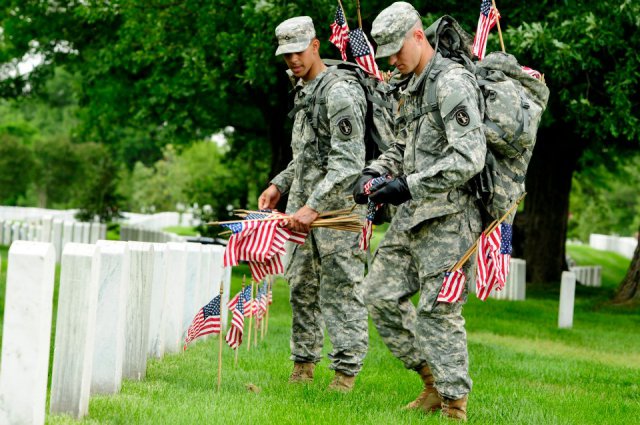
"caption": "Army Pvt. Aaron Johnson places a small American flag in front of a grave during the annual \"Flags In\" event at Arlington National Cemetery in Arlington, Va.",
"description": null,
"title": "army",
"credit": "Sgt. Jose A. Torres Jr./U.S. Army",
"status": "inherit",
"isLoading": false,
"fetchFailed": false
},
"lowdown_28870": {
"type": "attachments",
"id": "lowdown_28870",
"meta": {
"index": "attachments_1716263798",
"site": "lowdown",
"id": "28870",
"found": true
},
"parent": 28859,
"imgSizes": {
"small": {
"file": "https://ww2.kqed.org/app/uploads/sites/26/2017/11/GettyImages-856536570-800x533-520x346.jpg",
"width": 520,
"mimeType": "image/jpeg",
"height": 346
},
"thumbnail": {
"file": "https://ww2.kqed.org/app/uploads/sites/26/2017/11/GettyImages-856536570-800x533-160x107.jpg",
"width": 160,
"mimeType": "image/jpeg",
"height": 107
},
"post-thumbnail": {
"file": "https://ww2.kqed.org/app/uploads/sites/26/2017/11/GettyImages-856536570-800x533-672x372.jpg",
"width": 672,
"mimeType": "image/jpeg",
"height": 372
},
"xsmall": {
"file": "https://ww2.kqed.org/app/uploads/sites/26/2017/11/GettyImages-856536570-800x533-375x250.jpg",
"width": 375,
"mimeType": "image/jpeg",
"height": 250
},
"kqedFullSize": {
"file": "https://ww2.kqed.org/app/uploads/sites/26/2017/11/GettyImages-856536570-800x533.jpg",
"width": 800,
"height": 533
},
"guest-author-50": {
"file": "https://ww2.kqed.org/app/uploads/sites/26/2017/11/GettyImages-856536570-800x533-50x50.jpg",
"width": 50,
"mimeType": "image/jpeg",
"height": 50
},
"guest-author-96": {
"file": "https://ww2.kqed.org/app/uploads/sites/26/2017/11/GettyImages-856536570-800x533-96x96.jpg",
"width": 96,
"mimeType": "image/jpeg",
"height": 96
},
"medium": {
"file": "https://ww2.kqed.org/app/uploads/sites/26/2017/11/GettyImages-856536570-800x533-800x533.jpg",
"width": 800,
"mimeType": "image/jpeg",
"height": 533
},
"guest-author-64": {
"file": "https://ww2.kqed.org/app/uploads/sites/26/2017/11/GettyImages-856536570-800x533-64x64.jpg",
"width": 64,
"mimeType": "image/jpeg",
"height": 64
},
"guest-author-32": {
"file": "https://ww2.kqed.org/app/uploads/sites/26/2017/11/GettyImages-856536570-800x533-32x32.jpg",
"width": 32,
"mimeType": "image/jpeg",
"height": 32
},
"detail": {
"file": "https://ww2.kqed.org/app/uploads/sites/26/2017/11/GettyImages-856536570-800x533-150x150.jpg",
"width": 150,
"mimeType": "image/jpeg",
"height": 150
},
"medium_large": {
"file": "https://ww2.kqed.org/app/uploads/sites/26/2017/11/GettyImages-856536570-800x533-768x512.jpg",
"width": 768,
"mimeType": "image/jpeg",
"height": 512
},
"guest-author-128": {
"file": "https://ww2.kqed.org/app/uploads/sites/26/2017/11/GettyImages-856536570-800x533-128x128.jpg",
"width": 128,
"mimeType": "image/jpeg",
"height": 128
},
"xxsmall": {
"file": "https://ww2.kqed.org/app/uploads/sites/26/2017/11/GettyImages-856536570-800x533-240x160.jpg",
"width": 240,
"mimeType": "image/jpeg",
"height": 160
}
},
"publishDate": 1510211662,
"modified": 1510211699,
"caption": "Concertgoers flee the area in Las Vegas where more than 50 people were killed by a gunman who police say positioned himself on a high-rise hotel building with automatic weapons and opened fire on the crowd.\n\n",
"description": null,
"title": "GettyImages-856536570-800x533",
"credit": "David Becker/Getty Images",
"status": "inherit",
"isLoading": false,
"fetchFailed": false
},
"lowdown_28815": {
"type": "attachments",
"id": "lowdown_28815",
"meta": {
"index": "attachments_1716263798",
"site": "lowdown",
"id": "28815",
"found": true
},
"parent": 28766,
"imgSizes": {
"small": {
"file": "https://ww2.kqed.org/app/uploads/sites/26/2017/11/atn_immigration_yt_thumbnail-520x293.png",
"width": 520,
"mimeType": "image/png",
"height": 293
},
"twentyfourteen-full-width": {
"file": "https://ww2.kqed.org/app/uploads/sites/26/2017/11/atn_immigration_yt_thumbnail-1038x576.png",
"width": 1038,
"mimeType": "image/png",
"height": 576
},
"thumbnail": {
"file": "https://ww2.kqed.org/app/uploads/sites/26/2017/11/atn_immigration_yt_thumbnail-160x90.png",
"width": 160,
"mimeType": "image/png",
"height": 90
},
"fd-sm": {
"file": "https://ww2.kqed.org/app/uploads/sites/26/2017/11/atn_immigration_yt_thumbnail-960x540.png",
"width": 960,
"mimeType": "image/png",
"height": 540
},
"post-thumbnail": {
"file": "https://ww2.kqed.org/app/uploads/sites/26/2017/11/atn_immigration_yt_thumbnail-672x372.png",
"width": 672,
"mimeType": "image/png",
"height": 372
},
"xsmall": {
"file": "https://ww2.kqed.org/app/uploads/sites/26/2017/11/atn_immigration_yt_thumbnail-375x211.png",
"width": 375,
"mimeType": "image/png",
"height": 211
},
"kqedFullSize": {
"file": "https://ww2.kqed.org/app/uploads/sites/26/2017/11/atn_immigration_yt_thumbnail.png",
"width": 1920,
"height": 1080
},
"large": {
"file": "https://ww2.kqed.org/app/uploads/sites/26/2017/11/atn_immigration_yt_thumbnail-1020x574.png",
"width": 1020,
"mimeType": "image/png",
"height": 574
},
"xlarge": {
"file": "https://ww2.kqed.org/app/uploads/sites/26/2017/11/atn_immigration_yt_thumbnail-1180x664.png",
"width": 1180,
"mimeType": "image/png",
"height": 664
},
"guest-author-50": {
"file": "https://ww2.kqed.org/app/uploads/sites/26/2017/11/atn_immigration_yt_thumbnail-50x50.png",
"width": 50,
"mimeType": "image/png",
"height": 50
},
"guest-author-96": {
"file": "https://ww2.kqed.org/app/uploads/sites/26/2017/11/atn_immigration_yt_thumbnail-96x96.png",
"width": 96,
"mimeType": "image/png",
"height": 96
},
"medium": {
"file": "https://ww2.kqed.org/app/uploads/sites/26/2017/11/atn_immigration_yt_thumbnail-800x450.png",
"width": 800,
"mimeType": "image/png",
"height": 450
},
"guest-author-64": {
"file": "https://ww2.kqed.org/app/uploads/sites/26/2017/11/atn_immigration_yt_thumbnail-64x64.png",
"width": 64,
"mimeType": "image/png",
"height": 64
},
"guest-author-32": {
"file": "https://ww2.kqed.org/app/uploads/sites/26/2017/11/atn_immigration_yt_thumbnail-32x32.png",
"width": 32,
"mimeType": "image/png",
"height": 32
},
"fd-lrg": {
"file": "https://ww2.kqed.org/app/uploads/sites/26/2017/11/atn_immigration_yt_thumbnail-1920x1080.png",
"width": 1920,
"mimeType": "image/png",
"height": 1080
},
"fd-med": {
"file": "https://ww2.kqed.org/app/uploads/sites/26/2017/11/atn_immigration_yt_thumbnail-1180x664.png",
"width": 1180,
"mimeType": "image/png",
"height": 664
},
"full-width": {
"file": "https://ww2.kqed.org/app/uploads/sites/26/2017/11/atn_immigration_yt_thumbnail-1920x1080.png",
"width": 1920,
"mimeType": "image/png",
"height": 1080
},
"detail": {
"file": "https://ww2.kqed.org/app/uploads/sites/26/2017/11/atn_immigration_yt_thumbnail-150x150.png",
"width": 150,
"mimeType": "image/png",
"height": 150
},
"medium_large": {
"file": "https://ww2.kqed.org/app/uploads/sites/26/2017/11/atn_immigration_yt_thumbnail-768x432.png",
"width": 768,
"mimeType": "image/png",
"height": 432
},
"guest-author-128": {
"file": "https://ww2.kqed.org/app/uploads/sites/26/2017/11/atn_immigration_yt_thumbnail-128x128.png",
"width": 128,
"mimeType": "image/png",
"height": 128
},
"xxsmall": {
"file": "https://ww2.kqed.org/app/uploads/sites/26/2017/11/atn_immigration_yt_thumbnail-240x135.png",
"width": 240,
"mimeType": "image/png",
"height": 135
}
},
"publishDate": 1509576510,
"modified": 1509576510,
"caption": null,
"description": null,
"title": "atn_immigration_yt_thumbnail",
"credit": null,
"status": "inherit",
"isLoading": false,
"fetchFailed": false
}
},
"audioPlayerReducer": {
"postId": "stream_live",
"isPaused": true,
"isPlaying": false,
"pfsActive": false,
"pledgeModalIsOpen": true,
"playerDrawerIsOpen": false,
"liveAudioPlayStartedAt": 0,
"liveAudioPlayContext": ""
},
"authorsReducer": {
"matthewgreen": {
"type": "authors",
"id": "1263",
"meta": {
"index": "authors_1716337520",
"id": "1263",
"found": true
},
"name": "Matthew Green",
"firstName": "Matthew",
"lastName": "Green",
"slug": "matthewgreen",
"email": "mgreen@kqed.org",
"display_author_email": false,
"staff_mastheads": [],
"title": "KQED Editor/Reporter",
"bio": "Matthew Green is a digital media producer for KQED News. He previously produced \u003ca href=\"http://www.kqed.org/lowdown\">The Lowdown\u003c/a>, KQED’s multimedia news education blog. Matthew's written for numerous Bay Area publications, including the Oakland Tribune and San Francisco Chronicle. He also taught journalism classes at Fremont High School in East Oakland.\r\n\r\nEmail: mgreen@kqed.org; Twitter: @MGreenKQED",
"avatar": "https://secure.gravatar.com/avatar/3bf498d1267ca02c8494f33d8cfc575e?s=600&d=blank&r=g",
"twitter": "MGreenKQED",
"facebook": null,
"instagram": null,
"linkedin": null,
"sites": [
{
"site": "news",
"roles": []
},
{
"site": "lowdown",
"roles": []
},
{
"site": "science",
"roles": []
},
{
"site": "education",
"roles": []
},
{
"site": "quest",
"roles": []
},
{
"site": "liveblog",
"roles": []
}
],
"headData": {
"title": "Matthew Green | KQED",
"description": "KQED Editor/Reporter",
"ogImgSrc": "https://secure.gravatar.com/avatar/3bf498d1267ca02c8494f33d8cfc575e?s=600&d=blank&r=g",
"twImgSrc": "https://secure.gravatar.com/avatar/3bf498d1267ca02c8494f33d8cfc575e?s=600&d=blank&r=g"
},
"isLoading": false,
"link": "/author/matthewgreen"
},
"sthatcher": {
"type": "authors",
"id": "11325",
"meta": {
"index": "authors_1716337520",
"id": "11325",
"found": true
},
"name": "Stephanie Thatcher",
"firstName": "Stephanie",
"lastName": "Thatcher",
"slug": "sthatcher",
"email": "sthatcher@kqed.org",
"display_author_email": false,
"staff_mastheads": [],
"title": "KQED Contributor",
"bio": "Stephanie Thatcher is currently an undergraduate at UC Berkeley majoring in Philosophy and Legal Studies. Her interests primarily lie in civics, politics, and media literacy. Stephanie is the KQED Education Services Intern.",
"avatar": "https://secure.gravatar.com/avatar/9f1ce42f4e52da63d30f6f94ec734902f02a6e241af899e7bbc5a766d5c0daf2?s=600&d=mm&r=g",
"twitter": null,
"bluesky": null,
"facebook": null,
"instagram": null,
"linkedin": null,
"sites": [
{
"site": "lowdown",
"roles": [
"subscriber"
]
},
{
"site": "education",
"roles": [
"subscriber"
]
}
],
"headData": {
"title": "Stephanie Thatcher | KQED",
"description": "KQED Contributor",
"ogImgSrc": "https://secure.gravatar.com/avatar/9f1ce42f4e52da63d30f6f94ec734902f02a6e241af899e7bbc5a766d5c0daf2?s=600&d=mm&r=g",
"twImgSrc": "https://secure.gravatar.com/avatar/9f1ce42f4e52da63d30f6f94ec734902f02a6e241af899e7bbc5a766d5c0daf2?s=600&d=mm&r=g"
},
"isLoading": false,
"link": "/author/sthatcher"
}
},
"pagesReducer": {
"education_category_news-and-civics": {
"type": "terms",
"id": "education_50",
"meta": {
"index": "terms_1716263798",
"site": "education",
"id": "50",
"score": 13.897051
},
"featImg": null,
"name": "News & Civics",
"description": "Find civics lesson plans and teaching resources for high school and middle school, including lesson plan ideas on the latest news topics.",
"taxonomy": "category",
"headData": {
"twImgId": null,
"twTitle": null,
"ogTitle": null,
"ogImgId": null,
"twDescription": null,
"description": "Find civics lesson plans and teaching resources for high school and middle school, including lesson plan ideas on the latest news topics.",
"title": "News & Civics | KQED Education",
"ogDescription": null
},
"ttid": 58,
"slug": "news-and-civics",
"isLoading": false,
"title": "News & Civics",
"pageMeta": {
"site": "education",
"WpPageTemplate": "page-topic-company",
"currentPage": 9
},
"blocks": [
{
"blockName": "kqed/company-paragraph",
"content": "Find civics lesson plans and teaching resources for high school and middle school, including lesson plan ideas on the latest news topics."
},
{
"blockName": "kqed/post-list",
"attrs": {
"layout": "cardCompany2",
"query": "posts/education?category=news-and-civics",
"seeMore": false,
"paginated": true,
"page": 9
}
},
{
"blockName": "kqed/ad"
}
]
}
},
"pfsSessionReducer": {},
"postsReducer": {
"stream_live": {
"type": "live",
"id": "stream_live",
"audioUrl": "https://streams.kqed.org/kqedradio",
"title": "Live Stream",
"excerpt": "Live Stream information currently unavailable.",
"link": "/radio",
"featImg": "",
"label": {
"name": "KQED Live",
"link": "/"
}
},
"stream_kqedNewscast": {
"type": "posts",
"id": "stream_kqedNewscast",
"audioUrl": "https://www.kqed.org/.stream/anon/radio/RDnews/newscast.mp3?_=1",
"title": "KQED Newscast",
"featImg": "",
"label": {
"name": "88.5 FM",
"link": "/"
}
},
"lowdown_29087": {
"type": "posts",
"id": "lowdown_29087",
"meta": {
"index": "posts_1716263798",
"site": "lowdown",
"id": "29087",
"score": null,
"sort": [
1513224024000
]
},
"parent": 0,
"labelTerm": {
"site": "lowdown"
},
"blocks": [],
"publishDate": 1513224024,
"format": "video",
"disqusTitle": "What’s Net Neutrality and How Will the Internet Change Without It?",
"title": "What’s Net Neutrality and How Will the Internet Change Without It?",
"headTitle": "The Lowdown | KQED News",
"content": "\u003cp>\u003c!--more-->\u003c/p>\n\u003cp>Whether you’re heading to Amazon or your grandma’s cat grooming blog, every site and application on the internet is supposed to be delivered at the same speed.\u003c/p>\n\u003cp>But that's likely to be a thing of the past. Today (Dec. 14), the Federal Communications Commission \u003ca href=\"http://money.cnn.com/2017/12/14/technology/fcc-net-neutrality-vote/index.html\" target=\"_blank\" rel=\"noopener\">voted to scrap so-called net neutrality rules\u003c/a>, which prevent internet service providers like AT&T, Verizon and Comcast from speeding up or slowing down content. The vote strips Obama-era regulations, giving ISPs much greater control over how they deliver content to consumers.\u003c/p>\n\u003cdiv>\n\u003caside class=\"alignright\">\n\u003cdiv>\u003cspan style=\"font-size: x-large;\">\u003cspan style=\"color: #993300;\">Teach with the Lowdown\u003c/span>\u003c/span>\u003c/div>\n\u003cp>\u003cimg class=\"alignnone wp-image-22868\" src=\"http://ww2.kqed.org/lowdown/wp-content/uploads/sites/26/2016/07/hands-e1469568663680-400x143.jpg\" width=\"340\" height=\"122\" srcset=\"https://ww2.kqed.org/app/uploads/sites/26/2016/07/hands-e1469568663680-400x143.jpg 400w, https://ww2.kqed.org/app/uploads/sites/26/2016/07/hands-e1469568663680-800x286.jpg 800w, https://ww2.kqed.org/app/uploads/sites/26/2016/07/hands-e1469568663680-768x274.jpg 768w, https://ww2.kqed.org/app/uploads/sites/26/2016/07/hands-e1469568663680.jpg 957w\" sizes=\"(max-width: 340px) 100vw, 340px\">Suggestions for nonfiction analysis, writing/discussion prompts and multimedia projects. Browse our lesson plan collection \u003ca href=\"https://ww2.kqed.org/lowdown/category/lesson-plans-and-guides/\" target=\"_blank\" rel=\"noopener\">here\u003c/a>.\u003c/p>\n\u003cul>\n\u003cli>\u003ca href=\"https://ww2.kqed.org/lowdown/wp-content/uploads/sites/26/2017/11/Net-Neutrality-lesson-plan-1.pdf\" target=\"_blank\" rel=\"noopener\">Lesson Plan: Net Neutrality (PDF)\u003c/a>\u003c/li>\n\u003c/ul>\n\u003c/aside>\n\u003c/div>\n\u003cp>Under the current rules, ISPs -- those companies that maintain your broadband or wireless connections -- are required to treat every site equally and give consumers the same access to all content. That means they can’t discriminate by blocking or slowing down the loading speeds of some sites or creating \"fast lanes\" for other sites that pay extra.\u003c/p>\n\u003cp>Think of the internet as water, and the ISPs as the builders and owners of the pipes. Net neutrality essentially holds ISPs to the same standard as other public utilities, requiring that they deliver their product uniformly and indiscriminately.\u003c/p>\n\u003cp>[ad fullwidth]\u003c/p>\n\u003cp>Although the modern internet has always operated under net neutrality principles, it wasn’t until 2015 that the then-Democratic controlled FCC -- a five-member bipartisan agency that monitors radio, television, phone, satellite and cable services -- \u003ca href=\"https://www.nytimes.com/2015/03/13/technology/fcc-releases-net-neutrality-rules.html\" target=\"_blank\" rel=\"noopener\">voted to codify and enforce it.\u003c/a>\u003c/p>\n\u003cp>The vote reclassified wireless and broadband internet providers as “common carriers,” a designation that gave the FCC authority to regulate the industry like a public utility, in much the same way that other government agencies oversee water and power companies.\u003c/p>\n\u003cp>\"Every since the internet was created it's been organized around basic principles of openness, fairness and freedom,\" President Obama \u003ca href=\"https://www.usatoday.com/story/tech/2014/11/10/president-obama-net-neutrality-reaction/18797601/\" target=\"_blank\" rel=\"noopener\">said in a 2014 statement\u003c/a>. \"There are no gatekeepers deciding which sites you get to access. There are no toll roads on the information superhighway ... Abandoning these principles would threaten to end the internet as we know it.\"\u003c/p>\n\u003cp>But as with so many things under the Trump administration, that’s all subject to dramatic change. New FCC chairman Ajit Pai, a Trump appointee, is hell-bent on scrapping the nascent net neutrality regulations.\u003c/p>\n\u003cp>\u003cem>NOTE: The following NY Times video was produced in advance of the FCC's 2015 decision but the same concepts apply today.\u003c/em>\u003c/p>\n\u003cp>https://youtu.be/2psly3euy78\u003c/p>\n\u003cp>Although this all sounds like a big yawn fest, the decision is actually a pretty big deal, especially if you happen to use the internet for, well, just about anything (like reading this blog -- which I hope loaded quickly).\u003c/p>\n\u003cp>Net neutrality advocates worry that scrapping net neutrality rules will result in major changes to how the Internet operates in the U.S., with big online businesses paying for faster load times, squeezing out smaller players and disrupting service. Consumers could also have to pay a premium for bandwidth-heavy sites, like video streaming platforms.\u003c/p>\n\u003cp>Anticipation of the vote set off a long fight for control of the internet, in what consumer advocacy groups and other opponents have framed as a major curtailment of online free speech that will inevitably lead to less independent content and steeper rates of service. It also pits telecom titans like AT&T and Verizon, which have fought for years against such regulations, against internet giants like Google, Amazon, Facebook and Netflix, which have all benefited tremendously from a free and open internet where ISPs can't slow down their content.\u003c/p>\n\u003cp>The new rules could go into effect as early as January, although court challenges are likely.\u003c/p>\n\u003cp>\"Net neutrality is the idea that the internet should be free and open for everyone,\" Facebook CEO Mark Zuckerberg wrote, in advance of a \u003ca href=\"http://fortune.com/2017/07/12/net-neutrality-day-of-action/\">“Day of Action” \u003c/a>in July organized by tech companies to protest the FCC’s plan. \"If a service provider can block you from seeing certain content or can make you pay extra for it, that hurts all of us and we should have rules against it.\"\u003c/p>\n\u003cp>But Pai, who once served on the \u003ca href=\"https://www.fcc.gov/about/leadership/ajit-pai\" target=\"_blank\" rel=\"noopener\">legal team at Verizon\u003c/a>, argues that the current rules are unnecessary and a burdensome example of government overreach that prevent companies from expanding their broadband services and offering customers more service plans to choose from. ISPs, he adds, already adhered to the basic principles of net neutrality long before the government stepped in, and that worked just fine.\u003c/p>\n\u003cp>“The economics are simple here. The more heavily you regulate something, the less of it you’re going to get,” Pai said during a speech in April 2017.\u003c/p>\n\u003cp>“Under my proposal, the federal government will stop micromanaging the internet,” Pai added in a more recent statement. “Instead, the FCC would simply require internet service providers to be transparent about their practices so that consumers can buy the service plan that’s best for them.”\u003c/p>\n\u003cp>Under Pai's plan, ISPs could create multiple tiers of internet service, in which customers would pay different rates based on the different types of online services they want to get. Some have pointed to \u003ca href=\"http://www.independent.co.uk/life-style/gadgets-and-tech/news/net-neutrality-federal-communications-commission-fcc-us-portugal-internet-web-freedoms-netflix-a8078321.html\" target=\"_blank\" rel=\"noopener\">internet companies in Portugal\u003c/a> as a preview of what these changes might look like. Portuguese users pay a basic rate for traditional data use but have to pay more for add-ons like video streaming or messaging apps. \u003c/p>\n\u003cp>The deregulation also allows something called \"\u003ca href=\"https://www.npr.org/2017/07/12/536887872/internet-companies-plan-day-of-action-in-support-of-net-neutrality\" target=\"_blank\" rel=\"noopener\">paid prioritization\u003c/a>,\" a kind of deal where a company like Netflix could pay a service provider like Verizon for priority delivery and receive special treatment.\u003c/p>\n\u003cp>Some education advocates are also concerned that the change will be \u003ca href=\"https://www.npr.org/sections/ed/2017/12/13/570262813/how-a-deregulated-internet-could-hurt-america-s-classrooms\" target=\"_blank\" rel=\"noopener\">detrimental to students and teachers\u003c/a>, many of whom rely heavily on free internet resources in the classroom.\u003c/p>\n\u003cp>ISPs would technically be required to let consumers know if they block content or limit how fast certain sites load (known as bandwidth “throttling”), but it's unclear how obvious those notifications would be.\u003c/p>\n\u003cp>https://youtu.be/SiUV5jmfYEU\u003c/p>\n\u003cp>Defenders of net neutrality argue that an open internet is essential for innovation and \u003ca href=\"https://ww2.kqed.org/arts/2017/12/13/how-the-gutting-of-net-neutrality-would-impact-bay-area-creatives/\" target=\"_blank\" rel=\"noopener\">creativity\u003c/a>, giving startups and small companies a fighting chance and ensuring that a wide diversity of web services remains available. Sites like Netflix, they argue, never would have succeeded without it, because the cable companies controlling the delivery pipes would have \"throttled\" it to avoid competition. The absence of net neutrality, they say, will inevitably create a pay-to-play outcome, and turn telecom companies into even more powerful gatekeepers of information and entertainment.\u003c/p>\n\u003cp>[ad floatright]\u003c/p>\n\u003cp>\"We haven't actually lived in a world where fully the ISPs could block access,\" Denelle Dixon, chief legal and business officer at Mozilla, \u003ca href=\"https://www.npr.org/sections/thetwo-way/2017/11/21/565682679/fcc-unveils-plan-to-repeal-net-neutrality-rules\" target=\"_blank\" rel=\"noopener\">told NPR this summer\u003c/a> when Pai's plan began taking shape. \"This is the world we need to imagine now.\"\u003c/p>\n\n",
"disqusIdentifier": "29087 https://ww2.kqed.org/lowdown/?p=29087",
"disqusUrl": "https://ww2.kqed.org/lowdown/2017/12/13/net-neutrality-and-the-fight-for-internet-control/",
"stats": {
"hasVideo": false,
"hasChartOrMap": false,
"hasAudio": false,
"hasPolis": false,
"wordCount": 1158,
"hasGoogleForm": false,
"hasGallery": false,
"hasHearkenModule": false,
"iframeSrcs": [],
"paragraphCount": 27
},
"modified": 1513292431,
"excerpt": "The days of net neutrality may be numbered. Here's what that means for the web.",
"headData": {
"twImgId": "",
"twTitle": "",
"ogTitle": "",
"ogImgId": "",
"twDescription": "",
"description": "The days of net neutrality may be numbered. Here's what that means for the web.",
"title": "What’s Net Neutrality and How Will the Internet Change Without It? | KQED",
"ogDescription": "",
"schema": {
"@context": "https://schema.org",
"@type": "Article",
"headline": "What’s Net Neutrality and How Will the Internet Change Without It?",
"datePublished": "2017-12-13T20:00:24-08:00",
"dateModified": "2017-12-14T15:00:31-08:00",
"image": "https://cdn.kqed.org/wp-content/uploads/2020/02/KQED-OG-Image@1x.png"
}
},
"guestAuthors": [],
"slug": "net-neutrality-and-the-fight-for-internet-control",
"status": "publish",
"videoEmbed": "https://youtu.be/V0X4Ogjg5MU",
"path": "/lowdown/29087/net-neutrality-and-the-fight-for-internet-control",
"audioTrackLength": null,
"parsedContent": [
{
"type": "contentString",
"content": "\u003cdiv class=\"post-body\">\u003cp>\u003cp>\u003c!--more-->\u003c/p>\n\u003cp>Whether you’re heading to Amazon or your grandma’s cat grooming blog, every site and application on the internet is supposed to be delivered at the same speed.\u003c/p>\n\u003cp>But that's likely to be a thing of the past. Today (Dec. 14), the Federal Communications Commission \u003ca href=\"http://money.cnn.com/2017/12/14/technology/fcc-net-neutrality-vote/index.html\" target=\"_blank\" rel=\"noopener\">voted to scrap so-called net neutrality rules\u003c/a>, which prevent internet service providers like AT&T, Verizon and Comcast from speeding up or slowing down content. The vote strips Obama-era regulations, giving ISPs much greater control over how they deliver content to consumers.\u003c/p>\n\u003cdiv>\n\u003caside class=\"alignright\">\n\u003cdiv>\u003cspan style=\"font-size: x-large;\">\u003cspan style=\"color: #993300;\">Teach with the Lowdown\u003c/span>\u003c/span>\u003c/div>\n\u003cp>\u003cimg class=\"alignnone wp-image-22868\" src=\"http://ww2.kqed.org/lowdown/wp-content/uploads/sites/26/2016/07/hands-e1469568663680-400x143.jpg\" width=\"340\" height=\"122\" srcset=\"https://ww2.kqed.org/app/uploads/sites/26/2016/07/hands-e1469568663680-400x143.jpg 400w, https://ww2.kqed.org/app/uploads/sites/26/2016/07/hands-e1469568663680-800x286.jpg 800w, https://ww2.kqed.org/app/uploads/sites/26/2016/07/hands-e1469568663680-768x274.jpg 768w, https://ww2.kqed.org/app/uploads/sites/26/2016/07/hands-e1469568663680.jpg 957w\" sizes=\"(max-width: 340px) 100vw, 340px\">Suggestions for nonfiction analysis, writing/discussion prompts and multimedia projects. Browse our lesson plan collection \u003ca href=\"https://ww2.kqed.org/lowdown/category/lesson-plans-and-guides/\" target=\"_blank\" rel=\"noopener\">here\u003c/a>.\u003c/p>\n\u003cul>\n\u003cli>\u003ca href=\"https://ww2.kqed.org/lowdown/wp-content/uploads/sites/26/2017/11/Net-Neutrality-lesson-plan-1.pdf\" target=\"_blank\" rel=\"noopener\">Lesson Plan: Net Neutrality (PDF)\u003c/a>\u003c/li>\n\u003c/ul>\n\u003c/aside>\n\u003c/div>\n\u003cp>Under the current rules, ISPs -- those companies that maintain your broadband or wireless connections -- are required to treat every site equally and give consumers the same access to all content. That means they can’t discriminate by blocking or slowing down the loading speeds of some sites or creating \"fast lanes\" for other sites that pay extra.\u003c/p>\n\u003cp>Think of the internet as water, and the ISPs as the builders and owners of the pipes. Net neutrality essentially holds ISPs to the same standard as other public utilities, requiring that they deliver their product uniformly and indiscriminately.\u003c/p>\n\u003cp>\u003c/p>\u003c/div>",
"attributes": {
"named": {},
"numeric": []
}
},
{
"type": "component",
"content": "",
"name": "ad",
"attributes": {
"named": {
"label": "fullwidth"
},
"numeric": [
"fullwidth"
]
}
},
{
"type": "contentString",
"content": "\u003cdiv class=\"post-body\">\u003cp>\u003c/p>\n\u003cp>Although the modern internet has always operated under net neutrality principles, it wasn’t until 2015 that the then-Democratic controlled FCC -- a five-member bipartisan agency that monitors radio, television, phone, satellite and cable services -- \u003ca href=\"https://www.nytimes.com/2015/03/13/technology/fcc-releases-net-neutrality-rules.html\" target=\"_blank\" rel=\"noopener\">voted to codify and enforce it.\u003c/a>\u003c/p>\n\u003cp>The vote reclassified wireless and broadband internet providers as “common carriers,” a designation that gave the FCC authority to regulate the industry like a public utility, in much the same way that other government agencies oversee water and power companies.\u003c/p>\n\u003cp>\"Every since the internet was created it's been organized around basic principles of openness, fairness and freedom,\" President Obama \u003ca href=\"https://www.usatoday.com/story/tech/2014/11/10/president-obama-net-neutrality-reaction/18797601/\" target=\"_blank\" rel=\"noopener\">said in a 2014 statement\u003c/a>. \"There are no gatekeepers deciding which sites you get to access. There are no toll roads on the information superhighway ... Abandoning these principles would threaten to end the internet as we know it.\"\u003c/p>\n\u003cp>But as with so many things under the Trump administration, that’s all subject to dramatic change. New FCC chairman Ajit Pai, a Trump appointee, is hell-bent on scrapping the nascent net neutrality regulations.\u003c/p>\n\u003cp>\u003cem>NOTE: The following NY Times video was produced in advance of the FCC's 2015 decision but the same concepts apply today.\u003c/em>\u003c/p>\u003c/p>\u003cp>\u003cspan class='utils-parseShortcode-shortcodes-__youtubeShortcode__embedYoutube'>\n \u003cspan class='utils-parseShortcode-shortcodes-__youtubeShortcode__embedYoutubeInside'>\n \u003ciframe\n loading='lazy'\n class='utils-parseShortcode-shortcodes-__youtubeShortcode__youtubePlayer'\n type='text/html'\n src='//www.youtube.com/embed/2psly3euy78'\n title='//www.youtube.com/embed/2psly3euy78'\n allowfullscreen='true'\n style='border:0;'>\u003c/iframe>\n \u003c/span>\n \u003c/span>\u003c/p>\u003cp>\u003cp>Although this all sounds like a big yawn fest, the decision is actually a pretty big deal, especially if you happen to use the internet for, well, just about anything (like reading this blog -- which I hope loaded quickly).\u003c/p>\n\u003cp>Net neutrality advocates worry that scrapping net neutrality rules will result in major changes to how the Internet operates in the U.S., with big online businesses paying for faster load times, squeezing out smaller players and disrupting service. Consumers could also have to pay a premium for bandwidth-heavy sites, like video streaming platforms.\u003c/p>\n\u003cp>Anticipation of the vote set off a long fight for control of the internet, in what consumer advocacy groups and other opponents have framed as a major curtailment of online free speech that will inevitably lead to less independent content and steeper rates of service. It also pits telecom titans like AT&T and Verizon, which have fought for years against such regulations, against internet giants like Google, Amazon, Facebook and Netflix, which have all benefited tremendously from a free and open internet where ISPs can't slow down their content.\u003c/p>\n\u003cp>The new rules could go into effect as early as January, although court challenges are likely.\u003c/p>\n\u003cp>\"Net neutrality is the idea that the internet should be free and open for everyone,\" Facebook CEO Mark Zuckerberg wrote, in advance of a \u003ca href=\"http://fortune.com/2017/07/12/net-neutrality-day-of-action/\">“Day of Action” \u003c/a>in July organized by tech companies to protest the FCC’s plan. \"If a service provider can block you from seeing certain content or can make you pay extra for it, that hurts all of us and we should have rules against it.\"\u003c/p>\n\u003cp>But Pai, who once served on the \u003ca href=\"https://www.fcc.gov/about/leadership/ajit-pai\" target=\"_blank\" rel=\"noopener\">legal team at Verizon\u003c/a>, argues that the current rules are unnecessary and a burdensome example of government overreach that prevent companies from expanding their broadband services and offering customers more service plans to choose from. ISPs, he adds, already adhered to the basic principles of net neutrality long before the government stepped in, and that worked just fine.\u003c/p>\n\u003cp>“The economics are simple here. The more heavily you regulate something, the less of it you’re going to get,” Pai said during a speech in April 2017.\u003c/p>\n\u003cp>“Under my proposal, the federal government will stop micromanaging the internet,” Pai added in a more recent statement. “Instead, the FCC would simply require internet service providers to be transparent about their practices so that consumers can buy the service plan that’s best for them.”\u003c/p>\n\u003cp>Under Pai's plan, ISPs could create multiple tiers of internet service, in which customers would pay different rates based on the different types of online services they want to get. Some have pointed to \u003ca href=\"http://www.independent.co.uk/life-style/gadgets-and-tech/news/net-neutrality-federal-communications-commission-fcc-us-portugal-internet-web-freedoms-netflix-a8078321.html\" target=\"_blank\" rel=\"noopener\">internet companies in Portugal\u003c/a> as a preview of what these changes might look like. Portuguese users pay a basic rate for traditional data use but have to pay more for add-ons like video streaming or messaging apps. \u003c/p>\n\u003cp>The deregulation also allows something called \"\u003ca href=\"https://www.npr.org/2017/07/12/536887872/internet-companies-plan-day-of-action-in-support-of-net-neutrality\" target=\"_blank\" rel=\"noopener\">paid prioritization\u003c/a>,\" a kind of deal where a company like Netflix could pay a service provider like Verizon for priority delivery and receive special treatment.\u003c/p>\n\u003cp>Some education advocates are also concerned that the change will be \u003ca href=\"https://www.npr.org/sections/ed/2017/12/13/570262813/how-a-deregulated-internet-could-hurt-america-s-classrooms\" target=\"_blank\" rel=\"noopener\">detrimental to students and teachers\u003c/a>, many of whom rely heavily on free internet resources in the classroom.\u003c/p>\n\u003cp>ISPs would technically be required to let consumers know if they block content or limit how fast certain sites load (known as bandwidth “throttling”), but it's unclear how obvious those notifications would be.\u003c/p>\u003c/p>\u003cp>\u003cspan class='utils-parseShortcode-shortcodes-__youtubeShortcode__embedYoutube'>\n \u003cspan class='utils-parseShortcode-shortcodes-__youtubeShortcode__embedYoutubeInside'>\n \u003ciframe\n loading='lazy'\n class='utils-parseShortcode-shortcodes-__youtubeShortcode__youtubePlayer'\n type='text/html'\n src='//www.youtube.com/embed/SiUV5jmfYEU'\n title='//www.youtube.com/embed/SiUV5jmfYEU'\n allowfullscreen='true'\n style='border:0;'>\u003c/iframe>\n \u003c/span>\n \u003c/span>\u003c/p>\u003cp>\u003cp>Defenders of net neutrality argue that an open internet is essential for innovation and \u003ca href=\"https://ww2.kqed.org/arts/2017/12/13/how-the-gutting-of-net-neutrality-would-impact-bay-area-creatives/\" target=\"_blank\" rel=\"noopener\">creativity\u003c/a>, giving startups and small companies a fighting chance and ensuring that a wide diversity of web services remains available. Sites like Netflix, they argue, never would have succeeded without it, because the cable companies controlling the delivery pipes would have \"throttled\" it to avoid competition. The absence of net neutrality, they say, will inevitably create a pay-to-play outcome, and turn telecom companies into even more powerful gatekeepers of information and entertainment.\u003c/p>\n\u003cp>\u003c/p>\u003c/div>",
"attributes": {
"named": {},
"numeric": []
}
},
{
"type": "component",
"content": "",
"name": "ad",
"attributes": {
"named": {
"label": "floatright"
},
"numeric": [
"floatright"
]
}
},
{
"type": "contentString",
"content": "\u003cdiv class=\"post-body\">\u003cp>\u003c/p>\n\u003cp>\"We haven't actually lived in a world where fully the ISPs could block access,\" Denelle Dixon, chief legal and business officer at Mozilla, \u003ca href=\"https://www.npr.org/sections/thetwo-way/2017/11/21/565682679/fcc-unveils-plan-to-repeal-net-neutrality-rules\" target=\"_blank\" rel=\"noopener\">told NPR this summer\u003c/a> when Pai's plan began taking shape. \"This is the world we need to imagine now.\"\u003c/p>\n\n\u003c/div>\u003c/p>",
"attributes": {
"named": {},
"numeric": []
}
}
],
"link": "/lowdown/29087/net-neutrality-and-the-fight-for-internet-control",
"authors": [
"1263"
],
"categories": [
"lowdown_2399",
"lowdown_1",
"lowdown_2401"
],
"tags": [
"lowdown_2337",
"lowdown_586"
],
"featImg": "lowdown_29093",
"label": "lowdown"
},
"lowdown_29075": {
"type": "posts",
"id": "lowdown_29075",
"meta": {
"index": "posts_1716263798",
"site": "lowdown",
"id": "29075",
"score": null,
"sort": [
1511280028000
]
},
"parent": 0,
"labelTerm": {
"site": "lowdown"
},
"blocks": [],
"publishDate": 1511280028,
"format": "image",
"disqusTitle": "Were the Pilgrims America's Original Refugees?",
"title": "Were the Pilgrims America's Original Refugees?",
"headTitle": "The Lowdown | KQED News",
"content": "\u003cp>\u003c!--more-->Regardless of where you stand in the politically-heated debate over how many refugees the U.S. should take in, it's worth considering the issue's relevance to Thanksgiving, a holiday rooted in the tenets of gratitude, kindness and acceptance of others.\u003c/p>\n\u003cp>The main protagonists of the Thanksgiving story -- the Pilgrims -- were, after all, refugees of a sort as well. While they might not have necessarily fit neatly into the United Nations' \u003ca href=\"http://www.unrefugees.org/what-is-a-refugee/\" target=\"_blank\" rel=\"noopener\">modern legal classification\u003c/a> of a \"refugee,\" they did sail to the New World seeking religious freedom and a refuge from persecution.\u003c/p>\n\u003cp>Among the roughly 100 passengers who set sail aboard the Mayflower in 1620 in search of a better life, about a third were members of the radical Puritan faction known as the \u003ca href=\"http://www.smithsonianmag.com/people-places/pilgrims-progress-135067108/?no-ist=&page=4\" target=\"_blank\" rel=\"noopener\">English Separatist Church\u003c/a>. The group fled religious persecution after illegally ceding from the Church of England, heading first to the Netherlands and eventually across the Atlantic to the New World.\u003c/p>\n\u003cp>Although aiming for an area near the Hudson River, their ship ultimately landed on the shores of Cape Cod in what is modern-day Massachusetts, where its passengers founded the Plymouth Colony. Their first winter there was a rough one: nearly \u003ca href=\"http://www.pilgrimhallmuseum.org/\" target=\"_blank\" rel=\"noopener\">half the colony\u003c/a> died from starvation and inadequate shelter.\u003c/p>\n\u003cp>But, as the story goes, the group acquired crucial agricultural advice and survival skills from the area's native inhabitants, and by the fall of 1621, its members had managed to scrape together enough food to at least marginally sustain themselves. The 53 remaining members of the colony famously celebrated a harvest feast with members of the Pokanoket tribe, an event that is \u003ca href=\"http://www.history.com/topics/pilgrims\" target=\"_blank\" rel=\"noopener\">considered the basis\u003c/a> for today's Thanksgiving holiday.\u003c/p>\n\u003cfigure id=\"attachment_20262\" class=\"wp-caption alignnone\" style=\"max-width: 1600px\">\u003cimg class=\"size-full wp-image-20262\" src=\"http://ww2.kqed.org/lowdown/wp-content/uploads/sites/26/2015/11/thanksgiving-pic1.jpg\" alt=\"The First Thanksgiving 1621, oil on canvas by Jean Leon Gerome Ferris (1899).\" width=\"1600\" height=\"900\" srcset=\"https://ww2.kqed.org/app/uploads/sites/26/2015/11/thanksgiving-pic1.jpg 1600w, https://ww2.kqed.org/app/uploads/sites/26/2015/11/thanksgiving-pic1-400x225.jpg 400w, https://ww2.kqed.org/app/uploads/sites/26/2015/11/thanksgiving-pic1-800x450.jpg 800w, https://ww2.kqed.org/app/uploads/sites/26/2015/11/thanksgiving-pic1-1440x810.jpg 1440w, https://ww2.kqed.org/app/uploads/sites/26/2015/11/thanksgiving-pic1-1180x664.jpg 1180w, https://ww2.kqed.org/app/uploads/sites/26/2015/11/thanksgiving-pic1-960x540.jpg 960w\" sizes=\"(max-width: 1600px) 100vw, 1600px\">\u003cfigcaption class=\"wp-caption-text\">The First Thanksgiving 1621, oil on canvas by Jean Leon Gerome Ferris (1899). \u003ccite>(\u003ca href=\"https://upload.wikimedia.org/wikipedia/commons/6/6e/The_First_Thanksgiving_cph.3g04961.jpg\" target=\"_blank\">Wikipedia\u003c/a>)\u003c/cite>\u003c/figcaption>\u003c/figure>\n\u003cp>Edward Winslow, one of the colony's leaders, \u003ca href=\"http://www.pilgrimhallmuseum.org/ap_first_thanksgiving.htm\" target=\"_blank\" rel=\"noopener\">described the event\u003c/a>: \"Our harvest being gotten in, our governor sent four men on fowling, that so we might after a special manner rejoice together after we had gathered the fruit of our labors… many of the Indians coming amongst us, and among the rest their greatest king Massasoit, with some ninety men, whom for three days we entertained and feasted. And although it be not always so plentiful as it was at this time with us, yet by the goodness of God, we are so far from want that we often wish you partakers of our plenty.”\u003c/p>\n\u003cp>[ad fullwidth]\u003c/p>\n\u003cp>Of course, the arrival of the newcomers didn't bode too well for the Pokanokets, part of the larger Wampanoag Nation, whose population was rapidly decimated, duel largely to smallpox and other diseases imported by the colonists.\u003c/p>\n\u003cp>As liberal comedian John Oliver noted on his HBO show \"Last Week Tonight,\" it was really the only influx of refugees in American history that had a significantly detrimental impact on the people already living here.\u003c/p>\n\u003cp>“Every generation has had its own ugly reaction to refugees. ... And those fears have been broadly unfounded,” he said. “In fact, there was only one time in American history when the fear of refugees wiping everyone out did actually come true, and we’ll all be sitting around a table celebrating it on Thursday.\"\u003c/p>\n\u003cp>\u003c/p>\n\u003cp>As we prepare to sit down for our Thanksgiving meal with friends and family who may -- to put it lightly -- not always be politically aligned, it's worth keeping in mind what this holiday is intended to commemorate, and to remember the \u003ca href=\"http://www.unhcr.org/en-us/statistics/unhcrstats/576408cd7/unhcr-global-trends-2015.html\" target=\"_blank\" rel=\"noopener\">many millions of people\u003c/a> around the world today forced to flee their homes in search of safe refuge.\u003c/p>\n\n",
"disqusIdentifier": "29075 https://ww2.kqed.org/lowdown/?p=29075",
"disqusUrl": "https://ww2.kqed.org/lowdown/2017/11/21/were-the-pilgrims-americas-original-refugees/",
"stats": {
"hasVideo": false,
"hasChartOrMap": false,
"hasAudio": false,
"hasPolis": false,
"wordCount": 594,
"hasGoogleForm": false,
"hasGallery": false,
"hasHearkenModule": false,
"iframeSrcs": [],
"paragraphCount": 12
},
"modified": 1511453174,
"excerpt": null,
"headData": {
"twImgId": "",
"twTitle": "",
"ogTitle": "",
"ogImgId": "",
"twDescription": "",
"description": "",
"title": "Were the Pilgrims America's Original Refugees? | KQED",
"ogDescription": "",
"schema": {
"@context": "https://schema.org",
"@type": "Article",
"headline": "Were the Pilgrims America's Original Refugees?",
"datePublished": "2017-11-21T08:00:28-08:00",
"dateModified": "2017-11-23T08:06:14-08:00",
"image": "https://cdn.kqed.org/wp-content/uploads/2020/02/KQED-OG-Image@1x.png"
}
},
"guestAuthors": [],
"slug": "were-the-pilgrims-americas-original-refugees",
"status": "publish",
"path": "/lowdown/29075/were-the-pilgrims-americas-original-refugees",
"audioTrackLength": null,
"parsedContent": [
{
"type": "contentString",
"content": "\u003cdiv class=\"post-body\">\u003cp>\u003cp>\u003c!--more-->Regardless of where you stand in the politically-heated debate over how many refugees the U.S. should take in, it's worth considering the issue's relevance to Thanksgiving, a holiday rooted in the tenets of gratitude, kindness and acceptance of others.\u003c/p>\n\u003cp>The main protagonists of the Thanksgiving story -- the Pilgrims -- were, after all, refugees of a sort as well. While they might not have necessarily fit neatly into the United Nations' \u003ca href=\"http://www.unrefugees.org/what-is-a-refugee/\" target=\"_blank\" rel=\"noopener\">modern legal classification\u003c/a> of a \"refugee,\" they did sail to the New World seeking religious freedom and a refuge from persecution.\u003c/p>\n\u003cp>Among the roughly 100 passengers who set sail aboard the Mayflower in 1620 in search of a better life, about a third were members of the radical Puritan faction known as the \u003ca href=\"http://www.smithsonianmag.com/people-places/pilgrims-progress-135067108/?no-ist=&page=4\" target=\"_blank\" rel=\"noopener\">English Separatist Church\u003c/a>. The group fled religious persecution after illegally ceding from the Church of England, heading first to the Netherlands and eventually across the Atlantic to the New World.\u003c/p>\n\u003cp>Although aiming for an area near the Hudson River, their ship ultimately landed on the shores of Cape Cod in what is modern-day Massachusetts, where its passengers founded the Plymouth Colony. Their first winter there was a rough one: nearly \u003ca href=\"http://www.pilgrimhallmuseum.org/\" target=\"_blank\" rel=\"noopener\">half the colony\u003c/a> died from starvation and inadequate shelter.\u003c/p>\n\u003cp>But, as the story goes, the group acquired crucial agricultural advice and survival skills from the area's native inhabitants, and by the fall of 1621, its members had managed to scrape together enough food to at least marginally sustain themselves. The 53 remaining members of the colony famously celebrated a harvest feast with members of the Pokanoket tribe, an event that is \u003ca href=\"http://www.history.com/topics/pilgrims\" target=\"_blank\" rel=\"noopener\">considered the basis\u003c/a> for today's Thanksgiving holiday.\u003c/p>\n\u003cfigure id=\"attachment_20262\" class=\"wp-caption alignnone\" style=\"max-width: 1600px\">\u003cimg class=\"size-full wp-image-20262\" src=\"http://ww2.kqed.org/lowdown/wp-content/uploads/sites/26/2015/11/thanksgiving-pic1.jpg\" alt=\"The First Thanksgiving 1621, oil on canvas by Jean Leon Gerome Ferris (1899).\" width=\"1600\" height=\"900\" srcset=\"https://ww2.kqed.org/app/uploads/sites/26/2015/11/thanksgiving-pic1.jpg 1600w, https://ww2.kqed.org/app/uploads/sites/26/2015/11/thanksgiving-pic1-400x225.jpg 400w, https://ww2.kqed.org/app/uploads/sites/26/2015/11/thanksgiving-pic1-800x450.jpg 800w, https://ww2.kqed.org/app/uploads/sites/26/2015/11/thanksgiving-pic1-1440x810.jpg 1440w, https://ww2.kqed.org/app/uploads/sites/26/2015/11/thanksgiving-pic1-1180x664.jpg 1180w, https://ww2.kqed.org/app/uploads/sites/26/2015/11/thanksgiving-pic1-960x540.jpg 960w\" sizes=\"(max-width: 1600px) 100vw, 1600px\">\u003cfigcaption class=\"wp-caption-text\">The First Thanksgiving 1621, oil on canvas by Jean Leon Gerome Ferris (1899). \u003ccite>(\u003ca href=\"https://upload.wikimedia.org/wikipedia/commons/6/6e/The_First_Thanksgiving_cph.3g04961.jpg\" target=\"_blank\">Wikipedia\u003c/a>)\u003c/cite>\u003c/figcaption>\u003c/figure>\n\u003cp>Edward Winslow, one of the colony's leaders, \u003ca href=\"http://www.pilgrimhallmuseum.org/ap_first_thanksgiving.htm\" target=\"_blank\" rel=\"noopener\">described the event\u003c/a>: \"Our harvest being gotten in, our governor sent four men on fowling, that so we might after a special manner rejoice together after we had gathered the fruit of our labors… many of the Indians coming amongst us, and among the rest their greatest king Massasoit, with some ninety men, whom for three days we entertained and feasted. And although it be not always so plentiful as it was at this time with us, yet by the goodness of God, we are so far from want that we often wish you partakers of our plenty.”\u003c/p>\n\u003cp>\u003c/p>\u003c/div>",
"attributes": {
"named": {},
"numeric": []
}
},
{
"type": "component",
"content": "",
"name": "ad",
"attributes": {
"named": {
"label": "fullwidth"
},
"numeric": [
"fullwidth"
]
}
},
{
"type": "contentString",
"content": "\u003cdiv class=\"post-body\">\u003cp>\u003c/p>\n\u003cp>Of course, the arrival of the newcomers didn't bode too well for the Pokanokets, part of the larger Wampanoag Nation, whose population was rapidly decimated, duel largely to smallpox and other diseases imported by the colonists.\u003c/p>\n\u003cp>As liberal comedian John Oliver noted on his HBO show \"Last Week Tonight,\" it was really the only influx of refugees in American history that had a significantly detrimental impact on the people already living here.\u003c/p>\n\u003cp>“Every generation has had its own ugly reaction to refugees. ... And those fears have been broadly unfounded,” he said. “In fact, there was only one time in American history when the fear of refugees wiping everyone out did actually come true, and we’ll all be sitting around a table celebrating it on Thursday.\"\u003c/p>\n\u003cp>\u003c/p>\n\u003cp>As we prepare to sit down for our Thanksgiving meal with friends and family who may -- to put it lightly -- not always be politically aligned, it's worth keeping in mind what this holiday is intended to commemorate, and to remember the \u003ca href=\"http://www.unhcr.org/en-us/statistics/unhcrstats/576408cd7/unhcr-global-trends-2015.html\" target=\"_blank\" rel=\"noopener\">many millions of people\u003c/a> around the world today forced to flee their homes in search of safe refuge.\u003c/p>\n\n\u003c/div>\u003c/p>",
"attributes": {
"named": {},
"numeric": []
}
}
],
"link": "/lowdown/29075/were-the-pilgrims-americas-original-refugees",
"authors": [
"1263"
],
"categories": [
"lowdown_2402"
],
"tags": [
"lowdown_2337",
"lowdown_2465",
"lowdown_429"
],
"featImg": "lowdown_20233",
"label": "lowdown"
},
"lowdown_29052": {
"type": "posts",
"id": "lowdown_29052",
"meta": {
"index": "posts_1716263798",
"site": "lowdown",
"id": "29052",
"score": null,
"sort": [
1510881718000
]
},
"parent": 0,
"labelTerm": {
"site": "lowdown"
},
"blocks": [],
"publishDate": 1510881718,
"format": "video",
"disqusTitle": "WATCH: A High School Activist from Richmond, on Stepping Up for Her Community",
"title": "WATCH: A High School Activist from Richmond, on Stepping Up for Her Community",
"headTitle": "The Lowdown | KQED News",
"content": "\u003cp>\u003c!--more-->\u003cem>This video is part of \"Stepping Up,\" a short video series featuring four impressive young people working for change in their communities and explaining what sparked them to action. Watch all four videos \u003ca href=\"https://ww2.kqed.org/lowdown/2017/09/27/stepping-up-four-high-school-activists-on-what-moved-them-to-action-video/\" target=\"_blank\" rel=\"noopener\">here\u003c/a>.\u003c/em>\u003c/p>\n\u003cdiv>\n\u003caside class=\"alignright\">\n\u003cdiv>\u003cb>\u003cspan style=\"font-size: x-large;\">\u003cspan style=\"color: #993300;\">Teach with the Lowdown\u003c/span>\u003c/span>\u003c/b>\u003cbr>\n\u003cimg class=\"alignnone wp-image-22868\" src=\"http://ww2.kqed.org/lowdown/wp-content/uploads/sites/26/2016/07/hands-e1469568663680-400x143.jpg\" width=\"340\" height=\"122\" srcset=\"https://ww2.kqed.org/app/uploads/sites/26/2016/07/hands-e1469568663680-400x143.jpg 400w, https://ww2.kqed.org/app/uploads/sites/26/2016/07/hands-e1469568663680-800x286.jpg 800w, https://ww2.kqed.org/app/uploads/sites/26/2016/07/hands-e1469568663680-768x274.jpg 768w, https://ww2.kqed.org/app/uploads/sites/26/2016/07/hands-e1469568663680.jpg 957w\" sizes=\"(max-width: 340px) 100vw, 340px\">\u003c/div>\n\u003cp>Suggestions for nonfiction analysis, writing/discussion prompts and multimedia projects. Browse our entire lesson plan collection \u003ca href=\"https://ww2.kqed.org/lowdown/category/lesson-plans-and-guides/\" target=\"_blank\" rel=\"noopener noreferrer\">here\u003c/a>.\u003c/p>\n\u003cul>\n\u003cli>\u003ca href=\"https://ww2.kqed.org/education/2017/09/27/fall-2017-youth-media-challenge/\" target=\"_blank\" rel=\"noopener\">Youth Media Challenge\u003c/a>\u003c/li>\n\u003cli>\u003ca href=\"https://ww2.kqed.org/lowdown/wp-content/uploads/sites/26/2017/09/Youth-Media-Challenge-classroom-guide.pdf\" target=\"_blank\" rel=\"noopener noreferrer\">Classroom guide (PDF)\u003c/a>\u003c/li>\n\u003cli>\u003ca href=\"https://ww2.kqed.org/lowdown/wp-content/uploads/sites/26/2017/09/Stepping-Up-Student-Viewing-handout.pdf\" target=\"_blank\" rel=\"noopener\">Student viewing handout\u003c/a>\u003c/li>\n\u003c/ul>\n\u003c/aside>\n\u003c/div>\n\u003cp>\"When it's time to step up and be a leader, that's what I'm always going to do.\"\u003c/p>\n\u003cp>Meet Veronica S., a 17-year-old high school student and community activist from Richmond, Calif.\u003c/p>\n\u003cp>Veronica is no stranger to tough times. As a kid, her father was sentenced to prison, leaving her family scambling to find stable housing. For years, they moved from one relative's house to another. At times, when no other options were available, they hopped between cheap hotel rooms and even slept in their car.\u003c/p>\n\u003cp>\"I know a lot of people are going through the same thing as me and probably even worse,\" Veronica said. \"That really motivated me to start doing what I do now.\"\u003c/p>\n\u003cp>[ad fullwidth]\u003c/p>\n\u003cp>She found her calling as a community activist after a school counselor referred her to \u003ca href=\"https://rysecenter.org/\" target=\"_blank\" rel=\"noopener\">RYSE\u003c/a>, a local youth center. There she met other young people who had also overcome difficult experiences and were engaged in inspiring community projects.\u003c/p>\n\u003cp>Veronica says she loves Richmond, but admits it has serious problems. The small industrial city across the bay from San Francisco has long struggled with high rates of poverty and violent crime. Because of limited access to healthy food and poor air quality (the Chevron refinery is right next door), large numbers of residents, including many children, \u003ca href=\"https://www.nytimes.com/2017/04/19/opinion/a-focus-on-health-to-resolve-urban-ills.html\" target=\"_blank\" rel=\"noopener\">struggle with health ailments\u003c/a> like asthma and diet-related diseases.\u003c/p>\n\u003cp>Guided by her mentors at RYSE, Veronica dove head first into tackling some of theses issues, becoming involved in various local youth-led campaigns to improve community health and safety.\u003c/p>\n\u003cp>\"We do a lot for our community,\" she said. \"We're trying to get more youth centers around Richmond so we can have more resources for low-income children like me and my brother and my sisters.\"\u003c/p>\n\u003cp>After graduating from high school, Veronica hopes to attend San Francisco State University, but says she plans to eventually come back to Richmond.\u003c/p>\n\u003cp>\"I want to explore more but I'll always know that Richmond is where I came from. That's where I sprouted from.\"\u003c/p>\n\u003cp>Veronica says she thinks a lot about her younger brother and sister and who they will become as they get older.\u003c/p>\n\u003cp>\"They look up to me, so if I had the opportunity to change my community, when they grow up, hopefully they'll follow in my footsteps,\" she said.\u003c/p>\n\u003cp>\"There's a lot of powerful people that came from doing something when they were younger. So I just want to be one of those people that helps my community, not just leave it how it is.\"\u003c/p>\n\u003cp>To find Veronica and the three other students in our Stepping Up series, we searched across the Bay Area for a diverse array of young activists representing different cities and perspectives with inspiring stories to share.\u003c/p>\n\u003cp>\u003c/p>\n\u003cp>AND we want to hear from you! Let us know if you have a story to share. Are you a young person who's passionate about a social or political issue and taken action? Or do you know some who fits that description? Submit your video, audio or written piece to KQED Education's Fall Youth Media Challenge. \u003ca href=\"https://wp.me/p6Uslp-2dhX\" target=\"_blank\" rel=\"noopener\">Go here\u003c/a> for submission guidelines.\u003c/p>\n\n",
"disqusIdentifier": "29052 https://ww2.kqed.org/lowdown/?p=29052",
"disqusUrl": "https://ww2.kqed.org/lowdown/2017/11/16/watch-a-high-school-activist-from-richmond-on-stepping-up-for-her-community/",
"stats": {
"hasVideo": false,
"hasChartOrMap": false,
"hasAudio": false,
"hasPolis": false,
"wordCount": 593,
"hasGoogleForm": false,
"hasGallery": false,
"hasHearkenModule": false,
"iframeSrcs": [],
"paragraphCount": 19
},
"modified": 1513977090,
"excerpt": null,
"headData": {
"twImgId": "",
"twTitle": "",
"ogTitle": "",
"ogImgId": "",
"twDescription": "",
"description": "",
"title": "WATCH: A High School Activist from Richmond, on Stepping Up for Her Community | KQED",
"ogDescription": "",
"schema": {
"@context": "https://schema.org",
"@type": "Article",
"headline": "WATCH: A High School Activist from Richmond, on Stepping Up for Her Community",
"datePublished": "2017-11-16T17:21:58-08:00",
"dateModified": "2017-12-22T13:11:30-08:00",
"image": "https://cdn.kqed.org/wp-content/uploads/2020/02/KQED-OG-Image@1x.png"
}
},
"guestAuthors": [],
"slug": "watch-a-high-school-activist-from-richmond-on-stepping-up-for-her-community",
"status": "publish",
"videoEmbed": "https://youtu.be/9y_nAdIhJuY",
"path": "/lowdown/29052/watch-a-high-school-activist-from-richmond-on-stepping-up-for-her-community",
"audioTrackLength": null,
"parsedContent": [
{
"type": "contentString",
"content": "\u003cdiv class=\"post-body\">\u003cp>\u003cp>\u003c!--more-->\u003cem>This video is part of \"Stepping Up,\" a short video series featuring four impressive young people working for change in their communities and explaining what sparked them to action. Watch all four videos \u003ca href=\"https://ww2.kqed.org/lowdown/2017/09/27/stepping-up-four-high-school-activists-on-what-moved-them-to-action-video/\" target=\"_blank\" rel=\"noopener\">here\u003c/a>.\u003c/em>\u003c/p>\n\u003cdiv>\n\u003caside class=\"alignright\">\n\u003cdiv>\u003cb>\u003cspan style=\"font-size: x-large;\">\u003cspan style=\"color: #993300;\">Teach with the Lowdown\u003c/span>\u003c/span>\u003c/b>\u003cbr>\n\u003cimg class=\"alignnone wp-image-22868\" src=\"http://ww2.kqed.org/lowdown/wp-content/uploads/sites/26/2016/07/hands-e1469568663680-400x143.jpg\" width=\"340\" height=\"122\" srcset=\"https://ww2.kqed.org/app/uploads/sites/26/2016/07/hands-e1469568663680-400x143.jpg 400w, https://ww2.kqed.org/app/uploads/sites/26/2016/07/hands-e1469568663680-800x286.jpg 800w, https://ww2.kqed.org/app/uploads/sites/26/2016/07/hands-e1469568663680-768x274.jpg 768w, https://ww2.kqed.org/app/uploads/sites/26/2016/07/hands-e1469568663680.jpg 957w\" sizes=\"(max-width: 340px) 100vw, 340px\">\u003c/div>\n\u003cp>Suggestions for nonfiction analysis, writing/discussion prompts and multimedia projects. Browse our entire lesson plan collection \u003ca href=\"https://ww2.kqed.org/lowdown/category/lesson-plans-and-guides/\" target=\"_blank\" rel=\"noopener noreferrer\">here\u003c/a>.\u003c/p>\n\u003cul>\n\u003cli>\u003ca href=\"https://ww2.kqed.org/education/2017/09/27/fall-2017-youth-media-challenge/\" target=\"_blank\" rel=\"noopener\">Youth Media Challenge\u003c/a>\u003c/li>\n\u003cli>\u003ca href=\"https://ww2.kqed.org/lowdown/wp-content/uploads/sites/26/2017/09/Youth-Media-Challenge-classroom-guide.pdf\" target=\"_blank\" rel=\"noopener noreferrer\">Classroom guide (PDF)\u003c/a>\u003c/li>\n\u003cli>\u003ca href=\"https://ww2.kqed.org/lowdown/wp-content/uploads/sites/26/2017/09/Stepping-Up-Student-Viewing-handout.pdf\" target=\"_blank\" rel=\"noopener\">Student viewing handout\u003c/a>\u003c/li>\n\u003c/ul>\n\u003c/aside>\n\u003c/div>\n\u003cp>\"When it's time to step up and be a leader, that's what I'm always going to do.\"\u003c/p>\n\u003cp>Meet Veronica S., a 17-year-old high school student and community activist from Richmond, Calif.\u003c/p>\n\u003cp>Veronica is no stranger to tough times. As a kid, her father was sentenced to prison, leaving her family scambling to find stable housing. For years, they moved from one relative's house to another. At times, when no other options were available, they hopped between cheap hotel rooms and even slept in their car.\u003c/p>\n\u003cp>\"I know a lot of people are going through the same thing as me and probably even worse,\" Veronica said. \"That really motivated me to start doing what I do now.\"\u003c/p>\n\u003cp>\u003c/p>\u003c/div>",
"attributes": {
"named": {},
"numeric": []
}
},
{
"type": "component",
"content": "",
"name": "ad",
"attributes": {
"named": {
"label": "fullwidth"
},
"numeric": [
"fullwidth"
]
}
},
{
"type": "contentString",
"content": "\u003cdiv class=\"post-body\">\u003cp>\u003c/p>\n\u003cp>She found her calling as a community activist after a school counselor referred her to \u003ca href=\"https://rysecenter.org/\" target=\"_blank\" rel=\"noopener\">RYSE\u003c/a>, a local youth center. There she met other young people who had also overcome difficult experiences and were engaged in inspiring community projects.\u003c/p>\n\u003cp>Veronica says she loves Richmond, but admits it has serious problems. The small industrial city across the bay from San Francisco has long struggled with high rates of poverty and violent crime. Because of limited access to healthy food and poor air quality (the Chevron refinery is right next door), large numbers of residents, including many children, \u003ca href=\"https://www.nytimes.com/2017/04/19/opinion/a-focus-on-health-to-resolve-urban-ills.html\" target=\"_blank\" rel=\"noopener\">struggle with health ailments\u003c/a> like asthma and diet-related diseases.\u003c/p>\n\u003cp>Guided by her mentors at RYSE, Veronica dove head first into tackling some of theses issues, becoming involved in various local youth-led campaigns to improve community health and safety.\u003c/p>\n\u003cp>\"We do a lot for our community,\" she said. \"We're trying to get more youth centers around Richmond so we can have more resources for low-income children like me and my brother and my sisters.\"\u003c/p>\n\u003cp>After graduating from high school, Veronica hopes to attend San Francisco State University, but says she plans to eventually come back to Richmond.\u003c/p>\n\u003cp>\"I want to explore more but I'll always know that Richmond is where I came from. That's where I sprouted from.\"\u003c/p>\n\u003cp>Veronica says she thinks a lot about her younger brother and sister and who they will become as they get older.\u003c/p>\n\u003cp>\"They look up to me, so if I had the opportunity to change my community, when they grow up, hopefully they'll follow in my footsteps,\" she said.\u003c/p>\n\u003cp>\"There's a lot of powerful people that came from doing something when they were younger. So I just want to be one of those people that helps my community, not just leave it how it is.\"\u003c/p>\n\u003cp>To find Veronica and the three other students in our Stepping Up series, we searched across the Bay Area for a diverse array of young activists representing different cities and perspectives with inspiring stories to share.\u003c/p>\n\u003cp>\u003c/p>\n\u003cp>AND we want to hear from you! Let us know if you have a story to share. Are you a young person who's passionate about a social or political issue and taken action? Or do you know some who fits that description? Submit your video, audio or written piece to KQED Education's Fall Youth Media Challenge. \u003ca href=\"https://wp.me/p6Uslp-2dhX\" target=\"_blank\" rel=\"noopener\">Go here\u003c/a> for submission guidelines.\u003c/p>\n\n\u003c/div>\u003c/p>",
"attributes": {
"named": {},
"numeric": []
}
}
],
"link": "/lowdown/29052/watch-a-high-school-activist-from-richmond-on-stepping-up-for-her-community",
"authors": [
"1263"
],
"categories": [
"lowdown_2362",
"lowdown_2399"
],
"tags": [
"lowdown_2337",
"lowdown_2635"
],
"featImg": "lowdown_28984",
"label": "lowdown"
},
"lowdown_28945": {
"type": "posts",
"id": "lowdown_28945",
"meta": {
"index": "posts_1716263798",
"site": "lowdown",
"id": "28945",
"score": null,
"sort": [
1510818996000
]
},
"parent": 0,
"labelTerm": {
"site": "lowdown"
},
"blocks": [],
"publishDate": 1510818996,
"format": "standard",
"disqusTitle": "VIDEO: How Russia Used Social Media to Meddle in the 2016 Election and Undermine U.S. Democracy",
"title": "VIDEO: How Russia Used Social Media to Meddle in the 2016 Election and Undermine U.S. Democracy",
"headTitle": "The Lowdown | KQED News",
"content": "\u003cp>\u003c!--more-->In a way it was the perfect crime: using American-made social media tools to subvert American democracy.\u003c/p>\n\u003cp>Prior to testifying before congressional committees last month, legal representatives from Facebook, Twitter and Google -- all headquartered in the Bay Area -- revealed that an ongoing Russian-connected disinformation campaign that used their platforms to try to smear Hillary Clinton, manipulate political opinion and generally inflame tensions was significantly larger in scope (and presumably impact) than initially reported.\u003c/p>\n\u003cdiv>\n\u003caside class=\"alignright\">\n\u003cdiv>\u003cspan style=\"font-size: large;\">\u003cspan style=\"color: #993300;\">Teach with The Lowdown and ATN\u003c/span>\u003c/span>\u003c/div>\n\u003cp>\u003cimg class=\"alignnone wp-image-22868\" src=\"http://ww2.kqed.org/lowdown/wp-content/uploads/sites/26/2016/07/hands-e1469568663680-400x143.jpg\" width=\"340\" height=\"122\" srcset=\"https://ww2.kqed.org/app/uploads/sites/26/2016/07/hands-e1469568663680-400x143.jpg 400w, https://ww2.kqed.org/app/uploads/sites/26/2016/07/hands-e1469568663680-800x286.jpg 800w, https://ww2.kqed.org/app/uploads/sites/26/2016/07/hands-e1469568663680-768x274.jpg 768w, https://ww2.kqed.org/app/uploads/sites/26/2016/07/hands-e1469568663680.jpg 957w\" sizes=\"(max-width: 340px) 100vw, 340px\">Suggestions for nonfiction analysis, writing/discussion prompts and multimedia projects. Browse our lesson plan collection \u003ca href=\"https://ww2.kqed.org/lowdown/wp-content/uploads/sites/26/2017/10/When-disaster-strikes-lesson-plan.pdf\" target=\"_blank\" rel=\"noopener\">here\u003c/a>.\u003c/p>\n\u003cp>\u003cimg class=\"alignleft wp-image-28156\" src=\"https://ww2.kqed.org/lowdown/wp-content/uploads/sites/26/2017/09/36843_comments-icon-160x160.png\" alt=\"\" width=\"90\" height=\"90\" srcset=\"https://ww2.kqed.org/app/uploads/sites/26/2017/09/36843_comments-icon-160x160.png 160w, https://ww2.kqed.org/app/uploads/sites/26/2017/09/36843_comments-icon-32x32.png 32w, https://ww2.kqed.org/app/uploads/sites/26/2017/09/36843_comments-icon-50x50.png 50w, https://ww2.kqed.org/app/uploads/sites/26/2017/09/36843_comments-icon-64x64.png 64w, https://ww2.kqed.org/app/uploads/sites/26/2017/09/36843_comments-icon-96x96.png 96w, https://ww2.kqed.org/app/uploads/sites/26/2017/09/36843_comments-icon-128x128.png 128w, https://ww2.kqed.org/app/uploads/sites/26/2017/09/36843_comments-icon-150x150.png 150w, https://ww2.kqed.org/app/uploads/sites/26/2017/09/36843_comments-icon.png 229w\" sizes=\"(max-width: 90px) 100vw, 90px\">\u003cstrong>Read-Think-Respond:\u003c/strong> How do you identify propaganda online and protect your own information? \u003cspan style=\"font-size: small;\">\u003cem>[\u003ca href=\"#unique-identifier1\">comment here\u003c/a>]\u003c/em>\u003c/span>\u003c/p>\n\u003cp>\u003cimg class=\"wp-image-28155 alignleft\" src=\"https://ww2.kqed.org/lowdown/wp-content/uploads/sites/26/2017/09/Video-Icon-PNG-Free-Download-160x160.png\" alt=\"\" width=\"80\" height=\"80\" srcset=\"https://ww2.kqed.org/app/uploads/sites/26/2017/09/Video-Icon-PNG-Free-Download-160x160.png 160w, https://ww2.kqed.org/app/uploads/sites/26/2017/09/Video-Icon-PNG-Free-Download-240x240.png 240w, https://ww2.kqed.org/app/uploads/sites/26/2017/09/Video-Icon-PNG-Free-Download-375x375.png 375w, https://ww2.kqed.org/app/uploads/sites/26/2017/09/Video-Icon-PNG-Free-Download-32x32.png 32w, https://ww2.kqed.org/app/uploads/sites/26/2017/09/Video-Icon-PNG-Free-Download-50x50.png 50w, https://ww2.kqed.org/app/uploads/sites/26/2017/09/Video-Icon-PNG-Free-Download-64x64.png 64w, https://ww2.kqed.org/app/uploads/sites/26/2017/09/Video-Icon-PNG-Free-Download-96x96.png 96w, https://ww2.kqed.org/app/uploads/sites/26/2017/09/Video-Icon-PNG-Free-Download-128x128.png 128w, https://ww2.kqed.org/app/uploads/sites/26/2017/09/Video-Icon-PNG-Free-Download-150x150.png 150w, https://ww2.kqed.org/app/uploads/sites/26/2017/09/Video-Icon-PNG-Free-Download.png 512w\" sizes=\"(max-width: 80px) 100vw, 80px\">\u003cstrong>Youth media\u003c/strong>: \u003ca href=\"https://www.youtube.com/watch?v=BZbLiozzw6A\" target=\"_blank\" rel=\"noopener\">A PBS Student Reporting Labs video\u003c/a> on the spread of misinformation (also embedded below).\u003c/p>\n\u003cp>\u003cimg class=\"wp-image-28152 alignleft\" src=\"https://ww2.kqed.org/lowdown/wp-content/uploads/sites/26/2017/09/Lesson-plan.png\" alt=\"\" width=\"90\" height=\"90\" srcset=\"https://ww2.kqed.org/app/uploads/sites/26/2017/09/Lesson-plan.png 200w, https://ww2.kqed.org/app/uploads/sites/26/2017/09/Lesson-plan-160x160.png 160w, https://ww2.kqed.org/app/uploads/sites/26/2017/09/Lesson-plan-32x32.png 32w, https://ww2.kqed.org/app/uploads/sites/26/2017/09/Lesson-plan-50x50.png 50w, https://ww2.kqed.org/app/uploads/sites/26/2017/09/Lesson-plan-64x64.png 64w, https://ww2.kqed.org/app/uploads/sites/26/2017/09/Lesson-plan-96x96.png 96w, https://ww2.kqed.org/app/uploads/sites/26/2017/09/Lesson-plan-128x128.png 128w, https://ww2.kqed.org/app/uploads/sites/26/2017/09/Lesson-plan-150x150.png 150w\" sizes=\"(max-width: 90px) 100vw, 90px\">\u003cstrong>Teach\u003c/strong>: \u003ca href=\"https://ww2.kqed.org/lowdown/wp-content/uploads/sites/26/2017/11/Lesson-Plan_-Cybersecurity-1.pdf\" target=\"_blank\" rel=\"noopener noreferrer\">An original lesson plan\u003c/a> \u003cem>and\u003c/em> \u003ca href=\"https://ww2.kqed.org/lowdown/wp-content/uploads/sites/26/2017/11/Source-List_-Cybersecurity.pdf\" target=\"_blank\" rel=\"noopener noreferrer\">list of sources\u003c/a>. And use \u003ca href=\"https://ww2.kqed.org/education/2017/11/15/protecting-students-online-privacy-in-the-classroom/\" target=\"_blank\" rel=\"noopener\">this handy primer\u003c/a> to teach students how to protect their online privacy.\u003c/p>\n\u003c/aside>\n\u003c/div>\n\u003cp>As many as \u003ca href=\"https://www.washingtonpost.com/news/the-switch/wp/2017/10/31/facebook-google-and-twitter-are-set-to-testify-on-capitol-hill-heres-what-to-expect/?utm_term=.e9978929f0f6\" target=\"_blank\" rel=\"noopener\">126 million Facebook users\u003c/a> over the last two years may have viewed posts clandestinely produced and circulated by Russian operatives, the social media giant reported. Twitter, meanwhile, acknowledged it had identified 2,752 accounts controlled by Russians, and found that roughly 36,000 Russian bots had tweeted 1.4 million times in the runup to the election in an effort to generate trending hashtags. And Google said it had found more than 1,110 YouTube videos, amounting to about 43 hours of content, that were related to the Russian subversion efforts.\u003c/p>\n\u003cp>Russian operatives also purchased more than $100,000 of targeted ads on the platforms, the tech companies revealed.\u003c/p>\n\u003cp>In his Oct. 31 testimony before a separate House intelligence committee, Facebook general counsel Colin Stretch said: \"They were able to develop a significant following for a relatively small amount of money. It was undertaken by people I think who understand social media. These people were not amateurs.\"\u003c/p>\n\u003cp>[ad fullwidth]\u003c/p>\n\u003cp>Democrats on the House Intelligence Committee released a large sampling of the Russian-linked ads, event notifications, memes, pages and petitions that had been widely shared on Facebook, Twitter and Instagram before and after the election. See some of the original posts \u003ca href=\"http://www.slate.com/articles/technology/technology/2017/11/here_are_the_facebook_posts_russia_used_to_meddle_in_the_2016_election.html\" target=\"_blank\" rel=\"noopener\">here\u003c/a>.\u003c/p>\n\u003cp>As this related \u003ca href=\"https://www.youtube.com/channel/UC4K10PNjqgGLKA3lo5V8KdQ\" target=\"_blank\" rel=\"noopener\">Above the Noise\u003c/a> video explains, much of the issue comes down to online security and the increasing challenge of knowing the source of your online information and protecting yourself from being scammed.\u003c/p>\n\u003cp>https://youtu.be/VlYjtWg4Thw\u003c/p>\n\u003cp>The Russian-related messages in question were primarily posted from the social media accounts of fabricated individuals and organizations. Much of the content attacked Hillary Clinton and the Democratic Party, often promulgating wildly unfounded conspiracy theories.\u003c/p>\n\u003cp>For example, one ad placed in July 2016 by a made-up Facebook user called \"Being Patriotic\" showed a picture of Clinton's face covered with a black X, and read: \"Hillary Clinton is the co-author of Obama's anti-police and anti-Constitutional propaganda.\" Targeted at Trump supporters in New York, it urged them to attend an upcoming rally.\u003c/p>\n\u003cp>The ad has since been traced back to a Kremlin-backed group in St. Petersburg, Russia, that paid Facebook for it in Russian rubles for the equivalent of about $250, \u003ca href=\"http://beta.latimes.com/nation/la-na-social-media-russia-20171101-story.html\" target=\"_blank\" rel=\"noopener\">according to data\u003c/a> Facebook provided to the House committee. As many as 15,255 Facebook users saw the ad in their news feed and 1,312 clicked on it.\u003c/p>\n\u003cfigure id=\"attachment_29045\" class=\"wp-caption alignright\" style=\"max-width: 350px\">\u003ca href=\"https://ww2.kqed.org/lowdown/wp-content/uploads/sites/26/2017/11/satan.png\">\u003cimg class=\"wp-image-29045\" src=\"https://ww2.kqed.org/lowdown/wp-content/uploads/sites/26/2017/11/satan.png\" alt=\"\" width=\"350\" height=\"471\" srcset=\"https://ww2.kqed.org/app/uploads/sites/26/2017/11/satan.png 590w, https://ww2.kqed.org/app/uploads/sites/26/2017/11/satan-160x215.png 160w, https://ww2.kqed.org/app/uploads/sites/26/2017/11/satan-240x323.png 240w, https://ww2.kqed.org/app/uploads/sites/26/2017/11/satan-375x504.png 375w, https://ww2.kqed.org/app/uploads/sites/26/2017/11/satan-520x699.png 520w\" sizes=\"(max-width: 350px) 100vw, 350px\">\u003c/a>\u003cfigcaption class=\"wp-caption-text\">A screenshot of an anti-Clinton post from the fake account of\"Army of Jesus,\" which tried to appeal to evangelical Christians.\u003c/figcaption>\u003c/figure>\n\u003cp>Another particularly colorful one equated Clinton to Satan.\u003c/p>\n\u003cp>\u003cstrong>\u003ca href=\"https://ww2.kqed.org/lowdown/2017/11/15/video-how-russian-bots-and-trolls-undermined-the-2016-election-and-compromised-u-s-democracy/\" target=\"_blank\" rel=\"noopener\">RELATED: The U.S. Has Its Own Long History of Meddling in Foreign Elections [Timeline] \u003c/a>\u003c/strong>\u003c/p>\n\u003cp>Many of the made-up Russian posts, tweets and videos didn't actually mention either candidate, but were rather efforts to stir up and further widen deep-seated divisions on a wide range of explosive political issues, including immigration, racial justice and religion. The ads targeted specific groups of people in strategic voting locations. The Russian-backed propaganda effort also \u003ca href=\"https://www.wsj.com/articles/russian-backed-facebook-accounts-organized-events-on-all-sides-of-polarizing-issues-1509355801\" target=\"_blank\" rel=\"noopener\">publicized or financed\u003c/a> at least 60 different controversial events around the country related to some of the most politically polarizing issues.\u003c/p>\n\u003cheader class=\"article_header module\">\n\u003cdiv class=\"zonedModule\">\u003c/div>\n\u003c/header>\n\u003cp>Some posts received only limited visibility; other were viewed hundreds of thousands of times.\u003c/p>\n\u003cp>One Russian-authored fake Facebook group called Blacktivist urged people to rise up and retaliate against police violence, espousing “an eye for an eye.\" Another group, targeting white conservatives, insisted that Black Lives Matter activists should “be immediately shot.”\u003c/p>\n\u003cfigure id=\"attachment_29044\" class=\"wp-caption alignright\" style=\"max-width: 350px\">\u003ca href=\"https://ww2.kqed.org/lowdown/wp-content/uploads/sites/26/2017/11/texas-secede.png\">\u003cimg class=\"wp-image-29044\" src=\"https://ww2.kqed.org/lowdown/wp-content/uploads/sites/26/2017/11/texas-secede.png\" alt=\"\" width=\"350\" height=\"420\" srcset=\"https://ww2.kqed.org/app/uploads/sites/26/2017/11/texas-secede.png 590w, https://ww2.kqed.org/app/uploads/sites/26/2017/11/texas-secede-160x192.png 160w, https://ww2.kqed.org/app/uploads/sites/26/2017/11/texas-secede-240x288.png 240w, https://ww2.kqed.org/app/uploads/sites/26/2017/11/texas-secede-375x450.png 375w, https://ww2.kqed.org/app/uploads/sites/26/2017/11/texas-secede-520x624.png 520w\" sizes=\"(max-width: 350px) 100vw, 350px\">\u003c/a>\u003cfigcaption class=\"wp-caption-text\">A post from a made-up group called \"Heart of Texas,\" which reportedly urged members of a real Texas secessionist group to attend anti-Clinton rallies.\u003c/figcaption>\u003c/figure>\n\u003cp>Another Facebook ad from \"Secured Borders\" had an image of a sign on what looked like the southwest border that read: \"No Invaders Allowed.\" Facebook reported that the ad was purchased in Russian rubles, for about $1,600, and was viewed by as many as 97,000 users.\u003c/p>\n\u003cp>\u003ca href=\"https://www.dni.gov/files/documents/ICA_2017_01.pdf\" target=\"_blank\" rel=\"noopener\">U.S. intelligence agencies\u003c/a> have long known “with high confidence” that Russia's \"influence campaign\" attempted to undermine U.S. democracy and help Trump beat Clinton in the election. But not until these most recent disclosures was the sprawling extent of Russian social media infiltration fully understood.\u003c/p>\n\u003cp>https://youtu.be/V_UlDQo0-JE\u003c/p>\n\u003cp>As Scott Shane of the New York Times \u003ca href=\"https://www.nytimes.com/2017/09/07/us/politics/russia-facebook-twitter-election.html\" target=\"_blank\" rel=\"noopener\">wrote\u003c/a> in September (before the full extent of the impact had been revealed):\u003c/p>\n\u003cp>\"The Russian information attack on the election did not stop with the hacking and leaking of Democratic emails or the fire hose of stories, true, false and in between, that battered Mrs. Clinton on Russian outlets like RT and Sputnik. Far less splashy, and far more difficult to trace, was Russia’s experimentation on Facebook and Twitter, the American companies that essentially invented the tools of social media and, in this case, did not stop them from being turned into engines of deception and propaganda.\"\u003c/p>\n\u003cp>Sen. Dianne Feinstein (D-Calif), a member of the Senate panel, gave the three social media companies a stern warning that they needed to be more vigilant at stopping illicit foreign use of their platforms — or Congress would be forced to get involved.\u003c/p>\n\u003cp>\"You bear this responsibility. You created these platforms and now they are being misused,\" she said. \"You have to be the ones to do something about it or we will.\"\u003c/p>\n\u003cp>\u003cstrong>WATCH: \u003c/strong>\u003cem>What teenagers should know about bots, produced by Jacqueline Kao of the PBS Newshour Student Reporting Lab program at San Mateo High School.\u003c/em>\u003c/p>\n\u003cp>https://youtu.be/BZbLiozzw6A\u003c/p>\n\u003cp class=\"story-body-text story-content\">\u003ca name=\"unique-identifier1\">\u003c/a>\u003c/p>\n\u003cp>[ad floatright]\u003c/p>\n\u003cp> \u003c/p>\n\n",
"disqusIdentifier": "28945 https://ww2.kqed.org/lowdown/?p=28945",
"disqusUrl": "https://ww2.kqed.org/lowdown/2017/11/15/video-how-russian-bots-and-trolls-undermined-the-2016-election-and-compromised-u-s-democracy/",
"stats": {
"hasVideo": false,
"hasChartOrMap": false,
"hasAudio": false,
"hasPolis": false,
"wordCount": 1081,
"hasGoogleForm": false,
"hasGallery": false,
"hasHearkenModule": false,
"iframeSrcs": [],
"paragraphCount": 28
},
"modified": 1520629861,
"excerpt": null,
"headData": {
"twImgId": "",
"twTitle": "",
"ogTitle": "",
"ogImgId": "",
"twDescription": "",
"description": "",
"title": "VIDEO: How Russia Used Social Media to Meddle in the 2016 Election and Undermine U.S. Democracy | KQED",
"ogDescription": "",
"schema": {
"@context": "https://schema.org",
"@type": "Article",
"headline": "VIDEO: How Russia Used Social Media to Meddle in the 2016 Election and Undermine U.S. Democracy",
"datePublished": "2017-11-15T23:56:36-08:00",
"dateModified": "2018-03-09T13:11:01-08:00",
"image": "https://cdn.kqed.org/wp-content/uploads/2020/02/KQED-OG-Image@1x.png"
}
},
"guestAuthors": [],
"slug": "video-how-russian-bots-and-trolls-undermined-the-2016-election-and-compromised-u-s-democracy",
"status": "publish",
"path": "/lowdown/28945/video-how-russian-bots-and-trolls-undermined-the-2016-election-and-compromised-u-s-democracy",
"audioTrackLength": null,
"parsedContent": [
{
"type": "contentString",
"content": "\u003cdiv class=\"post-body\">\u003cp>\u003cp>\u003c!--more-->In a way it was the perfect crime: using American-made social media tools to subvert American democracy.\u003c/p>\n\u003cp>Prior to testifying before congressional committees last month, legal representatives from Facebook, Twitter and Google -- all headquartered in the Bay Area -- revealed that an ongoing Russian-connected disinformation campaign that used their platforms to try to smear Hillary Clinton, manipulate political opinion and generally inflame tensions was significantly larger in scope (and presumably impact) than initially reported.\u003c/p>\n\u003cdiv>\n\u003caside class=\"alignright\">\n\u003cdiv>\u003cspan style=\"font-size: large;\">\u003cspan style=\"color: #993300;\">Teach with The Lowdown and ATN\u003c/span>\u003c/span>\u003c/div>\n\u003cp>\u003cimg class=\"alignnone wp-image-22868\" src=\"http://ww2.kqed.org/lowdown/wp-content/uploads/sites/26/2016/07/hands-e1469568663680-400x143.jpg\" width=\"340\" height=\"122\" srcset=\"https://ww2.kqed.org/app/uploads/sites/26/2016/07/hands-e1469568663680-400x143.jpg 400w, https://ww2.kqed.org/app/uploads/sites/26/2016/07/hands-e1469568663680-800x286.jpg 800w, https://ww2.kqed.org/app/uploads/sites/26/2016/07/hands-e1469568663680-768x274.jpg 768w, https://ww2.kqed.org/app/uploads/sites/26/2016/07/hands-e1469568663680.jpg 957w\" sizes=\"(max-width: 340px) 100vw, 340px\">Suggestions for nonfiction analysis, writing/discussion prompts and multimedia projects. Browse our lesson plan collection \u003ca href=\"https://ww2.kqed.org/lowdown/wp-content/uploads/sites/26/2017/10/When-disaster-strikes-lesson-plan.pdf\" target=\"_blank\" rel=\"noopener\">here\u003c/a>.\u003c/p>\n\u003cp>\u003cimg class=\"alignleft wp-image-28156\" src=\"https://ww2.kqed.org/lowdown/wp-content/uploads/sites/26/2017/09/36843_comments-icon-160x160.png\" alt=\"\" width=\"90\" height=\"90\" srcset=\"https://ww2.kqed.org/app/uploads/sites/26/2017/09/36843_comments-icon-160x160.png 160w, https://ww2.kqed.org/app/uploads/sites/26/2017/09/36843_comments-icon-32x32.png 32w, https://ww2.kqed.org/app/uploads/sites/26/2017/09/36843_comments-icon-50x50.png 50w, https://ww2.kqed.org/app/uploads/sites/26/2017/09/36843_comments-icon-64x64.png 64w, https://ww2.kqed.org/app/uploads/sites/26/2017/09/36843_comments-icon-96x96.png 96w, https://ww2.kqed.org/app/uploads/sites/26/2017/09/36843_comments-icon-128x128.png 128w, https://ww2.kqed.org/app/uploads/sites/26/2017/09/36843_comments-icon-150x150.png 150w, https://ww2.kqed.org/app/uploads/sites/26/2017/09/36843_comments-icon.png 229w\" sizes=\"(max-width: 90px) 100vw, 90px\">\u003cstrong>Read-Think-Respond:\u003c/strong> How do you identify propaganda online and protect your own information? \u003cspan style=\"font-size: small;\">\u003cem>[\u003ca href=\"#unique-identifier1\">comment here\u003c/a>]\u003c/em>\u003c/span>\u003c/p>\n\u003cp>\u003cimg class=\"wp-image-28155 alignleft\" src=\"https://ww2.kqed.org/lowdown/wp-content/uploads/sites/26/2017/09/Video-Icon-PNG-Free-Download-160x160.png\" alt=\"\" width=\"80\" height=\"80\" srcset=\"https://ww2.kqed.org/app/uploads/sites/26/2017/09/Video-Icon-PNG-Free-Download-160x160.png 160w, https://ww2.kqed.org/app/uploads/sites/26/2017/09/Video-Icon-PNG-Free-Download-240x240.png 240w, https://ww2.kqed.org/app/uploads/sites/26/2017/09/Video-Icon-PNG-Free-Download-375x375.png 375w, https://ww2.kqed.org/app/uploads/sites/26/2017/09/Video-Icon-PNG-Free-Download-32x32.png 32w, https://ww2.kqed.org/app/uploads/sites/26/2017/09/Video-Icon-PNG-Free-Download-50x50.png 50w, https://ww2.kqed.org/app/uploads/sites/26/2017/09/Video-Icon-PNG-Free-Download-64x64.png 64w, https://ww2.kqed.org/app/uploads/sites/26/2017/09/Video-Icon-PNG-Free-Download-96x96.png 96w, https://ww2.kqed.org/app/uploads/sites/26/2017/09/Video-Icon-PNG-Free-Download-128x128.png 128w, https://ww2.kqed.org/app/uploads/sites/26/2017/09/Video-Icon-PNG-Free-Download-150x150.png 150w, https://ww2.kqed.org/app/uploads/sites/26/2017/09/Video-Icon-PNG-Free-Download.png 512w\" sizes=\"(max-width: 80px) 100vw, 80px\">\u003cstrong>Youth media\u003c/strong>: \u003ca href=\"https://www.youtube.com/watch?v=BZbLiozzw6A\" target=\"_blank\" rel=\"noopener\">A PBS Student Reporting Labs video\u003c/a> on the spread of misinformation (also embedded below).\u003c/p>\n\u003cp>\u003cimg class=\"wp-image-28152 alignleft\" src=\"https://ww2.kqed.org/lowdown/wp-content/uploads/sites/26/2017/09/Lesson-plan.png\" alt=\"\" width=\"90\" height=\"90\" srcset=\"https://ww2.kqed.org/app/uploads/sites/26/2017/09/Lesson-plan.png 200w, https://ww2.kqed.org/app/uploads/sites/26/2017/09/Lesson-plan-160x160.png 160w, https://ww2.kqed.org/app/uploads/sites/26/2017/09/Lesson-plan-32x32.png 32w, https://ww2.kqed.org/app/uploads/sites/26/2017/09/Lesson-plan-50x50.png 50w, https://ww2.kqed.org/app/uploads/sites/26/2017/09/Lesson-plan-64x64.png 64w, https://ww2.kqed.org/app/uploads/sites/26/2017/09/Lesson-plan-96x96.png 96w, https://ww2.kqed.org/app/uploads/sites/26/2017/09/Lesson-plan-128x128.png 128w, https://ww2.kqed.org/app/uploads/sites/26/2017/09/Lesson-plan-150x150.png 150w\" sizes=\"(max-width: 90px) 100vw, 90px\">\u003cstrong>Teach\u003c/strong>: \u003ca href=\"https://ww2.kqed.org/lowdown/wp-content/uploads/sites/26/2017/11/Lesson-Plan_-Cybersecurity-1.pdf\" target=\"_blank\" rel=\"noopener noreferrer\">An original lesson plan\u003c/a> \u003cem>and\u003c/em> \u003ca href=\"https://ww2.kqed.org/lowdown/wp-content/uploads/sites/26/2017/11/Source-List_-Cybersecurity.pdf\" target=\"_blank\" rel=\"noopener noreferrer\">list of sources\u003c/a>. And use \u003ca href=\"https://ww2.kqed.org/education/2017/11/15/protecting-students-online-privacy-in-the-classroom/\" target=\"_blank\" rel=\"noopener\">this handy primer\u003c/a> to teach students how to protect their online privacy.\u003c/p>\n\u003c/aside>\n\u003c/div>\n\u003cp>As many as \u003ca href=\"https://www.washingtonpost.com/news/the-switch/wp/2017/10/31/facebook-google-and-twitter-are-set-to-testify-on-capitol-hill-heres-what-to-expect/?utm_term=.e9978929f0f6\" target=\"_blank\" rel=\"noopener\">126 million Facebook users\u003c/a> over the last two years may have viewed posts clandestinely produced and circulated by Russian operatives, the social media giant reported. Twitter, meanwhile, acknowledged it had identified 2,752 accounts controlled by Russians, and found that roughly 36,000 Russian bots had tweeted 1.4 million times in the runup to the election in an effort to generate trending hashtags. And Google said it had found more than 1,110 YouTube videos, amounting to about 43 hours of content, that were related to the Russian subversion efforts.\u003c/p>\n\u003cp>Russian operatives also purchased more than $100,000 of targeted ads on the platforms, the tech companies revealed.\u003c/p>\n\u003cp>In his Oct. 31 testimony before a separate House intelligence committee, Facebook general counsel Colin Stretch said: \"They were able to develop a significant following for a relatively small amount of money. It was undertaken by people I think who understand social media. These people were not amateurs.\"\u003c/p>\n\u003cp>\u003c/p>\u003c/div>",
"attributes": {
"named": {},
"numeric": []
}
},
{
"type": "component",
"content": "",
"name": "ad",
"attributes": {
"named": {
"label": "fullwidth"
},
"numeric": [
"fullwidth"
]
}
},
{
"type": "contentString",
"content": "\u003cdiv class=\"post-body\">\u003cp>\u003c/p>\n\u003cp>Democrats on the House Intelligence Committee released a large sampling of the Russian-linked ads, event notifications, memes, pages and petitions that had been widely shared on Facebook, Twitter and Instagram before and after the election. See some of the original posts \u003ca href=\"http://www.slate.com/articles/technology/technology/2017/11/here_are_the_facebook_posts_russia_used_to_meddle_in_the_2016_election.html\" target=\"_blank\" rel=\"noopener\">here\u003c/a>.\u003c/p>\n\u003cp>As this related \u003ca href=\"https://www.youtube.com/channel/UC4K10PNjqgGLKA3lo5V8KdQ\" target=\"_blank\" rel=\"noopener\">Above the Noise\u003c/a> video explains, much of the issue comes down to online security and the increasing challenge of knowing the source of your online information and protecting yourself from being scammed.\u003c/p>\u003c/p>\u003cp>\u003cspan class='utils-parseShortcode-shortcodes-__youtubeShortcode__embedYoutube'>\n \u003cspan class='utils-parseShortcode-shortcodes-__youtubeShortcode__embedYoutubeInside'>\n \u003ciframe\n loading='lazy'\n class='utils-parseShortcode-shortcodes-__youtubeShortcode__youtubePlayer'\n type='text/html'\n src='//www.youtube.com/embed/VlYjtWg4Thw'\n title='//www.youtube.com/embed/VlYjtWg4Thw'\n allowfullscreen='true'\n style='border:0;'>\u003c/iframe>\n \u003c/span>\n \u003c/span>\u003c/p>\u003cp>\u003cp>The Russian-related messages in question were primarily posted from the social media accounts of fabricated individuals and organizations. Much of the content attacked Hillary Clinton and the Democratic Party, often promulgating wildly unfounded conspiracy theories.\u003c/p>\n\u003cp>For example, one ad placed in July 2016 by a made-up Facebook user called \"Being Patriotic\" showed a picture of Clinton's face covered with a black X, and read: \"Hillary Clinton is the co-author of Obama's anti-police and anti-Constitutional propaganda.\" Targeted at Trump supporters in New York, it urged them to attend an upcoming rally.\u003c/p>\n\u003cp>The ad has since been traced back to a Kremlin-backed group in St. Petersburg, Russia, that paid Facebook for it in Russian rubles for the equivalent of about $250, \u003ca href=\"http://beta.latimes.com/nation/la-na-social-media-russia-20171101-story.html\" target=\"_blank\" rel=\"noopener\">according to data\u003c/a> Facebook provided to the House committee. As many as 15,255 Facebook users saw the ad in their news feed and 1,312 clicked on it.\u003c/p>\n\u003cfigure id=\"attachment_29045\" class=\"wp-caption alignright\" style=\"max-width: 350px\">\u003ca href=\"https://ww2.kqed.org/lowdown/wp-content/uploads/sites/26/2017/11/satan.png\">\u003cimg class=\"wp-image-29045\" src=\"https://ww2.kqed.org/lowdown/wp-content/uploads/sites/26/2017/11/satan.png\" alt=\"\" width=\"350\" height=\"471\" srcset=\"https://ww2.kqed.org/app/uploads/sites/26/2017/11/satan.png 590w, https://ww2.kqed.org/app/uploads/sites/26/2017/11/satan-160x215.png 160w, https://ww2.kqed.org/app/uploads/sites/26/2017/11/satan-240x323.png 240w, https://ww2.kqed.org/app/uploads/sites/26/2017/11/satan-375x504.png 375w, https://ww2.kqed.org/app/uploads/sites/26/2017/11/satan-520x699.png 520w\" sizes=\"(max-width: 350px) 100vw, 350px\">\u003c/a>\u003cfigcaption class=\"wp-caption-text\">A screenshot of an anti-Clinton post from the fake account of\"Army of Jesus,\" which tried to appeal to evangelical Christians.\u003c/figcaption>\u003c/figure>\n\u003cp>Another particularly colorful one equated Clinton to Satan.\u003c/p>\n\u003cp>\u003cstrong>\u003ca href=\"https://ww2.kqed.org/lowdown/2017/11/15/video-how-russian-bots-and-trolls-undermined-the-2016-election-and-compromised-u-s-democracy/\" target=\"_blank\" rel=\"noopener\">RELATED: The U.S. Has Its Own Long History of Meddling in Foreign Elections [Timeline] \u003c/a>\u003c/strong>\u003c/p>\n\u003cp>Many of the made-up Russian posts, tweets and videos didn't actually mention either candidate, but were rather efforts to stir up and further widen deep-seated divisions on a wide range of explosive political issues, including immigration, racial justice and religion. The ads targeted specific groups of people in strategic voting locations. The Russian-backed propaganda effort also \u003ca href=\"https://www.wsj.com/articles/russian-backed-facebook-accounts-organized-events-on-all-sides-of-polarizing-issues-1509355801\" target=\"_blank\" rel=\"noopener\">publicized or financed\u003c/a> at least 60 different controversial events around the country related to some of the most politically polarizing issues.\u003c/p>\n\u003cheader class=\"article_header module\">\n\u003cdiv class=\"zonedModule\">\u003c/div>\n\u003c/header>\n\u003cp>Some posts received only limited visibility; other were viewed hundreds of thousands of times.\u003c/p>\n\u003cp>One Russian-authored fake Facebook group called Blacktivist urged people to rise up and retaliate against police violence, espousing “an eye for an eye.\" Another group, targeting white conservatives, insisted that Black Lives Matter activists should “be immediately shot.”\u003c/p>\n\u003cfigure id=\"attachment_29044\" class=\"wp-caption alignright\" style=\"max-width: 350px\">\u003ca href=\"https://ww2.kqed.org/lowdown/wp-content/uploads/sites/26/2017/11/texas-secede.png\">\u003cimg class=\"wp-image-29044\" src=\"https://ww2.kqed.org/lowdown/wp-content/uploads/sites/26/2017/11/texas-secede.png\" alt=\"\" width=\"350\" height=\"420\" srcset=\"https://ww2.kqed.org/app/uploads/sites/26/2017/11/texas-secede.png 590w, https://ww2.kqed.org/app/uploads/sites/26/2017/11/texas-secede-160x192.png 160w, https://ww2.kqed.org/app/uploads/sites/26/2017/11/texas-secede-240x288.png 240w, https://ww2.kqed.org/app/uploads/sites/26/2017/11/texas-secede-375x450.png 375w, https://ww2.kqed.org/app/uploads/sites/26/2017/11/texas-secede-520x624.png 520w\" sizes=\"(max-width: 350px) 100vw, 350px\">\u003c/a>\u003cfigcaption class=\"wp-caption-text\">A post from a made-up group called \"Heart of Texas,\" which reportedly urged members of a real Texas secessionist group to attend anti-Clinton rallies.\u003c/figcaption>\u003c/figure>\n\u003cp>Another Facebook ad from \"Secured Borders\" had an image of a sign on what looked like the southwest border that read: \"No Invaders Allowed.\" Facebook reported that the ad was purchased in Russian rubles, for about $1,600, and was viewed by as many as 97,000 users.\u003c/p>\n\u003cp>\u003ca href=\"https://www.dni.gov/files/documents/ICA_2017_01.pdf\" target=\"_blank\" rel=\"noopener\">U.S. intelligence agencies\u003c/a> have long known “with high confidence” that Russia's \"influence campaign\" attempted to undermine U.S. democracy and help Trump beat Clinton in the election. But not until these most recent disclosures was the sprawling extent of Russian social media infiltration fully understood.\u003c/p>\u003c/p>\u003cp>\u003cspan class='utils-parseShortcode-shortcodes-__youtubeShortcode__embedYoutube'>\n \u003cspan class='utils-parseShortcode-shortcodes-__youtubeShortcode__embedYoutubeInside'>\n \u003ciframe\n loading='lazy'\n class='utils-parseShortcode-shortcodes-__youtubeShortcode__youtubePlayer'\n type='text/html'\n src='//www.youtube.com/embed/V_UlDQo0-JE'\n title='//www.youtube.com/embed/V_UlDQo0-JE'\n allowfullscreen='true'\n style='border:0;'>\u003c/iframe>\n \u003c/span>\n \u003c/span>\u003c/p>\u003cp>\u003cp>As Scott Shane of the New York Times \u003ca href=\"https://www.nytimes.com/2017/09/07/us/politics/russia-facebook-twitter-election.html\" target=\"_blank\" rel=\"noopener\">wrote\u003c/a> in September (before the full extent of the impact had been revealed):\u003c/p>\n\u003cp>\"The Russian information attack on the election did not stop with the hacking and leaking of Democratic emails or the fire hose of stories, true, false and in between, that battered Mrs. Clinton on Russian outlets like RT and Sputnik. Far less splashy, and far more difficult to trace, was Russia’s experimentation on Facebook and Twitter, the American companies that essentially invented the tools of social media and, in this case, did not stop them from being turned into engines of deception and propaganda.\"\u003c/p>\n\u003cp>Sen. Dianne Feinstein (D-Calif), a member of the Senate panel, gave the three social media companies a stern warning that they needed to be more vigilant at stopping illicit foreign use of their platforms — or Congress would be forced to get involved.\u003c/p>\n\u003cp>\"You bear this responsibility. You created these platforms and now they are being misused,\" she said. \"You have to be the ones to do something about it or we will.\"\u003c/p>\n\u003cp>\u003cstrong>WATCH: \u003c/strong>\u003cem>What teenagers should know about bots, produced by Jacqueline Kao of the PBS Newshour Student Reporting Lab program at San Mateo High School.\u003c/em>\u003c/p>\u003c/p>\u003cp>\u003cspan class='utils-parseShortcode-shortcodes-__youtubeShortcode__embedYoutube'>\n \u003cspan class='utils-parseShortcode-shortcodes-__youtubeShortcode__embedYoutubeInside'>\n \u003ciframe\n loading='lazy'\n class='utils-parseShortcode-shortcodes-__youtubeShortcode__youtubePlayer'\n type='text/html'\n src='//www.youtube.com/embed/BZbLiozzw6A'\n title='//www.youtube.com/embed/BZbLiozzw6A'\n allowfullscreen='true'\n style='border:0;'>\u003c/iframe>\n \u003c/span>\n \u003c/span>\u003c/p>\u003cp>\u003cp class=\"story-body-text story-content\">\u003ca name=\"unique-identifier1\">\u003c/a>\u003c/p>\n\u003cp>\u003c/p>\u003c/div>",
"attributes": {
"named": {},
"numeric": []
}
},
{
"type": "component",
"content": "",
"name": "ad",
"attributes": {
"named": {
"label": "floatright"
},
"numeric": [
"floatright"
]
}
},
{
"type": "contentString",
"content": "\u003cdiv class=\"post-body\">\u003cp>\u003c/p>\n\u003cp> \u003c/p>\n\n\u003c/div>\u003c/p>",
"attributes": {
"named": {},
"numeric": []
}
}
],
"link": "/lowdown/28945/video-how-russian-bots-and-trolls-undermined-the-2016-election-and-compromised-u-s-democracy",
"authors": [
"1263"
],
"categories": [
"lowdown_2399",
"lowdown_475"
],
"tags": [
"lowdown_2337"
],
"featImg": "lowdown_29026",
"label": "lowdown"
},
"lowdown_28930": {
"type": "posts",
"id": "lowdown_28930",
"meta": {
"index": "posts_1716263798",
"site": "lowdown",
"id": "28930",
"score": null,
"sort": [
1510693754000
]
},
"parent": 0,
"labelTerm": {
"site": "lowdown"
},
"blocks": [],
"publishDate": 1510693754,
"format": "video",
"disqusTitle": "WATCH: A Teen Anti-Abortion Activist Forges Her Own Path in the Liberal Bay Area",
"title": "WATCH: A Teen Anti-Abortion Activist Forges Her Own Path in the Liberal Bay Area",
"headTitle": "The Lowdown | KQED News",
"content": "\u003cp>\u003c!--more-->\u003cem>This video is part of \"Stepping Up,\" a short video series featuring four impressive young people working for real change in their communities and explaining what sparked them to action. Watch all four videos \u003ca href=\"https://ww2.kqed.org/lowdown/2017/09/27/stepping-up-four-high-school-activists-on-what-moved-them-to-action-video/\" target=\"_blank\" rel=\"noopener\">here\u003c/a>.\u003c/em>\u003c/p>\n\u003cdiv>\n\u003caside class=\"alignright\">\n\u003cdiv>\u003cb>\u003cspan style=\"font-size: x-large;\">\u003cspan style=\"color: #993300;\">Teach with the Lowdown\u003c/span>\u003c/span>\u003c/b>\u003cbr>\n\u003cimg class=\"alignnone wp-image-22868\" src=\"http://ww2.kqed.org/lowdown/wp-content/uploads/sites/26/2016/07/hands-e1469568663680-400x143.jpg\" width=\"340\" height=\"122\" srcset=\"https://ww2.kqed.org/app/uploads/sites/26/2016/07/hands-e1469568663680-400x143.jpg 400w, https://ww2.kqed.org/app/uploads/sites/26/2016/07/hands-e1469568663680-800x286.jpg 800w, https://ww2.kqed.org/app/uploads/sites/26/2016/07/hands-e1469568663680-768x274.jpg 768w, https://ww2.kqed.org/app/uploads/sites/26/2016/07/hands-e1469568663680.jpg 957w\" sizes=\"(max-width: 340px) 100vw, 340px\">\u003c/div>\n\u003cp>Suggestions for nonfiction analysis, writing/discussion prompts and multimedia projects. Browse our entire lesson plan collection \u003ca href=\"https://ww2.kqed.org/lowdown/category/lesson-plans-and-guides/\" target=\"_blank\" rel=\"noopener noreferrer\">here\u003c/a>.\u003c/p>\n\u003cul>\n\u003cli>\u003ca href=\"https://ww2.kqed.org/education/2017/09/27/fall-2017-youth-media-challenge/\" target=\"_blank\" rel=\"noopener\">Youth Media Challenge\u003c/a>\u003c/li>\n\u003cli>\u003ca href=\"https://ww2.kqed.org/lowdown/wp-content/uploads/sites/26/2017/09/Youth-Media-Challenge-classroom-guide.pdf\" target=\"_blank\" rel=\"noopener noreferrer\">Classroom guide (PDF)\u003c/a>\u003c/li>\n\u003cli>\u003ca href=\"https://ww2.kqed.org/lowdown/wp-content/uploads/sites/26/2017/09/Stepping-Up-Student-Viewing-handout.pdf\" target=\"_blank\" rel=\"noopener\">Student viewing handout\u003c/a>\u003c/li>\n\u003c/ul>\n\u003c/aside>\n\u003c/div>\n\u003cp>Veronica F. is clearly not afraid to go against the grain.\u003c/p>\n\u003cp>The 16-year-old high school student from Walnut Creek is a vocal anti-abortion activist in a politically liberal and overwhelmingly pro-choice community.\u003c/p>\n\u003cp>But, as Veronica explains in the video above, the issue is just too important to worry about ruffling feathers.\u003c/p>\n\u003cp>Veronica's activism began several when she saw her first video of an aborted baby.\u003c/p>\n\u003cp>[ad fullwidth]\u003c/p>\n\u003cp>\"It kind of was just a waking up moment,\" she recalled. \"This is something real that's happening now. And this is something that affects me and everybody else around me.\"\u003c/p>\n\u003cp>She soon started her own pro-life group and became a local youth leader in the anti-abortion movement.\u003c/p>\n\u003cp>Representing the unpopular position is definitely not always easy, she admits.\u003c/p>\n\u003cp>\"Sometimes, because everybody disagrees with me, it feels like I'm slowly sinking, and I freak out,\" she said. \" I don't lose myself in that. I always go back to why I do what I do and I think back to that first day that I saw that picture of the aborted baby.\"\u003c/p>\n\u003cp>For Veronica, activism means standing up for what you believe even when it's not convenient, and engaging with people you don't necessarily see eye-to-eye with.\u003c/p>\n\u003cp>\"I don't want to go somewhere and say you have to be this way or you have to agree with me,\" she said. \"We have gotten people who scream at us or spit at us or throw stuff at us. And we're like, 'Hey we just want to have a conversation with you. This isn't necessary.'\"\u003c/p>\n\u003cp>To find Veronica and the three other students in our Stepping Up series, we searched across the Bay Area for a diverse array of young activists representing different cities and different perspectives who had inspiring stories.\u003c/p>\n\u003cp>\u003c/p>\n\u003cp>AND we want to hear from you! Let us know if you have a story to share. Are you a young person who's passionate about a social or political issue and taken action? Or do you know some who fits that description? Submit your video, audio or written piece to KQED Education's Fall Youth Media Challenge. \u003ca href=\"https://wp.me/p6Uslp-2dhX\" target=\"_blank\" rel=\"noopener\">Go here\u003c/a> for submission guidelines.\u003c/p>\n\n",
"disqusIdentifier": "28930 https://ww2.kqed.org/lowdown/?p=28930",
"disqusUrl": "https://ww2.kqed.org/lowdown/2017/11/14/watch-meet-a-high-school-anti-abortion-activist-from-the-bay-area/",
"stats": {
"hasVideo": false,
"hasChartOrMap": false,
"hasAudio": false,
"hasPolis": false,
"wordCount": 443,
"hasGoogleForm": false,
"hasGallery": false,
"hasHearkenModule": false,
"iframeSrcs": [],
"paragraphCount": 16
},
"modified": 1513977292,
"excerpt": null,
"headData": {
"twImgId": "",
"twTitle": "",
"ogTitle": "",
"ogImgId": "",
"twDescription": "",
"description": "",
"title": "WATCH: A Teen Anti-Abortion Activist Forges Her Own Path in the Liberal Bay Area | KQED",
"ogDescription": "",
"schema": {
"@context": "https://schema.org",
"@type": "Article",
"headline": "WATCH: A Teen Anti-Abortion Activist Forges Her Own Path in the Liberal Bay Area",
"datePublished": "2017-11-14T13:09:14-08:00",
"dateModified": "2017-12-22T13:14:52-08:00",
"image": "https://cdn.kqed.org/wp-content/uploads/2020/02/KQED-OG-Image@1x.png"
}
},
"guestAuthors": [],
"slug": "watch-meet-a-high-school-anti-abortion-activist-from-the-bay-area",
"status": "publish",
"videoEmbed": "https://youtu.be/1F1c85NfX7k",
"path": "/lowdown/28930/watch-meet-a-high-school-anti-abortion-activist-from-the-bay-area",
"audioTrackLength": null,
"parsedContent": [
{
"type": "contentString",
"content": "\u003cdiv class=\"post-body\">\u003cp>\u003cp>\u003c!--more-->\u003cem>This video is part of \"Stepping Up,\" a short video series featuring four impressive young people working for real change in their communities and explaining what sparked them to action. Watch all four videos \u003ca href=\"https://ww2.kqed.org/lowdown/2017/09/27/stepping-up-four-high-school-activists-on-what-moved-them-to-action-video/\" target=\"_blank\" rel=\"noopener\">here\u003c/a>.\u003c/em>\u003c/p>\n\u003cdiv>\n\u003caside class=\"alignright\">\n\u003cdiv>\u003cb>\u003cspan style=\"font-size: x-large;\">\u003cspan style=\"color: #993300;\">Teach with the Lowdown\u003c/span>\u003c/span>\u003c/b>\u003cbr>\n\u003cimg class=\"alignnone wp-image-22868\" src=\"http://ww2.kqed.org/lowdown/wp-content/uploads/sites/26/2016/07/hands-e1469568663680-400x143.jpg\" width=\"340\" height=\"122\" srcset=\"https://ww2.kqed.org/app/uploads/sites/26/2016/07/hands-e1469568663680-400x143.jpg 400w, https://ww2.kqed.org/app/uploads/sites/26/2016/07/hands-e1469568663680-800x286.jpg 800w, https://ww2.kqed.org/app/uploads/sites/26/2016/07/hands-e1469568663680-768x274.jpg 768w, https://ww2.kqed.org/app/uploads/sites/26/2016/07/hands-e1469568663680.jpg 957w\" sizes=\"(max-width: 340px) 100vw, 340px\">\u003c/div>\n\u003cp>Suggestions for nonfiction analysis, writing/discussion prompts and multimedia projects. Browse our entire lesson plan collection \u003ca href=\"https://ww2.kqed.org/lowdown/category/lesson-plans-and-guides/\" target=\"_blank\" rel=\"noopener noreferrer\">here\u003c/a>.\u003c/p>\n\u003cul>\n\u003cli>\u003ca href=\"https://ww2.kqed.org/education/2017/09/27/fall-2017-youth-media-challenge/\" target=\"_blank\" rel=\"noopener\">Youth Media Challenge\u003c/a>\u003c/li>\n\u003cli>\u003ca href=\"https://ww2.kqed.org/lowdown/wp-content/uploads/sites/26/2017/09/Youth-Media-Challenge-classroom-guide.pdf\" target=\"_blank\" rel=\"noopener noreferrer\">Classroom guide (PDF)\u003c/a>\u003c/li>\n\u003cli>\u003ca href=\"https://ww2.kqed.org/lowdown/wp-content/uploads/sites/26/2017/09/Stepping-Up-Student-Viewing-handout.pdf\" target=\"_blank\" rel=\"noopener\">Student viewing handout\u003c/a>\u003c/li>\n\u003c/ul>\n\u003c/aside>\n\u003c/div>\n\u003cp>Veronica F. is clearly not afraid to go against the grain.\u003c/p>\n\u003cp>The 16-year-old high school student from Walnut Creek is a vocal anti-abortion activist in a politically liberal and overwhelmingly pro-choice community.\u003c/p>\n\u003cp>But, as Veronica explains in the video above, the issue is just too important to worry about ruffling feathers.\u003c/p>\n\u003cp>Veronica's activism began several when she saw her first video of an aborted baby.\u003c/p>\n\u003cp>\u003c/p>\u003c/div>",
"attributes": {
"named": {},
"numeric": []
}
},
{
"type": "component",
"content": "",
"name": "ad",
"attributes": {
"named": {
"label": "fullwidth"
},
"numeric": [
"fullwidth"
]
}
},
{
"type": "contentString",
"content": "\u003cdiv class=\"post-body\">\u003cp>\u003c/p>\n\u003cp>\"It kind of was just a waking up moment,\" she recalled. \"This is something real that's happening now. And this is something that affects me and everybody else around me.\"\u003c/p>\n\u003cp>She soon started her own pro-life group and became a local youth leader in the anti-abortion movement.\u003c/p>\n\u003cp>Representing the unpopular position is definitely not always easy, she admits.\u003c/p>\n\u003cp>\"Sometimes, because everybody disagrees with me, it feels like I'm slowly sinking, and I freak out,\" she said. \" I don't lose myself in that. I always go back to why I do what I do and I think back to that first day that I saw that picture of the aborted baby.\"\u003c/p>\n\u003cp>For Veronica, activism means standing up for what you believe even when it's not convenient, and engaging with people you don't necessarily see eye-to-eye with.\u003c/p>\n\u003cp>\"I don't want to go somewhere and say you have to be this way or you have to agree with me,\" she said. \"We have gotten people who scream at us or spit at us or throw stuff at us. And we're like, 'Hey we just want to have a conversation with you. This isn't necessary.'\"\u003c/p>\n\u003cp>To find Veronica and the three other students in our Stepping Up series, we searched across the Bay Area for a diverse array of young activists representing different cities and different perspectives who had inspiring stories.\u003c/p>\n\u003cp>\u003c/p>\n\u003cp>AND we want to hear from you! Let us know if you have a story to share. Are you a young person who's passionate about a social or political issue and taken action? Or do you know some who fits that description? Submit your video, audio or written piece to KQED Education's Fall Youth Media Challenge. \u003ca href=\"https://wp.me/p6Uslp-2dhX\" target=\"_blank\" rel=\"noopener\">Go here\u003c/a> for submission guidelines.\u003c/p>\n\n\u003c/div>\u003c/p>",
"attributes": {
"named": {},
"numeric": []
}
}
],
"link": "/lowdown/28930/watch-meet-a-high-school-anti-abortion-activist-from-the-bay-area",
"authors": [
"1263"
],
"categories": [
"lowdown_1"
],
"tags": [
"lowdown_482",
"lowdown_2337",
"lowdown_2637",
"lowdown_2635"
],
"featImg": "lowdown_29364",
"label": "lowdown"
},
"lowdown_28909": {
"type": "posts",
"id": "lowdown_28909",
"meta": {
"index": "posts_1716263798",
"site": "lowdown",
"id": "28909",
"score": null,
"sort": [
1510602268000
]
},
"parent": 0,
"labelTerm": {
"site": "lowdown"
},
"blocks": [],
"publishDate": 1510602268,
"format": "video",
"disqusTitle": "WATCH: One Oakland High School Student's Fight for Racial Justce in the Classroom",
"title": "WATCH: One Oakland High School Student's Fight for Racial Justce in the Classroom",
"headTitle": "The Lowdown | KQED News",
"content": "\u003cp>\u003c!--more-->\u003cbr>\n\u003cem>This video is part of \"Stepping Up,\" a short video series featuring four impressive young people working for real change in their communities and explaining what sparked them to action. Watch all four videos \u003ca href=\"https://ww2.kqed.org/lowdown/2017/09/27/stepping-up-four-high-school-activists-on-what-moved-them-to-action-video/\" target=\"_blank\" rel=\"noopener\">here\u003c/a>.\u003c/em>\u003c/p>\n\u003cp>Naudika W. was born in Oakland but spent much of her childhood living with her grandmother in Pacifica. As a mixed-race kid in a relatively affluent town with a \u003ca href=\"http://www.bayareacensus.ca.gov/cities/Pacifica.htm\" target=\"_blank\" rel=\"noopener\">tiny black population\u003c/a>, she grew accustomed to what it felt like to be noticeably different from the people around her.\u003c/p>\n\u003cp>\"I was one of the poor black kids living with a bunch of wealthy white kids,\" she remembers.\u003c/p>\n\u003cdiv>\n\u003caside class=\"alignright\">\n\u003cdiv>\u003cb>\u003cspan style=\"font-size: x-large;\">\u003cspan style=\"color: #993300;\">Teach with the Lowdown\u003c/span>\u003c/span>\u003c/b>\u003cbr>\n\u003cimg class=\"alignnone wp-image-22868\" src=\"http://ww2.kqed.org/lowdown/wp-content/uploads/sites/26/2016/07/hands-e1469568663680-400x143.jpg\" width=\"340\" height=\"122\" srcset=\"https://ww2.kqed.org/app/uploads/sites/26/2016/07/hands-e1469568663680-400x143.jpg 400w, https://ww2.kqed.org/app/uploads/sites/26/2016/07/hands-e1469568663680-800x286.jpg 800w, https://ww2.kqed.org/app/uploads/sites/26/2016/07/hands-e1469568663680-768x274.jpg 768w, https://ww2.kqed.org/app/uploads/sites/26/2016/07/hands-e1469568663680.jpg 957w\" sizes=\"(max-width: 340px) 100vw, 340px\">\u003c/div>\n\u003cp>Suggestions for nonfiction analysis, writing/discussion prompts and multimedia projects. Browse our entire lesson plan collection \u003ca href=\"https://ww2.kqed.org/lowdown/category/lesson-plans-and-guides/\" target=\"_blank\" rel=\"noopener noreferrer\">here\u003c/a>.\u003c/p>\n\u003cul>\n\u003cli>\u003ca href=\"https://ww2.kqed.org/education/2017/09/27/fall-2017-youth-media-challenge/\" target=\"_blank\" rel=\"noopener\">Youth Media Challenge\u003c/a>\u003c/li>\n\u003cli>\u003ca href=\"https://ww2.kqed.org/lowdown/wp-content/uploads/sites/26/2017/09/Youth-Media-Challenge-classroom-guide.pdf\" target=\"_blank\" rel=\"noopener noreferrer\">Classroom guide (PDF)\u003c/a>\u003c/li>\n\u003cli>\u003ca href=\"https://ww2.kqed.org/lowdown/wp-content/uploads/sites/26/2017/09/Stepping-Up-Student-Viewing-handout.pdf\" target=\"_blank\" rel=\"noopener\">Student viewing handout\u003c/a>\u003c/li>\n\u003c/ul>\n\u003c/aside>\n\u003c/div>\n\u003cp>When she moved back to Oakland around 7th grade, she also grew increasingly aware of the stark educational disparities that exist between wealthier, mostly white communities and poorer communities of color.\u003c/p>\n\u003cp>\"In Pacifica, everyone believed in me. Everyone knew they were going to go to college,\" said Naudika, who recently graduated from Oakland High School. \"And I remember coming to Oakland, a lot of students were like: 'We're going to drop out, we're not going to make it.'\u003c/p>\n\u003cp>[ad fullwidth]\u003c/p>\n\u003cp>\"I started to learn that school is not set up for everyone to succeed.\"\u003c/p>\n\u003cp>In high school, Naudika was surrounded by other people of color, and began having conversations with her peers and investigating the impact of racial and educational inequalities. She also got involved with a local social justice group called \u003ca href=\"http://caljustice.org/\" target=\"_blank\" rel=\"noopener\">Californians for Justice \u003c/a>and devoted an increasingly large amount of time and energy to fighting for equality and inspiring her classmates to do the same.\u003c/p>\n\u003cp>\"I guess activism was my way to connect back to my identity,\" she said.\u003c/p>\n\u003cp>Listen to her inspiring story in the video above.\u003c/p>\n\u003cp>To find Naudika and the three other students in our Stepping Up series, we searched across the Bay Area for a diverse array of young activists representing different cities and different perspectives who had inspiring stories.\u003c/p>\n\u003cp>\u003c/p>\n\u003cp>AND we want to hear from you! Let us know if you have a story to share. Are you a young person who's passionate about a social or political issue and taken action? Or do you know some who fits that description? Submit your video, audio or written piece to KQED Education's Fall Youth Media Challenge. \u003ca href=\"https://wp.me/p6Uslp-2dhX\" target=\"_blank\" rel=\"noopener\">Go here\u003c/a> for submission guidelines.\u003c/p>\n\n",
"disqusIdentifier": "28909 https://ww2.kqed.org/lowdown/?p=28909",
"disqusUrl": "https://ww2.kqed.org/lowdown/2017/11/13/video-an-oakland-high-school-students-fight-for-racial-and-educational-justice/",
"stats": {
"hasVideo": false,
"hasChartOrMap": false,
"hasAudio": false,
"hasPolis": false,
"wordCount": 417,
"hasGoogleForm": false,
"hasGallery": false,
"hasHearkenModule": false,
"iframeSrcs": [],
"paragraphCount": 14
},
"modified": 1510725383,
"excerpt": null,
"headData": {
"twImgId": "",
"twTitle": "",
"ogTitle": "",
"ogImgId": "",
"twDescription": "",
"description": "",
"title": "WATCH: One Oakland High School Student's Fight for Racial Justce in the Classroom | KQED",
"ogDescription": "",
"schema": {
"@context": "https://schema.org",
"@type": "Article",
"headline": "WATCH: One Oakland High School Student's Fight for Racial Justce in the Classroom",
"datePublished": "2017-11-13T11:44:28-08:00",
"dateModified": "2017-11-14T21:56:23-08:00",
"image": "https://cdn.kqed.org/wp-content/uploads/2020/02/KQED-OG-Image@1x.png"
}
},
"guestAuthors": [],
"slug": "video-an-oakland-high-school-students-fight-for-racial-and-educational-justice",
"status": "publish",
"videoEmbed": "https://youtu.be/mcbAr3QCPs0",
"path": "/lowdown/28909/video-an-oakland-high-school-students-fight-for-racial-and-educational-justice",
"audioTrackLength": null,
"parsedContent": [
{
"type": "contentString",
"content": "\u003cdiv class=\"post-body\">\u003cp>\u003cp>\u003c!--more-->\u003cbr>\n\u003cem>This video is part of \"Stepping Up,\" a short video series featuring four impressive young people working for real change in their communities and explaining what sparked them to action. Watch all four videos \u003ca href=\"https://ww2.kqed.org/lowdown/2017/09/27/stepping-up-four-high-school-activists-on-what-moved-them-to-action-video/\" target=\"_blank\" rel=\"noopener\">here\u003c/a>.\u003c/em>\u003c/p>\n\u003cp>Naudika W. was born in Oakland but spent much of her childhood living with her grandmother in Pacifica. As a mixed-race kid in a relatively affluent town with a \u003ca href=\"http://www.bayareacensus.ca.gov/cities/Pacifica.htm\" target=\"_blank\" rel=\"noopener\">tiny black population\u003c/a>, she grew accustomed to what it felt like to be noticeably different from the people around her.\u003c/p>\n\u003cp>\"I was one of the poor black kids living with a bunch of wealthy white kids,\" she remembers.\u003c/p>\n\u003cdiv>\n\u003caside class=\"alignright\">\n\u003cdiv>\u003cb>\u003cspan style=\"font-size: x-large;\">\u003cspan style=\"color: #993300;\">Teach with the Lowdown\u003c/span>\u003c/span>\u003c/b>\u003cbr>\n\u003cimg class=\"alignnone wp-image-22868\" src=\"http://ww2.kqed.org/lowdown/wp-content/uploads/sites/26/2016/07/hands-e1469568663680-400x143.jpg\" width=\"340\" height=\"122\" srcset=\"https://ww2.kqed.org/app/uploads/sites/26/2016/07/hands-e1469568663680-400x143.jpg 400w, https://ww2.kqed.org/app/uploads/sites/26/2016/07/hands-e1469568663680-800x286.jpg 800w, https://ww2.kqed.org/app/uploads/sites/26/2016/07/hands-e1469568663680-768x274.jpg 768w, https://ww2.kqed.org/app/uploads/sites/26/2016/07/hands-e1469568663680.jpg 957w\" sizes=\"(max-width: 340px) 100vw, 340px\">\u003c/div>\n\u003cp>Suggestions for nonfiction analysis, writing/discussion prompts and multimedia projects. Browse our entire lesson plan collection \u003ca href=\"https://ww2.kqed.org/lowdown/category/lesson-plans-and-guides/\" target=\"_blank\" rel=\"noopener noreferrer\">here\u003c/a>.\u003c/p>\n\u003cul>\n\u003cli>\u003ca href=\"https://ww2.kqed.org/education/2017/09/27/fall-2017-youth-media-challenge/\" target=\"_blank\" rel=\"noopener\">Youth Media Challenge\u003c/a>\u003c/li>\n\u003cli>\u003ca href=\"https://ww2.kqed.org/lowdown/wp-content/uploads/sites/26/2017/09/Youth-Media-Challenge-classroom-guide.pdf\" target=\"_blank\" rel=\"noopener noreferrer\">Classroom guide (PDF)\u003c/a>\u003c/li>\n\u003cli>\u003ca href=\"https://ww2.kqed.org/lowdown/wp-content/uploads/sites/26/2017/09/Stepping-Up-Student-Viewing-handout.pdf\" target=\"_blank\" rel=\"noopener\">Student viewing handout\u003c/a>\u003c/li>\n\u003c/ul>\n\u003c/aside>\n\u003c/div>\n\u003cp>When she moved back to Oakland around 7th grade, she also grew increasingly aware of the stark educational disparities that exist between wealthier, mostly white communities and poorer communities of color.\u003c/p>\n\u003cp>\"In Pacifica, everyone believed in me. Everyone knew they were going to go to college,\" said Naudika, who recently graduated from Oakland High School. \"And I remember coming to Oakland, a lot of students were like: 'We're going to drop out, we're not going to make it.'\u003c/p>\n\u003cp>\u003c/p>\u003c/div>",
"attributes": {
"named": {},
"numeric": []
}
},
{
"type": "component",
"content": "",
"name": "ad",
"attributes": {
"named": {
"label": "fullwidth"
},
"numeric": [
"fullwidth"
]
}
},
{
"type": "contentString",
"content": "\u003cdiv class=\"post-body\">\u003cp>\u003c/p>\n\u003cp>\"I started to learn that school is not set up for everyone to succeed.\"\u003c/p>\n\u003cp>In high school, Naudika was surrounded by other people of color, and began having conversations with her peers and investigating the impact of racial and educational inequalities. She also got involved with a local social justice group called \u003ca href=\"http://caljustice.org/\" target=\"_blank\" rel=\"noopener\">Californians for Justice \u003c/a>and devoted an increasingly large amount of time and energy to fighting for equality and inspiring her classmates to do the same.\u003c/p>\n\u003cp>\"I guess activism was my way to connect back to my identity,\" she said.\u003c/p>\n\u003cp>Listen to her inspiring story in the video above.\u003c/p>\n\u003cp>To find Naudika and the three other students in our Stepping Up series, we searched across the Bay Area for a diverse array of young activists representing different cities and different perspectives who had inspiring stories.\u003c/p>\n\u003cp>\u003c/p>\n\u003cp>AND we want to hear from you! Let us know if you have a story to share. Are you a young person who's passionate about a social or political issue and taken action? Or do you know some who fits that description? Submit your video, audio or written piece to KQED Education's Fall Youth Media Challenge. \u003ca href=\"https://wp.me/p6Uslp-2dhX\" target=\"_blank\" rel=\"noopener\">Go here\u003c/a> for submission guidelines.\u003c/p>\n\n\u003c/div>\u003c/p>",
"attributes": {
"named": {},
"numeric": []
}
}
],
"link": "/lowdown/28909/video-an-oakland-high-school-students-fight-for-racial-and-educational-justice",
"authors": [
"1263"
],
"categories": [
"lowdown_1"
],
"tags": [
"lowdown_2636",
"lowdown_2337",
"lowdown_2635"
],
"featImg": "lowdown_28932",
"label": "lowdown"
},
"lowdown_20095": {
"type": "posts",
"id": "lowdown_20095",
"meta": {
"index": "posts_1716263798",
"site": "lowdown",
"id": "20095",
"score": null,
"sort": [
1510243243000
]
},
"parent": 0,
"labelTerm": {
"site": "lowdown"
},
"blocks": [],
"publishDate": 1510243243,
"format": "standard",
"disqusTitle": "America's Veterans, By the Numbers",
"title": "America's Veterans, By the Numbers",
"headTitle": "The Lowdown | KQED News",
"content": "\u003cp>\u003c!--more-->\u003cbr>\nOn Nov. 11, 1919, the first anniversary marking the end of World War I -- the supposed \"war to end all wars\" -- Americans began celebrating what was then called Armistice Day. It later became a national holiday, and in 1954 President Dwight D. Eisenhower signed legislation changing the name to Veterans Day to honor those who fought for the country.\u003c/p>\n\u003cp>Here's a brief snapshot of America's veteran population in 2016.\u003c/p>\n\u003ch2>\u003cspan style=\"color: red;\">18.5 million: Total veteran population\u003cbr>\n\u003c/span>\u003c/h2>\n\u003cp class=\"x_gd_p\" align=\"left\">That's according to the U.S. Census' \u003ca href=\"http://factfinder2.census.gov/bkmk/table/1.0/en/ACS/14_1YR/DP02\">American Community Survey \u003c/a>(the figure reported by the Department of Veterans Affairs is slightly higher). The population has markedly decreased in recent years (down from nearly 22 million in 2010), with the decline in living World War II and Korean War vets. Veterans today make up nearly 8 percent of the nation's adult population.\u003c/p>\n\u003cp class=\"x_gd_p\" align=\"left\">In 2016, only three states had a million or more veterans: California (1.6 million), Texas (1.5 million) and Florida (1.4 million).\u003c/p>\n\u003cfigure id=\"attachment_20105\" class=\"wp-caption alignnone\" style=\"max-width: 2718px\">\u003cimg class=\"wp-image-20105 size-full\" src=\"http://ww2.kqed.org/lowdown/wp-content/uploads/sites/26/2015/11/US_Navy_050528-N-6843I-006_Military_veterans_observe_a_moment_of_silence_aboard_the_decommissioned_aircraft_carrier_USS_Midway_CV_41.jpg\" alt=\"Military veterans observing a moment of silience.\" width=\"2718\" height=\"1800\" srcset=\"https://ww2.kqed.org/app/uploads/sites/26/2015/11/US_Navy_050528-N-6843I-006_Military_veterans_observe_a_moment_of_silence_aboard_the_decommissioned_aircraft_carrier_USS_Midway_CV_41.jpg 2718w, https://ww2.kqed.org/app/uploads/sites/26/2015/11/US_Navy_050528-N-6843I-006_Military_veterans_observe_a_moment_of_silence_aboard_the_decommissioned_aircraft_carrier_USS_Midway_CV_41-400x265.jpg 400w, https://ww2.kqed.org/app/uploads/sites/26/2015/11/US_Navy_050528-N-6843I-006_Military_veterans_observe_a_moment_of_silence_aboard_the_decommissioned_aircraft_carrier_USS_Midway_CV_41-800x530.jpg 800w, https://ww2.kqed.org/app/uploads/sites/26/2015/11/US_Navy_050528-N-6843I-006_Military_veterans_observe_a_moment_of_silence_aboard_the_decommissioned_aircraft_carrier_USS_Midway_CV_41-1440x954.jpg 1440w, https://ww2.kqed.org/app/uploads/sites/26/2015/11/US_Navy_050528-N-6843I-006_Military_veterans_observe_a_moment_of_silence_aboard_the_decommissioned_aircraft_carrier_USS_Midway_CV_41-1180x781.jpg 1180w, https://ww2.kqed.org/app/uploads/sites/26/2015/11/US_Navy_050528-N-6843I-006_Military_veterans_observe_a_moment_of_silence_aboard_the_decommissioned_aircraft_carrier_USS_Midway_CV_41-960x636.jpg 960w\" sizes=\"(max-width: 2718px) 100vw, 2718px\">\u003cfigcaption class=\"wp-caption-text\">Military veterans observing a moment of silience. \u003ccite>(Navy photo by Journalist Seaman S. C. Irwin/Wikimedia)\u003c/cite>\u003c/figcaption>\u003c/figure>\n\u003ch2>\u003cspan style=\"color: red;\">1.6 million: Female veterans\u003cbr>\n\u003c/span>\u003c/h2>\n\u003cp>The number of female veterans has grown markedly since the Gulf Wars, when significant numbers of women began enlisting in the military and participating in combat operations.\u003c/p>\n\u003cp>[ad fullwidth]\u003c/p>\n\u003cp>Source: \u003ca href=\"http://factfinder2.census.gov/bkmk/table/1.0/en/ACS/14_1YR/B21001\" target=\"_blank\" rel=\"noopener\">American Community Survey\u003c/a>\u003c/p>\n\u003cfigure id=\"attachment_20104\" class=\"wp-caption alignnone\" style=\"max-width: 3008px\">\u003cimg class=\"wp-image-20104 size-full\" src=\"http://ww2.kqed.org/lowdown/wp-content/uploads/sites/26/2015/11/F-15_pilots_Elmendorf.jpg\" alt=\"Four F-15 Eagle pilots from the 3rd Wing walk to their respective jets at Elmendorf Air Force Base, Alaska, on Wednesday, July 5, for the fini flight of Maj. Andrea Misener (far left). To her right are Capt. Jammie Jamieson, Maj. Carey Jones and Capt. Samantha Weeks. (U.S. Air Force photo/Tech. Sgt. Keith Brown)\" width=\"3008\" height=\"1960\" srcset=\"https://ww2.kqed.org/app/uploads/sites/26/2015/11/F-15_pilots_Elmendorf.jpg 3008w, https://ww2.kqed.org/app/uploads/sites/26/2015/11/F-15_pilots_Elmendorf-400x261.jpg 400w, https://ww2.kqed.org/app/uploads/sites/26/2015/11/F-15_pilots_Elmendorf-800x521.jpg 800w, https://ww2.kqed.org/app/uploads/sites/26/2015/11/F-15_pilots_Elmendorf-1440x938.jpg 1440w, https://ww2.kqed.org/app/uploads/sites/26/2015/11/F-15_pilots_Elmendorf-1180x769.jpg 1180w, https://ww2.kqed.org/app/uploads/sites/26/2015/11/F-15_pilots_Elmendorf-960x626.jpg 960w\" sizes=\"(max-width: 3008px) 100vw, 3008px\">\u003cfigcaption class=\"wp-caption-text\">Four F-15 Eagle pilots from the 3rd Wing walk to their respective jets at Elmendorf Air Force Base, Alaska. (U.S. Air Force photo/Tech. Sgt. Keith Brown) \u003ccite>(Wikimedia)\u003c/cite>\u003c/figcaption>\u003c/figure>\n\u003ch2>\u003cspan style=\"color: red;\">11.6: Percent of black veterans\u003cbr>\n\u003c/span>\u003c/h2>\n\u003cp class=\"x_gd_p\" align=\"left\">Roughly one in five of those enlisted in the military today are black. Additionally, 6.1 percent were Hispanic; 1.6 percent were Asian; 0.7 percent were American Indian or Alaska Native; 0.2 percent were Native Hawaiian or other Pacific Islander; and 1.2 percent were some other race. 78 percent were non-Hispanic white.\u003c/p>\n\u003cp class=\"x_gd_p\" align=\"left\">Source: \u003ca href=\"http://factfinder2.census.gov/bkmk/table/1.0/en/ACS/14_1YR/S2101\" target=\"_blank\" rel=\"noopener\">American Community Survey \u003c/a>\u003c/p>\n\u003cfigure id=\"attachment_20108\" class=\"wp-caption alignnone\" style=\"max-width: 670px\">\u003cimg class=\"size-full wp-image-20108\" src=\"http://ww2.kqed.org/lowdown/wp-content/uploads/sites/26/2015/11/1384203710.jpg.CROP_.rtstory-large.jpg\" alt=\"President Obama greets a group of black veterans at the White House.\" width=\"670\" height=\"377\" srcset=\"https://ww2.kqed.org/app/uploads/sites/26/2015/11/1384203710.jpg.CROP_.rtstory-large.jpg 670w, https://ww2.kqed.org/app/uploads/sites/26/2015/11/1384203710.jpg.CROP_.rtstory-large-400x225.jpg 400w\" sizes=\"(max-width: 670px) 100vw, 670px\">\u003cfigcaption class=\"wp-caption-text\">President Obama greets a group of black veterans at the White House. \u003ccite>(Twitter/@BarackObama)\u003c/cite>\u003c/figcaption>\u003c/figure>\n\u003ch2>\u003cspan style=\"color: red;\">6.7 million: Vietnam veterans\u003cbr>\n\u003c/span>\u003c/h2>\n\u003cp>In 2016, Vietnam veterans comprised the largest living group of veterans. About 5.5 million veterans served during the Gulf War era (representing service from August 1990 to present); 1.1 million served in World War II; 2.0 million served in the Korean War; and 4.4 million served in peacetime only.\u003c/p>\n\u003cp>Source: \u003ca href=\"http://factfinder2.census.gov/bkmk/table/1.0/en/ACS/14_1YR/B21002\" target=\"_blank\" rel=\"noopener\">American Community Survey\u003c/a>\u003c/p>\n\u003cfigure id=\"attachment_20109\" class=\"wp-caption alignnone\" style=\"max-width: 640px\">\u003cimg class=\"size-full wp-image-20109\" src=\"http://ww2.kqed.org/lowdown/wp-content/uploads/sites/26/2015/11/vietnam.jpg\" alt=\"Vietnam War veteran Michael Sullivan Sr. waves a Prisoner of War/Missing in Action flag during the Vietnam veterans ceremony in Huntsville, AL.\" width=\"640\" height=\"420\" srcset=\"https://ww2.kqed.org/app/uploads/sites/26/2015/11/vietnam.jpg 640w, https://ww2.kqed.org/app/uploads/sites/26/2015/11/vietnam-400x263.jpg 400w\" sizes=\"(max-width: 640px) 100vw, 640px\">\u003cfigcaption class=\"wp-caption-text\">Vietnam War veteran Michael Sullivan Sr. waves a Prisoner of War/Missing in Action flag during the Vietnam veterans ceremony in Huntsville, AL. \u003ccite>(U.S. Army)\u003c/cite>\u003c/figcaption>\u003c/figure>\n\u003ch2>\u003cspan style=\"color: red;\">4 million: Veterans with disabilities\u003cbr>\n\u003c/span>\u003c/h2>\n\u003cp>In 2016, approximately 4 million veterans had a \"service-connected disability,\" defined as disease or injury (mental or physical) incurred or aggravated during active military service. The Department of Veterans Affairs ranks the severity of a veteran's disability from 0 to 100 percent, which determines eligibility for compensation. 1.3 million veterans had a rating of 70 percent or higher.\u003c/p>\n\u003cp>Source: \u003ca href=\"http://factfinder2.census.gov/bkmk/table/1.0/en/ACS/14_1YR/B21100\" target=\"_blank\" rel=\"noopener\">American Community Survey\u003c/a>\u003c/p>\n\u003cp>https://youtu.be/zeXMw_DQGU4\u003c/p>\n\u003ch2>\u003cspan style=\"color: red;\">40,000: Homeless veterans\u003cbr>\n\u003c/span>\u003c/h2>\n\u003cp>There were nearly 40,000 (homeless veterans in 2016 (counted across the nation on a single night in January 2016). Veterans are still overrepresented among America's homeless population (about 8 percent). But the veteran homeless population has actually decreased by \u003ca href=\"http://portal.hud.gov/hudportal/HUD?src=/press/press_releases_media_advisories/2016/HUDNo_16-117\" target=\"_blank\" rel=\"noopener\">more than half\u003c/a> since 2010, a result of increased local and federal efforts to provide housing and support services.\u003c/p>\n\u003cp>Homeless veterans tend to be male (91 percent), single (98 percent), live in a city (76 percent), and have a mental and/or physical disability (54 percent), according to the National Alliance to End Homelessness, based on the 2016 point-in-time count data.\u003c/p>\n\u003cp>Black veterans are substantially overrepresented among homeless veterans, comprising 39 percent of the total homeless veteran population but only 11 percent of the total veteran population.\u003c/p>\n\u003cp>Source: \u003ca href=\"http://www.endhomelessness.org/library/entry/fact-sheet-veteran-homelessness\" target=\"_blank\" rel=\"noopener\">National Alliance to End Homelessness\u003c/a>\u003c/p>\n\u003cp>https://www.youtube.com/watch?v=_L8o35Ds6Tw\u003c/p>\n\u003ch3>America's War Dead\u003c/h3>\n\u003cp>America has never been a stranger to war. In our relatively short history as a nation, we've fought a lot of them: 11 official wars and numerous other domestic and international military conflicts that have collectively resulted in a huge number of casualties on both sides of the battlefield.\u003c/p>\n\u003cp>It's a sober fact we're reminded of on Veterans Day and Memorial Day, particularly in light of the nearly 7,000 U.S. troops killed, and the many more wounded, over the last decade in our most recent and ongoing conflicts in Iraq and Afghanistan.\u003c/p>\n\u003cp>But today, even as the U.S. military continues to grow more inclusive, Americans on average are far less likely than previous generations to either be involved in an armed military conflict or to know a friend or family member serving in one. That's in large part because the military has been an all-volunteer force since the end of the Vietnam War.\u003c/p>\n\u003cp>As Paul Waldman of the \u003ca href=\"http://prospect.org/article/american-war-dead-numbers\" target=\"_blank\" rel=\"noopener\">American Prospect\u003c/a> wrote in a 2014 article:\u003c/p>\n\u003cp>\"The number of Americans who were in uniform peaked during the national mobilizations of World War I and World War II, particularly the latter, when more than 16 million Americans were in the armed forces. As a proportion of the population, 14 times as many Americans served in World War II as did in the wars of the last decade.\"\u003c/p>\n\u003cp>Also stark, notes Waldman, is the rate of U.S. fatalities rates in today's conflicts as compared to those of even the recent past: \"In Vietnam, the figure was one death for every 58 who deployed, and in both World War I and World War II it was around one in 40. During the Civil War it was one in five. That of course meant that many more Americans would know someone who died.\"\u003c/p>\n\u003cp>In short, modern American warfare has become less a national sacrifice than it once was, with a significantly smaller percentage of the nation's population bearing the burden.\u003c/p>\n\u003cp>Keep in mind that some of these figures, particularly those from older conflicts, are rough estimates. Sources are listed beneath the chart.\u003c/p>\n\u003cp>\u003c!-- iframe plugin v.4.3 wordpress.org/plugins/iframe/ -->\u003cbr>\n\u003ciframe src=\"//e.infogr.am/ac52f636-e624-4c5b-9248-3b4aa7804453?src=embed\" title=\"U.S. War Deaths\" width=\"802\" height=\"870\" scrolling=\"no\" frameborder=\"0\" style=\"border:none;\" class=\"iframe-class\">\u003c/iframe>\u003c/p>\n\u003cp>\u003c/p>\n\u003cp>\u003cstrong>Sources\u003c/strong>\u003cbr>\n\u003cem>- War fatalities/deployments: \u003ca href=\"http://www.va.gov/opa/publications/factsheets/fs_americas_wars.pdf\" target=\"_blank\" rel=\"noopener\">Dept. of Veterans Affairs \u003c/a>and \u003ca href=\"http://www.defense.gov/casualty.pdf\" target=\"_blank\" rel=\"noopener\">Department of Defense\u003c/a>\u003cbr>\n- Population figures: \u003ca href=\"http://prospect.org/article/american-war-dead-numbers\" target=\"_blank\" rel=\"noopener\">Paul Waldman, American Prospect\u003c/a> (based on U.S. Census data from the year each war began)\u003c/em>\u003c/p>\n\n",
"disqusIdentifier": "20095 http://ww2.kqed.org/lowdown/?p=20095",
"disqusUrl": "https://ww2.kqed.org/lowdown/2017/11/09/u-s-veterans-by-the-numbers/",
"stats": {
"hasVideo": true,
"hasChartOrMap": true,
"hasAudio": false,
"hasPolis": false,
"wordCount": 1029,
"hasGoogleForm": false,
"hasGallery": false,
"hasHearkenModule": false,
"iframeSrcs": [
"//e.infogr.am/ac52f636-e624-4c5b-9248-3b4aa7804453"
],
"paragraphCount": 24
},
"modified": 1510598881,
"excerpt": null,
"headData": {
"twImgId": "",
"twTitle": "",
"ogTitle": "",
"ogImgId": "",
"twDescription": "",
"description": "",
"title": "America's Veterans, By the Numbers | KQED",
"ogDescription": "",
"schema": {
"@context": "https://schema.org",
"@type": "Article",
"headline": "America's Veterans, By the Numbers",
"datePublished": "2017-11-09T08:00:43-08:00",
"dateModified": "2017-11-13T10:48:01-08:00",
"image": "https://cdn.kqed.org/wp-content/uploads/2020/02/KQED-OG-Image@1x.png"
}
},
"guestAuthors": [],
"slug": "u-s-veterans-by-the-numbers",
"status": "publish",
"path": "/lowdown/20095/u-s-veterans-by-the-numbers",
"audioTrackLength": null,
"parsedContent": [
{
"type": "contentString",
"content": "\u003cdiv class=\"post-body\">\u003cp>\u003cp>\u003c!--more-->\u003cbr>\nOn Nov. 11, 1919, the first anniversary marking the end of World War I -- the supposed \"war to end all wars\" -- Americans began celebrating what was then called Armistice Day. It later became a national holiday, and in 1954 President Dwight D. Eisenhower signed legislation changing the name to Veterans Day to honor those who fought for the country.\u003c/p>\n\u003cp>Here's a brief snapshot of America's veteran population in 2016.\u003c/p>\n\u003ch2>\u003cspan style=\"color: red;\">18.5 million: Total veteran population\u003cbr>\n\u003c/span>\u003c/h2>\n\u003cp class=\"x_gd_p\" align=\"left\">That's according to the U.S. Census' \u003ca href=\"http://factfinder2.census.gov/bkmk/table/1.0/en/ACS/14_1YR/DP02\">American Community Survey \u003c/a>(the figure reported by the Department of Veterans Affairs is slightly higher). The population has markedly decreased in recent years (down from nearly 22 million in 2010), with the decline in living World War II and Korean War vets. Veterans today make up nearly 8 percent of the nation's adult population.\u003c/p>\n\u003cp class=\"x_gd_p\" align=\"left\">In 2016, only three states had a million or more veterans: California (1.6 million), Texas (1.5 million) and Florida (1.4 million).\u003c/p>\n\u003cfigure id=\"attachment_20105\" class=\"wp-caption alignnone\" style=\"max-width: 2718px\">\u003cimg class=\"wp-image-20105 size-full\" src=\"http://ww2.kqed.org/lowdown/wp-content/uploads/sites/26/2015/11/US_Navy_050528-N-6843I-006_Military_veterans_observe_a_moment_of_silence_aboard_the_decommissioned_aircraft_carrier_USS_Midway_CV_41.jpg\" alt=\"Military veterans observing a moment of silience.\" width=\"2718\" height=\"1800\" srcset=\"https://ww2.kqed.org/app/uploads/sites/26/2015/11/US_Navy_050528-N-6843I-006_Military_veterans_observe_a_moment_of_silence_aboard_the_decommissioned_aircraft_carrier_USS_Midway_CV_41.jpg 2718w, https://ww2.kqed.org/app/uploads/sites/26/2015/11/US_Navy_050528-N-6843I-006_Military_veterans_observe_a_moment_of_silence_aboard_the_decommissioned_aircraft_carrier_USS_Midway_CV_41-400x265.jpg 400w, https://ww2.kqed.org/app/uploads/sites/26/2015/11/US_Navy_050528-N-6843I-006_Military_veterans_observe_a_moment_of_silence_aboard_the_decommissioned_aircraft_carrier_USS_Midway_CV_41-800x530.jpg 800w, https://ww2.kqed.org/app/uploads/sites/26/2015/11/US_Navy_050528-N-6843I-006_Military_veterans_observe_a_moment_of_silence_aboard_the_decommissioned_aircraft_carrier_USS_Midway_CV_41-1440x954.jpg 1440w, https://ww2.kqed.org/app/uploads/sites/26/2015/11/US_Navy_050528-N-6843I-006_Military_veterans_observe_a_moment_of_silence_aboard_the_decommissioned_aircraft_carrier_USS_Midway_CV_41-1180x781.jpg 1180w, https://ww2.kqed.org/app/uploads/sites/26/2015/11/US_Navy_050528-N-6843I-006_Military_veterans_observe_a_moment_of_silence_aboard_the_decommissioned_aircraft_carrier_USS_Midway_CV_41-960x636.jpg 960w\" sizes=\"(max-width: 2718px) 100vw, 2718px\">\u003cfigcaption class=\"wp-caption-text\">Military veterans observing a moment of silience. \u003ccite>(Navy photo by Journalist Seaman S. C. Irwin/Wikimedia)\u003c/cite>\u003c/figcaption>\u003c/figure>\n\u003ch2>\u003cspan style=\"color: red;\">1.6 million: Female veterans\u003cbr>\n\u003c/span>\u003c/h2>\n\u003cp>The number of female veterans has grown markedly since the Gulf Wars, when significant numbers of women began enlisting in the military and participating in combat operations.\u003c/p>\n\u003cp>\u003c/p>\u003c/div>",
"attributes": {
"named": {},
"numeric": []
}
},
{
"type": "component",
"content": "",
"name": "ad",
"attributes": {
"named": {
"label": "fullwidth"
},
"numeric": [
"fullwidth"
]
}
},
{
"type": "contentString",
"content": "\u003cdiv class=\"post-body\">\u003cp>\u003c/p>\n\u003cp>Source: \u003ca href=\"http://factfinder2.census.gov/bkmk/table/1.0/en/ACS/14_1YR/B21001\" target=\"_blank\" rel=\"noopener\">American Community Survey\u003c/a>\u003c/p>\n\u003cfigure id=\"attachment_20104\" class=\"wp-caption alignnone\" style=\"max-width: 3008px\">\u003cimg class=\"wp-image-20104 size-full\" src=\"http://ww2.kqed.org/lowdown/wp-content/uploads/sites/26/2015/11/F-15_pilots_Elmendorf.jpg\" alt=\"Four F-15 Eagle pilots from the 3rd Wing walk to their respective jets at Elmendorf Air Force Base, Alaska, on Wednesday, July 5, for the fini flight of Maj. Andrea Misener (far left). To her right are Capt. Jammie Jamieson, Maj. Carey Jones and Capt. Samantha Weeks. (U.S. Air Force photo/Tech. Sgt. Keith Brown)\" width=\"3008\" height=\"1960\" srcset=\"https://ww2.kqed.org/app/uploads/sites/26/2015/11/F-15_pilots_Elmendorf.jpg 3008w, https://ww2.kqed.org/app/uploads/sites/26/2015/11/F-15_pilots_Elmendorf-400x261.jpg 400w, https://ww2.kqed.org/app/uploads/sites/26/2015/11/F-15_pilots_Elmendorf-800x521.jpg 800w, https://ww2.kqed.org/app/uploads/sites/26/2015/11/F-15_pilots_Elmendorf-1440x938.jpg 1440w, https://ww2.kqed.org/app/uploads/sites/26/2015/11/F-15_pilots_Elmendorf-1180x769.jpg 1180w, https://ww2.kqed.org/app/uploads/sites/26/2015/11/F-15_pilots_Elmendorf-960x626.jpg 960w\" sizes=\"(max-width: 3008px) 100vw, 3008px\">\u003cfigcaption class=\"wp-caption-text\">Four F-15 Eagle pilots from the 3rd Wing walk to their respective jets at Elmendorf Air Force Base, Alaska. (U.S. Air Force photo/Tech. Sgt. Keith Brown) \u003ccite>(Wikimedia)\u003c/cite>\u003c/figcaption>\u003c/figure>\n\u003ch2>\u003cspan style=\"color: red;\">11.6: Percent of black veterans\u003cbr>\n\u003c/span>\u003c/h2>\n\u003cp class=\"x_gd_p\" align=\"left\">Roughly one in five of those enlisted in the military today are black. Additionally, 6.1 percent were Hispanic; 1.6 percent were Asian; 0.7 percent were American Indian or Alaska Native; 0.2 percent were Native Hawaiian or other Pacific Islander; and 1.2 percent were some other race. 78 percent were non-Hispanic white.\u003c/p>\n\u003cp class=\"x_gd_p\" align=\"left\">Source: \u003ca href=\"http://factfinder2.census.gov/bkmk/table/1.0/en/ACS/14_1YR/S2101\" target=\"_blank\" rel=\"noopener\">American Community Survey \u003c/a>\u003c/p>\n\u003cfigure id=\"attachment_20108\" class=\"wp-caption alignnone\" style=\"max-width: 670px\">\u003cimg class=\"size-full wp-image-20108\" src=\"http://ww2.kqed.org/lowdown/wp-content/uploads/sites/26/2015/11/1384203710.jpg.CROP_.rtstory-large.jpg\" alt=\"President Obama greets a group of black veterans at the White House.\" width=\"670\" height=\"377\" srcset=\"https://ww2.kqed.org/app/uploads/sites/26/2015/11/1384203710.jpg.CROP_.rtstory-large.jpg 670w, https://ww2.kqed.org/app/uploads/sites/26/2015/11/1384203710.jpg.CROP_.rtstory-large-400x225.jpg 400w\" sizes=\"(max-width: 670px) 100vw, 670px\">\u003cfigcaption class=\"wp-caption-text\">President Obama greets a group of black veterans at the White House. \u003ccite>(Twitter/@BarackObama)\u003c/cite>\u003c/figcaption>\u003c/figure>\n\u003ch2>\u003cspan style=\"color: red;\">6.7 million: Vietnam veterans\u003cbr>\n\u003c/span>\u003c/h2>\n\u003cp>In 2016, Vietnam veterans comprised the largest living group of veterans. About 5.5 million veterans served during the Gulf War era (representing service from August 1990 to present); 1.1 million served in World War II; 2.0 million served in the Korean War; and 4.4 million served in peacetime only.\u003c/p>\n\u003cp>Source: \u003ca href=\"http://factfinder2.census.gov/bkmk/table/1.0/en/ACS/14_1YR/B21002\" target=\"_blank\" rel=\"noopener\">American Community Survey\u003c/a>\u003c/p>\n\u003cfigure id=\"attachment_20109\" class=\"wp-caption alignnone\" style=\"max-width: 640px\">\u003cimg class=\"size-full wp-image-20109\" src=\"http://ww2.kqed.org/lowdown/wp-content/uploads/sites/26/2015/11/vietnam.jpg\" alt=\"Vietnam War veteran Michael Sullivan Sr. waves a Prisoner of War/Missing in Action flag during the Vietnam veterans ceremony in Huntsville, AL.\" width=\"640\" height=\"420\" srcset=\"https://ww2.kqed.org/app/uploads/sites/26/2015/11/vietnam.jpg 640w, https://ww2.kqed.org/app/uploads/sites/26/2015/11/vietnam-400x263.jpg 400w\" sizes=\"(max-width: 640px) 100vw, 640px\">\u003cfigcaption class=\"wp-caption-text\">Vietnam War veteran Michael Sullivan Sr. waves a Prisoner of War/Missing in Action flag during the Vietnam veterans ceremony in Huntsville, AL. \u003ccite>(U.S. Army)\u003c/cite>\u003c/figcaption>\u003c/figure>\n\u003ch2>\u003cspan style=\"color: red;\">4 million: Veterans with disabilities\u003cbr>\n\u003c/span>\u003c/h2>\n\u003cp>In 2016, approximately 4 million veterans had a \"service-connected disability,\" defined as disease or injury (mental or physical) incurred or aggravated during active military service. The Department of Veterans Affairs ranks the severity of a veteran's disability from 0 to 100 percent, which determines eligibility for compensation. 1.3 million veterans had a rating of 70 percent or higher.\u003c/p>\n\u003cp>Source: \u003ca href=\"http://factfinder2.census.gov/bkmk/table/1.0/en/ACS/14_1YR/B21100\" target=\"_blank\" rel=\"noopener\">American Community Survey\u003c/a>\u003c/p>\u003c/p>\u003cp>\u003cspan class='utils-parseShortcode-shortcodes-__youtubeShortcode__embedYoutube'>\n \u003cspan class='utils-parseShortcode-shortcodes-__youtubeShortcode__embedYoutubeInside'>\n \u003ciframe\n loading='lazy'\n class='utils-parseShortcode-shortcodes-__youtubeShortcode__youtubePlayer'\n type='text/html'\n src='//www.youtube.com/embed/zeXMw_DQGU4'\n title='//www.youtube.com/embed/zeXMw_DQGU4'\n allowfullscreen='true'\n style='border:0;'>\u003c/iframe>\n \u003c/span>\n \u003c/span>\u003c/p>\u003cp>\u003ch2>\u003cspan style=\"color: red;\">40,000: Homeless veterans\u003cbr>\n\u003c/span>\u003c/h2>\n\u003cp>There were nearly 40,000 (homeless veterans in 2016 (counted across the nation on a single night in January 2016). Veterans are still overrepresented among America's homeless population (about 8 percent). But the veteran homeless population has actually decreased by \u003ca href=\"http://portal.hud.gov/hudportal/HUD?src=/press/press_releases_media_advisories/2016/HUDNo_16-117\" target=\"_blank\" rel=\"noopener\">more than half\u003c/a> since 2010, a result of increased local and federal efforts to provide housing and support services.\u003c/p>\n\u003cp>Homeless veterans tend to be male (91 percent), single (98 percent), live in a city (76 percent), and have a mental and/or physical disability (54 percent), according to the National Alliance to End Homelessness, based on the 2016 point-in-time count data.\u003c/p>\n\u003cp>Black veterans are substantially overrepresented among homeless veterans, comprising 39 percent of the total homeless veteran population but only 11 percent of the total veteran population.\u003c/p>\n\u003cp>Source: \u003ca href=\"http://www.endhomelessness.org/library/entry/fact-sheet-veteran-homelessness\" target=\"_blank\" rel=\"noopener\">National Alliance to End Homelessness\u003c/a>\u003c/p>\u003c/p>\u003cp>\u003cspan class='utils-parseShortcode-shortcodes-__youtubeShortcode__embedYoutube'>\n \u003cspan class='utils-parseShortcode-shortcodes-__youtubeShortcode__embedYoutubeInside'>\n \u003ciframe\n loading='lazy'\n class='utils-parseShortcode-shortcodes-__youtubeShortcode__youtubePlayer'\n type='text/html'\n src='//www.youtube.com/embed/_L8o35Ds6Tw'\n title='//www.youtube.com/embed/_L8o35Ds6Tw'\n allowfullscreen='true'\n style='border:0;'>\u003c/iframe>\n \u003c/span>\n \u003c/span>\u003c/p>\u003cp>\u003ch3>America's War Dead\u003c/h3>\n\u003cp>America has never been a stranger to war. In our relatively short history as a nation, we've fought a lot of them: 11 official wars and numerous other domestic and international military conflicts that have collectively resulted in a huge number of casualties on both sides of the battlefield.\u003c/p>\n\u003cp>It's a sober fact we're reminded of on Veterans Day and Memorial Day, particularly in light of the nearly 7,000 U.S. troops killed, and the many more wounded, over the last decade in our most recent and ongoing conflicts in Iraq and Afghanistan.\u003c/p>\n\u003cp>But today, even as the U.S. military continues to grow more inclusive, Americans on average are far less likely than previous generations to either be involved in an armed military conflict or to know a friend or family member serving in one. That's in large part because the military has been an all-volunteer force since the end of the Vietnam War.\u003c/p>\n\u003cp>As Paul Waldman of the \u003ca href=\"http://prospect.org/article/american-war-dead-numbers\" target=\"_blank\" rel=\"noopener\">American Prospect\u003c/a> wrote in a 2014 article:\u003c/p>\n\u003cp>\"The number of Americans who were in uniform peaked during the national mobilizations of World War I and World War II, particularly the latter, when more than 16 million Americans were in the armed forces. As a proportion of the population, 14 times as many Americans served in World War II as did in the wars of the last decade.\"\u003c/p>\n\u003cp>Also stark, notes Waldman, is the rate of U.S. fatalities rates in today's conflicts as compared to those of even the recent past: \"In Vietnam, the figure was one death for every 58 who deployed, and in both World War I and World War II it was around one in 40. During the Civil War it was one in five. That of course meant that many more Americans would know someone who died.\"\u003c/p>\n\u003cp>In short, modern American warfare has become less a national sacrifice than it once was, with a significantly smaller percentage of the nation's population bearing the burden.\u003c/p>\n\u003cp>Keep in mind that some of these figures, particularly those from older conflicts, are rough estimates. Sources are listed beneath the chart.\u003c/p>\n\u003cp>\u003c!-- iframe plugin v.4.3 wordpress.org/plugins/iframe/ -->\u003cbr>\n\u003ciframe src=\"//e.infogr.am/ac52f636-e624-4c5b-9248-3b4aa7804453?src=embed\" title=\"U.S. War Deaths\" width=\"802\" height=\"870\" scrolling=\"no\" frameborder=\"0\" style=\"border:none;\" class=\"iframe-class\">\u003c/iframe>\u003c/p>\n\u003cp>\u003c/p>\n\u003cp>\u003cstrong>Sources\u003c/strong>\u003cbr>\n\u003cem>- War fatalities/deployments: \u003ca href=\"http://www.va.gov/opa/publications/factsheets/fs_americas_wars.pdf\" target=\"_blank\" rel=\"noopener\">Dept. of Veterans Affairs \u003c/a>and \u003ca href=\"http://www.defense.gov/casualty.pdf\" target=\"_blank\" rel=\"noopener\">Department of Defense\u003c/a>\u003cbr>\n- Population figures: \u003ca href=\"http://prospect.org/article/american-war-dead-numbers\" target=\"_blank\" rel=\"noopener\">Paul Waldman, American Prospect\u003c/a> (based on U.S. Census data from the year each war began)\u003c/em>\u003c/p>\n\n\u003c/div>\u003c/p>",
"attributes": {
"named": {},
"numeric": []
}
}
],
"link": "/lowdown/20095/u-s-veterans-by-the-numbers",
"authors": [
"1263"
],
"categories": [
"lowdown_391"
],
"tags": [
"lowdown_2337",
"lowdown_2492",
"lowdown_2491",
"lowdown_2493"
],
"featImg": "lowdown_22225",
"label": "lowdown"
},
"lowdown_28859": {
"type": "posts",
"id": "lowdown_28859",
"meta": {
"index": "posts_1716263798",
"site": "lowdown",
"id": "28859",
"score": null,
"sort": [
1510211708000
]
},
"parent": 0,
"labelTerm": {
"site": "lowdown"
},
"blocks": [],
"publishDate": 1510211708,
"format": "standard",
"disqusTitle": "Why Are Some Deadly Attacks Considered Terrorism, But Not Others?",
"title": "Why Are Some Deadly Attacks Considered Terrorism, But Not Others?",
"headTitle": "The Lowdown | KQED News",
"content": "\u003cp>\u003c!--more-->When a lone gunman stormed into a church in Sutherland Springs, Texas, on Nov. 5 and murdered 26 people attending Sunday services, it was called a mass shooting.\u003c/p>\n\u003cp>Similarly, after a sniper killed 58 people in Las Vegas on Oct. 1, the deadliest mass shooting in modern U.S. history, a morbidly familiar debate arose over whether or not to call it\"domestic terrorism.\"\u003c/p>\n\u003cdiv>\n\u003caside class=\"alignright\">\n\u003cdiv>\u003cspan style=\"font-size: x-large\">\u003cspan style=\"color: #993300\">Teach with the Lowdown\u003c/span>\u003c/span>\u003c/div>\n\u003cp>\u003cimg class=\"alignnone wp-image-22868\" src=\"http://ww2.kqed.org/lowdown/wp-content/uploads/sites/26/2016/07/hands-e1469568663680-400x143.jpg\" width=\"340\" height=\"122\" srcset=\"https://ww2.kqed.org/app/uploads/sites/26/2016/07/hands-e1469568663680-400x143.jpg 400w, https://ww2.kqed.org/app/uploads/sites/26/2016/07/hands-e1469568663680-800x286.jpg 800w, https://ww2.kqed.org/app/uploads/sites/26/2016/07/hands-e1469568663680-768x274.jpg 768w, https://ww2.kqed.org/app/uploads/sites/26/2016/07/hands-e1469568663680.jpg 957w\" sizes=\"(max-width: 340px) 100vw, 340px\">Suggestions for nonfiction analysis, writing/discussion prompts and multimedia projects. Browse our lesson plan collection \u003ca href=\"https://ww2.kqed.org/lowdown/category/lesson-plans-and-guides/\" target=\"_blank\" rel=\"noopener\">here\u003c/a>.\u003c/p>\n\u003cul>\n\u003cli>\u003ca href=\"https://ww2.kqed.org/lowdown/wp-content/uploads/sites/26/2017/11/What-Counts-As-Terrorism-lesson-plan.pdf\" target=\"_blank\" rel=\"noopener\">Lesson Plan: Terrorism defined (PDF)\u003c/a>\u003c/li>\n\u003c/ul>\n\u003c/aside>\n\u003c/div>\n\u003cp>\"It was an act of pure evil,\" President Trump remarked. But he joined law enforcement officials in refraining from calling it a terrorist action.\u003c/p>\n\u003cp>Trump and other officials took a strikingly different tone after an attack in New York on Oct. 31, when a truck driven by a legal U.S. resident, originally from Uzbekistan, raced down a bike lane, killing eight people. The incident was quickly labeled an act of terror by the president and New York officials, and is being investigated as such.\u003c/p>\n\u003cp>Just hours after the incident, Trump tweeted: “I have just ordered homeland security to step up our already extreme vetting program. Being politically correct is fine, but not for this!” He also called for an end to the diversity immigrant visa lottery, the program through which the perpetrator received his green card.\u003c/p>\n\u003cp>[ad fullwidth]\u003c/p>\n\u003cp>All three incidents caused horrific death and destruction and were perpetrated by men who, it can be safely presumed, were severely troubled.\u003c/p>\n\u003cp>So why the difference in terminology?\u003c/p>\n\u003cdiv>\n\u003caside class=\"alignright\">\u003cem>In a nutshell: Defining terrorism from NowThis World\u003c/em>[youtube https://www.youtube.com/watch?v=c3XzlmwYnXE]\u003c/aside>\n\u003c/div>\n\u003cp>From a legal standpoint, \u003ca href=\"https://www.npr.org/2017/10/02/555170250/what-is-and-isnt-considered-domestic-terrorism\" target=\"_blank\" rel=\"noopener\">explains\u003c/a> NPR's national security correspondent Greg Myre, much of the distinction comes down to motive.\u003c/p>\n\u003cp>\u003ca href=\"http://www.crf-usa.org/america-responds-to-terrorism/the-patriot-act.html\">The Patriot Act\u003c/a>, enacted in the wake of the 9/11 terrorist attacks, defines domestic terrorism -- like international terrorism -- as an attempt to \"intimidate or coerce a civilian population; to influence the policy of a government by intimidation or coercion; or to affect the conduct of a government by mass destruction, assassination, or kidnapping.\"\u003c/p>\n\u003cp>But unlike international terrorism, there's no actual federal charge of \"domestic terrorism.\" According to the Justice Department, the government can't file domestic terrorism charges against someone because no such law actually exists.\u003c/p>\n\u003cp>Alleged perpetrators, Myre notes, can be charged with federal terrorism only when they are suspected of acting on behalf of one of almost 60 groups labeled by the State Department as a foreign terrorist organization. Some of these have virtually become household names, groups like the Islamic State and al-Qaida. Others are far more obscure. Almost all are Islamic.\u003c/p>\n\u003cp>And that's the primary reason why authorities were so quick to call the New York incident a terrorist attack. Sayfullo Saipov, who is Muslim, \u003ca href=\"https://apnews.com/f8e93a80080f424c899859e0037d7fca/The-Latest:-Official-says-NY-attacker-shouted-'Allahu-akbar'\">reportedly\u003c/a> yelled “Allahu Akbar,” Arabic for “God is great,\" during the attack. He also claimed he was \u003ca href=\"https://www.theguardian.com/us-news/2017/nov/01/new-york-attack-sayfullo-saipov-terrorism-charges\">inspired\u003c/a> by ISIS videos and requested to have an ISIS flag in his hospital room.\u003c/p>\n\u003cp>That embrace of ISIS, regardless of how strong the connection really was, served from a legal standpoint as enough of a motive for federal authorities to charge Saipov with committing an act of terror.\u003c/p>\n\u003cp>Meanwhile, because the motives of the shooters in the two other incidents remain ambiguous, and neither appear to have had any affiliations with foreign \"terrorist\" groups, the suggestion of terrorism was quickly dismissed.\u003c/p>\n\u003cp>\"A person who carries out a mass attack and survives can face a range of charges, but unless the person is linked to one of the banned groups, a federal terrorism charge won't be one of them,\" writes Myre.\u003c/p>\n\u003cp>He points to \u003ca href=\"http://www.npr.org/2017/08/14/543462676/why-the-govt-cant-bring-terrorism-charges-in-charlottesville\">James Alex Fields,\u003c/a> a suspected white supremacist who is accused of driving his car into a crowd in Charlottesville, Virginia, in August, killing a female demonstrator. He faces state murder charges but not terrorism charges.\u003c/p>\n\u003cp>It's also why \u003ca href=\"http://www.npr.org/sections/thetwo-way/2017/04/10/523279175/dylann-roof-pleads-guilty-to-state-murder-charges-for-charleston-church-attack\">Dylann Roof\u003c/a>, who murdered nine African-American worshipers at a Charleston, South Carolina, church in 2015 with the stated goal of starting a race war, was sentenced to death for a range of federal and state crimes, but was not charged with terrorism.\u003c/p>\n\u003cp>Even\u003ca href=\"http://www.npr.org/sections/thetwo-way/2015/04/19/400813055/two-decades-later-168-victims-of-oklahoma-city-attack-are-remembered\"> Timothy McVeigh\u003c/a>, who killed 168 people in the 1995 bombing of a federal building in Oklahoma City, an attack he said was motivated by his hatred for the government, and which is widely considered the nation's deadliest act of domestic terrorism, was ultimately tried and executed for the murder of federal officers, but not for terrorism.\u003c/p>\n\u003cp>A growing number of voices are calling for acts of domestic extremism, especially those stemming from white supremacist ideologies, to be charged as terrorism. But there's little indication that this will legally change anytime soon.\u003c/p>\n\u003ch4>The roots of a loaded charge\u003c/h4>\n\u003cp>The term terrorism has its roots in the \"Reign of Terror\" during the French Revolution, in which the newly empowered government publicly executed thousands of suspected dissenters and opponents in an effort to stem resistance. The term referred to the government committing violent acts against its own people as a means of political control.\u003c/p>\n\u003cp>In his famous \u003ca href=\"https://sourcebooks.fordham.edu/mod/1794robespierre.asp\" target=\"_blank\" rel=\"noopener\">1794 address\u003c/a>, the French leader \u003cspan class=\"H_Title\">Maximilien Robespierre argued that government-sponsored terror was a necessary tactic in strengthening and sustaining democracy.\u003c/span>\u003c/p>\n\u003cp>\"Terror is nothing more than speedy, severe and inflexible justice; it is thus an emanation of virtue; it is less a principle in itself, than a consequence of the general principle of democracy, applied to the most pressing needs of the \u003ci>patrie\u003c/i> (homeland).\"\u003c/p>\n\u003ch4>Terrorism and Islam\u003c/h4>\n\u003cp>In more recent times, though, the meaning of terrorism flipped, referring instead to violent actions committed against the state.\u003c/p>\n\u003cp>And since the al-Qaida attacks of Sept. 11, 2001, many Americans think of terrorism as synonymous with Islamist extremism, even though the definition is much broader. The association has contributed to a notable rise in \u003ca href=\"http://news.gallup.com/poll/157082/islamophobia-understanding-anti-muslim-sentiment-west.aspx\" target=\"_blank\" rel=\"noopener\">Islamophobia\u003c/a> in the U.S. and other nations that have experienced recent attacks.\u003c/p>\n\u003cp>A 2017 Georgia State University \u003ca href=\"https://papers.ssrn.com/sol3/papers.cfm?abstract_id=2928138\">study\u003c/a> examined why some terrorist attacks receive so much more media attention than others, and concluded that social identity is the largest predictor of news coverage.\u003c/p>\n\u003cp>\"Muslim perpetrators received, on average, 449% more coverage than other attacks,” the study found.\u003c/p>\n\u003cp>[ad floatright]\u003c/p>\n\u003cp>In an \u003ca href=\"http://www.npr.org/2017/06/20/533619763/hidden-brain-terror-attacks\">interview\u003c/a> with NPR’s Shankar Vedantam, a researcher from the study, Erin Kearns, said that “when the perpetrator was Muslim, people were much more likely to consider it to be terrorism than when the perpetrator was not Muslim. In those cases, people are more likely to say that perhaps it's a hate crime or not be sure how to classify it.”\u003c/p>\n\n",
"disqusIdentifier": "28859 https://ww2.kqed.org/lowdown/?p=28859",
"disqusUrl": "https://ww2.kqed.org/lowdown/2017/11/08/why-are-some-attacks-considered-terrorist-acts-but-not-others/",
"stats": {
"hasVideo": true,
"hasChartOrMap": false,
"hasAudio": false,
"hasPolis": false,
"wordCount": 1108,
"hasGoogleForm": false,
"hasGallery": false,
"hasHearkenModule": false,
"iframeSrcs": [],
"paragraphCount": 30
},
"modified": 1510707683,
"excerpt": null,
"headData": {
"twImgId": "",
"twTitle": "",
"ogTitle": "",
"ogImgId": "",
"twDescription": "",
"description": "",
"title": "Why Are Some Deadly Attacks Considered Terrorism, But Not Others? | KQED",
"ogDescription": "",
"schema": {
"@context": "https://schema.org",
"@type": "Article",
"headline": "Why Are Some Deadly Attacks Considered Terrorism, But Not Others?",
"datePublished": "2017-11-08T23:15:08-08:00",
"dateModified": "2017-11-14T17:01:23-08:00",
"image": "https://cdn.kqed.org/wp-content/uploads/2020/02/KQED-OG-Image@1x.png"
}
},
"guestAuthors": [],
"slug": "why-are-some-attacks-considered-terrorist-acts-but-not-others",
"status": "publish",
"path": "/lowdown/28859/why-are-some-attacks-considered-terrorist-acts-but-not-others",
"audioTrackLength": null,
"parsedContent": [
{
"type": "contentString",
"content": "\u003cdiv class=\"post-body\">\u003cp>\u003cp>\u003c!--more-->When a lone gunman stormed into a church in Sutherland Springs, Texas, on Nov. 5 and murdered 26 people attending Sunday services, it was called a mass shooting.\u003c/p>\n\u003cp>Similarly, after a sniper killed 58 people in Las Vegas on Oct. 1, the deadliest mass shooting in modern U.S. history, a morbidly familiar debate arose over whether or not to call it\"domestic terrorism.\"\u003c/p>\n\u003cdiv>\n\u003caside class=\"alignright\">\n\u003cdiv>\u003cspan style=\"font-size: x-large\">\u003cspan style=\"color: #993300\">Teach with the Lowdown\u003c/span>\u003c/span>\u003c/div>\n\u003cp>\u003cimg class=\"alignnone wp-image-22868\" src=\"http://ww2.kqed.org/lowdown/wp-content/uploads/sites/26/2016/07/hands-e1469568663680-400x143.jpg\" width=\"340\" height=\"122\" srcset=\"https://ww2.kqed.org/app/uploads/sites/26/2016/07/hands-e1469568663680-400x143.jpg 400w, https://ww2.kqed.org/app/uploads/sites/26/2016/07/hands-e1469568663680-800x286.jpg 800w, https://ww2.kqed.org/app/uploads/sites/26/2016/07/hands-e1469568663680-768x274.jpg 768w, https://ww2.kqed.org/app/uploads/sites/26/2016/07/hands-e1469568663680.jpg 957w\" sizes=\"(max-width: 340px) 100vw, 340px\">Suggestions for nonfiction analysis, writing/discussion prompts and multimedia projects. Browse our lesson plan collection \u003ca href=\"https://ww2.kqed.org/lowdown/category/lesson-plans-and-guides/\" target=\"_blank\" rel=\"noopener\">here\u003c/a>.\u003c/p>\n\u003cul>\n\u003cli>\u003ca href=\"https://ww2.kqed.org/lowdown/wp-content/uploads/sites/26/2017/11/What-Counts-As-Terrorism-lesson-plan.pdf\" target=\"_blank\" rel=\"noopener\">Lesson Plan: Terrorism defined (PDF)\u003c/a>\u003c/li>\n\u003c/ul>\n\u003c/aside>\n\u003c/div>\n\u003cp>\"It was an act of pure evil,\" President Trump remarked. But he joined law enforcement officials in refraining from calling it a terrorist action.\u003c/p>\n\u003cp>Trump and other officials took a strikingly different tone after an attack in New York on Oct. 31, when a truck driven by a legal U.S. resident, originally from Uzbekistan, raced down a bike lane, killing eight people. The incident was quickly labeled an act of terror by the president and New York officials, and is being investigated as such.\u003c/p>\n\u003cp>Just hours after the incident, Trump tweeted: “I have just ordered homeland security to step up our already extreme vetting program. Being politically correct is fine, but not for this!” He also called for an end to the diversity immigrant visa lottery, the program through which the perpetrator received his green card.\u003c/p>\n\u003cp>\u003c/p>\u003c/div>",
"attributes": {
"named": {},
"numeric": []
}
},
{
"type": "component",
"content": "",
"name": "ad",
"attributes": {
"named": {
"label": "fullwidth"
},
"numeric": [
"fullwidth"
]
}
},
{
"type": "contentString",
"content": "\u003cdiv class=\"post-body\">\u003cp>\u003c/p>\n\u003cp>All three incidents caused horrific death and destruction and were perpetrated by men who, it can be safely presumed, were severely troubled.\u003c/p>\n\u003cp>So why the difference in terminology?\u003c/p>\n\u003cdiv>\n\u003caside class=\"alignright\">\u003cem>In a nutshell: Defining terrorism from NowThis World\u003c/em>\u003c/p>\u003cp>\u003cspan class='utils-parseShortcode-shortcodes-__youtubeShortcode__embedYoutube'>\n \u003cspan class='utils-parseShortcode-shortcodes-__youtubeShortcode__embedYoutubeInside'>\n \u003ciframe\n loading='lazy'\n class='utils-parseShortcode-shortcodes-__youtubeShortcode__youtubePlayer'\n type='text/html'\n src='//www.youtube.com/embed/c3XzlmwYnXE'\n title='//www.youtube.com/embed/c3XzlmwYnXE'\n allowfullscreen='true'\n style='border:0;'>\u003c/iframe>\n \u003c/span>\n \u003c/span>\u003c/p>\u003cp>\u003c/aside>\n\u003c/div>\n\u003cp>From a legal standpoint, \u003ca href=\"https://www.npr.org/2017/10/02/555170250/what-is-and-isnt-considered-domestic-terrorism\" target=\"_blank\" rel=\"noopener\">explains\u003c/a> NPR's national security correspondent Greg Myre, much of the distinction comes down to motive.\u003c/p>\n\u003cp>\u003ca href=\"http://www.crf-usa.org/america-responds-to-terrorism/the-patriot-act.html\">The Patriot Act\u003c/a>, enacted in the wake of the 9/11 terrorist attacks, defines domestic terrorism -- like international terrorism -- as an attempt to \"intimidate or coerce a civilian population; to influence the policy of a government by intimidation or coercion; or to affect the conduct of a government by mass destruction, assassination, or kidnapping.\"\u003c/p>\n\u003cp>But unlike international terrorism, there's no actual federal charge of \"domestic terrorism.\" According to the Justice Department, the government can't file domestic terrorism charges against someone because no such law actually exists.\u003c/p>\n\u003cp>Alleged perpetrators, Myre notes, can be charged with federal terrorism only when they are suspected of acting on behalf of one of almost 60 groups labeled by the State Department as a foreign terrorist organization. Some of these have virtually become household names, groups like the Islamic State and al-Qaida. Others are far more obscure. Almost all are Islamic.\u003c/p>\n\u003cp>And that's the primary reason why authorities were so quick to call the New York incident a terrorist attack. Sayfullo Saipov, who is Muslim, \u003ca href=\"https://apnews.com/f8e93a80080f424c899859e0037d7fca/The-Latest:-Official-says-NY-attacker-shouted-'Allahu-akbar'\">reportedly\u003c/a> yelled “Allahu Akbar,” Arabic for “God is great,\" during the attack. He also claimed he was \u003ca href=\"https://www.theguardian.com/us-news/2017/nov/01/new-york-attack-sayfullo-saipov-terrorism-charges\">inspired\u003c/a> by ISIS videos and requested to have an ISIS flag in his hospital room.\u003c/p>\n\u003cp>That embrace of ISIS, regardless of how strong the connection really was, served from a legal standpoint as enough of a motive for federal authorities to charge Saipov with committing an act of terror.\u003c/p>\n\u003cp>Meanwhile, because the motives of the shooters in the two other incidents remain ambiguous, and neither appear to have had any affiliations with foreign \"terrorist\" groups, the suggestion of terrorism was quickly dismissed.\u003c/p>\n\u003cp>\"A person who carries out a mass attack and survives can face a range of charges, but unless the person is linked to one of the banned groups, a federal terrorism charge won't be one of them,\" writes Myre.\u003c/p>\n\u003cp>He points to \u003ca href=\"http://www.npr.org/2017/08/14/543462676/why-the-govt-cant-bring-terrorism-charges-in-charlottesville\">James Alex Fields,\u003c/a> a suspected white supremacist who is accused of driving his car into a crowd in Charlottesville, Virginia, in August, killing a female demonstrator. He faces state murder charges but not terrorism charges.\u003c/p>\n\u003cp>It's also why \u003ca href=\"http://www.npr.org/sections/thetwo-way/2017/04/10/523279175/dylann-roof-pleads-guilty-to-state-murder-charges-for-charleston-church-attack\">Dylann Roof\u003c/a>, who murdered nine African-American worshipers at a Charleston, South Carolina, church in 2015 with the stated goal of starting a race war, was sentenced to death for a range of federal and state crimes, but was not charged with terrorism.\u003c/p>\n\u003cp>Even\u003ca href=\"http://www.npr.org/sections/thetwo-way/2015/04/19/400813055/two-decades-later-168-victims-of-oklahoma-city-attack-are-remembered\"> Timothy McVeigh\u003c/a>, who killed 168 people in the 1995 bombing of a federal building in Oklahoma City, an attack he said was motivated by his hatred for the government, and which is widely considered the nation's deadliest act of domestic terrorism, was ultimately tried and executed for the murder of federal officers, but not for terrorism.\u003c/p>\n\u003cp>A growing number of voices are calling for acts of domestic extremism, especially those stemming from white supremacist ideologies, to be charged as terrorism. But there's little indication that this will legally change anytime soon.\u003c/p>\n\u003ch4>The roots of a loaded charge\u003c/h4>\n\u003cp>The term terrorism has its roots in the \"Reign of Terror\" during the French Revolution, in which the newly empowered government publicly executed thousands of suspected dissenters and opponents in an effort to stem resistance. The term referred to the government committing violent acts against its own people as a means of political control.\u003c/p>\n\u003cp>In his famous \u003ca href=\"https://sourcebooks.fordham.edu/mod/1794robespierre.asp\" target=\"_blank\" rel=\"noopener\">1794 address\u003c/a>, the French leader \u003cspan class=\"H_Title\">Maximilien Robespierre argued that government-sponsored terror was a necessary tactic in strengthening and sustaining democracy.\u003c/span>\u003c/p>\n\u003cp>\"Terror is nothing more than speedy, severe and inflexible justice; it is thus an emanation of virtue; it is less a principle in itself, than a consequence of the general principle of democracy, applied to the most pressing needs of the \u003ci>patrie\u003c/i> (homeland).\"\u003c/p>\n\u003ch4>Terrorism and Islam\u003c/h4>\n\u003cp>In more recent times, though, the meaning of terrorism flipped, referring instead to violent actions committed against the state.\u003c/p>\n\u003cp>And since the al-Qaida attacks of Sept. 11, 2001, many Americans think of terrorism as synonymous with Islamist extremism, even though the definition is much broader. The association has contributed to a notable rise in \u003ca href=\"http://news.gallup.com/poll/157082/islamophobia-understanding-anti-muslim-sentiment-west.aspx\" target=\"_blank\" rel=\"noopener\">Islamophobia\u003c/a> in the U.S. and other nations that have experienced recent attacks.\u003c/p>\n\u003cp>A 2017 Georgia State University \u003ca href=\"https://papers.ssrn.com/sol3/papers.cfm?abstract_id=2928138\">study\u003c/a> examined why some terrorist attacks receive so much more media attention than others, and concluded that social identity is the largest predictor of news coverage.\u003c/p>\n\u003cp>\"Muslim perpetrators received, on average, 449% more coverage than other attacks,” the study found.\u003c/p>\n\u003cp>\u003c/p>\u003c/div>",
"attributes": {
"named": {},
"numeric": []
}
},
{
"type": "component",
"content": "",
"name": "ad",
"attributes": {
"named": {
"label": "floatright"
},
"numeric": [
"floatright"
]
}
},
{
"type": "contentString",
"content": "\u003cdiv class=\"post-body\">\u003cp>\u003c/p>\n\u003cp>In an \u003ca href=\"http://www.npr.org/2017/06/20/533619763/hidden-brain-terror-attacks\">interview\u003c/a> with NPR’s Shankar Vedantam, a researcher from the study, Erin Kearns, said that “when the perpetrator was Muslim, people were much more likely to consider it to be terrorism than when the perpetrator was not Muslim. In those cases, people are more likely to say that perhaps it's a hate crime or not be sure how to classify it.”\u003c/p>\n\n\u003c/div>\u003c/p>",
"attributes": {
"named": {},
"numeric": []
}
}
],
"link": "/lowdown/28859/why-are-some-attacks-considered-terrorist-acts-but-not-others",
"authors": [
"11325"
],
"categories": [
"lowdown_2399"
],
"tags": [
"lowdown_2337",
"lowdown_2633"
],
"featImg": "lowdown_28870",
"label": "lowdown"
},
"lowdown_28766": {
"type": "posts",
"id": "lowdown_28766",
"meta": {
"index": "posts_1716263798",
"site": "lowdown",
"id": "28766",
"score": null,
"sort": [
1509576736000
]
},
"parent": 0,
"labelTerm": {
"site": "lowdown"
},
"blocks": [],
"publishDate": 1509576736,
"format": "aside",
"disqusTitle": "The Twisted Roots of America’s Immigration System (with Lesson Plan)",
"title": "The Twisted Roots of America’s Immigration System (with Lesson Plan)",
"headTitle": "The Lowdown | KQED News",
"content": "\u003cp>https://youtu.be/CpD2gp3Rgl0\u003c/p>\n\u003cp>U.S. immigration is some seriously complicated business.\u003c/p>\n\u003cp>Contrary to what politicians from both parties often say, there isn't a single line you can just wait in to get a green card and become a permanent resident. As this \u003ca href=\"https://www.youtube.com/channel/UC4K10PNjqgGLKA3lo5V8KdQ\" target=\"_blank\" rel=\"noopener\">Above the Noise\u003c/a> video makes clear, the process can take years, even an entire lifetime, depending on where you're from, who you know, what skills you have and even how big your bank account is.\u003c/p>\n\u003cp>So the idea of \"going to the back of the line\" and waiting your turn doesn't even remotely reflect the reality of what the immigration process actually looks like for most people trying to come here legally.\u003c/p>\n\u003cdiv class=\"callout aligncenter\">\n\u003ch4>\u003cspan style=\"font-size: x-large\">\u003cspan style=\"color: #993300\">Teach with the Lowdown and Above the Noise\u003c/span>\u003c/span>\u003cimg class=\"wp-image-28023 alignnone\" src=\"https://ww2.kqed.org/lowdown/wp-content/uploads/sites/26/2017/08/hands.png\" width=\"600\" height=\"100\">\u003c/h4>\n\u003cdiv>\n\u003cp>\u003cspan style=\"font-size: large\">Ideas for analysis, discussion and multimedia projects. Browse our \u003ca href=\"https://ww2.kqed.org/lowdown/category/lesson-plans-and-guides/\" target=\"_blank\" rel=\"noopener noreferrer\">lesson archive here\u003c/a>.\u003c/span>\u003c/p>\n\u003c/div>\n\u003cp>\u003cstrong>Read-Think-Respond:\u003c/strong> What are your suggestions for a fairer, more efficient immigration process? \u003cspan style=\"font-size: medium\">\u003cem>[\u003ca href=\"#unique-identifier1\">comment here\u003c/a>]\u003c/em>\u003c/span>\u003c/p>\n\u003cp>\u003cstrong>Youth media\u003c/strong>: \u003ca href=\"https://vimeo.com/201750294\" target=\"_blank\" rel=\"noopener\">A PBS Student Reporting Labs video\u003c/a> on a program for recent youth arrivals (part of the \u003ca href=\"https://srlnewamericans.tumblr.com/\" target=\"_blank\" rel=\"noopener\">New Americans\u003c/a> series).\u003c/p>\n\u003cp>\u003cstrong>Teach\u003c/strong>: \u003ca href=\"https://ww2.kqed.org/lowdown/wp-content/uploads/sites/26/2017/11/Immigration-lesson-plan-final.pdf\" target=\"_blank\" rel=\"noopener noreferrer\">An original lesson plan\u003c/a> \u003cem>and\u003c/em> \u003ca href=\"https://ww2.kqed.org/lowdown/wp-content/uploads/sites/26/2017/11/Immigration-line-source-list.pdf\" target=\"_blank\" rel=\"noopener noreferrer\">list of sources\u003c/a> for introducing this topic in the classroom.\u003c/p>\n\u003c/div>\n\u003cp>It doesn't help that immigration is among the most explosively divisive issues in America, one that's easily misunderstood and often exploited for political gain. But there is one thing that almost everyone across the political spectrum -- from President Trump to pro-immigration advocates -- does actually agree on: America's immigration system is sorely outdated and in dire need of serious overhaul.\u003c/p>\n\u003cp>[ad fullwidth]\u003c/p>\n\u003cp>So how did the system get like this?\u003c/p>\n\u003cp>Scroll through the timeline below to follow the tangled history of America's ever-changing immigration policies. (\u003ca href=\"http://embed.verite.co/timeline/?source=0Ark5K5szJsMSdDVpVVM2bHZ6UV9TRW5FajJXVmF3UkE&\" target=\"_blank\" rel=\"noopener\">Easiest to view in full-screen mode\u003c/a>) The interactive chart beneath it shows rates of legal immigration from 1820 to the present (use the scroll bar to zoom into specific chunks of time).\u003c/p>\n\u003cp>There have been four major waves of immigration to America, the last of which -- mainly from Mexico, other Latin American countries, and Asia -- continues today. Several themes play out consistently in all four chapters:\u003c/p>\n\u003cul>\n\u003cli>Each successive wave of immigrants has been, to some extent, a reflection of social and economic conditions elsewhere in the world, and within the U.S. itself.\u003c/li>\n\u003cli>Nearly every cycle of newcomers has faced animosity and backlash from already assimilated communities.\u003c/li>\n\u003cli>The history of America's immigration policy is a swinging door that often opens during periods of economic prosperity and slams shut when times get tough.\u003c/li>\n\u003c/ul>\n\u003cdiv style=\"width:100%\">\n\u003c!-- iframe plugin v.4.3 wordpress.org/plugins/iframe/ -->\u003cbr>\n\u003ciframe src=\"https://cdn.knightlab.com/libs/timeline3/latest/embed/index.html?source=1XSCmSJvVdD4UVRxPK_6JG1gUuaEyeeydAaefh96v8Zo&\" width=\"1100\" height=\"800\" scrolling=\"yes\" class=\"iframe-class\" frameborder=\"0\">\u003c/iframe>\n\u003c/div>\n\u003ch4>\u003cstrong>Immigrants obtaining legal permanent residency, 1820 to 2015\u003c/strong>\u003c/h4>\n\u003cp>Note: In 1820, 8,385 immigrants legally entered the United States. The Census from that same year listed the total U.S. population at 9,638,453 (of which 1,538,022 were slaves.) In 2015, the U.S. population was roughly 321 million, and there were more than 1 million legal immigrants.\u003c/p>\n\u003cdiv style=\"width:100%\">\n\u003c!-- iframe plugin v.4.3 wordpress.org/plugins/iframe/ -->\u003cbr>\n\u003ciframe src=\"https://www.google.com/fusiontables/embedviz?viz=GVIZ&t=LINE_AGGREGATE&containerId=gviz_canvas&isXyPlot=true&bsize=0&q=select+col0%2C+col1+from+11uDFhDigXHfCbMLwSfydx4rngE3r22hLboJ5-PI&qrs=+where+col0+%3E%3D+&qre=+and+col0+%3C%3D+&qe=+order+by+col0+asc&width=1000&height=400\" frameborder=\"no\" scrolling=\"no\" width=\"1000\" height=\"400\" class=\"iframe-class\">\u003c/iframe>\n\u003c/div>\n\u003cp>\u003c/p>\n\u003cp>\u003cem>Source: \u003ca href=\"https://www.dhs.gov/immigration-statistics/yearbook/2015\" target=\"_blank\" rel=\"noopener\">Department of Homeland Security, Office of Immigration Statistics\u003c/a>\u003c/em>\u003c/p>\n\n",
"disqusIdentifier": "28766 https://ww2.kqed.org/lowdown/?p=28766",
"disqusUrl": "https://ww2.kqed.org/lowdown/2017/11/01/video-the-roots-of-americas-incredibly-complicated-immigration-system/",
"stats": {
"hasVideo": false,
"hasChartOrMap": true,
"hasAudio": false,
"hasPolis": false,
"wordCount": 493,
"hasGoogleForm": false,
"hasGallery": false,
"hasHearkenModule": false,
"iframeSrcs": [
"https://cdn.knightlab.com/libs/timeline3/latest/embed/index.html",
"https://www.google.com/fusiontables/embedviz"
],
"paragraphCount": 15
},
"modified": 1565753303,
"excerpt": "The U.S. immigration system is far more complicated than most politicians make it seem when they talk about waiting in line.",
"headData": {
"twImgId": "",
"twTitle": "",
"ogTitle": "",
"ogImgId": "",
"twDescription": "",
"description": "The U.S. immigration system is far more complicated than most politicians make it seem when they talk about waiting in line.",
"title": "The Twisted Roots of America’s Immigration System (with Lesson Plan) | KQED",
"ogDescription": "",
"schema": {
"@context": "https://schema.org",
"@type": "Article",
"headline": "The Twisted Roots of America’s Immigration System (with Lesson Plan)",
"datePublished": "2017-11-01T15:52:16-07:00",
"dateModified": "2019-08-13T20:28:23-07:00",
"image": "https://cdn.kqed.org/wp-content/uploads/2020/02/KQED-OG-Image@1x.png"
}
},
"guestAuthors": [],
"slug": "video-the-roots-of-americas-incredibly-complicated-immigration-system",
"status": "publish",
"path": "/lowdown/28766/video-the-roots-of-americas-incredibly-complicated-immigration-system",
"audioTrackLength": null,
"parsedContent": [
{
"type": "contentString",
"content": "\u003cdiv class=\"post-body\">\u003cp>\u003c/p>\u003cp>\u003cspan class='utils-parseShortcode-shortcodes-__youtubeShortcode__embedYoutube'>\n \u003cspan class='utils-parseShortcode-shortcodes-__youtubeShortcode__embedYoutubeInside'>\n \u003ciframe\n loading='lazy'\n class='utils-parseShortcode-shortcodes-__youtubeShortcode__youtubePlayer'\n type='text/html'\n src='//www.youtube.com/embed/CpD2gp3Rgl0'\n title='//www.youtube.com/embed/CpD2gp3Rgl0'\n allowfullscreen='true'\n style='border:0;'>\u003c/iframe>\n \u003c/span>\n \u003c/span>\u003c/p>\u003cp>\u003cp>U.S. immigration is some seriously complicated business.\u003c/p>\n\u003cp>Contrary to what politicians from both parties often say, there isn't a single line you can just wait in to get a green card and become a permanent resident. As this \u003ca href=\"https://www.youtube.com/channel/UC4K10PNjqgGLKA3lo5V8KdQ\" target=\"_blank\" rel=\"noopener\">Above the Noise\u003c/a> video makes clear, the process can take years, even an entire lifetime, depending on where you're from, who you know, what skills you have and even how big your bank account is.\u003c/p>\n\u003cp>So the idea of \"going to the back of the line\" and waiting your turn doesn't even remotely reflect the reality of what the immigration process actually looks like for most people trying to come here legally.\u003c/p>\n\u003cdiv class=\"callout aligncenter\">\n\u003ch4>\u003cspan style=\"font-size: x-large\">\u003cspan style=\"color: #993300\">Teach with the Lowdown and Above the Noise\u003c/span>\u003c/span>\u003cimg class=\"wp-image-28023 alignnone\" src=\"https://ww2.kqed.org/lowdown/wp-content/uploads/sites/26/2017/08/hands.png\" width=\"600\" height=\"100\">\u003c/h4>\n\u003cdiv>\n\u003cp>\u003cspan style=\"font-size: large\">Ideas for analysis, discussion and multimedia projects. Browse our \u003ca href=\"https://ww2.kqed.org/lowdown/category/lesson-plans-and-guides/\" target=\"_blank\" rel=\"noopener noreferrer\">lesson archive here\u003c/a>.\u003c/span>\u003c/p>\n\u003c/div>\n\u003cp>\u003cstrong>Read-Think-Respond:\u003c/strong> What are your suggestions for a fairer, more efficient immigration process? \u003cspan style=\"font-size: medium\">\u003cem>[\u003ca href=\"#unique-identifier1\">comment here\u003c/a>]\u003c/em>\u003c/span>\u003c/p>\n\u003cp>\u003cstrong>Youth media\u003c/strong>: \u003ca href=\"https://vimeo.com/201750294\" target=\"_blank\" rel=\"noopener\">A PBS Student Reporting Labs video\u003c/a> on a program for recent youth arrivals (part of the \u003ca href=\"https://srlnewamericans.tumblr.com/\" target=\"_blank\" rel=\"noopener\">New Americans\u003c/a> series).\u003c/p>\n\u003cp>\u003cstrong>Teach\u003c/strong>: \u003ca href=\"https://ww2.kqed.org/lowdown/wp-content/uploads/sites/26/2017/11/Immigration-lesson-plan-final.pdf\" target=\"_blank\" rel=\"noopener noreferrer\">An original lesson plan\u003c/a> \u003cem>and\u003c/em> \u003ca href=\"https://ww2.kqed.org/lowdown/wp-content/uploads/sites/26/2017/11/Immigration-line-source-list.pdf\" target=\"_blank\" rel=\"noopener noreferrer\">list of sources\u003c/a> for introducing this topic in the classroom.\u003c/p>\n\u003c/div>\n\u003cp>It doesn't help that immigration is among the most explosively divisive issues in America, one that's easily misunderstood and often exploited for political gain. But there is one thing that almost everyone across the political spectrum -- from President Trump to pro-immigration advocates -- does actually agree on: America's immigration system is sorely outdated and in dire need of serious overhaul.\u003c/p>\n\u003cp>\u003c/p>\u003c/div>",
"attributes": {
"named": {},
"numeric": []
}
},
{
"type": "component",
"content": "",
"name": "ad",
"attributes": {
"named": {
"label": "fullwidth"
},
"numeric": [
"fullwidth"
]
}
},
{
"type": "contentString",
"content": "\u003cdiv class=\"post-body\">\u003cp>\u003c/p>\n\u003cp>So how did the system get like this?\u003c/p>\n\u003cp>Scroll through the timeline below to follow the tangled history of America's ever-changing immigration policies. (\u003ca href=\"http://embed.verite.co/timeline/?source=0Ark5K5szJsMSdDVpVVM2bHZ6UV9TRW5FajJXVmF3UkE&\" target=\"_blank\" rel=\"noopener\">Easiest to view in full-screen mode\u003c/a>) The interactive chart beneath it shows rates of legal immigration from 1820 to the present (use the scroll bar to zoom into specific chunks of time).\u003c/p>\n\u003cp>There have been four major waves of immigration to America, the last of which -- mainly from Mexico, other Latin American countries, and Asia -- continues today. Several themes play out consistently in all four chapters:\u003c/p>\n\u003cul>\n\u003cli>Each successive wave of immigrants has been, to some extent, a reflection of social and economic conditions elsewhere in the world, and within the U.S. itself.\u003c/li>\n\u003cli>Nearly every cycle of newcomers has faced animosity and backlash from already assimilated communities.\u003c/li>\n\u003cli>The history of America's immigration policy is a swinging door that often opens during periods of economic prosperity and slams shut when times get tough.\u003c/li>\n\u003c/ul>\n\u003cdiv style=\"width:100%\">\n\u003c!-- iframe plugin v.4.3 wordpress.org/plugins/iframe/ -->\u003cbr>\n\u003ciframe src=\"https://cdn.knightlab.com/libs/timeline3/latest/embed/index.html?source=1XSCmSJvVdD4UVRxPK_6JG1gUuaEyeeydAaefh96v8Zo&\" width=\"1100\" height=\"800\" scrolling=\"yes\" class=\"iframe-class\" frameborder=\"0\">\u003c/iframe>\n\u003c/div>\n\u003ch4>\u003cstrong>Immigrants obtaining legal permanent residency, 1820 to 2015\u003c/strong>\u003c/h4>\n\u003cp>Note: In 1820, 8,385 immigrants legally entered the United States. The Census from that same year listed the total U.S. population at 9,638,453 (of which 1,538,022 were slaves.) In 2015, the U.S. population was roughly 321 million, and there were more than 1 million legal immigrants.\u003c/p>\n\u003cdiv style=\"width:100%\">\n\u003c!-- iframe plugin v.4.3 wordpress.org/plugins/iframe/ -->\u003cbr>\n\u003ciframe src=\"https://www.google.com/fusiontables/embedviz?viz=GVIZ&t=LINE_AGGREGATE&containerId=gviz_canvas&isXyPlot=true&bsize=0&q=select+col0%2C+col1+from+11uDFhDigXHfCbMLwSfydx4rngE3r22hLboJ5-PI&qrs=+where+col0+%3E%3D+&qre=+and+col0+%3C%3D+&qe=+order+by+col0+asc&width=1000&height=400\" frameborder=\"no\" scrolling=\"no\" width=\"1000\" height=\"400\" class=\"iframe-class\">\u003c/iframe>\n\u003c/div>\n\u003cp>\u003c/p>\n\u003cp>\u003cem>Source: \u003ca href=\"https://www.dhs.gov/immigration-statistics/yearbook/2015\" target=\"_blank\" rel=\"noopener\">Department of Homeland Security, Office of Immigration Statistics\u003c/a>\u003c/em>\u003c/p>\n\n\u003c/div>\u003c/p>",
"attributes": {
"named": {},
"numeric": []
}
}
],
"link": "/lowdown/28766/video-the-roots-of-americas-incredibly-complicated-immigration-system",
"authors": [
"1263"
],
"categories": [
"lowdown_2618",
"lowdown_2362",
"lowdown_2399",
"lowdown_243"
],
"tags": [
"lowdown_2337",
"lowdown_2632"
],
"featImg": "lowdown_28815",
"label": "lowdown"
}
},
"podcastsReducer": {
"isFetching": false,
"fetchFailed": false,
"hasFetched": false,
"podcasts": {}
},
"radioProgramsReducer": {
"isFetching": false,
"fetchFailed": false,
"hasFetched": false,
"radioPrograms": {}
},
"radioSearchSegmentsReducer": {},
"programsReducer": {
"all-things-considered": {
"id": "all-things-considered",
"title": "All Things Considered",
"info": "Every weekday, \u003cem>All Things Considered\u003c/em> hosts Robert Siegel, Audie Cornish, Ari Shapiro, and Kelly McEvers present the program's trademark mix of news, interviews, commentaries, reviews, and offbeat features. Michel Martin hosts on the weekends.",
"airtime": "MON-FRI 1pm-2pm, 4:30pm-6:30pm\u003cbr />SAT-SUN 5pm-6pm",
"imageSrc": "https://cdn.kqed.org/wp-content/uploads/2024/04/All-Things-Considered-Podcast-Tile-360x360-1.jpg",
"officialWebsiteLink": "https://www.npr.org/programs/all-things-considered/",
"meta": {
"site": "news",
"source": "npr"
},
"link": "/radio/program/all-things-considered"
},
"american-suburb-podcast": {
"id": "american-suburb-podcast",
"title": "American Suburb: The Podcast",
"tagline": "The flip side of gentrification, told through one town",
"info": "Gentrification is changing cities across America, forcing people from neighborhoods they have long called home. Call them the displaced. Now those priced out of the Bay Area are looking for a better life in an unlikely place. American Suburb follows this migration to one California town along the Delta, 45 miles from San Francisco. But is this once sleepy suburb ready for them?",
"imageSrc": "https://cdn.kqed.org/wp-content/uploads/2024/04/American-Suburb-Podcast-Tile-703x703-1.jpg",
"officialWebsiteLink": "/news/series/american-suburb-podcast",
"meta": {
"site": "news",
"source": "kqed",
"order": 19
},
"link": "/news/series/american-suburb-podcast/",
"subscribe": {
"npr": "https://rpb3r.app.goo.gl/RBrW",
"apple": "https://itunes.apple.com/WebObjects/MZStore.woa/wa/viewPodcast?mt=2&id=1287748328",
"tuneIn": "https://tunein.com/radio/American-Suburb-p1086805/",
"rss": "https://ww2.kqed.org/news/series/american-suburb-podcast/feed/podcast",
"google": "https://podcasts.google.com/feed/aHR0cHM6Ly9mZWVkcy5tZWdhcGhvbmUuZm0vS1FJTkMzMDExODgxNjA5"
}
},
"baycurious": {
"id": "baycurious",
"title": "Bay Curious",
"tagline": "Exploring the Bay Area, one question at a time",
"info": "KQED’s new podcast, Bay Curious, gets to the bottom of the mysteries — both profound and peculiar — that give the Bay Area its unique identity. And we’ll do it with your help! You ask the questions. You decide what Bay Curious investigates. And you join us on the journey to find the answers.",
"imageSrc": "https://cdn.kqed.org/wp-content/uploads/2024/04/Bay-Curious-Podcast-Tile-703x703-1.jpg",
"imageAlt": "KQED Bay Curious",
"officialWebsiteLink": "/news/series/baycurious",
"meta": {
"site": "news",
"source": "kqed",
"order": 3
},
"link": "/podcasts/baycurious",
"subscribe": {
"apple": "https://podcasts.apple.com/us/podcast/bay-curious/id1172473406",
"npr": "https://www.npr.org/podcasts/500557090/bay-curious",
"rss": "https://ww2.kqed.org/news/category/bay-curious-podcast/feed/podcast",
"amazon": "https://music.amazon.com/podcasts/9a90d476-aa04-455d-9a4c-0871ed6216d4/bay-curious",
"stitcher": "https://www.stitcher.com/podcast/kqed/bay-curious",
"spotify": "https://open.spotify.com/show/6O76IdmhixfijmhTZLIJ8k"
}
},
"bbc-world-service": {
"id": "bbc-world-service",
"title": "BBC World Service",
"info": "The day's top stories from BBC News compiled twice daily in the week, once at weekends.",
"airtime": "MON-FRI 9pm-10pm, TUE-FRI 1am-2am",
"imageSrc": "https://cdn.kqed.org/wp-content/uploads/2024/04/BBC-World-Service-Podcast-Tile-360x360-1.jpg",
"officialWebsiteLink": "https://www.bbc.co.uk/sounds/play/live:bbc_world_service",
"meta": {
"site": "news",
"source": "BBC World Service"
},
"link": "/radio/program/bbc-world-service",
"subscribe": {
"apple": "https://itunes.apple.com/us/podcast/global-news-podcast/id135067274?mt=2",
"tuneIn": "https://tunein.com/radio/BBC-World-Service-p455581/",
"rss": "https://podcasts.files.bbci.co.uk/p02nq0gn.rss"
}
},
"californiareport": {
"id": "californiareport",
"title": "The California Report",
"tagline": "California, day by day",
"info": "KQED’s statewide radio news program providing daily coverage of issues, trends and public policy decisions.",
"imageSrc": "https://cdn.kqed.org/wp-content/uploads/2024/04/The-California-Report-Podcast-Tile-703x703-1.jpg",
"imageAlt": "KQED The California Report",
"officialWebsiteLink": "/californiareport",
"meta": {
"site": "news",
"source": "kqed",
"order": 8
},
"link": "/californiareport",
"subscribe": {
"apple": "https://podcasts.apple.com/us/podcast/kqeds-the-california-report/id79681292",
"amazon": "https://music.amazon.com/podcasts/26099305-72af-4542-9dde-ac1807fe36d5/kqed-s-the-california-report",
"npr": "https://www.npr.org/podcasts/432285393/the-california-report",
"stitcher": "https://www.stitcher.com/podcast/kqedfm-kqeds-the-california-report-podcast-8838",
"rss": "https://ww2.kqed.org/news/tag/tcram/feed/podcast"
}
},
"californiareportmagazine": {
"id": "californiareportmagazine",
"title": "The California Report Magazine",
"tagline": "Your state, your stories",
"info": "Every week, The California Report Magazine takes you on a road trip for the ears: to visit the places and meet the people who make California unique. The in-depth storytelling podcast from the California Report.",
"airtime": "FRI 4:30pm-5pm, 6:30pm-7pm, 11pm-11:30pm",
"imageSrc": "https://cdn.kqed.org/wp-content/uploads/2024/04/The-California-Report-Magazine-Podcast-Tile-703x703-1.jpg",
"imageAlt": "KQED The California Report Magazine",
"officialWebsiteLink": "/californiareportmagazine",
"meta": {
"site": "news",
"source": "kqed",
"order": 10
},
"link": "/californiareportmagazine",
"subscribe": {
"apple": "https://podcasts.apple.com/us/podcast/the-california-report-magazine/id1314750545",
"google": "https://podcasts.google.com/feed/aHR0cHM6Ly9mZWVkcy5tZWdhcGhvbmUuZm0vS1FJTkM3NjkwNjk1OTAz",
"npr": "https://www.npr.org/podcasts/564733126/the-california-report-magazine",
"stitcher": "https://www.stitcher.com/podcast/kqed/the-california-report-magazine",
"rss": "https://ww2.kqed.org/news/tag/tcrmag/feed/podcast"
}
},
"city-arts": {
"id": "city-arts",
"title": "City Arts & Lectures",
"info": "A one-hour radio program to hear celebrated writers, artists and thinkers address contemporary ideas and values, often discussing the creative process. Please note: tapes or transcripts are not available",
"imageSrc": "https://ww2.kqed.org/radio/wp-content/uploads/sites/50/2018/05/cityartsandlecture-300x300.jpg",
"officialWebsiteLink": "https://www.cityarts.net/",
"airtime": "SUN 1pm-2pm, TUE 10pm, WED 1am",
"meta": {
"site": "news",
"source": "City Arts & Lectures"
},
"link": "https://www.cityarts.net",
"subscribe": {
"tuneIn": "https://tunein.com/radio/City-Arts-and-Lectures-p692/",
"rss": "https://www.cityarts.net/feed/"
}
},
"closealltabs": {
"id": "closealltabs",
"title": "Close All Tabs",
"tagline": "Your irreverent guide to the trends redefining our world",
"info": "Close All Tabs breaks down how digital culture shapes our world through thoughtful insights and irreverent humor.",
"imageSrc": "https://cdn.kqed.org/wp-content/uploads/2025/02/CAT_2_Tile-scaled.jpg",
"imageAlt": "KQED Close All Tabs",
"officialWebsiteLink": "/podcasts/closealltabs",
"meta": {
"site": "news",
"source": "kqed",
"order": 1
},
"link": "/podcasts/closealltabs",
"subscribe": {
"apple": "https://podcasts.apple.com/us/podcast/close-all-tabs/id214663465",
"rss": "https://feeds.megaphone.fm/KQINC6993880386",
"amazon": "https://music.amazon.com/podcasts/92d9d4ac-67a3-4eed-b10a-fb45d45b1ef2/close-all-tabs",
"spotify": "https://open.spotify.com/show/6LAJFHnGK1pYXYzv6SIol6?si=deb0cae19813417c"
}
},
"code-switch-life-kit": {
"id": "code-switch-life-kit",
"title": "Code Switch / Life Kit",
"info": "\u003cem>Code Switch\u003c/em>, which listeners will hear in the first part of the hour, has fearless and much-needed conversations about race. Hosted by journalists of color, the show tackles the subject of race head-on, exploring how it impacts every part of society — from politics and pop culture to history, sports and more.\u003cbr />\u003cbr />\u003cem>Life Kit\u003c/em>, which will be in the second part of the hour, guides you through spaces and feelings no one prepares you for — from finances to mental health, from workplace microaggressions to imposter syndrome, from relationships to parenting. The show features experts with real world experience and shares their knowledge. Because everyone needs a little help being human.\u003cbr />\u003cbr />\u003ca href=\"https://www.npr.org/podcasts/510312/codeswitch\">\u003cem>Code Switch\u003c/em> offical site and podcast\u003c/a>\u003cbr />\u003ca href=\"https://www.npr.org/lifekit\">\u003cem>Life Kit\u003c/em> offical site and podcast\u003c/a>\u003cbr />",
"airtime": "SUN 9pm-10pm",
"imageSrc": "https://cdn.kqed.org/wp-content/uploads/2024/04/Code-Switch-Life-Kit-Podcast-Tile-360x360-1.jpg",
"meta": {
"site": "radio",
"source": "npr"
},
"link": "/radio/program/code-switch-life-kit",
"subscribe": {
"apple": "https://podcasts.apple.com/podcast/1112190608?mt=2&at=11l79Y&ct=nprdirectory",
"google": "https://podcasts.google.com/feed/aHR0cHM6Ly93d3cubnByLm9yZy9yc3MvcG9kY2FzdC5waHA_aWQ9NTEwMzEy",
"spotify": "https://open.spotify.com/show/3bExJ9JQpkwNhoHvaIIuyV",
"rss": "https://feeds.npr.org/510312/podcast.xml"
}
},
"commonwealth-club": {
"id": "commonwealth-club",
"title": "Commonwealth Club of California Podcast",
"info": "The Commonwealth Club of California is the nation's oldest and largest public affairs forum. As a non-partisan forum, The Club brings to the public airwaves diverse viewpoints on important topics. The Club's weekly radio broadcast - the oldest in the U.S., dating back to 1924 - is carried across the nation on public radio stations and is now podcasting. Our website archive features audio of our recent programs, as well as selected speeches from our long and distinguished history. This podcast feed is usually updated twice a week and is always un-edited.",
"airtime": "THU 10pm, FRI 1am",
"imageSrc": "https://cdn.kqed.org/wp-content/uploads/2024/04/Commonwealth-Club-Podcast-Tile-360x360-1.jpg",
"officialWebsiteLink": "https://www.commonwealthclub.org/podcasts",
"meta": {
"site": "news",
"source": "Commonwealth Club of California"
},
"link": "/radio/program/commonwealth-club",
"subscribe": {
"apple": "https://itunes.apple.com/us/podcast/commonwealth-club-of-california-podcast/id976334034?mt=2",
"google": "https://podcasts.google.com/feed/aHR0cDovL3d3dy5jb21tb253ZWFsdGhjbHViLm9yZy9hdWRpby9wb2RjYXN0L3dlZWtseS54bWw",
"tuneIn": "https://tunein.com/radio/Commonwealth-Club-of-California-p1060/"
}
},
"forum": {
"id": "forum",
"title": "Forum",
"tagline": "The conversation starts here",
"info": "KQED’s live call-in program discussing local, state, national and international issues, as well as in-depth interviews.",
"airtime": "MON-FRI 9am-11am, 10pm-11pm",
"imageSrc": "https://cdn.kqed.org/wp-content/uploads/2024/04/Forum-Podcast-Tile-703x703-1.jpg",
"imageAlt": "KQED Forum with Mina Kim and Alexis Madrigal",
"officialWebsiteLink": "/forum",
"meta": {
"site": "news",
"source": "kqed",
"order": 9
},
"link": "/forum",
"subscribe": {
"apple": "https://podcasts.apple.com/us/podcast/kqeds-forum/id73329719",
"google": "https://podcasts.google.com/feed/aHR0cHM6Ly9mZWVkcy5tZWdhcGhvbmUuZm0vS1FJTkM5NTU3MzgxNjMz",
"npr": "https://www.npr.org/podcasts/432307980/forum",
"stitcher": "https://www.stitcher.com/podcast/kqedfm-kqeds-forum-podcast",
"rss": "https://feeds.megaphone.fm/KQINC9557381633"
}
},
"freakonomics-radio": {
"id": "freakonomics-radio",
"title": "Freakonomics Radio",
"info": "Freakonomics Radio is a one-hour award-winning podcast and public-radio project hosted by Stephen Dubner, with co-author Steve Levitt as a regular guest. It is produced in partnership with WNYC.",
"imageSrc": "https://ww2.kqed.org/news/wp-content/uploads/sites/10/2018/05/freakonomicsRadio.png",
"officialWebsiteLink": "http://freakonomics.com/",
"airtime": "SUN 1am-2am, SAT 3pm-4pm",
"meta": {
"site": "radio",
"source": "WNYC"
},
"link": "/radio/program/freakonomics-radio",
"subscribe": {
"npr": "https://rpb3r.app.goo.gl/4s8b",
"apple": "https://itunes.apple.com/us/podcast/freakonomics-radio/id354668519",
"tuneIn": "https://tunein.com/podcasts/WNYC-Podcasts/Freakonomics-Radio-p272293/",
"rss": "https://feeds.feedburner.com/freakonomicsradio"
}
},
"fresh-air": {
"id": "fresh-air",
"title": "Fresh Air",
"info": "Hosted by Terry Gross, \u003cem>Fresh Air from WHYY\u003c/em> is the Peabody Award-winning weekday magazine of contemporary arts and issues. One of public radio's most popular programs, Fresh Air features intimate conversations with today's biggest luminaries.",
"airtime": "MON-FRI 7pm-8pm",
"imageSrc": "https://cdn.kqed.org/wp-content/uploads/2024/04/Fresh-Air-Podcast-Tile-360x360-1.jpg",
"officialWebsiteLink": "https://www.npr.org/programs/fresh-air/",
"meta": {
"site": "radio",
"source": "npr"
},
"link": "/radio/program/fresh-air",
"subscribe": {
"npr": "https://rpb3r.app.goo.gl/4s8b",
"apple": "https://itunes.apple.com/WebObjects/MZStore.woa/wa/viewPodcast?s=143441&mt=2&id=214089682&at=11l79Y&ct=nprdirectory",
"tuneIn": "https://tunein.com/radio/Fresh-Air-p17/",
"rss": "https://feeds.npr.org/381444908/podcast.xml"
}
},
"here-and-now": {
"id": "here-and-now",
"title": "Here & Now",
"info": "A live production of NPR and WBUR Boston, in collaboration with stations across the country, Here & Now reflects the fluid world of news as it's happening in the middle of the day, with timely, in-depth news, interviews and conversation. Hosted by Robin Young, Jeremy Hobson and Tonya Mosley.",
"airtime": "MON-THU 11am-12pm",
"imageSrc": "https://cdn.kqed.org/wp-content/uploads/2024/04/Here-And-Now-Podcast-Tile-360x360-1.jpg",
"officialWebsiteLink": "http://www.wbur.org/hereandnow",
"meta": {
"site": "news",
"source": "npr"
},
"link": "/radio/program/here-and-now",
"subsdcribe": {
"apple": "https://itunes.apple.com/WebObjects/MZStore.woa/wa/viewPodcast?mt=2&id=426698661",
"tuneIn": "https://tunein.com/radio/Here--Now-p211/",
"rss": "https://feeds.npr.org/510051/podcast.xml"
}
},
"hidden-brain": {
"id": "hidden-brain",
"title": "Hidden Brain",
"info": "Shankar Vedantam uses science and storytelling to reveal the unconscious patterns that drive human behavior, shape our choices and direct our relationships.",
"imageSrc": "https://ww2.kqed.org/radio/wp-content/uploads/sites/50/2018/05/hiddenbrain.jpg",
"officialWebsiteLink": "https://www.npr.org/series/423302056/hidden-brain",
"airtime": "SUN 7pm-8pm",
"meta": {
"site": "news",
"source": "NPR"
},
"link": "/radio/program/hidden-brain",
"subscribe": {
"apple": "https://itunes.apple.com/us/podcast/hidden-brain/id1028908750?mt=2",
"tuneIn": "https://tunein.com/podcasts/Science-Podcasts/Hidden-Brain-p787503/",
"rss": "https://feeds.npr.org/510308/podcast.xml"
}
},
"how-i-built-this": {
"id": "how-i-built-this",
"title": "How I Built This with Guy Raz",
"info": "Guy Raz dives into the stories behind some of the world's best known companies. How I Built This weaves a narrative journey about innovators, entrepreneurs and idealists—and the movements they built.",
"imageSrc": "https://ww2.kqed.org/news/wp-content/uploads/sites/10/2018/05/howIBuiltThis.png",
"officialWebsiteLink": "https://www.npr.org/podcasts/510313/how-i-built-this",
"airtime": "SUN 7:30pm-8pm",
"meta": {
"site": "news",
"source": "npr"
},
"link": "/radio/program/how-i-built-this",
"subscribe": {
"npr": "https://rpb3r.app.goo.gl/3zxy",
"apple": "https://itunes.apple.com/us/podcast/how-i-built-this-with-guy-raz/id1150510297?mt=2",
"tuneIn": "https://tunein.com/podcasts/Arts--Culture-Podcasts/How-I-Built-This-p910896/",
"rss": "https://feeds.npr.org/510313/podcast.xml"
}
},
"hyphenacion": {
"id": "hyphenacion",
"title": "Hyphenación",
"tagline": "Where conversation and cultura meet",
"info": "What kind of no sabo word is Hyphenación? For us, it’s about living within a hyphenation. Like being a third-gen Mexican-American from the Texas border now living that Bay Area Chicano life. Like Xorje! Each week we bring together a couple of hyphenated Latinos to talk all about personal life choices: family, careers, relationships, belonging … everything is on the table. ",
"imageSrc": "https://cdn.kqed.org/wp-content/uploads/2025/03/Hyphenacion_FinalAssets_PodcastTile.png",
"imageAlt": "KQED Hyphenación",
"officialWebsiteLink": "/podcasts/hyphenacion",
"meta": {
"site": "news",
"source": "kqed",
"order": 15
},
"link": "/podcasts/hyphenacion",
"subscribe": {
"apple": "https://podcasts.apple.com/us/podcast/hyphenaci%C3%B3n/id1191591838",
"spotify": "https://open.spotify.com/show/2p3Fifq96nw9BPcmFdIq0o?si=39209f7b25774f38",
"youtube": "https://www.youtube.com/c/kqedarts",
"amazon": "https://music.amazon.com/podcasts/6c3dd23c-93fb-4aab-97ba-1725fa6315f1/hyphenaci%C3%B3n",
"rss": "https://feeds.megaphone.fm/KQINC2275451163"
}
},
"jerrybrown": {
"id": "jerrybrown",
"title": "The Political Mind of Jerry Brown",
"tagline": "Lessons from a lifetime in politics",
"info": "The Political Mind of Jerry Brown brings listeners the wisdom of the former Governor, Mayor, and presidential candidate. Scott Shafer interviewed Brown for more than 40 hours, covering the former governor's life and half-century in the political game – and Brown has some lessons he'd like to share. ",
"imageSrc": "https://cdn.kqed.org/wp-content/uploads/2024/04/The-Political-Mind-of-Jerry-Brown-Podcast-Tile-703x703-1.jpg",
"imageAlt": "KQED The Political Mind of Jerry Brown",
"officialWebsiteLink": "/podcasts/jerrybrown",
"meta": {
"site": "news",
"source": "kqed",
"order": 18
},
"link": "/podcasts/jerrybrown",
"subscribe": {
"npr": "https://www.npr.org/podcasts/790253322/the-political-mind-of-jerry-brown",
"apple": "https://itunes.apple.com/us/podcast/id1492194549",
"rss": "https://ww2.kqed.org/news/series/jerrybrown/feed/podcast/",
"tuneIn": "http://tun.in/pjGcK",
"stitcher": "https://www.stitcher.com/podcast/kqed/the-political-mind-of-jerry-brown",
"spotify": "https://open.spotify.com/show/54C1dmuyFyKMFttY6X2j6r?si=K8SgRCoISNK6ZbjpXrX5-w",
"amazon": "https://music.amazon.com/podcasts/44420f75-3b0e-4301-ab3b-16da6b09e543/the-political-mind-of-jerry-brown"
}
},
"latino-usa": {
"id": "latino-usa",
"title": "Latino USA",
"airtime": "MON 1am-2am, SUN 6pm-7pm",
"info": "Latino USA, the radio journal of news and culture, is the only national, English-language radio program produced from a Latino perspective.",
"imageSrc": "https://ww2.kqed.org/radio/wp-content/uploads/sites/50/2018/04/latinoUsa.jpg",
"officialWebsiteLink": "http://latinousa.org/",
"meta": {
"site": "news",
"source": "npr"
},
"link": "/radio/program/latino-usa",
"subscribe": {
"npr": "https://rpb3r.app.goo.gl/xtTd",
"apple": "https://itunes.apple.com/WebObjects/MZStore.woa/wa/viewPodcast?s=143441&mt=2&id=79681317&at=11l79Y&ct=nprdirectory",
"tuneIn": "https://tunein.com/radio/Latino-USA-p621/",
"rss": "https://feeds.npr.org/510016/podcast.xml"
}
},
"marketplace": {
"id": "marketplace",
"title": "Marketplace",
"info": "Our flagship program, helmed by Kai Ryssdal, examines what the day in money delivered, through stories, conversations, newsworthy numbers and more. Updated Monday through Friday at about 3:30 p.m. PT.",
"airtime": "MON-FRI 4pm-4:30pm, MON-WED 6:30pm-7pm",
"imageSrc": "https://cdn.kqed.org/wp-content/uploads/2024/04/Marketplace-Podcast-Tile-360x360-1.jpg",
"officialWebsiteLink": "https://www.marketplace.org/",
"meta": {
"site": "news",
"source": "American Public Media"
},
"link": "/radio/program/marketplace",
"subscribe": {
"apple": "https://itunes.apple.com/WebObjects/MZStore.woa/wa/viewPodcast?s=143441&mt=2&id=201853034&at=11l79Y&ct=nprdirectory",
"tuneIn": "https://tunein.com/radio/APM-Marketplace-p88/",
"rss": "https://feeds.publicradio.org/public_feeds/marketplace-pm/rss/rss"
}
},
"masters-of-scale": {
"id": "masters-of-scale",
"title": "Masters of Scale",
"info": "Masters of Scale is an original podcast in which LinkedIn co-founder and Greylock Partner Reid Hoffman sets out to describe and prove theories that explain how great entrepreneurs take their companies from zero to a gazillion in ingenious fashion.",
"airtime": "Every other Wednesday June 12 through October 16 at 8pm (repeats Thursdays at 2am)",
"imageSrc": "https://cdn.kqed.org/wp-content/uploads/2024/04/Masters-of-Scale-Podcast-Tile-360x360-1.jpg",
"officialWebsiteLink": "https://mastersofscale.com/",
"meta": {
"site": "radio",
"source": "WaitWhat"
},
"link": "/radio/program/masters-of-scale",
"subscribe": {
"apple": "http://mastersofscale.app.link/",
"rss": "https://rss.art19.com/masters-of-scale"
}
},
"mindshift": {
"id": "mindshift",
"title": "MindShift",
"tagline": "A podcast about the future of learning and how we raise our kids",
"info": "The MindShift podcast explores the innovations in education that are shaping how kids learn. Hosts Ki Sung and Katrina Schwartz introduce listeners to educators, researchers, parents and students who are developing effective ways to improve how kids learn. We cover topics like how fed-up administrators are developing surprising tactics to deal with classroom disruptions; how listening to podcasts are helping kids develop reading skills; the consequences of overparenting; and why interdisciplinary learning can engage students on all ends of the traditional achievement spectrum. This podcast is part of the MindShift education site, a division of KQED News. KQED is an NPR/PBS member station based in San Francisco. You can also visit the MindShift website for episodes and supplemental blog posts or tweet us \u003ca href=\"https://twitter.com/MindShiftKQED\">@MindShiftKQED\u003c/a> or visit us at \u003ca href=\"/mindshift\">MindShift.KQED.org\u003c/a>",
"imageSrc": "https://cdn.kqed.org/wp-content/uploads/2024/04/Mindshift-Podcast-Tile-703x703-1.jpg",
"imageAlt": "KQED MindShift: How We Will Learn",
"officialWebsiteLink": "/mindshift/",
"meta": {
"site": "news",
"source": "kqed",
"order": 12
},
"link": "/podcasts/mindshift",
"subscribe": {
"apple": "https://podcasts.apple.com/us/podcast/mindshift-podcast/id1078765985",
"google": "https://podcasts.google.com/feed/aHR0cHM6Ly9mZWVkcy5tZWdhcGhvbmUuZm0vS1FJTkM1NzY0NjAwNDI5",
"npr": "https://www.npr.org/podcasts/464615685/mind-shift-podcast",
"stitcher": "https://www.stitcher.com/podcast/kqed/stories-teachers-share",
"spotify": "https://open.spotify.com/show/0MxSpNYZKNprFLCl7eEtyx"
}
},
"morning-edition": {
"id": "morning-edition",
"title": "Morning Edition",
"info": "\u003cem>Morning Edition\u003c/em> takes listeners around the country and the world with multi-faceted stories and commentaries every weekday. Hosts Steve Inskeep, David Greene and Rachel Martin bring you the latest breaking news and features to prepare you for the day.",
"airtime": "MON-FRI 3am-9am",
"imageSrc": "https://cdn.kqed.org/wp-content/uploads/2024/04/Morning-Edition-Podcast-Tile-360x360-1.jpg",
"officialWebsiteLink": "https://www.npr.org/programs/morning-edition/",
"meta": {
"site": "news",
"source": "npr"
},
"link": "/radio/program/morning-edition"
},
"onourwatch": {
"id": "onourwatch",
"title": "On Our Watch",
"tagline": "Deeply-reported investigative journalism",
"info": "For decades, the process for how police police themselves has been inconsistent – if not opaque. In some states, like California, these proceedings were completely hidden. After a new police transparency law unsealed scores of internal affairs files, our reporters set out to examine these cases and the shadow world of police discipline. On Our Watch brings listeners into the rooms where officers are questioned and witnesses are interrogated to find out who this system is really protecting. Is it the officers, or the public they've sworn to serve?",
"imageSrc": "https://cdn.kqed.org/wp-content/uploads/2024/04/On-Our-Watch-Podcast-Tile-703x703-1.jpg",
"imageAlt": "On Our Watch from NPR and KQED",
"officialWebsiteLink": "/podcasts/onourwatch",
"meta": {
"site": "news",
"source": "kqed",
"order": 11
},
"link": "/podcasts/onourwatch",
"subscribe": {
"apple": "https://podcasts.apple.com/podcast/id1567098962",
"google": "https://podcasts.google.com/feed/aHR0cHM6Ly9mZWVkcy5ucHIub3JnLzUxMDM2MC9wb2RjYXN0LnhtbD9zYz1nb29nbGVwb2RjYXN0cw",
"npr": "https://rpb3r.app.goo.gl/onourwatch",
"spotify": "https://open.spotify.com/show/0OLWoyizopu6tY1XiuX70x",
"tuneIn": "https://tunein.com/radio/On-Our-Watch-p1436229/",
"stitcher": "https://www.stitcher.com/show/on-our-watch",
"rss": "https://feeds.npr.org/510360/podcast.xml"
}
},
"on-the-media": {
"id": "on-the-media",
"title": "On The Media",
"info": "Our weekly podcast explores how the media 'sausage' is made, casts an incisive eye on fluctuations in the marketplace of ideas, and examines threats to the freedom of information and expression in America and abroad. For one hour a week, the show tries to lift the veil from the process of \"making media,\" especially news media, because it's through that lens that we see the world and the world sees us",
"airtime": "SUN 2pm-3pm, MON 12am-1am",
"imageSrc": "https://ww2.kqed.org/radio/wp-content/uploads/sites/50/2018/04/onTheMedia.png",
"officialWebsiteLink": "https://www.wnycstudios.org/shows/otm",
"meta": {
"site": "news",
"source": "wnyc"
},
"link": "/radio/program/on-the-media",
"subscribe": {
"apple": "https://itunes.apple.com/us/podcast/on-the-media/id73330715?mt=2",
"tuneIn": "https://tunein.com/radio/On-the-Media-p69/",
"rss": "http://feeds.wnyc.org/onthemedia"
}
},
"pbs-newshour": {
"id": "pbs-newshour",
"title": "PBS NewsHour",
"info": "Analysis, background reports and updates from the PBS NewsHour putting today's news in context.",
"airtime": "MON-FRI 3pm-4pm",
"imageSrc": "https://cdn.kqed.org/wp-content/uploads/2024/04/PBS-News-Hour-Podcast-Tile-360x360-1.jpg",
"officialWebsiteLink": "https://www.pbs.org/newshour/",
"meta": {
"site": "news",
"source": "pbs"
},
"link": "/radio/program/pbs-newshour",
"subscribe": {
"apple": "https://itunes.apple.com/us/podcast/pbs-newshour-full-show/id394432287?mt=2",
"tuneIn": "https://tunein.com/radio/PBS-NewsHour---Full-Show-p425698/",
"rss": "https://www.pbs.org/newshour/feeds/rss/podcasts/show"
}
},
"perspectives": {
"id": "perspectives",
"title": "Perspectives",
"tagline": "KQED's series of daily listener commentaries since 1991",
"info": "KQED's series of daily listener commentaries since 1991.",
"imageSrc": "https://cdn.kqed.org/wp-content/uploads/2025/01/Perspectives_Tile_Final.jpg",
"imageAlt": "KQED Perspectives",
"officialWebsiteLink": "/perspectives/",
"meta": {
"site": "radio",
"source": "kqed",
"order": 14
},
"link": "/perspectives",
"subscribe": {
"apple": "https://podcasts.apple.com/us/podcast/id73801135",
"npr": "https://www.npr.org/podcasts/432309616/perspectives",
"rss": "https://ww2.kqed.org/perspectives/category/perspectives/feed/",
"google": "https://podcasts.google.com/feed/aHR0cHM6Ly93dzIua3FlZC5vcmcvcGVyc3BlY3RpdmVzL2NhdGVnb3J5L3BlcnNwZWN0aXZlcy9mZWVkLw"
}
},
"planet-money": {
"id": "planet-money",
"title": "Planet Money",
"info": "The economy explained. Imagine you could call up a friend and say, Meet me at the bar and tell me what's going on with the economy. Now imagine that's actually a fun evening.",
"airtime": "SUN 3pm-4pm",
"imageSrc": "https://ww2.kqed.org/radio/wp-content/uploads/sites/50/2018/04/planetmoney.jpg",
"officialWebsiteLink": "https://www.npr.org/sections/money/",
"meta": {
"site": "news",
"source": "npr"
},
"link": "/radio/program/planet-money",
"subscribe": {
"npr": "https://rpb3r.app.goo.gl/M4f5",
"apple": "https://itunes.apple.com/us/podcast/planet-money/id290783428?mt=2",
"tuneIn": "https://tunein.com/podcasts/Business--Economics-Podcasts/Planet-Money-p164680/",
"rss": "https://feeds.npr.org/510289/podcast.xml"
}
},
"politicalbreakdown": {
"id": "politicalbreakdown",
"title": "Political Breakdown",
"tagline": "Politics from a personal perspective",
"info": "Political Breakdown is a new series that explores the political intersection of California and the nation. Each week hosts Scott Shafer and Marisa Lagos are joined with a new special guest to unpack politics -- with personality — and offer an insider’s glimpse at how politics happens.",
"airtime": "THU 6:30pm-7pm",
"imageSrc": "https://cdn.kqed.org/wp-content/uploads/2024/04/Political-Breakdown-2024-Podcast-Tile-703x703-1.jpg",
"imageAlt": "KQED Political Breakdown",
"officialWebsiteLink": "/podcasts/politicalbreakdown",
"meta": {
"site": "radio",
"source": "kqed",
"order": 5
},
"link": "/podcasts/politicalbreakdown",
"subscribe": {
"apple": "https://podcasts.apple.com/us/podcast/political-breakdown/id1327641087",
"amazon": "https://music.amazon.com/podcasts/e0c2d153-ad36-4c8d-901d-f1da6a724824/political-breakdown",
"npr": "https://www.npr.org/podcasts/572155894/political-breakdown",
"stitcher": "https://www.stitcher.com/podcast/kqed/political-breakdown",
"spotify": "https://open.spotify.com/show/07RVyIjIdk2WDuVehvBMoN",
"rss": "https://ww2.kqed.org/news/tag/political-breakdown/feed/podcast"
}
},
"possible": {
"id": "possible",
"title": "Possible",
"info": "Possible is hosted by entrepreneur Reid Hoffman and writer Aria Finger. Together in Possible, Hoffman and Finger lead enlightening discussions about building a brighter collective future. The show features interviews with visionary guests like Trevor Noah, Sam Altman and Janette Sadik-Khan. Possible paints an optimistic portrait of the world we can create through science, policy, business, art and our shared humanity. It asks: What if everything goes right for once? How can we get there? Each episode also includes a short fiction story generated by advanced AI GPT-4, serving as a thought-provoking springboard to speculate how humanity could leverage technology for good.",
"airtime": "SUN 2pm",
"imageSrc": "https://cdn.kqed.org/wp-content/uploads/2024/04/Possible-Podcast-Tile-360x360-1.jpg",
"officialWebsiteLink": "https://www.possible.fm/",
"meta": {
"site": "news",
"source": "Possible"
},
"link": "/radio/program/possible",
"subscribe": {
"apple": "https://podcasts.apple.com/us/podcast/possible/id1677184070",
"spotify": "https://open.spotify.com/show/730YpdUSNlMyPQwNnyjp4k"
}
},
"pri-the-world": {
"id": "pri-the-world",
"title": "PRI's The World: Latest Edition",
"info": "Each weekday, host Marco Werman and his team of producers bring you the world's most interesting stories in an hour of radio that reminds us just how small our planet really is.",
"airtime": "MON-FRI 2pm-3pm",
"imageSrc": "https://cdn.kqed.org/wp-content/uploads/2024/04/The-World-Podcast-Tile-360x360-1.jpg",
"officialWebsiteLink": "https://www.pri.org/programs/the-world",
"meta": {
"site": "news",
"source": "PRI"
},
"link": "/radio/program/pri-the-world",
"subscribe": {
"apple": "https://itunes.apple.com/us/podcast/pris-the-world-latest-edition/id278196007?mt=2",
"tuneIn": "https://tunein.com/podcasts/News--Politics-Podcasts/PRIs-The-World-p24/",
"rss": "http://feeds.feedburner.com/pri/theworld"
}
},
"radiolab": {
"id": "radiolab",
"title": "Radiolab",
"info": "A two-time Peabody Award-winner, Radiolab is an investigation told through sounds and stories, and centered around one big idea. In the Radiolab world, information sounds like music and science and culture collide. Hosted by Jad Abumrad and Robert Krulwich, the show is designed for listeners who demand skepticism, but appreciate wonder. WNYC Studios is the producer of other leading podcasts including Freakonomics Radio, Death, Sex & Money, On the Media and many more.",
"airtime": "SUN 12am-1am, SAT 2pm-3pm",
"imageSrc": "https://ww2.kqed.org/radio/wp-content/uploads/sites/50/2018/04/radiolab1400.png",
"officialWebsiteLink": "https://www.wnycstudios.org/shows/radiolab/",
"meta": {
"site": "science",
"source": "WNYC"
},
"link": "/radio/program/radiolab",
"subscribe": {
"apple": "https://itunes.apple.com/us/podcast/radiolab/id152249110?mt=2",
"tuneIn": "https://tunein.com/radio/RadioLab-p68032/",
"rss": "https://feeds.wnyc.org/radiolab"
}
},
"reveal": {
"id": "reveal",
"title": "Reveal",
"info": "Created by The Center for Investigative Reporting and PRX, Reveal is public radios first one-hour weekly radio show and podcast dedicated to investigative reporting. Credible, fact based and without a partisan agenda, Reveal combines the power and artistry of driveway moment storytelling with data-rich reporting on critically important issues. The result is stories that inform and inspire, arming our listeners with information to right injustices, hold the powerful accountable and improve lives.Reveal is hosted by Al Letson and showcases the award-winning work of CIR and newsrooms large and small across the nation. In a radio and podcast market crowded with choices, Reveal focuses on important and often surprising stories that illuminate the world for our listeners.",
"airtime": "SAT 4pm-5pm",
"imageSrc": "https://ww2.kqed.org/radio/wp-content/uploads/sites/50/2018/04/reveal300px.png",
"officialWebsiteLink": "https://www.revealnews.org/episodes/",
"meta": {
"site": "news",
"source": "npr"
},
"link": "/radio/program/reveal",
"subscribe": {
"apple": "https://itunes.apple.com/us/podcast/reveal/id886009669",
"tuneIn": "https://tunein.com/radio/Reveal-p679597/",
"rss": "http://feeds.revealradio.org/revealpodcast"
}
},
"rightnowish": {
"id": "rightnowish",
"title": "Rightnowish",
"tagline": "Art is where you find it",
"info": "Rightnowish digs into life in the Bay Area right now… ish. Journalist Pendarvis Harshaw takes us to galleries painted on the sides of liquor stores in West Oakland. We'll dance in warehouses in the Bayview, make smoothies with kids in South Berkeley, and listen to classical music in a 1984 Cutlass Supreme in Richmond. Every week, Pen talks to movers and shakers about how the Bay Area shapes what they create, and how they shape the place we call home.",
"imageSrc": "https://cdn.kqed.org/wp-content/uploads/2024/04/Rightnowish-Podcast-Tile-500x500-1.jpg",
"imageAlt": "KQED Rightnowish with Pendarvis Harshaw",
"officialWebsiteLink": "/podcasts/rightnowish",
"meta": {
"site": "arts",
"source": "kqed",
"order": 16
},
"link": "/podcasts/rightnowish",
"subscribe": {
"npr": "https://www.npr.org/podcasts/721590300/rightnowish",
"rss": "https://ww2.kqed.org/arts/programs/rightnowish/feed/podcast",
"apple": "https://podcasts.apple.com/us/podcast/rightnowish/id1482187648",
"stitcher": "https://www.stitcher.com/podcast/kqed/rightnowish",
"google": "https://podcasts.google.com/feed/aHR0cHM6Ly9mZWVkcy5tZWdhcGhvbmUuZm0vS1FJTkMxMjU5MTY3NDc4",
"spotify": "https://open.spotify.com/show/7kEJuafTzTVan7B78ttz1I"
}
},
"science-friday": {
"id": "science-friday",
"title": "Science Friday",
"info": "Science Friday is a weekly science talk show, broadcast live over public radio stations nationwide. Each week, the show focuses on science topics that are in the news and tries to bring an educated, balanced discussion to bear on the scientific issues at hand. Panels of expert guests join host Ira Flatow, a veteran science journalist, to discuss science and to take questions from listeners during the call-in portion of the program.",
"airtime": "FRI 11am-1pm",
"imageSrc": "https://cdn.kqed.org/wp-content/uploads/2024/04/Science-Friday-Podcast-Tile-360x360-1.jpg",
"officialWebsiteLink": "https://www.wnycstudios.org/shows/science-friday",
"meta": {
"site": "news",
"source": "npr"
},
"link": "/radio/program/science-friday",
"subscribe": {
"apple": "https://itunes.apple.com/WebObjects/MZStore.woa/wa/viewPodcast?s=143441&mt=2&id=73329284&at=11l79Y&ct=nprdirectory",
"tuneIn": "https://tunein.com/radio/Science-Friday-p394/",
"rss": "http://feeds.wnyc.org/science-friday"
}
},
"snap-judgment": {
"id": "snap-judgment",
"title": "Snap Judgment",
"tagline": "Real stories with killer beats",
"info": "The Snap Judgment radio show and podcast mixes real stories with killer beats to produce cinematic, dramatic radio. Snap's musical brand of storytelling dares listeners to see the world through the eyes of another. This is storytelling... with a BEAT!! Snap first aired on public radio stations nationwide in July 2010. Today, Snap Judgment airs on over 450 public radio stations and is brought to the airwaves by KQED & PRX.",
"airtime": "SAT 1pm-2pm, 9pm-10pm",
"imageSrc": "https://cdn.kqed.org/wp-content/uploads/2024/05/Snap-Judgment-Podcast-Tile-703x703-1.jpg",
"imageAlt": "KQED Snap Judgment",
"officialWebsiteLink": "https://snapjudgment.org",
"meta": {
"site": "arts",
"source": "kqed",
"order": 4
},
"link": "https://snapjudgment.org",
"subscribe": {
"apple": "https://podcasts.apple.com/us/podcast/snap-judgment/id283657561",
"npr": "https://www.npr.org/podcasts/449018144/snap-judgment",
"stitcher": "https://www.pandora.com/podcast/snap-judgment/PC:241?source=stitcher-sunset",
"spotify": "https://open.spotify.com/show/3Cct7ZWmxHNAtLgBTqjC5v",
"rss": "https://snap.feed.snapjudgment.org/"
}
},
"soldout": {
"id": "soldout",
"title": "SOLD OUT: Rethinking Housing in America",
"tagline": "A new future for housing",
"info": "Sold Out: Rethinking Housing in America",
"imageSrc": "https://cdn.kqed.org/wp-content/uploads/2024/04/Sold-Out-Podcast-Tile-703x703-1.jpg",
"imageAlt": "KQED Sold Out: Rethinking Housing in America",
"officialWebsiteLink": "/podcasts/soldout",
"meta": {
"site": "news",
"source": "kqed",
"order": 13
},
"link": "/podcasts/soldout",
"subscribe": {
"npr": "https://www.npr.org/podcasts/911586047/s-o-l-d-o-u-t-a-new-future-for-housing",
"apple": "https://podcasts.apple.com/us/podcast/introducing-sold-out-rethinking-housing-in-america/id1531354937",
"rss": "https://feeds.megaphone.fm/soldout",
"spotify": "https://open.spotify.com/show/38dTBSk2ISFoPiyYNoKn1X",
"stitcher": "https://www.stitcher.com/podcast/kqed/sold-out-rethinking-housing-in-america",
"tunein": "https://tunein.com/radio/SOLD-OUT-Rethinking-Housing-in-America-p1365871/"
}
},
"spooked": {
"id": "spooked",
"title": "Spooked",
"tagline": "True-life supernatural stories",
"info": "",
"imageSrc": "https://cdn.kqed.org/wp-content/uploads/2024/10/Spooked-Podcast-Tile-703x703-1.jpg",
"imageAlt": "KQED Spooked",
"officialWebsiteLink": "https://spookedpodcast.org/",
"meta": {
"site": "news",
"source": "kqed",
"order": 7
},
"link": "https://spookedpodcast.org/",
"subscribe": {
"apple": "https://podcasts.apple.com/us/podcast/spooked/id1279361017",
"npr": "https://www.npr.org/podcasts/549547848/snap-judgment-presents-spooked",
"spotify": "https://open.spotify.com/show/76571Rfl3m7PLJQZKQIGCT",
"rss": "https://feeds.simplecast.com/TBotaapn"
}
},
"tech-nation": {
"id": "tech-nation",
"title": "Tech Nation Radio Podcast",
"info": "Tech Nation is a weekly public radio program, hosted by Dr. Moira Gunn. Founded in 1993, it has grown from a simple interview show to a multi-faceted production, featuring conversations with noted technology and science leaders, and a weekly science and technology-related commentary.",
"airtime": "FRI 10pm",
"imageSrc": "https://cdn.kqed.org/wp-content/uploads/2024/04/Tech-Nation-Radio-Podcast-Tile-360x360-1.jpg",
"officialWebsiteLink": "http://technation.podomatic.com/",
"meta": {
"site": "science",
"source": "Tech Nation Media"
},
"link": "/radio/program/tech-nation",
"subscribe": {
"rss": "https://technation.podomatic.com/rss2.xml"
}
},
"ted-radio-hour": {
"id": "ted-radio-hour",
"title": "TED Radio Hour",
"info": "The TED Radio Hour is a journey through fascinating ideas, astonishing inventions, fresh approaches to old problems, and new ways to think and create.",
"airtime": "SUN 3pm-4pm, SAT 10pm-11pm",
"imageSrc": "https://ww2.kqed.org/radio/wp-content/uploads/sites/50/2018/04/tedRadioHour.jpg",
"officialWebsiteLink": "https://www.npr.org/programs/ted-radio-hour/?showDate=2018-06-22",
"meta": {
"site": "news",
"source": "npr"
},
"link": "/radio/program/ted-radio-hour",
"subscribe": {
"npr": "https://rpb3r.app.goo.gl/8vsS",
"apple": "https://itunes.apple.com/WebObjects/MZStore.woa/wa/viewPodcast?s=143441&mt=2&id=523121474&at=11l79Y&ct=nprdirectory",
"tuneIn": "https://tunein.com/radio/TED-Radio-Hour-p418021/",
"rss": "https://feeds.npr.org/510298/podcast.xml"
}
},
"thebay": {
"id": "thebay",
"title": "The Bay",
"tagline": "Local news to keep you rooted",
"info": "Host Devin Katayama walks you through the biggest story of the day with reporters and newsmakers.",
"imageSrc": "https://cdn.kqed.org/wp-content/uploads/2024/04/The-Bay-Podcast-Tile-703x703-1.jpg",
"imageAlt": "KQED The Bay",
"officialWebsiteLink": "/podcasts/thebay",
"meta": {
"site": "radio",
"source": "kqed",
"order": 2
},
"link": "/podcasts/thebay",
"subscribe": {
"apple": "https://podcasts.apple.com/us/podcast/the-bay/id1350043452",
"amazon": "https://music.amazon.com/podcasts/d800ea4c-7a2c-42f2-b861-edaf78a5db0b/the-bay",
"npr": "https://www.npr.org/podcasts/586725995/the-bay",
"stitcher": "https://www.stitcher.com/podcast/kqed/the-bay",
"spotify": "https://open.spotify.com/show/4BIKBKIujizLHlIlBNaAqQ",
"rss": "https://feeds.megaphone.fm/KQINC8259786327"
}
},
"thelatest": {
"id": "thelatest",
"title": "The Latest",
"tagline": "Trusted local news in real time",
"info": "",
"imageSrc": "https://cdn.kqed.org/wp-content/uploads/2025/05/The-Latest-2025-Podcast-Tile-703x703-1.jpg",
"imageAlt": "KQED The Latest",
"officialWebsiteLink": "/thelatest",
"meta": {
"site": "news",
"source": "kqed",
"order": 6
},
"link": "/thelatest",
"subscribe": {
"apple": "https://podcasts.apple.com/us/podcast/the-latest-from-kqed/id1197721799",
"npr": "https://www.npr.org/podcasts/1257949365/the-latest-from-k-q-e-d",
"spotify": "https://open.spotify.com/show/5KIIXMgM9GTi5AepwOYvIZ?si=bd3053fec7244dba",
"rss": "https://feeds.megaphone.fm/KQINC9137121918"
}
},
"theleap": {
"id": "theleap",
"title": "The Leap",
"tagline": "What if you closed your eyes, and jumped?",
"info": "Stories about people making dramatic, risky changes, told by award-winning public radio reporter Judy Campbell.",
"imageSrc": "https://cdn.kqed.org/wp-content/uploads/2024/04/The-Leap-Podcast-Tile-703x703-1.jpg",
"imageAlt": "KQED The Leap",
"officialWebsiteLink": "/podcasts/theleap",
"meta": {
"site": "news",
"source": "kqed",
"order": 17
},
"link": "/podcasts/theleap",
"subscribe": {
"apple": "https://podcasts.apple.com/us/podcast/the-leap/id1046668171",
"npr": "https://www.npr.org/podcasts/447248267/the-leap",
"stitcher": "https://www.stitcher.com/podcast/kqed/the-leap",
"spotify": "https://open.spotify.com/show/3sSlVHHzU0ytLwuGs1SD1U",
"rss": "https://ww2.kqed.org/news/programs/the-leap/feed/podcast"
}
},
"the-moth-radio-hour": {
"id": "the-moth-radio-hour",
"title": "The Moth Radio Hour",
"info": "Since its launch in 1997, The Moth has presented thousands of true stories, told live and without notes, to standing-room-only crowds worldwide. Moth storytellers stand alone, under a spotlight, with only a microphone and a roomful of strangers. The storyteller and the audience embark on a high-wire act of shared experience which is both terrifying and exhilarating. Since 2008, The Moth podcast has featured many of our favorite stories told live on Moth stages around the country. For information on all of our programs and live events, visit themoth.org.",
"airtime": "SAT 8pm-9pm and SUN 11am-12pm",
"imageSrc": "https://ww2.kqed.org/radio/wp-content/uploads/sites/50/2018/04/theMoth.jpg",
"officialWebsiteLink": "https://themoth.org/",
"meta": {
"site": "arts",
"source": "prx"
},
"link": "/radio/program/the-moth-radio-hour",
"subscribe": {
"apple": "https://itunes.apple.com/us/podcast/the-moth-podcast/id275699983?mt=2",
"tuneIn": "https://tunein.com/radio/The-Moth-p273888/",
"rss": "http://feeds.themoth.org/themothpodcast"
}
},
"the-new-yorker-radio-hour": {
"id": "the-new-yorker-radio-hour",
"title": "The New Yorker Radio Hour",
"info": "The New Yorker Radio Hour is a weekly program presented by the magazine's editor, David Remnick, and produced by WNYC Studios and The New Yorker. Each episode features a diverse mix of interviews, profiles, storytelling, and an occasional burst of humor inspired by the magazine, and shaped by its writers, artists, and editors. This isn't a radio version of a magazine, but something all its own, reflecting the rich possibilities of audio storytelling and conversation. Theme music for the show was composed and performed by Merrill Garbus of tUnE-YArDs.",
"airtime": "SAT 10am-11am",
"imageSrc": "https://cdn.kqed.org/wp-content/uploads/2024/04/The-New-Yorker-Podcast-Tile-360x360-1.jpg",
"officialWebsiteLink": "https://www.wnycstudios.org/shows/tnyradiohour",
"meta": {
"site": "arts",
"source": "WNYC"
},
"link": "/radio/program/the-new-yorker-radio-hour",
"subscribe": {
"apple": "https://itunes.apple.com/us/podcast/id1050430296",
"tuneIn": "https://tunein.com/podcasts/WNYC-Podcasts/New-Yorker-Radio-Hour-p803804/",
"rss": "https://feeds.feedburner.com/newyorkerradiohour"
}
},
"the-sam-sanders-show": {
"id": "the-sam-sanders-show",
"title": "The Sam Sanders Show",
"info": "One of public radio's most dynamic voices, Sam Sanders helped launch The NPR Politics Podcast and hosted NPR's hit show It's Been A Minute. Now, the award-winning host returns with something brand new, The Sam Sanders Show. Every week, Sam Sanders and friends dig into the culture that shapes our lives: what's driving the biggest trends, how artists really think, and even the memes you can't stop scrolling past. Sam is beloved for his way of unpacking the world and bringing you up close to fresh currents and engaging conversations. The Sam Sanders Show is smart, funny and always a good time.",
"airtime": "FRI 12-1pm AND SAT 11am-12pm",
"imageSrc": "https://cdn.kqed.org/wp-content/uploads/2025/11/The-Sam-Sanders-Show-Podcast-Tile-400x400-1.jpg",
"officialWebsiteLink": "https://www.kcrw.com/shows/the-sam-sanders-show/latest",
"meta": {
"site": "arts",
"source": "KCRW"
},
"link": "https://www.kcrw.com/shows/the-sam-sanders-show/latest",
"subscribe": {
"rss": "https://feed.cdnstream1.com/zjb/feed/download/ac/28/59/ac28594c-e1d0-4231-8728-61865cdc80e8.xml"
}
},
"the-splendid-table": {
"id": "the-splendid-table",
"title": "The Splendid Table",
"info": "\u003cem>The Splendid Table\u003c/em> hosts our nation's conversations about cooking, sustainability and food culture.",
"imageSrc": "https://cdn.kqed.org/wp-content/uploads/2024/04/The-Splendid-Table-Podcast-Tile-360x360-1.jpg",
"officialWebsiteLink": "https://www.splendidtable.org/",
"airtime": "SUN 10-11 pm",
"meta": {
"site": "radio",
"source": "npr"
},
"link": "/radio/program/the-splendid-table"
},
"this-american-life": {
"id": "this-american-life",
"title": "This American Life",
"info": "This American Life is a weekly public radio show, heard by 2.2 million people on more than 500 stations. Another 2.5 million people download the weekly podcast. It is hosted by Ira Glass, produced in collaboration with Chicago Public Media, delivered to stations by PRX The Public Radio Exchange, and has won all of the major broadcasting awards.",
"airtime": "SAT 12pm-1pm, 7pm-8pm",
"imageSrc": "https://ww2.kqed.org/radio/wp-content/uploads/sites/50/2018/04/thisAmericanLife.png",
"officialWebsiteLink": "https://www.thisamericanlife.org/",
"meta": {
"site": "news",
"source": "wbez"
},
"link": "/radio/program/this-american-life",
"subscribe": {
"apple": "https://itunes.apple.com/WebObjects/MZStore.woa/wa/viewPodcast?s=143441&mt=2&id=201671138&at=11l79Y&ct=nprdirectory",
"rss": "https://www.thisamericanlife.org/podcast/rss.xml"
}
},
"tinydeskradio": {
"id": "tinydeskradio",
"title": "Tiny Desk Radio",
"info": "We're bringing the best of Tiny Desk to the airwaves, only on public radio.",
"airtime": "SUN 8pm and SAT 9pm",
"imageSrc": "https://cdn.kqed.org/wp-content/uploads/2025/04/300x300-For-Member-Station-Logo-Tiny-Desk-Radio-@2x.png",
"officialWebsiteLink": "https://www.npr.org/series/g-s1-52030/tiny-desk-radio",
"meta": {
"site": "news",
"source": "npr"
},
"link": "/radio/program/tinydeskradio",
"subscribe": {
"rss": "https://feeds.npr.org/g-s1-52030/rss.xml"
}
},
"wait-wait-dont-tell-me": {
"id": "wait-wait-dont-tell-me",
"title": "Wait Wait... Don't Tell Me!",
"info": "Peter Sagal and Bill Kurtis host the weekly NPR News quiz show alongside some of the best and brightest news and entertainment personalities.",
"airtime": "SUN 10am-11am, SAT 11am-12pm, SAT 6pm-7pm",
"imageSrc": "https://cdn.kqed.org/wp-content/uploads/2024/04/Wait-Wait-Podcast-Tile-300x300-1.jpg",
"officialWebsiteLink": "https://www.npr.org/programs/wait-wait-dont-tell-me/",
"meta": {
"site": "news",
"source": "npr"
},
"link": "/radio/program/wait-wait-dont-tell-me",
"subscribe": {
"npr": "https://rpb3r.app.goo.gl/Xogv",
"apple": "https://itunes.apple.com/WebObjects/MZStore.woa/wa/viewPodcast?s=143441&mt=2&id=121493804&at=11l79Y&ct=nprdirectory",
"tuneIn": "https://tunein.com/radio/Wait-Wait-Dont-Tell-Me-p46/",
"rss": "https://feeds.npr.org/344098539/podcast.xml"
}
},
"weekend-edition-saturday": {
"id": "weekend-edition-saturday",
"title": "Weekend Edition Saturday",
"info": "Weekend Edition Saturday wraps up the week's news and offers a mix of analysis and features on a wide range of topics, including arts, sports, entertainment, and human interest stories. The two-hour program is hosted by NPR's Peabody Award-winning Scott Simon.",
"airtime": "SAT 5am-10am",
"imageSrc": "https://cdn.kqed.org/wp-content/uploads/2024/04/Weekend-Edition-Podcast-Tile-360x360-1.jpg",
"officialWebsiteLink": "https://www.npr.org/programs/weekend-edition-saturday/",
"meta": {
"site": "news",
"source": "npr"
},
"link": "/radio/program/weekend-edition-saturday"
},
"weekend-edition-sunday": {
"id": "weekend-edition-sunday",
"title": "Weekend Edition Sunday",
"info": "Weekend Edition Sunday features interviews with newsmakers, artists, scientists, politicians, musicians, writers, theologians and historians. The program has covered news events from Nelson Mandela's 1990 release from a South African prison to the capture of Saddam Hussein.",
"airtime": "SUN 5am-10am",
"imageSrc": "https://cdn.kqed.org/wp-content/uploads/2024/04/Weekend-Edition-Podcast-Tile-360x360-1.jpg",
"officialWebsiteLink": "https://www.npr.org/programs/weekend-edition-sunday/",
"meta": {
"site": "news",
"source": "npr"
},
"link": "/radio/program/weekend-edition-sunday"
}
},
"racesReducer": {},
"racesGenElectionReducer": {},
"racesGenElection2026Reducer": {},
"racesGenElection2026PresidentialReducer": {},
"radioSchedulesReducer": {},
"listsReducer": {
"posts/education?category=news-and-civics": {
"isFetching": false,
"latestQuery": {
"from": 72,
"size": 9
},
"vitalsOnly": false,
"totalRequested": 9,
"isLoading": false,
"isLoadingMore": true,
"total": {
"value": 511,
"relation": "eq"
},
"items": [
"lowdown_29087",
"lowdown_29075",
"lowdown_29052",
"lowdown_28945",
"lowdown_28930",
"lowdown_28909",
"lowdown_20095",
"lowdown_28859",
"lowdown_28766"
],
"complete": true
}
},
"recallGuideReducer": {
"intros": {},
"policy": {},
"candidates": {}
},
"savedArticleReducer": {
"articles": [],
"status": {}
},
"newslettersReducer": {
"isFetching": false,
"fetchFailed": false,
"hasFetched": false,
"newsletters": {},
"isSubscribing": false,
"isUnsubscribing": false,
"subscribedNewsletters": {}
},
"termsReducer": {
"about": {
"name": "About",
"type": "terms",
"id": "about",
"slug": "about",
"link": "/about",
"taxonomy": "site"
},
"arts": {
"name": "Arts & Culture",
"grouping": [
"arts",
"pop",
"trulyca"
],
"description": "KQED Arts provides daily in-depth coverage of the Bay Area's music, art, film, performing arts, literature and arts news, as well as cultural commentary and criticism.",
"type": "terms",
"id": "arts",
"slug": "arts",
"link": "/arts",
"taxonomy": "site"
},
"artschool": {
"name": "Art School",
"parent": "arts",
"type": "terms",
"id": "artschool",
"slug": "artschool",
"link": "/artschool",
"taxonomy": "site"
},
"bayareabites": {
"name": "KQED food",
"grouping": [
"food",
"bayareabites",
"checkplease"
],
"parent": "food",
"type": "terms",
"id": "bayareabites",
"slug": "bayareabites",
"link": "/food",
"taxonomy": "site"
},
"bayareahiphop": {
"name": "Bay Area Hiphop",
"type": "terms",
"id": "bayareahiphop",
"slug": "bayareahiphop",
"link": "/bayareahiphop",
"taxonomy": "site"
},
"campaign21": {
"name": "Campaign 21",
"type": "terms",
"id": "campaign21",
"slug": "campaign21",
"link": "/campaign21",
"taxonomy": "site"
},
"careers": {
"name": "Careers",
"type": "terms",
"id": "careers",
"slug": "careers",
"link": "/careers",
"taxonomy": "site"
},
"checkplease": {
"name": "KQED food",
"grouping": [
"food",
"bayareabites",
"checkplease"
],
"parent": "food",
"type": "terms",
"id": "checkplease",
"slug": "checkplease",
"link": "/food",
"taxonomy": "site"
},
"education": {
"name": "Education",
"grouping": [
"education"
],
"type": "terms",
"id": "education",
"slug": "education",
"link": "/education",
"taxonomy": "site"
},
"elections": {
"name": "Elections",
"type": "terms",
"id": "elections",
"slug": "elections",
"link": "/elections",
"taxonomy": "site"
},
"events": {
"name": "Events",
"type": "terms",
"id": "events",
"slug": "events",
"link": "/events",
"taxonomy": "site"
},
"event": {
"name": "Event",
"alias": "events",
"type": "terms",
"id": "event",
"slug": "event",
"link": "/event",
"taxonomy": "site"
},
"filmschoolshorts": {
"name": "Film School Shorts",
"type": "terms",
"id": "filmschoolshorts",
"slug": "filmschoolshorts",
"link": "/filmschoolshorts",
"taxonomy": "site"
},
"food": {
"name": "KQED food",
"grouping": [
"food",
"bayareabites",
"checkplease"
],
"type": "terms",
"id": "food",
"slug": "food",
"link": "/food",
"taxonomy": "site"
},
"forum": {
"name": "Forum",
"relatedContentQuery": "posts/forum?",
"parent": "news",
"type": "terms",
"id": "forum",
"slug": "forum",
"link": "/forum",
"taxonomy": "site"
},
"futureofyou": {
"name": "Future of You",
"grouping": [
"science",
"futureofyou"
],
"parent": "science",
"type": "terms",
"id": "futureofyou",
"slug": "futureofyou",
"link": "/futureofyou",
"taxonomy": "site"
},
"jpepinheart": {
"name": "KQED food",
"relatedContentQuery": "posts/food,bayareabites,checkplease",
"parent": "food",
"type": "terms",
"id": "jpepinheart",
"slug": "jpepinheart",
"link": "/food",
"taxonomy": "site"
},
"liveblog": {
"name": "Live Blog",
"type": "terms",
"id": "liveblog",
"slug": "liveblog",
"link": "/liveblog",
"taxonomy": "site"
},
"livetv": {
"name": "Live TV",
"parent": "tv",
"type": "terms",
"id": "livetv",
"slug": "livetv",
"link": "/livetv",
"taxonomy": "site"
},
"lowdown": {
"name": "The Lowdown",
"relatedContentQuery": "posts/lowdown?",
"parent": "news",
"type": "terms",
"id": "lowdown",
"slug": "lowdown",
"link": "/lowdown",
"taxonomy": "site"
},
"mindshift": {
"name": "Mindshift",
"parent": "news",
"description": "MindShift explores the future of education by highlighting the innovative – and sometimes counterintuitive – ways educators and parents are helping all children succeed.",
"type": "terms",
"id": "mindshift",
"slug": "mindshift",
"link": "/mindshift",
"taxonomy": "site"
},
"news": {
"name": "News",
"grouping": [
"news",
"forum"
],
"type": "terms",
"id": "news",
"slug": "news",
"link": "/news",
"taxonomy": "site"
},
"newsletters": {
"name": "newsletters",
"type": "terms",
"id": "newsletters",
"slug": "newsletters",
"link": "/newsletters",
"taxonomy": "site"
},
"perspectives": {
"name": "Perspectives",
"parent": "radio",
"type": "terms",
"id": "perspectives",
"slug": "perspectives",
"link": "/perspectives",
"taxonomy": "site"
},
"podcasts": {
"name": "Podcasts",
"type": "terms",
"id": "podcasts",
"slug": "podcasts",
"link": "/podcasts",
"taxonomy": "site"
},
"pop": {
"name": "Pop",
"parent": "arts",
"type": "terms",
"id": "pop",
"slug": "pop",
"link": "/pop",
"taxonomy": "site"
},
"pressroom": {
"name": "Pressroom",
"type": "terms",
"id": "pressroom",
"slug": "pressroom",
"link": "/pressroom",
"taxonomy": "site"
},
"quest": {
"name": "Quest",
"parent": "science",
"type": "terms",
"id": "quest",
"slug": "quest",
"link": "/quest",
"taxonomy": "site"
},
"radio": {
"name": "Radio",
"grouping": [
"forum",
"perspectives"
],
"description": "Listen to KQED Public Radio – home of Forum and The California Report – on 88.5 FM in San Francisco, 89.3 FM in Sacramento, 88.3 FM in Santa Rosa and 88.1 FM in Martinez.",
"type": "terms",
"id": "radio",
"slug": "radio",
"link": "/radio",
"taxonomy": "site"
},
"root": {
"name": "KQED",
"image": "https://ww2.kqed.org/app/uploads/2020/02/KQED-OG-Image@1x.png",
"imageWidth": 1200,
"imageHeight": 630,
"headData": {
"title": "KQED | News, Radio, Podcasts, TV | Public Media for Northern California",
"description": "KQED provides public radio, television, and independent reporting on issues that matter to the Bay Area. We’re the NPR and PBS member station for Northern California."
},
"type": "terms",
"id": "root",
"slug": "root",
"link": "/root",
"taxonomy": "site"
},
"science": {
"name": "Science",
"grouping": [
"science",
"futureofyou"
],
"description": "KQED Science brings you award-winning science and environment coverage from the Bay Area and beyond.",
"type": "terms",
"id": "science",
"slug": "science",
"link": "/science",
"taxonomy": "site"
},
"stateofhealth": {
"name": "State of Health",
"parent": "science",
"type": "terms",
"id": "stateofhealth",
"slug": "stateofhealth",
"link": "/stateofhealth",
"taxonomy": "site"
},
"support": {
"name": "Support",
"type": "terms",
"id": "support",
"slug": "support",
"link": "/support",
"taxonomy": "site"
},
"thedolist": {
"name": "The Do List",
"parent": "arts",
"type": "terms",
"id": "thedolist",
"slug": "thedolist",
"link": "/thedolist",
"taxonomy": "site"
},
"trulyca": {
"name": "Truly CA",
"grouping": [
"arts",
"pop",
"trulyca"
],
"parent": "arts",
"type": "terms",
"id": "trulyca",
"slug": "trulyca",
"link": "/trulyca",
"taxonomy": "site"
},
"tv": {
"name": "TV",
"type": "terms",
"id": "tv",
"slug": "tv",
"link": "/tv",
"taxonomy": "site"
},
"voterguide": {
"name": "Voter Guide",
"parent": "elections",
"alias": "elections",
"type": "terms",
"id": "voterguide",
"slug": "voterguide",
"link": "/voterguide",
"taxonomy": "site"
},
"guiaelectoral": {
"name": "Guia Electoral",
"parent": "elections",
"alias": "elections",
"type": "terms",
"id": "guiaelectoral",
"slug": "guiaelectoral",
"link": "/guiaelectoral",
"taxonomy": "site"
},
"education_category_news-and-civics": {
"isLoading": true
},
"education_50": {
"type": "terms",
"id": "education_50",
"meta": {
"index": "terms_1716263798",
"site": "education",
"id": "50",
"score": 13.897051
},
"relationships": {},
"featImg": null,
"name": "News & Civics",
"description": "Find civics lesson plans and teaching resources for high school and middle school, including lesson plan ideas on the latest news topics.",
"taxonomy": "category",
"headData": {
"twImgId": null,
"twTitle": null,
"ogTitle": null,
"ogImgId": null,
"twDescription": null,
"description": "Find civics lesson plans and teaching resources for high school and middle school, including lesson plan ideas on the latest news topics.",
"title": "News & Civics | KQED Education",
"ogDescription": null
},
"ttid": 58,
"slug": "news-and-civics",
"isLoading": false,
"link": "/education/category/news-and-civics"
},
"lowdown_2399": {
"type": "terms",
"id": "lowdown_2399",
"meta": {
"index": "terms_1716263798",
"site": "lowdown",
"id": "2399",
"found": true
},
"relationships": {},
"featImg": null,
"name": "Lesson Plans and Educator Guides",
"description": null,
"taxonomy": "category",
"headData": {
"twImgId": null,
"twTitle": null,
"ogTitle": null,
"ogImgId": null,
"twDescription": null,
"description": null,
"title": "Lesson Plans and Educator Guides Archives | KQED Arts",
"ogDescription": null
},
"ttid": 2409,
"slug": "lesson-plans-and-guides",
"isLoading": false,
"link": "/lowdown/category/lesson-plans-and-guides"
},
"lowdown_1": {
"type": "terms",
"id": "lowdown_1",
"meta": {
"index": "terms_1716263798",
"site": "lowdown",
"id": "1",
"found": true
},
"relationships": {},
"featImg": null,
"name": "Lowdown",
"description": null,
"taxonomy": "category",
"headData": {
"twImgId": null,
"twTitle": null,
"ogTitle": null,
"ogImgId": null,
"twDescription": null,
"description": null,
"title": "Lowdown Archives | KQED Arts",
"ogDescription": null
},
"ttid": 1,
"slug": "lowdown",
"isLoading": false,
"link": "/lowdown/category/lowdown"
},
"lowdown_2401": {
"type": "terms",
"id": "lowdown_2401",
"meta": {
"index": "terms_1716263798",
"site": "lowdown",
"id": "2401",
"found": true
},
"relationships": {},
"featImg": null,
"name": "The Tech Economy",
"description": "\u003ca href=\"http://ww2.kqed.org/lowdown/wp-content/uploads/sites/26/2012/08/News_Education_facebook_edguide-R1.pdf\">\u003cstrong>With downloadable lesson plan\u003cstrong>\u003cimg src=\"http://ww2.kqed.org/lowdown/files/2012/04/list_icon_pdf.png\" alt=\"\" />\u003c/a>)",
"taxonomy": "category",
"headData": {
"twImgId": null,
"twTitle": null,
"ogTitle": null,
"ogImgId": null,
"twDescription": null,
"description": "With downloadable lesson plan)",
"title": "The Tech Economy Archives | KQED Arts",
"ogDescription": null
},
"ttid": 2411,
"slug": "silicon-valley",
"isLoading": false,
"link": "/lowdown/category/silicon-valley"
},
"lowdown_2337": {
"type": "terms",
"id": "lowdown_2337",
"meta": {
"index": "terms_1716263798",
"site": "lowdown",
"id": "2337",
"found": true
},
"relationships": {},
"featImg": null,
"name": "featured",
"description": null,
"taxonomy": "tag",
"headData": {
"twImgId": null,
"twTitle": null,
"ogTitle": null,
"ogImgId": null,
"twDescription": null,
"description": null,
"title": "featured Archives | KQED Arts",
"ogDescription": null
},
"ttid": 2349,
"slug": "featured",
"isLoading": false,
"link": "/lowdown/tag/featured"
},
"lowdown_586": {
"type": "terms",
"id": "lowdown_586",
"meta": {
"index": "terms_1716263798",
"site": "lowdown",
"id": "586",
"found": true
},
"relationships": {},
"featImg": null,
"name": "Net neutrality",
"description": null,
"taxonomy": "tag",
"headData": {
"twImgId": null,
"twTitle": null,
"ogTitle": null,
"ogImgId": null,
"twDescription": null,
"description": null,
"title": "Net neutrality Archives | KQED Arts",
"ogDescription": null
},
"ttid": 591,
"slug": "net-neutrality",
"isLoading": false,
"link": "/lowdown/tag/net-neutrality"
},
"lowdown_2402": {
"type": "terms",
"id": "lowdown_2402",
"meta": {
"index": "terms_1716263798",
"site": "lowdown",
"id": "2402",
"found": true
},
"relationships": {},
"featImg": null,
"name": "Human Rights",
"description": null,
"taxonomy": "category",
"headData": {
"twImgId": null,
"twTitle": null,
"ogTitle": null,
"ogImgId": null,
"twDescription": null,
"description": null,
"title": "Human Rights Archives | KQED Arts",
"ogDescription": null
},
"ttid": 2412,
"slug": "human-rights",
"isLoading": false,
"link": "/lowdown/category/human-rights"
},
"lowdown_2465": {
"type": "terms",
"id": "lowdown_2465",
"meta": {
"index": "terms_1716263798",
"site": "lowdown",
"id": "2465",
"found": true
},
"relationships": {},
"featImg": null,
"name": "refugees",
"description": null,
"taxonomy": "tag",
"headData": {
"twImgId": null,
"twTitle": null,
"ogTitle": null,
"ogImgId": null,
"twDescription": null,
"description": null,
"title": "refugees Archives | KQED Arts",
"ogDescription": null
},
"ttid": 2475,
"slug": "refugees",
"isLoading": false,
"link": "/lowdown/tag/refugees"
},
"lowdown_429": {
"type": "terms",
"id": "lowdown_429",
"meta": {
"index": "terms_1716263798",
"site": "lowdown",
"id": "429",
"found": true
},
"relationships": {},
"featImg": null,
"name": "Thanksgiving",
"description": null,
"taxonomy": "tag",
"headData": {
"twImgId": null,
"twTitle": null,
"ogTitle": null,
"ogImgId": null,
"twDescription": null,
"description": null,
"title": "Thanksgiving Archives | KQED Arts",
"ogDescription": null
},
"ttid": 432,
"slug": "thanksgiving",
"isLoading": false,
"link": "/lowdown/tag/thanksgiving"
},
"lowdown_2362": {
"type": "terms",
"id": "lowdown_2362",
"meta": {
"index": "terms_1716263798",
"site": "lowdown",
"id": "2362",
"found": true
},
"relationships": {},
"featImg": null,
"name": "Immigration",
"description": "America's complicated, ever-changing relationship with its most recent residents.",
"taxonomy": "category",
"headData": {
"twImgId": null,
"twTitle": null,
"ogTitle": null,
"ogImgId": null,
"twDescription": null,
"description": "America's complicated, ever-changing relationship with its most recent residents.",
"title": "Immigration Archives | KQED Arts",
"ogDescription": null
},
"ttid": 459,
"slug": "immigration",
"isLoading": false,
"link": "/lowdown/category/immigration"
},
"lowdown_2635": {
"type": "terms",
"id": "lowdown_2635",
"meta": {
"index": "terms_1716263798",
"site": "lowdown",
"id": "2635",
"found": true
},
"relationships": {},
"featImg": null,
"name": "stepping up",
"description": null,
"taxonomy": "tag",
"headData": {
"twImgId": null,
"twTitle": null,
"ogTitle": null,
"ogImgId": null,
"twDescription": null,
"description": "Discover the inspiring stories of four teen activists who are making a difference in their communities.",
"title": "Stepping Up Archives | KQED Arts",
"ogDescription": null
},
"ttid": 2645,
"slug": "stepping-up",
"isLoading": false,
"link": "/lowdown/tag/stepping-up"
},
"lowdown_475": {
"type": "terms",
"id": "lowdown_475",
"meta": {
"index": "terms_1716263798",
"site": "lowdown",
"id": "475",
"found": true
},
"relationships": {},
"featImg": null,
"name": "Original videos",
"description": "Original videos produced by The Lowdown",
"taxonomy": "category",
"headData": {
"twImgId": null,
"twTitle": null,
"ogTitle": null,
"ogImgId": null,
"twDescription": null,
"description": "Original videos produced by The Lowdown",
"title": "Original videos Archives | KQED Arts",
"ogDescription": null
},
"ttid": 480,
"slug": "original-videos",
"isLoading": false,
"link": "/lowdown/category/original-videos"
},
"lowdown_482": {
"type": "terms",
"id": "lowdown_482",
"meta": {
"index": "terms_1716263798",
"site": "lowdown",
"id": "482",
"found": true
},
"relationships": {},
"featImg": null,
"name": "abortion laws",
"description": null,
"taxonomy": "tag",
"headData": {
"twImgId": null,
"twTitle": null,
"ogTitle": null,
"ogImgId": null,
"twDescription": null,
"description": null,
"title": "abortion laws Archives | KQED Arts",
"ogDescription": null
},
"ttid": 487,
"slug": "abortion",
"isLoading": false,
"link": "/lowdown/tag/abortion"
},
"lowdown_2637": {
"type": "terms",
"id": "lowdown_2637",
"meta": {
"index": "terms_1716263798",
"site": "lowdown",
"id": "2637",
"found": true
},
"relationships": {},
"featImg": null,
"name": "pro-life",
"description": null,
"taxonomy": "tag",
"headData": {
"twImgId": null,
"twTitle": null,
"ogTitle": null,
"ogImgId": null,
"twDescription": null,
"description": null,
"title": "pro-life Archives | KQED Arts",
"ogDescription": null
},
"ttid": 2647,
"slug": "pro-life",
"isLoading": false,
"link": "/lowdown/tag/pro-life"
},
"lowdown_2636": {
"type": "terms",
"id": "lowdown_2636",
"meta": {
"index": "terms_1716263798",
"site": "lowdown",
"id": "2636",
"found": true
},
"relationships": {},
"featImg": null,
"name": "educational justice",
"description": null,
"taxonomy": "tag",
"headData": {
"twImgId": null,
"twTitle": null,
"ogTitle": null,
"ogImgId": null,
"twDescription": null,
"description": null,
"title": "educational justice Archives | KQED Arts",
"ogDescription": null
},
"ttid": 2646,
"slug": "educational-justice",
"isLoading": false,
"link": "/lowdown/tag/educational-justice"
},
"lowdown_391": {
"type": "terms",
"id": "lowdown_391",
"meta": {
"index": "terms_1716263798",
"site": "lowdown",
"id": "391",
"found": true
},
"relationships": {},
"featImg": null,
"name": "By the Numbers",
"description": "Interactive charts and videos explaining the math of news",
"taxonomy": "category",
"headData": {
"twImgId": null,
"twTitle": null,
"ogTitle": null,
"ogImgId": null,
"twDescription": null,
"description": "Interactive charts and videos explaining the math of news",
"title": "By the Numbers Archives | KQED Arts",
"ogDescription": null
},
"ttid": 394,
"slug": "math-assets",
"isLoading": false,
"link": "/lowdown/category/math-assets"
},
"lowdown_2492": {
"type": "terms",
"id": "lowdown_2492",
"meta": {
"index": "terms_1716263798",
"site": "lowdown",
"id": "2492",
"found": true
},
"relationships": {},
"featImg": null,
"name": "military",
"description": null,
"taxonomy": "tag",
"headData": {
"twImgId": null,
"twTitle": null,
"ogTitle": null,
"ogImgId": null,
"twDescription": null,
"description": null,
"title": "military Archives | KQED Arts",
"ogDescription": null
},
"ttid": 2502,
"slug": "military",
"isLoading": false,
"link": "/lowdown/tag/military"
},
"lowdown_2491": {
"type": "terms",
"id": "lowdown_2491",
"meta": {
"index": "terms_1716263798",
"site": "lowdown",
"id": "2491",
"found": true
},
"relationships": {},
"featImg": null,
"name": "Veterans",
"description": null,
"taxonomy": "tag",
"headData": {
"twImgId": null,
"twTitle": null,
"ogTitle": null,
"ogImgId": null,
"twDescription": null,
"description": null,
"title": "Veterans Archives | KQED Arts",
"ogDescription": null
},
"ttid": 2501,
"slug": "veterans",
"isLoading": false,
"link": "/lowdown/tag/veterans"
},
"lowdown_2493": {
"type": "terms",
"id": "lowdown_2493",
"meta": {
"index": "terms_1716263798",
"site": "lowdown",
"id": "2493",
"found": true
},
"relationships": {},
"featImg": null,
"name": "Veterans Day",
"description": null,
"taxonomy": "tag",
"headData": {
"twImgId": null,
"twTitle": null,
"ogTitle": null,
"ogImgId": null,
"twDescription": null,
"description": null,
"title": "Veterans Day Archives | KQED Arts",
"ogDescription": null
},
"ttid": 2503,
"slug": "veterans-day",
"isLoading": false,
"link": "/lowdown/tag/veterans-day"
},
"lowdown_2633": {
"type": "terms",
"id": "lowdown_2633",
"meta": {
"index": "terms_1716263798",
"site": "lowdown",
"id": "2633",
"found": true
},
"relationships": {},
"featImg": null,
"name": "terrorism",
"description": null,
"taxonomy": "tag",
"headData": {
"twImgId": null,
"twTitle": null,
"ogTitle": null,
"ogImgId": null,
"twDescription": null,
"description": null,
"title": "terrorism Archives | KQED Arts",
"ogDescription": null
},
"ttid": 2643,
"slug": "terrorism",
"isLoading": false,
"link": "/lowdown/tag/terrorism"
},
"lowdown_2618": {
"type": "terms",
"id": "lowdown_2618",
"meta": {
"index": "terms_1716263798",
"site": "lowdown",
"id": "2618",
"found": true
},
"relationships": {},
"featImg": null,
"name": "Above the Noise",
"description": null,
"taxonomy": "category",
"headData": {
"twImgId": null,
"twTitle": null,
"ogTitle": null,
"ogImgId": null,
"twDescription": null,
"description": null,
"title": "Above the Noise Archives | KQED Arts",
"ogDescription": null
},
"ttid": 2628,
"slug": "above-the-noise",
"isLoading": false,
"link": "/lowdown/category/above-the-noise"
},
"lowdown_243": {
"type": "terms",
"id": "lowdown_243",
"meta": {
"index": "terms_1716263798",
"site": "lowdown",
"id": "243",
"found": true
},
"relationships": {},
"featImg": null,
"name": "Timelines & Visualizations",
"description": "Includes multimedia timelines, Prezis, and additional exploratory presentation formats",
"taxonomy": "category",
"headData": {
"twImgId": null,
"twTitle": null,
"ogTitle": null,
"ogImgId": null,
"twDescription": null,
"description": "Includes multimedia timelines, Prezis, and additional exploratory presentation formats",
"title": "Timelines & Visualizations Archives | KQED Arts",
"ogDescription": null
},
"ttid": 245,
"slug": "multimedia-presentations",
"isLoading": false,
"link": "/lowdown/category/multimedia-presentations"
},
"lowdown_2632": {
"type": "terms",
"id": "lowdown_2632",
"meta": {
"index": "terms_1716263798",
"site": "lowdown",
"id": "2632",
"found": true
},
"relationships": {},
"featImg": null,
"name": "green card",
"description": null,
"taxonomy": "tag",
"headData": {
"twImgId": null,
"twTitle": null,
"ogTitle": null,
"ogImgId": null,
"twDescription": null,
"description": null,
"title": "green card Archives | KQED Arts",
"ogDescription": null
},
"ttid": 2642,
"slug": "green-card",
"isLoading": false,
"link": "/lowdown/tag/green-card"
}
},
"userPermissionsReducer": {
"wpLoggedIn": false
},
"eventsReducer": {},
"fssReducer": {},
"tvDailyScheduleReducer": {},
"tvWeeklyScheduleReducer": {},
"tvPrimetimeScheduleReducer": {},
"tvMonthlyScheduleReducer": {},
"userAccountReducer": {
"user": {
"email": null,
"emailStatus": "EMAIL_UNVALIDATED",
"loggedStatus": "LOGGED_OUT",
"loggingChecked": false,
"articles": [],
"firstName": null,
"lastName": null,
"phoneNumber": null,
"fetchingMembership": false,
"membershipError": false,
"memberships": [
{
"id": null,
"startDate": null,
"firstName": null,
"lastName": null,
"familyNumber": null,
"memberNumber": null,
"memberSince": null,
"expirationDate": null,
"pfsEligible": false,
"isSustaining": false,
"membershipLevel": "Prospect",
"membershipStatus": "Non Member",
"lastGiftDate": null,
"renewalDate": null,
"lastDonationAmount": null
}
]
},
"authModal": {
"isOpen": false,
"view": "LANDING_VIEW"
},
"error": null
},
"youthMediaReducer": {},
"checkPleaseReducer": {
"filterData": {
"region": {
"key": "Restaurant Region",
"filters": [
"Any Region"
]
},
"cuisine": {
"key": "Restaurant Cuisine",
"filters": [
"Any Cuisine"
]
}
},
"restaurantDataById": {},
"restaurantIdsSorted": [],
"error": null
},
"userAgentReducer": {
"userAgent": "Mozilla/5.0 AppleWebKit/537.36 (KHTML, like Gecko; compatible; ClaudeBot/1.0; +claudebot@anthropic.com)",
"isBot": true
},
"requestOutcomesReducer": {
"notFound": []
},
"navPromosReducer": {
"isFetching": false,
"fetchFailed": false,
"hasFetched": true,
"promos": {
"news": {
"name": "2026 Voter Guide",
"link": "/voterguide",
"imageURL": "https://cdn.kqed.org/wp-content/uploads/2026/10/Nav-News-Nov2026ElectionCoverage@2x-7bd4aad4.png",
"description": "Get informed in minutes with our Voter Guide for California’s November 3 election."
},
"podcasts-radio": {},
"video-tv": {},
"events": {},
"support": {}
}
}
}