window.__IS_SSR__=true
window.__INITIAL_STATE__={
"attachmentsReducer": {
"audio_0": {
"type": "attachments",
"id": "audio_0",
"imgSizes": {
"kqedFullSize": {
"file": "https://ww2.kqed.org/news/wp-content/themes/KQED-unified/img/audio_bgs/background0.jpg"
}
}
},
"audio_1": {
"type": "attachments",
"id": "audio_1",
"imgSizes": {
"kqedFullSize": {
"file": "https://ww2.kqed.org/news/wp-content/themes/KQED-unified/img/audio_bgs/background1.jpg"
}
}
},
"audio_2": {
"type": "attachments",
"id": "audio_2",
"imgSizes": {
"kqedFullSize": {
"file": "https://ww2.kqed.org/news/wp-content/themes/KQED-unified/img/audio_bgs/background2.jpg"
}
}
},
"audio_3": {
"type": "attachments",
"id": "audio_3",
"imgSizes": {
"kqedFullSize": {
"file": "https://ww2.kqed.org/news/wp-content/themes/KQED-unified/img/audio_bgs/background3.jpg"
}
}
},
"audio_4": {
"type": "attachments",
"id": "audio_4",
"imgSizes": {
"kqedFullSize": {
"file": "https://ww2.kqed.org/news/wp-content/themes/KQED-unified/img/audio_bgs/background4.jpg"
}
}
},
"placeholder": {
"type": "attachments",
"id": "placeholder",
"imgSizes": {
"thumbnail": {
"file": "https://cdn.kqed.org/wp-content/uploads/2024/12/KQED-Default-Image-816638274-2000x1333-1-160x107.jpg",
"width": 160,
"height": 107,
"mimeType": "image/jpeg"
},
"medium": {
"file": "https://cdn.kqed.org/wp-content/uploads/2024/12/KQED-Default-Image-816638274-2000x1333-1-800x533.jpg",
"width": 800,
"height": 533,
"mimeType": "image/jpeg"
},
"medium_large": {
"file": "https://cdn.kqed.org/wp-content/uploads/2024/12/KQED-Default-Image-816638274-2000x1333-1-768x512.jpg",
"width": 768,
"height": 512,
"mimeType": "image/jpeg"
},
"large": {
"file": "https://cdn.kqed.org/wp-content/uploads/2024/12/KQED-Default-Image-816638274-2000x1333-1-1020x680.jpg",
"width": 1020,
"height": 680,
"mimeType": "image/jpeg"
},
"1536x1536": {
"file": "https://cdn.kqed.org/wp-content/uploads/2024/12/KQED-Default-Image-816638274-2000x1333-1-1536x1024.jpg",
"width": 1536,
"height": 1024,
"mimeType": "image/jpeg"
},
"fd-lrg": {
"file": "https://cdn.kqed.org/wp-content/uploads/2024/12/KQED-Default-Image-816638274-2000x1333-1-1536x1024.jpg",
"width": 1536,
"height": 1024,
"mimeType": "image/jpeg"
},
"fd-med": {
"file": "https://cdn.kqed.org/wp-content/uploads/2024/12/KQED-Default-Image-816638274-2000x1333-1-1020x680.jpg",
"width": 1020,
"height": 680,
"mimeType": "image/jpeg"
},
"fd-sm": {
"file": "https://cdn.kqed.org/wp-content/uploads/2024/12/KQED-Default-Image-816638274-2000x1333-1-800x533.jpg",
"width": 800,
"height": 533,
"mimeType": "image/jpeg"
},
"post-thumbnail": {
"file": "https://cdn.kqed.org/wp-content/uploads/2024/12/KQED-Default-Image-816638274-2000x1333-1-672x372.jpg",
"width": 672,
"height": 372,
"mimeType": "image/jpeg"
},
"twentyfourteen-full-width": {
"file": "https://cdn.kqed.org/wp-content/uploads/2024/12/KQED-Default-Image-816638274-2000x1333-1-1038x576.jpg",
"width": 1038,
"height": 576,
"mimeType": "image/jpeg"
},
"xxsmall": {
"file": "https://cdn.kqed.org/wp-content/uploads/2024/12/KQED-Default-Image-816638274-2000x1333-1-160x107.jpg",
"width": 160,
"height": 107,
"mimeType": "image/jpeg"
},
"xsmall": {
"file": "https://cdn.kqed.org/wp-content/uploads/2024/12/KQED-Default-Image-816638274-2000x1333-1-672x372.jpg",
"width": 672,
"height": 372,
"mimeType": "image/jpeg"
},
"small": {
"file": "https://cdn.kqed.org/wp-content/uploads/2024/12/KQED-Default-Image-816638274-2000x1333-1-672x372.jpg",
"width": 672,
"height": 372,
"mimeType": "image/jpeg"
},
"xlarge": {
"file": "https://cdn.kqed.org/wp-content/uploads/2024/12/KQED-Default-Image-816638274-2000x1333-1-1020x680.jpg",
"width": 1020,
"height": 680,
"mimeType": "image/jpeg"
},
"full-width": {
"file": "https://cdn.kqed.org/wp-content/uploads/2024/12/KQED-Default-Image-816638274-2000x1333-1-1920x1280.jpg",
"width": 1920,
"height": 1280,
"mimeType": "image/jpeg"
},
"guest-author-32": {
"file": "https://cdn.kqed.org/wp-content/uploads/2025/01/KQED-Default-Image-816638274-1333x1333-1-160x160.jpg",
"width": 32,
"height": 32,
"mimeType": "image/jpeg"
},
"guest-author-50": {
"file": "https://cdn.kqed.org/wp-content/uploads/2025/01/KQED-Default-Image-816638274-1333x1333-1-160x160.jpg",
"width": 50,
"height": 50,
"mimeType": "image/jpeg"
},
"guest-author-64": {
"file": "https://cdn.kqed.org/wp-content/uploads/2025/01/KQED-Default-Image-816638274-1333x1333-1-160x160.jpg",
"width": 64,
"height": 64,
"mimeType": "image/jpeg"
},
"guest-author-96": {
"file": "https://cdn.kqed.org/wp-content/uploads/2025/01/KQED-Default-Image-816638274-1333x1333-1-160x160.jpg",
"width": 96,
"height": 96,
"mimeType": "image/jpeg"
},
"guest-author-128": {
"file": "https://cdn.kqed.org/wp-content/uploads/2025/01/KQED-Default-Image-816638274-1333x1333-1-160x160.jpg",
"width": 128,
"height": 128,
"mimeType": "image/jpeg"
},
"detail": {
"file": "https://cdn.kqed.org/wp-content/uploads/2025/01/KQED-Default-Image-816638274-1333x1333-1-160x160.jpg",
"width": 160,
"height": 160,
"mimeType": "image/jpeg"
},
"kqedFullSize": {
"file": "https://cdn.kqed.org/wp-content/uploads/2024/12/KQED-Default-Image-816638274-2000x1333-1.jpg",
"width": 2000,
"height": 1333
}
}
},
"lowdown_29412": {
"type": "attachments",
"id": "lowdown_29412",
"meta": {
"index": "attachments_1716263798",
"site": "lowdown",
"id": "29412",
"found": true
},
"parent": 24153,
"imgSizes": {
"small": {
"file": "https://ww2.kqed.org/app/uploads/sites/26/2018/01/ReeferMadness800-520x348.png",
"width": 520,
"mimeType": "image/png",
"height": 348
},
"thumbnail": {
"file": "https://ww2.kqed.org/app/uploads/sites/26/2018/01/ReeferMadness800-160x107.png",
"width": 160,
"mimeType": "image/png",
"height": 107
},
"post-thumbnail": {
"file": "https://ww2.kqed.org/app/uploads/sites/26/2018/01/ReeferMadness800-672x372.png",
"width": 672,
"mimeType": "image/png",
"height": 372
},
"xsmall": {
"file": "https://ww2.kqed.org/app/uploads/sites/26/2018/01/ReeferMadness800-375x251.png",
"width": 375,
"mimeType": "image/png",
"height": 251
},
"kqedFullSize": {
"file": "https://ww2.kqed.org/app/uploads/sites/26/2018/01/ReeferMadness800.png",
"width": 800,
"height": 535
},
"guest-author-50": {
"file": "https://ww2.kqed.org/app/uploads/sites/26/2018/01/ReeferMadness800-50x50.png",
"width": 50,
"mimeType": "image/png",
"height": 50
},
"guest-author-96": {
"file": "https://ww2.kqed.org/app/uploads/sites/26/2018/01/ReeferMadness800-96x96.png",
"width": 96,
"mimeType": "image/png",
"height": 96
},
"medium": {
"file": "https://ww2.kqed.org/app/uploads/sites/26/2018/01/ReeferMadness800-800x535.png",
"width": 800,
"mimeType": "image/png",
"height": 535
},
"guest-author-64": {
"file": "https://ww2.kqed.org/app/uploads/sites/26/2018/01/ReeferMadness800-64x64.png",
"width": 64,
"mimeType": "image/png",
"height": 64
},
"guest-author-32": {
"file": "https://ww2.kqed.org/app/uploads/sites/26/2018/01/ReeferMadness800-32x32.png",
"width": 32,
"mimeType": "image/png",
"height": 32
},
"detail": {
"file": "https://ww2.kqed.org/app/uploads/sites/26/2018/01/ReeferMadness800-150x150.png",
"width": 150,
"mimeType": "image/png",
"height": 150
},
"medium_large": {
"file": "https://ww2.kqed.org/app/uploads/sites/26/2018/01/ReeferMadness800-768x514.png",
"width": 768,
"mimeType": "image/png",
"height": 514
},
"guest-author-128": {
"file": "https://ww2.kqed.org/app/uploads/sites/26/2018/01/ReeferMadness800-128x128.png",
"width": 128,
"mimeType": "image/png",
"height": 128
},
"xxsmall": {
"file": "https://ww2.kqed.org/app/uploads/sites/26/2018/01/ReeferMadness800-240x161.png",
"width": 240,
"mimeType": "image/png",
"height": 161
}
},
"publishDate": 1515191045,
"modified": 1515191089,
"caption": "A 1936 movie poster.",
"description": null,
"title": "ReeferMadness800",
"credit": "Getty Images",
"status": "inherit",
"isLoading": false,
"fetchFailed": false
},
"lowdown_30959": {
"type": "attachments",
"id": "lowdown_30959",
"meta": {
"index": "attachments_1716263798",
"site": "lowdown",
"id": "30959",
"found": true
},
"parent": 13923,
"imgSizes": {
"small": {
"file": "https://ww2.kqed.org/app/uploads/sites/26/2018/05/Screen-Shot-2018-05-15-at-11.04.40-AM-520x340.png",
"width": 520,
"mimeType": "image/png",
"height": 340
},
"twentyfourteen-full-width": {
"file": "https://ww2.kqed.org/app/uploads/sites/26/2018/05/Screen-Shot-2018-05-15-at-11.04.40-AM-1038x576.png",
"width": 1038,
"mimeType": "image/png",
"height": 576
},
"thumbnail": {
"file": "https://ww2.kqed.org/app/uploads/sites/26/2018/05/Screen-Shot-2018-05-15-at-11.04.40-AM-160x105.png",
"width": 160,
"mimeType": "image/png",
"height": 105
},
"fd-sm": {
"file": "https://ww2.kqed.org/app/uploads/sites/26/2018/05/Screen-Shot-2018-05-15-at-11.04.40-AM-960x628.png",
"width": 960,
"mimeType": "image/png",
"height": 628
},
"post-thumbnail": {
"file": "https://ww2.kqed.org/app/uploads/sites/26/2018/05/Screen-Shot-2018-05-15-at-11.04.40-AM-672x372.png",
"width": 672,
"mimeType": "image/png",
"height": 372
},
"xsmall": {
"file": "https://ww2.kqed.org/app/uploads/sites/26/2018/05/Screen-Shot-2018-05-15-at-11.04.40-AM-375x245.png",
"width": 375,
"mimeType": "image/png",
"height": 245
},
"kqedFullSize": {
"file": "https://ww2.kqed.org/app/uploads/sites/26/2018/05/Screen-Shot-2018-05-15-at-11.04.40-AM.png",
"width": 1224,
"height": 801
},
"large": {
"file": "https://ww2.kqed.org/app/uploads/sites/26/2018/05/Screen-Shot-2018-05-15-at-11.04.40-AM-1020x668.png",
"width": 1020,
"mimeType": "image/png",
"height": 668
},
"xlarge": {
"file": "https://ww2.kqed.org/app/uploads/sites/26/2018/05/Screen-Shot-2018-05-15-at-11.04.40-AM-1180x772.png",
"width": 1180,
"mimeType": "image/png",
"height": 772
},
"complete_open_graph": {
"file": "https://ww2.kqed.org/app/uploads/sites/26/2018/05/Screen-Shot-2018-05-15-at-11.04.40-AM-1200x785.png",
"width": 1200,
"mimeType": "image/png",
"height": 785
},
"guest-author-50": {
"file": "https://ww2.kqed.org/app/uploads/sites/26/2018/05/Screen-Shot-2018-05-15-at-11.04.40-AM-50x50.png",
"width": 50,
"mimeType": "image/png",
"height": 50
},
"guest-author-96": {
"file": "https://ww2.kqed.org/app/uploads/sites/26/2018/05/Screen-Shot-2018-05-15-at-11.04.40-AM-96x96.png",
"width": 96,
"mimeType": "image/png",
"height": 96
},
"medium": {
"file": "https://ww2.kqed.org/app/uploads/sites/26/2018/05/Screen-Shot-2018-05-15-at-11.04.40-AM-800x524.png",
"width": 800,
"mimeType": "image/png",
"height": 524
},
"guest-author-64": {
"file": "https://ww2.kqed.org/app/uploads/sites/26/2018/05/Screen-Shot-2018-05-15-at-11.04.40-AM-64x64.png",
"width": 64,
"mimeType": "image/png",
"height": 64
},
"guest-author-32": {
"file": "https://ww2.kqed.org/app/uploads/sites/26/2018/05/Screen-Shot-2018-05-15-at-11.04.40-AM-32x32.png",
"width": 32,
"mimeType": "image/png",
"height": 32
},
"fd-med": {
"file": "https://ww2.kqed.org/app/uploads/sites/26/2018/05/Screen-Shot-2018-05-15-at-11.04.40-AM-1180x772.png",
"width": 1180,
"mimeType": "image/png",
"height": 772
},
"detail": {
"file": "https://ww2.kqed.org/app/uploads/sites/26/2018/05/Screen-Shot-2018-05-15-at-11.04.40-AM-150x150.png",
"width": 150,
"mimeType": "image/png",
"height": 150
},
"medium_large": {
"file": "https://ww2.kqed.org/app/uploads/sites/26/2018/05/Screen-Shot-2018-05-15-at-11.04.40-AM-768x503.png",
"width": 768,
"mimeType": "image/png",
"height": 503
},
"guest-author-128": {
"file": "https://ww2.kqed.org/app/uploads/sites/26/2018/05/Screen-Shot-2018-05-15-at-11.04.40-AM-128x128.png",
"width": 128,
"mimeType": "image/png",
"height": 128
},
"xxsmall": {
"file": "https://ww2.kqed.org/app/uploads/sites/26/2018/05/Screen-Shot-2018-05-15-at-11.04.40-AM-240x157.png",
"width": 240,
"mimeType": "image/png",
"height": 157
}
},
"publishDate": 1526407508,
"modified": 1526407508,
"caption": null,
"description": null,
"title": "Screen Shot 2018-05-15 at 11.04.40 AM",
"credit": null,
"status": "inherit",
"isLoading": false,
"fetchFailed": false
},
"lowdown_15446": {
"type": "attachments",
"id": "lowdown_15446",
"meta": {
"index": "attachments_1716263798",
"site": "lowdown",
"id": "15446",
"found": true
},
"parent": 15427,
"imgSizes": {
"thumbnail": {
"file": "https://ww2.kqed.org/app/uploads/sites/26/2015/01/gty_boarding_airplane_mi_130319_wmain-400x225.jpg",
"width": 400,
"mimeType": "image/jpeg",
"height": 225
},
"fd-sm": {
"file": "https://ww2.kqed.org/app/uploads/sites/26/2015/01/gty_boarding_airplane_mi_130319_wmain-320x180.jpg",
"width": 320,
"mimeType": "image/jpeg",
"height": 180
},
"kqedFullSize": {
"file": "https://ww2.kqed.org/app/uploads/sites/26/2015/01/gty_boarding_airplane_mi_130319_wmain.jpg",
"width": 640,
"height": 360
},
"guest-author-96": {
"file": "https://ww2.kqed.org/app/uploads/sites/26/2015/01/gty_boarding_airplane_mi_130319_wmain-96x96.jpg",
"width": 96,
"mimeType": "image/jpeg",
"height": 96
},
"guest-author-64": {
"file": "https://ww2.kqed.org/app/uploads/sites/26/2015/01/gty_boarding_airplane_mi_130319_wmain-64x64.jpg",
"width": 64,
"mimeType": "image/jpeg",
"height": 64
},
"detail": {
"file": "https://ww2.kqed.org/app/uploads/sites/26/2015/01/gty_boarding_airplane_mi_130319_wmain-75x75.jpg",
"width": 75,
"mimeType": "image/jpeg",
"height": 75
},
"guest-author-32": {
"file": "https://ww2.kqed.org/app/uploads/sites/26/2015/01/gty_boarding_airplane_mi_130319_wmain-32x32.jpg",
"width": 32,
"mimeType": "image/jpeg",
"height": 32
},
"guest-author-128": {
"file": "https://ww2.kqed.org/app/uploads/sites/26/2015/01/gty_boarding_airplane_mi_130319_wmain-128x128.jpg",
"width": 128,
"mimeType": "image/jpeg",
"height": 128
}
},
"publishDate": 1420514390,
"modified": 1420514390,
"caption": null,
"description": null,
"title": "gty_boarding_airplane_mi_130319_wmain",
"credit": null,
"status": "inherit",
"isLoading": false,
"fetchFailed": false
},
"lowdown_29322": {
"type": "attachments",
"id": "lowdown_29322",
"meta": {
"index": "attachments_1716263798",
"site": "lowdown",
"id": "29322",
"found": true
},
"parent": 28919,
"imgSizes": {
"small": {
"file": "https://ww2.kqed.org/app/uploads/sites/26/2017/12/gettyimages-896192688_custom-c20e844efbfc57bd74bb51e96a7e50f81f6c320d-s800-c85-520x315.jpg",
"width": 520,
"mimeType": "image/jpeg",
"height": 315
},
"thumbnail": {
"file": "https://ww2.kqed.org/app/uploads/sites/26/2017/12/gettyimages-896192688_custom-c20e844efbfc57bd74bb51e96a7e50f81f6c320d-s800-c85-160x97.jpg",
"width": 160,
"mimeType": "image/jpeg",
"height": 97
},
"post-thumbnail": {
"file": "https://ww2.kqed.org/app/uploads/sites/26/2017/12/gettyimages-896192688_custom-c20e844efbfc57bd74bb51e96a7e50f81f6c320d-s800-c85-672x372.jpg",
"width": 672,
"mimeType": "image/jpeg",
"height": 372
},
"xsmall": {
"file": "https://ww2.kqed.org/app/uploads/sites/26/2017/12/gettyimages-896192688_custom-c20e844efbfc57bd74bb51e96a7e50f81f6c320d-s800-c85-375x227.jpg",
"width": 375,
"mimeType": "image/jpeg",
"height": 227
},
"kqedFullSize": {
"file": "https://ww2.kqed.org/app/uploads/sites/26/2017/12/gettyimages-896192688_custom-c20e844efbfc57bd74bb51e96a7e50f81f6c320d-s800-c85.jpg",
"width": 800,
"height": 485
},
"guest-author-50": {
"file": "https://ww2.kqed.org/app/uploads/sites/26/2017/12/gettyimages-896192688_custom-c20e844efbfc57bd74bb51e96a7e50f81f6c320d-s800-c85-50x50.jpg",
"width": 50,
"mimeType": "image/jpeg",
"height": 50
},
"guest-author-96": {
"file": "https://ww2.kqed.org/app/uploads/sites/26/2017/12/gettyimages-896192688_custom-c20e844efbfc57bd74bb51e96a7e50f81f6c320d-s800-c85-96x96.jpg",
"width": 96,
"mimeType": "image/jpeg",
"height": 96
},
"medium": {
"file": "https://ww2.kqed.org/app/uploads/sites/26/2017/12/gettyimages-896192688_custom-c20e844efbfc57bd74bb51e96a7e50f81f6c320d-s800-c85-800x485.jpg",
"width": 800,
"mimeType": "image/jpeg",
"height": 485
},
"guest-author-64": {
"file": "https://ww2.kqed.org/app/uploads/sites/26/2017/12/gettyimages-896192688_custom-c20e844efbfc57bd74bb51e96a7e50f81f6c320d-s800-c85-64x64.jpg",
"width": 64,
"mimeType": "image/jpeg",
"height": 64
},
"guest-author-32": {
"file": "https://ww2.kqed.org/app/uploads/sites/26/2017/12/gettyimages-896192688_custom-c20e844efbfc57bd74bb51e96a7e50f81f6c320d-s800-c85-32x32.jpg",
"width": 32,
"mimeType": "image/jpeg",
"height": 32
},
"detail": {
"file": "https://ww2.kqed.org/app/uploads/sites/26/2017/12/gettyimages-896192688_custom-c20e844efbfc57bd74bb51e96a7e50f81f6c320d-s800-c85-150x150.jpg",
"width": 150,
"mimeType": "image/jpeg",
"height": 150
},
"medium_large": {
"file": "https://ww2.kqed.org/app/uploads/sites/26/2017/12/gettyimages-896192688_custom-c20e844efbfc57bd74bb51e96a7e50f81f6c320d-s800-c85-768x466.jpg",
"width": 768,
"mimeType": "image/jpeg",
"height": 466
},
"guest-author-128": {
"file": "https://ww2.kqed.org/app/uploads/sites/26/2017/12/gettyimages-896192688_custom-c20e844efbfc57bd74bb51e96a7e50f81f6c320d-s800-c85-128x128.jpg",
"width": 128,
"mimeType": "image/jpeg",
"height": 128
},
"xxsmall": {
"file": "https://ww2.kqed.org/app/uploads/sites/26/2017/12/gettyimages-896192688_custom-c20e844efbfc57bd74bb51e96a7e50f81f6c320d-s800-c85-240x146.jpg",
"width": 240,
"mimeType": "image/jpeg",
"height": 146
}
},
"publishDate": 1513841122,
"modified": 1513841172,
"caption": "President Trump speaks about the passage of tax legislation on the South Lawn of the White House on Wednesday, Dec. 20, 2017. ",
"description": null,
"title": "gettyimages-896192688_custom-c20e844efbfc57bd74bb51e96a7e50f81f6c320d-s800-c85",
"credit": "Brendan Smialowski/AFP/Getty Images",
"status": "inherit",
"isLoading": false,
"fetchFailed": false
},
"lowdown_29303": {
"type": "attachments",
"id": "lowdown_29303",
"meta": {
"index": "attachments_1716263798",
"site": "lowdown",
"id": "29303",
"found": true
},
"parent": 29228,
"imgSizes": {
"small": {
"file": "https://ww2.kqed.org/app/uploads/sites/26/2017/12/eleanor-holmes-norton-e1513387032767-520x287.jpeg",
"width": 520,
"mimeType": "image/jpeg",
"height": 287
},
"thumbnail": {
"file": "https://ww2.kqed.org/app/uploads/sites/26/2017/12/eleanor-holmes-norton-e1513387032767-160x88.jpeg",
"width": 160,
"mimeType": "image/jpeg",
"height": 88
},
"post-thumbnail": {
"file": "https://ww2.kqed.org/app/uploads/sites/26/2017/12/eleanor-holmes-norton-672x372.jpeg",
"width": 672,
"mimeType": "image/jpeg",
"height": 372
},
"xsmall": {
"file": "https://ww2.kqed.org/app/uploads/sites/26/2017/12/eleanor-holmes-norton-e1513387032767-375x207.jpeg",
"width": 375,
"mimeType": "image/jpeg",
"height": 207
},
"kqedFullSize": {
"file": "https://ww2.kqed.org/app/uploads/sites/26/2017/12/eleanor-holmes-norton-e1513387032767.jpeg",
"width": 662,
"height": 366
},
"guest-author-50": {
"file": "https://ww2.kqed.org/app/uploads/sites/26/2017/12/eleanor-holmes-norton-e1513387032767-50x50.jpeg",
"width": 50,
"mimeType": "image/jpeg",
"height": 50
},
"guest-author-96": {
"file": "https://ww2.kqed.org/app/uploads/sites/26/2017/12/eleanor-holmes-norton-e1513387032767-96x96.jpeg",
"width": 96,
"mimeType": "image/jpeg",
"height": 96
},
"guest-author-64": {
"file": "https://ww2.kqed.org/app/uploads/sites/26/2017/12/eleanor-holmes-norton-e1513387032767-64x64.jpeg",
"width": 64,
"mimeType": "image/jpeg",
"height": 64
},
"guest-author-32": {
"file": "https://ww2.kqed.org/app/uploads/sites/26/2017/12/eleanor-holmes-norton-e1513387032767-32x32.jpeg",
"width": 32,
"mimeType": "image/jpeg",
"height": 32
},
"detail": {
"file": "https://ww2.kqed.org/app/uploads/sites/26/2017/12/eleanor-holmes-norton-e1513387032767-150x150.jpeg",
"width": 150,
"mimeType": "image/jpeg",
"height": 150
},
"medium_large": {
"file": "https://ww2.kqed.org/app/uploads/sites/26/2017/12/eleanor-holmes-norton-768x432.jpeg",
"width": 768,
"mimeType": "image/jpeg",
"height": 432
},
"guest-author-128": {
"file": "https://ww2.kqed.org/app/uploads/sites/26/2017/12/eleanor-holmes-norton-e1513387032767-128x128.jpeg",
"width": 128,
"mimeType": "image/jpeg",
"height": 128
},
"xxsmall": {
"file": "https://ww2.kqed.org/app/uploads/sites/26/2017/12/eleanor-holmes-norton-e1513387032767-240x133.jpeg",
"width": 240,
"mimeType": "image/jpeg",
"height": 133
}
},
"publishDate": 1513386886,
"modified": 1513387507,
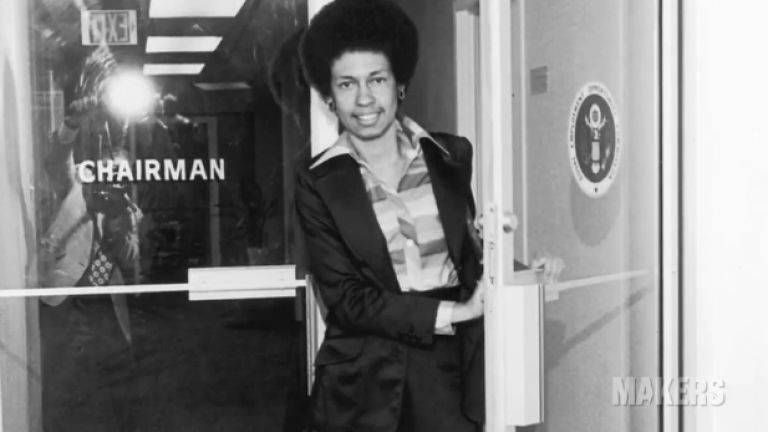
"caption": "Civil right activist Eleanor Holmes Norton after being appointed head of the EEOC in 1977. She soon had the \"man\" in \"chairman\" scraped off her office door.",
"description": null,
"title": "eleanor holmes norton",
"credit": "\u003ca href=\"https://www.makers.com/eleanor-holmes-norton\" target=\"_blank\">Makers\u003c/a>",
"status": "inherit",
"isLoading": false,
"fetchFailed": false
},
"lowdown_29093": {
"type": "attachments",
"id": "lowdown_29093",
"meta": {
"index": "attachments_1716263798",
"site": "lowdown",
"id": "29093",
"found": true
},
"parent": 29087,
"imgSizes": {
"small": {
"file": "https://ww2.kqed.org/app/uploads/sites/26/2017/11/RS11121_490833331-520x347.jpg",
"width": 520,
"mimeType": "image/jpeg",
"height": 347
},
"twentyfourteen-full-width": {
"file": "https://ww2.kqed.org/app/uploads/sites/26/2017/11/RS11121_490833331-1038x576.jpg",
"width": 1038,
"mimeType": "image/jpeg",
"height": 576
},
"thumbnail": {
"file": "https://ww2.kqed.org/app/uploads/sites/26/2017/11/RS11121_490833331-160x107.jpg",
"width": 160,
"mimeType": "image/jpeg",
"height": 107
},
"fd-sm": {
"file": "https://ww2.kqed.org/app/uploads/sites/26/2017/11/RS11121_490833331-960x640.jpg",
"width": 960,
"mimeType": "image/jpeg",
"height": 640
},
"post-thumbnail": {
"file": "https://ww2.kqed.org/app/uploads/sites/26/2017/11/RS11121_490833331-672x372.jpg",
"width": 672,
"mimeType": "image/jpeg",
"height": 372
},
"xsmall": {
"file": "https://ww2.kqed.org/app/uploads/sites/26/2017/11/RS11121_490833331-375x250.jpg",
"width": 375,
"mimeType": "image/jpeg",
"height": 250
},
"kqedFullSize": {
"file": "https://ww2.kqed.org/app/uploads/sites/26/2017/11/RS11121_490833331.jpg",
"width": 5760,
"height": 3840
},
"large": {
"file": "https://ww2.kqed.org/app/uploads/sites/26/2017/11/RS11121_490833331-1020x680.jpg",
"width": 1020,
"mimeType": "image/jpeg",
"height": 680
},
"xlarge": {
"file": "https://ww2.kqed.org/app/uploads/sites/26/2017/11/RS11121_490833331-1180x787.jpg",
"width": 1180,
"mimeType": "image/jpeg",
"height": 787
},
"guest-author-50": {
"file": "https://ww2.kqed.org/app/uploads/sites/26/2017/11/RS11121_490833331-50x50.jpg",
"width": 50,
"mimeType": "image/jpeg",
"height": 50
},
"guest-author-96": {
"file": "https://ww2.kqed.org/app/uploads/sites/26/2017/11/RS11121_490833331-96x96.jpg",
"width": 96,
"mimeType": "image/jpeg",
"height": 96
},
"medium": {
"file": "https://ww2.kqed.org/app/uploads/sites/26/2017/11/RS11121_490833331-800x533.jpg",
"width": 800,
"mimeType": "image/jpeg",
"height": 533
},
"guest-author-64": {
"file": "https://ww2.kqed.org/app/uploads/sites/26/2017/11/RS11121_490833331-64x64.jpg",
"width": 64,
"mimeType": "image/jpeg",
"height": 64
},
"guest-author-32": {
"file": "https://ww2.kqed.org/app/uploads/sites/26/2017/11/RS11121_490833331-32x32.jpg",
"width": 32,
"mimeType": "image/jpeg",
"height": 32
},
"fd-lrg": {
"file": "https://ww2.kqed.org/app/uploads/sites/26/2017/11/RS11121_490833331-1920x1280.jpg",
"width": 1920,
"mimeType": "image/jpeg",
"height": 1280
},
"fd-med": {
"file": "https://ww2.kqed.org/app/uploads/sites/26/2017/11/RS11121_490833331-1180x787.jpg",
"width": 1180,
"mimeType": "image/jpeg",
"height": 787
},
"full-width": {
"file": "https://ww2.kqed.org/app/uploads/sites/26/2017/11/RS11121_490833331-1920x1280.jpg",
"width": 1920,
"mimeType": "image/jpeg",
"height": 1280
},
"detail": {
"file": "https://ww2.kqed.org/app/uploads/sites/26/2017/11/RS11121_490833331-150x150.jpg",
"width": 150,
"mimeType": "image/jpeg",
"height": 150
},
"medium_large": {
"file": "https://ww2.kqed.org/app/uploads/sites/26/2017/11/RS11121_490833331-768x512.jpg",
"width": 768,
"mimeType": "image/jpeg",
"height": 512
},
"guest-author-128": {
"file": "https://ww2.kqed.org/app/uploads/sites/26/2017/11/RS11121_490833331-128x128.jpg",
"width": 128,
"mimeType": "image/jpeg",
"height": 128
},
"xxsmall": {
"file": "https://ww2.kqed.org/app/uploads/sites/26/2017/11/RS11121_490833331-240x160.jpg",
"width": 240,
"mimeType": "image/jpeg",
"height": 160
}
},
"publishDate": 1511982084,
"modified": 1512167098,
"caption": "Activists protest outside the Federal Communications Commission (FCC) in Washington in 2014.",
"description": null,
"title": "Activists Rally At FCC Headquarters In Support Of Net Neutrality",
"credit": "Alex Wong/Getty Images",
"status": "inherit",
"isLoading": false,
"fetchFailed": false
},
"lowdown_29178": {
"type": "attachments",
"id": "lowdown_29178",
"meta": {
"index": "attachments_1716263798",
"site": "lowdown",
"id": "29178",
"found": true
},
"parent": 29168,
"imgSizes": {
"small": {
"file": "https://ww2.kqed.org/app/uploads/sites/26/2017/12/GettyImages-887599032-1920x1280-520x347.jpg",
"width": 520,
"mimeType": "image/jpeg",
"height": 347
},
"twentyfourteen-full-width": {
"file": "https://ww2.kqed.org/app/uploads/sites/26/2017/12/GettyImages-887599032-1920x1280-1038x576.jpg",
"width": 1038,
"mimeType": "image/jpeg",
"height": 576
},
"thumbnail": {
"file": "https://ww2.kqed.org/app/uploads/sites/26/2017/12/GettyImages-887599032-1920x1280-160x107.jpg",
"width": 160,
"mimeType": "image/jpeg",
"height": 107
},
"fd-sm": {
"file": "https://ww2.kqed.org/app/uploads/sites/26/2017/12/GettyImages-887599032-1920x1280-960x640.jpg",
"width": 960,
"mimeType": "image/jpeg",
"height": 640
},
"post-thumbnail": {
"file": "https://ww2.kqed.org/app/uploads/sites/26/2017/12/GettyImages-887599032-1920x1280-672x372.jpg",
"width": 672,
"mimeType": "image/jpeg",
"height": 372
},
"xsmall": {
"file": "https://ww2.kqed.org/app/uploads/sites/26/2017/12/GettyImages-887599032-1920x1280-375x250.jpg",
"width": 375,
"mimeType": "image/jpeg",
"height": 250
},
"kqedFullSize": {
"file": "https://ww2.kqed.org/app/uploads/sites/26/2017/12/GettyImages-887599032-1920x1280.jpg",
"width": 1920,
"height": 1280
},
"large": {
"file": "https://ww2.kqed.org/app/uploads/sites/26/2017/12/GettyImages-887599032-1920x1280-1020x680.jpg",
"width": 1020,
"mimeType": "image/jpeg",
"height": 680
},
"xlarge": {
"file": "https://ww2.kqed.org/app/uploads/sites/26/2017/12/GettyImages-887599032-1920x1280-1180x787.jpg",
"width": 1180,
"mimeType": "image/jpeg",
"height": 787
},
"guest-author-50": {
"file": "https://ww2.kqed.org/app/uploads/sites/26/2017/12/GettyImages-887599032-1920x1280-50x50.jpg",
"width": 50,
"mimeType": "image/jpeg",
"height": 50
},
"guest-author-96": {
"file": "https://ww2.kqed.org/app/uploads/sites/26/2017/12/GettyImages-887599032-1920x1280-96x96.jpg",
"width": 96,
"mimeType": "image/jpeg",
"height": 96
},
"medium": {
"file": "https://ww2.kqed.org/app/uploads/sites/26/2017/12/GettyImages-887599032-1920x1280-800x533.jpg",
"width": 800,
"mimeType": "image/jpeg",
"height": 533
},
"guest-author-64": {
"file": "https://ww2.kqed.org/app/uploads/sites/26/2017/12/GettyImages-887599032-1920x1280-64x64.jpg",
"width": 64,
"mimeType": "image/jpeg",
"height": 64
},
"guest-author-32": {
"file": "https://ww2.kqed.org/app/uploads/sites/26/2017/12/GettyImages-887599032-1920x1280-32x32.jpg",
"width": 32,
"mimeType": "image/jpeg",
"height": 32
},
"fd-lrg": {
"file": "https://ww2.kqed.org/app/uploads/sites/26/2017/12/GettyImages-887599032-1920x1280-1920x1280.jpg",
"width": 1920,
"mimeType": "image/jpeg",
"height": 1280
},
"fd-med": {
"file": "https://ww2.kqed.org/app/uploads/sites/26/2017/12/GettyImages-887599032-1920x1280-1180x787.jpg",
"width": 1180,
"mimeType": "image/jpeg",
"height": 787
},
"full-width": {
"file": "https://ww2.kqed.org/app/uploads/sites/26/2017/12/GettyImages-887599032-1920x1280-1920x1280.jpg",
"width": 1920,
"mimeType": "image/jpeg",
"height": 1280
},
"detail": {
"file": "https://ww2.kqed.org/app/uploads/sites/26/2017/12/GettyImages-887599032-1920x1280-150x150.jpg",
"width": 150,
"mimeType": "image/jpeg",
"height": 150
},
"medium_large": {
"file": "https://ww2.kqed.org/app/uploads/sites/26/2017/12/GettyImages-887599032-1920x1280-768x512.jpg",
"width": 768,
"mimeType": "image/jpeg",
"height": 512
},
"guest-author-128": {
"file": "https://ww2.kqed.org/app/uploads/sites/26/2017/12/GettyImages-887599032-1920x1280-128x128.jpg",
"width": 128,
"mimeType": "image/jpeg",
"height": 128
},
"xxsmall": {
"file": "https://ww2.kqed.org/app/uploads/sites/26/2017/12/GettyImages-887599032-1920x1280-240x160.jpg",
"width": 240,
"mimeType": "image/jpeg",
"height": 160
}
},
"publishDate": 1512764687,
"modified": 1512764751,
"caption": "Firefighters monitor a section of the Thomas Fire along the 101 freeway on Dec. 7, 2017, north of Ventura. The firefighters occasionally used a flare device to burn off brush close to the roadside. Strong Santa Ana winds are rapidly pushing multiple wildfires across the region, expanding across tens of thousands of acres and destroying hundreds of homes and structures.\n\n",
"description": null,
"title": "GettyImages-887599032-1920x1280",
"credit": "Mario Tama/Getty Images",
"status": "inherit",
"isLoading": false,
"fetchFailed": false
},
"lowdown_29148": {
"type": "attachments",
"id": "lowdown_29148",
"meta": {
"index": "attachments_1716263798",
"site": "lowdown",
"id": "29148",
"found": true
},
"parent": 29130,
"imgSizes": {
"small": {
"file": "https://ww2.kqed.org/app/uploads/sites/26/2017/12/bertillon-520x330.jpg",
"width": 520,
"mimeType": "image/jpeg",
"height": 330
},
"twentyfourteen-full-width": {
"file": "https://ww2.kqed.org/app/uploads/sites/26/2017/12/bertillon-1038x576.jpg",
"width": 1038,
"mimeType": "image/jpeg",
"height": 576
},
"thumbnail": {
"file": "https://ww2.kqed.org/app/uploads/sites/26/2017/12/bertillon-160x101.jpg",
"width": 160,
"mimeType": "image/jpeg",
"height": 101
},
"fd-sm": {
"file": "https://ww2.kqed.org/app/uploads/sites/26/2017/12/bertillon-960x609.jpg",
"width": 960,
"mimeType": "image/jpeg",
"height": 609
},
"post-thumbnail": {
"file": "https://ww2.kqed.org/app/uploads/sites/26/2017/12/bertillon-672x372.jpg",
"width": 672,
"mimeType": "image/jpeg",
"height": 372
},
"xsmall": {
"file": "https://ww2.kqed.org/app/uploads/sites/26/2017/12/bertillon-375x238.jpg",
"width": 375,
"mimeType": "image/jpeg",
"height": 238
},
"kqedFullSize": {
"file": "https://ww2.kqed.org/app/uploads/sites/26/2017/12/bertillon.jpg",
"width": 1200,
"height": 761
},
"large": {
"file": "https://ww2.kqed.org/app/uploads/sites/26/2017/12/bertillon-1020x647.jpg",
"width": 1020,
"mimeType": "image/jpeg",
"height": 647
},
"xlarge": {
"file": "https://ww2.kqed.org/app/uploads/sites/26/2017/12/bertillon-1180x748.jpg",
"width": 1180,
"mimeType": "image/jpeg",
"height": 748
},
"guest-author-50": {
"file": "https://ww2.kqed.org/app/uploads/sites/26/2017/12/bertillon-50x50.jpg",
"width": 50,
"mimeType": "image/jpeg",
"height": 50
},
"guest-author-96": {
"file": "https://ww2.kqed.org/app/uploads/sites/26/2017/12/bertillon-96x96.jpg",
"width": 96,
"mimeType": "image/jpeg",
"height": 96
},
"medium": {
"file": "https://ww2.kqed.org/app/uploads/sites/26/2017/12/bertillon-800x507.jpg",
"width": 800,
"mimeType": "image/jpeg",
"height": 507
},
"guest-author-64": {
"file": "https://ww2.kqed.org/app/uploads/sites/26/2017/12/bertillon-64x64.jpg",
"width": 64,
"mimeType": "image/jpeg",
"height": 64
},
"guest-author-32": {
"file": "https://ww2.kqed.org/app/uploads/sites/26/2017/12/bertillon-32x32.jpg",
"width": 32,
"mimeType": "image/jpeg",
"height": 32
},
"fd-med": {
"file": "https://ww2.kqed.org/app/uploads/sites/26/2017/12/bertillon-1180x748.jpg",
"width": 1180,
"mimeType": "image/jpeg",
"height": 748
},
"detail": {
"file": "https://ww2.kqed.org/app/uploads/sites/26/2017/12/bertillon-150x150.jpg",
"width": 150,
"mimeType": "image/jpeg",
"height": 150
},
"medium_large": {
"file": "https://ww2.kqed.org/app/uploads/sites/26/2017/12/bertillon-768x487.jpg",
"width": 768,
"mimeType": "image/jpeg",
"height": 487
},
"guest-author-128": {
"file": "https://ww2.kqed.org/app/uploads/sites/26/2017/12/bertillon-128x128.jpg",
"width": 128,
"mimeType": "image/jpeg",
"height": 128
},
"xxsmall": {
"file": "https://ww2.kqed.org/app/uploads/sites/26/2017/12/bertillon-240x152.jpg",
"width": 240,
"mimeType": "image/jpeg",
"height": 152
}
},
"publishDate": 1512629075,
"modified": 1512629117,
"caption": null,
"description": null,
"title": "bertillon",
"credit": "NIH.gov",
"status": "inherit",
"isLoading": false,
"fetchFailed": false
}
},
"audioPlayerReducer": {
"postId": "stream_live",
"isPaused": true,
"isPlaying": false,
"pfsActive": false,
"pledgeModalIsOpen": true,
"playerDrawerIsOpen": false,
"liveAudioPlayStartedAt": 0,
"liveAudioPlayContext": ""
},
"authorsReducer": {
"matthewgreen": {
"type": "authors",
"id": "1263",
"meta": {
"index": "authors_1716337520",
"id": "1263",
"found": true
},
"name": "Matthew Green",
"firstName": "Matthew",
"lastName": "Green",
"slug": "matthewgreen",
"email": "mgreen@kqed.org",
"display_author_email": false,
"staff_mastheads": [],
"title": "KQED Editor/Reporter",
"bio": "Matthew Green is a digital media producer for KQED News. He previously produced \u003ca href=\"http://www.kqed.org/lowdown\">The Lowdown\u003c/a>, KQED’s multimedia news education blog. Matthew's written for numerous Bay Area publications, including the Oakland Tribune and San Francisco Chronicle. He also taught journalism classes at Fremont High School in East Oakland.\r\n\r\nEmail: mgreen@kqed.org; Twitter: @MGreenKQED",
"avatar": "https://secure.gravatar.com/avatar/3bf498d1267ca02c8494f33d8cfc575e?s=600&d=blank&r=g",
"twitter": "MGreenKQED",
"facebook": null,
"instagram": null,
"linkedin": null,
"sites": [
{
"site": "news",
"roles": []
},
{
"site": "lowdown",
"roles": []
},
{
"site": "science",
"roles": []
},
{
"site": "education",
"roles": []
},
{
"site": "quest",
"roles": []
},
{
"site": "liveblog",
"roles": []
}
],
"headData": {
"title": "Matthew Green | KQED",
"description": "KQED Editor/Reporter",
"ogImgSrc": "https://secure.gravatar.com/avatar/3bf498d1267ca02c8494f33d8cfc575e?s=600&d=blank&r=g",
"twImgSrc": "https://secure.gravatar.com/avatar/3bf498d1267ca02c8494f33d8cfc575e?s=600&d=blank&r=g"
},
"isLoading": false,
"link": "/author/matthewgreen"
}
},
"pagesReducer": {
"education_category_news-and-civics": {
"type": "terms",
"id": "education_50",
"meta": {
"index": "terms_1716263798",
"site": "education",
"id": "50",
"score": 13.89817
},
"featImg": null,
"name": "News & Civics",
"description": "Find civics lesson plans and teaching resources for high school and middle school, including lesson plan ideas on the latest news topics.",
"taxonomy": "category",
"headData": {
"twImgId": null,
"twTitle": null,
"ogTitle": null,
"ogImgId": null,
"twDescription": null,
"description": "Find civics lesson plans and teaching resources for high school and middle school, including lesson plan ideas on the latest news topics.",
"title": "News & Civics | KQED Education",
"ogDescription": null
},
"ttid": 58,
"slug": "news-and-civics",
"isLoading": false,
"title": "News & Civics",
"pageMeta": {
"site": "education",
"WpPageTemplate": "page-topic-company",
"currentPage": 8
},
"blocks": [
{
"blockName": "kqed/company-paragraph",
"content": "Find civics lesson plans and teaching resources for high school and middle school, including lesson plan ideas on the latest news topics."
},
{
"blockName": "kqed/post-list",
"attrs": {
"layout": "cardCompany2",
"query": "posts/education?category=news-and-civics",
"seeMore": false,
"paginated": true,
"page": 8
}
},
{
"blockName": "kqed/ad"
}
]
}
},
"pfsSessionReducer": {},
"postsReducer": {
"stream_live": {
"type": "live",
"id": "stream_live",
"audioUrl": "https://streams.kqed.org/kqedradio",
"title": "Live Stream",
"excerpt": "Live Stream information currently unavailable.",
"link": "/radio",
"featImg": "",
"label": {
"name": "KQED Live",
"link": "/"
}
},
"stream_kqedNewscast": {
"type": "posts",
"id": "stream_kqedNewscast",
"audioUrl": "https://www.kqed.org/.stream/anon/radio/RDnews/newscast.mp3?_=1",
"title": "KQED Newscast",
"featImg": "",
"label": {
"name": "88.5 FM",
"link": "/"
}
},
"lowdown_24153": {
"type": "posts",
"id": "lowdown_24153",
"meta": {
"index": "posts_1716263798",
"site": "lowdown",
"id": "24153",
"score": null,
"sort": [
1515201560000
]
},
"parent": 0,
"labelTerm": {
"site": "lowdown"
},
"blocks": [],
"publishDate": 1515201560,
"format": "standard",
"disqusTitle": "Reefer Madness! The Twisted History of America’s Marijuana Laws",
"title": "Reefer Madness! The Twisted History of America’s Marijuana Laws",
"headTitle": "The Lowdown | KQED News",
"content": "\u003cp>\u003c!--more-->\u003c/p>\n\u003cdiv>\n\u003caside class=\"alignright\">\n\u003cdiv>\u003cspan style=\"font-size: x-large\">\u003cspan style=\"color: #993300\">Teach with the Lowdown\u003c/span>\u003c/span>\u003c/div>\n\u003cp>\u003cimg class=\"alignnone wp-image-22868\" src=\"http://ww2.kqed.org/lowdown/wp-content/uploads/sites/26/2016/07/hands-e1469568663680-400x143.jpg\" width=\"340\" height=\"122\" srcset=\"https://ww2.kqed.org/app/uploads/sites/26/2016/07/hands-e1469568663680-400x143.jpg 400w, https://ww2.kqed.org/app/uploads/sites/26/2016/07/hands-e1469568663680-800x286.jpg 800w, https://ww2.kqed.org/app/uploads/sites/26/2016/07/hands-e1469568663680-768x274.jpg 768w, https://ww2.kqed.org/app/uploads/sites/26/2016/07/hands-e1469568663680.jpg 957w\" sizes=\"(max-width: 340px) 100vw, 340px\">Suggestions for nonfiction analysis, writing/discussion prompts and multimedia projects. Browse our lesson plan collection \u003ca href=\"https://ww2.kqed.org/lowdown/category/lesson-plans-and-guides/\" target=\"_blank\" rel=\"noopener\">here\u003c/a>.\u003c/p>\n\u003cul>\n\u003cli>\u003ca href=\"https://ww2.kqed.org/lowdown/wp-content/uploads/sites/26/2018/01/The-History-of-Americas-Weed-Laws-lesson-plan.pdf\" target=\"_blank\" rel=\"noopener\">Lesson Plan: Weed Laws (PDF)\u003c/a>\u003c/li>\n\u003c/ul>\n\u003c/aside>\n\u003c/div>\n\u003cp>Talk about a buzz kill!\u003c/p>\n\u003cp>On Thursday, just four days after recreational marijuana became legal to buy and sell in California, U.S. Attorney General Jeff Sessions \u003ca href=\"https://ww2.kqed.org/news/2018/01/04/u-s-to-end-lenient-policy-that-let-legal-pot-flourish/\" target=\"_blank\" rel=\"noopener\">nudged federal prosecutors\u003c/a> to \u003cspan style=\"font-weight: 400\">aggressively enforce the federal law that strictly prohibits the drug.\u003c/span>\u003c/p>\n\u003cp>In announcing the Justice Department's new stance on the issue, Sessions reversed an Obama-era policy directing federal prosecutors and authorities to generally deprioritize marijuana enforcement, particularly in states that had voted to legalize it for \u003cspan style=\"font-weight: 400\">medical or recreational use.\u003c/span>\u003c/p>\n\u003cp>\u003cspan style=\"font-weight: 400\">Sessions previously served as an Alabama senator and a federal prosecutor at the height of the drug war. He insists that marijuana is \"only slightly less awful\" than heroin, blaming it for spikes in violent crime. In May, he \u003ca href=\"https://www.washingtonpost.com/world/national-security/sessions-issues-sweeping-new-criminal-charging-policy/2017/05/11/4752bd42-3697-11e7-b373-418f6849a004_story.html?utm_term=.c8b76a95c3e7\" target=\"_blank\" rel=\"noopener\">ordered federal prosecutors\u003c/a> to pursue the most serious charges possible against low-level drug offenders, overriding his predecessor's push for more lenient sentencing guidelines.\u003c/span>\u003c/p>\n\u003cp>[ad fullwidth]\u003c/p>\n\u003cp>New threats of a federal crackdown have been staunchly criticized by liberals who say it will only further the steep human costs of the nation's largely ineffective drug war. Some conservatives also have opposed the action, considering it a states' rights issue. And while some in law enforcement support the tougher approach, a \u003ca href=\"https://www.politico.com/story/2017/03/jeff-sessions-marijuana-crackdown-senators-react-235616\" target=\"_blank\" rel=\"noopener\">bipartisan group of senators\u003c/a> in March even urged Sessions to uphold existing Obama-era marijuana policy of allowing states to implement their own recreational marijuana laws.\u003c/p>\n\u003cp>It's still unclear if this most recent change in federal enforcement policy will impact the rollout of California's newly relaxed weed laws.\u003c/p>\n\u003cp>https://youtu.be/CJ6MnrTy-Hc\u003c/p>\n\u003cp>\u003cspan style=\"font-weight: 400\">Marijuana advocates argue that legalizing the drug will lower the number of racially skewed drug arrests. Contrary to Sessions' contention, they say it will also likely reduce violence by undercutting the black market and taking the trade away from criminal organizations. A regulated market, they argue, will also ensure that consumers are purchasing a safer, pure product. \u003c/span>\u003c/p>\n\u003cp>Sessions and other opponents argue that legalization will lead to increased use of the drug, particularly among children and teens, resulting in an uptick in harder drug use and violent criminal behavior.\u003c/p>\n\u003cp>\"Marijuana is not the kind of thing that ought to be legalized,\" said Sessions. \"It ought not to be minimized. It is, in fact, a very real danger.\"\u003c/p>\n\u003cp>\u003cspan style=\"font-weight: 400\">Meanwhile, marijuana has long reigned supreme as the nation’s most popular illicit drug. And \u003c/span>\u003cspan style=\"font-weight: 400\">Americans seem to be increasingly open to legalizing it: In a \u003c/span>\u003ca href=\"http://news.gallup.com/poll/221018/record-high-support-legalizing-marijuana.aspx\">\u003cspan style=\"font-weight: 400\">recent Gallup Poll\u003c/span>\u003c/a>,\u003cspan style=\"font-weight: 400\"> 64 percent of respondents said they were for it, the highest (no pun intended) level of public support in the nearly half-century of polling on the issue.\u003c/span>\u003c/p>\n\u003cp>\u003ca href=\"https://ww2.kqed.org/lowdown/wp-content/uploads/sites/26/2018/01/gallup-poll.png\">\u003cimg class=\"alignnone size-full wp-image-29438\" src=\"https://ww2.kqed.org/lowdown/wp-content/uploads/sites/26/2018/01/gallup-poll.png\" alt=\"\" width=\"720\" height=\"372\" srcset=\"https://ww2.kqed.org/app/uploads/sites/26/2018/01/gallup-poll.png 720w, https://ww2.kqed.org/app/uploads/sites/26/2018/01/gallup-poll-160x83.png 160w, https://ww2.kqed.org/app/uploads/sites/26/2018/01/gallup-poll-240x124.png 240w, https://ww2.kqed.org/app/uploads/sites/26/2018/01/gallup-poll-375x194.png 375w, https://ww2.kqed.org/app/uploads/sites/26/2018/01/gallup-poll-520x269.png 520w\" sizes=\"(max-width: 720px) 100vw, 720px\">\u003c/a>\u003c/p>\n\u003cp>\u003cspan style=\"font-weight: 400\">California's legal shift, which went into effect on Jan. 1, was set in motion when voters passed \u003c/span>\u003ca href=\"https://ballotpedia.org/California_Proposition_64,_Marijuana_Legalization_(2016)\">\u003cspan style=\"font-weight: 400\">Proposition 64\u003c/span>\u003c/a>\u003cspan style=\"font-weight: 400\"> in 2016, a full two decades after it became the first state to legalize medicinal marijuana.\u003c/span>\u003c/p>\n\u003cp>\u003cspan style=\"font-weight: 400\">For a place known for its trendsetting ways and love of all things green, California is actually a bit late to the rec room: It’s the \u003c/span>\u003ca href=\"http://www.newsweek.com/where-recreational-marijuana-legal-691593\">\u003cspan style=\"font-weight: 400\">sixth state\u003c/span>\u003c/a>\u003cspan style=\"font-weight: 400\"> to hop on board the legal weed train, trailing Colorado, Washington, Alaska, Oregon, Nevada and, yes, even the nation’s capital. \u003c/span>\u003c/p>\n\u003cp>\u003cspan style=\"font-weight: 400\">But as the nation’s most populous state, and biggest marijuana producer, California's legal shift is being considered a dramatic step toward mainstreaming what promises to be an incredibly lucrative industry.\u003c/span>\u003c/p>\n\u003cp>\u003cspan style=\"font-weight: 400\">Under the state's new rules, people who are 21 and older can legally purchase up to an ounce of weed and grow up to six plants per residence. Smoking in public, however, is still subject to fines (unless permitted by local jurisdiction). \u003c/span>\u003c/p>\n\u003cp>\u003cspan style=\"font-weight: 400\">And because marijuana sales are now taxable, the shift promises to be a huge windfall for the state. \u003c/span>\u003c/p>\n\u003cp>\u003cspan style=\"font-weight: 400\">Recreational marijuana sales are projected to bring in roughly $5 billion in annual sales, and about 35 percent will go to local and state taxes, \u003c/span>\u003ca href=\"http://thehill.com/homenews/state-watch/337788-legal-pot-to-be-5-billion-business-in-california-study\">\u003cspan style=\"font-weight: 400\">according to a study\u003c/span>\u003c/a>\u003cspan style=\"font-weight: 400\"> commissioned by the state regulatory agency tasked with overseeing the, um, budding new market.\u003c/span>\u003c/p>\n\u003cp>The federal government's most recent backlash against marijuana's latest resurgence is little surprise, given America's long, racially fueled war against the drug.\u003c/p>\n\u003cp>What follows is a twisted history of a very contentious weed.\u003c/p>\n\u003ch4>\u003cstrong>1600s to mid-1800s: Cannabis literally becomes part of the national fabric\u003c/strong>\u003c/h4>\n\u003cp>\u003cimg class=\"wp-image-29417 size-full\" src=\"https://ww2.kqed.org/lowdown/wp-content/uploads/sites/26/2018/01/hemp-farming-begins-taking-root-2.jpg\" alt=\"\" width=\"600\" height=\"348\" srcset=\"https://ww2.kqed.org/app/uploads/sites/26/2018/01/hemp-farming-begins-taking-root-2.jpg 600w, https://ww2.kqed.org/app/uploads/sites/26/2018/01/hemp-farming-begins-taking-root-2-160x93.jpg 160w, https://ww2.kqed.org/app/uploads/sites/26/2018/01/hemp-farming-begins-taking-root-2-240x139.jpg 240w, https://ww2.kqed.org/app/uploads/sites/26/2018/01/hemp-farming-begins-taking-root-2-375x218.jpg 375w, https://ww2.kqed.org/app/uploads/sites/26/2018/01/hemp-farming-begins-taking-root-2-520x302.jpg 520w\" sizes=\"(max-width: 600px) 100vw, 600px\">\u003c/p>\n\u003cp>\u003cspan style=\"font-weight: 400\">In the early 1600s, the British government encouraged colonial farmers to produce hemp, a form of cannabis with low levels of the psychoactive ingredient THC. The extremely hardy, fast-growing plant was primarily used for the production of \u003c/span>\u003cspan style=\"font-weight: 400\">rope, sails, clothing and paper, a fiber critical to the British and Spanish empires. In 1619, the Virginia Assembly passed a law that flat-out \u003ca href=\"http://oll.libertyfund.org/pages/1619-laws-enacted-by-the-first-general-assembly-of-virginia\">required farmers\u003c/a> to grow it. \u003c/span>\u003c/p>\n\u003cp>\u003cspan style=\"font-weight: 400\">In the 19th century, as hemp production waned, more potent forms of cannabis were used as ingredients in many medicinal products and sold openly in pharmacies.\u003c/span>\u003c/p>\n\u003ch4>\u003cstrong>1900 - 1920s: \"The Marijuana Menace\"\u003c/strong>\u003c/h4>\n\u003cfigure id=\"attachment_29418\" class=\"wp-caption alignright\" style=\"max-width: 500px\">\u003ca href=\"https://ww2.kqed.org/lowdown/wp-content/uploads/sites/26/2018/01/locoed.jpg\">\u003cimg class=\"wp-image-29418\" src=\"https://ww2.kqed.org/lowdown/wp-content/uploads/sites/26/2018/01/locoed.jpg\" alt=\"\" width=\"500\" height=\"479\" srcset=\"https://ww2.kqed.org/app/uploads/sites/26/2018/01/locoed.jpg 635w, https://ww2.kqed.org/app/uploads/sites/26/2018/01/locoed-160x153.jpg 160w, https://ww2.kqed.org/app/uploads/sites/26/2018/01/locoed-240x230.jpg 240w, https://ww2.kqed.org/app/uploads/sites/26/2018/01/locoed-375x359.jpg 375w, https://ww2.kqed.org/app/uploads/sites/26/2018/01/locoed-520x498.jpg 520w, https://ww2.kqed.org/app/uploads/sites/26/2018/01/locoed-32x32.jpg 32w\" sizes=\"(max-width: 500px) 100vw, 500px\">\u003c/a>\u003cfigcaption class=\"wp-caption-text\">Front page of the Ogden Standard (Utah) from Sept. 25, 1915. \u003ccite>(flickr)\u003c/cite>\u003c/figcaption>\u003c/figure>\n\u003cp>After the Mexican Revolution of 1910, a wave of Mexican immigrants poured into the southwestern U.S. and helped popularize the recreational use of the drug. Cannabis in Spanish was referred to as “marihuana” or \"mariguana\u003ci>\" (\"marijuana\"\u003c/i> is the Anglicized bastardization).\u003c/p>\n\u003cp>As the drug grew more popular, it was negatively associated with Mexican immigrants. Anti-drug campaigners began to warn against the encroaching \"Marijuana Menace,\" describing the terrible crimes attributed to the drug and the Mexicans who used it.\u003c/p>\n\u003cp>\"It was only referred to as marijuana \"because anti-cannabis factions wanted to underscore the drug's 'Mexican-ness,' meant to play off of anti-immigrant sentiments,\" noted Matt Thompson from NPR's \u003ca href=\"https://www.npr.org/sections/codeswitch/2013/07/14/201981025/the-mysterious-history-of-marijuana\" target=\"_blank\" rel=\"noopener\">Code Switch blog.\u003c/a> (It's also the reason why some cannabis advocates today consider \"marijuana\" \u003ca href=\"https://www.shopharborside.com/learn/the-M-word.html\" target=\"_blank\" rel=\"noopener\">a derogatory term\u003c/a>.)\u003c/p>\n\u003cp>Rumors quickly spread of Mexicans distributing this \"demon weed,\" or \"locoweed,\" to unsuspecting American schoolchildren, wrote author Eric Schlosser in his 1994 Atlantic article \"\u003ca href=\"http://www.theatlantic.com/magazine/archive/1994/08/reefer-madness/303476/\" target=\"_blank\" rel=\"noopener\">Reefer Madness\u003c/a>.\"\u003c/p>\n\u003cp>In port cities along the Gulf Coast, the drug also became associated with West Indian immigrants, a connection broadly extended to African-Americans, jazz musicians, prostitutes and lower-class whites.\u003c/p>\n\u003cp>\" 'The Marijuana Menace,' as sketched by anti-drug campaigners, was personified by inferior races and social deviants,\" Schlosser added.\u003c/p>\n\u003cp>In 1913, California (of all places) \u003ca href=\"http://journals.sagepub.com/doi/abs/10.1177/009145099902600204?journalCode=cdxa\" target=\"_blank\" rel=\"noopener\">passed the first state cannabis prohibition law.\u003c/a> The effort was sponsored by the state Board of Pharmacy as part of a larger anti-narcotics campaign (even though there was at the time still little public concern about cannabis). Proposed by Henry Finger, a powerful member of the board, the law was intended to supposedly prevent the spread of the drug's use by “Hindoo” immigrants.\u003c/p>\n\u003cp>\"Within the last year we in California have been getting a large influx of Hindoos and they have in turn started quite a demand for cannabis indica,\" wrote Finger \u003ca href=\"http://www.canorml.org/background/caloriginsmjproh.pdf\">in a 1911 letter\u003c/a> (page 18). \"They are a very undesirable lot and the habit is growing in California very fast; the fear is now that it is not being confined to the Hindoos alone but that they are initiating our whites into this habit.\"\u003c/p>\n\u003ch4>\u003cb>1930s: Reefer Madness\u003c/b>\u003c/h4>\n\u003cfigure id=\"attachment_29419\" class=\"wp-caption alignright\" style=\"max-width: 326px\">\u003ca href=\"https://ww2.kqed.org/lowdown/wp-content/uploads/sites/26/2018/01/reefer.jpeg\">\u003cimg class=\"size-full wp-image-29419\" src=\"https://ww2.kqed.org/lowdown/wp-content/uploads/sites/26/2018/01/reefer.jpeg\" alt=\"\" width=\"326\" height=\"489\" srcset=\"https://ww2.kqed.org/app/uploads/sites/26/2018/01/reefer.jpeg 326w, https://ww2.kqed.org/app/uploads/sites/26/2018/01/reefer-160x240.jpeg 160w, https://ww2.kqed.org/app/uploads/sites/26/2018/01/reefer-240x360.jpeg 240w\" sizes=\"(max-width: 326px) 100vw, 326px\">\u003c/a>\u003cfigcaption class=\"wp-caption-text\">A poster from a later release of the 1936 film. \u003ccite>(Wikipedia)\u003c/cite>\u003c/figcaption>\u003c/figure>\n\u003cp>\u003cspan style=\"font-weight: 400\">Widespread unemployment and poverty during the Great Depression furthered resentment and fear of immigrants and minorities, and fueled concerns about the perceived ills of the drug that had become associated with them. A flurry of pseudo-research linked the use of the drug to violence, crime and other socially deviant behaviors.\u003c/span>\u003c/p>\n\u003cp>\u003cspan style=\"font-weight: 400\">Harry J. Anslinger, the first commissioner of the newly created Federal Bureau of Narcotics, insisted that marijuana led to “insanity, criminality, and death.\" \u003c/span>\u003cspan style=\"font-weight: 400\">By 1931, 29 states had outlawed it. \u003c/span>\u003c/p>\n\u003cp>\u003cspan style=\"font-weight: 400\">The debut of \"Reefer Madness\" in 1936, one in a series of anti-marijuana propaganda films released at the time, helped fuel hysteria about the drug. Originally titled \"Tell Your Children,\" the film centers on a series of hyperbolic events that ensue when innocent high school students are lured into trying marijuana — from a hit-and-run accident to manslaughter, suicide, attempted rape, hallucinations and a rapid descent into madness. \u003c/span>\u003c/p>\n\u003cp>https://www.youtube.com/watch?v=aYHDzrdXHEA\u003c/p>\n\u003cp>\u003cspan style=\"font-weight: 400\">Following a lurid national propaganda campaign against the \"evil weed,\" Congress passed the Marihuana Tax Act of 1937, the first time the drug was regulated and taxed by the government. The statute effectively criminalized marijuana, outlawing its possession and sale and restricting it to individuals who paid an excise tax for certain authorized medical and industrial uses.\u003c/span>\u003c/p>\n\u003ch4>\u003cstrong>1960s-1970s: The counterculture and the crackdown\u003c/strong>\u003c/h4>\n\u003cfigure id=\"attachment_29409\" class=\"wp-caption alignright\" style=\"max-width: 640px\">\u003ca href=\"https://ww2.kqed.org/lowdown/wp-content/uploads/sites/26/2018/01/smoke-out.jpg\">\u003cimg class=\"wp-image-29409 size-large\" src=\"https://ww2.kqed.org/lowdown/wp-content/uploads/sites/26/2018/01/smoke-out-1020x1536.jpg\" alt=\"\" width=\"640\" height=\"964\" srcset=\"https://ww2.kqed.org/app/uploads/sites/26/2018/01/smoke-out-1020x1536.jpg 1020w, https://ww2.kqed.org/app/uploads/sites/26/2018/01/smoke-out-160x241.jpg 160w, https://ww2.kqed.org/app/uploads/sites/26/2018/01/smoke-out-800x1205.jpg 800w, https://ww2.kqed.org/app/uploads/sites/26/2018/01/smoke-out-768x1156.jpg 768w, https://ww2.kqed.org/app/uploads/sites/26/2018/01/smoke-out-1180x1777.jpg 1180w, https://ww2.kqed.org/app/uploads/sites/26/2018/01/smoke-out-960x1446.jpg 960w, https://ww2.kqed.org/app/uploads/sites/26/2018/01/smoke-out-240x361.jpg 240w, https://ww2.kqed.org/app/uploads/sites/26/2018/01/smoke-out-375x565.jpg 375w, https://ww2.kqed.org/app/uploads/sites/26/2018/01/smoke-out-520x783.jpg 520w, https://ww2.kqed.org/app/uploads/sites/26/2018/01/smoke-out.jpg 1200w\" sizes=\"(max-width: 640px) 100vw, 640px\">\u003c/a>\u003cfigcaption class=\"wp-caption-text\">A woman smokes a joint at the 1970 \"Honor America Day\" peace rally in Washington, D.C. \u003ccite>(David Fenton/Getty Images)\u003c/cite>\u003c/figcaption>\u003c/figure>\n\u003cp>\u003cspan style=\"font-weight: 400\">Widespread adoption of marijuana by both young hippies in the anti-war movement and the white middle class briefly resulted in more relaxed attitudes and enforcement. Reports commissioned by Presidents John Kennedy and Lyndon Johnson found that marijuana use did not induce violence or lead to u\u003c/span>\u003cspan style=\"font-weight: 400\">se of heavier drugs.\u003c/span>\u003c/p>\n\u003cp>\u003cspan style=\"font-weight: 400\">But that high didn't last long. \u003c/span>\u003c/p>\n\u003cp>\u003cspan style=\"font-weight: 400\">As part of President Richard Nixon's anti-drug efforts, Congress in 1970 passed the Controlled Substances Act. It created various legal categories, or schedules, for different types of drugs, depending on their perceived public threat. Cannabis was placed alongside heroin and LSD into Schedule 1, the most restrictive category, reserved for drugs deemed to have no medical benefit and the highest potential for abuse. \u003c/span>\u003c/p>\n\u003cp>\u003cspan style=\"font-weight: 400\"> Including cannabis in this category was more a reflection of \u003c/span>\u003cspan style=\"font-weight: 400\">\"Nixon’s animus toward the counterculture with which he associated marijuana than scientific, medical, or legal opinion,\" \u003c/span>Scott C. Martin, a history professor at Bowling Green State University, \u003ca href=\"http://time.com/4298038/marijuana-history-in-america/\" target=\"_blank\" rel=\"noopener\">\u003cspan style=\"font-weight: 400\">wrote \u003c/span>in Time magazine\u003c/a>. \u003cspan style=\"font-weight: 400\">The Schedule I designation, he said, made it difficult even for physicians or scientists to procure marijuana for research studies. \u003c/span>\u003c/p>\n\u003cp>In fact, the bipartisan Shafer Commission, an investigative committee appointed by Nixon to study drug abuse in America, went on to recommend that possession of small amounts of marijuana be decriminalized. In 1972, a year after Nixon declared his \"war on drugs,\" the commission presented its findings to Congress in a report titled:\"\u003ca href=\"https://babel.hathitrust.org/cgi/pt?id=mdp.39015015647558;view=1up;seq=5\" target=\"_blank\" rel=\"noopener\">Marihuana, A Signal of Misunderstanding\u003c/a>\".\u003c/p>\n\u003cp>It noted that most marijuana users were not dangerous at all, but rather more \"timid, drowsy and passive.\" It concluded that cannabis did not pose any widespread danger to society, and recommended using social measures other than criminalization to discourage its use.\u003c/p>\n\u003cp>In response to the nation' increasingly restrictive drug laws, the commission stated:\u003c/p>\n\u003cp>\u003cem>\"Unless present policy is redirected, we will perpetuate the same problems, tolerate the same social costs, and find ourselves as we do now, no further along the road to a more rational legal and social approach than we were in 1914.\"\u003c/em>\u003c/p>\n\u003cp>Not surprisingly, Nixon vehemently rejected his commission's findings, forging ahead with his anti-drug agenda, and the following year Congress\u003cspan style=\"font-weight: 400\"> created the U.S. Drug Enforcement Agency (DEA), a merger of the Bureau of Narcotics and Dangerous Drugs (BNND) and the Office of Drug Abuse Law Enforcement (ODALE).\u003c/span>\u003c/p>\n\u003cp>The report, though, did significantly influence state governments. A movement spearheaded by the newly established National Organization for the Reform of Marijuana Laws (NORML) resulted in Oregon passing the first decriminalization statute in 1973. Over the next five years, \u003ca href=\"https://books.google.com/books?id=J4wYDQAAQBAJ&pg=PT58#v=onepage&q=nebraska&f=false\" target=\"_blank\" rel=\"noopener\">10 other states\u003c/a> followed suit, from California to (astoundingly) Mississippi.\u003c/p>\n\u003ch4>\u003cb>1986: Mandatory minimum drug sentencing\u003c/b>\u003c/h4>\n\u003cp>\u003cspan style=\"font-weight: 400\">\u003ca href=\"https://ww2.kqed.org/lowdown/wp-content/uploads/sites/26/2018/01/crack-war-1-1311x700.jpg\">\u003cimg class=\"alignnone size-medium wp-image-29420\" src=\"https://ww2.kqed.org/lowdown/wp-content/uploads/sites/26/2018/01/crack-war-1-1311x700-800x427.jpg\" alt=\"\" width=\"800\" height=\"427\" srcset=\"https://ww2.kqed.org/app/uploads/sites/26/2018/01/crack-war-1-1311x700-800x427.jpg 800w, https://ww2.kqed.org/app/uploads/sites/26/2018/01/crack-war-1-1311x700-160x85.jpg 160w, https://ww2.kqed.org/app/uploads/sites/26/2018/01/crack-war-1-1311x700-768x410.jpg 768w, https://ww2.kqed.org/app/uploads/sites/26/2018/01/crack-war-1-1311x700-1020x545.jpg 1020w, https://ww2.kqed.org/app/uploads/sites/26/2018/01/crack-war-1-1311x700-1180x630.jpg 1180w, https://ww2.kqed.org/app/uploads/sites/26/2018/01/crack-war-1-1311x700-960x513.jpg 960w, https://ww2.kqed.org/app/uploads/sites/26/2018/01/crack-war-1-1311x700-240x128.jpg 240w, https://ww2.kqed.org/app/uploads/sites/26/2018/01/crack-war-1-1311x700-375x200.jpg 375w, https://ww2.kqed.org/app/uploads/sites/26/2018/01/crack-war-1-1311x700-520x278.jpg 520w, https://ww2.kqed.org/app/uploads/sites/26/2018/01/crack-war-1-1311x700.jpg 1311w\" sizes=\"(max-width: 800px) 100vw, 800px\">\u003c/a>\u003c/span>\u003c/p>\n\u003cp>\u003cspan style=\"font-weight: 400\">President Reagan in 1986 signed the Anti-Drug Abuse Act, instituting mandatory sentences for drug-related crimes. The legislation had actually been championed by Democrats, who saw a political opportunity to outdo Republicans by \"getting tough on drugs.\" The shift was in part a response to the nation's shock over the death of Celtics star draft pick Len Bias from a cocaine overdose.\u003c/span>\u003c/p>\n\u003cfigure id=\"attachment_29445\" class=\"wp-caption alignright\" style=\"max-width: 1429px\">\u003ca href=\"https://ww2.kqed.org/lowdown/wp-content/uploads/sites/26/2018/01/Trends-in-US-Corrections.jpg\">\u003cimg class=\"wp-image-29445 size-full\" src=\"https://ww2.kqed.org/lowdown/wp-content/uploads/sites/26/2018/01/Trends-in-US-Corrections-e1515448755737.jpg\" alt=\"\" width=\"1429\" height=\"914\" srcset=\"https://ww2.kqed.org/app/uploads/sites/26/2018/01/Trends-in-US-Corrections-e1515448755737.jpg 1429w, https://ww2.kqed.org/app/uploads/sites/26/2018/01/Trends-in-US-Corrections-e1515448755737-160x102.jpg 160w, https://ww2.kqed.org/app/uploads/sites/26/2018/01/Trends-in-US-Corrections-e1515448755737-800x512.jpg 800w, https://ww2.kqed.org/app/uploads/sites/26/2018/01/Trends-in-US-Corrections-e1515448755737-768x491.jpg 768w, https://ww2.kqed.org/app/uploads/sites/26/2018/01/Trends-in-US-Corrections-e1515448755737-1020x652.jpg 1020w, https://ww2.kqed.org/app/uploads/sites/26/2018/01/Trends-in-US-Corrections-e1515448755737-1180x755.jpg 1180w, https://ww2.kqed.org/app/uploads/sites/26/2018/01/Trends-in-US-Corrections-e1515448755737-960x614.jpg 960w, https://ww2.kqed.org/app/uploads/sites/26/2018/01/Trends-in-US-Corrections-e1515448755737-240x154.jpg 240w, https://ww2.kqed.org/app/uploads/sites/26/2018/01/Trends-in-US-Corrections-e1515448755737-375x240.jpg 375w, https://ww2.kqed.org/app/uploads/sites/26/2018/01/Trends-in-US-Corrections-e1515448755737-520x333.jpg 520w\" sizes=\"(max-width: 1429px) 100vw, 1429px\">\u003c/a>\u003cfigcaption class=\"wp-caption-text\">The astronomical surge in America's state and federal prison population was due in large part to increasingly strict drug laws enacted in the 1970s and 1980s. \u003ccite>(Courtesy of the Sentencing Project)\u003c/cite>\u003c/figcaption>\u003c/figure>\n\u003cp>The law increased \u003cspan style=\"font-weight: 400\">federal penalties for the sale and possession of an array of drugs, including marijuana, with the penalties based on the \u003ca href=\"https://www.pbs.org/wgbh/pages/frontline/shows/snitch/primer/\" target=\"_blank\" rel=\"noopener\">amount of the drug involved\u003c/a>. Under the law, possession of 100 marijuana plants received the same penalty as possession of 100 grams of heroin. A later amendment established a \"three strikes and you're out\" policy, requiring life sentences for repeat drug offenders.\u003c/span>\u003c/p>\n\u003cp>In the wake of the law, drug-related arrests soared, spurring a massive increase in the state and federal prison populations. At the time of the law's enactment in1986, there were roughly 400,000 inmates in America's prison system. By 2015, the population had nearly quadrupled, to a peak of almost 1.5 million, giving the U.S. the dubious distinction as the largest jailer in the world.\u003c/p>\n\u003cp>Marijuana arrests factored heavily in this increase, accounting for more than half of all drug arrests, mostly for possession. African-Americans were, and still continue to be, arrested at dramatically higher rates than whites, despite similar rates of usage, according to \u003ca href=\"http://www.aclu.org/files/assets/061413-mj-report-rfs-rel4.pdf\">the ACLU\u003c/a>.\u003c/p>\n\u003ch4>\u003cb>1996: Dawn of the medical movement \u003c/b>\u003c/h4>\n\u003cfigure id=\"attachment_29424\" class=\"wp-caption alignnone\" style=\"max-width: 800px\">\u003ca href=\"https://ww2.kqed.org/lowdown/wp-content/uploads/sites/26/2018/01/RS24080_GettyImages-451708374.jpg\">\u003cimg class=\"size-medium wp-image-29424\" src=\"https://ww2.kqed.org/lowdown/wp-content/uploads/sites/26/2018/01/RS24080_GettyImages-451708374-800x531.jpg\" alt=\"\" width=\"800\" height=\"531\" srcset=\"https://ww2.kqed.org/app/uploads/sites/26/2018/01/RS24080_GettyImages-451708374-800x531.jpg 800w, https://ww2.kqed.org/app/uploads/sites/26/2018/01/RS24080_GettyImages-451708374-160x106.jpg 160w, https://ww2.kqed.org/app/uploads/sites/26/2018/01/RS24080_GettyImages-451708374-768x510.jpg 768w, https://ww2.kqed.org/app/uploads/sites/26/2018/01/RS24080_GettyImages-451708374-1020x677.jpg 1020w, https://ww2.kqed.org/app/uploads/sites/26/2018/01/RS24080_GettyImages-451708374-1180x783.jpg 1180w, https://ww2.kqed.org/app/uploads/sites/26/2018/01/RS24080_GettyImages-451708374-960x637.jpg 960w, https://ww2.kqed.org/app/uploads/sites/26/2018/01/RS24080_GettyImages-451708374-240x159.jpg 240w, https://ww2.kqed.org/app/uploads/sites/26/2018/01/RS24080_GettyImages-451708374-375x249.jpg 375w, https://ww2.kqed.org/app/uploads/sites/26/2018/01/RS24080_GettyImages-451708374-520x345.jpg 520w\" sizes=\"(max-width: 800px) 100vw, 800px\">\u003c/a>\u003cfigcaption class=\"wp-caption-text\">Card-carrying medical marijuana patients at Los Angeles' first-ever cannabis farmers'market. \u003ccite>(Frederic J. Brown/AFP/Getty Images))\u003c/cite>\u003c/figcaption>\u003c/figure>\n\u003cp>\u003cspan style=\"font-weight: 400\">With the passage of\u003ca href=\"https://ballotpedia.org/California_Proposition_215,_the_Medical_Marijuana_Initiative_(1996)\" target=\"_blank\" rel=\"noopener\"> Proposition 215\u003c/a> by a solid majority of voters, California bypassed federal law and became the first state to legalize the sale and medical use of cannabis for patients with AIDS, cancer and other serious and painful diseases. Twenty-eight \u003c/span>\u003cspan style=\"font-weight: 400\">other states and Washington, D.C. \u003ca href=\"http://www.drugpolicy.org/issues/medical-marijuana\" target=\"_blank\" rel=\"noopener\">have since passed legislation\u003c/a> authorizing medical use of the drug. \u003c/span>\u003c/p>\n\u003cp>Despite the legalization of marijuana medical use in 29 states, it still remains a Schedule 1 drug under federal law, making it difficult for researchers to study its medical effects, as explained in this Above the Noise video.\u003c/p>\n\u003cp>https://youtu.be/WbIauaBdQHE\u003c/p>\n\u003ch4>\u003cstrong>2012 to now: Recreation time!\u003c/strong>\u003c/h4>\n\u003cp>\u003ca href=\"https://ww2.kqed.org/lowdown/wp-content/uploads/sites/26/2018/01/RS4903_marajuanasales.jpg\">\u003cimg class=\"alignnone size-medium wp-image-29422\" src=\"https://ww2.kqed.org/lowdown/wp-content/uploads/sites/26/2018/01/RS4903_marajuanasales-800x533.jpg\" alt=\"\" width=\"800\" height=\"533\" srcset=\"https://ww2.kqed.org/app/uploads/sites/26/2018/01/RS4903_marajuanasales-800x533.jpg 800w, https://ww2.kqed.org/app/uploads/sites/26/2018/01/RS4903_marajuanasales-160x107.jpg 160w, https://ww2.kqed.org/app/uploads/sites/26/2018/01/RS4903_marajuanasales-768x512.jpg 768w, https://ww2.kqed.org/app/uploads/sites/26/2018/01/RS4903_marajuanasales-1020x680.jpg 1020w, https://ww2.kqed.org/app/uploads/sites/26/2018/01/RS4903_marajuanasales-1180x787.jpg 1180w, https://ww2.kqed.org/app/uploads/sites/26/2018/01/RS4903_marajuanasales-960x640.jpg 960w, https://ww2.kqed.org/app/uploads/sites/26/2018/01/RS4903_marajuanasales-240x160.jpg 240w, https://ww2.kqed.org/app/uploads/sites/26/2018/01/RS4903_marajuanasales-375x250.jpg 375w, https://ww2.kqed.org/app/uploads/sites/26/2018/01/RS4903_marajuanasales-520x347.jpg 520w\" sizes=\"(max-width: 800px) 100vw, 800px\">\u003c/a>\u003c/p>\n\u003cp>Colorado voters in 2012 passed the nation's first recreational marijuana law, which went into effect in 2014. \u003ca href=\"https://ballotpedia.org/Colorado_Marijuana_Legalization_Initiative,_Amendment_64_(2012)\" target=\"_blank\" rel=\"noopener\">Amendment 64 \u003c/a>(apparently a popular number), regulates and taxes marijuana and allows adults to possess up to an ounce of the drug. Since then, five other states have followed suit.\u003cspan style=\"font-weight: 400\"> \u003c/span>\u003c/p>\n\u003cp>[ad floatright]\u003c/p>\n\u003cp>\u003cspan style=\"font-weight: 400\">Massachusetts will also be joining the party in July 2018. And Maine is likely to eventually hop on board, too: In 2016, Maine voters approved recreational marijuana sales, but the statute was initially vetoed by the state's Republican governor.\u003c/span>\u003c/p>\n\n",
"disqusIdentifier": "24153 http://ww2.kqed.org/lowdown/?p=24153",
"disqusUrl": "https://ww2.kqed.org/lowdown/2018/01/05/reefer-madness-the-twisted-history-of-americas-weed-laws/",
"stats": {
"hasVideo": true,
"hasChartOrMap": false,
"hasAudio": false,
"hasPolis": false,
"wordCount": 2433,
"hasGoogleForm": false,
"hasGallery": false,
"hasHearkenModule": false,
"iframeSrcs": [],
"paragraphCount": 58
},
"modified": 1515462096,
"excerpt": "There’s nothing simple about pot politics.",
"headData": {
"twImgId": "",
"twTitle": "",
"ogTitle": "",
"ogImgId": "",
"twDescription": "",
"description": "There’s nothing simple about pot politics.",
"title": "Reefer Madness! The Twisted History of America’s Marijuana Laws | KQED",
"ogDescription": "",
"schema": {
"@context": "https://schema.org",
"@type": "Article",
"headline": "Reefer Madness! The Twisted History of America’s Marijuana Laws",
"datePublished": "2018-01-05T17:19:20-08:00",
"dateModified": "2018-01-08T17:41:36-08:00",
"image": "https://cdn.kqed.org/wp-content/uploads/2020/02/KQED-OG-Image@1x.png"
}
},
"guestAuthors": [],
"slug": "reefer-madness-the-twisted-history-of-americas-weed-laws",
"status": "publish",
"path": "/lowdown/24153/reefer-madness-the-twisted-history-of-americas-weed-laws",
"audioTrackLength": null,
"parsedContent": [
{
"type": "contentString",
"content": "\u003cdiv class=\"post-body\">\u003cp>\u003cp>\u003c!--more-->\u003c/p>\n\u003cdiv>\n\u003caside class=\"alignright\">\n\u003cdiv>\u003cspan style=\"font-size: x-large\">\u003cspan style=\"color: #993300\">Teach with the Lowdown\u003c/span>\u003c/span>\u003c/div>\n\u003cp>\u003cimg class=\"alignnone wp-image-22868\" src=\"http://ww2.kqed.org/lowdown/wp-content/uploads/sites/26/2016/07/hands-e1469568663680-400x143.jpg\" width=\"340\" height=\"122\" srcset=\"https://ww2.kqed.org/app/uploads/sites/26/2016/07/hands-e1469568663680-400x143.jpg 400w, https://ww2.kqed.org/app/uploads/sites/26/2016/07/hands-e1469568663680-800x286.jpg 800w, https://ww2.kqed.org/app/uploads/sites/26/2016/07/hands-e1469568663680-768x274.jpg 768w, https://ww2.kqed.org/app/uploads/sites/26/2016/07/hands-e1469568663680.jpg 957w\" sizes=\"(max-width: 340px) 100vw, 340px\">Suggestions for nonfiction analysis, writing/discussion prompts and multimedia projects. Browse our lesson plan collection \u003ca href=\"https://ww2.kqed.org/lowdown/category/lesson-plans-and-guides/\" target=\"_blank\" rel=\"noopener\">here\u003c/a>.\u003c/p>\n\u003cul>\n\u003cli>\u003ca href=\"https://ww2.kqed.org/lowdown/wp-content/uploads/sites/26/2018/01/The-History-of-Americas-Weed-Laws-lesson-plan.pdf\" target=\"_blank\" rel=\"noopener\">Lesson Plan: Weed Laws (PDF)\u003c/a>\u003c/li>\n\u003c/ul>\n\u003c/aside>\n\u003c/div>\n\u003cp>Talk about a buzz kill!\u003c/p>\n\u003cp>On Thursday, just four days after recreational marijuana became legal to buy and sell in California, U.S. Attorney General Jeff Sessions \u003ca href=\"https://ww2.kqed.org/news/2018/01/04/u-s-to-end-lenient-policy-that-let-legal-pot-flourish/\" target=\"_blank\" rel=\"noopener\">nudged federal prosecutors\u003c/a> to \u003cspan style=\"font-weight: 400\">aggressively enforce the federal law that strictly prohibits the drug.\u003c/span>\u003c/p>\n\u003cp>In announcing the Justice Department's new stance on the issue, Sessions reversed an Obama-era policy directing federal prosecutors and authorities to generally deprioritize marijuana enforcement, particularly in states that had voted to legalize it for \u003cspan style=\"font-weight: 400\">medical or recreational use.\u003c/span>\u003c/p>\n\u003cp>\u003cspan style=\"font-weight: 400\">Sessions previously served as an Alabama senator and a federal prosecutor at the height of the drug war. He insists that marijuana is \"only slightly less awful\" than heroin, blaming it for spikes in violent crime. In May, he \u003ca href=\"https://www.washingtonpost.com/world/national-security/sessions-issues-sweeping-new-criminal-charging-policy/2017/05/11/4752bd42-3697-11e7-b373-418f6849a004_story.html?utm_term=.c8b76a95c3e7\" target=\"_blank\" rel=\"noopener\">ordered federal prosecutors\u003c/a> to pursue the most serious charges possible against low-level drug offenders, overriding his predecessor's push for more lenient sentencing guidelines.\u003c/span>\u003c/p>\n\u003cp>\u003c/p>\u003c/div>",
"attributes": {
"named": {},
"numeric": []
}
},
{
"type": "component",
"content": "",
"name": "ad",
"attributes": {
"named": {
"label": "fullwidth"
},
"numeric": [
"fullwidth"
]
}
},
{
"type": "contentString",
"content": "\u003cdiv class=\"post-body\">\u003cp>\u003c/p>\n\u003cp>New threats of a federal crackdown have been staunchly criticized by liberals who say it will only further the steep human costs of the nation's largely ineffective drug war. Some conservatives also have opposed the action, considering it a states' rights issue. And while some in law enforcement support the tougher approach, a \u003ca href=\"https://www.politico.com/story/2017/03/jeff-sessions-marijuana-crackdown-senators-react-235616\" target=\"_blank\" rel=\"noopener\">bipartisan group of senators\u003c/a> in March even urged Sessions to uphold existing Obama-era marijuana policy of allowing states to implement their own recreational marijuana laws.\u003c/p>\n\u003cp>It's still unclear if this most recent change in federal enforcement policy will impact the rollout of California's newly relaxed weed laws.\u003c/p>\u003c/p>\u003cp>\u003cspan class='utils-parseShortcode-shortcodes-__youtubeShortcode__embedYoutube'>\n \u003cspan class='utils-parseShortcode-shortcodes-__youtubeShortcode__embedYoutubeInside'>\n \u003ciframe\n loading='lazy'\n class='utils-parseShortcode-shortcodes-__youtubeShortcode__youtubePlayer'\n type='text/html'\n src='//www.youtube.com/embed/CJ6MnrTy-Hc'\n title='//www.youtube.com/embed/CJ6MnrTy-Hc'\n allowfullscreen='true'\n style='border:0;'>\u003c/iframe>\n \u003c/span>\n \u003c/span>\u003c/p>\u003cp>\u003cp>\u003cspan style=\"font-weight: 400\">Marijuana advocates argue that legalizing the drug will lower the number of racially skewed drug arrests. Contrary to Sessions' contention, they say it will also likely reduce violence by undercutting the black market and taking the trade away from criminal organizations. A regulated market, they argue, will also ensure that consumers are purchasing a safer, pure product. \u003c/span>\u003c/p>\n\u003cp>Sessions and other opponents argue that legalization will lead to increased use of the drug, particularly among children and teens, resulting in an uptick in harder drug use and violent criminal behavior.\u003c/p>\n\u003cp>\"Marijuana is not the kind of thing that ought to be legalized,\" said Sessions. \"It ought not to be minimized. It is, in fact, a very real danger.\"\u003c/p>\n\u003cp>\u003cspan style=\"font-weight: 400\">Meanwhile, marijuana has long reigned supreme as the nation’s most popular illicit drug. And \u003c/span>\u003cspan style=\"font-weight: 400\">Americans seem to be increasingly open to legalizing it: In a \u003c/span>\u003ca href=\"http://news.gallup.com/poll/221018/record-high-support-legalizing-marijuana.aspx\">\u003cspan style=\"font-weight: 400\">recent Gallup Poll\u003c/span>\u003c/a>,\u003cspan style=\"font-weight: 400\"> 64 percent of respondents said they were for it, the highest (no pun intended) level of public support in the nearly half-century of polling on the issue.\u003c/span>\u003c/p>\n\u003cp>\u003ca href=\"https://ww2.kqed.org/lowdown/wp-content/uploads/sites/26/2018/01/gallup-poll.png\">\u003cimg class=\"alignnone size-full wp-image-29438\" src=\"https://ww2.kqed.org/lowdown/wp-content/uploads/sites/26/2018/01/gallup-poll.png\" alt=\"\" width=\"720\" height=\"372\" srcset=\"https://ww2.kqed.org/app/uploads/sites/26/2018/01/gallup-poll.png 720w, https://ww2.kqed.org/app/uploads/sites/26/2018/01/gallup-poll-160x83.png 160w, https://ww2.kqed.org/app/uploads/sites/26/2018/01/gallup-poll-240x124.png 240w, https://ww2.kqed.org/app/uploads/sites/26/2018/01/gallup-poll-375x194.png 375w, https://ww2.kqed.org/app/uploads/sites/26/2018/01/gallup-poll-520x269.png 520w\" sizes=\"(max-width: 720px) 100vw, 720px\">\u003c/a>\u003c/p>\n\u003cp>\u003cspan style=\"font-weight: 400\">California's legal shift, which went into effect on Jan. 1, was set in motion when voters passed \u003c/span>\u003ca href=\"https://ballotpedia.org/California_Proposition_64,_Marijuana_Legalization_(2016)\">\u003cspan style=\"font-weight: 400\">Proposition 64\u003c/span>\u003c/a>\u003cspan style=\"font-weight: 400\"> in 2016, a full two decades after it became the first state to legalize medicinal marijuana.\u003c/span>\u003c/p>\n\u003cp>\u003cspan style=\"font-weight: 400\">For a place known for its trendsetting ways and love of all things green, California is actually a bit late to the rec room: It’s the \u003c/span>\u003ca href=\"http://www.newsweek.com/where-recreational-marijuana-legal-691593\">\u003cspan style=\"font-weight: 400\">sixth state\u003c/span>\u003c/a>\u003cspan style=\"font-weight: 400\"> to hop on board the legal weed train, trailing Colorado, Washington, Alaska, Oregon, Nevada and, yes, even the nation’s capital. \u003c/span>\u003c/p>\n\u003cp>\u003cspan style=\"font-weight: 400\">But as the nation’s most populous state, and biggest marijuana producer, California's legal shift is being considered a dramatic step toward mainstreaming what promises to be an incredibly lucrative industry.\u003c/span>\u003c/p>\n\u003cp>\u003cspan style=\"font-weight: 400\">Under the state's new rules, people who are 21 and older can legally purchase up to an ounce of weed and grow up to six plants per residence. Smoking in public, however, is still subject to fines (unless permitted by local jurisdiction). \u003c/span>\u003c/p>\n\u003cp>\u003cspan style=\"font-weight: 400\">And because marijuana sales are now taxable, the shift promises to be a huge windfall for the state. \u003c/span>\u003c/p>\n\u003cp>\u003cspan style=\"font-weight: 400\">Recreational marijuana sales are projected to bring in roughly $5 billion in annual sales, and about 35 percent will go to local and state taxes, \u003c/span>\u003ca href=\"http://thehill.com/homenews/state-watch/337788-legal-pot-to-be-5-billion-business-in-california-study\">\u003cspan style=\"font-weight: 400\">according to a study\u003c/span>\u003c/a>\u003cspan style=\"font-weight: 400\"> commissioned by the state regulatory agency tasked with overseeing the, um, budding new market.\u003c/span>\u003c/p>\n\u003cp>The federal government's most recent backlash against marijuana's latest resurgence is little surprise, given America's long, racially fueled war against the drug.\u003c/p>\n\u003cp>What follows is a twisted history of a very contentious weed.\u003c/p>\n\u003ch4>\u003cstrong>1600s to mid-1800s: Cannabis literally becomes part of the national fabric\u003c/strong>\u003c/h4>\n\u003cp>\u003cimg class=\"wp-image-29417 size-full\" src=\"https://ww2.kqed.org/lowdown/wp-content/uploads/sites/26/2018/01/hemp-farming-begins-taking-root-2.jpg\" alt=\"\" width=\"600\" height=\"348\" srcset=\"https://ww2.kqed.org/app/uploads/sites/26/2018/01/hemp-farming-begins-taking-root-2.jpg 600w, https://ww2.kqed.org/app/uploads/sites/26/2018/01/hemp-farming-begins-taking-root-2-160x93.jpg 160w, https://ww2.kqed.org/app/uploads/sites/26/2018/01/hemp-farming-begins-taking-root-2-240x139.jpg 240w, https://ww2.kqed.org/app/uploads/sites/26/2018/01/hemp-farming-begins-taking-root-2-375x218.jpg 375w, https://ww2.kqed.org/app/uploads/sites/26/2018/01/hemp-farming-begins-taking-root-2-520x302.jpg 520w\" sizes=\"(max-width: 600px) 100vw, 600px\">\u003c/p>\n\u003cp>\u003cspan style=\"font-weight: 400\">In the early 1600s, the British government encouraged colonial farmers to produce hemp, a form of cannabis with low levels of the psychoactive ingredient THC. The extremely hardy, fast-growing plant was primarily used for the production of \u003c/span>\u003cspan style=\"font-weight: 400\">rope, sails, clothing and paper, a fiber critical to the British and Spanish empires. In 1619, the Virginia Assembly passed a law that flat-out \u003ca href=\"http://oll.libertyfund.org/pages/1619-laws-enacted-by-the-first-general-assembly-of-virginia\">required farmers\u003c/a> to grow it. \u003c/span>\u003c/p>\n\u003cp>\u003cspan style=\"font-weight: 400\">In the 19th century, as hemp production waned, more potent forms of cannabis were used as ingredients in many medicinal products and sold openly in pharmacies.\u003c/span>\u003c/p>\n\u003ch4>\u003cstrong>1900 - 1920s: \"The Marijuana Menace\"\u003c/strong>\u003c/h4>\n\u003cfigure id=\"attachment_29418\" class=\"wp-caption alignright\" style=\"max-width: 500px\">\u003ca href=\"https://ww2.kqed.org/lowdown/wp-content/uploads/sites/26/2018/01/locoed.jpg\">\u003cimg class=\"wp-image-29418\" src=\"https://ww2.kqed.org/lowdown/wp-content/uploads/sites/26/2018/01/locoed.jpg\" alt=\"\" width=\"500\" height=\"479\" srcset=\"https://ww2.kqed.org/app/uploads/sites/26/2018/01/locoed.jpg 635w, https://ww2.kqed.org/app/uploads/sites/26/2018/01/locoed-160x153.jpg 160w, https://ww2.kqed.org/app/uploads/sites/26/2018/01/locoed-240x230.jpg 240w, https://ww2.kqed.org/app/uploads/sites/26/2018/01/locoed-375x359.jpg 375w, https://ww2.kqed.org/app/uploads/sites/26/2018/01/locoed-520x498.jpg 520w, https://ww2.kqed.org/app/uploads/sites/26/2018/01/locoed-32x32.jpg 32w\" sizes=\"(max-width: 500px) 100vw, 500px\">\u003c/a>\u003cfigcaption class=\"wp-caption-text\">Front page of the Ogden Standard (Utah) from Sept. 25, 1915. \u003ccite>(flickr)\u003c/cite>\u003c/figcaption>\u003c/figure>\n\u003cp>After the Mexican Revolution of 1910, a wave of Mexican immigrants poured into the southwestern U.S. and helped popularize the recreational use of the drug. Cannabis in Spanish was referred to as “marihuana” or \"mariguana\u003ci>\" (\"marijuana\"\u003c/i> is the Anglicized bastardization).\u003c/p>\n\u003cp>As the drug grew more popular, it was negatively associated with Mexican immigrants. Anti-drug campaigners began to warn against the encroaching \"Marijuana Menace,\" describing the terrible crimes attributed to the drug and the Mexicans who used it.\u003c/p>\n\u003cp>\"It was only referred to as marijuana \"because anti-cannabis factions wanted to underscore the drug's 'Mexican-ness,' meant to play off of anti-immigrant sentiments,\" noted Matt Thompson from NPR's \u003ca href=\"https://www.npr.org/sections/codeswitch/2013/07/14/201981025/the-mysterious-history-of-marijuana\" target=\"_blank\" rel=\"noopener\">Code Switch blog.\u003c/a> (It's also the reason why some cannabis advocates today consider \"marijuana\" \u003ca href=\"https://www.shopharborside.com/learn/the-M-word.html\" target=\"_blank\" rel=\"noopener\">a derogatory term\u003c/a>.)\u003c/p>\n\u003cp>Rumors quickly spread of Mexicans distributing this \"demon weed,\" or \"locoweed,\" to unsuspecting American schoolchildren, wrote author Eric Schlosser in his 1994 Atlantic article \"\u003ca href=\"http://www.theatlantic.com/magazine/archive/1994/08/reefer-madness/303476/\" target=\"_blank\" rel=\"noopener\">Reefer Madness\u003c/a>.\"\u003c/p>\n\u003cp>In port cities along the Gulf Coast, the drug also became associated with West Indian immigrants, a connection broadly extended to African-Americans, jazz musicians, prostitutes and lower-class whites.\u003c/p>\n\u003cp>\" 'The Marijuana Menace,' as sketched by anti-drug campaigners, was personified by inferior races and social deviants,\" Schlosser added.\u003c/p>\n\u003cp>In 1913, California (of all places) \u003ca href=\"http://journals.sagepub.com/doi/abs/10.1177/009145099902600204?journalCode=cdxa\" target=\"_blank\" rel=\"noopener\">passed the first state cannabis prohibition law.\u003c/a> The effort was sponsored by the state Board of Pharmacy as part of a larger anti-narcotics campaign (even though there was at the time still little public concern about cannabis). Proposed by Henry Finger, a powerful member of the board, the law was intended to supposedly prevent the spread of the drug's use by “Hindoo” immigrants.\u003c/p>\n\u003cp>\"Within the last year we in California have been getting a large influx of Hindoos and they have in turn started quite a demand for cannabis indica,\" wrote Finger \u003ca href=\"http://www.canorml.org/background/caloriginsmjproh.pdf\">in a 1911 letter\u003c/a> (page 18). \"They are a very undesirable lot and the habit is growing in California very fast; the fear is now that it is not being confined to the Hindoos alone but that they are initiating our whites into this habit.\"\u003c/p>\n\u003ch4>\u003cb>1930s: Reefer Madness\u003c/b>\u003c/h4>\n\u003cfigure id=\"attachment_29419\" class=\"wp-caption alignright\" style=\"max-width: 326px\">\u003ca href=\"https://ww2.kqed.org/lowdown/wp-content/uploads/sites/26/2018/01/reefer.jpeg\">\u003cimg class=\"size-full wp-image-29419\" src=\"https://ww2.kqed.org/lowdown/wp-content/uploads/sites/26/2018/01/reefer.jpeg\" alt=\"\" width=\"326\" height=\"489\" srcset=\"https://ww2.kqed.org/app/uploads/sites/26/2018/01/reefer.jpeg 326w, https://ww2.kqed.org/app/uploads/sites/26/2018/01/reefer-160x240.jpeg 160w, https://ww2.kqed.org/app/uploads/sites/26/2018/01/reefer-240x360.jpeg 240w\" sizes=\"(max-width: 326px) 100vw, 326px\">\u003c/a>\u003cfigcaption class=\"wp-caption-text\">A poster from a later release of the 1936 film. \u003ccite>(Wikipedia)\u003c/cite>\u003c/figcaption>\u003c/figure>\n\u003cp>\u003cspan style=\"font-weight: 400\">Widespread unemployment and poverty during the Great Depression furthered resentment and fear of immigrants and minorities, and fueled concerns about the perceived ills of the drug that had become associated with them. A flurry of pseudo-research linked the use of the drug to violence, crime and other socially deviant behaviors.\u003c/span>\u003c/p>\n\u003cp>\u003cspan style=\"font-weight: 400\">Harry J. Anslinger, the first commissioner of the newly created Federal Bureau of Narcotics, insisted that marijuana led to “insanity, criminality, and death.\" \u003c/span>\u003cspan style=\"font-weight: 400\">By 1931, 29 states had outlawed it. \u003c/span>\u003c/p>\n\u003cp>\u003cspan style=\"font-weight: 400\">The debut of \"Reefer Madness\" in 1936, one in a series of anti-marijuana propaganda films released at the time, helped fuel hysteria about the drug. Originally titled \"Tell Your Children,\" the film centers on a series of hyperbolic events that ensue when innocent high school students are lured into trying marijuana — from a hit-and-run accident to manslaughter, suicide, attempted rape, hallucinations and a rapid descent into madness. \u003c/span>\u003c/p>\u003c/p>\u003cp>\u003cspan class='utils-parseShortcode-shortcodes-__youtubeShortcode__embedYoutube'>\n \u003cspan class='utils-parseShortcode-shortcodes-__youtubeShortcode__embedYoutubeInside'>\n \u003ciframe\n loading='lazy'\n class='utils-parseShortcode-shortcodes-__youtubeShortcode__youtubePlayer'\n type='text/html'\n src='//www.youtube.com/embed/aYHDzrdXHEA'\n title='//www.youtube.com/embed/aYHDzrdXHEA'\n allowfullscreen='true'\n style='border:0;'>\u003c/iframe>\n \u003c/span>\n \u003c/span>\u003c/p>\u003cp>\u003cp>\u003cspan style=\"font-weight: 400\">Following a lurid national propaganda campaign against the \"evil weed,\" Congress passed the Marihuana Tax Act of 1937, the first time the drug was regulated and taxed by the government. The statute effectively criminalized marijuana, outlawing its possession and sale and restricting it to individuals who paid an excise tax for certain authorized medical and industrial uses.\u003c/span>\u003c/p>\n\u003ch4>\u003cstrong>1960s-1970s: The counterculture and the crackdown\u003c/strong>\u003c/h4>\n\u003cfigure id=\"attachment_29409\" class=\"wp-caption alignright\" style=\"max-width: 640px\">\u003ca href=\"https://ww2.kqed.org/lowdown/wp-content/uploads/sites/26/2018/01/smoke-out.jpg\">\u003cimg class=\"wp-image-29409 size-large\" src=\"https://ww2.kqed.org/lowdown/wp-content/uploads/sites/26/2018/01/smoke-out-1020x1536.jpg\" alt=\"\" width=\"640\" height=\"964\" srcset=\"https://ww2.kqed.org/app/uploads/sites/26/2018/01/smoke-out-1020x1536.jpg 1020w, https://ww2.kqed.org/app/uploads/sites/26/2018/01/smoke-out-160x241.jpg 160w, https://ww2.kqed.org/app/uploads/sites/26/2018/01/smoke-out-800x1205.jpg 800w, https://ww2.kqed.org/app/uploads/sites/26/2018/01/smoke-out-768x1156.jpg 768w, https://ww2.kqed.org/app/uploads/sites/26/2018/01/smoke-out-1180x1777.jpg 1180w, https://ww2.kqed.org/app/uploads/sites/26/2018/01/smoke-out-960x1446.jpg 960w, https://ww2.kqed.org/app/uploads/sites/26/2018/01/smoke-out-240x361.jpg 240w, https://ww2.kqed.org/app/uploads/sites/26/2018/01/smoke-out-375x565.jpg 375w, https://ww2.kqed.org/app/uploads/sites/26/2018/01/smoke-out-520x783.jpg 520w, https://ww2.kqed.org/app/uploads/sites/26/2018/01/smoke-out.jpg 1200w\" sizes=\"(max-width: 640px) 100vw, 640px\">\u003c/a>\u003cfigcaption class=\"wp-caption-text\">A woman smokes a joint at the 1970 \"Honor America Day\" peace rally in Washington, D.C. \u003ccite>(David Fenton/Getty Images)\u003c/cite>\u003c/figcaption>\u003c/figure>\n\u003cp>\u003cspan style=\"font-weight: 400\">Widespread adoption of marijuana by both young hippies in the anti-war movement and the white middle class briefly resulted in more relaxed attitudes and enforcement. Reports commissioned by Presidents John Kennedy and Lyndon Johnson found that marijuana use did not induce violence or lead to u\u003c/span>\u003cspan style=\"font-weight: 400\">se of heavier drugs.\u003c/span>\u003c/p>\n\u003cp>\u003cspan style=\"font-weight: 400\">But that high didn't last long. \u003c/span>\u003c/p>\n\u003cp>\u003cspan style=\"font-weight: 400\">As part of President Richard Nixon's anti-drug efforts, Congress in 1970 passed the Controlled Substances Act. It created various legal categories, or schedules, for different types of drugs, depending on their perceived public threat. Cannabis was placed alongside heroin and LSD into Schedule 1, the most restrictive category, reserved for drugs deemed to have no medical benefit and the highest potential for abuse. \u003c/span>\u003c/p>\n\u003cp>\u003cspan style=\"font-weight: 400\"> Including cannabis in this category was more a reflection of \u003c/span>\u003cspan style=\"font-weight: 400\">\"Nixon’s animus toward the counterculture with which he associated marijuana than scientific, medical, or legal opinion,\" \u003c/span>Scott C. Martin, a history professor at Bowling Green State University, \u003ca href=\"http://time.com/4298038/marijuana-history-in-america/\" target=\"_blank\" rel=\"noopener\">\u003cspan style=\"font-weight: 400\">wrote \u003c/span>in Time magazine\u003c/a>. \u003cspan style=\"font-weight: 400\">The Schedule I designation, he said, made it difficult even for physicians or scientists to procure marijuana for research studies. \u003c/span>\u003c/p>\n\u003cp>In fact, the bipartisan Shafer Commission, an investigative committee appointed by Nixon to study drug abuse in America, went on to recommend that possession of small amounts of marijuana be decriminalized. In 1972, a year after Nixon declared his \"war on drugs,\" the commission presented its findings to Congress in a report titled:\"\u003ca href=\"https://babel.hathitrust.org/cgi/pt?id=mdp.39015015647558;view=1up;seq=5\" target=\"_blank\" rel=\"noopener\">Marihuana, A Signal of Misunderstanding\u003c/a>\".\u003c/p>\n\u003cp>It noted that most marijuana users were not dangerous at all, but rather more \"timid, drowsy and passive.\" It concluded that cannabis did not pose any widespread danger to society, and recommended using social measures other than criminalization to discourage its use.\u003c/p>\n\u003cp>In response to the nation' increasingly restrictive drug laws, the commission stated:\u003c/p>\n\u003cp>\u003cem>\"Unless present policy is redirected, we will perpetuate the same problems, tolerate the same social costs, and find ourselves as we do now, no further along the road to a more rational legal and social approach than we were in 1914.\"\u003c/em>\u003c/p>\n\u003cp>Not surprisingly, Nixon vehemently rejected his commission's findings, forging ahead with his anti-drug agenda, and the following year Congress\u003cspan style=\"font-weight: 400\"> created the U.S. Drug Enforcement Agency (DEA), a merger of the Bureau of Narcotics and Dangerous Drugs (BNND) and the Office of Drug Abuse Law Enforcement (ODALE).\u003c/span>\u003c/p>\n\u003cp>The report, though, did significantly influence state governments. A movement spearheaded by the newly established National Organization for the Reform of Marijuana Laws (NORML) resulted in Oregon passing the first decriminalization statute in 1973. Over the next five years, \u003ca href=\"https://books.google.com/books?id=J4wYDQAAQBAJ&pg=PT58#v=onepage&q=nebraska&f=false\" target=\"_blank\" rel=\"noopener\">10 other states\u003c/a> followed suit, from California to (astoundingly) Mississippi.\u003c/p>\n\u003ch4>\u003cb>1986: Mandatory minimum drug sentencing\u003c/b>\u003c/h4>\n\u003cp>\u003cspan style=\"font-weight: 400\">\u003ca href=\"https://ww2.kqed.org/lowdown/wp-content/uploads/sites/26/2018/01/crack-war-1-1311x700.jpg\">\u003cimg class=\"alignnone size-medium wp-image-29420\" src=\"https://ww2.kqed.org/lowdown/wp-content/uploads/sites/26/2018/01/crack-war-1-1311x700-800x427.jpg\" alt=\"\" width=\"800\" height=\"427\" srcset=\"https://ww2.kqed.org/app/uploads/sites/26/2018/01/crack-war-1-1311x700-800x427.jpg 800w, https://ww2.kqed.org/app/uploads/sites/26/2018/01/crack-war-1-1311x700-160x85.jpg 160w, https://ww2.kqed.org/app/uploads/sites/26/2018/01/crack-war-1-1311x700-768x410.jpg 768w, https://ww2.kqed.org/app/uploads/sites/26/2018/01/crack-war-1-1311x700-1020x545.jpg 1020w, https://ww2.kqed.org/app/uploads/sites/26/2018/01/crack-war-1-1311x700-1180x630.jpg 1180w, https://ww2.kqed.org/app/uploads/sites/26/2018/01/crack-war-1-1311x700-960x513.jpg 960w, https://ww2.kqed.org/app/uploads/sites/26/2018/01/crack-war-1-1311x700-240x128.jpg 240w, https://ww2.kqed.org/app/uploads/sites/26/2018/01/crack-war-1-1311x700-375x200.jpg 375w, https://ww2.kqed.org/app/uploads/sites/26/2018/01/crack-war-1-1311x700-520x278.jpg 520w, https://ww2.kqed.org/app/uploads/sites/26/2018/01/crack-war-1-1311x700.jpg 1311w\" sizes=\"(max-width: 800px) 100vw, 800px\">\u003c/a>\u003c/span>\u003c/p>\n\u003cp>\u003cspan style=\"font-weight: 400\">President Reagan in 1986 signed the Anti-Drug Abuse Act, instituting mandatory sentences for drug-related crimes. The legislation had actually been championed by Democrats, who saw a political opportunity to outdo Republicans by \"getting tough on drugs.\" The shift was in part a response to the nation's shock over the death of Celtics star draft pick Len Bias from a cocaine overdose.\u003c/span>\u003c/p>\n\u003cfigure id=\"attachment_29445\" class=\"wp-caption alignright\" style=\"max-width: 1429px\">\u003ca href=\"https://ww2.kqed.org/lowdown/wp-content/uploads/sites/26/2018/01/Trends-in-US-Corrections.jpg\">\u003cimg class=\"wp-image-29445 size-full\" src=\"https://ww2.kqed.org/lowdown/wp-content/uploads/sites/26/2018/01/Trends-in-US-Corrections-e1515448755737.jpg\" alt=\"\" width=\"1429\" height=\"914\" srcset=\"https://ww2.kqed.org/app/uploads/sites/26/2018/01/Trends-in-US-Corrections-e1515448755737.jpg 1429w, https://ww2.kqed.org/app/uploads/sites/26/2018/01/Trends-in-US-Corrections-e1515448755737-160x102.jpg 160w, https://ww2.kqed.org/app/uploads/sites/26/2018/01/Trends-in-US-Corrections-e1515448755737-800x512.jpg 800w, https://ww2.kqed.org/app/uploads/sites/26/2018/01/Trends-in-US-Corrections-e1515448755737-768x491.jpg 768w, https://ww2.kqed.org/app/uploads/sites/26/2018/01/Trends-in-US-Corrections-e1515448755737-1020x652.jpg 1020w, https://ww2.kqed.org/app/uploads/sites/26/2018/01/Trends-in-US-Corrections-e1515448755737-1180x755.jpg 1180w, https://ww2.kqed.org/app/uploads/sites/26/2018/01/Trends-in-US-Corrections-e1515448755737-960x614.jpg 960w, https://ww2.kqed.org/app/uploads/sites/26/2018/01/Trends-in-US-Corrections-e1515448755737-240x154.jpg 240w, https://ww2.kqed.org/app/uploads/sites/26/2018/01/Trends-in-US-Corrections-e1515448755737-375x240.jpg 375w, https://ww2.kqed.org/app/uploads/sites/26/2018/01/Trends-in-US-Corrections-e1515448755737-520x333.jpg 520w\" sizes=\"(max-width: 1429px) 100vw, 1429px\">\u003c/a>\u003cfigcaption class=\"wp-caption-text\">The astronomical surge in America's state and federal prison population was due in large part to increasingly strict drug laws enacted in the 1970s and 1980s. \u003ccite>(Courtesy of the Sentencing Project)\u003c/cite>\u003c/figcaption>\u003c/figure>\n\u003cp>The law increased \u003cspan style=\"font-weight: 400\">federal penalties for the sale and possession of an array of drugs, including marijuana, with the penalties based on the \u003ca href=\"https://www.pbs.org/wgbh/pages/frontline/shows/snitch/primer/\" target=\"_blank\" rel=\"noopener\">amount of the drug involved\u003c/a>. Under the law, possession of 100 marijuana plants received the same penalty as possession of 100 grams of heroin. A later amendment established a \"three strikes and you're out\" policy, requiring life sentences for repeat drug offenders.\u003c/span>\u003c/p>\n\u003cp>In the wake of the law, drug-related arrests soared, spurring a massive increase in the state and federal prison populations. At the time of the law's enactment in1986, there were roughly 400,000 inmates in America's prison system. By 2015, the population had nearly quadrupled, to a peak of almost 1.5 million, giving the U.S. the dubious distinction as the largest jailer in the world.\u003c/p>\n\u003cp>Marijuana arrests factored heavily in this increase, accounting for more than half of all drug arrests, mostly for possession. African-Americans were, and still continue to be, arrested at dramatically higher rates than whites, despite similar rates of usage, according to \u003ca href=\"http://www.aclu.org/files/assets/061413-mj-report-rfs-rel4.pdf\">the ACLU\u003c/a>.\u003c/p>\n\u003ch4>\u003cb>1996: Dawn of the medical movement \u003c/b>\u003c/h4>\n\u003cfigure id=\"attachment_29424\" class=\"wp-caption alignnone\" style=\"max-width: 800px\">\u003ca href=\"https://ww2.kqed.org/lowdown/wp-content/uploads/sites/26/2018/01/RS24080_GettyImages-451708374.jpg\">\u003cimg class=\"size-medium wp-image-29424\" src=\"https://ww2.kqed.org/lowdown/wp-content/uploads/sites/26/2018/01/RS24080_GettyImages-451708374-800x531.jpg\" alt=\"\" width=\"800\" height=\"531\" srcset=\"https://ww2.kqed.org/app/uploads/sites/26/2018/01/RS24080_GettyImages-451708374-800x531.jpg 800w, https://ww2.kqed.org/app/uploads/sites/26/2018/01/RS24080_GettyImages-451708374-160x106.jpg 160w, https://ww2.kqed.org/app/uploads/sites/26/2018/01/RS24080_GettyImages-451708374-768x510.jpg 768w, https://ww2.kqed.org/app/uploads/sites/26/2018/01/RS24080_GettyImages-451708374-1020x677.jpg 1020w, https://ww2.kqed.org/app/uploads/sites/26/2018/01/RS24080_GettyImages-451708374-1180x783.jpg 1180w, https://ww2.kqed.org/app/uploads/sites/26/2018/01/RS24080_GettyImages-451708374-960x637.jpg 960w, https://ww2.kqed.org/app/uploads/sites/26/2018/01/RS24080_GettyImages-451708374-240x159.jpg 240w, https://ww2.kqed.org/app/uploads/sites/26/2018/01/RS24080_GettyImages-451708374-375x249.jpg 375w, https://ww2.kqed.org/app/uploads/sites/26/2018/01/RS24080_GettyImages-451708374-520x345.jpg 520w\" sizes=\"(max-width: 800px) 100vw, 800px\">\u003c/a>\u003cfigcaption class=\"wp-caption-text\">Card-carrying medical marijuana patients at Los Angeles' first-ever cannabis farmers'market. \u003ccite>(Frederic J. Brown/AFP/Getty Images))\u003c/cite>\u003c/figcaption>\u003c/figure>\n\u003cp>\u003cspan style=\"font-weight: 400\">With the passage of\u003ca href=\"https://ballotpedia.org/California_Proposition_215,_the_Medical_Marijuana_Initiative_(1996)\" target=\"_blank\" rel=\"noopener\"> Proposition 215\u003c/a> by a solid majority of voters, California bypassed federal law and became the first state to legalize the sale and medical use of cannabis for patients with AIDS, cancer and other serious and painful diseases. Twenty-eight \u003c/span>\u003cspan style=\"font-weight: 400\">other states and Washington, D.C. \u003ca href=\"http://www.drugpolicy.org/issues/medical-marijuana\" target=\"_blank\" rel=\"noopener\">have since passed legislation\u003c/a> authorizing medical use of the drug. \u003c/span>\u003c/p>\n\u003cp>Despite the legalization of marijuana medical use in 29 states, it still remains a Schedule 1 drug under federal law, making it difficult for researchers to study its medical effects, as explained in this Above the Noise video.\u003c/p>\u003c/p>\u003cp>\u003cspan class='utils-parseShortcode-shortcodes-__youtubeShortcode__embedYoutube'>\n \u003cspan class='utils-parseShortcode-shortcodes-__youtubeShortcode__embedYoutubeInside'>\n \u003ciframe\n loading='lazy'\n class='utils-parseShortcode-shortcodes-__youtubeShortcode__youtubePlayer'\n type='text/html'\n src='//www.youtube.com/embed/WbIauaBdQHE'\n title='//www.youtube.com/embed/WbIauaBdQHE'\n allowfullscreen='true'\n style='border:0;'>\u003c/iframe>\n \u003c/span>\n \u003c/span>\u003c/p>\u003cp>\u003ch4>\u003cstrong>2012 to now: Recreation time!\u003c/strong>\u003c/h4>\n\u003cp>\u003ca href=\"https://ww2.kqed.org/lowdown/wp-content/uploads/sites/26/2018/01/RS4903_marajuanasales.jpg\">\u003cimg class=\"alignnone size-medium wp-image-29422\" src=\"https://ww2.kqed.org/lowdown/wp-content/uploads/sites/26/2018/01/RS4903_marajuanasales-800x533.jpg\" alt=\"\" width=\"800\" height=\"533\" srcset=\"https://ww2.kqed.org/app/uploads/sites/26/2018/01/RS4903_marajuanasales-800x533.jpg 800w, https://ww2.kqed.org/app/uploads/sites/26/2018/01/RS4903_marajuanasales-160x107.jpg 160w, https://ww2.kqed.org/app/uploads/sites/26/2018/01/RS4903_marajuanasales-768x512.jpg 768w, https://ww2.kqed.org/app/uploads/sites/26/2018/01/RS4903_marajuanasales-1020x680.jpg 1020w, https://ww2.kqed.org/app/uploads/sites/26/2018/01/RS4903_marajuanasales-1180x787.jpg 1180w, https://ww2.kqed.org/app/uploads/sites/26/2018/01/RS4903_marajuanasales-960x640.jpg 960w, https://ww2.kqed.org/app/uploads/sites/26/2018/01/RS4903_marajuanasales-240x160.jpg 240w, https://ww2.kqed.org/app/uploads/sites/26/2018/01/RS4903_marajuanasales-375x250.jpg 375w, https://ww2.kqed.org/app/uploads/sites/26/2018/01/RS4903_marajuanasales-520x347.jpg 520w\" sizes=\"(max-width: 800px) 100vw, 800px\">\u003c/a>\u003c/p>\n\u003cp>Colorado voters in 2012 passed the nation's first recreational marijuana law, which went into effect in 2014. \u003ca href=\"https://ballotpedia.org/Colorado_Marijuana_Legalization_Initiative,_Amendment_64_(2012)\" target=\"_blank\" rel=\"noopener\">Amendment 64 \u003c/a>(apparently a popular number), regulates and taxes marijuana and allows adults to possess up to an ounce of the drug. Since then, five other states have followed suit.\u003cspan style=\"font-weight: 400\"> \u003c/span>\u003c/p>\n\u003cp>\u003c/p>\u003c/div>",
"attributes": {
"named": {},
"numeric": []
}
},
{
"type": "component",
"content": "",
"name": "ad",
"attributes": {
"named": {
"label": "floatright"
},
"numeric": [
"floatright"
]
}
},
{
"type": "contentString",
"content": "\u003cdiv class=\"post-body\">\u003cp>\u003c/p>\n\u003cp>\u003cspan style=\"font-weight: 400\">Massachusetts will also be joining the party in July 2018. And Maine is likely to eventually hop on board, too: In 2016, Maine voters approved recreational marijuana sales, but the statute was initially vetoed by the state's Republican governor.\u003c/span>\u003c/p>\n\n\u003c/div>\u003c/p>",
"attributes": {
"named": {},
"numeric": []
}
}
],
"link": "/lowdown/24153/reefer-madness-the-twisted-history-of-americas-weed-laws",
"authors": [
"1263"
],
"categories": [
"lowdown_552",
"lowdown_2399",
"lowdown_1",
"lowdown_2372",
"lowdown_2361"
],
"tags": [
"lowdown_2642",
"lowdown_2337",
"lowdown_2641",
"lowdown_2643"
],
"featImg": "lowdown_29412",
"label": "lowdown"
},
"lowdown_13923": {
"type": "posts",
"id": "lowdown_13923",
"meta": {
"index": "posts_1716263798",
"site": "lowdown",
"id": "13923",
"score": null,
"sort": [
1526403621000
]
},
"parent": 0,
"labelTerm": {
"site": "lowdown"
},
"blocks": [],
"publishDate": 1526403621,
"format": "standard",
"disqusTitle": "Real-Time Interactive Earthquake Map: Get to Know Your Local Faults",
"title": "Real-Time Interactive Earthquake Map: Get to Know Your Local Faults",
"headTitle": "The Lowdown | KQED News",
"content": "\u003cp>The Hayward Fault is restless.\u003c/p>\n\u003cp>On Monday evening (May 14), there was a 3.5 magnitude earthquake along the fault centered just east of Oakland. It comes just over four months after a 4.4 magnitude quake along the fault near Berkeley.\u003c/p>\n\u003cp>The Hayward Fault runs through the East Bay from San Pablo Bay in the north to Fremont in the south, a more than 70 mile stretch that passes through Berkeley, Oakland and Hayward. There hasn't been a major quake on this fault since a 6.8 magnitude earthquake struck in Oct. 1868, causing massive destruction. \u003ca href=\"https://pubs.usgs.gov/fs/2008/3019/\" target=\"_blank\" rel=\"noopener\">U.S. Geological Survey scientists\u003c/a> say the fault is \"a tectonic time bomb,\" due anytime for another big one.\u003c/p>\n\u003cp>For those of you who (like me) slept through most of geology class, a fault is a fracture in the Earth’s crust (its outermost rocky layer), the line where blocks of crust on either side have shifted past each other.\u003c/p>\n\u003cp>As \u003ca href=\"https://earthquake.usgs.gov/learn/glossary/?term=fault\" target=\"_blank\" rel=\"noopener\">USGS explains\u003c/a> more precisely than I can: \"Not every crack in the ground is a fault. What defines a fault is the movement of the rock on either side. When that movement is sudden, the released energy causes an earthquake. Some faults are tiny, but others are part of great fault systems along which rocks have slid past each other for hundreds of miles. These fault systems are the boundaries of the huge plates that make up the Earth's crust. In the San Francisco Bay region, the Quaternary-active faults are part of the boundary between the Pacific and North American plates.\"\u003c/p>\n\u003cp>[ad fullwidth]\u003c/p>\n\u003cp>The Bay Area is a confluence of faults. Mouseover this map to see the names of the faults (in red) nearest you. Click on the fault line for a description. Zoom in and click on any recent quake for more specific location data. Blue circles represent earthquakes of 2.5 magnitude and greater that have occurred within the last seven days (updated every hour), using USGS data. Zoom out to see the locations and sizes of other recent earthquakes around the world. View a full-screen version of the official USGS map \u003ca href=\"https://on.doi.gov/2Aqi5NR\" target=\"_blank\" rel=\"noopener\">here\u003c/a>.\u003c/p>\n\u003cdiv style=\"width:100%\">\n\u003c!-- iframe plugin v.4.3 wordpress.org/plugins/iframe/ -->\u003cbr>\n\u003ciframe src=\"https://mgreen.carto.com/builder/7657bfb0-5408-4de4-af44-fca703c3372c/embed\" width=\"1200\" height=\"800\" frameborder=\"0\" allowfullscreen=\"allowfullscreen\" scrolling=\"yes\" class=\"iframe-class\">\u003c/iframe>\n\u003c/div>\n\u003cp>\u003c/p>\n\u003cp>For more on the science of earthquakes, check out \u003ca href=\"https://itunes.apple.com/us/book/earthquake/id552255768?mt=13\" target=\"_blank\" rel=\"noopener\">KQED's free e-book\u003c/a>.\u003c/p>\n\n",
"disqusIdentifier": "13923 http://blogs.kqed.org/lowdown/?p=13923",
"disqusUrl": "https://ww2.kqed.org/lowdown/2018/05/15/interactive-earthquake-map-get-to-know-your-neighborhood-fault-lines/",
"stats": {
"hasVideo": false,
"hasChartOrMap": true,
"hasAudio": false,
"hasPolis": false,
"wordCount": 375,
"hasGoogleForm": false,
"hasGallery": false,
"hasHearkenModule": false,
"iframeSrcs": [
"https://mgreen.carto.com/builder/7657bfb0-5408-4de4-af44-fca703c3372c/embed"
],
"paragraphCount": 9
},
"modified": 1565030532,
"excerpt": null,
"headData": {
"twImgId": "",
"twTitle": "",
"ogTitle": "",
"ogImgId": "",
"twDescription": "",
"description": "The Hayward Fault is restless. On Monday evening (May 14), there was a 3.5 magnitude earthquake along the fault centered just east of Oakland. It comes just over four months after a 4.4 magnitude quake along the fault near Berkeley. The Hayward Fault runs through the East Bay from San Pablo Bay in the north",
"title": "Real-Time Interactive Earthquake Map: Get to Know Your Local Faults | KQED",
"ogDescription": "",
"schema": {
"@context": "https://schema.org",
"@type": "Article",
"headline": "Real-Time Interactive Earthquake Map: Get to Know Your Local Faults",
"datePublished": "2018-05-15T10:00:21-07:00",
"dateModified": "2019-08-05T11:42:12-07:00",
"image": "https://cdn.kqed.org/wp-content/uploads/2020/02/KQED-OG-Image@1x.png"
}
},
"guestAuthors": [],
"slug": "interactive-earthquake-map-get-to-know-your-neighborhood-fault-lines",
"status": "publish",
"path": "/lowdown/13923/interactive-earthquake-map-get-to-know-your-neighborhood-fault-lines",
"audioTrackLength": null,
"parsedContent": [
{
"type": "contentString",
"content": "\u003cdiv class=\"post-body\">\u003cp>\u003cp>The Hayward Fault is restless.\u003c/p>\n\u003cp>On Monday evening (May 14), there was a 3.5 magnitude earthquake along the fault centered just east of Oakland. It comes just over four months after a 4.4 magnitude quake along the fault near Berkeley.\u003c/p>\n\u003cp>The Hayward Fault runs through the East Bay from San Pablo Bay in the north to Fremont in the south, a more than 70 mile stretch that passes through Berkeley, Oakland and Hayward. There hasn't been a major quake on this fault since a 6.8 magnitude earthquake struck in Oct. 1868, causing massive destruction. \u003ca href=\"https://pubs.usgs.gov/fs/2008/3019/\" target=\"_blank\" rel=\"noopener\">U.S. Geological Survey scientists\u003c/a> say the fault is \"a tectonic time bomb,\" due anytime for another big one.\u003c/p>\n\u003cp>For those of you who (like me) slept through most of geology class, a fault is a fracture in the Earth’s crust (its outermost rocky layer), the line where blocks of crust on either side have shifted past each other.\u003c/p>\n\u003cp>As \u003ca href=\"https://earthquake.usgs.gov/learn/glossary/?term=fault\" target=\"_blank\" rel=\"noopener\">USGS explains\u003c/a> more precisely than I can: \"Not every crack in the ground is a fault. What defines a fault is the movement of the rock on either side. When that movement is sudden, the released energy causes an earthquake. Some faults are tiny, but others are part of great fault systems along which rocks have slid past each other for hundreds of miles. These fault systems are the boundaries of the huge plates that make up the Earth's crust. In the San Francisco Bay region, the Quaternary-active faults are part of the boundary between the Pacific and North American plates.\"\u003c/p>\n\u003cp>\u003c/p>\u003c/div>",
"attributes": {
"named": {},
"numeric": []
}
},
{
"type": "component",
"content": "",
"name": "ad",
"attributes": {
"named": {
"label": "fullwidth"
},
"numeric": [
"fullwidth"
]
}
},
{
"type": "contentString",
"content": "\u003cdiv class=\"post-body\">\u003cp>\u003c/p>\n\u003cp>The Bay Area is a confluence of faults. Mouseover this map to see the names of the faults (in red) nearest you. Click on the fault line for a description. Zoom in and click on any recent quake for more specific location data. Blue circles represent earthquakes of 2.5 magnitude and greater that have occurred within the last seven days (updated every hour), using USGS data. Zoom out to see the locations and sizes of other recent earthquakes around the world. View a full-screen version of the official USGS map \u003ca href=\"https://on.doi.gov/2Aqi5NR\" target=\"_blank\" rel=\"noopener\">here\u003c/a>.\u003c/p>\n\u003cdiv style=\"width:100%\">\n\u003c!-- iframe plugin v.4.3 wordpress.org/plugins/iframe/ -->\u003cbr>\n\u003ciframe src=\"https://mgreen.carto.com/builder/7657bfb0-5408-4de4-af44-fca703c3372c/embed\" width=\"1200\" height=\"800\" frameborder=\"0\" allowfullscreen=\"allowfullscreen\" scrolling=\"yes\" class=\"iframe-class\">\u003c/iframe>\n\u003c/div>\n\u003cp>\u003c/p>\n\u003cp>For more on the science of earthquakes, check out \u003ca href=\"https://itunes.apple.com/us/book/earthquake/id552255768?mt=13\" target=\"_blank\" rel=\"noopener\">KQED's free e-book\u003c/a>.\u003c/p>\n\n\u003c/div>\u003c/p>",
"attributes": {
"named": {},
"numeric": []
}
}
],
"link": "/lowdown/13923/interactive-earthquake-map-get-to-know-your-neighborhood-fault-lines",
"authors": [
"1263"
],
"categories": [
"lowdown_530"
],
"tags": [
"lowdown_518",
"lowdown_519",
"lowdown_2337",
"lowdown_2457"
],
"featImg": "lowdown_30959",
"label": "lowdown"
},
"lowdown_15427": {
"type": "posts",
"id": "lowdown_15427",
"meta": {
"index": "posts_1716263798",
"site": "lowdown",
"id": "15427",
"score": null,
"sort": [
1514478016000
]
},
"parent": 0,
"labelTerm": {
"site": "lowdown"
},
"blocks": [],
"publishDate": 1514478016,
"format": "video",
"disqusTitle": "Looking for the Fastest Way to Board a Plane? Go Ask An Astrophysicist",
"title": "Looking for the Fastest Way to Board a Plane? Go Ask An Astrophysicist",
"headTitle": "The Lowdown | KQED News",
"content": "\u003cp>If you're braving the \"friendly,\" crowded skies this holiday season, brace yourself for the inevitably glacial pace of the boarding process.\u003c/p>\n\u003cp>The boarding methods of most commercial airlines are not quite the gold standard of efficiency.\u003c/p>\n\u003cp>So, what's the fastest way to get in your seat? I mean, come on, we're not exactly talking rocket science here.\u003c/p>\n\u003cp>As it turns out, it's actually a fairly complicated puzzle to decipher: a intricate enough problem to tantalize the likes of an astrophysicist.\u003c/p>\n\u003cfigure id=\"attachment_15443\" class=\"wp-caption alignnone\" style=\"max-width: 889px\">\u003ca href=\"http://ww2.kqed.org/lowdown/wp-content/uploads/sites/26/2015/01/vox_boarding.png\">\u003cimg class=\"wp-image-15443 size-full\" src=\"http://ww2.kqed.org/lowdown/wp-content/uploads/sites/26/2015/01/vox_boarding.png\" alt=\"Courtesy of Vox\" width=\"889\" height=\"579\" srcset=\"https://ww2.kqed.org/app/uploads/sites/26/2015/01/vox_boarding.png 889w, https://ww2.kqed.org/app/uploads/sites/26/2015/01/vox_boarding-400x261.png 400w, https://ww2.kqed.org/app/uploads/sites/26/2015/01/vox_boarding-800x521.png 800w, https://ww2.kqed.org/app/uploads/sites/26/2015/01/vox_boarding-768x500.png 768w, https://ww2.kqed.org/app/uploads/sites/26/2015/01/vox_boarding-320x208.png 320w\" sizes=\"(max-width: 889px) 100vw, 889px\">\u003c/a>\u003cfigcaption class=\"wp-caption-text\">Courtesy of Vox.com\u003c/figcaption>\u003c/figure>\n\u003cp>After enduring one too many maddeningly slow boarding experiences, \u003ca href=\"https://www.unlv.edu/news/article/new-faces-jason-steffen\" target=\"_blank\" rel=\"noopener\">Jason Steffen \u003c/a>a professor of physics and astronomy at the University of Nevada Las Vegas, began digging into the unexpectedly complicated mechanics of efficiently ushering passengers onto planes.\u003c/p>\n\u003cp>[ad fullwidth]\u003c/p>\n\u003cp>In 2008, Steffen created a computer simulation to evaluate existing boarding methods and ultimately design what he claims is the most efficient option for getting restless passengers into their seats. The results were published several years ago in the Journal of Air Transport Management (\u003ca href=\"http://home.fnal.gov/~jsteffen/airplanes.html\" target=\"_blank\" rel=\"noopener\">summarized here\u003c/a>).\u003c/p>\n\u003cp>In his research, Steffen identified the two most common factors responsible for slowing the boarding process to a painful crawl:\u003c/p>\n\u003cp>1. Passengers typically have to wait in the aisle for those ahead of them to stow luggage.\u003c/p>\n\u003cp>2. Those already seated in aisle or middle seats have to get up and move back into the aisle to let passengers behind them take the seats closer to the window.\u003c/p>\n\u003cp>In fact, the most routine boarding process -- from back to front -- is actually the slowest of them all, Steffen's argues, It's even less efficient than boarding a plane in a completely random order.\u003c/p>\n\u003cp>Steffen claims that his proposed method, which minimizes the former issue and eliminates the latter, could significantly reduce boarding times, thus cutting down on overall door-to-door flight lengths, and ultimately saving airlines hundreds of millions of dollars a year.\u003c/p>\n\u003cp>The news site \u003ca href=\"http://www.vox.com/2014/4/25/5647696/the-way-we-board-airplanes-makes-absolutely-no-sense\" target=\"_blank\" rel=\"noopener\">Vox \u003c/a>recently explored this question and created the above video analyzing various standard boarding methods. The videos below show individual simulations of these different boarding processes, listed from worst (slowest) to best (fastest).\u003c/p>\n\u003cp>Think you have a better idea? Let us know in the comment section below.\u003c/p>\n\u003cp>Here's to safe, relatively painless and highly efficient travels!\u003c/p>\n\u003ch4>5. The dreaded back-to-front method\u003c/h4>\n\u003cp>https://youtu.be/CsRfFhrNtho\u003c/p>\n\u003ch4>4. The random method\u003c/h4>\n\u003cp>https://youtu.be/QJMuXZrV3gY\u003c/p>\n\u003ch4>3. The outside-in method\u003c/h4>\n\u003cp>https://youtu.be/cHFWuP37Ha4\u003c/p>\n\u003ch4>2. The best current option: Southwest's self-selection method\u003c/h4>\n\u003cp>No video simulation for this one, but the basic gist is that Southwest doesn't assign seats. Instead, passengers get on the plane in the order they check in and can sit in which ever seats are available. This method has proven to be the most efficient one currently used because passengers have more freedom to sit where they want and spend less time waiting in the aisle.\u003c/p>\n\u003ch4>1. And finally, the winner (in theory, at least): The Steffen method\u003c/h4>\n\u003cp>Steffen's method is closest to the the outside-in method, with one major difference: rather than having all window seat passengers board first, it creates a choreographed boarding sequence that eliminates any waiting in the aisle by having passengers board in a staggered format. Take a look:\u003c/p>\n\u003cp>\u003c/p>\n\u003cp>https://youtu.be/cHFWuP37Ha4\u003c/p>\n\n",
"disqusIdentifier": "15427 http://blogs.kqed.org/lowdown/?p=15427",
"disqusUrl": "https://ww2.kqed.org/lowdown/2017/12/28/whats-the-fastest-way-to-board-a-plane-hint-probably-not-how-youre-used-to-doing-it/",
"stats": {
"hasVideo": false,
"hasChartOrMap": false,
"hasAudio": false,
"hasPolis": false,
"wordCount": 551,
"hasGoogleForm": false,
"hasGallery": false,
"hasHearkenModule": false,
"iframeSrcs": [],
"paragraphCount": 18
},
"modified": 1515026888,
"excerpt": "Figuring out the best boarding method is more complicated than you might think. ",
"headData": {
"twImgId": "",
"twTitle": "",
"ogTitle": "",
"ogImgId": "",
"twDescription": "",
"description": "Figuring out the best boarding method is more complicated than you might think. ",
"title": "Looking for the Fastest Way to Board a Plane? Go Ask An Astrophysicist | KQED",
"ogDescription": "",
"schema": {
"@context": "https://schema.org",
"@type": "Article",
"headline": "Looking for the Fastest Way to Board a Plane? Go Ask An Astrophysicist",
"datePublished": "2017-12-28T08:20:16-08:00",
"dateModified": "2018-01-03T16:48:08-08:00",
"image": "https://cdn.kqed.org/wp-content/uploads/2020/02/KQED-OG-Image@1x.png"
}
},
"guestAuthors": [],
"slug": "whats-the-fastest-way-to-board-a-plane-hint-probably-not-how-youre-used-to-doing-it",
"status": "publish",
"customPermalink": "2015/01/05/whats-the-fastest-way-to-board-a-plane-hint-probably-not-how-youre-used-to-doing-it/",
"videoEmbed": "https://youtu.be/cMgarcFkXz4",
"path": "/lowdown/15427/whats-the-fastest-way-to-board-a-plane-hint-probably-not-how-youre-used-to-doing-it",
"audioTrackLength": null,
"parsedContent": [
{
"type": "contentString",
"content": "\u003cdiv class=\"post-body\">\u003cp>\u003cp>If you're braving the \"friendly,\" crowded skies this holiday season, brace yourself for the inevitably glacial pace of the boarding process.\u003c/p>\n\u003cp>The boarding methods of most commercial airlines are not quite the gold standard of efficiency.\u003c/p>\n\u003cp>So, what's the fastest way to get in your seat? I mean, come on, we're not exactly talking rocket science here.\u003c/p>\n\u003cp>As it turns out, it's actually a fairly complicated puzzle to decipher: a intricate enough problem to tantalize the likes of an astrophysicist.\u003c/p>\n\u003cfigure id=\"attachment_15443\" class=\"wp-caption alignnone\" style=\"max-width: 889px\">\u003ca href=\"http://ww2.kqed.org/lowdown/wp-content/uploads/sites/26/2015/01/vox_boarding.png\">\u003cimg class=\"wp-image-15443 size-full\" src=\"http://ww2.kqed.org/lowdown/wp-content/uploads/sites/26/2015/01/vox_boarding.png\" alt=\"Courtesy of Vox\" width=\"889\" height=\"579\" srcset=\"https://ww2.kqed.org/app/uploads/sites/26/2015/01/vox_boarding.png 889w, https://ww2.kqed.org/app/uploads/sites/26/2015/01/vox_boarding-400x261.png 400w, https://ww2.kqed.org/app/uploads/sites/26/2015/01/vox_boarding-800x521.png 800w, https://ww2.kqed.org/app/uploads/sites/26/2015/01/vox_boarding-768x500.png 768w, https://ww2.kqed.org/app/uploads/sites/26/2015/01/vox_boarding-320x208.png 320w\" sizes=\"(max-width: 889px) 100vw, 889px\">\u003c/a>\u003cfigcaption class=\"wp-caption-text\">Courtesy of Vox.com\u003c/figcaption>\u003c/figure>\n\u003cp>After enduring one too many maddeningly slow boarding experiences, \u003ca href=\"https://www.unlv.edu/news/article/new-faces-jason-steffen\" target=\"_blank\" rel=\"noopener\">Jason Steffen \u003c/a>a professor of physics and astronomy at the University of Nevada Las Vegas, began digging into the unexpectedly complicated mechanics of efficiently ushering passengers onto planes.\u003c/p>\n\u003cp>\u003c/p>\u003c/div>",
"attributes": {
"named": {},
"numeric": []
}
},
{
"type": "component",
"content": "",
"name": "ad",
"attributes": {
"named": {
"label": "fullwidth"
},
"numeric": [
"fullwidth"
]
}
},
{
"type": "contentString",
"content": "\u003cdiv class=\"post-body\">\u003cp>\u003c/p>\n\u003cp>In 2008, Steffen created a computer simulation to evaluate existing boarding methods and ultimately design what he claims is the most efficient option for getting restless passengers into their seats. The results were published several years ago in the Journal of Air Transport Management (\u003ca href=\"http://home.fnal.gov/~jsteffen/airplanes.html\" target=\"_blank\" rel=\"noopener\">summarized here\u003c/a>).\u003c/p>\n\u003cp>In his research, Steffen identified the two most common factors responsible for slowing the boarding process to a painful crawl:\u003c/p>\n\u003cp>1. Passengers typically have to wait in the aisle for those ahead of them to stow luggage.\u003c/p>\n\u003cp>2. Those already seated in aisle or middle seats have to get up and move back into the aisle to let passengers behind them take the seats closer to the window.\u003c/p>\n\u003cp>In fact, the most routine boarding process -- from back to front -- is actually the slowest of them all, Steffen's argues, It's even less efficient than boarding a plane in a completely random order.\u003c/p>\n\u003cp>Steffen claims that his proposed method, which minimizes the former issue and eliminates the latter, could significantly reduce boarding times, thus cutting down on overall door-to-door flight lengths, and ultimately saving airlines hundreds of millions of dollars a year.\u003c/p>\n\u003cp>The news site \u003ca href=\"http://www.vox.com/2014/4/25/5647696/the-way-we-board-airplanes-makes-absolutely-no-sense\" target=\"_blank\" rel=\"noopener\">Vox \u003c/a>recently explored this question and created the above video analyzing various standard boarding methods. The videos below show individual simulations of these different boarding processes, listed from worst (slowest) to best (fastest).\u003c/p>\n\u003cp>Think you have a better idea? Let us know in the comment section below.\u003c/p>\n\u003cp>Here's to safe, relatively painless and highly efficient travels!\u003c/p>\n\u003ch4>5. The dreaded back-to-front method\u003c/h4>\u003c/p>\u003cp>\u003cspan class='utils-parseShortcode-shortcodes-__youtubeShortcode__embedYoutube'>\n \u003cspan class='utils-parseShortcode-shortcodes-__youtubeShortcode__embedYoutubeInside'>\n \u003ciframe\n loading='lazy'\n class='utils-parseShortcode-shortcodes-__youtubeShortcode__youtubePlayer'\n type='text/html'\n src='//www.youtube.com/embed/CsRfFhrNtho'\n title='//www.youtube.com/embed/CsRfFhrNtho'\n allowfullscreen='true'\n style='border:0;'>\u003c/iframe>\n \u003c/span>\n \u003c/span>\u003c/p>\u003cp>\u003ch4>4. The random method\u003c/h4>\u003c/p>\u003cp>\u003cspan class='utils-parseShortcode-shortcodes-__youtubeShortcode__embedYoutube'>\n \u003cspan class='utils-parseShortcode-shortcodes-__youtubeShortcode__embedYoutubeInside'>\n \u003ciframe\n loading='lazy'\n class='utils-parseShortcode-shortcodes-__youtubeShortcode__youtubePlayer'\n type='text/html'\n src='//www.youtube.com/embed/QJMuXZrV3gY'\n title='//www.youtube.com/embed/QJMuXZrV3gY'\n allowfullscreen='true'\n style='border:0;'>\u003c/iframe>\n \u003c/span>\n \u003c/span>\u003c/p>\u003cp>\u003ch4>3. The outside-in method\u003c/h4>\u003c/p>\u003cp>\u003cspan class='utils-parseShortcode-shortcodes-__youtubeShortcode__embedYoutube'>\n \u003cspan class='utils-parseShortcode-shortcodes-__youtubeShortcode__embedYoutubeInside'>\n \u003ciframe\n loading='lazy'\n class='utils-parseShortcode-shortcodes-__youtubeShortcode__youtubePlayer'\n type='text/html'\n src='//www.youtube.com/embed/cHFWuP37Ha4'\n title='//www.youtube.com/embed/cHFWuP37Ha4'\n allowfullscreen='true'\n style='border:0;'>\u003c/iframe>\n \u003c/span>\n \u003c/span>\u003c/p>\u003cp>\u003ch4>2. The best current option: Southwest's self-selection method\u003c/h4>\n\u003cp>No video simulation for this one, but the basic gist is that Southwest doesn't assign seats. Instead, passengers get on the plane in the order they check in and can sit in which ever seats are available. This method has proven to be the most efficient one currently used because passengers have more freedom to sit where they want and spend less time waiting in the aisle.\u003c/p>\n\u003ch4>1. And finally, the winner (in theory, at least): The Steffen method\u003c/h4>\n\u003cp>Steffen's method is closest to the the outside-in method, with one major difference: rather than having all window seat passengers board first, it creates a choreographed boarding sequence that eliminates any waiting in the aisle by having passengers board in a staggered format. Take a look:\u003c/p>\n\u003cp>\u003c/p>\u003c/p>\u003cp>\u003cspan class='utils-parseShortcode-shortcodes-__youtubeShortcode__embedYoutube'>\n \u003cspan class='utils-parseShortcode-shortcodes-__youtubeShortcode__embedYoutubeInside'>\n \u003ciframe\n loading='lazy'\n class='utils-parseShortcode-shortcodes-__youtubeShortcode__youtubePlayer'\n type='text/html'\n src='//www.youtube.com/embed/cHFWuP37Ha4'\n title='//www.youtube.com/embed/cHFWuP37Ha4'\n allowfullscreen='true'\n style='border:0;'>\u003c/iframe>\n \u003c/span>\n \u003c/span>\u003c/p>\u003cp>\n\u003c/div>\u003c/p>",
"attributes": {
"named": {},
"numeric": []
}
}
],
"link": "/lowdown/15427/whats-the-fastest-way-to-board-a-plane-hint-probably-not-how-youre-used-to-doing-it",
"authors": [
"1263"
],
"categories": [
"lowdown_245",
"lowdown_256",
"lowdown_457",
"lowdown_2408"
],
"tags": [
"lowdown_2337",
"lowdown_562",
"lowdown_563"
],
"featImg": "lowdown_15446",
"label": "lowdown"
},
"lowdown_28919": {
"type": "posts",
"id": "lowdown_28919",
"meta": {
"index": "posts_1716263798",
"site": "lowdown",
"id": "28919",
"score": null,
"sort": [
1513841188000
]
},
"parent": 0,
"labelTerm": {
"site": "lowdown"
},
"blocks": [],
"publishDate": 1513841188,
"format": "video",
"disqusTitle": "New Tax Plan Got You Confused? Find Out What It All Means with These Handy Resources",
"title": "New Tax Plan Got You Confused? Find Out What It All Means with These Handy Resources",
"headTitle": "The Lowdown | KQED News",
"content": "\u003cp>\u003c!--more-->All that's left to do now is sign the darn thing.\u003c/p>\n\u003cp>The Republican-controlled House of Representatives gave final approval Wednesday (for the second time) to a $1.5 trillion tax cut, the biggest overhaul of the U.S. tax code in 30 years.\u003c/p>\n\u003cp>Party leaders rushed the hastily drafted bill through Congress in a matter of weeks in a largely secretive process that included no public hearings. It now heads to the White House for President Trump to sign into law, allowing him to triumphantly fulfill a long-standing campaign promise and claim his first legislative victory since taking office nearly a year ago.\u003c/p>\n\u003cp>In a nutshell, t\u003cspan style=\"font-weight: 400;\">he legislation:\u003c/span>\u003c/p>\n\u003cul>\n\u003cli>\u003cspan style=\"font-weight: 400;\">\u003cspan style=\"font-weight: 400;\">Permanently slashes the tax rate for corporations from 35 percent to 21 percent. It also includes moderate tax cuts for some individuals and families, but those cuts are only temporary; they expire in 2026, and taxes for many lower- and middle-class Americans will actually go up after that.\u003c/span>\u003c/span>\u003c/li>\n\u003cli>Will add more than $1 trillion (that's with 12 zeros) to the \u003ca href=\"https://www.investopedia.com/terms/b/budget-deficit.asp\" target=\"_blank\" rel=\"noopener\">federal deficit\u003c/a> over the next 10 years, according to a preliminary estimate by the nonpartisan congressional \u003ca href=\"https://www.jct.gov/publications.html?func=startdown&id=5054\" target=\"_blank\" rel=\"noopener\">Joint Committee on Taxation\u003c/a>.\u003c/li>\n\u003cli>Nearly doubles the standard deduction — from $6,350 to $12,000 for single filers and $12,700 to $24,000 for married couples filing jointly — encouraging many more people to take it.\u003c/li>\n\u003cli>\u003cspan style=\"font-weight: 400;\">Imposes a new $10,000 cap on deductions for state and local income taxes and property and sales taxes (currently, it’s unlimited), a change expected to be particularly detrimental to millions of residents of high-tax states like California, New York and New Jersey. Companies, though, will still be able to deduct state and local taxes as normal business expenses.\u003c/span>\u003c/li>\n\u003cli>\u003cspan style=\"font-weight: 400;\">Repeals the individual mandate in the “Obamacare” health care law, which currently requires all Americans to buy health insurance or pay a tax penalty (this doesn't go into effect until 2019).\u003c/span>\u003c/li>\n\u003cli>Doubles the current $1,000 per-child tax credit.\u003c/li>\n\u003cli>And oddly \u003cspan style=\"font-weight: 400;\">... opens up Alaska’s Arctic National Wildlife Refuge to oil and gas drilling.\u003c/span>\u003c/li>\n\u003c/ul>\n\u003cp>Passed without the support of a single Democrat, the bitterly divisive tax plan underscores the two parties' diametrically opposed visions on how best to grow America's economy and serve its people. Trump and other Republican champions of the legislation insist that the massive cuts will pay for themselves, a test of their long-held conviction that slashing taxes for corporations and the wealthy stimulates economic growth and creates lots of new jobs and higher wages. It's a theory that has been \u003ca href=\"https://www.nytimes.com/2017/12/20/business/economy/tax-bill-economy.html\" target=\"_blank\" rel=\"noopener\">repeatedly disproved\u003c/a> by recent historical experience: The large tax cuts pushed through by President Ronald Reagan in 1981 and President George W. Bush in 2001 and 2003 all led to temporary economic boosts that quickly petered out, resulting in extended slowdowns and rising deficits.\u003c/p>\n\u003cp>[ad fullwidth]\u003c/p>\n\u003cp>Under the new plan, high-income earners are likely to benefit the most, with the top 5 percent of taxpayers receiving more than 40 percent of all savings, according to the nonpartisan \u003ca href=\"http://www.taxpolicycenter.org/publications/distributional-analysis-conference-agreement-tax-cuts-and-jobs-act/full\" target=\"_blank\" rel=\"noopener\">Tax Policy Cente\u003c/a>r. That includes Trump himself, who despite insisting that he would be a“big loser” under the tax bill, \u003ca href=\"https://nyti.ms/2DwxfE8\" target=\"_blank\" rel=\"noopener\">stands to likely save millions of dollars\u003c/a>.\u003c/p>\n\u003cp>So what’s in this \"massive\" tax package, and what does it all mean for you?\u003c/p>\n\u003cp>Below are six good, objective resources (despite what Trump might call them) handpicked from various legit media and policy outlets that help demystify an astoundingly complicated and controversial measure that will inevitably affect us all.\u003c/p>\n\u003cp>1. \u003cstrong>CNN Money\u003c/strong>: If you've got less than two minutes to spare, check out this quick and dirty video rundown of the bill:\u003c/p>\n\u003cp>https://youtu.be/rmGU1EdLWfs\u003c/p>\n\u003cp>2. \u003cstrong>CNN\u003c/strong> (again): Let's get down to brass tacks: How is this whole deal going to affect your taxes? There's a large and growing stockpile of decent interactive tax calculators out there, where you plug in your basic financial info and it shows how your rates will change under the new plan, starting in 2018. CNN's calculator is the most user-friendly one I've come across so far:\u003c/p>\n\u003cp>\u003ca href=\"http://www.cnn.com/2017/12/13/politics/calculate-americans-taxes-senate-reform-bill/index.html?sr=twCNN122017calculate-americans-taxes-senate-reform-bill0150PMStory\" target=\"_blank\" rel=\"noopener\">\u003cimg class=\"alignnone wp-image-29340 size-full\" src=\"https://ww2.kqed.org/lowdown/wp-content/uploads/sites/26/2017/12/cnn-calc-1.jpg\" alt=\"\" width=\"754\" height=\"582\" srcset=\"https://ww2.kqed.org/app/uploads/sites/26/2017/12/cnn-calc-1.jpg 754w, https://ww2.kqed.org/app/uploads/sites/26/2017/12/cnn-calc-1-160x124.jpg 160w, https://ww2.kqed.org/app/uploads/sites/26/2017/12/cnn-calc-1-240x185.jpg 240w, https://ww2.kqed.org/app/uploads/sites/26/2017/12/cnn-calc-1-375x289.jpg 375w, https://ww2.kqed.org/app/uploads/sites/26/2017/12/cnn-calc-1-520x401.jpg 520w\" sizes=\"(max-width: 754px) 100vw, 754px\">\u003c/a>\u003c/p>\n\u003cp>3. \u003cstrong>New York Times\u003c/strong>: An easy-to-read chart listing the tax plan's main components and how things are slated to change:\u003c/p>\n\u003cp>\u003ca href=\"https://www.nytimes.com/interactive/2017/12/15/us/politics/final-republican-tax-bill-cuts.html\">\u003cimg class=\"alignnone wp-image-29346 size-large\" src=\"https://ww2.kqed.org/lowdown/wp-content/uploads/sites/26/2017/12/Screen-Shot-2017-12-21-at-12.30.47-PM-e1513888399711-1020x714.png\" alt=\"\" width=\"640\" height=\"448\" srcset=\"https://ww2.kqed.org/app/uploads/sites/26/2017/12/Screen-Shot-2017-12-21-at-12.30.47-PM-e1513888399711-1020x714.png 1020w, https://ww2.kqed.org/app/uploads/sites/26/2017/12/Screen-Shot-2017-12-21-at-12.30.47-PM-e1513888399711-160x112.png 160w, https://ww2.kqed.org/app/uploads/sites/26/2017/12/Screen-Shot-2017-12-21-at-12.30.47-PM-e1513888399711-800x560.png 800w, https://ww2.kqed.org/app/uploads/sites/26/2017/12/Screen-Shot-2017-12-21-at-12.30.47-PM-e1513888399711-768x538.png 768w, https://ww2.kqed.org/app/uploads/sites/26/2017/12/Screen-Shot-2017-12-21-at-12.30.47-PM-e1513888399711-1180x827.png 1180w, https://ww2.kqed.org/app/uploads/sites/26/2017/12/Screen-Shot-2017-12-21-at-12.30.47-PM-e1513888399711-960x672.png 960w, https://ww2.kqed.org/app/uploads/sites/26/2017/12/Screen-Shot-2017-12-21-at-12.30.47-PM-e1513888399711-240x168.png 240w, https://ww2.kqed.org/app/uploads/sites/26/2017/12/Screen-Shot-2017-12-21-at-12.30.47-PM-e1513888399711-375x263.png 375w, https://ww2.kqed.org/app/uploads/sites/26/2017/12/Screen-Shot-2017-12-21-at-12.30.47-PM-e1513888399711-520x364.png 520w\" sizes=\"(max-width: 640px) 100vw, 640px\">\u003c/a>\u003c/p>\n\u003cp>4. \u003cstrong>Washington Post\u003c/strong>: 10 of the most important things to know about the new tax plan:\u003c/p>\n\u003cp>\u003ca href=\"https://www.washingtonpost.com/graphics/2017/business/tax-bill-overview/?utm_term=.2b4df4410ca1\">\u003cimg class=\"alignnone wp-image-29345 size-large\" src=\"https://ww2.kqed.org/lowdown/wp-content/uploads/sites/26/2017/12/Screen-Shot-2017-12-21-at-11.22.40-AM-1020x567.png\" alt=\"\" width=\"640\" height=\"356\" srcset=\"https://ww2.kqed.org/app/uploads/sites/26/2017/12/Screen-Shot-2017-12-21-at-11.22.40-AM-1020x567.png 1020w, https://ww2.kqed.org/app/uploads/sites/26/2017/12/Screen-Shot-2017-12-21-at-11.22.40-AM-160x89.png 160w, https://ww2.kqed.org/app/uploads/sites/26/2017/12/Screen-Shot-2017-12-21-at-11.22.40-AM-800x445.png 800w, https://ww2.kqed.org/app/uploads/sites/26/2017/12/Screen-Shot-2017-12-21-at-11.22.40-AM-768x427.png 768w, https://ww2.kqed.org/app/uploads/sites/26/2017/12/Screen-Shot-2017-12-21-at-11.22.40-AM-1180x656.png 1180w, https://ww2.kqed.org/app/uploads/sites/26/2017/12/Screen-Shot-2017-12-21-at-11.22.40-AM-960x534.png 960w, https://ww2.kqed.org/app/uploads/sites/26/2017/12/Screen-Shot-2017-12-21-at-11.22.40-AM-1038x576.png 1038w, https://ww2.kqed.org/app/uploads/sites/26/2017/12/Screen-Shot-2017-12-21-at-11.22.40-AM-240x133.png 240w, https://ww2.kqed.org/app/uploads/sites/26/2017/12/Screen-Shot-2017-12-21-at-11.22.40-AM-375x209.png 375w, https://ww2.kqed.org/app/uploads/sites/26/2017/12/Screen-Shot-2017-12-21-at-11.22.40-AM-520x289.png 520w, https://ww2.kqed.org/app/uploads/sites/26/2017/12/Screen-Shot-2017-12-21-at-11.22.40-AM.png 1230w\" sizes=\"(max-width: 640px) 100vw, 640px\">\u003c/a>\u003c/p>\n\u003cp>5. \u003cstrong>ABC News\u003c/strong>: Two smarty-pants economists with opposing viewpoints debate the merits of the bill (also worth checking out this \"\u003ca href=\"https://www.nytimes.com/2017/12/01/business/economy/tax-plan-economists.html?_r=0\" target=\"_blank\" rel=\"noopener\">economist face-off\u003c/a>\" in the NY Times):\u003c/p>\n\u003cp>https://youtu.be/Oeuo26LPKrI\u003c/p>\n\u003cp>6. \u003cstrong>Tax Policy Center\u003c/strong>: In the runup to the tax bill's passage, there was lots of talk about how the U.S. tax system compared to those in other wealthy nations. Proponents of the bill have long argued that the U.S. has one of the highest corporate tax rates in the world, and that lowering it is essential for attracting and retaining big businesses and accelerating industrial growth. But although the U.S. corporate tax rate is comparatively high, the overall taxes that Americans pay (as a percent of GDP) is actually much lower than the average rate in other wealthy nations.\u003c/p>\n\u003cp>\u003c/p>\n\u003cp>\u003ca href=\"http://www.taxpolicycenter.org/briefing-book/how-do-us-taxes-compare-internationally\" target=\"_blank\" rel=\"noopener\">\u003cimg class=\"alignnone wp-image-29339 size-full\" src=\"https://ww2.kqed.org/lowdown/wp-content/uploads/sites/26/2017/12/tax_policy.png\" alt=\"\" width=\"638\" height=\"789\" srcset=\"https://ww2.kqed.org/app/uploads/sites/26/2017/12/tax_policy.png 638w, https://ww2.kqed.org/app/uploads/sites/26/2017/12/tax_policy-160x198.png 160w, https://ww2.kqed.org/app/uploads/sites/26/2017/12/tax_policy-240x297.png 240w, https://ww2.kqed.org/app/uploads/sites/26/2017/12/tax_policy-375x464.png 375w, https://ww2.kqed.org/app/uploads/sites/26/2017/12/tax_policy-520x643.png 520w\" sizes=\"(max-width: 638px) 100vw, 638px\">\u003c/a>\u003c/p>\n\n",
"disqusIdentifier": "28919 https://ww2.kqed.org/lowdown/?p=28919",
"disqusUrl": "https://ww2.kqed.org/lowdown/2017/12/20/six-solid-resources-for-making-some-sense-of-the-republican-tax-plan/",
"stats": {
"hasVideo": false,
"hasChartOrMap": false,
"hasAudio": false,
"hasPolis": false,
"wordCount": 870,
"hasGoogleForm": false,
"hasGallery": false,
"hasHearkenModule": false,
"iframeSrcs": [],
"paragraphCount": 20
},
"modified": 1514070002,
"excerpt": null,
"headData": {
"twImgId": "",
"twTitle": "",
"ogTitle": "",
"ogImgId": "",
"twDescription": "",
"description": "",
"title": "New Tax Plan Got You Confused? Find Out What It All Means with These Handy Resources | KQED",
"ogDescription": "",
"schema": {
"@context": "https://schema.org",
"@type": "Article",
"headline": "New Tax Plan Got You Confused? Find Out What It All Means with These Handy Resources",
"datePublished": "2017-12-20T23:26:28-08:00",
"dateModified": "2017-12-23T15:00:02-08:00",
"image": "https://cdn.kqed.org/wp-content/uploads/2020/02/KQED-OG-Image@1x.png"
}
},
"guestAuthors": [],
"slug": "six-solid-resources-for-making-some-sense-of-the-republican-tax-plan",
"status": "publish",
"videoEmbed": "https://youtu.be/E0DVS_GwKxw",
"path": "/lowdown/28919/six-solid-resources-for-making-some-sense-of-the-republican-tax-plan",
"audioTrackLength": null,
"parsedContent": [
{
"type": "contentString",
"content": "\u003cdiv class=\"post-body\">\u003cp>\u003cp>\u003c!--more-->All that's left to do now is sign the darn thing.\u003c/p>\n\u003cp>The Republican-controlled House of Representatives gave final approval Wednesday (for the second time) to a $1.5 trillion tax cut, the biggest overhaul of the U.S. tax code in 30 years.\u003c/p>\n\u003cp>Party leaders rushed the hastily drafted bill through Congress in a matter of weeks in a largely secretive process that included no public hearings. It now heads to the White House for President Trump to sign into law, allowing him to triumphantly fulfill a long-standing campaign promise and claim his first legislative victory since taking office nearly a year ago.\u003c/p>\n\u003cp>In a nutshell, t\u003cspan style=\"font-weight: 400;\">he legislation:\u003c/span>\u003c/p>\n\u003cul>\n\u003cli>\u003cspan style=\"font-weight: 400;\">\u003cspan style=\"font-weight: 400;\">Permanently slashes the tax rate for corporations from 35 percent to 21 percent. It also includes moderate tax cuts for some individuals and families, but those cuts are only temporary; they expire in 2026, and taxes for many lower- and middle-class Americans will actually go up after that.\u003c/span>\u003c/span>\u003c/li>\n\u003cli>Will add more than $1 trillion (that's with 12 zeros) to the \u003ca href=\"https://www.investopedia.com/terms/b/budget-deficit.asp\" target=\"_blank\" rel=\"noopener\">federal deficit\u003c/a> over the next 10 years, according to a preliminary estimate by the nonpartisan congressional \u003ca href=\"https://www.jct.gov/publications.html?func=startdown&id=5054\" target=\"_blank\" rel=\"noopener\">Joint Committee on Taxation\u003c/a>.\u003c/li>\n\u003cli>Nearly doubles the standard deduction — from $6,350 to $12,000 for single filers and $12,700 to $24,000 for married couples filing jointly — encouraging many more people to take it.\u003c/li>\n\u003cli>\u003cspan style=\"font-weight: 400;\">Imposes a new $10,000 cap on deductions for state and local income taxes and property and sales taxes (currently, it’s unlimited), a change expected to be particularly detrimental to millions of residents of high-tax states like California, New York and New Jersey. Companies, though, will still be able to deduct state and local taxes as normal business expenses.\u003c/span>\u003c/li>\n\u003cli>\u003cspan style=\"font-weight: 400;\">Repeals the individual mandate in the “Obamacare” health care law, which currently requires all Americans to buy health insurance or pay a tax penalty (this doesn't go into effect until 2019).\u003c/span>\u003c/li>\n\u003cli>Doubles the current $1,000 per-child tax credit.\u003c/li>\n\u003cli>And oddly \u003cspan style=\"font-weight: 400;\">... opens up Alaska’s Arctic National Wildlife Refuge to oil and gas drilling.\u003c/span>\u003c/li>\n\u003c/ul>\n\u003cp>Passed without the support of a single Democrat, the bitterly divisive tax plan underscores the two parties' diametrically opposed visions on how best to grow America's economy and serve its people. Trump and other Republican champions of the legislation insist that the massive cuts will pay for themselves, a test of their long-held conviction that slashing taxes for corporations and the wealthy stimulates economic growth and creates lots of new jobs and higher wages. It's a theory that has been \u003ca href=\"https://www.nytimes.com/2017/12/20/business/economy/tax-bill-economy.html\" target=\"_blank\" rel=\"noopener\">repeatedly disproved\u003c/a> by recent historical experience: The large tax cuts pushed through by President Ronald Reagan in 1981 and President George W. Bush in 2001 and 2003 all led to temporary economic boosts that quickly petered out, resulting in extended slowdowns and rising deficits.\u003c/p>\n\u003cp>\u003c/p>\u003c/div>",
"attributes": {
"named": {},
"numeric": []
}
},
{
"type": "component",
"content": "",
"name": "ad",
"attributes": {
"named": {
"label": "fullwidth"
},
"numeric": [
"fullwidth"
]
}
},
{
"type": "contentString",
"content": "\u003cdiv class=\"post-body\">\u003cp>\u003c/p>\n\u003cp>Under the new plan, high-income earners are likely to benefit the most, with the top 5 percent of taxpayers receiving more than 40 percent of all savings, according to the nonpartisan \u003ca href=\"http://www.taxpolicycenter.org/publications/distributional-analysis-conference-agreement-tax-cuts-and-jobs-act/full\" target=\"_blank\" rel=\"noopener\">Tax Policy Cente\u003c/a>r. That includes Trump himself, who despite insisting that he would be a“big loser” under the tax bill, \u003ca href=\"https://nyti.ms/2DwxfE8\" target=\"_blank\" rel=\"noopener\">stands to likely save millions of dollars\u003c/a>.\u003c/p>\n\u003cp>So what’s in this \"massive\" tax package, and what does it all mean for you?\u003c/p>\n\u003cp>Below are six good, objective resources (despite what Trump might call them) handpicked from various legit media and policy outlets that help demystify an astoundingly complicated and controversial measure that will inevitably affect us all.\u003c/p>\n\u003cp>1. \u003cstrong>CNN Money\u003c/strong>: If you've got less than two minutes to spare, check out this quick and dirty video rundown of the bill:\u003c/p>\u003c/p>\u003cp>\u003cspan class='utils-parseShortcode-shortcodes-__youtubeShortcode__embedYoutube'>\n \u003cspan class='utils-parseShortcode-shortcodes-__youtubeShortcode__embedYoutubeInside'>\n \u003ciframe\n loading='lazy'\n class='utils-parseShortcode-shortcodes-__youtubeShortcode__youtubePlayer'\n type='text/html'\n src='//www.youtube.com/embed/rmGU1EdLWfs'\n title='//www.youtube.com/embed/rmGU1EdLWfs'\n allowfullscreen='true'\n style='border:0;'>\u003c/iframe>\n \u003c/span>\n \u003c/span>\u003c/p>\u003cp>\u003cp>2. \u003cstrong>CNN\u003c/strong> (again): Let's get down to brass tacks: How is this whole deal going to affect your taxes? There's a large and growing stockpile of decent interactive tax calculators out there, where you plug in your basic financial info and it shows how your rates will change under the new plan, starting in 2018. CNN's calculator is the most user-friendly one I've come across so far:\u003c/p>\n\u003cp>\u003ca href=\"http://www.cnn.com/2017/12/13/politics/calculate-americans-taxes-senate-reform-bill/index.html?sr=twCNN122017calculate-americans-taxes-senate-reform-bill0150PMStory\" target=\"_blank\" rel=\"noopener\">\u003cimg class=\"alignnone wp-image-29340 size-full\" src=\"https://ww2.kqed.org/lowdown/wp-content/uploads/sites/26/2017/12/cnn-calc-1.jpg\" alt=\"\" width=\"754\" height=\"582\" srcset=\"https://ww2.kqed.org/app/uploads/sites/26/2017/12/cnn-calc-1.jpg 754w, https://ww2.kqed.org/app/uploads/sites/26/2017/12/cnn-calc-1-160x124.jpg 160w, https://ww2.kqed.org/app/uploads/sites/26/2017/12/cnn-calc-1-240x185.jpg 240w, https://ww2.kqed.org/app/uploads/sites/26/2017/12/cnn-calc-1-375x289.jpg 375w, https://ww2.kqed.org/app/uploads/sites/26/2017/12/cnn-calc-1-520x401.jpg 520w\" sizes=\"(max-width: 754px) 100vw, 754px\">\u003c/a>\u003c/p>\n\u003cp>3. \u003cstrong>New York Times\u003c/strong>: An easy-to-read chart listing the tax plan's main components and how things are slated to change:\u003c/p>\n\u003cp>\u003ca href=\"https://www.nytimes.com/interactive/2017/12/15/us/politics/final-republican-tax-bill-cuts.html\">\u003cimg class=\"alignnone wp-image-29346 size-large\" src=\"https://ww2.kqed.org/lowdown/wp-content/uploads/sites/26/2017/12/Screen-Shot-2017-12-21-at-12.30.47-PM-e1513888399711-1020x714.png\" alt=\"\" width=\"640\" height=\"448\" srcset=\"https://ww2.kqed.org/app/uploads/sites/26/2017/12/Screen-Shot-2017-12-21-at-12.30.47-PM-e1513888399711-1020x714.png 1020w, https://ww2.kqed.org/app/uploads/sites/26/2017/12/Screen-Shot-2017-12-21-at-12.30.47-PM-e1513888399711-160x112.png 160w, https://ww2.kqed.org/app/uploads/sites/26/2017/12/Screen-Shot-2017-12-21-at-12.30.47-PM-e1513888399711-800x560.png 800w, https://ww2.kqed.org/app/uploads/sites/26/2017/12/Screen-Shot-2017-12-21-at-12.30.47-PM-e1513888399711-768x538.png 768w, https://ww2.kqed.org/app/uploads/sites/26/2017/12/Screen-Shot-2017-12-21-at-12.30.47-PM-e1513888399711-1180x827.png 1180w, https://ww2.kqed.org/app/uploads/sites/26/2017/12/Screen-Shot-2017-12-21-at-12.30.47-PM-e1513888399711-960x672.png 960w, https://ww2.kqed.org/app/uploads/sites/26/2017/12/Screen-Shot-2017-12-21-at-12.30.47-PM-e1513888399711-240x168.png 240w, https://ww2.kqed.org/app/uploads/sites/26/2017/12/Screen-Shot-2017-12-21-at-12.30.47-PM-e1513888399711-375x263.png 375w, https://ww2.kqed.org/app/uploads/sites/26/2017/12/Screen-Shot-2017-12-21-at-12.30.47-PM-e1513888399711-520x364.png 520w\" sizes=\"(max-width: 640px) 100vw, 640px\">\u003c/a>\u003c/p>\n\u003cp>4. \u003cstrong>Washington Post\u003c/strong>: 10 of the most important things to know about the new tax plan:\u003c/p>\n\u003cp>\u003ca href=\"https://www.washingtonpost.com/graphics/2017/business/tax-bill-overview/?utm_term=.2b4df4410ca1\">\u003cimg class=\"alignnone wp-image-29345 size-large\" src=\"https://ww2.kqed.org/lowdown/wp-content/uploads/sites/26/2017/12/Screen-Shot-2017-12-21-at-11.22.40-AM-1020x567.png\" alt=\"\" width=\"640\" height=\"356\" srcset=\"https://ww2.kqed.org/app/uploads/sites/26/2017/12/Screen-Shot-2017-12-21-at-11.22.40-AM-1020x567.png 1020w, https://ww2.kqed.org/app/uploads/sites/26/2017/12/Screen-Shot-2017-12-21-at-11.22.40-AM-160x89.png 160w, https://ww2.kqed.org/app/uploads/sites/26/2017/12/Screen-Shot-2017-12-21-at-11.22.40-AM-800x445.png 800w, https://ww2.kqed.org/app/uploads/sites/26/2017/12/Screen-Shot-2017-12-21-at-11.22.40-AM-768x427.png 768w, https://ww2.kqed.org/app/uploads/sites/26/2017/12/Screen-Shot-2017-12-21-at-11.22.40-AM-1180x656.png 1180w, https://ww2.kqed.org/app/uploads/sites/26/2017/12/Screen-Shot-2017-12-21-at-11.22.40-AM-960x534.png 960w, https://ww2.kqed.org/app/uploads/sites/26/2017/12/Screen-Shot-2017-12-21-at-11.22.40-AM-1038x576.png 1038w, https://ww2.kqed.org/app/uploads/sites/26/2017/12/Screen-Shot-2017-12-21-at-11.22.40-AM-240x133.png 240w, https://ww2.kqed.org/app/uploads/sites/26/2017/12/Screen-Shot-2017-12-21-at-11.22.40-AM-375x209.png 375w, https://ww2.kqed.org/app/uploads/sites/26/2017/12/Screen-Shot-2017-12-21-at-11.22.40-AM-520x289.png 520w, https://ww2.kqed.org/app/uploads/sites/26/2017/12/Screen-Shot-2017-12-21-at-11.22.40-AM.png 1230w\" sizes=\"(max-width: 640px) 100vw, 640px\">\u003c/a>\u003c/p>\n\u003cp>5. \u003cstrong>ABC News\u003c/strong>: Two smarty-pants economists with opposing viewpoints debate the merits of the bill (also worth checking out this \"\u003ca href=\"https://www.nytimes.com/2017/12/01/business/economy/tax-plan-economists.html?_r=0\" target=\"_blank\" rel=\"noopener\">economist face-off\u003c/a>\" in the NY Times):\u003c/p>\u003c/p>\u003cp>\u003cspan class='utils-parseShortcode-shortcodes-__youtubeShortcode__embedYoutube'>\n \u003cspan class='utils-parseShortcode-shortcodes-__youtubeShortcode__embedYoutubeInside'>\n \u003ciframe\n loading='lazy'\n class='utils-parseShortcode-shortcodes-__youtubeShortcode__youtubePlayer'\n type='text/html'\n src='//www.youtube.com/embed/Oeuo26LPKrI'\n title='//www.youtube.com/embed/Oeuo26LPKrI'\n allowfullscreen='true'\n style='border:0;'>\u003c/iframe>\n \u003c/span>\n \u003c/span>\u003c/p>\u003cp>\u003cp>6. \u003cstrong>Tax Policy Center\u003c/strong>: In the runup to the tax bill's passage, there was lots of talk about how the U.S. tax system compared to those in other wealthy nations. Proponents of the bill have long argued that the U.S. has one of the highest corporate tax rates in the world, and that lowering it is essential for attracting and retaining big businesses and accelerating industrial growth. But although the U.S. corporate tax rate is comparatively high, the overall taxes that Americans pay (as a percent of GDP) is actually much lower than the average rate in other wealthy nations.\u003c/p>\n\u003cp>\u003c/p>\n\u003cp>\u003ca href=\"http://www.taxpolicycenter.org/briefing-book/how-do-us-taxes-compare-internationally\" target=\"_blank\" rel=\"noopener\">\u003cimg class=\"alignnone wp-image-29339 size-full\" src=\"https://ww2.kqed.org/lowdown/wp-content/uploads/sites/26/2017/12/tax_policy.png\" alt=\"\" width=\"638\" height=\"789\" srcset=\"https://ww2.kqed.org/app/uploads/sites/26/2017/12/tax_policy.png 638w, https://ww2.kqed.org/app/uploads/sites/26/2017/12/tax_policy-160x198.png 160w, https://ww2.kqed.org/app/uploads/sites/26/2017/12/tax_policy-240x297.png 240w, https://ww2.kqed.org/app/uploads/sites/26/2017/12/tax_policy-375x464.png 375w, https://ww2.kqed.org/app/uploads/sites/26/2017/12/tax_policy-520x643.png 520w\" sizes=\"(max-width: 638px) 100vw, 638px\">\u003c/a>\u003c/p>\n\n\u003c/div>\u003c/p>",
"attributes": {
"named": {},
"numeric": []
}
}
],
"link": "/lowdown/28919/six-solid-resources-for-making-some-sense-of-the-republican-tax-plan",
"authors": [
"1263"
],
"categories": [
"lowdown_1",
"lowdown_2370"
],
"tags": [
"lowdown_2337",
"lowdown_123"
],
"featImg": "lowdown_29322",
"label": "lowdown"
},
"lowdown_29228": {
"type": "posts",
"id": "lowdown_29228",
"meta": {
"index": "posts_1716263798",
"site": "lowdown",
"id": "29228",
"score": null,
"sort": [
1513307876000
]
},
"parent": 0,
"labelTerm": {
"site": "lowdown"
},
"blocks": [],
"publishDate": 1513307876,
"format": "standard",
"disqusTitle": "Before #MeToo: The Long Struggle Against Sexual Harassment at Work (with Interactive Timeline and Lesson Plan)",
"title": "Before #MeToo: The Long Struggle Against Sexual Harassment at Work (with Interactive Timeline and Lesson Plan)",
"headTitle": "The Lowdown | KQED News",
"content": "\u003cp>\u003c!--more-->\u003c/p>\n\u003cp>In October, the dam finally broke.\u003c/p>\n\u003cp>That's when multiple women, including female employees and actresses, began to accuse powerful film producer and studio executive Harvey Weinstein of explicit sexual harassment. The revelations came more than a year after Roger Ailes, the chairman of Fox News, was toppled following allegations of sexual misconduct, and just months since Fox News host Bill O'Reilly was forced out on similar charges.\u003c/p>\n\u003cp>But the Weinstein revelations hit a particular nerve, sparking a tidal wave of allegations against \u003ca href=\"https://www.nytimes.com/interactive/2017/11/10/us/men-accused-sexual-misconduct-weinstein.html\">scores of powerful men\u003c/a> in multiple industries, from Hollywood and the media to the halls of state and local government. Many of the accused have been rapidly ousted, including news anchors Charlie Rose and Matt Lauer, actors Kevin Spacey and Louis C.K., public radio personality Garrison Keillor, Sen. Al Franken (D-Minn) and Rep. John Conyers (D-Mich.) -- to name just a few.\u003c/p>\n\u003cp>The Weinstein disclosures also reignited the viral #MeToo campaign, which had been introduced a decade earlier by social justice activist Tarana Burke. After Weinstein's fall, the phrase was resurrected by actress Alyssa Milano, who encouraged women to tweet about experiences with sexual misconduct. Millions of people in multiple countries have since used the hashtag to share their own experiences.\u003c/p>\n\u003cp>[ad fullwidth]\u003c/p>\n\u003cp>\u003cstrong>WATCH:\u003c/strong>\u003cem> \u003ca href=\"https://www.retroreport.org/video/why-hasnt-sexual-harassment-disappeared/\" target=\"_blank\" rel=\"noopener\">Retro Report's\u003c/a> short doc on sexual harassment's evolution (11:23)\u003cbr>\n\u003c/em>\u003c/p>\n\u003cp>https://youtu.be/fnk_mDUu9o4\u003c/p>\n\u003cdiv>\n\u003caside class=\"alignright\">\n\u003cdiv>\u003cspan style=\"font-size: x-large;\">\u003cspan style=\"color: #993300;\">Teach with the Lowdown\u003c/span>\u003c/span>\u003c/div>\n\u003cp>\u003cimg class=\"alignnone wp-image-22868\" src=\"http://ww2.kqed.org/lowdown/wp-content/uploads/sites/26/2016/07/hands-e1469568663680-400x143.jpg\" width=\"340\" height=\"122\" srcset=\"https://ww2.kqed.org/app/uploads/sites/26/2016/07/hands-e1469568663680-400x143.jpg 400w, https://ww2.kqed.org/app/uploads/sites/26/2016/07/hands-e1469568663680-800x286.jpg 800w, https://ww2.kqed.org/app/uploads/sites/26/2016/07/hands-e1469568663680-768x274.jpg 768w, https://ww2.kqed.org/app/uploads/sites/26/2016/07/hands-e1469568663680.jpg 957w\" sizes=\"(max-width: 340px) 100vw, 340px\">Suggestions for nonfiction analysis, writing/discussion prompts and multimedia projects. Browse our lesson plan collection \u003ca href=\"https://ww2.kqed.org/lowdown/category/lesson-plans-and-guides/\" target=\"_blank\" rel=\"noopener\">here\u003c/a>.\u003c/p>\n\u003cul>\n\u003cli>\u003ca href=\"https://ww2.kqed.org/lowdown/wp-content/uploads/sites/26/2017/12/The-fight-against-sexual-harassment-lesson-plan.pdf\" target=\"_blank\" rel=\"noopener\">Lesson Plan: Sexual Harassment (PDF)\u003c/a>\u003c/li>\n\u003cp>\u003cb>Related coverage\u003c/b>\u003c/p>\n\u003cli>\u003ca href=\"https://ww2.kqed.org/news/2017/12/06/i-dont-feel-safe-at-work-your-metoo-stories/\" target=\"_blank\" rel=\"noopener\">Your #MeToo Stories\u003c/a>\u003c/li>\n\u003cli>\u003ca href=\"https://ww2.kqed.org/news/2017/12/08/sex-ed-class-tackles-harassment-and-the-metoo-movement/\" target=\"_blank\" rel=\"noopener\">A Sex Ed Class Discusses Harassment\u003c/a>\u003c/li>\n\u003cli>\u003ca href=\"https://ww2.kqed.org/news/tag/rape-on-the-night-shift/\" target=\"_blank\" rel=\"noopener\">Rape on the Night Shift\u003c/a>\u003c/li>\n\u003c/ul>\n\u003c/aside>\n\u003c/div>\n\u003cp>It's worth keeping in mind, though, that not until fairly recently was workplace sexual harassment even considered a thing. Women had been mistreated and sexually abused in the workplace for centuries, often with virtually no means of redress. It wasn't until about 40 years ago that people even knew what to call sexual harassment, let alone challenge it through any legal framework.\u003c/p>\n\u003cp>That has slowly changed, thanks in part to the efforts of a group of often overlooked trailblazing women, many of them black and working class, who risked their reputations and livelihoods to fight back against the male colleagues they say mistreated them, and the institutions that neglected to take their allegations seriously. But despite the recent surge of women coming forward, progress on the issue remains slow. Workplace sexual harassment is still pervasive, particularly among lower-income women in service jobs who often lack the means to fight back (as KQED reporter Sasha Khokha details in \u003ca href=\"https://ww2.kqed.org/news/tag/rape-on-the-night-shift/\" target=\"_blank\" rel=\"noopener\">Rape on the Night Shift\u003c/a>, her 18-month investigation into the rampant sexual abuse of female janitorial workers in California).\u003c/p>\n\u003cp>\u003c/p>\n\u003cp>This timeline recounts some of the key moments in the modern-day fight to expose and ultimately end sexual harassment at work.\u003c/p>\n\u003cdiv class=\"fullWidthWrapper\">\n\u003cdiv class=\"withMargin\">\u003ciframe src=\"https://cdn.knightlab.com/libs/timeline3/latest/embed/index.html?source=1poCSt1OgMgwOUwyYGWwztADezQZHtEQXAIqUIbPjiQg&font=Default&lang=en&initial_zoom=2&height=800\" width=\"1200\" height=\"800\" frameborder=\"0\" allowfullscreen=\"allowfullscreen\">\u003c/iframe>\u003c/div>\n\u003c/div>\n\n",
"disqusIdentifier": "29228 https://ww2.kqed.org/lowdown/?p=29228",
"disqusUrl": "https://ww2.kqed.org/lowdown/2017/12/14/timeline-a-short-history-of-the-long-fight-against-sexual-harassment/",
"stats": {
"hasVideo": false,
"hasChartOrMap": true,
"hasAudio": false,
"hasPolis": false,
"wordCount": 473,
"hasGoogleForm": false,
"hasGallery": false,
"hasHearkenModule": false,
"iframeSrcs": [
"https://cdn.knightlab.com/libs/timeline3/latest/embed/index.html"
],
"paragraphCount": 13
},
"modified": 1521831700,
"excerpt": null,
"headData": {
"twImgId": "",
"twTitle": "",
"ogTitle": "",
"ogImgId": "",
"twDescription": "",
"description": "",
"title": "Before #MeToo: The Long Struggle Against Sexual Harassment at Work (with Interactive Timeline and Lesson Plan) | KQED",
"ogDescription": "",
"schema": {
"@context": "https://schema.org",
"@type": "Article",
"headline": "Before #MeToo: The Long Struggle Against Sexual Harassment at Work (with Interactive Timeline and Lesson Plan)",
"datePublished": "2017-12-14T19:17:56-08:00",
"dateModified": "2018-03-23T12:01:40-07:00",
"image": "https://cdn.kqed.org/wp-content/uploads/2020/02/KQED-OG-Image@1x.png"
}
},
"guestAuthors": [],
"slug": "timeline-a-short-history-of-the-long-fight-against-sexual-harassment",
"status": "publish",
"path": "/lowdown/29228/timeline-a-short-history-of-the-long-fight-against-sexual-harassment",
"audioTrackLength": null,
"parsedContent": [
{
"type": "contentString",
"content": "\u003cdiv class=\"post-body\">\u003cp>\u003cp>\u003c!--more-->\u003c/p>\n\u003cp>In October, the dam finally broke.\u003c/p>\n\u003cp>That's when multiple women, including female employees and actresses, began to accuse powerful film producer and studio executive Harvey Weinstein of explicit sexual harassment. The revelations came more than a year after Roger Ailes, the chairman of Fox News, was toppled following allegations of sexual misconduct, and just months since Fox News host Bill O'Reilly was forced out on similar charges.\u003c/p>\n\u003cp>But the Weinstein revelations hit a particular nerve, sparking a tidal wave of allegations against \u003ca href=\"https://www.nytimes.com/interactive/2017/11/10/us/men-accused-sexual-misconduct-weinstein.html\">scores of powerful men\u003c/a> in multiple industries, from Hollywood and the media to the halls of state and local government. Many of the accused have been rapidly ousted, including news anchors Charlie Rose and Matt Lauer, actors Kevin Spacey and Louis C.K., public radio personality Garrison Keillor, Sen. Al Franken (D-Minn) and Rep. John Conyers (D-Mich.) -- to name just a few.\u003c/p>\n\u003cp>The Weinstein disclosures also reignited the viral #MeToo campaign, which had been introduced a decade earlier by social justice activist Tarana Burke. After Weinstein's fall, the phrase was resurrected by actress Alyssa Milano, who encouraged women to tweet about experiences with sexual misconduct. Millions of people in multiple countries have since used the hashtag to share their own experiences.\u003c/p>\n\u003cp>\u003c/p>\u003c/div>",
"attributes": {
"named": {},
"numeric": []
}
},
{
"type": "component",
"content": "",
"name": "ad",
"attributes": {
"named": {
"label": "fullwidth"
},
"numeric": [
"fullwidth"
]
}
},
{
"type": "contentString",
"content": "\u003cdiv class=\"post-body\">\u003cp>\u003c/p>\n\u003cp>\u003cstrong>WATCH:\u003c/strong>\u003cem> \u003ca href=\"https://www.retroreport.org/video/why-hasnt-sexual-harassment-disappeared/\" target=\"_blank\" rel=\"noopener\">Retro Report's\u003c/a> short doc on sexual harassment's evolution (11:23)\u003cbr>\n\u003c/em>\u003c/p>\u003c/p>\u003cp>\u003cspan class='utils-parseShortcode-shortcodes-__youtubeShortcode__embedYoutube'>\n \u003cspan class='utils-parseShortcode-shortcodes-__youtubeShortcode__embedYoutubeInside'>\n \u003ciframe\n loading='lazy'\n class='utils-parseShortcode-shortcodes-__youtubeShortcode__youtubePlayer'\n type='text/html'\n src='//www.youtube.com/embed/fnk_mDUu9o4'\n title='//www.youtube.com/embed/fnk_mDUu9o4'\n allowfullscreen='true'\n style='border:0;'>\u003c/iframe>\n \u003c/span>\n \u003c/span>\u003c/p>\u003cp>\u003cdiv>\n\u003caside class=\"alignright\">\n\u003cdiv>\u003cspan style=\"font-size: x-large;\">\u003cspan style=\"color: #993300;\">Teach with the Lowdown\u003c/span>\u003c/span>\u003c/div>\n\u003cp>\u003cimg class=\"alignnone wp-image-22868\" src=\"http://ww2.kqed.org/lowdown/wp-content/uploads/sites/26/2016/07/hands-e1469568663680-400x143.jpg\" width=\"340\" height=\"122\" srcset=\"https://ww2.kqed.org/app/uploads/sites/26/2016/07/hands-e1469568663680-400x143.jpg 400w, https://ww2.kqed.org/app/uploads/sites/26/2016/07/hands-e1469568663680-800x286.jpg 800w, https://ww2.kqed.org/app/uploads/sites/26/2016/07/hands-e1469568663680-768x274.jpg 768w, https://ww2.kqed.org/app/uploads/sites/26/2016/07/hands-e1469568663680.jpg 957w\" sizes=\"(max-width: 340px) 100vw, 340px\">Suggestions for nonfiction analysis, writing/discussion prompts and multimedia projects. Browse our lesson plan collection \u003ca href=\"https://ww2.kqed.org/lowdown/category/lesson-plans-and-guides/\" target=\"_blank\" rel=\"noopener\">here\u003c/a>.\u003c/p>\n\u003cul>\n\u003cli>\u003ca href=\"https://ww2.kqed.org/lowdown/wp-content/uploads/sites/26/2017/12/The-fight-against-sexual-harassment-lesson-plan.pdf\" target=\"_blank\" rel=\"noopener\">Lesson Plan: Sexual Harassment (PDF)\u003c/a>\u003c/li>\n\u003cp>\u003cb>Related coverage\u003c/b>\u003c/p>\n\u003cli>\u003ca href=\"https://ww2.kqed.org/news/2017/12/06/i-dont-feel-safe-at-work-your-metoo-stories/\" target=\"_blank\" rel=\"noopener\">Your #MeToo Stories\u003c/a>\u003c/li>\n\u003cli>\u003ca href=\"https://ww2.kqed.org/news/2017/12/08/sex-ed-class-tackles-harassment-and-the-metoo-movement/\" target=\"_blank\" rel=\"noopener\">A Sex Ed Class Discusses Harassment\u003c/a>\u003c/li>\n\u003cli>\u003ca href=\"https://ww2.kqed.org/news/tag/rape-on-the-night-shift/\" target=\"_blank\" rel=\"noopener\">Rape on the Night Shift\u003c/a>\u003c/li>\n\u003c/ul>\n\u003c/aside>\n\u003c/div>\n\u003cp>It's worth keeping in mind, though, that not until fairly recently was workplace sexual harassment even considered a thing. Women had been mistreated and sexually abused in the workplace for centuries, often with virtually no means of redress. It wasn't until about 40 years ago that people even knew what to call sexual harassment, let alone challenge it through any legal framework.\u003c/p>\n\u003cp>That has slowly changed, thanks in part to the efforts of a group of often overlooked trailblazing women, many of them black and working class, who risked their reputations and livelihoods to fight back against the male colleagues they say mistreated them, and the institutions that neglected to take their allegations seriously. But despite the recent surge of women coming forward, progress on the issue remains slow. Workplace sexual harassment is still pervasive, particularly among lower-income women in service jobs who often lack the means to fight back (as KQED reporter Sasha Khokha details in \u003ca href=\"https://ww2.kqed.org/news/tag/rape-on-the-night-shift/\" target=\"_blank\" rel=\"noopener\">Rape on the Night Shift\u003c/a>, her 18-month investigation into the rampant sexual abuse of female janitorial workers in California).\u003c/p>\n\u003cp>\u003c/p>\n\u003cp>This timeline recounts some of the key moments in the modern-day fight to expose and ultimately end sexual harassment at work.\u003c/p>\n\u003cdiv class=\"fullWidthWrapper\">\n\u003cdiv class=\"withMargin\">\u003ciframe src=\"https://cdn.knightlab.com/libs/timeline3/latest/embed/index.html?source=1poCSt1OgMgwOUwyYGWwztADezQZHtEQXAIqUIbPjiQg&font=Default&lang=en&initial_zoom=2&height=800\" width=\"1200\" height=\"800\" frameborder=\"0\" allowfullscreen=\"allowfullscreen\">\u003c/iframe>\u003c/div>\n\u003c/div>\n\n\u003c/div>\u003c/p>",
"attributes": {
"named": {},
"numeric": []
}
}
],
"link": "/lowdown/29228/timeline-a-short-history-of-the-long-fight-against-sexual-harassment",
"authors": [
"1263"
],
"categories": [
"lowdown_2390",
"lowdown_2399",
"lowdown_1",
"lowdown_243"
],
"tags": [
"lowdown_2640",
"lowdown_2337"
],
"featImg": "lowdown_29303",
"label": "lowdown"
},
"lowdown_29087": {
"type": "posts",
"id": "lowdown_29087",
"meta": {
"index": "posts_1716263798",
"site": "lowdown",
"id": "29087",
"score": null,
"sort": [
1513224024000
]
},
"parent": 0,
"labelTerm": {
"site": "lowdown"
},
"blocks": [],
"publishDate": 1513224024,
"format": "video",
"disqusTitle": "What’s Net Neutrality and How Will the Internet Change Without It?",
"title": "What’s Net Neutrality and How Will the Internet Change Without It?",
"headTitle": "The Lowdown | KQED News",
"content": "\u003cp>\u003c!--more-->\u003c/p>\n\u003cp>Whether you’re heading to Amazon or your grandma’s cat grooming blog, every site and application on the internet is supposed to be delivered at the same speed.\u003c/p>\n\u003cp>But that's likely to be a thing of the past. Today (Dec. 14), the Federal Communications Commission \u003ca href=\"http://money.cnn.com/2017/12/14/technology/fcc-net-neutrality-vote/index.html\" target=\"_blank\" rel=\"noopener\">voted to scrap so-called net neutrality rules\u003c/a>, which prevent internet service providers like AT&T, Verizon and Comcast from speeding up or slowing down content. The vote strips Obama-era regulations, giving ISPs much greater control over how they deliver content to consumers.\u003c/p>\n\u003cdiv>\n\u003caside class=\"alignright\">\n\u003cdiv>\u003cspan style=\"font-size: x-large;\">\u003cspan style=\"color: #993300;\">Teach with the Lowdown\u003c/span>\u003c/span>\u003c/div>\n\u003cp>\u003cimg class=\"alignnone wp-image-22868\" src=\"http://ww2.kqed.org/lowdown/wp-content/uploads/sites/26/2016/07/hands-e1469568663680-400x143.jpg\" width=\"340\" height=\"122\" srcset=\"https://ww2.kqed.org/app/uploads/sites/26/2016/07/hands-e1469568663680-400x143.jpg 400w, https://ww2.kqed.org/app/uploads/sites/26/2016/07/hands-e1469568663680-800x286.jpg 800w, https://ww2.kqed.org/app/uploads/sites/26/2016/07/hands-e1469568663680-768x274.jpg 768w, https://ww2.kqed.org/app/uploads/sites/26/2016/07/hands-e1469568663680.jpg 957w\" sizes=\"(max-width: 340px) 100vw, 340px\">Suggestions for nonfiction analysis, writing/discussion prompts and multimedia projects. Browse our lesson plan collection \u003ca href=\"https://ww2.kqed.org/lowdown/category/lesson-plans-and-guides/\" target=\"_blank\" rel=\"noopener\">here\u003c/a>.\u003c/p>\n\u003cul>\n\u003cli>\u003ca href=\"https://ww2.kqed.org/lowdown/wp-content/uploads/sites/26/2017/11/Net-Neutrality-lesson-plan-1.pdf\" target=\"_blank\" rel=\"noopener\">Lesson Plan: Net Neutrality (PDF)\u003c/a>\u003c/li>\n\u003c/ul>\n\u003c/aside>\n\u003c/div>\n\u003cp>Under the current rules, ISPs -- those companies that maintain your broadband or wireless connections -- are required to treat every site equally and give consumers the same access to all content. That means they can’t discriminate by blocking or slowing down the loading speeds of some sites or creating \"fast lanes\" for other sites that pay extra.\u003c/p>\n\u003cp>Think of the internet as water, and the ISPs as the builders and owners of the pipes. Net neutrality essentially holds ISPs to the same standard as other public utilities, requiring that they deliver their product uniformly and indiscriminately.\u003c/p>\n\u003cp>[ad fullwidth]\u003c/p>\n\u003cp>Although the modern internet has always operated under net neutrality principles, it wasn’t until 2015 that the then-Democratic controlled FCC -- a five-member bipartisan agency that monitors radio, television, phone, satellite and cable services -- \u003ca href=\"https://www.nytimes.com/2015/03/13/technology/fcc-releases-net-neutrality-rules.html\" target=\"_blank\" rel=\"noopener\">voted to codify and enforce it.\u003c/a>\u003c/p>\n\u003cp>The vote reclassified wireless and broadband internet providers as “common carriers,” a designation that gave the FCC authority to regulate the industry like a public utility, in much the same way that other government agencies oversee water and power companies.\u003c/p>\n\u003cp>\"Every since the internet was created it's been organized around basic principles of openness, fairness and freedom,\" President Obama \u003ca href=\"https://www.usatoday.com/story/tech/2014/11/10/president-obama-net-neutrality-reaction/18797601/\" target=\"_blank\" rel=\"noopener\">said in a 2014 statement\u003c/a>. \"There are no gatekeepers deciding which sites you get to access. There are no toll roads on the information superhighway ... Abandoning these principles would threaten to end the internet as we know it.\"\u003c/p>\n\u003cp>But as with so many things under the Trump administration, that’s all subject to dramatic change. New FCC chairman Ajit Pai, a Trump appointee, is hell-bent on scrapping the nascent net neutrality regulations.\u003c/p>\n\u003cp>\u003cem>NOTE: The following NY Times video was produced in advance of the FCC's 2015 decision but the same concepts apply today.\u003c/em>\u003c/p>\n\u003cp>https://youtu.be/2psly3euy78\u003c/p>\n\u003cp>Although this all sounds like a big yawn fest, the decision is actually a pretty big deal, especially if you happen to use the internet for, well, just about anything (like reading this blog -- which I hope loaded quickly).\u003c/p>\n\u003cp>Net neutrality advocates worry that scrapping net neutrality rules will result in major changes to how the Internet operates in the U.S., with big online businesses paying for faster load times, squeezing out smaller players and disrupting service. Consumers could also have to pay a premium for bandwidth-heavy sites, like video streaming platforms.\u003c/p>\n\u003cp>Anticipation of the vote set off a long fight for control of the internet, in what consumer advocacy groups and other opponents have framed as a major curtailment of online free speech that will inevitably lead to less independent content and steeper rates of service. It also pits telecom titans like AT&T and Verizon, which have fought for years against such regulations, against internet giants like Google, Amazon, Facebook and Netflix, which have all benefited tremendously from a free and open internet where ISPs can't slow down their content.\u003c/p>\n\u003cp>The new rules could go into effect as early as January, although court challenges are likely.\u003c/p>\n\u003cp>\"Net neutrality is the idea that the internet should be free and open for everyone,\" Facebook CEO Mark Zuckerberg wrote, in advance of a \u003ca href=\"http://fortune.com/2017/07/12/net-neutrality-day-of-action/\">“Day of Action” \u003c/a>in July organized by tech companies to protest the FCC’s plan. \"If a service provider can block you from seeing certain content or can make you pay extra for it, that hurts all of us and we should have rules against it.\"\u003c/p>\n\u003cp>But Pai, who once served on the \u003ca href=\"https://www.fcc.gov/about/leadership/ajit-pai\" target=\"_blank\" rel=\"noopener\">legal team at Verizon\u003c/a>, argues that the current rules are unnecessary and a burdensome example of government overreach that prevent companies from expanding their broadband services and offering customers more service plans to choose from. ISPs, he adds, already adhered to the basic principles of net neutrality long before the government stepped in, and that worked just fine.\u003c/p>\n\u003cp>“The economics are simple here. The more heavily you regulate something, the less of it you’re going to get,” Pai said during a speech in April 2017.\u003c/p>\n\u003cp>“Under my proposal, the federal government will stop micromanaging the internet,” Pai added in a more recent statement. “Instead, the FCC would simply require internet service providers to be transparent about their practices so that consumers can buy the service plan that’s best for them.”\u003c/p>\n\u003cp>Under Pai's plan, ISPs could create multiple tiers of internet service, in which customers would pay different rates based on the different types of online services they want to get. Some have pointed to \u003ca href=\"http://www.independent.co.uk/life-style/gadgets-and-tech/news/net-neutrality-federal-communications-commission-fcc-us-portugal-internet-web-freedoms-netflix-a8078321.html\" target=\"_blank\" rel=\"noopener\">internet companies in Portugal\u003c/a> as a preview of what these changes might look like. Portuguese users pay a basic rate for traditional data use but have to pay more for add-ons like video streaming or messaging apps. \u003c/p>\n\u003cp>The deregulation also allows something called \"\u003ca href=\"https://www.npr.org/2017/07/12/536887872/internet-companies-plan-day-of-action-in-support-of-net-neutrality\" target=\"_blank\" rel=\"noopener\">paid prioritization\u003c/a>,\" a kind of deal where a company like Netflix could pay a service provider like Verizon for priority delivery and receive special treatment.\u003c/p>\n\u003cp>Some education advocates are also concerned that the change will be \u003ca href=\"https://www.npr.org/sections/ed/2017/12/13/570262813/how-a-deregulated-internet-could-hurt-america-s-classrooms\" target=\"_blank\" rel=\"noopener\">detrimental to students and teachers\u003c/a>, many of whom rely heavily on free internet resources in the classroom.\u003c/p>\n\u003cp>ISPs would technically be required to let consumers know if they block content or limit how fast certain sites load (known as bandwidth “throttling”), but it's unclear how obvious those notifications would be.\u003c/p>\n\u003cp>https://youtu.be/SiUV5jmfYEU\u003c/p>\n\u003cp>Defenders of net neutrality argue that an open internet is essential for innovation and \u003ca href=\"https://ww2.kqed.org/arts/2017/12/13/how-the-gutting-of-net-neutrality-would-impact-bay-area-creatives/\" target=\"_blank\" rel=\"noopener\">creativity\u003c/a>, giving startups and small companies a fighting chance and ensuring that a wide diversity of web services remains available. Sites like Netflix, they argue, never would have succeeded without it, because the cable companies controlling the delivery pipes would have \"throttled\" it to avoid competition. The absence of net neutrality, they say, will inevitably create a pay-to-play outcome, and turn telecom companies into even more powerful gatekeepers of information and entertainment.\u003c/p>\n\u003cp>[ad floatright]\u003c/p>\n\u003cp>\"We haven't actually lived in a world where fully the ISPs could block access,\" Denelle Dixon, chief legal and business officer at Mozilla, \u003ca href=\"https://www.npr.org/sections/thetwo-way/2017/11/21/565682679/fcc-unveils-plan-to-repeal-net-neutrality-rules\" target=\"_blank\" rel=\"noopener\">told NPR this summer\u003c/a> when Pai's plan began taking shape. \"This is the world we need to imagine now.\"\u003c/p>\n\n",
"disqusIdentifier": "29087 https://ww2.kqed.org/lowdown/?p=29087",
"disqusUrl": "https://ww2.kqed.org/lowdown/2017/12/13/net-neutrality-and-the-fight-for-internet-control/",
"stats": {
"hasVideo": false,
"hasChartOrMap": false,
"hasAudio": false,
"hasPolis": false,
"wordCount": 1158,
"hasGoogleForm": false,
"hasGallery": false,
"hasHearkenModule": false,
"iframeSrcs": [],
"paragraphCount": 27
},
"modified": 1513292431,
"excerpt": "The days of net neutrality may be numbered. Here's what that means for the web.",
"headData": {
"twImgId": "",
"twTitle": "",
"ogTitle": "",
"ogImgId": "",
"twDescription": "",
"description": "The days of net neutrality may be numbered. Here's what that means for the web.",
"title": "What’s Net Neutrality and How Will the Internet Change Without It? | KQED",
"ogDescription": "",
"schema": {
"@context": "https://schema.org",
"@type": "Article",
"headline": "What’s Net Neutrality and How Will the Internet Change Without It?",
"datePublished": "2017-12-13T20:00:24-08:00",
"dateModified": "2017-12-14T15:00:31-08:00",
"image": "https://cdn.kqed.org/wp-content/uploads/2020/02/KQED-OG-Image@1x.png"
}
},
"guestAuthors": [],
"slug": "net-neutrality-and-the-fight-for-internet-control",
"status": "publish",
"videoEmbed": "https://youtu.be/V0X4Ogjg5MU",
"path": "/lowdown/29087/net-neutrality-and-the-fight-for-internet-control",
"audioTrackLength": null,
"parsedContent": [
{
"type": "contentString",
"content": "\u003cdiv class=\"post-body\">\u003cp>\u003cp>\u003c!--more-->\u003c/p>\n\u003cp>Whether you’re heading to Amazon or your grandma’s cat grooming blog, every site and application on the internet is supposed to be delivered at the same speed.\u003c/p>\n\u003cp>But that's likely to be a thing of the past. Today (Dec. 14), the Federal Communications Commission \u003ca href=\"http://money.cnn.com/2017/12/14/technology/fcc-net-neutrality-vote/index.html\" target=\"_blank\" rel=\"noopener\">voted to scrap so-called net neutrality rules\u003c/a>, which prevent internet service providers like AT&T, Verizon and Comcast from speeding up or slowing down content. The vote strips Obama-era regulations, giving ISPs much greater control over how they deliver content to consumers.\u003c/p>\n\u003cdiv>\n\u003caside class=\"alignright\">\n\u003cdiv>\u003cspan style=\"font-size: x-large;\">\u003cspan style=\"color: #993300;\">Teach with the Lowdown\u003c/span>\u003c/span>\u003c/div>\n\u003cp>\u003cimg class=\"alignnone wp-image-22868\" src=\"http://ww2.kqed.org/lowdown/wp-content/uploads/sites/26/2016/07/hands-e1469568663680-400x143.jpg\" width=\"340\" height=\"122\" srcset=\"https://ww2.kqed.org/app/uploads/sites/26/2016/07/hands-e1469568663680-400x143.jpg 400w, https://ww2.kqed.org/app/uploads/sites/26/2016/07/hands-e1469568663680-800x286.jpg 800w, https://ww2.kqed.org/app/uploads/sites/26/2016/07/hands-e1469568663680-768x274.jpg 768w, https://ww2.kqed.org/app/uploads/sites/26/2016/07/hands-e1469568663680.jpg 957w\" sizes=\"(max-width: 340px) 100vw, 340px\">Suggestions for nonfiction analysis, writing/discussion prompts and multimedia projects. Browse our lesson plan collection \u003ca href=\"https://ww2.kqed.org/lowdown/category/lesson-plans-and-guides/\" target=\"_blank\" rel=\"noopener\">here\u003c/a>.\u003c/p>\n\u003cul>\n\u003cli>\u003ca href=\"https://ww2.kqed.org/lowdown/wp-content/uploads/sites/26/2017/11/Net-Neutrality-lesson-plan-1.pdf\" target=\"_blank\" rel=\"noopener\">Lesson Plan: Net Neutrality (PDF)\u003c/a>\u003c/li>\n\u003c/ul>\n\u003c/aside>\n\u003c/div>\n\u003cp>Under the current rules, ISPs -- those companies that maintain your broadband or wireless connections -- are required to treat every site equally and give consumers the same access to all content. That means they can’t discriminate by blocking or slowing down the loading speeds of some sites or creating \"fast lanes\" for other sites that pay extra.\u003c/p>\n\u003cp>Think of the internet as water, and the ISPs as the builders and owners of the pipes. Net neutrality essentially holds ISPs to the same standard as other public utilities, requiring that they deliver their product uniformly and indiscriminately.\u003c/p>\n\u003cp>\u003c/p>\u003c/div>",
"attributes": {
"named": {},
"numeric": []
}
},
{
"type": "component",
"content": "",
"name": "ad",
"attributes": {
"named": {
"label": "fullwidth"
},
"numeric": [
"fullwidth"
]
}
},
{
"type": "contentString",
"content": "\u003cdiv class=\"post-body\">\u003cp>\u003c/p>\n\u003cp>Although the modern internet has always operated under net neutrality principles, it wasn’t until 2015 that the then-Democratic controlled FCC -- a five-member bipartisan agency that monitors radio, television, phone, satellite and cable services -- \u003ca href=\"https://www.nytimes.com/2015/03/13/technology/fcc-releases-net-neutrality-rules.html\" target=\"_blank\" rel=\"noopener\">voted to codify and enforce it.\u003c/a>\u003c/p>\n\u003cp>The vote reclassified wireless and broadband internet providers as “common carriers,” a designation that gave the FCC authority to regulate the industry like a public utility, in much the same way that other government agencies oversee water and power companies.\u003c/p>\n\u003cp>\"Every since the internet was created it's been organized around basic principles of openness, fairness and freedom,\" President Obama \u003ca href=\"https://www.usatoday.com/story/tech/2014/11/10/president-obama-net-neutrality-reaction/18797601/\" target=\"_blank\" rel=\"noopener\">said in a 2014 statement\u003c/a>. \"There are no gatekeepers deciding which sites you get to access. There are no toll roads on the information superhighway ... Abandoning these principles would threaten to end the internet as we know it.\"\u003c/p>\n\u003cp>But as with so many things under the Trump administration, that’s all subject to dramatic change. New FCC chairman Ajit Pai, a Trump appointee, is hell-bent on scrapping the nascent net neutrality regulations.\u003c/p>\n\u003cp>\u003cem>NOTE: The following NY Times video was produced in advance of the FCC's 2015 decision but the same concepts apply today.\u003c/em>\u003c/p>\u003c/p>\u003cp>\u003cspan class='utils-parseShortcode-shortcodes-__youtubeShortcode__embedYoutube'>\n \u003cspan class='utils-parseShortcode-shortcodes-__youtubeShortcode__embedYoutubeInside'>\n \u003ciframe\n loading='lazy'\n class='utils-parseShortcode-shortcodes-__youtubeShortcode__youtubePlayer'\n type='text/html'\n src='//www.youtube.com/embed/2psly3euy78'\n title='//www.youtube.com/embed/2psly3euy78'\n allowfullscreen='true'\n style='border:0;'>\u003c/iframe>\n \u003c/span>\n \u003c/span>\u003c/p>\u003cp>\u003cp>Although this all sounds like a big yawn fest, the decision is actually a pretty big deal, especially if you happen to use the internet for, well, just about anything (like reading this blog -- which I hope loaded quickly).\u003c/p>\n\u003cp>Net neutrality advocates worry that scrapping net neutrality rules will result in major changes to how the Internet operates in the U.S., with big online businesses paying for faster load times, squeezing out smaller players and disrupting service. Consumers could also have to pay a premium for bandwidth-heavy sites, like video streaming platforms.\u003c/p>\n\u003cp>Anticipation of the vote set off a long fight for control of the internet, in what consumer advocacy groups and other opponents have framed as a major curtailment of online free speech that will inevitably lead to less independent content and steeper rates of service. It also pits telecom titans like AT&T and Verizon, which have fought for years against such regulations, against internet giants like Google, Amazon, Facebook and Netflix, which have all benefited tremendously from a free and open internet where ISPs can't slow down their content.\u003c/p>\n\u003cp>The new rules could go into effect as early as January, although court challenges are likely.\u003c/p>\n\u003cp>\"Net neutrality is the idea that the internet should be free and open for everyone,\" Facebook CEO Mark Zuckerberg wrote, in advance of a \u003ca href=\"http://fortune.com/2017/07/12/net-neutrality-day-of-action/\">“Day of Action” \u003c/a>in July organized by tech companies to protest the FCC’s plan. \"If a service provider can block you from seeing certain content or can make you pay extra for it, that hurts all of us and we should have rules against it.\"\u003c/p>\n\u003cp>But Pai, who once served on the \u003ca href=\"https://www.fcc.gov/about/leadership/ajit-pai\" target=\"_blank\" rel=\"noopener\">legal team at Verizon\u003c/a>, argues that the current rules are unnecessary and a burdensome example of government overreach that prevent companies from expanding their broadband services and offering customers more service plans to choose from. ISPs, he adds, already adhered to the basic principles of net neutrality long before the government stepped in, and that worked just fine.\u003c/p>\n\u003cp>“The economics are simple here. The more heavily you regulate something, the less of it you’re going to get,” Pai said during a speech in April 2017.\u003c/p>\n\u003cp>“Under my proposal, the federal government will stop micromanaging the internet,” Pai added in a more recent statement. “Instead, the FCC would simply require internet service providers to be transparent about their practices so that consumers can buy the service plan that’s best for them.”\u003c/p>\n\u003cp>Under Pai's plan, ISPs could create multiple tiers of internet service, in which customers would pay different rates based on the different types of online services they want to get. Some have pointed to \u003ca href=\"http://www.independent.co.uk/life-style/gadgets-and-tech/news/net-neutrality-federal-communications-commission-fcc-us-portugal-internet-web-freedoms-netflix-a8078321.html\" target=\"_blank\" rel=\"noopener\">internet companies in Portugal\u003c/a> as a preview of what these changes might look like. Portuguese users pay a basic rate for traditional data use but have to pay more for add-ons like video streaming or messaging apps. \u003c/p>\n\u003cp>The deregulation also allows something called \"\u003ca href=\"https://www.npr.org/2017/07/12/536887872/internet-companies-plan-day-of-action-in-support-of-net-neutrality\" target=\"_blank\" rel=\"noopener\">paid prioritization\u003c/a>,\" a kind of deal where a company like Netflix could pay a service provider like Verizon for priority delivery and receive special treatment.\u003c/p>\n\u003cp>Some education advocates are also concerned that the change will be \u003ca href=\"https://www.npr.org/sections/ed/2017/12/13/570262813/how-a-deregulated-internet-could-hurt-america-s-classrooms\" target=\"_blank\" rel=\"noopener\">detrimental to students and teachers\u003c/a>, many of whom rely heavily on free internet resources in the classroom.\u003c/p>\n\u003cp>ISPs would technically be required to let consumers know if they block content or limit how fast certain sites load (known as bandwidth “throttling”), but it's unclear how obvious those notifications would be.\u003c/p>\u003c/p>\u003cp>\u003cspan class='utils-parseShortcode-shortcodes-__youtubeShortcode__embedYoutube'>\n \u003cspan class='utils-parseShortcode-shortcodes-__youtubeShortcode__embedYoutubeInside'>\n \u003ciframe\n loading='lazy'\n class='utils-parseShortcode-shortcodes-__youtubeShortcode__youtubePlayer'\n type='text/html'\n src='//www.youtube.com/embed/SiUV5jmfYEU'\n title='//www.youtube.com/embed/SiUV5jmfYEU'\n allowfullscreen='true'\n style='border:0;'>\u003c/iframe>\n \u003c/span>\n \u003c/span>\u003c/p>\u003cp>\u003cp>Defenders of net neutrality argue that an open internet is essential for innovation and \u003ca href=\"https://ww2.kqed.org/arts/2017/12/13/how-the-gutting-of-net-neutrality-would-impact-bay-area-creatives/\" target=\"_blank\" rel=\"noopener\">creativity\u003c/a>, giving startups and small companies a fighting chance and ensuring that a wide diversity of web services remains available. Sites like Netflix, they argue, never would have succeeded without it, because the cable companies controlling the delivery pipes would have \"throttled\" it to avoid competition. The absence of net neutrality, they say, will inevitably create a pay-to-play outcome, and turn telecom companies into even more powerful gatekeepers of information and entertainment.\u003c/p>\n\u003cp>\u003c/p>\u003c/div>",
"attributes": {
"named": {},
"numeric": []
}
},
{
"type": "component",
"content": "",
"name": "ad",
"attributes": {
"named": {
"label": "floatright"
},
"numeric": [
"floatright"
]
}
},
{
"type": "contentString",
"content": "\u003cdiv class=\"post-body\">\u003cp>\u003c/p>\n\u003cp>\"We haven't actually lived in a world where fully the ISPs could block access,\" Denelle Dixon, chief legal and business officer at Mozilla, \u003ca href=\"https://www.npr.org/sections/thetwo-way/2017/11/21/565682679/fcc-unveils-plan-to-repeal-net-neutrality-rules\" target=\"_blank\" rel=\"noopener\">told NPR this summer\u003c/a> when Pai's plan began taking shape. \"This is the world we need to imagine now.\"\u003c/p>\n\n\u003c/div>\u003c/p>",
"attributes": {
"named": {},
"numeric": []
}
}
],
"link": "/lowdown/29087/net-neutrality-and-the-fight-for-internet-control",
"authors": [
"1263"
],
"categories": [
"lowdown_2399",
"lowdown_1",
"lowdown_2401"
],
"tags": [
"lowdown_2337",
"lowdown_586"
],
"featImg": "lowdown_29093",
"label": "lowdown"
},
"lowdown_29168": {
"type": "posts",
"id": "lowdown_29168",
"meta": {
"index": "posts_1716263798",
"site": "lowdown",
"id": "29168",
"score": null,
"sort": [
1512766183000
]
},
"parent": 0,
"labelTerm": {
"site": "lowdown"
},
"blocks": [],
"publishDate": 1512766183,
"format": "standard",
"disqusTitle": "SoCal Wildfire Maps in Real Time: Where the Blazes Are Burning Now",
"title": "SoCal Wildfire Maps in Real Time: Where the Blazes Are Burning Now",
"headTitle": "The Lowdown | KQED News",
"content": "\u003cp>\u003c!--more-->[http_redir]\u003cbr>\nA series of large wildfires fanned by strong Santa Ana winds continued to ravage \u003ca href=\"http://www.latimes.com/local/lanow/la-me-ln-fires-20171208-story.html\" target=\"_blank\" rel=\"noopener\">wide swaths of Southern California\u003c/a> on Friday. The six active blazes burning in Ventura and San Diego counties have already destroyed hundreds of structures and forced more than 200,000 residents to evacuate.\u003c/p>\n\u003cp>Wildfires of this size are \u003ca href=\"http://www.dailynews.com/2017/12/06/heres-how-rare-it-is-to-have-wildfires-in-december-in-california/\" target=\"_blank\" rel=\"noopener\">historically very rare\u003c/a> in December. 2017 is now the \u003ca href=\"https://www.scpr.org/news/2017/12/06/78582/2017-california-s-worst-year-for-wildfires-on-reco/\" target=\"_blank\" rel=\"noopener\">deadliest, most destructive \u003c/a>wildfire year on record in California. The blazes ignited less than two months after deadly Northern California fires wreaked havoc in Sonoma and Napa counties.\u003c/p>\n\u003cp>This is an automatically updated map of fire perimeters and reports from \u003ca href=\"http://www.fire.ca.gov/current_incidents/\" target=\"_blank\" rel=\"noopener\">Cal Fire\u003c/a>. Below that are closeups of the Thomas, Creek, Rye and Lilac fire perimeters and animated timelines of their spread this week.\u003c/p>\n\u003cdiv align=\"center\">\u003ciframe style=\"border: 1px solid #ccc;\" src=\"https://goo.gl/3nQvgs\" width=\"1000\" height=\"700\">\u003c/iframe>\u003c/div>\n\u003cp> \u003c/p>\n\u003cdiv align=\"center\">\u003ciframe src=\"http://vis.ecowest.org/interactive/wildfires.php#year=2017&firekey=cavnc-103156&f=7&loc=CA&h=0\" width=\"1000\" height=\"700\" frameborder=\"0\">\u003c/iframe>\u003c/div>\n\u003cdiv align=\"center\">\u003ciframe src=\"http://vis.ecowest.org/interactive/wildfires.php#year=2017&firekey=calac-362189&f=7&loc=CA&h=0\" width=\"1000\" height=\"700\" frameborder=\"0\">\u003c/iframe>\u003c/div>\n\u003cdiv align=\"center\">\u003ciframe src=\"http://vis.ecowest.org/interactive/wildfires.php#year=2017&firekey=calac-362441&f=7&loc=CA&h=0\" width=\"1000\" height=\"700\" frameborder=\"0\">\u003c/iframe>\u003c/div>\n\u003cdiv align=\"center\">\u003ciframe src=\"http://vis.ecowest.org/interactive/wildfires.php#year=2017&firekey=camvu-024612&f=7&loc=CA&h=0\" width=\"1000\" height=\"700\" frameborder=\"0\">\u003c/iframe>\u003c/div>\n\u003cp>[ad fullwidth]\u003c/p>\u003cp>\u003c/p>\n",
"disqusIdentifier": "29168 https://ww2.kqed.org/lowdown/?p=29168",
"disqusUrl": "https://ww2.kqed.org/lowdown/2017/12/08/updated-southern-california-wildfire-maps/",
"stats": {
"hasVideo": false,
"hasChartOrMap": true,
"hasAudio": false,
"hasPolis": false,
"wordCount": 129,
"hasGoogleForm": false,
"hasGallery": false,
"hasHearkenModule": false,
"iframeSrcs": [
"https://goo.gl/3nQvgs",
"http://vis.ecowest.org/interactive/wildfires.php#year=2017&firekey=cavnc-103156&f=7&loc=CA&h=0",
"http://vis.ecowest.org/interactive/wildfires.php#year=2017&firekey=calac-362189&f=7&loc=CA&h=0",
"http://vis.ecowest.org/interactive/wildfires.php#year=2017&firekey=calac-362441&f=7&loc=CA&h=0",
"http://vis.ecowest.org/interactive/wildfires.php#year=2017&firekey=camvu-024612&f=7&loc=CA&h=0"
],
"paragraphCount": 5
},
"modified": 1513116970,
"excerpt": "Updated maps of the Thomas, Creek, Rye and Lilac fires in Southern California.",
"headData": {
"twImgId": "",
"twTitle": "",
"ogTitle": "",
"ogImgId": "",
"twDescription": "",
"description": "Updated maps of the Thomas, Creek, Rye and Lilac fires in Southern California.",
"title": "SoCal Wildfire Maps in Real Time: Where the Blazes Are Burning Now | KQED",
"ogDescription": "",
"schema": {
"@context": "https://schema.org",
"@type": "Article",
"headline": "SoCal Wildfire Maps in Real Time: Where the Blazes Are Burning Now",
"datePublished": "2017-12-08T12:49:43-08:00",
"dateModified": "2017-12-12T14:16:10-08:00",
"image": "https://cdn.kqed.org/wp-content/uploads/2020/02/KQED-OG-Image@1x.png"
}
},
"guestAuthors": [],
"slug": "updated-southern-california-wildfire-maps",
"status": "publish",
"path": "/lowdown/29168/updated-southern-california-wildfire-maps",
"audioTrackLength": null,
"parsedContent": [
{
"type": "contentString",
"content": "\u003cdiv class=\"post-body\">\u003cp>\u003cp>\u003c!--more-->[http_redir]\u003cbr>\nA series of large wildfires fanned by strong Santa Ana winds continued to ravage \u003ca href=\"http://www.latimes.com/local/lanow/la-me-ln-fires-20171208-story.html\" target=\"_blank\" rel=\"noopener\">wide swaths of Southern California\u003c/a> on Friday. The six active blazes burning in Ventura and San Diego counties have already destroyed hundreds of structures and forced more than 200,000 residents to evacuate.\u003c/p>\n\u003cp>Wildfires of this size are \u003ca href=\"http://www.dailynews.com/2017/12/06/heres-how-rare-it-is-to-have-wildfires-in-december-in-california/\" target=\"_blank\" rel=\"noopener\">historically very rare\u003c/a> in December. 2017 is now the \u003ca href=\"https://www.scpr.org/news/2017/12/06/78582/2017-california-s-worst-year-for-wildfires-on-reco/\" target=\"_blank\" rel=\"noopener\">deadliest, most destructive \u003c/a>wildfire year on record in California. The blazes ignited less than two months after deadly Northern California fires wreaked havoc in Sonoma and Napa counties.\u003c/p>\n\u003cp>This is an automatically updated map of fire perimeters and reports from \u003ca href=\"http://www.fire.ca.gov/current_incidents/\" target=\"_blank\" rel=\"noopener\">Cal Fire\u003c/a>. Below that are closeups of the Thomas, Creek, Rye and Lilac fire perimeters and animated timelines of their spread this week.\u003c/p>\n\u003cdiv align=\"center\">\u003ciframe style=\"border: 1px solid #ccc;\" src=\"https://goo.gl/3nQvgs\" width=\"1000\" height=\"700\">\u003c/iframe>\u003c/div>\n\u003cp> \u003c/p>\n\u003cdiv align=\"center\">\u003ciframe src=\"http://vis.ecowest.org/interactive/wildfires.php#year=2017&firekey=cavnc-103156&f=7&loc=CA&h=0\" width=\"1000\" height=\"700\" frameborder=\"0\">\u003c/iframe>\u003c/div>\n\u003cdiv align=\"center\">\u003ciframe src=\"http://vis.ecowest.org/interactive/wildfires.php#year=2017&firekey=calac-362189&f=7&loc=CA&h=0\" width=\"1000\" height=\"700\" frameborder=\"0\">\u003c/iframe>\u003c/div>\n\u003cdiv align=\"center\">\u003ciframe src=\"http://vis.ecowest.org/interactive/wildfires.php#year=2017&firekey=calac-362441&f=7&loc=CA&h=0\" width=\"1000\" height=\"700\" frameborder=\"0\">\u003c/iframe>\u003c/div>\n\u003cdiv align=\"center\">\u003ciframe src=\"http://vis.ecowest.org/interactive/wildfires.php#year=2017&firekey=camvu-024612&f=7&loc=CA&h=0\" width=\"1000\" height=\"700\" frameborder=\"0\">\u003c/iframe>\u003c/div>\n\u003cp>\u003c/p>\u003c/div>",
"attributes": {
"named": {},
"numeric": []
}
},
{
"type": "component",
"content": "",
"name": "ad",
"attributes": {
"named": {
"label": "fullwidth"
},
"numeric": [
"fullwidth"
]
}
},
{
"type": "contentString",
"content": "\u003cdiv class=\"post-body\">\u003cp>\u003c/p>\u003cp>\u003c/p>\n\u003c/div>\u003c/p>",
"attributes": {
"named": {},
"numeric": []
}
}
],
"link": "/lowdown/29168/updated-southern-california-wildfire-maps",
"authors": [
"1263"
],
"categories": [
"lowdown_242",
"lowdown_530"
],
"tags": [
"lowdown_2337",
"lowdown_2639"
],
"featImg": "lowdown_29178",
"label": "lowdown"
},
"lowdown_29130": {
"type": "posts",
"id": "lowdown_29130",
"meta": {
"index": "posts_1716263798",
"site": "lowdown",
"id": "29130",
"score": null,
"sort": [
1512629919000
]
},
"parent": 0,
"labelTerm": {
"site": "lowdown"
},
"blocks": [],
"publishDate": 1512629919,
"format": "video",
"disqusTitle": "Profiled: A Brief History of Identification (Interactive Timeline and Lesson Plan)",
"title": "Profiled: A Brief History of Identification (Interactive Timeline and Lesson Plan)",
"headTitle": "The Lowdown | KQED News",
"content": "\u003cp>\u003c!--more-->\u003c/p>\n\u003cp>Smile! ‘Cause we can all see you.\u003c/p>\n\u003cp>Once the stuff of science fiction, facial recognition technology is increasingly creeping into our everyday lives. Facebook and Google use it for auto-tagging photos. Snapchat uses it to create silly filters. And Apple’s new iPhone X lets users actually unlock their phones with their faces.\u003c/p>\n\u003cp>But, as the latest \u003ca href=\"https://www.youtube.com/abovethenoise?sub_confirmation=1\" target=\"_blank\" rel=\"noopener\">Above the Noise\u003c/a> video explains, the technology is also being used by governments and companies in an effort to learn as much about you as possible. In the U.S., there are an estimated 60 million surveillance cameras, which means there’s a pretty good chance that our faces are being digitally captured every time we step outside.\u003c/p>\n\u003cp>In many U.S. airports, facial scans are regularly checked against photos stored in police databases. In fact, if you’re an adult in the U.S., there's a 50 percent chance your photo is stored in a police database somewhere, even if you’ve never been arrested or charged with a crime.\u003c/p>\n\u003cp>[ad fullwidth]\u003c/p>\n\u003cp>\u003cspan style=\"font-weight: 400;\">As Jennifer Tucker, a history professor at Wesleyan University, wrote in a 2014 \u003c/span>\u003ca href=\"https://www.bostonglobe.com/ideas/2014/11/23/facial-recognition-technology-goes-way-back/CkWaxzozvFcveQ7kvdLHGI/story.html\">\u003cspan style=\"font-weight: 400;\">Boston Globe\u003c/span>\u003c/a> article\u003cspan style=\"font-weight: 400;\">:\u003c/span>\u003c/p>\n\u003cp>\u003cspan style=\"font-weight: 400;\">“There’s something unsettling about the notion that the government is actively trying to recognize its citizens by face: It suggests that the simple liberty of going out in public anonymously could become a thing of the past.”\u003c/span>\u003c/p>\n\u003cdiv>\n\u003caside class=\"alignright\">\n\u003ch4>\u003cspan style=\"font-size: x-large;\">\u003cspan style=\"color: #993300;\">Teach with the Lowdown and Above the Noise\u003c/span>\u003c/span>\u003cimg class=\"wp-image-28023 alignnone\" src=\"https://ww2.kqed.org/lowdown/wp-content/uploads/sites/26/2017/08/hands.png\" width=\"600\" height=\"100\">\u003c/h4>\n\u003cdiv>\n\u003cp>\u003cspan style=\"font-size: large;\">Ideas for analysis, discussion and multimedia projects. Browse our \u003ca href=\"https://ww2.kqed.org/lowdown/category/lesson-plans-and-guides/\" target=\"_blank\" rel=\"noopener noreferrer\">lesson archive here\u003c/a>.\u003c/span>\u003c/p>\n\u003c/div>\n\u003cp>\u003cstrong>Read-Think-Respond:\u003c/strong> What concerns do you have with facial recognition technology? \u003cspan style=\"font-size: medium;\">\u003cem>[\u003ca href=\"#unique-identifier1\">comment here\u003c/a>]\u003c/em>\u003c/span>\u003c/p>\n\u003cp>\u003cstrong>Teach\u003c/strong>: \u003ca href=\"https://ww2.kqed.org/lowdown/wp-content/uploads/sites/26/2017/12/Facial-Recognition-lesson-plan-1.pdf\" target=\"_blank\" rel=\"noopener noreferrer\">An original lesson plan \u003c/a>\u003cem>and \u003c/em>\u003ca href=\"https://ww2.kqed.org/lowdown/wp-content/uploads/sites/26/2017/12/Source-List_-Facial-Recognition-1.pdf\" target=\"_blank\" rel=\"noopener noreferrer\">list of sources\u003c/a> for introducing the topic of facial recognition in the classroom.\u003c/p>\n\u003c/aside>\n\u003c/div>\n\u003cp>Facial recognition has repeatedly come under fire from privacy advocates who worry it gives the government -- and increasingly, private companies -- access to reams of personal information without offering any chance to opt out.\u003c/p>\n\u003cp>In a 2012 U.S. Senate hearing on the emerging technology, an attorney for the Electronic Frontier Foundation, an online privacy group, testified that “Americans cannot participate in society without exposing their faces to public view.” And even Eric Schmidt, executive chairman of Google (a key player in the development of commercial-use facial recognition technologies), admitted that he finds the technology somewhat “creepy.”\u003c/p>\n\u003cp>But facial recognition, Tucker notes, is just the latest chapter in a nearly 200-year history of law enforcement agencies trying to identify and generally keep track of real and perceived wrongdoers.\u003c/p>\n\u003cp>Most emerging identification technologies, she said, were also considered invasive, prompting similar privacy concerns. But ultimately, most of those technologies were accepted as necessary tools for security.\u003c/p>\n\u003cp>“The belief that crime can be defeated through technological means propels innovations in the field ever onward,” she said.\u003c/p>\n\u003cp>\u003c/p>\n\u003cp>Scroll through this interactive timeline of various law enforcement-related identification technologies, once considered cutting edge and controversial, that have emerged since the mid-1800s.\u003c/p>\n\u003cdiv class=\"fullWidthWrapper\">\n\u003cdiv class=\"withMargin\">\u003ciframe src=\"https://cdn.knightlab.com/libs/timeline3/latest/embed/index.html?source=1keI0Bq-07ujDn7Pf1qZgVnlDwjz-hWJuIt57i1WPAQ0&font=Default&lang=en&initial_zoom=2&height=650\" width=\"1200\" height=\"800\" frameborder=\"0\" allowfullscreen=\"allowfullscreen\">\u003c/iframe>\u003c/div>\n\u003c/div>\n\n",
"disqusIdentifier": "29130 https://ww2.kqed.org/lowdown/?p=29130",
"disqusUrl": "https://ww2.kqed.org/lowdown/2017/12/06/profiling-a-brief-history-of-being-identified/",
"stats": {
"hasVideo": false,
"hasChartOrMap": true,
"hasAudio": false,
"hasPolis": false,
"wordCount": 495,
"hasGoogleForm": false,
"hasGallery": false,
"hasHearkenModule": false,
"iframeSrcs": [
"https://cdn.knightlab.com/libs/timeline3/latest/embed/index.html"
],
"paragraphCount": 18
},
"modified": 1521831312,
"excerpt": "Facial recognition is just the newest chapter in a 200-year history of law enforcement agencies trying to identify and generally keep track of bad guys. \r\n",
"headData": {
"twImgId": "",
"twTitle": "",
"ogTitle": "",
"ogImgId": "",
"twDescription": "",
"description": "Facial recognition is just the newest chapter in a 200-year history of law enforcement agencies trying to identify and generally keep track of bad guys. \r\n",
"title": "Profiled: A Brief History of Identification (Interactive Timeline and Lesson Plan) | KQED",
"ogDescription": "",
"schema": {
"@context": "https://schema.org",
"@type": "Article",
"headline": "Profiled: A Brief History of Identification (Interactive Timeline and Lesson Plan)",
"datePublished": "2017-12-06T22:58:39-08:00",
"dateModified": "2018-03-23T11:55:12-07:00",
"image": "https://cdn.kqed.org/wp-content/uploads/2020/02/KQED-OG-Image@1x.png"
}
},
"guestAuthors": [],
"slug": "profiling-a-brief-history-of-being-identified",
"status": "publish",
"videoEmbed": "https://youtu.be/f5qgOqNQ7zY",
"path": "/lowdown/29130/profiling-a-brief-history-of-being-identified",
"audioTrackLength": null,
"parsedContent": [
{
"type": "contentString",
"content": "\u003cdiv class=\"post-body\">\u003cp>\u003cp>\u003c!--more-->\u003c/p>\n\u003cp>Smile! ‘Cause we can all see you.\u003c/p>\n\u003cp>Once the stuff of science fiction, facial recognition technology is increasingly creeping into our everyday lives. Facebook and Google use it for auto-tagging photos. Snapchat uses it to create silly filters. And Apple’s new iPhone X lets users actually unlock their phones with their faces.\u003c/p>\n\u003cp>But, as the latest \u003ca href=\"https://www.youtube.com/abovethenoise?sub_confirmation=1\" target=\"_blank\" rel=\"noopener\">Above the Noise\u003c/a> video explains, the technology is also being used by governments and companies in an effort to learn as much about you as possible. In the U.S., there are an estimated 60 million surveillance cameras, which means there’s a pretty good chance that our faces are being digitally captured every time we step outside.\u003c/p>\n\u003cp>In many U.S. airports, facial scans are regularly checked against photos stored in police databases. In fact, if you’re an adult in the U.S., there's a 50 percent chance your photo is stored in a police database somewhere, even if you’ve never been arrested or charged with a crime.\u003c/p>\n\u003cp>\u003c/p>\u003c/div>",
"attributes": {
"named": {},
"numeric": []
}
},
{
"type": "component",
"content": "",
"name": "ad",
"attributes": {
"named": {
"label": "fullwidth"
},
"numeric": [
"fullwidth"
]
}
},
{
"type": "contentString",
"content": "\u003cdiv class=\"post-body\">\u003cp>\u003c/p>\n\u003cp>\u003cspan style=\"font-weight: 400;\">As Jennifer Tucker, a history professor at Wesleyan University, wrote in a 2014 \u003c/span>\u003ca href=\"https://www.bostonglobe.com/ideas/2014/11/23/facial-recognition-technology-goes-way-back/CkWaxzozvFcveQ7kvdLHGI/story.html\">\u003cspan style=\"font-weight: 400;\">Boston Globe\u003c/span>\u003c/a> article\u003cspan style=\"font-weight: 400;\">:\u003c/span>\u003c/p>\n\u003cp>\u003cspan style=\"font-weight: 400;\">“There’s something unsettling about the notion that the government is actively trying to recognize its citizens by face: It suggests that the simple liberty of going out in public anonymously could become a thing of the past.”\u003c/span>\u003c/p>\n\u003cdiv>\n\u003caside class=\"alignright\">\n\u003ch4>\u003cspan style=\"font-size: x-large;\">\u003cspan style=\"color: #993300;\">Teach with the Lowdown and Above the Noise\u003c/span>\u003c/span>\u003cimg class=\"wp-image-28023 alignnone\" src=\"https://ww2.kqed.org/lowdown/wp-content/uploads/sites/26/2017/08/hands.png\" width=\"600\" height=\"100\">\u003c/h4>\n\u003cdiv>\n\u003cp>\u003cspan style=\"font-size: large;\">Ideas for analysis, discussion and multimedia projects. Browse our \u003ca href=\"https://ww2.kqed.org/lowdown/category/lesson-plans-and-guides/\" target=\"_blank\" rel=\"noopener noreferrer\">lesson archive here\u003c/a>.\u003c/span>\u003c/p>\n\u003c/div>\n\u003cp>\u003cstrong>Read-Think-Respond:\u003c/strong> What concerns do you have with facial recognition technology? \u003cspan style=\"font-size: medium;\">\u003cem>[\u003ca href=\"#unique-identifier1\">comment here\u003c/a>]\u003c/em>\u003c/span>\u003c/p>\n\u003cp>\u003cstrong>Teach\u003c/strong>: \u003ca href=\"https://ww2.kqed.org/lowdown/wp-content/uploads/sites/26/2017/12/Facial-Recognition-lesson-plan-1.pdf\" target=\"_blank\" rel=\"noopener noreferrer\">An original lesson plan \u003c/a>\u003cem>and \u003c/em>\u003ca href=\"https://ww2.kqed.org/lowdown/wp-content/uploads/sites/26/2017/12/Source-List_-Facial-Recognition-1.pdf\" target=\"_blank\" rel=\"noopener noreferrer\">list of sources\u003c/a> for introducing the topic of facial recognition in the classroom.\u003c/p>\n\u003c/aside>\n\u003c/div>\n\u003cp>Facial recognition has repeatedly come under fire from privacy advocates who worry it gives the government -- and increasingly, private companies -- access to reams of personal information without offering any chance to opt out.\u003c/p>\n\u003cp>In a 2012 U.S. Senate hearing on the emerging technology, an attorney for the Electronic Frontier Foundation, an online privacy group, testified that “Americans cannot participate in society without exposing their faces to public view.” And even Eric Schmidt, executive chairman of Google (a key player in the development of commercial-use facial recognition technologies), admitted that he finds the technology somewhat “creepy.”\u003c/p>\n\u003cp>But facial recognition, Tucker notes, is just the latest chapter in a nearly 200-year history of law enforcement agencies trying to identify and generally keep track of real and perceived wrongdoers.\u003c/p>\n\u003cp>Most emerging identification technologies, she said, were also considered invasive, prompting similar privacy concerns. But ultimately, most of those technologies were accepted as necessary tools for security.\u003c/p>\n\u003cp>“The belief that crime can be defeated through technological means propels innovations in the field ever onward,” she said.\u003c/p>\n\u003cp>\u003c/p>\n\u003cp>Scroll through this interactive timeline of various law enforcement-related identification technologies, once considered cutting edge and controversial, that have emerged since the mid-1800s.\u003c/p>\n\u003cdiv class=\"fullWidthWrapper\">\n\u003cdiv class=\"withMargin\">\u003ciframe src=\"https://cdn.knightlab.com/libs/timeline3/latest/embed/index.html?source=1keI0Bq-07ujDn7Pf1qZgVnlDwjz-hWJuIt57i1WPAQ0&font=Default&lang=en&initial_zoom=2&height=650\" width=\"1200\" height=\"800\" frameborder=\"0\" allowfullscreen=\"allowfullscreen\">\u003c/iframe>\u003c/div>\n\u003c/div>\n\n\u003c/div>\u003c/p>",
"attributes": {
"named": {},
"numeric": []
}
}
],
"link": "/lowdown/29130/profiling-a-brief-history-of-being-identified",
"authors": [
"1263"
],
"categories": [
"lowdown_2399",
"lowdown_2401"
],
"tags": [
"lowdown_2638",
"lowdown_2337"
],
"featImg": "lowdown_29148",
"label": "lowdown"
}
},
"podcastsReducer": {
"isFetching": false,
"fetchFailed": false,
"hasFetched": false,
"podcasts": {}
},
"radioProgramsReducer": {
"isFetching": false,
"fetchFailed": false,
"hasFetched": false,
"radioPrograms": {}
},
"radioSearchSegmentsReducer": {},
"programsReducer": {
"all-things-considered": {
"id": "all-things-considered",
"title": "All Things Considered",
"info": "Every weekday, \u003cem>All Things Considered\u003c/em> hosts Robert Siegel, Audie Cornish, Ari Shapiro, and Kelly McEvers present the program's trademark mix of news, interviews, commentaries, reviews, and offbeat features. Michel Martin hosts on the weekends.",
"airtime": "MON-FRI 1pm-2pm, 4:30pm-6:30pm\u003cbr />SAT-SUN 5pm-6pm",
"imageSrc": "https://cdn.kqed.org/wp-content/uploads/2024/04/All-Things-Considered-Podcast-Tile-360x360-1.jpg",
"officialWebsiteLink": "https://www.npr.org/programs/all-things-considered/",
"meta": {
"site": "news",
"source": "npr"
},
"link": "/radio/program/all-things-considered"
},
"american-suburb-podcast": {
"id": "american-suburb-podcast",
"title": "American Suburb: The Podcast",
"tagline": "The flip side of gentrification, told through one town",
"info": "Gentrification is changing cities across America, forcing people from neighborhoods they have long called home. Call them the displaced. Now those priced out of the Bay Area are looking for a better life in an unlikely place. American Suburb follows this migration to one California town along the Delta, 45 miles from San Francisco. But is this once sleepy suburb ready for them?",
"imageSrc": "https://cdn.kqed.org/wp-content/uploads/2024/04/American-Suburb-Podcast-Tile-703x703-1.jpg",
"officialWebsiteLink": "/news/series/american-suburb-podcast",
"meta": {
"site": "news",
"source": "kqed",
"order": 19
},
"link": "/news/series/american-suburb-podcast/",
"subscribe": {
"npr": "https://rpb3r.app.goo.gl/RBrW",
"apple": "https://itunes.apple.com/WebObjects/MZStore.woa/wa/viewPodcast?mt=2&id=1287748328",
"tuneIn": "https://tunein.com/radio/American-Suburb-p1086805/",
"rss": "https://ww2.kqed.org/news/series/american-suburb-podcast/feed/podcast",
"google": "https://podcasts.google.com/feed/aHR0cHM6Ly9mZWVkcy5tZWdhcGhvbmUuZm0vS1FJTkMzMDExODgxNjA5"
}
},
"baycurious": {
"id": "baycurious",
"title": "Bay Curious",
"tagline": "Exploring the Bay Area, one question at a time",
"info": "KQED’s new podcast, Bay Curious, gets to the bottom of the mysteries — both profound and peculiar — that give the Bay Area its unique identity. And we’ll do it with your help! You ask the questions. You decide what Bay Curious investigates. And you join us on the journey to find the answers.",
"imageSrc": "https://cdn.kqed.org/wp-content/uploads/2024/04/Bay-Curious-Podcast-Tile-703x703-1.jpg",
"imageAlt": "KQED Bay Curious",
"officialWebsiteLink": "/news/series/baycurious",
"meta": {
"site": "news",
"source": "kqed",
"order": 3
},
"link": "/podcasts/baycurious",
"subscribe": {
"apple": "https://podcasts.apple.com/us/podcast/bay-curious/id1172473406",
"npr": "https://www.npr.org/podcasts/500557090/bay-curious",
"rss": "https://ww2.kqed.org/news/category/bay-curious-podcast/feed/podcast",
"amazon": "https://music.amazon.com/podcasts/9a90d476-aa04-455d-9a4c-0871ed6216d4/bay-curious",
"stitcher": "https://www.stitcher.com/podcast/kqed/bay-curious",
"spotify": "https://open.spotify.com/show/6O76IdmhixfijmhTZLIJ8k"
}
},
"bbc-world-service": {
"id": "bbc-world-service",
"title": "BBC World Service",
"info": "The day's top stories from BBC News compiled twice daily in the week, once at weekends.",
"airtime": "MON-FRI 9pm-10pm, TUE-FRI 1am-2am",
"imageSrc": "https://cdn.kqed.org/wp-content/uploads/2024/04/BBC-World-Service-Podcast-Tile-360x360-1.jpg",
"officialWebsiteLink": "https://www.bbc.co.uk/sounds/play/live:bbc_world_service",
"meta": {
"site": "news",
"source": "BBC World Service"
},
"link": "/radio/program/bbc-world-service",
"subscribe": {
"apple": "https://itunes.apple.com/us/podcast/global-news-podcast/id135067274?mt=2",
"tuneIn": "https://tunein.com/radio/BBC-World-Service-p455581/",
"rss": "https://podcasts.files.bbci.co.uk/p02nq0gn.rss"
}
},
"californiareport": {
"id": "californiareport",
"title": "The California Report",
"tagline": "California, day by day",
"info": "KQED’s statewide radio news program providing daily coverage of issues, trends and public policy decisions.",
"imageSrc": "https://cdn.kqed.org/wp-content/uploads/2024/04/The-California-Report-Podcast-Tile-703x703-1.jpg",
"imageAlt": "KQED The California Report",
"officialWebsiteLink": "/californiareport",
"meta": {
"site": "news",
"source": "kqed",
"order": 8
},
"link": "/californiareport",
"subscribe": {
"apple": "https://podcasts.apple.com/us/podcast/kqeds-the-california-report/id79681292",
"amazon": "https://music.amazon.com/podcasts/26099305-72af-4542-9dde-ac1807fe36d5/kqed-s-the-california-report",
"npr": "https://www.npr.org/podcasts/432285393/the-california-report",
"stitcher": "https://www.stitcher.com/podcast/kqedfm-kqeds-the-california-report-podcast-8838",
"rss": "https://ww2.kqed.org/news/tag/tcram/feed/podcast"
}
},
"californiareportmagazine": {
"id": "californiareportmagazine",
"title": "The California Report Magazine",
"tagline": "Your state, your stories",
"info": "Every week, The California Report Magazine takes you on a road trip for the ears: to visit the places and meet the people who make California unique. The in-depth storytelling podcast from the California Report.",
"airtime": "FRI 4:30pm-5pm, 6:30pm-7pm, 11pm-11:30pm",
"imageSrc": "https://cdn.kqed.org/wp-content/uploads/2024/04/The-California-Report-Magazine-Podcast-Tile-703x703-1.jpg",
"imageAlt": "KQED The California Report Magazine",
"officialWebsiteLink": "/californiareportmagazine",
"meta": {
"site": "news",
"source": "kqed",
"order": 10
},
"link": "/californiareportmagazine",
"subscribe": {
"apple": "https://podcasts.apple.com/us/podcast/the-california-report-magazine/id1314750545",
"google": "https://podcasts.google.com/feed/aHR0cHM6Ly9mZWVkcy5tZWdhcGhvbmUuZm0vS1FJTkM3NjkwNjk1OTAz",
"npr": "https://www.npr.org/podcasts/564733126/the-california-report-magazine",
"stitcher": "https://www.stitcher.com/podcast/kqed/the-california-report-magazine",
"rss": "https://ww2.kqed.org/news/tag/tcrmag/feed/podcast"
}
},
"city-arts": {
"id": "city-arts",
"title": "City Arts & Lectures",
"info": "A one-hour radio program to hear celebrated writers, artists and thinkers address contemporary ideas and values, often discussing the creative process. Please note: tapes or transcripts are not available",
"imageSrc": "https://ww2.kqed.org/radio/wp-content/uploads/sites/50/2018/05/cityartsandlecture-300x300.jpg",
"officialWebsiteLink": "https://www.cityarts.net/",
"airtime": "SUN 1pm-2pm, TUE 10pm, WED 1am",
"meta": {
"site": "news",
"source": "City Arts & Lectures"
},
"link": "https://www.cityarts.net",
"subscribe": {
"tuneIn": "https://tunein.com/radio/City-Arts-and-Lectures-p692/",
"rss": "https://www.cityarts.net/feed/"
}
},
"closealltabs": {
"id": "closealltabs",
"title": "Close All Tabs",
"tagline": "Your irreverent guide to the trends redefining our world",
"info": "Close All Tabs breaks down how digital culture shapes our world through thoughtful insights and irreverent humor.",
"imageSrc": "https://cdn.kqed.org/wp-content/uploads/2025/02/CAT_2_Tile-scaled.jpg",
"imageAlt": "KQED Close All Tabs",
"officialWebsiteLink": "/podcasts/closealltabs",
"meta": {
"site": "news",
"source": "kqed",
"order": 1
},
"link": "/podcasts/closealltabs",
"subscribe": {
"apple": "https://podcasts.apple.com/us/podcast/close-all-tabs/id214663465",
"rss": "https://feeds.megaphone.fm/KQINC6993880386",
"amazon": "https://music.amazon.com/podcasts/92d9d4ac-67a3-4eed-b10a-fb45d45b1ef2/close-all-tabs",
"spotify": "https://open.spotify.com/show/6LAJFHnGK1pYXYzv6SIol6?si=deb0cae19813417c"
}
},
"code-switch-life-kit": {
"id": "code-switch-life-kit",
"title": "Code Switch / Life Kit",
"info": "\u003cem>Code Switch\u003c/em>, which listeners will hear in the first part of the hour, has fearless and much-needed conversations about race. Hosted by journalists of color, the show tackles the subject of race head-on, exploring how it impacts every part of society — from politics and pop culture to history, sports and more.\u003cbr />\u003cbr />\u003cem>Life Kit\u003c/em>, which will be in the second part of the hour, guides you through spaces and feelings no one prepares you for — from finances to mental health, from workplace microaggressions to imposter syndrome, from relationships to parenting. The show features experts with real world experience and shares their knowledge. Because everyone needs a little help being human.\u003cbr />\u003cbr />\u003ca href=\"https://www.npr.org/podcasts/510312/codeswitch\">\u003cem>Code Switch\u003c/em> offical site and podcast\u003c/a>\u003cbr />\u003ca href=\"https://www.npr.org/lifekit\">\u003cem>Life Kit\u003c/em> offical site and podcast\u003c/a>\u003cbr />",
"airtime": "SUN 9pm-10pm",
"imageSrc": "https://cdn.kqed.org/wp-content/uploads/2024/04/Code-Switch-Life-Kit-Podcast-Tile-360x360-1.jpg",
"meta": {
"site": "radio",
"source": "npr"
},
"link": "/radio/program/code-switch-life-kit",
"subscribe": {
"apple": "https://podcasts.apple.com/podcast/1112190608?mt=2&at=11l79Y&ct=nprdirectory",
"google": "https://podcasts.google.com/feed/aHR0cHM6Ly93d3cubnByLm9yZy9yc3MvcG9kY2FzdC5waHA_aWQ9NTEwMzEy",
"spotify": "https://open.spotify.com/show/3bExJ9JQpkwNhoHvaIIuyV",
"rss": "https://feeds.npr.org/510312/podcast.xml"
}
},
"commonwealth-club": {
"id": "commonwealth-club",
"title": "Commonwealth Club of California Podcast",
"info": "The Commonwealth Club of California is the nation's oldest and largest public affairs forum. As a non-partisan forum, The Club brings to the public airwaves diverse viewpoints on important topics. The Club's weekly radio broadcast - the oldest in the U.S., dating back to 1924 - is carried across the nation on public radio stations and is now podcasting. Our website archive features audio of our recent programs, as well as selected speeches from our long and distinguished history. This podcast feed is usually updated twice a week and is always un-edited.",
"airtime": "THU 10pm, FRI 1am",
"imageSrc": "https://cdn.kqed.org/wp-content/uploads/2024/04/Commonwealth-Club-Podcast-Tile-360x360-1.jpg",
"officialWebsiteLink": "https://www.commonwealthclub.org/podcasts",
"meta": {
"site": "news",
"source": "Commonwealth Club of California"
},
"link": "/radio/program/commonwealth-club",
"subscribe": {
"apple": "https://itunes.apple.com/us/podcast/commonwealth-club-of-california-podcast/id976334034?mt=2",
"google": "https://podcasts.google.com/feed/aHR0cDovL3d3dy5jb21tb253ZWFsdGhjbHViLm9yZy9hdWRpby9wb2RjYXN0L3dlZWtseS54bWw",
"tuneIn": "https://tunein.com/radio/Commonwealth-Club-of-California-p1060/"
}
},
"forum": {
"id": "forum",
"title": "Forum",
"tagline": "The conversation starts here",
"info": "KQED’s live call-in program discussing local, state, national and international issues, as well as in-depth interviews.",
"airtime": "MON-FRI 9am-11am, 10pm-11pm",
"imageSrc": "https://cdn.kqed.org/wp-content/uploads/2024/04/Forum-Podcast-Tile-703x703-1.jpg",
"imageAlt": "KQED Forum with Mina Kim and Alexis Madrigal",
"officialWebsiteLink": "/forum",
"meta": {
"site": "news",
"source": "kqed",
"order": 9
},
"link": "/forum",
"subscribe": {
"apple": "https://podcasts.apple.com/us/podcast/kqeds-forum/id73329719",
"google": "https://podcasts.google.com/feed/aHR0cHM6Ly9mZWVkcy5tZWdhcGhvbmUuZm0vS1FJTkM5NTU3MzgxNjMz",
"npr": "https://www.npr.org/podcasts/432307980/forum",
"stitcher": "https://www.stitcher.com/podcast/kqedfm-kqeds-forum-podcast",
"rss": "https://feeds.megaphone.fm/KQINC9557381633"
}
},
"freakonomics-radio": {
"id": "freakonomics-radio",
"title": "Freakonomics Radio",
"info": "Freakonomics Radio is a one-hour award-winning podcast and public-radio project hosted by Stephen Dubner, with co-author Steve Levitt as a regular guest. It is produced in partnership with WNYC.",
"imageSrc": "https://ww2.kqed.org/news/wp-content/uploads/sites/10/2018/05/freakonomicsRadio.png",
"officialWebsiteLink": "http://freakonomics.com/",
"airtime": "SUN 1am-2am, SAT 3pm-4pm",
"meta": {
"site": "radio",
"source": "WNYC"
},
"link": "/radio/program/freakonomics-radio",
"subscribe": {
"npr": "https://rpb3r.app.goo.gl/4s8b",
"apple": "https://itunes.apple.com/us/podcast/freakonomics-radio/id354668519",
"tuneIn": "https://tunein.com/podcasts/WNYC-Podcasts/Freakonomics-Radio-p272293/",
"rss": "https://feeds.feedburner.com/freakonomicsradio"
}
},
"fresh-air": {
"id": "fresh-air",
"title": "Fresh Air",
"info": "Hosted by Terry Gross, \u003cem>Fresh Air from WHYY\u003c/em> is the Peabody Award-winning weekday magazine of contemporary arts and issues. One of public radio's most popular programs, Fresh Air features intimate conversations with today's biggest luminaries.",
"airtime": "MON-FRI 7pm-8pm",
"imageSrc": "https://cdn.kqed.org/wp-content/uploads/2024/04/Fresh-Air-Podcast-Tile-360x360-1.jpg",
"officialWebsiteLink": "https://www.npr.org/programs/fresh-air/",
"meta": {
"site": "radio",
"source": "npr"
},
"link": "/radio/program/fresh-air",
"subscribe": {
"npr": "https://rpb3r.app.goo.gl/4s8b",
"apple": "https://itunes.apple.com/WebObjects/MZStore.woa/wa/viewPodcast?s=143441&mt=2&id=214089682&at=11l79Y&ct=nprdirectory",
"tuneIn": "https://tunein.com/radio/Fresh-Air-p17/",
"rss": "https://feeds.npr.org/381444908/podcast.xml"
}
},
"here-and-now": {
"id": "here-and-now",
"title": "Here & Now",
"info": "A live production of NPR and WBUR Boston, in collaboration with stations across the country, Here & Now reflects the fluid world of news as it's happening in the middle of the day, with timely, in-depth news, interviews and conversation. Hosted by Robin Young, Jeremy Hobson and Tonya Mosley.",
"airtime": "MON-THU 11am-12pm",
"imageSrc": "https://cdn.kqed.org/wp-content/uploads/2024/04/Here-And-Now-Podcast-Tile-360x360-1.jpg",
"officialWebsiteLink": "http://www.wbur.org/hereandnow",
"meta": {
"site": "news",
"source": "npr"
},
"link": "/radio/program/here-and-now",
"subsdcribe": {
"apple": "https://itunes.apple.com/WebObjects/MZStore.woa/wa/viewPodcast?mt=2&id=426698661",
"tuneIn": "https://tunein.com/radio/Here--Now-p211/",
"rss": "https://feeds.npr.org/510051/podcast.xml"
}
},
"hidden-brain": {
"id": "hidden-brain",
"title": "Hidden Brain",
"info": "Shankar Vedantam uses science and storytelling to reveal the unconscious patterns that drive human behavior, shape our choices and direct our relationships.",
"imageSrc": "https://ww2.kqed.org/radio/wp-content/uploads/sites/50/2018/05/hiddenbrain.jpg",
"officialWebsiteLink": "https://www.npr.org/series/423302056/hidden-brain",
"airtime": "SUN 7pm-8pm",
"meta": {
"site": "news",
"source": "NPR"
},
"link": "/radio/program/hidden-brain",
"subscribe": {
"apple": "https://itunes.apple.com/us/podcast/hidden-brain/id1028908750?mt=2",
"tuneIn": "https://tunein.com/podcasts/Science-Podcasts/Hidden-Brain-p787503/",
"rss": "https://feeds.npr.org/510308/podcast.xml"
}
},
"how-i-built-this": {
"id": "how-i-built-this",
"title": "How I Built This with Guy Raz",
"info": "Guy Raz dives into the stories behind some of the world's best known companies. How I Built This weaves a narrative journey about innovators, entrepreneurs and idealists—and the movements they built.",
"imageSrc": "https://ww2.kqed.org/news/wp-content/uploads/sites/10/2018/05/howIBuiltThis.png",
"officialWebsiteLink": "https://www.npr.org/podcasts/510313/how-i-built-this",
"airtime": "SUN 7:30pm-8pm",
"meta": {
"site": "news",
"source": "npr"
},
"link": "/radio/program/how-i-built-this",
"subscribe": {
"npr": "https://rpb3r.app.goo.gl/3zxy",
"apple": "https://itunes.apple.com/us/podcast/how-i-built-this-with-guy-raz/id1150510297?mt=2",
"tuneIn": "https://tunein.com/podcasts/Arts--Culture-Podcasts/How-I-Built-This-p910896/",
"rss": "https://feeds.npr.org/510313/podcast.xml"
}
},
"hyphenacion": {
"id": "hyphenacion",
"title": "Hyphenación",
"tagline": "Where conversation and cultura meet",
"info": "What kind of no sabo word is Hyphenación? For us, it’s about living within a hyphenation. Like being a third-gen Mexican-American from the Texas border now living that Bay Area Chicano life. Like Xorje! Each week we bring together a couple of hyphenated Latinos to talk all about personal life choices: family, careers, relationships, belonging … everything is on the table. ",
"imageSrc": "https://cdn.kqed.org/wp-content/uploads/2025/03/Hyphenacion_FinalAssets_PodcastTile.png",
"imageAlt": "KQED Hyphenación",
"officialWebsiteLink": "/podcasts/hyphenacion",
"meta": {
"site": "news",
"source": "kqed",
"order": 15
},
"link": "/podcasts/hyphenacion",
"subscribe": {
"apple": "https://podcasts.apple.com/us/podcast/hyphenaci%C3%B3n/id1191591838",
"spotify": "https://open.spotify.com/show/2p3Fifq96nw9BPcmFdIq0o?si=39209f7b25774f38",
"youtube": "https://www.youtube.com/c/kqedarts",
"amazon": "https://music.amazon.com/podcasts/6c3dd23c-93fb-4aab-97ba-1725fa6315f1/hyphenaci%C3%B3n",
"rss": "https://feeds.megaphone.fm/KQINC2275451163"
}
},
"jerrybrown": {
"id": "jerrybrown",
"title": "The Political Mind of Jerry Brown",
"tagline": "Lessons from a lifetime in politics",
"info": "The Political Mind of Jerry Brown brings listeners the wisdom of the former Governor, Mayor, and presidential candidate. Scott Shafer interviewed Brown for more than 40 hours, covering the former governor's life and half-century in the political game – and Brown has some lessons he'd like to share. ",
"imageSrc": "https://cdn.kqed.org/wp-content/uploads/2024/04/The-Political-Mind-of-Jerry-Brown-Podcast-Tile-703x703-1.jpg",
"imageAlt": "KQED The Political Mind of Jerry Brown",
"officialWebsiteLink": "/podcasts/jerrybrown",
"meta": {
"site": "news",
"source": "kqed",
"order": 18
},
"link": "/podcasts/jerrybrown",
"subscribe": {
"npr": "https://www.npr.org/podcasts/790253322/the-political-mind-of-jerry-brown",
"apple": "https://itunes.apple.com/us/podcast/id1492194549",
"rss": "https://ww2.kqed.org/news/series/jerrybrown/feed/podcast/",
"tuneIn": "http://tun.in/pjGcK",
"stitcher": "https://www.stitcher.com/podcast/kqed/the-political-mind-of-jerry-brown",
"spotify": "https://open.spotify.com/show/54C1dmuyFyKMFttY6X2j6r?si=K8SgRCoISNK6ZbjpXrX5-w",
"amazon": "https://music.amazon.com/podcasts/44420f75-3b0e-4301-ab3b-16da6b09e543/the-political-mind-of-jerry-brown"
}
},
"latino-usa": {
"id": "latino-usa",
"title": "Latino USA",
"airtime": "MON 1am-2am, SUN 6pm-7pm",
"info": "Latino USA, the radio journal of news and culture, is the only national, English-language radio program produced from a Latino perspective.",
"imageSrc": "https://ww2.kqed.org/radio/wp-content/uploads/sites/50/2018/04/latinoUsa.jpg",
"officialWebsiteLink": "http://latinousa.org/",
"meta": {
"site": "news",
"source": "npr"
},
"link": "/radio/program/latino-usa",
"subscribe": {
"npr": "https://rpb3r.app.goo.gl/xtTd",
"apple": "https://itunes.apple.com/WebObjects/MZStore.woa/wa/viewPodcast?s=143441&mt=2&id=79681317&at=11l79Y&ct=nprdirectory",
"tuneIn": "https://tunein.com/radio/Latino-USA-p621/",
"rss": "https://feeds.npr.org/510016/podcast.xml"
}
},
"marketplace": {
"id": "marketplace",
"title": "Marketplace",
"info": "Our flagship program, helmed by Kai Ryssdal, examines what the day in money delivered, through stories, conversations, newsworthy numbers and more. Updated Monday through Friday at about 3:30 p.m. PT.",
"airtime": "MON-FRI 4pm-4:30pm, MON-WED 6:30pm-7pm",
"imageSrc": "https://cdn.kqed.org/wp-content/uploads/2024/04/Marketplace-Podcast-Tile-360x360-1.jpg",
"officialWebsiteLink": "https://www.marketplace.org/",
"meta": {
"site": "news",
"source": "American Public Media"
},
"link": "/radio/program/marketplace",
"subscribe": {
"apple": "https://itunes.apple.com/WebObjects/MZStore.woa/wa/viewPodcast?s=143441&mt=2&id=201853034&at=11l79Y&ct=nprdirectory",
"tuneIn": "https://tunein.com/radio/APM-Marketplace-p88/",
"rss": "https://feeds.publicradio.org/public_feeds/marketplace-pm/rss/rss"
}
},
"masters-of-scale": {
"id": "masters-of-scale",
"title": "Masters of Scale",
"info": "Masters of Scale is an original podcast in which LinkedIn co-founder and Greylock Partner Reid Hoffman sets out to describe and prove theories that explain how great entrepreneurs take their companies from zero to a gazillion in ingenious fashion.",
"airtime": "Every other Wednesday June 12 through October 16 at 8pm (repeats Thursdays at 2am)",
"imageSrc": "https://cdn.kqed.org/wp-content/uploads/2024/04/Masters-of-Scale-Podcast-Tile-360x360-1.jpg",
"officialWebsiteLink": "https://mastersofscale.com/",
"meta": {
"site": "radio",
"source": "WaitWhat"
},
"link": "/radio/program/masters-of-scale",
"subscribe": {
"apple": "http://mastersofscale.app.link/",
"rss": "https://rss.art19.com/masters-of-scale"
}
},
"mindshift": {
"id": "mindshift",
"title": "MindShift",
"tagline": "A podcast about the future of learning and how we raise our kids",
"info": "The MindShift podcast explores the innovations in education that are shaping how kids learn. Hosts Ki Sung and Katrina Schwartz introduce listeners to educators, researchers, parents and students who are developing effective ways to improve how kids learn. We cover topics like how fed-up administrators are developing surprising tactics to deal with classroom disruptions; how listening to podcasts are helping kids develop reading skills; the consequences of overparenting; and why interdisciplinary learning can engage students on all ends of the traditional achievement spectrum. This podcast is part of the MindShift education site, a division of KQED News. KQED is an NPR/PBS member station based in San Francisco. You can also visit the MindShift website for episodes and supplemental blog posts or tweet us \u003ca href=\"https://twitter.com/MindShiftKQED\">@MindShiftKQED\u003c/a> or visit us at \u003ca href=\"/mindshift\">MindShift.KQED.org\u003c/a>",
"imageSrc": "https://cdn.kqed.org/wp-content/uploads/2024/04/Mindshift-Podcast-Tile-703x703-1.jpg",
"imageAlt": "KQED MindShift: How We Will Learn",
"officialWebsiteLink": "/mindshift/",
"meta": {
"site": "news",
"source": "kqed",
"order": 12
},
"link": "/podcasts/mindshift",
"subscribe": {
"apple": "https://podcasts.apple.com/us/podcast/mindshift-podcast/id1078765985",
"google": "https://podcasts.google.com/feed/aHR0cHM6Ly9mZWVkcy5tZWdhcGhvbmUuZm0vS1FJTkM1NzY0NjAwNDI5",
"npr": "https://www.npr.org/podcasts/464615685/mind-shift-podcast",
"stitcher": "https://www.stitcher.com/podcast/kqed/stories-teachers-share",
"spotify": "https://open.spotify.com/show/0MxSpNYZKNprFLCl7eEtyx"
}
},
"morning-edition": {
"id": "morning-edition",
"title": "Morning Edition",
"info": "\u003cem>Morning Edition\u003c/em> takes listeners around the country and the world with multi-faceted stories and commentaries every weekday. Hosts Steve Inskeep, David Greene and Rachel Martin bring you the latest breaking news and features to prepare you for the day.",
"airtime": "MON-FRI 3am-9am",
"imageSrc": "https://cdn.kqed.org/wp-content/uploads/2024/04/Morning-Edition-Podcast-Tile-360x360-1.jpg",
"officialWebsiteLink": "https://www.npr.org/programs/morning-edition/",
"meta": {
"site": "news",
"source": "npr"
},
"link": "/radio/program/morning-edition"
},
"onourwatch": {
"id": "onourwatch",
"title": "On Our Watch",
"tagline": "Deeply-reported investigative journalism",
"info": "For decades, the process for how police police themselves has been inconsistent – if not opaque. In some states, like California, these proceedings were completely hidden. After a new police transparency law unsealed scores of internal affairs files, our reporters set out to examine these cases and the shadow world of police discipline. On Our Watch brings listeners into the rooms where officers are questioned and witnesses are interrogated to find out who this system is really protecting. Is it the officers, or the public they've sworn to serve?",
"imageSrc": "https://cdn.kqed.org/wp-content/uploads/2024/04/On-Our-Watch-Podcast-Tile-703x703-1.jpg",
"imageAlt": "On Our Watch from NPR and KQED",
"officialWebsiteLink": "/podcasts/onourwatch",
"meta": {
"site": "news",
"source": "kqed",
"order": 11
},
"link": "/podcasts/onourwatch",
"subscribe": {
"apple": "https://podcasts.apple.com/podcast/id1567098962",
"google": "https://podcasts.google.com/feed/aHR0cHM6Ly9mZWVkcy5ucHIub3JnLzUxMDM2MC9wb2RjYXN0LnhtbD9zYz1nb29nbGVwb2RjYXN0cw",
"npr": "https://rpb3r.app.goo.gl/onourwatch",
"spotify": "https://open.spotify.com/show/0OLWoyizopu6tY1XiuX70x",
"tuneIn": "https://tunein.com/radio/On-Our-Watch-p1436229/",
"stitcher": "https://www.stitcher.com/show/on-our-watch",
"rss": "https://feeds.npr.org/510360/podcast.xml"
}
},
"on-the-media": {
"id": "on-the-media",
"title": "On The Media",
"info": "Our weekly podcast explores how the media 'sausage' is made, casts an incisive eye on fluctuations in the marketplace of ideas, and examines threats to the freedom of information and expression in America and abroad. For one hour a week, the show tries to lift the veil from the process of \"making media,\" especially news media, because it's through that lens that we see the world and the world sees us",
"airtime": "SUN 2pm-3pm, MON 12am-1am",
"imageSrc": "https://ww2.kqed.org/radio/wp-content/uploads/sites/50/2018/04/onTheMedia.png",
"officialWebsiteLink": "https://www.wnycstudios.org/shows/otm",
"meta": {
"site": "news",
"source": "wnyc"
},
"link": "/radio/program/on-the-media",
"subscribe": {
"apple": "https://itunes.apple.com/us/podcast/on-the-media/id73330715?mt=2",
"tuneIn": "https://tunein.com/radio/On-the-Media-p69/",
"rss": "http://feeds.wnyc.org/onthemedia"
}
},
"pbs-newshour": {
"id": "pbs-newshour",
"title": "PBS NewsHour",
"info": "Analysis, background reports and updates from the PBS NewsHour putting today's news in context.",
"airtime": "MON-FRI 3pm-4pm",
"imageSrc": "https://cdn.kqed.org/wp-content/uploads/2024/04/PBS-News-Hour-Podcast-Tile-360x360-1.jpg",
"officialWebsiteLink": "https://www.pbs.org/newshour/",
"meta": {
"site": "news",
"source": "pbs"
},
"link": "/radio/program/pbs-newshour",
"subscribe": {
"apple": "https://itunes.apple.com/us/podcast/pbs-newshour-full-show/id394432287?mt=2",
"tuneIn": "https://tunein.com/radio/PBS-NewsHour---Full-Show-p425698/",
"rss": "https://www.pbs.org/newshour/feeds/rss/podcasts/show"
}
},
"perspectives": {
"id": "perspectives",
"title": "Perspectives",
"tagline": "KQED's series of daily listener commentaries since 1991",
"info": "KQED's series of daily listener commentaries since 1991.",
"imageSrc": "https://cdn.kqed.org/wp-content/uploads/2025/01/Perspectives_Tile_Final.jpg",
"imageAlt": "KQED Perspectives",
"officialWebsiteLink": "/perspectives/",
"meta": {
"site": "radio",
"source": "kqed",
"order": 14
},
"link": "/perspectives",
"subscribe": {
"apple": "https://podcasts.apple.com/us/podcast/id73801135",
"npr": "https://www.npr.org/podcasts/432309616/perspectives",
"rss": "https://ww2.kqed.org/perspectives/category/perspectives/feed/",
"google": "https://podcasts.google.com/feed/aHR0cHM6Ly93dzIua3FlZC5vcmcvcGVyc3BlY3RpdmVzL2NhdGVnb3J5L3BlcnNwZWN0aXZlcy9mZWVkLw"
}
},
"planet-money": {
"id": "planet-money",
"title": "Planet Money",
"info": "The economy explained. Imagine you could call up a friend and say, Meet me at the bar and tell me what's going on with the economy. Now imagine that's actually a fun evening.",
"airtime": "SUN 3pm-4pm",
"imageSrc": "https://ww2.kqed.org/radio/wp-content/uploads/sites/50/2018/04/planetmoney.jpg",
"officialWebsiteLink": "https://www.npr.org/sections/money/",
"meta": {
"site": "news",
"source": "npr"
},
"link": "/radio/program/planet-money",
"subscribe": {
"npr": "https://rpb3r.app.goo.gl/M4f5",
"apple": "https://itunes.apple.com/us/podcast/planet-money/id290783428?mt=2",
"tuneIn": "https://tunein.com/podcasts/Business--Economics-Podcasts/Planet-Money-p164680/",
"rss": "https://feeds.npr.org/510289/podcast.xml"
}
},
"politicalbreakdown": {
"id": "politicalbreakdown",
"title": "Political Breakdown",
"tagline": "Politics from a personal perspective",
"info": "Political Breakdown is a new series that explores the political intersection of California and the nation. Each week hosts Scott Shafer and Marisa Lagos are joined with a new special guest to unpack politics -- with personality — and offer an insider’s glimpse at how politics happens.",
"airtime": "THU 6:30pm-7pm",
"imageSrc": "https://cdn.kqed.org/wp-content/uploads/2024/04/Political-Breakdown-2024-Podcast-Tile-703x703-1.jpg",
"imageAlt": "KQED Political Breakdown",
"officialWebsiteLink": "/podcasts/politicalbreakdown",
"meta": {
"site": "radio",
"source": "kqed",
"order": 5
},
"link": "/podcasts/politicalbreakdown",
"subscribe": {
"apple": "https://podcasts.apple.com/us/podcast/political-breakdown/id1327641087",
"amazon": "https://music.amazon.com/podcasts/e0c2d153-ad36-4c8d-901d-f1da6a724824/political-breakdown",
"npr": "https://www.npr.org/podcasts/572155894/political-breakdown",
"stitcher": "https://www.stitcher.com/podcast/kqed/political-breakdown",
"spotify": "https://open.spotify.com/show/07RVyIjIdk2WDuVehvBMoN",
"rss": "https://ww2.kqed.org/news/tag/political-breakdown/feed/podcast"
}
},
"possible": {
"id": "possible",
"title": "Possible",
"info": "Possible is hosted by entrepreneur Reid Hoffman and writer Aria Finger. Together in Possible, Hoffman and Finger lead enlightening discussions about building a brighter collective future. The show features interviews with visionary guests like Trevor Noah, Sam Altman and Janette Sadik-Khan. Possible paints an optimistic portrait of the world we can create through science, policy, business, art and our shared humanity. It asks: What if everything goes right for once? How can we get there? Each episode also includes a short fiction story generated by advanced AI GPT-4, serving as a thought-provoking springboard to speculate how humanity could leverage technology for good.",
"airtime": "SUN 2pm",
"imageSrc": "https://cdn.kqed.org/wp-content/uploads/2024/04/Possible-Podcast-Tile-360x360-1.jpg",
"officialWebsiteLink": "https://www.possible.fm/",
"meta": {
"site": "news",
"source": "Possible"
},
"link": "/radio/program/possible",
"subscribe": {
"apple": "https://podcasts.apple.com/us/podcast/possible/id1677184070",
"spotify": "https://open.spotify.com/show/730YpdUSNlMyPQwNnyjp4k"
}
},
"pri-the-world": {
"id": "pri-the-world",
"title": "PRI's The World: Latest Edition",
"info": "Each weekday, host Marco Werman and his team of producers bring you the world's most interesting stories in an hour of radio that reminds us just how small our planet really is.",
"airtime": "MON-FRI 2pm-3pm",
"imageSrc": "https://cdn.kqed.org/wp-content/uploads/2024/04/The-World-Podcast-Tile-360x360-1.jpg",
"officialWebsiteLink": "https://www.pri.org/programs/the-world",
"meta": {
"site": "news",
"source": "PRI"
},
"link": "/radio/program/pri-the-world",
"subscribe": {
"apple": "https://itunes.apple.com/us/podcast/pris-the-world-latest-edition/id278196007?mt=2",
"tuneIn": "https://tunein.com/podcasts/News--Politics-Podcasts/PRIs-The-World-p24/",
"rss": "http://feeds.feedburner.com/pri/theworld"
}
},
"radiolab": {
"id": "radiolab",
"title": "Radiolab",
"info": "A two-time Peabody Award-winner, Radiolab is an investigation told through sounds and stories, and centered around one big idea. In the Radiolab world, information sounds like music and science and culture collide. Hosted by Jad Abumrad and Robert Krulwich, the show is designed for listeners who demand skepticism, but appreciate wonder. WNYC Studios is the producer of other leading podcasts including Freakonomics Radio, Death, Sex & Money, On the Media and many more.",
"airtime": "SUN 12am-1am, SAT 2pm-3pm",
"imageSrc": "https://ww2.kqed.org/radio/wp-content/uploads/sites/50/2018/04/radiolab1400.png",
"officialWebsiteLink": "https://www.wnycstudios.org/shows/radiolab/",
"meta": {
"site": "science",
"source": "WNYC"
},
"link": "/radio/program/radiolab",
"subscribe": {
"apple": "https://itunes.apple.com/us/podcast/radiolab/id152249110?mt=2",
"tuneIn": "https://tunein.com/radio/RadioLab-p68032/",
"rss": "https://feeds.wnyc.org/radiolab"
}
},
"reveal": {
"id": "reveal",
"title": "Reveal",
"info": "Created by The Center for Investigative Reporting and PRX, Reveal is public radios first one-hour weekly radio show and podcast dedicated to investigative reporting. Credible, fact based and without a partisan agenda, Reveal combines the power and artistry of driveway moment storytelling with data-rich reporting on critically important issues. The result is stories that inform and inspire, arming our listeners with information to right injustices, hold the powerful accountable and improve lives.Reveal is hosted by Al Letson and showcases the award-winning work of CIR and newsrooms large and small across the nation. In a radio and podcast market crowded with choices, Reveal focuses on important and often surprising stories that illuminate the world for our listeners.",
"airtime": "SAT 4pm-5pm",
"imageSrc": "https://ww2.kqed.org/radio/wp-content/uploads/sites/50/2018/04/reveal300px.png",
"officialWebsiteLink": "https://www.revealnews.org/episodes/",
"meta": {
"site": "news",
"source": "npr"
},
"link": "/radio/program/reveal",
"subscribe": {
"apple": "https://itunes.apple.com/us/podcast/reveal/id886009669",
"tuneIn": "https://tunein.com/radio/Reveal-p679597/",
"rss": "http://feeds.revealradio.org/revealpodcast"
}
},
"rightnowish": {
"id": "rightnowish",
"title": "Rightnowish",
"tagline": "Art is where you find it",
"info": "Rightnowish digs into life in the Bay Area right now… ish. Journalist Pendarvis Harshaw takes us to galleries painted on the sides of liquor stores in West Oakland. We'll dance in warehouses in the Bayview, make smoothies with kids in South Berkeley, and listen to classical music in a 1984 Cutlass Supreme in Richmond. Every week, Pen talks to movers and shakers about how the Bay Area shapes what they create, and how they shape the place we call home.",
"imageSrc": "https://cdn.kqed.org/wp-content/uploads/2024/04/Rightnowish-Podcast-Tile-500x500-1.jpg",
"imageAlt": "KQED Rightnowish with Pendarvis Harshaw",
"officialWebsiteLink": "/podcasts/rightnowish",
"meta": {
"site": "arts",
"source": "kqed",
"order": 16
},
"link": "/podcasts/rightnowish",
"subscribe": {
"npr": "https://www.npr.org/podcasts/721590300/rightnowish",
"rss": "https://ww2.kqed.org/arts/programs/rightnowish/feed/podcast",
"apple": "https://podcasts.apple.com/us/podcast/rightnowish/id1482187648",
"stitcher": "https://www.stitcher.com/podcast/kqed/rightnowish",
"google": "https://podcasts.google.com/feed/aHR0cHM6Ly9mZWVkcy5tZWdhcGhvbmUuZm0vS1FJTkMxMjU5MTY3NDc4",
"spotify": "https://open.spotify.com/show/7kEJuafTzTVan7B78ttz1I"
}
},
"science-friday": {
"id": "science-friday",
"title": "Science Friday",
"info": "Science Friday is a weekly science talk show, broadcast live over public radio stations nationwide. Each week, the show focuses on science topics that are in the news and tries to bring an educated, balanced discussion to bear on the scientific issues at hand. Panels of expert guests join host Ira Flatow, a veteran science journalist, to discuss science and to take questions from listeners during the call-in portion of the program.",
"airtime": "FRI 11am-1pm",
"imageSrc": "https://cdn.kqed.org/wp-content/uploads/2024/04/Science-Friday-Podcast-Tile-360x360-1.jpg",
"officialWebsiteLink": "https://www.wnycstudios.org/shows/science-friday",
"meta": {
"site": "news",
"source": "npr"
},
"link": "/radio/program/science-friday",
"subscribe": {
"apple": "https://itunes.apple.com/WebObjects/MZStore.woa/wa/viewPodcast?s=143441&mt=2&id=73329284&at=11l79Y&ct=nprdirectory",
"tuneIn": "https://tunein.com/radio/Science-Friday-p394/",
"rss": "http://feeds.wnyc.org/science-friday"
}
},
"snap-judgment": {
"id": "snap-judgment",
"title": "Snap Judgment",
"tagline": "Real stories with killer beats",
"info": "The Snap Judgment radio show and podcast mixes real stories with killer beats to produce cinematic, dramatic radio. Snap's musical brand of storytelling dares listeners to see the world through the eyes of another. This is storytelling... with a BEAT!! Snap first aired on public radio stations nationwide in July 2010. Today, Snap Judgment airs on over 450 public radio stations and is brought to the airwaves by KQED & PRX.",
"airtime": "SAT 1pm-2pm, 9pm-10pm",
"imageSrc": "https://cdn.kqed.org/wp-content/uploads/2024/05/Snap-Judgment-Podcast-Tile-703x703-1.jpg",
"imageAlt": "KQED Snap Judgment",
"officialWebsiteLink": "https://snapjudgment.org",
"meta": {
"site": "arts",
"source": "kqed",
"order": 4
},
"link": "https://snapjudgment.org",
"subscribe": {
"apple": "https://podcasts.apple.com/us/podcast/snap-judgment/id283657561",
"npr": "https://www.npr.org/podcasts/449018144/snap-judgment",
"stitcher": "https://www.pandora.com/podcast/snap-judgment/PC:241?source=stitcher-sunset",
"spotify": "https://open.spotify.com/show/3Cct7ZWmxHNAtLgBTqjC5v",
"rss": "https://snap.feed.snapjudgment.org/"
}
},
"soldout": {
"id": "soldout",
"title": "SOLD OUT: Rethinking Housing in America",
"tagline": "A new future for housing",
"info": "Sold Out: Rethinking Housing in America",
"imageSrc": "https://cdn.kqed.org/wp-content/uploads/2024/04/Sold-Out-Podcast-Tile-703x703-1.jpg",
"imageAlt": "KQED Sold Out: Rethinking Housing in America",
"officialWebsiteLink": "/podcasts/soldout",
"meta": {
"site": "news",
"source": "kqed",
"order": 13
},
"link": "/podcasts/soldout",
"subscribe": {
"npr": "https://www.npr.org/podcasts/911586047/s-o-l-d-o-u-t-a-new-future-for-housing",
"apple": "https://podcasts.apple.com/us/podcast/introducing-sold-out-rethinking-housing-in-america/id1531354937",
"rss": "https://feeds.megaphone.fm/soldout",
"spotify": "https://open.spotify.com/show/38dTBSk2ISFoPiyYNoKn1X",
"stitcher": "https://www.stitcher.com/podcast/kqed/sold-out-rethinking-housing-in-america",
"tunein": "https://tunein.com/radio/SOLD-OUT-Rethinking-Housing-in-America-p1365871/"
}
},
"spooked": {
"id": "spooked",
"title": "Spooked",
"tagline": "True-life supernatural stories",
"info": "",
"imageSrc": "https://cdn.kqed.org/wp-content/uploads/2024/10/Spooked-Podcast-Tile-703x703-1.jpg",
"imageAlt": "KQED Spooked",
"officialWebsiteLink": "https://spookedpodcast.org/",
"meta": {
"site": "news",
"source": "kqed",
"order": 7
},
"link": "https://spookedpodcast.org/",
"subscribe": {
"apple": "https://podcasts.apple.com/us/podcast/spooked/id1279361017",
"npr": "https://www.npr.org/podcasts/549547848/snap-judgment-presents-spooked",
"spotify": "https://open.spotify.com/show/76571Rfl3m7PLJQZKQIGCT",
"rss": "https://feeds.simplecast.com/TBotaapn"
}
},
"tech-nation": {
"id": "tech-nation",
"title": "Tech Nation Radio Podcast",
"info": "Tech Nation is a weekly public radio program, hosted by Dr. Moira Gunn. Founded in 1993, it has grown from a simple interview show to a multi-faceted production, featuring conversations with noted technology and science leaders, and a weekly science and technology-related commentary.",
"airtime": "FRI 10pm",
"imageSrc": "https://cdn.kqed.org/wp-content/uploads/2024/04/Tech-Nation-Radio-Podcast-Tile-360x360-1.jpg",
"officialWebsiteLink": "http://technation.podomatic.com/",
"meta": {
"site": "science",
"source": "Tech Nation Media"
},
"link": "/radio/program/tech-nation",
"subscribe": {
"rss": "https://technation.podomatic.com/rss2.xml"
}
},
"ted-radio-hour": {
"id": "ted-radio-hour",
"title": "TED Radio Hour",
"info": "The TED Radio Hour is a journey through fascinating ideas, astonishing inventions, fresh approaches to old problems, and new ways to think and create.",
"airtime": "SUN 3pm-4pm, SAT 10pm-11pm",
"imageSrc": "https://ww2.kqed.org/radio/wp-content/uploads/sites/50/2018/04/tedRadioHour.jpg",
"officialWebsiteLink": "https://www.npr.org/programs/ted-radio-hour/?showDate=2018-06-22",
"meta": {
"site": "news",
"source": "npr"
},
"link": "/radio/program/ted-radio-hour",
"subscribe": {
"npr": "https://rpb3r.app.goo.gl/8vsS",
"apple": "https://itunes.apple.com/WebObjects/MZStore.woa/wa/viewPodcast?s=143441&mt=2&id=523121474&at=11l79Y&ct=nprdirectory",
"tuneIn": "https://tunein.com/radio/TED-Radio-Hour-p418021/",
"rss": "https://feeds.npr.org/510298/podcast.xml"
}
},
"thebay": {
"id": "thebay",
"title": "The Bay",
"tagline": "Local news to keep you rooted",
"info": "Host Devin Katayama walks you through the biggest story of the day with reporters and newsmakers.",
"imageSrc": "https://cdn.kqed.org/wp-content/uploads/2024/04/The-Bay-Podcast-Tile-703x703-1.jpg",
"imageAlt": "KQED The Bay",
"officialWebsiteLink": "/podcasts/thebay",
"meta": {
"site": "radio",
"source": "kqed",
"order": 2
},
"link": "/podcasts/thebay",
"subscribe": {
"apple": "https://podcasts.apple.com/us/podcast/the-bay/id1350043452",
"amazon": "https://music.amazon.com/podcasts/d800ea4c-7a2c-42f2-b861-edaf78a5db0b/the-bay",
"npr": "https://www.npr.org/podcasts/586725995/the-bay",
"stitcher": "https://www.stitcher.com/podcast/kqed/the-bay",
"spotify": "https://open.spotify.com/show/4BIKBKIujizLHlIlBNaAqQ",
"rss": "https://feeds.megaphone.fm/KQINC8259786327"
}
},
"thelatest": {
"id": "thelatest",
"title": "The Latest",
"tagline": "Trusted local news in real time",
"info": "",
"imageSrc": "https://cdn.kqed.org/wp-content/uploads/2025/05/The-Latest-2025-Podcast-Tile-703x703-1.jpg",
"imageAlt": "KQED The Latest",
"officialWebsiteLink": "/thelatest",
"meta": {
"site": "news",
"source": "kqed",
"order": 6
},
"link": "/thelatest",
"subscribe": {
"apple": "https://podcasts.apple.com/us/podcast/the-latest-from-kqed/id1197721799",
"npr": "https://www.npr.org/podcasts/1257949365/the-latest-from-k-q-e-d",
"spotify": "https://open.spotify.com/show/5KIIXMgM9GTi5AepwOYvIZ?si=bd3053fec7244dba",
"rss": "https://feeds.megaphone.fm/KQINC9137121918"
}
},
"theleap": {
"id": "theleap",
"title": "The Leap",
"tagline": "What if you closed your eyes, and jumped?",
"info": "Stories about people making dramatic, risky changes, told by award-winning public radio reporter Judy Campbell.",
"imageSrc": "https://cdn.kqed.org/wp-content/uploads/2024/04/The-Leap-Podcast-Tile-703x703-1.jpg",
"imageAlt": "KQED The Leap",
"officialWebsiteLink": "/podcasts/theleap",
"meta": {
"site": "news",
"source": "kqed",
"order": 17
},
"link": "/podcasts/theleap",
"subscribe": {
"apple": "https://podcasts.apple.com/us/podcast/the-leap/id1046668171",
"npr": "https://www.npr.org/podcasts/447248267/the-leap",
"stitcher": "https://www.stitcher.com/podcast/kqed/the-leap",
"spotify": "https://open.spotify.com/show/3sSlVHHzU0ytLwuGs1SD1U",
"rss": "https://ww2.kqed.org/news/programs/the-leap/feed/podcast"
}
},
"the-moth-radio-hour": {
"id": "the-moth-radio-hour",
"title": "The Moth Radio Hour",
"info": "Since its launch in 1997, The Moth has presented thousands of true stories, told live and without notes, to standing-room-only crowds worldwide. Moth storytellers stand alone, under a spotlight, with only a microphone and a roomful of strangers. The storyteller and the audience embark on a high-wire act of shared experience which is both terrifying and exhilarating. Since 2008, The Moth podcast has featured many of our favorite stories told live on Moth stages around the country. For information on all of our programs and live events, visit themoth.org.",
"airtime": "SAT 8pm-9pm and SUN 11am-12pm",
"imageSrc": "https://ww2.kqed.org/radio/wp-content/uploads/sites/50/2018/04/theMoth.jpg",
"officialWebsiteLink": "https://themoth.org/",
"meta": {
"site": "arts",
"source": "prx"
},
"link": "/radio/program/the-moth-radio-hour",
"subscribe": {
"apple": "https://itunes.apple.com/us/podcast/the-moth-podcast/id275699983?mt=2",
"tuneIn": "https://tunein.com/radio/The-Moth-p273888/",
"rss": "http://feeds.themoth.org/themothpodcast"
}
},
"the-new-yorker-radio-hour": {
"id": "the-new-yorker-radio-hour",
"title": "The New Yorker Radio Hour",
"info": "The New Yorker Radio Hour is a weekly program presented by the magazine's editor, David Remnick, and produced by WNYC Studios and The New Yorker. Each episode features a diverse mix of interviews, profiles, storytelling, and an occasional burst of humor inspired by the magazine, and shaped by its writers, artists, and editors. This isn't a radio version of a magazine, but something all its own, reflecting the rich possibilities of audio storytelling and conversation. Theme music for the show was composed and performed by Merrill Garbus of tUnE-YArDs.",
"airtime": "SAT 10am-11am",
"imageSrc": "https://cdn.kqed.org/wp-content/uploads/2024/04/The-New-Yorker-Podcast-Tile-360x360-1.jpg",
"officialWebsiteLink": "https://www.wnycstudios.org/shows/tnyradiohour",
"meta": {
"site": "arts",
"source": "WNYC"
},
"link": "/radio/program/the-new-yorker-radio-hour",
"subscribe": {
"apple": "https://itunes.apple.com/us/podcast/id1050430296",
"tuneIn": "https://tunein.com/podcasts/WNYC-Podcasts/New-Yorker-Radio-Hour-p803804/",
"rss": "https://feeds.feedburner.com/newyorkerradiohour"
}
},
"the-sam-sanders-show": {
"id": "the-sam-sanders-show",
"title": "The Sam Sanders Show",
"info": "One of public radio's most dynamic voices, Sam Sanders helped launch The NPR Politics Podcast and hosted NPR's hit show It's Been A Minute. Now, the award-winning host returns with something brand new, The Sam Sanders Show. Every week, Sam Sanders and friends dig into the culture that shapes our lives: what's driving the biggest trends, how artists really think, and even the memes you can't stop scrolling past. Sam is beloved for his way of unpacking the world and bringing you up close to fresh currents and engaging conversations. The Sam Sanders Show is smart, funny and always a good time.",
"airtime": "FRI 12-1pm AND SAT 11am-12pm",
"imageSrc": "https://cdn.kqed.org/wp-content/uploads/2025/11/The-Sam-Sanders-Show-Podcast-Tile-400x400-1.jpg",
"officialWebsiteLink": "https://www.kcrw.com/shows/the-sam-sanders-show/latest",
"meta": {
"site": "arts",
"source": "KCRW"
},
"link": "https://www.kcrw.com/shows/the-sam-sanders-show/latest",
"subscribe": {
"rss": "https://feed.cdnstream1.com/zjb/feed/download/ac/28/59/ac28594c-e1d0-4231-8728-61865cdc80e8.xml"
}
},
"the-splendid-table": {
"id": "the-splendid-table",
"title": "The Splendid Table",
"info": "\u003cem>The Splendid Table\u003c/em> hosts our nation's conversations about cooking, sustainability and food culture.",
"imageSrc": "https://cdn.kqed.org/wp-content/uploads/2024/04/The-Splendid-Table-Podcast-Tile-360x360-1.jpg",
"officialWebsiteLink": "https://www.splendidtable.org/",
"airtime": "SUN 10-11 pm",
"meta": {
"site": "radio",
"source": "npr"
},
"link": "/radio/program/the-splendid-table"
},
"this-american-life": {
"id": "this-american-life",
"title": "This American Life",
"info": "This American Life is a weekly public radio show, heard by 2.2 million people on more than 500 stations. Another 2.5 million people download the weekly podcast. It is hosted by Ira Glass, produced in collaboration with Chicago Public Media, delivered to stations by PRX The Public Radio Exchange, and has won all of the major broadcasting awards.",
"airtime": "SAT 12pm-1pm, 7pm-8pm",
"imageSrc": "https://ww2.kqed.org/radio/wp-content/uploads/sites/50/2018/04/thisAmericanLife.png",
"officialWebsiteLink": "https://www.thisamericanlife.org/",
"meta": {
"site": "news",
"source": "wbez"
},
"link": "/radio/program/this-american-life",
"subscribe": {
"apple": "https://itunes.apple.com/WebObjects/MZStore.woa/wa/viewPodcast?s=143441&mt=2&id=201671138&at=11l79Y&ct=nprdirectory",
"rss": "https://www.thisamericanlife.org/podcast/rss.xml"
}
},
"tinydeskradio": {
"id": "tinydeskradio",
"title": "Tiny Desk Radio",
"info": "We're bringing the best of Tiny Desk to the airwaves, only on public radio.",
"airtime": "SUN 8pm and SAT 9pm",
"imageSrc": "https://cdn.kqed.org/wp-content/uploads/2025/04/300x300-For-Member-Station-Logo-Tiny-Desk-Radio-@2x.png",
"officialWebsiteLink": "https://www.npr.org/series/g-s1-52030/tiny-desk-radio",
"meta": {
"site": "news",
"source": "npr"
},
"link": "/radio/program/tinydeskradio",
"subscribe": {
"rss": "https://feeds.npr.org/g-s1-52030/rss.xml"
}
},
"wait-wait-dont-tell-me": {
"id": "wait-wait-dont-tell-me",
"title": "Wait Wait... Don't Tell Me!",
"info": "Peter Sagal and Bill Kurtis host the weekly NPR News quiz show alongside some of the best and brightest news and entertainment personalities.",
"airtime": "SUN 10am-11am, SAT 11am-12pm, SAT 6pm-7pm",
"imageSrc": "https://cdn.kqed.org/wp-content/uploads/2024/04/Wait-Wait-Podcast-Tile-300x300-1.jpg",
"officialWebsiteLink": "https://www.npr.org/programs/wait-wait-dont-tell-me/",
"meta": {
"site": "news",
"source": "npr"
},
"link": "/radio/program/wait-wait-dont-tell-me",
"subscribe": {
"npr": "https://rpb3r.app.goo.gl/Xogv",
"apple": "https://itunes.apple.com/WebObjects/MZStore.woa/wa/viewPodcast?s=143441&mt=2&id=121493804&at=11l79Y&ct=nprdirectory",
"tuneIn": "https://tunein.com/radio/Wait-Wait-Dont-Tell-Me-p46/",
"rss": "https://feeds.npr.org/344098539/podcast.xml"
}
},
"weekend-edition-saturday": {
"id": "weekend-edition-saturday",
"title": "Weekend Edition Saturday",
"info": "Weekend Edition Saturday wraps up the week's news and offers a mix of analysis and features on a wide range of topics, including arts, sports, entertainment, and human interest stories. The two-hour program is hosted by NPR's Peabody Award-winning Scott Simon.",
"airtime": "SAT 5am-10am",
"imageSrc": "https://cdn.kqed.org/wp-content/uploads/2024/04/Weekend-Edition-Podcast-Tile-360x360-1.jpg",
"officialWebsiteLink": "https://www.npr.org/programs/weekend-edition-saturday/",
"meta": {
"site": "news",
"source": "npr"
},
"link": "/radio/program/weekend-edition-saturday"
},
"weekend-edition-sunday": {
"id": "weekend-edition-sunday",
"title": "Weekend Edition Sunday",
"info": "Weekend Edition Sunday features interviews with newsmakers, artists, scientists, politicians, musicians, writers, theologians and historians. The program has covered news events from Nelson Mandela's 1990 release from a South African prison to the capture of Saddam Hussein.",
"airtime": "SUN 5am-10am",
"imageSrc": "https://cdn.kqed.org/wp-content/uploads/2024/04/Weekend-Edition-Podcast-Tile-360x360-1.jpg",
"officialWebsiteLink": "https://www.npr.org/programs/weekend-edition-sunday/",
"meta": {
"site": "news",
"source": "npr"
},
"link": "/radio/program/weekend-edition-sunday"
}
},
"racesReducer": {},
"racesGenElectionReducer": {},
"racesGenElection2026Reducer": {},
"racesGenElection2026PresidentialReducer": {},
"radioSchedulesReducer": {},
"listsReducer": {
"posts/education?category=news-and-civics": {
"isFetching": false,
"latestQuery": {
"from": 63,
"size": 9
},
"vitalsOnly": false,
"totalRequested": 9,
"isLoading": false,
"isLoadingMore": true,
"total": {
"value": 511,
"relation": "eq"
},
"items": [
"lowdown_24153",
"lowdown_13923",
"lowdown_13923",
"lowdown_15427",
"lowdown_28919",
"lowdown_29228",
"lowdown_29087",
"lowdown_29168",
"lowdown_29130"
],
"complete": true
}
},
"recallGuideReducer": {
"intros": {},
"policy": {},
"candidates": {}
},
"savedArticleReducer": {
"articles": [],
"status": {}
},
"newslettersReducer": {
"isFetching": false,
"fetchFailed": false,
"hasFetched": false,
"newsletters": {},
"isSubscribing": false,
"isUnsubscribing": false,
"subscribedNewsletters": {}
},
"termsReducer": {
"about": {
"name": "About",
"type": "terms",
"id": "about",
"slug": "about",
"link": "/about",
"taxonomy": "site"
},
"arts": {
"name": "Arts & Culture",
"grouping": [
"arts",
"pop",
"trulyca"
],
"description": "KQED Arts provides daily in-depth coverage of the Bay Area's music, art, film, performing arts, literature and arts news, as well as cultural commentary and criticism.",
"type": "terms",
"id": "arts",
"slug": "arts",
"link": "/arts",
"taxonomy": "site"
},
"artschool": {
"name": "Art School",
"parent": "arts",
"type": "terms",
"id": "artschool",
"slug": "artschool",
"link": "/artschool",
"taxonomy": "site"
},
"bayareabites": {
"name": "KQED food",
"grouping": [
"food",
"bayareabites",
"checkplease"
],
"parent": "food",
"type": "terms",
"id": "bayareabites",
"slug": "bayareabites",
"link": "/food",
"taxonomy": "site"
},
"bayareahiphop": {
"name": "Bay Area Hiphop",
"type": "terms",
"id": "bayareahiphop",
"slug": "bayareahiphop",
"link": "/bayareahiphop",
"taxonomy": "site"
},
"campaign21": {
"name": "Campaign 21",
"type": "terms",
"id": "campaign21",
"slug": "campaign21",
"link": "/campaign21",
"taxonomy": "site"
},
"careers": {
"name": "Careers",
"type": "terms",
"id": "careers",
"slug": "careers",
"link": "/careers",
"taxonomy": "site"
},
"checkplease": {
"name": "KQED food",
"grouping": [
"food",
"bayareabites",
"checkplease"
],
"parent": "food",
"type": "terms",
"id": "checkplease",
"slug": "checkplease",
"link": "/food",
"taxonomy": "site"
},
"education": {
"name": "Education",
"grouping": [
"education"
],
"type": "terms",
"id": "education",
"slug": "education",
"link": "/education",
"taxonomy": "site"
},
"elections": {
"name": "Elections",
"type": "terms",
"id": "elections",
"slug": "elections",
"link": "/elections",
"taxonomy": "site"
},
"events": {
"name": "Events",
"type": "terms",
"id": "events",
"slug": "events",
"link": "/events",
"taxonomy": "site"
},
"event": {
"name": "Event",
"alias": "events",
"type": "terms",
"id": "event",
"slug": "event",
"link": "/event",
"taxonomy": "site"
},
"filmschoolshorts": {
"name": "Film School Shorts",
"type": "terms",
"id": "filmschoolshorts",
"slug": "filmschoolshorts",
"link": "/filmschoolshorts",
"taxonomy": "site"
},
"food": {
"name": "KQED food",
"grouping": [
"food",
"bayareabites",
"checkplease"
],
"type": "terms",
"id": "food",
"slug": "food",
"link": "/food",
"taxonomy": "site"
},
"forum": {
"name": "Forum",
"relatedContentQuery": "posts/forum?",
"parent": "news",
"type": "terms",
"id": "forum",
"slug": "forum",
"link": "/forum",
"taxonomy": "site"
},
"futureofyou": {
"name": "Future of You",
"grouping": [
"science",
"futureofyou"
],
"parent": "science",
"type": "terms",
"id": "futureofyou",
"slug": "futureofyou",
"link": "/futureofyou",
"taxonomy": "site"
},
"jpepinheart": {
"name": "KQED food",
"relatedContentQuery": "posts/food,bayareabites,checkplease",
"parent": "food",
"type": "terms",
"id": "jpepinheart",
"slug": "jpepinheart",
"link": "/food",
"taxonomy": "site"
},
"liveblog": {
"name": "Live Blog",
"type": "terms",
"id": "liveblog",
"slug": "liveblog",
"link": "/liveblog",
"taxonomy": "site"
},
"livetv": {
"name": "Live TV",
"parent": "tv",
"type": "terms",
"id": "livetv",
"slug": "livetv",
"link": "/livetv",
"taxonomy": "site"
},
"lowdown": {
"name": "The Lowdown",
"relatedContentQuery": "posts/lowdown?",
"parent": "news",
"type": "terms",
"id": "lowdown",
"slug": "lowdown",
"link": "/lowdown",
"taxonomy": "site"
},
"mindshift": {
"name": "Mindshift",
"parent": "news",
"description": "MindShift explores the future of education by highlighting the innovative – and sometimes counterintuitive – ways educators and parents are helping all children succeed.",
"type": "terms",
"id": "mindshift",
"slug": "mindshift",
"link": "/mindshift",
"taxonomy": "site"
},
"news": {
"name": "News",
"grouping": [
"news",
"forum"
],
"type": "terms",
"id": "news",
"slug": "news",
"link": "/news",
"taxonomy": "site"
},
"newsletters": {
"name": "newsletters",
"type": "terms",
"id": "newsletters",
"slug": "newsletters",
"link": "/newsletters",
"taxonomy": "site"
},
"perspectives": {
"name": "Perspectives",
"parent": "radio",
"type": "terms",
"id": "perspectives",
"slug": "perspectives",
"link": "/perspectives",
"taxonomy": "site"
},
"podcasts": {
"name": "Podcasts",
"type": "terms",
"id": "podcasts",
"slug": "podcasts",
"link": "/podcasts",
"taxonomy": "site"
},
"pop": {
"name": "Pop",
"parent": "arts",
"type": "terms",
"id": "pop",
"slug": "pop",
"link": "/pop",
"taxonomy": "site"
},
"pressroom": {
"name": "Pressroom",
"type": "terms",
"id": "pressroom",
"slug": "pressroom",
"link": "/pressroom",
"taxonomy": "site"
},
"quest": {
"name": "Quest",
"parent": "science",
"type": "terms",
"id": "quest",
"slug": "quest",
"link": "/quest",
"taxonomy": "site"
},
"radio": {
"name": "Radio",
"grouping": [
"forum",
"perspectives"
],
"description": "Listen to KQED Public Radio – home of Forum and The California Report – on 88.5 FM in San Francisco, 89.3 FM in Sacramento, 88.3 FM in Santa Rosa and 88.1 FM in Martinez.",
"type": "terms",
"id": "radio",
"slug": "radio",
"link": "/radio",
"taxonomy": "site"
},
"root": {
"name": "KQED",
"image": "https://ww2.kqed.org/app/uploads/2020/02/KQED-OG-Image@1x.png",
"imageWidth": 1200,
"imageHeight": 630,
"headData": {
"title": "KQED | News, Radio, Podcasts, TV | Public Media for Northern California",
"description": "KQED provides public radio, television, and independent reporting on issues that matter to the Bay Area. We’re the NPR and PBS member station for Northern California."
},
"type": "terms",
"id": "root",
"slug": "root",
"link": "/root",
"taxonomy": "site"
},
"science": {
"name": "Science",
"grouping": [
"science",
"futureofyou"
],
"description": "KQED Science brings you award-winning science and environment coverage from the Bay Area and beyond.",
"type": "terms",
"id": "science",
"slug": "science",
"link": "/science",
"taxonomy": "site"
},
"stateofhealth": {
"name": "State of Health",
"parent": "science",
"type": "terms",
"id": "stateofhealth",
"slug": "stateofhealth",
"link": "/stateofhealth",
"taxonomy": "site"
},
"support": {
"name": "Support",
"type": "terms",
"id": "support",
"slug": "support",
"link": "/support",
"taxonomy": "site"
},
"thedolist": {
"name": "The Do List",
"parent": "arts",
"type": "terms",
"id": "thedolist",
"slug": "thedolist",
"link": "/thedolist",
"taxonomy": "site"
},
"trulyca": {
"name": "Truly CA",
"grouping": [
"arts",
"pop",
"trulyca"
],
"parent": "arts",
"type": "terms",
"id": "trulyca",
"slug": "trulyca",
"link": "/trulyca",
"taxonomy": "site"
},
"tv": {
"name": "TV",
"type": "terms",
"id": "tv",
"slug": "tv",
"link": "/tv",
"taxonomy": "site"
},
"voterguide": {
"name": "Voter Guide",
"parent": "elections",
"alias": "elections",
"type": "terms",
"id": "voterguide",
"slug": "voterguide",
"link": "/voterguide",
"taxonomy": "site"
},
"guiaelectoral": {
"name": "Guia Electoral",
"parent": "elections",
"alias": "elections",
"type": "terms",
"id": "guiaelectoral",
"slug": "guiaelectoral",
"link": "/guiaelectoral",
"taxonomy": "site"
},
"education_category_news-and-civics": {
"isLoading": true
},
"education_50": {
"type": "terms",
"id": "education_50",
"meta": {
"index": "terms_1716263798",
"site": "education",
"id": "50",
"score": 13.89817
},
"relationships": {},
"featImg": null,
"name": "News & Civics",
"description": "Find civics lesson plans and teaching resources for high school and middle school, including lesson plan ideas on the latest news topics.",
"taxonomy": "category",
"headData": {
"twImgId": null,
"twTitle": null,
"ogTitle": null,
"ogImgId": null,
"twDescription": null,
"description": "Find civics lesson plans and teaching resources for high school and middle school, including lesson plan ideas on the latest news topics.",
"title": "News & Civics | KQED Education",
"ogDescription": null
},
"ttid": 58,
"slug": "news-and-civics",
"isLoading": false,
"link": "/education/category/news-and-civics"
},
"lowdown_552": {
"type": "terms",
"id": "lowdown_552",
"meta": {
"index": "terms_1716263798",
"site": "lowdown",
"id": "552",
"found": true
},
"relationships": {},
"featImg": null,
"name": "Crime and Punishment",
"description": "Law enforcement, community and courts in the age of Ferguson.",
"taxonomy": "category",
"headData": {
"twImgId": null,
"twTitle": null,
"ogTitle": null,
"ogImgId": null,
"twDescription": null,
"description": "Law enforcement, community and courts in the age of Ferguson.",
"title": "Crime and Punishment Archives | KQED Arts",
"ogDescription": null
},
"ttid": 557,
"slug": "criminal-justice-2",
"isLoading": false,
"link": "/lowdown/category/criminal-justice-2"
},
"lowdown_2399": {
"type": "terms",
"id": "lowdown_2399",
"meta": {
"index": "terms_1716263798",
"site": "lowdown",
"id": "2399",
"found": true
},
"relationships": {},
"featImg": null,
"name": "Lesson Plans and Educator Guides",
"description": null,
"taxonomy": "category",
"headData": {
"twImgId": null,
"twTitle": null,
"ogTitle": null,
"ogImgId": null,
"twDescription": null,
"description": null,
"title": "Lesson Plans and Educator Guides Archives | KQED Arts",
"ogDescription": null
},
"ttid": 2409,
"slug": "lesson-plans-and-guides",
"isLoading": false,
"link": "/lowdown/category/lesson-plans-and-guides"
},
"lowdown_1": {
"type": "terms",
"id": "lowdown_1",
"meta": {
"index": "terms_1716263798",
"site": "lowdown",
"id": "1",
"found": true
},
"relationships": {},
"featImg": null,
"name": "Lowdown",
"description": null,
"taxonomy": "category",
"headData": {
"twImgId": null,
"twTitle": null,
"ogTitle": null,
"ogImgId": null,
"twDescription": null,
"description": null,
"title": "Lowdown Archives | KQED Arts",
"ogDescription": null
},
"ttid": 1,
"slug": "lowdown",
"isLoading": false,
"link": "/lowdown/category/lowdown"
},
"lowdown_2372": {
"type": "terms",
"id": "lowdown_2372",
"meta": {
"index": "terms_1716263798",
"site": "lowdown",
"id": "2372",
"found": true
},
"relationships": {},
"featImg": null,
"name": "Prison and Punishment",
"description": null,
"taxonomy": "category",
"headData": {
"twImgId": null,
"twTitle": null,
"ogTitle": null,
"ogImgId": null,
"twDescription": null,
"description": null,
"title": "Prison and Punishment Archives | KQED Arts",
"ogDescription": null
},
"ttid": 2383,
"slug": "death-penalty",
"isLoading": false,
"link": "/lowdown/category/death-penalty"
},
"lowdown_2361": {
"type": "terms",
"id": "lowdown_2361",
"meta": {
"index": "terms_1716263798",
"site": "lowdown",
"id": "2361",
"found": true
},
"relationships": {},
"featImg": null,
"name": "State Politics and Elections",
"description": null,
"taxonomy": "category",
"headData": {
"twImgId": null,
"twTitle": null,
"ogTitle": null,
"ogImgId": null,
"twDescription": null,
"description": null,
"title": "State Politics and Elections Archives | KQED Arts",
"ogDescription": null
},
"ttid": 2373,
"slug": "california-elections",
"isLoading": false,
"link": "/lowdown/category/california-elections"
},
"lowdown_2642": {
"type": "terms",
"id": "lowdown_2642",
"meta": {
"index": "terms_1716263798",
"site": "lowdown",
"id": "2642",
"found": true
},
"relationships": {},
"featImg": null,
"name": "cannabis",
"description": null,
"taxonomy": "tag",
"headData": {
"twImgId": null,
"twTitle": null,
"ogTitle": null,
"ogImgId": null,
"twDescription": null,
"description": null,
"title": "cannabis Archives | KQED Arts",
"ogDescription": null
},
"ttid": 2652,
"slug": "cannabis",
"isLoading": false,
"link": "/lowdown/tag/cannabis"
},
"lowdown_2337": {
"type": "terms",
"id": "lowdown_2337",
"meta": {
"index": "terms_1716263798",
"site": "lowdown",
"id": "2337",
"found": true
},
"relationships": {},
"featImg": null,
"name": "featured",
"description": null,
"taxonomy": "tag",
"headData": {
"twImgId": null,
"twTitle": null,
"ogTitle": null,
"ogImgId": null,
"twDescription": null,
"description": null,
"title": "featured Archives | KQED Arts",
"ogDescription": null
},
"ttid": 2349,
"slug": "featured",
"isLoading": false,
"link": "/lowdown/tag/featured"
},
"lowdown_2641": {
"type": "terms",
"id": "lowdown_2641",
"meta": {
"index": "terms_1716263798",
"site": "lowdown",
"id": "2641",
"found": true
},
"relationships": {},
"featImg": null,
"name": "marijuana",
"description": null,
"taxonomy": "tag",
"headData": {
"twImgId": null,
"twTitle": null,
"ogTitle": null,
"ogImgId": null,
"twDescription": null,
"description": null,
"title": "marijuana Archives | KQED Arts",
"ogDescription": null
},
"ttid": 2651,
"slug": "marijuana",
"isLoading": false,
"link": "/lowdown/tag/marijuana"
},
"lowdown_2643": {
"type": "terms",
"id": "lowdown_2643",
"meta": {
"index": "terms_1716263798",
"site": "lowdown",
"id": "2643",
"found": true
},
"relationships": {},
"featImg": null,
"name": "weed",
"description": null,
"taxonomy": "tag",
"headData": {
"twImgId": null,
"twTitle": null,
"ogTitle": null,
"ogImgId": null,
"twDescription": null,
"description": null,
"title": "weed Archives | KQED Arts",
"ogDescription": null
},
"ttid": 2653,
"slug": "weed",
"isLoading": false,
"link": "/lowdown/tag/weed"
},
"lowdown_530": {
"type": "terms",
"id": "lowdown_530",
"meta": {
"index": "terms_1716263798",
"site": "lowdown",
"id": "530",
"found": true
},
"relationships": {},
"featImg": null,
"name": "Wildfires and Earthquakes",
"description": null,
"taxonomy": "category",
"headData": {
"twImgId": null,
"twTitle": null,
"ogTitle": null,
"ogImgId": null,
"twDescription": null,
"description": null,
"title": "Wildfires and Earthquakes Archives | KQED Arts",
"ogDescription": null
},
"ttid": 535,
"slug": "wildfires-3",
"isLoading": false,
"link": "/lowdown/category/wildfires-3"
},
"lowdown_518": {
"type": "terms",
"id": "lowdown_518",
"meta": {
"index": "terms_1716263798",
"site": "lowdown",
"id": "518",
"found": true
},
"relationships": {},
"featImg": null,
"name": "earthquake",
"description": null,
"taxonomy": "tag",
"headData": {
"twImgId": null,
"twTitle": null,
"ogTitle": null,
"ogImgId": null,
"twDescription": null,
"description": null,
"title": "earthquake Archives | KQED Arts",
"ogDescription": null
},
"ttid": 523,
"slug": "earthquake",
"isLoading": false,
"link": "/lowdown/tag/earthquake"
},
"lowdown_519": {
"type": "terms",
"id": "lowdown_519",
"meta": {
"index": "terms_1716263798",
"site": "lowdown",
"id": "519",
"found": true
},
"relationships": {},
"featImg": null,
"name": "fault lines",
"description": null,
"taxonomy": "tag",
"headData": {
"twImgId": null,
"twTitle": null,
"ogTitle": null,
"ogImgId": null,
"twDescription": null,
"description": null,
"title": "fault lines Archives | KQED Arts",
"ogDescription": null
},
"ttid": 524,
"slug": "fault-lines",
"isLoading": false,
"link": "/lowdown/tag/fault-lines"
},
"lowdown_2457": {
"type": "terms",
"id": "lowdown_2457",
"meta": {
"index": "terms_1716263798",
"site": "lowdown",
"id": "2457",
"found": true
},
"relationships": {},
"featImg": null,
"name": "Hayward Fault",
"description": null,
"taxonomy": "tag",
"headData": {
"twImgId": null,
"twTitle": null,
"ogTitle": null,
"ogImgId": null,
"twDescription": null,
"description": null,
"title": "Hayward Fault Archives | KQED Arts",
"ogDescription": null
},
"ttid": 2467,
"slug": "hayward-fault",
"isLoading": false,
"link": "/lowdown/tag/hayward-fault"
},
"lowdown_245": {
"type": "terms",
"id": "lowdown_245",
"meta": {
"index": "terms_1716263798",
"site": "lowdown",
"id": "245",
"found": true
},
"relationships": {},
"featImg": null,
"name": "All Videos",
"description": "A collection of embedded short news clips, animations, commentary and originally-produced videos ",
"taxonomy": "category",
"headData": {
"twImgId": null,
"twTitle": null,
"ogTitle": null,
"ogImgId": null,
"twDescription": null,
"description": "A collection of embedded short news clips, animations, commentary and originally-produced videos",
"title": "All Videos Archives | KQED Arts",
"ogDescription": null
},
"ttid": 247,
"slug": "video",
"isLoading": false,
"link": "/lowdown/category/video"
},
"lowdown_256": {
"type": "terms",
"id": "lowdown_256",
"meta": {
"index": "terms_1716263798",
"site": "lowdown",
"id": "256",
"found": true
},
"relationships": {},
"featImg": null,
"name": "Charts & Infographics",
"description": "Charts and infographics illustrating key statistics",
"taxonomy": "category",
"headData": {
"twImgId": null,
"twTitle": null,
"ogTitle": null,
"ogImgId": null,
"twDescription": null,
"description": "Charts and infographics illustrating key statistics",
"title": "Charts & Infographics Archives | KQED Arts",
"ogDescription": null
},
"ttid": 258,
"slug": "charts",
"isLoading": false,
"link": "/lowdown/category/charts"
},
"lowdown_457": {
"type": "terms",
"id": "lowdown_457",
"meta": {
"index": "terms_1716263798",
"site": "lowdown",
"id": "457",
"found": true
},
"relationships": {},
"featImg": null,
"name": "Multimedia",
"description": "A collection of original and featured multimedia resources ",
"taxonomy": "category",
"headData": {
"twImgId": null,
"twTitle": null,
"ogTitle": null,
"ogImgId": null,
"twDescription": null,
"description": "A collection of original and featured multimedia resources",
"title": "Multimedia Archives | KQED Arts",
"ogDescription": null
},
"ttid": 462,
"slug": "multimedia",
"isLoading": false,
"link": "/lowdown/category/multimedia"
},
"lowdown_2408": {
"type": "terms",
"id": "lowdown_2408",
"meta": {
"index": "terms_1716263798",
"site": "lowdown",
"id": "2408",
"found": true
},
"relationships": {},
"featImg": null,
"name": "Transportation & Traffic",
"description": "How we get around.",
"taxonomy": "category",
"headData": {
"twImgId": null,
"twTitle": null,
"ogTitle": null,
"ogImgId": null,
"twDescription": null,
"description": "How we get around.",
"title": "Transportation & Traffic Archives | KQED Arts",
"ogDescription": null
},
"ttid": 2418,
"slug": "traffic",
"isLoading": false,
"link": "/lowdown/category/traffic"
},
"lowdown_562": {
"type": "terms",
"id": "lowdown_562",
"meta": {
"index": "terms_1716263798",
"site": "lowdown",
"id": "562",
"found": true
},
"relationships": {},
"featImg": null,
"name": "plane boarding",
"description": null,
"taxonomy": "tag",
"headData": {
"twImgId": null,
"twTitle": null,
"ogTitle": null,
"ogImgId": null,
"twDescription": null,
"description": null,
"title": "plane boarding Archives | KQED Arts",
"ogDescription": null
},
"ttid": 567,
"slug": "plane-boarding",
"isLoading": false,
"link": "/lowdown/tag/plane-boarding"
},
"lowdown_563": {
"type": "terms",
"id": "lowdown_563",
"meta": {
"index": "terms_1716263798",
"site": "lowdown",
"id": "563",
"found": true
},
"relationships": {},
"featImg": null,
"name": "travel",
"description": null,
"taxonomy": "tag",
"headData": {
"twImgId": null,
"twTitle": null,
"ogTitle": null,
"ogImgId": null,
"twDescription": null,
"description": null,
"title": "travel Archives | KQED Arts",
"ogDescription": null
},
"ttid": 568,
"slug": "travel",
"isLoading": false,
"link": "/lowdown/tag/travel"
},
"lowdown_2370": {
"type": "terms",
"id": "lowdown_2370",
"meta": {
"index": "terms_1716263798",
"site": "lowdown",
"id": "2370",
"found": true
},
"relationships": {},
"featImg": null,
"name": "Money & Taxes",
"description": null,
"taxonomy": "category",
"headData": {
"twImgId": null,
"twTitle": null,
"ogTitle": null,
"ogImgId": null,
"twDescription": null,
"description": null,
"title": "Money & Taxes Archives | KQED Arts",
"ogDescription": null
},
"ttid": 2381,
"slug": "money-and-taxes",
"isLoading": false,
"link": "/lowdown/category/money-and-taxes"
},
"lowdown_123": {
"type": "terms",
"id": "lowdown_123",
"meta": {
"index": "terms_1716263798",
"site": "lowdown",
"id": "123",
"found": true
},
"relationships": {},
"featImg": null,
"name": "taxes",
"description": null,
"taxonomy": "tag",
"headData": {
"twImgId": null,
"twTitle": null,
"ogTitle": null,
"ogImgId": null,
"twDescription": null,
"description": null,
"title": "taxes Archives | KQED Arts",
"ogDescription": null
},
"ttid": 124,
"slug": "taxes",
"isLoading": false,
"link": "/lowdown/tag/taxes"
},
"lowdown_2390": {
"type": "terms",
"id": "lowdown_2390",
"meta": {
"index": "terms_1716263798",
"site": "lowdown",
"id": "2390",
"found": true
},
"relationships": {},
"featImg": null,
"name": "Civil Rights Struggles",
"description": null,
"taxonomy": "category",
"headData": {
"twImgId": null,
"twTitle": null,
"ogTitle": null,
"ogImgId": null,
"twDescription": null,
"description": null,
"title": "Civil Rights Struggles Archives | KQED Arts",
"ogDescription": null
},
"ttid": 2400,
"slug": "civil-rights-struggles",
"isLoading": false,
"link": "/lowdown/category/civil-rights-struggles"
},
"lowdown_243": {
"type": "terms",
"id": "lowdown_243",
"meta": {
"index": "terms_1716263798",
"site": "lowdown",
"id": "243",
"found": true
},
"relationships": {},
"featImg": null,
"name": "Timelines & Visualizations",
"description": "Includes multimedia timelines, Prezis, and additional exploratory presentation formats",
"taxonomy": "category",
"headData": {
"twImgId": null,
"twTitle": null,
"ogTitle": null,
"ogImgId": null,
"twDescription": null,
"description": "Includes multimedia timelines, Prezis, and additional exploratory presentation formats",
"title": "Timelines & Visualizations Archives | KQED Arts",
"ogDescription": null
},
"ttid": 245,
"slug": "multimedia-presentations",
"isLoading": false,
"link": "/lowdown/category/multimedia-presentations"
},
"lowdown_2640": {
"type": "terms",
"id": "lowdown_2640",
"meta": {
"index": "terms_1716263798",
"site": "lowdown",
"id": "2640",
"found": true
},
"relationships": {},
"featImg": null,
"name": "#metoo",
"description": null,
"taxonomy": "tag",
"headData": {
"twImgId": null,
"twTitle": null,
"ogTitle": null,
"ogImgId": null,
"twDescription": null,
"description": null,
"title": "#metoo Archives | KQED Arts",
"ogDescription": null
},
"ttid": 2650,
"slug": "metoo",
"isLoading": false,
"link": "/lowdown/tag/metoo"
},
"lowdown_2401": {
"type": "terms",
"id": "lowdown_2401",
"meta": {
"index": "terms_1716263798",
"site": "lowdown",
"id": "2401",
"found": true
},
"relationships": {},
"featImg": null,
"name": "The Tech Economy",
"description": "\u003ca href=\"http://ww2.kqed.org/lowdown/wp-content/uploads/sites/26/2012/08/News_Education_facebook_edguide-R1.pdf\">\u003cstrong>With downloadable lesson plan\u003cstrong>\u003cimg src=\"http://ww2.kqed.org/lowdown/files/2012/04/list_icon_pdf.png\" alt=\"\" />\u003c/a>)",
"taxonomy": "category",
"headData": {
"twImgId": null,
"twTitle": null,
"ogTitle": null,
"ogImgId": null,
"twDescription": null,
"description": "With downloadable lesson plan)",
"title": "The Tech Economy Archives | KQED Arts",
"ogDescription": null
},
"ttid": 2411,
"slug": "silicon-valley",
"isLoading": false,
"link": "/lowdown/category/silicon-valley"
},
"lowdown_586": {
"type": "terms",
"id": "lowdown_586",
"meta": {
"index": "terms_1716263798",
"site": "lowdown",
"id": "586",
"found": true
},
"relationships": {},
"featImg": null,
"name": "Net neutrality",
"description": null,
"taxonomy": "tag",
"headData": {
"twImgId": null,
"twTitle": null,
"ogTitle": null,
"ogImgId": null,
"twDescription": null,
"description": null,
"title": "Net neutrality Archives | KQED Arts",
"ogDescription": null
},
"ttid": 591,
"slug": "net-neutrality",
"isLoading": false,
"link": "/lowdown/tag/net-neutrality"
},
"lowdown_242": {
"type": "terms",
"id": "lowdown_242",
"meta": {
"index": "terms_1716263798",
"site": "lowdown",
"id": "242",
"found": true
},
"relationships": {},
"featImg": null,
"name": "Interactive Maps",
"description": "Interactive maps ",
"taxonomy": "category",
"headData": {
"twImgId": null,
"twTitle": null,
"ogTitle": null,
"ogImgId": null,
"twDescription": null,
"description": "Interactive maps",
"title": "Interactive Maps Archives | KQED Arts",
"ogDescription": null
},
"ttid": 244,
"slug": "maps",
"isLoading": false,
"link": "/lowdown/category/maps"
},
"lowdown_2639": {
"type": "terms",
"id": "lowdown_2639",
"meta": {
"index": "terms_1716263798",
"site": "lowdown",
"id": "2639",
"found": true
},
"relationships": {},
"featImg": null,
"name": "thomas fire",
"description": null,
"taxonomy": "tag",
"headData": {
"twImgId": null,
"twTitle": null,
"ogTitle": null,
"ogImgId": null,
"twDescription": null,
"description": null,
"title": "thomas fire Archives | KQED Arts",
"ogDescription": null
},
"ttid": 2649,
"slug": "thomas-fire",
"isLoading": false,
"link": "/lowdown/tag/thomas-fire"
},
"lowdown_2638": {
"type": "terms",
"id": "lowdown_2638",
"meta": {
"index": "terms_1716263798",
"site": "lowdown",
"id": "2638",
"found": true
},
"relationships": {},
"featImg": null,
"name": "facial recognition",
"description": null,
"taxonomy": "tag",
"headData": {
"twImgId": null,
"twTitle": null,
"ogTitle": null,
"ogImgId": null,
"twDescription": null,
"description": null,
"title": "facial recognition Archives | KQED Arts",
"ogDescription": null
},
"ttid": 2648,
"slug": "facial-recognition",
"isLoading": false,
"link": "/lowdown/tag/facial-recognition"
}
},
"userPermissionsReducer": {
"wpLoggedIn": false
},
"eventsReducer": {},
"fssReducer": {},
"tvDailyScheduleReducer": {},
"tvWeeklyScheduleReducer": {},
"tvPrimetimeScheduleReducer": {},
"tvMonthlyScheduleReducer": {},
"userAccountReducer": {
"user": {
"email": null,
"emailStatus": "EMAIL_UNVALIDATED",
"loggedStatus": "LOGGED_OUT",
"loggingChecked": false,
"articles": [],
"firstName": null,
"lastName": null,
"phoneNumber": null,
"fetchingMembership": false,
"membershipError": false,
"memberships": [
{
"id": null,
"startDate": null,
"firstName": null,
"lastName": null,
"familyNumber": null,
"memberNumber": null,
"memberSince": null,
"expirationDate": null,
"pfsEligible": false,
"isSustaining": false,
"membershipLevel": "Prospect",
"membershipStatus": "Non Member",
"lastGiftDate": null,
"renewalDate": null,
"lastDonationAmount": null
}
]
},
"authModal": {
"isOpen": false,
"view": "LANDING_VIEW"
},
"error": null
},
"youthMediaReducer": {},
"checkPleaseReducer": {
"filterData": {
"region": {
"key": "Restaurant Region",
"filters": [
"Any Region"
]
},
"cuisine": {
"key": "Restaurant Cuisine",
"filters": [
"Any Cuisine"
]
}
},
"restaurantDataById": {},
"restaurantIdsSorted": [],
"error": null
},
"userAgentReducer": {
"userAgent": "Mozilla/5.0 AppleWebKit/537.36 (KHTML, like Gecko; compatible; ClaudeBot/1.0; +claudebot@anthropic.com)",
"isBot": true
},
"requestOutcomesReducer": {
"notFound": []
},
"navPromosReducer": {
"isFetching": false,
"fetchFailed": false,
"hasFetched": true,
"promos": {
"news": {
"name": "2026 Voter Guide",
"link": "/voterguide",
"imageURL": "https://cdn.kqed.org/wp-content/uploads/2026/10/Nav-News-Nov2026ElectionCoverage@2x-7bd4aad4.png",
"description": "Get informed in minutes with our Voter Guide for California’s November 3 election."
},
"podcasts-radio": {},
"video-tv": {},
"events": {},
"support": {}
}
}
}