window.__IS_SSR__=true
window.__INITIAL_STATE__={
"attachmentsReducer": {
"audio_0": {
"type": "attachments",
"id": "audio_0",
"imgSizes": {
"kqedFullSize": {
"file": "https://ww2.kqed.org/news/wp-content/themes/KQED-unified/img/audio_bgs/background0.jpg"
}
}
},
"audio_1": {
"type": "attachments",
"id": "audio_1",
"imgSizes": {
"kqedFullSize": {
"file": "https://ww2.kqed.org/news/wp-content/themes/KQED-unified/img/audio_bgs/background1.jpg"
}
}
},
"audio_2": {
"type": "attachments",
"id": "audio_2",
"imgSizes": {
"kqedFullSize": {
"file": "https://ww2.kqed.org/news/wp-content/themes/KQED-unified/img/audio_bgs/background2.jpg"
}
}
},
"audio_3": {
"type": "attachments",
"id": "audio_3",
"imgSizes": {
"kqedFullSize": {
"file": "https://ww2.kqed.org/news/wp-content/themes/KQED-unified/img/audio_bgs/background3.jpg"
}
}
},
"audio_4": {
"type": "attachments",
"id": "audio_4",
"imgSizes": {
"kqedFullSize": {
"file": "https://ww2.kqed.org/news/wp-content/themes/KQED-unified/img/audio_bgs/background4.jpg"
}
}
},
"placeholder": {
"type": "attachments",
"id": "placeholder",
"imgSizes": {
"thumbnail": {
"file": "https://cdn.kqed.org/wp-content/uploads/2024/12/KQED-Default-Image-816638274-2000x1333-1-160x107.jpg",
"width": 160,
"height": 107,
"mimeType": "image/jpeg"
},
"medium": {
"file": "https://cdn.kqed.org/wp-content/uploads/2024/12/KQED-Default-Image-816638274-2000x1333-1-800x533.jpg",
"width": 800,
"height": 533,
"mimeType": "image/jpeg"
},
"medium_large": {
"file": "https://cdn.kqed.org/wp-content/uploads/2024/12/KQED-Default-Image-816638274-2000x1333-1-768x512.jpg",
"width": 768,
"height": 512,
"mimeType": "image/jpeg"
},
"large": {
"file": "https://cdn.kqed.org/wp-content/uploads/2024/12/KQED-Default-Image-816638274-2000x1333-1-1020x680.jpg",
"width": 1020,
"height": 680,
"mimeType": "image/jpeg"
},
"1536x1536": {
"file": "https://cdn.kqed.org/wp-content/uploads/2024/12/KQED-Default-Image-816638274-2000x1333-1-1536x1024.jpg",
"width": 1536,
"height": 1024,
"mimeType": "image/jpeg"
},
"fd-lrg": {
"file": "https://cdn.kqed.org/wp-content/uploads/2024/12/KQED-Default-Image-816638274-2000x1333-1-1536x1024.jpg",
"width": 1536,
"height": 1024,
"mimeType": "image/jpeg"
},
"fd-med": {
"file": "https://cdn.kqed.org/wp-content/uploads/2024/12/KQED-Default-Image-816638274-2000x1333-1-1020x680.jpg",
"width": 1020,
"height": 680,
"mimeType": "image/jpeg"
},
"fd-sm": {
"file": "https://cdn.kqed.org/wp-content/uploads/2024/12/KQED-Default-Image-816638274-2000x1333-1-800x533.jpg",
"width": 800,
"height": 533,
"mimeType": "image/jpeg"
},
"post-thumbnail": {
"file": "https://cdn.kqed.org/wp-content/uploads/2024/12/KQED-Default-Image-816638274-2000x1333-1-672x372.jpg",
"width": 672,
"height": 372,
"mimeType": "image/jpeg"
},
"twentyfourteen-full-width": {
"file": "https://cdn.kqed.org/wp-content/uploads/2024/12/KQED-Default-Image-816638274-2000x1333-1-1038x576.jpg",
"width": 1038,
"height": 576,
"mimeType": "image/jpeg"
},
"xxsmall": {
"file": "https://cdn.kqed.org/wp-content/uploads/2024/12/KQED-Default-Image-816638274-2000x1333-1-160x107.jpg",
"width": 160,
"height": 107,
"mimeType": "image/jpeg"
},
"xsmall": {
"file": "https://cdn.kqed.org/wp-content/uploads/2024/12/KQED-Default-Image-816638274-2000x1333-1-672x372.jpg",
"width": 672,
"height": 372,
"mimeType": "image/jpeg"
},
"small": {
"file": "https://cdn.kqed.org/wp-content/uploads/2024/12/KQED-Default-Image-816638274-2000x1333-1-672x372.jpg",
"width": 672,
"height": 372,
"mimeType": "image/jpeg"
},
"xlarge": {
"file": "https://cdn.kqed.org/wp-content/uploads/2024/12/KQED-Default-Image-816638274-2000x1333-1-1020x680.jpg",
"width": 1020,
"height": 680,
"mimeType": "image/jpeg"
},
"full-width": {
"file": "https://cdn.kqed.org/wp-content/uploads/2024/12/KQED-Default-Image-816638274-2000x1333-1-1920x1280.jpg",
"width": 1920,
"height": 1280,
"mimeType": "image/jpeg"
},
"guest-author-32": {
"file": "https://cdn.kqed.org/wp-content/uploads/2025/01/KQED-Default-Image-816638274-1333x1333-1-160x160.jpg",
"width": 32,
"height": 32,
"mimeType": "image/jpeg"
},
"guest-author-50": {
"file": "https://cdn.kqed.org/wp-content/uploads/2025/01/KQED-Default-Image-816638274-1333x1333-1-160x160.jpg",
"width": 50,
"height": 50,
"mimeType": "image/jpeg"
},
"guest-author-64": {
"file": "https://cdn.kqed.org/wp-content/uploads/2025/01/KQED-Default-Image-816638274-1333x1333-1-160x160.jpg",
"width": 64,
"height": 64,
"mimeType": "image/jpeg"
},
"guest-author-96": {
"file": "https://cdn.kqed.org/wp-content/uploads/2025/01/KQED-Default-Image-816638274-1333x1333-1-160x160.jpg",
"width": 96,
"height": 96,
"mimeType": "image/jpeg"
},
"guest-author-128": {
"file": "https://cdn.kqed.org/wp-content/uploads/2025/01/KQED-Default-Image-816638274-1333x1333-1-160x160.jpg",
"width": 128,
"height": 128,
"mimeType": "image/jpeg"
},
"detail": {
"file": "https://cdn.kqed.org/wp-content/uploads/2025/01/KQED-Default-Image-816638274-1333x1333-1-160x160.jpg",
"width": 160,
"height": 160,
"mimeType": "image/jpeg"
},
"kqedFullSize": {
"file": "https://cdn.kqed.org/wp-content/uploads/2024/12/KQED-Default-Image-816638274-2000x1333-1.jpg",
"width": 2000,
"height": 1333
}
}
},
"education_531482": {
"type": "attachments",
"id": "education_531482",
"meta": {
"index": "attachments_1716263798",
"site": "education",
"id": "531482",
"found": true
},
"parent": 531480,
"imgSizes": {
"twentyfourteen-full-width": {
"file": "https://ww2.kqed.org/app/uploads/sites/38/2019/03/THUMBNAIL_MENTAL_HEALTH--1038x576.png",
"width": 1038,
"mimeType": "image/png",
"height": 576
},
"thumbnail": {
"file": "https://ww2.kqed.org/app/uploads/sites/38/2019/03/THUMBNAIL_MENTAL_HEALTH--160x90.png",
"width": 160,
"mimeType": "image/png",
"height": 90
},
"post-thumbnail": {
"file": "https://ww2.kqed.org/app/uploads/sites/38/2019/03/THUMBNAIL_MENTAL_HEALTH--672x372.png",
"width": 672,
"mimeType": "image/png",
"height": 372
},
"kqedFullSize": {
"file": "https://ww2.kqed.org/app/uploads/sites/38/2019/03/THUMBNAIL_MENTAL_HEALTH-.png",
"width": 1920,
"height": 1080
},
"large": {
"file": "https://ww2.kqed.org/app/uploads/sites/38/2019/03/THUMBNAIL_MENTAL_HEALTH--1020x574.png",
"width": 1020,
"mimeType": "image/png",
"height": 574
},
"complete_open_graph": {
"file": "https://ww2.kqed.org/app/uploads/sites/38/2019/03/THUMBNAIL_MENTAL_HEALTH--1200x675.png",
"width": 1200,
"mimeType": "image/png",
"height": 675
},
"guest-author-50": {
"file": "https://ww2.kqed.org/app/uploads/sites/38/2019/03/THUMBNAIL_MENTAL_HEALTH--50x50.png",
"width": 50,
"mimeType": "image/png",
"height": 50
},
"guest-author-96": {
"file": "https://ww2.kqed.org/app/uploads/sites/38/2019/03/THUMBNAIL_MENTAL_HEALTH--96x96.png",
"width": 96,
"mimeType": "image/png",
"height": 96
},
"medium": {
"file": "https://ww2.kqed.org/app/uploads/sites/38/2019/03/THUMBNAIL_MENTAL_HEALTH--800x450.png",
"width": 800,
"mimeType": "image/png",
"height": 450
},
"guest-author-64": {
"file": "https://ww2.kqed.org/app/uploads/sites/38/2019/03/THUMBNAIL_MENTAL_HEALTH--64x64.png",
"width": 64,
"mimeType": "image/png",
"height": 64
},
"guest-author-32": {
"file": "https://ww2.kqed.org/app/uploads/sites/38/2019/03/THUMBNAIL_MENTAL_HEALTH--32x32.png",
"width": 32,
"mimeType": "image/png",
"height": 32
},
"full-width": {
"file": "https://ww2.kqed.org/app/uploads/sites/38/2019/03/THUMBNAIL_MENTAL_HEALTH--1920x1080.png",
"width": 1920,
"mimeType": "image/png",
"height": 1080
},
"medium_large": {
"file": "https://ww2.kqed.org/app/uploads/sites/38/2019/03/THUMBNAIL_MENTAL_HEALTH--768x432.png",
"width": 768,
"mimeType": "image/png",
"height": 432
},
"guest-author-128": {
"file": "https://ww2.kqed.org/app/uploads/sites/38/2019/03/THUMBNAIL_MENTAL_HEALTH--128x128.png",
"width": 128,
"mimeType": "image/png",
"height": 128
}
},
"publishDate": 1553285551,
"modified": 1553285551,
"caption": null,
"description": null,
"title": "THUMBNAIL_MENTAL_HEALTH",
"credit": null,
"status": "inherit",
"isLoading": false,
"fetchFailed": false
},
"education_531474": {
"type": "attachments",
"id": "education_531474",
"meta": {
"index": "attachments_1716263798",
"site": "education",
"id": "531474",
"found": true
},
"parent": 531472,
"imgSizes": {
"twentyfourteen-full-width": {
"file": "https://ww2.kqed.org/app/uploads/sites/38/2019/03/School-Suspension-Thumbnail_1-1038x576.png",
"width": 1038,
"mimeType": "image/png",
"height": 576
},
"thumbnail": {
"file": "https://ww2.kqed.org/app/uploads/sites/38/2019/03/School-Suspension-Thumbnail_1-160x90.png",
"width": 160,
"mimeType": "image/png",
"height": 90
},
"post-thumbnail": {
"file": "https://ww2.kqed.org/app/uploads/sites/38/2019/03/School-Suspension-Thumbnail_1-672x372.png",
"width": 672,
"mimeType": "image/png",
"height": 372
},
"kqedFullSize": {
"file": "https://ww2.kqed.org/app/uploads/sites/38/2019/03/School-Suspension-Thumbnail_1.png",
"width": 1920,
"height": 1080
},
"large": {
"file": "https://ww2.kqed.org/app/uploads/sites/38/2019/03/School-Suspension-Thumbnail_1-1020x574.png",
"width": 1020,
"mimeType": "image/png",
"height": 574
},
"complete_open_graph": {
"file": "https://ww2.kqed.org/app/uploads/sites/38/2019/03/School-Suspension-Thumbnail_1-1200x675.png",
"width": 1200,
"mimeType": "image/png",
"height": 675
},
"guest-author-50": {
"file": "https://ww2.kqed.org/app/uploads/sites/38/2019/03/School-Suspension-Thumbnail_1-50x50.png",
"width": 50,
"mimeType": "image/png",
"height": 50
},
"guest-author-96": {
"file": "https://ww2.kqed.org/app/uploads/sites/38/2019/03/School-Suspension-Thumbnail_1-96x96.png",
"width": 96,
"mimeType": "image/png",
"height": 96
},
"medium": {
"file": "https://ww2.kqed.org/app/uploads/sites/38/2019/03/School-Suspension-Thumbnail_1-800x450.png",
"width": 800,
"mimeType": "image/png",
"height": 450
},
"guest-author-64": {
"file": "https://ww2.kqed.org/app/uploads/sites/38/2019/03/School-Suspension-Thumbnail_1-64x64.png",
"width": 64,
"mimeType": "image/png",
"height": 64
},
"guest-author-32": {
"file": "https://ww2.kqed.org/app/uploads/sites/38/2019/03/School-Suspension-Thumbnail_1-32x32.png",
"width": 32,
"mimeType": "image/png",
"height": 32
},
"full-width": {
"file": "https://ww2.kqed.org/app/uploads/sites/38/2019/03/School-Suspension-Thumbnail_1-1920x1080.png",
"width": 1920,
"mimeType": "image/png",
"height": 1080
},
"medium_large": {
"file": "https://ww2.kqed.org/app/uploads/sites/38/2019/03/School-Suspension-Thumbnail_1-768x432.png",
"width": 768,
"mimeType": "image/png",
"height": 432
},
"guest-author-128": {
"file": "https://ww2.kqed.org/app/uploads/sites/38/2019/03/School-Suspension-Thumbnail_1-128x128.png",
"width": 128,
"mimeType": "image/png",
"height": 128
}
},
"publishDate": 1553284548,
"modified": 1553284548,
"caption": null,
"description": null,
"title": "School Suspension Thumbnail_1",
"credit": null,
"status": "inherit",
"isLoading": false,
"fetchFailed": false
},
"education_531462": {
"type": "attachments",
"id": "education_531462",
"meta": {
"index": "attachments_1716263798",
"site": "education",
"id": "531462",
"found": true
},
"parent": 531460,
"imgSizes": {
"twentyfourteen-full-width": {
"file": "https://ww2.kqed.org/app/uploads/sites/38/2019/03/IMG_1097-1038x576.jpg",
"width": 1038,
"mimeType": "image/jpeg",
"height": 576
},
"thumbnail": {
"file": "https://ww2.kqed.org/app/uploads/sites/38/2019/03/IMG_1097-160x120.jpg",
"width": 160,
"mimeType": "image/jpeg",
"height": 120
},
"post-thumbnail": {
"file": "https://ww2.kqed.org/app/uploads/sites/38/2019/03/IMG_1097-672x372.jpg",
"width": 672,
"mimeType": "image/jpeg",
"height": 372
},
"kqedFullSize": {
"file": "https://ww2.kqed.org/app/uploads/sites/38/2019/03/IMG_1097.jpg",
"width": 4032,
"height": 3024
},
"large": {
"file": "https://ww2.kqed.org/app/uploads/sites/38/2019/03/IMG_1097-1020x765.jpg",
"width": 1020,
"mimeType": "image/jpeg",
"height": 765
},
"complete_open_graph": {
"file": "https://ww2.kqed.org/app/uploads/sites/38/2019/03/IMG_1097-1200x900.jpg",
"width": 1200,
"mimeType": "image/jpeg",
"height": 900
},
"guest-author-50": {
"file": "https://ww2.kqed.org/app/uploads/sites/38/2019/03/IMG_1097-50x50.jpg",
"width": 50,
"mimeType": "image/jpeg",
"height": 50
},
"guest-author-96": {
"file": "https://ww2.kqed.org/app/uploads/sites/38/2019/03/IMG_1097-96x96.jpg",
"width": 96,
"mimeType": "image/jpeg",
"height": 96
},
"medium": {
"file": "https://ww2.kqed.org/app/uploads/sites/38/2019/03/IMG_1097-800x600.jpg",
"width": 800,
"mimeType": "image/jpeg",
"height": 600
},
"guest-author-64": {
"file": "https://ww2.kqed.org/app/uploads/sites/38/2019/03/IMG_1097-64x64.jpg",
"width": 64,
"mimeType": "image/jpeg",
"height": 64
},
"guest-author-32": {
"file": "https://ww2.kqed.org/app/uploads/sites/38/2019/03/IMG_1097-32x32.jpg",
"width": 32,
"mimeType": "image/jpeg",
"height": 32
},
"full-width": {
"file": "https://ww2.kqed.org/app/uploads/sites/38/2019/03/IMG_1097-1920x1440.jpg",
"width": 1920,
"mimeType": "image/jpeg",
"height": 1440
},
"medium_large": {
"file": "https://ww2.kqed.org/app/uploads/sites/38/2019/03/IMG_1097-768x576.jpg",
"width": 768,
"mimeType": "image/jpeg",
"height": 576
},
"guest-author-128": {
"file": "https://ww2.kqed.org/app/uploads/sites/38/2019/03/IMG_1097-128x128.jpg",
"width": 128,
"mimeType": "image/jpeg",
"height": 128
}
},
"publishDate": 1553207268,
"modified": 1553207278,
"caption": null,
"description": null,
"title": null,
"credit": null,
"status": "inherit",
"isLoading": false,
"fetchFailed": false
},
"education_531447": {
"type": "attachments",
"id": "education_531447",
"meta": {
"index": "attachments_1716263798",
"site": "education",
"id": "531447",
"found": true
},
"parent": 531397,
"imgSizes": {
"twentyfourteen-full-width": {
"file": "https://ww2.kqed.org/app/uploads/sites/38/2019/03/IMG_3313_cropped-1038x576.jpg",
"width": 1038,
"mimeType": "image/jpeg",
"height": 576
},
"thumbnail": {
"file": "https://ww2.kqed.org/app/uploads/sites/38/2019/03/IMG_3313_cropped-160x85.jpg",
"width": 160,
"mimeType": "image/jpeg",
"height": 85
},
"post-thumbnail": {
"file": "https://ww2.kqed.org/app/uploads/sites/38/2019/03/IMG_3313_cropped-672x372.jpg",
"width": 672,
"mimeType": "image/jpeg",
"height": 372
},
"kqedFullSize": {
"file": "https://ww2.kqed.org/app/uploads/sites/38/2019/03/IMG_3313_cropped.jpg",
"width": 2972,
"height": 1586
},
"large": {
"file": "https://ww2.kqed.org/app/uploads/sites/38/2019/03/IMG_3313_cropped-1020x544.jpg",
"width": 1020,
"mimeType": "image/jpeg",
"height": 544
},
"complete_open_graph": {
"file": "https://ww2.kqed.org/app/uploads/sites/38/2019/03/IMG_3313_cropped-1200x640.jpg",
"width": 1200,
"mimeType": "image/jpeg",
"height": 640
},
"guest-author-50": {
"file": "https://ww2.kqed.org/app/uploads/sites/38/2019/03/IMG_3313_cropped-50x50.jpg",
"width": 50,
"mimeType": "image/jpeg",
"height": 50
},
"guest-author-96": {
"file": "https://ww2.kqed.org/app/uploads/sites/38/2019/03/IMG_3313_cropped-96x96.jpg",
"width": 96,
"mimeType": "image/jpeg",
"height": 96
},
"medium": {
"file": "https://ww2.kqed.org/app/uploads/sites/38/2019/03/IMG_3313_cropped-800x427.jpg",
"width": 800,
"mimeType": "image/jpeg",
"height": 427
},
"guest-author-64": {
"file": "https://ww2.kqed.org/app/uploads/sites/38/2019/03/IMG_3313_cropped-64x64.jpg",
"width": 64,
"mimeType": "image/jpeg",
"height": 64
},
"guest-author-32": {
"file": "https://ww2.kqed.org/app/uploads/sites/38/2019/03/IMG_3313_cropped-32x32.jpg",
"width": 32,
"mimeType": "image/jpeg",
"height": 32
},
"full-width": {
"file": "https://ww2.kqed.org/app/uploads/sites/38/2019/03/IMG_3313_cropped-1920x1025.jpg",
"width": 1920,
"mimeType": "image/jpeg",
"height": 1025
},
"medium_large": {
"file": "https://ww2.kqed.org/app/uploads/sites/38/2019/03/IMG_3313_cropped-768x410.jpg",
"width": 768,
"mimeType": "image/jpeg",
"height": 410
},
"guest-author-128": {
"file": "https://ww2.kqed.org/app/uploads/sites/38/2019/03/IMG_3313_cropped-128x128.jpg",
"width": 128,
"mimeType": "image/jpeg",
"height": 128
}
},
"publishDate": 1552588499,
"modified": 1552588515,
"caption": null,
"description": null,
"title": null,
"credit": null,
"status": "inherit",
"isLoading": false,
"fetchFailed": false
},
"education_531454": {
"type": "attachments",
"id": "education_531454",
"meta": {
"index": "attachments_1716263798",
"site": "education",
"id": "531454",
"found": true
},
"parent": 531438,
"imgSizes": {
"thumbnail": {
"file": "https://ww2.kqed.org/app/uploads/sites/38/2019/03/tomemeornot3-160x80.jpg",
"width": 160,
"mimeType": "image/jpeg",
"height": 80
},
"post-thumbnail": {
"file": "https://ww2.kqed.org/app/uploads/sites/38/2019/03/tomemeornot3-672x372.jpg",
"width": 672,
"mimeType": "image/jpeg",
"height": 372
},
"kqedFullSize": {
"file": "https://ww2.kqed.org/app/uploads/sites/38/2019/03/tomemeornot3.jpg",
"width": 1000,
"height": 500
},
"guest-author-50": {
"file": "https://ww2.kqed.org/app/uploads/sites/38/2019/03/tomemeornot3-50x50.jpg",
"width": 50,
"mimeType": "image/jpeg",
"height": 50
},
"guest-author-96": {
"file": "https://ww2.kqed.org/app/uploads/sites/38/2019/03/tomemeornot3-96x96.jpg",
"width": 96,
"mimeType": "image/jpeg",
"height": 96
},
"medium": {
"file": "https://ww2.kqed.org/app/uploads/sites/38/2019/03/tomemeornot3-800x400.jpg",
"width": 800,
"mimeType": "image/jpeg",
"height": 400
},
"guest-author-64": {
"file": "https://ww2.kqed.org/app/uploads/sites/38/2019/03/tomemeornot3-64x64.jpg",
"width": 64,
"mimeType": "image/jpeg",
"height": 64
},
"guest-author-32": {
"file": "https://ww2.kqed.org/app/uploads/sites/38/2019/03/tomemeornot3-32x32.jpg",
"width": 32,
"mimeType": "image/jpeg",
"height": 32
},
"medium_large": {
"file": "https://ww2.kqed.org/app/uploads/sites/38/2019/03/tomemeornot3-768x384.jpg",
"width": 768,
"mimeType": "image/jpeg",
"height": 384
},
"guest-author-128": {
"file": "https://ww2.kqed.org/app/uploads/sites/38/2019/03/tomemeornot3-128x128.jpg",
"width": 128,
"mimeType": "image/jpeg",
"height": 128
}
},
"publishDate": 1552590612,
"modified": 1552590640,
"caption": null,
"description": null,
"title": null,
"credit": null,
"status": "inherit",
"isLoading": false,
"fetchFailed": false
},
"education_531353": {
"type": "attachments",
"id": "education_531353",
"meta": {
"index": "attachments_1716263798",
"site": "education",
"id": "531353",
"found": true
},
"parent": 0,
"imgSizes": {
"twentyfourteen-full-width": {
"file": "https://ww2.kqed.org/app/uploads/sites/38/2019/03/Academy-2018-e1551918173784-1038x576.jpg",
"width": 1038,
"mimeType": "image/jpeg",
"height": 576
},
"thumbnail": {
"file": "https://ww2.kqed.org/app/uploads/sites/38/2019/03/Academy-2018-e1551918173784-160x90.jpg",
"width": 160,
"mimeType": "image/jpeg",
"height": 90
},
"post-thumbnail": {
"file": "https://ww2.kqed.org/app/uploads/sites/38/2019/03/Academy-2018-e1551918173784-672x372.jpg",
"width": 672,
"mimeType": "image/jpeg",
"height": 372
},
"kqedFullSize": {
"file": "https://ww2.kqed.org/app/uploads/sites/38/2019/03/Academy-2018-e1551918173784.jpg",
"width": 3800,
"height": 2136
},
"large": {
"file": "https://ww2.kqed.org/app/uploads/sites/38/2019/03/Academy-2018-e1551918173784-1020x573.jpg",
"width": 1020,
"mimeType": "image/jpeg",
"height": 573
},
"complete_open_graph": {
"file": "https://ww2.kqed.org/app/uploads/sites/38/2019/03/Academy-2018-e1551918173784-1200x675.jpg",
"width": 1200,
"mimeType": "image/jpeg",
"height": 675
},
"guest-author-50": {
"file": "https://ww2.kqed.org/app/uploads/sites/38/2019/03/Academy-2018-e1551918173784-50x50.jpg",
"width": 50,
"mimeType": "image/jpeg",
"height": 50
},
"guest-author-96": {
"file": "https://ww2.kqed.org/app/uploads/sites/38/2019/03/Academy-2018-e1551918173784-96x96.jpg",
"width": 96,
"mimeType": "image/jpeg",
"height": 96
},
"medium": {
"file": "https://ww2.kqed.org/app/uploads/sites/38/2019/03/Academy-2018-e1551918173784-800x450.jpg",
"width": 800,
"mimeType": "image/jpeg",
"height": 450
},
"guest-author-64": {
"file": "https://ww2.kqed.org/app/uploads/sites/38/2019/03/Academy-2018-e1551918173784-64x64.jpg",
"width": 64,
"mimeType": "image/jpeg",
"height": 64
},
"guest-author-32": {
"file": "https://ww2.kqed.org/app/uploads/sites/38/2019/03/Academy-2018-e1551918173784-32x32.jpg",
"width": 32,
"mimeType": "image/jpeg",
"height": 32
},
"full-width": {
"file": "https://ww2.kqed.org/app/uploads/sites/38/2019/03/Academy-2018-e1551918173784-1920x1079.jpg",
"width": 1920,
"mimeType": "image/jpeg",
"height": 1079
},
"medium_large": {
"file": "https://ww2.kqed.org/app/uploads/sites/38/2019/03/Academy-2018-e1551918173784-768x432.jpg",
"width": 768,
"mimeType": "image/jpeg",
"height": 432
},
"guest-author-128": {
"file": "https://ww2.kqed.org/app/uploads/sites/38/2019/03/Academy-2018-e1551918173784-128x128.jpg",
"width": 128,
"mimeType": "image/jpeg",
"height": 128
}
},
"publishDate": 1551917963,
"modified": 1551918285,
"caption": "KQED Academy 2018-2019 participants",
"description": null,
"title": "Academy 2018",
"credit": null,
"status": "inherit",
"isLoading": false,
"fetchFailed": false
},
"education_531281": {
"type": "attachments",
"id": "education_531281",
"meta": {
"index": "attachments_1716263798",
"site": "education",
"id": "531281",
"found": true
},
"parent": 531268,
"imgSizes": {
"thumbnail": {
"file": "https://ww2.kqed.org/app/uploads/sites/38/2019/03/Hero-Image-for-Certification-Homepage-2019-160x90.png",
"width": 160,
"mimeType": "image/png",
"height": 90
},
"post-thumbnail": {
"file": "https://ww2.kqed.org/app/uploads/sites/38/2019/03/Hero-Image-for-Certification-Homepage-2019-672x372.png",
"width": 672,
"mimeType": "image/png",
"height": 372
},
"kqedFullSize": {
"file": "https://ww2.kqed.org/app/uploads/sites/38/2019/03/Hero-Image-for-Certification-Homepage-2019.png",
"width": 885,
"height": 498
},
"guest-author-50": {
"file": "https://ww2.kqed.org/app/uploads/sites/38/2019/03/Hero-Image-for-Certification-Homepage-2019-50x50.png",
"width": 50,
"mimeType": "image/png",
"height": 50
},
"guest-author-96": {
"file": "https://ww2.kqed.org/app/uploads/sites/38/2019/03/Hero-Image-for-Certification-Homepage-2019-96x96.png",
"width": 96,
"mimeType": "image/png",
"height": 96
},
"medium": {
"file": "https://ww2.kqed.org/app/uploads/sites/38/2019/03/Hero-Image-for-Certification-Homepage-2019-800x450.png",
"width": 800,
"mimeType": "image/png",
"height": 450
},
"guest-author-64": {
"file": "https://ww2.kqed.org/app/uploads/sites/38/2019/03/Hero-Image-for-Certification-Homepage-2019-64x64.png",
"width": 64,
"mimeType": "image/png",
"height": 64
},
"guest-author-32": {
"file": "https://ww2.kqed.org/app/uploads/sites/38/2019/03/Hero-Image-for-Certification-Homepage-2019-32x32.png",
"width": 32,
"mimeType": "image/png",
"height": 32
},
"medium_large": {
"file": "https://ww2.kqed.org/app/uploads/sites/38/2019/03/Hero-Image-for-Certification-Homepage-2019-768x432.png",
"width": 768,
"mimeType": "image/png",
"height": 432
},
"guest-author-128": {
"file": "https://ww2.kqed.org/app/uploads/sites/38/2019/03/Hero-Image-for-Certification-Homepage-2019-128x128.png",
"width": 128,
"mimeType": "image/png",
"height": 128
}
},
"publishDate": 1551564111,
"modified": 1553817407,
"caption": null,
"description": null,
"title": "Hero Image for Certification Homepage 2019",
"credit": null,
"status": "inherit",
"isLoading": false,
"fetchFailed": false
},
"education_531246": {
"type": "attachments",
"id": "education_531246",
"meta": {
"index": "attachments_1716263798",
"site": "education",
"id": "531246",
"found": true
},
"parent": 531235,
"imgSizes": {
"twentyfourteen-full-width": {
"file": "https://ww2.kqed.org/app/uploads/sites/38/2019/02/featured-image-1-979x576.png",
"width": 979,
"mimeType": "image/png",
"height": 576
},
"thumbnail": {
"file": "https://ww2.kqed.org/app/uploads/sites/38/2019/02/featured-image-1-160x96.png",
"width": 160,
"mimeType": "image/png",
"height": 96
},
"post-thumbnail": {
"file": "https://ww2.kqed.org/app/uploads/sites/38/2019/02/featured-image-1-672x372.png",
"width": 672,
"mimeType": "image/png",
"height": 372
},
"kqedFullSize": {
"file": "https://ww2.kqed.org/app/uploads/sites/38/2019/02/featured-image-1.png",
"width": 979,
"height": 589
},
"guest-author-50": {
"file": "https://ww2.kqed.org/app/uploads/sites/38/2019/02/featured-image-1-50x50.png",
"width": 50,
"mimeType": "image/png",
"height": 50
},
"guest-author-96": {
"file": "https://ww2.kqed.org/app/uploads/sites/38/2019/02/featured-image-1-96x96.png",
"width": 96,
"mimeType": "image/png",
"height": 96
},
"medium": {
"file": "https://ww2.kqed.org/app/uploads/sites/38/2019/02/featured-image-1-800x481.png",
"width": 800,
"mimeType": "image/png",
"height": 481
},
"guest-author-64": {
"file": "https://ww2.kqed.org/app/uploads/sites/38/2019/02/featured-image-1-64x64.png",
"width": 64,
"mimeType": "image/png",
"height": 64
},
"guest-author-32": {
"file": "https://ww2.kqed.org/app/uploads/sites/38/2019/02/featured-image-1-32x32.png",
"width": 32,
"mimeType": "image/png",
"height": 32
},
"medium_large": {
"file": "https://ww2.kqed.org/app/uploads/sites/38/2019/02/featured-image-1-768x462.png",
"width": 768,
"mimeType": "image/png",
"height": 462
},
"guest-author-128": {
"file": "https://ww2.kqed.org/app/uploads/sites/38/2019/02/featured-image-1-128x128.png",
"width": 128,
"mimeType": "image/png",
"height": 128
}
},
"publishDate": 1551390025,
"modified": 1551392650,
"caption": null,
"description": null,
"title": "featured-image-1",
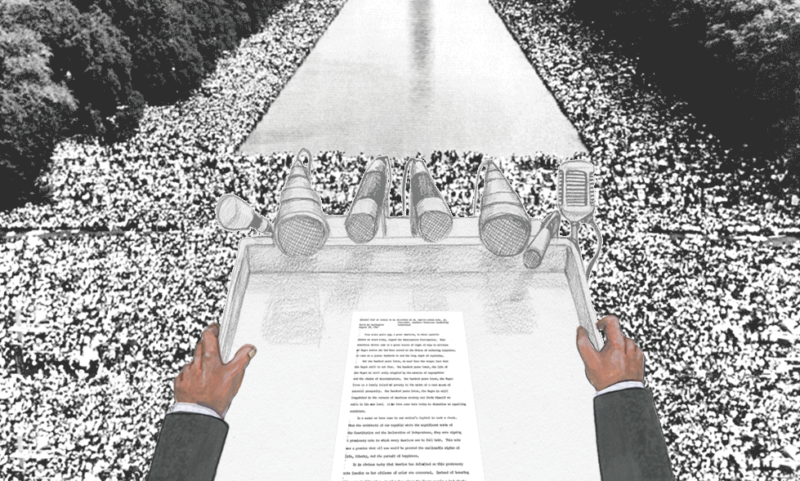
"credit": "Drawing by Evan Bissell, from \"Freedom's Ring,\" found at freedomsring.stanford.edu",
"status": "inherit",
"isLoading": false,
"fetchFailed": false
},
"education_531205": {
"type": "attachments",
"id": "education_531205",
"meta": {
"index": "attachments_1716263798",
"site": "education",
"id": "531205",
"found": true
},
"parent": 531201,
"imgSizes": {
"twentyfourteen-full-width": {
"file": "https://ww2.kqed.org/app/uploads/sites/38/2019/02/octopus-1038x576.png",
"width": 1038,
"mimeType": "image/png",
"height": 576
},
"thumbnail": {
"file": "https://ww2.kqed.org/app/uploads/sites/38/2019/02/octopus-160x100.png",
"width": 160,
"mimeType": "image/png",
"height": 100
},
"post-thumbnail": {
"file": "https://ww2.kqed.org/app/uploads/sites/38/2019/02/octopus-672x372.png",
"width": 672,
"mimeType": "image/png",
"height": 372
},
"kqedFullSize": {
"file": "https://ww2.kqed.org/app/uploads/sites/38/2019/02/octopus.png",
"width": 1042,
"height": 651
},
"large": {
"file": "https://ww2.kqed.org/app/uploads/sites/38/2019/02/octopus-1020x637.png",
"width": 1020,
"mimeType": "image/png",
"height": 637
},
"guest-author-50": {
"file": "https://ww2.kqed.org/app/uploads/sites/38/2019/02/octopus-50x50.png",
"width": 50,
"mimeType": "image/png",
"height": 50
},
"guest-author-96": {
"file": "https://ww2.kqed.org/app/uploads/sites/38/2019/02/octopus-96x96.png",
"width": 96,
"mimeType": "image/png",
"height": 96
},
"medium": {
"file": "https://ww2.kqed.org/app/uploads/sites/38/2019/02/octopus-800x500.png",
"width": 800,
"mimeType": "image/png",
"height": 500
},
"guest-author-64": {
"file": "https://ww2.kqed.org/app/uploads/sites/38/2019/02/octopus-64x64.png",
"width": 64,
"mimeType": "image/png",
"height": 64
},
"guest-author-32": {
"file": "https://ww2.kqed.org/app/uploads/sites/38/2019/02/octopus-32x32.png",
"width": 32,
"mimeType": "image/png",
"height": 32
},
"detail": {
"file": "https://ww2.kqed.org/app/uploads/sites/38/2019/02/octopus-150x150.png",
"width": 150,
"mimeType": "image/png",
"height": 150
},
"medium_large": {
"file": "https://ww2.kqed.org/app/uploads/sites/38/2019/02/octopus-768x480.png",
"width": 768,
"mimeType": "image/png",
"height": 480
},
"guest-author-128": {
"file": "https://ww2.kqed.org/app/uploads/sites/38/2019/02/octopus-128x128.png",
"width": 128,
"mimeType": "image/png",
"height": 128
}
},
"publishDate": 1549654277,
"modified": 1549654295,
"caption": null,
"description": null,
"title": null,
"credit": null,
"status": "inherit",
"isLoading": false,
"fetchFailed": false
}
},
"audioPlayerReducer": {
"postId": "stream_live",
"isPaused": true,
"isPlaying": false,
"pfsActive": false,
"pledgeModalIsOpen": true,
"playerDrawerIsOpen": false,
"liveAudioPlayStartedAt": 0,
"liveAudioPlayContext": ""
},
"authorsReducer": {
"andrea-swensrud": {
"type": "authors",
"id": "6170",
"meta": {
"index": "authors_1716337520",
"id": "6170",
"found": true
},
"name": "Andrea Aust",
"firstName": "Andrea",
"lastName": "Aust",
"slug": "andrea-swensrud",
"email": "aaust@kqed.org",
"display_author_email": false,
"staff_mastheads": [],
"title": "KQED Contributor",
"bio": "Andrea is the Senior Manager of Science Education for KQED, where she has been developing science education resources and providing professional learning for STEM educators for more than 10 years. Andrea graduated from UC Berkeley with a B.A. in Environmental Science and earned her M.A. in Teaching and Multiple Subject Teaching Credential from the University of San Francisco. Prior to KQED, she taught, developed, and managed marine science and environmental education programs in Aspen, Catalina Island and the Bay Area. Follow her on Twitter at \u003ca href=\"https://twitter.com/KQEDaust\">@KQEDaust\u003c/a>.",
"avatar": "https://secure.gravatar.com/avatar/0e24afde91dbbf0fb0652c4ebbebceee?s=600&d=blank&r=g",
"twitter": "KQEDaust",
"facebook": null,
"instagram": null,
"linkedin": null,
"sites": [
{
"site": "science",
"roles": []
},
{
"site": "education",
"roles": []
},
{
"site": "quest",
"roles": [
"unfiltered_upload",
"administrator"
]
}
],
"headData": {
"title": "Andrea Aust | KQED",
"description": "KQED Contributor",
"ogImgSrc": "https://secure.gravatar.com/avatar/0e24afde91dbbf0fb0652c4ebbebceee?s=600&d=blank&r=g",
"twImgSrc": "https://secure.gravatar.com/avatar/0e24afde91dbbf0fb0652c4ebbebceee?s=600&d=blank&r=g"
},
"isLoading": false,
"link": "/author/andrea-swensrud"
},
"lfarrar": {
"type": "authors",
"id": "6544",
"meta": {
"index": "authors_1716337520",
"id": "6544",
"found": true
},
"name": "Lauren Farrar",
"firstName": "Lauren",
"lastName": "Farrar",
"slug": "lfarrar",
"email": "lfarrar@kqed.org",
"display_author_email": false,
"staff_mastheads": [],
"title": "KQED Contributor",
"bio": "Lauren has a background in biology, education, and filmmaking. She has had the privilege to work on a diverse array of educational endeavors and is currently a producer for KQED Learning's YouTube series \u003cem>Above the Noise\u003c/em>. Lauren's career has taken her to the deepest parts of the ocean to film deep sea hydrothermal vents for classroom webcasts, into the pool to film synchronized swimmers to teach about the pH scale, and on roller coasters to create a video about activation energy. And, she’s done it all for the sake of education. Lauren loves communicating science! Follow her on twitter @LFarrarAtWork",
"avatar": "https://secure.gravatar.com/avatar/580c4ece9fa0756ef42202cdcf4146d1?s=600&d=blank&r=g",
"twitter": null,
"facebook": null,
"instagram": null,
"linkedin": null,
"sites": [
{
"site": "news",
"roles": []
},
{
"site": "lowdown",
"roles": []
},
{
"site": "education",
"roles": []
},
{
"site": "quest",
"roles": []
}
],
"headData": {
"title": "Lauren Farrar | KQED",
"description": "KQED Contributor",
"ogImgSrc": "https://secure.gravatar.com/avatar/580c4ece9fa0756ef42202cdcf4146d1?s=600&d=blank&r=g",
"twImgSrc": "https://secure.gravatar.com/avatar/580c4ece9fa0756ef42202cdcf4146d1?s=600&d=blank&r=g"
},
"isLoading": false,
"link": "/author/lfarrar"
},
"rdepew": {
"type": "authors",
"id": "8679",
"meta": {
"index": "authors_1716337520",
"id": "8679",
"found": true
},
"name": "Randy Depew",
"firstName": "Randy",
"lastName": "Depew",
"slug": "rdepew",
"email": "rdepew@kqed.org",
"display_author_email": false,
"staff_mastheads": [],
"title": "KQED Contributor",
"bio": "Dr. Randy Depew is KQED Education’s Managing Director. Prior to KQED, Randy was a co-founder and spent 20 years as teacher-leader of The Digital Safari Academy, a college and career academy at Mt. Diablo High School in Concord, CA. Additionally, Randy served for 16 years as an adjunct faculty member in Brandman University's School of Education where he taught credential courses on digital and media literacy, teaching and learning in 21st century classrooms, literacy development for primary and second language learners, and secondary classroom management. He was the 2001 MDUSD teacher of the year and Technology and Learning Magazine’s 2000 California Technology teacher of the year and has presented at dozens of national conferences on the subject of media literacy, media production, and their impact on student engagement and achievement. At KQED, Randy oversees the development of KQED education content, including professional learning courses and educator certification, classroom curriculum, media to support student learning and online products that bring it all together. Randy holds a B.A. in chemistry from U.C. Berkeley, an M.A. in curriculum and instruction from Chapman University and an Ed.D. in organizational leadership from Brandman University.",
"avatar": "https://secure.gravatar.com/avatar/b53a02d5d1e94a3a3b68a8c40762d88e6eb4f289ba2eaa7f37954e6ca4872855?s=600&d=blank&r=g",
"twitter": null,
"bluesky": null,
"facebook": null,
"instagram": null,
"linkedin": null,
"sites": [
{
"site": "lowdown",
"roles": [
"contributor"
]
},
{
"site": "education",
"roles": [
"administrator"
]
},
{
"site": "youthmedia",
"roles": [
"editor"
]
}
],
"headData": {
"title": "Randy Depew | KQED",
"description": "KQED Contributor",
"ogImgSrc": "https://secure.gravatar.com/avatar/b53a02d5d1e94a3a3b68a8c40762d88e6eb4f289ba2eaa7f37954e6ca4872855?s=600&d=blank&r=g",
"twImgSrc": "https://secure.gravatar.com/avatar/b53a02d5d1e94a3a3b68a8c40762d88e6eb4f289ba2eaa7f37954e6ca4872855?s=600&d=blank&r=g"
},
"isLoading": false,
"link": "/author/rdepew"
},
"dlartaud": {
"type": "authors",
"id": "10621",
"meta": {
"index": "authors_1716337520",
"id": "10621",
"found": true
},
"name": "Derek Lartaud",
"firstName": "Derek",
"lastName": "Lartaud",
"slug": "dlartaud",
"email": "dlartaud@kqed.org",
"display_author_email": true,
"staff_mastheads": [],
"title": "KQED Contributor",
"bio": "Derek Lartaud came to the Bay Area after nearly five years of researching schizophrenia and diabetes at Yale University. Determined to tell visual stories, he’s worked for the BBC, Al Jazeera America, TIME, PBS, and the Center for Investigative Reporting. He has a bachelor’s degree in neuroscience and a master’s degree in journalism. When not holding a camera or editing a story, he’s trying to rebuild his 1969 Honda CL350.",
"avatar": "https://secure.gravatar.com/avatar/e03912790b9252d0f67d68120966e449?s=600&d=mm&r=g",
"twitter": null,
"facebook": null,
"instagram": null,
"linkedin": null,
"sites": [
{
"site": "education",
"roles": [
"contributor"
]
},
{
"site": "quest",
"roles": [
"contributor"
]
},
{
"site": "food",
"roles": [
"editor"
]
}
],
"headData": {
"title": "Derek Lartaud | KQED",
"description": "KQED Contributor",
"ogImgSrc": "https://secure.gravatar.com/avatar/e03912790b9252d0f67d68120966e449?s=600&d=mm&r=g",
"twImgSrc": "https://secure.gravatar.com/avatar/e03912790b9252d0f67d68120966e449?s=600&d=mm&r=g"
},
"isLoading": false,
"link": "/author/dlartaud"
},
"rroberson": {
"type": "authors",
"id": "11274",
"meta": {
"index": "authors_1716337520",
"id": "11274",
"found": true
},
"name": "Rachel Roberson",
"firstName": "Rachel",
"lastName": "Roberson",
"slug": "rroberson",
"email": "rroberson@kqed.org",
"display_author_email": false,
"staff_mastheads": [],
"title": null,
"bio": "Rachel Roberson is KQED's news education manager. Previously, she was a reading, writing and social studies teacher leader on three continents, having served on the founding staff of KIPP Bayview Academy in San Francisco before moving to schools in Abu Dhabi and Austin, Texas. She started her teaching career as a Peace Corps volunteer in Cameroon. Before she was a teacher, Rachel was a journalist in the East Bay.",
"avatar": "https://secure.gravatar.com/avatar/d0516373a400e4059f65bd29bc026a20?s=600&d=mm&r=g",
"twitter": null,
"facebook": null,
"instagram": null,
"linkedin": null,
"sites": [
{
"site": "news",
"roles": [
"editor"
]
},
{
"site": "lowdown",
"roles": [
"editor"
]
},
{
"site": "stateofhealth",
"roles": [
"editor"
]
},
{
"site": "science",
"roles": [
"editor"
]
},
{
"site": "education",
"roles": [
"editor"
]
},
{
"site": "perspectives",
"roles": [
"editor"
]
},
{
"site": "youthmedia",
"roles": [
"editor"
]
}
],
"headData": {
"title": "Rachel Roberson | KQED",
"description": null,
"ogImgSrc": "https://secure.gravatar.com/avatar/d0516373a400e4059f65bd29bc026a20?s=600&d=mm&r=g",
"twImgSrc": "https://secure.gravatar.com/avatar/d0516373a400e4059f65bd29bc026a20?s=600&d=mm&r=g"
},
"isLoading": false,
"link": "/author/rroberson"
},
"bobkelly": {
"type": "authors",
"id": "11399",
"meta": {
"index": "authors_1716337520",
"id": "11399",
"found": true
},
"name": "Bob Kelly",
"firstName": "Bob",
"lastName": "Kelly",
"slug": "bobkelly",
"email": "mr.bob.kelly.55@gmail.com",
"display_author_email": false,
"staff_mastheads": [],
"title": null,
"bio": "\u003cspan style=\"font-weight: 400;\">Bob Kelly teaches U.S. History, Government, Economics, and Psychology at Minarets High School outside Yosemite National Park in the Sierra Nevada foothills of California. Bob has taught for over 20 years in all sorts of social studies content areas and school settings including Palo Alto, Mariposa, and the Central Valley. He loves blending new and old school understandings and approaches to the world we live in. He is a well-experienced teacher trainer in both history and technology integration and has been an AP reader for the U.S. History exam as well as a AP US History consultant for the College Board, a Google Apps for Education Certified Innovator, and a PBS LearningMedia Local Digital Innovator. Bob was also a football coach for over 25 years.\u003c/span>",
"avatar": "https://secure.gravatar.com/avatar/06c2bf657fd98c8004089cb8b33bd8d1?s=600&d=blank&r=g",
"twitter": null,
"facebook": null,
"instagram": null,
"linkedin": null,
"sites": [
{
"site": "education",
"roles": [
"author"
]
}
],
"headData": {
"title": "Bob Kelly | KQED",
"description": null,
"ogImgSrc": "https://secure.gravatar.com/avatar/06c2bf657fd98c8004089cb8b33bd8d1?s=600&d=blank&r=g",
"twImgSrc": "https://secure.gravatar.com/avatar/06c2bf657fd98c8004089cb8b33bd8d1?s=600&d=blank&r=g"
},
"isLoading": false,
"link": "/author/bobkelly"
},
"logansilva": {
"type": "authors",
"id": "11573",
"meta": {
"index": "authors_1716337520",
"id": "11573",
"found": true
},
"name": "Logan Silva",
"firstName": "Logan",
"lastName": "Silva",
"slug": "logansilva",
"email": "logan.silva.s@gmail.com",
"display_author_email": false,
"staff_mastheads": [],
"title": null,
"bio": "Logan Silva grew up in amidst the redwood trees and orchards of Mendocino County. His educational experiences have included a one-room schoolhouse in the hills, Mendocino College, Cal, Dartmouth, Yale and Stanford. Over the past eight years Logan has taught nearly every subject to students ranging from seventh grade to community college, and during that time committed himself to studying the art and craft of teaching. Learn more at logeducation.home.blog.",
"avatar": "https://secure.gravatar.com/avatar/f95de96f1184175db2a8db195a194613?s=600&d=blank&r=g",
"twitter": null,
"facebook": null,
"instagram": null,
"linkedin": null,
"sites": [
{
"site": "education",
"roles": [
"author"
]
}
],
"headData": {
"title": "Logan Silva | KQED",
"description": null,
"ogImgSrc": "https://secure.gravatar.com/avatar/f95de96f1184175db2a8db195a194613?s=600&d=blank&r=g",
"twImgSrc": "https://secure.gravatar.com/avatar/f95de96f1184175db2a8db195a194613?s=600&d=blank&r=g"
},
"isLoading": false,
"link": "/author/logansilva"
},
"jamesfester": {
"type": "authors",
"id": "11585",
"meta": {
"index": "authors_1716337520",
"id": "11585",
"found": true
},
"name": "James Fester",
"firstName": "James",
"lastName": "Fester",
"slug": "jamesfester",
"email": "james.fester@gmail.com",
"display_author_email": false,
"staff_mastheads": [],
"title": null,
"bio": "James Fester is a technology integration support specialist at Hill-Murray school just north of St. Paul, MN where he helps both teachers and students use technology more effectively. He holds many certifications including Google Certified Innovator and Common Sense Media Ambassador. During the summer he works as an independent consultant in the areas of educational technology and as a member of the Buck Institute for Education's National Faculty help schools and teachers strengthen their project-based learning practices.",
"avatar": "https://secure.gravatar.com/avatar/830cf82d9cfc7e53a47b96c30922cc31?s=600&d=blank&r=g",
"twitter": null,
"facebook": null,
"instagram": null,
"linkedin": null,
"sites": [
{
"site": "education",
"roles": [
"author"
]
}
],
"headData": {
"title": "James Fester | KQED",
"description": null,
"ogImgSrc": "https://secure.gravatar.com/avatar/830cf82d9cfc7e53a47b96c30922cc31?s=600&d=blank&r=g",
"twImgSrc": "https://secure.gravatar.com/avatar/830cf82d9cfc7e53a47b96c30922cc31?s=600&d=blank&r=g"
},
"isLoading": false,
"link": "/author/jamesfester"
},
"erinvallejo": {
"type": "authors",
"id": "11589",
"meta": {
"index": "authors_1716337520",
"id": "11589",
"found": true
},
"name": "Erin Vallejo",
"firstName": "Erin",
"lastName": "Vallejo",
"slug": "erinvallejo",
"email": "vallejoerin@dublinusd.org",
"display_author_email": false,
"staff_mastheads": [],
"title": null,
"bio": "Erin Vallejo is a Google Certified Educator, EdTech Teacher Leader and CUE Rock Star Teacher who teaches Sophomore Advanced English in Dublin, California. In addition to teaching English for the past eight years, Erin is also the Technology Coordinator for her high school, a Freshman Mentor Program Adviser, and the adviser for campus clubs such as Room to Read and Northern California Innocence Project. When Erin is not teaching, she enjoys traveling, spending time with her family and presenting at education conferences.",
"avatar": "https://secure.gravatar.com/avatar/62e2b219db3853284b10453f05914cc7?s=600&d=blank&r=g",
"twitter": null,
"facebook": null,
"instagram": null,
"linkedin": null,
"sites": [
{
"site": "education",
"roles": [
"author"
]
}
],
"headData": {
"title": "Erin Vallejo | KQED",
"description": null,
"ogImgSrc": "https://secure.gravatar.com/avatar/62e2b219db3853284b10453f05914cc7?s=600&d=blank&r=g",
"twImgSrc": "https://secure.gravatar.com/avatar/62e2b219db3853284b10453f05914cc7?s=600&d=blank&r=g"
},
"isLoading": false,
"link": "/author/erinvallejo"
},
"acaciawoodschan": {
"type": "authors",
"id": "11594",
"meta": {
"index": "authors_1716337520",
"id": "11594",
"found": true
},
"name": "Acacia Woodschan",
"firstName": "Acacia",
"lastName": "Woodschan",
"slug": "acaciawoodschan",
"email": "acacia.woodschan@ousd.org",
"display_author_email": false,
"staff_mastheads": [],
"title": "KQED Contributor",
"bio": "Acacia Woodschan is a Bay Area native currently supporting 9th grade Newcomer students at Castlemont High School. In her third year of teaching Ethnic Studies, she has learned the positive impact of technological integration into her classroom, allowing student's imaginations to explore history in a way that extends beyond textbooks and asks them to see themselves and their own histories as the intricate fabric of collective knowledge. She has utilized KQED platforms for student inquiry and is excited to be a contributing teacher in Technology in the Classroom. For information on how she integrates technology into her ELL classroom, please contact her at acacia.woodschan@ousd.org",
"avatar": "https://secure.gravatar.com/avatar/b662de72ca951ef72f3383edeb67ef41ce4ccced681d9ffc9b2e83ed5550259b?s=600&d=mm&r=g",
"twitter": null,
"bluesky": null,
"facebook": null,
"instagram": null,
"linkedin": null,
"sites": [
{
"site": "education",
"roles": [
"subscriber"
]
}
],
"headData": {
"title": "Acacia Woodschan | KQED",
"description": "KQED Contributor",
"ogImgSrc": "https://secure.gravatar.com/avatar/b662de72ca951ef72f3383edeb67ef41ce4ccced681d9ffc9b2e83ed5550259b?s=600&d=mm&r=g",
"twImgSrc": "https://secure.gravatar.com/avatar/b662de72ca951ef72f3383edeb67ef41ce4ccced681d9ffc9b2e83ed5550259b?s=600&d=mm&r=g"
},
"isLoading": false,
"link": "/author/acaciawoodschan"
}
},
"pagesReducer": {
"education_category_blog": {
"type": "terms",
"id": "education_1",
"meta": {
"index": "terms_1716263798",
"site": "education",
"id": "1",
"score": 13.308301
},
"name": "Education Blog",
"slug": "blog",
"taxonomy": "category",
"description": "Sign up for the \u003ca href=\"https://www.kqed.org/newsletters/kqed-education\" target=\"_blank\" rel=\"noopener noreferrer\">KQED Education newsletter\u003c/a>.",
"featImg": null,
"headData": {
"title": "Bay Area Education Insights: Stories & Resources from KQED's Blog",
"description": "Discover insightful articles, captivating stories, and practical resources for educators, parents, and learners of all ages.",
"ogTitle": null,
"ogDescription": null,
"ogImgId": null,
"twTitle": null,
"twDescription": null,
"twImgId": null,
"socialTitle": "Bay Area Education Insights: Stories & Resources from KQED's Blog"
},
"ttid": 1,
"isLoading": false,
"title": "Education Blog",
"pageMeta": {
"site": "education",
"WpPageTemplate": "page-topic-company",
"currentPage": 31
},
"blocks": [
{
"blockName": "kqed/company-paragraph",
"content": "Sign up for the \u003ca href=\"https://www.kqed.org/newsletters/kqed-education\" target=\"_blank\" rel=\"noopener noreferrer\">KQED Education newsletter\u003c/a>."
},
{
"blockName": "kqed/post-list",
"attrs": {
"layout": "cardCompany2",
"query": "posts/education?category=blog",
"seeMore": false,
"paginated": true,
"page": 31
}
},
{
"blockName": "kqed/ad"
}
]
}
},
"pfsSessionReducer": {},
"postsReducer": {
"stream_live": {
"type": "live",
"id": "stream_live",
"audioUrl": "https://streams.kqed.org/kqedradio",
"title": "Live Stream",
"excerpt": "Live Stream information currently unavailable.",
"link": "/radio",
"featImg": "",
"label": {
"name": "KQED Live",
"link": "/"
}
},
"stream_kqedNewscast": {
"type": "posts",
"id": "stream_kqedNewscast",
"audioUrl": "https://www.kqed.org/.stream/anon/radio/RDnews/newscast.mp3?_=1",
"title": "KQED Newscast",
"featImg": "",
"label": {
"name": "88.5 FM",
"link": "/"
}
},
"education_531480": {
"type": "posts",
"id": "education_531480",
"meta": {
"index": "posts_1716263798",
"site": "education",
"id": "531480",
"score": null,
"sort": [
1553285762000
]
},
"parent": 0,
"labelTerm": {
"site": "education",
"term": 2813
},
"blocks": [],
"publishDate": 1553285762,
"format": "video",
"title": "Suicide Prevention: How Can Schools Help?",
"headTitle": "Suicide Prevention: How Can Schools Help? | KQED",
"content": "\u003cp>No one wants to talk about it, but suicide is a leading cause of death among teens. The good news is, schools are uniquely positioned to help. Student reporters from PBS NewsHour Student Reporting Labs investigate what schools can do.\u003c/p>\n\u003cblockquote>\u003cp>\u003cstrong>TEACHERS\u003c/strong>: Get your students in the discussion on KQED Learn, a safe place for middle and high school students to investigate controversial topics and share their voices. https://learn.kqed.org/topics/24\u003c/p>\u003c/blockquote>\n\u003cp>If you or anyone you know is experiencing suicidal thoughts or feelings right now, call the suicide prevention hotline: 1-800-273-TALK, that’s 1-800-273-8255. If you don’t want to talk to someone, you can text 741741, anonymously, and a counselor will come to your aide, whether or not you are currently in a crisis.\u003c/p>\n\u003cp>\u003cstrong>What programs help prevent teen suicide?\u003c/strong>\u003c/p>\n\u003cp>This toolkit: \u003ca class=\"yt-simple-endpoint style-scope yt-formatted-string\" href=\"https://www.youtube.com/redirect?v=LaRB-nbCKio&redir_token=-IfPZ0UicKTQdjJvztT90f697fF8MTU1MzM3MTI4MEAxNTUzMjg0ODgw&event=video_description&q=https%3A%2F%2Fstore.samhsa.gov%2Fsystem%2Ffiles%2Fsma12-4669.pdf\" target=\"_blank\" rel=\"nofollow noopener\">https://store.samhsa.gov/system/files…\u003c/a> provides research based recommendations for how schools can implement comprehensive suicide prevention programs.\u003c/p>\n\u003cp>\u003cstrong>What is Sources of Strength?\u003c/strong>\u003c/p>\n\u003cp>[ad fullwidth]\u003c/p>\n\u003cp>Sources of Strength is an evidence-based suicide prevention program that uses adult advisors and peer leaders to support students’ mental health. It’s a suicide prevention program that focuses on building strength, support, and hope to help students navigate the complexities of life.\u003c/p>\n\u003cp>\u003cstrong>What role can peer leaders play in suicide prevention?\u003c/strong>\u003c/p>\n\u003cp>Sources of Strength trains peer leaders to look out for signs that a fellow student might be struggling, and provides training on talking with students about issues they may be facing. Peer leaders are also trained in identifying when it’s appropriate to alert a trusted adult about a problem.\u003c/p>\n\u003cp>\u003cstrong>SOURCES: \u003c/strong>\u003c/p>\n\u003cp>\u003ca href=\"https://static1.squarespace.com/static/599d959cb8a79b775bacaec1/t/5a70b88c9140b7bbe7f17146/1517336723785/suicide+article-+schools.pdf\">School‑Based Suicide Prevention: A Framework for Evidence‑Based Practice\u003c/a>\u003c/p>\n\u003cp>\u003ca href=\"https://suicidepreventionlifeline.org/\">Suicide Prevention Lifeline\u003c/a>\u003c/p>\n\u003cp>\u003ca href=\"https://store.samhsa.gov/system/files/sma12-4669.pdf\">Substance Abuse and Mental Health Services Administration’: Preventing Suicides a Toolkit for Highschools\u003c/a>\u003c/p>\n\u003cp>\u003ca href=\"http://jasonfoundation.com/youth-suicide/facts-stats/\">The Jason Foundation: Facts and Stats\u003c/a>\u003c/p>\n\u003cp>\u003ca href=\"https://www.cdc.gov/healthyyouth/data/yrbs/pdf/2017/ss6708.pdf\">CDC: Youth Risk Behavior Surveillance\u003c/a>\u003c/p>\n\u003cp>\u003ca href=\"https://www.sprc.org/keys-success/evidence-based-prevention\">Suicide Prevention Resource Center: Evidence Based Prevention\u003c/a>\u003c/p>\n\u003cp>\u003ca href=\"https://www.edutopia.org/teenage-suicide-prevention-screening-programs\">Edutopia: Suicide Prevention Can Start in School\u003c/a>\u003c/p>\n\u003cp>\u003ca href=\"https://www.npr.org/sections/health-shots/2018/10/23/658834805/how-one-colorado-town-is-tackling-suicide-prevention-starting-with-the-kids\">NPR: How one Colorado town is tackling suicide prevention starting with the kids\u003c/a>\u003c/p>\n\u003cp>\u003ca href=\"https://www.cdc.gov/injury/images/lc-charts/leading_causes_of_death_by_age_group_2017_1100w850h.jpg\">CDC: Causes of Death by Age Group\u003c/a>\u003c/p>\n\u003cp>\u003c/p>\n\u003cp> \u003c/p>\n\n",
"stats": {
"hasVideo": false,
"hasChartOrMap": false,
"hasAudio": false,
"hasPolis": false,
"wordCount": 354,
"hasGoogleForm": false,
"hasGallery": false,
"hasHearkenModule": false,
"iframeSrcs": [],
"paragraphCount": 21
},
"modified": 1704760867,
"excerpt": "No one wants to talk about it, but suicide is a leading cause of death among teens. What can schools do to help? ",
"headData": {
"twImgId": "",
"twTitle": "",
"ogTitle": "",
"ogImgId": "",
"twDescription": "",
"description": "No one wants to talk about it, but suicide is a leading cause of death among teens. What can schools do to help? ",
"title": "Suicide Prevention: How Can Schools Help? | KQED",
"ogDescription": "",
"schema": {
"@context": "https://schema.org",
"@type": "Article",
"headline": "Suicide Prevention: How Can Schools Help?",
"datePublished": "2019-03-22T13:16:02-07:00",
"dateModified": "2024-01-08T16:41:07-08:00",
"image": "https://cdn.kqed.org/wp-content/uploads/2020/02/KQED-OG-Image@1x.png"
}
},
"guestAuthors": [],
"slug": "suicide-prevention-how-can-schools-help",
"status": "publish",
"videoEmbed": "https://www.youtube.com/watch?v=LaRB-nbCKio&t=4s",
"sticky": false,
"path": "/education/531480/suicide-prevention-how-can-schools-help",
"audioTrackLength": null,
"parsedContent": [
{
"type": "contentString",
"content": "\u003cdiv class=\"post-body\">\u003cp>\u003cp>No one wants to talk about it, but suicide is a leading cause of death among teens. The good news is, schools are uniquely positioned to help. Student reporters from PBS NewsHour Student Reporting Labs investigate what schools can do.\u003c/p>\n\u003cblockquote>\u003cp>\u003cstrong>TEACHERS\u003c/strong>: Get your students in the discussion on KQED Learn, a safe place for middle and high school students to investigate controversial topics and share their voices. https://learn.kqed.org/topics/24\u003c/p>\u003c/blockquote>\n\u003cp>If you or anyone you know is experiencing suicidal thoughts or feelings right now, call the suicide prevention hotline: 1-800-273-TALK, that’s 1-800-273-8255. If you don’t want to talk to someone, you can text 741741, anonymously, and a counselor will come to your aide, whether or not you are currently in a crisis.\u003c/p>\n\u003cp>\u003cstrong>What programs help prevent teen suicide?\u003c/strong>\u003c/p>\n\u003cp>This toolkit: \u003ca class=\"yt-simple-endpoint style-scope yt-formatted-string\" href=\"https://www.youtube.com/redirect?v=LaRB-nbCKio&redir_token=-IfPZ0UicKTQdjJvztT90f697fF8MTU1MzM3MTI4MEAxNTUzMjg0ODgw&event=video_description&q=https%3A%2F%2Fstore.samhsa.gov%2Fsystem%2Ffiles%2Fsma12-4669.pdf\" target=\"_blank\" rel=\"nofollow noopener\">https://store.samhsa.gov/system/files…\u003c/a> provides research based recommendations for how schools can implement comprehensive suicide prevention programs.\u003c/p>\n\u003cp>\u003cstrong>What is Sources of Strength?\u003c/strong>\u003c/p>\n\u003cp>\u003c/p>\u003c/div>",
"attributes": {
"named": {},
"numeric": []
}
},
{
"type": "component",
"content": "",
"name": "ad",
"attributes": {
"named": {
"label": "fullwidth"
},
"numeric": [
"fullwidth"
]
}
},
{
"type": "contentString",
"content": "\u003cdiv class=\"post-body\">\u003cp>\u003c/p>\n\u003cp>Sources of Strength is an evidence-based suicide prevention program that uses adult advisors and peer leaders to support students’ mental health. It’s a suicide prevention program that focuses on building strength, support, and hope to help students navigate the complexities of life.\u003c/p>\n\u003cp>\u003cstrong>What role can peer leaders play in suicide prevention?\u003c/strong>\u003c/p>\n\u003cp>Sources of Strength trains peer leaders to look out for signs that a fellow student might be struggling, and provides training on talking with students about issues they may be facing. Peer leaders are also trained in identifying when it’s appropriate to alert a trusted adult about a problem.\u003c/p>\n\u003cp>\u003cstrong>SOURCES: \u003c/strong>\u003c/p>\n\u003cp>\u003ca href=\"https://static1.squarespace.com/static/599d959cb8a79b775bacaec1/t/5a70b88c9140b7bbe7f17146/1517336723785/suicide+article-+schools.pdf\">School‑Based Suicide Prevention: A Framework for Evidence‑Based Practice\u003c/a>\u003c/p>\n\u003cp>\u003ca href=\"https://suicidepreventionlifeline.org/\">Suicide Prevention Lifeline\u003c/a>\u003c/p>\n\u003cp>\u003ca href=\"https://store.samhsa.gov/system/files/sma12-4669.pdf\">Substance Abuse and Mental Health Services Administration’: Preventing Suicides a Toolkit for Highschools\u003c/a>\u003c/p>\n\u003cp>\u003ca href=\"http://jasonfoundation.com/youth-suicide/facts-stats/\">The Jason Foundation: Facts and Stats\u003c/a>\u003c/p>\n\u003cp>\u003ca href=\"https://www.cdc.gov/healthyyouth/data/yrbs/pdf/2017/ss6708.pdf\">CDC: Youth Risk Behavior Surveillance\u003c/a>\u003c/p>\n\u003cp>\u003ca href=\"https://www.sprc.org/keys-success/evidence-based-prevention\">Suicide Prevention Resource Center: Evidence Based Prevention\u003c/a>\u003c/p>\n\u003cp>\u003ca href=\"https://www.edutopia.org/teenage-suicide-prevention-screening-programs\">Edutopia: Suicide Prevention Can Start in School\u003c/a>\u003c/p>\n\u003cp>\u003ca href=\"https://www.npr.org/sections/health-shots/2018/10/23/658834805/how-one-colorado-town-is-tackling-suicide-prevention-starting-with-the-kids\">NPR: How one Colorado town is tackling suicide prevention starting with the kids\u003c/a>\u003c/p>\n\u003cp>\u003ca href=\"https://www.cdc.gov/injury/images/lc-charts/leading_causes_of_death_by_age_group_2017_1100w850h.jpg\">CDC: Causes of Death by Age Group\u003c/a>\u003c/p>\n\u003cp>\u003c/p>\n\u003cp> \u003c/p>\n\n\u003c/div>\u003c/p>",
"attributes": {
"named": {},
"numeric": []
}
}
],
"link": "/education/531480/suicide-prevention-how-can-schools-help",
"authors": [
"6544"
],
"categories": [
"education_1"
],
"tags": [
"education_2852",
"education_573"
],
"collections": [
"education_2813"
],
"featImg": "education_531482",
"label": "education_2813"
},
"education_531472": {
"type": "posts",
"id": "education_531472",
"meta": {
"index": "posts_1716263798",
"site": "education",
"id": "531472",
"score": null,
"sort": [
1553284790000
]
},
"parent": 0,
"labelTerm": {
"site": "education",
"term": 2813
},
"blocks": [],
"publishDate": 1553284790,
"format": "video",
"title": "Should Schools Suspend Suspensions?",
"headTitle": "Should Schools Suspend Suspensions? | KQED",
"content": "\u003cp>Suspensions have some unintended consequences. They disproportionately target minorities, and some students who get suspended are more likely to repeat a grade, drop out of school, and become involved in the criminal justice system. But suspensions are viewed by some as a necessary tool to keep schools safe. It may not be great for the suspended student, but they say it’s more important to keep everyone ELSE at the school safe. Should suspensions be suspended?\u003c/p>\n\u003cblockquote>\u003cp>\u003cstrong>TEACHERS\u003c/strong>: Get your students in the discussion on KQED Learn, a safe place for middle and high school students to investigate controversial topics and share their voices. \u003ca class=\"yt-simple-endpoint style-scope yt-formatted-string\" href=\"https://www.youtube.com/redirect?v=_0JvjTeYKDc&redir_token=d73eLZ7J25901T2eGqBbmlAxV8t8MTU1MzM3MDE1N0AxNTUzMjgzNzU3&q=https%3A%2F%2Flearn.kqed.org%2Ftopics%2F23&event=video_description\" target=\"_blank\" rel=\"nofollow noopener\">https://learn.kqed.org/topics/23\u003c/a>\u003c/p>\u003c/blockquote>\n\u003cp>According to a 2018 government report, schools have a discrimination problem when it comes to discipline. Black students get disciplined more harshly AND more often than their white classmates for the same kind of misbehavior. That’s why over the last few years, more than HALF of U.S. states have passed laws to REDUCE suspensions. Many are replacing out-of-school suspensions with in-school suspensions. Other schools are trying restorative justice, where the focus is on rehabilitation instead of punishment. However, there are still many schools who want the option to suspend students if necessary. It’s the “keep it local” approach, where each school decides what works best for its students.\u003c/p>\n\u003cp>\u003cstrong>What is the school to prison pipeline?\u003c/strong>\u003c/p>\n\u003cp>The school to prison pipeline is the cycle where Students who get suspended are more likely to drop out. And students who drop out are THREE TIMES more likely to get arrested. So, suspensions lead DIRECTLY to more people in the U.S. prison system.\u003c/p>\n\u003cp>\u003cstrong>What is restorative justice? \u003c/strong>\u003c/p>\n\u003cp>[ad fullwidth]\u003c/p>\n\u003cp>Restorative justice focuses on rehabilitation instead of punishment. For example, if a fight breaks out between two students, instead of separating them and swiftly issuing each one a suspension, restorative justice focuses on bringing them together to talk out their issues in a respectful, safe manner. They’re encouraged to accept responsibility for the harm they caused, while also reflecting on WHY they acted out.\u003c/p>\n\u003cp>\u003cstrong>SOURCES\u003c/strong>\u003c/p>\n\u003cp>\u003ca href=\"https://www.gao.gov/products/GAO-18-258\">Discipline Disparities for Black Students, Boys, and Students with Disabilities\u003c/a>\u003c/p>\n\u003cp>\u003ca href=\"https://www.aclu.org/sites/default/files/field_document/final_11-million-days_ucla_aclu.pdf\">11 Million Days Lost to Suspensions\u003c/a>\u003c/p>\n\u003cp>\u003ca href=\"https://www.npr.org/sections/ed/2017/03/23/521070924/school-suspensions-have-plunged-we-don-t-yet-know-if-that-s-good-news_\">School Suspensions Have Plunged: We Don’t Yet Know If That’s Good News\u003c/a>\u003c/p>\n\u003cp>\u003ca href=\"https://www.washingtonpost.com/local/education/racial-disparities-in-school-discipline-are-growing-federal-data-shows/2018/04/24/67b5d2b8-47e4-11e8-827e-190efaf1f1ee_story.html?noredirect=on&utm_term=.54d62d548787\">Racial disparities in school discipline are growing, federal data show\u003c/a>\u003c/p>\n\u003cp>\u003ca href=\"https://www.atlanticphilanthropies.org/wp-content/uploads/2015/09/BlackGirlsMatter_Report.pdf\">Black Girls Matter Report\u003c/a>\u003c/p>\n\u003cp>\u003ca href=\"https://www.kqed.org/mindshift/51686/how-restorative-justice-is-about-more-than-just-reducing-suspensions\">Why Restorative Justice Is About More Than Reducing Suspensions\u003c/a>\u003c/p>\n\u003cp>\u003ca href=\"https://steinhardt.nyu.edu/site/research_alliance/2017/01/31/suspensions-are-down-what-does-this-mean-for-school-safety/\">Suspension Rates in NYC Schools\u003c/a>\u003c/p>\n\u003cp>\u003c/p>\n\u003cp> \u003c/p>\n\n",
"stats": {
"hasVideo": false,
"hasChartOrMap": false,
"hasAudio": false,
"hasPolis": false,
"wordCount": 415,
"hasGoogleForm": false,
"hasGallery": false,
"hasHearkenModule": false,
"iframeSrcs": [],
"paragraphCount": 17
},
"modified": 1704760870,
"excerpt": null,
"headData": {
"twImgId": "",
"twTitle": "",
"ogTitle": "",
"ogImgId": "",
"twDescription": "",
"description": "Suspensions have some unintended consequences. They disproportionately target minorities, and some students who get suspended are more likely to repeat a grade, drop out of school, and become involved in the criminal justice system. But suspensions are viewed by some as a necessary tool to keep schools safe. It may not be great for the",
"title": "Should Schools Suspend Suspensions? | KQED",
"ogDescription": "",
"schema": {
"@context": "https://schema.org",
"@type": "Article",
"headline": "Should Schools Suspend Suspensions?",
"datePublished": "2019-03-22T12:59:50-07:00",
"dateModified": "2024-01-08T16:41:10-08:00",
"image": "https://cdn.kqed.org/wp-content/uploads/2020/02/KQED-OG-Image@1x.png"
}
},
"guestAuthors": [],
"slug": "should-schools-suspend-suspensions",
"status": "publish",
"videoEmbed": "https://www.youtube.com/watch?v=_0JvjTeYKDc",
"sticky": false,
"path": "/education/531472/should-schools-suspend-suspensions",
"audioTrackLength": null,
"parsedContent": [
{
"type": "contentString",
"content": "\u003cdiv class=\"post-body\">\u003cp>\u003cp>Suspensions have some unintended consequences. They disproportionately target minorities, and some students who get suspended are more likely to repeat a grade, drop out of school, and become involved in the criminal justice system. But suspensions are viewed by some as a necessary tool to keep schools safe. It may not be great for the suspended student, but they say it’s more important to keep everyone ELSE at the school safe. Should suspensions be suspended?\u003c/p>\n\u003cblockquote>\u003cp>\u003cstrong>TEACHERS\u003c/strong>: Get your students in the discussion on KQED Learn, a safe place for middle and high school students to investigate controversial topics and share their voices. \u003ca class=\"yt-simple-endpoint style-scope yt-formatted-string\" href=\"https://www.youtube.com/redirect?v=_0JvjTeYKDc&redir_token=d73eLZ7J25901T2eGqBbmlAxV8t8MTU1MzM3MDE1N0AxNTUzMjgzNzU3&q=https%3A%2F%2Flearn.kqed.org%2Ftopics%2F23&event=video_description\" target=\"_blank\" rel=\"nofollow noopener\">https://learn.kqed.org/topics/23\u003c/a>\u003c/p>\u003c/blockquote>\n\u003cp>According to a 2018 government report, schools have a discrimination problem when it comes to discipline. Black students get disciplined more harshly AND more often than their white classmates for the same kind of misbehavior. That’s why over the last few years, more than HALF of U.S. states have passed laws to REDUCE suspensions. Many are replacing out-of-school suspensions with in-school suspensions. Other schools are trying restorative justice, where the focus is on rehabilitation instead of punishment. However, there are still many schools who want the option to suspend students if necessary. It’s the “keep it local” approach, where each school decides what works best for its students.\u003c/p>\n\u003cp>\u003cstrong>What is the school to prison pipeline?\u003c/strong>\u003c/p>\n\u003cp>The school to prison pipeline is the cycle where Students who get suspended are more likely to drop out. And students who drop out are THREE TIMES more likely to get arrested. So, suspensions lead DIRECTLY to more people in the U.S. prison system.\u003c/p>\n\u003cp>\u003cstrong>What is restorative justice? \u003c/strong>\u003c/p>\n\u003cp>\u003c/p>\u003c/div>",
"attributes": {
"named": {},
"numeric": []
}
},
{
"type": "component",
"content": "",
"name": "ad",
"attributes": {
"named": {
"label": "fullwidth"
},
"numeric": [
"fullwidth"
]
}
},
{
"type": "contentString",
"content": "\u003cdiv class=\"post-body\">\u003cp>\u003c/p>\n\u003cp>Restorative justice focuses on rehabilitation instead of punishment. For example, if a fight breaks out between two students, instead of separating them and swiftly issuing each one a suspension, restorative justice focuses on bringing them together to talk out their issues in a respectful, safe manner. They’re encouraged to accept responsibility for the harm they caused, while also reflecting on WHY they acted out.\u003c/p>\n\u003cp>\u003cstrong>SOURCES\u003c/strong>\u003c/p>\n\u003cp>\u003ca href=\"https://www.gao.gov/products/GAO-18-258\">Discipline Disparities for Black Students, Boys, and Students with Disabilities\u003c/a>\u003c/p>\n\u003cp>\u003ca href=\"https://www.aclu.org/sites/default/files/field_document/final_11-million-days_ucla_aclu.pdf\">11 Million Days Lost to Suspensions\u003c/a>\u003c/p>\n\u003cp>\u003ca href=\"https://www.npr.org/sections/ed/2017/03/23/521070924/school-suspensions-have-plunged-we-don-t-yet-know-if-that-s-good-news_\">School Suspensions Have Plunged: We Don’t Yet Know If That’s Good News\u003c/a>\u003c/p>\n\u003cp>\u003ca href=\"https://www.washingtonpost.com/local/education/racial-disparities-in-school-discipline-are-growing-federal-data-shows/2018/04/24/67b5d2b8-47e4-11e8-827e-190efaf1f1ee_story.html?noredirect=on&utm_term=.54d62d548787\">Racial disparities in school discipline are growing, federal data show\u003c/a>\u003c/p>\n\u003cp>\u003ca href=\"https://www.atlanticphilanthropies.org/wp-content/uploads/2015/09/BlackGirlsMatter_Report.pdf\">Black Girls Matter Report\u003c/a>\u003c/p>\n\u003cp>\u003ca href=\"https://www.kqed.org/mindshift/51686/how-restorative-justice-is-about-more-than-just-reducing-suspensions\">Why Restorative Justice Is About More Than Reducing Suspensions\u003c/a>\u003c/p>\n\u003cp>\u003ca href=\"https://steinhardt.nyu.edu/site/research_alliance/2017/01/31/suspensions-are-down-what-does-this-mean-for-school-safety/\">Suspension Rates in NYC Schools\u003c/a>\u003c/p>\n\u003cp>\u003c/p>\n\u003cp> \u003c/p>\n\n\u003c/div>\u003c/p>",
"attributes": {
"named": {},
"numeric": []
}
}
],
"link": "/education/531472/should-schools-suspend-suspensions",
"authors": [
"10621"
],
"categories": [
"education_1"
],
"tags": [
"education_2852",
"education_657",
"education_666",
"education_865",
"education_2930",
"education_996"
],
"collections": [
"education_2813"
],
"featImg": "education_531474",
"label": "education_2813"
},
"education_531460": {
"type": "posts",
"id": "education_531460",
"meta": {
"index": "posts_1716263798",
"site": "education",
"id": "531460",
"score": null,
"sort": [
1553208486000
]
},
"parent": 0,
"labelTerm": {
"site": "education",
"term": 77
},
"blocks": [],
"publishDate": 1553208486,
"format": "standard",
"title": "Revolutionize How You Assess Student Learning with Video Projects",
"headTitle": "Revolutionize How You Assess Student Learning with Video Projects | KQED",
"content": "\u003cp>\u003cspan style=\"font-weight: 400\">While access to technology has not changed my core pedagogy, it has revolutionized the assessments that I am able to offer my students. Long gone are the multiple choice tests that required rote memorization and regurgitation of facts. My students are now showcasing their new knowledge with interactive maps, group projects, digital portfolios, Google Slide Decks and YouTube videos. \u003c/span>\u003c/p>\n\u003cp>\u003cspan style=\"font-weight: 400\">My advanced sophomore English students create several videos throughout the year, beginning with a short \u003c/span>\u003ca href=\"https://drive.google.com/open?id=1ff4OVMCmrNqnnt6Durs0ZukzwNC1maqpN0NFotH56TQ\">\u003cspan style=\"font-weight: 400\">satire\u003c/span>\u003c/a>\u003cspan style=\"font-weight: 400\">. After reading \u003c/span>\u003ci>\u003cspan style=\"font-weight: 400\">Brave New World \u003c/span>\u003c/i>\u003cspan style=\"font-weight: 400\">and \u003c/span>\u003ci>\u003cspan style=\"font-weight: 400\">Fahrenheit 451, \u003c/span>\u003c/i>\u003cspan style=\"font-weight: 400\">students must showcase their understanding of satire, voicing their criticism of a societal norm, including but not limited to: \u003c/span>\u003ca href=\"https://www.youtube.com/watch?feature=youtu.be&v=gwERLF1bcFQ&app=desktop\">\u003cspan style=\"font-weight: 400\">celebrity gossip\u003c/span>\u003c/a>\u003cspan style=\"font-weight: 400\">, \u003c/span>\u003ca href=\"https://youtu.be/kgxZMIsyzd4\">\u003cspan style=\"font-weight: 400\">gender norms\u003c/span>\u003c/a>\u003cspan style=\"font-weight: 400\">, academic expectations, \u003c/span>\u003ca href=\"https://youtu.be/vsfySVvji3A\">\u003cspan style=\"font-weight: 400\">political controversies\u003c/span>\u003c/a>\u003cspan style=\"font-weight: 400\">, violence, \u003c/span>\u003ca href=\"https://www.youtube.com/watch?v=vxPL_hsANKg\">\u003cspan style=\"font-weight: 400\">self-image\u003c/span>\u003c/a>\u003cspan style=\"font-weight: 400\"> and specific campus issues. Students have complete autonomy over costuming, scripts and props, and many choose to address topics that directly affect them in day-to-day life. When I first introduced this project, many students created a commercial or PSA because the majority of the examples I showed were in that format. However, since the first implementation of this assignment and the introduction of other examples, students have varied the format of their criticisms.\u003c/span>\u003c/p>\n\u003cp>\u003c!-- iframe plugin v.4.3 wordpress.org/plugins/iframe/ -->\u003cbr>\n\u003ciframe loading=\"lazy\" width=\"560\" height=\"315\" src=\"https://www.youtube.com/embed/kgxZMIsyzd4\" frameborder=\"0\" allow=\"accelerometer; autoplay; encrypted-media; gyroscope; picture-in-picture\" scrolling=\"yes\" class=\"iframe-class\">\u003c/iframe>\u003c/p>\n\u003cp>\u003cspan style=\"font-weight: 400\">To model the expectations of the video project, my colleague and I utilized our school green screen kit (consisting of an ipad, \u003ca href=\"http://www.doink.com/\">Green Screen by DoInk app\u003c/a>, green fabric and tripod) to record \u003c/span>\u003ca href=\"https://youtu.be/5segnXH81uQ\">\u003cspan style=\"font-weight: 400\">our video example\u003c/span>\u003c/a>\u003cspan style=\"font-weight: 400\">. Several groups have also used the kit for their own videos with great success. My colleague and I focused our criticism on the annual controversy over Starbucks’ holiday cup design, highlighting our society’s obsession and contention over paper cup decoration while more pressing catastrophes are unfolding all over the world. We completed the video in two takes (I should not have worn a green-tinted shirt that day\u003ci>—\u003c/i>I blended in to the green screen background!) and found the ipad app easy to use when inserting our background images. \u003c/span>\u003c/p>\n\u003cp>\u003cspan style=\"font-weight: 400\">Creating our own video was beneficial in several ways. \u003c/span>\u003c/p>\n\u003col>\n\u003cli>\u003cspan style=\"font-weight: 400\">It gave me a chance to use the app and equipment to provide technical assistance.\u003c/span>\u003c/li>\n\u003cli>It gave me hands-on experience with the process I was requiring of my students.\u003c/li>\n\u003cli>It gave students an example that is not professional grade or with famous actors, making the expectations more accessible and possible.\u003c/li>\n\u003c/ol>\n\u003cp>\u003c!-- iframe plugin v.4.3 wordpress.org/plugins/iframe/ -->\u003cbr>\n\u003ciframe loading=\"lazy\" width=\"560\" height=\"315\" src=\"https://www.youtube.com/embed/5segnXH81uQ?start=9\" frameborder=\"0\" allow=\"accelerometer; autoplay; encrypted-media; gyroscope; picture-in-picture\" scrolling=\"yes\" class=\"iframe-class\">\u003c/iframe>\u003c/p>\n\u003cp>[ad fullwidth]\u003c/p>\n\u003cp>\u003cspan style=\"font-weight: 400\">My \u003c/span>\u003ca href=\"https://docs.google.com/document/d/1pzAMY5iH6ocH4Ph0lKeB4SUkWYqHTRotVVTDNcmy_04/copy\">\u003cspan style=\"font-weight: 400\">rubrics\u003c/span>\u003c/a>\u003cspan style=\"font-weight: 400\"> consist of the necessary elements and analysis requirements, but students choose their method of filming, editing and finalizing their videos. While students can bring their own personal devices to class, my classroom is equipped with a class set of Chromebooks, and all students have access to their district Google account, but I have not found an affordable program that is universally accepted by myself and my students for video editing. The level of comfort and ability varies greatly, and forcing a student to conform to a particular program for editing and finalizing their video can be creatively restrictive, frustrating and daunting. Instead, I want them to choose the tools that allow them to effectively complete the task that I have assigned. Therefore, I put no expectations or requirements on the programs they utilize. My students who are enrolled in advanced video production are free to roam in iMovie and use their camera rig kits. But for those students just starting their video production careers, smartphones and YouTube editing get the job done. \u003c/span>\u003c/p>\n\u003cp>\u003cspan style=\"font-weight: 400\">Because students are using a variety of programs, my ability to assist them is limited. However, I have found that once the expectations of the video are presented, very few students are worried about the filming and editing process, as many of them are already filming and editing on their own for other academic courses or for extracurriculars. And YouTube has tutorial videos for just about any program being used, so I encourage my students to look for answers to their questions online or from their peers. \u003c/span>\u003c/p>\n\u003cp>\u003cspan style=\"font-weight: 400\">When I first started assessing video projects, I had students share their videos in a variety of ways. Because I do not insist upon any particular program or process for the filming and editing of the videos, I would have several problems with compatibility and access with CDs, DVDs, thumb drives and email. I now require all videos to be published to YouTube. Posting to their district-provided YouTube channels provides the students with an authentic audience, and many of them are so proud of their work that they post to a global audience through their personal YouTube channels as well. Because all of the students are required to post to the same platform, there is consistency and equity in the publishing process, and the compatibility issues are no longer an issue.\u003c/span>\u003c/p>\n\u003cp>\u003c!-- iframe plugin v.4.3 wordpress.org/plugins/iframe/ -->\u003cbr>\n\u003ciframe loading=\"lazy\" width=\"560\" height=\"315\" src=\"https://www.youtube.com/embed/vsfySVvji3A\" frameborder=\"0\" allow=\"accelerometer; autoplay; encrypted-media; gyroscope; picture-in-picture\" scrolling=\"yes\" class=\"iframe-class\">\u003c/iframe>\u003c/p>\n\u003cp>\u003cspan style=\"font-weight: 400\">Students are given time in class to plan and film, depending on the length and requirements of the project. For the 30-60 second satire video–including the storyboard and the analysis and connection to \u003c/span>\u003ci>\u003cspan style=\"font-weight: 400\">Brave New World\u003c/span>\u003c/i>\u003cspan style=\"font-weight: 400\"> and \u003c/span>\u003ci>\u003cspan style=\"font-weight: 400\">Fahrenheit 451—\u003c/span>\u003c/i>\u003cspan style=\"font-weight: 400\">students have a weekend and two class days. Much of the time in class is focused on collaborating and filming since the students are together, and the off-campus time is used for additional filming and editing. The two biggest issues I have found with video projects are: 1) students want to get right to filming without going through the storyboard process to ensure their criticism is strong and obvious, and 2) students drastically underestimate the time it takes to coordinate 3-4 people’s schedules, edit the video and publish to YouTube. Even with numerous reminders, I have a few students emailing me the night before stressed because they procrastinated or because they did not believe me when I told them to factor in extra time for uploading the video.\u003c/span>\u003c/p>\n\u003cp>\u003cspan style=\"font-weight: 400\">I could easily administer a multiple choice or fill-in-the-blank test to assess whether or not my students know the definition of satire, or how satire is used in \u003c/span>\u003ci>\u003cspan style=\"font-weight: 400\">Brave New World \u003c/span>\u003c/i>\u003cspan style=\"font-weight: 400\">and \u003c/span>\u003ci>\u003cspan style=\"font-weight: 400\">Fahrenheit 451. \u003c/span>\u003c/i>\u003cspan style=\"font-weight: 400\">However, having the students \u003c/span>\u003ci>\u003cspan style=\"font-weight: 400\">show \u003c/span>\u003c/i>\u003cspan style=\"font-weight: 400\">me their understanding of satire by creating their own and explaining the connection to these novels requires synthesis and skills in communication, technology, design and teamwork. I have a much more authentic assessment of my students’ understanding of satire based on these videos than I do from a paper test—and these videos are much more entertaining to grade! I am a huge proponent of empowering my students. I want them to have autonomy and voice within the guidelines of their projects. If students showcase their understanding of satire and how it relates to \u003c/span>\u003ci>\u003cspan style=\"font-weight: 400\">Brave New World \u003c/span>\u003c/i>\u003cspan style=\"font-weight: 400\">and \u003c/span>\u003ci>\u003cspan style=\"font-weight: 400\">Fahrenheit 451\u003c/span>\u003c/i>\u003cspan style=\"font-weight: 400\">, then this project is beneficial. But if they take their education further and use this project to voice their concern or criticism about an issue that affects their own day-to-day life, then this project is a success. Regardless of their process or their personal investment, all students are able to showcase their understanding of satire, as well as voice their concerns about real-world issues.\u003c/span>\u003c/p>\n\u003cp> \u003c/p>\n\u003ch4>Editor’s Note:\u003c/h4>\n\u003cp>[ad floatright]\u003c/p>\n\u003cp>\u003cem>If you want to learn more about how to make videos in your classroom, take our free, online course \u003ca href=\"https://teach.kqed.org/course/video-storytelling-essentials?utm_source=ITC&utm_medium=blog\">Video Storytelling Essentials\u003c/a> on \u003ca href=\"https://teach.kqed.org/?utm_source=ITC&utm_medium=blog\">KQED Teach\u003c/a>.\u003c/em>\u003c/p>\n\n",
"stats": {
"hasVideo": true,
"hasChartOrMap": false,
"hasAudio": false,
"hasPolis": false,
"wordCount": 1193,
"hasGoogleForm": false,
"hasGallery": false,
"hasHearkenModule": false,
"iframeSrcs": [],
"paragraphCount": 15
},
"modified": 1704760874,
"excerpt": null,
"headData": {
"twImgId": "",
"twTitle": "",
"ogTitle": "",
"ogImgId": "",
"twDescription": "",
"description": "While access to technology has not changed my core pedagogy, it has revolutionized the assessments that I am able to offer my students. Long gone are the multiple choice tests that required rote memorization and regurgitation of facts. My students are now showcasing their new knowledge with interactive maps, group projects, digital portfolios, Google Slide",
"title": "Revolutionize How You Assess Student Learning with Video Projects | KQED",
"ogDescription": "",
"schema": {
"@context": "https://schema.org",
"@type": "Article",
"headline": "Revolutionize How You Assess Student Learning with Video Projects",
"datePublished": "2019-03-21T15:48:06-07:00",
"dateModified": "2024-01-08T16:41:14-08:00",
"image": "https://cdn.kqed.org/wp-content/uploads/2020/02/KQED-OG-Image@1x.png"
}
},
"guestAuthors": [],
"slug": "revolutionize-how-you-assess-student-learning-with-video-projects",
"status": "publish",
"sticky": false,
"path": "/education/531460/revolutionize-how-you-assess-student-learning-with-video-projects",
"audioTrackLength": null,
"parsedContent": [
{
"type": "contentString",
"content": "\u003cdiv class=\"post-body\">\u003cp>\u003cp>\u003cspan style=\"font-weight: 400\">While access to technology has not changed my core pedagogy, it has revolutionized the assessments that I am able to offer my students. Long gone are the multiple choice tests that required rote memorization and regurgitation of facts. My students are now showcasing their new knowledge with interactive maps, group projects, digital portfolios, Google Slide Decks and YouTube videos. \u003c/span>\u003c/p>\n\u003cp>\u003cspan style=\"font-weight: 400\">My advanced sophomore English students create several videos throughout the year, beginning with a short \u003c/span>\u003ca href=\"https://drive.google.com/open?id=1ff4OVMCmrNqnnt6Durs0ZukzwNC1maqpN0NFotH56TQ\">\u003cspan style=\"font-weight: 400\">satire\u003c/span>\u003c/a>\u003cspan style=\"font-weight: 400\">. After reading \u003c/span>\u003ci>\u003cspan style=\"font-weight: 400\">Brave New World \u003c/span>\u003c/i>\u003cspan style=\"font-weight: 400\">and \u003c/span>\u003ci>\u003cspan style=\"font-weight: 400\">Fahrenheit 451, \u003c/span>\u003c/i>\u003cspan style=\"font-weight: 400\">students must showcase their understanding of satire, voicing their criticism of a societal norm, including but not limited to: \u003c/span>\u003ca href=\"https://www.youtube.com/watch?feature=youtu.be&v=gwERLF1bcFQ&app=desktop\">\u003cspan style=\"font-weight: 400\">celebrity gossip\u003c/span>\u003c/a>\u003cspan style=\"font-weight: 400\">, \u003c/span>\u003ca href=\"https://youtu.be/kgxZMIsyzd4\">\u003cspan style=\"font-weight: 400\">gender norms\u003c/span>\u003c/a>\u003cspan style=\"font-weight: 400\">, academic expectations, \u003c/span>\u003ca href=\"https://youtu.be/vsfySVvji3A\">\u003cspan style=\"font-weight: 400\">political controversies\u003c/span>\u003c/a>\u003cspan style=\"font-weight: 400\">, violence, \u003c/span>\u003ca href=\"https://www.youtube.com/watch?v=vxPL_hsANKg\">\u003cspan style=\"font-weight: 400\">self-image\u003c/span>\u003c/a>\u003cspan style=\"font-weight: 400\"> and specific campus issues. Students have complete autonomy over costuming, scripts and props, and many choose to address topics that directly affect them in day-to-day life. When I first introduced this project, many students created a commercial or PSA because the majority of the examples I showed were in that format. However, since the first implementation of this assignment and the introduction of other examples, students have varied the format of their criticisms.\u003c/span>\u003c/p>\n\u003cp>\u003c!-- iframe plugin v.4.3 wordpress.org/plugins/iframe/ -->\u003cbr>\n\u003ciframe loading=\"lazy\" width=\"560\" height=\"315\" src=\"https://www.youtube.com/embed/kgxZMIsyzd4\" frameborder=\"0\" allow=\"accelerometer; autoplay; encrypted-media; gyroscope; picture-in-picture\" scrolling=\"yes\" class=\"iframe-class\">\u003c/iframe>\u003c/p>\n\u003cp>\u003cspan style=\"font-weight: 400\">To model the expectations of the video project, my colleague and I utilized our school green screen kit (consisting of an ipad, \u003ca href=\"http://www.doink.com/\">Green Screen by DoInk app\u003c/a>, green fabric and tripod) to record \u003c/span>\u003ca href=\"https://youtu.be/5segnXH81uQ\">\u003cspan style=\"font-weight: 400\">our video example\u003c/span>\u003c/a>\u003cspan style=\"font-weight: 400\">. Several groups have also used the kit for their own videos with great success. My colleague and I focused our criticism on the annual controversy over Starbucks’ holiday cup design, highlighting our society’s obsession and contention over paper cup decoration while more pressing catastrophes are unfolding all over the world. We completed the video in two takes (I should not have worn a green-tinted shirt that day\u003ci>—\u003c/i>I blended in to the green screen background!) and found the ipad app easy to use when inserting our background images. \u003c/span>\u003c/p>\n\u003cp>\u003cspan style=\"font-weight: 400\">Creating our own video was beneficial in several ways. \u003c/span>\u003c/p>\n\u003col>\n\u003cli>\u003cspan style=\"font-weight: 400\">It gave me a chance to use the app and equipment to provide technical assistance.\u003c/span>\u003c/li>\n\u003cli>It gave me hands-on experience with the process I was requiring of my students.\u003c/li>\n\u003cli>It gave students an example that is not professional grade or with famous actors, making the expectations more accessible and possible.\u003c/li>\n\u003c/ol>\n\u003cp>\u003c!-- iframe plugin v.4.3 wordpress.org/plugins/iframe/ -->\u003cbr>\n\u003ciframe loading=\"lazy\" width=\"560\" height=\"315\" src=\"https://www.youtube.com/embed/5segnXH81uQ?start=9\" frameborder=\"0\" allow=\"accelerometer; autoplay; encrypted-media; gyroscope; picture-in-picture\" scrolling=\"yes\" class=\"iframe-class\">\u003c/iframe>\u003c/p>\n\u003cp>\u003c/p>\u003c/div>",
"attributes": {
"named": {},
"numeric": []
}
},
{
"type": "component",
"content": "",
"name": "ad",
"attributes": {
"named": {
"label": "fullwidth"
},
"numeric": [
"fullwidth"
]
}
},
{
"type": "contentString",
"content": "\u003cdiv class=\"post-body\">\u003cp>\u003c/p>\n\u003cp>\u003cspan style=\"font-weight: 400\">My \u003c/span>\u003ca href=\"https://docs.google.com/document/d/1pzAMY5iH6ocH4Ph0lKeB4SUkWYqHTRotVVTDNcmy_04/copy\">\u003cspan style=\"font-weight: 400\">rubrics\u003c/span>\u003c/a>\u003cspan style=\"font-weight: 400\"> consist of the necessary elements and analysis requirements, but students choose their method of filming, editing and finalizing their videos. While students can bring their own personal devices to class, my classroom is equipped with a class set of Chromebooks, and all students have access to their district Google account, but I have not found an affordable program that is universally accepted by myself and my students for video editing. The level of comfort and ability varies greatly, and forcing a student to conform to a particular program for editing and finalizing their video can be creatively restrictive, frustrating and daunting. Instead, I want them to choose the tools that allow them to effectively complete the task that I have assigned. Therefore, I put no expectations or requirements on the programs they utilize. My students who are enrolled in advanced video production are free to roam in iMovie and use their camera rig kits. But for those students just starting their video production careers, smartphones and YouTube editing get the job done. \u003c/span>\u003c/p>\n\u003cp>\u003cspan style=\"font-weight: 400\">Because students are using a variety of programs, my ability to assist them is limited. However, I have found that once the expectations of the video are presented, very few students are worried about the filming and editing process, as many of them are already filming and editing on their own for other academic courses or for extracurriculars. And YouTube has tutorial videos for just about any program being used, so I encourage my students to look for answers to their questions online or from their peers. \u003c/span>\u003c/p>\n\u003cp>\u003cspan style=\"font-weight: 400\">When I first started assessing video projects, I had students share their videos in a variety of ways. Because I do not insist upon any particular program or process for the filming and editing of the videos, I would have several problems with compatibility and access with CDs, DVDs, thumb drives and email. I now require all videos to be published to YouTube. Posting to their district-provided YouTube channels provides the students with an authentic audience, and many of them are so proud of their work that they post to a global audience through their personal YouTube channels as well. Because all of the students are required to post to the same platform, there is consistency and equity in the publishing process, and the compatibility issues are no longer an issue.\u003c/span>\u003c/p>\n\u003cp>\u003c!-- iframe plugin v.4.3 wordpress.org/plugins/iframe/ -->\u003cbr>\n\u003ciframe loading=\"lazy\" width=\"560\" height=\"315\" src=\"https://www.youtube.com/embed/vsfySVvji3A\" frameborder=\"0\" allow=\"accelerometer; autoplay; encrypted-media; gyroscope; picture-in-picture\" scrolling=\"yes\" class=\"iframe-class\">\u003c/iframe>\u003c/p>\n\u003cp>\u003cspan style=\"font-weight: 400\">Students are given time in class to plan and film, depending on the length and requirements of the project. For the 30-60 second satire video–including the storyboard and the analysis and connection to \u003c/span>\u003ci>\u003cspan style=\"font-weight: 400\">Brave New World\u003c/span>\u003c/i>\u003cspan style=\"font-weight: 400\"> and \u003c/span>\u003ci>\u003cspan style=\"font-weight: 400\">Fahrenheit 451—\u003c/span>\u003c/i>\u003cspan style=\"font-weight: 400\">students have a weekend and two class days. Much of the time in class is focused on collaborating and filming since the students are together, and the off-campus time is used for additional filming and editing. The two biggest issues I have found with video projects are: 1) students want to get right to filming without going through the storyboard process to ensure their criticism is strong and obvious, and 2) students drastically underestimate the time it takes to coordinate 3-4 people’s schedules, edit the video and publish to YouTube. Even with numerous reminders, I have a few students emailing me the night before stressed because they procrastinated or because they did not believe me when I told them to factor in extra time for uploading the video.\u003c/span>\u003c/p>\n\u003cp>\u003cspan style=\"font-weight: 400\">I could easily administer a multiple choice or fill-in-the-blank test to assess whether or not my students know the definition of satire, or how satire is used in \u003c/span>\u003ci>\u003cspan style=\"font-weight: 400\">Brave New World \u003c/span>\u003c/i>\u003cspan style=\"font-weight: 400\">and \u003c/span>\u003ci>\u003cspan style=\"font-weight: 400\">Fahrenheit 451. \u003c/span>\u003c/i>\u003cspan style=\"font-weight: 400\">However, having the students \u003c/span>\u003ci>\u003cspan style=\"font-weight: 400\">show \u003c/span>\u003c/i>\u003cspan style=\"font-weight: 400\">me their understanding of satire by creating their own and explaining the connection to these novels requires synthesis and skills in communication, technology, design and teamwork. I have a much more authentic assessment of my students’ understanding of satire based on these videos than I do from a paper test—and these videos are much more entertaining to grade! I am a huge proponent of empowering my students. I want them to have autonomy and voice within the guidelines of their projects. If students showcase their understanding of satire and how it relates to \u003c/span>\u003ci>\u003cspan style=\"font-weight: 400\">Brave New World \u003c/span>\u003c/i>\u003cspan style=\"font-weight: 400\">and \u003c/span>\u003ci>\u003cspan style=\"font-weight: 400\">Fahrenheit 451\u003c/span>\u003c/i>\u003cspan style=\"font-weight: 400\">, then this project is beneficial. But if they take their education further and use this project to voice their concern or criticism about an issue that affects their own day-to-day life, then this project is a success. Regardless of their process or their personal investment, all students are able to showcase their understanding of satire, as well as voice their concerns about real-world issues.\u003c/span>\u003c/p>\n\u003cp> \u003c/p>\n\u003ch4>Editor’s Note:\u003c/h4>\n\u003cp>\u003c/p>\u003c/div>",
"attributes": {
"named": {},
"numeric": []
}
},
{
"type": "component",
"content": "",
"name": "ad",
"attributes": {
"named": {
"label": "floatright"
},
"numeric": [
"floatright"
]
}
},
{
"type": "contentString",
"content": "\u003cdiv class=\"post-body\">\u003cp>\u003c/p>\n\u003cp>\u003cem>If you want to learn more about how to make videos in your classroom, take our free, online course \u003ca href=\"https://teach.kqed.org/course/video-storytelling-essentials?utm_source=ITC&utm_medium=blog\">Video Storytelling Essentials\u003c/a> on \u003ca href=\"https://teach.kqed.org/?utm_source=ITC&utm_medium=blog\">KQED Teach\u003c/a>.\u003c/em>\u003c/p>\n\n\u003c/div>\u003c/p>",
"attributes": {
"named": {},
"numeric": []
}
}
],
"link": "/education/531460/revolutionize-how-you-assess-student-learning-with-video-projects",
"authors": [
"11589"
],
"categories": [
"education_1"
],
"collections": [
"education_77"
],
"featImg": "education_531462",
"label": "education_77"
},
"education_531397": {
"type": "posts",
"id": "education_531397",
"meta": {
"index": "posts_1716263798",
"site": "education",
"id": "531397",
"score": null,
"sort": [
1552590771000
]
},
"parent": 0,
"labelTerm": {
"site": "education",
"term": 77
},
"blocks": [],
"publishDate": 1552590771,
"format": "standard",
"title": "How My Newcomer Students Used Multimedia Presentations to Share Their Culture",
"headTitle": "How My Newcomer Students Used Multimedia Presentations to Share Their Culture | KQED",
"content": "\u003cp>\u003cspan style=\"font-weight: 400\">As I read the final sentences of their project-based essays, I realized why I became a teacher. This moment erased all of the stress I had experienced from trying to provide my 13 to 17-year-old students with meaningful and effective classroom experiences while resources were cut year after year from an already bankrupt district. Instead, this moment replaced that stress with an infinite amount of hope and endurance. We were doing our final presentations, which were a culmination of the previous six weeks of studying indigenous forms of healing. Over the course of the unit, we had listened to three guest lecturers. A colleague came and talked with us about the Dakota Access Pipeline, showing us a slideshow with video footage of their experience in South Dakota. We welcomed a Ph.D. student from UC Berkeley, who shared audio of her work in gathering oral testimonials from Peru’s Amazonian medicine doctors. We also engaged with a local advocate for land and cultural reclamation, who shared pictures about the history of land colonization in the Americas before we planted our own non-GMO seeds and made indigenous foods in the campus garden.\u003c/span>\u003c/p>\n\u003cp>\u003cspan style=\"font-weight: 400\">The students I work with are all Newcomer students, meaning they are recently arrived refugee students who came to the U.S. within the last three years. Many of our students arrived less than a year ago and have little to no English language skills. They are below grade level in literacy and have never seen, let alone used, a computer before. While the multimedia formats of our guest lectures may seem basic as someone who grew up with access to computers since childhood, over the course of the visits I realized just how impactful the video, audio and visual imagery was for my students. They were able to see and hear from places as distant as the Amazon, from centuries past and from various perspectives. Many of our students of Mayan descent shared about the confidence they gained in doing this project. They appreciated the technology, which gave them witness to the effect of indigenous healing through plant-based medicine, strengthened their ties to the land and cultural practices, and gave them comfort in being seen.\u003c/span>\u003c/p>\n\u003cp>\u003cspan style=\"font-weight: 400\">The final project included an in-class, 30-minute group presentation along with a final essay that described the unit and how it affected them. Students had a choice to present on the themes of indigenous food, oral testimonies or visual representations, all by integrating either a google slides or poster presentation and including photos. After a full week of supporting the technological aspects of students’ presentations, I began to wonder if I was asking too much of them. Some of the students were also in my elective computer class, so I expected them to be able to integrate the use of cameras and other audiovisual equipment to finalize their projects. However, for students in other classes (including some of my most recent students who may have arrived in the last few weeks), I began to wonder if I was creating a system of disadvantage and inequity. How could I require their presentations use technology if some students had never even seen a computer before?\u003c/span>\u003c/p>\n\u003cp>\u003ca href=\"https://ww2.kqed.org/education/wp-content/uploads/sites/38/2019/03/vlcsnap-2019-03-14-09h50m55s661.png\">\u003cimg loading=\"lazy\" decoding=\"async\" class=\"alignnone wp-image-531449 size-full\" src=\"https://ww2.kqed.org/education/wp-content/uploads/sites/38/2019/03/vlcsnap-2019-03-14-09h50m55s661.png\" width=\"1440\" height=\"1080\" srcset=\"https://cdn.kqed.org/wp-content/uploads/sites/38/2019/03/vlcsnap-2019-03-14-09h50m55s661.png 1440w, https://cdn.kqed.org/wp-content/uploads/sites/38/2019/03/vlcsnap-2019-03-14-09h50m55s661-160x120.png 160w, https://cdn.kqed.org/wp-content/uploads/sites/38/2019/03/vlcsnap-2019-03-14-09h50m55s661-800x600.png 800w, https://cdn.kqed.org/wp-content/uploads/sites/38/2019/03/vlcsnap-2019-03-14-09h50m55s661-768x576.png 768w, https://cdn.kqed.org/wp-content/uploads/sites/38/2019/03/vlcsnap-2019-03-14-09h50m55s661-1020x765.png 1020w, https://cdn.kqed.org/wp-content/uploads/sites/38/2019/03/vlcsnap-2019-03-14-09h50m55s661-1200x900.png 1200w\" sizes=\"(max-width: 1440px) 100vw, 1440px\">\u003c/a>\u003c/p>\n\u003cp>\u003ca href=\"https://ww2.kqed.org/education/wp-content/uploads/sites/38/2019/03/vlcsnap-2019-03-14-09h54m22s973.png\">\u003cimg loading=\"lazy\" decoding=\"async\" class=\"alignnone wp-image-531448 size-full\" src=\"https://ww2.kqed.org/education/wp-content/uploads/sites/38/2019/03/vlcsnap-2019-03-14-09h54m22s973.png\" width=\"1440\" height=\"1080\" srcset=\"https://cdn.kqed.org/wp-content/uploads/sites/38/2019/03/vlcsnap-2019-03-14-09h54m22s973.png 1440w, https://cdn.kqed.org/wp-content/uploads/sites/38/2019/03/vlcsnap-2019-03-14-09h54m22s973-160x120.png 160w, https://cdn.kqed.org/wp-content/uploads/sites/38/2019/03/vlcsnap-2019-03-14-09h54m22s973-800x600.png 800w, https://cdn.kqed.org/wp-content/uploads/sites/38/2019/03/vlcsnap-2019-03-14-09h54m22s973-768x576.png 768w, https://cdn.kqed.org/wp-content/uploads/sites/38/2019/03/vlcsnap-2019-03-14-09h54m22s973-1020x765.png 1020w, https://cdn.kqed.org/wp-content/uploads/sites/38/2019/03/vlcsnap-2019-03-14-09h54m22s973-1200x900.png 1200w\" sizes=\"(max-width: 1440px) 100vw, 1440px\">\u003c/a>\u003c/p>\n\u003cp>[ad fullwidth]\u003c/p>\n\u003cp>\u003cspan style=\"font-weight: 400\">When the final presentations commenced, I knew that students had not only understood what I was asking, but that they understood \u003c/span>\u003ci>\u003cspan style=\"font-weight: 400\">why\u003c/span>\u003c/i>\u003cspan style=\"font-weight: 400\">. As group by group presented, I was blown away by the level of ease in which they maneuvered the technology, and by how they used it to express what these last six weeks meant to them. Students reported how their grandmothers described the traditional Guatemalan \u003c/span>\u003ci>\u003cspan style=\"font-weight: 400\">huipil\u003c/span>\u003c/i>\u003cspan style=\"font-weight: 400\"> and its importance to continuing the Mayan legacy. Groups engaged in food presentations and shared with the community delicious snacks like baleadas or cauliflower ceviche. Through photo collages, others showed quinoa bowls and other indigenous food and described how they felt connected to their ancestors when preparing meals like these together. \u003c/span>\u003c/p>\n\u003cp>\u003cspan style=\"font-weight: 400\">In the same way our guest presenters had made their experiences come alive, students were giving our class community a glimpse into their lives through the integration of digital media. I got to see the face of my student’s uncle, who I learned was a master farmer in their home country. I learned that one of my students was apprenticing to be a \u003c/span>\u003ci>\u003cspan style=\"font-weight: 400\">curandera\u003c/span>\u003c/i>\u003cspan style=\"font-weight: 400\">, or medicinal doctor, before she came to the U.S. I heard the \u003c/span>\u003ci>\u003cspan style=\"font-weight: 400\">testimonio\u003c/span>\u003c/i>\u003cspan style=\"font-weight: 400\"> of another student’s aunt, and got to see a typical example of \u003c/span>\u003ci>\u003cspan style=\"font-weight: 400\">traje\u003c/span>\u003c/i>\u003cspan style=\"font-weight: 400\">, or traditional clothing from the student’s village. \u003c/span>\u003c/p>\n\u003cp>\u003ca href=\"https://ww2.kqed.org/education/wp-content/uploads/sites/38/2019/03/IMG_3313_cropped.jpg\">\u003cimg loading=\"lazy\" decoding=\"async\" class=\"alignnone wp-image-531447 size-full\" src=\"https://ww2.kqed.org/education/wp-content/uploads/sites/38/2019/03/IMG_3313_cropped.jpg\" width=\"2972\" height=\"1586\" srcset=\"https://cdn.kqed.org/wp-content/uploads/sites/38/2019/03/IMG_3313_cropped.jpg 2972w, https://cdn.kqed.org/wp-content/uploads/sites/38/2019/03/IMG_3313_cropped-160x85.jpg 160w, https://cdn.kqed.org/wp-content/uploads/sites/38/2019/03/IMG_3313_cropped-800x427.jpg 800w, https://cdn.kqed.org/wp-content/uploads/sites/38/2019/03/IMG_3313_cropped-768x410.jpg 768w, https://cdn.kqed.org/wp-content/uploads/sites/38/2019/03/IMG_3313_cropped-1020x544.jpg 1020w, https://cdn.kqed.org/wp-content/uploads/sites/38/2019/03/IMG_3313_cropped-1200x640.jpg 1200w, https://cdn.kqed.org/wp-content/uploads/sites/38/2019/03/IMG_3313_cropped-1920x1025.jpg 1920w\" sizes=\"(max-width: 2972px) 100vw, 2972px\">\u003c/a>\u003c/p>\n\u003cp>\u003cspan style=\"font-weight: 400\">Through the use of technology, not only did we experience learning in a different way, we actually began to create a trusting community with each other. For once, we saw each other as not just members of a thriving school environment, but also as descendants of strong and diverse communities.\u003c/span>\u003c/p>\n\u003cp>\u003cspan style=\"font-weight: 400\">When I read the final essay of a group whose presentation used the format of a \u003ca href=\"https://www.facinghistory.org/resource-library/teaching-strategies/gallery-walk\">Gallery Walk\u003c/a>\u003c/span>\u003ci>\u003cspan style=\"font-weight: 400\">, \u003c/span>\u003c/i>\u003cspan style=\"font-weight: 400\">a set of photographic depictions of our previous activities\u003c/span>\u003ci>\u003cspan style=\"font-weight: 400\">, \u003c/span>\u003c/i>\u003cspan style=\"font-weight: 400\">I began to tear up. Reading about the effect of the project shifted my attention from the arduous work of final grades and end of the year anxiety to instead loving my students and my work more than I ever had. When I saw student responses that included deep reflection and acceptance for who they are, I knew that I had served my students well and that we would always remember our time as a community together. At this moment I realized that regardless of the beginner level technology skills students had, they are the experts of their own experiences, and technology had simply been a tool to acknowledge, express and enhance their infinite abilities.\u003c/span>\u003c/p>\n\u003cp> \u003c/p>\n\u003ch4>Editor’s Note:\u003c/h4>\n\u003cp>\u003c/p>\n\u003cp>\u003cem>If you want to learn more about how to use digital photography in your classroom, take our free, online course \u003ca href=\"https://teach.kqed.org/course/communicating-with-photography?utm_source=ITC&utm_medium=blog\">Communicating with Photography\u003c/a> on \u003ca href=\"https://teach.kqed.org/?utm_source=ITC&utm_medium=blog\">KQED Teach\u003c/a>.\u003c/em>\u003c/p>\n\n",
"stats": {
"hasVideo": false,
"hasChartOrMap": false,
"hasAudio": false,
"hasPolis": false,
"wordCount": 992,
"hasGoogleForm": false,
"hasGallery": false,
"hasHearkenModule": false,
"iframeSrcs": [],
"paragraphCount": 13
},
"modified": 1704760877,
"excerpt": null,
"headData": {
"twImgId": "",
"twTitle": "",
"ogTitle": "",
"ogImgId": "",
"twDescription": "",
"description": "As I read the final sentences of their project-based essays, I realized why I became a teacher. This moment erased all of the stress I had experienced from trying to provide my 13 to 17-year-old students with meaningful and effective classroom experiences while resources were cut year after year from an already bankrupt district. Instead,",
"title": "How My Newcomer Students Used Multimedia Presentations to Share Their Culture | KQED",
"ogDescription": "",
"schema": {
"@context": "https://schema.org",
"@type": "Article",
"headline": "How My Newcomer Students Used Multimedia Presentations to Share Their Culture",
"datePublished": "2019-03-14T12:12:51-07:00",
"dateModified": "2024-01-08T16:41:17-08:00",
"image": "https://cdn.kqed.org/wp-content/uploads/2020/02/KQED-OG-Image@1x.png"
}
},
"guestAuthors": [],
"slug": "how-my-newcomer-students-used-multimedia-presentations-to-share-their-culture",
"status": "publish",
"sticky": false,
"path": "/education/531397/how-my-newcomer-students-used-multimedia-presentations-to-share-their-culture",
"audioTrackLength": null,
"parsedContent": [
{
"type": "contentString",
"content": "\u003cdiv class=\"post-body\">\u003cp>\u003cp>\u003cspan style=\"font-weight: 400\">As I read the final sentences of their project-based essays, I realized why I became a teacher. This moment erased all of the stress I had experienced from trying to provide my 13 to 17-year-old students with meaningful and effective classroom experiences while resources were cut year after year from an already bankrupt district. Instead, this moment replaced that stress with an infinite amount of hope and endurance. We were doing our final presentations, which were a culmination of the previous six weeks of studying indigenous forms of healing. Over the course of the unit, we had listened to three guest lecturers. A colleague came and talked with us about the Dakota Access Pipeline, showing us a slideshow with video footage of their experience in South Dakota. We welcomed a Ph.D. student from UC Berkeley, who shared audio of her work in gathering oral testimonials from Peru’s Amazonian medicine doctors. We also engaged with a local advocate for land and cultural reclamation, who shared pictures about the history of land colonization in the Americas before we planted our own non-GMO seeds and made indigenous foods in the campus garden.\u003c/span>\u003c/p>\n\u003cp>\u003cspan style=\"font-weight: 400\">The students I work with are all Newcomer students, meaning they are recently arrived refugee students who came to the U.S. within the last three years. Many of our students arrived less than a year ago and have little to no English language skills. They are below grade level in literacy and have never seen, let alone used, a computer before. While the multimedia formats of our guest lectures may seem basic as someone who grew up with access to computers since childhood, over the course of the visits I realized just how impactful the video, audio and visual imagery was for my students. They were able to see and hear from places as distant as the Amazon, from centuries past and from various perspectives. Many of our students of Mayan descent shared about the confidence they gained in doing this project. They appreciated the technology, which gave them witness to the effect of indigenous healing through plant-based medicine, strengthened their ties to the land and cultural practices, and gave them comfort in being seen.\u003c/span>\u003c/p>\n\u003cp>\u003cspan style=\"font-weight: 400\">The final project included an in-class, 30-minute group presentation along with a final essay that described the unit and how it affected them. Students had a choice to present on the themes of indigenous food, oral testimonies or visual representations, all by integrating either a google slides or poster presentation and including photos. After a full week of supporting the technological aspects of students’ presentations, I began to wonder if I was asking too much of them. Some of the students were also in my elective computer class, so I expected them to be able to integrate the use of cameras and other audiovisual equipment to finalize their projects. However, for students in other classes (including some of my most recent students who may have arrived in the last few weeks), I began to wonder if I was creating a system of disadvantage and inequity. How could I require their presentations use technology if some students had never even seen a computer before?\u003c/span>\u003c/p>\n\u003cp>\u003ca href=\"https://ww2.kqed.org/education/wp-content/uploads/sites/38/2019/03/vlcsnap-2019-03-14-09h50m55s661.png\">\u003cimg loading=\"lazy\" decoding=\"async\" class=\"alignnone wp-image-531449 size-full\" src=\"https://ww2.kqed.org/education/wp-content/uploads/sites/38/2019/03/vlcsnap-2019-03-14-09h50m55s661.png\" width=\"1440\" height=\"1080\" srcset=\"https://cdn.kqed.org/wp-content/uploads/sites/38/2019/03/vlcsnap-2019-03-14-09h50m55s661.png 1440w, https://cdn.kqed.org/wp-content/uploads/sites/38/2019/03/vlcsnap-2019-03-14-09h50m55s661-160x120.png 160w, https://cdn.kqed.org/wp-content/uploads/sites/38/2019/03/vlcsnap-2019-03-14-09h50m55s661-800x600.png 800w, https://cdn.kqed.org/wp-content/uploads/sites/38/2019/03/vlcsnap-2019-03-14-09h50m55s661-768x576.png 768w, https://cdn.kqed.org/wp-content/uploads/sites/38/2019/03/vlcsnap-2019-03-14-09h50m55s661-1020x765.png 1020w, https://cdn.kqed.org/wp-content/uploads/sites/38/2019/03/vlcsnap-2019-03-14-09h50m55s661-1200x900.png 1200w\" sizes=\"(max-width: 1440px) 100vw, 1440px\">\u003c/a>\u003c/p>\n\u003cp>\u003ca href=\"https://ww2.kqed.org/education/wp-content/uploads/sites/38/2019/03/vlcsnap-2019-03-14-09h54m22s973.png\">\u003cimg loading=\"lazy\" decoding=\"async\" class=\"alignnone wp-image-531448 size-full\" src=\"https://ww2.kqed.org/education/wp-content/uploads/sites/38/2019/03/vlcsnap-2019-03-14-09h54m22s973.png\" width=\"1440\" height=\"1080\" srcset=\"https://cdn.kqed.org/wp-content/uploads/sites/38/2019/03/vlcsnap-2019-03-14-09h54m22s973.png 1440w, https://cdn.kqed.org/wp-content/uploads/sites/38/2019/03/vlcsnap-2019-03-14-09h54m22s973-160x120.png 160w, https://cdn.kqed.org/wp-content/uploads/sites/38/2019/03/vlcsnap-2019-03-14-09h54m22s973-800x600.png 800w, https://cdn.kqed.org/wp-content/uploads/sites/38/2019/03/vlcsnap-2019-03-14-09h54m22s973-768x576.png 768w, https://cdn.kqed.org/wp-content/uploads/sites/38/2019/03/vlcsnap-2019-03-14-09h54m22s973-1020x765.png 1020w, https://cdn.kqed.org/wp-content/uploads/sites/38/2019/03/vlcsnap-2019-03-14-09h54m22s973-1200x900.png 1200w\" sizes=\"(max-width: 1440px) 100vw, 1440px\">\u003c/a>\u003c/p>\n\u003cp>\u003c/p>\u003c/div>",
"attributes": {
"named": {},
"numeric": []
}
},
{
"type": "component",
"content": "",
"name": "ad",
"attributes": {
"named": {
"label": "fullwidth"
},
"numeric": [
"fullwidth"
]
}
},
{
"type": "contentString",
"content": "\u003cdiv class=\"post-body\">\u003cp>\u003c/p>\n\u003cp>\u003cspan style=\"font-weight: 400\">When the final presentations commenced, I knew that students had not only understood what I was asking, but that they understood \u003c/span>\u003ci>\u003cspan style=\"font-weight: 400\">why\u003c/span>\u003c/i>\u003cspan style=\"font-weight: 400\">. As group by group presented, I was blown away by the level of ease in which they maneuvered the technology, and by how they used it to express what these last six weeks meant to them. Students reported how their grandmothers described the traditional Guatemalan \u003c/span>\u003ci>\u003cspan style=\"font-weight: 400\">huipil\u003c/span>\u003c/i>\u003cspan style=\"font-weight: 400\"> and its importance to continuing the Mayan legacy. Groups engaged in food presentations and shared with the community delicious snacks like baleadas or cauliflower ceviche. Through photo collages, others showed quinoa bowls and other indigenous food and described how they felt connected to their ancestors when preparing meals like these together. \u003c/span>\u003c/p>\n\u003cp>\u003cspan style=\"font-weight: 400\">In the same way our guest presenters had made their experiences come alive, students were giving our class community a glimpse into their lives through the integration of digital media. I got to see the face of my student’s uncle, who I learned was a master farmer in their home country. I learned that one of my students was apprenticing to be a \u003c/span>\u003ci>\u003cspan style=\"font-weight: 400\">curandera\u003c/span>\u003c/i>\u003cspan style=\"font-weight: 400\">, or medicinal doctor, before she came to the U.S. I heard the \u003c/span>\u003ci>\u003cspan style=\"font-weight: 400\">testimonio\u003c/span>\u003c/i>\u003cspan style=\"font-weight: 400\"> of another student’s aunt, and got to see a typical example of \u003c/span>\u003ci>\u003cspan style=\"font-weight: 400\">traje\u003c/span>\u003c/i>\u003cspan style=\"font-weight: 400\">, or traditional clothing from the student’s village. \u003c/span>\u003c/p>\n\u003cp>\u003ca href=\"https://ww2.kqed.org/education/wp-content/uploads/sites/38/2019/03/IMG_3313_cropped.jpg\">\u003cimg loading=\"lazy\" decoding=\"async\" class=\"alignnone wp-image-531447 size-full\" src=\"https://ww2.kqed.org/education/wp-content/uploads/sites/38/2019/03/IMG_3313_cropped.jpg\" width=\"2972\" height=\"1586\" srcset=\"https://cdn.kqed.org/wp-content/uploads/sites/38/2019/03/IMG_3313_cropped.jpg 2972w, https://cdn.kqed.org/wp-content/uploads/sites/38/2019/03/IMG_3313_cropped-160x85.jpg 160w, https://cdn.kqed.org/wp-content/uploads/sites/38/2019/03/IMG_3313_cropped-800x427.jpg 800w, https://cdn.kqed.org/wp-content/uploads/sites/38/2019/03/IMG_3313_cropped-768x410.jpg 768w, https://cdn.kqed.org/wp-content/uploads/sites/38/2019/03/IMG_3313_cropped-1020x544.jpg 1020w, https://cdn.kqed.org/wp-content/uploads/sites/38/2019/03/IMG_3313_cropped-1200x640.jpg 1200w, https://cdn.kqed.org/wp-content/uploads/sites/38/2019/03/IMG_3313_cropped-1920x1025.jpg 1920w\" sizes=\"(max-width: 2972px) 100vw, 2972px\">\u003c/a>\u003c/p>\n\u003cp>\u003cspan style=\"font-weight: 400\">Through the use of technology, not only did we experience learning in a different way, we actually began to create a trusting community with each other. For once, we saw each other as not just members of a thriving school environment, but also as descendants of strong and diverse communities.\u003c/span>\u003c/p>\n\u003cp>\u003cspan style=\"font-weight: 400\">When I read the final essay of a group whose presentation used the format of a \u003ca href=\"https://www.facinghistory.org/resource-library/teaching-strategies/gallery-walk\">Gallery Walk\u003c/a>\u003c/span>\u003ci>\u003cspan style=\"font-weight: 400\">, \u003c/span>\u003c/i>\u003cspan style=\"font-weight: 400\">a set of photographic depictions of our previous activities\u003c/span>\u003ci>\u003cspan style=\"font-weight: 400\">, \u003c/span>\u003c/i>\u003cspan style=\"font-weight: 400\">I began to tear up. Reading about the effect of the project shifted my attention from the arduous work of final grades and end of the year anxiety to instead loving my students and my work more than I ever had. When I saw student responses that included deep reflection and acceptance for who they are, I knew that I had served my students well and that we would always remember our time as a community together. At this moment I realized that regardless of the beginner level technology skills students had, they are the experts of their own experiences, and technology had simply been a tool to acknowledge, express and enhance their infinite abilities.\u003c/span>\u003c/p>\n\u003cp> \u003c/p>\n\u003ch4>Editor’s Note:\u003c/h4>\n\u003cp>\u003c/p>\n\u003cp>\u003cem>If you want to learn more about how to use digital photography in your classroom, take our free, online course \u003ca href=\"https://teach.kqed.org/course/communicating-with-photography?utm_source=ITC&utm_medium=blog\">Communicating with Photography\u003c/a> on \u003ca href=\"https://teach.kqed.org/?utm_source=ITC&utm_medium=blog\">KQED Teach\u003c/a>.\u003c/em>\u003c/p>\n\n\u003c/div>\u003c/p>",
"attributes": {
"named": {},
"numeric": []
}
}
],
"link": "/education/531397/how-my-newcomer-students-used-multimedia-presentations-to-share-their-culture",
"authors": [
"11594"
],
"categories": [
"education_1"
],
"collections": [
"education_77"
],
"featImg": "education_531447",
"label": "education_77"
},
"education_531438": {
"type": "posts",
"id": "education_531438",
"meta": {
"index": "posts_1716263798",
"site": "education",
"id": "531438",
"score": null,
"sort": [
1552590747000
]
},
"parent": 0,
"labelTerm": {
"site": "education",
"term": 77
},
"blocks": [],
"publishDate": 1552590747,
"format": "standard",
"title": "To Meme or Not to Meme? Using Memes to Teach Media Literacy Skills",
"headTitle": "To Meme or Not to Meme? Using Memes to Teach Media Literacy Skills | KQED",
"content": "\u003cp>\u003cspan style=\"font-weight: 400\">As a Social Studies teacher, I struggle with the current political climate and the power and limits of the Internet and modern media. Students show up to class and eagerly show me the latest political meme. I appreciate their enthusiasm for the subject, but I always ask them where the meme got the information. Cite me a source, please. Next period, the situation repeats itself. At times I feel a little bit guilty as I puncture a student’s earnest attempt to connect with me through a medium they understand, but teaching them the fundamental literacy skill of citing sources takes precedence.\u003c/span>\u003c/p>\n\u003cp>\u003cspan style=\"font-weight: 400\">When it comes to fundamental literacy, I mean fundamental: citing sources (even in memes) is just one component of the broader literacy skills that I emphasize with my students of \u003c/span>\u003ci>\u003cspan style=\"font-weight: 400\">finding \u003c/span>\u003c/i>\u003cspan style=\"font-weight: 400\">and \u003c/span>\u003ci>\u003cspan style=\"font-weight: 400\">identifying \u003c/span>\u003c/i>\u003cspan style=\"font-weight: 400\">information. When it comes to text, we start with the information hierarchy: headings, subheadings, captions and visual aids. They learn how to locate information in textbooks and encyclopedias, as well as in primary historical sources.\u003c/span>\u003c/p>\n\u003cp>\u003cspan style=\"font-weight: 400\">These skills transfer over to other forms of media, too, such as maps: find the title, the legend, the compass rose and the scale. More importantly, they learn confidence. My next step is to transfer these fundamental literacy skills to the Internet. I treat websites, applications and memes just like any other text. We look at how the text or information is organized, pay attention to clues that indicate whether some piece of information is sponsored content or clickbait and play “find the author.” Nobody is allowed to respond to a question about where some information came from with the brainkiller phrase “the Internet.” \u003c/span>\u003c/p>\n\u003cp>\u003cspan style=\"font-weight: 400\">I have struggled with how to teach students media literacy skills, especially during and after the 2016 election. Friends of mine on both sides of the spectrum spouted off talking points that I had just seen on social media—often without double-checking or citing their sources. The lesson I learned out of these experiences was that we \u003c/span>\u003ci>\u003cspan style=\"font-weight: 400\">all \u003c/span>\u003c/i>\u003cspan style=\"font-weight: 400\">need to go back to fundamentals. I felt stressed out from being bombarded with memes all day, and I saw the same stress affecting my students, so I decided to try and fight fire with fire and harness memes for educational purposes. \u003c/span>\u003c/p>\n\u003cp>\u003cspan style=\"font-weight: 400\">To further help my students explore literacy fundamentals when it comes to media, I decided to have my students approach memes, but this time as creators. In Civics students had to utilize their political knowledge to make the best political point. They used widely recognizable meme pictures such as \u003c/span>\u003ca href=\"https://knowyourmeme.com/memes/bad-luck-brian\">\u003cspan style=\"font-weight: 400\">Bad Luck Brian\u003c/span>\u003c/a>\u003cspan style=\"font-weight: 400\"> and \u003c/span>\u003ca href=\"https://knowyourmeme.com/memes/minor-mistake-marvin\">\u003cspan style=\"font-weight: 400\">Minor Mistake Marvin\u003c/span>\u003c/a>\u003cspan style=\"font-weight: 400\"> and came up with their own captions. When I first ran this project in 2016, I used \u003c/span>\u003ca href=\"https://memeful.com/\">\u003cspan style=\"font-weight: 400\">memeful.com\u003c/span>\u003c/a>\u003cspan style=\"font-weight: 400\">, but since then there has been an explosion of new tools. The rules: be school appropriate and be creative, and make a serious political point in a humorous way. \u003c/span>\u003c/p>\n\u003cp>[ad fullwidth]\u003c/p>\n\u003cp>\u003cspan style=\"font-weight: 400\">The results were amazing. \u003c/span>\u003c/p>\n\u003cp>\u003cimg loading=\"lazy\" decoding=\"async\" class=\"alignnone size-full wp-image-531442\" src=\"https://ww2.kqed.org/education/wp-content/uploads/sites/38/2019/03/meme1.png\" alt=\"\" width=\"600\" height=\"338\" srcset=\"https://cdn.kqed.org/wp-content/uploads/sites/38/2019/03/meme1.png 600w, https://cdn.kqed.org/wp-content/uploads/sites/38/2019/03/meme1-160x90.png 160w\" sizes=\"(max-width: 600px) 100vw, 600px\">\u003c/p>\n\u003cp>\u003cimg loading=\"lazy\" decoding=\"async\" class=\"alignnone size-full wp-image-531441\" src=\"https://ww2.kqed.org/education/wp-content/uploads/sites/38/2019/03/meme2.png\" alt=\"\" width=\"512\" height=\"288\" srcset=\"https://cdn.kqed.org/wp-content/uploads/sites/38/2019/03/meme2.png 512w, https://cdn.kqed.org/wp-content/uploads/sites/38/2019/03/meme2-160x90.png 160w\" sizes=\"(max-width: 512px) 100vw, 512px\">\u003c/p>\n\u003cp>\u003cspan style=\"font-weight: 400\">Students with differing political views traded their memes, and even laughed with each other. It was an oasis of personal connection and honest discussion made possible through humor. Paradoxically, memes can unite online communities and bring people together, but they can also lead to misinformation and polarization. Experiencing how easy it was to make a political meme helped reinforce those fundamental literacy lessons around rhetorical persuasion, identifying authorship and implicit agendas, and citing sources that apply across media formats. \u003c/span>\u003c/p>\n\u003cp>\u003cspan style=\"font-weight: 400\">In U.S. History, I coupled this activity with some primary sources of \u003c/span>\u003ca href=\"https://www.pbs.org/crucible/cartoons.html\">\u003cspan style=\"font-weight: 400\">yellow journalism\u003c/span>\u003c/a>\u003cspan style=\"font-weight: 400\">, using the materials provided by the \u003c/span>\u003ca href=\"http://www.loc.gov/teachers/classroommaterials/presentationsandactivities/activities/political-cartoon/cag.html\">\u003cspan style=\"font-weight: 400\">Library of Congress\u003c/span>\u003c/a>\u003cspan style=\"font-weight: 400\">. Students look for different techniques that cartoonists use in their art, such as irony, exaggeration and symbolism. One example is “\u003c/span>\u003ca href=\"https://www.pbs.org/crucible/cartoon6.html\">\u003cspan style=\"font-weight: 400\">Let Go of Him, M’Kinley\u003c/span>\u003c/a>\u003cspan style=\"font-weight: 400\">,” which shows a small caricature of President McKinley holding Uncle Sam by the coattails, keeping him from going to rescue Cuba from a vicious Spanish eagle. It’s not a perfect comparison to modern memes, but having students write about those differences is a powerful learning experience.\u003c/span>\u003c/p>\n\u003cp>\u003ca href=\"https://www.pbs.org/crucible/cartoon6.html\">\u003cimg loading=\"lazy\" decoding=\"async\" class=\"alignnone wp-image-531440 size-full\" src=\"https://ww2.kqed.org/education/wp-content/uploads/sites/38/2019/03/historicalmeme.png\" width=\"550\" height=\"358\" srcset=\"https://cdn.kqed.org/wp-content/uploads/sites/38/2019/03/historicalmeme.png 550w, https://cdn.kqed.org/wp-content/uploads/sites/38/2019/03/historicalmeme-160x104.png 160w\" sizes=\"(max-width: 550px) 100vw, 550px\">\u003c/a>\u003c/p>\n\u003cp>\u003cspan style=\"font-weight: 400\">I want my students to have confidence in their literacy skills, both online and in print. I want them to have the courage to be critical. We share our creations, and I even post them on the wall in my classroom. My only rule about posting a meme in my classroom is simple: explain why it makes sense and provide credible sources to back it up. Sometimes the class has competitions to identify sources that \u003c/span>\u003ci>\u003cspan style=\"font-weight: 400\">aren’t \u003c/span>\u003c/i>\u003cspan style=\"font-weight: 400\">credible. Students scramble to find bad sources and argue with each other. They get excited with their ability to spot misinformation, unreliable sources and memes without facts backing them up. I love that moment when the lightbulb goes on and they can see the Matrix, so to speak. \u003c/span>\u003c/p>\n\u003cp>\u003cspan style=\"font-weight: 400\">Fundamental literacy is more important now than ever. We all need to practice interrogating sources. I have learned much since 2016 and am continually developing my curriculum to cover topics like cross-checking sources across multiple pages, finding the “about” section in a website and doing reverse image searches online. There has also been a blossoming of curriculum about online literacy. \u003c/span>\u003ca href=\"https://sheg.stanford.edu/civic-online-reasoning\">\u003cspan style=\"font-weight: 400\">Stanford’s Civic Online Reasoning project\u003c/span>\u003c/a>\u003cspan style=\"font-weight: 400\"> and \u003c/span>\u003ca href=\"https://www.icivics.org/\">\u003cspan style=\"font-weight: 400\">iCivics\u003c/span>\u003c/a>\u003cspan style=\"font-weight: 400\"> are perfect examples. Memes are one of the new text types that we need to integrate into the curriculum to bring our classrooms into the twenty-first century so our students can be skillful navigators of cyberspace. It’s time to take action, and we can’t afford to wait.\u003c/span>\u003c/p>\n\u003cp> \u003c/p>\n\u003ch4>Editor’s Note:\u003c/h4>\n\u003cp>\u003c/p>\n\u003cp>\u003cem>If you want to learn more about how to make memes in your classroom, or about teaching skills in evaluating information, take our free, online courses \u003ca href=\"https://teach.kqed.org/course/making-memes-gifs?utm_source=ITC&utm_medium=blog\">Making Memes & GIFs\u003c/a> and \u003ca href=\"https://teach.kqed.org/course/finding-evaluating-information?utm_source=ITC&utm_medium=blog\">Finding & Evaluating Information\u003c/a> on \u003ca href=\"https://teach.kqed.org/?utm_source=ITC&utm_medium=blog\">KQED Teach\u003c/a>.\u003c/em>\u003c/p>\n\n",
"stats": {
"hasVideo": false,
"hasChartOrMap": false,
"hasAudio": false,
"hasPolis": false,
"wordCount": 968,
"hasGoogleForm": false,
"hasGallery": false,
"hasHearkenModule": false,
"iframeSrcs": [],
"paragraphCount": 16
},
"modified": 1704760880,
"excerpt": null,
"headData": {
"twImgId": "",
"twTitle": "",
"ogTitle": "",
"ogImgId": "",
"twDescription": "",
"description": "As a Social Studies teacher, I struggle with the current political climate and the power and limits of the Internet and modern media. Students show up to class and eagerly show me the latest political meme. I appreciate their enthusiasm for the subject, but I always ask them where the meme got the information. Cite",
"title": "To Meme or Not to Meme? Using Memes to Teach Media Literacy Skills | KQED",
"ogDescription": "",
"schema": {
"@context": "https://schema.org",
"@type": "Article",
"headline": "To Meme or Not to Meme? Using Memes to Teach Media Literacy Skills",
"datePublished": "2019-03-14T12:12:27-07:00",
"dateModified": "2024-01-08T16:41:20-08:00",
"image": "https://cdn.kqed.org/wp-content/uploads/2020/02/KQED-OG-Image@1x.png"
}
},
"guestAuthors": [],
"slug": "to-meme-or-not-to-meme-using-memes-to-teach-media-literacy-skills",
"status": "publish",
"sticky": false,
"path": "/education/531438/to-meme-or-not-to-meme-using-memes-to-teach-media-literacy-skills",
"audioTrackLength": null,
"parsedContent": [
{
"type": "contentString",
"content": "\u003cdiv class=\"post-body\">\u003cp>\u003cp>\u003cspan style=\"font-weight: 400\">As a Social Studies teacher, I struggle with the current political climate and the power and limits of the Internet and modern media. Students show up to class and eagerly show me the latest political meme. I appreciate their enthusiasm for the subject, but I always ask them where the meme got the information. Cite me a source, please. Next period, the situation repeats itself. At times I feel a little bit guilty as I puncture a student’s earnest attempt to connect with me through a medium they understand, but teaching them the fundamental literacy skill of citing sources takes precedence.\u003c/span>\u003c/p>\n\u003cp>\u003cspan style=\"font-weight: 400\">When it comes to fundamental literacy, I mean fundamental: citing sources (even in memes) is just one component of the broader literacy skills that I emphasize with my students of \u003c/span>\u003ci>\u003cspan style=\"font-weight: 400\">finding \u003c/span>\u003c/i>\u003cspan style=\"font-weight: 400\">and \u003c/span>\u003ci>\u003cspan style=\"font-weight: 400\">identifying \u003c/span>\u003c/i>\u003cspan style=\"font-weight: 400\">information. When it comes to text, we start with the information hierarchy: headings, subheadings, captions and visual aids. They learn how to locate information in textbooks and encyclopedias, as well as in primary historical sources.\u003c/span>\u003c/p>\n\u003cp>\u003cspan style=\"font-weight: 400\">These skills transfer over to other forms of media, too, such as maps: find the title, the legend, the compass rose and the scale. More importantly, they learn confidence. My next step is to transfer these fundamental literacy skills to the Internet. I treat websites, applications and memes just like any other text. We look at how the text or information is organized, pay attention to clues that indicate whether some piece of information is sponsored content or clickbait and play “find the author.” Nobody is allowed to respond to a question about where some information came from with the brainkiller phrase “the Internet.” \u003c/span>\u003c/p>\n\u003cp>\u003cspan style=\"font-weight: 400\">I have struggled with how to teach students media literacy skills, especially during and after the 2016 election. Friends of mine on both sides of the spectrum spouted off talking points that I had just seen on social media—often without double-checking or citing their sources. The lesson I learned out of these experiences was that we \u003c/span>\u003ci>\u003cspan style=\"font-weight: 400\">all \u003c/span>\u003c/i>\u003cspan style=\"font-weight: 400\">need to go back to fundamentals. I felt stressed out from being bombarded with memes all day, and I saw the same stress affecting my students, so I decided to try and fight fire with fire and harness memes for educational purposes. \u003c/span>\u003c/p>\n\u003cp>\u003cspan style=\"font-weight: 400\">To further help my students explore literacy fundamentals when it comes to media, I decided to have my students approach memes, but this time as creators. In Civics students had to utilize their political knowledge to make the best political point. They used widely recognizable meme pictures such as \u003c/span>\u003ca href=\"https://knowyourmeme.com/memes/bad-luck-brian\">\u003cspan style=\"font-weight: 400\">Bad Luck Brian\u003c/span>\u003c/a>\u003cspan style=\"font-weight: 400\"> and \u003c/span>\u003ca href=\"https://knowyourmeme.com/memes/minor-mistake-marvin\">\u003cspan style=\"font-weight: 400\">Minor Mistake Marvin\u003c/span>\u003c/a>\u003cspan style=\"font-weight: 400\"> and came up with their own captions. When I first ran this project in 2016, I used \u003c/span>\u003ca href=\"https://memeful.com/\">\u003cspan style=\"font-weight: 400\">memeful.com\u003c/span>\u003c/a>\u003cspan style=\"font-weight: 400\">, but since then there has been an explosion of new tools. The rules: be school appropriate and be creative, and make a serious political point in a humorous way. \u003c/span>\u003c/p>\n\u003cp>\u003c/p>\u003c/div>",
"attributes": {
"named": {},
"numeric": []
}
},
{
"type": "component",
"content": "",
"name": "ad",
"attributes": {
"named": {
"label": "fullwidth"
},
"numeric": [
"fullwidth"
]
}
},
{
"type": "contentString",
"content": "\u003cdiv class=\"post-body\">\u003cp>\u003c/p>\n\u003cp>\u003cspan style=\"font-weight: 400\">The results were amazing. \u003c/span>\u003c/p>\n\u003cp>\u003cimg loading=\"lazy\" decoding=\"async\" class=\"alignnone size-full wp-image-531442\" src=\"https://ww2.kqed.org/education/wp-content/uploads/sites/38/2019/03/meme1.png\" alt=\"\" width=\"600\" height=\"338\" srcset=\"https://cdn.kqed.org/wp-content/uploads/sites/38/2019/03/meme1.png 600w, https://cdn.kqed.org/wp-content/uploads/sites/38/2019/03/meme1-160x90.png 160w\" sizes=\"(max-width: 600px) 100vw, 600px\">\u003c/p>\n\u003cp>\u003cimg loading=\"lazy\" decoding=\"async\" class=\"alignnone size-full wp-image-531441\" src=\"https://ww2.kqed.org/education/wp-content/uploads/sites/38/2019/03/meme2.png\" alt=\"\" width=\"512\" height=\"288\" srcset=\"https://cdn.kqed.org/wp-content/uploads/sites/38/2019/03/meme2.png 512w, https://cdn.kqed.org/wp-content/uploads/sites/38/2019/03/meme2-160x90.png 160w\" sizes=\"(max-width: 512px) 100vw, 512px\">\u003c/p>\n\u003cp>\u003cspan style=\"font-weight: 400\">Students with differing political views traded their memes, and even laughed with each other. It was an oasis of personal connection and honest discussion made possible through humor. Paradoxically, memes can unite online communities and bring people together, but they can also lead to misinformation and polarization. Experiencing how easy it was to make a political meme helped reinforce those fundamental literacy lessons around rhetorical persuasion, identifying authorship and implicit agendas, and citing sources that apply across media formats. \u003c/span>\u003c/p>\n\u003cp>\u003cspan style=\"font-weight: 400\">In U.S. History, I coupled this activity with some primary sources of \u003c/span>\u003ca href=\"https://www.pbs.org/crucible/cartoons.html\">\u003cspan style=\"font-weight: 400\">yellow journalism\u003c/span>\u003c/a>\u003cspan style=\"font-weight: 400\">, using the materials provided by the \u003c/span>\u003ca href=\"http://www.loc.gov/teachers/classroommaterials/presentationsandactivities/activities/political-cartoon/cag.html\">\u003cspan style=\"font-weight: 400\">Library of Congress\u003c/span>\u003c/a>\u003cspan style=\"font-weight: 400\">. Students look for different techniques that cartoonists use in their art, such as irony, exaggeration and symbolism. One example is “\u003c/span>\u003ca href=\"https://www.pbs.org/crucible/cartoon6.html\">\u003cspan style=\"font-weight: 400\">Let Go of Him, M’Kinley\u003c/span>\u003c/a>\u003cspan style=\"font-weight: 400\">,” which shows a small caricature of President McKinley holding Uncle Sam by the coattails, keeping him from going to rescue Cuba from a vicious Spanish eagle. It’s not a perfect comparison to modern memes, but having students write about those differences is a powerful learning experience.\u003c/span>\u003c/p>\n\u003cp>\u003ca href=\"https://www.pbs.org/crucible/cartoon6.html\">\u003cimg loading=\"lazy\" decoding=\"async\" class=\"alignnone wp-image-531440 size-full\" src=\"https://ww2.kqed.org/education/wp-content/uploads/sites/38/2019/03/historicalmeme.png\" width=\"550\" height=\"358\" srcset=\"https://cdn.kqed.org/wp-content/uploads/sites/38/2019/03/historicalmeme.png 550w, https://cdn.kqed.org/wp-content/uploads/sites/38/2019/03/historicalmeme-160x104.png 160w\" sizes=\"(max-width: 550px) 100vw, 550px\">\u003c/a>\u003c/p>\n\u003cp>\u003cspan style=\"font-weight: 400\">I want my students to have confidence in their literacy skills, both online and in print. I want them to have the courage to be critical. We share our creations, and I even post them on the wall in my classroom. My only rule about posting a meme in my classroom is simple: explain why it makes sense and provide credible sources to back it up. Sometimes the class has competitions to identify sources that \u003c/span>\u003ci>\u003cspan style=\"font-weight: 400\">aren’t \u003c/span>\u003c/i>\u003cspan style=\"font-weight: 400\">credible. Students scramble to find bad sources and argue with each other. They get excited with their ability to spot misinformation, unreliable sources and memes without facts backing them up. I love that moment when the lightbulb goes on and they can see the Matrix, so to speak. \u003c/span>\u003c/p>\n\u003cp>\u003cspan style=\"font-weight: 400\">Fundamental literacy is more important now than ever. We all need to practice interrogating sources. I have learned much since 2016 and am continually developing my curriculum to cover topics like cross-checking sources across multiple pages, finding the “about” section in a website and doing reverse image searches online. There has also been a blossoming of curriculum about online literacy. \u003c/span>\u003ca href=\"https://sheg.stanford.edu/civic-online-reasoning\">\u003cspan style=\"font-weight: 400\">Stanford’s Civic Online Reasoning project\u003c/span>\u003c/a>\u003cspan style=\"font-weight: 400\"> and \u003c/span>\u003ca href=\"https://www.icivics.org/\">\u003cspan style=\"font-weight: 400\">iCivics\u003c/span>\u003c/a>\u003cspan style=\"font-weight: 400\"> are perfect examples. Memes are one of the new text types that we need to integrate into the curriculum to bring our classrooms into the twenty-first century so our students can be skillful navigators of cyberspace. It’s time to take action, and we can’t afford to wait.\u003c/span>\u003c/p>\n\u003cp> \u003c/p>\n\u003ch4>Editor’s Note:\u003c/h4>\n\u003cp>\u003c/p>\n\u003cp>\u003cem>If you want to learn more about how to make memes in your classroom, or about teaching skills in evaluating information, take our free, online courses \u003ca href=\"https://teach.kqed.org/course/making-memes-gifs?utm_source=ITC&utm_medium=blog\">Making Memes & GIFs\u003c/a> and \u003ca href=\"https://teach.kqed.org/course/finding-evaluating-information?utm_source=ITC&utm_medium=blog\">Finding & Evaluating Information\u003c/a> on \u003ca href=\"https://teach.kqed.org/?utm_source=ITC&utm_medium=blog\">KQED Teach\u003c/a>.\u003c/em>\u003c/p>\n\n\u003c/div>\u003c/p>",
"attributes": {
"named": {},
"numeric": []
}
}
],
"link": "/education/531438/to-meme-or-not-to-meme-using-memes-to-teach-media-literacy-skills",
"authors": [
"11573"
],
"categories": [
"education_1"
],
"collections": [
"education_77"
],
"featImg": "education_531454",
"label": "education_77"
},
"education_531290": {
"type": "posts",
"id": "education_531290",
"meta": {
"index": "posts_1716263798",
"site": "education",
"id": "531290",
"score": null,
"sort": [
1551972652000
]
},
"parent": 0,
"labelTerm": {
"site": "education",
"term": 52
},
"blocks": [],
"publishDate": 1551972652,
"format": "standard",
"title": "Apply Now to the KQED Media Literacy Educator Academy",
"headTitle": "Apply Now to the KQED Media Literacy Educator Academy | KQED",
"content": "\u003cblockquote>\u003cp>Check out the new \u003ca href=\"https://teach.kqed.org/media-academy-for-educators\">KQED Media Academy for Educators\u003c/a>, offering free, online, instructor-led courses and certificates of completion year-round.\u003c/p>\u003c/blockquote>\n\u003cp>\u003cstrong>Are you a San Francisco Bay Area educator serving grades 6-12? Join KQED and your peers for a year of media literacy learning. \u003ca href=\"https://docs.google.com/forms/d/e/1FAIpQLSc2CCeDrYorxPkyk-d8E9cIYHybWVGNlMTmGTCznfjt6oXYmQ/viewform\" target=\"_blank\" rel=\"noopener noreferrer\">Applications\u003c/a> due March 31!\u003c/strong>\u003c/p>\n\u003cp>\u003cspan style=\"font-weight: 400\">Applications are now being accepted for the 2019-2020 KQED Media Literacy Educator Academy. This year-long program is a professional learning opportunity created for educators serving middle and high school students. You’ll learn and practice media literacy skills, while working toward PBS Media Literacy Educator Certification. This is a great opportunity to get face-to-face coaching from KQED and learn in a supportive community of your Bay Area peers, both in-person and online. Teachers, instructional coaches, librarians and all middle and high school educators interested in media literacy are encouraged to apply. \u003c/span>\u003c/p>\n\u003ch4>\u003ca href=\"https://goo.gl/forms/ef6UGn3hTr3R81sy2\" target=\"_blank\" rel=\"noopener noreferrer\">\u003cb>Apply by March 31.\u003c/b>\u003c/a>\u003c/h4>\n\u003ch4>\u003cb>\u003cbr>\nWhat happens during the Academy?\u003c/b>\u003c/h4>\n\u003cp>Participants will attend in-person workshops and complete online work on \u003ca href=\"https://teach.kqed.org/\" target=\"_blank\" rel=\"noopener noreferrer\">\u003cspan style=\"font-weight: 400\">KQED Teach\u003c/span>\u003c/a>\u003cspan style=\"font-weight: 400\">. The workshops and courses will help you gain specific media literacy competencies that will empower you to effectively read, write and share media, and help your students do the same. Support from KQED’s curriculum and professional development specialists will be available throughout the year.\u003c/span>\u003c/p>\n\u003cfigure id=\"attachment_531310\" class=\"wp-caption aligncenter\" style=\"max-width: 500px\">\u003cimg loading=\"lazy\" decoding=\"async\" class=\"wp-image-531310\" src=\"https://ww2.kqed.org/education/wp-content/uploads/sites/38/2019/03/IMG_4510-800x600.jpg\" width=\"500\" height=\"375\" srcset=\"https://cdn.kqed.org/wp-content/uploads/sites/38/2019/03/IMG_4510-800x600.jpg 800w, https://cdn.kqed.org/wp-content/uploads/sites/38/2019/03/IMG_4510-160x120.jpg 160w, https://cdn.kqed.org/wp-content/uploads/sites/38/2019/03/IMG_4510-768x576.jpg 768w, https://cdn.kqed.org/wp-content/uploads/sites/38/2019/03/IMG_4510-1020x765.jpg 1020w, https://cdn.kqed.org/wp-content/uploads/sites/38/2019/03/IMG_4510-1200x900.jpg 1200w, https://cdn.kqed.org/wp-content/uploads/sites/38/2019/03/IMG_4510-1920x1440.jpg 1920w\" sizes=\"(max-width: 500px) 100vw, 500px\">\u003cfigcaption class=\"wp-caption-text\">KQED’s Rachel Roberson assists San Francisco English teacher Anna-Marie Booth during an Academy pilot workshop.\u003c/figcaption>\u003c/figure>\n\u003ch4>\u003cb>What is PBS Media Literacy Educator Certification?\u003c/b>\u003c/h4>\n\u003cp>\u003cspan style=\"font-weight: 400\">As you move through the Academy, you’ll gain skills and develop evidence of your practice that you can submit to earn micro-credentials from KQED and PBS. By earning eight micro-credentials, you will become a \u003c/span>\u003ca href=\"https://edu-landing.kqed.org/certification\" target=\"_blank\" rel=\"noopener noreferrer\">\u003cspan style=\"font-weight: 400\">PBS Certified Media Literacy Educator\u003c/span>\u003c/a>\u003cspan style=\"font-weight: 400\">. Micro-credentials and certification are free.\u003c/span>\u003c/p>\n\u003cblockquote>\u003cp>\u003cstrong>\u003cem>Want to learn more about certification and micro-credentials?\u003cbr>\n\u003c/em>\u003c/strong>\u003cem>\u003ca href=\"https://zoom.us/recording/play/Top-khBnkFEx5_fn-5RJO4b5fAw1CfIPe-nQVjvFZn99lXQrnhuy32cQJ1fGy2Xl\" target=\"_blank\" rel=\"noopener noreferrer\">View the recording\u003c/a> from our informational webinar that was held on March 19.\u003c/em>\u003c/p>\u003c/blockquote>\n\u003cfigure id=\"attachment_531270\" class=\"wp-caption aligncenter\" style=\"max-width: 236px\">\u003cimg loading=\"lazy\" decoding=\"async\" class=\" wp-image-531270\" src=\"https://ww2.kqed.org/education/wp-content/uploads/sites/38/2019/03/medialiteracyeducator-final.png\" alt=\"\" width=\"236\" height=\"236\" srcset=\"https://cdn.kqed.org/wp-content/uploads/sites/38/2019/03/medialiteracyeducator-final.png 302w, https://cdn.kqed.org/wp-content/uploads/sites/38/2019/03/medialiteracyeducator-final-160x160.png 160w, https://cdn.kqed.org/wp-content/uploads/sites/38/2019/03/medialiteracyeducator-final-32x32.png 32w, https://cdn.kqed.org/wp-content/uploads/sites/38/2019/03/medialiteracyeducator-final-50x50.png 50w, https://cdn.kqed.org/wp-content/uploads/sites/38/2019/03/medialiteracyeducator-final-64x64.png 64w, https://cdn.kqed.org/wp-content/uploads/sites/38/2019/03/medialiteracyeducator-final-96x96.png 96w, https://cdn.kqed.org/wp-content/uploads/sites/38/2019/03/medialiteracyeducator-final-128x128.png 128w\" sizes=\"(max-width: 236px) 100vw, 236px\">\u003cfigcaption class=\"wp-caption-text\">PBS Media Literacy Educator Certification badge\u003c/figcaption>\u003c/figure>\n\u003ch4>\u003cb>Who can apply to the Academy?\u003c/b>\u003c/h4>\n\u003cp>The Academy is open to San Francisco Bay Area middle and high school educators (grades 6-12) who serve as teachers, instructional coaches and librarians, in all subject areas. We encourage you to \u003ca href=\"https://goo.gl/forms/ef6UGn3hTr3R81sy2\" target=\"_blank\" rel=\"noopener noreferrer\">\u003cspan style=\"font-weight: 400\">apply\u003c/span>\u003c/a>\u003cspan style=\"font-weight: 400\"> with a colleague from your school, district or organization. \u003c/span>\u003c/p>\n\u003ch4>\u003cb>When and where will it take place?\u003c/b>\u003c/h4>\n\u003cp>The Academy will run June 2019-May 2020 with two cohorts of 30 educators each that will meet in different locations: East Bay and South Bay. Educators from anywhere in the Bay Area can apply to join either cohort.\u003c/p>\n\u003cp>[ad fullwidth]\u003c/p>\n\u003cp>Each cohort will have a two-day kick-off workshop that will focus on creating audio media and bringing podcasting to the classroom. \u003cb>Participants will earn a $150 stipend after attending the kick-off workshop.\u003c/b> After the kick-off, additional media literacy skills will be learned throughout the year via online courses and in-person meetings and workshops.\u003c/p>\n\u003cp>\u003cstrong>The full schedule of in-person meetings and workshops is as follows:\u003c/strong>\u003c/p>\n\u003cul>\n\u003cli style=\"font-weight: 400\">\u003cspan style=\"font-weight: 400\">East Bay cohort kick-off workshop: June 18 & 19, 10am-4pm at \u003c/span>\u003ca href=\"https://www.ce.csueastbay.edu/about/locations/oakland.html\" target=\"_blank\" rel=\"noopener noreferrer\">\u003cspan style=\"font-weight: 400\">Cal State East Bay’s Oakland Center\u003c/span>\u003c/a>\u003cspan style=\"font-weight: 400\"> (near 12th St BART Station)\u003c/span>\u003c/li>\n\u003cli style=\"font-weight: 400\">\u003cspan style=\"font-weight: 400\">South Bay cohort kick-off workshop: June 25 & 26, 10am-4pm at the \u003c/span>\u003ca href=\"https://www.sccoe.org/aboutsccoe/Pages/SCCOE-Maps.aspx\" target=\"_blank\" rel=\"noopener noreferrer\">\u003cspan style=\"font-weight: 400\">Santa Clara County Office of Education\u003c/span>\u003c/a>\u003cspan style=\"font-weight: 400\"> (free parking available) \u003c/span>\u003c/li>\n\u003cli style=\"font-weight: 400\">\u003cspan style=\"font-weight: 400\">Fall meet-up: November (dates/locations TBD)\u003c/span>\u003c/li>\n\u003cli style=\"font-weight: 400\">\u003cspan style=\"font-weight: 400\">Mid-year one-day workshop: January/February (dates/locations TBD)\u003c/span>\u003c/li>\n\u003cli style=\"font-weight: 400\">\u003cspan style=\"font-weight: 400\">Certification Celebration: May (dates/locations TBD)\u003c/span>\u003c/li>\n\u003c/ul>\n\u003cp>The South Bay co\u003ca href=\"https://ww2.kqed.org/education/wp-content/uploads/sites/38/2019/03/SCCOE-lofo.jpg\">\u003cimg loading=\"lazy\" decoding=\"async\" class=\"wp-image-531418 size-thumbnail alignleft\" src=\"https://ww2.kqed.org/education/wp-content/uploads/sites/38/2019/03/SCCOE-lofo-160x123.jpg\" width=\"160\" height=\"123\" srcset=\"https://cdn.kqed.org/wp-content/uploads/sites/38/2019/03/SCCOE-lofo-160x123.jpg 160w, https://cdn.kqed.org/wp-content/uploads/sites/38/2019/03/SCCOE-lofo-800x615.jpg 800w, https://cdn.kqed.org/wp-content/uploads/sites/38/2019/03/SCCOE-lofo-768x590.jpg 768w, https://cdn.kqed.org/wp-content/uploads/sites/38/2019/03/SCCOE-lofo-1020x784.jpg 1020w, https://cdn.kqed.org/wp-content/uploads/sites/38/2019/03/SCCOE-lofo-1200x922.jpg 1200w, https://cdn.kqed.org/wp-content/uploads/sites/38/2019/03/SCCOE-lofo-1920x1475.jpg 1920w\" sizes=\"(max-width: 160px) 100vw, 160px\">\u003c/a>hort is hosted in partnership with the Professional Learning and Instructional Support Division of the Santa Clara County Office of Education.\u003c/p>\n\u003ch4>\u003cb>What is the time commitment?\u003c/b>\u003c/h4>\n\u003cp>The Academy will require several hours per month of self-paced work, in addition to quarterly in-person workshops and meetups.\u003c/p>\n\u003ch4>\u003cb>What is the cost of the Academy?\u003c/b>\u003c/h4>\n\u003cp>\u003ci>Free! Micro-credentials and certification are free, too.\u003c/i>\u003c/p>\n\u003ch4>\u003cb>Wondering if the Academy is right for you?\u003c/b>\u003c/h4>\n\u003cp>Read through this self-assessment. You are a perfect candidate for the Academy if\u003c/p>\n\u003cul>\n\u003cli style=\"font-weight: 400\">\u003cspan style=\"font-weight: 400\">You are a teacher or educator who works directly with students in grades 6-12 OR you are in a role where you partner with and/or regularly train teachers that serve this age group. (Examples of student work are a requirement of certification. If you work closely with teachers, their work can take the place of student work.) See \u003ca href=\"#FAQ\">FAQs\u003c/a> for more information.\u003c/span>\u003c/li>\n\u003cli style=\"font-weight: 400\">\u003cspan style=\"font-weight: 400\">You are excited about improving your media analysis and media creation skills in a cohort of like-minded educators.\u003c/span>\u003c/li>\n\u003cli style=\"font-weight: 400\">\u003cspan style=\"font-weight: 400\">You are eager to learn innovative ways to improve student engagement and learning and \u003c/span>\u003ci>\u003cspan style=\"font-weight: 400\">put that learning into practice.\u003c/span>\u003c/i>\u003c/li>\n\u003cli style=\"font-weight: 400\">\u003cspan style=\"font-weight: 400\">You know your way around a computer, are comfortable with Google Drive, and you easily learn how to use new tools and programs.\u003c/span>\u003c/li>\n\u003cli style=\"font-weight: 400\">\u003cspan style=\"font-weight: 400\">You have time to put towards your own professional learning. \u003c/span>\u003c/li>\n\u003cli style=\"font-weight: 400\">\u003cspan style=\"font-weight: 400\">You are okay with sharing imperfect work and getting feedback from colleagues.\u003c/span>\u003c/li>\n\u003cli style=\"font-weight: 400\">\u003cspan style=\"font-weight: 400\">You intend to complete the entire Academy, including attending the in-person events and applying for all micro-credentials.\u003c/span>\u003c/li>\n\u003c/ul>\n\u003ch4>\u003cb>When is the deadline to apply?\u003c/b>\u003c/h4>\n\u003cp>The application deadline is \u003cstrong>March 31. \u003c/strong>We will notify you of your acceptance into the Academy by April 5.\u003c/p>\n\u003cp>We will accept a total of 60 educators into the Academy, 30 in each cohort.\u003c/p>\n\u003cp>We hope you apply to join us for our inaugural KQED Media Literacy Educator Academy! We look forward to helping you strengthen your media literacy skills and support you in achieving PBS Media Literacy Educator Certification. \u003ca name=\"FAQ\">\u003c/a>\u003c/p>\n\u003ch2 style=\"text-align: left\">\u003ca href=\"https://goo.gl/forms/ef6UGn3hTr3R81sy2\" target=\"_blank\" rel=\"noopener noreferrer\">\u003cb>Apply by March 31.\u003c/b>\u003c/a>\u003c/h2>\n\u003cp>\u003cstrong>\u003cbr>\nStill have questions about the KQED Media Literacy Educator Academy? \u003c/strong> Email us at \u003ca href=\"mailto:learn@kqed.org\" target=\"_blank\" rel=\"noopener noreferrer\"> learn@kqed.org\u003c/a>.\u003c/p>\n\u003ch4>\u003cb>\u003cbr>\nFAQs – KQED Media Literacy Educator Academy\u003c/b>\u003c/h4>\n\u003cp>\u003cb>Do I have to apply to the Academy with a colleague?\u003cbr>\n\u003c/b>\u003ci>\u003cspan style=\"font-weight: 400\">No, but we recommend it. We’ve found it’s helpful to have a colleague that can provide mutual encouragement and with whom you can regularly check in about your progress. However, if you don’t have a colleague to apply with, there will be many great people to partner and learn with.\u003c/span>\u003c/i>\u003c/p>\n\u003cp>\u003cb>Does the colleague I apply with need to work at the same school as I do?\u003cbr>\n\u003c/b>\u003ci>\u003cspan style=\"font-weight: 400\">They don’t need to work at your school or organization. But it should be someone that you see, plan with or check in with frequently. \u003c/span>\u003c/i>\u003c/p>\n\u003cp>\u003cb>What are the requirements for PBS Media Literacy Educator Certification?\u003cbr>\n\u003c/b>\u003ci>\u003cspan style=\"font-weight: 400\">You can view the competencies and the artifacts that will be assessed for each of the media literacy micro-credentials \u003c/span>\u003c/i>\u003ca href=\"https://edu-landing.kqed.org/certification/b.html#lp-pom-block-12\" target=\"_blank\" rel=\"noopener noreferrer\">\u003ci>\u003cspan style=\"font-weight: 400\">here\u003c/span>\u003c/i>\u003c/a>\u003ci>\u003cspan style=\"font-weight: 400\">.\u003c/span>\u003c/i>\u003c/p>\n\u003cp>\u003cem>\u003cspan style=\"font-weight: 400\">Note: During the Academy, we will focus on \u003c/span>\u003cb>audio\u003c/b>\u003cspan style=\"font-weight: 400\"> as the media production format for the micro-credential “Making Media for Classroom Use.”\u003c/span>\u003c/em>\u003c/p>\n\u003cp>\u003cb>I’m a librarian, instructional coach or teacher on special assignment. Is certification for me?\u003cbr>\n\u003c/b>\u003ci>\u003cspan style=\"font-weight: 400\">Each of the micro-credentials connected to PBS Media Literacy Educator Certification requires evidence of classroom instruction. However, “students” and “classrooms” are meant in their widest sense and support a range of instruction from coaches or administrators leading professional learning to individual instructors. For educators who do not have their own classrooms, such as school librarians or teachers on special assignment, it is acceptable to collaborate with another teacher on individual micro-credentials. The evidence you submit must reflect work you’ve created or co-created, and student work should be from students whose instruction you supported.\u003c/span>\u003c/i>\u003c/p>\n\u003cp>\u003cb>Why should I participate in the Academy versus becoming certified on my own?\u003cbr>\n\u003c/b>\u003ci>\u003cspan style=\"font-weight: 400\">You should participate if you are interested in becoming a PBS Certified Media Literacy Educator, but you’d like the extra support provided by KQED staff and a cohort of colleagues in order to complete all of the requirements. Think of it like training for a race. You could do it by yourself, but you may have more fun and stay motivated if you train with a group!\u003c/span>\u003c/i>\u003c/p>\n\u003cp>\u003cb>Who will be leading the KQED Academy?\u003c/b>\u003cb>\u003cbr>\n\u003c/b>\u003ci>\u003cspan style=\"font-weight: 400\">You will be guided by KQED’s curriculum and professional development specialists:\u003c/span>\u003c/i>\u003c/p>\n\u003cp>\u003cimg loading=\"lazy\" decoding=\"async\" class=\"wp-image-530599 size-thumbnail alignleft\" src=\"https://ww2.kqed.org/education/wp-content/uploads/sites/38/2018/08/Andrea-Aust-photo-160x160.png\" width=\"160\" height=\"160\" srcset=\"https://cdn.kqed.org/wp-content/uploads/sites/38/2018/08/Andrea-Aust-photo-160x160.png 160w, https://cdn.kqed.org/wp-content/uploads/sites/38/2018/08/Andrea-Aust-photo-800x800.png 800w, https://cdn.kqed.org/wp-content/uploads/sites/38/2018/08/Andrea-Aust-photo-768x768.png 768w, https://cdn.kqed.org/wp-content/uploads/sites/38/2018/08/Andrea-Aust-photo-960x960.png 960w, https://cdn.kqed.org/wp-content/uploads/sites/38/2018/08/Andrea-Aust-photo-240x240.png 240w, https://cdn.kqed.org/wp-content/uploads/sites/38/2018/08/Andrea-Aust-photo-375x375.png 375w, https://cdn.kqed.org/wp-content/uploads/sites/38/2018/08/Andrea-Aust-photo-520x520.png 520w, https://cdn.kqed.org/wp-content/uploads/sites/38/2018/08/Andrea-Aust-photo-32x32.png 32w, https://cdn.kqed.org/wp-content/uploads/sites/38/2018/08/Andrea-Aust-photo-50x50.png 50w, https://cdn.kqed.org/wp-content/uploads/sites/38/2018/08/Andrea-Aust-photo-64x64.png 64w, https://cdn.kqed.org/wp-content/uploads/sites/38/2018/08/Andrea-Aust-photo-96x96.png 96w, https://cdn.kqed.org/wp-content/uploads/sites/38/2018/08/Andrea-Aust-photo-128x128.png 128w, https://cdn.kqed.org/wp-content/uploads/sites/38/2018/08/Andrea-Aust-photo-150x150.png 150w, https://cdn.kqed.org/wp-content/uploads/sites/38/2018/08/Andrea-Aust-photo.png 1000w\" sizes=\"(max-width: 160px) 100vw, 160px\">\u003c/p>\n\u003cp>\u003ci>\u003cspan style=\"font-weight: 400\">Andrea Aust is the science education senior manager at KQED, where she has been developing educational resources and providing professional learning for more than 11 years. Prior to KQED, she taught, developed and managed marine science and environmental education programs.\u003c/span>\u003c/i>\u003ci>\u003cspan style=\"font-weight: 400\">\u003cbr>\n\u003c/span>\u003c/i>\u003ci>\u003cspan style=\"font-weight: 400\">\u003cbr>\n\u003c/span>\u003c/i>\u003ci>\u003c/i>\u003c/p>\n\u003cp>\u003cimg loading=\"lazy\" decoding=\"async\" class=\"wp-image-530598 size-thumbnail alignleft\" src=\"https://ww2.kqed.org/education/wp-content/uploads/sites/38/2018/08/Rachel-Roberson-photo-160x160.png\" width=\"160\" height=\"160\" srcset=\"https://cdn.kqed.org/wp-content/uploads/sites/38/2018/08/Rachel-Roberson-photo-160x160.png 160w, https://cdn.kqed.org/wp-content/uploads/sites/38/2018/08/Rachel-Roberson-photo-800x800.png 800w, https://cdn.kqed.org/wp-content/uploads/sites/38/2018/08/Rachel-Roberson-photo-768x768.png 768w, https://cdn.kqed.org/wp-content/uploads/sites/38/2018/08/Rachel-Roberson-photo-960x960.png 960w, https://cdn.kqed.org/wp-content/uploads/sites/38/2018/08/Rachel-Roberson-photo-240x240.png 240w, https://cdn.kqed.org/wp-content/uploads/sites/38/2018/08/Rachel-Roberson-photo-375x375.png 375w, https://cdn.kqed.org/wp-content/uploads/sites/38/2018/08/Rachel-Roberson-photo-520x520.png 520w, https://cdn.kqed.org/wp-content/uploads/sites/38/2018/08/Rachel-Roberson-photo-32x32.png 32w, https://cdn.kqed.org/wp-content/uploads/sites/38/2018/08/Rachel-Roberson-photo-50x50.png 50w, https://cdn.kqed.org/wp-content/uploads/sites/38/2018/08/Rachel-Roberson-photo-64x64.png 64w, https://cdn.kqed.org/wp-content/uploads/sites/38/2018/08/Rachel-Roberson-photo-96x96.png 96w, https://cdn.kqed.org/wp-content/uploads/sites/38/2018/08/Rachel-Roberson-photo-128x128.png 128w, https://cdn.kqed.org/wp-content/uploads/sites/38/2018/08/Rachel-Roberson-photo-150x150.png 150w, https://cdn.kqed.org/wp-content/uploads/sites/38/2018/08/Rachel-Roberson-photo.png 1000w\" sizes=\"(max-width: 160px) 100vw, 160px\">\u003c/p>\n\u003cp>[ad floatright]\u003c/p>\n\u003cp>\u003ci>\u003cspan style=\"font-weight: 400\">Rachel Roberson is KQED’s news education manager and develops educational resources and professional learning with a focus on humanities. Rachel spent 14 years in the classroom as an English and social studies teacher and literacy specialist. \u003c/span>\u003c/i>\u003c/p>\n\n",
"stats": {
"hasVideo": false,
"hasChartOrMap": false,
"hasAudio": false,
"hasPolis": false,
"wordCount": 1381,
"hasGoogleForm": false,
"hasGallery": false,
"hasHearkenModule": false,
"iframeSrcs": [],
"paragraphCount": 31
},
"modified": 1704760887,
"excerpt": null,
"headData": {
"twImgId": "",
"twTitle": "",
"ogTitle": "",
"ogImgId": "",
"twDescription": "",
"description": "Check out the new KQED Media Academy for Educators, offering free, online, instructor-led courses and certificates of completion year-round. Are you a San Francisco Bay Area educator serving grades 6-12? Join KQED and your peers for a year of media literacy learning. Applications due March 31! Applications are now being accepted for the 2019-2020 KQED",
"title": "Apply Now to the KQED Media Literacy Educator Academy | KQED",
"ogDescription": "",
"schema": {
"@context": "https://schema.org",
"@type": "Article",
"headline": "Apply Now to the KQED Media Literacy Educator Academy",
"datePublished": "2019-03-07T07:30:52-08:00",
"dateModified": "2024-01-08T16:41:27-08:00",
"image": "https://cdn.kqed.org/wp-content/uploads/2020/02/KQED-OG-Image@1x.png"
}
},
"guestAuthors": [],
"slug": "apply-now-to-the-kqed-media-literacy-educator-academy",
"status": "publish",
"sticky": false,
"path": "/education/531290/apply-now-to-the-kqed-media-literacy-educator-academy",
"audioTrackLength": null,
"parsedContent": [
{
"type": "contentString",
"content": "\u003cdiv class=\"post-body\">\u003cp>\u003cblockquote>\u003cp>Check out the new \u003ca href=\"https://teach.kqed.org/media-academy-for-educators\">KQED Media Academy for Educators\u003c/a>, offering free, online, instructor-led courses and certificates of completion year-round.\u003c/p>\u003c/blockquote>\n\u003cp>\u003cstrong>Are you a San Francisco Bay Area educator serving grades 6-12? Join KQED and your peers for a year of media literacy learning. \u003ca href=\"https://docs.google.com/forms/d/e/1FAIpQLSc2CCeDrYorxPkyk-d8E9cIYHybWVGNlMTmGTCznfjt6oXYmQ/viewform\" target=\"_blank\" rel=\"noopener noreferrer\">Applications\u003c/a> due March 31!\u003c/strong>\u003c/p>\n\u003cp>\u003cspan style=\"font-weight: 400\">Applications are now being accepted for the 2019-2020 KQED Media Literacy Educator Academy. This year-long program is a professional learning opportunity created for educators serving middle and high school students. You’ll learn and practice media literacy skills, while working toward PBS Media Literacy Educator Certification. This is a great opportunity to get face-to-face coaching from KQED and learn in a supportive community of your Bay Area peers, both in-person and online. Teachers, instructional coaches, librarians and all middle and high school educators interested in media literacy are encouraged to apply. \u003c/span>\u003c/p>\n\u003ch4>\u003ca href=\"https://goo.gl/forms/ef6UGn3hTr3R81sy2\" target=\"_blank\" rel=\"noopener noreferrer\">\u003cb>Apply by March 31.\u003c/b>\u003c/a>\u003c/h4>\n\u003ch4>\u003cb>\u003cbr>\nWhat happens during the Academy?\u003c/b>\u003c/h4>\n\u003cp>Participants will attend in-person workshops and complete online work on \u003ca href=\"https://teach.kqed.org/\" target=\"_blank\" rel=\"noopener noreferrer\">\u003cspan style=\"font-weight: 400\">KQED Teach\u003c/span>\u003c/a>\u003cspan style=\"font-weight: 400\">. The workshops and courses will help you gain specific media literacy competencies that will empower you to effectively read, write and share media, and help your students do the same. Support from KQED’s curriculum and professional development specialists will be available throughout the year.\u003c/span>\u003c/p>\n\u003cfigure id=\"attachment_531310\" class=\"wp-caption aligncenter\" style=\"max-width: 500px\">\u003cimg loading=\"lazy\" decoding=\"async\" class=\"wp-image-531310\" src=\"https://ww2.kqed.org/education/wp-content/uploads/sites/38/2019/03/IMG_4510-800x600.jpg\" width=\"500\" height=\"375\" srcset=\"https://cdn.kqed.org/wp-content/uploads/sites/38/2019/03/IMG_4510-800x600.jpg 800w, https://cdn.kqed.org/wp-content/uploads/sites/38/2019/03/IMG_4510-160x120.jpg 160w, https://cdn.kqed.org/wp-content/uploads/sites/38/2019/03/IMG_4510-768x576.jpg 768w, https://cdn.kqed.org/wp-content/uploads/sites/38/2019/03/IMG_4510-1020x765.jpg 1020w, https://cdn.kqed.org/wp-content/uploads/sites/38/2019/03/IMG_4510-1200x900.jpg 1200w, https://cdn.kqed.org/wp-content/uploads/sites/38/2019/03/IMG_4510-1920x1440.jpg 1920w\" sizes=\"(max-width: 500px) 100vw, 500px\">\u003cfigcaption class=\"wp-caption-text\">KQED’s Rachel Roberson assists San Francisco English teacher Anna-Marie Booth during an Academy pilot workshop.\u003c/figcaption>\u003c/figure>\n\u003ch4>\u003cb>What is PBS Media Literacy Educator Certification?\u003c/b>\u003c/h4>\n\u003cp>\u003cspan style=\"font-weight: 400\">As you move through the Academy, you’ll gain skills and develop evidence of your practice that you can submit to earn micro-credentials from KQED and PBS. By earning eight micro-credentials, you will become a \u003c/span>\u003ca href=\"https://edu-landing.kqed.org/certification\" target=\"_blank\" rel=\"noopener noreferrer\">\u003cspan style=\"font-weight: 400\">PBS Certified Media Literacy Educator\u003c/span>\u003c/a>\u003cspan style=\"font-weight: 400\">. Micro-credentials and certification are free.\u003c/span>\u003c/p>\n\u003cblockquote>\u003cp>\u003cstrong>\u003cem>Want to learn more about certification and micro-credentials?\u003cbr>\n\u003c/em>\u003c/strong>\u003cem>\u003ca href=\"https://zoom.us/recording/play/Top-khBnkFEx5_fn-5RJO4b5fAw1CfIPe-nQVjvFZn99lXQrnhuy32cQJ1fGy2Xl\" target=\"_blank\" rel=\"noopener noreferrer\">View the recording\u003c/a> from our informational webinar that was held on March 19.\u003c/em>\u003c/p>\u003c/blockquote>\n\u003cfigure id=\"attachment_531270\" class=\"wp-caption aligncenter\" style=\"max-width: 236px\">\u003cimg loading=\"lazy\" decoding=\"async\" class=\" wp-image-531270\" src=\"https://ww2.kqed.org/education/wp-content/uploads/sites/38/2019/03/medialiteracyeducator-final.png\" alt=\"\" width=\"236\" height=\"236\" srcset=\"https://cdn.kqed.org/wp-content/uploads/sites/38/2019/03/medialiteracyeducator-final.png 302w, https://cdn.kqed.org/wp-content/uploads/sites/38/2019/03/medialiteracyeducator-final-160x160.png 160w, https://cdn.kqed.org/wp-content/uploads/sites/38/2019/03/medialiteracyeducator-final-32x32.png 32w, https://cdn.kqed.org/wp-content/uploads/sites/38/2019/03/medialiteracyeducator-final-50x50.png 50w, https://cdn.kqed.org/wp-content/uploads/sites/38/2019/03/medialiteracyeducator-final-64x64.png 64w, https://cdn.kqed.org/wp-content/uploads/sites/38/2019/03/medialiteracyeducator-final-96x96.png 96w, https://cdn.kqed.org/wp-content/uploads/sites/38/2019/03/medialiteracyeducator-final-128x128.png 128w\" sizes=\"(max-width: 236px) 100vw, 236px\">\u003cfigcaption class=\"wp-caption-text\">PBS Media Literacy Educator Certification badge\u003c/figcaption>\u003c/figure>\n\u003ch4>\u003cb>Who can apply to the Academy?\u003c/b>\u003c/h4>\n\u003cp>The Academy is open to San Francisco Bay Area middle and high school educators (grades 6-12) who serve as teachers, instructional coaches and librarians, in all subject areas. We encourage you to \u003ca href=\"https://goo.gl/forms/ef6UGn3hTr3R81sy2\" target=\"_blank\" rel=\"noopener noreferrer\">\u003cspan style=\"font-weight: 400\">apply\u003c/span>\u003c/a>\u003cspan style=\"font-weight: 400\"> with a colleague from your school, district or organization. \u003c/span>\u003c/p>\n\u003ch4>\u003cb>When and where will it take place?\u003c/b>\u003c/h4>\n\u003cp>The Academy will run June 2019-May 2020 with two cohorts of 30 educators each that will meet in different locations: East Bay and South Bay. Educators from anywhere in the Bay Area can apply to join either cohort.\u003c/p>\n\u003cp>\u003c/p>\u003c/div>",
"attributes": {
"named": {},
"numeric": []
}
},
{
"type": "component",
"content": "",
"name": "ad",
"attributes": {
"named": {
"label": "fullwidth"
},
"numeric": [
"fullwidth"
]
}
},
{
"type": "contentString",
"content": "\u003cdiv class=\"post-body\">\u003cp>\u003c/p>\n\u003cp>Each cohort will have a two-day kick-off workshop that will focus on creating audio media and bringing podcasting to the classroom. \u003cb>Participants will earn a $150 stipend after attending the kick-off workshop.\u003c/b> After the kick-off, additional media literacy skills will be learned throughout the year via online courses and in-person meetings and workshops.\u003c/p>\n\u003cp>\u003cstrong>The full schedule of in-person meetings and workshops is as follows:\u003c/strong>\u003c/p>\n\u003cul>\n\u003cli style=\"font-weight: 400\">\u003cspan style=\"font-weight: 400\">East Bay cohort kick-off workshop: June 18 & 19, 10am-4pm at \u003c/span>\u003ca href=\"https://www.ce.csueastbay.edu/about/locations/oakland.html\" target=\"_blank\" rel=\"noopener noreferrer\">\u003cspan style=\"font-weight: 400\">Cal State East Bay’s Oakland Center\u003c/span>\u003c/a>\u003cspan style=\"font-weight: 400\"> (near 12th St BART Station)\u003c/span>\u003c/li>\n\u003cli style=\"font-weight: 400\">\u003cspan style=\"font-weight: 400\">South Bay cohort kick-off workshop: June 25 & 26, 10am-4pm at the \u003c/span>\u003ca href=\"https://www.sccoe.org/aboutsccoe/Pages/SCCOE-Maps.aspx\" target=\"_blank\" rel=\"noopener noreferrer\">\u003cspan style=\"font-weight: 400\">Santa Clara County Office of Education\u003c/span>\u003c/a>\u003cspan style=\"font-weight: 400\"> (free parking available) \u003c/span>\u003c/li>\n\u003cli style=\"font-weight: 400\">\u003cspan style=\"font-weight: 400\">Fall meet-up: November (dates/locations TBD)\u003c/span>\u003c/li>\n\u003cli style=\"font-weight: 400\">\u003cspan style=\"font-weight: 400\">Mid-year one-day workshop: January/February (dates/locations TBD)\u003c/span>\u003c/li>\n\u003cli style=\"font-weight: 400\">\u003cspan style=\"font-weight: 400\">Certification Celebration: May (dates/locations TBD)\u003c/span>\u003c/li>\n\u003c/ul>\n\u003cp>The South Bay co\u003ca href=\"https://ww2.kqed.org/education/wp-content/uploads/sites/38/2019/03/SCCOE-lofo.jpg\">\u003cimg loading=\"lazy\" decoding=\"async\" class=\"wp-image-531418 size-thumbnail alignleft\" src=\"https://ww2.kqed.org/education/wp-content/uploads/sites/38/2019/03/SCCOE-lofo-160x123.jpg\" width=\"160\" height=\"123\" srcset=\"https://cdn.kqed.org/wp-content/uploads/sites/38/2019/03/SCCOE-lofo-160x123.jpg 160w, https://cdn.kqed.org/wp-content/uploads/sites/38/2019/03/SCCOE-lofo-800x615.jpg 800w, https://cdn.kqed.org/wp-content/uploads/sites/38/2019/03/SCCOE-lofo-768x590.jpg 768w, https://cdn.kqed.org/wp-content/uploads/sites/38/2019/03/SCCOE-lofo-1020x784.jpg 1020w, https://cdn.kqed.org/wp-content/uploads/sites/38/2019/03/SCCOE-lofo-1200x922.jpg 1200w, https://cdn.kqed.org/wp-content/uploads/sites/38/2019/03/SCCOE-lofo-1920x1475.jpg 1920w\" sizes=\"(max-width: 160px) 100vw, 160px\">\u003c/a>hort is hosted in partnership with the Professional Learning and Instructional Support Division of the Santa Clara County Office of Education.\u003c/p>\n\u003ch4>\u003cb>What is the time commitment?\u003c/b>\u003c/h4>\n\u003cp>The Academy will require several hours per month of self-paced work, in addition to quarterly in-person workshops and meetups.\u003c/p>\n\u003ch4>\u003cb>What is the cost of the Academy?\u003c/b>\u003c/h4>\n\u003cp>\u003ci>Free! Micro-credentials and certification are free, too.\u003c/i>\u003c/p>\n\u003ch4>\u003cb>Wondering if the Academy is right for you?\u003c/b>\u003c/h4>\n\u003cp>Read through this self-assessment. You are a perfect candidate for the Academy if\u003c/p>\n\u003cul>\n\u003cli style=\"font-weight: 400\">\u003cspan style=\"font-weight: 400\">You are a teacher or educator who works directly with students in grades 6-12 OR you are in a role where you partner with and/or regularly train teachers that serve this age group. (Examples of student work are a requirement of certification. If you work closely with teachers, their work can take the place of student work.) See \u003ca href=\"#FAQ\">FAQs\u003c/a> for more information.\u003c/span>\u003c/li>\n\u003cli style=\"font-weight: 400\">\u003cspan style=\"font-weight: 400\">You are excited about improving your media analysis and media creation skills in a cohort of like-minded educators.\u003c/span>\u003c/li>\n\u003cli style=\"font-weight: 400\">\u003cspan style=\"font-weight: 400\">You are eager to learn innovative ways to improve student engagement and learning and \u003c/span>\u003ci>\u003cspan style=\"font-weight: 400\">put that learning into practice.\u003c/span>\u003c/i>\u003c/li>\n\u003cli style=\"font-weight: 400\">\u003cspan style=\"font-weight: 400\">You know your way around a computer, are comfortable with Google Drive, and you easily learn how to use new tools and programs.\u003c/span>\u003c/li>\n\u003cli style=\"font-weight: 400\">\u003cspan style=\"font-weight: 400\">You have time to put towards your own professional learning. \u003c/span>\u003c/li>\n\u003cli style=\"font-weight: 400\">\u003cspan style=\"font-weight: 400\">You are okay with sharing imperfect work and getting feedback from colleagues.\u003c/span>\u003c/li>\n\u003cli style=\"font-weight: 400\">\u003cspan style=\"font-weight: 400\">You intend to complete the entire Academy, including attending the in-person events and applying for all micro-credentials.\u003c/span>\u003c/li>\n\u003c/ul>\n\u003ch4>\u003cb>When is the deadline to apply?\u003c/b>\u003c/h4>\n\u003cp>The application deadline is \u003cstrong>March 31. \u003c/strong>We will notify you of your acceptance into the Academy by April 5.\u003c/p>\n\u003cp>We will accept a total of 60 educators into the Academy, 30 in each cohort.\u003c/p>\n\u003cp>We hope you apply to join us for our inaugural KQED Media Literacy Educator Academy! We look forward to helping you strengthen your media literacy skills and support you in achieving PBS Media Literacy Educator Certification. \u003ca name=\"FAQ\">\u003c/a>\u003c/p>\n\u003ch2 style=\"text-align: left\">\u003ca href=\"https://goo.gl/forms/ef6UGn3hTr3R81sy2\" target=\"_blank\" rel=\"noopener noreferrer\">\u003cb>Apply by March 31.\u003c/b>\u003c/a>\u003c/h2>\n\u003cp>\u003cstrong>\u003cbr>\nStill have questions about the KQED Media Literacy Educator Academy? \u003c/strong> Email us at \u003ca href=\"mailto:learn@kqed.org\" target=\"_blank\" rel=\"noopener noreferrer\"> learn@kqed.org\u003c/a>.\u003c/p>\n\u003ch4>\u003cb>\u003cbr>\nFAQs – KQED Media Literacy Educator Academy\u003c/b>\u003c/h4>\n\u003cp>\u003cb>Do I have to apply to the Academy with a colleague?\u003cbr>\n\u003c/b>\u003ci>\u003cspan style=\"font-weight: 400\">No, but we recommend it. We’ve found it’s helpful to have a colleague that can provide mutual encouragement and with whom you can regularly check in about your progress. However, if you don’t have a colleague to apply with, there will be many great people to partner and learn with.\u003c/span>\u003c/i>\u003c/p>\n\u003cp>\u003cb>Does the colleague I apply with need to work at the same school as I do?\u003cbr>\n\u003c/b>\u003ci>\u003cspan style=\"font-weight: 400\">They don’t need to work at your school or organization. But it should be someone that you see, plan with or check in with frequently. \u003c/span>\u003c/i>\u003c/p>\n\u003cp>\u003cb>What are the requirements for PBS Media Literacy Educator Certification?\u003cbr>\n\u003c/b>\u003ci>\u003cspan style=\"font-weight: 400\">You can view the competencies and the artifacts that will be assessed for each of the media literacy micro-credentials \u003c/span>\u003c/i>\u003ca href=\"https://edu-landing.kqed.org/certification/b.html#lp-pom-block-12\" target=\"_blank\" rel=\"noopener noreferrer\">\u003ci>\u003cspan style=\"font-weight: 400\">here\u003c/span>\u003c/i>\u003c/a>\u003ci>\u003cspan style=\"font-weight: 400\">.\u003c/span>\u003c/i>\u003c/p>\n\u003cp>\u003cem>\u003cspan style=\"font-weight: 400\">Note: During the Academy, we will focus on \u003c/span>\u003cb>audio\u003c/b>\u003cspan style=\"font-weight: 400\"> as the media production format for the micro-credential “Making Media for Classroom Use.”\u003c/span>\u003c/em>\u003c/p>\n\u003cp>\u003cb>I’m a librarian, instructional coach or teacher on special assignment. Is certification for me?\u003cbr>\n\u003c/b>\u003ci>\u003cspan style=\"font-weight: 400\">Each of the micro-credentials connected to PBS Media Literacy Educator Certification requires evidence of classroom instruction. However, “students” and “classrooms” are meant in their widest sense and support a range of instruction from coaches or administrators leading professional learning to individual instructors. For educators who do not have their own classrooms, such as school librarians or teachers on special assignment, it is acceptable to collaborate with another teacher on individual micro-credentials. The evidence you submit must reflect work you’ve created or co-created, and student work should be from students whose instruction you supported.\u003c/span>\u003c/i>\u003c/p>\n\u003cp>\u003cb>Why should I participate in the Academy versus becoming certified on my own?\u003cbr>\n\u003c/b>\u003ci>\u003cspan style=\"font-weight: 400\">You should participate if you are interested in becoming a PBS Certified Media Literacy Educator, but you’d like the extra support provided by KQED staff and a cohort of colleagues in order to complete all of the requirements. Think of it like training for a race. You could do it by yourself, but you may have more fun and stay motivated if you train with a group!\u003c/span>\u003c/i>\u003c/p>\n\u003cp>\u003cb>Who will be leading the KQED Academy?\u003c/b>\u003cb>\u003cbr>\n\u003c/b>\u003ci>\u003cspan style=\"font-weight: 400\">You will be guided by KQED’s curriculum and professional development specialists:\u003c/span>\u003c/i>\u003c/p>\n\u003cp>\u003cimg loading=\"lazy\" decoding=\"async\" class=\"wp-image-530599 size-thumbnail alignleft\" src=\"https://ww2.kqed.org/education/wp-content/uploads/sites/38/2018/08/Andrea-Aust-photo-160x160.png\" width=\"160\" height=\"160\" srcset=\"https://cdn.kqed.org/wp-content/uploads/sites/38/2018/08/Andrea-Aust-photo-160x160.png 160w, https://cdn.kqed.org/wp-content/uploads/sites/38/2018/08/Andrea-Aust-photo-800x800.png 800w, https://cdn.kqed.org/wp-content/uploads/sites/38/2018/08/Andrea-Aust-photo-768x768.png 768w, https://cdn.kqed.org/wp-content/uploads/sites/38/2018/08/Andrea-Aust-photo-960x960.png 960w, https://cdn.kqed.org/wp-content/uploads/sites/38/2018/08/Andrea-Aust-photo-240x240.png 240w, https://cdn.kqed.org/wp-content/uploads/sites/38/2018/08/Andrea-Aust-photo-375x375.png 375w, https://cdn.kqed.org/wp-content/uploads/sites/38/2018/08/Andrea-Aust-photo-520x520.png 520w, https://cdn.kqed.org/wp-content/uploads/sites/38/2018/08/Andrea-Aust-photo-32x32.png 32w, https://cdn.kqed.org/wp-content/uploads/sites/38/2018/08/Andrea-Aust-photo-50x50.png 50w, https://cdn.kqed.org/wp-content/uploads/sites/38/2018/08/Andrea-Aust-photo-64x64.png 64w, https://cdn.kqed.org/wp-content/uploads/sites/38/2018/08/Andrea-Aust-photo-96x96.png 96w, https://cdn.kqed.org/wp-content/uploads/sites/38/2018/08/Andrea-Aust-photo-128x128.png 128w, https://cdn.kqed.org/wp-content/uploads/sites/38/2018/08/Andrea-Aust-photo-150x150.png 150w, https://cdn.kqed.org/wp-content/uploads/sites/38/2018/08/Andrea-Aust-photo.png 1000w\" sizes=\"(max-width: 160px) 100vw, 160px\">\u003c/p>\n\u003cp>\u003ci>\u003cspan style=\"font-weight: 400\">Andrea Aust is the science education senior manager at KQED, where she has been developing educational resources and providing professional learning for more than 11 years. Prior to KQED, she taught, developed and managed marine science and environmental education programs.\u003c/span>\u003c/i>\u003ci>\u003cspan style=\"font-weight: 400\">\u003cbr>\n\u003c/span>\u003c/i>\u003ci>\u003cspan style=\"font-weight: 400\">\u003cbr>\n\u003c/span>\u003c/i>\u003ci>\u003c/i>\u003c/p>\n\u003cp>\u003cimg loading=\"lazy\" decoding=\"async\" class=\"wp-image-530598 size-thumbnail alignleft\" src=\"https://ww2.kqed.org/education/wp-content/uploads/sites/38/2018/08/Rachel-Roberson-photo-160x160.png\" width=\"160\" height=\"160\" srcset=\"https://cdn.kqed.org/wp-content/uploads/sites/38/2018/08/Rachel-Roberson-photo-160x160.png 160w, https://cdn.kqed.org/wp-content/uploads/sites/38/2018/08/Rachel-Roberson-photo-800x800.png 800w, https://cdn.kqed.org/wp-content/uploads/sites/38/2018/08/Rachel-Roberson-photo-768x768.png 768w, https://cdn.kqed.org/wp-content/uploads/sites/38/2018/08/Rachel-Roberson-photo-960x960.png 960w, https://cdn.kqed.org/wp-content/uploads/sites/38/2018/08/Rachel-Roberson-photo-240x240.png 240w, https://cdn.kqed.org/wp-content/uploads/sites/38/2018/08/Rachel-Roberson-photo-375x375.png 375w, https://cdn.kqed.org/wp-content/uploads/sites/38/2018/08/Rachel-Roberson-photo-520x520.png 520w, https://cdn.kqed.org/wp-content/uploads/sites/38/2018/08/Rachel-Roberson-photo-32x32.png 32w, https://cdn.kqed.org/wp-content/uploads/sites/38/2018/08/Rachel-Roberson-photo-50x50.png 50w, https://cdn.kqed.org/wp-content/uploads/sites/38/2018/08/Rachel-Roberson-photo-64x64.png 64w, https://cdn.kqed.org/wp-content/uploads/sites/38/2018/08/Rachel-Roberson-photo-96x96.png 96w, https://cdn.kqed.org/wp-content/uploads/sites/38/2018/08/Rachel-Roberson-photo-128x128.png 128w, https://cdn.kqed.org/wp-content/uploads/sites/38/2018/08/Rachel-Roberson-photo-150x150.png 150w, https://cdn.kqed.org/wp-content/uploads/sites/38/2018/08/Rachel-Roberson-photo.png 1000w\" sizes=\"(max-width: 160px) 100vw, 160px\">\u003c/p>\n\u003cp>\u003c/p>\u003c/div>",
"attributes": {
"named": {},
"numeric": []
}
},
{
"type": "component",
"content": "",
"name": "ad",
"attributes": {
"named": {
"label": "floatright"
},
"numeric": [
"floatright"
]
}
},
{
"type": "contentString",
"content": "\u003cdiv class=\"post-body\">\u003cp>\u003c/p>\n\u003cp>\u003ci>\u003cspan style=\"font-weight: 400\">Rachel Roberson is KQED’s news education manager and develops educational resources and professional learning with a focus on humanities. Rachel spent 14 years in the classroom as an English and social studies teacher and literacy specialist. \u003c/span>\u003c/i>\u003c/p>\n\n\u003c/div>\u003c/p>",
"attributes": {
"named": {},
"numeric": []
}
}
],
"link": "/education/531290/apply-now-to-the-kqed-media-literacy-educator-academy",
"authors": [
"6170",
"11274"
],
"series": [
"education_2816",
"education_52"
],
"categories": [
"education_1"
],
"tags": [
"education_745",
"education_916"
],
"featImg": "education_531353",
"label": "education_52"
},
"education_531268": {
"type": "posts",
"id": "education_531268",
"meta": {
"index": "posts_1716263798",
"site": "education",
"id": "531268",
"score": null,
"sort": [
1551704417000
]
},
"parent": 0,
"labelTerm": {
"site": "education",
"term": 52
},
"blocks": [],
"publishDate": 1551704417,
"format": "standard",
"title": "New Micro-credentials Provide Path to PBS Media Literacy Educator Certification",
"headTitle": "New Micro-credentials Provide Path to PBS Media Literacy Educator Certification | KQED",
"content": "\u003cp>\u003cstrong>\u003ci>PBS and KQED offer a set of free media literacy micro-credentials that validate media literacy skills and classroom implementation practices. These competency-based micro-credentials provide the pathway to earning certification as a PBS Certified Media Literacy Educator. Read on to learn more, or get started \u003c/i>\u003ci>\u003ca href=\"https://edu-landing.kqed.org/certification/\" target=\"_blank\" rel=\"noopener noreferrer\">here\u003c/a>.\u003c/i>\u003c/strong>\u003c/p>\n\u003cp>We are well past the time when literacy means the ability to read and write on paper or a screen. According to \u003ca href=\"https://namle.net/publications/media-literacy-definitions/\" target=\"_blank\" rel=\"noopener noreferrer\">\u003cspan style=\"font-weight: 400\">NAMLE\u003c/span>\u003c/a>\u003cspan style=\"font-weight: 400\">, to be literate today means to have the skills to “access, analyze, evaluate, create, and act using all forms of communication.”\u003c/span>\u003c/p>\n\u003cp>\u003cspan style=\"font-weight: 400\">To reach this goal, teachers themselves must be able to read, write and share media, as well as effectively support their students in achieving these skills.\u003c/span>\u003c/p>\n\u003cfigure id=\"attachment_531270\" class=\"wp-caption aligncenter\" style=\"max-width: 302px\">\u003ca href=\"https://edu-landing.kqed.org/certification/\" target=\"_blank\" rel=\"noopener noreferrer\">\u003cimg loading=\"lazy\" decoding=\"async\" class=\"size-full wp-image-531270\" src=\"https://ww2.kqed.org/education/wp-content/uploads/sites/38/2019/03/medialiteracyeducator-final.png\" alt=\"\" width=\"302\" height=\"302\" srcset=\"https://cdn.kqed.org/wp-content/uploads/sites/38/2019/03/medialiteracyeducator-final.png 302w, https://cdn.kqed.org/wp-content/uploads/sites/38/2019/03/medialiteracyeducator-final-160x160.png 160w, https://cdn.kqed.org/wp-content/uploads/sites/38/2019/03/medialiteracyeducator-final-32x32.png 32w, https://cdn.kqed.org/wp-content/uploads/sites/38/2019/03/medialiteracyeducator-final-50x50.png 50w, https://cdn.kqed.org/wp-content/uploads/sites/38/2019/03/medialiteracyeducator-final-64x64.png 64w, https://cdn.kqed.org/wp-content/uploads/sites/38/2019/03/medialiteracyeducator-final-96x96.png 96w, https://cdn.kqed.org/wp-content/uploads/sites/38/2019/03/medialiteracyeducator-final-128x128.png 128w\" sizes=\"(max-width: 302px) 100vw, 302px\">\u003c/a>\u003cfigcaption class=\"wp-caption-text\">PBS Media Literacy Educator Certification badge\u003c/figcaption>\u003c/figure>\n\u003cp> \u003c/p>\n\u003ch4>A certification for educators in all grades, all subjects.\u003c/h4>\n\u003cblockquote>\n\u003cp style=\"padding-left: 30px\">“Media literacy is not taught in one lesson or even one unit. It is a series of small steps that takes the students on a journey of empowerment to become active citizens in the digital world.”\u003cbr>\n–Mariana Garcia Serrano, Science and Engineering teacher,\u003cbr>\nPBS Certified Media Literacy Educator\u003c/p>\n\u003c/blockquote>\n\u003cp>\u003cspan style=\"font-weight: 400\">We created the free PBS Media Literacy Educator Certification by KQED to address this need by\u003c/span>\u003c/p>\n\u003col>\n\u003cli>\u003cspan style=\"font-weight: 400\">recognizing and promoting the educators who possess and apply these skills already.\u003c/span>\u003c/li>\n\u003cli>providing a clear pathway, through coursework and other instructional resources, to educators who need or desire support.\u003c/li>\n\u003c/ol>\n\u003cp>\u003cspan style=\"font-weight: 400\">If you are an educator who believes that media literacy is a critical skill set for you and you students, this certification will demonstrate your expertise in teaching students to produce media that matters and think critically about their role as media consumers.\u003c/span>\u003c/p>\n\u003cp>[ad fullwidth]\u003c/p>\n\u003cp>\u003cstrong>Want to learn more about certification and micro-credentials? \u003ca href=\"https://zoom.us/meeting/register/231ced51f38ffb49d746f627e8486654\" target=\"_blank\" rel=\"noopener noreferrer\">Register \u003c/a>for our informational webinar on March 19 at 4pm PDT.\u003c/strong>\u003c/p>\n\u003ch4>How it works.\u003c/h4>\n\u003cp>\u003cspan style=\"font-weight: 400\">To achieve \u003c/span>\u003cspan style=\"font-weight: 400\">PBS Media Literacy Educator Certification\u003c/span>\u003cspan style=\"font-weight: 400\">, educators demonstrate their competency through earning eight micro-credentials from KQED and PBS. \u003c/span>\u003cspan style=\"font-weight: 400\">Micro-credentials are a form of competency-based recognition that validate an educator’s professional learning.\u003c/span>\u003cspan style=\"font-weight: 400\"> Each micro-credential in the set addresses key competencies associated with reading, writing, sharing and teaching with media. \u003c/span>\u003cspan style=\"font-weight: 400\">Micro-credentials can be earned as stand-alone badges of recognition or added together to achieve certification. \u003c/span>\u003c/p>\n\u003cp>\u003cspan style=\"font-weight: 400\">These micro-credentials are free via\u003c/span>\u003cspan style=\"font-weight: 400\"> the \u003c/span>\u003ca href=\"https://microcredentials.digitalpromise.org/\" target=\"_blank\" rel=\"noopener noreferrer\">\u003cspan style=\"font-weight: 400\">Digital Promise\u003c/span>\u003c/a>\u003cspan style=\"font-weight: 400\"> platform. An educator chooses a micro-credential and submits evidence showcasing their media literacy teaching abilities. KQED (the issuing organization) then reviews the evidence and determines whether it meets the requirements of the scoring guide and rubric for that particular skill. If it does, then the educator receives the micro-credential in the form of a digital badge that’s linked to the submitted evidence. This badge can be shared in email footers, on professional profiles and on social networks.\u003c/span>\u003c/p>\n\u003cfigure id=\"attachment_531271\" class=\"wp-caption aligncenter\" style=\"max-width: 224px\">\u003ca href=\"https://edu-landing.kqed.org/certification/\" target=\"_blank\" rel=\"noopener noreferrer\">\u003cimg loading=\"lazy\" decoding=\"async\" class=\"wp-image-531271 \" src=\"https://ww2.kqed.org/education/wp-content/uploads/sites/38/2019/03/Evaluating-Online-Information.png\" width=\"224\" height=\"224\" srcset=\"https://cdn.kqed.org/wp-content/uploads/sites/38/2019/03/Evaluating-Online-Information.png 500w, https://cdn.kqed.org/wp-content/uploads/sites/38/2019/03/Evaluating-Online-Information-160x160.png 160w, https://cdn.kqed.org/wp-content/uploads/sites/38/2019/03/Evaluating-Online-Information-32x32.png 32w, https://cdn.kqed.org/wp-content/uploads/sites/38/2019/03/Evaluating-Online-Information-50x50.png 50w, https://cdn.kqed.org/wp-content/uploads/sites/38/2019/03/Evaluating-Online-Information-64x64.png 64w, https://cdn.kqed.org/wp-content/uploads/sites/38/2019/03/Evaluating-Online-Information-96x96.png 96w, https://cdn.kqed.org/wp-content/uploads/sites/38/2019/03/Evaluating-Online-Information-128x128.png 128w\" sizes=\"(max-width: 224px) 100vw, 224px\">\u003c/a>\u003cfigcaption class=\"wp-caption-text\">Evaluating Online Information Micro-credential badge\u003c/figcaption>\u003c/figure>\n\u003cp>\u003cspan style=\"font-weight: 400\">There are nine micro-credentials in the set. Educators seeking certification need to complete eight out of these nine, choosing either the early childhood or upper grades version of the “Implementing Media Projects” badge. \u003c/span>\u003c/p>\n\u003cp>\u003cspan style=\"font-weight: 400\">The amount of time it takes to earn any of these micro-credentials depends on the particular topic and an educator’s previous experience with the skill addressed in that micro-credential. KQED Teach and PBS TeacherLine offer free online courses that support teacher learning in each of the micro-credential topic areas (see the complete\u003c/span>\u003ca href=\"https://edu-landing.kqed.org/certification/#lp-pom-text-173\" target=\"_blank\" rel=\"noopener noreferrer\">\u003cspan style=\"font-weight: 400\"> list of related courses\u003c/span>\u003c/a>\u003cspan style=\"font-weight: 400\">). \u003c/span>\u003c/p>\n\u003cp>\u003cspan style=\"font-weight: 400\">Once an educator earns all eight micro-credentials, they are automatically granted PBS Media Literacy Educator Certification. \u003c/span>\u003cspan style=\"font-weight: 400\">As a certified PBS Media Literacy Educator, they will receive\u003c/span>\u003c/p>\n\u003cul>\n\u003cli style=\"font-weight: 400\">\u003cspan style=\"font-weight: 400\">A certificate and digital badge you can use to showcase your media literacy mastery.\u003c/span>\u003c/li>\n\u003cli style=\"font-weight: 400\">\u003cspan style=\"font-weight: 400\">A letter from PBS announcing your certification sent to your school or district.\u003c/span>\u003c/li>\n\u003cli style=\"font-weight: 400\">\u003cspan style=\"font-weight: 400\">Thought leadership opportunities facilitated by PBS and local PBS stations, including a chance to lead virtual and in-person PD events.\u003c/span>\u003c/li>\n\u003c/ul>\n\u003cp>\u003cspan style=\"font-weight: 400\">PBS Media Literacy Educator Certification by KQED demonstrates your skills as an educator in using multiple forms of media and communication. The micro-credentials from KQED and PBS allow you to showcase your media literacy teaching abilities along the way. \u003c/span>\u003c/p>\n\u003cp>\u003c/p>\n\u003cp>\u003cstrong>Make your skills known. \u003ca href=\"https://edu-landing.kqed.org/certification/\" target=\"_blank\" rel=\"noopener noreferrer\">Get started with micro-credentials\u003c/a>.\u003c/strong>\u003c/p>\n\n",
"stats": {
"hasVideo": false,
"hasChartOrMap": false,
"hasAudio": false,
"hasPolis": false,
"wordCount": 690,
"hasGoogleForm": false,
"hasGallery": false,
"hasHearkenModule": false,
"iframeSrcs": [],
"paragraphCount": 15
},
"modified": 1704760890,
"excerpt": null,
"headData": {
"twImgId": "",
"twTitle": "",
"ogTitle": "",
"ogImgId": "",
"twDescription": "",
"description": "PBS and KQED offer a set of free media literacy micro-credentials that validate media literacy skills and classroom implementation practices. These competency-based micro-credentials provide the pathway to earning certification as a PBS Certified Media Literacy Educator. Read on to learn more, or get started here. We are well past the time when literacy means the",
"title": "New Micro-credentials Provide Path to PBS Media Literacy Educator Certification | KQED",
"ogDescription": "",
"schema": {
"@context": "https://schema.org",
"@type": "Article",
"headline": "New Micro-credentials Provide Path to PBS Media Literacy Educator Certification",
"datePublished": "2019-03-04T05:00:17-08:00",
"dateModified": "2024-01-08T16:41:30-08:00",
"image": "https://cdn.kqed.org/wp-content/uploads/2020/02/KQED-OG-Image@1x.png"
}
},
"guestAuthors": [],
"slug": "new-micro-credentials-provide-path-to-pbs-media-literacy-educator-certification",
"status": "publish",
"sticky": false,
"path": "/education/531268/new-micro-credentials-provide-path-to-pbs-media-literacy-educator-certification",
"audioTrackLength": null,
"parsedContent": [
{
"type": "contentString",
"content": "\u003cdiv class=\"post-body\">\u003cp>\u003cp>\u003cstrong>\u003ci>PBS and KQED offer a set of free media literacy micro-credentials that validate media literacy skills and classroom implementation practices. These competency-based micro-credentials provide the pathway to earning certification as a PBS Certified Media Literacy Educator. Read on to learn more, or get started \u003c/i>\u003ci>\u003ca href=\"https://edu-landing.kqed.org/certification/\" target=\"_blank\" rel=\"noopener noreferrer\">here\u003c/a>.\u003c/i>\u003c/strong>\u003c/p>\n\u003cp>We are well past the time when literacy means the ability to read and write on paper or a screen. According to \u003ca href=\"https://namle.net/publications/media-literacy-definitions/\" target=\"_blank\" rel=\"noopener noreferrer\">\u003cspan style=\"font-weight: 400\">NAMLE\u003c/span>\u003c/a>\u003cspan style=\"font-weight: 400\">, to be literate today means to have the skills to “access, analyze, evaluate, create, and act using all forms of communication.”\u003c/span>\u003c/p>\n\u003cp>\u003cspan style=\"font-weight: 400\">To reach this goal, teachers themselves must be able to read, write and share media, as well as effectively support their students in achieving these skills.\u003c/span>\u003c/p>\n\u003cfigure id=\"attachment_531270\" class=\"wp-caption aligncenter\" style=\"max-width: 302px\">\u003ca href=\"https://edu-landing.kqed.org/certification/\" target=\"_blank\" rel=\"noopener noreferrer\">\u003cimg loading=\"lazy\" decoding=\"async\" class=\"size-full wp-image-531270\" src=\"https://ww2.kqed.org/education/wp-content/uploads/sites/38/2019/03/medialiteracyeducator-final.png\" alt=\"\" width=\"302\" height=\"302\" srcset=\"https://cdn.kqed.org/wp-content/uploads/sites/38/2019/03/medialiteracyeducator-final.png 302w, https://cdn.kqed.org/wp-content/uploads/sites/38/2019/03/medialiteracyeducator-final-160x160.png 160w, https://cdn.kqed.org/wp-content/uploads/sites/38/2019/03/medialiteracyeducator-final-32x32.png 32w, https://cdn.kqed.org/wp-content/uploads/sites/38/2019/03/medialiteracyeducator-final-50x50.png 50w, https://cdn.kqed.org/wp-content/uploads/sites/38/2019/03/medialiteracyeducator-final-64x64.png 64w, https://cdn.kqed.org/wp-content/uploads/sites/38/2019/03/medialiteracyeducator-final-96x96.png 96w, https://cdn.kqed.org/wp-content/uploads/sites/38/2019/03/medialiteracyeducator-final-128x128.png 128w\" sizes=\"(max-width: 302px) 100vw, 302px\">\u003c/a>\u003cfigcaption class=\"wp-caption-text\">PBS Media Literacy Educator Certification badge\u003c/figcaption>\u003c/figure>\n\u003cp> \u003c/p>\n\u003ch4>A certification for educators in all grades, all subjects.\u003c/h4>\n\u003cblockquote>\n\u003cp style=\"padding-left: 30px\">“Media literacy is not taught in one lesson or even one unit. It is a series of small steps that takes the students on a journey of empowerment to become active citizens in the digital world.”\u003cbr>\n–Mariana Garcia Serrano, Science and Engineering teacher,\u003cbr>\nPBS Certified Media Literacy Educator\u003c/p>\n\u003c/blockquote>\n\u003cp>\u003cspan style=\"font-weight: 400\">We created the free PBS Media Literacy Educator Certification by KQED to address this need by\u003c/span>\u003c/p>\n\u003col>\n\u003cli>\u003cspan style=\"font-weight: 400\">recognizing and promoting the educators who possess and apply these skills already.\u003c/span>\u003c/li>\n\u003cli>providing a clear pathway, through coursework and other instructional resources, to educators who need or desire support.\u003c/li>\n\u003c/ol>\n\u003cp>\u003cspan style=\"font-weight: 400\">If you are an educator who believes that media literacy is a critical skill set for you and you students, this certification will demonstrate your expertise in teaching students to produce media that matters and think critically about their role as media consumers.\u003c/span>\u003c/p>\n\u003cp>\u003c/p>\u003c/div>",
"attributes": {
"named": {},
"numeric": []
}
},
{
"type": "component",
"content": "",
"name": "ad",
"attributes": {
"named": {
"label": "fullwidth"
},
"numeric": [
"fullwidth"
]
}
},
{
"type": "contentString",
"content": "\u003cdiv class=\"post-body\">\u003cp>\u003c/p>\n\u003cp>\u003cstrong>Want to learn more about certification and micro-credentials? \u003ca href=\"https://zoom.us/meeting/register/231ced51f38ffb49d746f627e8486654\" target=\"_blank\" rel=\"noopener noreferrer\">Register \u003c/a>for our informational webinar on March 19 at 4pm PDT.\u003c/strong>\u003c/p>\n\u003ch4>How it works.\u003c/h4>\n\u003cp>\u003cspan style=\"font-weight: 400\">To achieve \u003c/span>\u003cspan style=\"font-weight: 400\">PBS Media Literacy Educator Certification\u003c/span>\u003cspan style=\"font-weight: 400\">, educators demonstrate their competency through earning eight micro-credentials from KQED and PBS. \u003c/span>\u003cspan style=\"font-weight: 400\">Micro-credentials are a form of competency-based recognition that validate an educator’s professional learning.\u003c/span>\u003cspan style=\"font-weight: 400\"> Each micro-credential in the set addresses key competencies associated with reading, writing, sharing and teaching with media. \u003c/span>\u003cspan style=\"font-weight: 400\">Micro-credentials can be earned as stand-alone badges of recognition or added together to achieve certification. \u003c/span>\u003c/p>\n\u003cp>\u003cspan style=\"font-weight: 400\">These micro-credentials are free via\u003c/span>\u003cspan style=\"font-weight: 400\"> the \u003c/span>\u003ca href=\"https://microcredentials.digitalpromise.org/\" target=\"_blank\" rel=\"noopener noreferrer\">\u003cspan style=\"font-weight: 400\">Digital Promise\u003c/span>\u003c/a>\u003cspan style=\"font-weight: 400\"> platform. An educator chooses a micro-credential and submits evidence showcasing their media literacy teaching abilities. KQED (the issuing organization) then reviews the evidence and determines whether it meets the requirements of the scoring guide and rubric for that particular skill. If it does, then the educator receives the micro-credential in the form of a digital badge that’s linked to the submitted evidence. This badge can be shared in email footers, on professional profiles and on social networks.\u003c/span>\u003c/p>\n\u003cfigure id=\"attachment_531271\" class=\"wp-caption aligncenter\" style=\"max-width: 224px\">\u003ca href=\"https://edu-landing.kqed.org/certification/\" target=\"_blank\" rel=\"noopener noreferrer\">\u003cimg loading=\"lazy\" decoding=\"async\" class=\"wp-image-531271 \" src=\"https://ww2.kqed.org/education/wp-content/uploads/sites/38/2019/03/Evaluating-Online-Information.png\" width=\"224\" height=\"224\" srcset=\"https://cdn.kqed.org/wp-content/uploads/sites/38/2019/03/Evaluating-Online-Information.png 500w, https://cdn.kqed.org/wp-content/uploads/sites/38/2019/03/Evaluating-Online-Information-160x160.png 160w, https://cdn.kqed.org/wp-content/uploads/sites/38/2019/03/Evaluating-Online-Information-32x32.png 32w, https://cdn.kqed.org/wp-content/uploads/sites/38/2019/03/Evaluating-Online-Information-50x50.png 50w, https://cdn.kqed.org/wp-content/uploads/sites/38/2019/03/Evaluating-Online-Information-64x64.png 64w, https://cdn.kqed.org/wp-content/uploads/sites/38/2019/03/Evaluating-Online-Information-96x96.png 96w, https://cdn.kqed.org/wp-content/uploads/sites/38/2019/03/Evaluating-Online-Information-128x128.png 128w\" sizes=\"(max-width: 224px) 100vw, 224px\">\u003c/a>\u003cfigcaption class=\"wp-caption-text\">Evaluating Online Information Micro-credential badge\u003c/figcaption>\u003c/figure>\n\u003cp>\u003cspan style=\"font-weight: 400\">There are nine micro-credentials in the set. Educators seeking certification need to complete eight out of these nine, choosing either the early childhood or upper grades version of the “Implementing Media Projects” badge. \u003c/span>\u003c/p>\n\u003cp>\u003cspan style=\"font-weight: 400\">The amount of time it takes to earn any of these micro-credentials depends on the particular topic and an educator’s previous experience with the skill addressed in that micro-credential. KQED Teach and PBS TeacherLine offer free online courses that support teacher learning in each of the micro-credential topic areas (see the complete\u003c/span>\u003ca href=\"https://edu-landing.kqed.org/certification/#lp-pom-text-173\" target=\"_blank\" rel=\"noopener noreferrer\">\u003cspan style=\"font-weight: 400\"> list of related courses\u003c/span>\u003c/a>\u003cspan style=\"font-weight: 400\">). \u003c/span>\u003c/p>\n\u003cp>\u003cspan style=\"font-weight: 400\">Once an educator earns all eight micro-credentials, they are automatically granted PBS Media Literacy Educator Certification. \u003c/span>\u003cspan style=\"font-weight: 400\">As a certified PBS Media Literacy Educator, they will receive\u003c/span>\u003c/p>\n\u003cul>\n\u003cli style=\"font-weight: 400\">\u003cspan style=\"font-weight: 400\">A certificate and digital badge you can use to showcase your media literacy mastery.\u003c/span>\u003c/li>\n\u003cli style=\"font-weight: 400\">\u003cspan style=\"font-weight: 400\">A letter from PBS announcing your certification sent to your school or district.\u003c/span>\u003c/li>\n\u003cli style=\"font-weight: 400\">\u003cspan style=\"font-weight: 400\">Thought leadership opportunities facilitated by PBS and local PBS stations, including a chance to lead virtual and in-person PD events.\u003c/span>\u003c/li>\n\u003c/ul>\n\u003cp>\u003cspan style=\"font-weight: 400\">PBS Media Literacy Educator Certification by KQED demonstrates your skills as an educator in using multiple forms of media and communication. The micro-credentials from KQED and PBS allow you to showcase your media literacy teaching abilities along the way. \u003c/span>\u003c/p>\n\u003cp>\u003c/p>\n\u003cp>\u003cstrong>Make your skills known. \u003ca href=\"https://edu-landing.kqed.org/certification/\" target=\"_blank\" rel=\"noopener noreferrer\">Get started with micro-credentials\u003c/a>.\u003c/strong>\u003c/p>\n\n\u003c/div>\u003c/p>",
"attributes": {
"named": {},
"numeric": []
}
}
],
"link": "/education/531268/new-micro-credentials-provide-path-to-pbs-media-literacy-educator-certification",
"authors": [
"8679"
],
"series": [
"education_52"
],
"categories": [
"education_1"
],
"tags": [
"education_865",
"education_916"
],
"featImg": "education_531281",
"label": "education_52"
},
"education_531235": {
"type": "posts",
"id": "education_531235",
"meta": {
"index": "posts_1716263798",
"site": "education",
"id": "531235",
"score": null,
"sort": [
1551392751000
]
},
"parent": 0,
"labelTerm": {
"site": "education",
"term": 77
},
"blocks": [],
"publishDate": 1551392751,
"format": "standard",
"title": "An Interactive, Multimedia Approach to King's “I Have a Dream” Speech",
"headTitle": "An Interactive, Multimedia Approach to King’s “I Have a Dream” Speech | KQED",
"content": "\u003cp>\u003cspan style=\"font-weight: 400\">For many educators, teaching Martin Luther King, Jr.’s keynote address from the 1963 “March on Washington for Jobs and Freedom,” which is widely known as his “I Have a Dream” speech, can be daunting. The speech is monumental for its impact, and it is often the main avenue teachers use to teach about it’s author. Up until this year, I have always cobbled together snippets of the speech with additional resources to teach the main points. I would use \u003c/span>\u003ca href=\"https://vimeo.com/70657416\">\u003cspan style=\"font-weight: 400\">video of John Lewis’ speech\u003c/span>\u003c/a>\u003cspan style=\"font-weight: 400\"> at the 1963 march to contrast the tone and content. I would use the story of \u003c/span>\u003ca href=\"https://www.si.com/college-basketball/2015/01/19/George-Raveling?scrlybrkr=3bcc735b\">\u003cspan style=\"font-weight: 400\">George Raveling\u003c/span>\u003c/a>\u003cspan style=\"font-weight: 400\"> as well as \u003c/span>\u003ca href=\"https://www.smithsonianmag.com/history/oral-history-march-washington-180953863/\">\u003cspan style=\"font-weight: 400\">oral histories\u003c/span>\u003c/a>\u003cspan style=\"font-weight: 400\"> of other key figures in the march to help my students understand King’s ideas. However, this year I came across the interactive, multimedia resource “\u003c/span>\u003ca href=\"http://freedomsring.stanford.edu/\">\u003cspan style=\"font-weight: 400\">Freedom’s Ring\u003c/span>\u003c/a>\u003cspan style=\"font-weight: 400\">,” and I feel much more empowered to do justice to King’s famous speech. “Freedom’s Ring” is going to play a major role in every US history and government class I teach from here on out. It’s that good!\u003c/span>\u003c/p>\n\u003cp>\u003cspan style=\"font-weight: 400\">“Freedom’s Ring” was supported by \u003c/span>\u003ca href=\"https://kinginstitute.stanford.edu/\">\u003cspan style=\"font-weight: 400\">The Martin Luther King, Jr. Research and Education Institute\u003c/span>\u003c/a>\u003cspan style=\"font-weight: 400\"> at Stanford, which is run by \u003c/span>\u003ca href=\"https://kinginstitute.stanford.edu/clayborne-carson\">\u003cspan style=\"font-weight: 400\">Dr. Clayborne Carson\u003c/span>\u003c/a>\u003cspan style=\"font-weight: 400\">. Dr. Carson has been the director since 1985 and was personally chosen by King’s widow, Coretta Scott King, to run the \u003c/span>\u003ca href=\"https://kinginstitute.stanford.edu/king-papers/about-papers-project\">\u003cspan style=\"font-weight: 400\">Martin Luther King Papers Project\u003c/span>\u003c/a>\u003cspan style=\"font-weight: 400\">. Dr. Carson has curated King’s papers and expanded their accessibility. “Freedom’s Ring” is just one of many great resources the Institute has built under his direction. For teachers, The King Institute has online\u003c/span>\u003ca href=\"https://kinginstitute.stanford.edu/liberation-curriculum/lesson-plans\">\u003cspan style=\"font-weight: 400\"> lesson plans\u003c/span>\u003c/a>\u003cspan style=\"font-weight: 400\">, \u003c/span>\u003ca href=\"https://kinginstitute.stanford.edu/liberation-curriculum\">\u003cspan style=\"font-weight: 400\">The Liberation Curriculum\u003c/span>\u003c/a>\u003cspan style=\"font-weight: 400\">, the \u003c/span>\u003ca href=\"https://kinginstitute.stanford.edu/encyclopedia\">\u003cspan style=\"font-weight: 400\">Martin Luther King Encyclopedia\u003c/span>\u003c/a>\u003cspan style=\"font-weight: 400\">, as well as the \u003c/span>\u003ca href=\"https://kinginstitute.stanford.edu/king-papers/about-papers-project\">\u003cspan style=\"font-weight: 400\">King Papers\u003c/span>\u003c/a>\u003cspan style=\"font-weight: 400\">, all of which are accessible online. In other words, “Freedom’s Ring” is just the tip of a gigantic iceberg.\u003c/span>\u003c/p>\n\u003cp>\u003cspan style=\"font-weight: 400\">But “Freedom’s Ring” is an especially powerful resource because it covers the whole speech in an \u003c/span>\u003ci>\u003cspan style=\"font-weight: 400\">interactive \u003c/span>\u003c/i>\u003cspan style=\"font-weight: 400\">and \u003c/span>\u003ci>\u003cspan style=\"font-weight: 400\">multimedia \u003c/span>\u003c/i>\u003cspan style=\"font-weight: 400\">format. It presents the complete speech via audio recording, complemented by prominent text that matches the audio. It also includes animated visuals behind the text which interpret the speech, as well as links in the text which lead to all sorts of rich resources that students can use to gain a better understanding of the speech’s context.\u003c/span>\u003c/p>\n\u003cp>\u003cspan style=\"font-weight: 400\">For example, the opening scene of the speech is pictured below with the word “today” appearing as a blue hyperlink.\u003c/span>\u003c/p>\n\u003cfigure id=\"attachment_531242\" class=\"wp-caption alignnone\" style=\"max-width: 990px\">\u003ca href=\"http://freedomsring.stanford.edu/\">\u003cimg loading=\"lazy\" decoding=\"async\" class=\"wp-image-531242 size-full\" src=\"https://ww2.kqed.org/education/wp-content/uploads/sites/38/2019/02/today-1.png\" width=\"990\" height=\"712\" srcset=\"https://cdn.kqed.org/wp-content/uploads/sites/38/2019/02/today-1.png 990w, https://cdn.kqed.org/wp-content/uploads/sites/38/2019/02/today-1-160x115.png 160w, https://cdn.kqed.org/wp-content/uploads/sites/38/2019/02/today-1-800x575.png 800w, https://cdn.kqed.org/wp-content/uploads/sites/38/2019/02/today-1-768x552.png 768w\" sizes=\"(max-width: 990px) 100vw, 990px\">\u003c/a>\u003cfigcaption class=\"wp-caption-text\">Drawing by Evan Bissell, from “Freedom’s Ring,” found at freedomsring.stanford.edu\u003c/figcaption>\u003c/figure>\n\u003cp>\u003cspan style=\"font-weight: 400\">If the viewer clicks on the link, they are taken to \u003c/span>\u003ca href=\"http://freedomsring.stanford.edu/?view=Phrase&id=what-did-it-feel-like-that-day\">\u003cspan style=\"font-weight: 400\">the following screen\u003c/span>\u003c/a>\u003cspan style=\"font-weight: 400\">:\u003c/span>\u003c/p>\n\u003cfigure id=\"attachment_531240\" class=\"wp-caption alignnone\" style=\"max-width: 1613px\">\u003ca href=\"http://freedomsring.stanford.edu/?view=Phrase&id=what-did-it-feel-like-that-day\">\u003cimg loading=\"lazy\" decoding=\"async\" class=\"wp-image-531240 size-full\" src=\"https://ww2.kqed.org/education/wp-content/uploads/sites/38/2019/02/today-resources.png\" width=\"1613\" height=\"856\" srcset=\"https://cdn.kqed.org/wp-content/uploads/sites/38/2019/02/today-resources.png 1613w, https://cdn.kqed.org/wp-content/uploads/sites/38/2019/02/today-resources-160x85.png 160w, https://cdn.kqed.org/wp-content/uploads/sites/38/2019/02/today-resources-800x425.png 800w, https://cdn.kqed.org/wp-content/uploads/sites/38/2019/02/today-resources-768x408.png 768w, https://cdn.kqed.org/wp-content/uploads/sites/38/2019/02/today-resources-1020x541.png 1020w, https://cdn.kqed.org/wp-content/uploads/sites/38/2019/02/today-resources-1200x637.png 1200w\" sizes=\"(max-width: 1613px) 100vw, 1613px\">\u003c/a>\u003cfigcaption class=\"wp-caption-text\">Resources from “Freedom’s Ring,” found at freedomsring.stanford.edu\u003c/figcaption>\u003c/figure>\n\u003cp>\u003cspan style=\"font-weight: 400\">Each of the visuals in this window are clickable resources which reveal different ideas, concepts, issues and perspectives that pertain to this section of the speech. In this case, this link covers the historical build up to the March on Washington.\u003c/span>\u003c/p>\n\u003cp>[ad fullwidth]\u003c/p>\n\u003cp>\u003cspan style=\"font-weight: 400\">Another link leads us to \u003c/span>\u003ca href=\"http://freedomsring.stanford.edu/?view=Phrase&id=would-you-put-your-body-on-the-line\">\u003cspan style=\"font-weight: 400\">a set of resources\u003c/span>\u003c/a>\u003cspan style=\"font-weight: 400\"> focused on the Birmingham Campaign of 1963, which was a series of protests against police brutality. The resources include a reading from Coretta Scott King’s \u003c/span>\u003ci>\u003cspan style=\"font-weight: 400\">My Life with Martin Luther King, Jr.,\u003c/span>\u003c/i>\u003cspan style=\"font-weight: 400\"> a linocut of King gazing out of the bars of a Birmingham jail, and a video in which King’s lawyer and friend Clarence Jones describes witnessing King composing his famous “\u003c/span>\u003ca href=\"http://okra.stanford.edu/transcription/document_images/undecided/630416-019.pdf\">\u003cspan style=\"font-weight: 400\">Letter from a Birmingham Jail\u003c/span>\u003c/a>\u003cspan style=\"font-weight: 400\">.” Finally, there is a link to a rich set of lesson plans where students role-play to learn about the evolution of the Birmingham Campaign.\u003c/span>\u003c/p>\n\u003cp>\u003cspan style=\"font-weight: 400\">Such resources make up just one of \u003c/span>\u003ca href=\"https://docs.google.com/document/d/1AO4AFYU3mSvwOLPEs4Q0saqYL7c9n2OMlufQTJVizCw/edit?usp=sharing\">\u003cspan style=\"font-weight: 400\">32 different links\u003c/span>\u003c/a>\u003cspan style=\"font-weight: 400\"> throughout the speech. That’s how deep and engaging this multimedia version of “I Have a Dream” is! The first time I discovered this source, I simply watched, read and listened to King’s words. Since then, I’ve explored all of the links and resources with my government and US history classes.\u003c/span>\u003c/p>\n\u003cp>\u003cspan style=\"font-weight: 400\">One simple, but effective way to use “Freedom’s Ring” is to play it on the big screen for the whole class. Have the students “take notes” by writing down ten of the “\u003ca href=\"https://docs.google.com/document/d/1AO4AFYU3mSvwOLPEs4Q0saqYL7c9n2OMlufQTJVizCw/edit?usp=sharing\">blue words\u003c/a>” from the on-screen text. That forces them to pay close attention, but also allows them to listen and see the affecting background visuals. You can stop it where you feel comfortable to interpret and discuss with the students what King was saying and how he was saying it. For example, I discuss the tone of the speech and how King was a minister who had made many, many speeches and sermons.\u003c/span>\u003c/p>\n\u003cfigure id=\"attachment_531248\" class=\"wp-caption alignnone\" style=\"max-width: 997px\">\u003ca href=\"http://freedomsring.stanford.edu/\">\u003cimg loading=\"lazy\" decoding=\"async\" class=\"wp-image-531248 size-full\" src=\"https://ww2.kqed.org/education/wp-content/uploads/sites/38/2019/02/later.png\" width=\"997\" height=\"827\" srcset=\"https://cdn.kqed.org/wp-content/uploads/sites/38/2019/02/later.png 997w, https://cdn.kqed.org/wp-content/uploads/sites/38/2019/02/later-160x133.png 160w, https://cdn.kqed.org/wp-content/uploads/sites/38/2019/02/later-800x664.png 800w, https://cdn.kqed.org/wp-content/uploads/sites/38/2019/02/later-768x637.png 768w\" sizes=\"(max-width: 997px) 100vw, 997px\">\u003c/a>\u003cfigcaption class=\"wp-caption-text\">Image from “Freedom’s Ring,” found at freedomsring.stanford.edu\u003c/figcaption>\u003c/figure>\n\u003cp>\u003cspan style=\"font-weight: 400\">Once the speech is over, I give the students the link to “Freedom’s Ring” and ask them to follow five of the links they wrote down while watching and look through the collection of resources there. Then they answer the following questions: \u003c/span>\u003c/p>\n\u003cul>\n\u003cli style=\"font-weight: 400\">\u003cspan style=\"font-weight: 400\"> Based on the resources you looked at, what was the significance of the words highlighted in the speech? \u003c/span>\u003c/li>\n\u003cli style=\"font-weight: 400\">\u003cspan style=\"font-weight: 400\">How did the resources change the way you view Martin Luther King, Jr. and his “I Have a Dream” speech? \u003c/span>\u003c/li>\n\u003c/ul>\n\u003cp>\u003cspan style=\"font-weight: 400\">The next class period is a great opportunity to have the kids share their answers with each other and discuss how our understanding of Martin Luther King’s “I Have a Dream” speech has changed. \u003c/span>\u003c/p>\n\u003cp>\u003cspan style=\"font-weight: 400\">One of the clear benefits of teaching “I Have a Dream” in a multimedia format is that it becomes more accessible, for both students and teachers. The resources can be accessed in advance, and can help teachers better explain the speech and its context through a wide variety of primary materials. Students also have choice and freedom to explore the speech through its interactive format. \u003c/span>\u003c/p>\n\u003cp>\u003cspan style=\"font-weight: 400\">I’m really just scratching the surface of how to use “Freedom’s Ring” as a cornerstone resource for teaching the greater African American Civil Rights Movement!\u003c/span>\u003c/p>\n\u003cp> \u003c/p>\n\u003ch4>\u003cstrong>Editor’s Note:\u003c/strong>\u003c/h4>\n\u003cp>\u003c/p>\n\u003cp>\u003cem>If you want to learn more about how to integrate multiple forms of media into your instruction, take our free, online course \u003ca href=\"https://teach.kqed.org/course/using-media-as-core-text?utm_source=ITC&utm_medium=blog\">Using Media as Core Text\u003c/a>on \u003ca href=\"https://teach.kqed.org/?utm_source=ITC&utm_medium=blog\">KQED Teach\u003c/a>.\u003c/em>\u003c/p>\n\n",
"stats": {
"hasVideo": false,
"hasChartOrMap": false,
"hasAudio": false,
"hasPolis": false,
"wordCount": 1079,
"hasGoogleForm": false,
"hasGallery": false,
"hasHearkenModule": false,
"iframeSrcs": [],
"paragraphCount": 16
},
"modified": 1704760894,
"excerpt": null,
"headData": {
"twImgId": "",
"twTitle": "",
"ogTitle": "",
"ogImgId": "",
"twDescription": "",
"description": "For many educators, teaching Martin Luther King, Jr.’s keynote address from the 1963 “March on Washington for Jobs and Freedom,” which is widely known as his “I Have a Dream” speech, can be daunting. The speech is monumental for its impact, and it is often the main avenue teachers use to teach about it’s author.",
"title": "An Interactive, Multimedia Approach to King's “I Have a Dream” Speech | KQED",
"ogDescription": "",
"schema": {
"@context": "https://schema.org",
"@type": "Article",
"headline": "An Interactive, Multimedia Approach to King's “I Have a Dream” Speech",
"datePublished": "2019-02-28T14:25:51-08:00",
"dateModified": "2024-01-08T16:41:34-08:00",
"image": "https://cdn.kqed.org/wp-content/uploads/2020/02/KQED-OG-Image@1x.png"
}
},
"guestAuthors": [],
"slug": "an-interactive-multimedia-approach-to-kings-i-have-a-dream-speech",
"status": "publish",
"sticky": false,
"path": "/education/531235/an-interactive-multimedia-approach-to-kings-i-have-a-dream-speech",
"audioTrackLength": null,
"parsedContent": [
{
"type": "contentString",
"content": "\u003cdiv class=\"post-body\">\u003cp>\u003cp>\u003cspan style=\"font-weight: 400\">For many educators, teaching Martin Luther King, Jr.’s keynote address from the 1963 “March on Washington for Jobs and Freedom,” which is widely known as his “I Have a Dream” speech, can be daunting. The speech is monumental for its impact, and it is often the main avenue teachers use to teach about it’s author. Up until this year, I have always cobbled together snippets of the speech with additional resources to teach the main points. I would use \u003c/span>\u003ca href=\"https://vimeo.com/70657416\">\u003cspan style=\"font-weight: 400\">video of John Lewis’ speech\u003c/span>\u003c/a>\u003cspan style=\"font-weight: 400\"> at the 1963 march to contrast the tone and content. I would use the story of \u003c/span>\u003ca href=\"https://www.si.com/college-basketball/2015/01/19/George-Raveling?scrlybrkr=3bcc735b\">\u003cspan style=\"font-weight: 400\">George Raveling\u003c/span>\u003c/a>\u003cspan style=\"font-weight: 400\"> as well as \u003c/span>\u003ca href=\"https://www.smithsonianmag.com/history/oral-history-march-washington-180953863/\">\u003cspan style=\"font-weight: 400\">oral histories\u003c/span>\u003c/a>\u003cspan style=\"font-weight: 400\"> of other key figures in the march to help my students understand King’s ideas. However, this year I came across the interactive, multimedia resource “\u003c/span>\u003ca href=\"http://freedomsring.stanford.edu/\">\u003cspan style=\"font-weight: 400\">Freedom’s Ring\u003c/span>\u003c/a>\u003cspan style=\"font-weight: 400\">,” and I feel much more empowered to do justice to King’s famous speech. “Freedom’s Ring” is going to play a major role in every US history and government class I teach from here on out. It’s that good!\u003c/span>\u003c/p>\n\u003cp>\u003cspan style=\"font-weight: 400\">“Freedom’s Ring” was supported by \u003c/span>\u003ca href=\"https://kinginstitute.stanford.edu/\">\u003cspan style=\"font-weight: 400\">The Martin Luther King, Jr. Research and Education Institute\u003c/span>\u003c/a>\u003cspan style=\"font-weight: 400\"> at Stanford, which is run by \u003c/span>\u003ca href=\"https://kinginstitute.stanford.edu/clayborne-carson\">\u003cspan style=\"font-weight: 400\">Dr. Clayborne Carson\u003c/span>\u003c/a>\u003cspan style=\"font-weight: 400\">. Dr. Carson has been the director since 1985 and was personally chosen by King’s widow, Coretta Scott King, to run the \u003c/span>\u003ca href=\"https://kinginstitute.stanford.edu/king-papers/about-papers-project\">\u003cspan style=\"font-weight: 400\">Martin Luther King Papers Project\u003c/span>\u003c/a>\u003cspan style=\"font-weight: 400\">. Dr. Carson has curated King’s papers and expanded their accessibility. “Freedom’s Ring” is just one of many great resources the Institute has built under his direction. For teachers, The King Institute has online\u003c/span>\u003ca href=\"https://kinginstitute.stanford.edu/liberation-curriculum/lesson-plans\">\u003cspan style=\"font-weight: 400\"> lesson plans\u003c/span>\u003c/a>\u003cspan style=\"font-weight: 400\">, \u003c/span>\u003ca href=\"https://kinginstitute.stanford.edu/liberation-curriculum\">\u003cspan style=\"font-weight: 400\">The Liberation Curriculum\u003c/span>\u003c/a>\u003cspan style=\"font-weight: 400\">, the \u003c/span>\u003ca href=\"https://kinginstitute.stanford.edu/encyclopedia\">\u003cspan style=\"font-weight: 400\">Martin Luther King Encyclopedia\u003c/span>\u003c/a>\u003cspan style=\"font-weight: 400\">, as well as the \u003c/span>\u003ca href=\"https://kinginstitute.stanford.edu/king-papers/about-papers-project\">\u003cspan style=\"font-weight: 400\">King Papers\u003c/span>\u003c/a>\u003cspan style=\"font-weight: 400\">, all of which are accessible online. In other words, “Freedom’s Ring” is just the tip of a gigantic iceberg.\u003c/span>\u003c/p>\n\u003cp>\u003cspan style=\"font-weight: 400\">But “Freedom’s Ring” is an especially powerful resource because it covers the whole speech in an \u003c/span>\u003ci>\u003cspan style=\"font-weight: 400\">interactive \u003c/span>\u003c/i>\u003cspan style=\"font-weight: 400\">and \u003c/span>\u003ci>\u003cspan style=\"font-weight: 400\">multimedia \u003c/span>\u003c/i>\u003cspan style=\"font-weight: 400\">format. It presents the complete speech via audio recording, complemented by prominent text that matches the audio. It also includes animated visuals behind the text which interpret the speech, as well as links in the text which lead to all sorts of rich resources that students can use to gain a better understanding of the speech’s context.\u003c/span>\u003c/p>\n\u003cp>\u003cspan style=\"font-weight: 400\">For example, the opening scene of the speech is pictured below with the word “today” appearing as a blue hyperlink.\u003c/span>\u003c/p>\n\u003cfigure id=\"attachment_531242\" class=\"wp-caption alignnone\" style=\"max-width: 990px\">\u003ca href=\"http://freedomsring.stanford.edu/\">\u003cimg loading=\"lazy\" decoding=\"async\" class=\"wp-image-531242 size-full\" src=\"https://ww2.kqed.org/education/wp-content/uploads/sites/38/2019/02/today-1.png\" width=\"990\" height=\"712\" srcset=\"https://cdn.kqed.org/wp-content/uploads/sites/38/2019/02/today-1.png 990w, https://cdn.kqed.org/wp-content/uploads/sites/38/2019/02/today-1-160x115.png 160w, https://cdn.kqed.org/wp-content/uploads/sites/38/2019/02/today-1-800x575.png 800w, https://cdn.kqed.org/wp-content/uploads/sites/38/2019/02/today-1-768x552.png 768w\" sizes=\"(max-width: 990px) 100vw, 990px\">\u003c/a>\u003cfigcaption class=\"wp-caption-text\">Drawing by Evan Bissell, from “Freedom’s Ring,” found at freedomsring.stanford.edu\u003c/figcaption>\u003c/figure>\n\u003cp>\u003cspan style=\"font-weight: 400\">If the viewer clicks on the link, they are taken to \u003c/span>\u003ca href=\"http://freedomsring.stanford.edu/?view=Phrase&id=what-did-it-feel-like-that-day\">\u003cspan style=\"font-weight: 400\">the following screen\u003c/span>\u003c/a>\u003cspan style=\"font-weight: 400\">:\u003c/span>\u003c/p>\n\u003cfigure id=\"attachment_531240\" class=\"wp-caption alignnone\" style=\"max-width: 1613px\">\u003ca href=\"http://freedomsring.stanford.edu/?view=Phrase&id=what-did-it-feel-like-that-day\">\u003cimg loading=\"lazy\" decoding=\"async\" class=\"wp-image-531240 size-full\" src=\"https://ww2.kqed.org/education/wp-content/uploads/sites/38/2019/02/today-resources.png\" width=\"1613\" height=\"856\" srcset=\"https://cdn.kqed.org/wp-content/uploads/sites/38/2019/02/today-resources.png 1613w, https://cdn.kqed.org/wp-content/uploads/sites/38/2019/02/today-resources-160x85.png 160w, https://cdn.kqed.org/wp-content/uploads/sites/38/2019/02/today-resources-800x425.png 800w, https://cdn.kqed.org/wp-content/uploads/sites/38/2019/02/today-resources-768x408.png 768w, https://cdn.kqed.org/wp-content/uploads/sites/38/2019/02/today-resources-1020x541.png 1020w, https://cdn.kqed.org/wp-content/uploads/sites/38/2019/02/today-resources-1200x637.png 1200w\" sizes=\"(max-width: 1613px) 100vw, 1613px\">\u003c/a>\u003cfigcaption class=\"wp-caption-text\">Resources from “Freedom’s Ring,” found at freedomsring.stanford.edu\u003c/figcaption>\u003c/figure>\n\u003cp>\u003cspan style=\"font-weight: 400\">Each of the visuals in this window are clickable resources which reveal different ideas, concepts, issues and perspectives that pertain to this section of the speech. In this case, this link covers the historical build up to the March on Washington.\u003c/span>\u003c/p>\n\u003cp>\u003c/p>\u003c/div>",
"attributes": {
"named": {},
"numeric": []
}
},
{
"type": "component",
"content": "",
"name": "ad",
"attributes": {
"named": {
"label": "fullwidth"
},
"numeric": [
"fullwidth"
]
}
},
{
"type": "contentString",
"content": "\u003cdiv class=\"post-body\">\u003cp>\u003c/p>\n\u003cp>\u003cspan style=\"font-weight: 400\">Another link leads us to \u003c/span>\u003ca href=\"http://freedomsring.stanford.edu/?view=Phrase&id=would-you-put-your-body-on-the-line\">\u003cspan style=\"font-weight: 400\">a set of resources\u003c/span>\u003c/a>\u003cspan style=\"font-weight: 400\"> focused on the Birmingham Campaign of 1963, which was a series of protests against police brutality. The resources include a reading from Coretta Scott King’s \u003c/span>\u003ci>\u003cspan style=\"font-weight: 400\">My Life with Martin Luther King, Jr.,\u003c/span>\u003c/i>\u003cspan style=\"font-weight: 400\"> a linocut of King gazing out of the bars of a Birmingham jail, and a video in which King’s lawyer and friend Clarence Jones describes witnessing King composing his famous “\u003c/span>\u003ca href=\"http://okra.stanford.edu/transcription/document_images/undecided/630416-019.pdf\">\u003cspan style=\"font-weight: 400\">Letter from a Birmingham Jail\u003c/span>\u003c/a>\u003cspan style=\"font-weight: 400\">.” Finally, there is a link to a rich set of lesson plans where students role-play to learn about the evolution of the Birmingham Campaign.\u003c/span>\u003c/p>\n\u003cp>\u003cspan style=\"font-weight: 400\">Such resources make up just one of \u003c/span>\u003ca href=\"https://docs.google.com/document/d/1AO4AFYU3mSvwOLPEs4Q0saqYL7c9n2OMlufQTJVizCw/edit?usp=sharing\">\u003cspan style=\"font-weight: 400\">32 different links\u003c/span>\u003c/a>\u003cspan style=\"font-weight: 400\"> throughout the speech. That’s how deep and engaging this multimedia version of “I Have a Dream” is! The first time I discovered this source, I simply watched, read and listened to King’s words. Since then, I’ve explored all of the links and resources with my government and US history classes.\u003c/span>\u003c/p>\n\u003cp>\u003cspan style=\"font-weight: 400\">One simple, but effective way to use “Freedom’s Ring” is to play it on the big screen for the whole class. Have the students “take notes” by writing down ten of the “\u003ca href=\"https://docs.google.com/document/d/1AO4AFYU3mSvwOLPEs4Q0saqYL7c9n2OMlufQTJVizCw/edit?usp=sharing\">blue words\u003c/a>” from the on-screen text. That forces them to pay close attention, but also allows them to listen and see the affecting background visuals. You can stop it where you feel comfortable to interpret and discuss with the students what King was saying and how he was saying it. For example, I discuss the tone of the speech and how King was a minister who had made many, many speeches and sermons.\u003c/span>\u003c/p>\n\u003cfigure id=\"attachment_531248\" class=\"wp-caption alignnone\" style=\"max-width: 997px\">\u003ca href=\"http://freedomsring.stanford.edu/\">\u003cimg loading=\"lazy\" decoding=\"async\" class=\"wp-image-531248 size-full\" src=\"https://ww2.kqed.org/education/wp-content/uploads/sites/38/2019/02/later.png\" width=\"997\" height=\"827\" srcset=\"https://cdn.kqed.org/wp-content/uploads/sites/38/2019/02/later.png 997w, https://cdn.kqed.org/wp-content/uploads/sites/38/2019/02/later-160x133.png 160w, https://cdn.kqed.org/wp-content/uploads/sites/38/2019/02/later-800x664.png 800w, https://cdn.kqed.org/wp-content/uploads/sites/38/2019/02/later-768x637.png 768w\" sizes=\"(max-width: 997px) 100vw, 997px\">\u003c/a>\u003cfigcaption class=\"wp-caption-text\">Image from “Freedom’s Ring,” found at freedomsring.stanford.edu\u003c/figcaption>\u003c/figure>\n\u003cp>\u003cspan style=\"font-weight: 400\">Once the speech is over, I give the students the link to “Freedom’s Ring” and ask them to follow five of the links they wrote down while watching and look through the collection of resources there. Then they answer the following questions: \u003c/span>\u003c/p>\n\u003cul>\n\u003cli style=\"font-weight: 400\">\u003cspan style=\"font-weight: 400\"> Based on the resources you looked at, what was the significance of the words highlighted in the speech? \u003c/span>\u003c/li>\n\u003cli style=\"font-weight: 400\">\u003cspan style=\"font-weight: 400\">How did the resources change the way you view Martin Luther King, Jr. and his “I Have a Dream” speech? \u003c/span>\u003c/li>\n\u003c/ul>\n\u003cp>\u003cspan style=\"font-weight: 400\">The next class period is a great opportunity to have the kids share their answers with each other and discuss how our understanding of Martin Luther King’s “I Have a Dream” speech has changed. \u003c/span>\u003c/p>\n\u003cp>\u003cspan style=\"font-weight: 400\">One of the clear benefits of teaching “I Have a Dream” in a multimedia format is that it becomes more accessible, for both students and teachers. The resources can be accessed in advance, and can help teachers better explain the speech and its context through a wide variety of primary materials. Students also have choice and freedom to explore the speech through its interactive format. \u003c/span>\u003c/p>\n\u003cp>\u003cspan style=\"font-weight: 400\">I’m really just scratching the surface of how to use “Freedom’s Ring” as a cornerstone resource for teaching the greater African American Civil Rights Movement!\u003c/span>\u003c/p>\n\u003cp> \u003c/p>\n\u003ch4>\u003cstrong>Editor’s Note:\u003c/strong>\u003c/h4>\n\u003cp>\u003c/p>\n\u003cp>\u003cem>If you want to learn more about how to integrate multiple forms of media into your instruction, take our free, online course \u003ca href=\"https://teach.kqed.org/course/using-media-as-core-text?utm_source=ITC&utm_medium=blog\">Using Media as Core Text\u003c/a>on \u003ca href=\"https://teach.kqed.org/?utm_source=ITC&utm_medium=blog\">KQED Teach\u003c/a>.\u003c/em>\u003c/p>\n\n\u003c/div>\u003c/p>",
"attributes": {
"named": {},
"numeric": []
}
}
],
"link": "/education/531235/an-interactive-multimedia-approach-to-kings-i-have-a-dream-speech",
"authors": [
"11399"
],
"categories": [
"education_1"
],
"collections": [
"education_77"
],
"featImg": "education_531246",
"label": "education_77"
},
"education_531201": {
"type": "posts",
"id": "education_531201",
"meta": {
"index": "posts_1716263798",
"site": "education",
"id": "531201",
"score": null,
"sort": [
1550761209000
]
},
"parent": 0,
"labelTerm": {
"site": "education",
"term": 77
},
"blocks": [],
"publishDate": 1550761209,
"format": "standard",
"title": "Save the Tree Octopus! Helping Students Develop Critical Thinking Skills",
"headTitle": "Save the Tree Octopus! Helping Students Develop Critical Thinking Skills | KQED",
"content": "\u003cp>\u003cspan style=\"font-weight: 400\">“Wait a minute…” All heads turned as a student, who only moments before was silently typing away at her computer, slowly rose from her seat, eyes locked on the screen in front of her. After what seemed like an entire minute of silence, she looked straight at her teacher and said, \u003c/span>\u003ci>\u003cspan style=\"font-weight: 400\">“…this is all a lie!”\u003c/span>\u003c/i>\u003cspan style=\"font-weight: 400\"> 28 pairs of eyes slowly moved from her to her teacher, who sat smirking at the front of the room. “You are absolutely right,” the teacher replied, “\u003c/span>\u003ci>\u003cspan style=\"font-weight: 400\">but can you prove it?\u003c/span>\u003c/i>\u003cspan style=\"font-weight: 400\">”\u003c/span>\u003c/p>\n\u003cp>\u003cspan style=\"font-weight: 400\">Students should not only be expected to find information online but, perhaps even more importantly, they also need to be taught how to be critical of the information they find there, and how to corroborate, analyze and judge it’s validity. Most teachers would identify this as an important 21st-century skill, but how do you teach it?\u003c/span>\u003c/p>\n\u003cp>\u003cspan style=\"font-weight: 400\">At Hill-Murray School outside of St. Paul, Minnesota, we decided that this skill was important enough to include into the digital literacy lessons our students complete every year as a way of helping them develop the skills they need to survive and thrive in a technology-rich learning environment. I was lucky enough to lead a collaborative team of teachers and counselors that planned and delivered lessons focused on topics like cyber safety, cyber bullying and effective digital communication, along with a particularly engaging lesson that focuses on information literacy.\u003c/span>\u003c/p>\n\u003cp>\u003cspan style=\"font-weight: 400\">Early on in the year, students learn about evaluating information with a fun and engaging lesson as part of our school’s digital citizenship curriculum. The lesson begins with some “invisible theater” where the teacher tells her students that they are going to be learning about online advocacy and provides them \u003c/span>\u003ca href=\"https://zapatopi.net/treeoctopus/\">\u003cspan style=\"font-weight: 400\">the link to a website\u003c/span>\u003c/a>\u003cspan style=\"font-weight: 400\"> as an example. As students open the link in their browsers, the teacher explains how websites can be used to advocate for a cause they believe in, even one that isn’t well known. The website discusses the plight of the Pacific Tree Octopus, an endangered species that most people have never heard of because corporate lumber interests have suppressed knowledge of its existence so they can continue to log in its habitat. This made the students upset, connecting with them emotionally and pulling them into the lesson. On the surface, the website looks very legitimate with all sorts of sources, updated news feeds and lots of illustrations and professional-looking artwork. The teacher tells the students to spend some time evaluating how a website like this one can help create concern for the tree octopus and what kinds of methods it uses to try to get the public to take action.\u003c/span>\u003c/p>\n\u003cp>\u003cspan style=\"font-weight: 400\">While the website may pass a cursory examination, it doesn’t generally take long for one inquisitive or detail-oriented student to begin to see the multitude of problems with the site. Clicking on links results in 404 errors. There is a suspicious absence of scientific attributions on the site. And many of the pictures of the endangered tree octopus are actually stuffed animals or plastic toys stuck in trees. After a few minutes, students begin to share their findings with each other and their curiosity quickly turns into skepticism, which is exactly the process we want our students to engage in when they approach any unknown or suspect source of online information. On the day I was helping to facilitate the lesson, it was at this point that our previously-mentioned rabblerouser stood up and decried the authenticity of the site in front of the entire class.\u003c/span>\u003c/p>\n\u003cp>[ad fullwidth]\u003c/p>\n\u003cp>\u003cspan style=\"font-weight: 400\">The introduction to the lesson couldn’t have gone better. With most of the students realizing that the site was a fake, it was time to tell them the truth. The lesson for the day wasn’t about online advocacy, it was about identifying fake information. But they hadn’t won yet. The students were told that while knowing the information isn’t accurate is a good start, being able to prove your position by backing it up with real facts and reliable evidence was what effective researchers do, and it’s what makes argument and positions strong.\u003c/span>\u003c/p>\n\u003cp>\u003cspan style=\"font-weight: 400\">The students were then given approximately ten minutes to try to come up with a list of reasons proving they knew that the Tree Octopus site was indeed fake. The students got to work together, sharing different ideas regarding ways that the site could be proven fake. Before long, they had created a giant class list of different approaches that could be used to debunk the fake site and that could be relied on in the future to argue against suspect information. The students came up with strategies like corroborating with trusted sources, looking for authenticity markers such as authors and external links, and \u003c/span>\u003ca href=\"https://www.teachingchannel.org/video/reading-like-a-historian-corroboration\">\u003cspan style=\"font-weight: 400\">cross-referencing\u003c/span>\u003c/a>\u003cspan style=\"font-weight: 400\"> the information that they find with classmates\u003c/span>\u003cspan style=\"font-weight: 400\">—\u003c/span>\u003cspan style=\"font-weight: 400\">strategies that are also recommended by academic experts. After the lesson, the class list was hung up on the wall and used as an Anchor Chart (a poster-sized visual reference tool) for the next research project they begin.\u003c/span>\u003c/p>\n\u003cp>\u003cspan style=\"font-weight: 400\">Even if students didn’t remember every strategy that was listed, the fact that they had experienced and participated in the debunking process themselves helped drive home the point that they needed to be more skeptical of the first thing they read online, and be more selective with the information they include in their research. After the lesson, teachers noticed that many of their students wouldn’t just immediately go with the first search result, but would look to others or try to run their research by fellow students to see if their findings lined up with what their partners also found. This use of higher-order critical thinking skills is not just important for success in school, but is also becoming more and more important in the ever-changing online environment of our information age. The skills that they learn from the Tree Octopus will serve them well in their future roles as college students \u003c/span>\u003ci>\u003cspan style=\"font-weight: 400\">and \u003c/span>\u003c/i>\u003cspan style=\"font-weight: 400\">citizens, which is the definition of a truly authentic 21st-century education.\u003c/span>\u003c/p>\n\u003ch4>\u003cstrong>Editor’s Note:\u003c/strong>\u003c/h4>\n\u003cp>[ad floatright]\u003c/p>\n\u003cp>\u003cem>If you want to learn more about evaluating online information in your classroom, take our free, online course \u003ca href=\"https://teach.kqed.org/course/finding-evaluating-information?utm_source=ITC&utm_medium=blog\">Finding & Evaluating Information\u003c/a> on \u003ca href=\"https://teach.kqed.org/?utm_source=ITC&utm_medium=blog\">KQED Teach\u003c/a>.\u003c/em>\u003c/p>\n\n",
"stats": {
"hasVideo": false,
"hasChartOrMap": false,
"hasAudio": false,
"hasPolis": false,
"wordCount": 1072,
"hasGoogleForm": false,
"hasGallery": false,
"hasHearkenModule": false,
"iframeSrcs": [],
"paragraphCount": 11
},
"modified": 1704760899,
"excerpt": null,
"headData": {
"twImgId": "",
"twTitle": "",
"ogTitle": "",
"ogImgId": "",
"twDescription": "",
"description": "“Wait a minute…” All heads turned as a student, who only moments before was silently typing away at her computer, slowly rose from her seat, eyes locked on the screen in front of her. After what seemed like an entire minute of silence, she looked straight at her teacher and said, “…this is all a",
"title": "Save the Tree Octopus! Helping Students Develop Critical Thinking Skills | KQED",
"ogDescription": "",
"schema": {
"@context": "https://schema.org",
"@type": "Article",
"headline": "Save the Tree Octopus! Helping Students Develop Critical Thinking Skills",
"datePublished": "2019-02-21T07:00:09-08:00",
"dateModified": "2024-01-08T16:41:39-08:00",
"image": "https://cdn.kqed.org/wp-content/uploads/2020/02/KQED-OG-Image@1x.png"
}
},
"guestAuthors": [],
"slug": "save-the-tree-octopus-helping-students-develop-critical-thinking-skills",
"status": "publish",
"sticky": false,
"path": "/education/531201/save-the-tree-octopus-helping-students-develop-critical-thinking-skills",
"audioTrackLength": null,
"parsedContent": [
{
"type": "contentString",
"content": "\u003cdiv class=\"post-body\">\u003cp>\u003cp>\u003cspan style=\"font-weight: 400\">“Wait a minute…” All heads turned as a student, who only moments before was silently typing away at her computer, slowly rose from her seat, eyes locked on the screen in front of her. After what seemed like an entire minute of silence, she looked straight at her teacher and said, \u003c/span>\u003ci>\u003cspan style=\"font-weight: 400\">“…this is all a lie!”\u003c/span>\u003c/i>\u003cspan style=\"font-weight: 400\"> 28 pairs of eyes slowly moved from her to her teacher, who sat smirking at the front of the room. “You are absolutely right,” the teacher replied, “\u003c/span>\u003ci>\u003cspan style=\"font-weight: 400\">but can you prove it?\u003c/span>\u003c/i>\u003cspan style=\"font-weight: 400\">”\u003c/span>\u003c/p>\n\u003cp>\u003cspan style=\"font-weight: 400\">Students should not only be expected to find information online but, perhaps even more importantly, they also need to be taught how to be critical of the information they find there, and how to corroborate, analyze and judge it’s validity. Most teachers would identify this as an important 21st-century skill, but how do you teach it?\u003c/span>\u003c/p>\n\u003cp>\u003cspan style=\"font-weight: 400\">At Hill-Murray School outside of St. Paul, Minnesota, we decided that this skill was important enough to include into the digital literacy lessons our students complete every year as a way of helping them develop the skills they need to survive and thrive in a technology-rich learning environment. I was lucky enough to lead a collaborative team of teachers and counselors that planned and delivered lessons focused on topics like cyber safety, cyber bullying and effective digital communication, along with a particularly engaging lesson that focuses on information literacy.\u003c/span>\u003c/p>\n\u003cp>\u003cspan style=\"font-weight: 400\">Early on in the year, students learn about evaluating information with a fun and engaging lesson as part of our school’s digital citizenship curriculum. The lesson begins with some “invisible theater” where the teacher tells her students that they are going to be learning about online advocacy and provides them \u003c/span>\u003ca href=\"https://zapatopi.net/treeoctopus/\">\u003cspan style=\"font-weight: 400\">the link to a website\u003c/span>\u003c/a>\u003cspan style=\"font-weight: 400\"> as an example. As students open the link in their browsers, the teacher explains how websites can be used to advocate for a cause they believe in, even one that isn’t well known. The website discusses the plight of the Pacific Tree Octopus, an endangered species that most people have never heard of because corporate lumber interests have suppressed knowledge of its existence so they can continue to log in its habitat. This made the students upset, connecting with them emotionally and pulling them into the lesson. On the surface, the website looks very legitimate with all sorts of sources, updated news feeds and lots of illustrations and professional-looking artwork. The teacher tells the students to spend some time evaluating how a website like this one can help create concern for the tree octopus and what kinds of methods it uses to try to get the public to take action.\u003c/span>\u003c/p>\n\u003cp>\u003cspan style=\"font-weight: 400\">While the website may pass a cursory examination, it doesn’t generally take long for one inquisitive or detail-oriented student to begin to see the multitude of problems with the site. Clicking on links results in 404 errors. There is a suspicious absence of scientific attributions on the site. And many of the pictures of the endangered tree octopus are actually stuffed animals or plastic toys stuck in trees. After a few minutes, students begin to share their findings with each other and their curiosity quickly turns into skepticism, which is exactly the process we want our students to engage in when they approach any unknown or suspect source of online information. On the day I was helping to facilitate the lesson, it was at this point that our previously-mentioned rabblerouser stood up and decried the authenticity of the site in front of the entire class.\u003c/span>\u003c/p>\n\u003cp>\u003c/p>\u003c/div>",
"attributes": {
"named": {},
"numeric": []
}
},
{
"type": "component",
"content": "",
"name": "ad",
"attributes": {
"named": {
"label": "fullwidth"
},
"numeric": [
"fullwidth"
]
}
},
{
"type": "contentString",
"content": "\u003cdiv class=\"post-body\">\u003cp>\u003c/p>\n\u003cp>\u003cspan style=\"font-weight: 400\">The introduction to the lesson couldn’t have gone better. With most of the students realizing that the site was a fake, it was time to tell them the truth. The lesson for the day wasn’t about online advocacy, it was about identifying fake information. But they hadn’t won yet. The students were told that while knowing the information isn’t accurate is a good start, being able to prove your position by backing it up with real facts and reliable evidence was what effective researchers do, and it’s what makes argument and positions strong.\u003c/span>\u003c/p>\n\u003cp>\u003cspan style=\"font-weight: 400\">The students were then given approximately ten minutes to try to come up with a list of reasons proving they knew that the Tree Octopus site was indeed fake. The students got to work together, sharing different ideas regarding ways that the site could be proven fake. Before long, they had created a giant class list of different approaches that could be used to debunk the fake site and that could be relied on in the future to argue against suspect information. The students came up with strategies like corroborating with trusted sources, looking for authenticity markers such as authors and external links, and \u003c/span>\u003ca href=\"https://www.teachingchannel.org/video/reading-like-a-historian-corroboration\">\u003cspan style=\"font-weight: 400\">cross-referencing\u003c/span>\u003c/a>\u003cspan style=\"font-weight: 400\"> the information that they find with classmates\u003c/span>\u003cspan style=\"font-weight: 400\">—\u003c/span>\u003cspan style=\"font-weight: 400\">strategies that are also recommended by academic experts. After the lesson, the class list was hung up on the wall and used as an Anchor Chart (a poster-sized visual reference tool) for the next research project they begin.\u003c/span>\u003c/p>\n\u003cp>\u003cspan style=\"font-weight: 400\">Even if students didn’t remember every strategy that was listed, the fact that they had experienced and participated in the debunking process themselves helped drive home the point that they needed to be more skeptical of the first thing they read online, and be more selective with the information they include in their research. After the lesson, teachers noticed that many of their students wouldn’t just immediately go with the first search result, but would look to others or try to run their research by fellow students to see if their findings lined up with what their partners also found. This use of higher-order critical thinking skills is not just important for success in school, but is also becoming more and more important in the ever-changing online environment of our information age. The skills that they learn from the Tree Octopus will serve them well in their future roles as college students \u003c/span>\u003ci>\u003cspan style=\"font-weight: 400\">and \u003c/span>\u003c/i>\u003cspan style=\"font-weight: 400\">citizens, which is the definition of a truly authentic 21st-century education.\u003c/span>\u003c/p>\n\u003ch4>\u003cstrong>Editor’s Note:\u003c/strong>\u003c/h4>\n\u003cp>\u003c/p>\u003c/div>",
"attributes": {
"named": {},
"numeric": []
}
},
{
"type": "component",
"content": "",
"name": "ad",
"attributes": {
"named": {
"label": "floatright"
},
"numeric": [
"floatright"
]
}
},
{
"type": "contentString",
"content": "\u003cdiv class=\"post-body\">\u003cp>\u003c/p>\n\u003cp>\u003cem>If you want to learn more about evaluating online information in your classroom, take our free, online course \u003ca href=\"https://teach.kqed.org/course/finding-evaluating-information?utm_source=ITC&utm_medium=blog\">Finding & Evaluating Information\u003c/a> on \u003ca href=\"https://teach.kqed.org/?utm_source=ITC&utm_medium=blog\">KQED Teach\u003c/a>.\u003c/em>\u003c/p>\n\n\u003c/div>\u003c/p>",
"attributes": {
"named": {},
"numeric": []
}
}
],
"link": "/education/531201/save-the-tree-octopus-helping-students-develop-critical-thinking-skills",
"authors": [
"11585"
],
"categories": [
"education_1"
],
"collections": [
"education_77"
],
"featImg": "education_531205",
"label": "education_77"
}
},
"podcastsReducer": {
"isFetching": false,
"fetchFailed": false,
"hasFetched": false,
"podcasts": {}
},
"radioProgramsReducer": {
"isFetching": false,
"fetchFailed": false,
"hasFetched": false,
"radioPrograms": {}
},
"radioSearchSegmentsReducer": {},
"programsReducer": {
"all-things-considered": {
"id": "all-things-considered",
"title": "All Things Considered",
"info": "Every weekday, \u003cem>All Things Considered\u003c/em> hosts Robert Siegel, Audie Cornish, Ari Shapiro, and Kelly McEvers present the program's trademark mix of news, interviews, commentaries, reviews, and offbeat features. Michel Martin hosts on the weekends.",
"airtime": "MON-FRI 1pm-2pm, 4:30pm-6:30pm\u003cbr />SAT-SUN 5pm-6pm",
"imageSrc": "https://cdn.kqed.org/wp-content/uploads/2024/04/All-Things-Considered-Podcast-Tile-360x360-1.jpg",
"officialWebsiteLink": "https://www.npr.org/programs/all-things-considered/",
"meta": {
"site": "news",
"source": "npr"
},
"link": "/radio/program/all-things-considered"
},
"american-suburb-podcast": {
"id": "american-suburb-podcast",
"title": "American Suburb: The Podcast",
"tagline": "The flip side of gentrification, told through one town",
"info": "Gentrification is changing cities across America, forcing people from neighborhoods they have long called home. Call them the displaced. Now those priced out of the Bay Area are looking for a better life in an unlikely place. American Suburb follows this migration to one California town along the Delta, 45 miles from San Francisco. But is this once sleepy suburb ready for them?",
"imageSrc": "https://cdn.kqed.org/wp-content/uploads/2024/04/American-Suburb-Podcast-Tile-703x703-1.jpg",
"officialWebsiteLink": "/news/series/american-suburb-podcast",
"meta": {
"site": "news",
"source": "kqed",
"order": 19
},
"link": "/news/series/american-suburb-podcast/",
"subscribe": {
"npr": "https://rpb3r.app.goo.gl/RBrW",
"apple": "https://itunes.apple.com/WebObjects/MZStore.woa/wa/viewPodcast?mt=2&id=1287748328",
"tuneIn": "https://tunein.com/radio/American-Suburb-p1086805/",
"rss": "https://ww2.kqed.org/news/series/american-suburb-podcast/feed/podcast",
"google": "https://podcasts.google.com/feed/aHR0cHM6Ly9mZWVkcy5tZWdhcGhvbmUuZm0vS1FJTkMzMDExODgxNjA5"
}
},
"baycurious": {
"id": "baycurious",
"title": "Bay Curious",
"tagline": "Exploring the Bay Area, one question at a time",
"info": "KQED’s new podcast, Bay Curious, gets to the bottom of the mysteries — both profound and peculiar — that give the Bay Area its unique identity. And we’ll do it with your help! You ask the questions. You decide what Bay Curious investigates. And you join us on the journey to find the answers.",
"imageSrc": "https://cdn.kqed.org/wp-content/uploads/2024/04/Bay-Curious-Podcast-Tile-703x703-1.jpg",
"imageAlt": "KQED Bay Curious",
"officialWebsiteLink": "/news/series/baycurious",
"meta": {
"site": "news",
"source": "kqed",
"order": 3
},
"link": "/podcasts/baycurious",
"subscribe": {
"apple": "https://podcasts.apple.com/us/podcast/bay-curious/id1172473406",
"npr": "https://www.npr.org/podcasts/500557090/bay-curious",
"rss": "https://ww2.kqed.org/news/category/bay-curious-podcast/feed/podcast",
"amazon": "https://music.amazon.com/podcasts/9a90d476-aa04-455d-9a4c-0871ed6216d4/bay-curious",
"stitcher": "https://www.stitcher.com/podcast/kqed/bay-curious",
"spotify": "https://open.spotify.com/show/6O76IdmhixfijmhTZLIJ8k"
}
},
"bbc-world-service": {
"id": "bbc-world-service",
"title": "BBC World Service",
"info": "The day's top stories from BBC News compiled twice daily in the week, once at weekends.",
"airtime": "MON-FRI 9pm-10pm, TUE-FRI 1am-2am",
"imageSrc": "https://cdn.kqed.org/wp-content/uploads/2024/04/BBC-World-Service-Podcast-Tile-360x360-1.jpg",
"officialWebsiteLink": "https://www.bbc.co.uk/sounds/play/live:bbc_world_service",
"meta": {
"site": "news",
"source": "BBC World Service"
},
"link": "/radio/program/bbc-world-service",
"subscribe": {
"apple": "https://itunes.apple.com/us/podcast/global-news-podcast/id135067274?mt=2",
"tuneIn": "https://tunein.com/radio/BBC-World-Service-p455581/",
"rss": "https://podcasts.files.bbci.co.uk/p02nq0gn.rss"
}
},
"californiareport": {
"id": "californiareport",
"title": "The California Report",
"tagline": "California, day by day",
"info": "KQED’s statewide radio news program providing daily coverage of issues, trends and public policy decisions.",
"imageSrc": "https://cdn.kqed.org/wp-content/uploads/2024/04/The-California-Report-Podcast-Tile-703x703-1.jpg",
"imageAlt": "KQED The California Report",
"officialWebsiteLink": "/californiareport",
"meta": {
"site": "news",
"source": "kqed",
"order": 8
},
"link": "/californiareport",
"subscribe": {
"apple": "https://podcasts.apple.com/us/podcast/kqeds-the-california-report/id79681292",
"amazon": "https://music.amazon.com/podcasts/26099305-72af-4542-9dde-ac1807fe36d5/kqed-s-the-california-report",
"npr": "https://www.npr.org/podcasts/432285393/the-california-report",
"stitcher": "https://www.stitcher.com/podcast/kqedfm-kqeds-the-california-report-podcast-8838",
"rss": "https://ww2.kqed.org/news/tag/tcram/feed/podcast"
}
},
"californiareportmagazine": {
"id": "californiareportmagazine",
"title": "The California Report Magazine",
"tagline": "Your state, your stories",
"info": "Every week, The California Report Magazine takes you on a road trip for the ears: to visit the places and meet the people who make California unique. The in-depth storytelling podcast from the California Report.",
"airtime": "FRI 4:30pm-5pm, 6:30pm-7pm, 11pm-11:30pm",
"imageSrc": "https://cdn.kqed.org/wp-content/uploads/2024/04/The-California-Report-Magazine-Podcast-Tile-703x703-1.jpg",
"imageAlt": "KQED The California Report Magazine",
"officialWebsiteLink": "/californiareportmagazine",
"meta": {
"site": "news",
"source": "kqed",
"order": 10
},
"link": "/californiareportmagazine",
"subscribe": {
"apple": "https://podcasts.apple.com/us/podcast/the-california-report-magazine/id1314750545",
"google": "https://podcasts.google.com/feed/aHR0cHM6Ly9mZWVkcy5tZWdhcGhvbmUuZm0vS1FJTkM3NjkwNjk1OTAz",
"npr": "https://www.npr.org/podcasts/564733126/the-california-report-magazine",
"stitcher": "https://www.stitcher.com/podcast/kqed/the-california-report-magazine",
"rss": "https://ww2.kqed.org/news/tag/tcrmag/feed/podcast"
}
},
"city-arts": {
"id": "city-arts",
"title": "City Arts & Lectures",
"info": "A one-hour radio program to hear celebrated writers, artists and thinkers address contemporary ideas and values, often discussing the creative process. Please note: tapes or transcripts are not available",
"imageSrc": "https://ww2.kqed.org/radio/wp-content/uploads/sites/50/2018/05/cityartsandlecture-300x300.jpg",
"officialWebsiteLink": "https://www.cityarts.net/",
"airtime": "SUN 1pm-2pm, TUE 10pm, WED 1am",
"meta": {
"site": "news",
"source": "City Arts & Lectures"
},
"link": "https://www.cityarts.net",
"subscribe": {
"tuneIn": "https://tunein.com/radio/City-Arts-and-Lectures-p692/",
"rss": "https://www.cityarts.net/feed/"
}
},
"closealltabs": {
"id": "closealltabs",
"title": "Close All Tabs",
"tagline": "Your irreverent guide to the trends redefining our world",
"info": "Close All Tabs breaks down how digital culture shapes our world through thoughtful insights and irreverent humor.",
"imageSrc": "https://cdn.kqed.org/wp-content/uploads/2025/02/CAT_2_Tile-scaled.jpg",
"imageAlt": "KQED Close All Tabs",
"officialWebsiteLink": "/podcasts/closealltabs",
"meta": {
"site": "news",
"source": "kqed",
"order": 1
},
"link": "/podcasts/closealltabs",
"subscribe": {
"apple": "https://podcasts.apple.com/us/podcast/close-all-tabs/id214663465",
"rss": "https://feeds.megaphone.fm/KQINC6993880386",
"amazon": "https://music.amazon.com/podcasts/92d9d4ac-67a3-4eed-b10a-fb45d45b1ef2/close-all-tabs",
"spotify": "https://open.spotify.com/show/6LAJFHnGK1pYXYzv6SIol6?si=deb0cae19813417c"
}
},
"code-switch-life-kit": {
"id": "code-switch-life-kit",
"title": "Code Switch / Life Kit",
"info": "\u003cem>Code Switch\u003c/em>, which listeners will hear in the first part of the hour, has fearless and much-needed conversations about race. Hosted by journalists of color, the show tackles the subject of race head-on, exploring how it impacts every part of society — from politics and pop culture to history, sports and more.\u003cbr />\u003cbr />\u003cem>Life Kit\u003c/em>, which will be in the second part of the hour, guides you through spaces and feelings no one prepares you for — from finances to mental health, from workplace microaggressions to imposter syndrome, from relationships to parenting. The show features experts with real world experience and shares their knowledge. Because everyone needs a little help being human.\u003cbr />\u003cbr />\u003ca href=\"https://www.npr.org/podcasts/510312/codeswitch\">\u003cem>Code Switch\u003c/em> offical site and podcast\u003c/a>\u003cbr />\u003ca href=\"https://www.npr.org/lifekit\">\u003cem>Life Kit\u003c/em> offical site and podcast\u003c/a>\u003cbr />",
"airtime": "SUN 9pm-10pm",
"imageSrc": "https://cdn.kqed.org/wp-content/uploads/2024/04/Code-Switch-Life-Kit-Podcast-Tile-360x360-1.jpg",
"meta": {
"site": "radio",
"source": "npr"
},
"link": "/radio/program/code-switch-life-kit",
"subscribe": {
"apple": "https://podcasts.apple.com/podcast/1112190608?mt=2&at=11l79Y&ct=nprdirectory",
"google": "https://podcasts.google.com/feed/aHR0cHM6Ly93d3cubnByLm9yZy9yc3MvcG9kY2FzdC5waHA_aWQ9NTEwMzEy",
"spotify": "https://open.spotify.com/show/3bExJ9JQpkwNhoHvaIIuyV",
"rss": "https://feeds.npr.org/510312/podcast.xml"
}
},
"commonwealth-club": {
"id": "commonwealth-club",
"title": "Commonwealth Club of California Podcast",
"info": "The Commonwealth Club of California is the nation's oldest and largest public affairs forum. As a non-partisan forum, The Club brings to the public airwaves diverse viewpoints on important topics. The Club's weekly radio broadcast - the oldest in the U.S., dating back to 1924 - is carried across the nation on public radio stations and is now podcasting. Our website archive features audio of our recent programs, as well as selected speeches from our long and distinguished history. This podcast feed is usually updated twice a week and is always un-edited.",
"airtime": "THU 10pm, FRI 1am",
"imageSrc": "https://cdn.kqed.org/wp-content/uploads/2024/04/Commonwealth-Club-Podcast-Tile-360x360-1.jpg",
"officialWebsiteLink": "https://www.commonwealthclub.org/podcasts",
"meta": {
"site": "news",
"source": "Commonwealth Club of California"
},
"link": "/radio/program/commonwealth-club",
"subscribe": {
"apple": "https://itunes.apple.com/us/podcast/commonwealth-club-of-california-podcast/id976334034?mt=2",
"google": "https://podcasts.google.com/feed/aHR0cDovL3d3dy5jb21tb253ZWFsdGhjbHViLm9yZy9hdWRpby9wb2RjYXN0L3dlZWtseS54bWw",
"tuneIn": "https://tunein.com/radio/Commonwealth-Club-of-California-p1060/"
}
},
"forum": {
"id": "forum",
"title": "Forum",
"tagline": "The conversation starts here",
"info": "KQED’s live call-in program discussing local, state, national and international issues, as well as in-depth interviews.",
"airtime": "MON-FRI 9am-11am, 10pm-11pm",
"imageSrc": "https://cdn.kqed.org/wp-content/uploads/2024/04/Forum-Podcast-Tile-703x703-1.jpg",
"imageAlt": "KQED Forum with Mina Kim and Alexis Madrigal",
"officialWebsiteLink": "/forum",
"meta": {
"site": "news",
"source": "kqed",
"order": 9
},
"link": "/forum",
"subscribe": {
"apple": "https://podcasts.apple.com/us/podcast/kqeds-forum/id73329719",
"google": "https://podcasts.google.com/feed/aHR0cHM6Ly9mZWVkcy5tZWdhcGhvbmUuZm0vS1FJTkM5NTU3MzgxNjMz",
"npr": "https://www.npr.org/podcasts/432307980/forum",
"stitcher": "https://www.stitcher.com/podcast/kqedfm-kqeds-forum-podcast",
"rss": "https://feeds.megaphone.fm/KQINC9557381633"
}
},
"freakonomics-radio": {
"id": "freakonomics-radio",
"title": "Freakonomics Radio",
"info": "Freakonomics Radio is a one-hour award-winning podcast and public-radio project hosted by Stephen Dubner, with co-author Steve Levitt as a regular guest. It is produced in partnership with WNYC.",
"imageSrc": "https://ww2.kqed.org/news/wp-content/uploads/sites/10/2018/05/freakonomicsRadio.png",
"officialWebsiteLink": "http://freakonomics.com/",
"airtime": "SUN 1am-2am, SAT 3pm-4pm",
"meta": {
"site": "radio",
"source": "WNYC"
},
"link": "/radio/program/freakonomics-radio",
"subscribe": {
"npr": "https://rpb3r.app.goo.gl/4s8b",
"apple": "https://itunes.apple.com/us/podcast/freakonomics-radio/id354668519",
"tuneIn": "https://tunein.com/podcasts/WNYC-Podcasts/Freakonomics-Radio-p272293/",
"rss": "https://feeds.feedburner.com/freakonomicsradio"
}
},
"fresh-air": {
"id": "fresh-air",
"title": "Fresh Air",
"info": "Hosted by Terry Gross, \u003cem>Fresh Air from WHYY\u003c/em> is the Peabody Award-winning weekday magazine of contemporary arts and issues. One of public radio's most popular programs, Fresh Air features intimate conversations with today's biggest luminaries.",
"airtime": "MON-FRI 7pm-8pm",
"imageSrc": "https://cdn.kqed.org/wp-content/uploads/2024/04/Fresh-Air-Podcast-Tile-360x360-1.jpg",
"officialWebsiteLink": "https://www.npr.org/programs/fresh-air/",
"meta": {
"site": "radio",
"source": "npr"
},
"link": "/radio/program/fresh-air",
"subscribe": {
"npr": "https://rpb3r.app.goo.gl/4s8b",
"apple": "https://itunes.apple.com/WebObjects/MZStore.woa/wa/viewPodcast?s=143441&mt=2&id=214089682&at=11l79Y&ct=nprdirectory",
"tuneIn": "https://tunein.com/radio/Fresh-Air-p17/",
"rss": "https://feeds.npr.org/381444908/podcast.xml"
}
},
"here-and-now": {
"id": "here-and-now",
"title": "Here & Now",
"info": "A live production of NPR and WBUR Boston, in collaboration with stations across the country, Here & Now reflects the fluid world of news as it's happening in the middle of the day, with timely, in-depth news, interviews and conversation. Hosted by Robin Young, Jeremy Hobson and Tonya Mosley.",
"airtime": "MON-THU 11am-12pm",
"imageSrc": "https://cdn.kqed.org/wp-content/uploads/2024/04/Here-And-Now-Podcast-Tile-360x360-1.jpg",
"officialWebsiteLink": "http://www.wbur.org/hereandnow",
"meta": {
"site": "news",
"source": "npr"
},
"link": "/radio/program/here-and-now",
"subsdcribe": {
"apple": "https://itunes.apple.com/WebObjects/MZStore.woa/wa/viewPodcast?mt=2&id=426698661",
"tuneIn": "https://tunein.com/radio/Here--Now-p211/",
"rss": "https://feeds.npr.org/510051/podcast.xml"
}
},
"hidden-brain": {
"id": "hidden-brain",
"title": "Hidden Brain",
"info": "Shankar Vedantam uses science and storytelling to reveal the unconscious patterns that drive human behavior, shape our choices and direct our relationships.",
"imageSrc": "https://ww2.kqed.org/radio/wp-content/uploads/sites/50/2018/05/hiddenbrain.jpg",
"officialWebsiteLink": "https://www.npr.org/series/423302056/hidden-brain",
"airtime": "SUN 7pm-8pm",
"meta": {
"site": "news",
"source": "NPR"
},
"link": "/radio/program/hidden-brain",
"subscribe": {
"apple": "https://itunes.apple.com/us/podcast/hidden-brain/id1028908750?mt=2",
"tuneIn": "https://tunein.com/podcasts/Science-Podcasts/Hidden-Brain-p787503/",
"rss": "https://feeds.npr.org/510308/podcast.xml"
}
},
"how-i-built-this": {
"id": "how-i-built-this",
"title": "How I Built This with Guy Raz",
"info": "Guy Raz dives into the stories behind some of the world's best known companies. How I Built This weaves a narrative journey about innovators, entrepreneurs and idealists—and the movements they built.",
"imageSrc": "https://ww2.kqed.org/news/wp-content/uploads/sites/10/2018/05/howIBuiltThis.png",
"officialWebsiteLink": "https://www.npr.org/podcasts/510313/how-i-built-this",
"airtime": "SUN 7:30pm-8pm",
"meta": {
"site": "news",
"source": "npr"
},
"link": "/radio/program/how-i-built-this",
"subscribe": {
"npr": "https://rpb3r.app.goo.gl/3zxy",
"apple": "https://itunes.apple.com/us/podcast/how-i-built-this-with-guy-raz/id1150510297?mt=2",
"tuneIn": "https://tunein.com/podcasts/Arts--Culture-Podcasts/How-I-Built-This-p910896/",
"rss": "https://feeds.npr.org/510313/podcast.xml"
}
},
"hyphenacion": {
"id": "hyphenacion",
"title": "Hyphenación",
"tagline": "Where conversation and cultura meet",
"info": "What kind of no sabo word is Hyphenación? For us, it’s about living within a hyphenation. Like being a third-gen Mexican-American from the Texas border now living that Bay Area Chicano life. Like Xorje! Each week we bring together a couple of hyphenated Latinos to talk all about personal life choices: family, careers, relationships, belonging … everything is on the table. ",
"imageSrc": "https://cdn.kqed.org/wp-content/uploads/2025/03/Hyphenacion_FinalAssets_PodcastTile.png",
"imageAlt": "KQED Hyphenación",
"officialWebsiteLink": "/podcasts/hyphenacion",
"meta": {
"site": "news",
"source": "kqed",
"order": 15
},
"link": "/podcasts/hyphenacion",
"subscribe": {
"apple": "https://podcasts.apple.com/us/podcast/hyphenaci%C3%B3n/id1191591838",
"spotify": "https://open.spotify.com/show/2p3Fifq96nw9BPcmFdIq0o?si=39209f7b25774f38",
"youtube": "https://www.youtube.com/c/kqedarts",
"amazon": "https://music.amazon.com/podcasts/6c3dd23c-93fb-4aab-97ba-1725fa6315f1/hyphenaci%C3%B3n",
"rss": "https://feeds.megaphone.fm/KQINC2275451163"
}
},
"jerrybrown": {
"id": "jerrybrown",
"title": "The Political Mind of Jerry Brown",
"tagline": "Lessons from a lifetime in politics",
"info": "The Political Mind of Jerry Brown brings listeners the wisdom of the former Governor, Mayor, and presidential candidate. Scott Shafer interviewed Brown for more than 40 hours, covering the former governor's life and half-century in the political game – and Brown has some lessons he'd like to share. ",
"imageSrc": "https://cdn.kqed.org/wp-content/uploads/2024/04/The-Political-Mind-of-Jerry-Brown-Podcast-Tile-703x703-1.jpg",
"imageAlt": "KQED The Political Mind of Jerry Brown",
"officialWebsiteLink": "/podcasts/jerrybrown",
"meta": {
"site": "news",
"source": "kqed",
"order": 18
},
"link": "/podcasts/jerrybrown",
"subscribe": {
"npr": "https://www.npr.org/podcasts/790253322/the-political-mind-of-jerry-brown",
"apple": "https://itunes.apple.com/us/podcast/id1492194549",
"rss": "https://ww2.kqed.org/news/series/jerrybrown/feed/podcast/",
"tuneIn": "http://tun.in/pjGcK",
"stitcher": "https://www.stitcher.com/podcast/kqed/the-political-mind-of-jerry-brown",
"spotify": "https://open.spotify.com/show/54C1dmuyFyKMFttY6X2j6r?si=K8SgRCoISNK6ZbjpXrX5-w",
"amazon": "https://music.amazon.com/podcasts/44420f75-3b0e-4301-ab3b-16da6b09e543/the-political-mind-of-jerry-brown"
}
},
"latino-usa": {
"id": "latino-usa",
"title": "Latino USA",
"airtime": "MON 1am-2am, SUN 6pm-7pm",
"info": "Latino USA, the radio journal of news and culture, is the only national, English-language radio program produced from a Latino perspective.",
"imageSrc": "https://ww2.kqed.org/radio/wp-content/uploads/sites/50/2018/04/latinoUsa.jpg",
"officialWebsiteLink": "http://latinousa.org/",
"meta": {
"site": "news",
"source": "npr"
},
"link": "/radio/program/latino-usa",
"subscribe": {
"npr": "https://rpb3r.app.goo.gl/xtTd",
"apple": "https://itunes.apple.com/WebObjects/MZStore.woa/wa/viewPodcast?s=143441&mt=2&id=79681317&at=11l79Y&ct=nprdirectory",
"tuneIn": "https://tunein.com/radio/Latino-USA-p621/",
"rss": "https://feeds.npr.org/510016/podcast.xml"
}
},
"marketplace": {
"id": "marketplace",
"title": "Marketplace",
"info": "Our flagship program, helmed by Kai Ryssdal, examines what the day in money delivered, through stories, conversations, newsworthy numbers and more. Updated Monday through Friday at about 3:30 p.m. PT.",
"airtime": "MON-FRI 4pm-4:30pm, MON-WED 6:30pm-7pm",
"imageSrc": "https://cdn.kqed.org/wp-content/uploads/2024/04/Marketplace-Podcast-Tile-360x360-1.jpg",
"officialWebsiteLink": "https://www.marketplace.org/",
"meta": {
"site": "news",
"source": "American Public Media"
},
"link": "/radio/program/marketplace",
"subscribe": {
"apple": "https://itunes.apple.com/WebObjects/MZStore.woa/wa/viewPodcast?s=143441&mt=2&id=201853034&at=11l79Y&ct=nprdirectory",
"tuneIn": "https://tunein.com/radio/APM-Marketplace-p88/",
"rss": "https://feeds.publicradio.org/public_feeds/marketplace-pm/rss/rss"
}
},
"masters-of-scale": {
"id": "masters-of-scale",
"title": "Masters of Scale",
"info": "Masters of Scale is an original podcast in which LinkedIn co-founder and Greylock Partner Reid Hoffman sets out to describe and prove theories that explain how great entrepreneurs take their companies from zero to a gazillion in ingenious fashion.",
"airtime": "Every other Wednesday June 12 through October 16 at 8pm (repeats Thursdays at 2am)",
"imageSrc": "https://cdn.kqed.org/wp-content/uploads/2024/04/Masters-of-Scale-Podcast-Tile-360x360-1.jpg",
"officialWebsiteLink": "https://mastersofscale.com/",
"meta": {
"site": "radio",
"source": "WaitWhat"
},
"link": "/radio/program/masters-of-scale",
"subscribe": {
"apple": "http://mastersofscale.app.link/",
"rss": "https://rss.art19.com/masters-of-scale"
}
},
"mindshift": {
"id": "mindshift",
"title": "MindShift",
"tagline": "A podcast about the future of learning and how we raise our kids",
"info": "The MindShift podcast explores the innovations in education that are shaping how kids learn. Hosts Ki Sung and Katrina Schwartz introduce listeners to educators, researchers, parents and students who are developing effective ways to improve how kids learn. We cover topics like how fed-up administrators are developing surprising tactics to deal with classroom disruptions; how listening to podcasts are helping kids develop reading skills; the consequences of overparenting; and why interdisciplinary learning can engage students on all ends of the traditional achievement spectrum. This podcast is part of the MindShift education site, a division of KQED News. KQED is an NPR/PBS member station based in San Francisco. You can also visit the MindShift website for episodes and supplemental blog posts or tweet us \u003ca href=\"https://twitter.com/MindShiftKQED\">@MindShiftKQED\u003c/a> or visit us at \u003ca href=\"/mindshift\">MindShift.KQED.org\u003c/a>",
"imageSrc": "https://cdn.kqed.org/wp-content/uploads/2024/04/Mindshift-Podcast-Tile-703x703-1.jpg",
"imageAlt": "KQED MindShift: How We Will Learn",
"officialWebsiteLink": "/mindshift/",
"meta": {
"site": "news",
"source": "kqed",
"order": 12
},
"link": "/podcasts/mindshift",
"subscribe": {
"apple": "https://podcasts.apple.com/us/podcast/mindshift-podcast/id1078765985",
"google": "https://podcasts.google.com/feed/aHR0cHM6Ly9mZWVkcy5tZWdhcGhvbmUuZm0vS1FJTkM1NzY0NjAwNDI5",
"npr": "https://www.npr.org/podcasts/464615685/mind-shift-podcast",
"stitcher": "https://www.stitcher.com/podcast/kqed/stories-teachers-share",
"spotify": "https://open.spotify.com/show/0MxSpNYZKNprFLCl7eEtyx"
}
},
"morning-edition": {
"id": "morning-edition",
"title": "Morning Edition",
"info": "\u003cem>Morning Edition\u003c/em> takes listeners around the country and the world with multi-faceted stories and commentaries every weekday. Hosts Steve Inskeep, David Greene and Rachel Martin bring you the latest breaking news and features to prepare you for the day.",
"airtime": "MON-FRI 3am-9am",
"imageSrc": "https://cdn.kqed.org/wp-content/uploads/2024/04/Morning-Edition-Podcast-Tile-360x360-1.jpg",
"officialWebsiteLink": "https://www.npr.org/programs/morning-edition/",
"meta": {
"site": "news",
"source": "npr"
},
"link": "/radio/program/morning-edition"
},
"onourwatch": {
"id": "onourwatch",
"title": "On Our Watch",
"tagline": "Deeply-reported investigative journalism",
"info": "For decades, the process for how police police themselves has been inconsistent – if not opaque. In some states, like California, these proceedings were completely hidden. After a new police transparency law unsealed scores of internal affairs files, our reporters set out to examine these cases and the shadow world of police discipline. On Our Watch brings listeners into the rooms where officers are questioned and witnesses are interrogated to find out who this system is really protecting. Is it the officers, or the public they've sworn to serve?",
"imageSrc": "https://cdn.kqed.org/wp-content/uploads/2024/04/On-Our-Watch-Podcast-Tile-703x703-1.jpg",
"imageAlt": "On Our Watch from NPR and KQED",
"officialWebsiteLink": "/podcasts/onourwatch",
"meta": {
"site": "news",
"source": "kqed",
"order": 11
},
"link": "/podcasts/onourwatch",
"subscribe": {
"apple": "https://podcasts.apple.com/podcast/id1567098962",
"google": "https://podcasts.google.com/feed/aHR0cHM6Ly9mZWVkcy5ucHIub3JnLzUxMDM2MC9wb2RjYXN0LnhtbD9zYz1nb29nbGVwb2RjYXN0cw",
"npr": "https://rpb3r.app.goo.gl/onourwatch",
"spotify": "https://open.spotify.com/show/0OLWoyizopu6tY1XiuX70x",
"tuneIn": "https://tunein.com/radio/On-Our-Watch-p1436229/",
"stitcher": "https://www.stitcher.com/show/on-our-watch",
"rss": "https://feeds.npr.org/510360/podcast.xml"
}
},
"on-the-media": {
"id": "on-the-media",
"title": "On The Media",
"info": "Our weekly podcast explores how the media 'sausage' is made, casts an incisive eye on fluctuations in the marketplace of ideas, and examines threats to the freedom of information and expression in America and abroad. For one hour a week, the show tries to lift the veil from the process of \"making media,\" especially news media, because it's through that lens that we see the world and the world sees us",
"airtime": "SUN 2pm-3pm, MON 12am-1am",
"imageSrc": "https://ww2.kqed.org/radio/wp-content/uploads/sites/50/2018/04/onTheMedia.png",
"officialWebsiteLink": "https://www.wnycstudios.org/shows/otm",
"meta": {
"site": "news",
"source": "wnyc"
},
"link": "/radio/program/on-the-media",
"subscribe": {
"apple": "https://itunes.apple.com/us/podcast/on-the-media/id73330715?mt=2",
"tuneIn": "https://tunein.com/radio/On-the-Media-p69/",
"rss": "http://feeds.wnyc.org/onthemedia"
}
},
"pbs-newshour": {
"id": "pbs-newshour",
"title": "PBS NewsHour",
"info": "Analysis, background reports and updates from the PBS NewsHour putting today's news in context.",
"airtime": "MON-FRI 3pm-4pm",
"imageSrc": "https://cdn.kqed.org/wp-content/uploads/2024/04/PBS-News-Hour-Podcast-Tile-360x360-1.jpg",
"officialWebsiteLink": "https://www.pbs.org/newshour/",
"meta": {
"site": "news",
"source": "pbs"
},
"link": "/radio/program/pbs-newshour",
"subscribe": {
"apple": "https://itunes.apple.com/us/podcast/pbs-newshour-full-show/id394432287?mt=2",
"tuneIn": "https://tunein.com/radio/PBS-NewsHour---Full-Show-p425698/",
"rss": "https://www.pbs.org/newshour/feeds/rss/podcasts/show"
}
},
"perspectives": {
"id": "perspectives",
"title": "Perspectives",
"tagline": "KQED's series of daily listener commentaries since 1991",
"info": "KQED's series of daily listener commentaries since 1991.",
"imageSrc": "https://cdn.kqed.org/wp-content/uploads/2025/01/Perspectives_Tile_Final.jpg",
"imageAlt": "KQED Perspectives",
"officialWebsiteLink": "/perspectives/",
"meta": {
"site": "radio",
"source": "kqed",
"order": 14
},
"link": "/perspectives",
"subscribe": {
"apple": "https://podcasts.apple.com/us/podcast/id73801135",
"npr": "https://www.npr.org/podcasts/432309616/perspectives",
"rss": "https://ww2.kqed.org/perspectives/category/perspectives/feed/",
"google": "https://podcasts.google.com/feed/aHR0cHM6Ly93dzIua3FlZC5vcmcvcGVyc3BlY3RpdmVzL2NhdGVnb3J5L3BlcnNwZWN0aXZlcy9mZWVkLw"
}
},
"planet-money": {
"id": "planet-money",
"title": "Planet Money",
"info": "The economy explained. Imagine you could call up a friend and say, Meet me at the bar and tell me what's going on with the economy. Now imagine that's actually a fun evening.",
"airtime": "SUN 3pm-4pm",
"imageSrc": "https://ww2.kqed.org/radio/wp-content/uploads/sites/50/2018/04/planetmoney.jpg",
"officialWebsiteLink": "https://www.npr.org/sections/money/",
"meta": {
"site": "news",
"source": "npr"
},
"link": "/radio/program/planet-money",
"subscribe": {
"npr": "https://rpb3r.app.goo.gl/M4f5",
"apple": "https://itunes.apple.com/us/podcast/planet-money/id290783428?mt=2",
"tuneIn": "https://tunein.com/podcasts/Business--Economics-Podcasts/Planet-Money-p164680/",
"rss": "https://feeds.npr.org/510289/podcast.xml"
}
},
"politicalbreakdown": {
"id": "politicalbreakdown",
"title": "Political Breakdown",
"tagline": "Politics from a personal perspective",
"info": "Political Breakdown is a new series that explores the political intersection of California and the nation. Each week hosts Scott Shafer and Marisa Lagos are joined with a new special guest to unpack politics -- with personality — and offer an insider’s glimpse at how politics happens.",
"airtime": "THU 6:30pm-7pm",
"imageSrc": "https://cdn.kqed.org/wp-content/uploads/2024/04/Political-Breakdown-2024-Podcast-Tile-703x703-1.jpg",
"imageAlt": "KQED Political Breakdown",
"officialWebsiteLink": "/podcasts/politicalbreakdown",
"meta": {
"site": "radio",
"source": "kqed",
"order": 5
},
"link": "/podcasts/politicalbreakdown",
"subscribe": {
"apple": "https://podcasts.apple.com/us/podcast/political-breakdown/id1327641087",
"amazon": "https://music.amazon.com/podcasts/e0c2d153-ad36-4c8d-901d-f1da6a724824/political-breakdown",
"npr": "https://www.npr.org/podcasts/572155894/political-breakdown",
"stitcher": "https://www.stitcher.com/podcast/kqed/political-breakdown",
"spotify": "https://open.spotify.com/show/07RVyIjIdk2WDuVehvBMoN",
"rss": "https://ww2.kqed.org/news/tag/political-breakdown/feed/podcast"
}
},
"possible": {
"id": "possible",
"title": "Possible",
"info": "Possible is hosted by entrepreneur Reid Hoffman and writer Aria Finger. Together in Possible, Hoffman and Finger lead enlightening discussions about building a brighter collective future. The show features interviews with visionary guests like Trevor Noah, Sam Altman and Janette Sadik-Khan. Possible paints an optimistic portrait of the world we can create through science, policy, business, art and our shared humanity. It asks: What if everything goes right for once? How can we get there? Each episode also includes a short fiction story generated by advanced AI GPT-4, serving as a thought-provoking springboard to speculate how humanity could leverage technology for good.",
"airtime": "SUN 2pm",
"imageSrc": "https://cdn.kqed.org/wp-content/uploads/2024/04/Possible-Podcast-Tile-360x360-1.jpg",
"officialWebsiteLink": "https://www.possible.fm/",
"meta": {
"site": "news",
"source": "Possible"
},
"link": "/radio/program/possible",
"subscribe": {
"apple": "https://podcasts.apple.com/us/podcast/possible/id1677184070",
"spotify": "https://open.spotify.com/show/730YpdUSNlMyPQwNnyjp4k"
}
},
"pri-the-world": {
"id": "pri-the-world",
"title": "PRI's The World: Latest Edition",
"info": "Each weekday, host Marco Werman and his team of producers bring you the world's most interesting stories in an hour of radio that reminds us just how small our planet really is.",
"airtime": "MON-FRI 2pm-3pm",
"imageSrc": "https://cdn.kqed.org/wp-content/uploads/2024/04/The-World-Podcast-Tile-360x360-1.jpg",
"officialWebsiteLink": "https://www.pri.org/programs/the-world",
"meta": {
"site": "news",
"source": "PRI"
},
"link": "/radio/program/pri-the-world",
"subscribe": {
"apple": "https://itunes.apple.com/us/podcast/pris-the-world-latest-edition/id278196007?mt=2",
"tuneIn": "https://tunein.com/podcasts/News--Politics-Podcasts/PRIs-The-World-p24/",
"rss": "http://feeds.feedburner.com/pri/theworld"
}
},
"radiolab": {
"id": "radiolab",
"title": "Radiolab",
"info": "A two-time Peabody Award-winner, Radiolab is an investigation told through sounds and stories, and centered around one big idea. In the Radiolab world, information sounds like music and science and culture collide. Hosted by Jad Abumrad and Robert Krulwich, the show is designed for listeners who demand skepticism, but appreciate wonder. WNYC Studios is the producer of other leading podcasts including Freakonomics Radio, Death, Sex & Money, On the Media and many more.",
"airtime": "SUN 12am-1am, SAT 2pm-3pm",
"imageSrc": "https://ww2.kqed.org/radio/wp-content/uploads/sites/50/2018/04/radiolab1400.png",
"officialWebsiteLink": "https://www.wnycstudios.org/shows/radiolab/",
"meta": {
"site": "science",
"source": "WNYC"
},
"link": "/radio/program/radiolab",
"subscribe": {
"apple": "https://itunes.apple.com/us/podcast/radiolab/id152249110?mt=2",
"tuneIn": "https://tunein.com/radio/RadioLab-p68032/",
"rss": "https://feeds.wnyc.org/radiolab"
}
},
"reveal": {
"id": "reveal",
"title": "Reveal",
"info": "Created by The Center for Investigative Reporting and PRX, Reveal is public radios first one-hour weekly radio show and podcast dedicated to investigative reporting. Credible, fact based and without a partisan agenda, Reveal combines the power and artistry of driveway moment storytelling with data-rich reporting on critically important issues. The result is stories that inform and inspire, arming our listeners with information to right injustices, hold the powerful accountable and improve lives.Reveal is hosted by Al Letson and showcases the award-winning work of CIR and newsrooms large and small across the nation. In a radio and podcast market crowded with choices, Reveal focuses on important and often surprising stories that illuminate the world for our listeners.",
"airtime": "SAT 4pm-5pm",
"imageSrc": "https://ww2.kqed.org/radio/wp-content/uploads/sites/50/2018/04/reveal300px.png",
"officialWebsiteLink": "https://www.revealnews.org/episodes/",
"meta": {
"site": "news",
"source": "npr"
},
"link": "/radio/program/reveal",
"subscribe": {
"apple": "https://itunes.apple.com/us/podcast/reveal/id886009669",
"tuneIn": "https://tunein.com/radio/Reveal-p679597/",
"rss": "http://feeds.revealradio.org/revealpodcast"
}
},
"rightnowish": {
"id": "rightnowish",
"title": "Rightnowish",
"tagline": "Art is where you find it",
"info": "Rightnowish digs into life in the Bay Area right now… ish. Journalist Pendarvis Harshaw takes us to galleries painted on the sides of liquor stores in West Oakland. We'll dance in warehouses in the Bayview, make smoothies with kids in South Berkeley, and listen to classical music in a 1984 Cutlass Supreme in Richmond. Every week, Pen talks to movers and shakers about how the Bay Area shapes what they create, and how they shape the place we call home.",
"imageSrc": "https://cdn.kqed.org/wp-content/uploads/2024/04/Rightnowish-Podcast-Tile-500x500-1.jpg",
"imageAlt": "KQED Rightnowish with Pendarvis Harshaw",
"officialWebsiteLink": "/podcasts/rightnowish",
"meta": {
"site": "arts",
"source": "kqed",
"order": 16
},
"link": "/podcasts/rightnowish",
"subscribe": {
"npr": "https://www.npr.org/podcasts/721590300/rightnowish",
"rss": "https://ww2.kqed.org/arts/programs/rightnowish/feed/podcast",
"apple": "https://podcasts.apple.com/us/podcast/rightnowish/id1482187648",
"stitcher": "https://www.stitcher.com/podcast/kqed/rightnowish",
"google": "https://podcasts.google.com/feed/aHR0cHM6Ly9mZWVkcy5tZWdhcGhvbmUuZm0vS1FJTkMxMjU5MTY3NDc4",
"spotify": "https://open.spotify.com/show/7kEJuafTzTVan7B78ttz1I"
}
},
"science-friday": {
"id": "science-friday",
"title": "Science Friday",
"info": "Science Friday is a weekly science talk show, broadcast live over public radio stations nationwide. Each week, the show focuses on science topics that are in the news and tries to bring an educated, balanced discussion to bear on the scientific issues at hand. Panels of expert guests join host Ira Flatow, a veteran science journalist, to discuss science and to take questions from listeners during the call-in portion of the program.",
"airtime": "FRI 11am-1pm",
"imageSrc": "https://cdn.kqed.org/wp-content/uploads/2024/04/Science-Friday-Podcast-Tile-360x360-1.jpg",
"officialWebsiteLink": "https://www.wnycstudios.org/shows/science-friday",
"meta": {
"site": "news",
"source": "npr"
},
"link": "/radio/program/science-friday",
"subscribe": {
"apple": "https://itunes.apple.com/WebObjects/MZStore.woa/wa/viewPodcast?s=143441&mt=2&id=73329284&at=11l79Y&ct=nprdirectory",
"tuneIn": "https://tunein.com/radio/Science-Friday-p394/",
"rss": "http://feeds.wnyc.org/science-friday"
}
},
"snap-judgment": {
"id": "snap-judgment",
"title": "Snap Judgment",
"tagline": "Real stories with killer beats",
"info": "The Snap Judgment radio show and podcast mixes real stories with killer beats to produce cinematic, dramatic radio. Snap's musical brand of storytelling dares listeners to see the world through the eyes of another. This is storytelling... with a BEAT!! Snap first aired on public radio stations nationwide in July 2010. Today, Snap Judgment airs on over 450 public radio stations and is brought to the airwaves by KQED & PRX.",
"airtime": "SAT 1pm-2pm, 9pm-10pm",
"imageSrc": "https://cdn.kqed.org/wp-content/uploads/2024/05/Snap-Judgment-Podcast-Tile-703x703-1.jpg",
"imageAlt": "KQED Snap Judgment",
"officialWebsiteLink": "https://snapjudgment.org",
"meta": {
"site": "arts",
"source": "kqed",
"order": 4
},
"link": "https://snapjudgment.org",
"subscribe": {
"apple": "https://podcasts.apple.com/us/podcast/snap-judgment/id283657561",
"npr": "https://www.npr.org/podcasts/449018144/snap-judgment",
"stitcher": "https://www.pandora.com/podcast/snap-judgment/PC:241?source=stitcher-sunset",
"spotify": "https://open.spotify.com/show/3Cct7ZWmxHNAtLgBTqjC5v",
"rss": "https://snap.feed.snapjudgment.org/"
}
},
"soldout": {
"id": "soldout",
"title": "SOLD OUT: Rethinking Housing in America",
"tagline": "A new future for housing",
"info": "Sold Out: Rethinking Housing in America",
"imageSrc": "https://cdn.kqed.org/wp-content/uploads/2024/04/Sold-Out-Podcast-Tile-703x703-1.jpg",
"imageAlt": "KQED Sold Out: Rethinking Housing in America",
"officialWebsiteLink": "/podcasts/soldout",
"meta": {
"site": "news",
"source": "kqed",
"order": 13
},
"link": "/podcasts/soldout",
"subscribe": {
"npr": "https://www.npr.org/podcasts/911586047/s-o-l-d-o-u-t-a-new-future-for-housing",
"apple": "https://podcasts.apple.com/us/podcast/introducing-sold-out-rethinking-housing-in-america/id1531354937",
"rss": "https://feeds.megaphone.fm/soldout",
"spotify": "https://open.spotify.com/show/38dTBSk2ISFoPiyYNoKn1X",
"stitcher": "https://www.stitcher.com/podcast/kqed/sold-out-rethinking-housing-in-america",
"tunein": "https://tunein.com/radio/SOLD-OUT-Rethinking-Housing-in-America-p1365871/"
}
},
"spooked": {
"id": "spooked",
"title": "Spooked",
"tagline": "True-life supernatural stories",
"info": "",
"imageSrc": "https://cdn.kqed.org/wp-content/uploads/2024/10/Spooked-Podcast-Tile-703x703-1.jpg",
"imageAlt": "KQED Spooked",
"officialWebsiteLink": "https://spookedpodcast.org/",
"meta": {
"site": "news",
"source": "kqed",
"order": 7
},
"link": "https://spookedpodcast.org/",
"subscribe": {
"apple": "https://podcasts.apple.com/us/podcast/spooked/id1279361017",
"npr": "https://www.npr.org/podcasts/549547848/snap-judgment-presents-spooked",
"spotify": "https://open.spotify.com/show/76571Rfl3m7PLJQZKQIGCT",
"rss": "https://feeds.simplecast.com/TBotaapn"
}
},
"tech-nation": {
"id": "tech-nation",
"title": "Tech Nation Radio Podcast",
"info": "Tech Nation is a weekly public radio program, hosted by Dr. Moira Gunn. Founded in 1993, it has grown from a simple interview show to a multi-faceted production, featuring conversations with noted technology and science leaders, and a weekly science and technology-related commentary.",
"airtime": "FRI 10pm",
"imageSrc": "https://cdn.kqed.org/wp-content/uploads/2024/04/Tech-Nation-Radio-Podcast-Tile-360x360-1.jpg",
"officialWebsiteLink": "http://technation.podomatic.com/",
"meta": {
"site": "science",
"source": "Tech Nation Media"
},
"link": "/radio/program/tech-nation",
"subscribe": {
"rss": "https://technation.podomatic.com/rss2.xml"
}
},
"ted-radio-hour": {
"id": "ted-radio-hour",
"title": "TED Radio Hour",
"info": "The TED Radio Hour is a journey through fascinating ideas, astonishing inventions, fresh approaches to old problems, and new ways to think and create.",
"airtime": "SUN 3pm-4pm, SAT 10pm-11pm",
"imageSrc": "https://ww2.kqed.org/radio/wp-content/uploads/sites/50/2018/04/tedRadioHour.jpg",
"officialWebsiteLink": "https://www.npr.org/programs/ted-radio-hour/?showDate=2018-06-22",
"meta": {
"site": "news",
"source": "npr"
},
"link": "/radio/program/ted-radio-hour",
"subscribe": {
"npr": "https://rpb3r.app.goo.gl/8vsS",
"apple": "https://itunes.apple.com/WebObjects/MZStore.woa/wa/viewPodcast?s=143441&mt=2&id=523121474&at=11l79Y&ct=nprdirectory",
"tuneIn": "https://tunein.com/radio/TED-Radio-Hour-p418021/",
"rss": "https://feeds.npr.org/510298/podcast.xml"
}
},
"thebay": {
"id": "thebay",
"title": "The Bay",
"tagline": "Local news to keep you rooted",
"info": "Host Devin Katayama walks you through the biggest story of the day with reporters and newsmakers.",
"imageSrc": "https://cdn.kqed.org/wp-content/uploads/2024/04/The-Bay-Podcast-Tile-703x703-1.jpg",
"imageAlt": "KQED The Bay",
"officialWebsiteLink": "/podcasts/thebay",
"meta": {
"site": "radio",
"source": "kqed",
"order": 2
},
"link": "/podcasts/thebay",
"subscribe": {
"apple": "https://podcasts.apple.com/us/podcast/the-bay/id1350043452",
"amazon": "https://music.amazon.com/podcasts/d800ea4c-7a2c-42f2-b861-edaf78a5db0b/the-bay",
"npr": "https://www.npr.org/podcasts/586725995/the-bay",
"stitcher": "https://www.stitcher.com/podcast/kqed/the-bay",
"spotify": "https://open.spotify.com/show/4BIKBKIujizLHlIlBNaAqQ",
"rss": "https://feeds.megaphone.fm/KQINC8259786327"
}
},
"thelatest": {
"id": "thelatest",
"title": "The Latest",
"tagline": "Trusted local news in real time",
"info": "",
"imageSrc": "https://cdn.kqed.org/wp-content/uploads/2025/05/The-Latest-2025-Podcast-Tile-703x703-1.jpg",
"imageAlt": "KQED The Latest",
"officialWebsiteLink": "/thelatest",
"meta": {
"site": "news",
"source": "kqed",
"order": 6
},
"link": "/thelatest",
"subscribe": {
"apple": "https://podcasts.apple.com/us/podcast/the-latest-from-kqed/id1197721799",
"npr": "https://www.npr.org/podcasts/1257949365/the-latest-from-k-q-e-d",
"spotify": "https://open.spotify.com/show/5KIIXMgM9GTi5AepwOYvIZ?si=bd3053fec7244dba",
"rss": "https://feeds.megaphone.fm/KQINC9137121918"
}
},
"theleap": {
"id": "theleap",
"title": "The Leap",
"tagline": "What if you closed your eyes, and jumped?",
"info": "Stories about people making dramatic, risky changes, told by award-winning public radio reporter Judy Campbell.",
"imageSrc": "https://cdn.kqed.org/wp-content/uploads/2024/04/The-Leap-Podcast-Tile-703x703-1.jpg",
"imageAlt": "KQED The Leap",
"officialWebsiteLink": "/podcasts/theleap",
"meta": {
"site": "news",
"source": "kqed",
"order": 17
},
"link": "/podcasts/theleap",
"subscribe": {
"apple": "https://podcasts.apple.com/us/podcast/the-leap/id1046668171",
"npr": "https://www.npr.org/podcasts/447248267/the-leap",
"stitcher": "https://www.stitcher.com/podcast/kqed/the-leap",
"spotify": "https://open.spotify.com/show/3sSlVHHzU0ytLwuGs1SD1U",
"rss": "https://ww2.kqed.org/news/programs/the-leap/feed/podcast"
}
},
"the-moth-radio-hour": {
"id": "the-moth-radio-hour",
"title": "The Moth Radio Hour",
"info": "Since its launch in 1997, The Moth has presented thousands of true stories, told live and without notes, to standing-room-only crowds worldwide. Moth storytellers stand alone, under a spotlight, with only a microphone and a roomful of strangers. The storyteller and the audience embark on a high-wire act of shared experience which is both terrifying and exhilarating. Since 2008, The Moth podcast has featured many of our favorite stories told live on Moth stages around the country. For information on all of our programs and live events, visit themoth.org.",
"airtime": "SAT 8pm-9pm and SUN 11am-12pm",
"imageSrc": "https://ww2.kqed.org/radio/wp-content/uploads/sites/50/2018/04/theMoth.jpg",
"officialWebsiteLink": "https://themoth.org/",
"meta": {
"site": "arts",
"source": "prx"
},
"link": "/radio/program/the-moth-radio-hour",
"subscribe": {
"apple": "https://itunes.apple.com/us/podcast/the-moth-podcast/id275699983?mt=2",
"tuneIn": "https://tunein.com/radio/The-Moth-p273888/",
"rss": "http://feeds.themoth.org/themothpodcast"
}
},
"the-new-yorker-radio-hour": {
"id": "the-new-yorker-radio-hour",
"title": "The New Yorker Radio Hour",
"info": "The New Yorker Radio Hour is a weekly program presented by the magazine's editor, David Remnick, and produced by WNYC Studios and The New Yorker. Each episode features a diverse mix of interviews, profiles, storytelling, and an occasional burst of humor inspired by the magazine, and shaped by its writers, artists, and editors. This isn't a radio version of a magazine, but something all its own, reflecting the rich possibilities of audio storytelling and conversation. Theme music for the show was composed and performed by Merrill Garbus of tUnE-YArDs.",
"airtime": "SAT 10am-11am",
"imageSrc": "https://cdn.kqed.org/wp-content/uploads/2024/04/The-New-Yorker-Podcast-Tile-360x360-1.jpg",
"officialWebsiteLink": "https://www.wnycstudios.org/shows/tnyradiohour",
"meta": {
"site": "arts",
"source": "WNYC"
},
"link": "/radio/program/the-new-yorker-radio-hour",
"subscribe": {
"apple": "https://itunes.apple.com/us/podcast/id1050430296",
"tuneIn": "https://tunein.com/podcasts/WNYC-Podcasts/New-Yorker-Radio-Hour-p803804/",
"rss": "https://feeds.feedburner.com/newyorkerradiohour"
}
},
"the-sam-sanders-show": {
"id": "the-sam-sanders-show",
"title": "The Sam Sanders Show",
"info": "One of public radio's most dynamic voices, Sam Sanders helped launch The NPR Politics Podcast and hosted NPR's hit show It's Been A Minute. Now, the award-winning host returns with something brand new, The Sam Sanders Show. Every week, Sam Sanders and friends dig into the culture that shapes our lives: what's driving the biggest trends, how artists really think, and even the memes you can't stop scrolling past. Sam is beloved for his way of unpacking the world and bringing you up close to fresh currents and engaging conversations. The Sam Sanders Show is smart, funny and always a good time.",
"airtime": "FRI 12-1pm AND SAT 11am-12pm",
"imageSrc": "https://cdn.kqed.org/wp-content/uploads/2025/11/The-Sam-Sanders-Show-Podcast-Tile-400x400-1.jpg",
"officialWebsiteLink": "https://www.kcrw.com/shows/the-sam-sanders-show/latest",
"meta": {
"site": "arts",
"source": "KCRW"
},
"link": "https://www.kcrw.com/shows/the-sam-sanders-show/latest",
"subscribe": {
"rss": "https://feed.cdnstream1.com/zjb/feed/download/ac/28/59/ac28594c-e1d0-4231-8728-61865cdc80e8.xml"
}
},
"the-splendid-table": {
"id": "the-splendid-table",
"title": "The Splendid Table",
"info": "\u003cem>The Splendid Table\u003c/em> hosts our nation's conversations about cooking, sustainability and food culture.",
"imageSrc": "https://cdn.kqed.org/wp-content/uploads/2024/04/The-Splendid-Table-Podcast-Tile-360x360-1.jpg",
"officialWebsiteLink": "https://www.splendidtable.org/",
"airtime": "SUN 10-11 pm",
"meta": {
"site": "radio",
"source": "npr"
},
"link": "/radio/program/the-splendid-table"
},
"this-american-life": {
"id": "this-american-life",
"title": "This American Life",
"info": "This American Life is a weekly public radio show, heard by 2.2 million people on more than 500 stations. Another 2.5 million people download the weekly podcast. It is hosted by Ira Glass, produced in collaboration with Chicago Public Media, delivered to stations by PRX The Public Radio Exchange, and has won all of the major broadcasting awards.",
"airtime": "SAT 12pm-1pm, 7pm-8pm",
"imageSrc": "https://ww2.kqed.org/radio/wp-content/uploads/sites/50/2018/04/thisAmericanLife.png",
"officialWebsiteLink": "https://www.thisamericanlife.org/",
"meta": {
"site": "news",
"source": "wbez"
},
"link": "/radio/program/this-american-life",
"subscribe": {
"apple": "https://itunes.apple.com/WebObjects/MZStore.woa/wa/viewPodcast?s=143441&mt=2&id=201671138&at=11l79Y&ct=nprdirectory",
"rss": "https://www.thisamericanlife.org/podcast/rss.xml"
}
},
"tinydeskradio": {
"id": "tinydeskradio",
"title": "Tiny Desk Radio",
"info": "We're bringing the best of Tiny Desk to the airwaves, only on public radio.",
"airtime": "SUN 8pm and SAT 9pm",
"imageSrc": "https://cdn.kqed.org/wp-content/uploads/2025/04/300x300-For-Member-Station-Logo-Tiny-Desk-Radio-@2x.png",
"officialWebsiteLink": "https://www.npr.org/series/g-s1-52030/tiny-desk-radio",
"meta": {
"site": "news",
"source": "npr"
},
"link": "/radio/program/tinydeskradio",
"subscribe": {
"rss": "https://feeds.npr.org/g-s1-52030/rss.xml"
}
},
"wait-wait-dont-tell-me": {
"id": "wait-wait-dont-tell-me",
"title": "Wait Wait... Don't Tell Me!",
"info": "Peter Sagal and Bill Kurtis host the weekly NPR News quiz show alongside some of the best and brightest news and entertainment personalities.",
"airtime": "SUN 10am-11am, SAT 11am-12pm, SAT 6pm-7pm",
"imageSrc": "https://cdn.kqed.org/wp-content/uploads/2024/04/Wait-Wait-Podcast-Tile-300x300-1.jpg",
"officialWebsiteLink": "https://www.npr.org/programs/wait-wait-dont-tell-me/",
"meta": {
"site": "news",
"source": "npr"
},
"link": "/radio/program/wait-wait-dont-tell-me",
"subscribe": {
"npr": "https://rpb3r.app.goo.gl/Xogv",
"apple": "https://itunes.apple.com/WebObjects/MZStore.woa/wa/viewPodcast?s=143441&mt=2&id=121493804&at=11l79Y&ct=nprdirectory",
"tuneIn": "https://tunein.com/radio/Wait-Wait-Dont-Tell-Me-p46/",
"rss": "https://feeds.npr.org/344098539/podcast.xml"
}
},
"weekend-edition-saturday": {
"id": "weekend-edition-saturday",
"title": "Weekend Edition Saturday",
"info": "Weekend Edition Saturday wraps up the week's news and offers a mix of analysis and features on a wide range of topics, including arts, sports, entertainment, and human interest stories. The two-hour program is hosted by NPR's Peabody Award-winning Scott Simon.",
"airtime": "SAT 5am-10am",
"imageSrc": "https://cdn.kqed.org/wp-content/uploads/2024/04/Weekend-Edition-Podcast-Tile-360x360-1.jpg",
"officialWebsiteLink": "https://www.npr.org/programs/weekend-edition-saturday/",
"meta": {
"site": "news",
"source": "npr"
},
"link": "/radio/program/weekend-edition-saturday"
},
"weekend-edition-sunday": {
"id": "weekend-edition-sunday",
"title": "Weekend Edition Sunday",
"info": "Weekend Edition Sunday features interviews with newsmakers, artists, scientists, politicians, musicians, writers, theologians and historians. The program has covered news events from Nelson Mandela's 1990 release from a South African prison to the capture of Saddam Hussein.",
"airtime": "SUN 5am-10am",
"imageSrc": "https://cdn.kqed.org/wp-content/uploads/2024/04/Weekend-Edition-Podcast-Tile-360x360-1.jpg",
"officialWebsiteLink": "https://www.npr.org/programs/weekend-edition-sunday/",
"meta": {
"site": "news",
"source": "npr"
},
"link": "/radio/program/weekend-edition-sunday"
}
},
"racesReducer": {},
"racesGenElectionReducer": {},
"racesGenElection2026Reducer": {},
"racesGenElection2026PresidentialReducer": {},
"radioSchedulesReducer": {},
"listsReducer": {
"posts/education?category=blog": {
"isFetching": false,
"latestQuery": {
"from": 270,
"size": 9
},
"vitalsOnly": false,
"totalRequested": 9,
"isLoading": false,
"isLoadingMore": true,
"total": {
"value": 823,
"relation": "eq"
},
"items": [
"education_531480",
"education_531472",
"education_531460",
"education_531397",
"education_531438",
"education_531290",
"education_531268",
"education_531235",
"education_531201"
],
"complete": true
}
},
"recallGuideReducer": {
"intros": {},
"policy": {},
"candidates": {}
},
"savedArticleReducer": {
"articles": [],
"status": {}
},
"newslettersReducer": {
"isFetching": false,
"fetchFailed": false,
"hasFetched": false,
"newsletters": {},
"isSubscribing": false,
"isUnsubscribing": false,
"subscribedNewsletters": {}
},
"termsReducer": {
"about": {
"name": "About",
"type": "terms",
"id": "about",
"slug": "about",
"link": "/about",
"taxonomy": "site"
},
"arts": {
"name": "Arts & Culture",
"grouping": [
"arts",
"pop",
"trulyca"
],
"description": "KQED Arts provides daily in-depth coverage of the Bay Area's music, art, film, performing arts, literature and arts news, as well as cultural commentary and criticism.",
"type": "terms",
"id": "arts",
"slug": "arts",
"link": "/arts",
"taxonomy": "site"
},
"artschool": {
"name": "Art School",
"parent": "arts",
"type": "terms",
"id": "artschool",
"slug": "artschool",
"link": "/artschool",
"taxonomy": "site"
},
"bayareabites": {
"name": "KQED food",
"grouping": [
"food",
"bayareabites",
"checkplease"
],
"parent": "food",
"type": "terms",
"id": "bayareabites",
"slug": "bayareabites",
"link": "/food",
"taxonomy": "site"
},
"bayareahiphop": {
"name": "Bay Area Hiphop",
"type": "terms",
"id": "bayareahiphop",
"slug": "bayareahiphop",
"link": "/bayareahiphop",
"taxonomy": "site"
},
"campaign21": {
"name": "Campaign 21",
"type": "terms",
"id": "campaign21",
"slug": "campaign21",
"link": "/campaign21",
"taxonomy": "site"
},
"careers": {
"name": "Careers",
"type": "terms",
"id": "careers",
"slug": "careers",
"link": "/careers",
"taxonomy": "site"
},
"checkplease": {
"name": "KQED food",
"grouping": [
"food",
"bayareabites",
"checkplease"
],
"parent": "food",
"type": "terms",
"id": "checkplease",
"slug": "checkplease",
"link": "/food",
"taxonomy": "site"
},
"education": {
"name": "Education",
"grouping": [
"education"
],
"type": "terms",
"id": "education",
"slug": "education",
"link": "/education",
"taxonomy": "site"
},
"elections": {
"name": "Elections",
"type": "terms",
"id": "elections",
"slug": "elections",
"link": "/elections",
"taxonomy": "site"
},
"events": {
"name": "Events",
"type": "terms",
"id": "events",
"slug": "events",
"link": "/events",
"taxonomy": "site"
},
"event": {
"name": "Event",
"alias": "events",
"type": "terms",
"id": "event",
"slug": "event",
"link": "/event",
"taxonomy": "site"
},
"filmschoolshorts": {
"name": "Film School Shorts",
"type": "terms",
"id": "filmschoolshorts",
"slug": "filmschoolshorts",
"link": "/filmschoolshorts",
"taxonomy": "site"
},
"food": {
"name": "KQED food",
"grouping": [
"food",
"bayareabites",
"checkplease"
],
"type": "terms",
"id": "food",
"slug": "food",
"link": "/food",
"taxonomy": "site"
},
"forum": {
"name": "Forum",
"relatedContentQuery": "posts/forum?",
"parent": "news",
"type": "terms",
"id": "forum",
"slug": "forum",
"link": "/forum",
"taxonomy": "site"
},
"futureofyou": {
"name": "Future of You",
"grouping": [
"science",
"futureofyou"
],
"parent": "science",
"type": "terms",
"id": "futureofyou",
"slug": "futureofyou",
"link": "/futureofyou",
"taxonomy": "site"
},
"jpepinheart": {
"name": "KQED food",
"relatedContentQuery": "posts/food,bayareabites,checkplease",
"parent": "food",
"type": "terms",
"id": "jpepinheart",
"slug": "jpepinheart",
"link": "/food",
"taxonomy": "site"
},
"liveblog": {
"name": "Live Blog",
"type": "terms",
"id": "liveblog",
"slug": "liveblog",
"link": "/liveblog",
"taxonomy": "site"
},
"livetv": {
"name": "Live TV",
"parent": "tv",
"type": "terms",
"id": "livetv",
"slug": "livetv",
"link": "/livetv",
"taxonomy": "site"
},
"lowdown": {
"name": "The Lowdown",
"relatedContentQuery": "posts/lowdown?",
"parent": "news",
"type": "terms",
"id": "lowdown",
"slug": "lowdown",
"link": "/lowdown",
"taxonomy": "site"
},
"mindshift": {
"name": "Mindshift",
"parent": "news",
"description": "MindShift explores the future of education by highlighting the innovative – and sometimes counterintuitive – ways educators and parents are helping all children succeed.",
"type": "terms",
"id": "mindshift",
"slug": "mindshift",
"link": "/mindshift",
"taxonomy": "site"
},
"news": {
"name": "News",
"grouping": [
"news",
"forum"
],
"type": "terms",
"id": "news",
"slug": "news",
"link": "/news",
"taxonomy": "site"
},
"newsletters": {
"name": "newsletters",
"type": "terms",
"id": "newsletters",
"slug": "newsletters",
"link": "/newsletters",
"taxonomy": "site"
},
"perspectives": {
"name": "Perspectives",
"parent": "radio",
"type": "terms",
"id": "perspectives",
"slug": "perspectives",
"link": "/perspectives",
"taxonomy": "site"
},
"podcasts": {
"name": "Podcasts",
"type": "terms",
"id": "podcasts",
"slug": "podcasts",
"link": "/podcasts",
"taxonomy": "site"
},
"pop": {
"name": "Pop",
"parent": "arts",
"type": "terms",
"id": "pop",
"slug": "pop",
"link": "/pop",
"taxonomy": "site"
},
"pressroom": {
"name": "Pressroom",
"type": "terms",
"id": "pressroom",
"slug": "pressroom",
"link": "/pressroom",
"taxonomy": "site"
},
"quest": {
"name": "Quest",
"parent": "science",
"type": "terms",
"id": "quest",
"slug": "quest",
"link": "/quest",
"taxonomy": "site"
},
"radio": {
"name": "Radio",
"grouping": [
"forum",
"perspectives"
],
"description": "Listen to KQED Public Radio – home of Forum and The California Report – on 88.5 FM in San Francisco, 89.3 FM in Sacramento, 88.3 FM in Santa Rosa and 88.1 FM in Martinez.",
"type": "terms",
"id": "radio",
"slug": "radio",
"link": "/radio",
"taxonomy": "site"
},
"root": {
"name": "KQED",
"image": "https://ww2.kqed.org/app/uploads/2020/02/KQED-OG-Image@1x.png",
"imageWidth": 1200,
"imageHeight": 630,
"headData": {
"title": "KQED | News, Radio, Podcasts, TV | Public Media for Northern California",
"description": "KQED provides public radio, television, and independent reporting on issues that matter to the Bay Area. We’re the NPR and PBS member station for Northern California."
},
"type": "terms",
"id": "root",
"slug": "root",
"link": "/root",
"taxonomy": "site"
},
"science": {
"name": "Science",
"grouping": [
"science",
"futureofyou"
],
"description": "KQED Science brings you award-winning science and environment coverage from the Bay Area and beyond.",
"type": "terms",
"id": "science",
"slug": "science",
"link": "/science",
"taxonomy": "site"
},
"stateofhealth": {
"name": "State of Health",
"parent": "science",
"type": "terms",
"id": "stateofhealth",
"slug": "stateofhealth",
"link": "/stateofhealth",
"taxonomy": "site"
},
"support": {
"name": "Support",
"type": "terms",
"id": "support",
"slug": "support",
"link": "/support",
"taxonomy": "site"
},
"thedolist": {
"name": "The Do List",
"parent": "arts",
"type": "terms",
"id": "thedolist",
"slug": "thedolist",
"link": "/thedolist",
"taxonomy": "site"
},
"trulyca": {
"name": "Truly CA",
"grouping": [
"arts",
"pop",
"trulyca"
],
"parent": "arts",
"type": "terms",
"id": "trulyca",
"slug": "trulyca",
"link": "/trulyca",
"taxonomy": "site"
},
"tv": {
"name": "TV",
"type": "terms",
"id": "tv",
"slug": "tv",
"link": "/tv",
"taxonomy": "site"
},
"voterguide": {
"name": "Voter Guide",
"parent": "elections",
"alias": "elections",
"type": "terms",
"id": "voterguide",
"slug": "voterguide",
"link": "/voterguide",
"taxonomy": "site"
},
"guiaelectoral": {
"name": "Guia Electoral",
"parent": "elections",
"alias": "elections",
"type": "terms",
"id": "guiaelectoral",
"slug": "guiaelectoral",
"link": "/guiaelectoral",
"taxonomy": "site"
},
"education_category_blog": {
"isLoading": true
},
"education_1": {
"type": "terms",
"id": "education_1",
"meta": {
"index": "terms_1716263798",
"site": "education",
"id": "1",
"found": true
},
"relationships": {},
"name": "Education Blog",
"slug": "blog",
"taxonomy": "category",
"description": "Sign up for the \u003ca href=\"https://www.kqed.org/newsletters/kqed-education\" target=\"_blank\" rel=\"noopener noreferrer\">KQED Education newsletter\u003c/a>.",
"featImg": null,
"headData": {
"title": "Bay Area Education Insights: Stories & Resources from KQED's Blog",
"description": "Discover insightful articles, captivating stories, and practical resources for educators, parents, and learners of all ages.",
"ogTitle": null,
"ogDescription": null,
"ogImgId": null,
"twTitle": null,
"twDescription": null,
"twImgId": null,
"socialTitle": "Bay Area Education Insights: Stories & Resources from KQED's Blog"
},
"ttid": 1,
"isLoading": false,
"link": "/education/category/blog"
},
"education_2852": {
"type": "terms",
"id": "education_2852",
"meta": {
"index": "terms_1716263798",
"site": "education",
"id": "2852",
"found": true
},
"relationships": {},
"featImg": null,
"name": "Above the Noise",
"description": null,
"taxonomy": "tag",
"headData": {
"twImgId": null,
"twTitle": null,
"ogTitle": null,
"ogImgId": null,
"twDescription": null,
"description": null,
"title": "Above the Noise | KQED Education",
"ogDescription": null
},
"ttid": 2841,
"slug": "above-the-noise",
"isLoading": false,
"link": "/education/tag/above-the-noise"
},
"education_573": {
"type": "terms",
"id": "education_573",
"meta": {
"index": "terms_1716263798",
"site": "education",
"id": "573",
"found": true
},
"relationships": {},
"featImg": null,
"name": "Health",
"description": null,
"taxonomy": "tag",
"headData": {
"twImgId": null,
"twTitle": null,
"ogTitle": null,
"ogImgId": null,
"twDescription": null,
"description": null,
"title": "Health | KQED Education",
"ogDescription": null
},
"ttid": 583,
"slug": "health",
"isLoading": false,
"link": "/education/tag/health"
},
"education_2813": {
"type": "terms",
"id": "education_2813",
"meta": {
"index": "terms_1716263798",
"site": "education",
"id": "2813",
"found": true
},
"relationships": {
"ogImgId": {
"data": {
"type": "attachments",
"id": "education_536446"
}
},
"twImgId": {
"data": {
"type": "attachments",
"id": "education_536446"
}
}
},
"featImg": null,
"name": "Above the Noise",
"description": "\u003cimg style=\"float: right;margin: 0 5px 5px 5px\" src=\"https://ww2.kqed.org/app/uploads/sites/38/2023/03/ATN2021_blk_lg-160x83.png\" alt=\"\" width=\"160\" height=\"83\" />\r\n\u003ci>Above the Noise\u003c/i>, a YouTube series for teens, cuts through the hype and dives deep into the research behind the issues affecting their daily lives. The series investigates controversial subject matter to help young viewers draw their own informed conclusions while inspiring media literacy and civic engagement.\r\n\r\nFOR EDUCATORS: Join us on \u003ca href=\"https://ca.pbslearningmedia.org/collection/above-the-noise-collection/\">PBS Learning Media\u003c/a> where you'll find standards-aligned free lesson plans, viewing guides, transcripts, and more for each episode.\r\n\r\nLearn more about our \u003ca href=\"https://www.kqed.org/education/partnerships-and-funders\">partnerships and funders\u003c/a>.",
"taxonomy": "collection",
"headData": {
"twImgId": "education_536446",
"twTitle": null,
"ogTitle": null,
"ogImgId": "education_536446",
"twDescription": null,
"description": "Discover \"Above the Noise\" - a KQED education series aimed at helping teens understand the research behind controversial topics affecting their lives.",
"title": "Above the Noise - YouTube Series for Teens | KQED",
"ogDescription": null
},
"ttid": 2802,
"slug": "above-the-noise",
"isLoading": false,
"link": "/education/collection/above-the-noise"
},
"education_657": {
"type": "terms",
"id": "education_657",
"meta": {
"index": "terms_1716263798",
"site": "education",
"id": "657",
"found": true
},
"relationships": {},
"featImg": null,
"name": "justice",
"description": null,
"taxonomy": "tag",
"headData": {
"twImgId": null,
"twTitle": null,
"ogTitle": null,
"ogImgId": null,
"twDescription": null,
"description": null,
"title": "justice | KQED Education",
"ogDescription": null
},
"ttid": 667,
"slug": "justice",
"isLoading": false,
"link": "/education/tag/justice"
},
"education_666": {
"type": "terms",
"id": "education_666",
"meta": {
"index": "terms_1716263798",
"site": "education",
"id": "666",
"found": true
},
"relationships": {},
"featImg": null,
"name": "KQED",
"description": null,
"taxonomy": "tag",
"headData": {
"twImgId": null,
"twTitle": null,
"ogTitle": null,
"ogImgId": null,
"twDescription": null,
"description": null,
"title": "KQED | KQED Education",
"ogDescription": null
},
"ttid": 677,
"slug": "kqed",
"isLoading": false,
"link": "/education/tag/kqed"
},
"education_865": {
"type": "terms",
"id": "education_865",
"meta": {
"index": "terms_1716263798",
"site": "education",
"id": "865",
"found": true
},
"relationships": {},
"featImg": null,
"name": "PBS",
"description": null,
"taxonomy": "tag",
"headData": {
"twImgId": null,
"twTitle": null,
"ogTitle": null,
"ogImgId": null,
"twDescription": null,
"description": null,
"title": "PBS | KQED Education",
"ogDescription": null
},
"ttid": 876,
"slug": "pbs",
"isLoading": false,
"link": "/education/tag/pbs"
},
"education_2930": {
"type": "terms",
"id": "education_2930",
"meta": {
"index": "terms_1716263798",
"site": "education",
"id": "2930",
"found": true
},
"relationships": {},
"featImg": null,
"name": "PBSDS",
"description": null,
"taxonomy": "tag",
"headData": {
"twImgId": null,
"twTitle": null,
"ogTitle": null,
"ogImgId": null,
"twDescription": null,
"description": null,
"title": "PBSDS | KQED Education",
"ogDescription": null
},
"ttid": 2919,
"slug": "pbsds",
"isLoading": false,
"link": "/education/tag/pbsds"
},
"education_996": {
"type": "terms",
"id": "education_996",
"meta": {
"index": "terms_1716263798",
"site": "education",
"id": "996",
"found": true
},
"relationships": {},
"featImg": null,
"name": "school",
"description": null,
"taxonomy": "tag",
"headData": {
"twImgId": null,
"twTitle": null,
"ogTitle": null,
"ogImgId": null,
"twDescription": null,
"description": null,
"title": "school | KQED Education",
"ogDescription": null
},
"ttid": 1008,
"slug": "school",
"isLoading": false,
"link": "/education/tag/school"
},
"education_77": {
"type": "terms",
"id": "education_77",
"meta": {
"index": "terms_1716263798",
"site": "education",
"id": "77",
"found": true
},
"relationships": {},
"featImg": "https://ww2.kqed.org/app/uploads/sites/38/2018/11/intheclassroom_colorgrid.jpg",
"name": "In the Classroom",
"description": "\u003cimg src=\"https://ww2.kqed.org/education/wp-content/uploads/sites/38/2018/11/intheclassroom_colorgrid-800x274.jpg\" alt=\"\" width=\"100%\" style=\"max-width: 800px\" />\r\nWritten by teachers, for teachers, KQED’s \u003ci>In the Classroom\u003c/i> shares educators’ stories bringing media and media-making into their learning environments. Whether you’re a beginning or veteran educator, we hope these stories will inspire your creativity and help you bring vital media literacy skills to your students.",
"taxonomy": "collection",
"headData": {
"twImgId": null,
"twTitle": null,
"ogTitle": null,
"ogImgId": null,
"twDescription": null,
"description": "Written by teachers, for teachers, KQED’s In the Classroom shares educators’ stories bringing media and media-making into their learning environments. Whether you’re a beginning or veteran educator, we hope these stories will inspire your creativity and help you bring vital media literacy skills to your students.",
"title": "In the Classroom | KQED Education",
"ogDescription": null
},
"ttid": 85,
"slug": "in-the-classroom",
"isLoading": false,
"link": "/education/collection/in-the-classroom"
},
"education_2816": {
"type": "terms",
"id": "education_2816",
"meta": {
"index": "terms_1716263798",
"site": "education",
"id": "2816",
"found": true
},
"relationships": {},
"featImg": null,
"name": "Community Events",
"description": null,
"taxonomy": "series",
"headData": {
"twImgId": null,
"twTitle": null,
"ogTitle": null,
"ogImgId": null,
"twDescription": null,
"description": null,
"title": "Community Events | KQED Education",
"ogDescription": null
},
"ttid": 2805,
"slug": "community-events",
"isLoading": false,
"link": "/education/series/community-events"
},
"education_52": {
"type": "terms",
"id": "education_52",
"meta": {
"index": "terms_1716263798",
"site": "education",
"id": "52",
"found": true
},
"relationships": {},
"name": "Professional Learning",
"slug": "professional-learning",
"taxonomy": "series",
"description": "Learn more about our free courses and workshops and how to earn graduate units at \u003ca href=\"https://teach.kqed.org/\">TEACH.kqed.org\u003c/a>.",
"featImg": null,
"headData": {
"title": "Professional Learning | KQED Education",
"description": "Free courses and workshops on media making, media literacy, GenAI, and civic engagement--and earn graduate units for professional advancement.",
"ogTitle": null,
"ogDescription": null,
"ogImgId": null,
"twTitle": null,
"twDescription": null,
"twImgId": null
},
"ttid": 60,
"isLoading": false,
"link": "/education/series/professional-learning"
},
"education_745": {
"type": "terms",
"id": "education_745",
"meta": {
"index": "terms_1716263798",
"site": "education",
"id": "745",
"found": true
},
"relationships": {},
"featImg": null,
"name": "media literacy",
"description": null,
"taxonomy": "tag",
"headData": {
"twImgId": null,
"twTitle": null,
"ogTitle": null,
"ogImgId": null,
"twDescription": null,
"description": null,
"title": "media literacy | KQED Education",
"ogDescription": null
},
"ttid": 756,
"slug": "media-literacy",
"isLoading": false,
"link": "/education/tag/media-literacy"
},
"education_916": {
"type": "terms",
"id": "education_916",
"meta": {
"index": "terms_1716263798",
"site": "education",
"id": "916",
"found": true
},
"relationships": {},
"featImg": null,
"name": "professional development",
"description": null,
"taxonomy": "tag",
"headData": {
"twImgId": null,
"twTitle": null,
"ogTitle": null,
"ogImgId": null,
"twDescription": null,
"description": null,
"title": "professional development | KQED Education",
"ogDescription": null
},
"ttid": 928,
"slug": "professional-development",
"isLoading": false,
"link": "/education/tag/professional-development"
}
},
"userPermissionsReducer": {
"wpLoggedIn": false
},
"eventsReducer": {},
"fssReducer": {},
"tvDailyScheduleReducer": {},
"tvWeeklyScheduleReducer": {},
"tvPrimetimeScheduleReducer": {},
"tvMonthlyScheduleReducer": {},
"userAccountReducer": {
"user": {
"email": null,
"emailStatus": "EMAIL_UNVALIDATED",
"loggedStatus": "LOGGED_OUT",
"loggingChecked": false,
"articles": [],
"firstName": null,
"lastName": null,
"phoneNumber": null,
"fetchingMembership": false,
"membershipError": false,
"memberships": [
{
"id": null,
"startDate": null,
"firstName": null,
"lastName": null,
"familyNumber": null,
"memberNumber": null,
"memberSince": null,
"expirationDate": null,
"pfsEligible": false,
"isSustaining": false,
"membershipLevel": "Prospect",
"membershipStatus": "Non Member",
"lastGiftDate": null,
"renewalDate": null,
"lastDonationAmount": null
}
]
},
"authModal": {
"isOpen": false,
"view": "LANDING_VIEW"
},
"error": null
},
"youthMediaReducer": {},
"checkPleaseReducer": {
"filterData": {
"region": {
"key": "Restaurant Region",
"filters": [
"Any Region"
]
},
"cuisine": {
"key": "Restaurant Cuisine",
"filters": [
"Any Cuisine"
]
}
},
"restaurantDataById": {},
"restaurantIdsSorted": [],
"error": null
},
"userAgentReducer": {
"userAgent": "Mozilla/5.0 AppleWebKit/537.36 (KHTML, like Gecko; compatible; ClaudeBot/1.0; +claudebot@anthropic.com)",
"isBot": true
},
"requestOutcomesReducer": {
"notFound": []
}
}