window.__IS_SSR__=true
window.__INITIAL_STATE__={
"attachmentsReducer": {
"audio_0": {
"type": "attachments",
"id": "audio_0",
"imgSizes": {
"kqedFullSize": {
"file": "https://ww2.kqed.org/news/wp-content/themes/KQED-unified/img/audio_bgs/background0.jpg"
}
}
},
"audio_1": {
"type": "attachments",
"id": "audio_1",
"imgSizes": {
"kqedFullSize": {
"file": "https://ww2.kqed.org/news/wp-content/themes/KQED-unified/img/audio_bgs/background1.jpg"
}
}
},
"audio_2": {
"type": "attachments",
"id": "audio_2",
"imgSizes": {
"kqedFullSize": {
"file": "https://ww2.kqed.org/news/wp-content/themes/KQED-unified/img/audio_bgs/background2.jpg"
}
}
},
"audio_3": {
"type": "attachments",
"id": "audio_3",
"imgSizes": {
"kqedFullSize": {
"file": "https://ww2.kqed.org/news/wp-content/themes/KQED-unified/img/audio_bgs/background3.jpg"
}
}
},
"audio_4": {
"type": "attachments",
"id": "audio_4",
"imgSizes": {
"kqedFullSize": {
"file": "https://ww2.kqed.org/news/wp-content/themes/KQED-unified/img/audio_bgs/background4.jpg"
}
}
},
"placeholder": {
"type": "attachments",
"id": "placeholder",
"imgSizes": {
"thumbnail": {
"file": "https://cdn.kqed.org/wp-content/uploads/2024/12/KQED-Default-Image-816638274-2000x1333-1-160x107.jpg",
"width": 160,
"height": 107,
"mimeType": "image/jpeg"
},
"medium": {
"file": "https://cdn.kqed.org/wp-content/uploads/2024/12/KQED-Default-Image-816638274-2000x1333-1-800x533.jpg",
"width": 800,
"height": 533,
"mimeType": "image/jpeg"
},
"medium_large": {
"file": "https://cdn.kqed.org/wp-content/uploads/2024/12/KQED-Default-Image-816638274-2000x1333-1-768x512.jpg",
"width": 768,
"height": 512,
"mimeType": "image/jpeg"
},
"large": {
"file": "https://cdn.kqed.org/wp-content/uploads/2024/12/KQED-Default-Image-816638274-2000x1333-1-1020x680.jpg",
"width": 1020,
"height": 680,
"mimeType": "image/jpeg"
},
"1536x1536": {
"file": "https://cdn.kqed.org/wp-content/uploads/2024/12/KQED-Default-Image-816638274-2000x1333-1-1536x1024.jpg",
"width": 1536,
"height": 1024,
"mimeType": "image/jpeg"
},
"fd-lrg": {
"file": "https://cdn.kqed.org/wp-content/uploads/2024/12/KQED-Default-Image-816638274-2000x1333-1-1536x1024.jpg",
"width": 1536,
"height": 1024,
"mimeType": "image/jpeg"
},
"fd-med": {
"file": "https://cdn.kqed.org/wp-content/uploads/2024/12/KQED-Default-Image-816638274-2000x1333-1-1020x680.jpg",
"width": 1020,
"height": 680,
"mimeType": "image/jpeg"
},
"fd-sm": {
"file": "https://cdn.kqed.org/wp-content/uploads/2024/12/KQED-Default-Image-816638274-2000x1333-1-800x533.jpg",
"width": 800,
"height": 533,
"mimeType": "image/jpeg"
},
"post-thumbnail": {
"file": "https://cdn.kqed.org/wp-content/uploads/2024/12/KQED-Default-Image-816638274-2000x1333-1-672x372.jpg",
"width": 672,
"height": 372,
"mimeType": "image/jpeg"
},
"twentyfourteen-full-width": {
"file": "https://cdn.kqed.org/wp-content/uploads/2024/12/KQED-Default-Image-816638274-2000x1333-1-1038x576.jpg",
"width": 1038,
"height": 576,
"mimeType": "image/jpeg"
},
"xxsmall": {
"file": "https://cdn.kqed.org/wp-content/uploads/2024/12/KQED-Default-Image-816638274-2000x1333-1-160x107.jpg",
"width": 160,
"height": 107,
"mimeType": "image/jpeg"
},
"xsmall": {
"file": "https://cdn.kqed.org/wp-content/uploads/2024/12/KQED-Default-Image-816638274-2000x1333-1-672x372.jpg",
"width": 672,
"height": 372,
"mimeType": "image/jpeg"
},
"small": {
"file": "https://cdn.kqed.org/wp-content/uploads/2024/12/KQED-Default-Image-816638274-2000x1333-1-672x372.jpg",
"width": 672,
"height": 372,
"mimeType": "image/jpeg"
},
"xlarge": {
"file": "https://cdn.kqed.org/wp-content/uploads/2024/12/KQED-Default-Image-816638274-2000x1333-1-1020x680.jpg",
"width": 1020,
"height": 680,
"mimeType": "image/jpeg"
},
"full-width": {
"file": "https://cdn.kqed.org/wp-content/uploads/2024/12/KQED-Default-Image-816638274-2000x1333-1-1920x1280.jpg",
"width": 1920,
"height": 1280,
"mimeType": "image/jpeg"
},
"guest-author-32": {
"file": "https://cdn.kqed.org/wp-content/uploads/2025/01/KQED-Default-Image-816638274-1333x1333-1-160x160.jpg",
"width": 32,
"height": 32,
"mimeType": "image/jpeg"
},
"guest-author-50": {
"file": "https://cdn.kqed.org/wp-content/uploads/2025/01/KQED-Default-Image-816638274-1333x1333-1-160x160.jpg",
"width": 50,
"height": 50,
"mimeType": "image/jpeg"
},
"guest-author-64": {
"file": "https://cdn.kqed.org/wp-content/uploads/2025/01/KQED-Default-Image-816638274-1333x1333-1-160x160.jpg",
"width": 64,
"height": 64,
"mimeType": "image/jpeg"
},
"guest-author-96": {
"file": "https://cdn.kqed.org/wp-content/uploads/2025/01/KQED-Default-Image-816638274-1333x1333-1-160x160.jpg",
"width": 96,
"height": 96,
"mimeType": "image/jpeg"
},
"guest-author-128": {
"file": "https://cdn.kqed.org/wp-content/uploads/2025/01/KQED-Default-Image-816638274-1333x1333-1-160x160.jpg",
"width": 128,
"height": 128,
"mimeType": "image/jpeg"
},
"detail": {
"file": "https://cdn.kqed.org/wp-content/uploads/2025/01/KQED-Default-Image-816638274-1333x1333-1-160x160.jpg",
"width": 160,
"height": 160,
"mimeType": "image/jpeg"
},
"kqedFullSize": {
"file": "https://cdn.kqed.org/wp-content/uploads/2024/12/KQED-Default-Image-816638274-2000x1333-1.jpg",
"width": 2000,
"height": 1333
}
}
},
"education_531693": {
"type": "attachments",
"id": "education_531693",
"meta": {
"index": "attachments_1716263798",
"site": "education",
"id": "531693",
"found": true
},
"parent": 531691,
"imgSizes": {
"twentyfourteen-full-width": {
"file": "https://ww2.kqed.org/app/uploads/sites/38/2019/04/ABTN_312_TN_Gene-Editing-CRISPR-How-Far-Should-We-Go_-1038x576.jpg",
"width": 1038,
"mimeType": "image/jpeg",
"height": 576
},
"thumbnail": {
"file": "https://ww2.kqed.org/app/uploads/sites/38/2019/04/ABTN_312_TN_Gene-Editing-CRISPR-How-Far-Should-We-Go_-160x90.jpg",
"width": 160,
"mimeType": "image/jpeg",
"height": 90
},
"post-thumbnail": {
"file": "https://ww2.kqed.org/app/uploads/sites/38/2019/04/ABTN_312_TN_Gene-Editing-CRISPR-How-Far-Should-We-Go_-672x372.jpg",
"width": 672,
"mimeType": "image/jpeg",
"height": 372
},
"kqedFullSize": {
"file": "https://ww2.kqed.org/app/uploads/sites/38/2019/04/ABTN_312_TN_Gene-Editing-CRISPR-How-Far-Should-We-Go_.jpg",
"width": 1920,
"height": 1080
},
"large": {
"file": "https://ww2.kqed.org/app/uploads/sites/38/2019/04/ABTN_312_TN_Gene-Editing-CRISPR-How-Far-Should-We-Go_-1020x574.jpg",
"width": 1020,
"mimeType": "image/jpeg",
"height": 574
},
"complete_open_graph": {
"file": "https://ww2.kqed.org/app/uploads/sites/38/2019/04/ABTN_312_TN_Gene-Editing-CRISPR-How-Far-Should-We-Go_-1200x675.jpg",
"width": 1200,
"mimeType": "image/jpeg",
"height": 675
},
"full-width": {
"file": "https://ww2.kqed.org/app/uploads/sites/38/2019/04/ABTN_312_TN_Gene-Editing-CRISPR-How-Far-Should-We-Go_-1920x1080.jpg",
"width": 1920,
"mimeType": "image/jpeg",
"height": 1080
},
"medium": {
"file": "https://ww2.kqed.org/app/uploads/sites/38/2019/04/ABTN_312_TN_Gene-Editing-CRISPR-How-Far-Should-We-Go_-800x450.jpg",
"width": 800,
"mimeType": "image/jpeg",
"height": 450
},
"medium_large": {
"file": "https://ww2.kqed.org/app/uploads/sites/38/2019/04/ABTN_312_TN_Gene-Editing-CRISPR-How-Far-Should-We-Go_-768x432.jpg",
"width": 768,
"mimeType": "image/jpeg",
"height": 432
}
},
"publishDate": 1556554844,
"modified": 1556554844,
"caption": null,
"description": null,
"title": "ABTN_312_TN_Gene-Editing-&-CRISPR-How-Far-Should-We-Go_",
"credit": null,
"status": "inherit",
"isLoading": false,
"fetchFailed": false
},
"education_531681": {
"type": "attachments",
"id": "education_531681",
"meta": {
"index": "attachments_1716263798",
"site": "education",
"id": "531681",
"found": true
},
"parent": 531674,
"imgSizes": {
"twentyfourteen-full-width": {
"file": "https://ww2.kqed.org/app/uploads/sites/38/2019/04/4k-wallpaper-blur-boy-1490844-1-1038x576.jpg",
"width": 1038,
"mimeType": "image/jpeg",
"height": 576
},
"thumbnail": {
"file": "https://ww2.kqed.org/app/uploads/sites/38/2019/04/4k-wallpaper-blur-boy-1490844-1-160x107.jpg",
"width": 160,
"mimeType": "image/jpeg",
"height": 107
},
"post-thumbnail": {
"file": "https://ww2.kqed.org/app/uploads/sites/38/2019/04/4k-wallpaper-blur-boy-1490844-1-672x372.jpg",
"width": 672,
"mimeType": "image/jpeg",
"height": 372
},
"kqedFullSize": {
"file": "https://ww2.kqed.org/app/uploads/sites/38/2019/04/4k-wallpaper-blur-boy-1490844-1.jpg",
"width": 5616,
"height": 3744
},
"large": {
"file": "https://ww2.kqed.org/app/uploads/sites/38/2019/04/4k-wallpaper-blur-boy-1490844-1-1020x680.jpg",
"width": 1020,
"mimeType": "image/jpeg",
"height": 680
},
"complete_open_graph": {
"file": "https://ww2.kqed.org/app/uploads/sites/38/2019/04/4k-wallpaper-blur-boy-1490844-1-1200x800.jpg",
"width": 1200,
"mimeType": "image/jpeg",
"height": 800
},
"full-width": {
"file": "https://ww2.kqed.org/app/uploads/sites/38/2019/04/4k-wallpaper-blur-boy-1490844-1-1920x1280.jpg",
"width": 1920,
"mimeType": "image/jpeg",
"height": 1280
},
"medium": {
"file": "https://ww2.kqed.org/app/uploads/sites/38/2019/04/4k-wallpaper-blur-boy-1490844-1-800x533.jpg",
"width": 800,
"mimeType": "image/jpeg",
"height": 533
},
"medium_large": {
"file": "https://ww2.kqed.org/app/uploads/sites/38/2019/04/4k-wallpaper-blur-boy-1490844-1-768x512.jpg",
"width": 768,
"mimeType": "image/jpeg",
"height": 512
}
},
"publishDate": 1556215807,
"modified": 1556215819,
"caption": null,
"description": null,
"title": null,
"credit": null,
"status": "inherit",
"isLoading": false,
"fetchFailed": false
},
"education_531670": {
"type": "attachments",
"id": "education_531670",
"meta": {
"index": "attachments_1716263798",
"site": "education",
"id": "531670",
"found": true
},
"parent": 531664,
"imgSizes": {
"twentyfourteen-full-width": {
"file": "https://ww2.kqed.org/app/uploads/sites/38/2019/04/Science-Blog-Image-1038x576.jpg",
"width": 1038,
"mimeType": "image/jpeg",
"height": 576
},
"thumbnail": {
"file": "https://ww2.kqed.org/app/uploads/sites/38/2019/04/Science-Blog-Image-160x111.jpg",
"width": 160,
"mimeType": "image/jpeg",
"height": 111
},
"post-thumbnail": {
"file": "https://ww2.kqed.org/app/uploads/sites/38/2019/04/Science-Blog-Image-672x372.jpg",
"width": 672,
"mimeType": "image/jpeg",
"height": 372
},
"kqedFullSize": {
"file": "https://ww2.kqed.org/app/uploads/sites/38/2019/04/Science-Blog-Image.jpg",
"width": 1556,
"height": 1080
},
"large": {
"file": "https://ww2.kqed.org/app/uploads/sites/38/2019/04/Science-Blog-Image-1020x708.jpg",
"width": 1020,
"mimeType": "image/jpeg",
"height": 708
},
"complete_open_graph": {
"file": "https://ww2.kqed.org/app/uploads/sites/38/2019/04/Science-Blog-Image-1200x833.jpg",
"width": 1200,
"mimeType": "image/jpeg",
"height": 833
},
"medium": {
"file": "https://ww2.kqed.org/app/uploads/sites/38/2019/04/Science-Blog-Image-800x555.jpg",
"width": 800,
"mimeType": "image/jpeg",
"height": 555
},
"medium_large": {
"file": "https://ww2.kqed.org/app/uploads/sites/38/2019/04/Science-Blog-Image-768x533.jpg",
"width": 768,
"mimeType": "image/jpeg",
"height": 533
}
},
"publishDate": 1555709052,
"modified": 1555709052,
"caption": null,
"description": null,
"title": "Science Blog Image",
"credit": null,
"status": "inherit",
"isLoading": false,
"fetchFailed": false
},
"education_531648": {
"type": "attachments",
"id": "education_531648",
"meta": {
"index": "attachments_1716263798",
"site": "education",
"id": "531648",
"found": true
},
"parent": 531646,
"imgSizes": {
"twentyfourteen-full-width": {
"file": "https://ww2.kqed.org/app/uploads/sites/38/2019/04/question-mark-2153518_1920-1038x576.jpg",
"width": 1038,
"mimeType": "image/jpeg",
"height": 576
},
"thumbnail": {
"file": "https://ww2.kqed.org/app/uploads/sites/38/2019/04/question-mark-2153518_1920-160x107.jpg",
"width": 160,
"mimeType": "image/jpeg",
"height": 107
},
"post-thumbnail": {
"file": "https://ww2.kqed.org/app/uploads/sites/38/2019/04/question-mark-2153518_1920-672x372.jpg",
"width": 672,
"mimeType": "image/jpeg",
"height": 372
},
"kqedFullSize": {
"file": "https://ww2.kqed.org/app/uploads/sites/38/2019/04/question-mark-2153518_1920.jpg",
"width": 1920,
"height": 1280
},
"large": {
"file": "https://ww2.kqed.org/app/uploads/sites/38/2019/04/question-mark-2153518_1920-1020x680.jpg",
"width": 1020,
"mimeType": "image/jpeg",
"height": 680
},
"complete_open_graph": {
"file": "https://ww2.kqed.org/app/uploads/sites/38/2019/04/question-mark-2153518_1920-1200x800.jpg",
"width": 1200,
"mimeType": "image/jpeg",
"height": 800
},
"full-width": {
"file": "https://ww2.kqed.org/app/uploads/sites/38/2019/04/question-mark-2153518_1920-1920x1280.jpg",
"width": 1920,
"mimeType": "image/jpeg",
"height": 1280
},
"medium": {
"file": "https://ww2.kqed.org/app/uploads/sites/38/2019/04/question-mark-2153518_1920-800x533.jpg",
"width": 800,
"mimeType": "image/jpeg",
"height": 533
},
"medium_large": {
"file": "https://ww2.kqed.org/app/uploads/sites/38/2019/04/question-mark-2153518_1920-768x512.jpg",
"width": 768,
"mimeType": "image/jpeg",
"height": 512
}
},
"publishDate": 1555626256,
"modified": 1555626265,
"caption": null,
"description": null,
"title": null,
"credit": null,
"status": "inherit",
"isLoading": false,
"fetchFailed": false
},
"education_531641": {
"type": "attachments",
"id": "education_531641",
"meta": {
"index": "attachments_1716263798",
"site": "education",
"id": "531641",
"found": true
},
"parent": 531633,
"imgSizes": {
"thumbnail": {
"file": "https://ww2.kqed.org/app/uploads/sites/38/2019/04/mariana-meme-160x152.jpg",
"width": 160,
"mimeType": "image/jpeg",
"height": 152
},
"post-thumbnail": {
"file": "https://ww2.kqed.org/app/uploads/sites/38/2019/04/mariana-meme-524x372.jpg",
"width": 524,
"mimeType": "image/jpeg",
"height": 372
},
"kqedFullSize": {
"file": "https://ww2.kqed.org/app/uploads/sites/38/2019/04/mariana-meme.jpg",
"width": 524,
"height": 499
},
"guest-author-50": {
"file": "https://ww2.kqed.org/app/uploads/sites/38/2019/04/mariana-meme-50x50.jpg",
"width": 50,
"mimeType": "image/jpeg",
"height": 50
},
"guest-author-96": {
"file": "https://ww2.kqed.org/app/uploads/sites/38/2019/04/mariana-meme-96x96.jpg",
"width": 96,
"mimeType": "image/jpeg",
"height": 96
},
"guest-author-64": {
"file": "https://ww2.kqed.org/app/uploads/sites/38/2019/04/mariana-meme-64x64.jpg",
"width": 64,
"mimeType": "image/jpeg",
"height": 64
},
"guest-author-32": {
"file": "https://ww2.kqed.org/app/uploads/sites/38/2019/04/mariana-meme-32x32.jpg",
"width": 32,
"mimeType": "image/jpeg",
"height": 32
},
"guest-author-128": {
"file": "https://ww2.kqed.org/app/uploads/sites/38/2019/04/mariana-meme-128x128.jpg",
"width": 128,
"mimeType": "image/jpeg",
"height": 128
}
},
"publishDate": 1555025427,
"modified": 1555025431,
"caption": null,
"description": null,
"title": null,
"credit": null,
"status": "inherit",
"isLoading": false,
"fetchFailed": false
},
"education_531593": {
"type": "attachments",
"id": "education_531593",
"meta": {
"index": "attachments_1716263798",
"site": "education",
"id": "531593",
"found": true
},
"parent": 531588,
"imgSizes": {
"twentyfourteen-full-width": {
"file": "https://ww2.kqed.org/app/uploads/sites/38/2019/04/MLI-Banner-Image-1038x576.png",
"width": 1038,
"mimeType": "image/png",
"height": 576
},
"thumbnail": {
"file": "https://ww2.kqed.org/app/uploads/sites/38/2019/04/MLI-Banner-Image-160x88.png",
"width": 160,
"mimeType": "image/png",
"height": 88
},
"post-thumbnail": {
"file": "https://ww2.kqed.org/app/uploads/sites/38/2019/04/MLI-Banner-Image-672x372.png",
"width": 672,
"mimeType": "image/png",
"height": 372
},
"kqedFullSize": {
"file": "https://ww2.kqed.org/app/uploads/sites/38/2019/04/MLI-Banner-Image.png",
"width": 1080,
"height": 597
},
"large": {
"file": "https://ww2.kqed.org/app/uploads/sites/38/2019/04/MLI-Banner-Image-1020x564.png",
"width": 1020,
"mimeType": "image/png",
"height": 564
},
"guest-author-50": {
"file": "https://ww2.kqed.org/app/uploads/sites/38/2019/04/MLI-Banner-Image-50x50.png",
"width": 50,
"mimeType": "image/png",
"height": 50
},
"guest-author-96": {
"file": "https://ww2.kqed.org/app/uploads/sites/38/2019/04/MLI-Banner-Image-96x96.png",
"width": 96,
"mimeType": "image/png",
"height": 96
},
"medium": {
"file": "https://ww2.kqed.org/app/uploads/sites/38/2019/04/MLI-Banner-Image-800x442.png",
"width": 800,
"mimeType": "image/png",
"height": 442
},
"guest-author-64": {
"file": "https://ww2.kqed.org/app/uploads/sites/38/2019/04/MLI-Banner-Image-64x64.png",
"width": 64,
"mimeType": "image/png",
"height": 64
},
"guest-author-32": {
"file": "https://ww2.kqed.org/app/uploads/sites/38/2019/04/MLI-Banner-Image-32x32.png",
"width": 32,
"mimeType": "image/png",
"height": 32
},
"medium_large": {
"file": "https://ww2.kqed.org/app/uploads/sites/38/2019/04/MLI-Banner-Image-768x425.png",
"width": 768,
"mimeType": "image/png",
"height": 425
},
"guest-author-128": {
"file": "https://ww2.kqed.org/app/uploads/sites/38/2019/04/MLI-Banner-Image-128x128.png",
"width": 128,
"mimeType": "image/png",
"height": 128
}
},
"publishDate": 1554759591,
"modified": 1554759591,
"caption": null,
"description": null,
"title": "MLI Banner Image",
"credit": null,
"status": "inherit",
"isLoading": false,
"fetchFailed": false
},
"education_531531": {
"type": "attachments",
"id": "education_531531",
"meta": {
"index": "attachments_1716263798",
"site": "education",
"id": "531531",
"found": true
},
"parent": 531525,
"imgSizes": {
"twentyfourteen-full-width": {
"file": "https://ww2.kqed.org/app/uploads/sites/38/2019/04/Students-using-SEM-960x576.jpg",
"width": 960,
"mimeType": "image/jpeg",
"height": 576
},
"thumbnail": {
"file": "https://ww2.kqed.org/app/uploads/sites/38/2019/04/Students-using-SEM-160x120.jpg",
"width": 160,
"mimeType": "image/jpeg",
"height": 120
},
"post-thumbnail": {
"file": "https://ww2.kqed.org/app/uploads/sites/38/2019/04/Students-using-SEM-672x372.jpg",
"width": 672,
"mimeType": "image/jpeg",
"height": 372
},
"kqedFullSize": {
"file": "https://ww2.kqed.org/app/uploads/sites/38/2019/04/Students-using-SEM.jpg",
"width": 960,
"height": 720
},
"guest-author-50": {
"file": "https://ww2.kqed.org/app/uploads/sites/38/2019/04/Students-using-SEM-50x50.jpg",
"width": 50,
"mimeType": "image/jpeg",
"height": 50
},
"guest-author-96": {
"file": "https://ww2.kqed.org/app/uploads/sites/38/2019/04/Students-using-SEM-96x96.jpg",
"width": 96,
"mimeType": "image/jpeg",
"height": 96
},
"medium": {
"file": "https://ww2.kqed.org/app/uploads/sites/38/2019/04/Students-using-SEM-800x600.jpg",
"width": 800,
"mimeType": "image/jpeg",
"height": 600
},
"guest-author-64": {
"file": "https://ww2.kqed.org/app/uploads/sites/38/2019/04/Students-using-SEM-64x64.jpg",
"width": 64,
"mimeType": "image/jpeg",
"height": 64
},
"guest-author-32": {
"file": "https://ww2.kqed.org/app/uploads/sites/38/2019/04/Students-using-SEM-32x32.jpg",
"width": 32,
"mimeType": "image/jpeg",
"height": 32
},
"medium_large": {
"file": "https://ww2.kqed.org/app/uploads/sites/38/2019/04/Students-using-SEM-768x576.jpg",
"width": 768,
"mimeType": "image/jpeg",
"height": 576
},
"guest-author-128": {
"file": "https://ww2.kqed.org/app/uploads/sites/38/2019/04/Students-using-SEM-128x128.jpg",
"width": 128,
"mimeType": "image/jpeg",
"height": 128
}
},
"publishDate": 1554227703,
"modified": 1554227797,
"caption": null,
"description": null,
"title": null,
"credit": null,
"status": "inherit",
"isLoading": false,
"fetchFailed": false
},
"education_531503": {
"type": "attachments",
"id": "education_531503",
"meta": {
"index": "attachments_1716263798",
"site": "education",
"id": "531503",
"found": true
},
"parent": 531501,
"imgSizes": {
"twentyfourteen-full-width": {
"file": "https://ww2.kqed.org/app/uploads/sites/38/2019/03/female-blogger-1038x576.jpg",
"width": 1038,
"mimeType": "image/jpeg",
"height": 576
},
"thumbnail": {
"file": "https://ww2.kqed.org/app/uploads/sites/38/2019/03/female-blogger-160x109.jpg",
"width": 160,
"mimeType": "image/jpeg",
"height": 109
},
"post-thumbnail": {
"file": "https://ww2.kqed.org/app/uploads/sites/38/2019/03/female-blogger-672x372.jpg",
"width": 672,
"mimeType": "image/jpeg",
"height": 372
},
"kqedFullSize": {
"file": "https://ww2.kqed.org/app/uploads/sites/38/2019/03/female-blogger.jpg",
"width": 4000,
"height": 2715
},
"large": {
"file": "https://ww2.kqed.org/app/uploads/sites/38/2019/03/female-blogger-1020x692.jpg",
"width": 1020,
"mimeType": "image/jpeg",
"height": 692
},
"complete_open_graph": {
"file": "https://ww2.kqed.org/app/uploads/sites/38/2019/03/female-blogger-1200x815.jpg",
"width": 1200,
"mimeType": "image/jpeg",
"height": 815
},
"guest-author-50": {
"file": "https://ww2.kqed.org/app/uploads/sites/38/2019/03/female-blogger-50x50.jpg",
"width": 50,
"mimeType": "image/jpeg",
"height": 50
},
"guest-author-96": {
"file": "https://ww2.kqed.org/app/uploads/sites/38/2019/03/female-blogger-96x96.jpg",
"width": 96,
"mimeType": "image/jpeg",
"height": 96
},
"medium": {
"file": "https://ww2.kqed.org/app/uploads/sites/38/2019/03/female-blogger-800x543.jpg",
"width": 800,
"mimeType": "image/jpeg",
"height": 543
},
"guest-author-64": {
"file": "https://ww2.kqed.org/app/uploads/sites/38/2019/03/female-blogger-64x64.jpg",
"width": 64,
"mimeType": "image/jpeg",
"height": 64
},
"guest-author-32": {
"file": "https://ww2.kqed.org/app/uploads/sites/38/2019/03/female-blogger-32x32.jpg",
"width": 32,
"mimeType": "image/jpeg",
"height": 32
},
"full-width": {
"file": "https://ww2.kqed.org/app/uploads/sites/38/2019/03/female-blogger-1920x1303.jpg",
"width": 1920,
"mimeType": "image/jpeg",
"height": 1303
},
"medium_large": {
"file": "https://ww2.kqed.org/app/uploads/sites/38/2019/03/female-blogger-768x521.jpg",
"width": 768,
"mimeType": "image/jpeg",
"height": 521
},
"guest-author-128": {
"file": "https://ww2.kqed.org/app/uploads/sites/38/2019/03/female-blogger-128x128.jpg",
"width": 128,
"mimeType": "image/jpeg",
"height": 128
}
},
"publishDate": 1553807592,
"modified": 1553807605,
"caption": null,
"description": null,
"title": null,
"credit": null,
"status": "inherit",
"isLoading": false,
"fetchFailed": false
},
"education_531487": {
"type": "attachments",
"id": "education_531487",
"meta": {
"index": "attachments_1716263798",
"site": "education",
"id": "531487",
"found": true
},
"parent": 531485,
"imgSizes": {
"twentyfourteen-full-width": {
"file": "https://ww2.kqed.org/app/uploads/sites/38/2019/03/Free_College_Thumbnail-1038x576.jpg",
"width": 1038,
"mimeType": "image/jpeg",
"height": 576
},
"thumbnail": {
"file": "https://ww2.kqed.org/app/uploads/sites/38/2019/03/Free_College_Thumbnail-160x90.jpg",
"width": 160,
"mimeType": "image/jpeg",
"height": 90
},
"post-thumbnail": {
"file": "https://ww2.kqed.org/app/uploads/sites/38/2019/03/Free_College_Thumbnail-672x372.jpg",
"width": 672,
"mimeType": "image/jpeg",
"height": 372
},
"kqedFullSize": {
"file": "https://ww2.kqed.org/app/uploads/sites/38/2019/03/Free_College_Thumbnail.jpg",
"width": 1920,
"height": 1080
},
"large": {
"file": "https://ww2.kqed.org/app/uploads/sites/38/2019/03/Free_College_Thumbnail-1020x574.jpg",
"width": 1020,
"mimeType": "image/jpeg",
"height": 574
},
"complete_open_graph": {
"file": "https://ww2.kqed.org/app/uploads/sites/38/2019/03/Free_College_Thumbnail-1200x675.jpg",
"width": 1200,
"mimeType": "image/jpeg",
"height": 675
},
"guest-author-50": {
"file": "https://ww2.kqed.org/app/uploads/sites/38/2019/03/Free_College_Thumbnail-50x50.jpg",
"width": 50,
"mimeType": "image/jpeg",
"height": 50
},
"guest-author-96": {
"file": "https://ww2.kqed.org/app/uploads/sites/38/2019/03/Free_College_Thumbnail-96x96.jpg",
"width": 96,
"mimeType": "image/jpeg",
"height": 96
},
"medium": {
"file": "https://ww2.kqed.org/app/uploads/sites/38/2019/03/Free_College_Thumbnail-800x450.jpg",
"width": 800,
"mimeType": "image/jpeg",
"height": 450
},
"guest-author-64": {
"file": "https://ww2.kqed.org/app/uploads/sites/38/2019/03/Free_College_Thumbnail-64x64.jpg",
"width": 64,
"mimeType": "image/jpeg",
"height": 64
},
"guest-author-32": {
"file": "https://ww2.kqed.org/app/uploads/sites/38/2019/03/Free_College_Thumbnail-32x32.jpg",
"width": 32,
"mimeType": "image/jpeg",
"height": 32
},
"full-width": {
"file": "https://ww2.kqed.org/app/uploads/sites/38/2019/03/Free_College_Thumbnail-1920x1080.jpg",
"width": 1920,
"mimeType": "image/jpeg",
"height": 1080
},
"medium_large": {
"file": "https://ww2.kqed.org/app/uploads/sites/38/2019/03/Free_College_Thumbnail-768x432.jpg",
"width": 768,
"mimeType": "image/jpeg",
"height": 432
},
"guest-author-128": {
"file": "https://ww2.kqed.org/app/uploads/sites/38/2019/03/Free_College_Thumbnail-128x128.jpg",
"width": 128,
"mimeType": "image/jpeg",
"height": 128
}
},
"publishDate": 1553286086,
"modified": 1553286086,
"caption": null,
"description": null,
"title": "Free_College_Thumbnail",
"credit": null,
"status": "inherit",
"isLoading": false,
"fetchFailed": false
}
},
"audioPlayerReducer": {
"postId": "stream_live",
"isPaused": true,
"isPlaying": false,
"pfsActive": false,
"pledgeModalIsOpen": true,
"playerDrawerIsOpen": false,
"liveAudioPlayStartedAt": 0,
"liveAudioPlayContext": ""
},
"authorsReducer": {
"dlartaud": {
"type": "authors",
"id": "10621",
"meta": {
"index": "authors_1716337520",
"id": "10621",
"found": true
},
"name": "Derek Lartaud",
"firstName": "Derek",
"lastName": "Lartaud",
"slug": "dlartaud",
"email": "dlartaud@kqed.org",
"display_author_email": true,
"staff_mastheads": [],
"title": "KQED Contributor",
"bio": "Derek Lartaud came to the Bay Area after nearly five years of researching schizophrenia and diabetes at Yale University. Determined to tell visual stories, he’s worked for the BBC, Al Jazeera America, TIME, PBS, and the Center for Investigative Reporting. He has a bachelor’s degree in neuroscience and a master’s degree in journalism. When not holding a camera or editing a story, he’s trying to rebuild his 1969 Honda CL350.",
"avatar": "https://secure.gravatar.com/avatar/e03912790b9252d0f67d68120966e449?s=600&d=mm&r=g",
"twitter": null,
"facebook": null,
"instagram": null,
"linkedin": null,
"sites": [
{
"site": "education",
"roles": [
"contributor"
]
},
{
"site": "quest",
"roles": [
"contributor"
]
},
{
"site": "food",
"roles": [
"editor"
]
}
],
"headData": {
"title": "Derek Lartaud | KQED",
"description": "KQED Contributor",
"ogImgSrc": "https://secure.gravatar.com/avatar/e03912790b9252d0f67d68120966e449?s=600&d=mm&r=g",
"twImgSrc": "https://secure.gravatar.com/avatar/e03912790b9252d0f67d68120966e449?s=600&d=mm&r=g"
},
"isLoading": false,
"link": "/author/dlartaud"
},
"marianagarcia": {
"type": "authors",
"id": "11282",
"meta": {
"index": "authors_1716337520",
"id": "11282",
"found": true
},
"name": "Mariana Garcia Serrato",
"firstName": "Mariana",
"lastName": "Garcia Serrato",
"slug": "marianagarcia",
"email": "mgarcia@ogsd.net",
"display_author_email": false,
"staff_mastheads": [],
"title": null,
"bio": "Mariana Garcia Serrato is a STEM teacher at AdVENTURE, a STEM program from the Oak Grove School District in San Jose, California. She currently teaches Science and Engineering in grades five through eight. She is a certified PBS Media Literacy Educator, Google Certified Educator, KQED Media Literacy Innovator, Edmodo Ambassador, MT for Betterlesson.com, Globaloria Teacher of the Year (2013) and SCCOE/TI STEM Teacher of the Year (2014). Her goal of making STEM relevant to her students has inspired her to create a fully gamified, PBL classroom. She enjoys sharing her ideas in her blog, \u003ca href=\"http://www.teachingabovethetest.com/\">Teaching Above the Test\u003c/a>, and connecting with other educators using the Twitter handle @MarianaGSerrato.",
"avatar": "https://secure.gravatar.com/avatar/0564c5be70034092d52d075f963804a7?s=600&d=blank&r=g",
"twitter": null,
"facebook": null,
"instagram": null,
"linkedin": null,
"sites": [
{
"site": "education",
"roles": [
"author"
]
}
],
"headData": {
"title": "Mariana Garcia Serrato | KQED",
"description": null,
"ogImgSrc": "https://secure.gravatar.com/avatar/0564c5be70034092d52d075f963804a7?s=600&d=blank&r=g",
"twImgSrc": "https://secure.gravatar.com/avatar/0564c5be70034092d52d075f963804a7?s=600&d=blank&r=g"
},
"isLoading": false,
"link": "/author/marianagarcia"
},
"jordanstewartrozema": {
"type": "authors",
"id": "11385",
"meta": {
"index": "authors_1716337520",
"id": "11385",
"found": true
},
"name": "Jordan Stewart-Rozema",
"firstName": "Jordan",
"lastName": "Stewart-Rozema",
"slug": "jordanstewartrozema",
"email": "jstewartrozema@kqed.org",
"display_author_email": false,
"staff_mastheads": [],
"title": null,
"bio": "\u003cspan style=\"font-weight: 400;\">As the Online Learning Community Manager for KQED, Jordan develops instruction and coordinates the online professional learning community for KQED Teach. Previously, Jordan worked at Emory University as an Instructor and Digital Scholarship Consultant, developing and leading courses to help faculty incorporate digital media projects into their teaching. Jordan received her Ph.D. in philosophy from Emory University.\u003c/span>",
"avatar": "https://secure.gravatar.com/avatar/c38d39ebc92eae4d1487053c11e9719f?s=600&d=blank&r=g",
"twitter": null,
"facebook": null,
"instagram": null,
"linkedin": null,
"sites": [
{
"site": "education",
"roles": [
"administrator"
]
}
],
"headData": {
"title": "Jordan Stewart-Rozema | KQED",
"description": null,
"ogImgSrc": "https://secure.gravatar.com/avatar/c38d39ebc92eae4d1487053c11e9719f?s=600&d=blank&r=g",
"twImgSrc": "https://secure.gravatar.com/avatar/c38d39ebc92eae4d1487053c11e9719f?s=600&d=blank&r=g"
},
"isLoading": false,
"link": "/author/jordanstewartrozema"
},
"danrosales": {
"type": "authors",
"id": "11390",
"meta": {
"index": "authors_1716337520",
"id": "11390",
"found": true
},
"name": "Dan Rosales",
"firstName": "Dan",
"lastName": "Rosales",
"slug": "danrosales",
"email": "drosales@nvusd.org",
"display_author_email": false,
"staff_mastheads": [],
"title": null,
"bio": "\u003cspan style=\"font-weight: 400;\">Dan Rosales is an experienced educator who currently teaches Physics and Computer Science at American Canyon High School in Napa, California. He is also a former SWAT Team member in the USAF, a former EMT II (ACLS), and a former Cardiac Monitor Technician for an ICU/ CCU hospital with a BSEE and M.A. in Physics. These experiences have given him a unique, renaissance view of the world and of how to teach science and technology. He has used this perspective to incorporate KQED Learn into his lesson plans to present scientific content.\u003c/span>",
"avatar": "https://secure.gravatar.com/avatar/2e9b4e677e9b2524e57bf0a79bd1f616?s=600&d=blank&r=g",
"twitter": null,
"facebook": null,
"instagram": null,
"linkedin": null,
"sites": [
{
"site": "education",
"roles": [
"author"
]
}
],
"headData": {
"title": "Dan Rosales | KQED",
"description": null,
"ogImgSrc": "https://secure.gravatar.com/avatar/2e9b4e677e9b2524e57bf0a79bd1f616?s=600&d=blank&r=g",
"twImgSrc": "https://secure.gravatar.com/avatar/2e9b4e677e9b2524e57bf0a79bd1f616?s=600&d=blank&r=g"
},
"isLoading": false,
"link": "/author/danrosales"
},
"jkim": {
"type": "authors",
"id": "11499",
"meta": {
"index": "authors_1716337520",
"id": "11499",
"found": true
},
"name": "Janelle Kim",
"firstName": "Janelle",
"lastName": "Kim",
"slug": "jkim",
"email": "jkim@kqed.org",
"display_author_email": false,
"staff_mastheads": [],
"title": null,
"bio": "Janelle Kim is the Engagement Specialist at KQED. She coordinates all aspects of KQED’s educational conference and event participation. She also manages KQED’s Media Literacy Innovator Program, a cohort of teacher leaders who utilize KQED Education’s resources and champion media literacy education in their schools, districts and communities. Prior to KQED, Janelle has held event and community management roles at HarperCollins Publishers and SCS Global Services, an environmental sustainability certification body.",
"avatar": "https://secure.gravatar.com/avatar/d022e46f445bc4dea54f4c4a610435a8?s=600&d=mm&r=g",
"twitter": null,
"bluesky": null,
"facebook": null,
"instagram": null,
"linkedin": null,
"sites": [
{
"site": "education",
"roles": [
"administrator"
]
},
{
"site": "quest",
"roles": [
"editor"
]
},
{
"site": "youthmedia",
"roles": [
"editor"
]
}
],
"headData": {
"title": "Janelle Kim | KQED",
"description": null,
"ogImgSrc": "https://secure.gravatar.com/avatar/d022e46f445bc4dea54f4c4a610435a8?s=600&d=mm&r=g",
"twImgSrc": "https://secure.gravatar.com/avatar/d022e46f445bc4dea54f4c4a610435a8?s=600&d=mm&r=g"
},
"isLoading": false,
"link": "/author/jkim"
},
"merekchang": {
"type": "authors",
"id": "11569",
"meta": {
"index": "authors_1716337520",
"id": "11569",
"found": true
},
"name": "Merek Chang",
"firstName": "Merek",
"lastName": "Chang",
"slug": "merekchang",
"email": "mchang@hlpusd.k12.ca.us",
"display_author_email": false,
"staff_mastheads": [],
"title": null,
"bio": "Merek Chang is a chemistry and engineering teacher who currently teaches at Workman High School in Industry, California. He received his B.S from UC Davis in Food Science and Technology and worked full time in the food industry prior to entering education. It is his desire to incorporate technology in to his lesson plans whenever applicable and, if possible, through the lens of food.",
"avatar": "https://secure.gravatar.com/avatar/05f3b02baf33fe1f87afc23c3d3becbc?s=600&d=blank&r=g",
"twitter": null,
"facebook": null,
"instagram": null,
"linkedin": null,
"sites": [
{
"site": "education",
"roles": [
"author"
]
}
],
"headData": {
"title": "Merek Chang | KQED",
"description": null,
"ogImgSrc": "https://secure.gravatar.com/avatar/05f3b02baf33fe1f87afc23c3d3becbc?s=600&d=blank&r=g",
"twImgSrc": "https://secure.gravatar.com/avatar/05f3b02baf33fe1f87afc23c3d3becbc?s=600&d=blank&r=g"
},
"isLoading": false,
"link": "/author/merekchang"
},
"meghanselway": {
"type": "authors",
"id": "11592",
"meta": {
"index": "authors_1716337520",
"id": "11592",
"found": true
},
"name": "Meghan Selway",
"firstName": "Meghan",
"lastName": "Selway",
"slug": "meghanselway",
"email": "mselwayconsulting@gmail.com",
"display_author_email": false,
"staff_mastheads": [],
"title": "KQED Contributor",
"bio": "Meghan Selway began her education career working with elementary school students in after school programs and as director of an educational learning center before becoming a high school teacher in Social Studies and English for the past 15 years and a teacher of English as a Second Language in Vietnam. Meghan has created and implemented lessons on embedding Common Core in content-subject areas and continually integrates different teaching and learning methodologies into curriculum to enhance student learning.",
"avatar": "https://secure.gravatar.com/avatar/29c86b7ac65e9ebae8a47ea792a93e54c09686db5702f15b247e7f42ea9f65a8?s=600&d=mm&r=g",
"twitter": null,
"bluesky": null,
"facebook": null,
"instagram": null,
"linkedin": null,
"sites": [
{
"site": "education",
"roles": [
"subscriber"
]
}
],
"headData": {
"title": "Meghan Selway | KQED",
"description": "KQED Contributor",
"ogImgSrc": "https://secure.gravatar.com/avatar/29c86b7ac65e9ebae8a47ea792a93e54c09686db5702f15b247e7f42ea9f65a8?s=600&d=mm&r=g",
"twImgSrc": "https://secure.gravatar.com/avatar/29c86b7ac65e9ebae8a47ea792a93e54c09686db5702f15b247e7f42ea9f65a8?s=600&d=mm&r=g"
},
"isLoading": false,
"link": "/author/meghanselway"
}
},
"pagesReducer": {
"education_category_blog": {
"type": "terms",
"id": "education_1",
"meta": {
"index": "terms_1716263798",
"site": "education",
"id": "1",
"score": 13.308343
},
"name": "Education Blog",
"slug": "blog",
"taxonomy": "category",
"description": "Sign up for the \u003ca href=\"https://www.kqed.org/newsletters/kqed-education\" target=\"_blank\" rel=\"noopener noreferrer\">KQED Education newsletter\u003c/a>.",
"featImg": null,
"headData": {
"title": "Bay Area Education Insights: Stories & Resources from KQED's Blog",
"description": "Discover insightful articles, captivating stories, and practical resources for educators, parents, and learners of all ages.",
"ogTitle": null,
"ogDescription": null,
"ogImgId": null,
"twTitle": null,
"twDescription": null,
"twImgId": null,
"socialTitle": "Bay Area Education Insights: Stories & Resources from KQED's Blog"
},
"ttid": 1,
"isLoading": false,
"title": "Education Blog",
"pageMeta": {
"site": "education",
"WpPageTemplate": "page-topic-company",
"currentPage": 30
},
"blocks": [
{
"blockName": "kqed/company-paragraph",
"content": "Sign up for the \u003ca href=\"https://www.kqed.org/newsletters/kqed-education\" target=\"_blank\" rel=\"noopener noreferrer\">KQED Education newsletter\u003c/a>."
},
{
"blockName": "kqed/post-list",
"attrs": {
"layout": "cardCompany2",
"query": "posts/education?category=blog",
"seeMore": false,
"paginated": true,
"page": 30
}
},
{
"blockName": "kqed/ad"
}
]
}
},
"pfsSessionReducer": {},
"postsReducer": {
"stream_live": {
"type": "live",
"id": "stream_live",
"audioUrl": "https://streams.kqed.org/kqedradio",
"title": "Live Stream",
"excerpt": "Live Stream information currently unavailable.",
"link": "/radio",
"featImg": "",
"label": {
"name": "KQED Live",
"link": "/"
}
},
"stream_kqedNewscast": {
"type": "posts",
"id": "stream_kqedNewscast",
"audioUrl": "https://www.kqed.org/.stream/anon/radio/RDnews/newscast.mp3?_=1",
"title": "KQED Newscast",
"featImg": "",
"label": {
"name": "88.5 FM",
"link": "/"
}
},
"education_531691": {
"type": "posts",
"id": "education_531691",
"meta": {
"index": "posts_1716263798",
"site": "education",
"id": "531691",
"score": null,
"sort": [
1556555579000
]
},
"parent": 0,
"labelTerm": {
"site": "education",
"term": 2813
},
"blocks": [],
"publishDate": 1556555579,
"format": "video",
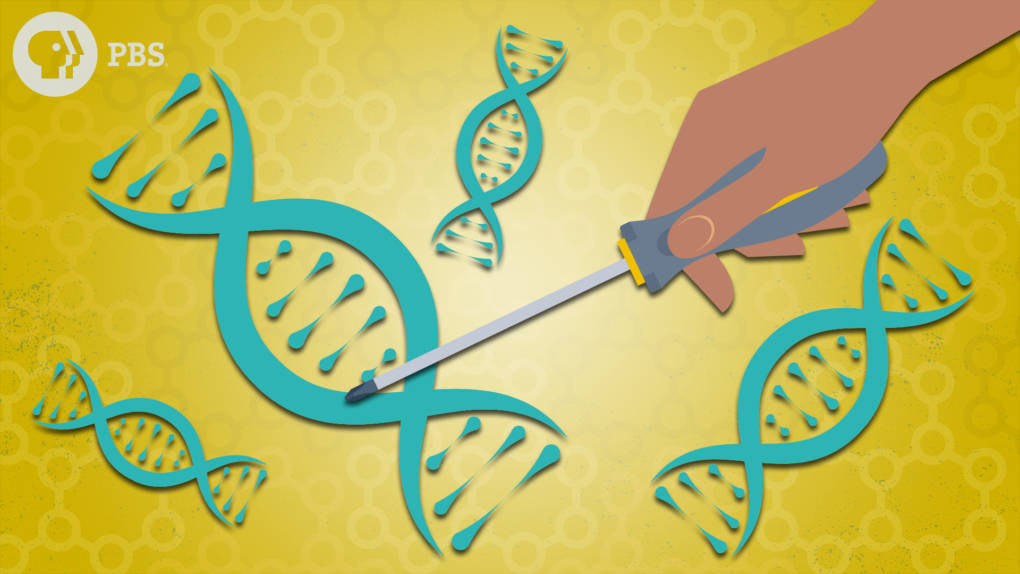
"title": "Gene Editing & CRISPR: How Far Should We Go?",
"headTitle": "Gene Editing & CRISPR: How Far Should We Go? | KQED",
"content": "\u003cp>In late 2018, a Chinese researcher revealed that he created the first ever genetically edited babies. He altered the DNA of twin girls before they were born. In response, the world kind of went nuts, raising a HUGE bio ethical question. When is gene editing OK? How far is too far when altering life itself?\u003c/p>\n\u003cblockquote>\u003cp>TEACHERS: Get your students in the discussion on KQED Learn, a safe place for middle and high school students to investigate controversial topics and share their voices. \u003ca href=\"https://learn.kqed.org/topics/26\">https://learn.kqed.org/topics/26\u003c/a>\u003c/p>\u003c/blockquote>\n\u003cp>\u003cstrong>What, exactly, are genes?\u003c/strong>\u003c/p>\n\u003cp>Genes are kind of like the instructions for life. All living things have them. They determine most of your physical traits, like the color of your eyes, whether your hair is curly or straight, the density of your bones, even how your heart responds to exercise.\u003c/p>\n\u003cp>\u003cstrong>What is CRISPR\u003c/strong>\u003c/p>\n\u003cp>CRISPR stands for clustered regularly interspaced short palindromic repeats. It’s one of the BIGGEST scientific breakthroughs in DECADES. It’s a gene editing tool that can target specific genes, allowing scientists to make precise edits much like a software engineer modifies code. It can cut out a gene. It can modify a gene. It can add in an entirely NEW gene.\u003c/p>\n\u003cp>[ad fullwidth]\u003c/p>\n\u003cp>\u003cstrong>What are the potential benefits of CRISPR?\u003c/strong>\u003c/p>\n\u003cp>If CRISPR delivers even a FRACTION of what’s been promised, it could be be a game changer in how we fight diseases. It could cure diseases caused by single gene mutations, like sickle cell anemia. It could also help prevent infectious diseases. If germ-line cells are altered, genetic changes can can be passed down to future offspring.\u003c/p>\n\u003cp>\u003cstrong>What are the potential pitfalls of CRISPR?\u003c/strong>\u003c/p>\n\u003cp>Scientists have recently learned that CRISPR has the potential to wipe out or rearrange large chunks of DNA, which could do anything from turning off the wrong genes to triggering some forms of cancer. It’s also possible that in the future, the rich and powerful can shell out the big bucks to customize their kids, protecting them from a bunch of diseases, reducing their risk for anxiety and depression, and maybe giving them a height and IQ boost. Meanwhile, the rest of us might only be able to afford a more limited amount of gene changes, if any.\u003c/p>\n\u003cp>\u003cstrong>SOURCES:\u003c/strong>\u003c/p>\n\u003cp>\u003ca href=\"https://www.statnews.com/2018/11/25/china-first-gene-edited-babies-born/\">Chinese researcher claims birth of first gene-edited babies\u003c/a>\u003c/p>\n\u003cp>\u003ca href=\"https://www.theguardian.com/science/2018/jan/15/gene-editing-and-what-it-really-means-to-rewrite-the-code-of-life\">What is gene editing?\u003c/a>\u003c/p>\n\u003cp>\u003ca href=\"https://www.vox.com/2018/7/23/17594864/crispr-cas9-gene-editing\">A simple guide to CRISPR\u003c/a>\u003c/p>\n\u003cp>\u003ca href=\"https://news.harvard.edu/gazette/story/2019/01/perspectives-on-gene-editing/\">Perspectives on gene editing\u003c/a>\u003c/p>\n\u003cp>\u003ca href=\"https://www.nature.com/articles/nbt.4192\">CRISPR may lead DNA deletion and rearrangement\u003c/a>\u003c/p>\n\u003cp>\u003ca href=\"https://www.smithsonianmag.com/science-nature/these-are-extinct-animals-we-can-should-resurrect-180954955/\">Using CRISPR for de-extinction\u003c/a>\u003c/p>\n\u003cp>\u003c/p>\n\u003cp> \u003c/p>\n\n",
"stats": {
"hasVideo": false,
"hasChartOrMap": false,
"hasAudio": false,
"hasPolis": false,
"wordCount": 417,
"hasGoogleForm": false,
"hasGallery": false,
"hasHearkenModule": false,
"iframeSrcs": [],
"paragraphCount": 19
},
"modified": 1704760834,
"excerpt": null,
"headData": {
"twImgId": "",
"twTitle": "",
"ogTitle": "",
"ogImgId": "",
"twDescription": "",
"description": "In late 2018, a Chinese researcher revealed that he created the first ever genetically edited babies. He altered the DNA of twin girls before they were born. In response, the world kind of went nuts, raising a HUGE bio ethical question. When is gene editing OK? How far is too far when altering life itself?",
"title": "Gene Editing & CRISPR: How Far Should We Go? | KQED",
"ogDescription": "",
"schema": {
"@context": "https://schema.org",
"@type": "Article",
"headline": "Gene Editing & CRISPR: How Far Should We Go?",
"datePublished": "2019-04-29T09:32:59-07:00",
"dateModified": "2024-01-08T16:40:34-08:00",
"image": "https://cdn.kqed.org/wp-content/uploads/2020/02/KQED-OG-Image@1x.png"
}
},
"guestAuthors": [],
"slug": "gene-editing-crispr-how-far-should-we-go",
"status": "publish",
"videoEmbed": "https://www.youtube.com/watch?v=wnlJ6dRfPFg",
"sticky": false,
"path": "/education/531691/gene-editing-crispr-how-far-should-we-go",
"audioTrackLength": null,
"parsedContent": [
{
"type": "contentString",
"content": "\u003cdiv class=\"post-body\">\u003cp>\u003cp>In late 2018, a Chinese researcher revealed that he created the first ever genetically edited babies. He altered the DNA of twin girls before they were born. In response, the world kind of went nuts, raising a HUGE bio ethical question. When is gene editing OK? How far is too far when altering life itself?\u003c/p>\n\u003cblockquote>\u003cp>TEACHERS: Get your students in the discussion on KQED Learn, a safe place for middle and high school students to investigate controversial topics and share their voices. \u003ca href=\"https://learn.kqed.org/topics/26\">https://learn.kqed.org/topics/26\u003c/a>\u003c/p>\u003c/blockquote>\n\u003cp>\u003cstrong>What, exactly, are genes?\u003c/strong>\u003c/p>\n\u003cp>Genes are kind of like the instructions for life. All living things have them. They determine most of your physical traits, like the color of your eyes, whether your hair is curly or straight, the density of your bones, even how your heart responds to exercise.\u003c/p>\n\u003cp>\u003cstrong>What is CRISPR\u003c/strong>\u003c/p>\n\u003cp>CRISPR stands for clustered regularly interspaced short palindromic repeats. It’s one of the BIGGEST scientific breakthroughs in DECADES. It’s a gene editing tool that can target specific genes, allowing scientists to make precise edits much like a software engineer modifies code. It can cut out a gene. It can modify a gene. It can add in an entirely NEW gene.\u003c/p>\n\u003cp>\u003c/p>\u003c/div>",
"attributes": {
"named": {},
"numeric": []
}
},
{
"type": "component",
"content": "",
"name": "ad",
"attributes": {
"named": {
"label": "fullwidth"
},
"numeric": [
"fullwidth"
]
}
},
{
"type": "contentString",
"content": "\u003cdiv class=\"post-body\">\u003cp>\u003c/p>\n\u003cp>\u003cstrong>What are the potential benefits of CRISPR?\u003c/strong>\u003c/p>\n\u003cp>If CRISPR delivers even a FRACTION of what’s been promised, it could be be a game changer in how we fight diseases. It could cure diseases caused by single gene mutations, like sickle cell anemia. It could also help prevent infectious diseases. If germ-line cells are altered, genetic changes can can be passed down to future offspring.\u003c/p>\n\u003cp>\u003cstrong>What are the potential pitfalls of CRISPR?\u003c/strong>\u003c/p>\n\u003cp>Scientists have recently learned that CRISPR has the potential to wipe out or rearrange large chunks of DNA, which could do anything from turning off the wrong genes to triggering some forms of cancer. It’s also possible that in the future, the rich and powerful can shell out the big bucks to customize their kids, protecting them from a bunch of diseases, reducing their risk for anxiety and depression, and maybe giving them a height and IQ boost. Meanwhile, the rest of us might only be able to afford a more limited amount of gene changes, if any.\u003c/p>\n\u003cp>\u003cstrong>SOURCES:\u003c/strong>\u003c/p>\n\u003cp>\u003ca href=\"https://www.statnews.com/2018/11/25/china-first-gene-edited-babies-born/\">Chinese researcher claims birth of first gene-edited babies\u003c/a>\u003c/p>\n\u003cp>\u003ca href=\"https://www.theguardian.com/science/2018/jan/15/gene-editing-and-what-it-really-means-to-rewrite-the-code-of-life\">What is gene editing?\u003c/a>\u003c/p>\n\u003cp>\u003ca href=\"https://www.vox.com/2018/7/23/17594864/crispr-cas9-gene-editing\">A simple guide to CRISPR\u003c/a>\u003c/p>\n\u003cp>\u003ca href=\"https://news.harvard.edu/gazette/story/2019/01/perspectives-on-gene-editing/\">Perspectives on gene editing\u003c/a>\u003c/p>\n\u003cp>\u003ca href=\"https://www.nature.com/articles/nbt.4192\">CRISPR may lead DNA deletion and rearrangement\u003c/a>\u003c/p>\n\u003cp>\u003ca href=\"https://www.smithsonianmag.com/science-nature/these-are-extinct-animals-we-can-should-resurrect-180954955/\">Using CRISPR for de-extinction\u003c/a>\u003c/p>\n\u003cp>\u003c/p>\n\u003cp> \u003c/p>\n\n\u003c/div>\u003c/p>",
"attributes": {
"named": {},
"numeric": []
}
}
],
"link": "/education/531691/gene-editing-crispr-how-far-should-we-go",
"authors": [
"10621"
],
"categories": [
"education_1"
],
"tags": [
"education_2852",
"education_419",
"education_666",
"education_2889",
"education_865",
"education_2930"
],
"collections": [
"education_2813"
],
"featImg": "education_531693",
"label": "education_2813"
},
"education_531674": {
"type": "posts",
"id": "education_531674",
"meta": {
"index": "posts_1716263798",
"site": "education",
"id": "531674",
"score": null,
"sort": [
1556216253000
]
},
"parent": 0,
"labelTerm": {
"site": "education",
"term": 77
},
"blocks": [],
"publishDate": 1556216253,
"format": "standard",
"title": "The Benefits of Podcasting in the Science Classroom",
"headTitle": "The Benefits of Podcasting in the Science Classroom | KQED",
"content": "\u003cp>\u003cspan style=\"font-weight: 400\">Climate change is one of the most serious crises of our time. The \u003c/span>\u003ca href=\"https://www.youtube.com/watch?v=rVjp3TO_juI\">\u003cspan style=\"font-weight: 400\">IPCC\u003c/span>\u003c/a>\u003cspan style=\"font-weight: 400\"> states that in order to prevent catastrophic climate change, nations must reduce CO\u003c/span>\u003cspan style=\"font-weight: 400\">2\u003c/span>\u003cspan style=\"font-weight: 400\"> emissions in half by 2030 in order to keep global temperature rise at or below 1.5 ℃. If we rise above 1.5 ℃, we face extreme risks to our ecosystems, food and water security, health, development and economic growth. \u003c/span>\u003c/p>\n\u003cp>\u003cspan style=\"font-weight: 400\">As a high school science teacher, I often wonder how I can best address this crisis with my students. This year, I tried out something new: a podcast for our project “Quest to Save the Earth.” (See the \u003ca href=\"https://docs.google.com/document/d/1GVMCgOE5qXkCBgSGWxKtfwuYzIZmY91WO3tg5NQPD1Y/edit?usp=sharing\">lesson plan here\u003c/a>.) In this month-long project, students researched the science behind climate change, conducted laboratory experiments and developed a podcast to present their findings. The goal of this project was to create an informed citizenry that would be able to understand the science behind climate change and that would hopefully help support, develop and implement solutions to this crisis.\u003c/span>\u003c/p>\n\u003cp>\u003cspan style=\"font-weight: 400\">The reason I chose the digital media presentation method of a podcast for my students to present their findings was so that they could submit their podcast to the \u003c/span>\u003ca href=\"https://www.npr.org/\">\u003cspan style=\"font-weight: 400\">National Public Radio\u003c/span>\u003c/a>\u003cspan style=\"font-weight: 400\">’s \u003c/span>\u003ca href=\"https://www.npr.org/2018/11/15/650500116/npr-student-podcast-challenge-home\">\u003cspan style=\"font-weight: 400\">Student Podcast Challenge\u003c/span>\u003c/a>\u003cspan style=\"font-weight: 400\">, a new contest for students in grades 5 through 12. Giving my students the option to submit their podcasts to the contest was a great opportunity to elevate student voice. \u003c/span>\u003c/p>\n\u003cp>\u003cspan style=\"font-weight: 400\">My students created their podcasts in teams. As the teams’ conversations bounced back and forth while they created their podcasts, I could see that they were deeply engaged and enjoying the project. And the students that submitted their podcasts to the contest were excited by the opportunity to have their voices heard on National Public Radio. Additionally, all of the teams had to submit their podcasts to the \u003ca href=\"https://learn.kqed.org/?utm_source=ITC&utm_medium=blog\">KQED Learn\u003c/a> discussion: \u003c/span>\u003ca href=\"https://learn.kqed.org/topics/19?utm_source=ITC&utm_medium=blog\">\u003cspan style=\"font-weight: 400\">Is a Carbon Tax the Best Way to Slow Climate Change?\u003c/span>\u003c/a>\u003cspan style=\"font-weight: 400\"> This upped their game knowing that students from other schools would be listening to their work.\u003c/span>\u003c/p>\n\u003cp>\u003c!-- iframe plugin v.4.3 wordpress.org/plugins/iframe/ -->\u003cbr>\n\u003ciframe loading=\"lazy\" width=\"560\" height=\"315\" src=\"https://www.youtube.com/embed/fUGYW9xTFas\" frameborder=\"0\" allow=\"accelerometer; autoplay; encrypted-media; gyroscope; picture-in-picture\" scrolling=\"yes\" class=\"iframe-class\">\u003c/iframe>\u003c/p>\n\u003cp>[ad fullwidth]\u003c/p>\n\u003cp>\u003ci>\u003cspan style=\"font-weight: 400\">Editor’s Note: \u003c/span>\u003c/i>\u003ca href=\"https://learn.kqed.org/?utm_source=ITC&utm_medium=blog\">\u003ci>\u003cspan style=\"font-weight: 400\">KQED Learn\u003c/span>\u003c/i>\u003c/a>\u003ci>\u003cspan style=\"font-weight: 400\"> is a free, flexible platform for inquiry-based learning, a hub for student-voice, a launching pad for exploration and a showcase for student-made media that inspires students to research, reflect and respond to timely issues.\u003c/span>\u003c/i>\u003c/p>\n\u003cp>\u003cspan style=\"font-weight: 400\">I am always looking at new technologies to see how they can be used to present science content. This requires me to be constantly learning, but I love to learn—it keeps me young! How can I grade the quality of my students’ podcasts unless I know how to make one myself? In order to gain the skills to help my students create a successful podcast, I first took the \u003ca href=\"https://teach.kqed.org/?utm_source=ITC&utm_medium=blog\">KQED Teach\u003c/a> course \u003c/span>\u003ca href=\"https://teach.kqed.org/course/podcasting-with-youth-radio?utm_source=ITC&utm_medium=blog\">\u003cspan style=\"font-weight: 400\">Podcasting with Youth Radio\u003c/span>\u003c/a>\u003cspan style=\"font-weight: 400\">. In this free online course, I learned:\u003c/span>\u003c/p>\n\u003cul>\n\u003cli style=\"font-weight: 400\">\u003cspan style=\"font-weight: 400\">the basics of podcasting, including how to create a brief pitch for a podcast of my own,\u003c/span>\u003c/li>\n\u003cli style=\"font-weight: 400\">\u003cspan style=\"font-weight: 400\">new techniques for interviewing different types of people, and conducted a brief interview with an expert for my podcast,\u003c/span>\u003c/li>\n\u003cli style=\"font-weight: 400\">\u003cspan style=\"font-weight: 400\">how to find and record great sounds,\u003c/span>\u003c/li>\n\u003cli style=\"font-weight: 400\">\u003cspan style=\"font-weight: 400\">how to turn raw audio into a story through editing,\u003c/span>\u003c/li>\n\u003cli style=\"font-weight: 400\">\u003cspan style=\"font-weight: 400\">and created my own edited audio story.\u003c/span>\u003c/li>\n\u003c/ul>\n\u003cp>\u003cspan style=\"font-weight: 400\">My students started this project by first learning the science behind climate change through peer reviewed articles and websites such as \u003c/span>\u003ca href=\"https://www.ipcc.ch/sr15/\">\u003cspan style=\"font-weight: 400\">IPCC\u003c/span>\u003c/a>\u003cspan style=\"font-weight: 400\">, \u003c/span>\u003ca href=\"https://www.who.int/en/news-room/fact-sheets/detail/climate-change-and-health\">\u003cspan style=\"font-weight: 400\">WHO\u003c/span>\u003c/a>\u003cspan style=\"font-weight: 400\">, \u003c/span>\u003ca href=\"https://www.noaa.gov/education/resource-collections/climate-education-resources/climate-change-impacts\">\u003cspan style=\"font-weight: 400\">NOAA\u003c/span>\u003c/a>\u003cspan style=\"font-weight: 400\">, \u003c/span>\u003ca href=\"https://climate.nasa.gov/resources/education/pbs_modules/\">\u003cspan style=\"font-weight: 400\">NASA/ PBS\u003c/span>\u003c/a>\u003cspan style=\"font-weight: 400\">, \u003c/span>\u003ca href=\"https://www.climatechange.ca.gov/\">\u003cspan style=\"font-weight: 400\">climatechange.ca.gov\u003c/span>\u003c/a>\u003cspan style=\"font-weight: 400\"> and \u003c/span>\u003ca href=\"https://350bayarea.org/\">\u003cspan style=\"font-weight: 400\">BayArea350\u003c/span>\u003c/a>\u003cspan style=\"font-weight: 400\">. Then, in \u003c/span>\u003cspan style=\"font-weight: 400\">teams of four, they conducted a series of \u003c/span>\u003ca href=\"https://pmm.nasa.gov/education/sites/default/files/lesson_plan_files/climate%20change%20inquiry/Climate%20Change%20Inquiry%20TG.pdf\">\u003cspan style=\"font-weight: 400\">NASA\u003c/span>\u003c/a>\u003cspan style=\"font-weight: 400\"> inquiry-based laboratories in order to see for themselves the science of climate change. The NASA labs gave them greater insights into the processes that cause climate change.\u003c/span>\u003c/p>\n\u003cp>\u003cspan style=\"font-weight: 400\">They then studied the politics and possible solutions of climate change by researching the International Paris Agreement, and how California specifically has been responding to climate change by reducing greenhouse gases back to \u003c/span>\u003ca href=\"https://www.kqed.org/science/1927229/california-meets-key-climate-change-goal-early?utm_medium=Email&utm_source=ExactTarget&utm_campaign=20180719Science&mc_key=00Qi000001Uh8XNEAZ\">\u003cspan style=\"font-weight: 400\">1990 levels\u003c/span>\u003c/a>\u003cspan style=\"font-weight: 400\">. They also looked at how climate change has been affecting California, such as the drought and the devastating fires. Finally, they researched the viability of possible global solutions such as carbon tax and carbon sequestration, and solutions tied to California’s \u003c/span>\u003ca href=\"https://www.climatechange.ca.gov/\">\u003cspan style=\"font-weight: 400\">2030 climate goals\u003c/span>\u003c/a>\u003cspan style=\"font-weight: 400\">.\u003c/span>\u003c/p>\n\u003cp>\u003cspan style=\"font-weight: 400\">After the research stage of the project, they learned how to make a podcast. They used their research to create a script for their podcast, conducted an \u003c/span>\u003ca href=\"https://s3.amazonaws.com/media.youthradio.org/wp-content/uploads/2014/08/Youth-Radio-Tips-For-Interviewing-Experts.pdf\">\u003cspan style=\"font-weight: 400\">expert-style interview\u003c/span>\u003c/a>\u003cspan style=\"font-weight: 400\"> with one of them posing as a climate change expert and the other the interviewer, and recorded the interview using their smartphones. They learned how to use the free editing software \u003c/span>\u003ca href=\"https://www.audacityteam.org/\">\u003cspan style=\"font-weight: 400\">Audacity\u003c/span>\u003c/a>\u003cspan style=\"font-weight: 400\"> to clean up and splice their recording. Once their podcast was finished, they created an account on \u003c/span>\u003ca href=\"https://soundcloud.com\">\u003cspan style=\"font-weight: 400\">SoundCloud\u003c/span>\u003c/a>\u003cspan style=\"font-weight: 400\"> in order to upload their podcasts so everyone could listen to them. Some of them also uploaded their podcast to the \u003c/span>\u003ca href=\"https://www.npr.org/2018/11/15/650500116/npr-student-podcast-challenge-home\">\u003cspan style=\"font-weight: 400\">Student Podcast Challenge\u003c/span>\u003c/a>\u003cspan style=\"font-weight: 400\">. \u003c/span>\u003cspan style=\"font-weight: 400\">Below are a couple samples of student work submitted to NPR.\u003c/span>\u003c/p>\n\u003cp>\u003cspan style=\"font-weight: 400\">Aditya and Patrick share the world view of climate change: \u003c/span>\u003c/p>\n\u003cp>\u003c!-- iframe plugin v.4.3 wordpress.org/plugins/iframe/ -->\u003cbr>\n\u003ciframe loading=\"lazy\" width=\"100%\" height=\"166\" scrolling=\"no\" frameborder=\"no\" allow=\"autoplay\" src=\"https://w.soundcloud.com/player/?url=https%3A//api.soundcloud.com/tracks/597058950&color=%23ff5500&auto_play=false&hide_related=false&show_comments=true&show_user=true&show_reposts=false&show_teaser=true\" class=\"iframe-class\">\u003c/iframe>\u003c/p>\n\u003cp>\u003cspan style=\"font-weight: 400\">Samantha and Michelle present a California-centric view: \u003c/span>\u003c/p>\n\u003cp>\u003c!-- iframe plugin v.4.3 wordpress.org/plugins/iframe/ -->\u003cbr>\n\u003ciframe loading=\"lazy\" width=\"100%\" height=\"166\" scrolling=\"no\" frameborder=\"no\" allow=\"autoplay\" src=\"https://w.soundcloud.com/player/?url=https%3A//api.soundcloud.com/tracks/597921921&color=%23ff5500&auto_play=false&hide_related=false&show_comments=true&show_user=true&show_reposts=false&show_teaser=true\" class=\"iframe-class\">\u003c/iframe>\u003c/p>\n\u003cp>\u003cspan style=\"font-weight: 400\">Overall, the project was a great success. My students conducted meaningful research and embraced using podcasts as a way to communicate their conclusions and get their voices heard. I was stressed learning a new technology during the middle of the school year, but KQED had all the resources I needed to succeed. I felt that the NPR contest was a perfect vehicle for my students to get the word out about climate change and reach a wider audience than just our classroom. \u003c/span>\u003c/p>\n\u003cp>\u003cspan style=\"font-weight: 400\">We’re looking forward to hearing the results of the contest!\u003c/span>\u003c/p>\n\u003cp> \u003c/p>\n\u003ch4>\u003cstrong>Editor’s Note: \u003c/strong>\u003c/h4>\n\u003cp>\u003c/p>\n\u003cp>\u003ci>\u003cspan style=\"font-weight: 400\">Dan has been a KQED Media Literacy Innovator since 2017. Learn more about the program and how to get involved \u003c/span>\u003c/i>\u003ca href=\"https://ww2.kqed.org/education/teacher-ambassador-program/?utm_source=ITC&utm_medium=blog\">\u003ci>\u003cspan style=\"font-weight: 400\">here\u003c/span>\u003c/i>\u003c/a>\u003ci>\u003cspan style=\"font-weight: 400\">. \u003c/span>\u003c/i>\u003cem>If you want to learn more about how to make podcasts in your classroom, take our free, online course \u003ca href=\"https://teach.kqed.org/course/podcasting-with-youth-radio?utm_source=ITC&utm_medium=blog\">Podcasting with Youth Radio\u003c/a> on \u003ca href=\"https://teach.kqed.org/?utm_source=ITC&utm_medium=blog\">KQED Teach\u003c/a>.\u003c/em>\u003c/p>\n\n",
"stats": {
"hasVideo": true,
"hasChartOrMap": false,
"hasAudio": true,
"hasPolis": false,
"wordCount": 962,
"hasGoogleForm": false,
"hasGallery": false,
"hasHearkenModule": false,
"iframeSrcs": [],
"paragraphCount": 19
},
"modified": 1704760838,
"excerpt": null,
"headData": {
"twImgId": "",
"twTitle": "",
"ogTitle": "",
"ogImgId": "",
"twDescription": "",
"description": "Climate change is one of the most serious crises of our time. The IPCC states that in order to prevent catastrophic climate change, nations must reduce CO2 emissions in half by 2030 in order to keep global temperature rise at or below 1.5 ℃. If we rise above 1.5 ℃, we face extreme risks to",
"title": "The Benefits of Podcasting in the Science Classroom | KQED",
"ogDescription": "",
"schema": {
"@context": "https://schema.org",
"@type": "Article",
"headline": "The Benefits of Podcasting in the Science Classroom",
"datePublished": "2019-04-25T11:17:33-07:00",
"dateModified": "2024-01-08T16:40:38-08:00",
"image": "https://cdn.kqed.org/wp-content/uploads/2020/02/KQED-OG-Image@1x.png"
}
},
"guestAuthors": [],
"slug": "the-benefits-of-podcasting-in-the-science-classroom",
"status": "publish",
"sticky": false,
"path": "/education/531674/the-benefits-of-podcasting-in-the-science-classroom",
"audioTrackLength": null,
"parsedContent": [
{
"type": "contentString",
"content": "\u003cdiv class=\"post-body\">\u003cp>\u003cp>\u003cspan style=\"font-weight: 400\">Climate change is one of the most serious crises of our time. The \u003c/span>\u003ca href=\"https://www.youtube.com/watch?v=rVjp3TO_juI\">\u003cspan style=\"font-weight: 400\">IPCC\u003c/span>\u003c/a>\u003cspan style=\"font-weight: 400\"> states that in order to prevent catastrophic climate change, nations must reduce CO\u003c/span>\u003cspan style=\"font-weight: 400\">2\u003c/span>\u003cspan style=\"font-weight: 400\"> emissions in half by 2030 in order to keep global temperature rise at or below 1.5 ℃. If we rise above 1.5 ℃, we face extreme risks to our ecosystems, food and water security, health, development and economic growth. \u003c/span>\u003c/p>\n\u003cp>\u003cspan style=\"font-weight: 400\">As a high school science teacher, I often wonder how I can best address this crisis with my students. This year, I tried out something new: a podcast for our project “Quest to Save the Earth.” (See the \u003ca href=\"https://docs.google.com/document/d/1GVMCgOE5qXkCBgSGWxKtfwuYzIZmY91WO3tg5NQPD1Y/edit?usp=sharing\">lesson plan here\u003c/a>.) In this month-long project, students researched the science behind climate change, conducted laboratory experiments and developed a podcast to present their findings. The goal of this project was to create an informed citizenry that would be able to understand the science behind climate change and that would hopefully help support, develop and implement solutions to this crisis.\u003c/span>\u003c/p>\n\u003cp>\u003cspan style=\"font-weight: 400\">The reason I chose the digital media presentation method of a podcast for my students to present their findings was so that they could submit their podcast to the \u003c/span>\u003ca href=\"https://www.npr.org/\">\u003cspan style=\"font-weight: 400\">National Public Radio\u003c/span>\u003c/a>\u003cspan style=\"font-weight: 400\">’s \u003c/span>\u003ca href=\"https://www.npr.org/2018/11/15/650500116/npr-student-podcast-challenge-home\">\u003cspan style=\"font-weight: 400\">Student Podcast Challenge\u003c/span>\u003c/a>\u003cspan style=\"font-weight: 400\">, a new contest for students in grades 5 through 12. Giving my students the option to submit their podcasts to the contest was a great opportunity to elevate student voice. \u003c/span>\u003c/p>\n\u003cp>\u003cspan style=\"font-weight: 400\">My students created their podcasts in teams. As the teams’ conversations bounced back and forth while they created their podcasts, I could see that they were deeply engaged and enjoying the project. And the students that submitted their podcasts to the contest were excited by the opportunity to have their voices heard on National Public Radio. Additionally, all of the teams had to submit their podcasts to the \u003ca href=\"https://learn.kqed.org/?utm_source=ITC&utm_medium=blog\">KQED Learn\u003c/a> discussion: \u003c/span>\u003ca href=\"https://learn.kqed.org/topics/19?utm_source=ITC&utm_medium=blog\">\u003cspan style=\"font-weight: 400\">Is a Carbon Tax the Best Way to Slow Climate Change?\u003c/span>\u003c/a>\u003cspan style=\"font-weight: 400\"> This upped their game knowing that students from other schools would be listening to their work.\u003c/span>\u003c/p>\n\u003cp>\u003c!-- iframe plugin v.4.3 wordpress.org/plugins/iframe/ -->\u003cbr>\n\u003ciframe loading=\"lazy\" width=\"560\" height=\"315\" src=\"https://www.youtube.com/embed/fUGYW9xTFas\" frameborder=\"0\" allow=\"accelerometer; autoplay; encrypted-media; gyroscope; picture-in-picture\" scrolling=\"yes\" class=\"iframe-class\">\u003c/iframe>\u003c/p>\n\u003cp>\u003c/p>\u003c/div>",
"attributes": {
"named": {},
"numeric": []
}
},
{
"type": "component",
"content": "",
"name": "ad",
"attributes": {
"named": {
"label": "fullwidth"
},
"numeric": [
"fullwidth"
]
}
},
{
"type": "contentString",
"content": "\u003cdiv class=\"post-body\">\u003cp>\u003c/p>\n\u003cp>\u003ci>\u003cspan style=\"font-weight: 400\">Editor’s Note: \u003c/span>\u003c/i>\u003ca href=\"https://learn.kqed.org/?utm_source=ITC&utm_medium=blog\">\u003ci>\u003cspan style=\"font-weight: 400\">KQED Learn\u003c/span>\u003c/i>\u003c/a>\u003ci>\u003cspan style=\"font-weight: 400\"> is a free, flexible platform for inquiry-based learning, a hub for student-voice, a launching pad for exploration and a showcase for student-made media that inspires students to research, reflect and respond to timely issues.\u003c/span>\u003c/i>\u003c/p>\n\u003cp>\u003cspan style=\"font-weight: 400\">I am always looking at new technologies to see how they can be used to present science content. This requires me to be constantly learning, but I love to learn—it keeps me young! How can I grade the quality of my students’ podcasts unless I know how to make one myself? In order to gain the skills to help my students create a successful podcast, I first took the \u003ca href=\"https://teach.kqed.org/?utm_source=ITC&utm_medium=blog\">KQED Teach\u003c/a> course \u003c/span>\u003ca href=\"https://teach.kqed.org/course/podcasting-with-youth-radio?utm_source=ITC&utm_medium=blog\">\u003cspan style=\"font-weight: 400\">Podcasting with Youth Radio\u003c/span>\u003c/a>\u003cspan style=\"font-weight: 400\">. In this free online course, I learned:\u003c/span>\u003c/p>\n\u003cul>\n\u003cli style=\"font-weight: 400\">\u003cspan style=\"font-weight: 400\">the basics of podcasting, including how to create a brief pitch for a podcast of my own,\u003c/span>\u003c/li>\n\u003cli style=\"font-weight: 400\">\u003cspan style=\"font-weight: 400\">new techniques for interviewing different types of people, and conducted a brief interview with an expert for my podcast,\u003c/span>\u003c/li>\n\u003cli style=\"font-weight: 400\">\u003cspan style=\"font-weight: 400\">how to find and record great sounds,\u003c/span>\u003c/li>\n\u003cli style=\"font-weight: 400\">\u003cspan style=\"font-weight: 400\">how to turn raw audio into a story through editing,\u003c/span>\u003c/li>\n\u003cli style=\"font-weight: 400\">\u003cspan style=\"font-weight: 400\">and created my own edited audio story.\u003c/span>\u003c/li>\n\u003c/ul>\n\u003cp>\u003cspan style=\"font-weight: 400\">My students started this project by first learning the science behind climate change through peer reviewed articles and websites such as \u003c/span>\u003ca href=\"https://www.ipcc.ch/sr15/\">\u003cspan style=\"font-weight: 400\">IPCC\u003c/span>\u003c/a>\u003cspan style=\"font-weight: 400\">, \u003c/span>\u003ca href=\"https://www.who.int/en/news-room/fact-sheets/detail/climate-change-and-health\">\u003cspan style=\"font-weight: 400\">WHO\u003c/span>\u003c/a>\u003cspan style=\"font-weight: 400\">, \u003c/span>\u003ca href=\"https://www.noaa.gov/education/resource-collections/climate-education-resources/climate-change-impacts\">\u003cspan style=\"font-weight: 400\">NOAA\u003c/span>\u003c/a>\u003cspan style=\"font-weight: 400\">, \u003c/span>\u003ca href=\"https://climate.nasa.gov/resources/education/pbs_modules/\">\u003cspan style=\"font-weight: 400\">NASA/ PBS\u003c/span>\u003c/a>\u003cspan style=\"font-weight: 400\">, \u003c/span>\u003ca href=\"https://www.climatechange.ca.gov/\">\u003cspan style=\"font-weight: 400\">climatechange.ca.gov\u003c/span>\u003c/a>\u003cspan style=\"font-weight: 400\"> and \u003c/span>\u003ca href=\"https://350bayarea.org/\">\u003cspan style=\"font-weight: 400\">BayArea350\u003c/span>\u003c/a>\u003cspan style=\"font-weight: 400\">. Then, in \u003c/span>\u003cspan style=\"font-weight: 400\">teams of four, they conducted a series of \u003c/span>\u003ca href=\"https://pmm.nasa.gov/education/sites/default/files/lesson_plan_files/climate%20change%20inquiry/Climate%20Change%20Inquiry%20TG.pdf\">\u003cspan style=\"font-weight: 400\">NASA\u003c/span>\u003c/a>\u003cspan style=\"font-weight: 400\"> inquiry-based laboratories in order to see for themselves the science of climate change. The NASA labs gave them greater insights into the processes that cause climate change.\u003c/span>\u003c/p>\n\u003cp>\u003cspan style=\"font-weight: 400\">They then studied the politics and possible solutions of climate change by researching the International Paris Agreement, and how California specifically has been responding to climate change by reducing greenhouse gases back to \u003c/span>\u003ca href=\"https://www.kqed.org/science/1927229/california-meets-key-climate-change-goal-early?utm_medium=Email&utm_source=ExactTarget&utm_campaign=20180719Science&mc_key=00Qi000001Uh8XNEAZ\">\u003cspan style=\"font-weight: 400\">1990 levels\u003c/span>\u003c/a>\u003cspan style=\"font-weight: 400\">. They also looked at how climate change has been affecting California, such as the drought and the devastating fires. Finally, they researched the viability of possible global solutions such as carbon tax and carbon sequestration, and solutions tied to California’s \u003c/span>\u003ca href=\"https://www.climatechange.ca.gov/\">\u003cspan style=\"font-weight: 400\">2030 climate goals\u003c/span>\u003c/a>\u003cspan style=\"font-weight: 400\">.\u003c/span>\u003c/p>\n\u003cp>\u003cspan style=\"font-weight: 400\">After the research stage of the project, they learned how to make a podcast. They used their research to create a script for their podcast, conducted an \u003c/span>\u003ca href=\"https://s3.amazonaws.com/media.youthradio.org/wp-content/uploads/2014/08/Youth-Radio-Tips-For-Interviewing-Experts.pdf\">\u003cspan style=\"font-weight: 400\">expert-style interview\u003c/span>\u003c/a>\u003cspan style=\"font-weight: 400\"> with one of them posing as a climate change expert and the other the interviewer, and recorded the interview using their smartphones. They learned how to use the free editing software \u003c/span>\u003ca href=\"https://www.audacityteam.org/\">\u003cspan style=\"font-weight: 400\">Audacity\u003c/span>\u003c/a>\u003cspan style=\"font-weight: 400\"> to clean up and splice their recording. Once their podcast was finished, they created an account on \u003c/span>\u003ca href=\"https://soundcloud.com\">\u003cspan style=\"font-weight: 400\">SoundCloud\u003c/span>\u003c/a>\u003cspan style=\"font-weight: 400\"> in order to upload their podcasts so everyone could listen to them. Some of them also uploaded their podcast to the \u003c/span>\u003ca href=\"https://www.npr.org/2018/11/15/650500116/npr-student-podcast-challenge-home\">\u003cspan style=\"font-weight: 400\">Student Podcast Challenge\u003c/span>\u003c/a>\u003cspan style=\"font-weight: 400\">. \u003c/span>\u003cspan style=\"font-weight: 400\">Below are a couple samples of student work submitted to NPR.\u003c/span>\u003c/p>\n\u003cp>\u003cspan style=\"font-weight: 400\">Aditya and Patrick share the world view of climate change: \u003c/span>\u003c/p>\n\u003cp>\u003c!-- iframe plugin v.4.3 wordpress.org/plugins/iframe/ -->\u003cbr>\n\u003ciframe loading=\"lazy\" width=\"100%\" height=\"166\" scrolling=\"no\" frameborder=\"no\" allow=\"autoplay\" src=\"https://w.soundcloud.com/player/?url=https%3A//api.soundcloud.com/tracks/597058950&color=%23ff5500&auto_play=false&hide_related=false&show_comments=true&show_user=true&show_reposts=false&show_teaser=true\" class=\"iframe-class\">\u003c/iframe>\u003c/p>\n\u003cp>\u003cspan style=\"font-weight: 400\">Samantha and Michelle present a California-centric view: \u003c/span>\u003c/p>\n\u003cp>\u003c!-- iframe plugin v.4.3 wordpress.org/plugins/iframe/ -->\u003cbr>\n\u003ciframe loading=\"lazy\" width=\"100%\" height=\"166\" scrolling=\"no\" frameborder=\"no\" allow=\"autoplay\" src=\"https://w.soundcloud.com/player/?url=https%3A//api.soundcloud.com/tracks/597921921&color=%23ff5500&auto_play=false&hide_related=false&show_comments=true&show_user=true&show_reposts=false&show_teaser=true\" class=\"iframe-class\">\u003c/iframe>\u003c/p>\n\u003cp>\u003cspan style=\"font-weight: 400\">Overall, the project was a great success. My students conducted meaningful research and embraced using podcasts as a way to communicate their conclusions and get their voices heard. I was stressed learning a new technology during the middle of the school year, but KQED had all the resources I needed to succeed. I felt that the NPR contest was a perfect vehicle for my students to get the word out about climate change and reach a wider audience than just our classroom. \u003c/span>\u003c/p>\n\u003cp>\u003cspan style=\"font-weight: 400\">We’re looking forward to hearing the results of the contest!\u003c/span>\u003c/p>\n\u003cp> \u003c/p>\n\u003ch4>\u003cstrong>Editor’s Note: \u003c/strong>\u003c/h4>\n\u003cp>\u003c/p>\n\u003cp>\u003ci>\u003cspan style=\"font-weight: 400\">Dan has been a KQED Media Literacy Innovator since 2017. Learn more about the program and how to get involved \u003c/span>\u003c/i>\u003ca href=\"https://ww2.kqed.org/education/teacher-ambassador-program/?utm_source=ITC&utm_medium=blog\">\u003ci>\u003cspan style=\"font-weight: 400\">here\u003c/span>\u003c/i>\u003c/a>\u003ci>\u003cspan style=\"font-weight: 400\">. \u003c/span>\u003c/i>\u003cem>If you want to learn more about how to make podcasts in your classroom, take our free, online course \u003ca href=\"https://teach.kqed.org/course/podcasting-with-youth-radio?utm_source=ITC&utm_medium=blog\">Podcasting with Youth Radio\u003c/a> on \u003ca href=\"https://teach.kqed.org/?utm_source=ITC&utm_medium=blog\">KQED Teach\u003c/a>.\u003c/em>\u003c/p>\n\n\u003c/div>\u003c/p>",
"attributes": {
"named": {},
"numeric": []
}
}
],
"link": "/education/531674/the-benefits-of-podcasting-in-the-science-classroom",
"authors": [
"11390"
],
"categories": [
"education_1"
],
"collections": [
"education_77"
],
"featImg": "education_531681",
"label": "education_77"
},
"education_531664": {
"type": "posts",
"id": "education_531664",
"meta": {
"index": "posts_1716263798",
"site": "education",
"id": "531664",
"score": null,
"sort": [
1555709239000
]
},
"parent": 0,
"labelTerm": {
"site": "education",
"term": 52
},
"blocks": [],
"publishDate": 1555709239,
"format": "standard",
"title": "Top 5 Media Literacy Resources for Environmental Science",
"headTitle": "Top 5 Media Literacy Resources for Environmental Science | KQED",
"content": "\u003cp>\u003cem>This article was updated on April 7, 2021.\u003c/em>\u003c/p>\n\u003cp>Science literacy skills are grounded in the ability to evaluate data, build arguments based on evidence and clearly communicate those ideas to others. With our current environmental challenges make this more crucial than ever. Media literacy strengthens these skills by giving students modern tools, such as podcasts, infographics and map-making, to demonstrate the science concepts they are learning.\u003c/p>\n\u003cp>Whether you’re looking to learn new skills yourself or want some fresh content that’ll generate lively engagement in your classroom, we’ve got you covered. Our \u003cstrong>free resources\u003c/strong> for science teachers will help you integrate media literacy into lessons on the environment, climate, carbon tracking and more.\u003c/p>\n\u003ch2>Professional Development\u003c/h2>\n\u003cp>\u003ca href=\"https://teach.kqed.org/course/graphic-and-interactive-media-production-for-the-classroom-april-2021?utm_source=KQED-ed&utm_medium=blog&utm_campaign=teach\" target=\"_blank\" rel=\"noopener noreferrer\">Graphic and Interactive Media Production for the Classroom \u003c/a>(Grades K-12)\u003cbr>\nIn this online, instructor-led KQED Media Academy course, you’ll learn to represent complex ideas, information, and data in compelling infographics and interactive maps. Participants will receive personalized feedback on their work by KQED content experts and a certificate of completion. Course starts April 12, but enrollment is open through April 18.\u003c/p>\n\u003cp>\u003cem>You can find additional courses on media making and media analysis on \u003ca href=\"https://teach.kqed.org/?utm_source=KQED-ed&utm_medium=blog&utm_campaign=teach\" target=\"_blank\" rel=\"noopener noreferrer\">KQED Teach\u003c/a>.\u003c/em>\u003c/p>\n\u003cp>[ad fullwidth]\u003c/p>\n\u003cp>\u003ca href=\"https://www.kqed.org/education/533553/upcoming-events?utm_source=KQED-ed&utm_medium=blog&utm_campaign=events_page\" target=\"_blank\" rel=\"noopener noreferrer\">Media Literacy Workshops \u003c/a>(Grades 6-12)\u003cbr>\nKQED offers many free 1-hour workshops to boost your media literacy skills, from infographics to video projects to micro-credentials. Some of our upcoming media-making workshops include:\u003c/p>\n\u003cul>\n\u003cli>April 29: \u003ca href=\"https://crscience.org/educators/infographics/\" target=\"_blank\" rel=\"noopener noreferrer\">Infographics to Strengthen Data Literacy and Student Voice in Science\u003c/a>\u003c/li>\n\u003cli>May 19: \u003ca href=\"https://kqed.zoom.us/webinar/register/5016178124959/WN_yZsJatR6T9iwVfBPrZgt3g\" target=\"_blank\" rel=\"noopener noreferrer\">Using Video Projects to Motivate Student Learning\u003c/a>\u003c/li>\n\u003c/ul>\n\u003ch2>Classroom Resources\u003c/h2>\n\u003cp>\u003ca href=\"https://learn.kqed.org/challenges/teachers/engineering?utm_source=KQED-ed&utm_medium=blog&utm_campaign=YMC-e4G\" target=\"_blank\" rel=\"noopener noreferrer\">Youth Media Challenge: Engineering for Good \u003c/a>(Grades 6-12)\u003cbr>\nMiddle and high school students show off their creative problem solving through the engineering design process by developing solutions for real-world problems. The project culminates in students making short videos to communicate their solutions that will get published on an online nationwide showcase and considered for publication on KQED programming. \u003ca href=\"https://learn.kqed.org/challenges/curriculum/engineering?utm_source=KQED-ed&utm_medium=blog&utm_campaign=YMC-e4G\" target=\"_blank\" rel=\"noopener noreferrer\">Preview the curriculum\u003c/a>.\u003c/p>\n\u003cp>\u003ca href=\"https://learn.kqed.org/discussions?utm_source=KQED-ed&utm_medium=blog&utm_campaign=discussions\" target=\"_blank\" rel=\"noopener noreferrer\">KQED Learn Discussions \u003c/a>(Grades 6-12)\u003cbr>\nOur Above the Noise videos for middle and high school students prompt discussions that require students to analyze information about environmental topics and build arguments supported by evidence. Try one of these for starters:\u003c/p>\n\u003cul>\n\u003cli>\u003ca href=\"https://learn.kqed.org/discussions/47?utm_source=KQED-ed&utm_medium=blog&utm_campaign=discussions\" target=\"_blank\" rel=\"noopener noreferrer\">Are You an Optimist or Pessimist About Our Ability to Take on Climate Change?\u003c/a>\u003c/li>\n\u003cli>\u003ca href=\"https://learn.kqed.org/discussions/88?utm_source=KQED-ed&utm_medium=blog&utm_campaign=discussions\" target=\"_blank\" rel=\"noopener noreferrer\">Is It Time for You to Ditch Meat and Dairy?\u003c/a>\u003c/li>\n\u003cli>\u003ca href=\"https://learn.kqed.org/topics/7?utm_source=KQED-ed&utm_medium=blog&utm_campaign=discussions\" target=\"_blank\" rel=\"noopener noreferrer\">Is Earth Running Out of Water?\u003c/a>\u003c/li>\n\u003cli>\u003ca href=\"https://learn.kqed.org/topics/19?utm_source=KQED-ed&utm_medium=blog&utm_campaign=discussions\" target=\"_blank\" rel=\"noopener noreferrer\">Is Carbon Tax the Best Way to Slow Climate Change?\u003c/a>\u003c/li>\n\u003cli>\u003ca href=\"https://learn.kqed.org/discussions/41?utm_source=KQED-ed&utm_medium=blog&utm_campaign=discussions\" target=\"_blank\" rel=\"noopener noreferrer\">Would Banning Plastic Bottles Help or Hurt the Planet?\u003c/a>\u003c/li>\n\u003c/ul>\n\u003cp>\u003c/p>\n\u003cp>\u003ca href=\"https://ca.pbslearningmedia.org/\" target=\"_blank\" rel=\"noopener noreferrer\">PBS LearningMedia \u003c/a>(Grades 4+)\u003cbr>\nEvery day is Earth Day with \u003ca href=\"https://ca.pbslearningmedia.org/collection/celebrate-earth-day/\" target=\"_blank\" rel=\"noopener noreferrer\">this video collection\u003c/a> for grades 4 and up that covers a range of topics like the history of the environmental movement, environmental justice implications of pollution and waste disposal, and the role of new technologies in conservation efforts. Or explore big scientific mysteries by going incredibly small with our popular video series \u003ca href=\"https://ca.pbslearningmedia.org/collection/deep-look/\" target=\"_blank\" rel=\"noopener noreferrer\">Deep Look\u003c/a>.\u003c/p>\n\n",
"stats": {
"hasVideo": false,
"hasChartOrMap": false,
"hasAudio": false,
"hasPolis": false,
"wordCount": 477,
"hasGoogleForm": false,
"hasGallery": false,
"hasHearkenModule": false,
"iframeSrcs": [],
"paragraphCount": 11
},
"modified": 1704760841,
"excerpt": null,
"headData": {
"twImgId": "",
"twTitle": "",
"ogTitle": "",
"ogImgId": "",
"twDescription": "",
"description": "Check out quality, free environmental science resources to help integrate media literacy into lessons on the environment, climate, carbon tracking and more.",
"socialDescription": "Check out quality, free environmental science resources to help integrate media literacy into lessons on the environment, climate, carbon tracking and more.",
"title": "Top 5 Media Literacy Resources for Environmental Science | KQED",
"ogDescription": "",
"schema": {
"@context": "https://schema.org",
"@type": "Article",
"headline": "Top 5 Media Literacy Resources for Environmental Science",
"datePublished": "2019-04-19T14:27:19-07:00",
"dateModified": "2024-01-08T16:40:41-08:00",
"image": "https://cdn.kqed.org/wp-content/uploads/2020/02/KQED-OG-Image@1x.png"
}
},
"guestAuthors": [],
"slug": "top-5-media-literacy-resources-for-environmental-science",
"status": "publish",
"sticky": false,
"path": "/education/531664/top-5-media-literacy-resources-for-environmental-science",
"audioTrackLength": null,
"parsedContent": [
{
"type": "contentString",
"content": "\u003cdiv class=\"post-body\">\u003cp>\u003cp>\u003cem>This article was updated on April 7, 2021.\u003c/em>\u003c/p>\n\u003cp>Science literacy skills are grounded in the ability to evaluate data, build arguments based on evidence and clearly communicate those ideas to others. With our current environmental challenges make this more crucial than ever. Media literacy strengthens these skills by giving students modern tools, such as podcasts, infographics and map-making, to demonstrate the science concepts they are learning.\u003c/p>\n\u003cp>Whether you’re looking to learn new skills yourself or want some fresh content that’ll generate lively engagement in your classroom, we’ve got you covered. Our \u003cstrong>free resources\u003c/strong> for science teachers will help you integrate media literacy into lessons on the environment, climate, carbon tracking and more.\u003c/p>\n\u003ch2>Professional Development\u003c/h2>\n\u003cp>\u003ca href=\"https://teach.kqed.org/course/graphic-and-interactive-media-production-for-the-classroom-april-2021?utm_source=KQED-ed&utm_medium=blog&utm_campaign=teach\" target=\"_blank\" rel=\"noopener noreferrer\">Graphic and Interactive Media Production for the Classroom \u003c/a>(Grades K-12)\u003cbr>\nIn this online, instructor-led KQED Media Academy course, you’ll learn to represent complex ideas, information, and data in compelling infographics and interactive maps. Participants will receive personalized feedback on their work by KQED content experts and a certificate of completion. Course starts April 12, but enrollment is open through April 18.\u003c/p>\n\u003cp>\u003cem>You can find additional courses on media making and media analysis on \u003ca href=\"https://teach.kqed.org/?utm_source=KQED-ed&utm_medium=blog&utm_campaign=teach\" target=\"_blank\" rel=\"noopener noreferrer\">KQED Teach\u003c/a>.\u003c/em>\u003c/p>\n\u003cp>\u003c/p>\u003c/div>",
"attributes": {
"named": {},
"numeric": []
}
},
{
"type": "component",
"content": "",
"name": "ad",
"attributes": {
"named": {
"label": "fullwidth"
},
"numeric": [
"fullwidth"
]
}
},
{
"type": "contentString",
"content": "\u003cdiv class=\"post-body\">\u003cp>\u003c/p>\n\u003cp>\u003ca href=\"https://www.kqed.org/education/533553/upcoming-events?utm_source=KQED-ed&utm_medium=blog&utm_campaign=events_page\" target=\"_blank\" rel=\"noopener noreferrer\">Media Literacy Workshops \u003c/a>(Grades 6-12)\u003cbr>\nKQED offers many free 1-hour workshops to boost your media literacy skills, from infographics to video projects to micro-credentials. Some of our upcoming media-making workshops include:\u003c/p>\n\u003cul>\n\u003cli>April 29: \u003ca href=\"https://crscience.org/educators/infographics/\" target=\"_blank\" rel=\"noopener noreferrer\">Infographics to Strengthen Data Literacy and Student Voice in Science\u003c/a>\u003c/li>\n\u003cli>May 19: \u003ca href=\"https://kqed.zoom.us/webinar/register/5016178124959/WN_yZsJatR6T9iwVfBPrZgt3g\" target=\"_blank\" rel=\"noopener noreferrer\">Using Video Projects to Motivate Student Learning\u003c/a>\u003c/li>\n\u003c/ul>\n\u003ch2>Classroom Resources\u003c/h2>\n\u003cp>\u003ca href=\"https://learn.kqed.org/challenges/teachers/engineering?utm_source=KQED-ed&utm_medium=blog&utm_campaign=YMC-e4G\" target=\"_blank\" rel=\"noopener noreferrer\">Youth Media Challenge: Engineering for Good \u003c/a>(Grades 6-12)\u003cbr>\nMiddle and high school students show off their creative problem solving through the engineering design process by developing solutions for real-world problems. The project culminates in students making short videos to communicate their solutions that will get published on an online nationwide showcase and considered for publication on KQED programming. \u003ca href=\"https://learn.kqed.org/challenges/curriculum/engineering?utm_source=KQED-ed&utm_medium=blog&utm_campaign=YMC-e4G\" target=\"_blank\" rel=\"noopener noreferrer\">Preview the curriculum\u003c/a>.\u003c/p>\n\u003cp>\u003ca href=\"https://learn.kqed.org/discussions?utm_source=KQED-ed&utm_medium=blog&utm_campaign=discussions\" target=\"_blank\" rel=\"noopener noreferrer\">KQED Learn Discussions \u003c/a>(Grades 6-12)\u003cbr>\nOur Above the Noise videos for middle and high school students prompt discussions that require students to analyze information about environmental topics and build arguments supported by evidence. Try one of these for starters:\u003c/p>\n\u003cul>\n\u003cli>\u003ca href=\"https://learn.kqed.org/discussions/47?utm_source=KQED-ed&utm_medium=blog&utm_campaign=discussions\" target=\"_blank\" rel=\"noopener noreferrer\">Are You an Optimist or Pessimist About Our Ability to Take on Climate Change?\u003c/a>\u003c/li>\n\u003cli>\u003ca href=\"https://learn.kqed.org/discussions/88?utm_source=KQED-ed&utm_medium=blog&utm_campaign=discussions\" target=\"_blank\" rel=\"noopener noreferrer\">Is It Time for You to Ditch Meat and Dairy?\u003c/a>\u003c/li>\n\u003cli>\u003ca href=\"https://learn.kqed.org/topics/7?utm_source=KQED-ed&utm_medium=blog&utm_campaign=discussions\" target=\"_blank\" rel=\"noopener noreferrer\">Is Earth Running Out of Water?\u003c/a>\u003c/li>\n\u003cli>\u003ca href=\"https://learn.kqed.org/topics/19?utm_source=KQED-ed&utm_medium=blog&utm_campaign=discussions\" target=\"_blank\" rel=\"noopener noreferrer\">Is Carbon Tax the Best Way to Slow Climate Change?\u003c/a>\u003c/li>\n\u003cli>\u003ca href=\"https://learn.kqed.org/discussions/41?utm_source=KQED-ed&utm_medium=blog&utm_campaign=discussions\" target=\"_blank\" rel=\"noopener noreferrer\">Would Banning Plastic Bottles Help or Hurt the Planet?\u003c/a>\u003c/li>\n\u003c/ul>\n\u003cp>\u003c/p>\n\u003cp>\u003ca href=\"https://ca.pbslearningmedia.org/\" target=\"_blank\" rel=\"noopener noreferrer\">PBS LearningMedia \u003c/a>(Grades 4+)\u003cbr>\nEvery day is Earth Day with \u003ca href=\"https://ca.pbslearningmedia.org/collection/celebrate-earth-day/\" target=\"_blank\" rel=\"noopener noreferrer\">this video collection\u003c/a> for grades 4 and up that covers a range of topics like the history of the environmental movement, environmental justice implications of pollution and waste disposal, and the role of new technologies in conservation efforts. Or explore big scientific mysteries by going incredibly small with our popular video series \u003ca href=\"https://ca.pbslearningmedia.org/collection/deep-look/\" target=\"_blank\" rel=\"noopener noreferrer\">Deep Look\u003c/a>.\u003c/p>\n\n\u003c/div>\u003c/p>",
"attributes": {
"named": {},
"numeric": []
}
}
],
"link": "/education/531664/top-5-media-literacy-resources-for-environmental-science",
"authors": [
"11499"
],
"series": [
"education_2837",
"education_52"
],
"categories": [
"education_1",
"education_49"
],
"tags": [
"education_916",
"education_1695"
],
"featImg": "education_531670",
"label": "education_52"
},
"education_531646": {
"type": "posts",
"id": "education_531646",
"meta": {
"index": "posts_1716263798",
"site": "education",
"id": "531646",
"score": null,
"sort": [
1555627403000
]
},
"parent": 0,
"labelTerm": {
"site": "education",
"term": 77
},
"blocks": [],
"publishDate": 1555627403,
"format": "standard",
"title": "The Best Way to Teach Current Events? Let Students Lead.",
"headTitle": "The Best Way to Teach Current Events? Let Students Lead. | KQED",
"content": "\u003cp>\u003cspan style=\"font-weight: 400\">We’ve all been there. Students presenting current events, reciting the “news” but not having any idea what it actually means. The problem is that students’ lack of background knowledge, which is often required to understand the news event, ends up making it meaningless to them, or requires so much teacher intervention that the activity isn’t practical. \u003c/span>\u003c/p>\n\u003cp>\u003cspan style=\"font-weight: 400\">For example, one day I was trying to address news about U.S. involvement in Syria with my students. Although I used a source that was supposed to consolidate the history of ISIS for students, it took us a full day to analyze the background information before we were ready to discuss the current issue of U.S. involvement in Syria. \u003c/span>\u003c/p>\n\u003cp>\u003cspan style=\"font-weight: 400\">So I asked my seniors in my U.S. Government classes what would make current issues more meaningful to them. They said it wasn’t that they weren’t interested in current issues, but they needed time to learn about them. Homework, jobs, sports and familial duties left no time in the five to six hours after school to learn about current issues. Then a lightbulb went off. \u003c/span>\u003c/p>\n\u003cp>\u003cspan style=\"font-weight: 400\">I realized that a better way to teach current events would be for students to follow the same issue throughout an entire year in order to deepen their understanding of the topic. After coming up with the initial idea, I then wondered—what kind of structure and supports would such an ambitious year-long assignment need in order to be successful? \u003c/span>\u003c/p>\n\u003cp>\u003cspan style=\"font-weight: 400\">Could I give students class time to discuss current issues? Could I allow students to choose their topic to make it more meaningful to them? How would I track student participation and assess their learning? And the ultimate question: How would I know students were gaining enough background information to understand current events? \u003c/span>\u003c/p>\n\u003ch2>\u003cb>The Solution: \u003c/b>\u003c/h2>\n\u003cp>\u003cspan style=\"font-weight: 400\">To give students choice and hopefully generate more interest in current events, students determined their top two topics of interest from a list I provided: Crime & Punishment, Energy & Environment, Economy, Public Services & Infrastructure, Individual Rights & Liberties, and National Security & War. I then created Current Issues Groups of three to five students based on their interests. To track the current issues and student participation, I created a website for each class on Google Sites where students posted relevant news stories bi-weekly on a blog with accompanying questions. To address students’ request to have time to read current events, groups met in class every other week to read the articles and then discuss the news events posted for their topic with their peers. \u003c/span>\u003c/p>\n\u003cp>[ad fullwidth]\u003c/p>\n\u003cp>\u003ca href=\"https://ww2.kqed.org/education/wp-content/uploads/sites/38/2019/04/MainSitePagewith-tabs.jpg\">\u003cimg loading=\"lazy\" decoding=\"async\" class=\"alignnone wp-image-531662 size-full\" src=\"https://ww2.kqed.org/education/wp-content/uploads/sites/38/2019/04/MainSitePagewith-tabs.jpg\" width=\"1418\" height=\"694\" srcset=\"https://cdn.kqed.org/wp-content/uploads/sites/38/2019/04/MainSitePagewith-tabs.jpg 1418w, https://cdn.kqed.org/wp-content/uploads/sites/38/2019/04/MainSitePagewith-tabs-160x78.jpg 160w, https://cdn.kqed.org/wp-content/uploads/sites/38/2019/04/MainSitePagewith-tabs-800x392.jpg 800w, https://cdn.kqed.org/wp-content/uploads/sites/38/2019/04/MainSitePagewith-tabs-768x376.jpg 768w, https://cdn.kqed.org/wp-content/uploads/sites/38/2019/04/MainSitePagewith-tabs-1020x499.jpg 1020w, https://cdn.kqed.org/wp-content/uploads/sites/38/2019/04/MainSitePagewith-tabs-1200x587.jpg 1200w\" sizes=\"(max-width: 1418px) 100vw, 1418px\">\u003c/a>\u003c/p>\n\u003ch2>\u003cb>The Details: \u003c/b>\u003c/h2>\n\u003cp>\u003cspan style=\"font-weight: 400\">To ensure credible sources and expand students’ skills in media analysis, each group needed to find news stories from various levels of media—local, national and international—and from different types of media—print, web and broadcast. For example, students in the Environment Issues Group posted news stories from a national print news source (\u003c/span>\u003ci>\u003cspan style=\"font-weight: 400\">The New York Times\u003c/span>\u003c/i>\u003cspan style=\"font-weight: 400\">), a local news source (\u003c/span>\u003ci>\u003cspan style=\"font-weight: 400\">The Seattle Times\u003c/span>\u003c/i>\u003cspan style=\"font-weight: 400\">), and a broadcast or international media source (\u003c/span>\u003ci>\u003cspan style=\"font-weight: 400\">KPTV\u003c/span>\u003c/i>\u003cspan style=\"font-weight: 400\">). \u003c/span>\u003c/p>\n\u003cp>\u003cspan style=\"font-weight: 400\">To make sure the assignment was meeting the ultimate goal of students having enough background information to understand current events, students were required to create “Inquiry” or comprehension questions for the news story. As shown in the blog post below, the student asked the basic who, what and why of the article to make sure their peers understood the main point of the news story. To deepen student understanding of the event, students were also asked to create “Discussion” questions for their group which required them to use higher level questioning skills involving application and evaluation. The “Discussion” questions below ask students what they think government action should be, moving from the basics of the news story to evaluating and making a judgement based on the evidence presented.\u003c/span>\u003c/p>\n\u003cp>\u003ca href=\"https://ww2.kqed.org/education/wp-content/uploads/sites/38/2019/04/screenshot1.png\">\u003cimg loading=\"lazy\" decoding=\"async\" class=\"alignnone wp-image-531654 size-full\" src=\"https://ww2.kqed.org/education/wp-content/uploads/sites/38/2019/04/screenshot1.png\" width=\"1273\" height=\"711\" srcset=\"https://cdn.kqed.org/wp-content/uploads/sites/38/2019/04/screenshot1.png 1273w, https://cdn.kqed.org/wp-content/uploads/sites/38/2019/04/screenshot1-160x89.png 160w, https://cdn.kqed.org/wp-content/uploads/sites/38/2019/04/screenshot1-800x447.png 800w, https://cdn.kqed.org/wp-content/uploads/sites/38/2019/04/screenshot1-768x429.png 768w, https://cdn.kqed.org/wp-content/uploads/sites/38/2019/04/screenshot1-1020x570.png 1020w, https://cdn.kqed.org/wp-content/uploads/sites/38/2019/04/screenshot1-1200x670.png 1200w\" sizes=\"(max-width: 1273px) 100vw, 1273px\">\u003c/a>\u003c/p>\n\u003cp>\u003cspan style=\"font-weight: 400\">On Current Issues day in class, we began with individual work time. Each student chose a different news story from their group to read and then posted answers to the inquiry questions in the comments section of the post. Each student verbally summarized their news story and led a discussion on the current status of the issue using the pre-prepared discussion questions. I moved from group to group to listen and join in on their discussion and marked off student participation.\u003c/span>\u003c/p>\n\u003ch2>\u003cb>The Result: \u003c/b>\u003c/h2>\n\u003cp>\u003cspan style=\"font-weight: 400\">After trying out many iterations of current events in the classroom, students really took to this. Groups were always on task, both when reading the news stories and when discussing them. One year, students in the Individual Rights & Liberties group were especially engaged with news stories on the NSA and an individual’s right to privacy. During one of our Current Issues days, the group was discussing Edward Snowden and the National Security Issues group jumped in. I didn’t have to try and make the current issues have meaning or relevance to one another, it just happened naturally.\u003c/span>\u003c/p>\n\u003cp>\u003cspan style=\"font-weight: 400\">Students liked that they had class time to read current issues, access to computers to search for things they didn’t understand, and the chance to learn from the peers in their group. For a discussion on how the United States should deal with countries engaging in cyber attacks on the U.S., several students looked up the word “sanctions.” Through conversation with peers, they learned what international courts were and how they would work in this scenario. I didn’t have to fill in the background knowledge for them—my students were self-driven, finding the information themselves or working with their peers to figure it out\u003c/span>\u003c/p>\n\u003cp>\u003cspan style=\"font-weight: 400\">Throughout the semester, students developed an expertise on the topic that allowed them to have meaningful discussions in their group and share with their friends, both in and outside of the classroom. By the end of this assignment one year, the Energy & Environment group had a solid understanding of what fracking was, its advantages and disadvantages, and how public policy addressed the issue. These students ended up discussing the issue in their science and environment classes, too. They were able to bring their public policy knowledge to their science classes, and offer science insights to our class. And I ended up learning more about fracking from my students because of their engagement with the issue both inside and outside of our classroom. \u003c/span>\u003c/p>\n\u003cp>\u003cspan style=\"font-weight: 400\">I enjoyed going from group to group, listening and offering my own comments and questions to push students’ critical thinking. The informal, small groups resulted in more students participating than in a large class discussion. I knew that students were engaged and learning. Not only did the students understand current issues better as a result of this assignment, they developed invaluable skills in media analysis, researching, close reading, questioning, discussion and deliberation.\u003c/span>\u003c/p>\n\u003ch2>\u003cb>The Future: \u003c/b>\u003c/h2>\n\u003cp>\u003cspan style=\"font-weight: 400\">No lesson is ever perfect. And while feedback from students was positive and learning about current events was apparent in discussion, the assignment needed modifications.\u003c/span>\u003c/p>\n\u003cp>\u003cspan style=\"font-weight: 400\">Students wanted class time to find news stories, as well as to read and discuss them. However, I still haven’t figured out how to allocate more than one day to current issues, which was already taken up by reading, posting answers to questions and discussion. Students also wanted to switch their topics for the second semester, which was an easy fix.\u003c/span>\u003c/p>\n\u003cp>\u003cspan style=\"font-weight: 400\">From the teacher perspective, the website and blog posts posed challenges with assessment: \u003c/span>\u003c/p>\n\u003col>\n\u003cli>\u003cspan style=\"font-weight: 400\">Grading student posts took an immense amount of time, especially because during class time I was going around from group to group listening to current events discussion. \u003c/span>\u003c/li>\n\u003cli>\u003cspan style=\"font-weight: 400\">Not every student was talking during discussion participation check-off, so I decided to grade their discussion participation based on their written answer to their peers’ questions on the website.\u003c/span>\u003c/li>\n\u003c/ol>\n\u003cp>\u003ca href=\"https://ww2.kqed.org/education/wp-content/uploads/sites/38/2019/04/screenshot2.jpg\">\u003cimg loading=\"lazy\" decoding=\"async\" class=\"alignnone wp-image-531653 size-full\" src=\"https://ww2.kqed.org/education/wp-content/uploads/sites/38/2019/04/screenshot2.jpg\" width=\"957\" height=\"431\" srcset=\"https://cdn.kqed.org/wp-content/uploads/sites/38/2019/04/screenshot2.jpg 957w, https://cdn.kqed.org/wp-content/uploads/sites/38/2019/04/screenshot2-160x72.jpg 160w, https://cdn.kqed.org/wp-content/uploads/sites/38/2019/04/screenshot2-800x360.jpg 800w, https://cdn.kqed.org/wp-content/uploads/sites/38/2019/04/screenshot2-768x346.jpg 768w\" sizes=\"(max-width: 957px) 100vw, 957px\">\u003c/a>\u003c/p>\n\u003cp>\u003cspan style=\"font-weight: 400\">Additionally, students struggled with posting reliable information and sources so I ended up requiring students only use “hard news,” not news commentary, opinion or blogs. This eliminated at least some potential for inaccurate facts. To help them with this requirement, I began the year with a unit on how to evaluate news sources for credibility and bias. This proved invaluable as “fake news” has grown over the years. \u003c/span>\u003c/p>\n\u003cp>[ad floatright]\u003c/p>\n\u003cp>\u003cspan style=\"font-weight: 400\">Technology changes at a rapid pace, and the website could probably be replaced with some other tool or platform. But the essential component of the lesson—to track a current issue throughout the year to enable students to gain enough background knowledge to truly understand the event—was ultimately a success.\u003c/span>\u003c/p>\n\n",
"stats": {
"hasVideo": false,
"hasChartOrMap": false,
"hasAudio": false,
"hasPolis": false,
"wordCount": 1448,
"hasGoogleForm": false,
"hasGallery": false,
"hasHearkenModule": false,
"iframeSrcs": [],
"paragraphCount": 23
},
"modified": 1704760845,
"excerpt": null,
"headData": {
"twImgId": "",
"twTitle": "",
"ogTitle": "",
"ogImgId": "",
"twDescription": "",
"description": "We’ve all been there. Students presenting current events, reciting the “news” but not having any idea what it actually means. The problem is that students’ lack of background knowledge, which is often required to understand the news event, ends up making it meaningless to them, or requires so much teacher intervention that the activity isn’t",
"title": "The Best Way to Teach Current Events? Let Students Lead. | KQED",
"ogDescription": "",
"schema": {
"@context": "https://schema.org",
"@type": "Article",
"headline": "The Best Way to Teach Current Events? Let Students Lead.",
"datePublished": "2019-04-18T15:43:23-07:00",
"dateModified": "2024-01-08T16:40:45-08:00",
"image": "https://cdn.kqed.org/wp-content/uploads/2020/02/KQED-OG-Image@1x.png"
}
},
"guestAuthors": [],
"slug": "the-best-way-to-teach-current-events-let-students-lead",
"status": "publish",
"sticky": false,
"path": "/education/531646/the-best-way-to-teach-current-events-let-students-lead",
"audioTrackLength": null,
"parsedContent": [
{
"type": "contentString",
"content": "\u003cdiv class=\"post-body\">\u003cp>\u003cp>\u003cspan style=\"font-weight: 400\">We’ve all been there. Students presenting current events, reciting the “news” but not having any idea what it actually means. The problem is that students’ lack of background knowledge, which is often required to understand the news event, ends up making it meaningless to them, or requires so much teacher intervention that the activity isn’t practical. \u003c/span>\u003c/p>\n\u003cp>\u003cspan style=\"font-weight: 400\">For example, one day I was trying to address news about U.S. involvement in Syria with my students. Although I used a source that was supposed to consolidate the history of ISIS for students, it took us a full day to analyze the background information before we were ready to discuss the current issue of U.S. involvement in Syria. \u003c/span>\u003c/p>\n\u003cp>\u003cspan style=\"font-weight: 400\">So I asked my seniors in my U.S. Government classes what would make current issues more meaningful to them. They said it wasn’t that they weren’t interested in current issues, but they needed time to learn about them. Homework, jobs, sports and familial duties left no time in the five to six hours after school to learn about current issues. Then a lightbulb went off. \u003c/span>\u003c/p>\n\u003cp>\u003cspan style=\"font-weight: 400\">I realized that a better way to teach current events would be for students to follow the same issue throughout an entire year in order to deepen their understanding of the topic. After coming up with the initial idea, I then wondered—what kind of structure and supports would such an ambitious year-long assignment need in order to be successful? \u003c/span>\u003c/p>\n\u003cp>\u003cspan style=\"font-weight: 400\">Could I give students class time to discuss current issues? Could I allow students to choose their topic to make it more meaningful to them? How would I track student participation and assess their learning? And the ultimate question: How would I know students were gaining enough background information to understand current events? \u003c/span>\u003c/p>\n\u003ch2>\u003cb>The Solution: \u003c/b>\u003c/h2>\n\u003cp>\u003cspan style=\"font-weight: 400\">To give students choice and hopefully generate more interest in current events, students determined their top two topics of interest from a list I provided: Crime & Punishment, Energy & Environment, Economy, Public Services & Infrastructure, Individual Rights & Liberties, and National Security & War. I then created Current Issues Groups of three to five students based on their interests. To track the current issues and student participation, I created a website for each class on Google Sites where students posted relevant news stories bi-weekly on a blog with accompanying questions. To address students’ request to have time to read current events, groups met in class every other week to read the articles and then discuss the news events posted for their topic with their peers. \u003c/span>\u003c/p>\n\u003cp>\u003c/p>\u003c/div>",
"attributes": {
"named": {},
"numeric": []
}
},
{
"type": "component",
"content": "",
"name": "ad",
"attributes": {
"named": {
"label": "fullwidth"
},
"numeric": [
"fullwidth"
]
}
},
{
"type": "contentString",
"content": "\u003cdiv class=\"post-body\">\u003cp>\u003c/p>\n\u003cp>\u003ca href=\"https://ww2.kqed.org/education/wp-content/uploads/sites/38/2019/04/MainSitePagewith-tabs.jpg\">\u003cimg loading=\"lazy\" decoding=\"async\" class=\"alignnone wp-image-531662 size-full\" src=\"https://ww2.kqed.org/education/wp-content/uploads/sites/38/2019/04/MainSitePagewith-tabs.jpg\" width=\"1418\" height=\"694\" srcset=\"https://cdn.kqed.org/wp-content/uploads/sites/38/2019/04/MainSitePagewith-tabs.jpg 1418w, https://cdn.kqed.org/wp-content/uploads/sites/38/2019/04/MainSitePagewith-tabs-160x78.jpg 160w, https://cdn.kqed.org/wp-content/uploads/sites/38/2019/04/MainSitePagewith-tabs-800x392.jpg 800w, https://cdn.kqed.org/wp-content/uploads/sites/38/2019/04/MainSitePagewith-tabs-768x376.jpg 768w, https://cdn.kqed.org/wp-content/uploads/sites/38/2019/04/MainSitePagewith-tabs-1020x499.jpg 1020w, https://cdn.kqed.org/wp-content/uploads/sites/38/2019/04/MainSitePagewith-tabs-1200x587.jpg 1200w\" sizes=\"(max-width: 1418px) 100vw, 1418px\">\u003c/a>\u003c/p>\n\u003ch2>\u003cb>The Details: \u003c/b>\u003c/h2>\n\u003cp>\u003cspan style=\"font-weight: 400\">To ensure credible sources and expand students’ skills in media analysis, each group needed to find news stories from various levels of media—local, national and international—and from different types of media—print, web and broadcast. For example, students in the Environment Issues Group posted news stories from a national print news source (\u003c/span>\u003ci>\u003cspan style=\"font-weight: 400\">The New York Times\u003c/span>\u003c/i>\u003cspan style=\"font-weight: 400\">), a local news source (\u003c/span>\u003ci>\u003cspan style=\"font-weight: 400\">The Seattle Times\u003c/span>\u003c/i>\u003cspan style=\"font-weight: 400\">), and a broadcast or international media source (\u003c/span>\u003ci>\u003cspan style=\"font-weight: 400\">KPTV\u003c/span>\u003c/i>\u003cspan style=\"font-weight: 400\">). \u003c/span>\u003c/p>\n\u003cp>\u003cspan style=\"font-weight: 400\">To make sure the assignment was meeting the ultimate goal of students having enough background information to understand current events, students were required to create “Inquiry” or comprehension questions for the news story. As shown in the blog post below, the student asked the basic who, what and why of the article to make sure their peers understood the main point of the news story. To deepen student understanding of the event, students were also asked to create “Discussion” questions for their group which required them to use higher level questioning skills involving application and evaluation. The “Discussion” questions below ask students what they think government action should be, moving from the basics of the news story to evaluating and making a judgement based on the evidence presented.\u003c/span>\u003c/p>\n\u003cp>\u003ca href=\"https://ww2.kqed.org/education/wp-content/uploads/sites/38/2019/04/screenshot1.png\">\u003cimg loading=\"lazy\" decoding=\"async\" class=\"alignnone wp-image-531654 size-full\" src=\"https://ww2.kqed.org/education/wp-content/uploads/sites/38/2019/04/screenshot1.png\" width=\"1273\" height=\"711\" srcset=\"https://cdn.kqed.org/wp-content/uploads/sites/38/2019/04/screenshot1.png 1273w, https://cdn.kqed.org/wp-content/uploads/sites/38/2019/04/screenshot1-160x89.png 160w, https://cdn.kqed.org/wp-content/uploads/sites/38/2019/04/screenshot1-800x447.png 800w, https://cdn.kqed.org/wp-content/uploads/sites/38/2019/04/screenshot1-768x429.png 768w, https://cdn.kqed.org/wp-content/uploads/sites/38/2019/04/screenshot1-1020x570.png 1020w, https://cdn.kqed.org/wp-content/uploads/sites/38/2019/04/screenshot1-1200x670.png 1200w\" sizes=\"(max-width: 1273px) 100vw, 1273px\">\u003c/a>\u003c/p>\n\u003cp>\u003cspan style=\"font-weight: 400\">On Current Issues day in class, we began with individual work time. Each student chose a different news story from their group to read and then posted answers to the inquiry questions in the comments section of the post. Each student verbally summarized their news story and led a discussion on the current status of the issue using the pre-prepared discussion questions. I moved from group to group to listen and join in on their discussion and marked off student participation.\u003c/span>\u003c/p>\n\u003ch2>\u003cb>The Result: \u003c/b>\u003c/h2>\n\u003cp>\u003cspan style=\"font-weight: 400\">After trying out many iterations of current events in the classroom, students really took to this. Groups were always on task, both when reading the news stories and when discussing them. One year, students in the Individual Rights & Liberties group were especially engaged with news stories on the NSA and an individual’s right to privacy. During one of our Current Issues days, the group was discussing Edward Snowden and the National Security Issues group jumped in. I didn’t have to try and make the current issues have meaning or relevance to one another, it just happened naturally.\u003c/span>\u003c/p>\n\u003cp>\u003cspan style=\"font-weight: 400\">Students liked that they had class time to read current issues, access to computers to search for things they didn’t understand, and the chance to learn from the peers in their group. For a discussion on how the United States should deal with countries engaging in cyber attacks on the U.S., several students looked up the word “sanctions.” Through conversation with peers, they learned what international courts were and how they would work in this scenario. I didn’t have to fill in the background knowledge for them—my students were self-driven, finding the information themselves or working with their peers to figure it out\u003c/span>\u003c/p>\n\u003cp>\u003cspan style=\"font-weight: 400\">Throughout the semester, students developed an expertise on the topic that allowed them to have meaningful discussions in their group and share with their friends, both in and outside of the classroom. By the end of this assignment one year, the Energy & Environment group had a solid understanding of what fracking was, its advantages and disadvantages, and how public policy addressed the issue. These students ended up discussing the issue in their science and environment classes, too. They were able to bring their public policy knowledge to their science classes, and offer science insights to our class. And I ended up learning more about fracking from my students because of their engagement with the issue both inside and outside of our classroom. \u003c/span>\u003c/p>\n\u003cp>\u003cspan style=\"font-weight: 400\">I enjoyed going from group to group, listening and offering my own comments and questions to push students’ critical thinking. The informal, small groups resulted in more students participating than in a large class discussion. I knew that students were engaged and learning. Not only did the students understand current issues better as a result of this assignment, they developed invaluable skills in media analysis, researching, close reading, questioning, discussion and deliberation.\u003c/span>\u003c/p>\n\u003ch2>\u003cb>The Future: \u003c/b>\u003c/h2>\n\u003cp>\u003cspan style=\"font-weight: 400\">No lesson is ever perfect. And while feedback from students was positive and learning about current events was apparent in discussion, the assignment needed modifications.\u003c/span>\u003c/p>\n\u003cp>\u003cspan style=\"font-weight: 400\">Students wanted class time to find news stories, as well as to read and discuss them. However, I still haven’t figured out how to allocate more than one day to current issues, which was already taken up by reading, posting answers to questions and discussion. Students also wanted to switch their topics for the second semester, which was an easy fix.\u003c/span>\u003c/p>\n\u003cp>\u003cspan style=\"font-weight: 400\">From the teacher perspective, the website and blog posts posed challenges with assessment: \u003c/span>\u003c/p>\n\u003col>\n\u003cli>\u003cspan style=\"font-weight: 400\">Grading student posts took an immense amount of time, especially because during class time I was going around from group to group listening to current events discussion. \u003c/span>\u003c/li>\n\u003cli>\u003cspan style=\"font-weight: 400\">Not every student was talking during discussion participation check-off, so I decided to grade their discussion participation based on their written answer to their peers’ questions on the website.\u003c/span>\u003c/li>\n\u003c/ol>\n\u003cp>\u003ca href=\"https://ww2.kqed.org/education/wp-content/uploads/sites/38/2019/04/screenshot2.jpg\">\u003cimg loading=\"lazy\" decoding=\"async\" class=\"alignnone wp-image-531653 size-full\" src=\"https://ww2.kqed.org/education/wp-content/uploads/sites/38/2019/04/screenshot2.jpg\" width=\"957\" height=\"431\" srcset=\"https://cdn.kqed.org/wp-content/uploads/sites/38/2019/04/screenshot2.jpg 957w, https://cdn.kqed.org/wp-content/uploads/sites/38/2019/04/screenshot2-160x72.jpg 160w, https://cdn.kqed.org/wp-content/uploads/sites/38/2019/04/screenshot2-800x360.jpg 800w, https://cdn.kqed.org/wp-content/uploads/sites/38/2019/04/screenshot2-768x346.jpg 768w\" sizes=\"(max-width: 957px) 100vw, 957px\">\u003c/a>\u003c/p>\n\u003cp>\u003cspan style=\"font-weight: 400\">Additionally, students struggled with posting reliable information and sources so I ended up requiring students only use “hard news,” not news commentary, opinion or blogs. This eliminated at least some potential for inaccurate facts. To help them with this requirement, I began the year with a unit on how to evaluate news sources for credibility and bias. This proved invaluable as “fake news” has grown over the years. \u003c/span>\u003c/p>\n\u003cp>\u003c/p>\u003c/div>",
"attributes": {
"named": {},
"numeric": []
}
},
{
"type": "component",
"content": "",
"name": "ad",
"attributes": {
"named": {
"label": "floatright"
},
"numeric": [
"floatright"
]
}
},
{
"type": "contentString",
"content": "\u003cdiv class=\"post-body\">\u003cp>\u003c/p>\n\u003cp>\u003cspan style=\"font-weight: 400\">Technology changes at a rapid pace, and the website could probably be replaced with some other tool or platform. But the essential component of the lesson—to track a current issue throughout the year to enable students to gain enough background knowledge to truly understand the event—was ultimately a success.\u003c/span>\u003c/p>\n\n\u003c/div>\u003c/p>",
"attributes": {
"named": {},
"numeric": []
}
}
],
"link": "/education/531646/the-best-way-to-teach-current-events-let-students-lead",
"authors": [
"11592"
],
"categories": [
"education_1"
],
"collections": [
"education_77"
],
"featImg": "education_531648",
"label": "education_77"
},
"education_531633": {
"type": "posts",
"id": "education_531633",
"meta": {
"index": "posts_1716263798",
"site": "education",
"id": "531633",
"score": null,
"sort": [
1555025862000
]
},
"parent": 0,
"labelTerm": {
"site": "education",
"term": 77
},
"blocks": [],
"publishDate": 1555025862,
"format": "standard",
"title": "Analyzing Data Through Memes",
"headTitle": "Analyzing Data Through Memes | KQED",
"content": "\u003cp>\u003cspan style=\"font-weight: 400\">Lately, I have been thinking a lot about the digital world that my middle school students live in. I grew up in a world where charts, graphs and maps were mainly used in academic publications. Although I was taught in my statistics class in college that you can make a graph say pretty much anything, it was not until much later that I understood the implications of that. In the past few years, I’ve watched data flying around the internet that has no citations for where it came from, and have seen mainstream media both support and refute a particular point in an argument using the same visual representation of data. In an era where visual representations of data have become so widespread, it became imperative to me that my students learn and understand how to read, interpret, and most of all \u003c/span>\u003ci>\u003cspan style=\"font-weight: 400\">question \u003c/span>\u003c/i>\u003cspan style=\"font-weight: 400\">the data they see in graphs, maps, and charts. \u003c/span>\u003c/p>\n\u003cp>\u003cspan style=\"font-weight: 400\">It started small, with a statement made off-hand to my students: “The axis means something.” I was teaching my students about climate change and per our usual weekly assignment, they had to write a blog post, which includes a summary of what was learned and an image related to the topic. Imagine my surprise when I encountered this little nugget:\u003c/span>\u003c/p>\n\u003cp>\u003ca href=\"https://ww2.kqed.org/education/wp-content/uploads/sites/38/2019/04/carbon1.jpg\">\u003cimg loading=\"lazy\" decoding=\"async\" class=\"alignnone wp-image-531640 size-full\" src=\"https://ww2.kqed.org/education/wp-content/uploads/sites/38/2019/04/carbon1.jpg\" width=\"610\" height=\"504\" srcset=\"https://cdn.kqed.org/wp-content/uploads/sites/38/2019/04/carbon1.jpg 610w, https://cdn.kqed.org/wp-content/uploads/sites/38/2019/04/carbon1-160x132.jpg 160w\" sizes=\"(max-width: 610px) 100vw, 610px\">\u003c/a>\u003c/p>\n\u003cp>\u003cspan style=\"font-weight: 400\">Did the post have an image and summary? Yes. But the graph is used completely inappropriately to illustrate the concept. Now, you may think that this was a one-off, but the reality is that most of our students do not question the “first hit” of their search results. \u003c/span>\u003c/p>\n\u003cp>\u003cspan style=\"font-weight: 400\">Another group was tasked to create maps for the incidence of natural disasters by state, and several students mistakenly identified states simply because they failed to look closely at the map legend, which used different colors to communicate low or high incidence of disasters. Instead of interpreting this legend, my students simply checked off states based on whether they were “highlighted.”\u003c/span>\u003c/p>\n\u003cp>[ad fullwidth]\u003c/p>\n\u003cp>\u003cspan style=\"font-weight: 400\">With these problems in mind, I started asking what I could do to provide my students with the tools to read and understand graphs, as well as how to question them. I knew this needed to be more than a one-time deal. In order to really help them become better consumers of information, they would need lots and lots of practice. \u003c/span>\u003c/p>\n\u003cp>\u003cspan style=\"font-weight: 400\">While looking for resources, I came across \u003c/span>\u003ci>\u003cspan style=\"font-weight: 400\">The\u003c/span>\u003c/i> \u003ci>\u003cspan style=\"font-weight: 400\">New York Times \u003c/span>\u003c/i>\u003ca href=\"https://www.nytimes.com/column/whats-going-on-in-this-graph\">\u003cspan style=\"font-weight: 400\">“What’s Going On in This Graph?\u003c/span>\u003c/a>\u003cspan style=\"font-weight: 400\">” series. In this weekly publication, I found not only a collection of graphs, maps and charts that are recent and relevant, but also a discussion framework (“\u003c/span>\u003ca href=\"https://www.nctm.org/mathforum/\">\u003cspan style=\"font-weight: 400\">Notice and Wonder\u003c/span>\u003c/a>\u003cspan style=\"font-weight: 400\">”), an invitation for students to write a title for the graphs featured (more critical thinking practice), and even an invitation for students to discuss them live. It was almost as if \u003c/span>\u003ci>\u003cspan style=\"font-weight: 400\">The New York Times \u003c/span>\u003c/i>\u003cspan style=\"font-weight: 400\">had read my mind! \u003c/span>\u003c/p>\n\u003cp>\u003ci>\u003cspan style=\"font-weight: 400\">The New York Times\u003c/span>\u003c/i>\u003cspan style=\"font-weight: 400\"> activity offers two ways to participate:\u003c/span>\u003c/p>\n\u003col>\n\u003cli style=\"font-weight: 400\">\u003cspan style=\"font-weight: 400\">For students 13 and older, through the comment section on the weekly activity (where comments are moderated for civility).\u003c/span>\u003c/li>\n\u003cli style=\"font-weight: 400\">\u003cspan style=\"font-weight: 400\">For younger students, commenting through Desmos, a “closed classroom” environment.\u003c/span>\u003c/li>\n\u003c/ol>\n\u003cp>\u003cspan style=\"font-weight: 400\">For my students, neither of these options were “just right” at the time. On one hand, I relished the thought of the public commentary, but worried about privacy. On the other, the closed classroom environment of Desmos seemed too restrictive and would be new to us–I wanted to roll the activity out without introducing another login and platform. So, I decided to simply publish the activity using \u003c/span>\u003ca href=\"https://goformative.com/\">\u003cspan style=\"font-weight: 400\">Formative\u003c/span>\u003c/a>\u003cspan style=\"font-weight: 400\">, a tool where I could post the graph with links, ask students the “Notice and Wonder” questions, and follow them with the “propose a catchy title” prompt. I liked the idea of using this tool since I could use it to share students’ answers with the whole class without displaying their names, and we could then have a class discussion about their noticings, wonderings and titles.\u003c/span>\u003c/p>\n\u003cp>\u003cimg loading=\"lazy\" decoding=\"async\" class=\"alignnone size-full wp-image-531639\" src=\"https://ww2.kqed.org/education/wp-content/uploads/sites/38/2019/04/form1.jpg\" alt=\"\" width=\"1352\" height=\"568\" srcset=\"https://cdn.kqed.org/wp-content/uploads/sites/38/2019/04/form1.jpg 1352w, https://cdn.kqed.org/wp-content/uploads/sites/38/2019/04/form1-160x67.jpg 160w, https://cdn.kqed.org/wp-content/uploads/sites/38/2019/04/form1-800x336.jpg 800w, https://cdn.kqed.org/wp-content/uploads/sites/38/2019/04/form1-768x323.jpg 768w, https://cdn.kqed.org/wp-content/uploads/sites/38/2019/04/form1-1020x429.jpg 1020w, https://cdn.kqed.org/wp-content/uploads/sites/38/2019/04/form1-1200x504.jpg 1200w\" sizes=\"(max-width: 1352px) 100vw, 1352px\">\u003c/p>\n\u003cp>\u003cspan style=\"font-weight: 400\">This process worked the first few times, and while their noticings and wonderings started to strengthen with each discussion, their titles quickly became uninspiring, a simple restatement of what the graph was saying. \u003c/span>\u003c/p>\n\u003cp>\u003cspan style=\"font-weight: 400\">In one of those moments of inspiration-while-driving, I remembered the “\u003c/span>\u003ca href=\"https://teach.kqed.org/course/making-memes-gifs?utm_source=ITC&utm_medium=blog\">\u003cspan style=\"font-weight: 400\">Making Memes and GIFs\u003c/span>\u003c/a>\u003cspan style=\"font-weight: 400\">” course I had taken on \u003c/span>\u003ca href=\"https://teach.kqed.org/?utm_source=ITC&utm_medium=blog\">\u003cspan style=\"font-weight: 400\">KQED Teach\u003c/span>\u003c/a>\u003cspan style=\"font-weight: 400\"> a few months back. I wondered if using memes instead of titles would be more engaging, while still hitting the learning objective of providing a critical summary and analysis of the graph’s message. When I arrived at school that day, I quickly substituted the “Write a catchy title” prompt with “Create a meme, using Google draw or any meme creation platform of your choice, that is supported by the evidence presented in the graph.” \u003c/span>\u003c/p>\n\u003cp>\u003cspan style=\"font-weight: 400\">Now, this class already had some experience with creating memes since we had done that as part of a different assignment (\u003c/span>\u003ca href=\"https://teach.kqed.org/course/making-memes-gifs/lesson/lesson-plan-making-memes-gifs\">\u003cspan style=\"font-weight: 400\">Organelle Wars\u003c/span>\u003c/a>\u003cspan style=\"font-weight: 400\">). We discussed the idea that while their memes could be funny, satirical or ironic, for this assignment they needed to also be based specifically on the evidence provided in the graph. Through their meme, they needed to call attention to the information in such a way that would make people want to share their meme. The rule of thumb was the question, “Would this go viral?”\u003c/span>\u003c/p>\n\u003cp>\u003cspan style=\"font-weight: 400\">As they started creating their memes for that first assignment, they asked an obvious question: “How can this go viral if no one sees it but us?” The point was valid. I needed three things: \u003c/span>\u003c/p>\n\u003cul>\n\u003cli style=\"font-weight: 400\">\u003cspan style=\"font-weight: 400\">A way to share their posts with a wider audience, other than my own social media accounts. \u003c/span>\u003c/li>\n\u003cli style=\"font-weight: 400\">\u003cspan style=\"font-weight: 400\">A way for my students who were not comfortable with posting publicly to opt out of sharing.\u003c/span>\u003c/li>\n\u003cli style=\"font-weight: 400\">\u003cspan style=\"font-weight: 400\">A way for my students who don’t have social media accounts to provide votes or likes.\u003c/span>\u003c/li>\n\u003c/ul>\n\u003cp>\u003cspan style=\"font-weight: 400\">The answer to these three needs came from \u003c/span>\u003ca href=\"https://padlet.com\">\u003cspan style=\"font-weight: 400\">Padlet\u003c/span>\u003c/a>\u003cspan style=\"font-weight: 400\">, an online bulletin board that can be set with different privacy options and that can easily be shared on a myriad of platforms. \u003c/span>\u003c/p>\n\u003cp>\u003cspan style=\"font-weight: 400\">I created our “What’s Going on in This Graph?” meme \u003c/span>\u003ca href=\"https://padlet.com/mgarcia31/z5qp2tnczxtk\">\u003cspan style=\"font-weight: 400\">Padlet\u003c/span>\u003c/a>\u003cspan style=\"font-weight: 400\">, showed it to students and invited them to share their memes there without making it mandatory. For the last few weeks, our in-class assignment has morphed into a discussion of whether or not the memes shared are really supported by the data in the graph being analyzed. This adds yet another level of depth to the original intent of providing students with the skills and practice necessary to read, interpret and question graphs, maps and charts. Little by little, our collection of evidence-based memes has grown, and I am very proud of what my students have decided to share. I invite you to take a look at our \u003c/span>\u003ca href=\"https://padlet.com/mgarcia31/z5qp2tnczxtk\">\u003cspan style=\"font-weight: 400\">Padlet\u003c/span>\u003c/a>\u003cspan style=\"font-weight: 400\"> and vote on your favorites. These are mine. \u003c/span>\u003c/p>\n\u003cp>\u003ca href=\"https://padlet.com/mgarcia31/z5qp2tnczxtk\">\u003cimg loading=\"lazy\" decoding=\"async\" class=\"alignnone wp-image-531637 size-full\" src=\"https://ww2.kqed.org/education/wp-content/uploads/sites/38/2019/04/Kermit-1.png\" width=\"960\" height=\"720\" srcset=\"https://cdn.kqed.org/wp-content/uploads/sites/38/2019/04/Kermit-1.png 960w, https://cdn.kqed.org/wp-content/uploads/sites/38/2019/04/Kermit-1-160x120.png 160w, https://cdn.kqed.org/wp-content/uploads/sites/38/2019/04/Kermit-1-800x600.png 800w, https://cdn.kqed.org/wp-content/uploads/sites/38/2019/04/Kermit-1-768x576.png 768w\" sizes=\"(max-width: 960px) 100vw, 960px\">\u003c/a>\u003c/p>\n\u003cp>\u003ca href=\"https://padlet.com/mgarcia31/z5qp2tnczxtk\">\u003cimg loading=\"lazy\" decoding=\"async\" class=\"alignnone wp-image-531636 size-full\" src=\"https://ww2.kqed.org/education/wp-content/uploads/sites/38/2019/04/Global-warming.png\" width=\"960\" height=\"720\" srcset=\"https://cdn.kqed.org/wp-content/uploads/sites/38/2019/04/Global-warming.png 960w, https://cdn.kqed.org/wp-content/uploads/sites/38/2019/04/Global-warming-160x120.png 160w, https://cdn.kqed.org/wp-content/uploads/sites/38/2019/04/Global-warming-800x600.png 800w, https://cdn.kqed.org/wp-content/uploads/sites/38/2019/04/Global-warming-768x576.png 768w\" sizes=\"(max-width: 960px) 100vw, 960px\">\u003c/a>\u003c/p>\n\u003cp> \u003c/p>\n\u003ch4>Editor’s Note:\u003c/h4>\n\u003cp>[ad floatright]\u003c/p>\n\u003cp>\u003cem>If you want to learn more about how to make memes in your classroom, take our free, online course \u003ca href=\"https://teach.kqed.org/course/making-memes-gifs?utm_source=ITC&utm_medium=blog\">Making Memes & GIFs\u003c/a> on \u003ca href=\"https://teach.kqed.org/?utm_source=ITC&utm_medium=blog\">KQED Teach\u003c/a>.\u003c/em>\u003c/p>\n\n",
"stats": {
"hasVideo": false,
"hasChartOrMap": false,
"hasAudio": false,
"hasPolis": false,
"wordCount": 1190,
"hasGoogleForm": false,
"hasGallery": false,
"hasHearkenModule": false,
"iframeSrcs": [],
"paragraphCount": 21
},
"modified": 1704760849,
"excerpt": null,
"headData": {
"twImgId": "",
"twTitle": "",
"ogTitle": "",
"ogImgId": "",
"twDescription": "",
"description": "Lately, I have been thinking a lot about the digital world that my middle school students live in. I grew up in a world where charts, graphs and maps were mainly used in academic publications. Although I was taught in my statistics class in college that you can make a graph say pretty much anything,",
"title": "Analyzing Data Through Memes | KQED",
"ogDescription": "",
"schema": {
"@context": "https://schema.org",
"@type": "Article",
"headline": "Analyzing Data Through Memes",
"datePublished": "2019-04-11T16:37:42-07:00",
"dateModified": "2024-01-08T16:40:49-08:00",
"image": "https://cdn.kqed.org/wp-content/uploads/2020/02/KQED-OG-Image@1x.png"
}
},
"guestAuthors": [],
"slug": "analyzing-data-through-memes",
"status": "publish",
"sticky": false,
"path": "/education/531633/analyzing-data-through-memes",
"audioTrackLength": null,
"parsedContent": [
{
"type": "contentString",
"content": "\u003cdiv class=\"post-body\">\u003cp>\u003cp>\u003cspan style=\"font-weight: 400\">Lately, I have been thinking a lot about the digital world that my middle school students live in. I grew up in a world where charts, graphs and maps were mainly used in academic publications. Although I was taught in my statistics class in college that you can make a graph say pretty much anything, it was not until much later that I understood the implications of that. In the past few years, I’ve watched data flying around the internet that has no citations for where it came from, and have seen mainstream media both support and refute a particular point in an argument using the same visual representation of data. In an era where visual representations of data have become so widespread, it became imperative to me that my students learn and understand how to read, interpret, and most of all \u003c/span>\u003ci>\u003cspan style=\"font-weight: 400\">question \u003c/span>\u003c/i>\u003cspan style=\"font-weight: 400\">the data they see in graphs, maps, and charts. \u003c/span>\u003c/p>\n\u003cp>\u003cspan style=\"font-weight: 400\">It started small, with a statement made off-hand to my students: “The axis means something.” I was teaching my students about climate change and per our usual weekly assignment, they had to write a blog post, which includes a summary of what was learned and an image related to the topic. Imagine my surprise when I encountered this little nugget:\u003c/span>\u003c/p>\n\u003cp>\u003ca href=\"https://ww2.kqed.org/education/wp-content/uploads/sites/38/2019/04/carbon1.jpg\">\u003cimg loading=\"lazy\" decoding=\"async\" class=\"alignnone wp-image-531640 size-full\" src=\"https://ww2.kqed.org/education/wp-content/uploads/sites/38/2019/04/carbon1.jpg\" width=\"610\" height=\"504\" srcset=\"https://cdn.kqed.org/wp-content/uploads/sites/38/2019/04/carbon1.jpg 610w, https://cdn.kqed.org/wp-content/uploads/sites/38/2019/04/carbon1-160x132.jpg 160w\" sizes=\"(max-width: 610px) 100vw, 610px\">\u003c/a>\u003c/p>\n\u003cp>\u003cspan style=\"font-weight: 400\">Did the post have an image and summary? Yes. But the graph is used completely inappropriately to illustrate the concept. Now, you may think that this was a one-off, but the reality is that most of our students do not question the “first hit” of their search results. \u003c/span>\u003c/p>\n\u003cp>\u003cspan style=\"font-weight: 400\">Another group was tasked to create maps for the incidence of natural disasters by state, and several students mistakenly identified states simply because they failed to look closely at the map legend, which used different colors to communicate low or high incidence of disasters. Instead of interpreting this legend, my students simply checked off states based on whether they were “highlighted.”\u003c/span>\u003c/p>\n\u003cp>\u003c/p>\u003c/div>",
"attributes": {
"named": {},
"numeric": []
}
},
{
"type": "component",
"content": "",
"name": "ad",
"attributes": {
"named": {
"label": "fullwidth"
},
"numeric": [
"fullwidth"
]
}
},
{
"type": "contentString",
"content": "\u003cdiv class=\"post-body\">\u003cp>\u003c/p>\n\u003cp>\u003cspan style=\"font-weight: 400\">With these problems in mind, I started asking what I could do to provide my students with the tools to read and understand graphs, as well as how to question them. I knew this needed to be more than a one-time deal. In order to really help them become better consumers of information, they would need lots and lots of practice. \u003c/span>\u003c/p>\n\u003cp>\u003cspan style=\"font-weight: 400\">While looking for resources, I came across \u003c/span>\u003ci>\u003cspan style=\"font-weight: 400\">The\u003c/span>\u003c/i> \u003ci>\u003cspan style=\"font-weight: 400\">New York Times \u003c/span>\u003c/i>\u003ca href=\"https://www.nytimes.com/column/whats-going-on-in-this-graph\">\u003cspan style=\"font-weight: 400\">“What’s Going On in This Graph?\u003c/span>\u003c/a>\u003cspan style=\"font-weight: 400\">” series. In this weekly publication, I found not only a collection of graphs, maps and charts that are recent and relevant, but also a discussion framework (“\u003c/span>\u003ca href=\"https://www.nctm.org/mathforum/\">\u003cspan style=\"font-weight: 400\">Notice and Wonder\u003c/span>\u003c/a>\u003cspan style=\"font-weight: 400\">”), an invitation for students to write a title for the graphs featured (more critical thinking practice), and even an invitation for students to discuss them live. It was almost as if \u003c/span>\u003ci>\u003cspan style=\"font-weight: 400\">The New York Times \u003c/span>\u003c/i>\u003cspan style=\"font-weight: 400\">had read my mind! \u003c/span>\u003c/p>\n\u003cp>\u003ci>\u003cspan style=\"font-weight: 400\">The New York Times\u003c/span>\u003c/i>\u003cspan style=\"font-weight: 400\"> activity offers two ways to participate:\u003c/span>\u003c/p>\n\u003col>\n\u003cli style=\"font-weight: 400\">\u003cspan style=\"font-weight: 400\">For students 13 and older, through the comment section on the weekly activity (where comments are moderated for civility).\u003c/span>\u003c/li>\n\u003cli style=\"font-weight: 400\">\u003cspan style=\"font-weight: 400\">For younger students, commenting through Desmos, a “closed classroom” environment.\u003c/span>\u003c/li>\n\u003c/ol>\n\u003cp>\u003cspan style=\"font-weight: 400\">For my students, neither of these options were “just right” at the time. On one hand, I relished the thought of the public commentary, but worried about privacy. On the other, the closed classroom environment of Desmos seemed too restrictive and would be new to us–I wanted to roll the activity out without introducing another login and platform. So, I decided to simply publish the activity using \u003c/span>\u003ca href=\"https://goformative.com/\">\u003cspan style=\"font-weight: 400\">Formative\u003c/span>\u003c/a>\u003cspan style=\"font-weight: 400\">, a tool where I could post the graph with links, ask students the “Notice and Wonder” questions, and follow them with the “propose a catchy title” prompt. I liked the idea of using this tool since I could use it to share students’ answers with the whole class without displaying their names, and we could then have a class discussion about their noticings, wonderings and titles.\u003c/span>\u003c/p>\n\u003cp>\u003cimg loading=\"lazy\" decoding=\"async\" class=\"alignnone size-full wp-image-531639\" src=\"https://ww2.kqed.org/education/wp-content/uploads/sites/38/2019/04/form1.jpg\" alt=\"\" width=\"1352\" height=\"568\" srcset=\"https://cdn.kqed.org/wp-content/uploads/sites/38/2019/04/form1.jpg 1352w, https://cdn.kqed.org/wp-content/uploads/sites/38/2019/04/form1-160x67.jpg 160w, https://cdn.kqed.org/wp-content/uploads/sites/38/2019/04/form1-800x336.jpg 800w, https://cdn.kqed.org/wp-content/uploads/sites/38/2019/04/form1-768x323.jpg 768w, https://cdn.kqed.org/wp-content/uploads/sites/38/2019/04/form1-1020x429.jpg 1020w, https://cdn.kqed.org/wp-content/uploads/sites/38/2019/04/form1-1200x504.jpg 1200w\" sizes=\"(max-width: 1352px) 100vw, 1352px\">\u003c/p>\n\u003cp>\u003cspan style=\"font-weight: 400\">This process worked the first few times, and while their noticings and wonderings started to strengthen with each discussion, their titles quickly became uninspiring, a simple restatement of what the graph was saying. \u003c/span>\u003c/p>\n\u003cp>\u003cspan style=\"font-weight: 400\">In one of those moments of inspiration-while-driving, I remembered the “\u003c/span>\u003ca href=\"https://teach.kqed.org/course/making-memes-gifs?utm_source=ITC&utm_medium=blog\">\u003cspan style=\"font-weight: 400\">Making Memes and GIFs\u003c/span>\u003c/a>\u003cspan style=\"font-weight: 400\">” course I had taken on \u003c/span>\u003ca href=\"https://teach.kqed.org/?utm_source=ITC&utm_medium=blog\">\u003cspan style=\"font-weight: 400\">KQED Teach\u003c/span>\u003c/a>\u003cspan style=\"font-weight: 400\"> a few months back. I wondered if using memes instead of titles would be more engaging, while still hitting the learning objective of providing a critical summary and analysis of the graph’s message. When I arrived at school that day, I quickly substituted the “Write a catchy title” prompt with “Create a meme, using Google draw or any meme creation platform of your choice, that is supported by the evidence presented in the graph.” \u003c/span>\u003c/p>\n\u003cp>\u003cspan style=\"font-weight: 400\">Now, this class already had some experience with creating memes since we had done that as part of a different assignment (\u003c/span>\u003ca href=\"https://teach.kqed.org/course/making-memes-gifs/lesson/lesson-plan-making-memes-gifs\">\u003cspan style=\"font-weight: 400\">Organelle Wars\u003c/span>\u003c/a>\u003cspan style=\"font-weight: 400\">). We discussed the idea that while their memes could be funny, satirical or ironic, for this assignment they needed to also be based specifically on the evidence provided in the graph. Through their meme, they needed to call attention to the information in such a way that would make people want to share their meme. The rule of thumb was the question, “Would this go viral?”\u003c/span>\u003c/p>\n\u003cp>\u003cspan style=\"font-weight: 400\">As they started creating their memes for that first assignment, they asked an obvious question: “How can this go viral if no one sees it but us?” The point was valid. I needed three things: \u003c/span>\u003c/p>\n\u003cul>\n\u003cli style=\"font-weight: 400\">\u003cspan style=\"font-weight: 400\">A way to share their posts with a wider audience, other than my own social media accounts. \u003c/span>\u003c/li>\n\u003cli style=\"font-weight: 400\">\u003cspan style=\"font-weight: 400\">A way for my students who were not comfortable with posting publicly to opt out of sharing.\u003c/span>\u003c/li>\n\u003cli style=\"font-weight: 400\">\u003cspan style=\"font-weight: 400\">A way for my students who don’t have social media accounts to provide votes or likes.\u003c/span>\u003c/li>\n\u003c/ul>\n\u003cp>\u003cspan style=\"font-weight: 400\">The answer to these three needs came from \u003c/span>\u003ca href=\"https://padlet.com\">\u003cspan style=\"font-weight: 400\">Padlet\u003c/span>\u003c/a>\u003cspan style=\"font-weight: 400\">, an online bulletin board that can be set with different privacy options and that can easily be shared on a myriad of platforms. \u003c/span>\u003c/p>\n\u003cp>\u003cspan style=\"font-weight: 400\">I created our “What’s Going on in This Graph?” meme \u003c/span>\u003ca href=\"https://padlet.com/mgarcia31/z5qp2tnczxtk\">\u003cspan style=\"font-weight: 400\">Padlet\u003c/span>\u003c/a>\u003cspan style=\"font-weight: 400\">, showed it to students and invited them to share their memes there without making it mandatory. For the last few weeks, our in-class assignment has morphed into a discussion of whether or not the memes shared are really supported by the data in the graph being analyzed. This adds yet another level of depth to the original intent of providing students with the skills and practice necessary to read, interpret and question graphs, maps and charts. Little by little, our collection of evidence-based memes has grown, and I am very proud of what my students have decided to share. I invite you to take a look at our \u003c/span>\u003ca href=\"https://padlet.com/mgarcia31/z5qp2tnczxtk\">\u003cspan style=\"font-weight: 400\">Padlet\u003c/span>\u003c/a>\u003cspan style=\"font-weight: 400\"> and vote on your favorites. These are mine. \u003c/span>\u003c/p>\n\u003cp>\u003ca href=\"https://padlet.com/mgarcia31/z5qp2tnczxtk\">\u003cimg loading=\"lazy\" decoding=\"async\" class=\"alignnone wp-image-531637 size-full\" src=\"https://ww2.kqed.org/education/wp-content/uploads/sites/38/2019/04/Kermit-1.png\" width=\"960\" height=\"720\" srcset=\"https://cdn.kqed.org/wp-content/uploads/sites/38/2019/04/Kermit-1.png 960w, https://cdn.kqed.org/wp-content/uploads/sites/38/2019/04/Kermit-1-160x120.png 160w, https://cdn.kqed.org/wp-content/uploads/sites/38/2019/04/Kermit-1-800x600.png 800w, https://cdn.kqed.org/wp-content/uploads/sites/38/2019/04/Kermit-1-768x576.png 768w\" sizes=\"(max-width: 960px) 100vw, 960px\">\u003c/a>\u003c/p>\n\u003cp>\u003ca href=\"https://padlet.com/mgarcia31/z5qp2tnczxtk\">\u003cimg loading=\"lazy\" decoding=\"async\" class=\"alignnone wp-image-531636 size-full\" src=\"https://ww2.kqed.org/education/wp-content/uploads/sites/38/2019/04/Global-warming.png\" width=\"960\" height=\"720\" srcset=\"https://cdn.kqed.org/wp-content/uploads/sites/38/2019/04/Global-warming.png 960w, https://cdn.kqed.org/wp-content/uploads/sites/38/2019/04/Global-warming-160x120.png 160w, https://cdn.kqed.org/wp-content/uploads/sites/38/2019/04/Global-warming-800x600.png 800w, https://cdn.kqed.org/wp-content/uploads/sites/38/2019/04/Global-warming-768x576.png 768w\" sizes=\"(max-width: 960px) 100vw, 960px\">\u003c/a>\u003c/p>\n\u003cp> \u003c/p>\n\u003ch4>Editor’s Note:\u003c/h4>\n\u003cp>\u003c/p>\u003c/div>",
"attributes": {
"named": {},
"numeric": []
}
},
{
"type": "component",
"content": "",
"name": "ad",
"attributes": {
"named": {
"label": "floatright"
},
"numeric": [
"floatright"
]
}
},
{
"type": "contentString",
"content": "\u003cdiv class=\"post-body\">\u003cp>\u003c/p>\n\u003cp>\u003cem>If you want to learn more about how to make memes in your classroom, take our free, online course \u003ca href=\"https://teach.kqed.org/course/making-memes-gifs?utm_source=ITC&utm_medium=blog\">Making Memes & GIFs\u003c/a> on \u003ca href=\"https://teach.kqed.org/?utm_source=ITC&utm_medium=blog\">KQED Teach\u003c/a>.\u003c/em>\u003c/p>\n\n\u003c/div>\u003c/p>",
"attributes": {
"named": {},
"numeric": []
}
}
],
"link": "/education/531633/analyzing-data-through-memes",
"authors": [
"11282"
],
"categories": [
"education_1"
],
"collections": [
"education_77"
],
"featImg": "education_531641",
"label": "education_77"
},
"education_531588": {
"type": "posts",
"id": "education_531588",
"meta": {
"index": "posts_1716263798",
"site": "education",
"id": "531588",
"score": null,
"sort": [
1554762371000
]
},
"parent": 0,
"labelTerm": {
"site": "education",
"term": 52
},
"blocks": [],
"publishDate": 1554762371,
"format": "standard",
"title": "Apply Now to the KQED Media Literacy Innovator Program",
"headTitle": "Apply Now to the KQED Media Literacy Innovator Program | KQED",
"content": "\u003cp>\u003cem>If you are a K-12 classroom teacher, instructional coach or librarian anywhere in the U.S. who is passionate about making media, amplifying youth voice and increasing civic engagement, learn more about becoming a KQED Media Literacy Innovator. \u003ca href=\"https://ww2.kqed.org/education/teacher-ambassador-program/\" target=\"_blank\" rel=\"noopener\">Apply by April 28!\u003c/a>\u003c/em>\u003c/p>\n\u003cp>Applications are now open for the KQED Media Literacy Innovators 2019-2020 cohort. This program brings together educator ambassadors who successfully integrate critical thinking about media and media-making skills into their classrooms, or who provide media literacy training to other educators. These education leaders collaborate with KQED over the course of a year to share their expertise with KQED and create the best professional development and classroom resources on media literacy.\u003c/p>\n\u003cblockquote>\u003cp>\u003cimg loading=\"lazy\" decoding=\"async\" class=\"alignleft size-thumbnail wp-image-530454\" src=\"https://ww2.kqed.org/education/wp-content/uploads/sites/38/2018/08/Jayne-160x160.png\" alt=\"\" width=\"160\" height=\"160\" srcset=\"https://cdn.kqed.org/wp-content/uploads/sites/38/2018/08/Jayne-160x160.png 160w, https://cdn.kqed.org/wp-content/uploads/sites/38/2018/08/Jayne-32x32.png 32w, https://cdn.kqed.org/wp-content/uploads/sites/38/2018/08/Jayne-50x50.png 50w, https://cdn.kqed.org/wp-content/uploads/sites/38/2018/08/Jayne-64x64.png 64w, https://cdn.kqed.org/wp-content/uploads/sites/38/2018/08/Jayne-96x96.png 96w, https://cdn.kqed.org/wp-content/uploads/sites/38/2018/08/Jayne-128x128.png 128w, https://cdn.kqed.org/wp-content/uploads/sites/38/2018/08/Jayne-150x150.png 150w, https://cdn.kqed.org/wp-content/uploads/sites/38/2018/08/Jayne.png 200w\" sizes=\"(max-width: 160px) 100vw, 160px\">“As a media literacy ambassador, I am in contact with teachers, counselors, admin and district personnel from across the country, and I have upped my game as a teacher inside and out. Most importantly, my students feel they are on the cutting edge of NGSS, real world science, careers, hot issues and more because of the things I bring into the classroom, like KQED Learn. I am proud of the media and science literacy I bring to them.”\u003cbr>\n– Jayne Lecky, High School Science & Art\u003c/p>\u003c/blockquote>\n\u003cp>KQED Media Literacy Innovators enjoy benefits such as\u003c/p>\n\u003cul>\n\u003cli>Joining a community of fellow education leaders you can share ideas and strategies with.\u003c/li>\n\u003cli>Early access to forthcoming KQED resources and services.\u003c/li>\n\u003cli>Support and tools from KQED to help you empower peers in your school and district, and inspire your students.\u003c/li>\n\u003cli>The opportunity to be eligible for nomination to the \u003ca href=\"http://www.pbs.org/education/digitalinnovators\" target=\"_blank\" rel=\"noopener\">PBS Digital Innovator All-Stars\u003c/a> program.\u003c/li>\n\u003c/ul>\n\u003cblockquote>\u003cp>\u003cimg loading=\"lazy\" decoding=\"async\" class=\"alignleft size-thumbnail wp-image-530455\" src=\"https://ww2.kqed.org/education/wp-content/uploads/sites/38/2018/08/Jeff-160x160.png\" alt=\"\" width=\"160\" height=\"160\" srcset=\"https://cdn.kqed.org/wp-content/uploads/sites/38/2018/08/Jeff-160x160.png 160w, https://cdn.kqed.org/wp-content/uploads/sites/38/2018/08/Jeff-32x32.png 32w, https://cdn.kqed.org/wp-content/uploads/sites/38/2018/08/Jeff-50x50.png 50w, https://cdn.kqed.org/wp-content/uploads/sites/38/2018/08/Jeff-64x64.png 64w, https://cdn.kqed.org/wp-content/uploads/sites/38/2018/08/Jeff-96x96.png 96w, https://cdn.kqed.org/wp-content/uploads/sites/38/2018/08/Jeff-128x128.png 128w, https://cdn.kqed.org/wp-content/uploads/sites/38/2018/08/Jeff-150x150.png 150w, https://cdn.kqed.org/wp-content/uploads/sites/38/2018/08/Jeff.png 200w\" sizes=\"(max-width: 160px) 100vw, 160px\">“The KQED teacher ambassador program is an enlightening, collaborative and inspiring experience. It has pushed me to stretch my own professional expertise, with outstanding support from my ambassador colleagues, and to pass that creative inspiration on to my students in all aspects of technology curriculum integration.”\u003cbr>\n– Jeff Brain, Middle School Digital Media, Music, Poetry, Speech and Debate\u003c/p>\u003c/blockquote>\n\u003cp>\u003cstrong>Applications are being accepted through April 28, 2019.\u003c/strong>\u003c/p>\n\u003cp>If you are a K-12 classroom teacher, instructional coach or librarian who is passionate about media literacy and excited to share KQED services and resources with other educators, visit our \u003ca href=\"https://ww2.kqed.org/education/teacher-ambassador-program/\" target=\"_blank\" rel=\"noopener\">KQED Media Literacy Innovator\u003c/a> web page to learn more and apply.\u003c/p>\n\u003ch3>\u003ca href=\"https://ww2.kqed.org/education/teacher-ambassador-program/\" target=\"_blank\" rel=\"noopener\">\u003cstrong>Learn more\u003c/strong>\u003c/a>\u003c/h3>\n\u003cp> \u003c/p>\n\u003cp>[ad fullwidth]\u003c/p>\u003cp>\u003c/p>\n",
"stats": {
"hasVideo": false,
"hasChartOrMap": false,
"hasAudio": false,
"hasPolis": false,
"wordCount": 382,
"hasGoogleForm": false,
"hasGallery": false,
"hasHearkenModule": false,
"iframeSrcs": [],
"paragraphCount": 9
},
"modified": 1704760852,
"excerpt": null,
"headData": {
"twImgId": "",
"twTitle": "",
"ogTitle": "",
"ogImgId": "",
"twDescription": "",
"description": "If you are a K-12 classroom teacher, instructional coach or librarian anywhere in the U.S. who is passionate about making media, amplifying youth voice and increasing civic engagement, learn more about becoming a KQED Media Literacy Innovator. Apply by April 28! Applications are now open for the KQED Media Literacy Innovators 2019-2020 cohort. This program",
"title": "Apply Now to the KQED Media Literacy Innovator Program | KQED",
"ogDescription": "",
"schema": {
"@context": "https://schema.org",
"@type": "Article",
"headline": "Apply Now to the KQED Media Literacy Innovator Program",
"datePublished": "2019-04-08T15:26:11-07:00",
"dateModified": "2024-01-08T16:40:52-08:00",
"image": "https://cdn.kqed.org/wp-content/uploads/2020/02/KQED-OG-Image@1x.png"
}
},
"guestAuthors": [],
"slug": "apply-now-to-the-kqed-media-literacy-innovator-program",
"status": "publish",
"sticky": false,
"path": "/education/531588/apply-now-to-the-kqed-media-literacy-innovator-program",
"audioTrackLength": null,
"parsedContent": [
{
"type": "contentString",
"content": "\u003cdiv class=\"post-body\">\u003cp>\u003cp>\u003cem>If you are a K-12 classroom teacher, instructional coach or librarian anywhere in the U.S. who is passionate about making media, amplifying youth voice and increasing civic engagement, learn more about becoming a KQED Media Literacy Innovator. \u003ca href=\"https://ww2.kqed.org/education/teacher-ambassador-program/\" target=\"_blank\" rel=\"noopener\">Apply by April 28!\u003c/a>\u003c/em>\u003c/p>\n\u003cp>Applications are now open for the KQED Media Literacy Innovators 2019-2020 cohort. This program brings together educator ambassadors who successfully integrate critical thinking about media and media-making skills into their classrooms, or who provide media literacy training to other educators. These education leaders collaborate with KQED over the course of a year to share their expertise with KQED and create the best professional development and classroom resources on media literacy.\u003c/p>\n\u003cblockquote>\u003cp>\u003cimg loading=\"lazy\" decoding=\"async\" class=\"alignleft size-thumbnail wp-image-530454\" src=\"https://ww2.kqed.org/education/wp-content/uploads/sites/38/2018/08/Jayne-160x160.png\" alt=\"\" width=\"160\" height=\"160\" srcset=\"https://cdn.kqed.org/wp-content/uploads/sites/38/2018/08/Jayne-160x160.png 160w, https://cdn.kqed.org/wp-content/uploads/sites/38/2018/08/Jayne-32x32.png 32w, https://cdn.kqed.org/wp-content/uploads/sites/38/2018/08/Jayne-50x50.png 50w, https://cdn.kqed.org/wp-content/uploads/sites/38/2018/08/Jayne-64x64.png 64w, https://cdn.kqed.org/wp-content/uploads/sites/38/2018/08/Jayne-96x96.png 96w, https://cdn.kqed.org/wp-content/uploads/sites/38/2018/08/Jayne-128x128.png 128w, https://cdn.kqed.org/wp-content/uploads/sites/38/2018/08/Jayne-150x150.png 150w, https://cdn.kqed.org/wp-content/uploads/sites/38/2018/08/Jayne.png 200w\" sizes=\"(max-width: 160px) 100vw, 160px\">“As a media literacy ambassador, I am in contact with teachers, counselors, admin and district personnel from across the country, and I have upped my game as a teacher inside and out. Most importantly, my students feel they are on the cutting edge of NGSS, real world science, careers, hot issues and more because of the things I bring into the classroom, like KQED Learn. I am proud of the media and science literacy I bring to them.”\u003cbr>\n– Jayne Lecky, High School Science & Art\u003c/p>\u003c/blockquote>\n\u003cp>KQED Media Literacy Innovators enjoy benefits such as\u003c/p>\n\u003cul>\n\u003cli>Joining a community of fellow education leaders you can share ideas and strategies with.\u003c/li>\n\u003cli>Early access to forthcoming KQED resources and services.\u003c/li>\n\u003cli>Support and tools from KQED to help you empower peers in your school and district, and inspire your students.\u003c/li>\n\u003cli>The opportunity to be eligible for nomination to the \u003ca href=\"http://www.pbs.org/education/digitalinnovators\" target=\"_blank\" rel=\"noopener\">PBS Digital Innovator All-Stars\u003c/a> program.\u003c/li>\n\u003c/ul>\n\u003cblockquote>\u003cp>\u003cimg loading=\"lazy\" decoding=\"async\" class=\"alignleft size-thumbnail wp-image-530455\" src=\"https://ww2.kqed.org/education/wp-content/uploads/sites/38/2018/08/Jeff-160x160.png\" alt=\"\" width=\"160\" height=\"160\" srcset=\"https://cdn.kqed.org/wp-content/uploads/sites/38/2018/08/Jeff-160x160.png 160w, https://cdn.kqed.org/wp-content/uploads/sites/38/2018/08/Jeff-32x32.png 32w, https://cdn.kqed.org/wp-content/uploads/sites/38/2018/08/Jeff-50x50.png 50w, https://cdn.kqed.org/wp-content/uploads/sites/38/2018/08/Jeff-64x64.png 64w, https://cdn.kqed.org/wp-content/uploads/sites/38/2018/08/Jeff-96x96.png 96w, https://cdn.kqed.org/wp-content/uploads/sites/38/2018/08/Jeff-128x128.png 128w, https://cdn.kqed.org/wp-content/uploads/sites/38/2018/08/Jeff-150x150.png 150w, https://cdn.kqed.org/wp-content/uploads/sites/38/2018/08/Jeff.png 200w\" sizes=\"(max-width: 160px) 100vw, 160px\">“The KQED teacher ambassador program is an enlightening, collaborative and inspiring experience. It has pushed me to stretch my own professional expertise, with outstanding support from my ambassador colleagues, and to pass that creative inspiration on to my students in all aspects of technology curriculum integration.”\u003cbr>\n– Jeff Brain, Middle School Digital Media, Music, Poetry, Speech and Debate\u003c/p>\u003c/blockquote>\n\u003cp>\u003cstrong>Applications are being accepted through April 28, 2019.\u003c/strong>\u003c/p>\n\u003cp>If you are a K-12 classroom teacher, instructional coach or librarian who is passionate about media literacy and excited to share KQED services and resources with other educators, visit our \u003ca href=\"https://ww2.kqed.org/education/teacher-ambassador-program/\" target=\"_blank\" rel=\"noopener\">KQED Media Literacy Innovator\u003c/a> web page to learn more and apply.\u003c/p>\n\u003ch3>\u003ca href=\"https://ww2.kqed.org/education/teacher-ambassador-program/\" target=\"_blank\" rel=\"noopener\">\u003cstrong>Learn more\u003c/strong>\u003c/a>\u003c/h3>\n\u003cp> \u003c/p>\n\u003cp>\u003c/p>\u003c/div>",
"attributes": {
"named": {},
"numeric": []
}
},
{
"type": "component",
"content": "",
"name": "ad",
"attributes": {
"named": {
"label": "fullwidth"
},
"numeric": [
"fullwidth"
]
}
},
{
"type": "contentString",
"content": "\u003cdiv class=\"post-body\">\u003cp>\u003c/p>\u003cp>\u003c/p>\n\u003c/div>\u003c/p>",
"attributes": {
"named": {},
"numeric": []
}
}
],
"link": "/education/531588/apply-now-to-the-kqed-media-literacy-innovator-program",
"authors": [
"11499"
],
"series": [
"education_52"
],
"categories": [
"education_3",
"education_1",
"education_2840",
"education_50",
"education_48",
"education_49"
],
"tags": [
"education_916"
],
"featImg": "education_531593",
"label": "education_52"
},
"education_531525": {
"type": "posts",
"id": "education_531525",
"meta": {
"index": "posts_1716263798",
"site": "education",
"id": "531525",
"score": null,
"sort": [
1554390044000
]
},
"parent": 0,
"labelTerm": {
"site": "education",
"term": 77
},
"blocks": [],
"publishDate": 1554390044,
"format": "standard",
"title": "Microscope Photo Contest Extends Wonder Beyond the Science Classroom",
"headTitle": "Microscope Photo Contest Extends Wonder Beyond the Science Classroom | KQED",
"content": "\u003cp>\u003cspan style=\"font-weight: 400\">Earlier last year, I was presented with an amazing opportunity by a colleague from another school. She was looking for schools who would be interested in partnering with Hitachi through their \u003c/span>\u003ca href=\"https://www.nature.com/articles/d42473-018-00293-9\">\u003cspan style=\"font-weight: 400\">Inspire STEM Education program\u003c/span>\u003c/a>\u003cspan style=\"font-weight: 400\"> to receive a two-week loan on a Tabletop Scanning Electron Microscope (SEM). \u003c/span>\u003cspan style=\"font-weight: 400\">An SEM is a very powerful instrument that utilizes electrons to scan a surface and reflect an image at up to 100,000 times magnification at great clarity. Our chemistry class put the SEM to use in identifying different elements based on their physical features at nano-scale. Students learned how to use the SEM and were responsible for capturing images of different elements. Students then conducted an electronic “gallery walk” of the images they captured by looking through them in class on Google Drive, identifying the images with their corresponding location on the periodic table as a metal, non metal or metalloid. Below you will see a picture of the element sulfur, a non-metal. Below that, you will see a picture of zinc, a metal. Both of these images were taken by our students!\u003c/span>\u003c/p>\n\u003cp>\u003cimg loading=\"lazy\" decoding=\"async\" class=\"alignnone size-full wp-image-531527\" src=\"https://ww2.kqed.org/education/wp-content/uploads/sites/38/2019/04/SULFURx100.jpg\" alt=\"\" width=\"1280\" height=\"960\" srcset=\"https://cdn.kqed.org/wp-content/uploads/sites/38/2019/04/SULFURx100.jpg 1280w, https://cdn.kqed.org/wp-content/uploads/sites/38/2019/04/SULFURx100-160x120.jpg 160w, https://cdn.kqed.org/wp-content/uploads/sites/38/2019/04/SULFURx100-800x600.jpg 800w, https://cdn.kqed.org/wp-content/uploads/sites/38/2019/04/SULFURx100-768x576.jpg 768w, https://cdn.kqed.org/wp-content/uploads/sites/38/2019/04/SULFURx100-1020x765.jpg 1020w, https://cdn.kqed.org/wp-content/uploads/sites/38/2019/04/SULFURx100-1200x900.jpg 1200w\" sizes=\"(max-width: 1280px) 100vw, 1280px\">\u003c/p>\n\u003cp>\u003cimg loading=\"lazy\" decoding=\"async\" class=\"alignnone size-full wp-image-531528\" src=\"https://ww2.kqed.org/education/wp-content/uploads/sites/38/2019/04/ZINCx80.jpg\" alt=\"\" width=\"1280\" height=\"960\" srcset=\"https://cdn.kqed.org/wp-content/uploads/sites/38/2019/04/ZINCx80.jpg 1280w, https://cdn.kqed.org/wp-content/uploads/sites/38/2019/04/ZINCx80-160x120.jpg 160w, https://cdn.kqed.org/wp-content/uploads/sites/38/2019/04/ZINCx80-800x600.jpg 800w, https://cdn.kqed.org/wp-content/uploads/sites/38/2019/04/ZINCx80-768x576.jpg 768w, https://cdn.kqed.org/wp-content/uploads/sites/38/2019/04/ZINCx80-1020x765.jpg 1020w, https://cdn.kqed.org/wp-content/uploads/sites/38/2019/04/ZINCx80-1200x900.jpg 1200w\" sizes=\"(max-width: 1280px) 100vw, 1280px\">\u003c/p>\n\u003ch2>\u003cb>Logistics\u003c/b>\u003c/h2>\n\u003cp>\u003cspan style=\"font-weight: 400\">You might be wondering, \u003c/span>\u003ci>\u003cspan style=\"font-weight: 400\">how exactly do you get an\u003c/span>\u003c/i>\u003ca href=\"https://www.hitachi-hightech.com/global/tm/products/tm4000/\">\u003ci>\u003cspan style=\"font-weight: 400\"> instrument worth over six figures\u003c/span>\u003c/i>\u003c/a>\u003ci>\u003cspan style=\"font-weight: 400\"> onto your campus?\u003c/span>\u003c/i>\u003cspan style=\"font-weight: 400\"> It turns out, the whole process was surprisingly easy! More information on how to get an SEM to your school can be \u003c/span>\u003ca href=\"https://www.inspirestemeducation.us/\">\u003cspan style=\"font-weight: 400\">found here\u003c/span>\u003c/a>\u003cspan style=\"font-weight: 400\">. After receiving confirmation that the SEM was arriving, technologists from Hitachi came and set up the microscope. The user interface was easy to use and, after a couple of trials, my teaching assistants were teaching my students how to use the SEM! At the end of the two-week loan, Hitachi came to pick it up to be delivered to the next school.\u003c/span>\u003c/p>\n\u003ch2>\u003cb>A School-Wide Opportunity \u003c/b>\u003c/h2>\n\u003cp>\u003cspan style=\"font-weight: 400\">While students who were currently taking chemistry were able to use the SEM in class, we struggled to find a way to provide an opportunity for other students to use the SEM as well. Then, one of my students mentioned how neat it would be to be able to take pictures of items they chose on their own, outside of the structure of the chemistry assignment. That’s when we realized how to extend use of the SEM to the entire campus. That simple conversation sparked Workman High School’s first (but hopefully not last) Scanning Electron Microscope Photo Contest! Here’s how it worked: students and teachers brought in samples to be viewed under the SEM, learned how to use it, and took their own photos. Then, participants had the option to have their pictures put into \u003c/span>\u003ca href=\"https://docs.google.com/presentation/d/1uY-gARfSRkIJ6KaFEZL1CeUHyPQwc1oAIYZtJ2K-PVo/edit?usp=sharing\">\u003cspan style=\"font-weight: 400\">a Google Slides presentation\u003c/span>\u003c/a>\u003cspan style=\"font-weight: 400\"> and, during homeroom, each class voted on their favorite image collected by both a teacher and student. The results were collected via Google Forms and listed below.\u003c/span>\u003c/p>\n\u003cp>[ad fullwidth]\u003c/p>\n\u003cp>\u003cimg loading=\"lazy\" decoding=\"async\" class=\"alignnone size-full wp-image-531530\" src=\"https://ww2.kqed.org/education/wp-content/uploads/sites/38/2019/04/Capture.png\" alt=\"\" width=\"509\" height=\"521\" srcset=\"https://cdn.kqed.org/wp-content/uploads/sites/38/2019/04/Capture.png 509w, https://cdn.kqed.org/wp-content/uploads/sites/38/2019/04/Capture-160x164.png 160w, https://cdn.kqed.org/wp-content/uploads/sites/38/2019/04/Capture-32x32.png 32w, https://cdn.kqed.org/wp-content/uploads/sites/38/2019/04/Capture-50x50.png 50w\" sizes=\"(max-width: 509px) 100vw, 509px\">\u003c/p>\n\u003cp>\u003cspan style=\"font-weight: 400\">As a teacher, this was one of the most rewarding opportunities I have had. Science is not exactly the first thing people think of when Workman High School comes to mind, but while hosting the photo contest students came in before school and during lunch to use the microscope. Students even stopped me on campus to ask questions about the SEM. The excitement from a such a wide range of students, including those not directly involved in chemistry, made setting up a school-wide competition more than worth it. \u003c/span>\u003c/p>\n\u003cp>\u003cspan style=\"font-weight: 400\">One student brought in a rusted “diamond” ring he had found on the floor. When his image was completed, both he and I stood in wonder realizing that the material of the ring had the same physical structure as the “diamond” in the ring! Another student brought in some glitter to see what it looked like under the microscope. She stared at me incredulously when, after teaching her how to use the instrument, I told her that she could operate the SEM on her own. After completing her first reading and realizing how simple it was to operate the SEM, she eagerly asked me if she could sample a second item. The image from the second item, chalk, ended up being the winning student photo!\u003c/span>\u003c/p>\n\u003cp>\u003cimg loading=\"lazy\" decoding=\"async\" class=\"alignnone size-full wp-image-531529\" src=\"https://ww2.kqed.org/education/wp-content/uploads/sites/38/2019/04/Student-using-SEM-e1554230820124.jpg\" alt=\"\" width=\"2328\" height=\"3175\" srcset=\"https://cdn.kqed.org/wp-content/uploads/sites/38/2019/04/Student-using-SEM-e1554230820124.jpg 2328w, https://cdn.kqed.org/wp-content/uploads/sites/38/2019/04/Student-using-SEM-e1554230820124-160x218.jpg 160w, https://cdn.kqed.org/wp-content/uploads/sites/38/2019/04/Student-using-SEM-e1554230820124-800x1091.jpg 800w, https://cdn.kqed.org/wp-content/uploads/sites/38/2019/04/Student-using-SEM-e1554230820124-768x1047.jpg 768w, https://cdn.kqed.org/wp-content/uploads/sites/38/2019/04/Student-using-SEM-e1554230820124-1020x1391.jpg 1020w, https://cdn.kqed.org/wp-content/uploads/sites/38/2019/04/Student-using-SEM-e1554230820124-880x1200.jpg 880w, https://cdn.kqed.org/wp-content/uploads/sites/38/2019/04/Student-using-SEM-e1554230820124-1920x2619.jpg 1920w\" sizes=\"(max-width: 2328px) 100vw, 2328px\">\u003c/p>\n\u003cp>\u003cspan style=\"font-weight: 400\">Having students develop an “I wonder” moment organically, and then providing them a tool that can not only answer their question but can lead to more “I wonder” moments is what science is all about. What I thought would be a neat opportunity for my chemistry students turned into a school-wide activity in which every student, regardless if they used the SEM or not, was exposed to what an SEM is and to the work their peers did using it.\u003c/span>\u003c/p>\n\u003cp> \u003c/p>\n\u003ch4>Editor’s Note:\u003c/h4>\n\u003cp>\u003c/p>\n\u003cp>\u003cem>If you want to learn more about how to use photography in your teaching, take our free, online course \u003ca href=\"https://teach.kqed.org/course/communicating-with-photography?utm_source=ITC&utm_medium=blog\">Communicating with Photography\u003c/a> on \u003ca href=\"https://teach.kqed.org/?utm_source=ITC&utm_medium=blog\">KQED Teach\u003c/a>.\u003c/em>\u003c/p>\n\n",
"stats": {
"hasVideo": false,
"hasChartOrMap": false,
"hasAudio": false,
"hasPolis": false,
"wordCount": 811,
"hasGoogleForm": false,
"hasGallery": false,
"hasHearkenModule": false,
"iframeSrcs": [],
"paragraphCount": 13
},
"modified": 1704760856,
"excerpt": null,
"headData": {
"twImgId": "",
"twTitle": "",
"ogTitle": "",
"ogImgId": "",
"twDescription": "",
"description": "Earlier last year, I was presented with an amazing opportunity by a colleague from another school. She was looking for schools who would be interested in partnering with Hitachi through their Inspire STEM Education program to receive a two-week loan on a Tabletop Scanning Electron Microscope (SEM). An SEM is a very powerful instrument that",
"title": "Microscope Photo Contest Extends Wonder Beyond the Science Classroom | KQED",
"ogDescription": "",
"schema": {
"@context": "https://schema.org",
"@type": "Article",
"headline": "Microscope Photo Contest Extends Wonder Beyond the Science Classroom",
"datePublished": "2019-04-04T08:00:44-07:00",
"dateModified": "2024-01-08T16:40:56-08:00",
"image": "https://cdn.kqed.org/wp-content/uploads/2020/02/KQED-OG-Image@1x.png"
}
},
"guestAuthors": [],
"slug": "microscope-photo-contest-extends-wonder-beyond-the-science-classroom",
"status": "publish",
"sticky": false,
"path": "/education/531525/microscope-photo-contest-extends-wonder-beyond-the-science-classroom",
"audioTrackLength": null,
"parsedContent": [
{
"type": "contentString",
"content": "\u003cdiv class=\"post-body\">\u003cp>\u003cp>\u003cspan style=\"font-weight: 400\">Earlier last year, I was presented with an amazing opportunity by a colleague from another school. She was looking for schools who would be interested in partnering with Hitachi through their \u003c/span>\u003ca href=\"https://www.nature.com/articles/d42473-018-00293-9\">\u003cspan style=\"font-weight: 400\">Inspire STEM Education program\u003c/span>\u003c/a>\u003cspan style=\"font-weight: 400\"> to receive a two-week loan on a Tabletop Scanning Electron Microscope (SEM). \u003c/span>\u003cspan style=\"font-weight: 400\">An SEM is a very powerful instrument that utilizes electrons to scan a surface and reflect an image at up to 100,000 times magnification at great clarity. Our chemistry class put the SEM to use in identifying different elements based on their physical features at nano-scale. Students learned how to use the SEM and were responsible for capturing images of different elements. Students then conducted an electronic “gallery walk” of the images they captured by looking through them in class on Google Drive, identifying the images with their corresponding location on the periodic table as a metal, non metal or metalloid. Below you will see a picture of the element sulfur, a non-metal. Below that, you will see a picture of zinc, a metal. Both of these images were taken by our students!\u003c/span>\u003c/p>\n\u003cp>\u003cimg loading=\"lazy\" decoding=\"async\" class=\"alignnone size-full wp-image-531527\" src=\"https://ww2.kqed.org/education/wp-content/uploads/sites/38/2019/04/SULFURx100.jpg\" alt=\"\" width=\"1280\" height=\"960\" srcset=\"https://cdn.kqed.org/wp-content/uploads/sites/38/2019/04/SULFURx100.jpg 1280w, https://cdn.kqed.org/wp-content/uploads/sites/38/2019/04/SULFURx100-160x120.jpg 160w, https://cdn.kqed.org/wp-content/uploads/sites/38/2019/04/SULFURx100-800x600.jpg 800w, https://cdn.kqed.org/wp-content/uploads/sites/38/2019/04/SULFURx100-768x576.jpg 768w, https://cdn.kqed.org/wp-content/uploads/sites/38/2019/04/SULFURx100-1020x765.jpg 1020w, https://cdn.kqed.org/wp-content/uploads/sites/38/2019/04/SULFURx100-1200x900.jpg 1200w\" sizes=\"(max-width: 1280px) 100vw, 1280px\">\u003c/p>\n\u003cp>\u003cimg loading=\"lazy\" decoding=\"async\" class=\"alignnone size-full wp-image-531528\" src=\"https://ww2.kqed.org/education/wp-content/uploads/sites/38/2019/04/ZINCx80.jpg\" alt=\"\" width=\"1280\" height=\"960\" srcset=\"https://cdn.kqed.org/wp-content/uploads/sites/38/2019/04/ZINCx80.jpg 1280w, https://cdn.kqed.org/wp-content/uploads/sites/38/2019/04/ZINCx80-160x120.jpg 160w, https://cdn.kqed.org/wp-content/uploads/sites/38/2019/04/ZINCx80-800x600.jpg 800w, https://cdn.kqed.org/wp-content/uploads/sites/38/2019/04/ZINCx80-768x576.jpg 768w, https://cdn.kqed.org/wp-content/uploads/sites/38/2019/04/ZINCx80-1020x765.jpg 1020w, https://cdn.kqed.org/wp-content/uploads/sites/38/2019/04/ZINCx80-1200x900.jpg 1200w\" sizes=\"(max-width: 1280px) 100vw, 1280px\">\u003c/p>\n\u003ch2>\u003cb>Logistics\u003c/b>\u003c/h2>\n\u003cp>\u003cspan style=\"font-weight: 400\">You might be wondering, \u003c/span>\u003ci>\u003cspan style=\"font-weight: 400\">how exactly do you get an\u003c/span>\u003c/i>\u003ca href=\"https://www.hitachi-hightech.com/global/tm/products/tm4000/\">\u003ci>\u003cspan style=\"font-weight: 400\"> instrument worth over six figures\u003c/span>\u003c/i>\u003c/a>\u003ci>\u003cspan style=\"font-weight: 400\"> onto your campus?\u003c/span>\u003c/i>\u003cspan style=\"font-weight: 400\"> It turns out, the whole process was surprisingly easy! More information on how to get an SEM to your school can be \u003c/span>\u003ca href=\"https://www.inspirestemeducation.us/\">\u003cspan style=\"font-weight: 400\">found here\u003c/span>\u003c/a>\u003cspan style=\"font-weight: 400\">. After receiving confirmation that the SEM was arriving, technologists from Hitachi came and set up the microscope. The user interface was easy to use and, after a couple of trials, my teaching assistants were teaching my students how to use the SEM! At the end of the two-week loan, Hitachi came to pick it up to be delivered to the next school.\u003c/span>\u003c/p>\n\u003ch2>\u003cb>A School-Wide Opportunity \u003c/b>\u003c/h2>\n\u003cp>\u003cspan style=\"font-weight: 400\">While students who were currently taking chemistry were able to use the SEM in class, we struggled to find a way to provide an opportunity for other students to use the SEM as well. Then, one of my students mentioned how neat it would be to be able to take pictures of items they chose on their own, outside of the structure of the chemistry assignment. That’s when we realized how to extend use of the SEM to the entire campus. That simple conversation sparked Workman High School’s first (but hopefully not last) Scanning Electron Microscope Photo Contest! Here’s how it worked: students and teachers brought in samples to be viewed under the SEM, learned how to use it, and took their own photos. Then, participants had the option to have their pictures put into \u003c/span>\u003ca href=\"https://docs.google.com/presentation/d/1uY-gARfSRkIJ6KaFEZL1CeUHyPQwc1oAIYZtJ2K-PVo/edit?usp=sharing\">\u003cspan style=\"font-weight: 400\">a Google Slides presentation\u003c/span>\u003c/a>\u003cspan style=\"font-weight: 400\"> and, during homeroom, each class voted on their favorite image collected by both a teacher and student. The results were collected via Google Forms and listed below.\u003c/span>\u003c/p>\n\u003cp>\u003c/p>\u003c/div>",
"attributes": {
"named": {},
"numeric": []
}
},
{
"type": "component",
"content": "",
"name": "ad",
"attributes": {
"named": {
"label": "fullwidth"
},
"numeric": [
"fullwidth"
]
}
},
{
"type": "contentString",
"content": "\u003cdiv class=\"post-body\">\u003cp>\u003c/p>\n\u003cp>\u003cimg loading=\"lazy\" decoding=\"async\" class=\"alignnone size-full wp-image-531530\" src=\"https://ww2.kqed.org/education/wp-content/uploads/sites/38/2019/04/Capture.png\" alt=\"\" width=\"509\" height=\"521\" srcset=\"https://cdn.kqed.org/wp-content/uploads/sites/38/2019/04/Capture.png 509w, https://cdn.kqed.org/wp-content/uploads/sites/38/2019/04/Capture-160x164.png 160w, https://cdn.kqed.org/wp-content/uploads/sites/38/2019/04/Capture-32x32.png 32w, https://cdn.kqed.org/wp-content/uploads/sites/38/2019/04/Capture-50x50.png 50w\" sizes=\"(max-width: 509px) 100vw, 509px\">\u003c/p>\n\u003cp>\u003cspan style=\"font-weight: 400\">As a teacher, this was one of the most rewarding opportunities I have had. Science is not exactly the first thing people think of when Workman High School comes to mind, but while hosting the photo contest students came in before school and during lunch to use the microscope. Students even stopped me on campus to ask questions about the SEM. The excitement from a such a wide range of students, including those not directly involved in chemistry, made setting up a school-wide competition more than worth it. \u003c/span>\u003c/p>\n\u003cp>\u003cspan style=\"font-weight: 400\">One student brought in a rusted “diamond” ring he had found on the floor. When his image was completed, both he and I stood in wonder realizing that the material of the ring had the same physical structure as the “diamond” in the ring! Another student brought in some glitter to see what it looked like under the microscope. She stared at me incredulously when, after teaching her how to use the instrument, I told her that she could operate the SEM on her own. After completing her first reading and realizing how simple it was to operate the SEM, she eagerly asked me if she could sample a second item. The image from the second item, chalk, ended up being the winning student photo!\u003c/span>\u003c/p>\n\u003cp>\u003cimg loading=\"lazy\" decoding=\"async\" class=\"alignnone size-full wp-image-531529\" src=\"https://ww2.kqed.org/education/wp-content/uploads/sites/38/2019/04/Student-using-SEM-e1554230820124.jpg\" alt=\"\" width=\"2328\" height=\"3175\" srcset=\"https://cdn.kqed.org/wp-content/uploads/sites/38/2019/04/Student-using-SEM-e1554230820124.jpg 2328w, https://cdn.kqed.org/wp-content/uploads/sites/38/2019/04/Student-using-SEM-e1554230820124-160x218.jpg 160w, https://cdn.kqed.org/wp-content/uploads/sites/38/2019/04/Student-using-SEM-e1554230820124-800x1091.jpg 800w, https://cdn.kqed.org/wp-content/uploads/sites/38/2019/04/Student-using-SEM-e1554230820124-768x1047.jpg 768w, https://cdn.kqed.org/wp-content/uploads/sites/38/2019/04/Student-using-SEM-e1554230820124-1020x1391.jpg 1020w, https://cdn.kqed.org/wp-content/uploads/sites/38/2019/04/Student-using-SEM-e1554230820124-880x1200.jpg 880w, https://cdn.kqed.org/wp-content/uploads/sites/38/2019/04/Student-using-SEM-e1554230820124-1920x2619.jpg 1920w\" sizes=\"(max-width: 2328px) 100vw, 2328px\">\u003c/p>\n\u003cp>\u003cspan style=\"font-weight: 400\">Having students develop an “I wonder” moment organically, and then providing them a tool that can not only answer their question but can lead to more “I wonder” moments is what science is all about. What I thought would be a neat opportunity for my chemistry students turned into a school-wide activity in which every student, regardless if they used the SEM or not, was exposed to what an SEM is and to the work their peers did using it.\u003c/span>\u003c/p>\n\u003cp> \u003c/p>\n\u003ch4>Editor’s Note:\u003c/h4>\n\u003cp>\u003c/p>\n\u003cp>\u003cem>If you want to learn more about how to use photography in your teaching, take our free, online course \u003ca href=\"https://teach.kqed.org/course/communicating-with-photography?utm_source=ITC&utm_medium=blog\">Communicating with Photography\u003c/a> on \u003ca href=\"https://teach.kqed.org/?utm_source=ITC&utm_medium=blog\">KQED Teach\u003c/a>.\u003c/em>\u003c/p>\n\n\u003c/div>\u003c/p>",
"attributes": {
"named": {},
"numeric": []
}
}
],
"link": "/education/531525/microscope-photo-contest-extends-wonder-beyond-the-science-classroom",
"authors": [
"11569"
],
"categories": [
"education_1",
"education_49"
],
"collections": [
"education_77"
],
"featImg": "education_531531",
"label": "education_77"
},
"education_531501": {
"type": "posts",
"id": "education_531501",
"meta": {
"index": "posts_1716263798",
"site": "education",
"id": "531501",
"score": null,
"sort": [
1553808514000
]
},
"parent": 0,
"labelTerm": {
"site": "education",
"term": 77
},
"blocks": [],
"publishDate": 1553808514,
"format": "standard",
"title": "5 Inspiring 'In the Classroom' Stories by Women for Women’s History Month",
"headTitle": "5 Inspiring ‘In the Classroom’ Stories by Women for Women’s History Month | KQED",
"content": "\u003cp>\u003cspan style=\"font-weight: 400\">As the managing editor of \u003c/span>\u003ci>\u003cspan style=\"font-weight: 400\">In the Classroom\u003c/span>\u003c/i>\u003cspan style=\"font-weight: 400\">, I am lucky to get to hear about amazing classroom media projects on a regular basis. As more of our readers join our ranks as writers, I’ve been awed by the vast diversity of projects, skills, tools and classrooms that are using digital media to elevate student voice and engage students’ creativity. \u003c/span>\u003c/p>\n\u003cp>\u003cspan style=\"font-weight: 400\">Over this past month, I have also been inspired by the celebration of diversity involved in Women’s History Month. As March comes to a close, I want to take a minute to celebrate some of the many innovative female educators that share their stories with \u003c/span>\u003ci>\u003cspan style=\"font-weight: 400\">In the Classroom\u003c/span>\u003c/i>\u003cspan style=\"font-weight: 400\">. \u003c/span>\u003c/p>\n\u003cp>\u003cspan style=\"font-weight: 400\">Here are five of my top picks:\u003c/span>\u003c/p>\n\u003col>\n\u003cli>\u003ca href=\"https://ww2.kqed.org/education/2016/01/04/5-effective-strategies-for-the-inclusive-classroom/\">\u003cb>5 Effective Strategies for the Inclusive Classroom\u003c/b>\u003c/a>\u003cb>, by Kristin Vogel\u003cbr>\n\u003c/b>This is a reader favorite: our most popular blog post of all time! This post covers strategies for supporting students with special needs, including incorporating universal design for learning (UDL) principles, which are important for making any media project inclusive.\u003c/li>\n\u003cp>\u003c/p>\n\u003cli>\u003ca href=\"https://ww2.kqed.org/education/2019/02/07/collaborating-with-kindergarteners-made-my-high-school-students-better-writers/\">\u003cb>Collaborating with Kindergarteners Made My High School Students Better Writers\u003c/b>\u003c/a>\u003cb>, by Samantha Paoletti\u003cbr>\n\u003c/b>Samantha’s personable writing style will make you laugh and will tug on your heartstrings, too. I love hearing stories about collaboration between educators and between students, especially across grade levels and school sites. Samantha’s media project engaged students who were struggling with their reading and writing skills. Like in Kristin’s post listed above, providing the right opportunity and resources allowed Samantha’s students to build their skills and shine!\u003c/li>\n\u003cp>\u003c/p>\n\u003cli>\u003ca href=\"https://ww2.kqed.org/education/2016/08/23/watch-think-write-and-other-proven-strategies-for-using-video-in-the-classroom/\">\u003cb>‘Watch-Think-Write’ and Other Proven Strategies for Using Video in the Classroom\u003c/b>\u003c/a>\u003cb>, by \u003c/b>\u003cb>Mariana Garcia-Serrato\u003cbr>\n\u003c/b>This is another of our most popular posts. Mariana shares useful, practical tips for engaging students with video and strengthening students’ active viewing skills. And take it from me, Mariana really knows her stuff—Mariana is a \u003ca href=\"https://edu-landing.kqed.org/certification/\">PBS Media Literacy Educator\u003c/a> and \u003ca href=\"https://ww2.kqed.org/education/teacher-ambassador-program/\">KQED Media Literacy Innovator\u003c/a> with years of experience incorporating all kinds of media projects in her classroom.\u003c/li>\n\u003cp>\u003c/p>\n\u003cli>\u003ca href=\"https://ww2.kqed.org/education/2019/03/07/using-multimedia-profiles-to-tell-immigrant-stories/\">\u003cb>Using Multimedia Profiles to Tell Immigrant Stories\u003c/b>\u003c/a>\u003cb>, by Jolivette Mecenas\u003cbr>\n\u003c/b>Jolivette used \u003ca href=\"https://www.kqed.org/news/11299596/three-refugees-three-journeys-to-california\">a story\u003c/a> from KQED’s \u003ca href=\"https://www.kqed.org/news/program/the-california-report\">California Report\u003c/a> as a model for her students to practice listening skills, strengthen their narrative storytelling, learn about interviewing and connect with their community. The student work included in this post is top notch!\u003c/li>\n\u003cp>\u003c/p>\n\u003cli>\u003ca href=\"https://ww2.kqed.org/education/2018/11/29/how-blog-writing-leads-to-better-essay-writing/\">\u003cb>How Blog Writing Leads to Better Essay Writing\u003c/b>\u003c/a>\u003cb>, by Stacey Cler\u003cbr>\n\u003c/b>One of the great things about teaching media literacy skills is how they can connect with and extend traditional literacy skills. Like Samantha’s post above, Stacey focuses on how writing using a digital media format helped strengthen her students’ overall writing skills. Stacey is another \u003ca href=\"https://edu-landing.kqed.org/certification/\">PBS Media Literacy Educator\u003c/a>, and a frequent superstar in \u003ca href=\"https://teach.kqed.org/\">KQED Teach\u003c/a> courses and bootcamps. Look out for a new post from her coming soon about using audio storytelling to improve students’ narrative writing and speaking skills!\u003c/li>\n\u003c/ol>\n\u003cp>\u003cspan style=\"font-weight: 400\">I hope these amazing female educators inspire you as much as they inspire me! \u003c/span>\u003c/p>\n\u003cp>\u003cb>Looking for more inspiration?\u003cbr>\n\u003c/b>\u003cspan style=\"font-weight: 400\">Check out another list of great blog posts from one of the \u003c/span>\u003ci>\u003cspan style=\"font-weight: 400\">In the Classroom\u003c/span>\u003c/i>\u003cspan style=\"font-weight: 400\"> editors: \u003c/span>\u003ca href=\"https://ww2.kqed.org/education/2017/12/28/teachers-who-blog-the-20-best-of-2017/\">\u003cspan style=\"font-weight: 400\">Teachers Who Blog, The 20 Best of 2017\u003c/span>\u003c/a>\u003cspan style=\"font-weight: 400\">. \u003c/span>\u003c/p>\n\u003cp>[ad fullwidth]\u003c/p>\n\u003cp>\u003cb>Join our community of writers!\u003cbr>\n\u003c/b>Read more about how to submit a blog post idea \u003ca href=\"https://ww2.kqed.org/education/write-for-in-the-classroom/\">here\u003c/a>.\u003c/p>\n\u003cp>\u003c/p>\n\u003cp>\u003cb>Develop your own media-making skills.\u003cbr>\n\u003c/b>\u003cspan style=\"font-weight: 400\">Want to bring media projects to your classroom, but not sure how? Take one of our media literacy courses on \u003c/span>\u003ca href=\"https://teach.kqed.org/\">\u003cspan style=\"font-weight: 400\">KQED Teach\u003c/span>\u003c/a>\u003cspan style=\"font-weight: 400\">.\u003c/span>\u003c/p>\n\n",
"stats": {
"hasVideo": false,
"hasChartOrMap": false,
"hasAudio": false,
"hasPolis": false,
"wordCount": 575,
"hasGoogleForm": false,
"hasGallery": false,
"hasHearkenModule": false,
"iframeSrcs": [],
"paragraphCount": 13
},
"modified": 1704760860,
"excerpt": null,
"headData": {
"twImgId": "",
"twTitle": "",
"ogTitle": "",
"ogImgId": "",
"twDescription": "",
"description": "As the managing editor of In the Classroom, I am lucky to get to hear about amazing classroom media projects on a regular basis. As more of our readers join our ranks as writers, I’ve been awed by the vast diversity of projects, skills, tools and classrooms that are using digital media to elevate student",
"title": "5 Inspiring 'In the Classroom' Stories by Women for Women’s History Month | KQED",
"ogDescription": "",
"schema": {
"@context": "https://schema.org",
"@type": "Article",
"headline": "5 Inspiring 'In the Classroom' Stories by Women for Women’s History Month",
"datePublished": "2019-03-28T14:28:34-07:00",
"dateModified": "2024-01-08T16:41:00-08:00",
"image": "https://cdn.kqed.org/wp-content/uploads/2020/02/KQED-OG-Image@1x.png"
}
},
"guestAuthors": [],
"slug": "5-inspiring-in-the-classroom-stories-by-women-for-womens-history-month",
"status": "publish",
"sticky": false,
"path": "/education/531501/5-inspiring-in-the-classroom-stories-by-women-for-womens-history-month",
"audioTrackLength": null,
"parsedContent": [
{
"type": "contentString",
"content": "\u003cdiv class=\"post-body\">\u003cp>\u003cp>\u003cspan style=\"font-weight: 400\">As the managing editor of \u003c/span>\u003ci>\u003cspan style=\"font-weight: 400\">In the Classroom\u003c/span>\u003c/i>\u003cspan style=\"font-weight: 400\">, I am lucky to get to hear about amazing classroom media projects on a regular basis. As more of our readers join our ranks as writers, I’ve been awed by the vast diversity of projects, skills, tools and classrooms that are using digital media to elevate student voice and engage students’ creativity. \u003c/span>\u003c/p>\n\u003cp>\u003cspan style=\"font-weight: 400\">Over this past month, I have also been inspired by the celebration of diversity involved in Women’s History Month. As March comes to a close, I want to take a minute to celebrate some of the many innovative female educators that share their stories with \u003c/span>\u003ci>\u003cspan style=\"font-weight: 400\">In the Classroom\u003c/span>\u003c/i>\u003cspan style=\"font-weight: 400\">. \u003c/span>\u003c/p>\n\u003cp>\u003cspan style=\"font-weight: 400\">Here are five of my top picks:\u003c/span>\u003c/p>\n\u003col>\n\u003cli>\u003ca href=\"https://ww2.kqed.org/education/2016/01/04/5-effective-strategies-for-the-inclusive-classroom/\">\u003cb>5 Effective Strategies for the Inclusive Classroom\u003c/b>\u003c/a>\u003cb>, by Kristin Vogel\u003cbr>\n\u003c/b>This is a reader favorite: our most popular blog post of all time! This post covers strategies for supporting students with special needs, including incorporating universal design for learning (UDL) principles, which are important for making any media project inclusive.\u003c/li>\n\u003cp>\u003c/p>\n\u003cli>\u003ca href=\"https://ww2.kqed.org/education/2019/02/07/collaborating-with-kindergarteners-made-my-high-school-students-better-writers/\">\u003cb>Collaborating with Kindergarteners Made My High School Students Better Writers\u003c/b>\u003c/a>\u003cb>, by Samantha Paoletti\u003cbr>\n\u003c/b>Samantha’s personable writing style will make you laugh and will tug on your heartstrings, too. I love hearing stories about collaboration between educators and between students, especially across grade levels and school sites. Samantha’s media project engaged students who were struggling with their reading and writing skills. Like in Kristin’s post listed above, providing the right opportunity and resources allowed Samantha’s students to build their skills and shine!\u003c/li>\n\u003cp>\u003c/p>\n\u003cli>\u003ca href=\"https://ww2.kqed.org/education/2016/08/23/watch-think-write-and-other-proven-strategies-for-using-video-in-the-classroom/\">\u003cb>‘Watch-Think-Write’ and Other Proven Strategies for Using Video in the Classroom\u003c/b>\u003c/a>\u003cb>, by \u003c/b>\u003cb>Mariana Garcia-Serrato\u003cbr>\n\u003c/b>This is another of our most popular posts. Mariana shares useful, practical tips for engaging students with video and strengthening students’ active viewing skills. And take it from me, Mariana really knows her stuff—Mariana is a \u003ca href=\"https://edu-landing.kqed.org/certification/\">PBS Media Literacy Educator\u003c/a> and \u003ca href=\"https://ww2.kqed.org/education/teacher-ambassador-program/\">KQED Media Literacy Innovator\u003c/a> with years of experience incorporating all kinds of media projects in her classroom.\u003c/li>\n\u003cp>\u003c/p>\n\u003cli>\u003ca href=\"https://ww2.kqed.org/education/2019/03/07/using-multimedia-profiles-to-tell-immigrant-stories/\">\u003cb>Using Multimedia Profiles to Tell Immigrant Stories\u003c/b>\u003c/a>\u003cb>, by Jolivette Mecenas\u003cbr>\n\u003c/b>Jolivette used \u003ca href=\"https://www.kqed.org/news/11299596/three-refugees-three-journeys-to-california\">a story\u003c/a> from KQED’s \u003ca href=\"https://www.kqed.org/news/program/the-california-report\">California Report\u003c/a> as a model for her students to practice listening skills, strengthen their narrative storytelling, learn about interviewing and connect with their community. The student work included in this post is top notch!\u003c/li>\n\u003cp>\u003c/p>\n\u003cli>\u003ca href=\"https://ww2.kqed.org/education/2018/11/29/how-blog-writing-leads-to-better-essay-writing/\">\u003cb>How Blog Writing Leads to Better Essay Writing\u003c/b>\u003c/a>\u003cb>, by Stacey Cler\u003cbr>\n\u003c/b>One of the great things about teaching media literacy skills is how they can connect with and extend traditional literacy skills. Like Samantha’s post above, Stacey focuses on how writing using a digital media format helped strengthen her students’ overall writing skills. Stacey is another \u003ca href=\"https://edu-landing.kqed.org/certification/\">PBS Media Literacy Educator\u003c/a>, and a frequent superstar in \u003ca href=\"https://teach.kqed.org/\">KQED Teach\u003c/a> courses and bootcamps. Look out for a new post from her coming soon about using audio storytelling to improve students’ narrative writing and speaking skills!\u003c/li>\n\u003c/ol>\n\u003cp>\u003cspan style=\"font-weight: 400\">I hope these amazing female educators inspire you as much as they inspire me! \u003c/span>\u003c/p>\n\u003cp>\u003cb>Looking for more inspiration?\u003cbr>\n\u003c/b>\u003cspan style=\"font-weight: 400\">Check out another list of great blog posts from one of the \u003c/span>\u003ci>\u003cspan style=\"font-weight: 400\">In the Classroom\u003c/span>\u003c/i>\u003cspan style=\"font-weight: 400\"> editors: \u003c/span>\u003ca href=\"https://ww2.kqed.org/education/2017/12/28/teachers-who-blog-the-20-best-of-2017/\">\u003cspan style=\"font-weight: 400\">Teachers Who Blog, The 20 Best of 2017\u003c/span>\u003c/a>\u003cspan style=\"font-weight: 400\">. \u003c/span>\u003c/p>\n\u003cp>\u003c/p>\u003c/div>",
"attributes": {
"named": {},
"numeric": []
}
},
{
"type": "component",
"content": "",
"name": "ad",
"attributes": {
"named": {
"label": "fullwidth"
},
"numeric": [
"fullwidth"
]
}
},
{
"type": "contentString",
"content": "\u003cdiv class=\"post-body\">\u003cp>\u003c/p>\n\u003cp>\u003cb>Join our community of writers!\u003cbr>\n\u003c/b>Read more about how to submit a blog post idea \u003ca href=\"https://ww2.kqed.org/education/write-for-in-the-classroom/\">here\u003c/a>.\u003c/p>\n\u003cp>\u003c/p>\n\u003cp>\u003cb>Develop your own media-making skills.\u003cbr>\n\u003c/b>\u003cspan style=\"font-weight: 400\">Want to bring media projects to your classroom, but not sure how? Take one of our media literacy courses on \u003c/span>\u003ca href=\"https://teach.kqed.org/\">\u003cspan style=\"font-weight: 400\">KQED Teach\u003c/span>\u003c/a>\u003cspan style=\"font-weight: 400\">.\u003c/span>\u003c/p>\n\n\u003c/div>\u003c/p>",
"attributes": {
"named": {},
"numeric": []
}
}
],
"link": "/education/531501/5-inspiring-in-the-classroom-stories-by-women-for-womens-history-month",
"authors": [
"11385"
],
"categories": [
"education_1"
],
"collections": [
"education_77"
],
"featImg": "education_531503",
"label": "education_77"
},
"education_531485": {
"type": "posts",
"id": "education_531485",
"meta": {
"index": "posts_1716263798",
"site": "education",
"id": "531485",
"score": null,
"sort": [
1553286382000
]
},
"parent": 0,
"labelTerm": {
"site": "education",
"term": 2813
},
"blocks": [],
"publishDate": 1553286382,
"format": "video",
"title": "Free College: As Good As It Sounds?",
"headTitle": "Free College: As Good As It Sounds? | KQED",
"content": "\u003cp>College costs are insane these days. It’s getting to the point where unless your last name is Bezos or Zuckerberg, a college education kinda feels like a pipe dream. One answer is FREE COLLEGE paid for by the government, which many liberals and even some conservatives are getting behind. But, “free” college really isn’t free. That money has to come from somewhere. Is free college really as good as it sounds?\u003c/p>\n\u003cblockquote>\u003cp>\u003cstrong>TEACHERS\u003c/strong>: Get your students in the discussion on KQED Learn, a safe place for middle and high school students to investigate controversial topics and share their voices. \u003ca class=\"yt-simple-endpoint style-scope yt-formatted-string\" href=\"https://www.youtube.com/redirect?v=ZeThhqpZ9oI&redir_token=hGDJTs4WS9BdyOyDkOyM6Xv3b5F8MTU1MzM3MjIwMkAxNTUzMjg1ODAy&event=video_description&q=https%3A%2F%2Flearn.kqed.org%2Ftopics%2F25\" target=\"_blank\" rel=\"nofollow noopener\">https://learn.kqed.org/topics/25\u003c/a>\u003c/p>\u003c/blockquote>\n\u003cp>Compared to just 30 years ago, students are now paying 129% more at private colleges and 213% more at public colleges. And the cost increase isn’t stopping anytime soon, due to increased demand, more available financial aid, and a lack of state funding. To pay for it all, most students have to take out loans. It’s become the largest form of personal debt in the country—larger than credit card debt and car loans! States like California, Oregon, and Tennessee are all beginning to experiment with some version of a free college program.\u003c/p>\n\u003cp>Supporters say that this kind of access to higher education helps the economy, strengthens our democracy and is critical to the health and success of future generations. But opponents of free college worry it will be too expensive to maintain, will increase taxes, and might persuade students who aren’t college ready to enroll but who then don’t make it all the way through to graduation, which would increase the already high college dropout rates.\u003c/p>\n\u003cp>\u003cstrong>How much more expensive is college now compared to 30 years ago?\u003c/strong>\u003c/p>\n\u003cp>The average cost of tuition and fees for the 2017-2018 school year was about $10,000 at public colleges and $35,000 at private colleges. That’s just ONE year of college! It wasn’t always like that. In 1987, in today’s dollars, a year at a public college cost around $3,200. At a private college, it was around $15,000. That means today, only 30 years later, students are paying 129 percent MORE at private colleges and 213 percent more at public colleges.\u003c/p>\n\u003cp>[ad fullwidth]\u003c/p>\n\u003cp>\u003cstrong>How much debt do students end up graduation with, on average?\u003c/strong>\u003c/p>\n\u003cp>Students who borrow end up graduating with an average of $34,000 in student loans. That’s up from $20,000 just 10 years ago. Graduating with all that debt means you’re less likely to buy a house or a car and you’re more likely to live at home with your parents.\u003c/p>\n\u003cp>\u003cstrong>SOURCES: \u003c/strong>\u003c/p>\n\u003cp>\u003ca href=\"https://studentloanhero.com/featured/millennials-have-better-worse-than-generations-past/\">College Tuition Rates Over Time\u003c/a>\u003c/p>\n\u003cp>\u003ca href=\"https://www.epi.org/files/pdf/122078.pdf\">The State of American Wages\u003c/a>\u003c/p>\n\u003cp>\u003ca href=\"https://www.forbes.com/sites/richardvedder/2018/04/12/the-free-tuition-craze-now-new-jersey/#325f01631b2a\">The Case Against Free College\u003c/a>\u003c/p>\n\u003cp>\u003ca href=\"https://www.npr.org/sections/ed/2017/04/04/522456671/a-new-look-at-the-lasting-consequences-of-student-debt\">A New Look At The Lasting Consequences Of Student Debt\u003c/a>\u003c/p>\n\u003cp>\u003ca href=\"https://www.newyorkfed.org/press/pressbriefings/household-borrowing-student-loans-homeownership\">Household Borrowing, Student Debt Trends and Homeownership\u003c/a>\u003c/p>\n\u003cp>\u003c/p>\n\u003cp> \u003c/p>\n\n",
"stats": {
"hasVideo": false,
"hasChartOrMap": false,
"hasAudio": false,
"hasPolis": false,
"wordCount": 493,
"hasGoogleForm": false,
"hasGallery": false,
"hasHearkenModule": false,
"iframeSrcs": [],
"paragraphCount": 16
},
"modified": 1704760864,
"excerpt": "College costs are insane these days, is free college the answer? ",
"headData": {
"twImgId": "",
"twTitle": "",
"ogTitle": "",
"ogImgId": "",
"twDescription": "",
"description": "College costs are insane these days, is free college the answer? ",
"title": "Free College: As Good As It Sounds? | KQED",
"ogDescription": "",
"schema": {
"@context": "https://schema.org",
"@type": "Article",
"headline": "Free College: As Good As It Sounds?",
"datePublished": "2019-03-22T13:26:22-07:00",
"dateModified": "2024-01-08T16:41:04-08:00",
"image": "https://cdn.kqed.org/wp-content/uploads/2020/02/KQED-OG-Image@1x.png"
}
},
"guestAuthors": [],
"slug": "free-college-as-good-as-it-sounds",
"status": "publish",
"videoEmbed": "https://www.youtube.com/watch?v=ZeThhqpZ9oI",
"sticky": false,
"path": "/education/531485/free-college-as-good-as-it-sounds",
"audioTrackLength": null,
"parsedContent": [
{
"type": "contentString",
"content": "\u003cdiv class=\"post-body\">\u003cp>\u003cp>College costs are insane these days. It’s getting to the point where unless your last name is Bezos or Zuckerberg, a college education kinda feels like a pipe dream. One answer is FREE COLLEGE paid for by the government, which many liberals and even some conservatives are getting behind. But, “free” college really isn’t free. That money has to come from somewhere. Is free college really as good as it sounds?\u003c/p>\n\u003cblockquote>\u003cp>\u003cstrong>TEACHERS\u003c/strong>: Get your students in the discussion on KQED Learn, a safe place for middle and high school students to investigate controversial topics and share their voices. \u003ca class=\"yt-simple-endpoint style-scope yt-formatted-string\" href=\"https://www.youtube.com/redirect?v=ZeThhqpZ9oI&redir_token=hGDJTs4WS9BdyOyDkOyM6Xv3b5F8MTU1MzM3MjIwMkAxNTUzMjg1ODAy&event=video_description&q=https%3A%2F%2Flearn.kqed.org%2Ftopics%2F25\" target=\"_blank\" rel=\"nofollow noopener\">https://learn.kqed.org/topics/25\u003c/a>\u003c/p>\u003c/blockquote>\n\u003cp>Compared to just 30 years ago, students are now paying 129% more at private colleges and 213% more at public colleges. And the cost increase isn’t stopping anytime soon, due to increased demand, more available financial aid, and a lack of state funding. To pay for it all, most students have to take out loans. It’s become the largest form of personal debt in the country—larger than credit card debt and car loans! States like California, Oregon, and Tennessee are all beginning to experiment with some version of a free college program.\u003c/p>\n\u003cp>Supporters say that this kind of access to higher education helps the economy, strengthens our democracy and is critical to the health and success of future generations. But opponents of free college worry it will be too expensive to maintain, will increase taxes, and might persuade students who aren’t college ready to enroll but who then don’t make it all the way through to graduation, which would increase the already high college dropout rates.\u003c/p>\n\u003cp>\u003cstrong>How much more expensive is college now compared to 30 years ago?\u003c/strong>\u003c/p>\n\u003cp>The average cost of tuition and fees for the 2017-2018 school year was about $10,000 at public colleges and $35,000 at private colleges. That’s just ONE year of college! It wasn’t always like that. In 1987, in today’s dollars, a year at a public college cost around $3,200. At a private college, it was around $15,000. That means today, only 30 years later, students are paying 129 percent MORE at private colleges and 213 percent more at public colleges.\u003c/p>\n\u003cp>\u003c/p>\u003c/div>",
"attributes": {
"named": {},
"numeric": []
}
},
{
"type": "component",
"content": "",
"name": "ad",
"attributes": {
"named": {
"label": "fullwidth"
},
"numeric": [
"fullwidth"
]
}
},
{
"type": "contentString",
"content": "\u003cdiv class=\"post-body\">\u003cp>\u003c/p>\n\u003cp>\u003cstrong>How much debt do students end up graduation with, on average?\u003c/strong>\u003c/p>\n\u003cp>Students who borrow end up graduating with an average of $34,000 in student loans. That’s up from $20,000 just 10 years ago. Graduating with all that debt means you’re less likely to buy a house or a car and you’re more likely to live at home with your parents.\u003c/p>\n\u003cp>\u003cstrong>SOURCES: \u003c/strong>\u003c/p>\n\u003cp>\u003ca href=\"https://studentloanhero.com/featured/millennials-have-better-worse-than-generations-past/\">College Tuition Rates Over Time\u003c/a>\u003c/p>\n\u003cp>\u003ca href=\"https://www.epi.org/files/pdf/122078.pdf\">The State of American Wages\u003c/a>\u003c/p>\n\u003cp>\u003ca href=\"https://www.forbes.com/sites/richardvedder/2018/04/12/the-free-tuition-craze-now-new-jersey/#325f01631b2a\">The Case Against Free College\u003c/a>\u003c/p>\n\u003cp>\u003ca href=\"https://www.npr.org/sections/ed/2017/04/04/522456671/a-new-look-at-the-lasting-consequences-of-student-debt\">A New Look At The Lasting Consequences Of Student Debt\u003c/a>\u003c/p>\n\u003cp>\u003ca href=\"https://www.newyorkfed.org/press/pressbriefings/household-borrowing-student-loans-homeownership\">Household Borrowing, Student Debt Trends and Homeownership\u003c/a>\u003c/p>\n\u003cp>\u003c/p>\n\u003cp> \u003c/p>\n\n\u003c/div>\u003c/p>",
"attributes": {
"named": {},
"numeric": []
}
}
],
"link": "/education/531485/free-college-as-good-as-it-sounds",
"authors": [
"10621"
],
"categories": [
"education_1"
],
"tags": [
"education_2852",
"education_1580"
],
"collections": [
"education_2813"
],
"featImg": "education_531487",
"label": "education_2813"
}
},
"podcastsReducer": {
"isFetching": false,
"fetchFailed": false,
"hasFetched": false,
"podcasts": {}
},
"radioProgramsReducer": {
"isFetching": false,
"fetchFailed": false,
"hasFetched": false,
"radioPrograms": {}
},
"radioSearchSegmentsReducer": {},
"programsReducer": {
"all-things-considered": {
"id": "all-things-considered",
"title": "All Things Considered",
"info": "Every weekday, \u003cem>All Things Considered\u003c/em> hosts Robert Siegel, Audie Cornish, Ari Shapiro, and Kelly McEvers present the program's trademark mix of news, interviews, commentaries, reviews, and offbeat features. Michel Martin hosts on the weekends.",
"airtime": "MON-FRI 1pm-2pm, 4:30pm-6:30pm\u003cbr />SAT-SUN 5pm-6pm",
"imageSrc": "https://cdn.kqed.org/wp-content/uploads/2024/04/All-Things-Considered-Podcast-Tile-360x360-1.jpg",
"officialWebsiteLink": "https://www.npr.org/programs/all-things-considered/",
"meta": {
"site": "news",
"source": "npr"
},
"link": "/radio/program/all-things-considered"
},
"american-suburb-podcast": {
"id": "american-suburb-podcast",
"title": "American Suburb: The Podcast",
"tagline": "The flip side of gentrification, told through one town",
"info": "Gentrification is changing cities across America, forcing people from neighborhoods they have long called home. Call them the displaced. Now those priced out of the Bay Area are looking for a better life in an unlikely place. American Suburb follows this migration to one California town along the Delta, 45 miles from San Francisco. But is this once sleepy suburb ready for them?",
"imageSrc": "https://cdn.kqed.org/wp-content/uploads/2024/04/American-Suburb-Podcast-Tile-703x703-1.jpg",
"officialWebsiteLink": "/news/series/american-suburb-podcast",
"meta": {
"site": "news",
"source": "kqed",
"order": 19
},
"link": "/news/series/american-suburb-podcast/",
"subscribe": {
"npr": "https://rpb3r.app.goo.gl/RBrW",
"apple": "https://itunes.apple.com/WebObjects/MZStore.woa/wa/viewPodcast?mt=2&id=1287748328",
"tuneIn": "https://tunein.com/radio/American-Suburb-p1086805/",
"rss": "https://ww2.kqed.org/news/series/american-suburb-podcast/feed/podcast",
"google": "https://podcasts.google.com/feed/aHR0cHM6Ly9mZWVkcy5tZWdhcGhvbmUuZm0vS1FJTkMzMDExODgxNjA5"
}
},
"baycurious": {
"id": "baycurious",
"title": "Bay Curious",
"tagline": "Exploring the Bay Area, one question at a time",
"info": "KQED’s new podcast, Bay Curious, gets to the bottom of the mysteries — both profound and peculiar — that give the Bay Area its unique identity. And we’ll do it with your help! You ask the questions. You decide what Bay Curious investigates. And you join us on the journey to find the answers.",
"imageSrc": "https://cdn.kqed.org/wp-content/uploads/2024/04/Bay-Curious-Podcast-Tile-703x703-1.jpg",
"imageAlt": "KQED Bay Curious",
"officialWebsiteLink": "/news/series/baycurious",
"meta": {
"site": "news",
"source": "kqed",
"order": 3
},
"link": "/podcasts/baycurious",
"subscribe": {
"apple": "https://podcasts.apple.com/us/podcast/bay-curious/id1172473406",
"npr": "https://www.npr.org/podcasts/500557090/bay-curious",
"rss": "https://ww2.kqed.org/news/category/bay-curious-podcast/feed/podcast",
"amazon": "https://music.amazon.com/podcasts/9a90d476-aa04-455d-9a4c-0871ed6216d4/bay-curious",
"stitcher": "https://www.stitcher.com/podcast/kqed/bay-curious",
"spotify": "https://open.spotify.com/show/6O76IdmhixfijmhTZLIJ8k"
}
},
"bbc-world-service": {
"id": "bbc-world-service",
"title": "BBC World Service",
"info": "The day's top stories from BBC News compiled twice daily in the week, once at weekends.",
"airtime": "MON-FRI 9pm-10pm, TUE-FRI 1am-2am",
"imageSrc": "https://cdn.kqed.org/wp-content/uploads/2024/04/BBC-World-Service-Podcast-Tile-360x360-1.jpg",
"officialWebsiteLink": "https://www.bbc.co.uk/sounds/play/live:bbc_world_service",
"meta": {
"site": "news",
"source": "BBC World Service"
},
"link": "/radio/program/bbc-world-service",
"subscribe": {
"apple": "https://itunes.apple.com/us/podcast/global-news-podcast/id135067274?mt=2",
"tuneIn": "https://tunein.com/radio/BBC-World-Service-p455581/",
"rss": "https://podcasts.files.bbci.co.uk/p02nq0gn.rss"
}
},
"californiareport": {
"id": "californiareport",
"title": "The California Report",
"tagline": "California, day by day",
"info": "KQED’s statewide radio news program providing daily coverage of issues, trends and public policy decisions.",
"imageSrc": "https://cdn.kqed.org/wp-content/uploads/2024/04/The-California-Report-Podcast-Tile-703x703-1.jpg",
"imageAlt": "KQED The California Report",
"officialWebsiteLink": "/californiareport",
"meta": {
"site": "news",
"source": "kqed",
"order": 8
},
"link": "/californiareport",
"subscribe": {
"apple": "https://podcasts.apple.com/us/podcast/kqeds-the-california-report/id79681292",
"amazon": "https://music.amazon.com/podcasts/26099305-72af-4542-9dde-ac1807fe36d5/kqed-s-the-california-report",
"npr": "https://www.npr.org/podcasts/432285393/the-california-report",
"stitcher": "https://www.stitcher.com/podcast/kqedfm-kqeds-the-california-report-podcast-8838",
"rss": "https://ww2.kqed.org/news/tag/tcram/feed/podcast"
}
},
"californiareportmagazine": {
"id": "californiareportmagazine",
"title": "The California Report Magazine",
"tagline": "Your state, your stories",
"info": "Every week, The California Report Magazine takes you on a road trip for the ears: to visit the places and meet the people who make California unique. The in-depth storytelling podcast from the California Report.",
"airtime": "FRI 4:30pm-5pm, 6:30pm-7pm, 11pm-11:30pm",
"imageSrc": "https://cdn.kqed.org/wp-content/uploads/2024/04/The-California-Report-Magazine-Podcast-Tile-703x703-1.jpg",
"imageAlt": "KQED The California Report Magazine",
"officialWebsiteLink": "/californiareportmagazine",
"meta": {
"site": "news",
"source": "kqed",
"order": 10
},
"link": "/californiareportmagazine",
"subscribe": {
"apple": "https://podcasts.apple.com/us/podcast/the-california-report-magazine/id1314750545",
"google": "https://podcasts.google.com/feed/aHR0cHM6Ly9mZWVkcy5tZWdhcGhvbmUuZm0vS1FJTkM3NjkwNjk1OTAz",
"npr": "https://www.npr.org/podcasts/564733126/the-california-report-magazine",
"stitcher": "https://www.stitcher.com/podcast/kqed/the-california-report-magazine",
"rss": "https://ww2.kqed.org/news/tag/tcrmag/feed/podcast"
}
},
"city-arts": {
"id": "city-arts",
"title": "City Arts & Lectures",
"info": "A one-hour radio program to hear celebrated writers, artists and thinkers address contemporary ideas and values, often discussing the creative process. Please note: tapes or transcripts are not available",
"imageSrc": "https://ww2.kqed.org/radio/wp-content/uploads/sites/50/2018/05/cityartsandlecture-300x300.jpg",
"officialWebsiteLink": "https://www.cityarts.net/",
"airtime": "SUN 1pm-2pm, TUE 10pm, WED 1am",
"meta": {
"site": "news",
"source": "City Arts & Lectures"
},
"link": "https://www.cityarts.net",
"subscribe": {
"tuneIn": "https://tunein.com/radio/City-Arts-and-Lectures-p692/",
"rss": "https://www.cityarts.net/feed/"
}
},
"closealltabs": {
"id": "closealltabs",
"title": "Close All Tabs",
"tagline": "Your irreverent guide to the trends redefining our world",
"info": "Close All Tabs breaks down how digital culture shapes our world through thoughtful insights and irreverent humor.",
"imageSrc": "https://cdn.kqed.org/wp-content/uploads/2025/02/CAT_2_Tile-scaled.jpg",
"imageAlt": "KQED Close All Tabs",
"officialWebsiteLink": "/podcasts/closealltabs",
"meta": {
"site": "news",
"source": "kqed",
"order": 1
},
"link": "/podcasts/closealltabs",
"subscribe": {
"apple": "https://podcasts.apple.com/us/podcast/close-all-tabs/id214663465",
"rss": "https://feeds.megaphone.fm/KQINC6993880386",
"amazon": "https://music.amazon.com/podcasts/92d9d4ac-67a3-4eed-b10a-fb45d45b1ef2/close-all-tabs",
"spotify": "https://open.spotify.com/show/6LAJFHnGK1pYXYzv6SIol6?si=deb0cae19813417c"
}
},
"code-switch-life-kit": {
"id": "code-switch-life-kit",
"title": "Code Switch / Life Kit",
"info": "\u003cem>Code Switch\u003c/em>, which listeners will hear in the first part of the hour, has fearless and much-needed conversations about race. Hosted by journalists of color, the show tackles the subject of race head-on, exploring how it impacts every part of society — from politics and pop culture to history, sports and more.\u003cbr />\u003cbr />\u003cem>Life Kit\u003c/em>, which will be in the second part of the hour, guides you through spaces and feelings no one prepares you for — from finances to mental health, from workplace microaggressions to imposter syndrome, from relationships to parenting. The show features experts with real world experience and shares their knowledge. Because everyone needs a little help being human.\u003cbr />\u003cbr />\u003ca href=\"https://www.npr.org/podcasts/510312/codeswitch\">\u003cem>Code Switch\u003c/em> offical site and podcast\u003c/a>\u003cbr />\u003ca href=\"https://www.npr.org/lifekit\">\u003cem>Life Kit\u003c/em> offical site and podcast\u003c/a>\u003cbr />",
"airtime": "SUN 9pm-10pm",
"imageSrc": "https://cdn.kqed.org/wp-content/uploads/2024/04/Code-Switch-Life-Kit-Podcast-Tile-360x360-1.jpg",
"meta": {
"site": "radio",
"source": "npr"
},
"link": "/radio/program/code-switch-life-kit",
"subscribe": {
"apple": "https://podcasts.apple.com/podcast/1112190608?mt=2&at=11l79Y&ct=nprdirectory",
"google": "https://podcasts.google.com/feed/aHR0cHM6Ly93d3cubnByLm9yZy9yc3MvcG9kY2FzdC5waHA_aWQ9NTEwMzEy",
"spotify": "https://open.spotify.com/show/3bExJ9JQpkwNhoHvaIIuyV",
"rss": "https://feeds.npr.org/510312/podcast.xml"
}
},
"commonwealth-club": {
"id": "commonwealth-club",
"title": "Commonwealth Club of California Podcast",
"info": "The Commonwealth Club of California is the nation's oldest and largest public affairs forum. As a non-partisan forum, The Club brings to the public airwaves diverse viewpoints on important topics. The Club's weekly radio broadcast - the oldest in the U.S., dating back to 1924 - is carried across the nation on public radio stations and is now podcasting. Our website archive features audio of our recent programs, as well as selected speeches from our long and distinguished history. This podcast feed is usually updated twice a week and is always un-edited.",
"airtime": "THU 10pm, FRI 1am",
"imageSrc": "https://cdn.kqed.org/wp-content/uploads/2024/04/Commonwealth-Club-Podcast-Tile-360x360-1.jpg",
"officialWebsiteLink": "https://www.commonwealthclub.org/podcasts",
"meta": {
"site": "news",
"source": "Commonwealth Club of California"
},
"link": "/radio/program/commonwealth-club",
"subscribe": {
"apple": "https://itunes.apple.com/us/podcast/commonwealth-club-of-california-podcast/id976334034?mt=2",
"google": "https://podcasts.google.com/feed/aHR0cDovL3d3dy5jb21tb253ZWFsdGhjbHViLm9yZy9hdWRpby9wb2RjYXN0L3dlZWtseS54bWw",
"tuneIn": "https://tunein.com/radio/Commonwealth-Club-of-California-p1060/"
}
},
"forum": {
"id": "forum",
"title": "Forum",
"tagline": "The conversation starts here",
"info": "KQED’s live call-in program discussing local, state, national and international issues, as well as in-depth interviews.",
"airtime": "MON-FRI 9am-11am, 10pm-11pm",
"imageSrc": "https://cdn.kqed.org/wp-content/uploads/2024/04/Forum-Podcast-Tile-703x703-1.jpg",
"imageAlt": "KQED Forum with Mina Kim and Alexis Madrigal",
"officialWebsiteLink": "/forum",
"meta": {
"site": "news",
"source": "kqed",
"order": 9
},
"link": "/forum",
"subscribe": {
"apple": "https://podcasts.apple.com/us/podcast/kqeds-forum/id73329719",
"google": "https://podcasts.google.com/feed/aHR0cHM6Ly9mZWVkcy5tZWdhcGhvbmUuZm0vS1FJTkM5NTU3MzgxNjMz",
"npr": "https://www.npr.org/podcasts/432307980/forum",
"stitcher": "https://www.stitcher.com/podcast/kqedfm-kqeds-forum-podcast",
"rss": "https://feeds.megaphone.fm/KQINC9557381633"
}
},
"freakonomics-radio": {
"id": "freakonomics-radio",
"title": "Freakonomics Radio",
"info": "Freakonomics Radio is a one-hour award-winning podcast and public-radio project hosted by Stephen Dubner, with co-author Steve Levitt as a regular guest. It is produced in partnership with WNYC.",
"imageSrc": "https://ww2.kqed.org/news/wp-content/uploads/sites/10/2018/05/freakonomicsRadio.png",
"officialWebsiteLink": "http://freakonomics.com/",
"airtime": "SUN 1am-2am, SAT 3pm-4pm",
"meta": {
"site": "radio",
"source": "WNYC"
},
"link": "/radio/program/freakonomics-radio",
"subscribe": {
"npr": "https://rpb3r.app.goo.gl/4s8b",
"apple": "https://itunes.apple.com/us/podcast/freakonomics-radio/id354668519",
"tuneIn": "https://tunein.com/podcasts/WNYC-Podcasts/Freakonomics-Radio-p272293/",
"rss": "https://feeds.feedburner.com/freakonomicsradio"
}
},
"fresh-air": {
"id": "fresh-air",
"title": "Fresh Air",
"info": "Hosted by Terry Gross, \u003cem>Fresh Air from WHYY\u003c/em> is the Peabody Award-winning weekday magazine of contemporary arts and issues. One of public radio's most popular programs, Fresh Air features intimate conversations with today's biggest luminaries.",
"airtime": "MON-FRI 7pm-8pm",
"imageSrc": "https://cdn.kqed.org/wp-content/uploads/2024/04/Fresh-Air-Podcast-Tile-360x360-1.jpg",
"officialWebsiteLink": "https://www.npr.org/programs/fresh-air/",
"meta": {
"site": "radio",
"source": "npr"
},
"link": "/radio/program/fresh-air",
"subscribe": {
"npr": "https://rpb3r.app.goo.gl/4s8b",
"apple": "https://itunes.apple.com/WebObjects/MZStore.woa/wa/viewPodcast?s=143441&mt=2&id=214089682&at=11l79Y&ct=nprdirectory",
"tuneIn": "https://tunein.com/radio/Fresh-Air-p17/",
"rss": "https://feeds.npr.org/381444908/podcast.xml"
}
},
"here-and-now": {
"id": "here-and-now",
"title": "Here & Now",
"info": "A live production of NPR and WBUR Boston, in collaboration with stations across the country, Here & Now reflects the fluid world of news as it's happening in the middle of the day, with timely, in-depth news, interviews and conversation. Hosted by Robin Young, Jeremy Hobson and Tonya Mosley.",
"airtime": "MON-THU 11am-12pm",
"imageSrc": "https://cdn.kqed.org/wp-content/uploads/2024/04/Here-And-Now-Podcast-Tile-360x360-1.jpg",
"officialWebsiteLink": "http://www.wbur.org/hereandnow",
"meta": {
"site": "news",
"source": "npr"
},
"link": "/radio/program/here-and-now",
"subsdcribe": {
"apple": "https://itunes.apple.com/WebObjects/MZStore.woa/wa/viewPodcast?mt=2&id=426698661",
"tuneIn": "https://tunein.com/radio/Here--Now-p211/",
"rss": "https://feeds.npr.org/510051/podcast.xml"
}
},
"hidden-brain": {
"id": "hidden-brain",
"title": "Hidden Brain",
"info": "Shankar Vedantam uses science and storytelling to reveal the unconscious patterns that drive human behavior, shape our choices and direct our relationships.",
"imageSrc": "https://ww2.kqed.org/radio/wp-content/uploads/sites/50/2018/05/hiddenbrain.jpg",
"officialWebsiteLink": "https://www.npr.org/series/423302056/hidden-brain",
"airtime": "SUN 7pm-8pm",
"meta": {
"site": "news",
"source": "NPR"
},
"link": "/radio/program/hidden-brain",
"subscribe": {
"apple": "https://itunes.apple.com/us/podcast/hidden-brain/id1028908750?mt=2",
"tuneIn": "https://tunein.com/podcasts/Science-Podcasts/Hidden-Brain-p787503/",
"rss": "https://feeds.npr.org/510308/podcast.xml"
}
},
"how-i-built-this": {
"id": "how-i-built-this",
"title": "How I Built This with Guy Raz",
"info": "Guy Raz dives into the stories behind some of the world's best known companies. How I Built This weaves a narrative journey about innovators, entrepreneurs and idealists—and the movements they built.",
"imageSrc": "https://ww2.kqed.org/news/wp-content/uploads/sites/10/2018/05/howIBuiltThis.png",
"officialWebsiteLink": "https://www.npr.org/podcasts/510313/how-i-built-this",
"airtime": "SUN 7:30pm-8pm",
"meta": {
"site": "news",
"source": "npr"
},
"link": "/radio/program/how-i-built-this",
"subscribe": {
"npr": "https://rpb3r.app.goo.gl/3zxy",
"apple": "https://itunes.apple.com/us/podcast/how-i-built-this-with-guy-raz/id1150510297?mt=2",
"tuneIn": "https://tunein.com/podcasts/Arts--Culture-Podcasts/How-I-Built-This-p910896/",
"rss": "https://feeds.npr.org/510313/podcast.xml"
}
},
"hyphenacion": {
"id": "hyphenacion",
"title": "Hyphenación",
"tagline": "Where conversation and cultura meet",
"info": "What kind of no sabo word is Hyphenación? For us, it’s about living within a hyphenation. Like being a third-gen Mexican-American from the Texas border now living that Bay Area Chicano life. Like Xorje! Each week we bring together a couple of hyphenated Latinos to talk all about personal life choices: family, careers, relationships, belonging … everything is on the table. ",
"imageSrc": "https://cdn.kqed.org/wp-content/uploads/2025/03/Hyphenacion_FinalAssets_PodcastTile.png",
"imageAlt": "KQED Hyphenación",
"officialWebsiteLink": "/podcasts/hyphenacion",
"meta": {
"site": "news",
"source": "kqed",
"order": 15
},
"link": "/podcasts/hyphenacion",
"subscribe": {
"apple": "https://podcasts.apple.com/us/podcast/hyphenaci%C3%B3n/id1191591838",
"spotify": "https://open.spotify.com/show/2p3Fifq96nw9BPcmFdIq0o?si=39209f7b25774f38",
"youtube": "https://www.youtube.com/c/kqedarts",
"amazon": "https://music.amazon.com/podcasts/6c3dd23c-93fb-4aab-97ba-1725fa6315f1/hyphenaci%C3%B3n",
"rss": "https://feeds.megaphone.fm/KQINC2275451163"
}
},
"jerrybrown": {
"id": "jerrybrown",
"title": "The Political Mind of Jerry Brown",
"tagline": "Lessons from a lifetime in politics",
"info": "The Political Mind of Jerry Brown brings listeners the wisdom of the former Governor, Mayor, and presidential candidate. Scott Shafer interviewed Brown for more than 40 hours, covering the former governor's life and half-century in the political game – and Brown has some lessons he'd like to share. ",
"imageSrc": "https://cdn.kqed.org/wp-content/uploads/2024/04/The-Political-Mind-of-Jerry-Brown-Podcast-Tile-703x703-1.jpg",
"imageAlt": "KQED The Political Mind of Jerry Brown",
"officialWebsiteLink": "/podcasts/jerrybrown",
"meta": {
"site": "news",
"source": "kqed",
"order": 18
},
"link": "/podcasts/jerrybrown",
"subscribe": {
"npr": "https://www.npr.org/podcasts/790253322/the-political-mind-of-jerry-brown",
"apple": "https://itunes.apple.com/us/podcast/id1492194549",
"rss": "https://ww2.kqed.org/news/series/jerrybrown/feed/podcast/",
"tuneIn": "http://tun.in/pjGcK",
"stitcher": "https://www.stitcher.com/podcast/kqed/the-political-mind-of-jerry-brown",
"spotify": "https://open.spotify.com/show/54C1dmuyFyKMFttY6X2j6r?si=K8SgRCoISNK6ZbjpXrX5-w",
"amazon": "https://music.amazon.com/podcasts/44420f75-3b0e-4301-ab3b-16da6b09e543/the-political-mind-of-jerry-brown"
}
},
"latino-usa": {
"id": "latino-usa",
"title": "Latino USA",
"airtime": "MON 1am-2am, SUN 6pm-7pm",
"info": "Latino USA, the radio journal of news and culture, is the only national, English-language radio program produced from a Latino perspective.",
"imageSrc": "https://ww2.kqed.org/radio/wp-content/uploads/sites/50/2018/04/latinoUsa.jpg",
"officialWebsiteLink": "http://latinousa.org/",
"meta": {
"site": "news",
"source": "npr"
},
"link": "/radio/program/latino-usa",
"subscribe": {
"npr": "https://rpb3r.app.goo.gl/xtTd",
"apple": "https://itunes.apple.com/WebObjects/MZStore.woa/wa/viewPodcast?s=143441&mt=2&id=79681317&at=11l79Y&ct=nprdirectory",
"tuneIn": "https://tunein.com/radio/Latino-USA-p621/",
"rss": "https://feeds.npr.org/510016/podcast.xml"
}
},
"marketplace": {
"id": "marketplace",
"title": "Marketplace",
"info": "Our flagship program, helmed by Kai Ryssdal, examines what the day in money delivered, through stories, conversations, newsworthy numbers and more. Updated Monday through Friday at about 3:30 p.m. PT.",
"airtime": "MON-FRI 4pm-4:30pm, MON-WED 6:30pm-7pm",
"imageSrc": "https://cdn.kqed.org/wp-content/uploads/2024/04/Marketplace-Podcast-Tile-360x360-1.jpg",
"officialWebsiteLink": "https://www.marketplace.org/",
"meta": {
"site": "news",
"source": "American Public Media"
},
"link": "/radio/program/marketplace",
"subscribe": {
"apple": "https://itunes.apple.com/WebObjects/MZStore.woa/wa/viewPodcast?s=143441&mt=2&id=201853034&at=11l79Y&ct=nprdirectory",
"tuneIn": "https://tunein.com/radio/APM-Marketplace-p88/",
"rss": "https://feeds.publicradio.org/public_feeds/marketplace-pm/rss/rss"
}
},
"masters-of-scale": {
"id": "masters-of-scale",
"title": "Masters of Scale",
"info": "Masters of Scale is an original podcast in which LinkedIn co-founder and Greylock Partner Reid Hoffman sets out to describe and prove theories that explain how great entrepreneurs take their companies from zero to a gazillion in ingenious fashion.",
"airtime": "Every other Wednesday June 12 through October 16 at 8pm (repeats Thursdays at 2am)",
"imageSrc": "https://cdn.kqed.org/wp-content/uploads/2024/04/Masters-of-Scale-Podcast-Tile-360x360-1.jpg",
"officialWebsiteLink": "https://mastersofscale.com/",
"meta": {
"site": "radio",
"source": "WaitWhat"
},
"link": "/radio/program/masters-of-scale",
"subscribe": {
"apple": "http://mastersofscale.app.link/",
"rss": "https://rss.art19.com/masters-of-scale"
}
},
"mindshift": {
"id": "mindshift",
"title": "MindShift",
"tagline": "A podcast about the future of learning and how we raise our kids",
"info": "The MindShift podcast explores the innovations in education that are shaping how kids learn. Hosts Ki Sung and Katrina Schwartz introduce listeners to educators, researchers, parents and students who are developing effective ways to improve how kids learn. We cover topics like how fed-up administrators are developing surprising tactics to deal with classroom disruptions; how listening to podcasts are helping kids develop reading skills; the consequences of overparenting; and why interdisciplinary learning can engage students on all ends of the traditional achievement spectrum. This podcast is part of the MindShift education site, a division of KQED News. KQED is an NPR/PBS member station based in San Francisco. You can also visit the MindShift website for episodes and supplemental blog posts or tweet us \u003ca href=\"https://twitter.com/MindShiftKQED\">@MindShiftKQED\u003c/a> or visit us at \u003ca href=\"/mindshift\">MindShift.KQED.org\u003c/a>",
"imageSrc": "https://cdn.kqed.org/wp-content/uploads/2024/04/Mindshift-Podcast-Tile-703x703-1.jpg",
"imageAlt": "KQED MindShift: How We Will Learn",
"officialWebsiteLink": "/mindshift/",
"meta": {
"site": "news",
"source": "kqed",
"order": 12
},
"link": "/podcasts/mindshift",
"subscribe": {
"apple": "https://podcasts.apple.com/us/podcast/mindshift-podcast/id1078765985",
"google": "https://podcasts.google.com/feed/aHR0cHM6Ly9mZWVkcy5tZWdhcGhvbmUuZm0vS1FJTkM1NzY0NjAwNDI5",
"npr": "https://www.npr.org/podcasts/464615685/mind-shift-podcast",
"stitcher": "https://www.stitcher.com/podcast/kqed/stories-teachers-share",
"spotify": "https://open.spotify.com/show/0MxSpNYZKNprFLCl7eEtyx"
}
},
"morning-edition": {
"id": "morning-edition",
"title": "Morning Edition",
"info": "\u003cem>Morning Edition\u003c/em> takes listeners around the country and the world with multi-faceted stories and commentaries every weekday. Hosts Steve Inskeep, David Greene and Rachel Martin bring you the latest breaking news and features to prepare you for the day.",
"airtime": "MON-FRI 3am-9am",
"imageSrc": "https://cdn.kqed.org/wp-content/uploads/2024/04/Morning-Edition-Podcast-Tile-360x360-1.jpg",
"officialWebsiteLink": "https://www.npr.org/programs/morning-edition/",
"meta": {
"site": "news",
"source": "npr"
},
"link": "/radio/program/morning-edition"
},
"onourwatch": {
"id": "onourwatch",
"title": "On Our Watch",
"tagline": "Deeply-reported investigative journalism",
"info": "For decades, the process for how police police themselves has been inconsistent – if not opaque. In some states, like California, these proceedings were completely hidden. After a new police transparency law unsealed scores of internal affairs files, our reporters set out to examine these cases and the shadow world of police discipline. On Our Watch brings listeners into the rooms where officers are questioned and witnesses are interrogated to find out who this system is really protecting. Is it the officers, or the public they've sworn to serve?",
"imageSrc": "https://cdn.kqed.org/wp-content/uploads/2024/04/On-Our-Watch-Podcast-Tile-703x703-1.jpg",
"imageAlt": "On Our Watch from NPR and KQED",
"officialWebsiteLink": "/podcasts/onourwatch",
"meta": {
"site": "news",
"source": "kqed",
"order": 11
},
"link": "/podcasts/onourwatch",
"subscribe": {
"apple": "https://podcasts.apple.com/podcast/id1567098962",
"google": "https://podcasts.google.com/feed/aHR0cHM6Ly9mZWVkcy5ucHIub3JnLzUxMDM2MC9wb2RjYXN0LnhtbD9zYz1nb29nbGVwb2RjYXN0cw",
"npr": "https://rpb3r.app.goo.gl/onourwatch",
"spotify": "https://open.spotify.com/show/0OLWoyizopu6tY1XiuX70x",
"tuneIn": "https://tunein.com/radio/On-Our-Watch-p1436229/",
"stitcher": "https://www.stitcher.com/show/on-our-watch",
"rss": "https://feeds.npr.org/510360/podcast.xml"
}
},
"on-the-media": {
"id": "on-the-media",
"title": "On The Media",
"info": "Our weekly podcast explores how the media 'sausage' is made, casts an incisive eye on fluctuations in the marketplace of ideas, and examines threats to the freedom of information and expression in America and abroad. For one hour a week, the show tries to lift the veil from the process of \"making media,\" especially news media, because it's through that lens that we see the world and the world sees us",
"airtime": "SUN 2pm-3pm, MON 12am-1am",
"imageSrc": "https://ww2.kqed.org/radio/wp-content/uploads/sites/50/2018/04/onTheMedia.png",
"officialWebsiteLink": "https://www.wnycstudios.org/shows/otm",
"meta": {
"site": "news",
"source": "wnyc"
},
"link": "/radio/program/on-the-media",
"subscribe": {
"apple": "https://itunes.apple.com/us/podcast/on-the-media/id73330715?mt=2",
"tuneIn": "https://tunein.com/radio/On-the-Media-p69/",
"rss": "http://feeds.wnyc.org/onthemedia"
}
},
"pbs-newshour": {
"id": "pbs-newshour",
"title": "PBS NewsHour",
"info": "Analysis, background reports and updates from the PBS NewsHour putting today's news in context.",
"airtime": "MON-FRI 3pm-4pm",
"imageSrc": "https://cdn.kqed.org/wp-content/uploads/2024/04/PBS-News-Hour-Podcast-Tile-360x360-1.jpg",
"officialWebsiteLink": "https://www.pbs.org/newshour/",
"meta": {
"site": "news",
"source": "pbs"
},
"link": "/radio/program/pbs-newshour",
"subscribe": {
"apple": "https://itunes.apple.com/us/podcast/pbs-newshour-full-show/id394432287?mt=2",
"tuneIn": "https://tunein.com/radio/PBS-NewsHour---Full-Show-p425698/",
"rss": "https://www.pbs.org/newshour/feeds/rss/podcasts/show"
}
},
"perspectives": {
"id": "perspectives",
"title": "Perspectives",
"tagline": "KQED's series of daily listener commentaries since 1991",
"info": "KQED's series of daily listener commentaries since 1991.",
"imageSrc": "https://cdn.kqed.org/wp-content/uploads/2025/01/Perspectives_Tile_Final.jpg",
"imageAlt": "KQED Perspectives",
"officialWebsiteLink": "/perspectives/",
"meta": {
"site": "radio",
"source": "kqed",
"order": 14
},
"link": "/perspectives",
"subscribe": {
"apple": "https://podcasts.apple.com/us/podcast/id73801135",
"npr": "https://www.npr.org/podcasts/432309616/perspectives",
"rss": "https://ww2.kqed.org/perspectives/category/perspectives/feed/",
"google": "https://podcasts.google.com/feed/aHR0cHM6Ly93dzIua3FlZC5vcmcvcGVyc3BlY3RpdmVzL2NhdGVnb3J5L3BlcnNwZWN0aXZlcy9mZWVkLw"
}
},
"planet-money": {
"id": "planet-money",
"title": "Planet Money",
"info": "The economy explained. Imagine you could call up a friend and say, Meet me at the bar and tell me what's going on with the economy. Now imagine that's actually a fun evening.",
"airtime": "SUN 3pm-4pm",
"imageSrc": "https://ww2.kqed.org/radio/wp-content/uploads/sites/50/2018/04/planetmoney.jpg",
"officialWebsiteLink": "https://www.npr.org/sections/money/",
"meta": {
"site": "news",
"source": "npr"
},
"link": "/radio/program/planet-money",
"subscribe": {
"npr": "https://rpb3r.app.goo.gl/M4f5",
"apple": "https://itunes.apple.com/us/podcast/planet-money/id290783428?mt=2",
"tuneIn": "https://tunein.com/podcasts/Business--Economics-Podcasts/Planet-Money-p164680/",
"rss": "https://feeds.npr.org/510289/podcast.xml"
}
},
"politicalbreakdown": {
"id": "politicalbreakdown",
"title": "Political Breakdown",
"tagline": "Politics from a personal perspective",
"info": "Political Breakdown is a new series that explores the political intersection of California and the nation. Each week hosts Scott Shafer and Marisa Lagos are joined with a new special guest to unpack politics -- with personality — and offer an insider’s glimpse at how politics happens.",
"airtime": "THU 6:30pm-7pm",
"imageSrc": "https://cdn.kqed.org/wp-content/uploads/2024/04/Political-Breakdown-2024-Podcast-Tile-703x703-1.jpg",
"imageAlt": "KQED Political Breakdown",
"officialWebsiteLink": "/podcasts/politicalbreakdown",
"meta": {
"site": "radio",
"source": "kqed",
"order": 5
},
"link": "/podcasts/politicalbreakdown",
"subscribe": {
"apple": "https://podcasts.apple.com/us/podcast/political-breakdown/id1327641087",
"amazon": "https://music.amazon.com/podcasts/e0c2d153-ad36-4c8d-901d-f1da6a724824/political-breakdown",
"npr": "https://www.npr.org/podcasts/572155894/political-breakdown",
"stitcher": "https://www.stitcher.com/podcast/kqed/political-breakdown",
"spotify": "https://open.spotify.com/show/07RVyIjIdk2WDuVehvBMoN",
"rss": "https://ww2.kqed.org/news/tag/political-breakdown/feed/podcast"
}
},
"possible": {
"id": "possible",
"title": "Possible",
"info": "Possible is hosted by entrepreneur Reid Hoffman and writer Aria Finger. Together in Possible, Hoffman and Finger lead enlightening discussions about building a brighter collective future. The show features interviews with visionary guests like Trevor Noah, Sam Altman and Janette Sadik-Khan. Possible paints an optimistic portrait of the world we can create through science, policy, business, art and our shared humanity. It asks: What if everything goes right for once? How can we get there? Each episode also includes a short fiction story generated by advanced AI GPT-4, serving as a thought-provoking springboard to speculate how humanity could leverage technology for good.",
"airtime": "SUN 2pm",
"imageSrc": "https://cdn.kqed.org/wp-content/uploads/2024/04/Possible-Podcast-Tile-360x360-1.jpg",
"officialWebsiteLink": "https://www.possible.fm/",
"meta": {
"site": "news",
"source": "Possible"
},
"link": "/radio/program/possible",
"subscribe": {
"apple": "https://podcasts.apple.com/us/podcast/possible/id1677184070",
"spotify": "https://open.spotify.com/show/730YpdUSNlMyPQwNnyjp4k"
}
},
"pri-the-world": {
"id": "pri-the-world",
"title": "PRI's The World: Latest Edition",
"info": "Each weekday, host Marco Werman and his team of producers bring you the world's most interesting stories in an hour of radio that reminds us just how small our planet really is.",
"airtime": "MON-FRI 2pm-3pm",
"imageSrc": "https://cdn.kqed.org/wp-content/uploads/2024/04/The-World-Podcast-Tile-360x360-1.jpg",
"officialWebsiteLink": "https://www.pri.org/programs/the-world",
"meta": {
"site": "news",
"source": "PRI"
},
"link": "/radio/program/pri-the-world",
"subscribe": {
"apple": "https://itunes.apple.com/us/podcast/pris-the-world-latest-edition/id278196007?mt=2",
"tuneIn": "https://tunein.com/podcasts/News--Politics-Podcasts/PRIs-The-World-p24/",
"rss": "http://feeds.feedburner.com/pri/theworld"
}
},
"radiolab": {
"id": "radiolab",
"title": "Radiolab",
"info": "A two-time Peabody Award-winner, Radiolab is an investigation told through sounds and stories, and centered around one big idea. In the Radiolab world, information sounds like music and science and culture collide. Hosted by Jad Abumrad and Robert Krulwich, the show is designed for listeners who demand skepticism, but appreciate wonder. WNYC Studios is the producer of other leading podcasts including Freakonomics Radio, Death, Sex & Money, On the Media and many more.",
"airtime": "SUN 12am-1am, SAT 2pm-3pm",
"imageSrc": "https://ww2.kqed.org/radio/wp-content/uploads/sites/50/2018/04/radiolab1400.png",
"officialWebsiteLink": "https://www.wnycstudios.org/shows/radiolab/",
"meta": {
"site": "science",
"source": "WNYC"
},
"link": "/radio/program/radiolab",
"subscribe": {
"apple": "https://itunes.apple.com/us/podcast/radiolab/id152249110?mt=2",
"tuneIn": "https://tunein.com/radio/RadioLab-p68032/",
"rss": "https://feeds.wnyc.org/radiolab"
}
},
"reveal": {
"id": "reveal",
"title": "Reveal",
"info": "Created by The Center for Investigative Reporting and PRX, Reveal is public radios first one-hour weekly radio show and podcast dedicated to investigative reporting. Credible, fact based and without a partisan agenda, Reveal combines the power and artistry of driveway moment storytelling with data-rich reporting on critically important issues. The result is stories that inform and inspire, arming our listeners with information to right injustices, hold the powerful accountable and improve lives.Reveal is hosted by Al Letson and showcases the award-winning work of CIR and newsrooms large and small across the nation. In a radio and podcast market crowded with choices, Reveal focuses on important and often surprising stories that illuminate the world for our listeners.",
"airtime": "SAT 4pm-5pm",
"imageSrc": "https://ww2.kqed.org/radio/wp-content/uploads/sites/50/2018/04/reveal300px.png",
"officialWebsiteLink": "https://www.revealnews.org/episodes/",
"meta": {
"site": "news",
"source": "npr"
},
"link": "/radio/program/reveal",
"subscribe": {
"apple": "https://itunes.apple.com/us/podcast/reveal/id886009669",
"tuneIn": "https://tunein.com/radio/Reveal-p679597/",
"rss": "http://feeds.revealradio.org/revealpodcast"
}
},
"rightnowish": {
"id": "rightnowish",
"title": "Rightnowish",
"tagline": "Art is where you find it",
"info": "Rightnowish digs into life in the Bay Area right now… ish. Journalist Pendarvis Harshaw takes us to galleries painted on the sides of liquor stores in West Oakland. We'll dance in warehouses in the Bayview, make smoothies with kids in South Berkeley, and listen to classical music in a 1984 Cutlass Supreme in Richmond. Every week, Pen talks to movers and shakers about how the Bay Area shapes what they create, and how they shape the place we call home.",
"imageSrc": "https://cdn.kqed.org/wp-content/uploads/2024/04/Rightnowish-Podcast-Tile-500x500-1.jpg",
"imageAlt": "KQED Rightnowish with Pendarvis Harshaw",
"officialWebsiteLink": "/podcasts/rightnowish",
"meta": {
"site": "arts",
"source": "kqed",
"order": 16
},
"link": "/podcasts/rightnowish",
"subscribe": {
"npr": "https://www.npr.org/podcasts/721590300/rightnowish",
"rss": "https://ww2.kqed.org/arts/programs/rightnowish/feed/podcast",
"apple": "https://podcasts.apple.com/us/podcast/rightnowish/id1482187648",
"stitcher": "https://www.stitcher.com/podcast/kqed/rightnowish",
"google": "https://podcasts.google.com/feed/aHR0cHM6Ly9mZWVkcy5tZWdhcGhvbmUuZm0vS1FJTkMxMjU5MTY3NDc4",
"spotify": "https://open.spotify.com/show/7kEJuafTzTVan7B78ttz1I"
}
},
"science-friday": {
"id": "science-friday",
"title": "Science Friday",
"info": "Science Friday is a weekly science talk show, broadcast live over public radio stations nationwide. Each week, the show focuses on science topics that are in the news and tries to bring an educated, balanced discussion to bear on the scientific issues at hand. Panels of expert guests join host Ira Flatow, a veteran science journalist, to discuss science and to take questions from listeners during the call-in portion of the program.",
"airtime": "FRI 11am-1pm",
"imageSrc": "https://cdn.kqed.org/wp-content/uploads/2024/04/Science-Friday-Podcast-Tile-360x360-1.jpg",
"officialWebsiteLink": "https://www.wnycstudios.org/shows/science-friday",
"meta": {
"site": "news",
"source": "npr"
},
"link": "/radio/program/science-friday",
"subscribe": {
"apple": "https://itunes.apple.com/WebObjects/MZStore.woa/wa/viewPodcast?s=143441&mt=2&id=73329284&at=11l79Y&ct=nprdirectory",
"tuneIn": "https://tunein.com/radio/Science-Friday-p394/",
"rss": "http://feeds.wnyc.org/science-friday"
}
},
"snap-judgment": {
"id": "snap-judgment",
"title": "Snap Judgment",
"tagline": "Real stories with killer beats",
"info": "The Snap Judgment radio show and podcast mixes real stories with killer beats to produce cinematic, dramatic radio. Snap's musical brand of storytelling dares listeners to see the world through the eyes of another. This is storytelling... with a BEAT!! Snap first aired on public radio stations nationwide in July 2010. Today, Snap Judgment airs on over 450 public radio stations and is brought to the airwaves by KQED & PRX.",
"airtime": "SAT 1pm-2pm, 9pm-10pm",
"imageSrc": "https://cdn.kqed.org/wp-content/uploads/2024/05/Snap-Judgment-Podcast-Tile-703x703-1.jpg",
"imageAlt": "KQED Snap Judgment",
"officialWebsiteLink": "https://snapjudgment.org",
"meta": {
"site": "arts",
"source": "kqed",
"order": 4
},
"link": "https://snapjudgment.org",
"subscribe": {
"apple": "https://podcasts.apple.com/us/podcast/snap-judgment/id283657561",
"npr": "https://www.npr.org/podcasts/449018144/snap-judgment",
"stitcher": "https://www.pandora.com/podcast/snap-judgment/PC:241?source=stitcher-sunset",
"spotify": "https://open.spotify.com/show/3Cct7ZWmxHNAtLgBTqjC5v",
"rss": "https://snap.feed.snapjudgment.org/"
}
},
"soldout": {
"id": "soldout",
"title": "SOLD OUT: Rethinking Housing in America",
"tagline": "A new future for housing",
"info": "Sold Out: Rethinking Housing in America",
"imageSrc": "https://cdn.kqed.org/wp-content/uploads/2024/04/Sold-Out-Podcast-Tile-703x703-1.jpg",
"imageAlt": "KQED Sold Out: Rethinking Housing in America",
"officialWebsiteLink": "/podcasts/soldout",
"meta": {
"site": "news",
"source": "kqed",
"order": 13
},
"link": "/podcasts/soldout",
"subscribe": {
"npr": "https://www.npr.org/podcasts/911586047/s-o-l-d-o-u-t-a-new-future-for-housing",
"apple": "https://podcasts.apple.com/us/podcast/introducing-sold-out-rethinking-housing-in-america/id1531354937",
"rss": "https://feeds.megaphone.fm/soldout",
"spotify": "https://open.spotify.com/show/38dTBSk2ISFoPiyYNoKn1X",
"stitcher": "https://www.stitcher.com/podcast/kqed/sold-out-rethinking-housing-in-america",
"tunein": "https://tunein.com/radio/SOLD-OUT-Rethinking-Housing-in-America-p1365871/"
}
},
"spooked": {
"id": "spooked",
"title": "Spooked",
"tagline": "True-life supernatural stories",
"info": "",
"imageSrc": "https://cdn.kqed.org/wp-content/uploads/2024/10/Spooked-Podcast-Tile-703x703-1.jpg",
"imageAlt": "KQED Spooked",
"officialWebsiteLink": "https://spookedpodcast.org/",
"meta": {
"site": "news",
"source": "kqed",
"order": 7
},
"link": "https://spookedpodcast.org/",
"subscribe": {
"apple": "https://podcasts.apple.com/us/podcast/spooked/id1279361017",
"npr": "https://www.npr.org/podcasts/549547848/snap-judgment-presents-spooked",
"spotify": "https://open.spotify.com/show/76571Rfl3m7PLJQZKQIGCT",
"rss": "https://feeds.simplecast.com/TBotaapn"
}
},
"tech-nation": {
"id": "tech-nation",
"title": "Tech Nation Radio Podcast",
"info": "Tech Nation is a weekly public radio program, hosted by Dr. Moira Gunn. Founded in 1993, it has grown from a simple interview show to a multi-faceted production, featuring conversations with noted technology and science leaders, and a weekly science and technology-related commentary.",
"airtime": "FRI 10pm",
"imageSrc": "https://cdn.kqed.org/wp-content/uploads/2024/04/Tech-Nation-Radio-Podcast-Tile-360x360-1.jpg",
"officialWebsiteLink": "http://technation.podomatic.com/",
"meta": {
"site": "science",
"source": "Tech Nation Media"
},
"link": "/radio/program/tech-nation",
"subscribe": {
"rss": "https://technation.podomatic.com/rss2.xml"
}
},
"ted-radio-hour": {
"id": "ted-radio-hour",
"title": "TED Radio Hour",
"info": "The TED Radio Hour is a journey through fascinating ideas, astonishing inventions, fresh approaches to old problems, and new ways to think and create.",
"airtime": "SUN 3pm-4pm, SAT 10pm-11pm",
"imageSrc": "https://ww2.kqed.org/radio/wp-content/uploads/sites/50/2018/04/tedRadioHour.jpg",
"officialWebsiteLink": "https://www.npr.org/programs/ted-radio-hour/?showDate=2018-06-22",
"meta": {
"site": "news",
"source": "npr"
},
"link": "/radio/program/ted-radio-hour",
"subscribe": {
"npr": "https://rpb3r.app.goo.gl/8vsS",
"apple": "https://itunes.apple.com/WebObjects/MZStore.woa/wa/viewPodcast?s=143441&mt=2&id=523121474&at=11l79Y&ct=nprdirectory",
"tuneIn": "https://tunein.com/radio/TED-Radio-Hour-p418021/",
"rss": "https://feeds.npr.org/510298/podcast.xml"
}
},
"thebay": {
"id": "thebay",
"title": "The Bay",
"tagline": "Local news to keep you rooted",
"info": "Host Devin Katayama walks you through the biggest story of the day with reporters and newsmakers.",
"imageSrc": "https://cdn.kqed.org/wp-content/uploads/2024/04/The-Bay-Podcast-Tile-703x703-1.jpg",
"imageAlt": "KQED The Bay",
"officialWebsiteLink": "/podcasts/thebay",
"meta": {
"site": "radio",
"source": "kqed",
"order": 2
},
"link": "/podcasts/thebay",
"subscribe": {
"apple": "https://podcasts.apple.com/us/podcast/the-bay/id1350043452",
"amazon": "https://music.amazon.com/podcasts/d800ea4c-7a2c-42f2-b861-edaf78a5db0b/the-bay",
"npr": "https://www.npr.org/podcasts/586725995/the-bay",
"stitcher": "https://www.stitcher.com/podcast/kqed/the-bay",
"spotify": "https://open.spotify.com/show/4BIKBKIujizLHlIlBNaAqQ",
"rss": "https://feeds.megaphone.fm/KQINC8259786327"
}
},
"thelatest": {
"id": "thelatest",
"title": "The Latest",
"tagline": "Trusted local news in real time",
"info": "",
"imageSrc": "https://cdn.kqed.org/wp-content/uploads/2025/05/The-Latest-2025-Podcast-Tile-703x703-1.jpg",
"imageAlt": "KQED The Latest",
"officialWebsiteLink": "/thelatest",
"meta": {
"site": "news",
"source": "kqed",
"order": 6
},
"link": "/thelatest",
"subscribe": {
"apple": "https://podcasts.apple.com/us/podcast/the-latest-from-kqed/id1197721799",
"npr": "https://www.npr.org/podcasts/1257949365/the-latest-from-k-q-e-d",
"spotify": "https://open.spotify.com/show/5KIIXMgM9GTi5AepwOYvIZ?si=bd3053fec7244dba",
"rss": "https://feeds.megaphone.fm/KQINC9137121918"
}
},
"theleap": {
"id": "theleap",
"title": "The Leap",
"tagline": "What if you closed your eyes, and jumped?",
"info": "Stories about people making dramatic, risky changes, told by award-winning public radio reporter Judy Campbell.",
"imageSrc": "https://cdn.kqed.org/wp-content/uploads/2024/04/The-Leap-Podcast-Tile-703x703-1.jpg",
"imageAlt": "KQED The Leap",
"officialWebsiteLink": "/podcasts/theleap",
"meta": {
"site": "news",
"source": "kqed",
"order": 17
},
"link": "/podcasts/theleap",
"subscribe": {
"apple": "https://podcasts.apple.com/us/podcast/the-leap/id1046668171",
"npr": "https://www.npr.org/podcasts/447248267/the-leap",
"stitcher": "https://www.stitcher.com/podcast/kqed/the-leap",
"spotify": "https://open.spotify.com/show/3sSlVHHzU0ytLwuGs1SD1U",
"rss": "https://ww2.kqed.org/news/programs/the-leap/feed/podcast"
}
},
"the-moth-radio-hour": {
"id": "the-moth-radio-hour",
"title": "The Moth Radio Hour",
"info": "Since its launch in 1997, The Moth has presented thousands of true stories, told live and without notes, to standing-room-only crowds worldwide. Moth storytellers stand alone, under a spotlight, with only a microphone and a roomful of strangers. The storyteller and the audience embark on a high-wire act of shared experience which is both terrifying and exhilarating. Since 2008, The Moth podcast has featured many of our favorite stories told live on Moth stages around the country. For information on all of our programs and live events, visit themoth.org.",
"airtime": "SAT 8pm-9pm and SUN 11am-12pm",
"imageSrc": "https://ww2.kqed.org/radio/wp-content/uploads/sites/50/2018/04/theMoth.jpg",
"officialWebsiteLink": "https://themoth.org/",
"meta": {
"site": "arts",
"source": "prx"
},
"link": "/radio/program/the-moth-radio-hour",
"subscribe": {
"apple": "https://itunes.apple.com/us/podcast/the-moth-podcast/id275699983?mt=2",
"tuneIn": "https://tunein.com/radio/The-Moth-p273888/",
"rss": "http://feeds.themoth.org/themothpodcast"
}
},
"the-new-yorker-radio-hour": {
"id": "the-new-yorker-radio-hour",
"title": "The New Yorker Radio Hour",
"info": "The New Yorker Radio Hour is a weekly program presented by the magazine's editor, David Remnick, and produced by WNYC Studios and The New Yorker. Each episode features a diverse mix of interviews, profiles, storytelling, and an occasional burst of humor inspired by the magazine, and shaped by its writers, artists, and editors. This isn't a radio version of a magazine, but something all its own, reflecting the rich possibilities of audio storytelling and conversation. Theme music for the show was composed and performed by Merrill Garbus of tUnE-YArDs.",
"airtime": "SAT 10am-11am",
"imageSrc": "https://cdn.kqed.org/wp-content/uploads/2024/04/The-New-Yorker-Podcast-Tile-360x360-1.jpg",
"officialWebsiteLink": "https://www.wnycstudios.org/shows/tnyradiohour",
"meta": {
"site": "arts",
"source": "WNYC"
},
"link": "/radio/program/the-new-yorker-radio-hour",
"subscribe": {
"apple": "https://itunes.apple.com/us/podcast/id1050430296",
"tuneIn": "https://tunein.com/podcasts/WNYC-Podcasts/New-Yorker-Radio-Hour-p803804/",
"rss": "https://feeds.feedburner.com/newyorkerradiohour"
}
},
"the-sam-sanders-show": {
"id": "the-sam-sanders-show",
"title": "The Sam Sanders Show",
"info": "One of public radio's most dynamic voices, Sam Sanders helped launch The NPR Politics Podcast and hosted NPR's hit show It's Been A Minute. Now, the award-winning host returns with something brand new, The Sam Sanders Show. Every week, Sam Sanders and friends dig into the culture that shapes our lives: what's driving the biggest trends, how artists really think, and even the memes you can't stop scrolling past. Sam is beloved for his way of unpacking the world and bringing you up close to fresh currents and engaging conversations. The Sam Sanders Show is smart, funny and always a good time.",
"airtime": "FRI 12-1pm AND SAT 11am-12pm",
"imageSrc": "https://cdn.kqed.org/wp-content/uploads/2025/11/The-Sam-Sanders-Show-Podcast-Tile-400x400-1.jpg",
"officialWebsiteLink": "https://www.kcrw.com/shows/the-sam-sanders-show/latest",
"meta": {
"site": "arts",
"source": "KCRW"
},
"link": "https://www.kcrw.com/shows/the-sam-sanders-show/latest",
"subscribe": {
"rss": "https://feed.cdnstream1.com/zjb/feed/download/ac/28/59/ac28594c-e1d0-4231-8728-61865cdc80e8.xml"
}
},
"the-splendid-table": {
"id": "the-splendid-table",
"title": "The Splendid Table",
"info": "\u003cem>The Splendid Table\u003c/em> hosts our nation's conversations about cooking, sustainability and food culture.",
"imageSrc": "https://cdn.kqed.org/wp-content/uploads/2024/04/The-Splendid-Table-Podcast-Tile-360x360-1.jpg",
"officialWebsiteLink": "https://www.splendidtable.org/",
"airtime": "SUN 10-11 pm",
"meta": {
"site": "radio",
"source": "npr"
},
"link": "/radio/program/the-splendid-table"
},
"this-american-life": {
"id": "this-american-life",
"title": "This American Life",
"info": "This American Life is a weekly public radio show, heard by 2.2 million people on more than 500 stations. Another 2.5 million people download the weekly podcast. It is hosted by Ira Glass, produced in collaboration with Chicago Public Media, delivered to stations by PRX The Public Radio Exchange, and has won all of the major broadcasting awards.",
"airtime": "SAT 12pm-1pm, 7pm-8pm",
"imageSrc": "https://ww2.kqed.org/radio/wp-content/uploads/sites/50/2018/04/thisAmericanLife.png",
"officialWebsiteLink": "https://www.thisamericanlife.org/",
"meta": {
"site": "news",
"source": "wbez"
},
"link": "/radio/program/this-american-life",
"subscribe": {
"apple": "https://itunes.apple.com/WebObjects/MZStore.woa/wa/viewPodcast?s=143441&mt=2&id=201671138&at=11l79Y&ct=nprdirectory",
"rss": "https://www.thisamericanlife.org/podcast/rss.xml"
}
},
"tinydeskradio": {
"id": "tinydeskradio",
"title": "Tiny Desk Radio",
"info": "We're bringing the best of Tiny Desk to the airwaves, only on public radio.",
"airtime": "SUN 8pm and SAT 9pm",
"imageSrc": "https://cdn.kqed.org/wp-content/uploads/2025/04/300x300-For-Member-Station-Logo-Tiny-Desk-Radio-@2x.png",
"officialWebsiteLink": "https://www.npr.org/series/g-s1-52030/tiny-desk-radio",
"meta": {
"site": "news",
"source": "npr"
},
"link": "/radio/program/tinydeskradio",
"subscribe": {
"rss": "https://feeds.npr.org/g-s1-52030/rss.xml"
}
},
"wait-wait-dont-tell-me": {
"id": "wait-wait-dont-tell-me",
"title": "Wait Wait... Don't Tell Me!",
"info": "Peter Sagal and Bill Kurtis host the weekly NPR News quiz show alongside some of the best and brightest news and entertainment personalities.",
"airtime": "SUN 10am-11am, SAT 11am-12pm, SAT 6pm-7pm",
"imageSrc": "https://cdn.kqed.org/wp-content/uploads/2024/04/Wait-Wait-Podcast-Tile-300x300-1.jpg",
"officialWebsiteLink": "https://www.npr.org/programs/wait-wait-dont-tell-me/",
"meta": {
"site": "news",
"source": "npr"
},
"link": "/radio/program/wait-wait-dont-tell-me",
"subscribe": {
"npr": "https://rpb3r.app.goo.gl/Xogv",
"apple": "https://itunes.apple.com/WebObjects/MZStore.woa/wa/viewPodcast?s=143441&mt=2&id=121493804&at=11l79Y&ct=nprdirectory",
"tuneIn": "https://tunein.com/radio/Wait-Wait-Dont-Tell-Me-p46/",
"rss": "https://feeds.npr.org/344098539/podcast.xml"
}
},
"weekend-edition-saturday": {
"id": "weekend-edition-saturday",
"title": "Weekend Edition Saturday",
"info": "Weekend Edition Saturday wraps up the week's news and offers a mix of analysis and features on a wide range of topics, including arts, sports, entertainment, and human interest stories. The two-hour program is hosted by NPR's Peabody Award-winning Scott Simon.",
"airtime": "SAT 5am-10am",
"imageSrc": "https://cdn.kqed.org/wp-content/uploads/2024/04/Weekend-Edition-Podcast-Tile-360x360-1.jpg",
"officialWebsiteLink": "https://www.npr.org/programs/weekend-edition-saturday/",
"meta": {
"site": "news",
"source": "npr"
},
"link": "/radio/program/weekend-edition-saturday"
},
"weekend-edition-sunday": {
"id": "weekend-edition-sunday",
"title": "Weekend Edition Sunday",
"info": "Weekend Edition Sunday features interviews with newsmakers, artists, scientists, politicians, musicians, writers, theologians and historians. The program has covered news events from Nelson Mandela's 1990 release from a South African prison to the capture of Saddam Hussein.",
"airtime": "SUN 5am-10am",
"imageSrc": "https://cdn.kqed.org/wp-content/uploads/2024/04/Weekend-Edition-Podcast-Tile-360x360-1.jpg",
"officialWebsiteLink": "https://www.npr.org/programs/weekend-edition-sunday/",
"meta": {
"site": "news",
"source": "npr"
},
"link": "/radio/program/weekend-edition-sunday"
}
},
"racesReducer": {},
"racesGenElectionReducer": {},
"racesGenElection2026Reducer": {},
"racesGenElection2026PresidentialReducer": {},
"radioSchedulesReducer": {},
"listsReducer": {
"posts/education?category=blog": {
"isFetching": false,
"latestQuery": {
"from": 261,
"size": 9
},
"vitalsOnly": false,
"totalRequested": 9,
"isLoading": false,
"isLoadingMore": true,
"total": {
"value": 823,
"relation": "eq"
},
"items": [
"education_531691",
"education_531674",
"education_531664",
"education_531646",
"education_531633",
"education_531588",
"education_531525",
"education_531501",
"education_531485"
],
"complete": true
}
},
"recallGuideReducer": {
"intros": {},
"policy": {},
"candidates": {}
},
"savedArticleReducer": {
"articles": [],
"status": {}
},
"newslettersReducer": {
"isFetching": false,
"fetchFailed": false,
"hasFetched": false,
"newsletters": {},
"isSubscribing": false,
"isUnsubscribing": false,
"subscribedNewsletters": {}
},
"termsReducer": {
"about": {
"name": "About",
"type": "terms",
"id": "about",
"slug": "about",
"link": "/about",
"taxonomy": "site"
},
"arts": {
"name": "Arts & Culture",
"grouping": [
"arts",
"pop",
"trulyca"
],
"description": "KQED Arts provides daily in-depth coverage of the Bay Area's music, art, film, performing arts, literature and arts news, as well as cultural commentary and criticism.",
"type": "terms",
"id": "arts",
"slug": "arts",
"link": "/arts",
"taxonomy": "site"
},
"artschool": {
"name": "Art School",
"parent": "arts",
"type": "terms",
"id": "artschool",
"slug": "artschool",
"link": "/artschool",
"taxonomy": "site"
},
"bayareabites": {
"name": "KQED food",
"grouping": [
"food",
"bayareabites",
"checkplease"
],
"parent": "food",
"type": "terms",
"id": "bayareabites",
"slug": "bayareabites",
"link": "/food",
"taxonomy": "site"
},
"bayareahiphop": {
"name": "Bay Area Hiphop",
"type": "terms",
"id": "bayareahiphop",
"slug": "bayareahiphop",
"link": "/bayareahiphop",
"taxonomy": "site"
},
"campaign21": {
"name": "Campaign 21",
"type": "terms",
"id": "campaign21",
"slug": "campaign21",
"link": "/campaign21",
"taxonomy": "site"
},
"careers": {
"name": "Careers",
"type": "terms",
"id": "careers",
"slug": "careers",
"link": "/careers",
"taxonomy": "site"
},
"checkplease": {
"name": "KQED food",
"grouping": [
"food",
"bayareabites",
"checkplease"
],
"parent": "food",
"type": "terms",
"id": "checkplease",
"slug": "checkplease",
"link": "/food",
"taxonomy": "site"
},
"education": {
"name": "Education",
"grouping": [
"education"
],
"type": "terms",
"id": "education",
"slug": "education",
"link": "/education",
"taxonomy": "site"
},
"elections": {
"name": "Elections",
"type": "terms",
"id": "elections",
"slug": "elections",
"link": "/elections",
"taxonomy": "site"
},
"events": {
"name": "Events",
"type": "terms",
"id": "events",
"slug": "events",
"link": "/events",
"taxonomy": "site"
},
"event": {
"name": "Event",
"alias": "events",
"type": "terms",
"id": "event",
"slug": "event",
"link": "/event",
"taxonomy": "site"
},
"filmschoolshorts": {
"name": "Film School Shorts",
"type": "terms",
"id": "filmschoolshorts",
"slug": "filmschoolshorts",
"link": "/filmschoolshorts",
"taxonomy": "site"
},
"food": {
"name": "KQED food",
"grouping": [
"food",
"bayareabites",
"checkplease"
],
"type": "terms",
"id": "food",
"slug": "food",
"link": "/food",
"taxonomy": "site"
},
"forum": {
"name": "Forum",
"relatedContentQuery": "posts/forum?",
"parent": "news",
"type": "terms",
"id": "forum",
"slug": "forum",
"link": "/forum",
"taxonomy": "site"
},
"futureofyou": {
"name": "Future of You",
"grouping": [
"science",
"futureofyou"
],
"parent": "science",
"type": "terms",
"id": "futureofyou",
"slug": "futureofyou",
"link": "/futureofyou",
"taxonomy": "site"
},
"jpepinheart": {
"name": "KQED food",
"relatedContentQuery": "posts/food,bayareabites,checkplease",
"parent": "food",
"type": "terms",
"id": "jpepinheart",
"slug": "jpepinheart",
"link": "/food",
"taxonomy": "site"
},
"liveblog": {
"name": "Live Blog",
"type": "terms",
"id": "liveblog",
"slug": "liveblog",
"link": "/liveblog",
"taxonomy": "site"
},
"livetv": {
"name": "Live TV",
"parent": "tv",
"type": "terms",
"id": "livetv",
"slug": "livetv",
"link": "/livetv",
"taxonomy": "site"
},
"lowdown": {
"name": "The Lowdown",
"relatedContentQuery": "posts/lowdown?",
"parent": "news",
"type": "terms",
"id": "lowdown",
"slug": "lowdown",
"link": "/lowdown",
"taxonomy": "site"
},
"mindshift": {
"name": "Mindshift",
"parent": "news",
"description": "MindShift explores the future of education by highlighting the innovative – and sometimes counterintuitive – ways educators and parents are helping all children succeed.",
"type": "terms",
"id": "mindshift",
"slug": "mindshift",
"link": "/mindshift",
"taxonomy": "site"
},
"news": {
"name": "News",
"grouping": [
"news",
"forum"
],
"type": "terms",
"id": "news",
"slug": "news",
"link": "/news",
"taxonomy": "site"
},
"newsletters": {
"name": "newsletters",
"type": "terms",
"id": "newsletters",
"slug": "newsletters",
"link": "/newsletters",
"taxonomy": "site"
},
"perspectives": {
"name": "Perspectives",
"parent": "radio",
"type": "terms",
"id": "perspectives",
"slug": "perspectives",
"link": "/perspectives",
"taxonomy": "site"
},
"podcasts": {
"name": "Podcasts",
"type": "terms",
"id": "podcasts",
"slug": "podcasts",
"link": "/podcasts",
"taxonomy": "site"
},
"pop": {
"name": "Pop",
"parent": "arts",
"type": "terms",
"id": "pop",
"slug": "pop",
"link": "/pop",
"taxonomy": "site"
},
"pressroom": {
"name": "Pressroom",
"type": "terms",
"id": "pressroom",
"slug": "pressroom",
"link": "/pressroom",
"taxonomy": "site"
},
"quest": {
"name": "Quest",
"parent": "science",
"type": "terms",
"id": "quest",
"slug": "quest",
"link": "/quest",
"taxonomy": "site"
},
"radio": {
"name": "Radio",
"grouping": [
"forum",
"perspectives"
],
"description": "Listen to KQED Public Radio – home of Forum and The California Report – on 88.5 FM in San Francisco, 89.3 FM in Sacramento, 88.3 FM in Santa Rosa and 88.1 FM in Martinez.",
"type": "terms",
"id": "radio",
"slug": "radio",
"link": "/radio",
"taxonomy": "site"
},
"root": {
"name": "KQED",
"image": "https://ww2.kqed.org/app/uploads/2020/02/KQED-OG-Image@1x.png",
"imageWidth": 1200,
"imageHeight": 630,
"headData": {
"title": "KQED | News, Radio, Podcasts, TV | Public Media for Northern California",
"description": "KQED provides public radio, television, and independent reporting on issues that matter to the Bay Area. We’re the NPR and PBS member station for Northern California."
},
"type": "terms",
"id": "root",
"slug": "root",
"link": "/root",
"taxonomy": "site"
},
"science": {
"name": "Science",
"grouping": [
"science",
"futureofyou"
],
"description": "KQED Science brings you award-winning science and environment coverage from the Bay Area and beyond.",
"type": "terms",
"id": "science",
"slug": "science",
"link": "/science",
"taxonomy": "site"
},
"stateofhealth": {
"name": "State of Health",
"parent": "science",
"type": "terms",
"id": "stateofhealth",
"slug": "stateofhealth",
"link": "/stateofhealth",
"taxonomy": "site"
},
"support": {
"name": "Support",
"type": "terms",
"id": "support",
"slug": "support",
"link": "/support",
"taxonomy": "site"
},
"thedolist": {
"name": "The Do List",
"parent": "arts",
"type": "terms",
"id": "thedolist",
"slug": "thedolist",
"link": "/thedolist",
"taxonomy": "site"
},
"trulyca": {
"name": "Truly CA",
"grouping": [
"arts",
"pop",
"trulyca"
],
"parent": "arts",
"type": "terms",
"id": "trulyca",
"slug": "trulyca",
"link": "/trulyca",
"taxonomy": "site"
},
"tv": {
"name": "TV",
"type": "terms",
"id": "tv",
"slug": "tv",
"link": "/tv",
"taxonomy": "site"
},
"voterguide": {
"name": "Voter Guide",
"parent": "elections",
"alias": "elections",
"type": "terms",
"id": "voterguide",
"slug": "voterguide",
"link": "/voterguide",
"taxonomy": "site"
},
"guiaelectoral": {
"name": "Guia Electoral",
"parent": "elections",
"alias": "elections",
"type": "terms",
"id": "guiaelectoral",
"slug": "guiaelectoral",
"link": "/guiaelectoral",
"taxonomy": "site"
},
"education_category_blog": {
"isLoading": true
},
"education_1": {
"type": "terms",
"id": "education_1",
"meta": {
"index": "terms_1716263798",
"site": "education",
"id": "1",
"found": true
},
"relationships": {},
"name": "Education Blog",
"slug": "blog",
"taxonomy": "category",
"description": "Sign up for the \u003ca href=\"https://www.kqed.org/newsletters/kqed-education\" target=\"_blank\" rel=\"noopener noreferrer\">KQED Education newsletter\u003c/a>.",
"featImg": null,
"headData": {
"title": "Bay Area Education Insights: Stories & Resources from KQED's Blog",
"description": "Discover insightful articles, captivating stories, and practical resources for educators, parents, and learners of all ages.",
"ogTitle": null,
"ogDescription": null,
"ogImgId": null,
"twTitle": null,
"twDescription": null,
"twImgId": null,
"socialTitle": "Bay Area Education Insights: Stories & Resources from KQED's Blog"
},
"ttid": 1,
"isLoading": false,
"link": "/education/category/blog"
},
"education_2852": {
"type": "terms",
"id": "education_2852",
"meta": {
"index": "terms_1716263798",
"site": "education",
"id": "2852",
"found": true
},
"relationships": {},
"featImg": null,
"name": "Above the Noise",
"description": null,
"taxonomy": "tag",
"headData": {
"twImgId": null,
"twTitle": null,
"ogTitle": null,
"ogImgId": null,
"twDescription": null,
"description": null,
"title": "Above the Noise | KQED Education",
"ogDescription": null
},
"ttid": 2841,
"slug": "above-the-noise",
"isLoading": false,
"link": "/education/tag/above-the-noise"
},
"education_419": {
"type": "terms",
"id": "education_419",
"meta": {
"index": "terms_1716263798",
"site": "education",
"id": "419",
"found": true
},
"relationships": {},
"featImg": null,
"name": "education",
"description": null,
"taxonomy": "tag",
"headData": {
"twImgId": null,
"twTitle": null,
"ogTitle": null,
"ogImgId": null,
"twDescription": null,
"description": null,
"title": "education | KQED Education",
"ogDescription": null
},
"ttid": 429,
"slug": "education",
"isLoading": false,
"link": "/education/tag/education"
},
"education_666": {
"type": "terms",
"id": "education_666",
"meta": {
"index": "terms_1716263798",
"site": "education",
"id": "666",
"found": true
},
"relationships": {},
"featImg": null,
"name": "KQED",
"description": null,
"taxonomy": "tag",
"headData": {
"twImgId": null,
"twTitle": null,
"ogTitle": null,
"ogImgId": null,
"twDescription": null,
"description": null,
"title": "KQED | KQED Education",
"ogDescription": null
},
"ttid": 677,
"slug": "kqed",
"isLoading": false,
"link": "/education/tag/kqed"
},
"education_2889": {
"type": "terms",
"id": "education_2889",
"meta": {
"index": "terms_1716263798",
"site": "education",
"id": "2889",
"found": true
},
"relationships": {},
"featImg": null,
"name": "Myles Bess",
"description": null,
"taxonomy": "tag",
"headData": {
"twImgId": null,
"twTitle": null,
"socialTitle": "Discover Insights and Stories from Above the Noise host Myles Bess",
"ogTitle": null,
"ogImgId": null,
"twDescription": null,
"description": "Above the Noise host Myles Bess takes viewers on a journey to discuss controversial topics in the news and find out what's really going on.",
"metaRobotsNoIndex": "index",
"title": "Discover Insights and Stories from Above the Noise host Myles Bess",
"ogDescription": null
},
"ttid": 2878,
"slug": "myles-bess",
"isLoading": false,
"link": "/education/tag/myles-bess"
},
"education_865": {
"type": "terms",
"id": "education_865",
"meta": {
"index": "terms_1716263798",
"site": "education",
"id": "865",
"found": true
},
"relationships": {},
"featImg": null,
"name": "PBS",
"description": null,
"taxonomy": "tag",
"headData": {
"twImgId": null,
"twTitle": null,
"ogTitle": null,
"ogImgId": null,
"twDescription": null,
"description": null,
"title": "PBS | KQED Education",
"ogDescription": null
},
"ttid": 876,
"slug": "pbs",
"isLoading": false,
"link": "/education/tag/pbs"
},
"education_2930": {
"type": "terms",
"id": "education_2930",
"meta": {
"index": "terms_1716263798",
"site": "education",
"id": "2930",
"found": true
},
"relationships": {},
"featImg": null,
"name": "PBSDS",
"description": null,
"taxonomy": "tag",
"headData": {
"twImgId": null,
"twTitle": null,
"ogTitle": null,
"ogImgId": null,
"twDescription": null,
"description": null,
"title": "PBSDS | KQED Education",
"ogDescription": null
},
"ttid": 2919,
"slug": "pbsds",
"isLoading": false,
"link": "/education/tag/pbsds"
},
"education_2813": {
"type": "terms",
"id": "education_2813",
"meta": {
"index": "terms_1716263798",
"site": "education",
"id": "2813",
"found": true
},
"relationships": {
"ogImgId": {
"data": {
"type": "attachments",
"id": "education_536446"
}
},
"twImgId": {
"data": {
"type": "attachments",
"id": "education_536446"
}
}
},
"featImg": null,
"name": "Above the Noise",
"description": "\u003cimg style=\"float: right;margin: 0 5px 5px 5px\" src=\"https://ww2.kqed.org/app/uploads/sites/38/2023/03/ATN2021_blk_lg-160x83.png\" alt=\"\" width=\"160\" height=\"83\" />\r\n\u003ci>Above the Noise\u003c/i>, a YouTube series for teens, cuts through the hype and dives deep into the research behind the issues affecting their daily lives. The series investigates controversial subject matter to help young viewers draw their own informed conclusions while inspiring media literacy and civic engagement.\r\n\r\nFOR EDUCATORS: Join us on \u003ca href=\"https://ca.pbslearningmedia.org/collection/above-the-noise-collection/\">PBS Learning Media\u003c/a> where you'll find standards-aligned free lesson plans, viewing guides, transcripts, and more for each episode.\r\n\r\nLearn more about our \u003ca href=\"https://www.kqed.org/education/partnerships-and-funders\">partnerships and funders\u003c/a>.",
"taxonomy": "collection",
"headData": {
"twImgId": "education_536446",
"twTitle": null,
"ogTitle": null,
"ogImgId": "education_536446",
"twDescription": null,
"description": "Discover \"Above the Noise\" - a KQED education series aimed at helping teens understand the research behind controversial topics affecting their lives.",
"title": "Above the Noise - YouTube Series for Teens | KQED",
"ogDescription": null
},
"ttid": 2802,
"slug": "above-the-noise",
"isLoading": false,
"link": "/education/collection/above-the-noise"
},
"education_77": {
"type": "terms",
"id": "education_77",
"meta": {
"index": "terms_1716263798",
"site": "education",
"id": "77",
"found": true
},
"relationships": {},
"featImg": "https://ww2.kqed.org/app/uploads/sites/38/2018/11/intheclassroom_colorgrid.jpg",
"name": "In the Classroom",
"description": "\u003cimg src=\"https://ww2.kqed.org/education/wp-content/uploads/sites/38/2018/11/intheclassroom_colorgrid-800x274.jpg\" alt=\"\" width=\"100%\" style=\"max-width: 800px\" />\r\nWritten by teachers, for teachers, KQED’s \u003ci>In the Classroom\u003c/i> shares educators’ stories bringing media and media-making into their learning environments. Whether you’re a beginning or veteran educator, we hope these stories will inspire your creativity and help you bring vital media literacy skills to your students.",
"taxonomy": "collection",
"headData": {
"twImgId": null,
"twTitle": null,
"ogTitle": null,
"ogImgId": null,
"twDescription": null,
"description": "Written by teachers, for teachers, KQED’s In the Classroom shares educators’ stories bringing media and media-making into their learning environments. Whether you’re a beginning or veteran educator, we hope these stories will inspire your creativity and help you bring vital media literacy skills to your students.",
"title": "In the Classroom | KQED Education",
"ogDescription": null
},
"ttid": 85,
"slug": "in-the-classroom",
"isLoading": false,
"link": "/education/collection/in-the-classroom"
},
"education_2837": {
"type": "terms",
"id": "education_2837",
"meta": {
"index": "terms_1716263798",
"site": "education",
"id": "2837",
"found": true
},
"relationships": {},
"featImg": null,
"name": "Lesson Plans",
"description": "Find lesson plans for high school and middle school that encourage critical thinking and are relevant to current events in social studies, science, and arts.",
"taxonomy": "series",
"headData": {
"twImgId": null,
"twTitle": null,
"ogTitle": null,
"ogImgId": null,
"twDescription": null,
"description": "Find lesson plans for high school and middle school that encourage critical thinking and are relevant to current events in social studies, science, and arts.",
"title": "Lesson Plans | KQED Education",
"ogDescription": null
},
"ttid": 2826,
"slug": "lesson-plans",
"isLoading": false,
"link": "/education/series/lesson-plans"
},
"education_52": {
"type": "terms",
"id": "education_52",
"meta": {
"index": "terms_1716263798",
"site": "education",
"id": "52",
"found": true
},
"relationships": {},
"name": "Professional Learning",
"slug": "professional-learning",
"taxonomy": "series",
"description": "Learn more about our free courses and workshops and how to earn graduate units at \u003ca href=\"https://teach.kqed.org/\">TEACH.kqed.org\u003c/a>.",
"featImg": null,
"headData": {
"title": "Professional Learning | KQED Education",
"description": "Free courses and workshops on media making, media literacy, GenAI, and civic engagement--and earn graduate units for professional advancement.",
"ogTitle": null,
"ogDescription": null,
"ogImgId": null,
"twTitle": null,
"twDescription": null,
"twImgId": null
},
"ttid": 60,
"isLoading": false,
"link": "/education/series/professional-learning"
},
"education_49": {
"type": "terms",
"id": "education_49",
"meta": {
"index": "terms_1716263798",
"site": "education",
"id": "49",
"found": true
},
"relationships": {},
"featImg": null,
"name": "Science",
"description": "Find science lesson plans and teaching resources for high school and middle school on topics like engineering, climate change, pollution, and more.",
"taxonomy": "category",
"headData": {
"twImgId": null,
"twTitle": null,
"ogTitle": null,
"ogImgId": null,
"twDescription": null,
"description": "Find science lesson plans and teaching resources for high school and middle school on topics like engineering, climate change, pollution, and more.",
"title": "Science | KQED Education",
"ogDescription": null
},
"ttid": 57,
"slug": "science-education",
"isLoading": false,
"link": "/education/category/science-education"
},
"education_916": {
"type": "terms",
"id": "education_916",
"meta": {
"index": "terms_1716263798",
"site": "education",
"id": "916",
"found": true
},
"relationships": {},
"featImg": null,
"name": "professional development",
"description": null,
"taxonomy": "tag",
"headData": {
"twImgId": null,
"twTitle": null,
"ogTitle": null,
"ogImgId": null,
"twDescription": null,
"description": null,
"title": "professional development | KQED Education",
"ogDescription": null
},
"ttid": 928,
"slug": "professional-development",
"isLoading": false,
"link": "/education/tag/professional-development"
},
"education_1695": {
"type": "terms",
"id": "education_1695",
"meta": {
"index": "terms_1716263798",
"site": "education",
"id": "1695",
"found": true
},
"relationships": {},
"featImg": null,
"name": "STEAM",
"description": null,
"taxonomy": "tag",
"headData": {
"twImgId": null,
"twTitle": null,
"ogTitle": null,
"ogImgId": null,
"twDescription": null,
"description": null,
"title": "STEAM | KQED Education",
"ogDescription": null
},
"ttid": 1710,
"slug": "steam",
"isLoading": false,
"link": "/education/tag/steam"
},
"education_3": {
"type": "terms",
"id": "education_3",
"meta": {
"index": "terms_1716263798",
"site": "education",
"id": "3",
"found": true
},
"relationships": {},
"featImg": null,
"name": "Arts",
"description": "Find art lesson plans and teaching resources for high school and middle school on subjects including photography, animation, design, and much more.",
"taxonomy": "category",
"headData": {
"twImgId": null,
"twTitle": null,
"ogTitle": null,
"ogImgId": null,
"twDescription": null,
"description": "Find art lesson plans and teaching resources for high school and middle school on subjects including photography, animation, design, and much more.",
"title": "Arts | KQED Education",
"ogDescription": null
},
"ttid": 3,
"slug": "arts-education",
"isLoading": false,
"link": "/education/category/arts-education"
},
"education_2840": {
"type": "terms",
"id": "education_2840",
"meta": {
"index": "terms_1716263798",
"site": "education",
"id": "2840",
"found": true
},
"relationships": {},
"featImg": null,
"name": "English Language Arts",
"description": null,
"taxonomy": "category",
"headData": {
"twImgId": null,
"twTitle": null,
"ogTitle": null,
"ogImgId": null,
"twDescription": null,
"description": null,
"title": "English Language Arts | KQED Education",
"ogDescription": null
},
"ttid": 2829,
"slug": "english-language-arts",
"isLoading": false,
"link": "/education/category/english-language-arts"
},
"education_50": {
"type": "terms",
"id": "education_50",
"meta": {
"index": "terms_1716263798",
"site": "education",
"id": "50",
"found": true
},
"relationships": {},
"featImg": null,
"name": "News & Civics",
"description": "Find civics lesson plans and teaching resources for high school and middle school, including lesson plan ideas on the latest news topics.",
"taxonomy": "category",
"headData": {
"twImgId": null,
"twTitle": null,
"ogTitle": null,
"ogImgId": null,
"twDescription": null,
"description": "Find civics lesson plans and teaching resources for high school and middle school, including lesson plan ideas on the latest news topics.",
"title": "News & Civics | KQED Education",
"ogDescription": null
},
"ttid": 58,
"slug": "news-and-civics",
"isLoading": false,
"link": "/education/category/news-and-civics"
},
"education_48": {
"type": "terms",
"id": "education_48",
"meta": {
"index": "terms_1716263798",
"site": "education",
"id": "48",
"found": true
},
"relationships": {},
"featImg": null,
"name": "Post-Secondary ESL",
"description": null,
"taxonomy": "category",
"headData": {
"twImgId": null,
"twTitle": null,
"ogTitle": null,
"ogImgId": null,
"twDescription": null,
"description": null,
"title": "Post-Secondary ESL | KQED Education",
"ogDescription": null
},
"ttid": 56,
"slug": "post-secondary-esl",
"isLoading": false,
"link": "/education/category/post-secondary-esl"
},
"education_1580": {
"type": "terms",
"id": "education_1580",
"meta": {
"index": "terms_1716263798",
"site": "education",
"id": "1580",
"found": true
},
"relationships": {},
"featImg": null,
"name": "college",
"description": null,
"taxonomy": "tag",
"headData": {
"twImgId": null,
"twTitle": null,
"ogTitle": null,
"ogImgId": null,
"twDescription": null,
"description": null,
"title": "college | KQED Education",
"ogDescription": null
},
"ttid": 1595,
"slug": "college",
"isLoading": false,
"link": "/education/tag/college"
}
},
"userPermissionsReducer": {
"wpLoggedIn": false
},
"eventsReducer": {},
"fssReducer": {},
"tvDailyScheduleReducer": {},
"tvWeeklyScheduleReducer": {},
"tvPrimetimeScheduleReducer": {},
"tvMonthlyScheduleReducer": {},
"userAccountReducer": {
"user": {
"email": null,
"emailStatus": "EMAIL_UNVALIDATED",
"loggedStatus": "LOGGED_OUT",
"loggingChecked": false,
"articles": [],
"firstName": null,
"lastName": null,
"phoneNumber": null,
"fetchingMembership": false,
"membershipError": false,
"memberships": [
{
"id": null,
"startDate": null,
"firstName": null,
"lastName": null,
"familyNumber": null,
"memberNumber": null,
"memberSince": null,
"expirationDate": null,
"pfsEligible": false,
"isSustaining": false,
"membershipLevel": "Prospect",
"membershipStatus": "Non Member",
"lastGiftDate": null,
"renewalDate": null,
"lastDonationAmount": null
}
]
},
"authModal": {
"isOpen": false,
"view": "LANDING_VIEW"
},
"error": null
},
"youthMediaReducer": {},
"checkPleaseReducer": {
"filterData": {
"region": {
"key": "Restaurant Region",
"filters": [
"Any Region"
]
},
"cuisine": {
"key": "Restaurant Cuisine",
"filters": [
"Any Cuisine"
]
}
},
"restaurantDataById": {},
"restaurantIdsSorted": [],
"error": null
},
"userAgentReducer": {
"userAgent": "Mozilla/5.0 AppleWebKit/537.36 (KHTML, like Gecko; compatible; ClaudeBot/1.0; +claudebot@anthropic.com)",
"isBot": true
},
"requestOutcomesReducer": {
"notFound": []
}
}