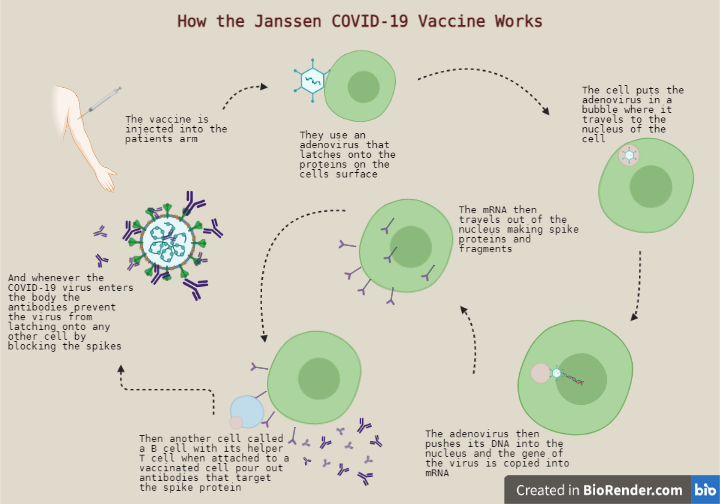
window.__IS_SSR__=true
window.__INITIAL_STATE__={
"attachmentsReducer": {
"audio_0": {
"type": "attachments",
"id": "audio_0",
"imgSizes": {
"kqedFullSize": {
"file": "https://ww2.kqed.org/news/wp-content/themes/KQED-unified/img/audio_bgs/background0.jpg"
}
}
},
"audio_1": {
"type": "attachments",
"id": "audio_1",
"imgSizes": {
"kqedFullSize": {
"file": "https://ww2.kqed.org/news/wp-content/themes/KQED-unified/img/audio_bgs/background1.jpg"
}
}
},
"audio_2": {
"type": "attachments",
"id": "audio_2",
"imgSizes": {
"kqedFullSize": {
"file": "https://ww2.kqed.org/news/wp-content/themes/KQED-unified/img/audio_bgs/background2.jpg"
}
}
},
"audio_3": {
"type": "attachments",
"id": "audio_3",
"imgSizes": {
"kqedFullSize": {
"file": "https://ww2.kqed.org/news/wp-content/themes/KQED-unified/img/audio_bgs/background3.jpg"
}
}
},
"audio_4": {
"type": "attachments",
"id": "audio_4",
"imgSizes": {
"kqedFullSize": {
"file": "https://ww2.kqed.org/news/wp-content/themes/KQED-unified/img/audio_bgs/background4.jpg"
}
}
},
"placeholder": {
"type": "attachments",
"id": "placeholder",
"imgSizes": {
"thumbnail": {
"file": "https://cdn.kqed.org/wp-content/uploads/2024/12/KQED-Default-Image-816638274-2000x1333-1-160x107.jpg",
"width": 160,
"height": 107,
"mimeType": "image/jpeg"
},
"medium": {
"file": "https://cdn.kqed.org/wp-content/uploads/2024/12/KQED-Default-Image-816638274-2000x1333-1-800x533.jpg",
"width": 800,
"height": 533,
"mimeType": "image/jpeg"
},
"medium_large": {
"file": "https://cdn.kqed.org/wp-content/uploads/2024/12/KQED-Default-Image-816638274-2000x1333-1-768x512.jpg",
"width": 768,
"height": 512,
"mimeType": "image/jpeg"
},
"large": {
"file": "https://cdn.kqed.org/wp-content/uploads/2024/12/KQED-Default-Image-816638274-2000x1333-1-1020x680.jpg",
"width": 1020,
"height": 680,
"mimeType": "image/jpeg"
},
"1536x1536": {
"file": "https://cdn.kqed.org/wp-content/uploads/2024/12/KQED-Default-Image-816638274-2000x1333-1-1536x1024.jpg",
"width": 1536,
"height": 1024,
"mimeType": "image/jpeg"
},
"fd-lrg": {
"file": "https://cdn.kqed.org/wp-content/uploads/2024/12/KQED-Default-Image-816638274-2000x1333-1-1536x1024.jpg",
"width": 1536,
"height": 1024,
"mimeType": "image/jpeg"
},
"fd-med": {
"file": "https://cdn.kqed.org/wp-content/uploads/2024/12/KQED-Default-Image-816638274-2000x1333-1-1020x680.jpg",
"width": 1020,
"height": 680,
"mimeType": "image/jpeg"
},
"fd-sm": {
"file": "https://cdn.kqed.org/wp-content/uploads/2024/12/KQED-Default-Image-816638274-2000x1333-1-800x533.jpg",
"width": 800,
"height": 533,
"mimeType": "image/jpeg"
},
"post-thumbnail": {
"file": "https://cdn.kqed.org/wp-content/uploads/2024/12/KQED-Default-Image-816638274-2000x1333-1-672x372.jpg",
"width": 672,
"height": 372,
"mimeType": "image/jpeg"
},
"twentyfourteen-full-width": {
"file": "https://cdn.kqed.org/wp-content/uploads/2024/12/KQED-Default-Image-816638274-2000x1333-1-1038x576.jpg",
"width": 1038,
"height": 576,
"mimeType": "image/jpeg"
},
"xxsmall": {
"file": "https://cdn.kqed.org/wp-content/uploads/2024/12/KQED-Default-Image-816638274-2000x1333-1-160x107.jpg",
"width": 160,
"height": 107,
"mimeType": "image/jpeg"
},
"xsmall": {
"file": "https://cdn.kqed.org/wp-content/uploads/2024/12/KQED-Default-Image-816638274-2000x1333-1-672x372.jpg",
"width": 672,
"height": 372,
"mimeType": "image/jpeg"
},
"small": {
"file": "https://cdn.kqed.org/wp-content/uploads/2024/12/KQED-Default-Image-816638274-2000x1333-1-672x372.jpg",
"width": 672,
"height": 372,
"mimeType": "image/jpeg"
},
"xlarge": {
"file": "https://cdn.kqed.org/wp-content/uploads/2024/12/KQED-Default-Image-816638274-2000x1333-1-1020x680.jpg",
"width": 1020,
"height": 680,
"mimeType": "image/jpeg"
},
"full-width": {
"file": "https://cdn.kqed.org/wp-content/uploads/2024/12/KQED-Default-Image-816638274-2000x1333-1-1920x1280.jpg",
"width": 1920,
"height": 1280,
"mimeType": "image/jpeg"
},
"guest-author-32": {
"file": "https://cdn.kqed.org/wp-content/uploads/2025/01/KQED-Default-Image-816638274-1333x1333-1-160x160.jpg",
"width": 32,
"height": 32,
"mimeType": "image/jpeg"
},
"guest-author-50": {
"file": "https://cdn.kqed.org/wp-content/uploads/2025/01/KQED-Default-Image-816638274-1333x1333-1-160x160.jpg",
"width": 50,
"height": 50,
"mimeType": "image/jpeg"
},
"guest-author-64": {
"file": "https://cdn.kqed.org/wp-content/uploads/2025/01/KQED-Default-Image-816638274-1333x1333-1-160x160.jpg",
"width": 64,
"height": 64,
"mimeType": "image/jpeg"
},
"guest-author-96": {
"file": "https://cdn.kqed.org/wp-content/uploads/2025/01/KQED-Default-Image-816638274-1333x1333-1-160x160.jpg",
"width": 96,
"height": 96,
"mimeType": "image/jpeg"
},
"guest-author-128": {
"file": "https://cdn.kqed.org/wp-content/uploads/2025/01/KQED-Default-Image-816638274-1333x1333-1-160x160.jpg",
"width": 128,
"height": 128,
"mimeType": "image/jpeg"
},
"detail": {
"file": "https://cdn.kqed.org/wp-content/uploads/2025/01/KQED-Default-Image-816638274-1333x1333-1-160x160.jpg",
"width": 160,
"height": 160,
"mimeType": "image/jpeg"
},
"kqedFullSize": {
"file": "https://cdn.kqed.org/wp-content/uploads/2024/12/KQED-Default-Image-816638274-2000x1333-1.jpg",
"width": 2000,
"height": 1333
}
}
},
"education_535008": {
"type": "attachments",
"id": "education_535008",
"meta": {
"index": "attachments_1716263798",
"site": "education",
"id": "535008",
"found": true
},
"parent": 535005,
"imgSizes": {
"thumbnail": {
"file": "https://ww2.kqed.org/app/uploads/sites/38/2021/04/biorender-1-160x112.png",
"width": 160,
"mimeType": "image/png",
"height": 112
},
"post-thumbnail": {
"file": "https://ww2.kqed.org/app/uploads/sites/38/2021/04/biorender-1-672x372.png",
"width": 672,
"mimeType": "image/png",
"height": 372
},
"kqedFullSize": {
"file": "https://ww2.kqed.org/app/uploads/sites/38/2021/04/biorender-1.png",
"width": 720,
"height": 504
}
},
"publishDate": 1619023489,
"modified": 1619023686,
"caption": "An infographic created by one of Merek Chang's students explaining how the Johnson & Johnson COVID-19 vaccine works.",
"description": null,
"title": "biorender (1)",
"credit": null,
"status": "inherit",
"altTag": null,
"isLoading": false,
"fetchFailed": false
},
"education_534999": {
"type": "attachments",
"id": "education_534999",
"meta": {
"index": "attachments_1716263798",
"site": "education",
"id": "534999",
"found": true
},
"parent": 534998,
"imgSizes": {
"twentyfourteen-full-width": {
"file": "https://ww2.kqed.org/app/uploads/sites/38/2021/04/ABTN_510_TN_Urban-Wildlife-Earth-Day_NoText-1038x576.jpg",
"width": 1038,
"mimeType": "image/jpeg",
"height": 576
},
"thumbnail": {
"file": "https://ww2.kqed.org/app/uploads/sites/38/2021/04/ABTN_510_TN_Urban-Wildlife-Earth-Day_NoText-160x90.jpg",
"width": 160,
"mimeType": "image/jpeg",
"height": 90
},
"post-thumbnail": {
"file": "https://ww2.kqed.org/app/uploads/sites/38/2021/04/ABTN_510_TN_Urban-Wildlife-Earth-Day_NoText-672x372.jpg",
"width": 672,
"mimeType": "image/jpeg",
"height": 372
},
"kqedFullSize": {
"file": "https://ww2.kqed.org/app/uploads/sites/38/2021/04/ABTN_510_TN_Urban-Wildlife-Earth-Day_NoText.jpg",
"width": 1920,
"height": 1080
},
"large": {
"file": "https://ww2.kqed.org/app/uploads/sites/38/2021/04/ABTN_510_TN_Urban-Wildlife-Earth-Day_NoText-1020x574.jpg",
"width": 1020,
"mimeType": "image/jpeg",
"height": 574
},
"1536x1536": {
"file": "https://ww2.kqed.org/app/uploads/sites/38/2021/04/ABTN_510_TN_Urban-Wildlife-Earth-Day_NoText-1536x864.jpg",
"width": 1536,
"mimeType": "image/jpeg",
"height": 864
},
"medium": {
"file": "https://ww2.kqed.org/app/uploads/sites/38/2021/04/ABTN_510_TN_Urban-Wildlife-Earth-Day_NoText-800x450.jpg",
"width": 800,
"mimeType": "image/jpeg",
"height": 450
},
"medium_large": {
"file": "https://ww2.kqed.org/app/uploads/sites/38/2021/04/ABTN_510_TN_Urban-Wildlife-Earth-Day_NoText-768x432.jpg",
"width": 768,
"mimeType": "image/jpeg",
"height": 432
}
},
"publishDate": 1618867634,
"modified": 1618867634,
"caption": null,
"description": null,
"title": "YoutTube Thumbnail2",
"credit": null,
"status": "inherit",
"altTag": null,
"isLoading": false,
"fetchFailed": false
},
"education_534989": {
"type": "attachments",
"id": "education_534989",
"meta": {
"index": "attachments_1716263798",
"site": "education",
"id": "534989",
"found": true
},
"parent": 534987,
"imgSizes": {
"twentyfourteen-full-width": {
"file": "https://ww2.kqed.org/app/uploads/sites/38/2021/04/Press_Release_Image_Logos_PhotoCred_20210414-1038x576.jpg",
"width": 1038,
"mimeType": "image/jpeg",
"height": 576
},
"thumbnail": {
"file": "https://ww2.kqed.org/app/uploads/sites/38/2021/04/Press_Release_Image_Logos_PhotoCred_20210414-160x69.jpg",
"width": 160,
"mimeType": "image/jpeg",
"height": 69
},
"post-thumbnail": {
"file": "https://ww2.kqed.org/app/uploads/sites/38/2021/04/Press_Release_Image_Logos_PhotoCred_20210414-672x372.jpg",
"width": 672,
"mimeType": "image/jpeg",
"height": 372
},
"kqedFullSize": {
"file": "https://ww2.kqed.org/app/uploads/sites/38/2021/04/Press_Release_Image_Logos_PhotoCred_20210414.jpg",
"width": 2480,
"height": 1075
},
"2048x2048": {
"file": "https://ww2.kqed.org/app/uploads/sites/38/2021/04/Press_Release_Image_Logos_PhotoCred_20210414-2048x888.jpg",
"width": 2048,
"mimeType": "image/jpeg",
"height": 888
},
"large": {
"file": "https://ww2.kqed.org/app/uploads/sites/38/2021/04/Press_Release_Image_Logos_PhotoCred_20210414-1020x442.jpg",
"width": 1020,
"mimeType": "image/jpeg",
"height": 442
},
"1536x1536": {
"file": "https://ww2.kqed.org/app/uploads/sites/38/2021/04/Press_Release_Image_Logos_PhotoCred_20210414-1536x666.jpg",
"width": 1536,
"mimeType": "image/jpeg",
"height": 666
},
"full-width": {
"file": "https://ww2.kqed.org/app/uploads/sites/38/2021/04/Press_Release_Image_Logos_PhotoCred_20210414-1920x832.jpg",
"width": 1920,
"mimeType": "image/jpeg",
"height": 832
},
"medium": {
"file": "https://ww2.kqed.org/app/uploads/sites/38/2021/04/Press_Release_Image_Logos_PhotoCred_20210414-800x347.jpg",
"width": 800,
"mimeType": "image/jpeg",
"height": 347
},
"medium_large": {
"file": "https://ww2.kqed.org/app/uploads/sites/38/2021/04/Press_Release_Image_Logos_PhotoCred_20210414-768x333.jpg",
"width": 768,
"mimeType": "image/jpeg",
"height": 333
}
},
"publishDate": 1618499219,
"modified": 1618499228,
"caption": null,
"description": null,
"title": "Press_Release_Image_Logos_PhotoCred_20210414",
"credit": null,
"status": "inherit",
"altTag": null,
"isLoading": false,
"fetchFailed": false
},
"education_534983": {
"type": "attachments",
"id": "education_534983",
"meta": {
"index": "attachments_1716263798",
"site": "education",
"id": "534983",
"found": true
},
"parent": 534980,
"imgSizes": {
"thumbnail": {
"file": "https://ww2.kqed.org/app/uploads/sites/38/2021/04/Students-working-on-computer-160x107.png",
"width": 160,
"mimeType": "image/png",
"height": 107
},
"post-thumbnail": {
"file": "https://ww2.kqed.org/app/uploads/sites/38/2021/04/Students-working-on-computer-672x372.png",
"width": 672,
"mimeType": "image/png",
"height": 372
},
"kqedFullSize": {
"file": "https://ww2.kqed.org/app/uploads/sites/38/2021/04/Students-working-on-computer.png",
"width": 866,
"height": 577
},
"medium": {
"file": "https://ww2.kqed.org/app/uploads/sites/38/2021/04/Students-working-on-computer-800x533.png",
"width": 800,
"mimeType": "image/png",
"height": 533
},
"medium_large": {
"file": "https://ww2.kqed.org/app/uploads/sites/38/2021/04/Students-working-on-computer-768x512.png",
"width": 768,
"mimeType": "image/png",
"height": 512
}
},
"publishDate": 1618435901,
"modified": 1618435938,
"caption": null,
"description": null,
"title": "Students working on computer",
"credit": null,
"status": "inherit",
"altTag": "Students working on a computer",
"isLoading": false,
"fetchFailed": false
},
"education_534997": {
"type": "attachments",
"id": "education_534997",
"meta": {
"index": "attachments_1716263798",
"site": "education",
"id": "534997",
"found": true
},
"parent": 534972,
"imgSizes": {
"twentyfourteen-full-width": {
"file": "https://ww2.kqed.org/app/uploads/sites/38/2021/04/Vaccine_TN6-1038x576.jpg",
"width": 1038,
"mimeType": "image/jpeg",
"height": 576
},
"thumbnail": {
"file": "https://ww2.kqed.org/app/uploads/sites/38/2021/04/Vaccine_TN6-160x90.jpg",
"width": 160,
"mimeType": "image/jpeg",
"height": 90
},
"post-thumbnail": {
"file": "https://ww2.kqed.org/app/uploads/sites/38/2021/04/Vaccine_TN6-672x372.jpg",
"width": 672,
"mimeType": "image/jpeg",
"height": 372
},
"kqedFullSize": {
"file": "https://ww2.kqed.org/app/uploads/sites/38/2021/04/Vaccine_TN6.jpg",
"width": 1920,
"height": 1080
},
"large": {
"file": "https://ww2.kqed.org/app/uploads/sites/38/2021/04/Vaccine_TN6-1020x574.jpg",
"width": 1020,
"mimeType": "image/jpeg",
"height": 574
},
"1536x1536": {
"file": "https://ww2.kqed.org/app/uploads/sites/38/2021/04/Vaccine_TN6-1536x864.jpg",
"width": 1536,
"mimeType": "image/jpeg",
"height": 864
},
"medium": {
"file": "https://ww2.kqed.org/app/uploads/sites/38/2021/04/Vaccine_TN6-800x450.jpg",
"width": 800,
"mimeType": "image/jpeg",
"height": 450
},
"medium_large": {
"file": "https://ww2.kqed.org/app/uploads/sites/38/2021/04/Vaccine_TN6-768x432.jpg",
"width": 768,
"mimeType": "image/jpeg",
"height": 432
}
},
"publishDate": 1618861651,
"modified": 1618861651,
"caption": null,
"description": null,
"title": "Vaccine_TN6",
"credit": null,
"status": "inherit",
"altTag": null,
"isLoading": false,
"fetchFailed": false
},
"education_534935": {
"type": "attachments",
"id": "education_534935",
"meta": {
"index": "attachments_1716263798",
"site": "education",
"id": "534935",
"found": true
},
"parent": 534932,
"imgSizes": {
"twentyfourteen-full-width": {
"file": "https://ww2.kqed.org/app/uploads/sites/38/2021/03/Hybrid-Teaching-Blog-Header-1038x576.jpg",
"width": 1038,
"mimeType": "image/jpeg",
"height": 576
},
"thumbnail": {
"file": "https://ww2.kqed.org/app/uploads/sites/38/2021/03/Hybrid-Teaching-Blog-Header-160x120.jpg",
"width": 160,
"mimeType": "image/jpeg",
"height": 120
},
"post-thumbnail": {
"file": "https://ww2.kqed.org/app/uploads/sites/38/2021/03/Hybrid-Teaching-Blog-Header-672x372.jpg",
"width": 672,
"mimeType": "image/jpeg",
"height": 372
},
"kqedFullSize": {
"file": "https://ww2.kqed.org/app/uploads/sites/38/2021/03/Hybrid-Teaching-Blog-Header-scaled.jpg",
"width": 2560,
"height": 1920
},
"2048x2048": {
"file": "https://ww2.kqed.org/app/uploads/sites/38/2021/03/Hybrid-Teaching-Blog-Header-2048x1536.jpg",
"width": 2048,
"mimeType": "image/jpeg",
"height": 1536
},
"large": {
"file": "https://ww2.kqed.org/app/uploads/sites/38/2021/03/Hybrid-Teaching-Blog-Header-1020x765.jpg",
"width": 1020,
"mimeType": "image/jpeg",
"height": 765
},
"1536x1536": {
"file": "https://ww2.kqed.org/app/uploads/sites/38/2021/03/Hybrid-Teaching-Blog-Header-1536x1152.jpg",
"width": 1536,
"mimeType": "image/jpeg",
"height": 1152
},
"full-width": {
"file": "https://ww2.kqed.org/app/uploads/sites/38/2021/03/Hybrid-Teaching-Blog-Header-1920x1440.jpg",
"width": 1920,
"mimeType": "image/jpeg",
"height": 1440
},
"medium": {
"file": "https://ww2.kqed.org/app/uploads/sites/38/2021/03/Hybrid-Teaching-Blog-Header-800x600.jpg",
"width": 800,
"mimeType": "image/jpeg",
"height": 600
},
"medium_large": {
"file": "https://ww2.kqed.org/app/uploads/sites/38/2021/03/Hybrid-Teaching-Blog-Header-768x576.jpg",
"width": 768,
"mimeType": "image/jpeg",
"height": 576
}
},
"publishDate": 1616712631,
"modified": 1616714223,
"caption": "Middle school teacher Mary Kate Lonergan's classroom setup for hybrid teaching with desks set up six feet apart for social distancing. (Courtesy of Mary Kate Lonergan)",
"description": null,
"title": "Hybrid Teaching Blog Header",
"credit": null,
"status": "inherit",
"altTag": null,
"isLoading": false,
"fetchFailed": false
},
"education_534926": {
"type": "attachments",
"id": "education_534926",
"meta": {
"index": "attachments_1716263798",
"site": "education",
"id": "534926",
"found": true
},
"parent": 534923,
"imgSizes": {
"twentyfourteen-full-width": {
"file": "https://ww2.kqed.org/app/uploads/sites/38/2021/03/AsianAmericans-TitleCard-1038x576.jpg",
"width": 1038,
"mimeType": "image/jpeg",
"height": 576
},
"thumbnail": {
"file": "https://ww2.kqed.org/app/uploads/sites/38/2021/03/AsianAmericans-TitleCard-160x90.jpg",
"width": 160,
"mimeType": "image/jpeg",
"height": 90
},
"post-thumbnail": {
"file": "https://ww2.kqed.org/app/uploads/sites/38/2021/03/AsianAmericans-TitleCard-672x372.jpg",
"width": 672,
"mimeType": "image/jpeg",
"height": 372
},
"kqedFullSize": {
"file": "https://ww2.kqed.org/app/uploads/sites/38/2021/03/AsianAmericans-TitleCard.jpg",
"width": 1920,
"height": 1080
},
"large": {
"file": "https://ww2.kqed.org/app/uploads/sites/38/2021/03/AsianAmericans-TitleCard-1020x574.jpg",
"width": 1020,
"mimeType": "image/jpeg",
"height": 574
},
"1536x1536": {
"file": "https://ww2.kqed.org/app/uploads/sites/38/2021/03/AsianAmericans-TitleCard-1536x864.jpg",
"width": 1536,
"mimeType": "image/jpeg",
"height": 864
},
"medium": {
"file": "https://ww2.kqed.org/app/uploads/sites/38/2021/03/AsianAmericans-TitleCard-800x450.jpg",
"width": 800,
"mimeType": "image/jpeg",
"height": 450
},
"medium_large": {
"file": "https://ww2.kqed.org/app/uploads/sites/38/2021/03/AsianAmericans-TitleCard-768x432.jpg",
"width": 768,
"mimeType": "image/jpeg",
"height": 432
}
},
"publishDate": 1616521546,
"modified": 1616521654,
"caption": "Image for the PBS series Asian Americans. PBS LearningMedia has classroom resources related to the series.",
"description": null,
"title": "AsianAmericans-TitleCard",
"credit": null,
"status": "inherit",
"altTag": "Collage of different Asian American figures",
"isLoading": false,
"fetchFailed": false
},
"education_534925": {
"type": "attachments",
"id": "education_534925",
"meta": {
"index": "attachments_1716263798",
"site": "education",
"id": "534925",
"found": true
},
"parent": 534915,
"imgSizes": {
"twentyfourteen-full-width": {
"file": "https://ww2.kqed.org/app/uploads/sites/38/2021/03/106566-6-1038x576.jpeg",
"width": 1038,
"mimeType": "image/jpeg",
"height": 576
},
"thumbnail": {
"file": "https://ww2.kqed.org/app/uploads/sites/38/2021/03/106566-6-160x90.jpeg",
"width": 160,
"mimeType": "image/jpeg",
"height": 90
},
"post-thumbnail": {
"file": "https://ww2.kqed.org/app/uploads/sites/38/2021/03/106566-6-672x372.jpeg",
"width": 672,
"mimeType": "image/jpeg",
"height": 372
},
"kqedFullSize": {
"file": "https://ww2.kqed.org/app/uploads/sites/38/2021/03/106566-6.jpeg",
"width": 1920,
"height": 1080
},
"large": {
"file": "https://ww2.kqed.org/app/uploads/sites/38/2021/03/106566-6-1020x574.jpeg",
"width": 1020,
"mimeType": "image/jpeg",
"height": 574
},
"1536x1536": {
"file": "https://ww2.kqed.org/app/uploads/sites/38/2021/03/106566-6-1536x864.jpeg",
"width": 1536,
"mimeType": "image/jpeg",
"height": 864
},
"medium": {
"file": "https://ww2.kqed.org/app/uploads/sites/38/2021/03/106566-6-800x450.jpeg",
"width": 800,
"mimeType": "image/jpeg",
"height": 450
},
"medium_large": {
"file": "https://ww2.kqed.org/app/uploads/sites/38/2021/03/106566-6-768x432.jpeg",
"width": 768,
"mimeType": "image/jpeg",
"height": 432
}
},
"publishDate": 1616521153,
"modified": 1616521153,
"caption": null,
"description": null,
"title": "YoutTube Thumbnail2",
"credit": null,
"status": "inherit",
"altTag": null,
"isLoading": false,
"fetchFailed": false
},
"education_534857": {
"type": "attachments",
"id": "education_534857",
"meta": {
"index": "attachments_1716263798",
"site": "education",
"id": "534857",
"found": true
},
"parent": 534852,
"imgSizes": {
"twentyfourteen-full-width": {
"file": "https://ww2.kqed.org/app/uploads/sites/38/2021/03/ABTN507_Meat_Thumbnail_YT-1038x576.jpg",
"width": 1038,
"mimeType": "image/jpeg",
"height": 576
},
"thumbnail": {
"file": "https://ww2.kqed.org/app/uploads/sites/38/2021/03/ABTN507_Meat_Thumbnail_YT-160x90.jpg",
"width": 160,
"mimeType": "image/jpeg",
"height": 90
},
"post-thumbnail": {
"file": "https://ww2.kqed.org/app/uploads/sites/38/2021/03/ABTN507_Meat_Thumbnail_YT-672x372.jpg",
"width": 672,
"mimeType": "image/jpeg",
"height": 372
},
"kqedFullSize": {
"file": "https://ww2.kqed.org/app/uploads/sites/38/2021/03/ABTN507_Meat_Thumbnail_YT.jpg",
"width": 1920,
"height": 1080
},
"large": {
"file": "https://ww2.kqed.org/app/uploads/sites/38/2021/03/ABTN507_Meat_Thumbnail_YT-1020x574.jpg",
"width": 1020,
"mimeType": "image/jpeg",
"height": 574
},
"1536x1536": {
"file": "https://ww2.kqed.org/app/uploads/sites/38/2021/03/ABTN507_Meat_Thumbnail_YT-1536x864.jpg",
"width": 1536,
"mimeType": "image/jpeg",
"height": 864
},
"medium": {
"file": "https://ww2.kqed.org/app/uploads/sites/38/2021/03/ABTN507_Meat_Thumbnail_YT-800x450.jpg",
"width": 800,
"mimeType": "image/jpeg",
"height": 450
},
"medium_large": {
"file": "https://ww2.kqed.org/app/uploads/sites/38/2021/03/ABTN507_Meat_Thumbnail_YT-768x432.jpg",
"width": 768,
"mimeType": "image/jpeg",
"height": 432
}
},
"publishDate": 1614882463,
"modified": 1614882463,
"caption": null,
"description": null,
"title": "YoutTube Thumbnail2",
"credit": null,
"status": "inherit",
"altTag": null,
"isLoading": false,
"fetchFailed": false
}
},
"audioPlayerReducer": {
"postId": "stream_live",
"isPaused": true,
"isPlaying": false,
"pfsActive": false,
"pledgeModalIsOpen": true,
"playerDrawerIsOpen": false,
"liveAudioPlayStartedAt": 0,
"liveAudioPlayContext": ""
},
"authorsReducer": {
"byline_education_534980": {
"type": "authors",
"id": "byline_education_534980",
"meta": {
"override": true
},
"slug": "byline_education_534980",
"name": "Joanne Lee",
"isLoading": false
},
"dlartaud": {
"type": "authors",
"id": "10621",
"meta": {
"index": "authors_1716337520",
"id": "10621",
"found": true
},
"name": "Derek Lartaud",
"firstName": "Derek",
"lastName": "Lartaud",
"slug": "dlartaud",
"email": "dlartaud@kqed.org",
"display_author_email": true,
"staff_mastheads": [],
"title": "KQED Contributor",
"bio": "Derek Lartaud came to the Bay Area after nearly five years of researching schizophrenia and diabetes at Yale University. Determined to tell visual stories, he’s worked for the BBC, Al Jazeera America, TIME, PBS, and the Center for Investigative Reporting. He has a bachelor’s degree in neuroscience and a master’s degree in journalism. When not holding a camera or editing a story, he’s trying to rebuild his 1969 Honda CL350.",
"avatar": "https://secure.gravatar.com/avatar/e03912790b9252d0f67d68120966e449?s=600&d=mm&r=g",
"twitter": null,
"facebook": null,
"instagram": null,
"linkedin": null,
"sites": [
{
"site": "education",
"roles": [
"contributor"
]
},
{
"site": "quest",
"roles": [
"contributor"
]
},
{
"site": "food",
"roles": [
"editor"
]
}
],
"headData": {
"title": "Derek Lartaud | KQED",
"description": "KQED Contributor",
"ogImgSrc": "https://secure.gravatar.com/avatar/e03912790b9252d0f67d68120966e449?s=600&d=mm&r=g",
"twImgSrc": "https://secure.gravatar.com/avatar/e03912790b9252d0f67d68120966e449?s=600&d=mm&r=g"
},
"isLoading": false,
"link": "/author/dlartaud"
},
"jkim": {
"type": "authors",
"id": "11499",
"meta": {
"index": "authors_1716337520",
"id": "11499",
"found": true
},
"name": "Janelle Kim",
"firstName": "Janelle",
"lastName": "Kim",
"slug": "jkim",
"email": "jkim@kqed.org",
"display_author_email": false,
"staff_mastheads": [],
"title": null,
"bio": "Janelle Kim is the Engagement Specialist at KQED. She coordinates all aspects of KQED’s educational conference and event participation. She also manages KQED’s Media Literacy Innovator Program, a cohort of teacher leaders who utilize KQED Education’s resources and champion media literacy education in their schools, districts and communities. Prior to KQED, Janelle has held event and community management roles at HarperCollins Publishers and SCS Global Services, an environmental sustainability certification body.",
"avatar": "https://secure.gravatar.com/avatar/d022e46f445bc4dea54f4c4a610435a8?s=600&d=mm&r=g",
"twitter": null,
"bluesky": null,
"facebook": null,
"instagram": null,
"linkedin": null,
"sites": [
{
"site": "education",
"roles": [
"administrator"
]
},
{
"site": "quest",
"roles": [
"editor"
]
},
{
"site": "youthmedia",
"roles": [
"editor"
]
}
],
"headData": {
"title": "Janelle Kim | KQED",
"description": null,
"ogImgSrc": "https://secure.gravatar.com/avatar/d022e46f445bc4dea54f4c4a610435a8?s=600&d=mm&r=g",
"twImgSrc": "https://secure.gravatar.com/avatar/d022e46f445bc4dea54f4c4a610435a8?s=600&d=mm&r=g"
},
"isLoading": false,
"link": "/author/jkim"
},
"merekchang": {
"type": "authors",
"id": "11569",
"meta": {
"index": "authors_1716337520",
"id": "11569",
"found": true
},
"name": "Merek Chang",
"firstName": "Merek",
"lastName": "Chang",
"slug": "merekchang",
"email": "mchang@hlpusd.k12.ca.us",
"display_author_email": false,
"staff_mastheads": [],
"title": null,
"bio": "Merek Chang is a chemistry and engineering teacher who currently teaches at Workman High School in Industry, California. He received his B.S from UC Davis in Food Science and Technology and worked full time in the food industry prior to entering education. It is his desire to incorporate technology in to his lesson plans whenever applicable and, if possible, through the lens of food.",
"avatar": "https://secure.gravatar.com/avatar/05f3b02baf33fe1f87afc23c3d3becbc?s=600&d=blank&r=g",
"twitter": null,
"facebook": null,
"instagram": null,
"linkedin": null,
"sites": [
{
"site": "education",
"roles": [
"author"
]
}
],
"headData": {
"title": "Merek Chang | KQED",
"description": null,
"ogImgSrc": "https://secure.gravatar.com/avatar/05f3b02baf33fe1f87afc23c3d3becbc?s=600&d=blank&r=g",
"twImgSrc": "https://secure.gravatar.com/avatar/05f3b02baf33fe1f87afc23c3d3becbc?s=600&d=blank&r=g"
},
"isLoading": false,
"link": "/author/merekchang"
},
"lholmberg": {
"type": "authors",
"id": "11601",
"meta": {
"index": "authors_1716337520",
"id": "11601",
"found": true
},
"name": "Liana Holmberg",
"firstName": "Liana",
"lastName": "Holmberg",
"slug": "lholmberg",
"email": "lholmberg@kqed.org",
"display_author_email": false,
"staff_mastheads": [],
"title": "KQED Contributor",
"bio": null,
"avatar": "https://secure.gravatar.com/avatar/a94bc4826bbffdd9f2cc86601d09d527?s=600&d=blank&r=g",
"twitter": null,
"facebook": null,
"instagram": null,
"linkedin": null,
"sites": [
{
"site": "",
"roles": [
"administrator"
]
},
{
"site": "education",
"roles": []
},
{
"site": "pressroom",
"roles": []
}
],
"headData": {
"title": "Liana Holmberg | KQED",
"description": "KQED Contributor",
"ogImgSrc": "https://secure.gravatar.com/avatar/a94bc4826bbffdd9f2cc86601d09d527?s=600&d=blank&r=g",
"twImgSrc": "https://secure.gravatar.com/avatar/a94bc4826bbffdd9f2cc86601d09d527?s=600&d=blank&r=g"
},
"isLoading": false,
"link": "/author/lholmberg"
},
"mbess": {
"type": "authors",
"id": "11704",
"meta": {
"index": "authors_1716337520",
"id": "11704",
"found": true
},
"name": "Myles Bess",
"firstName": "Myles",
"lastName": "Bess",
"slug": "mbess",
"email": "mbess@KQED.org",
"display_author_email": false,
"staff_mastheads": [],
"title": "KQED Contributor",
"bio": null,
"avatar": "https://secure.gravatar.com/avatar/34bdf5d2c563d2b31fb0eb8016e5bc36?s=600&d=mm&r=g",
"twitter": null,
"facebook": null,
"instagram": null,
"linkedin": null,
"sites": [
{
"site": "bayareabites",
"roles": []
},
{
"site": "education",
"roles": []
}
],
"headData": {
"title": "Myles Bess | KQED",
"description": "KQED Contributor",
"ogImgSrc": "https://secure.gravatar.com/avatar/34bdf5d2c563d2b31fb0eb8016e5bc36?s=600&d=mm&r=g",
"twImgSrc": "https://secure.gravatar.com/avatar/34bdf5d2c563d2b31fb0eb8016e5bc36?s=600&d=mm&r=g"
},
"isLoading": false,
"link": "/author/mbess"
},
"melanieruiz": {
"type": "authors",
"id": "11720",
"meta": {
"index": "authors_1716337520",
"id": "11720",
"found": true
},
"name": "Melanie Ruiz",
"firstName": "Melanie",
"lastName": "Ruiz",
"slug": "melanieruiz",
"email": "mel.annie.ruiz@gmail.com",
"display_author_email": false,
"staff_mastheads": [],
"title": "KQED Contributor",
"bio": null,
"avatar": "https://secure.gravatar.com/avatar/3035f9d734a6efc104846c9e8c7d20ab0b00cf7e217d503fa59a2830171f34f5?s=600&d=mm&r=g",
"twitter": null,
"bluesky": null,
"facebook": null,
"instagram": null,
"linkedin": null,
"sites": [
{
"site": "education",
"roles": [
"subscriber"
]
}
],
"headData": {
"title": "Melanie Ruiz | KQED",
"description": "KQED Contributor",
"ogImgSrc": "https://secure.gravatar.com/avatar/3035f9d734a6efc104846c9e8c7d20ab0b00cf7e217d503fa59a2830171f34f5?s=600&d=mm&r=g",
"twImgSrc": "https://secure.gravatar.com/avatar/3035f9d734a6efc104846c9e8c7d20ab0b00cf7e217d503fa59a2830171f34f5?s=600&d=mm&r=g"
},
"isLoading": false,
"link": "/author/melanieruiz"
}
},
"pagesReducer": {
"education_category_blog": {
"type": "terms",
"id": "education_1",
"meta": {
"index": "terms_1716263798",
"site": "education",
"id": "1",
"score": 13.308301
},
"name": "Education Blog",
"slug": "blog",
"taxonomy": "category",
"description": "Sign up for the \u003ca href=\"https://www.kqed.org/newsletters/kqed-education\" target=\"_blank\" rel=\"noopener noreferrer\">KQED Education newsletter\u003c/a>.",
"featImg": null,
"headData": {
"title": "Bay Area Education Insights: Stories & Resources from KQED's Blog",
"description": "Discover insightful articles, captivating stories, and practical resources for educators, parents, and learners of all ages.",
"ogTitle": null,
"ogDescription": null,
"ogImgId": null,
"twTitle": null,
"twDescription": null,
"twImgId": null,
"socialTitle": "Bay Area Education Insights: Stories & Resources from KQED's Blog"
},
"ttid": 1,
"isLoading": false,
"title": "Education Blog",
"pageMeta": {
"site": "education",
"WpPageTemplate": "page-topic-company",
"currentPage": 14
},
"blocks": [
{
"blockName": "kqed/company-paragraph",
"content": "Sign up for the \u003ca href=\"https://www.kqed.org/newsletters/kqed-education\" target=\"_blank\" rel=\"noopener noreferrer\">KQED Education newsletter\u003c/a>."
},
{
"blockName": "kqed/post-list",
"attrs": {
"layout": "cardCompany2",
"query": "posts/education?category=blog",
"seeMore": false,
"paginated": true,
"page": 14
}
},
{
"blockName": "kqed/ad"
}
]
}
},
"pfsSessionReducer": {},
"postsReducer": {
"stream_live": {
"type": "live",
"id": "stream_live",
"audioUrl": "https://streams.kqed.org/kqedradio",
"title": "Live Stream",
"excerpt": "Live Stream information currently unavailable.",
"link": "/radio",
"featImg": "",
"label": {
"name": "KQED Live",
"link": "/"
}
},
"stream_kqedNewscast": {
"type": "posts",
"id": "stream_kqedNewscast",
"audioUrl": "https://www.kqed.org/.stream/anon/radio/RDnews/newscast.mp3?_=1",
"title": "KQED Newscast",
"featImg": "",
"label": {
"name": "88.5 FM",
"link": "/"
}
},
"education_535005": {
"type": "posts",
"id": "education_535005",
"meta": {
"index": "posts_1716263798",
"site": "education",
"id": "535005",
"score": null,
"sort": [
1619029848000
]
},
"parent": 0,
"labelTerm": {
"site": "education",
"term": 52
},
"blocks": [],
"publishDate": 1619029848,
"format": "standard",
"title": "Using Infographics to Make Sense of COVID-19 Vaccines",
"headTitle": "Using Infographics to Make Sense of COVID-19 Vaccines | KQED",
"content": "\u003cp>\u003cem>Merek Chang is a high school chemistry and engineering teacher in Southern Califronia and is a KQED Media Literacy Innovator. Learn how to incorporate infographics into your STEM classroom at our workshop on April 29 at 4pm PT: \u003ca href=\"https://crscience.org/educators/infographics/\" target=\"_blank\" rel=\"noopener noreferrer\">Infographics to Strengthen Data Literacy and Student Voice in Science\u003c/a>.\u003c/em>\u003c/p>\n\u003cp>If you’re a high school biology teacher like me, transcription and translation (also known as protein synthesis or the central dogma of DNA) are not necessarily the most exciting material. But with viral vector and mRNA COVID-19 vaccines in the forefront of the daily news cycle, it gave me an idea on how to make protein synthesis more relevant to my freshman students. Both mRNA (used in the Pfizer-BioNTech and Moderna vaccines) and DNA (used in the Johnson and Johnson vaccine) are key pieces in the process of protein synthesis. To help them learn this process, I had them create an infographic on how the various COVID-19 vaccines work.\u003c/p>\n\u003cp>During distance learning, measuring student understanding of content through traditional multiple choice and free response exams has been difficult. Instead, I have turned to media making projects where students have to demonstrate their mastery of the content through their ability to present and communicate what they have learned with others. Through the process of creating their COVID-19 infographics, students had to evaluate online sources, analyze different forms of media and present information in a manner which made sense to them.\u003c/p>\n\u003cp>For this project I used \u003ca href=\"https://biorender.com/\" target=\"_blank\" rel=\"noopener noreferrer\">BioRender\u003c/a>, a free infographic and poster generator to be used specifically for science projects. I gave my students some basic infographic templates, video and online resources on the different COVID-19 vaccines, and a rubric to follow to generate their infographics. Students used existing sources to research their infographics, but independently wrote the steps and chose the images for their infographic through BioRender.\u003c/p>\n\u003cfigure id=\"attachment_535007\" class=\"wp-caption aligncenter\" style=\"max-width: 800px\">\u003cimg loading=\"lazy\" decoding=\"async\" class=\"wp-image-535007 size-medium\" src=\"https://ww2.kqed.org/app/uploads/sites/38/2021/04/Untitled-1-800x527.jpeg\" alt=\"\" width=\"800\" height=\"527\" srcset=\"https://cdn.kqed.org/wp-content/uploads/sites/38/2021/04/Untitled-1-800x527.jpeg 800w, https://cdn.kqed.org/wp-content/uploads/sites/38/2021/04/Untitled-1-160x105.jpeg 160w, https://cdn.kqed.org/wp-content/uploads/sites/38/2021/04/Untitled-1-768x505.jpeg 768w, https://cdn.kqed.org/wp-content/uploads/sites/38/2021/04/Untitled-1.jpeg 983w\" sizes=\"(max-width: 800px) 100vw, 800px\">\u003cfigcaption class=\"wp-caption-text\">An infographic created by one of Merek Chang’s students explaining how the Moderna COVID-19 vaccine works. (Image courtesy of Merek Chang)\u003c/figcaption>\u003c/figure>\n\u003cp> \u003c/p>\n\u003cfigure id=\"attachment_535006\" class=\"wp-caption aligncenter\" style=\"max-width: 720px\">\u003cimg loading=\"lazy\" decoding=\"async\" class=\"wp-image-535006 size-full\" src=\"https://ww2.kqed.org/app/uploads/sites/38/2021/04/Pfizer-BioNTech-COVID-19-2-1.png\" alt=\"\" width=\"720\" height=\"504\" srcset=\"https://cdn.kqed.org/wp-content/uploads/sites/38/2021/04/Pfizer-BioNTech-COVID-19-2-1.png 720w, https://cdn.kqed.org/wp-content/uploads/sites/38/2021/04/Pfizer-BioNTech-COVID-19-2-1-160x112.png 160w\" sizes=\"(max-width: 720px) 100vw, 720px\">\u003cfigcaption class=\"wp-caption-text\">An infographic created by one of Merek Chang’s students explaining how the Pfizer-BioNTech COVID-19 vaccine works. (Image courtesy of Merek Chang)\u003c/figcaption>\u003c/figure>\n\u003cp>[ad fullwidth]\u003c/p>\n\u003cp>Then I asked my students to share their infographic with a family member or friend and write a reflection on their experience doing so. This was the part of the project I enjoyed the most. By having students present their work to their family members and friends, students worked with the content in an authentic setting. In reading the student reflections on their experience with sharing their infographics with others, many of them identified how they felt nervous as many of them (high school freshman) have never done something like this before. Many students also wrote that after sharing their work with others, they felt a sense of empowerment and that they had, hopefully, made a genuine impact on the people they presented to. Here are some excerpts from their reflections:\u003c/p>\n\u003cp>\u003cem>“Sharing my own work to one of my family members was a different experience. I hardly ever had to share any projects with someone I know but it wasn’t that bad, it was actually pretty easy and fun to present to [my grandma].Since she doesn’t really know anything about the vaccines, I feel like my infographic helped her understand it better in my words than in other sources she was reading about.”\u003c/em>\u003c/p>\n\u003cp>\u003cem>“I shared my infographic with my dad. When I was sharing my work I got kind of nervous because I don’t really like showing my work, but it boosted my confidence. I feel like my dad learned something from my infographic because before he didn’t know how the covid vaccines really work and he doesn’t really know which one to get, so my infographic gave him a better understanding of the Pfizer vaccine.”\u003c/em>\u003c/p>\n\u003cp>\u003cem>“When I shared my own work it felt nice since it was good work and I was happy with it. My brother actually seemed to learn a lot about it and felt more comfortable with the idea of the vaccine since no one else prior had even bothered to teach us anything about the vaccine in our household.”\u003c/em>\u003c/p>\n\u003cp>As an educator during this unprecedented school year, I have had countless lessons and activities fall flat on their face. However, this particular lesson was something that I was extremely happy. It was clear that most of my students took something away from this experience. I am looking forward to continuing to use infographics in my classroom and finding relevant content for my students to create and share with authentic audiences.\u003c/p>\n\u003cp>\u003cstrong>Learn how to incorporate infographics into your STEM classroom at our workshop on April 29 at 4pm PT: \u003ca href=\"https://crscience.org/educators/infographics/\" target=\"_blank\" rel=\"noopener noreferrer\">Infographics to Strengthen Data Literacy and Student Voice in Science\u003c/a>\u003c/strong>\u003c/p>\n\u003cp>\u003c/p>\n",
"stats": {
"hasVideo": false,
"hasChartOrMap": false,
"hasAudio": false,
"hasPolis": false,
"wordCount": 814,
"hasGoogleForm": false,
"hasGallery": false,
"hasHearkenModule": false,
"iframeSrcs": [],
"paragraphCount": 12
},
"modified": 1704760328,
"excerpt": null,
"headData": {
"twImgId": "",
"twTitle": "",
"ogTitle": "",
"ogImgId": "",
"twDescription": "",
"description": "Merek Chang is a high school chemistry and engineering teacher in Southern Califronia and is a KQED Media Literacy Innovator. Learn how to incorporate infographics into your STEM classroom at our workshop on April 29 at 4pm PT: Infographics to Strengthen Data Literacy and Student Voice in Science. If you’re a high school biology teacher",
"title": "Using Infographics to Make Sense of COVID-19 Vaccines | KQED",
"ogDescription": "",
"schema": {
"@context": "https://schema.org",
"@type": "Article",
"headline": "Using Infographics to Make Sense of COVID-19 Vaccines",
"datePublished": "2021-04-21T11:30:48-07:00",
"dateModified": "2024-01-08T16:32:08-08:00",
"image": "https://cdn.kqed.org/wp-content/uploads/2020/02/KQED-OG-Image@1x.png"
}
},
"guestAuthors": [],
"slug": "using-infographics-to-make-sense-of-covid-19-vaccines",
"status": "publish",
"templateType": "standard",
"featuredImageType": "standard",
"sticky": false,
"path": "/education/535005/using-infographics-to-make-sense-of-covid-19-vaccines",
"audioTrackLength": null,
"parsedContent": [
{
"type": "contentString",
"content": "\u003cdiv class=\"post-body\">\u003cp>\u003cp>\u003cem>Merek Chang is a high school chemistry and engineering teacher in Southern Califronia and is a KQED Media Literacy Innovator. Learn how to incorporate infographics into your STEM classroom at our workshop on April 29 at 4pm PT: \u003ca href=\"https://crscience.org/educators/infographics/\" target=\"_blank\" rel=\"noopener noreferrer\">Infographics to Strengthen Data Literacy and Student Voice in Science\u003c/a>.\u003c/em>\u003c/p>\n\u003cp>If you’re a high school biology teacher like me, transcription and translation (also known as protein synthesis or the central dogma of DNA) are not necessarily the most exciting material. But with viral vector and mRNA COVID-19 vaccines in the forefront of the daily news cycle, it gave me an idea on how to make protein synthesis more relevant to my freshman students. Both mRNA (used in the Pfizer-BioNTech and Moderna vaccines) and DNA (used in the Johnson and Johnson vaccine) are key pieces in the process of protein synthesis. To help them learn this process, I had them create an infographic on how the various COVID-19 vaccines work.\u003c/p>\n\u003cp>During distance learning, measuring student understanding of content through traditional multiple choice and free response exams has been difficult. Instead, I have turned to media making projects where students have to demonstrate their mastery of the content through their ability to present and communicate what they have learned with others. Through the process of creating their COVID-19 infographics, students had to evaluate online sources, analyze different forms of media and present information in a manner which made sense to them.\u003c/p>\n\u003cp>For this project I used \u003ca href=\"https://biorender.com/\" target=\"_blank\" rel=\"noopener noreferrer\">BioRender\u003c/a>, a free infographic and poster generator to be used specifically for science projects. I gave my students some basic infographic templates, video and online resources on the different COVID-19 vaccines, and a rubric to follow to generate their infographics. Students used existing sources to research their infographics, but independently wrote the steps and chose the images for their infographic through BioRender.\u003c/p>\n\u003cfigure id=\"attachment_535007\" class=\"wp-caption aligncenter\" style=\"max-width: 800px\">\u003cimg loading=\"lazy\" decoding=\"async\" class=\"wp-image-535007 size-medium\" src=\"https://ww2.kqed.org/app/uploads/sites/38/2021/04/Untitled-1-800x527.jpeg\" alt=\"\" width=\"800\" height=\"527\" srcset=\"https://cdn.kqed.org/wp-content/uploads/sites/38/2021/04/Untitled-1-800x527.jpeg 800w, https://cdn.kqed.org/wp-content/uploads/sites/38/2021/04/Untitled-1-160x105.jpeg 160w, https://cdn.kqed.org/wp-content/uploads/sites/38/2021/04/Untitled-1-768x505.jpeg 768w, https://cdn.kqed.org/wp-content/uploads/sites/38/2021/04/Untitled-1.jpeg 983w\" sizes=\"(max-width: 800px) 100vw, 800px\">\u003cfigcaption class=\"wp-caption-text\">An infographic created by one of Merek Chang’s students explaining how the Moderna COVID-19 vaccine works. (Image courtesy of Merek Chang)\u003c/figcaption>\u003c/figure>\n\u003cp> \u003c/p>\n\u003cfigure id=\"attachment_535006\" class=\"wp-caption aligncenter\" style=\"max-width: 720px\">\u003cimg loading=\"lazy\" decoding=\"async\" class=\"wp-image-535006 size-full\" src=\"https://ww2.kqed.org/app/uploads/sites/38/2021/04/Pfizer-BioNTech-COVID-19-2-1.png\" alt=\"\" width=\"720\" height=\"504\" srcset=\"https://cdn.kqed.org/wp-content/uploads/sites/38/2021/04/Pfizer-BioNTech-COVID-19-2-1.png 720w, https://cdn.kqed.org/wp-content/uploads/sites/38/2021/04/Pfizer-BioNTech-COVID-19-2-1-160x112.png 160w\" sizes=\"(max-width: 720px) 100vw, 720px\">\u003cfigcaption class=\"wp-caption-text\">An infographic created by one of Merek Chang’s students explaining how the Pfizer-BioNTech COVID-19 vaccine works. (Image courtesy of Merek Chang)\u003c/figcaption>\u003c/figure>\n\u003cp>\u003c/p>\u003c/div>",
"attributes": {
"named": {},
"numeric": []
}
},
{
"type": "component",
"content": "",
"name": "ad",
"attributes": {
"named": {
"label": "fullwidth"
},
"numeric": [
"fullwidth"
]
}
},
{
"type": "contentString",
"content": "\u003cdiv class=\"post-body\">\u003cp>\u003c/p>\n\u003cp>Then I asked my students to share their infographic with a family member or friend and write a reflection on their experience doing so. This was the part of the project I enjoyed the most. By having students present their work to their family members and friends, students worked with the content in an authentic setting. In reading the student reflections on their experience with sharing their infographics with others, many of them identified how they felt nervous as many of them (high school freshman) have never done something like this before. Many students also wrote that after sharing their work with others, they felt a sense of empowerment and that they had, hopefully, made a genuine impact on the people they presented to. Here are some excerpts from their reflections:\u003c/p>\n\u003cp>\u003cem>“Sharing my own work to one of my family members was a different experience. I hardly ever had to share any projects with someone I know but it wasn’t that bad, it was actually pretty easy and fun to present to [my grandma].Since she doesn’t really know anything about the vaccines, I feel like my infographic helped her understand it better in my words than in other sources she was reading about.”\u003c/em>\u003c/p>\n\u003cp>\u003cem>“I shared my infographic with my dad. When I was sharing my work I got kind of nervous because I don’t really like showing my work, but it boosted my confidence. I feel like my dad learned something from my infographic because before he didn’t know how the covid vaccines really work and he doesn’t really know which one to get, so my infographic gave him a better understanding of the Pfizer vaccine.”\u003c/em>\u003c/p>\n\u003cp>\u003cem>“When I shared my own work it felt nice since it was good work and I was happy with it. My brother actually seemed to learn a lot about it and felt more comfortable with the idea of the vaccine since no one else prior had even bothered to teach us anything about the vaccine in our household.”\u003c/em>\u003c/p>\n\u003cp>As an educator during this unprecedented school year, I have had countless lessons and activities fall flat on their face. However, this particular lesson was something that I was extremely happy. It was clear that most of my students took something away from this experience. I am looking forward to continuing to use infographics in my classroom and finding relevant content for my students to create and share with authentic audiences.\u003c/p>\n\u003cp>\u003cstrong>Learn how to incorporate infographics into your STEM classroom at our workshop on April 29 at 4pm PT: \u003ca href=\"https://crscience.org/educators/infographics/\" target=\"_blank\" rel=\"noopener noreferrer\">Infographics to Strengthen Data Literacy and Student Voice in Science\u003c/a>\u003c/strong>\u003c/p>\n\u003cp>\u003c/p>\n\u003c/div>\u003c/p>",
"attributes": {
"named": {},
"numeric": []
}
}
],
"link": "/education/535005/using-infographics-to-make-sense-of-covid-19-vaccines",
"authors": [
"11569"
],
"series": [
"education_2837",
"education_52"
],
"categories": [
"education_1"
],
"featImg": "education_535008",
"label": "education_52"
},
"education_534998": {
"type": "posts",
"id": "education_534998",
"meta": {
"index": "posts_1716263798",
"site": "education",
"id": "534998",
"score": null,
"sort": [
1618867836000
]
},
"parent": 0,
"labelTerm": {
"site": "education",
"term": 2813
},
"blocks": [],
"publishDate": 1618867836,
"format": "video",
"title": "Can Wild Animals and Humans Coexist in an Urban World?",
"headTitle": "Can Wild Animals and Humans Coexist in an Urban World? | KQED",
"content": "\u003cp>The pandemic has created what scientists call the anthropause, which is a large slowdown in human activity. That’s allowed all sorts of wild animals to get comfortable in and around cities, from boar in Rome to wild turkeys in Oakland, California. As we humans keep expanding and taking up more space, sharing our cities with wild animals might be our best chance to protect them. So, can we learn to coexist with animals in an urban world?\u003c/p>\n\u003cblockquote>\u003cp>TEACHERS: Get your students in the discussion on KQED Learn, a safe place for middle and high school students to investigate controversial topics and share their voices. \u003ca href=\"https://learn.kqed.org/discussions/96?utm_source=kqed-edu&utm_medium=article&utm_campaign=atn\">Click to see this video and lesson plan on KQED Learn\u003c/a>.\u003c/p>\u003c/blockquote>\n\u003cp>\u003cstrong>What are wild animals even doing in cities?\u003c/strong>\u003c/p>\n\u003cp>Often, they don’t have much of a choice. In 2007, the world hit a major tipping point. For the first time, more people lived in urban areas than in rural areas. And by 2050, two-thirds of the world’s population will live in or near cities. On top of that, the sheer amount of people on the planet just keeps growing. Right now, there are over 7.5 billion people. By 2050, that number is going to be around 9.8 billion. That means more construction to house all those people. More land to grow food to feed all those people. And more pushing into forests and fields and rivers.\u003c/p>\n\u003cp>\u003cstrong>What impact are animals having on cities?\u003c/strong>\u003c/p>\n\u003cp>When we picture wild animals in cities, it’s easy to think about the problems that can cause, like a coyote attacking a person, for example. But the reality is that reports of any kind of attack or injury are super rare. It’s way more common for urban animals to be a nuisance or a pest, knocking over trash cans and stuff like that. But these animals still have important roles to play in cities, and removing them can actually disrupt ecosystems and wreak havoc on other animals down the food chain.\u003c/p>\n\u003cp>[ad fullwidth]\u003c/p>\n\u003cp>\u003cstrong>So how CAN animals and humans live together in urban areas?\u003c/strong>\u003c/p>\n\u003cp>One way is the concept of urban rewilding. It’s a growing trend of transforming urban areas from wildlife dead spots into something more attractive so nature and animals can move back in. For example, Washington D.C. has more green space per capita than nearly any city in the country. It’s planting around 11,000 trees EVERY year. And the city has passed some pretty strict pollution laws to improve the surrounding water quality. All of that is bringing back more birds, fish, and reptiles. Some animal experts in the know even refer to our nation’s capital as an urban paradise for wild animals.\u003c/p>\n\u003cp>\u003cstrong>SOURCES: \u003c/strong>\u003c/p>\n\u003cp>\u003ca href=\"https://c402277.ssl.cf1.rackcdn.com/publications/1187/files/original/LPR2018_Full_Report_Spreads.pdf\">Living Planet Report from the World Wildlife Fund\u003c/a>\u003c/p>\n\u003cp>\u003ca href=\"https://www.pewtrusts.org/en/research-and-analysis/blogs/stateline/2020/03/09/deer-bear-and-everywhere-animals-move-into-the-city\">2020 Pew Research report on urban wildlife\u003c/a>\u003c/p>\n\u003cp>\u003ca href=\"https://www.publish.csiro.au/wr/WR14229\">Research paper on human-wildlife interactions in urban areas\u003c/a>\u003c/p>\n\u003cp>\u003ca href=\"https://www.kqed.org/education/186960/should-we-make-cities-more-inviting-to-wildlife\">KQED Do Now: Should We Make Cities More Inviting to Wildlife?\u003c/a>\u003c/p>\n\u003cp>\u003ca href=\"https://magazine.washington.edu/urban-evolution-uw-urban-ecology-research-lab/\">How animals change in response to cities\u003c/a>\u003c/p>\n\u003cp>\u003ca href=\"https://www.dw.com/en/green-spaces-flora-fauna-wild-native-wildflowers-insects-dublin-dessau-wilderness/a-53955388\">Urban rewilding as a strategy\u003c/a>\u003c/p>\n\u003cp>\u003ca href=\"https://e360.yale.edu/features/urban_nature_how_to_foster_biodiversity_in_worlds_cities\">How urban habitats can foster biodiversity\u003c/a>\u003c/p>\n\u003cp>\u003c/p>\n\u003cp>\u003ca class=\"yt-simple-endpoint style-scope yt-formatted-string\" href=\"https://www.youtube.com/hashtag/rewilding\">#rewilding\u003c/a>\u003cspan class=\"style-scope yt-formatted-string\" dir=\"auto\">\u003c/span> \u003ca class=\"yt-simple-endpoint style-scope yt-formatted-string\" href=\"https://www.youtube.com/hashtag/biodiversity\">#biodiversity\u003c/a>\u003cspan class=\"style-scope yt-formatted-string\" dir=\"auto\">\u003c/span> \u003ca class=\"yt-simple-endpoint style-scope yt-formatted-string\" href=\"https://www.youtube.com/hashtag/urbanwildlife\">#urbanwildlife\u003c/a>\u003c/p>\n\n",
"stats": {
"hasVideo": false,
"hasChartOrMap": false,
"hasAudio": false,
"hasPolis": false,
"wordCount": 523,
"hasGoogleForm": false,
"hasGallery": false,
"hasHearkenModule": false,
"iframeSrcs": [],
"paragraphCount": 19
},
"modified": 1704760332,
"excerpt": "As we humans keep expanding and taking up more space, sharing our cities with wild animals might be our best chance to protect them.",
"headData": {
"twImgId": "",
"twTitle": "",
"ogTitle": "",
"ogImgId": "",
"twDescription": "",
"description": "As we humans keep expanding and taking up more space, sharing our cities with wild animals might be our best chance to protect them.",
"socialDescription": "As we humans keep expanding and taking up more space, sharing our cities with wild animals might be our best chance to protect them.",
"title": "Can Wild Animals and Humans Coexist in an Urban World? | KQED",
"ogDescription": "",
"schema": {
"@context": "https://schema.org",
"@type": "Article",
"headline": "Can Wild Animals and Humans Coexist in an Urban World?",
"datePublished": "2021-04-19T14:30:36-07:00",
"dateModified": "2024-01-08T16:32:12-08:00",
"image": "https://cdn.kqed.org/wp-content/uploads/2020/02/KQED-OG-Image@1x.png"
}
},
"guestAuthors": [],
"slug": "can-wild-animals-and-humans-coexist-in-an-urban-world",
"status": "publish",
"videoEmbed": "https://youtu.be/sE0ebSGDltw",
"sticky": false,
"subhead": "As cities keep expanding, can we learn to coexist with animals in an urban world?",
"postYear": "2021",
"path": "/education/534998/can-wild-animals-and-humans-coexist-in-an-urban-world",
"audioTrackLength": null,
"parsedContent": [
{
"type": "contentString",
"content": "\u003cdiv class=\"post-body\">\u003cp>\u003cp>The pandemic has created what scientists call the anthropause, which is a large slowdown in human activity. That’s allowed all sorts of wild animals to get comfortable in and around cities, from boar in Rome to wild turkeys in Oakland, California. As we humans keep expanding and taking up more space, sharing our cities with wild animals might be our best chance to protect them. So, can we learn to coexist with animals in an urban world?\u003c/p>\n\u003cblockquote>\u003cp>TEACHERS: Get your students in the discussion on KQED Learn, a safe place for middle and high school students to investigate controversial topics and share their voices. \u003ca href=\"https://learn.kqed.org/discussions/96?utm_source=kqed-edu&utm_medium=article&utm_campaign=atn\">Click to see this video and lesson plan on KQED Learn\u003c/a>.\u003c/p>\u003c/blockquote>\n\u003cp>\u003cstrong>What are wild animals even doing in cities?\u003c/strong>\u003c/p>\n\u003cp>Often, they don’t have much of a choice. In 2007, the world hit a major tipping point. For the first time, more people lived in urban areas than in rural areas. And by 2050, two-thirds of the world’s population will live in or near cities. On top of that, the sheer amount of people on the planet just keeps growing. Right now, there are over 7.5 billion people. By 2050, that number is going to be around 9.8 billion. That means more construction to house all those people. More land to grow food to feed all those people. And more pushing into forests and fields and rivers.\u003c/p>\n\u003cp>\u003cstrong>What impact are animals having on cities?\u003c/strong>\u003c/p>\n\u003cp>When we picture wild animals in cities, it’s easy to think about the problems that can cause, like a coyote attacking a person, for example. But the reality is that reports of any kind of attack or injury are super rare. It’s way more common for urban animals to be a nuisance or a pest, knocking over trash cans and stuff like that. But these animals still have important roles to play in cities, and removing them can actually disrupt ecosystems and wreak havoc on other animals down the food chain.\u003c/p>\n\u003cp>\u003c/p>\u003c/div>",
"attributes": {
"named": {},
"numeric": []
}
},
{
"type": "component",
"content": "",
"name": "ad",
"attributes": {
"named": {
"label": "fullwidth"
},
"numeric": [
"fullwidth"
]
}
},
{
"type": "contentString",
"content": "\u003cdiv class=\"post-body\">\u003cp>\u003c/p>\n\u003cp>\u003cstrong>So how CAN animals and humans live together in urban areas?\u003c/strong>\u003c/p>\n\u003cp>One way is the concept of urban rewilding. It’s a growing trend of transforming urban areas from wildlife dead spots into something more attractive so nature and animals can move back in. For example, Washington D.C. has more green space per capita than nearly any city in the country. It’s planting around 11,000 trees EVERY year. And the city has passed some pretty strict pollution laws to improve the surrounding water quality. All of that is bringing back more birds, fish, and reptiles. Some animal experts in the know even refer to our nation’s capital as an urban paradise for wild animals.\u003c/p>\n\u003cp>\u003cstrong>SOURCES: \u003c/strong>\u003c/p>\n\u003cp>\u003ca href=\"https://c402277.ssl.cf1.rackcdn.com/publications/1187/files/original/LPR2018_Full_Report_Spreads.pdf\">Living Planet Report from the World Wildlife Fund\u003c/a>\u003c/p>\n\u003cp>\u003ca href=\"https://www.pewtrusts.org/en/research-and-analysis/blogs/stateline/2020/03/09/deer-bear-and-everywhere-animals-move-into-the-city\">2020 Pew Research report on urban wildlife\u003c/a>\u003c/p>\n\u003cp>\u003ca href=\"https://www.publish.csiro.au/wr/WR14229\">Research paper on human-wildlife interactions in urban areas\u003c/a>\u003c/p>\n\u003cp>\u003ca href=\"https://www.kqed.org/education/186960/should-we-make-cities-more-inviting-to-wildlife\">KQED Do Now: Should We Make Cities More Inviting to Wildlife?\u003c/a>\u003c/p>\n\u003cp>\u003ca href=\"https://magazine.washington.edu/urban-evolution-uw-urban-ecology-research-lab/\">How animals change in response to cities\u003c/a>\u003c/p>\n\u003cp>\u003ca href=\"https://www.dw.com/en/green-spaces-flora-fauna-wild-native-wildflowers-insects-dublin-dessau-wilderness/a-53955388\">Urban rewilding as a strategy\u003c/a>\u003c/p>\n\u003cp>\u003ca href=\"https://e360.yale.edu/features/urban_nature_how_to_foster_biodiversity_in_worlds_cities\">How urban habitats can foster biodiversity\u003c/a>\u003c/p>\n\u003cp>\u003c/p>\n\u003cp>\u003ca class=\"yt-simple-endpoint style-scope yt-formatted-string\" href=\"https://www.youtube.com/hashtag/rewilding\">#rewilding\u003c/a>\u003cspan class=\"style-scope yt-formatted-string\" dir=\"auto\">\u003c/span> \u003ca class=\"yt-simple-endpoint style-scope yt-formatted-string\" href=\"https://www.youtube.com/hashtag/biodiversity\">#biodiversity\u003c/a>\u003cspan class=\"style-scope yt-formatted-string\" dir=\"auto\">\u003c/span> \u003ca class=\"yt-simple-endpoint style-scope yt-formatted-string\" href=\"https://www.youtube.com/hashtag/urbanwildlife\">#urbanwildlife\u003c/a>\u003c/p>\n\n\u003c/div>\u003c/p>",
"attributes": {
"named": {},
"numeric": []
}
}
],
"link": "/education/534998/can-wild-animals-and-humans-coexist-in-an-urban-world",
"authors": [
"10621"
],
"categories": [
"education_1"
],
"collections": [
"education_2813"
],
"featImg": "education_534999",
"label": "education_2813"
},
"education_534987": {
"type": "posts",
"id": "education_534987",
"meta": {
"index": "posts_1716263798",
"site": "education",
"id": "534987",
"score": null,
"sort": [
1618502439000
]
},
"parent": 0,
"labelTerm": {
"site": "education",
"term": 2821
},
"blocks": [],
"publishDate": 1618502439,
"format": "standard",
"title": "KQED Partners With Soundtrap to Amplify Youth Voice",
"headTitle": "KQED Partners With Soundtrap to Amplify Youth Voice | KQED",
"content": "\u003cblockquote>\u003cp>Increasing equitable access to KQED Youth Media Challenges with free Soundtrap for Education licenses through June 2022\u003c/p>\u003c/blockquote>\n\u003cp>KQED Education \u003ca href=\"https://www.kqed.org/pressroom/11489/kqed-partners-with-soundtrap/?utm_source=kqed-edu&utm_medium=blog&utm_campaign=soundtrap\">announced\u003c/a> a new, \u003cspan style=\"font-weight: 400\">unique partnership with the collaborative audio-making platform Soundtrap that enables students across the nation to share their voices beyond their classrooms. Now, all teachers and students participating in \u003c/span>\u003ca href=\"https://learn.kqed.org/challenges/teachers/?utm_source=kqed-edu&utm_medium=blog&utm_campaign=soundtrap\">\u003cspan style=\"font-weight: 400\">KQED Youth Media Challenges\u003c/span>\u003c/a>\u003cspan style=\"font-weight: 400\"> will get a free license to Premium \u003c/span>\u003ca href=\"https://www.soundtrap.com/edu/?utm_source=kqed-pr&utm_medium=blog&utm_campaign=soundtrap\">\u003cspan style=\"font-weight: 400\">Soundtrap for Education\u003c/span>\u003c/a>\u003cspan style=\"font-weight: 400\"> through June 2022. The Spotify service \u003c/span>\u003cspan style=\"font-weight: 400\">empowers students and teachers to explore creative sound recording in all subjects, for all ages and ability levels.\u003c/span> \u003cspan style=\"font-weight: 400\">This partnership increases equitable access to digital tools and makes it easier than ever for any student to participate in making media.\u003c/span>\u003c/p>\n\u003cp>\u003cspan style=\"font-weight: 400\">“Our students had the opportunity to find their voice. Creating media with KQED empowered them to want to ask the important questions and talk about what’s most important to them. Audio recording was new for my students, and Soundtrap made it easy because they could simply log on and use it on their smartphones, rather than download a new application. Students were able to get a transcript of their recording which helps those who may have difficulties typing or reading their scripts aloud.”\u003cbr>\n–Leon Sykes, teacher at Fremont High School in Oakland, CA, participating in the KQED Youth Media Challenge\u003c/span>\u003c/p>\n\u003ch1>\u003cspan style=\"font-weight: 400\">Get involved!\u003c/span>\u003c/h1>\n\u003cp>\u003cspan style=\"font-weight: 400\">\u003ca href=\"https://learn.kqed.org/challenges/teachers/?utm_source=kqed-edu&utm_medium=blog&utm_campaign=soundtrap\">KQED Youth Media Challenges\u003c/a> provide middle and high school teachers with a set of standards-aligned media projects, for multiple content areas, that support students in key media literacy skills like narrative and argumentative writing, creative problem solving and media making. The Perspectives and Podcasting With The California Report challenges focus on audio production, while other challenges invite students to make video and graphics. Students submit their media projects to a public showcase hosted on KQED Learn. Selected student media submissions may also be aired by KQED or other public media stations across the country. \u003c/span>\u003c/p>\n\u003cp>\u003cstrong>\u003ca href=\"https://learn.kqed.org/challenges/teachers/?utm_source=kqed-edu&utm_medium=blog&utm_campaign=soundtrap\">Register for the KQED Youth Media Challenge\u003c/a> to receive further information on how to access the Soundtrap for Education platform so your students can start making media.\u003c/strong>\u003c/p>\n\u003cp>\u003cspan style=\"font-weight: 400\">“This partnership with Soundtrap reduces the barriers to media making for students. It will help bring more diverse youth voices to the airwaves at KQED through our Youth Media Challenges, and we can’t wait to hear what young people have to say.”\u003cbr>\n–Holly Kernan, Chief Content Officer, KQED\u003c/span>\u003c/p>\n\u003ch1>Get inspired!\u003c/h1>\n\u003cp>Explore the exemplar student media on each of these open Challenge topics\u003c/p>\n\u003cul>\n\u003cli>\n\u003cp class=\"subHeader subHeaderSmallerFont\">\u003ca href=\"https://learn.kqed.org/challenges/teachers/perspectives/?utm_source=kqed-edu&utm_medium=blog&utm_campaign=soundtrap\">Perspectives\u003c/a>\u003c/p>\n\u003c/li>\n\u003cli>\n\u003cp class=\"subHeader subHeaderSmallerFont\">\u003ca href=\"https://learn.kqed.org/challenges/teachers/podcasting/?utm_source=kqed-edu&utm_medium=blog&utm_campaign=soundtrap\">Podcasting With The California Report\u003c/a>\u003c/p>\n\u003c/li>\n\u003cli>\n\u003cp class=\"subHeader subHeaderSmallerFont\">\u003ca href=\"https://learn.kqed.org/challenges/teachers/engineering/?utm_source=kqed-edu&utm_medium=blog&utm_campaign=soundtrap\">Engineering for Good\u003c/a>\u003c/p>\n\u003c/li>\n\u003cli>\n\u003cp class=\"subHeader subHeaderSmallerFont\">\u003ca href=\"https://learn.kqed.org/challenges/teachers/dance/?utm_source=kqed-edu&utm_medium=blog&utm_campaign=soundtrap\">If Schools Could Dance\u003c/a>\u003c/p>\n\u003c/li>\n\u003cli>\u003ca href=\"https://learn.kqed.org/challenges/teachers/political-cartooning/?utm_source=kqed-edu&utm_medium=blog&utm_campaign=soundtrap\">Political Cartooning With Mark Fiore\u003c/a>\u003c/li>\n\u003c/ul>\n\u003cp>Explore student submissions to last fall’s \u003ca href=\"https://learn.kqed.org/challenges/election2020/?utm_source=kqed-edu&utm_medium=blog&utm_campaign=soundtrap\">Let’s Talk About Election 2020\u003c/a> youth media challenge.\u003c/p>\n\u003cp>[ad fullwidth]\u003c/p>\n\u003cp>\u003c/p>\n\u003cp>\u003cstrong>\u003cem>Note: This offer from Soundtrap must be claimed before December 31, 2021.\u003c/em>\u003c/strong>\u003c/p>\n\n",
"stats": {
"hasVideo": false,
"hasChartOrMap": false,
"hasAudio": false,
"hasPolis": false,
"wordCount": 459,
"hasGoogleForm": false,
"hasGallery": false,
"hasHearkenModule": false,
"iframeSrcs": [],
"paragraphCount": 11
},
"modified": 1704760335,
"excerpt": null,
"headData": {
"twImgId": "",
"twTitle": "",
"ogTitle": "",
"ogImgId": "",
"twDescription": "",
"description": "Join a KQED Youth Media Challenge and get free access to Premium Soundtrap for Education.",
"socialDescription": "Join a KQED Youth Media Challenge and get free access to Premium Soundtrap for Education.",
"title": "KQED Partners With Soundtrap to Amplify Youth Voice | KQED",
"ogDescription": "",
"schema": {
"@context": "https://schema.org",
"@type": "Article",
"headline": "KQED Partners With Soundtrap to Amplify Youth Voice",
"datePublished": "2021-04-15T09:00:39-07:00",
"dateModified": "2024-01-08T16:32:15-08:00",
"image": "https://cdn.kqed.org/wp-content/uploads/2020/02/KQED-OG-Image@1x.png"
}
},
"guestAuthors": [],
"slug": "kqed-partners-with-soundtrap",
"status": "publish",
"sticky": false,
"path": "/education/534987/kqed-partners-with-soundtrap",
"audioTrackLength": null,
"parsedContent": [
{
"type": "contentString",
"content": "\u003cdiv class=\"post-body\">\u003cp>\u003cblockquote>\u003cp>Increasing equitable access to KQED Youth Media Challenges with free Soundtrap for Education licenses through June 2022\u003c/p>\u003c/blockquote>\n\u003cp>KQED Education \u003ca href=\"https://www.kqed.org/pressroom/11489/kqed-partners-with-soundtrap/?utm_source=kqed-edu&utm_medium=blog&utm_campaign=soundtrap\">announced\u003c/a> a new, \u003cspan style=\"font-weight: 400\">unique partnership with the collaborative audio-making platform Soundtrap that enables students across the nation to share their voices beyond their classrooms. Now, all teachers and students participating in \u003c/span>\u003ca href=\"https://learn.kqed.org/challenges/teachers/?utm_source=kqed-edu&utm_medium=blog&utm_campaign=soundtrap\">\u003cspan style=\"font-weight: 400\">KQED Youth Media Challenges\u003c/span>\u003c/a>\u003cspan style=\"font-weight: 400\"> will get a free license to Premium \u003c/span>\u003ca href=\"https://www.soundtrap.com/edu/?utm_source=kqed-pr&utm_medium=blog&utm_campaign=soundtrap\">\u003cspan style=\"font-weight: 400\">Soundtrap for Education\u003c/span>\u003c/a>\u003cspan style=\"font-weight: 400\"> through June 2022. The Spotify service \u003c/span>\u003cspan style=\"font-weight: 400\">empowers students and teachers to explore creative sound recording in all subjects, for all ages and ability levels.\u003c/span> \u003cspan style=\"font-weight: 400\">This partnership increases equitable access to digital tools and makes it easier than ever for any student to participate in making media.\u003c/span>\u003c/p>\n\u003cp>\u003cspan style=\"font-weight: 400\">“Our students had the opportunity to find their voice. Creating media with KQED empowered them to want to ask the important questions and talk about what’s most important to them. Audio recording was new for my students, and Soundtrap made it easy because they could simply log on and use it on their smartphones, rather than download a new application. Students were able to get a transcript of their recording which helps those who may have difficulties typing or reading their scripts aloud.”\u003cbr>\n–Leon Sykes, teacher at Fremont High School in Oakland, CA, participating in the KQED Youth Media Challenge\u003c/span>\u003c/p>\n\u003ch1>\u003cspan style=\"font-weight: 400\">Get involved!\u003c/span>\u003c/h1>\n\u003cp>\u003cspan style=\"font-weight: 400\">\u003ca href=\"https://learn.kqed.org/challenges/teachers/?utm_source=kqed-edu&utm_medium=blog&utm_campaign=soundtrap\">KQED Youth Media Challenges\u003c/a> provide middle and high school teachers with a set of standards-aligned media projects, for multiple content areas, that support students in key media literacy skills like narrative and argumentative writing, creative problem solving and media making. The Perspectives and Podcasting With The California Report challenges focus on audio production, while other challenges invite students to make video and graphics. Students submit their media projects to a public showcase hosted on KQED Learn. Selected student media submissions may also be aired by KQED or other public media stations across the country. \u003c/span>\u003c/p>\n\u003cp>\u003cstrong>\u003ca href=\"https://learn.kqed.org/challenges/teachers/?utm_source=kqed-edu&utm_medium=blog&utm_campaign=soundtrap\">Register for the KQED Youth Media Challenge\u003c/a> to receive further information on how to access the Soundtrap for Education platform so your students can start making media.\u003c/strong>\u003c/p>\n\u003cp>\u003cspan style=\"font-weight: 400\">“This partnership with Soundtrap reduces the barriers to media making for students. It will help bring more diverse youth voices to the airwaves at KQED through our Youth Media Challenges, and we can’t wait to hear what young people have to say.”\u003cbr>\n–Holly Kernan, Chief Content Officer, KQED\u003c/span>\u003c/p>\n\u003ch1>Get inspired!\u003c/h1>\n\u003cp>Explore the exemplar student media on each of these open Challenge topics\u003c/p>\n\u003cul>\n\u003cli>\n\u003cp class=\"subHeader subHeaderSmallerFont\">\u003ca href=\"https://learn.kqed.org/challenges/teachers/perspectives/?utm_source=kqed-edu&utm_medium=blog&utm_campaign=soundtrap\">Perspectives\u003c/a>\u003c/p>\n\u003c/li>\n\u003cli>\n\u003cp class=\"subHeader subHeaderSmallerFont\">\u003ca href=\"https://learn.kqed.org/challenges/teachers/podcasting/?utm_source=kqed-edu&utm_medium=blog&utm_campaign=soundtrap\">Podcasting With The California Report\u003c/a>\u003c/p>\n\u003c/li>\n\u003cli>\n\u003cp class=\"subHeader subHeaderSmallerFont\">\u003ca href=\"https://learn.kqed.org/challenges/teachers/engineering/?utm_source=kqed-edu&utm_medium=blog&utm_campaign=soundtrap\">Engineering for Good\u003c/a>\u003c/p>\n\u003c/li>\n\u003cli>\n\u003cp class=\"subHeader subHeaderSmallerFont\">\u003ca href=\"https://learn.kqed.org/challenges/teachers/dance/?utm_source=kqed-edu&utm_medium=blog&utm_campaign=soundtrap\">If Schools Could Dance\u003c/a>\u003c/p>\n\u003c/li>\n\u003cli>\u003ca href=\"https://learn.kqed.org/challenges/teachers/political-cartooning/?utm_source=kqed-edu&utm_medium=blog&utm_campaign=soundtrap\">Political Cartooning With Mark Fiore\u003c/a>\u003c/li>\n\u003c/ul>\n\u003cp>Explore student submissions to last fall’s \u003ca href=\"https://learn.kqed.org/challenges/election2020/?utm_source=kqed-edu&utm_medium=blog&utm_campaign=soundtrap\">Let’s Talk About Election 2020\u003c/a> youth media challenge.\u003c/p>\n\u003cp>\u003c/p>\u003c/div>",
"attributes": {
"named": {},
"numeric": []
}
},
{
"type": "component",
"content": "",
"name": "ad",
"attributes": {
"named": {
"label": "fullwidth"
},
"numeric": [
"fullwidth"
]
}
},
{
"type": "contentString",
"content": "\u003cdiv class=\"post-body\">\u003cp>\u003c/p>\n\u003cp>\u003c/p>\n\u003cp>\u003cstrong>\u003cem>Note: This offer from Soundtrap must be claimed before December 31, 2021.\u003c/em>\u003c/strong>\u003c/p>\n\n\u003c/div>\u003c/p>",
"attributes": {
"named": {},
"numeric": []
}
}
],
"link": "/education/534987/kqed-partners-with-soundtrap",
"authors": [
"11601"
],
"series": [
"education_2821"
],
"categories": [
"education_1"
],
"featImg": "education_534989",
"label": "education_2821"
},
"education_534980": {
"type": "posts",
"id": "education_534980",
"meta": {
"index": "posts_1716263798",
"site": "education",
"id": "534980",
"score": null,
"sort": [
1618436827000
]
},
"parent": 0,
"labelTerm": {
"site": "education"
},
"blocks": [],
"publishDate": 1618436827,
"format": "standard",
"title": "Study Shows KQED Learn Delivers Real Impact for Student Learning",
"headTitle": "Study Shows KQED Learn Delivers Real Impact for Student Learning | KQED",
"content": "\u003cp>KQED partnered with the Institute for the Study of Knowledge Management in Education (ISKME) to find out what impact KQED Learn has on students. After surveying 48 teachers and closely following 195 students using KQED Learn, ISKME reported that \u003cstrong>KQED Learn showed a significant impact on student learning.\u003c/strong>\u003c/p>\n\u003cp>\u003ca href=\"https://learn.kqed.org/?utm_source=KQED-ed&utm_medium=blog&utm_campaign=learn\" target=\"_blank\" rel=\"noopener noreferrer\">KQED Learn\u003c/a> is an online discussion platform for students that facilitates media literacy, media making and civic engagement. KQED Learn supports the \u003ca href=\"https://www.kqed.org/education/\" target=\"_blank\" rel=\"noopener noreferrer\">mission of the KQED education department\u003c/a> by getting students to:\u003c/p>\n\u003col>\n\u003cli>Think critically about the complicated issues shaping their lives\u003c/li>\n\u003cli>Evaluate media sources and how they get informed about those issues\u003c/li>\n\u003cli>Discuss those issues with their peers\u003c/li>\n\u003cli>Tell their own stories by making and sharing their own media responses\u003c/li>\n\u003c/ol>\n\u003cp>KQED Learn launched in 2017 and is now used by thousands of students across the country for \u003ca href=\"https://learn.kqed.org/discussions?utm_source=KQED-ed&utm_medium=blog&utm_campaign=discussions\" target=\"_blank\" rel=\"noopener noreferrer\">Discussions\u003c/a> and \u003ca href=\"https://learn.kqed.org/challenges/teachers/?utm_source=KQED-ed&utm_medium=blog&utm_campaign=ymcs-all\" target=\"_blank\" rel=\"noopener noreferrer\">Youth Media Challenges\u003c/a>. Our team wanted to evaluate the impact KQED Learn has on students. In order to get an objective report, we partnered with \u003ca href=\"https://www.iskme.org/\" target=\"_blank\" rel=\"noopener noreferrer\">ISKME\u003c/a>, an independent, education nonprofit whose mission is to improve the practice of continuous learning, collaboration and change in the education sector.\u003c/p>\n\u003ch2>Background and Methods\u003c/h2>\n\u003cp>Starting in spring of 2020, ISKME surveyed 48 teachers and closely followed 195 students using KQED Learn to measure and understand what impact KQED Learn had on improving student media literacy skills as well as teachers’ ability to integrate media literacy into their practice.\u003c/p>\n\u003cp>Using validated assessment tools developed by the \u003ca href=\"https://sheg.stanford.edu/\" target=\"_blank\" rel=\"noopener noreferrer\">Stanford History Education Group\u003c/a>, ISKME evaluated students’ ability to analyze photo evidence, compare articles and assess the reliability of information sources before and after participating in KQED Learn Discussions and/or a Youth Media Challenge.\u003c/p>\n\u003cp>At the end of the semester, the ISKME research team surveyed and interviewed the teacher cohort to better understand their classroom experiences and what teaching practices effectively complemented KQED Learn to advance student learning the most.\u003c/p>\n\u003cp>[ad fullwidth]\u003c/p>\n\u003ch2>The Results\u003c/h2>\n\u003cp>Students using KQED Learn showed \u003cstrong>statistically significant improvement on administered SHEG assessments \u003c/strong>measuring their ability to critically examine the legitimacy of evidence and reliability of media sources, as well as \u003cstrong>improvement in their Common Core-aligned literacy skills\u003c/strong>, including their ability to develop convincing arguments based on supporting evidence. This was also found to be true (though to a lesser extent) for English Language Learning students. \u003ca href=\"https://docs.google.com/document/d/1pwlsoVF1KwC3-I8tYd2qP9ZhylIjGB5wFvq4HLPZ0Jo/edit?usp=sharing\" target=\"_blank\" rel=\"noopener noreferrer\">Read the full report\u003c/a>.\u003c/p>\n\u003cblockquote>\u003cp>“I [had] students who said that KQED Learn was among the most powerful things that they did this year.”\u003c/p>\u003c/blockquote>\n\u003cp>Teachers also shared that KQED Learn increased their ability and confidence in teaching media literacy, as well as increased their understanding of their students’ media literacy skills and learning needs. As one teacher said, “I did have students who said that KQED Learn was among the most powerful things that they did this year. […] I think it’s something that I will use next year with my students, again.”\u003c/p>\n\u003cp>These positive results are especially notable because they were measured during the semester when schools were first going online due to the COVID-19 pandemic, suggesting that KQED Learn can be successfully used in online or in person learning environments.\u003c/p>\n\u003cp>After a year of student assessments, teacher interviews and classroom case studies, ISKME’s evaluation concluded that \u003cstrong>KQED Learn supports and develops teachers in ways that will have the most lasting impact on classrooms over time.\u003c/strong>\u003c/p>\n\u003cp>Check out what \u003ca href=\"https://learn.kqed.org/?utm_source=KQED-ed&utm_medium=blog&utm_campaign=learn\" target=\"_blank\" rel=\"noopener noreferrer\">KQED Learn\u003c/a> has to offer for educators and students today!\u003c/p>\n\u003cp>\u003c/p>\n",
"stats": {
"hasVideo": false,
"hasChartOrMap": false,
"hasAudio": false,
"hasPolis": false,
"wordCount": 570,
"hasGoogleForm": false,
"hasGallery": false,
"hasHearkenModule": false,
"iframeSrcs": [],
"paragraphCount": 14
},
"modified": 1704760339,
"excerpt": null,
"headData": {
"twImgId": "",
"twTitle": "",
"ogTitle": "",
"ogImgId": "",
"twDescription": "",
"description": "KQED Learn, an online discussion platform, delivers significant impact on student learning. Read more about the report's findings.",
"socialDescription": "KQED Learn, an online discussion platform, delivers significant impact on student learning. Read more about the report's findings.",
"title": "Study Shows KQED Learn Delivers Real Impact for Student Learning | KQED",
"ogDescription": "",
"schema": {
"@context": "https://schema.org",
"@type": "Article",
"headline": "Study Shows KQED Learn Delivers Real Impact for Student Learning",
"datePublished": "2021-04-14T14:47:07-07:00",
"dateModified": "2024-01-08T16:32:19-08:00",
"image": "https://cdn.kqed.org/wp-content/uploads/2020/02/KQED-OG-Image@1x.png"
}
},
"guestAuthors": [],
"slug": "kqed-learn-delivers-real-impact-for-student-learning",
"status": "publish",
"nprByline": "Joanne Lee",
"sticky": false,
"path": "/education/534980/kqed-learn-delivers-real-impact-for-student-learning",
"audioTrackLength": null,
"parsedContent": [
{
"type": "contentString",
"content": "\u003cdiv class=\"post-body\">\u003cp>\u003cp>KQED partnered with the Institute for the Study of Knowledge Management in Education (ISKME) to find out what impact KQED Learn has on students. After surveying 48 teachers and closely following 195 students using KQED Learn, ISKME reported that \u003cstrong>KQED Learn showed a significant impact on student learning.\u003c/strong>\u003c/p>\n\u003cp>\u003ca href=\"https://learn.kqed.org/?utm_source=KQED-ed&utm_medium=blog&utm_campaign=learn\" target=\"_blank\" rel=\"noopener noreferrer\">KQED Learn\u003c/a> is an online discussion platform for students that facilitates media literacy, media making and civic engagement. KQED Learn supports the \u003ca href=\"https://www.kqed.org/education/\" target=\"_blank\" rel=\"noopener noreferrer\">mission of the KQED education department\u003c/a> by getting students to:\u003c/p>\n\u003col>\n\u003cli>Think critically about the complicated issues shaping their lives\u003c/li>\n\u003cli>Evaluate media sources and how they get informed about those issues\u003c/li>\n\u003cli>Discuss those issues with their peers\u003c/li>\n\u003cli>Tell their own stories by making and sharing their own media responses\u003c/li>\n\u003c/ol>\n\u003cp>KQED Learn launched in 2017 and is now used by thousands of students across the country for \u003ca href=\"https://learn.kqed.org/discussions?utm_source=KQED-ed&utm_medium=blog&utm_campaign=discussions\" target=\"_blank\" rel=\"noopener noreferrer\">Discussions\u003c/a> and \u003ca href=\"https://learn.kqed.org/challenges/teachers/?utm_source=KQED-ed&utm_medium=blog&utm_campaign=ymcs-all\" target=\"_blank\" rel=\"noopener noreferrer\">Youth Media Challenges\u003c/a>. Our team wanted to evaluate the impact KQED Learn has on students. In order to get an objective report, we partnered with \u003ca href=\"https://www.iskme.org/\" target=\"_blank\" rel=\"noopener noreferrer\">ISKME\u003c/a>, an independent, education nonprofit whose mission is to improve the practice of continuous learning, collaboration and change in the education sector.\u003c/p>\n\u003ch2>Background and Methods\u003c/h2>\n\u003cp>Starting in spring of 2020, ISKME surveyed 48 teachers and closely followed 195 students using KQED Learn to measure and understand what impact KQED Learn had on improving student media literacy skills as well as teachers’ ability to integrate media literacy into their practice.\u003c/p>\n\u003cp>Using validated assessment tools developed by the \u003ca href=\"https://sheg.stanford.edu/\" target=\"_blank\" rel=\"noopener noreferrer\">Stanford History Education Group\u003c/a>, ISKME evaluated students’ ability to analyze photo evidence, compare articles and assess the reliability of information sources before and after participating in KQED Learn Discussions and/or a Youth Media Challenge.\u003c/p>\n\u003cp>At the end of the semester, the ISKME research team surveyed and interviewed the teacher cohort to better understand their classroom experiences and what teaching practices effectively complemented KQED Learn to advance student learning the most.\u003c/p>\n\u003cp>\u003c/p>\u003c/div>",
"attributes": {
"named": {},
"numeric": []
}
},
{
"type": "component",
"content": "",
"name": "ad",
"attributes": {
"named": {
"label": "fullwidth"
},
"numeric": [
"fullwidth"
]
}
},
{
"type": "contentString",
"content": "\u003cdiv class=\"post-body\">\u003cp>\u003c/p>\n\u003ch2>The Results\u003c/h2>\n\u003cp>Students using KQED Learn showed \u003cstrong>statistically significant improvement on administered SHEG assessments \u003c/strong>measuring their ability to critically examine the legitimacy of evidence and reliability of media sources, as well as \u003cstrong>improvement in their Common Core-aligned literacy skills\u003c/strong>, including their ability to develop convincing arguments based on supporting evidence. This was also found to be true (though to a lesser extent) for English Language Learning students. \u003ca href=\"https://docs.google.com/document/d/1pwlsoVF1KwC3-I8tYd2qP9ZhylIjGB5wFvq4HLPZ0Jo/edit?usp=sharing\" target=\"_blank\" rel=\"noopener noreferrer\">Read the full report\u003c/a>.\u003c/p>\n\u003cblockquote>\u003cp>“I [had] students who said that KQED Learn was among the most powerful things that they did this year.”\u003c/p>\u003c/blockquote>\n\u003cp>Teachers also shared that KQED Learn increased their ability and confidence in teaching media literacy, as well as increased their understanding of their students’ media literacy skills and learning needs. As one teacher said, “I did have students who said that KQED Learn was among the most powerful things that they did this year. […] I think it’s something that I will use next year with my students, again.”\u003c/p>\n\u003cp>These positive results are especially notable because they were measured during the semester when schools were first going online due to the COVID-19 pandemic, suggesting that KQED Learn can be successfully used in online or in person learning environments.\u003c/p>\n\u003cp>After a year of student assessments, teacher interviews and classroom case studies, ISKME’s evaluation concluded that \u003cstrong>KQED Learn supports and develops teachers in ways that will have the most lasting impact on classrooms over time.\u003c/strong>\u003c/p>\n\u003cp>Check out what \u003ca href=\"https://learn.kqed.org/?utm_source=KQED-ed&utm_medium=blog&utm_campaign=learn\" target=\"_blank\" rel=\"noopener noreferrer\">KQED Learn\u003c/a> has to offer for educators and students today!\u003c/p>\n\u003cp>\u003c/p>\n\u003c/div>\u003c/p>",
"attributes": {
"named": {},
"numeric": []
}
}
],
"link": "/education/534980/kqed-learn-delivers-real-impact-for-student-learning",
"authors": [
"byline_education_534980"
],
"categories": [
"education_1"
],
"featImg": "education_534983",
"label": "education"
},
"education_534972": {
"type": "posts",
"id": "education_534972",
"meta": {
"index": "posts_1716263798",
"site": "education",
"id": "534972",
"score": null,
"sort": [
1618421878000
]
},
"parent": 0,
"labelTerm": {
"site": "education",
"term": 2813
},
"blocks": [],
"publishDate": 1618421878,
"format": "video",
"title": "Should Parents Decide If Teens Get Vaccinated?",
"headTitle": "Should Parents Decide If Teens Get Vaccinated? | KQED",
"content": "\u003cp>As the Covid-19 vaccine becomes more readily available for more people–including for teens who are at least 16 years old–some parents are hesitant about allowing their minor children to get vaccinated. Meanwhile, public health experts say young people will need to get the vaccine if the U.S is to reach herd immunity.\u003c/p>\n\u003cblockquote>\u003cp>TEACHERS: Get your students in the discussion on KQED Learn, a safe place for middle and high school students to investigate controversial topics and share their voices. \u003ca href=\"https://learn.kqed.org/discussions/95?utm_source=kqed-edu&utm_medium=article&utm_campaign=atn\">Click to see this video and lesson plan on KQED Learn\u003c/a>.\u003c/p>\u003c/blockquote>\n\u003cp>\u003cspan style=\"font-weight: 400\">There is growing momentum on Reddit and TikTok from teens who want to get vaccinated without their parents’ consent. In this episode of \u003cem>Above the Noise\u003c/em>, our host Myles Bess investigates this trend, as well as the history of vaccines and the movement against them. He also speaks with Kelly Danielpour, the high school senior who founded \u003ca href=\"https://www.vaxteen.org/\">Vaxteen\u003c/a> – a non-profit public health organization that provides resources for teens who want to learn more about self-consent laws for minors. \u003c/span>\u003c/p>\n\u003cp>\u003cstrong>SOURCES: \u003c/strong>\u003c/p>\n\u003cp>Parents using alternative vaccine schedule for their kids \u003ca href=\"https://pubmed.ncbi.nlm.nih.gov/21969290/\">https://pubmed.ncbi.nlm.nih.gov/21969290/ \u003c/a>\u003c/p>\n\u003cp>State Immunization Requirements & Exemptions \u003ca href=\"https://www.ncsl.org/research/health/school-immunization-exemption-state-laws.aspx\">https://www.ncsl.org/research/health/school-immunization-exemption-state-laws.aspx \u003c/a>\u003c/p>\n\u003cp>[ad fullwidth]\u003c/p>\n\u003cp>Teens can get certain vaccines without parental consent in some states: \u003ca href=\"https://www.pewtrusts.org/en/research-and-analysis/blogs/stateline/2019/06/24/teens-of-anti-vaxxers-can-get-their-own-vaccines-some-states-say\">https://www.pewtrusts.org/en/research-and-analysis/blogs/stateline/2019/06/24/teens-of-anti-vaxxers-can-get-their-own-vaccines-some-states-say \u003c/a>\u003c/p>\n\u003cp>Diseases we’ve gotten in check thanks to vaccines \u003ca href=\"https://www.cdc.gov/vaccines/parents/diseases/forgot-14-diseases.html\">https://www.cdc.gov/vaccines/parents/diseases/forgot-14-diseases.html \u003c/a>\u003c/p>\n\u003cp>Polio Key Facts: \u003ca href=\"https://www.who.int/news-room/fact-sheets/detail/poliomyelitis\">https://www.who.int/news-room/fact-sheets/detail/poliomyelitis \u003c/a>\u003c/p>\n\u003cp>History of Anti-Vaccine Movement \u003ca href=\"https://www.historyofvaccines.org/content/articles/history-anti-vaccination-movements\">https://www.historyofvaccines.org/content/articles/history-anti-vaccination-movements \u003c/a>\u003c/p>\n\u003cp>Measles cases and outbreak resurgence \u003ca href=\"https://www.cdc.gov/mmwr/volumes/68/wr/mm6840e2.htm?s_cid=mm6840e2_w\">https://www.cdc.gov/mmwr/volumes/68/wr/mm6840e2.htm?s_cid=mm6840e2_w \u003c/a>\u003c/p>\n\u003cp>\u003cstrong>Teen Vaccination Resources \u003c/strong>\u003c/p>\n\u003cp>\u003c/p>\n\u003cp>\u003ca href=\"https://www.unity4teenvax.org/about-us/\">https://www.unity4teenvax.org/about-us/\u003c/a> \u003ca href=\"https://www.vaxteen.org/\">https://www.vaxteen.org/\u003c/a>\u003c/p>\n\n",
"stats": {
"hasVideo": false,
"hasChartOrMap": false,
"hasAudio": false,
"hasPolis": false,
"wordCount": 329,
"hasGoogleForm": false,
"hasGallery": false,
"hasHearkenModule": false,
"iframeSrcs": [],
"paragraphCount": 14
},
"modified": 1704760342,
"excerpt": "Above the Noise host Myles Bess investigates vaccines and minor consent laws in the U.S. ",
"headData": {
"twImgId": "",
"twTitle": "",
"ogTitle": "",
"ogImgId": "",
"twDescription": "",
"description": "Myles Bess investigates vaccines and minor consent laws in the U.S.",
"socialDescription": "Myles Bess investigates vaccines and minor consent laws in the U.S.",
"title": "Should Parents Decide If Teens Get Vaccinated? | KQED",
"ogDescription": "",
"schema": {
"@context": "https://schema.org",
"@type": "Article",
"headline": "Should Parents Decide If Teens Get Vaccinated?",
"datePublished": "2021-04-14T10:37:58-07:00",
"dateModified": "2024-01-08T16:32:22-08:00",
"image": "https://cdn.kqed.org/wp-content/uploads/2020/02/KQED-OG-Image@1x.png"
}
},
"guestAuthors": [],
"slug": "should-parents-decide-if-teens-get-vaccinated",
"status": "publish",
"videoEmbed": "https://youtu.be/snxA2vXpstU",
"sticky": false,
"subhead": "A growing movement of teens say they want the right to get vaccinated without parental consent",
"path": "/education/534972/should-parents-decide-if-teens-get-vaccinated",
"audioTrackLength": null,
"parsedContent": [
{
"type": "contentString",
"content": "\u003cdiv class=\"post-body\">\u003cp>\u003cp>As the Covid-19 vaccine becomes more readily available for more people–including for teens who are at least 16 years old–some parents are hesitant about allowing their minor children to get vaccinated. Meanwhile, public health experts say young people will need to get the vaccine if the U.S is to reach herd immunity.\u003c/p>\n\u003cblockquote>\u003cp>TEACHERS: Get your students in the discussion on KQED Learn, a safe place for middle and high school students to investigate controversial topics and share their voices. \u003ca href=\"https://learn.kqed.org/discussions/95?utm_source=kqed-edu&utm_medium=article&utm_campaign=atn\">Click to see this video and lesson plan on KQED Learn\u003c/a>.\u003c/p>\u003c/blockquote>\n\u003cp>\u003cspan style=\"font-weight: 400\">There is growing momentum on Reddit and TikTok from teens who want to get vaccinated without their parents’ consent. In this episode of \u003cem>Above the Noise\u003c/em>, our host Myles Bess investigates this trend, as well as the history of vaccines and the movement against them. He also speaks with Kelly Danielpour, the high school senior who founded \u003ca href=\"https://www.vaxteen.org/\">Vaxteen\u003c/a> – a non-profit public health organization that provides resources for teens who want to learn more about self-consent laws for minors. \u003c/span>\u003c/p>\n\u003cp>\u003cstrong>SOURCES: \u003c/strong>\u003c/p>\n\u003cp>Parents using alternative vaccine schedule for their kids \u003ca href=\"https://pubmed.ncbi.nlm.nih.gov/21969290/\">https://pubmed.ncbi.nlm.nih.gov/21969290/ \u003c/a>\u003c/p>\n\u003cp>State Immunization Requirements & Exemptions \u003ca href=\"https://www.ncsl.org/research/health/school-immunization-exemption-state-laws.aspx\">https://www.ncsl.org/research/health/school-immunization-exemption-state-laws.aspx \u003c/a>\u003c/p>\n\u003cp>\u003c/p>\u003c/div>",
"attributes": {
"named": {},
"numeric": []
}
},
{
"type": "component",
"content": "",
"name": "ad",
"attributes": {
"named": {
"label": "fullwidth"
},
"numeric": [
"fullwidth"
]
}
},
{
"type": "contentString",
"content": "\u003cdiv class=\"post-body\">\u003cp>\u003c/p>\n\u003cp>Teens can get certain vaccines without parental consent in some states: \u003ca href=\"https://www.pewtrusts.org/en/research-and-analysis/blogs/stateline/2019/06/24/teens-of-anti-vaxxers-can-get-their-own-vaccines-some-states-say\">https://www.pewtrusts.org/en/research-and-analysis/blogs/stateline/2019/06/24/teens-of-anti-vaxxers-can-get-their-own-vaccines-some-states-say \u003c/a>\u003c/p>\n\u003cp>Diseases we’ve gotten in check thanks to vaccines \u003ca href=\"https://www.cdc.gov/vaccines/parents/diseases/forgot-14-diseases.html\">https://www.cdc.gov/vaccines/parents/diseases/forgot-14-diseases.html \u003c/a>\u003c/p>\n\u003cp>Polio Key Facts: \u003ca href=\"https://www.who.int/news-room/fact-sheets/detail/poliomyelitis\">https://www.who.int/news-room/fact-sheets/detail/poliomyelitis \u003c/a>\u003c/p>\n\u003cp>History of Anti-Vaccine Movement \u003ca href=\"https://www.historyofvaccines.org/content/articles/history-anti-vaccination-movements\">https://www.historyofvaccines.org/content/articles/history-anti-vaccination-movements \u003c/a>\u003c/p>\n\u003cp>Measles cases and outbreak resurgence \u003ca href=\"https://www.cdc.gov/mmwr/volumes/68/wr/mm6840e2.htm?s_cid=mm6840e2_w\">https://www.cdc.gov/mmwr/volumes/68/wr/mm6840e2.htm?s_cid=mm6840e2_w \u003c/a>\u003c/p>\n\u003cp>\u003cstrong>Teen Vaccination Resources \u003c/strong>\u003c/p>\n\u003cp>\u003c/p>\n\u003cp>\u003ca href=\"https://www.unity4teenvax.org/about-us/\">https://www.unity4teenvax.org/about-us/\u003c/a> \u003ca href=\"https://www.vaxteen.org/\">https://www.vaxteen.org/\u003c/a>\u003c/p>\n\n\u003c/div>\u003c/p>",
"attributes": {
"named": {},
"numeric": []
}
}
],
"link": "/education/534972/should-parents-decide-if-teens-get-vaccinated",
"authors": [
"11704"
],
"categories": [
"education_1"
],
"collections": [
"education_2813"
],
"featImg": "education_534997",
"label": "education_2813"
},
"education_534932": {
"type": "posts",
"id": "education_534932",
"meta": {
"index": "posts_1716263798",
"site": "education",
"id": "534932",
"score": null,
"sort": [
1616714129000
]
},
"parent": 0,
"labelTerm": {
"site": "education",
"term": 52
},
"blocks": [],
"publishDate": 1616714129,
"format": "standard",
"title": "Hybrid Teaching? Here Are 3 Questions to Help Prepare",
"headTitle": "Hybrid Teaching? Here Are 3 Questions to Help Prepare | KQED",
"content": "\u003cp>There will be a thousand experiments launching this spring into how to do hybrid teaching successfully. No matter what approach you take, there are some key ideas to consider that can help make planning and implementation easier. Hear from a few KQED Media Literacy Innovators about what they’ve learned from teaching in a hybrid environment and the critical questions to ask yourself.\u003c/p>\n\u003ch2>Where do you start to prepare for hybrid teaching?\u003c/h2>\n\u003cp>Lean on the past professional development you’ve taken on digital literacy and how to teach students to actively create and consume digital information. Digital spaces will still be where both in-person and remote students can be together and being able to navigate the different aspects of online learning will serve you well in a hybrid environment. If you haven’t had much media literacy professional development, here are a few resources you can dive into today:\u003c/p>\n\u003cul>\n\u003cli>Other teachers! Twitter in particular has a vibrant community of educators who generously share their work and lesson plans. Join the next \u003ca href=\"https://twitter.com/KQEDedspace/status/1372976924960636928\" target=\"_blank\" rel=\"noopener noreferrer\">#KQEDedChat on April 6\u003c/a> to discuss practical tips and resources for hybrid learning with fellow teachers.\u003c/li>\n\u003cli>\u003ca href=\"https://teach.kqed.org/?utm_source=KQED-ed&utm_medium=blog&utm_campaign=teach\" target=\"_blank\" rel=\"noopener noreferrer\">KQED Teach\u003c/a>, where you can take free, online self-paced and instructor led courses on a variety of media literacy skills that don’t focus solely on hybrid instruction but will help support digital learning in your classroom\u003c/li>\n\u003c/ul>\n\u003ch2>What tools do you REALLY need to succeed?\u003c/h2>\n\u003cp>As elementary teacher Jim Bentley says, “One of the most essential things we have to attend to is making an emotional and authentic connection to our students.” \u003cspan style=\"font-weight: 400\">Kara Clayton, a high school teacher in Michigan, also emphasises putting relationships before content and \u003c/span>\u003cspan style=\"font-weight: 400\">students frequently express appreciation for the ways she interacts with the class\u003c/span>\u003cspan style=\"font-weight: 400\">. \u003c/span> There are multiple ways to open communication with students and many digital tools to help you engage with them in a concurrent environment. There are no one-size fits all solutions and you need to choose the right tool for the right task to suit your classroom’s needs. Here are some simple, insightful tips from KQED Innovators to get you thinking about how to set up your hybrid classroom and keep two-way communication open.\u003c/p>\n\u003cul>\n\u003cli>Mary Kate recommends extending your screen if you are projecting your screen in the classroom. Keep whichever video conferencing platform you are using (e.g. Zoom or Google Meet) on the laptop screen, and share and project the extended screen with your lesson. This way, you can see everything: the students physically in class, your remote students (including the chat), and the screen you’re sharing. Jim signs into Zoom on two devices to help him manage simultaneously hosting his entire class and breakout rooms to have individual conferences with students.\u003c/li>\n\u003cli>It is difficult to have inclusive conversations and discussions in the hybrid model. One work around Mary Kate has found is to have all students go online on Google Meet/Zoom. This way all students will be in the same “space,” and you don’t have to relay what is being said in the chat or what students are saying in class. Unlike remote classes, you don’t have to spend the whole period on Zoom, just during class discussions.\u003c/li>\n\u003cli>Have all students hand in their work digitally through your learning management system. Mary Kate said, if students want to work on hardcopies, they can turn in a photo of their work. It’s a great work around for keeping things organized and equitable.\u003c/li>\n\u003cli>Frequently review which browser tabs students need to keep open and which they can close. Jim was recently working with a student who was struggling to stay on task and realized the student had over a dozen tabs open at once. It’s essential to be aware of the limited real estate a small screen offers students at home using one device.\u003c/li>\n\u003cli>Kara advises to make sure your lessons, and the instructions that go with them, stand on their own so students have the ability to do the lessons independently.\u003c/li>\n\u003cli>Some favorite collaborative tools of KQED Media Literacy Innovators:\n\u003cul>\n\u003cli>\u003ca href=\"https://info.flipgrid.com/\" target=\"_blank\" rel=\"noopener noreferrer\">Flipgrid\u003c/a>: Video discussion tool\u003c/li>\n\u003cli>\u003ca href=\"https://jamboard.google.com/\" target=\"_blank\" rel=\"noopener noreferrer\">Jamboard\u003c/a>: A collaborative space from Google for sharing thoughts and ideas\u003c/li>\n\u003cli>\u003ca href=\"https://learn.kqed.org/discussions?utm_source=KQED-ed&utm_medium=blog&utm_campaign=discussions\" target=\"_blank\" rel=\"noopener noreferrer\">Learn Discussions\u003c/a>: A online forum to discuss issues that matter with other students across the country.\u003c/li>\n\u003cli>\u003ca href=\"https://nearpod.com/\" target=\"_blank\" rel=\"noopener noreferrer\">Nearpod\u003c/a>: Create interactive lessons\u003c/li>\n\u003c/ul>\n\u003c/li>\n\u003c/ul>\n\u003cfigure id=\"attachment_534936\" class=\"wp-caption alignnone\" style=\"max-width: 800px\">\u003cimg loading=\"lazy\" decoding=\"async\" class=\"wp-image-534936 size-medium\" src=\"https://ww2.kqed.org/app/uploads/sites/38/2021/03/Hybrid-Classroom-Setup-800x600.jpg\" alt=\"\" width=\"800\" height=\"600\" srcset=\"https://cdn.kqed.org/wp-content/uploads/sites/38/2021/03/Hybrid-Classroom-Setup-800x600.jpg 800w, https://cdn.kqed.org/wp-content/uploads/sites/38/2021/03/Hybrid-Classroom-Setup-1020x765.jpg 1020w, https://cdn.kqed.org/wp-content/uploads/sites/38/2021/03/Hybrid-Classroom-Setup-160x120.jpg 160w, https://cdn.kqed.org/wp-content/uploads/sites/38/2021/03/Hybrid-Classroom-Setup-768x576.jpg 768w, https://cdn.kqed.org/wp-content/uploads/sites/38/2021/03/Hybrid-Classroom-Setup-1536x1152.jpg 1536w, https://cdn.kqed.org/wp-content/uploads/sites/38/2021/03/Hybrid-Classroom-Setup-2048x1536.jpg 2048w, https://cdn.kqed.org/wp-content/uploads/sites/38/2021/03/Hybrid-Classroom-Setup-1920x1440.jpg 1920w\" sizes=\"(max-width: 800px) 100vw, 800px\">\u003cfigcaption class=\"wp-caption-text\">Mary Kate Longergan’s hybrid classroom setup, with her laptop and extended screen projected from her desk. (Courtesy of Mary Kate Lonergan)\u003c/figcaption>\u003c/figure>\n\u003cp>[ad fullwidth]\u003c/p>\n\u003cblockquote>\u003cp>“The world won’t come to a crashing halt if you make a mistake.”\u003c/p>\u003c/blockquote>\n\u003ch2>How has your mindset as an educator shifted since the start of the pandemic?\u003c/h2>\n\u003cp>It’s important to reflect on this past year and turn to the lessons you’ve learned during remote learning. Kara reminds us, “The world won’t come to a crashing halt if you make a mistake. Be flexible and grow from your mistakes.” Jim adds, “It’s about letting go of the way you did things before the pandemic. Now is the perfect time to explore alternative methods.” Turn to audio books or podcasts rather than physical novels, or gamify assessment with tools like \u003ca href=\"https://www.gimkit.com/\" target=\"_blank\" rel=\"noopener noreferrer\">Gimkit\u003c/a>, \u003ca href=\"https://kahoot.com/\" target=\"_blank\" rel=\"noopener noreferrer\">Kahoot\u003c/a> or \u003ca href=\"https://quizizz.com/\" target=\"_blank\" rel=\"noopener noreferrer\">Quizziz\u003c/a>. And if things don’t go as planned, troubleshoot with your students and create solutions together.\u003c/p>\n\u003cp>Most importantly, give yourself grace. “Grace has been a key word for me throughout this experience,” Mary Kate said. “It’s okay if a lesson doesn’t work, or some technology fails you. Do what you can, when you can, with what you can. At the same time, extend that grace to the kids as well.”“Take the time to laugh, connect, share what’s going on,” said Jim. “At the end of the day, teaching and learning has to be more than transactional. It has to be a moment of human connection. We need to keep alive the love of learning and teaching.”\u003c/p>\n\u003cp>\u003cstrong>Connect with \u003ca href=\"https://twitter.com/ms_lonergan\" target=\"_blank\" rel=\"noopener noreferrer\">M\u003c/a>\u003ca href=\"https://twitter.com/ms_lonergan\" target=\"_blank\" rel=\"noopener noreferrer\">ary\u003c/a>\u003ca href=\"https://twitter.com/ms_lonergan\" target=\"_blank\" rel=\"noopener noreferrer\"> Kate\u003c/a>, \u003ca href=\"https://twitter.com/KaraEClayton\" target=\"_blank\" rel=\"noopener noreferrer\">Kara\u003c/a> and \u003ca href=\"https://twitter.com/Curiosity_Films\" target=\"_blank\" rel=\"noopener noreferrer\">Jim\u003c/a> on Twitter and discuss more hybrid teaching strategies with them at our next #KQEDedChat on April 6 at 5pm PT.\u003c/strong>\u003c/p>\n\u003cp>\u003c/p>\n",
"stats": {
"hasVideo": false,
"hasChartOrMap": false,
"hasAudio": false,
"hasPolis": false,
"wordCount": 1039,
"hasGoogleForm": false,
"hasGallery": false,
"hasHearkenModule": false,
"iframeSrcs": [],
"paragraphCount": 9
},
"modified": 1704760345,
"excerpt": null,
"headData": {
"twImgId": "",
"twTitle": "",
"ogTitle": "",
"ogImgId": "",
"twDescription": "",
"description": "Hear from a few KQED Media Literacy Innovators about what they’ve learned from hybrid teaching and the critical questions to ask yourself.",
"socialDescription": "Hear from a few KQED Media Literacy Innovators about what they’ve learned from hybrid teaching and the critical questions to ask yourself.",
"title": "Hybrid Teaching? Here Are 3 Questions to Help Prepare | KQED",
"ogDescription": "",
"schema": {
"@context": "https://schema.org",
"@type": "Article",
"headline": "Hybrid Teaching? Here Are 3 Questions to Help Prepare",
"datePublished": "2021-03-25T16:15:29-07:00",
"dateModified": "2024-01-08T16:32:25-08:00",
"image": "https://cdn.kqed.org/wp-content/uploads/2020/02/KQED-OG-Image@1x.png"
}
},
"guestAuthors": [],
"slug": "hybrid-teaching",
"status": "publish",
"sticky": false,
"path": "/education/534932/hybrid-teaching",
"audioTrackLength": null,
"parsedContent": [
{
"type": "contentString",
"content": "\u003cdiv class=\"post-body\">\u003cp>\u003cp>There will be a thousand experiments launching this spring into how to do hybrid teaching successfully. No matter what approach you take, there are some key ideas to consider that can help make planning and implementation easier. Hear from a few KQED Media Literacy Innovators about what they’ve learned from teaching in a hybrid environment and the critical questions to ask yourself.\u003c/p>\n\u003ch2>Where do you start to prepare for hybrid teaching?\u003c/h2>\n\u003cp>Lean on the past professional development you’ve taken on digital literacy and how to teach students to actively create and consume digital information. Digital spaces will still be where both in-person and remote students can be together and being able to navigate the different aspects of online learning will serve you well in a hybrid environment. If you haven’t had much media literacy professional development, here are a few resources you can dive into today:\u003c/p>\n\u003cul>\n\u003cli>Other teachers! Twitter in particular has a vibrant community of educators who generously share their work and lesson plans. Join the next \u003ca href=\"https://twitter.com/KQEDedspace/status/1372976924960636928\" target=\"_blank\" rel=\"noopener noreferrer\">#KQEDedChat on April 6\u003c/a> to discuss practical tips and resources for hybrid learning with fellow teachers.\u003c/li>\n\u003cli>\u003ca href=\"https://teach.kqed.org/?utm_source=KQED-ed&utm_medium=blog&utm_campaign=teach\" target=\"_blank\" rel=\"noopener noreferrer\">KQED Teach\u003c/a>, where you can take free, online self-paced and instructor led courses on a variety of media literacy skills that don’t focus solely on hybrid instruction but will help support digital learning in your classroom\u003c/li>\n\u003c/ul>\n\u003ch2>What tools do you REALLY need to succeed?\u003c/h2>\n\u003cp>As elementary teacher Jim Bentley says, “One of the most essential things we have to attend to is making an emotional and authentic connection to our students.” \u003cspan style=\"font-weight: 400\">Kara Clayton, a high school teacher in Michigan, also emphasises putting relationships before content and \u003c/span>\u003cspan style=\"font-weight: 400\">students frequently express appreciation for the ways she interacts with the class\u003c/span>\u003cspan style=\"font-weight: 400\">. \u003c/span> There are multiple ways to open communication with students and many digital tools to help you engage with them in a concurrent environment. There are no one-size fits all solutions and you need to choose the right tool for the right task to suit your classroom’s needs. Here are some simple, insightful tips from KQED Innovators to get you thinking about how to set up your hybrid classroom and keep two-way communication open.\u003c/p>\n\u003cul>\n\u003cli>Mary Kate recommends extending your screen if you are projecting your screen in the classroom. Keep whichever video conferencing platform you are using (e.g. Zoom or Google Meet) on the laptop screen, and share and project the extended screen with your lesson. This way, you can see everything: the students physically in class, your remote students (including the chat), and the screen you’re sharing. Jim signs into Zoom on two devices to help him manage simultaneously hosting his entire class and breakout rooms to have individual conferences with students.\u003c/li>\n\u003cli>It is difficult to have inclusive conversations and discussions in the hybrid model. One work around Mary Kate has found is to have all students go online on Google Meet/Zoom. This way all students will be in the same “space,” and you don’t have to relay what is being said in the chat or what students are saying in class. Unlike remote classes, you don’t have to spend the whole period on Zoom, just during class discussions.\u003c/li>\n\u003cli>Have all students hand in their work digitally through your learning management system. Mary Kate said, if students want to work on hardcopies, they can turn in a photo of their work. It’s a great work around for keeping things organized and equitable.\u003c/li>\n\u003cli>Frequently review which browser tabs students need to keep open and which they can close. Jim was recently working with a student who was struggling to stay on task and realized the student had over a dozen tabs open at once. It’s essential to be aware of the limited real estate a small screen offers students at home using one device.\u003c/li>\n\u003cli>Kara advises to make sure your lessons, and the instructions that go with them, stand on their own so students have the ability to do the lessons independently.\u003c/li>\n\u003cli>Some favorite collaborative tools of KQED Media Literacy Innovators:\n\u003cul>\n\u003cli>\u003ca href=\"https://info.flipgrid.com/\" target=\"_blank\" rel=\"noopener noreferrer\">Flipgrid\u003c/a>: Video discussion tool\u003c/li>\n\u003cli>\u003ca href=\"https://jamboard.google.com/\" target=\"_blank\" rel=\"noopener noreferrer\">Jamboard\u003c/a>: A collaborative space from Google for sharing thoughts and ideas\u003c/li>\n\u003cli>\u003ca href=\"https://learn.kqed.org/discussions?utm_source=KQED-ed&utm_medium=blog&utm_campaign=discussions\" target=\"_blank\" rel=\"noopener noreferrer\">Learn Discussions\u003c/a>: A online forum to discuss issues that matter with other students across the country.\u003c/li>\n\u003cli>\u003ca href=\"https://nearpod.com/\" target=\"_blank\" rel=\"noopener noreferrer\">Nearpod\u003c/a>: Create interactive lessons\u003c/li>\n\u003c/ul>\n\u003c/li>\n\u003c/ul>\n\u003cfigure id=\"attachment_534936\" class=\"wp-caption alignnone\" style=\"max-width: 800px\">\u003cimg loading=\"lazy\" decoding=\"async\" class=\"wp-image-534936 size-medium\" src=\"https://ww2.kqed.org/app/uploads/sites/38/2021/03/Hybrid-Classroom-Setup-800x600.jpg\" alt=\"\" width=\"800\" height=\"600\" srcset=\"https://cdn.kqed.org/wp-content/uploads/sites/38/2021/03/Hybrid-Classroom-Setup-800x600.jpg 800w, https://cdn.kqed.org/wp-content/uploads/sites/38/2021/03/Hybrid-Classroom-Setup-1020x765.jpg 1020w, https://cdn.kqed.org/wp-content/uploads/sites/38/2021/03/Hybrid-Classroom-Setup-160x120.jpg 160w, https://cdn.kqed.org/wp-content/uploads/sites/38/2021/03/Hybrid-Classroom-Setup-768x576.jpg 768w, https://cdn.kqed.org/wp-content/uploads/sites/38/2021/03/Hybrid-Classroom-Setup-1536x1152.jpg 1536w, https://cdn.kqed.org/wp-content/uploads/sites/38/2021/03/Hybrid-Classroom-Setup-2048x1536.jpg 2048w, https://cdn.kqed.org/wp-content/uploads/sites/38/2021/03/Hybrid-Classroom-Setup-1920x1440.jpg 1920w\" sizes=\"(max-width: 800px) 100vw, 800px\">\u003cfigcaption class=\"wp-caption-text\">Mary Kate Longergan’s hybrid classroom setup, with her laptop and extended screen projected from her desk. (Courtesy of Mary Kate Lonergan)\u003c/figcaption>\u003c/figure>\n\u003cp>\u003c/p>\u003c/div>",
"attributes": {
"named": {},
"numeric": []
}
},
{
"type": "component",
"content": "",
"name": "ad",
"attributes": {
"named": {
"label": "fullwidth"
},
"numeric": [
"fullwidth"
]
}
},
{
"type": "contentString",
"content": "\u003cdiv class=\"post-body\">\u003cp>\u003c/p>\n\u003cblockquote>\u003cp>“The world won’t come to a crashing halt if you make a mistake.”\u003c/p>\u003c/blockquote>\n\u003ch2>How has your mindset as an educator shifted since the start of the pandemic?\u003c/h2>\n\u003cp>It’s important to reflect on this past year and turn to the lessons you’ve learned during remote learning. Kara reminds us, “The world won’t come to a crashing halt if you make a mistake. Be flexible and grow from your mistakes.” Jim adds, “It’s about letting go of the way you did things before the pandemic. Now is the perfect time to explore alternative methods.” Turn to audio books or podcasts rather than physical novels, or gamify assessment with tools like \u003ca href=\"https://www.gimkit.com/\" target=\"_blank\" rel=\"noopener noreferrer\">Gimkit\u003c/a>, \u003ca href=\"https://kahoot.com/\" target=\"_blank\" rel=\"noopener noreferrer\">Kahoot\u003c/a> or \u003ca href=\"https://quizizz.com/\" target=\"_blank\" rel=\"noopener noreferrer\">Quizziz\u003c/a>. And if things don’t go as planned, troubleshoot with your students and create solutions together.\u003c/p>\n\u003cp>Most importantly, give yourself grace. “Grace has been a key word for me throughout this experience,” Mary Kate said. “It’s okay if a lesson doesn’t work, or some technology fails you. Do what you can, when you can, with what you can. At the same time, extend that grace to the kids as well.”“Take the time to laugh, connect, share what’s going on,” said Jim. “At the end of the day, teaching and learning has to be more than transactional. It has to be a moment of human connection. We need to keep alive the love of learning and teaching.”\u003c/p>\n\u003cp>\u003cstrong>Connect with \u003ca href=\"https://twitter.com/ms_lonergan\" target=\"_blank\" rel=\"noopener noreferrer\">M\u003c/a>\u003ca href=\"https://twitter.com/ms_lonergan\" target=\"_blank\" rel=\"noopener noreferrer\">ary\u003c/a>\u003ca href=\"https://twitter.com/ms_lonergan\" target=\"_blank\" rel=\"noopener noreferrer\"> Kate\u003c/a>, \u003ca href=\"https://twitter.com/KaraEClayton\" target=\"_blank\" rel=\"noopener noreferrer\">Kara\u003c/a> and \u003ca href=\"https://twitter.com/Curiosity_Films\" target=\"_blank\" rel=\"noopener noreferrer\">Jim\u003c/a> on Twitter and discuss more hybrid teaching strategies with them at our next #KQEDedChat on April 6 at 5pm PT.\u003c/strong>\u003c/p>\n\u003cp>\u003c/p>\n\u003c/div>\u003c/p>",
"attributes": {
"named": {},
"numeric": []
}
}
],
"link": "/education/534932/hybrid-teaching",
"authors": [
"11499"
],
"series": [
"education_52"
],
"categories": [
"education_1"
],
"featImg": "education_534935",
"label": "education_52"
},
"education_534923": {
"type": "posts",
"id": "education_534923",
"meta": {
"index": "posts_1716263798",
"site": "education",
"id": "534923",
"score": null,
"sort": [
1616521835000
]
},
"parent": 0,
"labelTerm": {
"site": "education"
},
"blocks": [],
"publishDate": 1616521835,
"format": "standard",
"title": "Teaching Resources for Standing Against Anti-Asian Racism",
"headTitle": "Teaching Resources for Standing Against Anti-Asian Racism | KQED",
"content": "\u003cp>The recent shooting in Atlanta that killed eight people, including six Asian women, sparked protests and rallies of support of Asian communities across the country. The Atlanta shooting is the deadliest of a long series of violent attacks against Asian Americans, which have \u003ca href=\"https://www.kqed.org/news/11865171/enough-is-enough-asian-american-community-leaders-and-bay-area-officials-react-to-atlanta-shootings\" target=\"_blank\" rel=\"noopener noreferrer\">skyrocketed\u003c/a> since the start of the pandemic in March 2020. Many activists and politicians link the attacks to virulent anti-Asian rhetoric that falsely lays blame for the coronavirus on China, and to a long history of anti-Asian racism in America. Help students discuss ways to stand against anti-Asian racism and understand the history of Asian Americans in the United States. Here are a few resources to get started:\u003c/p>\n\u003cp>PBS LearningMedia has \u003ca href=\"https://ca.pbslearningmedia.org/collection/asian-americans-pbs/\" target=\"_blank\" rel=\"noopener noreferrer\">30 lesson plans\u003c/a> related to the PBS Asian Americans series. This collection includes the stories behind the Chinese Exclusion Act, the incarceration of Japanese Americans during World War II, Southeast Asian refugees after the Vietnam War, Filipino American Farmworkers, the fight for civil rights and much more. Teachers can use these lesson plans which are drawn from the series to explore the ways that Asian Americans have shaped our nation’s history.\u003c/p>\n\u003cp>Another place to start is \u003ca href=\"https://www.learningforjustice.org/magazine/after-atlanta-teaching-about-asian-american-identity-and-history\" target=\"_blank\" rel=\"noopener noreferrer\">this article\u003c/a> from Learning for Justice by Elizabeth Kleinrock, a 6th grade teacher who is Korean American. Kleinrock shares her own experience as an Asian American and educator, along with a list of ideas and resources to support students of all ages.\u003c/p>\n\u003cp>Opening space for students to share their experiences–and listen to the experiences of others–can spur conversation and strengthen community. Start with these submissions for the Let’s Talk About Election 2020 youth media challenge about Asian-American discrimination during the pandemic: An \u003ca href=\"https://learn.kqed.org/challenges/election2020/submissions/892?utm_source=KQED-ed&utm_medium=blog&utm_campaign=YMC-E20\" target=\"_blank\" rel=\"noopener noreferrer\">audio story\u003c/a> from a Korean American student in Idaho and \u003ca href=\"https://learn.kqed.org/challenges/election2020/submissions/882?utm_source=KQED-ed&utm_medium=blog&utm_campaign=YMC-E20\" target=\"_blank\" rel=\"noopener noreferrer\">this video\u003c/a> from a California student—both sharing personal experiences on the issue.\u003c/p>\n\u003cp>[ad fullwidth]\u003c/p>\n\u003cp>Above the Noise also has a number of episodes to aid in discussions about race. \u003ca href=\"https://learn.kqed.org/discussions/67?utm_source=KQED-ed&utm_medium=blog&utm_campaign=discussions\" target=\"_blank\" rel=\"noopener noreferrer\">Why Is Coronavirus Hitting People of Color So Hard? (feat. W. Kamau Bell)\u003c/a> talks about not only how the virus disproportionately affects people of color, but also the racism Asian Americans have experienced related to COVID-19. \u003ca href=\"https://learn.kqed.org/discussions/74?utm_source=KQED-ed&utm_medium=blog&utm_campaign=discussions\" target=\"_blank\" rel=\"noopener noreferrer\">What Does It Mean to be Anti-Racist?\u003c/a> dives into what anti-racism is, and what it mean to be anti-racist.\u003c/p>\n\u003cp>Finally, Sesame Workshop just announced a collection of new tools from Sesame Street in Communities, the “ABCs of Racial Literacy.” These resources are designed to support families in talking to their children about race and racism. Find them on Sesame Workshop’s \u003ca href=\"https://www.sesameworkshop.org/what-we-do/racial-justice\" target=\"_blank\" rel=\"noopener noreferrer\">Coming Together\u003c/a> site, which includes a racial justice educational framework and curriculum for young children.\u003c/p>\n\u003cp>\u003c/p>\n",
"stats": {
"hasVideo": false,
"hasChartOrMap": false,
"hasAudio": false,
"hasPolis": false,
"wordCount": 444,
"hasGoogleForm": false,
"hasGallery": false,
"hasHearkenModule": false,
"iframeSrcs": [],
"paragraphCount": 8
},
"modified": 1704760349,
"excerpt": null,
"headData": {
"twImgId": "",
"twTitle": "",
"ogTitle": "",
"ogImgId": "",
"twDescription": "",
"description": "Help students discuss ways to stand against anti-Asian racism and understand the history of Asian Americans in the United States with these resources.",
"socialDescription": "Help students discuss ways to stand against anti-Asian racism and understand the history of Asian Americans in the United States with these resources.",
"title": "Teaching Resources for Standing Against Anti-Asian Racism | KQED",
"ogDescription": "",
"schema": {
"@context": "https://schema.org",
"@type": "Article",
"headline": "Teaching Resources for Standing Against Anti-Asian Racism",
"datePublished": "2021-03-23T10:50:35-07:00",
"dateModified": "2024-01-08T16:32:29-08:00",
"image": "https://cdn.kqed.org/wp-content/uploads/2020/02/KQED-OG-Image@1x.png"
}
},
"guestAuthors": [],
"slug": "teaching-resources-against-anti-asian-racism",
"status": "publish",
"sticky": false,
"path": "/education/534923/teaching-resources-against-anti-asian-racism",
"audioTrackLength": null,
"parsedContent": [
{
"type": "contentString",
"content": "\u003cdiv class=\"post-body\">\u003cp>\u003cp>The recent shooting in Atlanta that killed eight people, including six Asian women, sparked protests and rallies of support of Asian communities across the country. The Atlanta shooting is the deadliest of a long series of violent attacks against Asian Americans, which have \u003ca href=\"https://www.kqed.org/news/11865171/enough-is-enough-asian-american-community-leaders-and-bay-area-officials-react-to-atlanta-shootings\" target=\"_blank\" rel=\"noopener noreferrer\">skyrocketed\u003c/a> since the start of the pandemic in March 2020. Many activists and politicians link the attacks to virulent anti-Asian rhetoric that falsely lays blame for the coronavirus on China, and to a long history of anti-Asian racism in America. Help students discuss ways to stand against anti-Asian racism and understand the history of Asian Americans in the United States. Here are a few resources to get started:\u003c/p>\n\u003cp>PBS LearningMedia has \u003ca href=\"https://ca.pbslearningmedia.org/collection/asian-americans-pbs/\" target=\"_blank\" rel=\"noopener noreferrer\">30 lesson plans\u003c/a> related to the PBS Asian Americans series. This collection includes the stories behind the Chinese Exclusion Act, the incarceration of Japanese Americans during World War II, Southeast Asian refugees after the Vietnam War, Filipino American Farmworkers, the fight for civil rights and much more. Teachers can use these lesson plans which are drawn from the series to explore the ways that Asian Americans have shaped our nation’s history.\u003c/p>\n\u003cp>Another place to start is \u003ca href=\"https://www.learningforjustice.org/magazine/after-atlanta-teaching-about-asian-american-identity-and-history\" target=\"_blank\" rel=\"noopener noreferrer\">this article\u003c/a> from Learning for Justice by Elizabeth Kleinrock, a 6th grade teacher who is Korean American. Kleinrock shares her own experience as an Asian American and educator, along with a list of ideas and resources to support students of all ages.\u003c/p>\n\u003cp>Opening space for students to share their experiences–and listen to the experiences of others–can spur conversation and strengthen community. Start with these submissions for the Let’s Talk About Election 2020 youth media challenge about Asian-American discrimination during the pandemic: An \u003ca href=\"https://learn.kqed.org/challenges/election2020/submissions/892?utm_source=KQED-ed&utm_medium=blog&utm_campaign=YMC-E20\" target=\"_blank\" rel=\"noopener noreferrer\">audio story\u003c/a> from a Korean American student in Idaho and \u003ca href=\"https://learn.kqed.org/challenges/election2020/submissions/882?utm_source=KQED-ed&utm_medium=blog&utm_campaign=YMC-E20\" target=\"_blank\" rel=\"noopener noreferrer\">this video\u003c/a> from a California student—both sharing personal experiences on the issue.\u003c/p>\n\u003cp>\u003c/p>\u003c/div>",
"attributes": {
"named": {},
"numeric": []
}
},
{
"type": "component",
"content": "",
"name": "ad",
"attributes": {
"named": {
"label": "fullwidth"
},
"numeric": [
"fullwidth"
]
}
},
{
"type": "contentString",
"content": "\u003cdiv class=\"post-body\">\u003cp>\u003c/p>\n\u003cp>Above the Noise also has a number of episodes to aid in discussions about race. \u003ca href=\"https://learn.kqed.org/discussions/67?utm_source=KQED-ed&utm_medium=blog&utm_campaign=discussions\" target=\"_blank\" rel=\"noopener noreferrer\">Why Is Coronavirus Hitting People of Color So Hard? (feat. W. Kamau Bell)\u003c/a> talks about not only how the virus disproportionately affects people of color, but also the racism Asian Americans have experienced related to COVID-19. \u003ca href=\"https://learn.kqed.org/discussions/74?utm_source=KQED-ed&utm_medium=blog&utm_campaign=discussions\" target=\"_blank\" rel=\"noopener noreferrer\">What Does It Mean to be Anti-Racist?\u003c/a> dives into what anti-racism is, and what it mean to be anti-racist.\u003c/p>\n\u003cp>Finally, Sesame Workshop just announced a collection of new tools from Sesame Street in Communities, the “ABCs of Racial Literacy.” These resources are designed to support families in talking to their children about race and racism. Find them on Sesame Workshop’s \u003ca href=\"https://www.sesameworkshop.org/what-we-do/racial-justice\" target=\"_blank\" rel=\"noopener noreferrer\">Coming Together\u003c/a> site, which includes a racial justice educational framework and curriculum for young children.\u003c/p>\n\u003cp>\u003c/p>\n\u003c/div>\u003c/p>",
"attributes": {
"named": {},
"numeric": []
}
}
],
"link": "/education/534923/teaching-resources-against-anti-asian-racism",
"authors": [
"11499"
],
"categories": [
"education_1"
],
"featImg": "education_534926",
"label": "education"
},
"education_534915": {
"type": "posts",
"id": "education_534915",
"meta": {
"index": "posts_1716263798",
"site": "education",
"id": "534915",
"score": null,
"sort": [
1616197902000
]
},
"parent": 0,
"labelTerm": {
"site": "education",
"term": 2813
},
"blocks": [],
"publishDate": 1616197902,
"format": "video",
"title": "If You Had the Money, Would You Invest in the Stock Market?",
"headTitle": "If You Had the Money, Would You Invest in the Stock Market? | KQED",
"content": "\u003cp>\u003cspan style=\"font-weight: 400\">Remember GameStop? That was an example of the stock market NOT working the way it usually does. But how is it supposed to function? And why do people invest (even when random game companies from the 1990s aren’t in the news)? Join Myles as he explores how the stock market works and why people pay money to own a teeny piece of a huge company. Then you make the call: If you had the money, would you invest in the stock market? And why?\u003c/span>\u003c/p>\n\u003cblockquote>\u003cp>TEACHERS: Get your students in the discussion on KQED Learn, a safe place for middle and high school students to investigate controversial topics and share their voices. \u003ca href=\"https://learn.kqed.org/discussions/89?utm_source=kqed-edu&utm_medium=article&utm_campaign=atn\">Click to see this video and lesson plan on KQED Learn\u003c/a> and get started on KQED Learn.\u003c/p>\u003c/blockquote>\n\u003cp>\u003cstrong>What is a stock? \u003c/strong>\u003c/p>\n\u003cp>\u003cspan style=\"font-weight: 400\">A share of stock is an ownership unit. If you own a share of stock in a company, that means you own a tiny piece of that company. You can drop a hundred and thirty dollars on a single share of Apple, but there are around 17 billion total shares of Apple out in the world. Companies sell stock so they can raise money. And people buy stock as an investment. The hope is that over time, the value of that share will increase so that it can be sold for a profit.\u003c/span>\u003c/p>\n\u003cp>\u003cstrong>When did the whole idea of buying and selling stocks begin? \u003c/strong>\u003c/p>\n\u003cp>\u003cspan style=\"font-weight: 400\">It’s been a thing for centuries. The first official stock exchange got its start in Amsterdam in the early 1600s. The idea spread quickly, and the U.S. got into the stock game in 1792 with the New York Stock Exchange. New York remains the financial capital of the world. That’s where Wall Street is located, and it’s where some of the world’s biggest banks and financial firms have their fancy headquarters.\u003c/span>\u003c/p>\n\u003cp>[ad fullwidth]\u003c/p>\n\u003cp>\u003cstrong>What can happen if the value of stocks drop? \u003c/strong>\u003c/p>\n\u003cp>\u003cspan style=\"font-weight: 400\">When enough stocks have a bad dip all at once, you can have recessions or full-blown depressions. The most famous was the Wall Street Crash of 1929 that led directly to the Great Depression. Between 1929 and 1932, the stock market lost 90 PERCENT of its value! People saw their life savings basically get wiped out! Tons of businesses closed. Banks closed. Millions lost their jobs. The economy performed terribly for a decade.\u003c/span>\u003c/p>\n\u003cp>\u003cspan style=\"font-weight: 400\">More recently, we had the 2008 financial crisis, AKA the Great Recession. Many of you watching probably lived it. Housing prices fell. Millions could no longer afford their mortgages. “Foreclosed” signs popped up all over the place. The stock market tanked. And again, tons of businesses closed. Millions lost their jobs. And the economy performed terribly for a decade.\u003c/span>\u003c/p>\n\u003cp>\u003cstrong> Who owns stock in the U.S.? \u003c/strong>\u003c/p>\n\u003cp>\u003cspan style=\"font-weight: 400\">In the U.S., around half of Americans own stocks. And that break down is 60 percent of White households are invested in the stock market, compared to only 31 percent of Black households and 28 percent of Hispanic households. And there’s a big difference between how much people from different income levels have invested in the stock market. Families making between 35K and 53K a year typically have around 12,000 bucks in the market. Families making between 53k and 100k have around $26,000 in the market. For families making over 100k, it’s $138,000. So, that’s a pretty big difference.\u003c/span>\u003c/p>\n\u003cp>\u003cstrong>Is the stock market the same as the economy?\u003c/strong>\u003c/p>\n\u003cp>Turns out, the stock market DOES NOT equal the economy! Let me repeat that. The stock market DOES NOT equal the economy! Most private businesses and mom & pop shops have NO connection to the stock market. So, all the corner stores in your city can go out of business, and it’s not going to affect the stock market. And it’s those kinds of businesses that got really hurt by the pandemic. But the companies that drive the stock market — Apple, Google, Amazon — actually did REALLY well and made money during the pandemic.\u003c/p>\n\u003cp>Basically, we have this big divide between the actual economy on the ground and the performance of the stock market. And that contributes to the even bigger problem of financial inequality in the U.S. You have to be invested in the stock market to have any chance of making money from it. But to do that, you need money to spare to put INTO the stock market. And that won’t happen if you’re living paycheck to paycheck.\u003c/p>\n\u003cp>\u003cstrong>SOURCES: \u003c/strong>\u003c/p>\n\u003cp>The scarring effects of COVID-19 on the global economy \u003ca href=\"https://voxeu.org/article/scarring-effects-covid-19-global-economy\">https://voxeu.org/article/scarring-effects-covid-19-global-economy \u003c/a>\u003c/p>\n\u003cp>The VOC and Amsterdam’s first exchange building \u003ca href=\"https://www.worldsfirststockexchange.com/2020/11/17/the-voc-and-amsterdams-first-exchange-building/\">https://www.worldsfirststockexchange.com/2020/11/17/the-voc-and-amsterdams-first-exchange-building/ \u003c/a>\u003c/p>\n\u003cp>2020 was the worst year for economic growth since World War II \u003ca href=\"https://www.washingtonpost.com/business/2021/01/28/gdp-2020-economy-recession/\">https://www.washingtonpost.com/business/2021/01/28/gdp-2020-economy-recession/ \u003c/a>\u003c/p>\n\u003cp>U.S. economy loses jobs as COVID-19 hammers restaurants, bars (Reuters) \u003ca href=\"https://www.reuters.com/article/us-usa-economy/u-s-economy-loses-jobs-as-covid-19-hammers-restaurants-bars-idUSKBN29D0J9\">https://www.reuters.com/article/us-usa-economy/u-s-economy-loses-jobs-as-covid-19-hammers-restaurants-bars-idUSKBN29D0J9 \u003c/a>\u003c/p>\n\u003cp>60% of business closures due to the COVID-19 pandemic are now permanent, Yelp data shows (Yahoo! News) \u003ca href=\"https://in.news.yahoo.com/60-business-closures-due-covid-132907991.html\">https://in.news.yahoo.com/60-business-closures-due-covid-132907991.html \u003c/a>\u003c/p>\n\u003cp>The stock market is ending 2020 at record highs, even as the virus surges and millions go hungry \u003ca href=\"https://www.washingtonpost.com/business/2020/12/31/stock-market-record-2020/\">https://www.washingtonpost.com/business/2020/12/31/stock-market-record-2020/ \u003c/a>\u003c/p>\n\u003cp>\u003c/p>\n\u003cp>More than half of U.S. households have some investment in the stock market (Pew Research)\u003ca href=\"https://www.pewresearch.org/fact-tank/2020/03/25/more-than-half-of-u-s-households-have-some-investment-in-the-stock-market/\"> https://www.pewresearch.org/fact-tank/2020/03/25/more-than-half-of-u-s-households-have-some-investment-in-the-stock-market/\u003c/a>\u003c/p>\n\n",
"stats": {
"hasVideo": false,
"hasChartOrMap": false,
"hasAudio": false,
"hasPolis": false,
"wordCount": 975,
"hasGoogleForm": false,
"hasGallery": false,
"hasHearkenModule": false,
"iframeSrcs": [],
"paragraphCount": 23
},
"modified": 1704760352,
"excerpt": "Myles explores how the stock market works and why people pay money to own a teeny piece of a huge company",
"headData": {
"twImgId": "",
"twTitle": "",
"ogTitle": "",
"ogImgId": "",
"twDescription": "",
"description": "Explore how the stock market works and why people pay money to own a teeny piece of a huge company",
"socialDescription": "Explore how the stock market works and why people pay money to own a teeny piece of a huge company",
"title": "If You Had the Money, Would You Invest in the Stock Market? | KQED",
"ogDescription": "",
"schema": {
"@context": "https://schema.org",
"@type": "Article",
"headline": "If You Had the Money, Would You Invest in the Stock Market?",
"datePublished": "2021-03-19T16:51:42-07:00",
"dateModified": "2024-01-08T16:32:32-08:00",
"image": "https://cdn.kqed.org/wp-content/uploads/2020/02/KQED-OG-Image@1x.png"
}
},
"guestAuthors": [],
"slug": "if-you-had-the-money-would-you-invest-in-the-stock-market",
"status": "publish",
"videoEmbed": "https://youtu.be/xwTIRUa_EiI",
"sticky": false,
"subhead": "Myles explores how the stock market works and why people pay money to own a teeny piece of a huge company",
"path": "/education/534915/if-you-had-the-money-would-you-invest-in-the-stock-market",
"audioTrackLength": null,
"parsedContent": [
{
"type": "contentString",
"content": "\u003cdiv class=\"post-body\">\u003cp>\u003cp>\u003cspan style=\"font-weight: 400\">Remember GameStop? That was an example of the stock market NOT working the way it usually does. But how is it supposed to function? And why do people invest (even when random game companies from the 1990s aren’t in the news)? Join Myles as he explores how the stock market works and why people pay money to own a teeny piece of a huge company. Then you make the call: If you had the money, would you invest in the stock market? And why?\u003c/span>\u003c/p>\n\u003cblockquote>\u003cp>TEACHERS: Get your students in the discussion on KQED Learn, a safe place for middle and high school students to investigate controversial topics and share their voices. \u003ca href=\"https://learn.kqed.org/discussions/89?utm_source=kqed-edu&utm_medium=article&utm_campaign=atn\">Click to see this video and lesson plan on KQED Learn\u003c/a> and get started on KQED Learn.\u003c/p>\u003c/blockquote>\n\u003cp>\u003cstrong>What is a stock? \u003c/strong>\u003c/p>\n\u003cp>\u003cspan style=\"font-weight: 400\">A share of stock is an ownership unit. If you own a share of stock in a company, that means you own a tiny piece of that company. You can drop a hundred and thirty dollars on a single share of Apple, but there are around 17 billion total shares of Apple out in the world. Companies sell stock so they can raise money. And people buy stock as an investment. The hope is that over time, the value of that share will increase so that it can be sold for a profit.\u003c/span>\u003c/p>\n\u003cp>\u003cstrong>When did the whole idea of buying and selling stocks begin? \u003c/strong>\u003c/p>\n\u003cp>\u003cspan style=\"font-weight: 400\">It’s been a thing for centuries. The first official stock exchange got its start in Amsterdam in the early 1600s. The idea spread quickly, and the U.S. got into the stock game in 1792 with the New York Stock Exchange. New York remains the financial capital of the world. That’s where Wall Street is located, and it’s where some of the world’s biggest banks and financial firms have their fancy headquarters.\u003c/span>\u003c/p>\n\u003cp>\u003c/p>\u003c/div>",
"attributes": {
"named": {},
"numeric": []
}
},
{
"type": "component",
"content": "",
"name": "ad",
"attributes": {
"named": {
"label": "fullwidth"
},
"numeric": [
"fullwidth"
]
}
},
{
"type": "contentString",
"content": "\u003cdiv class=\"post-body\">\u003cp>\u003c/p>\n\u003cp>\u003cstrong>What can happen if the value of stocks drop? \u003c/strong>\u003c/p>\n\u003cp>\u003cspan style=\"font-weight: 400\">When enough stocks have a bad dip all at once, you can have recessions or full-blown depressions. The most famous was the Wall Street Crash of 1929 that led directly to the Great Depression. Between 1929 and 1932, the stock market lost 90 PERCENT of its value! People saw their life savings basically get wiped out! Tons of businesses closed. Banks closed. Millions lost their jobs. The economy performed terribly for a decade.\u003c/span>\u003c/p>\n\u003cp>\u003cspan style=\"font-weight: 400\">More recently, we had the 2008 financial crisis, AKA the Great Recession. Many of you watching probably lived it. Housing prices fell. Millions could no longer afford their mortgages. “Foreclosed” signs popped up all over the place. The stock market tanked. And again, tons of businesses closed. Millions lost their jobs. And the economy performed terribly for a decade.\u003c/span>\u003c/p>\n\u003cp>\u003cstrong> Who owns stock in the U.S.? \u003c/strong>\u003c/p>\n\u003cp>\u003cspan style=\"font-weight: 400\">In the U.S., around half of Americans own stocks. And that break down is 60 percent of White households are invested in the stock market, compared to only 31 percent of Black households and 28 percent of Hispanic households. And there’s a big difference between how much people from different income levels have invested in the stock market. Families making between 35K and 53K a year typically have around 12,000 bucks in the market. Families making between 53k and 100k have around $26,000 in the market. For families making over 100k, it’s $138,000. So, that’s a pretty big difference.\u003c/span>\u003c/p>\n\u003cp>\u003cstrong>Is the stock market the same as the economy?\u003c/strong>\u003c/p>\n\u003cp>Turns out, the stock market DOES NOT equal the economy! Let me repeat that. The stock market DOES NOT equal the economy! Most private businesses and mom & pop shops have NO connection to the stock market. So, all the corner stores in your city can go out of business, and it’s not going to affect the stock market. And it’s those kinds of businesses that got really hurt by the pandemic. But the companies that drive the stock market — Apple, Google, Amazon — actually did REALLY well and made money during the pandemic.\u003c/p>\n\u003cp>Basically, we have this big divide between the actual economy on the ground and the performance of the stock market. And that contributes to the even bigger problem of financial inequality in the U.S. You have to be invested in the stock market to have any chance of making money from it. But to do that, you need money to spare to put INTO the stock market. And that won’t happen if you’re living paycheck to paycheck.\u003c/p>\n\u003cp>\u003cstrong>SOURCES: \u003c/strong>\u003c/p>\n\u003cp>The scarring effects of COVID-19 on the global economy \u003ca href=\"https://voxeu.org/article/scarring-effects-covid-19-global-economy\">https://voxeu.org/article/scarring-effects-covid-19-global-economy \u003c/a>\u003c/p>\n\u003cp>The VOC and Amsterdam’s first exchange building \u003ca href=\"https://www.worldsfirststockexchange.com/2020/11/17/the-voc-and-amsterdams-first-exchange-building/\">https://www.worldsfirststockexchange.com/2020/11/17/the-voc-and-amsterdams-first-exchange-building/ \u003c/a>\u003c/p>\n\u003cp>2020 was the worst year for economic growth since World War II \u003ca href=\"https://www.washingtonpost.com/business/2021/01/28/gdp-2020-economy-recession/\">https://www.washingtonpost.com/business/2021/01/28/gdp-2020-economy-recession/ \u003c/a>\u003c/p>\n\u003cp>U.S. economy loses jobs as COVID-19 hammers restaurants, bars (Reuters) \u003ca href=\"https://www.reuters.com/article/us-usa-economy/u-s-economy-loses-jobs-as-covid-19-hammers-restaurants-bars-idUSKBN29D0J9\">https://www.reuters.com/article/us-usa-economy/u-s-economy-loses-jobs-as-covid-19-hammers-restaurants-bars-idUSKBN29D0J9 \u003c/a>\u003c/p>\n\u003cp>60% of business closures due to the COVID-19 pandemic are now permanent, Yelp data shows (Yahoo! News) \u003ca href=\"https://in.news.yahoo.com/60-business-closures-due-covid-132907991.html\">https://in.news.yahoo.com/60-business-closures-due-covid-132907991.html \u003c/a>\u003c/p>\n\u003cp>The stock market is ending 2020 at record highs, even as the virus surges and millions go hungry \u003ca href=\"https://www.washingtonpost.com/business/2020/12/31/stock-market-record-2020/\">https://www.washingtonpost.com/business/2020/12/31/stock-market-record-2020/ \u003c/a>\u003c/p>\n\u003cp>\u003c/p>\n\u003cp>More than half of U.S. households have some investment in the stock market (Pew Research)\u003ca href=\"https://www.pewresearch.org/fact-tank/2020/03/25/more-than-half-of-u-s-households-have-some-investment-in-the-stock-market/\"> https://www.pewresearch.org/fact-tank/2020/03/25/more-than-half-of-u-s-households-have-some-investment-in-the-stock-market/\u003c/a>\u003c/p>\n\n\u003c/div>\u003c/p>",
"attributes": {
"named": {},
"numeric": []
}
}
],
"link": "/education/534915/if-you-had-the-money-would-you-invest-in-the-stock-market",
"authors": [
"10621"
],
"categories": [
"education_1"
],
"collections": [
"education_2813"
],
"featImg": "education_534925",
"label": "education_2813"
},
"education_534852": {
"type": "posts",
"id": "education_534852",
"meta": {
"index": "posts_1716263798",
"site": "education",
"id": "534852",
"score": null,
"sort": [
1614882681000
]
},
"parent": 0,
"labelTerm": {
"site": "education",
"term": 2813
},
"blocks": [],
"publishDate": 1614882681,
"format": "video",
"title": "Is It Time to Give Up Meat and Dairy?",
"headTitle": "Is It Time to Give Up Meat and Dairy? | KQED",
"content": "\u003cp>People are turning to flexitarianism for many reasons. Producing a lot of meat and dairy has a big effect on climate change. Eating a lot of meat and dairy is also problematic for animal welfare, our health, and food security. Learn more about the pros and cons of eating meat and dairy and follow Above the Noise host Myles Bess, a self-proclaimed meat lover, on his 7-day vegan journey.\u003c/p>\n\u003cblockquote>\u003cp>TEACHERS: Get your students in the discussion on KQED Learn, a safe place for middle and high school students to investigate controversial topics and share their voices. \u003ca href=\"https://learn.kqed.org/discussions/87\">Download lesson plan\u003c/a> and get started on KQED Learn.\u003c/p>\u003c/blockquote>\n\u003cp>Plant-based foods are flying off the shelves. In just two years, sales of these products in the U.S. grew 29% to $5 billion. It’s grown even quicker since covid, due to meat shortages across the U.S. It seems people want to eat less meat and dairy without giving it up completely.\u003c/p>\n\u003cp>\u003cstrong>Are meat and dairy bad for the planet?\u003c/strong>\u003cbr>\nAbsolutely. Giving up meat and dairy is one of the best ways to help fight climate change. Raising animals for food uses up too much land and water, and it raises greenhouse gases. To make matters worse, some of the land that’s cut down for animal agriculture is the same land that absorbs carbon dioxide.\u003c/p>\n\u003cp>\u003cstrong>Is meat bad for you?\u003c/strong>\u003cbr>\nThere’s nuance here. Studies about food and nutrition tend to be controversial and there is a lot of conflicting info out there. But without a doubt, there is plenty of reputable research that suggests it’s not good for you to eat a ton of red or processed meat. And most people in wealthy countries like this one, eat more than they should.\u003c/p>\n\u003cp>\u003cstrong>What are some pros and cons of the meat and dairy industries?\u003c/strong>\u003cbr>\nWell, they’re not good for feeding the world. Turns out raising animals for food is a very inefficient way of feeding people. Almost half of the crops grown in the world are used just to feed those animals. So despite all the crops grown worldwide, still 820 million people don’t have enough to eat.\u003c/p>\n\u003cp>[ad fullwidth]\u003c/p>\n\u003cp>But these industries are good at making money. They’re ingrained in our economy, and the livelihoods of 500 million people worldwide depend on them. But these industries also exploit cheap and migrant laborers.\u003c/p>\n\u003cp>However, animal agriculture can play a role in reducing poverty, increasing gender equity, and improving livelihoods for people in poorer countries.\u003c/p>\n\u003cp>\u003cstrong>Sources\u003c/strong>\u003c/p>\n\u003cp>Avoiding meat and dairy is ‘single biggest way’ to reduce your impact on Earth\u003cbr>\n\u003ca href=\"https://www.theguardian.com/environment/2018/may/31/avoiding-meat-and-dairy-is-single-biggest-way-to-reduce-your-impact-on-earth\">https://www.theguardian.com/environment/2018/may/31/avoiding-meat-and-dairy-is-single-biggest-way-to-reduce-your-impact-on-earth\u003c/a>\u003c/p>\n\u003cp>This is how many animals we eat each year\u003cbr>\n\u003ca href=\"https://www.weforum.org/agenda/2019/02/chart-of-the-day-this-is-how-many-animals-we-eat-each-year/\">https://www.weforum.org/agenda/2019/02/chart-of-the-day-this-is-how-many-animals-we-eat-each-year/\u003c/a>\u003c/p>\n\u003cp>Plant-based retail market overview\u003cbr>\n\u003ca href=\"https://gfi.org/marketresearch/\">https://gfi.org/marketresearch/\u003c/a>\u003c/p>\n\u003cp>America could be ‘perilously close’ to meat shortages as slaughterhouses shut down and hundreds of workers test positive for COVID-19\u003cbr>\n\u003ca href=\"https://www.businessinsider.com/sick-workers-closures-hit-meat-suppliers-sparking-shortage-fears-2020-4\">https://www.businessinsider.com/sick-workers-closures-hit-meat-suppliers-sparking-shortage-fears-2020-4\u003c/a>\u003c/p>\n\u003cp>Singapore Approves a Lab-Grown Meat Product, a Global First\u003cbr>\n\u003ca href=\"https://www.nytimes.com/2020/12/02/business/singapore-lab-meat.html\">https://www.nytimes.com/2020/12/02/business/singapore-lab-meat.html\u003c/a>\u003c/p>\n\u003cp>How much of the world’s cropland is actually used to grow food?\u003cbr>\n\u003ca href=\"https://www.vox.com/2014/8/21/6053187/cropland-map-food-fuel-animal-feed\">https://www.vox.com/2014/8/21/6053187/cropland-map-food-fuel-animal-feed\u003c/a>\u003c/p>\n\u003cp>Feeding 9 Billion\u003cbr>\n\u003ca href=\"https://www.nationalgeographic.com/foodfeatures/feeding-9-billion/\">https://www.nationalgeographic.com/foodfeatures/feeding-9-billion/\u003c/a>\u003c/p>\n\u003cp>\u003c/p>\n\u003cp>The meat industry is hiding a dark secret, as workers at ‘America’s worst job’ wade through seas of blood, guts, and grease\u003cbr>\n\u003ca href=\"https://www.businessinsider.com/meat-industry-sanitation-workers-2018-1\">https://www.businessinsider.com/meat-industry-sanitation-workers-2018-1\u003c/a>\u003c/p>\n\n",
"stats": {
"hasVideo": false,
"hasChartOrMap": false,
"hasAudio": false,
"hasPolis": false,
"wordCount": 639,
"hasGoogleForm": false,
"hasGallery": false,
"hasHearkenModule": false,
"iframeSrcs": [],
"paragraphCount": 19
},
"modified": 1704760355,
"excerpt": "Learn more about the pros and cons of eating meat and dairy and follow Myles, a self-proclaimed meat lover, on his 7-day vegan journey.",
"headData": {
"twImgId": "",
"twTitle": "",
"ogTitle": "",
"ogImgId": "",
"twDescription": "",
"description": "Learn more about the pros and cons of eating meat and dairy and follow Myles, a self-proclaimed meat lover, on his 7-day vegan journey.",
"socialDescription": "Learn more about the pros and cons of eating meat and dairy and follow Myles, a self-proclaimed meat lover, on his 7-day vegan journey.",
"title": "Is It Time to Give Up Meat and Dairy? | KQED",
"ogDescription": "",
"schema": {
"@context": "https://schema.org",
"@type": "Article",
"headline": "Is It Time to Give Up Meat and Dairy?",
"datePublished": "2021-03-04T10:31:21-08:00",
"dateModified": "2024-01-08T16:32:35-08:00",
"image": "https://cdn.kqed.org/wp-content/uploads/2020/02/KQED-OG-Image@1x.png"
}
},
"guestAuthors": [],
"slug": "is-it-time-to-give-up-meat-and-dairy",
"status": "publish",
"videoEmbed": "https://youtu.be/PfVeoHnyYdI",
"sticky": false,
"subhead": "Plant-based diets have many benefits for your health and the environment (and animals). But it's not easy being vegan! ",
"path": "/education/534852/is-it-time-to-give-up-meat-and-dairy",
"audioTrackLength": null,
"parsedContent": [
{
"type": "contentString",
"content": "\u003cdiv class=\"post-body\">\u003cp>\u003cp>People are turning to flexitarianism for many reasons. Producing a lot of meat and dairy has a big effect on climate change. Eating a lot of meat and dairy is also problematic for animal welfare, our health, and food security. Learn more about the pros and cons of eating meat and dairy and follow Above the Noise host Myles Bess, a self-proclaimed meat lover, on his 7-day vegan journey.\u003c/p>\n\u003cblockquote>\u003cp>TEACHERS: Get your students in the discussion on KQED Learn, a safe place for middle and high school students to investigate controversial topics and share their voices. \u003ca href=\"https://learn.kqed.org/discussions/87\">Download lesson plan\u003c/a> and get started on KQED Learn.\u003c/p>\u003c/blockquote>\n\u003cp>Plant-based foods are flying off the shelves. In just two years, sales of these products in the U.S. grew 29% to $5 billion. It’s grown even quicker since covid, due to meat shortages across the U.S. It seems people want to eat less meat and dairy without giving it up completely.\u003c/p>\n\u003cp>\u003cstrong>Are meat and dairy bad for the planet?\u003c/strong>\u003cbr>\nAbsolutely. Giving up meat and dairy is one of the best ways to help fight climate change. Raising animals for food uses up too much land and water, and it raises greenhouse gases. To make matters worse, some of the land that’s cut down for animal agriculture is the same land that absorbs carbon dioxide.\u003c/p>\n\u003cp>\u003cstrong>Is meat bad for you?\u003c/strong>\u003cbr>\nThere’s nuance here. Studies about food and nutrition tend to be controversial and there is a lot of conflicting info out there. But without a doubt, there is plenty of reputable research that suggests it’s not good for you to eat a ton of red or processed meat. And most people in wealthy countries like this one, eat more than they should.\u003c/p>\n\u003cp>\u003cstrong>What are some pros and cons of the meat and dairy industries?\u003c/strong>\u003cbr>\nWell, they’re not good for feeding the world. Turns out raising animals for food is a very inefficient way of feeding people. Almost half of the crops grown in the world are used just to feed those animals. So despite all the crops grown worldwide, still 820 million people don’t have enough to eat.\u003c/p>\n\u003cp>\u003c/p>\u003c/div>",
"attributes": {
"named": {},
"numeric": []
}
},
{
"type": "component",
"content": "",
"name": "ad",
"attributes": {
"named": {
"label": "fullwidth"
},
"numeric": [
"fullwidth"
]
}
},
{
"type": "contentString",
"content": "\u003cdiv class=\"post-body\">\u003cp>\u003c/p>\n\u003cp>But these industries are good at making money. They’re ingrained in our economy, and the livelihoods of 500 million people worldwide depend on them. But these industries also exploit cheap and migrant laborers.\u003c/p>\n\u003cp>However, animal agriculture can play a role in reducing poverty, increasing gender equity, and improving livelihoods for people in poorer countries.\u003c/p>\n\u003cp>\u003cstrong>Sources\u003c/strong>\u003c/p>\n\u003cp>Avoiding meat and dairy is ‘single biggest way’ to reduce your impact on Earth\u003cbr>\n\u003ca href=\"https://www.theguardian.com/environment/2018/may/31/avoiding-meat-and-dairy-is-single-biggest-way-to-reduce-your-impact-on-earth\">https://www.theguardian.com/environment/2018/may/31/avoiding-meat-and-dairy-is-single-biggest-way-to-reduce-your-impact-on-earth\u003c/a>\u003c/p>\n\u003cp>This is how many animals we eat each year\u003cbr>\n\u003ca href=\"https://www.weforum.org/agenda/2019/02/chart-of-the-day-this-is-how-many-animals-we-eat-each-year/\">https://www.weforum.org/agenda/2019/02/chart-of-the-day-this-is-how-many-animals-we-eat-each-year/\u003c/a>\u003c/p>\n\u003cp>Plant-based retail market overview\u003cbr>\n\u003ca href=\"https://gfi.org/marketresearch/\">https://gfi.org/marketresearch/\u003c/a>\u003c/p>\n\u003cp>America could be ‘perilously close’ to meat shortages as slaughterhouses shut down and hundreds of workers test positive for COVID-19\u003cbr>\n\u003ca href=\"https://www.businessinsider.com/sick-workers-closures-hit-meat-suppliers-sparking-shortage-fears-2020-4\">https://www.businessinsider.com/sick-workers-closures-hit-meat-suppliers-sparking-shortage-fears-2020-4\u003c/a>\u003c/p>\n\u003cp>Singapore Approves a Lab-Grown Meat Product, a Global First\u003cbr>\n\u003ca href=\"https://www.nytimes.com/2020/12/02/business/singapore-lab-meat.html\">https://www.nytimes.com/2020/12/02/business/singapore-lab-meat.html\u003c/a>\u003c/p>\n\u003cp>How much of the world’s cropland is actually used to grow food?\u003cbr>\n\u003ca href=\"https://www.vox.com/2014/8/21/6053187/cropland-map-food-fuel-animal-feed\">https://www.vox.com/2014/8/21/6053187/cropland-map-food-fuel-animal-feed\u003c/a>\u003c/p>\n\u003cp>Feeding 9 Billion\u003cbr>\n\u003ca href=\"https://www.nationalgeographic.com/foodfeatures/feeding-9-billion/\">https://www.nationalgeographic.com/foodfeatures/feeding-9-billion/\u003c/a>\u003c/p>\n\u003cp>\u003c/p>\n\u003cp>The meat industry is hiding a dark secret, as workers at ‘America’s worst job’ wade through seas of blood, guts, and grease\u003cbr>\n\u003ca href=\"https://www.businessinsider.com/meat-industry-sanitation-workers-2018-1\">https://www.businessinsider.com/meat-industry-sanitation-workers-2018-1\u003c/a>\u003c/p>\n\n\u003c/div>\u003c/p>",
"attributes": {
"named": {},
"numeric": []
}
}
],
"link": "/education/534852/is-it-time-to-give-up-meat-and-dairy",
"authors": [
"11720"
],
"categories": [
"education_1"
],
"tags": [
"education_573"
],
"collections": [
"education_2813"
],
"featImg": "education_534857",
"label": "education_2813"
}
},
"podcastsReducer": {
"isFetching": false,
"fetchFailed": false,
"hasFetched": false,
"podcasts": {}
},
"radioProgramsReducer": {
"isFetching": false,
"fetchFailed": false,
"hasFetched": false,
"radioPrograms": {}
},
"radioSearchSegmentsReducer": {},
"programsReducer": {
"all-things-considered": {
"id": "all-things-considered",
"title": "All Things Considered",
"info": "Every weekday, \u003cem>All Things Considered\u003c/em> hosts Robert Siegel, Audie Cornish, Ari Shapiro, and Kelly McEvers present the program's trademark mix of news, interviews, commentaries, reviews, and offbeat features. Michel Martin hosts on the weekends.",
"airtime": "MON-FRI 1pm-2pm, 4:30pm-6:30pm\u003cbr />SAT-SUN 5pm-6pm",
"imageSrc": "https://cdn.kqed.org/wp-content/uploads/2024/04/All-Things-Considered-Podcast-Tile-360x360-1.jpg",
"officialWebsiteLink": "https://www.npr.org/programs/all-things-considered/",
"meta": {
"site": "news",
"source": "npr"
},
"link": "/radio/program/all-things-considered"
},
"american-suburb-podcast": {
"id": "american-suburb-podcast",
"title": "American Suburb: The Podcast",
"tagline": "The flip side of gentrification, told through one town",
"info": "Gentrification is changing cities across America, forcing people from neighborhoods they have long called home. Call them the displaced. Now those priced out of the Bay Area are looking for a better life in an unlikely place. American Suburb follows this migration to one California town along the Delta, 45 miles from San Francisco. But is this once sleepy suburb ready for them?",
"imageSrc": "https://cdn.kqed.org/wp-content/uploads/2024/04/American-Suburb-Podcast-Tile-703x703-1.jpg",
"officialWebsiteLink": "/news/series/american-suburb-podcast",
"meta": {
"site": "news",
"source": "kqed",
"order": 19
},
"link": "/news/series/american-suburb-podcast/",
"subscribe": {
"npr": "https://rpb3r.app.goo.gl/RBrW",
"apple": "https://itunes.apple.com/WebObjects/MZStore.woa/wa/viewPodcast?mt=2&id=1287748328",
"tuneIn": "https://tunein.com/radio/American-Suburb-p1086805/",
"rss": "https://ww2.kqed.org/news/series/american-suburb-podcast/feed/podcast",
"google": "https://podcasts.google.com/feed/aHR0cHM6Ly9mZWVkcy5tZWdhcGhvbmUuZm0vS1FJTkMzMDExODgxNjA5"
}
},
"baycurious": {
"id": "baycurious",
"title": "Bay Curious",
"tagline": "Exploring the Bay Area, one question at a time",
"info": "KQED’s new podcast, Bay Curious, gets to the bottom of the mysteries — both profound and peculiar — that give the Bay Area its unique identity. And we’ll do it with your help! You ask the questions. You decide what Bay Curious investigates. And you join us on the journey to find the answers.",
"imageSrc": "https://cdn.kqed.org/wp-content/uploads/2024/04/Bay-Curious-Podcast-Tile-703x703-1.jpg",
"imageAlt": "KQED Bay Curious",
"officialWebsiteLink": "/news/series/baycurious",
"meta": {
"site": "news",
"source": "kqed",
"order": 3
},
"link": "/podcasts/baycurious",
"subscribe": {
"apple": "https://podcasts.apple.com/us/podcast/bay-curious/id1172473406",
"npr": "https://www.npr.org/podcasts/500557090/bay-curious",
"rss": "https://ww2.kqed.org/news/category/bay-curious-podcast/feed/podcast",
"amazon": "https://music.amazon.com/podcasts/9a90d476-aa04-455d-9a4c-0871ed6216d4/bay-curious",
"stitcher": "https://www.stitcher.com/podcast/kqed/bay-curious",
"spotify": "https://open.spotify.com/show/6O76IdmhixfijmhTZLIJ8k"
}
},
"bbc-world-service": {
"id": "bbc-world-service",
"title": "BBC World Service",
"info": "The day's top stories from BBC News compiled twice daily in the week, once at weekends.",
"airtime": "MON-FRI 9pm-10pm, TUE-FRI 1am-2am",
"imageSrc": "https://cdn.kqed.org/wp-content/uploads/2024/04/BBC-World-Service-Podcast-Tile-360x360-1.jpg",
"officialWebsiteLink": "https://www.bbc.co.uk/sounds/play/live:bbc_world_service",
"meta": {
"site": "news",
"source": "BBC World Service"
},
"link": "/radio/program/bbc-world-service",
"subscribe": {
"apple": "https://itunes.apple.com/us/podcast/global-news-podcast/id135067274?mt=2",
"tuneIn": "https://tunein.com/radio/BBC-World-Service-p455581/",
"rss": "https://podcasts.files.bbci.co.uk/p02nq0gn.rss"
}
},
"californiareport": {
"id": "californiareport",
"title": "The California Report",
"tagline": "California, day by day",
"info": "KQED’s statewide radio news program providing daily coverage of issues, trends and public policy decisions.",
"imageSrc": "https://cdn.kqed.org/wp-content/uploads/2024/04/The-California-Report-Podcast-Tile-703x703-1.jpg",
"imageAlt": "KQED The California Report",
"officialWebsiteLink": "/californiareport",
"meta": {
"site": "news",
"source": "kqed",
"order": 8
},
"link": "/californiareport",
"subscribe": {
"apple": "https://podcasts.apple.com/us/podcast/kqeds-the-california-report/id79681292",
"amazon": "https://music.amazon.com/podcasts/26099305-72af-4542-9dde-ac1807fe36d5/kqed-s-the-california-report",
"npr": "https://www.npr.org/podcasts/432285393/the-california-report",
"stitcher": "https://www.stitcher.com/podcast/kqedfm-kqeds-the-california-report-podcast-8838",
"rss": "https://ww2.kqed.org/news/tag/tcram/feed/podcast"
}
},
"californiareportmagazine": {
"id": "californiareportmagazine",
"title": "The California Report Magazine",
"tagline": "Your state, your stories",
"info": "Every week, The California Report Magazine takes you on a road trip for the ears: to visit the places and meet the people who make California unique. The in-depth storytelling podcast from the California Report.",
"airtime": "FRI 4:30pm-5pm, 6:30pm-7pm, 11pm-11:30pm",
"imageSrc": "https://cdn.kqed.org/wp-content/uploads/2024/04/The-California-Report-Magazine-Podcast-Tile-703x703-1.jpg",
"imageAlt": "KQED The California Report Magazine",
"officialWebsiteLink": "/californiareportmagazine",
"meta": {
"site": "news",
"source": "kqed",
"order": 10
},
"link": "/californiareportmagazine",
"subscribe": {
"apple": "https://podcasts.apple.com/us/podcast/the-california-report-magazine/id1314750545",
"google": "https://podcasts.google.com/feed/aHR0cHM6Ly9mZWVkcy5tZWdhcGhvbmUuZm0vS1FJTkM3NjkwNjk1OTAz",
"npr": "https://www.npr.org/podcasts/564733126/the-california-report-magazine",
"stitcher": "https://www.stitcher.com/podcast/kqed/the-california-report-magazine",
"rss": "https://ww2.kqed.org/news/tag/tcrmag/feed/podcast"
}
},
"city-arts": {
"id": "city-arts",
"title": "City Arts & Lectures",
"info": "A one-hour radio program to hear celebrated writers, artists and thinkers address contemporary ideas and values, often discussing the creative process. Please note: tapes or transcripts are not available",
"imageSrc": "https://ww2.kqed.org/radio/wp-content/uploads/sites/50/2018/05/cityartsandlecture-300x300.jpg",
"officialWebsiteLink": "https://www.cityarts.net/",
"airtime": "SUN 1pm-2pm, TUE 10pm, WED 1am",
"meta": {
"site": "news",
"source": "City Arts & Lectures"
},
"link": "https://www.cityarts.net",
"subscribe": {
"tuneIn": "https://tunein.com/radio/City-Arts-and-Lectures-p692/",
"rss": "https://www.cityarts.net/feed/"
}
},
"closealltabs": {
"id": "closealltabs",
"title": "Close All Tabs",
"tagline": "Your irreverent guide to the trends redefining our world",
"info": "Close All Tabs breaks down how digital culture shapes our world through thoughtful insights and irreverent humor.",
"imageSrc": "https://cdn.kqed.org/wp-content/uploads/2025/02/CAT_2_Tile-scaled.jpg",
"imageAlt": "KQED Close All Tabs",
"officialWebsiteLink": "/podcasts/closealltabs",
"meta": {
"site": "news",
"source": "kqed",
"order": 1
},
"link": "/podcasts/closealltabs",
"subscribe": {
"apple": "https://podcasts.apple.com/us/podcast/close-all-tabs/id214663465",
"rss": "https://feeds.megaphone.fm/KQINC6993880386",
"amazon": "https://music.amazon.com/podcasts/92d9d4ac-67a3-4eed-b10a-fb45d45b1ef2/close-all-tabs",
"spotify": "https://open.spotify.com/show/6LAJFHnGK1pYXYzv6SIol6?si=deb0cae19813417c"
}
},
"code-switch-life-kit": {
"id": "code-switch-life-kit",
"title": "Code Switch / Life Kit",
"info": "\u003cem>Code Switch\u003c/em>, which listeners will hear in the first part of the hour, has fearless and much-needed conversations about race. Hosted by journalists of color, the show tackles the subject of race head-on, exploring how it impacts every part of society — from politics and pop culture to history, sports and more.\u003cbr />\u003cbr />\u003cem>Life Kit\u003c/em>, which will be in the second part of the hour, guides you through spaces and feelings no one prepares you for — from finances to mental health, from workplace microaggressions to imposter syndrome, from relationships to parenting. The show features experts with real world experience and shares their knowledge. Because everyone needs a little help being human.\u003cbr />\u003cbr />\u003ca href=\"https://www.npr.org/podcasts/510312/codeswitch\">\u003cem>Code Switch\u003c/em> offical site and podcast\u003c/a>\u003cbr />\u003ca href=\"https://www.npr.org/lifekit\">\u003cem>Life Kit\u003c/em> offical site and podcast\u003c/a>\u003cbr />",
"airtime": "SUN 9pm-10pm",
"imageSrc": "https://cdn.kqed.org/wp-content/uploads/2024/04/Code-Switch-Life-Kit-Podcast-Tile-360x360-1.jpg",
"meta": {
"site": "radio",
"source": "npr"
},
"link": "/radio/program/code-switch-life-kit",
"subscribe": {
"apple": "https://podcasts.apple.com/podcast/1112190608?mt=2&at=11l79Y&ct=nprdirectory",
"google": "https://podcasts.google.com/feed/aHR0cHM6Ly93d3cubnByLm9yZy9yc3MvcG9kY2FzdC5waHA_aWQ9NTEwMzEy",
"spotify": "https://open.spotify.com/show/3bExJ9JQpkwNhoHvaIIuyV",
"rss": "https://feeds.npr.org/510312/podcast.xml"
}
},
"commonwealth-club": {
"id": "commonwealth-club",
"title": "Commonwealth Club of California Podcast",
"info": "The Commonwealth Club of California is the nation's oldest and largest public affairs forum. As a non-partisan forum, The Club brings to the public airwaves diverse viewpoints on important topics. The Club's weekly radio broadcast - the oldest in the U.S., dating back to 1924 - is carried across the nation on public radio stations and is now podcasting. Our website archive features audio of our recent programs, as well as selected speeches from our long and distinguished history. This podcast feed is usually updated twice a week and is always un-edited.",
"airtime": "THU 10pm, FRI 1am",
"imageSrc": "https://cdn.kqed.org/wp-content/uploads/2024/04/Commonwealth-Club-Podcast-Tile-360x360-1.jpg",
"officialWebsiteLink": "https://www.commonwealthclub.org/podcasts",
"meta": {
"site": "news",
"source": "Commonwealth Club of California"
},
"link": "/radio/program/commonwealth-club",
"subscribe": {
"apple": "https://itunes.apple.com/us/podcast/commonwealth-club-of-california-podcast/id976334034?mt=2",
"google": "https://podcasts.google.com/feed/aHR0cDovL3d3dy5jb21tb253ZWFsdGhjbHViLm9yZy9hdWRpby9wb2RjYXN0L3dlZWtseS54bWw",
"tuneIn": "https://tunein.com/radio/Commonwealth-Club-of-California-p1060/"
}
},
"forum": {
"id": "forum",
"title": "Forum",
"tagline": "The conversation starts here",
"info": "KQED’s live call-in program discussing local, state, national and international issues, as well as in-depth interviews.",
"airtime": "MON-FRI 9am-11am, 10pm-11pm",
"imageSrc": "https://cdn.kqed.org/wp-content/uploads/2024/04/Forum-Podcast-Tile-703x703-1.jpg",
"imageAlt": "KQED Forum with Mina Kim and Alexis Madrigal",
"officialWebsiteLink": "/forum",
"meta": {
"site": "news",
"source": "kqed",
"order": 9
},
"link": "/forum",
"subscribe": {
"apple": "https://podcasts.apple.com/us/podcast/kqeds-forum/id73329719",
"google": "https://podcasts.google.com/feed/aHR0cHM6Ly9mZWVkcy5tZWdhcGhvbmUuZm0vS1FJTkM5NTU3MzgxNjMz",
"npr": "https://www.npr.org/podcasts/432307980/forum",
"stitcher": "https://www.stitcher.com/podcast/kqedfm-kqeds-forum-podcast",
"rss": "https://feeds.megaphone.fm/KQINC9557381633"
}
},
"freakonomics-radio": {
"id": "freakonomics-radio",
"title": "Freakonomics Radio",
"info": "Freakonomics Radio is a one-hour award-winning podcast and public-radio project hosted by Stephen Dubner, with co-author Steve Levitt as a regular guest. It is produced in partnership with WNYC.",
"imageSrc": "https://ww2.kqed.org/news/wp-content/uploads/sites/10/2018/05/freakonomicsRadio.png",
"officialWebsiteLink": "http://freakonomics.com/",
"airtime": "SUN 1am-2am, SAT 3pm-4pm",
"meta": {
"site": "radio",
"source": "WNYC"
},
"link": "/radio/program/freakonomics-radio",
"subscribe": {
"npr": "https://rpb3r.app.goo.gl/4s8b",
"apple": "https://itunes.apple.com/us/podcast/freakonomics-radio/id354668519",
"tuneIn": "https://tunein.com/podcasts/WNYC-Podcasts/Freakonomics-Radio-p272293/",
"rss": "https://feeds.feedburner.com/freakonomicsradio"
}
},
"fresh-air": {
"id": "fresh-air",
"title": "Fresh Air",
"info": "Hosted by Terry Gross, \u003cem>Fresh Air from WHYY\u003c/em> is the Peabody Award-winning weekday magazine of contemporary arts and issues. One of public radio's most popular programs, Fresh Air features intimate conversations with today's biggest luminaries.",
"airtime": "MON-FRI 7pm-8pm",
"imageSrc": "https://cdn.kqed.org/wp-content/uploads/2024/04/Fresh-Air-Podcast-Tile-360x360-1.jpg",
"officialWebsiteLink": "https://www.npr.org/programs/fresh-air/",
"meta": {
"site": "radio",
"source": "npr"
},
"link": "/radio/program/fresh-air",
"subscribe": {
"npr": "https://rpb3r.app.goo.gl/4s8b",
"apple": "https://itunes.apple.com/WebObjects/MZStore.woa/wa/viewPodcast?s=143441&mt=2&id=214089682&at=11l79Y&ct=nprdirectory",
"tuneIn": "https://tunein.com/radio/Fresh-Air-p17/",
"rss": "https://feeds.npr.org/381444908/podcast.xml"
}
},
"here-and-now": {
"id": "here-and-now",
"title": "Here & Now",
"info": "A live production of NPR and WBUR Boston, in collaboration with stations across the country, Here & Now reflects the fluid world of news as it's happening in the middle of the day, with timely, in-depth news, interviews and conversation. Hosted by Robin Young, Jeremy Hobson and Tonya Mosley.",
"airtime": "MON-THU 11am-12pm",
"imageSrc": "https://cdn.kqed.org/wp-content/uploads/2024/04/Here-And-Now-Podcast-Tile-360x360-1.jpg",
"officialWebsiteLink": "http://www.wbur.org/hereandnow",
"meta": {
"site": "news",
"source": "npr"
},
"link": "/radio/program/here-and-now",
"subsdcribe": {
"apple": "https://itunes.apple.com/WebObjects/MZStore.woa/wa/viewPodcast?mt=2&id=426698661",
"tuneIn": "https://tunein.com/radio/Here--Now-p211/",
"rss": "https://feeds.npr.org/510051/podcast.xml"
}
},
"hidden-brain": {
"id": "hidden-brain",
"title": "Hidden Brain",
"info": "Shankar Vedantam uses science and storytelling to reveal the unconscious patterns that drive human behavior, shape our choices and direct our relationships.",
"imageSrc": "https://ww2.kqed.org/radio/wp-content/uploads/sites/50/2018/05/hiddenbrain.jpg",
"officialWebsiteLink": "https://www.npr.org/series/423302056/hidden-brain",
"airtime": "SUN 7pm-8pm",
"meta": {
"site": "news",
"source": "NPR"
},
"link": "/radio/program/hidden-brain",
"subscribe": {
"apple": "https://itunes.apple.com/us/podcast/hidden-brain/id1028908750?mt=2",
"tuneIn": "https://tunein.com/podcasts/Science-Podcasts/Hidden-Brain-p787503/",
"rss": "https://feeds.npr.org/510308/podcast.xml"
}
},
"how-i-built-this": {
"id": "how-i-built-this",
"title": "How I Built This with Guy Raz",
"info": "Guy Raz dives into the stories behind some of the world's best known companies. How I Built This weaves a narrative journey about innovators, entrepreneurs and idealists—and the movements they built.",
"imageSrc": "https://ww2.kqed.org/news/wp-content/uploads/sites/10/2018/05/howIBuiltThis.png",
"officialWebsiteLink": "https://www.npr.org/podcasts/510313/how-i-built-this",
"airtime": "SUN 7:30pm-8pm",
"meta": {
"site": "news",
"source": "npr"
},
"link": "/radio/program/how-i-built-this",
"subscribe": {
"npr": "https://rpb3r.app.goo.gl/3zxy",
"apple": "https://itunes.apple.com/us/podcast/how-i-built-this-with-guy-raz/id1150510297?mt=2",
"tuneIn": "https://tunein.com/podcasts/Arts--Culture-Podcasts/How-I-Built-This-p910896/",
"rss": "https://feeds.npr.org/510313/podcast.xml"
}
},
"hyphenacion": {
"id": "hyphenacion",
"title": "Hyphenación",
"tagline": "Where conversation and cultura meet",
"info": "What kind of no sabo word is Hyphenación? For us, it’s about living within a hyphenation. Like being a third-gen Mexican-American from the Texas border now living that Bay Area Chicano life. Like Xorje! Each week we bring together a couple of hyphenated Latinos to talk all about personal life choices: family, careers, relationships, belonging … everything is on the table. ",
"imageSrc": "https://cdn.kqed.org/wp-content/uploads/2025/03/Hyphenacion_FinalAssets_PodcastTile.png",
"imageAlt": "KQED Hyphenación",
"officialWebsiteLink": "/podcasts/hyphenacion",
"meta": {
"site": "news",
"source": "kqed",
"order": 15
},
"link": "/podcasts/hyphenacion",
"subscribe": {
"apple": "https://podcasts.apple.com/us/podcast/hyphenaci%C3%B3n/id1191591838",
"spotify": "https://open.spotify.com/show/2p3Fifq96nw9BPcmFdIq0o?si=39209f7b25774f38",
"youtube": "https://www.youtube.com/c/kqedarts",
"amazon": "https://music.amazon.com/podcasts/6c3dd23c-93fb-4aab-97ba-1725fa6315f1/hyphenaci%C3%B3n",
"rss": "https://feeds.megaphone.fm/KQINC2275451163"
}
},
"jerrybrown": {
"id": "jerrybrown",
"title": "The Political Mind of Jerry Brown",
"tagline": "Lessons from a lifetime in politics",
"info": "The Political Mind of Jerry Brown brings listeners the wisdom of the former Governor, Mayor, and presidential candidate. Scott Shafer interviewed Brown for more than 40 hours, covering the former governor's life and half-century in the political game – and Brown has some lessons he'd like to share. ",
"imageSrc": "https://cdn.kqed.org/wp-content/uploads/2024/04/The-Political-Mind-of-Jerry-Brown-Podcast-Tile-703x703-1.jpg",
"imageAlt": "KQED The Political Mind of Jerry Brown",
"officialWebsiteLink": "/podcasts/jerrybrown",
"meta": {
"site": "news",
"source": "kqed",
"order": 18
},
"link": "/podcasts/jerrybrown",
"subscribe": {
"npr": "https://www.npr.org/podcasts/790253322/the-political-mind-of-jerry-brown",
"apple": "https://itunes.apple.com/us/podcast/id1492194549",
"rss": "https://ww2.kqed.org/news/series/jerrybrown/feed/podcast/",
"tuneIn": "http://tun.in/pjGcK",
"stitcher": "https://www.stitcher.com/podcast/kqed/the-political-mind-of-jerry-brown",
"spotify": "https://open.spotify.com/show/54C1dmuyFyKMFttY6X2j6r?si=K8SgRCoISNK6ZbjpXrX5-w",
"amazon": "https://music.amazon.com/podcasts/44420f75-3b0e-4301-ab3b-16da6b09e543/the-political-mind-of-jerry-brown"
}
},
"latino-usa": {
"id": "latino-usa",
"title": "Latino USA",
"airtime": "MON 1am-2am, SUN 6pm-7pm",
"info": "Latino USA, the radio journal of news and culture, is the only national, English-language radio program produced from a Latino perspective.",
"imageSrc": "https://ww2.kqed.org/radio/wp-content/uploads/sites/50/2018/04/latinoUsa.jpg",
"officialWebsiteLink": "http://latinousa.org/",
"meta": {
"site": "news",
"source": "npr"
},
"link": "/radio/program/latino-usa",
"subscribe": {
"npr": "https://rpb3r.app.goo.gl/xtTd",
"apple": "https://itunes.apple.com/WebObjects/MZStore.woa/wa/viewPodcast?s=143441&mt=2&id=79681317&at=11l79Y&ct=nprdirectory",
"tuneIn": "https://tunein.com/radio/Latino-USA-p621/",
"rss": "https://feeds.npr.org/510016/podcast.xml"
}
},
"marketplace": {
"id": "marketplace",
"title": "Marketplace",
"info": "Our flagship program, helmed by Kai Ryssdal, examines what the day in money delivered, through stories, conversations, newsworthy numbers and more. Updated Monday through Friday at about 3:30 p.m. PT.",
"airtime": "MON-FRI 4pm-4:30pm, MON-WED 6:30pm-7pm",
"imageSrc": "https://cdn.kqed.org/wp-content/uploads/2024/04/Marketplace-Podcast-Tile-360x360-1.jpg",
"officialWebsiteLink": "https://www.marketplace.org/",
"meta": {
"site": "news",
"source": "American Public Media"
},
"link": "/radio/program/marketplace",
"subscribe": {
"apple": "https://itunes.apple.com/WebObjects/MZStore.woa/wa/viewPodcast?s=143441&mt=2&id=201853034&at=11l79Y&ct=nprdirectory",
"tuneIn": "https://tunein.com/radio/APM-Marketplace-p88/",
"rss": "https://feeds.publicradio.org/public_feeds/marketplace-pm/rss/rss"
}
},
"masters-of-scale": {
"id": "masters-of-scale",
"title": "Masters of Scale",
"info": "Masters of Scale is an original podcast in which LinkedIn co-founder and Greylock Partner Reid Hoffman sets out to describe and prove theories that explain how great entrepreneurs take their companies from zero to a gazillion in ingenious fashion.",
"airtime": "Every other Wednesday June 12 through October 16 at 8pm (repeats Thursdays at 2am)",
"imageSrc": "https://cdn.kqed.org/wp-content/uploads/2024/04/Masters-of-Scale-Podcast-Tile-360x360-1.jpg",
"officialWebsiteLink": "https://mastersofscale.com/",
"meta": {
"site": "radio",
"source": "WaitWhat"
},
"link": "/radio/program/masters-of-scale",
"subscribe": {
"apple": "http://mastersofscale.app.link/",
"rss": "https://rss.art19.com/masters-of-scale"
}
},
"mindshift": {
"id": "mindshift",
"title": "MindShift",
"tagline": "A podcast about the future of learning and how we raise our kids",
"info": "The MindShift podcast explores the innovations in education that are shaping how kids learn. Hosts Ki Sung and Katrina Schwartz introduce listeners to educators, researchers, parents and students who are developing effective ways to improve how kids learn. We cover topics like how fed-up administrators are developing surprising tactics to deal with classroom disruptions; how listening to podcasts are helping kids develop reading skills; the consequences of overparenting; and why interdisciplinary learning can engage students on all ends of the traditional achievement spectrum. This podcast is part of the MindShift education site, a division of KQED News. KQED is an NPR/PBS member station based in San Francisco. You can also visit the MindShift website for episodes and supplemental blog posts or tweet us \u003ca href=\"https://twitter.com/MindShiftKQED\">@MindShiftKQED\u003c/a> or visit us at \u003ca href=\"/mindshift\">MindShift.KQED.org\u003c/a>",
"imageSrc": "https://cdn.kqed.org/wp-content/uploads/2024/04/Mindshift-Podcast-Tile-703x703-1.jpg",
"imageAlt": "KQED MindShift: How We Will Learn",
"officialWebsiteLink": "/mindshift/",
"meta": {
"site": "news",
"source": "kqed",
"order": 12
},
"link": "/podcasts/mindshift",
"subscribe": {
"apple": "https://podcasts.apple.com/us/podcast/mindshift-podcast/id1078765985",
"google": "https://podcasts.google.com/feed/aHR0cHM6Ly9mZWVkcy5tZWdhcGhvbmUuZm0vS1FJTkM1NzY0NjAwNDI5",
"npr": "https://www.npr.org/podcasts/464615685/mind-shift-podcast",
"stitcher": "https://www.stitcher.com/podcast/kqed/stories-teachers-share",
"spotify": "https://open.spotify.com/show/0MxSpNYZKNprFLCl7eEtyx"
}
},
"morning-edition": {
"id": "morning-edition",
"title": "Morning Edition",
"info": "\u003cem>Morning Edition\u003c/em> takes listeners around the country and the world with multi-faceted stories and commentaries every weekday. Hosts Steve Inskeep, David Greene and Rachel Martin bring you the latest breaking news and features to prepare you for the day.",
"airtime": "MON-FRI 3am-9am",
"imageSrc": "https://cdn.kqed.org/wp-content/uploads/2024/04/Morning-Edition-Podcast-Tile-360x360-1.jpg",
"officialWebsiteLink": "https://www.npr.org/programs/morning-edition/",
"meta": {
"site": "news",
"source": "npr"
},
"link": "/radio/program/morning-edition"
},
"onourwatch": {
"id": "onourwatch",
"title": "On Our Watch",
"tagline": "Deeply-reported investigative journalism",
"info": "For decades, the process for how police police themselves has been inconsistent – if not opaque. In some states, like California, these proceedings were completely hidden. After a new police transparency law unsealed scores of internal affairs files, our reporters set out to examine these cases and the shadow world of police discipline. On Our Watch brings listeners into the rooms where officers are questioned and witnesses are interrogated to find out who this system is really protecting. Is it the officers, or the public they've sworn to serve?",
"imageSrc": "https://cdn.kqed.org/wp-content/uploads/2024/04/On-Our-Watch-Podcast-Tile-703x703-1.jpg",
"imageAlt": "On Our Watch from NPR and KQED",
"officialWebsiteLink": "/podcasts/onourwatch",
"meta": {
"site": "news",
"source": "kqed",
"order": 11
},
"link": "/podcasts/onourwatch",
"subscribe": {
"apple": "https://podcasts.apple.com/podcast/id1567098962",
"google": "https://podcasts.google.com/feed/aHR0cHM6Ly9mZWVkcy5ucHIub3JnLzUxMDM2MC9wb2RjYXN0LnhtbD9zYz1nb29nbGVwb2RjYXN0cw",
"npr": "https://rpb3r.app.goo.gl/onourwatch",
"spotify": "https://open.spotify.com/show/0OLWoyizopu6tY1XiuX70x",
"tuneIn": "https://tunein.com/radio/On-Our-Watch-p1436229/",
"stitcher": "https://www.stitcher.com/show/on-our-watch",
"rss": "https://feeds.npr.org/510360/podcast.xml"
}
},
"on-the-media": {
"id": "on-the-media",
"title": "On The Media",
"info": "Our weekly podcast explores how the media 'sausage' is made, casts an incisive eye on fluctuations in the marketplace of ideas, and examines threats to the freedom of information and expression in America and abroad. For one hour a week, the show tries to lift the veil from the process of \"making media,\" especially news media, because it's through that lens that we see the world and the world sees us",
"airtime": "SUN 2pm-3pm, MON 12am-1am",
"imageSrc": "https://ww2.kqed.org/radio/wp-content/uploads/sites/50/2018/04/onTheMedia.png",
"officialWebsiteLink": "https://www.wnycstudios.org/shows/otm",
"meta": {
"site": "news",
"source": "wnyc"
},
"link": "/radio/program/on-the-media",
"subscribe": {
"apple": "https://itunes.apple.com/us/podcast/on-the-media/id73330715?mt=2",
"tuneIn": "https://tunein.com/radio/On-the-Media-p69/",
"rss": "http://feeds.wnyc.org/onthemedia"
}
},
"pbs-newshour": {
"id": "pbs-newshour",
"title": "PBS NewsHour",
"info": "Analysis, background reports and updates from the PBS NewsHour putting today's news in context.",
"airtime": "MON-FRI 3pm-4pm",
"imageSrc": "https://cdn.kqed.org/wp-content/uploads/2024/04/PBS-News-Hour-Podcast-Tile-360x360-1.jpg",
"officialWebsiteLink": "https://www.pbs.org/newshour/",
"meta": {
"site": "news",
"source": "pbs"
},
"link": "/radio/program/pbs-newshour",
"subscribe": {
"apple": "https://itunes.apple.com/us/podcast/pbs-newshour-full-show/id394432287?mt=2",
"tuneIn": "https://tunein.com/radio/PBS-NewsHour---Full-Show-p425698/",
"rss": "https://www.pbs.org/newshour/feeds/rss/podcasts/show"
}
},
"perspectives": {
"id": "perspectives",
"title": "Perspectives",
"tagline": "KQED's series of daily listener commentaries since 1991",
"info": "KQED's series of daily listener commentaries since 1991.",
"imageSrc": "https://cdn.kqed.org/wp-content/uploads/2025/01/Perspectives_Tile_Final.jpg",
"imageAlt": "KQED Perspectives",
"officialWebsiteLink": "/perspectives/",
"meta": {
"site": "radio",
"source": "kqed",
"order": 14
},
"link": "/perspectives",
"subscribe": {
"apple": "https://podcasts.apple.com/us/podcast/id73801135",
"npr": "https://www.npr.org/podcasts/432309616/perspectives",
"rss": "https://ww2.kqed.org/perspectives/category/perspectives/feed/",
"google": "https://podcasts.google.com/feed/aHR0cHM6Ly93dzIua3FlZC5vcmcvcGVyc3BlY3RpdmVzL2NhdGVnb3J5L3BlcnNwZWN0aXZlcy9mZWVkLw"
}
},
"planet-money": {
"id": "planet-money",
"title": "Planet Money",
"info": "The economy explained. Imagine you could call up a friend and say, Meet me at the bar and tell me what's going on with the economy. Now imagine that's actually a fun evening.",
"airtime": "SUN 3pm-4pm",
"imageSrc": "https://ww2.kqed.org/radio/wp-content/uploads/sites/50/2018/04/planetmoney.jpg",
"officialWebsiteLink": "https://www.npr.org/sections/money/",
"meta": {
"site": "news",
"source": "npr"
},
"link": "/radio/program/planet-money",
"subscribe": {
"npr": "https://rpb3r.app.goo.gl/M4f5",
"apple": "https://itunes.apple.com/us/podcast/planet-money/id290783428?mt=2",
"tuneIn": "https://tunein.com/podcasts/Business--Economics-Podcasts/Planet-Money-p164680/",
"rss": "https://feeds.npr.org/510289/podcast.xml"
}
},
"politicalbreakdown": {
"id": "politicalbreakdown",
"title": "Political Breakdown",
"tagline": "Politics from a personal perspective",
"info": "Political Breakdown is a new series that explores the political intersection of California and the nation. Each week hosts Scott Shafer and Marisa Lagos are joined with a new special guest to unpack politics -- with personality — and offer an insider’s glimpse at how politics happens.",
"airtime": "THU 6:30pm-7pm",
"imageSrc": "https://cdn.kqed.org/wp-content/uploads/2024/04/Political-Breakdown-2024-Podcast-Tile-703x703-1.jpg",
"imageAlt": "KQED Political Breakdown",
"officialWebsiteLink": "/podcasts/politicalbreakdown",
"meta": {
"site": "radio",
"source": "kqed",
"order": 5
},
"link": "/podcasts/politicalbreakdown",
"subscribe": {
"apple": "https://podcasts.apple.com/us/podcast/political-breakdown/id1327641087",
"amazon": "https://music.amazon.com/podcasts/e0c2d153-ad36-4c8d-901d-f1da6a724824/political-breakdown",
"npr": "https://www.npr.org/podcasts/572155894/political-breakdown",
"stitcher": "https://www.stitcher.com/podcast/kqed/political-breakdown",
"spotify": "https://open.spotify.com/show/07RVyIjIdk2WDuVehvBMoN",
"rss": "https://ww2.kqed.org/news/tag/political-breakdown/feed/podcast"
}
},
"possible": {
"id": "possible",
"title": "Possible",
"info": "Possible is hosted by entrepreneur Reid Hoffman and writer Aria Finger. Together in Possible, Hoffman and Finger lead enlightening discussions about building a brighter collective future. The show features interviews with visionary guests like Trevor Noah, Sam Altman and Janette Sadik-Khan. Possible paints an optimistic portrait of the world we can create through science, policy, business, art and our shared humanity. It asks: What if everything goes right for once? How can we get there? Each episode also includes a short fiction story generated by advanced AI GPT-4, serving as a thought-provoking springboard to speculate how humanity could leverage technology for good.",
"airtime": "SUN 2pm",
"imageSrc": "https://cdn.kqed.org/wp-content/uploads/2024/04/Possible-Podcast-Tile-360x360-1.jpg",
"officialWebsiteLink": "https://www.possible.fm/",
"meta": {
"site": "news",
"source": "Possible"
},
"link": "/radio/program/possible",
"subscribe": {
"apple": "https://podcasts.apple.com/us/podcast/possible/id1677184070",
"spotify": "https://open.spotify.com/show/730YpdUSNlMyPQwNnyjp4k"
}
},
"pri-the-world": {
"id": "pri-the-world",
"title": "PRI's The World: Latest Edition",
"info": "Each weekday, host Marco Werman and his team of producers bring you the world's most interesting stories in an hour of radio that reminds us just how small our planet really is.",
"airtime": "MON-FRI 2pm-3pm",
"imageSrc": "https://cdn.kqed.org/wp-content/uploads/2024/04/The-World-Podcast-Tile-360x360-1.jpg",
"officialWebsiteLink": "https://www.pri.org/programs/the-world",
"meta": {
"site": "news",
"source": "PRI"
},
"link": "/radio/program/pri-the-world",
"subscribe": {
"apple": "https://itunes.apple.com/us/podcast/pris-the-world-latest-edition/id278196007?mt=2",
"tuneIn": "https://tunein.com/podcasts/News--Politics-Podcasts/PRIs-The-World-p24/",
"rss": "http://feeds.feedburner.com/pri/theworld"
}
},
"radiolab": {
"id": "radiolab",
"title": "Radiolab",
"info": "A two-time Peabody Award-winner, Radiolab is an investigation told through sounds and stories, and centered around one big idea. In the Radiolab world, information sounds like music and science and culture collide. Hosted by Jad Abumrad and Robert Krulwich, the show is designed for listeners who demand skepticism, but appreciate wonder. WNYC Studios is the producer of other leading podcasts including Freakonomics Radio, Death, Sex & Money, On the Media and many more.",
"airtime": "SUN 12am-1am, SAT 2pm-3pm",
"imageSrc": "https://ww2.kqed.org/radio/wp-content/uploads/sites/50/2018/04/radiolab1400.png",
"officialWebsiteLink": "https://www.wnycstudios.org/shows/radiolab/",
"meta": {
"site": "science",
"source": "WNYC"
},
"link": "/radio/program/radiolab",
"subscribe": {
"apple": "https://itunes.apple.com/us/podcast/radiolab/id152249110?mt=2",
"tuneIn": "https://tunein.com/radio/RadioLab-p68032/",
"rss": "https://feeds.wnyc.org/radiolab"
}
},
"reveal": {
"id": "reveal",
"title": "Reveal",
"info": "Created by The Center for Investigative Reporting and PRX, Reveal is public radios first one-hour weekly radio show and podcast dedicated to investigative reporting. Credible, fact based and without a partisan agenda, Reveal combines the power and artistry of driveway moment storytelling with data-rich reporting on critically important issues. The result is stories that inform and inspire, arming our listeners with information to right injustices, hold the powerful accountable and improve lives.Reveal is hosted by Al Letson and showcases the award-winning work of CIR and newsrooms large and small across the nation. In a radio and podcast market crowded with choices, Reveal focuses on important and often surprising stories that illuminate the world for our listeners.",
"airtime": "SAT 4pm-5pm",
"imageSrc": "https://ww2.kqed.org/radio/wp-content/uploads/sites/50/2018/04/reveal300px.png",
"officialWebsiteLink": "https://www.revealnews.org/episodes/",
"meta": {
"site": "news",
"source": "npr"
},
"link": "/radio/program/reveal",
"subscribe": {
"apple": "https://itunes.apple.com/us/podcast/reveal/id886009669",
"tuneIn": "https://tunein.com/radio/Reveal-p679597/",
"rss": "http://feeds.revealradio.org/revealpodcast"
}
},
"rightnowish": {
"id": "rightnowish",
"title": "Rightnowish",
"tagline": "Art is where you find it",
"info": "Rightnowish digs into life in the Bay Area right now… ish. Journalist Pendarvis Harshaw takes us to galleries painted on the sides of liquor stores in West Oakland. We'll dance in warehouses in the Bayview, make smoothies with kids in South Berkeley, and listen to classical music in a 1984 Cutlass Supreme in Richmond. Every week, Pen talks to movers and shakers about how the Bay Area shapes what they create, and how they shape the place we call home.",
"imageSrc": "https://cdn.kqed.org/wp-content/uploads/2024/04/Rightnowish-Podcast-Tile-500x500-1.jpg",
"imageAlt": "KQED Rightnowish with Pendarvis Harshaw",
"officialWebsiteLink": "/podcasts/rightnowish",
"meta": {
"site": "arts",
"source": "kqed",
"order": 16
},
"link": "/podcasts/rightnowish",
"subscribe": {
"npr": "https://www.npr.org/podcasts/721590300/rightnowish",
"rss": "https://ww2.kqed.org/arts/programs/rightnowish/feed/podcast",
"apple": "https://podcasts.apple.com/us/podcast/rightnowish/id1482187648",
"stitcher": "https://www.stitcher.com/podcast/kqed/rightnowish",
"google": "https://podcasts.google.com/feed/aHR0cHM6Ly9mZWVkcy5tZWdhcGhvbmUuZm0vS1FJTkMxMjU5MTY3NDc4",
"spotify": "https://open.spotify.com/show/7kEJuafTzTVan7B78ttz1I"
}
},
"science-friday": {
"id": "science-friday",
"title": "Science Friday",
"info": "Science Friday is a weekly science talk show, broadcast live over public radio stations nationwide. Each week, the show focuses on science topics that are in the news and tries to bring an educated, balanced discussion to bear on the scientific issues at hand. Panels of expert guests join host Ira Flatow, a veteran science journalist, to discuss science and to take questions from listeners during the call-in portion of the program.",
"airtime": "FRI 11am-1pm",
"imageSrc": "https://cdn.kqed.org/wp-content/uploads/2024/04/Science-Friday-Podcast-Tile-360x360-1.jpg",
"officialWebsiteLink": "https://www.wnycstudios.org/shows/science-friday",
"meta": {
"site": "news",
"source": "npr"
},
"link": "/radio/program/science-friday",
"subscribe": {
"apple": "https://itunes.apple.com/WebObjects/MZStore.woa/wa/viewPodcast?s=143441&mt=2&id=73329284&at=11l79Y&ct=nprdirectory",
"tuneIn": "https://tunein.com/radio/Science-Friday-p394/",
"rss": "http://feeds.wnyc.org/science-friday"
}
},
"snap-judgment": {
"id": "snap-judgment",
"title": "Snap Judgment",
"tagline": "Real stories with killer beats",
"info": "The Snap Judgment radio show and podcast mixes real stories with killer beats to produce cinematic, dramatic radio. Snap's musical brand of storytelling dares listeners to see the world through the eyes of another. This is storytelling... with a BEAT!! Snap first aired on public radio stations nationwide in July 2010. Today, Snap Judgment airs on over 450 public radio stations and is brought to the airwaves by KQED & PRX.",
"airtime": "SAT 1pm-2pm, 9pm-10pm",
"imageSrc": "https://cdn.kqed.org/wp-content/uploads/2024/05/Snap-Judgment-Podcast-Tile-703x703-1.jpg",
"imageAlt": "KQED Snap Judgment",
"officialWebsiteLink": "https://snapjudgment.org",
"meta": {
"site": "arts",
"source": "kqed",
"order": 4
},
"link": "https://snapjudgment.org",
"subscribe": {
"apple": "https://podcasts.apple.com/us/podcast/snap-judgment/id283657561",
"npr": "https://www.npr.org/podcasts/449018144/snap-judgment",
"stitcher": "https://www.pandora.com/podcast/snap-judgment/PC:241?source=stitcher-sunset",
"spotify": "https://open.spotify.com/show/3Cct7ZWmxHNAtLgBTqjC5v",
"rss": "https://snap.feed.snapjudgment.org/"
}
},
"soldout": {
"id": "soldout",
"title": "SOLD OUT: Rethinking Housing in America",
"tagline": "A new future for housing",
"info": "Sold Out: Rethinking Housing in America",
"imageSrc": "https://cdn.kqed.org/wp-content/uploads/2024/04/Sold-Out-Podcast-Tile-703x703-1.jpg",
"imageAlt": "KQED Sold Out: Rethinking Housing in America",
"officialWebsiteLink": "/podcasts/soldout",
"meta": {
"site": "news",
"source": "kqed",
"order": 13
},
"link": "/podcasts/soldout",
"subscribe": {
"npr": "https://www.npr.org/podcasts/911586047/s-o-l-d-o-u-t-a-new-future-for-housing",
"apple": "https://podcasts.apple.com/us/podcast/introducing-sold-out-rethinking-housing-in-america/id1531354937",
"rss": "https://feeds.megaphone.fm/soldout",
"spotify": "https://open.spotify.com/show/38dTBSk2ISFoPiyYNoKn1X",
"stitcher": "https://www.stitcher.com/podcast/kqed/sold-out-rethinking-housing-in-america",
"tunein": "https://tunein.com/radio/SOLD-OUT-Rethinking-Housing-in-America-p1365871/"
}
},
"spooked": {
"id": "spooked",
"title": "Spooked",
"tagline": "True-life supernatural stories",
"info": "",
"imageSrc": "https://cdn.kqed.org/wp-content/uploads/2024/10/Spooked-Podcast-Tile-703x703-1.jpg",
"imageAlt": "KQED Spooked",
"officialWebsiteLink": "https://spookedpodcast.org/",
"meta": {
"site": "news",
"source": "kqed",
"order": 7
},
"link": "https://spookedpodcast.org/",
"subscribe": {
"apple": "https://podcasts.apple.com/us/podcast/spooked/id1279361017",
"npr": "https://www.npr.org/podcasts/549547848/snap-judgment-presents-spooked",
"spotify": "https://open.spotify.com/show/76571Rfl3m7PLJQZKQIGCT",
"rss": "https://feeds.simplecast.com/TBotaapn"
}
},
"tech-nation": {
"id": "tech-nation",
"title": "Tech Nation Radio Podcast",
"info": "Tech Nation is a weekly public radio program, hosted by Dr. Moira Gunn. Founded in 1993, it has grown from a simple interview show to a multi-faceted production, featuring conversations with noted technology and science leaders, and a weekly science and technology-related commentary.",
"airtime": "FRI 10pm",
"imageSrc": "https://cdn.kqed.org/wp-content/uploads/2024/04/Tech-Nation-Radio-Podcast-Tile-360x360-1.jpg",
"officialWebsiteLink": "http://technation.podomatic.com/",
"meta": {
"site": "science",
"source": "Tech Nation Media"
},
"link": "/radio/program/tech-nation",
"subscribe": {
"rss": "https://technation.podomatic.com/rss2.xml"
}
},
"ted-radio-hour": {
"id": "ted-radio-hour",
"title": "TED Radio Hour",
"info": "The TED Radio Hour is a journey through fascinating ideas, astonishing inventions, fresh approaches to old problems, and new ways to think and create.",
"airtime": "SUN 3pm-4pm, SAT 10pm-11pm",
"imageSrc": "https://ww2.kqed.org/radio/wp-content/uploads/sites/50/2018/04/tedRadioHour.jpg",
"officialWebsiteLink": "https://www.npr.org/programs/ted-radio-hour/?showDate=2018-06-22",
"meta": {
"site": "news",
"source": "npr"
},
"link": "/radio/program/ted-radio-hour",
"subscribe": {
"npr": "https://rpb3r.app.goo.gl/8vsS",
"apple": "https://itunes.apple.com/WebObjects/MZStore.woa/wa/viewPodcast?s=143441&mt=2&id=523121474&at=11l79Y&ct=nprdirectory",
"tuneIn": "https://tunein.com/radio/TED-Radio-Hour-p418021/",
"rss": "https://feeds.npr.org/510298/podcast.xml"
}
},
"thebay": {
"id": "thebay",
"title": "The Bay",
"tagline": "Local news to keep you rooted",
"info": "Host Devin Katayama walks you through the biggest story of the day with reporters and newsmakers.",
"imageSrc": "https://cdn.kqed.org/wp-content/uploads/2024/04/The-Bay-Podcast-Tile-703x703-1.jpg",
"imageAlt": "KQED The Bay",
"officialWebsiteLink": "/podcasts/thebay",
"meta": {
"site": "radio",
"source": "kqed",
"order": 2
},
"link": "/podcasts/thebay",
"subscribe": {
"apple": "https://podcasts.apple.com/us/podcast/the-bay/id1350043452",
"amazon": "https://music.amazon.com/podcasts/d800ea4c-7a2c-42f2-b861-edaf78a5db0b/the-bay",
"npr": "https://www.npr.org/podcasts/586725995/the-bay",
"stitcher": "https://www.stitcher.com/podcast/kqed/the-bay",
"spotify": "https://open.spotify.com/show/4BIKBKIujizLHlIlBNaAqQ",
"rss": "https://feeds.megaphone.fm/KQINC8259786327"
}
},
"thelatest": {
"id": "thelatest",
"title": "The Latest",
"tagline": "Trusted local news in real time",
"info": "",
"imageSrc": "https://cdn.kqed.org/wp-content/uploads/2025/05/The-Latest-2025-Podcast-Tile-703x703-1.jpg",
"imageAlt": "KQED The Latest",
"officialWebsiteLink": "/thelatest",
"meta": {
"site": "news",
"source": "kqed",
"order": 6
},
"link": "/thelatest",
"subscribe": {
"apple": "https://podcasts.apple.com/us/podcast/the-latest-from-kqed/id1197721799",
"npr": "https://www.npr.org/podcasts/1257949365/the-latest-from-k-q-e-d",
"spotify": "https://open.spotify.com/show/5KIIXMgM9GTi5AepwOYvIZ?si=bd3053fec7244dba",
"rss": "https://feeds.megaphone.fm/KQINC9137121918"
}
},
"theleap": {
"id": "theleap",
"title": "The Leap",
"tagline": "What if you closed your eyes, and jumped?",
"info": "Stories about people making dramatic, risky changes, told by award-winning public radio reporter Judy Campbell.",
"imageSrc": "https://cdn.kqed.org/wp-content/uploads/2024/04/The-Leap-Podcast-Tile-703x703-1.jpg",
"imageAlt": "KQED The Leap",
"officialWebsiteLink": "/podcasts/theleap",
"meta": {
"site": "news",
"source": "kqed",
"order": 17
},
"link": "/podcasts/theleap",
"subscribe": {
"apple": "https://podcasts.apple.com/us/podcast/the-leap/id1046668171",
"npr": "https://www.npr.org/podcasts/447248267/the-leap",
"stitcher": "https://www.stitcher.com/podcast/kqed/the-leap",
"spotify": "https://open.spotify.com/show/3sSlVHHzU0ytLwuGs1SD1U",
"rss": "https://ww2.kqed.org/news/programs/the-leap/feed/podcast"
}
},
"the-moth-radio-hour": {
"id": "the-moth-radio-hour",
"title": "The Moth Radio Hour",
"info": "Since its launch in 1997, The Moth has presented thousands of true stories, told live and without notes, to standing-room-only crowds worldwide. Moth storytellers stand alone, under a spotlight, with only a microphone and a roomful of strangers. The storyteller and the audience embark on a high-wire act of shared experience which is both terrifying and exhilarating. Since 2008, The Moth podcast has featured many of our favorite stories told live on Moth stages around the country. For information on all of our programs and live events, visit themoth.org.",
"airtime": "SAT 8pm-9pm and SUN 11am-12pm",
"imageSrc": "https://ww2.kqed.org/radio/wp-content/uploads/sites/50/2018/04/theMoth.jpg",
"officialWebsiteLink": "https://themoth.org/",
"meta": {
"site": "arts",
"source": "prx"
},
"link": "/radio/program/the-moth-radio-hour",
"subscribe": {
"apple": "https://itunes.apple.com/us/podcast/the-moth-podcast/id275699983?mt=2",
"tuneIn": "https://tunein.com/radio/The-Moth-p273888/",
"rss": "http://feeds.themoth.org/themothpodcast"
}
},
"the-new-yorker-radio-hour": {
"id": "the-new-yorker-radio-hour",
"title": "The New Yorker Radio Hour",
"info": "The New Yorker Radio Hour is a weekly program presented by the magazine's editor, David Remnick, and produced by WNYC Studios and The New Yorker. Each episode features a diverse mix of interviews, profiles, storytelling, and an occasional burst of humor inspired by the magazine, and shaped by its writers, artists, and editors. This isn't a radio version of a magazine, but something all its own, reflecting the rich possibilities of audio storytelling and conversation. Theme music for the show was composed and performed by Merrill Garbus of tUnE-YArDs.",
"airtime": "SAT 10am-11am",
"imageSrc": "https://cdn.kqed.org/wp-content/uploads/2024/04/The-New-Yorker-Podcast-Tile-360x360-1.jpg",
"officialWebsiteLink": "https://www.wnycstudios.org/shows/tnyradiohour",
"meta": {
"site": "arts",
"source": "WNYC"
},
"link": "/radio/program/the-new-yorker-radio-hour",
"subscribe": {
"apple": "https://itunes.apple.com/us/podcast/id1050430296",
"tuneIn": "https://tunein.com/podcasts/WNYC-Podcasts/New-Yorker-Radio-Hour-p803804/",
"rss": "https://feeds.feedburner.com/newyorkerradiohour"
}
},
"the-sam-sanders-show": {
"id": "the-sam-sanders-show",
"title": "The Sam Sanders Show",
"info": "One of public radio's most dynamic voices, Sam Sanders helped launch The NPR Politics Podcast and hosted NPR's hit show It's Been A Minute. Now, the award-winning host returns with something brand new, The Sam Sanders Show. Every week, Sam Sanders and friends dig into the culture that shapes our lives: what's driving the biggest trends, how artists really think, and even the memes you can't stop scrolling past. Sam is beloved for his way of unpacking the world and bringing you up close to fresh currents and engaging conversations. The Sam Sanders Show is smart, funny and always a good time.",
"airtime": "FRI 12-1pm AND SAT 11am-12pm",
"imageSrc": "https://cdn.kqed.org/wp-content/uploads/2025/11/The-Sam-Sanders-Show-Podcast-Tile-400x400-1.jpg",
"officialWebsiteLink": "https://www.kcrw.com/shows/the-sam-sanders-show/latest",
"meta": {
"site": "arts",
"source": "KCRW"
},
"link": "https://www.kcrw.com/shows/the-sam-sanders-show/latest",
"subscribe": {
"rss": "https://feed.cdnstream1.com/zjb/feed/download/ac/28/59/ac28594c-e1d0-4231-8728-61865cdc80e8.xml"
}
},
"the-splendid-table": {
"id": "the-splendid-table",
"title": "The Splendid Table",
"info": "\u003cem>The Splendid Table\u003c/em> hosts our nation's conversations about cooking, sustainability and food culture.",
"imageSrc": "https://cdn.kqed.org/wp-content/uploads/2024/04/The-Splendid-Table-Podcast-Tile-360x360-1.jpg",
"officialWebsiteLink": "https://www.splendidtable.org/",
"airtime": "SUN 10-11 pm",
"meta": {
"site": "radio",
"source": "npr"
},
"link": "/radio/program/the-splendid-table"
},
"this-american-life": {
"id": "this-american-life",
"title": "This American Life",
"info": "This American Life is a weekly public radio show, heard by 2.2 million people on more than 500 stations. Another 2.5 million people download the weekly podcast. It is hosted by Ira Glass, produced in collaboration with Chicago Public Media, delivered to stations by PRX The Public Radio Exchange, and has won all of the major broadcasting awards.",
"airtime": "SAT 12pm-1pm, 7pm-8pm",
"imageSrc": "https://ww2.kqed.org/radio/wp-content/uploads/sites/50/2018/04/thisAmericanLife.png",
"officialWebsiteLink": "https://www.thisamericanlife.org/",
"meta": {
"site": "news",
"source": "wbez"
},
"link": "/radio/program/this-american-life",
"subscribe": {
"apple": "https://itunes.apple.com/WebObjects/MZStore.woa/wa/viewPodcast?s=143441&mt=2&id=201671138&at=11l79Y&ct=nprdirectory",
"rss": "https://www.thisamericanlife.org/podcast/rss.xml"
}
},
"tinydeskradio": {
"id": "tinydeskradio",
"title": "Tiny Desk Radio",
"info": "We're bringing the best of Tiny Desk to the airwaves, only on public radio.",
"airtime": "SUN 8pm and SAT 9pm",
"imageSrc": "https://cdn.kqed.org/wp-content/uploads/2025/04/300x300-For-Member-Station-Logo-Tiny-Desk-Radio-@2x.png",
"officialWebsiteLink": "https://www.npr.org/series/g-s1-52030/tiny-desk-radio",
"meta": {
"site": "news",
"source": "npr"
},
"link": "/radio/program/tinydeskradio",
"subscribe": {
"rss": "https://feeds.npr.org/g-s1-52030/rss.xml"
}
},
"wait-wait-dont-tell-me": {
"id": "wait-wait-dont-tell-me",
"title": "Wait Wait... Don't Tell Me!",
"info": "Peter Sagal and Bill Kurtis host the weekly NPR News quiz show alongside some of the best and brightest news and entertainment personalities.",
"airtime": "SUN 10am-11am, SAT 11am-12pm, SAT 6pm-7pm",
"imageSrc": "https://cdn.kqed.org/wp-content/uploads/2024/04/Wait-Wait-Podcast-Tile-300x300-1.jpg",
"officialWebsiteLink": "https://www.npr.org/programs/wait-wait-dont-tell-me/",
"meta": {
"site": "news",
"source": "npr"
},
"link": "/radio/program/wait-wait-dont-tell-me",
"subscribe": {
"npr": "https://rpb3r.app.goo.gl/Xogv",
"apple": "https://itunes.apple.com/WebObjects/MZStore.woa/wa/viewPodcast?s=143441&mt=2&id=121493804&at=11l79Y&ct=nprdirectory",
"tuneIn": "https://tunein.com/radio/Wait-Wait-Dont-Tell-Me-p46/",
"rss": "https://feeds.npr.org/344098539/podcast.xml"
}
},
"weekend-edition-saturday": {
"id": "weekend-edition-saturday",
"title": "Weekend Edition Saturday",
"info": "Weekend Edition Saturday wraps up the week's news and offers a mix of analysis and features on a wide range of topics, including arts, sports, entertainment, and human interest stories. The two-hour program is hosted by NPR's Peabody Award-winning Scott Simon.",
"airtime": "SAT 5am-10am",
"imageSrc": "https://cdn.kqed.org/wp-content/uploads/2024/04/Weekend-Edition-Podcast-Tile-360x360-1.jpg",
"officialWebsiteLink": "https://www.npr.org/programs/weekend-edition-saturday/",
"meta": {
"site": "news",
"source": "npr"
},
"link": "/radio/program/weekend-edition-saturday"
},
"weekend-edition-sunday": {
"id": "weekend-edition-sunday",
"title": "Weekend Edition Sunday",
"info": "Weekend Edition Sunday features interviews with newsmakers, artists, scientists, politicians, musicians, writers, theologians and historians. The program has covered news events from Nelson Mandela's 1990 release from a South African prison to the capture of Saddam Hussein.",
"airtime": "SUN 5am-10am",
"imageSrc": "https://cdn.kqed.org/wp-content/uploads/2024/04/Weekend-Edition-Podcast-Tile-360x360-1.jpg",
"officialWebsiteLink": "https://www.npr.org/programs/weekend-edition-sunday/",
"meta": {
"site": "news",
"source": "npr"
},
"link": "/radio/program/weekend-edition-sunday"
}
},
"racesReducer": {},
"racesGenElectionReducer": {},
"racesGenElection2026Reducer": {},
"racesGenElection2026PresidentialReducer": {},
"radioSchedulesReducer": {},
"listsReducer": {
"posts/education?category=blog": {
"isFetching": false,
"latestQuery": {
"from": 117,
"size": 9
},
"vitalsOnly": false,
"totalRequested": 9,
"isLoading": false,
"isLoadingMore": true,
"total": {
"value": 823,
"relation": "eq"
},
"items": [
"education_535005",
"education_534998",
"education_534987",
"education_534980",
"education_534972",
"education_534932",
"education_534923",
"education_534915",
"education_534852"
],
"complete": true
}
},
"recallGuideReducer": {
"intros": {},
"policy": {},
"candidates": {}
},
"savedArticleReducer": {
"articles": [],
"status": {}
},
"newslettersReducer": {
"isFetching": false,
"fetchFailed": false,
"hasFetched": false,
"newsletters": {},
"isSubscribing": false,
"isUnsubscribing": false,
"subscribedNewsletters": {}
},
"termsReducer": {
"about": {
"name": "About",
"type": "terms",
"id": "about",
"slug": "about",
"link": "/about",
"taxonomy": "site"
},
"arts": {
"name": "Arts & Culture",
"grouping": [
"arts",
"pop",
"trulyca"
],
"description": "KQED Arts provides daily in-depth coverage of the Bay Area's music, art, film, performing arts, literature and arts news, as well as cultural commentary and criticism.",
"type": "terms",
"id": "arts",
"slug": "arts",
"link": "/arts",
"taxonomy": "site"
},
"artschool": {
"name": "Art School",
"parent": "arts",
"type": "terms",
"id": "artschool",
"slug": "artschool",
"link": "/artschool",
"taxonomy": "site"
},
"bayareabites": {
"name": "KQED food",
"grouping": [
"food",
"bayareabites",
"checkplease"
],
"parent": "food",
"type": "terms",
"id": "bayareabites",
"slug": "bayareabites",
"link": "/food",
"taxonomy": "site"
},
"bayareahiphop": {
"name": "Bay Area Hiphop",
"type": "terms",
"id": "bayareahiphop",
"slug": "bayareahiphop",
"link": "/bayareahiphop",
"taxonomy": "site"
},
"campaign21": {
"name": "Campaign 21",
"type": "terms",
"id": "campaign21",
"slug": "campaign21",
"link": "/campaign21",
"taxonomy": "site"
},
"careers": {
"name": "Careers",
"type": "terms",
"id": "careers",
"slug": "careers",
"link": "/careers",
"taxonomy": "site"
},
"checkplease": {
"name": "KQED food",
"grouping": [
"food",
"bayareabites",
"checkplease"
],
"parent": "food",
"type": "terms",
"id": "checkplease",
"slug": "checkplease",
"link": "/food",
"taxonomy": "site"
},
"education": {
"name": "Education",
"grouping": [
"education"
],
"type": "terms",
"id": "education",
"slug": "education",
"link": "/education",
"taxonomy": "site"
},
"elections": {
"name": "Elections",
"type": "terms",
"id": "elections",
"slug": "elections",
"link": "/elections",
"taxonomy": "site"
},
"events": {
"name": "Events",
"type": "terms",
"id": "events",
"slug": "events",
"link": "/events",
"taxonomy": "site"
},
"event": {
"name": "Event",
"alias": "events",
"type": "terms",
"id": "event",
"slug": "event",
"link": "/event",
"taxonomy": "site"
},
"filmschoolshorts": {
"name": "Film School Shorts",
"type": "terms",
"id": "filmschoolshorts",
"slug": "filmschoolshorts",
"link": "/filmschoolshorts",
"taxonomy": "site"
},
"food": {
"name": "KQED food",
"grouping": [
"food",
"bayareabites",
"checkplease"
],
"type": "terms",
"id": "food",
"slug": "food",
"link": "/food",
"taxonomy": "site"
},
"forum": {
"name": "Forum",
"relatedContentQuery": "posts/forum?",
"parent": "news",
"type": "terms",
"id": "forum",
"slug": "forum",
"link": "/forum",
"taxonomy": "site"
},
"futureofyou": {
"name": "Future of You",
"grouping": [
"science",
"futureofyou"
],
"parent": "science",
"type": "terms",
"id": "futureofyou",
"slug": "futureofyou",
"link": "/futureofyou",
"taxonomy": "site"
},
"jpepinheart": {
"name": "KQED food",
"relatedContentQuery": "posts/food,bayareabites,checkplease",
"parent": "food",
"type": "terms",
"id": "jpepinheart",
"slug": "jpepinheart",
"link": "/food",
"taxonomy": "site"
},
"liveblog": {
"name": "Live Blog",
"type": "terms",
"id": "liveblog",
"slug": "liveblog",
"link": "/liveblog",
"taxonomy": "site"
},
"livetv": {
"name": "Live TV",
"parent": "tv",
"type": "terms",
"id": "livetv",
"slug": "livetv",
"link": "/livetv",
"taxonomy": "site"
},
"lowdown": {
"name": "The Lowdown",
"relatedContentQuery": "posts/lowdown?",
"parent": "news",
"type": "terms",
"id": "lowdown",
"slug": "lowdown",
"link": "/lowdown",
"taxonomy": "site"
},
"mindshift": {
"name": "Mindshift",
"parent": "news",
"description": "MindShift explores the future of education by highlighting the innovative – and sometimes counterintuitive – ways educators and parents are helping all children succeed.",
"type": "terms",
"id": "mindshift",
"slug": "mindshift",
"link": "/mindshift",
"taxonomy": "site"
},
"news": {
"name": "News",
"grouping": [
"news",
"forum"
],
"type": "terms",
"id": "news",
"slug": "news",
"link": "/news",
"taxonomy": "site"
},
"newsletters": {
"name": "newsletters",
"type": "terms",
"id": "newsletters",
"slug": "newsletters",
"link": "/newsletters",
"taxonomy": "site"
},
"perspectives": {
"name": "Perspectives",
"parent": "radio",
"type": "terms",
"id": "perspectives",
"slug": "perspectives",
"link": "/perspectives",
"taxonomy": "site"
},
"podcasts": {
"name": "Podcasts",
"type": "terms",
"id": "podcasts",
"slug": "podcasts",
"link": "/podcasts",
"taxonomy": "site"
},
"pop": {
"name": "Pop",
"parent": "arts",
"type": "terms",
"id": "pop",
"slug": "pop",
"link": "/pop",
"taxonomy": "site"
},
"pressroom": {
"name": "Pressroom",
"type": "terms",
"id": "pressroom",
"slug": "pressroom",
"link": "/pressroom",
"taxonomy": "site"
},
"quest": {
"name": "Quest",
"parent": "science",
"type": "terms",
"id": "quest",
"slug": "quest",
"link": "/quest",
"taxonomy": "site"
},
"radio": {
"name": "Radio",
"grouping": [
"forum",
"perspectives"
],
"description": "Listen to KQED Public Radio – home of Forum and The California Report – on 88.5 FM in San Francisco, 89.3 FM in Sacramento, 88.3 FM in Santa Rosa and 88.1 FM in Martinez.",
"type": "terms",
"id": "radio",
"slug": "radio",
"link": "/radio",
"taxonomy": "site"
},
"root": {
"name": "KQED",
"image": "https://ww2.kqed.org/app/uploads/2020/02/KQED-OG-Image@1x.png",
"imageWidth": 1200,
"imageHeight": 630,
"headData": {
"title": "KQED | News, Radio, Podcasts, TV | Public Media for Northern California",
"description": "KQED provides public radio, television, and independent reporting on issues that matter to the Bay Area. We’re the NPR and PBS member station for Northern California."
},
"type": "terms",
"id": "root",
"slug": "root",
"link": "/root",
"taxonomy": "site"
},
"science": {
"name": "Science",
"grouping": [
"science",
"futureofyou"
],
"description": "KQED Science brings you award-winning science and environment coverage from the Bay Area and beyond.",
"type": "terms",
"id": "science",
"slug": "science",
"link": "/science",
"taxonomy": "site"
},
"stateofhealth": {
"name": "State of Health",
"parent": "science",
"type": "terms",
"id": "stateofhealth",
"slug": "stateofhealth",
"link": "/stateofhealth",
"taxonomy": "site"
},
"support": {
"name": "Support",
"type": "terms",
"id": "support",
"slug": "support",
"link": "/support",
"taxonomy": "site"
},
"thedolist": {
"name": "The Do List",
"parent": "arts",
"type": "terms",
"id": "thedolist",
"slug": "thedolist",
"link": "/thedolist",
"taxonomy": "site"
},
"trulyca": {
"name": "Truly CA",
"grouping": [
"arts",
"pop",
"trulyca"
],
"parent": "arts",
"type": "terms",
"id": "trulyca",
"slug": "trulyca",
"link": "/trulyca",
"taxonomy": "site"
},
"tv": {
"name": "TV",
"type": "terms",
"id": "tv",
"slug": "tv",
"link": "/tv",
"taxonomy": "site"
},
"voterguide": {
"name": "Voter Guide",
"parent": "elections",
"alias": "elections",
"type": "terms",
"id": "voterguide",
"slug": "voterguide",
"link": "/voterguide",
"taxonomy": "site"
},
"guiaelectoral": {
"name": "Guia Electoral",
"parent": "elections",
"alias": "elections",
"type": "terms",
"id": "guiaelectoral",
"slug": "guiaelectoral",
"link": "/guiaelectoral",
"taxonomy": "site"
},
"education_category_blog": {
"isLoading": true
},
"education_1": {
"type": "terms",
"id": "education_1",
"meta": {
"index": "terms_1716263798",
"site": "education",
"id": "1",
"found": true
},
"relationships": {},
"name": "Education Blog",
"slug": "blog",
"taxonomy": "category",
"description": "Sign up for the \u003ca href=\"https://www.kqed.org/newsletters/kqed-education\" target=\"_blank\" rel=\"noopener noreferrer\">KQED Education newsletter\u003c/a>.",
"featImg": null,
"headData": {
"title": "Bay Area Education Insights: Stories & Resources from KQED's Blog",
"description": "Discover insightful articles, captivating stories, and practical resources for educators, parents, and learners of all ages.",
"ogTitle": null,
"ogDescription": null,
"ogImgId": null,
"twTitle": null,
"twDescription": null,
"twImgId": null,
"socialTitle": "Bay Area Education Insights: Stories & Resources from KQED's Blog"
},
"ttid": 1,
"isLoading": false,
"link": "/education/category/blog"
},
"education_2837": {
"type": "terms",
"id": "education_2837",
"meta": {
"index": "terms_1716263798",
"site": "education",
"id": "2837",
"found": true
},
"relationships": {},
"featImg": null,
"name": "Lesson Plans",
"description": "Find lesson plans for high school and middle school that encourage critical thinking and are relevant to current events in social studies, science, and arts.",
"taxonomy": "series",
"headData": {
"twImgId": null,
"twTitle": null,
"ogTitle": null,
"ogImgId": null,
"twDescription": null,
"description": "Find lesson plans for high school and middle school that encourage critical thinking and are relevant to current events in social studies, science, and arts.",
"title": "Lesson Plans | KQED Education",
"ogDescription": null
},
"ttid": 2826,
"slug": "lesson-plans",
"isLoading": false,
"link": "/education/series/lesson-plans"
},
"education_52": {
"type": "terms",
"id": "education_52",
"meta": {
"index": "terms_1716263798",
"site": "education",
"id": "52",
"found": true
},
"relationships": {},
"name": "Professional Learning",
"slug": "professional-learning",
"taxonomy": "series",
"description": "Learn more about our free courses and workshops and how to earn graduate units at \u003ca href=\"https://teach.kqed.org/\">TEACH.kqed.org\u003c/a>.",
"featImg": null,
"headData": {
"title": "Professional Learning | KQED Education",
"description": "Free courses and workshops on media making, media literacy, GenAI, and civic engagement--and earn graduate units for professional advancement.",
"ogTitle": null,
"ogDescription": null,
"ogImgId": null,
"twTitle": null,
"twDescription": null,
"twImgId": null
},
"ttid": 60,
"isLoading": false,
"link": "/education/series/professional-learning"
},
"education_2813": {
"type": "terms",
"id": "education_2813",
"meta": {
"index": "terms_1716263798",
"site": "education",
"id": "2813",
"found": true
},
"relationships": {
"ogImgId": {
"data": {
"type": "attachments",
"id": "education_536446"
}
},
"twImgId": {
"data": {
"type": "attachments",
"id": "education_536446"
}
}
},
"featImg": null,
"name": "Above the Noise",
"description": "\u003cimg style=\"float: right;margin: 0 5px 5px 5px\" src=\"https://ww2.kqed.org/app/uploads/sites/38/2023/03/ATN2021_blk_lg-160x83.png\" alt=\"\" width=\"160\" height=\"83\" />\r\n\u003ci>Above the Noise\u003c/i>, a YouTube series for teens, cuts through the hype and dives deep into the research behind the issues affecting their daily lives. The series investigates controversial subject matter to help young viewers draw their own informed conclusions while inspiring media literacy and civic engagement.\r\n\r\nFOR EDUCATORS: Join us on \u003ca href=\"https://ca.pbslearningmedia.org/collection/above-the-noise-collection/\">PBS Learning Media\u003c/a> where you'll find standards-aligned free lesson plans, viewing guides, transcripts, and more for each episode.\r\n\r\nLearn more about our \u003ca href=\"https://www.kqed.org/education/partnerships-and-funders\">partnerships and funders\u003c/a>.",
"taxonomy": "collection",
"headData": {
"twImgId": "education_536446",
"twTitle": null,
"ogTitle": null,
"ogImgId": "education_536446",
"twDescription": null,
"description": "Discover \"Above the Noise\" - a KQED education series aimed at helping teens understand the research behind controversial topics affecting their lives.",
"title": "Above the Noise - YouTube Series for Teens | KQED",
"ogDescription": null
},
"ttid": 2802,
"slug": "above-the-noise",
"isLoading": false,
"link": "/education/collection/above-the-noise"
},
"education_2821": {
"type": "terms",
"id": "education_2821",
"meta": {
"index": "terms_1716263798",
"site": "education",
"id": "2821",
"found": true
},
"relationships": {},
"featImg": null,
"name": "Youth Participation",
"description": null,
"taxonomy": "series",
"headData": {
"twImgId": null,
"twTitle": null,
"ogTitle": null,
"ogImgId": null,
"twDescription": null,
"description": null,
"title": "Youth Participation | KQED Education",
"ogDescription": null
},
"ttid": 2810,
"slug": "youth-participation",
"isLoading": false,
"link": "/education/series/youth-participation"
},
"education_573": {
"type": "terms",
"id": "education_573",
"meta": {
"index": "terms_1716263798",
"site": "education",
"id": "573",
"found": true
},
"relationships": {},
"featImg": null,
"name": "Health",
"description": null,
"taxonomy": "tag",
"headData": {
"twImgId": null,
"twTitle": null,
"ogTitle": null,
"ogImgId": null,
"twDescription": null,
"description": null,
"title": "Health | KQED Education",
"ogDescription": null
},
"ttid": 583,
"slug": "health",
"isLoading": false,
"link": "/education/tag/health"
}
},
"userPermissionsReducer": {
"wpLoggedIn": false
},
"eventsReducer": {},
"fssReducer": {},
"tvDailyScheduleReducer": {},
"tvWeeklyScheduleReducer": {},
"tvPrimetimeScheduleReducer": {},
"tvMonthlyScheduleReducer": {},
"userAccountReducer": {
"user": {
"email": null,
"emailStatus": "EMAIL_UNVALIDATED",
"loggedStatus": "LOGGED_OUT",
"loggingChecked": false,
"articles": [],
"firstName": null,
"lastName": null,
"phoneNumber": null,
"fetchingMembership": false,
"membershipError": false,
"memberships": [
{
"id": null,
"startDate": null,
"firstName": null,
"lastName": null,
"familyNumber": null,
"memberNumber": null,
"memberSince": null,
"expirationDate": null,
"pfsEligible": false,
"isSustaining": false,
"membershipLevel": "Prospect",
"membershipStatus": "Non Member",
"lastGiftDate": null,
"renewalDate": null,
"lastDonationAmount": null
}
]
},
"authModal": {
"isOpen": false,
"view": "LANDING_VIEW"
},
"error": null
},
"youthMediaReducer": {},
"checkPleaseReducer": {
"filterData": {
"region": {
"key": "Restaurant Region",
"filters": [
"Any Region"
]
},
"cuisine": {
"key": "Restaurant Cuisine",
"filters": [
"Any Cuisine"
]
}
},
"restaurantDataById": {},
"restaurantIdsSorted": [],
"error": null
},
"userAgentReducer": {
"userAgent": "Mozilla/5.0 AppleWebKit/537.36 (KHTML, like Gecko; compatible; ClaudeBot/1.0; +claudebot@anthropic.com)",
"isBot": true
},
"requestOutcomesReducer": {
"notFound": []
}
}