window.__IS_SSR__=true
window.__INITIAL_STATE__={
"attachmentsReducer": {
"audio_0": {
"type": "attachments",
"id": "audio_0",
"imgSizes": {
"kqedFullSize": {
"file": "https://ww2.kqed.org/news/wp-content/themes/KQED-unified/img/audio_bgs/background0.jpg"
}
}
},
"audio_1": {
"type": "attachments",
"id": "audio_1",
"imgSizes": {
"kqedFullSize": {
"file": "https://ww2.kqed.org/news/wp-content/themes/KQED-unified/img/audio_bgs/background1.jpg"
}
}
},
"audio_2": {
"type": "attachments",
"id": "audio_2",
"imgSizes": {
"kqedFullSize": {
"file": "https://ww2.kqed.org/news/wp-content/themes/KQED-unified/img/audio_bgs/background2.jpg"
}
}
},
"audio_3": {
"type": "attachments",
"id": "audio_3",
"imgSizes": {
"kqedFullSize": {
"file": "https://ww2.kqed.org/news/wp-content/themes/KQED-unified/img/audio_bgs/background3.jpg"
}
}
},
"audio_4": {
"type": "attachments",
"id": "audio_4",
"imgSizes": {
"kqedFullSize": {
"file": "https://ww2.kqed.org/news/wp-content/themes/KQED-unified/img/audio_bgs/background4.jpg"
}
}
},
"placeholder": {
"type": "attachments",
"id": "placeholder",
"imgSizes": {
"thumbnail": {
"file": "https://cdn.kqed.org/wp-content/uploads/2024/12/KQED-Default-Image-816638274-2000x1333-1-160x107.jpg",
"width": 160,
"height": 107,
"mimeType": "image/jpeg"
},
"medium": {
"file": "https://cdn.kqed.org/wp-content/uploads/2024/12/KQED-Default-Image-816638274-2000x1333-1-800x533.jpg",
"width": 800,
"height": 533,
"mimeType": "image/jpeg"
},
"medium_large": {
"file": "https://cdn.kqed.org/wp-content/uploads/2024/12/KQED-Default-Image-816638274-2000x1333-1-768x512.jpg",
"width": 768,
"height": 512,
"mimeType": "image/jpeg"
},
"large": {
"file": "https://cdn.kqed.org/wp-content/uploads/2024/12/KQED-Default-Image-816638274-2000x1333-1-1020x680.jpg",
"width": 1020,
"height": 680,
"mimeType": "image/jpeg"
},
"1536x1536": {
"file": "https://cdn.kqed.org/wp-content/uploads/2024/12/KQED-Default-Image-816638274-2000x1333-1-1536x1024.jpg",
"width": 1536,
"height": 1024,
"mimeType": "image/jpeg"
},
"fd-lrg": {
"file": "https://cdn.kqed.org/wp-content/uploads/2024/12/KQED-Default-Image-816638274-2000x1333-1-1536x1024.jpg",
"width": 1536,
"height": 1024,
"mimeType": "image/jpeg"
},
"fd-med": {
"file": "https://cdn.kqed.org/wp-content/uploads/2024/12/KQED-Default-Image-816638274-2000x1333-1-1020x680.jpg",
"width": 1020,
"height": 680,
"mimeType": "image/jpeg"
},
"fd-sm": {
"file": "https://cdn.kqed.org/wp-content/uploads/2024/12/KQED-Default-Image-816638274-2000x1333-1-800x533.jpg",
"width": 800,
"height": 533,
"mimeType": "image/jpeg"
},
"post-thumbnail": {
"file": "https://cdn.kqed.org/wp-content/uploads/2024/12/KQED-Default-Image-816638274-2000x1333-1-672x372.jpg",
"width": 672,
"height": 372,
"mimeType": "image/jpeg"
},
"twentyfourteen-full-width": {
"file": "https://cdn.kqed.org/wp-content/uploads/2024/12/KQED-Default-Image-816638274-2000x1333-1-1038x576.jpg",
"width": 1038,
"height": 576,
"mimeType": "image/jpeg"
},
"xxsmall": {
"file": "https://cdn.kqed.org/wp-content/uploads/2024/12/KQED-Default-Image-816638274-2000x1333-1-160x107.jpg",
"width": 160,
"height": 107,
"mimeType": "image/jpeg"
},
"xsmall": {
"file": "https://cdn.kqed.org/wp-content/uploads/2024/12/KQED-Default-Image-816638274-2000x1333-1-672x372.jpg",
"width": 672,
"height": 372,
"mimeType": "image/jpeg"
},
"small": {
"file": "https://cdn.kqed.org/wp-content/uploads/2024/12/KQED-Default-Image-816638274-2000x1333-1-672x372.jpg",
"width": 672,
"height": 372,
"mimeType": "image/jpeg"
},
"xlarge": {
"file": "https://cdn.kqed.org/wp-content/uploads/2024/12/KQED-Default-Image-816638274-2000x1333-1-1020x680.jpg",
"width": 1020,
"height": 680,
"mimeType": "image/jpeg"
},
"full-width": {
"file": "https://cdn.kqed.org/wp-content/uploads/2024/12/KQED-Default-Image-816638274-2000x1333-1-1920x1280.jpg",
"width": 1920,
"height": 1280,
"mimeType": "image/jpeg"
},
"guest-author-32": {
"file": "https://cdn.kqed.org/wp-content/uploads/2025/01/KQED-Default-Image-816638274-1333x1333-1-160x160.jpg",
"width": 32,
"height": 32,
"mimeType": "image/jpeg"
},
"guest-author-50": {
"file": "https://cdn.kqed.org/wp-content/uploads/2025/01/KQED-Default-Image-816638274-1333x1333-1-160x160.jpg",
"width": 50,
"height": 50,
"mimeType": "image/jpeg"
},
"guest-author-64": {
"file": "https://cdn.kqed.org/wp-content/uploads/2025/01/KQED-Default-Image-816638274-1333x1333-1-160x160.jpg",
"width": 64,
"height": 64,
"mimeType": "image/jpeg"
},
"guest-author-96": {
"file": "https://cdn.kqed.org/wp-content/uploads/2025/01/KQED-Default-Image-816638274-1333x1333-1-160x160.jpg",
"width": 96,
"height": 96,
"mimeType": "image/jpeg"
},
"guest-author-128": {
"file": "https://cdn.kqed.org/wp-content/uploads/2025/01/KQED-Default-Image-816638274-1333x1333-1-160x160.jpg",
"width": 128,
"height": 128,
"mimeType": "image/jpeg"
},
"detail": {
"file": "https://cdn.kqed.org/wp-content/uploads/2025/01/KQED-Default-Image-816638274-1333x1333-1-160x160.jpg",
"width": 160,
"height": 160,
"mimeType": "image/jpeg"
},
"kqedFullSize": {
"file": "https://cdn.kqed.org/wp-content/uploads/2024/12/KQED-Default-Image-816638274-2000x1333-1.jpg",
"width": 2000,
"height": 1333
}
}
},
"bayareabites_92065": {
"type": "attachments",
"id": "bayareabites_92065",
"meta": {
"index": "attachments_1716263798",
"site": "bayareabites",
"id": "92065",
"found": true
},
"parent": 92064,
"imgSizes": {
"kqedFullSize": {
"file": "https://ww2.kqed.org/app/uploads/sites/24/2015/01/potatoes-3_slide-9c5df7f5282662734d8012f4f2e0a5344f7e823e-e1421195007488.jpg",
"width": 1000,
"height": 667
}
},
"publishDate": 1421194618,
"modified": 1421195002,
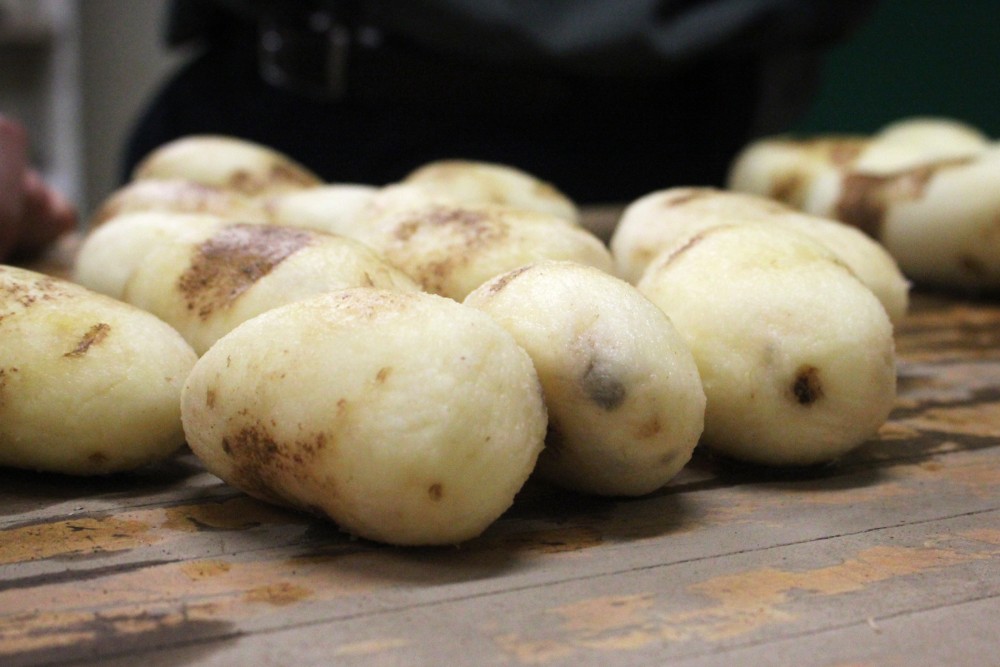
"caption": "After a turn in the tumbling machine, these conventional russet Burbank potatoes are starting to show signs of bruising. New GMO potatoes called Innate russet Burbanks have been bred not to bruise as easily as these. Photo: Dan Charles/NPR",
"description": "After a turn in the tumbling machine, these conventional russet Burbank potatoes are starting to show signs of bruising. New GMO potatoes called Innate russet Burbanks have been bred not to bruise as easily as these.",
"title": "After a turn in the tumbling machine, these conventional russet Burbank potatoes are starting to show signs of bruising. New GMO potatoes called Innate russet Burbanks have been bred not to bruise as easily as these.",
"credit": null,
"status": "inherit",
"isLoading": false,
"fetchFailed": false
},
"bayareabites_92046": {
"type": "attachments",
"id": "bayareabites_92046",
"meta": {
"index": "attachments_1716263798",
"site": "bayareabites",
"id": "92046",
"found": true
},
"parent": 92041,
"imgSizes": {
"kqedFullSize": {
"file": "https://ww2.kqed.org/app/uploads/sites/24/2015/01/strawberry.jpg",
"width": 680,
"height": 346
}
},
"publishDate": 1421125068,
"modified": 1421125108,
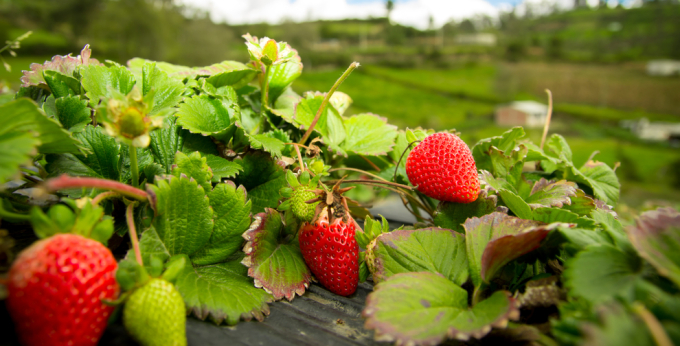
"caption": "Strawberries in the field (Shutterstock)",
"description": null,
"title": "strawberry",
"credit": null,
"status": "inherit",
"isLoading": false,
"fetchFailed": false
},
"bayareabites_91872": {
"type": "attachments",
"id": "bayareabites_91872",
"meta": {
"index": "attachments_1716263798",
"site": "bayareabites",
"id": "91872",
"found": true
},
"parent": 91863,
"imgSizes": {
"kqedFullSize": {
"file": "https://ww2.kqed.org/app/uploads/sites/24/2015/01/A-pile-of-colorful-Seedles-before-packaging.jpg",
"width": 1000,
"height": 1333
}
},
"publishDate": 1420583535,
"modified": 1420587031,
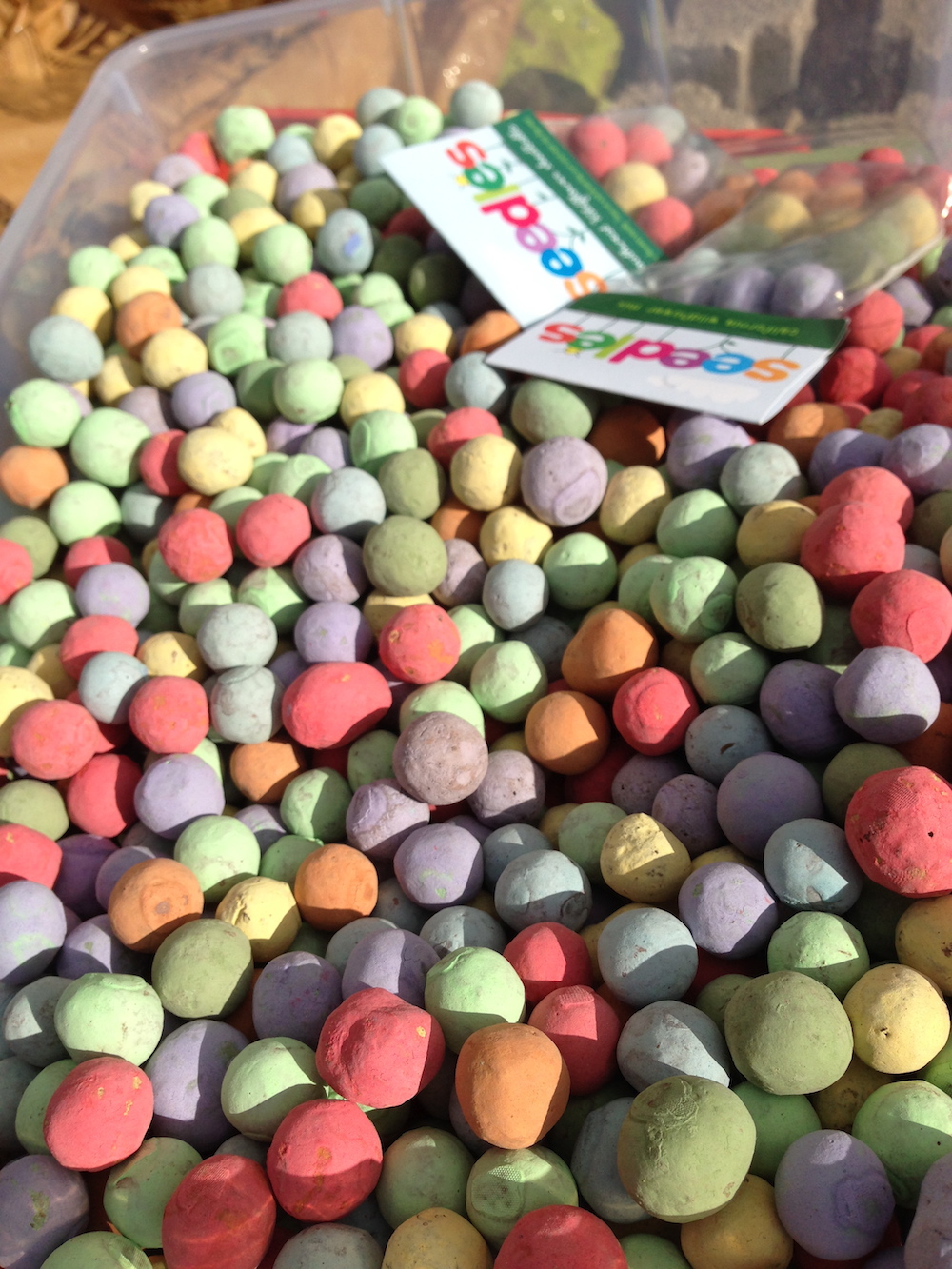
"caption": "A pile of colorful Seedles before packaging. Photo: Angela Johnston",
"description": null,
"title": "A pile of colorful Seedles before packaging",
"credit": null,
"status": "inherit",
"isLoading": false,
"fetchFailed": false
},
"bayareabites_91203": {
"type": "attachments",
"id": "bayareabites_91203",
"meta": {
"index": "attachments_1716263798",
"site": "bayareabites",
"id": "91203",
"found": true
},
"parent": 91183,
"imgSizes": {
"kqedFullSize": {
"file": "https://ww2.kqed.org/app/uploads/sites/24/2014/12/turmeric_powdered1000.jpg",
"width": 1000,
"height": 500
}
},
"publishDate": 1418945457,
"modified": 1420066374,
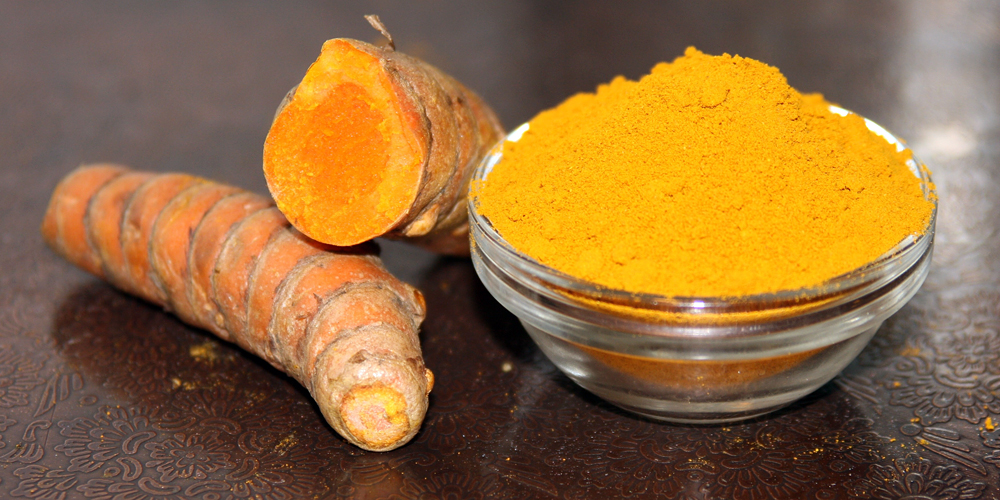
"caption": "Fresh and powdered turmeric. Photo: Lisa Landers",
"description": null,
"title": "turmeric_powdered1000",
"credit": null,
"status": "inherit",
"isLoading": false,
"fetchFailed": false
},
"bayareabites_91783": {
"type": "attachments",
"id": "bayareabites_91783",
"meta": {
"index": "attachments_1716263798",
"site": "bayareabites",
"id": "91783",
"found": true
},
"parent": 91782,
"imgSizes": {
"kqedFullSize": {
"file": "https://ww2.kqed.org/app/uploads/sites/24/2014/12/cn_hangover_sci_wide-eb5664df1582feefa7f6dcfbf6ea2fdbff7586c0-e1420057939765.jpg",
"width": 1000,
"height": 562
}
},
"publishDate": 1420057784,
"modified": 1420057933,
"caption": "Seeing double after toasting? Just wait for the hangover that's coming, thanks in part to those bubbles in sparkling wine. Image: Chris Nickels for NPR ",
"description": "Seeing double after toasting? Just wait for the hangover that's coming, thanks in part to those bubbles in sparkling wine.",
"title": "Seeing double after toasting? Just wait for the hangover that's coming, thanks in part to those bubbles in sparkling wine.",
"credit": null,
"status": "inherit",
"isLoading": false,
"fetchFailed": false
},
"bayareabites_91344": {
"type": "attachments",
"id": "bayareabites_91344",
"meta": {
"index": "attachments_1716263798",
"site": "bayareabites",
"id": "91344",
"found": true
},
"parent": 91341,
"imgSizes": {
"kqedFullSize": {
"file": "https://ww2.kqed.org/app/uploads/sites/24/2014/12/peppermint.jpg",
"width": 800,
"height": 533
}
},
"publishDate": 1419011764,
"modified": 1419011791,
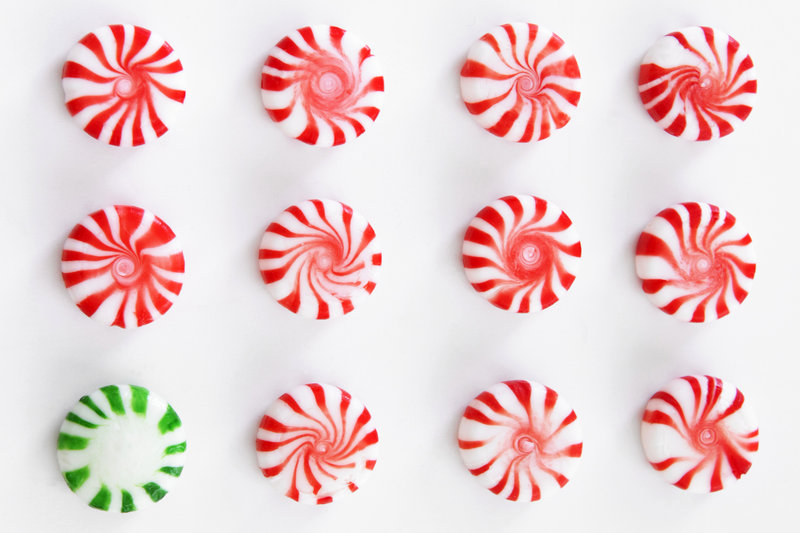
"caption": "We seem to be hard-wired to enjoy the refreshing, cooling sensation of menthol in our mouths. Photo: Allison Dinner/the food passi/Corbis ",
"description": null,
"title": "peppermint",
"credit": null,
"status": "inherit",
"isLoading": false,
"fetchFailed": false
},
"bayareabites_90854": {
"type": "attachments",
"id": "bayareabites_90854",
"meta": {
"index": "attachments_1716263798",
"site": "bayareabites",
"id": "90854",
"found": true
},
"parent": 90846,
"imgSizes": {
"kqedFullSize": {
"file": "https://ww2.kqed.org/app/uploads/sites/24/2014/12/kalettes.jpg",
"width": 900,
"height": 506
}
},
"publishDate": 1418415273,
"modified": 1418415299,
"caption": "Kalettes, BrusselKale, Lollipop Kale and Flower Sprout: This little vegetable, a cross of kale and Brussels sprouts, goes by a lot of names. Photo: Rain Rabbit/Flickr",
"description": null,
"title": "kalettes",
"credit": null,
"status": "inherit",
"isLoading": false,
"fetchFailed": false
},
"bayareabites_90445": {
"type": "attachments",
"id": "bayareabites_90445",
"meta": {
"index": "attachments_1716263798",
"site": "bayareabites",
"id": "90445",
"found": true
},
"parent": 90444,
"imgSizes": {
"kqedFullSize": {
"file": "https://ww2.kqed.org/app/uploads/sites/24/2014/12/food-babe-7fc83677c3c8154da9bd0841cd8f2a77e861eb08-e1417720282954.jpg",
"width": 1000,
"height": 749
}
},
"publishDate": 1417720059,
"modified": 1417720276,
"caption": "Vani Hari, known as the \"Food Babe,\" speaks at the Green Festival in Los Angeles on Sept. 12. Hari has made a name for herself by investigating ingredients in Big Food products that she deems potentially harmful. But critics accuse her of stoking unfounded fears. Photo: Jonathan Alcorn/Bloomberg via Getty Images ",
"description": "Vani Hari, known as the \"Food Babe,\" speaks at the Green Festival in Los Angeles on Sept. 12. Hari has made a name for herself by investigating ingredients in Big Food products that she deems potentially harmful. But critics accuse her of stoking unfounded fears.",
"title": "Vani Hari, known as the \"Food Babe,\" speaks at the Green Festival in Los Angeles on Sept. 12. Hari has made a name for herself by investigating ingredients in Big Food products that she deems potentially harmful. But critics accuse her of stoking unfounded fears.",
"credit": null,
"status": "inherit",
"isLoading": false,
"fetchFailed": false
},
"bayareabites_89840": {
"type": "attachments",
"id": "bayareabites_89840",
"meta": {
"index": "attachments_1716263798",
"site": "bayareabites",
"id": "89840",
"found": true
},
"parent": 89839,
"imgSizes": {
"kqedFullSize": {
"file": "https://ww2.kqed.org/app/uploads/sites/24/2014/11/1030thewhaf_custom-ee127bde12cbed7777319bb904fd6324132af23b-e1415584110631.jpg",
"width": 1000,
"height": 678
}
},
"publishDate": 1415583907,
"modified": 1415583907,
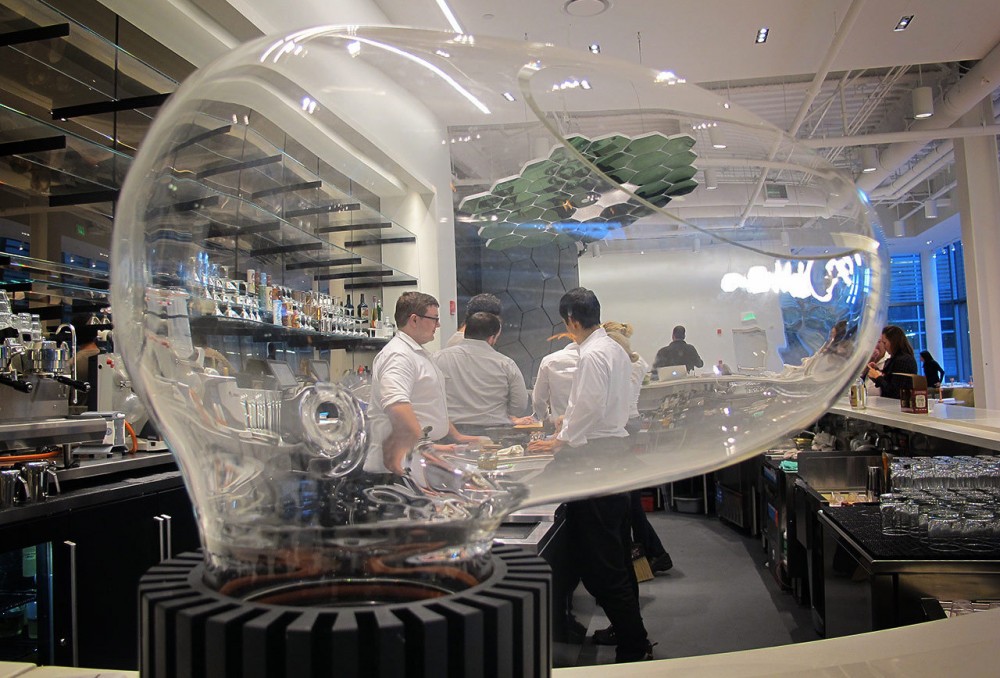
"caption": "Le Laboratoire Cambridge features a restaurant, the Cafe ArtScience. The restaurant's bar features a glass-globed drink vaporizer called Le Whaf. Photo: Andrea Shea/WBUR",
"description": "Le Laboratoire Cambridge features a restaurant, the Cafe ArtScience. The restaurant's bar features a glass-globed drink vaporizer called \u003cem>Le Whaf.\u003c/em>",
"title": "Le Laboratoire Cambridge features a restaurant, the Cafe ArtScience. The restaurant's bar features a glass-globed drink vaporizer called Le Whaf.",
"credit": null,
"status": "inherit",
"isLoading": false,
"fetchFailed": false
},
"bayareabites_89753": {
"type": "attachments",
"id": "bayareabites_89753",
"meta": {
"index": "attachments_1716263798",
"site": "bayareabites",
"id": "89753",
"found": true
},
"parent": 89752,
"imgSizes": {
"kqedFullSize": {
"file": "https://ww2.kqed.org/app/uploads/sites/24/2014/11/cheese_wide-da128da18dcdcb5d36f1ef2ebb69e90dcc0557b4-e1415499356507.jpg",
"width": 1000,
"height": 562
}
},
"publishDate": 1415499045,
"modified": 1415499045,
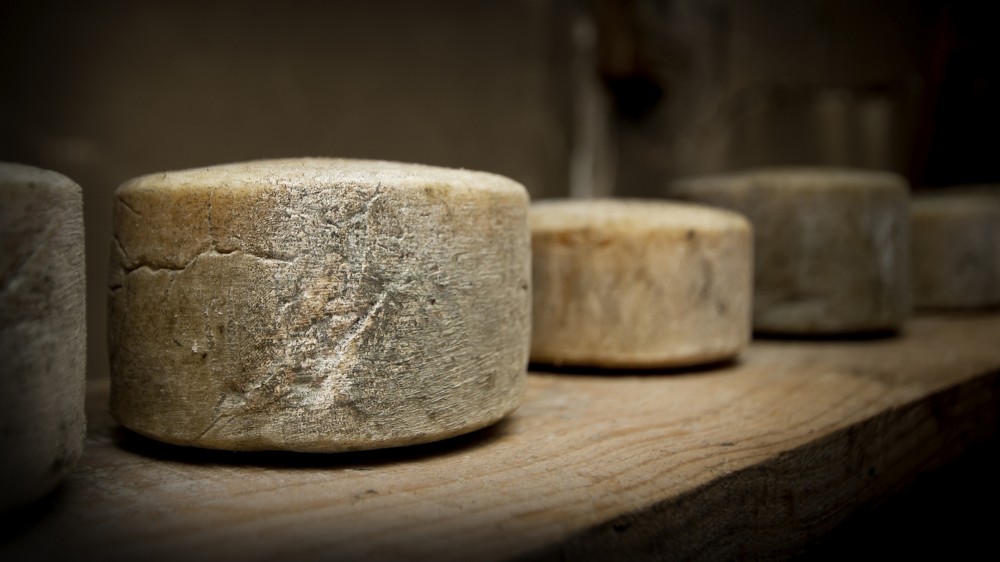
"caption": "Many artisan cheese producers never pasteurize their milk – it's raw. The milk's natural microbial community is still in there. This microbial festival gives cheese variety and intrigues scientists. Photo: iStockphoto",
"description": "Many artisan cheese producers never pasteurize their milk – it's raw. The milk's natural microbial community is still in there. This microbial festival gives cheese variety and intrigues scienti",
"title": "Many artisan cheese producers never pasteurize their milk – it's raw. The milk's natural microbial community is still in there. This microbial festival gives cheese variety and intrigues scientists.",
"credit": null,
"status": "inherit",
"isLoading": false,
"fetchFailed": false
},
"bayareabites_89617": {
"type": "attachments",
"id": "bayareabites_89617",
"meta": {
"index": "attachments_1716263798",
"site": "bayareabites",
"id": "89617",
"found": true
},
"parent": 89616,
"imgSizes": {
"kqedFullSize": {
"file": "https://ww2.kqed.org/app/uploads/sites/24/2014/11/ap484865038739_sq-5190db0796a8298c911bf93b6c41156f867c797b-e1415390949689.jpg",
"width": 1000,
"height": 1000
}
},
"publishDate": 1415390744,
"modified": 1415390744,
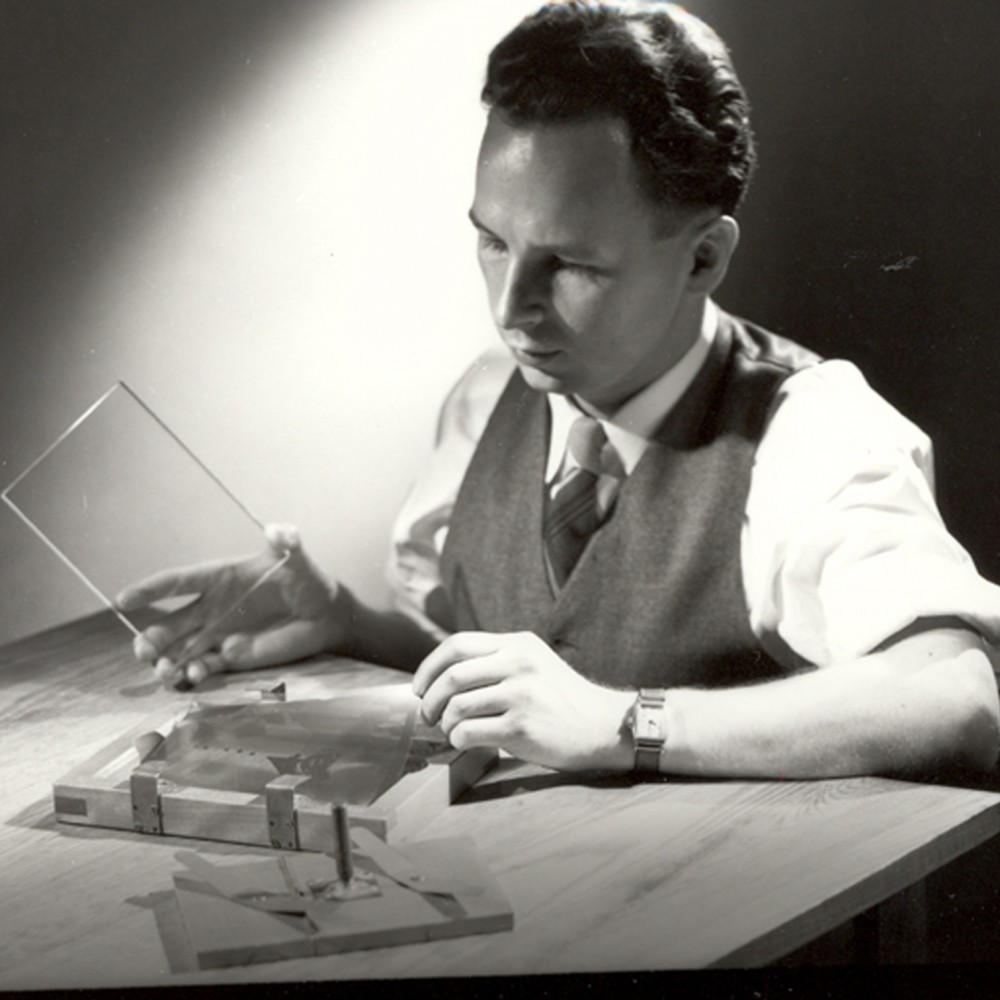
"caption": "S. Donald Stookey, photographed in 1950, prepares to expose an image to ultraviolet light. Stookey forever changed cooking with the invention of CorningWare. Photo: AP ",
"description": "S. Donald Stookey, photographed in 1950, prepares to expose an image to ultraviolet light. Stookey forever changed cooking with the invention of CorningWare.",
"title": "S. Donald Stookey, photographed in 1950, prepares to expose an image to ultraviolet light. Stookey forever changed cooking with the invention of CorningWare.",
"credit": null,
"status": "inherit",
"isLoading": false,
"fetchFailed": false
},
"bayareabites_89367": {
"type": "attachments",
"id": "bayareabites_89367",
"meta": {
"index": "attachments_1716263798",
"site": "bayareabites",
"id": "89367",
"found": true
},
"parent": 89366,
"imgSizes": {
"kqedFullSize": {
"file": "https://ww2.kqed.org/app/uploads/sites/24/2014/10/food_wide-8d844d1b7ff78eb3e68f88afbfc6065d0f06e781-e1414706933570.jpg",
"width": 1000,
"height": 563
}
},
"publishDate": 1414706414,
"modified": 1414706414,
"caption": "Confused about all the different sustainability ratings out there? The simplest option may be to shop at your local farmer's market. iStockphoto",
"description": "Confused about all the different sustainability ratings out there? The simplest option may be to shop at your local farmer's marke",
"title": "Confused about all the different sustainability ratings out there? The simplest option may be to shop at your local farmer's market.",
"credit": null,
"status": "inherit",
"isLoading": false,
"fetchFailed": false
}
},
"audioPlayerReducer": {
"postId": "stream_live",
"isPaused": true,
"isPlaying": false,
"pfsActive": false,
"pledgeModalIsOpen": true,
"playerDrawerIsOpen": false,
"liveAudioPlayStartedAt": 0,
"liveAudioPlayContext": ""
},
"authorsReducer": {
"byline_bayareabites_92064": {
"type": "authors",
"id": "byline_bayareabites_92064",
"meta": {
"override": true
},
"slug": "byline_bayareabites_92064",
"name": "Dan Charles",
"isLoading": false
},
"byline_bayareabites_91782": {
"type": "authors",
"id": "byline_bayareabites_91782",
"meta": {
"override": true
},
"slug": "byline_bayareabites_91782",
"name": "Allison Aubrey",
"isLoading": false
},
"byline_bayareabites_91341": {
"type": "authors",
"id": "byline_bayareabites_91341",
"meta": {
"override": true
},
"slug": "byline_bayareabites_91341",
"name": "Maanvi Singh",
"isLoading": false
},
"byline_bayareabites_90846": {
"type": "authors",
"id": "byline_bayareabites_90846",
"meta": {
"override": true
},
"slug": "byline_bayareabites_90846",
"name": "Alison Bruzek",
"isLoading": false
},
"byline_bayareabites_90444": {
"type": "authors",
"id": "byline_bayareabites_90444",
"meta": {
"override": true
},
"slug": "byline_bayareabites_90444",
"name": "Maria Godoy",
"isLoading": false
},
"byline_bayareabites_89839": {
"type": "authors",
"id": "byline_bayareabites_89839",
"meta": {
"override": true
},
"slug": "byline_bayareabites_89839",
"name": "Andrea Shea",
"isLoading": false
},
"byline_bayareabites_89752": {
"type": "authors",
"id": "byline_bayareabites_89752",
"meta": {
"override": true
},
"slug": "byline_bayareabites_89752",
"name": "Kerri Smith",
"isLoading": false
},
"byline_bayareabites_89616": {
"type": "authors",
"id": "byline_bayareabites_89616",
"meta": {
"override": true
},
"slug": "byline_bayareabites_89616",
"name": "Doreen McCallister",
"isLoading": false
},
"byline_bayareabites_89366": {
"type": "authors",
"id": "byline_bayareabites_89366",
"meta": {
"override": true
},
"slug": "byline_bayareabites_89366",
"name": "Alison Bruzek",
"isLoading": false
},
"lisalanders": {
"type": "authors",
"id": "5412",
"meta": {
"index": "authors_1716337520",
"id": "5412",
"found": true
},
"name": "Lisa Landers",
"firstName": "Lisa",
"lastName": "Landers",
"slug": "lisalanders",
"email": "llanders@KQED.org",
"display_author_email": false,
"staff_mastheads": [],
"title": "KQED Contributor",
"bio": "Lisa Landers is a producer and writer whose work includes documentaries, museum exhibitions, and educational multimedia. Her work has covered a diversity of subject matter including natural history, ecological and social issues, cultural exploration, food, music, and architecture. She’s developed and produced films for broadcasters such as National Geographic, Smithsonian Channel, and the Discovery Channel. Her work as an exhibition developer and multimedia producer has been featured at institutions including the American Museum of Natural History, the National Building Museum, and The Tech Museum. Her writing has also appeared in a wide variety of print and online publications.",
"avatar": "https://secure.gravatar.com/avatar/1e4aa08f6f0a92ea11a2779a453cb36d?s=600&d=blank&r=g",
"twitter": null,
"bluesky": null,
"facebook": null,
"instagram": null,
"linkedin": null,
"sites": [
{
"site": "bayareabites",
"roles": [
"contributor"
]
},
{
"site": "quest",
"roles": [
"leadcoordinator",
"edit_theme_options",
"subscriber"
]
},
{
"site": "food",
"roles": []
}
],
"headData": {
"title": "Lisa Landers | KQED",
"description": "KQED Contributor",
"ogImgSrc": "https://secure.gravatar.com/avatar/1e4aa08f6f0a92ea11a2779a453cb36d?s=600&d=blank&r=g",
"twImgSrc": "https://secure.gravatar.com/avatar/1e4aa08f6f0a92ea11a2779a453cb36d?s=600&d=blank&r=g"
},
"isLoading": false,
"link": "/author/lisalanders"
},
"angelajohnston": {
"type": "authors",
"id": "5568",
"meta": {
"index": "authors_1716337520",
"id": "5568",
"found": true
},
"name": "Angela Johnston",
"firstName": "Angela",
"lastName": "Johnston",
"slug": "angelajohnston",
"email": "anj618@gmail.com",
"display_author_email": false,
"staff_mastheads": [],
"title": null,
"bio": "Angela Johnston is an independent radio reporter and producer who recently moved back home to the Bay Area after spending the past six years on the east coast of Canada. She has a Master’s Degree in broadcast journalism and is currently making radio stories for KALW's daily news magazine, Crosscurrents. When she's not writing and reporting, she's surfing surf small waves on her longboard or perfecting her paella recipe.",
"avatar": "https://secure.gravatar.com/avatar/29104f87db909d4901d06df73b9db604?s=600&d=blank&r=g",
"twitter": "ang_johnston",
"facebook": null,
"instagram": null,
"linkedin": null,
"sites": [
{
"site": "bayareabites",
"roles": [
"contributor"
]
}
],
"headData": {
"title": "Angela Johnston | KQED",
"description": null,
"ogImgSrc": "https://secure.gravatar.com/avatar/29104f87db909d4901d06df73b9db604?s=600&d=blank&r=g",
"twImgSrc": "https://secure.gravatar.com/avatar/29104f87db909d4901d06df73b9db604?s=600&d=blank&r=g"
},
"isLoading": false,
"link": "/author/angelajohnston"
},
"civileat": {
"type": "authors",
"id": "5583",
"meta": {
"index": "authors_1716337520",
"id": "5583",
"found": true
},
"name": "Civil Eats",
"firstName": "Civil",
"lastName": "Eats",
"slug": "civileat",
"email": "twilight@civileats.com",
"display_author_email": false,
"staff_mastheads": [],
"title": null,
"bio": "\u003ca href=\"http://civileats.com/\">Civil Eats\u003c/a> is a daily news source for critical thought about the American food system. We publish stories that shift the conversation around sustainable agriculture in an effort to build economically and socially just communities. Follow Civil Eats on Twitter \u003ca href=\"https://twitter.com/CivilEats\">@civileats\u003c/a> and on \u003ca href=\"https://www.facebook.com/pages/Civil-Eats/56766540637\">Facebook\u003c/a>.",
"avatar": "https://secure.gravatar.com/avatar/8f6f50bfb6403afe7cbc194b66cc1d4d?s=600&d=blank&r=g",
"twitter": "CivilEats",
"facebook": "/pages/Civil-Eats/56766540637?ref=hl",
"instagram": null,
"linkedin": null,
"sites": [
{
"site": "bayareabites",
"roles": [
"contributor"
]
},
{
"site": "food",
"roles": [
"contributor"
]
}
],
"headData": {
"title": "Civil Eats | KQED",
"description": null,
"ogImgSrc": "https://secure.gravatar.com/avatar/8f6f50bfb6403afe7cbc194b66cc1d4d?s=600&d=blank&r=g",
"twImgSrc": "https://secure.gravatar.com/avatar/8f6f50bfb6403afe7cbc194b66cc1d4d?s=600&d=blank&r=g"
},
"isLoading": false,
"link": "/author/civileat"
}
},
"pagesReducer": {
"bayareabites_category_science": {
"type": "terms",
"id": "bayareabites_358",
"meta": {
"index": "terms_1716263798",
"site": "bayareabites",
"id": "358",
"score": 10.85186
},
"featImg": null,
"name": "science",
"description": null,
"taxonomy": "category",
"headData": {
"twImgId": null,
"twTitle": null,
"ogTitle": null,
"ogImgId": null,
"twDescription": null,
"description": null,
"title": "science Archives | KQED Bay Area Bites",
"ogDescription": null
},
"ttid": 7943,
"slug": "science",
"isLoading": false,
"title": "science",
"pageMeta": {
"site": "bayareabites",
"WpPageTemplate": "page-topic-editorial",
"currentPage": 33
},
"blocks": [
{
"blockName": "kqed/post-list",
"attrs": {
"layout": "cardArticle2",
"query": "posts/bayareabites?category=science",
"seeMore": false,
"paginated": true,
"page": 33
}
},
{
"blockName": "kqed/ad"
}
]
}
},
"pfsSessionReducer": {},
"postsReducer": {
"stream_live": {
"type": "live",
"id": "stream_live",
"audioUrl": "https://streams.kqed.org/kqedradio",
"title": "Live Stream",
"excerpt": "Live Stream information currently unavailable.",
"link": "/radio",
"featImg": "",
"label": {
"name": "KQED Live",
"link": "/"
}
},
"stream_kqedNewscast": {
"type": "posts",
"id": "stream_kqedNewscast",
"audioUrl": "https://www.kqed.org/.stream/anon/radio/RDnews/newscast.mp3?_=1",
"title": "KQED Newscast",
"featImg": "",
"label": {
"name": "88.5 FM",
"link": "/"
}
},
"bayareabites_92064": {
"type": "posts",
"id": "bayareabites_92064",
"meta": {
"index": "posts_1716263798",
"site": "bayareabites",
"id": "92064",
"score": null,
"sort": [
1421195205000
]
},
"parent": 0,
"labelTerm": {
"site": "bayareabites"
},
"blocks": [],
"publishDate": 1421195205,
"format": "aside",
"disqusTitle": "GMO Potatoes Have Arrived. But Will Anyone Buy Them?",
"title": "GMO Potatoes Have Arrived. But Will Anyone Buy Them?",
"headTitle": "Bay Area Bites | KQED Food",
"content": "\u003cfigure id=\"attachment_92065\" class=\"wp-caption aligncenter\" style=\"max-width: 1000px\">\u003ca href=\"http://ww2.kqed.org/bayareabites/wp-content/uploads/sites/24/2015/01/potatoes-3_slide-9c5df7f5282662734d8012f4f2e0a5344f7e823e-e1421195007488.jpg\">\u003cimg src=\"http://ww2.kqed.org/bayareabites/wp-content/uploads/sites/24/2015/01/potatoes-3_slide-9c5df7f5282662734d8012f4f2e0a5344f7e823e-e1421195007488.jpg\" alt=\"After a turn in the tumbling machine, these conventional russet Burbank potatoes are starting to show signs of bruising. New GMO potatoes called Innate russet Burbanks have been bred not to bruise as easily as these. Photo: Dan Charles/NPR\" width=\"1000\" height=\"667\" class=\"size-full wp-image-92065\">\u003c/a>\u003cfigcaption class=\"wp-caption-text\">After a turn in the tumbling machine, these conventional russet Burbank potatoes are starting to show signs of bruising. New GMO potatoes called Innate russet Burbanks have been bred not to bruise as easily as these. Photo: Dan Charles/NPR\u003c/figcaption>\u003c/figure>\n\u003cp>\u003cstrong>Listen to the Story on All Things Considered:\u003c/strong>\u003cbr>\nhttp://pd.npr.org/anon.npr-mp3/npr/atc/2015/01/20150113_atc_gmo_potatoes_have_arrived_but_will_anyone_buy_them.mp3\u003c/p>\n\u003cp>by \u003ca href=\"http://www.npr.org/people/143160021/daniel-charles\" target=\"_blank\">Dan Charles\u003c/a>, \u003ca href=\"http://www.npr.org/blogs/thesalt/2015/01/13/376184710/gmo-potatoes-have-arrived-but-will-anyone-buy-them\" target=\"_blank\">The Salt at NPR Food\u003c/a> (1/13/15)\u003c/p>\n\u003cp>On the face of it, the new potato varieties called \"Innate\" seem attractive. If you peel the brown skin off their white flesh, you won't find many unsightly black spots. And when you fry them, you'll probably get a much smaller dose of a potentially harmful chemical.\u003c/p>\n\u003cp>But here's the catch: Some of the biggest potato buyers in the country, such as Frito-Lay and McDonald's, seem afraid to touch these potatoes. Others don't even want to talk about them because they are genetically modified organisms, or GMOs.\u003c/p>\n\u003cp>The potatoes aren't yet on the market (more about that later). So to get a sneak peek at them I paid a visit to Michigan State University and its top potato breeder, \u003ca href=\"http://potatobg.css.msu.edu/douches.shtml\">David Douches\u003c/a>.\u003c/p>\n\u003cfigure id=\"attachment_92066\" class=\"wp-caption alignright\" style=\"max-width: 290px\">\u003ca href=\"http://ww2.kqed.org/bayareabites/wp-content/uploads/sites/24/2015/01/potatoes-4_slide-a16c15b64b829ba6b7e3c86e590181bc2bcb90ac-e1421195104540.jpg\">\u003cimg src=\"http://ww2.kqed.org/bayareabites/wp-content/uploads/sites/24/2015/01/potatoes-4_slide-a16c15b64b829ba6b7e3c86e590181bc2bcb90ac-290x193.jpg\" alt=\"Photo: Dan Charles/NPR\" width=\"290\" height=\"193\" class=\"size-medium wp-image-92066\">\u003c/a>\u003cfigcaption class=\"wp-caption-text\">Photo: Dan Charles/NPR\u003c/figcaption>\u003c/figure>\n\u003cp>Douches is a lean and focused man, in constant motion. He's been working with potatoes for most of his adult life. It is, you might say, a committed but high-maintenance relationship.\u003c/p>\n\u003cp>[ad fullwidth]\u003c/p>\n\u003cp>Douches fell for the potato 32 years ago, when he was in graduate school. It seemed like \"a beautiful plant to work with,\" he says. It also feeds a lot of people. According to the \u003ca href=\"http://cipotato.org/\">International Potato Center\u003c/a>, the potato is the world's third-most-important food crop. \"I felt that when I work on something like this, it could have a large impact,\" Douches says.\u003c/p>\n\u003cp>He wants to make the potato just a little bit better. Unfortunately, the potato resists improvement.\u003c/p>\n\u003cp>The reasons lie in the genetic nature of this crop. It's very difficult, using traditional breeding, to make gradual improvements in an established potato variety. Mating it with another variety produces tremendously varied offspring, the vast majority of them inferior to the variety that you were hoping to improve. It's like trying to improve a really good poker hand by reshuffling the whole deck of cards and dealing again.\u003c/p>\n\u003cp>This is why Douches is so excited about these new potatoes: They're just like a much-loved variety, but better. To demonstrate, he and his colleague Joseph Coombs are banging some potatoes around inside an ancient, rotating wooden drum.\u003c/p>\n\u003cp>This is a bruise test. They're comparing two different varieties.\u003c/p>\n\u003cp>The first variety is russet Burbank, the most popular potato in America. It's been widely grown for more than a century. The other potatoes are almost identical to russet Burbank, but the J.R. Simplot Co. of Boise, Idaho, has inserted some extra genes into them in the laboratory. These potatoes are called \u003ca href=\"http://www.simplotplantsciences.com/\">Innate\u003c/a> russet Burbank.\u003c/p>\n\u003cfigure id=\"attachment_92067\" class=\"wp-caption aligncenter\" style=\"max-width: 1000px\">\u003ca href=\"http://ww2.kqed.org/bayareabites/wp-content/uploads/sites/24/2015/01/potatoes-1_enl-9de2a5c3dc7cdf87ec18282003b324a8b8b66a06-e1421195156667.jpg\">\u003cimg src=\"http://ww2.kqed.org/bayareabites/wp-content/uploads/sites/24/2015/01/potatoes-1_enl-9de2a5c3dc7cdf87ec18282003b324a8b8b66a06-e1421195156667.jpg\" alt=\"Michigan State's researchers cooked up two batches of fries to compare bruising in traditional, non-GMO potatoes (left) and GMO potatoes (right). Photo: Dan Charles/NPR\" width=\"1000\" height=\"667\" class=\"size-full wp-image-92067\">\u003c/a>\u003cfigcaption class=\"wp-caption-text\">Michigan State's researchers cooked up two batches of fries to compare bruising in traditional, non-GMO potatoes (left) and GMO potatoes (right). Photo: Dan Charles/NPR\u003c/figcaption>\u003c/figure>\n\u003cp>The Simplot Co. chose the word \"innate\" because the new genes it inserted are actually modified versions of some genes that exist naturally in potatoes; they are innate to this species. But the inserted genes have a curious effect: They shut down a few of the potato's original, natural genes. Scientists call it gene silencing.\u003c/p>\n\u003cp>We're about to see the results. We peel some potatoes that went through the bruising barrel yesterday and lay them out on a table. The traditional russet Burbank potatoes are starting to show some evidence of bruising. Black spots are forming.\u003c/p>\n\u003cp>We see few bruises, by contrast, on the Innate russet Burbank potatoes.\u003c/p>\n\u003cp>There's another difference that we cannot see. If we fry these potatoes, the Innate russet Burbanks will have less than half as much of a worrisome chemical called acrylamide.\u003c/p>\n\u003cp>Lots of foods — coffee, for instance — contain acrylamide. But when lab rats eat it, they're more likely to get cancer. Studies have never shown a clear link between acrylamide consumption and cancer in humans, but the Food and Drug Administration still \u003ca href=\"http://www.fda.gov/ForConsumers/ConsumerUpdates/ucm374855.htm\">says\u003c/a> that it's a good idea to consume less of it.\u003c/p>\n\u003cp>For both these reasons — less bruising and less acrylamide — Haven Baker, general manager of Simplot Plant Sciences, thinks that consumers should be lining up to buy these new potatoes. \"The No. 1 consumer complaint [about potatoes] is black spot bruise,\" he says. \"You have to cut it out or, if it's bad enough, throw the potato away. It's a significant waste issue.\"\u003c/p>\n\u003cp>The Simplot Co. has created Innate versions of several different varieties, including one called Atlantic that's widely used to make potato chips. The U.S. Department of Agriculture \u003ca href=\"http://www.aphis.usda.gov/brs/fedregister/BRS_20141110b.pdf\">approved\u003c/a> the new varieties in November. They are not on sale yet because Simplot is waiting for a green light from the FDA, which is \u003ca href=\"http://www.fda.gov/ForConsumers/ConsumerUpdates/ucm352067.htm\">reviewing\u003c/a> scientific data — mostly provided by the company — on how genetic modification has altered the chemical makeup of the potato and whether any of those changes could raise safety concerns.\u003c/p>\n\u003cp>But even before they've gone on sale, some of the very biggest potato buyers seem to be backing away from them.\u003c/p>\n\u003cp>Frito-Lay, the biggest potato chip maker, and McDonald's have both issued \u003ca href=\"http://www.capitalpress.com/Business/20141113/mcdonalds-not-interested-in-gmo-potatoes\">statements\u003c/a> saying that they are not planning to use the Simplot potatoes in their products. An executive at another potato chip company told The Salt that his company does not plan to use those potatoes. He didn't even want to be quoted on the subject for fear that someone would mistakenly get the opposite impression.\u003c/p>\n\u003cp>Patty Lovera, assistant director of \u003ca href=\"http://www.foodandwaterwatch.org/\">Food and Water Watch\u003c/a>, an environmental advocacy group, says food companies should, in fact, react this way. \"When you ask consumers if they're comfortable with this technology, they are not,\" she says. Food and Water Watch has launched a \u003ca href=\"https://secure3.convio.net/fww/site/Advocacy?cmd=display&page=UserAction&id=801\">petition\u003c/a> calling on McDonald's to reject GMO potatoes.\u003c/p>\n\u003cp>There may not be anything wrong with these potatoes, Lovera says, but she does not think the government is regulating biotech crops carefully enough. \"I don't have some smoking gun to hand you [about] this danger or that danger,\" she says, \"but we don't think that the review that they've gone through can show us that they're safe.\"\u003c/p>\n\u003cp>Yet other advocates for healthy food believe the Simplot potatoes offer real advantages.\u003c/p>\n\u003cp>\"It's really strange how GMO has become a curse word,\" says Michael Jacobson, executive director of the \u003ca href=\"http://www.cspinet.org/about/index.html\">Center for Science in the Public Interest\u003c/a>. Jacobson has been among the leaders of the healthful-food movement. For the past 40 years, he has fought excess sugar, fat, salt and food additives.\u003c/p>\n\u003cp>But genetic modification? It's just another technology, he says, \"and if we could have genetically engineered crops and foods that produce safer products, and less expensive products, that's terrific!\"\u003c/p>\n\u003cp>The FDA does need to examine these new potatoes, Jacobson says. But if they do deliver less cancer risk, and result in less food wasted, he hopes that people will buy them.\u003c/p>\n\u003cp>[ad floatright]\u003c/p>\n\u003cp>\u003cem>Copyright 2015 \u003ca href=\"http://www.npr.org/\" target=\"_blank\">NPR\u003c/a>.\u003c/em> \u003c/p>\n\n",
"disqusIdentifier": "92064 http://blogs.kqed.org/bayareabites/?p=92064",
"disqusUrl": "https://ww2.kqed.org/bayareabites/2015/01/13/gmo-potatoes-have-arrived-but-will-anyone-buy-them/",
"stats": {
"hasVideo": false,
"hasChartOrMap": false,
"hasAudio": false,
"hasPolis": false,
"wordCount": 1215,
"hasGoogleForm": false,
"hasGallery": false,
"hasHearkenModule": false,
"iframeSrcs": [],
"paragraphCount": 30
},
"modified": 1421270473,
"excerpt": "New GMO potatoes don't bruise as easily, and, when fried, they have less of a potentially harmful chemical. Yet some big chip and french fry makers won't touch them because of the stigma of GMOs.",
"headData": {
"twImgId": "",
"twTitle": "",
"ogTitle": "",
"ogImgId": "",
"twDescription": "",
"description": "New GMO potatoes don't bruise as easily, and, when fried, they have less of a potentially harmful chemical. Yet some big chip and french fry makers won't touch them because of the stigma of GMOs.",
"title": "GMO Potatoes Have Arrived. But Will Anyone Buy Them? | KQED",
"ogDescription": "",
"schema": {
"@context": "https://schema.org",
"@type": "Article",
"headline": "GMO Potatoes Have Arrived. But Will Anyone Buy Them?",
"datePublished": "2015-01-13T16:26:45-08:00",
"dateModified": "2015-01-14T13:21:13-08:00",
"image": "https://cdn.kqed.org/wp-content/uploads/2020/02/KQED-OG-Image@1x.png"
}
},
"guestAuthors": [],
"slug": "gmo-potatoes-have-arrived-but-will-anyone-buy-them",
"status": "publish",
"nprApiLink": "http://api.npr.org/query?id=376184710&apiKey=MDAxOTAwOTE4MDEyMTkxMDAzNjczZDljZA004",
"nprByline": "Dan Charles",
"nprStoryDate": "Tue, 13 Jan 2015 16:30:00 -0500",
"nprLastModifiedDate": "Tue, 13 Jan 2015 18:31:35 -0500",
"nprHtmlLink": "http://www.npr.org/blogs/thesalt/2015/01/13/376184710/gmo-potatoes-have-arrived-but-will-anyone-buy-them?ft=3&f=376184710",
"nprAudio": "http://pd.npr.org/anon.npr-mp3/npr/atc/2015/01/20150113_atc_gmo_potatoes_have_arrived_but_will_anyone_buy_them.mp3?orgId=1&topicId=1053&ft=3&f=376184710",
"nprAudioM3u": "http://api.npr.org/m3u/1377024779-ff4a85.m3u?orgId=1&topicId=1053&ft=3&f=376184710",
"nprStoryId": "376184710",
"nprRetrievedStory": "1",
"nprPubDate": "Tue, 13 Jan 2015 18:45:00 -0500",
"path": "/bayareabites/92064/gmo-potatoes-have-arrived-but-will-anyone-buy-them",
"audioUrl": "http://pd.npr.org/anon.npr-mp3/npr/atc/2015/01/20150113_atc_gmo_potatoes_have_arrived_but_will_anyone_buy_them.mp3",
"audioDuration": null,
"audioTrackLength": null,
"parsedContent": [
{
"type": "contentString",
"content": "\u003cdiv class=\"post-body\">\u003cp>\u003cfigure id=\"attachment_92065\" class=\"wp-caption aligncenter\" style=\"max-width: 1000px\">\u003ca href=\"http://ww2.kqed.org/bayareabites/wp-content/uploads/sites/24/2015/01/potatoes-3_slide-9c5df7f5282662734d8012f4f2e0a5344f7e823e-e1421195007488.jpg\">\u003cimg src=\"http://ww2.kqed.org/bayareabites/wp-content/uploads/sites/24/2015/01/potatoes-3_slide-9c5df7f5282662734d8012f4f2e0a5344f7e823e-e1421195007488.jpg\" alt=\"After a turn in the tumbling machine, these conventional russet Burbank potatoes are starting to show signs of bruising. New GMO potatoes called Innate russet Burbanks have been bred not to bruise as easily as these. Photo: Dan Charles/NPR\" width=\"1000\" height=\"667\" class=\"size-full wp-image-92065\">\u003c/a>\u003cfigcaption class=\"wp-caption-text\">After a turn in the tumbling machine, these conventional russet Burbank potatoes are starting to show signs of bruising. New GMO potatoes called Innate russet Burbanks have been bred not to bruise as easily as these. Photo: Dan Charles/NPR\u003c/figcaption>\u003c/figure>\n\u003cp>\u003cstrong>Listen to the Story on All Things Considered:\u003c/strong>\u003cbr>\nhttp://pd.npr.org/anon.npr-mp3/npr/atc/2015/01/20150113_atc_gmo_potatoes_have_arrived_but_will_anyone_buy_them.mp3\u003c/p>\n\u003cp>by \u003ca href=\"http://www.npr.org/people/143160021/daniel-charles\" target=\"_blank\">Dan Charles\u003c/a>, \u003ca href=\"http://www.npr.org/blogs/thesalt/2015/01/13/376184710/gmo-potatoes-have-arrived-but-will-anyone-buy-them\" target=\"_blank\">The Salt at NPR Food\u003c/a> (1/13/15)\u003c/p>\n\u003cp>On the face of it, the new potato varieties called \"Innate\" seem attractive. If you peel the brown skin off their white flesh, you won't find many unsightly black spots. And when you fry them, you'll probably get a much smaller dose of a potentially harmful chemical.\u003c/p>\n\u003cp>But here's the catch: Some of the biggest potato buyers in the country, such as Frito-Lay and McDonald's, seem afraid to touch these potatoes. Others don't even want to talk about them because they are genetically modified organisms, or GMOs.\u003c/p>\n\u003cp>The potatoes aren't yet on the market (more about that later). So to get a sneak peek at them I paid a visit to Michigan State University and its top potato breeder, \u003ca href=\"http://potatobg.css.msu.edu/douches.shtml\">David Douches\u003c/a>.\u003c/p>\n\u003cfigure id=\"attachment_92066\" class=\"wp-caption alignright\" style=\"max-width: 290px\">\u003ca href=\"http://ww2.kqed.org/bayareabites/wp-content/uploads/sites/24/2015/01/potatoes-4_slide-a16c15b64b829ba6b7e3c86e590181bc2bcb90ac-e1421195104540.jpg\">\u003cimg src=\"http://ww2.kqed.org/bayareabites/wp-content/uploads/sites/24/2015/01/potatoes-4_slide-a16c15b64b829ba6b7e3c86e590181bc2bcb90ac-290x193.jpg\" alt=\"Photo: Dan Charles/NPR\" width=\"290\" height=\"193\" class=\"size-medium wp-image-92066\">\u003c/a>\u003cfigcaption class=\"wp-caption-text\">Photo: Dan Charles/NPR\u003c/figcaption>\u003c/figure>\n\u003cp>Douches is a lean and focused man, in constant motion. He's been working with potatoes for most of his adult life. It is, you might say, a committed but high-maintenance relationship.\u003c/p>\n\u003cp>\u003c/p>\u003c/div>",
"attributes": {
"named": {},
"numeric": []
}
},
{
"type": "component",
"content": "",
"name": "ad",
"attributes": {
"named": {
"label": "fullwidth"
},
"numeric": [
"fullwidth"
]
}
},
{
"type": "contentString",
"content": "\u003cdiv class=\"post-body\">\u003cp>\u003c/p>\n\u003cp>Douches fell for the potato 32 years ago, when he was in graduate school. It seemed like \"a beautiful plant to work with,\" he says. It also feeds a lot of people. According to the \u003ca href=\"http://cipotato.org/\">International Potato Center\u003c/a>, the potato is the world's third-most-important food crop. \"I felt that when I work on something like this, it could have a large impact,\" Douches says.\u003c/p>\n\u003cp>He wants to make the potato just a little bit better. Unfortunately, the potato resists improvement.\u003c/p>\n\u003cp>The reasons lie in the genetic nature of this crop. It's very difficult, using traditional breeding, to make gradual improvements in an established potato variety. Mating it with another variety produces tremendously varied offspring, the vast majority of them inferior to the variety that you were hoping to improve. It's like trying to improve a really good poker hand by reshuffling the whole deck of cards and dealing again.\u003c/p>\n\u003cp>This is why Douches is so excited about these new potatoes: They're just like a much-loved variety, but better. To demonstrate, he and his colleague Joseph Coombs are banging some potatoes around inside an ancient, rotating wooden drum.\u003c/p>\n\u003cp>This is a bruise test. They're comparing two different varieties.\u003c/p>\n\u003cp>The first variety is russet Burbank, the most popular potato in America. It's been widely grown for more than a century. The other potatoes are almost identical to russet Burbank, but the J.R. Simplot Co. of Boise, Idaho, has inserted some extra genes into them in the laboratory. These potatoes are called \u003ca href=\"http://www.simplotplantsciences.com/\">Innate\u003c/a> russet Burbank.\u003c/p>\n\u003cfigure id=\"attachment_92067\" class=\"wp-caption aligncenter\" style=\"max-width: 1000px\">\u003ca href=\"http://ww2.kqed.org/bayareabites/wp-content/uploads/sites/24/2015/01/potatoes-1_enl-9de2a5c3dc7cdf87ec18282003b324a8b8b66a06-e1421195156667.jpg\">\u003cimg src=\"http://ww2.kqed.org/bayareabites/wp-content/uploads/sites/24/2015/01/potatoes-1_enl-9de2a5c3dc7cdf87ec18282003b324a8b8b66a06-e1421195156667.jpg\" alt=\"Michigan State's researchers cooked up two batches of fries to compare bruising in traditional, non-GMO potatoes (left) and GMO potatoes (right). Photo: Dan Charles/NPR\" width=\"1000\" height=\"667\" class=\"size-full wp-image-92067\">\u003c/a>\u003cfigcaption class=\"wp-caption-text\">Michigan State's researchers cooked up two batches of fries to compare bruising in traditional, non-GMO potatoes (left) and GMO potatoes (right). Photo: Dan Charles/NPR\u003c/figcaption>\u003c/figure>\n\u003cp>The Simplot Co. chose the word \"innate\" because the new genes it inserted are actually modified versions of some genes that exist naturally in potatoes; they are innate to this species. But the inserted genes have a curious effect: They shut down a few of the potato's original, natural genes. Scientists call it gene silencing.\u003c/p>\n\u003cp>We're about to see the results. We peel some potatoes that went through the bruising barrel yesterday and lay them out on a table. The traditional russet Burbank potatoes are starting to show some evidence of bruising. Black spots are forming.\u003c/p>\n\u003cp>We see few bruises, by contrast, on the Innate russet Burbank potatoes.\u003c/p>\n\u003cp>There's another difference that we cannot see. If we fry these potatoes, the Innate russet Burbanks will have less than half as much of a worrisome chemical called acrylamide.\u003c/p>\n\u003cp>Lots of foods — coffee, for instance — contain acrylamide. But when lab rats eat it, they're more likely to get cancer. Studies have never shown a clear link between acrylamide consumption and cancer in humans, but the Food and Drug Administration still \u003ca href=\"http://www.fda.gov/ForConsumers/ConsumerUpdates/ucm374855.htm\">says\u003c/a> that it's a good idea to consume less of it.\u003c/p>\n\u003cp>For both these reasons — less bruising and less acrylamide — Haven Baker, general manager of Simplot Plant Sciences, thinks that consumers should be lining up to buy these new potatoes. \"The No. 1 consumer complaint [about potatoes] is black spot bruise,\" he says. \"You have to cut it out or, if it's bad enough, throw the potato away. It's a significant waste issue.\"\u003c/p>\n\u003cp>The Simplot Co. has created Innate versions of several different varieties, including one called Atlantic that's widely used to make potato chips. The U.S. Department of Agriculture \u003ca href=\"http://www.aphis.usda.gov/brs/fedregister/BRS_20141110b.pdf\">approved\u003c/a> the new varieties in November. They are not on sale yet because Simplot is waiting for a green light from the FDA, which is \u003ca href=\"http://www.fda.gov/ForConsumers/ConsumerUpdates/ucm352067.htm\">reviewing\u003c/a> scientific data — mostly provided by the company — on how genetic modification has altered the chemical makeup of the potato and whether any of those changes could raise safety concerns.\u003c/p>\n\u003cp>But even before they've gone on sale, some of the very biggest potato buyers seem to be backing away from them.\u003c/p>\n\u003cp>Frito-Lay, the biggest potato chip maker, and McDonald's have both issued \u003ca href=\"http://www.capitalpress.com/Business/20141113/mcdonalds-not-interested-in-gmo-potatoes\">statements\u003c/a> saying that they are not planning to use the Simplot potatoes in their products. An executive at another potato chip company told The Salt that his company does not plan to use those potatoes. He didn't even want to be quoted on the subject for fear that someone would mistakenly get the opposite impression.\u003c/p>\n\u003cp>Patty Lovera, assistant director of \u003ca href=\"http://www.foodandwaterwatch.org/\">Food and Water Watch\u003c/a>, an environmental advocacy group, says food companies should, in fact, react this way. \"When you ask consumers if they're comfortable with this technology, they are not,\" she says. Food and Water Watch has launched a \u003ca href=\"https://secure3.convio.net/fww/site/Advocacy?cmd=display&page=UserAction&id=801\">petition\u003c/a> calling on McDonald's to reject GMO potatoes.\u003c/p>\n\u003cp>There may not be anything wrong with these potatoes, Lovera says, but she does not think the government is regulating biotech crops carefully enough. \"I don't have some smoking gun to hand you [about] this danger or that danger,\" she says, \"but we don't think that the review that they've gone through can show us that they're safe.\"\u003c/p>\n\u003cp>Yet other advocates for healthy food believe the Simplot potatoes offer real advantages.\u003c/p>\n\u003cp>\"It's really strange how GMO has become a curse word,\" says Michael Jacobson, executive director of the \u003ca href=\"http://www.cspinet.org/about/index.html\">Center for Science in the Public Interest\u003c/a>. Jacobson has been among the leaders of the healthful-food movement. For the past 40 years, he has fought excess sugar, fat, salt and food additives.\u003c/p>\n\u003cp>But genetic modification? It's just another technology, he says, \"and if we could have genetically engineered crops and foods that produce safer products, and less expensive products, that's terrific!\"\u003c/p>\n\u003cp>The FDA does need to examine these new potatoes, Jacobson says. But if they do deliver less cancer risk, and result in less food wasted, he hopes that people will buy them.\u003c/p>\n\u003cp>\u003c/p>\u003c/div>",
"attributes": {
"named": {},
"numeric": []
}
},
{
"type": "component",
"content": "",
"name": "ad",
"attributes": {
"named": {
"label": "floatright"
},
"numeric": [
"floatright"
]
}
},
{
"type": "contentString",
"content": "\u003cdiv class=\"post-body\">\u003cp>\u003c/p>\n\u003cp>\u003cem>Copyright 2015 \u003ca href=\"http://www.npr.org/\" target=\"_blank\">NPR\u003c/a>.\u003c/em> \u003c/p>\n\n\u003c/div>\u003c/p>",
"attributes": {
"named": {},
"numeric": []
}
}
],
"link": "/bayareabites/92064/gmo-potatoes-have-arrived-but-will-anyone-buy-them",
"authors": [
"byline_bayareabites_92064"
],
"categories": [
"bayareabites_10028",
"bayareabites_4084",
"bayareabites_1245",
"bayareabites_10916",
"bayareabites_2035",
"bayareabites_34",
"bayareabites_358"
],
"tags": [
"bayareabites_11270",
"bayareabites_14065",
"bayareabites_10207",
"bayareabites_10771",
"bayareabites_10787",
"bayareabites_300",
"bayareabites_10921"
],
"featImg": "bayareabites_92065",
"label": "bayareabites"
},
"bayareabites_92041": {
"type": "posts",
"id": "bayareabites_92041",
"meta": {
"index": "posts_1716263798",
"site": "bayareabites",
"id": "92041",
"score": null,
"sort": [
1421173132000
]
},
"parent": 0,
"labelTerm": {
"site": "bayareabites"
},
"blocks": [],
"publishDate": 1421173132,
"format": "aside",
"disqusTitle": "The Future Strawberry: Will the Loss of a Major Pesticide Help the Industry to Go Green? ",
"title": "The Future Strawberry: Will the Loss of a Major Pesticide Help the Industry to Go Green? ",
"headTitle": "Bay Area Bites | KQED Food",
"content": "\u003cfigure id=\"attachment_92046\" class=\"wp-caption aligncenter\" style=\"max-width: 680px\">\u003ca href=\"http://ww2.kqed.org/bayareabites/wp-content/uploads/sites/24/2015/01/strawberry.jpg\">\u003cimg src=\"http://ww2.kqed.org/bayareabites/wp-content/uploads/sites/24/2015/01/strawberry.jpg\" alt=\"Strawberries in the field. Photo: Shutterstock\" width=\"680\" height=\"346\" class=\"size-full wp-image-92046\">\u003c/a>\u003cfigcaption class=\"wp-caption-text\">Strawberries in the field. Photo: Shutterstock\u003c/figcaption>\u003c/figure>\n\u003cp>By \u003ca href=\"http://civileats.com/author/jsteinberger/\" target=\"_blank\">Jillian Steinberger\u003c/a>, \u003ca href=\"http://civileats.com/2015/01/12/the-future-strawberry-will-the-loss-of-a-major-pesticide-help-the-industry-to-go-green/\" target=\"_blank\">Civil Eats\u003c/a> (1/12/15)\u003c/p>\n\u003cp>When it comes to growing strawberries, \u003ca href=\"http://www.farmfuelinc.com/\" target=\"_blank\">Farm Fuel, Inc.\u003c/a>, a Watsonville, California-based company, is on the cutting edge.\u003c/p>\n\u003cp>The company grows wild and domesticated mustard and lightly processes the harvest into mustard meal, a soil amendment. They also work with farmers on a technique called \u003ca href=\"http://www.ars.usda.gov/research/projects/projects.htm?accn_no=424327\" target=\"_blank\">Anaerobic Soil Disinfestation (ASD)\u003c/a>. This precise farming technique involves applying a combination of water and carbon-rich material (think rice bran, grape pomace, mustard meal, and molasses), and then wrapping the soil in plastic. Under the plastic, the ingredients combine to create anaerobic conditions.\u003c/p>\n\u003cp>The idea with both of these approaches is to kill the organisms that cause the \u003ca href=\"http://en.wikipedia.org/wiki/List_of_strawberry_diseases\" target=\"_blank\">long list of diseases\u003c/a> that plague strawberry farmers–without pesticides or \u003ca href=\"http://www.panna.org/resources/specific-pesticides/fumigants\" target=\"_blank\">fumigants\u003c/a> (a form of pesticide that treats the soil before anything is even planted). Why the search for alternatives?\u003c/p>\n\u003cp>“As pesticide use becomes more restricted, growers have a greater need for solutions that are effective and affordable,” says Farm Fuel CEO and research director Stefanie Bourcier, who has received sizable grants to work with both organic and conventional farmers on these non-toxic techniques. “Ultimately, ASD and mustard meal offer both organic and conventional growers more options.”\u003c/p>\n\u003cp>[ad fullwidth]\u003c/p>\n\u003cp>The restrictions Bourcier is talking about are no small change. For over 40 years, U.S. strawberry farms–88 percent of which are in California–have relied on methyl bromide, the pesticide that works like a “magic bullet” to control diseases, persistent pests, and weeds. Methyl bromide has made it possible for growers to blanket coastal communities—from Santa Cruz south to Ventura County—with acres of perfect red berries that sell for as little as $2 to $3 a basket.\u003c/p>\n\u003cp>Now, after a very long, gradual phase out, this fumigant–also a \u003ca href=\"http://ehp.niehs.nih.gov/1205682/\" target=\"_blank\">potent neurotoxin\u003c/a>, known for affecting the health of \u003ca href=\"http://www.ewg.org/research/heavy-methyl-bromide-use-near-california-schools/health-effects-methyl-bromide\" target=\"_blank\">populations\u003c/a> living close to strawberry fields and a contributor to the \u003ca href=\"http://www.mnn.com/home-blog/guest-columnist/blogs/can-private-industry-solve-the-dead-sea-disaster-it-created\" target=\"_blank\">disappearance of the Dead Sea\u003c/a>–will no longer be in use by 2017.\u003c/p>\n\u003cp>Methyl bromide sterilizes the soil by killing off virtually all micro-organisms, good and bad. But the chemical also contributes to the thinning of the stratospheric ozone layer when it evaporates during application. For this reason, thanks to the internationally binding \u003ca href=\"http://ozone.unep.org/new_site/en/montreal_protocol.php\" target=\"_blank\">Montreal Protocol\u003c/a>, it has been gradually disappearing from the marketplace since 1993.\u003c/p>\n\u003cp>Now, most conventional growers–many of whom say there are no other reliable methods to eradicate pests and diseases–are scrambling for other options. Farmers and regulators have invested considerable resources into other fumigants, including the highly controversial \u003ca href=\"http://www.pesticidereform.org/article.php?id=392\" target=\"_blank\">methyl iodide\u003c/a>—another known carcinogen and neurotoxin that is considered one of the most toxic chemicals on earth. But after\u003ca href=\"http://ww2.kqed.org/news/2012/11/21/methyl-iodide-manufacturer-to-end-sales-of-controversial-pesticide\" target=\"_blank\"> public uproar\u003c/a>, the manufacturer, Arysta LifeScience Corporation, withdrew it from the market in 2012.\u003c/p>\n\u003cp>And while other chemicals are plentiful in the marketplace, some advocates of alternative farming methods see a positive side to the phase out: New organic and agroecological methods–like the ones Farm Fuel is working on–are on the rise in the 2.6 billion industry.\u003c/p>\n\u003cfigure id=\"attachment_92047\" class=\"wp-caption aligncenter\" style=\"max-width: 1024px\">\u003ca href=\"http://ww2.kqed.org/bayareabites/wp-content/uploads/sites/24/2015/01/UCSC_CASFS_Strawberry_Planting_by_Interns.jpg\">\u003cimg src=\"http://ww2.kqed.org/bayareabites/wp-content/uploads/sites/24/2015/01/UCSC_CASFS_Strawberry_Planting_by_Interns.jpg\" alt=\"Interns plant strawberry starts in an ASD trial field at the Center for Agroecology & Sustainable Food Systems at U.C. Santa Cruz. Photo: Brandon Blackburn \" width=\"1024\" height=\"575\" class=\"size-full wp-image-92047\">\u003c/a>\u003cfigcaption class=\"wp-caption-text\">Interns plant strawberry starts in an ASD trial field at the Center for Agroecology & Sustainable Food Systems at U.C. Santa Cruz. Photo: Brandon Blackburn\u003c/figcaption>\u003c/figure>\n\u003ch3>A Real Sea Change? Or Just Different Pesticides?\u003c/h3>\n\u003cp>While the \u003ca href=\"http://news.agropages.com/News/NewsDetail---6315.htm\" target=\"_blank\">European Union phased out methyl bromide\u003c/a> completely in 2013, the \u003ca href=\"http://www.epa.gov/ozone/mbr/cueinfo.html\" target=\"_blank\">Environmental Protection Agency (EPA) has been granting so-called critical use exemptions (CUEs) since 2005\u003c/a>. These have been granted whenever an industry argues that not using methyl bromide would create “significant market disruptions” and when there are “no technically or economically feasible alternatives or substitutes.” But after 2016, CUEs will no longer be an option.\u003c/p>\n\u003cp>For California growers, this change is worrisome. Today, strawberry farms and nurseries account for nearly all methyl bromide used in agriculture. But they’ve only been granted a CUE for 412 tons this year, enough to treat 8,000 acres, or 20 percent of the 40,000 acres planted in strawberries, according to Carolyn O’Donnell, Communication Director at the \u003ca href=\"http://www.calstrawberry.com/\" target=\"_blank\">California Strawberry Commission\u003c/a> (CSC).\u003c/p>\n\u003cp>In 2016, that number will drop to 255 tons–enough for only around 9 percent of the current strawberry acreage.\u003c/p>\n\u003cp>To help growers make the inevitable transition, University of California and U.S. Department of Agriculture (USDA) researchers have spent several years testing methyl bromide alternatives, both chemical and biological, with well over $5 million in grants.\u003c/p>\n\u003cp>Professor Carol Shennan, an agroecologist at the \u003ca href=\"http://casfs.ucsc.edu/\" target=\"_blank\">University of California, Santa Cruz\u003c/a>, is at the forefront of the research with multiple year grants from the USDA to study Anaerobic Soil Disinfestation at the farm scale. Over 10 years, Dr. Shennan and lead researcher Dr. Joji Muramoto have seen \u003ca href=\"https://www.youtube.com/watch?v=_7phq_p2JQk\" target=\"_blank\">positive results with field tests\u003c/a> on farms around the state. In fact, \u003ca href=\"http://www.epa.gov/ozone/mbr/CUN2015/2015CUNStrawberry.pdf\" target=\"_blank\">a government document\u003c/a> notes that, “These experimental trials have shown good disease suppression and fruit yields comparable to methyl bromide treatments and other chemical fumigants.”\u003c/p>\n\u003cp>Farm Fuel brought ASD to market in 2011, which was its first commercial introduction. In 2013, California’s Department of Pesticide Regulation (DPR) awarded the company a three-year grant to introduce conventional growers to the non-toxic alternative. Currently, the company has 22 trial sites across California and another 28 commercial clients. It estimates that about 25 percent of the new acreage it treated in 2014 was on conventional farms. Farm Fuel also claims that it is cost effective, with a per acre cost of $2,700 compared to $3,900 or more for methyl bromide.\u003c/p>\n\u003cp>Despite these efforts, most conventional growers will begin using other fumigants. In particular, the \u003ca href=\"http://www.epa.gov/ozone/mbr/alts.html\" target=\"_blank\">EPA recommends\u003c/a> as substitutes chloropicrin and 1,3-D, and combinations of the two with other chemicals. Neither is considered as effective as methyl bromide and both have negative \u003ca href=\"http://www.nrdc.org/health/kids/farm/chap1.asp\" target=\"_blank\">health impacts\u003c/a>.\u003c/p>\n\u003cp>After World War I, leftover stockpiles of \u003ca href=\"http://www.cdc.gov/niosh/ershdb/EmergencyResponseCard_29750034.html\" target=\"_blank\">chloropicrin\u003c/a>—a weapon then nicknamed “vomiting gas”—were directed to agricultural use. Although its use is on the rise in the U.S., chloropicrin was \u003ca href=\"http://www.pesticides.gov.uk/guidance/industries/pesticides/topics/pesticide-approvals/eu/eu-reviews/Withdrawal-of-chloropicrin-products-from-the-market\" target=\"_blank\">phased out in Europe\u003c/a> in 2013 due to respiratory health effects. The other go-to fumigant is 1,3-D, a known carcinogen produced by Dow Chemical. The DPR outlawed \u003ca href=\"http://www.ncbi.nlm.nih.gov/pmc/articles/PMC1519572/\" target=\"_blank\">1,3-D\u003c/a> in 1990, but allowed it back on the market in 2004 with restrictions, anticipating its need in light of the phase-out of methyl bromide.\u003c/p>\n\u003cp>\u003ca href=\"http://www.cdpr.ca.gov/dprbios.htm\" target=\"_blank\">DPR Director Brian Leahy\u003c/a> believes that ASD shows promise and he says that the department is actively committed to helping California farmers find less toxic ways to tackle soilborne pests and reduce their use of chemical fumigants. Leahy, a former organic rice farmer, said in a recent email exchange: “It is no secret that the department has and continues to take a long hard look at fumigants to ensure they are used in a protective manner. DPR believes the right to farm does not mean the right to cause harm.”\u003c/p>\n\u003cp>“Slowly but surely the fumigant tools are going away,” says the California Strawberry Commission’s O’Donnell. The Commission also received a grant from DPR to study ASD in 2014.\u003c/p>\n\u003cp>As O’Donnell sees it there is no one-size-fits-all solution to the pests that plague strawberry growers, but adding ASD to the toolbox is good for all farmers. “What is coming out of the research is essentially a cookbook full of recipes,” says O’Donnell. “‘If you have this soil type and these types of disease organisms, then these are the materials and methods you need to use,’ and so on.”\u003c/p>\n\u003cp>O’Donnell says that strawberry farmers are already in the habit of trying out new techniques on small sections of their fields—and that 20 percent of conventional growers also have organic operations. Plus, she says, “Anyone who’s working on strawberries—they’re all talking to each other.” CSC also hosts “field days” to help farmers connect to scientists.\u003c/p>\n\u003cp>However, O’Donnell is hesitant to embrace biological controls because she says it’s unclear whether they’ll be able to perform as consistently as fumigants over the long term.\u003c/p>\n\u003cp>What farmers need—or want—is another magic bullet. O’Donnell, whose organization represents approximately 400 farmers, points to the up-front investment strawberry farmers make, spending up to $20,000 per acre for the land, plants, fertilizer, etc. before they harvest a single berry. “If your crop peters out, you lose your investment—and sometimes your house or your business.” In other words, farmers have to be sure they’ll protect their investment or they won’t adopt new methods.\u003c/p>\n\u003ch3>What About Organic?\u003c/h3>\n\u003cp>Some farmers have been growing strawberries for years without methyl bromide. Take \u003ca href=\"http://library.ucsc.edu/reg-hist/cultiv/cochran\" target=\"_blank\">Jim Cochran\u003c/a>, president of \u003ca href=\"http://www.swantonberryfarm.com/\" target=\"_blank\">Swanton Berry Farm\u003c/a>, a 75-acre farm in Davenport, just north of Santa Cruz. Cochran is also the first farmer to grow organic strawberries in the state. He sits on the board of directors at Farm Fuel and is part of the company’s ASD trials along with seven other strawberry farms, in collaboration with the \u003ca href=\"http://casfs.ucsc.edu/\" target=\"_blank\">Center for Agroecology & Sustainable Food Systems\u003c/a> at U.C. Santa Cruz.\u003c/p>\n\u003cp>Like any strawberry farmer, Cochran is concerned with pests and diseases and he is interested in ASD. However, for over 30 years he has relied on traditional organic practices such as adding compost to his soil and crop rotations. Each field gets planted in strawberries just once every five or six years. During other years the fields are planted with crops like cauliflower or broccoli—which are modestly profitable—or the fields are fallow with cover crops like alfalfa. On the other hand, conventional growers who rely on chemical fumigants grow strawberries in the same field every other year.\u003c/p>\n\u003cp>“The multi-crop organic farm is vastly more complex than the single crop chemical strawberry farm. It requires much more management,” says Cochran. Crop rotation and organic methods are expensive and the yields are generally a little lower. “It’s not easy. What we’re up against is people who use chemicals and produce strawberries at $2.50 a basket and can still be quite profitable,” he says.\u003c/p>\n\u003cp>\u003ca href=\"http://library.ucsc.edu/reg-hist/cultiv/cantisano\" target=\"_blank\">Amigo Cantisano\u003c/a>, a leading organics advisor who helped found the \u003ca href=\"http://eco-farm.org/\" target=\"_blank\">Ecological Farming Association\u003c/a> and \u003ca href=\"http://www.ccof.org/\" target=\"_blank\">California Certified Organic Farmers\u003c/a> (CCOF), says that ASD is “an increasingly viable alternative to methyl bromide, and that’s a good thing.” But he worries that fumigants allow farmers not to “deal with soil biologically in a holistic way.”\u003c/p>\n\u003cp>As Cantisano sees it, controls—whether they are chemical or biological—allow farmers to forego building up the necessary \u003ca href=\"http://www.soilfoodweb.com/\" target=\"_blank\">soil foodweb\u003c/a>. And fungicides wipe out soil flora, which create resistance to the very pathogens methyl bromide is used to kill. “The lack of a long-term \u003ca href=\"http://science.howstuffworks.com/environmental/green-science/organic-farming1.htm\" target=\"_blank\">crop rotation\u003c/a> system eliminates the opportunity for the soil to cleanse itself biologically,” he says.\u003c/p>\n\u003cp>Of course, it’s not just conventional growers who rely on methyl bromide. While organic farmers do not use it in the fields, their \u003ca href=\"http://www.epa.gov/ozone/mbr/CUN2013/2013CUNStrawberryNursery.pdf\" target=\"_blank\">certified pest-free nursery “starts”\u003c/a> (baby plants) are grown in soil sterilized with methyl bromide, just like conventional growers. This is legal for certified organic farms, and the justification is that even one diseased start could ruin an entire crop.\u003c/p>\n\u003cp>According to Lisa Bunin, Organic Policy Director at the \u003ca href=\"http://www.centerforfoodsafety.org/\" target=\"_blank\">Center for Food Safety\u003c/a> (CFS), “Both stages in the strawberry production process use enormous amounts of methyl bromide, and both represent critical junctures in the supply chain that need to figure out alternative production strategies.” According to a \u003ca href=\"https://beta.cironline.org/reports/even-organic-strawberries-are-grown-with-dangerous-pesticides/\" target=\"_blank\">recent in-depth report by the Center for Investigative Reporting\u003c/a>, CFS is leading a project to grow an experimental nursery crop of organic strawberry starts in Central California, and late last year, six organic farms planted those starts in soil for the first time.\u003c/p>\n\u003ch3>What Lies Ahead?\u003c/h3>\n\u003cp>While the DPR will clearly continue to allow—and indeed support—the use of chemical fumigants, Director Leahy is cognizant of the bigger picture. “In order to better understand pest control for any crop, California needs to better understand the soil ecosystem and how pests behave,” he says. “This requires a major public investment and dedicated research.”\u003c/p>\n\u003cp>Meanwhile, it’s likely that companies like \u003ca href=\"http://www.farmfuelinc.com/\" target=\"_blank\">Farm Fuel\u003c/a> will gradually make inroads into the market as they develop relationships with the many curious farmers willing to give ASD and other biological approaches a try.\u003c/p>\n\u003cp>Back in 1996–just a couple years after the Montreal Protocol’s phase-out went into effect–some individuals at the EPA were already talking about non-chemical approaches. In a \u003ca href=\"http://mbao.org/orgsber2.html\" target=\"_blank\">paper they released that year\u003c/a>, the officials wrote: “Organic strawberry production is an effective integrated approach that offers an alternative to methyl bromide use for California strawberries.” Sometimes we have to look back to look forward.\u003c/p>\n\u003cp>[ad floatright]\u003c/p>\n\u003cp>\u003cstrong>About the Writer\u003c/strong>\u003cbr>\nJillian Laurel Steinberger is on the case, always looking for a good story to write about plants, health, and food justice. Recent stories investigate the herbal economy, mushroom culture, Fibershed, drought tolerant edible gardening, and rethinking wheat. Her style is informed by whole systems thinking and pattern literacy à la Permaculture. She is a regular contributor to \u003cem>Edible East Bay\u003c/em> and \u003cem>Edible Monterey Bay\u003c/em>, and her work has appeared in \u003cem>BUST\u003c/em>, \u003cem>Bitch\u003c/em>, the \u003cem>San Francisco Chronicle\u003c/em>, \u003cem>San Jose Mercury News\u003c/em>, and the \u003cem>Huffington Post\u003c/em>. \u003c/p>\n\n",
"disqusIdentifier": "92041 http://blogs.kqed.org/bayareabites/?p=92041",
"disqusUrl": "https://ww2.kqed.org/bayareabites/2015/01/13/the-future-strawberry-will-the-loss-of-a-major-pesticide-help-the-industry-to-go-green/",
"stats": {
"hasVideo": false,
"hasChartOrMap": false,
"hasAudio": false,
"hasPolis": false,
"wordCount": 2284,
"hasGoogleForm": false,
"hasGallery": false,
"hasHearkenModule": false,
"iframeSrcs": [],
"paragraphCount": 37
},
"modified": 1421270449,
"excerpt": "When it comes to growing strawberries, Farm Fuel, Inc., a Watsonville, California-based company, is on the cutting edge.",
"headData": {
"twImgId": "",
"twTitle": "",
"ogTitle": "",
"ogImgId": "",
"twDescription": "",
"description": "When it comes to growing strawberries, Farm Fuel, Inc., a Watsonville, California-based company, is on the cutting edge.",
"title": "The Future Strawberry: Will the Loss of a Major Pesticide Help the Industry to Go Green? | KQED",
"ogDescription": "",
"schema": {
"@context": "https://schema.org",
"@type": "Article",
"headline": "The Future Strawberry: Will the Loss of a Major Pesticide Help the Industry to Go Green? ",
"datePublished": "2015-01-13T10:18:52-08:00",
"dateModified": "2015-01-14T13:20:49-08:00",
"image": "https://cdn.kqed.org/wp-content/uploads/2020/02/KQED-OG-Image@1x.png"
}
},
"guestAuthors": [],
"slug": "the-future-strawberry-will-the-loss-of-a-major-pesticide-help-the-industry-to-go-green",
"status": "publish",
"path": "/bayareabites/92041/the-future-strawberry-will-the-loss-of-a-major-pesticide-help-the-industry-to-go-green",
"audioTrackLength": null,
"parsedContent": [
{
"type": "contentString",
"content": "\u003cdiv class=\"post-body\">\u003cp>\u003cfigure id=\"attachment_92046\" class=\"wp-caption aligncenter\" style=\"max-width: 680px\">\u003ca href=\"http://ww2.kqed.org/bayareabites/wp-content/uploads/sites/24/2015/01/strawberry.jpg\">\u003cimg src=\"http://ww2.kqed.org/bayareabites/wp-content/uploads/sites/24/2015/01/strawberry.jpg\" alt=\"Strawberries in the field. Photo: Shutterstock\" width=\"680\" height=\"346\" class=\"size-full wp-image-92046\">\u003c/a>\u003cfigcaption class=\"wp-caption-text\">Strawberries in the field. Photo: Shutterstock\u003c/figcaption>\u003c/figure>\n\u003cp>By \u003ca href=\"http://civileats.com/author/jsteinberger/\" target=\"_blank\">Jillian Steinberger\u003c/a>, \u003ca href=\"http://civileats.com/2015/01/12/the-future-strawberry-will-the-loss-of-a-major-pesticide-help-the-industry-to-go-green/\" target=\"_blank\">Civil Eats\u003c/a> (1/12/15)\u003c/p>\n\u003cp>When it comes to growing strawberries, \u003ca href=\"http://www.farmfuelinc.com/\" target=\"_blank\">Farm Fuel, Inc.\u003c/a>, a Watsonville, California-based company, is on the cutting edge.\u003c/p>\n\u003cp>The company grows wild and domesticated mustard and lightly processes the harvest into mustard meal, a soil amendment. They also work with farmers on a technique called \u003ca href=\"http://www.ars.usda.gov/research/projects/projects.htm?accn_no=424327\" target=\"_blank\">Anaerobic Soil Disinfestation (ASD)\u003c/a>. This precise farming technique involves applying a combination of water and carbon-rich material (think rice bran, grape pomace, mustard meal, and molasses), and then wrapping the soil in plastic. Under the plastic, the ingredients combine to create anaerobic conditions.\u003c/p>\n\u003cp>The idea with both of these approaches is to kill the organisms that cause the \u003ca href=\"http://en.wikipedia.org/wiki/List_of_strawberry_diseases\" target=\"_blank\">long list of diseases\u003c/a> that plague strawberry farmers–without pesticides or \u003ca href=\"http://www.panna.org/resources/specific-pesticides/fumigants\" target=\"_blank\">fumigants\u003c/a> (a form of pesticide that treats the soil before anything is even planted). Why the search for alternatives?\u003c/p>\n\u003cp>“As pesticide use becomes more restricted, growers have a greater need for solutions that are effective and affordable,” says Farm Fuel CEO and research director Stefanie Bourcier, who has received sizable grants to work with both organic and conventional farmers on these non-toxic techniques. “Ultimately, ASD and mustard meal offer both organic and conventional growers more options.”\u003c/p>\n\u003cp>\u003c/p>\u003c/div>",
"attributes": {
"named": {},
"numeric": []
}
},
{
"type": "component",
"content": "",
"name": "ad",
"attributes": {
"named": {
"label": "fullwidth"
},
"numeric": [
"fullwidth"
]
}
},
{
"type": "contentString",
"content": "\u003cdiv class=\"post-body\">\u003cp>\u003c/p>\n\u003cp>The restrictions Bourcier is talking about are no small change. For over 40 years, U.S. strawberry farms–88 percent of which are in California–have relied on methyl bromide, the pesticide that works like a “magic bullet” to control diseases, persistent pests, and weeds. Methyl bromide has made it possible for growers to blanket coastal communities—from Santa Cruz south to Ventura County—with acres of perfect red berries that sell for as little as $2 to $3 a basket.\u003c/p>\n\u003cp>Now, after a very long, gradual phase out, this fumigant–also a \u003ca href=\"http://ehp.niehs.nih.gov/1205682/\" target=\"_blank\">potent neurotoxin\u003c/a>, known for affecting the health of \u003ca href=\"http://www.ewg.org/research/heavy-methyl-bromide-use-near-california-schools/health-effects-methyl-bromide\" target=\"_blank\">populations\u003c/a> living close to strawberry fields and a contributor to the \u003ca href=\"http://www.mnn.com/home-blog/guest-columnist/blogs/can-private-industry-solve-the-dead-sea-disaster-it-created\" target=\"_blank\">disappearance of the Dead Sea\u003c/a>–will no longer be in use by 2017.\u003c/p>\n\u003cp>Methyl bromide sterilizes the soil by killing off virtually all micro-organisms, good and bad. But the chemical also contributes to the thinning of the stratospheric ozone layer when it evaporates during application. For this reason, thanks to the internationally binding \u003ca href=\"http://ozone.unep.org/new_site/en/montreal_protocol.php\" target=\"_blank\">Montreal Protocol\u003c/a>, it has been gradually disappearing from the marketplace since 1993.\u003c/p>\n\u003cp>Now, most conventional growers–many of whom say there are no other reliable methods to eradicate pests and diseases–are scrambling for other options. Farmers and regulators have invested considerable resources into other fumigants, including the highly controversial \u003ca href=\"http://www.pesticidereform.org/article.php?id=392\" target=\"_blank\">methyl iodide\u003c/a>—another known carcinogen and neurotoxin that is considered one of the most toxic chemicals on earth. But after\u003ca href=\"http://ww2.kqed.org/news/2012/11/21/methyl-iodide-manufacturer-to-end-sales-of-controversial-pesticide\" target=\"_blank\"> public uproar\u003c/a>, the manufacturer, Arysta LifeScience Corporation, withdrew it from the market in 2012.\u003c/p>\n\u003cp>And while other chemicals are plentiful in the marketplace, some advocates of alternative farming methods see a positive side to the phase out: New organic and agroecological methods–like the ones Farm Fuel is working on–are on the rise in the 2.6 billion industry.\u003c/p>\n\u003cfigure id=\"attachment_92047\" class=\"wp-caption aligncenter\" style=\"max-width: 1024px\">\u003ca href=\"http://ww2.kqed.org/bayareabites/wp-content/uploads/sites/24/2015/01/UCSC_CASFS_Strawberry_Planting_by_Interns.jpg\">\u003cimg src=\"http://ww2.kqed.org/bayareabites/wp-content/uploads/sites/24/2015/01/UCSC_CASFS_Strawberry_Planting_by_Interns.jpg\" alt=\"Interns plant strawberry starts in an ASD trial field at the Center for Agroecology & Sustainable Food Systems at U.C. Santa Cruz. Photo: Brandon Blackburn \" width=\"1024\" height=\"575\" class=\"size-full wp-image-92047\">\u003c/a>\u003cfigcaption class=\"wp-caption-text\">Interns plant strawberry starts in an ASD trial field at the Center for Agroecology & Sustainable Food Systems at U.C. Santa Cruz. Photo: Brandon Blackburn\u003c/figcaption>\u003c/figure>\n\u003ch3>A Real Sea Change? Or Just Different Pesticides?\u003c/h3>\n\u003cp>While the \u003ca href=\"http://news.agropages.com/News/NewsDetail---6315.htm\" target=\"_blank\">European Union phased out methyl bromide\u003c/a> completely in 2013, the \u003ca href=\"http://www.epa.gov/ozone/mbr/cueinfo.html\" target=\"_blank\">Environmental Protection Agency (EPA) has been granting so-called critical use exemptions (CUEs) since 2005\u003c/a>. These have been granted whenever an industry argues that not using methyl bromide would create “significant market disruptions” and when there are “no technically or economically feasible alternatives or substitutes.” But after 2016, CUEs will no longer be an option.\u003c/p>\n\u003cp>For California growers, this change is worrisome. Today, strawberry farms and nurseries account for nearly all methyl bromide used in agriculture. But they’ve only been granted a CUE for 412 tons this year, enough to treat 8,000 acres, or 20 percent of the 40,000 acres planted in strawberries, according to Carolyn O’Donnell, Communication Director at the \u003ca href=\"http://www.calstrawberry.com/\" target=\"_blank\">California Strawberry Commission\u003c/a> (CSC).\u003c/p>\n\u003cp>In 2016, that number will drop to 255 tons–enough for only around 9 percent of the current strawberry acreage.\u003c/p>\n\u003cp>To help growers make the inevitable transition, University of California and U.S. Department of Agriculture (USDA) researchers have spent several years testing methyl bromide alternatives, both chemical and biological, with well over $5 million in grants.\u003c/p>\n\u003cp>Professor Carol Shennan, an agroecologist at the \u003ca href=\"http://casfs.ucsc.edu/\" target=\"_blank\">University of California, Santa Cruz\u003c/a>, is at the forefront of the research with multiple year grants from the USDA to study Anaerobic Soil Disinfestation at the farm scale. Over 10 years, Dr. Shennan and lead researcher Dr. Joji Muramoto have seen \u003ca href=\"https://www.youtube.com/watch?v=_7phq_p2JQk\" target=\"_blank\">positive results with field tests\u003c/a> on farms around the state. In fact, \u003ca href=\"http://www.epa.gov/ozone/mbr/CUN2015/2015CUNStrawberry.pdf\" target=\"_blank\">a government document\u003c/a> notes that, “These experimental trials have shown good disease suppression and fruit yields comparable to methyl bromide treatments and other chemical fumigants.”\u003c/p>\n\u003cp>Farm Fuel brought ASD to market in 2011, which was its first commercial introduction. In 2013, California’s Department of Pesticide Regulation (DPR) awarded the company a three-year grant to introduce conventional growers to the non-toxic alternative. Currently, the company has 22 trial sites across California and another 28 commercial clients. It estimates that about 25 percent of the new acreage it treated in 2014 was on conventional farms. Farm Fuel also claims that it is cost effective, with a per acre cost of $2,700 compared to $3,900 or more for methyl bromide.\u003c/p>\n\u003cp>Despite these efforts, most conventional growers will begin using other fumigants. In particular, the \u003ca href=\"http://www.epa.gov/ozone/mbr/alts.html\" target=\"_blank\">EPA recommends\u003c/a> as substitutes chloropicrin and 1,3-D, and combinations of the two with other chemicals. Neither is considered as effective as methyl bromide and both have negative \u003ca href=\"http://www.nrdc.org/health/kids/farm/chap1.asp\" target=\"_blank\">health impacts\u003c/a>.\u003c/p>\n\u003cp>After World War I, leftover stockpiles of \u003ca href=\"http://www.cdc.gov/niosh/ershdb/EmergencyResponseCard_29750034.html\" target=\"_blank\">chloropicrin\u003c/a>—a weapon then nicknamed “vomiting gas”—were directed to agricultural use. Although its use is on the rise in the U.S., chloropicrin was \u003ca href=\"http://www.pesticides.gov.uk/guidance/industries/pesticides/topics/pesticide-approvals/eu/eu-reviews/Withdrawal-of-chloropicrin-products-from-the-market\" target=\"_blank\">phased out in Europe\u003c/a> in 2013 due to respiratory health effects. The other go-to fumigant is 1,3-D, a known carcinogen produced by Dow Chemical. The DPR outlawed \u003ca href=\"http://www.ncbi.nlm.nih.gov/pmc/articles/PMC1519572/\" target=\"_blank\">1,3-D\u003c/a> in 1990, but allowed it back on the market in 2004 with restrictions, anticipating its need in light of the phase-out of methyl bromide.\u003c/p>\n\u003cp>\u003ca href=\"http://www.cdpr.ca.gov/dprbios.htm\" target=\"_blank\">DPR Director Brian Leahy\u003c/a> believes that ASD shows promise and he says that the department is actively committed to helping California farmers find less toxic ways to tackle soilborne pests and reduce their use of chemical fumigants. Leahy, a former organic rice farmer, said in a recent email exchange: “It is no secret that the department has and continues to take a long hard look at fumigants to ensure they are used in a protective manner. DPR believes the right to farm does not mean the right to cause harm.”\u003c/p>\n\u003cp>“Slowly but surely the fumigant tools are going away,” says the California Strawberry Commission’s O’Donnell. The Commission also received a grant from DPR to study ASD in 2014.\u003c/p>\n\u003cp>As O’Donnell sees it there is no one-size-fits-all solution to the pests that plague strawberry growers, but adding ASD to the toolbox is good for all farmers. “What is coming out of the research is essentially a cookbook full of recipes,” says O’Donnell. “‘If you have this soil type and these types of disease organisms, then these are the materials and methods you need to use,’ and so on.”\u003c/p>\n\u003cp>O’Donnell says that strawberry farmers are already in the habit of trying out new techniques on small sections of their fields—and that 20 percent of conventional growers also have organic operations. Plus, she says, “Anyone who’s working on strawberries—they’re all talking to each other.” CSC also hosts “field days” to help farmers connect to scientists.\u003c/p>\n\u003cp>However, O’Donnell is hesitant to embrace biological controls because she says it’s unclear whether they’ll be able to perform as consistently as fumigants over the long term.\u003c/p>\n\u003cp>What farmers need—or want—is another magic bullet. O’Donnell, whose organization represents approximately 400 farmers, points to the up-front investment strawberry farmers make, spending up to $20,000 per acre for the land, plants, fertilizer, etc. before they harvest a single berry. “If your crop peters out, you lose your investment—and sometimes your house or your business.” In other words, farmers have to be sure they’ll protect their investment or they won’t adopt new methods.\u003c/p>\n\u003ch3>What About Organic?\u003c/h3>\n\u003cp>Some farmers have been growing strawberries for years without methyl bromide. Take \u003ca href=\"http://library.ucsc.edu/reg-hist/cultiv/cochran\" target=\"_blank\">Jim Cochran\u003c/a>, president of \u003ca href=\"http://www.swantonberryfarm.com/\" target=\"_blank\">Swanton Berry Farm\u003c/a>, a 75-acre farm in Davenport, just north of Santa Cruz. Cochran is also the first farmer to grow organic strawberries in the state. He sits on the board of directors at Farm Fuel and is part of the company’s ASD trials along with seven other strawberry farms, in collaboration with the \u003ca href=\"http://casfs.ucsc.edu/\" target=\"_blank\">Center for Agroecology & Sustainable Food Systems\u003c/a> at U.C. Santa Cruz.\u003c/p>\n\u003cp>Like any strawberry farmer, Cochran is concerned with pests and diseases and he is interested in ASD. However, for over 30 years he has relied on traditional organic practices such as adding compost to his soil and crop rotations. Each field gets planted in strawberries just once every five or six years. During other years the fields are planted with crops like cauliflower or broccoli—which are modestly profitable—or the fields are fallow with cover crops like alfalfa. On the other hand, conventional growers who rely on chemical fumigants grow strawberries in the same field every other year.\u003c/p>\n\u003cp>“The multi-crop organic farm is vastly more complex than the single crop chemical strawberry farm. It requires much more management,” says Cochran. Crop rotation and organic methods are expensive and the yields are generally a little lower. “It’s not easy. What we’re up against is people who use chemicals and produce strawberries at $2.50 a basket and can still be quite profitable,” he says.\u003c/p>\n\u003cp>\u003ca href=\"http://library.ucsc.edu/reg-hist/cultiv/cantisano\" target=\"_blank\">Amigo Cantisano\u003c/a>, a leading organics advisor who helped found the \u003ca href=\"http://eco-farm.org/\" target=\"_blank\">Ecological Farming Association\u003c/a> and \u003ca href=\"http://www.ccof.org/\" target=\"_blank\">California Certified Organic Farmers\u003c/a> (CCOF), says that ASD is “an increasingly viable alternative to methyl bromide, and that’s a good thing.” But he worries that fumigants allow farmers not to “deal with soil biologically in a holistic way.”\u003c/p>\n\u003cp>As Cantisano sees it, controls—whether they are chemical or biological—allow farmers to forego building up the necessary \u003ca href=\"http://www.soilfoodweb.com/\" target=\"_blank\">soil foodweb\u003c/a>. And fungicides wipe out soil flora, which create resistance to the very pathogens methyl bromide is used to kill. “The lack of a long-term \u003ca href=\"http://science.howstuffworks.com/environmental/green-science/organic-farming1.htm\" target=\"_blank\">crop rotation\u003c/a> system eliminates the opportunity for the soil to cleanse itself biologically,” he says.\u003c/p>\n\u003cp>Of course, it’s not just conventional growers who rely on methyl bromide. While organic farmers do not use it in the fields, their \u003ca href=\"http://www.epa.gov/ozone/mbr/CUN2013/2013CUNStrawberryNursery.pdf\" target=\"_blank\">certified pest-free nursery “starts”\u003c/a> (baby plants) are grown in soil sterilized with methyl bromide, just like conventional growers. This is legal for certified organic farms, and the justification is that even one diseased start could ruin an entire crop.\u003c/p>\n\u003cp>According to Lisa Bunin, Organic Policy Director at the \u003ca href=\"http://www.centerforfoodsafety.org/\" target=\"_blank\">Center for Food Safety\u003c/a> (CFS), “Both stages in the strawberry production process use enormous amounts of methyl bromide, and both represent critical junctures in the supply chain that need to figure out alternative production strategies.” According to a \u003ca href=\"https://beta.cironline.org/reports/even-organic-strawberries-are-grown-with-dangerous-pesticides/\" target=\"_blank\">recent in-depth report by the Center for Investigative Reporting\u003c/a>, CFS is leading a project to grow an experimental nursery crop of organic strawberry starts in Central California, and late last year, six organic farms planted those starts in soil for the first time.\u003c/p>\n\u003ch3>What Lies Ahead?\u003c/h3>\n\u003cp>While the DPR will clearly continue to allow—and indeed support—the use of chemical fumigants, Director Leahy is cognizant of the bigger picture. “In order to better understand pest control for any crop, California needs to better understand the soil ecosystem and how pests behave,” he says. “This requires a major public investment and dedicated research.”\u003c/p>\n\u003cp>Meanwhile, it’s likely that companies like \u003ca href=\"http://www.farmfuelinc.com/\" target=\"_blank\">Farm Fuel\u003c/a> will gradually make inroads into the market as they develop relationships with the many curious farmers willing to give ASD and other biological approaches a try.\u003c/p>\n\u003cp>Back in 1996–just a couple years after the Montreal Protocol’s phase-out went into effect–some individuals at the EPA were already talking about non-chemical approaches. In a \u003ca href=\"http://mbao.org/orgsber2.html\" target=\"_blank\">paper they released that year\u003c/a>, the officials wrote: “Organic strawberry production is an effective integrated approach that offers an alternative to methyl bromide use for California strawberries.” Sometimes we have to look back to look forward.\u003c/p>\n\u003cp>\u003c/p>\u003c/div>",
"attributes": {
"named": {},
"numeric": []
}
},
{
"type": "component",
"content": "",
"name": "ad",
"attributes": {
"named": {
"label": "floatright"
},
"numeric": [
"floatright"
]
}
},
{
"type": "contentString",
"content": "\u003cdiv class=\"post-body\">\u003cp>\u003c/p>\n\u003cp>\u003cstrong>About the Writer\u003c/strong>\u003cbr>\nJillian Laurel Steinberger is on the case, always looking for a good story to write about plants, health, and food justice. Recent stories investigate the herbal economy, mushroom culture, Fibershed, drought tolerant edible gardening, and rethinking wheat. Her style is informed by whole systems thinking and pattern literacy à la Permaculture. She is a regular contributor to \u003cem>Edible East Bay\u003c/em> and \u003cem>Edible Monterey Bay\u003c/em>, and her work has appeared in \u003cem>BUST\u003c/em>, \u003cem>Bitch\u003c/em>, the \u003cem>San Francisco Chronicle\u003c/em>, \u003cem>San Jose Mercury News\u003c/em>, and the \u003cem>Huffington Post\u003c/em>. \u003c/p>\n\n\u003c/div>\u003c/p>",
"attributes": {
"named": {},
"numeric": []
}
}
],
"link": "/bayareabites/92041/the-future-strawberry-will-the-loss-of-a-major-pesticide-help-the-industry-to-go-green",
"authors": [
"5583"
],
"categories": [
"bayareabites_13718",
"bayareabites_1874",
"bayareabites_10028",
"bayareabites_2035",
"bayareabites_358",
"bayareabites_60"
],
"tags": [
"bayareabites_14065",
"bayareabites_11445",
"bayareabites_1012"
],
"featImg": "bayareabites_92046",
"label": "bayareabites"
},
"bayareabites_91863": {
"type": "posts",
"id": "bayareabites_91863",
"meta": {
"index": "posts_1716263798",
"site": "bayareabites",
"id": "91863",
"score": null,
"sort": [
1420592366000
]
},
"parent": 0,
"labelTerm": {
"site": "bayareabites"
},
"blocks": [],
"publishDate": 1420592366,
"format": "aside",
"disqusTitle": "Bringing Back the Bees: How One Bay Area Company is Using Wildflowers to Create a More Sustainable Food System",
"title": "Bringing Back the Bees: How One Bay Area Company is Using Wildflowers to Create a More Sustainable Food System",
"headTitle": "Bay Area Bites | KQED Food",
"content": "\u003cfigure id=\"attachment_91872\" class=\"wp-caption aligncenter\" style=\"max-width: 500px\">\u003ca href=\"http://ww2.kqed.org/bayareabites/wp-content/uploads/sites/24/2015/01/A-pile-of-colorful-Seedles-before-packaging.jpg\">\u003cimg src=\"http://ww2.kqed.org/bayareabites/wp-content/uploads/sites/24/2015/01/A-pile-of-colorful-Seedles-before-packaging.jpg\" alt=\"A pile of colorful Seedles before packaging. Photo: Angela Johnston\" width=\"500\" class=\"size-full wp-image-91872\">\u003c/a>\u003cfigcaption class=\"wp-caption-text\">A pile of colorful Seedles before packaging. Photo: Angela Johnston\u003c/figcaption>\u003c/figure>\n\u003cp>When Daly City residents Chris Burley and Ei Ei Khin had their first child in 2013, they knew they wanted to do something to make the world a better place for their son. They brainstormed different options on how they could help create a more sustainable food system for their child. Burley and Khin tossed around the idea of starting an organic farm or only eating local. Their final decision, Chris said, was actually the simplest - bringing back the declining bee population.\u003c/p>\n\u003cfigure id=\"attachment_91876\" class=\"wp-caption aligncenter\" style=\"max-width: 1000px\">\u003ca href=\"http://ww2.kqed.org/bayareabites/wp-content/uploads/sites/24/2015/01/Chris-Burley-is-using-Seedles-to-bring-back-the-bees-by-planting-more-wildflowers.jpg\">\u003cimg src=\"http://ww2.kqed.org/bayareabites/wp-content/uploads/sites/24/2015/01/Chris-Burley-is-using-Seedles-to-bring-back-the-bees-by-planting-more-wildflowers.jpg\" alt=\"Chris Burley is using Seedles to bring back the bees by planting more wildflowers. Photo: Angela Johnston\" width=\"1000\" height=\"750\" class=\"size-full wp-image-91876\">\u003c/a>\u003cfigcaption class=\"wp-caption-text\">Chris Burley is using Seedles to bring back the bees by planting more wildflowers. Photo: Angela Johnston\u003c/figcaption>\u003c/figure>\n\u003cp>“We scoured lots of research for the best ways to do this. A lot people say reduce your pesticides, other people say support sustainable farming, others say to plant a bee-friendly habitat in your yard, and we thought that the one that was the easiest and most successful was just planting wildflowers,” Burley says. \u003c/p>\n\u003cp>So, he and his wife developed \u003ca href=\"http://growtherainbow.com\" target=\"_blank\">Seedles\u003c/a> - small colorful seed balls made out of clay, organic compost, and wildflower seeds, coated with natural pigment dyes, that you can throw anywhere. With the help of some rain, the Seedles make their way into the soil and eventually sprout wildflowers that attract bees. \u003c/p>\n\u003cfigure id=\"attachment_91875\" class=\"wp-caption aligncenter\" style=\"max-width: 1000px\">\u003ca href=\"http://ww2.kqed.org/bayareabites/wp-content/uploads/sites/24/2015/01/Chris-Burley-explains-the-homemade-machine-he-uses-to-create-thousands-of-Seedles-each-week.jpg\">\u003cimg src=\"http://ww2.kqed.org/bayareabites/wp-content/uploads/sites/24/2015/01/Chris-Burley-explains-the-homemade-machine-he-uses-to-create-thousands-of-Seedles-each-week.jpg\" alt=\"Chris Burley explains the homemade machine he uses to create thousands of Seedles each week. Photo: Angela Johnston\" width=\"1000\" height=\"1333\" class=\"size-full wp-image-91875\">\u003c/a>\u003cfigcaption class=\"wp-caption-text\">Chris Burley explains the homemade machine he uses to create thousands of Seedles each week. Photo: Angela Johnston\u003c/figcaption>\u003c/figure>\n\u003cfigure id=\"attachment_91879\" class=\"wp-caption aligncenter\" style=\"max-width: 1000px\">\u003ca href=\"http://ww2.kqed.org/bayareabites/wp-content/uploads/sites/24/2015/01/Natural-non-toxic-purple-die-used-to-color-the-Seedles.jpg\">\u003cimg src=\"http://ww2.kqed.org/bayareabites/wp-content/uploads/sites/24/2015/01/Natural-non-toxic-purple-die-used-to-color-the-Seedles.jpg\" alt=\"Natural, non-toxic dyes are used to color the Seedles. Photo: Angela Johnston\" width=\"1000\" height=\"1141\" class=\"size-full wp-image-91879\">\u003c/a>\u003cfigcaption class=\"wp-caption-text\">Natural, non-toxic dyes are used to color the Seedles. Photo: Angela Johnston\u003c/figcaption>\u003c/figure>\n\u003cp>Burley and Khin originally started rolling every single seed ball with their hands, but were challenged when they started to get an increase in orders. So, Burley engineered a machine made out of a rain barrel that spins on its side and rolls the materials into individual balls, allowing him to make 10,000 balls per week in his backyard. After they are rolled, the Seedles dry outside before getting coated in colored powder and shipped all around the United States. Burley has created different wildflower mixes for different parts of the country, so customers can plant flowers native to their region. If you get Seedles’ Southwest wildflower \u003ca href=\"http://growtherainbow.com/collections/products/products/wildflower-seedles\" target=\"_blank\">seed balls\u003c/a> ($13 for a pack of 20 seed balls) you’ll be able to spread Red Maids, California Poppies, Lupines, Bluebells, Prarie Asters, and Purple Tansies. \u003c/p>\n\u003cp>“Our goal is not only to find native plants, but also strong plants that will act as buffets for the bees - plants and flowers that produce a lot of pollen,” Burley says.\u003c/p>\n\u003cfigure id=\"attachment_91877\" class=\"wp-caption aligncenter\" style=\"max-width: 1000px\">\u003ca href=\"http://ww2.kqed.org/bayareabites/wp-content/uploads/sites/24/2015/01/Chris-Burley-shows-off-the-purple-tansy-wildlflower-plants-that-started-growing-in-his-yard-after-he-tossed-a-few-Seedles-in-the-area.jpg\">\u003cimg src=\"http://ww2.kqed.org/bayareabites/wp-content/uploads/sites/24/2015/01/Chris-Burley-shows-off-the-purple-tansy-wildlflower-plants-that-started-growing-in-his-yard-after-he-tossed-a-few-Seedles-in-the-area.jpg\" alt=\"Chris Burley shows off the Purple Tansy wildflowers that started growing in his yard after he tossed a few Seedles in the area. Photo: Angela Johnston\" width=\"1000\" height=\"1333\" class=\"size-full wp-image-91877\">\u003c/a>\u003cfigcaption class=\"wp-caption-text\">Chris Burley shows off the Purple Tansy wildflowers that started growing in his yard after he tossed a few Seedles in the area. Photo: Angela Johnston\u003c/figcaption>\u003c/figure>\n\u003cfigure id=\"attachment_91880\" class=\"wp-caption aligncenter\" style=\"max-width: 1000px\">\u003ca href=\"http://ww2.kqed.org/bayareabites/wp-content/uploads/sites/24/2015/01/Purple-Tansy-sprouts-from-a-seed-ball-in-Burleys-garden.jpg\">\u003cimg src=\"http://ww2.kqed.org/bayareabites/wp-content/uploads/sites/24/2015/01/Purple-Tansy-sprouts-from-a-seed-ball-in-Burleys-garden.jpg\" alt=\"Purple Tansy sprouts from a seed ball in Burley's garden. Photo: Chris Burley\" width=\"1000\" height=\"666\" class=\"size-full wp-image-91880\">\u003c/a>\u003cfigcaption class=\"wp-caption-text\">Purple Tansy sprouts from a seed ball in Burley's garden. Photo: Chris Burley\u003c/figcaption>\u003c/figure>\n\u003cp>Burley tells me that wildflower meadows across the nation are disappearing as the population grows. These flowerless landscapes are one of the \u003ca href=\"http://www.ted.com/talks/marla_spivak_why_bees_are_disappearing?language=en\" target=\"_blank\">many reasons\u003c/a> bee colonies have been collapsing at an increased rate. In the last eight years the annual loss of bees has jumped from five percent annually to \u003ca href=\"http://www.ars.usda.gov/News/docs.htm?docid=15572\" target=\"_blank\">30 percent\u003c/a>.\u003c/p>\n\u003cp>[ad fullwidth]\u003c/p>\n\u003cp>“We used to have a lot more available for bees and other pollinators and my goal is to bring that percentage back,” Burley says. He also hopes a side effect will be beautifying the unkempt, unactivated, and unused plots of earth in urban neighborhoods.\u003c/p>\n\u003cfigure id=\"attachment_91874\" class=\"wp-caption aligncenter\" style=\"max-width: 500px\">\u003ca href=\"http://ww2.kqed.org/bayareabites/wp-content/uploads/sites/24/2015/01/Burley-tests-out-different-varieties-of-wildflowers-to-see-which-ones-are-the-most-resilient-e1420591154434.jpg\">\u003cimg src=\"http://ww2.kqed.org/bayareabites/wp-content/uploads/sites/24/2015/01/Burley-tests-out-different-varieties-of-wildflowers-to-see-which-ones-are-the-most-resilient-e1420591154434.jpg\" alt=\"Burley tests out different varieties of wildflowers to see which ones are the most resilient. Photo: Angela Johnston\" width=\"500\" class=\"size-full wp-image-91874\">\u003c/a>\u003cfigcaption class=\"wp-caption-text\">Burley tests out different varieties of wildflowers to see which ones are the most resilient. Photo: Angela Johnston\u003c/figcaption>\u003c/figure>\n\u003cp>After a successful \u003ca href=\"https://www.kickstarter.com/projects/253186733/seedles-grow-the-rainbow\" target=\"_blank\">Kickstarter\u003c/a> campaign in the spring of 2014, and lot positive feedback, Burley decided to create a goal to encourage kids to plant one billion wildflowers across the United States. \u003c/p>\n\u003cp>“At Seedles our goal is to make creating a more abundant ecosystem through wildflowers more fun, accessible, and easy. That’s really what it boils down to. We are trying to make it as easy as possible to make the world a more colorful, and better place.”\u003c/p>\n\u003cfigure id=\"attachment_91873\" class=\"wp-caption aligncenter\" style=\"max-width: 1000px\">\u003ca href=\"http://ww2.kqed.org/bayareabites/wp-content/uploads/sites/24/2015/01/All-Seedles-need-is-water-sun-and-a-place-to-grow.jpg\">\u003cimg src=\"http://ww2.kqed.org/bayareabites/wp-content/uploads/sites/24/2015/01/All-Seedles-need-is-water-sun-and-a-place-to-grow.jpg\" alt=\"All Seedles need is water, sun, and a place to grow. Photo: Angela Johnston\" width=\"1000\" height=\"1333\" class=\"size-full wp-image-91873\">\u003c/a>\u003cfigcaption class=\"wp-caption-text\">All Seedles need is water, sun, and a place to grow. Photo: Angela Johnston\u003c/figcaption>\u003c/figure>\n\u003cp>Burley wants to make it clear that while he does like bees, and wildflowers, his ultimate end goal is one of the most important - creating a sustainable food system. \u003c/p>\n\u003cp>Honeybees are responsible for pollinating roughly \u003ca href=\"http://www.fflpf.org/saving-the-bees.html\" target=\"_blank\">one third\u003c/a> of the food we eat, Burley explains. We can also thank bees for colorful, fun food like berries, coffee, and watermelons. \u003c/p>\n\u003cp>“I think anyone who cares about enjoying their morning cup of coffee can do something small to help bring back more bees.”\u003c/p>\n\u003cp>In order to make this connection more clear, Seedles is beginning to partner with local food companies who will hand out seed balls with the food they sell. \u003c/p>\n\u003cfigure id=\"attachment_91878\" class=\"wp-caption aligncenter\" style=\"max-width: 1000px\">\u003ca href=\"http://ww2.kqed.org/bayareabites/wp-content/uploads/sites/24/2015/01/Multicolored-Seedles-in-pots-amidst-an-herb-garden.jpg\">\u003cimg src=\"http://ww2.kqed.org/bayareabites/wp-content/uploads/sites/24/2015/01/Multicolored-Seedles-in-pots-amidst-an-herb-garden.jpg\" alt=\"Multicolored Seedles in pots amidst an herb garden. Photo: Chris Burley\" width=\"1000\" height=\"666\" class=\"size-full wp-image-91878\">\u003c/a>\u003cfigcaption class=\"wp-caption-text\">Multicolored Seedles in pots amidst an herb garden. Photo: Chris Burley\u003c/figcaption>\u003c/figure>\n\u003cp>Lori Phillips owns \u003ca href=\"http://www.rockosicecreamtacos.com/\" target=\"_blank\">Rocko’s Ice Cream Tacos\u003c/a> trucks and learned about Seedles from a farm where she gets her wheat and barley flours. “Wildflowers that are free of pesticides support healthy bees, and we need those bees to support the production of all the things we love to eat, including ice cream tacos,” Phillips says. \u003c/p>\n\u003cp>Phillips contacted Burley to see if they could form a partnership. Bees don’t only pollinate the produce we see in the fruit and vegetable section of the supermarket, but also clover and alfalfa fed to \u003ca href=\"http://media.wholefoodsmarket.com/news/give-bees-a-chance-the-dairy-aisle-needs-pollinators-too\" target=\"_blank\">dairy cows\u003c/a>.\u003c/p>\n\u003cp>“I am excited about the idea of giving away Seedles as a way to educate our customers about some of the things that are important to us as a company. We make fun and yummy products that we hope make people happy, but we also hope that our customers think about their food choices and why ingredients matter,” Phillips says. \u003c/p>\n\u003cp>She wants this cross promotion to open up a conversation with her customers, and will soon be handing out Seedles while offering a raw honey drizzle as a new ice cream taco topping.\u003c/p>\n\u003cp>\u003c/p>\n\u003cp>“We want to share why we value our ingredients, the people who make them, and most importantly, the environment that supports us all.”\u003c/p>\n\n",
"disqusIdentifier": "91863 http://blogs.kqed.org/bayareabites/?p=91863",
"disqusUrl": "https://ww2.kqed.org/bayareabites/2015/01/06/bringing-back-the-bees-how-one-bay-area-company-is-using-wildflowers-to-create-a-more-sustainable-food-system/",
"stats": {
"hasVideo": false,
"hasChartOrMap": false,
"hasAudio": false,
"hasPolis": false,
"wordCount": 1012,
"hasGoogleForm": false,
"hasGallery": false,
"hasHearkenModule": false,
"iframeSrcs": [],
"paragraphCount": 20
},
"modified": 1481593884,
"excerpt": "Bay Area based company Seedles wants to strengthen our food system by bringing back the bees. They’ve created gumball-sized seed balls that can be thrown anywhere to plant wildflowers and increase bee pollination. ",
"headData": {
"twImgId": "",
"twTitle": "",
"ogTitle": "",
"ogImgId": "",
"twDescription": "",
"description": "Bay Area based company Seedles wants to strengthen our food system by bringing back the bees. They’ve created gumball-sized seed balls that can be thrown anywhere to plant wildflowers and increase bee pollination. ",
"title": "Bringing Back the Bees: How One Bay Area Company is Using Wildflowers to Create a More Sustainable Food System | KQED",
"ogDescription": "",
"schema": {
"@context": "https://schema.org",
"@type": "Article",
"headline": "Bringing Back the Bees: How One Bay Area Company is Using Wildflowers to Create a More Sustainable Food System",
"datePublished": "2015-01-06T16:59:26-08:00",
"dateModified": "2016-12-12T17:51:24-08:00",
"image": "https://cdn.kqed.org/wp-content/uploads/2020/02/KQED-OG-Image@1x.png"
}
},
"guestAuthors": [],
"slug": "bringing-back-the-bees-how-one-bay-area-company-is-using-wildflowers-to-create-a-more-sustainable-food-system",
"status": "publish",
"path": "/bayareabites/91863/bringing-back-the-bees-how-one-bay-area-company-is-using-wildflowers-to-create-a-more-sustainable-food-system",
"audioTrackLength": null,
"parsedContent": [
{
"type": "contentString",
"content": "\u003cdiv class=\"post-body\">\u003cp>\u003cfigure id=\"attachment_91872\" class=\"wp-caption aligncenter\" style=\"max-width: 500px\">\u003ca href=\"http://ww2.kqed.org/bayareabites/wp-content/uploads/sites/24/2015/01/A-pile-of-colorful-Seedles-before-packaging.jpg\">\u003cimg src=\"http://ww2.kqed.org/bayareabites/wp-content/uploads/sites/24/2015/01/A-pile-of-colorful-Seedles-before-packaging.jpg\" alt=\"A pile of colorful Seedles before packaging. Photo: Angela Johnston\" width=\"500\" class=\"size-full wp-image-91872\">\u003c/a>\u003cfigcaption class=\"wp-caption-text\">A pile of colorful Seedles before packaging. Photo: Angela Johnston\u003c/figcaption>\u003c/figure>\n\u003cp>When Daly City residents Chris Burley and Ei Ei Khin had their first child in 2013, they knew they wanted to do something to make the world a better place for their son. They brainstormed different options on how they could help create a more sustainable food system for their child. Burley and Khin tossed around the idea of starting an organic farm or only eating local. Their final decision, Chris said, was actually the simplest - bringing back the declining bee population.\u003c/p>\n\u003cfigure id=\"attachment_91876\" class=\"wp-caption aligncenter\" style=\"max-width: 1000px\">\u003ca href=\"http://ww2.kqed.org/bayareabites/wp-content/uploads/sites/24/2015/01/Chris-Burley-is-using-Seedles-to-bring-back-the-bees-by-planting-more-wildflowers.jpg\">\u003cimg src=\"http://ww2.kqed.org/bayareabites/wp-content/uploads/sites/24/2015/01/Chris-Burley-is-using-Seedles-to-bring-back-the-bees-by-planting-more-wildflowers.jpg\" alt=\"Chris Burley is using Seedles to bring back the bees by planting more wildflowers. Photo: Angela Johnston\" width=\"1000\" height=\"750\" class=\"size-full wp-image-91876\">\u003c/a>\u003cfigcaption class=\"wp-caption-text\">Chris Burley is using Seedles to bring back the bees by planting more wildflowers. Photo: Angela Johnston\u003c/figcaption>\u003c/figure>\n\u003cp>“We scoured lots of research for the best ways to do this. A lot people say reduce your pesticides, other people say support sustainable farming, others say to plant a bee-friendly habitat in your yard, and we thought that the one that was the easiest and most successful was just planting wildflowers,” Burley says. \u003c/p>\n\u003cp>So, he and his wife developed \u003ca href=\"http://growtherainbow.com\" target=\"_blank\">Seedles\u003c/a> - small colorful seed balls made out of clay, organic compost, and wildflower seeds, coated with natural pigment dyes, that you can throw anywhere. With the help of some rain, the Seedles make their way into the soil and eventually sprout wildflowers that attract bees. \u003c/p>\n\u003cfigure id=\"attachment_91875\" class=\"wp-caption aligncenter\" style=\"max-width: 1000px\">\u003ca href=\"http://ww2.kqed.org/bayareabites/wp-content/uploads/sites/24/2015/01/Chris-Burley-explains-the-homemade-machine-he-uses-to-create-thousands-of-Seedles-each-week.jpg\">\u003cimg src=\"http://ww2.kqed.org/bayareabites/wp-content/uploads/sites/24/2015/01/Chris-Burley-explains-the-homemade-machine-he-uses-to-create-thousands-of-Seedles-each-week.jpg\" alt=\"Chris Burley explains the homemade machine he uses to create thousands of Seedles each week. Photo: Angela Johnston\" width=\"1000\" height=\"1333\" class=\"size-full wp-image-91875\">\u003c/a>\u003cfigcaption class=\"wp-caption-text\">Chris Burley explains the homemade machine he uses to create thousands of Seedles each week. Photo: Angela Johnston\u003c/figcaption>\u003c/figure>\n\u003cfigure id=\"attachment_91879\" class=\"wp-caption aligncenter\" style=\"max-width: 1000px\">\u003ca href=\"http://ww2.kqed.org/bayareabites/wp-content/uploads/sites/24/2015/01/Natural-non-toxic-purple-die-used-to-color-the-Seedles.jpg\">\u003cimg src=\"http://ww2.kqed.org/bayareabites/wp-content/uploads/sites/24/2015/01/Natural-non-toxic-purple-die-used-to-color-the-Seedles.jpg\" alt=\"Natural, non-toxic dyes are used to color the Seedles. Photo: Angela Johnston\" width=\"1000\" height=\"1141\" class=\"size-full wp-image-91879\">\u003c/a>\u003cfigcaption class=\"wp-caption-text\">Natural, non-toxic dyes are used to color the Seedles. Photo: Angela Johnston\u003c/figcaption>\u003c/figure>\n\u003cp>Burley and Khin originally started rolling every single seed ball with their hands, but were challenged when they started to get an increase in orders. So, Burley engineered a machine made out of a rain barrel that spins on its side and rolls the materials into individual balls, allowing him to make 10,000 balls per week in his backyard. After they are rolled, the Seedles dry outside before getting coated in colored powder and shipped all around the United States. Burley has created different wildflower mixes for different parts of the country, so customers can plant flowers native to their region. If you get Seedles’ Southwest wildflower \u003ca href=\"http://growtherainbow.com/collections/products/products/wildflower-seedles\" target=\"_blank\">seed balls\u003c/a> ($13 for a pack of 20 seed balls) you’ll be able to spread Red Maids, California Poppies, Lupines, Bluebells, Prarie Asters, and Purple Tansies. \u003c/p>\n\u003cp>“Our goal is not only to find native plants, but also strong plants that will act as buffets for the bees - plants and flowers that produce a lot of pollen,” Burley says.\u003c/p>\n\u003cfigure id=\"attachment_91877\" class=\"wp-caption aligncenter\" style=\"max-width: 1000px\">\u003ca href=\"http://ww2.kqed.org/bayareabites/wp-content/uploads/sites/24/2015/01/Chris-Burley-shows-off-the-purple-tansy-wildlflower-plants-that-started-growing-in-his-yard-after-he-tossed-a-few-Seedles-in-the-area.jpg\">\u003cimg src=\"http://ww2.kqed.org/bayareabites/wp-content/uploads/sites/24/2015/01/Chris-Burley-shows-off-the-purple-tansy-wildlflower-plants-that-started-growing-in-his-yard-after-he-tossed-a-few-Seedles-in-the-area.jpg\" alt=\"Chris Burley shows off the Purple Tansy wildflowers that started growing in his yard after he tossed a few Seedles in the area. Photo: Angela Johnston\" width=\"1000\" height=\"1333\" class=\"size-full wp-image-91877\">\u003c/a>\u003cfigcaption class=\"wp-caption-text\">Chris Burley shows off the Purple Tansy wildflowers that started growing in his yard after he tossed a few Seedles in the area. Photo: Angela Johnston\u003c/figcaption>\u003c/figure>\n\u003cfigure id=\"attachment_91880\" class=\"wp-caption aligncenter\" style=\"max-width: 1000px\">\u003ca href=\"http://ww2.kqed.org/bayareabites/wp-content/uploads/sites/24/2015/01/Purple-Tansy-sprouts-from-a-seed-ball-in-Burleys-garden.jpg\">\u003cimg src=\"http://ww2.kqed.org/bayareabites/wp-content/uploads/sites/24/2015/01/Purple-Tansy-sprouts-from-a-seed-ball-in-Burleys-garden.jpg\" alt=\"Purple Tansy sprouts from a seed ball in Burley's garden. Photo: Chris Burley\" width=\"1000\" height=\"666\" class=\"size-full wp-image-91880\">\u003c/a>\u003cfigcaption class=\"wp-caption-text\">Purple Tansy sprouts from a seed ball in Burley's garden. Photo: Chris Burley\u003c/figcaption>\u003c/figure>\n\u003cp>Burley tells me that wildflower meadows across the nation are disappearing as the population grows. These flowerless landscapes are one of the \u003ca href=\"http://www.ted.com/talks/marla_spivak_why_bees_are_disappearing?language=en\" target=\"_blank\">many reasons\u003c/a> bee colonies have been collapsing at an increased rate. In the last eight years the annual loss of bees has jumped from five percent annually to \u003ca href=\"http://www.ars.usda.gov/News/docs.htm?docid=15572\" target=\"_blank\">30 percent\u003c/a>.\u003c/p>\n\u003cp>\u003c/p>\u003c/div>",
"attributes": {
"named": {},
"numeric": []
}
},
{
"type": "component",
"content": "",
"name": "ad",
"attributes": {
"named": {
"label": "fullwidth"
},
"numeric": [
"fullwidth"
]
}
},
{
"type": "contentString",
"content": "\u003cdiv class=\"post-body\">\u003cp>\u003c/p>\n\u003cp>“We used to have a lot more available for bees and other pollinators and my goal is to bring that percentage back,” Burley says. He also hopes a side effect will be beautifying the unkempt, unactivated, and unused plots of earth in urban neighborhoods.\u003c/p>\n\u003cfigure id=\"attachment_91874\" class=\"wp-caption aligncenter\" style=\"max-width: 500px\">\u003ca href=\"http://ww2.kqed.org/bayareabites/wp-content/uploads/sites/24/2015/01/Burley-tests-out-different-varieties-of-wildflowers-to-see-which-ones-are-the-most-resilient-e1420591154434.jpg\">\u003cimg src=\"http://ww2.kqed.org/bayareabites/wp-content/uploads/sites/24/2015/01/Burley-tests-out-different-varieties-of-wildflowers-to-see-which-ones-are-the-most-resilient-e1420591154434.jpg\" alt=\"Burley tests out different varieties of wildflowers to see which ones are the most resilient. Photo: Angela Johnston\" width=\"500\" class=\"size-full wp-image-91874\">\u003c/a>\u003cfigcaption class=\"wp-caption-text\">Burley tests out different varieties of wildflowers to see which ones are the most resilient. Photo: Angela Johnston\u003c/figcaption>\u003c/figure>\n\u003cp>After a successful \u003ca href=\"https://www.kickstarter.com/projects/253186733/seedles-grow-the-rainbow\" target=\"_blank\">Kickstarter\u003c/a> campaign in the spring of 2014, and lot positive feedback, Burley decided to create a goal to encourage kids to plant one billion wildflowers across the United States. \u003c/p>\n\u003cp>“At Seedles our goal is to make creating a more abundant ecosystem through wildflowers more fun, accessible, and easy. That’s really what it boils down to. We are trying to make it as easy as possible to make the world a more colorful, and better place.”\u003c/p>\n\u003cfigure id=\"attachment_91873\" class=\"wp-caption aligncenter\" style=\"max-width: 1000px\">\u003ca href=\"http://ww2.kqed.org/bayareabites/wp-content/uploads/sites/24/2015/01/All-Seedles-need-is-water-sun-and-a-place-to-grow.jpg\">\u003cimg src=\"http://ww2.kqed.org/bayareabites/wp-content/uploads/sites/24/2015/01/All-Seedles-need-is-water-sun-and-a-place-to-grow.jpg\" alt=\"All Seedles need is water, sun, and a place to grow. Photo: Angela Johnston\" width=\"1000\" height=\"1333\" class=\"size-full wp-image-91873\">\u003c/a>\u003cfigcaption class=\"wp-caption-text\">All Seedles need is water, sun, and a place to grow. Photo: Angela Johnston\u003c/figcaption>\u003c/figure>\n\u003cp>Burley wants to make it clear that while he does like bees, and wildflowers, his ultimate end goal is one of the most important - creating a sustainable food system. \u003c/p>\n\u003cp>Honeybees are responsible for pollinating roughly \u003ca href=\"http://www.fflpf.org/saving-the-bees.html\" target=\"_blank\">one third\u003c/a> of the food we eat, Burley explains. We can also thank bees for colorful, fun food like berries, coffee, and watermelons. \u003c/p>\n\u003cp>“I think anyone who cares about enjoying their morning cup of coffee can do something small to help bring back more bees.”\u003c/p>\n\u003cp>In order to make this connection more clear, Seedles is beginning to partner with local food companies who will hand out seed balls with the food they sell. \u003c/p>\n\u003cfigure id=\"attachment_91878\" class=\"wp-caption aligncenter\" style=\"max-width: 1000px\">\u003ca href=\"http://ww2.kqed.org/bayareabites/wp-content/uploads/sites/24/2015/01/Multicolored-Seedles-in-pots-amidst-an-herb-garden.jpg\">\u003cimg src=\"http://ww2.kqed.org/bayareabites/wp-content/uploads/sites/24/2015/01/Multicolored-Seedles-in-pots-amidst-an-herb-garden.jpg\" alt=\"Multicolored Seedles in pots amidst an herb garden. Photo: Chris Burley\" width=\"1000\" height=\"666\" class=\"size-full wp-image-91878\">\u003c/a>\u003cfigcaption class=\"wp-caption-text\">Multicolored Seedles in pots amidst an herb garden. Photo: Chris Burley\u003c/figcaption>\u003c/figure>\n\u003cp>Lori Phillips owns \u003ca href=\"http://www.rockosicecreamtacos.com/\" target=\"_blank\">Rocko’s Ice Cream Tacos\u003c/a> trucks and learned about Seedles from a farm where she gets her wheat and barley flours. “Wildflowers that are free of pesticides support healthy bees, and we need those bees to support the production of all the things we love to eat, including ice cream tacos,” Phillips says. \u003c/p>\n\u003cp>Phillips contacted Burley to see if they could form a partnership. Bees don’t only pollinate the produce we see in the fruit and vegetable section of the supermarket, but also clover and alfalfa fed to \u003ca href=\"http://media.wholefoodsmarket.com/news/give-bees-a-chance-the-dairy-aisle-needs-pollinators-too\" target=\"_blank\">dairy cows\u003c/a>.\u003c/p>\n\u003cp>“I am excited about the idea of giving away Seedles as a way to educate our customers about some of the things that are important to us as a company. We make fun and yummy products that we hope make people happy, but we also hope that our customers think about their food choices and why ingredients matter,” Phillips says. \u003c/p>\n\u003cp>She wants this cross promotion to open up a conversation with her customers, and will soon be handing out Seedles while offering a raw honey drizzle as a new ice cream taco topping.\u003c/p>\n\u003cp>\u003c/p>\n\u003cp>“We want to share why we value our ingredients, the people who make them, and most importantly, the environment that supports us all.”\u003c/p>\n\n\u003c/div>\u003c/p>",
"attributes": {
"named": {},
"numeric": []
}
}
],
"link": "/bayareabites/91863/bringing-back-the-bees-how-one-bay-area-company-is-using-wildflowers-to-create-a-more-sustainable-food-system",
"authors": [
"5568"
],
"categories": [
"bayareabites_752",
"bayareabites_4084",
"bayareabites_358",
"bayareabites_60"
],
"tags": [
"bayareabites_875",
"bayareabites_14054",
"bayareabites_11449",
"bayareabites_14053",
"bayareabites_14052"
],
"featImg": "bayareabites_91872",
"label": "bayareabites"
},
"bayareabites_91183": {
"type": "posts",
"id": "bayareabites_91183",
"meta": {
"index": "posts_1716263798",
"site": "bayareabites",
"id": "91183",
"score": null,
"sort": [
1420135377000
]
},
"parent": 0,
"labelTerm": {},
"blocks": [],
"publishDate": 1420135377,
"format": "aside",
"disqusTitle": "Tapping Into Turmeric's Superfood Powers",
"title": "Tapping Into Turmeric's Superfood Powers",
"headTitle": "Bay Area Bites | KQED Food",
"content": "\u003cfigure id=\"attachment_91202\" class=\"wp-caption aligncenter\" style=\"max-width: 1000px\">\u003ca href=\"http://ww2.kqed.org/bayareabites/wp-content/uploads/sites/24/2014/12/turmeric_bin1000.jpg\">\u003cimg src=\"http://ww2.kqed.org/bayareabites/wp-content/uploads/sites/24/2014/12/turmeric_bin1000.jpg\" alt=\"Fresh Turmeric. Photo: Lisa Landers\" width=\"1000\" height=\"600\" class=\"size-full wp-image-91202\">\u003c/a>\u003cfigcaption class=\"wp-caption-text\">Fresh Turmeric. Photo: Lisa Landers\u003c/figcaption>\u003c/figure>\n\u003cp>At first glance turmeric looks a little like a decrepit carrot. But slice open its gnarled exterior and the sunburst of color you’ll discover inside is your first clue that this is no ordinary root vegetable. In fact, it’s not a root – it’s a rhizome. And the active compound responsible for its wondrous pigment – curcumin – is also what bestows turmeric with its anti-inflammatory and antioxidant super powers.\u003c/p>\n\u003cp>A fragrant but bitter flavored relative of ginger, turmeric is tropical plant native to southern India and Indonesia. Relied upon in traditional Chinese and Indian medicine for thousand of years for its health benefits, turmeric has long been known to be effective in treating and preventing certain ailments. But the evidence to back up this ancient wisdom was largely anecdotal, which has kept curcumin from becoming a staple part of Western medicine. But now, thanks to promising new studies, turmeric is on the brink of being embraced as more than just a spice used to give mustard its yellow color.\u003c/p>\n\u003cp>“We now know exactly how curcumin counteracts inflammation on a molecular level,” explains \u003ca href=\"http://media.baylorhealth.com/releases/new-blood-test-detects-colon-cancer-before-it-develops/photos/ajay-goel-phd-director-of-epigenetics-and-cancer-prevention-at-baylor-research-institute\" target=\"_blank\">Dr. Ajay Goel\u003c/a>, Director of Epigenetics and Cancer Prevention at the Gastrointestinal Research Center at Baylor University. “In so many diseases like cancer, Alzheimer’s, Parkinson’s, diabetes – inflammation is the common denominator. That’s why curcumin is being studied as a possible treatment for all of these things.”\u003c/p>\n\u003cp>Goel himself has been studying curcumin for almost two decades and has witnessed its effectiveness in treating diseases such as \u003ca href=\"http://naturalmedicinejournal.com/sites/default/files/media/AjayGoelNMJ.mp3\" target=\"_blank\">rheumatoid arthritis\u003c/a>. Hundreds of research efforts are underway around globe to assess curcumin’s potential as both a complimentary treatment and preventative regimen for dozens of conditions, such as reducing cholesterol, protecting against liver diseases, dissolving blood clots, improving cognition, preventing depression and treating digestive problems, just to name a few.\u003c/p>\n\u003cp>Although much of the research is very promising, there are a few things to bear in mind before you start sprinkling turmeric on your morning coffee.\u003c/p>\n\u003cfigure id=\"attachment_91203\" class=\"wp-caption aligncenter\" style=\"max-width: 1000px\">\u003ca href=\"http://ww2.kqed.org/bayareabites/wp-content/uploads/sites/24/2014/12/turmeric_powdered1000.jpg\">\u003cimg src=\"http://ww2.kqed.org/bayareabites/wp-content/uploads/sites/24/2014/12/turmeric_powdered1000.jpg\" alt=\"Fresh and powdered turmeric. Photo: Lisa Landers\" width=\"1000\" height=\"500\" class=\"size-full wp-image-91203\">\u003c/a>\u003cfigcaption class=\"wp-caption-text\">Fresh and powdered turmeric. Photo: Lisa Landers\u003c/figcaption>\u003c/figure>\n\u003cp>The results of many of these studies are based on concentrated doses of curcumin, which pack much more of a punch than you would get from just adding fresh or ground turmeric to your recipes. Turmeric actually contains a very small amount curcumin; only about 3% by weight. So you would have to eat loads of turmeric – or take a curcumin supplement – to replicate the results of some of these studies.\u003c/p>\n\u003cp>[ad fullwidth]\u003c/p>\n\u003cp>For people in India and others for whom turmeric is a staple part of their diet, getting plenty of curcumin into their bodies is not a problem. It’s speculated that lower rates of certain cancers and Alzheimer’s among India’s population may be linked to their copious intake of turmeric.\u003c/p>\n\u003cp>But what about for people like me who hardly ever eat turmeric except as part of an occasional bowl of curry? While the prospect of eating turmeric spiced meals three times a day is far fetched for many westerners, I was encouraged to learn that \u003ca href=\"http://www.sciencedaily.com/releases/2014/11/141118110009.htm\" target=\"_blank\">even adding small amounts\u003c/a> curcumin to your diet on a daily basis can be effective in some cases.\u003c/p>\n\u003cp>“By all means, people should add curcumin to their diets if they can,” says Goel. “If you are really trying to treat some specific condition, just adding turmeric to your diet a few times a week may not be enough, but consuming any amount of curcumin will have some benefits.”\u003c/p>\n\u003cp>Ready to reap those benefits? You’ve got options. But whether you’re thinking of adding some curcumin to your diet in supplement or food form (or a combination of the two), here are a few things to consider before you do.\u003c/p>\n\u003cp>\u003cstrong>Slow on the Uptake\u003c/strong>\u003c/p>\n\u003cp>Our bodies are bad at absorbing curcumin, which is another reason why high doses are administered in clinical trials. As a result, scientists are scrambling to figure out ways to make curcumin’s magic more available to us.\u003c/p>\n\u003cp>A \u003ca href=\"http://www.ncbi.nlm.nih.gov/pubmed/9619120\" target=\"_blank\">1998 study\u003c/a> claimed that curcumin was absorbed 2000 times better if consumed along with some piperine; the active compound in black pepper. But some scientists are skeptical of this study, partly because its findings have never been replicated.\u003c/p>\n\u003cp>Over the last five years, however, more concrete evidence has emerged that certain curcumin extraction methods used to make supplements – including one called \u003ca href=\"http://www.ncbi.nlm.nih.gov/pmc/articles/PMC2792534/\" target=\"_blank\">BCM-95\u003c/a> – can significantly increase the amount that enters our bloodstreams.\u003c/p>\n\u003cp>In another piece of good news from the research front, there is one disease for which curcumin absorption is not a problem: colon cancer, the second leading cause of cancer-related deaths in the United States. “Whatever curcumin is not absorbed by the body just sits in the colon, so it has more of an effect there, ” Goel explains. Besides inhibiting and even \u003ca href=\"http://www.ncbi.nlm.nih.gov/pubmed/20472336\" target=\"_blank\">obliterating\u003c/a> cancerous cells in the colon, \u003ca href=\"http://opa.ahsc.arizona.edu/newsroom/news/2014/ua-discovery-shows-curcumin-blocks-metastasis-colon-cancer-novel-mechanism\" target=\"_blank\">a 2014 study\u003c/a> suggests that curcumin is also effective at stopping it from spreading to other organs.\u003c/p>\n\u003cfigure id=\"attachment_91200\" class=\"wp-caption aligncenter\" style=\"max-width: 1000px\">\u003ca href=\"http://ww2.kqed.org/bayareabites/wp-content/uploads/sites/24/2014/12/supps1000.jpg\">\u003cimg src=\"http://ww2.kqed.org/bayareabites/wp-content/uploads/sites/24/2014/12/supps1000.jpg\" alt=\"A few of the curcumin supplements available at Whole Foods. Photo: Lisa Landers\" width=\"1000\" height=\"500\" class=\"size-full wp-image-91200\">\u003c/a>\u003cfigcaption class=\"wp-caption-text\">A few of the curcumin supplements available at Whole Foods. Photo: Lisa Landers\u003c/figcaption>\u003c/figure>\n\u003cp>\u003cstrong>No Constraints on Curcumin Consumption, Mostly\u003c/strong>\u003c/p>\n\u003cp>According to Goel, there are virtually no side effects of consuming even large amounts of curcumin on a daily basis, either in food, capsule or tincture form. This is one of the main benefits of curcumin over synthetic anti-inflammatory drugs like NSAIDS (non steroidal anti inflammatory, like ibuprofen), which all have toxic side effects if taken for extended periods of time.\u003c/p>\n\u003cp>So if you’re thinking of taking curcumin supplements as part of a preventative regimen or to help treat a particular ailment, studies suggest that it’s safe to take them over the long term. That said, if you take other pharmaceuticals regularly, it’s best to ask your doctor because of \u003ca href=\"http://www.cancer.org/treatment/treatmentsandsideeffects/complementaryandalternativemedicine/herbsvitaminsandminerals/turmeric\" target=\"_blank\">the risk of interactions\u003c/a> with substances that are in your system.\u003c/p>\n\u003cp>“It’s the only supplement I take daily, says Goel, I don’t even take a multivitamin.” Goel takes a 250mg curcumin capsule daily as a preventative measure, but there are a number of \u003ca href=\"http://umm.edu/health/medical/altmed/herb/turmeric\" target=\"_blank\">dosage charts\u003c/a> available online, some of which also include suggestions for how much fresh or dried turmeric to eat.\u003c/p>\n\u003cp>According to Goel, if you are solely using it in food form, there are no known concerns of eating it multiple times a day – other than flavor fatigue.\u003c/p>\n\u003cfigure id=\"attachment_91199\" class=\"wp-caption aligncenter\" style=\"max-width: 1000px\">\u003ca href=\"http://ww2.kqed.org/bayareabites/wp-content/uploads/sites/24/2014/12/goldenmilk_2-1000.jpg\">\u003cimg src=\"http://ww2.kqed.org/bayareabites/wp-content/uploads/sites/24/2014/12/goldenmilk_2-1000.jpg\" alt=\"Preparing golden milk using fresh turmeric. Photo: Lisa Landers\" width=\"1000\" height=\"600\" class=\"size-full wp-image-91199\">\u003c/a>\u003cfigcaption class=\"wp-caption-text\">Preparing golden milk using fresh turmeric. Photo: Lisa Landers\u003c/figcaption>\u003c/figure>\n\u003cp>\u003cstrong>Fresh, Powdered or Pre-packaged\u003c/strong>\u003c/p>\n\u003cp>Although no studies have been done comparing the efficacy of curcumin when used in its fresh form as opposed to the more widely available powdered form, using fresh, whole foods are generally thought to be a more effective source of nutrients and other beneficial compounds.\u003c/p>\n\u003cp>Fresh turmeric will turn your fingers yellow, as I can attest after using it to make my \u003ca href=\"http://www.freshbitesdaily.com/turmeric-milk/\" target=\"_blank\">golden milk\u003c/a>: a warm, eggnog-like concoction that I whipped up using coconut milk, turmeric, ginger, honey – and yes, a bit of black pepper.\u003c/p>\n\u003cp>If you don’t want to turn you hands yellow, but prefer food to capsules, there are a variety of packaged products available from Bay Area brands, such as \u003ca href=\"http://shop.numitea.com/?gclid=CIKH5tWNy8ICFRWRfgodkRAAyg\" target=\"_blank\">Numi’s Three Roots Turmeric Tea\u003c/a> (blended with ginger and licorice) and \u003ca href=\"http://navitasnaturals.com/product/620/Superfood%2B-Turmeric-Almonds.html\" target=\"_blank\">Turmeric Tamari Almonds\u003c/a> from Navitas Naturals.\u003c/p>\n\u003cp>Another option is to stock your fridge with a few bottles of \u003ca href=\"http://tumericalive.com/\" target=\"_blank\">Tumeric Alive\u003c/a> (sic), a line of blended turmeric drinks made with organic turmeric root harvested in Hawaii. The company’s San Francisco-based founder, Daniel Silverman, says that many people drink these elixirs as a sports recovery drink because it reenergizes fatigued and inflamed muscles. For someone just looking to add a little more curcumin to their diet, he recommended drinking a single serving bottle three times a week to start.\u003c/p>\n\u003cp>While not as delicious as the warm mug of golden milk that I made for myself, Tumeric Alive’s coconut elixir was lightly sweet, a bit spicy – and full of the promise of good health in which we all want to believe.\u003c/p>\n\u003cp>[ad floatright]\u003c/p>\n\u003cp>\u003cem>*Disclaimer: Please note that curcumin supplements are not FDA regulated, so there is no oversight in terms of quality control. Read more about potential risks on \u003c/em>\u003ca href=\"http://www.cancer.org/treatment/treatmentsandsideeffects/complementaryandalternativemedicine/herbsvitaminsandminerals/turmeric\" target=\"_blank\">\u003cem>The American Cancer Society\u003c/em>\u003c/a> \u003cem>website.\u003c/em>\u003c/p>\n\n",
"disqusIdentifier": "91183 http://blogs.kqed.org/bayareabites/?p=91183",
"disqusUrl": "https://ww2.kqed.org/bayareabites/2015/01/01/tapping-into-turmerics-superfood-powers/",
"stats": {
"hasVideo": false,
"hasChartOrMap": false,
"hasAudio": false,
"hasPolis": false,
"wordCount": 1399,
"hasGoogleForm": false,
"hasGallery": false,
"hasHearkenModule": false,
"iframeSrcs": [],
"paragraphCount": 29
},
"modified": 1452043876,
"excerpt": "A guide to reaping the health benefits of curcumin, the ingredient found in this ancient spice that’s gaining new recognition for its proven anti-inflammatory and antioxidant properties.\r\n",
"headData": {
"twImgId": "",
"twTitle": "",
"ogTitle": "",
"ogImgId": "",
"twDescription": "",
"description": "A guide to reaping the health benefits of curcumin, the ingredient found in this ancient spice that’s gaining new recognition for its proven anti-inflammatory and antioxidant properties.\r\n",
"title": "Tapping Into Turmeric's Superfood Powers | KQED",
"ogDescription": "",
"schema": {
"@context": "https://schema.org",
"@type": "Article",
"headline": "Tapping Into Turmeric's Superfood Powers",
"datePublished": "2015-01-01T10:02:57-08:00",
"dateModified": "2016-01-05T17:31:16-08:00",
"image": "https://cdn.kqed.org/wp-content/uploads/2020/02/KQED-OG-Image@1x.png"
}
},
"guestAuthors": [],
"slug": "tapping-into-turmerics-superfood-powers",
"status": "publish",
"sourceUrl": "http://ww2.kqed.org/bayareabites/category/health-and-nutrition/",
"source": "Health and Nutrition",
"path": "/bayareabites/91183/tapping-into-turmerics-superfood-powers",
"audioUrl": "http://naturalmedicinejournal.com/sites/default/files/media/AjayGoelNMJ.mp3",
"audioDuration": null,
"audioTrackLength": null,
"parsedContent": [
{
"type": "contentString",
"content": "\u003cdiv class=\"post-body\">\u003cp>\u003cfigure id=\"attachment_91202\" class=\"wp-caption aligncenter\" style=\"max-width: 1000px\">\u003ca href=\"http://ww2.kqed.org/bayareabites/wp-content/uploads/sites/24/2014/12/turmeric_bin1000.jpg\">\u003cimg src=\"http://ww2.kqed.org/bayareabites/wp-content/uploads/sites/24/2014/12/turmeric_bin1000.jpg\" alt=\"Fresh Turmeric. Photo: Lisa Landers\" width=\"1000\" height=\"600\" class=\"size-full wp-image-91202\">\u003c/a>\u003cfigcaption class=\"wp-caption-text\">Fresh Turmeric. Photo: Lisa Landers\u003c/figcaption>\u003c/figure>\n\u003cp>At first glance turmeric looks a little like a decrepit carrot. But slice open its gnarled exterior and the sunburst of color you’ll discover inside is your first clue that this is no ordinary root vegetable. In fact, it’s not a root – it’s a rhizome. And the active compound responsible for its wondrous pigment – curcumin – is also what bestows turmeric with its anti-inflammatory and antioxidant super powers.\u003c/p>\n\u003cp>A fragrant but bitter flavored relative of ginger, turmeric is tropical plant native to southern India and Indonesia. Relied upon in traditional Chinese and Indian medicine for thousand of years for its health benefits, turmeric has long been known to be effective in treating and preventing certain ailments. But the evidence to back up this ancient wisdom was largely anecdotal, which has kept curcumin from becoming a staple part of Western medicine. But now, thanks to promising new studies, turmeric is on the brink of being embraced as more than just a spice used to give mustard its yellow color.\u003c/p>\n\u003cp>“We now know exactly how curcumin counteracts inflammation on a molecular level,” explains \u003ca href=\"http://media.baylorhealth.com/releases/new-blood-test-detects-colon-cancer-before-it-develops/photos/ajay-goel-phd-director-of-epigenetics-and-cancer-prevention-at-baylor-research-institute\" target=\"_blank\">Dr. Ajay Goel\u003c/a>, Director of Epigenetics and Cancer Prevention at the Gastrointestinal Research Center at Baylor University. “In so many diseases like cancer, Alzheimer’s, Parkinson’s, diabetes – inflammation is the common denominator. That’s why curcumin is being studied as a possible treatment for all of these things.”\u003c/p>\n\u003cp>Goel himself has been studying curcumin for almost two decades and has witnessed its effectiveness in treating diseases such as \u003ca href=\"http://naturalmedicinejournal.com/sites/default/files/media/AjayGoelNMJ.mp3\" target=\"_blank\">rheumatoid arthritis\u003c/a>. Hundreds of research efforts are underway around globe to assess curcumin’s potential as both a complimentary treatment and preventative regimen for dozens of conditions, such as reducing cholesterol, protecting against liver diseases, dissolving blood clots, improving cognition, preventing depression and treating digestive problems, just to name a few.\u003c/p>\n\u003cp>Although much of the research is very promising, there are a few things to bear in mind before you start sprinkling turmeric on your morning coffee.\u003c/p>\n\u003cfigure id=\"attachment_91203\" class=\"wp-caption aligncenter\" style=\"max-width: 1000px\">\u003ca href=\"http://ww2.kqed.org/bayareabites/wp-content/uploads/sites/24/2014/12/turmeric_powdered1000.jpg\">\u003cimg src=\"http://ww2.kqed.org/bayareabites/wp-content/uploads/sites/24/2014/12/turmeric_powdered1000.jpg\" alt=\"Fresh and powdered turmeric. Photo: Lisa Landers\" width=\"1000\" height=\"500\" class=\"size-full wp-image-91203\">\u003c/a>\u003cfigcaption class=\"wp-caption-text\">Fresh and powdered turmeric. Photo: Lisa Landers\u003c/figcaption>\u003c/figure>\n\u003cp>The results of many of these studies are based on concentrated doses of curcumin, which pack much more of a punch than you would get from just adding fresh or ground turmeric to your recipes. Turmeric actually contains a very small amount curcumin; only about 3% by weight. So you would have to eat loads of turmeric – or take a curcumin supplement – to replicate the results of some of these studies.\u003c/p>\n\u003cp>\u003c/p>\u003c/div>",
"attributes": {
"named": {},
"numeric": []
}
},
{
"type": "component",
"content": "",
"name": "ad",
"attributes": {
"named": {
"label": "fullwidth"
},
"numeric": [
"fullwidth"
]
}
},
{
"type": "contentString",
"content": "\u003cdiv class=\"post-body\">\u003cp>\u003c/p>\n\u003cp>For people in India and others for whom turmeric is a staple part of their diet, getting plenty of curcumin into their bodies is not a problem. It’s speculated that lower rates of certain cancers and Alzheimer’s among India’s population may be linked to their copious intake of turmeric.\u003c/p>\n\u003cp>But what about for people like me who hardly ever eat turmeric except as part of an occasional bowl of curry? While the prospect of eating turmeric spiced meals three times a day is far fetched for many westerners, I was encouraged to learn that \u003ca href=\"http://www.sciencedaily.com/releases/2014/11/141118110009.htm\" target=\"_blank\">even adding small amounts\u003c/a> curcumin to your diet on a daily basis can be effective in some cases.\u003c/p>\n\u003cp>“By all means, people should add curcumin to their diets if they can,” says Goel. “If you are really trying to treat some specific condition, just adding turmeric to your diet a few times a week may not be enough, but consuming any amount of curcumin will have some benefits.”\u003c/p>\n\u003cp>Ready to reap those benefits? You’ve got options. But whether you’re thinking of adding some curcumin to your diet in supplement or food form (or a combination of the two), here are a few things to consider before you do.\u003c/p>\n\u003cp>\u003cstrong>Slow on the Uptake\u003c/strong>\u003c/p>\n\u003cp>Our bodies are bad at absorbing curcumin, which is another reason why high doses are administered in clinical trials. As a result, scientists are scrambling to figure out ways to make curcumin’s magic more available to us.\u003c/p>\n\u003cp>A \u003ca href=\"http://www.ncbi.nlm.nih.gov/pubmed/9619120\" target=\"_blank\">1998 study\u003c/a> claimed that curcumin was absorbed 2000 times better if consumed along with some piperine; the active compound in black pepper. But some scientists are skeptical of this study, partly because its findings have never been replicated.\u003c/p>\n\u003cp>Over the last five years, however, more concrete evidence has emerged that certain curcumin extraction methods used to make supplements – including one called \u003ca href=\"http://www.ncbi.nlm.nih.gov/pmc/articles/PMC2792534/\" target=\"_blank\">BCM-95\u003c/a> – can significantly increase the amount that enters our bloodstreams.\u003c/p>\n\u003cp>In another piece of good news from the research front, there is one disease for which curcumin absorption is not a problem: colon cancer, the second leading cause of cancer-related deaths in the United States. “Whatever curcumin is not absorbed by the body just sits in the colon, so it has more of an effect there, ” Goel explains. Besides inhibiting and even \u003ca href=\"http://www.ncbi.nlm.nih.gov/pubmed/20472336\" target=\"_blank\">obliterating\u003c/a> cancerous cells in the colon, \u003ca href=\"http://opa.ahsc.arizona.edu/newsroom/news/2014/ua-discovery-shows-curcumin-blocks-metastasis-colon-cancer-novel-mechanism\" target=\"_blank\">a 2014 study\u003c/a> suggests that curcumin is also effective at stopping it from spreading to other organs.\u003c/p>\n\u003cfigure id=\"attachment_91200\" class=\"wp-caption aligncenter\" style=\"max-width: 1000px\">\u003ca href=\"http://ww2.kqed.org/bayareabites/wp-content/uploads/sites/24/2014/12/supps1000.jpg\">\u003cimg src=\"http://ww2.kqed.org/bayareabites/wp-content/uploads/sites/24/2014/12/supps1000.jpg\" alt=\"A few of the curcumin supplements available at Whole Foods. Photo: Lisa Landers\" width=\"1000\" height=\"500\" class=\"size-full wp-image-91200\">\u003c/a>\u003cfigcaption class=\"wp-caption-text\">A few of the curcumin supplements available at Whole Foods. Photo: Lisa Landers\u003c/figcaption>\u003c/figure>\n\u003cp>\u003cstrong>No Constraints on Curcumin Consumption, Mostly\u003c/strong>\u003c/p>\n\u003cp>According to Goel, there are virtually no side effects of consuming even large amounts of curcumin on a daily basis, either in food, capsule or tincture form. This is one of the main benefits of curcumin over synthetic anti-inflammatory drugs like NSAIDS (non steroidal anti inflammatory, like ibuprofen), which all have toxic side effects if taken for extended periods of time.\u003c/p>\n\u003cp>So if you’re thinking of taking curcumin supplements as part of a preventative regimen or to help treat a particular ailment, studies suggest that it’s safe to take them over the long term. That said, if you take other pharmaceuticals regularly, it’s best to ask your doctor because of \u003ca href=\"http://www.cancer.org/treatment/treatmentsandsideeffects/complementaryandalternativemedicine/herbsvitaminsandminerals/turmeric\" target=\"_blank\">the risk of interactions\u003c/a> with substances that are in your system.\u003c/p>\n\u003cp>“It’s the only supplement I take daily, says Goel, I don’t even take a multivitamin.” Goel takes a 250mg curcumin capsule daily as a preventative measure, but there are a number of \u003ca href=\"http://umm.edu/health/medical/altmed/herb/turmeric\" target=\"_blank\">dosage charts\u003c/a> available online, some of which also include suggestions for how much fresh or dried turmeric to eat.\u003c/p>\n\u003cp>According to Goel, if you are solely using it in food form, there are no known concerns of eating it multiple times a day – other than flavor fatigue.\u003c/p>\n\u003cfigure id=\"attachment_91199\" class=\"wp-caption aligncenter\" style=\"max-width: 1000px\">\u003ca href=\"http://ww2.kqed.org/bayareabites/wp-content/uploads/sites/24/2014/12/goldenmilk_2-1000.jpg\">\u003cimg src=\"http://ww2.kqed.org/bayareabites/wp-content/uploads/sites/24/2014/12/goldenmilk_2-1000.jpg\" alt=\"Preparing golden milk using fresh turmeric. Photo: Lisa Landers\" width=\"1000\" height=\"600\" class=\"size-full wp-image-91199\">\u003c/a>\u003cfigcaption class=\"wp-caption-text\">Preparing golden milk using fresh turmeric. Photo: Lisa Landers\u003c/figcaption>\u003c/figure>\n\u003cp>\u003cstrong>Fresh, Powdered or Pre-packaged\u003c/strong>\u003c/p>\n\u003cp>Although no studies have been done comparing the efficacy of curcumin when used in its fresh form as opposed to the more widely available powdered form, using fresh, whole foods are generally thought to be a more effective source of nutrients and other beneficial compounds.\u003c/p>\n\u003cp>Fresh turmeric will turn your fingers yellow, as I can attest after using it to make my \u003ca href=\"http://www.freshbitesdaily.com/turmeric-milk/\" target=\"_blank\">golden milk\u003c/a>: a warm, eggnog-like concoction that I whipped up using coconut milk, turmeric, ginger, honey – and yes, a bit of black pepper.\u003c/p>\n\u003cp>If you don’t want to turn you hands yellow, but prefer food to capsules, there are a variety of packaged products available from Bay Area brands, such as \u003ca href=\"http://shop.numitea.com/?gclid=CIKH5tWNy8ICFRWRfgodkRAAyg\" target=\"_blank\">Numi’s Three Roots Turmeric Tea\u003c/a> (blended with ginger and licorice) and \u003ca href=\"http://navitasnaturals.com/product/620/Superfood%2B-Turmeric-Almonds.html\" target=\"_blank\">Turmeric Tamari Almonds\u003c/a> from Navitas Naturals.\u003c/p>\n\u003cp>Another option is to stock your fridge with a few bottles of \u003ca href=\"http://tumericalive.com/\" target=\"_blank\">Tumeric Alive\u003c/a> (sic), a line of blended turmeric drinks made with organic turmeric root harvested in Hawaii. The company’s San Francisco-based founder, Daniel Silverman, says that many people drink these elixirs as a sports recovery drink because it reenergizes fatigued and inflamed muscles. For someone just looking to add a little more curcumin to their diet, he recommended drinking a single serving bottle three times a week to start.\u003c/p>\n\u003cp>While not as delicious as the warm mug of golden milk that I made for myself, Tumeric Alive’s coconut elixir was lightly sweet, a bit spicy – and full of the promise of good health in which we all want to believe.\u003c/p>\n\u003cp>\u003c/p>\u003c/div>",
"attributes": {
"named": {},
"numeric": []
}
},
{
"type": "component",
"content": "",
"name": "ad",
"attributes": {
"named": {
"label": "floatright"
},
"numeric": [
"floatright"
]
}
},
{
"type": "contentString",
"content": "\u003cdiv class=\"post-body\">\u003cp>\u003c/p>\n\u003cp>\u003cem>*Disclaimer: Please note that curcumin supplements are not FDA regulated, so there is no oversight in terms of quality control. Read more about potential risks on \u003c/em>\u003ca href=\"http://www.cancer.org/treatment/treatmentsandsideeffects/complementaryandalternativemedicine/herbsvitaminsandminerals/turmeric\" target=\"_blank\">\u003cem>The American Cancer Society\u003c/em>\u003c/a> \u003cem>website.\u003c/em>\u003c/p>\n\n\u003c/div>\u003c/p>",
"attributes": {
"named": {},
"numeric": []
}
}
],
"link": "/bayareabites/91183/tapping-into-turmerics-superfood-powers",
"authors": [
"5412"
],
"categories": [
"bayareabites_752",
"bayareabites_4084",
"bayareabites_1245",
"bayareabites_358"
],
"tags": [
"bayareabites_13369",
"bayareabites_635",
"bayareabites_14038",
"bayareabites_11096",
"bayareabites_11069",
"bayareabites_2636"
],
"featImg": "bayareabites_91203",
"label": "source_bayareabites_91183"
},
"bayareabites_91782": {
"type": "posts",
"id": "bayareabites_91782",
"meta": {
"index": "posts_1716263798",
"site": "bayareabites",
"id": "91782",
"score": null,
"sort": [
1420058465000
]
},
"parent": 0,
"labelTerm": {
"site": "bayareabites"
},
"blocks": [],
"publishDate": 1420058465,
"format": "aside",
"disqusTitle": "Hangover Helper: Tips To Prevent A Horrible Headache ",
"title": "Hangover Helper: Tips To Prevent A Horrible Headache ",
"headTitle": "Bay Area Bites | KQED Food",
"content": "\u003cfigure id=\"attachment_91783\" class=\"wp-caption aligncenter\" style=\"max-width: 1000px\">\u003ca href=\"http://ww2.kqed.org/bayareabites/wp-content/uploads/sites/24/2014/12/cn_hangover_sci_wide-eb5664df1582feefa7f6dcfbf6ea2fdbff7586c0-e1420057939765.jpg\">\u003cimg src=\"http://ww2.kqed.org/bayareabites/wp-content/uploads/sites/24/2014/12/cn_hangover_sci_wide-eb5664df1582feefa7f6dcfbf6ea2fdbff7586c0-e1420057939765.jpg\" alt=\"Seeing double after toasting? Just wait for the hangover that's coming, thanks in part to those bubbles in sparkling wine. Image: Chris Nickels for NPR\" width=\"1000\" height=\"562\" class=\"size-full wp-image-91783\">\u003c/a>\u003cfigcaption class=\"wp-caption-text\">Seeing double after toasting? Just wait for the hangover that's coming, thanks in part to those bubbles in sparkling wine. Image: Chris Nickels for NPR\u003c/figcaption>\u003c/figure>\n\u003cp>Listen to the Story on All Things Considered:\u003cbr>\nhttp://pd.npr.org/anon.npr-mp3/npr/atc/2014/12/20141230_atc_hangover_helper_tips_to_prevent_a_horrible_headache_.mp3\u003c/p>\n\u003cp>by \u003ca href=\"http://www.npr.org/people/2100208/allison-aubrey\" target=\"_blank\">Allison Aubrey\u003c/a>, \u003ca href=\"http://www.npr.org/blogs/thesalt/2014/12/30/371950986/hangover-helper-tips-to-prevent-a-horrible-headache\" target=\"_blank\">The Salt at NPR Food\u003c/a> (12/30/14)\u003c/p>\n\u003cp>The first time I \u003cem>ever\u003c/em> got tipsy was during a champagne toast at a cousin's wedding reception.\u003c/p>\n\u003cp>All was good, until the room started spinning — and the sight of my cousin's bride dancing in her wedding dress was just a whirl of lace.\u003c/p>\n\u003cp>Of course, if you're an uninitiated teenager, any amount of alcohol can go straight to your head. But, decades later, bubbly wine still seems to hit me faster than, say, beer. It turns out there's a reason.\u003c/p>\n\u003cp>[ad fullwidth]\u003c/p>\n\u003cp>\"Some of the dizziness you can feel after champagne is due to both the brain getting [a little] less oxygen and also the [effects] of the alcohol at the same time,\" explains researcher \u003ca href=\"http://www.colorado.edu/ibg/people/279\">Boris Tabakoff\u003c/a> at the University of Colorado, Boulder.\u003c/p>\n\u003cp>All the bubbles in sparkling wine are carbon dioxide. The C0\u003csub>2\u003c/sub> competes with oxygen in our bloodstream, says Tabakoff, who studies the effects of alcohol on the body.\u003c/p>\n\u003cp>And according to a Princeton University \u003ca href=\"http://www.princeton.edu/uhs/healthy-living/hot-topics/alcohol/\">explainer\u003c/a> on alcohol absorption, carbon dioxide \"increases the pressure in your stomach, forcing alcohol out through the lining of your stomach into the bloodstream.\" That can speed up the rate of alcohol absorption — \u003ca href=\"http://www.npr.org/blogs/thesalt/2013/12/31/258588280/does-champagne-actually-get-you-drunker\">albeit temporarily\u003c/a>.\u003c/p>\n\u003cp>So if you want to stay steady on your feet, sip that bubbly slowly. And if you want to prevent a hangover, swap your next glass of bubbly for water. Alternating between alcoholic beverages and H\u003csub>2\u003c/sub>0 can help prevent the dehydration that accompanies a night of drinking.\u003c/p>\n\u003cp>\"What happens when you first start drinking,\" Tabakoff explains, \"is that a hormone that controls your water balance, an anti-diuretic hormone, is suppressed.\" And this leaves us heading for the ladies' or men's room — which can precipitate a pounding headache in the morning.\u003c/p>\n\u003cp>But Tabakoff says dehydration is not the only reason we get a headache.\u003c/p>\n\u003cp>\"High levels of alcohol in the brain have fairly recently been shown to cause neuro-inflammation, basically, inflammation in the brain,\" he says.\u003c/p>\n\u003cp>This is why taking aspirin or other anti-inflammatory medicines, such as ibuprofen, can help us feel better.\u003c/p>\n\u003cp>Now, alcohol isn't the only headache-producing culprit in our drink glasses. Many alcoholic beverages, such as wines and beers, contain toxic byproducts of fermentation, such as aldehydes. And Tabakoff says if you drink too much, you can feel the effects.\u003c/p>\n\u003cp>\"If these compounds accumulate in the body, \" explains Tabakoff, \"they can release your stress hormones, like epinephrine and norepinephrine, and as such can alter function in a stresslike way\" — paving the way for a hangover.\u003c/p>\n\u003cp>Tabakoff says distilled spirits contain fewer of these toxic compounds than other types of booze, which explains why some people report feeling fewer hangover effects if they stick with vodka or gin.\u003c/p>\n\u003cp>Obviously, the only sure way to avoid a hangover is to not drink alcohol. But if you are going to indulge, Tabakoff says the tried-and-true advice — eat something before you drink, and while you drink, makes good sense.\u003c/p>\n\u003cp>\"Food is very good for the purpose of slowing the absorption of alcohol,\" he says.\u003c/p>\n\u003cp>Adding liquid calories to your cocktails — say, Coke, ginger ale or sugary punch as a mixer — is a good way to slow absorption, too. In fact, a study we \u003ca href=\"http://www.npr.org/blogs/thesalt/2013/01/31/170748045/why-mixing-alcohol-with-diet-soda-may-make-you-drunker\">reported\u003c/a> on back in 2013 determined that a diet soda and rum will make you drunker than rum mixed with sugary Coke.\u003c/p>\n\u003cp>\u003ca href=\"http://artscience.nku.edu/departments/psychology/facstaff/ft-faculty/marczinski.html\">Cecile Marczinski\u003c/a>, a cognitive psychologist who authored that study, found that the average breath alcohol concentration was .091 (at its peak) when subjects drank alcohol mixed with a diet drink. By comparison, BrAC was .077 when the same subjects consumed the same amount of alcohol but with a sugary soda.\u003c/p>\n\u003cp>\"I was a little surprised by the findings, since the 18 percent increase in [BrAC] was a fairly large difference,\" Marczinski told us at the time. She says the difference would not likely have been as large if the subjects — who were all college age — had not been drinking on empty stomachs.\u003c/p>\n\u003cp>And here's another self-evident tip when it comes to drinking: Pace yourself.\u003c/p>\n\u003cp>\"We can get rid of most of the alcohol we drink if we [limit] drinking to one drink per hour,\" Tabakofff says. This way, \"our blood alcohol levels don't start accumulating.\"\u003c/p>\n\u003cp>One drink per hour is a rule of thumb, but that can vary depending on height or body size. Bigger people tend to be able to handle a little more alcohol, and smaller people a little less.\u003c/p>\n\u003cp>\u003c/p>\n\u003cp>And remember, Tabakoff says, a single drink is less than you might think. It's 5 ounces of wine, 12 ounces of beer, or a shot of liquor.\u003cbr>\n\u003cem>\u003cbr>\nCopyright 2014 \u003ca href=\"http://www.npr.org/\" target=\"_blank\">NPR\u003c/a>.\u003c/em>\u003c/p>\n\n",
"disqusIdentifier": "91782 http://blogs.kqed.org/bayareabites/?p=91782",
"disqusUrl": "https://ww2.kqed.org/bayareabites/2014/12/31/hangover-helper-tips-to-prevent-a-horrible-headache/",
"stats": {
"hasVideo": false,
"hasChartOrMap": false,
"hasAudio": false,
"hasPolis": false,
"wordCount": 840,
"hasGoogleForm": false,
"hasGallery": false,
"hasHearkenModule": false,
"iframeSrcs": [],
"paragraphCount": 27
},
"modified": 1420058465,
"excerpt": "Champagne and other booze flow freely on New Year's Eve. But if you want to wake to a new year without the side effects of alcohol, don't fret: Science offers some guidance.",
"headData": {
"twImgId": "",
"twTitle": "",
"ogTitle": "",
"ogImgId": "",
"twDescription": "",
"description": "Champagne and other booze flow freely on New Year's Eve. But if you want to wake to a new year without the side effects of alcohol, don't fret: Science offers some guidance.",
"title": "Hangover Helper: Tips To Prevent A Horrible Headache | KQED",
"ogDescription": "",
"schema": {
"@context": "https://schema.org",
"@type": "Article",
"headline": "Hangover Helper: Tips To Prevent A Horrible Headache ",
"datePublished": "2014-12-31T12:41:05-08:00",
"dateModified": "2014-12-31T12:41:05-08:00",
"image": "https://cdn.kqed.org/wp-content/uploads/2020/02/KQED-OG-Image@1x.png"
}
},
"guestAuthors": [],
"slug": "hangover-helper-tips-to-prevent-a-horrible-headache",
"status": "publish",
"nprApiLink": "http://api.npr.org/query?id=371950986&apiKey=MDAxOTAwOTE4MDEyMTkxMDAzNjczZDljZA004",
"nprByline": "Allison Aubrey",
"nprStoryDate": "Tue, 30 Dec 2014 16:01:00 -0500",
"nprLastModifiedDate": "Tue, 30 Dec 2014 18:45:05 -0500",
"nprHtmlLink": "http://www.npr.org/blogs/thesalt/2014/12/30/371950986/hangover-helper-tips-to-prevent-a-horrible-headache?ft=3&f=371950986",
"nprAudio": "http://pd.npr.org/anon.npr-mp3/npr/atc/2014/12/20141230_atc_hangover_helper_tips_to_prevent_a_horrible_headache_.mp3?orgId=1&topicId=1066&ft=3&f=371950986",
"nprAudioM3u": "http://api.npr.org/m3u/1374033115-4425e0.m3u?orgId=1&topicId=1066&ft=3&f=371950986",
"nprStoryId": "371950986",
"nprRetrievedStory": "1",
"nprPubDate": "Tue, 30 Dec 2014 18:45:00 -0500",
"path": "/bayareabites/91782/hangover-helper-tips-to-prevent-a-horrible-headache",
"audioUrl": "http://pd.npr.org/anon.npr-mp3/npr/atc/2014/12/20141230_atc_hangover_helper_tips_to_prevent_a_horrible_headache_.mp3",
"audioDuration": null,
"audioTrackLength": null,
"parsedContent": [
{
"type": "contentString",
"content": "\u003cdiv class=\"post-body\">\u003cp>\u003cfigure id=\"attachment_91783\" class=\"wp-caption aligncenter\" style=\"max-width: 1000px\">\u003ca href=\"http://ww2.kqed.org/bayareabites/wp-content/uploads/sites/24/2014/12/cn_hangover_sci_wide-eb5664df1582feefa7f6dcfbf6ea2fdbff7586c0-e1420057939765.jpg\">\u003cimg src=\"http://ww2.kqed.org/bayareabites/wp-content/uploads/sites/24/2014/12/cn_hangover_sci_wide-eb5664df1582feefa7f6dcfbf6ea2fdbff7586c0-e1420057939765.jpg\" alt=\"Seeing double after toasting? Just wait for the hangover that's coming, thanks in part to those bubbles in sparkling wine. Image: Chris Nickels for NPR\" width=\"1000\" height=\"562\" class=\"size-full wp-image-91783\">\u003c/a>\u003cfigcaption class=\"wp-caption-text\">Seeing double after toasting? Just wait for the hangover that's coming, thanks in part to those bubbles in sparkling wine. Image: Chris Nickels for NPR\u003c/figcaption>\u003c/figure>\n\u003cp>Listen to the Story on All Things Considered:\u003cbr>\nhttp://pd.npr.org/anon.npr-mp3/npr/atc/2014/12/20141230_atc_hangover_helper_tips_to_prevent_a_horrible_headache_.mp3\u003c/p>\n\u003cp>by \u003ca href=\"http://www.npr.org/people/2100208/allison-aubrey\" target=\"_blank\">Allison Aubrey\u003c/a>, \u003ca href=\"http://www.npr.org/blogs/thesalt/2014/12/30/371950986/hangover-helper-tips-to-prevent-a-horrible-headache\" target=\"_blank\">The Salt at NPR Food\u003c/a> (12/30/14)\u003c/p>\n\u003cp>The first time I \u003cem>ever\u003c/em> got tipsy was during a champagne toast at a cousin's wedding reception.\u003c/p>\n\u003cp>All was good, until the room started spinning — and the sight of my cousin's bride dancing in her wedding dress was just a whirl of lace.\u003c/p>\n\u003cp>Of course, if you're an uninitiated teenager, any amount of alcohol can go straight to your head. But, decades later, bubbly wine still seems to hit me faster than, say, beer. It turns out there's a reason.\u003c/p>\n\u003cp>\u003c/p>\u003c/div>",
"attributes": {
"named": {},
"numeric": []
}
},
{
"type": "component",
"content": "",
"name": "ad",
"attributes": {
"named": {
"label": "fullwidth"
},
"numeric": [
"fullwidth"
]
}
},
{
"type": "contentString",
"content": "\u003cdiv class=\"post-body\">\u003cp>\u003c/p>\n\u003cp>\"Some of the dizziness you can feel after champagne is due to both the brain getting [a little] less oxygen and also the [effects] of the alcohol at the same time,\" explains researcher \u003ca href=\"http://www.colorado.edu/ibg/people/279\">Boris Tabakoff\u003c/a> at the University of Colorado, Boulder.\u003c/p>\n\u003cp>All the bubbles in sparkling wine are carbon dioxide. The C0\u003csub>2\u003c/sub> competes with oxygen in our bloodstream, says Tabakoff, who studies the effects of alcohol on the body.\u003c/p>\n\u003cp>And according to a Princeton University \u003ca href=\"http://www.princeton.edu/uhs/healthy-living/hot-topics/alcohol/\">explainer\u003c/a> on alcohol absorption, carbon dioxide \"increases the pressure in your stomach, forcing alcohol out through the lining of your stomach into the bloodstream.\" That can speed up the rate of alcohol absorption — \u003ca href=\"http://www.npr.org/blogs/thesalt/2013/12/31/258588280/does-champagne-actually-get-you-drunker\">albeit temporarily\u003c/a>.\u003c/p>\n\u003cp>So if you want to stay steady on your feet, sip that bubbly slowly. And if you want to prevent a hangover, swap your next glass of bubbly for water. Alternating between alcoholic beverages and H\u003csub>2\u003c/sub>0 can help prevent the dehydration that accompanies a night of drinking.\u003c/p>\n\u003cp>\"What happens when you first start drinking,\" Tabakoff explains, \"is that a hormone that controls your water balance, an anti-diuretic hormone, is suppressed.\" And this leaves us heading for the ladies' or men's room — which can precipitate a pounding headache in the morning.\u003c/p>\n\u003cp>But Tabakoff says dehydration is not the only reason we get a headache.\u003c/p>\n\u003cp>\"High levels of alcohol in the brain have fairly recently been shown to cause neuro-inflammation, basically, inflammation in the brain,\" he says.\u003c/p>\n\u003cp>This is why taking aspirin or other anti-inflammatory medicines, such as ibuprofen, can help us feel better.\u003c/p>\n\u003cp>Now, alcohol isn't the only headache-producing culprit in our drink glasses. Many alcoholic beverages, such as wines and beers, contain toxic byproducts of fermentation, such as aldehydes. And Tabakoff says if you drink too much, you can feel the effects.\u003c/p>\n\u003cp>\"If these compounds accumulate in the body, \" explains Tabakoff, \"they can release your stress hormones, like epinephrine and norepinephrine, and as such can alter function in a stresslike way\" — paving the way for a hangover.\u003c/p>\n\u003cp>Tabakoff says distilled spirits contain fewer of these toxic compounds than other types of booze, which explains why some people report feeling fewer hangover effects if they stick with vodka or gin.\u003c/p>\n\u003cp>Obviously, the only sure way to avoid a hangover is to not drink alcohol. But if you are going to indulge, Tabakoff says the tried-and-true advice — eat something before you drink, and while you drink, makes good sense.\u003c/p>\n\u003cp>\"Food is very good for the purpose of slowing the absorption of alcohol,\" he says.\u003c/p>\n\u003cp>Adding liquid calories to your cocktails — say, Coke, ginger ale or sugary punch as a mixer — is a good way to slow absorption, too. In fact, a study we \u003ca href=\"http://www.npr.org/blogs/thesalt/2013/01/31/170748045/why-mixing-alcohol-with-diet-soda-may-make-you-drunker\">reported\u003c/a> on back in 2013 determined that a diet soda and rum will make you drunker than rum mixed with sugary Coke.\u003c/p>\n\u003cp>\u003ca href=\"http://artscience.nku.edu/departments/psychology/facstaff/ft-faculty/marczinski.html\">Cecile Marczinski\u003c/a>, a cognitive psychologist who authored that study, found that the average breath alcohol concentration was .091 (at its peak) when subjects drank alcohol mixed with a diet drink. By comparison, BrAC was .077 when the same subjects consumed the same amount of alcohol but with a sugary soda.\u003c/p>\n\u003cp>\"I was a little surprised by the findings, since the 18 percent increase in [BrAC] was a fairly large difference,\" Marczinski told us at the time. She says the difference would not likely have been as large if the subjects — who were all college age — had not been drinking on empty stomachs.\u003c/p>\n\u003cp>And here's another self-evident tip when it comes to drinking: Pace yourself.\u003c/p>\n\u003cp>\"We can get rid of most of the alcohol we drink if we [limit] drinking to one drink per hour,\" Tabakofff says. This way, \"our blood alcohol levels don't start accumulating.\"\u003c/p>\n\u003cp>One drink per hour is a rule of thumb, but that can vary depending on height or body size. Bigger people tend to be able to handle a little more alcohol, and smaller people a little less.\u003c/p>\n\u003cp>\u003c/p>\n\u003cp>And remember, Tabakoff says, a single drink is less than you might think. It's 5 ounces of wine, 12 ounces of beer, or a shot of liquor.\u003cbr>\n\u003cem>\u003cbr>\nCopyright 2014 \u003ca href=\"http://www.npr.org/\" target=\"_blank\">NPR\u003c/a>.\u003c/em>\u003c/p>\n\n\u003c/div>\u003c/p>",
"attributes": {
"named": {},
"numeric": []
}
}
],
"link": "/bayareabites/91782/hangover-helper-tips-to-prevent-a-horrible-headache",
"authors": [
"byline_bayareabites_91782"
],
"categories": [
"bayareabites_301",
"bayareabites_13306",
"bayareabites_1244",
"bayareabites_1763",
"bayareabites_10916",
"bayareabites_34",
"bayareabites_358"
],
"tags": [
"bayareabites_2688",
"bayareabites_3202",
"bayareabites_1686",
"bayareabites_10921"
],
"featImg": "bayareabites_91783",
"label": "bayareabites"
},
"bayareabites_91341": {
"type": "posts",
"id": "bayareabites_91341",
"meta": {
"index": "posts_1716263798",
"site": "bayareabites",
"id": "91341",
"score": null,
"sort": [
1419012144000
]
},
"parent": 0,
"labelTerm": {
"site": "bayareabites"
},
"blocks": [],
"publishDate": 1419012144,
"format": "aside",
"disqusTitle": "How Peppermint Tricks Us Into Feeling (Deliciously) Cold ",
"title": "How Peppermint Tricks Us Into Feeling (Deliciously) Cold ",
"headTitle": "Bay Area Bites | KQED Food",
"content": "\u003cfigure id=\"attachment_91344\" class=\"wp-caption aligncenter\" style=\"max-width: 800px\">\u003ca href=\"http://ww2.kqed.org/bayareabites/wp-content/uploads/sites/24/2014/12/peppermint.jpg\">\u003cimg src=\"http://ww2.kqed.org/bayareabites/wp-content/uploads/sites/24/2014/12/peppermint.jpg\" alt=\"We seem to be hard-wired to enjoy the refreshing, cooling sensation of menthol in our mouths. Photo: Allison Dinner/the food passi/Corbis \" width=\"800\" height=\"533\" class=\"size-full wp-image-91344\">\u003c/a>\u003cfigcaption class=\"wp-caption-text\">We seem to be hard-wired to enjoy the refreshing, cooling sensation of menthol in our mouths. Photo: Allison Dinner/the food passi/Corbis\u003c/figcaption>\u003c/figure>\n\u003cp>by \u003ca href=\"http://www.npr.org/people/348776169/maanvi-singh\" target=\"_blank\">Maanvi Singh\u003c/a>, \u003ca href=\"http://www.npr.org/blogs/thesalt/2014/12/19/371462345/how-peppermint-tricks-us-into-feeling-deliciously-cold\" target=\"_blank\">The Salt at NPR Food\u003c/a> (12/19/14)\u003c/p>\n\u003cp>Even in the coldest months, we relish the refreshing, icy taste of peppermint — in seasonal treats like peppermint bark, peppermint schnapps, even \u003ca href=\"http://flyingdogbrewery.com/beers/mint-chocolate-stout/\">peppermint beer\u003c/a>.\u003c/p>\n\u003cp>We have the chemical menthol to thank for that deliciously cool mouth-feel of peppermint. And scientists now know that menthol actually tricks our brains and mouths into the cool sensation because menthol activates the same receptor on nerve endings that's involved in sensing cold, says \u003ca href=\"https://dornsife.usc.edu/labs/mckemy/\">David McKemy\u003c/a>, a neurobiologist at the University of Southern California.\u003c/p>\n\u003cp>As McKemy explains in a \u003ca href=\"https://www.youtube.com/watch?v=ZIch-Y09mtg\">video\u003c/a> about peppermint out this month from USC, thanks to this neat trick of nature, researchers were able to use menthol to better understand how our nervous system senses and reacts to cold\u003cem>.\u003c/em> His team found a protein which is \"a trigger on cold sensing nerve fibers to send an electrical signal to the brain to let you know that you're feeling cold.\"\u003c/p>\n\u003cp>[youtube //www.youtube.com/watch?v=ZIch-Y09mtg]\u003c/p>\n\u003cp>\"It's incredible how nature and plants have evolved to have these effects,\" McKemy tells The Salt.\u003c/p>\n\u003cfigure id=\"attachment_91348\" class=\"wp-caption alignright\" style=\"max-width: 290px\">\u003ca href=\"http://ww2.kqed.org/bayareabites/wp-content/uploads/sites/24/2014/12/peppermint-image-e1419012018717.jpg\">\u003cimg src=\"http://ww2.kqed.org/bayareabites/wp-content/uploads/sites/24/2014/12/peppermint-image-290x290.jpg\" alt=\"Mint-flavored candies date back hundreds of years in Europe and perhaps longer in the Middle East, according to Ryan Berley, owner of Shane Confectionery in Philadelphia. Image: Denise Sutherland/ImageZoo/Corbis\" width=\"290\" height=\"290\" class=\"size-medium wp-image-91348\">\u003c/a>\u003cfigcaption class=\"wp-caption-text\">Mint-flavored candies date back hundreds of years in Europe and perhaps longer in the Middle East, according to Ryan Berley, owner of \u003ca href=\"http://shanecandies.com/blog/\" target=\"_blank\">Shane Confectionery\u003c/a> in Philadelphia. Image: Denise Sutherland/ImageZoo/Corbis\u003c/figcaption>\u003c/figure>\n\u003cp>For some reason, we seem to be hard-wired to enjoy the refreshing, cooling sensation of menthol in our mouths. \u003ca href=\"http://www.ncbi.nlm.nih.gov/pubmed/10744889\">Research\u003c/a> shows that menthol's effects on cold receptors may satiate thirst, ease breathing and help us feel alert — which helps explain why it's so popular not just in candy but also in cigarettes and cold medicine.\u003c/p>\n\u003cp>[ad fullwidth]\u003c/p>\n\u003cp>As McKemy notes, cold drinks can satiate thirst faster than water that's room temperature, and it is easier to breath when the air is cool. A 1990 \u003ca href=\"http://journal.scconline.org/pdf/cc1991/cc042n03/p00199-p00210.pdf?origin=publication_detail\">study\u003c/a> by psychologists found that peppermint may also help us feel \u003ca href=\"http://journal.scconline.org/pdf/cc1991/cc042n03/p00199-p00210.pdf?origin=publication_detail\">more alert and focused\u003c/a>.\u003c/p>\n\u003cp>The reason we got hooked on candy canes and other peppermint treats this time of year is most likely cultural – and coincidental, says Ryan Berley, owner of \u003ca href=\"http://shanecandies.com/blog/\">Shane Confectionery\u003c/a> in Philadelphia, where handmade peppermint candy canes sell by the hundreds in the wintertime. Berley researched the history of peppermint candy for an \u003ca href=\"http://phillyseaport.org/ohsugar\">exhibition\u003c/a> on sugar and confections he curated last year at Philadelphia's Independence Seaport Museum\u003c/p>\n\u003cp>\"First of all, hard candies could only be successfully made in the winter months,\" Berley says. At least in the days before air conditioning, summer humidity would spoil the texture of the candy — so these sorts of sweets were a wintertime treat.\u003c/p>\n\u003cp>And peppermint has always been a common candy flavor because it doesn't cook off during the process of making candy, Berley says. \"Mint flavored candies go back hundreds of years to Europe and probably to the Middle East before that.\"\u003c/p>\n\u003cp>At some point — though Berley says it's unclear when exactly — confectioners began adding peppermint to candy canes, a Christmastime sweet.\u003c/p>\n\u003cp>Legend has it that the candy cane was designed in the 17\u003csup>th\u003c/sup> century by a German choirmaster. \"He asked a candy maker to make a stick into a shepherd's crook to remind children of the nativity scene,\" Berley says. \"So now it's got this Christmas association.\" \u003c/p>\n\u003cp>\u003c/p>\n\u003cp>\u003cem>Copyright 2014 \u003ca href=\"http://www.npr.org/\" target=\"_blank\">NPR\u003c/a>.\u003c/em> \u003c/p>\n\n",
"disqusIdentifier": "91341 http://blogs.kqed.org/bayareabites/?p=91341",
"disqusUrl": "https://ww2.kqed.org/bayareabites/2014/12/19/how-peppermint-tricks-us-into-feeling-deliciously-cold/",
"stats": {
"hasVideo": true,
"hasChartOrMap": false,
"hasAudio": false,
"hasPolis": false,
"wordCount": 573,
"hasGoogleForm": false,
"hasGallery": false,
"hasHearkenModule": false,
"iframeSrcs": [],
"paragraphCount": 16
},
"modified": 1419012144,
"excerpt": "We have the chemical menthol to thank for the wonderful mouth-feel of peppermint. Scientists now know that menthol fools the brain by activating receptors involved with sensing cold.",
"headData": {
"twImgId": "",
"twTitle": "",
"ogTitle": "",
"ogImgId": "",
"twDescription": "",
"description": "We have the chemical menthol to thank for the wonderful mouth-feel of peppermint. Scientists now know that menthol fools the brain by activating receptors involved with sensing cold.",
"title": "How Peppermint Tricks Us Into Feeling (Deliciously) Cold | KQED",
"ogDescription": "",
"schema": {
"@context": "https://schema.org",
"@type": "Article",
"headline": "How Peppermint Tricks Us Into Feeling (Deliciously) Cold ",
"datePublished": "2014-12-19T10:02:24-08:00",
"dateModified": "2014-12-19T10:02:24-08:00",
"image": "https://cdn.kqed.org/wp-content/uploads/2020/02/KQED-OG-Image@1x.png"
}
},
"guestAuthors": [],
"slug": "how-peppermint-tricks-us-into-feeling-deliciously-cold",
"status": "publish",
"nprApiLink": "http://api.npr.org/query?id=371462345&apiKey=MDAxOTAwOTE4MDEyMTkxMDAzNjczZDljZA004",
"nprByline": "Maanvi Singh",
"nprStoryDate": "Fri, 19 Dec 2014 11:59:00 -0500",
"nprLastModifiedDate": "Fri, 19 Dec 2014 12:00:43 -0500",
"nprHtmlLink": "http://www.npr.org/blogs/thesalt/2014/12/19/371462345/how-peppermint-tricks-us-into-feeling-deliciously-cold?ft=3&f=371462345",
"nprStoryId": "371462345",
"nprRetrievedStory": "1",
"nprPubDate": "Fri, 19 Dec 2014 12:00:00 -0500",
"path": "/bayareabites/91341/how-peppermint-tricks-us-into-feeling-deliciously-cold",
"audioTrackLength": null,
"parsedContent": [
{
"type": "contentString",
"content": "\u003cdiv class=\"post-body\">\u003cp>\u003cfigure id=\"attachment_91344\" class=\"wp-caption aligncenter\" style=\"max-width: 800px\">\u003ca href=\"http://ww2.kqed.org/bayareabites/wp-content/uploads/sites/24/2014/12/peppermint.jpg\">\u003cimg src=\"http://ww2.kqed.org/bayareabites/wp-content/uploads/sites/24/2014/12/peppermint.jpg\" alt=\"We seem to be hard-wired to enjoy the refreshing, cooling sensation of menthol in our mouths. Photo: Allison Dinner/the food passi/Corbis \" width=\"800\" height=\"533\" class=\"size-full wp-image-91344\">\u003c/a>\u003cfigcaption class=\"wp-caption-text\">We seem to be hard-wired to enjoy the refreshing, cooling sensation of menthol in our mouths. Photo: Allison Dinner/the food passi/Corbis\u003c/figcaption>\u003c/figure>\n\u003cp>by \u003ca href=\"http://www.npr.org/people/348776169/maanvi-singh\" target=\"_blank\">Maanvi Singh\u003c/a>, \u003ca href=\"http://www.npr.org/blogs/thesalt/2014/12/19/371462345/how-peppermint-tricks-us-into-feeling-deliciously-cold\" target=\"_blank\">The Salt at NPR Food\u003c/a> (12/19/14)\u003c/p>\n\u003cp>Even in the coldest months, we relish the refreshing, icy taste of peppermint — in seasonal treats like peppermint bark, peppermint schnapps, even \u003ca href=\"http://flyingdogbrewery.com/beers/mint-chocolate-stout/\">peppermint beer\u003c/a>.\u003c/p>\n\u003cp>We have the chemical menthol to thank for that deliciously cool mouth-feel of peppermint. And scientists now know that menthol actually tricks our brains and mouths into the cool sensation because menthol activates the same receptor on nerve endings that's involved in sensing cold, says \u003ca href=\"https://dornsife.usc.edu/labs/mckemy/\">David McKemy\u003c/a>, a neurobiologist at the University of Southern California.\u003c/p>\n\u003cp>As McKemy explains in a \u003ca href=\"https://www.youtube.com/watch?v=ZIch-Y09mtg\">video\u003c/a> about peppermint out this month from USC, thanks to this neat trick of nature, researchers were able to use menthol to better understand how our nervous system senses and reacts to cold\u003cem>.\u003c/em> His team found a protein which is \"a trigger on cold sensing nerve fibers to send an electrical signal to the brain to let you know that you're feeling cold.\"\u003c/p>\n\u003cp>\u003c/p>\u003cp>\u003cspan class='utils-parseShortcode-shortcodes-__youtubeShortcode__embedYoutube'>\n \u003cspan class='utils-parseShortcode-shortcodes-__youtubeShortcode__embedYoutubeInside'>\n \u003ciframe\n loading='lazy'\n class='utils-parseShortcode-shortcodes-__youtubeShortcode__youtubePlayer'\n type='text/html'\n src='//www.youtube.com/embed/ZIch-Y09mtg'\n title='//www.youtube.com/embed/ZIch-Y09mtg'\n allowfullscreen='true'\n style='border:0;'>\u003c/iframe>\n \u003c/span>\n \u003c/span>\u003c/p>\u003cp>\u003c/p>\n\u003cp>\"It's incredible how nature and plants have evolved to have these effects,\" McKemy tells The Salt.\u003c/p>\n\u003cfigure id=\"attachment_91348\" class=\"wp-caption alignright\" style=\"max-width: 290px\">\u003ca href=\"http://ww2.kqed.org/bayareabites/wp-content/uploads/sites/24/2014/12/peppermint-image-e1419012018717.jpg\">\u003cimg src=\"http://ww2.kqed.org/bayareabites/wp-content/uploads/sites/24/2014/12/peppermint-image-290x290.jpg\" alt=\"Mint-flavored candies date back hundreds of years in Europe and perhaps longer in the Middle East, according to Ryan Berley, owner of Shane Confectionery in Philadelphia. Image: Denise Sutherland/ImageZoo/Corbis\" width=\"290\" height=\"290\" class=\"size-medium wp-image-91348\">\u003c/a>\u003cfigcaption class=\"wp-caption-text\">Mint-flavored candies date back hundreds of years in Europe and perhaps longer in the Middle East, according to Ryan Berley, owner of \u003ca href=\"http://shanecandies.com/blog/\" target=\"_blank\">Shane Confectionery\u003c/a> in Philadelphia. Image: Denise Sutherland/ImageZoo/Corbis\u003c/figcaption>\u003c/figure>\n\u003cp>For some reason, we seem to be hard-wired to enjoy the refreshing, cooling sensation of menthol in our mouths. \u003ca href=\"http://www.ncbi.nlm.nih.gov/pubmed/10744889\">Research\u003c/a> shows that menthol's effects on cold receptors may satiate thirst, ease breathing and help us feel alert — which helps explain why it's so popular not just in candy but also in cigarettes and cold medicine.\u003c/p>\n\u003cp>\u003c/p>\u003c/div>",
"attributes": {
"named": {},
"numeric": []
}
},
{
"type": "component",
"content": "",
"name": "ad",
"attributes": {
"named": {
"label": "fullwidth"
},
"numeric": [
"fullwidth"
]
}
},
{
"type": "contentString",
"content": "\u003cdiv class=\"post-body\">\u003cp>\u003c/p>\n\u003cp>As McKemy notes, cold drinks can satiate thirst faster than water that's room temperature, and it is easier to breath when the air is cool. A 1990 \u003ca href=\"http://journal.scconline.org/pdf/cc1991/cc042n03/p00199-p00210.pdf?origin=publication_detail\">study\u003c/a> by psychologists found that peppermint may also help us feel \u003ca href=\"http://journal.scconline.org/pdf/cc1991/cc042n03/p00199-p00210.pdf?origin=publication_detail\">more alert and focused\u003c/a>.\u003c/p>\n\u003cp>The reason we got hooked on candy canes and other peppermint treats this time of year is most likely cultural – and coincidental, says Ryan Berley, owner of \u003ca href=\"http://shanecandies.com/blog/\">Shane Confectionery\u003c/a> in Philadelphia, where handmade peppermint candy canes sell by the hundreds in the wintertime. Berley researched the history of peppermint candy for an \u003ca href=\"http://phillyseaport.org/ohsugar\">exhibition\u003c/a> on sugar and confections he curated last year at Philadelphia's Independence Seaport Museum\u003c/p>\n\u003cp>\"First of all, hard candies could only be successfully made in the winter months,\" Berley says. At least in the days before air conditioning, summer humidity would spoil the texture of the candy — so these sorts of sweets were a wintertime treat.\u003c/p>\n\u003cp>And peppermint has always been a common candy flavor because it doesn't cook off during the process of making candy, Berley says. \"Mint flavored candies go back hundreds of years to Europe and probably to the Middle East before that.\"\u003c/p>\n\u003cp>At some point — though Berley says it's unclear when exactly — confectioners began adding peppermint to candy canes, a Christmastime sweet.\u003c/p>\n\u003cp>Legend has it that the candy cane was designed in the 17\u003csup>th\u003c/sup> century by a German choirmaster. \"He asked a candy maker to make a stick into a shepherd's crook to remind children of the nativity scene,\" Berley says. \"So now it's got this Christmas association.\" \u003c/p>\n\u003cp>\u003c/p>\n\u003cp>\u003cem>Copyright 2014 \u003ca href=\"http://www.npr.org/\" target=\"_blank\">NPR\u003c/a>.\u003c/em> \u003c/p>\n\n\u003c/div>\u003c/p>",
"attributes": {
"named": {},
"numeric": []
}
}
],
"link": "/bayareabites/91341/how-peppermint-tricks-us-into-feeling-deliciously-cold",
"authors": [
"byline_bayareabites_91341"
],
"categories": [
"bayareabites_1653",
"bayareabites_10916",
"bayareabites_358",
"bayareabites_316"
],
"tags": [
"bayareabites_416",
"bayareabites_14025",
"bayareabites_1757",
"bayareabites_14026",
"bayareabites_14024",
"bayareabites_11318",
"bayareabites_10921"
],
"featImg": "bayareabites_91344",
"label": "bayareabites"
},
"bayareabites_90846": {
"type": "posts",
"id": "bayareabites_90846",
"meta": {
"index": "posts_1716263798",
"site": "bayareabites",
"id": "90846",
"score": null,
"sort": [
1418420474000
]
},
"parent": 0,
"labelTerm": {
"site": "bayareabites"
},
"blocks": [],
"publishDate": 1418420474,
"format": "aside",
"disqusTitle": "Kalettes, Broccoflower And Other Eye-Popping Vegetables For 2015",
"title": "Kalettes, Broccoflower And Other Eye-Popping Vegetables For 2015",
"headTitle": "Bay Area Bites | KQED Food",
"content": "\u003cfigure id=\"attachment_90854\" class=\"wp-caption aligncenter\" style=\"max-width: 900px\">\u003ca href=\"http://ww2.kqed.org/bayareabites/wp-content/uploads/sites/24/2014/12/kalettes.jpg\">\u003cimg src=\"http://ww2.kqed.org/bayareabites/wp-content/uploads/sites/24/2014/12/kalettes.jpg\" alt=\"Kalettes, BrusselKale, Lollipop Kale and Flower Sprout: This little vegetable, a cross of kale and Brussels sprouts, goes by a lot of names. Photo: Rain Rabbit/Flickr\" width=\"900\" height=\"506\" class=\"size-full wp-image-90854\">\u003c/a>\u003cfigcaption class=\"wp-caption-text\">Kalettes, BrusselKale, Lollipop Kale and Flower Sprout: This little vegetable, a cross of kale and Brussels sprouts, goes by a lot of names. Photo: \u003ca href=\"https://www.flickr.com/photos/37996583811@N01/12407119754/in/photolist-aKPAwx-am2CRL-9wtBf3-a87ucR-a87tKZ-a8anc5-jUmnqT-jUnJrQ-9GGaec-peAoWW-E45PY-oi6v4v-dnYife-99qV77-dQ62T2-8woeWr-5dKfYi-9GK2hC-9GJYLS-7ZPZTB-do5zE-dmjq1D-9GGasz-ahtbyB-6cBqLb\" target=\"_blank\">Rain Rabbit/Flickr\u003c/a>\u003c/figcaption>\u003c/figure>\n\u003cp>by Alison Bruzek, \u003ca href=\"http://www.npr.org/blogs/thesalt/2014/12/11/369675821/kalettes-broccoflower-and-other-eye-popping-vegetables-for-2015\" target=\"_blank\">The Salt at NPR Food\u003c/a> (12/11/14)\u003c/p>\n\u003cp>Does a cross between Brussels sprouts and kale sound like your vegetable dream come true? Maybe so, if you're someone who's crazy for \u003ca href=\"http://www.npr.org/blogs/thesalt/2014/06/23/324895793/simple-tricks-can-tame-the-taste-of-broccoli-and-its-cousins\">cruciferous vegetables\u003c/a> and all the \u003ca href=\"http://www.npr.org/blogs/thesalt/2014/04/28/306544406/got-gas-it-could-mean-you-ve-got-healthy-gut-microbes\">fiber\u003c/a> and nutrients they pack in.\u003c/p>\n\u003cp>Meet Kalettes, a hybrid of the two that looks like a small head of purple kale. It arrived in U.S. supermarkets like Trader Joe's and Whole Foods this fall, and \u003ca href=\"http://kalettes.com/about-kalettes.aspx\">is being marketed\u003c/a> as \"a fresh fusion of sweet and nutty.\"\u003c/p>\n\u003cp>It's not the only new hybrid vegetable that we may be seeing a lot more of in 2015. Kendall College, a culinary and hospitality school in Chicago, predicts that broccoflower, broccolini and rainbow carrots may also leap from the specialty fringes to the mainstream produce aisle, owing to their terrific flavor and good looks.\u003c/p>\n\u003cp>Why now? People are moving away from the comfort food they fell back on during the recession, says Christopher \u003cem>\u003c/em>Koetke, vice president of Kendall's School of Culinary Arts. \"People are starting to say OK, I can be a little more adventuresome.\"\u003c/p>\n\u003cp>[ad fullwidth]\u003c/p>\n\u003cp>\u003cstrong>Kalettes\u003c/strong> (Brussels sprouts crossed with kale):\u003c/p>\n\u003cp>\"Those are two vegetables that are incredibly popular, and chefs are cooking them constantly,\" says Koetke. But Kalettes: The British company \u003ca href=\"http://www.tozerseeds.com/us/en/kalettes/\">Tozer Seeds\u003c/a> came up with the idea to develop the hybrid, which also goes by BrusselKale and Flower Sprout, 15 years ago. Tozer debuted it in the U.K. in 2010 before launching it in the U.S. in 2014.\u003c/p>\n\u003cp>The flavor of kalettes is more subtle than that of Brussels sprouts, making it tasty raw or sauteed, says Koetke. He recommends roasting or blanching, much like you would Brussels sprouts.\u003c/p>\n\u003cfigure id=\"attachment_90847\" class=\"wp-caption aligncenter\" style=\"max-width: 1000px\">\u003ca href=\"http://ww2.kqed.org/bayareabites/wp-content/uploads/sites/24/2014/12/broccoflower1_enl-d8f45e3492b1bea8f5d65bc268dc8d6fc35a9f98-e1418420240946.jpg\">\u003cimg src=\"http://ww2.kqed.org/bayareabites/wp-content/uploads/sites/24/2014/12/broccoflower1_enl-d8f45e3492b1bea8f5d65bc268dc8d6fc35a9f98-e1418420240946.jpg\" alt=\"Broccoflower was originally grown in Holland and hit the U.S. market in 1989. It's remained a relatively specialty item since then, but culinary experts say it may soon become more widely available. Photo: Brand X Pictures/Getty Images\" width=\"1000\" height=\"519\" class=\"size-full wp-image-90847\">\u003c/a>\u003cfigcaption class=\"wp-caption-text\">Broccoflower was originally grown in Holland and hit the U.S. market in 1989. It's remained a relatively specialty item since then, but culinary experts say it may soon become more widely available. Photo: Brand X Pictures/Getty Images\u003c/figcaption>\u003c/figure>\n\u003cp>\u003cstrong>Broccoflower\u003c/strong> (broccoli crossed with cauliflower):\u003c/p>\n\u003cp>Broccoflower, a cauliflower with a pale green tint, was first grown in Holland and brought to the U.S. by Rick Antle of the family farm Tanimura and Antle in California. His farm \u003ca href=\"http://www.taproduce.com/trade/fresh-vegetables-detaihttp:/www.taproduce.com/trade/fresh-vegetables-detail.php?id=15l.php?id=15\">coined\u003c/a> the name Broccoflower and began distributing it in 1989.\u003c/p>\n\u003cp>The flavor is similar to a cauliflower but slightly sweeter. \"Cook it and give it a whole smoke,\" says Koetke, and \"it develops a whole separate flavor profile.\"\u003c/p>\n\u003cp>While it may not be an especially novel ingredient for chefs, the growing popularity of cauliflower may mean it's ready to move from the farmers market into more supermarkets.\u003c/p>\n\u003cfigure id=\"attachment_90848\" class=\"wp-caption aligncenter\" style=\"max-width: 500px\">\u003ca href=\"http://ww2.kqed.org/bayareabites/wp-content/uploads/sites/24/2014/12/broccolini_enl-274d55390444f2ed9d4d68091607db8e0ade08c9-e1418420302311.jpg\">\u003cimg src=\"http://ww2.kqed.org/bayareabites/wp-content/uploads/sites/24/2014/12/broccolini_enl-274d55390444f2ed9d4d68091607db8e0ade08c9-e1418420302311.jpg\" alt='Sometimes called \"baby broccoli,\" broccolini is a more delicate version of broccoli. Photo: Robyn Mackenzie/iStockphoto' width=\"500\" class=\"size-full wp-image-90848\">\u003c/a>\u003cfigcaption class=\"wp-caption-text\">Sometimes called \"baby broccoli,\" broccolini is a more delicate version of broccoli. Photo: Robyn Mackenzie/iStockphoto\u003c/figcaption>\u003c/figure>\n\u003cp>\u003cstrong>Broccolini\u003c/strong> (broccoli crossed with Chinese broccoli):\u003c/p>\n\u003cp>This cross, sometimes called baby broccoli, was \u003ca href=\"http://agsyst.wsu.edu/Broccolini.html\">first\u003c/a> hybridized in 1993 in Yokohama, Japan, by Sakata Seed Co. Originally called \"apabroc,\" it wasn't until 1998 that it began selling under the name broccolini.\u003c/p>\n\u003cp>It looks just like broccoli, but has longer stalks and smaller florets. Its taste is subtly sweet with a bit of pepper. Because of its slender stalk, it takes less time to cook than traditional broccoli. \"Word to the wise: Keep a close eye on it because it overcooks relatively easily,\" says Koetke.\u003c/p>\n\u003cp>Unlike broccoli, the side shoots of broccolini are the tasty part, while the main stalk of the vegetable is removed. This makes it a more labor-intensive vegetable to harvest. However, the stems of broccolini are \"really delicious,\" says Koetke, more delicious than broccoli stems.\u003c/p>\n\u003cp>You've maybe seen it at a farmers market or a specialty store, says Koetke, but its beauty, full flavor and cute name may help it soon reach a wider audience.\u003c/p>\n\u003cfigure id=\"attachment_90849\" class=\"wp-caption aligncenter\" style=\"max-width: 500px\">\u003ca href=\"http://ww2.kqed.org/bayareabites/wp-content/uploads/sites/24/2014/12/colorfulcarrots1_enl-21c04b12e5a8dd6317434040d80821fe83fcc8c1-e1418420400748.jpg\">\u003cimg src=\"http://ww2.kqed.org/bayareabites/wp-content/uploads/sites/24/2014/12/colorfulcarrots1_enl-21c04b12e5a8dd6317434040d80821fe83fcc8c1-e1418420400748.jpg\" alt=\"Rainbow carrots were originally developed by the USDA as an experiment to get more nutrients in food. Photo: Mark Skalny/Getty Images/iStockphoto\" width=\"500\" class=\"size-full wp-image-90849\">\u003c/a>\u003cfigcaption class=\"wp-caption-text\">Rainbow carrots were originally developed by the USDA as an experiment to get more nutrients in food. Photo: Mark Skalny/Getty Images/iStockphoto\u003c/figcaption>\u003c/figure>\n\u003cp>\u003cstrong>Rainbow Carrots:\u003c/strong>\u003c/p>\n\u003cp>Carrots in wild shades of purple, red and yellow were originally developed by the U.S. Department of Agriculture's Agricultural Research Service in Madison, Wis. Those breeders' goal was to create carrots with extra beta carotene, which makes the carrots orange and is a key nutrient for us.\u003c/p>\n\u003cp>Their project worked: The average carrot now provides 75 percent \u003ca href=\"http://www.ars.usda.gov/is/ar/archive/nov04/carrot1104.htm\">more\u003c/a> beta carotene than it did 25 years ago.\u003c/p>\n\u003cp>But the USDA scientists didn't just add extra orange; they also injected other pigments into carrots, including red lycopene, yellow xanthophylls and purple anthocyanins. These compounds guard against heart disease, help the eyes, and act as antioxidants, respectively. And now carrot seeds are available in all those colors.\u003c/p>\n\u003cp>You may not see these kooky carrots in fine dining restaurants, says Koetke. But he does hope to see them appear not just in supermarkets and farmers markets, but in school dining programs, too. As the \"Fruit Loops of carrots,\" he says, they might spur children to choose a \u003ca href=\"http://www.npr.org/blogs/thesalt/2014/12/02/364712994/of-carrots-and-kids-healthy-school-lunches-that-dont-get-tossed\">healthier option\u003c/a>.\u003c/p>\n\u003cp>As for Koetke's dream hybrid vegetable? \"An onion that also tasted like garlic,\" he says. Chefs are always chopping up onions and mincing garlic. \"Boy that would be amazing,\" says Koetke. \"You could eliminate one step.\"\u003c/p>\n\u003cp>It might just be possible, since plant breeders have been hybridizing food crops for a while — centuries, actually.\u003c/p>\n\u003cp>\"The general idea is that it's a lot like breeding dogs or breeding cats,\" says \u003ca href=\"http://ucdavismagazine.ucdavis.edu/issues/sp13/food_science_fusion.html\">Ali Bouzari\u003c/a>, a food biochemist at the University of California, Davis. \"You need things that are biologically close enough related that they're compatible with each other.\"\u003c/p>\n\u003cp>For example, Brussels sprouts, kale, broccoli and cauliflower all belong to the species \u003cem>Brassica oleracea, \u003c/em>and all are now common crosses.\u003c/p>\n\u003cp>But it's not the same as genetic engineering. \"It's just cross-breeding,\" says Bouzari. \"It's horticulture.\"\u003c/p>\n\u003cp>It's actually easier to do this for vegetables than for fruits, says Bouzari, because you don't have to wait for a whole tree to grow. Most hybrids — for example, the hybrid tomatoes that have become so ubiquitous — are created to boost yield or disease resistance or durability for traveling long distances to the supermarket.\u003c/p>\n\u003cp>\u003cem>Alison Bruzek is an intern for NPR's science desk.\u003c/em> \u003c/p>\n\u003cp>[ad floatright]\u003c/p>\n\u003cp>\u003cem>Copyright 2014 \u003ca href=\"http://www.npr.org/\" target=\"_blank\">NPR\u003c/a>.\u003c/em> \u003c/p>\n\n",
"disqusIdentifier": "90846 http://blogs.kqed.org/bayareabites/?p=90846",
"disqusUrl": "https://ww2.kqed.org/bayareabites/2014/12/12/kalettes-broccoflower-and-other-eye-popping-vegetables-for-2015/",
"stats": {
"hasVideo": false,
"hasChartOrMap": false,
"hasAudio": false,
"hasPolis": false,
"wordCount": 1050,
"hasGoogleForm": false,
"hasGallery": false,
"hasHearkenModule": false,
"iframeSrcs": [],
"paragraphCount": 32
},
"modified": 1418420474,
"excerpt": "Kale's days as the superfood-du-jour may be numbered. Next up: Kalettes? It's a cross between kale and Brussels sprouts, and it's one of a few bewitching hybrid vegetables that could go big in 2015.",
"headData": {
"twImgId": "",
"twTitle": "",
"ogTitle": "",
"ogImgId": "",
"twDescription": "",
"description": "Kale's days as the superfood-du-jour may be numbered. Next up: Kalettes? It's a cross between kale and Brussels sprouts, and it's one of a few bewitching hybrid vegetables that could go big in 2015.",
"title": "Kalettes, Broccoflower And Other Eye-Popping Vegetables For 2015 | KQED",
"ogDescription": "",
"schema": {
"@context": "https://schema.org",
"@type": "Article",
"headline": "Kalettes, Broccoflower And Other Eye-Popping Vegetables For 2015",
"datePublished": "2014-12-12T13:41:14-08:00",
"dateModified": "2014-12-12T13:41:14-08:00",
"image": "https://cdn.kqed.org/wp-content/uploads/2020/02/KQED-OG-Image@1x.png"
}
},
"guestAuthors": [],
"slug": "kalettes-broccoflower-and-other-eye-popping-vegetables-for-2015",
"status": "publish",
"nprApiLink": "http://api.npr.org/query?id=369675821&apiKey=MDAxOTAwOTE4MDEyMTkxMDAzNjczZDljZA004",
"nprByline": "Alison Bruzek",
"nprStoryDate": "Thu, 11 Dec 2014 17:49:00 -0500",
"nprLastModifiedDate": "Fri, 12 Dec 2014 13:17:34 -0500",
"nprHtmlLink": "http://www.npr.org/blogs/thesalt/2014/12/11/369675821/kalettes-broccoflower-and-other-eye-popping-vegetables-for-2015?ft=3&f=369675821",
"nprStoryId": "369675821",
"nprRetrievedStory": "1",
"nprPubDate": "Fri, 12 Dec 2014 13:17:00 -0500",
"path": "/bayareabites/90846/kalettes-broccoflower-and-other-eye-popping-vegetables-for-2015",
"audioTrackLength": null,
"parsedContent": [
{
"type": "contentString",
"content": "\u003cdiv class=\"post-body\">\u003cp>\u003cfigure id=\"attachment_90854\" class=\"wp-caption aligncenter\" style=\"max-width: 900px\">\u003ca href=\"http://ww2.kqed.org/bayareabites/wp-content/uploads/sites/24/2014/12/kalettes.jpg\">\u003cimg src=\"http://ww2.kqed.org/bayareabites/wp-content/uploads/sites/24/2014/12/kalettes.jpg\" alt=\"Kalettes, BrusselKale, Lollipop Kale and Flower Sprout: This little vegetable, a cross of kale and Brussels sprouts, goes by a lot of names. Photo: Rain Rabbit/Flickr\" width=\"900\" height=\"506\" class=\"size-full wp-image-90854\">\u003c/a>\u003cfigcaption class=\"wp-caption-text\">Kalettes, BrusselKale, Lollipop Kale and Flower Sprout: This little vegetable, a cross of kale and Brussels sprouts, goes by a lot of names. Photo: \u003ca href=\"https://www.flickr.com/photos/37996583811@N01/12407119754/in/photolist-aKPAwx-am2CRL-9wtBf3-a87ucR-a87tKZ-a8anc5-jUmnqT-jUnJrQ-9GGaec-peAoWW-E45PY-oi6v4v-dnYife-99qV77-dQ62T2-8woeWr-5dKfYi-9GK2hC-9GJYLS-7ZPZTB-do5zE-dmjq1D-9GGasz-ahtbyB-6cBqLb\" target=\"_blank\">Rain Rabbit/Flickr\u003c/a>\u003c/figcaption>\u003c/figure>\n\u003cp>by Alison Bruzek, \u003ca href=\"http://www.npr.org/blogs/thesalt/2014/12/11/369675821/kalettes-broccoflower-and-other-eye-popping-vegetables-for-2015\" target=\"_blank\">The Salt at NPR Food\u003c/a> (12/11/14)\u003c/p>\n\u003cp>Does a cross between Brussels sprouts and kale sound like your vegetable dream come true? Maybe so, if you're someone who's crazy for \u003ca href=\"http://www.npr.org/blogs/thesalt/2014/06/23/324895793/simple-tricks-can-tame-the-taste-of-broccoli-and-its-cousins\">cruciferous vegetables\u003c/a> and all the \u003ca href=\"http://www.npr.org/blogs/thesalt/2014/04/28/306544406/got-gas-it-could-mean-you-ve-got-healthy-gut-microbes\">fiber\u003c/a> and nutrients they pack in.\u003c/p>\n\u003cp>Meet Kalettes, a hybrid of the two that looks like a small head of purple kale. It arrived in U.S. supermarkets like Trader Joe's and Whole Foods this fall, and \u003ca href=\"http://kalettes.com/about-kalettes.aspx\">is being marketed\u003c/a> as \"a fresh fusion of sweet and nutty.\"\u003c/p>\n\u003cp>It's not the only new hybrid vegetable that we may be seeing a lot more of in 2015. Kendall College, a culinary and hospitality school in Chicago, predicts that broccoflower, broccolini and rainbow carrots may also leap from the specialty fringes to the mainstream produce aisle, owing to their terrific flavor and good looks.\u003c/p>\n\u003cp>Why now? People are moving away from the comfort food they fell back on during the recession, says Christopher \u003cem>\u003c/em>Koetke, vice president of Kendall's School of Culinary Arts. \"People are starting to say OK, I can be a little more adventuresome.\"\u003c/p>\n\u003cp>\u003c/p>\u003c/div>",
"attributes": {
"named": {},
"numeric": []
}
},
{
"type": "component",
"content": "",
"name": "ad",
"attributes": {
"named": {
"label": "fullwidth"
},
"numeric": [
"fullwidth"
]
}
},
{
"type": "contentString",
"content": "\u003cdiv class=\"post-body\">\u003cp>\u003c/p>\n\u003cp>\u003cstrong>Kalettes\u003c/strong> (Brussels sprouts crossed with kale):\u003c/p>\n\u003cp>\"Those are two vegetables that are incredibly popular, and chefs are cooking them constantly,\" says Koetke. But Kalettes: The British company \u003ca href=\"http://www.tozerseeds.com/us/en/kalettes/\">Tozer Seeds\u003c/a> came up with the idea to develop the hybrid, which also goes by BrusselKale and Flower Sprout, 15 years ago. Tozer debuted it in the U.K. in 2010 before launching it in the U.S. in 2014.\u003c/p>\n\u003cp>The flavor of kalettes is more subtle than that of Brussels sprouts, making it tasty raw or sauteed, says Koetke. He recommends roasting or blanching, much like you would Brussels sprouts.\u003c/p>\n\u003cfigure id=\"attachment_90847\" class=\"wp-caption aligncenter\" style=\"max-width: 1000px\">\u003ca href=\"http://ww2.kqed.org/bayareabites/wp-content/uploads/sites/24/2014/12/broccoflower1_enl-d8f45e3492b1bea8f5d65bc268dc8d6fc35a9f98-e1418420240946.jpg\">\u003cimg src=\"http://ww2.kqed.org/bayareabites/wp-content/uploads/sites/24/2014/12/broccoflower1_enl-d8f45e3492b1bea8f5d65bc268dc8d6fc35a9f98-e1418420240946.jpg\" alt=\"Broccoflower was originally grown in Holland and hit the U.S. market in 1989. It's remained a relatively specialty item since then, but culinary experts say it may soon become more widely available. Photo: Brand X Pictures/Getty Images\" width=\"1000\" height=\"519\" class=\"size-full wp-image-90847\">\u003c/a>\u003cfigcaption class=\"wp-caption-text\">Broccoflower was originally grown in Holland and hit the U.S. market in 1989. It's remained a relatively specialty item since then, but culinary experts say it may soon become more widely available. Photo: Brand X Pictures/Getty Images\u003c/figcaption>\u003c/figure>\n\u003cp>\u003cstrong>Broccoflower\u003c/strong> (broccoli crossed with cauliflower):\u003c/p>\n\u003cp>Broccoflower, a cauliflower with a pale green tint, was first grown in Holland and brought to the U.S. by Rick Antle of the family farm Tanimura and Antle in California. His farm \u003ca href=\"http://www.taproduce.com/trade/fresh-vegetables-detaihttp:/www.taproduce.com/trade/fresh-vegetables-detail.php?id=15l.php?id=15\">coined\u003c/a> the name Broccoflower and began distributing it in 1989.\u003c/p>\n\u003cp>The flavor is similar to a cauliflower but slightly sweeter. \"Cook it and give it a whole smoke,\" says Koetke, and \"it develops a whole separate flavor profile.\"\u003c/p>\n\u003cp>While it may not be an especially novel ingredient for chefs, the growing popularity of cauliflower may mean it's ready to move from the farmers market into more supermarkets.\u003c/p>\n\u003cfigure id=\"attachment_90848\" class=\"wp-caption aligncenter\" style=\"max-width: 500px\">\u003ca href=\"http://ww2.kqed.org/bayareabites/wp-content/uploads/sites/24/2014/12/broccolini_enl-274d55390444f2ed9d4d68091607db8e0ade08c9-e1418420302311.jpg\">\u003cimg src=\"http://ww2.kqed.org/bayareabites/wp-content/uploads/sites/24/2014/12/broccolini_enl-274d55390444f2ed9d4d68091607db8e0ade08c9-e1418420302311.jpg\" alt='Sometimes called \"baby broccoli,\" broccolini is a more delicate version of broccoli. Photo: Robyn Mackenzie/iStockphoto' width=\"500\" class=\"size-full wp-image-90848\">\u003c/a>\u003cfigcaption class=\"wp-caption-text\">Sometimes called \"baby broccoli,\" broccolini is a more delicate version of broccoli. Photo: Robyn Mackenzie/iStockphoto\u003c/figcaption>\u003c/figure>\n\u003cp>\u003cstrong>Broccolini\u003c/strong> (broccoli crossed with Chinese broccoli):\u003c/p>\n\u003cp>This cross, sometimes called baby broccoli, was \u003ca href=\"http://agsyst.wsu.edu/Broccolini.html\">first\u003c/a> hybridized in 1993 in Yokohama, Japan, by Sakata Seed Co. Originally called \"apabroc,\" it wasn't until 1998 that it began selling under the name broccolini.\u003c/p>\n\u003cp>It looks just like broccoli, but has longer stalks and smaller florets. Its taste is subtly sweet with a bit of pepper. Because of its slender stalk, it takes less time to cook than traditional broccoli. \"Word to the wise: Keep a close eye on it because it overcooks relatively easily,\" says Koetke.\u003c/p>\n\u003cp>Unlike broccoli, the side shoots of broccolini are the tasty part, while the main stalk of the vegetable is removed. This makes it a more labor-intensive vegetable to harvest. However, the stems of broccolini are \"really delicious,\" says Koetke, more delicious than broccoli stems.\u003c/p>\n\u003cp>You've maybe seen it at a farmers market or a specialty store, says Koetke, but its beauty, full flavor and cute name may help it soon reach a wider audience.\u003c/p>\n\u003cfigure id=\"attachment_90849\" class=\"wp-caption aligncenter\" style=\"max-width: 500px\">\u003ca href=\"http://ww2.kqed.org/bayareabites/wp-content/uploads/sites/24/2014/12/colorfulcarrots1_enl-21c04b12e5a8dd6317434040d80821fe83fcc8c1-e1418420400748.jpg\">\u003cimg src=\"http://ww2.kqed.org/bayareabites/wp-content/uploads/sites/24/2014/12/colorfulcarrots1_enl-21c04b12e5a8dd6317434040d80821fe83fcc8c1-e1418420400748.jpg\" alt=\"Rainbow carrots were originally developed by the USDA as an experiment to get more nutrients in food. Photo: Mark Skalny/Getty Images/iStockphoto\" width=\"500\" class=\"size-full wp-image-90849\">\u003c/a>\u003cfigcaption class=\"wp-caption-text\">Rainbow carrots were originally developed by the USDA as an experiment to get more nutrients in food. Photo: Mark Skalny/Getty Images/iStockphoto\u003c/figcaption>\u003c/figure>\n\u003cp>\u003cstrong>Rainbow Carrots:\u003c/strong>\u003c/p>\n\u003cp>Carrots in wild shades of purple, red and yellow were originally developed by the U.S. Department of Agriculture's Agricultural Research Service in Madison, Wis. Those breeders' goal was to create carrots with extra beta carotene, which makes the carrots orange and is a key nutrient for us.\u003c/p>\n\u003cp>Their project worked: The average carrot now provides 75 percent \u003ca href=\"http://www.ars.usda.gov/is/ar/archive/nov04/carrot1104.htm\">more\u003c/a> beta carotene than it did 25 years ago.\u003c/p>\n\u003cp>But the USDA scientists didn't just add extra orange; they also injected other pigments into carrots, including red lycopene, yellow xanthophylls and purple anthocyanins. These compounds guard against heart disease, help the eyes, and act as antioxidants, respectively. And now carrot seeds are available in all those colors.\u003c/p>\n\u003cp>You may not see these kooky carrots in fine dining restaurants, says Koetke. But he does hope to see them appear not just in supermarkets and farmers markets, but in school dining programs, too. As the \"Fruit Loops of carrots,\" he says, they might spur children to choose a \u003ca href=\"http://www.npr.org/blogs/thesalt/2014/12/02/364712994/of-carrots-and-kids-healthy-school-lunches-that-dont-get-tossed\">healthier option\u003c/a>.\u003c/p>\n\u003cp>As for Koetke's dream hybrid vegetable? \"An onion that also tasted like garlic,\" he says. Chefs are always chopping up onions and mincing garlic. \"Boy that would be amazing,\" says Koetke. \"You could eliminate one step.\"\u003c/p>\n\u003cp>It might just be possible, since plant breeders have been hybridizing food crops for a while — centuries, actually.\u003c/p>\n\u003cp>\"The general idea is that it's a lot like breeding dogs or breeding cats,\" says \u003ca href=\"http://ucdavismagazine.ucdavis.edu/issues/sp13/food_science_fusion.html\">Ali Bouzari\u003c/a>, a food biochemist at the University of California, Davis. \"You need things that are biologically close enough related that they're compatible with each other.\"\u003c/p>\n\u003cp>For example, Brussels sprouts, kale, broccoli and cauliflower all belong to the species \u003cem>Brassica oleracea, \u003c/em>and all are now common crosses.\u003c/p>\n\u003cp>But it's not the same as genetic engineering. \"It's just cross-breeding,\" says Bouzari. \"It's horticulture.\"\u003c/p>\n\u003cp>It's actually easier to do this for vegetables than for fruits, says Bouzari, because you don't have to wait for a whole tree to grow. Most hybrids — for example, the hybrid tomatoes that have become so ubiquitous — are created to boost yield or disease resistance or durability for traveling long distances to the supermarket.\u003c/p>\n\u003cp>\u003cem>Alison Bruzek is an intern for NPR's science desk.\u003c/em> \u003c/p>\n\u003cp>\u003c/p>\u003c/div>",
"attributes": {
"named": {},
"numeric": []
}
},
{
"type": "component",
"content": "",
"name": "ad",
"attributes": {
"named": {
"label": "floatright"
},
"numeric": [
"floatright"
]
}
},
{
"type": "contentString",
"content": "\u003cdiv class=\"post-body\">\u003cp>\u003c/p>\n\u003cp>\u003cem>Copyright 2014 \u003ca href=\"http://www.npr.org/\" target=\"_blank\">NPR\u003c/a>.\u003c/em> \u003c/p>\n\n\u003c/div>\u003c/p>",
"attributes": {
"named": {},
"numeric": []
}
}
],
"link": "/bayareabites/90846/kalettes-broccoflower-and-other-eye-popping-vegetables-for-2015",
"authors": [
"byline_bayareabites_90846"
],
"categories": [
"bayareabites_4084",
"bayareabites_10916",
"bayareabites_358",
"bayareabites_1873"
],
"tags": [
"bayareabites_13998",
"bayareabites_13996",
"bayareabites_13999",
"bayareabites_13997",
"bayareabites_10921"
],
"featImg": "bayareabites_90854",
"label": "bayareabites"
},
"bayareabites_90444": {
"type": "posts",
"id": "bayareabites_90444",
"meta": {
"index": "posts_1716263798",
"site": "bayareabites",
"id": "90444",
"score": null,
"sort": [
1417720390000
]
},
"parent": 0,
"labelTerm": {
"site": "bayareabites"
},
"blocks": [],
"publishDate": 1417720390,
"format": "aside",
"disqusTitle": "Is The Food Babe A Fearmonger? Scientists Are Speaking Out",
"title": "Is The Food Babe A Fearmonger? Scientists Are Speaking Out",
"headTitle": "Bay Area Bites | KQED Food",
"content": "\u003cfigure id=\"attachment_90445\" class=\"wp-caption aligncenter\" style=\"max-width: 1000px\">\u003ca href=\"http://ww2.kqed.org/bayareabites/wp-content/uploads/sites/24/2014/12/food-babe-7fc83677c3c8154da9bd0841cd8f2a77e861eb08-e1417720282954.jpg\">\u003cimg src=\"http://ww2.kqed.org/bayareabites/wp-content/uploads/sites/24/2014/12/food-babe-7fc83677c3c8154da9bd0841cd8f2a77e861eb08-e1417720282954.jpg\" alt='Vani Hari, known as the \"Food Babe,\" speaks at the Green Festival in Los Angeles on Sept. 12. Hari has made a name for herself by investigating ingredients in Big Food products that she deems potentially harmful. But critics accuse her of stoking unfounded fears. Photo: Jonathan Alcorn/Bloomberg via Getty Images' width=\"1000\" height=\"749\" class=\"size-full wp-image-90445\">\u003c/a>\u003cfigcaption class=\"wp-caption-text\">Vani Hari, known as the \"Food Babe,\" speaks at the Green Festival in Los Angeles on Sept. 12. Hari has made a name for herself by investigating ingredients in Big Food products that she deems potentially harmful. But critics accuse her of stoking unfounded fears. Photo: Jonathan Alcorn/Bloomberg via Getty Images\u003c/figcaption>\u003c/figure>\n\u003cp>by Maria Godoy, \u003ca href=\"http://www.npr.org/blogs/thesalt/2014/12/04/364745790/food-babe-or-fear-babe-as-activist-s-profile-grows-so-do-her-critics\" target=\"_blank\">The Salt at NPR Food\u003c/a> (12/4/14) \u003c/p>\n\u003cp>In an age when consumers have become increasingly suspicious of processed food, the Internet has become a powerful platform for activists who want to hold Big Food accountable.\u003c/p>\n\u003cp>One of the highest-profile of these new food crusaders is Vani Hari, better known by her online moniker, Food Babe. Among her victories: a petition that nudged Kraft to drop the \u003ca href=\"http://www.npr.org/blogs/thesalt/2013/11/01/242412024/kraft-dims-that-mac-and-cheese-artificially-orange-glow\">artificial orange color\u003c/a> from its mac and cheese, and another one that helped get Subway to do away with the \u003ca href=\"http://www.npr.org/blogs/thesalt/2014/02/06/272455631/subway-phasing-out-bread-additive-after-blogger-flags-health-concerns\">common bread additive azodicarbonamide\u003c/a> — which Hari noted was also used in making yoga mats.\u003c/p>\n\u003cp>To followers on her \u003ca href=\"http://foodbabe.com/\">website\u003c/a> and on social media, who are known as the Food Babe Army, Hari is a hero. And with a book and TV development deal in the works, her platform is about to get a lot bigger.\u003c/p>\n\u003cp>But as her profile grows, so too do the criticisms of her approach. Detractors, many of them academics, say she stokes unfounded fears about what's in our food to garner publicity. Steve Novella, a Yale neuroscientist and prominent pseudoscience warrior, among others, has dubbed Hari the \"Jenny McCarthy of food\" after the celebrity known for championing thoroughly debunked claims that vaccines cause autism.\u003c/p>\n\u003cp>[ad fullwidth]\u003c/p>\n\u003cp>Hari is a self-styled consumer advocate and adviser on healthful eating. Her website, \u003ca href=\"http://foodbabe.com/\">FoodBabe.com\u003c/a>, offers recipes, tips for nutritious dining while traveling, and, for $17.99 a month, \"\u003ca href=\"http://foodbabe.com/eating-guides/\">eating guides\u003c/a>\" that include recipes, meal calendars and shopping lists. But she's best-known for her food investigations, frequently shared on social media — posts in which she flags what she deems to be questionable ingredients.\u003c/p>\n\u003cp>Take, for example, Hari's campaign urging beer-makers to reveal the \u003ca href=\"http://foodbabe.com/2013/07/17/the-shocking-ingredients-in-beer/\">ingredients in their brews\u003c/a>. Among the ingredients that concerned Hari was propylene glycol, a chemical used in antifreeze. But, as cancer surgeon and blogger David Gorski \u003ca href=\"http://scienceblogs.com/insolence/2014/06/23/the-food-babe-is-to-food-as-jenny-mccarthy-is-to-vaccines/\">writes\u003c/a>\u003ca href=\"http://scienceblogs.com/insolence/2014/06/23/the-food-babe-is-to-food-as-jenny-mccarthy-is-to-vaccines/\">,\u003c/a> the product used in some beers to stabilize foam is actually propylene glycol alginate — which is derived from kelp. \"It is not the same chemical as propylene glycol, not even close. It is not antifreeze,\" he wrote.\u003c/p>\n\u003cp>Another beer ingredient that got Hari up in arms? Isinglass, or dried fish swim bladders, which may sound, well, fishy, but has been used to clarify beers for well over a century. Such mix-ups prompted historian Maureen Ogle, the author of \u003cem>Ambitious Brew: The Story of American Beer,\u003c/em> to dissect Hari's claims, point by point, in a post on her site titled \"\u003ca href=\"http://www.maureenogle.com/maureen-ogle/2013/08/18/whats-in-your-beer-or-the-dangers-of-dumbassery\">What's In YOUR Beer? Or, The Dangers of Dumbassery\u003c/a>.\"\u003c/p>\n\u003cp>Hari's approach capitalizes on growing consumer distrust of both Big Food companies and their unfamiliar, industrial-sounding ingredients, and of regulators' ability to oversee them effectively. Some of these chemicals and additives may indeed be questionable, but food scientists would argue that nearly all are safe. So why do food companies respond to her demands, if they have nothing to hide?\u003c/p>\n\u003cp>Because, Gorski \u003ca href=\"http://www.sciencebasedmedicine.org/vani-hari-a-k-a-the-food-babe-the-jenny-mccarthy-of-food/?utm_source=twitterfeed&utm_medium=facebook&utm_campaign=vani-hari-a-k-a-the-food-babe-the-jenny-mccarthy-of-food\">writes\u003c/a>, \"companies live and die by public perception. It's far easier to give a blackmailer like Hari what she wants than to try to resist or to counter her propaganda by educating the public.\"\u003c/p>\n\u003cp>Critics note that Hari lacks credentials in nutrition or food science; she's a former consultant who studied computer science. Hari declined to be interviewed for this story; through her publicist, she told NPR she isn't speaking to media until her new book is released in February. But when the \u003cem>Charlotte Observer\u003c/em> \u003ca href=\"http://www.charlotteobserver.com/2014/07/13/5040109/charlottes-food-babe-has-lots.html#.VGuIZTTF98E\">asked her\u003c/a> about such criticisms, Hari answered, \"I've never claimed to be a nutritionist. I'm an investigator.\"\u003c/p>\n\u003cp>But that lack of training often leads her to misinterpret peer-reviewed research and technical details about food chemistry, nutrition and health, says \u003ca href=\"http://www.hos.ufl.edu/faculty/kmfolta\">Kevin Folta\u003c/a>, a professor of horticultural sciences at the University of Florida and vocal online critic of Hari. \"She really conflates the science,\" he tells The Salt.\u003c/p>\n\u003cp>\"If anything, she's created more confusion about food, more confusion about the role of chemicals and additives,\" Folta says.\u003c/p>\n\u003cp>More recently, as \u003ca href=\"http://www.npr.org/blogs/thesalt/2014/11/19/365213805/just-what-is-in-pumpkin-spice-flavor-hint-not-pumpkin\">we've reported\u003c/a>, Hari's attacks on the lack of pumpkin in Starbucks' Pumpkin Spice lattes prompted the Institute of Food Technologists to release a video explaining the chemicals that replicate that squash flavor in a cup of Joe.\u003c/p>\n\u003cp>\"What she does is exploit the scientific ignorance and fear of her followers,\" says Kavin Senepathy, an anti-pseudoscience blogger who frequently challenges the assertions in Hari's posts. \"And most of us are in agreement that we simply can't accept that.\"\u003c/p>\n\u003cp>Senepathy and other online critics, using parody names like \u003ca href=\"https://twitter.com/sciencebabe\">Science Babe\u003c/a>, \u003ca href=\"https://twitter.com/chow_babe\">Chow Babe\u003c/a> and \u003ca href=\"https://www.facebook.com/FoodHunk\">Food Hunk\u003c/a>, have taken to Twitter and Facebook in an organized effort to engage with Hari's followers and counter her scientific claims.\u003c/p>\n\u003cp>So why not simply ignore Hari? Because her reach is growing: Last month her \u003ca href=\"http://www.nytimes.com/roomfordebate/2014/11/10/should-the-fda-regulate-the-use-of-natural-on-food-products-15/the-word-natural-like-our-food-has-become-polluted\">op-ed\u003c/a> was featured in \u003cem>The New York Times'\u003c/em>\u003cem> \u003c/em>Room for Debate section. In October, \u003cem>Experience Life\u003c/em> magazine, a health and fitness publication, featured her on its cover. That decision prompted critics to bombard the \u003ca href=\"http://www.amazon.com/gp/product/B002PXW1NY/ref=as_li_qf_sp_asin_il_tl?ie=UTF8&camp=1789&creative=9325&creativeASIN=B002PXW1NY&linkCode=as2&tag=foobab-20&linkId=TWJE33AKIOL7OUZE\">magazine's Amazon page\u003c/a> with single-star reviews for putting \"an uneducated fearmonger\" on its cover.\u003c/p>\n\u003cp>And this fall, Hari addressed the University of Florida as part of a lecture series for freshmen on \"The Good Food Revolution.\" That talk prompted Folta to write a \u003ca href=\"http://kfolta.blogspot.com/2014/10/food-babe-visits-my-university.html\">scathing blog post\u003c/a> about her visit in which he accused her of being \"afraid of science and intellectual engagement.\"\u003c/p>\n\u003cp>He was angry that her talk didn't include a question and answer period in which he could challenge her on some of her scientific assertions. \"When you bring in a self-appointed expert, a celebrity more than a scientific figure, it does have the effect of undoing the science we are trying to instill in our students,\" Folta told me.\u003c/p>\n\u003cp>Ultimately, Folta says, he thinks Hari's heart is in the right place. \"She does seem to come from an honest intention of wanting people to think about good food choices and health.\" But, he says, \"it's a question of science.\"\u003c/p>\n\u003cp>Other critics are less generous in their assessment, noting that Hari isn't just raising the alarm about food additives. Through affiliated marketing partnerships, she is also making money by referring her website readers to organic and non-GMO food brands, as \u003ca href=\"http://adage.com/article/news/activist-capitalist-food-babe-makes-money/294032/\">Ad Age has reported\u003c/a>. Indeed, the Food Babe brand, a registered LLC, has become a full-time job for Hari, who also earns fees from speaking appearances.\u003c/p>\n\u003cp>\"Unfortunately, the web is cluttered with people who really have no idea what they are talking about giving advice as if it were authoritative, and often that advice is colored by either an ideological agenda or a commercial interest,\" Yale's Novella \u003ca href=\"http://theness.com/neurologicablog/index.php/food-babe-misinformation-on-travel/\">writes\u003c/a> on his blog. \"The Food Babe is now the poster child for this phenomenon.\"\u003c/p>\n\u003cp>Hari has brushed off such questions about her motivations and scientific proficiency. \"I know that I'm doing the right thing,\" she told the \u003cem>Observer\u003c/em>. \"I'm trying to help people understand things that no one else has spoken out about.\"\u003c/p>\n\u003cp>But the message of Hari's campaigns boils down to \"this toxic secret thing they are putting in my food is making me [sick],\" says \u003ca href=\"http://foodscience.psu.edu/directory/jnc3\">John Coupland\u003c/a>, a food scientist at Penn State, in an email to The Salt.\u003c/p>\n\u003cp>\"I personally think this is largely a distraction from more real concerns,\" about the food system, says Coupland. Problems, he says, like advertising aimed at kids, the environmental impacts of food production, food waste and hunger. \u003c/p>\n\u003cp>[ad floatright]\u003c/p>\n\u003cp>\u003cem>Copyright 2014 \u003ca href=\"http://www.npr.org/\" target=\"_blank\">NPR\u003c/a>.\u003c/em> \u003c/p>\n\n",
"disqusIdentifier": "90444 http://blogs.kqed.org/bayareabites/?p=90444",
"disqusUrl": "https://ww2.kqed.org/bayareabites/2014/12/04/is-the-food-babe-a-fearmonger-scientists-are-speaking-out/",
"stats": {
"hasVideo": false,
"hasChartOrMap": false,
"hasAudio": false,
"hasPolis": false,
"wordCount": 1309,
"hasGoogleForm": false,
"hasGallery": false,
"hasHearkenModule": false,
"iframeSrcs": [],
"paragraphCount": 28
},
"modified": 1417720390,
"excerpt": "The food system is awash in chemicals and additives. One woman has made a career out of investigating them. But a cadre of critics says she's creating more confusion than clarity about food.",
"headData": {
"twImgId": "",
"twTitle": "",
"ogTitle": "",
"ogImgId": "",
"twDescription": "",
"description": "The food system is awash in chemicals and additives. One woman has made a career out of investigating them. But a cadre of critics says she's creating more confusion than clarity about food.",
"title": "Is The Food Babe A Fearmonger? Scientists Are Speaking Out | KQED",
"ogDescription": "",
"schema": {
"@context": "https://schema.org",
"@type": "Article",
"headline": "Is The Food Babe A Fearmonger? Scientists Are Speaking Out",
"datePublished": "2014-12-04T11:13:10-08:00",
"dateModified": "2014-12-04T11:13:10-08:00",
"image": "https://cdn.kqed.org/wp-content/uploads/2020/02/KQED-OG-Image@1x.png"
}
},
"guestAuthors": [],
"slug": "is-the-food-babe-a-fearmonger-scientists-are-speaking-out",
"status": "publish",
"nprApiLink": "http://api.npr.org/query?id=364745790&apiKey=MDAxOTAwOTE4MDEyMTkxMDAzNjczZDljZA004",
"nprByline": "Maria Godoy",
"nprStoryDate": "Thu, 04 Dec 2014 13:26:00 -0500",
"nprLastModifiedDate": "Thu, 04 Dec 2014 14:04:20 -0500",
"nprHtmlLink": "http://www.npr.org/blogs/thesalt/2014/12/04/364745790/food-babe-or-fear-babe-as-activist-s-profile-grows-so-do-her-critics?ft=3&f=364745790",
"nprStoryId": "364745790",
"nprRetrievedStory": "1",
"nprPubDate": "Thu, 04 Dec 2014 14:04:00 -0500",
"path": "/bayareabites/90444/is-the-food-babe-a-fearmonger-scientists-are-speaking-out",
"audioTrackLength": null,
"parsedContent": [
{
"type": "contentString",
"content": "\u003cdiv class=\"post-body\">\u003cp>\u003cfigure id=\"attachment_90445\" class=\"wp-caption aligncenter\" style=\"max-width: 1000px\">\u003ca href=\"http://ww2.kqed.org/bayareabites/wp-content/uploads/sites/24/2014/12/food-babe-7fc83677c3c8154da9bd0841cd8f2a77e861eb08-e1417720282954.jpg\">\u003cimg src=\"http://ww2.kqed.org/bayareabites/wp-content/uploads/sites/24/2014/12/food-babe-7fc83677c3c8154da9bd0841cd8f2a77e861eb08-e1417720282954.jpg\" alt='Vani Hari, known as the \"Food Babe,\" speaks at the Green Festival in Los Angeles on Sept. 12. Hari has made a name for herself by investigating ingredients in Big Food products that she deems potentially harmful. But critics accuse her of stoking unfounded fears. Photo: Jonathan Alcorn/Bloomberg via Getty Images' width=\"1000\" height=\"749\" class=\"size-full wp-image-90445\">\u003c/a>\u003cfigcaption class=\"wp-caption-text\">Vani Hari, known as the \"Food Babe,\" speaks at the Green Festival in Los Angeles on Sept. 12. Hari has made a name for herself by investigating ingredients in Big Food products that she deems potentially harmful. But critics accuse her of stoking unfounded fears. Photo: Jonathan Alcorn/Bloomberg via Getty Images\u003c/figcaption>\u003c/figure>\n\u003cp>by Maria Godoy, \u003ca href=\"http://www.npr.org/blogs/thesalt/2014/12/04/364745790/food-babe-or-fear-babe-as-activist-s-profile-grows-so-do-her-critics\" target=\"_blank\">The Salt at NPR Food\u003c/a> (12/4/14) \u003c/p>\n\u003cp>In an age when consumers have become increasingly suspicious of processed food, the Internet has become a powerful platform for activists who want to hold Big Food accountable.\u003c/p>\n\u003cp>One of the highest-profile of these new food crusaders is Vani Hari, better known by her online moniker, Food Babe. Among her victories: a petition that nudged Kraft to drop the \u003ca href=\"http://www.npr.org/blogs/thesalt/2013/11/01/242412024/kraft-dims-that-mac-and-cheese-artificially-orange-glow\">artificial orange color\u003c/a> from its mac and cheese, and another one that helped get Subway to do away with the \u003ca href=\"http://www.npr.org/blogs/thesalt/2014/02/06/272455631/subway-phasing-out-bread-additive-after-blogger-flags-health-concerns\">common bread additive azodicarbonamide\u003c/a> — which Hari noted was also used in making yoga mats.\u003c/p>\n\u003cp>To followers on her \u003ca href=\"http://foodbabe.com/\">website\u003c/a> and on social media, who are known as the Food Babe Army, Hari is a hero. And with a book and TV development deal in the works, her platform is about to get a lot bigger.\u003c/p>\n\u003cp>But as her profile grows, so too do the criticisms of her approach. Detractors, many of them academics, say she stokes unfounded fears about what's in our food to garner publicity. Steve Novella, a Yale neuroscientist and prominent pseudoscience warrior, among others, has dubbed Hari the \"Jenny McCarthy of food\" after the celebrity known for championing thoroughly debunked claims that vaccines cause autism.\u003c/p>\n\u003cp>\u003c/p>\u003c/div>",
"attributes": {
"named": {},
"numeric": []
}
},
{
"type": "component",
"content": "",
"name": "ad",
"attributes": {
"named": {
"label": "fullwidth"
},
"numeric": [
"fullwidth"
]
}
},
{
"type": "contentString",
"content": "\u003cdiv class=\"post-body\">\u003cp>\u003c/p>\n\u003cp>Hari is a self-styled consumer advocate and adviser on healthful eating. Her website, \u003ca href=\"http://foodbabe.com/\">FoodBabe.com\u003c/a>, offers recipes, tips for nutritious dining while traveling, and, for $17.99 a month, \"\u003ca href=\"http://foodbabe.com/eating-guides/\">eating guides\u003c/a>\" that include recipes, meal calendars and shopping lists. But she's best-known for her food investigations, frequently shared on social media — posts in which she flags what she deems to be questionable ingredients.\u003c/p>\n\u003cp>Take, for example, Hari's campaign urging beer-makers to reveal the \u003ca href=\"http://foodbabe.com/2013/07/17/the-shocking-ingredients-in-beer/\">ingredients in their brews\u003c/a>. Among the ingredients that concerned Hari was propylene glycol, a chemical used in antifreeze. But, as cancer surgeon and blogger David Gorski \u003ca href=\"http://scienceblogs.com/insolence/2014/06/23/the-food-babe-is-to-food-as-jenny-mccarthy-is-to-vaccines/\">writes\u003c/a>\u003ca href=\"http://scienceblogs.com/insolence/2014/06/23/the-food-babe-is-to-food-as-jenny-mccarthy-is-to-vaccines/\">,\u003c/a> the product used in some beers to stabilize foam is actually propylene glycol alginate — which is derived from kelp. \"It is not the same chemical as propylene glycol, not even close. It is not antifreeze,\" he wrote.\u003c/p>\n\u003cp>Another beer ingredient that got Hari up in arms? Isinglass, or dried fish swim bladders, which may sound, well, fishy, but has been used to clarify beers for well over a century. Such mix-ups prompted historian Maureen Ogle, the author of \u003cem>Ambitious Brew: The Story of American Beer,\u003c/em> to dissect Hari's claims, point by point, in a post on her site titled \"\u003ca href=\"http://www.maureenogle.com/maureen-ogle/2013/08/18/whats-in-your-beer-or-the-dangers-of-dumbassery\">What's In YOUR Beer? Or, The Dangers of Dumbassery\u003c/a>.\"\u003c/p>\n\u003cp>Hari's approach capitalizes on growing consumer distrust of both Big Food companies and their unfamiliar, industrial-sounding ingredients, and of regulators' ability to oversee them effectively. Some of these chemicals and additives may indeed be questionable, but food scientists would argue that nearly all are safe. So why do food companies respond to her demands, if they have nothing to hide?\u003c/p>\n\u003cp>Because, Gorski \u003ca href=\"http://www.sciencebasedmedicine.org/vani-hari-a-k-a-the-food-babe-the-jenny-mccarthy-of-food/?utm_source=twitterfeed&utm_medium=facebook&utm_campaign=vani-hari-a-k-a-the-food-babe-the-jenny-mccarthy-of-food\">writes\u003c/a>, \"companies live and die by public perception. It's far easier to give a blackmailer like Hari what she wants than to try to resist or to counter her propaganda by educating the public.\"\u003c/p>\n\u003cp>Critics note that Hari lacks credentials in nutrition or food science; she's a former consultant who studied computer science. Hari declined to be interviewed for this story; through her publicist, she told NPR she isn't speaking to media until her new book is released in February. But when the \u003cem>Charlotte Observer\u003c/em> \u003ca href=\"http://www.charlotteobserver.com/2014/07/13/5040109/charlottes-food-babe-has-lots.html#.VGuIZTTF98E\">asked her\u003c/a> about such criticisms, Hari answered, \"I've never claimed to be a nutritionist. I'm an investigator.\"\u003c/p>\n\u003cp>But that lack of training often leads her to misinterpret peer-reviewed research and technical details about food chemistry, nutrition and health, says \u003ca href=\"http://www.hos.ufl.edu/faculty/kmfolta\">Kevin Folta\u003c/a>, a professor of horticultural sciences at the University of Florida and vocal online critic of Hari. \"She really conflates the science,\" he tells The Salt.\u003c/p>\n\u003cp>\"If anything, she's created more confusion about food, more confusion about the role of chemicals and additives,\" Folta says.\u003c/p>\n\u003cp>More recently, as \u003ca href=\"http://www.npr.org/blogs/thesalt/2014/11/19/365213805/just-what-is-in-pumpkin-spice-flavor-hint-not-pumpkin\">we've reported\u003c/a>, Hari's attacks on the lack of pumpkin in Starbucks' Pumpkin Spice lattes prompted the Institute of Food Technologists to release a video explaining the chemicals that replicate that squash flavor in a cup of Joe.\u003c/p>\n\u003cp>\"What she does is exploit the scientific ignorance and fear of her followers,\" says Kavin Senepathy, an anti-pseudoscience blogger who frequently challenges the assertions in Hari's posts. \"And most of us are in agreement that we simply can't accept that.\"\u003c/p>\n\u003cp>Senepathy and other online critics, using parody names like \u003ca href=\"https://twitter.com/sciencebabe\">Science Babe\u003c/a>, \u003ca href=\"https://twitter.com/chow_babe\">Chow Babe\u003c/a> and \u003ca href=\"https://www.facebook.com/FoodHunk\">Food Hunk\u003c/a>, have taken to Twitter and Facebook in an organized effort to engage with Hari's followers and counter her scientific claims.\u003c/p>\n\u003cp>So why not simply ignore Hari? Because her reach is growing: Last month her \u003ca href=\"http://www.nytimes.com/roomfordebate/2014/11/10/should-the-fda-regulate-the-use-of-natural-on-food-products-15/the-word-natural-like-our-food-has-become-polluted\">op-ed\u003c/a> was featured in \u003cem>The New York Times'\u003c/em>\u003cem> \u003c/em>Room for Debate section. In October, \u003cem>Experience Life\u003c/em> magazine, a health and fitness publication, featured her on its cover. That decision prompted critics to bombard the \u003ca href=\"http://www.amazon.com/gp/product/B002PXW1NY/ref=as_li_qf_sp_asin_il_tl?ie=UTF8&camp=1789&creative=9325&creativeASIN=B002PXW1NY&linkCode=as2&tag=foobab-20&linkId=TWJE33AKIOL7OUZE\">magazine's Amazon page\u003c/a> with single-star reviews for putting \"an uneducated fearmonger\" on its cover.\u003c/p>\n\u003cp>And this fall, Hari addressed the University of Florida as part of a lecture series for freshmen on \"The Good Food Revolution.\" That talk prompted Folta to write a \u003ca href=\"http://kfolta.blogspot.com/2014/10/food-babe-visits-my-university.html\">scathing blog post\u003c/a> about her visit in which he accused her of being \"afraid of science and intellectual engagement.\"\u003c/p>\n\u003cp>He was angry that her talk didn't include a question and answer period in which he could challenge her on some of her scientific assertions. \"When you bring in a self-appointed expert, a celebrity more than a scientific figure, it does have the effect of undoing the science we are trying to instill in our students,\" Folta told me.\u003c/p>\n\u003cp>Ultimately, Folta says, he thinks Hari's heart is in the right place. \"She does seem to come from an honest intention of wanting people to think about good food choices and health.\" But, he says, \"it's a question of science.\"\u003c/p>\n\u003cp>Other critics are less generous in their assessment, noting that Hari isn't just raising the alarm about food additives. Through affiliated marketing partnerships, she is also making money by referring her website readers to organic and non-GMO food brands, as \u003ca href=\"http://adage.com/article/news/activist-capitalist-food-babe-makes-money/294032/\">Ad Age has reported\u003c/a>. Indeed, the Food Babe brand, a registered LLC, has become a full-time job for Hari, who also earns fees from speaking appearances.\u003c/p>\n\u003cp>\"Unfortunately, the web is cluttered with people who really have no idea what they are talking about giving advice as if it were authoritative, and often that advice is colored by either an ideological agenda or a commercial interest,\" Yale's Novella \u003ca href=\"http://theness.com/neurologicablog/index.php/food-babe-misinformation-on-travel/\">writes\u003c/a> on his blog. \"The Food Babe is now the poster child for this phenomenon.\"\u003c/p>\n\u003cp>Hari has brushed off such questions about her motivations and scientific proficiency. \"I know that I'm doing the right thing,\" she told the \u003cem>Observer\u003c/em>. \"I'm trying to help people understand things that no one else has spoken out about.\"\u003c/p>\n\u003cp>But the message of Hari's campaigns boils down to \"this toxic secret thing they are putting in my food is making me [sick],\" says \u003ca href=\"http://foodscience.psu.edu/directory/jnc3\">John Coupland\u003c/a>, a food scientist at Penn State, in an email to The Salt.\u003c/p>\n\u003cp>\"I personally think this is largely a distraction from more real concerns,\" about the food system, says Coupland. Problems, he says, like advertising aimed at kids, the environmental impacts of food production, food waste and hunger. \u003c/p>\n\u003cp>\u003c/p>\u003c/div>",
"attributes": {
"named": {},
"numeric": []
}
},
{
"type": "component",
"content": "",
"name": "ad",
"attributes": {
"named": {
"label": "floatright"
},
"numeric": [
"floatright"
]
}
},
{
"type": "contentString",
"content": "\u003cdiv class=\"post-body\">\u003cp>\u003c/p>\n\u003cp>\u003cem>Copyright 2014 \u003ca href=\"http://www.npr.org/\" target=\"_blank\">NPR\u003c/a>.\u003c/em> \u003c/p>\n\n\u003c/div>\u003c/p>",
"attributes": {
"named": {},
"numeric": []
}
}
],
"link": "/bayareabites/90444/is-the-food-babe-a-fearmonger-scientists-are-speaking-out",
"authors": [
"byline_bayareabites_90444"
],
"categories": [
"bayareabites_1865",
"bayareabites_4084",
"bayareabites_1245",
"bayareabites_10916",
"bayareabites_358"
],
"tags": [
"bayareabites_13962",
"bayareabites_10921",
"bayareabites_13961"
],
"featImg": "bayareabites_90445",
"label": "bayareabites"
},
"bayareabites_89839": {
"type": "posts",
"id": "bayareabites_89839",
"meta": {
"index": "posts_1716263798",
"site": "bayareabites",
"id": "89839",
"score": null,
"sort": [
1415584481000
]
},
"parent": 0,
"labelTerm": {
"site": "bayareabites"
},
"blocks": [],
"publishDate": 1415584481,
"format": "aside",
"disqusTitle": "Inhalable Chocolate? Ingestible Ideas From A Lab For The Senses",
"title": "Inhalable Chocolate? Ingestible Ideas From A Lab For The Senses",
"headTitle": "Bay Area Bites | KQED Food",
"content": "\u003cfigure id=\"attachment_89840\" class=\"wp-caption aligncenter\" style=\"max-width: 1000px\">\u003ca href=\"http://ww2.kqed.org/bayareabites/wp-content/uploads/sites/24/2014/11/1030thewhaf_custom-ee127bde12cbed7777319bb904fd6324132af23b-e1415584110631.jpg\">\u003cimg src=\"http://ww2.kqed.org/bayareabites/wp-content/uploads/sites/24/2014/11/1030thewhaf_custom-ee127bde12cbed7777319bb904fd6324132af23b-e1415584110631.jpg\" alt=\"Le Laboratoire Cambridge features a restaurant, the Cafe ArtScience. The restaurant's bar features a glass-globed drink vaporizer called Le Whaf. Photo: Andrea Shea/WBUR\" width=\"1000\" height=\"678\" class=\"size-full wp-image-89840\">\u003c/a>\u003cfigcaption class=\"wp-caption-text\">Le Laboratoire Cambridge features a restaurant, the Cafe ArtScience. The restaurant's bar features a glass-globed drink vaporizer called Le Whaf. Photo: Andrea Shea/WBUR\u003c/figcaption>\u003c/figure>\n\u003cp>\u003cstrong>Listen to the Story on Weekend Edition Sunday\u003c/strong>\u003cbr>\nhttp://pd.npr.org/anon.npr-mp3/npr/wesun/2014/11/20141109_wesun_inhalable_chocolate_long-distance_smells_come_to_massachusetts.mp3\u003c/p>\n\u003cp>by Andrea Shea, \u003ca href=\"http://www.wbur.org\" target=\"_blank\">WBUR\u003c/a>, \u003ca href=\"http://www.npr.org/blogs/thesalt/2014/11/09/362357358/inhalable-chocolate-ingestible-ideas-from-a-lab-for-the-senses\" target=\"_blank\">The Salt at NPR Food\u003c/a> (11/8/14)\u003c/p>\n\u003cp>David Edwards has been called a real-life Willy Wonka. The biomedical engineer has developed, among other things, inhalable chocolate, ice cream spheres in edible wrappers, and a device called the \"oPhone,\" which can transmit and receive odors.\u003c/p>\n\u003cp>Edwards is based at Harvard, but much of his work has been done in Paris, at a facility he calls Le Laboratoire. Now he's opened a similar \"culture lab\" closer to home: Le Laboratoire Cambridge in Cambridge, Mass.\u003c/p>\n\u003cp>\u003cstrong>Cultural Research And Development\u003c/strong>\u003c/p>\n\u003cp>[ad fullwidth]\u003c/p>\n\u003cp>\"Many of the questions that we face today — questions of innovation, of change — are not really questions we can deal with in a classical science lab,\" Edwards says. \"And I think that's why culture labs are showing up increasingly around the world. By opening the creative process up to the public, it leads to a better understanding of how the world's changing, and why it's actually thrilling that it is.\"\u003c/p>\n\u003cp>Edwards has been inviting scientists, designers, composers, artists and chefs to collaborate on projects the public can experience as the work develops.\u003c/p>\n\u003cp>This open lab, a kind of cultural research and development effort, grew out of Edwards' earlier work: The biomedical engineer helped pioneer aerosol prescription drug delivery systems for patients with diseases like Parkinson's. After selling his company, Edwards applied the technology and the profits to chocolate delivery, calling it Le Whif.\u003c/p>\n\u003cp>\"We've done a lot around 'air food' and other kinds of nutritional experiences that are without calories, that are all-natural, that are portable. And there's no liquid and all kinds of benefits,\" he says.\u003c/p>\n\u003cp>Or, instead of nutrition, how about a buzz? After Le Whif came Le Whaf, a machine that turns liquid — quite often alcohol — into fluffy clouds of consumable gas.\u003c/p>\n\u003cp>\u003cstrong>An Incubator For Unconventional Innovation\u003c/strong>\u003c/p>\n\u003cp>\u003cem>Boston Globe\u003c/em> technology columnist Scott Kirsner, who visited Edwards at the Laboratoire in Paris, says, \"People come in off the street and say, 'What exactly is this? Can I buy something here?' \"\u003c/p>\n\u003cp>Edwards takes great delight in explaining the concepts to visitors, Kirsner says. \"I think he kind of does have that enjoyment of — you can't really put your finger on what is he trying to do and what is the point of it, exactly.\"\u003c/p>\n\u003cp>What's the point? Well, Wikifoods, little spheres of ice cream, yogurt or cheese wrapped in edible packing, are meant to cut down on landfill waste. In the U.S., Edwards is collaborating with the dairy company Stonyfield Farms to get \"Frozen Yogurt Pearls\" onto the shelves at Whole Foods.\u003c/p>\n\u003cp>Kirsner thinks the Laboratoire fills a void in a landscape loaded with incubators trying to create the next Facebook or Twitter.\u003c/p>\n\u003cp>\"If he's creating a place where you can develop a new food product, or, you know, spawn some new nonprofit or some new cultural group, that's an interesting incubator to me,\" Kirsner says. \"Because it's not just saying, 'Let's just create new public companies that are gonna be worth billions.' It's saying, you know, 'Let's create healthier foods that maybe could be distributed without refrigeration in the developing world, and let's do cultural innovation.' And not a lot of people are saying that.\u003c/p>\n\u003cp>\u003cstrong>Where Our Senses Can Take Us\u003c/strong>\u003c/p>\n\u003cp>The lab in Cambridge is also collaborating with MIT's Dalai Lama Center and a cartilage expert to explore how sound and vibration affect our minds and bodies.\u003c/p>\n\u003cp>One piece is called \"Vocal Vibrations.\" Composer and MIT Media Lab professor Todd Machover says it invites Laboratoire visitors to sing and feel their voices vibrating through an egg-shaped \"oRb.\"\u003c/p>\n\u003cfigure id=\"attachment_89841\" class=\"wp-caption aligncenter\" style=\"max-width: 1000px\">\u003ca href=\"http://ww2.kqed.org/bayareabites/wp-content/uploads/sites/24/2014/11/1030orbcu_custom-9c5045053bfcb0ed02e0c5e90832924938cc02c1-e1415584181349.jpg\">\u003cimg src=\"http://ww2.kqed.org/bayareabites/wp-content/uploads/sites/24/2014/11/1030orbcu_custom-9c5045053bfcb0ed02e0c5e90832924938cc02c1-e1415584181349.jpg\" alt=\"The "oRb" vibrates in your hands as you sing. It's one of the projects under development at Le Laboratoire, Cambridge. Photo: Andrea Shea/WBUR\" width=\"1000\" height=\"799\" class=\"size-full wp-image-89841\">\u003c/a>\u003cfigcaption class=\"wp-caption-text\">The \"oRb\" vibrates in your hands as you sing. It's one of the projects under development at Le Laboratoire, Cambridge. Photo: Andrea Shea/WBUR\u003c/figcaption>\u003c/figure>\n\u003cp>\"The sense is, 'Oh my gosh, I'm holding my voice in my hands,' \" he says.\u003c/p>\n\u003cp>\"It's exciting to have a place like Le Laboratoire, where they're willing to think about where different senses can take us and what happens if you combine them,\" Machover says.\u003c/p>\n\u003cp>Which brings us to the oPhone, a little device that transmits and receives \"aroma messages.\" Chef Patrick Campbell collaborated with Edwards to concoct scents based on the dishes he's created for Le Laboratoire's restaurant. But the no-nonsense chef admits he was skeptical.\u003c/p>\n\u003cp>\"The idea of someone sending, essentially, my dish across the ocean instantaneously, and there's three people in a Parisian coffee shop smelling my cavatelli or whatever it is, is a very interesting concept,\" Campbell says.\u003c/p>\n\u003cp>Like a lot of the concepts in the Laboratoire, the oPhone is a work in progress. But Edwards hopes visitors will test it out — and even help his team of researchers come up with some more practical applications.\u003c/p>\n\u003cp>\u003c/p>\n\u003cp>\u003cem>Copyright 2014 \u003ca href=\"http://www.wbur.org\" target=\"_blank\">WBUR\u003c/a>.\u003c/em>\u003c/p>\n\n",
"disqusIdentifier": "89839 http://blogs.kqed.org/bayareabites/?p=89839",
"disqusUrl": "https://ww2.kqed.org/bayareabites/2014/11/09/inhalable-chocolate-ingestible-ideas-from-a-lab-for-the-senses/",
"stats": {
"hasVideo": false,
"hasChartOrMap": false,
"hasAudio": false,
"hasPolis": false,
"wordCount": 863,
"hasGoogleForm": false,
"hasGallery": false,
"hasHearkenModule": false,
"iframeSrcs": [],
"paragraphCount": 27
},
"modified": 1415584481,
"excerpt": "A real-life Willy Wonka invites scientists, designers, composers, artists and chefs to collaborate on novel foods and other cultural confections.",
"headData": {
"twImgId": "",
"twTitle": "",
"ogTitle": "",
"ogImgId": "",
"twDescription": "",
"description": "A real-life Willy Wonka invites scientists, designers, composers, artists and chefs to collaborate on novel foods and other cultural confections.",
"title": "Inhalable Chocolate? Ingestible Ideas From A Lab For The Senses | KQED",
"ogDescription": "",
"schema": {
"@context": "https://schema.org",
"@type": "Article",
"headline": "Inhalable Chocolate? Ingestible Ideas From A Lab For The Senses",
"datePublished": "2014-11-09T17:54:41-08:00",
"dateModified": "2014-11-09T17:54:41-08:00",
"image": "https://cdn.kqed.org/wp-content/uploads/2020/02/KQED-OG-Image@1x.png"
}
},
"guestAuthors": [],
"slug": "inhalable-chocolate-ingestible-ideas-from-a-lab-for-the-senses",
"status": "publish",
"nprApiLink": "http://api.npr.org/query?id=362357358&apiKey=MDAxOTAwOTE4MDEyMTkxMDAzNjczZDljZA004",
"nprByline": "Andrea Shea",
"nprStoryDate": "Sun, 09 Nov 2014 11:22:00 -0500",
"nprLastModifiedDate": "Sun, 09 Nov 2014 11:24:42 -0500",
"nprHtmlLink": "http://www.npr.org/blogs/thesalt/2014/11/09/362357358/inhalable-chocolate-ingestible-ideas-from-a-lab-for-the-senses?ft=3&f=362357358",
"nprAudio": "http://pd.npr.org/anon.npr-mp3/npr/wesun/2014/11/20141109_wesun_inhalable_chocolate_long-distance_smells_come_to_massachusetts.mp3?orgId=329&topicId=1007&ft=3&f=362357358",
"nprAudioM3u": "http://api.npr.org/m3u/1362737985-c54c23.m3u?orgId=329&topicId=1007&ft=3&f=362357358",
"nprStoryId": "362357358",
"nprRetrievedStory": "1",
"nprPubDate": "Sun, 09 Nov 2014 12:13:00 -0500",
"path": "/bayareabites/89839/inhalable-chocolate-ingestible-ideas-from-a-lab-for-the-senses",
"audioUrl": "http://pd.npr.org/anon.npr-mp3/npr/wesun/2014/11/20141109_wesun_inhalable_chocolate_long-distance_smells_come_to_massachusetts.mp3",
"audioDuration": null,
"audioTrackLength": null,
"parsedContent": [
{
"type": "contentString",
"content": "\u003cdiv class=\"post-body\">\u003cp>\u003cfigure id=\"attachment_89840\" class=\"wp-caption aligncenter\" style=\"max-width: 1000px\">\u003ca href=\"http://ww2.kqed.org/bayareabites/wp-content/uploads/sites/24/2014/11/1030thewhaf_custom-ee127bde12cbed7777319bb904fd6324132af23b-e1415584110631.jpg\">\u003cimg src=\"http://ww2.kqed.org/bayareabites/wp-content/uploads/sites/24/2014/11/1030thewhaf_custom-ee127bde12cbed7777319bb904fd6324132af23b-e1415584110631.jpg\" alt=\"Le Laboratoire Cambridge features a restaurant, the Cafe ArtScience. The restaurant's bar features a glass-globed drink vaporizer called Le Whaf. Photo: Andrea Shea/WBUR\" width=\"1000\" height=\"678\" class=\"size-full wp-image-89840\">\u003c/a>\u003cfigcaption class=\"wp-caption-text\">Le Laboratoire Cambridge features a restaurant, the Cafe ArtScience. The restaurant's bar features a glass-globed drink vaporizer called Le Whaf. Photo: Andrea Shea/WBUR\u003c/figcaption>\u003c/figure>\n\u003cp>\u003cstrong>Listen to the Story on Weekend Edition Sunday\u003c/strong>\u003cbr>\nhttp://pd.npr.org/anon.npr-mp3/npr/wesun/2014/11/20141109_wesun_inhalable_chocolate_long-distance_smells_come_to_massachusetts.mp3\u003c/p>\n\u003cp>by Andrea Shea, \u003ca href=\"http://www.wbur.org\" target=\"_blank\">WBUR\u003c/a>, \u003ca href=\"http://www.npr.org/blogs/thesalt/2014/11/09/362357358/inhalable-chocolate-ingestible-ideas-from-a-lab-for-the-senses\" target=\"_blank\">The Salt at NPR Food\u003c/a> (11/8/14)\u003c/p>\n\u003cp>David Edwards has been called a real-life Willy Wonka. The biomedical engineer has developed, among other things, inhalable chocolate, ice cream spheres in edible wrappers, and a device called the \"oPhone,\" which can transmit and receive odors.\u003c/p>\n\u003cp>Edwards is based at Harvard, but much of his work has been done in Paris, at a facility he calls Le Laboratoire. Now he's opened a similar \"culture lab\" closer to home: Le Laboratoire Cambridge in Cambridge, Mass.\u003c/p>\n\u003cp>\u003cstrong>Cultural Research And Development\u003c/strong>\u003c/p>\n\u003cp>\u003c/p>\u003c/div>",
"attributes": {
"named": {},
"numeric": []
}
},
{
"type": "component",
"content": "",
"name": "ad",
"attributes": {
"named": {
"label": "fullwidth"
},
"numeric": [
"fullwidth"
]
}
},
{
"type": "contentString",
"content": "\u003cdiv class=\"post-body\">\u003cp>\u003c/p>\n\u003cp>\"Many of the questions that we face today — questions of innovation, of change — are not really questions we can deal with in a classical science lab,\" Edwards says. \"And I think that's why culture labs are showing up increasingly around the world. By opening the creative process up to the public, it leads to a better understanding of how the world's changing, and why it's actually thrilling that it is.\"\u003c/p>\n\u003cp>Edwards has been inviting scientists, designers, composers, artists and chefs to collaborate on projects the public can experience as the work develops.\u003c/p>\n\u003cp>This open lab, a kind of cultural research and development effort, grew out of Edwards' earlier work: The biomedical engineer helped pioneer aerosol prescription drug delivery systems for patients with diseases like Parkinson's. After selling his company, Edwards applied the technology and the profits to chocolate delivery, calling it Le Whif.\u003c/p>\n\u003cp>\"We've done a lot around 'air food' and other kinds of nutritional experiences that are without calories, that are all-natural, that are portable. And there's no liquid and all kinds of benefits,\" he says.\u003c/p>\n\u003cp>Or, instead of nutrition, how about a buzz? After Le Whif came Le Whaf, a machine that turns liquid — quite often alcohol — into fluffy clouds of consumable gas.\u003c/p>\n\u003cp>\u003cstrong>An Incubator For Unconventional Innovation\u003c/strong>\u003c/p>\n\u003cp>\u003cem>Boston Globe\u003c/em> technology columnist Scott Kirsner, who visited Edwards at the Laboratoire in Paris, says, \"People come in off the street and say, 'What exactly is this? Can I buy something here?' \"\u003c/p>\n\u003cp>Edwards takes great delight in explaining the concepts to visitors, Kirsner says. \"I think he kind of does have that enjoyment of — you can't really put your finger on what is he trying to do and what is the point of it, exactly.\"\u003c/p>\n\u003cp>What's the point? Well, Wikifoods, little spheres of ice cream, yogurt or cheese wrapped in edible packing, are meant to cut down on landfill waste. In the U.S., Edwards is collaborating with the dairy company Stonyfield Farms to get \"Frozen Yogurt Pearls\" onto the shelves at Whole Foods.\u003c/p>\n\u003cp>Kirsner thinks the Laboratoire fills a void in a landscape loaded with incubators trying to create the next Facebook or Twitter.\u003c/p>\n\u003cp>\"If he's creating a place where you can develop a new food product, or, you know, spawn some new nonprofit or some new cultural group, that's an interesting incubator to me,\" Kirsner says. \"Because it's not just saying, 'Let's just create new public companies that are gonna be worth billions.' It's saying, you know, 'Let's create healthier foods that maybe could be distributed without refrigeration in the developing world, and let's do cultural innovation.' And not a lot of people are saying that.\u003c/p>\n\u003cp>\u003cstrong>Where Our Senses Can Take Us\u003c/strong>\u003c/p>\n\u003cp>The lab in Cambridge is also collaborating with MIT's Dalai Lama Center and a cartilage expert to explore how sound and vibration affect our minds and bodies.\u003c/p>\n\u003cp>One piece is called \"Vocal Vibrations.\" Composer and MIT Media Lab professor Todd Machover says it invites Laboratoire visitors to sing and feel their voices vibrating through an egg-shaped \"oRb.\"\u003c/p>\n\u003cfigure id=\"attachment_89841\" class=\"wp-caption aligncenter\" style=\"max-width: 1000px\">\u003ca href=\"http://ww2.kqed.org/bayareabites/wp-content/uploads/sites/24/2014/11/1030orbcu_custom-9c5045053bfcb0ed02e0c5e90832924938cc02c1-e1415584181349.jpg\">\u003cimg src=\"http://ww2.kqed.org/bayareabites/wp-content/uploads/sites/24/2014/11/1030orbcu_custom-9c5045053bfcb0ed02e0c5e90832924938cc02c1-e1415584181349.jpg\" alt=\"The "oRb" vibrates in your hands as you sing. It's one of the projects under development at Le Laboratoire, Cambridge. Photo: Andrea Shea/WBUR\" width=\"1000\" height=\"799\" class=\"size-full wp-image-89841\">\u003c/a>\u003cfigcaption class=\"wp-caption-text\">The \"oRb\" vibrates in your hands as you sing. It's one of the projects under development at Le Laboratoire, Cambridge. Photo: Andrea Shea/WBUR\u003c/figcaption>\u003c/figure>\n\u003cp>\"The sense is, 'Oh my gosh, I'm holding my voice in my hands,' \" he says.\u003c/p>\n\u003cp>\"It's exciting to have a place like Le Laboratoire, where they're willing to think about where different senses can take us and what happens if you combine them,\" Machover says.\u003c/p>\n\u003cp>Which brings us to the oPhone, a little device that transmits and receives \"aroma messages.\" Chef Patrick Campbell collaborated with Edwards to concoct scents based on the dishes he's created for Le Laboratoire's restaurant. But the no-nonsense chef admits he was skeptical.\u003c/p>\n\u003cp>\"The idea of someone sending, essentially, my dish across the ocean instantaneously, and there's three people in a Parisian coffee shop smelling my cavatelli or whatever it is, is a very interesting concept,\" Campbell says.\u003c/p>\n\u003cp>Like a lot of the concepts in the Laboratoire, the oPhone is a work in progress. But Edwards hopes visitors will test it out — and even help his team of researchers come up with some more practical applications.\u003c/p>\n\u003cp>\u003c/p>\n\u003cp>\u003cem>Copyright 2014 \u003ca href=\"http://www.wbur.org\" target=\"_blank\">WBUR\u003c/a>.\u003c/em>\u003c/p>\n\n\u003c/div>\u003c/p>",
"attributes": {
"named": {},
"numeric": []
}
}
],
"link": "/bayareabites/89839/inhalable-chocolate-ingestible-ideas-from-a-lab-for-the-senses",
"authors": [
"byline_bayareabites_89839"
],
"categories": [
"bayareabites_4084",
"bayareabites_10916",
"bayareabites_34",
"bayareabites_358"
],
"tags": [
"bayareabites_13926",
"bayareabites_147",
"bayareabites_13927",
"bayareabites_13928",
"bayareabites_13619"
],
"featImg": "bayareabites_89840",
"label": "bayareabites"
},
"bayareabites_89752": {
"type": "posts",
"id": "bayareabites_89752",
"meta": {
"index": "posts_1716263798",
"site": "bayareabites",
"id": "89752",
"score": null,
"sort": [
1415466080000
]
},
"parent": 0,
"labelTerm": {
"site": "bayareabites"
},
"blocks": [],
"publishDate": 1415466080,
"format": "aside",
"disqusTitle": "The Ancient Art Of Cheese-Making Attracts Scientific Gawkers",
"title": "The Ancient Art Of Cheese-Making Attracts Scientific Gawkers",
"headTitle": "Bay Area Bites | KQED Food",
"content": "\u003cfigure id=\"attachment_89753\" class=\"wp-caption aligncenter\" style=\"max-width: 1000px\">\u003ca href=\"http://ww2.kqed.org/bayareabites/wp-content/uploads/sites/24/2014/11/cheese_wide-da128da18dcdcb5d36f1ef2ebb69e90dcc0557b4-e1415499356507.jpg\">\u003cimg src=\"http://ww2.kqed.org/bayareabites/wp-content/uploads/sites/24/2014/11/cheese_wide-da128da18dcdcb5d36f1ef2ebb69e90dcc0557b4-e1415499356507.jpg\" alt=\"Many artisan cheese producers never pasteurize their milk – it's raw. The milk's natural microbial community is still in there. This microbial festival gives cheese variety and intrigues scientists. Photo: iStockphoto\" width=\"1000\" height=\"562\" class=\"size-full wp-image-89753\">\u003c/a>\u003cfigcaption class=\"wp-caption-text\">Many artisan cheese producers never pasteurize their milk – it's raw. The milk's natural microbial community is still in there. This microbial festival gives cheese variety and intrigues scientists. Photo: iStockphoto\u003c/figcaption>\u003c/figure>\n\u003cp>\u003cstrong>Listen to the Story on Weekend Edition Saturday\u003c/strong>\u003cbr>\nhttp://pd.npr.org/anon.npr-mp3/npr/wesat/2014/11/20141108_wesat_the_ancient_art_of_cheese-making_attracts_scientific_gawkers.mp3\u003c/p>\n\u003cp>by Kerri Smith, \u003ca href=\"http://www.npr.org/blogs/thesalt/2014/09/15/348717428/the-ancient-art-of-cheese-making-attracts-scientific-gawkers\" target=\"_blank\">The Salt at NPR Food\u003c/a> (11/8/14)\u003c/p>\n\u003cp>From Swiss to cheddar, cheeses depend on the action of microbes for their flavor and aroma. But it's far from clear how these teams of microbes work together to ripen cheese.\u003c/p>\n\u003cp>To a cheese-maker, that's just the beauty of the art. To a scientist, it sounds like an experiment waiting to happen.\u003c/p>\n\u003cp>A handful of scientists who study cheese recently gathered to \u003ca href=\"http://www.nealsyarddairy.co.uk/scienceofartisancheese/conference.htm\">share their latest findings\u003c/a> at a farm in the English county of Somerset. They know cheese well here — after all, Somerset invented cheddar.\u003c/p>\n\u003cp>[ad fullwidth]\u003c/p>\n\u003cp>Somerset cheese-maker Jamie Montgomery hosted the conference. \"We've been making cheddar here for three generations,\" he says. \"My grandfather bought the estate in 1911.\"\u003c/p>\n\u003cp>\u003ca href=\"http://www.montgomerycheese.co.uk/\">Montgomery's cheese\u003c/a> is particularly microbe-rich. That sets it apart from most supermarket-bought cheese, which is made from milk that is pasteurized to kill any potentially harmful bacteria. Then a few microbes are added back in to ferment the cheese.\u003c/p>\n\u003cp>But Montgomery and many other artisan producers never pasteurize their milk – it's raw. The milk's natural microbial community is still in there. This microbial festival gives it variety and richness that commercial cheeses can't copy.\u003c/p>\n\u003cp>\"That's our defense, that's where the artisan cheese-maker is always going to have an edge,\" Montgomery says.\u003c/p>\n\u003cp>It's this complex community of microbes that intrigues the scientists and cheese-makers gathered in Somerset. For \u003ca href=\"https://sites.google.com/site/theduttonlab/\">Rachel Dutton\u003c/a>, whose lab at Harvard University studies everything from tangy stilton to creamy brie, cheese is a very cooperative subject, she says.\u003c/p>\n\u003cp>\"I wanted to find a microbial community to study that I would be able to grow the organisms in the lab, deconstruct and reconstruct these communities,\" she says.\u003c/p>\n\u003cp>Dutton's team just finished a study of more than 130 different cheese samples from around the world. Different types of cheeses have different microbial tenants – less to do with geography, and more to do with cheese-making method, like whether you wash the rind of the cheese with brine, or age it, or keep it in a moist room.\u003c/p>\n\u003cp>Whatever type you favor, Dutton says that cheese could be \u003ca href=\"http://ww2.kqed.org/bayareabites/2013/12/12/chowing-down-on-meat-dairy-alters-gut-bacteria-a-lot-and-quickly/\">affecting the microbes\u003c/a> in your own body. Our guts are teeming with bacteria that help us digest food, and many of the bacteria found in fermented foods make it through the digestive tract unscathed.\u003c/p>\n\u003cp>But whether they interact much isn't clear, she says. \"What they're doing, if anything, I think is still a wide-open question.\"\u003c/p>\n\u003cp>Cheese lovers would like to think that – like other microbe-rich foods – cheese could be good for us.\u003c/p>\n\u003cp>\"There's a very good chance that consumption of them will influence the gut microbiome, and could in turn have some positive benefits,\" says microbiologist and cheesemaker \u003ca href=\"http://animalscience.uconn.edu/faculty/DennisDAmico.php\">Dennis D'Amico\u003c/a>, who traveled to the meeting from his base at the University of Connecticut.\u003c/p>\n\u003cp>Those gains could include boosting metabolism, or stopping \"bad\" bugs from taking hold. But there's no evidence for this yet, because the microbes in our guts and in our foods are so complex that it's hard to work out how they affect each other.\u003c/p>\n\u003cp>Farm owner Jamie Montgomery is delighted that his cheese will be keeping scientists busy for a while yet. \"They're all saying that in cheese, they're probably only scratching the surface. And I love that.\" \u003c/p>\n\u003cp>\u003c/p>\n\u003cp>\u003cem>Copyright 2014 \u003ca href=\"http://www.npr.org/\" target=\"_blank\">NPR\u003c/a>.\u003c/em> \u003c/p>\n\n",
"disqusIdentifier": "89752 http://blogs.kqed.org/bayareabites/?p=89752",
"disqusUrl": "https://ww2.kqed.org/bayareabites/2014/11/08/the-ancient-art-of-cheese-making-attracts-scientific-gawkers/",
"stats": {
"hasVideo": false,
"hasChartOrMap": false,
"hasAudio": false,
"hasPolis": false,
"wordCount": 630,
"hasGoogleForm": false,
"hasGallery": false,
"hasHearkenModule": false,
"iframeSrcs": [],
"paragraphCount": 21
},
"modified": 1415500986,
"excerpt": "In England, cheese-making is an art stretching back hundreds of years. But recently, scientists have become interested in the microbes that make the country's artisan cheeses so tasty.",
"headData": {
"twImgId": "",
"twTitle": "",
"ogTitle": "",
"ogImgId": "",
"twDescription": "",
"description": "In England, cheese-making is an art stretching back hundreds of years. But recently, scientists have become interested in the microbes that make the country's artisan cheeses so tasty.",
"title": "The Ancient Art Of Cheese-Making Attracts Scientific Gawkers | KQED",
"ogDescription": "",
"schema": {
"@context": "https://schema.org",
"@type": "Article",
"headline": "The Ancient Art Of Cheese-Making Attracts Scientific Gawkers",
"datePublished": "2014-11-08T09:01:20-08:00",
"dateModified": "2014-11-08T18:43:06-08:00",
"image": "https://cdn.kqed.org/wp-content/uploads/2020/02/KQED-OG-Image@1x.png"
}
},
"guestAuthors": [],
"slug": "the-ancient-art-of-cheese-making-attracts-scientific-gawkers",
"status": "publish",
"nprApiLink": "http://api.npr.org/query?id=348717428&apiKey=MDAxOTAwOTE4MDEyMTkxMDAzNjczZDljZA004",
"nprByline": "Kerri Smith",
"nprStoryDate": "Sat, 08 Nov 2014 05:52:00 -0500",
"nprLastModifiedDate": "Sat, 08 Nov 2014 07:42:42 -0500",
"nprHtmlLink": "http://www.npr.org/blogs/thesalt/2014/09/15/348717428/the-ancient-art-of-cheese-making-attracts-scientific-gawkers?ft=3&f=348717428",
"nprAudio": "http://pd.npr.org/anon.npr-mp3/npr/wesat/2014/11/20141108_wesat_the_ancient_art_of_cheese-making_attracts_scientific_gawkers.mp3?orgId=1&topicId=1053&ft=3&f=348717428",
"nprAudioM3u": "http://api.npr.org/m3u/1362482315-c30a1b.m3u?orgId=1&topicId=1053&ft=3&f=348717428",
"nprStoryId": "348717428",
"nprRetrievedStory": "1",
"nprPubDate": "Sat, 08 Nov 2014 12:33:00 -0500",
"path": "/bayareabites/89752/the-ancient-art-of-cheese-making-attracts-scientific-gawkers",
"audioUrl": "http://pd.npr.org/anon.npr-mp3/npr/wesat/2014/11/20141108_wesat_the_ancient_art_of_cheese-making_attracts_scientific_gawkers.mp3",
"audioDuration": null,
"audioTrackLength": null,
"parsedContent": [
{
"type": "contentString",
"content": "\u003cdiv class=\"post-body\">\u003cp>\u003cfigure id=\"attachment_89753\" class=\"wp-caption aligncenter\" style=\"max-width: 1000px\">\u003ca href=\"http://ww2.kqed.org/bayareabites/wp-content/uploads/sites/24/2014/11/cheese_wide-da128da18dcdcb5d36f1ef2ebb69e90dcc0557b4-e1415499356507.jpg\">\u003cimg src=\"http://ww2.kqed.org/bayareabites/wp-content/uploads/sites/24/2014/11/cheese_wide-da128da18dcdcb5d36f1ef2ebb69e90dcc0557b4-e1415499356507.jpg\" alt=\"Many artisan cheese producers never pasteurize their milk – it's raw. The milk's natural microbial community is still in there. This microbial festival gives cheese variety and intrigues scientists. Photo: iStockphoto\" width=\"1000\" height=\"562\" class=\"size-full wp-image-89753\">\u003c/a>\u003cfigcaption class=\"wp-caption-text\">Many artisan cheese producers never pasteurize their milk – it's raw. The milk's natural microbial community is still in there. This microbial festival gives cheese variety and intrigues scientists. Photo: iStockphoto\u003c/figcaption>\u003c/figure>\n\u003cp>\u003cstrong>Listen to the Story on Weekend Edition Saturday\u003c/strong>\u003cbr>\nhttp://pd.npr.org/anon.npr-mp3/npr/wesat/2014/11/20141108_wesat_the_ancient_art_of_cheese-making_attracts_scientific_gawkers.mp3\u003c/p>\n\u003cp>by Kerri Smith, \u003ca href=\"http://www.npr.org/blogs/thesalt/2014/09/15/348717428/the-ancient-art-of-cheese-making-attracts-scientific-gawkers\" target=\"_blank\">The Salt at NPR Food\u003c/a> (11/8/14)\u003c/p>\n\u003cp>From Swiss to cheddar, cheeses depend on the action of microbes for their flavor and aroma. But it's far from clear how these teams of microbes work together to ripen cheese.\u003c/p>\n\u003cp>To a cheese-maker, that's just the beauty of the art. To a scientist, it sounds like an experiment waiting to happen.\u003c/p>\n\u003cp>A handful of scientists who study cheese recently gathered to \u003ca href=\"http://www.nealsyarddairy.co.uk/scienceofartisancheese/conference.htm\">share their latest findings\u003c/a> at a farm in the English county of Somerset. They know cheese well here — after all, Somerset invented cheddar.\u003c/p>\n\u003cp>\u003c/p>\u003c/div>",
"attributes": {
"named": {},
"numeric": []
}
},
{
"type": "component",
"content": "",
"name": "ad",
"attributes": {
"named": {
"label": "fullwidth"
},
"numeric": [
"fullwidth"
]
}
},
{
"type": "contentString",
"content": "\u003cdiv class=\"post-body\">\u003cp>\u003c/p>\n\u003cp>Somerset cheese-maker Jamie Montgomery hosted the conference. \"We've been making cheddar here for three generations,\" he says. \"My grandfather bought the estate in 1911.\"\u003c/p>\n\u003cp>\u003ca href=\"http://www.montgomerycheese.co.uk/\">Montgomery's cheese\u003c/a> is particularly microbe-rich. That sets it apart from most supermarket-bought cheese, which is made from milk that is pasteurized to kill any potentially harmful bacteria. Then a few microbes are added back in to ferment the cheese.\u003c/p>\n\u003cp>But Montgomery and many other artisan producers never pasteurize their milk – it's raw. The milk's natural microbial community is still in there. This microbial festival gives it variety and richness that commercial cheeses can't copy.\u003c/p>\n\u003cp>\"That's our defense, that's where the artisan cheese-maker is always going to have an edge,\" Montgomery says.\u003c/p>\n\u003cp>It's this complex community of microbes that intrigues the scientists and cheese-makers gathered in Somerset. For \u003ca href=\"https://sites.google.com/site/theduttonlab/\">Rachel Dutton\u003c/a>, whose lab at Harvard University studies everything from tangy stilton to creamy brie, cheese is a very cooperative subject, she says.\u003c/p>\n\u003cp>\"I wanted to find a microbial community to study that I would be able to grow the organisms in the lab, deconstruct and reconstruct these communities,\" she says.\u003c/p>\n\u003cp>Dutton's team just finished a study of more than 130 different cheese samples from around the world. Different types of cheeses have different microbial tenants – less to do with geography, and more to do with cheese-making method, like whether you wash the rind of the cheese with brine, or age it, or keep it in a moist room.\u003c/p>\n\u003cp>Whatever type you favor, Dutton says that cheese could be \u003ca href=\"http://ww2.kqed.org/bayareabites/2013/12/12/chowing-down-on-meat-dairy-alters-gut-bacteria-a-lot-and-quickly/\">affecting the microbes\u003c/a> in your own body. Our guts are teeming with bacteria that help us digest food, and many of the bacteria found in fermented foods make it through the digestive tract unscathed.\u003c/p>\n\u003cp>But whether they interact much isn't clear, she says. \"What they're doing, if anything, I think is still a wide-open question.\"\u003c/p>\n\u003cp>Cheese lovers would like to think that – like other microbe-rich foods – cheese could be good for us.\u003c/p>\n\u003cp>\"There's a very good chance that consumption of them will influence the gut microbiome, and could in turn have some positive benefits,\" says microbiologist and cheesemaker \u003ca href=\"http://animalscience.uconn.edu/faculty/DennisDAmico.php\">Dennis D'Amico\u003c/a>, who traveled to the meeting from his base at the University of Connecticut.\u003c/p>\n\u003cp>Those gains could include boosting metabolism, or stopping \"bad\" bugs from taking hold. But there's no evidence for this yet, because the microbes in our guts and in our foods are so complex that it's hard to work out how they affect each other.\u003c/p>\n\u003cp>Farm owner Jamie Montgomery is delighted that his cheese will be keeping scientists busy for a while yet. \"They're all saying that in cheese, they're probably only scratching the surface. And I love that.\" \u003c/p>\n\u003cp>\u003c/p>\n\u003cp>\u003cem>Copyright 2014 \u003ca href=\"http://www.npr.org/\" target=\"_blank\">NPR\u003c/a>.\u003c/em> \u003c/p>\n\n\u003c/div>\u003c/p>",
"attributes": {
"named": {},
"numeric": []
}
}
],
"link": "/bayareabites/89752/the-ancient-art-of-cheese-making-attracts-scientific-gawkers",
"authors": [
"byline_bayareabites_89752"
],
"categories": [
"bayareabites_188",
"bayareabites_4084",
"bayareabites_10916",
"bayareabites_34",
"bayareabites_358",
"bayareabites_1873"
],
"tags": [
"bayareabites_14750",
"bayareabites_11176",
"bayareabites_10921"
],
"featImg": "bayareabites_89753",
"label": "bayareabites"
},
"bayareabites_89616": {
"type": "posts",
"id": "bayareabites_89616",
"meta": {
"index": "posts_1716263798",
"site": "bayareabites",
"id": "89616",
"score": null,
"sort": [
1415391213000
]
},
"parent": 0,
"labelTerm": {
"site": "bayareabites"
},
"blocks": [],
"publishDate": 1415391213,
"format": "aside",
"disqusTitle": "Scientist Who Invented CorningWare Glass Dies At 99",
"title": "Scientist Who Invented CorningWare Glass Dies At 99",
"headTitle": "Bay Area Bites | KQED Food",
"content": "\u003cfigure id=\"attachment_89618\" class=\"wp-caption aligncenter\" style=\"max-width: 1000px\">\u003ca href=\"http://ww2.kqed.org/bayareabites/wp-content/uploads/sites/24/2014/11/ap134366976829_wide-055d0595007fe10679b2b17177b3bbf4ca3d491c-e1415390882310.jpg\">\u003cimg src=\"http://ww2.kqed.org/bayareabites/wp-content/uploads/sites/24/2014/11/ap134366976829_wide-055d0595007fe10679b2b17177b3bbf4ca3d491c-e1415390882310.jpg\" alt=\"Classic CorningWare pieces, if not in your kitchen already, can be found at yard sales. Updated pieces are on store shelves. Corning spun off its consumer-products division in 1998, and it is now marketed by World Kitchen LLC. Photo: AP\" width=\"1000\" height=\"563\" class=\"size-full wp-image-89618\">\u003c/a>\u003cfigcaption class=\"wp-caption-text\">Classic CorningWare pieces, if not in your kitchen already, can be found at yard sales. Updated pieces are on store shelves. Corning spun off its consumer-products division in 1998, and it is now marketed by World Kitchen LLC. Photo: AP\u003c/figcaption>\u003c/figure>\n\u003cp>by Doreen McCallister, \u003ca href=\"http://www.npr.org/blogs/thetwo-way/2014/11/07/362226389/scientist-who-invented-corningware-glass-dies-at-99\" target=\"_blank\">The Two-Way\u003c/a>, NPR News\u003c/p>\n\u003cp>Check your kitchen cabinets — there's a good chance a CorningWare casserole dish is inside.\u003c/p>\n\u003cp>If there isn't, you probably know someone who has one. CorningWare, the popular white cookware often decorated with blue cornflowers, has been a fixture at family gatherings and potluck dinners for decades.\u003c/p>\n\u003cp>\u003ca href=\"http://www.democratandchronicle.com/story/money/business/2014/11/06/corningware-glass-inventor-s-donald-stookey-dies/18597643/\">S. Donald Stookey\u003c/a>, credited with creating a synthetic ceramic glass in the 1950s that led to CorningWare, died Tuesday at age 99.\u003c/p>\n\u003cp>The durable cookware is able to withstand extreme temperatures, making it perfect for casseroles. The dishes can go from oven to table and then into the refrigerator or freezer. Later, CorningWare could be used in microwave ovens and cooktops.\u003c/p>\n\u003cp>[ad fullwidth]\u003c/p>\n\u003cp>Stookey discovered glass ceramics in 1952 — the fortuitous outcome of an experiment gone wrong.\u003c/p>\n\u003cp>As The Associated Press tells the story, \"Stookey was a young scientist researching the properties of glass ... when he put a glass plate into an oven to heat it. But the oven malfunctioned. Instead of heating to about 1,100 degrees Fahrenheit, the oven shot up to more than 1,600 degrees. Stookey expected to find a molten mess. Instead, he found an opaque, milky-white plate. As he was removing it from the oven, his tongs slipped, and the plate fell to the floor. But instead of shattering, it bounced.\"\u003c/p>\n\u003cfigure id=\"attachment_89617\" class=\"wp-caption aligncenter\" style=\"max-width: 1000px\">\u003ca href=\"http://ww2.kqed.org/bayareabites/wp-content/uploads/sites/24/2014/11/ap484865038739_sq-5190db0796a8298c911bf93b6c41156f867c797b-e1415390949689.jpg\">\u003cimg src=\"http://ww2.kqed.org/bayareabites/wp-content/uploads/sites/24/2014/11/ap484865038739_sq-5190db0796a8298c911bf93b6c41156f867c797b-e1415390949689.jpg\" alt=\"S. Donald Stookey, photographed in 1950, prepares to expose an image to ultraviolet light. Stookey forever changed cooking with the invention of CorningWare. Photo: AP\" width=\"1000\" height=\"1000\" class=\"size-full wp-image-89617\">\u003c/a>\u003cfigcaption class=\"wp-caption-text\">S. Donald Stookey, photographed in 1950, prepares to expose an image to ultraviolet light. Stookey forever changed cooking with the invention of CorningWare. Photo: AP\u003c/figcaption>\u003c/figure>\n\u003cp>And bounce is exactly what sales of CorningWare did. By the end of the 1950s, it was one of \u003ca href=\"http://www.corning.com/about_us/our_heritage.aspx?linkidentifier=id&itemid=377\">Corning's\u003c/a> most successful products.\u003c/p>\n\u003cp>CorningWare is still on store shelves. Corning spun off its consumer-products division in 1998, and the cookware is now marketed by \u003ca href=\"http://www.worldkitchen.com/en/corningware/\">World Kitchen\u003c/a>.\u003c/p>\n\u003cp>Stookey held the patent on CorningWare. His son, Donald Stookey, told the AP that he believes his father made money on a percentage of the sales — but did not get rich.\u003c/p>\n\u003cp>\u003c/p>\n\u003cp>In 1986, Stookey received the \u003ca href=\"http://www.uspto.gov/about/nmti/\">National Medal of Technology\u003c/a> from President Ronald Reagan. And in 2010, he was inducted into the \u003ca href=\"http://invent.org/\">National Inventors Hall of Fame\u003c/a>.\u003cbr>\n\u003cem>\u003cbr>\nCopyright 2014 \u003ca href=\"http://www.npr.org/\" target=\"_blank\">NPR\u003c/a>.\u003c/em>\u003c/p>\n\n",
"disqusIdentifier": "89616 http://blogs.kqed.org/bayareabites/?p=89616",
"disqusUrl": "https://ww2.kqed.org/bayareabites/2014/11/07/scientist-who-invented-corningware-glass-dies-at-99/",
"stats": {
"hasVideo": false,
"hasChartOrMap": false,
"hasAudio": false,
"hasPolis": false,
"wordCount": 401,
"hasGoogleForm": false,
"hasGallery": false,
"hasHearkenModule": false,
"iframeSrcs": [],
"paragraphCount": 13
},
"modified": 1415391213,
"excerpt": "S. Donald Stookey created a synthetic ceramic glass in 1952 — the fortuitous outcome of an experiment gone wrong.",
"headData": {
"twImgId": "",
"twTitle": "",
"ogTitle": "",
"ogImgId": "",
"twDescription": "",
"description": "S. Donald Stookey created a synthetic ceramic glass in 1952 — the fortuitous outcome of an experiment gone wrong.",
"title": "Scientist Who Invented CorningWare Glass Dies At 99 | KQED",
"ogDescription": "",
"schema": {
"@context": "https://schema.org",
"@type": "Article",
"headline": "Scientist Who Invented CorningWare Glass Dies At 99",
"datePublished": "2014-11-07T12:13:33-08:00",
"dateModified": "2014-11-07T12:13:33-08:00",
"image": "https://cdn.kqed.org/wp-content/uploads/2020/02/KQED-OG-Image@1x.png"
}
},
"guestAuthors": [],
"slug": "scientist-who-invented-corningware-glass-dies-at-99",
"status": "publish",
"nprApiLink": "http://api.npr.org/query?id=362226389&apiKey=MDAxOTAwOTE4MDEyMTkxMDAzNjczZDljZA004",
"nprByline": "Doreen McCallister",
"nprStoryDate": "Fri, 07 Nov 2014 08:30:00 -0500",
"nprLastModifiedDate": "Fri, 07 Nov 2014 12:19:07 -0500",
"nprHtmlLink": "http://www.npr.org/blogs/thetwo-way/2014/11/07/362226389/scientist-who-invented-corningware-glass-dies-at-99?ft=3&f=362226389",
"nprStoryId": "362226389",
"nprRetrievedStory": "1",
"nprPubDate": "Fri, 07 Nov 2014 12:19:00 -0500",
"path": "/bayareabites/89616/scientist-who-invented-corningware-glass-dies-at-99",
"audioTrackLength": null,
"parsedContent": [
{
"type": "contentString",
"content": "\u003cdiv class=\"post-body\">\u003cp>\u003cfigure id=\"attachment_89618\" class=\"wp-caption aligncenter\" style=\"max-width: 1000px\">\u003ca href=\"http://ww2.kqed.org/bayareabites/wp-content/uploads/sites/24/2014/11/ap134366976829_wide-055d0595007fe10679b2b17177b3bbf4ca3d491c-e1415390882310.jpg\">\u003cimg src=\"http://ww2.kqed.org/bayareabites/wp-content/uploads/sites/24/2014/11/ap134366976829_wide-055d0595007fe10679b2b17177b3bbf4ca3d491c-e1415390882310.jpg\" alt=\"Classic CorningWare pieces, if not in your kitchen already, can be found at yard sales. Updated pieces are on store shelves. Corning spun off its consumer-products division in 1998, and it is now marketed by World Kitchen LLC. Photo: AP\" width=\"1000\" height=\"563\" class=\"size-full wp-image-89618\">\u003c/a>\u003cfigcaption class=\"wp-caption-text\">Classic CorningWare pieces, if not in your kitchen already, can be found at yard sales. Updated pieces are on store shelves. Corning spun off its consumer-products division in 1998, and it is now marketed by World Kitchen LLC. Photo: AP\u003c/figcaption>\u003c/figure>\n\u003cp>by Doreen McCallister, \u003ca href=\"http://www.npr.org/blogs/thetwo-way/2014/11/07/362226389/scientist-who-invented-corningware-glass-dies-at-99\" target=\"_blank\">The Two-Way\u003c/a>, NPR News\u003c/p>\n\u003cp>Check your kitchen cabinets — there's a good chance a CorningWare casserole dish is inside.\u003c/p>\n\u003cp>If there isn't, you probably know someone who has one. CorningWare, the popular white cookware often decorated with blue cornflowers, has been a fixture at family gatherings and potluck dinners for decades.\u003c/p>\n\u003cp>\u003ca href=\"http://www.democratandchronicle.com/story/money/business/2014/11/06/corningware-glass-inventor-s-donald-stookey-dies/18597643/\">S. Donald Stookey\u003c/a>, credited with creating a synthetic ceramic glass in the 1950s that led to CorningWare, died Tuesday at age 99.\u003c/p>\n\u003cp>The durable cookware is able to withstand extreme temperatures, making it perfect for casseroles. The dishes can go from oven to table and then into the refrigerator or freezer. Later, CorningWare could be used in microwave ovens and cooktops.\u003c/p>\n\u003cp>\u003c/p>\u003c/div>",
"attributes": {
"named": {},
"numeric": []
}
},
{
"type": "component",
"content": "",
"name": "ad",
"attributes": {
"named": {
"label": "fullwidth"
},
"numeric": [
"fullwidth"
]
}
},
{
"type": "contentString",
"content": "\u003cdiv class=\"post-body\">\u003cp>\u003c/p>\n\u003cp>Stookey discovered glass ceramics in 1952 — the fortuitous outcome of an experiment gone wrong.\u003c/p>\n\u003cp>As The Associated Press tells the story, \"Stookey was a young scientist researching the properties of glass ... when he put a glass plate into an oven to heat it. But the oven malfunctioned. Instead of heating to about 1,100 degrees Fahrenheit, the oven shot up to more than 1,600 degrees. Stookey expected to find a molten mess. Instead, he found an opaque, milky-white plate. As he was removing it from the oven, his tongs slipped, and the plate fell to the floor. But instead of shattering, it bounced.\"\u003c/p>\n\u003cfigure id=\"attachment_89617\" class=\"wp-caption aligncenter\" style=\"max-width: 1000px\">\u003ca href=\"http://ww2.kqed.org/bayareabites/wp-content/uploads/sites/24/2014/11/ap484865038739_sq-5190db0796a8298c911bf93b6c41156f867c797b-e1415390949689.jpg\">\u003cimg src=\"http://ww2.kqed.org/bayareabites/wp-content/uploads/sites/24/2014/11/ap484865038739_sq-5190db0796a8298c911bf93b6c41156f867c797b-e1415390949689.jpg\" alt=\"S. Donald Stookey, photographed in 1950, prepares to expose an image to ultraviolet light. Stookey forever changed cooking with the invention of CorningWare. Photo: AP\" width=\"1000\" height=\"1000\" class=\"size-full wp-image-89617\">\u003c/a>\u003cfigcaption class=\"wp-caption-text\">S. Donald Stookey, photographed in 1950, prepares to expose an image to ultraviolet light. Stookey forever changed cooking with the invention of CorningWare. Photo: AP\u003c/figcaption>\u003c/figure>\n\u003cp>And bounce is exactly what sales of CorningWare did. By the end of the 1950s, it was one of \u003ca href=\"http://www.corning.com/about_us/our_heritage.aspx?linkidentifier=id&itemid=377\">Corning's\u003c/a> most successful products.\u003c/p>\n\u003cp>CorningWare is still on store shelves. Corning spun off its consumer-products division in 1998, and the cookware is now marketed by \u003ca href=\"http://www.worldkitchen.com/en/corningware/\">World Kitchen\u003c/a>.\u003c/p>\n\u003cp>Stookey held the patent on CorningWare. His son, Donald Stookey, told the AP that he believes his father made money on a percentage of the sales — but did not get rich.\u003c/p>\n\u003cp>\u003c/p>\n\u003cp>In 1986, Stookey received the \u003ca href=\"http://www.uspto.gov/about/nmti/\">National Medal of Technology\u003c/a> from President Ronald Reagan. And in 2010, he was inducted into the \u003ca href=\"http://invent.org/\">National Inventors Hall of Fame\u003c/a>.\u003cbr>\n\u003cem>\u003cbr>\nCopyright 2014 \u003ca href=\"http://www.npr.org/\" target=\"_blank\">NPR\u003c/a>.\u003c/em>\u003c/p>\n\n\u003c/div>\u003c/p>",
"attributes": {
"named": {},
"numeric": []
}
}
],
"link": "/bayareabites/89616/scientist-who-invented-corningware-glass-dies-at-99",
"authors": [
"byline_bayareabites_89616"
],
"categories": [
"bayareabites_2090",
"bayareabites_10028",
"bayareabites_10916",
"bayareabites_358"
],
"tags": [
"bayareabites_13921",
"bayareabites_13922",
"bayareabites_11465"
],
"featImg": "bayareabites_89617",
"label": "bayareabites"
},
"bayareabites_89366": {
"type": "posts",
"id": "bayareabites_89366",
"meta": {
"index": "posts_1716263798",
"site": "bayareabites",
"id": "89366",
"score": null,
"sort": [
1414707064000
]
},
"parent": 0,
"labelTerm": {
"site": "bayareabites"
},
"blocks": [],
"publishDate": 1414707064,
"format": "aside",
"disqusTitle": "Apps Aim To Guide You On 'Sustainable Food' (Whatever That Means)",
"title": "Apps Aim To Guide You On 'Sustainable Food' (Whatever That Means)",
"headTitle": "Bay Area Bites | KQED Food",
"content": "\u003cfigure id=\"attachment_89367\" class=\"wp-caption aligncenter\" style=\"max-width: 1000px\">\u003ca href=\"http://ww2.kqed.org/bayareabites/wp-content/uploads/sites/24/2014/10/food_wide-8d844d1b7ff78eb3e68f88afbfc6065d0f06e781-e1414706933570.jpg\">\u003cimg src=\"http://ww2.kqed.org/bayareabites/wp-content/uploads/sites/24/2014/10/food_wide-8d844d1b7ff78eb3e68f88afbfc6065d0f06e781-e1414706933570.jpg\" alt=\"Confused about all the different sustainability ratings out there? The simplest option may be to shop at your local farmer's market. iStockphoto\" width=\"1000\" height=\"563\" class=\"size-full wp-image-89367\">\u003c/a>\u003cfigcaption class=\"wp-caption-text\">Confused about all the different sustainability ratings out there? The simplest option may be to shop at your local farmer's market. iStockphoto\u003c/figcaption>\u003c/figure>\n\u003cp>by Alison Bruzek, \u003ca href=\"http://www.npr.org/blogs/thesalt/2014/10/30/354137536/apps-aim-to-guide-you-on-sustainable-food-whatever-that-means\" target=\"_blank\">The Salt at NPR Food\u003c/a> (10/30/14)\u003c/p>\n\u003cp>If you're reading The Salt, it probably comes as no surprise to you that consumers increasingly want to make food choices based on not just their health, but their ethics. A growing number of groups are coming up with technological solutions to help them.\u003c/p>\n\u003cp>This week, the Environmental Working Group rolled out a food ratings \u003ca href=\"http://www.ewg.org/foodscores\">database\u003c/a> and \u003ca href=\"https://itunes.apple.com/us/app/ewg-food-scores/id930172079?ls=1&mt=8\">app\u003c/a>, which, while focused on nutrition, also rate products on issues like organic certification, animal welfare standards and environmental contaminants. Others in this space include \u003ca href=\"http://howgood.com/p/ratings/\">HowGood\u003c/a>, an app that rates food products on 60 indicators of sustainability, and \u003ca href=\"http://www.goodguide.com/about/ratings\">Good Guide\u003c/a>, a tool that rates food and other products on safety, health and ethics.\u003c/p>\n\u003cp>These all work a little differently. Some use ratings based on numerical scales; others use labels like \"good\" versus \"great.\" But they all must sort through reams of data to get to those ratings.\u003c/p>\n\u003cp>And this is where the biggest challenge lies — not in the technical realm, but in the semantics: How do you define sustainability? Which data do you choose? Sustainability is encompassed by so many data points that it's become a big data project.\u003c/p>\n\u003cp>[ad fullwidth]\u003c/p>\n\u003cp>\"The difficulty is you can never define it,\" says \u003ca href=\"http://csanr.wsu.edu/people/chuck-benbrook/\">Chuck Benbrook\u003c/a>, leader of the Center for Sustaining Agriculture and Natural Resources at Washington State University. That's because our understanding changes as we learn more about the issues that affect food production. Sustainability, he says, is \"a journey, not a destination.\"\u003c/p>\n\u003cp>The word \"sustainability\" also means different things to different companies, depending in part on what customer think is most important. Each of these rating systems includes a mix of natural resource conservation, the health of the farm ecology, labor, public health, nutrition and safety. But not every ratings system includes everything from each of these dimensions.\u003c/p>\n\u003cp>For example, take HowGood, an app that rates more than 100,000 food products based on what the food is and its brand's sustainability. HowGood grabs information from groups including Fair Trade USA, the U.S. Department of Agriculture and the Food and Drug Administration, monitoring business practices, legal cases and the food system where the products come from. The 60 indicators HowGood looks at include a company's behavior, the origins of ingredients, and the manufacturing process. HowGood's team of data analysts then crunches the data in an algorithm so people can fire up the app to find out if the milk they want to buy is Good, Very Good, or Great.\u003c/p>\n\u003cp>\"We are essentially a big data aggregator,\" says \u003ca href=\"https://www.linkedin.com/in/agillett\">Alexander Gillett\u003c/a>, CEO of HowGood. \"What we're doing is we're gathering all the available information that's out there.\"\u003c/p>\n\u003cp>Meanwhile, the new Environmental Working Group database rates foods on a scale of 1 to 10, with 1 being the best product, based on nutrition, ingredients and how processed a food item is. Good Guide also scores products on a scale of 1 to 10 — but with 10 being the best. Good Guide looks at the product's ingredients, its environmental impact and the company's attention to labor rights and helping its community.\u003c/p>\n\u003cp>Of course, grocers are getting into the sustainability ratings game, too. Earlier this month, Whole Foods Market began implementing a new sustainability ratings \u003ca href=\"http://www.wholefoodsmarket.com/responsibly-grown\">program\u003c/a> for its fruits, vegetables and flowers. The program, which affixes \"Responsibly Grown\" labels to products that pass muster, evaluates factors such as how well the farmers are treated, whether pesticides are used, how land and water are conserved and whether waste is properly disposed of.\u003c/p>\n\u003cp>Another potential pitfall: The standards used to assess the sustainability of a big company that produces a given food product, like Coca-Cola or Kraft, can sometimes be too simple, says \u003ca href=\"http://www.coa.edu/faculty_7.htm\">Molly Anderson\u003c/a>, professor of food and sustainable agriculture systems at the College of the Atlantic. Ratings systems may merely look at whether these companies have a vice president of sustainability or a mechanism for laborers to raise a grievance, she says, but those criteria don't say much about how the company actually acts.\u003c/p>\n\u003cp>Oh, and there's one other major hurdle that sustainability ratings apps face: getting consumers to care. Fair Trade USA says according to a study it conducted in 2013, only 16 percent of U.S. households claimed they purchased fair trade products in the past three months.\u003c/p>\n\u003cp>\"I don't think most of these [sustainability] apps are commercially viable,\" says \u003ca href=\"https://www.linkedin.com/pub/bill-pease/0/828/381\">Bill Pease\u003c/a>, chief scientist at GoodGuide. \"We give ours away for free. We do it essentially as a public service.\"\u003c/p>\n\u003cp>But the fact that there's so many apps and standards out there, he says, may leave consumers feeling overwhelmed, and more likely to just give up.\u003c/p>\n\u003cp>There are groups working to make it simpler by creating a universal sustainability standard – one as easy to understand as seeing a USDA-certified organic sticker on an apple.\u003c/p>\n\u003cp>\"One possibility is the government will recognize that [it needs] to be setting those standards,\" says Anderson. \"The other possibility is that the industry will consolidate around standards that they feel work for them and basically impose them on producers.\"\u003c/p>\n\u003cp>On that front, there are panels of experts working on creating across-the-board sustainability standards for companies to follow, like Leonardo Academy's \u003ca href=\"http://www.leonardoacademy.org/images/stories/leo-4000_draft-for-public-comment.pdf\">National Sustainable Agriculture Standard\u003c/a>, published last November. But even if you can get academics and industry to agree on a definition of sustainability, the process is pricey: Anderson guesses it will take a million dollars just to develop and publicize it.\u003c/p>\n\u003cp>In the meantime, what's a consumer to do? For now, the simplest answer may be the best, says Anderson: You don't need an app or a rating if you buy local. \"Know your farmer, know your producer.\"\u003c/p>\n\u003cp>\u003cem>Alison Bruzek is an intern for NPR's science desk.\u003c/em> \u003c/p>\n\u003cp>\u003c/p>\n\u003cp>\u003cem>Copyright 2014 \u003ca href=\"http://www.npr.org/\" target=\"_blank\">NPR\u003c/a>.\u003c/em>\u003c/p>\n\n",
"disqusIdentifier": "89366 http://blogs.kqed.org/bayareabites/?p=89366",
"disqusUrl": "https://ww2.kqed.org/bayareabites/2014/10/30/apps-aim-to-guide-you-on-sustainable-food-whatever-that-means/",
"stats": {
"hasVideo": false,
"hasChartOrMap": false,
"hasAudio": false,
"hasPolis": false,
"wordCount": 999,
"hasGoogleForm": false,
"hasGallery": false,
"hasHearkenModule": false,
"iframeSrcs": [],
"paragraphCount": 23
},
"modified": 1414707064,
"excerpt": "Consumers who care about how their food is produced have a growing number of apps they can turn to at the supermarket. The problem? Nailing down just what sustainability means when it comes to food.",
"headData": {
"twImgId": "",
"twTitle": "",
"ogTitle": "",
"ogImgId": "",
"twDescription": "",
"description": "Consumers who care about how their food is produced have a growing number of apps they can turn to at the supermarket. The problem? Nailing down just what sustainability means when it comes to food.",
"title": "Apps Aim To Guide You On 'Sustainable Food' (Whatever That Means) | KQED",
"ogDescription": "",
"schema": {
"@context": "https://schema.org",
"@type": "Article",
"headline": "Apps Aim To Guide You On 'Sustainable Food' (Whatever That Means)",
"datePublished": "2014-10-30T15:11:04-07:00",
"dateModified": "2014-10-30T15:11:04-07:00",
"image": "https://cdn.kqed.org/wp-content/uploads/2020/02/KQED-OG-Image@1x.png"
}
},
"guestAuthors": [],
"slug": "apps-aim-to-guide-you-on-sustainable-food-whatever-that-means",
"status": "publish",
"nprApiLink": "http://api.npr.org/query?id=354137536&apiKey=MDAxOTAwOTE4MDEyMTkxMDAzNjczZDljZA004",
"nprByline": "Alison Bruzek",
"nprStoryDate": "Thu, 30 Oct 2014 12:04:00 -0400",
"nprLastModifiedDate": "Thu, 30 Oct 2014 12:04:40 -0400",
"nprHtmlLink": "http://www.npr.org/blogs/thesalt/2014/10/30/354137536/apps-aim-to-guide-you-on-sustainable-food-whatever-that-means?ft=3&f=354137536",
"nprStoryId": "354137536",
"nprRetrievedStory": "1",
"nprPubDate": "Thu, 30 Oct 2014 12:04:00 -0400",
"path": "/bayareabites/89366/apps-aim-to-guide-you-on-sustainable-food-whatever-that-means",
"audioTrackLength": null,
"parsedContent": [
{
"type": "contentString",
"content": "\u003cdiv class=\"post-body\">\u003cp>\u003cfigure id=\"attachment_89367\" class=\"wp-caption aligncenter\" style=\"max-width: 1000px\">\u003ca href=\"http://ww2.kqed.org/bayareabites/wp-content/uploads/sites/24/2014/10/food_wide-8d844d1b7ff78eb3e68f88afbfc6065d0f06e781-e1414706933570.jpg\">\u003cimg src=\"http://ww2.kqed.org/bayareabites/wp-content/uploads/sites/24/2014/10/food_wide-8d844d1b7ff78eb3e68f88afbfc6065d0f06e781-e1414706933570.jpg\" alt=\"Confused about all the different sustainability ratings out there? The simplest option may be to shop at your local farmer's market. iStockphoto\" width=\"1000\" height=\"563\" class=\"size-full wp-image-89367\">\u003c/a>\u003cfigcaption class=\"wp-caption-text\">Confused about all the different sustainability ratings out there? The simplest option may be to shop at your local farmer's market. iStockphoto\u003c/figcaption>\u003c/figure>\n\u003cp>by Alison Bruzek, \u003ca href=\"http://www.npr.org/blogs/thesalt/2014/10/30/354137536/apps-aim-to-guide-you-on-sustainable-food-whatever-that-means\" target=\"_blank\">The Salt at NPR Food\u003c/a> (10/30/14)\u003c/p>\n\u003cp>If you're reading The Salt, it probably comes as no surprise to you that consumers increasingly want to make food choices based on not just their health, but their ethics. A growing number of groups are coming up with technological solutions to help them.\u003c/p>\n\u003cp>This week, the Environmental Working Group rolled out a food ratings \u003ca href=\"http://www.ewg.org/foodscores\">database\u003c/a> and \u003ca href=\"https://itunes.apple.com/us/app/ewg-food-scores/id930172079?ls=1&mt=8\">app\u003c/a>, which, while focused on nutrition, also rate products on issues like organic certification, animal welfare standards and environmental contaminants. Others in this space include \u003ca href=\"http://howgood.com/p/ratings/\">HowGood\u003c/a>, an app that rates food products on 60 indicators of sustainability, and \u003ca href=\"http://www.goodguide.com/about/ratings\">Good Guide\u003c/a>, a tool that rates food and other products on safety, health and ethics.\u003c/p>\n\u003cp>These all work a little differently. Some use ratings based on numerical scales; others use labels like \"good\" versus \"great.\" But they all must sort through reams of data to get to those ratings.\u003c/p>\n\u003cp>And this is where the biggest challenge lies — not in the technical realm, but in the semantics: How do you define sustainability? Which data do you choose? Sustainability is encompassed by so many data points that it's become a big data project.\u003c/p>\n\u003cp>\u003c/p>\u003c/div>",
"attributes": {
"named": {},
"numeric": []
}
},
{
"type": "component",
"content": "",
"name": "ad",
"attributes": {
"named": {
"label": "fullwidth"
},
"numeric": [
"fullwidth"
]
}
},
{
"type": "contentString",
"content": "\u003cdiv class=\"post-body\">\u003cp>\u003c/p>\n\u003cp>\"The difficulty is you can never define it,\" says \u003ca href=\"http://csanr.wsu.edu/people/chuck-benbrook/\">Chuck Benbrook\u003c/a>, leader of the Center for Sustaining Agriculture and Natural Resources at Washington State University. That's because our understanding changes as we learn more about the issues that affect food production. Sustainability, he says, is \"a journey, not a destination.\"\u003c/p>\n\u003cp>The word \"sustainability\" also means different things to different companies, depending in part on what customer think is most important. Each of these rating systems includes a mix of natural resource conservation, the health of the farm ecology, labor, public health, nutrition and safety. But not every ratings system includes everything from each of these dimensions.\u003c/p>\n\u003cp>For example, take HowGood, an app that rates more than 100,000 food products based on what the food is and its brand's sustainability. HowGood grabs information from groups including Fair Trade USA, the U.S. Department of Agriculture and the Food and Drug Administration, monitoring business practices, legal cases and the food system where the products come from. The 60 indicators HowGood looks at include a company's behavior, the origins of ingredients, and the manufacturing process. HowGood's team of data analysts then crunches the data in an algorithm so people can fire up the app to find out if the milk they want to buy is Good, Very Good, or Great.\u003c/p>\n\u003cp>\"We are essentially a big data aggregator,\" says \u003ca href=\"https://www.linkedin.com/in/agillett\">Alexander Gillett\u003c/a>, CEO of HowGood. \"What we're doing is we're gathering all the available information that's out there.\"\u003c/p>\n\u003cp>Meanwhile, the new Environmental Working Group database rates foods on a scale of 1 to 10, with 1 being the best product, based on nutrition, ingredients and how processed a food item is. Good Guide also scores products on a scale of 1 to 10 — but with 10 being the best. Good Guide looks at the product's ingredients, its environmental impact and the company's attention to labor rights and helping its community.\u003c/p>\n\u003cp>Of course, grocers are getting into the sustainability ratings game, too. Earlier this month, Whole Foods Market began implementing a new sustainability ratings \u003ca href=\"http://www.wholefoodsmarket.com/responsibly-grown\">program\u003c/a> for its fruits, vegetables and flowers. The program, which affixes \"Responsibly Grown\" labels to products that pass muster, evaluates factors such as how well the farmers are treated, whether pesticides are used, how land and water are conserved and whether waste is properly disposed of.\u003c/p>\n\u003cp>Another potential pitfall: The standards used to assess the sustainability of a big company that produces a given food product, like Coca-Cola or Kraft, can sometimes be too simple, says \u003ca href=\"http://www.coa.edu/faculty_7.htm\">Molly Anderson\u003c/a>, professor of food and sustainable agriculture systems at the College of the Atlantic. Ratings systems may merely look at whether these companies have a vice president of sustainability or a mechanism for laborers to raise a grievance, she says, but those criteria don't say much about how the company actually acts.\u003c/p>\n\u003cp>Oh, and there's one other major hurdle that sustainability ratings apps face: getting consumers to care. Fair Trade USA says according to a study it conducted in 2013, only 16 percent of U.S. households claimed they purchased fair trade products in the past three months.\u003c/p>\n\u003cp>\"I don't think most of these [sustainability] apps are commercially viable,\" says \u003ca href=\"https://www.linkedin.com/pub/bill-pease/0/828/381\">Bill Pease\u003c/a>, chief scientist at GoodGuide. \"We give ours away for free. We do it essentially as a public service.\"\u003c/p>\n\u003cp>But the fact that there's so many apps and standards out there, he says, may leave consumers feeling overwhelmed, and more likely to just give up.\u003c/p>\n\u003cp>There are groups working to make it simpler by creating a universal sustainability standard – one as easy to understand as seeing a USDA-certified organic sticker on an apple.\u003c/p>\n\u003cp>\"One possibility is the government will recognize that [it needs] to be setting those standards,\" says Anderson. \"The other possibility is that the industry will consolidate around standards that they feel work for them and basically impose them on producers.\"\u003c/p>\n\u003cp>On that front, there are panels of experts working on creating across-the-board sustainability standards for companies to follow, like Leonardo Academy's \u003ca href=\"http://www.leonardoacademy.org/images/stories/leo-4000_draft-for-public-comment.pdf\">National Sustainable Agriculture Standard\u003c/a>, published last November. But even if you can get academics and industry to agree on a definition of sustainability, the process is pricey: Anderson guesses it will take a million dollars just to develop and publicize it.\u003c/p>\n\u003cp>In the meantime, what's a consumer to do? For now, the simplest answer may be the best, says Anderson: You don't need an app or a rating if you buy local. \"Know your farmer, know your producer.\"\u003c/p>\n\u003cp>\u003cem>Alison Bruzek is an intern for NPR's science desk.\u003c/em> \u003c/p>\n\u003cp>\u003c/p>\n\u003cp>\u003cem>Copyright 2014 \u003ca href=\"http://www.npr.org/\" target=\"_blank\">NPR\u003c/a>.\u003c/em>\u003c/p>\n\n\u003c/div>\u003c/p>",
"attributes": {
"named": {},
"numeric": []
}
}
],
"link": "/bayareabites/89366/apps-aim-to-guide-you-on-sustainable-food-whatever-that-means",
"authors": [
"byline_bayareabites_89366"
],
"categories": [
"bayareabites_4084",
"bayareabites_10916",
"bayareabites_358",
"bayareabites_60"
],
"tags": [
"bayareabites_12108",
"bayareabites_836",
"bayareabites_8932",
"bayareabites_13905",
"bayareabites_13904",
"bayareabites_14742"
],
"featImg": "bayareabites_89367",
"label": "bayareabites"
}
},
"podcastsReducer": {
"isFetching": false,
"fetchFailed": false,
"hasFetched": false,
"podcasts": {}
},
"radioProgramsReducer": {
"isFetching": false,
"fetchFailed": false,
"hasFetched": false,
"radioPrograms": {}
},
"radioSearchSegmentsReducer": {},
"programsReducer": {
"all-things-considered": {
"id": "all-things-considered",
"title": "All Things Considered",
"info": "Every weekday, \u003cem>All Things Considered\u003c/em> hosts Robert Siegel, Audie Cornish, Ari Shapiro, and Kelly McEvers present the program's trademark mix of news, interviews, commentaries, reviews, and offbeat features. Michel Martin hosts on the weekends.",
"airtime": "MON-FRI 1pm-2pm, 4:30pm-6:30pm\u003cbr />SAT-SUN 5pm-6pm",
"imageSrc": "https://cdn.kqed.org/wp-content/uploads/2024/04/All-Things-Considered-Podcast-Tile-360x360-1.jpg",
"officialWebsiteLink": "https://www.npr.org/programs/all-things-considered/",
"meta": {
"site": "news",
"source": "npr"
},
"link": "/radio/program/all-things-considered"
},
"american-suburb-podcast": {
"id": "american-suburb-podcast",
"title": "American Suburb: The Podcast",
"tagline": "The flip side of gentrification, told through one town",
"info": "Gentrification is changing cities across America, forcing people from neighborhoods they have long called home. Call them the displaced. Now those priced out of the Bay Area are looking for a better life in an unlikely place. American Suburb follows this migration to one California town along the Delta, 45 miles from San Francisco. But is this once sleepy suburb ready for them?",
"imageSrc": "https://cdn.kqed.org/wp-content/uploads/2024/04/American-Suburb-Podcast-Tile-703x703-1.jpg",
"officialWebsiteLink": "/news/series/american-suburb-podcast",
"meta": {
"site": "news",
"source": "kqed",
"order": 19
},
"link": "/news/series/american-suburb-podcast/",
"subscribe": {
"npr": "https://rpb3r.app.goo.gl/RBrW",
"apple": "https://itunes.apple.com/WebObjects/MZStore.woa/wa/viewPodcast?mt=2&id=1287748328",
"tuneIn": "https://tunein.com/radio/American-Suburb-p1086805/",
"rss": "https://ww2.kqed.org/news/series/american-suburb-podcast/feed/podcast",
"google": "https://podcasts.google.com/feed/aHR0cHM6Ly9mZWVkcy5tZWdhcGhvbmUuZm0vS1FJTkMzMDExODgxNjA5"
}
},
"baycurious": {
"id": "baycurious",
"title": "Bay Curious",
"tagline": "Exploring the Bay Area, one question at a time",
"info": "KQED’s new podcast, Bay Curious, gets to the bottom of the mysteries — both profound and peculiar — that give the Bay Area its unique identity. And we’ll do it with your help! You ask the questions. You decide what Bay Curious investigates. And you join us on the journey to find the answers.",
"imageSrc": "https://cdn.kqed.org/wp-content/uploads/2024/04/Bay-Curious-Podcast-Tile-703x703-1.jpg",
"imageAlt": "KQED Bay Curious",
"officialWebsiteLink": "/news/series/baycurious",
"meta": {
"site": "news",
"source": "kqed",
"order": 3
},
"link": "/podcasts/baycurious",
"subscribe": {
"apple": "https://podcasts.apple.com/us/podcast/bay-curious/id1172473406",
"npr": "https://www.npr.org/podcasts/500557090/bay-curious",
"rss": "https://ww2.kqed.org/news/category/bay-curious-podcast/feed/podcast",
"amazon": "https://music.amazon.com/podcasts/9a90d476-aa04-455d-9a4c-0871ed6216d4/bay-curious",
"stitcher": "https://www.stitcher.com/podcast/kqed/bay-curious",
"spotify": "https://open.spotify.com/show/6O76IdmhixfijmhTZLIJ8k"
}
},
"bbc-world-service": {
"id": "bbc-world-service",
"title": "BBC World Service",
"info": "The day's top stories from BBC News compiled twice daily in the week, once at weekends.",
"airtime": "MON-FRI 9pm-10pm, TUE-FRI 1am-2am",
"imageSrc": "https://cdn.kqed.org/wp-content/uploads/2024/04/BBC-World-Service-Podcast-Tile-360x360-1.jpg",
"officialWebsiteLink": "https://www.bbc.co.uk/sounds/play/live:bbc_world_service",
"meta": {
"site": "news",
"source": "BBC World Service"
},
"link": "/radio/program/bbc-world-service",
"subscribe": {
"apple": "https://itunes.apple.com/us/podcast/global-news-podcast/id135067274?mt=2",
"tuneIn": "https://tunein.com/radio/BBC-World-Service-p455581/",
"rss": "https://podcasts.files.bbci.co.uk/p02nq0gn.rss"
}
},
"californiareport": {
"id": "californiareport",
"title": "The California Report",
"tagline": "California, day by day",
"info": "KQED’s statewide radio news program providing daily coverage of issues, trends and public policy decisions.",
"imageSrc": "https://cdn.kqed.org/wp-content/uploads/2024/04/The-California-Report-Podcast-Tile-703x703-1.jpg",
"imageAlt": "KQED The California Report",
"officialWebsiteLink": "/californiareport",
"meta": {
"site": "news",
"source": "kqed",
"order": 8
},
"link": "/californiareport",
"subscribe": {
"apple": "https://podcasts.apple.com/us/podcast/kqeds-the-california-report/id79681292",
"amazon": "https://music.amazon.com/podcasts/26099305-72af-4542-9dde-ac1807fe36d5/kqed-s-the-california-report",
"npr": "https://www.npr.org/podcasts/432285393/the-california-report",
"stitcher": "https://www.stitcher.com/podcast/kqedfm-kqeds-the-california-report-podcast-8838",
"rss": "https://ww2.kqed.org/news/tag/tcram/feed/podcast"
}
},
"californiareportmagazine": {
"id": "californiareportmagazine",
"title": "The California Report Magazine",
"tagline": "Your state, your stories",
"info": "Every week, The California Report Magazine takes you on a road trip for the ears: to visit the places and meet the people who make California unique. The in-depth storytelling podcast from the California Report.",
"airtime": "FRI 4:30pm-5pm, 6:30pm-7pm, 11pm-11:30pm",
"imageSrc": "https://cdn.kqed.org/wp-content/uploads/2024/04/The-California-Report-Magazine-Podcast-Tile-703x703-1.jpg",
"imageAlt": "KQED The California Report Magazine",
"officialWebsiteLink": "/californiareportmagazine",
"meta": {
"site": "news",
"source": "kqed",
"order": 10
},
"link": "/californiareportmagazine",
"subscribe": {
"apple": "https://podcasts.apple.com/us/podcast/the-california-report-magazine/id1314750545",
"google": "https://podcasts.google.com/feed/aHR0cHM6Ly9mZWVkcy5tZWdhcGhvbmUuZm0vS1FJTkM3NjkwNjk1OTAz",
"npr": "https://www.npr.org/podcasts/564733126/the-california-report-magazine",
"stitcher": "https://www.stitcher.com/podcast/kqed/the-california-report-magazine",
"rss": "https://ww2.kqed.org/news/tag/tcrmag/feed/podcast"
}
},
"city-arts": {
"id": "city-arts",
"title": "City Arts & Lectures",
"info": "A one-hour radio program to hear celebrated writers, artists and thinkers address contemporary ideas and values, often discussing the creative process. Please note: tapes or transcripts are not available",
"imageSrc": "https://ww2.kqed.org/radio/wp-content/uploads/sites/50/2018/05/cityartsandlecture-300x300.jpg",
"officialWebsiteLink": "https://www.cityarts.net/",
"airtime": "SUN 1pm-2pm, TUE 10pm, WED 1am",
"meta": {
"site": "news",
"source": "City Arts & Lectures"
},
"link": "https://www.cityarts.net",
"subscribe": {
"tuneIn": "https://tunein.com/radio/City-Arts-and-Lectures-p692/",
"rss": "https://www.cityarts.net/feed/"
}
},
"closealltabs": {
"id": "closealltabs",
"title": "Close All Tabs",
"tagline": "Your irreverent guide to the trends redefining our world",
"info": "Close All Tabs breaks down how digital culture shapes our world through thoughtful insights and irreverent humor.",
"imageSrc": "https://cdn.kqed.org/wp-content/uploads/2025/02/CAT_2_Tile-scaled.jpg",
"imageAlt": "KQED Close All Tabs",
"officialWebsiteLink": "/podcasts/closealltabs",
"meta": {
"site": "news",
"source": "kqed",
"order": 1
},
"link": "/podcasts/closealltabs",
"subscribe": {
"apple": "https://podcasts.apple.com/us/podcast/close-all-tabs/id214663465",
"rss": "https://feeds.megaphone.fm/KQINC6993880386",
"amazon": "https://music.amazon.com/podcasts/92d9d4ac-67a3-4eed-b10a-fb45d45b1ef2/close-all-tabs",
"spotify": "https://open.spotify.com/show/6LAJFHnGK1pYXYzv6SIol6?si=deb0cae19813417c"
}
},
"code-switch-life-kit": {
"id": "code-switch-life-kit",
"title": "Code Switch / Life Kit",
"info": "\u003cem>Code Switch\u003c/em>, which listeners will hear in the first part of the hour, has fearless and much-needed conversations about race. Hosted by journalists of color, the show tackles the subject of race head-on, exploring how it impacts every part of society — from politics and pop culture to history, sports and more.\u003cbr />\u003cbr />\u003cem>Life Kit\u003c/em>, which will be in the second part of the hour, guides you through spaces and feelings no one prepares you for — from finances to mental health, from workplace microaggressions to imposter syndrome, from relationships to parenting. The show features experts with real world experience and shares their knowledge. Because everyone needs a little help being human.\u003cbr />\u003cbr />\u003ca href=\"https://www.npr.org/podcasts/510312/codeswitch\">\u003cem>Code Switch\u003c/em> offical site and podcast\u003c/a>\u003cbr />\u003ca href=\"https://www.npr.org/lifekit\">\u003cem>Life Kit\u003c/em> offical site and podcast\u003c/a>\u003cbr />",
"airtime": "SUN 9pm-10pm",
"imageSrc": "https://cdn.kqed.org/wp-content/uploads/2024/04/Code-Switch-Life-Kit-Podcast-Tile-360x360-1.jpg",
"meta": {
"site": "radio",
"source": "npr"
},
"link": "/radio/program/code-switch-life-kit",
"subscribe": {
"apple": "https://podcasts.apple.com/podcast/1112190608?mt=2&at=11l79Y&ct=nprdirectory",
"google": "https://podcasts.google.com/feed/aHR0cHM6Ly93d3cubnByLm9yZy9yc3MvcG9kY2FzdC5waHA_aWQ9NTEwMzEy",
"spotify": "https://open.spotify.com/show/3bExJ9JQpkwNhoHvaIIuyV",
"rss": "https://feeds.npr.org/510312/podcast.xml"
}
},
"commonwealth-club": {
"id": "commonwealth-club",
"title": "Commonwealth Club of California Podcast",
"info": "The Commonwealth Club of California is the nation's oldest and largest public affairs forum. As a non-partisan forum, The Club brings to the public airwaves diverse viewpoints on important topics. The Club's weekly radio broadcast - the oldest in the U.S., dating back to 1924 - is carried across the nation on public radio stations and is now podcasting. Our website archive features audio of our recent programs, as well as selected speeches from our long and distinguished history. This podcast feed is usually updated twice a week and is always un-edited.",
"airtime": "THU 10pm, FRI 1am",
"imageSrc": "https://cdn.kqed.org/wp-content/uploads/2024/04/Commonwealth-Club-Podcast-Tile-360x360-1.jpg",
"officialWebsiteLink": "https://www.commonwealthclub.org/podcasts",
"meta": {
"site": "news",
"source": "Commonwealth Club of California"
},
"link": "/radio/program/commonwealth-club",
"subscribe": {
"apple": "https://itunes.apple.com/us/podcast/commonwealth-club-of-california-podcast/id976334034?mt=2",
"google": "https://podcasts.google.com/feed/aHR0cDovL3d3dy5jb21tb253ZWFsdGhjbHViLm9yZy9hdWRpby9wb2RjYXN0L3dlZWtseS54bWw",
"tuneIn": "https://tunein.com/radio/Commonwealth-Club-of-California-p1060/"
}
},
"forum": {
"id": "forum",
"title": "Forum",
"tagline": "The conversation starts here",
"info": "KQED’s live call-in program discussing local, state, national and international issues, as well as in-depth interviews.",
"airtime": "MON-FRI 9am-11am, 10pm-11pm",
"imageSrc": "https://cdn.kqed.org/wp-content/uploads/2024/04/Forum-Podcast-Tile-703x703-1.jpg",
"imageAlt": "KQED Forum with Mina Kim and Alexis Madrigal",
"officialWebsiteLink": "/forum",
"meta": {
"site": "news",
"source": "kqed",
"order": 9
},
"link": "/forum",
"subscribe": {
"apple": "https://podcasts.apple.com/us/podcast/kqeds-forum/id73329719",
"google": "https://podcasts.google.com/feed/aHR0cHM6Ly9mZWVkcy5tZWdhcGhvbmUuZm0vS1FJTkM5NTU3MzgxNjMz",
"npr": "https://www.npr.org/podcasts/432307980/forum",
"stitcher": "https://www.stitcher.com/podcast/kqedfm-kqeds-forum-podcast",
"rss": "https://feeds.megaphone.fm/KQINC9557381633"
}
},
"freakonomics-radio": {
"id": "freakonomics-radio",
"title": "Freakonomics Radio",
"info": "Freakonomics Radio is a one-hour award-winning podcast and public-radio project hosted by Stephen Dubner, with co-author Steve Levitt as a regular guest. It is produced in partnership with WNYC.",
"imageSrc": "https://ww2.kqed.org/news/wp-content/uploads/sites/10/2018/05/freakonomicsRadio.png",
"officialWebsiteLink": "http://freakonomics.com/",
"airtime": "SUN 1am-2am, SAT 3pm-4pm",
"meta": {
"site": "radio",
"source": "WNYC"
},
"link": "/radio/program/freakonomics-radio",
"subscribe": {
"npr": "https://rpb3r.app.goo.gl/4s8b",
"apple": "https://itunes.apple.com/us/podcast/freakonomics-radio/id354668519",
"tuneIn": "https://tunein.com/podcasts/WNYC-Podcasts/Freakonomics-Radio-p272293/",
"rss": "https://feeds.feedburner.com/freakonomicsradio"
}
},
"fresh-air": {
"id": "fresh-air",
"title": "Fresh Air",
"info": "Hosted by Terry Gross, \u003cem>Fresh Air from WHYY\u003c/em> is the Peabody Award-winning weekday magazine of contemporary arts and issues. One of public radio's most popular programs, Fresh Air features intimate conversations with today's biggest luminaries.",
"airtime": "MON-FRI 7pm-8pm",
"imageSrc": "https://cdn.kqed.org/wp-content/uploads/2024/04/Fresh-Air-Podcast-Tile-360x360-1.jpg",
"officialWebsiteLink": "https://www.npr.org/programs/fresh-air/",
"meta": {
"site": "radio",
"source": "npr"
},
"link": "/radio/program/fresh-air",
"subscribe": {
"npr": "https://rpb3r.app.goo.gl/4s8b",
"apple": "https://itunes.apple.com/WebObjects/MZStore.woa/wa/viewPodcast?s=143441&mt=2&id=214089682&at=11l79Y&ct=nprdirectory",
"tuneIn": "https://tunein.com/radio/Fresh-Air-p17/",
"rss": "https://feeds.npr.org/381444908/podcast.xml"
}
},
"here-and-now": {
"id": "here-and-now",
"title": "Here & Now",
"info": "A live production of NPR and WBUR Boston, in collaboration with stations across the country, Here & Now reflects the fluid world of news as it's happening in the middle of the day, with timely, in-depth news, interviews and conversation. Hosted by Robin Young, Jeremy Hobson and Tonya Mosley.",
"airtime": "MON-THU 11am-12pm",
"imageSrc": "https://cdn.kqed.org/wp-content/uploads/2024/04/Here-And-Now-Podcast-Tile-360x360-1.jpg",
"officialWebsiteLink": "http://www.wbur.org/hereandnow",
"meta": {
"site": "news",
"source": "npr"
},
"link": "/radio/program/here-and-now",
"subsdcribe": {
"apple": "https://itunes.apple.com/WebObjects/MZStore.woa/wa/viewPodcast?mt=2&id=426698661",
"tuneIn": "https://tunein.com/radio/Here--Now-p211/",
"rss": "https://feeds.npr.org/510051/podcast.xml"
}
},
"hidden-brain": {
"id": "hidden-brain",
"title": "Hidden Brain",
"info": "Shankar Vedantam uses science and storytelling to reveal the unconscious patterns that drive human behavior, shape our choices and direct our relationships.",
"imageSrc": "https://ww2.kqed.org/radio/wp-content/uploads/sites/50/2018/05/hiddenbrain.jpg",
"officialWebsiteLink": "https://www.npr.org/series/423302056/hidden-brain",
"airtime": "SUN 7pm-8pm",
"meta": {
"site": "news",
"source": "NPR"
},
"link": "/radio/program/hidden-brain",
"subscribe": {
"apple": "https://itunes.apple.com/us/podcast/hidden-brain/id1028908750?mt=2",
"tuneIn": "https://tunein.com/podcasts/Science-Podcasts/Hidden-Brain-p787503/",
"rss": "https://feeds.npr.org/510308/podcast.xml"
}
},
"how-i-built-this": {
"id": "how-i-built-this",
"title": "How I Built This with Guy Raz",
"info": "Guy Raz dives into the stories behind some of the world's best known companies. How I Built This weaves a narrative journey about innovators, entrepreneurs and idealists—and the movements they built.",
"imageSrc": "https://ww2.kqed.org/news/wp-content/uploads/sites/10/2018/05/howIBuiltThis.png",
"officialWebsiteLink": "https://www.npr.org/podcasts/510313/how-i-built-this",
"airtime": "SUN 7:30pm-8pm",
"meta": {
"site": "news",
"source": "npr"
},
"link": "/radio/program/how-i-built-this",
"subscribe": {
"npr": "https://rpb3r.app.goo.gl/3zxy",
"apple": "https://itunes.apple.com/us/podcast/how-i-built-this-with-guy-raz/id1150510297?mt=2",
"tuneIn": "https://tunein.com/podcasts/Arts--Culture-Podcasts/How-I-Built-This-p910896/",
"rss": "https://feeds.npr.org/510313/podcast.xml"
}
},
"hyphenacion": {
"id": "hyphenacion",
"title": "Hyphenación",
"tagline": "Where conversation and cultura meet",
"info": "What kind of no sabo word is Hyphenación? For us, it’s about living within a hyphenation. Like being a third-gen Mexican-American from the Texas border now living that Bay Area Chicano life. Like Xorje! Each week we bring together a couple of hyphenated Latinos to talk all about personal life choices: family, careers, relationships, belonging … everything is on the table. ",
"imageSrc": "https://cdn.kqed.org/wp-content/uploads/2025/03/Hyphenacion_FinalAssets_PodcastTile.png",
"imageAlt": "KQED Hyphenación",
"officialWebsiteLink": "/podcasts/hyphenacion",
"meta": {
"site": "news",
"source": "kqed",
"order": 15
},
"link": "/podcasts/hyphenacion",
"subscribe": {
"apple": "https://podcasts.apple.com/us/podcast/hyphenaci%C3%B3n/id1191591838",
"spotify": "https://open.spotify.com/show/2p3Fifq96nw9BPcmFdIq0o?si=39209f7b25774f38",
"youtube": "https://www.youtube.com/c/kqedarts",
"amazon": "https://music.amazon.com/podcasts/6c3dd23c-93fb-4aab-97ba-1725fa6315f1/hyphenaci%C3%B3n",
"rss": "https://feeds.megaphone.fm/KQINC2275451163"
}
},
"jerrybrown": {
"id": "jerrybrown",
"title": "The Political Mind of Jerry Brown",
"tagline": "Lessons from a lifetime in politics",
"info": "The Political Mind of Jerry Brown brings listeners the wisdom of the former Governor, Mayor, and presidential candidate. Scott Shafer interviewed Brown for more than 40 hours, covering the former governor's life and half-century in the political game – and Brown has some lessons he'd like to share. ",
"imageSrc": "https://cdn.kqed.org/wp-content/uploads/2024/04/The-Political-Mind-of-Jerry-Brown-Podcast-Tile-703x703-1.jpg",
"imageAlt": "KQED The Political Mind of Jerry Brown",
"officialWebsiteLink": "/podcasts/jerrybrown",
"meta": {
"site": "news",
"source": "kqed",
"order": 18
},
"link": "/podcasts/jerrybrown",
"subscribe": {
"npr": "https://www.npr.org/podcasts/790253322/the-political-mind-of-jerry-brown",
"apple": "https://itunes.apple.com/us/podcast/id1492194549",
"rss": "https://ww2.kqed.org/news/series/jerrybrown/feed/podcast/",
"tuneIn": "http://tun.in/pjGcK",
"stitcher": "https://www.stitcher.com/podcast/kqed/the-political-mind-of-jerry-brown",
"spotify": "https://open.spotify.com/show/54C1dmuyFyKMFttY6X2j6r?si=K8SgRCoISNK6ZbjpXrX5-w",
"amazon": "https://music.amazon.com/podcasts/44420f75-3b0e-4301-ab3b-16da6b09e543/the-political-mind-of-jerry-brown"
}
},
"latino-usa": {
"id": "latino-usa",
"title": "Latino USA",
"airtime": "MON 1am-2am, SUN 6pm-7pm",
"info": "Latino USA, the radio journal of news and culture, is the only national, English-language radio program produced from a Latino perspective.",
"imageSrc": "https://ww2.kqed.org/radio/wp-content/uploads/sites/50/2018/04/latinoUsa.jpg",
"officialWebsiteLink": "http://latinousa.org/",
"meta": {
"site": "news",
"source": "npr"
},
"link": "/radio/program/latino-usa",
"subscribe": {
"npr": "https://rpb3r.app.goo.gl/xtTd",
"apple": "https://itunes.apple.com/WebObjects/MZStore.woa/wa/viewPodcast?s=143441&mt=2&id=79681317&at=11l79Y&ct=nprdirectory",
"tuneIn": "https://tunein.com/radio/Latino-USA-p621/",
"rss": "https://feeds.npr.org/510016/podcast.xml"
}
},
"marketplace": {
"id": "marketplace",
"title": "Marketplace",
"info": "Our flagship program, helmed by Kai Ryssdal, examines what the day in money delivered, through stories, conversations, newsworthy numbers and more. Updated Monday through Friday at about 3:30 p.m. PT.",
"airtime": "MON-FRI 4pm-4:30pm, MON-WED 6:30pm-7pm",
"imageSrc": "https://cdn.kqed.org/wp-content/uploads/2024/04/Marketplace-Podcast-Tile-360x360-1.jpg",
"officialWebsiteLink": "https://www.marketplace.org/",
"meta": {
"site": "news",
"source": "American Public Media"
},
"link": "/radio/program/marketplace",
"subscribe": {
"apple": "https://itunes.apple.com/WebObjects/MZStore.woa/wa/viewPodcast?s=143441&mt=2&id=201853034&at=11l79Y&ct=nprdirectory",
"tuneIn": "https://tunein.com/radio/APM-Marketplace-p88/",
"rss": "https://feeds.publicradio.org/public_feeds/marketplace-pm/rss/rss"
}
},
"masters-of-scale": {
"id": "masters-of-scale",
"title": "Masters of Scale",
"info": "Masters of Scale is an original podcast in which LinkedIn co-founder and Greylock Partner Reid Hoffman sets out to describe and prove theories that explain how great entrepreneurs take their companies from zero to a gazillion in ingenious fashion.",
"airtime": "Every other Wednesday June 12 through October 16 at 8pm (repeats Thursdays at 2am)",
"imageSrc": "https://cdn.kqed.org/wp-content/uploads/2024/04/Masters-of-Scale-Podcast-Tile-360x360-1.jpg",
"officialWebsiteLink": "https://mastersofscale.com/",
"meta": {
"site": "radio",
"source": "WaitWhat"
},
"link": "/radio/program/masters-of-scale",
"subscribe": {
"apple": "http://mastersofscale.app.link/",
"rss": "https://rss.art19.com/masters-of-scale"
}
},
"mindshift": {
"id": "mindshift",
"title": "MindShift",
"tagline": "A podcast about the future of learning and how we raise our kids",
"info": "The MindShift podcast explores the innovations in education that are shaping how kids learn. Hosts Ki Sung and Katrina Schwartz introduce listeners to educators, researchers, parents and students who are developing effective ways to improve how kids learn. We cover topics like how fed-up administrators are developing surprising tactics to deal with classroom disruptions; how listening to podcasts are helping kids develop reading skills; the consequences of overparenting; and why interdisciplinary learning can engage students on all ends of the traditional achievement spectrum. This podcast is part of the MindShift education site, a division of KQED News. KQED is an NPR/PBS member station based in San Francisco. You can also visit the MindShift website for episodes and supplemental blog posts or tweet us \u003ca href=\"https://twitter.com/MindShiftKQED\">@MindShiftKQED\u003c/a> or visit us at \u003ca href=\"/mindshift\">MindShift.KQED.org\u003c/a>",
"imageSrc": "https://cdn.kqed.org/wp-content/uploads/2024/04/Mindshift-Podcast-Tile-703x703-1.jpg",
"imageAlt": "KQED MindShift: How We Will Learn",
"officialWebsiteLink": "/mindshift/",
"meta": {
"site": "news",
"source": "kqed",
"order": 12
},
"link": "/podcasts/mindshift",
"subscribe": {
"apple": "https://podcasts.apple.com/us/podcast/mindshift-podcast/id1078765985",
"google": "https://podcasts.google.com/feed/aHR0cHM6Ly9mZWVkcy5tZWdhcGhvbmUuZm0vS1FJTkM1NzY0NjAwNDI5",
"npr": "https://www.npr.org/podcasts/464615685/mind-shift-podcast",
"stitcher": "https://www.stitcher.com/podcast/kqed/stories-teachers-share",
"spotify": "https://open.spotify.com/show/0MxSpNYZKNprFLCl7eEtyx"
}
},
"morning-edition": {
"id": "morning-edition",
"title": "Morning Edition",
"info": "\u003cem>Morning Edition\u003c/em> takes listeners around the country and the world with multi-faceted stories and commentaries every weekday. Hosts Steve Inskeep, David Greene and Rachel Martin bring you the latest breaking news and features to prepare you for the day.",
"airtime": "MON-FRI 3am-9am",
"imageSrc": "https://cdn.kqed.org/wp-content/uploads/2024/04/Morning-Edition-Podcast-Tile-360x360-1.jpg",
"officialWebsiteLink": "https://www.npr.org/programs/morning-edition/",
"meta": {
"site": "news",
"source": "npr"
},
"link": "/radio/program/morning-edition"
},
"onourwatch": {
"id": "onourwatch",
"title": "On Our Watch",
"tagline": "Deeply-reported investigative journalism",
"info": "For decades, the process for how police police themselves has been inconsistent – if not opaque. In some states, like California, these proceedings were completely hidden. After a new police transparency law unsealed scores of internal affairs files, our reporters set out to examine these cases and the shadow world of police discipline. On Our Watch brings listeners into the rooms where officers are questioned and witnesses are interrogated to find out who this system is really protecting. Is it the officers, or the public they've sworn to serve?",
"imageSrc": "https://cdn.kqed.org/wp-content/uploads/2024/04/On-Our-Watch-Podcast-Tile-703x703-1.jpg",
"imageAlt": "On Our Watch from NPR and KQED",
"officialWebsiteLink": "/podcasts/onourwatch",
"meta": {
"site": "news",
"source": "kqed",
"order": 11
},
"link": "/podcasts/onourwatch",
"subscribe": {
"apple": "https://podcasts.apple.com/podcast/id1567098962",
"google": "https://podcasts.google.com/feed/aHR0cHM6Ly9mZWVkcy5ucHIub3JnLzUxMDM2MC9wb2RjYXN0LnhtbD9zYz1nb29nbGVwb2RjYXN0cw",
"npr": "https://rpb3r.app.goo.gl/onourwatch",
"spotify": "https://open.spotify.com/show/0OLWoyizopu6tY1XiuX70x",
"tuneIn": "https://tunein.com/radio/On-Our-Watch-p1436229/",
"stitcher": "https://www.stitcher.com/show/on-our-watch",
"rss": "https://feeds.npr.org/510360/podcast.xml"
}
},
"on-the-media": {
"id": "on-the-media",
"title": "On The Media",
"info": "Our weekly podcast explores how the media 'sausage' is made, casts an incisive eye on fluctuations in the marketplace of ideas, and examines threats to the freedom of information and expression in America and abroad. For one hour a week, the show tries to lift the veil from the process of \"making media,\" especially news media, because it's through that lens that we see the world and the world sees us",
"airtime": "SUN 2pm-3pm, MON 12am-1am",
"imageSrc": "https://ww2.kqed.org/radio/wp-content/uploads/sites/50/2018/04/onTheMedia.png",
"officialWebsiteLink": "https://www.wnycstudios.org/shows/otm",
"meta": {
"site": "news",
"source": "wnyc"
},
"link": "/radio/program/on-the-media",
"subscribe": {
"apple": "https://itunes.apple.com/us/podcast/on-the-media/id73330715?mt=2",
"tuneIn": "https://tunein.com/radio/On-the-Media-p69/",
"rss": "http://feeds.wnyc.org/onthemedia"
}
},
"pbs-newshour": {
"id": "pbs-newshour",
"title": "PBS NewsHour",
"info": "Analysis, background reports and updates from the PBS NewsHour putting today's news in context.",
"airtime": "MON-FRI 3pm-4pm",
"imageSrc": "https://cdn.kqed.org/wp-content/uploads/2024/04/PBS-News-Hour-Podcast-Tile-360x360-1.jpg",
"officialWebsiteLink": "https://www.pbs.org/newshour/",
"meta": {
"site": "news",
"source": "pbs"
},
"link": "/radio/program/pbs-newshour",
"subscribe": {
"apple": "https://itunes.apple.com/us/podcast/pbs-newshour-full-show/id394432287?mt=2",
"tuneIn": "https://tunein.com/radio/PBS-NewsHour---Full-Show-p425698/",
"rss": "https://www.pbs.org/newshour/feeds/rss/podcasts/show"
}
},
"perspectives": {
"id": "perspectives",
"title": "Perspectives",
"tagline": "KQED's series of daily listener commentaries since 1991",
"info": "KQED's series of daily listener commentaries since 1991.",
"imageSrc": "https://cdn.kqed.org/wp-content/uploads/2025/01/Perspectives_Tile_Final.jpg",
"imageAlt": "KQED Perspectives",
"officialWebsiteLink": "/perspectives/",
"meta": {
"site": "radio",
"source": "kqed",
"order": 14
},
"link": "/perspectives",
"subscribe": {
"apple": "https://podcasts.apple.com/us/podcast/id73801135",
"npr": "https://www.npr.org/podcasts/432309616/perspectives",
"rss": "https://ww2.kqed.org/perspectives/category/perspectives/feed/",
"google": "https://podcasts.google.com/feed/aHR0cHM6Ly93dzIua3FlZC5vcmcvcGVyc3BlY3RpdmVzL2NhdGVnb3J5L3BlcnNwZWN0aXZlcy9mZWVkLw"
}
},
"planet-money": {
"id": "planet-money",
"title": "Planet Money",
"info": "The economy explained. Imagine you could call up a friend and say, Meet me at the bar and tell me what's going on with the economy. Now imagine that's actually a fun evening.",
"airtime": "SUN 3pm-4pm",
"imageSrc": "https://ww2.kqed.org/radio/wp-content/uploads/sites/50/2018/04/planetmoney.jpg",
"officialWebsiteLink": "https://www.npr.org/sections/money/",
"meta": {
"site": "news",
"source": "npr"
},
"link": "/radio/program/planet-money",
"subscribe": {
"npr": "https://rpb3r.app.goo.gl/M4f5",
"apple": "https://itunes.apple.com/us/podcast/planet-money/id290783428?mt=2",
"tuneIn": "https://tunein.com/podcasts/Business--Economics-Podcasts/Planet-Money-p164680/",
"rss": "https://feeds.npr.org/510289/podcast.xml"
}
},
"politicalbreakdown": {
"id": "politicalbreakdown",
"title": "Political Breakdown",
"tagline": "Politics from a personal perspective",
"info": "Political Breakdown is a new series that explores the political intersection of California and the nation. Each week hosts Scott Shafer and Marisa Lagos are joined with a new special guest to unpack politics -- with personality — and offer an insider’s glimpse at how politics happens.",
"airtime": "THU 6:30pm-7pm",
"imageSrc": "https://cdn.kqed.org/wp-content/uploads/2024/04/Political-Breakdown-2024-Podcast-Tile-703x703-1.jpg",
"imageAlt": "KQED Political Breakdown",
"officialWebsiteLink": "/podcasts/politicalbreakdown",
"meta": {
"site": "radio",
"source": "kqed",
"order": 5
},
"link": "/podcasts/politicalbreakdown",
"subscribe": {
"apple": "https://podcasts.apple.com/us/podcast/political-breakdown/id1327641087",
"amazon": "https://music.amazon.com/podcasts/e0c2d153-ad36-4c8d-901d-f1da6a724824/political-breakdown",
"npr": "https://www.npr.org/podcasts/572155894/political-breakdown",
"stitcher": "https://www.stitcher.com/podcast/kqed/political-breakdown",
"spotify": "https://open.spotify.com/show/07RVyIjIdk2WDuVehvBMoN",
"rss": "https://ww2.kqed.org/news/tag/political-breakdown/feed/podcast"
}
},
"possible": {
"id": "possible",
"title": "Possible",
"info": "Possible is hosted by entrepreneur Reid Hoffman and writer Aria Finger. Together in Possible, Hoffman and Finger lead enlightening discussions about building a brighter collective future. The show features interviews with visionary guests like Trevor Noah, Sam Altman and Janette Sadik-Khan. Possible paints an optimistic portrait of the world we can create through science, policy, business, art and our shared humanity. It asks: What if everything goes right for once? How can we get there? Each episode also includes a short fiction story generated by advanced AI GPT-4, serving as a thought-provoking springboard to speculate how humanity could leverage technology for good.",
"airtime": "SUN 2pm",
"imageSrc": "https://cdn.kqed.org/wp-content/uploads/2024/04/Possible-Podcast-Tile-360x360-1.jpg",
"officialWebsiteLink": "https://www.possible.fm/",
"meta": {
"site": "news",
"source": "Possible"
},
"link": "/radio/program/possible",
"subscribe": {
"apple": "https://podcasts.apple.com/us/podcast/possible/id1677184070",
"spotify": "https://open.spotify.com/show/730YpdUSNlMyPQwNnyjp4k"
}
},
"pri-the-world": {
"id": "pri-the-world",
"title": "PRI's The World: Latest Edition",
"info": "Each weekday, host Marco Werman and his team of producers bring you the world's most interesting stories in an hour of radio that reminds us just how small our planet really is.",
"airtime": "MON-FRI 2pm-3pm",
"imageSrc": "https://cdn.kqed.org/wp-content/uploads/2024/04/The-World-Podcast-Tile-360x360-1.jpg",
"officialWebsiteLink": "https://www.pri.org/programs/the-world",
"meta": {
"site": "news",
"source": "PRI"
},
"link": "/radio/program/pri-the-world",
"subscribe": {
"apple": "https://itunes.apple.com/us/podcast/pris-the-world-latest-edition/id278196007?mt=2",
"tuneIn": "https://tunein.com/podcasts/News--Politics-Podcasts/PRIs-The-World-p24/",
"rss": "http://feeds.feedburner.com/pri/theworld"
}
},
"radiolab": {
"id": "radiolab",
"title": "Radiolab",
"info": "A two-time Peabody Award-winner, Radiolab is an investigation told through sounds and stories, and centered around one big idea. In the Radiolab world, information sounds like music and science and culture collide. Hosted by Jad Abumrad and Robert Krulwich, the show is designed for listeners who demand skepticism, but appreciate wonder. WNYC Studios is the producer of other leading podcasts including Freakonomics Radio, Death, Sex & Money, On the Media and many more.",
"airtime": "SUN 12am-1am, SAT 2pm-3pm",
"imageSrc": "https://ww2.kqed.org/radio/wp-content/uploads/sites/50/2018/04/radiolab1400.png",
"officialWebsiteLink": "https://www.wnycstudios.org/shows/radiolab/",
"meta": {
"site": "science",
"source": "WNYC"
},
"link": "/radio/program/radiolab",
"subscribe": {
"apple": "https://itunes.apple.com/us/podcast/radiolab/id152249110?mt=2",
"tuneIn": "https://tunein.com/radio/RadioLab-p68032/",
"rss": "https://feeds.wnyc.org/radiolab"
}
},
"reveal": {
"id": "reveal",
"title": "Reveal",
"info": "Created by The Center for Investigative Reporting and PRX, Reveal is public radios first one-hour weekly radio show and podcast dedicated to investigative reporting. Credible, fact based and without a partisan agenda, Reveal combines the power and artistry of driveway moment storytelling with data-rich reporting on critically important issues. The result is stories that inform and inspire, arming our listeners with information to right injustices, hold the powerful accountable and improve lives.Reveal is hosted by Al Letson and showcases the award-winning work of CIR and newsrooms large and small across the nation. In a radio and podcast market crowded with choices, Reveal focuses on important and often surprising stories that illuminate the world for our listeners.",
"airtime": "SAT 4pm-5pm",
"imageSrc": "https://ww2.kqed.org/radio/wp-content/uploads/sites/50/2018/04/reveal300px.png",
"officialWebsiteLink": "https://www.revealnews.org/episodes/",
"meta": {
"site": "news",
"source": "npr"
},
"link": "/radio/program/reveal",
"subscribe": {
"apple": "https://itunes.apple.com/us/podcast/reveal/id886009669",
"tuneIn": "https://tunein.com/radio/Reveal-p679597/",
"rss": "http://feeds.revealradio.org/revealpodcast"
}
},
"rightnowish": {
"id": "rightnowish",
"title": "Rightnowish",
"tagline": "Art is where you find it",
"info": "Rightnowish digs into life in the Bay Area right now… ish. Journalist Pendarvis Harshaw takes us to galleries painted on the sides of liquor stores in West Oakland. We'll dance in warehouses in the Bayview, make smoothies with kids in South Berkeley, and listen to classical music in a 1984 Cutlass Supreme in Richmond. Every week, Pen talks to movers and shakers about how the Bay Area shapes what they create, and how they shape the place we call home.",
"imageSrc": "https://cdn.kqed.org/wp-content/uploads/2024/04/Rightnowish-Podcast-Tile-500x500-1.jpg",
"imageAlt": "KQED Rightnowish with Pendarvis Harshaw",
"officialWebsiteLink": "/podcasts/rightnowish",
"meta": {
"site": "arts",
"source": "kqed",
"order": 16
},
"link": "/podcasts/rightnowish",
"subscribe": {
"npr": "https://www.npr.org/podcasts/721590300/rightnowish",
"rss": "https://ww2.kqed.org/arts/programs/rightnowish/feed/podcast",
"apple": "https://podcasts.apple.com/us/podcast/rightnowish/id1482187648",
"stitcher": "https://www.stitcher.com/podcast/kqed/rightnowish",
"google": "https://podcasts.google.com/feed/aHR0cHM6Ly9mZWVkcy5tZWdhcGhvbmUuZm0vS1FJTkMxMjU5MTY3NDc4",
"spotify": "https://open.spotify.com/show/7kEJuafTzTVan7B78ttz1I"
}
},
"science-friday": {
"id": "science-friday",
"title": "Science Friday",
"info": "Science Friday is a weekly science talk show, broadcast live over public radio stations nationwide. Each week, the show focuses on science topics that are in the news and tries to bring an educated, balanced discussion to bear on the scientific issues at hand. Panels of expert guests join host Ira Flatow, a veteran science journalist, to discuss science and to take questions from listeners during the call-in portion of the program.",
"airtime": "FRI 11am-1pm",
"imageSrc": "https://cdn.kqed.org/wp-content/uploads/2024/04/Science-Friday-Podcast-Tile-360x360-1.jpg",
"officialWebsiteLink": "https://www.wnycstudios.org/shows/science-friday",
"meta": {
"site": "news",
"source": "npr"
},
"link": "/radio/program/science-friday",
"subscribe": {
"apple": "https://itunes.apple.com/WebObjects/MZStore.woa/wa/viewPodcast?s=143441&mt=2&id=73329284&at=11l79Y&ct=nprdirectory",
"tuneIn": "https://tunein.com/radio/Science-Friday-p394/",
"rss": "http://feeds.wnyc.org/science-friday"
}
},
"snap-judgment": {
"id": "snap-judgment",
"title": "Snap Judgment",
"tagline": "Real stories with killer beats",
"info": "The Snap Judgment radio show and podcast mixes real stories with killer beats to produce cinematic, dramatic radio. Snap's musical brand of storytelling dares listeners to see the world through the eyes of another. This is storytelling... with a BEAT!! Snap first aired on public radio stations nationwide in July 2010. Today, Snap Judgment airs on over 450 public radio stations and is brought to the airwaves by KQED & PRX.",
"airtime": "SAT 1pm-2pm, 9pm-10pm",
"imageSrc": "https://cdn.kqed.org/wp-content/uploads/2024/05/Snap-Judgment-Podcast-Tile-703x703-1.jpg",
"imageAlt": "KQED Snap Judgment",
"officialWebsiteLink": "https://snapjudgment.org",
"meta": {
"site": "arts",
"source": "kqed",
"order": 4
},
"link": "https://snapjudgment.org",
"subscribe": {
"apple": "https://podcasts.apple.com/us/podcast/snap-judgment/id283657561",
"npr": "https://www.npr.org/podcasts/449018144/snap-judgment",
"stitcher": "https://www.pandora.com/podcast/snap-judgment/PC:241?source=stitcher-sunset",
"spotify": "https://open.spotify.com/show/3Cct7ZWmxHNAtLgBTqjC5v",
"rss": "https://snap.feed.snapjudgment.org/"
}
},
"soldout": {
"id": "soldout",
"title": "SOLD OUT: Rethinking Housing in America",
"tagline": "A new future for housing",
"info": "Sold Out: Rethinking Housing in America",
"imageSrc": "https://cdn.kqed.org/wp-content/uploads/2024/04/Sold-Out-Podcast-Tile-703x703-1.jpg",
"imageAlt": "KQED Sold Out: Rethinking Housing in America",
"officialWebsiteLink": "/podcasts/soldout",
"meta": {
"site": "news",
"source": "kqed",
"order": 13
},
"link": "/podcasts/soldout",
"subscribe": {
"npr": "https://www.npr.org/podcasts/911586047/s-o-l-d-o-u-t-a-new-future-for-housing",
"apple": "https://podcasts.apple.com/us/podcast/introducing-sold-out-rethinking-housing-in-america/id1531354937",
"rss": "https://feeds.megaphone.fm/soldout",
"spotify": "https://open.spotify.com/show/38dTBSk2ISFoPiyYNoKn1X",
"stitcher": "https://www.stitcher.com/podcast/kqed/sold-out-rethinking-housing-in-america",
"tunein": "https://tunein.com/radio/SOLD-OUT-Rethinking-Housing-in-America-p1365871/"
}
},
"spooked": {
"id": "spooked",
"title": "Spooked",
"tagline": "True-life supernatural stories",
"info": "",
"imageSrc": "https://cdn.kqed.org/wp-content/uploads/2024/10/Spooked-Podcast-Tile-703x703-1.jpg",
"imageAlt": "KQED Spooked",
"officialWebsiteLink": "https://spookedpodcast.org/",
"meta": {
"site": "news",
"source": "kqed",
"order": 7
},
"link": "https://spookedpodcast.org/",
"subscribe": {
"apple": "https://podcasts.apple.com/us/podcast/spooked/id1279361017",
"npr": "https://www.npr.org/podcasts/549547848/snap-judgment-presents-spooked",
"spotify": "https://open.spotify.com/show/76571Rfl3m7PLJQZKQIGCT",
"rss": "https://feeds.simplecast.com/TBotaapn"
}
},
"tech-nation": {
"id": "tech-nation",
"title": "Tech Nation Radio Podcast",
"info": "Tech Nation is a weekly public radio program, hosted by Dr. Moira Gunn. Founded in 1993, it has grown from a simple interview show to a multi-faceted production, featuring conversations with noted technology and science leaders, and a weekly science and technology-related commentary.",
"airtime": "FRI 10pm",
"imageSrc": "https://cdn.kqed.org/wp-content/uploads/2024/04/Tech-Nation-Radio-Podcast-Tile-360x360-1.jpg",
"officialWebsiteLink": "http://technation.podomatic.com/",
"meta": {
"site": "science",
"source": "Tech Nation Media"
},
"link": "/radio/program/tech-nation",
"subscribe": {
"rss": "https://technation.podomatic.com/rss2.xml"
}
},
"ted-radio-hour": {
"id": "ted-radio-hour",
"title": "TED Radio Hour",
"info": "The TED Radio Hour is a journey through fascinating ideas, astonishing inventions, fresh approaches to old problems, and new ways to think and create.",
"airtime": "SUN 3pm-4pm, SAT 10pm-11pm",
"imageSrc": "https://ww2.kqed.org/radio/wp-content/uploads/sites/50/2018/04/tedRadioHour.jpg",
"officialWebsiteLink": "https://www.npr.org/programs/ted-radio-hour/?showDate=2018-06-22",
"meta": {
"site": "news",
"source": "npr"
},
"link": "/radio/program/ted-radio-hour",
"subscribe": {
"npr": "https://rpb3r.app.goo.gl/8vsS",
"apple": "https://itunes.apple.com/WebObjects/MZStore.woa/wa/viewPodcast?s=143441&mt=2&id=523121474&at=11l79Y&ct=nprdirectory",
"tuneIn": "https://tunein.com/radio/TED-Radio-Hour-p418021/",
"rss": "https://feeds.npr.org/510298/podcast.xml"
}
},
"thebay": {
"id": "thebay",
"title": "The Bay",
"tagline": "Local news to keep you rooted",
"info": "Host Devin Katayama walks you through the biggest story of the day with reporters and newsmakers.",
"imageSrc": "https://cdn.kqed.org/wp-content/uploads/2024/04/The-Bay-Podcast-Tile-703x703-1.jpg",
"imageAlt": "KQED The Bay",
"officialWebsiteLink": "/podcasts/thebay",
"meta": {
"site": "radio",
"source": "kqed",
"order": 2
},
"link": "/podcasts/thebay",
"subscribe": {
"apple": "https://podcasts.apple.com/us/podcast/the-bay/id1350043452",
"amazon": "https://music.amazon.com/podcasts/d800ea4c-7a2c-42f2-b861-edaf78a5db0b/the-bay",
"npr": "https://www.npr.org/podcasts/586725995/the-bay",
"stitcher": "https://www.stitcher.com/podcast/kqed/the-bay",
"spotify": "https://open.spotify.com/show/4BIKBKIujizLHlIlBNaAqQ",
"rss": "https://feeds.megaphone.fm/KQINC8259786327"
}
},
"thelatest": {
"id": "thelatest",
"title": "The Latest",
"tagline": "Trusted local news in real time",
"info": "",
"imageSrc": "https://cdn.kqed.org/wp-content/uploads/2025/05/The-Latest-2025-Podcast-Tile-703x703-1.jpg",
"imageAlt": "KQED The Latest",
"officialWebsiteLink": "/thelatest",
"meta": {
"site": "news",
"source": "kqed",
"order": 6
},
"link": "/thelatest",
"subscribe": {
"apple": "https://podcasts.apple.com/us/podcast/the-latest-from-kqed/id1197721799",
"npr": "https://www.npr.org/podcasts/1257949365/the-latest-from-k-q-e-d",
"spotify": "https://open.spotify.com/show/5KIIXMgM9GTi5AepwOYvIZ?si=bd3053fec7244dba",
"rss": "https://feeds.megaphone.fm/KQINC9137121918"
}
},
"theleap": {
"id": "theleap",
"title": "The Leap",
"tagline": "What if you closed your eyes, and jumped?",
"info": "Stories about people making dramatic, risky changes, told by award-winning public radio reporter Judy Campbell.",
"imageSrc": "https://cdn.kqed.org/wp-content/uploads/2024/04/The-Leap-Podcast-Tile-703x703-1.jpg",
"imageAlt": "KQED The Leap",
"officialWebsiteLink": "/podcasts/theleap",
"meta": {
"site": "news",
"source": "kqed",
"order": 17
},
"link": "/podcasts/theleap",
"subscribe": {
"apple": "https://podcasts.apple.com/us/podcast/the-leap/id1046668171",
"npr": "https://www.npr.org/podcasts/447248267/the-leap",
"stitcher": "https://www.stitcher.com/podcast/kqed/the-leap",
"spotify": "https://open.spotify.com/show/3sSlVHHzU0ytLwuGs1SD1U",
"rss": "https://ww2.kqed.org/news/programs/the-leap/feed/podcast"
}
},
"the-moth-radio-hour": {
"id": "the-moth-radio-hour",
"title": "The Moth Radio Hour",
"info": "Since its launch in 1997, The Moth has presented thousands of true stories, told live and without notes, to standing-room-only crowds worldwide. Moth storytellers stand alone, under a spotlight, with only a microphone and a roomful of strangers. The storyteller and the audience embark on a high-wire act of shared experience which is both terrifying and exhilarating. Since 2008, The Moth podcast has featured many of our favorite stories told live on Moth stages around the country. For information on all of our programs and live events, visit themoth.org.",
"airtime": "SAT 8pm-9pm and SUN 11am-12pm",
"imageSrc": "https://ww2.kqed.org/radio/wp-content/uploads/sites/50/2018/04/theMoth.jpg",
"officialWebsiteLink": "https://themoth.org/",
"meta": {
"site": "arts",
"source": "prx"
},
"link": "/radio/program/the-moth-radio-hour",
"subscribe": {
"apple": "https://itunes.apple.com/us/podcast/the-moth-podcast/id275699983?mt=2",
"tuneIn": "https://tunein.com/radio/The-Moth-p273888/",
"rss": "http://feeds.themoth.org/themothpodcast"
}
},
"the-new-yorker-radio-hour": {
"id": "the-new-yorker-radio-hour",
"title": "The New Yorker Radio Hour",
"info": "The New Yorker Radio Hour is a weekly program presented by the magazine's editor, David Remnick, and produced by WNYC Studios and The New Yorker. Each episode features a diverse mix of interviews, profiles, storytelling, and an occasional burst of humor inspired by the magazine, and shaped by its writers, artists, and editors. This isn't a radio version of a magazine, but something all its own, reflecting the rich possibilities of audio storytelling and conversation. Theme music for the show was composed and performed by Merrill Garbus of tUnE-YArDs.",
"airtime": "SAT 10am-11am",
"imageSrc": "https://cdn.kqed.org/wp-content/uploads/2024/04/The-New-Yorker-Podcast-Tile-360x360-1.jpg",
"officialWebsiteLink": "https://www.wnycstudios.org/shows/tnyradiohour",
"meta": {
"site": "arts",
"source": "WNYC"
},
"link": "/radio/program/the-new-yorker-radio-hour",
"subscribe": {
"apple": "https://itunes.apple.com/us/podcast/id1050430296",
"tuneIn": "https://tunein.com/podcasts/WNYC-Podcasts/New-Yorker-Radio-Hour-p803804/",
"rss": "https://feeds.feedburner.com/newyorkerradiohour"
}
},
"the-sam-sanders-show": {
"id": "the-sam-sanders-show",
"title": "The Sam Sanders Show",
"info": "One of public radio's most dynamic voices, Sam Sanders helped launch The NPR Politics Podcast and hosted NPR's hit show It's Been A Minute. Now, the award-winning host returns with something brand new, The Sam Sanders Show. Every week, Sam Sanders and friends dig into the culture that shapes our lives: what's driving the biggest trends, how artists really think, and even the memes you can't stop scrolling past. Sam is beloved for his way of unpacking the world and bringing you up close to fresh currents and engaging conversations. The Sam Sanders Show is smart, funny and always a good time.",
"airtime": "FRI 12-1pm AND SAT 11am-12pm",
"imageSrc": "https://cdn.kqed.org/wp-content/uploads/2025/11/The-Sam-Sanders-Show-Podcast-Tile-400x400-1.jpg",
"officialWebsiteLink": "https://www.kcrw.com/shows/the-sam-sanders-show/latest",
"meta": {
"site": "arts",
"source": "KCRW"
},
"link": "https://www.kcrw.com/shows/the-sam-sanders-show/latest",
"subscribe": {
"rss": "https://feed.cdnstream1.com/zjb/feed/download/ac/28/59/ac28594c-e1d0-4231-8728-61865cdc80e8.xml"
}
},
"the-splendid-table": {
"id": "the-splendid-table",
"title": "The Splendid Table",
"info": "\u003cem>The Splendid Table\u003c/em> hosts our nation's conversations about cooking, sustainability and food culture.",
"imageSrc": "https://cdn.kqed.org/wp-content/uploads/2024/04/The-Splendid-Table-Podcast-Tile-360x360-1.jpg",
"officialWebsiteLink": "https://www.splendidtable.org/",
"airtime": "SUN 10-11 pm",
"meta": {
"site": "radio",
"source": "npr"
},
"link": "/radio/program/the-splendid-table"
},
"this-american-life": {
"id": "this-american-life",
"title": "This American Life",
"info": "This American Life is a weekly public radio show, heard by 2.2 million people on more than 500 stations. Another 2.5 million people download the weekly podcast. It is hosted by Ira Glass, produced in collaboration with Chicago Public Media, delivered to stations by PRX The Public Radio Exchange, and has won all of the major broadcasting awards.",
"airtime": "SAT 12pm-1pm, 7pm-8pm",
"imageSrc": "https://ww2.kqed.org/radio/wp-content/uploads/sites/50/2018/04/thisAmericanLife.png",
"officialWebsiteLink": "https://www.thisamericanlife.org/",
"meta": {
"site": "news",
"source": "wbez"
},
"link": "/radio/program/this-american-life",
"subscribe": {
"apple": "https://itunes.apple.com/WebObjects/MZStore.woa/wa/viewPodcast?s=143441&mt=2&id=201671138&at=11l79Y&ct=nprdirectory",
"rss": "https://www.thisamericanlife.org/podcast/rss.xml"
}
},
"tinydeskradio": {
"id": "tinydeskradio",
"title": "Tiny Desk Radio",
"info": "We're bringing the best of Tiny Desk to the airwaves, only on public radio.",
"airtime": "SUN 8pm and SAT 9pm",
"imageSrc": "https://cdn.kqed.org/wp-content/uploads/2025/04/300x300-For-Member-Station-Logo-Tiny-Desk-Radio-@2x.png",
"officialWebsiteLink": "https://www.npr.org/series/g-s1-52030/tiny-desk-radio",
"meta": {
"site": "news",
"source": "npr"
},
"link": "/radio/program/tinydeskradio",
"subscribe": {
"rss": "https://feeds.npr.org/g-s1-52030/rss.xml"
}
},
"wait-wait-dont-tell-me": {
"id": "wait-wait-dont-tell-me",
"title": "Wait Wait... Don't Tell Me!",
"info": "Peter Sagal and Bill Kurtis host the weekly NPR News quiz show alongside some of the best and brightest news and entertainment personalities.",
"airtime": "SUN 10am-11am, SAT 11am-12pm, SAT 6pm-7pm",
"imageSrc": "https://cdn.kqed.org/wp-content/uploads/2024/04/Wait-Wait-Podcast-Tile-300x300-1.jpg",
"officialWebsiteLink": "https://www.npr.org/programs/wait-wait-dont-tell-me/",
"meta": {
"site": "news",
"source": "npr"
},
"link": "/radio/program/wait-wait-dont-tell-me",
"subscribe": {
"npr": "https://rpb3r.app.goo.gl/Xogv",
"apple": "https://itunes.apple.com/WebObjects/MZStore.woa/wa/viewPodcast?s=143441&mt=2&id=121493804&at=11l79Y&ct=nprdirectory",
"tuneIn": "https://tunein.com/radio/Wait-Wait-Dont-Tell-Me-p46/",
"rss": "https://feeds.npr.org/344098539/podcast.xml"
}
},
"weekend-edition-saturday": {
"id": "weekend-edition-saturday",
"title": "Weekend Edition Saturday",
"info": "Weekend Edition Saturday wraps up the week's news and offers a mix of analysis and features on a wide range of topics, including arts, sports, entertainment, and human interest stories. The two-hour program is hosted by NPR's Peabody Award-winning Scott Simon.",
"airtime": "SAT 5am-10am",
"imageSrc": "https://cdn.kqed.org/wp-content/uploads/2024/04/Weekend-Edition-Podcast-Tile-360x360-1.jpg",
"officialWebsiteLink": "https://www.npr.org/programs/weekend-edition-saturday/",
"meta": {
"site": "news",
"source": "npr"
},
"link": "/radio/program/weekend-edition-saturday"
},
"weekend-edition-sunday": {
"id": "weekend-edition-sunday",
"title": "Weekend Edition Sunday",
"info": "Weekend Edition Sunday features interviews with newsmakers, artists, scientists, politicians, musicians, writers, theologians and historians. The program has covered news events from Nelson Mandela's 1990 release from a South African prison to the capture of Saddam Hussein.",
"airtime": "SUN 5am-10am",
"imageSrc": "https://cdn.kqed.org/wp-content/uploads/2024/04/Weekend-Edition-Podcast-Tile-360x360-1.jpg",
"officialWebsiteLink": "https://www.npr.org/programs/weekend-edition-sunday/",
"meta": {
"site": "news",
"source": "npr"
},
"link": "/radio/program/weekend-edition-sunday"
}
},
"racesReducer": {},
"racesGenElectionReducer": {},
"racesGenElection2026Reducer": {},
"racesGenElection2026PresidentialReducer": {},
"radioSchedulesReducer": {},
"listsReducer": {
"posts/bayareabites?category=science": {
"isFetching": false,
"latestQuery": {
"from": 384,
"size": 12
},
"vitalsOnly": false,
"totalRequested": 12,
"isLoading": false,
"isLoadingMore": true,
"total": {
"value": 418,
"relation": "eq"
},
"items": [
"bayareabites_92064",
"bayareabites_92041",
"bayareabites_91863",
"bayareabites_91183",
"bayareabites_91782",
"bayareabites_91341",
"bayareabites_90846",
"bayareabites_90444",
"bayareabites_89839",
"bayareabites_89752",
"bayareabites_89616",
"bayareabites_89366"
],
"complete": true
}
},
"recallGuideReducer": {
"intros": {},
"policy": {},
"candidates": {}
},
"savedArticleReducer": {
"articles": [],
"status": {}
},
"newslettersReducer": {
"isFetching": false,
"fetchFailed": false,
"hasFetched": false,
"newsletters": {},
"isSubscribing": false,
"isUnsubscribing": false,
"subscribedNewsletters": {}
},
"termsReducer": {
"about": {
"name": "About",
"type": "terms",
"id": "about",
"slug": "about",
"link": "/about",
"taxonomy": "site"
},
"arts": {
"name": "Arts & Culture",
"grouping": [
"arts",
"pop",
"trulyca"
],
"description": "KQED Arts provides daily in-depth coverage of the Bay Area's music, art, film, performing arts, literature and arts news, as well as cultural commentary and criticism.",
"type": "terms",
"id": "arts",
"slug": "arts",
"link": "/arts",
"taxonomy": "site"
},
"artschool": {
"name": "Art School",
"parent": "arts",
"type": "terms",
"id": "artschool",
"slug": "artschool",
"link": "/artschool",
"taxonomy": "site"
},
"bayareabites": {
"name": "KQED food",
"grouping": [
"food",
"bayareabites",
"checkplease"
],
"parent": "food",
"type": "terms",
"id": "bayareabites",
"slug": "bayareabites",
"link": "/food",
"taxonomy": "site"
},
"bayareahiphop": {
"name": "Bay Area Hiphop",
"type": "terms",
"id": "bayareahiphop",
"slug": "bayareahiphop",
"link": "/bayareahiphop",
"taxonomy": "site"
},
"campaign21": {
"name": "Campaign 21",
"type": "terms",
"id": "campaign21",
"slug": "campaign21",
"link": "/campaign21",
"taxonomy": "site"
},
"careers": {
"name": "Careers",
"type": "terms",
"id": "careers",
"slug": "careers",
"link": "/careers",
"taxonomy": "site"
},
"checkplease": {
"name": "KQED food",
"grouping": [
"food",
"bayareabites",
"checkplease"
],
"parent": "food",
"type": "terms",
"id": "checkplease",
"slug": "checkplease",
"link": "/food",
"taxonomy": "site"
},
"education": {
"name": "Education",
"grouping": [
"education"
],
"type": "terms",
"id": "education",
"slug": "education",
"link": "/education",
"taxonomy": "site"
},
"elections": {
"name": "Elections",
"type": "terms",
"id": "elections",
"slug": "elections",
"link": "/elections",
"taxonomy": "site"
},
"events": {
"name": "Events",
"type": "terms",
"id": "events",
"slug": "events",
"link": "/events",
"taxonomy": "site"
},
"event": {
"name": "Event",
"alias": "events",
"type": "terms",
"id": "event",
"slug": "event",
"link": "/event",
"taxonomy": "site"
},
"filmschoolshorts": {
"name": "Film School Shorts",
"type": "terms",
"id": "filmschoolshorts",
"slug": "filmschoolshorts",
"link": "/filmschoolshorts",
"taxonomy": "site"
},
"food": {
"name": "KQED food",
"grouping": [
"food",
"bayareabites",
"checkplease"
],
"type": "terms",
"id": "food",
"slug": "food",
"link": "/food",
"taxonomy": "site"
},
"forum": {
"name": "Forum",
"relatedContentQuery": "posts/forum?",
"parent": "news",
"type": "terms",
"id": "forum",
"slug": "forum",
"link": "/forum",
"taxonomy": "site"
},
"futureofyou": {
"name": "Future of You",
"grouping": [
"science",
"futureofyou"
],
"parent": "science",
"type": "terms",
"id": "futureofyou",
"slug": "futureofyou",
"link": "/futureofyou",
"taxonomy": "site"
},
"jpepinheart": {
"name": "KQED food",
"relatedContentQuery": "posts/food,bayareabites,checkplease",
"parent": "food",
"type": "terms",
"id": "jpepinheart",
"slug": "jpepinheart",
"link": "/food",
"taxonomy": "site"
},
"liveblog": {
"name": "Live Blog",
"type": "terms",
"id": "liveblog",
"slug": "liveblog",
"link": "/liveblog",
"taxonomy": "site"
},
"livetv": {
"name": "Live TV",
"parent": "tv",
"type": "terms",
"id": "livetv",
"slug": "livetv",
"link": "/livetv",
"taxonomy": "site"
},
"lowdown": {
"name": "The Lowdown",
"relatedContentQuery": "posts/lowdown?",
"parent": "news",
"type": "terms",
"id": "lowdown",
"slug": "lowdown",
"link": "/lowdown",
"taxonomy": "site"
},
"mindshift": {
"name": "Mindshift",
"parent": "news",
"description": "MindShift explores the future of education by highlighting the innovative – and sometimes counterintuitive – ways educators and parents are helping all children succeed.",
"type": "terms",
"id": "mindshift",
"slug": "mindshift",
"link": "/mindshift",
"taxonomy": "site"
},
"news": {
"name": "News",
"grouping": [
"news",
"forum"
],
"type": "terms",
"id": "news",
"slug": "news",
"link": "/news",
"taxonomy": "site"
},
"newsletters": {
"name": "newsletters",
"type": "terms",
"id": "newsletters",
"slug": "newsletters",
"link": "/newsletters",
"taxonomy": "site"
},
"perspectives": {
"name": "Perspectives",
"parent": "radio",
"type": "terms",
"id": "perspectives",
"slug": "perspectives",
"link": "/perspectives",
"taxonomy": "site"
},
"podcasts": {
"name": "Podcasts",
"type": "terms",
"id": "podcasts",
"slug": "podcasts",
"link": "/podcasts",
"taxonomy": "site"
},
"pop": {
"name": "Pop",
"parent": "arts",
"type": "terms",
"id": "pop",
"slug": "pop",
"link": "/pop",
"taxonomy": "site"
},
"pressroom": {
"name": "Pressroom",
"type": "terms",
"id": "pressroom",
"slug": "pressroom",
"link": "/pressroom",
"taxonomy": "site"
},
"quest": {
"name": "Quest",
"parent": "science",
"type": "terms",
"id": "quest",
"slug": "quest",
"link": "/quest",
"taxonomy": "site"
},
"radio": {
"name": "Radio",
"grouping": [
"forum",
"perspectives"
],
"description": "Listen to KQED Public Radio – home of Forum and The California Report – on 88.5 FM in San Francisco, 89.3 FM in Sacramento, 88.3 FM in Santa Rosa and 88.1 FM in Martinez.",
"type": "terms",
"id": "radio",
"slug": "radio",
"link": "/radio",
"taxonomy": "site"
},
"root": {
"name": "KQED",
"image": "https://ww2.kqed.org/app/uploads/2020/02/KQED-OG-Image@1x.png",
"imageWidth": 1200,
"imageHeight": 630,
"headData": {
"title": "KQED | News, Radio, Podcasts, TV | Public Media for Northern California",
"description": "KQED provides public radio, television, and independent reporting on issues that matter to the Bay Area. We’re the NPR and PBS member station for Northern California."
},
"type": "terms",
"id": "root",
"slug": "root",
"link": "/root",
"taxonomy": "site"
},
"science": {
"name": "Science",
"grouping": [
"science",
"futureofyou"
],
"description": "KQED Science brings you award-winning science and environment coverage from the Bay Area and beyond.",
"type": "terms",
"id": "science",
"slug": "science",
"link": "/science",
"taxonomy": "site"
},
"stateofhealth": {
"name": "State of Health",
"parent": "science",
"type": "terms",
"id": "stateofhealth",
"slug": "stateofhealth",
"link": "/stateofhealth",
"taxonomy": "site"
},
"support": {
"name": "Support",
"type": "terms",
"id": "support",
"slug": "support",
"link": "/support",
"taxonomy": "site"
},
"thedolist": {
"name": "The Do List",
"parent": "arts",
"type": "terms",
"id": "thedolist",
"slug": "thedolist",
"link": "/thedolist",
"taxonomy": "site"
},
"trulyca": {
"name": "Truly CA",
"grouping": [
"arts",
"pop",
"trulyca"
],
"parent": "arts",
"type": "terms",
"id": "trulyca",
"slug": "trulyca",
"link": "/trulyca",
"taxonomy": "site"
},
"tv": {
"name": "TV",
"type": "terms",
"id": "tv",
"slug": "tv",
"link": "/tv",
"taxonomy": "site"
},
"voterguide": {
"name": "Voter Guide",
"parent": "elections",
"alias": "elections",
"type": "terms",
"id": "voterguide",
"slug": "voterguide",
"link": "/voterguide",
"taxonomy": "site"
},
"guiaelectoral": {
"name": "Guia Electoral",
"parent": "elections",
"alias": "elections",
"type": "terms",
"id": "guiaelectoral",
"slug": "guiaelectoral",
"link": "/guiaelectoral",
"taxonomy": "site"
},
"bayareabites_category_science": {
"isLoading": true
},
"bayareabites_358": {
"type": "terms",
"id": "bayareabites_358",
"meta": {
"index": "terms_1716263798",
"site": "bayareabites",
"id": "358",
"found": true
},
"relationships": {},
"featImg": null,
"name": "science",
"description": null,
"taxonomy": "category",
"headData": {
"twImgId": null,
"twTitle": null,
"ogTitle": null,
"ogImgId": null,
"twDescription": null,
"description": null,
"title": "science Archives | KQED Bay Area Bites",
"ogDescription": null
},
"ttid": 7943,
"slug": "science",
"isLoading": false,
"link": "/bayareabites/category/science"
},
"source_bayareabites_91183": {
"type": "terms",
"id": "source_bayareabites_91183",
"meta": {
"override": true
},
"name": "Health and Nutrition",
"link": "http://ww2.kqed.org/bayareabites/category/health-and-nutrition/",
"isLoading": false
},
"bayareabites_10028": {
"type": "terms",
"id": "bayareabites_10028",
"meta": {
"index": "terms_1716263798",
"site": "bayareabites",
"id": "10028",
"found": true
},
"relationships": {},
"featImg": null,
"name": "food news",
"description": null,
"taxonomy": "category",
"headData": {
"twImgId": null,
"twTitle": null,
"ogTitle": null,
"ogImgId": null,
"twDescription": null,
"description": null,
"title": "food news Archives | KQED Bay Area Bites",
"ogDescription": null
},
"ttid": 8301,
"slug": "food-news",
"isLoading": false,
"link": "/bayareabites/category/food-news"
},
"bayareabites_4084": {
"type": "terms",
"id": "bayareabites_4084",
"meta": {
"index": "terms_1716263798",
"site": "bayareabites",
"id": "4084",
"found": true
},
"relationships": {},
"featImg": null,
"name": "food trends and technology",
"description": null,
"taxonomy": "category",
"headData": {
"twImgId": null,
"twTitle": null,
"ogTitle": null,
"ogImgId": null,
"twDescription": null,
"description": null,
"title": "food trends and technology Archives | KQED Bay Area Bites",
"ogDescription": null
},
"ttid": 2573,
"slug": "food-and-technology",
"isLoading": false,
"link": "/bayareabites/category/food-and-technology"
},
"bayareabites_1245": {
"type": "terms",
"id": "bayareabites_1245",
"meta": {
"index": "terms_1716263798",
"site": "bayareabites",
"id": "1245",
"found": true
},
"relationships": {},
"featImg": null,
"name": "health and nutrition",
"description": null,
"taxonomy": "category",
"headData": {
"twImgId": null,
"twTitle": null,
"ogTitle": null,
"ogImgId": null,
"twDescription": null,
"description": null,
"title": "health and nutrition Archives | KQED Bay Area Bites",
"ogDescription": null
},
"ttid": 1078,
"slug": "health-and-nutrition",
"isLoading": false,
"link": "/bayareabites/category/health-and-nutrition"
},
"bayareabites_10916": {
"type": "terms",
"id": "bayareabites_10916",
"meta": {
"index": "terms_1716263798",
"site": "bayareabites",
"id": "10916",
"found": true
},
"relationships": {},
"featImg": null,
"name": "NPR food",
"description": null,
"taxonomy": "category",
"headData": {
"twImgId": null,
"twTitle": null,
"ogTitle": null,
"ogImgId": null,
"twDescription": null,
"description": null,
"title": "NPR food Archives | KQED Bay Area Bites",
"ogDescription": null
},
"ttid": 5375,
"slug": "npr-food",
"isLoading": false,
"link": "/bayareabites/category/npr-food"
},
"bayareabites_2035": {
"type": "terms",
"id": "bayareabites_2035",
"meta": {
"index": "terms_1716263798",
"site": "bayareabites",
"id": "2035",
"found": true
},
"relationships": {},
"featImg": null,
"name": "politics, activism, food safety",
"description": null,
"taxonomy": "category",
"headData": {
"twImgId": null,
"twTitle": null,
"ogTitle": null,
"ogImgId": null,
"twDescription": null,
"description": null,
"title": "politics, activism, food safety Archives | KQED Bay Area Bites",
"ogDescription": null
},
"ttid": 943,
"slug": "politics-activism-food-safety",
"isLoading": false,
"link": "/bayareabites/category/politics-activism-food-safety"
},
"bayareabites_34": {
"type": "terms",
"id": "bayareabites_34",
"meta": {
"index": "terms_1716263798",
"site": "bayareabites",
"id": "34",
"found": true
},
"relationships": {},
"featImg": null,
"name": "radio",
"description": null,
"taxonomy": "category",
"headData": {
"twImgId": null,
"twTitle": null,
"ogTitle": null,
"ogImgId": null,
"twDescription": null,
"description": null,
"title": "radio Archives | KQED Bay Area Bites",
"ogDescription": null
},
"ttid": 1158,
"slug": "radio",
"isLoading": false,
"link": "/bayareabites/category/radio"
},
"bayareabites_11270": {
"type": "terms",
"id": "bayareabites_11270",
"meta": {
"index": "terms_1716263798",
"site": "bayareabites",
"id": "11270",
"found": true
},
"relationships": {},
"featImg": null,
"name": "dan charles",
"description": null,
"taxonomy": "tag",
"headData": {
"twImgId": null,
"twTitle": null,
"ogTitle": null,
"ogImgId": null,
"twDescription": null,
"description": null,
"title": "dan charles Archives | KQED Bay Area Bites",
"ogDescription": null
},
"ttid": 5729,
"slug": "dan-charles",
"isLoading": false,
"link": "/bayareabites/tag/dan-charles"
},
"bayareabites_14065": {
"type": "terms",
"id": "bayareabites_14065",
"meta": {
"index": "terms_1716263798",
"site": "bayareabites",
"id": "14065",
"found": true
},
"relationships": {},
"featImg": null,
"name": "foodscience",
"description": null,
"taxonomy": "tag",
"headData": {
"twImgId": null,
"twTitle": null,
"ogTitle": null,
"ogImgId": null,
"twDescription": null,
"description": null,
"title": "foodscience Archives | KQED Bay Area Bites",
"ogDescription": null
},
"ttid": 8540,
"slug": "foodscience",
"isLoading": false,
"link": "/bayareabites/tag/foodscience"
},
"bayareabites_10207": {
"type": "terms",
"id": "bayareabites_10207",
"meta": {
"index": "terms_1716263798",
"site": "bayareabites",
"id": "10207",
"found": true
},
"relationships": {},
"featImg": null,
"name": "french fries",
"description": null,
"taxonomy": "tag",
"headData": {
"twImgId": null,
"twTitle": null,
"ogTitle": null,
"ogImgId": null,
"twDescription": null,
"description": null,
"title": "french fries Archives | KQED Bay Area Bites",
"ogDescription": null
},
"ttid": 4661,
"slug": "french-fries",
"isLoading": false,
"link": "/bayareabites/tag/french-fries"
},
"bayareabites_10771": {
"type": "terms",
"id": "bayareabites_10771",
"meta": {
"index": "terms_1716263798",
"site": "bayareabites",
"id": "10771",
"found": true
},
"relationships": {},
"featImg": null,
"name": "GMO",
"description": null,
"taxonomy": "tag",
"headData": {
"twImgId": null,
"twTitle": null,
"ogTitle": null,
"ogImgId": null,
"twDescription": null,
"description": null,
"title": "GMO Archives | KQED Bay Area Bites",
"ogDescription": null
},
"ttid": 5225,
"slug": "gmo",
"isLoading": false,
"link": "/bayareabites/tag/gmo"
},
"bayareabites_10787": {
"type": "terms",
"id": "bayareabites_10787",
"meta": {
"index": "terms_1716263798",
"site": "bayareabites",
"id": "10787",
"found": true
},
"relationships": {},
"featImg": null,
"name": "GMOs",
"description": null,
"taxonomy": "tag",
"headData": {
"twImgId": null,
"twTitle": null,
"ogTitle": null,
"ogImgId": null,
"twDescription": null,
"description": null,
"title": "GMOs Archives | KQED Bay Area Bites",
"ogDescription": null
},
"ttid": 5241,
"slug": "gmos",
"isLoading": false,
"link": "/bayareabites/tag/gmos"
},
"bayareabites_300": {
"type": "terms",
"id": "bayareabites_300",
"meta": {
"index": "terms_1716263798",
"site": "bayareabites",
"id": "300",
"found": true
},
"relationships": {},
"featImg": null,
"name": "potatoes",
"description": null,
"taxonomy": "tag",
"headData": {
"twImgId": null,
"twTitle": null,
"ogTitle": null,
"ogImgId": null,
"twDescription": null,
"description": null,
"title": "potatoes Archives | KQED Bay Area Bites",
"ogDescription": null
},
"ttid": 265,
"slug": "potatoes",
"isLoading": false,
"link": "/bayareabites/tag/potatoes"
},
"bayareabites_10921": {
"type": "terms",
"id": "bayareabites_10921",
"meta": {
"index": "terms_1716263798",
"site": "bayareabites",
"id": "10921",
"found": true
},
"relationships": {},
"featImg": null,
"name": "the salt",
"description": null,
"taxonomy": "tag",
"headData": {
"twImgId": null,
"twTitle": null,
"ogTitle": null,
"ogImgId": null,
"twDescription": null,
"description": null,
"title": "the salt Archives | KQED Bay Area Bites",
"ogDescription": null
},
"ttid": 5380,
"slug": "the-salt",
"isLoading": false,
"link": "/bayareabites/tag/the-salt"
},
"bayareabites_13718": {
"type": "terms",
"id": "bayareabites_13718",
"meta": {
"index": "terms_1716263798",
"site": "bayareabites",
"id": "13718",
"found": true
},
"relationships": {},
"featImg": null,
"name": "Civil Eats",
"description": null,
"taxonomy": "category",
"headData": {
"twImgId": null,
"twTitle": null,
"ogTitle": null,
"ogImgId": null,
"twDescription": null,
"description": null,
"title": "Civil Eats Archives | KQED Bay Area Bites",
"ogDescription": null
},
"ttid": 8190,
"slug": "civil-eats",
"isLoading": false,
"link": "/bayareabites/category/civil-eats"
},
"bayareabites_1874": {
"type": "terms",
"id": "bayareabites_1874",
"meta": {
"index": "terms_1716263798",
"site": "bayareabites",
"id": "1874",
"found": true
},
"relationships": {},
"featImg": null,
"name": "farmers and farms",
"description": null,
"taxonomy": "category",
"headData": {
"twImgId": null,
"twTitle": null,
"ogTitle": null,
"ogImgId": null,
"twDescription": null,
"description": null,
"title": "farmers and farms Archives | KQED Bay Area Bites",
"ogDescription": null
},
"ttid": 1452,
"slug": "farmers-farmers-markets",
"isLoading": false,
"link": "/bayareabites/category/farmers-farmers-markets"
},
"bayareabites_60": {
"type": "terms",
"id": "bayareabites_60",
"meta": {
"index": "terms_1716263798",
"site": "bayareabites",
"id": "60",
"found": true
},
"relationships": {},
"featImg": null,
"name": "sustainability, environment, climate change",
"description": null,
"taxonomy": "category",
"headData": {
"twImgId": null,
"twTitle": null,
"ogTitle": null,
"ogImgId": null,
"twDescription": null,
"description": null,
"title": "sustainability, environment, climate change Archives | KQED Bay Area Bites",
"ogDescription": null
},
"ttid": 23,
"slug": "sustainability",
"isLoading": false,
"link": "/bayareabites/category/sustainability"
},
"bayareabites_11445": {
"type": "terms",
"id": "bayareabites_11445",
"meta": {
"index": "terms_1716263798",
"site": "bayareabites",
"id": "11445",
"found": true
},
"relationships": {},
"featImg": null,
"name": "pesticides",
"description": null,
"taxonomy": "tag",
"headData": {
"twImgId": null,
"twTitle": null,
"ogTitle": null,
"ogImgId": null,
"twDescription": null,
"description": null,
"title": "pesticides Archives | KQED Bay Area Bites",
"ogDescription": null
},
"ttid": 5905,
"slug": "pesticides",
"isLoading": false,
"link": "/bayareabites/tag/pesticides"
},
"bayareabites_1012": {
"type": "terms",
"id": "bayareabites_1012",
"meta": {
"index": "terms_1716263798",
"site": "bayareabites",
"id": "1012",
"found": true
},
"relationships": {},
"featImg": null,
"name": "strawberries",
"description": null,
"taxonomy": "tag",
"headData": {
"twImgId": null,
"twTitle": null,
"ogTitle": null,
"ogImgId": null,
"twDescription": null,
"description": null,
"title": "strawberries Archives | KQED Bay Area Bites",
"ogDescription": null
},
"ttid": 923,
"slug": "strawberries",
"isLoading": false,
"link": "/bayareabites/tag/strawberries"
},
"bayareabites_752": {
"type": "terms",
"id": "bayareabites_752",
"meta": {
"index": "terms_1716263798",
"site": "bayareabites",
"id": "752",
"found": true
},
"relationships": {},
"featImg": null,
"name": "Bay Area Bites Food + Drink",
"description": null,
"taxonomy": "category",
"headData": {
"twImgId": null,
"twTitle": null,
"ogTitle": null,
"ogImgId": null,
"twDescription": null,
"description": null,
"title": "Bay Area Bites Food + Drink Archives | KQED Bay Area Bites",
"ogDescription": null
},
"ttid": 1,
"slug": "food-and-drink",
"isLoading": false,
"link": "/bayareabites/category/food-and-drink"
},
"bayareabites_875": {
"type": "terms",
"id": "bayareabites_875",
"meta": {
"index": "terms_1716263798",
"site": "bayareabites",
"id": "875",
"found": true
},
"relationships": {},
"featImg": null,
"name": "bees",
"description": null,
"taxonomy": "tag",
"headData": {
"twImgId": null,
"twTitle": null,
"ogTitle": null,
"ogImgId": null,
"twDescription": null,
"description": null,
"title": "bees Archives | KQED Bay Area Bites",
"ogDescription": null
},
"ttid": 852,
"slug": "bees",
"isLoading": false,
"link": "/bayareabites/tag/bees"
},
"bayareabites_14054": {
"type": "terms",
"id": "bayareabites_14054",
"meta": {
"index": "terms_1716263798",
"site": "bayareabites",
"id": "14054",
"found": true
},
"relationships": {},
"featImg": null,
"name": "Chris Burley",
"description": null,
"taxonomy": "tag",
"headData": {
"twImgId": null,
"twTitle": null,
"ogTitle": null,
"ogImgId": null,
"twDescription": null,
"description": null,
"title": "Chris Burley Archives | KQED Bay Area Bites",
"ogDescription": null
},
"ttid": 8528,
"slug": "chris-burley",
"isLoading": false,
"link": "/bayareabites/tag/chris-burley"
},
"bayareabites_11449": {
"type": "terms",
"id": "bayareabites_11449",
"meta": {
"index": "terms_1716263798",
"site": "bayareabites",
"id": "11449",
"found": true
},
"relationships": {},
"featImg": null,
"name": "full-image",
"description": null,
"taxonomy": "tag",
"headData": {
"twImgId": null,
"twTitle": null,
"ogTitle": null,
"ogImgId": null,
"twDescription": null,
"description": null,
"title": "full-image Archives | KQED Bay Area Bites",
"ogDescription": null
},
"ttid": 5909,
"slug": "full-image",
"isLoading": false,
"link": "/bayareabites/tag/full-image"
},
"bayareabites_14053": {
"type": "terms",
"id": "bayareabites_14053",
"meta": {
"index": "terms_1716263798",
"site": "bayareabites",
"id": "14053",
"found": true
},
"relationships": {},
"featImg": null,
"name": "Seedles",
"description": null,
"taxonomy": "tag",
"headData": {
"twImgId": null,
"twTitle": null,
"ogTitle": null,
"ogImgId": null,
"twDescription": null,
"description": null,
"title": "Seedles Archives | KQED Bay Area Bites",
"ogDescription": null
},
"ttid": 8527,
"slug": "seedles",
"isLoading": false,
"link": "/bayareabites/tag/seedles"
},
"bayareabites_14052": {
"type": "terms",
"id": "bayareabites_14052",
"meta": {
"index": "terms_1716263798",
"site": "bayareabites",
"id": "14052",
"found": true
},
"relationships": {},
"featImg": null,
"name": "wildflowers",
"description": null,
"taxonomy": "tag",
"headData": {
"twImgId": null,
"twTitle": null,
"ogTitle": null,
"ogImgId": null,
"twDescription": null,
"description": null,
"title": "wildflowers Archives | KQED Bay Area Bites",
"ogDescription": null
},
"ttid": 8526,
"slug": "wildflowers",
"isLoading": false,
"link": "/bayareabites/tag/wildflowers"
},
"bayareabites_13369": {
"type": "terms",
"id": "bayareabites_13369",
"meta": {
"index": "terms_1716263798",
"site": "bayareabites",
"id": "13369",
"found": true
},
"relationships": {},
"featImg": null,
"name": "antioxidant",
"description": null,
"taxonomy": "tag",
"headData": {
"twImgId": null,
"twTitle": null,
"ogTitle": null,
"ogImgId": null,
"twDescription": null,
"description": null,
"title": "antioxidant Archives | KQED Bay Area Bites",
"ogDescription": null
},
"ttid": 7838,
"slug": "antioxidant",
"isLoading": false,
"link": "/bayareabites/tag/antioxidant"
},
"bayareabites_635": {
"type": "terms",
"id": "bayareabites_635",
"meta": {
"index": "terms_1716263798",
"site": "bayareabites",
"id": "635",
"found": true
},
"relationships": {},
"featImg": null,
"name": "cancer",
"description": null,
"taxonomy": "tag",
"headData": {
"twImgId": null,
"twTitle": null,
"ogTitle": null,
"ogImgId": null,
"twDescription": null,
"description": null,
"title": "cancer Archives | KQED Bay Area Bites",
"ogDescription": null
},
"ttid": 600,
"slug": "cancer",
"isLoading": false,
"link": "/bayareabites/tag/cancer"
},
"bayareabites_14038": {
"type": "terms",
"id": "bayareabites_14038",
"meta": {
"index": "terms_1716263798",
"site": "bayareabites",
"id": "14038",
"found": true
},
"relationships": {},
"featImg": null,
"name": "curcumin",
"description": null,
"taxonomy": "tag",
"headData": {
"twImgId": null,
"twTitle": null,
"ogTitle": null,
"ogImgId": null,
"twDescription": null,
"description": null,
"title": "curcumin Archives | KQED Bay Area Bites",
"ogDescription": null
},
"ttid": 8512,
"slug": "curcumin",
"isLoading": false,
"link": "/bayareabites/tag/curcumin"
},
"bayareabites_11096": {
"type": "terms",
"id": "bayareabites_11096",
"meta": {
"index": "terms_1716263798",
"site": "bayareabites",
"id": "11096",
"found": true
},
"relationships": {},
"featImg": null,
"name": "inflammation",
"description": null,
"taxonomy": "tag",
"headData": {
"twImgId": null,
"twTitle": null,
"ogTitle": null,
"ogImgId": null,
"twDescription": null,
"description": null,
"title": "inflammation Archives | KQED Bay Area Bites",
"ogDescription": null
},
"ttid": 5555,
"slug": "inflammation",
"isLoading": false,
"link": "/bayareabites/tag/inflammation"
},
"bayareabites_11069": {
"type": "terms",
"id": "bayareabites_11069",
"meta": {
"index": "terms_1716263798",
"site": "bayareabites",
"id": "11069",
"found": true
},
"relationships": {},
"featImg": null,
"name": "superfoods",
"description": null,
"taxonomy": "tag",
"headData": {
"twImgId": null,
"twTitle": null,
"ogTitle": null,
"ogImgId": null,
"twDescription": null,
"description": null,
"title": "superfoods Archives | KQED Bay Area Bites",
"ogDescription": null
},
"ttid": 5528,
"slug": "superfoods",
"isLoading": false,
"link": "/bayareabites/tag/superfoods"
},
"bayareabites_2636": {
"type": "terms",
"id": "bayareabites_2636",
"meta": {
"index": "terms_1716263798",
"site": "bayareabites",
"id": "2636",
"found": true
},
"relationships": {},
"featImg": null,
"name": "tumeric",
"description": null,
"taxonomy": "tag",
"headData": {
"twImgId": null,
"twTitle": null,
"ogTitle": null,
"ogImgId": null,
"twDescription": null,
"description": null,
"title": "tumeric Archives | KQED Bay Area Bites",
"ogDescription": null
},
"ttid": 1877,
"slug": "tumeric",
"isLoading": false,
"link": "/bayareabites/tag/tumeric"
},
"bayareabites_301": {
"type": "terms",
"id": "bayareabites_301",
"meta": {
"index": "terms_1716263798",
"site": "bayareabites",
"id": "301",
"found": true
},
"relationships": {},
"featImg": null,
"name": "beer",
"description": "Beer",
"taxonomy": "category",
"headData": {
"twImgId": null,
"twTitle": null,
"ogTitle": null,
"ogImgId": null,
"twDescription": null,
"description": "beer",
"title": "beer Archives | KQED Bay Area Bites",
"ogDescription": null
},
"ttid": 1071,
"slug": "beer",
"isLoading": false,
"link": "/bayareabites/category/beer"
},
"bayareabites_13306": {
"type": "terms",
"id": "bayareabites_13306",
"meta": {
"index": "terms_1716263798",
"site": "bayareabites",
"id": "13306",
"found": true
},
"relationships": {},
"featImg": null,
"name": "beverages",
"description": null,
"taxonomy": "category",
"headData": {
"twImgId": null,
"twTitle": null,
"ogTitle": null,
"ogImgId": null,
"twDescription": null,
"description": null,
"title": "beverages Archives | KQED Bay Area Bites",
"ogDescription": null
},
"ttid": 7773,
"slug": "beverages",
"isLoading": false,
"link": "/bayareabites/category/beverages"
},
"bayareabites_1244": {
"type": "terms",
"id": "bayareabites_1244",
"meta": {
"index": "terms_1716263798",
"site": "bayareabites",
"id": "1244",
"found": true
},
"relationships": {},
"featImg": null,
"name": "cocktails and spirits",
"description": null,
"taxonomy": "category",
"headData": {
"twImgId": null,
"twTitle": null,
"ogTitle": null,
"ogImgId": null,
"twDescription": null,
"description": null,
"title": "cocktails and spirits Archives | KQED Bay Area Bites",
"ogDescription": null
},
"ttid": 53,
"slug": "cocktails-and-spirits",
"isLoading": false,
"link": "/bayareabites/category/cocktails-and-spirits"
},
"bayareabites_1763": {
"type": "terms",
"id": "bayareabites_1763",
"meta": {
"index": "terms_1716263798",
"site": "bayareabites",
"id": "1763",
"found": true
},
"relationships": {},
"featImg": null,
"name": "holidays and traditions",
"description": null,
"taxonomy": "category",
"headData": {
"twImgId": null,
"twTitle": null,
"ogTitle": null,
"ogImgId": null,
"twDescription": null,
"description": null,
"title": "holidays and traditions Archives | KQED Bay Area Bites",
"ogDescription": null
},
"ttid": 1254,
"slug": "holidays-and-traditions",
"isLoading": false,
"link": "/bayareabites/category/holidays-and-traditions"
},
"bayareabites_2688": {
"type": "terms",
"id": "bayareabites_2688",
"meta": {
"index": "terms_1716263798",
"site": "bayareabites",
"id": "2688",
"found": true
},
"relationships": {},
"featImg": null,
"name": "hangover",
"description": null,
"taxonomy": "tag",
"headData": {
"twImgId": null,
"twTitle": null,
"ogTitle": null,
"ogImgId": null,
"twDescription": null,
"description": null,
"title": "hangover Archives | KQED Bay Area Bites",
"ogDescription": null
},
"ttid": 1899,
"slug": "hangover",
"isLoading": false,
"link": "/bayareabites/tag/hangover"
},
"bayareabites_3202": {
"type": "terms",
"id": "bayareabites_3202",
"meta": {
"index": "terms_1716263798",
"site": "bayareabites",
"id": "3202",
"found": true
},
"relationships": {},
"featImg": null,
"name": "new year's eve",
"description": null,
"taxonomy": "tag",
"headData": {
"twImgId": null,
"twTitle": null,
"ogTitle": null,
"ogImgId": null,
"twDescription": null,
"description": null,
"title": "new year's eve Archives | KQED Bay Area Bites",
"ogDescription": null
},
"ttid": 2195,
"slug": "new-years-eve",
"isLoading": false,
"link": "/bayareabites/tag/new-years-eve"
},
"bayareabites_1686": {
"type": "terms",
"id": "bayareabites_1686",
"meta": {
"index": "terms_1716263798",
"site": "bayareabites",
"id": "1686",
"found": true
},
"relationships": {},
"featImg": null,
"name": "new years",
"description": null,
"taxonomy": "tag",
"headData": {
"twImgId": null,
"twTitle": null,
"ogTitle": null,
"ogImgId": null,
"twDescription": null,
"description": null,
"title": "new years Archives | KQED Bay Area Bites",
"ogDescription": null
},
"ttid": 1347,
"slug": "new-years",
"isLoading": false,
"link": "/bayareabites/tag/new-years"
},
"bayareabites_1653": {
"type": "terms",
"id": "bayareabites_1653",
"meta": {
"index": "terms_1716263798",
"site": "bayareabites",
"id": "1653",
"found": true
},
"relationships": {},
"featImg": null,
"name": "dessert and chocolate",
"description": null,
"taxonomy": "category",
"headData": {
"twImgId": null,
"twTitle": null,
"ogTitle": null,
"ogImgId": null,
"twDescription": null,
"description": null,
"title": "dessert and chocolate Archives | KQED Bay Area Bites",
"ogDescription": null
},
"ttid": 12,
"slug": "dessert-and-chocolate",
"isLoading": false,
"link": "/bayareabites/category/dessert-and-chocolate"
},
"bayareabites_316": {
"type": "terms",
"id": "bayareabites_316",
"meta": {
"index": "terms_1716263798",
"site": "bayareabites",
"id": "316",
"found": true
},
"relationships": {},
"featImg": null,
"name": "video",
"description": null,
"taxonomy": "category",
"headData": {
"twImgId": null,
"twTitle": null,
"ogTitle": null,
"ogImgId": null,
"twDescription": null,
"description": null,
"title": "video Archives | KQED Bay Area Bites",
"ogDescription": null
},
"ttid": 5360,
"slug": "video",
"isLoading": false,
"link": "/bayareabites/category/video"
},
"bayareabites_416": {
"type": "terms",
"id": "bayareabites_416",
"meta": {
"index": "terms_1716263798",
"site": "bayareabites",
"id": "416",
"found": true
},
"relationships": {},
"featImg": null,
"name": "candy",
"description": null,
"taxonomy": "tag",
"headData": {
"twImgId": null,
"twTitle": null,
"ogTitle": null,
"ogImgId": null,
"twDescription": null,
"description": null,
"title": "candy Archives | KQED Bay Area Bites",
"ogDescription": null
},
"ttid": 381,
"slug": "candy",
"isLoading": false,
"link": "/bayareabites/tag/candy"
},
"bayareabites_14025": {
"type": "terms",
"id": "bayareabites_14025",
"meta": {
"index": "terms_1716263798",
"site": "bayareabites",
"id": "14025",
"found": true
},
"relationships": {},
"featImg": null,
"name": "candycanes",
"description": null,
"taxonomy": "tag",
"headData": {
"twImgId": null,
"twTitle": null,
"ogTitle": null,
"ogImgId": null,
"twDescription": null,
"description": null,
"title": "candycanes Archives | KQED Bay Area Bites",
"ogDescription": null
},
"ttid": 8499,
"slug": "candycanes",
"isLoading": false,
"link": "/bayareabites/tag/candycanes"
},
"bayareabites_1757": {
"type": "terms",
"id": "bayareabites_1757",
"meta": {
"index": "terms_1716263798",
"site": "bayareabites",
"id": "1757",
"found": true
},
"relationships": {},
"featImg": null,
"name": "cold",
"description": null,
"taxonomy": "tag",
"headData": {
"twImgId": null,
"twTitle": null,
"ogTitle": null,
"ogImgId": null,
"twDescription": null,
"description": null,
"title": "cold Archives | KQED Bay Area Bites",
"ogDescription": null
},
"ttid": 1385,
"slug": "cold",
"isLoading": false,
"link": "/bayareabites/tag/cold"
},
"bayareabites_14026": {
"type": "terms",
"id": "bayareabites_14026",
"meta": {
"index": "terms_1716263798",
"site": "bayareabites",
"id": "14026",
"found": true
},
"relationships": {},
"featImg": null,
"name": "menthol",
"description": null,
"taxonomy": "tag",
"headData": {
"twImgId": null,
"twTitle": null,
"ogTitle": null,
"ogImgId": null,
"twDescription": null,
"description": null,
"title": "menthol Archives | KQED Bay Area Bites",
"ogDescription": null
},
"ttid": 8500,
"slug": "menthol",
"isLoading": false,
"link": "/bayareabites/tag/menthol"
},
"bayareabites_14024": {
"type": "terms",
"id": "bayareabites_14024",
"meta": {
"index": "terms_1716263798",
"site": "bayareabites",
"id": "14024",
"found": true
},
"relationships": {},
"featImg": null,
"name": "peppermint",
"description": null,
"taxonomy": "tag",
"headData": {
"twImgId": null,
"twTitle": null,
"ogTitle": null,
"ogImgId": null,
"twDescription": null,
"description": null,
"title": "peppermint Archives | KQED Bay Area Bites",
"ogDescription": null
},
"ttid": 8498,
"slug": "peppermint",
"isLoading": false,
"link": "/bayareabites/tag/peppermint"
},
"bayareabites_11318": {
"type": "terms",
"id": "bayareabites_11318",
"meta": {
"index": "terms_1716263798",
"site": "bayareabites",
"id": "11318",
"found": true
},
"relationships": {},
"featImg": null,
"name": "study",
"description": null,
"taxonomy": "tag",
"headData": {
"twImgId": null,
"twTitle": null,
"ogTitle": null,
"ogImgId": null,
"twDescription": null,
"description": null,
"title": "study Archives | KQED Bay Area Bites",
"ogDescription": null
},
"ttid": 5777,
"slug": "study",
"isLoading": false,
"link": "/bayareabites/tag/study"
},
"bayareabites_1873": {
"type": "terms",
"id": "bayareabites_1873",
"meta": {
"index": "terms_1716263798",
"site": "bayareabites",
"id": "1873",
"found": true
},
"relationships": {},
"featImg": null,
"name": "vegetarian and vegan",
"description": null,
"taxonomy": "category",
"headData": {
"twImgId": null,
"twTitle": null,
"ogTitle": null,
"ogImgId": null,
"twDescription": null,
"description": null,
"title": "vegetarian and vegan Archives | KQED Bay Area Bites",
"ogDescription": null
},
"ttid": 1451,
"slug": "vegetarian-and-vegan",
"isLoading": false,
"link": "/bayareabites/category/vegetarian-and-vegan"
},
"bayareabites_13998": {
"type": "terms",
"id": "bayareabites_13998",
"meta": {
"index": "terms_1716263798",
"site": "bayareabites",
"id": "13998",
"found": true
},
"relationships": {},
"featImg": null,
"name": "Broccoflower",
"description": null,
"taxonomy": "tag",
"headData": {
"twImgId": null,
"twTitle": null,
"ogTitle": null,
"ogImgId": null,
"twDescription": null,
"description": null,
"title": "Broccoflower Archives | KQED Bay Area Bites",
"ogDescription": null
},
"ttid": 8472,
"slug": "broccoflower",
"isLoading": false,
"link": "/bayareabites/tag/broccoflower"
},
"bayareabites_13996": {
"type": "terms",
"id": "bayareabites_13996",
"meta": {
"index": "terms_1716263798",
"site": "bayareabites",
"id": "13996",
"found": true
},
"relationships": {},
"featImg": null,
"name": "Broccolini",
"description": null,
"taxonomy": "tag",
"headData": {
"twImgId": null,
"twTitle": null,
"ogTitle": null,
"ogImgId": null,
"twDescription": null,
"description": null,
"title": "Broccolini Archives | KQED Bay Area Bites",
"ogDescription": null
},
"ttid": 8470,
"slug": "broccolini",
"isLoading": false,
"link": "/bayareabites/tag/broccolini"
},
"bayareabites_13999": {
"type": "terms",
"id": "bayareabites_13999",
"meta": {
"index": "terms_1716263798",
"site": "bayareabites",
"id": "13999",
"found": true
},
"relationships": {},
"featImg": null,
"name": "Kalettes",
"description": null,
"taxonomy": "tag",
"headData": {
"twImgId": null,
"twTitle": null,
"ogTitle": null,
"ogImgId": null,
"twDescription": null,
"description": null,
"title": "Kalettes Archives | KQED Bay Area Bites",
"ogDescription": null
},
"ttid": 8473,
"slug": "kalettes",
"isLoading": false,
"link": "/bayareabites/tag/kalettes"
},
"bayareabites_13997": {
"type": "terms",
"id": "bayareabites_13997",
"meta": {
"index": "terms_1716263798",
"site": "bayareabites",
"id": "13997",
"found": true
},
"relationships": {},
"featImg": null,
"name": "Rainbow Carrots",
"description": null,
"taxonomy": "tag",
"headData": {
"twImgId": null,
"twTitle": null,
"ogTitle": null,
"ogImgId": null,
"twDescription": null,
"description": null,
"title": "Rainbow Carrots Archives | KQED Bay Area Bites",
"ogDescription": null
},
"ttid": 8471,
"slug": "rainbow-carrots",
"isLoading": false,
"link": "/bayareabites/tag/rainbow-carrots"
},
"bayareabites_1865": {
"type": "terms",
"id": "bayareabites_1865",
"meta": {
"index": "terms_1716263798",
"site": "bayareabites",
"id": "1865",
"found": true
},
"relationships": {},
"featImg": null,
"name": "food bloggers and social media",
"description": null,
"taxonomy": "category",
"headData": {
"twImgId": null,
"twTitle": null,
"ogTitle": null,
"ogImgId": null,
"twDescription": null,
"description": null,
"title": "food bloggers and social media Archives | KQED Bay Area Bites",
"ogDescription": null
},
"ttid": 1240,
"slug": "food-bloggers-and-social-media",
"isLoading": false,
"link": "/bayareabites/category/food-bloggers-and-social-media"
},
"bayareabites_13962": {
"type": "terms",
"id": "bayareabites_13962",
"meta": {
"index": "terms_1716263798",
"site": "bayareabites",
"id": "13962",
"found": true
},
"relationships": {},
"featImg": null,
"name": "Food Babe",
"description": null,
"taxonomy": "tag",
"headData": {
"twImgId": null,
"twTitle": null,
"ogTitle": null,
"ogImgId": null,
"twDescription": null,
"description": null,
"title": "Food Babe Archives | KQED Bay Area Bites",
"ogDescription": null
},
"ttid": 8436,
"slug": "food-babe",
"isLoading": false,
"link": "/bayareabites/tag/food-babe"
},
"bayareabites_13961": {
"type": "terms",
"id": "bayareabites_13961",
"meta": {
"index": "terms_1716263798",
"site": "bayareabites",
"id": "13961",
"found": true
},
"relationships": {},
"featImg": null,
"name": "Vani Hari",
"description": null,
"taxonomy": "tag",
"headData": {
"twImgId": null,
"twTitle": null,
"ogTitle": null,
"ogImgId": null,
"twDescription": null,
"description": null,
"title": "Vani Hari Archives | KQED Bay Area Bites",
"ogDescription": null
},
"ttid": 8435,
"slug": "vani-hari",
"isLoading": false,
"link": "/bayareabites/tag/vani-hari"
},
"bayareabites_13926": {
"type": "terms",
"id": "bayareabites_13926",
"meta": {
"index": "terms_1716263798",
"site": "bayareabites",
"id": "13926",
"found": true
},
"relationships": {},
"featImg": null,
"name": "air food",
"description": null,
"taxonomy": "tag",
"headData": {
"twImgId": null,
"twTitle": null,
"ogTitle": null,
"ogImgId": null,
"twDescription": null,
"description": null,
"title": "air food Archives | KQED Bay Area Bites",
"ogDescription": null
},
"ttid": 8400,
"slug": "air-food",
"isLoading": false,
"link": "/bayareabites/tag/air-food"
},
"bayareabites_147": {
"type": "terms",
"id": "bayareabites_147",
"meta": {
"index": "terms_1716263798",
"site": "bayareabites",
"id": "147",
"found": true
},
"relationships": {},
"featImg": null,
"name": "chocolate",
"description": null,
"taxonomy": "tag",
"headData": {
"twImgId": null,
"twTitle": null,
"ogTitle": null,
"ogImgId": null,
"twDescription": null,
"description": null,
"title": "chocolate Archives | KQED Bay Area Bites",
"ogDescription": null
},
"ttid": 112,
"slug": "chocolate",
"isLoading": false,
"link": "/bayareabites/tag/chocolate"
},
"bayareabites_13927": {
"type": "terms",
"id": "bayareabites_13927",
"meta": {
"index": "terms_1716263798",
"site": "bayareabites",
"id": "13927",
"found": true
},
"relationships": {},
"featImg": null,
"name": "David Edwards",
"description": null,
"taxonomy": "tag",
"headData": {
"twImgId": null,
"twTitle": null,
"ogTitle": null,
"ogImgId": null,
"twDescription": null,
"description": null,
"title": "David Edwards Archives | KQED Bay Area Bites",
"ogDescription": null
},
"ttid": 8401,
"slug": "david-edwards",
"isLoading": false,
"link": "/bayareabites/tag/david-edwards"
},
"bayareabites_13928": {
"type": "terms",
"id": "bayareabites_13928",
"meta": {
"index": "terms_1716263798",
"site": "bayareabites",
"id": "13928",
"found": true
},
"relationships": {},
"featImg": null,
"name": "inhalable chocolate",
"description": null,
"taxonomy": "tag",
"headData": {
"twImgId": null,
"twTitle": null,
"ogTitle": null,
"ogImgId": null,
"twDescription": null,
"description": null,
"title": "inhalable chocolate Archives | KQED Bay Area Bites",
"ogDescription": null
},
"ttid": 8402,
"slug": "inhalable-chocolate",
"isLoading": false,
"link": "/bayareabites/tag/inhalable-chocolate"
},
"bayareabites_13619": {
"type": "terms",
"id": "bayareabites_13619",
"meta": {
"index": "terms_1716263798",
"site": "bayareabites",
"id": "13619",
"found": true
},
"relationships": {},
"featImg": null,
"name": "WBUR",
"description": null,
"taxonomy": "tag",
"headData": {
"twImgId": null,
"twTitle": null,
"ogTitle": null,
"ogImgId": null,
"twDescription": null,
"description": null,
"title": "WBUR Archives | KQED Bay Area Bites",
"ogDescription": null
},
"ttid": 8089,
"slug": "wbur",
"isLoading": false,
"link": "/bayareabites/tag/wbur"
},
"bayareabites_188": {
"type": "terms",
"id": "bayareabites_188",
"meta": {
"index": "terms_1716263798",
"site": "bayareabites",
"id": "188",
"found": true
},
"relationships": {},
"featImg": null,
"name": "cheese",
"description": null,
"taxonomy": "category",
"headData": {
"twImgId": null,
"twTitle": null,
"ogTitle": null,
"ogImgId": null,
"twDescription": null,
"description": null,
"title": "cheese Archives | KQED Bay Area Bites",
"ogDescription": null
},
"ttid": 5989,
"slug": "cheese",
"isLoading": false,
"link": "/bayareabites/category/cheese"
},
"bayareabites_14750": {
"type": "terms",
"id": "bayareabites_14750",
"meta": {
"index": "terms_1716263798",
"site": "bayareabites",
"id": "14750",
"found": true
},
"relationships": {},
"featImg": null,
"name": "cheese",
"description": null,
"taxonomy": "tag",
"headData": {
"twImgId": null,
"twTitle": null,
"ogTitle": null,
"ogImgId": null,
"twDescription": null,
"description": null,
"title": "cheese Archives | KQED Bay Area Bites",
"ogDescription": null
},
"ttid": 153,
"slug": "cheese",
"isLoading": false,
"link": "/bayareabites/tag/cheese"
},
"bayareabites_11176": {
"type": "terms",
"id": "bayareabites_11176",
"meta": {
"index": "terms_1716263798",
"site": "bayareabites",
"id": "11176",
"found": true
},
"relationships": {},
"featImg": null,
"name": "microbes",
"description": null,
"taxonomy": "tag",
"headData": {
"twImgId": null,
"twTitle": null,
"ogTitle": null,
"ogImgId": null,
"twDescription": null,
"description": null,
"title": "microbes Archives | KQED Bay Area Bites",
"ogDescription": null
},
"ttid": 5635,
"slug": "microbes",
"isLoading": false,
"link": "/bayareabites/tag/microbes"
},
"bayareabites_2090": {
"type": "terms",
"id": "bayareabites_2090",
"meta": {
"index": "terms_1716263798",
"site": "bayareabites",
"id": "2090",
"found": true
},
"relationships": {},
"featImg": null,
"name": "food history and celebrities",
"description": null,
"taxonomy": "category",
"headData": {
"twImgId": null,
"twTitle": null,
"ogTitle": null,
"ogImgId": null,
"twDescription": null,
"description": null,
"title": "food history and celebrities Archives | KQED Bay Area Bites",
"ogDescription": null
},
"ttid": 1561,
"slug": "food-history-and-celebrities",
"isLoading": false,
"link": "/bayareabites/category/food-history-and-celebrities"
},
"bayareabites_13921": {
"type": "terms",
"id": "bayareabites_13921",
"meta": {
"index": "terms_1716263798",
"site": "bayareabites",
"id": "13921",
"found": true
},
"relationships": {},
"featImg": null,
"name": "CorningWare",
"description": null,
"taxonomy": "tag",
"headData": {
"twImgId": null,
"twTitle": null,
"ogTitle": null,
"ogImgId": null,
"twDescription": null,
"description": null,
"title": "CorningWare Archives | KQED Bay Area Bites",
"ogDescription": null
},
"ttid": 8395,
"slug": "corningware",
"isLoading": false,
"link": "/bayareabites/tag/corningware"
},
"bayareabites_13922": {
"type": "terms",
"id": "bayareabites_13922",
"meta": {
"index": "terms_1716263798",
"site": "bayareabites",
"id": "13922",
"found": true
},
"relationships": {},
"featImg": null,
"name": "S. Donald Stookey",
"description": null,
"taxonomy": "tag",
"headData": {
"twImgId": null,
"twTitle": null,
"ogTitle": null,
"ogImgId": null,
"twDescription": null,
"description": null,
"title": "S. Donald Stookey Archives | KQED Bay Area Bites",
"ogDescription": null
},
"ttid": 8396,
"slug": "s-donald-stookey",
"isLoading": false,
"link": "/bayareabites/tag/s-donald-stookey"
},
"bayareabites_11465": {
"type": "terms",
"id": "bayareabites_11465",
"meta": {
"index": "terms_1716263798",
"site": "bayareabites",
"id": "11465",
"found": true
},
"relationships": {},
"featImg": null,
"name": "the two-way",
"description": null,
"taxonomy": "tag",
"headData": {
"twImgId": null,
"twTitle": null,
"ogTitle": null,
"ogImgId": null,
"twDescription": null,
"description": null,
"title": "the two-way Archives | KQED Bay Area Bites",
"ogDescription": null
},
"ttid": 5926,
"slug": "the-two-way",
"isLoading": false,
"link": "/bayareabites/tag/the-two-way"
},
"bayareabites_12108": {
"type": "terms",
"id": "bayareabites_12108",
"meta": {
"index": "terms_1716263798",
"site": "bayareabites",
"id": "12108",
"found": true
},
"relationships": {},
"featImg": null,
"name": "app",
"description": null,
"taxonomy": "tag",
"headData": {
"twImgId": null,
"twTitle": null,
"ogTitle": null,
"ogImgId": null,
"twDescription": null,
"description": null,
"title": "app Archives | KQED Bay Area Bites",
"ogDescription": null
},
"ttid": 6570,
"slug": "app",
"isLoading": false,
"link": "/bayareabites/tag/app"
},
"bayareabites_836": {
"type": "terms",
"id": "bayareabites_836",
"meta": {
"index": "terms_1716263798",
"site": "bayareabites",
"id": "836",
"found": true
},
"relationships": {},
"featImg": null,
"name": "climate change",
"description": null,
"taxonomy": "tag",
"headData": {
"twImgId": null,
"twTitle": null,
"ogTitle": null,
"ogImgId": null,
"twDescription": null,
"description": null,
"title": "climate change Archives | KQED Bay Area Bites",
"ogDescription": null
},
"ttid": 834,
"slug": "climate-change",
"isLoading": false,
"link": "/bayareabites/tag/climate-change"
},
"bayareabites_8932": {
"type": "terms",
"id": "bayareabites_8932",
"meta": {
"index": "terms_1716263798",
"site": "bayareabites",
"id": "8932",
"found": true
},
"relationships": {},
"featImg": null,
"name": "environment",
"description": null,
"taxonomy": "tag",
"headData": {
"twImgId": null,
"twTitle": null,
"ogTitle": null,
"ogImgId": null,
"twDescription": null,
"description": null,
"title": "environment Archives | KQED Bay Area Bites",
"ogDescription": null
},
"ttid": 3385,
"slug": "environment",
"isLoading": false,
"link": "/bayareabites/tag/environment"
},
"bayareabites_13905": {
"type": "terms",
"id": "bayareabites_13905",
"meta": {
"index": "terms_1716263798",
"site": "bayareabites",
"id": "13905",
"found": true
},
"relationships": {},
"featImg": null,
"name": "Environmental Working Group",
"description": null,
"taxonomy": "tag",
"headData": {
"twImgId": null,
"twTitle": null,
"ogTitle": null,
"ogImgId": null,
"twDescription": null,
"description": null,
"title": "Environmental Working Group Archives | KQED Bay Area Bites",
"ogDescription": null
},
"ttid": 8379,
"slug": "environmental-working-group",
"isLoading": false,
"link": "/bayareabites/tag/environmental-working-group"
},
"bayareabites_13904": {
"type": "terms",
"id": "bayareabites_13904",
"meta": {
"index": "terms_1716263798",
"site": "bayareabites",
"id": "13904",
"found": true
},
"relationships": {},
"featImg": null,
"name": "HowGood",
"description": null,
"taxonomy": "tag",
"headData": {
"twImgId": null,
"twTitle": null,
"ogTitle": null,
"ogImgId": null,
"twDescription": null,
"description": null,
"title": "HowGood Archives | KQED Bay Area Bites",
"ogDescription": null
},
"ttid": 8378,
"slug": "howgood",
"isLoading": false,
"link": "/bayareabites/tag/howgood"
},
"bayareabites_14742": {
"type": "terms",
"id": "bayareabites_14742",
"meta": {
"index": "terms_1716263798",
"site": "bayareabites",
"id": "14742",
"found": true
},
"relationships": {},
"featImg": null,
"name": "sustainability, environment, climate change",
"description": null,
"taxonomy": "tag",
"headData": {
"twImgId": null,
"twTitle": null,
"ogTitle": null,
"ogImgId": null,
"twDescription": null,
"description": null,
"title": "sustainability, environment, climate change Archives | KQED Bay Area Bites",
"ogDescription": null
},
"ttid": 818,
"slug": "sustainability",
"isLoading": false,
"link": "/bayareabites/tag/sustainability"
}
},
"userPermissionsReducer": {
"wpLoggedIn": false
},
"eventsReducer": {},
"fssReducer": {},
"tvDailyScheduleReducer": {},
"tvWeeklyScheduleReducer": {},
"tvPrimetimeScheduleReducer": {},
"tvMonthlyScheduleReducer": {},
"userAccountReducer": {
"user": {
"email": null,
"emailStatus": "EMAIL_UNVALIDATED",
"loggedStatus": "LOGGED_OUT",
"loggingChecked": false,
"articles": [],
"firstName": null,
"lastName": null,
"phoneNumber": null,
"fetchingMembership": false,
"membershipError": false,
"memberships": [
{
"id": null,
"startDate": null,
"firstName": null,
"lastName": null,
"familyNumber": null,
"memberNumber": null,
"memberSince": null,
"expirationDate": null,
"pfsEligible": false,
"isSustaining": false,
"membershipLevel": "Prospect",
"membershipStatus": "Non Member",
"lastGiftDate": null,
"renewalDate": null,
"lastDonationAmount": null
}
]
},
"authModal": {
"isOpen": false,
"view": "LANDING_VIEW"
},
"error": null
},
"youthMediaReducer": {},
"checkPleaseReducer": {
"filterData": {
"region": {
"key": "Restaurant Region",
"filters": [
"Any Region"
]
},
"cuisine": {
"key": "Restaurant Cuisine",
"filters": [
"Any Cuisine"
]
}
},
"restaurantDataById": {},
"restaurantIdsSorted": [],
"error": null
},
"userAgentReducer": {
"userAgent": "Mozilla/5.0 AppleWebKit/537.36 (KHTML, like Gecko; compatible; ClaudeBot/1.0; +claudebot@anthropic.com)",
"isBot": true
},
"requestOutcomesReducer": {
"notFound": []
}
}