window.__IS_SSR__=true
window.__INITIAL_STATE__={
"attachmentsReducer": {
"audio_0": {
"type": "attachments",
"id": "audio_0",
"imgSizes": {
"kqedFullSize": {
"file": "https://ww2.kqed.org/news/wp-content/themes/KQED-unified/img/audio_bgs/background0.jpg"
}
}
},
"audio_1": {
"type": "attachments",
"id": "audio_1",
"imgSizes": {
"kqedFullSize": {
"file": "https://ww2.kqed.org/news/wp-content/themes/KQED-unified/img/audio_bgs/background1.jpg"
}
}
},
"audio_2": {
"type": "attachments",
"id": "audio_2",
"imgSizes": {
"kqedFullSize": {
"file": "https://ww2.kqed.org/news/wp-content/themes/KQED-unified/img/audio_bgs/background2.jpg"
}
}
},
"audio_3": {
"type": "attachments",
"id": "audio_3",
"imgSizes": {
"kqedFullSize": {
"file": "https://ww2.kqed.org/news/wp-content/themes/KQED-unified/img/audio_bgs/background3.jpg"
}
}
},
"audio_4": {
"type": "attachments",
"id": "audio_4",
"imgSizes": {
"kqedFullSize": {
"file": "https://ww2.kqed.org/news/wp-content/themes/KQED-unified/img/audio_bgs/background4.jpg"
}
}
},
"placeholder": {
"type": "attachments",
"id": "placeholder",
"imgSizes": {
"thumbnail": {
"file": "https://cdn.kqed.org/wp-content/uploads/2024/12/KQED-Default-Image-816638274-2000x1333-1-160x107.jpg",
"width": 160,
"height": 107,
"mimeType": "image/jpeg"
},
"medium": {
"file": "https://cdn.kqed.org/wp-content/uploads/2024/12/KQED-Default-Image-816638274-2000x1333-1-800x533.jpg",
"width": 800,
"height": 533,
"mimeType": "image/jpeg"
},
"medium_large": {
"file": "https://cdn.kqed.org/wp-content/uploads/2024/12/KQED-Default-Image-816638274-2000x1333-1-768x512.jpg",
"width": 768,
"height": 512,
"mimeType": "image/jpeg"
},
"large": {
"file": "https://cdn.kqed.org/wp-content/uploads/2024/12/KQED-Default-Image-816638274-2000x1333-1-1020x680.jpg",
"width": 1020,
"height": 680,
"mimeType": "image/jpeg"
},
"1536x1536": {
"file": "https://cdn.kqed.org/wp-content/uploads/2024/12/KQED-Default-Image-816638274-2000x1333-1-1536x1024.jpg",
"width": 1536,
"height": 1024,
"mimeType": "image/jpeg"
},
"fd-lrg": {
"file": "https://cdn.kqed.org/wp-content/uploads/2024/12/KQED-Default-Image-816638274-2000x1333-1-1536x1024.jpg",
"width": 1536,
"height": 1024,
"mimeType": "image/jpeg"
},
"fd-med": {
"file": "https://cdn.kqed.org/wp-content/uploads/2024/12/KQED-Default-Image-816638274-2000x1333-1-1020x680.jpg",
"width": 1020,
"height": 680,
"mimeType": "image/jpeg"
},
"fd-sm": {
"file": "https://cdn.kqed.org/wp-content/uploads/2024/12/KQED-Default-Image-816638274-2000x1333-1-800x533.jpg",
"width": 800,
"height": 533,
"mimeType": "image/jpeg"
},
"post-thumbnail": {
"file": "https://cdn.kqed.org/wp-content/uploads/2024/12/KQED-Default-Image-816638274-2000x1333-1-672x372.jpg",
"width": 672,
"height": 372,
"mimeType": "image/jpeg"
},
"twentyfourteen-full-width": {
"file": "https://cdn.kqed.org/wp-content/uploads/2024/12/KQED-Default-Image-816638274-2000x1333-1-1038x576.jpg",
"width": 1038,
"height": 576,
"mimeType": "image/jpeg"
},
"xxsmall": {
"file": "https://cdn.kqed.org/wp-content/uploads/2024/12/KQED-Default-Image-816638274-2000x1333-1-160x107.jpg",
"width": 160,
"height": 107,
"mimeType": "image/jpeg"
},
"xsmall": {
"file": "https://cdn.kqed.org/wp-content/uploads/2024/12/KQED-Default-Image-816638274-2000x1333-1-672x372.jpg",
"width": 672,
"height": 372,
"mimeType": "image/jpeg"
},
"small": {
"file": "https://cdn.kqed.org/wp-content/uploads/2024/12/KQED-Default-Image-816638274-2000x1333-1-672x372.jpg",
"width": 672,
"height": 372,
"mimeType": "image/jpeg"
},
"xlarge": {
"file": "https://cdn.kqed.org/wp-content/uploads/2024/12/KQED-Default-Image-816638274-2000x1333-1-1020x680.jpg",
"width": 1020,
"height": 680,
"mimeType": "image/jpeg"
},
"full-width": {
"file": "https://cdn.kqed.org/wp-content/uploads/2024/12/KQED-Default-Image-816638274-2000x1333-1-1920x1280.jpg",
"width": 1920,
"height": 1280,
"mimeType": "image/jpeg"
},
"guest-author-32": {
"file": "https://cdn.kqed.org/wp-content/uploads/2025/01/KQED-Default-Image-816638274-1333x1333-1-160x160.jpg",
"width": 32,
"height": 32,
"mimeType": "image/jpeg"
},
"guest-author-50": {
"file": "https://cdn.kqed.org/wp-content/uploads/2025/01/KQED-Default-Image-816638274-1333x1333-1-160x160.jpg",
"width": 50,
"height": 50,
"mimeType": "image/jpeg"
},
"guest-author-64": {
"file": "https://cdn.kqed.org/wp-content/uploads/2025/01/KQED-Default-Image-816638274-1333x1333-1-160x160.jpg",
"width": 64,
"height": 64,
"mimeType": "image/jpeg"
},
"guest-author-96": {
"file": "https://cdn.kqed.org/wp-content/uploads/2025/01/KQED-Default-Image-816638274-1333x1333-1-160x160.jpg",
"width": 96,
"height": 96,
"mimeType": "image/jpeg"
},
"guest-author-128": {
"file": "https://cdn.kqed.org/wp-content/uploads/2025/01/KQED-Default-Image-816638274-1333x1333-1-160x160.jpg",
"width": 128,
"height": 128,
"mimeType": "image/jpeg"
},
"detail": {
"file": "https://cdn.kqed.org/wp-content/uploads/2025/01/KQED-Default-Image-816638274-1333x1333-1-160x160.jpg",
"width": 160,
"height": 160,
"mimeType": "image/jpeg"
},
"kqedFullSize": {
"file": "https://cdn.kqed.org/wp-content/uploads/2024/12/KQED-Default-Image-816638274-2000x1333-1.jpg",
"width": 2000,
"height": 1333
}
}
},
"bayareabites_94074": {
"type": "attachments",
"id": "bayareabites_94074",
"meta": {
"index": "attachments_1716263798",
"site": "bayareabites",
"id": "94074",
"found": true
},
"parent": 94046,
"imgSizes": {
"twentyfourteen-full-width": {
"file": "https://ww2.kqed.org/app/uploads/sites/24/2015/03/seed_feature1920-1038x576.jpg",
"width": 1038,
"mimeType": "image/jpeg",
"height": 576
},
"fd-sm": {
"file": "https://ww2.kqed.org/app/uploads/sites/24/2015/03/seed_feature1920-320x240.jpg",
"width": 320,
"mimeType": "image/jpeg",
"height": 240
},
"post-thumbnail": {
"file": "https://ww2.kqed.org/app/uploads/sites/24/2015/03/seed_feature1920-672x372.jpg",
"width": 672,
"mimeType": "image/jpeg",
"height": 372
},
"kqedFullSize": {
"file": "https://ww2.kqed.org/app/uploads/sites/24/2015/03/seed_feature1920.jpg",
"width": 1920,
"height": 1440
},
"large": {
"file": "https://ww2.kqed.org/app/uploads/sites/24/2015/03/seed_feature1920-1440x1080.jpg",
"width": 1440,
"mimeType": "image/jpeg",
"height": 1080
},
"guest-author-96": {
"file": "https://ww2.kqed.org/app/uploads/sites/24/2015/03/seed_feature1920-96x96.jpg",
"width": 96,
"mimeType": "image/jpeg",
"height": 96
},
"medium": {
"file": "https://ww2.kqed.org/app/uploads/sites/24/2015/03/seed_feature1920-800x600.jpg",
"width": 800,
"mimeType": "image/jpeg",
"height": 600
},
"guest-author-64": {
"file": "https://ww2.kqed.org/app/uploads/sites/24/2015/03/seed_feature1920-64x64.jpg",
"width": 64,
"mimeType": "image/jpeg",
"height": 64
},
"guest-author-32": {
"file": "https://ww2.kqed.org/app/uploads/sites/24/2015/03/seed_feature1920-32x32.jpg",
"width": 32,
"mimeType": "image/jpeg",
"height": 32
},
"cat_post_thumb_sizecategory-posts-2": {
"file": "https://ww2.kqed.org/app/uploads/sites/24/2015/03/seed_feature1920-50x50.jpg",
"width": 50,
"mimeType": "image/jpeg",
"height": 50
},
"fd-lrg": {
"file": "https://ww2.kqed.org/app/uploads/sites/24/2015/03/seed_feature1920-1180x885.jpg",
"width": 1180,
"mimeType": "image/jpeg",
"height": 885
},
"fd-med": {
"file": "https://ww2.kqed.org/app/uploads/sites/24/2015/03/seed_feature1920-768x576.jpg",
"width": 768,
"mimeType": "image/jpeg",
"height": 576
},
"detail": {
"file": "https://ww2.kqed.org/app/uploads/sites/24/2015/03/seed_feature1920-75x75.jpg",
"width": 75,
"mimeType": "image/jpeg",
"height": 75
},
"guest-author-128": {
"file": "https://ww2.kqed.org/app/uploads/sites/24/2015/03/seed_feature1920-128x128.jpg",
"width": 128,
"mimeType": "image/jpeg",
"height": 128
}
},
"publishDate": 1426630982,
"modified": 1426633938,
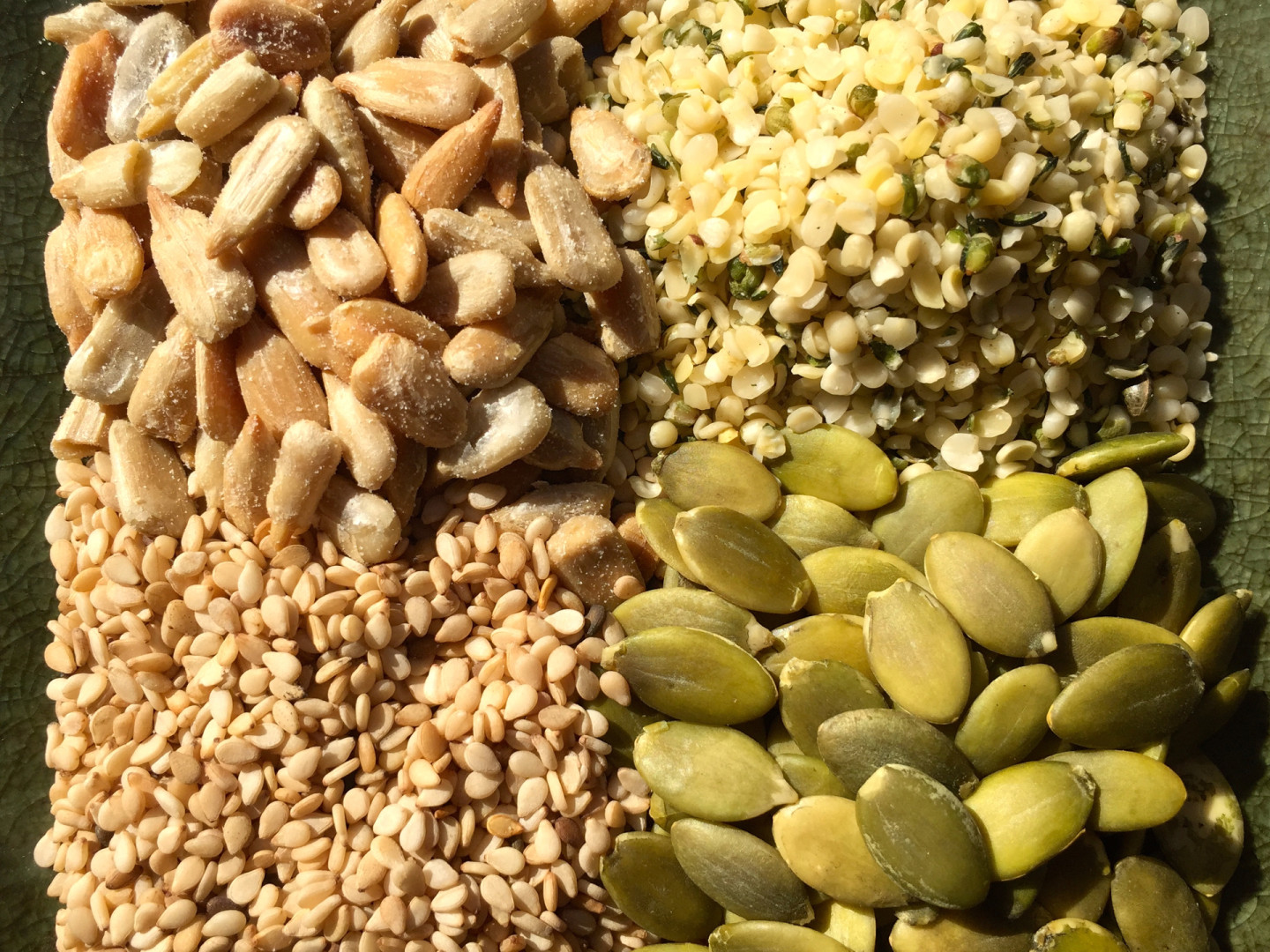
"caption": "Four types of seeds: hemp, sunflower, pumpkin, sesame. Photo: Lisa Landers",
"description": null,
"title": "seed_feature1920",
"credit": null,
"status": "inherit",
"isLoading": false,
"fetchFailed": false
},
"bayareabites_94092": {
"type": "attachments",
"id": "bayareabites_94092",
"meta": {
"index": "attachments_1716263798",
"site": "bayareabites",
"id": "94092",
"found": true
},
"parent": 94091,
"imgSizes": {
"twentyfourteen-full-width": {
"file": "https://ww2.kqed.org/app/uploads/sites/24/2015/03/457283146_slide-43a84b9fa50496406611aa099b5aef82d0b4e96a-e1426705461968-1038x576.jpg",
"width": 1038,
"mimeType": "image/jpeg",
"height": 576
},
"thumbnail": {
"file": "https://ww2.kqed.org/app/uploads/sites/24/2015/03/457283146_slide-43a84b9fa50496406611aa099b5aef82d0b4e96a-e1426705461968-400x267.jpg",
"width": 400,
"mimeType": "image/jpeg",
"height": 267
},
"fd-sm": {
"file": "https://ww2.kqed.org/app/uploads/sites/24/2015/03/457283146_slide-43a84b9fa50496406611aa099b5aef82d0b4e96a-e1426705461968-320x213.jpg",
"width": 320,
"mimeType": "image/jpeg",
"height": 213
},
"post-thumbnail": {
"file": "https://ww2.kqed.org/app/uploads/sites/24/2015/03/457283146_slide-43a84b9fa50496406611aa099b5aef82d0b4e96a-e1426705461968-672x372.jpg",
"width": 672,
"mimeType": "image/jpeg",
"height": 372
},
"kqedFullSize": {
"file": "https://ww2.kqed.org/app/uploads/sites/24/2015/03/457283146_slide-43a84b9fa50496406611aa099b5aef82d0b4e96a-e1426705461968.jpg",
"width": 1920,
"height": 1280
},
"large": {
"file": "https://ww2.kqed.org/app/uploads/sites/24/2015/03/457283146_slide-43a84b9fa50496406611aa099b5aef82d0b4e96a-e1426705461968-1440x960.jpg",
"width": 1440,
"mimeType": "image/jpeg",
"height": 960
},
"guest-author-96": {
"file": "https://ww2.kqed.org/app/uploads/sites/24/2015/03/457283146_slide-43a84b9fa50496406611aa099b5aef82d0b4e96a-e1426705461968-96x96.jpg",
"width": 96,
"mimeType": "image/jpeg",
"height": 96
},
"medium": {
"file": "https://ww2.kqed.org/app/uploads/sites/24/2015/03/457283146_slide-43a84b9fa50496406611aa099b5aef82d0b4e96a-e1426705461968-800x533.jpg",
"width": 800,
"mimeType": "image/jpeg",
"height": 533
},
"guest-author-64": {
"file": "https://ww2.kqed.org/app/uploads/sites/24/2015/03/457283146_slide-43a84b9fa50496406611aa099b5aef82d0b4e96a-e1426705461968-64x64.jpg",
"width": 64,
"mimeType": "image/jpeg",
"height": 64
},
"guest-author-32": {
"file": "https://ww2.kqed.org/app/uploads/sites/24/2015/03/457283146_slide-43a84b9fa50496406611aa099b5aef82d0b4e96a-e1426705461968-32x32.jpg",
"width": 32,
"mimeType": "image/jpeg",
"height": 32
},
"cat_post_thumb_sizecategory-posts-2": {
"file": "https://ww2.kqed.org/app/uploads/sites/24/2015/03/457283146_slide-43a84b9fa50496406611aa099b5aef82d0b4e96a-e1426705461968-50x50.jpg",
"width": 50,
"mimeType": "image/jpeg",
"height": 50
},
"fd-lrg": {
"file": "https://ww2.kqed.org/app/uploads/sites/24/2015/03/457283146_slide-43a84b9fa50496406611aa099b5aef82d0b4e96a-e1426705461968-1180x787.jpg",
"width": 1180,
"mimeType": "image/jpeg",
"height": 787
},
"fd-med": {
"file": "https://ww2.kqed.org/app/uploads/sites/24/2015/03/457283146_slide-43a84b9fa50496406611aa099b5aef82d0b4e96a-e1426705461968-768x512.jpg",
"width": 768,
"mimeType": "image/jpeg",
"height": 512
},
"detail": {
"file": "https://ww2.kqed.org/app/uploads/sites/24/2015/03/457283146_slide-43a84b9fa50496406611aa099b5aef82d0b4e96a-e1426705461968-75x75.jpg",
"width": 75,
"mimeType": "image/jpeg",
"height": 75
},
"guest-author-128": {
"file": "https://ww2.kqed.org/app/uploads/sites/24/2015/03/457283146_slide-43a84b9fa50496406611aa099b5aef82d0b4e96a-e1426705461968-128x128.jpg",
"width": 128,
"mimeType": "image/jpeg",
"height": 128
}
},
"publishDate": 1426704312,
"modified": 1426705453,
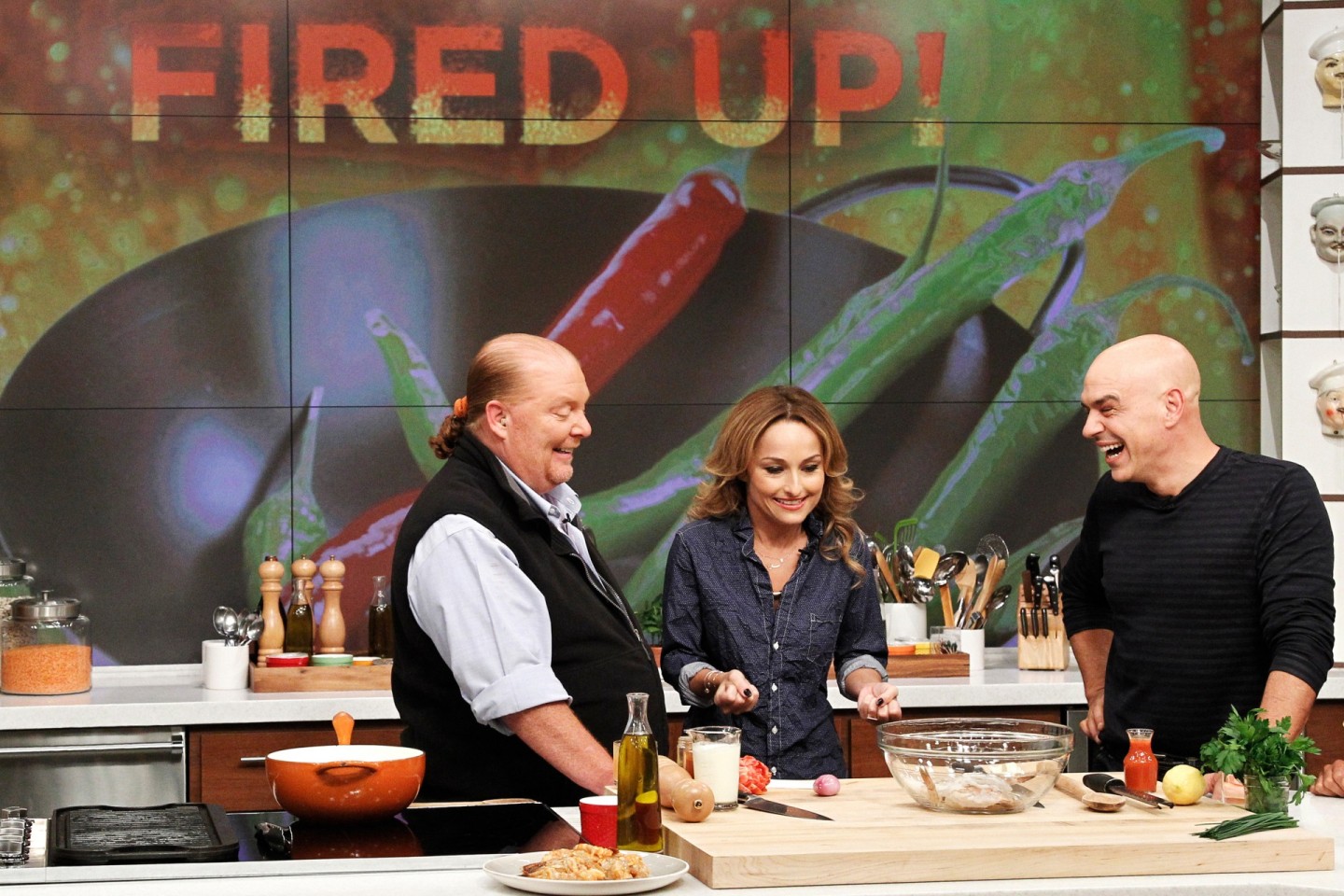
"caption": "Celebrity chef Giada De Laurentiis during a guest appearance on ABC's The Chew last fall. She can cook rich foods and keep her trim figure, but new research suggests that's a difficult feat for amateur cooks watching along at home. Photo: Lou Rocco/ABC/Getty Images",
"description": "Celebrity chef Giada De Laurentiis during a guest appearance on ABC's \u003cem>The Chew \u003c/em>last fall. She can cook rich foods and keep her trim figure, but new research suggests that's a difficult feat for amateur cooks watching along at home.",
"title": "Celebrity chef Giada De Laurentiis during a guest appearance on ABC's The Chew last fall. She can cook rich foods and keep her trim figure, but new research suggests that's a difficult feat for amateur cooks watching along at home.",
"credit": null,
"status": "inherit",
"isLoading": false,
"fetchFailed": false
},
"bayareabites_93728": {
"type": "attachments",
"id": "bayareabites_93728",
"meta": {
"index": "attachments_1716263798",
"site": "bayareabites",
"id": "93728",
"found": true
},
"parent": 93727,
"imgSizes": {
"twentyfourteen-full-width": {
"file": "https://ww2.kqed.org/app/uploads/sites/24/2015/03/tictocstill3_wide-f31b3d2a3e8ecc3e0bb68c6885d5899d7b09ca76-1038x576.jpe",
"width": 1038,
"mimeType": "image/jpeg",
"height": 576
},
"thumbnail": {
"file": "https://ww2.kqed.org/app/uploads/sites/24/2015/03/tictocstill3_wide-f31b3d2a3e8ecc3e0bb68c6885d5899d7b09ca76-400x225.jpe",
"width": 400,
"mimeType": "image/jpeg",
"height": 225
},
"fd-sm": {
"file": "https://ww2.kqed.org/app/uploads/sites/24/2015/03/tictocstill3_wide-f31b3d2a3e8ecc3e0bb68c6885d5899d7b09ca76-320x180.jpe",
"width": 320,
"mimeType": "image/jpeg",
"height": 180
},
"post-thumbnail": {
"file": "https://ww2.kqed.org/app/uploads/sites/24/2015/03/tictocstill3_wide-f31b3d2a3e8ecc3e0bb68c6885d5899d7b09ca76-672x372.jpe",
"width": 672,
"mimeType": "image/jpeg",
"height": 372
},
"kqedFullSize": {
"file": "https://ww2.kqed.org/app/uploads/sites/24/2015/03/tictocstill3_wide-f31b3d2a3e8ecc3e0bb68c6885d5899d7b09ca76.jpe",
"width": 1997,
"height": 1123
},
"large": {
"file": "https://ww2.kqed.org/app/uploads/sites/24/2015/03/tictocstill3_wide-f31b3d2a3e8ecc3e0bb68c6885d5899d7b09ca76-1440x810.jpe",
"width": 1440,
"mimeType": "image/jpeg",
"height": 810
},
"guest-author-96": {
"file": "https://ww2.kqed.org/app/uploads/sites/24/2015/03/tictocstill3_wide-f31b3d2a3e8ecc3e0bb68c6885d5899d7b09ca76-96x96.jpe",
"width": 96,
"mimeType": "image/jpeg",
"height": 96
},
"medium": {
"file": "https://ww2.kqed.org/app/uploads/sites/24/2015/03/tictocstill3_wide-f31b3d2a3e8ecc3e0bb68c6885d5899d7b09ca76-800x450.jpe",
"width": 800,
"mimeType": "image/jpeg",
"height": 450
},
"guest-author-64": {
"file": "https://ww2.kqed.org/app/uploads/sites/24/2015/03/tictocstill3_wide-f31b3d2a3e8ecc3e0bb68c6885d5899d7b09ca76-64x64.jpe",
"width": 64,
"mimeType": "image/jpeg",
"height": 64
},
"guest-author-32": {
"file": "https://ww2.kqed.org/app/uploads/sites/24/2015/03/tictocstill3_wide-f31b3d2a3e8ecc3e0bb68c6885d5899d7b09ca76-32x32.jpe",
"width": 32,
"mimeType": "image/jpeg",
"height": 32
},
"cat_post_thumb_sizecategory-posts-2": {
"file": "https://ww2.kqed.org/app/uploads/sites/24/2015/03/tictocstill3_wide-f31b3d2a3e8ecc3e0bb68c6885d5899d7b09ca76-50x50.jpe",
"width": 50,
"mimeType": "image/jpeg",
"height": 50
},
"fd-lrg": {
"file": "https://ww2.kqed.org/app/uploads/sites/24/2015/03/tictocstill3_wide-f31b3d2a3e8ecc3e0bb68c6885d5899d7b09ca76-1180x664.jpe",
"width": 1180,
"mimeType": "image/jpeg",
"height": 664
},
"fd-med": {
"file": "https://ww2.kqed.org/app/uploads/sites/24/2015/03/tictocstill3_wide-f31b3d2a3e8ecc3e0bb68c6885d5899d7b09ca76-768x432.jpe",
"width": 768,
"mimeType": "image/jpeg",
"height": 432
},
"detail": {
"file": "https://ww2.kqed.org/app/uploads/sites/24/2015/03/tictocstill3_wide-f31b3d2a3e8ecc3e0bb68c6885d5899d7b09ca76-75x75.jpe",
"width": 75,
"mimeType": "image/jpeg",
"height": 75
},
"guest-author-128": {
"file": "https://ww2.kqed.org/app/uploads/sites/24/2015/03/tictocstill3_wide-f31b3d2a3e8ecc3e0bb68c6885d5899d7b09ca76-128x128.jpe",
"width": 128,
"mimeType": "image/jpeg",
"height": 128
}
},
"publishDate": 1425983989,
"modified": 1425983989,
"caption": null,
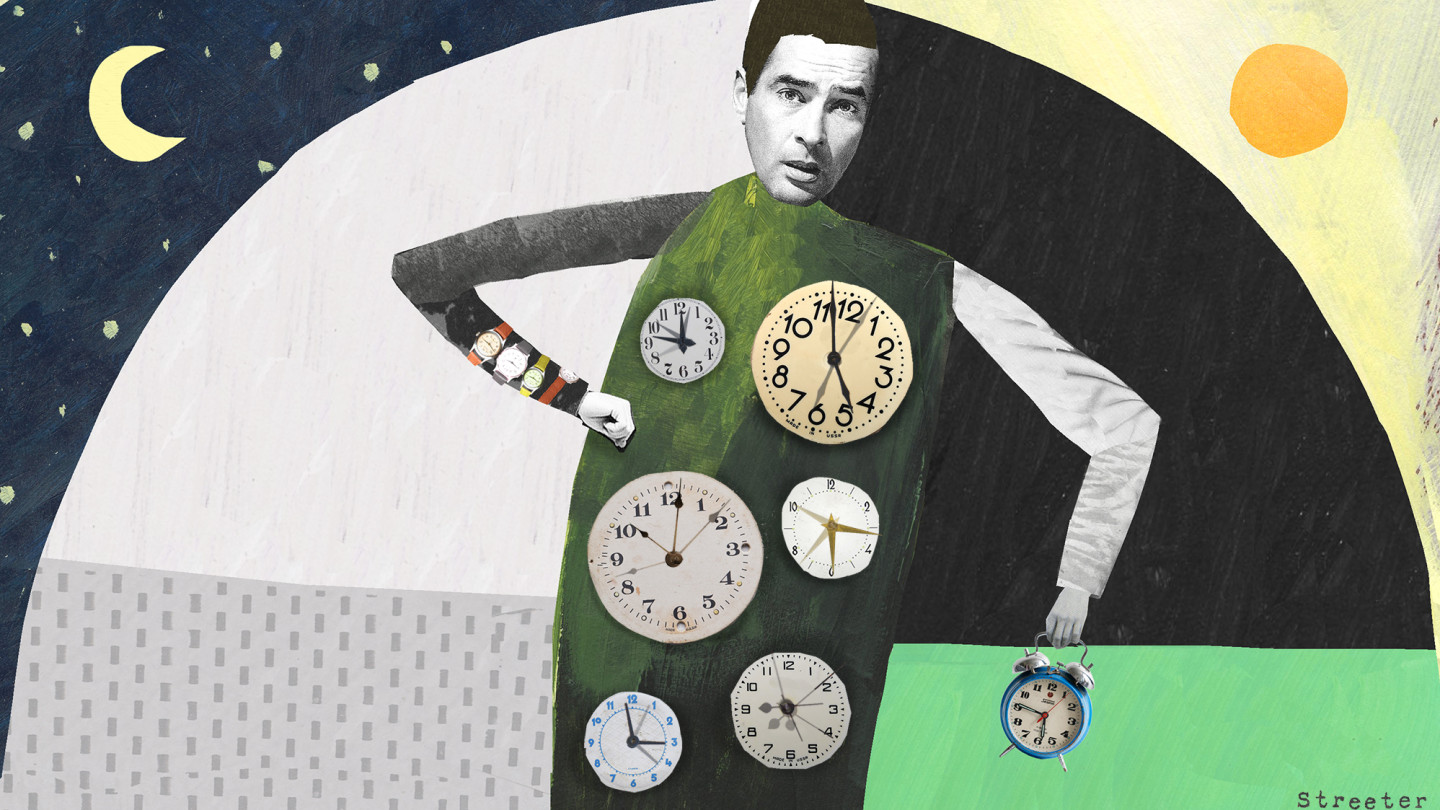
"description": "Katherine Streeter for NPR",
"title": "Katherine Streeter for NPR",
"credit": null,
"status": "inherit",
"isLoading": false,
"fetchFailed": false
},
"bayareabites_93700": {
"type": "attachments",
"id": "bayareabites_93700",
"meta": {
"index": "attachments_1716263798",
"site": "bayareabites",
"id": "93700",
"found": true
},
"parent": 93696,
"imgSizes": {
"thumbnail": {
"file": "https://ww2.kqed.org/app/uploads/sites/24/2015/03/lunchhour-400x225.jpg",
"width": 400,
"mimeType": "image/jpeg",
"height": 225
},
"fd-sm": {
"file": "https://ww2.kqed.org/app/uploads/sites/24/2015/03/lunchhour-320x180.jpg",
"width": 320,
"mimeType": "image/jpeg",
"height": 180
},
"kqedFullSize": {
"file": "https://ww2.kqed.org/app/uploads/sites/24/2015/03/lunchhour.jpg",
"width": 600,
"height": 337
},
"cat_post_thumb_sizecategory-posts-2": {
"file": "https://ww2.kqed.org/app/uploads/sites/24/2015/03/lunchhour-50x50.jpg",
"width": 50,
"mimeType": "image/jpeg",
"height": 50
},
"guest-author-96": {
"file": "https://ww2.kqed.org/app/uploads/sites/24/2015/03/lunchhour-96x96.jpg",
"width": 96,
"mimeType": "image/jpeg",
"height": 96
},
"guest-author-64": {
"file": "https://ww2.kqed.org/app/uploads/sites/24/2015/03/lunchhour-64x64.jpg",
"width": 64,
"mimeType": "image/jpeg",
"height": 64
},
"detail": {
"file": "https://ww2.kqed.org/app/uploads/sites/24/2015/03/lunchhour-75x75.jpg",
"width": 75,
"mimeType": "image/jpeg",
"height": 75
},
"guest-author-32": {
"file": "https://ww2.kqed.org/app/uploads/sites/24/2015/03/lunchhour-32x32.jpg",
"width": 32,
"mimeType": "image/jpeg",
"height": 32
},
"guest-author-128": {
"file": "https://ww2.kqed.org/app/uploads/sites/24/2015/03/lunchhour-128x128.jpg",
"width": 128,
"mimeType": "image/jpeg",
"height": 128
}
},
"publishDate": 1425582211,
"modified": 1425582246,
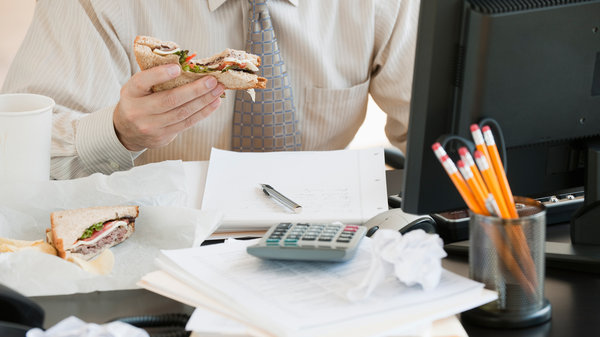
"caption": "Eating at your desk day after day? Research suggests \"staying inside, in the same location, is really detrimental to creative thinking,\" says management professor Kimberly Elsbach. Photo: 145/Tom Grill/Ocean/Corbis ",
"description": null,
"title": "lunchhour",
"credit": null,
"status": "inherit",
"isLoading": false,
"fetchFailed": false
},
"bayareabites_93473": {
"type": "attachments",
"id": "bayareabites_93473",
"meta": {
"index": "attachments_1716263798",
"site": "bayareabites",
"id": "93473",
"found": true
},
"parent": 93472,
"imgSizes": {
"twentyfourteen-full-width": {
"file": "https://ww2.kqed.org/app/uploads/sites/24/2015/02/oystermen1_enl-ce5932a8171cbc9b4d464b3eab5376af31858493-e1424796582877-1038x576.jpg",
"width": 1038,
"mimeType": "image/jpeg",
"height": 576
},
"thumbnail": {
"file": "https://ww2.kqed.org/app/uploads/sites/24/2015/02/oystermen1_enl-ce5932a8171cbc9b4d464b3eab5376af31858493-e1424796582877-400x266.jpg",
"width": 400,
"mimeType": "image/jpeg",
"height": 266
},
"fd-sm": {
"file": "https://ww2.kqed.org/app/uploads/sites/24/2015/02/oystermen1_enl-ce5932a8171cbc9b4d464b3eab5376af31858493-e1424796582877-320x213.jpg",
"width": 320,
"mimeType": "image/jpeg",
"height": 213
},
"post-thumbnail": {
"file": "https://ww2.kqed.org/app/uploads/sites/24/2015/02/oystermen1_enl-ce5932a8171cbc9b4d464b3eab5376af31858493-e1424796582877-672x372.jpg",
"width": 672,
"mimeType": "image/jpeg",
"height": 372
},
"kqedFullSize": {
"file": "https://ww2.kqed.org/app/uploads/sites/24/2015/02/oystermen1_enl-ce5932a8171cbc9b4d464b3eab5376af31858493-e1424796582877.jpg",
"width": 1920,
"height": 1279
},
"large": {
"file": "https://ww2.kqed.org/app/uploads/sites/24/2015/02/oystermen1_enl-ce5932a8171cbc9b4d464b3eab5376af31858493-e1424796582877-1440x959.jpg",
"width": 1440,
"mimeType": "image/jpeg",
"height": 959
},
"guest-author-96": {
"file": "https://ww2.kqed.org/app/uploads/sites/24/2015/02/oystermen1_enl-ce5932a8171cbc9b4d464b3eab5376af31858493-e1424796582877-96x96.jpg",
"width": 96,
"mimeType": "image/jpeg",
"height": 96
},
"medium": {
"file": "https://ww2.kqed.org/app/uploads/sites/24/2015/02/oystermen1_enl-ce5932a8171cbc9b4d464b3eab5376af31858493-e1424796582877-800x533.jpg",
"width": 800,
"mimeType": "image/jpeg",
"height": 533
},
"guest-author-64": {
"file": "https://ww2.kqed.org/app/uploads/sites/24/2015/02/oystermen1_enl-ce5932a8171cbc9b4d464b3eab5376af31858493-e1424796582877-64x64.jpg",
"width": 64,
"mimeType": "image/jpeg",
"height": 64
},
"guest-author-32": {
"file": "https://ww2.kqed.org/app/uploads/sites/24/2015/02/oystermen1_enl-ce5932a8171cbc9b4d464b3eab5376af31858493-e1424796582877-32x32.jpg",
"width": 32,
"mimeType": "image/jpeg",
"height": 32
},
"cat_post_thumb_sizecategory-posts-2": {
"file": "https://ww2.kqed.org/app/uploads/sites/24/2015/02/oystermen1_enl-ce5932a8171cbc9b4d464b3eab5376af31858493-e1424796582877-50x50.jpg",
"width": 50,
"mimeType": "image/jpeg",
"height": 50
},
"fd-lrg": {
"file": "https://ww2.kqed.org/app/uploads/sites/24/2015/02/oystermen1_enl-ce5932a8171cbc9b4d464b3eab5376af31858493-e1424796582877-1180x786.jpg",
"width": 1180,
"mimeType": "image/jpeg",
"height": 786
},
"fd-med": {
"file": "https://ww2.kqed.org/app/uploads/sites/24/2015/02/oystermen1_enl-ce5932a8171cbc9b4d464b3eab5376af31858493-e1424796582877-768x512.jpg",
"width": 768,
"mimeType": "image/jpeg",
"height": 512
},
"detail": {
"file": "https://ww2.kqed.org/app/uploads/sites/24/2015/02/oystermen1_enl-ce5932a8171cbc9b4d464b3eab5376af31858493-e1424796582877-75x75.jpg",
"width": 75,
"mimeType": "image/jpeg",
"height": 75
},
"guest-author-128": {
"file": "https://ww2.kqed.org/app/uploads/sites/24/2015/02/oystermen1_enl-ce5932a8171cbc9b4d464b3eab5376af31858493-e1424796582877-128x128.jpg",
"width": 128,
"mimeType": "image/jpeg",
"height": 128
}
},
"publishDate": 1424734563,
"modified": 1424796564,
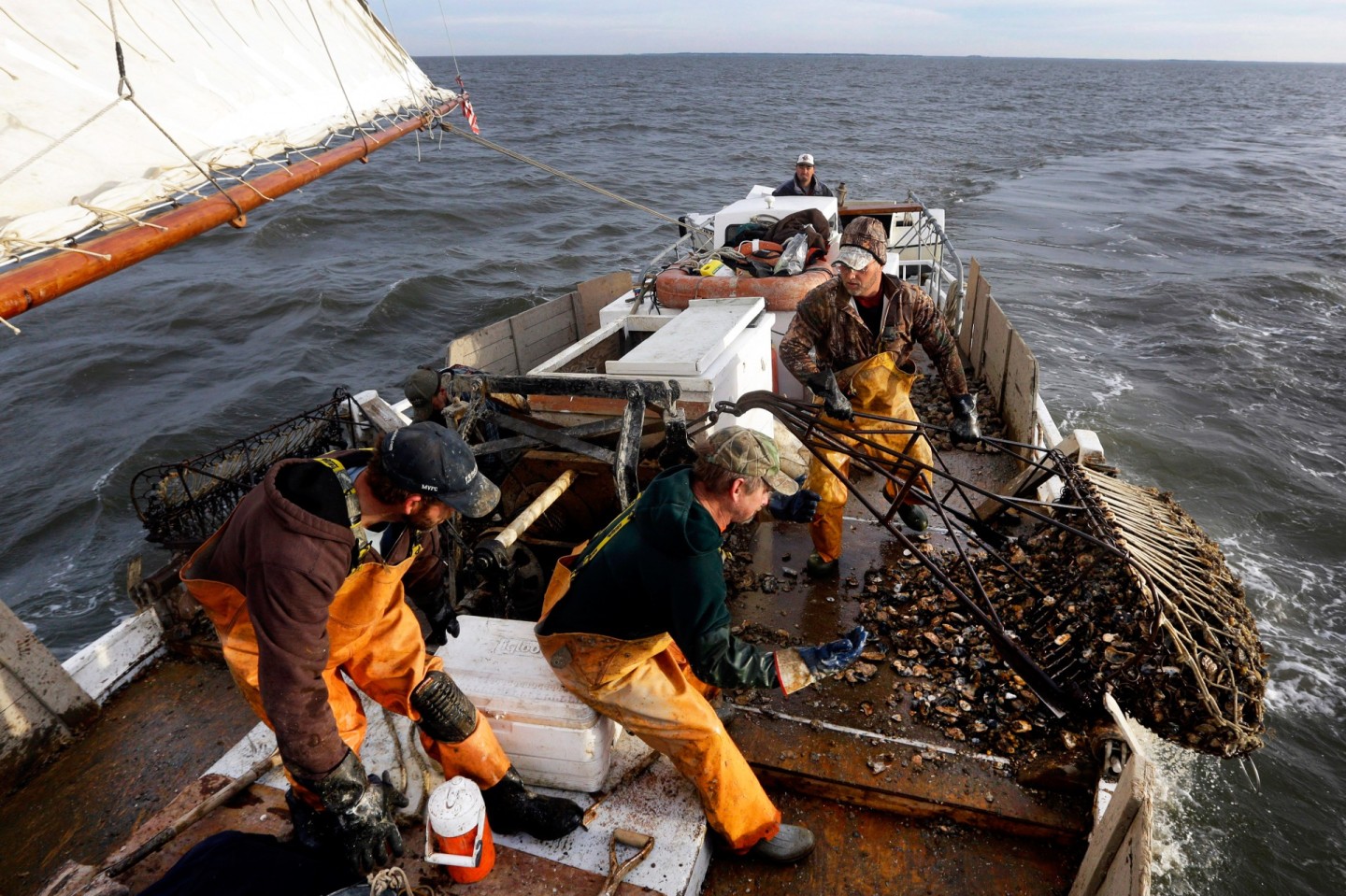
"caption": "Crew members pull an oyster dredge in Tangier Sound of the Chesapeake Bay near Deal Island, Md., in 2013. A study found that the Chesapeake Bay shellfishery is a \"hot zone\" for ocean acidification. Photo: Patrick Semansky/AP ",
"description": "Crew members pull an oyster dredge in Tangier Sound of the Chesapeake Bay near Deal Island, Md., in 2013. A study found that the Chesapeake Bay shellfishery is a \"hot zone\" for ocean acidification.",
"title": "Crew members pull an oyster dredge in Tangier Sound of the Chesapeake Bay near Deal Island, Md., in 2013. A study found that the Chesapeake Bay shellfishery is a \"hot zone\" for ocean acidification.",
"credit": null,
"status": "inherit",
"isLoading": false,
"fetchFailed": false
},
"bayareabites_93330": {
"type": "attachments",
"id": "bayareabites_93330",
"meta": {
"index": "attachments_1716263798",
"site": "bayareabites",
"id": "93330",
"found": true
},
"parent": 93326,
"imgSizes": {
"thumbnail": {
"file": "https://ww2.kqed.org/app/uploads/sites/24/2015/02/fat-400x267.jpg",
"width": 400,
"mimeType": "image/jpeg",
"height": 267
},
"fd-sm": {
"file": "https://ww2.kqed.org/app/uploads/sites/24/2015/02/fat-320x213.jpg",
"width": 320,
"mimeType": "image/jpeg",
"height": 213
},
"post-thumbnail": {
"file": "https://ww2.kqed.org/app/uploads/sites/24/2015/02/fat-672x372.jpg",
"width": 672,
"mimeType": "image/jpeg",
"height": 372
},
"kqedFullSize": {
"file": "https://ww2.kqed.org/app/uploads/sites/24/2015/02/fat.jpg",
"width": 800,
"height": 533
},
"cat_post_thumb_sizecategory-posts-2": {
"file": "https://ww2.kqed.org/app/uploads/sites/24/2015/02/fat-50x50.jpg",
"width": 50,
"mimeType": "image/jpeg",
"height": 50
},
"fd-med": {
"file": "https://ww2.kqed.org/app/uploads/sites/24/2015/02/fat-768x512.jpg",
"width": 768,
"mimeType": "image/jpeg",
"height": 512
},
"guest-author-96": {
"file": "https://ww2.kqed.org/app/uploads/sites/24/2015/02/fat-96x96.jpg",
"width": 96,
"mimeType": "image/jpeg",
"height": 96
},
"medium": {
"file": "https://ww2.kqed.org/app/uploads/sites/24/2015/02/fat-800x533.jpg",
"width": 800,
"mimeType": "image/jpeg",
"height": 533
},
"guest-author-64": {
"file": "https://ww2.kqed.org/app/uploads/sites/24/2015/02/fat-64x64.jpg",
"width": 64,
"mimeType": "image/jpeg",
"height": 64
},
"detail": {
"file": "https://ww2.kqed.org/app/uploads/sites/24/2015/02/fat-75x75.jpg",
"width": 75,
"mimeType": "image/jpeg",
"height": 75
},
"guest-author-32": {
"file": "https://ww2.kqed.org/app/uploads/sites/24/2015/02/fat-32x32.jpg",
"width": 32,
"mimeType": "image/jpeg",
"height": 32
},
"guest-author-128": {
"file": "https://ww2.kqed.org/app/uploads/sites/24/2015/02/fat-128x128.jpg",
"width": 128,
"mimeType": "image/jpeg",
"height": 128
}
},
"publishDate": 1424287922,
"modified": 1424287945,
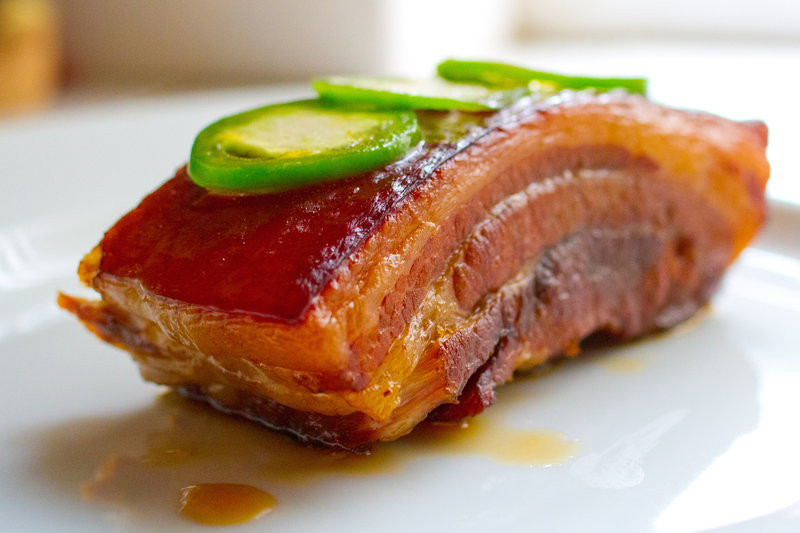
"caption": "A slice of pork belly, with a thick layer of fat. \"If we confirm that fat is a basic taste quality, it's the equivalent of saying chartreuse is a primary color,\" Richard Mattes of Purdue University says. \"It changes our basic understanding of what taste is.\" Photo: Xiao He/Flickr ",
"description": null,
"title": "fat",
"credit": null,
"status": "inherit",
"isLoading": false,
"fetchFailed": false
},
"bayareabites_93308": {
"type": "attachments",
"id": "bayareabites_93308",
"meta": {
"index": "attachments_1716263798",
"site": "bayareabites",
"id": "93308",
"found": true
},
"parent": 93307,
"imgSizes": {
"twentyfourteen-full-width": {
"file": "https://ww2.kqed.org/app/uploads/sites/24/2015/02/pineapple-express_enl-e8bbd24e87822eba87e1aa487d711654d776b770-e1424285345223-1000x576.jpg",
"width": 1000,
"mimeType": "image/jpeg",
"height": 576
},
"thumbnail": {
"file": "https://ww2.kqed.org/app/uploads/sites/24/2015/02/pineapple-express_enl-e8bbd24e87822eba87e1aa487d711654d776b770-e1424285345223-400x266.jpg",
"width": 400,
"mimeType": "image/jpeg",
"height": 266
},
"fd-sm": {
"file": "https://ww2.kqed.org/app/uploads/sites/24/2015/02/pineapple-express_enl-e8bbd24e87822eba87e1aa487d711654d776b770-e1424285345223-320x213.jpg",
"width": 320,
"mimeType": "image/jpeg",
"height": 213
},
"post-thumbnail": {
"file": "https://ww2.kqed.org/app/uploads/sites/24/2015/02/pineapple-express_enl-e8bbd24e87822eba87e1aa487d711654d776b770-e1424285345223-672x372.jpg",
"width": 672,
"mimeType": "image/jpeg",
"height": 372
},
"kqedFullSize": {
"file": "https://ww2.kqed.org/app/uploads/sites/24/2015/02/pineapple-express_enl-e8bbd24e87822eba87e1aa487d711654d776b770-e1424285345223.jpg",
"width": 1000,
"height": 666
},
"guest-author-96": {
"file": "https://ww2.kqed.org/app/uploads/sites/24/2015/02/pineapple-express_enl-e8bbd24e87822eba87e1aa487d711654d776b770-e1424285345223-96x96.jpg",
"width": 96,
"mimeType": "image/jpeg",
"height": 96
},
"medium": {
"file": "https://ww2.kqed.org/app/uploads/sites/24/2015/02/pineapple-express_enl-e8bbd24e87822eba87e1aa487d711654d776b770-e1424285345223-800x533.jpg",
"width": 800,
"mimeType": "image/jpeg",
"height": 533
},
"guest-author-64": {
"file": "https://ww2.kqed.org/app/uploads/sites/24/2015/02/pineapple-express_enl-e8bbd24e87822eba87e1aa487d711654d776b770-e1424285345223-64x64.jpg",
"width": 64,
"mimeType": "image/jpeg",
"height": 64
},
"guest-author-32": {
"file": "https://ww2.kqed.org/app/uploads/sites/24/2015/02/pineapple-express_enl-e8bbd24e87822eba87e1aa487d711654d776b770-e1424285345223-32x32.jpg",
"width": 32,
"mimeType": "image/jpeg",
"height": 32
},
"cat_post_thumb_sizecategory-posts-2": {
"file": "https://ww2.kqed.org/app/uploads/sites/24/2015/02/pineapple-express_enl-e8bbd24e87822eba87e1aa487d711654d776b770-e1424285345223-50x50.jpg",
"width": 50,
"mimeType": "image/jpeg",
"height": 50
},
"fd-med": {
"file": "https://ww2.kqed.org/app/uploads/sites/24/2015/02/pineapple-express_enl-e8bbd24e87822eba87e1aa487d711654d776b770-e1424285345223-768x511.jpg",
"width": 768,
"mimeType": "image/jpeg",
"height": 511
},
"detail": {
"file": "https://ww2.kqed.org/app/uploads/sites/24/2015/02/pineapple-express_enl-e8bbd24e87822eba87e1aa487d711654d776b770-e1424285345223-75x75.jpg",
"width": 75,
"mimeType": "image/jpeg",
"height": 75
},
"guest-author-128": {
"file": "https://ww2.kqed.org/app/uploads/sites/24/2015/02/pineapple-express_enl-e8bbd24e87822eba87e1aa487d711654d776b770-e1424285345223-128x128.jpg",
"width": 128,
"mimeType": "image/jpeg",
"height": 128
}
},
"publishDate": 1424285003,
"modified": 1424285338,
"caption": "After the pot-smoking comes the insatiable hunger. Just ask James Franco and Seth Rogen's weed-loving characters in Pineapple Express. Photo: The Kobal Collection ",
"description": "After the pot-smoking comes the insatiable hunger. Just ask James Franco and Seth Rogen's weed-loving characters in \u003cem>Pineapple Express\u003c/em>.",
"title": "After the pot-smoking comes the insatiable hunger. Just ask James Franco and Seth Rogen's weed-loving characters in Pineapple Express.",
"credit": null,
"status": "inherit",
"isLoading": false,
"fetchFailed": false
},
"bayareabites_93166": {
"type": "attachments",
"id": "bayareabites_93166",
"meta": {
"index": "attachments_1716263798",
"site": "bayareabites",
"id": "93166",
"found": true
},
"parent": 93165,
"imgSizes": {
"twentyfourteen-full-width": {
"file": "https://ww2.kqed.org/app/uploads/sites/24/2015/02/hands-holding-ketchup-n-fries_enl-e26243575024bc29d0237713a87c3eb8b99ddf5a-e1423773288167-1000x576.jpg",
"width": 1000,
"mimeType": "image/jpeg",
"height": 576
},
"thumbnail": {
"file": "https://ww2.kqed.org/app/uploads/sites/24/2015/02/hands-holding-ketchup-n-fries_enl-e26243575024bc29d0237713a87c3eb8b99ddf5a-e1423773288167-400x294.jpg",
"width": 400,
"mimeType": "image/jpeg",
"height": 294
},
"fd-sm": {
"file": "https://ww2.kqed.org/app/uploads/sites/24/2015/02/hands-holding-ketchup-n-fries_enl-e26243575024bc29d0237713a87c3eb8b99ddf5a-e1423773288167-320x235.jpg",
"width": 320,
"mimeType": "image/jpeg",
"height": 235
},
"post-thumbnail": {
"file": "https://ww2.kqed.org/app/uploads/sites/24/2015/02/hands-holding-ketchup-n-fries_enl-e26243575024bc29d0237713a87c3eb8b99ddf5a-e1423773288167-672x372.jpg",
"width": 672,
"mimeType": "image/jpeg",
"height": 372
},
"kqedFullSize": {
"file": "https://ww2.kqed.org/app/uploads/sites/24/2015/02/hands-holding-ketchup-n-fries_enl-e26243575024bc29d0237713a87c3eb8b99ddf5a-e1423773288167.jpg",
"width": 1000,
"height": 734
},
"guest-author-96": {
"file": "https://ww2.kqed.org/app/uploads/sites/24/2015/02/hands-holding-ketchup-n-fries_enl-e26243575024bc29d0237713a87c3eb8b99ddf5a-e1423773288167-96x96.jpg",
"width": 96,
"mimeType": "image/jpeg",
"height": 96
},
"medium": {
"file": "https://ww2.kqed.org/app/uploads/sites/24/2015/02/hands-holding-ketchup-n-fries_enl-e26243575024bc29d0237713a87c3eb8b99ddf5a-e1423773288167-800x587.jpg",
"width": 800,
"mimeType": "image/jpeg",
"height": 587
},
"guest-author-64": {
"file": "https://ww2.kqed.org/app/uploads/sites/24/2015/02/hands-holding-ketchup-n-fries_enl-e26243575024bc29d0237713a87c3eb8b99ddf5a-e1423773288167-64x64.jpg",
"width": 64,
"mimeType": "image/jpeg",
"height": 64
},
"guest-author-32": {
"file": "https://ww2.kqed.org/app/uploads/sites/24/2015/02/hands-holding-ketchup-n-fries_enl-e26243575024bc29d0237713a87c3eb8b99ddf5a-e1423773288167-32x32.jpg",
"width": 32,
"mimeType": "image/jpeg",
"height": 32
},
"cat_post_thumb_sizecategory-posts-2": {
"file": "https://ww2.kqed.org/app/uploads/sites/24/2015/02/hands-holding-ketchup-n-fries_enl-e26243575024bc29d0237713a87c3eb8b99ddf5a-e1423773288167-50x50.jpg",
"width": 50,
"mimeType": "image/jpeg",
"height": 50
},
"fd-med": {
"file": "https://ww2.kqed.org/app/uploads/sites/24/2015/02/hands-holding-ketchup-n-fries_enl-e26243575024bc29d0237713a87c3eb8b99ddf5a-e1423773288167-768x564.jpg",
"width": 768,
"mimeType": "image/jpeg",
"height": 564
},
"detail": {
"file": "https://ww2.kqed.org/app/uploads/sites/24/2015/02/hands-holding-ketchup-n-fries_enl-e26243575024bc29d0237713a87c3eb8b99ddf5a-e1423773288167-75x75.jpg",
"width": 75,
"mimeType": "image/jpeg",
"height": 75
},
"guest-author-128": {
"file": "https://ww2.kqed.org/app/uploads/sites/24/2015/02/hands-holding-ketchup-n-fries_enl-e26243575024bc29d0237713a87c3eb8b99ddf5a-e1423773288167-128x128.jpg",
"width": 128,
"mimeType": "image/jpeg",
"height": 128
}
},
"publishDate": 1423772769,
"modified": 1423773278,
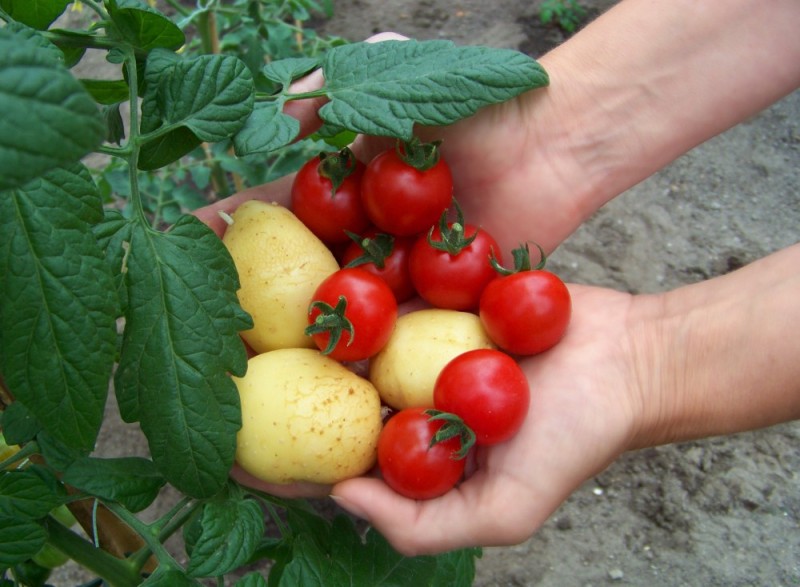
"caption": "The plant is an early tomato grafted to a late-producing potato. The two can be harvested throughout the season. Photo: SuperNaturals",
"description": "The plant is an early tomato grafted to a late-producing potato. The two can be harvested throughout the season.",
"title": "The plant is an early tomato grafted to a late-producing potato. The two can be harvested throughout the season.",
"credit": null,
"status": "inherit",
"isLoading": false,
"fetchFailed": false
},
"bayareabites_93129": {
"type": "attachments",
"id": "bayareabites_93129",
"meta": {
"index": "attachments_1716263798",
"site": "bayareabites",
"id": "93129",
"found": true
},
"parent": 93125,
"imgSizes": {
"thumbnail": {
"file": "https://ww2.kqed.org/app/uploads/sites/24/2015/02/strawberries-albion-400x277.jpg",
"width": 400,
"mimeType": "image/jpeg",
"height": 277
},
"fd-sm": {
"file": "https://ww2.kqed.org/app/uploads/sites/24/2015/02/strawberries-albion-320x221.jpg",
"width": 320,
"mimeType": "image/jpeg",
"height": 221
},
"post-thumbnail": {
"file": "https://ww2.kqed.org/app/uploads/sites/24/2015/02/strawberries-albion-672x372.jpg",
"width": 672,
"mimeType": "image/jpeg",
"height": 372
},
"kqedFullSize": {
"file": "https://ww2.kqed.org/app/uploads/sites/24/2015/02/strawberries-albion.jpg",
"width": 800,
"height": 553
},
"cat_post_thumb_sizecategory-posts-2": {
"file": "https://ww2.kqed.org/app/uploads/sites/24/2015/02/strawberries-albion-50x50.jpg",
"width": 50,
"mimeType": "image/jpeg",
"height": 50
},
"fd-med": {
"file": "https://ww2.kqed.org/app/uploads/sites/24/2015/02/strawberries-albion-768x531.jpg",
"width": 768,
"mimeType": "image/jpeg",
"height": 531
},
"guest-author-96": {
"file": "https://ww2.kqed.org/app/uploads/sites/24/2015/02/strawberries-albion-96x96.jpg",
"width": 96,
"mimeType": "image/jpeg",
"height": 96
},
"medium": {
"file": "https://ww2.kqed.org/app/uploads/sites/24/2015/02/strawberries-albion-800x553.jpg",
"width": 800,
"mimeType": "image/jpeg",
"height": 553
},
"guest-author-64": {
"file": "https://ww2.kqed.org/app/uploads/sites/24/2015/02/strawberries-albion-64x64.jpg",
"width": 64,
"mimeType": "image/jpeg",
"height": 64
},
"detail": {
"file": "https://ww2.kqed.org/app/uploads/sites/24/2015/02/strawberries-albion-75x75.jpg",
"width": 75,
"mimeType": "image/jpeg",
"height": 75
},
"guest-author-32": {
"file": "https://ww2.kqed.org/app/uploads/sites/24/2015/02/strawberries-albion-32x32.jpg",
"width": 32,
"mimeType": "image/jpeg",
"height": 32
},
"guest-author-128": {
"file": "https://ww2.kqed.org/app/uploads/sites/24/2015/02/strawberries-albion-128x128.jpg",
"width": 128,
"mimeType": "image/jpeg",
"height": 128
}
},
"publishDate": 1423608712,
"modified": 1423608737,
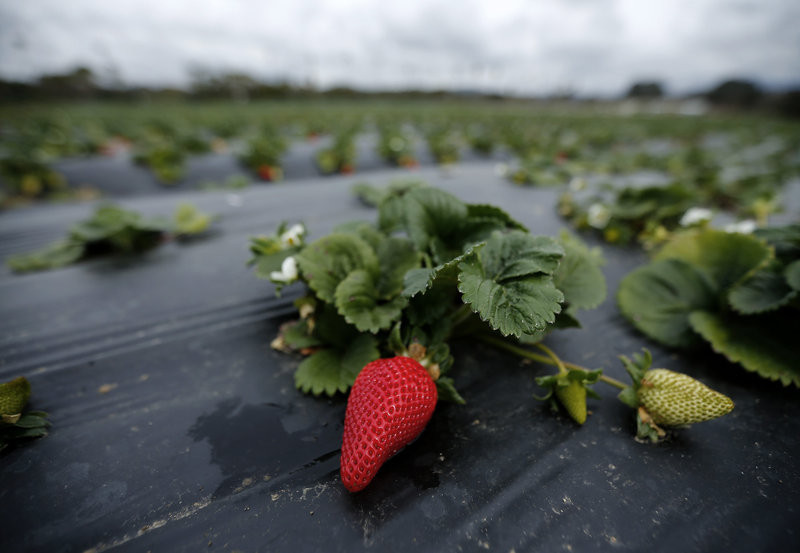
"caption": "Albion strawberries, a variety created at UC Davis, grow on the Chino family farm in Rancho Santa Fe, Calif., on March 7, 2013. Photo: Mike Blake/Reuters/Corbis",
"description": null,
"title": "strawberries-albion",
"credit": null,
"status": "inherit",
"isLoading": false,
"fetchFailed": false
},
"bayareabites_92711": {
"type": "attachments",
"id": "bayareabites_92711",
"meta": {
"index": "attachments_1716263798",
"site": "bayareabites",
"id": "92711",
"found": true
},
"parent": 92710,
"imgSizes": {
"twentyfourteen-full-width": {
"file": "https://ww2.kqed.org/app/uploads/sites/24/2015/02/egg-1_slide-d36010dfa7fd420e27b9c424bf5bcbcc9547ebee-e1422919063985-1000x576.jpg",
"width": 1000,
"mimeType": "image/jpeg",
"height": 576
},
"thumbnail": {
"file": "https://ww2.kqed.org/app/uploads/sites/24/2015/02/egg-1_slide-d36010dfa7fd420e27b9c424bf5bcbcc9547ebee-e1422919063985-400x267.jpg",
"width": 400,
"mimeType": "image/jpeg",
"height": 267
},
"fd-sm": {
"file": "https://ww2.kqed.org/app/uploads/sites/24/2015/02/egg-1_slide-d36010dfa7fd420e27b9c424bf5bcbcc9547ebee-e1422919063985-320x213.jpg",
"width": 320,
"mimeType": "image/jpeg",
"height": 213
},
"post-thumbnail": {
"file": "https://ww2.kqed.org/app/uploads/sites/24/2015/02/egg-1_slide-d36010dfa7fd420e27b9c424bf5bcbcc9547ebee-e1422919063985-672x372.jpg",
"width": 672,
"mimeType": "image/jpeg",
"height": 372
},
"kqedFullSize": {
"file": "https://ww2.kqed.org/app/uploads/sites/24/2015/02/egg-1_slide-d36010dfa7fd420e27b9c424bf5bcbcc9547ebee-e1422919063985.jpg",
"width": 1000,
"height": 667
},
"guest-author-96": {
"file": "https://ww2.kqed.org/app/uploads/sites/24/2015/02/egg-1_slide-d36010dfa7fd420e27b9c424bf5bcbcc9547ebee-e1422919063985-96x96.jpg",
"width": 96,
"mimeType": "image/jpeg",
"height": 96
},
"medium": {
"file": "https://ww2.kqed.org/app/uploads/sites/24/2015/02/egg-1_slide-d36010dfa7fd420e27b9c424bf5bcbcc9547ebee-e1422919063985-800x534.jpg",
"width": 800,
"mimeType": "image/jpeg",
"height": 534
},
"guest-author-64": {
"file": "https://ww2.kqed.org/app/uploads/sites/24/2015/02/egg-1_slide-d36010dfa7fd420e27b9c424bf5bcbcc9547ebee-e1422919063985-64x64.jpg",
"width": 64,
"mimeType": "image/jpeg",
"height": 64
},
"guest-author-32": {
"file": "https://ww2.kqed.org/app/uploads/sites/24/2015/02/egg-1_slide-d36010dfa7fd420e27b9c424bf5bcbcc9547ebee-e1422919063985-32x32.jpg",
"width": 32,
"mimeType": "image/jpeg",
"height": 32
},
"cat_post_thumb_sizecategory-posts-2": {
"file": "https://ww2.kqed.org/app/uploads/sites/24/2015/02/egg-1_slide-d36010dfa7fd420e27b9c424bf5bcbcc9547ebee-e1422919063985-50x50.jpg",
"width": 50,
"mimeType": "image/jpeg",
"height": 50
},
"fd-med": {
"file": "https://ww2.kqed.org/app/uploads/sites/24/2015/02/egg-1_slide-d36010dfa7fd420e27b9c424bf5bcbcc9547ebee-e1422919063985-768x512.jpg",
"width": 768,
"mimeType": "image/jpeg",
"height": 512
},
"detail": {
"file": "https://ww2.kqed.org/app/uploads/sites/24/2015/02/egg-1_slide-d36010dfa7fd420e27b9c424bf5bcbcc9547ebee-e1422919063985-75x75.jpg",
"width": 75,
"mimeType": "image/jpeg",
"height": 75
},
"guest-author-128": {
"file": "https://ww2.kqed.org/app/uploads/sites/24/2015/02/egg-1_slide-d36010dfa7fd420e27b9c424bf5bcbcc9547ebee-e1422919063985-128x128.jpg",
"width": 128,
"mimeType": "image/jpeg",
"height": 128
}
},
"publishDate": 1422918769,
"modified": 1422919058,
"caption": "Professor Greg Weiss of the University of California, Irvine is one of the researchers who has developed a way of unboiling a egg. Photo: Steve Zylius/UC Irvine Communications",
"description": "Professor Greg Weiss of the University of California, Irvine is one of the researchers who has developed a way of unboiling a egg.",
"title": "Professor Greg Weiss of the University of California, Irvine is one of the researchers who has developed a way of unboiling a egg.",
"credit": null,
"status": "inherit",
"isLoading": false,
"fetchFailed": false
},
"bayareabites_92422": {
"type": "attachments",
"id": "bayareabites_92422",
"meta": {
"index": "attachments_1716263798",
"site": "bayareabites",
"id": "92422",
"found": true
},
"parent": 92421,
"imgSizes": {
"kqedFullSize": {
"file": "https://ww2.kqed.org/app/uploads/sites/24/2015/01/waste-water-1_wide-fcf6d851466799ead85967e11705f2840216144f-e1422476916406.jpg",
"width": 1000,
"height": 562
}
},
"publishDate": 1422476462,
"modified": 1422476910,
"caption": "Clean Water Services held a brewing competition in Sept. 2014, inviting 13 homebrewers to make beer from its purified wastewater (as well as water from other sources). Now the company is asking the state for permission for brewers to use its wastewater product exclusively to make beer. Photo: Courtesy of Clean Water Services",
"description": "Clean Water Services held a brewing competition in Sept. 2014, inviting 13 homebrewers to make beer from its purified wastewater (as well as water from other sources). Now the company is asking the state for permission for brewers to use its wastewater product exclusively to make beer.",
"title": "Clean Water Services held a brewing competition in Sept. 2014, inviting 13 homebrewers to make beer from its purified wastewater (as well as water from other sources). Now the company is asking the state for permission for brewers to use its wastewater product exclusively to make beer.",
"credit": null,
"status": "inherit",
"isLoading": false,
"fetchFailed": false
},
"bayareabites_92258": {
"type": "attachments",
"id": "bayareabites_92258",
"meta": {
"index": "attachments_1716263798",
"site": "bayareabites",
"id": "92258",
"found": true
},
"parent": 92255,
"imgSizes": {
"kqedFullSize": {
"file": "https://ww2.kqed.org/app/uploads/sites/24/2015/01/no-fridge_main.jpg",
"width": 1000,
"height": 800
}
},
"publishDate": 1421990200,
"modified": 1422088466,
"caption": "A few foods to keep out of the fridge. Photo: Lisa Landers",
"description": null,
"title": "no-fridge_main",
"credit": null,
"status": "inherit",
"isLoading": false,
"fetchFailed": false
}
},
"audioPlayerReducer": {
"postId": "stream_live",
"isPaused": true,
"isPlaying": false,
"pfsActive": false,
"pledgeModalIsOpen": true,
"playerDrawerIsOpen": false,
"liveAudioPlayStartedAt": 0,
"liveAudioPlayContext": ""
},
"authorsReducer": {
"byline_bayareabites_94091": {
"type": "authors",
"id": "byline_bayareabites_94091",
"meta": {
"override": true
},
"slug": "byline_bayareabites_94091",
"name": "Allison Aubrey",
"isLoading": false
},
"byline_bayareabites_93727": {
"type": "authors",
"id": "byline_bayareabites_93727",
"meta": {
"override": true
},
"slug": "byline_bayareabites_93727",
"name": "Allison Aubrey",
"isLoading": false
},
"byline_bayareabites_93696": {
"type": "authors",
"id": "byline_bayareabites_93696",
"meta": {
"override": true
},
"slug": "byline_bayareabites_93696",
"name": "Here & Now",
"isLoading": false
},
"byline_bayareabites_93472": {
"type": "authors",
"id": "byline_bayareabites_93472",
"meta": {
"override": true
},
"slug": "byline_bayareabites_93472",
"name": "Christopher Joyce",
"isLoading": false
},
"byline_bayareabites_93326": {
"type": "authors",
"id": "byline_bayareabites_93326",
"meta": {
"override": true
},
"slug": "byline_bayareabites_93326",
"name": "Maanvi Singh",
"isLoading": false
},
"byline_bayareabites_93307": {
"type": "authors",
"id": "byline_bayareabites_93307",
"meta": {
"override": true
},
"slug": "byline_bayareabites_93307",
"name": "Angus Chen",
"isLoading": false
},
"byline_bayareabites_93165": {
"type": "authors",
"id": "byline_bayareabites_93165",
"meta": {
"override": true
},
"slug": "byline_bayareabites_93165",
"name": "Sáša Woodruff",
"isLoading": false
},
"byline_bayareabites_93125": {
"type": "authors",
"id": "byline_bayareabites_93125",
"meta": {
"override": true
},
"slug": "byline_bayareabites_93125",
"name": "Dan Charles",
"isLoading": false
},
"byline_bayareabites_92710": {
"type": "authors",
"id": "byline_bayareabites_92710",
"meta": {
"override": true
},
"slug": "byline_bayareabites_92710",
"name": "Alison Bruzek",
"isLoading": false
},
"byline_bayareabites_92421": {
"type": "authors",
"id": "byline_bayareabites_92421",
"meta": {
"override": true
},
"slug": "byline_bayareabites_92421",
"name": "Cassandra Profita",
"isLoading": false
},
"lisalanders": {
"type": "authors",
"id": "5412",
"meta": {
"index": "authors_1716337520",
"id": "5412",
"found": true
},
"name": "Lisa Landers",
"firstName": "Lisa",
"lastName": "Landers",
"slug": "lisalanders",
"email": "llanders@KQED.org",
"display_author_email": false,
"staff_mastheads": [],
"title": "KQED Contributor",
"bio": "Lisa Landers is a producer and writer whose work includes documentaries, museum exhibitions, and educational multimedia. Her work has covered a diversity of subject matter including natural history, ecological and social issues, cultural exploration, food, music, and architecture. She’s developed and produced films for broadcasters such as National Geographic, Smithsonian Channel, and the Discovery Channel. Her work as an exhibition developer and multimedia producer has been featured at institutions including the American Museum of Natural History, the National Building Museum, and The Tech Museum. Her writing has also appeared in a wide variety of print and online publications.",
"avatar": "https://secure.gravatar.com/avatar/1e4aa08f6f0a92ea11a2779a453cb36d?s=600&d=blank&r=g",
"twitter": null,
"bluesky": null,
"facebook": null,
"instagram": null,
"linkedin": null,
"sites": [
{
"site": "bayareabites",
"roles": [
"contributor"
]
},
{
"site": "quest",
"roles": [
"leadcoordinator",
"edit_theme_options",
"subscriber"
]
},
{
"site": "food",
"roles": []
}
],
"headData": {
"title": "Lisa Landers | KQED",
"description": "KQED Contributor",
"ogImgSrc": "https://secure.gravatar.com/avatar/1e4aa08f6f0a92ea11a2779a453cb36d?s=600&d=blank&r=g",
"twImgSrc": "https://secure.gravatar.com/avatar/1e4aa08f6f0a92ea11a2779a453cb36d?s=600&d=blank&r=g"
},
"isLoading": false,
"link": "/author/lisalanders"
}
},
"pagesReducer": {
"bayareabites_category_science": {
"type": "terms",
"id": "bayareabites_358",
"meta": {
"index": "terms_1716263798",
"site": "bayareabites",
"id": "358",
"score": 10.85186
},
"featImg": null,
"name": "science",
"description": null,
"taxonomy": "category",
"headData": {
"twImgId": null,
"twTitle": null,
"ogTitle": null,
"ogImgId": null,
"twDescription": null,
"description": null,
"title": "science Archives | KQED Bay Area Bites",
"ogDescription": null
},
"ttid": 7943,
"slug": "science",
"isLoading": false,
"title": "science",
"pageMeta": {
"site": "bayareabites",
"WpPageTemplate": "page-topic-editorial",
"currentPage": 32
},
"blocks": [
{
"blockName": "kqed/post-list",
"attrs": {
"layout": "cardArticle2",
"query": "posts/bayareabites?category=science",
"seeMore": false,
"paginated": true,
"page": 32
}
},
{
"blockName": "kqed/ad"
}
]
}
},
"pfsSessionReducer": {},
"postsReducer": {
"stream_live": {
"type": "live",
"id": "stream_live",
"audioUrl": "https://streams.kqed.org/kqedradio",
"title": "Live Stream",
"excerpt": "Live Stream information currently unavailable.",
"link": "/radio",
"featImg": "",
"label": {
"name": "KQED Live",
"link": "/"
}
},
"stream_kqedNewscast": {
"type": "posts",
"id": "stream_kqedNewscast",
"audioUrl": "https://www.kqed.org/.stream/anon/radio/RDnews/newscast.mp3?_=1",
"title": "KQED Newscast",
"featImg": "",
"label": {
"name": "88.5 FM",
"link": "/"
}
},
"bayareabites_94046": {
"type": "posts",
"id": "bayareabites_94046",
"meta": {
"index": "posts_1716263798",
"site": "bayareabites",
"id": "94046",
"score": null,
"sort": [
1426708796000
]
},
"parent": 0,
"labelTerm": {
"site": "bayareabites"
},
"blocks": [],
"publishDate": 1426708796,
"format": "aside",
"disqusTitle": "4 Tasty Little Seeds with Big Nutritional Benefits",
"title": "4 Tasty Little Seeds with Big Nutritional Benefits",
"headTitle": "Bay Area Bites | KQED Food",
"content": "\u003cfigure id=\"attachment_94074\" class=\"wp-caption aligncenter\" style=\"max-width: 1920px\">\u003ca href=\"http://ww2.kqed.org/bayareabites/wp-content/uploads/sites/24/2015/03/seed_feature1920.jpg\">\u003cimg src=\"http://ww2.kqed.org/bayareabites/wp-content/uploads/sites/24/2015/03/seed_feature1920.jpg\" alt=\"Four types of seeds: hemp, sunflower, pumpkin, sesame. Photo: Lisa Landers\" width=\"1920\" height=\"1440\" class=\"size-full wp-image-94074\" srcset=\"https://ww2.kqed.org/app/uploads/sites/24/2015/03/seed_feature1920.jpg 1920w, https://ww2.kqed.org/app/uploads/sites/24/2015/03/seed_feature1920-800x600.jpg 800w, https://ww2.kqed.org/app/uploads/sites/24/2015/03/seed_feature1920-1440x1080.jpg 1440w, https://ww2.kqed.org/app/uploads/sites/24/2015/03/seed_feature1920-1180x885.jpg 1180w, https://ww2.kqed.org/app/uploads/sites/24/2015/03/seed_feature1920-768x576.jpg 768w, https://ww2.kqed.org/app/uploads/sites/24/2015/03/seed_feature1920-320x240.jpg 320w\" sizes=\"(max-width: 1920px) 100vw, 1920px\">\u003c/a>\u003cfigcaption class=\"wp-caption-text\">Four types of seeds: hemp, sunflower, pumpkin, sesame. Photo: Lisa Landers\u003c/figcaption>\u003c/figure>\n\u003cp>I started tossing seeds on my salads because it reminded me of putting sprinkles on my ice cream. Although eating seeds doesn’t trigger the jolt of joy that chocolate sprinkles do, my grown-up taste buds are delighted by the savory flavors and subtle textures that seeds add to my bowl of greens. My delight factor increased after learning that some of these seeds are jam-packed with nutrients that are often lacking in our diets.\u003c/p>\n\u003cp>“People forget that seeds are an excellent source of plant-based protein, healthy fat, fiber, vitamins, minerals and disease-fighting phytonutrients,” says Dr. Melina Jampolis, President of the National Board of Physician Nutrition Specialists.\u003c/p>\n\u003cp>Contrary to popular belief, eating seeds in their raw form is not necessarily more nutritious than eating them roasted or toasted. \"Cooking often helps to release or 'loosen' many food ingredients from their natural matrices such that they become more bioaccessible and bioavailable, explains Dr. Jeffrey Blumberg, Director of the Antioxidants Research Laboratory at Tufts University. \"If you prefer toasted seeds to raw ones, then you will consume more of these healthy foods and ultimately derive more of these nutrients -- and that is a good thing.”\u003c/p>\n\u003cp>The good fats that contribute to the seeds’ rich and nutty flavors also jack up the calorie count, so be mindful of the suggested serving size. I chose to highlight the seeds that I think are tastiest, but these are certainly not the only ones with nutritional benefits. Besides using seeds to spruce up your salads, they make a great addition to soups, stir-fries and your morning cereal.\u003c/p>\n\u003cp>They even taste good on ice cream.\u003c/p>\n\u003ch3>Pumpkin Seeds\u003c/h3>\n\u003cfigure id=\"attachment_94075\" class=\"wp-caption aligncenter\" style=\"max-width: 1920px\">\u003ca href=\"http://ww2.kqed.org/bayareabites/wp-content/uploads/sites/24/2015/03/pumpkin1920.jpg\">\u003cimg src=\"http://ww2.kqed.org/bayareabites/wp-content/uploads/sites/24/2015/03/pumpkin1920.jpg\" alt=\"Pumpkin Seeds. Photo: Lisa Landers\" width=\"1920\" height=\"1344\" class=\"size-full wp-image-94075\" srcset=\"https://ww2.kqed.org/app/uploads/sites/24/2015/03/pumpkin1920.jpg 1920w, https://ww2.kqed.org/app/uploads/sites/24/2015/03/pumpkin1920-400x280.jpg 400w, https://ww2.kqed.org/app/uploads/sites/24/2015/03/pumpkin1920-800x560.jpg 800w, https://ww2.kqed.org/app/uploads/sites/24/2015/03/pumpkin1920-1440x1008.jpg 1440w, https://ww2.kqed.org/app/uploads/sites/24/2015/03/pumpkin1920-1180x826.jpg 1180w, https://ww2.kqed.org/app/uploads/sites/24/2015/03/pumpkin1920-768x538.jpg 768w, https://ww2.kqed.org/app/uploads/sites/24/2015/03/pumpkin1920-320x224.jpg 320w\" sizes=\"(max-width: 1920px) 100vw, 1920px\">\u003c/a>\u003cfigcaption class=\"wp-caption-text\">Pumpkin Seeds. Photo: Lisa Landers\u003c/figcaption>\u003c/figure>\n\u003cp>Also known as pepitas, these little powerhouses are loaded with all sorts of essential minerals such as manganese, phosphorus and potassium. They offer a substantial dose of magnesium: almost 50% of the daily intake recommended for adults. Jampolis says this is important because the majority of Americans don’t get the RDA of magnesium that they need. Maintaining an adequate amount of magnesium in our bodies helps to control blood sugar levels and blood pressure, and build bone density. \u003ca href=\"http://ods.od.nih.gov/factsheets/Magnesium-HealthProfessional/\" target=\"_blank\">Studies\u003c/a> have shown that magnesium may even play a role in preventing migraines. Pumpkin seeds are also rich in tryptophan, an amino acid that our bodies use to make serotonin and melatonin: two hormones that promote relaxation and are key to getting a good night’s sleep.\u003c/p>\n\u003cp>[ad fullwidth]\u003c/p>\n\u003cp>The World Health Organization recommends eating pumpkin seeds as a good source of \u003ca href=\"http://www.nlm.nih.gov/medlineplus/ency/article/002416.htm\" target=\"_blank\">zinc\u003c/a>, a mineral that plays an important role in cell growth and can boost your immunity. Eating pumpkin seeds \u003ca href=\"http://www.whfoods.com/genpage.php?tname=foodspice&dbid=82\" target=\"_blank\">along with their shells\u003c/a> may offer the highest amount of zinc, but you’ll still reap benefits if you prefer them without the hulls, as I do. My vote for the tastiest raw organic pumpkin seeds is a naturally hull-less, heirloom varietal grown in Austria and sold by \u003ca href=\"http://cbsnuts.com/wp/hulless-pumpkin-seeds/\" target=\"_blank\">CBs nuts\u003c/a>.\u003c/p>\n\u003ch3>Sunflower Seeds\u003c/h3>\n\u003cfigure id=\"attachment_94072\" class=\"wp-caption aligncenter\" style=\"max-width: 1920px\">\u003ca href=\"http://ww2.kqed.org/bayareabites/wp-content/uploads/sites/24/2015/03/sunflower1920.jpeg\">\u003cimg src=\"http://ww2.kqed.org/bayareabites/wp-content/uploads/sites/24/2015/03/sunflower1920.jpeg\" alt=\"Sunflower Seeds. Photo: Lisa Landers\" width=\"1920\" height=\"1343\" class=\"size-full wp-image-94072\" srcset=\"https://ww2.kqed.org/app/uploads/sites/24/2015/03/sunflower1920.jpeg 1920w, https://ww2.kqed.org/app/uploads/sites/24/2015/03/sunflower1920-400x280.jpeg 400w, https://ww2.kqed.org/app/uploads/sites/24/2015/03/sunflower1920-800x560.jpeg 800w, https://ww2.kqed.org/app/uploads/sites/24/2015/03/sunflower1920-1440x1007.jpeg 1440w, https://ww2.kqed.org/app/uploads/sites/24/2015/03/sunflower1920-1180x825.jpeg 1180w, https://ww2.kqed.org/app/uploads/sites/24/2015/03/sunflower1920-768x537.jpeg 768w, https://ww2.kqed.org/app/uploads/sites/24/2015/03/sunflower1920-320x224.jpeg 320w\" sizes=\"(max-width: 1920px) 100vw, 1920px\">\u003c/a>\u003cfigcaption class=\"wp-caption-text\">Sunflower Seeds. Photo: Lisa Landers\u003c/figcaption>\u003c/figure>\n\u003cp>Also packed with minerals like magnesium and copper, sunflower seeds stand out for being rich in B-complex vitamins that support a healthy metabolism and help form red blood cells. Just one ounce of shelled sunflower seeds also contains two-thirds of the recommended \u003ca href=\"http://ods.od.nih.gov/factsheets/VitaminE-HealthProfessional/\" target=\"_blank\">daily dose of Vitamin E\u003c/a>, a nutrient that supports circulation and acts as an antioxidant, protecting your cells against damaging free radicals, among other \u003ca href=\"http://umm.edu/health/medical/altmed/supplement/vitamin-e\" target=\"_blank\"> potential benefits\u003c/a>.\u003c/p>\n\u003cp>I prefer my seeds shelled, roasted and lightly salted, like those sold by Trader Joe's.\u003c/p>\n\u003ch3>Hemp Seeds\u003c/h3>\n\u003cfigure id=\"attachment_94077\" class=\"wp-caption aligncenter\" style=\"max-width: 1920px\">\u003ca href=\"http://ww2.kqed.org/bayareabites/wp-content/uploads/sites/24/2015/03/hemp1920.jpg\">\u003cimg src=\"http://ww2.kqed.org/bayareabites/wp-content/uploads/sites/24/2015/03/hemp1920.jpg\" alt=\"Hemp Seeds. Photo: Lisa Landers\" width=\"1920\" height=\"1344\" class=\"size-full wp-image-94077\" srcset=\"https://ww2.kqed.org/app/uploads/sites/24/2015/03/hemp1920.jpg 1920w, https://ww2.kqed.org/app/uploads/sites/24/2015/03/hemp1920-400x280.jpg 400w, https://ww2.kqed.org/app/uploads/sites/24/2015/03/hemp1920-800x560.jpg 800w, https://ww2.kqed.org/app/uploads/sites/24/2015/03/hemp1920-1440x1008.jpg 1440w, https://ww2.kqed.org/app/uploads/sites/24/2015/03/hemp1920-1180x826.jpg 1180w, https://ww2.kqed.org/app/uploads/sites/24/2015/03/hemp1920-768x538.jpg 768w, https://ww2.kqed.org/app/uploads/sites/24/2015/03/hemp1920-320x224.jpg 320w\" sizes=\"(max-width: 1920px) 100vw, 1920px\">\u003c/a>\u003cfigcaption class=\"wp-caption-text\">Hemp Seeds. Photo: Lisa Landers\u003c/figcaption>\u003c/figure>\n\u003cp>If I had known how nutty and delicious hemp seeds were, I would have started eating them ages ago. Hemp seeds have not been widely available until recently and nutritional research has been scant, likely because of a misleading association with marijuana, it’s psychotropic cousin (hemp and marijuana are different varieties of the same species, Cannabis sativa). \u003ca href=\"http://www.ncbi.nlm.nih.gov/pmc/articles/PMC2868018/\" target=\"_blank\">What we do know\u003c/a> about hemp seeds -- other than the fact that they won’t get you high -- is that they are rich in omega-3s and a type of beneficial omega-6 fatty acid called \u003ca href=\"http://umm.edu/health/medical/altmed/supplement/gammalinolenic-acid\" target=\"_blank\">gamma linolenic acid\u003c/a> that’s not found in many foods and may help reduce inflammation (as opposed to some types of omega-6 that can actually promote inflammation). Omega-3s support heart health and brain function, and \u003ca href=\"http://www.hsph.harvard.edu/nutritionsource/omega-3/\" target=\"_blank\">new research\u003c/a> suggests they may offer benefits for people with conditions like inflammatory bowel disease and rheumatoid arthritis.\u003c/p>\n\u003cp>Hemp seeds are also high in mineral, fiber and protein content, offering almost as much protein per serving as soybeans. Jampolis points out that “unlike many plant-based proteins, hemp seeds are complete protein – meaning that they contain all of the essential amino acids.” If you want to try out a small amount, head to the bulk aisle at your local Whole Foods.\u003c/p>\n\u003ch3>Sesame Seeds\u003c/h3>\n\u003cfigure id=\"attachment_94079\" class=\"wp-caption aligncenter\" style=\"max-width: 1920px\">\u003ca href=\"http://ww2.kqed.org/bayareabites/wp-content/uploads/sites/24/2015/03/Sesame19201.jpeg\">\u003cimg src=\"http://ww2.kqed.org/bayareabites/wp-content/uploads/sites/24/2015/03/Sesame19201.jpeg\" alt=\"Sesame Seeds. Photo: Lisa Landers\" width=\"1920\" height=\"1344\" class=\"size-full wp-image-94079\" srcset=\"https://ww2.kqed.org/app/uploads/sites/24/2015/03/Sesame19201.jpeg 1920w, https://ww2.kqed.org/app/uploads/sites/24/2015/03/Sesame19201-400x280.jpeg 400w, https://ww2.kqed.org/app/uploads/sites/24/2015/03/Sesame19201-800x560.jpeg 800w, https://ww2.kqed.org/app/uploads/sites/24/2015/03/Sesame19201-1440x1008.jpeg 1440w, https://ww2.kqed.org/app/uploads/sites/24/2015/03/Sesame19201-1180x826.jpeg 1180w, https://ww2.kqed.org/app/uploads/sites/24/2015/03/Sesame19201-768x538.jpeg 768w, https://ww2.kqed.org/app/uploads/sites/24/2015/03/Sesame19201-320x224.jpeg 320w\" sizes=\"(max-width: 1920px) 100vw, 1920px\">\u003c/a>\u003cfigcaption class=\"wp-caption-text\">Sesame Seeds. Photo: Lisa Landers\u003c/figcaption>\u003c/figure>\n\u003cp>Tiny but mighty, sesame seeds are loaded with many of the same essential minerals as pepitas, but the real stand out is their copper content. Just two tablespoons provides about 80 percent of our \u003ca href=\"http://www.nlm.nih.gov/medlineplus/ency/article/002419.htm\" target=\"_blank\">daily copper needs\u003c/a>; a mineral that supports the health of our bones, blood vessels, nerves, immune system and skin. Sesame seeds also contain sesamin and sesamolin; two phytochemicals that belong to a group of beneficial compounds called lignans, which provide antioxidant and anti-inflammatory benefits. Sesamin is \u003ca href=\"http://www.ncbi.nlm.nih.gov/pubmed/24556122\" target=\"_blank\">currently being studied\u003c/a> for its potential in the prevention and treatment of certain types of cancers and other diseases.\u003c/p>\n\u003cp>I find that toasting sesame seeds enhances their flavor and fragrance. The seeds come in an array of colors including ivory, yellow, red, brown and black. Mix up a multi-colored batch to create a rainbow sprinkle effect.\u003c/p>\n\u003cfigure id=\"attachment_94076\" class=\"wp-caption aligncenter\" style=\"max-width: 1920px\">\u003ca href=\"http://ww2.kqed.org/bayareabites/wp-content/uploads/sites/24/2015/03/icecream.jpg\">\u003cimg src=\"http://ww2.kqed.org/bayareabites/wp-content/uploads/sites/24/2015/03/icecream.jpg\" alt=\"4 Seed Ice Cream. Photo: Lisa Landers\" width=\"1920\" height=\"1100\" class=\"size-full wp-image-94076\" srcset=\"https://ww2.kqed.org/app/uploads/sites/24/2015/03/icecream.jpg 1920w, https://ww2.kqed.org/app/uploads/sites/24/2015/03/icecream-400x229.jpg 400w, https://ww2.kqed.org/app/uploads/sites/24/2015/03/icecream-800x458.jpg 800w, https://ww2.kqed.org/app/uploads/sites/24/2015/03/icecream-1440x825.jpg 1440w, https://ww2.kqed.org/app/uploads/sites/24/2015/03/icecream-1180x676.jpg 1180w, https://ww2.kqed.org/app/uploads/sites/24/2015/03/icecream-768x440.jpg 768w, https://ww2.kqed.org/app/uploads/sites/24/2015/03/icecream-320x183.jpg 320w\" sizes=\"(max-width: 1920px) 100vw, 1920px\">\u003c/a>\u003cfigcaption class=\"wp-caption-text\">4 Seed Ice Cream. Photo: Lisa Landers\u003c/figcaption>\u003c/figure>\n\u003cp>\u003c/p>\n\u003cp>\u003cem>\u003cstrong>Disclaimer:\u003c/strong> The information provided here is for general education purposes. Consult a medical practitioner for any health concerns.\u003c/em>\u003c/p>\n\n",
"disqusIdentifier": "94046 http://blogs.kqed.org/bayareabites/?p=94046",
"disqusUrl": "https://ww2.kqed.org/bayareabites/2015/03/18/4-tasty-little-seeds-with-big-nutritional-benefits/",
"stats": {
"hasVideo": false,
"hasChartOrMap": false,
"hasAudio": false,
"hasPolis": false,
"wordCount": 1004,
"hasGoogleForm": false,
"hasGallery": false,
"hasHearkenModule": false,
"iframeSrcs": [],
"paragraphCount": 16
},
"modified": 1426809100,
"excerpt": "Small but mighty, seeds like pumpkin, hemp, sunflower, and sesame are loaded with essential minerals, vitamins and disease-fighting nutrients that are often lacking from our diets.",
"headData": {
"twImgId": "",
"twTitle": "",
"ogTitle": "",
"ogImgId": "",
"twDescription": "",
"description": "Small but mighty, seeds like pumpkin, hemp, sunflower, and sesame are loaded with essential minerals, vitamins and disease-fighting nutrients that are often lacking from our diets.",
"title": "4 Tasty Little Seeds with Big Nutritional Benefits | KQED",
"ogDescription": "",
"schema": {
"@context": "https://schema.org",
"@type": "Article",
"headline": "4 Tasty Little Seeds with Big Nutritional Benefits",
"datePublished": "2015-03-18T12:59:56-07:00",
"dateModified": "2015-03-19T16:51:40-07:00",
"image": "https://cdn.kqed.org/wp-content/uploads/2020/02/KQED-OG-Image@1x.png"
}
},
"guestAuthors": [],
"slug": "4-tasty-little-seeds-with-big-nutritional-benefits",
"status": "publish",
"path": "/bayareabites/94046/4-tasty-little-seeds-with-big-nutritional-benefits",
"audioTrackLength": null,
"parsedContent": [
{
"type": "contentString",
"content": "\u003cdiv class=\"post-body\">\u003cp>\u003cfigure id=\"attachment_94074\" class=\"wp-caption aligncenter\" style=\"max-width: 1920px\">\u003ca href=\"http://ww2.kqed.org/bayareabites/wp-content/uploads/sites/24/2015/03/seed_feature1920.jpg\">\u003cimg src=\"http://ww2.kqed.org/bayareabites/wp-content/uploads/sites/24/2015/03/seed_feature1920.jpg\" alt=\"Four types of seeds: hemp, sunflower, pumpkin, sesame. Photo: Lisa Landers\" width=\"1920\" height=\"1440\" class=\"size-full wp-image-94074\" srcset=\"https://ww2.kqed.org/app/uploads/sites/24/2015/03/seed_feature1920.jpg 1920w, https://ww2.kqed.org/app/uploads/sites/24/2015/03/seed_feature1920-800x600.jpg 800w, https://ww2.kqed.org/app/uploads/sites/24/2015/03/seed_feature1920-1440x1080.jpg 1440w, https://ww2.kqed.org/app/uploads/sites/24/2015/03/seed_feature1920-1180x885.jpg 1180w, https://ww2.kqed.org/app/uploads/sites/24/2015/03/seed_feature1920-768x576.jpg 768w, https://ww2.kqed.org/app/uploads/sites/24/2015/03/seed_feature1920-320x240.jpg 320w\" sizes=\"(max-width: 1920px) 100vw, 1920px\">\u003c/a>\u003cfigcaption class=\"wp-caption-text\">Four types of seeds: hemp, sunflower, pumpkin, sesame. Photo: Lisa Landers\u003c/figcaption>\u003c/figure>\n\u003cp>I started tossing seeds on my salads because it reminded me of putting sprinkles on my ice cream. Although eating seeds doesn’t trigger the jolt of joy that chocolate sprinkles do, my grown-up taste buds are delighted by the savory flavors and subtle textures that seeds add to my bowl of greens. My delight factor increased after learning that some of these seeds are jam-packed with nutrients that are often lacking in our diets.\u003c/p>\n\u003cp>“People forget that seeds are an excellent source of plant-based protein, healthy fat, fiber, vitamins, minerals and disease-fighting phytonutrients,” says Dr. Melina Jampolis, President of the National Board of Physician Nutrition Specialists.\u003c/p>\n\u003cp>Contrary to popular belief, eating seeds in their raw form is not necessarily more nutritious than eating them roasted or toasted. \"Cooking often helps to release or 'loosen' many food ingredients from their natural matrices such that they become more bioaccessible and bioavailable, explains Dr. Jeffrey Blumberg, Director of the Antioxidants Research Laboratory at Tufts University. \"If you prefer toasted seeds to raw ones, then you will consume more of these healthy foods and ultimately derive more of these nutrients -- and that is a good thing.”\u003c/p>\n\u003cp>The good fats that contribute to the seeds’ rich and nutty flavors also jack up the calorie count, so be mindful of the suggested serving size. I chose to highlight the seeds that I think are tastiest, but these are certainly not the only ones with nutritional benefits. Besides using seeds to spruce up your salads, they make a great addition to soups, stir-fries and your morning cereal.\u003c/p>\n\u003cp>They even taste good on ice cream.\u003c/p>\n\u003ch3>Pumpkin Seeds\u003c/h3>\n\u003cfigure id=\"attachment_94075\" class=\"wp-caption aligncenter\" style=\"max-width: 1920px\">\u003ca href=\"http://ww2.kqed.org/bayareabites/wp-content/uploads/sites/24/2015/03/pumpkin1920.jpg\">\u003cimg src=\"http://ww2.kqed.org/bayareabites/wp-content/uploads/sites/24/2015/03/pumpkin1920.jpg\" alt=\"Pumpkin Seeds. Photo: Lisa Landers\" width=\"1920\" height=\"1344\" class=\"size-full wp-image-94075\" srcset=\"https://ww2.kqed.org/app/uploads/sites/24/2015/03/pumpkin1920.jpg 1920w, https://ww2.kqed.org/app/uploads/sites/24/2015/03/pumpkin1920-400x280.jpg 400w, https://ww2.kqed.org/app/uploads/sites/24/2015/03/pumpkin1920-800x560.jpg 800w, https://ww2.kqed.org/app/uploads/sites/24/2015/03/pumpkin1920-1440x1008.jpg 1440w, https://ww2.kqed.org/app/uploads/sites/24/2015/03/pumpkin1920-1180x826.jpg 1180w, https://ww2.kqed.org/app/uploads/sites/24/2015/03/pumpkin1920-768x538.jpg 768w, https://ww2.kqed.org/app/uploads/sites/24/2015/03/pumpkin1920-320x224.jpg 320w\" sizes=\"(max-width: 1920px) 100vw, 1920px\">\u003c/a>\u003cfigcaption class=\"wp-caption-text\">Pumpkin Seeds. Photo: Lisa Landers\u003c/figcaption>\u003c/figure>\n\u003cp>Also known as pepitas, these little powerhouses are loaded with all sorts of essential minerals such as manganese, phosphorus and potassium. They offer a substantial dose of magnesium: almost 50% of the daily intake recommended for adults. Jampolis says this is important because the majority of Americans don’t get the RDA of magnesium that they need. Maintaining an adequate amount of magnesium in our bodies helps to control blood sugar levels and blood pressure, and build bone density. \u003ca href=\"http://ods.od.nih.gov/factsheets/Magnesium-HealthProfessional/\" target=\"_blank\">Studies\u003c/a> have shown that magnesium may even play a role in preventing migraines. Pumpkin seeds are also rich in tryptophan, an amino acid that our bodies use to make serotonin and melatonin: two hormones that promote relaxation and are key to getting a good night’s sleep.\u003c/p>\n\u003cp>\u003c/p>\u003c/div>",
"attributes": {
"named": {},
"numeric": []
}
},
{
"type": "component",
"content": "",
"name": "ad",
"attributes": {
"named": {
"label": "fullwidth"
},
"numeric": [
"fullwidth"
]
}
},
{
"type": "contentString",
"content": "\u003cdiv class=\"post-body\">\u003cp>\u003c/p>\n\u003cp>The World Health Organization recommends eating pumpkin seeds as a good source of \u003ca href=\"http://www.nlm.nih.gov/medlineplus/ency/article/002416.htm\" target=\"_blank\">zinc\u003c/a>, a mineral that plays an important role in cell growth and can boost your immunity. Eating pumpkin seeds \u003ca href=\"http://www.whfoods.com/genpage.php?tname=foodspice&dbid=82\" target=\"_blank\">along with their shells\u003c/a> may offer the highest amount of zinc, but you’ll still reap benefits if you prefer them without the hulls, as I do. My vote for the tastiest raw organic pumpkin seeds is a naturally hull-less, heirloom varietal grown in Austria and sold by \u003ca href=\"http://cbsnuts.com/wp/hulless-pumpkin-seeds/\" target=\"_blank\">CBs nuts\u003c/a>.\u003c/p>\n\u003ch3>Sunflower Seeds\u003c/h3>\n\u003cfigure id=\"attachment_94072\" class=\"wp-caption aligncenter\" style=\"max-width: 1920px\">\u003ca href=\"http://ww2.kqed.org/bayareabites/wp-content/uploads/sites/24/2015/03/sunflower1920.jpeg\">\u003cimg src=\"http://ww2.kqed.org/bayareabites/wp-content/uploads/sites/24/2015/03/sunflower1920.jpeg\" alt=\"Sunflower Seeds. Photo: Lisa Landers\" width=\"1920\" height=\"1343\" class=\"size-full wp-image-94072\" srcset=\"https://ww2.kqed.org/app/uploads/sites/24/2015/03/sunflower1920.jpeg 1920w, https://ww2.kqed.org/app/uploads/sites/24/2015/03/sunflower1920-400x280.jpeg 400w, https://ww2.kqed.org/app/uploads/sites/24/2015/03/sunflower1920-800x560.jpeg 800w, https://ww2.kqed.org/app/uploads/sites/24/2015/03/sunflower1920-1440x1007.jpeg 1440w, https://ww2.kqed.org/app/uploads/sites/24/2015/03/sunflower1920-1180x825.jpeg 1180w, https://ww2.kqed.org/app/uploads/sites/24/2015/03/sunflower1920-768x537.jpeg 768w, https://ww2.kqed.org/app/uploads/sites/24/2015/03/sunflower1920-320x224.jpeg 320w\" sizes=\"(max-width: 1920px) 100vw, 1920px\">\u003c/a>\u003cfigcaption class=\"wp-caption-text\">Sunflower Seeds. Photo: Lisa Landers\u003c/figcaption>\u003c/figure>\n\u003cp>Also packed with minerals like magnesium and copper, sunflower seeds stand out for being rich in B-complex vitamins that support a healthy metabolism and help form red blood cells. Just one ounce of shelled sunflower seeds also contains two-thirds of the recommended \u003ca href=\"http://ods.od.nih.gov/factsheets/VitaminE-HealthProfessional/\" target=\"_blank\">daily dose of Vitamin E\u003c/a>, a nutrient that supports circulation and acts as an antioxidant, protecting your cells against damaging free radicals, among other \u003ca href=\"http://umm.edu/health/medical/altmed/supplement/vitamin-e\" target=\"_blank\"> potential benefits\u003c/a>.\u003c/p>\n\u003cp>I prefer my seeds shelled, roasted and lightly salted, like those sold by Trader Joe's.\u003c/p>\n\u003ch3>Hemp Seeds\u003c/h3>\n\u003cfigure id=\"attachment_94077\" class=\"wp-caption aligncenter\" style=\"max-width: 1920px\">\u003ca href=\"http://ww2.kqed.org/bayareabites/wp-content/uploads/sites/24/2015/03/hemp1920.jpg\">\u003cimg src=\"http://ww2.kqed.org/bayareabites/wp-content/uploads/sites/24/2015/03/hemp1920.jpg\" alt=\"Hemp Seeds. Photo: Lisa Landers\" width=\"1920\" height=\"1344\" class=\"size-full wp-image-94077\" srcset=\"https://ww2.kqed.org/app/uploads/sites/24/2015/03/hemp1920.jpg 1920w, https://ww2.kqed.org/app/uploads/sites/24/2015/03/hemp1920-400x280.jpg 400w, https://ww2.kqed.org/app/uploads/sites/24/2015/03/hemp1920-800x560.jpg 800w, https://ww2.kqed.org/app/uploads/sites/24/2015/03/hemp1920-1440x1008.jpg 1440w, https://ww2.kqed.org/app/uploads/sites/24/2015/03/hemp1920-1180x826.jpg 1180w, https://ww2.kqed.org/app/uploads/sites/24/2015/03/hemp1920-768x538.jpg 768w, https://ww2.kqed.org/app/uploads/sites/24/2015/03/hemp1920-320x224.jpg 320w\" sizes=\"(max-width: 1920px) 100vw, 1920px\">\u003c/a>\u003cfigcaption class=\"wp-caption-text\">Hemp Seeds. Photo: Lisa Landers\u003c/figcaption>\u003c/figure>\n\u003cp>If I had known how nutty and delicious hemp seeds were, I would have started eating them ages ago. Hemp seeds have not been widely available until recently and nutritional research has been scant, likely because of a misleading association with marijuana, it’s psychotropic cousin (hemp and marijuana are different varieties of the same species, Cannabis sativa). \u003ca href=\"http://www.ncbi.nlm.nih.gov/pmc/articles/PMC2868018/\" target=\"_blank\">What we do know\u003c/a> about hemp seeds -- other than the fact that they won’t get you high -- is that they are rich in omega-3s and a type of beneficial omega-6 fatty acid called \u003ca href=\"http://umm.edu/health/medical/altmed/supplement/gammalinolenic-acid\" target=\"_blank\">gamma linolenic acid\u003c/a> that’s not found in many foods and may help reduce inflammation (as opposed to some types of omega-6 that can actually promote inflammation). Omega-3s support heart health and brain function, and \u003ca href=\"http://www.hsph.harvard.edu/nutritionsource/omega-3/\" target=\"_blank\">new research\u003c/a> suggests they may offer benefits for people with conditions like inflammatory bowel disease and rheumatoid arthritis.\u003c/p>\n\u003cp>Hemp seeds are also high in mineral, fiber and protein content, offering almost as much protein per serving as soybeans. Jampolis points out that “unlike many plant-based proteins, hemp seeds are complete protein – meaning that they contain all of the essential amino acids.” If you want to try out a small amount, head to the bulk aisle at your local Whole Foods.\u003c/p>\n\u003ch3>Sesame Seeds\u003c/h3>\n\u003cfigure id=\"attachment_94079\" class=\"wp-caption aligncenter\" style=\"max-width: 1920px\">\u003ca href=\"http://ww2.kqed.org/bayareabites/wp-content/uploads/sites/24/2015/03/Sesame19201.jpeg\">\u003cimg src=\"http://ww2.kqed.org/bayareabites/wp-content/uploads/sites/24/2015/03/Sesame19201.jpeg\" alt=\"Sesame Seeds. Photo: Lisa Landers\" width=\"1920\" height=\"1344\" class=\"size-full wp-image-94079\" srcset=\"https://ww2.kqed.org/app/uploads/sites/24/2015/03/Sesame19201.jpeg 1920w, https://ww2.kqed.org/app/uploads/sites/24/2015/03/Sesame19201-400x280.jpeg 400w, https://ww2.kqed.org/app/uploads/sites/24/2015/03/Sesame19201-800x560.jpeg 800w, https://ww2.kqed.org/app/uploads/sites/24/2015/03/Sesame19201-1440x1008.jpeg 1440w, https://ww2.kqed.org/app/uploads/sites/24/2015/03/Sesame19201-1180x826.jpeg 1180w, https://ww2.kqed.org/app/uploads/sites/24/2015/03/Sesame19201-768x538.jpeg 768w, https://ww2.kqed.org/app/uploads/sites/24/2015/03/Sesame19201-320x224.jpeg 320w\" sizes=\"(max-width: 1920px) 100vw, 1920px\">\u003c/a>\u003cfigcaption class=\"wp-caption-text\">Sesame Seeds. Photo: Lisa Landers\u003c/figcaption>\u003c/figure>\n\u003cp>Tiny but mighty, sesame seeds are loaded with many of the same essential minerals as pepitas, but the real stand out is their copper content. Just two tablespoons provides about 80 percent of our \u003ca href=\"http://www.nlm.nih.gov/medlineplus/ency/article/002419.htm\" target=\"_blank\">daily copper needs\u003c/a>; a mineral that supports the health of our bones, blood vessels, nerves, immune system and skin. Sesame seeds also contain sesamin and sesamolin; two phytochemicals that belong to a group of beneficial compounds called lignans, which provide antioxidant and anti-inflammatory benefits. Sesamin is \u003ca href=\"http://www.ncbi.nlm.nih.gov/pubmed/24556122\" target=\"_blank\">currently being studied\u003c/a> for its potential in the prevention and treatment of certain types of cancers and other diseases.\u003c/p>\n\u003cp>I find that toasting sesame seeds enhances their flavor and fragrance. The seeds come in an array of colors including ivory, yellow, red, brown and black. Mix up a multi-colored batch to create a rainbow sprinkle effect.\u003c/p>\n\u003cfigure id=\"attachment_94076\" class=\"wp-caption aligncenter\" style=\"max-width: 1920px\">\u003ca href=\"http://ww2.kqed.org/bayareabites/wp-content/uploads/sites/24/2015/03/icecream.jpg\">\u003cimg src=\"http://ww2.kqed.org/bayareabites/wp-content/uploads/sites/24/2015/03/icecream.jpg\" alt=\"4 Seed Ice Cream. Photo: Lisa Landers\" width=\"1920\" height=\"1100\" class=\"size-full wp-image-94076\" srcset=\"https://ww2.kqed.org/app/uploads/sites/24/2015/03/icecream.jpg 1920w, https://ww2.kqed.org/app/uploads/sites/24/2015/03/icecream-400x229.jpg 400w, https://ww2.kqed.org/app/uploads/sites/24/2015/03/icecream-800x458.jpg 800w, https://ww2.kqed.org/app/uploads/sites/24/2015/03/icecream-1440x825.jpg 1440w, https://ww2.kqed.org/app/uploads/sites/24/2015/03/icecream-1180x676.jpg 1180w, https://ww2.kqed.org/app/uploads/sites/24/2015/03/icecream-768x440.jpg 768w, https://ww2.kqed.org/app/uploads/sites/24/2015/03/icecream-320x183.jpg 320w\" sizes=\"(max-width: 1920px) 100vw, 1920px\">\u003c/a>\u003cfigcaption class=\"wp-caption-text\">4 Seed Ice Cream. Photo: Lisa Landers\u003c/figcaption>\u003c/figure>\n\u003cp>\u003c/p>\n\u003cp>\u003cem>\u003cstrong>Disclaimer:\u003c/strong> The information provided here is for general education purposes. Consult a medical practitioner for any health concerns.\u003c/em>\u003c/p>\n\n\u003c/div>\u003c/p>",
"attributes": {
"named": {},
"numeric": []
}
}
],
"link": "/bayareabites/94046/4-tasty-little-seeds-with-big-nutritional-benefits",
"authors": [
"5412"
],
"categories": [
"bayareabites_752",
"bayareabites_4084",
"bayareabites_1245",
"bayareabites_358"
],
"tags": [
"bayareabites_9310",
"bayareabites_1511",
"bayareabites_8523",
"bayareabites_9567",
"bayareabites_14221"
],
"featImg": "bayareabites_94074",
"label": "bayareabites"
},
"bayareabites_94091": {
"type": "posts",
"id": "bayareabites_94091",
"meta": {
"index": "posts_1716263798",
"site": "bayareabites",
"id": "94091",
"score": null,
"sort": [
1426705644000
]
},
"parent": 0,
"labelTerm": {
"site": "bayareabites"
},
"blocks": [],
"publishDate": 1426705644,
"format": "aside",
"disqusTitle": "Do TV Cooking Shows Make Us Fat?",
"title": "Do TV Cooking Shows Make Us Fat?",
"headTitle": "Bay Area Bites | KQED Food",
"content": "\u003cfigure id=\"attachment_94092\" class=\"wp-caption aligncenter\" style=\"max-width: 1920px\">\u003ca href=\"http://ww2.kqed.org/bayareabites/wp-content/uploads/sites/24/2015/03/457283146_slide-43a84b9fa50496406611aa099b5aef82d0b4e96a-e1426705461968.jpg\">\u003cimg src=\"http://ww2.kqed.org/bayareabites/wp-content/uploads/sites/24/2015/03/457283146_slide-43a84b9fa50496406611aa099b5aef82d0b4e96a-e1426705461968.jpg\" alt=\"Celebrity chef Giada De Laurentiis during a guest appearance on ABC's The Chew last fall. She can cook rich foods and keep her trim figure, but new research suggests that's a difficult feat for amateur cooks watching along at home. Photo: Lou Rocco/ABC/Getty Images\" width=\"1920\" height=\"1280\" class=\"size-full wp-image-94092\" srcset=\"https://ww2.kqed.org/app/uploads/sites/24/2015/03/457283146_slide-43a84b9fa50496406611aa099b5aef82d0b4e96a-e1426705461968.jpg 1920w, https://ww2.kqed.org/app/uploads/sites/24/2015/03/457283146_slide-43a84b9fa50496406611aa099b5aef82d0b4e96a-e1426705461968-400x267.jpg 400w, https://ww2.kqed.org/app/uploads/sites/24/2015/03/457283146_slide-43a84b9fa50496406611aa099b5aef82d0b4e96a-e1426705461968-800x533.jpg 800w, https://ww2.kqed.org/app/uploads/sites/24/2015/03/457283146_slide-43a84b9fa50496406611aa099b5aef82d0b4e96a-e1426705461968-1440x960.jpg 1440w, https://ww2.kqed.org/app/uploads/sites/24/2015/03/457283146_slide-43a84b9fa50496406611aa099b5aef82d0b4e96a-e1426705461968-1180x787.jpg 1180w, https://ww2.kqed.org/app/uploads/sites/24/2015/03/457283146_slide-43a84b9fa50496406611aa099b5aef82d0b4e96a-e1426705461968-768x512.jpg 768w, https://ww2.kqed.org/app/uploads/sites/24/2015/03/457283146_slide-43a84b9fa50496406611aa099b5aef82d0b4e96a-e1426705461968-320x213.jpg 320w\" sizes=\"(max-width: 1920px) 100vw, 1920px\">\u003c/a>\u003cfigcaption class=\"wp-caption-text\">Celebrity chef Giada De Laurentiis during a guest appearance on ABC's The Chew last fall. She can cook rich foods and keep her trim figure, but new research suggests that's a difficult feat for amateur cooks watching along at home. Photo: Lou Rocco/ABC/Getty Images\u003c/figcaption>\u003c/figure>\n\u003cp>\u003cstrong>Listen to the Story on Morning Edition:\u003c/strong>\u003cbr>\nhttp://pd.npr.org/anon.npr-mp3/npr/me/2015/03/20150318_me_do_tv_cooking_shows_make_us_fat.mp3\u003c/p>\n\u003cp>By \u003ca href=\"http://www.npr.org/people/2100208/allison-aubrey\" target=\"_blank\">Allison Aubrey\u003c/a>, \u003ca href=\"http://www.npr.org/blogs/thesalt/2015/03/18/393385977/do-tv-cooking-shows-make-us-fat\" target=\"_blank\">The Salt at NPR Food\u003c/a> (3/18/15)\u003c/p>\n\u003cp>If you've ever watched \u003ca href=\"http://www.giadadelaurentiis.com/\">Giada de Laurentiis\u003c/a> make \u003ca href=\"http://www.foodnetwork.com/shows/giada-at-home/videos/gh400/chocolate-heaven.0190139.html\">gooey chocolate-hazelnut spread\u003c/a> or a rich \u003ca href=\"http://blog.foodnetwork.com/fn-dish/2015/02/giada-de-laurentiis-proves-you-can-have-pasta-for-breakfast/\">carbonara \u003c/a>pasta dish, you may have wondered: How can she cook like this and maintain her slim figure?\u003c/p>\n\u003cp>Well, sorry to say, but a new study \u003ca href=\"http://www.sciencedirect.com/science/article/pii/S0195666315000902\">published\u003c/a> in the journal\u003cem> \u003c/em>\u003cem>Appetite\u003c/em> suggests that many of of us home cooks who watch cooking shows can't pull this off.\u003c/p>\n\u003cp>\"Our main finding is that it seems that if you watch food television and then actually cook the recipes that you see, you're at risk for having a higher BMI [body mass index],\" says study author \u003ca href=\"http://www.uvm.edu/nfs/?Page=pope.php&SM=peoplesubmenu.html\">Lizzy Pope\u003c/a>, who's a researcher in nutrition and food science at the University of Vermont.\u003c/p>\n\u003cp>[ad fullwidth]\u003c/p>\n\u003cp>Pope, along with colleagues at Cornell University, surveyed about 500 women in their 20s and 30s. The researchers asked a range of questions about the women's cooking habits. And they documented the women's weight and height to calculate their BMIs.\u003c/p>\n\u003cp>\"In terms of weight, those who watched cooking shows and cooked frequently from scratch had a mean weight of 164 lbs,\" according to the paper. By comparison, women who watched the shows but didn't cook much from scratch weighed, on average, about 153 pounds.\u003c/p>\n\u003cp>That's an 11-pound difference between the \"doers\" (the women watching and cooking) compared with the \"viewers\" (the women who watched but didn't cook).\u003c/p>\n\u003cp>\"Being a doer,\" Pope says, \"may put you at risk for packing on extra pounds.\"\u003c/p>\n\u003cp>This is not the first study to suggest that home cooking can potentially be bad for our waistlines — and perhaps our health.\u003c/p>\n\u003cp>As we've \u003ca href=\"http://www.npr.org/blogs/thesalt/2015/01/09/376098496/is-cook-at-home-always-good-health-advice\">reported\u003c/a>, a study published in the journal \u003cem>Preventive Medicine\u003c/em> found that the more time middle-aged women spent cooking at home, the more likely they were to develop symptoms of metabolic syndrome, which increases the risk of heart disease and diabetes.\u003c/p>\n\u003cp>And these findings challenge the going belief — put forth by advocates such at \u003ca href=\"http://michaelpollan.com/\">Michael Pollan\u003c/a> — that home cooking, compared to eating out or buying prepared foods, is best.\u003c/p>\n\u003cp>But Pope says she doesn't want to turn people off to cooking: \"As a dietitian, I want to encourage everyone to [cook at home] as often as possible.\"\u003c/p>\n\u003cp>But she says you've got to be mindful of how and what you cook. And you may not find inspiration for healthy cooking by watching TV cooking shows.\u003c/p>\n\u003cp>\"If you're just watching \u003ca href=\"http://www.foodnetwork.com/shows/the-pioneer-woman.html\">Pioneer Woman\u003c/a>, or \u003ca href=\"http://www.foodnetwork.com/shows/giada-at-home.html\">Giada at Home\u003c/a>, or \u003ca href=\"http://www.barefootcontessa.com/\">Barefoot Contessa\u003c/a> — which are great shows that I sometimes watch to relax — they're not necessarily portraying healthy recipes,\" Pope says.\u003c/p>\n\u003cp>Take, for instance, de Laurentiis' chocolate hazelnut pie, which is loaded with butter.\u003c/p>\n\u003cp>\"Butter in your kitchen is still butter,\" Pope says. \"And it has the same calories as if you ate it in a restaurant meal.\"\u003c/p>\n\u003cp>And, please, we're not trying to pick on de Laurentiis. She's been asked about her rich recipes and her own eating habits. In one i\u003ca href=\"http://pagesix.com/2014/11/20/skinny-giada-spits-out-everything-she-cooks/\">nterview\u003c/a>, she said it's the No. 1 question from fans of her show.\u003c/p>\n\u003cp>\"And the answer is,\" de Laurentiis is quoted as saying, \"I eat a little bit of everything and not a lot of anything. Everything in moderation.\" \u003c/p>\n\u003cp>\u003c/p>\n\u003cp>\u003cem>Copyright 2015 \u003ca href=\"http://www.npr.org/\" target=\"_blank\">NPR\u003c/a>.\u003c/em> \u003c/p>\n\n",
"disqusIdentifier": "94091 http://blogs.kqed.org/bayareabites/?p=94091",
"disqusUrl": "https://ww2.kqed.org/bayareabites/2015/03/18/do-tv-cooking-shows-make-us-fat/",
"stats": {
"hasVideo": false,
"hasChartOrMap": false,
"hasAudio": false,
"hasPolis": false,
"wordCount": 622,
"hasGoogleForm": false,
"hasGallery": false,
"hasHearkenModule": false,
"iframeSrcs": [],
"paragraphCount": 22
},
"modified": 1426705741,
"excerpt": "Women who cooked the meals they saw prepared on television weighed more, on average, than those who simply watched, a study shows. The findings challenge the notion that home cooking is always best.",
"headData": {
"twImgId": "",
"twTitle": "",
"ogTitle": "",
"ogImgId": "",
"twDescription": "",
"description": "Women who cooked the meals they saw prepared on television weighed more, on average, than those who simply watched, a study shows. The findings challenge the notion that home cooking is always best.",
"title": "Do TV Cooking Shows Make Us Fat? | KQED",
"ogDescription": "",
"schema": {
"@context": "https://schema.org",
"@type": "Article",
"headline": "Do TV Cooking Shows Make Us Fat?",
"datePublished": "2015-03-18T12:07:24-07:00",
"dateModified": "2015-03-18T12:09:01-07:00",
"image": "https://cdn.kqed.org/wp-content/uploads/2020/02/KQED-OG-Image@1x.png"
}
},
"guestAuthors": [],
"slug": "do-tv-cooking-shows-make-us-fat",
"status": "publish",
"nprApiLink": "http://api.npr.org/query?id=393385977&apiKey=MDAxOTAwOTE4MDEyMTkxMDAzNjczZDljZA004",
"nprByline": "Allison Aubrey",
"nprStoryDate": "Wed, 18 Mar 2015 03:12:00 -0400",
"nprLastModifiedDate": "Wed, 18 Mar 2015 13:39:58 -0400",
"nprHtmlLink": "http://www.npr.org/blogs/thesalt/2015/03/18/393385977/do-tv-cooking-shows-make-us-fat?ft=nprml&f=393385977",
"nprAudio": "http://pd.npr.org/anon.npr-mp3/npr/me/2015/03/20150318_me_do_tv_cooking_shows_make_us_fat.mp3?orgId=1&topicId=1134&e=393385977&d=129&ft=nprml&f=393385977",
"nprAudioM3u": "http://api.npr.org/m3u/1393748192-f210bd.m3u?orgId=1&topicId=1134&e=393385977&d=129&ft=nprml&f=393385977",
"nprStoryId": "393385977",
"nprRetrievedStory": "1",
"nprPubDate": "Wed, 18 Mar 2015 13:37:00 -0400",
"path": "/bayareabites/94091/do-tv-cooking-shows-make-us-fat",
"audioUrl": "http://pd.npr.org/anon.npr-mp3/npr/me/2015/03/20150318_me_do_tv_cooking_shows_make_us_fat.mp3",
"audioDuration": null,
"audioTrackLength": null,
"parsedContent": [
{
"type": "contentString",
"content": "\u003cdiv class=\"post-body\">\u003cp>\u003cfigure id=\"attachment_94092\" class=\"wp-caption aligncenter\" style=\"max-width: 1920px\">\u003ca href=\"http://ww2.kqed.org/bayareabites/wp-content/uploads/sites/24/2015/03/457283146_slide-43a84b9fa50496406611aa099b5aef82d0b4e96a-e1426705461968.jpg\">\u003cimg src=\"http://ww2.kqed.org/bayareabites/wp-content/uploads/sites/24/2015/03/457283146_slide-43a84b9fa50496406611aa099b5aef82d0b4e96a-e1426705461968.jpg\" alt=\"Celebrity chef Giada De Laurentiis during a guest appearance on ABC's The Chew last fall. She can cook rich foods and keep her trim figure, but new research suggests that's a difficult feat for amateur cooks watching along at home. Photo: Lou Rocco/ABC/Getty Images\" width=\"1920\" height=\"1280\" class=\"size-full wp-image-94092\" srcset=\"https://ww2.kqed.org/app/uploads/sites/24/2015/03/457283146_slide-43a84b9fa50496406611aa099b5aef82d0b4e96a-e1426705461968.jpg 1920w, https://ww2.kqed.org/app/uploads/sites/24/2015/03/457283146_slide-43a84b9fa50496406611aa099b5aef82d0b4e96a-e1426705461968-400x267.jpg 400w, https://ww2.kqed.org/app/uploads/sites/24/2015/03/457283146_slide-43a84b9fa50496406611aa099b5aef82d0b4e96a-e1426705461968-800x533.jpg 800w, https://ww2.kqed.org/app/uploads/sites/24/2015/03/457283146_slide-43a84b9fa50496406611aa099b5aef82d0b4e96a-e1426705461968-1440x960.jpg 1440w, https://ww2.kqed.org/app/uploads/sites/24/2015/03/457283146_slide-43a84b9fa50496406611aa099b5aef82d0b4e96a-e1426705461968-1180x787.jpg 1180w, https://ww2.kqed.org/app/uploads/sites/24/2015/03/457283146_slide-43a84b9fa50496406611aa099b5aef82d0b4e96a-e1426705461968-768x512.jpg 768w, https://ww2.kqed.org/app/uploads/sites/24/2015/03/457283146_slide-43a84b9fa50496406611aa099b5aef82d0b4e96a-e1426705461968-320x213.jpg 320w\" sizes=\"(max-width: 1920px) 100vw, 1920px\">\u003c/a>\u003cfigcaption class=\"wp-caption-text\">Celebrity chef Giada De Laurentiis during a guest appearance on ABC's The Chew last fall. She can cook rich foods and keep her trim figure, but new research suggests that's a difficult feat for amateur cooks watching along at home. Photo: Lou Rocco/ABC/Getty Images\u003c/figcaption>\u003c/figure>\n\u003cp>\u003cstrong>Listen to the Story on Morning Edition:\u003c/strong>\u003cbr>\nhttp://pd.npr.org/anon.npr-mp3/npr/me/2015/03/20150318_me_do_tv_cooking_shows_make_us_fat.mp3\u003c/p>\n\u003cp>By \u003ca href=\"http://www.npr.org/people/2100208/allison-aubrey\" target=\"_blank\">Allison Aubrey\u003c/a>, \u003ca href=\"http://www.npr.org/blogs/thesalt/2015/03/18/393385977/do-tv-cooking-shows-make-us-fat\" target=\"_blank\">The Salt at NPR Food\u003c/a> (3/18/15)\u003c/p>\n\u003cp>If you've ever watched \u003ca href=\"http://www.giadadelaurentiis.com/\">Giada de Laurentiis\u003c/a> make \u003ca href=\"http://www.foodnetwork.com/shows/giada-at-home/videos/gh400/chocolate-heaven.0190139.html\">gooey chocolate-hazelnut spread\u003c/a> or a rich \u003ca href=\"http://blog.foodnetwork.com/fn-dish/2015/02/giada-de-laurentiis-proves-you-can-have-pasta-for-breakfast/\">carbonara \u003c/a>pasta dish, you may have wondered: How can she cook like this and maintain her slim figure?\u003c/p>\n\u003cp>Well, sorry to say, but a new study \u003ca href=\"http://www.sciencedirect.com/science/article/pii/S0195666315000902\">published\u003c/a> in the journal\u003cem> \u003c/em>\u003cem>Appetite\u003c/em> suggests that many of of us home cooks who watch cooking shows can't pull this off.\u003c/p>\n\u003cp>\"Our main finding is that it seems that if you watch food television and then actually cook the recipes that you see, you're at risk for having a higher BMI [body mass index],\" says study author \u003ca href=\"http://www.uvm.edu/nfs/?Page=pope.php&SM=peoplesubmenu.html\">Lizzy Pope\u003c/a>, who's a researcher in nutrition and food science at the University of Vermont.\u003c/p>\n\u003cp>\u003c/p>\u003c/div>",
"attributes": {
"named": {},
"numeric": []
}
},
{
"type": "component",
"content": "",
"name": "ad",
"attributes": {
"named": {
"label": "fullwidth"
},
"numeric": [
"fullwidth"
]
}
},
{
"type": "contentString",
"content": "\u003cdiv class=\"post-body\">\u003cp>\u003c/p>\n\u003cp>Pope, along with colleagues at Cornell University, surveyed about 500 women in their 20s and 30s. The researchers asked a range of questions about the women's cooking habits. And they documented the women's weight and height to calculate their BMIs.\u003c/p>\n\u003cp>\"In terms of weight, those who watched cooking shows and cooked frequently from scratch had a mean weight of 164 lbs,\" according to the paper. By comparison, women who watched the shows but didn't cook much from scratch weighed, on average, about 153 pounds.\u003c/p>\n\u003cp>That's an 11-pound difference between the \"doers\" (the women watching and cooking) compared with the \"viewers\" (the women who watched but didn't cook).\u003c/p>\n\u003cp>\"Being a doer,\" Pope says, \"may put you at risk for packing on extra pounds.\"\u003c/p>\n\u003cp>This is not the first study to suggest that home cooking can potentially be bad for our waistlines — and perhaps our health.\u003c/p>\n\u003cp>As we've \u003ca href=\"http://www.npr.org/blogs/thesalt/2015/01/09/376098496/is-cook-at-home-always-good-health-advice\">reported\u003c/a>, a study published in the journal \u003cem>Preventive Medicine\u003c/em> found that the more time middle-aged women spent cooking at home, the more likely they were to develop symptoms of metabolic syndrome, which increases the risk of heart disease and diabetes.\u003c/p>\n\u003cp>And these findings challenge the going belief — put forth by advocates such at \u003ca href=\"http://michaelpollan.com/\">Michael Pollan\u003c/a> — that home cooking, compared to eating out or buying prepared foods, is best.\u003c/p>\n\u003cp>But Pope says she doesn't want to turn people off to cooking: \"As a dietitian, I want to encourage everyone to [cook at home] as often as possible.\"\u003c/p>\n\u003cp>But she says you've got to be mindful of how and what you cook. And you may not find inspiration for healthy cooking by watching TV cooking shows.\u003c/p>\n\u003cp>\"If you're just watching \u003ca href=\"http://www.foodnetwork.com/shows/the-pioneer-woman.html\">Pioneer Woman\u003c/a>, or \u003ca href=\"http://www.foodnetwork.com/shows/giada-at-home.html\">Giada at Home\u003c/a>, or \u003ca href=\"http://www.barefootcontessa.com/\">Barefoot Contessa\u003c/a> — which are great shows that I sometimes watch to relax — they're not necessarily portraying healthy recipes,\" Pope says.\u003c/p>\n\u003cp>Take, for instance, de Laurentiis' chocolate hazelnut pie, which is loaded with butter.\u003c/p>\n\u003cp>\"Butter in your kitchen is still butter,\" Pope says. \"And it has the same calories as if you ate it in a restaurant meal.\"\u003c/p>\n\u003cp>And, please, we're not trying to pick on de Laurentiis. She's been asked about her rich recipes and her own eating habits. In one i\u003ca href=\"http://pagesix.com/2014/11/20/skinny-giada-spits-out-everything-she-cooks/\">nterview\u003c/a>, she said it's the No. 1 question from fans of her show.\u003c/p>\n\u003cp>\"And the answer is,\" de Laurentiis is quoted as saying, \"I eat a little bit of everything and not a lot of anything. Everything in moderation.\" \u003c/p>\n\u003cp>\u003c/p>\n\u003cp>\u003cem>Copyright 2015 \u003ca href=\"http://www.npr.org/\" target=\"_blank\">NPR\u003c/a>.\u003c/em> \u003c/p>\n\n\u003c/div>\u003c/p>",
"attributes": {
"named": {},
"numeric": []
}
}
],
"link": "/bayareabites/94091/do-tv-cooking-shows-make-us-fat",
"authors": [
"byline_bayareabites_94091"
],
"categories": [
"bayareabites_1245",
"bayareabites_10916",
"bayareabites_34",
"bayareabites_358",
"bayareabites_1593"
],
"tags": [
"bayareabites_10655",
"bayareabites_663",
"bayareabites_11518",
"bayareabites_2613",
"bayareabites_12139",
"bayareabites_11318",
"bayareabites_10921"
],
"featImg": "bayareabites_94092",
"label": "bayareabites"
},
"bayareabites_93727": {
"type": "posts",
"id": "bayareabites_93727",
"meta": {
"index": "posts_1716263798",
"site": "bayareabites",
"id": "93727",
"score": null,
"sort": [
1425984582000
]
},
"parent": 0,
"labelTerm": {
"site": "bayareabites"
},
"blocks": [],
"publishDate": 1425984582,
"format": "aside",
"disqusTitle": "Circadian Surprise: How Our Body Clocks Help Shape Our Waistlines",
"title": "Circadian Surprise: How Our Body Clocks Help Shape Our Waistlines",
"headTitle": "Bay Area Bites | KQED Food",
"content": "\u003cfigure id=\"attachment_93734\" class=\"wp-caption aligncenter\" style=\"max-width: 800px\">\u003ca href=\"http://ww2.kqed.org/bayareabites/wp-content/uploads/sites/24/2015/03/TicToc.gif\">\u003cimg src=\"http://ww2.kqed.org/bayareabites/wp-content/uploads/sites/24/2015/03/TicToc.gif\" alt=\"Credit: Katherine Streeter for NPR\" width=\"800\" height=\"450\" class=\"size-full wp-image-93734\">\u003c/a>\u003cfigcaption class=\"wp-caption-text\">Credit: Katherine Streeter for NPR\u003c/figcaption>\u003c/figure>\n\u003cp>\u003cstrong>Listen to the Story on Morning Edition:\u003c/strong>\u003cbr>\nhttp://pd.npr.org/anon.npr-mp3/npr/me/2015/03/20150310_me_circadian_surprise_how_our_body_clocks_help_shape_our_waistlines.mp3\u003c/p>\n\u003cp>By \u003ca href=\"http://www.npr.org/people/2100208/allison-aubrey\" target=\"_blank\">Allison Aubrey\u003c/a>, \u003ca href=\"http://www.npr.org/blogs/thesalt/2015/03/10/389596946/circadian-surprise-how-our-body-clocks-help-shape-our-waistlines\" target=\"_blank\">The Salt at NPR Food\u003c/a> (3/10/15)\u003c/p>\n\u003cp>We've long known about the \u003ca href=\"https://www.hhmi.org/biointeractive/human-suprachiasmatic-nucleus\">master clock\u003c/a> in our brains that helps us maintain a 24-hour sleep-wake cycle.\u003c/p>\n\u003cp>But in recent years, scientists have made a cool discovery: We have different clocks in virtually every organ of our bodies — from our pancreas to our stomach to our fat cells.\u003c/p>\n\u003cp>\"Yes, there are clocks in all the cells of your body,\" explains \u003ca href=\"http://www.neurobiology.northwestern.edu/people/core-faculty/fred-turek.html\">Fred Turek\u003c/a>, a circadian scientist at Northwestern University. \"It was a discovery that surprised many of us.\"\u003c/p>\n\u003cp>[ad fullwidth]\u003c/p>\n\u003cp>We humans are time-keeping machines. And it seems we need regular sleeping and eating schedules to keep all of our clocks in sync.\u003c/p>\n\u003cp>Studies show that if we mess with the body's natural sleep-wake cycle — say, by working an overnight shift, taking a transatlantic flight or staying up all night with a new baby or puppy — we pay the price.\u003c/p>\n\u003cp>Our blood pressure goes up, hunger hormones get thrown off and blood sugar control goes south.\u003c/p>\n\u003cp>We can all recover from an occasional all-nighter, an episode of \u003ca href=\"http://www.npr.org/blogs/thesalt/2012/05/15/152690836/jetlagged-by-your-social-calendar-better-check-your-waistline\">jet lag\u003c/a> or short-term disruptions.\u003c/p>\n\u003cp>But over time, if living against the clock becomes a way of life, this may set the stage for weight gain and metabolic diseases such as Type 2 diabetes.\u003c/p>\n\u003cp>\"What happens is that you get a total de-synchronization of the clocks within us,\" Turek says, \"which may be underlying the chronic diseases we face in our society today.\"\u003c/p>\n\u003cp>So consider what happens, for instance, if we eat late or in the middle of the night. The master clock — which is set by the light-dark cycle — is cueing all other clocks in the body that it's night. Time to rest.\u003c/p>\n\u003cp>\"The clock in the brain is sending signals saying: Do not eat, do not eat!\" says Turek.\u003c/p>\n\u003cp>But when we override this signal and eat anyway, the clock in the pancreas, for instance, has to start releasing insulin to deal with the meal. And, research suggests, this late-night munching may start to reset the clock in the organ. The result? Competing time cues.\u003c/p>\n\u003cp>\"The pancreas is listening to signals related to food intake. But that's out of sync with what the brain is telling it to do,\" says Turek. \"So if we're sending signals to those organs at the wrong time day — such as eating at the wrong time of day — [we're] upsetting the balance.\"\u003c/p>\n\u003cp>And there's accumulating evidence that we may be more sensitive to these timing cues than scientists ever imagined.\u003c/p>\n\u003cp>Consider, for instance, the results of a weight-loss study that we \u003ca href=\"http://www.npr.org/blogs/thesalt/2013/01/30/170591028/to-maximize-weight-loss-eat-early-in-the-day-not-late\">reported\u003c/a> on, which was \u003ca href=\"http://www.nature.com/articles/ijo2012229.epdf?referrer_access_token=dfwcZDpYAoJZu6Z-jfDWKNRgN0jAjWel9jnR3ZoTv0OoXMYxeUF5K1SF8LoOyYhWHpTWbYAprLsgGQpZUO-8dRgCsqvc69Y6ybR2icWqKNZrh_6mGhPVx5UkksCfOoxHL20408_DDob5XOcvWupyp7UK9qL-EM1cBouacqb4ctvAQEttrbhdfb73szArvXfotICQ2OLQHwSxoMZuG_s0AKrTt1X14w0q94UPGaCHOdB-HeTw-VJC8ISkWpFd62jb&tracking_referrer=www.npr.org\">published\u003c/a> in the \u003cem>International Journal of Obesity\u003c/em>. Researchers found that the timing of meals can influence how much weight people lose.\u003c/p>\n\u003cp>\"The finding that we had was that people who ate their main meal earlier in the day were much more successful at losing weight,\" says study author \u003ca href=\"https://sleep.med.harvard.edu/people/faculty/242/frank+a+j+l+scheer+phd\">Frank Scheer\u003c/a>, a Harvard neuroscientist who directs the \u003ca href=\"https://sleep.med.harvard.edu/research/labs/54/Medical+Chronobiology+Program+MCP+Research+on+Circadian+Rhythms+in+Health+and+Di\">Medical Chronobiology Program\u003c/a> at Brigham and Women's Hospital.\u003c/p>\n\u003cp>In fact, early eaters lost 25 percent more weight than later eaters — \"a surprisingly large difference,\" Scheer says. Another\u003ca href=\"http://www.ncbi.nlm.nih.gov/pubmed/23512957\"> study\u003c/a> found that eating a big breakfast was more conducive to weight loss, compared with a big dinner — adding to the evidence that the timing of meals is important.\u003c/p>\n\u003cp>Beyond weight management, there's evidence that the clocks in our bodies --and the timing of our sleeping, eating and activities — play multiple roles in helping us maintain good health. And different systems in the body are programmed to do different tasks at different times.\u003c/p>\n\u003cp>For instance, doctors have long known that the time of day you take a drug can influence its potency. \"If you take a drug at one time of day, it more be more toxic than another time of day,\" Turek says. Part of this effect could be that the liver is better at detoxifying at certain times of day.\u003c/p>\n\u003cp>Turek says his hope is that, down the road, circadian science will be integrated into the practice of medicine.\u003c/p>\n\u003cp>\"We'd like to be in a position where we'd be able to monitor hundreds of different rhythms in your body and see if they're out of sync— and then try to normalize them,\" says Turek.\u003c/p>\n\u003cp>Whether — or how quickly — this may happen is hard to say. But what's clear is that the study of the biology of time is exploding.\u003c/p>\n\u003cp>\"What we're doing now in medicine is what Einstein did for physics,\" says Turek. \"He brought time to physics. We're bringing time to biology.\"\u003c/p>\n\u003cp>The irony, of course, is that this insight comes at a time when the demands of our 24/7 society means more and more of us are overriding our internal clocks. \u003c/p>\n\u003cp>\u003c/p>\n\u003cp>\u003cem>Copyright 2015 \u003ca href=\"http://www.npr.org/\" target=\"_blank\">NPR\u003c/a>.\u003c/em> \u003c/p>\n\n",
"disqusIdentifier": "93727 http://blogs.kqed.org/bayareabites/?p=93727",
"disqusUrl": "https://ww2.kqed.org/bayareabites/2015/03/10/circadian-surprise-how-our-body-clocks-help-shape-our-waistlines/",
"stats": {
"hasVideo": false,
"hasChartOrMap": false,
"hasAudio": false,
"hasPolis": false,
"wordCount": 845,
"hasGoogleForm": false,
"hasGallery": false,
"hasHearkenModule": false,
"iframeSrcs": [],
"paragraphCount": 29
},
"modified": 1425984582,
"excerpt": "We have different clocks in virtually every organ of our bodies. But living against the clock — eating late at night or working overnight — may set the stage for weight gain and chronic disease.",
"headData": {
"twImgId": "",
"twTitle": "",
"ogTitle": "",
"ogImgId": "",
"twDescription": "",
"description": "We have different clocks in virtually every organ of our bodies. But living against the clock — eating late at night or working overnight — may set the stage for weight gain and chronic disease.",
"title": "Circadian Surprise: How Our Body Clocks Help Shape Our Waistlines | KQED",
"ogDescription": "",
"schema": {
"@context": "https://schema.org",
"@type": "Article",
"headline": "Circadian Surprise: How Our Body Clocks Help Shape Our Waistlines",
"datePublished": "2015-03-10T03:49:42-07:00",
"dateModified": "2015-03-10T03:49:42-07:00",
"image": "https://cdn.kqed.org/wp-content/uploads/2020/02/KQED-OG-Image@1x.png"
}
},
"guestAuthors": [],
"slug": "circadian-surprise-how-our-body-clocks-help-shape-our-waistlines",
"status": "publish",
"nprApiLink": "http://api.npr.org/query?id=389596946&apiKey=MDAxOTAwOTE4MDEyMTkxMDAzNjczZDljZA004",
"nprByline": "Allison Aubrey",
"nprStoryDate": "Tue, 10 Mar 2015 04:18:00 -0400",
"nprLastModifiedDate": "Tue, 10 Mar 2015 04:18:48 -0400",
"nprHtmlLink": "http://www.npr.org/blogs/thesalt/2015/03/10/389596946/circadian-surprise-how-our-body-clocks-help-shape-our-waistlines?ft=nprml&f=389596946",
"nprAudio": "http://pd.npr.org/anon.npr-mp3/npr/me/2015/03/20150310_me_circadian_surprise_how_our_body_clocks_help_shape_our_waistlines.mp3?orgId=1&topicId=1066&e=389596946&d=421&ft=nprml&f=389596946",
"nprAudioM3u": "http://api.npr.org/m3u/1392014882-167e96.m3u?orgId=1&topicId=1066&e=389596946&d=421&ft=nprml&f=389596946",
"nprStoryId": "389596946",
"nprRetrievedStory": "1",
"nprPubDate": "Tue, 10 Mar 2015 05:08:00 -0400",
"path": "/bayareabites/93727/circadian-surprise-how-our-body-clocks-help-shape-our-waistlines",
"audioUrl": "http://pd.npr.org/anon.npr-mp3/npr/me/2015/03/20150310_me_circadian_surprise_how_our_body_clocks_help_shape_our_waistlines.mp3",
"audioDuration": null,
"audioTrackLength": null,
"parsedContent": [
{
"type": "contentString",
"content": "\u003cdiv class=\"post-body\">\u003cp>\u003cfigure id=\"attachment_93734\" class=\"wp-caption aligncenter\" style=\"max-width: 800px\">\u003ca href=\"http://ww2.kqed.org/bayareabites/wp-content/uploads/sites/24/2015/03/TicToc.gif\">\u003cimg src=\"http://ww2.kqed.org/bayareabites/wp-content/uploads/sites/24/2015/03/TicToc.gif\" alt=\"Credit: Katherine Streeter for NPR\" width=\"800\" height=\"450\" class=\"size-full wp-image-93734\">\u003c/a>\u003cfigcaption class=\"wp-caption-text\">Credit: Katherine Streeter for NPR\u003c/figcaption>\u003c/figure>\n\u003cp>\u003cstrong>Listen to the Story on Morning Edition:\u003c/strong>\u003cbr>\nhttp://pd.npr.org/anon.npr-mp3/npr/me/2015/03/20150310_me_circadian_surprise_how_our_body_clocks_help_shape_our_waistlines.mp3\u003c/p>\n\u003cp>By \u003ca href=\"http://www.npr.org/people/2100208/allison-aubrey\" target=\"_blank\">Allison Aubrey\u003c/a>, \u003ca href=\"http://www.npr.org/blogs/thesalt/2015/03/10/389596946/circadian-surprise-how-our-body-clocks-help-shape-our-waistlines\" target=\"_blank\">The Salt at NPR Food\u003c/a> (3/10/15)\u003c/p>\n\u003cp>We've long known about the \u003ca href=\"https://www.hhmi.org/biointeractive/human-suprachiasmatic-nucleus\">master clock\u003c/a> in our brains that helps us maintain a 24-hour sleep-wake cycle.\u003c/p>\n\u003cp>But in recent years, scientists have made a cool discovery: We have different clocks in virtually every organ of our bodies — from our pancreas to our stomach to our fat cells.\u003c/p>\n\u003cp>\"Yes, there are clocks in all the cells of your body,\" explains \u003ca href=\"http://www.neurobiology.northwestern.edu/people/core-faculty/fred-turek.html\">Fred Turek\u003c/a>, a circadian scientist at Northwestern University. \"It was a discovery that surprised many of us.\"\u003c/p>\n\u003cp>\u003c/p>\u003c/div>",
"attributes": {
"named": {},
"numeric": []
}
},
{
"type": "component",
"content": "",
"name": "ad",
"attributes": {
"named": {
"label": "fullwidth"
},
"numeric": [
"fullwidth"
]
}
},
{
"type": "contentString",
"content": "\u003cdiv class=\"post-body\">\u003cp>\u003c/p>\n\u003cp>We humans are time-keeping machines. And it seems we need regular sleeping and eating schedules to keep all of our clocks in sync.\u003c/p>\n\u003cp>Studies show that if we mess with the body's natural sleep-wake cycle — say, by working an overnight shift, taking a transatlantic flight or staying up all night with a new baby or puppy — we pay the price.\u003c/p>\n\u003cp>Our blood pressure goes up, hunger hormones get thrown off and blood sugar control goes south.\u003c/p>\n\u003cp>We can all recover from an occasional all-nighter, an episode of \u003ca href=\"http://www.npr.org/blogs/thesalt/2012/05/15/152690836/jetlagged-by-your-social-calendar-better-check-your-waistline\">jet lag\u003c/a> or short-term disruptions.\u003c/p>\n\u003cp>But over time, if living against the clock becomes a way of life, this may set the stage for weight gain and metabolic diseases such as Type 2 diabetes.\u003c/p>\n\u003cp>\"What happens is that you get a total de-synchronization of the clocks within us,\" Turek says, \"which may be underlying the chronic diseases we face in our society today.\"\u003c/p>\n\u003cp>So consider what happens, for instance, if we eat late or in the middle of the night. The master clock — which is set by the light-dark cycle — is cueing all other clocks in the body that it's night. Time to rest.\u003c/p>\n\u003cp>\"The clock in the brain is sending signals saying: Do not eat, do not eat!\" says Turek.\u003c/p>\n\u003cp>But when we override this signal and eat anyway, the clock in the pancreas, for instance, has to start releasing insulin to deal with the meal. And, research suggests, this late-night munching may start to reset the clock in the organ. The result? Competing time cues.\u003c/p>\n\u003cp>\"The pancreas is listening to signals related to food intake. But that's out of sync with what the brain is telling it to do,\" says Turek. \"So if we're sending signals to those organs at the wrong time day — such as eating at the wrong time of day — [we're] upsetting the balance.\"\u003c/p>\n\u003cp>And there's accumulating evidence that we may be more sensitive to these timing cues than scientists ever imagined.\u003c/p>\n\u003cp>Consider, for instance, the results of a weight-loss study that we \u003ca href=\"http://www.npr.org/blogs/thesalt/2013/01/30/170591028/to-maximize-weight-loss-eat-early-in-the-day-not-late\">reported\u003c/a> on, which was \u003ca href=\"http://www.nature.com/articles/ijo2012229.epdf?referrer_access_token=dfwcZDpYAoJZu6Z-jfDWKNRgN0jAjWel9jnR3ZoTv0OoXMYxeUF5K1SF8LoOyYhWHpTWbYAprLsgGQpZUO-8dRgCsqvc69Y6ybR2icWqKNZrh_6mGhPVx5UkksCfOoxHL20408_DDob5XOcvWupyp7UK9qL-EM1cBouacqb4ctvAQEttrbhdfb73szArvXfotICQ2OLQHwSxoMZuG_s0AKrTt1X14w0q94UPGaCHOdB-HeTw-VJC8ISkWpFd62jb&tracking_referrer=www.npr.org\">published\u003c/a> in the \u003cem>International Journal of Obesity\u003c/em>. Researchers found that the timing of meals can influence how much weight people lose.\u003c/p>\n\u003cp>\"The finding that we had was that people who ate their main meal earlier in the day were much more successful at losing weight,\" says study author \u003ca href=\"https://sleep.med.harvard.edu/people/faculty/242/frank+a+j+l+scheer+phd\">Frank Scheer\u003c/a>, a Harvard neuroscientist who directs the \u003ca href=\"https://sleep.med.harvard.edu/research/labs/54/Medical+Chronobiology+Program+MCP+Research+on+Circadian+Rhythms+in+Health+and+Di\">Medical Chronobiology Program\u003c/a> at Brigham and Women's Hospital.\u003c/p>\n\u003cp>In fact, early eaters lost 25 percent more weight than later eaters — \"a surprisingly large difference,\" Scheer says. Another\u003ca href=\"http://www.ncbi.nlm.nih.gov/pubmed/23512957\"> study\u003c/a> found that eating a big breakfast was more conducive to weight loss, compared with a big dinner — adding to the evidence that the timing of meals is important.\u003c/p>\n\u003cp>Beyond weight management, there's evidence that the clocks in our bodies --and the timing of our sleeping, eating and activities — play multiple roles in helping us maintain good health. And different systems in the body are programmed to do different tasks at different times.\u003c/p>\n\u003cp>For instance, doctors have long known that the time of day you take a drug can influence its potency. \"If you take a drug at one time of day, it more be more toxic than another time of day,\" Turek says. Part of this effect could be that the liver is better at detoxifying at certain times of day.\u003c/p>\n\u003cp>Turek says his hope is that, down the road, circadian science will be integrated into the practice of medicine.\u003c/p>\n\u003cp>\"We'd like to be in a position where we'd be able to monitor hundreds of different rhythms in your body and see if they're out of sync— and then try to normalize them,\" says Turek.\u003c/p>\n\u003cp>Whether — or how quickly — this may happen is hard to say. But what's clear is that the study of the biology of time is exploding.\u003c/p>\n\u003cp>\"What we're doing now in medicine is what Einstein did for physics,\" says Turek. \"He brought time to physics. We're bringing time to biology.\"\u003c/p>\n\u003cp>The irony, of course, is that this insight comes at a time when the demands of our 24/7 society means more and more of us are overriding our internal clocks. \u003c/p>\n\u003cp>\u003c/p>\n\u003cp>\u003cem>Copyright 2015 \u003ca href=\"http://www.npr.org/\" target=\"_blank\">NPR\u003c/a>.\u003c/em> \u003c/p>\n\n\u003c/div>\u003c/p>",
"attributes": {
"named": {},
"numeric": []
}
}
],
"link": "/bayareabites/93727/circadian-surprise-how-our-body-clocks-help-shape-our-waistlines",
"authors": [
"byline_bayareabites_93727"
],
"categories": [
"bayareabites_1245",
"bayareabites_10916",
"bayareabites_358"
],
"tags": [
"bayareabites_14190",
"bayareabites_663",
"bayareabites_11419",
"bayareabites_11377",
"bayareabites_11836"
],
"featImg": "bayareabites_93728",
"label": "bayareabites"
},
"bayareabites_93696": {
"type": "posts",
"id": "bayareabites_93696",
"meta": {
"index": "posts_1716263798",
"site": "bayareabites",
"id": "93696",
"score": null,
"sort": [
1425582497000
]
},
"parent": 0,
"labelTerm": {
"site": "bayareabites"
},
"blocks": [],
"publishDate": 1425582497,
"format": "aside",
"disqusTitle": "We're Not Taking Enough Lunch Breaks. Why That's Bad For Business",
"title": "We're Not Taking Enough Lunch Breaks. Why That's Bad For Business",
"headTitle": "Bay Area Bites | KQED Food",
"content": "\u003cfigure id=\"attachment_93700\" class=\"wp-caption aligncenter\" style=\"max-width: 600px\">\u003ca href=\"http://ww2.kqed.org/bayareabites/wp-content/uploads/sites/24/2015/03/lunchhour.jpg\">\u003cimg src=\"http://ww2.kqed.org/bayareabites/wp-content/uploads/sites/24/2015/03/lunchhour.jpg\" alt='Eating at your desk day after day? Research suggests \"staying inside, in the same location, is really detrimental to creative thinking,\" says management professor Kimberly Elsbach. Photo: 145/Tom Grill/Ocean/Corbis ' width=\"600\" height=\"337\" class=\"size-full wp-image-93700\" srcset=\"https://ww2.kqed.org/app/uploads/sites/24/2015/03/lunchhour.jpg 600w, https://ww2.kqed.org/app/uploads/sites/24/2015/03/lunchhour-400x225.jpg 400w, https://ww2.kqed.org/app/uploads/sites/24/2015/03/lunchhour-320x180.jpg 320w\" sizes=\"(max-width: 600px) 100vw, 600px\">\u003c/a>\u003cfigcaption class=\"wp-caption-text\">Eating at your desk day after day? Research suggests \"staying inside, in the same location, is really detrimental to creative thinking,\" says management professor Kimberly Elsbach. Photo: 145/Tom Grill/Ocean/Corbis\u003c/figcaption>\u003c/figure>\n\u003cp>\u003ciframe width=\"100%\" height=\"124\" scrolling=\"no\" frameborder=\"no\" src=\"//embed.wbur.org/player/hereandnow/2015/03/03/no-lunch-hour\">\u003c/iframe>\u003c/p>\n\u003cp>\u003ca href=\"http://hereandnow.wbur.org/2015/03/03/no-lunch-hour\" target=\"_blank\">Here & Now\u003c/a>, WBUR at \u003ca href=\"http://www.npr.org/blogs/thesalt/2015/03/05/390726886/were-not-taking-enough-lunch-breaks-why-thats-bad-for-business\" target=\"_blank\">The Salt at NPR Food\u003c/a> (3/5/15)\u003c/p>\n\u003cp>Did you take a lunch break yesterday? Are you planning to take one today?\u003c/p>\n\u003cp>Chances are the answer is no. Fewer American workers are taking time for lunch. \u003ca href=\"https://www.right.com/news-and-events/press-releases/2012-press-releases/item23943.aspx\" target=\"_blank\">Research shows\u003c/a> that only 1 in 5 five people step away for the midday meal. Most workers are simply eating at their desks.\u003c/p>\n\u003cp>But studies have also found that the longer you stay at work, the more important it is to get outside of the office, even if it's just for a few minutes, because creativity can take a hit when you don't change environments.\u003c/p>\n\u003cp>[ad fullwidth]\u003c/p>\n\u003cp>\"We know that creativity and innovation happen when people change their environment, and especially when they expose themselves to a \u003ca href=\"http://www.tandfonline.com/doi/abs/10.1080/078559809#.VPh5f3zF-Sp\">nature-like environment\u003c/a>, to a natural environment,\" says \u003ca href=\"http://gsm.ucdavis.edu/faculty/kimberly-d-elsbach\">Kimberly Elsbach\u003c/a>, a professor at the University of California, Davis Graduate School of Management, who studies workplace psychology.\u003c/p>\n\u003cp>\"So staying inside, in the same location, is really detrimental to creative thinking. It's also detrimental to doing that rumination that's needed for ideas to percolate and gestate and allow a person to arrive at an 'aha' moment,\" Elsbach tells Jeremy Hobson, host of \u003cem>Here & Now.\u003c/em>\u003c/p>\n\u003cp>And in a knowledge-based economy, where innovation is what your workers produce, that can also be detrimental to the bottom line.\u003c/p>\n\u003cp>To reap the benefits of a lunch break, \"you don't actually need to go eat,\" Elsbach says, \"you just need to get out. And it doesn't have to be between 12 p.m. and 1 p.m. to have a positive impact. It can be just going outside and \u003ca href=\"http://www.apa.org/pubs/journals/releases/xlm-a0036577.pdf\">taking a walk\u003c/a> around the block. That in itself is really restorative.\"\u003c/p>\n\u003cp>Elsbach's own research has found that \u003ca href=\"http://www.psykol.org/nos/images/0/05/Elsbach_and_Hargadon_2006_creativity.pdf\">\"mindless\" work\u003c/a> — which can include tasks like walking — can enhance creativity, she tells The Salt.\u003c/p>\n\u003chr>\n\u003ch3>Interview Highlights\u003c/h3>\n\u003cp>\u003cstrong>On why the lunch hour is disappearing\u003c/strong>\u003c/p>\n\u003cp>\"The work day runs now from much earlier in the morning to late at night, and it's also not a standard 9 to 5. So ... when you eat or when you take a break to get some sustenance is not going to be the same [as it used to be]. Also, there's just this demand to be forever available, so people are reluctant to leave their desk in case they miss something. And so people are eating at their desk — if they're eating at all — and are just there for longer periods of time.\"\u003c/p>\n\u003cp>\u003cstrong>On lunch breaks and labor laws\u003c/strong>\u003c/p>\n\u003cp>\"People who are in more staff or line jobs that are unionized or regulated by labor rules, [those] are the people who are left taking lunch – because it's mandated. But for white-collar workers and managers it's not, and so they're the group who are least likely to take lunch.\"\u003c/p>\n\u003cp>\u003cstrong>On making sure you take a break by creating a lunch culture at work\u003c/strong>\u003c/p>\n\u003cp>\"It's tough. One of the things I think helps is ... creating a community around it. So you can set up an online forum where you say, OK, these are the different activities we're doing. There's one group that's going to meet and eat sack lunch outside. There's another group that's going to go for a walk around the local environment. There's another group that's going to go to a favorite restaurant. And so you create community around it, and you're not doing it by yourself and being seen as the odd person out. ...\u003c/p>\n\u003cp>\"You need to get the top managers to be part of this community of taking time off in the middle of the day to eat lunch, to go for a walk, to have a coffee break. They need to be included in the community and model that behavior for the rest of the workforce.\"\u003c/p>\n\u003chr>\n\u003cp>\u003cem>This story comes to NPR's The Salt via Here & Now, a show produced by NPR and member station WBUR in Boston. You can also listen to the \u003ca href=\"http://hereandnow.wbur.org/2015/03/03/no-lunch-hour\">audio version\u003c/a> of this story on WBUR's website.\u003c/em> \u003c/p>\n\u003cp>\u003c/p>\n\u003cp>\u003cem>Copyright 2015 \u003ca href=\"http://www.npr.org/\" target=\"_blank\">NPR\u003c/a>.\u003c/em> \u003c/p>\n\n",
"disqusIdentifier": "93696 http://blogs.kqed.org/bayareabites/?p=93696",
"disqusUrl": "https://ww2.kqed.org/bayareabites/2015/03/05/were-not-taking-enough-lunch-breaks-why-thats-bad-for-business/",
"stats": {
"hasVideo": false,
"hasChartOrMap": true,
"hasAudio": false,
"hasPolis": false,
"wordCount": 725,
"hasGoogleForm": false,
"hasGallery": false,
"hasHearkenModule": false,
"iframeSrcs": [
"//embed.wbur.org/player/hereandnow/2015/03/03/no-lunch-hour"
],
"paragraphCount": 21
},
"modified": 1425582767,
"excerpt": "Research shows that only 1 in 5 five people take a break and leave their desks to eat. Most workers are simply eating at their desks. But creativity can take a big hit without a change of scenery.",
"headData": {
"twImgId": "",
"twTitle": "",
"ogTitle": "",
"ogImgId": "",
"twDescription": "",
"description": "Research shows that only 1 in 5 five people take a break and leave their desks to eat. Most workers are simply eating at their desks. But creativity can take a big hit without a change of scenery.",
"title": "We're Not Taking Enough Lunch Breaks. Why That's Bad For Business | KQED",
"ogDescription": "",
"schema": {
"@context": "https://schema.org",
"@type": "Article",
"headline": "We're Not Taking Enough Lunch Breaks. Why That's Bad For Business",
"datePublished": "2015-03-05T11:08:17-08:00",
"dateModified": "2015-03-05T11:12:47-08:00",
"image": "https://cdn.kqed.org/wp-content/uploads/2020/02/KQED-OG-Image@1x.png"
}
},
"guestAuthors": [],
"slug": "were-not-taking-enough-lunch-breaks-why-thats-bad-for-business",
"status": "publish",
"nprApiLink": "http://api.npr.org/query?id=390726886&apiKey=MDAxOTAwOTE4MDEyMTkxMDAzNjczZDljZA004",
"nprByline": "Here & Now",
"nprStoryDate": "Thu, 05 Mar 2015 10:47:00 -0500",
"nprLastModifiedDate": "Thu, 05 Mar 2015 13:08:58 -0500",
"nprHtmlLink": "http://www.npr.org/blogs/thesalt/2015/03/05/390726886/were-not-taking-enough-lunch-breaks-why-thats-bad-for-business?ft=nprml&f=390726886",
"nprStoryId": "390726886",
"nprRetrievedStory": "1",
"nprPubDate": "Thu, 05 Mar 2015 13:08:00 -0500",
"path": "/bayareabites/93696/were-not-taking-enough-lunch-breaks-why-thats-bad-for-business",
"audioTrackLength": null,
"parsedContent": [
{
"type": "contentString",
"content": "\u003cdiv class=\"post-body\">\u003cp>\u003cfigure id=\"attachment_93700\" class=\"wp-caption aligncenter\" style=\"max-width: 600px\">\u003ca href=\"http://ww2.kqed.org/bayareabites/wp-content/uploads/sites/24/2015/03/lunchhour.jpg\">\u003cimg src=\"http://ww2.kqed.org/bayareabites/wp-content/uploads/sites/24/2015/03/lunchhour.jpg\" alt='Eating at your desk day after day? Research suggests \"staying inside, in the same location, is really detrimental to creative thinking,\" says management professor Kimberly Elsbach. Photo: 145/Tom Grill/Ocean/Corbis ' width=\"600\" height=\"337\" class=\"size-full wp-image-93700\" srcset=\"https://ww2.kqed.org/app/uploads/sites/24/2015/03/lunchhour.jpg 600w, https://ww2.kqed.org/app/uploads/sites/24/2015/03/lunchhour-400x225.jpg 400w, https://ww2.kqed.org/app/uploads/sites/24/2015/03/lunchhour-320x180.jpg 320w\" sizes=\"(max-width: 600px) 100vw, 600px\">\u003c/a>\u003cfigcaption class=\"wp-caption-text\">Eating at your desk day after day? Research suggests \"staying inside, in the same location, is really detrimental to creative thinking,\" says management professor Kimberly Elsbach. Photo: 145/Tom Grill/Ocean/Corbis\u003c/figcaption>\u003c/figure>\n\u003cp>\u003ciframe width=\"100%\" height=\"124\" scrolling=\"no\" frameborder=\"no\" src=\"//embed.wbur.org/player/hereandnow/2015/03/03/no-lunch-hour\">\u003c/iframe>\u003c/p>\n\u003cp>\u003ca href=\"http://hereandnow.wbur.org/2015/03/03/no-lunch-hour\" target=\"_blank\">Here & Now\u003c/a>, WBUR at \u003ca href=\"http://www.npr.org/blogs/thesalt/2015/03/05/390726886/were-not-taking-enough-lunch-breaks-why-thats-bad-for-business\" target=\"_blank\">The Salt at NPR Food\u003c/a> (3/5/15)\u003c/p>\n\u003cp>Did you take a lunch break yesterday? Are you planning to take one today?\u003c/p>\n\u003cp>Chances are the answer is no. Fewer American workers are taking time for lunch. \u003ca href=\"https://www.right.com/news-and-events/press-releases/2012-press-releases/item23943.aspx\" target=\"_blank\">Research shows\u003c/a> that only 1 in 5 five people step away for the midday meal. Most workers are simply eating at their desks.\u003c/p>\n\u003cp>But studies have also found that the longer you stay at work, the more important it is to get outside of the office, even if it's just for a few minutes, because creativity can take a hit when you don't change environments.\u003c/p>\n\u003cp>\u003c/p>\u003c/div>",
"attributes": {
"named": {},
"numeric": []
}
},
{
"type": "component",
"content": "",
"name": "ad",
"attributes": {
"named": {
"label": "fullwidth"
},
"numeric": [
"fullwidth"
]
}
},
{
"type": "contentString",
"content": "\u003cdiv class=\"post-body\">\u003cp>\u003c/p>\n\u003cp>\"We know that creativity and innovation happen when people change their environment, and especially when they expose themselves to a \u003ca href=\"http://www.tandfonline.com/doi/abs/10.1080/078559809#.VPh5f3zF-Sp\">nature-like environment\u003c/a>, to a natural environment,\" says \u003ca href=\"http://gsm.ucdavis.edu/faculty/kimberly-d-elsbach\">Kimberly Elsbach\u003c/a>, a professor at the University of California, Davis Graduate School of Management, who studies workplace psychology.\u003c/p>\n\u003cp>\"So staying inside, in the same location, is really detrimental to creative thinking. It's also detrimental to doing that rumination that's needed for ideas to percolate and gestate and allow a person to arrive at an 'aha' moment,\" Elsbach tells Jeremy Hobson, host of \u003cem>Here & Now.\u003c/em>\u003c/p>\n\u003cp>And in a knowledge-based economy, where innovation is what your workers produce, that can also be detrimental to the bottom line.\u003c/p>\n\u003cp>To reap the benefits of a lunch break, \"you don't actually need to go eat,\" Elsbach says, \"you just need to get out. And it doesn't have to be between 12 p.m. and 1 p.m. to have a positive impact. It can be just going outside and \u003ca href=\"http://www.apa.org/pubs/journals/releases/xlm-a0036577.pdf\">taking a walk\u003c/a> around the block. That in itself is really restorative.\"\u003c/p>\n\u003cp>Elsbach's own research has found that \u003ca href=\"http://www.psykol.org/nos/images/0/05/Elsbach_and_Hargadon_2006_creativity.pdf\">\"mindless\" work\u003c/a> — which can include tasks like walking — can enhance creativity, she tells The Salt.\u003c/p>\n\u003chr>\n\u003ch3>Interview Highlights\u003c/h3>\n\u003cp>\u003cstrong>On why the lunch hour is disappearing\u003c/strong>\u003c/p>\n\u003cp>\"The work day runs now from much earlier in the morning to late at night, and it's also not a standard 9 to 5. So ... when you eat or when you take a break to get some sustenance is not going to be the same [as it used to be]. Also, there's just this demand to be forever available, so people are reluctant to leave their desk in case they miss something. And so people are eating at their desk — if they're eating at all — and are just there for longer periods of time.\"\u003c/p>\n\u003cp>\u003cstrong>On lunch breaks and labor laws\u003c/strong>\u003c/p>\n\u003cp>\"People who are in more staff or line jobs that are unionized or regulated by labor rules, [those] are the people who are left taking lunch – because it's mandated. But for white-collar workers and managers it's not, and so they're the group who are least likely to take lunch.\"\u003c/p>\n\u003cp>\u003cstrong>On making sure you take a break by creating a lunch culture at work\u003c/strong>\u003c/p>\n\u003cp>\"It's tough. One of the things I think helps is ... creating a community around it. So you can set up an online forum where you say, OK, these are the different activities we're doing. There's one group that's going to meet and eat sack lunch outside. There's another group that's going to go for a walk around the local environment. There's another group that's going to go to a favorite restaurant. And so you create community around it, and you're not doing it by yourself and being seen as the odd person out. ...\u003c/p>\n\u003cp>\"You need to get the top managers to be part of this community of taking time off in the middle of the day to eat lunch, to go for a walk, to have a coffee break. They need to be included in the community and model that behavior for the rest of the workforce.\"\u003c/p>\n\u003chr>\n\u003cp>\u003cem>This story comes to NPR's The Salt via Here & Now, a show produced by NPR and member station WBUR in Boston. You can also listen to the \u003ca href=\"http://hereandnow.wbur.org/2015/03/03/no-lunch-hour\">audio version\u003c/a> of this story on WBUR's website.\u003c/em> \u003c/p>\n\u003cp>\u003c/p>\n\u003cp>\u003cem>Copyright 2015 \u003ca href=\"http://www.npr.org/\" target=\"_blank\">NPR\u003c/a>.\u003c/em> \u003c/p>\n\n\u003c/div>\u003c/p>",
"attributes": {
"named": {},
"numeric": []
}
}
],
"link": "/bayareabites/93696/were-not-taking-enough-lunch-breaks-why-thats-bad-for-business",
"authors": [
"byline_bayareabites_93696"
],
"categories": [
"bayareabites_4084",
"bayareabites_10916",
"bayareabites_358"
],
"tags": [
"bayareabites_14167",
"bayareabites_1329",
"bayareabites_14186",
"bayareabites_12139",
"bayareabites_11318",
"bayareabites_13619",
"bayareabites_14187"
],
"featImg": "bayareabites_93700",
"label": "bayareabites"
},
"bayareabites_93472": {
"type": "posts",
"id": "bayareabites_93472",
"meta": {
"index": "posts_1716263798",
"site": "bayareabites",
"id": "93472",
"score": null,
"sort": [
1424796793000
]
},
"parent": 0,
"labelTerm": {
"site": "bayareabites"
},
"blocks": [],
"publishDate": 1424796793,
"format": "aside",
"disqusTitle": "Acidifying Waters Are Endangering Your Oysters And Mussels",
"title": "Acidifying Waters Are Endangering Your Oysters And Mussels",
"headTitle": "Bay Area Bites | KQED Food",
"content": "\u003cfigure id=\"attachment_93473\" class=\"wp-caption aligncenter\" style=\"max-width: 1920px\">\u003ca href=\"http://ww2.kqed.org/bayareabites/wp-content/uploads/sites/24/2015/02/oystermen1_enl-ce5932a8171cbc9b4d464b3eab5376af31858493-e1424796582877.jpg\">\u003cimg src=\"http://ww2.kqed.org/bayareabites/wp-content/uploads/sites/24/2015/02/oystermen1_enl-ce5932a8171cbc9b4d464b3eab5376af31858493-e1424796582877.jpg\" alt='Crew members pull an oyster dredge in Tangier Sound of the Chesapeake Bay near Deal Island, Md., in 2013. A study found that the Chesapeake Bay shellfishery is a \"hot zone\" for ocean acidification. Photo: Patrick Semansky/AP' width=\"1920\" height=\"1279\" class=\"size-full wp-image-93473\" srcset=\"https://ww2.kqed.org/app/uploads/sites/24/2015/02/oystermen1_enl-ce5932a8171cbc9b4d464b3eab5376af31858493-e1424796582877.jpg 1920w, https://ww2.kqed.org/app/uploads/sites/24/2015/02/oystermen1_enl-ce5932a8171cbc9b4d464b3eab5376af31858493-e1424796582877-400x266.jpg 400w, https://ww2.kqed.org/app/uploads/sites/24/2015/02/oystermen1_enl-ce5932a8171cbc9b4d464b3eab5376af31858493-e1424796582877-800x533.jpg 800w, https://ww2.kqed.org/app/uploads/sites/24/2015/02/oystermen1_enl-ce5932a8171cbc9b4d464b3eab5376af31858493-e1424796582877-1440x959.jpg 1440w, https://ww2.kqed.org/app/uploads/sites/24/2015/02/oystermen1_enl-ce5932a8171cbc9b4d464b3eab5376af31858493-e1424796582877-1180x786.jpg 1180w, https://ww2.kqed.org/app/uploads/sites/24/2015/02/oystermen1_enl-ce5932a8171cbc9b4d464b3eab5376af31858493-e1424796582877-768x512.jpg 768w, https://ww2.kqed.org/app/uploads/sites/24/2015/02/oystermen1_enl-ce5932a8171cbc9b4d464b3eab5376af31858493-e1424796582877-320x213.jpg 320w\" sizes=\"(max-width: 1920px) 100vw, 1920px\">\u003c/a>\u003cfigcaption class=\"wp-caption-text\">Crew members pull an oyster dredge in Tangier Sound of the Chesapeake Bay near Deal Island, Md., in 2013. A study found that the Chesapeake Bay shellfishery is a \"hot zone\" for ocean acidification. Photo: Patrick Semansky/AP\u003c/figcaption>\u003c/figure>\n\u003cp>By Christopher Joyce, \u003ca href=\"http://www.npr.org/blogs/thesalt/2015/02/23/388480482/acidifying-waters-are-endangering-your-oysters-and-mussels\" target=\"_blank\">The Salt at NPR Food\u003c/a> (2/23/15)\u003c/p>\n\u003cp>Bad news for bivalves comes this week from scientists studying ocean acidification.\u003c/p>\n\u003cp>Ocean water in parts of the world is changing. Its chemistry is very slowly becoming more acidic, like lemon juice, and less alkaline, a la baking soda.\u003c/p>\n\u003cp>The change so far is small — you wouldn't notice if you swam in the ocean or even drank it (not recommended, in any case). But numerous scientific studies show that it could get worse. One reason is that as humans produce more carbon dioxide, a lot is absorbed into the oceans. That makes the water more acidic.\u003c/p>\n\u003cfigure id=\"attachment_93474\" class=\"wp-caption alignright\" style=\"max-width: 290px\">\u003ca href=\"http://ww2.kqed.org/bayareabites/wp-content/uploads/sites/24/2015/02/shellfish_enl-16ea4dfedb5196147021c3f62d9f6f5ef994ada8.jpg\">\u003cimg src=\"http://ww2.kqed.org/bayareabites/wp-content/uploads/sites/24/2015/02/shellfish_enl-16ea4dfedb5196147021c3f62d9f6f5ef994ada8-290x193.jpg\" alt=\"Eastern oysters in South Kingston, RI on July 25, 2013. Photo: Rick Friedman/Nature \" width=\"290\" height=\"193\" class=\"size-medium wp-image-93474\">\u003c/a>\u003cfigcaption class=\"wp-caption-text\">Eastern oysters in South Kingston, RI on July 25, 2013. Photo: Rick Friedman/Nature\u003c/figcaption>\u003c/figure>\n\u003cp>So, shellfish. Why is this bad news for them, and the $1 billion industry devoted to them in the U.S.?\u003c/p>\n\u003cp>[ad fullwidth]\u003c/p>\n\u003cp>Well, anything that builds a shell depends on calcium compounds in water. If water gets too acidic, it interferes with the chemistry of shell-building. So oysters, mussels, scallops and lots more will suffer in an increasingly acidic ocean. Crabs and lobsters and \u003ca href=\"http://www.npr.org/2013/04/18/177721483/can-acid-neutralizers-help-coral-reefs-to-bounce-back\">coral reefs\u003c/a> will feel it as well, but mollusks are most vulnerable.\u003c/p>\n\u003cp>According to \u003ca href=\"http://www.nature.com/nclimate/journal/vaop/ncurrent/full/nclimate2508.html\">research\u003c/a> published Monday in the journal \u003cem>Nature Climate Change\u003c/em>, you can already measure the harmful effects on shellfish in places like the Pacific Northwest.\u003c/p>\n\u003cp>The study is billed as the first analysis of how shellfisheries in 15 states in the U.S. are likely to fare as this acidification continues. With 17 authors from 13 academic, government and environmental institutions, it examines not just ocean chemistry but local coastal pollution and how that combines with acidification.\u003c/p>\n\u003cp>And the news for the mollusk industry, as we said, is bad, though not without hope.\u003c/p>\n\u003cfigure id=\"attachment_93480\" class=\"wp-caption aligncenter\" style=\"max-width: 800px\">\u003ca href=\"http://ww2.kqed.org/bayareabites/wp-content/uploads/sites/24/2015/02/noaa-monitoringmap.jpg\">\u003cimg src=\"http://ww2.kqed.org/bayareabites/wp-content/uploads/sites/24/2015/02/noaa-monitoringmap.jpg\" alt=\"NOAA Map: National Oceanic and Atmospheric Administration \" width=\"800\" height=\"600\" class=\"size-full wp-image-93480\" srcset=\"https://ww2.kqed.org/app/uploads/sites/24/2015/02/noaa-monitoringmap.jpg 800w, https://ww2.kqed.org/app/uploads/sites/24/2015/02/noaa-monitoringmap-768x576.jpg 768w, https://ww2.kqed.org/app/uploads/sites/24/2015/02/noaa-monitoringmap-320x240.jpg 320w\" sizes=\"(max-width: 800px) 100vw, 800px\">\u003c/a>\u003cfigcaption class=\"wp-caption-text\">NOAA Map: National Oceanic and Atmospheric Administration\u003c/figcaption>\u003c/figure>\n\u003cp>Some of the coastal areas could see damage from acidification within a few years. Southern Maine and southern Massachusetts are hot spots, as are estuaries along the East Coast, like the Chesapeake Bay and Long Island Sound. The latter are suffering from a lot of nitrogen pollution already from agricultural and sewage runoff. That pollution exacerbates the effects of acidification.\u003c/p>\n\u003cp>The study also points to the Gulf of Mexico as particularly vulnerable, in part because so few species of shellfish are harvested there. The more diverse the species, the study authors argue, the better chance a few will be resistant to the Gulf's changing chemistry.\u003c/p>\n\u003cp>The study also points to coastal communities in New Jersey, Virginia and Louisiana that have relatively less monitoring of ocean acidity under way.\u003c/p>\n\u003cp>The hopeful note in the research is that there are solutions short of stopping the emission of carbon dioxide into the air. Reducing local nitrogen pollution in rivers and bays along the coasts is one. Raising shellfish where the ocean is less affected is another. There may also be strains of oysters that are resistant to acidity.\u003c/p>\n\u003cp>\"There is plenty we can do to help these at-risk communities while protecting the environment,\" Lisa Suatoni, an ecologist at the Natural Resources Defense Council and one of the authors, said in a statement.\u003c/p>\n\u003cp>\u003c/p>\n\u003cp>\u003cem>Copyright 2015 \u003ca href=\"http://www.npr.org/\" target=\"_blank\">NPR\u003c/a>.\u003c/em>\u003c/p>\n\n",
"disqusIdentifier": "93472 http://blogs.kqed.org/bayareabites/?p=93472",
"disqusUrl": "https://ww2.kqed.org/bayareabites/2015/02/24/acidifying-waters-are-endangering-your-oysters-and-mussels/",
"stats": {
"hasVideo": false,
"hasChartOrMap": false,
"hasAudio": false,
"hasPolis": false,
"wordCount": 564,
"hasGoogleForm": false,
"hasGallery": false,
"hasHearkenModule": false,
"iframeSrcs": [],
"paragraphCount": 17
},
"modified": 1427395583,
"excerpt": "Many coastal communities that harvest shellfish could soon be hurt by ocean acidification, a study finds. The Pacific Northwest and New England are hot spots, as are estuaries along the East Coast.",
"headData": {
"twImgId": "",
"twTitle": "",
"ogTitle": "",
"ogImgId": "",
"twDescription": "",
"description": "Many coastal communities that harvest shellfish could soon be hurt by ocean acidification, a study finds. The Pacific Northwest and New England are hot spots, as are estuaries along the East Coast.",
"title": "Acidifying Waters Are Endangering Your Oysters And Mussels | KQED",
"ogDescription": "",
"schema": {
"@context": "https://schema.org",
"@type": "Article",
"headline": "Acidifying Waters Are Endangering Your Oysters And Mussels",
"datePublished": "2015-02-24T08:53:13-08:00",
"dateModified": "2015-03-26T11:46:23-07:00",
"image": "https://cdn.kqed.org/wp-content/uploads/2020/02/KQED-OG-Image@1x.png"
}
},
"guestAuthors": [],
"slug": "acidifying-waters-are-endangering-your-oysters-and-mussels",
"status": "publish",
"nprApiLink": "http://api.npr.org/query?id=388480482&apiKey=MDAxOTAwOTE4MDEyMTkxMDAzNjczZDljZA004",
"nprByline": "Christopher Joyce",
"nprStoryDate": "Mon, 23 Feb 2015 17:46:00 -0500",
"nprLastModifiedDate": "Mon, 23 Feb 2015 17:48:08 -0500",
"nprHtmlLink": "http://www.npr.org/blogs/thesalt/2015/02/23/388480482/acidifying-waters-are-endangering-your-oysters-and-mussels?ft=nprml&f=388480482",
"nprStoryId": "388480482",
"nprRetrievedStory": "1",
"nprPubDate": "Mon, 23 Feb 2015 17:48:00 -0500",
"path": "/bayareabites/93472/acidifying-waters-are-endangering-your-oysters-and-mussels",
"audioTrackLength": null,
"parsedContent": [
{
"type": "contentString",
"content": "\u003cdiv class=\"post-body\">\u003cp>\u003cfigure id=\"attachment_93473\" class=\"wp-caption aligncenter\" style=\"max-width: 1920px\">\u003ca href=\"http://ww2.kqed.org/bayareabites/wp-content/uploads/sites/24/2015/02/oystermen1_enl-ce5932a8171cbc9b4d464b3eab5376af31858493-e1424796582877.jpg\">\u003cimg src=\"http://ww2.kqed.org/bayareabites/wp-content/uploads/sites/24/2015/02/oystermen1_enl-ce5932a8171cbc9b4d464b3eab5376af31858493-e1424796582877.jpg\" alt='Crew members pull an oyster dredge in Tangier Sound of the Chesapeake Bay near Deal Island, Md., in 2013. A study found that the Chesapeake Bay shellfishery is a \"hot zone\" for ocean acidification. Photo: Patrick Semansky/AP' width=\"1920\" height=\"1279\" class=\"size-full wp-image-93473\" srcset=\"https://ww2.kqed.org/app/uploads/sites/24/2015/02/oystermen1_enl-ce5932a8171cbc9b4d464b3eab5376af31858493-e1424796582877.jpg 1920w, https://ww2.kqed.org/app/uploads/sites/24/2015/02/oystermen1_enl-ce5932a8171cbc9b4d464b3eab5376af31858493-e1424796582877-400x266.jpg 400w, https://ww2.kqed.org/app/uploads/sites/24/2015/02/oystermen1_enl-ce5932a8171cbc9b4d464b3eab5376af31858493-e1424796582877-800x533.jpg 800w, https://ww2.kqed.org/app/uploads/sites/24/2015/02/oystermen1_enl-ce5932a8171cbc9b4d464b3eab5376af31858493-e1424796582877-1440x959.jpg 1440w, https://ww2.kqed.org/app/uploads/sites/24/2015/02/oystermen1_enl-ce5932a8171cbc9b4d464b3eab5376af31858493-e1424796582877-1180x786.jpg 1180w, https://ww2.kqed.org/app/uploads/sites/24/2015/02/oystermen1_enl-ce5932a8171cbc9b4d464b3eab5376af31858493-e1424796582877-768x512.jpg 768w, https://ww2.kqed.org/app/uploads/sites/24/2015/02/oystermen1_enl-ce5932a8171cbc9b4d464b3eab5376af31858493-e1424796582877-320x213.jpg 320w\" sizes=\"(max-width: 1920px) 100vw, 1920px\">\u003c/a>\u003cfigcaption class=\"wp-caption-text\">Crew members pull an oyster dredge in Tangier Sound of the Chesapeake Bay near Deal Island, Md., in 2013. A study found that the Chesapeake Bay shellfishery is a \"hot zone\" for ocean acidification. Photo: Patrick Semansky/AP\u003c/figcaption>\u003c/figure>\n\u003cp>By Christopher Joyce, \u003ca href=\"http://www.npr.org/blogs/thesalt/2015/02/23/388480482/acidifying-waters-are-endangering-your-oysters-and-mussels\" target=\"_blank\">The Salt at NPR Food\u003c/a> (2/23/15)\u003c/p>\n\u003cp>Bad news for bivalves comes this week from scientists studying ocean acidification.\u003c/p>\n\u003cp>Ocean water in parts of the world is changing. Its chemistry is very slowly becoming more acidic, like lemon juice, and less alkaline, a la baking soda.\u003c/p>\n\u003cp>The change so far is small — you wouldn't notice if you swam in the ocean or even drank it (not recommended, in any case). But numerous scientific studies show that it could get worse. One reason is that as humans produce more carbon dioxide, a lot is absorbed into the oceans. That makes the water more acidic.\u003c/p>\n\u003cfigure id=\"attachment_93474\" class=\"wp-caption alignright\" style=\"max-width: 290px\">\u003ca href=\"http://ww2.kqed.org/bayareabites/wp-content/uploads/sites/24/2015/02/shellfish_enl-16ea4dfedb5196147021c3f62d9f6f5ef994ada8.jpg\">\u003cimg src=\"http://ww2.kqed.org/bayareabites/wp-content/uploads/sites/24/2015/02/shellfish_enl-16ea4dfedb5196147021c3f62d9f6f5ef994ada8-290x193.jpg\" alt=\"Eastern oysters in South Kingston, RI on July 25, 2013. Photo: Rick Friedman/Nature \" width=\"290\" height=\"193\" class=\"size-medium wp-image-93474\">\u003c/a>\u003cfigcaption class=\"wp-caption-text\">Eastern oysters in South Kingston, RI on July 25, 2013. Photo: Rick Friedman/Nature\u003c/figcaption>\u003c/figure>\n\u003cp>So, shellfish. Why is this bad news for them, and the $1 billion industry devoted to them in the U.S.?\u003c/p>\n\u003cp>\u003c/p>\u003c/div>",
"attributes": {
"named": {},
"numeric": []
}
},
{
"type": "component",
"content": "",
"name": "ad",
"attributes": {
"named": {
"label": "fullwidth"
},
"numeric": [
"fullwidth"
]
}
},
{
"type": "contentString",
"content": "\u003cdiv class=\"post-body\">\u003cp>\u003c/p>\n\u003cp>Well, anything that builds a shell depends on calcium compounds in water. If water gets too acidic, it interferes with the chemistry of shell-building. So oysters, mussels, scallops and lots more will suffer in an increasingly acidic ocean. Crabs and lobsters and \u003ca href=\"http://www.npr.org/2013/04/18/177721483/can-acid-neutralizers-help-coral-reefs-to-bounce-back\">coral reefs\u003c/a> will feel it as well, but mollusks are most vulnerable.\u003c/p>\n\u003cp>According to \u003ca href=\"http://www.nature.com/nclimate/journal/vaop/ncurrent/full/nclimate2508.html\">research\u003c/a> published Monday in the journal \u003cem>Nature Climate Change\u003c/em>, you can already measure the harmful effects on shellfish in places like the Pacific Northwest.\u003c/p>\n\u003cp>The study is billed as the first analysis of how shellfisheries in 15 states in the U.S. are likely to fare as this acidification continues. With 17 authors from 13 academic, government and environmental institutions, it examines not just ocean chemistry but local coastal pollution and how that combines with acidification.\u003c/p>\n\u003cp>And the news for the mollusk industry, as we said, is bad, though not without hope.\u003c/p>\n\u003cfigure id=\"attachment_93480\" class=\"wp-caption aligncenter\" style=\"max-width: 800px\">\u003ca href=\"http://ww2.kqed.org/bayareabites/wp-content/uploads/sites/24/2015/02/noaa-monitoringmap.jpg\">\u003cimg src=\"http://ww2.kqed.org/bayareabites/wp-content/uploads/sites/24/2015/02/noaa-monitoringmap.jpg\" alt=\"NOAA Map: National Oceanic and Atmospheric Administration \" width=\"800\" height=\"600\" class=\"size-full wp-image-93480\" srcset=\"https://ww2.kqed.org/app/uploads/sites/24/2015/02/noaa-monitoringmap.jpg 800w, https://ww2.kqed.org/app/uploads/sites/24/2015/02/noaa-monitoringmap-768x576.jpg 768w, https://ww2.kqed.org/app/uploads/sites/24/2015/02/noaa-monitoringmap-320x240.jpg 320w\" sizes=\"(max-width: 800px) 100vw, 800px\">\u003c/a>\u003cfigcaption class=\"wp-caption-text\">NOAA Map: National Oceanic and Atmospheric Administration\u003c/figcaption>\u003c/figure>\n\u003cp>Some of the coastal areas could see damage from acidification within a few years. Southern Maine and southern Massachusetts are hot spots, as are estuaries along the East Coast, like the Chesapeake Bay and Long Island Sound. The latter are suffering from a lot of nitrogen pollution already from agricultural and sewage runoff. That pollution exacerbates the effects of acidification.\u003c/p>\n\u003cp>The study also points to the Gulf of Mexico as particularly vulnerable, in part because so few species of shellfish are harvested there. The more diverse the species, the study authors argue, the better chance a few will be resistant to the Gulf's changing chemistry.\u003c/p>\n\u003cp>The study also points to coastal communities in New Jersey, Virginia and Louisiana that have relatively less monitoring of ocean acidity under way.\u003c/p>\n\u003cp>The hopeful note in the research is that there are solutions short of stopping the emission of carbon dioxide into the air. Reducing local nitrogen pollution in rivers and bays along the coasts is one. Raising shellfish where the ocean is less affected is another. There may also be strains of oysters that are resistant to acidity.\u003c/p>\n\u003cp>\"There is plenty we can do to help these at-risk communities while protecting the environment,\" Lisa Suatoni, an ecologist at the Natural Resources Defense Council and one of the authors, said in a statement.\u003c/p>\n\u003cp>\u003c/p>\n\u003cp>\u003cem>Copyright 2015 \u003ca href=\"http://www.npr.org/\" target=\"_blank\">NPR\u003c/a>.\u003c/em>\u003c/p>\n\n\u003c/div>\u003c/p>",
"attributes": {
"named": {},
"numeric": []
}
}
],
"link": "/bayareabites/93472/acidifying-waters-are-endangering-your-oysters-and-mussels",
"authors": [
"byline_bayareabites_93472"
],
"categories": [
"bayareabites_10028",
"bayareabites_10916",
"bayareabites_358",
"bayareabites_60"
],
"tags": [
"bayareabites_836",
"bayareabites_14171",
"bayareabites_14170",
"bayareabites_435",
"bayareabites_10921"
],
"featImg": "bayareabites_93473",
"label": "bayareabites"
},
"bayareabites_93326": {
"type": "posts",
"id": "bayareabites_93326",
"meta": {
"index": "posts_1716263798",
"site": "bayareabites",
"id": "93326",
"score": null,
"sort": [
1424288129000
]
},
"parent": 0,
"labelTerm": {
"site": "bayareabites"
},
"blocks": [],
"publishDate": 1424288129,
"format": "aside",
"disqusTitle": "Salty, Sweet, Sour. Is It Time To Make Fat The Sixth Taste?",
"title": "Salty, Sweet, Sour. Is It Time To Make Fat The Sixth Taste?",
"headTitle": "Bay Area Bites | KQED Food",
"content": "\u003cfigure id=\"attachment_93330\" class=\"wp-caption aligncenter\" style=\"max-width: 800px\">\u003ca href=\"http://ww2.kqed.org/bayareabites/wp-content/uploads/sites/24/2015/02/fat.jpg\">\u003cimg src=\"http://ww2.kqed.org/bayareabites/wp-content/uploads/sites/24/2015/02/fat.jpg\" alt=\"A slice of pork belly, with a thick layer of fat. "If we confirm that fat is a basic taste quality, it's the equivalent of saying chartreuse is a primary color," Richard Mattes of Purdue University says. "It changes our basic understanding of what taste is." Photo: Xiao He/Flickr \" width=\"800\" height=\"533\" class=\"size-full wp-image-93330\" srcset=\"https://ww2.kqed.org/app/uploads/sites/24/2015/02/fat.jpg 800w, https://ww2.kqed.org/app/uploads/sites/24/2015/02/fat-400x267.jpg 400w, https://ww2.kqed.org/app/uploads/sites/24/2015/02/fat-768x512.jpg 768w, https://ww2.kqed.org/app/uploads/sites/24/2015/02/fat-320x213.jpg 320w\" sizes=\"(max-width: 800px) 100vw, 800px\">\u003c/a>\u003cfigcaption class=\"wp-caption-text\">A slice of pork belly, with a thick layer of fat. \"If we confirm that fat is a basic taste quality, it's the equivalent of saying chartreuse is a primary color,\" Richard Mattes of Purdue University says. \"It changes our basic understanding of what taste is.\" Photo: \u003ca href=\"https://www.flickr.com/photos/praguewatermelon/6991503695\" target=\"_blank\">Xiao He/Flickr\u003c/a>\u003c/figcaption>\u003c/figure>\n\u003cp>by \u003ca href=\"http://www.npr.org/people/348776169/maanvi-singh\" target=\"_blank\">Maanvi Singh\u003c/a>, \u003ca href=\"http://www.npr.org/blogs/thesalt/2015/02/18/386100165/salty-sweet-sour-is-it-time-to-make-fat-the-sixth-taste\" target=\"_blank\">The Salt at NPR Food\u003c/a> (2/18/15)\u003c/p>\n\u003cp>Your tongue doubtless knows the difference between a high-fat food and the low-fat alternative. Full-fat ice cream and cream cheese feel silkier and more sumptuous. Burgers made with fatty meat are typically juicer than burgers made with lean meat.\u003c/p>\n\u003cp>OK, so, we've long known fat gives food a desirable texture. But some scientists are now making the case that we should also think of fat as the sixth primary taste, along with sweet, salt, sour, bitter and umami.\u003c/p>\n\u003cp>Early in February, researchers from Deakin University in Australia published a \u003ca href=\"http://www.flavourjournal.com/content/4/1/5\">paper\u003c/a> in the journal \u003cem>Flavour\u003c/em> arguing that \"the next 5 to 10 years should reveal, conclusively, whether fat can be classified as the sixth taste.\"\u003c/p>\n\u003cp>So what would it take for fat to become an official taste?\u003c/p>\n\u003cp>[ad fullwidth]\u003c/p>\n\u003cp>\"Strictly speaking, taste is a chemical function,\" \u003ca href=\"http://www.deakin.edu.au/profiles/russell-keast\">Russell Keast\u003c/a>, a sensory scientist at Deakin and lead author of the paper, tells The Salt. He says that when a chemical substance – a salt or sugar crystal, for example — comes into contact with sensory cells in our mouths, it triggers a series of reactions. The cells in our mouths tell other nerve cells that they're perceiving something sweet or salty and those nerve cells eventually pass this information on to the brain.\u003c/p>\n\u003cp>According to the paper, there are five criteria that need to be met to call something a primary taste. It starts with a chemical stimuli (like sugar or salt), which then trigger specific receptors on our taste buds. Then, there has to be a viable a pathway between these receptors and our brains, and we've got to be able to perceive and process the taste in the brain. And finally, this whole process has to trigger downstream effects in the body.\u003c/p>\n\u003cp>When it comes to fat, scientists know what the stimuli are: fatty acids — the building blocks of oil, butter and lard. And scientists also know that we have taste receptors for these fatty acids in our mouths and intestines.\u003c/p>\n\u003cp>But researchers have yet to pin down exact how our the receptors on our tongues signal the presence of fat to our brains, though they have some promising leads.\u003c/p>\n\u003cp>And here's another place where thinking about fat as a taste gets interesting, and controversial: \"When we eat something sweet, we have that instant perception of sweetness. With fatty acids, we don't have a conscious perception,\" Keast says.\u003c/p>\n\u003cp>In his experiments, Keast says, people usually can't even describe what a solution with pure fatty acids tastes like. \"They'll say they know it's different from water, but they don't know why,\" he says. \"We don't have any vocabulary to describe the sensation.\"\u003c/p>\n\u003cp>There's one exception to that, says Keast: When food goes rancid, it's usually a sign that mold or bacteria have degraded the triglycerides in oil and lard. We are able to taste fatty acids once they've reached this foul state.\u003c/p>\n\u003cp>But generally, our inability to perceive fat taste is why some say there's not enough evidence to say fat is a true taste.\u003c/p>\n\u003cp>If fat is a taste, it isn't like any of the others, says \u003ca href=\"http://www.purdue.edu/hhs/nutr/directory/index.php/profile/mattes\">Richard Mattes\u003c/a>, a professor of nutrition science at Purdue University, who wasn't involved with the \u003cem>Flavour\u003c/em> paper.\u003c/p>\n\u003cp>\"If we confirm that fat is a basic taste quality, it's the equivalent of saying chartreuse is a primary color,\" Mattes says. \"It changes our basic understanding of what taste is.\"\u003c/p>\n\u003cp>There's some evidence that fat may meet the criteria of having downstream effects on the body. Fat is a key nutrient that our body wants and needs — and even though we may not perceive fatty acids specifically, there's evidence that the presence of fatty acids on our tongues signals to our digestive system to get enzymes ready to digest fat.\u003c/p>\n\u003cp>The taste of fat may also signal to our brains and digestive systems that we should eat less, because something caloric and satiating about to make its way down to our guts.\u003c/p>\n\u003cp>\"This may be why low-fat foods have been generally unsuccessful so far,\" Mattes says. Most low-fat alternatives are designed to emulate the texture of fat, but not the taste — and our bodies aren't fooled by it.\u003c/p>\n\u003cp>\"If we recognize fat as a taste we could start developing better low-fat products,\" Mattes says, though at this point researchers aren't quite sure what that would entail.\u003c/p>\n\u003cp>Researchers are also looking into the link between the fatty acid receptors in our mouths and obesity. Preliminary evidence suggests that people who are obese may be less sensitive to the taste of fat, and therefore may feel as satiated by high-fat food.\u003c/p>\n\u003cp>\u003c/p>\n\u003cp>\"We don't fully understand all that yet. But we're close,\" Mattes says. \"The evidence is, in my opinion, quite strong and growing. And I think fat will be accepted as a taste soon.\"\u003cbr>\n\u003cem>\u003cbr>\nCopyright 2015 \u003ca href=\"http://www.npr.org\" target=\"_blank\">NPR\u003c/a>.\u003c/em> \u003c/p>\n\n",
"disqusIdentifier": "93326 http://blogs.kqed.org/bayareabites/?p=93326",
"disqusUrl": "https://ww2.kqed.org/bayareabites/2015/02/18/salty-sweet-sour-is-it-time-to-make-fat-the-sixth-taste/",
"stats": {
"hasVideo": false,
"hasChartOrMap": false,
"hasAudio": false,
"hasPolis": false,
"wordCount": 894,
"hasGoogleForm": false,
"hasGallery": false,
"hasHearkenModule": false,
"iframeSrcs": [],
"paragraphCount": 23
},
"modified": 1424288129,
"excerpt": "Fat has a lot in common with the five basic tastes: salty, sweet, sour, bitter and umami. But while people easily recognize the texture of fat, scientists say they can't quite perceive the taste.",
"headData": {
"twImgId": "",
"twTitle": "",
"ogTitle": "",
"ogImgId": "",
"twDescription": "",
"description": "Fat has a lot in common with the five basic tastes: salty, sweet, sour, bitter and umami. But while people easily recognize the texture of fat, scientists say they can't quite perceive the taste.",
"title": "Salty, Sweet, Sour. Is It Time To Make Fat The Sixth Taste? | KQED",
"ogDescription": "",
"schema": {
"@context": "https://schema.org",
"@type": "Article",
"headline": "Salty, Sweet, Sour. Is It Time To Make Fat The Sixth Taste?",
"datePublished": "2015-02-18T11:35:29-08:00",
"dateModified": "2015-02-18T11:35:29-08:00",
"image": "https://cdn.kqed.org/wp-content/uploads/2020/02/KQED-OG-Image@1x.png"
}
},
"guestAuthors": [],
"slug": "salty-sweet-sour-is-it-time-to-make-fat-the-sixth-taste",
"status": "publish",
"nprApiLink": "http://api.npr.org/query?id=386100165&apiKey=MDAxOTAwOTE4MDEyMTkxMDAzNjczZDljZA004",
"nprByline": "Maanvi Singh",
"nprStoryDate": "Wed, 18 Feb 2015 12:19:00 -0500",
"nprLastModifiedDate": "Wed, 18 Feb 2015 12:21:16 -0500",
"nprHtmlLink": "http://www.npr.org/blogs/thesalt/2015/02/18/386100165/salty-sweet-sour-is-it-time-to-make-fat-the-sixth-taste?ft=nprml&f=386100165",
"nprStoryId": "386100165",
"nprRetrievedStory": "1",
"nprPubDate": "Wed, 18 Feb 2015 12:21:00 -0500",
"path": "/bayareabites/93326/salty-sweet-sour-is-it-time-to-make-fat-the-sixth-taste",
"audioTrackLength": null,
"parsedContent": [
{
"type": "contentString",
"content": "\u003cdiv class=\"post-body\">\u003cp>\u003cfigure id=\"attachment_93330\" class=\"wp-caption aligncenter\" style=\"max-width: 800px\">\u003ca href=\"http://ww2.kqed.org/bayareabites/wp-content/uploads/sites/24/2015/02/fat.jpg\">\u003cimg src=\"http://ww2.kqed.org/bayareabites/wp-content/uploads/sites/24/2015/02/fat.jpg\" alt=\"A slice of pork belly, with a thick layer of fat. "If we confirm that fat is a basic taste quality, it's the equivalent of saying chartreuse is a primary color," Richard Mattes of Purdue University says. "It changes our basic understanding of what taste is." Photo: Xiao He/Flickr \" width=\"800\" height=\"533\" class=\"size-full wp-image-93330\" srcset=\"https://ww2.kqed.org/app/uploads/sites/24/2015/02/fat.jpg 800w, https://ww2.kqed.org/app/uploads/sites/24/2015/02/fat-400x267.jpg 400w, https://ww2.kqed.org/app/uploads/sites/24/2015/02/fat-768x512.jpg 768w, https://ww2.kqed.org/app/uploads/sites/24/2015/02/fat-320x213.jpg 320w\" sizes=\"(max-width: 800px) 100vw, 800px\">\u003c/a>\u003cfigcaption class=\"wp-caption-text\">A slice of pork belly, with a thick layer of fat. \"If we confirm that fat is a basic taste quality, it's the equivalent of saying chartreuse is a primary color,\" Richard Mattes of Purdue University says. \"It changes our basic understanding of what taste is.\" Photo: \u003ca href=\"https://www.flickr.com/photos/praguewatermelon/6991503695\" target=\"_blank\">Xiao He/Flickr\u003c/a>\u003c/figcaption>\u003c/figure>\n\u003cp>by \u003ca href=\"http://www.npr.org/people/348776169/maanvi-singh\" target=\"_blank\">Maanvi Singh\u003c/a>, \u003ca href=\"http://www.npr.org/blogs/thesalt/2015/02/18/386100165/salty-sweet-sour-is-it-time-to-make-fat-the-sixth-taste\" target=\"_blank\">The Salt at NPR Food\u003c/a> (2/18/15)\u003c/p>\n\u003cp>Your tongue doubtless knows the difference between a high-fat food and the low-fat alternative. Full-fat ice cream and cream cheese feel silkier and more sumptuous. Burgers made with fatty meat are typically juicer than burgers made with lean meat.\u003c/p>\n\u003cp>OK, so, we've long known fat gives food a desirable texture. But some scientists are now making the case that we should also think of fat as the sixth primary taste, along with sweet, salt, sour, bitter and umami.\u003c/p>\n\u003cp>Early in February, researchers from Deakin University in Australia published a \u003ca href=\"http://www.flavourjournal.com/content/4/1/5\">paper\u003c/a> in the journal \u003cem>Flavour\u003c/em> arguing that \"the next 5 to 10 years should reveal, conclusively, whether fat can be classified as the sixth taste.\"\u003c/p>\n\u003cp>So what would it take for fat to become an official taste?\u003c/p>\n\u003cp>\u003c/p>\u003c/div>",
"attributes": {
"named": {},
"numeric": []
}
},
{
"type": "component",
"content": "",
"name": "ad",
"attributes": {
"named": {
"label": "fullwidth"
},
"numeric": [
"fullwidth"
]
}
},
{
"type": "contentString",
"content": "\u003cdiv class=\"post-body\">\u003cp>\u003c/p>\n\u003cp>\"Strictly speaking, taste is a chemical function,\" \u003ca href=\"http://www.deakin.edu.au/profiles/russell-keast\">Russell Keast\u003c/a>, a sensory scientist at Deakin and lead author of the paper, tells The Salt. He says that when a chemical substance – a salt or sugar crystal, for example — comes into contact with sensory cells in our mouths, it triggers a series of reactions. The cells in our mouths tell other nerve cells that they're perceiving something sweet or salty and those nerve cells eventually pass this information on to the brain.\u003c/p>\n\u003cp>According to the paper, there are five criteria that need to be met to call something a primary taste. It starts with a chemical stimuli (like sugar or salt), which then trigger specific receptors on our taste buds. Then, there has to be a viable a pathway between these receptors and our brains, and we've got to be able to perceive and process the taste in the brain. And finally, this whole process has to trigger downstream effects in the body.\u003c/p>\n\u003cp>When it comes to fat, scientists know what the stimuli are: fatty acids — the building blocks of oil, butter and lard. And scientists also know that we have taste receptors for these fatty acids in our mouths and intestines.\u003c/p>\n\u003cp>But researchers have yet to pin down exact how our the receptors on our tongues signal the presence of fat to our brains, though they have some promising leads.\u003c/p>\n\u003cp>And here's another place where thinking about fat as a taste gets interesting, and controversial: \"When we eat something sweet, we have that instant perception of sweetness. With fatty acids, we don't have a conscious perception,\" Keast says.\u003c/p>\n\u003cp>In his experiments, Keast says, people usually can't even describe what a solution with pure fatty acids tastes like. \"They'll say they know it's different from water, but they don't know why,\" he says. \"We don't have any vocabulary to describe the sensation.\"\u003c/p>\n\u003cp>There's one exception to that, says Keast: When food goes rancid, it's usually a sign that mold or bacteria have degraded the triglycerides in oil and lard. We are able to taste fatty acids once they've reached this foul state.\u003c/p>\n\u003cp>But generally, our inability to perceive fat taste is why some say there's not enough evidence to say fat is a true taste.\u003c/p>\n\u003cp>If fat is a taste, it isn't like any of the others, says \u003ca href=\"http://www.purdue.edu/hhs/nutr/directory/index.php/profile/mattes\">Richard Mattes\u003c/a>, a professor of nutrition science at Purdue University, who wasn't involved with the \u003cem>Flavour\u003c/em> paper.\u003c/p>\n\u003cp>\"If we confirm that fat is a basic taste quality, it's the equivalent of saying chartreuse is a primary color,\" Mattes says. \"It changes our basic understanding of what taste is.\"\u003c/p>\n\u003cp>There's some evidence that fat may meet the criteria of having downstream effects on the body. Fat is a key nutrient that our body wants and needs — and even though we may not perceive fatty acids specifically, there's evidence that the presence of fatty acids on our tongues signals to our digestive system to get enzymes ready to digest fat.\u003c/p>\n\u003cp>The taste of fat may also signal to our brains and digestive systems that we should eat less, because something caloric and satiating about to make its way down to our guts.\u003c/p>\n\u003cp>\"This may be why low-fat foods have been generally unsuccessful so far,\" Mattes says. Most low-fat alternatives are designed to emulate the texture of fat, but not the taste — and our bodies aren't fooled by it.\u003c/p>\n\u003cp>\"If we recognize fat as a taste we could start developing better low-fat products,\" Mattes says, though at this point researchers aren't quite sure what that would entail.\u003c/p>\n\u003cp>Researchers are also looking into the link between the fatty acid receptors in our mouths and obesity. Preliminary evidence suggests that people who are obese may be less sensitive to the taste of fat, and therefore may feel as satiated by high-fat food.\u003c/p>\n\u003cp>\u003c/p>\n\u003cp>\"We don't fully understand all that yet. But we're close,\" Mattes says. \"The evidence is, in my opinion, quite strong and growing. And I think fat will be accepted as a taste soon.\"\u003cbr>\n\u003cem>\u003cbr>\nCopyright 2015 \u003ca href=\"http://www.npr.org\" target=\"_blank\">NPR\u003c/a>.\u003c/em> \u003c/p>\n\n\u003c/div>\u003c/p>",
"attributes": {
"named": {},
"numeric": []
}
}
],
"link": "/bayareabites/93326/salty-sweet-sour-is-it-time-to-make-fat-the-sixth-taste",
"authors": [
"byline_bayareabites_93326"
],
"categories": [
"bayareabites_4084",
"bayareabites_10916",
"bayareabites_358"
],
"tags": [
"bayareabites_11518",
"bayareabites_3972",
"bayareabites_10921"
],
"featImg": "bayareabites_93330",
"label": "bayareabites"
},
"bayareabites_93307": {
"type": "posts",
"id": "bayareabites_93307",
"meta": {
"index": "posts_1716263798",
"site": "bayareabites",
"id": "93307",
"score": null,
"sort": [
1424285405000
]
},
"parent": 0,
"labelTerm": {
"site": "bayareabites"
},
"blocks": [],
"publishDate": 1424285405,
"format": "aside",
"disqusTitle": "How Marijuana Highjacks Your Brain To Give You The Munchies",
"title": "How Marijuana Highjacks Your Brain To Give You The Munchies",
"headTitle": "Bay Area Bites | KQED Food",
"content": "\u003cfigure id=\"attachment_93308\" class=\"wp-caption aligncenter\" style=\"max-width: 1000px\">\u003ca href=\"http://ww2.kqed.org/bayareabites/wp-content/uploads/sites/24/2015/02/pineapple-express_enl-e8bbd24e87822eba87e1aa487d711654d776b770-e1424285345223.jpg\">\u003cimg class=\"size-full wp-image-93308\" src=\"http://ww2.kqed.org/bayareabites/wp-content/uploads/sites/24/2015/02/pineapple-express_enl-e8bbd24e87822eba87e1aa487d711654d776b770-e1424285345223.jpg\" alt=\"After the pot-smoking comes the insatiable hunger. Just ask James Franco and Seth Rogen's weed-loving characters in Pineapple Express. Photo: The Kobal Collection\" width=\"1000\" height=\"666\" srcset=\"https://ww2.kqed.org/app/uploads/sites/24/2015/02/pineapple-express_enl-e8bbd24e87822eba87e1aa487d711654d776b770-e1424285345223.jpg 1000w, https://ww2.kqed.org/app/uploads/sites/24/2015/02/pineapple-express_enl-e8bbd24e87822eba87e1aa487d711654d776b770-e1424285345223-400x266.jpg 400w, https://ww2.kqed.org/app/uploads/sites/24/2015/02/pineapple-express_enl-e8bbd24e87822eba87e1aa487d711654d776b770-e1424285345223-800x533.jpg 800w, https://ww2.kqed.org/app/uploads/sites/24/2015/02/pineapple-express_enl-e8bbd24e87822eba87e1aa487d711654d776b770-e1424285345223-768x511.jpg 768w, https://ww2.kqed.org/app/uploads/sites/24/2015/02/pineapple-express_enl-e8bbd24e87822eba87e1aa487d711654d776b770-e1424285345223-320x213.jpg 320w\" sizes=\"(max-width: 1000px) 100vw, 1000px\">\u003c/a>\u003cfigcaption class=\"wp-caption-text\">After the pot-smoking comes the insatiable hunger. Just ask James Franco and Seth Rogen's weed-loving characters in Pineapple Express. Photo: The Kobal Collection\u003c/figcaption>\u003c/figure>\n\u003cp>by Angus Chen, \u003ca href=\"http://www.npr.org/blogs/thesalt/2015/02/18/387033071/how-marijuana-hijacks-your-brain-to-create-the-munchies\" target=\"_blank\" rel=\"noopener\">The Salt at NPR Food\u003c/a> (2/18/15)\u003c/p>\n\u003cp>Shortly after toking up, a lot of marijuana users find that there's one burning question on their minds: \"Why am I so hungry?\" Researchers have been probing different parts of the brain looking for the root cause of the marijuana munchies for years. Now, a team of neuroscientists \u003ca href=\"http://dx.doi.org/10.1038/nature14260\">report\u003c/a> that they have stumbled onto a major clue buried in a cluster of neurons they thought was responsible for making you feel full.\u003c/p>\n\u003cp>This cluster, called the POMC neurons, is in the hypothalamus, a region of the brain that scientists typically associate with base instincts like sexual arousal, alertness and feeding. Tamas Horvath, a neuroscientist at the Yale School of Medicine and the team's leader, says that the POMC neurons normally work by sending out a chemical signal telling the brain, you're sated, stop eating.\u003c/p>\n\u003cp>In the past, when neuroscientists \u003ca href=\"http://www.nutritionandmetabolism.com/content/4/1/18\">shut down POMC neurons\u003c/a> in mice, all the mice became morbidly obese. Horvath figured that in order for the drug in marijuana — compounds called cannabinoids — to spawn that undeniable impulse to feed, it would have to bind the activity of these neurons and make them fire less. Paradoxically, Horvath says, \"We found the exact opposite.\"\u003c/p>\n\u003cp>The team discovered that when they injected cannabinoids into mice, the drug was turning off adjacent cells that normally command the POMC neurons to slow down. As a result, the POMC neurons' activity leapt up. At the same time, the cannabinoids activate a receptor inside the POMC neuron that causes the cell to switch from making a chemical signal telling the brain you're full to making endorphins, a neurotransmitter that's known to increase appetite.\u003c/p>\n\u003cp>[ad fullwidth]\u003c/p>\n\u003cp>These two effects combined create a kind of runaway hungry effect. \"Even if you just had dinner and you smoke the pot, all of a sudden these neurons that told you to stop eating become the drivers of hunger,\" Horvath says. It's a bit like slamming down on the brakes and finding weed has turned it into another gas pedal.\u003c/p>\n\u003cp>Jessica Barson and Sarah Leibowitz, two neuroscientists at the Rockefeller University in New York City, say that the study is pretty innovative. The idea that a neuron would flip from firing off one chemical signal to giving the complete opposite signal in this way is a new one, and Leibowitz says that reveals an important driver of overeating in general. And Barson says Horvath's team has just done some excellent experiments. \"It's really beautiful to read a study like this,\" she says.\u003c/p>\n\u003cp>One caveat is that the study — which appears online in the journal \u003cem>Nature\u003c/em> — was done on mouse brains, not human ones. But Horvath says the hypothalamus is such an ancient part of the brain, something that evolved before mammals, that he'd \"bet his life\" the way these neural circuits work in mice is the same in humans. Barson says that until you do the experiment with humans, \"you can't know for sure, but it's reasonable to conclude that it's the same thing.\"\u003c/p>\n\u003cp>The study is not, however, the final missing piece of the munchies mystery. A lot of other neural processes get layered on top of what goes inside the hypothalamus, and cannabinoids affect those other parts of the brain as well. Last year, researchers \u003ca href=\"http://www.ncbi.nlm.nih.gov/pmc/articles/PMC3705914/\">found\u003c/a> that cannabinoids lit up the brain's olfactory center, making mice more sensitive to smells. Before that, other researchers \u003ca href=\"http://www.ncbi.nlm.nih.gov/pmc/articles/PMC3705914/\">discovered\u003c/a> cannabinoids were increasing levels of dopamine in the brain; that's the swoon that comes with eating tasty things.\u003c/p>\n\u003cp>Horvath says the neural circuitry that cannabinoids are subverting in the hypothalamus is the fundamental driver for hunger. It has to do with basic survival. But he also agrees that the munchies are probably the sum result of cannabinoids acting all over the brain.\u003c/p>\n\u003cp>\"For anyone who's experienced it — you realize that's exactly what's happening,\" he chuckles. \"You just can't stop, no matter how much you put in your mouth.\"\u003c/p>\n\u003chr>\n\u003cp>\u003cem>Angus Chen is a journalist and radio producer based in New York City. He's on Twitter: \u003ca href=\"https://twitter.com/angrchen\" target=\"_blank\" rel=\"noopener\">@angrchen\u003c/a>\u003c/em>\u003c/p>\n\u003cp>\u003c/p>\n\u003cp>\u003cem>Copyright 2015 \u003ca href=\"http://www.npr.org/\" target=\"_blank\" rel=\"noopener\">NPR\u003c/a>.\u003c/em>\u003c/p>\n\n",
"disqusIdentifier": "93307 http://blogs.kqed.org/bayareabites/?p=93307",
"disqusUrl": "https://ww2.kqed.org/bayareabites/2015/02/18/how-marijuana-highjacks-your-brain-to-give-you-the-munchies/",
"stats": {
"hasVideo": false,
"hasChartOrMap": false,
"hasAudio": false,
"hasPolis": false,
"wordCount": 726,
"hasGoogleForm": false,
"hasGallery": false,
"hasHearkenModule": false,
"iframeSrcs": [],
"paragraphCount": 15
},
"modified": 1553041490,
"excerpt": "Where there's pot, there's often an insatiable hunger. Now researchers have a big clue why: Cannabinoids, the drug in marijuana, appear to flip a neural circuit that normally tells us we're full.",
"headData": {
"twImgId": "",
"twTitle": "",
"ogTitle": "",
"ogImgId": "",
"twDescription": "",
"description": "Where there's pot, there's often an insatiable hunger. Now researchers have a big clue why: Cannabinoids, the drug in marijuana, appear to flip a neural circuit that normally tells us we're full.",
"title": "How Marijuana Highjacks Your Brain To Give You The Munchies | KQED",
"ogDescription": "",
"schema": {
"@context": "https://schema.org",
"@type": "Article",
"headline": "How Marijuana Highjacks Your Brain To Give You The Munchies",
"datePublished": "2015-02-18T10:50:05-08:00",
"dateModified": "2019-03-19T17:24:50-07:00",
"image": "https://cdn.kqed.org/wp-content/uploads/2020/02/KQED-OG-Image@1x.png"
}
},
"guestAuthors": [],
"slug": "how-marijuana-highjacks-your-brain-to-give-you-the-munchies",
"status": "publish",
"nprApiLink": "http://api.npr.org/query?id=387033071&apiKey=MDAxOTAwOTE4MDEyMTkxMDAzNjczZDljZA004",
"nprByline": "Angus Chen",
"nprStoryDate": "Wed, 18 Feb 2015 10:14:00 -0500",
"nprLastModifiedDate": "Wed, 18 Feb 2015 12:20:46 -0500",
"nprHtmlLink": "http://www.npr.org/blogs/thesalt/2015/02/18/387033071/how-marijuana-hijacks-your-brain-to-create-the-munchies?ft=nprml&f=387033071",
"nprStoryId": "387033071",
"nprRetrievedStory": "1",
"nprPubDate": "Wed, 18 Feb 2015 12:20:00 -0500",
"path": "/bayareabites/93307/how-marijuana-highjacks-your-brain-to-give-you-the-munchies",
"audioTrackLength": null,
"parsedContent": [
{
"type": "contentString",
"content": "\u003cdiv class=\"post-body\">\u003cp>\u003cfigure id=\"attachment_93308\" class=\"wp-caption aligncenter\" style=\"max-width: 1000px\">\u003ca href=\"http://ww2.kqed.org/bayareabites/wp-content/uploads/sites/24/2015/02/pineapple-express_enl-e8bbd24e87822eba87e1aa487d711654d776b770-e1424285345223.jpg\">\u003cimg class=\"size-full wp-image-93308\" src=\"http://ww2.kqed.org/bayareabites/wp-content/uploads/sites/24/2015/02/pineapple-express_enl-e8bbd24e87822eba87e1aa487d711654d776b770-e1424285345223.jpg\" alt=\"After the pot-smoking comes the insatiable hunger. Just ask James Franco and Seth Rogen's weed-loving characters in Pineapple Express. Photo: The Kobal Collection\" width=\"1000\" height=\"666\" srcset=\"https://ww2.kqed.org/app/uploads/sites/24/2015/02/pineapple-express_enl-e8bbd24e87822eba87e1aa487d711654d776b770-e1424285345223.jpg 1000w, https://ww2.kqed.org/app/uploads/sites/24/2015/02/pineapple-express_enl-e8bbd24e87822eba87e1aa487d711654d776b770-e1424285345223-400x266.jpg 400w, https://ww2.kqed.org/app/uploads/sites/24/2015/02/pineapple-express_enl-e8bbd24e87822eba87e1aa487d711654d776b770-e1424285345223-800x533.jpg 800w, https://ww2.kqed.org/app/uploads/sites/24/2015/02/pineapple-express_enl-e8bbd24e87822eba87e1aa487d711654d776b770-e1424285345223-768x511.jpg 768w, https://ww2.kqed.org/app/uploads/sites/24/2015/02/pineapple-express_enl-e8bbd24e87822eba87e1aa487d711654d776b770-e1424285345223-320x213.jpg 320w\" sizes=\"(max-width: 1000px) 100vw, 1000px\">\u003c/a>\u003cfigcaption class=\"wp-caption-text\">After the pot-smoking comes the insatiable hunger. Just ask James Franco and Seth Rogen's weed-loving characters in Pineapple Express. Photo: The Kobal Collection\u003c/figcaption>\u003c/figure>\n\u003cp>by Angus Chen, \u003ca href=\"http://www.npr.org/blogs/thesalt/2015/02/18/387033071/how-marijuana-hijacks-your-brain-to-create-the-munchies\" target=\"_blank\" rel=\"noopener\">The Salt at NPR Food\u003c/a> (2/18/15)\u003c/p>\n\u003cp>Shortly after toking up, a lot of marijuana users find that there's one burning question on their minds: \"Why am I so hungry?\" Researchers have been probing different parts of the brain looking for the root cause of the marijuana munchies for years. Now, a team of neuroscientists \u003ca href=\"http://dx.doi.org/10.1038/nature14260\">report\u003c/a> that they have stumbled onto a major clue buried in a cluster of neurons they thought was responsible for making you feel full.\u003c/p>\n\u003cp>This cluster, called the POMC neurons, is in the hypothalamus, a region of the brain that scientists typically associate with base instincts like sexual arousal, alertness and feeding. Tamas Horvath, a neuroscientist at the Yale School of Medicine and the team's leader, says that the POMC neurons normally work by sending out a chemical signal telling the brain, you're sated, stop eating.\u003c/p>\n\u003cp>In the past, when neuroscientists \u003ca href=\"http://www.nutritionandmetabolism.com/content/4/1/18\">shut down POMC neurons\u003c/a> in mice, all the mice became morbidly obese. Horvath figured that in order for the drug in marijuana — compounds called cannabinoids — to spawn that undeniable impulse to feed, it would have to bind the activity of these neurons and make them fire less. Paradoxically, Horvath says, \"We found the exact opposite.\"\u003c/p>\n\u003cp>The team discovered that when they injected cannabinoids into mice, the drug was turning off adjacent cells that normally command the POMC neurons to slow down. As a result, the POMC neurons' activity leapt up. At the same time, the cannabinoids activate a receptor inside the POMC neuron that causes the cell to switch from making a chemical signal telling the brain you're full to making endorphins, a neurotransmitter that's known to increase appetite.\u003c/p>\n\u003cp>\u003c/p>\u003c/div>",
"attributes": {
"named": {},
"numeric": []
}
},
{
"type": "component",
"content": "",
"name": "ad",
"attributes": {
"named": {
"label": "fullwidth"
},
"numeric": [
"fullwidth"
]
}
},
{
"type": "contentString",
"content": "\u003cdiv class=\"post-body\">\u003cp>\u003c/p>\n\u003cp>These two effects combined create a kind of runaway hungry effect. \"Even if you just had dinner and you smoke the pot, all of a sudden these neurons that told you to stop eating become the drivers of hunger,\" Horvath says. It's a bit like slamming down on the brakes and finding weed has turned it into another gas pedal.\u003c/p>\n\u003cp>Jessica Barson and Sarah Leibowitz, two neuroscientists at the Rockefeller University in New York City, say that the study is pretty innovative. The idea that a neuron would flip from firing off one chemical signal to giving the complete opposite signal in this way is a new one, and Leibowitz says that reveals an important driver of overeating in general. And Barson says Horvath's team has just done some excellent experiments. \"It's really beautiful to read a study like this,\" she says.\u003c/p>\n\u003cp>One caveat is that the study — which appears online in the journal \u003cem>Nature\u003c/em> — was done on mouse brains, not human ones. But Horvath says the hypothalamus is such an ancient part of the brain, something that evolved before mammals, that he'd \"bet his life\" the way these neural circuits work in mice is the same in humans. Barson says that until you do the experiment with humans, \"you can't know for sure, but it's reasonable to conclude that it's the same thing.\"\u003c/p>\n\u003cp>The study is not, however, the final missing piece of the munchies mystery. A lot of other neural processes get layered on top of what goes inside the hypothalamus, and cannabinoids affect those other parts of the brain as well. Last year, researchers \u003ca href=\"http://www.ncbi.nlm.nih.gov/pmc/articles/PMC3705914/\">found\u003c/a> that cannabinoids lit up the brain's olfactory center, making mice more sensitive to smells. Before that, other researchers \u003ca href=\"http://www.ncbi.nlm.nih.gov/pmc/articles/PMC3705914/\">discovered\u003c/a> cannabinoids were increasing levels of dopamine in the brain; that's the swoon that comes with eating tasty things.\u003c/p>\n\u003cp>Horvath says the neural circuitry that cannabinoids are subverting in the hypothalamus is the fundamental driver for hunger. It has to do with basic survival. But he also agrees that the munchies are probably the sum result of cannabinoids acting all over the brain.\u003c/p>\n\u003cp>\"For anyone who's experienced it — you realize that's exactly what's happening,\" he chuckles. \"You just can't stop, no matter how much you put in your mouth.\"\u003c/p>\n\u003chr>\n\u003cp>\u003cem>Angus Chen is a journalist and radio producer based in New York City. He's on Twitter: \u003ca href=\"https://twitter.com/angrchen\" target=\"_blank\" rel=\"noopener\">@angrchen\u003c/a>\u003c/em>\u003c/p>\n\u003cp>\u003c/p>\n\u003cp>\u003cem>Copyright 2015 \u003ca href=\"http://www.npr.org/\" target=\"_blank\" rel=\"noopener\">NPR\u003c/a>.\u003c/em>\u003c/p>\n\n\u003c/div>\u003c/p>",
"attributes": {
"named": {},
"numeric": []
}
}
],
"link": "/bayareabites/93307/how-marijuana-highjacks-your-brain-to-give-you-the-munchies",
"authors": [
"byline_bayareabites_93307"
],
"categories": [
"bayareabites_4084",
"bayareabites_10916",
"bayareabites_358"
],
"tags": [
"bayareabites_14076",
"bayareabites_16272"
],
"featImg": "bayareabites_93308",
"label": "bayareabites"
},
"bayareabites_93165": {
"type": "posts",
"id": "bayareabites_93165",
"meta": {
"index": "posts_1716263798",
"site": "bayareabites",
"id": "93165",
"score": null,
"sort": [
1423773409000
]
},
"parent": 0,
"labelTerm": {
"site": "bayareabites"
},
"blocks": [],
"publishDate": 1423773409,
"format": "aside",
"disqusTitle": "Gardener's Twofer: First Ketchup 'N' Fries Plant Hits U.S. Market",
"title": "Gardener's Twofer: First Ketchup 'N' Fries Plant Hits U.S. Market",
"headTitle": "Bay Area Bites | KQED Food",
"content": "\u003cp>Sáša Woodruff, \u003ca href=\"http://www.npr.org/blogs/thesalt/2015/02/12/385459778/gardeners-twofer-first-ketchup-n-fries-plant-hits-u-s-market\" target=\"_blank\">The Salt at NPR Food\u003c/a> (2/12/15) \u003c/p>\n\u003cfigure id=\"attachment_93167\" class=\"wp-caption alignright\" style=\"max-width: 300px\">\u003ca href=\"http://ww2.kqed.org/bayareabites/wp-content/uploads/sites/24/2015/02/knf-2_enl-718f0f9cb79298ad30775346e38ee1ea14a1ebaf-e1423773076789.jpg\">\u003cimg src=\"http://ww2.kqed.org/bayareabites/wp-content/uploads/sites/24/2015/02/knf-2_enl-718f0f9cb79298ad30775346e38ee1ea14a1ebaf-e1423773076789.jpg\" alt=\""It's not just any old tomato or any old potato. It's actually a really good, all-around potato at the base," says Michael Perry with Thomas & Morgan, the company that first developed the plant in the U.K. "Then on the top you've got the potential to have up to 500 super-sweet fruit." Photo: SuperNaturals\" width=\"300\" class=\"size-full wp-image-93167\" srcset=\"https://ww2.kqed.org/app/uploads/sites/24/2015/02/knf-2_enl-718f0f9cb79298ad30775346e38ee1ea14a1ebaf-e1423773076789.jpg 1000w, https://ww2.kqed.org/app/uploads/sites/24/2015/02/knf-2_enl-718f0f9cb79298ad30775346e38ee1ea14a1ebaf-e1423773076789-400x602.jpg 400w, https://ww2.kqed.org/app/uploads/sites/24/2015/02/knf-2_enl-718f0f9cb79298ad30775346e38ee1ea14a1ebaf-e1423773076789-800x1205.jpg 800w, https://ww2.kqed.org/app/uploads/sites/24/2015/02/knf-2_enl-718f0f9cb79298ad30775346e38ee1ea14a1ebaf-e1423773076789-768x1157.jpg 768w, https://ww2.kqed.org/app/uploads/sites/24/2015/02/knf-2_enl-718f0f9cb79298ad30775346e38ee1ea14a1ebaf-e1423773076789-320x482.jpg 320w\" sizes=\"(max-width: 1000px) 100vw, 1000px\">\u003c/a>\u003cfigcaption class=\"wp-caption-text\">\"It's not just any old tomato or any old potato. It's actually a really good, all-around potato at the base,\" says Michael Perry with Thomas & Morgan, the company that first developed the plant in the U.K. \"Then on the top you've got the potential to have up to 500 super-sweet fruit.\" Photo: SuperNaturals\u003c/figcaption>\u003c/figure>\n\u003cp>Love growing potatoes and tomatoes? This spring, gardeners in the U.S. (and Europe) will be able to get both tuber and fruit from a single plant.\u003c/p>\n\u003cp>It's even got a catchy name: Ketchup 'n' Fries.\u003c/p>\n\u003cp>\"It's like a science project,\" says Alice Doyle of \u003ca href=\"http://graftedvegetables.com/wp/\">SuperNaturals Grafted Vegetables\u003c/a>, the company that's licensing the variety for U.S. markets from the U.K. company that developed it. \"It's something that is really bizarre, but it's going to be fun [for gardeners] to measure and see how it grows.\"\u003c/p>\n\u003cp>This isn't a genetically modified organism but a plant of two different nightshades: the top of a cherry tomato grafted on to a white potato.\u003cem>\u003c/em>\u003c/p>\n\u003cp>[ad fullwidth]\u003c/p>\n\u003cp>\"Tomatoes and potatoes are in the same family and that makes it feasible,\" says John Bagnasco, also of SuperNaturals.\u003c/p>\n\u003cp>Grafting, the technique of taking two different plants in the same family and fusing them together, has been around since ancient times. Today, fruit trees, grape vines and roses are still grafted onto well-established rootstocks. (A New York artist is even attempting to graft branches from 40 different kinds of stone fruit onto a single tree, as The Salt \u003ca href=\"http://www.npr.org/blogs/thesalt/2014/08/03/337164041/the-gift-of-graft-new-york-artists-tree-to-grow-40-kinds-of-fruit\">reported\u003c/a> in August.)\u003c/p>\n\u003cp>Grafting is advantageous for higher yields and disease resistance. For example, a tree that is genetically resistant to soil diseases might not produce a juicy peach or a perfectly tart apple. So plant breeders can take branches from trees with tastier fruit and graft them onto the hardy rootstocks.\u003c/p>\n\u003cp>Over the last century, botanists have discovered vegetable or soft-tissue grafting. Grafters will take two separate seedlings — with stems of the same size and shape — and cut them in half. The top of one is then matched with the wound of the bottom. They are fused with a tiny plastic clip and taken into a special greenhouse while they grow into one plant. If the combination is correct, the whole organism should be stronger.\u003c/p>\n\u003cp>This idea of the tomato-potato twofer isn't actually new either. In the early 1900s, botanist \u003ca href=\"https://books.google.com/books?id=tQw9AAAAYAAJ&pg=PA282&lpg=PA282&dq=luther+burbank+tomato+potato+graft&source=bl&ots=kkHuEthpvE&sig=U356ivG9_odRD3C1X2Q5TfdHzlY&hl=en&sa=X&ei=mGraVO2vHc70oATjyYKYDA&sqi=2&ved=0CCoQ6AEwAg#v=onepage&q=luther%20burbank%20tomato%20potato%20graft&f=false\">Luther Burkbank\u003c/a> successfully grafted a potato top onto a tomato root, creating a viable plant — except that it was, shall we say, fruitless. He even experimented with a tomato-potato hybrid, affectionately named a \"pomato.\" Since then, home gardeners have experimented with these Chimera-esque grafted plants to varying success.\u003c/p>\n\u003cp>Finding the right partners is tricky at best. You have to find two plants that work well together to produce a balanced harvest of fruit and tubers.\u003c/p>\n\u003cp>\"If you're growing a potato from a seed, as the potato germinates, the stem is much thinner than a tomato when it germinates,\" says Bagnasco. \"You have to start the seeds at separate times and try to get the potatoes' stem up to size.\"\u003c/p>\n\u003cfigure id=\"attachment_93166\" class=\"wp-caption aligncenter\" style=\"max-width: 1000px\">\u003ca href=\"http://ww2.kqed.org/bayareabites/wp-content/uploads/sites/24/2015/02/hands-holding-ketchup-n-fries_enl-e26243575024bc29d0237713a87c3eb8b99ddf5a-e1423773288167.jpg\">\u003cimg src=\"http://ww2.kqed.org/bayareabites/wp-content/uploads/sites/24/2015/02/hands-holding-ketchup-n-fries_enl-e26243575024bc29d0237713a87c3eb8b99ddf5a-e1423773288167.jpg\" alt=\"The plant is an early tomato grafted to a late-producing potato. The two can be harvested throughout the season. Photo: SuperNaturals\" width=\"1000\" height=\"734\" class=\"size-full wp-image-93166\" srcset=\"https://ww2.kqed.org/app/uploads/sites/24/2015/02/hands-holding-ketchup-n-fries_enl-e26243575024bc29d0237713a87c3eb8b99ddf5a-e1423773288167.jpg 1000w, https://ww2.kqed.org/app/uploads/sites/24/2015/02/hands-holding-ketchup-n-fries_enl-e26243575024bc29d0237713a87c3eb8b99ddf5a-e1423773288167-400x294.jpg 400w, https://ww2.kqed.org/app/uploads/sites/24/2015/02/hands-holding-ketchup-n-fries_enl-e26243575024bc29d0237713a87c3eb8b99ddf5a-e1423773288167-800x587.jpg 800w, https://ww2.kqed.org/app/uploads/sites/24/2015/02/hands-holding-ketchup-n-fries_enl-e26243575024bc29d0237713a87c3eb8b99ddf5a-e1423773288167-768x564.jpg 768w, https://ww2.kqed.org/app/uploads/sites/24/2015/02/hands-holding-ketchup-n-fries_enl-e26243575024bc29d0237713a87c3eb8b99ddf5a-e1423773288167-320x235.jpg 320w\" sizes=\"(max-width: 1000px) 100vw, 1000px\">\u003c/a>\u003cfigcaption class=\"wp-caption-text\">The plant is an early tomato grafted to a late-producing potato. The two can be harvested throughout the season. Photo: SuperNaturals\u003c/figcaption>\u003c/figure>\n\u003cp>After five years of experimenting, SuperNaturals decided to license an already successful variety developed for Thomas & Morgan, a U.K.-based plant company. About 40,000 TomTatoes were sold last year in U.K., says Michael Perry, a product development manager for Thomas & Morgan who worked on TomTato. He says the goal was to make a combination that was more than a novelty plant.\u003c/p>\n\u003cp>\"It's not just any old tomato or any old potato. It's actually a really good, all-around potato at the base,\" Perry says. \"Then on the top you've got the potential to have up to 500 super-sweet fruit.\"\u003c/p>\n\u003cp>They also had to find an early tomato and late-producing potato, so the two could be harvested throughout the season. It took 15 years to develop the winning combination.\u003c/p>\n\u003cp>The TomTato is being released as Ketchup 'N' Fries in the U.S. this spring and the producers say the plant is sparking new interest in gardening. Perry says it wasn't just his usual customers who were interested in this last year in the U.K.\u003c/p>\n\u003cp>\"It was also teenagers and kids — people who wouldn't have been interested before, so it kind of opened it to a wider audience,\" he says.\u003c/p>\n\u003cp>SuperNaturals says garden centers across the country will be stocking Ketchup 'N' Fries in spring. It's also available online at \u003ca href=\"http://www.gardenamerica.com/store/Revolutionary-Ketchup-n-Fries.html\">Garden America\u003c/a> and at the \u003ca href=\"http://www.territorialseed.com/\">Territorial Seed Company\u003c/a>.\u003c/p>\n\u003cp>\u003cem>Sáša Woodruff is a freelance broadcast producer and reporter, working for local and national outlets including NPR, APM's Marketplace and PBS. She's currently a producer for PRI's To The Point and blogs about food and gardening at \u003ca href=\"http://trowelandfork.tumblr.com/\">Trowel and Fork\u003c/a>.\u003c/em> \u003c/p>\n\u003cp>\u003c/p>\n\u003cp>\u003cem>Copyright 2015 \u003ca href=\"http://www.npr.org/\" target=\"_blank\">NPR\u003c/a>.\u003c/em> \u003c/p>\n\n",
"disqusIdentifier": "93165 http://blogs.kqed.org/bayareabites/?p=93165",
"disqusUrl": "https://ww2.kqed.org/bayareabites/2015/02/12/gardeners-twofer-first-ketchup-n-fries-plant-hits-u-s-market/",
"stats": {
"hasVideo": false,
"hasChartOrMap": false,
"hasAudio": false,
"hasPolis": false,
"wordCount": 853,
"hasGoogleForm": false,
"hasGallery": false,
"hasHearkenModule": false,
"iframeSrcs": [],
"paragraphCount": 22
},
"modified": 1423773596,
"excerpt": "British horticulturalists have figured out how to graft a tomato plant onto a potato plant. This plant, called Ketchup 'N' Fries, has crossed the pond and is now available to gardeners in the U.S.",
"headData": {
"twImgId": "",
"twTitle": "",
"ogTitle": "",
"ogImgId": "",
"twDescription": "",
"description": "British horticulturalists have figured out how to graft a tomato plant onto a potato plant. This plant, called Ketchup 'N' Fries, has crossed the pond and is now available to gardeners in the U.S.",
"title": "Gardener's Twofer: First Ketchup 'N' Fries Plant Hits U.S. Market | KQED",
"ogDescription": "",
"schema": {
"@context": "https://schema.org",
"@type": "Article",
"headline": "Gardener's Twofer: First Ketchup 'N' Fries Plant Hits U.S. Market",
"datePublished": "2015-02-12T12:36:49-08:00",
"dateModified": "2015-02-12T12:39:56-08:00",
"image": "https://cdn.kqed.org/wp-content/uploads/2020/02/KQED-OG-Image@1x.png"
}
},
"guestAuthors": [],
"slug": "gardeners-twofer-first-ketchup-n-fries-plant-hits-u-s-market",
"status": "publish",
"nprApiLink": "http://api.npr.org/query?id=385459778&apiKey=MDAxOTAwOTE4MDEyMTkxMDAzNjczZDljZA004",
"nprByline": "Sáša Woodruff",
"nprStoryDate": "Thu, 12 Feb 2015 14:34:00 -0500",
"nprLastModifiedDate": "Thu, 12 Feb 2015 14:35:48 -0500",
"nprHtmlLink": "http://www.npr.org/blogs/thesalt/2015/02/12/385459778/gardeners-twofer-first-ketchup-n-fries-plant-hits-u-s-market?ft=nprml&f=385459778",
"nprStoryId": "385459778",
"nprRetrievedStory": "1",
"nprPubDate": "Thu, 12 Feb 2015 14:35:00 -0500",
"path": "/bayareabites/93165/gardeners-twofer-first-ketchup-n-fries-plant-hits-u-s-market",
"audioTrackLength": null,
"parsedContent": [
{
"type": "contentString",
"content": "\u003cdiv class=\"post-body\">\u003cp>\u003cp>Sáša Woodruff, \u003ca href=\"http://www.npr.org/blogs/thesalt/2015/02/12/385459778/gardeners-twofer-first-ketchup-n-fries-plant-hits-u-s-market\" target=\"_blank\">The Salt at NPR Food\u003c/a> (2/12/15) \u003c/p>\n\u003cfigure id=\"attachment_93167\" class=\"wp-caption alignright\" style=\"max-width: 300px\">\u003ca href=\"http://ww2.kqed.org/bayareabites/wp-content/uploads/sites/24/2015/02/knf-2_enl-718f0f9cb79298ad30775346e38ee1ea14a1ebaf-e1423773076789.jpg\">\u003cimg src=\"http://ww2.kqed.org/bayareabites/wp-content/uploads/sites/24/2015/02/knf-2_enl-718f0f9cb79298ad30775346e38ee1ea14a1ebaf-e1423773076789.jpg\" alt=\""It's not just any old tomato or any old potato. It's actually a really good, all-around potato at the base," says Michael Perry with Thomas & Morgan, the company that first developed the plant in the U.K. "Then on the top you've got the potential to have up to 500 super-sweet fruit." Photo: SuperNaturals\" width=\"300\" class=\"size-full wp-image-93167\" srcset=\"https://ww2.kqed.org/app/uploads/sites/24/2015/02/knf-2_enl-718f0f9cb79298ad30775346e38ee1ea14a1ebaf-e1423773076789.jpg 1000w, https://ww2.kqed.org/app/uploads/sites/24/2015/02/knf-2_enl-718f0f9cb79298ad30775346e38ee1ea14a1ebaf-e1423773076789-400x602.jpg 400w, https://ww2.kqed.org/app/uploads/sites/24/2015/02/knf-2_enl-718f0f9cb79298ad30775346e38ee1ea14a1ebaf-e1423773076789-800x1205.jpg 800w, https://ww2.kqed.org/app/uploads/sites/24/2015/02/knf-2_enl-718f0f9cb79298ad30775346e38ee1ea14a1ebaf-e1423773076789-768x1157.jpg 768w, https://ww2.kqed.org/app/uploads/sites/24/2015/02/knf-2_enl-718f0f9cb79298ad30775346e38ee1ea14a1ebaf-e1423773076789-320x482.jpg 320w\" sizes=\"(max-width: 1000px) 100vw, 1000px\">\u003c/a>\u003cfigcaption class=\"wp-caption-text\">\"It's not just any old tomato or any old potato. It's actually a really good, all-around potato at the base,\" says Michael Perry with Thomas & Morgan, the company that first developed the plant in the U.K. \"Then on the top you've got the potential to have up to 500 super-sweet fruit.\" Photo: SuperNaturals\u003c/figcaption>\u003c/figure>\n\u003cp>Love growing potatoes and tomatoes? This spring, gardeners in the U.S. (and Europe) will be able to get both tuber and fruit from a single plant.\u003c/p>\n\u003cp>It's even got a catchy name: Ketchup 'n' Fries.\u003c/p>\n\u003cp>\"It's like a science project,\" says Alice Doyle of \u003ca href=\"http://graftedvegetables.com/wp/\">SuperNaturals Grafted Vegetables\u003c/a>, the company that's licensing the variety for U.S. markets from the U.K. company that developed it. \"It's something that is really bizarre, but it's going to be fun [for gardeners] to measure and see how it grows.\"\u003c/p>\n\u003cp>This isn't a genetically modified organism but a plant of two different nightshades: the top of a cherry tomato grafted on to a white potato.\u003cem>\u003c/em>\u003c/p>\n\u003cp>\u003c/p>\u003c/div>",
"attributes": {
"named": {},
"numeric": []
}
},
{
"type": "component",
"content": "",
"name": "ad",
"attributes": {
"named": {
"label": "fullwidth"
},
"numeric": [
"fullwidth"
]
}
},
{
"type": "contentString",
"content": "\u003cdiv class=\"post-body\">\u003cp>\u003c/p>\n\u003cp>\"Tomatoes and potatoes are in the same family and that makes it feasible,\" says John Bagnasco, also of SuperNaturals.\u003c/p>\n\u003cp>Grafting, the technique of taking two different plants in the same family and fusing them together, has been around since ancient times. Today, fruit trees, grape vines and roses are still grafted onto well-established rootstocks. (A New York artist is even attempting to graft branches from 40 different kinds of stone fruit onto a single tree, as The Salt \u003ca href=\"http://www.npr.org/blogs/thesalt/2014/08/03/337164041/the-gift-of-graft-new-york-artists-tree-to-grow-40-kinds-of-fruit\">reported\u003c/a> in August.)\u003c/p>\n\u003cp>Grafting is advantageous for higher yields and disease resistance. For example, a tree that is genetically resistant to soil diseases might not produce a juicy peach or a perfectly tart apple. So plant breeders can take branches from trees with tastier fruit and graft them onto the hardy rootstocks.\u003c/p>\n\u003cp>Over the last century, botanists have discovered vegetable or soft-tissue grafting. Grafters will take two separate seedlings — with stems of the same size and shape — and cut them in half. The top of one is then matched with the wound of the bottom. They are fused with a tiny plastic clip and taken into a special greenhouse while they grow into one plant. If the combination is correct, the whole organism should be stronger.\u003c/p>\n\u003cp>This idea of the tomato-potato twofer isn't actually new either. In the early 1900s, botanist \u003ca href=\"https://books.google.com/books?id=tQw9AAAAYAAJ&pg=PA282&lpg=PA282&dq=luther+burbank+tomato+potato+graft&source=bl&ots=kkHuEthpvE&sig=U356ivG9_odRD3C1X2Q5TfdHzlY&hl=en&sa=X&ei=mGraVO2vHc70oATjyYKYDA&sqi=2&ved=0CCoQ6AEwAg#v=onepage&q=luther%20burbank%20tomato%20potato%20graft&f=false\">Luther Burkbank\u003c/a> successfully grafted a potato top onto a tomato root, creating a viable plant — except that it was, shall we say, fruitless. He even experimented with a tomato-potato hybrid, affectionately named a \"pomato.\" Since then, home gardeners have experimented with these Chimera-esque grafted plants to varying success.\u003c/p>\n\u003cp>Finding the right partners is tricky at best. You have to find two plants that work well together to produce a balanced harvest of fruit and tubers.\u003c/p>\n\u003cp>\"If you're growing a potato from a seed, as the potato germinates, the stem is much thinner than a tomato when it germinates,\" says Bagnasco. \"You have to start the seeds at separate times and try to get the potatoes' stem up to size.\"\u003c/p>\n\u003cfigure id=\"attachment_93166\" class=\"wp-caption aligncenter\" style=\"max-width: 1000px\">\u003ca href=\"http://ww2.kqed.org/bayareabites/wp-content/uploads/sites/24/2015/02/hands-holding-ketchup-n-fries_enl-e26243575024bc29d0237713a87c3eb8b99ddf5a-e1423773288167.jpg\">\u003cimg src=\"http://ww2.kqed.org/bayareabites/wp-content/uploads/sites/24/2015/02/hands-holding-ketchup-n-fries_enl-e26243575024bc29d0237713a87c3eb8b99ddf5a-e1423773288167.jpg\" alt=\"The plant is an early tomato grafted to a late-producing potato. The two can be harvested throughout the season. Photo: SuperNaturals\" width=\"1000\" height=\"734\" class=\"size-full wp-image-93166\" srcset=\"https://ww2.kqed.org/app/uploads/sites/24/2015/02/hands-holding-ketchup-n-fries_enl-e26243575024bc29d0237713a87c3eb8b99ddf5a-e1423773288167.jpg 1000w, https://ww2.kqed.org/app/uploads/sites/24/2015/02/hands-holding-ketchup-n-fries_enl-e26243575024bc29d0237713a87c3eb8b99ddf5a-e1423773288167-400x294.jpg 400w, https://ww2.kqed.org/app/uploads/sites/24/2015/02/hands-holding-ketchup-n-fries_enl-e26243575024bc29d0237713a87c3eb8b99ddf5a-e1423773288167-800x587.jpg 800w, https://ww2.kqed.org/app/uploads/sites/24/2015/02/hands-holding-ketchup-n-fries_enl-e26243575024bc29d0237713a87c3eb8b99ddf5a-e1423773288167-768x564.jpg 768w, https://ww2.kqed.org/app/uploads/sites/24/2015/02/hands-holding-ketchup-n-fries_enl-e26243575024bc29d0237713a87c3eb8b99ddf5a-e1423773288167-320x235.jpg 320w\" sizes=\"(max-width: 1000px) 100vw, 1000px\">\u003c/a>\u003cfigcaption class=\"wp-caption-text\">The plant is an early tomato grafted to a late-producing potato. The two can be harvested throughout the season. Photo: SuperNaturals\u003c/figcaption>\u003c/figure>\n\u003cp>After five years of experimenting, SuperNaturals decided to license an already successful variety developed for Thomas & Morgan, a U.K.-based plant company. About 40,000 TomTatoes were sold last year in U.K., says Michael Perry, a product development manager for Thomas & Morgan who worked on TomTato. He says the goal was to make a combination that was more than a novelty plant.\u003c/p>\n\u003cp>\"It's not just any old tomato or any old potato. It's actually a really good, all-around potato at the base,\" Perry says. \"Then on the top you've got the potential to have up to 500 super-sweet fruit.\"\u003c/p>\n\u003cp>They also had to find an early tomato and late-producing potato, so the two could be harvested throughout the season. It took 15 years to develop the winning combination.\u003c/p>\n\u003cp>The TomTato is being released as Ketchup 'N' Fries in the U.S. this spring and the producers say the plant is sparking new interest in gardening. Perry says it wasn't just his usual customers who were interested in this last year in the U.K.\u003c/p>\n\u003cp>\"It was also teenagers and kids — people who wouldn't have been interested before, so it kind of opened it to a wider audience,\" he says.\u003c/p>\n\u003cp>SuperNaturals says garden centers across the country will be stocking Ketchup 'N' Fries in spring. It's also available online at \u003ca href=\"http://www.gardenamerica.com/store/Revolutionary-Ketchup-n-Fries.html\">Garden America\u003c/a> and at the \u003ca href=\"http://www.territorialseed.com/\">Territorial Seed Company\u003c/a>.\u003c/p>\n\u003cp>\u003cem>Sáša Woodruff is a freelance broadcast producer and reporter, working for local and national outlets including NPR, APM's Marketplace and PBS. She's currently a producer for PRI's To The Point and blogs about food and gardening at \u003ca href=\"http://trowelandfork.tumblr.com/\">Trowel and Fork\u003c/a>.\u003c/em> \u003c/p>\n\u003cp>\u003c/p>\n\u003cp>\u003cem>Copyright 2015 \u003ca href=\"http://www.npr.org/\" target=\"_blank\">NPR\u003c/a>.\u003c/em> \u003c/p>\n\n\u003c/div>\u003c/p>",
"attributes": {
"named": {},
"numeric": []
}
}
],
"link": "/bayareabites/93165/gardeners-twofer-first-ketchup-n-fries-plant-hits-u-s-market",
"authors": [
"byline_bayareabites_93165"
],
"categories": [
"bayareabites_1874",
"bayareabites_4084",
"bayareabites_2554",
"bayareabites_10916",
"bayareabites_358"
],
"tags": [
"bayareabites_14142",
"bayareabites_14143",
"bayareabites_14141",
"bayareabites_300",
"bayareabites_14144",
"bayareabites_10921",
"bayareabites_453"
],
"featImg": "bayareabites_93166",
"label": "bayareabites"
},
"bayareabites_93125": {
"type": "posts",
"id": "bayareabites_93125",
"meta": {
"index": "posts_1716263798",
"site": "bayareabites",
"id": "93125",
"score": null,
"sort": [
1423608858000
]
},
"parent": 0,
"labelTerm": {
"site": "bayareabites"
},
"blocks": [],
"publishDate": 1423608858,
"format": "aside",
"disqusTitle": "California's Strawberry Feud Ends, But Who Will Breed New Berries?",
"title": "California's Strawberry Feud Ends, But Who Will Breed New Berries?",
"headTitle": "Bay Area Bites | KQED Food",
"content": "\u003cfigure id=\"attachment_93129\" class=\"wp-caption aligncenter\" style=\"max-width: 800px\">\u003ca href=\"http://ww2.kqed.org/bayareabites/wp-content/uploads/sites/24/2015/02/strawberries-albion.jpg\">\u003cimg src=\"http://ww2.kqed.org/bayareabites/wp-content/uploads/sites/24/2015/02/strawberries-albion.jpg\" alt=\"Albion strawberries, a variety created at UC Davis, grow on the Chino family farm in Rancho Santa Fe, Calif., on March 7, 2013. Photo: Mike Blake/Reuters/Corbis\" width=\"800\" height=\"553\" class=\"size-full wp-image-93129\" srcset=\"https://ww2.kqed.org/app/uploads/sites/24/2015/02/strawberries-albion.jpg 800w, https://ww2.kqed.org/app/uploads/sites/24/2015/02/strawberries-albion-400x277.jpg 400w, https://ww2.kqed.org/app/uploads/sites/24/2015/02/strawberries-albion-768x531.jpg 768w, https://ww2.kqed.org/app/uploads/sites/24/2015/02/strawberries-albion-320x221.jpg 320w\" sizes=\"(max-width: 800px) 100vw, 800px\">\u003c/a>\u003cfigcaption class=\"wp-caption-text\">Albion strawberries, a variety created at UC Davis, grow on the Chino family farm in Rancho Santa Fe, Calif., on March 7, 2013. Photo: Mike Blake/Reuters/Corbis\u003c/figcaption>\u003c/figure>\n\u003cp>by \u003ca href=\"http://www.npr.org/people/143160021/daniel-charles\" target=\"_blank\">Dan Charles\u003c/a>, \u003ca href=\"http://www.npr.org/blogs/thesalt/2015/02/10/384982148/californias-strawberry-feud-ends-but-who-will-breed-new-berries\" target=\"_blank\">The Salt at NPR Food\u003c/a> (2/10/15)\u003c/p>\n\u003cp>The future of strawberry breeding at the University of California has been secured. Perhaps.\u003c/p>\n\u003cp>As we \u003ca href=\"http://www.npr.org/blogs/thesalt/2014/07/01/327256662/breeding-battle-threatens-key-source-of-california-strawberries\">reported\u003c/a> last summer, more than half of the strawberries that you pick up in supermarkets got their start in greenhouses and test plots at the University of California, Davis. It's one of the biggest breeding programs in academia, and possibly the most \u003ca href=\"http://www.npr.org/blogs/thesalt/2014/07/02/327355935/big-bucks-from-strawberry-genes-lead-to-conflict-at-uc-davis\">lucrative\u003c/a>, generating millions of dollars each year in royalties for the university.\u003c/p>\n\u003cp>For the past year, though, a feud worthy of a soap opera has been stewing there. The scientist who ran the breeding program jumped ship, accusing the university of not valuing his work or paying him enough.\u003c/p>\n\u003cp>He's now starting a private company that will compete with the university. The university allegedly considered shutting down its strawberry breeding, which in turn convinced an industry group, the California Strawberry Commission, to sue the university and accuse it of betraying a public trust. The university responded by suing the commission.\u003c/p>\n\u003cp>[ad fullwidth]\u003c/p>\n\u003cp>This week, it appears, all is forgiven. Both sides announced that the lawsuits are history. As part of this reconciliation, the university has hired a scientist who will \"design a new strawberry breeding program for the 21st century,\" according to the university's \u003ca href=\"http://news.ucdavis.edu/search/news_detail.lasso?id=11151\">statement\u003c/a>.\u003c/p>\n\u003cp>The new boss is Steven Knapp, who spent 19 years teaching at Oregon State University, but most recently held the imposing title of global director for vegetable breeding technology at Monsanto, the giant biotech and seed company. In that position, Knapp managed more than 200 scientists in far corners of the world.\u003c/p>\n\u003cp>\"I missed academia,\" Knapp tells The Salt. He'd just walked into his university office and had to do some investigating to find his new phone number. This particular academic job, he says, is \"a dream come true.\"\u003c/p>\n\u003cp>But Knapp has not previously worked with strawberries. For a few years, at least, he'll have to rely on others as he learns this new crop. What he brings, instead, is management experience. Evidently, university administrators wanted someone with the political skills to smooth the conflicts that erupted last year.\u003c/p>\n\u003cp>Those conflicts involve the program's essential purpose. In recent decades, the UC Davis strawberry program has acted much like a private company. Its leaders focused on creating new varieties and guarding their intellectual property. The strawberry farmers who grow those varieties, in fact, want the university to continue doing exactly that.\u003c/p>\n\u003cp>Some university administrators, though, want it to behave more like an academic program, devoted to research that isn't guaranteed to pay off commercially. And paradoxically, the new hire from Monsanto is singing exactly the same tune. Knapp tells us he's \"creating a true academic program\" that will have more \"transparency.\" The previous breeder, Douglas Shaw, was noted for his secrecy.\u003c/p>\n\u003cp>Knapp admits that this new strategy may eventually hurt the program's financial bottom line, which currently benefits from royalties that farmers pay for the right to grow the university's commercial varieties. But he says this may be an inevitable outcome. \"The reality is, there's more competition,\" he says. \"Will [the UC Davis program] remain the Juggernaut that it's been? The trends suggest probably not.\"\u003c/p>\n\u003cp>In fact, Shaw, Knapp's predecessor at UC Davis, is among the private competitors that are hoping to eat the university's royalty lunch. Shaw has not announced details of his new venture, but other strawberry breeders have been trading rumors about it.\u003c/p>\n\u003cp>According to those rumors, Shaw already has begun raising a new crop of strawberry seedlings — which perhaps will be the ancestors of strawberries that you will eat one day in the future.\u003c/p>\n\u003cp>\u003c/p>\n\u003cp>\u003cem>Copyright 2015 \u003ca href=\"http://www.npr.org/\" target=\"_blank\">NPR\u003c/a>.\u003c/em> \u003c/p>\n\n",
"disqusIdentifier": "93125 http://blogs.kqed.org/bayareabites/?p=93125",
"disqusUrl": "https://ww2.kqed.org/bayareabites/2015/02/10/californias-strawberry-feud-ends-but-who-will-breed-new-berries/",
"stats": {
"hasVideo": false,
"hasChartOrMap": false,
"hasAudio": false,
"hasPolis": false,
"wordCount": 647,
"hasGoogleForm": false,
"hasGallery": false,
"hasHearkenModule": false,
"iframeSrcs": [],
"paragraphCount": 17
},
"modified": 1423608858,
"excerpt": "Strawberry farmers have dropped a lawsuit against the University of California, Davis, and the university has hired a new strawberry breeder. But the future of academic berry breeding is uncertain.",
"headData": {
"twImgId": "",
"twTitle": "",
"ogTitle": "",
"ogImgId": "",
"twDescription": "",
"description": "Strawberry farmers have dropped a lawsuit against the University of California, Davis, and the university has hired a new strawberry breeder. But the future of academic berry breeding is uncertain.",
"title": "California's Strawberry Feud Ends, But Who Will Breed New Berries? | KQED",
"ogDescription": "",
"schema": {
"@context": "https://schema.org",
"@type": "Article",
"headline": "California's Strawberry Feud Ends, But Who Will Breed New Berries?",
"datePublished": "2015-02-10T14:54:18-08:00",
"dateModified": "2015-02-10T14:54:18-08:00",
"image": "https://cdn.kqed.org/wp-content/uploads/2020/02/KQED-OG-Image@1x.png"
}
},
"guestAuthors": [],
"slug": "californias-strawberry-feud-ends-but-who-will-breed-new-berries",
"status": "publish",
"nprApiLink": "http://api.npr.org/query?id=384982148&apiKey=MDAxOTAwOTE4MDEyMTkxMDAzNjczZDljZA004",
"nprByline": "Dan Charles",
"nprStoryDate": "Tue, 10 Feb 2015 17:06:00 -0500",
"nprLastModifiedDate": "Tue, 10 Feb 2015 17:06:21 -0500",
"nprHtmlLink": "http://www.npr.org/blogs/thesalt/2015/02/10/384982148/californias-strawberry-feud-ends-but-who-will-breed-new-berries?ft=nprml&f=384982148",
"nprStoryId": "384982148",
"nprRetrievedStory": "1",
"nprPubDate": "Tue, 10 Feb 2015 17:06:00 -0500",
"path": "/bayareabites/93125/californias-strawberry-feud-ends-but-who-will-breed-new-berries",
"audioTrackLength": null,
"parsedContent": [
{
"type": "contentString",
"content": "\u003cdiv class=\"post-body\">\u003cp>\u003cfigure id=\"attachment_93129\" class=\"wp-caption aligncenter\" style=\"max-width: 800px\">\u003ca href=\"http://ww2.kqed.org/bayareabites/wp-content/uploads/sites/24/2015/02/strawberries-albion.jpg\">\u003cimg src=\"http://ww2.kqed.org/bayareabites/wp-content/uploads/sites/24/2015/02/strawberries-albion.jpg\" alt=\"Albion strawberries, a variety created at UC Davis, grow on the Chino family farm in Rancho Santa Fe, Calif., on March 7, 2013. Photo: Mike Blake/Reuters/Corbis\" width=\"800\" height=\"553\" class=\"size-full wp-image-93129\" srcset=\"https://ww2.kqed.org/app/uploads/sites/24/2015/02/strawberries-albion.jpg 800w, https://ww2.kqed.org/app/uploads/sites/24/2015/02/strawberries-albion-400x277.jpg 400w, https://ww2.kqed.org/app/uploads/sites/24/2015/02/strawberries-albion-768x531.jpg 768w, https://ww2.kqed.org/app/uploads/sites/24/2015/02/strawberries-albion-320x221.jpg 320w\" sizes=\"(max-width: 800px) 100vw, 800px\">\u003c/a>\u003cfigcaption class=\"wp-caption-text\">Albion strawberries, a variety created at UC Davis, grow on the Chino family farm in Rancho Santa Fe, Calif., on March 7, 2013. Photo: Mike Blake/Reuters/Corbis\u003c/figcaption>\u003c/figure>\n\u003cp>by \u003ca href=\"http://www.npr.org/people/143160021/daniel-charles\" target=\"_blank\">Dan Charles\u003c/a>, \u003ca href=\"http://www.npr.org/blogs/thesalt/2015/02/10/384982148/californias-strawberry-feud-ends-but-who-will-breed-new-berries\" target=\"_blank\">The Salt at NPR Food\u003c/a> (2/10/15)\u003c/p>\n\u003cp>The future of strawberry breeding at the University of California has been secured. Perhaps.\u003c/p>\n\u003cp>As we \u003ca href=\"http://www.npr.org/blogs/thesalt/2014/07/01/327256662/breeding-battle-threatens-key-source-of-california-strawberries\">reported\u003c/a> last summer, more than half of the strawberries that you pick up in supermarkets got their start in greenhouses and test plots at the University of California, Davis. It's one of the biggest breeding programs in academia, and possibly the most \u003ca href=\"http://www.npr.org/blogs/thesalt/2014/07/02/327355935/big-bucks-from-strawberry-genes-lead-to-conflict-at-uc-davis\">lucrative\u003c/a>, generating millions of dollars each year in royalties for the university.\u003c/p>\n\u003cp>For the past year, though, a feud worthy of a soap opera has been stewing there. The scientist who ran the breeding program jumped ship, accusing the university of not valuing his work or paying him enough.\u003c/p>\n\u003cp>He's now starting a private company that will compete with the university. The university allegedly considered shutting down its strawberry breeding, which in turn convinced an industry group, the California Strawberry Commission, to sue the university and accuse it of betraying a public trust. The university responded by suing the commission.\u003c/p>\n\u003cp>\u003c/p>\u003c/div>",
"attributes": {
"named": {},
"numeric": []
}
},
{
"type": "component",
"content": "",
"name": "ad",
"attributes": {
"named": {
"label": "fullwidth"
},
"numeric": [
"fullwidth"
]
}
},
{
"type": "contentString",
"content": "\u003cdiv class=\"post-body\">\u003cp>\u003c/p>\n\u003cp>This week, it appears, all is forgiven. Both sides announced that the lawsuits are history. As part of this reconciliation, the university has hired a scientist who will \"design a new strawberry breeding program for the 21st century,\" according to the university's \u003ca href=\"http://news.ucdavis.edu/search/news_detail.lasso?id=11151\">statement\u003c/a>.\u003c/p>\n\u003cp>The new boss is Steven Knapp, who spent 19 years teaching at Oregon State University, but most recently held the imposing title of global director for vegetable breeding technology at Monsanto, the giant biotech and seed company. In that position, Knapp managed more than 200 scientists in far corners of the world.\u003c/p>\n\u003cp>\"I missed academia,\" Knapp tells The Salt. He'd just walked into his university office and had to do some investigating to find his new phone number. This particular academic job, he says, is \"a dream come true.\"\u003c/p>\n\u003cp>But Knapp has not previously worked with strawberries. For a few years, at least, he'll have to rely on others as he learns this new crop. What he brings, instead, is management experience. Evidently, university administrators wanted someone with the political skills to smooth the conflicts that erupted last year.\u003c/p>\n\u003cp>Those conflicts involve the program's essential purpose. In recent decades, the UC Davis strawberry program has acted much like a private company. Its leaders focused on creating new varieties and guarding their intellectual property. The strawberry farmers who grow those varieties, in fact, want the university to continue doing exactly that.\u003c/p>\n\u003cp>Some university administrators, though, want it to behave more like an academic program, devoted to research that isn't guaranteed to pay off commercially. And paradoxically, the new hire from Monsanto is singing exactly the same tune. Knapp tells us he's \"creating a true academic program\" that will have more \"transparency.\" The previous breeder, Douglas Shaw, was noted for his secrecy.\u003c/p>\n\u003cp>Knapp admits that this new strategy may eventually hurt the program's financial bottom line, which currently benefits from royalties that farmers pay for the right to grow the university's commercial varieties. But he says this may be an inevitable outcome. \"The reality is, there's more competition,\" he says. \"Will [the UC Davis program] remain the Juggernaut that it's been? The trends suggest probably not.\"\u003c/p>\n\u003cp>In fact, Shaw, Knapp's predecessor at UC Davis, is among the private competitors that are hoping to eat the university's royalty lunch. Shaw has not announced details of his new venture, but other strawberry breeders have been trading rumors about it.\u003c/p>\n\u003cp>According to those rumors, Shaw already has begun raising a new crop of strawberry seedlings — which perhaps will be the ancestors of strawberries that you will eat one day in the future.\u003c/p>\n\u003cp>\u003c/p>\n\u003cp>\u003cem>Copyright 2015 \u003ca href=\"http://www.npr.org/\" target=\"_blank\">NPR\u003c/a>.\u003c/em> \u003c/p>\n\n\u003c/div>\u003c/p>",
"attributes": {
"named": {},
"numeric": []
}
}
],
"link": "/bayareabites/93125/californias-strawberry-feud-ends-but-who-will-breed-new-berries",
"authors": [
"byline_bayareabites_93125"
],
"categories": [
"bayareabites_752",
"bayareabites_1874",
"bayareabites_10028",
"bayareabites_4084",
"bayareabites_10916",
"bayareabites_358"
],
"tags": [
"bayareabites_14139",
"bayareabites_9708",
"bayareabites_1012",
"bayareabites_10921",
"bayareabites_13161"
],
"featImg": "bayareabites_93129",
"label": "bayareabites"
},
"bayareabites_92710": {
"type": "posts",
"id": "bayareabites_92710",
"meta": {
"index": "posts_1716263798",
"site": "bayareabites",
"id": "92710",
"score": null,
"sort": [
1422919244000
]
},
"parent": 0,
"labelTerm": {
"site": "bayareabites"
},
"blocks": [],
"publishDate": 1422919244,
"format": "aside",
"disqusTitle": "How Unboiled Eggs Could Help Fight Food Waste",
"title": "How Unboiled Eggs Could Help Fight Food Waste",
"headTitle": "Bay Area Bites | KQED Food",
"content": "\u003cfigure id=\"attachment_92711\" class=\"wp-caption aligncenter\" style=\"max-width: 1000px\">\u003ca href=\"http://ww2.kqed.org/bayareabites/wp-content/uploads/sites/24/2015/02/egg-1_slide-d36010dfa7fd420e27b9c424bf5bcbcc9547ebee-e1422919063985.jpg\">\u003cimg src=\"http://ww2.kqed.org/bayareabites/wp-content/uploads/sites/24/2015/02/egg-1_slide-d36010dfa7fd420e27b9c424bf5bcbcc9547ebee-e1422919063985.jpg\" alt=\"Professor Greg Weiss of the University of California, Irvine is one of the researchers who has developed a way of unboiling a egg. Photo: Steve Zylius/UC Irvine Communications\" width=\"1000\" height=\"667\" class=\"size-full wp-image-92711\" srcset=\"https://ww2.kqed.org/app/uploads/sites/24/2015/02/egg-1_slide-d36010dfa7fd420e27b9c424bf5bcbcc9547ebee-e1422919063985.jpg 1000w, https://ww2.kqed.org/app/uploads/sites/24/2015/02/egg-1_slide-d36010dfa7fd420e27b9c424bf5bcbcc9547ebee-e1422919063985-400x267.jpg 400w, https://ww2.kqed.org/app/uploads/sites/24/2015/02/egg-1_slide-d36010dfa7fd420e27b9c424bf5bcbcc9547ebee-e1422919063985-800x534.jpg 800w, https://ww2.kqed.org/app/uploads/sites/24/2015/02/egg-1_slide-d36010dfa7fd420e27b9c424bf5bcbcc9547ebee-e1422919063985-768x512.jpg 768w, https://ww2.kqed.org/app/uploads/sites/24/2015/02/egg-1_slide-d36010dfa7fd420e27b9c424bf5bcbcc9547ebee-e1422919063985-320x213.jpg 320w\" sizes=\"(max-width: 1000px) 100vw, 1000px\">\u003c/a>\u003cfigcaption class=\"wp-caption-text\">Professor Greg Weiss of the University of California, Irvine is one of the researchers who has developed a way of unboiling a egg. Photo: Steve Zylius/UC Irvine Communications\u003c/figcaption>\u003c/figure>\n\u003cp>by Alison Bruzek, \u003ca href=\"http://www.npr.org/blogs/thesalt/2015/02/02/383285970/how-unboiled-eggs-could-help-fight-food-waste\" target=\"_blank\">The Salt at NPR Food\u003c/a> (2/2/15)\u003c/p>\n\u003cp>Any chef can whip up an egg over-easy, fried or poached. But what about unboiled?\u003c/p>\n\u003cp>Leave that to a group of scientific eggsperts at the University of California, Irvine, the University of Western Australia and Flinders University. Recently, they figured out how take an egg from a fresh to a boiled back to an unboiled state.\u003c/p>\n\u003cp>If you were wondering, the unboiled result doesn't much resemble the original egg at all.\u003c/p>\n\u003cp>\"It's extremely unimpressive,\" says chemist \u003ca href=\"http://www.chem.uci.edu/%7Egweiss/contact.htm\">Greg Weiss\u003c/a> at the University of California, Irvine. Like, \"here's the tube with some liquid on the bottom.\"\u003c/p>\n\u003cp>[ad fullwidth]\u003c/p>\n\u003cp>But Weiss and his team weren't doing this just for kicks. They wanted to unboil an egg to solve a larger question in science: How do you refold an unfolded protein? Their \u003ca href=\"http://onlinelibrary.wiley.com/doi/10.1002/cbic.201402427/abstract\">study\u003c/a> appeared in January in the journal \u003cem>ChemBioChem\u003c/em>.\u003c/p>\n\u003cp>When an egg is boiled, or cooked for any delicious purpose, the proteins inside, which are folded like complex origami into precise 3D shapes, begin to unfold\u003c/p>\n\u003cp>As proteins unfold, \"they start sticking to each other and getting tangled like unspooled fishing line,\" says Weiss. The boiled egg turns solid as the proteins mesh with other proteins, and force water out.\u003c/p>\n\u003cp>Unboiling the egg essentially means refolding the proteins into their original shape. And that's a big deal for science – it's \u003ca href=\"http://www.intechopen.com/books/innovations-in-biotechnology\">estimated\u003c/a> the pharmaceutical, environmental and food industries, among others could save $160 billion a year by refolding tangled proteins.\u003c/p>\n\u003cp>Correctly folded proteins in the form of enzymes are critical in transforming milk into cheese, flour and yeast into bread and grape juice into wine. But when food companies make or get them, some may not be folded properly. And those unfolded proteins are like broken tools, unable to speed up the chemical reactions that turn raw ingredients into these prized foods.\u003c/p>\n\u003cp>That means that producers have to throw away or tediously separate the faulty enzymes out in a four-day process called dialysis.\u003c/p>\n\u003cp>The researchers knew that this is a problem that affects not just food producers, but also cancer researchers who struggle with unfolded proteins in some treatments.\u003c/p>\n\u003cp>So how exactly did Weiss and his team go about refolding the proteins? To unboil the boiled egg, the team first separated yolks from hen eggs using the \u003ca href=\"http://youtu.be/IFAjJif7OoY?t=9m\">Julia Child method\u003c/a>. Then they boiled the whites for 20 minutes at 194 degrees Fahrenheit (90 degrees Celsius).\u003c/p>\n\u003cp>The researchers then dissolved the egg whites with a chemical called urea, put them in a test tube, and spun them hard and fast in what's essentially a very expensive and very fancy blender.\u003c/p>\n\u003cp>Then they looked at a particular protein: lysozyme, an enzyme in the egg white (which also happens to be found in tears).\u003c/p>\n\u003cp>What they found was that when the lysozyme proteins were spun at high speed, they actually stretched and stretched until they snapped back into their original shape. In fact, the mechanical stress restored the proteins back to about 85 percent of their original activity.\u003c/p>\n\u003cp>But don't expect the findings to get the food industry excited just yet. Not many food manufacturers need this refolding technique right now, says \u003ca href=\"http://foodsci.wisc.edu/faculty/damodaran/\">Srinivasan Damodaran\u003c/a>, a food scientist at the University of Wisconsin. The method is more relevant for cancer researchers, who make proteins that may need to be refolded for research, says Weiss.\u003c/p>\n\u003cp>Other researchers are more hopeful, suggesting if there's less waste from misfolded enzymes, perhaps the food producers will be able to try out new proteins. \"Assuming the results can be scaled-up (not always a small task), this could potentially result in savings and new types of enzymes available to both home cooks and larger food producers,\" \u003ca href=\"https://foodscience.cals.cornell.edu/people/gavin-sacks\">Gavin Sacks\u003c/a>, a food scientist at Cornell University told The Salt via email.\u003c/p>\n\u003cp>But Weiss says, for now, \"there's no impact on your dinner.\" \u003c/p>\n\u003cp>\u003c/p>\n\u003cp>\u003cem>Copyright 2015 \u003ca href=\"http://www.npr.org/\" target=\"_blank\">NPR\u003c/a>.\u003c/em>\u003c/p>\n\n",
"disqusIdentifier": "92710 http://blogs.kqed.org/bayareabites/?p=92710",
"disqusUrl": "https://ww2.kqed.org/bayareabites/2015/02/02/how-unboiled-eggs-could-help-fight-food-waste/",
"stats": {
"hasVideo": false,
"hasChartOrMap": false,
"hasAudio": false,
"hasPolis": false,
"wordCount": 683,
"hasGoogleForm": false,
"hasGallery": false,
"hasHearkenModule": false,
"iframeSrcs": [],
"paragraphCount": 22
},
"modified": 1422919244,
"excerpt": "No yolk: Researchers have discovered how to unboil egg whites. The chemical technique could help the food industry and others utilize more enzymes for cheese or beer with less waste.",
"headData": {
"twImgId": "",
"twTitle": "",
"ogTitle": "",
"ogImgId": "",
"twDescription": "",
"description": "No yolk: Researchers have discovered how to unboil egg whites. The chemical technique could help the food industry and others utilize more enzymes for cheese or beer with less waste.",
"title": "How Unboiled Eggs Could Help Fight Food Waste | KQED",
"ogDescription": "",
"schema": {
"@context": "https://schema.org",
"@type": "Article",
"headline": "How Unboiled Eggs Could Help Fight Food Waste",
"datePublished": "2015-02-02T15:20:44-08:00",
"dateModified": "2015-02-02T15:20:44-08:00",
"image": "https://cdn.kqed.org/wp-content/uploads/2020/02/KQED-OG-Image@1x.png"
}
},
"guestAuthors": [],
"slug": "how-unboiled-eggs-could-help-fight-food-waste",
"status": "publish",
"nprApiLink": "http://api.npr.org/query?id=383285970&apiKey=MDAxOTAwOTE4MDEyMTkxMDAzNjczZDljZA004",
"nprByline": "Alison Bruzek",
"nprStoryDate": "Mon, 02 Feb 2015 17:40:00 -0500",
"nprLastModifiedDate": "Mon, 02 Feb 2015 17:43:59 -0500",
"nprHtmlLink": "http://www.npr.org/blogs/thesalt/2015/02/02/383285970/how-unboiled-eggs-could-help-fight-food-waste?ft=nprml&f=383285970",
"nprStoryId": "383285970",
"nprRetrievedStory": "1",
"nprPubDate": "Mon, 02 Feb 2015 17:43:00 -0500",
"path": "/bayareabites/92710/how-unboiled-eggs-could-help-fight-food-waste",
"audioTrackLength": null,
"parsedContent": [
{
"type": "contentString",
"content": "\u003cdiv class=\"post-body\">\u003cp>\u003cfigure id=\"attachment_92711\" class=\"wp-caption aligncenter\" style=\"max-width: 1000px\">\u003ca href=\"http://ww2.kqed.org/bayareabites/wp-content/uploads/sites/24/2015/02/egg-1_slide-d36010dfa7fd420e27b9c424bf5bcbcc9547ebee-e1422919063985.jpg\">\u003cimg src=\"http://ww2.kqed.org/bayareabites/wp-content/uploads/sites/24/2015/02/egg-1_slide-d36010dfa7fd420e27b9c424bf5bcbcc9547ebee-e1422919063985.jpg\" alt=\"Professor Greg Weiss of the University of California, Irvine is one of the researchers who has developed a way of unboiling a egg. Photo: Steve Zylius/UC Irvine Communications\" width=\"1000\" height=\"667\" class=\"size-full wp-image-92711\" srcset=\"https://ww2.kqed.org/app/uploads/sites/24/2015/02/egg-1_slide-d36010dfa7fd420e27b9c424bf5bcbcc9547ebee-e1422919063985.jpg 1000w, https://ww2.kqed.org/app/uploads/sites/24/2015/02/egg-1_slide-d36010dfa7fd420e27b9c424bf5bcbcc9547ebee-e1422919063985-400x267.jpg 400w, https://ww2.kqed.org/app/uploads/sites/24/2015/02/egg-1_slide-d36010dfa7fd420e27b9c424bf5bcbcc9547ebee-e1422919063985-800x534.jpg 800w, https://ww2.kqed.org/app/uploads/sites/24/2015/02/egg-1_slide-d36010dfa7fd420e27b9c424bf5bcbcc9547ebee-e1422919063985-768x512.jpg 768w, https://ww2.kqed.org/app/uploads/sites/24/2015/02/egg-1_slide-d36010dfa7fd420e27b9c424bf5bcbcc9547ebee-e1422919063985-320x213.jpg 320w\" sizes=\"(max-width: 1000px) 100vw, 1000px\">\u003c/a>\u003cfigcaption class=\"wp-caption-text\">Professor Greg Weiss of the University of California, Irvine is one of the researchers who has developed a way of unboiling a egg. Photo: Steve Zylius/UC Irvine Communications\u003c/figcaption>\u003c/figure>\n\u003cp>by Alison Bruzek, \u003ca href=\"http://www.npr.org/blogs/thesalt/2015/02/02/383285970/how-unboiled-eggs-could-help-fight-food-waste\" target=\"_blank\">The Salt at NPR Food\u003c/a> (2/2/15)\u003c/p>\n\u003cp>Any chef can whip up an egg over-easy, fried or poached. But what about unboiled?\u003c/p>\n\u003cp>Leave that to a group of scientific eggsperts at the University of California, Irvine, the University of Western Australia and Flinders University. Recently, they figured out how take an egg from a fresh to a boiled back to an unboiled state.\u003c/p>\n\u003cp>If you were wondering, the unboiled result doesn't much resemble the original egg at all.\u003c/p>\n\u003cp>\"It's extremely unimpressive,\" says chemist \u003ca href=\"http://www.chem.uci.edu/%7Egweiss/contact.htm\">Greg Weiss\u003c/a> at the University of California, Irvine. Like, \"here's the tube with some liquid on the bottom.\"\u003c/p>\n\u003cp>\u003c/p>\u003c/div>",
"attributes": {
"named": {},
"numeric": []
}
},
{
"type": "component",
"content": "",
"name": "ad",
"attributes": {
"named": {
"label": "fullwidth"
},
"numeric": [
"fullwidth"
]
}
},
{
"type": "contentString",
"content": "\u003cdiv class=\"post-body\">\u003cp>\u003c/p>\n\u003cp>But Weiss and his team weren't doing this just for kicks. They wanted to unboil an egg to solve a larger question in science: How do you refold an unfolded protein? Their \u003ca href=\"http://onlinelibrary.wiley.com/doi/10.1002/cbic.201402427/abstract\">study\u003c/a> appeared in January in the journal \u003cem>ChemBioChem\u003c/em>.\u003c/p>\n\u003cp>When an egg is boiled, or cooked for any delicious purpose, the proteins inside, which are folded like complex origami into precise 3D shapes, begin to unfold\u003c/p>\n\u003cp>As proteins unfold, \"they start sticking to each other and getting tangled like unspooled fishing line,\" says Weiss. The boiled egg turns solid as the proteins mesh with other proteins, and force water out.\u003c/p>\n\u003cp>Unboiling the egg essentially means refolding the proteins into their original shape. And that's a big deal for science – it's \u003ca href=\"http://www.intechopen.com/books/innovations-in-biotechnology\">estimated\u003c/a> the pharmaceutical, environmental and food industries, among others could save $160 billion a year by refolding tangled proteins.\u003c/p>\n\u003cp>Correctly folded proteins in the form of enzymes are critical in transforming milk into cheese, flour and yeast into bread and grape juice into wine. But when food companies make or get them, some may not be folded properly. And those unfolded proteins are like broken tools, unable to speed up the chemical reactions that turn raw ingredients into these prized foods.\u003c/p>\n\u003cp>That means that producers have to throw away or tediously separate the faulty enzymes out in a four-day process called dialysis.\u003c/p>\n\u003cp>The researchers knew that this is a problem that affects not just food producers, but also cancer researchers who struggle with unfolded proteins in some treatments.\u003c/p>\n\u003cp>So how exactly did Weiss and his team go about refolding the proteins? To unboil the boiled egg, the team first separated yolks from hen eggs using the \u003ca href=\"http://youtu.be/IFAjJif7OoY?t=9m\">Julia Child method\u003c/a>. Then they boiled the whites for 20 minutes at 194 degrees Fahrenheit (90 degrees Celsius).\u003c/p>\n\u003cp>The researchers then dissolved the egg whites with a chemical called urea, put them in a test tube, and spun them hard and fast in what's essentially a very expensive and very fancy blender.\u003c/p>\n\u003cp>Then they looked at a particular protein: lysozyme, an enzyme in the egg white (which also happens to be found in tears).\u003c/p>\n\u003cp>What they found was that when the lysozyme proteins were spun at high speed, they actually stretched and stretched until they snapped back into their original shape. In fact, the mechanical stress restored the proteins back to about 85 percent of their original activity.\u003c/p>\n\u003cp>But don't expect the findings to get the food industry excited just yet. Not many food manufacturers need this refolding technique right now, says \u003ca href=\"http://foodsci.wisc.edu/faculty/damodaran/\">Srinivasan Damodaran\u003c/a>, a food scientist at the University of Wisconsin. The method is more relevant for cancer researchers, who make proteins that may need to be refolded for research, says Weiss.\u003c/p>\n\u003cp>Other researchers are more hopeful, suggesting if there's less waste from misfolded enzymes, perhaps the food producers will be able to try out new proteins. \"Assuming the results can be scaled-up (not always a small task), this could potentially result in savings and new types of enzymes available to both home cooks and larger food producers,\" \u003ca href=\"https://foodscience.cals.cornell.edu/people/gavin-sacks\">Gavin Sacks\u003c/a>, a food scientist at Cornell University told The Salt via email.\u003c/p>\n\u003cp>But Weiss says, for now, \"there's no impact on your dinner.\" \u003c/p>\n\u003cp>\u003c/p>\n\u003cp>\u003cem>Copyright 2015 \u003ca href=\"http://www.npr.org/\" target=\"_blank\">NPR\u003c/a>.\u003c/em>\u003c/p>\n\n\u003c/div>\u003c/p>",
"attributes": {
"named": {},
"numeric": []
}
}
],
"link": "/bayareabites/92710/how-unboiled-eggs-could-help-fight-food-waste",
"authors": [
"byline_bayareabites_92710"
],
"categories": [
"bayareabites_4084",
"bayareabites_10916",
"bayareabites_358"
],
"tags": [
"bayareabites_33",
"bayareabites_3707",
"bayareabites_10921",
"bayareabites_14119"
],
"featImg": "bayareabites_92711",
"label": "bayareabites"
},
"bayareabites_92421": {
"type": "posts",
"id": "bayareabites_92421",
"meta": {
"index": "posts_1716263798",
"site": "bayareabites",
"id": "92421",
"score": null,
"sort": [
1422477117000
]
},
"parent": 0,
"labelTerm": {
"site": "bayareabites"
},
"blocks": [],
"publishDate": 1422477117,
"format": "aside",
"disqusTitle": "Why Dump Treated Wastewater When You Could Make Beer With It?",
"title": "Why Dump Treated Wastewater When You Could Make Beer With It?",
"headTitle": "Bay Area Bites | KQED Food",
"content": "\u003cfigure id=\"attachment_92422\" class=\"wp-caption aligncenter\" style=\"max-width: 1000px\">\u003ca href=\"http://ww2.kqed.org/bayareabites/wp-content/uploads/sites/24/2015/01/waste-water-1_wide-fcf6d851466799ead85967e11705f2840216144f-e1422476916406.jpg\">\u003cimg src=\"http://ww2.kqed.org/bayareabites/wp-content/uploads/sites/24/2015/01/waste-water-1_wide-fcf6d851466799ead85967e11705f2840216144f-e1422476916406.jpg\" alt=\"Clean Water Services held a brewing competition in Sept. 2014, inviting 13 homebrewers to make beer from its purified wastewater (as well as water from other sources). Now the company is asking the state for permission for brewers to use its wastewater product exclusively to make beer. Photo: Courtesy of Clean Water Services\" width=\"1000\" height=\"562\" class=\"size-full wp-image-92422\">\u003c/a>\u003cfigcaption class=\"wp-caption-text\">Clean Water Services held a brewing competition in Sept. 2014, inviting 13 homebrewers to make beer from its purified wastewater (as well as water from other sources). Now the company is asking the state for permission for brewers to use its wastewater product exclusively to make beer. Photo: Courtesy of Clean Water Services\u003c/figcaption>\u003c/figure>\n\u003cp>by Cassandra Profita, \u003ca href=\"http://www.opb.org/\" target=\"_blank\">OPB\u003c/a> at \u003ca href=\"http://www.npr.org/blogs/thesalt/2015/01/28/381920192/why-dump-treated-wastewater-when-you-could-make-beer-with-it\" target=\"_blank\">The Salt at NPR Food\u003c/a> (1/28/15)\u003c/p>\n\u003cp>Just when we thought craft beer couldn't get any zanier, we learn that Oregonians want to make it with treated wastewater.\u003c/p>\n\u003cp>Clean Water Services of Hillsboro says it has an advanced treatment process that can turn sewage into drinking water. The company, which runs four wastewater treatment plants in the Portland metro area, wants to show off its \"high-purity\" system by turning recycled wastewater into beer.\u003c/p>\n\u003cp>Clean Water Services has asked the state for permission to give its water to a group of home brewers. The \u003ca href=\"http://www.oregonbrewcrew.org/\">Oregon Brew Crew\u003c/a> would make small batches of beer to be served at events – not sold at a brewery.\u003c/p>\n\u003cp>But as of now, the state of Oregon doesn't technically allow anyone to drink wastewater, no matter how pure it is.\u003c/p>\n\u003cp>[ad fullwidth]\u003c/p>\n\u003cp>The Oregon Health Authority has approved the company's request for the beer project. But the Oregon Environmental Quality Commission will also have to sign off on it before anyone serves a beer made from recycled sewage.\u003c/p>\n\u003cfigure id=\"attachment_92423\" class=\"wp-caption alignright\" style=\"max-width: 300px\">\u003ca href=\"http://ww2.kqed.org/bayareabites/wp-content/uploads/sites/24/2015/01/waste-water-2_enl-5605f75843f91228027b715fbdba6b13e3870baa-e1422476970350.jpg\">\u003cimg src=\"http://ww2.kqed.org/bayareabites/wp-content/uploads/sites/24/2015/01/waste-water-2_enl-5605f75843f91228027b715fbdba6b13e3870baa-e1422476970350.jpg\" alt=\"Dr. Adrienne Menniti, a senior process technologist at Clean Water Services, operates the company's high-purity water system. It uses ultra-filtration, reverse osmosis, enhanced oxidation and disinfection to create high-purity water. Photo: Courtesy of Clean Water Services\" width=\"300\" class=\"size-full wp-image-92423\">\u003c/a>\u003cfigcaption class=\"wp-caption-text\">Dr. Adrienne Menniti, a senior process technologist at Clean Water Services, operates the company's high-purity water system. It uses ultra-filtration, reverse osmosis, enhanced oxidation and disinfection to create high-purity water. Photo: Courtesy of Clean Water Services\u003c/figcaption>\u003c/figure>\n\u003cp>The Oregon Department of Environmental Quality is \u003ca href=\"http://www.oregon.gov/deq/docs/022015drinkable.pdf\">holding a public hearing \u003c/a>on the proposal Feb. 12 in Portland. If it's approved by the commission in April, Clean Water Services will still need additional state approvals for an amended Recycled Water Reuse Plan before the brews are cleared for drinking.\u003c/p>\n\u003cp>Oregon rules allow recycled wastewater to be used for irrigation, industrial processes and groundwater recharge. They require additional approvals for human consumption to make sure all safety concerns are addressed. Avis Newell of DEQ says it's the first time the state has considered allowing people to drink treated wastewater.\u003c/p>\n\u003cp>Clean Water Services spokesman Mark Jockers said his company is the top provider of recycled water in Oregon. Its high-purity water treatment system turns sewage into water that meets or exceeds all drinking water standards.\u003c/p>\n\u003cp>The process includes three different treatment methods: ultra-filtration, which filters the water through very small pores; reverse osmosis, which passes the water through a membrane that blocks chemicals from passing through; and enhanced oxidation, which uses ultra-violet light and an oxidizing chemical to break down contaminants.\u003c/p>\n\u003cp>In September, Clean Water Services organized \u003ca href=\"http://www.opb.org/news/article/purified-sewer-water-is-the-secret-ingredient-in-hillsboro-homebrew-competition/\">a brewing competition\u003c/a> with beer made with about 30 percent purified wastewater. As\u003cem> The Oregonian\u003c/em> \u003ca href=\"http://www.oregonlive.com/hillsboro/index.ssf/2014/09/from_sewage_to_brewage_pure_wa.html\">reported\u003c/a>, some craft brewers said they prefer the high-purity water because it lacks some of the minerals of tap water that they ordinarily have to remove to make beer.\u003c/p>\n\u003cp>Now, the company wants to take the idea to the next level with beer made entirely from treated effluent.\u003c/p>\n\u003cfigure id=\"attachment_92424\" class=\"wp-caption aligncenter\" style=\"max-width: 1000px\">\u003ca href=\"http://ww2.kqed.org/bayareabites/wp-content/uploads/sites/24/2015/01/waste-water-3_enl-1b2050efbbf0dd0b6c5a7b38eed675711ee6640f-e1422477062123.jpg\">\u003cimg src=\"http://ww2.kqed.org/bayareabites/wp-content/uploads/sites/24/2015/01/waste-water-3_enl-1b2050efbbf0dd0b6c5a7b38eed675711ee6640f-e1422477062123.jpg\" alt=\"Water samples at the Clean Water Services brewing competition last year used to compare their high-purity water to other local sources of water. Photo: Courtesy of Clean Water Services\" width=\"1000\" height=\"650\" class=\"size-full wp-image-92424\">\u003c/a>\u003cfigcaption class=\"wp-caption-text\">Water samples at the Clean Water Services brewing competition last year used to compare their high-purity water to other local sources of water. Photo: Courtesy of Clean Water Services\u003c/figcaption>\u003c/figure>\n\u003cp>Jockers said the idea is ultimately to expand the use of recycled water in Oregon, but also to change the way people think about wastewater.\u003c/p>\n\u003cp>\"What we're really trying to do here is start a conversation about the nature of water, and there's no better way to start a conversation than over a beer,\" he said.\u003c/p>\n\u003cp>For now, Jockers said, the company's plan is just a demonstration project to show that it's possible to treat water to very high standards. But he notes that water shortages have already forced other communities to get comfortable with drinking recycled water.\u003c/p>\n\u003cp>\"When people think about it enough it makes sense, although the initial knee-jerk reaction might be 'yuck,'\" he said. \"We want to start having this conversation now before we get into the drought situation that California and Texas and Australia have gotten into, so we can get the rules and safeguards in place that will allow greater use of this resource.\"\u003c/p>\n\u003cp>\u003cem>A \u003ca href=\"http://www.opb.org/news/article/oregon-water-treatment-company-wants-to-turn-sewage-into-beer/\">version \u003c/a>of this story was originally published on the Oregon Public Broadcasting website. \u003c/em>\u003c/p>\n\u003cp>\u003c/p>\n\u003cp>\u003cem>Copyright 2015 Oregon Public Broadcasting. To see more, visit\u003c/em> \u003ca href=\"http://www.opb.org\">http://www.opb.org\u003c/a>.\u003c/p>\n\n",
"disqusIdentifier": "92421 http://blogs.kqed.org/bayareabites/?p=92421",
"disqusUrl": "https://ww2.kqed.org/bayareabites/2015/01/28/why-dump-treated-wastewater-when-you-could-make-beer-with-it/",
"stats": {
"hasVideo": false,
"hasChartOrMap": false,
"hasAudio": false,
"hasPolis": false,
"wordCount": 750,
"hasGoogleForm": false,
"hasGallery": false,
"hasHearkenModule": false,
"iframeSrcs": [],
"paragraphCount": 20
},
"modified": 1422477117,
"excerpt": "An Oregon company has developed a high-tech process for turning sewage into pure drinking water. Now it's asking the state for permission to give its recycled water to a group of home brewers.",
"headData": {
"twImgId": "",
"twTitle": "",
"ogTitle": "",
"ogImgId": "",
"twDescription": "",
"description": "An Oregon company has developed a high-tech process for turning sewage into pure drinking water. Now it's asking the state for permission to give its recycled water to a group of home brewers.",
"title": "Why Dump Treated Wastewater When You Could Make Beer With It? | KQED",
"ogDescription": "",
"schema": {
"@context": "https://schema.org",
"@type": "Article",
"headline": "Why Dump Treated Wastewater When You Could Make Beer With It?",
"datePublished": "2015-01-28T12:31:57-08:00",
"dateModified": "2015-01-28T12:31:57-08:00",
"image": "https://cdn.kqed.org/wp-content/uploads/2020/02/KQED-OG-Image@1x.png"
}
},
"guestAuthors": [],
"slug": "why-dump-treated-wastewater-when-you-could-make-beer-with-it",
"status": "publish",
"nprApiLink": "http://api.npr.org/query?id=381920192&apiKey=MDAxOTAwOTE4MDEyMTkxMDAzNjczZDljZA004",
"nprByline": "Cassandra Profita",
"nprStoryDate": "Wed, 28 Jan 2015 11:06:00 -0500",
"nprLastModifiedDate": "Wed, 28 Jan 2015 11:08:31 -0500",
"nprHtmlLink": "http://www.npr.org/blogs/thesalt/2015/01/28/381920192/why-dump-treated-wastewater-when-you-could-make-beer-with-it?ft=nprml&f=381920192",
"nprStoryId": "381920192",
"nprRetrievedStory": "1",
"nprPubDate": "Wed, 28 Jan 2015 11:08:00 -0500",
"path": "/bayareabites/92421/why-dump-treated-wastewater-when-you-could-make-beer-with-it",
"audioTrackLength": null,
"parsedContent": [
{
"type": "contentString",
"content": "\u003cdiv class=\"post-body\">\u003cp>\u003cfigure id=\"attachment_92422\" class=\"wp-caption aligncenter\" style=\"max-width: 1000px\">\u003ca href=\"http://ww2.kqed.org/bayareabites/wp-content/uploads/sites/24/2015/01/waste-water-1_wide-fcf6d851466799ead85967e11705f2840216144f-e1422476916406.jpg\">\u003cimg src=\"http://ww2.kqed.org/bayareabites/wp-content/uploads/sites/24/2015/01/waste-water-1_wide-fcf6d851466799ead85967e11705f2840216144f-e1422476916406.jpg\" alt=\"Clean Water Services held a brewing competition in Sept. 2014, inviting 13 homebrewers to make beer from its purified wastewater (as well as water from other sources). Now the company is asking the state for permission for brewers to use its wastewater product exclusively to make beer. Photo: Courtesy of Clean Water Services\" width=\"1000\" height=\"562\" class=\"size-full wp-image-92422\">\u003c/a>\u003cfigcaption class=\"wp-caption-text\">Clean Water Services held a brewing competition in Sept. 2014, inviting 13 homebrewers to make beer from its purified wastewater (as well as water from other sources). Now the company is asking the state for permission for brewers to use its wastewater product exclusively to make beer. Photo: Courtesy of Clean Water Services\u003c/figcaption>\u003c/figure>\n\u003cp>by Cassandra Profita, \u003ca href=\"http://www.opb.org/\" target=\"_blank\">OPB\u003c/a> at \u003ca href=\"http://www.npr.org/blogs/thesalt/2015/01/28/381920192/why-dump-treated-wastewater-when-you-could-make-beer-with-it\" target=\"_blank\">The Salt at NPR Food\u003c/a> (1/28/15)\u003c/p>\n\u003cp>Just when we thought craft beer couldn't get any zanier, we learn that Oregonians want to make it with treated wastewater.\u003c/p>\n\u003cp>Clean Water Services of Hillsboro says it has an advanced treatment process that can turn sewage into drinking water. The company, which runs four wastewater treatment plants in the Portland metro area, wants to show off its \"high-purity\" system by turning recycled wastewater into beer.\u003c/p>\n\u003cp>Clean Water Services has asked the state for permission to give its water to a group of home brewers. The \u003ca href=\"http://www.oregonbrewcrew.org/\">Oregon Brew Crew\u003c/a> would make small batches of beer to be served at events – not sold at a brewery.\u003c/p>\n\u003cp>But as of now, the state of Oregon doesn't technically allow anyone to drink wastewater, no matter how pure it is.\u003c/p>\n\u003cp>\u003c/p>\u003c/div>",
"attributes": {
"named": {},
"numeric": []
}
},
{
"type": "component",
"content": "",
"name": "ad",
"attributes": {
"named": {
"label": "fullwidth"
},
"numeric": [
"fullwidth"
]
}
},
{
"type": "contentString",
"content": "\u003cdiv class=\"post-body\">\u003cp>\u003c/p>\n\u003cp>The Oregon Health Authority has approved the company's request for the beer project. But the Oregon Environmental Quality Commission will also have to sign off on it before anyone serves a beer made from recycled sewage.\u003c/p>\n\u003cfigure id=\"attachment_92423\" class=\"wp-caption alignright\" style=\"max-width: 300px\">\u003ca href=\"http://ww2.kqed.org/bayareabites/wp-content/uploads/sites/24/2015/01/waste-water-2_enl-5605f75843f91228027b715fbdba6b13e3870baa-e1422476970350.jpg\">\u003cimg src=\"http://ww2.kqed.org/bayareabites/wp-content/uploads/sites/24/2015/01/waste-water-2_enl-5605f75843f91228027b715fbdba6b13e3870baa-e1422476970350.jpg\" alt=\"Dr. Adrienne Menniti, a senior process technologist at Clean Water Services, operates the company's high-purity water system. It uses ultra-filtration, reverse osmosis, enhanced oxidation and disinfection to create high-purity water. Photo: Courtesy of Clean Water Services\" width=\"300\" class=\"size-full wp-image-92423\">\u003c/a>\u003cfigcaption class=\"wp-caption-text\">Dr. Adrienne Menniti, a senior process technologist at Clean Water Services, operates the company's high-purity water system. It uses ultra-filtration, reverse osmosis, enhanced oxidation and disinfection to create high-purity water. Photo: Courtesy of Clean Water Services\u003c/figcaption>\u003c/figure>\n\u003cp>The Oregon Department of Environmental Quality is \u003ca href=\"http://www.oregon.gov/deq/docs/022015drinkable.pdf\">holding a public hearing \u003c/a>on the proposal Feb. 12 in Portland. If it's approved by the commission in April, Clean Water Services will still need additional state approvals for an amended Recycled Water Reuse Plan before the brews are cleared for drinking.\u003c/p>\n\u003cp>Oregon rules allow recycled wastewater to be used for irrigation, industrial processes and groundwater recharge. They require additional approvals for human consumption to make sure all safety concerns are addressed. Avis Newell of DEQ says it's the first time the state has considered allowing people to drink treated wastewater.\u003c/p>\n\u003cp>Clean Water Services spokesman Mark Jockers said his company is the top provider of recycled water in Oregon. Its high-purity water treatment system turns sewage into water that meets or exceeds all drinking water standards.\u003c/p>\n\u003cp>The process includes three different treatment methods: ultra-filtration, which filters the water through very small pores; reverse osmosis, which passes the water through a membrane that blocks chemicals from passing through; and enhanced oxidation, which uses ultra-violet light and an oxidizing chemical to break down contaminants.\u003c/p>\n\u003cp>In September, Clean Water Services organized \u003ca href=\"http://www.opb.org/news/article/purified-sewer-water-is-the-secret-ingredient-in-hillsboro-homebrew-competition/\">a brewing competition\u003c/a> with beer made with about 30 percent purified wastewater. As\u003cem> The Oregonian\u003c/em> \u003ca href=\"http://www.oregonlive.com/hillsboro/index.ssf/2014/09/from_sewage_to_brewage_pure_wa.html\">reported\u003c/a>, some craft brewers said they prefer the high-purity water because it lacks some of the minerals of tap water that they ordinarily have to remove to make beer.\u003c/p>\n\u003cp>Now, the company wants to take the idea to the next level with beer made entirely from treated effluent.\u003c/p>\n\u003cfigure id=\"attachment_92424\" class=\"wp-caption aligncenter\" style=\"max-width: 1000px\">\u003ca href=\"http://ww2.kqed.org/bayareabites/wp-content/uploads/sites/24/2015/01/waste-water-3_enl-1b2050efbbf0dd0b6c5a7b38eed675711ee6640f-e1422477062123.jpg\">\u003cimg src=\"http://ww2.kqed.org/bayareabites/wp-content/uploads/sites/24/2015/01/waste-water-3_enl-1b2050efbbf0dd0b6c5a7b38eed675711ee6640f-e1422477062123.jpg\" alt=\"Water samples at the Clean Water Services brewing competition last year used to compare their high-purity water to other local sources of water. Photo: Courtesy of Clean Water Services\" width=\"1000\" height=\"650\" class=\"size-full wp-image-92424\">\u003c/a>\u003cfigcaption class=\"wp-caption-text\">Water samples at the Clean Water Services brewing competition last year used to compare their high-purity water to other local sources of water. Photo: Courtesy of Clean Water Services\u003c/figcaption>\u003c/figure>\n\u003cp>Jockers said the idea is ultimately to expand the use of recycled water in Oregon, but also to change the way people think about wastewater.\u003c/p>\n\u003cp>\"What we're really trying to do here is start a conversation about the nature of water, and there's no better way to start a conversation than over a beer,\" he said.\u003c/p>\n\u003cp>For now, Jockers said, the company's plan is just a demonstration project to show that it's possible to treat water to very high standards. But he notes that water shortages have already forced other communities to get comfortable with drinking recycled water.\u003c/p>\n\u003cp>\"When people think about it enough it makes sense, although the initial knee-jerk reaction might be 'yuck,'\" he said. \"We want to start having this conversation now before we get into the drought situation that California and Texas and Australia have gotten into, so we can get the rules and safeguards in place that will allow greater use of this resource.\"\u003c/p>\n\u003cp>\u003cem>A \u003ca href=\"http://www.opb.org/news/article/oregon-water-treatment-company-wants-to-turn-sewage-into-beer/\">version \u003c/a>of this story was originally published on the Oregon Public Broadcasting website. \u003c/em>\u003c/p>\n\u003cp>\u003c/p>\n\u003cp>\u003cem>Copyright 2015 Oregon Public Broadcasting. To see more, visit\u003c/em> \u003ca href=\"http://www.opb.org\">http://www.opb.org\u003c/a>.\u003c/p>\n\n\u003c/div>\u003c/p>",
"attributes": {
"named": {},
"numeric": []
}
}
],
"link": "/bayareabites/92421/why-dump-treated-wastewater-when-you-could-make-beer-with-it",
"authors": [
"byline_bayareabites_92421"
],
"categories": [
"bayareabites_301",
"bayareabites_13306",
"bayareabites_4084",
"bayareabites_10916",
"bayareabites_358",
"bayareabites_60"
],
"tags": [
"bayareabites_11562",
"bayareabites_14110",
"bayareabites_12030",
"bayareabites_14109",
"bayareabites_10921",
"bayareabites_14108",
"bayareabites_1344"
],
"featImg": "bayareabites_92422",
"label": "bayareabites"
},
"bayareabites_92255": {
"type": "posts",
"id": "bayareabites_92255",
"meta": {
"index": "posts_1716263798",
"site": "bayareabites",
"id": "92255",
"score": null,
"sort": [
1422291752000
]
},
"parent": 0,
"labelTerm": {
"site": "bayareabites"
},
"blocks": [],
"publishDate": 1422291752,
"format": "aside",
"disqusTitle": "Five Foods You Shouldn’t Put in the Fridge",
"title": "Five Foods You Shouldn’t Put in the Fridge",
"headTitle": "Bay Area Bites | KQED Food",
"content": "\u003cfigure id=\"attachment_92258\" class=\"wp-caption aligncenter\" style=\"max-width: 1000px\">\u003ca href=\"http://ww2.kqed.org/bayareabites/wp-content/uploads/sites/24/2015/01/no-fridge_main.jpg\">\u003cimg class=\"size-full wp-image-92258\" src=\"http://ww2.kqed.org/bayareabites/wp-content/uploads/sites/24/2015/01/no-fridge_main.jpg\" alt=\"A few foods to keep out of the fridge. Photo: Lisa Landers\" width=\"1000\" height=\"800\">\u003c/a>\u003cfigcaption class=\"wp-caption-text\">A few foods to keep out of the fridge. Photo: Lisa Landers\u003c/figcaption>\u003c/figure>\n\u003cp>Hanging out in other people’s kitchens is always revelatory. I’m often surprised by the foods I find piled on countertops and stashed in the pantries of family and friends. I’ve found inspiration inside their cupboards: exotic ingredients that gave me new ideas for perking up my own repertoire. But kitchen peeping can also lead to some alarming discoveries, like finding foods in people’s fridges that don’t belong there.\u003c/p>\n\u003cp>While this may not seem like such a big deal, it is if you want certain foods to taste good. Refrigerating some foods can also compromise their nutritional integrity and reduce shelf life. While it may seem logical that foods would stay fresher if they are colder – and that’s true for many foods we often don’t refrigerate but should (like \u003ca href=\"http://ucfoodsafety.ucdavis.edu/files/44384.pdf\" target=\"_blank\" rel=\"noopener\">nuts\u003c/a>, \u003ca href=\"http://ucce.ucdavis.edu/files/datastore/234-1920.pdf\" target=\"_blank\" rel=\"noopener\">fresh berries\u003c/a>, and maple syrup). For other foods, however, exposure to the chilly 34 - 40\u003cstrong>°\u003c/strong>F air inside your home fridge will result in undesirable side effects.\u003c/p>\n\u003cp>[aside postID=\"bayareabites_97562\" label=\"9 Foods That Fare Better in the Fridge\"]\u003c/p>\n\u003cp>I’m just as guilty as others of tossing things like coffee and sweet potatoes in the fridge, with hope of extending their shelf lives. While doing this might minimize our number of weekly supermarket runs, it also means we’re eating food that is less fresh, tasty and nutritious than it should be. “We need to change the way we think about our refrigerators” says \u003ca href=\"http://postharvest.ucdavis.edu/about/specialists/?uid=32&ds=183\" target=\"_blank\" rel=\"noopener\">Marita Cantwell\u003c/a>, a postharvest specialist at University of California, Davis. “Your refrigerator should be considered a temporary holding station, not a storage facility.”\u003c/p>\n\u003cp>While there’s no shame in this kind of food faux pas, my hope is that by illuminating WHY certain foods just don’t fare well in the fridge, I’ll never have to suffer through a piece of refrigerated chocolate when spending time with the people I love.\u003c/p>\n\u003cfigure id=\"attachment_92260\" class=\"wp-caption aligncenter\" style=\"max-width: 1000px\">\u003ca href=\"http://ww2.kqed.org/bayareabites/wp-content/uploads/sites/24/2015/01/no-enter.jpg\">\u003cimg class=\"size-full wp-image-92260\" src=\"http://ww2.kqed.org/bayareabites/wp-content/uploads/sites/24/2015/01/no-enter.jpg\" alt=\"Not all foods fare well in the fridge. Photo: Lisa Landers\" width=\"1000\" height=\"686\">\u003c/a>\u003cfigcaption class=\"wp-caption-text\">Not all foods fare well in the fridge. Photo: Lisa Landers\u003c/figcaption>\u003c/figure>\n\u003ch3>Chocolate\u003c/h3>\n\u003cp>As someone with a fairly serious chocolate habit, “sacrilege” is the first word that comes to my mind when I find this heavenly treat in someone’s fridge. \u003ca href=\"http://ww2.kqed.org/bayareabites/2013/01/29/chuck-siegel-the-return-of-charles-chocolates-to-san-francisco/\">Chuck Siegel\u003c/a>, the owner of San Francisco based \u003ca href=\"http://www.charleschocolates.com/\" target=\"_blank\" rel=\"noopener\">Charles Chocolates\u003c/a>, is equally distraught by the sight. “Under no circumstances should chocolate be put in the refrigerator,” says Siegel.\u003c/p>\n\u003cp>[ad fullwidth]\u003c/p>\n\u003cp>Storing chocolate in the refrigerator can lead to a “sugar bloom,” a phenomenon that occurs when the chocolate is removed from the fridge and exposed to the warmer air, causing condensation to form on the chocolate’s surface and dissolving some of the sugar. As the chocolate dries out the sugar recrystallizes and is drawn to the surface, forming a grainy coating and ruining the silky texture of your bar.\u003c/p>\n\u003cp>“The overall aesthetic of chocolate is one of taste and texture combined,\" Siegel explains. “If you destroy the texture by separating the sugar from the mass, it destroys that melt-in-your mouth sensation, which is a big part of what makes chocolate taste so good.” Chocolate also absorbs odors easily, so there’s a good chance it will reek of other things in your fridge, like last night’s leftovers.\u003c/p>\n\u003cp>That doesn’t mean chocolate is safe on the counter top. Besides the danger of your housemates snagging it (\u003ca href=\"http://pets.webmd.com/dogs/guide/dogs-and-chocolate-get-the-facts\" target=\"_blank\" rel=\"noopener\">including the dog, for whom chocolate is a toxin\u003c/a>), oxygen and light cause the chocolate to oxidize, which degrades the flavor. Ideally, solid chocolate should be sealed in an airtight bag, tucked into a dry, dark corner of your kitchen, and kept at a constant room temperature. Although dark chocolate will keep for a year this way and milk chocolate about six months, fresher always tastes better. So be strategic and buy only enough to cover a few weeks worth of chocolate bliss, whether it’s an occasional indulgence or a daily necessity.\u003c/p>\n\u003ch3>Coffee\u003c/h3>\n\u003cp>Even if you’re not a fan of Starbucks, it’s a safe bet to assume that they’ve got some top-notch aficionados advising them about how to store coffee. One of their experts, Major Cohen, was recently quoted as saying that refrigeration and freezing are \u003ca href=\"http://news.starbucks.com/news/starbucks-coffee-educator-reveals-the-most-common-mistake-when-brewing-coff\" target=\"_blank\" rel=\"noopener\">“not the friend, but rather the enemy of good coffee.”\u003c/a> The real culprit is moisture, which condenses on the grounds or beans when they are removed from the fridge, damaging the coffee’s flavor.\u003c/p>\n\u003cp>Coffee should be stored in an airtight container at room temperature, where your essential elixir will be safe from another foe: oxygen. Exposure to oxygen will diminish freshness and flavor, especially when it’s already been ground and there’s more surface area exposed to the air. \u003ca href=\"http://communitytable.com/274342/linzlowe/do-you-make-this-common-mistake-when-brewing-coffee/\" target=\"_blank\" rel=\"noopener\">For the tastiest cup of joe\u003c/a>, buy just enough coffee for the week and grind it just before brewing.\u003c/p>\n\u003ch3>Tomatoes\u003c/h3>\n\u003cp>Unless you like your tomatoes tasteless and mealy, keep them away from the fridge. Like me, tomatoes do not fare well in the cold. Cold air stops the tomato from continuing to ripen and becoming flavorful. The low temps also breakdown the membranes, causing the cells to leak and your tomato to lose flavor and turn to mush.\u003c/p>\n\u003cp>Postharvest specialist Marita Cantwell, recommends keeping these fragile fruits on the counter top away from direct sunlight, at room temperature (65 -70\u003cstrong>°\u003c/strong>F).\u003c/p>\n\u003ch3>Basil\u003c/h3>\n\u003cp>While many fresh herbs fare just fine in the fridge, basil does not. These low temps actually injure the basil, causing it to turn black or gray. The leaves may also wilt and become spotty from decay, deterring your dinner guests from trying your tomato-mozzarella appetizer.\u003c/p>\n\u003cp>To keep your bunch of basil looking and smelling lively, keep it at room temp and treat it like you would cut flowers: stick it in a glass of water so those large leaves can drink at will. Better yet, buy a basil plant.\u003c/p>\n\u003ch3>Potatoes (regular and sweet)\u003c/h3>\n\u003cp>Storing \u003cstrong>regular potatoes\u003c/strong> in your fridge for more than a couple of weeks will cause the sugar content to rise, changing the flavor and nutritional balance. The increased sugar levels will also cause the potatoes to discolor when you cook them.\u003c/p>\n\u003cp>But keeping your spuds out of the fridge can lead to other problems. If you just pile them on your counter where they are exposed to light at warmer temperatures, it can raise the level of the \u003ca href=\"http://ucce.ucdavis.edu/files/datastore/234-182.pdf\" target=\"_blank\" rel=\"noopener\">glycoalkaloids\u003c/a> – a naturally occurring compound that can make your potatoes taste bitter and even become toxic if consumed in high doses.\u003c/p>\n\u003cp>The solution? According to Cantwell, the way to keep your potatoes in top form is to keep them in a paper bag in a dark cool corner of a cabinet.\u003c/p>\n\u003cp>Unlike regular potatoes, \u003cstrong>sweet potatoes\u003c/strong> won’t tolerate refrigeration for even short amounts of time. When they are cooked after being refrigerated or even stored below 59\u003cstrong>°\u003c/strong>F, they will taste “off” and develop a hard core. Fortunately, sweet potatoes don’t form toxic glycoalkaloids, so they can stay right on your countertop until you are ready to eat them. Just remember not to wait too long.\u003c/p>\n\u003cp>[ad floatright]\u003c/p>\n\u003cp>\u003cem>*For more information about the best way to keep all of your fruits and veggies in great shape, take a look at this \u003c/em>\u003ca href=\"http://ucce.ucdavis.edu/files/datastore/234-1920.pdf\" target=\"_blank\" rel=\"noopener\">\u003cem>helpful chart\u003c/em>\u003c/a>\u003cem> prepared by experts at the University of California, Davis.\u003c/em>\u003c/p>\n\n",
"disqusIdentifier": "92255 http://blogs.kqed.org/bayareabites/?p=92255",
"disqusUrl": "https://ww2.kqed.org/bayareabites/2015/01/26/five-foods-you-shouldnt-put-in-the-fridge/",
"stats": {
"hasVideo": false,
"hasChartOrMap": false,
"hasAudio": false,
"hasPolis": false,
"wordCount": 1255,
"hasGoogleForm": false,
"hasGallery": false,
"hasHearkenModule": false,
"iframeSrcs": [],
"paragraphCount": 22
},
"modified": 1553038893,
"excerpt": "Why refrigerating foods like chocolate, potatoes and basil can mess with attributes such as taste, nutritional integrity and shelf life.",
"headData": {
"twImgId": "",
"twTitle": "",
"ogTitle": "",
"ogImgId": "",
"twDescription": "",
"description": "Why refrigerating foods like chocolate, potatoes and basil can mess with attributes such as taste, nutritional integrity and shelf life.",
"title": "Five Foods You Shouldn’t Put in the Fridge | KQED",
"ogDescription": "",
"schema": {
"@context": "https://schema.org",
"@type": "Article",
"headline": "Five Foods You Shouldn’t Put in the Fridge",
"datePublished": "2015-01-26T09:02:32-08:00",
"dateModified": "2019-03-19T16:41:33-07:00",
"image": "https://cdn.kqed.org/wp-content/uploads/2020/02/KQED-OG-Image@1x.png"
}
},
"guestAuthors": [],
"slug": "five-foods-you-shouldnt-put-in-the-fridge",
"status": "publish",
"path": "/bayareabites/92255/five-foods-you-shouldnt-put-in-the-fridge",
"audioTrackLength": null,
"parsedContent": [
{
"type": "contentString",
"content": "\u003cdiv class=\"post-body\">\u003cp>\u003cfigure id=\"attachment_92258\" class=\"wp-caption aligncenter\" style=\"max-width: 1000px\">\u003ca href=\"http://ww2.kqed.org/bayareabites/wp-content/uploads/sites/24/2015/01/no-fridge_main.jpg\">\u003cimg class=\"size-full wp-image-92258\" src=\"http://ww2.kqed.org/bayareabites/wp-content/uploads/sites/24/2015/01/no-fridge_main.jpg\" alt=\"A few foods to keep out of the fridge. Photo: Lisa Landers\" width=\"1000\" height=\"800\">\u003c/a>\u003cfigcaption class=\"wp-caption-text\">A few foods to keep out of the fridge. Photo: Lisa Landers\u003c/figcaption>\u003c/figure>\n\u003cp>Hanging out in other people’s kitchens is always revelatory. I’m often surprised by the foods I find piled on countertops and stashed in the pantries of family and friends. I’ve found inspiration inside their cupboards: exotic ingredients that gave me new ideas for perking up my own repertoire. But kitchen peeping can also lead to some alarming discoveries, like finding foods in people’s fridges that don’t belong there.\u003c/p>\n\u003cp>While this may not seem like such a big deal, it is if you want certain foods to taste good. Refrigerating some foods can also compromise their nutritional integrity and reduce shelf life. While it may seem logical that foods would stay fresher if they are colder – and that’s true for many foods we often don’t refrigerate but should (like \u003ca href=\"http://ucfoodsafety.ucdavis.edu/files/44384.pdf\" target=\"_blank\" rel=\"noopener\">nuts\u003c/a>, \u003ca href=\"http://ucce.ucdavis.edu/files/datastore/234-1920.pdf\" target=\"_blank\" rel=\"noopener\">fresh berries\u003c/a>, and maple syrup). For other foods, however, exposure to the chilly 34 - 40\u003cstrong>°\u003c/strong>F air inside your home fridge will result in undesirable side effects.\u003c/p>\n\u003cp>\u003c/p>\u003c/div>",
"attributes": {
"named": {},
"numeric": []
}
},
{
"type": "component",
"content": "",
"name": "aside",
"attributes": {
"named": {
"postid": "bayareabites_97562",
"label": "9 Foods That Fare Better in the Fridge "
},
"numeric": []
}
},
{
"type": "contentString",
"content": "\u003cdiv class=\"post-body\">\u003cp>\u003c/p>\n\u003cp>I’m just as guilty as others of tossing things like coffee and sweet potatoes in the fridge, with hope of extending their shelf lives. While doing this might minimize our number of weekly supermarket runs, it also means we’re eating food that is less fresh, tasty and nutritious than it should be. “We need to change the way we think about our refrigerators” says \u003ca href=\"http://postharvest.ucdavis.edu/about/specialists/?uid=32&ds=183\" target=\"_blank\" rel=\"noopener\">Marita Cantwell\u003c/a>, a postharvest specialist at University of California, Davis. “Your refrigerator should be considered a temporary holding station, not a storage facility.”\u003c/p>\n\u003cp>While there’s no shame in this kind of food faux pas, my hope is that by illuminating WHY certain foods just don’t fare well in the fridge, I’ll never have to suffer through a piece of refrigerated chocolate when spending time with the people I love.\u003c/p>\n\u003cfigure id=\"attachment_92260\" class=\"wp-caption aligncenter\" style=\"max-width: 1000px\">\u003ca href=\"http://ww2.kqed.org/bayareabites/wp-content/uploads/sites/24/2015/01/no-enter.jpg\">\u003cimg class=\"size-full wp-image-92260\" src=\"http://ww2.kqed.org/bayareabites/wp-content/uploads/sites/24/2015/01/no-enter.jpg\" alt=\"Not all foods fare well in the fridge. Photo: Lisa Landers\" width=\"1000\" height=\"686\">\u003c/a>\u003cfigcaption class=\"wp-caption-text\">Not all foods fare well in the fridge. Photo: Lisa Landers\u003c/figcaption>\u003c/figure>\n\u003ch3>Chocolate\u003c/h3>\n\u003cp>As someone with a fairly serious chocolate habit, “sacrilege” is the first word that comes to my mind when I find this heavenly treat in someone’s fridge. \u003ca href=\"http://ww2.kqed.org/bayareabites/2013/01/29/chuck-siegel-the-return-of-charles-chocolates-to-san-francisco/\">Chuck Siegel\u003c/a>, the owner of San Francisco based \u003ca href=\"http://www.charleschocolates.com/\" target=\"_blank\" rel=\"noopener\">Charles Chocolates\u003c/a>, is equally distraught by the sight. “Under no circumstances should chocolate be put in the refrigerator,” says Siegel.\u003c/p>\n\u003cp>\u003c/p>\u003c/div>",
"attributes": {
"named": {},
"numeric": []
}
},
{
"type": "component",
"content": "",
"name": "ad",
"attributes": {
"named": {
"label": "fullwidth"
},
"numeric": [
"fullwidth"
]
}
},
{
"type": "contentString",
"content": "\u003cdiv class=\"post-body\">\u003cp>\u003c/p>\n\u003cp>Storing chocolate in the refrigerator can lead to a “sugar bloom,” a phenomenon that occurs when the chocolate is removed from the fridge and exposed to the warmer air, causing condensation to form on the chocolate’s surface and dissolving some of the sugar. As the chocolate dries out the sugar recrystallizes and is drawn to the surface, forming a grainy coating and ruining the silky texture of your bar.\u003c/p>\n\u003cp>“The overall aesthetic of chocolate is one of taste and texture combined,\" Siegel explains. “If you destroy the texture by separating the sugar from the mass, it destroys that melt-in-your mouth sensation, which is a big part of what makes chocolate taste so good.” Chocolate also absorbs odors easily, so there’s a good chance it will reek of other things in your fridge, like last night’s leftovers.\u003c/p>\n\u003cp>That doesn’t mean chocolate is safe on the counter top. Besides the danger of your housemates snagging it (\u003ca href=\"http://pets.webmd.com/dogs/guide/dogs-and-chocolate-get-the-facts\" target=\"_blank\" rel=\"noopener\">including the dog, for whom chocolate is a toxin\u003c/a>), oxygen and light cause the chocolate to oxidize, which degrades the flavor. Ideally, solid chocolate should be sealed in an airtight bag, tucked into a dry, dark corner of your kitchen, and kept at a constant room temperature. Although dark chocolate will keep for a year this way and milk chocolate about six months, fresher always tastes better. So be strategic and buy only enough to cover a few weeks worth of chocolate bliss, whether it’s an occasional indulgence or a daily necessity.\u003c/p>\n\u003ch3>Coffee\u003c/h3>\n\u003cp>Even if you’re not a fan of Starbucks, it’s a safe bet to assume that they’ve got some top-notch aficionados advising them about how to store coffee. One of their experts, Major Cohen, was recently quoted as saying that refrigeration and freezing are \u003ca href=\"http://news.starbucks.com/news/starbucks-coffee-educator-reveals-the-most-common-mistake-when-brewing-coff\" target=\"_blank\" rel=\"noopener\">“not the friend, but rather the enemy of good coffee.”\u003c/a> The real culprit is moisture, which condenses on the grounds or beans when they are removed from the fridge, damaging the coffee’s flavor.\u003c/p>\n\u003cp>Coffee should be stored in an airtight container at room temperature, where your essential elixir will be safe from another foe: oxygen. Exposure to oxygen will diminish freshness and flavor, especially when it’s already been ground and there’s more surface area exposed to the air. \u003ca href=\"http://communitytable.com/274342/linzlowe/do-you-make-this-common-mistake-when-brewing-coffee/\" target=\"_blank\" rel=\"noopener\">For the tastiest cup of joe\u003c/a>, buy just enough coffee for the week and grind it just before brewing.\u003c/p>\n\u003ch3>Tomatoes\u003c/h3>\n\u003cp>Unless you like your tomatoes tasteless and mealy, keep them away from the fridge. Like me, tomatoes do not fare well in the cold. Cold air stops the tomato from continuing to ripen and becoming flavorful. The low temps also breakdown the membranes, causing the cells to leak and your tomato to lose flavor and turn to mush.\u003c/p>\n\u003cp>Postharvest specialist Marita Cantwell, recommends keeping these fragile fruits on the counter top away from direct sunlight, at room temperature (65 -70\u003cstrong>°\u003c/strong>F).\u003c/p>\n\u003ch3>Basil\u003c/h3>\n\u003cp>While many fresh herbs fare just fine in the fridge, basil does not. These low temps actually injure the basil, causing it to turn black or gray. The leaves may also wilt and become spotty from decay, deterring your dinner guests from trying your tomato-mozzarella appetizer.\u003c/p>\n\u003cp>To keep your bunch of basil looking and smelling lively, keep it at room temp and treat it like you would cut flowers: stick it in a glass of water so those large leaves can drink at will. Better yet, buy a basil plant.\u003c/p>\n\u003ch3>Potatoes (regular and sweet)\u003c/h3>\n\u003cp>Storing \u003cstrong>regular potatoes\u003c/strong> in your fridge for more than a couple of weeks will cause the sugar content to rise, changing the flavor and nutritional balance. The increased sugar levels will also cause the potatoes to discolor when you cook them.\u003c/p>\n\u003cp>But keeping your spuds out of the fridge can lead to other problems. If you just pile them on your counter where they are exposed to light at warmer temperatures, it can raise the level of the \u003ca href=\"http://ucce.ucdavis.edu/files/datastore/234-182.pdf\" target=\"_blank\" rel=\"noopener\">glycoalkaloids\u003c/a> – a naturally occurring compound that can make your potatoes taste bitter and even become toxic if consumed in high doses.\u003c/p>\n\u003cp>The solution? According to Cantwell, the way to keep your potatoes in top form is to keep them in a paper bag in a dark cool corner of a cabinet.\u003c/p>\n\u003cp>Unlike regular potatoes, \u003cstrong>sweet potatoes\u003c/strong> won’t tolerate refrigeration for even short amounts of time. When they are cooked after being refrigerated or even stored below 59\u003cstrong>°\u003c/strong>F, they will taste “off” and develop a hard core. Fortunately, sweet potatoes don’t form toxic glycoalkaloids, so they can stay right on your countertop until you are ready to eat them. Just remember not to wait too long.\u003c/p>\n\u003cp>\u003c/p>\u003c/div>",
"attributes": {
"named": {},
"numeric": []
}
},
{
"type": "component",
"content": "",
"name": "ad",
"attributes": {
"named": {
"label": "floatright"
},
"numeric": [
"floatright"
]
}
},
{
"type": "contentString",
"content": "\u003cdiv class=\"post-body\">\u003cp>\u003c/p>\n\u003cp>\u003cem>*For more information about the best way to keep all of your fruits and veggies in great shape, take a look at this \u003c/em>\u003ca href=\"http://ucce.ucdavis.edu/files/datastore/234-1920.pdf\" target=\"_blank\" rel=\"noopener\">\u003cem>helpful chart\u003c/em>\u003c/a>\u003cem> prepared by experts at the University of California, Davis.\u003c/em>\u003c/p>\n\n\u003c/div>\u003c/p>",
"attributes": {
"named": {},
"numeric": []
}
}
],
"link": "/bayareabites/92255/five-foods-you-shouldnt-put-in-the-fridge",
"authors": [
"5412"
],
"categories": [
"bayareabites_752",
"bayareabites_2695",
"bayareabites_358"
],
"tags": [
"bayareabites_12249",
"bayareabites_147",
"bayareabites_125",
"bayareabites_300",
"bayareabites_453"
],
"featImg": "bayareabites_92258",
"label": "bayareabites"
}
},
"podcastsReducer": {
"isFetching": false,
"fetchFailed": false,
"hasFetched": false,
"podcasts": {}
},
"radioProgramsReducer": {
"isFetching": false,
"fetchFailed": false,
"hasFetched": false,
"radioPrograms": {}
},
"radioSearchSegmentsReducer": {},
"programsReducer": {
"all-things-considered": {
"id": "all-things-considered",
"title": "All Things Considered",
"info": "Every weekday, \u003cem>All Things Considered\u003c/em> hosts Robert Siegel, Audie Cornish, Ari Shapiro, and Kelly McEvers present the program's trademark mix of news, interviews, commentaries, reviews, and offbeat features. Michel Martin hosts on the weekends.",
"airtime": "MON-FRI 1pm-2pm, 4:30pm-6:30pm\u003cbr />SAT-SUN 5pm-6pm",
"imageSrc": "https://cdn.kqed.org/wp-content/uploads/2024/04/All-Things-Considered-Podcast-Tile-360x360-1.jpg",
"officialWebsiteLink": "https://www.npr.org/programs/all-things-considered/",
"meta": {
"site": "news",
"source": "npr"
},
"link": "/radio/program/all-things-considered"
},
"american-suburb-podcast": {
"id": "american-suburb-podcast",
"title": "American Suburb: The Podcast",
"tagline": "The flip side of gentrification, told through one town",
"info": "Gentrification is changing cities across America, forcing people from neighborhoods they have long called home. Call them the displaced. Now those priced out of the Bay Area are looking for a better life in an unlikely place. American Suburb follows this migration to one California town along the Delta, 45 miles from San Francisco. But is this once sleepy suburb ready for them?",
"imageSrc": "https://cdn.kqed.org/wp-content/uploads/2024/04/American-Suburb-Podcast-Tile-703x703-1.jpg",
"officialWebsiteLink": "/news/series/american-suburb-podcast",
"meta": {
"site": "news",
"source": "kqed",
"order": 19
},
"link": "/news/series/american-suburb-podcast/",
"subscribe": {
"npr": "https://rpb3r.app.goo.gl/RBrW",
"apple": "https://itunes.apple.com/WebObjects/MZStore.woa/wa/viewPodcast?mt=2&id=1287748328",
"tuneIn": "https://tunein.com/radio/American-Suburb-p1086805/",
"rss": "https://ww2.kqed.org/news/series/american-suburb-podcast/feed/podcast",
"google": "https://podcasts.google.com/feed/aHR0cHM6Ly9mZWVkcy5tZWdhcGhvbmUuZm0vS1FJTkMzMDExODgxNjA5"
}
},
"baycurious": {
"id": "baycurious",
"title": "Bay Curious",
"tagline": "Exploring the Bay Area, one question at a time",
"info": "KQED’s new podcast, Bay Curious, gets to the bottom of the mysteries — both profound and peculiar — that give the Bay Area its unique identity. And we’ll do it with your help! You ask the questions. You decide what Bay Curious investigates. And you join us on the journey to find the answers.",
"imageSrc": "https://cdn.kqed.org/wp-content/uploads/2024/04/Bay-Curious-Podcast-Tile-703x703-1.jpg",
"imageAlt": "KQED Bay Curious",
"officialWebsiteLink": "/news/series/baycurious",
"meta": {
"site": "news",
"source": "kqed",
"order": 3
},
"link": "/podcasts/baycurious",
"subscribe": {
"apple": "https://podcasts.apple.com/us/podcast/bay-curious/id1172473406",
"npr": "https://www.npr.org/podcasts/500557090/bay-curious",
"rss": "https://ww2.kqed.org/news/category/bay-curious-podcast/feed/podcast",
"amazon": "https://music.amazon.com/podcasts/9a90d476-aa04-455d-9a4c-0871ed6216d4/bay-curious",
"stitcher": "https://www.stitcher.com/podcast/kqed/bay-curious",
"spotify": "https://open.spotify.com/show/6O76IdmhixfijmhTZLIJ8k"
}
},
"bbc-world-service": {
"id": "bbc-world-service",
"title": "BBC World Service",
"info": "The day's top stories from BBC News compiled twice daily in the week, once at weekends.",
"airtime": "MON-FRI 9pm-10pm, TUE-FRI 1am-2am",
"imageSrc": "https://cdn.kqed.org/wp-content/uploads/2024/04/BBC-World-Service-Podcast-Tile-360x360-1.jpg",
"officialWebsiteLink": "https://www.bbc.co.uk/sounds/play/live:bbc_world_service",
"meta": {
"site": "news",
"source": "BBC World Service"
},
"link": "/radio/program/bbc-world-service",
"subscribe": {
"apple": "https://itunes.apple.com/us/podcast/global-news-podcast/id135067274?mt=2",
"tuneIn": "https://tunein.com/radio/BBC-World-Service-p455581/",
"rss": "https://podcasts.files.bbci.co.uk/p02nq0gn.rss"
}
},
"californiareport": {
"id": "californiareport",
"title": "The California Report",
"tagline": "California, day by day",
"info": "KQED’s statewide radio news program providing daily coverage of issues, trends and public policy decisions.",
"imageSrc": "https://cdn.kqed.org/wp-content/uploads/2024/04/The-California-Report-Podcast-Tile-703x703-1.jpg",
"imageAlt": "KQED The California Report",
"officialWebsiteLink": "/californiareport",
"meta": {
"site": "news",
"source": "kqed",
"order": 8
},
"link": "/californiareport",
"subscribe": {
"apple": "https://podcasts.apple.com/us/podcast/kqeds-the-california-report/id79681292",
"amazon": "https://music.amazon.com/podcasts/26099305-72af-4542-9dde-ac1807fe36d5/kqed-s-the-california-report",
"npr": "https://www.npr.org/podcasts/432285393/the-california-report",
"stitcher": "https://www.stitcher.com/podcast/kqedfm-kqeds-the-california-report-podcast-8838",
"rss": "https://ww2.kqed.org/news/tag/tcram/feed/podcast"
}
},
"californiareportmagazine": {
"id": "californiareportmagazine",
"title": "The California Report Magazine",
"tagline": "Your state, your stories",
"info": "Every week, The California Report Magazine takes you on a road trip for the ears: to visit the places and meet the people who make California unique. The in-depth storytelling podcast from the California Report.",
"airtime": "FRI 4:30pm-5pm, 6:30pm-7pm, 11pm-11:30pm",
"imageSrc": "https://cdn.kqed.org/wp-content/uploads/2024/04/The-California-Report-Magazine-Podcast-Tile-703x703-1.jpg",
"imageAlt": "KQED The California Report Magazine",
"officialWebsiteLink": "/californiareportmagazine",
"meta": {
"site": "news",
"source": "kqed",
"order": 10
},
"link": "/californiareportmagazine",
"subscribe": {
"apple": "https://podcasts.apple.com/us/podcast/the-california-report-magazine/id1314750545",
"google": "https://podcasts.google.com/feed/aHR0cHM6Ly9mZWVkcy5tZWdhcGhvbmUuZm0vS1FJTkM3NjkwNjk1OTAz",
"npr": "https://www.npr.org/podcasts/564733126/the-california-report-magazine",
"stitcher": "https://www.stitcher.com/podcast/kqed/the-california-report-magazine",
"rss": "https://ww2.kqed.org/news/tag/tcrmag/feed/podcast"
}
},
"city-arts": {
"id": "city-arts",
"title": "City Arts & Lectures",
"info": "A one-hour radio program to hear celebrated writers, artists and thinkers address contemporary ideas and values, often discussing the creative process. Please note: tapes or transcripts are not available",
"imageSrc": "https://ww2.kqed.org/radio/wp-content/uploads/sites/50/2018/05/cityartsandlecture-300x300.jpg",
"officialWebsiteLink": "https://www.cityarts.net/",
"airtime": "SUN 1pm-2pm, TUE 10pm, WED 1am",
"meta": {
"site": "news",
"source": "City Arts & Lectures"
},
"link": "https://www.cityarts.net",
"subscribe": {
"tuneIn": "https://tunein.com/radio/City-Arts-and-Lectures-p692/",
"rss": "https://www.cityarts.net/feed/"
}
},
"closealltabs": {
"id": "closealltabs",
"title": "Close All Tabs",
"tagline": "Your irreverent guide to the trends redefining our world",
"info": "Close All Tabs breaks down how digital culture shapes our world through thoughtful insights and irreverent humor.",
"imageSrc": "https://cdn.kqed.org/wp-content/uploads/2025/02/CAT_2_Tile-scaled.jpg",
"imageAlt": "KQED Close All Tabs",
"officialWebsiteLink": "/podcasts/closealltabs",
"meta": {
"site": "news",
"source": "kqed",
"order": 1
},
"link": "/podcasts/closealltabs",
"subscribe": {
"apple": "https://podcasts.apple.com/us/podcast/close-all-tabs/id214663465",
"rss": "https://feeds.megaphone.fm/KQINC6993880386",
"amazon": "https://music.amazon.com/podcasts/92d9d4ac-67a3-4eed-b10a-fb45d45b1ef2/close-all-tabs",
"spotify": "https://open.spotify.com/show/6LAJFHnGK1pYXYzv6SIol6?si=deb0cae19813417c"
}
},
"code-switch-life-kit": {
"id": "code-switch-life-kit",
"title": "Code Switch / Life Kit",
"info": "\u003cem>Code Switch\u003c/em>, which listeners will hear in the first part of the hour, has fearless and much-needed conversations about race. Hosted by journalists of color, the show tackles the subject of race head-on, exploring how it impacts every part of society — from politics and pop culture to history, sports and more.\u003cbr />\u003cbr />\u003cem>Life Kit\u003c/em>, which will be in the second part of the hour, guides you through spaces and feelings no one prepares you for — from finances to mental health, from workplace microaggressions to imposter syndrome, from relationships to parenting. The show features experts with real world experience and shares their knowledge. Because everyone needs a little help being human.\u003cbr />\u003cbr />\u003ca href=\"https://www.npr.org/podcasts/510312/codeswitch\">\u003cem>Code Switch\u003c/em> offical site and podcast\u003c/a>\u003cbr />\u003ca href=\"https://www.npr.org/lifekit\">\u003cem>Life Kit\u003c/em> offical site and podcast\u003c/a>\u003cbr />",
"airtime": "SUN 9pm-10pm",
"imageSrc": "https://cdn.kqed.org/wp-content/uploads/2024/04/Code-Switch-Life-Kit-Podcast-Tile-360x360-1.jpg",
"meta": {
"site": "radio",
"source": "npr"
},
"link": "/radio/program/code-switch-life-kit",
"subscribe": {
"apple": "https://podcasts.apple.com/podcast/1112190608?mt=2&at=11l79Y&ct=nprdirectory",
"google": "https://podcasts.google.com/feed/aHR0cHM6Ly93d3cubnByLm9yZy9yc3MvcG9kY2FzdC5waHA_aWQ9NTEwMzEy",
"spotify": "https://open.spotify.com/show/3bExJ9JQpkwNhoHvaIIuyV",
"rss": "https://feeds.npr.org/510312/podcast.xml"
}
},
"commonwealth-club": {
"id": "commonwealth-club",
"title": "Commonwealth Club of California Podcast",
"info": "The Commonwealth Club of California is the nation's oldest and largest public affairs forum. As a non-partisan forum, The Club brings to the public airwaves diverse viewpoints on important topics. The Club's weekly radio broadcast - the oldest in the U.S., dating back to 1924 - is carried across the nation on public radio stations and is now podcasting. Our website archive features audio of our recent programs, as well as selected speeches from our long and distinguished history. This podcast feed is usually updated twice a week and is always un-edited.",
"airtime": "THU 10pm, FRI 1am",
"imageSrc": "https://cdn.kqed.org/wp-content/uploads/2024/04/Commonwealth-Club-Podcast-Tile-360x360-1.jpg",
"officialWebsiteLink": "https://www.commonwealthclub.org/podcasts",
"meta": {
"site": "news",
"source": "Commonwealth Club of California"
},
"link": "/radio/program/commonwealth-club",
"subscribe": {
"apple": "https://itunes.apple.com/us/podcast/commonwealth-club-of-california-podcast/id976334034?mt=2",
"google": "https://podcasts.google.com/feed/aHR0cDovL3d3dy5jb21tb253ZWFsdGhjbHViLm9yZy9hdWRpby9wb2RjYXN0L3dlZWtseS54bWw",
"tuneIn": "https://tunein.com/radio/Commonwealth-Club-of-California-p1060/"
}
},
"forum": {
"id": "forum",
"title": "Forum",
"tagline": "The conversation starts here",
"info": "KQED’s live call-in program discussing local, state, national and international issues, as well as in-depth interviews.",
"airtime": "MON-FRI 9am-11am, 10pm-11pm",
"imageSrc": "https://cdn.kqed.org/wp-content/uploads/2024/04/Forum-Podcast-Tile-703x703-1.jpg",
"imageAlt": "KQED Forum with Mina Kim and Alexis Madrigal",
"officialWebsiteLink": "/forum",
"meta": {
"site": "news",
"source": "kqed",
"order": 9
},
"link": "/forum",
"subscribe": {
"apple": "https://podcasts.apple.com/us/podcast/kqeds-forum/id73329719",
"google": "https://podcasts.google.com/feed/aHR0cHM6Ly9mZWVkcy5tZWdhcGhvbmUuZm0vS1FJTkM5NTU3MzgxNjMz",
"npr": "https://www.npr.org/podcasts/432307980/forum",
"stitcher": "https://www.stitcher.com/podcast/kqedfm-kqeds-forum-podcast",
"rss": "https://feeds.megaphone.fm/KQINC9557381633"
}
},
"freakonomics-radio": {
"id": "freakonomics-radio",
"title": "Freakonomics Radio",
"info": "Freakonomics Radio is a one-hour award-winning podcast and public-radio project hosted by Stephen Dubner, with co-author Steve Levitt as a regular guest. It is produced in partnership with WNYC.",
"imageSrc": "https://ww2.kqed.org/news/wp-content/uploads/sites/10/2018/05/freakonomicsRadio.png",
"officialWebsiteLink": "http://freakonomics.com/",
"airtime": "SUN 1am-2am, SAT 3pm-4pm",
"meta": {
"site": "radio",
"source": "WNYC"
},
"link": "/radio/program/freakonomics-radio",
"subscribe": {
"npr": "https://rpb3r.app.goo.gl/4s8b",
"apple": "https://itunes.apple.com/us/podcast/freakonomics-radio/id354668519",
"tuneIn": "https://tunein.com/podcasts/WNYC-Podcasts/Freakonomics-Radio-p272293/",
"rss": "https://feeds.feedburner.com/freakonomicsradio"
}
},
"fresh-air": {
"id": "fresh-air",
"title": "Fresh Air",
"info": "Hosted by Terry Gross, \u003cem>Fresh Air from WHYY\u003c/em> is the Peabody Award-winning weekday magazine of contemporary arts and issues. One of public radio's most popular programs, Fresh Air features intimate conversations with today's biggest luminaries.",
"airtime": "MON-FRI 7pm-8pm",
"imageSrc": "https://cdn.kqed.org/wp-content/uploads/2024/04/Fresh-Air-Podcast-Tile-360x360-1.jpg",
"officialWebsiteLink": "https://www.npr.org/programs/fresh-air/",
"meta": {
"site": "radio",
"source": "npr"
},
"link": "/radio/program/fresh-air",
"subscribe": {
"npr": "https://rpb3r.app.goo.gl/4s8b",
"apple": "https://itunes.apple.com/WebObjects/MZStore.woa/wa/viewPodcast?s=143441&mt=2&id=214089682&at=11l79Y&ct=nprdirectory",
"tuneIn": "https://tunein.com/radio/Fresh-Air-p17/",
"rss": "https://feeds.npr.org/381444908/podcast.xml"
}
},
"here-and-now": {
"id": "here-and-now",
"title": "Here & Now",
"info": "A live production of NPR and WBUR Boston, in collaboration with stations across the country, Here & Now reflects the fluid world of news as it's happening in the middle of the day, with timely, in-depth news, interviews and conversation. Hosted by Robin Young, Jeremy Hobson and Tonya Mosley.",
"airtime": "MON-THU 11am-12pm",
"imageSrc": "https://cdn.kqed.org/wp-content/uploads/2024/04/Here-And-Now-Podcast-Tile-360x360-1.jpg",
"officialWebsiteLink": "http://www.wbur.org/hereandnow",
"meta": {
"site": "news",
"source": "npr"
},
"link": "/radio/program/here-and-now",
"subsdcribe": {
"apple": "https://itunes.apple.com/WebObjects/MZStore.woa/wa/viewPodcast?mt=2&id=426698661",
"tuneIn": "https://tunein.com/radio/Here--Now-p211/",
"rss": "https://feeds.npr.org/510051/podcast.xml"
}
},
"hidden-brain": {
"id": "hidden-brain",
"title": "Hidden Brain",
"info": "Shankar Vedantam uses science and storytelling to reveal the unconscious patterns that drive human behavior, shape our choices and direct our relationships.",
"imageSrc": "https://ww2.kqed.org/radio/wp-content/uploads/sites/50/2018/05/hiddenbrain.jpg",
"officialWebsiteLink": "https://www.npr.org/series/423302056/hidden-brain",
"airtime": "SUN 7pm-8pm",
"meta": {
"site": "news",
"source": "NPR"
},
"link": "/radio/program/hidden-brain",
"subscribe": {
"apple": "https://itunes.apple.com/us/podcast/hidden-brain/id1028908750?mt=2",
"tuneIn": "https://tunein.com/podcasts/Science-Podcasts/Hidden-Brain-p787503/",
"rss": "https://feeds.npr.org/510308/podcast.xml"
}
},
"how-i-built-this": {
"id": "how-i-built-this",
"title": "How I Built This with Guy Raz",
"info": "Guy Raz dives into the stories behind some of the world's best known companies. How I Built This weaves a narrative journey about innovators, entrepreneurs and idealists—and the movements they built.",
"imageSrc": "https://ww2.kqed.org/news/wp-content/uploads/sites/10/2018/05/howIBuiltThis.png",
"officialWebsiteLink": "https://www.npr.org/podcasts/510313/how-i-built-this",
"airtime": "SUN 7:30pm-8pm",
"meta": {
"site": "news",
"source": "npr"
},
"link": "/radio/program/how-i-built-this",
"subscribe": {
"npr": "https://rpb3r.app.goo.gl/3zxy",
"apple": "https://itunes.apple.com/us/podcast/how-i-built-this-with-guy-raz/id1150510297?mt=2",
"tuneIn": "https://tunein.com/podcasts/Arts--Culture-Podcasts/How-I-Built-This-p910896/",
"rss": "https://feeds.npr.org/510313/podcast.xml"
}
},
"hyphenacion": {
"id": "hyphenacion",
"title": "Hyphenación",
"tagline": "Where conversation and cultura meet",
"info": "What kind of no sabo word is Hyphenación? For us, it’s about living within a hyphenation. Like being a third-gen Mexican-American from the Texas border now living that Bay Area Chicano life. Like Xorje! Each week we bring together a couple of hyphenated Latinos to talk all about personal life choices: family, careers, relationships, belonging … everything is on the table. ",
"imageSrc": "https://cdn.kqed.org/wp-content/uploads/2025/03/Hyphenacion_FinalAssets_PodcastTile.png",
"imageAlt": "KQED Hyphenación",
"officialWebsiteLink": "/podcasts/hyphenacion",
"meta": {
"site": "news",
"source": "kqed",
"order": 15
},
"link": "/podcasts/hyphenacion",
"subscribe": {
"apple": "https://podcasts.apple.com/us/podcast/hyphenaci%C3%B3n/id1191591838",
"spotify": "https://open.spotify.com/show/2p3Fifq96nw9BPcmFdIq0o?si=39209f7b25774f38",
"youtube": "https://www.youtube.com/c/kqedarts",
"amazon": "https://music.amazon.com/podcasts/6c3dd23c-93fb-4aab-97ba-1725fa6315f1/hyphenaci%C3%B3n",
"rss": "https://feeds.megaphone.fm/KQINC2275451163"
}
},
"jerrybrown": {
"id": "jerrybrown",
"title": "The Political Mind of Jerry Brown",
"tagline": "Lessons from a lifetime in politics",
"info": "The Political Mind of Jerry Brown brings listeners the wisdom of the former Governor, Mayor, and presidential candidate. Scott Shafer interviewed Brown for more than 40 hours, covering the former governor's life and half-century in the political game – and Brown has some lessons he'd like to share. ",
"imageSrc": "https://cdn.kqed.org/wp-content/uploads/2024/04/The-Political-Mind-of-Jerry-Brown-Podcast-Tile-703x703-1.jpg",
"imageAlt": "KQED The Political Mind of Jerry Brown",
"officialWebsiteLink": "/podcasts/jerrybrown",
"meta": {
"site": "news",
"source": "kqed",
"order": 18
},
"link": "/podcasts/jerrybrown",
"subscribe": {
"npr": "https://www.npr.org/podcasts/790253322/the-political-mind-of-jerry-brown",
"apple": "https://itunes.apple.com/us/podcast/id1492194549",
"rss": "https://ww2.kqed.org/news/series/jerrybrown/feed/podcast/",
"tuneIn": "http://tun.in/pjGcK",
"stitcher": "https://www.stitcher.com/podcast/kqed/the-political-mind-of-jerry-brown",
"spotify": "https://open.spotify.com/show/54C1dmuyFyKMFttY6X2j6r?si=K8SgRCoISNK6ZbjpXrX5-w",
"amazon": "https://music.amazon.com/podcasts/44420f75-3b0e-4301-ab3b-16da6b09e543/the-political-mind-of-jerry-brown"
}
},
"latino-usa": {
"id": "latino-usa",
"title": "Latino USA",
"airtime": "MON 1am-2am, SUN 6pm-7pm",
"info": "Latino USA, the radio journal of news and culture, is the only national, English-language radio program produced from a Latino perspective.",
"imageSrc": "https://ww2.kqed.org/radio/wp-content/uploads/sites/50/2018/04/latinoUsa.jpg",
"officialWebsiteLink": "http://latinousa.org/",
"meta": {
"site": "news",
"source": "npr"
},
"link": "/radio/program/latino-usa",
"subscribe": {
"npr": "https://rpb3r.app.goo.gl/xtTd",
"apple": "https://itunes.apple.com/WebObjects/MZStore.woa/wa/viewPodcast?s=143441&mt=2&id=79681317&at=11l79Y&ct=nprdirectory",
"tuneIn": "https://tunein.com/radio/Latino-USA-p621/",
"rss": "https://feeds.npr.org/510016/podcast.xml"
}
},
"marketplace": {
"id": "marketplace",
"title": "Marketplace",
"info": "Our flagship program, helmed by Kai Ryssdal, examines what the day in money delivered, through stories, conversations, newsworthy numbers and more. Updated Monday through Friday at about 3:30 p.m. PT.",
"airtime": "MON-FRI 4pm-4:30pm, MON-WED 6:30pm-7pm",
"imageSrc": "https://cdn.kqed.org/wp-content/uploads/2024/04/Marketplace-Podcast-Tile-360x360-1.jpg",
"officialWebsiteLink": "https://www.marketplace.org/",
"meta": {
"site": "news",
"source": "American Public Media"
},
"link": "/radio/program/marketplace",
"subscribe": {
"apple": "https://itunes.apple.com/WebObjects/MZStore.woa/wa/viewPodcast?s=143441&mt=2&id=201853034&at=11l79Y&ct=nprdirectory",
"tuneIn": "https://tunein.com/radio/APM-Marketplace-p88/",
"rss": "https://feeds.publicradio.org/public_feeds/marketplace-pm/rss/rss"
}
},
"masters-of-scale": {
"id": "masters-of-scale",
"title": "Masters of Scale",
"info": "Masters of Scale is an original podcast in which LinkedIn co-founder and Greylock Partner Reid Hoffman sets out to describe and prove theories that explain how great entrepreneurs take their companies from zero to a gazillion in ingenious fashion.",
"airtime": "Every other Wednesday June 12 through October 16 at 8pm (repeats Thursdays at 2am)",
"imageSrc": "https://cdn.kqed.org/wp-content/uploads/2024/04/Masters-of-Scale-Podcast-Tile-360x360-1.jpg",
"officialWebsiteLink": "https://mastersofscale.com/",
"meta": {
"site": "radio",
"source": "WaitWhat"
},
"link": "/radio/program/masters-of-scale",
"subscribe": {
"apple": "http://mastersofscale.app.link/",
"rss": "https://rss.art19.com/masters-of-scale"
}
},
"mindshift": {
"id": "mindshift",
"title": "MindShift",
"tagline": "A podcast about the future of learning and how we raise our kids",
"info": "The MindShift podcast explores the innovations in education that are shaping how kids learn. Hosts Ki Sung and Katrina Schwartz introduce listeners to educators, researchers, parents and students who are developing effective ways to improve how kids learn. We cover topics like how fed-up administrators are developing surprising tactics to deal with classroom disruptions; how listening to podcasts are helping kids develop reading skills; the consequences of overparenting; and why interdisciplinary learning can engage students on all ends of the traditional achievement spectrum. This podcast is part of the MindShift education site, a division of KQED News. KQED is an NPR/PBS member station based in San Francisco. You can also visit the MindShift website for episodes and supplemental blog posts or tweet us \u003ca href=\"https://twitter.com/MindShiftKQED\">@MindShiftKQED\u003c/a> or visit us at \u003ca href=\"/mindshift\">MindShift.KQED.org\u003c/a>",
"imageSrc": "https://cdn.kqed.org/wp-content/uploads/2024/04/Mindshift-Podcast-Tile-703x703-1.jpg",
"imageAlt": "KQED MindShift: How We Will Learn",
"officialWebsiteLink": "/mindshift/",
"meta": {
"site": "news",
"source": "kqed",
"order": 12
},
"link": "/podcasts/mindshift",
"subscribe": {
"apple": "https://podcasts.apple.com/us/podcast/mindshift-podcast/id1078765985",
"google": "https://podcasts.google.com/feed/aHR0cHM6Ly9mZWVkcy5tZWdhcGhvbmUuZm0vS1FJTkM1NzY0NjAwNDI5",
"npr": "https://www.npr.org/podcasts/464615685/mind-shift-podcast",
"stitcher": "https://www.stitcher.com/podcast/kqed/stories-teachers-share",
"spotify": "https://open.spotify.com/show/0MxSpNYZKNprFLCl7eEtyx"
}
},
"morning-edition": {
"id": "morning-edition",
"title": "Morning Edition",
"info": "\u003cem>Morning Edition\u003c/em> takes listeners around the country and the world with multi-faceted stories and commentaries every weekday. Hosts Steve Inskeep, David Greene and Rachel Martin bring you the latest breaking news and features to prepare you for the day.",
"airtime": "MON-FRI 3am-9am",
"imageSrc": "https://cdn.kqed.org/wp-content/uploads/2024/04/Morning-Edition-Podcast-Tile-360x360-1.jpg",
"officialWebsiteLink": "https://www.npr.org/programs/morning-edition/",
"meta": {
"site": "news",
"source": "npr"
},
"link": "/radio/program/morning-edition"
},
"onourwatch": {
"id": "onourwatch",
"title": "On Our Watch",
"tagline": "Deeply-reported investigative journalism",
"info": "For decades, the process for how police police themselves has been inconsistent – if not opaque. In some states, like California, these proceedings were completely hidden. After a new police transparency law unsealed scores of internal affairs files, our reporters set out to examine these cases and the shadow world of police discipline. On Our Watch brings listeners into the rooms where officers are questioned and witnesses are interrogated to find out who this system is really protecting. Is it the officers, or the public they've sworn to serve?",
"imageSrc": "https://cdn.kqed.org/wp-content/uploads/2024/04/On-Our-Watch-Podcast-Tile-703x703-1.jpg",
"imageAlt": "On Our Watch from NPR and KQED",
"officialWebsiteLink": "/podcasts/onourwatch",
"meta": {
"site": "news",
"source": "kqed",
"order": 11
},
"link": "/podcasts/onourwatch",
"subscribe": {
"apple": "https://podcasts.apple.com/podcast/id1567098962",
"google": "https://podcasts.google.com/feed/aHR0cHM6Ly9mZWVkcy5ucHIub3JnLzUxMDM2MC9wb2RjYXN0LnhtbD9zYz1nb29nbGVwb2RjYXN0cw",
"npr": "https://rpb3r.app.goo.gl/onourwatch",
"spotify": "https://open.spotify.com/show/0OLWoyizopu6tY1XiuX70x",
"tuneIn": "https://tunein.com/radio/On-Our-Watch-p1436229/",
"stitcher": "https://www.stitcher.com/show/on-our-watch",
"rss": "https://feeds.npr.org/510360/podcast.xml"
}
},
"on-the-media": {
"id": "on-the-media",
"title": "On The Media",
"info": "Our weekly podcast explores how the media 'sausage' is made, casts an incisive eye on fluctuations in the marketplace of ideas, and examines threats to the freedom of information and expression in America and abroad. For one hour a week, the show tries to lift the veil from the process of \"making media,\" especially news media, because it's through that lens that we see the world and the world sees us",
"airtime": "SUN 2pm-3pm, MON 12am-1am",
"imageSrc": "https://ww2.kqed.org/radio/wp-content/uploads/sites/50/2018/04/onTheMedia.png",
"officialWebsiteLink": "https://www.wnycstudios.org/shows/otm",
"meta": {
"site": "news",
"source": "wnyc"
},
"link": "/radio/program/on-the-media",
"subscribe": {
"apple": "https://itunes.apple.com/us/podcast/on-the-media/id73330715?mt=2",
"tuneIn": "https://tunein.com/radio/On-the-Media-p69/",
"rss": "http://feeds.wnyc.org/onthemedia"
}
},
"pbs-newshour": {
"id": "pbs-newshour",
"title": "PBS NewsHour",
"info": "Analysis, background reports and updates from the PBS NewsHour putting today's news in context.",
"airtime": "MON-FRI 3pm-4pm",
"imageSrc": "https://cdn.kqed.org/wp-content/uploads/2024/04/PBS-News-Hour-Podcast-Tile-360x360-1.jpg",
"officialWebsiteLink": "https://www.pbs.org/newshour/",
"meta": {
"site": "news",
"source": "pbs"
},
"link": "/radio/program/pbs-newshour",
"subscribe": {
"apple": "https://itunes.apple.com/us/podcast/pbs-newshour-full-show/id394432287?mt=2",
"tuneIn": "https://tunein.com/radio/PBS-NewsHour---Full-Show-p425698/",
"rss": "https://www.pbs.org/newshour/feeds/rss/podcasts/show"
}
},
"perspectives": {
"id": "perspectives",
"title": "Perspectives",
"tagline": "KQED's series of daily listener commentaries since 1991",
"info": "KQED's series of daily listener commentaries since 1991.",
"imageSrc": "https://cdn.kqed.org/wp-content/uploads/2025/01/Perspectives_Tile_Final.jpg",
"imageAlt": "KQED Perspectives",
"officialWebsiteLink": "/perspectives/",
"meta": {
"site": "radio",
"source": "kqed",
"order": 14
},
"link": "/perspectives",
"subscribe": {
"apple": "https://podcasts.apple.com/us/podcast/id73801135",
"npr": "https://www.npr.org/podcasts/432309616/perspectives",
"rss": "https://ww2.kqed.org/perspectives/category/perspectives/feed/",
"google": "https://podcasts.google.com/feed/aHR0cHM6Ly93dzIua3FlZC5vcmcvcGVyc3BlY3RpdmVzL2NhdGVnb3J5L3BlcnNwZWN0aXZlcy9mZWVkLw"
}
},
"planet-money": {
"id": "planet-money",
"title": "Planet Money",
"info": "The economy explained. Imagine you could call up a friend and say, Meet me at the bar and tell me what's going on with the economy. Now imagine that's actually a fun evening.",
"airtime": "SUN 3pm-4pm",
"imageSrc": "https://ww2.kqed.org/radio/wp-content/uploads/sites/50/2018/04/planetmoney.jpg",
"officialWebsiteLink": "https://www.npr.org/sections/money/",
"meta": {
"site": "news",
"source": "npr"
},
"link": "/radio/program/planet-money",
"subscribe": {
"npr": "https://rpb3r.app.goo.gl/M4f5",
"apple": "https://itunes.apple.com/us/podcast/planet-money/id290783428?mt=2",
"tuneIn": "https://tunein.com/podcasts/Business--Economics-Podcasts/Planet-Money-p164680/",
"rss": "https://feeds.npr.org/510289/podcast.xml"
}
},
"politicalbreakdown": {
"id": "politicalbreakdown",
"title": "Political Breakdown",
"tagline": "Politics from a personal perspective",
"info": "Political Breakdown is a new series that explores the political intersection of California and the nation. Each week hosts Scott Shafer and Marisa Lagos are joined with a new special guest to unpack politics -- with personality — and offer an insider’s glimpse at how politics happens.",
"airtime": "THU 6:30pm-7pm",
"imageSrc": "https://cdn.kqed.org/wp-content/uploads/2024/04/Political-Breakdown-2024-Podcast-Tile-703x703-1.jpg",
"imageAlt": "KQED Political Breakdown",
"officialWebsiteLink": "/podcasts/politicalbreakdown",
"meta": {
"site": "radio",
"source": "kqed",
"order": 5
},
"link": "/podcasts/politicalbreakdown",
"subscribe": {
"apple": "https://podcasts.apple.com/us/podcast/political-breakdown/id1327641087",
"amazon": "https://music.amazon.com/podcasts/e0c2d153-ad36-4c8d-901d-f1da6a724824/political-breakdown",
"npr": "https://www.npr.org/podcasts/572155894/political-breakdown",
"stitcher": "https://www.stitcher.com/podcast/kqed/political-breakdown",
"spotify": "https://open.spotify.com/show/07RVyIjIdk2WDuVehvBMoN",
"rss": "https://ww2.kqed.org/news/tag/political-breakdown/feed/podcast"
}
},
"possible": {
"id": "possible",
"title": "Possible",
"info": "Possible is hosted by entrepreneur Reid Hoffman and writer Aria Finger. Together in Possible, Hoffman and Finger lead enlightening discussions about building a brighter collective future. The show features interviews with visionary guests like Trevor Noah, Sam Altman and Janette Sadik-Khan. Possible paints an optimistic portrait of the world we can create through science, policy, business, art and our shared humanity. It asks: What if everything goes right for once? How can we get there? Each episode also includes a short fiction story generated by advanced AI GPT-4, serving as a thought-provoking springboard to speculate how humanity could leverage technology for good.",
"airtime": "SUN 2pm",
"imageSrc": "https://cdn.kqed.org/wp-content/uploads/2024/04/Possible-Podcast-Tile-360x360-1.jpg",
"officialWebsiteLink": "https://www.possible.fm/",
"meta": {
"site": "news",
"source": "Possible"
},
"link": "/radio/program/possible",
"subscribe": {
"apple": "https://podcasts.apple.com/us/podcast/possible/id1677184070",
"spotify": "https://open.spotify.com/show/730YpdUSNlMyPQwNnyjp4k"
}
},
"pri-the-world": {
"id": "pri-the-world",
"title": "PRI's The World: Latest Edition",
"info": "Each weekday, host Marco Werman and his team of producers bring you the world's most interesting stories in an hour of radio that reminds us just how small our planet really is.",
"airtime": "MON-FRI 2pm-3pm",
"imageSrc": "https://cdn.kqed.org/wp-content/uploads/2024/04/The-World-Podcast-Tile-360x360-1.jpg",
"officialWebsiteLink": "https://www.pri.org/programs/the-world",
"meta": {
"site": "news",
"source": "PRI"
},
"link": "/radio/program/pri-the-world",
"subscribe": {
"apple": "https://itunes.apple.com/us/podcast/pris-the-world-latest-edition/id278196007?mt=2",
"tuneIn": "https://tunein.com/podcasts/News--Politics-Podcasts/PRIs-The-World-p24/",
"rss": "http://feeds.feedburner.com/pri/theworld"
}
},
"radiolab": {
"id": "radiolab",
"title": "Radiolab",
"info": "A two-time Peabody Award-winner, Radiolab is an investigation told through sounds and stories, and centered around one big idea. In the Radiolab world, information sounds like music and science and culture collide. Hosted by Jad Abumrad and Robert Krulwich, the show is designed for listeners who demand skepticism, but appreciate wonder. WNYC Studios is the producer of other leading podcasts including Freakonomics Radio, Death, Sex & Money, On the Media and many more.",
"airtime": "SUN 12am-1am, SAT 2pm-3pm",
"imageSrc": "https://ww2.kqed.org/radio/wp-content/uploads/sites/50/2018/04/radiolab1400.png",
"officialWebsiteLink": "https://www.wnycstudios.org/shows/radiolab/",
"meta": {
"site": "science",
"source": "WNYC"
},
"link": "/radio/program/radiolab",
"subscribe": {
"apple": "https://itunes.apple.com/us/podcast/radiolab/id152249110?mt=2",
"tuneIn": "https://tunein.com/radio/RadioLab-p68032/",
"rss": "https://feeds.wnyc.org/radiolab"
}
},
"reveal": {
"id": "reveal",
"title": "Reveal",
"info": "Created by The Center for Investigative Reporting and PRX, Reveal is public radios first one-hour weekly radio show and podcast dedicated to investigative reporting. Credible, fact based and without a partisan agenda, Reveal combines the power and artistry of driveway moment storytelling with data-rich reporting on critically important issues. The result is stories that inform and inspire, arming our listeners with information to right injustices, hold the powerful accountable and improve lives.Reveal is hosted by Al Letson and showcases the award-winning work of CIR and newsrooms large and small across the nation. In a radio and podcast market crowded with choices, Reveal focuses on important and often surprising stories that illuminate the world for our listeners.",
"airtime": "SAT 4pm-5pm",
"imageSrc": "https://ww2.kqed.org/radio/wp-content/uploads/sites/50/2018/04/reveal300px.png",
"officialWebsiteLink": "https://www.revealnews.org/episodes/",
"meta": {
"site": "news",
"source": "npr"
},
"link": "/radio/program/reveal",
"subscribe": {
"apple": "https://itunes.apple.com/us/podcast/reveal/id886009669",
"tuneIn": "https://tunein.com/radio/Reveal-p679597/",
"rss": "http://feeds.revealradio.org/revealpodcast"
}
},
"rightnowish": {
"id": "rightnowish",
"title": "Rightnowish",
"tagline": "Art is where you find it",
"info": "Rightnowish digs into life in the Bay Area right now… ish. Journalist Pendarvis Harshaw takes us to galleries painted on the sides of liquor stores in West Oakland. We'll dance in warehouses in the Bayview, make smoothies with kids in South Berkeley, and listen to classical music in a 1984 Cutlass Supreme in Richmond. Every week, Pen talks to movers and shakers about how the Bay Area shapes what they create, and how they shape the place we call home.",
"imageSrc": "https://cdn.kqed.org/wp-content/uploads/2024/04/Rightnowish-Podcast-Tile-500x500-1.jpg",
"imageAlt": "KQED Rightnowish with Pendarvis Harshaw",
"officialWebsiteLink": "/podcasts/rightnowish",
"meta": {
"site": "arts",
"source": "kqed",
"order": 16
},
"link": "/podcasts/rightnowish",
"subscribe": {
"npr": "https://www.npr.org/podcasts/721590300/rightnowish",
"rss": "https://ww2.kqed.org/arts/programs/rightnowish/feed/podcast",
"apple": "https://podcasts.apple.com/us/podcast/rightnowish/id1482187648",
"stitcher": "https://www.stitcher.com/podcast/kqed/rightnowish",
"google": "https://podcasts.google.com/feed/aHR0cHM6Ly9mZWVkcy5tZWdhcGhvbmUuZm0vS1FJTkMxMjU5MTY3NDc4",
"spotify": "https://open.spotify.com/show/7kEJuafTzTVan7B78ttz1I"
}
},
"science-friday": {
"id": "science-friday",
"title": "Science Friday",
"info": "Science Friday is a weekly science talk show, broadcast live over public radio stations nationwide. Each week, the show focuses on science topics that are in the news and tries to bring an educated, balanced discussion to bear on the scientific issues at hand. Panels of expert guests join host Ira Flatow, a veteran science journalist, to discuss science and to take questions from listeners during the call-in portion of the program.",
"airtime": "FRI 11am-1pm",
"imageSrc": "https://cdn.kqed.org/wp-content/uploads/2024/04/Science-Friday-Podcast-Tile-360x360-1.jpg",
"officialWebsiteLink": "https://www.wnycstudios.org/shows/science-friday",
"meta": {
"site": "news",
"source": "npr"
},
"link": "/radio/program/science-friday",
"subscribe": {
"apple": "https://itunes.apple.com/WebObjects/MZStore.woa/wa/viewPodcast?s=143441&mt=2&id=73329284&at=11l79Y&ct=nprdirectory",
"tuneIn": "https://tunein.com/radio/Science-Friday-p394/",
"rss": "http://feeds.wnyc.org/science-friday"
}
},
"snap-judgment": {
"id": "snap-judgment",
"title": "Snap Judgment",
"tagline": "Real stories with killer beats",
"info": "The Snap Judgment radio show and podcast mixes real stories with killer beats to produce cinematic, dramatic radio. Snap's musical brand of storytelling dares listeners to see the world through the eyes of another. This is storytelling... with a BEAT!! Snap first aired on public radio stations nationwide in July 2010. Today, Snap Judgment airs on over 450 public radio stations and is brought to the airwaves by KQED & PRX.",
"airtime": "SAT 1pm-2pm, 9pm-10pm",
"imageSrc": "https://cdn.kqed.org/wp-content/uploads/2024/05/Snap-Judgment-Podcast-Tile-703x703-1.jpg",
"imageAlt": "KQED Snap Judgment",
"officialWebsiteLink": "https://snapjudgment.org",
"meta": {
"site": "arts",
"source": "kqed",
"order": 4
},
"link": "https://snapjudgment.org",
"subscribe": {
"apple": "https://podcasts.apple.com/us/podcast/snap-judgment/id283657561",
"npr": "https://www.npr.org/podcasts/449018144/snap-judgment",
"stitcher": "https://www.pandora.com/podcast/snap-judgment/PC:241?source=stitcher-sunset",
"spotify": "https://open.spotify.com/show/3Cct7ZWmxHNAtLgBTqjC5v",
"rss": "https://snap.feed.snapjudgment.org/"
}
},
"soldout": {
"id": "soldout",
"title": "SOLD OUT: Rethinking Housing in America",
"tagline": "A new future for housing",
"info": "Sold Out: Rethinking Housing in America",
"imageSrc": "https://cdn.kqed.org/wp-content/uploads/2024/04/Sold-Out-Podcast-Tile-703x703-1.jpg",
"imageAlt": "KQED Sold Out: Rethinking Housing in America",
"officialWebsiteLink": "/podcasts/soldout",
"meta": {
"site": "news",
"source": "kqed",
"order": 13
},
"link": "/podcasts/soldout",
"subscribe": {
"npr": "https://www.npr.org/podcasts/911586047/s-o-l-d-o-u-t-a-new-future-for-housing",
"apple": "https://podcasts.apple.com/us/podcast/introducing-sold-out-rethinking-housing-in-america/id1531354937",
"rss": "https://feeds.megaphone.fm/soldout",
"spotify": "https://open.spotify.com/show/38dTBSk2ISFoPiyYNoKn1X",
"stitcher": "https://www.stitcher.com/podcast/kqed/sold-out-rethinking-housing-in-america",
"tunein": "https://tunein.com/radio/SOLD-OUT-Rethinking-Housing-in-America-p1365871/"
}
},
"spooked": {
"id": "spooked",
"title": "Spooked",
"tagline": "True-life supernatural stories",
"info": "",
"imageSrc": "https://cdn.kqed.org/wp-content/uploads/2024/10/Spooked-Podcast-Tile-703x703-1.jpg",
"imageAlt": "KQED Spooked",
"officialWebsiteLink": "https://spookedpodcast.org/",
"meta": {
"site": "news",
"source": "kqed",
"order": 7
},
"link": "https://spookedpodcast.org/",
"subscribe": {
"apple": "https://podcasts.apple.com/us/podcast/spooked/id1279361017",
"npr": "https://www.npr.org/podcasts/549547848/snap-judgment-presents-spooked",
"spotify": "https://open.spotify.com/show/76571Rfl3m7PLJQZKQIGCT",
"rss": "https://feeds.simplecast.com/TBotaapn"
}
},
"tech-nation": {
"id": "tech-nation",
"title": "Tech Nation Radio Podcast",
"info": "Tech Nation is a weekly public radio program, hosted by Dr. Moira Gunn. Founded in 1993, it has grown from a simple interview show to a multi-faceted production, featuring conversations with noted technology and science leaders, and a weekly science and technology-related commentary.",
"airtime": "FRI 10pm",
"imageSrc": "https://cdn.kqed.org/wp-content/uploads/2024/04/Tech-Nation-Radio-Podcast-Tile-360x360-1.jpg",
"officialWebsiteLink": "http://technation.podomatic.com/",
"meta": {
"site": "science",
"source": "Tech Nation Media"
},
"link": "/radio/program/tech-nation",
"subscribe": {
"rss": "https://technation.podomatic.com/rss2.xml"
}
},
"ted-radio-hour": {
"id": "ted-radio-hour",
"title": "TED Radio Hour",
"info": "The TED Radio Hour is a journey through fascinating ideas, astonishing inventions, fresh approaches to old problems, and new ways to think and create.",
"airtime": "SUN 3pm-4pm, SAT 10pm-11pm",
"imageSrc": "https://ww2.kqed.org/radio/wp-content/uploads/sites/50/2018/04/tedRadioHour.jpg",
"officialWebsiteLink": "https://www.npr.org/programs/ted-radio-hour/?showDate=2018-06-22",
"meta": {
"site": "news",
"source": "npr"
},
"link": "/radio/program/ted-radio-hour",
"subscribe": {
"npr": "https://rpb3r.app.goo.gl/8vsS",
"apple": "https://itunes.apple.com/WebObjects/MZStore.woa/wa/viewPodcast?s=143441&mt=2&id=523121474&at=11l79Y&ct=nprdirectory",
"tuneIn": "https://tunein.com/radio/TED-Radio-Hour-p418021/",
"rss": "https://feeds.npr.org/510298/podcast.xml"
}
},
"thebay": {
"id": "thebay",
"title": "The Bay",
"tagline": "Local news to keep you rooted",
"info": "Host Devin Katayama walks you through the biggest story of the day with reporters and newsmakers.",
"imageSrc": "https://cdn.kqed.org/wp-content/uploads/2024/04/The-Bay-Podcast-Tile-703x703-1.jpg",
"imageAlt": "KQED The Bay",
"officialWebsiteLink": "/podcasts/thebay",
"meta": {
"site": "radio",
"source": "kqed",
"order": 2
},
"link": "/podcasts/thebay",
"subscribe": {
"apple": "https://podcasts.apple.com/us/podcast/the-bay/id1350043452",
"amazon": "https://music.amazon.com/podcasts/d800ea4c-7a2c-42f2-b861-edaf78a5db0b/the-bay",
"npr": "https://www.npr.org/podcasts/586725995/the-bay",
"stitcher": "https://www.stitcher.com/podcast/kqed/the-bay",
"spotify": "https://open.spotify.com/show/4BIKBKIujizLHlIlBNaAqQ",
"rss": "https://feeds.megaphone.fm/KQINC8259786327"
}
},
"thelatest": {
"id": "thelatest",
"title": "The Latest",
"tagline": "Trusted local news in real time",
"info": "",
"imageSrc": "https://cdn.kqed.org/wp-content/uploads/2025/05/The-Latest-2025-Podcast-Tile-703x703-1.jpg",
"imageAlt": "KQED The Latest",
"officialWebsiteLink": "/thelatest",
"meta": {
"site": "news",
"source": "kqed",
"order": 6
},
"link": "/thelatest",
"subscribe": {
"apple": "https://podcasts.apple.com/us/podcast/the-latest-from-kqed/id1197721799",
"npr": "https://www.npr.org/podcasts/1257949365/the-latest-from-k-q-e-d",
"spotify": "https://open.spotify.com/show/5KIIXMgM9GTi5AepwOYvIZ?si=bd3053fec7244dba",
"rss": "https://feeds.megaphone.fm/KQINC9137121918"
}
},
"theleap": {
"id": "theleap",
"title": "The Leap",
"tagline": "What if you closed your eyes, and jumped?",
"info": "Stories about people making dramatic, risky changes, told by award-winning public radio reporter Judy Campbell.",
"imageSrc": "https://cdn.kqed.org/wp-content/uploads/2024/04/The-Leap-Podcast-Tile-703x703-1.jpg",
"imageAlt": "KQED The Leap",
"officialWebsiteLink": "/podcasts/theleap",
"meta": {
"site": "news",
"source": "kqed",
"order": 17
},
"link": "/podcasts/theleap",
"subscribe": {
"apple": "https://podcasts.apple.com/us/podcast/the-leap/id1046668171",
"npr": "https://www.npr.org/podcasts/447248267/the-leap",
"stitcher": "https://www.stitcher.com/podcast/kqed/the-leap",
"spotify": "https://open.spotify.com/show/3sSlVHHzU0ytLwuGs1SD1U",
"rss": "https://ww2.kqed.org/news/programs/the-leap/feed/podcast"
}
},
"the-moth-radio-hour": {
"id": "the-moth-radio-hour",
"title": "The Moth Radio Hour",
"info": "Since its launch in 1997, The Moth has presented thousands of true stories, told live and without notes, to standing-room-only crowds worldwide. Moth storytellers stand alone, under a spotlight, with only a microphone and a roomful of strangers. The storyteller and the audience embark on a high-wire act of shared experience which is both terrifying and exhilarating. Since 2008, The Moth podcast has featured many of our favorite stories told live on Moth stages around the country. For information on all of our programs and live events, visit themoth.org.",
"airtime": "SAT 8pm-9pm and SUN 11am-12pm",
"imageSrc": "https://ww2.kqed.org/radio/wp-content/uploads/sites/50/2018/04/theMoth.jpg",
"officialWebsiteLink": "https://themoth.org/",
"meta": {
"site": "arts",
"source": "prx"
},
"link": "/radio/program/the-moth-radio-hour",
"subscribe": {
"apple": "https://itunes.apple.com/us/podcast/the-moth-podcast/id275699983?mt=2",
"tuneIn": "https://tunein.com/radio/The-Moth-p273888/",
"rss": "http://feeds.themoth.org/themothpodcast"
}
},
"the-new-yorker-radio-hour": {
"id": "the-new-yorker-radio-hour",
"title": "The New Yorker Radio Hour",
"info": "The New Yorker Radio Hour is a weekly program presented by the magazine's editor, David Remnick, and produced by WNYC Studios and The New Yorker. Each episode features a diverse mix of interviews, profiles, storytelling, and an occasional burst of humor inspired by the magazine, and shaped by its writers, artists, and editors. This isn't a radio version of a magazine, but something all its own, reflecting the rich possibilities of audio storytelling and conversation. Theme music for the show was composed and performed by Merrill Garbus of tUnE-YArDs.",
"airtime": "SAT 10am-11am",
"imageSrc": "https://cdn.kqed.org/wp-content/uploads/2024/04/The-New-Yorker-Podcast-Tile-360x360-1.jpg",
"officialWebsiteLink": "https://www.wnycstudios.org/shows/tnyradiohour",
"meta": {
"site": "arts",
"source": "WNYC"
},
"link": "/radio/program/the-new-yorker-radio-hour",
"subscribe": {
"apple": "https://itunes.apple.com/us/podcast/id1050430296",
"tuneIn": "https://tunein.com/podcasts/WNYC-Podcasts/New-Yorker-Radio-Hour-p803804/",
"rss": "https://feeds.feedburner.com/newyorkerradiohour"
}
},
"the-sam-sanders-show": {
"id": "the-sam-sanders-show",
"title": "The Sam Sanders Show",
"info": "One of public radio's most dynamic voices, Sam Sanders helped launch The NPR Politics Podcast and hosted NPR's hit show It's Been A Minute. Now, the award-winning host returns with something brand new, The Sam Sanders Show. Every week, Sam Sanders and friends dig into the culture that shapes our lives: what's driving the biggest trends, how artists really think, and even the memes you can't stop scrolling past. Sam is beloved for his way of unpacking the world and bringing you up close to fresh currents and engaging conversations. The Sam Sanders Show is smart, funny and always a good time.",
"airtime": "FRI 12-1pm AND SAT 11am-12pm",
"imageSrc": "https://cdn.kqed.org/wp-content/uploads/2025/11/The-Sam-Sanders-Show-Podcast-Tile-400x400-1.jpg",
"officialWebsiteLink": "https://www.kcrw.com/shows/the-sam-sanders-show/latest",
"meta": {
"site": "arts",
"source": "KCRW"
},
"link": "https://www.kcrw.com/shows/the-sam-sanders-show/latest",
"subscribe": {
"rss": "https://feed.cdnstream1.com/zjb/feed/download/ac/28/59/ac28594c-e1d0-4231-8728-61865cdc80e8.xml"
}
},
"the-splendid-table": {
"id": "the-splendid-table",
"title": "The Splendid Table",
"info": "\u003cem>The Splendid Table\u003c/em> hosts our nation's conversations about cooking, sustainability and food culture.",
"imageSrc": "https://cdn.kqed.org/wp-content/uploads/2024/04/The-Splendid-Table-Podcast-Tile-360x360-1.jpg",
"officialWebsiteLink": "https://www.splendidtable.org/",
"airtime": "SUN 10-11 pm",
"meta": {
"site": "radio",
"source": "npr"
},
"link": "/radio/program/the-splendid-table"
},
"this-american-life": {
"id": "this-american-life",
"title": "This American Life",
"info": "This American Life is a weekly public radio show, heard by 2.2 million people on more than 500 stations. Another 2.5 million people download the weekly podcast. It is hosted by Ira Glass, produced in collaboration with Chicago Public Media, delivered to stations by PRX The Public Radio Exchange, and has won all of the major broadcasting awards.",
"airtime": "SAT 12pm-1pm, 7pm-8pm",
"imageSrc": "https://ww2.kqed.org/radio/wp-content/uploads/sites/50/2018/04/thisAmericanLife.png",
"officialWebsiteLink": "https://www.thisamericanlife.org/",
"meta": {
"site": "news",
"source": "wbez"
},
"link": "/radio/program/this-american-life",
"subscribe": {
"apple": "https://itunes.apple.com/WebObjects/MZStore.woa/wa/viewPodcast?s=143441&mt=2&id=201671138&at=11l79Y&ct=nprdirectory",
"rss": "https://www.thisamericanlife.org/podcast/rss.xml"
}
},
"tinydeskradio": {
"id": "tinydeskradio",
"title": "Tiny Desk Radio",
"info": "We're bringing the best of Tiny Desk to the airwaves, only on public radio.",
"airtime": "SUN 8pm and SAT 9pm",
"imageSrc": "https://cdn.kqed.org/wp-content/uploads/2025/04/300x300-For-Member-Station-Logo-Tiny-Desk-Radio-@2x.png",
"officialWebsiteLink": "https://www.npr.org/series/g-s1-52030/tiny-desk-radio",
"meta": {
"site": "news",
"source": "npr"
},
"link": "/radio/program/tinydeskradio",
"subscribe": {
"rss": "https://feeds.npr.org/g-s1-52030/rss.xml"
}
},
"wait-wait-dont-tell-me": {
"id": "wait-wait-dont-tell-me",
"title": "Wait Wait... Don't Tell Me!",
"info": "Peter Sagal and Bill Kurtis host the weekly NPR News quiz show alongside some of the best and brightest news and entertainment personalities.",
"airtime": "SUN 10am-11am, SAT 11am-12pm, SAT 6pm-7pm",
"imageSrc": "https://cdn.kqed.org/wp-content/uploads/2024/04/Wait-Wait-Podcast-Tile-300x300-1.jpg",
"officialWebsiteLink": "https://www.npr.org/programs/wait-wait-dont-tell-me/",
"meta": {
"site": "news",
"source": "npr"
},
"link": "/radio/program/wait-wait-dont-tell-me",
"subscribe": {
"npr": "https://rpb3r.app.goo.gl/Xogv",
"apple": "https://itunes.apple.com/WebObjects/MZStore.woa/wa/viewPodcast?s=143441&mt=2&id=121493804&at=11l79Y&ct=nprdirectory",
"tuneIn": "https://tunein.com/radio/Wait-Wait-Dont-Tell-Me-p46/",
"rss": "https://feeds.npr.org/344098539/podcast.xml"
}
},
"weekend-edition-saturday": {
"id": "weekend-edition-saturday",
"title": "Weekend Edition Saturday",
"info": "Weekend Edition Saturday wraps up the week's news and offers a mix of analysis and features on a wide range of topics, including arts, sports, entertainment, and human interest stories. The two-hour program is hosted by NPR's Peabody Award-winning Scott Simon.",
"airtime": "SAT 5am-10am",
"imageSrc": "https://cdn.kqed.org/wp-content/uploads/2024/04/Weekend-Edition-Podcast-Tile-360x360-1.jpg",
"officialWebsiteLink": "https://www.npr.org/programs/weekend-edition-saturday/",
"meta": {
"site": "news",
"source": "npr"
},
"link": "/radio/program/weekend-edition-saturday"
},
"weekend-edition-sunday": {
"id": "weekend-edition-sunday",
"title": "Weekend Edition Sunday",
"info": "Weekend Edition Sunday features interviews with newsmakers, artists, scientists, politicians, musicians, writers, theologians and historians. The program has covered news events from Nelson Mandela's 1990 release from a South African prison to the capture of Saddam Hussein.",
"airtime": "SUN 5am-10am",
"imageSrc": "https://cdn.kqed.org/wp-content/uploads/2024/04/Weekend-Edition-Podcast-Tile-360x360-1.jpg",
"officialWebsiteLink": "https://www.npr.org/programs/weekend-edition-sunday/",
"meta": {
"site": "news",
"source": "npr"
},
"link": "/radio/program/weekend-edition-sunday"
}
},
"racesReducer": {},
"racesGenElectionReducer": {},
"racesGenElection2026Reducer": {},
"racesGenElection2026PresidentialReducer": {},
"radioSchedulesReducer": {},
"listsReducer": {
"posts/bayareabites?category=science": {
"isFetching": false,
"latestQuery": {
"from": 372,
"size": 12
},
"vitalsOnly": false,
"totalRequested": 12,
"isLoading": false,
"isLoadingMore": true,
"total": {
"value": 418,
"relation": "eq"
},
"items": [
"bayareabites_94046",
"bayareabites_94091",
"bayareabites_93727",
"bayareabites_93696",
"bayareabites_93472",
"bayareabites_93326",
"bayareabites_93307",
"bayareabites_93165",
"bayareabites_93125",
"bayareabites_92710",
"bayareabites_92421",
"bayareabites_92255"
],
"complete": true
}
},
"recallGuideReducer": {
"intros": {},
"policy": {},
"candidates": {}
},
"savedArticleReducer": {
"articles": [],
"status": {}
},
"newslettersReducer": {
"isFetching": false,
"fetchFailed": false,
"hasFetched": false,
"newsletters": {},
"isSubscribing": false,
"isUnsubscribing": false,
"subscribedNewsletters": {}
},
"termsReducer": {
"about": {
"name": "About",
"type": "terms",
"id": "about",
"slug": "about",
"link": "/about",
"taxonomy": "site"
},
"arts": {
"name": "Arts & Culture",
"grouping": [
"arts",
"pop",
"trulyca"
],
"description": "KQED Arts provides daily in-depth coverage of the Bay Area's music, art, film, performing arts, literature and arts news, as well as cultural commentary and criticism.",
"type": "terms",
"id": "arts",
"slug": "arts",
"link": "/arts",
"taxonomy": "site"
},
"artschool": {
"name": "Art School",
"parent": "arts",
"type": "terms",
"id": "artschool",
"slug": "artschool",
"link": "/artschool",
"taxonomy": "site"
},
"bayareabites": {
"name": "KQED food",
"grouping": [
"food",
"bayareabites",
"checkplease"
],
"parent": "food",
"type": "terms",
"id": "bayareabites",
"slug": "bayareabites",
"link": "/food",
"taxonomy": "site"
},
"bayareahiphop": {
"name": "Bay Area Hiphop",
"type": "terms",
"id": "bayareahiphop",
"slug": "bayareahiphop",
"link": "/bayareahiphop",
"taxonomy": "site"
},
"campaign21": {
"name": "Campaign 21",
"type": "terms",
"id": "campaign21",
"slug": "campaign21",
"link": "/campaign21",
"taxonomy": "site"
},
"careers": {
"name": "Careers",
"type": "terms",
"id": "careers",
"slug": "careers",
"link": "/careers",
"taxonomy": "site"
},
"checkplease": {
"name": "KQED food",
"grouping": [
"food",
"bayareabites",
"checkplease"
],
"parent": "food",
"type": "terms",
"id": "checkplease",
"slug": "checkplease",
"link": "/food",
"taxonomy": "site"
},
"education": {
"name": "Education",
"grouping": [
"education"
],
"type": "terms",
"id": "education",
"slug": "education",
"link": "/education",
"taxonomy": "site"
},
"elections": {
"name": "Elections",
"type": "terms",
"id": "elections",
"slug": "elections",
"link": "/elections",
"taxonomy": "site"
},
"events": {
"name": "Events",
"type": "terms",
"id": "events",
"slug": "events",
"link": "/events",
"taxonomy": "site"
},
"event": {
"name": "Event",
"alias": "events",
"type": "terms",
"id": "event",
"slug": "event",
"link": "/event",
"taxonomy": "site"
},
"filmschoolshorts": {
"name": "Film School Shorts",
"type": "terms",
"id": "filmschoolshorts",
"slug": "filmschoolshorts",
"link": "/filmschoolshorts",
"taxonomy": "site"
},
"food": {
"name": "KQED food",
"grouping": [
"food",
"bayareabites",
"checkplease"
],
"type": "terms",
"id": "food",
"slug": "food",
"link": "/food",
"taxonomy": "site"
},
"forum": {
"name": "Forum",
"relatedContentQuery": "posts/forum?",
"parent": "news",
"type": "terms",
"id": "forum",
"slug": "forum",
"link": "/forum",
"taxonomy": "site"
},
"futureofyou": {
"name": "Future of You",
"grouping": [
"science",
"futureofyou"
],
"parent": "science",
"type": "terms",
"id": "futureofyou",
"slug": "futureofyou",
"link": "/futureofyou",
"taxonomy": "site"
},
"jpepinheart": {
"name": "KQED food",
"relatedContentQuery": "posts/food,bayareabites,checkplease",
"parent": "food",
"type": "terms",
"id": "jpepinheart",
"slug": "jpepinheart",
"link": "/food",
"taxonomy": "site"
},
"liveblog": {
"name": "Live Blog",
"type": "terms",
"id": "liveblog",
"slug": "liveblog",
"link": "/liveblog",
"taxonomy": "site"
},
"livetv": {
"name": "Live TV",
"parent": "tv",
"type": "terms",
"id": "livetv",
"slug": "livetv",
"link": "/livetv",
"taxonomy": "site"
},
"lowdown": {
"name": "The Lowdown",
"relatedContentQuery": "posts/lowdown?",
"parent": "news",
"type": "terms",
"id": "lowdown",
"slug": "lowdown",
"link": "/lowdown",
"taxonomy": "site"
},
"mindshift": {
"name": "Mindshift",
"parent": "news",
"description": "MindShift explores the future of education by highlighting the innovative – and sometimes counterintuitive – ways educators and parents are helping all children succeed.",
"type": "terms",
"id": "mindshift",
"slug": "mindshift",
"link": "/mindshift",
"taxonomy": "site"
},
"news": {
"name": "News",
"grouping": [
"news",
"forum"
],
"type": "terms",
"id": "news",
"slug": "news",
"link": "/news",
"taxonomy": "site"
},
"newsletters": {
"name": "newsletters",
"type": "terms",
"id": "newsletters",
"slug": "newsletters",
"link": "/newsletters",
"taxonomy": "site"
},
"perspectives": {
"name": "Perspectives",
"parent": "radio",
"type": "terms",
"id": "perspectives",
"slug": "perspectives",
"link": "/perspectives",
"taxonomy": "site"
},
"podcasts": {
"name": "Podcasts",
"type": "terms",
"id": "podcasts",
"slug": "podcasts",
"link": "/podcasts",
"taxonomy": "site"
},
"pop": {
"name": "Pop",
"parent": "arts",
"type": "terms",
"id": "pop",
"slug": "pop",
"link": "/pop",
"taxonomy": "site"
},
"pressroom": {
"name": "Pressroom",
"type": "terms",
"id": "pressroom",
"slug": "pressroom",
"link": "/pressroom",
"taxonomy": "site"
},
"quest": {
"name": "Quest",
"parent": "science",
"type": "terms",
"id": "quest",
"slug": "quest",
"link": "/quest",
"taxonomy": "site"
},
"radio": {
"name": "Radio",
"grouping": [
"forum",
"perspectives"
],
"description": "Listen to KQED Public Radio – home of Forum and The California Report – on 88.5 FM in San Francisco, 89.3 FM in Sacramento, 88.3 FM in Santa Rosa and 88.1 FM in Martinez.",
"type": "terms",
"id": "radio",
"slug": "radio",
"link": "/radio",
"taxonomy": "site"
},
"root": {
"name": "KQED",
"image": "https://ww2.kqed.org/app/uploads/2020/02/KQED-OG-Image@1x.png",
"imageWidth": 1200,
"imageHeight": 630,
"headData": {
"title": "KQED | News, Radio, Podcasts, TV | Public Media for Northern California",
"description": "KQED provides public radio, television, and independent reporting on issues that matter to the Bay Area. We’re the NPR and PBS member station for Northern California."
},
"type": "terms",
"id": "root",
"slug": "root",
"link": "/root",
"taxonomy": "site"
},
"science": {
"name": "Science",
"grouping": [
"science",
"futureofyou"
],
"description": "KQED Science brings you award-winning science and environment coverage from the Bay Area and beyond.",
"type": "terms",
"id": "science",
"slug": "science",
"link": "/science",
"taxonomy": "site"
},
"stateofhealth": {
"name": "State of Health",
"parent": "science",
"type": "terms",
"id": "stateofhealth",
"slug": "stateofhealth",
"link": "/stateofhealth",
"taxonomy": "site"
},
"support": {
"name": "Support",
"type": "terms",
"id": "support",
"slug": "support",
"link": "/support",
"taxonomy": "site"
},
"thedolist": {
"name": "The Do List",
"parent": "arts",
"type": "terms",
"id": "thedolist",
"slug": "thedolist",
"link": "/thedolist",
"taxonomy": "site"
},
"trulyca": {
"name": "Truly CA",
"grouping": [
"arts",
"pop",
"trulyca"
],
"parent": "arts",
"type": "terms",
"id": "trulyca",
"slug": "trulyca",
"link": "/trulyca",
"taxonomy": "site"
},
"tv": {
"name": "TV",
"type": "terms",
"id": "tv",
"slug": "tv",
"link": "/tv",
"taxonomy": "site"
},
"voterguide": {
"name": "Voter Guide",
"parent": "elections",
"alias": "elections",
"type": "terms",
"id": "voterguide",
"slug": "voterguide",
"link": "/voterguide",
"taxonomy": "site"
},
"guiaelectoral": {
"name": "Guia Electoral",
"parent": "elections",
"alias": "elections",
"type": "terms",
"id": "guiaelectoral",
"slug": "guiaelectoral",
"link": "/guiaelectoral",
"taxonomy": "site"
},
"bayareabites_category_science": {
"isLoading": true
},
"bayareabites_358": {
"type": "terms",
"id": "bayareabites_358",
"meta": {
"index": "terms_1716263798",
"site": "bayareabites",
"id": "358",
"found": true
},
"relationships": {},
"featImg": null,
"name": "science",
"description": null,
"taxonomy": "category",
"headData": {
"twImgId": null,
"twTitle": null,
"ogTitle": null,
"ogImgId": null,
"twDescription": null,
"description": null,
"title": "science Archives | KQED Bay Area Bites",
"ogDescription": null
},
"ttid": 7943,
"slug": "science",
"isLoading": false,
"link": "/bayareabites/category/science"
},
"bayareabites_752": {
"type": "terms",
"id": "bayareabites_752",
"meta": {
"index": "terms_1716263798",
"site": "bayareabites",
"id": "752",
"found": true
},
"relationships": {},
"featImg": null,
"name": "Bay Area Bites Food + Drink",
"description": null,
"taxonomy": "category",
"headData": {
"twImgId": null,
"twTitle": null,
"ogTitle": null,
"ogImgId": null,
"twDescription": null,
"description": null,
"title": "Bay Area Bites Food + Drink Archives | KQED Bay Area Bites",
"ogDescription": null
},
"ttid": 1,
"slug": "food-and-drink",
"isLoading": false,
"link": "/bayareabites/category/food-and-drink"
},
"bayareabites_4084": {
"type": "terms",
"id": "bayareabites_4084",
"meta": {
"index": "terms_1716263798",
"site": "bayareabites",
"id": "4084",
"found": true
},
"relationships": {},
"featImg": null,
"name": "food trends and technology",
"description": null,
"taxonomy": "category",
"headData": {
"twImgId": null,
"twTitle": null,
"ogTitle": null,
"ogImgId": null,
"twDescription": null,
"description": null,
"title": "food trends and technology Archives | KQED Bay Area Bites",
"ogDescription": null
},
"ttid": 2573,
"slug": "food-and-technology",
"isLoading": false,
"link": "/bayareabites/category/food-and-technology"
},
"bayareabites_1245": {
"type": "terms",
"id": "bayareabites_1245",
"meta": {
"index": "terms_1716263798",
"site": "bayareabites",
"id": "1245",
"found": true
},
"relationships": {},
"featImg": null,
"name": "health and nutrition",
"description": null,
"taxonomy": "category",
"headData": {
"twImgId": null,
"twTitle": null,
"ogTitle": null,
"ogImgId": null,
"twDescription": null,
"description": null,
"title": "health and nutrition Archives | KQED Bay Area Bites",
"ogDescription": null
},
"ttid": 1078,
"slug": "health-and-nutrition",
"isLoading": false,
"link": "/bayareabites/category/health-and-nutrition"
},
"bayareabites_9310": {
"type": "terms",
"id": "bayareabites_9310",
"meta": {
"index": "terms_1716263798",
"site": "bayareabites",
"id": "9310",
"found": true
},
"relationships": {},
"featImg": null,
"name": "hemp",
"description": null,
"taxonomy": "tag",
"headData": {
"twImgId": null,
"twTitle": null,
"ogTitle": null,
"ogImgId": null,
"twDescription": null,
"description": null,
"title": "hemp Archives | KQED Bay Area Bites",
"ogDescription": null
},
"ttid": 3764,
"slug": "hemp",
"isLoading": false,
"link": "/bayareabites/tag/hemp"
},
"bayareabites_1511": {
"type": "terms",
"id": "bayareabites_1511",
"meta": {
"index": "terms_1716263798",
"site": "bayareabites",
"id": "1511",
"found": true
},
"relationships": {},
"featImg": null,
"name": "pumpkin",
"description": null,
"taxonomy": "tag",
"headData": {
"twImgId": null,
"twTitle": null,
"ogTitle": null,
"ogImgId": null,
"twDescription": null,
"description": null,
"title": "pumpkin Archives | KQED Bay Area Bites",
"ogDescription": null
},
"ttid": 1251,
"slug": "pumpkin",
"isLoading": false,
"link": "/bayareabites/tag/pumpkin"
},
"bayareabites_8523": {
"type": "terms",
"id": "bayareabites_8523",
"meta": {
"index": "terms_1716263798",
"site": "bayareabites",
"id": "8523",
"found": true
},
"relationships": {},
"featImg": null,
"name": "seeds",
"description": null,
"taxonomy": "tag",
"headData": {
"twImgId": null,
"twTitle": null,
"ogTitle": null,
"ogImgId": null,
"twDescription": null,
"description": null,
"title": "seeds Archives | KQED Bay Area Bites",
"ogDescription": null
},
"ttid": 2976,
"slug": "seeds",
"isLoading": false,
"link": "/bayareabites/tag/seeds"
},
"bayareabites_9567": {
"type": "terms",
"id": "bayareabites_9567",
"meta": {
"index": "terms_1716263798",
"site": "bayareabites",
"id": "9567",
"found": true
},
"relationships": {},
"featImg": null,
"name": "sesame",
"description": null,
"taxonomy": "tag",
"headData": {
"twImgId": null,
"twTitle": null,
"ogTitle": null,
"ogImgId": null,
"twDescription": null,
"description": null,
"title": "sesame Archives | KQED Bay Area Bites",
"ogDescription": null
},
"ttid": 4021,
"slug": "sesame",
"isLoading": false,
"link": "/bayareabites/tag/sesame"
},
"bayareabites_14221": {
"type": "terms",
"id": "bayareabites_14221",
"meta": {
"index": "terms_1716263798",
"site": "bayareabites",
"id": "14221",
"found": true
},
"relationships": {},
"featImg": null,
"name": "sunflower",
"description": null,
"taxonomy": "tag",
"headData": {
"twImgId": null,
"twTitle": null,
"ogTitle": null,
"ogImgId": null,
"twDescription": null,
"description": null,
"title": "sunflower Archives | KQED Bay Area Bites",
"ogDescription": null
},
"ttid": 8697,
"slug": "sunflower",
"isLoading": false,
"link": "/bayareabites/tag/sunflower"
},
"bayareabites_10916": {
"type": "terms",
"id": "bayareabites_10916",
"meta": {
"index": "terms_1716263798",
"site": "bayareabites",
"id": "10916",
"found": true
},
"relationships": {},
"featImg": null,
"name": "NPR food",
"description": null,
"taxonomy": "category",
"headData": {
"twImgId": null,
"twTitle": null,
"ogTitle": null,
"ogImgId": null,
"twDescription": null,
"description": null,
"title": "NPR food Archives | KQED Bay Area Bites",
"ogDescription": null
},
"ttid": 5375,
"slug": "npr-food",
"isLoading": false,
"link": "/bayareabites/category/npr-food"
},
"bayareabites_34": {
"type": "terms",
"id": "bayareabites_34",
"meta": {
"index": "terms_1716263798",
"site": "bayareabites",
"id": "34",
"found": true
},
"relationships": {},
"featImg": null,
"name": "radio",
"description": null,
"taxonomy": "category",
"headData": {
"twImgId": null,
"twTitle": null,
"ogTitle": null,
"ogImgId": null,
"twDescription": null,
"description": null,
"title": "radio Archives | KQED Bay Area Bites",
"ogDescription": null
},
"ttid": 1158,
"slug": "radio",
"isLoading": false,
"link": "/bayareabites/category/radio"
},
"bayareabites_1593": {
"type": "terms",
"id": "bayareabites_1593",
"meta": {
"index": "terms_1716263798",
"site": "bayareabites",
"id": "1593",
"found": true
},
"relationships": {},
"featImg": null,
"name": "tv, film, video, photography",
"description": null,
"taxonomy": "category",
"headData": {
"twImgId": null,
"twTitle": null,
"ogTitle": null,
"ogImgId": null,
"twDescription": null,
"description": null,
"title": "tv, film, video, photography Archives | KQED Bay Area Bites",
"ogDescription": null
},
"ttid": 9,
"slug": "tv-film-video",
"isLoading": false,
"link": "/bayareabites/category/tv-film-video"
},
"bayareabites_10655": {
"type": "terms",
"id": "bayareabites_10655",
"meta": {
"index": "terms_1716263798",
"site": "bayareabites",
"id": "10655",
"found": true
},
"relationships": {},
"featImg": null,
"name": "cooking shows",
"description": null,
"taxonomy": "tag",
"headData": {
"twImgId": null,
"twTitle": null,
"ogTitle": null,
"ogImgId": null,
"twDescription": null,
"description": null,
"title": "cooking shows Archives | KQED Bay Area Bites",
"ogDescription": null
},
"ttid": 5109,
"slug": "cooking-shows",
"isLoading": false,
"link": "/bayareabites/tag/cooking-shows"
},
"bayareabites_663": {
"type": "terms",
"id": "bayareabites_663",
"meta": {
"index": "terms_1716263798",
"site": "bayareabites",
"id": "663",
"found": true
},
"relationships": {},
"featImg": null,
"name": "diet",
"description": null,
"taxonomy": "tag",
"headData": {
"twImgId": null,
"twTitle": null,
"ogTitle": null,
"ogImgId": null,
"twDescription": null,
"description": null,
"title": "diet Archives | KQED Bay Area Bites",
"ogDescription": null
},
"ttid": 628,
"slug": "diet",
"isLoading": false,
"link": "/bayareabites/tag/diet"
},
"bayareabites_11518": {
"type": "terms",
"id": "bayareabites_11518",
"meta": {
"index": "terms_1716263798",
"site": "bayareabites",
"id": "11518",
"found": true
},
"relationships": {},
"featImg": null,
"name": "fat",
"description": null,
"taxonomy": "tag",
"headData": {
"twImgId": null,
"twTitle": null,
"ogTitle": null,
"ogImgId": null,
"twDescription": null,
"description": null,
"title": "fat Archives | KQED Bay Area Bites",
"ogDescription": null
},
"ttid": 5979,
"slug": "fat",
"isLoading": false,
"link": "/bayareabites/tag/fat"
},
"bayareabites_2613": {
"type": "terms",
"id": "bayareabites_2613",
"meta": {
"index": "terms_1716263798",
"site": "bayareabites",
"id": "2613",
"found": true
},
"relationships": {},
"featImg": null,
"name": "obesity",
"description": null,
"taxonomy": "tag",
"headData": {
"twImgId": null,
"twTitle": null,
"ogTitle": null,
"ogImgId": null,
"twDescription": null,
"description": null,
"title": "obesity Archives | KQED Bay Area Bites",
"ogDescription": null
},
"ttid": 1907,
"slug": "obesity",
"isLoading": false,
"link": "/bayareabites/tag/obesity"
},
"bayareabites_12139": {
"type": "terms",
"id": "bayareabites_12139",
"meta": {
"index": "terms_1716263798",
"site": "bayareabites",
"id": "12139",
"found": true
},
"relationships": {},
"featImg": null,
"name": "research",
"description": null,
"taxonomy": "tag",
"headData": {
"twImgId": null,
"twTitle": null,
"ogTitle": null,
"ogImgId": null,
"twDescription": null,
"description": null,
"title": "research Archives | KQED Bay Area Bites",
"ogDescription": null
},
"ttid": 6601,
"slug": "research",
"isLoading": false,
"link": "/bayareabites/tag/research"
},
"bayareabites_11318": {
"type": "terms",
"id": "bayareabites_11318",
"meta": {
"index": "terms_1716263798",
"site": "bayareabites",
"id": "11318",
"found": true
},
"relationships": {},
"featImg": null,
"name": "study",
"description": null,
"taxonomy": "tag",
"headData": {
"twImgId": null,
"twTitle": null,
"ogTitle": null,
"ogImgId": null,
"twDescription": null,
"description": null,
"title": "study Archives | KQED Bay Area Bites",
"ogDescription": null
},
"ttid": 5777,
"slug": "study",
"isLoading": false,
"link": "/bayareabites/tag/study"
},
"bayareabites_10921": {
"type": "terms",
"id": "bayareabites_10921",
"meta": {
"index": "terms_1716263798",
"site": "bayareabites",
"id": "10921",
"found": true
},
"relationships": {},
"featImg": null,
"name": "the salt",
"description": null,
"taxonomy": "tag",
"headData": {
"twImgId": null,
"twTitle": null,
"ogTitle": null,
"ogImgId": null,
"twDescription": null,
"description": null,
"title": "the salt Archives | KQED Bay Area Bites",
"ogDescription": null
},
"ttid": 5380,
"slug": "the-salt",
"isLoading": false,
"link": "/bayareabites/tag/the-salt"
},
"bayareabites_14190": {
"type": "terms",
"id": "bayareabites_14190",
"meta": {
"index": "terms_1716263798",
"site": "bayareabites",
"id": "14190",
"found": true
},
"relationships": {},
"featImg": null,
"name": "Circadian rhythm",
"description": null,
"taxonomy": "tag",
"headData": {
"twImgId": null,
"twTitle": null,
"ogTitle": null,
"ogImgId": null,
"twDescription": null,
"description": null,
"title": "Circadian rhythm Archives | KQED Bay Area Bites",
"ogDescription": null
},
"ttid": 8666,
"slug": "circadian-rhythm",
"isLoading": false,
"link": "/bayareabites/tag/circadian-rhythm"
},
"bayareabites_11419": {
"type": "terms",
"id": "bayareabites_11419",
"meta": {
"index": "terms_1716263798",
"site": "bayareabites",
"id": "11419",
"found": true
},
"relationships": {},
"featImg": null,
"name": "weight",
"description": null,
"taxonomy": "tag",
"headData": {
"twImgId": null,
"twTitle": null,
"ogTitle": null,
"ogImgId": null,
"twDescription": null,
"description": null,
"title": "weight Archives | KQED Bay Area Bites",
"ogDescription": null
},
"ttid": 5879,
"slug": "weight",
"isLoading": false,
"link": "/bayareabites/tag/weight"
},
"bayareabites_11377": {
"type": "terms",
"id": "bayareabites_11377",
"meta": {
"index": "terms_1716263798",
"site": "bayareabites",
"id": "11377",
"found": true
},
"relationships": {},
"featImg": null,
"name": "weight gain",
"description": null,
"taxonomy": "tag",
"headData": {
"twImgId": null,
"twTitle": null,
"ogTitle": null,
"ogImgId": null,
"twDescription": null,
"description": null,
"title": "weight gain Archives | KQED Bay Area Bites",
"ogDescription": null
},
"ttid": 5837,
"slug": "weight-gain",
"isLoading": false,
"link": "/bayareabites/tag/weight-gain"
},
"bayareabites_11836": {
"type": "terms",
"id": "bayareabites_11836",
"meta": {
"index": "terms_1716263798",
"site": "bayareabites",
"id": "11836",
"found": true
},
"relationships": {},
"featImg": null,
"name": "weight loss",
"description": null,
"taxonomy": "tag",
"headData": {
"twImgId": null,
"twTitle": null,
"ogTitle": null,
"ogImgId": null,
"twDescription": null,
"description": null,
"title": "weight loss Archives | KQED Bay Area Bites",
"ogDescription": null
},
"ttid": 6298,
"slug": "weight-loss",
"isLoading": false,
"link": "/bayareabites/tag/weight-loss"
},
"bayareabites_14167": {
"type": "terms",
"id": "bayareabites_14167",
"meta": {
"index": "terms_1716263798",
"site": "bayareabites",
"id": "14167",
"found": true
},
"relationships": {},
"featImg": null,
"name": "here & now",
"description": null,
"taxonomy": "tag",
"headData": {
"twImgId": null,
"twTitle": null,
"ogTitle": null,
"ogImgId": null,
"twDescription": null,
"description": null,
"title": "here & now Archives | KQED Bay Area Bites",
"ogDescription": null
},
"ttid": 8643,
"slug": "here-now",
"isLoading": false,
"link": "/bayareabites/tag/here-now"
},
"bayareabites_1329": {
"type": "terms",
"id": "bayareabites_1329",
"meta": {
"index": "terms_1716263798",
"site": "bayareabites",
"id": "1329",
"found": true
},
"relationships": {},
"featImg": null,
"name": "lunch",
"description": null,
"taxonomy": "tag",
"headData": {
"twImgId": null,
"twTitle": null,
"ogTitle": null,
"ogImgId": null,
"twDescription": null,
"description": null,
"title": "lunch Archives | KQED Bay Area Bites",
"ogDescription": null
},
"ttid": 1163,
"slug": "lunch",
"isLoading": false,
"link": "/bayareabites/tag/lunch"
},
"bayareabites_14186": {
"type": "terms",
"id": "bayareabites_14186",
"meta": {
"index": "terms_1716263798",
"site": "bayareabites",
"id": "14186",
"found": true
},
"relationships": {},
"featImg": null,
"name": "lunch break",
"description": null,
"taxonomy": "tag",
"headData": {
"twImgId": null,
"twTitle": null,
"ogTitle": null,
"ogImgId": null,
"twDescription": null,
"description": null,
"title": "lunch break Archives | KQED Bay Area Bites",
"ogDescription": null
},
"ttid": 8662,
"slug": "lunch-break",
"isLoading": false,
"link": "/bayareabites/tag/lunch-break"
},
"bayareabites_13619": {
"type": "terms",
"id": "bayareabites_13619",
"meta": {
"index": "terms_1716263798",
"site": "bayareabites",
"id": "13619",
"found": true
},
"relationships": {},
"featImg": null,
"name": "WBUR",
"description": null,
"taxonomy": "tag",
"headData": {
"twImgId": null,
"twTitle": null,
"ogTitle": null,
"ogImgId": null,
"twDescription": null,
"description": null,
"title": "WBUR Archives | KQED Bay Area Bites",
"ogDescription": null
},
"ttid": 8089,
"slug": "wbur",
"isLoading": false,
"link": "/bayareabites/tag/wbur"
},
"bayareabites_14187": {
"type": "terms",
"id": "bayareabites_14187",
"meta": {
"index": "terms_1716263798",
"site": "bayareabites",
"id": "14187",
"found": true
},
"relationships": {},
"featImg": null,
"name": "work",
"description": null,
"taxonomy": "tag",
"headData": {
"twImgId": null,
"twTitle": null,
"ogTitle": null,
"ogImgId": null,
"twDescription": null,
"description": null,
"title": "work Archives | KQED Bay Area Bites",
"ogDescription": null
},
"ttid": 8663,
"slug": "work",
"isLoading": false,
"link": "/bayareabites/tag/work"
},
"bayareabites_10028": {
"type": "terms",
"id": "bayareabites_10028",
"meta": {
"index": "terms_1716263798",
"site": "bayareabites",
"id": "10028",
"found": true
},
"relationships": {},
"featImg": null,
"name": "food news",
"description": null,
"taxonomy": "category",
"headData": {
"twImgId": null,
"twTitle": null,
"ogTitle": null,
"ogImgId": null,
"twDescription": null,
"description": null,
"title": "food news Archives | KQED Bay Area Bites",
"ogDescription": null
},
"ttid": 8301,
"slug": "food-news",
"isLoading": false,
"link": "/bayareabites/category/food-news"
},
"bayareabites_60": {
"type": "terms",
"id": "bayareabites_60",
"meta": {
"index": "terms_1716263798",
"site": "bayareabites",
"id": "60",
"found": true
},
"relationships": {},
"featImg": null,
"name": "sustainability, environment, climate change",
"description": null,
"taxonomy": "category",
"headData": {
"twImgId": null,
"twTitle": null,
"ogTitle": null,
"ogImgId": null,
"twDescription": null,
"description": null,
"title": "sustainability, environment, climate change Archives | KQED Bay Area Bites",
"ogDescription": null
},
"ttid": 23,
"slug": "sustainability",
"isLoading": false,
"link": "/bayareabites/category/sustainability"
},
"bayareabites_836": {
"type": "terms",
"id": "bayareabites_836",
"meta": {
"index": "terms_1716263798",
"site": "bayareabites",
"id": "836",
"found": true
},
"relationships": {},
"featImg": null,
"name": "climate change",
"description": null,
"taxonomy": "tag",
"headData": {
"twImgId": null,
"twTitle": null,
"ogTitle": null,
"ogImgId": null,
"twDescription": null,
"description": null,
"title": "climate change Archives | KQED Bay Area Bites",
"ogDescription": null
},
"ttid": 834,
"slug": "climate-change",
"isLoading": false,
"link": "/bayareabites/tag/climate-change"
},
"bayareabites_14171": {
"type": "terms",
"id": "bayareabites_14171",
"meta": {
"index": "terms_1716263798",
"site": "bayareabites",
"id": "14171",
"found": true
},
"relationships": {},
"featImg": null,
"name": "coastal communities",
"description": null,
"taxonomy": "tag",
"headData": {
"twImgId": null,
"twTitle": null,
"ogTitle": null,
"ogImgId": null,
"twDescription": null,
"description": null,
"title": "coastal communities Archives | KQED Bay Area Bites",
"ogDescription": null
},
"ttid": 8647,
"slug": "coastal-communities",
"isLoading": false,
"link": "/bayareabites/tag/coastal-communities"
},
"bayareabites_14170": {
"type": "terms",
"id": "bayareabites_14170",
"meta": {
"index": "terms_1716263798",
"site": "bayareabites",
"id": "14170",
"found": true
},
"relationships": {},
"featImg": null,
"name": "ocean acidification",
"description": null,
"taxonomy": "tag",
"headData": {
"twImgId": null,
"twTitle": null,
"ogTitle": null,
"ogImgId": null,
"twDescription": null,
"description": null,
"title": "ocean acidification Archives | KQED Bay Area Bites",
"ogDescription": null
},
"ttid": 8646,
"slug": "ocean-acidification",
"isLoading": false,
"link": "/bayareabites/tag/ocean-acidification"
},
"bayareabites_435": {
"type": "terms",
"id": "bayareabites_435",
"meta": {
"index": "terms_1716263798",
"site": "bayareabites",
"id": "435",
"found": true
},
"relationships": {},
"featImg": null,
"name": "shellfish",
"description": null,
"taxonomy": "tag",
"headData": {
"twImgId": null,
"twTitle": null,
"ogTitle": null,
"ogImgId": null,
"twDescription": null,
"description": null,
"title": "shellfish Archives | KQED Bay Area Bites",
"ogDescription": null
},
"ttid": 400,
"slug": "shellfish",
"isLoading": false,
"link": "/bayareabites/tag/shellfish"
},
"bayareabites_3972": {
"type": "terms",
"id": "bayareabites_3972",
"meta": {
"index": "terms_1716263798",
"site": "bayareabites",
"id": "3972",
"found": true
},
"relationships": {},
"featImg": null,
"name": "taste",
"description": null,
"taxonomy": "tag",
"headData": {
"twImgId": null,
"twTitle": null,
"ogTitle": null,
"ogImgId": null,
"twDescription": null,
"description": null,
"title": "taste Archives | KQED Bay Area Bites",
"ogDescription": null
},
"ttid": 2519,
"slug": "taste",
"isLoading": false,
"link": "/bayareabites/tag/taste"
},
"bayareabites_14076": {
"type": "terms",
"id": "bayareabites_14076",
"meta": {
"index": "terms_1716263798",
"site": "bayareabites",
"id": "14076",
"found": true
},
"relationships": {},
"featImg": null,
"name": "cannabis",
"description": null,
"taxonomy": "tag",
"headData": {
"twImgId": null,
"twTitle": null,
"ogTitle": null,
"ogImgId": null,
"twDescription": null,
"description": null,
"title": "cannabis Archives | KQED Bay Area Bites",
"ogDescription": null
},
"ttid": 8551,
"slug": "cannabis",
"isLoading": false,
"link": "/bayareabites/tag/cannabis"
},
"bayareabites_16272": {
"type": "terms",
"id": "bayareabites_16272",
"meta": {
"index": "terms_1716263798",
"site": "bayareabites",
"id": "16272",
"found": true
},
"relationships": {},
"featImg": null,
"name": "npr food",
"description": null,
"taxonomy": "tag",
"headData": {
"twImgId": null,
"twTitle": null,
"ogTitle": null,
"ogImgId": null,
"twDescription": null,
"description": null,
"title": "npr food Archives | KQED Bay Area Bites",
"ogDescription": null
},
"ttid": 100602,
"slug": "npr-food",
"isLoading": false,
"link": "/bayareabites/tag/npr-food"
},
"bayareabites_1874": {
"type": "terms",
"id": "bayareabites_1874",
"meta": {
"index": "terms_1716263798",
"site": "bayareabites",
"id": "1874",
"found": true
},
"relationships": {},
"featImg": null,
"name": "farmers and farms",
"description": null,
"taxonomy": "category",
"headData": {
"twImgId": null,
"twTitle": null,
"ogTitle": null,
"ogImgId": null,
"twDescription": null,
"description": null,
"title": "farmers and farms Archives | KQED Bay Area Bites",
"ogDescription": null
},
"ttid": 1452,
"slug": "farmers-farmers-markets",
"isLoading": false,
"link": "/bayareabites/category/farmers-farmers-markets"
},
"bayareabites_2554": {
"type": "terms",
"id": "bayareabites_2554",
"meta": {
"index": "terms_1716263798",
"site": "bayareabites",
"id": "2554",
"found": true
},
"relationships": {},
"featImg": null,
"name": "gardening and urban farming",
"description": null,
"taxonomy": "category",
"headData": {
"twImgId": null,
"twTitle": null,
"ogTitle": null,
"ogImgId": null,
"twDescription": null,
"description": null,
"title": "gardening and urban farming Archives | KQED Bay Area Bites",
"ogDescription": null
},
"ttid": 1016,
"slug": "gardening-and-urban-farming",
"isLoading": false,
"link": "/bayareabites/category/gardening-and-urban-farming"
},
"bayareabites_14142": {
"type": "terms",
"id": "bayareabites_14142",
"meta": {
"index": "terms_1716263798",
"site": "bayareabites",
"id": "14142",
"found": true
},
"relationships": {},
"featImg": null,
"name": "botany",
"description": null,
"taxonomy": "tag",
"headData": {
"twImgId": null,
"twTitle": null,
"ogTitle": null,
"ogImgId": null,
"twDescription": null,
"description": null,
"title": "botany Archives | KQED Bay Area Bites",
"ogDescription": null
},
"ttid": 8618,
"slug": "botany",
"isLoading": false,
"link": "/bayareabites/tag/botany"
},
"bayareabites_14143": {
"type": "terms",
"id": "bayareabites_14143",
"meta": {
"index": "terms_1716263798",
"site": "bayareabites",
"id": "14143",
"found": true
},
"relationships": {},
"featImg": null,
"name": "grafting",
"description": null,
"taxonomy": "tag",
"headData": {
"twImgId": null,
"twTitle": null,
"ogTitle": null,
"ogImgId": null,
"twDescription": null,
"description": null,
"title": "grafting Archives | KQED Bay Area Bites",
"ogDescription": null
},
"ttid": 8619,
"slug": "grafting",
"isLoading": false,
"link": "/bayareabites/tag/grafting"
},
"bayareabites_14141": {
"type": "terms",
"id": "bayareabites_14141",
"meta": {
"index": "terms_1716263798",
"site": "bayareabites",
"id": "14141",
"found": true
},
"relationships": {},
"featImg": null,
"name": "Ketchup 'n' Fries",
"description": null,
"taxonomy": "tag",
"headData": {
"twImgId": null,
"twTitle": null,
"ogTitle": null,
"ogImgId": null,
"twDescription": null,
"description": null,
"title": "Ketchup 'n' Fries Archives | KQED Bay Area Bites",
"ogDescription": null
},
"ttid": 8617,
"slug": "ketchup-n-fries",
"isLoading": false,
"link": "/bayareabites/tag/ketchup-n-fries"
},
"bayareabites_300": {
"type": "terms",
"id": "bayareabites_300",
"meta": {
"index": "terms_1716263798",
"site": "bayareabites",
"id": "300",
"found": true
},
"relationships": {},
"featImg": null,
"name": "potatoes",
"description": null,
"taxonomy": "tag",
"headData": {
"twImgId": null,
"twTitle": null,
"ogTitle": null,
"ogImgId": null,
"twDescription": null,
"description": null,
"title": "potatoes Archives | KQED Bay Area Bites",
"ogDescription": null
},
"ttid": 265,
"slug": "potatoes",
"isLoading": false,
"link": "/bayareabites/tag/potatoes"
},
"bayareabites_14144": {
"type": "terms",
"id": "bayareabites_14144",
"meta": {
"index": "terms_1716263798",
"site": "bayareabites",
"id": "14144",
"found": true
},
"relationships": {},
"featImg": null,
"name": "SuperNaturals",
"description": null,
"taxonomy": "tag",
"headData": {
"twImgId": null,
"twTitle": null,
"ogTitle": null,
"ogImgId": null,
"twDescription": null,
"description": null,
"title": "SuperNaturals Archives | KQED Bay Area Bites",
"ogDescription": null
},
"ttid": 8620,
"slug": "supernaturals",
"isLoading": false,
"link": "/bayareabites/tag/supernaturals"
},
"bayareabites_453": {
"type": "terms",
"id": "bayareabites_453",
"meta": {
"index": "terms_1716263798",
"site": "bayareabites",
"id": "453",
"found": true
},
"relationships": {},
"featImg": null,
"name": "tomatoes",
"description": null,
"taxonomy": "tag",
"headData": {
"twImgId": null,
"twTitle": null,
"ogTitle": null,
"ogImgId": null,
"twDescription": null,
"description": null,
"title": "tomatoes Archives | KQED Bay Area Bites",
"ogDescription": null
},
"ttid": 418,
"slug": "tomatoes",
"isLoading": false,
"link": "/bayareabites/tag/tomatoes"
},
"bayareabites_14139": {
"type": "terms",
"id": "bayareabites_14139",
"meta": {
"index": "terms_1716263798",
"site": "bayareabites",
"id": "14139",
"found": true
},
"relationships": {},
"featImg": null,
"name": "berry breeding",
"description": null,
"taxonomy": "tag",
"headData": {
"twImgId": null,
"twTitle": null,
"ogTitle": null,
"ogImgId": null,
"twDescription": null,
"description": null,
"title": "berry breeding Archives | KQED Bay Area Bites",
"ogDescription": null
},
"ttid": 8615,
"slug": "berry-breeding",
"isLoading": false,
"link": "/bayareabites/tag/berry-breeding"
},
"bayareabites_9708": {
"type": "terms",
"id": "bayareabites_9708",
"meta": {
"index": "terms_1716263798",
"site": "bayareabites",
"id": "9708",
"found": true
},
"relationships": {},
"featImg": null,
"name": "breeding",
"description": null,
"taxonomy": "tag",
"headData": {
"twImgId": null,
"twTitle": null,
"ogTitle": null,
"ogImgId": null,
"twDescription": null,
"description": null,
"title": "breeding Archives | KQED Bay Area Bites",
"ogDescription": null
},
"ttid": 4162,
"slug": "breeding",
"isLoading": false,
"link": "/bayareabites/tag/breeding"
},
"bayareabites_1012": {
"type": "terms",
"id": "bayareabites_1012",
"meta": {
"index": "terms_1716263798",
"site": "bayareabites",
"id": "1012",
"found": true
},
"relationships": {},
"featImg": null,
"name": "strawberries",
"description": null,
"taxonomy": "tag",
"headData": {
"twImgId": null,
"twTitle": null,
"ogTitle": null,
"ogImgId": null,
"twDescription": null,
"description": null,
"title": "strawberries Archives | KQED Bay Area Bites",
"ogDescription": null
},
"ttid": 923,
"slug": "strawberries",
"isLoading": false,
"link": "/bayareabites/tag/strawberries"
},
"bayareabites_13161": {
"type": "terms",
"id": "bayareabites_13161",
"meta": {
"index": "terms_1716263798",
"site": "bayareabites",
"id": "13161",
"found": true
},
"relationships": {},
"featImg": null,
"name": "UC Davis",
"description": null,
"taxonomy": "tag",
"headData": {
"twImgId": null,
"twTitle": null,
"ogTitle": null,
"ogImgId": null,
"twDescription": null,
"description": null,
"title": "UC Davis Archives | KQED Bay Area Bites",
"ogDescription": null
},
"ttid": 7624,
"slug": "uc-davis",
"isLoading": false,
"link": "/bayareabites/tag/uc-davis"
},
"bayareabites_33": {
"type": "terms",
"id": "bayareabites_33",
"meta": {
"index": "terms_1716263798",
"site": "bayareabites",
"id": "33",
"found": true
},
"relationships": {},
"featImg": null,
"name": "eggs",
"description": null,
"taxonomy": "tag",
"headData": {
"twImgId": null,
"twTitle": null,
"ogTitle": null,
"ogImgId": null,
"twDescription": null,
"description": null,
"title": "eggs Archives | KQED Bay Area Bites",
"ogDescription": null
},
"ttid": 1497,
"slug": "eggs",
"isLoading": false,
"link": "/bayareabites/tag/eggs"
},
"bayareabites_3707": {
"type": "terms",
"id": "bayareabites_3707",
"meta": {
"index": "terms_1716263798",
"site": "bayareabites",
"id": "3707",
"found": true
},
"relationships": {},
"featImg": null,
"name": "food waste",
"description": null,
"taxonomy": "tag",
"headData": {
"twImgId": null,
"twTitle": null,
"ogTitle": null,
"ogImgId": null,
"twDescription": null,
"description": null,
"title": "food waste Archives | KQED Bay Area Bites",
"ogDescription": null
},
"ttid": 2448,
"slug": "food-waste",
"isLoading": false,
"link": "/bayareabites/tag/food-waste"
},
"bayareabites_14119": {
"type": "terms",
"id": "bayareabites_14119",
"meta": {
"index": "terms_1716263798",
"site": "bayareabites",
"id": "14119",
"found": true
},
"relationships": {},
"featImg": null,
"name": "unboil",
"description": null,
"taxonomy": "tag",
"headData": {
"twImgId": null,
"twTitle": null,
"ogTitle": null,
"ogImgId": null,
"twDescription": null,
"description": null,
"title": "unboil Archives | KQED Bay Area Bites",
"ogDescription": null
},
"ttid": 8595,
"slug": "unboil",
"isLoading": false,
"link": "/bayareabites/tag/unboil"
},
"bayareabites_301": {
"type": "terms",
"id": "bayareabites_301",
"meta": {
"index": "terms_1716263798",
"site": "bayareabites",
"id": "301",
"found": true
},
"relationships": {},
"featImg": null,
"name": "beer",
"description": "Beer",
"taxonomy": "category",
"headData": {
"twImgId": null,
"twTitle": null,
"ogTitle": null,
"ogImgId": null,
"twDescription": null,
"description": "beer",
"title": "beer Archives | KQED Bay Area Bites",
"ogDescription": null
},
"ttid": 1071,
"slug": "beer",
"isLoading": false,
"link": "/bayareabites/category/beer"
},
"bayareabites_13306": {
"type": "terms",
"id": "bayareabites_13306",
"meta": {
"index": "terms_1716263798",
"site": "bayareabites",
"id": "13306",
"found": true
},
"relationships": {},
"featImg": null,
"name": "beverages",
"description": null,
"taxonomy": "category",
"headData": {
"twImgId": null,
"twTitle": null,
"ogTitle": null,
"ogImgId": null,
"twDescription": null,
"description": null,
"title": "beverages Archives | KQED Bay Area Bites",
"ogDescription": null
},
"ttid": 7773,
"slug": "beverages",
"isLoading": false,
"link": "/bayareabites/category/beverages"
},
"bayareabites_11562": {
"type": "terms",
"id": "bayareabites_11562",
"meta": {
"index": "terms_1716263798",
"site": "bayareabites",
"id": "11562",
"found": true
},
"relationships": {},
"featImg": null,
"name": "Home brewing",
"description": null,
"taxonomy": "tag",
"headData": {
"twImgId": null,
"twTitle": null,
"ogTitle": null,
"ogImgId": null,
"twDescription": null,
"description": null,
"title": "Home brewing Archives | KQED Bay Area Bites",
"ogDescription": null
},
"ttid": 6024,
"slug": "home-brewing",
"isLoading": false,
"link": "/bayareabites/tag/home-brewing"
},
"bayareabites_14110": {
"type": "terms",
"id": "bayareabites_14110",
"meta": {
"index": "terms_1716263798",
"site": "bayareabites",
"id": "14110",
"found": true
},
"relationships": {},
"featImg": null,
"name": "OPB",
"description": null,
"taxonomy": "tag",
"headData": {
"twImgId": null,
"twTitle": null,
"ogTitle": null,
"ogImgId": null,
"twDescription": null,
"description": null,
"title": "OPB Archives | KQED Bay Area Bites",
"ogDescription": null
},
"ttid": 8585,
"slug": "opb",
"isLoading": false,
"link": "/bayareabites/tag/opb"
},
"bayareabites_12030": {
"type": "terms",
"id": "bayareabites_12030",
"meta": {
"index": "terms_1716263798",
"site": "bayareabites",
"id": "12030",
"found": true
},
"relationships": {},
"featImg": null,
"name": "Oregon",
"description": null,
"taxonomy": "tag",
"headData": {
"twImgId": null,
"twTitle": null,
"ogTitle": null,
"ogImgId": null,
"twDescription": null,
"description": null,
"title": "Oregon Archives | KQED Bay Area Bites",
"ogDescription": null
},
"ttid": 6492,
"slug": "oregon",
"isLoading": false,
"link": "/bayareabites/tag/oregon"
},
"bayareabites_14109": {
"type": "terms",
"id": "bayareabites_14109",
"meta": {
"index": "terms_1716263798",
"site": "bayareabites",
"id": "14109",
"found": true
},
"relationships": {},
"featImg": null,
"name": "sewage",
"description": null,
"taxonomy": "tag",
"headData": {
"twImgId": null,
"twTitle": null,
"ogTitle": null,
"ogImgId": null,
"twDescription": null,
"description": null,
"title": "sewage Archives | KQED Bay Area Bites",
"ogDescription": null
},
"ttid": 8584,
"slug": "sewage",
"isLoading": false,
"link": "/bayareabites/tag/sewage"
},
"bayareabites_14108": {
"type": "terms",
"id": "bayareabites_14108",
"meta": {
"index": "terms_1716263798",
"site": "bayareabites",
"id": "14108",
"found": true
},
"relationships": {},
"featImg": null,
"name": "waste water",
"description": null,
"taxonomy": "tag",
"headData": {
"twImgId": null,
"twTitle": null,
"ogTitle": null,
"ogImgId": null,
"twDescription": null,
"description": null,
"title": "waste water Archives | KQED Bay Area Bites",
"ogDescription": null
},
"ttid": 8583,
"slug": "waste-water",
"isLoading": false,
"link": "/bayareabites/tag/waste-water"
},
"bayareabites_1344": {
"type": "terms",
"id": "bayareabites_1344",
"meta": {
"index": "terms_1716263798",
"site": "bayareabites",
"id": "1344",
"found": true
},
"relationships": {},
"featImg": null,
"name": "water",
"description": null,
"taxonomy": "tag",
"headData": {
"twImgId": null,
"twTitle": null,
"ogTitle": null,
"ogImgId": null,
"twDescription": null,
"description": null,
"title": "water Archives | KQED Bay Area Bites",
"ogDescription": null
},
"ttid": 1295,
"slug": "water",
"isLoading": false,
"link": "/bayareabites/tag/water"
},
"bayareabites_2695": {
"type": "terms",
"id": "bayareabites_2695",
"meta": {
"index": "terms_1716263798",
"site": "bayareabites",
"id": "2695",
"found": true
},
"relationships": {},
"featImg": null,
"name": "cooking techniques and tips",
"description": null,
"taxonomy": "category",
"headData": {
"twImgId": null,
"twTitle": null,
"ogTitle": null,
"ogImgId": null,
"twDescription": null,
"description": null,
"title": "cooking techniques and tips Archives | KQED Bay Area Bites",
"ogDescription": null
},
"ttid": 1905,
"slug": "cooking-techniques-and-tips",
"isLoading": false,
"link": "/bayareabites/category/cooking-techniques-and-tips"
},
"bayareabites_12249": {
"type": "terms",
"id": "bayareabites_12249",
"meta": {
"index": "terms_1716263798",
"site": "bayareabites",
"id": "12249",
"found": true
},
"relationships": {},
"featImg": null,
"name": "basil",
"description": null,
"taxonomy": "tag",
"headData": {
"twImgId": null,
"twTitle": null,
"ogTitle": null,
"ogImgId": null,
"twDescription": null,
"description": null,
"title": "basil Archives | KQED Bay Area Bites",
"ogDescription": null
},
"ttid": 6711,
"slug": "basil",
"isLoading": false,
"link": "/bayareabites/tag/basil"
},
"bayareabites_147": {
"type": "terms",
"id": "bayareabites_147",
"meta": {
"index": "terms_1716263798",
"site": "bayareabites",
"id": "147",
"found": true
},
"relationships": {},
"featImg": null,
"name": "chocolate",
"description": null,
"taxonomy": "tag",
"headData": {
"twImgId": null,
"twTitle": null,
"ogTitle": null,
"ogImgId": null,
"twDescription": null,
"description": null,
"title": "chocolate Archives | KQED Bay Area Bites",
"ogDescription": null
},
"ttid": 112,
"slug": "chocolate",
"isLoading": false,
"link": "/bayareabites/tag/chocolate"
},
"bayareabites_125": {
"type": "terms",
"id": "bayareabites_125",
"meta": {
"index": "terms_1716263798",
"site": "bayareabites",
"id": "125",
"found": true
},
"relationships": {},
"featImg": null,
"name": "coffee",
"description": null,
"taxonomy": "tag",
"headData": {
"twImgId": null,
"twTitle": null,
"ogTitle": null,
"ogImgId": null,
"twDescription": null,
"description": null,
"title": "coffee Archives | KQED Bay Area Bites",
"ogDescription": null
},
"ttid": 89,
"slug": "coffee",
"isLoading": false,
"link": "/bayareabites/tag/coffee"
}
},
"userPermissionsReducer": {
"wpLoggedIn": false
},
"eventsReducer": {},
"fssReducer": {},
"tvDailyScheduleReducer": {},
"tvWeeklyScheduleReducer": {},
"tvPrimetimeScheduleReducer": {},
"tvMonthlyScheduleReducer": {},
"userAccountReducer": {
"user": {
"email": null,
"emailStatus": "EMAIL_UNVALIDATED",
"loggedStatus": "LOGGED_OUT",
"loggingChecked": false,
"articles": [],
"firstName": null,
"lastName": null,
"phoneNumber": null,
"fetchingMembership": false,
"membershipError": false,
"memberships": [
{
"id": null,
"startDate": null,
"firstName": null,
"lastName": null,
"familyNumber": null,
"memberNumber": null,
"memberSince": null,
"expirationDate": null,
"pfsEligible": false,
"isSustaining": false,
"membershipLevel": "Prospect",
"membershipStatus": "Non Member",
"lastGiftDate": null,
"renewalDate": null,
"lastDonationAmount": null
}
]
},
"authModal": {
"isOpen": false,
"view": "LANDING_VIEW"
},
"error": null
},
"youthMediaReducer": {},
"checkPleaseReducer": {
"filterData": {
"region": {
"key": "Restaurant Region",
"filters": [
"Any Region"
]
},
"cuisine": {
"key": "Restaurant Cuisine",
"filters": [
"Any Cuisine"
]
}
},
"restaurantDataById": {},
"restaurantIdsSorted": [],
"error": null
},
"userAgentReducer": {
"userAgent": "Mozilla/5.0 AppleWebKit/537.36 (KHTML, like Gecko; compatible; ClaudeBot/1.0; +claudebot@anthropic.com)",
"isBot": true
},
"requestOutcomesReducer": {
"notFound": []
}
}