window.__IS_SSR__=true
window.__INITIAL_STATE__={
"attachmentsReducer": {
"audio_0": {
"type": "attachments",
"id": "audio_0",
"imgSizes": {
"kqedFullSize": {
"file": "https://ww2.kqed.org/news/wp-content/themes/KQED-unified/img/audio_bgs/background0.jpg"
}
}
},
"audio_1": {
"type": "attachments",
"id": "audio_1",
"imgSizes": {
"kqedFullSize": {
"file": "https://ww2.kqed.org/news/wp-content/themes/KQED-unified/img/audio_bgs/background1.jpg"
}
}
},
"audio_2": {
"type": "attachments",
"id": "audio_2",
"imgSizes": {
"kqedFullSize": {
"file": "https://ww2.kqed.org/news/wp-content/themes/KQED-unified/img/audio_bgs/background2.jpg"
}
}
},
"audio_3": {
"type": "attachments",
"id": "audio_3",
"imgSizes": {
"kqedFullSize": {
"file": "https://ww2.kqed.org/news/wp-content/themes/KQED-unified/img/audio_bgs/background3.jpg"
}
}
},
"audio_4": {
"type": "attachments",
"id": "audio_4",
"imgSizes": {
"kqedFullSize": {
"file": "https://ww2.kqed.org/news/wp-content/themes/KQED-unified/img/audio_bgs/background4.jpg"
}
}
},
"placeholder": {
"type": "attachments",
"id": "placeholder",
"imgSizes": {
"thumbnail": {
"file": "https://cdn.kqed.org/wp-content/uploads/2024/12/KQED-Default-Image-816638274-2000x1333-1-160x107.jpg",
"width": 160,
"height": 107,
"mimeType": "image/jpeg"
},
"medium": {
"file": "https://cdn.kqed.org/wp-content/uploads/2024/12/KQED-Default-Image-816638274-2000x1333-1-800x533.jpg",
"width": 800,
"height": 533,
"mimeType": "image/jpeg"
},
"medium_large": {
"file": "https://cdn.kqed.org/wp-content/uploads/2024/12/KQED-Default-Image-816638274-2000x1333-1-768x512.jpg",
"width": 768,
"height": 512,
"mimeType": "image/jpeg"
},
"large": {
"file": "https://cdn.kqed.org/wp-content/uploads/2024/12/KQED-Default-Image-816638274-2000x1333-1-1020x680.jpg",
"width": 1020,
"height": 680,
"mimeType": "image/jpeg"
},
"1536x1536": {
"file": "https://cdn.kqed.org/wp-content/uploads/2024/12/KQED-Default-Image-816638274-2000x1333-1-1536x1024.jpg",
"width": 1536,
"height": 1024,
"mimeType": "image/jpeg"
},
"fd-lrg": {
"file": "https://cdn.kqed.org/wp-content/uploads/2024/12/KQED-Default-Image-816638274-2000x1333-1-1536x1024.jpg",
"width": 1536,
"height": 1024,
"mimeType": "image/jpeg"
},
"fd-med": {
"file": "https://cdn.kqed.org/wp-content/uploads/2024/12/KQED-Default-Image-816638274-2000x1333-1-1020x680.jpg",
"width": 1020,
"height": 680,
"mimeType": "image/jpeg"
},
"fd-sm": {
"file": "https://cdn.kqed.org/wp-content/uploads/2024/12/KQED-Default-Image-816638274-2000x1333-1-800x533.jpg",
"width": 800,
"height": 533,
"mimeType": "image/jpeg"
},
"post-thumbnail": {
"file": "https://cdn.kqed.org/wp-content/uploads/2024/12/KQED-Default-Image-816638274-2000x1333-1-672x372.jpg",
"width": 672,
"height": 372,
"mimeType": "image/jpeg"
},
"twentyfourteen-full-width": {
"file": "https://cdn.kqed.org/wp-content/uploads/2024/12/KQED-Default-Image-816638274-2000x1333-1-1038x576.jpg",
"width": 1038,
"height": 576,
"mimeType": "image/jpeg"
},
"xxsmall": {
"file": "https://cdn.kqed.org/wp-content/uploads/2024/12/KQED-Default-Image-816638274-2000x1333-1-160x107.jpg",
"width": 160,
"height": 107,
"mimeType": "image/jpeg"
},
"xsmall": {
"file": "https://cdn.kqed.org/wp-content/uploads/2024/12/KQED-Default-Image-816638274-2000x1333-1-672x372.jpg",
"width": 672,
"height": 372,
"mimeType": "image/jpeg"
},
"small": {
"file": "https://cdn.kqed.org/wp-content/uploads/2024/12/KQED-Default-Image-816638274-2000x1333-1-672x372.jpg",
"width": 672,
"height": 372,
"mimeType": "image/jpeg"
},
"xlarge": {
"file": "https://cdn.kqed.org/wp-content/uploads/2024/12/KQED-Default-Image-816638274-2000x1333-1-1020x680.jpg",
"width": 1020,
"height": 680,
"mimeType": "image/jpeg"
},
"full-width": {
"file": "https://cdn.kqed.org/wp-content/uploads/2024/12/KQED-Default-Image-816638274-2000x1333-1-1920x1280.jpg",
"width": 1920,
"height": 1280,
"mimeType": "image/jpeg"
},
"guest-author-32": {
"file": "https://cdn.kqed.org/wp-content/uploads/2025/01/KQED-Default-Image-816638274-1333x1333-1-160x160.jpg",
"width": 32,
"height": 32,
"mimeType": "image/jpeg"
},
"guest-author-50": {
"file": "https://cdn.kqed.org/wp-content/uploads/2025/01/KQED-Default-Image-816638274-1333x1333-1-160x160.jpg",
"width": 50,
"height": 50,
"mimeType": "image/jpeg"
},
"guest-author-64": {
"file": "https://cdn.kqed.org/wp-content/uploads/2025/01/KQED-Default-Image-816638274-1333x1333-1-160x160.jpg",
"width": 64,
"height": 64,
"mimeType": "image/jpeg"
},
"guest-author-96": {
"file": "https://cdn.kqed.org/wp-content/uploads/2025/01/KQED-Default-Image-816638274-1333x1333-1-160x160.jpg",
"width": 96,
"height": 96,
"mimeType": "image/jpeg"
},
"guest-author-128": {
"file": "https://cdn.kqed.org/wp-content/uploads/2025/01/KQED-Default-Image-816638274-1333x1333-1-160x160.jpg",
"width": 128,
"height": 128,
"mimeType": "image/jpeg"
},
"detail": {
"file": "https://cdn.kqed.org/wp-content/uploads/2025/01/KQED-Default-Image-816638274-1333x1333-1-160x160.jpg",
"width": 160,
"height": 160,
"mimeType": "image/jpeg"
},
"kqedFullSize": {
"file": "https://cdn.kqed.org/wp-content/uploads/2024/12/KQED-Default-Image-816638274-2000x1333-1.jpg",
"width": 2000,
"height": 1333
}
}
},
"bayareabites_51399": {
"type": "attachments",
"id": "bayareabites_51399",
"meta": {
"index": "attachments_1716263798",
"site": "bayareabites",
"id": "51399",
"found": true
},
"parent": 19089,
"imgSizes": {
"kqedFullSize": {
"file": "https://ww2.kqed.org/app/uploads/sites/24/2010/11/food-safety400x300.jpg",
"width": 400,
"height": 300
}
},
"publishDate": 1353054012,
"modified": 1353054012,
"caption": null,
"description": null,
"title": "food-safety400x300",
"credit": null,
"status": "inherit",
"isLoading": false,
"fetchFailed": false
}
},
"audioPlayerReducer": {
"postId": "stream_live",
"isPaused": true,
"isPlaying": false,
"pfsActive": false,
"pledgeModalIsOpen": true,
"playerDrawerIsOpen": false,
"liveAudioPlayStartedAt": 0,
"liveAudioPlayContext": ""
},
"authorsReducer": {
"wendy-goodfriend": {
"type": "authors",
"id": "5014",
"meta": {
"index": "authors_1716337520",
"id": "5014",
"found": true
},
"name": "Wendy Goodfriend",
"firstName": "Wendy",
"lastName": "Goodfriend",
"slug": "wendy-goodfriend",
"email": "wendy@wendygoodfriend.com",
"display_author_email": false,
"staff_mastheads": [],
"title": "KQED Contributor",
"bio": "I was the Senior Digital Producer for KQED Food up until July, 2018. Since 2001, I designed, produced, managed and contributed to mostly food-related websites and blogs for KQED including: KQED.org; KQED Food; Bay Area Bites; Check, Please! Bay Area; Taste This; Celebrity Chefs; seven of Jacques Pepin's TV series websites; and Joanne Weir's Cooking in the City. I initiated the majority of KQED Food's social media feeds and maintained them up until 2017. As far as content creation, photography is my passion and I also shoot video and write stories. My photos have been used in articles for KQED Food, News, Arts, and Science as well as for promotional purposes in print and online. Professional education and training includes: clinical psychology, photography, commercial cooking, web design, information architecture and UX.",
"avatar": "https://secure.gravatar.com/avatar/dfba64372339cc34cf17e446e6f18fa8?s=600&d=blank&r=g",
"twitter": null,
"facebook": "bayareabites",
"instagram": null,
"linkedin": "wendygoodfriend",
"sites": [
{
"site": "jpepinheart",
"roles": []
},
{
"site": "about",
"roles": [
"editor"
]
},
{
"site": "bayareabites",
"roles": [
"subscriber"
]
},
{
"site": "science",
"roles": [
"administrator"
]
},
{
"site": "checkplease",
"roles": [
"subscriber"
]
},
{
"site": "food",
"roles": [
"author"
]
},
{
"site": "essentialpepin",
"roles": [
"administrator"
]
}
],
"headData": {
"title": "Wendy Goodfriend | KQED",
"description": "KQED Contributor",
"ogImgSrc": "https://secure.gravatar.com/avatar/dfba64372339cc34cf17e446e6f18fa8?s=600&d=blank&r=g",
"twImgSrc": "https://secure.gravatar.com/avatar/dfba64372339cc34cf17e446e6f18fa8?s=600&d=blank&r=g"
},
"isLoading": false,
"link": "/author/wendy-goodfriend"
},
"denise-lincoln": {
"type": "authors",
"id": "5016",
"meta": {
"index": "authors_1716337520",
"id": "5016",
"found": true
},
"name": "Denise Santoro Lincoln",
"firstName": "Denise Santoro",
"lastName": "Lincoln",
"slug": "denise-lincoln",
"email": "dmsantoro@yahoo.com",
"display_author_email": false,
"staff_mastheads": [],
"title": null,
"bio": "I am a writer, editor, mother of twins, and enthusiastic home cook. I was raised by an Italian-American mother who, in the 1970s, grew her own basil (because she couldn’t find any in the local grocery stores), zucchini (for those delicious flowers), and tomatoes (because the ones in the store tasted like “a potato”). My mom taught us to love all kinds of food and revere high-quality ingredients. I am now trying to follow in my mother’s footsteps and am on a mission to help my daughters become adventurous eaters who have a healthy respect for seasonal food raised locally. My daughters and I grow vegetables and go to the farmers’ market. We also love to shop at Piedmont Grocery and Trader Joe’s. When I’m not hanging out with my daughters or cooking, I like to contribute to cookbooks (including Williams-Sonoma’s Food Made Fast and Foods of the World series), work as an editor, and write about food for \u003cstrong>Bay Area Bites\u003c/strong> and \u003cstrong>Denise's Kitchen\u003c/strong>. My food inspirations are M.F.K Fisher, Julia Child, and Alice Waters — three fabulous women who encompass everything I love about food.",
"avatar": "https://secure.gravatar.com/avatar/dc444b11959eca5e5364cfc2e4358efb?s=600&d=blank&r=g",
"twitter": null,
"facebook": null,
"instagram": null,
"linkedin": null,
"sites": [
{
"site": "bayareabites",
"roles": [
"contributor"
]
}
],
"headData": {
"title": "Denise Santoro Lincoln | KQED",
"description": null,
"ogImgSrc": "https://secure.gravatar.com/avatar/dc444b11959eca5e5364cfc2e4358efb?s=600&d=blank&r=g",
"twImgSrc": "https://secure.gravatar.com/avatar/dc444b11959eca5e5364cfc2e4358efb?s=600&d=blank&r=g"
},
"isLoading": false,
"link": "/author/denise-lincoln"
},
"michael-procopio": {
"type": "authors",
"id": "5017",
"meta": {
"index": "authors_1716337520",
"id": "5017",
"found": true
},
"name": "Michael Procopio",
"firstName": "Michael",
"lastName": "Procopio",
"slug": "michael-procopio",
"email": "m_procopio@mac.com",
"display_author_email": false,
"staff_mastheads": [],
"title": null,
"bio": "I am terribly fond of martinis, Edward Gorey, and sleeping with many pillows. \r\nYou are more than welcome to follow me on Twitter: \u003ca href=\"http://twitter.com/#!/procopster\">@procopster\u003c/a>",
"avatar": "https://secure.gravatar.com/avatar/2eb848aac69d701cf1e2c3e88199feb4?s=600&d=blank&r=g",
"twitter": "procopster",
"facebook": "foodforthethoughtless",
"instagram": null,
"linkedin": null,
"sites": [
{
"site": "bayareabites",
"roles": [
"contributor"
]
},
{
"site": "food",
"roles": [
"contributor"
]
}
],
"headData": {
"title": "Michael Procopio | KQED",
"description": null,
"ogImgSrc": "https://secure.gravatar.com/avatar/2eb848aac69d701cf1e2c3e88199feb4?s=600&d=blank&r=g",
"twImgSrc": "https://secure.gravatar.com/avatar/2eb848aac69d701cf1e2c3e88199feb4?s=600&d=blank&r=g"
},
"isLoading": false,
"link": "/author/michael-procopio"
},
"stephanie-rosenbaum": {
"type": "authors",
"id": "5038",
"meta": {
"index": "authors_1716337520",
"id": "5038",
"found": true
},
"name": "Stephanie Rosenbaum Klassen",
"firstName": "Stephanie",
"lastName": "Rosenbaum Klassen",
"slug": "stephanie-rosenbaum",
"email": "dixieday@aol.com",
"display_author_email": false,
"staff_mastheads": [],
"title": "KQED Contributor",
"bio": "Stephanie Rosenbaum Klassen is a longtime local food writer, author, and cook. Her books include The Art of Vintage Cocktails (Egg & Dart Press), World of Doughnuts (Egg & Dart Press); Kids in the Kitchen: Fun Food (Williams Sonoma); Honey from Flower to Table (Chronicle Books) and The Astrology Cookbook: A Cosmic Guide to Feasts of Love (Manic D Press). She has studied organic farming at UCSC and holds a certificate in Ecological Horticulture from the Center for Agroecology and Sustainable Food Systems. She does frequent cooking demonstrations at local farmers’ markets and has taught food writing at Media Alliance in San Francisco and the Continuing Education program at Stanford University. She has been the lead restaurant critic for the San Francisco Bay Guardian as well as for San Francisco magazine. She has been an assistant chef at the Headlands Center for the Arts, an artists' residency program located in the Marin Headlands, and a production cook at the Marin Sun Farms Cafe in Pt Reyes Station. After some 20 years in San Francisco interspersed with stints in Oakland, Santa Cruz, Brooklyn, and Manhattan, she recently moved to Sonoma county but still writes in San Francisco several days a week.",
"avatar": "https://secure.gravatar.com/avatar/26520681f950a766c2c0eb9872646dec42b88de07cc4cdd65958385671e93cf7?s=600&d=mm&r=g",
"twitter": "sjrosenbaum",
"bluesky": null,
"facebook": null,
"instagram": null,
"linkedin": null,
"sites": [
{
"site": "bayareabites",
"roles": [
"subscriber"
]
},
{
"site": "food",
"roles": [
"subscriber"
]
}
],
"headData": {
"title": "Stephanie Rosenbaum Klassen | KQED",
"description": "KQED Contributor",
"ogImgSrc": "https://secure.gravatar.com/avatar/26520681f950a766c2c0eb9872646dec42b88de07cc4cdd65958385671e93cf7?s=600&d=mm&r=g",
"twImgSrc": "https://secure.gravatar.com/avatar/26520681f950a766c2c0eb9872646dec42b88de07cc4cdd65958385671e93cf7?s=600&d=mm&r=g"
},
"isLoading": false,
"link": "/author/stephanie-rosenbaum"
},
"andrewsimmons": {
"type": "authors",
"id": "5060",
"meta": {
"index": "authors_1716337520",
"id": "5060",
"found": true
},
"name": "Andrew Simmons",
"firstName": "Andrew",
"lastName": "Simmons",
"slug": "andrewsimmons",
"email": "adlsimmons@gmail.com",
"display_author_email": false,
"staff_mastheads": [],
"title": null,
"bio": "Andrew is from Louisville, Kentucky. He lives in San Francisco, plays music, works with kids, and writes for a variety of magazines and newspapers, including The Oakland Tribune, The Contra Costa County Times, Wine Enthusiast, The Onion, and Thrasher. Pro: hush puppies, green garlic, caramel ice cream, Japanese sweet potatoes, smelts, Larb Ped, beer, wine, cocktails, and assorted dumplings; con: milk, chips, and candy.",
"avatar": "https://secure.gravatar.com/avatar/42e85c65b8e2ff85837caa9418e48a7a?s=600&d=blank&r=g",
"twitter": null,
"facebook": null,
"instagram": null,
"linkedin": null,
"sites": [
{
"site": "bayareabites",
"roles": [
"contributor"
]
}
],
"headData": {
"title": "Andrew Simmons | KQED",
"description": null,
"ogImgSrc": "https://secure.gravatar.com/avatar/42e85c65b8e2ff85837caa9418e48a7a?s=600&d=blank&r=g",
"twImgSrc": "https://secure.gravatar.com/avatar/42e85c65b8e2ff85837caa9418e48a7a?s=600&d=blank&r=g"
},
"isLoading": false,
"link": "/author/andrewsimmons"
}
},
"pagesReducer": {
"bayareabites_category_politics-activism-food-safety": {
"type": "terms",
"id": "bayareabites_2035",
"meta": {
"index": "terms_1716263798",
"site": "bayareabites",
"id": "2035",
"score": 13.896088
},
"featImg": null,
"name": "politics, activism, food safety",
"description": null,
"taxonomy": "category",
"headData": {
"twImgId": null,
"twTitle": null,
"ogTitle": null,
"ogImgId": null,
"twDescription": null,
"description": null,
"title": "politics, activism, food safety Archives | KQED Bay Area Bites",
"ogDescription": null
},
"ttid": 943,
"slug": "politics-activism-food-safety",
"isLoading": false,
"title": "politics, activism, food safety",
"pageMeta": {
"site": "bayareabites",
"WpPageTemplate": "page-topic-editorial",
"currentPage": 66
},
"blocks": [
{
"blockName": "kqed/post-list",
"attrs": {
"layout": "cardArticle2",
"query": "posts/bayareabites?category=politics-activism-food-safety",
"seeMore": false,
"paginated": true,
"page": 66
}
},
{
"blockName": "kqed/ad"
}
]
}
},
"pfsSessionReducer": {},
"postsReducer": {
"stream_live": {
"type": "live",
"id": "stream_live",
"audioUrl": "https://streams.kqed.org/kqedradio",
"title": "Live Stream",
"excerpt": "Live Stream information currently unavailable.",
"link": "/radio",
"featImg": "",
"label": {
"name": "KQED Live",
"link": "/"
}
},
"stream_kqedNewscast": {
"type": "posts",
"id": "stream_kqedNewscast",
"audioUrl": "https://www.kqed.org/.stream/anon/radio/RDnews/newscast.mp3?_=1",
"title": "KQED Newscast",
"featImg": "",
"label": {
"name": "88.5 FM",
"link": "/"
}
},
"bayareabites_19089": {
"type": "posts",
"id": "bayareabites_19089",
"meta": {
"index": "posts_1716263798",
"site": "bayareabites",
"id": "19089",
"score": null,
"sort": [
1290697223000
]
},
"parent": 0,
"labelTerm": {
"site": "bayareabites"
},
"blocks": [],
"publishDate": 1290697223,
"format": "aside",
"disqusTitle": "Food Safety on Thanksgiving",
"title": "Food Safety on Thanksgiving",
"headTitle": "Bay Area Bites | KQED Food",
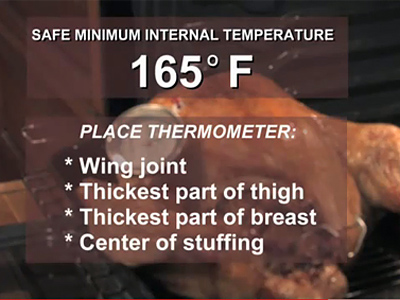
"content": "\u003cp>\u003ca href=\"http://www.fsis.usda.gov/\">\u003cimg src=\"http://ww2.kqed.org/bayareabites/wp-content/uploads/sites/24/2010/11/food-safety.jpg\" alt=\"Food Safety for Cooking a Turkey\" title=\"Food Safety for Cooking a Turkey\" width=\"500\" height=\"283\" class=\"alignnone size-full wp-image-19117\">\u003c/a>\u003cbr>\n\u003cem>USDAFoodSafety: Let's Talk about Cooking a Turkey\u003c/em>\u003c/p>\n\u003cp>What do you think of when you hear the word Thanksgiving? A Norman Rockwell family sitting down to eat their big shiny turkey? Pilgrims and Native Americans eating corn together? Or a loud boisterous family trying to cook and eat together while they bicker, laugh and get in each other's way?\u003c/p>\n\u003cp>If the latter, then your idea of Thanksgiving is refreshingly grounded in reality. But along with the family and friends bringing various plates and drinks into your house for the big holiday meal, you have to also consider the food safety issues related to feeding all those loved ones safely.\u003c/p>\n\u003cp>Now I don't want to be a downer, but if there's any day during the year when you might accidentally spread some bacteria or make someone sick, it’s Thanksgiving. But keeping your meal safe for your family and guests isn’t difficult if you take a few proactive steps. Following are some easy food safety guidelines for not only the holiday meal, but every day throughout the year. \u003c/p>\n\u003cp>Please note that I won't discuss how to purchase or store a raw turkey because at this point (as today is Thanksgiving) that ship has sailed. If you would like information on this topic, however, go to the \u003ca href=\"http://www.fsis.usda.gov/wps/portal/fsis/topics/food-safety-education/featured-campaign\">Top Holiday Resources and Turkey Tips\u003c/a>. \u003c/p>\n\u003cp>[ad fullwidth]\u003c/p>\n\u003cp>And because this isn't the most festive topic, here's that old Saturday Night Live skit of Dan Ackroyd playing Julia Child to get you into a merry mood first. In it, poor Julia definitely needs some food safety tips.\u003cbr>\n\u003ciframe frameborder=\"0\" width=\"560\" height=\"315\" src=\"//www.dailymotion.com/embed/video/x7tnc9\" allowfullscreen>\u003c/iframe>\u003c/p>\n\u003cp>And now for those safety tips:\u003c/p>\n\u003cp>\u003cstrong>Maintaining a Clean Work Area\u003c/strong>\u003c/p>\n\u003cp>Preparing a Thanksgiving dinner can be a messy endeavor, but you'll find that keeping your hands and work area clean is the key to success if you want to keep everyone safe. So be sure to:\u003c/p>\n\u003cp>•\tClean your work area thoroughly before starting to handle the turkey. Although you may be literally up to your ears in food that needs to be dealt with, you should remove everything from the area where the raw turkey will be handled.\u003cbr>\n•\tDon't place raw meat on a porous surface (such as wood or grout). If you don't have a solid non-porous surface to work with, place a large plastic cutting board down for your work area or line the counter with layers of foil.\u003cbr>\n•\tUse separate cutting boards for raw and cooked foods.\u003cbr>\n•\tAfter handling the turkey, be sure to wash your hands thoroughly in warm soapy water. And don’t’ be lazy. If you handled the turkey and then need to go to the refrigerator to pull our some butter or herbs, don't just quickly wipe off your hands before opening the refrigerator as any bacteria on your hands will be transferred to the dish towel and then the refrigerator handle and anything else you touch. Best to wash your hands every time you have to touch anything other than the turkey and its ingredients during the process.\u003cbr>\n•\tSet aside any herbs, salt or spices that you will use when preparing your turkey. So if you're using a dried spice, don’t handle the container throughout the preparation process. Rather you should set some in a bowl before you start for use. Throw out anything unused in the bowls when you’re done.\u003cbr>\n•\tBe sure to clean your workspace with hot soapy water when you’re finished and toss any used dish towels in the wash.\u003c/p>\n\u003cp>\u003cstrong>How to Treat Stuffing\u003c/strong>\u003cbr>\n•\tKeep any wet ingredients refrigerated until ready for use.\u003cbr>\n•\tStuff the bird moments before baking. Don't stuff it early in the day (or the day before) and then leave refrigerated (or worse yet at room temperature). Stuffing can easily harbor bacteria, so be sure to keep it fresh until it goes inside the turkey.\u003cbr>\n•\tDon't overpack the stuffing in your turkey as it will take longer to cook than the bird if you do this (which will dry out the turkey meat). So be sure to stuff loosely.\u003cbr>\n•\tMake sure your stuffing is nice and moist as the oven's heat will destroy bacteria more rapidly in a moist environment.\u003cbr>\n•\tCook the stuffing until it is at least 165 degrees (just like the turkey).\u003cbr>\n•\tRemove the stuffing when you take the turkey out of the oven. \u003c/p>\n\u003cp>\u003cstrong>Tip:\u003c/strong> If the bird seems fully roasted but the stuffing still isn’t 165 degrees, remove the stuffing from the bird and continue baking in a separate dish. Also make sure the turkey cavity is 165 degrees before taking it out of the oven.\u003c/p>\n\u003cp>\u003cstrong>Note:\u003c/strong> The USDA actually prefers that people don’t stuff the bird, but I love the flavor of the turkey drippings in the stuffing so I disregard this advice. If you do stuff, however, be safe.\u003c/p>\n\u003cp>For more information on stuffing, check out the ridiculously informative stuffing safety page on \u003ca href=\"http://www.fsis.usda.gov/wps/portal/fsis/topics/food-safety-education/get-answers/food-safety-fact-sheets/poultry-preparation/turkey-basics-stuffing/ct_index\">the USDA web site\u003c/a>.\u003c/p>\n\u003cp>[youtube //www.youtube.com/watch?v=wBXuTnv0gAQ]\u003c/p>\n\u003cp>\u003cstrong>How Long to Cook Your Turkey\u003c/strong>\u003cbr>\nHere are the USDA's recommended cooking times:\u003cbr>\n\u003ca href=\"http://ww2.kqed.org/bayareabites/wp-content/uploads/sites/24/2010/11/Cooking-Time-Tables.png\">\u003cimg src=\"http://ww2.kqed.org/bayareabites/wp-content/uploads/sites/24/2010/11/Cooking-Time-Tables.png\" alt=\"\" title=\"Cooking Time Tables\" width=\"380\" height=\"456\" class=\"alignnone size-full wp-image-19090\">\u003c/a>\u003c/p>\n\u003cp>\u003cstrong>The Temperature of Your Bird\u003c/strong>\u003cbr>\nThe USDA has determined that the internal food temperature for your turkey should be at least 165 degrees. Be sure to check various locations of the bird before taking it out of the oven as white and dark meat cooks differently. Also, be sure to take an internal temperature (i.e., inside the cavity of the turkey). \u003c/p>\n\u003cp>[youtube //www.youtube.com/watch?v=suf9DkCE8zo]\u003c/p>\n\u003cp>\u003cstrong>Note:\u003c/strong> The turkey will continue to cook as it rests, so if you feel sure everything will reach 165 degrees when tenting on the counter, you can take it out at about 160 degrees (I do). But please be sure to take the temperature after 5-7 minutes to make sure you get to 165 (especially if feeding kids and pregnant women).\u003c/p>\n\u003cp>\u003cstrong>What to Do When You Remove the Turkey From the Oven\u003c/strong>\u003cbr>\n•\tImmediately remove the stuffing and set in a separate dish. If the stuffing has reached 165 degrees you can set aside covered. If not, set the dish in the oven to continue baking until it reaches the designated temperature.\u003cbr>\n•\tLet the turkey rest for at least 15-20 minutes. If you need to use the pan to make gravy, just set the turkey on a large dish or plastic cutting board and tent with foil.\u003cbr>\n•\tWhen carving the turkey, look to make sure pink juices are not present. If they are, you have misjudged the turkey’s temperature and it needs to be cooked more fully. \u003c/p>\n\u003cp>\u003cstrong>During the Big Meal\u003c/strong>\u003cbr>\n•\tDon't leave any meat, stuffing or gravy on the counter for longer than 2 hours. If you have food on the counter that you do not intend to use during the meal, quickly store it in the proper container and set in the refrigerator for later use. According to the USDA web site: \"Scientists have found that after 2 hours at room temperature, bacteria can multiply on foods to high enough levels to cause illness.\"\u003cbr>\n•\tIf you do leave food out, you will need to toss any turkey, gravy or stuffing that is left at room temperature for over 2 hours.\u003cbr>\n•\tIf you have an all-day buffet, keep part of the turkey, gravy and stuffing in the refrigerator instead of putting the whole thing out to sit for hours. Presenting smaller amounts to your guests will allow you to make sure the food isn't sitting around too long.\u003c/p>\n\u003cp>\u003cstrong>Storing Leftovers\u003c/strong>\u003cbr>\n•\tRemove all the meat from the turkey and store in small portions in either ziplock bags or containers in the refrigerator or freezer. Do NOT set the entire turkey on a plate in the refrigerator as different parts of the bird cool at different rates.\u003cbr>\n•\tUse refrigerated turkey and stuffing within 3 to 4 days. Use gravy within 1 to 2 days. If you think you won’t use it this quickly, freeze.\u003cbr>\n•\tIf freezing leftovers, use within 2 to 6 months for best quality.\u003c/p>\n\u003cp>\u003cstrong>Non-Turkey Safety\u003c/strong>\u003cbr>\n•\tThoroughly cook anything that uses eggs (especially if you're cooking for kids or pregnant women).\u003cbr>\n•\tRefrigerate anything made with eggs, dairy or meat until ready to use and then after use.\u003cbr>\n•\tIf traveling to a relative or friend's house with your own prepared dish, be sure to set it in a cooler if the food needs to be refrigerated and the trip will take over an hour.\u003cbr>\n•\tPlace all perishable foods in the refrigerator within two hours.\u003c/p>\n\u003cp>[ad floatright]\u003c/p>\n\u003cp>And if you're really in a fix, \u003ca href=\"http://www.fsis.usda.gov/wps/portal/informational/askkaren\">just ask Karen\u003c/a> at USDA, your guide to expert knowledge on handling and storing food safely and preventing food poisoning.\u003c/p>\n\n",
"disqusIdentifier": "19089 http://blogs.kqed.org/bayareabites/?p=19089",
"disqusUrl": "https://ww2.kqed.org/bayareabites/2010/11/25/food-safety-on-thanksgiving/",
"stats": {
"hasVideo": true,
"hasChartOrMap": true,
"hasAudio": false,
"hasPolis": false,
"wordCount": 1489,
"hasGoogleForm": false,
"hasGallery": false,
"hasHearkenModule": false,
"iframeSrcs": [
"//www.dailymotion.com/embed/video/x7tnc9"
],
"paragraphCount": 26
},
"modified": 1480003826,
"excerpt": "Now I don't want to be a downer, but if there's any day during the year when you might accidentally spread some bacteria or make someone sick, it's Thanksgiving. But keeping your meal safe for your family and guests isn't difficult if you take a few proactive steps. Here are some easy food safety guidelines for not only the holiday meal, but every day throughout the year. ",
"headData": {
"twImgId": "",
"twTitle": "",
"ogTitle": "",
"ogImgId": "",
"twDescription": "",
"description": "Now I don't want to be a downer, but if there's any day during the year when you might accidentally spread some bacteria or make someone sick, it's Thanksgiving. But keeping your meal safe for your family and guests isn't difficult if you take a few proactive steps. Here are some easy food safety guidelines for not only the holiday meal, but every day throughout the year. ",
"title": "Food Safety on Thanksgiving | KQED",
"ogDescription": "",
"schema": {
"@context": "https://schema.org",
"@type": "Article",
"headline": "Food Safety on Thanksgiving",
"datePublished": "2010-11-25T07:00:23-08:00",
"dateModified": "2016-11-24T08:10:26-08:00",
"image": "https://cdn.kqed.org/wp-content/uploads/2020/02/KQED-OG-Image@1x.png"
}
},
"guestAuthors": [],
"slug": "food-safety-on-thanksgiving",
"status": "publish",
"path": "/bayareabites/19089/food-safety-on-thanksgiving",
"audioTrackLength": null,
"parsedContent": [
{
"type": "contentString",
"content": "\u003cdiv class=\"post-body\">\u003cp>\u003cp>\u003ca href=\"http://www.fsis.usda.gov/\">\u003cimg src=\"http://ww2.kqed.org/bayareabites/wp-content/uploads/sites/24/2010/11/food-safety.jpg\" alt=\"Food Safety for Cooking a Turkey\" title=\"Food Safety for Cooking a Turkey\" width=\"500\" height=\"283\" class=\"alignnone size-full wp-image-19117\">\u003c/a>\u003cbr>\n\u003cem>USDAFoodSafety: Let's Talk about Cooking a Turkey\u003c/em>\u003c/p>\n\u003cp>What do you think of when you hear the word Thanksgiving? A Norman Rockwell family sitting down to eat their big shiny turkey? Pilgrims and Native Americans eating corn together? Or a loud boisterous family trying to cook and eat together while they bicker, laugh and get in each other's way?\u003c/p>\n\u003cp>If the latter, then your idea of Thanksgiving is refreshingly grounded in reality. But along with the family and friends bringing various plates and drinks into your house for the big holiday meal, you have to also consider the food safety issues related to feeding all those loved ones safely.\u003c/p>\n\u003cp>Now I don't want to be a downer, but if there's any day during the year when you might accidentally spread some bacteria or make someone sick, it’s Thanksgiving. But keeping your meal safe for your family and guests isn’t difficult if you take a few proactive steps. Following are some easy food safety guidelines for not only the holiday meal, but every day throughout the year. \u003c/p>\n\u003cp>Please note that I won't discuss how to purchase or store a raw turkey because at this point (as today is Thanksgiving) that ship has sailed. If you would like information on this topic, however, go to the \u003ca href=\"http://www.fsis.usda.gov/wps/portal/fsis/topics/food-safety-education/featured-campaign\">Top Holiday Resources and Turkey Tips\u003c/a>. \u003c/p>\n\u003cp>\u003c/p>\u003c/div>",
"attributes": {
"named": {},
"numeric": []
}
},
{
"type": "component",
"content": "",
"name": "ad",
"attributes": {
"named": {
"label": "fullwidth"
},
"numeric": [
"fullwidth"
]
}
},
{
"type": "contentString",
"content": "\u003cdiv class=\"post-body\">\u003cp>\u003c/p>\n\u003cp>And because this isn't the most festive topic, here's that old Saturday Night Live skit of Dan Ackroyd playing Julia Child to get you into a merry mood first. In it, poor Julia definitely needs some food safety tips.\u003cbr>\n\u003ciframe frameborder=\"0\" width=\"560\" height=\"315\" src=\"//www.dailymotion.com/embed/video/x7tnc9\" allowfullscreen>\u003c/iframe>\u003c/p>\n\u003cp>And now for those safety tips:\u003c/p>\n\u003cp>\u003cstrong>Maintaining a Clean Work Area\u003c/strong>\u003c/p>\n\u003cp>Preparing a Thanksgiving dinner can be a messy endeavor, but you'll find that keeping your hands and work area clean is the key to success if you want to keep everyone safe. So be sure to:\u003c/p>\n\u003cp>•\tClean your work area thoroughly before starting to handle the turkey. Although you may be literally up to your ears in food that needs to be dealt with, you should remove everything from the area where the raw turkey will be handled.\u003cbr>\n•\tDon't place raw meat on a porous surface (such as wood or grout). If you don't have a solid non-porous surface to work with, place a large plastic cutting board down for your work area or line the counter with layers of foil.\u003cbr>\n•\tUse separate cutting boards for raw and cooked foods.\u003cbr>\n•\tAfter handling the turkey, be sure to wash your hands thoroughly in warm soapy water. And don’t’ be lazy. If you handled the turkey and then need to go to the refrigerator to pull our some butter or herbs, don't just quickly wipe off your hands before opening the refrigerator as any bacteria on your hands will be transferred to the dish towel and then the refrigerator handle and anything else you touch. Best to wash your hands every time you have to touch anything other than the turkey and its ingredients during the process.\u003cbr>\n•\tSet aside any herbs, salt or spices that you will use when preparing your turkey. So if you're using a dried spice, don’t handle the container throughout the preparation process. Rather you should set some in a bowl before you start for use. Throw out anything unused in the bowls when you’re done.\u003cbr>\n•\tBe sure to clean your workspace with hot soapy water when you’re finished and toss any used dish towels in the wash.\u003c/p>\n\u003cp>\u003cstrong>How to Treat Stuffing\u003c/strong>\u003cbr>\n•\tKeep any wet ingredients refrigerated until ready for use.\u003cbr>\n•\tStuff the bird moments before baking. Don't stuff it early in the day (or the day before) and then leave refrigerated (or worse yet at room temperature). Stuffing can easily harbor bacteria, so be sure to keep it fresh until it goes inside the turkey.\u003cbr>\n•\tDon't overpack the stuffing in your turkey as it will take longer to cook than the bird if you do this (which will dry out the turkey meat). So be sure to stuff loosely.\u003cbr>\n•\tMake sure your stuffing is nice and moist as the oven's heat will destroy bacteria more rapidly in a moist environment.\u003cbr>\n•\tCook the stuffing until it is at least 165 degrees (just like the turkey).\u003cbr>\n•\tRemove the stuffing when you take the turkey out of the oven. \u003c/p>\n\u003cp>\u003cstrong>Tip:\u003c/strong> If the bird seems fully roasted but the stuffing still isn’t 165 degrees, remove the stuffing from the bird and continue baking in a separate dish. Also make sure the turkey cavity is 165 degrees before taking it out of the oven.\u003c/p>\n\u003cp>\u003cstrong>Note:\u003c/strong> The USDA actually prefers that people don’t stuff the bird, but I love the flavor of the turkey drippings in the stuffing so I disregard this advice. If you do stuff, however, be safe.\u003c/p>\n\u003cp>For more information on stuffing, check out the ridiculously informative stuffing safety page on \u003ca href=\"http://www.fsis.usda.gov/wps/portal/fsis/topics/food-safety-education/get-answers/food-safety-fact-sheets/poultry-preparation/turkey-basics-stuffing/ct_index\">the USDA web site\u003c/a>.\u003c/p>\n\u003cp>\u003c/p>\u003cp>\u003cspan class='utils-parseShortcode-shortcodes-__youtubeShortcode__embedYoutube'>\n \u003cspan class='utils-parseShortcode-shortcodes-__youtubeShortcode__embedYoutubeInside'>\n \u003ciframe\n loading='lazy'\n class='utils-parseShortcode-shortcodes-__youtubeShortcode__youtubePlayer'\n type='text/html'\n src='//www.youtube.com/embed/wBXuTnv0gAQ'\n title='//www.youtube.com/embed/wBXuTnv0gAQ'\n allowfullscreen='true'\n style='border:0;'>\u003c/iframe>\n \u003c/span>\n \u003c/span>\u003c/p>\u003cp>\u003c/p>\n\u003cp>\u003cstrong>How Long to Cook Your Turkey\u003c/strong>\u003cbr>\nHere are the USDA's recommended cooking times:\u003cbr>\n\u003ca href=\"http://ww2.kqed.org/bayareabites/wp-content/uploads/sites/24/2010/11/Cooking-Time-Tables.png\">\u003cimg src=\"http://ww2.kqed.org/bayareabites/wp-content/uploads/sites/24/2010/11/Cooking-Time-Tables.png\" alt=\"\" title=\"Cooking Time Tables\" width=\"380\" height=\"456\" class=\"alignnone size-full wp-image-19090\">\u003c/a>\u003c/p>\n\u003cp>\u003cstrong>The Temperature of Your Bird\u003c/strong>\u003cbr>\nThe USDA has determined that the internal food temperature for your turkey should be at least 165 degrees. Be sure to check various locations of the bird before taking it out of the oven as white and dark meat cooks differently. Also, be sure to take an internal temperature (i.e., inside the cavity of the turkey). \u003c/p>\n\u003cp>\u003c/p>\u003cp>\u003cspan class='utils-parseShortcode-shortcodes-__youtubeShortcode__embedYoutube'>\n \u003cspan class='utils-parseShortcode-shortcodes-__youtubeShortcode__embedYoutubeInside'>\n \u003ciframe\n loading='lazy'\n class='utils-parseShortcode-shortcodes-__youtubeShortcode__youtubePlayer'\n type='text/html'\n src='//www.youtube.com/embed/suf9DkCE8zo'\n title='//www.youtube.com/embed/suf9DkCE8zo'\n allowfullscreen='true'\n style='border:0;'>\u003c/iframe>\n \u003c/span>\n \u003c/span>\u003c/p>\u003cp>\u003c/p>\n\u003cp>\u003cstrong>Note:\u003c/strong> The turkey will continue to cook as it rests, so if you feel sure everything will reach 165 degrees when tenting on the counter, you can take it out at about 160 degrees (I do). But please be sure to take the temperature after 5-7 minutes to make sure you get to 165 (especially if feeding kids and pregnant women).\u003c/p>\n\u003cp>\u003cstrong>What to Do When You Remove the Turkey From the Oven\u003c/strong>\u003cbr>\n•\tImmediately remove the stuffing and set in a separate dish. If the stuffing has reached 165 degrees you can set aside covered. If not, set the dish in the oven to continue baking until it reaches the designated temperature.\u003cbr>\n•\tLet the turkey rest for at least 15-20 minutes. If you need to use the pan to make gravy, just set the turkey on a large dish or plastic cutting board and tent with foil.\u003cbr>\n•\tWhen carving the turkey, look to make sure pink juices are not present. If they are, you have misjudged the turkey’s temperature and it needs to be cooked more fully. \u003c/p>\n\u003cp>\u003cstrong>During the Big Meal\u003c/strong>\u003cbr>\n•\tDon't leave any meat, stuffing or gravy on the counter for longer than 2 hours. If you have food on the counter that you do not intend to use during the meal, quickly store it in the proper container and set in the refrigerator for later use. According to the USDA web site: \"Scientists have found that after 2 hours at room temperature, bacteria can multiply on foods to high enough levels to cause illness.\"\u003cbr>\n•\tIf you do leave food out, you will need to toss any turkey, gravy or stuffing that is left at room temperature for over 2 hours.\u003cbr>\n•\tIf you have an all-day buffet, keep part of the turkey, gravy and stuffing in the refrigerator instead of putting the whole thing out to sit for hours. Presenting smaller amounts to your guests will allow you to make sure the food isn't sitting around too long.\u003c/p>\n\u003cp>\u003cstrong>Storing Leftovers\u003c/strong>\u003cbr>\n•\tRemove all the meat from the turkey and store in small portions in either ziplock bags or containers in the refrigerator or freezer. Do NOT set the entire turkey on a plate in the refrigerator as different parts of the bird cool at different rates.\u003cbr>\n•\tUse refrigerated turkey and stuffing within 3 to 4 days. Use gravy within 1 to 2 days. If you think you won’t use it this quickly, freeze.\u003cbr>\n•\tIf freezing leftovers, use within 2 to 6 months for best quality.\u003c/p>\n\u003cp>\u003cstrong>Non-Turkey Safety\u003c/strong>\u003cbr>\n•\tThoroughly cook anything that uses eggs (especially if you're cooking for kids or pregnant women).\u003cbr>\n•\tRefrigerate anything made with eggs, dairy or meat until ready to use and then after use.\u003cbr>\n•\tIf traveling to a relative or friend's house with your own prepared dish, be sure to set it in a cooler if the food needs to be refrigerated and the trip will take over an hour.\u003cbr>\n•\tPlace all perishable foods in the refrigerator within two hours.\u003c/p>\n\u003cp>\u003c/p>\u003c/div>",
"attributes": {
"named": {},
"numeric": []
}
},
{
"type": "component",
"content": "",
"name": "ad",
"attributes": {
"named": {
"label": "floatright"
},
"numeric": [
"floatright"
]
}
},
{
"type": "contentString",
"content": "\u003cdiv class=\"post-body\">\u003cp>\u003c/p>\n\u003cp>And if you're really in a fix, \u003ca href=\"http://www.fsis.usda.gov/wps/portal/informational/askkaren\">just ask Karen\u003c/a> at USDA, your guide to expert knowledge on handling and storing food safely and preventing food poisoning.\u003c/p>\n\n\u003c/div>\u003c/p>",
"attributes": {
"named": {},
"numeric": []
}
}
],
"link": "/bayareabites/19089/food-safety-on-thanksgiving",
"authors": [
"5016"
],
"categories": [
"bayareabites_2695",
"bayareabites_12550",
"bayareabites_1763",
"bayareabites_2035"
],
"tags": [
"bayareabites_8538",
"bayareabites_8539",
"bayareabites_530",
"bayareabites_543"
],
"featImg": "bayareabites_51399",
"label": "bayareabites"
},
"bayareabites_16648": {
"type": "posts",
"id": "bayareabites_16648",
"meta": {
"index": "posts_1716263798",
"site": "bayareabites",
"id": "16648",
"score": null,
"sort": [
1283300430000
]
},
"parent": 0,
"labelTerm": {
"site": "bayareabites"
},
"blocks": [],
"publishDate": 1283300430,
"format": "aside",
"disqusTitle": "KQED's Forum: New Alcohol Fee for San Francisco?",
"title": "KQED's Forum: New Alcohol Fee for San Francisco?",
"headTitle": "Bay Area Bites | KQED Food",
"content": "\u003cp>\u003ca href=\"http://www.kqed.org/a/forum/R201008311000\">\u003cimg src=\"http://ww2.kqed.org/bayareabites/wp-content/uploads/sites/24/2008/08/forum-logo.jpg\" alt=\"forum logo\">\u003c/a>\u003cbr>\nSan Francisco's Board of Supervisors is considering imposing a fee on alcoholic beverages, which would go to pay for programs associated with alcohol abuse. But critics say the fee would burden businesses in already tough economic times. \u003c/p>\n\u003cp>\u003cobject width=\"335\" height=\"85\">\u003cparam name=\"movie\" value=\"http://www.kqed.org/assets/flash/kqedplayer.swf\">\u003cparam name=\"flashvars\" value=\"file=http://www.kqed.org/radio/archives/R201008311000.xml\">\u003cembed src=\"http://www.kqed.org/assets/flash/kqedplayer.swf\" type=\"application/x-shockwave-flash\" width=\"335\" height=\"85\" flashvars=\"file=http://www.kqed.org/radio/archives/R201008311000.xml\">\u003c/embed>\u003c/object>\u003c/p>\n\u003cp>\u003cstrong>Host:\u003c/strong> Michael Krasny\u003c/p>\n\u003cp>\u003cstrong>Guests:\u003c/strong>\u003c/p>\n\u003cul>\n\u003cli>John Avalos, member of the \u003ca href=\"http://www.sfbos.org/\">San Francisco Board of Supervisors\u003c/a>\u003c/li>\n\u003cli>Rich Higgins, brewmaster at \u003ca href=\"http://socialbrewsf.com/\">Social Kitchen And Brewery\u003c/a> and president of the \u003ca href=\"http://www.facebook.com/pages/San-Francisco-CA/San-Francisco-Brewers-Guild/60909381361\">San Francisco Brewers Guild\u003c/a> \u003c/li>\n\u003c/ul>\n\u003cp>[ad fullwidth]\u003c/p>\u003cp>\u003c/p>\n",
"disqusIdentifier": "16648 http://blogs.kqed.org/bayareabites/?p=16648",
"disqusUrl": "https://ww2.kqed.org/bayareabites/2010/08/31/forum-new-alcohol-fee-for-san-francisco/",
"stats": {
"hasVideo": false,
"hasChartOrMap": false,
"hasAudio": false,
"hasPolis": false,
"wordCount": 70,
"hasGoogleForm": false,
"hasGallery": false,
"hasHearkenModule": false,
"iframeSrcs": [],
"paragraphCount": 6
},
"modified": 1283301034,
"excerpt": "San Francisco's Board of Supervisors is considering imposing a fee on alcoholic beverages, which would go to pay for programs associated with alcohol abuse. But critics say the fee would burden businesses in already tough economic times.",
"headData": {
"twImgId": "",
"twTitle": "",
"ogTitle": "",
"ogImgId": "",
"twDescription": "",
"description": "San Francisco's Board of Supervisors is considering imposing a fee on alcoholic beverages, which would go to pay for programs associated with alcohol abuse. But critics say the fee would burden businesses in already tough economic times.",
"title": "KQED's Forum: New Alcohol Fee for San Francisco? | KQED",
"ogDescription": "",
"schema": {
"@context": "https://schema.org",
"@type": "Article",
"headline": "KQED's Forum: New Alcohol Fee for San Francisco?",
"datePublished": "2010-08-31T17:20:30-07:00",
"dateModified": "2010-08-31T17:30:34-07:00",
"image": "https://cdn.kqed.org/wp-content/uploads/2020/02/KQED-OG-Image@1x.png"
}
},
"guestAuthors": [],
"slug": "forum-new-alcohol-fee-for-san-francisco",
"status": "publish",
"path": "/bayareabites/16648/forum-new-alcohol-fee-for-san-francisco",
"audioTrackLength": null,
"parsedContent": [
{
"type": "contentString",
"content": "\u003cdiv class=\"post-body\">\u003cp>\u003cp>\u003ca href=\"http://www.kqed.org/a/forum/R201008311000\">\u003cimg src=\"http://ww2.kqed.org/bayareabites/wp-content/uploads/sites/24/2008/08/forum-logo.jpg\" alt=\"forum logo\">\u003c/a>\u003cbr>\nSan Francisco's Board of Supervisors is considering imposing a fee on alcoholic beverages, which would go to pay for programs associated with alcohol abuse. But critics say the fee would burden businesses in already tough economic times. \u003c/p>\n\u003cp>\u003cobject width=\"335\" height=\"85\">\u003cparam name=\"movie\" value=\"http://www.kqed.org/assets/flash/kqedplayer.swf\">\u003cparam name=\"flashvars\" value=\"file=http://www.kqed.org/radio/archives/R201008311000.xml\">\u003cembed src=\"http://www.kqed.org/assets/flash/kqedplayer.swf\" type=\"application/x-shockwave-flash\" width=\"335\" height=\"85\" flashvars=\"file=http://www.kqed.org/radio/archives/R201008311000.xml\">\u003c/embed>\u003c/object>\u003c/p>\n\u003cp>\u003cstrong>Host:\u003c/strong> Michael Krasny\u003c/p>\n\u003cp>\u003cstrong>Guests:\u003c/strong>\u003c/p>\n\u003cul>\n\u003cli>John Avalos, member of the \u003ca href=\"http://www.sfbos.org/\">San Francisco Board of Supervisors\u003c/a>\u003c/li>\n\u003cli>Rich Higgins, brewmaster at \u003ca href=\"http://socialbrewsf.com/\">Social Kitchen And Brewery\u003c/a> and president of the \u003ca href=\"http://www.facebook.com/pages/San-Francisco-CA/San-Francisco-Brewers-Guild/60909381361\">San Francisco Brewers Guild\u003c/a> \u003c/li>\n\u003c/ul>\n\u003cp>\u003c/p>\u003c/div>",
"attributes": {
"named": {},
"numeric": []
}
},
{
"type": "component",
"content": "",
"name": "ad",
"attributes": {
"named": {
"label": "fullwidth"
},
"numeric": [
"fullwidth"
]
}
},
{
"type": "contentString",
"content": "\u003cdiv class=\"post-body\">\u003cp>\u003c/p>\u003cp>\u003c/p>\n\u003c/div>\u003c/p>",
"attributes": {
"named": {},
"numeric": []
}
}
],
"link": "/bayareabites/16648/forum-new-alcohol-fee-for-san-francisco",
"authors": [
"5014"
],
"categories": [
"bayareabites_1244",
"bayareabites_45",
"bayareabites_2035",
"bayareabites_34",
"bayareabites_90",
"bayareabites_119"
],
"tags": [
"bayareabites_8359",
"bayareabites_8360",
"bayareabites_1325"
],
"label": "bayareabites"
},
"bayareabites_16549": {
"type": "posts",
"id": "bayareabites_16549",
"meta": {
"index": "posts_1716263798",
"site": "bayareabites",
"id": "16549",
"score": null,
"sort": [
1282977528000
]
},
"parent": 0,
"labelTerm": {
"site": "bayareabites"
},
"blocks": [],
"publishDate": 1282977528,
"format": "aside",
"disqusTitle": "KQED's Forum: Egg Recall",
"title": "KQED's Forum: Egg Recall",
"headTitle": "Bay Area Bites | KQED Food",
"content": "\u003cp>\u003ca href=\"http://www.kqed.org/a/forum/R201008240900\">\u003cimg src=\"http://ww2.kqed.org/bayareabites/wp-content/uploads/sites/24/2008/08/forum-logo.jpg\" alt=\"forum logo\">\u003c/a>\u003cbr>\nMore than 500-million eggs have been recalled after outbreaks of salmonella nationwide. The head of the \u003ca href=\"http://www.fda.gov/Safety/Recalls/default.htm\">FDA\u003c/a> says her agency needs more authority to prevent food borne illnesses. Forum discusses the weaknesses in food safety regulation and what should be done.\u003c/p>\n\u003cp>\u003cobject width=\"335\" height=\"85\">\u003cparam name=\"movie\" value=\"http://www.kqed.org/assets/flash/kqedplayer.swf\">\u003cparam name=\"flashvars\" value=\"file=http://www.kqed.org/radio/archives/R201008240900.xml\">\u003cembed src=\"http://www.kqed.org/assets/flash/kqedplayer.swf\" type=\"application/x-shockwave-flash\" width=\"335\" height=\"85\" flashvars=\"file=http://www.kqed.org/radio/archives/R201008240900.xml\">\u003c/embed>\u003c/object>\u003c/p>\n\u003cp>\u003cstrong>Host:\u003c/strong> Michael Krasny\u003c/p>\n\u003cp>\u003cstrong>Guests:\u003c/strong>\u003c/p>\n\u003cul>\n\u003cli>Bill Marler, food safety attorney\u003c/li>\n\u003cli>Dan Sumner, professor of agricultural and resource economics at UC Davis \u003c/li>\n\u003cli>Lyndsey Layton, staff writer for the Washington Post\u003c/li>\n\u003cli>William Hubbard, former associate commissioner for the FDA\u003c/li>\n\u003c/ul>\n\u003cp>\u003cstrong>Related Links:\u003c/strong>\u003c/p>\n\u003cul>\n\u003cli>FDA: \u003ca href=\"http://www.fda.gov/Safety/Recalls/default.htm\">Recalls, Market Withdrawals, & Safety Alerts\u003c/a>\u003c/li>\n\u003cli>Civil Eats: \u003ca href=\"http://civileats.com/2010/08/25/egg-gaps-illustrate-fractured-food-safety-system/\">Egg Gaps Illustrate Fractured Food Safety System\u003c/a> by Helena Bottemiller\u003c/li>\n\u003cli>The Atlantic: \u003ca href=\"http://www.theatlantic.com/food/archive/2010/08/the-egg-industrys-full-page-ad-translated/62128/\">The Egg Industry's Full-Page Ad, Translated\u003c/a> by Marion Nestle\u003c/li>\n\u003cli>NYTimes: \u003ca href=\"http://www.nytimes.com/2010/08/27/us/27eggs.html?_r=1&partner=rss&emc=rss\">Heart of Iowa as Fault Line of Egg Recall\u003c/a> by Monica Davey\u003c/li>\n\u003cli>HuffPost: \u003ca href=\"http://www.huffingtonpost.com/alison-rose-levy/food-safety-do-we-need-mo_b_693979.html\">Tainted Meat/Rotten Eggs: What Does It Really Take to Make Food Safe?\u003c/a> by Alison Rose Levy\u003c/li>\n\u003cli>NPR: \u003ca href=\"http://www.npr.org/templates/story/story.php?storyId=129453522&ft=1&f=1053\">Salmonella Found In Chicken Feed At 2 Iowa Farms\u003c/a>\u003c/li>\n\u003cli>NPR: \u003ca href=\"http://www.npr.org/templates/story/story.php?storyId=129417988&ps=rs\">Tainted Eggs Renew Calls For Food Safety Overhaul\u003c/a> by April Fulton\u003c/li>\n\u003cli>NPR: \u003ca href=\"http://www.npr.org/blogs/health/2010/08/24/129406317/how-to-stay-safe-after-the-egg-recall?ps=rs\">How To Stay Safe During The Egg Recalls\u003c/a> by Whitney Blair Wyckoff\u003c/li>\n\u003cp>\tGrist: \u003c/p>\n\u003cli>\u003ca href=\"http://www.grist.org/article/2010-08-31-after-a-half-billion-bad-eggs-get-fda-reveals-filthy-conditions-/\">After a half billion bad eggs get released, the FDA reveals filthy conditions of Wright County\u003c/a> Egg by Tom Philpott\u003c/li>\n\u003c/ul>\n\u003cp>[ad fullwidth]\u003c/p>\u003cp>\u003c/p>\n",
"disqusIdentifier": "16549 http://blogs.kqed.org/bayareabites/?p=16549",
"disqusUrl": "https://ww2.kqed.org/bayareabites/2010/08/27/kqed-forum-egg-recall/",
"stats": {
"hasVideo": false,
"hasChartOrMap": false,
"hasAudio": false,
"hasPolis": false,
"wordCount": 201,
"hasGoogleForm": false,
"hasGallery": false,
"hasHearkenModule": false,
"iframeSrcs": [],
"paragraphCount": 8
},
"modified": 1283301018,
"excerpt": "More than 500-million eggs have been recalled after outbreaks of salmonella nationwide. The head of the FDA says her agency needs more authority to prevent food borne illnesses. Forum discusses the weaknesses in food safety regulation and what should be done.",
"headData": {
"twImgId": "",
"twTitle": "",
"ogTitle": "",
"ogImgId": "",
"twDescription": "",
"description": "More than 500-million eggs have been recalled after outbreaks of salmonella nationwide. The head of the FDA says her agency needs more authority to prevent food borne illnesses. Forum discusses the weaknesses in food safety regulation and what should be done.",
"title": "KQED's Forum: Egg Recall | KQED",
"ogDescription": "",
"schema": {
"@context": "https://schema.org",
"@type": "Article",
"headline": "KQED's Forum: Egg Recall",
"datePublished": "2010-08-27T23:38:48-07:00",
"dateModified": "2010-08-31T17:30:18-07:00",
"image": "https://cdn.kqed.org/wp-content/uploads/2020/02/KQED-OG-Image@1x.png"
}
},
"guestAuthors": [],
"slug": "kqed-forum-egg-recall",
"status": "publish",
"path": "/bayareabites/16549/kqed-forum-egg-recall",
"audioTrackLength": null,
"parsedContent": [
{
"type": "contentString",
"content": "\u003cdiv class=\"post-body\">\u003cp>\u003cp>\u003ca href=\"http://www.kqed.org/a/forum/R201008240900\">\u003cimg src=\"http://ww2.kqed.org/bayareabites/wp-content/uploads/sites/24/2008/08/forum-logo.jpg\" alt=\"forum logo\">\u003c/a>\u003cbr>\nMore than 500-million eggs have been recalled after outbreaks of salmonella nationwide. The head of the \u003ca href=\"http://www.fda.gov/Safety/Recalls/default.htm\">FDA\u003c/a> says her agency needs more authority to prevent food borne illnesses. Forum discusses the weaknesses in food safety regulation and what should be done.\u003c/p>\n\u003cp>\u003cobject width=\"335\" height=\"85\">\u003cparam name=\"movie\" value=\"http://www.kqed.org/assets/flash/kqedplayer.swf\">\u003cparam name=\"flashvars\" value=\"file=http://www.kqed.org/radio/archives/R201008240900.xml\">\u003cembed src=\"http://www.kqed.org/assets/flash/kqedplayer.swf\" type=\"application/x-shockwave-flash\" width=\"335\" height=\"85\" flashvars=\"file=http://www.kqed.org/radio/archives/R201008240900.xml\">\u003c/embed>\u003c/object>\u003c/p>\n\u003cp>\u003cstrong>Host:\u003c/strong> Michael Krasny\u003c/p>\n\u003cp>\u003cstrong>Guests:\u003c/strong>\u003c/p>\n\u003cul>\n\u003cli>Bill Marler, food safety attorney\u003c/li>\n\u003cli>Dan Sumner, professor of agricultural and resource economics at UC Davis \u003c/li>\n\u003cli>Lyndsey Layton, staff writer for the Washington Post\u003c/li>\n\u003cli>William Hubbard, former associate commissioner for the FDA\u003c/li>\n\u003c/ul>\n\u003cp>\u003cstrong>Related Links:\u003c/strong>\u003c/p>\n\u003cul>\n\u003cli>FDA: \u003ca href=\"http://www.fda.gov/Safety/Recalls/default.htm\">Recalls, Market Withdrawals, & Safety Alerts\u003c/a>\u003c/li>\n\u003cli>Civil Eats: \u003ca href=\"http://civileats.com/2010/08/25/egg-gaps-illustrate-fractured-food-safety-system/\">Egg Gaps Illustrate Fractured Food Safety System\u003c/a> by Helena Bottemiller\u003c/li>\n\u003cli>The Atlantic: \u003ca href=\"http://www.theatlantic.com/food/archive/2010/08/the-egg-industrys-full-page-ad-translated/62128/\">The Egg Industry's Full-Page Ad, Translated\u003c/a> by Marion Nestle\u003c/li>\n\u003cli>NYTimes: \u003ca href=\"http://www.nytimes.com/2010/08/27/us/27eggs.html?_r=1&partner=rss&emc=rss\">Heart of Iowa as Fault Line of Egg Recall\u003c/a> by Monica Davey\u003c/li>\n\u003cli>HuffPost: \u003ca href=\"http://www.huffingtonpost.com/alison-rose-levy/food-safety-do-we-need-mo_b_693979.html\">Tainted Meat/Rotten Eggs: What Does It Really Take to Make Food Safe?\u003c/a> by Alison Rose Levy\u003c/li>\n\u003cli>NPR: \u003ca href=\"http://www.npr.org/templates/story/story.php?storyId=129453522&ft=1&f=1053\">Salmonella Found In Chicken Feed At 2 Iowa Farms\u003c/a>\u003c/li>\n\u003cli>NPR: \u003ca href=\"http://www.npr.org/templates/story/story.php?storyId=129417988&ps=rs\">Tainted Eggs Renew Calls For Food Safety Overhaul\u003c/a> by April Fulton\u003c/li>\n\u003cli>NPR: \u003ca href=\"http://www.npr.org/blogs/health/2010/08/24/129406317/how-to-stay-safe-after-the-egg-recall?ps=rs\">How To Stay Safe During The Egg Recalls\u003c/a> by Whitney Blair Wyckoff\u003c/li>\n\u003cp>\tGrist: \u003c/p>\n\u003cli>\u003ca href=\"http://www.grist.org/article/2010-08-31-after-a-half-billion-bad-eggs-get-fda-reveals-filthy-conditions-/\">After a half billion bad eggs get released, the FDA reveals filthy conditions of Wright County\u003c/a> Egg by Tom Philpott\u003c/li>\n\u003c/ul>\n\u003cp>\u003c/p>\u003c/div>",
"attributes": {
"named": {},
"numeric": []
}
},
{
"type": "component",
"content": "",
"name": "ad",
"attributes": {
"named": {
"label": "fullwidth"
},
"numeric": [
"fullwidth"
]
}
},
{
"type": "contentString",
"content": "\u003cdiv class=\"post-body\">\u003cp>\u003c/p>\u003cp>\u003c/p>\n\u003c/div>\u003c/p>",
"attributes": {
"named": {},
"numeric": []
}
}
],
"link": "/bayareabites/16549/kqed-forum-egg-recall",
"authors": [
"5014"
],
"categories": [
"bayareabites_45",
"bayareabites_2035",
"bayareabites_34"
],
"tags": [
"bayareabites_33",
"bayareabites_1325",
"bayareabites_888"
],
"label": "bayareabites"
},
"bayareabites_15451": {
"type": "posts",
"id": "bayareabites_15451",
"meta": {
"index": "posts_1716263798",
"site": "bayareabites",
"id": "15451",
"score": null,
"sort": [
1280671252000
]
},
"parent": 0,
"labelTerm": {
"site": "bayareabites"
},
"blocks": [],
"publishDate": 1280671252,
"format": "aside",
"disqusTitle": "Marin Sun Farms Tour",
"title": "Marin Sun Farms Tour",
"headTitle": "Bay Area Bites | KQED Food",
"content": "\u003cp>\u003ca href=\"http://ww2.kqed.org/bayareabites/wp-content/uploads/sites/24/2010/07/davechix500.jpg\">\u003cimg src=\"http://ww2.kqed.org/bayareabites/wp-content/uploads/sites/24/2010/07/davechix500.jpg\" alt=\"Dave Evans and chickens\" title=\"Dave Evans and chickens\" width=\"500\" height=\"375\" class=\"alignnone size-full wp-image-15629\">\u003c/a>\u003c/p>\n\u003cp>\"Look at that dung pile!\" said \u003ca href=\"http://www.marinsunfarms.com\">Marin Sun Farms\u003c/a> owner Dave Evans enthusiastically, crouching next to a scratched-over cow pat criss-crossed with chicken tracks. What was a freshly deposited pile of manure yesterday is now almost indistinguishable from the trampled-down grasses around it. \u003c/p>\n\u003cp>And that's exactly Evans' point. It's a sharp contrast with a week-old manure pile we'd seen just a few minutes before, on a section of pasture not yet visited by the farm's mobile chicken trailers. That pile was stiffened and dry, peppered with tiny holes where fly eggs had hatched. But over here, the chickens had done their work, pecking the protein-rich fly larvae out of the heap of digested grasses and scratching the high-nitrogen waste into the soil to feed the grass that will feed the cows that will eventually become the burgers sold at the butcher shop down the road from the ranch. \u003c/p>\n\u003cp>It's a closed-circle grass-farming and ranching system, much like the one espoused by Joel Salatin, the farmer made famous by Michael Pollan's \u003ca href=\"http://www.amazon.com/exec/obidos/ASIN/0143038583/kqedorg-20\">The Omnivore's Dilemma\u003c/a>. Pollan's book, of course, was the one which pulled locavore living off the blogs and onto the bestseller list. \u003c/p>\n\u003cp>On a cool, foggy morning in July, a group of about 15 of us had gathered in a gravel-scattered parking lot in front of the farm buildings for a combination talk and walk across the rolling acres that form the center of Marin Sun's network of sustainably-managed, pasture-raised livestock operations. The free tours are held once a month, usually from mid-spring through mid-fall, before the winter rains begin. \u003c/p>\n\u003cp>[ad fullwidth]\u003c/p>\n\u003cp>Introducing himself, owner Dave Evans launched into a freewheeling oral history of the land where we're standing. It's a topic he knows well: his family has been working this land as dairy and cattle farmers for four generations, since his great-grandfather, once a dairy farmer in Switzerland, moved to California and began raising cattle in West Marin. \u003c/p>\n\u003cp>Damp, chilly, and fogbound much of the year, the rolling hills of the Point Reyes peninsula weren't worth much as farmland. But they were perfect for growing lush, green grass that stayed green for a lot longer than in the hot inland valleys. Cows raised on Point Reyes grass produced particularly good milk--and thanks to steamships that chugged from Drakes' Estero and Tomales Bay down into San Francisco (later replaced by refrigerated trucks), butter stamped \"PR\" quickly developed a reputation for superior freshness and quality. \u003c/p>\n\u003cp>Evans' family, like many others on the area's historic lettered system of dairy farms, continued as a dairy farmers until the mid-70s. Then, as milk prices dropped and the dairy industry began to consolidate, Evans' parents switched to beef cattle. Evans was born in 1972, on the original \"H\" ranch owned by his grandfather. \u003c/p>\n\u003cp>Now, the land is owned by the National Park Service, as part of the Point Reyes National Seashore established by President Kennedy in 1962. As an acknowledgment of the area's living history, a special pastoral zone was created as part of the federal mandate, allowing descendants of the area's original ranching families to continue to raise livestock. Evans and his relatives lease their land from the Park Service, abiding by an often-complex set of park rules.\u003c/p>\n\u003cp>\u003ca href=\"http://ww2.kqed.org/bayareabites/wp-content/uploads/sites/24/2010/07/cows500.jpg\">\u003cimg src=\"http://ww2.kqed.org/bayareabites/wp-content/uploads/sites/24/2010/07/cows500.jpg\" alt=\"cows\" title=\"cows\" width=\"500\" height=\"375\" class=\"alignnone size-full wp-image-15631\">\u003c/a>\u003c/p>\n\u003cp>The end result? A herd of cows living on perhaps the most scenic pastureland in California, munching their way year-round through an assortment of native and perennial grasses and plants. They're followed by two different sets of chicken trailers: high, tarp-covered nesting boxes for the layers, and low, fenced-in hutches for the meat birds. \u003c/p>\n\u003cp>\u003ca href=\"http://ww2.kqed.org/bayareabites/wp-content/uploads/sites/24/2010/07/chickens500.jpg\">\u003cimg src=\"http://ww2.kqed.org/bayareabites/wp-content/uploads/sites/24/2010/07/chickens500.jpg\" alt=\"chickens\" title=\"chickens\" width=\"500\" height=\"375\" class=\"alignnone size-full wp-image-15633\">\u003c/a>\u003c/p>\n\u003cp>The layers--a mixture of Barred Rocks, Ameraucanas, Brown and Gold Sexlinks, and Rhode Island Reds--are rovers. Watched over by one of the farm's brawny, blase guard dogs, the chickens wander freely in front of their mobile homes, gossiping, pecking, scratching, and wallowing, like a feathered bunch of middle schoolers during recess. The eggs they lay are collected daily. \u003c/p>\n\u003cp>\u003ca href=\"http://ww2.kqed.org/bayareabites/wp-content/uploads/sites/24/2010/07/chicken-500.jpg\">\u003cimg src=\"http://ww2.kqed.org/bayareabites/wp-content/uploads/sites/24/2010/07/chicken-500.jpg\" alt=\"chickens\" title=\"chickens\" width=\"500\" height=\"375\" class=\"alignnone size-full wp-image-15635\">\u003c/a>\u003c/p>\n\u003cp>At dusk, the chickens retreat into the houses to roost, and the doors are locked against predators. The next day, the houses, perched on heavy wooden runners, are hooked up to a truck and moved to a fresh section of pasture. \u003c/p>\n\u003cp>\u003ca href=\"http://ww2.kqed.org/bayareabites/wp-content/uploads/sites/24/2010/07/meatbirds500.jpg\">\u003cimg src=\"http://ww2.kqed.org/bayareabites/wp-content/uploads/sites/24/2010/07/meatbirds500.jpg\" alt=\"meatbirds\" title=\"meatbirds\" width=\"500\" height=\"375\" class=\"alignnone size-full wp-image-15637\">\u003c/a>\u003c/p>\n\u003cp>The meat birds, by contrast, don't have as much interest in the outside world. They prefer to clump together, eating a naturally omnivorous diet of grass, bugs, and grain and yes, fattening up remarkably fast. In just a few months, the birds go from downy yellow chicks peeping under the heat lamps of the brood houses to fully-grown white-feathered birds, ready for the table. \u003c/p>\n\u003cp>Running a successful livestock operation on the land where he was born and bred is a particular source of satisfaction for Evans. Graduating from Cal Poly with an agricultural business degree, he was already convinced that he knew the best place to work, and it wasn't going to be one of the huge CAFOs in Iowa that came recruiting at the school's job fairs. Instead, he went back to his family's land, working on his father's ranch, then branching out into a fencing company of his own. \u003c/p>\n\u003cp>Marin Sun started with a few dozen cows grazing on leased property in Nicasio. His initial goal? To market maybe 5 animals a year, exclusively grass-fed. Then Michael Pollan's New York Times Magazine article \"Power Steer\" happened, and millions of people were suddenly shocked by the brutal realities of life and death in the feedlot. \"We'd bought a $5 ad on \u003ca href=\"http://www.eatwild.com\">Eatwild\u003c/a>, the only marketing we were doing at the time. Pollan's article told people to go to Eatwild to find grass-fed beef, and that day our phone rang off the hook.\" The ensuing years, Evans admits, were a blur as the company and the cows grew.\u003c/p>\n\u003cp>Now, some 11 years later, Evans is raising his cattle and chickens back on the land where he grew up. Marin Sun cuts, ages, packages, and distributes all its own meat around the Bay Area, to restaurants, grocery stores, two of its own butcher shops (the company recently took over the butcher shop in the Rockridge Market Hall), and a 200+member meat CSA. Everything but the slaughtering (done at a facility in Petaluma) is done in-house, either in space rented at a warehouse along the waterfront in San Francisco or in a warren of small, white-walled rooms hidden behind the butcher shop and cafe in Point Reyes Station. Here, four men stand at a waist-high counter, breaking down primal cuts into retail-ready parts. \u003c/p>\n\u003cp>Walking into the refrigerated storage room, I was struck not just by the visceral reality of the meat--shelves labeled (and stocked) with goat heads, lamb legs, beef tongues--but by the clean, healthy look and smell of it all. Yes, the room smelled like meat, but it was a pleasing smell. These were animals that had had a healthy life, and it showed. You may not agree with raising or eating animals for food, but if it's going to be done, it should be done right, and here, it is. \u003c/p>\n\u003cp>Not all of Marin Sun's meat comes from Evans' own ranch. The realities of pasture-raising means that his own animals reach their finished weight only during a particular three-month window each year. \"No restaurant, no supermarket wants to deal with a producer who only has product 3 months out of the year,\" noted Evans.\u003c/p>\n\u003cp>The answer? Establishing a network of co-producers, ranchers working in a variety of local micro-climates who would raise their livestock on pasture according to Marin Sun protocols. The goats, for example, are raised by Evans' sister, so close by that his own guard dogs often trot over to do a little goat herding, just for fun. Other ranchers raise lamb and sheep, pigs, and cows. More meat raised by Marin Sun protocols means more humane ranching, and more ranchers able to make a living working sustainably. \u003c/p>\n\u003cp>All well and good, of course, but the proof rests with the plate. Just a few months ago, Marin Sun started serving lunches again at their butcher shop in Point Reyes Station. The menu is brief: three burgers, a couple of salads, and fries, plus beer, wine, and Blue Bottle coffee. You order off a chalkboard at the counter, pay, and then sit at one of the tables covered with (what else?) brown butcher paper. \u003c/p>\n\u003cp>\u003ca href=\"http://ww2.kqed.org/bayareabites/wp-content/uploads/sites/24/2010/07/burgers500.jpg\">\u003cimg src=\"http://ww2.kqed.org/bayareabites/wp-content/uploads/sites/24/2010/07/burgers500.jpg\" alt=\"burgers and fries\" title=\"burgers and fries\" width=\"500\" height=\"375\" class=\"alignnone size-full wp-image-15627\">\u003c/a>\u003c/p>\n\u003cp>The day I visited, the options were a lamb burger topped with Pt Reyes Blue cheese, a beef burger with raw-milk cheddar and house-smoked bacon, and a goat burger topped with caramelized onions and goat cheese. We tried the lamb and the goat, and they were, quite simply, fantastic: juicy and pink inside, full of rich and meaty flavor and served with a fat half-pickle and a fluff of mixed greens. French fries, crisped in pork fat, are for serious meat-lovers only; while the texture is great (crisp outside, fluffed inside), the pork fat makes these some seriously heavyweight fries.\u003c/p>\n\u003cp>Perusing the meat cases after lunch, I picked out a plump half chicken breast. I felt that now I could read the life story of the chicken in my hand, from its arrival at the farm through its time in the brood houses, its life out in the pastures and then onto the table. I took it home, roasting it simply with lemon and garlic to juicy, brown-skinned perfection and a truly local taste. \u003c/p>\n\u003cp>[ad floatright]\u003c/p>\n\u003cp>\u003cem>The next Marin Sun Farms tours are scheduled for September 1st and September 22nd at 10 AM. To register and get more information, go to \u003ca href=\"http://www.marinsunfarms.com/about/farm_tours.html\">Marin Sun Farms\u003c/a>.\u003c/em>\u003c/p>\n\n",
"disqusIdentifier": "15451 http://blogs.kqed.org/bayareabites/?p=15451",
"disqusUrl": "https://ww2.kqed.org/bayareabites/2010/08/01/marin-sun-farms-tour/",
"stats": {
"hasVideo": false,
"hasChartOrMap": false,
"hasAudio": false,
"hasPolis": false,
"wordCount": 1645,
"hasGoogleForm": false,
"hasGallery": false,
"hasHearkenModule": false,
"iframeSrcs": [],
"paragraphCount": 30
},
"modified": 1295461180,
"excerpt": "On a cool, foggy morning in July, a group of about 15 of us gathered in a gravel-scattered parking lot in front of the farm buildings for a combination talk and walk across the rolling acres that form the center of Marin Sun's network of sustainably-managed, pasture-raised livestock operations. The free tours are held once a month, usually from mid-spring through mid-fall, before the winter rains begin. ",
"headData": {
"twImgId": "",
"twTitle": "",
"ogTitle": "",
"ogImgId": "",
"twDescription": "",
"description": "On a cool, foggy morning in July, a group of about 15 of us gathered in a gravel-scattered parking lot in front of the farm buildings for a combination talk and walk across the rolling acres that form the center of Marin Sun's network of sustainably-managed, pasture-raised livestock operations. The free tours are held once a month, usually from mid-spring through mid-fall, before the winter rains begin. ",
"title": "Marin Sun Farms Tour | KQED",
"ogDescription": "",
"schema": {
"@context": "https://schema.org",
"@type": "Article",
"headline": "Marin Sun Farms Tour",
"datePublished": "2010-08-01T07:00:52-07:00",
"dateModified": "2011-01-19T10:19:40-08:00",
"image": "https://cdn.kqed.org/wp-content/uploads/2020/02/KQED-OG-Image@1x.png"
}
},
"guestAuthors": [],
"slug": "marin-sun-farms-tour",
"status": "publish",
"path": "/bayareabites/15451/marin-sun-farms-tour",
"audioTrackLength": null,
"parsedContent": [
{
"type": "contentString",
"content": "\u003cdiv class=\"post-body\">\u003cp>\u003cp>\u003ca href=\"http://ww2.kqed.org/bayareabites/wp-content/uploads/sites/24/2010/07/davechix500.jpg\">\u003cimg src=\"http://ww2.kqed.org/bayareabites/wp-content/uploads/sites/24/2010/07/davechix500.jpg\" alt=\"Dave Evans and chickens\" title=\"Dave Evans and chickens\" width=\"500\" height=\"375\" class=\"alignnone size-full wp-image-15629\">\u003c/a>\u003c/p>\n\u003cp>\"Look at that dung pile!\" said \u003ca href=\"http://www.marinsunfarms.com\">Marin Sun Farms\u003c/a> owner Dave Evans enthusiastically, crouching next to a scratched-over cow pat criss-crossed with chicken tracks. What was a freshly deposited pile of manure yesterday is now almost indistinguishable from the trampled-down grasses around it. \u003c/p>\n\u003cp>And that's exactly Evans' point. It's a sharp contrast with a week-old manure pile we'd seen just a few minutes before, on a section of pasture not yet visited by the farm's mobile chicken trailers. That pile was stiffened and dry, peppered with tiny holes where fly eggs had hatched. But over here, the chickens had done their work, pecking the protein-rich fly larvae out of the heap of digested grasses and scratching the high-nitrogen waste into the soil to feed the grass that will feed the cows that will eventually become the burgers sold at the butcher shop down the road from the ranch. \u003c/p>\n\u003cp>It's a closed-circle grass-farming and ranching system, much like the one espoused by Joel Salatin, the farmer made famous by Michael Pollan's \u003ca href=\"http://www.amazon.com/exec/obidos/ASIN/0143038583/kqedorg-20\">The Omnivore's Dilemma\u003c/a>. Pollan's book, of course, was the one which pulled locavore living off the blogs and onto the bestseller list. \u003c/p>\n\u003cp>On a cool, foggy morning in July, a group of about 15 of us had gathered in a gravel-scattered parking lot in front of the farm buildings for a combination talk and walk across the rolling acres that form the center of Marin Sun's network of sustainably-managed, pasture-raised livestock operations. The free tours are held once a month, usually from mid-spring through mid-fall, before the winter rains begin. \u003c/p>\n\u003cp>\u003c/p>\u003c/div>",
"attributes": {
"named": {},
"numeric": []
}
},
{
"type": "component",
"content": "",
"name": "ad",
"attributes": {
"named": {
"label": "fullwidth"
},
"numeric": [
"fullwidth"
]
}
},
{
"type": "contentString",
"content": "\u003cdiv class=\"post-body\">\u003cp>\u003c/p>\n\u003cp>Introducing himself, owner Dave Evans launched into a freewheeling oral history of the land where we're standing. It's a topic he knows well: his family has been working this land as dairy and cattle farmers for four generations, since his great-grandfather, once a dairy farmer in Switzerland, moved to California and began raising cattle in West Marin. \u003c/p>\n\u003cp>Damp, chilly, and fogbound much of the year, the rolling hills of the Point Reyes peninsula weren't worth much as farmland. But they were perfect for growing lush, green grass that stayed green for a lot longer than in the hot inland valleys. Cows raised on Point Reyes grass produced particularly good milk--and thanks to steamships that chugged from Drakes' Estero and Tomales Bay down into San Francisco (later replaced by refrigerated trucks), butter stamped \"PR\" quickly developed a reputation for superior freshness and quality. \u003c/p>\n\u003cp>Evans' family, like many others on the area's historic lettered system of dairy farms, continued as a dairy farmers until the mid-70s. Then, as milk prices dropped and the dairy industry began to consolidate, Evans' parents switched to beef cattle. Evans was born in 1972, on the original \"H\" ranch owned by his grandfather. \u003c/p>\n\u003cp>Now, the land is owned by the National Park Service, as part of the Point Reyes National Seashore established by President Kennedy in 1962. As an acknowledgment of the area's living history, a special pastoral zone was created as part of the federal mandate, allowing descendants of the area's original ranching families to continue to raise livestock. Evans and his relatives lease their land from the Park Service, abiding by an often-complex set of park rules.\u003c/p>\n\u003cp>\u003ca href=\"http://ww2.kqed.org/bayareabites/wp-content/uploads/sites/24/2010/07/cows500.jpg\">\u003cimg src=\"http://ww2.kqed.org/bayareabites/wp-content/uploads/sites/24/2010/07/cows500.jpg\" alt=\"cows\" title=\"cows\" width=\"500\" height=\"375\" class=\"alignnone size-full wp-image-15631\">\u003c/a>\u003c/p>\n\u003cp>The end result? A herd of cows living on perhaps the most scenic pastureland in California, munching their way year-round through an assortment of native and perennial grasses and plants. They're followed by two different sets of chicken trailers: high, tarp-covered nesting boxes for the layers, and low, fenced-in hutches for the meat birds. \u003c/p>\n\u003cp>\u003ca href=\"http://ww2.kqed.org/bayareabites/wp-content/uploads/sites/24/2010/07/chickens500.jpg\">\u003cimg src=\"http://ww2.kqed.org/bayareabites/wp-content/uploads/sites/24/2010/07/chickens500.jpg\" alt=\"chickens\" title=\"chickens\" width=\"500\" height=\"375\" class=\"alignnone size-full wp-image-15633\">\u003c/a>\u003c/p>\n\u003cp>The layers--a mixture of Barred Rocks, Ameraucanas, Brown and Gold Sexlinks, and Rhode Island Reds--are rovers. Watched over by one of the farm's brawny, blase guard dogs, the chickens wander freely in front of their mobile homes, gossiping, pecking, scratching, and wallowing, like a feathered bunch of middle schoolers during recess. The eggs they lay are collected daily. \u003c/p>\n\u003cp>\u003ca href=\"http://ww2.kqed.org/bayareabites/wp-content/uploads/sites/24/2010/07/chicken-500.jpg\">\u003cimg src=\"http://ww2.kqed.org/bayareabites/wp-content/uploads/sites/24/2010/07/chicken-500.jpg\" alt=\"chickens\" title=\"chickens\" width=\"500\" height=\"375\" class=\"alignnone size-full wp-image-15635\">\u003c/a>\u003c/p>\n\u003cp>At dusk, the chickens retreat into the houses to roost, and the doors are locked against predators. The next day, the houses, perched on heavy wooden runners, are hooked up to a truck and moved to a fresh section of pasture. \u003c/p>\n\u003cp>\u003ca href=\"http://ww2.kqed.org/bayareabites/wp-content/uploads/sites/24/2010/07/meatbirds500.jpg\">\u003cimg src=\"http://ww2.kqed.org/bayareabites/wp-content/uploads/sites/24/2010/07/meatbirds500.jpg\" alt=\"meatbirds\" title=\"meatbirds\" width=\"500\" height=\"375\" class=\"alignnone size-full wp-image-15637\">\u003c/a>\u003c/p>\n\u003cp>The meat birds, by contrast, don't have as much interest in the outside world. They prefer to clump together, eating a naturally omnivorous diet of grass, bugs, and grain and yes, fattening up remarkably fast. In just a few months, the birds go from downy yellow chicks peeping under the heat lamps of the brood houses to fully-grown white-feathered birds, ready for the table. \u003c/p>\n\u003cp>Running a successful livestock operation on the land where he was born and bred is a particular source of satisfaction for Evans. Graduating from Cal Poly with an agricultural business degree, he was already convinced that he knew the best place to work, and it wasn't going to be one of the huge CAFOs in Iowa that came recruiting at the school's job fairs. Instead, he went back to his family's land, working on his father's ranch, then branching out into a fencing company of his own. \u003c/p>\n\u003cp>Marin Sun started with a few dozen cows grazing on leased property in Nicasio. His initial goal? To market maybe 5 animals a year, exclusively grass-fed. Then Michael Pollan's New York Times Magazine article \"Power Steer\" happened, and millions of people were suddenly shocked by the brutal realities of life and death in the feedlot. \"We'd bought a $5 ad on \u003ca href=\"http://www.eatwild.com\">Eatwild\u003c/a>, the only marketing we were doing at the time. Pollan's article told people to go to Eatwild to find grass-fed beef, and that day our phone rang off the hook.\" The ensuing years, Evans admits, were a blur as the company and the cows grew.\u003c/p>\n\u003cp>Now, some 11 years later, Evans is raising his cattle and chickens back on the land where he grew up. Marin Sun cuts, ages, packages, and distributes all its own meat around the Bay Area, to restaurants, grocery stores, two of its own butcher shops (the company recently took over the butcher shop in the Rockridge Market Hall), and a 200+member meat CSA. Everything but the slaughtering (done at a facility in Petaluma) is done in-house, either in space rented at a warehouse along the waterfront in San Francisco or in a warren of small, white-walled rooms hidden behind the butcher shop and cafe in Point Reyes Station. Here, four men stand at a waist-high counter, breaking down primal cuts into retail-ready parts. \u003c/p>\n\u003cp>Walking into the refrigerated storage room, I was struck not just by the visceral reality of the meat--shelves labeled (and stocked) with goat heads, lamb legs, beef tongues--but by the clean, healthy look and smell of it all. Yes, the room smelled like meat, but it was a pleasing smell. These were animals that had had a healthy life, and it showed. You may not agree with raising or eating animals for food, but if it's going to be done, it should be done right, and here, it is. \u003c/p>\n\u003cp>Not all of Marin Sun's meat comes from Evans' own ranch. The realities of pasture-raising means that his own animals reach their finished weight only during a particular three-month window each year. \"No restaurant, no supermarket wants to deal with a producer who only has product 3 months out of the year,\" noted Evans.\u003c/p>\n\u003cp>The answer? Establishing a network of co-producers, ranchers working in a variety of local micro-climates who would raise their livestock on pasture according to Marin Sun protocols. The goats, for example, are raised by Evans' sister, so close by that his own guard dogs often trot over to do a little goat herding, just for fun. Other ranchers raise lamb and sheep, pigs, and cows. More meat raised by Marin Sun protocols means more humane ranching, and more ranchers able to make a living working sustainably. \u003c/p>\n\u003cp>All well and good, of course, but the proof rests with the plate. Just a few months ago, Marin Sun started serving lunches again at their butcher shop in Point Reyes Station. The menu is brief: three burgers, a couple of salads, and fries, plus beer, wine, and Blue Bottle coffee. You order off a chalkboard at the counter, pay, and then sit at one of the tables covered with (what else?) brown butcher paper. \u003c/p>\n\u003cp>\u003ca href=\"http://ww2.kqed.org/bayareabites/wp-content/uploads/sites/24/2010/07/burgers500.jpg\">\u003cimg src=\"http://ww2.kqed.org/bayareabites/wp-content/uploads/sites/24/2010/07/burgers500.jpg\" alt=\"burgers and fries\" title=\"burgers and fries\" width=\"500\" height=\"375\" class=\"alignnone size-full wp-image-15627\">\u003c/a>\u003c/p>\n\u003cp>The day I visited, the options were a lamb burger topped with Pt Reyes Blue cheese, a beef burger with raw-milk cheddar and house-smoked bacon, and a goat burger topped with caramelized onions and goat cheese. We tried the lamb and the goat, and they were, quite simply, fantastic: juicy and pink inside, full of rich and meaty flavor and served with a fat half-pickle and a fluff of mixed greens. French fries, crisped in pork fat, are for serious meat-lovers only; while the texture is great (crisp outside, fluffed inside), the pork fat makes these some seriously heavyweight fries.\u003c/p>\n\u003cp>Perusing the meat cases after lunch, I picked out a plump half chicken breast. I felt that now I could read the life story of the chicken in my hand, from its arrival at the farm through its time in the brood houses, its life out in the pastures and then onto the table. I took it home, roasting it simply with lemon and garlic to juicy, brown-skinned perfection and a truly local taste. \u003c/p>\n\u003cp>\u003c/p>\u003c/div>",
"attributes": {
"named": {},
"numeric": []
}
},
{
"type": "component",
"content": "",
"name": "ad",
"attributes": {
"named": {
"label": "floatright"
},
"numeric": [
"floatright"
]
}
},
{
"type": "contentString",
"content": "\u003cdiv class=\"post-body\">\u003cp>\u003c/p>\n\u003cp>\u003cem>The next Marin Sun Farms tours are scheduled for September 1st and September 22nd at 10 AM. To register and get more information, go to \u003ca href=\"http://www.marinsunfarms.com/about/farm_tours.html\">Marin Sun Farms\u003c/a>.\u003c/em>\u003c/p>\n\n\u003c/div>\u003c/p>",
"attributes": {
"named": {},
"numeric": []
}
}
],
"link": "/bayareabites/15451/marin-sun-farms-tour",
"authors": [
"5038"
],
"categories": [
"bayareabites_109",
"bayareabites_752",
"bayareabites_1875",
"bayareabites_2035",
"bayareabites_60",
"bayareabites_61"
],
"tags": [
"bayareabites_8299",
"bayareabites_4159"
],
"label": "bayareabites"
},
"bayareabites_15383": {
"type": "posts",
"id": "bayareabites_15383",
"meta": {
"index": "posts_1716263798",
"site": "bayareabites",
"id": "15383",
"score": null,
"sort": [
1280078658000
]
},
"parent": 0,
"labelTerm": {
"site": "bayareabites"
},
"blocks": [],
"publishDate": 1280078658,
"format": "aside",
"disqusTitle": "Death of the Bees",
"title": "Death of the Bees",
"headTitle": "Bay Area Bites | KQED Food",
"content": "\u003cp>\u003ca href=\"http://www.flickr.com/photos/seedholders/4821590679/in/set-72157624442410811/\">\u003cimg src=\"http://ww2.kqed.org/bayareabites/wp-content/uploads/sites/24/2010/07/bees-crime500.jpg\" alt=\"Karen Peteros Explains Bee Crime at Farm. Photo by Booka Alon\" title=\"Karen Peteros Explains Bee Crime at Farm. Photo by Booka Alon\" width=\"500\" height=\"667\" class=\"alignnone size-full wp-image-15393\">\u003c/a>\u003cbr>\n\u003cem>Karen Peteros Explains Bee Crime at Farm. Photo by Booka Alon\u003c/em>\u003c/p>\n\u003cp>What do you do when someone willfully destroys hundreds of thousands of hard-working, plant-pollinating, food-making creatures? Creatures that you'd raised and nurtured yourself in your backyard, then brought over to live in a community growing space, where they would be a living educational installation, a buzzing, honey-making science lesson for anyone curious about the very useful life cycle of the domestic honeybee? \u003c/p>\n\u003cp>At San Francisco's \u003ca href=\"http://www.hayesvalleyfarm.com\">Hayes Valley Farm\u003c/a>, where earlier this week an unknown person purposefully sprayed pesticide into the entrance holes of the farm's two beehives, the deliberate destruction of so many healthy, thriving bees was a particular blow to the hives' manager, Karen Peteros. \u003c/p>\n\u003cp>Peteros, a former president of the San Francisco Beekeepers' Association, recently co-founded \u003ca href=\"http://www.sfbeecause.org\">SF Bee-Cause\u003c/a>, a non-profit organization geared towards charitable, educational work with bees. (Her partner in the venture is Cameo Wood, founder of \u003ca href=\"http://www.hmsbeekeeper.com\"> Her Majesty's Secret Beekeeper\u003c/a>), the Mission's only apiary-supply store.) \u003c/p>\n\u003cp>The hives at Hayes Valley Farm hives were intended to be the cornerstone of a hands-on, seasonally-focused series of classes for everyone: established urban beekeepers, curious novices, science-minded kids, anyone, who, as Peteros put it, \"wants to get their face into a hive (while protected by a bee suit, of course)!\"\u003c/p>\n\u003cp>[ad fullwidth]\u003c/p>\n\u003cp>\"There's really no place to do hands-on bee education in the city,\" said Peteros last Thursday afternoon, as she and a helper scraped and scooped handfuls of the dead bees into buckets. \"Nowhere that you can have the experience of going through a whole year in the life of the hive.\" A hands-on honey extraction class was planned for next month, after which the hives' honey would be sold as a fund-raiser for SF Bee-Cause. \"We wanted to send a message that there's a place for bees in the urban environment, that pollinators are a good thing, not something to be afraid of.\"\u003c/p>\n\u003cp>Indeed, there's a big difference between mild-mannered honeybees, their equally placid native-bee brethren, and aggressive hornets and wasps. Skinny and shiny, with narrow, neon-yellow-and-black stripes, wasps and hornets are the stingers that ruin your picnic, horning in on your baloney and fruit punch. They eat meat, love sweets, and will sting repeatedly. \u003c/p>\n\u003cp>\u003ca href=\"http://www.flickr.com/photos/edibleoffice/4823418391/\">\u003cimg src=\"http://ww2.kqed.org/bayareabites/wp-content/uploads/sites/24/2010/07/bees-comb500.jpg\" alt=\"Hayes Valley Farm - 7/21/10 Photo by Zoey Kroll\" title=\"Hayes Valley Farm - 7/21/10 Photo by Zoey Kroll\" width=\"500\" height=\"375\" class=\"alignnone size-full wp-image-15395\">\u003c/a>\u003cbr>\n\u003cem>Hayes Valley Farm - 7/21/10 Photo by Zoey Kroll\u003c/em>\u003c/p>\n\u003cp>Honeybees, on the other hand, have rounded bodies that are fuzzy and golden-striped. They eat nothing but pollen and nectar; even the most icing-piled cupcake is of no interest. Stinging anything but another bee means certain death, so they sting only as a last resort. In general, only a small number of protective guard bees directly in front of the hive have any motivation to sting. And even more importantly, they are a crucial part of our ecosystem. One third of all food plants that we eat depend on insect pollination. Even the smallest backyard garden is more fruitful when it's planted with pollinator-friendly flowers. \u003c/p>\n\u003cp>Before bringing in the hives, says farm co-founder Jay Rosenberg, the farm's founders attended many community and neighborhood association meetings, hoping to educate the surrounding neighbors. Rosenberg and Peteros both note that there was one person in the neighborhood who seemed to have an irrational fear and hostility to the idea of bees on the property. But with no hard evidence, they can't point a finger, although a police investigation is ongoing. \u003c/p>\n\u003cp>Right now, they're focusing on moving forward. A memorial is planned as part of this Sunday's usual volunteer workday at the farm. There will be something like a wake for the dead bees, and an open forum for friends of the farm to express their feelings and make suggestions. \"People here have developed an affection for the bees. This will give people a chance to vent,\" any anger or frustration they may have, although Peteros hopes to keep the mood geared towards kindness and the need for education. She'll be bringing a gallon of honey to share, made by the \"mother hive\" that spawned the farm's bees.\u003c/p>\n\u003cp>\"We're going to give the empty hive boxes to our Art Guild to decorate, to make public art for future hives,\" Peteros says, before picking up a frame that's glowing amber in the late-afternoon sun. \"Look at all that beautiful pollen,\" she says, pointing out the rows of golden-tan cells ringed with milky, wax-capped honey. In one corner, somehow, a brand-new bee is being born, her curled torso struggling out of a tiny wax-walled cell. \u003c/p>\n\u003cp>Will bees come back to the farm? Peteros isn't sure. While the farm is fenced, it's still open space. Bees need free access to the outdoors, so enclosing them in a locked shed isn't really an option. Still, Peteros has hope. \u003c/p>\n\u003cp>\"We're trying to turn this into something positive, make it an opportunity to do some educating en masse,\" says Peteros. \"Everyone that learns something about bees as a result of this can become a bee ambassador.\" \u003c/p>\n\u003cp>\u003cstrong>Bee Power Granola \u003c/strong>\u003cbr>\nAdapted from \u003ca href=\"http://www.amazon.com/exec/obidos/ASIN/0811832384/kqedorg-20\">Honey: from Flower to Table\u003c/a> by Stephanie Rosenbaum\u003cbr>\nMakes approximately 6 cups\u003c/p>\n\u003cp>\u003cstrong>Ingredients\u003c/strong>\u003cbr>\n2 cups old-fashioned rolled oats\u003cbr>\n3/4 cup slivered almonds\u003cbr>\n1/4 teaspoon salt\u003cbr>\n1/2 teaspoon cinnamon, or to taste\u003cbr>\n¼ teaspoon nutmeg, freshly grated if possible\u003cbr>\n¼ cup flax seeds\u003cbr>\n1/2 cup hulled sunflower or pumpkin seeds\u003cbr>\n1/2 cup canola oil\u003cbr>\n1/2 cup honey\u003cbr>\n1 1/4 cups raisins, dried blueberries, dried cherries, or chopped dried apricots\u003cbr>\n2 tablespoons bee pollen, optional\u003c/p>\n\u003cp>\u003cstrong>Preparation\u003c/strong>\u003cbr>\n1. Preheat oven to 325ºF. Stir oats, almonds, salt, spices, flax seeds, and sunflower or pumpkin seeds together. Add oil and honey, stirring until mixture is thoroughly coated.\u003c/p>\n\u003cp>2. Spread mixture in a single layer on a large rimmed baking sheet. Bake, stirring occasionally, until golden brown, 30-40 minutes. \u003c/p>\n\u003cp>3. Remove from oven, stir in dried fruit and bee pollen, if using, and let cool. Store in an airtight container. \u003c/p>\n\u003cp>[ad floatright]\u003c/p>\n\u003cp>\u003cem>For more information or to make a donation, go to \u003ca href=\"http://www.hayesvalleyfarm.com/blog.html\">Hayes Valley Farm\u003c/a>. A memorial for the bees will be held as part of Sunday's volunteer workday, 12:30-4:30pm on Sunday, July 25. A class on Honey Bee Basics will be offered at 10am on Aug. 1. The farm is located at 450 Laguna St at Fell in San Francisco.\u003c/em>\u003c/p>\n\n",
"disqusIdentifier": "15383 http://blogs.kqed.org/bayareabites/?p=15383",
"disqusUrl": "https://ww2.kqed.org/bayareabites/2010/07/25/death-of-the-bees/",
"stats": {
"hasVideo": false,
"hasChartOrMap": false,
"hasAudio": false,
"hasPolis": false,
"wordCount": 1089,
"hasGoogleForm": false,
"hasGallery": false,
"hasHearkenModule": false,
"iframeSrcs": [],
"paragraphCount": 22
},
"modified": 1280252800,
"excerpt": "\"We're trying to turn this into something positive,\" says Karen Peteros, the founder of SF Bee-Cause, whose hives at the Hayes Valley Farm were recently sprayed with pesticide, killing all bees inside. Her hope? Creating a network of \"bee ambassadors\" who can do education and outreach all around the city, showing that there's a place for bees in the city, and that supporting pollinators is a good thing.",
"headData": {
"twImgId": "",
"twTitle": "",
"ogTitle": "",
"ogImgId": "",
"twDescription": "",
"description": ""We're trying to turn this into something positive," says Karen Peteros, the founder of SF Bee-Cause, whose hives at the Hayes Valley Farm were recently sprayed with pesticide, killing all bees inside. Her hope? Creating a network of "bee ambassadors" who can do education and outreach all around the city, showing that there's a place for bees in the city, and that supporting pollinators is a good thing.",
"title": "Death of the Bees | KQED",
"ogDescription": "",
"schema": {
"@context": "https://schema.org",
"@type": "Article",
"headline": "Death of the Bees",
"datePublished": "2010-07-25T10:24:18-07:00",
"dateModified": "2010-07-27T10:46:40-07:00",
"image": "https://cdn.kqed.org/wp-content/uploads/2020/02/KQED-OG-Image@1x.png"
}
},
"guestAuthors": [],
"slug": "death-of-the-bees",
"status": "publish",
"path": "/bayareabites/15383/death-of-the-bees",
"audioTrackLength": null,
"parsedContent": [
{
"type": "contentString",
"content": "\u003cdiv class=\"post-body\">\u003cp>\u003cp>\u003ca href=\"http://www.flickr.com/photos/seedholders/4821590679/in/set-72157624442410811/\">\u003cimg src=\"http://ww2.kqed.org/bayareabites/wp-content/uploads/sites/24/2010/07/bees-crime500.jpg\" alt=\"Karen Peteros Explains Bee Crime at Farm. Photo by Booka Alon\" title=\"Karen Peteros Explains Bee Crime at Farm. Photo by Booka Alon\" width=\"500\" height=\"667\" class=\"alignnone size-full wp-image-15393\">\u003c/a>\u003cbr>\n\u003cem>Karen Peteros Explains Bee Crime at Farm. Photo by Booka Alon\u003c/em>\u003c/p>\n\u003cp>What do you do when someone willfully destroys hundreds of thousands of hard-working, plant-pollinating, food-making creatures? Creatures that you'd raised and nurtured yourself in your backyard, then brought over to live in a community growing space, where they would be a living educational installation, a buzzing, honey-making science lesson for anyone curious about the very useful life cycle of the domestic honeybee? \u003c/p>\n\u003cp>At San Francisco's \u003ca href=\"http://www.hayesvalleyfarm.com\">Hayes Valley Farm\u003c/a>, where earlier this week an unknown person purposefully sprayed pesticide into the entrance holes of the farm's two beehives, the deliberate destruction of so many healthy, thriving bees was a particular blow to the hives' manager, Karen Peteros. \u003c/p>\n\u003cp>Peteros, a former president of the San Francisco Beekeepers' Association, recently co-founded \u003ca href=\"http://www.sfbeecause.org\">SF Bee-Cause\u003c/a>, a non-profit organization geared towards charitable, educational work with bees. (Her partner in the venture is Cameo Wood, founder of \u003ca href=\"http://www.hmsbeekeeper.com\"> Her Majesty's Secret Beekeeper\u003c/a>), the Mission's only apiary-supply store.) \u003c/p>\n\u003cp>The hives at Hayes Valley Farm hives were intended to be the cornerstone of a hands-on, seasonally-focused series of classes for everyone: established urban beekeepers, curious novices, science-minded kids, anyone, who, as Peteros put it, \"wants to get their face into a hive (while protected by a bee suit, of course)!\"\u003c/p>\n\u003cp>\u003c/p>\u003c/div>",
"attributes": {
"named": {},
"numeric": []
}
},
{
"type": "component",
"content": "",
"name": "ad",
"attributes": {
"named": {
"label": "fullwidth"
},
"numeric": [
"fullwidth"
]
}
},
{
"type": "contentString",
"content": "\u003cdiv class=\"post-body\">\u003cp>\u003c/p>\n\u003cp>\"There's really no place to do hands-on bee education in the city,\" said Peteros last Thursday afternoon, as she and a helper scraped and scooped handfuls of the dead bees into buckets. \"Nowhere that you can have the experience of going through a whole year in the life of the hive.\" A hands-on honey extraction class was planned for next month, after which the hives' honey would be sold as a fund-raiser for SF Bee-Cause. \"We wanted to send a message that there's a place for bees in the urban environment, that pollinators are a good thing, not something to be afraid of.\"\u003c/p>\n\u003cp>Indeed, there's a big difference between mild-mannered honeybees, their equally placid native-bee brethren, and aggressive hornets and wasps. Skinny and shiny, with narrow, neon-yellow-and-black stripes, wasps and hornets are the stingers that ruin your picnic, horning in on your baloney and fruit punch. They eat meat, love sweets, and will sting repeatedly. \u003c/p>\n\u003cp>\u003ca href=\"http://www.flickr.com/photos/edibleoffice/4823418391/\">\u003cimg src=\"http://ww2.kqed.org/bayareabites/wp-content/uploads/sites/24/2010/07/bees-comb500.jpg\" alt=\"Hayes Valley Farm - 7/21/10 Photo by Zoey Kroll\" title=\"Hayes Valley Farm - 7/21/10 Photo by Zoey Kroll\" width=\"500\" height=\"375\" class=\"alignnone size-full wp-image-15395\">\u003c/a>\u003cbr>\n\u003cem>Hayes Valley Farm - 7/21/10 Photo by Zoey Kroll\u003c/em>\u003c/p>\n\u003cp>Honeybees, on the other hand, have rounded bodies that are fuzzy and golden-striped. They eat nothing but pollen and nectar; even the most icing-piled cupcake is of no interest. Stinging anything but another bee means certain death, so they sting only as a last resort. In general, only a small number of protective guard bees directly in front of the hive have any motivation to sting. And even more importantly, they are a crucial part of our ecosystem. One third of all food plants that we eat depend on insect pollination. Even the smallest backyard garden is more fruitful when it's planted with pollinator-friendly flowers. \u003c/p>\n\u003cp>Before bringing in the hives, says farm co-founder Jay Rosenberg, the farm's founders attended many community and neighborhood association meetings, hoping to educate the surrounding neighbors. Rosenberg and Peteros both note that there was one person in the neighborhood who seemed to have an irrational fear and hostility to the idea of bees on the property. But with no hard evidence, they can't point a finger, although a police investigation is ongoing. \u003c/p>\n\u003cp>Right now, they're focusing on moving forward. A memorial is planned as part of this Sunday's usual volunteer workday at the farm. There will be something like a wake for the dead bees, and an open forum for friends of the farm to express their feelings and make suggestions. \"People here have developed an affection for the bees. This will give people a chance to vent,\" any anger or frustration they may have, although Peteros hopes to keep the mood geared towards kindness and the need for education. She'll be bringing a gallon of honey to share, made by the \"mother hive\" that spawned the farm's bees.\u003c/p>\n\u003cp>\"We're going to give the empty hive boxes to our Art Guild to decorate, to make public art for future hives,\" Peteros says, before picking up a frame that's glowing amber in the late-afternoon sun. \"Look at all that beautiful pollen,\" she says, pointing out the rows of golden-tan cells ringed with milky, wax-capped honey. In one corner, somehow, a brand-new bee is being born, her curled torso struggling out of a tiny wax-walled cell. \u003c/p>\n\u003cp>Will bees come back to the farm? Peteros isn't sure. While the farm is fenced, it's still open space. Bees need free access to the outdoors, so enclosing them in a locked shed isn't really an option. Still, Peteros has hope. \u003c/p>\n\u003cp>\"We're trying to turn this into something positive, make it an opportunity to do some educating en masse,\" says Peteros. \"Everyone that learns something about bees as a result of this can become a bee ambassador.\" \u003c/p>\n\u003cp>\u003cstrong>Bee Power Granola \u003c/strong>\u003cbr>\nAdapted from \u003ca href=\"http://www.amazon.com/exec/obidos/ASIN/0811832384/kqedorg-20\">Honey: from Flower to Table\u003c/a> by Stephanie Rosenbaum\u003cbr>\nMakes approximately 6 cups\u003c/p>\n\u003cp>\u003cstrong>Ingredients\u003c/strong>\u003cbr>\n2 cups old-fashioned rolled oats\u003cbr>\n3/4 cup slivered almonds\u003cbr>\n1/4 teaspoon salt\u003cbr>\n1/2 teaspoon cinnamon, or to taste\u003cbr>\n¼ teaspoon nutmeg, freshly grated if possible\u003cbr>\n¼ cup flax seeds\u003cbr>\n1/2 cup hulled sunflower or pumpkin seeds\u003cbr>\n1/2 cup canola oil\u003cbr>\n1/2 cup honey\u003cbr>\n1 1/4 cups raisins, dried blueberries, dried cherries, or chopped dried apricots\u003cbr>\n2 tablespoons bee pollen, optional\u003c/p>\n\u003cp>\u003cstrong>Preparation\u003c/strong>\u003cbr>\n1. Preheat oven to 325ºF. Stir oats, almonds, salt, spices, flax seeds, and sunflower or pumpkin seeds together. Add oil and honey, stirring until mixture is thoroughly coated.\u003c/p>\n\u003cp>2. Spread mixture in a single layer on a large rimmed baking sheet. Bake, stirring occasionally, until golden brown, 30-40 minutes. \u003c/p>\n\u003cp>3. Remove from oven, stir in dried fruit and bee pollen, if using, and let cool. Store in an airtight container. \u003c/p>\n\u003cp>\u003c/p>\u003c/div>",
"attributes": {
"named": {},
"numeric": []
}
},
{
"type": "component",
"content": "",
"name": "ad",
"attributes": {
"named": {
"label": "floatright"
},
"numeric": [
"floatright"
]
}
},
{
"type": "contentString",
"content": "\u003cdiv class=\"post-body\">\u003cp>\u003c/p>\n\u003cp>\u003cem>For more information or to make a donation, go to \u003ca href=\"http://www.hayesvalleyfarm.com/blog.html\">Hayes Valley Farm\u003c/a>. A memorial for the bees will be held as part of Sunday's volunteer workday, 12:30-4:30pm on Sunday, July 25. A class on Honey Bee Basics will be offered at 10am on Aug. 1. The farm is located at 450 Laguna St at Fell in San Francisco.\u003c/em>\u003c/p>\n\n\u003c/div>\u003c/p>",
"attributes": {
"named": {},
"numeric": []
}
}
],
"link": "/bayareabites/15383/death-of-the-bees",
"authors": [
"5038"
],
"categories": [
"bayareabites_752",
"bayareabites_2554",
"bayareabites_2035",
"bayareabites_12",
"bayareabites_60"
],
"tags": [
"bayareabites_875",
"bayareabites_8283",
"bayareabites_877"
],
"label": "bayareabites"
},
"bayareabites_14877": {
"type": "posts",
"id": "bayareabites_14877",
"meta": {
"index": "posts_1716263798",
"site": "bayareabites",
"id": "14877",
"score": null,
"sort": [
1278428413000
]
},
"parent": 0,
"labelTerm": {
"site": "bayareabites"
},
"blocks": [],
"publishDate": 1278428413,
"format": "aside",
"disqusTitle": "Hotspots and Homes: Not Always Good Neighbors.",
"title": "Hotspots and Homes: Not Always Good Neighbors.",
"headTitle": "Bay Area Bites | KQED Food",
"content": "\u003cp> \u003ca href=\"http://ww2.kqed.org/bayareabites/wp-content/uploads/sites/24/2010/06/cartoon-placeruinedmylife.jpg\">\u003cimg src=\"http://ww2.kqed.org/bayareabites/wp-content/uploads/sites/24/2010/06/cartoon-placeruinedmylife.jpg\" alt=\"\" title=\"cartoon: This Place Ruined My Life\" width=\"500\" height=\"312\" class=\"alignnone size-full wp-image-14885\">\u003c/a>\u003c/p>\n\u003cp>The relationship between a restaurant and residents of the street on which it sits can easily be cracked -- not unlike the fragile shell of a mishandled farm egg. The issue surfaces most when the establishment becomes popular. As crowds come to consume, locals are forced to adjust to accommodate (or combat) the inevitable changes that arrive. I occasionally wonder how my life is shaped by the eateries around me. I enter and exit BART most days with the sweaty, steak-y scent of \u003ca href=\"http://www.yelp.com/biz/el-farolito-san-francisco-2\">El Farolito\u003c/a>'s morning meats burrowing into my nostrils. Discarded McDonald's wrappers from the franchise on the corner float like pastel tumbleweeds past the front door of my apartment. Beyond food, the same Latin rock band plays every Sunday all day at the 24th St. BART station. They do largely the same set every week. I have the guitar player's solos memorized, so if he's ever sick, I can fill in. The dance studio across the street, above the coffee shop, thumps and stomps most evenings. When I look out my window, I can sometimes see the tops of the dancers' heads bobbing into view. Last week, I recorded an interview over speaker-phone, and when I listened back to it yesterday, the rhythmic hums and drums from a block party happening just 50 yards away were etched on to the recordings like \u003ca href=\"http://en.wikipedia.org/wiki/Vuvuzela\">vuvuzela\u003c/a> horns droning beneath ESPN's World Cup game broadcasts. Through smells, sounds, and sights, the city has its way with your senses -- and you either deal with it or you leave.\u003c/p>\n\u003cp>The problem gets especially thorny when the offended parties -- the light sleepers, neat freaks, and territorial denizens of the block -- feel as if they're a more intrinsic part of the city than the offender, particularly when the offender is a trendy, much-blogged, money-making food-service operation with a clientele neither reflective of nor rooted in the neighborhood -- and the offended happen to be long-time residents. \u003c/p>\n\u003cp>Recently, two local situations -- one major and one seemingly minor and more than a little absurd -- have drawn attention to a reoccurring scenario fraught with peril.\u003c/p>\n\u003cp>Last month, Mission Loc@l \u003ca href=\"http://missionlocal.org/2010/06/schmidts-and-the-bad-neighbor-schnitzel/\">reported\u003c/a> on a showdown at \u003ca href=\"http://schmidts-sf.com/\">Schmidt's\u003c/a> involving, not a dish of leathery braised rabbit or an ill-seasoned terrine, but an upstairs tenant with a bone to pick. Since May 2009, Patricia Kerman, a 14-year resident of the building, has complained about a noisy kitchen fan (which the restaurant's owner replaced), called a restaurant inspector, allegedly told customers she'd become ill after a meal there, posted a sign (\"Bad Neighbors\") in her window overlooking the front door, and retaliated with daily thumps and bumps that rattle the ceiling. Whew. The landlord doesn't want to be involved; the police can do little, even though Schmidt's has potentially lost business. Other neighbors don't support Kerman's claim, but until both parties (meaning Kerman as well as the Schmidt's crew) agree to mediation, the standoff continues.\u003c/p>\n\u003cp>[ad fullwidth]\u003c/p>\n\u003cp>The Castro District sandwich emporium \u003ca href=\"http://ilikeikesplace.com/\">Ike's Place\u003c/a> has faced \u003ca href=\"http://bayarea.blogs.nytimes.com/2010/05/21/i-dont-like-ike-but-i-might-for-a-price/\">a stiffer assault\u003c/a> on the part of close neighbors reportedly ticked about the loud, snaking lines, the debris collecting outside, and, of course, noise. The parties have tried mediation and failed to reach agreement. On June 29th, Ike's (already expanding and in no position to abruptly lose business) was facing possible eviction at a hearing for summary judgment. Devotee of the deli's $8.98 Fat Bastard sandwich were happy to learn that Ike's \u003ca href=\"http://blogs.sfweekly.com/foodie/2010/06/ikes_place_survives_summary_ju.php\">won\u003c/a> and won't, at least any time soon, be folding up shop. The landlord will have to decide whether to take the case on to trial or to work towards a settlement. Either way, with Ike's successfully digging in its heels, and landlord Denman Drobisch reportedly doing the same, the climate can't help but be permanently sour -- fairly pickled, if you will.\u003c/p>\n\u003cp>\u003c/p>\n\u003cp>These situations really get to the heart of living in a city. The city doesn't stay put. It changes around you. Pristine, quiet blocks become loud and grubby. Sleepy strips heat up. Buildings rise and fall. Suburbs get swallowed, and new ones pop up. To be content living in a city, you have to embrace the idea that the city is organic, that the smells and sounds are going to change, that not only are your surroundings beyond your control, they are really beyond any control -- apart from that dictated by the law, of course. Seeing the individuals making your life harder as the primary problem misses the point. If Ike's leaves, another restaurant will come along. Instead of being pebbles fighting a fast-moving current, city residents have to adapt and be fluid themselves. The city can be hard and unfair, but it's undeniably here -- at least until an earthquake tosses us all into the sea. My advice to complainers: invest in noise-cancellation headphones, cheerfully demand free meals in exchange for untold patience, and (hopefully) become your nemesis's most dedicated non-paying customer.\u003c/p>\n\n",
"disqusIdentifier": "14877 http://blogs.kqed.org/bayareabites/?p=14877",
"disqusUrl": "https://ww2.kqed.org/bayareabites/2010/07/06/hotspots-and-homes-not-always-good-neighbors/",
"stats": {
"hasVideo": false,
"hasChartOrMap": false,
"hasAudio": false,
"hasPolis": false,
"wordCount": 844,
"hasGoogleForm": false,
"hasGallery": false,
"hasHearkenModule": false,
"iframeSrcs": [],
"paragraphCount": 9
},
"modified": 1277931233,
"excerpt": "The problem gets especially thorny when the offended parties -- the light sleepers, neat freaks, and territorial denizens of the block -- feel as if they're a more intrinsic part of the city than the offender, particularly when the offender is a trendy, much-blogged, money-making food-service operation with a clientele neither reflective of nor rooted in the neighborhood -- and the offended happen to be long-time residents. ",
"headData": {
"twImgId": "",
"twTitle": "",
"ogTitle": "",
"ogImgId": "",
"twDescription": "",
"description": "The problem gets especially thorny when the offended parties -- the light sleepers, neat freaks, and territorial denizens of the block -- feel as if they're a more intrinsic part of the city than the offender, particularly when the offender is a trendy, much-blogged, money-making food-service operation with a clientele neither reflective of nor rooted in the neighborhood -- and the offended happen to be long-time residents. ",
"title": "Hotspots and Homes: Not Always Good Neighbors. | KQED",
"ogDescription": "",
"schema": {
"@context": "https://schema.org",
"@type": "Article",
"headline": "Hotspots and Homes: Not Always Good Neighbors.",
"datePublished": "2010-07-06T08:00:13-07:00",
"dateModified": "2010-06-30T13:53:53-07:00",
"image": "https://cdn.kqed.org/wp-content/uploads/2020/02/KQED-OG-Image@1x.png"
}
},
"guestAuthors": [],
"slug": "hotspots-and-homes-not-always-good-neighbors",
"status": "publish",
"path": "/bayareabites/14877/hotspots-and-homes-not-always-good-neighbors",
"audioTrackLength": null,
"parsedContent": [
{
"type": "contentString",
"content": "\u003cdiv class=\"post-body\">\u003cp>\u003cp> \u003ca href=\"http://ww2.kqed.org/bayareabites/wp-content/uploads/sites/24/2010/06/cartoon-placeruinedmylife.jpg\">\u003cimg src=\"http://ww2.kqed.org/bayareabites/wp-content/uploads/sites/24/2010/06/cartoon-placeruinedmylife.jpg\" alt=\"\" title=\"cartoon: This Place Ruined My Life\" width=\"500\" height=\"312\" class=\"alignnone size-full wp-image-14885\">\u003c/a>\u003c/p>\n\u003cp>The relationship between a restaurant and residents of the street on which it sits can easily be cracked -- not unlike the fragile shell of a mishandled farm egg. The issue surfaces most when the establishment becomes popular. As crowds come to consume, locals are forced to adjust to accommodate (or combat) the inevitable changes that arrive. I occasionally wonder how my life is shaped by the eateries around me. I enter and exit BART most days with the sweaty, steak-y scent of \u003ca href=\"http://www.yelp.com/biz/el-farolito-san-francisco-2\">El Farolito\u003c/a>'s morning meats burrowing into my nostrils. Discarded McDonald's wrappers from the franchise on the corner float like pastel tumbleweeds past the front door of my apartment. Beyond food, the same Latin rock band plays every Sunday all day at the 24th St. BART station. They do largely the same set every week. I have the guitar player's solos memorized, so if he's ever sick, I can fill in. The dance studio across the street, above the coffee shop, thumps and stomps most evenings. When I look out my window, I can sometimes see the tops of the dancers' heads bobbing into view. Last week, I recorded an interview over speaker-phone, and when I listened back to it yesterday, the rhythmic hums and drums from a block party happening just 50 yards away were etched on to the recordings like \u003ca href=\"http://en.wikipedia.org/wiki/Vuvuzela\">vuvuzela\u003c/a> horns droning beneath ESPN's World Cup game broadcasts. Through smells, sounds, and sights, the city has its way with your senses -- and you either deal with it or you leave.\u003c/p>\n\u003cp>The problem gets especially thorny when the offended parties -- the light sleepers, neat freaks, and territorial denizens of the block -- feel as if they're a more intrinsic part of the city than the offender, particularly when the offender is a trendy, much-blogged, money-making food-service operation with a clientele neither reflective of nor rooted in the neighborhood -- and the offended happen to be long-time residents. \u003c/p>\n\u003cp>Recently, two local situations -- one major and one seemingly minor and more than a little absurd -- have drawn attention to a reoccurring scenario fraught with peril.\u003c/p>\n\u003cp>Last month, Mission Loc@l \u003ca href=\"http://missionlocal.org/2010/06/schmidts-and-the-bad-neighbor-schnitzel/\">reported\u003c/a> on a showdown at \u003ca href=\"http://schmidts-sf.com/\">Schmidt's\u003c/a> involving, not a dish of leathery braised rabbit or an ill-seasoned terrine, but an upstairs tenant with a bone to pick. Since May 2009, Patricia Kerman, a 14-year resident of the building, has complained about a noisy kitchen fan (which the restaurant's owner replaced), called a restaurant inspector, allegedly told customers she'd become ill after a meal there, posted a sign (\"Bad Neighbors\") in her window overlooking the front door, and retaliated with daily thumps and bumps that rattle the ceiling. Whew. The landlord doesn't want to be involved; the police can do little, even though Schmidt's has potentially lost business. Other neighbors don't support Kerman's claim, but until both parties (meaning Kerman as well as the Schmidt's crew) agree to mediation, the standoff continues.\u003c/p>\n\u003cp>\u003c/p>\u003c/div>",
"attributes": {
"named": {},
"numeric": []
}
},
{
"type": "component",
"content": "",
"name": "ad",
"attributes": {
"named": {
"label": "fullwidth"
},
"numeric": [
"fullwidth"
]
}
},
{
"type": "contentString",
"content": "\u003cdiv class=\"post-body\">\u003cp>\u003c/p>\n\u003cp>The Castro District sandwich emporium \u003ca href=\"http://ilikeikesplace.com/\">Ike's Place\u003c/a> has faced \u003ca href=\"http://bayarea.blogs.nytimes.com/2010/05/21/i-dont-like-ike-but-i-might-for-a-price/\">a stiffer assault\u003c/a> on the part of close neighbors reportedly ticked about the loud, snaking lines, the debris collecting outside, and, of course, noise. The parties have tried mediation and failed to reach agreement. On June 29th, Ike's (already expanding and in no position to abruptly lose business) was facing possible eviction at a hearing for summary judgment. Devotee of the deli's $8.98 Fat Bastard sandwich were happy to learn that Ike's \u003ca href=\"http://blogs.sfweekly.com/foodie/2010/06/ikes_place_survives_summary_ju.php\">won\u003c/a> and won't, at least any time soon, be folding up shop. The landlord will have to decide whether to take the case on to trial or to work towards a settlement. Either way, with Ike's successfully digging in its heels, and landlord Denman Drobisch reportedly doing the same, the climate can't help but be permanently sour -- fairly pickled, if you will.\u003c/p>\n\u003cp>\u003c/p>\n\u003cp>These situations really get to the heart of living in a city. The city doesn't stay put. It changes around you. Pristine, quiet blocks become loud and grubby. Sleepy strips heat up. Buildings rise and fall. Suburbs get swallowed, and new ones pop up. To be content living in a city, you have to embrace the idea that the city is organic, that the smells and sounds are going to change, that not only are your surroundings beyond your control, they are really beyond any control -- apart from that dictated by the law, of course. Seeing the individuals making your life harder as the primary problem misses the point. If Ike's leaves, another restaurant will come along. Instead of being pebbles fighting a fast-moving current, city residents have to adapt and be fluid themselves. The city can be hard and unfair, but it's undeniably here -- at least until an earthquake tosses us all into the sea. My advice to complainers: invest in noise-cancellation headphones, cheerfully demand free meals in exchange for untold patience, and (hopefully) become your nemesis's most dedicated non-paying customer.\u003c/p>\n\n\u003c/div>\u003c/p>",
"attributes": {
"named": {},
"numeric": []
}
}
],
"link": "/bayareabites/14877/hotspots-and-homes-not-always-good-neighbors",
"authors": [
"5060"
],
"categories": [
"bayareabites_1875",
"bayareabites_2035",
"bayareabites_1807"
],
"tags": [
"bayareabites_625",
"bayareabites_8235",
"bayareabites_8237",
"bayareabites_229",
"bayareabites_2311",
"bayareabites_8236",
"bayareabites_8234"
],
"label": "bayareabites"
},
"bayareabites_14593": {
"type": "posts",
"id": "bayareabites_14593",
"meta": {
"index": "posts_1716263798",
"site": "bayareabites",
"id": "14593",
"score": null,
"sort": [
1277475422000
]
},
"parent": 0,
"labelTerm": {
"site": "bayareabites"
},
"blocks": [],
"publishDate": 1277475422,
"format": "aside",
"disqusTitle": "Steak Tartare: A Daredevil's Lunch",
"title": "Steak Tartare: A Daredevil's Lunch",
"headTitle": "Bay Area Bites | KQED Food",
"content": "\u003cp>\u003cimg src=\"http://ww2.kqed.org/bayareabites/wp-content/uploads/sites/24/2010/06/phpwUMtklPM.jpg\" alt=\"Rare happy cow\" title=\"Rare happy cow\" width=\"262\" height=\"350\" class=\"alignleft size-full wp-image-14595\">Earlier this week, while tooling around on the Book of the Faces, I noticed that my friend Pascal posted photos of something he called \"Operation Tartare.\" Those less Parisian or simply less dramatically inclined than he might have simply called it \"lunch.\"\u003c/p>\n\u003cp>At least, that's what I planned to call it.\u003c/p>\n\u003cp>I was suddenly overcome with the desire to ingest raw meat and egg, just like Pascal because he's always been much cooler than I am. And I liked the idea of making this dish by myself and for myself. I thought it might make me feel like some kind of food daredevil. Kind of like \u003ca href=\"http://www.travelchannel.com/TV_Shows/Bizarre_Foods\">Andrew Zimmern\u003c/a>, but with hair and without a travel budget.\u003c/p>\n\u003cp>If I had had the time, energy, and guts to take down a cow, I might have, but this is lunch we're talking about. I only had an hour I was willing to give over to this sudden craving. I didn't even consider coaxing an ultra-fresh egg from a chicken's cloaca. Maybe next time.\u003c/p>\n\u003cp>I was careful about the meat I purchased. I explained to the butcher what I was planning to do with it and she was kind enough to cut me a fresh, center piece of tenderloin. She wished me luck. I made a quick move over to the eggs, grabbed a baguette, and headed for the checkout line. Everything else I needed I had at home. I was in and out of the store in 10 minutes. Delightful.\u003c/p>\n\u003cp>[ad fullwidth]\u003c/p>\n\u003cp>When I returned home, I tossed the beef into the refrigerator, pulled out an already clean cutting board and scrubbed it again with hot, soapy water and a fresh sponge. The idea of giving myself a side order of e. coli seemed oddly unappetizing. So was the thought of salmonella from raw egg.\u003c/p>\n\u003cp>My desire for raw meat, however, was stronger than my fear of foodborne illness. Ruling out pregnancy as a possible reason for this urge, I made my lunch.\u003c/p>\n\u003cp>And it was absolutely delicious.\u003c/p>\n\u003cp>After doing the washing up, I read a tweet from another friend, who is not at all French, stating that \u003ca href=\"http://consumerist.com/2010/06/38700-lbs-of-ground-beef-recalled-for-possible-e-coli-contamination.html\">38,700 pounds of ground beef had just been recalled\u003c/a> from California and New York for possible E. Coli contamination.\u003c/p>\n\u003cp>Crap.\u003c/p>\n\u003cp>I did a little google search to refresh my memory as to what this little bacterium with business-like name could do to me:\u003c/p>\n\u003cp>\u003cstrong>ESCHERICHIA COLI O157:H7\u003c/strong>\u003c/p>\n\u003cp>Disease: Hemorrhagic colitis\u003cbr>\nSource: Serotype 0157:H7 toxin contracted by drinking water which contains raw sewage (usually during travel). Also, can occur in raw or rare ground beef and unpasteurized milk.\u003cbr>\nSymptoms (after eating): Onset: 3-4 days; severe abdominal cramps followed by diarrhea (often bloody), nausea, vomiting, fever lasting to 10 days. May require hospitalization. Possible complication-Hemolytic Uremic Syndrome (HUS), a urinary tract infection capable of causing kidney failure in children.\u003c/p>\n\u003cp>No thank you.\u003c/p>\n\u003cp>I reminded myself that I was eating organic beef that I chopped myself on a clean surface with well-manicured hands, not factory-ground burger fodder. I calmed myself.\u003c/p>\n\u003cp>\"3 to 4 days, I thought. That means I can finish up the work week without vomiting on my guests.\" It was a most reassuring time delay, given the fact that I work in a restaurant. I could have my stomach cramps, fever, and other unpleasantness in the privacy of my own home over the weekend.\u003c/p>\n\u003cp>It's been three days since my lunch. I am now entering the window of symptom onset for E. Coli. I'll let you know how I do. Happily, I'm well out of the salmonella woods-- onset happens between 6 and 48 hours.\u003c/p>\n\u003cp>Remind me to write Pascal and ask him how he's doing.\u003c/p>\n\u003cp>\u003cstrong>Steak Tartare\u003c/strong>\u003c/p>\n\u003cp>\u003cimg src=\"http://ww2.kqed.org/bayareabites/wp-content/uploads/sites/24/2010/06/phpUGs4zCPM.jpg\" alt=\"Steak Tartare\" title=\"Steak Tartare\" width=\"262\" height=\"350\" class=\"alignnone size-full wp-image-14594\">\u003c/p>\n\u003cp>If you are one of those people who wish to believe that this dish was inspired by the sight of Tatar horsemen placing pieces of meat under their saddles to tenderize it because they couldn't find the time to stop and do it properly what with their hectic nomadism and all, you would be in the wrong. The Tatars did, in fact, placed meat under their saddles, but it was to help heal and guard against saddle sores for their poor, overworked horses.\u003c/p>\n\u003cp>Sweat-soaked, sore-healing meat. Sounds delicious.\u003c/p>\n\u003cp>In \u003ca href=\"http://www.youtube.com/watch?v=QCg9JrHafMM\">Europe, France\u003c/a>* and Europe, Belgium, the dish is sometimes referred to as \u003cem>steak américain\u003c/em>. Why this moniker, I can't be absolutely certain but, given the fact that it's usually served in the same shape as an uncooked hamburger patty with a side of fries...\u003c/p>\n\u003cp>Don't quote me on that. It's pure conjecture.\u003c/p>\n\u003cp>I recommend getting your beef directly from a butcher, if that is at all possible. Tell him or her what you're going to make, so you have someone to blame should things go horribly wrong for you.\u003c/p>\n\u003cp>\u003cstrong>Serves 2 to 4 hungry horsemen\u003c/strong>\u003c/p>\n\u003cp>\u003cstrong>Ingredients:\u003c/strong>\u003c/p>\n\u003cp>1 pound beef tenderloin, trimmed of silver skin, fat, horns, cow bell, and sinew.\u003c/p>\n\u003cp>Worcestershire sauce, as much as you like\u003c/p>\n\u003cp>Tabasco or other hot sauce, as much as you need\u003c/p>\n\u003cp>Salt and pepper to taste\u003c/p>\n\u003cp>2 eggs, as fresh as possible.\u003c/p>\n\u003cp>\u003cstrong>Optional garnishes:\u003c/strong>\u003c/p>\n\u003cp>Cornichons, anchovies, minced red onion, Dijon mustard, capers, the telephone number of your nearest emergency room, Tums, crusty bread.\u003c/p>\n\u003cp>\u003cstrong>Preparation:\u003c/strong>\u003c/p>\n\u003cp>1. On an unimpeachably clean cutting board, mince your meat. Place in a pristine glass or ceramic bowl.\u003c/p>\n\u003cp>2. Add Worcestershire sauce, pepper sauce, salt and pepper. Mix gently, forming into two patties comme les Hambourgeois. Place each patty on a chilled plate and make a bit of a depression in the center of each.\u003c/p>\n\u003cp>3. Gently crack your eggs and remove the yolks, which will hopefully remain whole. Place one yolk in each of the meat depressions.\u003c/p>\n\u003cp>4. Serve with your desired accompaniments.\u003c/p>\n\u003cp>5. To consume, say your prayers and hope that you remembered to wash your hands with hot, soapy water. Next, break the yolk and let it ooze all over the meat, being careful not to think too much about the poor Tatar horses' saddle sores.\u003c/p>\n\u003cp>6. Sprinkle your desired condiments over this fine mess and mix to combine. Spread on pieces of crusty bread that are torn, not delicately sliced, or just eat with your hands and make manly grunting noises (women are especially encouraged to do this).\u003c/p>\n\u003cp>7. Stay within 50 feet of an unoccupied restroom for the next 3 to 4 days, just to be on the safe side.\u003c/p>\n\u003cp>[ad floatright]\u003c/p>\n\u003cp>* If you don't know what I'm talking about here, I'm sorry, but I can't marry you. If you choose to watch the video, fast forward to 7:50. Thank you ever so.\u003c/p>\n\n",
"disqusIdentifier": "14593 http://blogs.kqed.org/bayareabites/?p=14593",
"disqusUrl": "https://ww2.kqed.org/bayareabites/2010/06/25/steak-tartare-a-daredevils-lunch/",
"stats": {
"hasVideo": false,
"hasChartOrMap": false,
"hasAudio": false,
"hasPolis": false,
"wordCount": 1121,
"hasGoogleForm": false,
"hasGallery": false,
"hasHearkenModule": false,
"iframeSrcs": [],
"paragraphCount": 45
},
"modified": 1277446902,
"excerpt": "If you are one of those people who wish to believe that this dish was inspired by the sight of Tatar horsemen placing pieces of meat under their saddles to tenderize it because they couldn't find the time to stop and do it properly what with their hectic nomadism and all, you would be in the wrong. The Tatars did, in fact, placed meat under their saddles, but it was to help heal and guard against saddle sores for their poor, overworked horses.\r\n\r\nSweat-soaked, sore-healing meat. Sounds delicious.",
"headData": {
"twImgId": "",
"twTitle": "",
"ogTitle": "",
"ogImgId": "",
"twDescription": "",
"description": "If you are one of those people who wish to believe that this dish was inspired by the sight of Tatar horsemen placing pieces of meat under their saddles to tenderize it because they couldn't find the time to stop and do it properly what with their hectic nomadism and all, you would be in the wrong. The Tatars did, in fact, placed meat under their saddles, but it was to help heal and guard against saddle sores for their poor, overworked horses.\r\n\r\nSweat-soaked, sore-healing meat. Sounds delicious.",
"title": "Steak Tartare: A Daredevil's Lunch | KQED",
"ogDescription": "",
"schema": {
"@context": "https://schema.org",
"@type": "Article",
"headline": "Steak Tartare: A Daredevil's Lunch",
"datePublished": "2010-06-25T07:17:02-07:00",
"dateModified": "2010-06-24T23:21:42-07:00",
"image": "https://cdn.kqed.org/wp-content/uploads/2020/02/KQED-OG-Image@1x.png"
}
},
"guestAuthors": [],
"slug": "steak-tartare-a-daredevils-lunch",
"status": "publish",
"path": "/bayareabites/14593/steak-tartare-a-daredevils-lunch",
"audioTrackLength": null,
"parsedContent": [
{
"type": "contentString",
"content": "\u003cdiv class=\"post-body\">\u003cp>\u003cp>\u003cimg src=\"http://ww2.kqed.org/bayareabites/wp-content/uploads/sites/24/2010/06/phpwUMtklPM.jpg\" alt=\"Rare happy cow\" title=\"Rare happy cow\" width=\"262\" height=\"350\" class=\"alignleft size-full wp-image-14595\">Earlier this week, while tooling around on the Book of the Faces, I noticed that my friend Pascal posted photos of something he called \"Operation Tartare.\" Those less Parisian or simply less dramatically inclined than he might have simply called it \"lunch.\"\u003c/p>\n\u003cp>At least, that's what I planned to call it.\u003c/p>\n\u003cp>I was suddenly overcome with the desire to ingest raw meat and egg, just like Pascal because he's always been much cooler than I am. And I liked the idea of making this dish by myself and for myself. I thought it might make me feel like some kind of food daredevil. Kind of like \u003ca href=\"http://www.travelchannel.com/TV_Shows/Bizarre_Foods\">Andrew Zimmern\u003c/a>, but with hair and without a travel budget.\u003c/p>\n\u003cp>If I had had the time, energy, and guts to take down a cow, I might have, but this is lunch we're talking about. I only had an hour I was willing to give over to this sudden craving. I didn't even consider coaxing an ultra-fresh egg from a chicken's cloaca. Maybe next time.\u003c/p>\n\u003cp>I was careful about the meat I purchased. I explained to the butcher what I was planning to do with it and she was kind enough to cut me a fresh, center piece of tenderloin. She wished me luck. I made a quick move over to the eggs, grabbed a baguette, and headed for the checkout line. Everything else I needed I had at home. I was in and out of the store in 10 minutes. Delightful.\u003c/p>\n\u003cp>\u003c/p>\u003c/div>",
"attributes": {
"named": {},
"numeric": []
}
},
{
"type": "component",
"content": "",
"name": "ad",
"attributes": {
"named": {
"label": "fullwidth"
},
"numeric": [
"fullwidth"
]
}
},
{
"type": "contentString",
"content": "\u003cdiv class=\"post-body\">\u003cp>\u003c/p>\n\u003cp>When I returned home, I tossed the beef into the refrigerator, pulled out an already clean cutting board and scrubbed it again with hot, soapy water and a fresh sponge. The idea of giving myself a side order of e. coli seemed oddly unappetizing. So was the thought of salmonella from raw egg.\u003c/p>\n\u003cp>My desire for raw meat, however, was stronger than my fear of foodborne illness. Ruling out pregnancy as a possible reason for this urge, I made my lunch.\u003c/p>\n\u003cp>And it was absolutely delicious.\u003c/p>\n\u003cp>After doing the washing up, I read a tweet from another friend, who is not at all French, stating that \u003ca href=\"http://consumerist.com/2010/06/38700-lbs-of-ground-beef-recalled-for-possible-e-coli-contamination.html\">38,700 pounds of ground beef had just been recalled\u003c/a> from California and New York for possible E. Coli contamination.\u003c/p>\n\u003cp>Crap.\u003c/p>\n\u003cp>I did a little google search to refresh my memory as to what this little bacterium with business-like name could do to me:\u003c/p>\n\u003cp>\u003cstrong>ESCHERICHIA COLI O157:H7\u003c/strong>\u003c/p>\n\u003cp>Disease: Hemorrhagic colitis\u003cbr>\nSource: Serotype 0157:H7 toxin contracted by drinking water which contains raw sewage (usually during travel). Also, can occur in raw or rare ground beef and unpasteurized milk.\u003cbr>\nSymptoms (after eating): Onset: 3-4 days; severe abdominal cramps followed by diarrhea (often bloody), nausea, vomiting, fever lasting to 10 days. May require hospitalization. Possible complication-Hemolytic Uremic Syndrome (HUS), a urinary tract infection capable of causing kidney failure in children.\u003c/p>\n\u003cp>No thank you.\u003c/p>\n\u003cp>I reminded myself that I was eating organic beef that I chopped myself on a clean surface with well-manicured hands, not factory-ground burger fodder. I calmed myself.\u003c/p>\n\u003cp>\"3 to 4 days, I thought. That means I can finish up the work week without vomiting on my guests.\" It was a most reassuring time delay, given the fact that I work in a restaurant. I could have my stomach cramps, fever, and other unpleasantness in the privacy of my own home over the weekend.\u003c/p>\n\u003cp>It's been three days since my lunch. I am now entering the window of symptom onset for E. Coli. I'll let you know how I do. Happily, I'm well out of the salmonella woods-- onset happens between 6 and 48 hours.\u003c/p>\n\u003cp>Remind me to write Pascal and ask him how he's doing.\u003c/p>\n\u003cp>\u003cstrong>Steak Tartare\u003c/strong>\u003c/p>\n\u003cp>\u003cimg src=\"http://ww2.kqed.org/bayareabites/wp-content/uploads/sites/24/2010/06/phpUGs4zCPM.jpg\" alt=\"Steak Tartare\" title=\"Steak Tartare\" width=\"262\" height=\"350\" class=\"alignnone size-full wp-image-14594\">\u003c/p>\n\u003cp>If you are one of those people who wish to believe that this dish was inspired by the sight of Tatar horsemen placing pieces of meat under their saddles to tenderize it because they couldn't find the time to stop and do it properly what with their hectic nomadism and all, you would be in the wrong. The Tatars did, in fact, placed meat under their saddles, but it was to help heal and guard against saddle sores for their poor, overworked horses.\u003c/p>\n\u003cp>Sweat-soaked, sore-healing meat. Sounds delicious.\u003c/p>\n\u003cp>In \u003ca href=\"http://www.youtube.com/watch?v=QCg9JrHafMM\">Europe, France\u003c/a>* and Europe, Belgium, the dish is sometimes referred to as \u003cem>steak américain\u003c/em>. Why this moniker, I can't be absolutely certain but, given the fact that it's usually served in the same shape as an uncooked hamburger patty with a side of fries...\u003c/p>\n\u003cp>Don't quote me on that. It's pure conjecture.\u003c/p>\n\u003cp>I recommend getting your beef directly from a butcher, if that is at all possible. Tell him or her what you're going to make, so you have someone to blame should things go horribly wrong for you.\u003c/p>\n\u003cp>\u003cstrong>Serves 2 to 4 hungry horsemen\u003c/strong>\u003c/p>\n\u003cp>\u003cstrong>Ingredients:\u003c/strong>\u003c/p>\n\u003cp>1 pound beef tenderloin, trimmed of silver skin, fat, horns, cow bell, and sinew.\u003c/p>\n\u003cp>Worcestershire sauce, as much as you like\u003c/p>\n\u003cp>Tabasco or other hot sauce, as much as you need\u003c/p>\n\u003cp>Salt and pepper to taste\u003c/p>\n\u003cp>2 eggs, as fresh as possible.\u003c/p>\n\u003cp>\u003cstrong>Optional garnishes:\u003c/strong>\u003c/p>\n\u003cp>Cornichons, anchovies, minced red onion, Dijon mustard, capers, the telephone number of your nearest emergency room, Tums, crusty bread.\u003c/p>\n\u003cp>\u003cstrong>Preparation:\u003c/strong>\u003c/p>\n\u003cp>1. On an unimpeachably clean cutting board, mince your meat. Place in a pristine glass or ceramic bowl.\u003c/p>\n\u003cp>2. Add Worcestershire sauce, pepper sauce, salt and pepper. Mix gently, forming into two patties comme les Hambourgeois. Place each patty on a chilled plate and make a bit of a depression in the center of each.\u003c/p>\n\u003cp>3. Gently crack your eggs and remove the yolks, which will hopefully remain whole. Place one yolk in each of the meat depressions.\u003c/p>\n\u003cp>4. Serve with your desired accompaniments.\u003c/p>\n\u003cp>5. To consume, say your prayers and hope that you remembered to wash your hands with hot, soapy water. Next, break the yolk and let it ooze all over the meat, being careful not to think too much about the poor Tatar horses' saddle sores.\u003c/p>\n\u003cp>6. Sprinkle your desired condiments over this fine mess and mix to combine. Spread on pieces of crusty bread that are torn, not delicately sliced, or just eat with your hands and make manly grunting noises (women are especially encouraged to do this).\u003c/p>\n\u003cp>7. Stay within 50 feet of an unoccupied restroom for the next 3 to 4 days, just to be on the safe side.\u003c/p>\n\u003cp>\u003c/p>\u003c/div>",
"attributes": {
"named": {},
"numeric": []
}
},
{
"type": "component",
"content": "",
"name": "ad",
"attributes": {
"named": {
"label": "floatright"
},
"numeric": [
"floatright"
]
}
},
{
"type": "contentString",
"content": "\u003cdiv class=\"post-body\">\u003cp>\u003c/p>\n\u003cp>* If you don't know what I'm talking about here, I'm sorry, but I can't marry you. If you choose to watch the video, fast forward to 7:50. Thank you ever so.\u003c/p>\n\n\u003c/div>\u003c/p>",
"attributes": {
"named": {},
"numeric": []
}
}
],
"link": "/bayareabites/14593/steak-tartare-a-daredevils-lunch",
"authors": [
"5017"
],
"categories": [
"bayareabites_752",
"bayareabites_1245",
"bayareabites_2035",
"bayareabites_12"
],
"tags": [
"bayareabites_4287",
"bayareabites_4289",
"bayareabites_1329",
"bayareabites_4288",
"bayareabites_2037",
"bayareabites_4286"
],
"label": "bayareabites"
},
"bayareabites_12821": {
"type": "posts",
"id": "bayareabites_12821",
"meta": {
"index": "posts_1716263798",
"site": "bayareabites",
"id": "12821",
"score": null,
"sort": [
1272380393000
]
},
"parent": 0,
"labelTerm": {
"site": "bayareabites"
},
"blocks": [],
"publishDate": 1272380393,
"format": "aside",
"disqusTitle": "Commonwealth: A Benevolent Business Blooms Part I",
"title": "Commonwealth: A Benevolent Business Blooms Part I",
"headTitle": "Bay Area Bites | KQED Food",
"content": "\u003cp>\u003cimg src=\"http://ww2.kqed.org/bayareabites/wp-content/uploads/sites/24/2010/04/commonwealthtoon500.jpg\" alt=\"commonwealth cartoon\" title=\"commonwealth cartoon\" width=\"500\" height=\"563\" class=\"alignnone size-full wp-image-12844\">\u003c/p>\n\u003cp>When it springs to life in the old El Herradero space on Mission at 18th, presumably early this summer, \u003ca href=\"http://www.commonwealthsf.com/\">Commonwealth\u003c/a> will be \"a progressive American restaurant, building on California's tradition of showcasing local, seasonal foods while incorporating diverse culinary approaches from around the world.\" Many, many San Francisco restaurants plaster that sort of thesis statement across their websites. While it's pegged as an \"innovative model of benevolent fine-dining...committed to benefiting our community,\" in which \"a set portion of proceeds from [Chef Jason] Fox’s inventive tasting menus will be donated to local non-profits,\" none of Commonwealth's p.r. literature refers to the eatery-in-process as a charity exactly. \u003c/p>\n\u003cp>A \u003ca href=\"http://www.thefreedictionary.com/charity\">free, potentially unreliable online dictionary\u003c/a> defines charity: \"Provision of help or relief to the poor; almsgiving; something given to help the needy; alms; an institution, organization, or fund established to help the needy; benevolence or generosity toward others or toward humanity; indulgence or forbearance in judging others.\" As applied to the restaurant world, the word takes a lot of different tacks. Jamie Oliver's \u003ca href=\"http://www.fifteen.net/Pages/default.aspx\">Fifteen\u003c/a> foundation trains disadvantaged youth to run a growing empire of restaurants. Since 1991, San Francisco's \u003ca href=\"http://www.delanceystreetfoundation.org/\">Delancey Street Foundation\u003c/a> has run a vocational training program around its restaurant staffed by residents (often ex-convicts and former abusers of drugs and alcohol). Plenty of restaurants make a point of donating surplus food to banks and soup kitchens. I also think of \u003ca href=\"http://karmakitchen.org/\">Karma Kitchen\u003c/a>, the three-year-old Berkeley cafe founded on the concept of pay-it-forward. Every meal is a \"genuine gift\" paid for by previous customers. The idea is that happy diners will then elect to become donors to allow subsequent visitors to enjoy the same nourishment and hospitality, and to perpetuate the cycle of trust, abundance, and community-awareness. \u003c/p>\n\u003cp>Though high-end big-ticket establishments occasionally throw a benefit bash situated around one holiday or another, most restaurants focused on helping others aren't overly preoccupied with pushing unique, gastronomically interesting meals. Relatively austere offerings such as dal and rice abound. I suppose that's why Commonwealth feels fresh -- even with brasserie \u003ca href=\"http://www.elmwoodcafe.com/\">Elmwood Cafe\u003c/a> in Berkeley getting off to a \u003ca href=\"http://www.berkeleyside.com/2010/03/01/cafe-elmwood-makes-immediate-impact/\">good start\u003c/a> last month. In \u003ca href=\"http://sf.eater.com/archives/2010/04/16/myint_dishes_on_postfunding_plans_for_commonwealth.php\">an Eater S.F. bit\u003c/a> posted the week before last, founder Anthony Myint laid out the mission pretty clearly: \u003c/p>\n\u003cblockquote>\u003cp>\"Basically, we're drawing on some aspects of [Mission Street Food], such as affordability and inventiveness of cuisine, and trying to make this a more consistent and sustainable business, which creates some revenue for local charities...[We're creating an] approachable fine dining atmosphere, focused on value-oriented food...The overall experience will be much more akin to fine dining than the sometimes charming, but often chaotic atmosphere at Lung Shan.”\u003c/p>\u003c/blockquote>\n\u003cp>Given the sprint-like pace at which cultural movements now gather speed, the idea that food can be an agent of positive change is not particularly new; the idea that a fine dining restaurant can -- and not just by sourcing produce from nearby farms or going \"green\" -- is, on the other hand, somewhat unprecedented. Eager \"foodies\" inevitably hover like locusts around any waves preparing to crash across the city's dining scene. Once street food emerged as a monster trend, the swelling popularity of carts and stands run not infrequently by unemployment check-cashing hobbyists helped draw positive attention to people with families depending on their fledgling Health Code-flaunting businesses for survival. They may compete with citizens who ten years ago might have worked at a dot com and snapped up SOMA lofts, but at least higher profiles and legitimacy loom closer for all, right? How appropriate to harness that reoccurring phenomenon with the intention of sharing profits with non-profit organizations bent on improving lives, not just lighting up the dining scene. Just as they do for \u003ca href=\"http://blog.missionstreetfood.com/\">Mission Street Food\u003c/a> twice a week, lines will form around the block for Commonwealth when it opens. The lines will form partially because of the city's familiarity with Mission Street Food, but they will only stay if the restaurant is actually really good. Mission Street Food doesn't operate under the same pressure awaiting Commonwealth. It doesn't just appeal to people because it's a pop-up, or because its meals benefit charities. Each dinner is an opportunity to enjoy an unprecedented experience curated by a chef applying his learned techniques, background, and imagination to the concept. The chefs are usually relatively unheralded, and the meals give them an opportunity to garner more attention than they usually enjoy manning the sauce station at a celebrated restaurant with someone else's name on the menu out front. Imagine if \u003ca href=\"http://www.frenchlaundry.com/\">Thomas Keller\u003c/a> showed up one night with an army of assistants. The line would stretch up to Mount Davidson, but something would be lost all the same. Mission Street Food is a d.i.y. adventure with low prices to match. Dishes are executed with more consistency in a humming three-star kitchen with the same staff every night, but the spirit remains unique, lovably loose, with an invigorating, not unnerving, degree of uncertainty surrounding each dinner. \u003c/p>\n\u003cp>[ad fullwidth]\u003c/p>\n\u003cp>In this specific sense, Commonwealth can't be as exciting. It might be innovative, but it won't be rough-and-tumble. Instead, with a bar, a regular fleet of servers, a pedigreed designer, and a beloved local chef starting a new gig, it will be more like...a restaurant. \u003c/p>\n\u003cp>S.F. Weekly online food editor John Birdsall said so much a month ago when he \u003ca href=\"http://blogs.sfweekly.com/foodie/2010/03/commonwealth_chef_jason_fox_mi.php\">reported on the developing project\u003c/a>: \u003c/p>\n\u003cblockquote>\u003cp>\"Commonwealth is no Crossroads Cafe...some scrappy, scrape-together-funding place -- despite a well publicized cash-raising initiative on Kickstarter -- along the lines of the twice-weekly pop-up that put funky, fusty Lung Shan on the map. In a way, Commonwealth promises to reprise an earlier, finer-dining incarnation of Bar Tartine.\"\u003c/p>\u003c/blockquote>\n\u003cp>I'm excited to see if Commonwealth's business plan in any way influences how it's received. Will Commonwealth's food be assessed like that of any other hotly anticipated Mission District eatery? Given the press and circulating buzz, will its food be taken as seriously as whatever charitable mission diners perceive ? It should be. But even if it sucks -- and it almost assuredly won't -- who would want to savage a restaurant founded on such noble principles? Will Michael Bauer bash away if it doesn't measure up to expectations? Will Yelpers revel in reporting on over-dressed salads, shaky service, and ice-cold plates, or will they hold back? Will Commonwealth's community-bolstering aspirations wilt beneath a barrage of dismissive, incomprehensible tweets?\u003c/p>\n\u003cp>[ad floatright]\u003c/p>\n\u003cp>Stay tuned next week for some Q-and-A with Commonwealth folks.\u003c/p>\n\n",
"disqusIdentifier": "12821 http://blogs.kqed.org/bayareabites/?p=12821",
"disqusUrl": "https://ww2.kqed.org/bayareabites/2010/04/27/commonwealth-a-benevolent-business-blooms-part-i/",
"stats": {
"hasVideo": false,
"hasChartOrMap": false,
"hasAudio": false,
"hasPolis": false,
"wordCount": 1122,
"hasGoogleForm": false,
"hasGallery": false,
"hasHearkenModule": false,
"iframeSrcs": [],
"paragraphCount": 13
},
"modified": 1272380393,
"excerpt": "In this specific sense, Commonwealth can't be as exciting. It might be innovative, but it won't be rough-and-tumble. Instead, with a bar, a regular fleet of servers, a pedigreed designer, and a beloved local chef starting a new gig, it will be more like...a restaurant. ",
"headData": {
"twImgId": "",
"twTitle": "",
"ogTitle": "",
"ogImgId": "",
"twDescription": "",
"description": "In this specific sense, Commonwealth can't be as exciting. It might be innovative, but it won't be rough-and-tumble. Instead, with a bar, a regular fleet of servers, a pedigreed designer, and a beloved local chef starting a new gig, it will be more like...a restaurant. ",
"title": "Commonwealth: A Benevolent Business Blooms Part I | KQED",
"ogDescription": "",
"schema": {
"@context": "https://schema.org",
"@type": "Article",
"headline": "Commonwealth: A Benevolent Business Blooms Part I",
"datePublished": "2010-04-27T07:59:53-07:00",
"dateModified": "2010-04-27T07:59:53-07:00",
"image": "https://cdn.kqed.org/wp-content/uploads/2020/02/KQED-OG-Image@1x.png"
}
},
"guestAuthors": [],
"slug": "commonwealth-a-benevolent-business-blooms-part-i",
"status": "publish",
"path": "/bayareabites/12821/commonwealth-a-benevolent-business-blooms-part-i",
"audioTrackLength": null,
"parsedContent": [
{
"type": "contentString",
"content": "\u003cdiv class=\"post-body\">\u003cp>\u003cp>\u003cimg src=\"http://ww2.kqed.org/bayareabites/wp-content/uploads/sites/24/2010/04/commonwealthtoon500.jpg\" alt=\"commonwealth cartoon\" title=\"commonwealth cartoon\" width=\"500\" height=\"563\" class=\"alignnone size-full wp-image-12844\">\u003c/p>\n\u003cp>When it springs to life in the old El Herradero space on Mission at 18th, presumably early this summer, \u003ca href=\"http://www.commonwealthsf.com/\">Commonwealth\u003c/a> will be \"a progressive American restaurant, building on California's tradition of showcasing local, seasonal foods while incorporating diverse culinary approaches from around the world.\" Many, many San Francisco restaurants plaster that sort of thesis statement across their websites. While it's pegged as an \"innovative model of benevolent fine-dining...committed to benefiting our community,\" in which \"a set portion of proceeds from [Chef Jason] Fox’s inventive tasting menus will be donated to local non-profits,\" none of Commonwealth's p.r. literature refers to the eatery-in-process as a charity exactly. \u003c/p>\n\u003cp>A \u003ca href=\"http://www.thefreedictionary.com/charity\">free, potentially unreliable online dictionary\u003c/a> defines charity: \"Provision of help or relief to the poor; almsgiving; something given to help the needy; alms; an institution, organization, or fund established to help the needy; benevolence or generosity toward others or toward humanity; indulgence or forbearance in judging others.\" As applied to the restaurant world, the word takes a lot of different tacks. Jamie Oliver's \u003ca href=\"http://www.fifteen.net/Pages/default.aspx\">Fifteen\u003c/a> foundation trains disadvantaged youth to run a growing empire of restaurants. Since 1991, San Francisco's \u003ca href=\"http://www.delanceystreetfoundation.org/\">Delancey Street Foundation\u003c/a> has run a vocational training program around its restaurant staffed by residents (often ex-convicts and former abusers of drugs and alcohol). Plenty of restaurants make a point of donating surplus food to banks and soup kitchens. I also think of \u003ca href=\"http://karmakitchen.org/\">Karma Kitchen\u003c/a>, the three-year-old Berkeley cafe founded on the concept of pay-it-forward. Every meal is a \"genuine gift\" paid for by previous customers. The idea is that happy diners will then elect to become donors to allow subsequent visitors to enjoy the same nourishment and hospitality, and to perpetuate the cycle of trust, abundance, and community-awareness. \u003c/p>\n\u003cp>Though high-end big-ticket establishments occasionally throw a benefit bash situated around one holiday or another, most restaurants focused on helping others aren't overly preoccupied with pushing unique, gastronomically interesting meals. Relatively austere offerings such as dal and rice abound. I suppose that's why Commonwealth feels fresh -- even with brasserie \u003ca href=\"http://www.elmwoodcafe.com/\">Elmwood Cafe\u003c/a> in Berkeley getting off to a \u003ca href=\"http://www.berkeleyside.com/2010/03/01/cafe-elmwood-makes-immediate-impact/\">good start\u003c/a> last month. In \u003ca href=\"http://sf.eater.com/archives/2010/04/16/myint_dishes_on_postfunding_plans_for_commonwealth.php\">an Eater S.F. bit\u003c/a> posted the week before last, founder Anthony Myint laid out the mission pretty clearly: \u003c/p>\n\u003cblockquote>\u003cp>\"Basically, we're drawing on some aspects of [Mission Street Food], such as affordability and inventiveness of cuisine, and trying to make this a more consistent and sustainable business, which creates some revenue for local charities...[We're creating an] approachable fine dining atmosphere, focused on value-oriented food...The overall experience will be much more akin to fine dining than the sometimes charming, but often chaotic atmosphere at Lung Shan.”\u003c/p>\u003c/blockquote>\n\u003cp>Given the sprint-like pace at which cultural movements now gather speed, the idea that food can be an agent of positive change is not particularly new; the idea that a fine dining restaurant can -- and not just by sourcing produce from nearby farms or going \"green\" -- is, on the other hand, somewhat unprecedented. Eager \"foodies\" inevitably hover like locusts around any waves preparing to crash across the city's dining scene. Once street food emerged as a monster trend, the swelling popularity of carts and stands run not infrequently by unemployment check-cashing hobbyists helped draw positive attention to people with families depending on their fledgling Health Code-flaunting businesses for survival. They may compete with citizens who ten years ago might have worked at a dot com and snapped up SOMA lofts, but at least higher profiles and legitimacy loom closer for all, right? How appropriate to harness that reoccurring phenomenon with the intention of sharing profits with non-profit organizations bent on improving lives, not just lighting up the dining scene. Just as they do for \u003ca href=\"http://blog.missionstreetfood.com/\">Mission Street Food\u003c/a> twice a week, lines will form around the block for Commonwealth when it opens. The lines will form partially because of the city's familiarity with Mission Street Food, but they will only stay if the restaurant is actually really good. Mission Street Food doesn't operate under the same pressure awaiting Commonwealth. It doesn't just appeal to people because it's a pop-up, or because its meals benefit charities. Each dinner is an opportunity to enjoy an unprecedented experience curated by a chef applying his learned techniques, background, and imagination to the concept. The chefs are usually relatively unheralded, and the meals give them an opportunity to garner more attention than they usually enjoy manning the sauce station at a celebrated restaurant with someone else's name on the menu out front. Imagine if \u003ca href=\"http://www.frenchlaundry.com/\">Thomas Keller\u003c/a> showed up one night with an army of assistants. The line would stretch up to Mount Davidson, but something would be lost all the same. Mission Street Food is a d.i.y. adventure with low prices to match. Dishes are executed with more consistency in a humming three-star kitchen with the same staff every night, but the spirit remains unique, lovably loose, with an invigorating, not unnerving, degree of uncertainty surrounding each dinner. \u003c/p>\n\u003cp>\u003c/p>\u003c/div>",
"attributes": {
"named": {},
"numeric": []
}
},
{
"type": "component",
"content": "",
"name": "ad",
"attributes": {
"named": {
"label": "fullwidth"
},
"numeric": [
"fullwidth"
]
}
},
{
"type": "contentString",
"content": "\u003cdiv class=\"post-body\">\u003cp>\u003c/p>\n\u003cp>In this specific sense, Commonwealth can't be as exciting. It might be innovative, but it won't be rough-and-tumble. Instead, with a bar, a regular fleet of servers, a pedigreed designer, and a beloved local chef starting a new gig, it will be more like...a restaurant. \u003c/p>\n\u003cp>S.F. Weekly online food editor John Birdsall said so much a month ago when he \u003ca href=\"http://blogs.sfweekly.com/foodie/2010/03/commonwealth_chef_jason_fox_mi.php\">reported on the developing project\u003c/a>: \u003c/p>\n\u003cblockquote>\u003cp>\"Commonwealth is no Crossroads Cafe...some scrappy, scrape-together-funding place -- despite a well publicized cash-raising initiative on Kickstarter -- along the lines of the twice-weekly pop-up that put funky, fusty Lung Shan on the map. In a way, Commonwealth promises to reprise an earlier, finer-dining incarnation of Bar Tartine.\"\u003c/p>\u003c/blockquote>\n\u003cp>I'm excited to see if Commonwealth's business plan in any way influences how it's received. Will Commonwealth's food be assessed like that of any other hotly anticipated Mission District eatery? Given the press and circulating buzz, will its food be taken as seriously as whatever charitable mission diners perceive ? It should be. But even if it sucks -- and it almost assuredly won't -- who would want to savage a restaurant founded on such noble principles? Will Michael Bauer bash away if it doesn't measure up to expectations? Will Yelpers revel in reporting on over-dressed salads, shaky service, and ice-cold plates, or will they hold back? Will Commonwealth's community-bolstering aspirations wilt beneath a barrage of dismissive, incomprehensible tweets?\u003c/p>\n\u003cp>\u003c/p>\u003c/div>",
"attributes": {
"named": {},
"numeric": []
}
},
{
"type": "component",
"content": "",
"name": "ad",
"attributes": {
"named": {
"label": "floatright"
},
"numeric": [
"floatright"
]
}
},
{
"type": "contentString",
"content": "\u003cdiv class=\"post-body\">\u003cp>\u003c/p>\n\u003cp>Stay tuned next week for some Q-and-A with Commonwealth folks.\u003c/p>\n\n\u003c/div>\u003c/p>",
"attributes": {
"named": {},
"numeric": []
}
}
],
"link": "/bayareabites/12821/commonwealth-a-benevolent-business-blooms-part-i",
"authors": [
"5060"
],
"categories": [
"bayareabites_63",
"bayareabites_1875",
"bayareabites_2035",
"bayareabites_1807",
"bayareabites_90",
"bayareabites_181"
],
"tags": [
"bayareabites_3951",
"bayareabites_3952",
"bayareabites_2748",
"bayareabites_3955",
"bayareabites_3954",
"bayareabites_3956",
"bayareabites_3950",
"bayareabites_3953",
"bayareabites_2311",
"bayareabites_3484"
],
"label": "bayareabites"
},
"bayareabites_12740": {
"type": "posts",
"id": "bayareabites_12740",
"meta": {
"index": "posts_1716263798",
"site": "bayareabites",
"id": "12740",
"score": null,
"sort": [
1272215678000
]
},
"parent": 0,
"labelTerm": {
"site": "bayareabites"
},
"blocks": [],
"publishDate": 1272215678,
"format": "aside",
"disqusTitle": "Food Runners and Urban Gardens",
"title": "Food Runners and Urban Gardens",
"headTitle": "Bay Area Bites | KQED Food",
"content": "\u003cp>\u003cimg src=\"http://ww2.kqed.org/bayareabites/wp-content/uploads/sites/24/2010/04/mural-freefarm500.jpg\" alt=\"Mural at Free Farm by Leanne C. Miller\" title=\"Mural at Free Farm by Leanne C. Miller\" width=\"500\" height=\"375\" class=\"alignnone size-full wp-image-12799\">\u003cbr>\n\u003cem>From graffiti to mural at Free Farm\u003c/em>\u003c/p>\n\u003cp>In a place as densely populated as the Bay Area, one person's bright idea can make a big impact. Just ask Mary Risley, owner of \u003ca href=\"http://www.tantemarie.com\">Tante Marie's Cooking School\u003c/a> and the founder of \u003ca href=\"http://www.foodrunners.org\">Food Runners\u003c/a>. As a cooking teacher, Risley loved being part of San Francisco's vibrant food culture. But she also knew that part of the price of perfection for the city's restaurants, bakeries, cafes, and cooking schools was a willingness to toss anything that wasn't 100% great. Which meant a lot of food--good quality, clean, unused but not sellable--was filling up a lot of dumpsters at the end of every business day.\u003c/p>\n\u003cp>With the city's ever-rising cost of living (and ever-squeezed public and private resources for homeless shelters, low-income families, and crisis centers), how could such food get out of the landfill and into the hands of the hungry? Businesses were busy, nonprofits were stretched; the missing link was just that, a link that would connect the food industry with organizations dedicated to feeding the hungry. \u003c/p>\n\u003cp>Looking for a way to start giving back to the city that had nourished her and supported her business, Risley went first to the SF Food Bank, but realized she wanted to be doing a lot more than packing bags of canned goods. So the Food Bank got her in touch with Daily Bread, an organization in Berkeley run by Carolyn North, which picked up unused food and spread it around to the city's homeless shelters and crisis centers. She asked North if she could start a similar organization across the bay, and North agreed, so long as she changed the name. So in 1987, Risley started Food Runners, a nonprofit dedicated to feeding the hungry by reducing food waste. \u003c/p>\n\u003cp>As a businesswoman, Risley wanted to make Food Runners into a professional, easy-to-use system that would be simple and mutually beneficial for both businesses and service organizations. 23 years later, Food Runners relies on a network of 250 volunteers who pick up excess usable food from over 400 sites every weekday, from every type of place from small cafes and big hotels to local schools and corporate cafeterias. The food is delivered by volunteers' car and the company's refrigerated truck to shelters and neighborhood food pantries. \u003c/p>\n\u003cp>[ad fullwidth]\u003c/p>\n\u003cp>\u003ciframe align=\"center\" src=\"http://www.flickr.com/slideShow/index.gne?group_id=&user_id=16618038@N00&set_id=72157623804632613&tags=urbangardens\" frameborder=\"0\" width=\"500\" height=\"500\" scrolling=\"no\">\u003c/iframe>\u003c/p>\n\u003cp>When I managed a cafe in the Ferry Building, I knew that all I had to do was box up our extra pastries at the end of every day. The next morning, a cheerful volunteer would show up, pick up the boxes and sign off on my tax-deductible tally sheet. Later that day, those pastries, made with organic ingredients and fruit from a local family farm, might be feeding parents and kids at a drop-in center for homeless families, or adding a little bit of sweetness to a seniors' lunch.\u003c/p>\n\u003cp>There are other ways to turn waste into resources. The easiest way to start? Drop that banana peel into your green bin. One banana peel multiplied by over 700,000 residents in San Francisco alone means that many tons of food waste (everything from that four-day-old hunk of burrito at the back of the fridge to orange peels and onion skins) are diverted from the waste stream every day via the city's green-waste bins. All that stinky stuff goes to \u003ca href=\"http://www.jepsonprairieorganics.com/\">Jepson Prairie Organics\u003c/a>, a composting facility near Vacaville. Over the course of about 30 days, it's transformed into high-quality compost that's ready for use by local farms, nurseries, and vineyards.\u003c/p>\n\u003cp>Or, what about starting from the very beginning, and growing more food from scratch right here in the city? Even in cities as highly populated as San Francisco, Oakland, and Berkeley, a surprisingly amount of arable land is still available. Just look at the \u003ca href=\"http://www.thefreefarm.org\">Free Farm\u003c/a>, which was started on a vacant lot at Gough and Eddy Streets in January of this year. \u003c/p>\n\u003cp>Pastor Megan Rohrer, a young Lutheran pastor who works with a variety of homeless communities around the city as the executive director of\u003ca href=\"http://www.welcomeministry.org\"> Welcome Ministry\u003c/a>, wanted to expand the work she was doing, going from feeding the hungry of San Francisco to growing food for those same communities. The St. Paulus Lutheran church was willing to offer an empty lot it owned to her and a dedicated community of volunteers to make a garden.\u003c/p>\n\u003cp>Meanwhile Tree, a longtime food-justice activist and community gardener as well as the founder of the Mission's popular \u003ca href=\"http://www.freefarmstand.org\">Free Farmstand\u003c/a>, was looking for a place to grow more local food to supply the farmstand. Once Megan's church connections met Tree's gardening expertise, the Free Farm was born. With grants from the Mesa Foundation along with several local Episcopal and Lutheran churches, plus a whole lot of wheelbarrow-pushing volunteer labor, the weedy lot has undergone an astonishing transformation. \u003c/p>\n\u003cp>What was once a trash-strewn, needle-littered eyesore that neighbors called \"The Pit\" is now a welcoming, mural-lined space full of neatly mounded raised beds planted with salad mix, potatoes, beans, broccoli and lettuce. Bricks salvaged from the St. Paulus church (which stood on the space before burning down in 1995) now form strawberry beds on the hillside and a winding spiral bed planted with flowers, herbs, and vegetables. Cold frames and a newly built greenhouse are filled with trays of tiny seedlings, everything from kale to tomatoes to marigolds started from seeds donated by church communities across the country. Bright garden-themed murals by local artist Leanne C. Miller cover the concrete wall on the west side, and there are plans to bring more artists and sculptors into the garden to create site-specific works. \u003c/p>\n\u003cp>Volunteers get down and dirty every Wednesday and Saturday from 10am to 2pm, building infrastructure, hauling mulch, manure and compost, planting seedlings, waterings, and more. A volunteer-made vegan lunch, often featuring produce harvested from the garden, is shared by all. Volunteers will also share in the harvest, with excess supplying the Free Farmstand (Rohrer hopes to establish another neighborhood Free Farmstand on the site) as well as providing fresh local produce for twice-weekly homeless dinners organized by Welcome. (For more information on Welcome's additional garden projects around the Bay Area, go to\u003ca href=\"http://www.urbanshare.org\"> Urban Share\u003c/a>.)\u003c/p>\n\u003cp>At the educational \u003ca href=\"http://www.gardenfortheenvironment.org\">Garden for the Environment\u003c/a> in the Inner Sunset, weekend workshops teach everything from composting basics to chicken husbandry. Want to spread the word? If you're a San Francisco resident, you can sign up for a three-month gardening and compost educator program that will give you all the necessary tools to teach the basics of urban green gardening and composting. Just want to do a little digging? Volunteer days are Wednesday and Saturdays, 10am to 3pm, with pizza from nearby Arizmendi Bakery to share. The garden's also a great place to get ideas for your own backyard. Organized by concept, there are examples of low-water gardens, native plants, edibles, and more. \u003c/p>\n\u003cp>In association with the SF Parks Trust, the Garden for the Environment is also offering \u003ca href=\"http://www.parksportal.com/EventDetail/tabid/58/eventid/10230/locid/0/orgid/2/dateid/46376/Default.aspx\">Garden City\u003c/a>, a three-part class on creating an urban farm or community garden, on May 2nd, 9th, and 16th. Topics include locating and identifying available land, working with the city to get the proper permits, building a community of volunteers, and the horticultural nuts and bolts of productive edible gardening and landscaping. \u003c/p>\n\u003cp>[ad floatright]\u003c/p>\n\u003cp>And finally, don't forget about what's growing in your own backyard. Want to turn your lawn into a food forest? Check out a recent \u003ca href=\"http://ww2.kqed.org/bayareabites/2010/04/18/edible-gardening-with-planting-justice/\">blog post\u003c/a> about how a week (and a bunch of friends and neighbors) transformed one Oakland bungalow, thanks to the help of permaculture designers \u003ca href=\"http://www.plantingjustice.org\">Planting Justice\u003c/a>. \u003ca href=\"http://neighborhoodfruit.com/\">Neighborhood Fruit\u003c/a> and \u003ca href=\"http://producetothepeople.org/\">Produce for the People\u003c/a> can help you find, glean or distribute excess fruit in your neighborhood. Got extra lemons or loquats? Don't waste them, share them!\u003c/p>\n\n",
"disqusIdentifier": "12740 http://blogs.kqed.org/bayareabites/?p=12740",
"disqusUrl": "https://ww2.kqed.org/bayareabites/2010/04/25/food-runners-and-urban-gardens/",
"stats": {
"hasVideo": false,
"hasChartOrMap": true,
"hasAudio": false,
"hasPolis": false,
"wordCount": 1330,
"hasGoogleForm": false,
"hasGallery": false,
"hasHearkenModule": false,
"iframeSrcs": [
"http://www.flickr.com/slideShow/index.gne"
],
"paragraphCount": 18
},
"modified": 1272316793,
"excerpt": "With the city's ever-rising cost of living (and ever-squeezed public and private resources for homeless shelters, low-income families, and crisis centers), wasn't there a way to get such food out of the landfill and into the hands of the hungry? Businesses were busy, nonprofits were stretched; the missing link was just that, a link that would connect the food industry with organizations dedicated to feeding the hungry. ",
"headData": {
"twImgId": "",
"twTitle": "",
"ogTitle": "",
"ogImgId": "",
"twDescription": "",
"description": "With the city's ever-rising cost of living (and ever-squeezed public and private resources for homeless shelters, low-income families, and crisis centers), wasn't there a way to get such food out of the landfill and into the hands of the hungry? Businesses were busy, nonprofits were stretched; the missing link was just that, a link that would connect the food industry with organizations dedicated to feeding the hungry. ",
"title": "Food Runners and Urban Gardens | KQED",
"ogDescription": "",
"schema": {
"@context": "https://schema.org",
"@type": "Article",
"headline": "Food Runners and Urban Gardens",
"datePublished": "2010-04-25T10:14:38-07:00",
"dateModified": "2010-04-26T14:19:53-07:00",
"image": "https://cdn.kqed.org/wp-content/uploads/2020/02/KQED-OG-Image@1x.png"
}
},
"guestAuthors": [],
"slug": "food-runners-and-urban-gardens",
"status": "publish",
"path": "/bayareabites/12740/food-runners-and-urban-gardens",
"audioTrackLength": null,
"parsedContent": [
{
"type": "contentString",
"content": "\u003cdiv class=\"post-body\">\u003cp>\u003cp>\u003cimg src=\"http://ww2.kqed.org/bayareabites/wp-content/uploads/sites/24/2010/04/mural-freefarm500.jpg\" alt=\"Mural at Free Farm by Leanne C. Miller\" title=\"Mural at Free Farm by Leanne C. Miller\" width=\"500\" height=\"375\" class=\"alignnone size-full wp-image-12799\">\u003cbr>\n\u003cem>From graffiti to mural at Free Farm\u003c/em>\u003c/p>\n\u003cp>In a place as densely populated as the Bay Area, one person's bright idea can make a big impact. Just ask Mary Risley, owner of \u003ca href=\"http://www.tantemarie.com\">Tante Marie's Cooking School\u003c/a> and the founder of \u003ca href=\"http://www.foodrunners.org\">Food Runners\u003c/a>. As a cooking teacher, Risley loved being part of San Francisco's vibrant food culture. But she also knew that part of the price of perfection for the city's restaurants, bakeries, cafes, and cooking schools was a willingness to toss anything that wasn't 100% great. Which meant a lot of food--good quality, clean, unused but not sellable--was filling up a lot of dumpsters at the end of every business day.\u003c/p>\n\u003cp>With the city's ever-rising cost of living (and ever-squeezed public and private resources for homeless shelters, low-income families, and crisis centers), how could such food get out of the landfill and into the hands of the hungry? Businesses were busy, nonprofits were stretched; the missing link was just that, a link that would connect the food industry with organizations dedicated to feeding the hungry. \u003c/p>\n\u003cp>Looking for a way to start giving back to the city that had nourished her and supported her business, Risley went first to the SF Food Bank, but realized she wanted to be doing a lot more than packing bags of canned goods. So the Food Bank got her in touch with Daily Bread, an organization in Berkeley run by Carolyn North, which picked up unused food and spread it around to the city's homeless shelters and crisis centers. She asked North if she could start a similar organization across the bay, and North agreed, so long as she changed the name. So in 1987, Risley started Food Runners, a nonprofit dedicated to feeding the hungry by reducing food waste. \u003c/p>\n\u003cp>As a businesswoman, Risley wanted to make Food Runners into a professional, easy-to-use system that would be simple and mutually beneficial for both businesses and service organizations. 23 years later, Food Runners relies on a network of 250 volunteers who pick up excess usable food from over 400 sites every weekday, from every type of place from small cafes and big hotels to local schools and corporate cafeterias. The food is delivered by volunteers' car and the company's refrigerated truck to shelters and neighborhood food pantries. \u003c/p>\n\u003cp>\u003c/p>\u003c/div>",
"attributes": {
"named": {},
"numeric": []
}
},
{
"type": "component",
"content": "",
"name": "ad",
"attributes": {
"named": {
"label": "fullwidth"
},
"numeric": [
"fullwidth"
]
}
},
{
"type": "contentString",
"content": "\u003cdiv class=\"post-body\">\u003cp>\u003c/p>\n\u003cp>\u003ciframe align=\"center\" src=\"http://www.flickr.com/slideShow/index.gne?group_id=&user_id=16618038@N00&set_id=72157623804632613&tags=urbangardens\" frameborder=\"0\" width=\"500\" height=\"500\" scrolling=\"no\">\u003c/iframe>\u003c/p>\n\u003cp>When I managed a cafe in the Ferry Building, I knew that all I had to do was box up our extra pastries at the end of every day. The next morning, a cheerful volunteer would show up, pick up the boxes and sign off on my tax-deductible tally sheet. Later that day, those pastries, made with organic ingredients and fruit from a local family farm, might be feeding parents and kids at a drop-in center for homeless families, or adding a little bit of sweetness to a seniors' lunch.\u003c/p>\n\u003cp>There are other ways to turn waste into resources. The easiest way to start? Drop that banana peel into your green bin. One banana peel multiplied by over 700,000 residents in San Francisco alone means that many tons of food waste (everything from that four-day-old hunk of burrito at the back of the fridge to orange peels and onion skins) are diverted from the waste stream every day via the city's green-waste bins. All that stinky stuff goes to \u003ca href=\"http://www.jepsonprairieorganics.com/\">Jepson Prairie Organics\u003c/a>, a composting facility near Vacaville. Over the course of about 30 days, it's transformed into high-quality compost that's ready for use by local farms, nurseries, and vineyards.\u003c/p>\n\u003cp>Or, what about starting from the very beginning, and growing more food from scratch right here in the city? Even in cities as highly populated as San Francisco, Oakland, and Berkeley, a surprisingly amount of arable land is still available. Just look at the \u003ca href=\"http://www.thefreefarm.org\">Free Farm\u003c/a>, which was started on a vacant lot at Gough and Eddy Streets in January of this year. \u003c/p>\n\u003cp>Pastor Megan Rohrer, a young Lutheran pastor who works with a variety of homeless communities around the city as the executive director of\u003ca href=\"http://www.welcomeministry.org\"> Welcome Ministry\u003c/a>, wanted to expand the work she was doing, going from feeding the hungry of San Francisco to growing food for those same communities. The St. Paulus Lutheran church was willing to offer an empty lot it owned to her and a dedicated community of volunteers to make a garden.\u003c/p>\n\u003cp>Meanwhile Tree, a longtime food-justice activist and community gardener as well as the founder of the Mission's popular \u003ca href=\"http://www.freefarmstand.org\">Free Farmstand\u003c/a>, was looking for a place to grow more local food to supply the farmstand. Once Megan's church connections met Tree's gardening expertise, the Free Farm was born. With grants from the Mesa Foundation along with several local Episcopal and Lutheran churches, plus a whole lot of wheelbarrow-pushing volunteer labor, the weedy lot has undergone an astonishing transformation. \u003c/p>\n\u003cp>What was once a trash-strewn, needle-littered eyesore that neighbors called \"The Pit\" is now a welcoming, mural-lined space full of neatly mounded raised beds planted with salad mix, potatoes, beans, broccoli and lettuce. Bricks salvaged from the St. Paulus church (which stood on the space before burning down in 1995) now form strawberry beds on the hillside and a winding spiral bed planted with flowers, herbs, and vegetables. Cold frames and a newly built greenhouse are filled with trays of tiny seedlings, everything from kale to tomatoes to marigolds started from seeds donated by church communities across the country. Bright garden-themed murals by local artist Leanne C. Miller cover the concrete wall on the west side, and there are plans to bring more artists and sculptors into the garden to create site-specific works. \u003c/p>\n\u003cp>Volunteers get down and dirty every Wednesday and Saturday from 10am to 2pm, building infrastructure, hauling mulch, manure and compost, planting seedlings, waterings, and more. A volunteer-made vegan lunch, often featuring produce harvested from the garden, is shared by all. Volunteers will also share in the harvest, with excess supplying the Free Farmstand (Rohrer hopes to establish another neighborhood Free Farmstand on the site) as well as providing fresh local produce for twice-weekly homeless dinners organized by Welcome. (For more information on Welcome's additional garden projects around the Bay Area, go to\u003ca href=\"http://www.urbanshare.org\"> Urban Share\u003c/a>.)\u003c/p>\n\u003cp>At the educational \u003ca href=\"http://www.gardenfortheenvironment.org\">Garden for the Environment\u003c/a> in the Inner Sunset, weekend workshops teach everything from composting basics to chicken husbandry. Want to spread the word? If you're a San Francisco resident, you can sign up for a three-month gardening and compost educator program that will give you all the necessary tools to teach the basics of urban green gardening and composting. Just want to do a little digging? Volunteer days are Wednesday and Saturdays, 10am to 3pm, with pizza from nearby Arizmendi Bakery to share. The garden's also a great place to get ideas for your own backyard. Organized by concept, there are examples of low-water gardens, native plants, edibles, and more. \u003c/p>\n\u003cp>In association with the SF Parks Trust, the Garden for the Environment is also offering \u003ca href=\"http://www.parksportal.com/EventDetail/tabid/58/eventid/10230/locid/0/orgid/2/dateid/46376/Default.aspx\">Garden City\u003c/a>, a three-part class on creating an urban farm or community garden, on May 2nd, 9th, and 16th. Topics include locating and identifying available land, working with the city to get the proper permits, building a community of volunteers, and the horticultural nuts and bolts of productive edible gardening and landscaping. \u003c/p>\n\u003cp>\u003c/p>\u003c/div>",
"attributes": {
"named": {},
"numeric": []
}
},
{
"type": "component",
"content": "",
"name": "ad",
"attributes": {
"named": {
"label": "floatright"
},
"numeric": [
"floatright"
]
}
},
{
"type": "contentString",
"content": "\u003cdiv class=\"post-body\">\u003cp>\u003c/p>\n\u003cp>And finally, don't forget about what's growing in your own backyard. Want to turn your lawn into a food forest? Check out a recent \u003ca href=\"http://ww2.kqed.org/bayareabites/2010/04/18/edible-gardening-with-planting-justice/\">blog post\u003c/a> about how a week (and a bunch of friends and neighbors) transformed one Oakland bungalow, thanks to the help of permaculture designers \u003ca href=\"http://www.plantingjustice.org\">Planting Justice\u003c/a>. \u003ca href=\"http://neighborhoodfruit.com/\">Neighborhood Fruit\u003c/a> and \u003ca href=\"http://producetothepeople.org/\">Produce for the People\u003c/a> can help you find, glean or distribute excess fruit in your neighborhood. Got extra lemons or loquats? Don't waste them, share them!\u003c/p>\n\n\u003c/div>\u003c/p>",
"attributes": {
"named": {},
"numeric": []
}
}
],
"link": "/bayareabites/12740/food-runners-and-urban-gardens",
"authors": [
"5038"
],
"categories": [
"bayareabites_2638",
"bayareabites_1962",
"bayareabites_3032",
"bayareabites_2554",
"bayareabites_1875",
"bayareabites_2035",
"bayareabites_90"
],
"tags": [
"bayareabites_3941",
"bayareabites_3707",
"bayareabites_3947",
"bayareabites_2720",
"bayareabites_3948",
"bayareabites_3946",
"bayareabites_3710",
"bayareabites_3945",
"bayareabites_3942"
],
"label": "bayareabites"
},
"bayareabites_12646": {
"type": "posts",
"id": "bayareabites_12646",
"meta": {
"index": "posts_1716263798",
"site": "bayareabites",
"id": "12646",
"score": null,
"sort": [
1271775654000
]
},
"parent": 0,
"labelTerm": {
"site": "bayareabites"
},
"blocks": [],
"publishDate": 1271775654,
"format": "aside",
"disqusTitle": "Book Review: Gristle (Thinking Twice About the Meat We Eat)",
"title": "Book Review: Gristle (Thinking Twice About the Meat We Eat)",
"headTitle": "Bay Area Bites | KQED Food",
"content": "\u003cp>\u003ca href=\"http://www.amazon.com/exec/obidos/ASIN/159558191X/kqedorg-20\">\u003cimg src=\"http://ww2.kqed.org/bayareabites/wp-content/uploads/sites/24/2010/04/mobybook.jpg\" alt=\"Gristle Edited by Moby and Miyun Park\" title=\"Gristle Edited by Moby and Miyun Park\" width=\"190\" height=\"272\" class=\"alignleft size-full wp-image-12658\">\u003c/a>Most reviews of \u003ca href=\"http://www.thenewpress.com/index.php?option=com_title&task=view_title&metaproductid=1679\">Gristle\u003c/a> will start with an assessment of \u003ca href=\"http://www.moby.com/\">Moby\u003c/a>, the fantastically irritating middle-aged multi-platinum electronic musician-turned-food policy expert who edited the book. Based on what I know of Moby, I do not like him. It wouldn't be fair to hate him. Hating is a tough thing to do, even when you really know someone well enough to feel okay about doing it. While, for a long time, Moby barely registered a chirp on my pop culture radar, he first became the subject of my considerable distaste in 1999, when his mega-smash album Play came out, saturating radio station playlists, television commercials, and department store dressing rooms with \"soulful\" \u003ca href=\"http://en.wikipedia.org/wiki/Alan_Lomax\">Alan Lomax\u003c/a>-recorded blues samples wrapped in pulsing techno. The songs were inescapable and horrible. Much to my dismay, they chased me everywhere I went. More recently, in late March, weeks before this book arrived in my mailbox, I thought of Moby again when the New York Times published a \u003ca href=\"http://www.nytimes.com/2010/03/28/nyregion/28routine.html\">Sunday Routine feature\u003c/a> about him. Every section reads as if the author (Moby, in his first-person voice, presumably as recorded and edited by writer Lizette Alvarez) cannot help but be astounded by his own charm and cleverness. He names his favorite kind of organic tea, brags about his wretched-sounding pancakes, revels in online Scrabble victories, rattles off a vile but fiercely healthy smoothie recipe, and (on account of Calvinist ancestors) admits to a few \"guilty\" pleasures -- including that leviathan of vice, \"mass market fiction.\" A friend linked to the article on Facebook, adding a highly derisive caption. A day later, a mutual friend commented on the post, sharing a shameful nugget of hearsay from yet another friend who apparently knows Moby quite well -- well enough to text with him, at least. According to this undoubtedly suspect source, when Moby texts, he dutifully concludes each message with a jaunty sign-off: \"This is Moby, on the text.\"\u003c/p>\n\u003cp>While Gristle's editor might come across as a smug self-righteous cartoon, an easy target given the trappings he's prone to wearing, the message he, co-editor \u003ca href=\"http://www.globalanimalpartnership.org/miyun.park.html\">Miyun Park\u003c/a>, and the host of noble experts they've gathered are pushing is real and worthy of very serious discussion. Simply put, this book -- a featherweight at 144 pages -- has forced me to re-contemplate the advantages of vegetarianism in the face of a corporation-clogged taxpayer-funded mainstream meat industry dedicated to processing artificially cheap, unhealthy, and potentially dangerous animal protein products for mass consumption, with a startling disregard for its underpaid workers and the environment.\u003c/p>\n\u003cp>In Gristle, each contributor handles a brief chapter with a one word title focusing on a single negative aspect of factory farming's effect on people, animals, and the world -- an issue to house arguments supported, in turn, by facts. It's a tidy assemblage of frill-free prose and grim, gray-scale visual aids. There's a uniformity to the writing and presentation uncommon to a collection of such far-flung perspectives, but the diversity nips any argument that Moby's cast of contributors are all cut from the same animal rights activist cloth.\u003c/p>\n\u003cp>There's \u003ca href=\"http://www.brendanbrazier.com/\">Brendan Brazier\u003c/a>, Canadian Ironman triathlon competitor, weighing in on health. asserting that, \"leaving farm animals out of your diet is a simple decision with life-long benefits.\" Whole Foods honcho and dedicated libertarian \u003ca href=\"http://en.wikipedia.org/wiki/John_Mackey_(businessman)\">John Mackey\u003c/a> talks taxes, revealing that Americans currently spend 8% of their incomes on food, whereas, one hundred years ago, they spent over five times as much -- a change brought about, in part, by government subsidies that distort markets \"tremendously.\" \u003ca href=\"http://www.democraticunderground.com/discuss/duboard.php?az=view_all&address=364x769257\">Christine Chavez and Julie Chavez Rodriguez\u003c/a>, human rights activists and granddaughters of Cesar Chavez, write about the abysmal working conditions in factory farms. Paul and Phyllis Willis, the manager of \u003ca href=\"http://www.nimanranch.com/index.aspx\">Niman Ranch Pork Company\u003c/a> and a community activist respectively, discuss how factory farms tear up communities: In just two decades, Iowa has seen an 84% decrease in the number of farms raising pigs, yet almost five times as many pigs. That means bigger farms, and less farmers. \u003ca href=\"http://www.feedprojects.org/\">Lauren Bush\u003c/a>, C.E.O. and co-founder of FEED as well as the niece of George W., focuses on the environment, and \u003ca href=\"http://www.smallplanet.org/\">Diet for a Small Planet author Frances Moore Lappe and her daughter Anne\u003c/a> address global warming, offering up a specific morsel I actually remember stewing over in my youth: 16 pounds of grain and soy are required to raise one pound of steak.\u003c/p>\n\u003cp>I have written before about my own experiment with vegetarianism. I never ate much meat as a kid, largely because my parents didn't. I stopped altogether when I was 13, in 1993. I tasted fish again in 2001, and poultry a few years later. Before long, I was a full-bore bone-gnawing omnivore, even more adventurous and meat-centric once I began writing frequently about food for amusement and income. Reading Gristle sent me back to a time I often struggle to remember -- the moment I decided to stop eating meat -- and about halfway through the book, I wondered why I had. There was a time not long ago when I saw the meatless phase of my young life largely as a drawn-out gesture of gentle rebellion against my cultural surroundings, a politicized substitute for dying my hair green. I was only vocal and remotely militant about vegetarianism for a few years, and yet I remained a vegetarian for many more. Did I stick to my diet out of habit? Was I trapped by a desire to maintain consistency? Making sense of the flights of logic generated by my 16-year-old mind always requires major effort, but in this matter, I was probably never so stupid. Meat -- as most of America knows it, and has known it for decades -- might not be murder, but it is a huge unholy mess.\u003c/p>\n\u003cp>[ad fullwidth]\u003c/p>\n\u003cp>Growing up, I always liked animals, particularly cute ones like pigs and sheep, but I didn't stop eating them because they blinked, breathed, and made noises. The philosophical heft of my decision didn't approach Moby's. Once, as he describes in the aforementioned New York Times piece, \"the most pretentious person [he] has ever met, Moby outlines his reasoning in the introduction. Essentially, he followed the golden rule as extended to animals, with \u003ca href=\"http://en.wikipedia.org/wiki/Pascal's_Wager\">Blaise Pascal's Gambit \u003c/a> wading in: \"I took the logic of [\"betting\" on God's existence as opposed to non-existence] and applied it. . .I decided that it's probably a better \"bet\" to extend compassion as far and wide as possible as opposed to restricting the lengths to which I would extend compassion.\" Me, I just had a vague aesthetic aversion. Meat seemed heavy, dirty, and unclean. There were just icky inklings, though I soon found facts to back them up. In Gristle, those facts come off as particularly devastating. \u003c/p>\n\u003cp>\u003ca href=\"http://www.amazon.com/exec/obidos/ASIN/159558191X/kqedorg-20\">Gristle\u003c/a> rather delicately avoids directly damning all carnivorous acts. For all its polemics and pamphlet-esque tone, this book is, at its core, optimistic, hinging on the idea that, if people really know the facts about where the meat they eat comes from, they'll change their ways. They'll eat less meat, and make sure that the meat they do eat comes from truly reputable, responsible farms -- even if it's expensive or inconvenient to do so. Maybe they'll even eschew it entirely. In the introduction, Moby writes, \"if enough people find out about the hidden ramifications of industrialized farmed animal production, we'll eventually see a shift away from supporting these destructive industries, which would lead to a healthier, cleaner, and more humane world.\" \u003c/p>\n\u003cp>I'm not positive that would help. In his chapter, John Mackey suggests that, \"the only reason our abuse of animals is still tolerated is because most people aren't aware of it.\" While the average American may not know the details of how domesticated animals are treated in factory farms, the net of ills cast by the meat industry's participants is too huge, perfect, and ridiculous not to warrant suspicion -- especially considering how much attention a slew of best-sellers have devoted to it. Even with Moby's name attached, a wee volume from a smallish press is going to be read by the same people who already read Diet for a Small Planet, Fast Food Nation, and The Omnivore's Dilemma -- not exactly obscure texts, but not quite Oprah, MTV, and Good Morning America either. In her epilogue, Miyun Park writes: \u003c/p>\n\u003cblockquote>\u003cp>\"[S]omehow industrial animal agribusiness has largely managed to get away with oppressing workers, making us and our children unhealthy, slowly but surely destroying rural communities, contributing to global warming and global hunger, cultivating the emergence of devastating zoonotic diseases, and polluting the water we drink, the air we breathe, and the land on which we all live -- all while getting subsidized by taxpayers.\"\u003c/p>\u003c/blockquote>\n\u003cp> It's astonishing, and while saying \"enough\" to the injustice is fine, the problem isn't that the information hasn't at least begun to trickle down. The problem is that a lot of people really don't care that much. It's one thing to read about abused, confined fowl, tortured, manure-smeared stacks of swine, polluted rivers, and drug-resistant bacteria, and be horrified, but it's another thing entirely to implement a dramatic lifestyle shift. It isn't, as Brazier puts it, a \"simple change.\" \u003c/p>\n\u003cp>Speaking personally, fast food restaurants -- where Americans inhale most of their factory-farmed meat -- are easy to avoid. At the same time, my favorite local ethnic eateries likely source from the same coops and lots. Grease-laden sidewalk tacos, Filipino breakfast \u003ca href=\"http://www.inuyaki.com/archives/33\">silogs\u003c/a>, sausages at Lao dives, Shanghai soup dumplings, Cambodian curries, and Korean short ribs don't always come with a Niman Ranch stamp. Enjoying those flavors, supporting those small businesses, and by extension, the communities from which they spring means eating meat that does harm. It's a tough call sometimes. At many area restaurants catering to diners with Slow Food-friendly values, menus proudly name the farms and ranches charged with raising the meat they serve. High-end grocery stores do the same, and they're rewarded with customers from the same relatively moneyed, socially-conscious pool. To put it mildly, the circumstances encourage elitism, and discourage a wider diffusion of responsibly raised animal products. \u003c/p>\n\u003cp>[ad floatright]\u003c/p>\n\u003cp>I take my meat-eating opportunities one bite at a time. I'm not nostalgic for the vegetarian days, but I struggle with guilt for grazing broadly, especially when I'm pretty sure I'm eating an animal whose life was miserable and brief. Eating in a professional capacity scrambles good intentions. One week, I shop at the right stores and eat very little meat, and only that which I know to be of worthy provenance, and the next, there's a new torta to taste, and taste it I must. Since reading Gristle -- an amped-up Cliff's Notes for the pro-vegetarian literature I inhaled as a teenager -- the predicament has been a little tougher. Dancing above my head like \u003ca href=\"http://www.nbc.com/saturday-night-live/video/mango-and-j-lo/2667/\">Mango\u003c/a>, Moby is there, surveying every bite, sipping a cup of organic white tea, wagging a skinny little finger, eyes closed, his huge pale noggin shaking back and forth. You can't have the torta. No, no, no, he says softly. Sadly, I can't just smack him away. \u003c/p>\n\n",
"disqusIdentifier": "12646 http://blogs.kqed.org/bayareabites/?p=12646",
"disqusUrl": "https://ww2.kqed.org/bayareabites/2010/04/20/book-review-gristle/",
"stats": {
"hasVideo": false,
"hasChartOrMap": false,
"hasAudio": false,
"hasPolis": false,
"wordCount": 1899,
"hasGoogleForm": false,
"hasGallery": false,
"hasHearkenModule": false,
"iframeSrcs": [],
"paragraphCount": 14
},
"modified": 1271781945,
"excerpt": "Simply put, this book -- a featherweight at 144 pages -- has forced me to re-contemplate the advantages of vegetarianism in the face of a corporation-clogged taxpayer-funded mainstream meat industry dedicated to processing artificially cheap, unhealthy, and potentially dangerous animal protein products for mass consumption, with a startling disregard for its underpaid workers and the environment.\r\n",
"headData": {
"twImgId": "",
"twTitle": "",
"ogTitle": "",
"ogImgId": "",
"twDescription": "",
"description": "Simply put, this book -- a featherweight at 144 pages -- has forced me to re-contemplate the advantages of vegetarianism in the face of a corporation-clogged taxpayer-funded mainstream meat industry dedicated to processing artificially cheap, unhealthy, and potentially dangerous animal protein products for mass consumption, with a startling disregard for its underpaid workers and the environment.\r\n",
"title": "Book Review: Gristle (Thinking Twice About the Meat We Eat) | KQED",
"ogDescription": "",
"schema": {
"@context": "https://schema.org",
"@type": "Article",
"headline": "Book Review: Gristle (Thinking Twice About the Meat We Eat)",
"datePublished": "2010-04-20T08:00:54-07:00",
"dateModified": "2010-04-20T09:45:45-07:00",
"image": "https://cdn.kqed.org/wp-content/uploads/2020/02/KQED-OG-Image@1x.png"
}
},
"guestAuthors": [],
"slug": "book-review-gristle",
"status": "publish",
"path": "/bayareabites/12646/book-review-gristle",
"audioTrackLength": null,
"parsedContent": [
{
"type": "contentString",
"content": "\u003cdiv class=\"post-body\">\u003cp>\u003cp>\u003ca href=\"http://www.amazon.com/exec/obidos/ASIN/159558191X/kqedorg-20\">\u003cimg src=\"http://ww2.kqed.org/bayareabites/wp-content/uploads/sites/24/2010/04/mobybook.jpg\" alt=\"Gristle Edited by Moby and Miyun Park\" title=\"Gristle Edited by Moby and Miyun Park\" width=\"190\" height=\"272\" class=\"alignleft size-full wp-image-12658\">\u003c/a>Most reviews of \u003ca href=\"http://www.thenewpress.com/index.php?option=com_title&task=view_title&metaproductid=1679\">Gristle\u003c/a> will start with an assessment of \u003ca href=\"http://www.moby.com/\">Moby\u003c/a>, the fantastically irritating middle-aged multi-platinum electronic musician-turned-food policy expert who edited the book. Based on what I know of Moby, I do not like him. It wouldn't be fair to hate him. Hating is a tough thing to do, even when you really know someone well enough to feel okay about doing it. While, for a long time, Moby barely registered a chirp on my pop culture radar, he first became the subject of my considerable distaste in 1999, when his mega-smash album Play came out, saturating radio station playlists, television commercials, and department store dressing rooms with \"soulful\" \u003ca href=\"http://en.wikipedia.org/wiki/Alan_Lomax\">Alan Lomax\u003c/a>-recorded blues samples wrapped in pulsing techno. The songs were inescapable and horrible. Much to my dismay, they chased me everywhere I went. More recently, in late March, weeks before this book arrived in my mailbox, I thought of Moby again when the New York Times published a \u003ca href=\"http://www.nytimes.com/2010/03/28/nyregion/28routine.html\">Sunday Routine feature\u003c/a> about him. Every section reads as if the author (Moby, in his first-person voice, presumably as recorded and edited by writer Lizette Alvarez) cannot help but be astounded by his own charm and cleverness. He names his favorite kind of organic tea, brags about his wretched-sounding pancakes, revels in online Scrabble victories, rattles off a vile but fiercely healthy smoothie recipe, and (on account of Calvinist ancestors) admits to a few \"guilty\" pleasures -- including that leviathan of vice, \"mass market fiction.\" A friend linked to the article on Facebook, adding a highly derisive caption. A day later, a mutual friend commented on the post, sharing a shameful nugget of hearsay from yet another friend who apparently knows Moby quite well -- well enough to text with him, at least. According to this undoubtedly suspect source, when Moby texts, he dutifully concludes each message with a jaunty sign-off: \"This is Moby, on the text.\"\u003c/p>\n\u003cp>While Gristle's editor might come across as a smug self-righteous cartoon, an easy target given the trappings he's prone to wearing, the message he, co-editor \u003ca href=\"http://www.globalanimalpartnership.org/miyun.park.html\">Miyun Park\u003c/a>, and the host of noble experts they've gathered are pushing is real and worthy of very serious discussion. Simply put, this book -- a featherweight at 144 pages -- has forced me to re-contemplate the advantages of vegetarianism in the face of a corporation-clogged taxpayer-funded mainstream meat industry dedicated to processing artificially cheap, unhealthy, and potentially dangerous animal protein products for mass consumption, with a startling disregard for its underpaid workers and the environment.\u003c/p>\n\u003cp>In Gristle, each contributor handles a brief chapter with a one word title focusing on a single negative aspect of factory farming's effect on people, animals, and the world -- an issue to house arguments supported, in turn, by facts. It's a tidy assemblage of frill-free prose and grim, gray-scale visual aids. There's a uniformity to the writing and presentation uncommon to a collection of such far-flung perspectives, but the diversity nips any argument that Moby's cast of contributors are all cut from the same animal rights activist cloth.\u003c/p>\n\u003cp>There's \u003ca href=\"http://www.brendanbrazier.com/\">Brendan Brazier\u003c/a>, Canadian Ironman triathlon competitor, weighing in on health. asserting that, \"leaving farm animals out of your diet is a simple decision with life-long benefits.\" Whole Foods honcho and dedicated libertarian \u003ca href=\"http://en.wikipedia.org/wiki/John_Mackey_(businessman)\">John Mackey\u003c/a> talks taxes, revealing that Americans currently spend 8% of their incomes on food, whereas, one hundred years ago, they spent over five times as much -- a change brought about, in part, by government subsidies that distort markets \"tremendously.\" \u003ca href=\"http://www.democraticunderground.com/discuss/duboard.php?az=view_all&address=364x769257\">Christine Chavez and Julie Chavez Rodriguez\u003c/a>, human rights activists and granddaughters of Cesar Chavez, write about the abysmal working conditions in factory farms. Paul and Phyllis Willis, the manager of \u003ca href=\"http://www.nimanranch.com/index.aspx\">Niman Ranch Pork Company\u003c/a> and a community activist respectively, discuss how factory farms tear up communities: In just two decades, Iowa has seen an 84% decrease in the number of farms raising pigs, yet almost five times as many pigs. That means bigger farms, and less farmers. \u003ca href=\"http://www.feedprojects.org/\">Lauren Bush\u003c/a>, C.E.O. and co-founder of FEED as well as the niece of George W., focuses on the environment, and \u003ca href=\"http://www.smallplanet.org/\">Diet for a Small Planet author Frances Moore Lappe and her daughter Anne\u003c/a> address global warming, offering up a specific morsel I actually remember stewing over in my youth: 16 pounds of grain and soy are required to raise one pound of steak.\u003c/p>\n\u003cp>I have written before about my own experiment with vegetarianism. I never ate much meat as a kid, largely because my parents didn't. I stopped altogether when I was 13, in 1993. I tasted fish again in 2001, and poultry a few years later. Before long, I was a full-bore bone-gnawing omnivore, even more adventurous and meat-centric once I began writing frequently about food for amusement and income. Reading Gristle sent me back to a time I often struggle to remember -- the moment I decided to stop eating meat -- and about halfway through the book, I wondered why I had. There was a time not long ago when I saw the meatless phase of my young life largely as a drawn-out gesture of gentle rebellion against my cultural surroundings, a politicized substitute for dying my hair green. I was only vocal and remotely militant about vegetarianism for a few years, and yet I remained a vegetarian for many more. Did I stick to my diet out of habit? Was I trapped by a desire to maintain consistency? Making sense of the flights of logic generated by my 16-year-old mind always requires major effort, but in this matter, I was probably never so stupid. Meat -- as most of America knows it, and has known it for decades -- might not be murder, but it is a huge unholy mess.\u003c/p>\n\u003cp>\u003c/p>\u003c/div>",
"attributes": {
"named": {},
"numeric": []
}
},
{
"type": "component",
"content": "",
"name": "ad",
"attributes": {
"named": {
"label": "fullwidth"
},
"numeric": [
"fullwidth"
]
}
},
{
"type": "contentString",
"content": "\u003cdiv class=\"post-body\">\u003cp>\u003c/p>\n\u003cp>Growing up, I always liked animals, particularly cute ones like pigs and sheep, but I didn't stop eating them because they blinked, breathed, and made noises. The philosophical heft of my decision didn't approach Moby's. Once, as he describes in the aforementioned New York Times piece, \"the most pretentious person [he] has ever met, Moby outlines his reasoning in the introduction. Essentially, he followed the golden rule as extended to animals, with \u003ca href=\"http://en.wikipedia.org/wiki/Pascal's_Wager\">Blaise Pascal's Gambit \u003c/a> wading in: \"I took the logic of [\"betting\" on God's existence as opposed to non-existence] and applied it. . .I decided that it's probably a better \"bet\" to extend compassion as far and wide as possible as opposed to restricting the lengths to which I would extend compassion.\" Me, I just had a vague aesthetic aversion. Meat seemed heavy, dirty, and unclean. There were just icky inklings, though I soon found facts to back them up. In Gristle, those facts come off as particularly devastating. \u003c/p>\n\u003cp>\u003ca href=\"http://www.amazon.com/exec/obidos/ASIN/159558191X/kqedorg-20\">Gristle\u003c/a> rather delicately avoids directly damning all carnivorous acts. For all its polemics and pamphlet-esque tone, this book is, at its core, optimistic, hinging on the idea that, if people really know the facts about where the meat they eat comes from, they'll change their ways. They'll eat less meat, and make sure that the meat they do eat comes from truly reputable, responsible farms -- even if it's expensive or inconvenient to do so. Maybe they'll even eschew it entirely. In the introduction, Moby writes, \"if enough people find out about the hidden ramifications of industrialized farmed animal production, we'll eventually see a shift away from supporting these destructive industries, which would lead to a healthier, cleaner, and more humane world.\" \u003c/p>\n\u003cp>I'm not positive that would help. In his chapter, John Mackey suggests that, \"the only reason our abuse of animals is still tolerated is because most people aren't aware of it.\" While the average American may not know the details of how domesticated animals are treated in factory farms, the net of ills cast by the meat industry's participants is too huge, perfect, and ridiculous not to warrant suspicion -- especially considering how much attention a slew of best-sellers have devoted to it. Even with Moby's name attached, a wee volume from a smallish press is going to be read by the same people who already read Diet for a Small Planet, Fast Food Nation, and The Omnivore's Dilemma -- not exactly obscure texts, but not quite Oprah, MTV, and Good Morning America either. In her epilogue, Miyun Park writes: \u003c/p>\n\u003cblockquote>\u003cp>\"[S]omehow industrial animal agribusiness has largely managed to get away with oppressing workers, making us and our children unhealthy, slowly but surely destroying rural communities, contributing to global warming and global hunger, cultivating the emergence of devastating zoonotic diseases, and polluting the water we drink, the air we breathe, and the land on which we all live -- all while getting subsidized by taxpayers.\"\u003c/p>\u003c/blockquote>\n\u003cp> It's astonishing, and while saying \"enough\" to the injustice is fine, the problem isn't that the information hasn't at least begun to trickle down. The problem is that a lot of people really don't care that much. It's one thing to read about abused, confined fowl, tortured, manure-smeared stacks of swine, polluted rivers, and drug-resistant bacteria, and be horrified, but it's another thing entirely to implement a dramatic lifestyle shift. It isn't, as Brazier puts it, a \"simple change.\" \u003c/p>\n\u003cp>Speaking personally, fast food restaurants -- where Americans inhale most of their factory-farmed meat -- are easy to avoid. At the same time, my favorite local ethnic eateries likely source from the same coops and lots. Grease-laden sidewalk tacos, Filipino breakfast \u003ca href=\"http://www.inuyaki.com/archives/33\">silogs\u003c/a>, sausages at Lao dives, Shanghai soup dumplings, Cambodian curries, and Korean short ribs don't always come with a Niman Ranch stamp. Enjoying those flavors, supporting those small businesses, and by extension, the communities from which they spring means eating meat that does harm. It's a tough call sometimes. At many area restaurants catering to diners with Slow Food-friendly values, menus proudly name the farms and ranches charged with raising the meat they serve. High-end grocery stores do the same, and they're rewarded with customers from the same relatively moneyed, socially-conscious pool. To put it mildly, the circumstances encourage elitism, and discourage a wider diffusion of responsibly raised animal products. \u003c/p>\n\u003cp>\u003c/p>\u003c/div>",
"attributes": {
"named": {},
"numeric": []
}
},
{
"type": "component",
"content": "",
"name": "ad",
"attributes": {
"named": {
"label": "floatright"
},
"numeric": [
"floatright"
]
}
},
{
"type": "contentString",
"content": "\u003cdiv class=\"post-body\">\u003cp>\u003c/p>\n\u003cp>I take my meat-eating opportunities one bite at a time. I'm not nostalgic for the vegetarian days, but I struggle with guilt for grazing broadly, especially when I'm pretty sure I'm eating an animal whose life was miserable and brief. Eating in a professional capacity scrambles good intentions. One week, I shop at the right stores and eat very little meat, and only that which I know to be of worthy provenance, and the next, there's a new torta to taste, and taste it I must. Since reading Gristle -- an amped-up Cliff's Notes for the pro-vegetarian literature I inhaled as a teenager -- the predicament has been a little tougher. Dancing above my head like \u003ca href=\"http://www.nbc.com/saturday-night-live/video/mango-and-j-lo/2667/\">Mango\u003c/a>, Moby is there, surveying every bite, sipping a cup of organic white tea, wagging a skinny little finger, eyes closed, his huge pale noggin shaking back and forth. You can't have the torta. No, no, no, he says softly. Sadly, I can't just smack him away. \u003c/p>\n\n\u003c/div>\u003c/p>",
"attributes": {
"named": {},
"numeric": []
}
}
],
"link": "/bayareabites/12646/book-review-gristle",
"authors": [
"5060"
],
"categories": [
"bayareabites_2254",
"bayareabites_1962",
"bayareabites_2090",
"bayareabites_1245",
"bayareabites_2035",
"bayareabites_1873"
],
"tags": [
"bayareabites_3899",
"bayareabites_3897",
"bayareabites_3900",
"bayareabites_3898",
"bayareabites_3901",
"bayareabites_3896",
"bayareabites_947",
"bayareabites_2568",
"bayareabites_3063"
],
"label": "bayareabites"
},
"bayareabites_12136": {
"type": "posts",
"id": "bayareabites_12136",
"meta": {
"index": "posts_1716263798",
"site": "bayareabites",
"id": "12136",
"score": null,
"sort": [
1270569815000
]
},
"parent": 0,
"labelTerm": {
"site": "bayareabites"
},
"blocks": [],
"publishDate": 1270569815,
"format": "aside",
"disqusTitle": "A Pigeon in Every Cart: Wading Through Food Waste in California",
"title": "A Pigeon in Every Cart: Wading Through Food Waste in California",
"headTitle": "Bay Area Bites | KQED Food",
"content": "\u003cp>\u003cimg src=\"http://ww2.kqed.org/bayareabites/wp-content/uploads/sites/24/2010/04/foodwaste-cartoon500.jpg\" alt=\"apocalypse asparagus cartoon\" title=\"apocalypse asparagus cartoon\" width=\"500\" height=\"451\" class=\"alignnone size-full wp-image-12190\">\u003cbr>\nRecently, I started watching \u003ca href=\"http://www.jamieoliver.com/campaigns/jamies-food-revolution\">Jamie Oliver's Food Revolution\u003c/a> on ABC. In his enthusiasm and optimism, \u003ca href=\"https://twitter.com/jamie_oliver\">Oliver\u003c/a> amazes. Sometimes, for the same reasons, he also annoys. He really started making me wince in the second episode, when he was frantically goading on a sweet, morbidly obese sixth grader's cooking efforts with the fairly far-fetched promise that stir-fry expertise would endear him to the young ladies he coveted. Still, the third episode focusing on high-schoolers was more moving than it was excruciating. Some corny moments aside, his mission to improve the quality of the meals that kids and their parents wolf down is commendable and daring; to see it stretch to the United States' most nutrient-deprived corners is satisfying. While the point of their inclusion may have been a by-product of Oliver's primary intent to reform Huntington, West Virginia's diet, the footage of elementary school students tossing all greenery and non-processed items from their trays into huge gray garbage bins especially resonated with me. I'm a part-time substitute teacher for the San Francisco Unified School District, and I have seen that scene before, in very high-definition: industrial-strength receptacles stuffed to the hilt with perfectly good apples, salads, rolls, and unopened milk containers. \u003c/p>\n\u003cp>Sadly, the ritualized dumping only scratches the surface of what increasingly appears to be a food waste pandemic in the state of California. Each year, California farmers, restaurants and supermarkets toss six million tons of edible food. To put the amount in perspective, Oakland's Oracle Arena, or the Staples Center in Los Angeles, sports and entertainment venues with capacities approaching 20,000, could be filled to the brim, 35 times over. According to \u003ca href=\"http://hungerincal.uscannenberg.org/\">Hunger in the Golden State\u003c/a>, a collaborative endeavor by \u003ca href=\"http://www.californiawatch.org/\">California Watch\u003c/a> and \u003ca href=\"http://twitter.com/USCAnnenberg\">USC's Annenberg School for Communication and Journalism\u003c/a>, food products represent 15.5% of our state's waste. Last week, the project reported on its findings, alleging that major \"shortcomings...at every step...along California's food distribution chain [allows] vast amounts of food to go to waste in landfills despite laws and tax incentives that encourage food donations.\" Sharing the evidence in detail would exhaust the confines of this meager forum, but I'll let you chew on a few stirring nuggets, presented succinctly: \u003c/p>\n\u003cp>Last year, only 940 of the 90,000 eating and drinking establishments operating in California worked with \u003ca href=\"http://www.foodtodonate.com/\">Food Donation Connection\u003c/a>, overwhelmingly the largest program linking food service donors with hunger relief agencies. In 2009, such wonders of sustainability as Pizza Hut and KFC accounted for over half of the participants. Why? Mom-and-pop restaurants and single-owner franchises aren't eligible for a tax deduction for food donations, and thus often elect not to get involved. \u003c/p>\n\u003cp>California grows half our country's fruits, vegetables and nuts, yet experts guess that farmers plow under millions of tons of produce after each harvest. While farmers don't exactly avoid efficiency, when a crop carries a price incapable of paying for its harvest, few trying to make a living off sales see the point in doubling down on a loss. Although food bank donations and gleaning operations have helped, a shockingly high percentage of most commercial crops never leave their fields. Thousands of pounds of produce are abandoned -- enough to feed whole cities. According to \u003ca href=\"http://www.hiddenharvest.org/\">Hidden Harvest\u003c/a>, a Coachella-based outfit, one local effort managed to \"save\" 14,000 of approximately 140,000 pounds of carrots left above ground. A 2004 study by University of Arizona anthropologist Timothy Jones claims that up to 10% of some crops, like cauliflower for example, simply rot. The overall figure for crop waste across the country, he says, may be even higher -- closer to 20%.\u003c/p>\n\u003cp>Many grocery stores -- like Safeway, for example -- participate in some kind of hunger relief program. At the same time, many chains only donate bakery items, or at least balk at donating perishable produce. Even though a 1996 federal statute protects donations made in good faith against liabilities, stores reportedly worry they'd be held responsible if anyone fell ill after eating donated meat or vegetables. \"Many grocery stores decline to give food because they're either unaware of the liability protection in place or they feign ignorance of the law because they don't want to bother,\" Jonathon Bloom, author of the blog \u003ca href=\"http://www.wastedfood.com/\">Wasted Food\u003c/a>, was quoted as saying. \"Almost as often, stores know they'd win such a lawsuit, but are afraid of the negative publicity they'd face if such a suit happened.\"\u003c/p>\n\u003cp>[ad fullwidth]\u003c/p>\n\u003cp>Restaurants, farms, stores and schools aren't the only culprits. Perfectly edible food represents a quarter of all waste tossed away by California households. \u003c/p>\n\u003cp>\"A certain amount of waste is inevitable in all forms of business,\" write the piece's authors Tina Mather, Kim Daniels and Shannon Pence. \"It’s built into the economics of every production and manufacturing cycle -- whether it is clothes-making, home-building or newspaper printing. But the commodity of food takes on added significance...Health officials, researchers, economists, farmers and corporate leaders interviewed for this project say that more efficient production and distribution of our food could help feed millions of families.\"\u003c/p>\n\u003cp>On a large-scale, organized level, non-profits are trying to stem the tide of edible refuse. \u003c/p>\n\u003cblockquote>\u003cp>According to Hunger in the Golden State, \"numerous volunteer organizations work to 're-harvest' California's vast produce landscape and divert edible food that would be wasted from grocery stores and restaurants into California's food banks and soup kitchens.\" On a local and personal level, individuals and fledgling groups engage in a broad spectrum of holistic efforts to ensure less food ends up in the garbage. \u003c/p>\u003c/blockquote>\n\u003cp>As outlined in Twilight Greenaway's \u003ca href=\"http://thebolditalic.com/Twilight/stories/76-free-falling\">Free Falling blog\u003c/a>, dumpster diving less frequently evokes unpopular punk bands from meth-y Pacific Northwest enclaves scrounging half-eaten pizzas at rest stops, instead feeling more and more like a responsible practice on the part of people who are simultaneously thrifty and serious about what they eat. A Monday \u003ca href=\"http://www.sfgate.com/cgi-bin/article.cgi?f=/c/a/2010/04/05/MNCK1CNVEH.DTL\">article\u003c/a> in the Chronicle tipped a hat to \u003ca href=\"http://www.foodrunners.org/\">Food Runners\u003c/a>, a 23-year-old San Francisco organization redistributing food that \"would be otherwise discarded.\" Websites like \u003ca href=\"http://neighborhoodfruit.com/\">Neighborhood Fruit\u003c/a> connect San Franciscans weighed down with bounty from backyard trees to fellow citizens happy to take some off their hands. On Sundays, from one to three p.m., \u003ca href=\"http://freefarmstand.org/\">Free Farm Stand\u003c/a> holds court at Treat and 23rd, giving away produce grown in urban farms and gardens -- according to the website, over 6,700 pounds so far. \u003c/p>\n\u003cp>The free food movement is gaining momentum for a lot of reasons. For one, it's cheaper to pick up a bag of free apples than go to a farmer's market. While no one has ever liked the idea of wasting good food, taking direct steps to actually cut back on and use existing food waste have required a heightened state of consciousness and crummy economic circumstances compelling even financially secure folks to trim costs. I \u003ca href=\"http://ww2.kqed.org/bayareabites/2010/03/30/a-tomato-grows-on-capp-street/\">explored urban gardens\u003c/a> last week, but I've been thinking about it more. Along with foraging, it's the sort of noble and attractive pursuit that easily comes off as elitist. Home and community gardens can make produce cheaper and encourage self-sufficiency independent from food-ferrying corporate systems, but most home gardeners sowing heirloom lettuce seeds aren't in it to save a buck. Time is a luxury, and gardens often necessitate commitments poor, hard-working people with families can't muster. Nonetheless, the organized mopping up of waste, the gardens and the webs of community activity materializing amongst these efforts -- they coincide with a cultural shift -- certainly in the Bay Area, and, to some extent, nation-wide, in large cities -- pushing back to a time when food production was not industrialized, when pathways from farms to tables were clearer, more straightforward and less harmful to the environment. \u003c/p>\n\u003cp>The push carries with it a whiff of fear. Making use of all the food we do produce is important certainly, not just because the less fortunate need to eat and we must put systems in place to feed them, ideally with food that's already being grown and raised, but because the less fortunate are growing in numbers. Unemployment woes and public service cuts impact everyone one way or another. From collapse, to war, to terrorism, to disease and earthquakes, our giant food supply system is vulnerable. The other day, I read about a new book by Brett L. Markham called \u003ca href=\"http://www.markhamfarm.com/index.php?option=com_content&view=article&id=46&Itemid=27\">Mini Farming: Self-Sufficiency on 1/4 Acre\u003c/a>. I haven't read the book itself, but the promotional website casts the mission in a somewhat somber tone:\u003c/p>\n\u003cblockquote>\u003cp>\"Let's be honest. The economy is a mess and likely to remain so for some time. The GAO has reported that Peak Oil is a real and proximate phenomenon that will make things even worse. Wages, even in high tech industries, have been stagnant for several years. We have no idea what challenges the future might bring. The time to start raising your own food is not when people are already starving.\"\u003c/p>\u003c/blockquote>\n\u003cp>Maybe there's a grim survivalist tint to all this. Last week, \u003ca href=\"https://twitter.com/oaklandlocal\">Oakland Local\u003c/a> peddled a pretty fine \u003ca href=\"http://oaklandlocal.com/article/pigeon-might-be-whats-dinner-oakland-soon-0\">April Fool's joke\u003c/a> about street pigeon becoming the signature dish at a new Oakland restaurant. Free-range domesticated squab is one thing; a mangy pigeon raised on bottle caps and cigarette butts is another. It's not so far-fetched though. A \u003ca href=\"http://www.wired.com/wiredscience/2008/07/does-pigeon-mea/\">2008 Wired article\u003c/a> only half-jokingly suggested we start eating these \"waste-scavenging, protein-generating biomachines\" that so hardily populate our urban landscape. Someday, maybe la cucina povera will be a necessity, and it will be truly poor. We stay alive on bugs and vermin -- things we can't kill off, things that often scrape by -- fittingly -- feasting on our garbage. In the Twitter-free food-verse of our Mad Maxian future, perhaps we'll all push grocery carts through alleys filled with shredded feathery pigeon carcasses, stopping to harvest whatever sprouts up through cracks in the concrete.\u003c/p>\n\u003cp>\u003cstrong>Related Links\u003c/strong>:\u003c/p>\n\u003cp>\u003ca href=\"http://hungerincal.uscannenberg.org/\">Hunger in the Golden State\u003c/a>\u003cbr>\nTwitter: \u003ca href=\"https://twitter.com/hunger_in_CA\">@hunger_in_CA\u003c/a>\u003cbr>\nFacebook: \u003ca href=\"http://www.facebook.com/group.php?gid=313481282425&ref=ts#!/group.php?v=wall&ref=ts&gid=313481282425\">Hunger in the Golden State\u003c/a>\u003c/p>\n\u003cp>\u003ca href=\"http://hungerincal.uscannenberg.org/?p=1084\">Waste on The California Report\u003c/a>\u003cbr>\nPart One: \u003ca href=\"http://www.californiareport.org/archive/R201003191630/c\">Hunger in the Land of Plenty\u003c/a>\u003cbr>\nPart Two: \u003ca href=\"http://www.californiareport.org/archive/R201003261630/c\">The Food Stamp Quandary\u003c/a>\u003cbr>\nPart Three: \u003ca href=\"http://www.californiareport.org/archive/R201004021630/d\">Waste\u003c/a>\u003c/p>\n\u003cp>\u003ca href=\"http://www.californiawatch.org/\">California Watch\u003c/a>\u003cbr>\nTwitter: \u003ca href=\"http://twitter.com/californiawatch\">@CaliforniaWatch\u003c/a>\u003cbr>\nFacebook: \u003ca href=\"http://www.facebook.com/pages/California-Watch/237941305246?ref=ts\">California Watch\u003c/a>\u003cbr>\nFlickr: \u003ca href=\"http://www.flickr.com/groups/californiawatch/\">California Watch Photo Pool\u003c/a> \u003c/p>\n\u003cp>[ad floatright]\u003c/p>\n\u003cp>Jonathan Bloom's \u003ca href=\"http://www.wastedfood.com/\">Wasted Food blog\u003c/a>\u003cbr>\nTwitter: \u003ca href=\"http://twitter.com/wastedfood\">@WastedFood\u003c/a>\u003cbr>\nFlickr: \u003ca href=\"http://www.flickr.com/photos/32123311@N00/sets/72157600360855734/\">Food Waste photos\u003c/a>\u003c/p>\n\n",
"disqusIdentifier": "12136 http://blogs.kqed.org/bayareabites/?p=12136",
"disqusUrl": "https://ww2.kqed.org/bayareabites/2010/04/06/a-pigeon-in-every-cart-wading-through-food-waste-in-california/",
"stats": {
"hasVideo": false,
"hasChartOrMap": false,
"hasAudio": false,
"hasPolis": false,
"wordCount": 1743,
"hasGoogleForm": false,
"hasGallery": false,
"hasHearkenModule": false,
"iframeSrcs": [],
"paragraphCount": 21
},
"modified": 1272507480,
"excerpt": "Nonetheless, the organized mopping up of waste, the gardens and the webs of community activity materializing amongst these efforts -- they coincide with a cultural shift -- certainly in the Bay Area, and, to some extent, nation-wide, in large cities -- pushing back to a time when food production was not industrialized, when pathways from farms to tables were clearer, more straightforward and less harmful to the environment.",
"headData": {
"twImgId": "",
"twTitle": "",
"ogTitle": "",
"ogImgId": "",
"twDescription": "",
"description": "Nonetheless, the organized mopping up of waste, the gardens and the webs of community activity materializing amongst these efforts -- they coincide with a cultural shift -- certainly in the Bay Area, and, to some extent, nation-wide, in large cities -- pushing back to a time when food production was not industrialized, when pathways from farms to tables were clearer, more straightforward and less harmful to the environment.",
"title": "A Pigeon in Every Cart: Wading Through Food Waste in California | KQED",
"ogDescription": "",
"schema": {
"@context": "https://schema.org",
"@type": "Article",
"headline": "A Pigeon in Every Cart: Wading Through Food Waste in California",
"datePublished": "2010-04-06T09:03:35-07:00",
"dateModified": "2010-04-28T19:18:00-07:00",
"image": "https://cdn.kqed.org/wp-content/uploads/2020/02/KQED-OG-Image@1x.png"
}
},
"guestAuthors": [],
"slug": "a-pigeon-in-every-cart-wading-through-food-waste-in-california",
"status": "publish",
"path": "/bayareabites/12136/a-pigeon-in-every-cart-wading-through-food-waste-in-california",
"audioTrackLength": null,
"parsedContent": [
{
"type": "contentString",
"content": "\u003cdiv class=\"post-body\">\u003cp>\u003cp>\u003cimg src=\"http://ww2.kqed.org/bayareabites/wp-content/uploads/sites/24/2010/04/foodwaste-cartoon500.jpg\" alt=\"apocalypse asparagus cartoon\" title=\"apocalypse asparagus cartoon\" width=\"500\" height=\"451\" class=\"alignnone size-full wp-image-12190\">\u003cbr>\nRecently, I started watching \u003ca href=\"http://www.jamieoliver.com/campaigns/jamies-food-revolution\">Jamie Oliver's Food Revolution\u003c/a> on ABC. In his enthusiasm and optimism, \u003ca href=\"https://twitter.com/jamie_oliver\">Oliver\u003c/a> amazes. Sometimes, for the same reasons, he also annoys. He really started making me wince in the second episode, when he was frantically goading on a sweet, morbidly obese sixth grader's cooking efforts with the fairly far-fetched promise that stir-fry expertise would endear him to the young ladies he coveted. Still, the third episode focusing on high-schoolers was more moving than it was excruciating. Some corny moments aside, his mission to improve the quality of the meals that kids and their parents wolf down is commendable and daring; to see it stretch to the United States' most nutrient-deprived corners is satisfying. While the point of their inclusion may have been a by-product of Oliver's primary intent to reform Huntington, West Virginia's diet, the footage of elementary school students tossing all greenery and non-processed items from their trays into huge gray garbage bins especially resonated with me. I'm a part-time substitute teacher for the San Francisco Unified School District, and I have seen that scene before, in very high-definition: industrial-strength receptacles stuffed to the hilt with perfectly good apples, salads, rolls, and unopened milk containers. \u003c/p>\n\u003cp>Sadly, the ritualized dumping only scratches the surface of what increasingly appears to be a food waste pandemic in the state of California. Each year, California farmers, restaurants and supermarkets toss six million tons of edible food. To put the amount in perspective, Oakland's Oracle Arena, or the Staples Center in Los Angeles, sports and entertainment venues with capacities approaching 20,000, could be filled to the brim, 35 times over. According to \u003ca href=\"http://hungerincal.uscannenberg.org/\">Hunger in the Golden State\u003c/a>, a collaborative endeavor by \u003ca href=\"http://www.californiawatch.org/\">California Watch\u003c/a> and \u003ca href=\"http://twitter.com/USCAnnenberg\">USC's Annenberg School for Communication and Journalism\u003c/a>, food products represent 15.5% of our state's waste. Last week, the project reported on its findings, alleging that major \"shortcomings...at every step...along California's food distribution chain [allows] vast amounts of food to go to waste in landfills despite laws and tax incentives that encourage food donations.\" Sharing the evidence in detail would exhaust the confines of this meager forum, but I'll let you chew on a few stirring nuggets, presented succinctly: \u003c/p>\n\u003cp>Last year, only 940 of the 90,000 eating and drinking establishments operating in California worked with \u003ca href=\"http://www.foodtodonate.com/\">Food Donation Connection\u003c/a>, overwhelmingly the largest program linking food service donors with hunger relief agencies. In 2009, such wonders of sustainability as Pizza Hut and KFC accounted for over half of the participants. Why? Mom-and-pop restaurants and single-owner franchises aren't eligible for a tax deduction for food donations, and thus often elect not to get involved. \u003c/p>\n\u003cp>California grows half our country's fruits, vegetables and nuts, yet experts guess that farmers plow under millions of tons of produce after each harvest. While farmers don't exactly avoid efficiency, when a crop carries a price incapable of paying for its harvest, few trying to make a living off sales see the point in doubling down on a loss. Although food bank donations and gleaning operations have helped, a shockingly high percentage of most commercial crops never leave their fields. Thousands of pounds of produce are abandoned -- enough to feed whole cities. According to \u003ca href=\"http://www.hiddenharvest.org/\">Hidden Harvest\u003c/a>, a Coachella-based outfit, one local effort managed to \"save\" 14,000 of approximately 140,000 pounds of carrots left above ground. A 2004 study by University of Arizona anthropologist Timothy Jones claims that up to 10% of some crops, like cauliflower for example, simply rot. The overall figure for crop waste across the country, he says, may be even higher -- closer to 20%.\u003c/p>\n\u003cp>Many grocery stores -- like Safeway, for example -- participate in some kind of hunger relief program. At the same time, many chains only donate bakery items, or at least balk at donating perishable produce. Even though a 1996 federal statute protects donations made in good faith against liabilities, stores reportedly worry they'd be held responsible if anyone fell ill after eating donated meat or vegetables. \"Many grocery stores decline to give food because they're either unaware of the liability protection in place or they feign ignorance of the law because they don't want to bother,\" Jonathon Bloom, author of the blog \u003ca href=\"http://www.wastedfood.com/\">Wasted Food\u003c/a>, was quoted as saying. \"Almost as often, stores know they'd win such a lawsuit, but are afraid of the negative publicity they'd face if such a suit happened.\"\u003c/p>\n\u003cp>\u003c/p>\u003c/div>",
"attributes": {
"named": {},
"numeric": []
}
},
{
"type": "component",
"content": "",
"name": "ad",
"attributes": {
"named": {
"label": "fullwidth"
},
"numeric": [
"fullwidth"
]
}
},
{
"type": "contentString",
"content": "\u003cdiv class=\"post-body\">\u003cp>\u003c/p>\n\u003cp>Restaurants, farms, stores and schools aren't the only culprits. Perfectly edible food represents a quarter of all waste tossed away by California households. \u003c/p>\n\u003cp>\"A certain amount of waste is inevitable in all forms of business,\" write the piece's authors Tina Mather, Kim Daniels and Shannon Pence. \"It’s built into the economics of every production and manufacturing cycle -- whether it is clothes-making, home-building or newspaper printing. But the commodity of food takes on added significance...Health officials, researchers, economists, farmers and corporate leaders interviewed for this project say that more efficient production and distribution of our food could help feed millions of families.\"\u003c/p>\n\u003cp>On a large-scale, organized level, non-profits are trying to stem the tide of edible refuse. \u003c/p>\n\u003cblockquote>\u003cp>According to Hunger in the Golden State, \"numerous volunteer organizations work to 're-harvest' California's vast produce landscape and divert edible food that would be wasted from grocery stores and restaurants into California's food banks and soup kitchens.\" On a local and personal level, individuals and fledgling groups engage in a broad spectrum of holistic efforts to ensure less food ends up in the garbage. \u003c/p>\u003c/blockquote>\n\u003cp>As outlined in Twilight Greenaway's \u003ca href=\"http://thebolditalic.com/Twilight/stories/76-free-falling\">Free Falling blog\u003c/a>, dumpster diving less frequently evokes unpopular punk bands from meth-y Pacific Northwest enclaves scrounging half-eaten pizzas at rest stops, instead feeling more and more like a responsible practice on the part of people who are simultaneously thrifty and serious about what they eat. A Monday \u003ca href=\"http://www.sfgate.com/cgi-bin/article.cgi?f=/c/a/2010/04/05/MNCK1CNVEH.DTL\">article\u003c/a> in the Chronicle tipped a hat to \u003ca href=\"http://www.foodrunners.org/\">Food Runners\u003c/a>, a 23-year-old San Francisco organization redistributing food that \"would be otherwise discarded.\" Websites like \u003ca href=\"http://neighborhoodfruit.com/\">Neighborhood Fruit\u003c/a> connect San Franciscans weighed down with bounty from backyard trees to fellow citizens happy to take some off their hands. On Sundays, from one to three p.m., \u003ca href=\"http://freefarmstand.org/\">Free Farm Stand\u003c/a> holds court at Treat and 23rd, giving away produce grown in urban farms and gardens -- according to the website, over 6,700 pounds so far. \u003c/p>\n\u003cp>The free food movement is gaining momentum for a lot of reasons. For one, it's cheaper to pick up a bag of free apples than go to a farmer's market. While no one has ever liked the idea of wasting good food, taking direct steps to actually cut back on and use existing food waste have required a heightened state of consciousness and crummy economic circumstances compelling even financially secure folks to trim costs. I \u003ca href=\"http://ww2.kqed.org/bayareabites/2010/03/30/a-tomato-grows-on-capp-street/\">explored urban gardens\u003c/a> last week, but I've been thinking about it more. Along with foraging, it's the sort of noble and attractive pursuit that easily comes off as elitist. Home and community gardens can make produce cheaper and encourage self-sufficiency independent from food-ferrying corporate systems, but most home gardeners sowing heirloom lettuce seeds aren't in it to save a buck. Time is a luxury, and gardens often necessitate commitments poor, hard-working people with families can't muster. Nonetheless, the organized mopping up of waste, the gardens and the webs of community activity materializing amongst these efforts -- they coincide with a cultural shift -- certainly in the Bay Area, and, to some extent, nation-wide, in large cities -- pushing back to a time when food production was not industrialized, when pathways from farms to tables were clearer, more straightforward and less harmful to the environment. \u003c/p>\n\u003cp>The push carries with it a whiff of fear. Making use of all the food we do produce is important certainly, not just because the less fortunate need to eat and we must put systems in place to feed them, ideally with food that's already being grown and raised, but because the less fortunate are growing in numbers. Unemployment woes and public service cuts impact everyone one way or another. From collapse, to war, to terrorism, to disease and earthquakes, our giant food supply system is vulnerable. The other day, I read about a new book by Brett L. Markham called \u003ca href=\"http://www.markhamfarm.com/index.php?option=com_content&view=article&id=46&Itemid=27\">Mini Farming: Self-Sufficiency on 1/4 Acre\u003c/a>. I haven't read the book itself, but the promotional website casts the mission in a somewhat somber tone:\u003c/p>\n\u003cblockquote>\u003cp>\"Let's be honest. The economy is a mess and likely to remain so for some time. The GAO has reported that Peak Oil is a real and proximate phenomenon that will make things even worse. Wages, even in high tech industries, have been stagnant for several years. We have no idea what challenges the future might bring. The time to start raising your own food is not when people are already starving.\"\u003c/p>\u003c/blockquote>\n\u003cp>Maybe there's a grim survivalist tint to all this. Last week, \u003ca href=\"https://twitter.com/oaklandlocal\">Oakland Local\u003c/a> peddled a pretty fine \u003ca href=\"http://oaklandlocal.com/article/pigeon-might-be-whats-dinner-oakland-soon-0\">April Fool's joke\u003c/a> about street pigeon becoming the signature dish at a new Oakland restaurant. Free-range domesticated squab is one thing; a mangy pigeon raised on bottle caps and cigarette butts is another. It's not so far-fetched though. A \u003ca href=\"http://www.wired.com/wiredscience/2008/07/does-pigeon-mea/\">2008 Wired article\u003c/a> only half-jokingly suggested we start eating these \"waste-scavenging, protein-generating biomachines\" that so hardily populate our urban landscape. Someday, maybe la cucina povera will be a necessity, and it will be truly poor. We stay alive on bugs and vermin -- things we can't kill off, things that often scrape by -- fittingly -- feasting on our garbage. In the Twitter-free food-verse of our Mad Maxian future, perhaps we'll all push grocery carts through alleys filled with shredded feathery pigeon carcasses, stopping to harvest whatever sprouts up through cracks in the concrete.\u003c/p>\n\u003cp>\u003cstrong>Related Links\u003c/strong>:\u003c/p>\n\u003cp>\u003ca href=\"http://hungerincal.uscannenberg.org/\">Hunger in the Golden State\u003c/a>\u003cbr>\nTwitter: \u003ca href=\"https://twitter.com/hunger_in_CA\">@hunger_in_CA\u003c/a>\u003cbr>\nFacebook: \u003ca href=\"http://www.facebook.com/group.php?gid=313481282425&ref=ts#!/group.php?v=wall&ref=ts&gid=313481282425\">Hunger in the Golden State\u003c/a>\u003c/p>\n\u003cp>\u003ca href=\"http://hungerincal.uscannenberg.org/?p=1084\">Waste on The California Report\u003c/a>\u003cbr>\nPart One: \u003ca href=\"http://www.californiareport.org/archive/R201003191630/c\">Hunger in the Land of Plenty\u003c/a>\u003cbr>\nPart Two: \u003ca href=\"http://www.californiareport.org/archive/R201003261630/c\">The Food Stamp Quandary\u003c/a>\u003cbr>\nPart Three: \u003ca href=\"http://www.californiareport.org/archive/R201004021630/d\">Waste\u003c/a>\u003c/p>\n\u003cp>\u003ca href=\"http://www.californiawatch.org/\">California Watch\u003c/a>\u003cbr>\nTwitter: \u003ca href=\"http://twitter.com/californiawatch\">@CaliforniaWatch\u003c/a>\u003cbr>\nFacebook: \u003ca href=\"http://www.facebook.com/pages/California-Watch/237941305246?ref=ts\">California Watch\u003c/a>\u003cbr>\nFlickr: \u003ca href=\"http://www.flickr.com/groups/californiawatch/\">California Watch Photo Pool\u003c/a> \u003c/p>\n\u003cp>\u003c/p>\u003c/div>",
"attributes": {
"named": {},
"numeric": []
}
},
{
"type": "component",
"content": "",
"name": "ad",
"attributes": {
"named": {
"label": "floatright"
},
"numeric": [
"floatright"
]
}
},
{
"type": "contentString",
"content": "\u003cdiv class=\"post-body\">\u003cp>\u003c/p>\n\u003cp>Jonathan Bloom's \u003ca href=\"http://www.wastedfood.com/\">Wasted Food blog\u003c/a>\u003cbr>\nTwitter: \u003ca href=\"http://twitter.com/wastedfood\">@WastedFood\u003c/a>\u003cbr>\nFlickr: \u003ca href=\"http://www.flickr.com/photos/32123311@N00/sets/72157600360855734/\">Food Waste photos\u003c/a>\u003c/p>\n\n\u003c/div>\u003c/p>",
"attributes": {
"named": {},
"numeric": []
}
}
],
"link": "/bayareabites/12136/a-pigeon-in-every-cart-wading-through-food-waste-in-california",
"authors": [
"5060"
],
"categories": [
"bayareabites_1962",
"bayareabites_2554",
"bayareabites_2035",
"bayareabites_60"
],
"tags": [
"bayareabites_3941",
"bayareabites_3707",
"bayareabites_3709",
"bayareabites_3061",
"bayareabites_3708",
"bayareabites_495",
"bayareabites_3710",
"bayareabites_3712",
"bayareabites_3711"
],
"label": "bayareabites"
},
"bayareabites_11910": {
"type": "posts",
"id": "bayareabites_11910",
"meta": {
"index": "posts_1716263798",
"site": "bayareabites",
"id": "11910",
"score": null,
"sort": [
1269964931000
]
},
"parent": 0,
"labelTerm": {
"site": "bayareabites"
},
"blocks": [],
"publishDate": 1269964931,
"format": "aside",
"disqusTitle": "A Tomato Grows on Capp Street",
"title": "A Tomato Grows on Capp Street",
"headTitle": "Bay Area Bites | KQED Food",
"content": "\u003cfigure id=\"attachment_11923\" class=\"wp-caption alignleft\" style=\"max-width: 300px\">\u003ca href=\"http://ghosttownfarm.wordpress.com/\">\u003cimg src=\"http://ww2.kqed.org/bayareabites/wp-content/uploads/sites/24/2010/03/ghosttown-farm-300border.jpg\" alt=\"Novella Carpenter's GhostTown Farm in Oakland. Photo by Wendy Goodfriend\" title=\"Novella Carpenters GhostTown Farm in Oakland. Photo by Wendy Goodfriend\" width=\"300\" height=\"448\" class=\"size-full wp-image-11923\">\u003c/a>\u003cfigcaption class=\"wp-caption-text\">\u003cstrong>Novella Carpenter's GhostTown Farm in Oakland.\u003c/strong> \u003cem>Photo by Wendy Goodfriend\u003c/em>\u003c/figcaption>\u003c/figure>\n\u003cp>In 2009, urban farming, like \u003ca href=\"http://en.wikipedia.org/wiki/1991:_The_Year_Punk_Broke\">punk in 1991\u003c/a>, broke. While San Franciscans have been raising chickens in backyard coops and tending verdant patio gardens for decades, the trend has now sprouted up in the city's mainstream, expanding from the realm of co-ops and collectives to the mayor's cluttered desk: In July, Gavin Newsom issued an executive directive aiming to reshape how city residents make food choices, and now, eight months later, neighborhoods and communities are beginning to taste the (literal) fruits of City Hall's efforts in the form of initiatives like public vegetable gardens and mobile produce markets. In recent years, urban farmers have started seeing their flora and fauna as something more than sustainable, super-local eats. They're hyper-aware of how their work can impact their surroundings, and intrigued by what larger ripples they might make. Thus, their missions are evolving, moving in inspired directions towards a brand of community-conscious agri-activism.\u003c/p>\n\u003cp>Having a president keen on arugula and a first lady tilling soil outside the White House helps, but the movement has found creative, diverse expression locally. Brooke Budner and Caitlyn Galloway run \u003ca href=\"http://www.littlecitygardens.com/\">Little City Gardens\u003c/a>, a miniature Mission District farm and salad greens business. The founders see their project as \"an experiment in the economic viability of small-scale urban market-gardening,\" a working model for a career path they'd like to see become more common in America. The greens are fantastic -- as knows anyone who has crunched down on a \u003ca href=\"http://www.bartartine.com/\">Bar Tartine\u003c/a> salad -- but producing good food for people who care is only a facet of the over-arching goal; it's about the people too -- which probably has something to do with the ongoing success of their Kickstarter-funded \u003ca href=\"http://www.kickstarter.com/projects/1189103863/little-city-gardens-an-experiment-in-the-economic-0\">expansion campaign\u003c/a>. Since 1994, \u003ca href=\"http://www.alemanyfarm.org/\">Alemany Farm\u003c/a> has gone by a few different handles, but the 4.5 acre South Mission garden, tucked away along the intersection of two major highways, staffed largely by volunteers and neighborhood residents, remains committed to growing food and creating jobs for citizens in low-income communities. Craigslist -- you know, that site we used to use for finding jobs -- is a cornucopia of produce. Its \u003ca href=\"http://sfbay.craigslist.org/sfc/fgs/\">farm and garden classifieds\u003c/a> always bristle with city farmers looking to unload excess hauls -- whether they be bunnies, bok choy, or Meyer lemons. Novella Carpenter has raised turkeys, goats, pigs, bees, chickens, geese and rabbits in the backyard of her house in Oakland -- everything \"short of a cow,\" she professed in a \u003ca href=\"http://www.culinate.com/articles/the_culinate_interview/novella_carpenter\">February 2009 interview\u003c/a> with the aptly named Twilight Greenaway of Culinate. Along the way, Carpenter has never identified her efforts as a model to be followed exactly; her farm comes across like a more personal journey. Nonetheless, she chronicled the tending of her plot and its furred, feathered and winged inhabitants in the acclaimed memoir \u003ca href=\"http://www.amazon.com/Farm-City-Education-Urban-Farmer/dp/1594202214\">Farm City: The Education of an Urban Farmer\u003c/a>. Published over the summer, her book presents the sorts of funny-sad lessons rookie urban ranchers might want to take into account: how to fatten a hog on donated restaurant scraps, for example, or how to scale a barbed-wire fence to try and rescue an errant turkey from bloodthirsty dogs. Note the \"try\" in that last clause. \u003c/p>\n\u003cp>Newsom likely won't suffer so many slashes and scrapes. A March 23 \u003ca href=\"http://www.sfgate.com/cgi-bin/article.cgi?f=/c/a/2010/03/23/BA4V1CJP4C.DTL\">S.F. Chronicle article\u003c/a> outlined his plan of attack: \u003c/p>\n\u003cblockquote>\u003cp> \"Urban agriculture is about far more than growing vegetables on an empty lot...It's about revitalizing and transforming unused public spaces, connecting city residents with their neighborhoods in a new way and promoting healthier eating and living for everyone.\" \u003c/p>\u003c/blockquote>\n\u003cp>To this end, he's had all city departments look out for fallow land with garden potential. The Mission and Noe Valley public library branches have planted plots and held gardening classes for kids. Seven more branches may shortly follow suit. Last week, the city began building a new garden at a Department of Public Works-owned steam powerhouse at McAllister and Larkin. The farm's bounty will feed volunteers. The Department of Education-sponsored Urban Gleaning Program will teach interested San Franciscans how to plant fruit trees. While many did already, now all farmers' markets must accept food stamps as payment. Subsequently, food stamp purchases at city farmers' markets increased 85% last year, a sign that people will eat well and responsibly when they can afford to do so. And that's just for starters, it seems.\u003c/p>\n\u003cp>Say what you will about his no-doughnuts policy at civic meetings; the mayor might be on to something here. \u003c/p>\n\u003cp>[ad fullwidth]\u003c/p>\n\u003cp>Newsom thinks urban farms make life better for residents of a city's communities because they render our surroundings more beautiful and bring people together in the interest of a common goal -- a grassroots movement with actual roots. Quoted in the story's last paragraph, the mayor's \"greening director\" Astrid Haryati bridged the gap between Newsom's stance and the sorts of mission statements d.i.y. farmers actually kick around: \u003c/p>\n\u003cblockquote>\u003cp>\"It's not only about feeding mouths...It's about feeding the soul and feeding the pride of San Francisco urban dwellers.\"\u003c/p>\u003c/blockquote>\n\u003cp>The idea that relationships between gardeners might blossom along with the blighted spaces they plant is a compelling one -- that a vital, green space symbolizes a vibrant community -- but words like \"soul\" and \"pride\" carry a complexity their usage only occasionally signifies. Food does nurture us on a variety of levels, providing sustenance and pleasure, conjuring up memories of family, routines and valued moments in time: the tomato salad Mom started making every August, family trips to pick blueberries at a farm outside of town. What can a garden really do? It's true that greenery makes people happy -- whether it takes the form of a full-blown farm, or just a few plants on the windowsill of an apartment kitchen. A week or so ago, a friend posted a picture on Facebook -- a photograph of a shocking chartreuse moss snake swelling up and curling around the bottom of a parking meter. He added a caption: \"Among the trash laden sheets of concrete in downtown Oakland, one can still manage to find a hint of beauty.\" \u003c/p>\n\u003cp>[ad floatright]\u003c/p>\n\u003cp>On the surface, feeding the soul sounds cheesier than a knob of Gorgonzola. It's a cliche you heard in college co-op kitchens, usually when you were about to steal a flat of eggs to take back to your slovenly apartment. Soul-feeding is not for everyone. Characterized as such, it's not for me. I hated gardening when I was a kid. I'd rather shop at Rainbow, Bi Rite, and farmers' markets than sow seeds myself -- much less decapitate a duck in my bathtub, Carpenter-style. I do not have a green thumb, or a desire to initiate intimate attachments to animals I intend to slaughter. A few months ago, my dad gave me a tomato plant and I completely forgot about it. It sat on the back deck, soaking in a handsome view -- the McDonald's at 24th and Mission, that dance studio above the cheap Chinese place, and a few willowy palm trees for inspiration. The pot flooded when the rains came; the plant withered when they did not. Still, despite my negligence, in late March, two very, very small yet well-shaped red heirloom tomatoes appeared on the end of one brown vine. I was outside drinking a beer when I noticed. I yanked them off the plant, and ran into the house, screaming to my girlfriend: \"We grew tomatoes, and we didn't even try!\" \u003c/p>\n\n",
"disqusIdentifier": "11910 http://blogs.kqed.org/bayareabites/?p=11910",
"disqusUrl": "https://ww2.kqed.org/bayareabites/2010/03/30/a-tomato-grows-on-capp-street/",
"stats": {
"hasVideo": false,
"hasChartOrMap": false,
"hasAudio": false,
"hasPolis": false,
"wordCount": 1271,
"hasGoogleForm": false,
"hasGallery": false,
"hasHearkenModule": false,
"iframeSrcs": [],
"paragraphCount": 12
},
"modified": 1269964931,
"excerpt": "In recent years, urban farmers have started seeing their flora and fauna as something more than sustainable, super-local eats. They're hyper-aware of how their work can impact their surroundings, and intrigued by what larger ripples they might make. Thus, their missions are evolving, moving in inspired directions towards a brand of community-conscious agri-activism.",
"headData": {
"twImgId": "",
"twTitle": "",
"ogTitle": "",
"ogImgId": "",
"twDescription": "",
"description": "In recent years, urban farmers have started seeing their flora and fauna as something more than sustainable, super-local eats. They're hyper-aware of how their work can impact their surroundings, and intrigued by what larger ripples they might make. Thus, their missions are evolving, moving in inspired directions towards a brand of community-conscious agri-activism.",
"title": "A Tomato Grows on Capp Street | KQED",
"ogDescription": "",
"schema": {
"@context": "https://schema.org",
"@type": "Article",
"headline": "A Tomato Grows on Capp Street",
"datePublished": "2010-03-30T09:02:11-07:00",
"dateModified": "2010-03-30T09:02:11-07:00",
"image": "https://cdn.kqed.org/wp-content/uploads/2020/02/KQED-OG-Image@1x.png"
}
},
"guestAuthors": [],
"slug": "a-tomato-grows-on-capp-street",
"status": "publish",
"path": "/bayareabites/11910/a-tomato-grows-on-capp-street",
"audioTrackLength": null,
"parsedContent": [
{
"type": "contentString",
"content": "\u003cdiv class=\"post-body\">\u003cp>\u003cfigure id=\"attachment_11923\" class=\"wp-caption alignleft\" style=\"max-width: 300px\">\u003ca href=\"http://ghosttownfarm.wordpress.com/\">\u003cimg src=\"http://ww2.kqed.org/bayareabites/wp-content/uploads/sites/24/2010/03/ghosttown-farm-300border.jpg\" alt=\"Novella Carpenter's GhostTown Farm in Oakland. Photo by Wendy Goodfriend\" title=\"Novella Carpenters GhostTown Farm in Oakland. Photo by Wendy Goodfriend\" width=\"300\" height=\"448\" class=\"size-full wp-image-11923\">\u003c/a>\u003cfigcaption class=\"wp-caption-text\">\u003cstrong>Novella Carpenter's GhostTown Farm in Oakland.\u003c/strong> \u003cem>Photo by Wendy Goodfriend\u003c/em>\u003c/figcaption>\u003c/figure>\n\u003cp>In 2009, urban farming, like \u003ca href=\"http://en.wikipedia.org/wiki/1991:_The_Year_Punk_Broke\">punk in 1991\u003c/a>, broke. While San Franciscans have been raising chickens in backyard coops and tending verdant patio gardens for decades, the trend has now sprouted up in the city's mainstream, expanding from the realm of co-ops and collectives to the mayor's cluttered desk: In July, Gavin Newsom issued an executive directive aiming to reshape how city residents make food choices, and now, eight months later, neighborhoods and communities are beginning to taste the (literal) fruits of City Hall's efforts in the form of initiatives like public vegetable gardens and mobile produce markets. In recent years, urban farmers have started seeing their flora and fauna as something more than sustainable, super-local eats. They're hyper-aware of how their work can impact their surroundings, and intrigued by what larger ripples they might make. Thus, their missions are evolving, moving in inspired directions towards a brand of community-conscious agri-activism.\u003c/p>\n\u003cp>Having a president keen on arugula and a first lady tilling soil outside the White House helps, but the movement has found creative, diverse expression locally. Brooke Budner and Caitlyn Galloway run \u003ca href=\"http://www.littlecitygardens.com/\">Little City Gardens\u003c/a>, a miniature Mission District farm and salad greens business. The founders see their project as \"an experiment in the economic viability of small-scale urban market-gardening,\" a working model for a career path they'd like to see become more common in America. The greens are fantastic -- as knows anyone who has crunched down on a \u003ca href=\"http://www.bartartine.com/\">Bar Tartine\u003c/a> salad -- but producing good food for people who care is only a facet of the over-arching goal; it's about the people too -- which probably has something to do with the ongoing success of their Kickstarter-funded \u003ca href=\"http://www.kickstarter.com/projects/1189103863/little-city-gardens-an-experiment-in-the-economic-0\">expansion campaign\u003c/a>. Since 1994, \u003ca href=\"http://www.alemanyfarm.org/\">Alemany Farm\u003c/a> has gone by a few different handles, but the 4.5 acre South Mission garden, tucked away along the intersection of two major highways, staffed largely by volunteers and neighborhood residents, remains committed to growing food and creating jobs for citizens in low-income communities. Craigslist -- you know, that site we used to use for finding jobs -- is a cornucopia of produce. Its \u003ca href=\"http://sfbay.craigslist.org/sfc/fgs/\">farm and garden classifieds\u003c/a> always bristle with city farmers looking to unload excess hauls -- whether they be bunnies, bok choy, or Meyer lemons. Novella Carpenter has raised turkeys, goats, pigs, bees, chickens, geese and rabbits in the backyard of her house in Oakland -- everything \"short of a cow,\" she professed in a \u003ca href=\"http://www.culinate.com/articles/the_culinate_interview/novella_carpenter\">February 2009 interview\u003c/a> with the aptly named Twilight Greenaway of Culinate. Along the way, Carpenter has never identified her efforts as a model to be followed exactly; her farm comes across like a more personal journey. Nonetheless, she chronicled the tending of her plot and its furred, feathered and winged inhabitants in the acclaimed memoir \u003ca href=\"http://www.amazon.com/Farm-City-Education-Urban-Farmer/dp/1594202214\">Farm City: The Education of an Urban Farmer\u003c/a>. Published over the summer, her book presents the sorts of funny-sad lessons rookie urban ranchers might want to take into account: how to fatten a hog on donated restaurant scraps, for example, or how to scale a barbed-wire fence to try and rescue an errant turkey from bloodthirsty dogs. Note the \"try\" in that last clause. \u003c/p>\n\u003cp>Newsom likely won't suffer so many slashes and scrapes. A March 23 \u003ca href=\"http://www.sfgate.com/cgi-bin/article.cgi?f=/c/a/2010/03/23/BA4V1CJP4C.DTL\">S.F. Chronicle article\u003c/a> outlined his plan of attack: \u003c/p>\n\u003cblockquote>\u003cp> \"Urban agriculture is about far more than growing vegetables on an empty lot...It's about revitalizing and transforming unused public spaces, connecting city residents with their neighborhoods in a new way and promoting healthier eating and living for everyone.\" \u003c/p>\u003c/blockquote>\n\u003cp>To this end, he's had all city departments look out for fallow land with garden potential. The Mission and Noe Valley public library branches have planted plots and held gardening classes for kids. Seven more branches may shortly follow suit. Last week, the city began building a new garden at a Department of Public Works-owned steam powerhouse at McAllister and Larkin. The farm's bounty will feed volunteers. The Department of Education-sponsored Urban Gleaning Program will teach interested San Franciscans how to plant fruit trees. While many did already, now all farmers' markets must accept food stamps as payment. Subsequently, food stamp purchases at city farmers' markets increased 85% last year, a sign that people will eat well and responsibly when they can afford to do so. And that's just for starters, it seems.\u003c/p>\n\u003cp>Say what you will about his no-doughnuts policy at civic meetings; the mayor might be on to something here. \u003c/p>\n\u003cp>\u003c/p>\u003c/div>",
"attributes": {
"named": {},
"numeric": []
}
},
{
"type": "component",
"content": "",
"name": "ad",
"attributes": {
"named": {
"label": "fullwidth"
},
"numeric": [
"fullwidth"
]
}
},
{
"type": "contentString",
"content": "\u003cdiv class=\"post-body\">\u003cp>\u003c/p>\n\u003cp>Newsom thinks urban farms make life better for residents of a city's communities because they render our surroundings more beautiful and bring people together in the interest of a common goal -- a grassroots movement with actual roots. Quoted in the story's last paragraph, the mayor's \"greening director\" Astrid Haryati bridged the gap between Newsom's stance and the sorts of mission statements d.i.y. farmers actually kick around: \u003c/p>\n\u003cblockquote>\u003cp>\"It's not only about feeding mouths...It's about feeding the soul and feeding the pride of San Francisco urban dwellers.\"\u003c/p>\u003c/blockquote>\n\u003cp>The idea that relationships between gardeners might blossom along with the blighted spaces they plant is a compelling one -- that a vital, green space symbolizes a vibrant community -- but words like \"soul\" and \"pride\" carry a complexity their usage only occasionally signifies. Food does nurture us on a variety of levels, providing sustenance and pleasure, conjuring up memories of family, routines and valued moments in time: the tomato salad Mom started making every August, family trips to pick blueberries at a farm outside of town. What can a garden really do? It's true that greenery makes people happy -- whether it takes the form of a full-blown farm, or just a few plants on the windowsill of an apartment kitchen. A week or so ago, a friend posted a picture on Facebook -- a photograph of a shocking chartreuse moss snake swelling up and curling around the bottom of a parking meter. He added a caption: \"Among the trash laden sheets of concrete in downtown Oakland, one can still manage to find a hint of beauty.\" \u003c/p>\n\u003cp>\u003c/p>\u003c/div>",
"attributes": {
"named": {},
"numeric": []
}
},
{
"type": "component",
"content": "",
"name": "ad",
"attributes": {
"named": {
"label": "floatright"
},
"numeric": [
"floatright"
]
}
},
{
"type": "contentString",
"content": "\u003cdiv class=\"post-body\">\u003cp>\u003c/p>\n\u003cp>On the surface, feeding the soul sounds cheesier than a knob of Gorgonzola. It's a cliche you heard in college co-op kitchens, usually when you were about to steal a flat of eggs to take back to your slovenly apartment. Soul-feeding is not for everyone. Characterized as such, it's not for me. I hated gardening when I was a kid. I'd rather shop at Rainbow, Bi Rite, and farmers' markets than sow seeds myself -- much less decapitate a duck in my bathtub, Carpenter-style. I do not have a green thumb, or a desire to initiate intimate attachments to animals I intend to slaughter. A few months ago, my dad gave me a tomato plant and I completely forgot about it. It sat on the back deck, soaking in a handsome view -- the McDonald's at 24th and Mission, that dance studio above the cheap Chinese place, and a few willowy palm trees for inspiration. The pot flooded when the rains came; the plant withered when they did not. Still, despite my negligence, in late March, two very, very small yet well-shaped red heirloom tomatoes appeared on the end of one brown vine. I was outside drinking a beer when I noticed. I yanked them off the plant, and ran into the house, screaming to my girlfriend: \"We grew tomatoes, and we didn't even try!\" \u003c/p>\n\n\u003c/div>\u003c/p>",
"attributes": {
"named": {},
"numeric": []
}
}
],
"link": "/bayareabites/11910/a-tomato-grows-on-capp-street",
"authors": [
"5060"
],
"categories": [
"bayareabites_2638",
"bayareabites_95",
"bayareabites_2554",
"bayareabites_2035",
"bayareabites_90",
"bayareabites_60"
],
"tags": [
"bayareabites_3671",
"bayareabites_3673",
"bayareabites_1889",
"bayareabites_3672",
"bayareabites_2555",
"bayareabites_3670",
"bayareabites_631",
"bayareabites_2055"
],
"label": "bayareabites"
}
},
"podcastsReducer": {
"isFetching": false,
"fetchFailed": false,
"hasFetched": false,
"podcasts": {}
},
"radioProgramsReducer": {
"isFetching": false,
"fetchFailed": false,
"hasFetched": false,
"radioPrograms": {}
},
"radioSearchSegmentsReducer": {},
"programsReducer": {
"all-things-considered": {
"id": "all-things-considered",
"title": "All Things Considered",
"info": "Every weekday, \u003cem>All Things Considered\u003c/em> hosts Robert Siegel, Audie Cornish, Ari Shapiro, and Kelly McEvers present the program's trademark mix of news, interviews, commentaries, reviews, and offbeat features. Michel Martin hosts on the weekends.",
"airtime": "MON-FRI 1pm-2pm, 4:30pm-6:30pm\u003cbr />SAT-SUN 5pm-6pm",
"imageSrc": "https://cdn.kqed.org/wp-content/uploads/2024/04/All-Things-Considered-Podcast-Tile-360x360-1.jpg",
"officialWebsiteLink": "https://www.npr.org/programs/all-things-considered/",
"meta": {
"site": "news",
"source": "npr"
},
"link": "/radio/program/all-things-considered"
},
"american-suburb-podcast": {
"id": "american-suburb-podcast",
"title": "American Suburb: The Podcast",
"tagline": "The flip side of gentrification, told through one town",
"info": "Gentrification is changing cities across America, forcing people from neighborhoods they have long called home. Call them the displaced. Now those priced out of the Bay Area are looking for a better life in an unlikely place. American Suburb follows this migration to one California town along the Delta, 45 miles from San Francisco. But is this once sleepy suburb ready for them?",
"imageSrc": "https://cdn.kqed.org/wp-content/uploads/2024/04/American-Suburb-Podcast-Tile-703x703-1.jpg",
"officialWebsiteLink": "/news/series/american-suburb-podcast",
"meta": {
"site": "news",
"source": "kqed",
"order": 19
},
"link": "/news/series/american-suburb-podcast/",
"subscribe": {
"npr": "https://rpb3r.app.goo.gl/RBrW",
"apple": "https://itunes.apple.com/WebObjects/MZStore.woa/wa/viewPodcast?mt=2&id=1287748328",
"tuneIn": "https://tunein.com/radio/American-Suburb-p1086805/",
"rss": "https://ww2.kqed.org/news/series/american-suburb-podcast/feed/podcast",
"google": "https://podcasts.google.com/feed/aHR0cHM6Ly9mZWVkcy5tZWdhcGhvbmUuZm0vS1FJTkMzMDExODgxNjA5"
}
},
"baycurious": {
"id": "baycurious",
"title": "Bay Curious",
"tagline": "Exploring the Bay Area, one question at a time",
"info": "KQED’s new podcast, Bay Curious, gets to the bottom of the mysteries — both profound and peculiar — that give the Bay Area its unique identity. And we’ll do it with your help! You ask the questions. You decide what Bay Curious investigates. And you join us on the journey to find the answers.",
"imageSrc": "https://cdn.kqed.org/wp-content/uploads/2024/04/Bay-Curious-Podcast-Tile-703x703-1.jpg",
"imageAlt": "KQED Bay Curious",
"officialWebsiteLink": "/news/series/baycurious",
"meta": {
"site": "news",
"source": "kqed",
"order": 3
},
"link": "/podcasts/baycurious",
"subscribe": {
"apple": "https://podcasts.apple.com/us/podcast/bay-curious/id1172473406",
"npr": "https://www.npr.org/podcasts/500557090/bay-curious",
"rss": "https://ww2.kqed.org/news/category/bay-curious-podcast/feed/podcast",
"amazon": "https://music.amazon.com/podcasts/9a90d476-aa04-455d-9a4c-0871ed6216d4/bay-curious",
"stitcher": "https://www.stitcher.com/podcast/kqed/bay-curious",
"spotify": "https://open.spotify.com/show/6O76IdmhixfijmhTZLIJ8k"
}
},
"bbc-world-service": {
"id": "bbc-world-service",
"title": "BBC World Service",
"info": "The day's top stories from BBC News compiled twice daily in the week, once at weekends.",
"airtime": "MON-FRI 9pm-10pm, TUE-FRI 1am-2am",
"imageSrc": "https://cdn.kqed.org/wp-content/uploads/2024/04/BBC-World-Service-Podcast-Tile-360x360-1.jpg",
"officialWebsiteLink": "https://www.bbc.co.uk/sounds/play/live:bbc_world_service",
"meta": {
"site": "news",
"source": "BBC World Service"
},
"link": "/radio/program/bbc-world-service",
"subscribe": {
"apple": "https://itunes.apple.com/us/podcast/global-news-podcast/id135067274?mt=2",
"tuneIn": "https://tunein.com/radio/BBC-World-Service-p455581/",
"rss": "https://podcasts.files.bbci.co.uk/p02nq0gn.rss"
}
},
"californiareport": {
"id": "californiareport",
"title": "The California Report",
"tagline": "California, day by day",
"info": "KQED’s statewide radio news program providing daily coverage of issues, trends and public policy decisions.",
"imageSrc": "https://cdn.kqed.org/wp-content/uploads/2024/04/The-California-Report-Podcast-Tile-703x703-1.jpg",
"imageAlt": "KQED The California Report",
"officialWebsiteLink": "/californiareport",
"meta": {
"site": "news",
"source": "kqed",
"order": 8
},
"link": "/californiareport",
"subscribe": {
"apple": "https://podcasts.apple.com/us/podcast/kqeds-the-california-report/id79681292",
"amazon": "https://music.amazon.com/podcasts/26099305-72af-4542-9dde-ac1807fe36d5/kqed-s-the-california-report",
"npr": "https://www.npr.org/podcasts/432285393/the-california-report",
"stitcher": "https://www.stitcher.com/podcast/kqedfm-kqeds-the-california-report-podcast-8838",
"rss": "https://ww2.kqed.org/news/tag/tcram/feed/podcast"
}
},
"californiareportmagazine": {
"id": "californiareportmagazine",
"title": "The California Report Magazine",
"tagline": "Your state, your stories",
"info": "Every week, The California Report Magazine takes you on a road trip for the ears: to visit the places and meet the people who make California unique. The in-depth storytelling podcast from the California Report.",
"airtime": "FRI 4:30pm-5pm, 6:30pm-7pm, 11pm-11:30pm",
"imageSrc": "https://cdn.kqed.org/wp-content/uploads/2024/04/The-California-Report-Magazine-Podcast-Tile-703x703-1.jpg",
"imageAlt": "KQED The California Report Magazine",
"officialWebsiteLink": "/californiareportmagazine",
"meta": {
"site": "news",
"source": "kqed",
"order": 10
},
"link": "/californiareportmagazine",
"subscribe": {
"apple": "https://podcasts.apple.com/us/podcast/the-california-report-magazine/id1314750545",
"google": "https://podcasts.google.com/feed/aHR0cHM6Ly9mZWVkcy5tZWdhcGhvbmUuZm0vS1FJTkM3NjkwNjk1OTAz",
"npr": "https://www.npr.org/podcasts/564733126/the-california-report-magazine",
"stitcher": "https://www.stitcher.com/podcast/kqed/the-california-report-magazine",
"rss": "https://ww2.kqed.org/news/tag/tcrmag/feed/podcast"
}
},
"city-arts": {
"id": "city-arts",
"title": "City Arts & Lectures",
"info": "A one-hour radio program to hear celebrated writers, artists and thinkers address contemporary ideas and values, often discussing the creative process. Please note: tapes or transcripts are not available",
"imageSrc": "https://ww2.kqed.org/radio/wp-content/uploads/sites/50/2018/05/cityartsandlecture-300x300.jpg",
"officialWebsiteLink": "https://www.cityarts.net/",
"airtime": "SUN 1pm-2pm, TUE 10pm, WED 1am",
"meta": {
"site": "news",
"source": "City Arts & Lectures"
},
"link": "https://www.cityarts.net",
"subscribe": {
"tuneIn": "https://tunein.com/radio/City-Arts-and-Lectures-p692/",
"rss": "https://www.cityarts.net/feed/"
}
},
"closealltabs": {
"id": "closealltabs",
"title": "Close All Tabs",
"tagline": "Your irreverent guide to the trends redefining our world",
"info": "Close All Tabs breaks down how digital culture shapes our world through thoughtful insights and irreverent humor.",
"imageSrc": "https://cdn.kqed.org/wp-content/uploads/2025/02/CAT_2_Tile-scaled.jpg",
"imageAlt": "KQED Close All Tabs",
"officialWebsiteLink": "/podcasts/closealltabs",
"meta": {
"site": "news",
"source": "kqed",
"order": 1
},
"link": "/podcasts/closealltabs",
"subscribe": {
"apple": "https://podcasts.apple.com/us/podcast/close-all-tabs/id214663465",
"rss": "https://feeds.megaphone.fm/KQINC6993880386",
"amazon": "https://music.amazon.com/podcasts/92d9d4ac-67a3-4eed-b10a-fb45d45b1ef2/close-all-tabs",
"spotify": "https://open.spotify.com/show/6LAJFHnGK1pYXYzv6SIol6?si=deb0cae19813417c"
}
},
"code-switch-life-kit": {
"id": "code-switch-life-kit",
"title": "Code Switch / Life Kit",
"info": "\u003cem>Code Switch\u003c/em>, which listeners will hear in the first part of the hour, has fearless and much-needed conversations about race. Hosted by journalists of color, the show tackles the subject of race head-on, exploring how it impacts every part of society — from politics and pop culture to history, sports and more.\u003cbr />\u003cbr />\u003cem>Life Kit\u003c/em>, which will be in the second part of the hour, guides you through spaces and feelings no one prepares you for — from finances to mental health, from workplace microaggressions to imposter syndrome, from relationships to parenting. The show features experts with real world experience and shares their knowledge. Because everyone needs a little help being human.\u003cbr />\u003cbr />\u003ca href=\"https://www.npr.org/podcasts/510312/codeswitch\">\u003cem>Code Switch\u003c/em> offical site and podcast\u003c/a>\u003cbr />\u003ca href=\"https://www.npr.org/lifekit\">\u003cem>Life Kit\u003c/em> offical site and podcast\u003c/a>\u003cbr />",
"airtime": "SUN 9pm-10pm",
"imageSrc": "https://cdn.kqed.org/wp-content/uploads/2024/04/Code-Switch-Life-Kit-Podcast-Tile-360x360-1.jpg",
"meta": {
"site": "radio",
"source": "npr"
},
"link": "/radio/program/code-switch-life-kit",
"subscribe": {
"apple": "https://podcasts.apple.com/podcast/1112190608?mt=2&at=11l79Y&ct=nprdirectory",
"google": "https://podcasts.google.com/feed/aHR0cHM6Ly93d3cubnByLm9yZy9yc3MvcG9kY2FzdC5waHA_aWQ9NTEwMzEy",
"spotify": "https://open.spotify.com/show/3bExJ9JQpkwNhoHvaIIuyV",
"rss": "https://feeds.npr.org/510312/podcast.xml"
}
},
"commonwealth-club": {
"id": "commonwealth-club",
"title": "Commonwealth Club of California Podcast",
"info": "The Commonwealth Club of California is the nation's oldest and largest public affairs forum. As a non-partisan forum, The Club brings to the public airwaves diverse viewpoints on important topics. The Club's weekly radio broadcast - the oldest in the U.S., dating back to 1924 - is carried across the nation on public radio stations and is now podcasting. Our website archive features audio of our recent programs, as well as selected speeches from our long and distinguished history. This podcast feed is usually updated twice a week and is always un-edited.",
"airtime": "THU 10pm, FRI 1am",
"imageSrc": "https://cdn.kqed.org/wp-content/uploads/2024/04/Commonwealth-Club-Podcast-Tile-360x360-1.jpg",
"officialWebsiteLink": "https://www.commonwealthclub.org/podcasts",
"meta": {
"site": "news",
"source": "Commonwealth Club of California"
},
"link": "/radio/program/commonwealth-club",
"subscribe": {
"apple": "https://itunes.apple.com/us/podcast/commonwealth-club-of-california-podcast/id976334034?mt=2",
"google": "https://podcasts.google.com/feed/aHR0cDovL3d3dy5jb21tb253ZWFsdGhjbHViLm9yZy9hdWRpby9wb2RjYXN0L3dlZWtseS54bWw",
"tuneIn": "https://tunein.com/radio/Commonwealth-Club-of-California-p1060/"
}
},
"forum": {
"id": "forum",
"title": "Forum",
"tagline": "The conversation starts here",
"info": "KQED’s live call-in program discussing local, state, national and international issues, as well as in-depth interviews.",
"airtime": "MON-FRI 9am-11am, 10pm-11pm",
"imageSrc": "https://cdn.kqed.org/wp-content/uploads/2024/04/Forum-Podcast-Tile-703x703-1.jpg",
"imageAlt": "KQED Forum with Mina Kim and Alexis Madrigal",
"officialWebsiteLink": "/forum",
"meta": {
"site": "news",
"source": "kqed",
"order": 9
},
"link": "/forum",
"subscribe": {
"apple": "https://podcasts.apple.com/us/podcast/kqeds-forum/id73329719",
"google": "https://podcasts.google.com/feed/aHR0cHM6Ly9mZWVkcy5tZWdhcGhvbmUuZm0vS1FJTkM5NTU3MzgxNjMz",
"npr": "https://www.npr.org/podcasts/432307980/forum",
"stitcher": "https://www.stitcher.com/podcast/kqedfm-kqeds-forum-podcast",
"rss": "https://feeds.megaphone.fm/KQINC9557381633"
}
},
"freakonomics-radio": {
"id": "freakonomics-radio",
"title": "Freakonomics Radio",
"info": "Freakonomics Radio is a one-hour award-winning podcast and public-radio project hosted by Stephen Dubner, with co-author Steve Levitt as a regular guest. It is produced in partnership with WNYC.",
"imageSrc": "https://ww2.kqed.org/news/wp-content/uploads/sites/10/2018/05/freakonomicsRadio.png",
"officialWebsiteLink": "http://freakonomics.com/",
"airtime": "SUN 1am-2am, SAT 3pm-4pm",
"meta": {
"site": "radio",
"source": "WNYC"
},
"link": "/radio/program/freakonomics-radio",
"subscribe": {
"npr": "https://rpb3r.app.goo.gl/4s8b",
"apple": "https://itunes.apple.com/us/podcast/freakonomics-radio/id354668519",
"tuneIn": "https://tunein.com/podcasts/WNYC-Podcasts/Freakonomics-Radio-p272293/",
"rss": "https://feeds.feedburner.com/freakonomicsradio"
}
},
"fresh-air": {
"id": "fresh-air",
"title": "Fresh Air",
"info": "Hosted by Terry Gross, \u003cem>Fresh Air from WHYY\u003c/em> is the Peabody Award-winning weekday magazine of contemporary arts and issues. One of public radio's most popular programs, Fresh Air features intimate conversations with today's biggest luminaries.",
"airtime": "MON-FRI 7pm-8pm",
"imageSrc": "https://cdn.kqed.org/wp-content/uploads/2024/04/Fresh-Air-Podcast-Tile-360x360-1.jpg",
"officialWebsiteLink": "https://www.npr.org/programs/fresh-air/",
"meta": {
"site": "radio",
"source": "npr"
},
"link": "/radio/program/fresh-air",
"subscribe": {
"npr": "https://rpb3r.app.goo.gl/4s8b",
"apple": "https://itunes.apple.com/WebObjects/MZStore.woa/wa/viewPodcast?s=143441&mt=2&id=214089682&at=11l79Y&ct=nprdirectory",
"tuneIn": "https://tunein.com/radio/Fresh-Air-p17/",
"rss": "https://feeds.npr.org/381444908/podcast.xml"
}
},
"here-and-now": {
"id": "here-and-now",
"title": "Here & Now",
"info": "A live production of NPR and WBUR Boston, in collaboration with stations across the country, Here & Now reflects the fluid world of news as it's happening in the middle of the day, with timely, in-depth news, interviews and conversation. Hosted by Robin Young, Jeremy Hobson and Tonya Mosley.",
"airtime": "MON-THU 11am-12pm",
"imageSrc": "https://cdn.kqed.org/wp-content/uploads/2024/04/Here-And-Now-Podcast-Tile-360x360-1.jpg",
"officialWebsiteLink": "http://www.wbur.org/hereandnow",
"meta": {
"site": "news",
"source": "npr"
},
"link": "/radio/program/here-and-now",
"subsdcribe": {
"apple": "https://itunes.apple.com/WebObjects/MZStore.woa/wa/viewPodcast?mt=2&id=426698661",
"tuneIn": "https://tunein.com/radio/Here--Now-p211/",
"rss": "https://feeds.npr.org/510051/podcast.xml"
}
},
"hidden-brain": {
"id": "hidden-brain",
"title": "Hidden Brain",
"info": "Shankar Vedantam uses science and storytelling to reveal the unconscious patterns that drive human behavior, shape our choices and direct our relationships.",
"imageSrc": "https://ww2.kqed.org/radio/wp-content/uploads/sites/50/2018/05/hiddenbrain.jpg",
"officialWebsiteLink": "https://www.npr.org/series/423302056/hidden-brain",
"airtime": "SUN 7pm-8pm",
"meta": {
"site": "news",
"source": "NPR"
},
"link": "/radio/program/hidden-brain",
"subscribe": {
"apple": "https://itunes.apple.com/us/podcast/hidden-brain/id1028908750?mt=2",
"tuneIn": "https://tunein.com/podcasts/Science-Podcasts/Hidden-Brain-p787503/",
"rss": "https://feeds.npr.org/510308/podcast.xml"
}
},
"how-i-built-this": {
"id": "how-i-built-this",
"title": "How I Built This with Guy Raz",
"info": "Guy Raz dives into the stories behind some of the world's best known companies. How I Built This weaves a narrative journey about innovators, entrepreneurs and idealists—and the movements they built.",
"imageSrc": "https://ww2.kqed.org/news/wp-content/uploads/sites/10/2018/05/howIBuiltThis.png",
"officialWebsiteLink": "https://www.npr.org/podcasts/510313/how-i-built-this",
"airtime": "SUN 7:30pm-8pm",
"meta": {
"site": "news",
"source": "npr"
},
"link": "/radio/program/how-i-built-this",
"subscribe": {
"npr": "https://rpb3r.app.goo.gl/3zxy",
"apple": "https://itunes.apple.com/us/podcast/how-i-built-this-with-guy-raz/id1150510297?mt=2",
"tuneIn": "https://tunein.com/podcasts/Arts--Culture-Podcasts/How-I-Built-This-p910896/",
"rss": "https://feeds.npr.org/510313/podcast.xml"
}
},
"hyphenacion": {
"id": "hyphenacion",
"title": "Hyphenación",
"tagline": "Where conversation and cultura meet",
"info": "What kind of no sabo word is Hyphenación? For us, it’s about living within a hyphenation. Like being a third-gen Mexican-American from the Texas border now living that Bay Area Chicano life. Like Xorje! Each week we bring together a couple of hyphenated Latinos to talk all about personal life choices: family, careers, relationships, belonging … everything is on the table. ",
"imageSrc": "https://cdn.kqed.org/wp-content/uploads/2025/03/Hyphenacion_FinalAssets_PodcastTile.png",
"imageAlt": "KQED Hyphenación",
"officialWebsiteLink": "/podcasts/hyphenacion",
"meta": {
"site": "news",
"source": "kqed",
"order": 15
},
"link": "/podcasts/hyphenacion",
"subscribe": {
"apple": "https://podcasts.apple.com/us/podcast/hyphenaci%C3%B3n/id1191591838",
"spotify": "https://open.spotify.com/show/2p3Fifq96nw9BPcmFdIq0o?si=39209f7b25774f38",
"youtube": "https://www.youtube.com/c/kqedarts",
"amazon": "https://music.amazon.com/podcasts/6c3dd23c-93fb-4aab-97ba-1725fa6315f1/hyphenaci%C3%B3n",
"rss": "https://feeds.megaphone.fm/KQINC2275451163"
}
},
"jerrybrown": {
"id": "jerrybrown",
"title": "The Political Mind of Jerry Brown",
"tagline": "Lessons from a lifetime in politics",
"info": "The Political Mind of Jerry Brown brings listeners the wisdom of the former Governor, Mayor, and presidential candidate. Scott Shafer interviewed Brown for more than 40 hours, covering the former governor's life and half-century in the political game – and Brown has some lessons he'd like to share. ",
"imageSrc": "https://cdn.kqed.org/wp-content/uploads/2024/04/The-Political-Mind-of-Jerry-Brown-Podcast-Tile-703x703-1.jpg",
"imageAlt": "KQED The Political Mind of Jerry Brown",
"officialWebsiteLink": "/podcasts/jerrybrown",
"meta": {
"site": "news",
"source": "kqed",
"order": 18
},
"link": "/podcasts/jerrybrown",
"subscribe": {
"npr": "https://www.npr.org/podcasts/790253322/the-political-mind-of-jerry-brown",
"apple": "https://itunes.apple.com/us/podcast/id1492194549",
"rss": "https://ww2.kqed.org/news/series/jerrybrown/feed/podcast/",
"tuneIn": "http://tun.in/pjGcK",
"stitcher": "https://www.stitcher.com/podcast/kqed/the-political-mind-of-jerry-brown",
"spotify": "https://open.spotify.com/show/54C1dmuyFyKMFttY6X2j6r?si=K8SgRCoISNK6ZbjpXrX5-w",
"amazon": "https://music.amazon.com/podcasts/44420f75-3b0e-4301-ab3b-16da6b09e543/the-political-mind-of-jerry-brown"
}
},
"latino-usa": {
"id": "latino-usa",
"title": "Latino USA",
"airtime": "MON 1am-2am, SUN 6pm-7pm",
"info": "Latino USA, the radio journal of news and culture, is the only national, English-language radio program produced from a Latino perspective.",
"imageSrc": "https://ww2.kqed.org/radio/wp-content/uploads/sites/50/2018/04/latinoUsa.jpg",
"officialWebsiteLink": "http://latinousa.org/",
"meta": {
"site": "news",
"source": "npr"
},
"link": "/radio/program/latino-usa",
"subscribe": {
"npr": "https://rpb3r.app.goo.gl/xtTd",
"apple": "https://itunes.apple.com/WebObjects/MZStore.woa/wa/viewPodcast?s=143441&mt=2&id=79681317&at=11l79Y&ct=nprdirectory",
"tuneIn": "https://tunein.com/radio/Latino-USA-p621/",
"rss": "https://feeds.npr.org/510016/podcast.xml"
}
},
"marketplace": {
"id": "marketplace",
"title": "Marketplace",
"info": "Our flagship program, helmed by Kai Ryssdal, examines what the day in money delivered, through stories, conversations, newsworthy numbers and more. Updated Monday through Friday at about 3:30 p.m. PT.",
"airtime": "MON-FRI 4pm-4:30pm, MON-WED 6:30pm-7pm",
"imageSrc": "https://cdn.kqed.org/wp-content/uploads/2024/04/Marketplace-Podcast-Tile-360x360-1.jpg",
"officialWebsiteLink": "https://www.marketplace.org/",
"meta": {
"site": "news",
"source": "American Public Media"
},
"link": "/radio/program/marketplace",
"subscribe": {
"apple": "https://itunes.apple.com/WebObjects/MZStore.woa/wa/viewPodcast?s=143441&mt=2&id=201853034&at=11l79Y&ct=nprdirectory",
"tuneIn": "https://tunein.com/radio/APM-Marketplace-p88/",
"rss": "https://feeds.publicradio.org/public_feeds/marketplace-pm/rss/rss"
}
},
"masters-of-scale": {
"id": "masters-of-scale",
"title": "Masters of Scale",
"info": "Masters of Scale is an original podcast in which LinkedIn co-founder and Greylock Partner Reid Hoffman sets out to describe and prove theories that explain how great entrepreneurs take their companies from zero to a gazillion in ingenious fashion.",
"airtime": "Every other Wednesday June 12 through October 16 at 8pm (repeats Thursdays at 2am)",
"imageSrc": "https://cdn.kqed.org/wp-content/uploads/2024/04/Masters-of-Scale-Podcast-Tile-360x360-1.jpg",
"officialWebsiteLink": "https://mastersofscale.com/",
"meta": {
"site": "radio",
"source": "WaitWhat"
},
"link": "/radio/program/masters-of-scale",
"subscribe": {
"apple": "http://mastersofscale.app.link/",
"rss": "https://rss.art19.com/masters-of-scale"
}
},
"mindshift": {
"id": "mindshift",
"title": "MindShift",
"tagline": "A podcast about the future of learning and how we raise our kids",
"info": "The MindShift podcast explores the innovations in education that are shaping how kids learn. Hosts Ki Sung and Katrina Schwartz introduce listeners to educators, researchers, parents and students who are developing effective ways to improve how kids learn. We cover topics like how fed-up administrators are developing surprising tactics to deal with classroom disruptions; how listening to podcasts are helping kids develop reading skills; the consequences of overparenting; and why interdisciplinary learning can engage students on all ends of the traditional achievement spectrum. This podcast is part of the MindShift education site, a division of KQED News. KQED is an NPR/PBS member station based in San Francisco. You can also visit the MindShift website for episodes and supplemental blog posts or tweet us \u003ca href=\"https://twitter.com/MindShiftKQED\">@MindShiftKQED\u003c/a> or visit us at \u003ca href=\"/mindshift\">MindShift.KQED.org\u003c/a>",
"imageSrc": "https://cdn.kqed.org/wp-content/uploads/2024/04/Mindshift-Podcast-Tile-703x703-1.jpg",
"imageAlt": "KQED MindShift: How We Will Learn",
"officialWebsiteLink": "/mindshift/",
"meta": {
"site": "news",
"source": "kqed",
"order": 12
},
"link": "/podcasts/mindshift",
"subscribe": {
"apple": "https://podcasts.apple.com/us/podcast/mindshift-podcast/id1078765985",
"google": "https://podcasts.google.com/feed/aHR0cHM6Ly9mZWVkcy5tZWdhcGhvbmUuZm0vS1FJTkM1NzY0NjAwNDI5",
"npr": "https://www.npr.org/podcasts/464615685/mind-shift-podcast",
"stitcher": "https://www.stitcher.com/podcast/kqed/stories-teachers-share",
"spotify": "https://open.spotify.com/show/0MxSpNYZKNprFLCl7eEtyx"
}
},
"morning-edition": {
"id": "morning-edition",
"title": "Morning Edition",
"info": "\u003cem>Morning Edition\u003c/em> takes listeners around the country and the world with multi-faceted stories and commentaries every weekday. Hosts Steve Inskeep, David Greene and Rachel Martin bring you the latest breaking news and features to prepare you for the day.",
"airtime": "MON-FRI 3am-9am",
"imageSrc": "https://cdn.kqed.org/wp-content/uploads/2024/04/Morning-Edition-Podcast-Tile-360x360-1.jpg",
"officialWebsiteLink": "https://www.npr.org/programs/morning-edition/",
"meta": {
"site": "news",
"source": "npr"
},
"link": "/radio/program/morning-edition"
},
"onourwatch": {
"id": "onourwatch",
"title": "On Our Watch",
"tagline": "Deeply-reported investigative journalism",
"info": "For decades, the process for how police police themselves has been inconsistent – if not opaque. In some states, like California, these proceedings were completely hidden. After a new police transparency law unsealed scores of internal affairs files, our reporters set out to examine these cases and the shadow world of police discipline. On Our Watch brings listeners into the rooms where officers are questioned and witnesses are interrogated to find out who this system is really protecting. Is it the officers, or the public they've sworn to serve?",
"imageSrc": "https://cdn.kqed.org/wp-content/uploads/2024/04/On-Our-Watch-Podcast-Tile-703x703-1.jpg",
"imageAlt": "On Our Watch from NPR and KQED",
"officialWebsiteLink": "/podcasts/onourwatch",
"meta": {
"site": "news",
"source": "kqed",
"order": 11
},
"link": "/podcasts/onourwatch",
"subscribe": {
"apple": "https://podcasts.apple.com/podcast/id1567098962",
"google": "https://podcasts.google.com/feed/aHR0cHM6Ly9mZWVkcy5ucHIub3JnLzUxMDM2MC9wb2RjYXN0LnhtbD9zYz1nb29nbGVwb2RjYXN0cw",
"npr": "https://rpb3r.app.goo.gl/onourwatch",
"spotify": "https://open.spotify.com/show/0OLWoyizopu6tY1XiuX70x",
"tuneIn": "https://tunein.com/radio/On-Our-Watch-p1436229/",
"stitcher": "https://www.stitcher.com/show/on-our-watch",
"rss": "https://feeds.npr.org/510360/podcast.xml"
}
},
"on-the-media": {
"id": "on-the-media",
"title": "On The Media",
"info": "Our weekly podcast explores how the media 'sausage' is made, casts an incisive eye on fluctuations in the marketplace of ideas, and examines threats to the freedom of information and expression in America and abroad. For one hour a week, the show tries to lift the veil from the process of \"making media,\" especially news media, because it's through that lens that we see the world and the world sees us",
"airtime": "SUN 2pm-3pm, MON 12am-1am",
"imageSrc": "https://ww2.kqed.org/radio/wp-content/uploads/sites/50/2018/04/onTheMedia.png",
"officialWebsiteLink": "https://www.wnycstudios.org/shows/otm",
"meta": {
"site": "news",
"source": "wnyc"
},
"link": "/radio/program/on-the-media",
"subscribe": {
"apple": "https://itunes.apple.com/us/podcast/on-the-media/id73330715?mt=2",
"tuneIn": "https://tunein.com/radio/On-the-Media-p69/",
"rss": "http://feeds.wnyc.org/onthemedia"
}
},
"pbs-newshour": {
"id": "pbs-newshour",
"title": "PBS NewsHour",
"info": "Analysis, background reports and updates from the PBS NewsHour putting today's news in context.",
"airtime": "MON-FRI 3pm-4pm",
"imageSrc": "https://cdn.kqed.org/wp-content/uploads/2024/04/PBS-News-Hour-Podcast-Tile-360x360-1.jpg",
"officialWebsiteLink": "https://www.pbs.org/newshour/",
"meta": {
"site": "news",
"source": "pbs"
},
"link": "/radio/program/pbs-newshour",
"subscribe": {
"apple": "https://itunes.apple.com/us/podcast/pbs-newshour-full-show/id394432287?mt=2",
"tuneIn": "https://tunein.com/radio/PBS-NewsHour---Full-Show-p425698/",
"rss": "https://www.pbs.org/newshour/feeds/rss/podcasts/show"
}
},
"perspectives": {
"id": "perspectives",
"title": "Perspectives",
"tagline": "KQED's series of daily listener commentaries since 1991",
"info": "KQED's series of daily listener commentaries since 1991.",
"imageSrc": "https://cdn.kqed.org/wp-content/uploads/2025/01/Perspectives_Tile_Final.jpg",
"imageAlt": "KQED Perspectives",
"officialWebsiteLink": "/perspectives/",
"meta": {
"site": "radio",
"source": "kqed",
"order": 14
},
"link": "/perspectives",
"subscribe": {
"apple": "https://podcasts.apple.com/us/podcast/id73801135",
"npr": "https://www.npr.org/podcasts/432309616/perspectives",
"rss": "https://ww2.kqed.org/perspectives/category/perspectives/feed/",
"google": "https://podcasts.google.com/feed/aHR0cHM6Ly93dzIua3FlZC5vcmcvcGVyc3BlY3RpdmVzL2NhdGVnb3J5L3BlcnNwZWN0aXZlcy9mZWVkLw"
}
},
"planet-money": {
"id": "planet-money",
"title": "Planet Money",
"info": "The economy explained. Imagine you could call up a friend and say, Meet me at the bar and tell me what's going on with the economy. Now imagine that's actually a fun evening.",
"airtime": "SUN 3pm-4pm",
"imageSrc": "https://ww2.kqed.org/radio/wp-content/uploads/sites/50/2018/04/planetmoney.jpg",
"officialWebsiteLink": "https://www.npr.org/sections/money/",
"meta": {
"site": "news",
"source": "npr"
},
"link": "/radio/program/planet-money",
"subscribe": {
"npr": "https://rpb3r.app.goo.gl/M4f5",
"apple": "https://itunes.apple.com/us/podcast/planet-money/id290783428?mt=2",
"tuneIn": "https://tunein.com/podcasts/Business--Economics-Podcasts/Planet-Money-p164680/",
"rss": "https://feeds.npr.org/510289/podcast.xml"
}
},
"politicalbreakdown": {
"id": "politicalbreakdown",
"title": "Political Breakdown",
"tagline": "Politics from a personal perspective",
"info": "Political Breakdown is a new series that explores the political intersection of California and the nation. Each week hosts Scott Shafer and Marisa Lagos are joined with a new special guest to unpack politics -- with personality — and offer an insider’s glimpse at how politics happens.",
"airtime": "THU 6:30pm-7pm",
"imageSrc": "https://cdn.kqed.org/wp-content/uploads/2024/04/Political-Breakdown-2024-Podcast-Tile-703x703-1.jpg",
"imageAlt": "KQED Political Breakdown",
"officialWebsiteLink": "/podcasts/politicalbreakdown",
"meta": {
"site": "radio",
"source": "kqed",
"order": 5
},
"link": "/podcasts/politicalbreakdown",
"subscribe": {
"apple": "https://podcasts.apple.com/us/podcast/political-breakdown/id1327641087",
"amazon": "https://music.amazon.com/podcasts/e0c2d153-ad36-4c8d-901d-f1da6a724824/political-breakdown",
"npr": "https://www.npr.org/podcasts/572155894/political-breakdown",
"stitcher": "https://www.stitcher.com/podcast/kqed/political-breakdown",
"spotify": "https://open.spotify.com/show/07RVyIjIdk2WDuVehvBMoN",
"rss": "https://ww2.kqed.org/news/tag/political-breakdown/feed/podcast"
}
},
"possible": {
"id": "possible",
"title": "Possible",
"info": "Possible is hosted by entrepreneur Reid Hoffman and writer Aria Finger. Together in Possible, Hoffman and Finger lead enlightening discussions about building a brighter collective future. The show features interviews with visionary guests like Trevor Noah, Sam Altman and Janette Sadik-Khan. Possible paints an optimistic portrait of the world we can create through science, policy, business, art and our shared humanity. It asks: What if everything goes right for once? How can we get there? Each episode also includes a short fiction story generated by advanced AI GPT-4, serving as a thought-provoking springboard to speculate how humanity could leverage technology for good.",
"airtime": "SUN 2pm",
"imageSrc": "https://cdn.kqed.org/wp-content/uploads/2024/04/Possible-Podcast-Tile-360x360-1.jpg",
"officialWebsiteLink": "https://www.possible.fm/",
"meta": {
"site": "news",
"source": "Possible"
},
"link": "/radio/program/possible",
"subscribe": {
"apple": "https://podcasts.apple.com/us/podcast/possible/id1677184070",
"spotify": "https://open.spotify.com/show/730YpdUSNlMyPQwNnyjp4k"
}
},
"pri-the-world": {
"id": "pri-the-world",
"title": "PRI's The World: Latest Edition",
"info": "Each weekday, host Marco Werman and his team of producers bring you the world's most interesting stories in an hour of radio that reminds us just how small our planet really is.",
"airtime": "MON-FRI 2pm-3pm",
"imageSrc": "https://cdn.kqed.org/wp-content/uploads/2024/04/The-World-Podcast-Tile-360x360-1.jpg",
"officialWebsiteLink": "https://www.pri.org/programs/the-world",
"meta": {
"site": "news",
"source": "PRI"
},
"link": "/radio/program/pri-the-world",
"subscribe": {
"apple": "https://itunes.apple.com/us/podcast/pris-the-world-latest-edition/id278196007?mt=2",
"tuneIn": "https://tunein.com/podcasts/News--Politics-Podcasts/PRIs-The-World-p24/",
"rss": "http://feeds.feedburner.com/pri/theworld"
}
},
"radiolab": {
"id": "radiolab",
"title": "Radiolab",
"info": "A two-time Peabody Award-winner, Radiolab is an investigation told through sounds and stories, and centered around one big idea. In the Radiolab world, information sounds like music and science and culture collide. Hosted by Jad Abumrad and Robert Krulwich, the show is designed for listeners who demand skepticism, but appreciate wonder. WNYC Studios is the producer of other leading podcasts including Freakonomics Radio, Death, Sex & Money, On the Media and many more.",
"airtime": "SUN 12am-1am, SAT 2pm-3pm",
"imageSrc": "https://ww2.kqed.org/radio/wp-content/uploads/sites/50/2018/04/radiolab1400.png",
"officialWebsiteLink": "https://www.wnycstudios.org/shows/radiolab/",
"meta": {
"site": "science",
"source": "WNYC"
},
"link": "/radio/program/radiolab",
"subscribe": {
"apple": "https://itunes.apple.com/us/podcast/radiolab/id152249110?mt=2",
"tuneIn": "https://tunein.com/radio/RadioLab-p68032/",
"rss": "https://feeds.wnyc.org/radiolab"
}
},
"reveal": {
"id": "reveal",
"title": "Reveal",
"info": "Created by The Center for Investigative Reporting and PRX, Reveal is public radios first one-hour weekly radio show and podcast dedicated to investigative reporting. Credible, fact based and without a partisan agenda, Reveal combines the power and artistry of driveway moment storytelling with data-rich reporting on critically important issues. The result is stories that inform and inspire, arming our listeners with information to right injustices, hold the powerful accountable and improve lives.Reveal is hosted by Al Letson and showcases the award-winning work of CIR and newsrooms large and small across the nation. In a radio and podcast market crowded with choices, Reveal focuses on important and often surprising stories that illuminate the world for our listeners.",
"airtime": "SAT 4pm-5pm",
"imageSrc": "https://ww2.kqed.org/radio/wp-content/uploads/sites/50/2018/04/reveal300px.png",
"officialWebsiteLink": "https://www.revealnews.org/episodes/",
"meta": {
"site": "news",
"source": "npr"
},
"link": "/radio/program/reveal",
"subscribe": {
"apple": "https://itunes.apple.com/us/podcast/reveal/id886009669",
"tuneIn": "https://tunein.com/radio/Reveal-p679597/",
"rss": "http://feeds.revealradio.org/revealpodcast"
}
},
"rightnowish": {
"id": "rightnowish",
"title": "Rightnowish",
"tagline": "Art is where you find it",
"info": "Rightnowish digs into life in the Bay Area right now… ish. Journalist Pendarvis Harshaw takes us to galleries painted on the sides of liquor stores in West Oakland. We'll dance in warehouses in the Bayview, make smoothies with kids in South Berkeley, and listen to classical music in a 1984 Cutlass Supreme in Richmond. Every week, Pen talks to movers and shakers about how the Bay Area shapes what they create, and how they shape the place we call home.",
"imageSrc": "https://cdn.kqed.org/wp-content/uploads/2024/04/Rightnowish-Podcast-Tile-500x500-1.jpg",
"imageAlt": "KQED Rightnowish with Pendarvis Harshaw",
"officialWebsiteLink": "/podcasts/rightnowish",
"meta": {
"site": "arts",
"source": "kqed",
"order": 16
},
"link": "/podcasts/rightnowish",
"subscribe": {
"npr": "https://www.npr.org/podcasts/721590300/rightnowish",
"rss": "https://ww2.kqed.org/arts/programs/rightnowish/feed/podcast",
"apple": "https://podcasts.apple.com/us/podcast/rightnowish/id1482187648",
"stitcher": "https://www.stitcher.com/podcast/kqed/rightnowish",
"google": "https://podcasts.google.com/feed/aHR0cHM6Ly9mZWVkcy5tZWdhcGhvbmUuZm0vS1FJTkMxMjU5MTY3NDc4",
"spotify": "https://open.spotify.com/show/7kEJuafTzTVan7B78ttz1I"
}
},
"science-friday": {
"id": "science-friday",
"title": "Science Friday",
"info": "Science Friday is a weekly science talk show, broadcast live over public radio stations nationwide. Each week, the show focuses on science topics that are in the news and tries to bring an educated, balanced discussion to bear on the scientific issues at hand. Panels of expert guests join host Ira Flatow, a veteran science journalist, to discuss science and to take questions from listeners during the call-in portion of the program.",
"airtime": "FRI 11am-1pm",
"imageSrc": "https://cdn.kqed.org/wp-content/uploads/2024/04/Science-Friday-Podcast-Tile-360x360-1.jpg",
"officialWebsiteLink": "https://www.wnycstudios.org/shows/science-friday",
"meta": {
"site": "news",
"source": "npr"
},
"link": "/radio/program/science-friday",
"subscribe": {
"apple": "https://itunes.apple.com/WebObjects/MZStore.woa/wa/viewPodcast?s=143441&mt=2&id=73329284&at=11l79Y&ct=nprdirectory",
"tuneIn": "https://tunein.com/radio/Science-Friday-p394/",
"rss": "http://feeds.wnyc.org/science-friday"
}
},
"snap-judgment": {
"id": "snap-judgment",
"title": "Snap Judgment",
"tagline": "Real stories with killer beats",
"info": "The Snap Judgment radio show and podcast mixes real stories with killer beats to produce cinematic, dramatic radio. Snap's musical brand of storytelling dares listeners to see the world through the eyes of another. This is storytelling... with a BEAT!! Snap first aired on public radio stations nationwide in July 2010. Today, Snap Judgment airs on over 450 public radio stations and is brought to the airwaves by KQED & PRX.",
"airtime": "SAT 1pm-2pm, 9pm-10pm",
"imageSrc": "https://cdn.kqed.org/wp-content/uploads/2024/05/Snap-Judgment-Podcast-Tile-703x703-1.jpg",
"imageAlt": "KQED Snap Judgment",
"officialWebsiteLink": "https://snapjudgment.org",
"meta": {
"site": "arts",
"source": "kqed",
"order": 4
},
"link": "https://snapjudgment.org",
"subscribe": {
"apple": "https://podcasts.apple.com/us/podcast/snap-judgment/id283657561",
"npr": "https://www.npr.org/podcasts/449018144/snap-judgment",
"stitcher": "https://www.pandora.com/podcast/snap-judgment/PC:241?source=stitcher-sunset",
"spotify": "https://open.spotify.com/show/3Cct7ZWmxHNAtLgBTqjC5v",
"rss": "https://snap.feed.snapjudgment.org/"
}
},
"soldout": {
"id": "soldout",
"title": "SOLD OUT: Rethinking Housing in America",
"tagline": "A new future for housing",
"info": "Sold Out: Rethinking Housing in America",
"imageSrc": "https://cdn.kqed.org/wp-content/uploads/2024/04/Sold-Out-Podcast-Tile-703x703-1.jpg",
"imageAlt": "KQED Sold Out: Rethinking Housing in America",
"officialWebsiteLink": "/podcasts/soldout",
"meta": {
"site": "news",
"source": "kqed",
"order": 13
},
"link": "/podcasts/soldout",
"subscribe": {
"npr": "https://www.npr.org/podcasts/911586047/s-o-l-d-o-u-t-a-new-future-for-housing",
"apple": "https://podcasts.apple.com/us/podcast/introducing-sold-out-rethinking-housing-in-america/id1531354937",
"rss": "https://feeds.megaphone.fm/soldout",
"spotify": "https://open.spotify.com/show/38dTBSk2ISFoPiyYNoKn1X",
"stitcher": "https://www.stitcher.com/podcast/kqed/sold-out-rethinking-housing-in-america",
"tunein": "https://tunein.com/radio/SOLD-OUT-Rethinking-Housing-in-America-p1365871/"
}
},
"spooked": {
"id": "spooked",
"title": "Spooked",
"tagline": "True-life supernatural stories",
"info": "",
"imageSrc": "https://cdn.kqed.org/wp-content/uploads/2024/10/Spooked-Podcast-Tile-703x703-1.jpg",
"imageAlt": "KQED Spooked",
"officialWebsiteLink": "https://spookedpodcast.org/",
"meta": {
"site": "news",
"source": "kqed",
"order": 7
},
"link": "https://spookedpodcast.org/",
"subscribe": {
"apple": "https://podcasts.apple.com/us/podcast/spooked/id1279361017",
"npr": "https://www.npr.org/podcasts/549547848/snap-judgment-presents-spooked",
"spotify": "https://open.spotify.com/show/76571Rfl3m7PLJQZKQIGCT",
"rss": "https://feeds.simplecast.com/TBotaapn"
}
},
"tech-nation": {
"id": "tech-nation",
"title": "Tech Nation Radio Podcast",
"info": "Tech Nation is a weekly public radio program, hosted by Dr. Moira Gunn. Founded in 1993, it has grown from a simple interview show to a multi-faceted production, featuring conversations with noted technology and science leaders, and a weekly science and technology-related commentary.",
"airtime": "FRI 10pm",
"imageSrc": "https://cdn.kqed.org/wp-content/uploads/2024/04/Tech-Nation-Radio-Podcast-Tile-360x360-1.jpg",
"officialWebsiteLink": "http://technation.podomatic.com/",
"meta": {
"site": "science",
"source": "Tech Nation Media"
},
"link": "/radio/program/tech-nation",
"subscribe": {
"rss": "https://technation.podomatic.com/rss2.xml"
}
},
"ted-radio-hour": {
"id": "ted-radio-hour",
"title": "TED Radio Hour",
"info": "The TED Radio Hour is a journey through fascinating ideas, astonishing inventions, fresh approaches to old problems, and new ways to think and create.",
"airtime": "SUN 3pm-4pm, SAT 10pm-11pm",
"imageSrc": "https://ww2.kqed.org/radio/wp-content/uploads/sites/50/2018/04/tedRadioHour.jpg",
"officialWebsiteLink": "https://www.npr.org/programs/ted-radio-hour/?showDate=2018-06-22",
"meta": {
"site": "news",
"source": "npr"
},
"link": "/radio/program/ted-radio-hour",
"subscribe": {
"npr": "https://rpb3r.app.goo.gl/8vsS",
"apple": "https://itunes.apple.com/WebObjects/MZStore.woa/wa/viewPodcast?s=143441&mt=2&id=523121474&at=11l79Y&ct=nprdirectory",
"tuneIn": "https://tunein.com/radio/TED-Radio-Hour-p418021/",
"rss": "https://feeds.npr.org/510298/podcast.xml"
}
},
"thebay": {
"id": "thebay",
"title": "The Bay",
"tagline": "Local news to keep you rooted",
"info": "Host Devin Katayama walks you through the biggest story of the day with reporters and newsmakers.",
"imageSrc": "https://cdn.kqed.org/wp-content/uploads/2024/04/The-Bay-Podcast-Tile-703x703-1.jpg",
"imageAlt": "KQED The Bay",
"officialWebsiteLink": "/podcasts/thebay",
"meta": {
"site": "radio",
"source": "kqed",
"order": 2
},
"link": "/podcasts/thebay",
"subscribe": {
"apple": "https://podcasts.apple.com/us/podcast/the-bay/id1350043452",
"amazon": "https://music.amazon.com/podcasts/d800ea4c-7a2c-42f2-b861-edaf78a5db0b/the-bay",
"npr": "https://www.npr.org/podcasts/586725995/the-bay",
"stitcher": "https://www.stitcher.com/podcast/kqed/the-bay",
"spotify": "https://open.spotify.com/show/4BIKBKIujizLHlIlBNaAqQ",
"rss": "https://feeds.megaphone.fm/KQINC8259786327"
}
},
"thelatest": {
"id": "thelatest",
"title": "The Latest",
"tagline": "Trusted local news in real time",
"info": "",
"imageSrc": "https://cdn.kqed.org/wp-content/uploads/2025/05/The-Latest-2025-Podcast-Tile-703x703-1.jpg",
"imageAlt": "KQED The Latest",
"officialWebsiteLink": "/thelatest",
"meta": {
"site": "news",
"source": "kqed",
"order": 6
},
"link": "/thelatest",
"subscribe": {
"apple": "https://podcasts.apple.com/us/podcast/the-latest-from-kqed/id1197721799",
"npr": "https://www.npr.org/podcasts/1257949365/the-latest-from-k-q-e-d",
"spotify": "https://open.spotify.com/show/5KIIXMgM9GTi5AepwOYvIZ?si=bd3053fec7244dba",
"rss": "https://feeds.megaphone.fm/KQINC9137121918"
}
},
"theleap": {
"id": "theleap",
"title": "The Leap",
"tagline": "What if you closed your eyes, and jumped?",
"info": "Stories about people making dramatic, risky changes, told by award-winning public radio reporter Judy Campbell.",
"imageSrc": "https://cdn.kqed.org/wp-content/uploads/2024/04/The-Leap-Podcast-Tile-703x703-1.jpg",
"imageAlt": "KQED The Leap",
"officialWebsiteLink": "/podcasts/theleap",
"meta": {
"site": "news",
"source": "kqed",
"order": 17
},
"link": "/podcasts/theleap",
"subscribe": {
"apple": "https://podcasts.apple.com/us/podcast/the-leap/id1046668171",
"npr": "https://www.npr.org/podcasts/447248267/the-leap",
"stitcher": "https://www.stitcher.com/podcast/kqed/the-leap",
"spotify": "https://open.spotify.com/show/3sSlVHHzU0ytLwuGs1SD1U",
"rss": "https://ww2.kqed.org/news/programs/the-leap/feed/podcast"
}
},
"the-moth-radio-hour": {
"id": "the-moth-radio-hour",
"title": "The Moth Radio Hour",
"info": "Since its launch in 1997, The Moth has presented thousands of true stories, told live and without notes, to standing-room-only crowds worldwide. Moth storytellers stand alone, under a spotlight, with only a microphone and a roomful of strangers. The storyteller and the audience embark on a high-wire act of shared experience which is both terrifying and exhilarating. Since 2008, The Moth podcast has featured many of our favorite stories told live on Moth stages around the country. For information on all of our programs and live events, visit themoth.org.",
"airtime": "SAT 8pm-9pm and SUN 11am-12pm",
"imageSrc": "https://ww2.kqed.org/radio/wp-content/uploads/sites/50/2018/04/theMoth.jpg",
"officialWebsiteLink": "https://themoth.org/",
"meta": {
"site": "arts",
"source": "prx"
},
"link": "/radio/program/the-moth-radio-hour",
"subscribe": {
"apple": "https://itunes.apple.com/us/podcast/the-moth-podcast/id275699983?mt=2",
"tuneIn": "https://tunein.com/radio/The-Moth-p273888/",
"rss": "http://feeds.themoth.org/themothpodcast"
}
},
"the-new-yorker-radio-hour": {
"id": "the-new-yorker-radio-hour",
"title": "The New Yorker Radio Hour",
"info": "The New Yorker Radio Hour is a weekly program presented by the magazine's editor, David Remnick, and produced by WNYC Studios and The New Yorker. Each episode features a diverse mix of interviews, profiles, storytelling, and an occasional burst of humor inspired by the magazine, and shaped by its writers, artists, and editors. This isn't a radio version of a magazine, but something all its own, reflecting the rich possibilities of audio storytelling and conversation. Theme music for the show was composed and performed by Merrill Garbus of tUnE-YArDs.",
"airtime": "SAT 10am-11am",
"imageSrc": "https://cdn.kqed.org/wp-content/uploads/2024/04/The-New-Yorker-Podcast-Tile-360x360-1.jpg",
"officialWebsiteLink": "https://www.wnycstudios.org/shows/tnyradiohour",
"meta": {
"site": "arts",
"source": "WNYC"
},
"link": "/radio/program/the-new-yorker-radio-hour",
"subscribe": {
"apple": "https://itunes.apple.com/us/podcast/id1050430296",
"tuneIn": "https://tunein.com/podcasts/WNYC-Podcasts/New-Yorker-Radio-Hour-p803804/",
"rss": "https://feeds.feedburner.com/newyorkerradiohour"
}
},
"the-sam-sanders-show": {
"id": "the-sam-sanders-show",
"title": "The Sam Sanders Show",
"info": "One of public radio's most dynamic voices, Sam Sanders helped launch The NPR Politics Podcast and hosted NPR's hit show It's Been A Minute. Now, the award-winning host returns with something brand new, The Sam Sanders Show. Every week, Sam Sanders and friends dig into the culture that shapes our lives: what's driving the biggest trends, how artists really think, and even the memes you can't stop scrolling past. Sam is beloved for his way of unpacking the world and bringing you up close to fresh currents and engaging conversations. The Sam Sanders Show is smart, funny and always a good time.",
"airtime": "FRI 12-1pm AND SAT 11am-12pm",
"imageSrc": "https://cdn.kqed.org/wp-content/uploads/2025/11/The-Sam-Sanders-Show-Podcast-Tile-400x400-1.jpg",
"officialWebsiteLink": "https://www.kcrw.com/shows/the-sam-sanders-show/latest",
"meta": {
"site": "arts",
"source": "KCRW"
},
"link": "https://www.kcrw.com/shows/the-sam-sanders-show/latest",
"subscribe": {
"rss": "https://feed.cdnstream1.com/zjb/feed/download/ac/28/59/ac28594c-e1d0-4231-8728-61865cdc80e8.xml"
}
},
"the-splendid-table": {
"id": "the-splendid-table",
"title": "The Splendid Table",
"info": "\u003cem>The Splendid Table\u003c/em> hosts our nation's conversations about cooking, sustainability and food culture.",
"imageSrc": "https://cdn.kqed.org/wp-content/uploads/2024/04/The-Splendid-Table-Podcast-Tile-360x360-1.jpg",
"officialWebsiteLink": "https://www.splendidtable.org/",
"airtime": "SUN 10-11 pm",
"meta": {
"site": "radio",
"source": "npr"
},
"link": "/radio/program/the-splendid-table"
},
"this-american-life": {
"id": "this-american-life",
"title": "This American Life",
"info": "This American Life is a weekly public radio show, heard by 2.2 million people on more than 500 stations. Another 2.5 million people download the weekly podcast. It is hosted by Ira Glass, produced in collaboration with Chicago Public Media, delivered to stations by PRX The Public Radio Exchange, and has won all of the major broadcasting awards.",
"airtime": "SAT 12pm-1pm, 7pm-8pm",
"imageSrc": "https://ww2.kqed.org/radio/wp-content/uploads/sites/50/2018/04/thisAmericanLife.png",
"officialWebsiteLink": "https://www.thisamericanlife.org/",
"meta": {
"site": "news",
"source": "wbez"
},
"link": "/radio/program/this-american-life",
"subscribe": {
"apple": "https://itunes.apple.com/WebObjects/MZStore.woa/wa/viewPodcast?s=143441&mt=2&id=201671138&at=11l79Y&ct=nprdirectory",
"rss": "https://www.thisamericanlife.org/podcast/rss.xml"
}
},
"tinydeskradio": {
"id": "tinydeskradio",
"title": "Tiny Desk Radio",
"info": "We're bringing the best of Tiny Desk to the airwaves, only on public radio.",
"airtime": "SUN 8pm and SAT 9pm",
"imageSrc": "https://cdn.kqed.org/wp-content/uploads/2025/04/300x300-For-Member-Station-Logo-Tiny-Desk-Radio-@2x.png",
"officialWebsiteLink": "https://www.npr.org/series/g-s1-52030/tiny-desk-radio",
"meta": {
"site": "news",
"source": "npr"
},
"link": "/radio/program/tinydeskradio",
"subscribe": {
"rss": "https://feeds.npr.org/g-s1-52030/rss.xml"
}
},
"wait-wait-dont-tell-me": {
"id": "wait-wait-dont-tell-me",
"title": "Wait Wait... Don't Tell Me!",
"info": "Peter Sagal and Bill Kurtis host the weekly NPR News quiz show alongside some of the best and brightest news and entertainment personalities.",
"airtime": "SUN 10am-11am, SAT 11am-12pm, SAT 6pm-7pm",
"imageSrc": "https://cdn.kqed.org/wp-content/uploads/2024/04/Wait-Wait-Podcast-Tile-300x300-1.jpg",
"officialWebsiteLink": "https://www.npr.org/programs/wait-wait-dont-tell-me/",
"meta": {
"site": "news",
"source": "npr"
},
"link": "/radio/program/wait-wait-dont-tell-me",
"subscribe": {
"npr": "https://rpb3r.app.goo.gl/Xogv",
"apple": "https://itunes.apple.com/WebObjects/MZStore.woa/wa/viewPodcast?s=143441&mt=2&id=121493804&at=11l79Y&ct=nprdirectory",
"tuneIn": "https://tunein.com/radio/Wait-Wait-Dont-Tell-Me-p46/",
"rss": "https://feeds.npr.org/344098539/podcast.xml"
}
},
"weekend-edition-saturday": {
"id": "weekend-edition-saturday",
"title": "Weekend Edition Saturday",
"info": "Weekend Edition Saturday wraps up the week's news and offers a mix of analysis and features on a wide range of topics, including arts, sports, entertainment, and human interest stories. The two-hour program is hosted by NPR's Peabody Award-winning Scott Simon.",
"airtime": "SAT 5am-10am",
"imageSrc": "https://cdn.kqed.org/wp-content/uploads/2024/04/Weekend-Edition-Podcast-Tile-360x360-1.jpg",
"officialWebsiteLink": "https://www.npr.org/programs/weekend-edition-saturday/",
"meta": {
"site": "news",
"source": "npr"
},
"link": "/radio/program/weekend-edition-saturday"
},
"weekend-edition-sunday": {
"id": "weekend-edition-sunday",
"title": "Weekend Edition Sunday",
"info": "Weekend Edition Sunday features interviews with newsmakers, artists, scientists, politicians, musicians, writers, theologians and historians. The program has covered news events from Nelson Mandela's 1990 release from a South African prison to the capture of Saddam Hussein.",
"airtime": "SUN 5am-10am",
"imageSrc": "https://cdn.kqed.org/wp-content/uploads/2024/04/Weekend-Edition-Podcast-Tile-360x360-1.jpg",
"officialWebsiteLink": "https://www.npr.org/programs/weekend-edition-sunday/",
"meta": {
"site": "news",
"source": "npr"
},
"link": "/radio/program/weekend-edition-sunday"
}
},
"racesReducer": {},
"racesGenElectionReducer": {},
"racesGenElection2026Reducer": {},
"racesGenElection2026PresidentialReducer": {},
"radioSchedulesReducer": {},
"listsReducer": {
"posts/bayareabites?category=politics-activism-food-safety": {
"isFetching": false,
"latestQuery": {
"from": 780,
"size": 12
},
"vitalsOnly": false,
"totalRequested": 12,
"isLoading": false,
"isLoadingMore": true,
"total": {
"value": 832,
"relation": "eq"
},
"items": [
"bayareabites_19089",
"bayareabites_16648",
"bayareabites_16549",
"bayareabites_15451",
"bayareabites_15383",
"bayareabites_14877",
"bayareabites_14593",
"bayareabites_12821",
"bayareabites_12740",
"bayareabites_12646",
"bayareabites_12136",
"bayareabites_11910"
],
"complete": true
}
},
"recallGuideReducer": {
"intros": {},
"policy": {},
"candidates": {}
},
"savedArticleReducer": {
"articles": [],
"status": {}
},
"newslettersReducer": {
"isFetching": false,
"fetchFailed": false,
"hasFetched": false,
"newsletters": {},
"isSubscribing": false,
"isUnsubscribing": false,
"subscribedNewsletters": {}
},
"termsReducer": {
"about": {
"name": "About",
"type": "terms",
"id": "about",
"slug": "about",
"link": "/about",
"taxonomy": "site"
},
"arts": {
"name": "Arts & Culture",
"grouping": [
"arts",
"pop",
"trulyca"
],
"description": "KQED Arts provides daily in-depth coverage of the Bay Area's music, art, film, performing arts, literature and arts news, as well as cultural commentary and criticism.",
"type": "terms",
"id": "arts",
"slug": "arts",
"link": "/arts",
"taxonomy": "site"
},
"artschool": {
"name": "Art School",
"parent": "arts",
"type": "terms",
"id": "artschool",
"slug": "artschool",
"link": "/artschool",
"taxonomy": "site"
},
"bayareabites": {
"name": "KQED food",
"grouping": [
"food",
"bayareabites",
"checkplease"
],
"parent": "food",
"type": "terms",
"id": "bayareabites",
"slug": "bayareabites",
"link": "/food",
"taxonomy": "site"
},
"bayareahiphop": {
"name": "Bay Area Hiphop",
"type": "terms",
"id": "bayareahiphop",
"slug": "bayareahiphop",
"link": "/bayareahiphop",
"taxonomy": "site"
},
"campaign21": {
"name": "Campaign 21",
"type": "terms",
"id": "campaign21",
"slug": "campaign21",
"link": "/campaign21",
"taxonomy": "site"
},
"careers": {
"name": "Careers",
"type": "terms",
"id": "careers",
"slug": "careers",
"link": "/careers",
"taxonomy": "site"
},
"checkplease": {
"name": "KQED food",
"grouping": [
"food",
"bayareabites",
"checkplease"
],
"parent": "food",
"type": "terms",
"id": "checkplease",
"slug": "checkplease",
"link": "/food",
"taxonomy": "site"
},
"education": {
"name": "Education",
"grouping": [
"education"
],
"type": "terms",
"id": "education",
"slug": "education",
"link": "/education",
"taxonomy": "site"
},
"elections": {
"name": "Elections",
"type": "terms",
"id": "elections",
"slug": "elections",
"link": "/elections",
"taxonomy": "site"
},
"events": {
"name": "Events",
"type": "terms",
"id": "events",
"slug": "events",
"link": "/events",
"taxonomy": "site"
},
"event": {
"name": "Event",
"alias": "events",
"type": "terms",
"id": "event",
"slug": "event",
"link": "/event",
"taxonomy": "site"
},
"filmschoolshorts": {
"name": "Film School Shorts",
"type": "terms",
"id": "filmschoolshorts",
"slug": "filmschoolshorts",
"link": "/filmschoolshorts",
"taxonomy": "site"
},
"food": {
"name": "KQED food",
"grouping": [
"food",
"bayareabites",
"checkplease"
],
"type": "terms",
"id": "food",
"slug": "food",
"link": "/food",
"taxonomy": "site"
},
"forum": {
"name": "Forum",
"relatedContentQuery": "posts/forum?",
"parent": "news",
"type": "terms",
"id": "forum",
"slug": "forum",
"link": "/forum",
"taxonomy": "site"
},
"futureofyou": {
"name": "Future of You",
"grouping": [
"science",
"futureofyou"
],
"parent": "science",
"type": "terms",
"id": "futureofyou",
"slug": "futureofyou",
"link": "/futureofyou",
"taxonomy": "site"
},
"jpepinheart": {
"name": "KQED food",
"relatedContentQuery": "posts/food,bayareabites,checkplease",
"parent": "food",
"type": "terms",
"id": "jpepinheart",
"slug": "jpepinheart",
"link": "/food",
"taxonomy": "site"
},
"liveblog": {
"name": "Live Blog",
"type": "terms",
"id": "liveblog",
"slug": "liveblog",
"link": "/liveblog",
"taxonomy": "site"
},
"livetv": {
"name": "Live TV",
"parent": "tv",
"type": "terms",
"id": "livetv",
"slug": "livetv",
"link": "/livetv",
"taxonomy": "site"
},
"lowdown": {
"name": "The Lowdown",
"relatedContentQuery": "posts/lowdown?",
"parent": "news",
"type": "terms",
"id": "lowdown",
"slug": "lowdown",
"link": "/lowdown",
"taxonomy": "site"
},
"mindshift": {
"name": "Mindshift",
"parent": "news",
"description": "MindShift explores the future of education by highlighting the innovative – and sometimes counterintuitive – ways educators and parents are helping all children succeed.",
"type": "terms",
"id": "mindshift",
"slug": "mindshift",
"link": "/mindshift",
"taxonomy": "site"
},
"news": {
"name": "News",
"grouping": [
"news",
"forum"
],
"type": "terms",
"id": "news",
"slug": "news",
"link": "/news",
"taxonomy": "site"
},
"newsletters": {
"name": "newsletters",
"type": "terms",
"id": "newsletters",
"slug": "newsletters",
"link": "/newsletters",
"taxonomy": "site"
},
"perspectives": {
"name": "Perspectives",
"parent": "radio",
"type": "terms",
"id": "perspectives",
"slug": "perspectives",
"link": "/perspectives",
"taxonomy": "site"
},
"podcasts": {
"name": "Podcasts",
"type": "terms",
"id": "podcasts",
"slug": "podcasts",
"link": "/podcasts",
"taxonomy": "site"
},
"pop": {
"name": "Pop",
"parent": "arts",
"type": "terms",
"id": "pop",
"slug": "pop",
"link": "/pop",
"taxonomy": "site"
},
"pressroom": {
"name": "Pressroom",
"type": "terms",
"id": "pressroom",
"slug": "pressroom",
"link": "/pressroom",
"taxonomy": "site"
},
"quest": {
"name": "Quest",
"parent": "science",
"type": "terms",
"id": "quest",
"slug": "quest",
"link": "/quest",
"taxonomy": "site"
},
"radio": {
"name": "Radio",
"grouping": [
"forum",
"perspectives"
],
"description": "Listen to KQED Public Radio – home of Forum and The California Report – on 88.5 FM in San Francisco, 89.3 FM in Sacramento, 88.3 FM in Santa Rosa and 88.1 FM in Martinez.",
"type": "terms",
"id": "radio",
"slug": "radio",
"link": "/radio",
"taxonomy": "site"
},
"root": {
"name": "KQED",
"image": "https://ww2.kqed.org/app/uploads/2020/02/KQED-OG-Image@1x.png",
"imageWidth": 1200,
"imageHeight": 630,
"headData": {
"title": "KQED | News, Radio, Podcasts, TV | Public Media for Northern California",
"description": "KQED provides public radio, television, and independent reporting on issues that matter to the Bay Area. We’re the NPR and PBS member station for Northern California."
},
"type": "terms",
"id": "root",
"slug": "root",
"link": "/root",
"taxonomy": "site"
},
"science": {
"name": "Science",
"grouping": [
"science",
"futureofyou"
],
"description": "KQED Science brings you award-winning science and environment coverage from the Bay Area and beyond.",
"type": "terms",
"id": "science",
"slug": "science",
"link": "/science",
"taxonomy": "site"
},
"stateofhealth": {
"name": "State of Health",
"parent": "science",
"type": "terms",
"id": "stateofhealth",
"slug": "stateofhealth",
"link": "/stateofhealth",
"taxonomy": "site"
},
"support": {
"name": "Support",
"type": "terms",
"id": "support",
"slug": "support",
"link": "/support",
"taxonomy": "site"
},
"thedolist": {
"name": "The Do List",
"parent": "arts",
"type": "terms",
"id": "thedolist",
"slug": "thedolist",
"link": "/thedolist",
"taxonomy": "site"
},
"trulyca": {
"name": "Truly CA",
"grouping": [
"arts",
"pop",
"trulyca"
],
"parent": "arts",
"type": "terms",
"id": "trulyca",
"slug": "trulyca",
"link": "/trulyca",
"taxonomy": "site"
},
"tv": {
"name": "TV",
"type": "terms",
"id": "tv",
"slug": "tv",
"link": "/tv",
"taxonomy": "site"
},
"voterguide": {
"name": "Voter Guide",
"parent": "elections",
"alias": "elections",
"type": "terms",
"id": "voterguide",
"slug": "voterguide",
"link": "/voterguide",
"taxonomy": "site"
},
"guiaelectoral": {
"name": "Guia Electoral",
"parent": "elections",
"alias": "elections",
"type": "terms",
"id": "guiaelectoral",
"slug": "guiaelectoral",
"link": "/guiaelectoral",
"taxonomy": "site"
},
"bayareabites_category_politics-activism-food-safety": {
"isLoading": true
},
"bayareabites_2035": {
"type": "terms",
"id": "bayareabites_2035",
"meta": {
"index": "terms_1716263798",
"site": "bayareabites",
"id": "2035",
"found": true
},
"relationships": {},
"featImg": null,
"name": "politics, activism, food safety",
"description": null,
"taxonomy": "category",
"headData": {
"twImgId": null,
"twTitle": null,
"ogTitle": null,
"ogImgId": null,
"twDescription": null,
"description": null,
"title": "politics, activism, food safety Archives | KQED Bay Area Bites",
"ogDescription": null
},
"ttid": 943,
"slug": "politics-activism-food-safety",
"isLoading": false,
"link": "/bayareabites/category/politics-activism-food-safety"
},
"bayareabites_2695": {
"type": "terms",
"id": "bayareabites_2695",
"meta": {
"index": "terms_1716263798",
"site": "bayareabites",
"id": "2695",
"found": true
},
"relationships": {},
"featImg": null,
"name": "cooking techniques and tips",
"description": null,
"taxonomy": "category",
"headData": {
"twImgId": null,
"twTitle": null,
"ogTitle": null,
"ogImgId": null,
"twDescription": null,
"description": null,
"title": "cooking techniques and tips Archives | KQED Bay Area Bites",
"ogDescription": null
},
"ttid": 1905,
"slug": "cooking-techniques-and-tips",
"isLoading": false,
"link": "/bayareabites/category/cooking-techniques-and-tips"
},
"bayareabites_12550": {
"type": "terms",
"id": "bayareabites_12550",
"meta": {
"index": "terms_1716263798",
"site": "bayareabites",
"id": "12550",
"found": true
},
"relationships": {},
"featImg": null,
"name": "holiday recipes",
"description": null,
"taxonomy": "category",
"headData": {
"twImgId": null,
"twTitle": null,
"ogTitle": null,
"ogImgId": null,
"twDescription": null,
"description": null,
"title": "holiday recipes Archives | KQED Bay Area Bites",
"ogDescription": null
},
"ttid": 7013,
"slug": "holiday-recipes",
"isLoading": false,
"link": "/bayareabites/category/holiday-recipes"
},
"bayareabites_1763": {
"type": "terms",
"id": "bayareabites_1763",
"meta": {
"index": "terms_1716263798",
"site": "bayareabites",
"id": "1763",
"found": true
},
"relationships": {},
"featImg": null,
"name": "holidays and traditions",
"description": null,
"taxonomy": "category",
"headData": {
"twImgId": null,
"twTitle": null,
"ogTitle": null,
"ogImgId": null,
"twDescription": null,
"description": null,
"title": "holidays and traditions Archives | KQED Bay Area Bites",
"ogDescription": null
},
"ttid": 1254,
"slug": "holidays-and-traditions",
"isLoading": false,
"link": "/bayareabites/category/holidays-and-traditions"
},
"bayareabites_8538": {
"type": "terms",
"id": "bayareabites_8538",
"meta": {
"index": "terms_1716263798",
"site": "bayareabites",
"id": "8538",
"found": true
},
"relationships": {},
"featImg": null,
"name": "cross-contamination",
"description": null,
"taxonomy": "tag",
"headData": {
"twImgId": null,
"twTitle": null,
"ogTitle": null,
"ogImgId": null,
"twDescription": null,
"description": null,
"title": "cross-contamination Archives | KQED Bay Area Bites",
"ogDescription": null
},
"ttid": 2991,
"slug": "cross-contamination",
"isLoading": false,
"link": "/bayareabites/tag/cross-contamination"
},
"bayareabites_8539": {
"type": "terms",
"id": "bayareabites_8539",
"meta": {
"index": "terms_1716263798",
"site": "bayareabites",
"id": "8539",
"found": true
},
"relationships": {},
"featImg": null,
"name": "food borne illness",
"description": null,
"taxonomy": "tag",
"headData": {
"twImgId": null,
"twTitle": null,
"ogTitle": null,
"ogImgId": null,
"twDescription": null,
"description": null,
"title": "food borne illness Archives | KQED Bay Area Bites",
"ogDescription": null
},
"ttid": 2992,
"slug": "food-borne-illness",
"isLoading": false,
"link": "/bayareabites/tag/food-borne-illness"
},
"bayareabites_530": {
"type": "terms",
"id": "bayareabites_530",
"meta": {
"index": "terms_1716263798",
"site": "bayareabites",
"id": "530",
"found": true
},
"relationships": {},
"featImg": null,
"name": "thanksgiving",
"description": null,
"taxonomy": "tag",
"headData": {
"twImgId": null,
"twTitle": null,
"ogTitle": null,
"ogImgId": null,
"twDescription": null,
"description": null,
"title": "thanksgiving Archives | KQED Bay Area Bites",
"ogDescription": null
},
"ttid": 495,
"slug": "thanksgiving",
"isLoading": false,
"link": "/bayareabites/tag/thanksgiving"
},
"bayareabites_543": {
"type": "terms",
"id": "bayareabites_543",
"meta": {
"index": "terms_1716263798",
"site": "bayareabites",
"id": "543",
"found": true
},
"relationships": {},
"featImg": null,
"name": "turkey",
"description": null,
"taxonomy": "tag",
"headData": {
"twImgId": null,
"twTitle": null,
"ogTitle": null,
"ogImgId": null,
"twDescription": null,
"description": null,
"title": "turkey Archives | KQED Bay Area Bites",
"ogDescription": null
},
"ttid": 508,
"slug": "turkey",
"isLoading": false,
"link": "/bayareabites/tag/turkey"
},
"bayareabites_1244": {
"type": "terms",
"id": "bayareabites_1244",
"meta": {
"index": "terms_1716263798",
"site": "bayareabites",
"id": "1244",
"found": true
},
"relationships": {},
"featImg": null,
"name": "cocktails and spirits",
"description": null,
"taxonomy": "category",
"headData": {
"twImgId": null,
"twTitle": null,
"ogTitle": null,
"ogImgId": null,
"twDescription": null,
"description": null,
"title": "cocktails and spirits Archives | KQED Bay Area Bites",
"ogDescription": null
},
"ttid": 53,
"slug": "cocktails-and-spirits",
"isLoading": false,
"link": "/bayareabites/category/cocktails-and-spirits"
},
"bayareabites_45": {
"type": "terms",
"id": "bayareabites_45",
"meta": {
"index": "terms_1716263798",
"site": "bayareabites",
"id": "45",
"found": true
},
"relationships": {},
"featImg": null,
"name": "KQED",
"description": null,
"taxonomy": "category",
"headData": {
"twImgId": null,
"twTitle": null,
"ogTitle": null,
"ogImgId": null,
"twDescription": null,
"description": null,
"title": "KQED Archives | KQED Bay Area Bites",
"ogDescription": null
},
"ttid": 7,
"slug": "kqed",
"isLoading": false,
"link": "/bayareabites/category/kqed"
},
"bayareabites_34": {
"type": "terms",
"id": "bayareabites_34",
"meta": {
"index": "terms_1716263798",
"site": "bayareabites",
"id": "34",
"found": true
},
"relationships": {},
"featImg": null,
"name": "radio",
"description": null,
"taxonomy": "category",
"headData": {
"twImgId": null,
"twTitle": null,
"ogTitle": null,
"ogImgId": null,
"twDescription": null,
"description": null,
"title": "radio Archives | KQED Bay Area Bites",
"ogDescription": null
},
"ttid": 1158,
"slug": "radio",
"isLoading": false,
"link": "/bayareabites/category/radio"
},
"bayareabites_90": {
"type": "terms",
"id": "bayareabites_90",
"meta": {
"index": "terms_1716263798",
"site": "bayareabites",
"id": "90",
"found": true
},
"relationships": {},
"featImg": null,
"name": "san francisco",
"description": null,
"taxonomy": "category",
"headData": {
"twImgId": null,
"twTitle": null,
"ogTitle": null,
"ogImgId": null,
"twDescription": null,
"description": null,
"title": "san francisco Archives | KQED Bay Area Bites",
"ogDescription": null
},
"ttid": 54,
"slug": "san-francisco",
"isLoading": false,
"link": "/bayareabites/category/san-francisco"
},
"bayareabites_119": {
"type": "terms",
"id": "bayareabites_119",
"meta": {
"index": "terms_1716263798",
"site": "bayareabites",
"id": "119",
"found": true
},
"relationships": {},
"featImg": null,
"name": "wine",
"description": null,
"taxonomy": "category",
"headData": {
"twImgId": null,
"twTitle": null,
"ogTitle": null,
"ogImgId": null,
"twDescription": null,
"description": null,
"title": "wine Archives | KQED Bay Area Bites",
"ogDescription": null
},
"ttid": 83,
"slug": "wine",
"isLoading": false,
"link": "/bayareabites/category/wine"
},
"bayareabites_8359": {
"type": "terms",
"id": "bayareabites_8359",
"meta": {
"index": "terms_1716263798",
"site": "bayareabites",
"id": "8359",
"found": true
},
"relationships": {},
"featImg": null,
"name": "alcohol",
"description": null,
"taxonomy": "tag",
"headData": {
"twImgId": null,
"twTitle": null,
"ogTitle": null,
"ogImgId": null,
"twDescription": null,
"description": null,
"title": "alcohol Archives | KQED Bay Area Bites",
"ogDescription": null
},
"ttid": 2812,
"slug": "alcohol",
"isLoading": false,
"link": "/bayareabites/tag/alcohol"
},
"bayareabites_8360": {
"type": "terms",
"id": "bayareabites_8360",
"meta": {
"index": "terms_1716263798",
"site": "bayareabites",
"id": "8360",
"found": true
},
"relationships": {},
"featImg": null,
"name": "alcohol abuse",
"description": null,
"taxonomy": "tag",
"headData": {
"twImgId": null,
"twTitle": null,
"ogTitle": null,
"ogImgId": null,
"twDescription": null,
"description": null,
"title": "alcohol abuse Archives | KQED Bay Area Bites",
"ogDescription": null
},
"ttid": 2813,
"slug": "alcohol-abuse",
"isLoading": false,
"link": "/bayareabites/tag/alcohol-abuse"
},
"bayareabites_1325": {
"type": "terms",
"id": "bayareabites_1325",
"meta": {
"index": "terms_1716263798",
"site": "bayareabites",
"id": "1325",
"found": true
},
"relationships": {},
"featImg": null,
"name": "forum",
"description": null,
"taxonomy": "tag",
"headData": {
"twImgId": null,
"twTitle": null,
"ogTitle": null,
"ogImgId": null,
"twDescription": null,
"description": null,
"title": "forum Archives | KQED Bay Area Bites",
"ogDescription": null
},
"ttid": 1159,
"slug": "forum",
"isLoading": false,
"link": "/bayareabites/tag/forum"
},
"bayareabites_33": {
"type": "terms",
"id": "bayareabites_33",
"meta": {
"index": "terms_1716263798",
"site": "bayareabites",
"id": "33",
"found": true
},
"relationships": {},
"featImg": null,
"name": "eggs",
"description": null,
"taxonomy": "tag",
"headData": {
"twImgId": null,
"twTitle": null,
"ogTitle": null,
"ogImgId": null,
"twDescription": null,
"description": null,
"title": "eggs Archives | KQED Bay Area Bites",
"ogDescription": null
},
"ttid": 1497,
"slug": "eggs",
"isLoading": false,
"link": "/bayareabites/tag/eggs"
},
"bayareabites_888": {
"type": "terms",
"id": "bayareabites_888",
"meta": {
"index": "terms_1716263798",
"site": "bayareabites",
"id": "888",
"found": true
},
"relationships": {},
"featImg": null,
"name": "recall",
"description": null,
"taxonomy": "tag",
"headData": {
"twImgId": null,
"twTitle": null,
"ogTitle": null,
"ogImgId": null,
"twDescription": null,
"description": null,
"title": "recall Archives | KQED Bay Area Bites",
"ogDescription": null
},
"ttid": 1537,
"slug": "recall",
"isLoading": false,
"link": "/bayareabites/tag/recall"
},
"bayareabites_109": {
"type": "terms",
"id": "bayareabites_109",
"meta": {
"index": "terms_1716263798",
"site": "bayareabites",
"id": "109",
"found": true
},
"relationships": {},
"featImg": null,
"name": "bay area",
"description": null,
"taxonomy": "category",
"headData": {
"twImgId": null,
"twTitle": null,
"ogTitle": null,
"ogImgId": null,
"twDescription": null,
"description": null,
"title": "bay area Archives | KQED Bay Area Bites",
"ogDescription": null
},
"ttid": 73,
"slug": "bay-area",
"isLoading": false,
"link": "/bayareabites/category/bay-area"
},
"bayareabites_752": {
"type": "terms",
"id": "bayareabites_752",
"meta": {
"index": "terms_1716263798",
"site": "bayareabites",
"id": "752",
"found": true
},
"relationships": {},
"featImg": null,
"name": "Bay Area Bites Food + Drink",
"description": null,
"taxonomy": "category",
"headData": {
"twImgId": null,
"twTitle": null,
"ogTitle": null,
"ogImgId": null,
"twDescription": null,
"description": null,
"title": "Bay Area Bites Food + Drink Archives | KQED Bay Area Bites",
"ogDescription": null
},
"ttid": 1,
"slug": "food-and-drink",
"isLoading": false,
"link": "/bayareabites/category/food-and-drink"
},
"bayareabites_1875": {
"type": "terms",
"id": "bayareabites_1875",
"meta": {
"index": "terms_1716263798",
"site": "bayareabites",
"id": "1875",
"found": true
},
"relationships": {},
"featImg": null,
"name": "local food businesses",
"description": null,
"taxonomy": "category",
"headData": {
"twImgId": null,
"twTitle": null,
"ogTitle": null,
"ogImgId": null,
"twDescription": null,
"description": null,
"title": "local food businesses Archives | KQED Bay Area Bites",
"ogDescription": null
},
"ttid": 1453,
"slug": "local-food-businesses",
"isLoading": false,
"link": "/bayareabites/category/local-food-businesses"
},
"bayareabites_60": {
"type": "terms",
"id": "bayareabites_60",
"meta": {
"index": "terms_1716263798",
"site": "bayareabites",
"id": "60",
"found": true
},
"relationships": {},
"featImg": null,
"name": "sustainability, environment, climate change",
"description": null,
"taxonomy": "category",
"headData": {
"twImgId": null,
"twTitle": null,
"ogTitle": null,
"ogImgId": null,
"twDescription": null,
"description": null,
"title": "sustainability, environment, climate change Archives | KQED Bay Area Bites",
"ogDescription": null
},
"ttid": 23,
"slug": "sustainability",
"isLoading": false,
"link": "/bayareabites/category/sustainability"
},
"bayareabites_61": {
"type": "terms",
"id": "bayareabites_61",
"meta": {
"index": "terms_1716263798",
"site": "bayareabites",
"id": "61",
"found": true
},
"relationships": {},
"featImg": null,
"name": "travel",
"description": null,
"taxonomy": "category",
"headData": {
"twImgId": null,
"twTitle": null,
"ogTitle": null,
"ogImgId": null,
"twDescription": null,
"description": null,
"title": "travel Archives | KQED Bay Area Bites",
"ogDescription": null
},
"ttid": 1216,
"slug": "travel",
"isLoading": false,
"link": "/bayareabites/category/travel"
},
"bayareabites_8299": {
"type": "terms",
"id": "bayareabites_8299",
"meta": {
"index": "terms_1716263798",
"site": "bayareabites",
"id": "8299",
"found": true
},
"relationships": {},
"featImg": null,
"name": "dave evans",
"description": null,
"taxonomy": "tag",
"headData": {
"twImgId": null,
"twTitle": null,
"ogTitle": null,
"ogImgId": null,
"twDescription": null,
"description": null,
"title": "dave evans Archives | KQED Bay Area Bites",
"ogDescription": null
},
"ttid": 2752,
"slug": "dave-evans",
"isLoading": false,
"link": "/bayareabites/tag/dave-evans"
},
"bayareabites_4159": {
"type": "terms",
"id": "bayareabites_4159",
"meta": {
"index": "terms_1716263798",
"site": "bayareabites",
"id": "4159",
"found": true
},
"relationships": {},
"featImg": null,
"name": "marin sun farms",
"description": null,
"taxonomy": "tag",
"headData": {
"twImgId": null,
"twTitle": null,
"ogTitle": null,
"ogImgId": null,
"twDescription": null,
"description": null,
"title": "marin sun farms Archives | KQED Bay Area Bites",
"ogDescription": null
},
"ttid": 2607,
"slug": "marin-sun-farms",
"isLoading": false,
"link": "/bayareabites/tag/marin-sun-farms"
},
"bayareabites_2554": {
"type": "terms",
"id": "bayareabites_2554",
"meta": {
"index": "terms_1716263798",
"site": "bayareabites",
"id": "2554",
"found": true
},
"relationships": {},
"featImg": null,
"name": "gardening and urban farming",
"description": null,
"taxonomy": "category",
"headData": {
"twImgId": null,
"twTitle": null,
"ogTitle": null,
"ogImgId": null,
"twDescription": null,
"description": null,
"title": "gardening and urban farming Archives | KQED Bay Area Bites",
"ogDescription": null
},
"ttid": 1016,
"slug": "gardening-and-urban-farming",
"isLoading": false,
"link": "/bayareabites/category/gardening-and-urban-farming"
},
"bayareabites_12": {
"type": "terms",
"id": "bayareabites_12",
"meta": {
"index": "terms_1716263798",
"site": "bayareabites",
"id": "12",
"found": true
},
"relationships": {},
"featImg": null,
"name": "recipes",
"description": null,
"taxonomy": "category",
"headData": {
"twImgId": null,
"twTitle": null,
"ogTitle": null,
"ogImgId": null,
"twDescription": null,
"description": null,
"title": "recipes Archives | KQED Bay Area Bites",
"ogDescription": null
},
"ttid": 10,
"slug": "recipes",
"isLoading": false,
"link": "/bayareabites/category/recipes"
},
"bayareabites_875": {
"type": "terms",
"id": "bayareabites_875",
"meta": {
"index": "terms_1716263798",
"site": "bayareabites",
"id": "875",
"found": true
},
"relationships": {},
"featImg": null,
"name": "bees",
"description": null,
"taxonomy": "tag",
"headData": {
"twImgId": null,
"twTitle": null,
"ogTitle": null,
"ogImgId": null,
"twDescription": null,
"description": null,
"title": "bees Archives | KQED Bay Area Bites",
"ogDescription": null
},
"ttid": 852,
"slug": "bees",
"isLoading": false,
"link": "/bayareabites/tag/bees"
},
"bayareabites_8283": {
"type": "terms",
"id": "bayareabites_8283",
"meta": {
"index": "terms_1716263798",
"site": "bayareabites",
"id": "8283",
"found": true
},
"relationships": {},
"featImg": null,
"name": "hayes valley farm",
"description": null,
"taxonomy": "tag",
"headData": {
"twImgId": null,
"twTitle": null,
"ogTitle": null,
"ogImgId": null,
"twDescription": null,
"description": null,
"title": "hayes valley farm Archives | KQED Bay Area Bites",
"ogDescription": null
},
"ttid": 2736,
"slug": "hayes-valley-farm",
"isLoading": false,
"link": "/bayareabites/tag/hayes-valley-farm"
},
"bayareabites_877": {
"type": "terms",
"id": "bayareabites_877",
"meta": {
"index": "terms_1716263798",
"site": "bayareabites",
"id": "877",
"found": true
},
"relationships": {},
"featImg": null,
"name": "honeybees",
"description": null,
"taxonomy": "tag",
"headData": {
"twImgId": null,
"twTitle": null,
"ogTitle": null,
"ogImgId": null,
"twDescription": null,
"description": null,
"title": "honeybees Archives | KQED Bay Area Bites",
"ogDescription": null
},
"ttid": 854,
"slug": "honeybees",
"isLoading": false,
"link": "/bayareabites/tag/honeybees"
},
"bayareabites_1807": {
"type": "terms",
"id": "bayareabites_1807",
"meta": {
"index": "terms_1716263798",
"site": "bayareabites",
"id": "1807",
"found": true
},
"relationships": {},
"featImg": null,
"name": "restaurants, bars, cafes, pop-ups",
"description": null,
"taxonomy": "category",
"headData": {
"twImgId": null,
"twTitle": null,
"ogTitle": null,
"ogImgId": null,
"twDescription": null,
"description": null,
"title": "restaurants, bars, cafes, pop-ups Archives | KQED Bay Area Bites",
"ogDescription": null
},
"ttid": 56,
"slug": "restaurants-and-bars",
"isLoading": false,
"link": "/bayareabites/category/restaurants-and-bars"
},
"bayareabites_625": {
"type": "terms",
"id": "bayareabites_625",
"meta": {
"index": "terms_1716263798",
"site": "bayareabites",
"id": "625",
"found": true
},
"relationships": {},
"featImg": null,
"name": "Castro",
"description": null,
"taxonomy": "tag",
"headData": {
"twImgId": null,
"twTitle": null,
"ogTitle": null,
"ogImgId": null,
"twDescription": null,
"description": null,
"title": "Castro Archives | KQED Bay Area Bites",
"ogDescription": null
},
"ttid": 590,
"slug": "castro",
"isLoading": false,
"link": "/bayareabites/tag/castro"
},
"bayareabites_8235": {
"type": "terms",
"id": "bayareabites_8235",
"meta": {
"index": "terms_1716263798",
"site": "bayareabites",
"id": "8235",
"found": true
},
"relationships": {},
"featImg": null,
"name": "ike's",
"description": null,
"taxonomy": "tag",
"headData": {
"twImgId": null,
"twTitle": null,
"ogTitle": null,
"ogImgId": null,
"twDescription": null,
"description": null,
"title": "ike's Archives | KQED Bay Area Bites",
"ogDescription": null
},
"ttid": 2688,
"slug": "ikes",
"isLoading": false,
"link": "/bayareabites/tag/ikes"
},
"bayareabites_8237": {
"type": "terms",
"id": "bayareabites_8237",
"meta": {
"index": "terms_1716263798",
"site": "bayareabites",
"id": "8237",
"found": true
},
"relationships": {},
"featImg": null,
"name": "ike's place",
"description": null,
"taxonomy": "tag",
"headData": {
"twImgId": null,
"twTitle": null,
"ogTitle": null,
"ogImgId": null,
"twDescription": null,
"description": null,
"title": "ike's place Archives | KQED Bay Area Bites",
"ogDescription": null
},
"ttid": 2690,
"slug": "ikes-place",
"isLoading": false,
"link": "/bayareabites/tag/ikes-place"
},
"bayareabites_229": {
"type": "terms",
"id": "bayareabites_229",
"meta": {
"index": "terms_1716263798",
"site": "bayareabites",
"id": "229",
"found": true
},
"relationships": {},
"featImg": null,
"name": "mission",
"description": null,
"taxonomy": "tag",
"headData": {
"twImgId": null,
"twTitle": null,
"ogTitle": null,
"ogImgId": null,
"twDescription": null,
"description": null,
"title": "mission Archives | KQED Bay Area Bites",
"ogDescription": null
},
"ttid": 194,
"slug": "mission",
"isLoading": false,
"link": "/bayareabites/tag/mission"
},
"bayareabites_2311": {
"type": "terms",
"id": "bayareabites_2311",
"meta": {
"index": "terms_1716263798",
"site": "bayareabites",
"id": "2311",
"found": true
},
"relationships": {},
"featImg": null,
"name": "mission district",
"description": null,
"taxonomy": "tag",
"headData": {
"twImgId": null,
"twTitle": null,
"ogTitle": null,
"ogImgId": null,
"twDescription": null,
"description": null,
"title": "mission district Archives | KQED Bay Area Bites",
"ogDescription": null
},
"ttid": 1721,
"slug": "mission-district",
"isLoading": false,
"link": "/bayareabites/tag/mission-district"
},
"bayareabites_8236": {
"type": "terms",
"id": "bayareabites_8236",
"meta": {
"index": "terms_1716263798",
"site": "bayareabites",
"id": "8236",
"found": true
},
"relationships": {},
"featImg": null,
"name": "neighbors",
"description": null,
"taxonomy": "tag",
"headData": {
"twImgId": null,
"twTitle": null,
"ogTitle": null,
"ogImgId": null,
"twDescription": null,
"description": null,
"title": "neighbors Archives | KQED Bay Area Bites",
"ogDescription": null
},
"ttid": 2689,
"slug": "neighbors",
"isLoading": false,
"link": "/bayareabites/tag/neighbors"
},
"bayareabites_8234": {
"type": "terms",
"id": "bayareabites_8234",
"meta": {
"index": "terms_1716263798",
"site": "bayareabites",
"id": "8234",
"found": true
},
"relationships": {},
"featImg": null,
"name": "schmidt's",
"description": null,
"taxonomy": "tag",
"headData": {
"twImgId": null,
"twTitle": null,
"ogTitle": null,
"ogImgId": null,
"twDescription": null,
"description": null,
"title": "schmidt's Archives | KQED Bay Area Bites",
"ogDescription": null
},
"ttid": 2687,
"slug": "schmidts",
"isLoading": false,
"link": "/bayareabites/tag/schmidts"
},
"bayareabites_1245": {
"type": "terms",
"id": "bayareabites_1245",
"meta": {
"index": "terms_1716263798",
"site": "bayareabites",
"id": "1245",
"found": true
},
"relationships": {},
"featImg": null,
"name": "health and nutrition",
"description": null,
"taxonomy": "category",
"headData": {
"twImgId": null,
"twTitle": null,
"ogTitle": null,
"ogImgId": null,
"twDescription": null,
"description": null,
"title": "health and nutrition Archives | KQED Bay Area Bites",
"ogDescription": null
},
"ttid": 1078,
"slug": "health-and-nutrition",
"isLoading": false,
"link": "/bayareabites/category/health-and-nutrition"
},
"bayareabites_4287": {
"type": "terms",
"id": "bayareabites_4287",
"meta": {
"index": "terms_1716263798",
"site": "bayareabites",
"id": "4287",
"found": true
},
"relationships": {},
"featImg": null,
"name": "andrew zimmern",
"description": null,
"taxonomy": "tag",
"headData": {
"twImgId": null,
"twTitle": null,
"ogTitle": null,
"ogImgId": null,
"twDescription": null,
"description": null,
"title": "andrew zimmern Archives | KQED Bay Area Bites",
"ogDescription": null
},
"ttid": 2667,
"slug": "andrew-zimmern",
"isLoading": false,
"link": "/bayareabites/tag/andrew-zimmern"
},
"bayareabites_4289": {
"type": "terms",
"id": "bayareabites_4289",
"meta": {
"index": "terms_1716263798",
"site": "bayareabites",
"id": "4289",
"found": true
},
"relationships": {},
"featImg": null,
"name": "e. coli",
"description": null,
"taxonomy": "tag",
"headData": {
"twImgId": null,
"twTitle": null,
"ogTitle": null,
"ogImgId": null,
"twDescription": null,
"description": null,
"title": "e. coli Archives | KQED Bay Area Bites",
"ogDescription": null
},
"ttid": 2669,
"slug": "e-coli",
"isLoading": false,
"link": "/bayareabites/tag/e-coli"
},
"bayareabites_1329": {
"type": "terms",
"id": "bayareabites_1329",
"meta": {
"index": "terms_1716263798",
"site": "bayareabites",
"id": "1329",
"found": true
},
"relationships": {},
"featImg": null,
"name": "lunch",
"description": null,
"taxonomy": "tag",
"headData": {
"twImgId": null,
"twTitle": null,
"ogTitle": null,
"ogImgId": null,
"twDescription": null,
"description": null,
"title": "lunch Archives | KQED Bay Area Bites",
"ogDescription": null
},
"ttid": 1163,
"slug": "lunch",
"isLoading": false,
"link": "/bayareabites/tag/lunch"
},
"bayareabites_4288": {
"type": "terms",
"id": "bayareabites_4288",
"meta": {
"index": "terms_1716263798",
"site": "bayareabites",
"id": "4288",
"found": true
},
"relationships": {},
"featImg": null,
"name": "raw beef",
"description": null,
"taxonomy": "tag",
"headData": {
"twImgId": null,
"twTitle": null,
"ogTitle": null,
"ogImgId": null,
"twDescription": null,
"description": null,
"title": "raw beef Archives | KQED Bay Area Bites",
"ogDescription": null
},
"ttid": 2668,
"slug": "raw-beef",
"isLoading": false,
"link": "/bayareabites/tag/raw-beef"
},
"bayareabites_2037": {
"type": "terms",
"id": "bayareabites_2037",
"meta": {
"index": "terms_1716263798",
"site": "bayareabites",
"id": "2037",
"found": true
},
"relationships": {},
"featImg": null,
"name": "salmonella",
"description": null,
"taxonomy": "tag",
"headData": {
"twImgId": null,
"twTitle": null,
"ogTitle": null,
"ogImgId": null,
"twDescription": null,
"description": null,
"title": "salmonella Archives | KQED Bay Area Bites",
"ogDescription": null
},
"ttid": 1536,
"slug": "salmonella",
"isLoading": false,
"link": "/bayareabites/tag/salmonella"
},
"bayareabites_4286": {
"type": "terms",
"id": "bayareabites_4286",
"meta": {
"index": "terms_1716263798",
"site": "bayareabites",
"id": "4286",
"found": true
},
"relationships": {},
"featImg": null,
"name": "steak tartare",
"description": null,
"taxonomy": "tag",
"headData": {
"twImgId": null,
"twTitle": null,
"ogTitle": null,
"ogImgId": null,
"twDescription": null,
"description": null,
"title": "steak tartare Archives | KQED Bay Area Bites",
"ogDescription": null
},
"ttid": 2666,
"slug": "steak-tartare",
"isLoading": false,
"link": "/bayareabites/tag/steak-tartare"
},
"bayareabites_63": {
"type": "terms",
"id": "bayareabites_63",
"meta": {
"index": "terms_1716263798",
"site": "bayareabites",
"id": "63",
"found": true
},
"relationships": {},
"featImg": null,
"name": "chefs",
"description": null,
"taxonomy": "category",
"headData": {
"twImgId": null,
"twTitle": null,
"ogTitle": null,
"ogImgId": null,
"twDescription": null,
"description": null,
"title": "chefs Archives | KQED Bay Area Bites",
"ogDescription": null
},
"ttid": 27,
"slug": "chefs",
"isLoading": false,
"link": "/bayareabites/category/chefs"
},
"bayareabites_181": {
"type": "terms",
"id": "bayareabites_181",
"meta": {
"index": "terms_1716263798",
"site": "bayareabites",
"id": "181",
"found": true
},
"relationships": {},
"featImg": null,
"name": "street food and fast food",
"description": null,
"taxonomy": "category",
"headData": {
"twImgId": null,
"twTitle": null,
"ogTitle": null,
"ogImgId": null,
"twDescription": null,
"description": null,
"title": "street food and fast food Archives | KQED Bay Area Bites",
"ogDescription": null
},
"ttid": 1872,
"slug": "street-food",
"isLoading": false,
"link": "/bayareabites/category/street-food"
},
"bayareabites_3951": {
"type": "terms",
"id": "bayareabites_3951",
"meta": {
"index": "terms_1716263798",
"site": "bayareabites",
"id": "3951",
"found": true
},
"relationships": {},
"featImg": null,
"name": "anthony myint",
"description": null,
"taxonomy": "tag",
"headData": {
"twImgId": null,
"twTitle": null,
"ogTitle": null,
"ogImgId": null,
"twDescription": null,
"description": null,
"title": "anthony myint Archives | KQED Bay Area Bites",
"ogDescription": null
},
"ttid": 2510,
"slug": "anthony-myint",
"isLoading": false,
"link": "/bayareabites/tag/anthony-myint"
},
"bayareabites_3952": {
"type": "terms",
"id": "bayareabites_3952",
"meta": {
"index": "terms_1716263798",
"site": "bayareabites",
"id": "3952",
"found": true
},
"relationships": {},
"featImg": null,
"name": "bar tartine",
"description": null,
"taxonomy": "tag",
"headData": {
"twImgId": null,
"twTitle": null,
"ogTitle": null,
"ogImgId": null,
"twDescription": null,
"description": null,
"title": "bar tartine Archives | KQED Bay Area Bites",
"ogDescription": null
},
"ttid": 2512,
"slug": "bar-tartine",
"isLoading": false,
"link": "/bayareabites/tag/bar-tartine"
},
"bayareabites_2748": {
"type": "terms",
"id": "bayareabites_2748",
"meta": {
"index": "terms_1716263798",
"site": "bayareabites",
"id": "2748",
"found": true
},
"relationships": {},
"featImg": null,
"name": "commonwealth",
"description": null,
"taxonomy": "tag",
"headData": {
"twImgId": null,
"twTitle": null,
"ogTitle": null,
"ogImgId": null,
"twDescription": null,
"description": null,
"title": "commonwealth Archives | KQED Bay Area Bites",
"ogDescription": null
},
"ttid": 2511,
"slug": "commonwealth",
"isLoading": false,
"link": "/bayareabites/tag/commonwealth"
},
"bayareabites_3955": {
"type": "terms",
"id": "bayareabites_3955",
"meta": {
"index": "terms_1716263798",
"site": "bayareabites",
"id": "3955",
"found": true
},
"relationships": {},
"featImg": null,
"name": "delancey street",
"description": null,
"taxonomy": "tag",
"headData": {
"twImgId": null,
"twTitle": null,
"ogTitle": null,
"ogImgId": null,
"twDescription": null,
"description": null,
"title": "delancey street Archives | KQED Bay Area Bites",
"ogDescription": null
},
"ttid": 2515,
"slug": "delancey-street",
"isLoading": false,
"link": "/bayareabites/tag/delancey-street"
},
"bayareabites_3954": {
"type": "terms",
"id": "bayareabites_3954",
"meta": {
"index": "terms_1716263798",
"site": "bayareabites",
"id": "3954",
"found": true
},
"relationships": {},
"featImg": null,
"name": "elmwood cafe",
"description": null,
"taxonomy": "tag",
"headData": {
"twImgId": null,
"twTitle": null,
"ogTitle": null,
"ogImgId": null,
"twDescription": null,
"description": null,
"title": "elmwood cafe Archives | KQED Bay Area Bites",
"ogDescription": null
},
"ttid": 2514,
"slug": "elmwood-cafe",
"isLoading": false,
"link": "/bayareabites/tag/elmwood-cafe"
},
"bayareabites_3956": {
"type": "terms",
"id": "bayareabites_3956",
"meta": {
"index": "terms_1716263798",
"site": "bayareabites",
"id": "3956",
"found": true
},
"relationships": {},
"featImg": null,
"name": "fifteen",
"description": null,
"taxonomy": "tag",
"headData": {
"twImgId": null,
"twTitle": null,
"ogTitle": null,
"ogImgId": null,
"twDescription": null,
"description": null,
"title": "fifteen Archives | KQED Bay Area Bites",
"ogDescription": null
},
"ttid": 2516,
"slug": "fifteen",
"isLoading": false,
"link": "/bayareabites/tag/fifteen"
},
"bayareabites_3950": {
"type": "terms",
"id": "bayareabites_3950",
"meta": {
"index": "terms_1716263798",
"site": "bayareabites",
"id": "3950",
"found": true
},
"relationships": {},
"featImg": null,
"name": "jason fox",
"description": null,
"taxonomy": "tag",
"headData": {
"twImgId": null,
"twTitle": null,
"ogTitle": null,
"ogImgId": null,
"twDescription": null,
"description": null,
"title": "jason fox Archives | KQED Bay Area Bites",
"ogDescription": null
},
"ttid": 2509,
"slug": "jason-fox",
"isLoading": false,
"link": "/bayareabites/tag/jason-fox"
},
"bayareabites_3953": {
"type": "terms",
"id": "bayareabites_3953",
"meta": {
"index": "terms_1716263798",
"site": "bayareabites",
"id": "3953",
"found": true
},
"relationships": {},
"featImg": null,
"name": "karma kitchen",
"description": null,
"taxonomy": "tag",
"headData": {
"twImgId": null,
"twTitle": null,
"ogTitle": null,
"ogImgId": null,
"twDescription": null,
"description": null,
"title": "karma kitchen Archives | KQED Bay Area Bites",
"ogDescription": null
},
"ttid": 2513,
"slug": "karma-kitchen",
"isLoading": false,
"link": "/bayareabites/tag/karma-kitchen"
},
"bayareabites_3484": {
"type": "terms",
"id": "bayareabites_3484",
"meta": {
"index": "terms_1716263798",
"site": "bayareabites",
"id": "3484",
"found": true
},
"relationships": {},
"featImg": null,
"name": "mission street food",
"description": null,
"taxonomy": "tag",
"headData": {
"twImgId": null,
"twTitle": null,
"ogTitle": null,
"ogImgId": null,
"twDescription": null,
"description": null,
"title": "mission street food Archives | KQED Bay Area Bites",
"ogDescription": null
},
"ttid": 2325,
"slug": "mission-street-food",
"isLoading": false,
"link": "/bayareabites/tag/mission-street-food"
},
"bayareabites_2638": {
"type": "terms",
"id": "bayareabites_2638",
"meta": {
"index": "terms_1716263798",
"site": "bayareabites",
"id": "2638",
"found": true
},
"relationships": {},
"featImg": null,
"name": "DIY, foraging, urban homesteading",
"description": null,
"taxonomy": "category",
"headData": {
"twImgId": null,
"twTitle": null,
"ogTitle": null,
"ogImgId": null,
"twDescription": null,
"description": null,
"title": "DIY, foraging, urban homesteading Archives | KQED Bay Area Bites",
"ogDescription": null
},
"ttid": 1880,
"slug": "diy-and-urban-homesteading",
"isLoading": false,
"link": "/bayareabites/category/diy-and-urban-homesteading"
},
"bayareabites_1962": {
"type": "terms",
"id": "bayareabites_1962",
"meta": {
"index": "terms_1716263798",
"site": "bayareabites",
"id": "1962",
"found": true
},
"relationships": {},
"featImg": null,
"name": "economy and food costs",
"description": null,
"taxonomy": "category",
"headData": {
"twImgId": null,
"twTitle": null,
"ogTitle": null,
"ogImgId": null,
"twDescription": null,
"description": null,
"title": "economy and food costs Archives | KQED Bay Area Bites",
"ogDescription": null
},
"ttid": 1488,
"slug": "economy-and-food-costs",
"isLoading": false,
"link": "/bayareabites/category/economy-and-food-costs"
},
"bayareabites_3032": {
"type": "terms",
"id": "bayareabites_3032",
"meta": {
"index": "terms_1716263798",
"site": "bayareabites",
"id": "3032",
"found": true
},
"relationships": {},
"featImg": null,
"name": "food banks, hunger, volunteer",
"description": null,
"taxonomy": "category",
"headData": {
"twImgId": null,
"twTitle": null,
"ogTitle": null,
"ogImgId": null,
"twDescription": null,
"description": null,
"title": "food banks, hunger, volunteer Archives | KQED Bay Area Bites",
"ogDescription": null
},
"ttid": 2109,
"slug": "food-banks-hunger-volunteer",
"isLoading": false,
"link": "/bayareabites/category/food-banks-hunger-volunteer"
},
"bayareabites_3941": {
"type": "terms",
"id": "bayareabites_3941",
"meta": {
"index": "terms_1716263798",
"site": "bayareabites",
"id": "3941",
"found": true
},
"relationships": {},
"featImg": null,
"name": "food runners",
"description": null,
"taxonomy": "tag",
"headData": {
"twImgId": null,
"twTitle": null,
"ogTitle": null,
"ogImgId": null,
"twDescription": null,
"description": null,
"title": "food runners Archives | KQED Bay Area Bites",
"ogDescription": null
},
"ttid": 2500,
"slug": "food-runners",
"isLoading": false,
"link": "/bayareabites/tag/food-runners"
},
"bayareabites_3707": {
"type": "terms",
"id": "bayareabites_3707",
"meta": {
"index": "terms_1716263798",
"site": "bayareabites",
"id": "3707",
"found": true
},
"relationships": {},
"featImg": null,
"name": "food waste",
"description": null,
"taxonomy": "tag",
"headData": {
"twImgId": null,
"twTitle": null,
"ogTitle": null,
"ogImgId": null,
"twDescription": null,
"description": null,
"title": "food waste Archives | KQED Bay Area Bites",
"ogDescription": null
},
"ttid": 2448,
"slug": "food-waste",
"isLoading": false,
"link": "/bayareabites/tag/food-waste"
},
"bayareabites_3947": {
"type": "terms",
"id": "bayareabites_3947",
"meta": {
"index": "terms_1716263798",
"site": "bayareabites",
"id": "3947",
"found": true
},
"relationships": {},
"featImg": null,
"name": "free farm",
"description": null,
"taxonomy": "tag",
"headData": {
"twImgId": null,
"twTitle": null,
"ogTitle": null,
"ogImgId": null,
"twDescription": null,
"description": null,
"title": "free farm Archives | KQED Bay Area Bites",
"ogDescription": null
},
"ttid": 2506,
"slug": "free-farm",
"isLoading": false,
"link": "/bayareabites/tag/free-farm"
},
"bayareabites_2720": {
"type": "terms",
"id": "bayareabites_2720",
"meta": {
"index": "terms_1716263798",
"site": "bayareabites",
"id": "2720",
"found": true
},
"relationships": {},
"featImg": null,
"name": "Free farmstand",
"description": null,
"taxonomy": "tag",
"headData": {
"twImgId": null,
"twTitle": null,
"ogTitle": null,
"ogImgId": null,
"twDescription": null,
"description": null,
"title": "Free farmstand Archives | KQED Bay Area Bites",
"ogDescription": null
},
"ttid": 1925,
"slug": "free-farmstand",
"isLoading": false,
"link": "/bayareabites/tag/free-farmstand"
},
"bayareabites_3948": {
"type": "terms",
"id": "bayareabites_3948",
"meta": {
"index": "terms_1716263798",
"site": "bayareabites",
"id": "3948",
"found": true
},
"relationships": {},
"featImg": null,
"name": "Garden City",
"description": null,
"taxonomy": "tag",
"headData": {
"twImgId": null,
"twTitle": null,
"ogTitle": null,
"ogImgId": null,
"twDescription": null,
"description": null,
"title": "Garden City Archives | KQED Bay Area Bites",
"ogDescription": null
},
"ttid": 2507,
"slug": "garden-city",
"isLoading": false,
"link": "/bayareabites/tag/garden-city"
},
"bayareabites_3946": {
"type": "terms",
"id": "bayareabites_3946",
"meta": {
"index": "terms_1716263798",
"site": "bayareabites",
"id": "3946",
"found": true
},
"relationships": {},
"featImg": null,
"name": "Garden for the Environment",
"description": null,
"taxonomy": "tag",
"headData": {
"twImgId": null,
"twTitle": null,
"ogTitle": null,
"ogImgId": null,
"twDescription": null,
"description": null,
"title": "Garden for the Environment Archives | KQED Bay Area Bites",
"ogDescription": null
},
"ttid": 2505,
"slug": "garden-for-the-environment",
"isLoading": false,
"link": "/bayareabites/tag/garden-for-the-environment"
},
"bayareabites_3710": {
"type": "terms",
"id": "bayareabites_3710",
"meta": {
"index": "terms_1716263798",
"site": "bayareabites",
"id": "3710",
"found": true
},
"relationships": {},
"featImg": null,
"name": "neighborhood fruit",
"description": null,
"taxonomy": "tag",
"headData": {
"twImgId": null,
"twTitle": null,
"ogTitle": null,
"ogImgId": null,
"twDescription": null,
"description": null,
"title": "neighborhood fruit Archives | KQED Bay Area Bites",
"ogDescription": null
},
"ttid": 2451,
"slug": "neighborhood-fruit",
"isLoading": false,
"link": "/bayareabites/tag/neighborhood-fruit"
},
"bayareabites_3945": {
"type": "terms",
"id": "bayareabites_3945",
"meta": {
"index": "terms_1716263798",
"site": "bayareabites",
"id": "3945",
"found": true
},
"relationships": {},
"featImg": null,
"name": "Produce for the People",
"description": null,
"taxonomy": "tag",
"headData": {
"twImgId": null,
"twTitle": null,
"ogTitle": null,
"ogImgId": null,
"twDescription": null,
"description": null,
"title": "Produce for the People Archives | KQED Bay Area Bites",
"ogDescription": null
},
"ttid": 2504,
"slug": "produce-for-the-people",
"isLoading": false,
"link": "/bayareabites/tag/produce-for-the-people"
},
"bayareabites_3942": {
"type": "terms",
"id": "bayareabites_3942",
"meta": {
"index": "terms_1716263798",
"site": "bayareabites",
"id": "3942",
"found": true
},
"relationships": {},
"featImg": null,
"name": "tante marie cooking school",
"description": null,
"taxonomy": "tag",
"headData": {
"twImgId": null,
"twTitle": null,
"ogTitle": null,
"ogImgId": null,
"twDescription": null,
"description": null,
"title": "tante marie cooking school Archives | KQED Bay Area Bites",
"ogDescription": null
},
"ttid": 2501,
"slug": "tante-marie-cooking-school",
"isLoading": false,
"link": "/bayareabites/tag/tante-marie-cooking-school"
},
"bayareabites_2254": {
"type": "terms",
"id": "bayareabites_2254",
"meta": {
"index": "terms_1716263798",
"site": "bayareabites",
"id": "2254",
"found": true
},
"relationships": {},
"featImg": null,
"name": "books, magazines, newspapers",
"description": null,
"taxonomy": "category",
"headData": {
"twImgId": null,
"twTitle": null,
"ogTitle": null,
"ogImgId": null,
"twDescription": null,
"description": null,
"title": "books, magazines, newspapers Archives | KQED Bay Area Bites",
"ogDescription": null
},
"ttid": 11,
"slug": "books-and-magazines",
"isLoading": false,
"link": "/bayareabites/category/books-and-magazines"
},
"bayareabites_2090": {
"type": "terms",
"id": "bayareabites_2090",
"meta": {
"index": "terms_1716263798",
"site": "bayareabites",
"id": "2090",
"found": true
},
"relationships": {},
"featImg": null,
"name": "food history and celebrities",
"description": null,
"taxonomy": "category",
"headData": {
"twImgId": null,
"twTitle": null,
"ogTitle": null,
"ogImgId": null,
"twDescription": null,
"description": null,
"title": "food history and celebrities Archives | KQED Bay Area Bites",
"ogDescription": null
},
"ttid": 1561,
"slug": "food-history-and-celebrities",
"isLoading": false,
"link": "/bayareabites/category/food-history-and-celebrities"
},
"bayareabites_1873": {
"type": "terms",
"id": "bayareabites_1873",
"meta": {
"index": "terms_1716263798",
"site": "bayareabites",
"id": "1873",
"found": true
},
"relationships": {},
"featImg": null,
"name": "vegetarian and vegan",
"description": null,
"taxonomy": "category",
"headData": {
"twImgId": null,
"twTitle": null,
"ogTitle": null,
"ogImgId": null,
"twDescription": null,
"description": null,
"title": "vegetarian and vegan Archives | KQED Bay Area Bites",
"ogDescription": null
},
"ttid": 1451,
"slug": "vegetarian-and-vegan",
"isLoading": false,
"link": "/bayareabites/category/vegetarian-and-vegan"
},
"bayareabites_3899": {
"type": "terms",
"id": "bayareabites_3899",
"meta": {
"index": "terms_1716263798",
"site": "bayareabites",
"id": "3899",
"found": true
},
"relationships": {},
"featImg": null,
"name": "diet for a small planet",
"description": null,
"taxonomy": "tag",
"headData": {
"twImgId": null,
"twTitle": null,
"ogTitle": null,
"ogImgId": null,
"twDescription": null,
"description": null,
"title": "diet for a small planet Archives | KQED Bay Area Bites",
"ogDescription": null
},
"ttid": 2489,
"slug": "diet-for-a-small-planet",
"isLoading": false,
"link": "/bayareabites/tag/diet-for-a-small-planet"
},
"bayareabites_3897": {
"type": "terms",
"id": "bayareabites_3897",
"meta": {
"index": "terms_1716263798",
"site": "bayareabites",
"id": "3897",
"found": true
},
"relationships": {},
"featImg": null,
"name": "factory farms",
"description": null,
"taxonomy": "tag",
"headData": {
"twImgId": null,
"twTitle": null,
"ogTitle": null,
"ogImgId": null,
"twDescription": null,
"description": null,
"title": "factory farms Archives | KQED Bay Area Bites",
"ogDescription": null
},
"ttid": 2487,
"slug": "factory-farms",
"isLoading": false,
"link": "/bayareabites/tag/factory-farms"
},
"bayareabites_3900": {
"type": "terms",
"id": "bayareabites_3900",
"meta": {
"index": "terms_1716263798",
"site": "bayareabites",
"id": "3900",
"found": true
},
"relationships": {},
"featImg": null,
"name": "gristle",
"description": null,
"taxonomy": "tag",
"headData": {
"twImgId": null,
"twTitle": null,
"ogTitle": null,
"ogImgId": null,
"twDescription": null,
"description": null,
"title": "gristle Archives | KQED Bay Area Bites",
"ogDescription": null
},
"ttid": 2490,
"slug": "gristle",
"isLoading": false,
"link": "/bayareabites/tag/gristle"
},
"bayareabites_3898": {
"type": "terms",
"id": "bayareabites_3898",
"meta": {
"index": "terms_1716263798",
"site": "bayareabites",
"id": "3898",
"found": true
},
"relationships": {},
"featImg": null,
"name": "meat industry",
"description": null,
"taxonomy": "tag",
"headData": {
"twImgId": null,
"twTitle": null,
"ogTitle": null,
"ogImgId": null,
"twDescription": null,
"description": null,
"title": "meat industry Archives | KQED Bay Area Bites",
"ogDescription": null
},
"ttid": 2488,
"slug": "meat-industry",
"isLoading": false,
"link": "/bayareabites/tag/meat-industry"
},
"bayareabites_3901": {
"type": "terms",
"id": "bayareabites_3901",
"meta": {
"index": "terms_1716263798",
"site": "bayareabites",
"id": "3901",
"found": true
},
"relationships": {},
"featImg": null,
"name": "miyun park",
"description": null,
"taxonomy": "tag",
"headData": {
"twImgId": null,
"twTitle": null,
"ogTitle": null,
"ogImgId": null,
"twDescription": null,
"description": null,
"title": "miyun park Archives | KQED Bay Area Bites",
"ogDescription": null
},
"ttid": 2491,
"slug": "miyun-park",
"isLoading": false,
"link": "/bayareabites/tag/miyun-park"
},
"bayareabites_3896": {
"type": "terms",
"id": "bayareabites_3896",
"meta": {
"index": "terms_1716263798",
"site": "bayareabites",
"id": "3896",
"found": true
},
"relationships": {},
"featImg": null,
"name": "moby",
"description": null,
"taxonomy": "tag",
"headData": {
"twImgId": null,
"twTitle": null,
"ogTitle": null,
"ogImgId": null,
"twDescription": null,
"description": null,
"title": "moby Archives | KQED Bay Area Bites",
"ogDescription": null
},
"ttid": 2486,
"slug": "moby",
"isLoading": false,
"link": "/bayareabites/tag/moby"
},
"bayareabites_947": {
"type": "terms",
"id": "bayareabites_947",
"meta": {
"index": "terms_1716263798",
"site": "bayareabites",
"id": "947",
"found": true
},
"relationships": {},
"featImg": null,
"name": "niman ranch",
"description": null,
"taxonomy": "tag",
"headData": {
"twImgId": null,
"twTitle": null,
"ogTitle": null,
"ogImgId": null,
"twDescription": null,
"description": null,
"title": "niman ranch Archives | KQED Bay Area Bites",
"ogDescription": null
},
"ttid": 863,
"slug": "niman-ranch",
"isLoading": false,
"link": "/bayareabites/tag/niman-ranch"
},
"bayareabites_2568": {
"type": "terms",
"id": "bayareabites_2568",
"meta": {
"index": "terms_1716263798",
"site": "bayareabites",
"id": "2568",
"found": true
},
"relationships": {},
"featImg": null,
"name": "vegetarianism",
"description": null,
"taxonomy": "tag",
"headData": {
"twImgId": null,
"twTitle": null,
"ogTitle": null,
"ogImgId": null,
"twDescription": null,
"description": null,
"title": "vegetarianism Archives | KQED Bay Area Bites",
"ogDescription": null
},
"ttid": 1847,
"slug": "vegetarianism",
"isLoading": false,
"link": "/bayareabites/tag/vegetarianism"
},
"bayareabites_3063": {
"type": "terms",
"id": "bayareabites_3063",
"meta": {
"index": "terms_1716263798",
"site": "bayareabites",
"id": "3063",
"found": true
},
"relationships": {},
"featImg": null,
"name": "Whole Foods",
"description": null,
"taxonomy": "tag",
"headData": {
"twImgId": null,
"twTitle": null,
"ogTitle": null,
"ogImgId": null,
"twDescription": null,
"description": null,
"title": "Whole Foods Archives | KQED Bay Area Bites",
"ogDescription": null
},
"ttid": 2130,
"slug": "whole-foods",
"isLoading": false,
"link": "/bayareabites/tag/whole-foods"
},
"bayareabites_3709": {
"type": "terms",
"id": "bayareabites_3709",
"meta": {
"index": "terms_1716263798",
"site": "bayareabites",
"id": "3709",
"found": true
},
"relationships": {},
"featImg": null,
"name": "free farm stand",
"description": null,
"taxonomy": "tag",
"headData": {
"twImgId": null,
"twTitle": null,
"ogTitle": null,
"ogImgId": null,
"twDescription": null,
"description": null,
"title": "free farm stand Archives | KQED Bay Area Bites",
"ogDescription": null
},
"ttid": 2450,
"slug": "free-farm-stand",
"isLoading": false,
"link": "/bayareabites/tag/free-farm-stand"
},
"bayareabites_3061": {
"type": "terms",
"id": "bayareabites_3061",
"meta": {
"index": "terms_1716263798",
"site": "bayareabites",
"id": "3061",
"found": true
},
"relationships": {},
"featImg": null,
"name": "Free Food",
"description": null,
"taxonomy": "tag",
"headData": {
"twImgId": null,
"twTitle": null,
"ogTitle": null,
"ogImgId": null,
"twDescription": null,
"description": null,
"title": "Free Food Archives | KQED Bay Area Bites",
"ogDescription": null
},
"ttid": 2128,
"slug": "free-food",
"isLoading": false,
"link": "/bayareabites/tag/free-food"
},
"bayareabites_3708": {
"type": "terms",
"id": "bayareabites_3708",
"meta": {
"index": "terms_1716263798",
"site": "bayareabites",
"id": "3708",
"found": true
},
"relationships": {},
"featImg": null,
"name": "hunger in the golden state",
"description": null,
"taxonomy": "tag",
"headData": {
"twImgId": null,
"twTitle": null,
"ogTitle": null,
"ogImgId": null,
"twDescription": null,
"description": null,
"title": "hunger in the golden state Archives | KQED Bay Area Bites",
"ogDescription": null
},
"ttid": 2449,
"slug": "hunger-in-the-golden-state",
"isLoading": false,
"link": "/bayareabites/tag/hunger-in-the-golden-state"
},
"bayareabites_495": {
"type": "terms",
"id": "bayareabites_495",
"meta": {
"index": "terms_1716263798",
"site": "bayareabites",
"id": "495",
"found": true
},
"relationships": {},
"featImg": null,
"name": "jamie oliver",
"description": null,
"taxonomy": "tag",
"headData": {
"twImgId": null,
"twTitle": null,
"ogTitle": null,
"ogImgId": null,
"twDescription": null,
"description": null,
"title": "jamie oliver Archives | KQED Bay Area Bites",
"ogDescription": null
},
"ttid": 460,
"slug": "jamie-oliver",
"isLoading": false,
"link": "/bayareabites/tag/jamie-oliver"
},
"bayareabites_3712": {
"type": "terms",
"id": "bayareabites_3712",
"meta": {
"index": "terms_1716263798",
"site": "bayareabites",
"id": "3712",
"found": true
},
"relationships": {},
"featImg": null,
"name": "survivalism",
"description": null,
"taxonomy": "tag",
"headData": {
"twImgId": null,
"twTitle": null,
"ogTitle": null,
"ogImgId": null,
"twDescription": null,
"description": null,
"title": "survivalism Archives | KQED Bay Area Bites",
"ogDescription": null
},
"ttid": 2453,
"slug": "survivalism",
"isLoading": false,
"link": "/bayareabites/tag/survivalism"
},
"bayareabites_3711": {
"type": "terms",
"id": "bayareabites_3711",
"meta": {
"index": "terms_1716263798",
"site": "bayareabites",
"id": "3711",
"found": true
},
"relationships": {},
"featImg": null,
"name": "twilight greenaway",
"description": null,
"taxonomy": "tag",
"headData": {
"twImgId": null,
"twTitle": null,
"ogTitle": null,
"ogImgId": null,
"twDescription": null,
"description": null,
"title": "twilight greenaway Archives | KQED Bay Area Bites",
"ogDescription": null
},
"ttid": 2452,
"slug": "twilight-greenaway",
"isLoading": false,
"link": "/bayareabites/tag/twilight-greenaway"
},
"bayareabites_95": {
"type": "terms",
"id": "bayareabites_95",
"meta": {
"index": "terms_1716263798",
"site": "bayareabites",
"id": "95",
"found": true
},
"relationships": {},
"featImg": null,
"name": "farmers markets",
"description": null,
"taxonomy": "category",
"headData": {
"twImgId": null,
"twTitle": null,
"ogTitle": null,
"ogImgId": null,
"twDescription": null,
"description": null,
"title": "farmers markets Archives | KQED Bay Area Bites",
"ogDescription": null
},
"ttid": 59,
"slug": "farmers-markets",
"isLoading": false,
"link": "/bayareabites/category/farmers-markets"
},
"bayareabites_3671": {
"type": "terms",
"id": "bayareabites_3671",
"meta": {
"index": "terms_1716263798",
"site": "bayareabites",
"id": "3671",
"found": true
},
"relationships": {},
"featImg": null,
"name": "alemany farm",
"description": null,
"taxonomy": "tag",
"headData": {
"twImgId": null,
"twTitle": null,
"ogTitle": null,
"ogImgId": null,
"twDescription": null,
"description": null,
"title": "alemany farm Archives | KQED Bay Area Bites",
"ogDescription": null
},
"ttid": 2424,
"slug": "alemany-farm",
"isLoading": false,
"link": "/bayareabites/tag/alemany-farm"
},
"bayareabites_3673": {
"type": "terms",
"id": "bayareabites_3673",
"meta": {
"index": "terms_1716263798",
"site": "bayareabites",
"id": "3673",
"found": true
},
"relationships": {},
"featImg": null,
"name": "craigslist",
"description": null,
"taxonomy": "tag",
"headData": {
"twImgId": null,
"twTitle": null,
"ogTitle": null,
"ogImgId": null,
"twDescription": null,
"description": null,
"title": "craigslist Archives | KQED Bay Area Bites",
"ogDescription": null
},
"ttid": 2426,
"slug": "craigslist",
"isLoading": false,
"link": "/bayareabites/tag/craigslist"
},
"bayareabites_1889": {
"type": "terms",
"id": "bayareabites_1889",
"meta": {
"index": "terms_1716263798",
"site": "bayareabites",
"id": "1889",
"found": true
},
"relationships": {},
"featImg": null,
"name": "gavin newsom",
"description": null,
"taxonomy": "tag",
"headData": {
"twImgId": null,
"twTitle": null,
"ogTitle": null,
"ogImgId": null,
"twDescription": null,
"description": null,
"title": "gavin newsom Archives | KQED Bay Area Bites",
"ogDescription": null
},
"ttid": 2427,
"slug": "gavin-newsom",
"isLoading": false,
"link": "/bayareabites/tag/gavin-newsom"
},
"bayareabites_3672": {
"type": "terms",
"id": "bayareabites_3672",
"meta": {
"index": "terms_1716263798",
"site": "bayareabites",
"id": "3672",
"found": true
},
"relationships": {},
"featImg": null,
"name": "little city gardens",
"description": null,
"taxonomy": "tag",
"headData": {
"twImgId": null,
"twTitle": null,
"ogTitle": null,
"ogImgId": null,
"twDescription": null,
"description": null,
"title": "little city gardens Archives | KQED Bay Area Bites",
"ogDescription": null
},
"ttid": 2425,
"slug": "little-city-gardens",
"isLoading": false,
"link": "/bayareabites/tag/little-city-gardens"
},
"bayareabites_2555": {
"type": "terms",
"id": "bayareabites_2555",
"meta": {
"index": "terms_1716263798",
"site": "bayareabites",
"id": "2555",
"found": true
},
"relationships": {},
"featImg": null,
"name": "novella carpenter",
"description": null,
"taxonomy": "tag",
"headData": {
"twImgId": null,
"twTitle": null,
"ogTitle": null,
"ogImgId": null,
"twDescription": null,
"description": null,
"title": "novella carpenter Archives | KQED Bay Area Bites",
"ogDescription": null
},
"ttid": 1842,
"slug": "novella-carpenter",
"isLoading": false,
"link": "/bayareabites/tag/novella-carpenter"
},
"bayareabites_3670": {
"type": "terms",
"id": "bayareabites_3670",
"meta": {
"index": "terms_1716263798",
"site": "bayareabites",
"id": "3670",
"found": true
},
"relationships": {},
"featImg": null,
"name": "public policy",
"description": null,
"taxonomy": "tag",
"headData": {
"twImgId": null,
"twTitle": null,
"ogTitle": null,
"ogImgId": null,
"twDescription": null,
"description": null,
"title": "public policy Archives | KQED Bay Area Bites",
"ogDescription": null
},
"ttid": 2423,
"slug": "public-policy",
"isLoading": false,
"link": "/bayareabites/tag/public-policy"
},
"bayareabites_631": {
"type": "terms",
"id": "bayareabites_631",
"meta": {
"index": "terms_1716263798",
"site": "bayareabites",
"id": "631",
"found": true
},
"relationships": {},
"featImg": null,
"name": "trends",
"description": null,
"taxonomy": "tag",
"headData": {
"twImgId": null,
"twTitle": null,
"ogTitle": null,
"ogImgId": null,
"twDescription": null,
"description": null,
"title": "trends Archives | KQED Bay Area Bites",
"ogDescription": null
},
"ttid": 596,
"slug": "trends",
"isLoading": false,
"link": "/bayareabites/tag/trends"
},
"bayareabites_2055": {
"type": "terms",
"id": "bayareabites_2055",
"meta": {
"index": "terms_1716263798",
"site": "bayareabites",
"id": "2055",
"found": true
},
"relationships": {},
"featImg": null,
"name": "urban farming",
"description": null,
"taxonomy": "tag",
"headData": {
"twImgId": null,
"twTitle": null,
"ogTitle": null,
"ogImgId": null,
"twDescription": null,
"description": null,
"title": "urban farming Archives | KQED Bay Area Bites",
"ogDescription": null
},
"ttid": 1546,
"slug": "urban-farming",
"isLoading": false,
"link": "/bayareabites/tag/urban-farming"
}
},
"userPermissionsReducer": {
"wpLoggedIn": false
},
"eventsReducer": {},
"fssReducer": {},
"tvDailyScheduleReducer": {},
"tvWeeklyScheduleReducer": {},
"tvPrimetimeScheduleReducer": {},
"tvMonthlyScheduleReducer": {},
"userAccountReducer": {
"user": {
"email": null,
"emailStatus": "EMAIL_UNVALIDATED",
"loggedStatus": "LOGGED_OUT",
"loggingChecked": false,
"articles": [],
"firstName": null,
"lastName": null,
"phoneNumber": null,
"fetchingMembership": false,
"membershipError": false,
"memberships": [
{
"id": null,
"startDate": null,
"firstName": null,
"lastName": null,
"familyNumber": null,
"memberNumber": null,
"memberSince": null,
"expirationDate": null,
"pfsEligible": false,
"isSustaining": false,
"membershipLevel": "Prospect",
"membershipStatus": "Non Member",
"lastGiftDate": null,
"renewalDate": null,
"lastDonationAmount": null
}
]
},
"authModal": {
"isOpen": false,
"view": "LANDING_VIEW"
},
"error": null
},
"youthMediaReducer": {},
"checkPleaseReducer": {
"filterData": {
"region": {
"key": "Restaurant Region",
"filters": [
"Any Region"
]
},
"cuisine": {
"key": "Restaurant Cuisine",
"filters": [
"Any Cuisine"
]
}
},
"restaurantDataById": {},
"restaurantIdsSorted": [],
"error": null
},
"userAgentReducer": {
"userAgent": "Mozilla/5.0 AppleWebKit/537.36 (KHTML, like Gecko; compatible; ClaudeBot/1.0; +claudebot@anthropic.com)",
"isBot": true
},
"requestOutcomesReducer": {
"notFound": []
}
}