window.__IS_SSR__=true
window.__INITIAL_STATE__={
"attachmentsReducer": {
"audio_0": {
"type": "attachments",
"id": "audio_0",
"imgSizes": {
"kqedFullSize": {
"file": "https://ww2.kqed.org/news/wp-content/themes/KQED-unified/img/audio_bgs/background0.jpg"
}
}
},
"audio_1": {
"type": "attachments",
"id": "audio_1",
"imgSizes": {
"kqedFullSize": {
"file": "https://ww2.kqed.org/news/wp-content/themes/KQED-unified/img/audio_bgs/background1.jpg"
}
}
},
"audio_2": {
"type": "attachments",
"id": "audio_2",
"imgSizes": {
"kqedFullSize": {
"file": "https://ww2.kqed.org/news/wp-content/themes/KQED-unified/img/audio_bgs/background2.jpg"
}
}
},
"audio_3": {
"type": "attachments",
"id": "audio_3",
"imgSizes": {
"kqedFullSize": {
"file": "https://ww2.kqed.org/news/wp-content/themes/KQED-unified/img/audio_bgs/background3.jpg"
}
}
},
"audio_4": {
"type": "attachments",
"id": "audio_4",
"imgSizes": {
"kqedFullSize": {
"file": "https://ww2.kqed.org/news/wp-content/themes/KQED-unified/img/audio_bgs/background4.jpg"
}
}
},
"placeholder": {
"type": "attachments",
"id": "placeholder",
"imgSizes": {
"thumbnail": {
"file": "https://cdn.kqed.org/wp-content/uploads/2024/12/KQED-Default-Image-816638274-2000x1333-1-160x107.jpg",
"width": 160,
"height": 107,
"mimeType": "image/jpeg"
},
"medium": {
"file": "https://cdn.kqed.org/wp-content/uploads/2024/12/KQED-Default-Image-816638274-2000x1333-1-800x533.jpg",
"width": 800,
"height": 533,
"mimeType": "image/jpeg"
},
"medium_large": {
"file": "https://cdn.kqed.org/wp-content/uploads/2024/12/KQED-Default-Image-816638274-2000x1333-1-768x512.jpg",
"width": 768,
"height": 512,
"mimeType": "image/jpeg"
},
"large": {
"file": "https://cdn.kqed.org/wp-content/uploads/2024/12/KQED-Default-Image-816638274-2000x1333-1-1020x680.jpg",
"width": 1020,
"height": 680,
"mimeType": "image/jpeg"
},
"1536x1536": {
"file": "https://cdn.kqed.org/wp-content/uploads/2024/12/KQED-Default-Image-816638274-2000x1333-1-1536x1024.jpg",
"width": 1536,
"height": 1024,
"mimeType": "image/jpeg"
},
"fd-lrg": {
"file": "https://cdn.kqed.org/wp-content/uploads/2024/12/KQED-Default-Image-816638274-2000x1333-1-1536x1024.jpg",
"width": 1536,
"height": 1024,
"mimeType": "image/jpeg"
},
"fd-med": {
"file": "https://cdn.kqed.org/wp-content/uploads/2024/12/KQED-Default-Image-816638274-2000x1333-1-1020x680.jpg",
"width": 1020,
"height": 680,
"mimeType": "image/jpeg"
},
"fd-sm": {
"file": "https://cdn.kqed.org/wp-content/uploads/2024/12/KQED-Default-Image-816638274-2000x1333-1-800x533.jpg",
"width": 800,
"height": 533,
"mimeType": "image/jpeg"
},
"post-thumbnail": {
"file": "https://cdn.kqed.org/wp-content/uploads/2024/12/KQED-Default-Image-816638274-2000x1333-1-672x372.jpg",
"width": 672,
"height": 372,
"mimeType": "image/jpeg"
},
"twentyfourteen-full-width": {
"file": "https://cdn.kqed.org/wp-content/uploads/2024/12/KQED-Default-Image-816638274-2000x1333-1-1038x576.jpg",
"width": 1038,
"height": 576,
"mimeType": "image/jpeg"
},
"xxsmall": {
"file": "https://cdn.kqed.org/wp-content/uploads/2024/12/KQED-Default-Image-816638274-2000x1333-1-160x107.jpg",
"width": 160,
"height": 107,
"mimeType": "image/jpeg"
},
"xsmall": {
"file": "https://cdn.kqed.org/wp-content/uploads/2024/12/KQED-Default-Image-816638274-2000x1333-1-672x372.jpg",
"width": 672,
"height": 372,
"mimeType": "image/jpeg"
},
"small": {
"file": "https://cdn.kqed.org/wp-content/uploads/2024/12/KQED-Default-Image-816638274-2000x1333-1-672x372.jpg",
"width": 672,
"height": 372,
"mimeType": "image/jpeg"
},
"xlarge": {
"file": "https://cdn.kqed.org/wp-content/uploads/2024/12/KQED-Default-Image-816638274-2000x1333-1-1020x680.jpg",
"width": 1020,
"height": 680,
"mimeType": "image/jpeg"
},
"full-width": {
"file": "https://cdn.kqed.org/wp-content/uploads/2024/12/KQED-Default-Image-816638274-2000x1333-1-1920x1280.jpg",
"width": 1920,
"height": 1280,
"mimeType": "image/jpeg"
},
"guest-author-32": {
"file": "https://cdn.kqed.org/wp-content/uploads/2025/01/KQED-Default-Image-816638274-1333x1333-1-160x160.jpg",
"width": 32,
"height": 32,
"mimeType": "image/jpeg"
},
"guest-author-50": {
"file": "https://cdn.kqed.org/wp-content/uploads/2025/01/KQED-Default-Image-816638274-1333x1333-1-160x160.jpg",
"width": 50,
"height": 50,
"mimeType": "image/jpeg"
},
"guest-author-64": {
"file": "https://cdn.kqed.org/wp-content/uploads/2025/01/KQED-Default-Image-816638274-1333x1333-1-160x160.jpg",
"width": 64,
"height": 64,
"mimeType": "image/jpeg"
},
"guest-author-96": {
"file": "https://cdn.kqed.org/wp-content/uploads/2025/01/KQED-Default-Image-816638274-1333x1333-1-160x160.jpg",
"width": 96,
"height": 96,
"mimeType": "image/jpeg"
},
"guest-author-128": {
"file": "https://cdn.kqed.org/wp-content/uploads/2025/01/KQED-Default-Image-816638274-1333x1333-1-160x160.jpg",
"width": 128,
"height": 128,
"mimeType": "image/jpeg"
},
"detail": {
"file": "https://cdn.kqed.org/wp-content/uploads/2025/01/KQED-Default-Image-816638274-1333x1333-1-160x160.jpg",
"width": 160,
"height": 160,
"mimeType": "image/jpeg"
},
"kqedFullSize": {
"file": "https://cdn.kqed.org/wp-content/uploads/2024/12/KQED-Default-Image-816638274-2000x1333-1.jpg",
"width": 2000,
"height": 1333
}
}
},
"bayareabites_109533": {
"type": "attachments",
"id": "bayareabites_109533",
"meta": {
"index": "attachments_1716263798",
"site": "bayareabites",
"id": "109533",
"found": true
},
"parent": 109532,
"imgSizes": {
"twentyfourteen-full-width": {
"file": "https://ww2.kqed.org/app/uploads/sites/24/2016/05/willard_ms_cooks2_smaller-87177583de84ed64fa65f80759abda278e00ef48-1038x576.jpg",
"width": 1038,
"mimeType": "image/jpeg",
"height": 576
},
"thumbnail": {
"file": "https://ww2.kqed.org/app/uploads/sites/24/2016/05/willard_ms_cooks2_smaller-87177583de84ed64fa65f80759abda278e00ef48-400x300.jpg",
"width": 400,
"mimeType": "image/jpeg",
"height": 300
},
"fd-sm": {
"file": "https://ww2.kqed.org/app/uploads/sites/24/2016/05/willard_ms_cooks2_smaller-87177583de84ed64fa65f80759abda278e00ef48-960x720.jpg",
"width": 960,
"mimeType": "image/jpeg",
"height": 720
},
"post-thumbnail": {
"file": "https://ww2.kqed.org/app/uploads/sites/24/2016/05/willard_ms_cooks2_smaller-87177583de84ed64fa65f80759abda278e00ef48-672x372.jpg",
"width": 672,
"mimeType": "image/jpeg",
"height": 372
},
"kqedFullSize": {
"file": "https://ww2.kqed.org/app/uploads/sites/24/2016/05/willard_ms_cooks2_smaller-87177583de84ed64fa65f80759abda278e00ef48.jpg",
"width": 1998,
"height": 1499
},
"large": {
"file": "https://ww2.kqed.org/app/uploads/sites/24/2016/05/willard_ms_cooks2_smaller-87177583de84ed64fa65f80759abda278e00ef48-1440x1080.jpg",
"width": 1440,
"mimeType": "image/jpeg",
"height": 1080
},
"guest-author-50": {
"file": "https://ww2.kqed.org/app/uploads/sites/24/2016/05/willard_ms_cooks2_smaller-87177583de84ed64fa65f80759abda278e00ef48-50x50.jpg",
"width": 50,
"mimeType": "image/jpeg",
"height": 50
},
"guest-author-96": {
"file": "https://ww2.kqed.org/app/uploads/sites/24/2016/05/willard_ms_cooks2_smaller-87177583de84ed64fa65f80759abda278e00ef48-96x96.jpg",
"width": 96,
"mimeType": "image/jpeg",
"height": 96
},
"medium": {
"file": "https://ww2.kqed.org/app/uploads/sites/24/2016/05/willard_ms_cooks2_smaller-87177583de84ed64fa65f80759abda278e00ef48-800x600.jpg",
"width": 800,
"mimeType": "image/jpeg",
"height": 600
},
"guest-author-64": {
"file": "https://ww2.kqed.org/app/uploads/sites/24/2016/05/willard_ms_cooks2_smaller-87177583de84ed64fa65f80759abda278e00ef48-64x64.jpg",
"width": 64,
"mimeType": "image/jpeg",
"height": 64
},
"guest-author-32": {
"file": "https://ww2.kqed.org/app/uploads/sites/24/2016/05/willard_ms_cooks2_smaller-87177583de84ed64fa65f80759abda278e00ef48-32x32.jpg",
"width": 32,
"mimeType": "image/jpeg",
"height": 32
},
"cat_post_thumb_sizecategory-posts-2": {
"file": "https://ww2.kqed.org/app/uploads/sites/24/2016/05/willard_ms_cooks2_smaller-87177583de84ed64fa65f80759abda278e00ef48-150x150.jpg",
"width": 150,
"mimeType": "image/jpeg",
"height": 150
},
"fd-lrg": {
"file": "https://ww2.kqed.org/app/uploads/sites/24/2016/05/willard_ms_cooks2_smaller-87177583de84ed64fa65f80759abda278e00ef48-1920x1440.jpg",
"width": 1920,
"mimeType": "image/jpeg",
"height": 1440
},
"fd-med": {
"file": "https://ww2.kqed.org/app/uploads/sites/24/2016/05/willard_ms_cooks2_smaller-87177583de84ed64fa65f80759abda278e00ef48-1180x885.jpg",
"width": 1180,
"mimeType": "image/jpeg",
"height": 885
},
"detail": {
"file": "https://ww2.kqed.org/app/uploads/sites/24/2016/05/willard_ms_cooks2_smaller-87177583de84ed64fa65f80759abda278e00ef48-150x150.jpg",
"width": 150,
"mimeType": "image/jpeg",
"height": 150
},
"medium_large": {
"file": "https://ww2.kqed.org/app/uploads/sites/24/2016/05/willard_ms_cooks2_smaller-87177583de84ed64fa65f80759abda278e00ef48-768x576.jpg",
"width": 768,
"mimeType": "image/jpeg",
"height": 576
},
"guest-author-128": {
"file": "https://ww2.kqed.org/app/uploads/sites/24/2016/05/willard_ms_cooks2_smaller-87177583de84ed64fa65f80759abda278e00ef48-128x128.jpg",
"width": 128,
"mimeType": "image/jpeg",
"height": 128
}
},
"publishDate": 1463694355,
"modified": 1463695899,
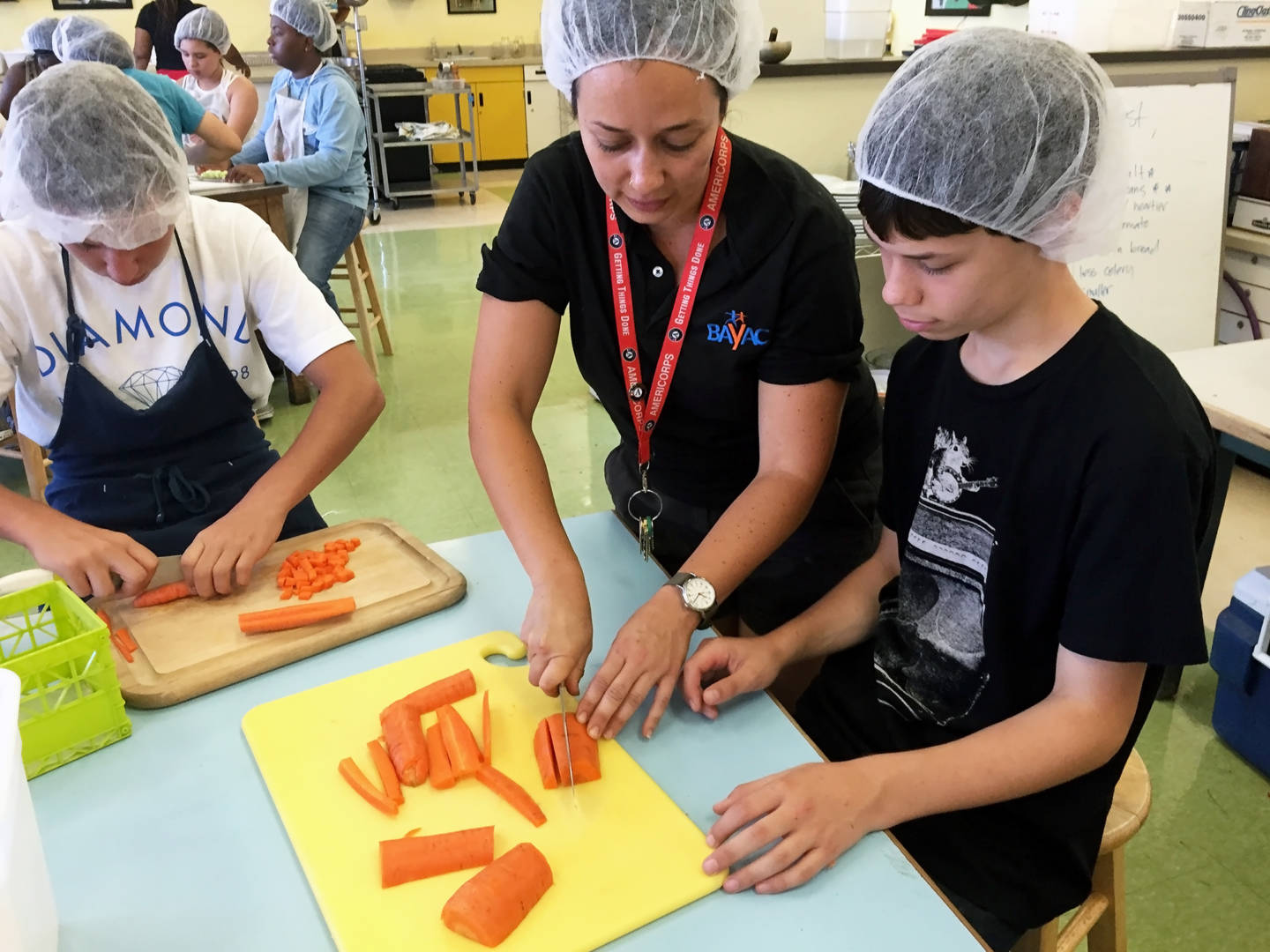
"caption": "Willard Middle School students chop carrots for a meal they will sell through Josephine.",
"description": "Willard Middle School students chop carrots for a meal they will sell through Josephine",
"title": "Willard Middle School students chop carrots for a meal they will sell through Josephine.",
"credit": "Teresa Chin/Youth Radio",
"status": "inherit",
"isLoading": false,
"fetchFailed": false
},
"bayareabites_109176": {
"type": "attachments",
"id": "bayareabites_109176",
"meta": {
"index": "attachments_1716263798",
"site": "bayareabites",
"id": "109176",
"found": true
},
"parent": 109175,
"imgSizes": {
"twentyfourteen-full-width": {
"file": "https://ww2.kqed.org/app/uploads/sites/24/2016/05/allnatural_enl-dcb05c3fac76047368db54554646ead9da51057d-1038x576.jpg",
"width": 1038,
"mimeType": "image/jpeg",
"height": 576
},
"thumbnail": {
"file": "https://ww2.kqed.org/app/uploads/sites/24/2016/05/allnatural_enl-dcb05c3fac76047368db54554646ead9da51057d-400x277.jpg",
"width": 400,
"mimeType": "image/jpeg",
"height": 277
},
"fd-sm": {
"file": "https://ww2.kqed.org/app/uploads/sites/24/2016/05/allnatural_enl-dcb05c3fac76047368db54554646ead9da51057d-960x666.jpg",
"width": 960,
"mimeType": "image/jpeg",
"height": 666
},
"post-thumbnail": {
"file": "https://ww2.kqed.org/app/uploads/sites/24/2016/05/allnatural_enl-dcb05c3fac76047368db54554646ead9da51057d-672x372.jpg",
"width": 672,
"mimeType": "image/jpeg",
"height": 372
},
"kqedFullSize": {
"file": "https://ww2.kqed.org/app/uploads/sites/24/2016/05/allnatural_enl-dcb05c3fac76047368db54554646ead9da51057d.jpg",
"width": 2000,
"height": 1387
},
"large": {
"file": "https://ww2.kqed.org/app/uploads/sites/24/2016/05/allnatural_enl-dcb05c3fac76047368db54554646ead9da51057d-1440x999.jpg",
"width": 1440,
"mimeType": "image/jpeg",
"height": 999
},
"guest-author-96": {
"file": "https://ww2.kqed.org/app/uploads/sites/24/2016/05/allnatural_enl-dcb05c3fac76047368db54554646ead9da51057d-96x96.jpg",
"width": 96,
"mimeType": "image/jpeg",
"height": 96
},
"medium": {
"file": "https://ww2.kqed.org/app/uploads/sites/24/2016/05/allnatural_enl-dcb05c3fac76047368db54554646ead9da51057d-800x555.jpg",
"width": 800,
"mimeType": "image/jpeg",
"height": 555
},
"guest-author-64": {
"file": "https://ww2.kqed.org/app/uploads/sites/24/2016/05/allnatural_enl-dcb05c3fac76047368db54554646ead9da51057d-64x64.jpg",
"width": 64,
"mimeType": "image/jpeg",
"height": 64
},
"guest-author-32": {
"file": "https://ww2.kqed.org/app/uploads/sites/24/2016/05/allnatural_enl-dcb05c3fac76047368db54554646ead9da51057d-32x32.jpg",
"width": 32,
"mimeType": "image/jpeg",
"height": 32
},
"cat_post_thumb_sizecategory-posts-2": {
"file": "https://ww2.kqed.org/app/uploads/sites/24/2016/05/allnatural_enl-dcb05c3fac76047368db54554646ead9da51057d-150x150.jpg",
"width": 150,
"mimeType": "image/jpeg",
"height": 150
},
"fd-lrg": {
"file": "https://ww2.kqed.org/app/uploads/sites/24/2016/05/allnatural_enl-dcb05c3fac76047368db54554646ead9da51057d-1920x1332.jpg",
"width": 1920,
"mimeType": "image/jpeg",
"height": 1332
},
"fd-med": {
"file": "https://ww2.kqed.org/app/uploads/sites/24/2016/05/allnatural_enl-dcb05c3fac76047368db54554646ead9da51057d-1180x818.jpg",
"width": 1180,
"mimeType": "image/jpeg",
"height": 818
},
"detail": {
"file": "https://ww2.kqed.org/app/uploads/sites/24/2016/05/allnatural_enl-dcb05c3fac76047368db54554646ead9da51057d-150x150.jpg",
"width": 150,
"mimeType": "image/jpeg",
"height": 150
},
"medium_large": {
"file": "https://ww2.kqed.org/app/uploads/sites/24/2016/05/allnatural_enl-dcb05c3fac76047368db54554646ead9da51057d-768x533.jpg",
"width": 768,
"mimeType": "image/jpeg",
"height": 533
},
"guest-author-128": {
"file": "https://ww2.kqed.org/app/uploads/sites/24/2016/05/allnatural_enl-dcb05c3fac76047368db54554646ead9da51057d-128x128.jpg",
"width": 128,
"mimeType": "image/jpeg",
"height": 128
}
},
"publishDate": 1462724406,
"modified": 1462724896,
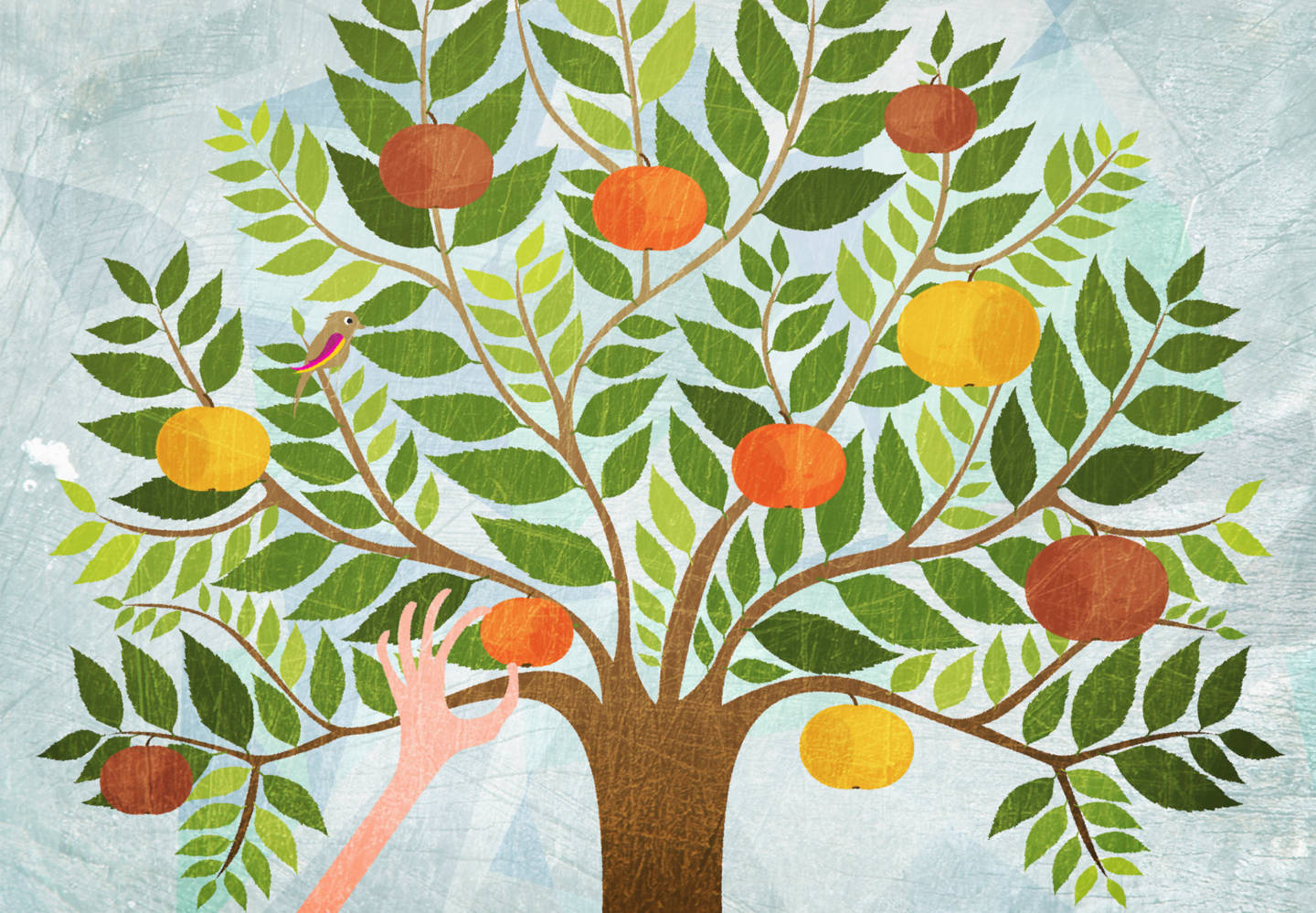
"caption": "The FDA is asking consumers to help define what \"natural\" food is. It's an ancient philosophical question with no easy answers.",
"description": "The FDA is asking consumers to help define what \"natural\" food is. It's an ancient philosophical question with no easy answers.",
"title": "The FDA is asking consumers to help define what \"natural\" food is. It's an ancient philosophical question with no easy answers.",
"credit": "Jutta Kuss/fStop/Getty Images ",
"status": "inherit",
"isLoading": false,
"fetchFailed": false
},
"bayareabites_109066": {
"type": "attachments",
"id": "bayareabites_109066",
"meta": {
"index": "attachments_1716263798",
"site": "bayareabites",
"id": "109066",
"found": true
},
"parent": 109065,
"imgSizes": {
"twentyfourteen-full-width": {
"file": "https://ww2.kqed.org/app/uploads/sites/24/2016/05/frozen-vegetables_enl-0ca43ba90ce6f15f1d43980a3d4cd853a95d42eb-1038x576.jpg",
"width": 1038,
"mimeType": "image/jpeg",
"height": 576
},
"thumbnail": {
"file": "https://ww2.kqed.org/app/uploads/sites/24/2016/05/frozen-vegetables_enl-0ca43ba90ce6f15f1d43980a3d4cd853a95d42eb-400x266.jpg",
"width": 400,
"mimeType": "image/jpeg",
"height": 266
},
"fd-sm": {
"file": "https://ww2.kqed.org/app/uploads/sites/24/2016/05/frozen-vegetables_enl-0ca43ba90ce6f15f1d43980a3d4cd853a95d42eb-960x637.jpg",
"width": 960,
"mimeType": "image/jpeg",
"height": 637
},
"post-thumbnail": {
"file": "https://ww2.kqed.org/app/uploads/sites/24/2016/05/frozen-vegetables_enl-0ca43ba90ce6f15f1d43980a3d4cd853a95d42eb-672x372.jpg",
"width": 672,
"mimeType": "image/jpeg",
"height": 372
},
"kqedFullSize": {
"file": "https://ww2.kqed.org/app/uploads/sites/24/2016/05/frozen-vegetables_enl-0ca43ba90ce6f15f1d43980a3d4cd853a95d42eb.jpg",
"width": 2000,
"height": 1328
},
"large": {
"file": "https://ww2.kqed.org/app/uploads/sites/24/2016/05/frozen-vegetables_enl-0ca43ba90ce6f15f1d43980a3d4cd853a95d42eb-1440x956.jpg",
"width": 1440,
"mimeType": "image/jpeg",
"height": 956
},
"guest-author-96": {
"file": "https://ww2.kqed.org/app/uploads/sites/24/2016/05/frozen-vegetables_enl-0ca43ba90ce6f15f1d43980a3d4cd853a95d42eb-96x96.jpg",
"width": 96,
"mimeType": "image/jpeg",
"height": 96
},
"medium": {
"file": "https://ww2.kqed.org/app/uploads/sites/24/2016/05/frozen-vegetables_enl-0ca43ba90ce6f15f1d43980a3d4cd853a95d42eb-800x531.jpg",
"width": 800,
"mimeType": "image/jpeg",
"height": 531
},
"guest-author-64": {
"file": "https://ww2.kqed.org/app/uploads/sites/24/2016/05/frozen-vegetables_enl-0ca43ba90ce6f15f1d43980a3d4cd853a95d42eb-64x64.jpg",
"width": 64,
"mimeType": "image/jpeg",
"height": 64
},
"guest-author-32": {
"file": "https://ww2.kqed.org/app/uploads/sites/24/2016/05/frozen-vegetables_enl-0ca43ba90ce6f15f1d43980a3d4cd853a95d42eb-32x32.jpg",
"width": 32,
"mimeType": "image/jpeg",
"height": 32
},
"cat_post_thumb_sizecategory-posts-2": {
"file": "https://ww2.kqed.org/app/uploads/sites/24/2016/05/frozen-vegetables_enl-0ca43ba90ce6f15f1d43980a3d4cd853a95d42eb-150x150.jpg",
"width": 150,
"mimeType": "image/jpeg",
"height": 150
},
"fd-lrg": {
"file": "https://ww2.kqed.org/app/uploads/sites/24/2016/05/frozen-vegetables_enl-0ca43ba90ce6f15f1d43980a3d4cd853a95d42eb-1920x1275.jpg",
"width": 1920,
"mimeType": "image/jpeg",
"height": 1275
},
"fd-med": {
"file": "https://ww2.kqed.org/app/uploads/sites/24/2016/05/frozen-vegetables_enl-0ca43ba90ce6f15f1d43980a3d4cd853a95d42eb-1180x784.jpg",
"width": 1180,
"mimeType": "image/jpeg",
"height": 784
},
"detail": {
"file": "https://ww2.kqed.org/app/uploads/sites/24/2016/05/frozen-vegetables_enl-0ca43ba90ce6f15f1d43980a3d4cd853a95d42eb-150x150.jpg",
"width": 150,
"mimeType": "image/jpeg",
"height": 150
},
"medium_large": {
"file": "https://ww2.kqed.org/app/uploads/sites/24/2016/05/frozen-vegetables_enl-0ca43ba90ce6f15f1d43980a3d4cd853a95d42eb-768x510.jpg",
"width": 768,
"mimeType": "image/jpeg",
"height": 510
},
"guest-author-128": {
"file": "https://ww2.kqed.org/app/uploads/sites/24/2016/05/frozen-vegetables_enl-0ca43ba90ce6f15f1d43980a3d4cd853a95d42eb-128x128.jpg",
"width": 128,
"mimeType": "image/jpeg",
"height": 128
}
},
"publishDate": 1462393830,
"modified": 1462394085,
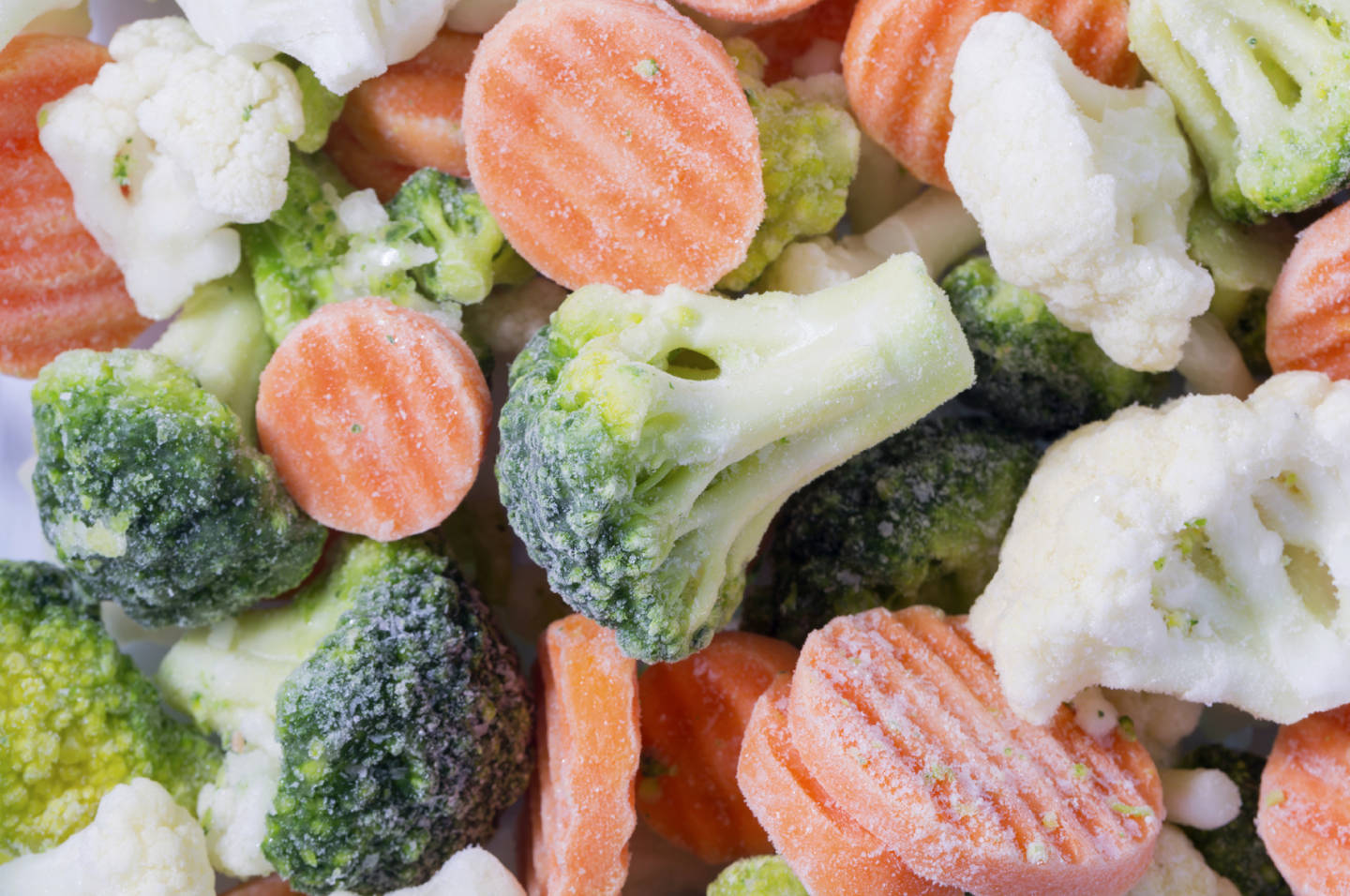
"caption": "The CDC has announced an outbreak of the deadly Listeria monocytogenes bacteria --- and frozen vegetables and fruits are believed to be the cause.",
"description": "monocytogenes\u003c/em> bacteria --- and frozen vegetables and fruits are believed to be the cause",
"title": "The CDC has announced an outbreak of the deadly Listeria monocytogenes bacteria --- and frozen vegetables and fruits are believed to be the cause.",
"credit": "iStockphoto",
"status": "inherit",
"isLoading": false,
"fetchFailed": false
},
"bayareabites_108991": {
"type": "attachments",
"id": "bayareabites_108991",
"meta": {
"index": "attachments_1716263798",
"site": "bayareabites",
"id": "108991",
"found": true
},
"parent": 108990,
"imgSizes": {
"twentyfourteen-full-width": {
"file": "https://ww2.kqed.org/app/uploads/sites/24/2016/05/mediakit-egg-collecting_edited_enl-6a7600fbb279bff80efbefce0bb9603ce131329c-1038x576.jpg",
"width": 1038,
"mimeType": "image/jpeg",
"height": 576
},
"thumbnail": {
"file": "https://ww2.kqed.org/app/uploads/sites/24/2016/05/mediakit-egg-collecting_edited_enl-6a7600fbb279bff80efbefce0bb9603ce131329c-400x266.jpg",
"width": 400,
"mimeType": "image/jpeg",
"height": 266
},
"fd-sm": {
"file": "https://ww2.kqed.org/app/uploads/sites/24/2016/05/mediakit-egg-collecting_edited_enl-6a7600fbb279bff80efbefce0bb9603ce131329c-960x639.jpg",
"width": 960,
"mimeType": "image/jpeg",
"height": 639
},
"post-thumbnail": {
"file": "https://ww2.kqed.org/app/uploads/sites/24/2016/05/mediakit-egg-collecting_edited_enl-6a7600fbb279bff80efbefce0bb9603ce131329c-672x372.jpg",
"width": 672,
"mimeType": "image/jpeg",
"height": 372
},
"kqedFullSize": {
"file": "https://ww2.kqed.org/app/uploads/sites/24/2016/05/mediakit-egg-collecting_edited_enl-6a7600fbb279bff80efbefce0bb9603ce131329c.jpg",
"width": 2000,
"height": 1332
},
"large": {
"file": "https://ww2.kqed.org/app/uploads/sites/24/2016/05/mediakit-egg-collecting_edited_enl-6a7600fbb279bff80efbefce0bb9603ce131329c-1440x959.jpg",
"width": 1440,
"mimeType": "image/jpeg",
"height": 959
},
"guest-author-96": {
"file": "https://ww2.kqed.org/app/uploads/sites/24/2016/05/mediakit-egg-collecting_edited_enl-6a7600fbb279bff80efbefce0bb9603ce131329c-96x96.jpg",
"width": 96,
"mimeType": "image/jpeg",
"height": 96
},
"medium": {
"file": "https://ww2.kqed.org/app/uploads/sites/24/2016/05/mediakit-egg-collecting_edited_enl-6a7600fbb279bff80efbefce0bb9603ce131329c-800x533.jpg",
"width": 800,
"mimeType": "image/jpeg",
"height": 533
},
"guest-author-64": {
"file": "https://ww2.kqed.org/app/uploads/sites/24/2016/05/mediakit-egg-collecting_edited_enl-6a7600fbb279bff80efbefce0bb9603ce131329c-64x64.jpg",
"width": 64,
"mimeType": "image/jpeg",
"height": 64
},
"guest-author-32": {
"file": "https://ww2.kqed.org/app/uploads/sites/24/2016/05/mediakit-egg-collecting_edited_enl-6a7600fbb279bff80efbefce0bb9603ce131329c-32x32.jpg",
"width": 32,
"mimeType": "image/jpeg",
"height": 32
},
"cat_post_thumb_sizecategory-posts-2": {
"file": "https://ww2.kqed.org/app/uploads/sites/24/2016/05/mediakit-egg-collecting_edited_enl-6a7600fbb279bff80efbefce0bb9603ce131329c-150x150.jpg",
"width": 150,
"mimeType": "image/jpeg",
"height": 150
},
"fd-lrg": {
"file": "https://ww2.kqed.org/app/uploads/sites/24/2016/05/mediakit-egg-collecting_edited_enl-6a7600fbb279bff80efbefce0bb9603ce131329c-1920x1279.jpg",
"width": 1920,
"mimeType": "image/jpeg",
"height": 1279
},
"fd-med": {
"file": "https://ww2.kqed.org/app/uploads/sites/24/2016/05/mediakit-egg-collecting_edited_enl-6a7600fbb279bff80efbefce0bb9603ce131329c-1180x786.jpg",
"width": 1180,
"mimeType": "image/jpeg",
"height": 786
},
"detail": {
"file": "https://ww2.kqed.org/app/uploads/sites/24/2016/05/mediakit-egg-collecting_edited_enl-6a7600fbb279bff80efbefce0bb9603ce131329c-150x150.jpg",
"width": 150,
"mimeType": "image/jpeg",
"height": 150
},
"medium_large": {
"file": "https://ww2.kqed.org/app/uploads/sites/24/2016/05/mediakit-egg-collecting_edited_enl-6a7600fbb279bff80efbefce0bb9603ce131329c-768x511.jpg",
"width": 768,
"mimeType": "image/jpeg",
"height": 511
},
"guest-author-128": {
"file": "https://ww2.kqed.org/app/uploads/sites/24/2016/05/mediakit-egg-collecting_edited_enl-6a7600fbb279bff80efbefce0bb9603ce131329c-128x128.jpg",
"width": 128,
"mimeType": "image/jpeg",
"height": 128
}
},
"publishDate": 1462211304,
"modified": 1462211584,
"caption": "The American Egg Board brought you this photo, but does that mean it came from private industry or the government?\n",
"description": "The American Egg Board brought you this photo, but does that mean it came from private industry or the government?",
"title": "The American Egg Board brought you this photo, but does that mean it came from private industry or the government?",
"credit": "Courtesy of The American Egg Board",
"status": "inherit",
"isLoading": false,
"fetchFailed": false
},
"bayareabites_108979": {
"type": "attachments",
"id": "bayareabites_108979",
"meta": {
"index": "attachments_1716263798",
"site": "bayareabites",
"id": "108979",
"found": true
},
"parent": 108978,
"imgSizes": {
"twentyfourteen-full-width": {
"file": "https://ww2.kqed.org/app/uploads/sites/24/2016/04/20160426_chobani-03_custom-04fb2948e9fd97ca1bd7f3327267da604629b4c0-1038x576.jpg",
"width": 1038,
"mimeType": "image/jpeg",
"height": 576
},
"thumbnail": {
"file": "https://ww2.kqed.org/app/uploads/sites/24/2016/04/20160426_chobani-03_custom-04fb2948e9fd97ca1bd7f3327267da604629b4c0-400x266.jpg",
"width": 400,
"mimeType": "image/jpeg",
"height": 266
},
"fd-sm": {
"file": "https://ww2.kqed.org/app/uploads/sites/24/2016/04/20160426_chobani-03_custom-04fb2948e9fd97ca1bd7f3327267da604629b4c0-960x639.jpg",
"width": 960,
"mimeType": "image/jpeg",
"height": 639
},
"post-thumbnail": {
"file": "https://ww2.kqed.org/app/uploads/sites/24/2016/04/20160426_chobani-03_custom-04fb2948e9fd97ca1bd7f3327267da604629b4c0-672x372.jpg",
"width": 672,
"mimeType": "image/jpeg",
"height": 372
},
"kqedFullSize": {
"file": "https://ww2.kqed.org/app/uploads/sites/24/2016/04/20160426_chobani-03_custom-04fb2948e9fd97ca1bd7f3327267da604629b4c0.jpg",
"width": 1996,
"height": 1328
},
"large": {
"file": "https://ww2.kqed.org/app/uploads/sites/24/2016/04/20160426_chobani-03_custom-04fb2948e9fd97ca1bd7f3327267da604629b4c0-1440x958.jpg",
"width": 1440,
"mimeType": "image/jpeg",
"height": 958
},
"guest-author-96": {
"file": "https://ww2.kqed.org/app/uploads/sites/24/2016/04/20160426_chobani-03_custom-04fb2948e9fd97ca1bd7f3327267da604629b4c0-96x96.jpg",
"width": 96,
"mimeType": "image/jpeg",
"height": 96
},
"medium": {
"file": "https://ww2.kqed.org/app/uploads/sites/24/2016/04/20160426_chobani-03_custom-04fb2948e9fd97ca1bd7f3327267da604629b4c0-800x532.jpg",
"width": 800,
"mimeType": "image/jpeg",
"height": 532
},
"guest-author-64": {
"file": "https://ww2.kqed.org/app/uploads/sites/24/2016/04/20160426_chobani-03_custom-04fb2948e9fd97ca1bd7f3327267da604629b4c0-64x64.jpg",
"width": 64,
"mimeType": "image/jpeg",
"height": 64
},
"guest-author-32": {
"file": "https://ww2.kqed.org/app/uploads/sites/24/2016/04/20160426_chobani-03_custom-04fb2948e9fd97ca1bd7f3327267da604629b4c0-32x32.jpg",
"width": 32,
"mimeType": "image/jpeg",
"height": 32
},
"cat_post_thumb_sizecategory-posts-2": {
"file": "https://ww2.kqed.org/app/uploads/sites/24/2016/04/20160426_chobani-03_custom-04fb2948e9fd97ca1bd7f3327267da604629b4c0-150x150.jpg",
"width": 150,
"mimeType": "image/jpeg",
"height": 150
},
"fd-lrg": {
"file": "https://ww2.kqed.org/app/uploads/sites/24/2016/04/20160426_chobani-03_custom-04fb2948e9fd97ca1bd7f3327267da604629b4c0-1920x1277.jpg",
"width": 1920,
"mimeType": "image/jpeg",
"height": 1277
},
"fd-med": {
"file": "https://ww2.kqed.org/app/uploads/sites/24/2016/04/20160426_chobani-03_custom-04fb2948e9fd97ca1bd7f3327267da604629b4c0-1180x785.jpg",
"width": 1180,
"mimeType": "image/jpeg",
"height": 785
},
"detail": {
"file": "https://ww2.kqed.org/app/uploads/sites/24/2016/04/20160426_chobani-03_custom-04fb2948e9fd97ca1bd7f3327267da604629b4c0-150x150.jpg",
"width": 150,
"mimeType": "image/jpeg",
"height": 150
},
"medium_large": {
"file": "https://ww2.kqed.org/app/uploads/sites/24/2016/04/20160426_chobani-03_custom-04fb2948e9fd97ca1bd7f3327267da604629b4c0-768x511.jpg",
"width": 768,
"mimeType": "image/jpeg",
"height": 511
},
"guest-author-128": {
"file": "https://ww2.kqed.org/app/uploads/sites/24/2016/04/20160426_chobani-03_custom-04fb2948e9fd97ca1bd7f3327267da604629b4c0-128x128.jpg",
"width": 128,
"mimeType": "image/jpeg",
"height": 128
}
},
"publishDate": 1462120049,
"modified": 1462120287,
"caption": "Chobani CEO Hamdi Ulukaya (left) presents an employee with shares of the company on Tuesday at the Chobani plant in New Berlin, in upstate New York.",
"description": "Chobani CEO Hamdi Ulukaya (left) presents an employee with shares of the company at the Chobani plant in New Berlin, N.Y., on Tuesday.",
"title": "Chobani CEO Hamdi Ulukaya (left) presents an employee with shares of the company on Tuesday at the Chobani plant in New Berlin, in upstate New York.",
"credit": "Johannes Arlt",
"status": "inherit",
"isLoading": false,
"fetchFailed": false
},
"bayareabites_108607": {
"type": "attachments",
"id": "bayareabites_108607",
"meta": {
"index": "attachments_1716263798",
"site": "bayareabites",
"id": "108607",
"found": true
},
"parent": 108606,
"imgSizes": {
"twentyfourteen-full-width": {
"file": "https://ww2.kqed.org/app/uploads/sites/24/2016/04/justcoffeecoop_enl-2f9ff0d66f483f6e751f68ae39b702b5ab94a504-1038x576.jpg",
"width": 1038,
"mimeType": "image/jpeg",
"height": 576
},
"thumbnail": {
"file": "https://ww2.kqed.org/app/uploads/sites/24/2016/04/justcoffeecoop_enl-2f9ff0d66f483f6e751f68ae39b702b5ab94a504-400x264.jpg",
"width": 400,
"mimeType": "image/jpeg",
"height": 264
},
"fd-sm": {
"file": "https://ww2.kqed.org/app/uploads/sites/24/2016/04/justcoffeecoop_enl-2f9ff0d66f483f6e751f68ae39b702b5ab94a504-960x634.jpg",
"width": 960,
"mimeType": "image/jpeg",
"height": 634
},
"post-thumbnail": {
"file": "https://ww2.kqed.org/app/uploads/sites/24/2016/04/justcoffeecoop_enl-2f9ff0d66f483f6e751f68ae39b702b5ab94a504-672x372.jpg",
"width": 672,
"mimeType": "image/jpeg",
"height": 372
},
"kqedFullSize": {
"file": "https://ww2.kqed.org/app/uploads/sites/24/2016/04/justcoffeecoop_enl-2f9ff0d66f483f6e751f68ae39b702b5ab94a504.jpg",
"width": 2000,
"height": 1321
},
"large": {
"file": "https://ww2.kqed.org/app/uploads/sites/24/2016/04/justcoffeecoop_enl-2f9ff0d66f483f6e751f68ae39b702b5ab94a504-1440x951.jpg",
"width": 1440,
"mimeType": "image/jpeg",
"height": 951
},
"guest-author-96": {
"file": "https://ww2.kqed.org/app/uploads/sites/24/2016/04/justcoffeecoop_enl-2f9ff0d66f483f6e751f68ae39b702b5ab94a504-96x96.jpg",
"width": 96,
"mimeType": "image/jpeg",
"height": 96
},
"medium": {
"file": "https://ww2.kqed.org/app/uploads/sites/24/2016/04/justcoffeecoop_enl-2f9ff0d66f483f6e751f68ae39b702b5ab94a504-800x528.jpg",
"width": 800,
"mimeType": "image/jpeg",
"height": 528
},
"guest-author-64": {
"file": "https://ww2.kqed.org/app/uploads/sites/24/2016/04/justcoffeecoop_enl-2f9ff0d66f483f6e751f68ae39b702b5ab94a504-64x64.jpg",
"width": 64,
"mimeType": "image/jpeg",
"height": 64
},
"guest-author-32": {
"file": "https://ww2.kqed.org/app/uploads/sites/24/2016/04/justcoffeecoop_enl-2f9ff0d66f483f6e751f68ae39b702b5ab94a504-32x32.jpg",
"width": 32,
"mimeType": "image/jpeg",
"height": 32
},
"cat_post_thumb_sizecategory-posts-2": {
"file": "https://ww2.kqed.org/app/uploads/sites/24/2016/04/justcoffeecoop_enl-2f9ff0d66f483f6e751f68ae39b702b5ab94a504-150x150.jpg",
"width": 150,
"mimeType": "image/jpeg",
"height": 150
},
"fd-lrg": {
"file": "https://ww2.kqed.org/app/uploads/sites/24/2016/04/justcoffeecoop_enl-2f9ff0d66f483f6e751f68ae39b702b5ab94a504-1920x1268.jpg",
"width": 1920,
"mimeType": "image/jpeg",
"height": 1268
},
"fd-med": {
"file": "https://ww2.kqed.org/app/uploads/sites/24/2016/04/justcoffeecoop_enl-2f9ff0d66f483f6e751f68ae39b702b5ab94a504-1180x779.jpg",
"width": 1180,
"mimeType": "image/jpeg",
"height": 779
},
"detail": {
"file": "https://ww2.kqed.org/app/uploads/sites/24/2016/04/justcoffeecoop_enl-2f9ff0d66f483f6e751f68ae39b702b5ab94a504-75x75.jpg",
"width": 75,
"mimeType": "image/jpeg",
"height": 75
},
"medium_large": {
"file": "https://ww2.kqed.org/app/uploads/sites/24/2016/04/justcoffeecoop_enl-2f9ff0d66f483f6e751f68ae39b702b5ab94a504-768x507.jpg",
"width": 768,
"mimeType": "image/jpeg",
"height": 507
},
"guest-author-128": {
"file": "https://ww2.kqed.org/app/uploads/sites/24/2016/04/justcoffeecoop_enl-2f9ff0d66f483f6e751f68ae39b702b5ab94a504-128x128.jpg",
"width": 128,
"mimeType": "image/jpeg",
"height": 128
}
},
"publishDate": 1460818216,
"modified": 1460818573,
"caption": "Just Coffee Cooperative's Benjamin Lisser prepares to grind coffee. The glass tube on his vest tests the air in his breathing zone for diacetyl, a chemical byproduct of the coffee roasting process that can cause lung disease.",
"description": "Just Coffee Cooperative's Benjamin Lisser prepares to grind coffee. The glass tube on his vest tests the air in his breathing zone for diacetyl, a chemical byproduct of the coffee roasting process that can cause lung disease.",
"title": "Just Coffee Cooperative's Benjamin Lisser prepares to grind coffee. The glass tube on his vest tests the air in his breathing zone for diacetyl, a chemical byproduct of the coffee roasting process that can cause lung disease.",
"credit": "Mike De Sisti/Milwaukee Journal Sentinel/TNS via Getty Images ",
"status": "inherit",
"isLoading": false,
"fetchFailed": false
},
"bayareabites_108602": {
"type": "attachments",
"id": "bayareabites_108602",
"meta": {
"index": "attachments_1716263798",
"site": "bayareabites",
"id": "108602",
"found": true
},
"parent": 108599,
"imgSizes": {
"twentyfourteen-full-width": {
"file": "https://ww2.kqed.org/app/uploads/sites/24/2016/04/whitebuttonmushroom-900x576.jpg",
"width": 900,
"mimeType": "image/jpeg",
"height": 576
},
"thumbnail": {
"file": "https://ww2.kqed.org/app/uploads/sites/24/2016/04/whitebuttonmushroom-400x265.jpg",
"width": 400,
"mimeType": "image/jpeg",
"height": 265
},
"post-thumbnail": {
"file": "https://ww2.kqed.org/app/uploads/sites/24/2016/04/whitebuttonmushroom-672x372.jpg",
"width": 672,
"mimeType": "image/jpeg",
"height": 372
},
"kqedFullSize": {
"file": "https://ww2.kqed.org/app/uploads/sites/24/2016/04/whitebuttonmushroom.jpg",
"width": 900,
"height": 596
},
"cat_post_thumb_sizecategory-posts-2": {
"file": "https://ww2.kqed.org/app/uploads/sites/24/2016/04/whitebuttonmushroom-150x150.jpg",
"width": 150,
"mimeType": "image/jpeg",
"height": 150
},
"guest-author-96": {
"file": "https://ww2.kqed.org/app/uploads/sites/24/2016/04/whitebuttonmushroom-96x96.jpg",
"width": 96,
"mimeType": "image/jpeg",
"height": 96
},
"medium": {
"file": "https://ww2.kqed.org/app/uploads/sites/24/2016/04/whitebuttonmushroom-800x530.jpg",
"width": 800,
"mimeType": "image/jpeg",
"height": 530
},
"guest-author-64": {
"file": "https://ww2.kqed.org/app/uploads/sites/24/2016/04/whitebuttonmushroom-64x64.jpg",
"width": 64,
"mimeType": "image/jpeg",
"height": 64
},
"detail": {
"file": "https://ww2.kqed.org/app/uploads/sites/24/2016/04/whitebuttonmushroom-75x75.jpg",
"width": 75,
"mimeType": "image/jpeg",
"height": 75
},
"guest-author-32": {
"file": "https://ww2.kqed.org/app/uploads/sites/24/2016/04/whitebuttonmushroom-32x32.jpg",
"width": 32,
"mimeType": "image/jpeg",
"height": 32
},
"medium_large": {
"file": "https://ww2.kqed.org/app/uploads/sites/24/2016/04/whitebuttonmushroom-768x509.jpg",
"width": 768,
"mimeType": "image/jpeg",
"height": 509
},
"guest-author-128": {
"file": "https://ww2.kqed.org/app/uploads/sites/24/2016/04/whitebuttonmushroom-128x128.jpg",
"width": 128,
"mimeType": "image/jpeg",
"height": 128
}
},
"publishDate": 1460817671,
"modified": 1460817694,
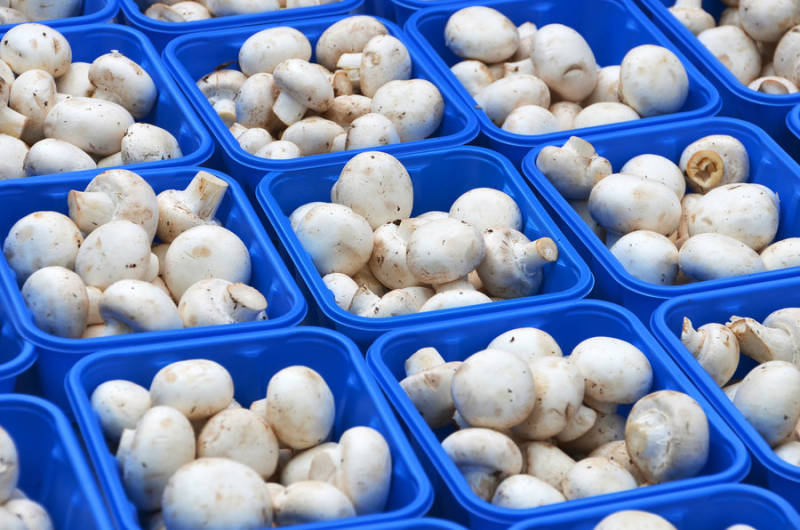
"caption": "Boxes of white button mushrooms. Scientists have used a popular gene editing tool called CRISPR/Cas9 to snip out a tiny piece of DNA from one particular gene in a white button mushroom. The resulting mushroom doesn't brown when cut. ",
"description": null,
"title": "whitebuttonmushroom",
"credit": "Adam Fagen/Flickr ",
"status": "inherit",
"isLoading": false,
"fetchFailed": false
},
"bayareabites_108583": {
"type": "attachments",
"id": "bayareabites_108583",
"meta": {
"index": "attachments_1716263798",
"site": "bayareabites",
"id": "108583",
"found": true
},
"parent": 108582,
"imgSizes": {
"twentyfourteen-full-width": {
"file": "https://ww2.kqed.org/app/uploads/sites/24/2016/04/farmtofable_enl-ea1f7c643e23055d44b4831cff40d18dd3760963-1038x576.jpg",
"width": 1038,
"mimeType": "image/jpeg",
"height": 576
},
"thumbnail": {
"file": "https://ww2.kqed.org/app/uploads/sites/24/2016/04/farmtofable_enl-ea1f7c643e23055d44b4831cff40d18dd3760963-400x269.jpg",
"width": 400,
"mimeType": "image/jpeg",
"height": 269
},
"fd-sm": {
"file": "https://ww2.kqed.org/app/uploads/sites/24/2016/04/farmtofable_enl-ea1f7c643e23055d44b4831cff40d18dd3760963-960x646.jpg",
"width": 960,
"mimeType": "image/jpeg",
"height": 646
},
"post-thumbnail": {
"file": "https://ww2.kqed.org/app/uploads/sites/24/2016/04/farmtofable_enl-ea1f7c643e23055d44b4831cff40d18dd3760963-672x372.jpg",
"width": 672,
"mimeType": "image/jpeg",
"height": 372
},
"kqedFullSize": {
"file": "https://ww2.kqed.org/app/uploads/sites/24/2016/04/farmtofable_enl-ea1f7c643e23055d44b4831cff40d18dd3760963.jpg",
"width": 2000,
"height": 1346
},
"large": {
"file": "https://ww2.kqed.org/app/uploads/sites/24/2016/04/farmtofable_enl-ea1f7c643e23055d44b4831cff40d18dd3760963-1440x969.jpg",
"width": 1440,
"mimeType": "image/jpeg",
"height": 969
},
"guest-author-96": {
"file": "https://ww2.kqed.org/app/uploads/sites/24/2016/04/farmtofable_enl-ea1f7c643e23055d44b4831cff40d18dd3760963-96x96.jpg",
"width": 96,
"mimeType": "image/jpeg",
"height": 96
},
"medium": {
"file": "https://ww2.kqed.org/app/uploads/sites/24/2016/04/farmtofable_enl-ea1f7c643e23055d44b4831cff40d18dd3760963-800x538.jpg",
"width": 800,
"mimeType": "image/jpeg",
"height": 538
},
"guest-author-64": {
"file": "https://ww2.kqed.org/app/uploads/sites/24/2016/04/farmtofable_enl-ea1f7c643e23055d44b4831cff40d18dd3760963-64x64.jpg",
"width": 64,
"mimeType": "image/jpeg",
"height": 64
},
"guest-author-32": {
"file": "https://ww2.kqed.org/app/uploads/sites/24/2016/04/farmtofable_enl-ea1f7c643e23055d44b4831cff40d18dd3760963-32x32.jpg",
"width": 32,
"mimeType": "image/jpeg",
"height": 32
},
"cat_post_thumb_sizecategory-posts-2": {
"file": "https://ww2.kqed.org/app/uploads/sites/24/2016/04/farmtofable_enl-ea1f7c643e23055d44b4831cff40d18dd3760963-150x150.jpg",
"width": 150,
"mimeType": "image/jpeg",
"height": 150
},
"fd-lrg": {
"file": "https://ww2.kqed.org/app/uploads/sites/24/2016/04/farmtofable_enl-ea1f7c643e23055d44b4831cff40d18dd3760963-1920x1292.jpg",
"width": 1920,
"mimeType": "image/jpeg",
"height": 1292
},
"fd-med": {
"file": "https://ww2.kqed.org/app/uploads/sites/24/2016/04/farmtofable_enl-ea1f7c643e23055d44b4831cff40d18dd3760963-1180x794.jpg",
"width": 1180,
"mimeType": "image/jpeg",
"height": 794
},
"detail": {
"file": "https://ww2.kqed.org/app/uploads/sites/24/2016/04/farmtofable_enl-ea1f7c643e23055d44b4831cff40d18dd3760963-75x75.jpg",
"width": 75,
"mimeType": "image/jpeg",
"height": 75
},
"medium_large": {
"file": "https://ww2.kqed.org/app/uploads/sites/24/2016/04/farmtofable_enl-ea1f7c643e23055d44b4831cff40d18dd3760963-768x517.jpg",
"width": 768,
"mimeType": "image/jpeg",
"height": 517
},
"guest-author-128": {
"file": "https://ww2.kqed.org/app/uploads/sites/24/2016/04/farmtofable_enl-ea1f7c643e23055d44b4831cff40d18dd3760963-128x128.jpg",
"width": 128,
"mimeType": "image/jpeg",
"height": 128
}
},
"publishDate": 1460674819,
"modified": 1460674819,
"caption": null,
"description": "The \u003cem>Tampa Bay Times\u003c/em> spent two months investigating where local eateries were really getting their ingredients. Many of their \"farm-to-table\" claims proved to be bogus",
"title": "The Tampa Bay Times spent two months investigating where local eateries were really getting their ingredients. Many of their \"farm-to-table\" claims proved to be bogus.",
"credit": null,
"status": "inherit",
"isLoading": false,
"fetchFailed": false
},
"bayareabites_108486": {
"type": "attachments",
"id": "bayareabites_108486",
"meta": {
"index": "attachments_1716263798",
"site": "bayareabites",
"id": "108486",
"found": true
},
"parent": 108485,
"imgSizes": {
"twentyfourteen-full-width": {
"file": "https://ww2.kqed.org/app/uploads/sites/24/2016/04/louganis_sq-9607975e922498e6e8205a74e92b779320a5a9fd-1038x576.jpg",
"width": 1038,
"mimeType": "image/jpeg",
"height": 576
},
"thumbnail": {
"file": "https://ww2.kqed.org/app/uploads/sites/24/2016/04/louganis_sq-9607975e922498e6e8205a74e92b779320a5a9fd-400x400.jpg",
"width": 400,
"mimeType": "image/jpeg",
"height": 400
},
"fd-sm": {
"file": "https://ww2.kqed.org/app/uploads/sites/24/2016/04/louganis_sq-9607975e922498e6e8205a74e92b779320a5a9fd-960x961.jpg",
"width": 960,
"mimeType": "image/jpeg",
"height": 961
},
"post-thumbnail": {
"file": "https://ww2.kqed.org/app/uploads/sites/24/2016/04/louganis_sq-9607975e922498e6e8205a74e92b779320a5a9fd-672x372.jpg",
"width": 672,
"mimeType": "image/jpeg",
"height": 372
},
"kqedFullSize": {
"file": "https://ww2.kqed.org/app/uploads/sites/24/2016/04/louganis_sq-9607975e922498e6e8205a74e92b779320a5a9fd.jpg",
"width": 2295,
"height": 2297
},
"large": {
"file": "https://ww2.kqed.org/app/uploads/sites/24/2016/04/louganis_sq-9607975e922498e6e8205a74e92b779320a5a9fd-1440x1441.jpg",
"width": 1440,
"mimeType": "image/jpeg",
"height": 1441
},
"guest-author-96": {
"file": "https://ww2.kqed.org/app/uploads/sites/24/2016/04/louganis_sq-9607975e922498e6e8205a74e92b779320a5a9fd-96x96.jpg",
"width": 96,
"mimeType": "image/jpeg",
"height": 96
},
"medium": {
"file": "https://ww2.kqed.org/app/uploads/sites/24/2016/04/louganis_sq-9607975e922498e6e8205a74e92b779320a5a9fd-800x801.jpg",
"width": 800,
"mimeType": "image/jpeg",
"height": 801
},
"guest-author-64": {
"file": "https://ww2.kqed.org/app/uploads/sites/24/2016/04/louganis_sq-9607975e922498e6e8205a74e92b779320a5a9fd-64x64.jpg",
"width": 64,
"mimeType": "image/jpeg",
"height": 64
},
"guest-author-32": {
"file": "https://ww2.kqed.org/app/uploads/sites/24/2016/04/louganis_sq-9607975e922498e6e8205a74e92b779320a5a9fd-32x32.jpg",
"width": 32,
"mimeType": "image/jpeg",
"height": 32
},
"cat_post_thumb_sizecategory-posts-2": {
"file": "https://ww2.kqed.org/app/uploads/sites/24/2016/04/louganis_sq-9607975e922498e6e8205a74e92b779320a5a9fd-150x150.jpg",
"width": 150,
"mimeType": "image/jpeg",
"height": 150
},
"fd-lrg": {
"file": "https://ww2.kqed.org/app/uploads/sites/24/2016/04/louganis_sq-9607975e922498e6e8205a74e92b779320a5a9fd-1920x1922.jpg",
"width": 1920,
"mimeType": "image/jpeg",
"height": 1922
},
"fd-med": {
"file": "https://ww2.kqed.org/app/uploads/sites/24/2016/04/louganis_sq-9607975e922498e6e8205a74e92b779320a5a9fd-1180x1181.jpg",
"width": 1180,
"mimeType": "image/jpeg",
"height": 1181
},
"detail": {
"file": "https://ww2.kqed.org/app/uploads/sites/24/2016/04/louganis_sq-9607975e922498e6e8205a74e92b779320a5a9fd-75x75.jpg",
"width": 75,
"mimeType": "image/jpeg",
"height": 75
},
"medium_large": {
"file": "https://ww2.kqed.org/app/uploads/sites/24/2016/04/louganis_sq-9607975e922498e6e8205a74e92b779320a5a9fd-768x769.jpg",
"width": 768,
"mimeType": "image/jpeg",
"height": 769
},
"guest-author-128": {
"file": "https://ww2.kqed.org/app/uploads/sites/24/2016/04/louganis_sq-9607975e922498e6e8205a74e92b779320a5a9fd-128x128.jpg",
"width": 128,
"mimeType": "image/jpeg",
"height": 128
}
},
"publishDate": 1460410292,
"modified": 1460410752,
"caption": "Greg Louganis in an inward dive pike on the front of the Wheaties box. The \"legends\" series boxes will be on shelves starting in May.",
"description": "Greg Louganis in an inward dive pike on the front of the Wheaties box. The \"legends\" series boxes will be on shelves starting in May.",
"title": "Greg Louganis in an inward dive pike on the front of the Wheaties box. The \"legends\" series boxes will be on shelves starting in May.",
"credit": "Courtesy Of General Mills",
"status": "inherit",
"isLoading": false,
"fetchFailed": false
},
"bayareabites_108441": {
"type": "attachments",
"id": "bayareabites_108441",
"meta": {
"index": "attachments_1716263798",
"site": "bayareabites",
"id": "108441",
"found": true
},
"parent": 108439,
"imgSizes": {
"twentyfourteen-full-width": {
"file": "https://ww2.kqed.org/app/uploads/sites/24/2016/04/acquiredtaste-1038x576.jpg",
"width": 1038,
"mimeType": "image/jpeg",
"height": 576
},
"thumbnail": {
"file": "https://ww2.kqed.org/app/uploads/sites/24/2016/04/acquiredtaste-400x225.jpg",
"width": 400,
"mimeType": "image/jpeg",
"height": 225
},
"fd-sm": {
"file": "https://ww2.kqed.org/app/uploads/sites/24/2016/04/acquiredtaste-960x540.jpg",
"width": 960,
"mimeType": "image/jpeg",
"height": 540
},
"post-thumbnail": {
"file": "https://ww2.kqed.org/app/uploads/sites/24/2016/04/acquiredtaste-672x372.jpg",
"width": 672,
"mimeType": "image/jpeg",
"height": 372
},
"kqedFullSize": {
"file": "https://ww2.kqed.org/app/uploads/sites/24/2016/04/acquiredtaste.jpg",
"width": 1920,
"height": 1079
},
"large": {
"file": "https://ww2.kqed.org/app/uploads/sites/24/2016/04/acquiredtaste-1440x809.jpg",
"width": 1440,
"mimeType": "image/jpeg",
"height": 809
},
"guest-author-96": {
"file": "https://ww2.kqed.org/app/uploads/sites/24/2016/04/acquiredtaste-96x96.jpg",
"width": 96,
"mimeType": "image/jpeg",
"height": 96
},
"medium": {
"file": "https://ww2.kqed.org/app/uploads/sites/24/2016/04/acquiredtaste-800x450.jpg",
"width": 800,
"mimeType": "image/jpeg",
"height": 450
},
"guest-author-64": {
"file": "https://ww2.kqed.org/app/uploads/sites/24/2016/04/acquiredtaste-64x64.jpg",
"width": 64,
"mimeType": "image/jpeg",
"height": 64
},
"guest-author-32": {
"file": "https://ww2.kqed.org/app/uploads/sites/24/2016/04/acquiredtaste-32x32.jpg",
"width": 32,
"mimeType": "image/jpeg",
"height": 32
},
"cat_post_thumb_sizecategory-posts-2": {
"file": "https://ww2.kqed.org/app/uploads/sites/24/2016/04/acquiredtaste-150x150.jpg",
"width": 150,
"mimeType": "image/jpeg",
"height": 150
},
"fd-lrg": {
"file": "https://ww2.kqed.org/app/uploads/sites/24/2016/04/acquiredtaste-1920x1079.jpg",
"width": 1920,
"mimeType": "image/jpeg",
"height": 1079
},
"fd-med": {
"file": "https://ww2.kqed.org/app/uploads/sites/24/2016/04/acquiredtaste-1180x663.jpg",
"width": 1180,
"mimeType": "image/jpeg",
"height": 663
},
"detail": {
"file": "https://ww2.kqed.org/app/uploads/sites/24/2016/04/acquiredtaste-75x75.jpg",
"width": 75,
"mimeType": "image/jpeg",
"height": 75
},
"medium_large": {
"file": "https://ww2.kqed.org/app/uploads/sites/24/2016/04/acquiredtaste-768x432.jpg",
"width": 768,
"mimeType": "image/jpeg",
"height": 432
},
"guest-author-128": {
"file": "https://ww2.kqed.org/app/uploads/sites/24/2016/04/acquiredtaste-128x128.jpg",
"width": 128,
"mimeType": "image/jpeg",
"height": 128
}
},
"publishDate": 1460338296,
"modified": 1460338314,
"caption": "Ashlie in An Acquired Taste",
"description": null,
"title": "acquiredtaste",
"credit": null,
"status": "inherit",
"isLoading": false,
"fetchFailed": false
},
"bayareabites_108334": {
"type": "attachments",
"id": "bayareabites_108334",
"meta": {
"index": "attachments_1716263798",
"site": "bayareabites",
"id": "108334",
"found": true
},
"parent": 108333,
"imgSizes": {
"twentyfourteen-full-width": {
"file": "https://ww2.kqed.org/app/uploads/sites/24/2016/04/florida-skim-milk-mary-lou-wesselhoeft-ifj_8964_enl-37f737ccd22efac8c5f3e112f6cba522f9c3e269-1038x576.jpg",
"width": 1038,
"mimeType": "image/jpeg",
"height": 576
},
"thumbnail": {
"file": "https://ww2.kqed.org/app/uploads/sites/24/2016/04/florida-skim-milk-mary-lou-wesselhoeft-ifj_8964_enl-37f737ccd22efac8c5f3e112f6cba522f9c3e269-400x266.jpg",
"width": 400,
"mimeType": "image/jpeg",
"height": 266
},
"fd-sm": {
"file": "https://ww2.kqed.org/app/uploads/sites/24/2016/04/florida-skim-milk-mary-lou-wesselhoeft-ifj_8964_enl-37f737ccd22efac8c5f3e112f6cba522f9c3e269-960x639.jpg",
"width": 960,
"mimeType": "image/jpeg",
"height": 639
},
"post-thumbnail": {
"file": "https://ww2.kqed.org/app/uploads/sites/24/2016/04/florida-skim-milk-mary-lou-wesselhoeft-ifj_8964_enl-37f737ccd22efac8c5f3e112f6cba522f9c3e269-672x372.jpg",
"width": 672,
"mimeType": "image/jpeg",
"height": 372
},
"kqedFullSize": {
"file": "https://ww2.kqed.org/app/uploads/sites/24/2016/04/florida-skim-milk-mary-lou-wesselhoeft-ifj_8964_enl-37f737ccd22efac8c5f3e112f6cba522f9c3e269.jpg",
"width": 2000,
"height": 1332
},
"large": {
"file": "https://ww2.kqed.org/app/uploads/sites/24/2016/04/florida-skim-milk-mary-lou-wesselhoeft-ifj_8964_enl-37f737ccd22efac8c5f3e112f6cba522f9c3e269-1440x959.jpg",
"width": 1440,
"mimeType": "image/jpeg",
"height": 959
},
"guest-author-96": {
"file": "https://ww2.kqed.org/app/uploads/sites/24/2016/04/florida-skim-milk-mary-lou-wesselhoeft-ifj_8964_enl-37f737ccd22efac8c5f3e112f6cba522f9c3e269-96x96.jpg",
"width": 96,
"mimeType": "image/jpeg",
"height": 96
},
"medium": {
"file": "https://ww2.kqed.org/app/uploads/sites/24/2016/04/florida-skim-milk-mary-lou-wesselhoeft-ifj_8964_enl-37f737ccd22efac8c5f3e112f6cba522f9c3e269-800x533.jpg",
"width": 800,
"mimeType": "image/jpeg",
"height": 533
},
"guest-author-64": {
"file": "https://ww2.kqed.org/app/uploads/sites/24/2016/04/florida-skim-milk-mary-lou-wesselhoeft-ifj_8964_enl-37f737ccd22efac8c5f3e112f6cba522f9c3e269-64x64.jpg",
"width": 64,
"mimeType": "image/jpeg",
"height": 64
},
"guest-author-32": {
"file": "https://ww2.kqed.org/app/uploads/sites/24/2016/04/florida-skim-milk-mary-lou-wesselhoeft-ifj_8964_enl-37f737ccd22efac8c5f3e112f6cba522f9c3e269-32x32.jpg",
"width": 32,
"mimeType": "image/jpeg",
"height": 32
},
"cat_post_thumb_sizecategory-posts-2": {
"file": "https://ww2.kqed.org/app/uploads/sites/24/2016/04/florida-skim-milk-mary-lou-wesselhoeft-ifj_8964_enl-37f737ccd22efac8c5f3e112f6cba522f9c3e269-150x150.jpg",
"width": 150,
"mimeType": "image/jpeg",
"height": 150
},
"fd-lrg": {
"file": "https://ww2.kqed.org/app/uploads/sites/24/2016/04/florida-skim-milk-mary-lou-wesselhoeft-ifj_8964_enl-37f737ccd22efac8c5f3e112f6cba522f9c3e269-1920x1279.jpg",
"width": 1920,
"mimeType": "image/jpeg",
"height": 1279
},
"fd-med": {
"file": "https://ww2.kqed.org/app/uploads/sites/24/2016/04/florida-skim-milk-mary-lou-wesselhoeft-ifj_8964_enl-37f737ccd22efac8c5f3e112f6cba522f9c3e269-1180x786.jpg",
"width": 1180,
"mimeType": "image/jpeg",
"height": 786
},
"detail": {
"file": "https://ww2.kqed.org/app/uploads/sites/24/2016/04/florida-skim-milk-mary-lou-wesselhoeft-ifj_8964_enl-37f737ccd22efac8c5f3e112f6cba522f9c3e269-75x75.jpg",
"width": 75,
"mimeType": "image/jpeg",
"height": 75
},
"medium_large": {
"file": "https://ww2.kqed.org/app/uploads/sites/24/2016/04/florida-skim-milk-mary-lou-wesselhoeft-ifj_8964_enl-37f737ccd22efac8c5f3e112f6cba522f9c3e269-768x511.jpg",
"width": 768,
"mimeType": "image/jpeg",
"height": 511
},
"guest-author-128": {
"file": "https://ww2.kqed.org/app/uploads/sites/24/2016/04/florida-skim-milk-mary-lou-wesselhoeft-ifj_8964_enl-37f737ccd22efac8c5f3e112f6cba522f9c3e269-128x128.jpg",
"width": 128,
"mimeType": "image/jpeg",
"height": 128
}
},
"publishDate": 1459981995,
"modified": 1459985063,
"caption": "Mary Lou Wesselhoeft is a dairy farmer in the Florida Panhandle. Her Ocheesee Creamery pasteurized skim milk has nothing added — and that's the problem. According to regulations, without added vitamins, it can only be sold as \"imitation skim milk.\"",
"description": "Mary Lou Wesselhoeft is a dairy farmer in the Florida Panhandle. Her Ocheesee Creamery pasteurized skim milk has nothing added -- and that's the problem. According to regulations, without added vitamins, it can only be sold as \"imitation skim m",
"title": "Mary Lou Wesselhoeft is a dairy farmer in the Florida Panhandle. Her Ocheesee Creamery pasteurized skim milk has nothing added — and that's the problem. According to regulations, without added vitamins, it can only be sold as \"imitation skim milk.\"",
"credit": "Courtesy of Institute for Justice",
"status": "inherit",
"isLoading": false,
"fetchFailed": false
},
"bayareabites_108295": {
"type": "attachments",
"id": "bayareabites_108295",
"meta": {
"index": "attachments_1716263798",
"site": "bayareabites",
"id": "108295",
"found": true
},
"parent": 108294,
"imgSizes": {
"twentyfourteen-full-width": {
"file": "https://ww2.kqed.org/app/uploads/sites/24/2016/04/foodfraud_enl-b67f54921c2a663e3c5857d50ecc0a5e732a7c5c-1038x576.jpg",
"width": 1038,
"mimeType": "image/jpeg",
"height": 576
},
"thumbnail": {
"file": "https://ww2.kqed.org/app/uploads/sites/24/2016/04/foodfraud_enl-b67f54921c2a663e3c5857d50ecc0a5e732a7c5c-400x266.jpg",
"width": 400,
"mimeType": "image/jpeg",
"height": 266
},
"fd-sm": {
"file": "https://ww2.kqed.org/app/uploads/sites/24/2016/04/foodfraud_enl-b67f54921c2a663e3c5857d50ecc0a5e732a7c5c-960x639.jpg",
"width": 960,
"mimeType": "image/jpeg",
"height": 639
},
"post-thumbnail": {
"file": "https://ww2.kqed.org/app/uploads/sites/24/2016/04/foodfraud_enl-b67f54921c2a663e3c5857d50ecc0a5e732a7c5c-672x372.jpg",
"width": 672,
"mimeType": "image/jpeg",
"height": 372
},
"kqedFullSize": {
"file": "https://ww2.kqed.org/app/uploads/sites/24/2016/04/foodfraud_enl-b67f54921c2a663e3c5857d50ecc0a5e732a7c5c.jpg",
"width": 2000,
"height": 1331
},
"large": {
"file": "https://ww2.kqed.org/app/uploads/sites/24/2016/04/foodfraud_enl-b67f54921c2a663e3c5857d50ecc0a5e732a7c5c-1440x958.jpg",
"width": 1440,
"mimeType": "image/jpeg",
"height": 958
},
"guest-author-96": {
"file": "https://ww2.kqed.org/app/uploads/sites/24/2016/04/foodfraud_enl-b67f54921c2a663e3c5857d50ecc0a5e732a7c5c-96x96.jpg",
"width": 96,
"mimeType": "image/jpeg",
"height": 96
},
"medium": {
"file": "https://ww2.kqed.org/app/uploads/sites/24/2016/04/foodfraud_enl-b67f54921c2a663e3c5857d50ecc0a5e732a7c5c-800x532.jpg",
"width": 800,
"mimeType": "image/jpeg",
"height": 532
},
"guest-author-64": {
"file": "https://ww2.kqed.org/app/uploads/sites/24/2016/04/foodfraud_enl-b67f54921c2a663e3c5857d50ecc0a5e732a7c5c-64x64.jpg",
"width": 64,
"mimeType": "image/jpeg",
"height": 64
},
"guest-author-32": {
"file": "https://ww2.kqed.org/app/uploads/sites/24/2016/04/foodfraud_enl-b67f54921c2a663e3c5857d50ecc0a5e732a7c5c-32x32.jpg",
"width": 32,
"mimeType": "image/jpeg",
"height": 32
},
"cat_post_thumb_sizecategory-posts-2": {
"file": "https://ww2.kqed.org/app/uploads/sites/24/2016/04/foodfraud_enl-b67f54921c2a663e3c5857d50ecc0a5e732a7c5c-150x150.jpg",
"width": 150,
"mimeType": "image/jpeg",
"height": 150
},
"fd-lrg": {
"file": "https://ww2.kqed.org/app/uploads/sites/24/2016/04/foodfraud_enl-b67f54921c2a663e3c5857d50ecc0a5e732a7c5c-1920x1278.jpg",
"width": 1920,
"mimeType": "image/jpeg",
"height": 1278
},
"fd-med": {
"file": "https://ww2.kqed.org/app/uploads/sites/24/2016/04/foodfraud_enl-b67f54921c2a663e3c5857d50ecc0a5e732a7c5c-1180x785.jpg",
"width": 1180,
"mimeType": "image/jpeg",
"height": 785
},
"detail": {
"file": "https://ww2.kqed.org/app/uploads/sites/24/2016/04/foodfraud_enl-b67f54921c2a663e3c5857d50ecc0a5e732a7c5c-75x75.jpg",
"width": 75,
"mimeType": "image/jpeg",
"height": 75
},
"medium_large": {
"file": "https://ww2.kqed.org/app/uploads/sites/24/2016/04/foodfraud_enl-b67f54921c2a663e3c5857d50ecc0a5e732a7c5c-768x511.jpg",
"width": 768,
"mimeType": "image/jpeg",
"height": 511
},
"guest-author-128": {
"file": "https://ww2.kqed.org/app/uploads/sites/24/2016/04/foodfraud_enl-b67f54921c2a663e3c5857d50ecc0a5e732a7c5c-128x128.jpg",
"width": 128,
"mimeType": "image/jpeg",
"height": 128
}
},
"publishDate": 1459822103,
"modified": 1459822279,
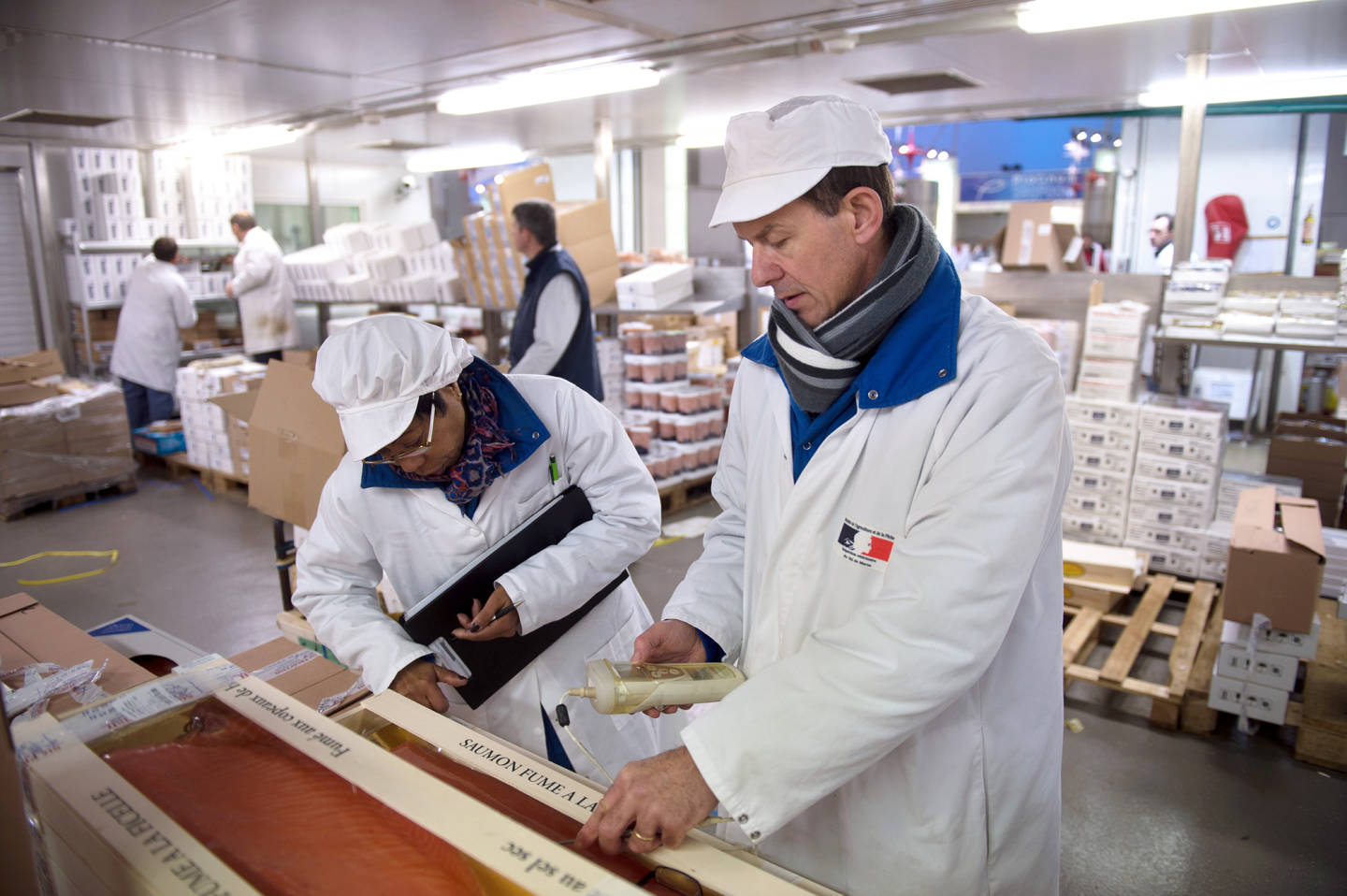
"caption": "Food fraud is a common issue all over the world. Inspectors of veterinary services and fraud inspect seafood products at the Rungis international market, located near Paris.",
"description": "Food fraud is a common issue all over the world. Inspectors of veterinary services and fraud inspect seafood products at the Rungis international market, located near Pari",
"title": "Food fraud is a common issue all over the world. Inspectors of veterinary services and fraud inspect seafood products at the Rungis international market, located near Paris.",
"credit": "Martin Bureau/AFP/Getty Images",
"status": "inherit",
"isLoading": false,
"fetchFailed": false
}
},
"audioPlayerReducer": {
"postId": "stream_live",
"isPaused": true,
"isPlaying": false,
"pfsActive": false,
"pledgeModalIsOpen": true,
"playerDrawerIsOpen": false,
"liveAudioPlayStartedAt": 0,
"liveAudioPlayContext": ""
},
"authorsReducer": {
"byline_bayareabites_109532": {
"type": "authors",
"id": "byline_bayareabites_109532",
"meta": {
"override": true
},
"slug": "byline_bayareabites_109532",
"name": "Natalie Bettendorf, \u003ca href=\"https://youthradio.org/\">Youth Radio\u003c/a> at \u003ca href=\"https://ww2.kqed.org/bayareabites/author/nprfood/\">NPR Food\u003c/a>",
"isLoading": false
},
"byline_bayareabites_109175": {
"type": "authors",
"id": "byline_bayareabites_109175",
"meta": {
"override": true
},
"slug": "byline_bayareabites_109175",
"name": "Alan Levinovitz, \u003ca href=\"https://ww2.kqed.org/bayareabites/author/nprfood/\">NPR Food\u003c/a>",
"isLoading": false
},
"byline_bayareabites_109065": {
"type": "authors",
"id": "byline_bayareabites_109065",
"meta": {
"override": true
},
"slug": "byline_bayareabites_109065",
"name": "Lydia Zuraw, \u003ca href=\"http://khn.org/\">Kaiser Health News\u003c/a> at \u003ca href=\"https://ww2.kqed.org/bayareabites/author/nprfood/\">NPR Food\u003c/a>",
"isLoading": false
},
"byline_bayareabites_108990": {
"type": "authors",
"id": "byline_bayareabites_108990",
"meta": {
"override": true
},
"slug": "byline_bayareabites_108990",
"name": "Dan Charles, \u003ca href=\"https://ww2.kqed.org/bayareabites/author/nprfood/\">NPR Food\u003c/a>",
"isLoading": false
},
"byline_bayareabites_108978": {
"type": "authors",
"id": "byline_bayareabites_108978",
"meta": {
"override": true
},
"slug": "byline_bayareabites_108978",
"name": "Yuki Noguchi, \u003ca href=\"https://ww2.kqed.org/bayareabites/author/nprfood/\">NPR Food\u003c/a>",
"isLoading": false
},
"byline_bayareabites_108606": {
"type": "authors",
"id": "byline_bayareabites_108606",
"meta": {
"override": true
},
"slug": "byline_bayareabites_108606",
"name": "Susan Bence, \u003ca href=\"http://wuwm.com/\">WUWM\u003c/a> at \u003ca href=\"https://ww2.kqed.org/bayareabites/author/nprfood/\">NPR Food\u003c/a>",
"isLoading": false
},
"byline_bayareabites_108599": {
"type": "authors",
"id": "byline_bayareabites_108599",
"meta": {
"override": true
},
"slug": "byline_bayareabites_108599",
"name": "Dan Charles, \u003ca href=\"https://ww2.kqed.org/bayareabites/author/nprfood/\">NPR Food\u003c/a>",
"isLoading": false
},
"byline_bayareabites_108485": {
"type": "authors",
"id": "byline_bayareabites_108485",
"meta": {
"override": true
},
"slug": "byline_bayareabites_108485",
"name": "Laura Wagner, \u003ca href=\"http://ww2.kqed.org/bayareabites/author/nprfood/\">NPR Food\u003c/a>",
"isLoading": false
},
"byline_bayareabites_108333": {
"type": "authors",
"id": "byline_bayareabites_108333",
"meta": {
"override": true
},
"slug": "byline_bayareabites_108333",
"name": "Clare Leschin-Hoar, \u003ca href=\"https://ww2.kqed.org/bayareabites/author/nprfood/\">NPR Food\u003c/a>",
"isLoading": false
},
"marktaylor-2": {
"type": "authors",
"id": "8",
"meta": {
"index": "authors_1716337520",
"id": "8",
"found": true
},
"name": "Mark Taylor",
"firstName": "Mark",
"lastName": "Taylor",
"slug": "marktaylor-2",
"email": "mark@emptypictures.net",
"display_author_email": false,
"staff_mastheads": [],
"title": null,
"bio": "Mark Taylor founded KQED Arts in 2005 and served as Senior Interactive Producer for Arts and Culture through 2014. Taylor was the online arts editor of KQED's daily arts blog for nine years and created the station's first web-original podcasts, Gallery Crawl and The Writers' Block.\r\n\r\nTaylor is an experimental filmmaker and visual artist whose work has been collected by the Library of Congress, Stanford University and the New York Museum of Modern Art, among many others. He teaches Media Studies at the University of San Francisco and is exploring the connection between film and food. \u003ca href=\"http://emptypictures.net/\">Visit Mark Taylor's website\u003c/a> at emptypictures.net.",
"avatar": "https://secure.gravatar.com/avatar/3452322b4dec4379500b11b74718f5da?s=600&d=blank&r=g",
"twitter": null,
"facebook": null,
"instagram": null,
"linkedin": null,
"sites": [
{
"site": "arts",
"roles": [
"Administrator",
"contributor"
]
},
{
"site": "bayareabites",
"roles": [
"author"
]
},
{
"site": "checkplease",
"roles": [
"subscriber"
]
},
{
"site": "food",
"roles": [
"contributor"
]
}
],
"headData": {
"title": "Mark Taylor | KQED",
"description": null,
"ogImgSrc": "https://secure.gravatar.com/avatar/3452322b4dec4379500b11b74718f5da?s=600&d=blank&r=g",
"twImgSrc": "https://secure.gravatar.com/avatar/3452322b4dec4379500b11b74718f5da?s=600&d=blank&r=g"
},
"isLoading": false,
"link": "/author/marktaylor-2"
},
"nprfood": {
"type": "authors",
"id": "5403",
"meta": {
"index": "authors_1716337520",
"id": "5403",
"found": true
},
"name": "NPR Food",
"firstName": "NPR Food",
"lastName": null,
"slug": "nprfood",
"email": "nprfood@kqed.org",
"display_author_email": false,
"staff_mastheads": [],
"title": null,
"bio": "Food and Health-related stories from NPR including NPR Radio; NPR's food blog, \"The Salt\"; NPR's Health News blog, \"Shots\"; NPR's Breaking News blog \"The Two-Way\"; NPR's global stories blog \"Goats and Soda,\" NPR's economy explainer \"Planet Money\"; food-related technology news from NPR's \"All Tech Considered\"; and food series \"Kitchen Window.\"",
"avatar": "https://secure.gravatar.com/avatar/c4b735bb26404fa18ce2447d32e64291?s=600&d=blank&r=g",
"twitter": "nprfood",
"facebook": null,
"instagram": null,
"linkedin": null,
"sites": [
{
"site": "bayareabites",
"roles": [
"contributor"
]
},
{
"site": "food",
"roles": [
"contributor"
]
}
],
"headData": {
"title": "NPR Food | KQED",
"description": null,
"ogImgSrc": "https://secure.gravatar.com/avatar/c4b735bb26404fa18ce2447d32e64291?s=600&d=blank&r=g",
"twImgSrc": "https://secure.gravatar.com/avatar/c4b735bb26404fa18ce2447d32e64291?s=600&d=blank&r=g"
},
"isLoading": false,
"link": "/author/nprfood"
}
},
"pagesReducer": {
"bayareabites_category_politics-activism-food-safety": {
"type": "terms",
"id": "bayareabites_2035",
"meta": {
"index": "terms_1716263798",
"site": "bayareabites",
"id": "2035",
"score": 13.896381
},
"featImg": null,
"name": "politics, activism, food safety",
"description": null,
"taxonomy": "category",
"headData": {
"twImgId": null,
"twTitle": null,
"ogTitle": null,
"ogImgId": null,
"twDescription": null,
"description": null,
"title": "politics, activism, food safety Archives | KQED Bay Area Bites",
"ogDescription": null
},
"ttid": 943,
"slug": "politics-activism-food-safety",
"isLoading": false,
"title": "politics, activism, food safety",
"pageMeta": {
"site": "bayareabites",
"WpPageTemplate": "page-topic-editorial",
"currentPage": 22
},
"blocks": [
{
"blockName": "kqed/post-list",
"attrs": {
"layout": "cardArticle2",
"query": "posts/bayareabites?category=politics-activism-food-safety",
"seeMore": false,
"paginated": true,
"page": 22
}
},
{
"blockName": "kqed/ad"
}
]
}
},
"pfsSessionReducer": {},
"postsReducer": {
"stream_live": {
"type": "live",
"id": "stream_live",
"audioUrl": "https://streams.kqed.org/kqedradio",
"title": "Live Stream",
"excerpt": "Live Stream information currently unavailable.",
"link": "/radio",
"featImg": "",
"label": {
"name": "KQED Live",
"link": "/"
}
},
"stream_kqedNewscast": {
"type": "posts",
"id": "stream_kqedNewscast",
"audioUrl": "https://www.kqed.org/.stream/anon/radio/RDnews/newscast.mp3?_=1",
"title": "KQED Newscast",
"featImg": "",
"label": {
"name": "88.5 FM",
"link": "/"
}
},
"bayareabites_109532": {
"type": "posts",
"id": "bayareabites_109532",
"meta": {
"index": "posts_1716263798",
"site": "bayareabites",
"id": "109532",
"score": null,
"sort": [
1463696503000
]
},
"parent": 0,
"labelTerm": {
"site": "bayareabites"
},
"blocks": [],
"publishDate": 1463696503,
"format": "standard",
"disqusTitle": "Why One Startup Is Offering Meals Made By Home Cooks And Middle Schoolers",
"title": "Why One Startup Is Offering Meals Made By Home Cooks And Middle Schoolers",
"headTitle": "Bay Area Bites | KQED Food",
"content": "\u003cp>We're facing a kind of food revolution, and my generation is driving it.\u003c/p>\n\u003cp>Not so long ago, when fast food giants reigned supreme, takeout meant cheap, quick, greasy meals. But a recent \u003ca href=\"https://dl.dropboxusercontent.com/u/9995078/millennial_munching__english__a_generational_shift_reshaping_the_future_of_food..pdf\" target=\"_blank\">Goldman Sachs report\u003c/a> found that people under 35 are now demanding food that's fresh and healthy — as well as fast.\u003c/p>\n\u003cp>That's good news for food entrepreneurs like Charley Wang. \"We don't want something that everyone and anyone can have,\" Wang says. \"We want something that has soul, that has personalization to it.\"\u003c/p>\n\u003cp>Wang is co-founder of \u003ca href=\"http://josephine.com\" target=\"_blank\">Josephine\u003c/a>, an Oakland. Calif.-based startup that connects home chefs in the San Francisco Bay Area looking to break into the food marketplace with folks in their neighborhood who are hungry for a good meal.\u003c/p>\n\u003cp>Customers can go to Josephine's website, choose from an array of home-cooked options, pay online and pick up dinner within minutes of placing their order.\u003c/p>\n\u003cp>[ad fullwidth]\u003c/p>\n\u003cp>\"So it's convenient, says Renee McGhee, 60, who has sold her homemade comfort food on Josephine. \"It's like, here's a business in your hand, run with it!\"\u003c/p>\n\u003cp>The company takes 10 percent of cooks' revenue in exchange for access to the online ordering platform, community forum, and marketing materials. Mcghee's pantry is piled high with paper containers, plastic lids and to-go bags — all provided by Josephine.\u003c/p>\n\u003cfigure id=\"attachment_109538\" class=\"wp-caption alignright\" style=\"max-width: 400px\">\u003cimg src=\"http://ww2.kqed.org/bayareabites/wp-content/uploads/sites/24/2016/05/charley_wang2_smaller_custom-a28dfed36ae6c6a239f1586d981dbafd732bd344-s400-c85.jpg\" alt=\""We don't want something that everyone and anyone can have. We want something that has soul, that has personalization to it," said Charley Wang, cofounder of community food start-up Josephine.\" width=\"400\" height=\"266\" class=\"size-full wp-image-109538\">\u003cfigcaption class=\"wp-caption-text\">\"We don't want something that everyone and anyone can have. We want something that has soul, that has personalization to it,\" said Charley Wang, cofounder of community food start-up Josephine. \u003ccite>(Jenny Bolario/Youth Radio)\u003c/cite>\u003c/figcaption>\u003c/figure>\n\u003cp>Most of the cooks on Josephine, like McGhee, operate out of their home kitchens. But the company's most popular meals come from an unexpected place: a middle school campus.\u003c/p>\n\u003cp>Willard Middle School in Berkeley, Calif., is in its second year of partnering with Josephine to make and sell hundreds of meals every month — with some adult supervision. The student-run operation sells about 200 meals on one designated day each month — and in the week leading up to that day, you'll see teachers preparing giant piles of vegetables from the school garden to be chopped by 12- and 13-year-olds.\u003c/p>\n\u003cp>The \u003ca href=\"https://josephine.com/cooks/growingleaders\">partnership\u003c/a> is a win-win. Josephine gets the kind of community credibility consumers want, while the school gets a cool learning opportunity and a much-needed source of ongoing funding. The scheme has also taught Willard students a lot about the food business.\u003c/p>\n\u003cp>The first massive meal the students made for Josephine customers definitely didn't go as planned, recalls 13-year-old Willard student Fae Rauber. \"We had rice we were making, and it all didn't work,\" she says. The students weren't used to making rice on that scale, and discovered shortly before mealtime that the batch didn't cook properly, and was inedible. \"So we had to go and buy rice, like half an hour before people started coming.\"\u003c/p>\n\u003cp>But despite mishaps, last school year Josephine's partnership brought the school more than $30,000 in revenue and accounted for 25 percent of Josephine's new customers.\u003c/p>\n\u003cp>Like other companies that are part of the so-called \"sharing economy,\" Josephine's business model has put it at odds with industry regulators. Last month, the city of Berkeley's Environmental Health Division sent several Josephine cooks — including McGhee — cease and desist orders for selling meals from their homes without a permit.\u003c/p>\n\u003cp>\"The issue really is about food safety and being able to inspect how food is prepared,\" said Matthai Chakko, a spokesperson for the city of Berkeley. He says it's not safe to buy food made in home kitchens because they aren't inspected, and usually don't have the equipment you need to make food safely in mass quantities.\u003c/p>\n\u003cfigure id=\"attachment_109542\" class=\"wp-caption aligncenter\" style=\"max-width: 800px\">\u003cimg src=\"http://ww2.kqed.org/bayareabites/wp-content/uploads/sites/24/2016/05/willard_ms_garden_smaller_custom-a4f4189c72b144988203a3861a5f69cd672ed57a-s800-c85.jpg\" alt=\"Willard Middle School uses the produce from their school garden to create meals.\" width=\"800\" height=\"599\" class=\"size-full wp-image-109542\" srcset=\"https://ww2.kqed.org/app/uploads/sites/24/2016/05/willard_ms_garden_smaller_custom-a4f4189c72b144988203a3861a5f69cd672ed57a-s800-c85.jpg 800w, https://ww2.kqed.org/app/uploads/sites/24/2016/05/willard_ms_garden_smaller_custom-a4f4189c72b144988203a3861a5f69cd672ed57a-s800-c85-400x300.jpg 400w, https://ww2.kqed.org/app/uploads/sites/24/2016/05/willard_ms_garden_smaller_custom-a4f4189c72b144988203a3861a5f69cd672ed57a-s800-c85-768x575.jpg 768w\" sizes=\"(max-width: 800px) 100vw, 800px\">\u003cfigcaption class=\"wp-caption-text\">Willard Middle School uses the produce from their school garden to create meals. \u003ccite>(Teresa Chin/Youth Radio)\u003c/cite>\u003c/figcaption>\u003c/figure>\n\u003cp>Luckily, the kids at Willard Middle School have access to commercial-grade kitchens that have the necessary permits – so they're still in business. And the company says it's pushing to change California's law regarding who can make and sell food.\u003c/p>\n\u003cp>\"People were happy and pleased to come here and get their meals, and I think that's their right,\" McGhee says.\u003c/p>\n\u003cp>But actually delivering on what makes consumers happy is something the on-demand food industry is still figuring out. With pioneers like \u003ca href=\"http://techcrunch.com/2016/03/15/spoonrocket-shuts-down/\">SpoonRocket\u003c/a>, a start-up that made and delivered inexpensive meals in about 10 minutes, going out of business, and other companies trying to stir up more regular use of their services by discounting meals and charging \u003ca href=\"http://techcrunch.com/2016/04/19/munchery-launches-8-95-per-month-membership-plan/\" target=\"_blank\">monthly membership fees\u003c/a>, it seems that entrepreneurs are still working on getting the recipe right.\u003c/p>\n\u003chr>\n\u003cp>\u003cem>This story was produced by \u003c/em>\u003ca href=\"http://www.youthradio.org\" target=\"_blank\">\u003cem>Youth Radio \u003c/em>\u003c/a>\u003cem>as part of its series Fast Food Scramble with NPR's Sonari Glinton. Don't forget to check out the map of $5 meals sent in by listeners at YouthRadio.org\u003c/em> \u003c/p>\n\u003cp>\u003c/p>\n\u003cp>\u003cem>Copyright 2016 \u003ca href=\"https://youthradio.org/\" target=\"_blank\">Youth Radio\u003c/a>.\u003c/em> \u003c/p>\n\n",
"disqusIdentifier": "109532 http://ww2.kqed.org/bayareabites/?p=109532",
"disqusUrl": "https://ww2.kqed.org/bayareabites/2016/05/19/why-one-startup-is-offering-meals-made-by-home-cooks-and-middle-schoolers/",
"stats": {
"hasVideo": false,
"hasChartOrMap": false,
"hasAudio": false,
"hasPolis": false,
"wordCount": 835,
"hasGoogleForm": false,
"hasGallery": false,
"hasHearkenModule": false,
"iframeSrcs": [],
"paragraphCount": 21
},
"modified": 1463698258,
"excerpt": "Young people are looking for new takes on fast food. Enter Josephine, a company that connects home chefs in the San Francisco area with folks in their neighborhood who are hungry for a good meal.",
"headData": {
"twImgId": "",
"twTitle": "",
"ogTitle": "",
"ogImgId": "",
"twDescription": "",
"description": "Young people are looking for new takes on fast food. Enter Josephine, a company that connects home chefs in the San Francisco area with folks in their neighborhood who are hungry for a good meal.",
"title": "Why One Startup Is Offering Meals Made By Home Cooks And Middle Schoolers | KQED",
"ogDescription": "",
"schema": {
"@context": "https://schema.org",
"@type": "Article",
"headline": "Why One Startup Is Offering Meals Made By Home Cooks And Middle Schoolers",
"datePublished": "2016-05-19T15:21:43-07:00",
"dateModified": "2016-05-19T15:50:58-07:00",
"image": "https://cdn.kqed.org/wp-content/uploads/2020/02/KQED-OG-Image@1x.png"
}
},
"guestAuthors": [],
"slug": "why-one-startup-is-offering-meals-made-by-home-cooks-and-middle-schoolers",
"status": "publish",
"nprApiLink": "http://api.npr.org/query?id=476492503&apiKey=MDAxOTAwOTE4MDEyMTkxMDAzNjczZDljZA004",
"nprByline": "Natalie Bettendorf, \u003ca href=\"https://youthradio.org/\">Youth Radio\u003c/a> at \u003ca href=\"https://ww2.kqed.org/bayareabites/author/nprfood/\">NPR Food\u003c/a>",
"nprStoryDate": "Thu, 19 May 2016 17:11:00 -0400",
"nprLastModifiedDate": "Thu, 19 May 2016 17:23:31 -0400",
"nprHtmlLink": "http://www.npr.org/sections/thesalt/2016/05/19/476492503/why-one-startup-is-offering-meals-made-by-home-cooks-and-middle-schoolers?ft=nprml&f=476492503",
"nprImageAgency": "Teresa Chin/Youth Radio",
"nprStoryId": "476492503",
"nprRetrievedStory": "1",
"nprPubDate": "Thu, 19 May 2016 17:23:00 -0400",
"path": "/bayareabites/109532/why-one-startup-is-offering-meals-made-by-home-cooks-and-middle-schoolers",
"audioTrackLength": null,
"parsedContent": [
{
"type": "contentString",
"content": "\u003cdiv class=\"post-body\">\u003cp>\u003cp>We're facing a kind of food revolution, and my generation is driving it.\u003c/p>\n\u003cp>Not so long ago, when fast food giants reigned supreme, takeout meant cheap, quick, greasy meals. But a recent \u003ca href=\"https://dl.dropboxusercontent.com/u/9995078/millennial_munching__english__a_generational_shift_reshaping_the_future_of_food..pdf\" target=\"_blank\">Goldman Sachs report\u003c/a> found that people under 35 are now demanding food that's fresh and healthy — as well as fast.\u003c/p>\n\u003cp>That's good news for food entrepreneurs like Charley Wang. \"We don't want something that everyone and anyone can have,\" Wang says. \"We want something that has soul, that has personalization to it.\"\u003c/p>\n\u003cp>Wang is co-founder of \u003ca href=\"http://josephine.com\" target=\"_blank\">Josephine\u003c/a>, an Oakland. Calif.-based startup that connects home chefs in the San Francisco Bay Area looking to break into the food marketplace with folks in their neighborhood who are hungry for a good meal.\u003c/p>\n\u003cp>Customers can go to Josephine's website, choose from an array of home-cooked options, pay online and pick up dinner within minutes of placing their order.\u003c/p>\n\u003cp>\u003c/p>\u003c/div>",
"attributes": {
"named": {},
"numeric": []
}
},
{
"type": "component",
"content": "",
"name": "ad",
"attributes": {
"named": {
"label": "fullwidth"
},
"numeric": [
"fullwidth"
]
}
},
{
"type": "contentString",
"content": "\u003cdiv class=\"post-body\">\u003cp>\u003c/p>\n\u003cp>\"So it's convenient, says Renee McGhee, 60, who has sold her homemade comfort food on Josephine. \"It's like, here's a business in your hand, run with it!\"\u003c/p>\n\u003cp>The company takes 10 percent of cooks' revenue in exchange for access to the online ordering platform, community forum, and marketing materials. Mcghee's pantry is piled high with paper containers, plastic lids and to-go bags — all provided by Josephine.\u003c/p>\n\u003cfigure id=\"attachment_109538\" class=\"wp-caption alignright\" style=\"max-width: 400px\">\u003cimg src=\"http://ww2.kqed.org/bayareabites/wp-content/uploads/sites/24/2016/05/charley_wang2_smaller_custom-a28dfed36ae6c6a239f1586d981dbafd732bd344-s400-c85.jpg\" alt=\""We don't want something that everyone and anyone can have. We want something that has soul, that has personalization to it," said Charley Wang, cofounder of community food start-up Josephine.\" width=\"400\" height=\"266\" class=\"size-full wp-image-109538\">\u003cfigcaption class=\"wp-caption-text\">\"We don't want something that everyone and anyone can have. We want something that has soul, that has personalization to it,\" said Charley Wang, cofounder of community food start-up Josephine. \u003ccite>(Jenny Bolario/Youth Radio)\u003c/cite>\u003c/figcaption>\u003c/figure>\n\u003cp>Most of the cooks on Josephine, like McGhee, operate out of their home kitchens. But the company's most popular meals come from an unexpected place: a middle school campus.\u003c/p>\n\u003cp>Willard Middle School in Berkeley, Calif., is in its second year of partnering with Josephine to make and sell hundreds of meals every month — with some adult supervision. The student-run operation sells about 200 meals on one designated day each month — and in the week leading up to that day, you'll see teachers preparing giant piles of vegetables from the school garden to be chopped by 12- and 13-year-olds.\u003c/p>\n\u003cp>The \u003ca href=\"https://josephine.com/cooks/growingleaders\">partnership\u003c/a> is a win-win. Josephine gets the kind of community credibility consumers want, while the school gets a cool learning opportunity and a much-needed source of ongoing funding. The scheme has also taught Willard students a lot about the food business.\u003c/p>\n\u003cp>The first massive meal the students made for Josephine customers definitely didn't go as planned, recalls 13-year-old Willard student Fae Rauber. \"We had rice we were making, and it all didn't work,\" she says. The students weren't used to making rice on that scale, and discovered shortly before mealtime that the batch didn't cook properly, and was inedible. \"So we had to go and buy rice, like half an hour before people started coming.\"\u003c/p>\n\u003cp>But despite mishaps, last school year Josephine's partnership brought the school more than $30,000 in revenue and accounted for 25 percent of Josephine's new customers.\u003c/p>\n\u003cp>Like other companies that are part of the so-called \"sharing economy,\" Josephine's business model has put it at odds with industry regulators. Last month, the city of Berkeley's Environmental Health Division sent several Josephine cooks — including McGhee — cease and desist orders for selling meals from their homes without a permit.\u003c/p>\n\u003cp>\"The issue really is about food safety and being able to inspect how food is prepared,\" said Matthai Chakko, a spokesperson for the city of Berkeley. He says it's not safe to buy food made in home kitchens because they aren't inspected, and usually don't have the equipment you need to make food safely in mass quantities.\u003c/p>\n\u003cfigure id=\"attachment_109542\" class=\"wp-caption aligncenter\" style=\"max-width: 800px\">\u003cimg src=\"http://ww2.kqed.org/bayareabites/wp-content/uploads/sites/24/2016/05/willard_ms_garden_smaller_custom-a4f4189c72b144988203a3861a5f69cd672ed57a-s800-c85.jpg\" alt=\"Willard Middle School uses the produce from their school garden to create meals.\" width=\"800\" height=\"599\" class=\"size-full wp-image-109542\" srcset=\"https://ww2.kqed.org/app/uploads/sites/24/2016/05/willard_ms_garden_smaller_custom-a4f4189c72b144988203a3861a5f69cd672ed57a-s800-c85.jpg 800w, https://ww2.kqed.org/app/uploads/sites/24/2016/05/willard_ms_garden_smaller_custom-a4f4189c72b144988203a3861a5f69cd672ed57a-s800-c85-400x300.jpg 400w, https://ww2.kqed.org/app/uploads/sites/24/2016/05/willard_ms_garden_smaller_custom-a4f4189c72b144988203a3861a5f69cd672ed57a-s800-c85-768x575.jpg 768w\" sizes=\"(max-width: 800px) 100vw, 800px\">\u003cfigcaption class=\"wp-caption-text\">Willard Middle School uses the produce from their school garden to create meals. \u003ccite>(Teresa Chin/Youth Radio)\u003c/cite>\u003c/figcaption>\u003c/figure>\n\u003cp>Luckily, the kids at Willard Middle School have access to commercial-grade kitchens that have the necessary permits – so they're still in business. And the company says it's pushing to change California's law regarding who can make and sell food.\u003c/p>\n\u003cp>\"People were happy and pleased to come here and get their meals, and I think that's their right,\" McGhee says.\u003c/p>\n\u003cp>But actually delivering on what makes consumers happy is something the on-demand food industry is still figuring out. With pioneers like \u003ca href=\"http://techcrunch.com/2016/03/15/spoonrocket-shuts-down/\">SpoonRocket\u003c/a>, a start-up that made and delivered inexpensive meals in about 10 minutes, going out of business, and other companies trying to stir up more regular use of their services by discounting meals and charging \u003ca href=\"http://techcrunch.com/2016/04/19/munchery-launches-8-95-per-month-membership-plan/\" target=\"_blank\">monthly membership fees\u003c/a>, it seems that entrepreneurs are still working on getting the recipe right.\u003c/p>\n\u003chr>\n\u003cp>\u003cem>This story was produced by \u003c/em>\u003ca href=\"http://www.youthradio.org\" target=\"_blank\">\u003cem>Youth Radio \u003c/em>\u003c/a>\u003cem>as part of its series Fast Food Scramble with NPR's Sonari Glinton. Don't forget to check out the map of $5 meals sent in by listeners at YouthRadio.org\u003c/em> \u003c/p>\n\u003cp>\u003c/p>\n\u003cp>\u003cem>Copyright 2016 \u003ca href=\"https://youthradio.org/\" target=\"_blank\">Youth Radio\u003c/a>.\u003c/em> \u003c/p>\n\n\u003c/div>\u003c/p>",
"attributes": {
"named": {},
"numeric": []
}
}
],
"link": "/bayareabites/109532/why-one-startup-is-offering-meals-made-by-home-cooks-and-middle-schoolers",
"authors": [
"byline_bayareabites_109532"
],
"categories": [
"bayareabites_264",
"bayareabites_8770",
"bayareabites_10028",
"bayareabites_4084",
"bayareabites_366",
"bayareabites_2035"
],
"tags": [
"bayareabites_14381",
"bayareabites_248",
"bayareabites_14709",
"bayareabites_15465",
"bayareabites_15383",
"bayareabites_15464"
],
"featImg": "bayareabites_109533",
"label": "bayareabites"
},
"bayareabites_109175": {
"type": "posts",
"id": "bayareabites_109175",
"meta": {
"index": "posts_1716263798",
"site": "bayareabites",
"id": "109175",
"score": null,
"sort": [
1462807381000
]
},
"parent": 0,
"labelTerm": {
"site": "bayareabites"
},
"blocks": [],
"publishDate": 1462807381,
"format": "standard",
"disqusTitle": "What Is 'Natural' Food? A Riddle Wrapped In Notions Of Good And Evil",
"title": "What Is 'Natural' Food? A Riddle Wrapped In Notions Of Good And Evil",
"headTitle": "Bay Area Bites | KQED Food",
"content": "\u003cp>\u003cstrong>Americans have until \u003ca href=\"http://www.fda.gov/Food/GuidanceRegulation/GuidanceDocumentsRegulatoryInformation/LabelingNutrition/ucm456090.htm\">May 10th\u003c/a> to help the Food and Drug Administration with one of philosophy's greatest riddles: What is the meaning of \"natural\"?\u003c/strong>\u003c/p>\n\u003cp>Given our current attitudes, the riddle might be better described as religious. \u003ca href=\"http://www.wsj.com/articles/SB10001424052702304470504579163933732367084#:uc22dcUgngDmBA\">Data show\u003c/a> that 51 percent of us shop for \"all natural\" food – shelling out some $40 billion a year on these products. We even \u003ca href=\"https://www.qsrmagazine.com/news/consumers-care-more-about-natural-foods-organic\">choose\u003c/a> natural over organic, market analysts have found. Natural has become the non-denominational version of kosher, and orthodoxy is on the rise.\u003c/p>\n\u003cp>The religiosity is apparent in the 4,863 public comments that have already been submitted to the FDA online. Natural and unnatural read like Manichean synonyms for good and evil. Some comments are \u003ca href=\"https://www.regulations.gov/#!documentDetail;D=FDA-2014-N-1207-2911\">explicitly\u003c/a> \u003ca href=\"https://www.regulations.gov/#!documentDetail;D=FDA-2014-N-1207-0310\">theological\u003c/a>: \"Natural should be limited to those ingredients that have been created by God.\" Others refer to violations of Mother \u003ca href=\"https://www.regulations.gov/#!docketBrowser;rpp=25;po=0;s=%2522nature%252Bintended%2522;dct=PS;D=FDA-2014-N-1207\">Nature's intentions\u003c/a>. Behind virtually all of them pulses an intense desire for salvation from modernity's perceived sins: \u003ca href=\"https://www.regulations.gov/#!docketBrowser;rpp=25;po=0;s=Gmo;dct=PS;D=FDA-2014-N-1207\">GMOs\u003c/a>, \u003ca href=\"https://www.regulations.gov/#!docketBrowser;rpp=25;po=0;s=pesticides;dct=PS;D=FDA-2014-N-1207\">pesticides\u003c/a>, \u003ca href=\"https://www.regulations.gov/#!docketBrowser;rpp=25;po=0;s=chemicals;dct=PS;D=FDA-2014-N-1207\">chemicals\u003c/a>, \u003ca href=\"https://www.regulations.gov/#!docketBrowser;rpp=25;po=0;s=artificial;dct=PS;D=FDA-2014-N-1207\">artificiality\u003c/a>, \u003ca href=\"https://www.regulations.gov/#!docketBrowser;rpp=25;po=0;s=synthetic;dct=PS;D=FDA-2014-N-1207\">synthetics\u003c/a>. We ate, greedily, from the tree of scientific knowledge. Now we are condemned to suffer outside of Eden, unless we find a natural way back in.\u003c/p>\n\u003cp>Fair warning, though: Crowdsourcing theology is no easy task. This latest effort is actually round three for the U.S. government. Back in 1974, the Federal Trade Commission proposed codifying a simple definition: \"Natural\" foods are \"those with no artificial ingredients and only minimal processing.\" Public comments poured in. The FTC deliberated for nine years, then gave up.\u003c/p>\n\u003cp>\"A fundamental problem exists,\" explained then-chairman James C. Miller. \"The context in which 'natural' is used determines its meaning. It is unlikely that consumers expect the same thing from a natural apple as they do from natural ice cream.\"\u003c/p>\n\u003cp>[ad fullwidth]\u003c/p>\n\u003cp>The FDA's first attempt \u003ca href=\"https://www.federalregister.gov/articles/2015/11/12/2015-28779/use-of-the-term-natural-in-the-labeling-of-human-food-products-request-for-information-and-comments\">met with a similar fate\u003c/a>. In 1991 the agency invited input on the definition of \"natural,\" noting widespread belief that natural foods are \"somehow more wholesome.\" But like the FTC, the FDA also gave up, this time blaming the failure on us: \"None of the comments provided FDA with a specific direction to follow for developing a definition.\"\u003c/p>\n\u003cp>That was fine until 2009, \u003ca href=\"http://heinonline.org/HOL/LandingPage?handle=hein.journals/rol34&div=22&id=&page=\">when a wave\u003c/a> of lawsuits started to hit food manufacturers. Plaintiffs argued that Snapple's \"all natural\" designation was deceptive because its drinks contained high fructose corn syrup. Ditto for many of Nature Valley's products — which, \u003ca href=\"http://tushnet.blogspot.com/2013/05/another-court-rejects-waiting-for-fda.html\">it was noted\u003c/a>, were deceptively festooned with \"images of forests, mountains, and seaside landscapes.\" Twin lawsuits against Ben and Jerry's and Häagen-Dazs helped to clarify what consumers expect from \"natural\" ice cream — \u003cem>not\u003c/em> Dutch-processed cocoa, apparently, which is alkalized with potassium carbonate, a synthetic ingredient. Even Whole Foods — the Church itself! — \u003ca href=\"http://www.foodnavigator-usa.com/Regulation/Whole-Foods-targeted-in-new-lawsuit-over-all-natural-claims\">is currently being sued\u003c/a> for advertising its bread as \"all-natural,\" despite containing sodium acid pyrophosphate, a synthetic leavening agent allowed in \u003ca href=\"https://www.law.cornell.edu/cfr/text/7/205.605\">organic products\u003c/a> (you might know it as baking powder).\u003c/p>\n\u003cp>Fearing endless and ambiguous legal woes, representatives of the food industry issued petitions requesting that the FDA standardize the term. At the same time, the Consumers Union, a non-profit associated with Consumer Reports, called on the FDA to \u003cem>prohibit\u003c/em> any use of the word or related derivations. (One wonders how the group envisions this playing out for Nature Valley, Back to Nature, Amy's Naturals, Organic by Nature, and the countless other companies whose names incorporate derivations of natural.)\u003c/p>\n\u003cp>I spoke about the wisdom of defining natural food with Georgetown Law professor and false advertising expert \u003ca href=\"http://tushnet.blogspot.com/\">Rebecca Tushnet\u003c/a>. \"My initial reaction is that it's a good idea,\" she tells me. \"People think natural is better than organic, but natural doesn't have a specific meaning. That's confusing. Corporations also need a clear definition so they can use the term and stop getting sued.\"\u003c/p>\n\u003cp>Her position makes sense. After all, rabbinic courts have established rules about the meaning of kosher. Otherwise the kosher seal would be useless. The time has come for government authorities, with our help, to do the same for the meaning of natural food.\u003c/p>\n\u003cp>\u003cstrong>Before attempting to answer this question, it's worth noting that until recently, no one really asked it.\u003c/strong>\u003c/p>\n\u003cfigure id=\"attachment_109177\" class=\"wp-caption alignright\" style=\"max-width: 400px\">\u003cimg src=\"http://ww2.kqed.org/bayareabites/wp-content/uploads/sites/24/2016/05/emaciated_siddhartha_fasting_gautama_buddha_custom-bcdb5b9143f043aebe65fe24312fef7ccbb9d056-400x598.jpg\" alt=\"A statue depicts an emaciated Buddha, who denied himself food as a form of asceticism before finding enlightenment.\" width=\"400\" height=\"598\" class=\"size-thumbnail wp-image-109177\" srcset=\"https://ww2.kqed.org/app/uploads/sites/24/2016/05/emaciated_siddhartha_fasting_gautama_buddha_custom-bcdb5b9143f043aebe65fe24312fef7ccbb9d056-400x598.jpg 400w, https://ww2.kqed.org/app/uploads/sites/24/2016/05/emaciated_siddhartha_fasting_gautama_buddha_custom-bcdb5b9143f043aebe65fe24312fef7ccbb9d056-800x1197.jpg 800w, https://ww2.kqed.org/app/uploads/sites/24/2016/05/emaciated_siddhartha_fasting_gautama_buddha_custom-bcdb5b9143f043aebe65fe24312fef7ccbb9d056-768x1149.jpg 768w, https://ww2.kqed.org/app/uploads/sites/24/2016/05/emaciated_siddhartha_fasting_gautama_buddha_custom-bcdb5b9143f043aebe65fe24312fef7ccbb9d056-1440x2154.jpg 1440w, https://ww2.kqed.org/app/uploads/sites/24/2016/05/emaciated_siddhartha_fasting_gautama_buddha_custom-bcdb5b9143f043aebe65fe24312fef7ccbb9d056-1180x1765.jpg 1180w, https://ww2.kqed.org/app/uploads/sites/24/2016/05/emaciated_siddhartha_fasting_gautama_buddha_custom-bcdb5b9143f043aebe65fe24312fef7ccbb9d056-960x1436.jpg 960w\" sizes=\"(max-width: 400px) 100vw, 400px\">\u003cfigcaption class=\"wp-caption-text\">A statue depicts an emaciated Buddha, who denied himself food as a form of asceticism before finding enlightenment. \u003ccite>(Akuppa John Wigham /Flickr )\u003c/cite>\u003c/figcaption>\u003c/figure>\n\u003cp>Though the distinction between natural and artificial — that is, made by man's art —dates back at least to \u003ca href=\"http://plato.stanford.edu/entries/artifact/#1\">Aristotle\u003c/a>, the popular romanticization of natural food stands in stark contrast to pre-modern culinary philosophies. In keeping with the idea that you are what you eat, refined people ate refined food. \u003ca href=\"http://www.rachellaudan.com/2007/09/refined-food-or-plain-food.html\">According to\u003c/a> historian Rachel Laudan, \"for most of history people wanted the most refined, the most processed, the most thoroughly cooked food possible. This was regarded as the most simple and natural food, because all the dross had been removed by the purifying effects of processing and cooking, particularly fire. Ideal foods were sugar, clarified butter or ghee, white bread, white rice, cooked fruit, wine and so on.\"\u003c/p>\n\u003cp>Similarly, classical Chinese texts routinely express pity for early humans who, without the benefit of agriculture and cooking technology, were forced to eat directly from nature. \"In ancient times,\" \u003ca href=\"http://www.jstor.org/stable/4528996?seq=1#page_scan_tab_contents\">reads the \u003cem>Huainanzi\u003c/em>\u003c/a>, \"people ate vegetation and drank from streams; they picked fruit from trees and ate the flesh of shellfish and insects. In those times there was much illness and suffering, as well as injury from poisons.\" Only through the alchemy of cooking\u003cstrong>, \u003c/strong>these Chinese philosophers concluded, could \"rank and putrid foods\" be transformed into something good to eat.\u003c/p>\n\u003cp>Both in the East and the West there have always been a minority of ascetics who denied themselves cooked, flavorful food and the products of agriculture. But unlike today, such ascetic denial was intended to distance the practitioner from the physical world, nature included. The ideal wasn't unprocessed food, but rather no food at all. Early Daoist tales tell of \"spirit men\" who subsisted entirely on wind and water.\u003c/p>\n\u003cp>\"Food was flesh and flesh was suffering and fertility,\" \u003ca href=\"https://books.google.com/books?hl=en&lr=&id=9DUgmJGxZyEC&oi=fnd&pg=PP2&dq=christian+monastic+fasting&ots=iBGalbgzSJ&sig=_LAmihPO92N815TUOp29SraAFSY#v=onepage&q=renouncing%20ordinary%20food&f=false\">writes\u003c/a> the scholar Caroline Walker Bynum, describing the attitude of pious medieval Christian women. \"In renouncing ordinary food and directing their being toward the food that is Christ, women moved to God...by abandoning their flawed physicality.\"\u003c/p>\n\u003cp>The turn towards redemptive natural foods didn't begin until the 18\u003csup>th\u003c/sup> century, when Romantics, led by Rousseau, began looking to the culinary past for guidance. Haute cuisine was blamed for the vices of the rich; country food bred virtuous peasants, their nature unspoiled by human artifice. \"Our appetite is only excessive,\" wrote Rousseau in 1762, \"because we try to impose on it rules other than those of nature.\"\u003c/p>\n\u003cfigure id=\"attachment_109186\" class=\"wp-caption alignright\" style=\"max-width: 300px\">\u003cimg src=\"http://ww2.kqed.org/bayareabites/wp-content/uploads/sites/24/2016/05/rousseau_custom-fde59d569bf9f279e842025cc4aebf9b9b7991ff-s300-c85.jpg\" alt='In the 18th century Jean Jacques Rousseau, the high priest of the Romantics, sought redemption in natural foods. \"Our appetite is only excessive,\" wrote Rousseau in 1762, \"because we try to impose on it rules other than those of nature.\"' width=\"300\" height=\"417\" class=\"size-full wp-image-109186\">\u003cfigcaption class=\"wp-caption-text\">In the 18th century Jean Jacques Rousseau, the high priest of the Romantics, sought redemption in natural foods. \"Our appetite is only excessive,\" wrote Rousseau in 1762, \"because we try to impose on it rules other than those of nature.\" \u003ccite>(Maurice Quentin de La Tour/Wikimedia Commons )\u003c/cite>\u003c/figcaption>\u003c/figure>\n\u003cp>But among those who favored the culinary dictates of nature, there was little agreement upon their content. For Rousseau, it was vegetarianism: \"One of the proofs that the taste of flesh is not natural to man is the indifference which children exhibit for that sort of meat.\" This idea gained traction in the 19\u003csup>th\u003c/sup> century, most famously in poet Percy Bysshe Shelley's 1813 essay \u003cem>A Vindication of Natural Diet\u003c/em>, which blamed flesh-eating — \"unnatural diet\" — for a litany of woes including disease, crime and depravity. Some physicians were convinced, but many others continued to emphasize the centrality of meat to our natural diets. A popular medical text of the late 19\u003csup>th\u003c/sup> century\u003cstrong> \u003c/strong>\u003ca href=\"https://books.google.com/books?id=moMfAAAAYAAJ&pg=PA108&dq=%22natural+diet%22+meat&hl=en&sa=X&ved=0ahUKEwi1u7S8lMDMAhXI6CYKHdbuAgcQ6AEIITAB#v=onepage&q=%22natural%20diet%22%20meat&f=false\">expresses the tension\u003c/a> in a section that could easily apply today:\u003c/p>\n\u003cp>\"On my table are two books on the diet question, written by two well-known physicians. One proves at great length that the natural diet of man is the vegetable diet. Meat, this author claims, is unnecessary and injurious. ... The other author differs from the forgoing very radically. In his view the natural diet of the normal man is largely flesh food. When doctors disagree who shall decide?\"\u003c/p>\n\u003cp>Only with the dominance of mechanized food production did the argument over \"natural\" begin to focus on the deleterious effects of processing, and come to look something like what it does in the FDA comments. In the mid-19th century, health food pioneer Sylvester Graham (of graham cracker fame) advocated for vegetarianism, but also for the superiority of whole grains and natural, unprocessed foods.\u003c/p>\n\u003cp>\"It is nearly certain that the primitive inhabitants of the earth ate their food with very little, if any artificial preparation,\" \u003ca href=\"https://books.google.com/books?id=JkIPAQAAIAAJ&printsec=frontcover&dq=sylvester+graham+flour&hl=en&sa=X&ved=0ahUKEwjv8q6CmcDMAhUDMyYKHSg2AiEQ6AEIHDAA#v=onepage&q=natural%20state&f=false\">he wrote\u003c/a> approvingly, in stark contrast to the ancient Chinese. \"Food in its natural state would be the best.\"\u003c/p>\n\u003cp>During the same period, food chemistry exploded — accompanied by concerns over dangerous chemicals. In her \u003ca href=\"https://jhupbooks.press.jhu.edu/content/refined-tastes\">history of sugar\u003c/a>, Wendy Woloson reports that as early as the 1830s, the medical journal \u003cem>The Lancet\u003c/em> carried articles warning about popular British candies, exported to America, that were adulterated with \"red oxide of lead, chromate of lead, and red suphuret of mercury.\" These candy makers also used cheap, poisonous dyes to attract children. Nor was it just children: People suffered the ill effects of \u003ca href=\"http://www.scientificamerican.com/article/adulteration-of-beer-with-strychnin/\">strychnine\u003c/a> in beer, \u003ca href=\"https://books.google.com/books?id=Rkc3AAAAMAAJ&pg=PA646&lpg=PA646&dq=suphate+of+copper+pickles+poison&source=bl&ots=qAZSeJQG9k&sig=ytD_fyAa44TWUKwhydglBdZNl6A&hl=en&sa=X&ved=0ahUKEwjnlJ-JocDMAhWG2SYKHeE0CWwQ6AEIHzAA#v=onepage&q=suphate%20of%20copp\">sulphate of copper\u003c/a> in pickles, and countless other poisonous additives that proliferated in a largely unregulated food industry.\u003c/p>\n\u003cp>Notwithstanding increased oversight — most prominently the 1906 establishment of the FDA —20\u003csup>th\u003c/sup> century agricultural developments brought additional concerns. In her 1960s bestseller \u003cem>Silent Spring\u003c/em>, Rachel Carson called attention not only to the environmental harms of pesticide use, but also to their presence in our foods. \"Packaged foods in warehouses are subjected to repeated aerosol treatments with DDT, lindane, and other insecticides, which may penetrate the packaging materials,\" she wrote. To make matters worse, Carson warned that the government was powerless to protect us: \"The activities of the Food and Drug Administration in the field of consumer protection against pesticides are severely limited.\"\u003c/p>\n\u003cp>Given the last hundred years of food history, it's hard not to sympathize with those who venerate natural food. Medical authorities have come to agree with Graham on the benefits of whole grains. Diets rich in highly refined carbohydrates – the kind found in cookies, chips and other processed snack foods – and sugary drinks are implicated in rising obesity rates and related health problems. Meanwhile, \u003ca href=\"http://www.scientificamerican.com/article/chemical-tainted-food/\">articles\u003c/a> run on a \u003ca href=\"https://www.publichealth.uga.edu/ehs/news/chemical-exposure-could-lead-obesity-uga-study-finds\">near daily basis\u003c/a> about the potential dangers of synthetic chemicals used to produce and package these foods. The powerful corporate giants that produce them spend heavily to influence science and public policy. Worst of all, there appears to be a \u003ca href=\"http://www.foodpolitics.com/?s=revolving+door\">revolving door\u003c/a> between the companies and regulatory agencies.\u003c/p>\n\u003cp>It's no wonder that people are scared. Skepticism seems warranted — which means that faith in the most recent incarnation of \"natural\" food, far from being irrational religiosity or a relic of the romantic past, might be a good way to keep ourselves and our families safe.\u003c/p>\n\u003cfigure id=\"attachment_109189\" class=\"wp-caption aligncenter\" style=\"max-width: 800px\">\u003cimg src=\"http://ww2.kqed.org/bayareabites/wp-content/uploads/sites/24/2016/05/rachelcarson_custom-86fe41fd1487a6ae2a19073013f2aba1b82dad9f-s800-c85.jpg\" alt=\"Silent Spring author Rachel Carson testifies before a Senate panel on pesticides in 1963.\" width=\"800\" height=\"548\" class=\"size-full wp-image-109189\" srcset=\"https://ww2.kqed.org/app/uploads/sites/24/2016/05/rachelcarson_custom-86fe41fd1487a6ae2a19073013f2aba1b82dad9f-s800-c85.jpg 800w, https://ww2.kqed.org/app/uploads/sites/24/2016/05/rachelcarson_custom-86fe41fd1487a6ae2a19073013f2aba1b82dad9f-s800-c85-400x274.jpg 400w, https://ww2.kqed.org/app/uploads/sites/24/2016/05/rachelcarson_custom-86fe41fd1487a6ae2a19073013f2aba1b82dad9f-s800-c85-768x526.jpg 768w\" sizes=\"(max-width: 800px) 100vw, 800px\">\u003cfigcaption class=\"wp-caption-text\">Silent Spring author Rachel Carson testifies before a Senate panel on pesticides in 1963. \u003ccite>(AP)\u003c/cite>\u003c/figcaption>\u003c/figure>\n\u003cp>\u003cstrong>Despite these legitimate concerns, the long and checkered history of natural cautions against an uncritical embrace of the term, especially as some kind of panacea.\u003c/strong>\u003c/p>\n\u003cp>Philosophers warn of the \"appeal to nature\" fallacy, in which good is equated with natural. In addition, there seem to be nearly insurmountable difficulties with defining the term in the first place. Even the well-known food writer and activist Michael Pollan sees no real way forward. Confronted by \"such edible oxymorons as 'natural' Cheetos Puffs,\" he \u003ca href=\"http://www.nytimes.com/2015/05/03/magazine/why-natural-doesnt-mean-anything-anymore.html?_r=0\">throws up his hands\u003c/a>: \"Nature, if you believe in human exceptionalism, is over. We probably ought to search somewhere else for our values.\"\u003c/p>\n\u003cp>Nevertheless, in the very same essay, Pollan indicates that some common sense version of natural really should guide our choices. It's not hard, he says, to figure out which of two things is more natural: \"Cane sugar or high-fructose corn syrup? Chicken or chicken nuggets? GMOs or heirloom seeds?\" The opposite of natural, on his reading, is artificial or synthetic, and it's clear that the former should be preferred to the latter.\u003c/p>\n\u003cp>But is that really true? I interviewed philosophers and chemists to see if there was some kind of consensus on the matter. It turns out that those who think professionally about the issue are no less confused or divided than the rest of us.\u003c/p>\n\u003cp>Take the philosophers. \u003ca href=\"http://www.hope.edu/academic/philosophy/faculty/\">Joseph LaPorte\u003c/a> of Hope College specializes in the language we use to classify the natural world and has written extensively on the idea of \"nature\" and \"naturalness.\"\u003c/p>\n\u003cp>\"To be sure, natural doesn't mean safe,\" he told me. \"Nature produces some of the most formidable toxins in the world. But when it comes to packages of chemicals, as they exist in foods or fragrances, nature is a good bet, or at least a clue, because coevolution often suggests its safety and efficacy.\"\u003c/p>\n\u003cfigure id=\"attachment_109191\" class=\"wp-caption aligncenter\" style=\"max-width: 800px\">\u003cimg src=\"http://ww2.kqed.org/bayareabites/wp-content/uploads/sites/24/2016/05/cheetos.jpg\" alt='\"Natural\" Cheetos: an edible oxymoron?' width=\"800\" height=\"532\" class=\"size-full wp-image-109191\" srcset=\"https://ww2.kqed.org/app/uploads/sites/24/2016/05/cheetos.jpg 800w, https://ww2.kqed.org/app/uploads/sites/24/2016/05/cheetos-400x266.jpg 400w, https://ww2.kqed.org/app/uploads/sites/24/2016/05/cheetos-768x511.jpg 768w\" sizes=\"(max-width: 800px) 100vw, 800px\">\u003cfigcaption class=\"wp-caption-text\">\"Natural\" Cheetos: an edible oxymoron? \u003ccite>(Daniel Acker/Bloomberg via Getty Images )\u003c/cite>\u003c/figcaption>\u003c/figure>\n\u003cp>Not so fast, says York University's \u003ca href=\"http://www.yorku.ca/khalidi/\">Muhammad Ali Khalidi\u003c/a>, also a philosopher of science who specializes in classificatory language. \"Something very recent might be safe,\" he points out, \"and something that's been around for hundreds of years could be very dangerous.\" Case in point: Aryuveda, or traditional Indian medicine, has long prescribed herbal remedies that \u003ca href=\"http://www.npr.org/sections/health-shots/2015/07/31/428016419/toxic-lead-contaminates-some-traditional-ayurvedic-medicines\">contain dangerous heavy metals\u003c/a>. Smoked meats, a mainstay of non-industrial food production, are now known \u003ca href=\"http://www.cancer.gov/about-cancer/causes-prevention/risk/diet/cooked-meats-fact-sheet\">to increase cancer risk\u003c/a>.\u003c/p>\n\u003cp>Nor is the lack of consensus limited to the safety of natural food. Scientists also disagree on whether it makes sense to distinguish natural from synthetic products at all. Richard Sachleben, an organic chemist, told me flat-out that all chemicals are natural. Petroleum, he explained, was originally algae. Coal used to be forests.\u003c/p>\n\u003cp>\"The natural enthusiasts, they like to distinguish things based on origin,\" he says. \"But that doesn't make any sense. Think about this: I could raise a pig in my backyard, and feed it corn that I grow myself. I could slaughter the pig and render the fat. I could ferment my corn and distill out the ethanol. Then I could boil wood ash, put this all together, and make bio-diesel. It would look no different chemically than if I used products derived from petroleum.\"\u003c/p>\n\u003cp>But when I talked to Susie Bautista, a long-time flavor chemist turned \u003ca href=\"http://flavorscientist.com/author/flavorgal07/\">blogger\u003c/a>, she had no problem distinguishing between natural flavors —\"which are made with natural starting material, like fruits, roots, leaves and bark\"— and artificial flavors that are synthesized, bottom-up, out of chemical building blocks derived from sources like petrochemicals.\u003c/p>\n\u003cp>\"I think it's entirely reasonable to want natural flavors,\" she says. \"As a Mom and a consumer, I would lean towards natural flavors.\"\u003c/p>\n\u003cp>What, then, should we take from all this? If nothing else, the issues surrounding \"natural\" do not admit of easy answers. Those who shop for natural foods and fear \"chemicals\" are not necessarily irrational or anti-science. They shouldn't be mocked by (well-meaning) satirists who \u003ca href=\"https://en.wikipedia.org/wiki/Dihydrogen_monoxide_hoax\">refer to water\u003c/a> as dihydrogen monoxide or list the \u003ca href=\"http://resources3.news.com.au/images/2014/01/21/1226806/789895-2e77d7cc-823a-11e3-8c0a-8e0465bef8c3.jpg\">chemical contents\u003c/a> of an \"all-natural\" banana. At the same time, there's no good evidence that \u003ca href=\"http://groundedparents.com/2016/05/04/dont-share-robyn-obrien-posts/?utm_content=buffer4cb67&utm_medium=social&utm_source=twitter.com&utm_campaign=buffer\">parents\u003c/a> who eschew natural food and embrace GMOs are poisoning their children. Industrial agriculture, whatever its defects, shouldn't be confused with the \u003ca href=\"http://religiondispatches.org/is-monsanto-satan-the-pleasure-and-problem-of-conspiracy-theory/\">work of (Mon) Satan\u003c/a>.\u003c/p>\n\u003cp>No one put the situation better than novelist John Steinbeck, who ruefully recognized these opposing perspectives within himself:\u003c/p>\n\u003cblockquote>\n\u003cp>\"Even while I protest the assembly-line production of our food, our songs, our language, and eventually our souls, I know that it was a rare home that baked good bread in the old days. Mother's cooking was with rare exceptions poor, that good unpasteurized milk touched only by flies and bits of manure crawled with bacteria, the healthy old-time life was riddled with aches, sudden death from unknown causes, and that sweet local speech I mourn was the child of illiteracy and ignorance.\"\u003c/p>\n\u003c/blockquote>\n\u003cp>Indeed, it's this conflicted understanding of natural, tempered by tolerance and compassion, that I heard from Nobel-Prize-winning chemist \u003ca href=\"http://www.nobelprize.org/nobel_prizes/chemistry/laureates/1981/hoffmann-bio.html\">Roald Hoffmann\u003c/a>. In addition to his accomplishments as a scientist, Hoffmann is a prolific poet and playwright who has written extensively on the intersection of science and religion, and the meaning of \"natural.\" During our long conversation he expressed sympathy for both sides of the debate, and maintained that there were no easy answers.\u003c/p>\n\u003cp>\"Agriculture itself is the greatest invention for manipulating the natural and changing it that the world has ever known,\" says Hoffman. \"I would like people to be aware of that, and the chemical basis for it.\"\u003c/p>\n\u003cp>Nevertheless, he also maintained that everyone, laypeople and scientists alike, is attracted to what is natural — a claim \u003ca href=\"http://www.sciencedirect.com/science/article/pii/S0195666304000455\">that has\u003c/a> \u003ca href=\"http://mdm.sagepub.com/content/18/4/406.short\">empirical support\u003c/a>. For Hoffmann, natural isn't just about healthfulness, or the environment. It isn't a matter of physical identity. Even if synthetic diamonds are completely indistinguishable from geologically produced diamonds, the origin story matters: They are the same and not the same (which is also the title of one of \u003ca href=\"http://www.amazon.com/Same-Not-Roald-Hoffmann/dp/0231101384/ref=mt_hardcover?_encoding=UTF8&me=\">Hoffmann's books\u003c/a>).\u003c/p>\n\u003cp>Did he prefer natural products himself, I wondered?\u003c/p>\n\u003cp>\"I would like to believe there is something to the construction of natural as good for us and Earth,\" he replied after a long pause, and then laughed. \"I know my wife believes so!\"\u003c/p>\n\u003cp>Ultimately, Hoffmann thinks that fear, however irrational, can only be tempered with empowerment. \"No amount of knowledge, no matter how skillfully and widely taught, will assuage fear of the synthetic,\" \u003ca href=\"http://www.roaldhoffmann.com/sites/all/files/natural_unnatural.pdf\">he argues\u003c/a>, \"unless people feel that they have something to say, politically, in the use of the materials that frighten them.\"\u003c/p>\n\u003cp>It is for this reason that we should applaud the FDA's current project, difficult though it may be. All of us would do well to browse the submissions, either to increase our understanding of faith that differs from our own, or to reflect on the faith that we already hold. After doing so, perhaps you'll be inspired to submit your own reflection, and together — the same and not the same — we will muddle onward in humanity's long journey towards unraveling the riddle of \"natural.\"\u003c/p>\n\u003cp>\u003cem>Alan Levinovitz is an assistant professor of religion at James Madison University and the author of \u003c/em>\u003ca href=\"http://www.amazon.com/The-Gluten-Lie-Other-Myths/dp/1941393063/ref=tmm_hrd_title_0?ie=UTF8&qid=1430947149&sr=8-1\">The Gluten Lie\u003c/a>\u003cem>. He is currently working on a book about the meaning of \"natural.\" Follow him: @alanlevinovitz \u003c/em> \u003c/p>\n\u003cp>[ad floatright]\u003c/p>\n\u003cp>\u003cem>Copyright 2016 \u003ca href=\"http://www.npr.org/\" target=\"_blank\">NPR\u003c/a>.\u003c/em> \u003c/p>\n\n",
"disqusIdentifier": "109175 http://ww2.kqed.org/bayareabites/?p=109175",
"disqusUrl": "https://ww2.kqed.org/bayareabites/2016/05/09/what-is-natural-food-a-riddle-wrapped-in-notions-of-good-and-evil/",
"stats": {
"hasVideo": false,
"hasChartOrMap": false,
"hasAudio": false,
"hasPolis": false,
"wordCount": 3070,
"hasGoogleForm": false,
"hasGallery": false,
"hasHearkenModule": false,
"iframeSrcs": [],
"paragraphCount": 49
},
"modified": 1462807381,
"excerpt": "Time is almost up for consumers to tell the FDA what \"natural\" food means. It's an ancient philosophical question with no easy answers.",
"headData": {
"twImgId": "",
"twTitle": "",
"ogTitle": "",
"ogImgId": "",
"twDescription": "",
"description": "Time is almost up for consumers to tell the FDA what "natural" food means. It's an ancient philosophical question with no easy answers.",
"title": "What Is 'Natural' Food? A Riddle Wrapped In Notions Of Good And Evil | KQED",
"ogDescription": "",
"schema": {
"@context": "https://schema.org",
"@type": "Article",
"headline": "What Is 'Natural' Food? A Riddle Wrapped In Notions Of Good And Evil",
"datePublished": "2016-05-09T08:23:01-07:00",
"dateModified": "2016-05-09T08:23:01-07:00",
"image": "https://cdn.kqed.org/wp-content/uploads/2020/02/KQED-OG-Image@1x.png"
}
},
"guestAuthors": [],
"slug": "what-is-natural-food-a-riddle-wrapped-in-notions-of-good-and-evil",
"status": "publish",
"nprApiLink": "http://api.npr.org/query?id=477057872&apiKey=MDAxOTAwOTE4MDEyMTkxMDAzNjczZDljZA004",
"nprByline": "Alan Levinovitz, \u003ca href=\"https://ww2.kqed.org/bayareabites/author/nprfood/\">NPR Food\u003c/a>",
"nprStoryDate": "Sun, 08 May 2016 07:00:13 -0400",
"nprLastModifiedDate": "Sun, 08 May 2016 07:00:13 -0400",
"nprHtmlLink": "http://www.npr.org/sections/thesalt/2016/05/08/477057872/what-is-natural-food-a-riddle-wrapped-in-notions-of-good-and-evil?ft=nprml&f=477057872",
"nprImageAgency": "fStop/Getty Images",
"nprImageCredit": "Jutta Kuss",
"nprStoryId": "477057872",
"nprRetrievedStory": "1",
"nprPubDate": "Sun, 08 May 2016 07:00:00 -0400",
"path": "/bayareabites/109175/what-is-natural-food-a-riddle-wrapped-in-notions-of-good-and-evil",
"audioTrackLength": null,
"parsedContent": [
{
"type": "contentString",
"content": "\u003cdiv class=\"post-body\">\u003cp>\u003cp>\u003cstrong>Americans have until \u003ca href=\"http://www.fda.gov/Food/GuidanceRegulation/GuidanceDocumentsRegulatoryInformation/LabelingNutrition/ucm456090.htm\">May 10th\u003c/a> to help the Food and Drug Administration with one of philosophy's greatest riddles: What is the meaning of \"natural\"?\u003c/strong>\u003c/p>\n\u003cp>Given our current attitudes, the riddle might be better described as religious. \u003ca href=\"http://www.wsj.com/articles/SB10001424052702304470504579163933732367084#:uc22dcUgngDmBA\">Data show\u003c/a> that 51 percent of us shop for \"all natural\" food – shelling out some $40 billion a year on these products. We even \u003ca href=\"https://www.qsrmagazine.com/news/consumers-care-more-about-natural-foods-organic\">choose\u003c/a> natural over organic, market analysts have found. Natural has become the non-denominational version of kosher, and orthodoxy is on the rise.\u003c/p>\n\u003cp>The religiosity is apparent in the 4,863 public comments that have already been submitted to the FDA online. Natural and unnatural read like Manichean synonyms for good and evil. Some comments are \u003ca href=\"https://www.regulations.gov/#!documentDetail;D=FDA-2014-N-1207-2911\">explicitly\u003c/a> \u003ca href=\"https://www.regulations.gov/#!documentDetail;D=FDA-2014-N-1207-0310\">theological\u003c/a>: \"Natural should be limited to those ingredients that have been created by God.\" Others refer to violations of Mother \u003ca href=\"https://www.regulations.gov/#!docketBrowser;rpp=25;po=0;s=%2522nature%252Bintended%2522;dct=PS;D=FDA-2014-N-1207\">Nature's intentions\u003c/a>. Behind virtually all of them pulses an intense desire for salvation from modernity's perceived sins: \u003ca href=\"https://www.regulations.gov/#!docketBrowser;rpp=25;po=0;s=Gmo;dct=PS;D=FDA-2014-N-1207\">GMOs\u003c/a>, \u003ca href=\"https://www.regulations.gov/#!docketBrowser;rpp=25;po=0;s=pesticides;dct=PS;D=FDA-2014-N-1207\">pesticides\u003c/a>, \u003ca href=\"https://www.regulations.gov/#!docketBrowser;rpp=25;po=0;s=chemicals;dct=PS;D=FDA-2014-N-1207\">chemicals\u003c/a>, \u003ca href=\"https://www.regulations.gov/#!docketBrowser;rpp=25;po=0;s=artificial;dct=PS;D=FDA-2014-N-1207\">artificiality\u003c/a>, \u003ca href=\"https://www.regulations.gov/#!docketBrowser;rpp=25;po=0;s=synthetic;dct=PS;D=FDA-2014-N-1207\">synthetics\u003c/a>. We ate, greedily, from the tree of scientific knowledge. Now we are condemned to suffer outside of Eden, unless we find a natural way back in.\u003c/p>\n\u003cp>Fair warning, though: Crowdsourcing theology is no easy task. This latest effort is actually round three for the U.S. government. Back in 1974, the Federal Trade Commission proposed codifying a simple definition: \"Natural\" foods are \"those with no artificial ingredients and only minimal processing.\" Public comments poured in. The FTC deliberated for nine years, then gave up.\u003c/p>\n\u003cp>\"A fundamental problem exists,\" explained then-chairman James C. Miller. \"The context in which 'natural' is used determines its meaning. It is unlikely that consumers expect the same thing from a natural apple as they do from natural ice cream.\"\u003c/p>\n\u003cp>\u003c/p>\u003c/div>",
"attributes": {
"named": {},
"numeric": []
}
},
{
"type": "component",
"content": "",
"name": "ad",
"attributes": {
"named": {
"label": "fullwidth"
},
"numeric": [
"fullwidth"
]
}
},
{
"type": "contentString",
"content": "\u003cdiv class=\"post-body\">\u003cp>\u003c/p>\n\u003cp>The FDA's first attempt \u003ca href=\"https://www.federalregister.gov/articles/2015/11/12/2015-28779/use-of-the-term-natural-in-the-labeling-of-human-food-products-request-for-information-and-comments\">met with a similar fate\u003c/a>. In 1991 the agency invited input on the definition of \"natural,\" noting widespread belief that natural foods are \"somehow more wholesome.\" But like the FTC, the FDA also gave up, this time blaming the failure on us: \"None of the comments provided FDA with a specific direction to follow for developing a definition.\"\u003c/p>\n\u003cp>That was fine until 2009, \u003ca href=\"http://heinonline.org/HOL/LandingPage?handle=hein.journals/rol34&div=22&id=&page=\">when a wave\u003c/a> of lawsuits started to hit food manufacturers. Plaintiffs argued that Snapple's \"all natural\" designation was deceptive because its drinks contained high fructose corn syrup. Ditto for many of Nature Valley's products — which, \u003ca href=\"http://tushnet.blogspot.com/2013/05/another-court-rejects-waiting-for-fda.html\">it was noted\u003c/a>, were deceptively festooned with \"images of forests, mountains, and seaside landscapes.\" Twin lawsuits against Ben and Jerry's and Häagen-Dazs helped to clarify what consumers expect from \"natural\" ice cream — \u003cem>not\u003c/em> Dutch-processed cocoa, apparently, which is alkalized with potassium carbonate, a synthetic ingredient. Even Whole Foods — the Church itself! — \u003ca href=\"http://www.foodnavigator-usa.com/Regulation/Whole-Foods-targeted-in-new-lawsuit-over-all-natural-claims\">is currently being sued\u003c/a> for advertising its bread as \"all-natural,\" despite containing sodium acid pyrophosphate, a synthetic leavening agent allowed in \u003ca href=\"https://www.law.cornell.edu/cfr/text/7/205.605\">organic products\u003c/a> (you might know it as baking powder).\u003c/p>\n\u003cp>Fearing endless and ambiguous legal woes, representatives of the food industry issued petitions requesting that the FDA standardize the term. At the same time, the Consumers Union, a non-profit associated with Consumer Reports, called on the FDA to \u003cem>prohibit\u003c/em> any use of the word or related derivations. (One wonders how the group envisions this playing out for Nature Valley, Back to Nature, Amy's Naturals, Organic by Nature, and the countless other companies whose names incorporate derivations of natural.)\u003c/p>\n\u003cp>I spoke about the wisdom of defining natural food with Georgetown Law professor and false advertising expert \u003ca href=\"http://tushnet.blogspot.com/\">Rebecca Tushnet\u003c/a>. \"My initial reaction is that it's a good idea,\" she tells me. \"People think natural is better than organic, but natural doesn't have a specific meaning. That's confusing. Corporations also need a clear definition so they can use the term and stop getting sued.\"\u003c/p>\n\u003cp>Her position makes sense. After all, rabbinic courts have established rules about the meaning of kosher. Otherwise the kosher seal would be useless. The time has come for government authorities, with our help, to do the same for the meaning of natural food.\u003c/p>\n\u003cp>\u003cstrong>Before attempting to answer this question, it's worth noting that until recently, no one really asked it.\u003c/strong>\u003c/p>\n\u003cfigure id=\"attachment_109177\" class=\"wp-caption alignright\" style=\"max-width: 400px\">\u003cimg src=\"http://ww2.kqed.org/bayareabites/wp-content/uploads/sites/24/2016/05/emaciated_siddhartha_fasting_gautama_buddha_custom-bcdb5b9143f043aebe65fe24312fef7ccbb9d056-400x598.jpg\" alt=\"A statue depicts an emaciated Buddha, who denied himself food as a form of asceticism before finding enlightenment.\" width=\"400\" height=\"598\" class=\"size-thumbnail wp-image-109177\" srcset=\"https://ww2.kqed.org/app/uploads/sites/24/2016/05/emaciated_siddhartha_fasting_gautama_buddha_custom-bcdb5b9143f043aebe65fe24312fef7ccbb9d056-400x598.jpg 400w, https://ww2.kqed.org/app/uploads/sites/24/2016/05/emaciated_siddhartha_fasting_gautama_buddha_custom-bcdb5b9143f043aebe65fe24312fef7ccbb9d056-800x1197.jpg 800w, https://ww2.kqed.org/app/uploads/sites/24/2016/05/emaciated_siddhartha_fasting_gautama_buddha_custom-bcdb5b9143f043aebe65fe24312fef7ccbb9d056-768x1149.jpg 768w, https://ww2.kqed.org/app/uploads/sites/24/2016/05/emaciated_siddhartha_fasting_gautama_buddha_custom-bcdb5b9143f043aebe65fe24312fef7ccbb9d056-1440x2154.jpg 1440w, https://ww2.kqed.org/app/uploads/sites/24/2016/05/emaciated_siddhartha_fasting_gautama_buddha_custom-bcdb5b9143f043aebe65fe24312fef7ccbb9d056-1180x1765.jpg 1180w, https://ww2.kqed.org/app/uploads/sites/24/2016/05/emaciated_siddhartha_fasting_gautama_buddha_custom-bcdb5b9143f043aebe65fe24312fef7ccbb9d056-960x1436.jpg 960w\" sizes=\"(max-width: 400px) 100vw, 400px\">\u003cfigcaption class=\"wp-caption-text\">A statue depicts an emaciated Buddha, who denied himself food as a form of asceticism before finding enlightenment. \u003ccite>(Akuppa John Wigham /Flickr )\u003c/cite>\u003c/figcaption>\u003c/figure>\n\u003cp>Though the distinction between natural and artificial — that is, made by man's art —dates back at least to \u003ca href=\"http://plato.stanford.edu/entries/artifact/#1\">Aristotle\u003c/a>, the popular romanticization of natural food stands in stark contrast to pre-modern culinary philosophies. In keeping with the idea that you are what you eat, refined people ate refined food. \u003ca href=\"http://www.rachellaudan.com/2007/09/refined-food-or-plain-food.html\">According to\u003c/a> historian Rachel Laudan, \"for most of history people wanted the most refined, the most processed, the most thoroughly cooked food possible. This was regarded as the most simple and natural food, because all the dross had been removed by the purifying effects of processing and cooking, particularly fire. Ideal foods were sugar, clarified butter or ghee, white bread, white rice, cooked fruit, wine and so on.\"\u003c/p>\n\u003cp>Similarly, classical Chinese texts routinely express pity for early humans who, without the benefit of agriculture and cooking technology, were forced to eat directly from nature. \"In ancient times,\" \u003ca href=\"http://www.jstor.org/stable/4528996?seq=1#page_scan_tab_contents\">reads the \u003cem>Huainanzi\u003c/em>\u003c/a>, \"people ate vegetation and drank from streams; they picked fruit from trees and ate the flesh of shellfish and insects. In those times there was much illness and suffering, as well as injury from poisons.\" Only through the alchemy of cooking\u003cstrong>, \u003c/strong>these Chinese philosophers concluded, could \"rank and putrid foods\" be transformed into something good to eat.\u003c/p>\n\u003cp>Both in the East and the West there have always been a minority of ascetics who denied themselves cooked, flavorful food and the products of agriculture. But unlike today, such ascetic denial was intended to distance the practitioner from the physical world, nature included. The ideal wasn't unprocessed food, but rather no food at all. Early Daoist tales tell of \"spirit men\" who subsisted entirely on wind and water.\u003c/p>\n\u003cp>\"Food was flesh and flesh was suffering and fertility,\" \u003ca href=\"https://books.google.com/books?hl=en&lr=&id=9DUgmJGxZyEC&oi=fnd&pg=PP2&dq=christian+monastic+fasting&ots=iBGalbgzSJ&sig=_LAmihPO92N815TUOp29SraAFSY#v=onepage&q=renouncing%20ordinary%20food&f=false\">writes\u003c/a> the scholar Caroline Walker Bynum, describing the attitude of pious medieval Christian women. \"In renouncing ordinary food and directing their being toward the food that is Christ, women moved to God...by abandoning their flawed physicality.\"\u003c/p>\n\u003cp>The turn towards redemptive natural foods didn't begin until the 18\u003csup>th\u003c/sup> century, when Romantics, led by Rousseau, began looking to the culinary past for guidance. Haute cuisine was blamed for the vices of the rich; country food bred virtuous peasants, their nature unspoiled by human artifice. \"Our appetite is only excessive,\" wrote Rousseau in 1762, \"because we try to impose on it rules other than those of nature.\"\u003c/p>\n\u003cfigure id=\"attachment_109186\" class=\"wp-caption alignright\" style=\"max-width: 300px\">\u003cimg src=\"http://ww2.kqed.org/bayareabites/wp-content/uploads/sites/24/2016/05/rousseau_custom-fde59d569bf9f279e842025cc4aebf9b9b7991ff-s300-c85.jpg\" alt='In the 18th century Jean Jacques Rousseau, the high priest of the Romantics, sought redemption in natural foods. \"Our appetite is only excessive,\" wrote Rousseau in 1762, \"because we try to impose on it rules other than those of nature.\"' width=\"300\" height=\"417\" class=\"size-full wp-image-109186\">\u003cfigcaption class=\"wp-caption-text\">In the 18th century Jean Jacques Rousseau, the high priest of the Romantics, sought redemption in natural foods. \"Our appetite is only excessive,\" wrote Rousseau in 1762, \"because we try to impose on it rules other than those of nature.\" \u003ccite>(Maurice Quentin de La Tour/Wikimedia Commons )\u003c/cite>\u003c/figcaption>\u003c/figure>\n\u003cp>But among those who favored the culinary dictates of nature, there was little agreement upon their content. For Rousseau, it was vegetarianism: \"One of the proofs that the taste of flesh is not natural to man is the indifference which children exhibit for that sort of meat.\" This idea gained traction in the 19\u003csup>th\u003c/sup> century, most famously in poet Percy Bysshe Shelley's 1813 essay \u003cem>A Vindication of Natural Diet\u003c/em>, which blamed flesh-eating — \"unnatural diet\" — for a litany of woes including disease, crime and depravity. Some physicians were convinced, but many others continued to emphasize the centrality of meat to our natural diets. A popular medical text of the late 19\u003csup>th\u003c/sup> century\u003cstrong> \u003c/strong>\u003ca href=\"https://books.google.com/books?id=moMfAAAAYAAJ&pg=PA108&dq=%22natural+diet%22+meat&hl=en&sa=X&ved=0ahUKEwi1u7S8lMDMAhXI6CYKHdbuAgcQ6AEIITAB#v=onepage&q=%22natural%20diet%22%20meat&f=false\">expresses the tension\u003c/a> in a section that could easily apply today:\u003c/p>\n\u003cp>\"On my table are two books on the diet question, written by two well-known physicians. One proves at great length that the natural diet of man is the vegetable diet. Meat, this author claims, is unnecessary and injurious. ... The other author differs from the forgoing very radically. In his view the natural diet of the normal man is largely flesh food. When doctors disagree who shall decide?\"\u003c/p>\n\u003cp>Only with the dominance of mechanized food production did the argument over \"natural\" begin to focus on the deleterious effects of processing, and come to look something like what it does in the FDA comments. In the mid-19th century, health food pioneer Sylvester Graham (of graham cracker fame) advocated for vegetarianism, but also for the superiority of whole grains and natural, unprocessed foods.\u003c/p>\n\u003cp>\"It is nearly certain that the primitive inhabitants of the earth ate their food with very little, if any artificial preparation,\" \u003ca href=\"https://books.google.com/books?id=JkIPAQAAIAAJ&printsec=frontcover&dq=sylvester+graham+flour&hl=en&sa=X&ved=0ahUKEwjv8q6CmcDMAhUDMyYKHSg2AiEQ6AEIHDAA#v=onepage&q=natural%20state&f=false\">he wrote\u003c/a> approvingly, in stark contrast to the ancient Chinese. \"Food in its natural state would be the best.\"\u003c/p>\n\u003cp>During the same period, food chemistry exploded — accompanied by concerns over dangerous chemicals. In her \u003ca href=\"https://jhupbooks.press.jhu.edu/content/refined-tastes\">history of sugar\u003c/a>, Wendy Woloson reports that as early as the 1830s, the medical journal \u003cem>The Lancet\u003c/em> carried articles warning about popular British candies, exported to America, that were adulterated with \"red oxide of lead, chromate of lead, and red suphuret of mercury.\" These candy makers also used cheap, poisonous dyes to attract children. Nor was it just children: People suffered the ill effects of \u003ca href=\"http://www.scientificamerican.com/article/adulteration-of-beer-with-strychnin/\">strychnine\u003c/a> in beer, \u003ca href=\"https://books.google.com/books?id=Rkc3AAAAMAAJ&pg=PA646&lpg=PA646&dq=suphate+of+copper+pickles+poison&source=bl&ots=qAZSeJQG9k&sig=ytD_fyAa44TWUKwhydglBdZNl6A&hl=en&sa=X&ved=0ahUKEwjnlJ-JocDMAhWG2SYKHeE0CWwQ6AEIHzAA#v=onepage&q=suphate%20of%20copp\">sulphate of copper\u003c/a> in pickles, and countless other poisonous additives that proliferated in a largely unregulated food industry.\u003c/p>\n\u003cp>Notwithstanding increased oversight — most prominently the 1906 establishment of the FDA —20\u003csup>th\u003c/sup> century agricultural developments brought additional concerns. In her 1960s bestseller \u003cem>Silent Spring\u003c/em>, Rachel Carson called attention not only to the environmental harms of pesticide use, but also to their presence in our foods. \"Packaged foods in warehouses are subjected to repeated aerosol treatments with DDT, lindane, and other insecticides, which may penetrate the packaging materials,\" she wrote. To make matters worse, Carson warned that the government was powerless to protect us: \"The activities of the Food and Drug Administration in the field of consumer protection against pesticides are severely limited.\"\u003c/p>\n\u003cp>Given the last hundred years of food history, it's hard not to sympathize with those who venerate natural food. Medical authorities have come to agree with Graham on the benefits of whole grains. Diets rich in highly refined carbohydrates – the kind found in cookies, chips and other processed snack foods – and sugary drinks are implicated in rising obesity rates and related health problems. Meanwhile, \u003ca href=\"http://www.scientificamerican.com/article/chemical-tainted-food/\">articles\u003c/a> run on a \u003ca href=\"https://www.publichealth.uga.edu/ehs/news/chemical-exposure-could-lead-obesity-uga-study-finds\">near daily basis\u003c/a> about the potential dangers of synthetic chemicals used to produce and package these foods. The powerful corporate giants that produce them spend heavily to influence science and public policy. Worst of all, there appears to be a \u003ca href=\"http://www.foodpolitics.com/?s=revolving+door\">revolving door\u003c/a> between the companies and regulatory agencies.\u003c/p>\n\u003cp>It's no wonder that people are scared. Skepticism seems warranted — which means that faith in the most recent incarnation of \"natural\" food, far from being irrational religiosity or a relic of the romantic past, might be a good way to keep ourselves and our families safe.\u003c/p>\n\u003cfigure id=\"attachment_109189\" class=\"wp-caption aligncenter\" style=\"max-width: 800px\">\u003cimg src=\"http://ww2.kqed.org/bayareabites/wp-content/uploads/sites/24/2016/05/rachelcarson_custom-86fe41fd1487a6ae2a19073013f2aba1b82dad9f-s800-c85.jpg\" alt=\"Silent Spring author Rachel Carson testifies before a Senate panel on pesticides in 1963.\" width=\"800\" height=\"548\" class=\"size-full wp-image-109189\" srcset=\"https://ww2.kqed.org/app/uploads/sites/24/2016/05/rachelcarson_custom-86fe41fd1487a6ae2a19073013f2aba1b82dad9f-s800-c85.jpg 800w, https://ww2.kqed.org/app/uploads/sites/24/2016/05/rachelcarson_custom-86fe41fd1487a6ae2a19073013f2aba1b82dad9f-s800-c85-400x274.jpg 400w, https://ww2.kqed.org/app/uploads/sites/24/2016/05/rachelcarson_custom-86fe41fd1487a6ae2a19073013f2aba1b82dad9f-s800-c85-768x526.jpg 768w\" sizes=\"(max-width: 800px) 100vw, 800px\">\u003cfigcaption class=\"wp-caption-text\">Silent Spring author Rachel Carson testifies before a Senate panel on pesticides in 1963. \u003ccite>(AP)\u003c/cite>\u003c/figcaption>\u003c/figure>\n\u003cp>\u003cstrong>Despite these legitimate concerns, the long and checkered history of natural cautions against an uncritical embrace of the term, especially as some kind of panacea.\u003c/strong>\u003c/p>\n\u003cp>Philosophers warn of the \"appeal to nature\" fallacy, in which good is equated with natural. In addition, there seem to be nearly insurmountable difficulties with defining the term in the first place. Even the well-known food writer and activist Michael Pollan sees no real way forward. Confronted by \"such edible oxymorons as 'natural' Cheetos Puffs,\" he \u003ca href=\"http://www.nytimes.com/2015/05/03/magazine/why-natural-doesnt-mean-anything-anymore.html?_r=0\">throws up his hands\u003c/a>: \"Nature, if you believe in human exceptionalism, is over. We probably ought to search somewhere else for our values.\"\u003c/p>\n\u003cp>Nevertheless, in the very same essay, Pollan indicates that some common sense version of natural really should guide our choices. It's not hard, he says, to figure out which of two things is more natural: \"Cane sugar or high-fructose corn syrup? Chicken or chicken nuggets? GMOs or heirloom seeds?\" The opposite of natural, on his reading, is artificial or synthetic, and it's clear that the former should be preferred to the latter.\u003c/p>\n\u003cp>But is that really true? I interviewed philosophers and chemists to see if there was some kind of consensus on the matter. It turns out that those who think professionally about the issue are no less confused or divided than the rest of us.\u003c/p>\n\u003cp>Take the philosophers. \u003ca href=\"http://www.hope.edu/academic/philosophy/faculty/\">Joseph LaPorte\u003c/a> of Hope College specializes in the language we use to classify the natural world and has written extensively on the idea of \"nature\" and \"naturalness.\"\u003c/p>\n\u003cp>\"To be sure, natural doesn't mean safe,\" he told me. \"Nature produces some of the most formidable toxins in the world. But when it comes to packages of chemicals, as they exist in foods or fragrances, nature is a good bet, or at least a clue, because coevolution often suggests its safety and efficacy.\"\u003c/p>\n\u003cfigure id=\"attachment_109191\" class=\"wp-caption aligncenter\" style=\"max-width: 800px\">\u003cimg src=\"http://ww2.kqed.org/bayareabites/wp-content/uploads/sites/24/2016/05/cheetos.jpg\" alt='\"Natural\" Cheetos: an edible oxymoron?' width=\"800\" height=\"532\" class=\"size-full wp-image-109191\" srcset=\"https://ww2.kqed.org/app/uploads/sites/24/2016/05/cheetos.jpg 800w, https://ww2.kqed.org/app/uploads/sites/24/2016/05/cheetos-400x266.jpg 400w, https://ww2.kqed.org/app/uploads/sites/24/2016/05/cheetos-768x511.jpg 768w\" sizes=\"(max-width: 800px) 100vw, 800px\">\u003cfigcaption class=\"wp-caption-text\">\"Natural\" Cheetos: an edible oxymoron? \u003ccite>(Daniel Acker/Bloomberg via Getty Images )\u003c/cite>\u003c/figcaption>\u003c/figure>\n\u003cp>Not so fast, says York University's \u003ca href=\"http://www.yorku.ca/khalidi/\">Muhammad Ali Khalidi\u003c/a>, also a philosopher of science who specializes in classificatory language. \"Something very recent might be safe,\" he points out, \"and something that's been around for hundreds of years could be very dangerous.\" Case in point: Aryuveda, or traditional Indian medicine, has long prescribed herbal remedies that \u003ca href=\"http://www.npr.org/sections/health-shots/2015/07/31/428016419/toxic-lead-contaminates-some-traditional-ayurvedic-medicines\">contain dangerous heavy metals\u003c/a>. Smoked meats, a mainstay of non-industrial food production, are now known \u003ca href=\"http://www.cancer.gov/about-cancer/causes-prevention/risk/diet/cooked-meats-fact-sheet\">to increase cancer risk\u003c/a>.\u003c/p>\n\u003cp>Nor is the lack of consensus limited to the safety of natural food. Scientists also disagree on whether it makes sense to distinguish natural from synthetic products at all. Richard Sachleben, an organic chemist, told me flat-out that all chemicals are natural. Petroleum, he explained, was originally algae. Coal used to be forests.\u003c/p>\n\u003cp>\"The natural enthusiasts, they like to distinguish things based on origin,\" he says. \"But that doesn't make any sense. Think about this: I could raise a pig in my backyard, and feed it corn that I grow myself. I could slaughter the pig and render the fat. I could ferment my corn and distill out the ethanol. Then I could boil wood ash, put this all together, and make bio-diesel. It would look no different chemically than if I used products derived from petroleum.\"\u003c/p>\n\u003cp>But when I talked to Susie Bautista, a long-time flavor chemist turned \u003ca href=\"http://flavorscientist.com/author/flavorgal07/\">blogger\u003c/a>, she had no problem distinguishing between natural flavors —\"which are made with natural starting material, like fruits, roots, leaves and bark\"— and artificial flavors that are synthesized, bottom-up, out of chemical building blocks derived from sources like petrochemicals.\u003c/p>\n\u003cp>\"I think it's entirely reasonable to want natural flavors,\" she says. \"As a Mom and a consumer, I would lean towards natural flavors.\"\u003c/p>\n\u003cp>What, then, should we take from all this? If nothing else, the issues surrounding \"natural\" do not admit of easy answers. Those who shop for natural foods and fear \"chemicals\" are not necessarily irrational or anti-science. They shouldn't be mocked by (well-meaning) satirists who \u003ca href=\"https://en.wikipedia.org/wiki/Dihydrogen_monoxide_hoax\">refer to water\u003c/a> as dihydrogen monoxide or list the \u003ca href=\"http://resources3.news.com.au/images/2014/01/21/1226806/789895-2e77d7cc-823a-11e3-8c0a-8e0465bef8c3.jpg\">chemical contents\u003c/a> of an \"all-natural\" banana. At the same time, there's no good evidence that \u003ca href=\"http://groundedparents.com/2016/05/04/dont-share-robyn-obrien-posts/?utm_content=buffer4cb67&utm_medium=social&utm_source=twitter.com&utm_campaign=buffer\">parents\u003c/a> who eschew natural food and embrace GMOs are poisoning their children. Industrial agriculture, whatever its defects, shouldn't be confused with the \u003ca href=\"http://religiondispatches.org/is-monsanto-satan-the-pleasure-and-problem-of-conspiracy-theory/\">work of (Mon) Satan\u003c/a>.\u003c/p>\n\u003cp>No one put the situation better than novelist John Steinbeck, who ruefully recognized these opposing perspectives within himself:\u003c/p>\n\u003cblockquote>\n\u003cp>\"Even while I protest the assembly-line production of our food, our songs, our language, and eventually our souls, I know that it was a rare home that baked good bread in the old days. Mother's cooking was with rare exceptions poor, that good unpasteurized milk touched only by flies and bits of manure crawled with bacteria, the healthy old-time life was riddled with aches, sudden death from unknown causes, and that sweet local speech I mourn was the child of illiteracy and ignorance.\"\u003c/p>\n\u003c/blockquote>\n\u003cp>Indeed, it's this conflicted understanding of natural, tempered by tolerance and compassion, that I heard from Nobel-Prize-winning chemist \u003ca href=\"http://www.nobelprize.org/nobel_prizes/chemistry/laureates/1981/hoffmann-bio.html\">Roald Hoffmann\u003c/a>. In addition to his accomplishments as a scientist, Hoffmann is a prolific poet and playwright who has written extensively on the intersection of science and religion, and the meaning of \"natural.\" During our long conversation he expressed sympathy for both sides of the debate, and maintained that there were no easy answers.\u003c/p>\n\u003cp>\"Agriculture itself is the greatest invention for manipulating the natural and changing it that the world has ever known,\" says Hoffman. \"I would like people to be aware of that, and the chemical basis for it.\"\u003c/p>\n\u003cp>Nevertheless, he also maintained that everyone, laypeople and scientists alike, is attracted to what is natural — a claim \u003ca href=\"http://www.sciencedirect.com/science/article/pii/S0195666304000455\">that has\u003c/a> \u003ca href=\"http://mdm.sagepub.com/content/18/4/406.short\">empirical support\u003c/a>. For Hoffmann, natural isn't just about healthfulness, or the environment. It isn't a matter of physical identity. Even if synthetic diamonds are completely indistinguishable from geologically produced diamonds, the origin story matters: They are the same and not the same (which is also the title of one of \u003ca href=\"http://www.amazon.com/Same-Not-Roald-Hoffmann/dp/0231101384/ref=mt_hardcover?_encoding=UTF8&me=\">Hoffmann's books\u003c/a>).\u003c/p>\n\u003cp>Did he prefer natural products himself, I wondered?\u003c/p>\n\u003cp>\"I would like to believe there is something to the construction of natural as good for us and Earth,\" he replied after a long pause, and then laughed. \"I know my wife believes so!\"\u003c/p>\n\u003cp>Ultimately, Hoffmann thinks that fear, however irrational, can only be tempered with empowerment. \"No amount of knowledge, no matter how skillfully and widely taught, will assuage fear of the synthetic,\" \u003ca href=\"http://www.roaldhoffmann.com/sites/all/files/natural_unnatural.pdf\">he argues\u003c/a>, \"unless people feel that they have something to say, politically, in the use of the materials that frighten them.\"\u003c/p>\n\u003cp>It is for this reason that we should applaud the FDA's current project, difficult though it may be. All of us would do well to browse the submissions, either to increase our understanding of faith that differs from our own, or to reflect on the faith that we already hold. After doing so, perhaps you'll be inspired to submit your own reflection, and together — the same and not the same — we will muddle onward in humanity's long journey towards unraveling the riddle of \"natural.\"\u003c/p>\n\u003cp>\u003cem>Alan Levinovitz is an assistant professor of religion at James Madison University and the author of \u003c/em>\u003ca href=\"http://www.amazon.com/The-Gluten-Lie-Other-Myths/dp/1941393063/ref=tmm_hrd_title_0?ie=UTF8&qid=1430947149&sr=8-1\">The Gluten Lie\u003c/a>\u003cem>. He is currently working on a book about the meaning of \"natural.\" Follow him: @alanlevinovitz \u003c/em> \u003c/p>\n\u003cp>\u003c/p>\u003c/div>",
"attributes": {
"named": {},
"numeric": []
}
},
{
"type": "component",
"content": "",
"name": "ad",
"attributes": {
"named": {
"label": "floatright"
},
"numeric": [
"floatright"
]
}
},
{
"type": "contentString",
"content": "\u003cdiv class=\"post-body\">\u003cp>\u003c/p>\n\u003cp>\u003cem>Copyright 2016 \u003ca href=\"http://www.npr.org/\" target=\"_blank\">NPR\u003c/a>.\u003c/em> \u003c/p>\n\n\u003c/div>\u003c/p>",
"attributes": {
"named": {},
"numeric": []
}
}
],
"link": "/bayareabites/109175/what-is-natural-food-a-riddle-wrapped-in-notions-of-good-and-evil",
"authors": [
"byline_bayareabites_109175"
],
"categories": [
"bayareabites_1245",
"bayareabites_2035"
],
"tags": [
"bayareabites_2608",
"bayareabites_10774",
"bayareabites_15448",
"bayareabites_13797"
],
"featImg": "bayareabites_109176",
"label": "bayareabites"
},
"bayareabites_109065": {
"type": "posts",
"id": "bayareabites_109065",
"meta": {
"index": "posts_1716263798",
"site": "bayareabites",
"id": "109065",
"score": null,
"sort": [
1462394355000
]
},
"parent": 0,
"labelTerm": {
"site": "bayareabites"
},
"blocks": [],
"publishDate": 1462394355,
"format": "standard",
"disqusTitle": "Frozen Food Fears: 4 Things To Know About The Listeria Recall",
"title": "Frozen Food Fears: 4 Things To Know About The Listeria Recall",
"headTitle": "Bay Area Bites | KQED Food",
"content": "\u003cp>\u003cstrong> \u003c/strong>Frozen vegetables are a staple in many diets, so a huge recall of them has us peering at the packages in our freezers.\u003c/p>\n\u003cp>On Tuesday evening, the U.S. Centers for Disease Control and Prevention announced an \u003ca href=\"http://www.cdc.gov/listeria/outbreaks/frozen-vegetables-05-16/index.html\">outbreak\u003c/a> of the deadly\u003cem> \u003c/em>\u003cem>Listeria monocytogenes\u003c/em> bacteria --- and frozen vegetables and fruits are believed to be the cause.\u003c/p>\n\u003cp>More than 350 products like green beans, broccoli, peas and blueberries sold under 42 brands at grocers including Safeway, Costco and Trader Joe's in the U.S. and Canada have now been recalled.\u003c/p>\n\u003cp>Here are four things to know about listeria and this massive recall:\u003c/p>\n\u003ch3>\u003cstrong>Listeria is deadly.\u003c/strong>\u003c/h3>\n\u003cp>Listeria is the most lethal of foodborne pathogens. Most healthy immune systems can keep an infection at bay, but if the bug makes it into the bloodstream, it causes listeriosis and kills 1 in 5 victims.\u003c/p>\n\u003cp>[ad fullwidth]\u003c/p>\n\u003cp>Older adults, pregnant women, newborns and those with weakened immune systems are at higher risk of infection. People 65 and older are four times more likely to get sick from listeria than the general population, and pregnant women — who may not develop listeriosis themselves but whose babies could be threatened — are 10 times more likely.\u003c/p>\n\u003cp>So far, the CDC knows of eight people who have been sickened — six in California and one each in Washington and Maryland. The Washington and Maryland patients died, but listeria was not considered the ultimate cause of death. The patients were between 56 and 86 years old.\u003c/p>\n\u003ch3>\u003cstrong>New tracking tools led to this recall.\u003c/strong>\u003c/h3>\n\u003cp>The outbreak making headlines today began in 2013 with one illness, followed by five more in 2015 and two in 2016. It may seem as if this outbreak is unfolding in slow motion, but that is because the CDC has a new tool to track the bacteria's spread: the sequenced genome of listeria.\u003cstrong>\u003c/strong>\u003c/p>\n\u003cp>While investigating a small cluster of 2016 illnesses, the CDC searched its database of previously sequenced listeria genomes and found matches from bacteria that had sickened people in previous years.\u003c/p>\n\u003cp>CDC's venture into whole-genome sequencing has allowed the agency to identify more listeria outbreaks, especially more that span longer periods of time. Last year, the CDC announced two outbreaks that began in 2010.\u003c/p>\n\u003ch3>\u003cstrong>Listeria gets around — and stays around.\u003c/strong>\u003c/h3>\n\u003cp>The CDC said that frozen vegetables produced by CRF Frozen Foods in Pasco, Wash., are the \"likely source\" of the illnesses.\u003c/p>\n\u003cp>\u003ca href=\"http://www.foodscience.caes.uga.edu/personnel/faculty/doyle.html\">Michael Doyle\u003c/a>, professor of food microbiology at the University of Georgia and director of the school's Center for Food Safety, says he thinks that \"resident\" listeria caused the outbreak. Rather than \"transient\" bacteria that contaminates a food and moves through a processing system with it, resident bacteria establishes itself somewhere in the processing plant and persists over several years.\u003c/p>\n\u003cp>\"The organism's quite hearty,\" he says.\u003c/p>\n\u003cp>Listeria has been known to plague ready-to-eat deli meats and soft cheeses made with unpasteurized milk, but it's popped up in surprising foods in recent years.\u003c/p>\n\u003cp>Last year, \u003ca href=\"http://www.cdc.gov/listeria/outbreaks/ice-cream-03-15/\">Blue Bell Creameries\u003c/a> recalled all of its ice cream products after 10 people were sickened with listeria. One reason listeria differs from other pathogens is that it can grow in cold temperatures.\u003c/p>\n\u003cfigure id=\"attachment_109067\" class=\"wp-caption aligncenter\" style=\"max-width: 1024px\">\u003cimg src=\"http://ww2.kqed.org/bayareabites/wp-content/uploads/sites/24/2016/05/blue-bell-1_enl-ac3c46e9899c4136ec72910ee991e298f16f4bdb.jpg\" alt=\"Shelves are bare and signs are posted where Blue Bell products were displayed in a grocery store in April 2015 in Overland Park, Kan. Blue Bell Creameries recalled all of its ice cream products following a listeria outbreak.\" width=\"1024\" height=\"683\" class=\"size-full wp-image-109067\" srcset=\"https://ww2.kqed.org/app/uploads/sites/24/2016/05/blue-bell-1_enl-ac3c46e9899c4136ec72910ee991e298f16f4bdb.jpg 1024w, https://ww2.kqed.org/app/uploads/sites/24/2016/05/blue-bell-1_enl-ac3c46e9899c4136ec72910ee991e298f16f4bdb-400x267.jpg 400w, https://ww2.kqed.org/app/uploads/sites/24/2016/05/blue-bell-1_enl-ac3c46e9899c4136ec72910ee991e298f16f4bdb-800x534.jpg 800w, https://ww2.kqed.org/app/uploads/sites/24/2016/05/blue-bell-1_enl-ac3c46e9899c4136ec72910ee991e298f16f4bdb-768x512.jpg 768w, https://ww2.kqed.org/app/uploads/sites/24/2016/05/blue-bell-1_enl-ac3c46e9899c4136ec72910ee991e298f16f4bdb-960x640.jpg 960w\" sizes=\"(max-width: 1024px) 100vw, 1024px\">\u003cfigcaption class=\"wp-caption-text\">Shelves are bare and signs are posted where Blue Bell products were displayed in a grocery store in April 2015 in Overland Park, Kan. Blue Bell Creameries recalled all of its ice cream products following a listeria outbreak. \u003ccite>(Jamie Squire/Getty Images)\u003c/cite>\u003c/figcaption>\u003c/figure>\n\u003cp>In 2014, 35 people were sickened by \u003ca href=\"http://www.cdc.gov/listeria/outbreaks/caramel-apples-12-14/\">caramel apples\u003c/a> – and officials determined that listeriosis contributed to at least three of the seven deaths reported.\u003c/p>\n\u003cp>And \u003ca href=\"http://www.cdc.gov/listeria/outbreaks/cantaloupes-jensen-farms/index.html\">cantaloupe\u003c/a> was behind the largest listeria outbreak in U.S. history, which sickened 147 people in 2011 and killed 33.\u003c/p>\n\u003ch3>\u003cstrong>It's time for a freezer check.\u003c/strong>\u003c/h3>\n\u003cp>CRF has recalled all organic and traditionally grown frozen vegetable and fruit products processed at its Pasco facility since May 2014 and suspended operations there last week.\u003c/p>\n\u003cp>Check the UPC codes and \"best by\" dates on the vegetable packages in your freezer against \u003ca href=\"http://www.fda.gov/Safety/Recalls/ucm498841.htm\">the FDA's list\u003c/a>. If they match, you can return the recalled food to the store for a refund or simply discard it.\u003c/p>\n\u003cp>Either way, don't eat the recalled foods.\u003c/p>\n\u003cp>If you did eat them and have symptoms such as fever, stiff neck, confusion, loss of balance and convulsions, seek medical care. Sometimes listeriosis symptoms develop up to two months after eating contaminated food, but they usually start within several days.\u003c/p>\n\u003cp>\u003ca href=\"http://www.kaiserhealthnews.org/\" target=\"_blank\">\u003cem>Kaiser Health News\u003c/em>\u003c/a>\u003cem> is an editorially independent program of the \u003c/em>\u003ca href=\"http://www.kff.org/\" target=\"_blank\">\u003cem>Kaiser Family Foundation\u003c/em>\u003c/a>\u003cem>.\u003c/em>\u003cem>\u003c/em>\u003c/p>\n\u003cp>\u003c/p>\n\u003cp>Copyright 2016 \u003ca href=\"http://www.kaiserhealthnews.org/\">Kaiser Health News\u003c/a>. \u003c/p>\n\n",
"disqusIdentifier": "109065 http://ww2.kqed.org/bayareabites/?p=109065",
"disqusUrl": "https://ww2.kqed.org/bayareabites/2016/05/04/frozen-food-fears-4-things-to-know-about-the-listeria-recall/",
"stats": {
"hasVideo": false,
"hasChartOrMap": false,
"hasAudio": false,
"hasPolis": false,
"wordCount": 759,
"hasGoogleForm": false,
"hasGallery": false,
"hasHearkenModule": false,
"iframeSrcs": [],
"paragraphCount": 25
},
"modified": 1462394355,
"excerpt": "The FDA issued a massive recall of frozen fruits and vegetables this week. Here's what you need to know about the nasty bug that's causing all the problems.",
"headData": {
"twImgId": "",
"twTitle": "",
"ogTitle": "",
"ogImgId": "",
"twDescription": "",
"description": "The FDA issued a massive recall of frozen fruits and vegetables this week. Here's what you need to know about the nasty bug that's causing all the problems.",
"title": "Frozen Food Fears: 4 Things To Know About The Listeria Recall | KQED",
"ogDescription": "",
"schema": {
"@context": "https://schema.org",
"@type": "Article",
"headline": "Frozen Food Fears: 4 Things To Know About The Listeria Recall",
"datePublished": "2016-05-04T13:39:15-07:00",
"dateModified": "2016-05-04T13:39:15-07:00",
"image": "https://cdn.kqed.org/wp-content/uploads/2020/02/KQED-OG-Image@1x.png"
}
},
"guestAuthors": [],
"slug": "frozen-food-fears-4-things-to-know-about-the-listeria-recall",
"status": "publish",
"nprApiLink": "http://api.npr.org/query?id=476777724&apiKey=MDAxOTAwOTE4MDEyMTkxMDAzNjczZDljZA004",
"nprByline": "Lydia Zuraw, \u003ca href=\"http://khn.org/\">Kaiser Health News\u003c/a> at \u003ca href=\"https://ww2.kqed.org/bayareabites/author/nprfood/\">NPR Food\u003c/a>",
"nprStoryDate": "Wed, 04 May 2016 15:47:00 -0400",
"nprLastModifiedDate": "Wed, 04 May 2016 15:48:16 -0400",
"nprHtmlLink": "http://www.npr.org/sections/thesalt/2016/05/04/476777724/frozen-food-fears-4-things-to-know-about-the-listeria-recall?ft=nprml&f=476777724",
"nprImageAgency": "iStockphoto",
"nprStoryId": "476777724",
"nprRetrievedStory": "1",
"nprPubDate": "Wed, 04 May 2016 15:48:00 -0400",
"path": "/bayareabites/109065/frozen-food-fears-4-things-to-know-about-the-listeria-recall",
"audioTrackLength": null,
"parsedContent": [
{
"type": "contentString",
"content": "\u003cdiv class=\"post-body\">\u003cp>\u003cp>\u003cstrong> \u003c/strong>Frozen vegetables are a staple in many diets, so a huge recall of them has us peering at the packages in our freezers.\u003c/p>\n\u003cp>On Tuesday evening, the U.S. Centers for Disease Control and Prevention announced an \u003ca href=\"http://www.cdc.gov/listeria/outbreaks/frozen-vegetables-05-16/index.html\">outbreak\u003c/a> of the deadly\u003cem> \u003c/em>\u003cem>Listeria monocytogenes\u003c/em> bacteria --- and frozen vegetables and fruits are believed to be the cause.\u003c/p>\n\u003cp>More than 350 products like green beans, broccoli, peas and blueberries sold under 42 brands at grocers including Safeway, Costco and Trader Joe's in the U.S. and Canada have now been recalled.\u003c/p>\n\u003cp>Here are four things to know about listeria and this massive recall:\u003c/p>\n\u003ch3>\u003cstrong>Listeria is deadly.\u003c/strong>\u003c/h3>\n\u003cp>Listeria is the most lethal of foodborne pathogens. Most healthy immune systems can keep an infection at bay, but if the bug makes it into the bloodstream, it causes listeriosis and kills 1 in 5 victims.\u003c/p>\n\u003cp>\u003c/p>\u003c/div>",
"attributes": {
"named": {},
"numeric": []
}
},
{
"type": "component",
"content": "",
"name": "ad",
"attributes": {
"named": {
"label": "fullwidth"
},
"numeric": [
"fullwidth"
]
}
},
{
"type": "contentString",
"content": "\u003cdiv class=\"post-body\">\u003cp>\u003c/p>\n\u003cp>Older adults, pregnant women, newborns and those with weakened immune systems are at higher risk of infection. People 65 and older are four times more likely to get sick from listeria than the general population, and pregnant women — who may not develop listeriosis themselves but whose babies could be threatened — are 10 times more likely.\u003c/p>\n\u003cp>So far, the CDC knows of eight people who have been sickened — six in California and one each in Washington and Maryland. The Washington and Maryland patients died, but listeria was not considered the ultimate cause of death. The patients were between 56 and 86 years old.\u003c/p>\n\u003ch3>\u003cstrong>New tracking tools led to this recall.\u003c/strong>\u003c/h3>\n\u003cp>The outbreak making headlines today began in 2013 with one illness, followed by five more in 2015 and two in 2016. It may seem as if this outbreak is unfolding in slow motion, but that is because the CDC has a new tool to track the bacteria's spread: the sequenced genome of listeria.\u003cstrong>\u003c/strong>\u003c/p>\n\u003cp>While investigating a small cluster of 2016 illnesses, the CDC searched its database of previously sequenced listeria genomes and found matches from bacteria that had sickened people in previous years.\u003c/p>\n\u003cp>CDC's venture into whole-genome sequencing has allowed the agency to identify more listeria outbreaks, especially more that span longer periods of time. Last year, the CDC announced two outbreaks that began in 2010.\u003c/p>\n\u003ch3>\u003cstrong>Listeria gets around — and stays around.\u003c/strong>\u003c/h3>\n\u003cp>The CDC said that frozen vegetables produced by CRF Frozen Foods in Pasco, Wash., are the \"likely source\" of the illnesses.\u003c/p>\n\u003cp>\u003ca href=\"http://www.foodscience.caes.uga.edu/personnel/faculty/doyle.html\">Michael Doyle\u003c/a>, professor of food microbiology at the University of Georgia and director of the school's Center for Food Safety, says he thinks that \"resident\" listeria caused the outbreak. Rather than \"transient\" bacteria that contaminates a food and moves through a processing system with it, resident bacteria establishes itself somewhere in the processing plant and persists over several years.\u003c/p>\n\u003cp>\"The organism's quite hearty,\" he says.\u003c/p>\n\u003cp>Listeria has been known to plague ready-to-eat deli meats and soft cheeses made with unpasteurized milk, but it's popped up in surprising foods in recent years.\u003c/p>\n\u003cp>Last year, \u003ca href=\"http://www.cdc.gov/listeria/outbreaks/ice-cream-03-15/\">Blue Bell Creameries\u003c/a> recalled all of its ice cream products after 10 people were sickened with listeria. One reason listeria differs from other pathogens is that it can grow in cold temperatures.\u003c/p>\n\u003cfigure id=\"attachment_109067\" class=\"wp-caption aligncenter\" style=\"max-width: 1024px\">\u003cimg src=\"http://ww2.kqed.org/bayareabites/wp-content/uploads/sites/24/2016/05/blue-bell-1_enl-ac3c46e9899c4136ec72910ee991e298f16f4bdb.jpg\" alt=\"Shelves are bare and signs are posted where Blue Bell products were displayed in a grocery store in April 2015 in Overland Park, Kan. Blue Bell Creameries recalled all of its ice cream products following a listeria outbreak.\" width=\"1024\" height=\"683\" class=\"size-full wp-image-109067\" srcset=\"https://ww2.kqed.org/app/uploads/sites/24/2016/05/blue-bell-1_enl-ac3c46e9899c4136ec72910ee991e298f16f4bdb.jpg 1024w, https://ww2.kqed.org/app/uploads/sites/24/2016/05/blue-bell-1_enl-ac3c46e9899c4136ec72910ee991e298f16f4bdb-400x267.jpg 400w, https://ww2.kqed.org/app/uploads/sites/24/2016/05/blue-bell-1_enl-ac3c46e9899c4136ec72910ee991e298f16f4bdb-800x534.jpg 800w, https://ww2.kqed.org/app/uploads/sites/24/2016/05/blue-bell-1_enl-ac3c46e9899c4136ec72910ee991e298f16f4bdb-768x512.jpg 768w, https://ww2.kqed.org/app/uploads/sites/24/2016/05/blue-bell-1_enl-ac3c46e9899c4136ec72910ee991e298f16f4bdb-960x640.jpg 960w\" sizes=\"(max-width: 1024px) 100vw, 1024px\">\u003cfigcaption class=\"wp-caption-text\">Shelves are bare and signs are posted where Blue Bell products were displayed in a grocery store in April 2015 in Overland Park, Kan. Blue Bell Creameries recalled all of its ice cream products following a listeria outbreak. \u003ccite>(Jamie Squire/Getty Images)\u003c/cite>\u003c/figcaption>\u003c/figure>\n\u003cp>In 2014, 35 people were sickened by \u003ca href=\"http://www.cdc.gov/listeria/outbreaks/caramel-apples-12-14/\">caramel apples\u003c/a> – and officials determined that listeriosis contributed to at least three of the seven deaths reported.\u003c/p>\n\u003cp>And \u003ca href=\"http://www.cdc.gov/listeria/outbreaks/cantaloupes-jensen-farms/index.html\">cantaloupe\u003c/a> was behind the largest listeria outbreak in U.S. history, which sickened 147 people in 2011 and killed 33.\u003c/p>\n\u003ch3>\u003cstrong>It's time for a freezer check.\u003c/strong>\u003c/h3>\n\u003cp>CRF has recalled all organic and traditionally grown frozen vegetable and fruit products processed at its Pasco facility since May 2014 and suspended operations there last week.\u003c/p>\n\u003cp>Check the UPC codes and \"best by\" dates on the vegetable packages in your freezer against \u003ca href=\"http://www.fda.gov/Safety/Recalls/ucm498841.htm\">the FDA's list\u003c/a>. If they match, you can return the recalled food to the store for a refund or simply discard it.\u003c/p>\n\u003cp>Either way, don't eat the recalled foods.\u003c/p>\n\u003cp>If you did eat them and have symptoms such as fever, stiff neck, confusion, loss of balance and convulsions, seek medical care. Sometimes listeriosis symptoms develop up to two months after eating contaminated food, but they usually start within several days.\u003c/p>\n\u003cp>\u003ca href=\"http://www.kaiserhealthnews.org/\" target=\"_blank\">\u003cem>Kaiser Health News\u003c/em>\u003c/a>\u003cem> is an editorially independent program of the \u003c/em>\u003ca href=\"http://www.kff.org/\" target=\"_blank\">\u003cem>Kaiser Family Foundation\u003c/em>\u003c/a>\u003cem>.\u003c/em>\u003cem>\u003c/em>\u003c/p>\n\u003cp>\u003c/p>\n\u003cp>Copyright 2016 \u003ca href=\"http://www.kaiserhealthnews.org/\">Kaiser Health News\u003c/a>. \u003c/p>\n\n\u003c/div>\u003c/p>",
"attributes": {
"named": {},
"numeric": []
}
}
],
"link": "/bayareabites/109065/frozen-food-fears-4-things-to-know-about-the-listeria-recall",
"authors": [
"byline_bayareabites_109065"
],
"categories": [
"bayareabites_10028",
"bayareabites_1245",
"bayareabites_2035"
],
"tags": [
"bayareabites_10994",
"bayareabites_2608",
"bayareabites_11544",
"bayareabites_12219",
"bayareabites_888"
],
"featImg": "bayareabites_109066",
"label": "bayareabites"
},
"bayareabites_108990": {
"type": "posts",
"id": "bayareabites_108990",
"meta": {
"index": "posts_1716263798",
"site": "bayareabites",
"id": "108990",
"score": null,
"sort": [
1462211784000
]
},
"parent": 0,
"labelTerm": {
"site": "bayareabites"
},
"blocks": [],
"publishDate": 1462211784,
"format": "standard",
"disqusTitle": "Under Attack, Commodity Promotion Programs Try To Hide Their Emails",
"title": "Under Attack, Commodity Promotion Programs Try To Hide Their Emails",
"headTitle": "Bay Area Bites | KQED Food",
"content": "\u003cp>An increasing number of people are discovering, to their embarrassment, that their emails are subject to the Freedom of Information Act. Scientists at state-funded universities have been forced to disclose \u003ca href=\"http://www.nytimes.com/2015/09/06/us/food-industry-enlisted-academics-in-gmo-lobbying-war-emails-show.html?_r=0\">emails\u003c/a> that revealed cozy ties with the public relations arms of biotech and organic food companies. And last year, a FOIA request compelled the American Egg Board to turn over \u003ca href=\"http://ww2.kqed.org/bayareabites/2015/09/03/how-big-egg-tried-to-bring-down-little-mayo-and-failed/\">documents\u003c/a> showing that its president tried to organize a public relations campaign against a vegan competitor called Just Mayo.\u003c/p>\n\u003cp>If the House Appropriations Committee has its way, though, the Egg Board's private emails will remain private in the future. This past week, the committee passed its version of the U.S. Department of Agriculture's 2017 budget. And in an accompanying report, the panel \u003ca href=\"http://files.ctctcdn.com/1d652835401/9d382a6b-8609-4857-8b34-198cf306e50a.pdf\">urged\u003c/a> the USDA to make sure that FOIA does not apply to the American Egg Board and all similar \"Research and Promotion boards that the USDA oversees.\"\u003c/p>\n\u003cp>This language refers to a dozen or so \"checkoff programs\" that promote beef, pork, soybeans and other commodities. They are the source of advertising campaigns like \"Pork: The Other White Meat\" and \"Beef - It's What's For Dinner.\"\u003c/p>\n\u003cp>These programs have long been \u003ca href=\"http://www.npr.org/sections/thesalt/2015/09/23/440935380/why-does-the-government-act-as-tax-collector-for-agribusiness\">controversial\u003c/a> because they use government authority to collect money for private commercial goals, such as advertising campaigns and research on the nutritional quality of particular foods. Farmers themselves vote to set up such programs, but Congress then establishes them and at that point, every farmer is required, by law, to contribute to them.\u003c/p>\n\u003cp>So do these operations belong to industry or the government? The industry groups \"very much want to have it both ways,\" says \u003ca href=\"http://nutrition.tufts.edu/profile/faculty/parke-wilde\">Parke Wilde\u003c/a>, a specialist on food policy at Tufts University and a long-time critic of the checkoff programs.\u003c/p>\n\u003cp>[ad fullwidth]\u003c/p>\n\u003cp>In 2005, Wilde points out, industry groups argued before the Supreme Court that the checkoff programs were, in fact, \"government speech.\" At that time, the groups were facing a challenge from farmers who didn't want to pay for those programs. If the programs were part of the government, though, the farmers could be forced to pay up, just as they are forced to pay taxes. The Supreme Court \u003ca href=\"https://www.law.cornell.edu/supct/html/03-1164.ZO.html\">agreed\u003c/a>.\u003c/p>\n\u003cp>Now that they wish to escape from the FOIA, however, the checkoff programs are emphasizing their private nature. In early April, a dozen agricultural industry groups — but not the checkoff programs themselves, because they aren't allowed to lobby Congress --- asked Congress to declare the checkoff programs exempt from the FOIA because they \"are funded solely with producer dollars, and therefore are not agencies of the federal government.\" The House Appropriations Committee has now adopted that view. Even if it became law, the language could face a challenge in the courts. \u003c/p>\n\u003cp>\u003c/p>\n\u003cp>\u003cem>Copyright 2016 \u003ca href=\"http://www.npr.org/\" target=\"_blank\">NPR\u003c/a>. \u003c/em>\u003c/p>\n\n",
"disqusIdentifier": "108990 http://ww2.kqed.org/bayareabites/?p=108990",
"disqusUrl": "https://ww2.kqed.org/bayareabites/2016/05/02/under-attack-commodity-promotion-programs-try-to-hide-their-emails/",
"stats": {
"hasVideo": false,
"hasChartOrMap": false,
"hasAudio": false,
"hasPolis": false,
"wordCount": 458,
"hasGoogleForm": false,
"hasGallery": false,
"hasHearkenModule": false,
"iframeSrcs": [],
"paragraphCount": 10
},
"modified": 1462211784,
"excerpt": "Federal programs that collect money from farmers in order to promote pork, beef and eggs have been under attack. They now want to exempt their documents from the Freedom of Information Act.",
"headData": {
"twImgId": "",
"twTitle": "",
"ogTitle": "",
"ogImgId": "",
"twDescription": "",
"description": "Federal programs that collect money from farmers in order to promote pork, beef and eggs have been under attack. They now want to exempt their documents from the Freedom of Information Act.",
"title": "Under Attack, Commodity Promotion Programs Try To Hide Their Emails | KQED",
"ogDescription": "",
"schema": {
"@context": "https://schema.org",
"@type": "Article",
"headline": "Under Attack, Commodity Promotion Programs Try To Hide Their Emails",
"datePublished": "2016-05-02T10:56:24-07:00",
"dateModified": "2016-05-02T10:56:24-07:00",
"image": "https://cdn.kqed.org/wp-content/uploads/2020/02/KQED-OG-Image@1x.png"
}
},
"guestAuthors": [],
"slug": "under-attack-commodity-promotion-programs-try-to-hide-their-emails",
"status": "publish",
"nprApiLink": "http://api.npr.org/query?id=476163064&apiKey=MDAxOTAwOTE4MDEyMTkxMDAzNjczZDljZA004",
"nprByline": "Dan Charles, \u003ca href=\"https://ww2.kqed.org/bayareabites/author/nprfood/\">NPR Food\u003c/a>",
"nprStoryDate": "Mon, 02 May 2016 12:12:13 -0400",
"nprLastModifiedDate": "Mon, 02 May 2016 12:12:13 -0400",
"nprHtmlLink": "http://www.npr.org/sections/thesalt/2016/05/02/476163064/under-attack-commodity-promotion-programs-try-to-hide-their-emails?ft=nprml&f=476163064",
"nprImageAgency": "Courtesy of The American Egg Board",
"nprStoryId": "476163064",
"nprRetrievedStory": "1",
"nprPubDate": "Mon, 02 May 2016 12:12:00 -0400",
"path": "/bayareabites/108990/under-attack-commodity-promotion-programs-try-to-hide-their-emails",
"audioTrackLength": null,
"parsedContent": [
{
"type": "contentString",
"content": "\u003cdiv class=\"post-body\">\u003cp>\u003cp>An increasing number of people are discovering, to their embarrassment, that their emails are subject to the Freedom of Information Act. Scientists at state-funded universities have been forced to disclose \u003ca href=\"http://www.nytimes.com/2015/09/06/us/food-industry-enlisted-academics-in-gmo-lobbying-war-emails-show.html?_r=0\">emails\u003c/a> that revealed cozy ties with the public relations arms of biotech and organic food companies. And last year, a FOIA request compelled the American Egg Board to turn over \u003ca href=\"http://ww2.kqed.org/bayareabites/2015/09/03/how-big-egg-tried-to-bring-down-little-mayo-and-failed/\">documents\u003c/a> showing that its president tried to organize a public relations campaign against a vegan competitor called Just Mayo.\u003c/p>\n\u003cp>If the House Appropriations Committee has its way, though, the Egg Board's private emails will remain private in the future. This past week, the committee passed its version of the U.S. Department of Agriculture's 2017 budget. And in an accompanying report, the panel \u003ca href=\"http://files.ctctcdn.com/1d652835401/9d382a6b-8609-4857-8b34-198cf306e50a.pdf\">urged\u003c/a> the USDA to make sure that FOIA does not apply to the American Egg Board and all similar \"Research and Promotion boards that the USDA oversees.\"\u003c/p>\n\u003cp>This language refers to a dozen or so \"checkoff programs\" that promote beef, pork, soybeans and other commodities. They are the source of advertising campaigns like \"Pork: The Other White Meat\" and \"Beef - It's What's For Dinner.\"\u003c/p>\n\u003cp>These programs have long been \u003ca href=\"http://www.npr.org/sections/thesalt/2015/09/23/440935380/why-does-the-government-act-as-tax-collector-for-agribusiness\">controversial\u003c/a> because they use government authority to collect money for private commercial goals, such as advertising campaigns and research on the nutritional quality of particular foods. Farmers themselves vote to set up such programs, but Congress then establishes them and at that point, every farmer is required, by law, to contribute to them.\u003c/p>\n\u003cp>So do these operations belong to industry or the government? The industry groups \"very much want to have it both ways,\" says \u003ca href=\"http://nutrition.tufts.edu/profile/faculty/parke-wilde\">Parke Wilde\u003c/a>, a specialist on food policy at Tufts University and a long-time critic of the checkoff programs.\u003c/p>\n\u003cp>\u003c/p>\u003c/div>",
"attributes": {
"named": {},
"numeric": []
}
},
{
"type": "component",
"content": "",
"name": "ad",
"attributes": {
"named": {
"label": "fullwidth"
},
"numeric": [
"fullwidth"
]
}
},
{
"type": "contentString",
"content": "\u003cdiv class=\"post-body\">\u003cp>\u003c/p>\n\u003cp>In 2005, Wilde points out, industry groups argued before the Supreme Court that the checkoff programs were, in fact, \"government speech.\" At that time, the groups were facing a challenge from farmers who didn't want to pay for those programs. If the programs were part of the government, though, the farmers could be forced to pay up, just as they are forced to pay taxes. The Supreme Court \u003ca href=\"https://www.law.cornell.edu/supct/html/03-1164.ZO.html\">agreed\u003c/a>.\u003c/p>\n\u003cp>Now that they wish to escape from the FOIA, however, the checkoff programs are emphasizing their private nature. In early April, a dozen agricultural industry groups — but not the checkoff programs themselves, because they aren't allowed to lobby Congress --- asked Congress to declare the checkoff programs exempt from the FOIA because they \"are funded solely with producer dollars, and therefore are not agencies of the federal government.\" The House Appropriations Committee has now adopted that view. Even if it became law, the language could face a challenge in the courts. \u003c/p>\n\u003cp>\u003c/p>\n\u003cp>\u003cem>Copyright 2016 \u003ca href=\"http://www.npr.org/\" target=\"_blank\">NPR\u003c/a>. \u003c/em>\u003c/p>\n\n\u003c/div>\u003c/p>",
"attributes": {
"named": {},
"numeric": []
}
}
],
"link": "/bayareabites/108990/under-attack-commodity-promotion-programs-try-to-hide-their-emails",
"authors": [
"byline_bayareabites_108990"
],
"categories": [
"bayareabites_12555",
"bayareabites_2035"
],
"tags": [
"bayareabites_14791",
"bayareabites_15438"
],
"featImg": "bayareabites_108991",
"label": "bayareabites"
},
"bayareabites_108978": {
"type": "posts",
"id": "bayareabites_108978",
"meta": {
"index": "posts_1716263798",
"site": "bayareabites",
"id": "108978",
"score": null,
"sort": [
1462120823000
]
},
"parent": 0,
"labelTerm": {
"site": "bayareabites"
},
"blocks": [],
"publishDate": 1462120823,
"format": "audio",
"disqusTitle": "Why Chobani Gave Employees A Financial Stake In Company's Future",
"title": "Why Chobani Gave Employees A Financial Stake In Company's Future",
"headTitle": "Bay Area Bites | KQED Food",
"content": "\u003cp>\u003cstrong>Listen to the story on All Things Considered:\u003c/strong>\u003cbr>\nhttp://pd.npr.org/anon.npr-mp3/npr/atc/2016/04/20160428_atc_why_chobani_gave_employees_a_financial_stake_in_companys_future.mp3\u003c/p>\n\u003cp>It's been a good week for employees of \u003ca href=\"http://www.chobani.com/\">Chobani\u003c/a>. They learned that they could eventually own about 10 percent of the rapidly expanding Greek yogurt company. That could potentially make millionaires of some workers, if the privately held company is sold or goes public.\u003c/p>\n\u003cp>It's a grand gesture, and reflects a rising trend in employee ownership.\u003c/p>\n\u003cp>Chobani's \u003ca href=\"http://www.bloomberg.com/news/articles/2013-01-31/at-chobani-the-turkish-king-of-greek-yogurt\">meteoric rise\u003c/a> began in a defunct old Kraft yogurt manufacturing plant in upstate New York. Founder Hamdi Ulukaya's only experience in the dairy business was that his mother made delicious strained yogurt in his hometown in Turkey.\u003c/p>\n\u003cp>Now, a decade later, the company has reached $1 billion in annual sales. It has two factories, 2,000 employees and is worth an estimated $3 billion.\u003c/p>\n\u003cp>[ad fullwidth]\u003c/p>\n\u003cp>Ulukaya — still Chobani's majority owner — told employees on Tuesday to think of the grants as a pledge to expand the company even more.\u003c/p>\n\u003cp>\"We used to work together; now we are partners,\" he told workers at the company's facility in New Berlin, N.Y.\u003c/p>\n\u003cfigure id=\"attachment_108983\" class=\"wp-caption alignright\" style=\"max-width: 600px\">\u003ca href=\"http://ww2.kqed.org/bayareabites/wp-content/uploads/sites/24/2016/05/20160426_chobani-02_custom-cdb6bf0339c3eacd741f28b6df35d3bbdadc7dfb-s600-c85.jpg\">\u003cimg src=\"http://ww2.kqed.org/bayareabites/wp-content/uploads/sites/24/2016/05/20160426_chobani-02_custom-cdb6bf0339c3eacd741f28b6df35d3bbdadc7dfb-s600-c85.jpg\" alt=\"Ulukaya, who also founded Chobani, personally determined the shares each employee received, based on each one's role and tenure at the company.\" width=\"600\" height=\"463\" class=\"size-full wp-image-108983\" srcset=\"https://ww2.kqed.org/app/uploads/sites/24/2016/05/20160426_chobani-02_custom-cdb6bf0339c3eacd741f28b6df35d3bbdadc7dfb-s600-c85.jpg 600w, https://ww2.kqed.org/app/uploads/sites/24/2016/05/20160426_chobani-02_custom-cdb6bf0339c3eacd741f28b6df35d3bbdadc7dfb-s600-c85-400x309.jpg 400w\" sizes=\"(max-width: 600px) 100vw, 600px\">\u003c/a>\u003cfigcaption class=\"wp-caption-text\">Ulukaya, who also founded Chobani, personally determined the shares each employee received, based on each one's role and tenure at the company. \u003ccite>(Johannes Arlt)\u003c/cite>\u003c/figcaption>\u003c/figure>\n\u003cp>Ulukaya is outspoken about corporate civic duty. Ten percent of Chobani profits go to charity. One-third of its workforce is made up of refugees. And an employee ownership grant was always part of Ulukaya's dream plan.\u003c/p>\n\u003cp>Still, his announcement \u003ca href=\"http://money.cnn.com/2016/04/26/pf/chobani/\">came as a surprise\u003c/a> to almost all employees.\u003c/p>\n\u003cp>\"We built something; now we're sharing it,\" Ulukaya said.\u003c/p>\n\u003cp>\u003ca href=\"https://www.nceo.org/articles/esop-employee-stock-ownership-plan\">Employee stock ownership\u003c/a> is not all that unusual, especially among technology firms. Food companies like \u003ca href=\"https://news.starbucks.com/2014annualmeeting/program-that-turned-employees-into-partners\">Starbucks\u003c/a> and Whole Foods offer stock grants.\u003c/p>\n\u003cp>Corey Rosen, of the National Center for Employee Ownership, says employee ownership takes many different forms, and in a growing number of companies, workers own the firms outright.\u003c/p>\n\u003cp>Dairy company \u003ca href=\"http://www.schreiberfoods.com/\">Schreiber Foods\u003c/a>, for example, is larger than Chobani and is 100 percent employee-owned through an employee stock ownership plan, or ESOP.\u003c/p>\n\u003cp>Rosen says such plans allow employees to own, control and share in the profits of a company through a trust. Their popularity is increasing, he says, in part because they enjoy large \u003ca href=\"https://www.nceo.org/articles/esop-tax-incentives-contribution-limits\">tax benefits\u003c/a> and because retiring baby boomers who own companies see it as a good way to transfer ownership. He estimates nearly one-tenth of American workers are part of an ESOP.\u003c/p>\n\u003cp>\"This has kind of been an under-the-radar change in the American economy that's really very significant,\" Rosen says.\u003c/p>\n\u003cp>He says when employee ownership is distributed throughout the rank and file, whether through an ESOP or a stock grant program, it has powerful impact on worker culture. Rosen claims company performance improves after they start employee ownership programs, and workers build wealth much, much faster.\u003c/p>\n\u003cp>\"We hear all this discussion these days about economic inequality, and the wage system is really not going to solve that problem very well,\" Rosen says. \"Even if you raise the minimum wage, it's only going to affect a small minority of the workforce.\"\u003c/p>\n\u003cp>Michael Gonda, a Chobani spokesman and longtime employee, says granting everyone a piece of Chobani was important to Ulukaya.\u003c/p>\n\u003cp>\"One of the hardest things to do for a program like this, is when you have 2,000 employees that you want to participate in it, is figuring out that allocation,\" Gonda says. \"Obviously, time and role at the company have a huge part to play, but this is a very personal part of the process for Hamdi, and he spent a lot of time going through that.\"\u003c/p>\n\u003cp>The company didn't disclose details about the allocations, but the longest-serving employees received the largest shares.\u003c/p>\n\u003cp>Gonda says there was a lot of hugging and crying at the announcement ceremony.\u003c/p>\n\u003cp>\"There's a very emotional bond and an emotional connection that you don't typically associate with a manufacturing facility, or a yogurt plant,\" he says.\u003c/p>\n\u003cp>Now that bond includes a joint financial stake in the future performance of the company. \u003c/p>\n\u003cp>\u003c/p>\n\u003cp>\u003cem>Copyright 2016 \u003ca href=\"http://www.npr.org/\" target=\"_blank\">NPR\u003c/a>. \u003c/em>\u003c/p>\n\n",
"disqusIdentifier": "108978 http://ww2.kqed.org/bayareabites/?p=108978",
"disqusUrl": "https://ww2.kqed.org/bayareabites/2016/05/01/why-chobani-gave-employees-a-financial-stake-in-companys-future/",
"stats": {
"hasVideo": false,
"hasChartOrMap": false,
"hasAudio": false,
"hasPolis": false,
"wordCount": 693,
"hasGoogleForm": false,
"hasGallery": false,
"hasHearkenModule": false,
"iframeSrcs": [],
"paragraphCount": 26
},
"modified": 1462120823,
"excerpt": "Workers at the yogurt-maker got a potential windfall when the company said it would give them shares that could be worth up to 10 percent of the firm. It reflects a rising trend in employee ownership.",
"headData": {
"twImgId": "",
"twTitle": "",
"ogTitle": "",
"ogImgId": "",
"twDescription": "",
"description": "Workers at the yogurt-maker got a potential windfall when the company said it would give them shares that could be worth up to 10 percent of the firm. It reflects a rising trend in employee ownership.",
"title": "Why Chobani Gave Employees A Financial Stake In Company's Future | KQED",
"ogDescription": "",
"schema": {
"@context": "https://schema.org",
"@type": "Article",
"headline": "Why Chobani Gave Employees A Financial Stake In Company's Future",
"datePublished": "2016-05-01T09:40:23-07:00",
"dateModified": "2016-05-01T09:40:23-07:00",
"image": "https://cdn.kqed.org/wp-content/uploads/2020/02/KQED-OG-Image@1x.png"
}
},
"guestAuthors": [],
"slug": "why-chobani-gave-employees-a-financial-stake-in-companys-future",
"status": "publish",
"nprApiLink": "http://api.npr.org/query?id=476021520&apiKey=MDAxOTAwOTE4MDEyMTkxMDAzNjczZDljZA004",
"nprByline": "Yuki Noguchi, \u003ca href=\"https://ww2.kqed.org/bayareabites/author/nprfood/\">NPR Food\u003c/a>",
"nprStoryDate": "Thu, 28 Apr 2016 17:12:00 -0400",
"nprLastModifiedDate": "Fri, 29 Apr 2016 21:07:12 -0400",
"nprHtmlLink": "http://www.npr.org/sections/thesalt/2016/04/28/476021520/why-chobani-gave-employees-a-financial-stake-in-companys-future?ft=nprml&f=476021520",
"nprAudio": "http://pd.npr.org/anon.npr-mp3/npr/atc/2016/04/20160428_atc_why_chobani_gave_employees_a_financial_stake_in_companys_future.mp3?orgId=1&topicId=1006&d=217&p=2&story=476021520&t=progseg&e=475988078&seg=16&ft=nprml&f=476021520",
"nprImageAgency": "Johannes Arlt",
"nprAudioM3u": "http://api.npr.org/m3u/1476060579-481eb5.m3u?orgId=1&topicId=1006&d=217&p=2&story=476021520&t=progseg&e=475988078&seg=16&ft=nprml&f=476021520",
"nprStoryId": "476021520",
"nprRetrievedStory": "1",
"nprPubDate": "Fri, 29 Apr 2016 21:07:00 -0400",
"path": "/bayareabites/108978/why-chobani-gave-employees-a-financial-stake-in-companys-future",
"audioUrl": "http://pd.npr.org/anon.npr-mp3/npr/atc/2016/04/20160428_atc_why_chobani_gave_employees_a_financial_stake_in_companys_future.mp3",
"audioDuration": null,
"audioTrackLength": null,
"parsedContent": [
{
"type": "contentString",
"content": "\u003cdiv class=\"post-body\">\u003cp>\u003cp>\u003cstrong>Listen to the story on All Things Considered:\u003c/strong>\u003cbr>\nhttp://pd.npr.org/anon.npr-mp3/npr/atc/2016/04/20160428_atc_why_chobani_gave_employees_a_financial_stake_in_companys_future.mp3\u003c/p>\n\u003cp>It's been a good week for employees of \u003ca href=\"http://www.chobani.com/\">Chobani\u003c/a>. They learned that they could eventually own about 10 percent of the rapidly expanding Greek yogurt company. That could potentially make millionaires of some workers, if the privately held company is sold or goes public.\u003c/p>\n\u003cp>It's a grand gesture, and reflects a rising trend in employee ownership.\u003c/p>\n\u003cp>Chobani's \u003ca href=\"http://www.bloomberg.com/news/articles/2013-01-31/at-chobani-the-turkish-king-of-greek-yogurt\">meteoric rise\u003c/a> began in a defunct old Kraft yogurt manufacturing plant in upstate New York. Founder Hamdi Ulukaya's only experience in the dairy business was that his mother made delicious strained yogurt in his hometown in Turkey.\u003c/p>\n\u003cp>Now, a decade later, the company has reached $1 billion in annual sales. It has two factories, 2,000 employees and is worth an estimated $3 billion.\u003c/p>\n\u003cp>\u003c/p>\u003c/div>",
"attributes": {
"named": {},
"numeric": []
}
},
{
"type": "component",
"content": "",
"name": "ad",
"attributes": {
"named": {
"label": "fullwidth"
},
"numeric": [
"fullwidth"
]
}
},
{
"type": "contentString",
"content": "\u003cdiv class=\"post-body\">\u003cp>\u003c/p>\n\u003cp>Ulukaya — still Chobani's majority owner — told employees on Tuesday to think of the grants as a pledge to expand the company even more.\u003c/p>\n\u003cp>\"We used to work together; now we are partners,\" he told workers at the company's facility in New Berlin, N.Y.\u003c/p>\n\u003cfigure id=\"attachment_108983\" class=\"wp-caption alignright\" style=\"max-width: 600px\">\u003ca href=\"http://ww2.kqed.org/bayareabites/wp-content/uploads/sites/24/2016/05/20160426_chobani-02_custom-cdb6bf0339c3eacd741f28b6df35d3bbdadc7dfb-s600-c85.jpg\">\u003cimg src=\"http://ww2.kqed.org/bayareabites/wp-content/uploads/sites/24/2016/05/20160426_chobani-02_custom-cdb6bf0339c3eacd741f28b6df35d3bbdadc7dfb-s600-c85.jpg\" alt=\"Ulukaya, who also founded Chobani, personally determined the shares each employee received, based on each one's role and tenure at the company.\" width=\"600\" height=\"463\" class=\"size-full wp-image-108983\" srcset=\"https://ww2.kqed.org/app/uploads/sites/24/2016/05/20160426_chobani-02_custom-cdb6bf0339c3eacd741f28b6df35d3bbdadc7dfb-s600-c85.jpg 600w, https://ww2.kqed.org/app/uploads/sites/24/2016/05/20160426_chobani-02_custom-cdb6bf0339c3eacd741f28b6df35d3bbdadc7dfb-s600-c85-400x309.jpg 400w\" sizes=\"(max-width: 600px) 100vw, 600px\">\u003c/a>\u003cfigcaption class=\"wp-caption-text\">Ulukaya, who also founded Chobani, personally determined the shares each employee received, based on each one's role and tenure at the company. \u003ccite>(Johannes Arlt)\u003c/cite>\u003c/figcaption>\u003c/figure>\n\u003cp>Ulukaya is outspoken about corporate civic duty. Ten percent of Chobani profits go to charity. One-third of its workforce is made up of refugees. And an employee ownership grant was always part of Ulukaya's dream plan.\u003c/p>\n\u003cp>Still, his announcement \u003ca href=\"http://money.cnn.com/2016/04/26/pf/chobani/\">came as a surprise\u003c/a> to almost all employees.\u003c/p>\n\u003cp>\"We built something; now we're sharing it,\" Ulukaya said.\u003c/p>\n\u003cp>\u003ca href=\"https://www.nceo.org/articles/esop-employee-stock-ownership-plan\">Employee stock ownership\u003c/a> is not all that unusual, especially among technology firms. Food companies like \u003ca href=\"https://news.starbucks.com/2014annualmeeting/program-that-turned-employees-into-partners\">Starbucks\u003c/a> and Whole Foods offer stock grants.\u003c/p>\n\u003cp>Corey Rosen, of the National Center for Employee Ownership, says employee ownership takes many different forms, and in a growing number of companies, workers own the firms outright.\u003c/p>\n\u003cp>Dairy company \u003ca href=\"http://www.schreiberfoods.com/\">Schreiber Foods\u003c/a>, for example, is larger than Chobani and is 100 percent employee-owned through an employee stock ownership plan, or ESOP.\u003c/p>\n\u003cp>Rosen says such plans allow employees to own, control and share in the profits of a company through a trust. Their popularity is increasing, he says, in part because they enjoy large \u003ca href=\"https://www.nceo.org/articles/esop-tax-incentives-contribution-limits\">tax benefits\u003c/a> and because retiring baby boomers who own companies see it as a good way to transfer ownership. He estimates nearly one-tenth of American workers are part of an ESOP.\u003c/p>\n\u003cp>\"This has kind of been an under-the-radar change in the American economy that's really very significant,\" Rosen says.\u003c/p>\n\u003cp>He says when employee ownership is distributed throughout the rank and file, whether through an ESOP or a stock grant program, it has powerful impact on worker culture. Rosen claims company performance improves after they start employee ownership programs, and workers build wealth much, much faster.\u003c/p>\n\u003cp>\"We hear all this discussion these days about economic inequality, and the wage system is really not going to solve that problem very well,\" Rosen says. \"Even if you raise the minimum wage, it's only going to affect a small minority of the workforce.\"\u003c/p>\n\u003cp>Michael Gonda, a Chobani spokesman and longtime employee, says granting everyone a piece of Chobani was important to Ulukaya.\u003c/p>\n\u003cp>\"One of the hardest things to do for a program like this, is when you have 2,000 employees that you want to participate in it, is figuring out that allocation,\" Gonda says. \"Obviously, time and role at the company have a huge part to play, but this is a very personal part of the process for Hamdi, and he spent a lot of time going through that.\"\u003c/p>\n\u003cp>The company didn't disclose details about the allocations, but the longest-serving employees received the largest shares.\u003c/p>\n\u003cp>Gonda says there was a lot of hugging and crying at the announcement ceremony.\u003c/p>\n\u003cp>\"There's a very emotional bond and an emotional connection that you don't typically associate with a manufacturing facility, or a yogurt plant,\" he says.\u003c/p>\n\u003cp>Now that bond includes a joint financial stake in the future performance of the company. \u003c/p>\n\u003cp>\u003c/p>\n\u003cp>\u003cem>Copyright 2016 \u003ca href=\"http://www.npr.org/\" target=\"_blank\">NPR\u003c/a>. \u003c/em>\u003c/p>\n\n\u003c/div>\u003c/p>",
"attributes": {
"named": {},
"numeric": []
}
}
],
"link": "/bayareabites/108978/why-chobani-gave-employees-a-financial-stake-in-companys-future",
"authors": [
"byline_bayareabites_108978"
],
"categories": [
"bayareabites_1962",
"bayareabites_2035"
],
"tags": [
"bayareabites_12333"
],
"featImg": "bayareabites_108979",
"label": "bayareabites"
},
"bayareabites_108606": {
"type": "posts",
"id": "bayareabites_108606",
"meta": {
"index": "posts_1716263798",
"site": "bayareabites",
"id": "108606",
"score": null,
"sort": [
1460818816000
]
},
"parent": 0,
"labelTerm": {},
"blocks": [],
"publishDate": 1460818816,
"format": "audio",
"disqusTitle": "Coffee Workers' Concerns Brew Over Chemical's Link To Lung Disease",
"title": "Coffee Workers' Concerns Brew Over Chemical's Link To Lung Disease",
"headTitle": "Bay Area Bites | KQED Food",
"content": "\u003cp>\u003cstrong>Listen to the Story on Morning Edition:\u003c/strong>\u003cbr>\nhttp://pd.npr.org/anon.npr-mp3/npr/me/2016/04/20160415_me_coffee_roasters_guard_against_chemical_that_may_cause_lung_disease.mp3\u003c/p>\n\u003cp>Step into Mike Moon's Madison, Wis., coffee roasting plant and the aroma of beans — from Brazil to Laos — immediately washes over you.\u003c/p>\n\u003cp>Moon says he aims to run an efficient and safe plant — and that starts the minute beans spill out of the roaster. He points to a cooling can that is \"designed to draw air from the room over the beans and exhausts that air out of the facility. So it is really grabbing a lot of all of the gases coming off the coffee,\" he explains.\u003c/p>\n\u003cp>Why are these gases so worrisome? Because they contain a chemical called \u003ca href=\"https://www.osha.gov/dsg/guidance/diacetyl-guidance.html\">diacetyl\u003c/a> — a natural byproduct of the coffee roasting process that, in large concentrations, can infiltrate the lungs and cause a \u003ca href=\"Obliterative%20bronchiolitis,%20an%20irreversible%20form%20of%20lung%20disease%20in%20which%20the%20smallest%20airways%20in%20the%20lung%20(the%20bronchioles)%20become%20scarred%20and%20constricted,%20blocking%20the%20movement%20of%20air\">severe form of lung disease\u003c/a>.\u003c/p>\n\u003cp>You might remember hearing about diacetyl several years ago, when a synthetic version of the chemical, which is used to give a buttery flavor to certain snack foods, was implicated in causing \u003ca href=\"http://www.npr.org/sections/thesalt/2012/09/20/161489994/man-wins-7-million-in-suit-claiming-microwave-popcorn-caused-lung-disease\">severe lung problems \u003c/a>among workers at a microwave popcorn facility.\u003c/p>\n\u003cp>[ad fullwidth]\u003c/p>\n\u003cp>Now it looks like that chemical could affect the coffee world as well. People at home grinding or brewing up a pot need not worry, but the chemical could pose a danger to people working in commercial coffee roasting plants.\u003c/p>\n\u003cp>The issue first caught the attention of investigators at the Centers for Disease Control and Prevention back in 2012.\u003c/p>\n\u003cp>Workers at a coffee roasting plant in Texas were getting sick. \"Physicians at a nearby university medical center had diagnosed five former workers with a very severe lung disease called \u003ca href=\"http://www.ncbi.nlm.nih.gov/pubmed/9845757\">obliterative bronchiolitis\u003c/a>,\" says Rachel Bailey, a medical officer at the CDC's \u003ca href=\"http://www.cdc.gov/niosh/\">National Institute for Occupational Safety and Health\u003c/a>. \"So we visited the facility.\"\u003c/p>\n\u003cp>What Bailey and her colleagues found was diacetyl — high levels of it. This particular coffee roaster in Texas added flavorings to some of its beans. And indeed, Bailey says, \"We found the highest concentrations in the flavoring room.\"\u003c/p>\n\u003cp>But they also found significant levels of diacetyl in the area where the natural, unflavored coffee beans were being processed, \"in the grinding and packaging room where they packaged nonflavored coffee.\"\u003c/p>\n\u003cp>A couple of years later, reporters at the \u003cem>Milwaukee Journal Sentinel\u003c/em> began digging into the issue. The newspaper's \u003ca href=\"http://www.jsonline.com/watchdog/gasping-for-action-322988651.html\">multipart investigation\u003c/a> explored the potential that high levels of diacetyl could be causing respiratory illness in workers across the state.\u003c/p>\n\u003cp>In Madison, Moon says he knew nothing about the chemical, but that changed when a \u003cem>Journal Sentinel\u003c/em> reporter asked him to allow an industrial hygienist to check his business for the presence of diacetyl.\u003c/p>\n\u003cp>The results raised concern and Moon immediately asked NIOSH to dig deeper. He's waiting for a final report, but for now he's following NIOSH's advice to take precautions.\u003c/p>\n\u003cp>\"We're circulating air in the facility more,\" he says, \"and bringing fresh air.\"\u003c/p>\n\u003cp>Now NIOSH is juggling a dozen requests from roasters around the country who want their facilities assessed, though none of these roasters are reporting diacetyl-related health problems by their employees.\u003c/p>\n\u003cp>Meanwhile, the National Coffee Association is carrying out its own analysis. \"We are looking further, because current science does not indicate any support for the premise that exposure to diacetyl alone — created naturally in the roasting and grinding of unflavored coffee — increases the risk of obstructive lung disease,\" says \u003ca href=\"http://www.ncausa.org/About-NCA/Staff\">Joseph DeRupo\u003c/a>, a spokesman for the association.\u003c/p>\n\u003cp>While researchers have found strong links between exposure to the chemical and lung disease, they are still trying to work out exactly how much exposure is too much.\u003c/p>\n\u003cp>A spokesman from the Occupational Safety and Health Administration says currently, there are no plans to make rules regulating diacetyl exposure in workplaces. NIOSH — which can't pass regulations on this, but can make recommendations — issued a draft version of guidance for safe exposure in August 2011 and expects to release a final version later this year.\u003c/p>\n\u003cp>In the meantime, some coffee processing plants are taking preliminary precautions. In Milwaukee, Lincoln Fowler, a co-owner of Colectivo Coffee, says he has established some best practices. And they appear to be working.\u003c/p>\n\u003cp>He spent years perfecting his shop's air flow system and recently called in experts to test it. The diacetyl count there came in well below NIOSH's proposed standards.\u003c/p>\n\u003cp>But Fowler thinks concerns about workplace well-being should be put in perspective.\u003c/p>\n\u003cp>His workers handle hundreds of pounds of coffee on a daily basis, Fowler says. \"I'm constantly after our staff to be careful about how you lift,\" he says. \"I would argue that potential back problems are probably a much more significant threat.\" \u003c/p>\n\u003cp>\u003c/p>\n\u003cp>\u003cem>Copyright 2016 \u003ca href=\"http://www.wuwm.com/\">Milwaukee Public Radio\u003c/a>.\u003c/em> \u003c/p>\n\n",
"disqusIdentifier": "108606 http://ww2.kqed.org/bayareabites/?p=108606",
"disqusUrl": "https://ww2.kqed.org/bayareabites/2016/04/16/coffee-workers-concerns-brew-over-chemicals-link-to-lung-disease/",
"stats": {
"hasVideo": false,
"hasChartOrMap": false,
"hasAudio": false,
"hasPolis": false,
"wordCount": 796,
"hasGoogleForm": false,
"hasGallery": false,
"hasHearkenModule": false,
"iframeSrcs": [],
"paragraphCount": 25
},
"modified": 1461039642,
"excerpt": "A chemical called diacetyl, which is released as a natural byproduct of the coffee roasting process, has been linked to lung disease. A CDC group advises coffee plants to take precautions.",
"headData": {
"twImgId": "",
"twTitle": "",
"ogTitle": "",
"ogImgId": "",
"twDescription": "",
"description": "A chemical called diacetyl, which is released as a natural byproduct of the coffee roasting process, has been linked to lung disease. A CDC group advises coffee plants to take precautions.",
"title": "Coffee Workers' Concerns Brew Over Chemical's Link To Lung Disease | KQED",
"ogDescription": "",
"schema": {
"@context": "https://schema.org",
"@type": "Article",
"headline": "Coffee Workers' Concerns Brew Over Chemical's Link To Lung Disease",
"datePublished": "2016-04-16T08:00:16-07:00",
"dateModified": "2016-04-18T21:20:42-07:00",
"image": "https://cdn.kqed.org/wp-content/uploads/2020/02/KQED-OG-Image@1x.png"
}
},
"guestAuthors": [],
"slug": "coffee-workers-concerns-brew-over-chemicals-link-to-lung-disease",
"status": "publish",
"nprApiLink": "http://api.npr.org/query?id=474325037&apiKey=MDAxOTAwOTE4MDEyMTkxMDAzNjczZDljZA004",
"nprStoryDate": "Fri, 15 Apr 2016 05:15:00 -0400",
"nprLastModifiedDate": "Fri, 15 Apr 2016 20:07:34 -0400",
"nprHtmlLink": "http://www.npr.org/sections/thesalt/2016/04/15/474325037/coffee-workers-concerns-brew-over-chemicals-link-to-lung-disease?ft=nprml&f=474325037",
"nprAudio": "http://pd.npr.org/anon.npr-mp3/npr/me/2016/04/20160415_me_coffee_roasters_guard_against_chemical_that_may_cause_lung_disease.mp3?orgId=674&topicId=1128&d=232&p=3&story=474325037&t=progseg&e=474316003&seg=7&ft=nprml&f=474325037",
"nprImageAgency": "Milwaukee Journal Sentinel/TNS via Getty Images",
"source": "Politics, Activism & Food Safety",
"nprAudioM3u": "http://api.npr.org/m3u/1474325038-61157b.m3u?orgId=674&topicId=1128&d=232&p=3&story=474325037&t=progseg&e=474316003&seg=7&ft=nprml&f=474325037",
"nprStoryId": "474325037",
"sourceUrl": "https://ww2.kqed.org/bayareabites/category/politics-activism-food-safety/",
"nprByline": "Susan Bence, \u003ca href=\"http://wuwm.com/\">WUWM\u003c/a> at \u003ca href=\"https://ww2.kqed.org/bayareabites/author/nprfood/\">NPR Food\u003c/a>",
"nprImageCredit": "Mike De Sisti",
"nprRetrievedStory": "1",
"nprPubDate": "Fri, 15 Apr 2016 20:07:00 -0400",
"path": "/bayareabites/108606/coffee-workers-concerns-brew-over-chemicals-link-to-lung-disease",
"audioUrl": "http://pd.npr.org/anon.npr-mp3/npr/me/2016/04/20160415_me_coffee_roasters_guard_against_chemical_that_may_cause_lung_disease.mp3",
"audioDuration": null,
"audioTrackLength": null,
"parsedContent": [
{
"type": "contentString",
"content": "\u003cdiv class=\"post-body\">\u003cp>\u003cp>\u003cstrong>Listen to the Story on Morning Edition:\u003c/strong>\u003cbr>\nhttp://pd.npr.org/anon.npr-mp3/npr/me/2016/04/20160415_me_coffee_roasters_guard_against_chemical_that_may_cause_lung_disease.mp3\u003c/p>\n\u003cp>Step into Mike Moon's Madison, Wis., coffee roasting plant and the aroma of beans — from Brazil to Laos — immediately washes over you.\u003c/p>\n\u003cp>Moon says he aims to run an efficient and safe plant — and that starts the minute beans spill out of the roaster. He points to a cooling can that is \"designed to draw air from the room over the beans and exhausts that air out of the facility. So it is really grabbing a lot of all of the gases coming off the coffee,\" he explains.\u003c/p>\n\u003cp>Why are these gases so worrisome? Because they contain a chemical called \u003ca href=\"https://www.osha.gov/dsg/guidance/diacetyl-guidance.html\">diacetyl\u003c/a> — a natural byproduct of the coffee roasting process that, in large concentrations, can infiltrate the lungs and cause a \u003ca href=\"Obliterative%20bronchiolitis,%20an%20irreversible%20form%20of%20lung%20disease%20in%20which%20the%20smallest%20airways%20in%20the%20lung%20(the%20bronchioles)%20become%20scarred%20and%20constricted,%20blocking%20the%20movement%20of%20air\">severe form of lung disease\u003c/a>.\u003c/p>\n\u003cp>You might remember hearing about diacetyl several years ago, when a synthetic version of the chemical, which is used to give a buttery flavor to certain snack foods, was implicated in causing \u003ca href=\"http://www.npr.org/sections/thesalt/2012/09/20/161489994/man-wins-7-million-in-suit-claiming-microwave-popcorn-caused-lung-disease\">severe lung problems \u003c/a>among workers at a microwave popcorn facility.\u003c/p>\n\u003cp>\u003c/p>\u003c/div>",
"attributes": {
"named": {},
"numeric": []
}
},
{
"type": "component",
"content": "",
"name": "ad",
"attributes": {
"named": {
"label": "fullwidth"
},
"numeric": [
"fullwidth"
]
}
},
{
"type": "contentString",
"content": "\u003cdiv class=\"post-body\">\u003cp>\u003c/p>\n\u003cp>Now it looks like that chemical could affect the coffee world as well. People at home grinding or brewing up a pot need not worry, but the chemical could pose a danger to people working in commercial coffee roasting plants.\u003c/p>\n\u003cp>The issue first caught the attention of investigators at the Centers for Disease Control and Prevention back in 2012.\u003c/p>\n\u003cp>Workers at a coffee roasting plant in Texas were getting sick. \"Physicians at a nearby university medical center had diagnosed five former workers with a very severe lung disease called \u003ca href=\"http://www.ncbi.nlm.nih.gov/pubmed/9845757\">obliterative bronchiolitis\u003c/a>,\" says Rachel Bailey, a medical officer at the CDC's \u003ca href=\"http://www.cdc.gov/niosh/\">National Institute for Occupational Safety and Health\u003c/a>. \"So we visited the facility.\"\u003c/p>\n\u003cp>What Bailey and her colleagues found was diacetyl — high levels of it. This particular coffee roaster in Texas added flavorings to some of its beans. And indeed, Bailey says, \"We found the highest concentrations in the flavoring room.\"\u003c/p>\n\u003cp>But they also found significant levels of diacetyl in the area where the natural, unflavored coffee beans were being processed, \"in the grinding and packaging room where they packaged nonflavored coffee.\"\u003c/p>\n\u003cp>A couple of years later, reporters at the \u003cem>Milwaukee Journal Sentinel\u003c/em> began digging into the issue. The newspaper's \u003ca href=\"http://www.jsonline.com/watchdog/gasping-for-action-322988651.html\">multipart investigation\u003c/a> explored the potential that high levels of diacetyl could be causing respiratory illness in workers across the state.\u003c/p>\n\u003cp>In Madison, Moon says he knew nothing about the chemical, but that changed when a \u003cem>Journal Sentinel\u003c/em> reporter asked him to allow an industrial hygienist to check his business for the presence of diacetyl.\u003c/p>\n\u003cp>The results raised concern and Moon immediately asked NIOSH to dig deeper. He's waiting for a final report, but for now he's following NIOSH's advice to take precautions.\u003c/p>\n\u003cp>\"We're circulating air in the facility more,\" he says, \"and bringing fresh air.\"\u003c/p>\n\u003cp>Now NIOSH is juggling a dozen requests from roasters around the country who want their facilities assessed, though none of these roasters are reporting diacetyl-related health problems by their employees.\u003c/p>\n\u003cp>Meanwhile, the National Coffee Association is carrying out its own analysis. \"We are looking further, because current science does not indicate any support for the premise that exposure to diacetyl alone — created naturally in the roasting and grinding of unflavored coffee — increases the risk of obstructive lung disease,\" says \u003ca href=\"http://www.ncausa.org/About-NCA/Staff\">Joseph DeRupo\u003c/a>, a spokesman for the association.\u003c/p>\n\u003cp>While researchers have found strong links between exposure to the chemical and lung disease, they are still trying to work out exactly how much exposure is too much.\u003c/p>\n\u003cp>A spokesman from the Occupational Safety and Health Administration says currently, there are no plans to make rules regulating diacetyl exposure in workplaces. NIOSH — which can't pass regulations on this, but can make recommendations — issued a draft version of guidance for safe exposure in August 2011 and expects to release a final version later this year.\u003c/p>\n\u003cp>In the meantime, some coffee processing plants are taking preliminary precautions. In Milwaukee, Lincoln Fowler, a co-owner of Colectivo Coffee, says he has established some best practices. And they appear to be working.\u003c/p>\n\u003cp>He spent years perfecting his shop's air flow system and recently called in experts to test it. The diacetyl count there came in well below NIOSH's proposed standards.\u003c/p>\n\u003cp>But Fowler thinks concerns about workplace well-being should be put in perspective.\u003c/p>\n\u003cp>His workers handle hundreds of pounds of coffee on a daily basis, Fowler says. \"I'm constantly after our staff to be careful about how you lift,\" he says. \"I would argue that potential back problems are probably a much more significant threat.\" \u003c/p>\n\u003cp>\u003c/p>\n\u003cp>\u003cem>Copyright 2016 \u003ca href=\"http://www.wuwm.com/\">Milwaukee Public Radio\u003c/a>.\u003c/em> \u003c/p>\n\n\u003c/div>\u003c/p>",
"attributes": {
"named": {},
"numeric": []
}
}
],
"link": "/bayareabites/108606/coffee-workers-concerns-brew-over-chemicals-link-to-lung-disease",
"authors": [
"byline_bayareabites_108606"
],
"categories": [
"bayareabites_1245",
"bayareabites_2035",
"bayareabites_1248"
],
"tags": [
"bayareabites_125",
"bayareabites_15416",
"bayareabites_15417",
"bayareabites_15415",
"bayareabites_15418",
"bayareabites_15419"
],
"featImg": "bayareabites_108607",
"label": "source_bayareabites_108606"
},
"bayareabites_108599": {
"type": "posts",
"id": "bayareabites_108599",
"meta": {
"index": "posts_1716263798",
"site": "bayareabites",
"id": "108599",
"score": null,
"sort": [
1460817895000
]
},
"parent": 0,
"labelTerm": {
"site": "bayareabites"
},
"blocks": [],
"publishDate": 1460817895,
"format": "audio",
"disqusTitle": "Will Genetically 'Edited' Food Be Regulated? The Case Of The Mushroom",
"title": "Will Genetically 'Edited' Food Be Regulated? The Case Of The Mushroom",
"headTitle": "Bay Area Bites | KQED Food",
"content": "\u003cp>\u003cstrong>Listen to the Story on All Things Considered:\u003c/strong>\u003cbr>\nhttp://pd.npr.org/anon.npr-mp3/npr/atc/2016/04/20160415_atc_will_genetically_edited_food_be_regulated_the_case_of_the_mushroom_.mp3\u003c/p>\n\u003cp>If you snip a bit of DNA from a vegetable, but add no new genes, does that vegetable qualify as a genetically modified organism, or GMO?\u003c/p>\n\u003cp>It's a hot question for government regulators, and it's no longer theoretical. \u003ca href=\"http://plantpath.psu.edu/directory/yuy3\">Yinong Yang\u003c/a>, a researcher at Penn State University, used a popular gene editing tool called CRISPR/Cas9 to snip out a tiny piece of DNA from one particular gene in a white button mushroom. This disables the gene, which in turn reduces the mushroom's production of an enzyme called polyphenol oxidase. As a result, the mushroom doesn't turn brown so quickly.\u003c/p>\n\u003cp>This may sound familiar. Scientists have also created non-browning versions of \u003ca href=\"http://www.npr.org/sections/thesalt/2015/02/13/386029863/gmo-apples-get-the-nod-but-not-much-of-a-welcoming-party\">apples\u003c/a> and \u003ca href=\"http://www.npr.org/sections/thesalt/2015/01/13/376184710/gmo-potatoes-have-arrived-but-will-anyone-buy-them\">potatoes\u003c/a>. But those crops were considered GMOs, because scientists inserted new, slightly altered genes into those plants in order to \"silence\" the natural gene.\u003c/p>\n\u003cp>Last fall, Yang sent a letter to the U.S. Department of Agriculture, asking if his mushroom would be subject to regulation by the USDA. This week, the USDA sent its \u003ca href=\"https://www.aphis.usda.gov/biotechnology/downloads/reg_loi/15-321-01_air_response_signed.pdf\">answer\u003c/a>: No.\u003c/p>\n\u003cp>[ad fullwidth]\u003c/p>\n\u003cp>It's the first time the USDA has looked at a crop that has been edited using the CRISPR technique, and it's attracting a lot of attention, because it could be the first of many.\u003c/p>\n\u003cp>It does not mean, however, that the mushroom — or other foods — would necessarily avoid all government scrutiny. Companies that are bringing GMOs to market have, until now, submitted those products to the Food and Drug Administration for review.\u003c/p>\n\u003cp>\"Anything for food or feed consumption, usually the company submits the data to FDA for approval,\" says Yang. But he also notes that \"this process is voluntary, not mandatory.\"\u003c/p>\n\u003cp>Gregory Jaffe, biotechnology program coordinator at the \u003ca href=\"http://www.cspinet.org/index.html\">Center for Science in the Public Interest\u003c/a>, says the case of the mushroom illustrates the holes in the government's current regulatory process. \"The regulatory system is not science-based, but trigger-based,\" he says.\u003c/p>\n\u003cp>The USDA only regulates crops where there is a risk that the new variety could become a weed or a \"pest\" to other plants. \"You could have a situation where a crop may actually have some risk, but doesn't get regulated by USDA, and you could have things that don't have any risk, but which are regulated\" because they incorporate genes, for instance, from a plant virus.\u003c/p>\n\u003cp>The White House has announced a review of the entire regulatory framework for genetically modified crops. As part of that, the National Academy of Sciences is convening a \u003ca href=\"https://www8.nationalacademies.org/cp/meetingview.aspx?MeetingID=8568\">meeting\u003c/a> on April 18 to look at new biotechnologies and ways to regulate them.\u003c/p>\n\u003cp>\u003cstrong>UPDATE, April 15, 5 P.M.\u003c/strong>: Douglas Gurian-Sherman, with the Center for Food Safety, a nonprofit group that has campaigned against genetically engineered crops, says the lack of formal regulatory review of gene-edited crops is disturbing. For one thing, it makes it difficult to know exactly what's been done to the crop. \"The company can just keep its data to itself,\" he says.\u003c/p>\n\u003cp>Gene editing techniques such as CRISPR, he says, can create genetic alterations that are not fully predictable. \"Because of the newness of the technology, we think that it should be regulated as a technology,\" and all crops created by gene editing tools like CRISPR should require government approval. \u003c/p>\n\u003cp>\u003c/p>\n\u003cp>\u003cem>Copyright 2016 \u003ca href=\"http://www.npr.org/\" target=\"_blank\">NPR\u003c/a>.\u003c/em>\u003c/p>\n\n",
"disqusIdentifier": "108599 http://ww2.kqed.org/bayareabites/?p=108599",
"disqusUrl": "https://ww2.kqed.org/bayareabites/2016/04/16/will-genetically-edited-food-be-regulated-the-case-of-the-mushroom/",
"stats": {
"hasVideo": false,
"hasChartOrMap": false,
"hasAudio": false,
"hasPolis": false,
"wordCount": 572,
"hasGoogleForm": false,
"hasGallery": false,
"hasHearkenModule": false,
"iframeSrcs": [],
"paragraphCount": 16
},
"modified": 1461039676,
"excerpt": "The U.S. is trying to figure out whether, and how, to regulate crops that have had their genes \"edited.\" One example: a mushroom that doesn't brown when cut. It could be the first of many such crops.",
"headData": {
"twImgId": "",
"twTitle": "",
"ogTitle": "",
"ogImgId": "",
"twDescription": "",
"description": "The U.S. is trying to figure out whether, and how, to regulate crops that have had their genes "edited." One example: a mushroom that doesn't brown when cut. It could be the first of many such crops.",
"title": "Will Genetically 'Edited' Food Be Regulated? The Case Of The Mushroom | KQED",
"ogDescription": "",
"schema": {
"@context": "https://schema.org",
"@type": "Article",
"headline": "Will Genetically 'Edited' Food Be Regulated? The Case Of The Mushroom",
"datePublished": "2016-04-16T07:44:55-07:00",
"dateModified": "2016-04-18T21:21:16-07:00",
"image": "https://cdn.kqed.org/wp-content/uploads/2020/02/KQED-OG-Image@1x.png"
}
},
"guestAuthors": [],
"slug": "will-genetically-edited-food-be-regulated-the-case-of-the-mushroom",
"status": "publish",
"nprApiLink": "http://api.npr.org/query?id=474358416&apiKey=MDAxOTAwOTE4MDEyMTkxMDAzNjczZDljZA004",
"nprByline": "Dan Charles, \u003ca href=\"https://ww2.kqed.org/bayareabites/author/nprfood/\">NPR Food\u003c/a>",
"nprStoryDate": "Fri, 15 Apr 2016 12:41:00 -0400",
"nprLastModifiedDate": "Fri, 15 Apr 2016 19:22:06 -0400",
"nprHtmlLink": "http://www.npr.org/sections/thesalt/2016/04/15/474358416/will-genetically-edited-food-be-regulated-the-case-of-the-mushroom?ft=nprml&f=474358416",
"nprAudio": "http://pd.npr.org/anon.npr-mp3/npr/atc/2016/04/20160415_atc_will_genetically_edited_food_be_regulated_the_case_of_the_mushroom_.mp3?orgId=1&topicId=1053&d=141&p=2&story=474358416&t=progseg&e=474332338&seg=18&ft=nprml&f=474358416",
"nprAudioM3u": "http://api.npr.org/m3u/1474411622-bfadcb.m3u?orgId=1&topicId=1053&d=141&p=2&story=474358416&t=progseg&e=474332338&seg=18&ft=nprml&f=474358416",
"nprStoryId": "474358416",
"nprRetrievedStory": "1",
"nprPubDate": "Fri, 15 Apr 2016 19:22:00 -0400",
"path": "/bayareabites/108599/will-genetically-edited-food-be-regulated-the-case-of-the-mushroom",
"audioUrl": "http://pd.npr.org/anon.npr-mp3/npr/atc/2016/04/20160415_atc_will_genetically_edited_food_be_regulated_the_case_of_the_mushroom_.mp3",
"audioDuration": null,
"audioTrackLength": null,
"parsedContent": [
{
"type": "contentString",
"content": "\u003cdiv class=\"post-body\">\u003cp>\u003cp>\u003cstrong>Listen to the Story on All Things Considered:\u003c/strong>\u003cbr>\nhttp://pd.npr.org/anon.npr-mp3/npr/atc/2016/04/20160415_atc_will_genetically_edited_food_be_regulated_the_case_of_the_mushroom_.mp3\u003c/p>\n\u003cp>If you snip a bit of DNA from a vegetable, but add no new genes, does that vegetable qualify as a genetically modified organism, or GMO?\u003c/p>\n\u003cp>It's a hot question for government regulators, and it's no longer theoretical. \u003ca href=\"http://plantpath.psu.edu/directory/yuy3\">Yinong Yang\u003c/a>, a researcher at Penn State University, used a popular gene editing tool called CRISPR/Cas9 to snip out a tiny piece of DNA from one particular gene in a white button mushroom. This disables the gene, which in turn reduces the mushroom's production of an enzyme called polyphenol oxidase. As a result, the mushroom doesn't turn brown so quickly.\u003c/p>\n\u003cp>This may sound familiar. Scientists have also created non-browning versions of \u003ca href=\"http://www.npr.org/sections/thesalt/2015/02/13/386029863/gmo-apples-get-the-nod-but-not-much-of-a-welcoming-party\">apples\u003c/a> and \u003ca href=\"http://www.npr.org/sections/thesalt/2015/01/13/376184710/gmo-potatoes-have-arrived-but-will-anyone-buy-them\">potatoes\u003c/a>. But those crops were considered GMOs, because scientists inserted new, slightly altered genes into those plants in order to \"silence\" the natural gene.\u003c/p>\n\u003cp>Last fall, Yang sent a letter to the U.S. Department of Agriculture, asking if his mushroom would be subject to regulation by the USDA. This week, the USDA sent its \u003ca href=\"https://www.aphis.usda.gov/biotechnology/downloads/reg_loi/15-321-01_air_response_signed.pdf\">answer\u003c/a>: No.\u003c/p>\n\u003cp>\u003c/p>\u003c/div>",
"attributes": {
"named": {},
"numeric": []
}
},
{
"type": "component",
"content": "",
"name": "ad",
"attributes": {
"named": {
"label": "fullwidth"
},
"numeric": [
"fullwidth"
]
}
},
{
"type": "contentString",
"content": "\u003cdiv class=\"post-body\">\u003cp>\u003c/p>\n\u003cp>It's the first time the USDA has looked at a crop that has been edited using the CRISPR technique, and it's attracting a lot of attention, because it could be the first of many.\u003c/p>\n\u003cp>It does not mean, however, that the mushroom — or other foods — would necessarily avoid all government scrutiny. Companies that are bringing GMOs to market have, until now, submitted those products to the Food and Drug Administration for review.\u003c/p>\n\u003cp>\"Anything for food or feed consumption, usually the company submits the data to FDA for approval,\" says Yang. But he also notes that \"this process is voluntary, not mandatory.\"\u003c/p>\n\u003cp>Gregory Jaffe, biotechnology program coordinator at the \u003ca href=\"http://www.cspinet.org/index.html\">Center for Science in the Public Interest\u003c/a>, says the case of the mushroom illustrates the holes in the government's current regulatory process. \"The regulatory system is not science-based, but trigger-based,\" he says.\u003c/p>\n\u003cp>The USDA only regulates crops where there is a risk that the new variety could become a weed or a \"pest\" to other plants. \"You could have a situation where a crop may actually have some risk, but doesn't get regulated by USDA, and you could have things that don't have any risk, but which are regulated\" because they incorporate genes, for instance, from a plant virus.\u003c/p>\n\u003cp>The White House has announced a review of the entire regulatory framework for genetically modified crops. As part of that, the National Academy of Sciences is convening a \u003ca href=\"https://www8.nationalacademies.org/cp/meetingview.aspx?MeetingID=8568\">meeting\u003c/a> on April 18 to look at new biotechnologies and ways to regulate them.\u003c/p>\n\u003cp>\u003cstrong>UPDATE, April 15, 5 P.M.\u003c/strong>: Douglas Gurian-Sherman, with the Center for Food Safety, a nonprofit group that has campaigned against genetically engineered crops, says the lack of formal regulatory review of gene-edited crops is disturbing. For one thing, it makes it difficult to know exactly what's been done to the crop. \"The company can just keep its data to itself,\" he says.\u003c/p>\n\u003cp>Gene editing techniques such as CRISPR, he says, can create genetic alterations that are not fully predictable. \"Because of the newness of the technology, we think that it should be regulated as a technology,\" and all crops created by gene editing tools like CRISPR should require government approval. \u003c/p>\n\u003cp>\u003c/p>\n\u003cp>\u003cem>Copyright 2016 \u003ca href=\"http://www.npr.org/\" target=\"_blank\">NPR\u003c/a>.\u003c/em>\u003c/p>\n\n\u003c/div>\u003c/p>",
"attributes": {
"named": {},
"numeric": []
}
}
],
"link": "/bayareabites/108599/will-genetically-edited-food-be-regulated-the-case-of-the-mushroom",
"authors": [
"byline_bayareabites_108599"
],
"categories": [
"bayareabites_4084",
"bayareabites_2035"
],
"tags": [
"bayareabites_15412",
"bayareabites_15414",
"bayareabites_10787",
"bayareabites_538",
"bayareabites_15413"
],
"featImg": "bayareabites_108602",
"label": "bayareabites"
},
"bayareabites_108582": {
"type": "posts",
"id": "bayareabites_108582",
"meta": {
"index": "posts_1716263798",
"site": "bayareabites",
"id": "108582",
"score": null,
"sort": [
1460679011000
]
},
"parent": 0,
"labelTerm": {
"site": "bayareabites"
},
"blocks": [],
"publishDate": 1460679011,
"format": "audio",
"disqusTitle": "'Farm To Fable'? Tampa Probe Finds Many Restaurants Lie About Sourcing",
"title": "'Farm To Fable'? Tampa Probe Finds Many Restaurants Lie About Sourcing",
"headTitle": "Bay Area Bites | KQED Food",
"content": "\u003cp>\u003cstrong>Listen to the Story on All Things Considered:\u003c/strong>\u003cbr>\nhttp://pd.npr.org/anon.npr-mp3/npr/atc/2016/04/20160414_atc_farm_to_fable.mp3\u003c/p>\n\u003cp>The farm-to-table trend has exploded recently. Across the country, menus proudly boast chickens bought from local farmers, pork from heritage breed pigs, vegetables grown from heirloom varieties. These restaurants are catering to diners who increasingly want to know where their food comes from — and that it is ethically, sustainably sourced.\u003c/p>\n\u003cp>But are these eateries just serving up lies?\u003c/p>\n\u003cp>Laura Reiley, the food critic for the \u003cem>Tampa Bay Times\u003c/em>, wanted to find out. So she undertook a rigorous \u003ca href=\"http://www.tampabay.com/projects/2016/food/farm-to-fable/restaurants/\">two-month investigation\u003c/a> of Tampa's farm-to-table restaurants, tracking down their sourcing claims. Many off them turned out to be bogus.\u003c/p>\n\u003cp>Reiley spoke with NPR's Ari Shapiro about her investigation. An edited transcript of their conversation is below.\u003c/p>\n\u003cp>[ad fullwidth]\u003c/p>\n\u003cp>\u003cstrong>You fact-checked dozens of these menus. You called the farms. And what did you find?\u003c/strong>\u003c/p>\n\u003cp>Many of those local greens misted with unicorn tears are something else entirely.\u003c/p>\n\u003cp>I think that there's a powerful incentive to tell a story. We all want that story — it's a big part of why we go out to eat. If a restaurant can give you that story about that pork chop that lived a happy and delightful life from the beginning to its very last minute, that's great. And sometimes they're actually serving you commodity pork.\u003c/p>\n\u003cp>\u003cstrong>And it's not just that — it's like, what claims to be Florida blue crab actually coming from India.\u003c/strong>\u003c/p>\n\u003cp>We did some DNA testing. It's always illuminating when you do that. Unfortunately, it's much easier to do that on seafood than it is on meat.\u003c/p>\n\u003cp>And there's no way of testing if someone says these are organic , local heirloom tomatoes, and actually they're Mexican tomatoes, irradiated. There are no genetic markers or tests that will tell you that.\u003c/p>\n\u003cp>What got me interested in this topic is I've done a lot of agriculture writing in the past couple of years in Florida, and met with a lot of farmers. And they've all groused about this a little bit. That they're used as billboards at these restaurants. A restaurant may buy from them once or twice and then phase them out but keep them on the chalkboard or on the menu.\u003c/p>\n\u003cp>\u003cstrong>You talked to one pork producer who walked you through the finances of raising a hog, slaughtering it for meat. And the price of that pork chop on the plate would have been something like $40.\u003c/strong>\u003c/p>\n\u003cp>I think that we as Americans have really come to expect inexpensive food. We spend a very small amount of our disposable income on food and restaurateurs have to cope with that. They have to figure out how to offer food to us at a price we will pay, while buying the best ingredients that they can. And often, as in any other business, it's buy low and sell high.\u003c/p>\n\u003cp>\u003cstrong>You confronted a lot of chefs about this and a lot of them gave you the same answer.\u003c/strong>\u003c/p>\n\u003cp>[They said:] \"I guess that should come off the chalkboard.\"\u003c/p>\n\u003cp>There were plenty of people who were honestly surprised to find something was still on the chalkboard or still on their menu many months after they'd purchased that product, and many others that were just caught red-handed.\u003c/p>\n\u003cp>\u003cstrong>Your reporting was all done in Tampa, but is there any reason to believe that this problem is limited to this part of Florida?\u003c/strong>\u003c/p>\n\u003cp>Oh, I'm sure it's a widespread phenomenon.\u003c/p>\n\u003cp>And I think it is a kind of arms escalation. In some ways, it may go back to the fact that maybe 10 years ago, when we started getting real farmers markets, we as consumers started being able to buy great produce and great heritage meats and those kinds of things. So it's almost like restaurants needed to up the ante and claim even more extravagant boutique products on their menus — things that we, as consumers, couldn't buy ourselves. So I understand why some of these claims are being made.\u003c/p>\n\u003cp>\u003cstrong>So if I, as a consumer, want to dine out responsibly and want to support local agriculture without a huge carbon footprint — what should I do?\u003c/strong>\u003c/p>\n\u003cp>You've got to ask questions. I mean, I don't know how comfortable I'd feel at a restaurant asking to see their invoices. But I think we're going to have to move in that direction where ... there's a little more consumer activism in terms of demanding more transparency in the provenance of where we're getting our food.\u003c/p>\n\u003cp>When you see those claims on the menu — naturally raised, or heritage breeds — I think that they should raise a red flag, and you should feel free to ask more questions.\u003c/p>\n\u003cp>\u003cstrong>Is there a way to do it without being that obnoxious kind of diner who is straight out of the \u003ca href=\"https://www.youtube.com/watch?v=WAlWrT5P2VI\">\u003cem>Portlandia\u003c/em> sketch\u003c/a>? \u003c/strong>\u003c/p>\n\u003cp>I think price point should definitely be an indicator — if it's too good to be true, it probably isn't true. If you see that $10 lobster roll, something is fishy.\u003c/p>\n\u003cp>\u003cstrong>You're pretty open in this article about the fact that you've written favorable restaurant reviews for some of these places that claimed farm-to-table philosophy and didn't stick to it. Is this reporting in a way a mea culpa?\u003c/strong>\u003c/p>\n\u003cp>Absolutely. I'm embarrassed. Some of the places I've given the highest review in the past year and kind of swooned over their farm-to-table stuff — I feel duped.\u003c/p>\n\u003cp>If I went into it with the idea that I was paying a premium for a particular local food or a sustainably-raised food and I got something else, it really doesn't matter how it tasted.\u003c/p>\n\u003cp>\u003cstrong>One of the things that surprised me in this article is that a lot of the chefs who really do adhere to the farm-to-table ethos don't wear it on their sleeves.\u003c/strong>\u003c/p>\n\u003cp>I think there's a lot of farm-to-table fatigue among chefs. You know, it's like the term foodie itself. it starts to take on a kind of bankrupt, yucky demeanor after so many people have misused it. \u003c/p>\n\u003cp>\u003c/p>\n\u003cp>\u003cem>Copyright 2016 \u003ca href=\"http://www.npr.org/\" target=\"_blank\">NPR\u003c/a>.\u003c/em> \u003c/p>\n\n",
"disqusIdentifier": "108582 http://ww2.kqed.org/bayareabites/?p=108582",
"disqusUrl": "https://ww2.kqed.org/bayareabites/2016/04/14/farm-to-fable-tampa-probe-finds-many-restaurants-lie-about-sourcing/",
"stats": {
"hasVideo": false,
"hasChartOrMap": false,
"hasAudio": false,
"hasPolis": false,
"wordCount": 1066,
"hasGoogleForm": false,
"hasGallery": false,
"hasHearkenModule": false,
"iframeSrcs": [],
"paragraphCount": 33
},
"modified": 1461039718,
"excerpt": "Food critic Laura Reiley of the \u003cem>Tampa Bay Times\u003c/em> spent two months investigating where her local eateries were really getting their ingredients. Many of their \"farm-to-table\" claims proved bogus.",
"headData": {
"twImgId": "",
"twTitle": "",
"ogTitle": "",
"ogImgId": "",
"twDescription": "",
"description": "Food critic Laura Reiley of the Tampa Bay Times spent two months investigating where her local eateries were really getting their ingredients. Many of their "farm-to-table" claims proved bogus.",
"title": "'Farm To Fable'? Tampa Probe Finds Many Restaurants Lie About Sourcing | KQED",
"ogDescription": "",
"schema": {
"@context": "https://schema.org",
"@type": "Article",
"headline": "'Farm To Fable'? Tampa Probe Finds Many Restaurants Lie About Sourcing",
"datePublished": "2016-04-14T17:10:11-07:00",
"dateModified": "2016-04-18T21:21:58-07:00",
"image": "https://cdn.kqed.org/wp-content/uploads/2020/02/KQED-OG-Image@1x.png"
}
},
"guestAuthors": [],
"slug": "farm-to-fable-tampa-probe-finds-many-restaurants-lie-about-sourcing",
"status": "publish",
"nprApiLink": "http://api.npr.org/query?id=474258801&apiKey=MDAxOTAwOTE4MDEyMTkxMDAzNjczZDljZA004",
"nprStoryDate": "Thu, 14 Apr 2016 17:11:00 -0400",
"nprLastModifiedDate": "Thu, 14 Apr 2016 18:34:59 -0400",
"nprHtmlLink": "http://www.npr.org/sections/thesalt/2016/04/14/474258801/farm-to-fable-tampa-probe-finds-many-restaurants-lie-about-sourcing?ft=nprml&f=474258801",
"nprAudio": "http://pd.npr.org/anon.npr-mp3/npr/atc/2016/04/20160414_atc_farm_to_fable.mp3?orgId=1&topicId=1053&d=265&p=2&story=474258801&t=progseg&e=474193660&seg=15&ft=nprml&f=474258801",
"nprImageAgency": "Getty Images",
"nprImageCredit": "B and G Images",
"nprAudioM3u": "http://api.npr.org/m3u/1474265737-559f73.m3u?orgId=1&topicId=1053&d=265&p=2&story=474258801&t=progseg&e=474193660&seg=15&ft=nprml&f=474258801",
"nprStoryId": "474258801",
"nprRetrievedStory": "1",
"nprPubDate": "Thu, 14 Apr 2016 18:35:00 -0400",
"path": "/bayareabites/108582/farm-to-fable-tampa-probe-finds-many-restaurants-lie-about-sourcing",
"audioUrl": "http://pd.npr.org/anon.npr-mp3/npr/atc/2016/04/20160414_atc_farm_to_fable.mp3",
"audioDuration": null,
"audioTrackLength": null,
"parsedContent": [
{
"type": "contentString",
"content": "\u003cdiv class=\"post-body\">\u003cp>\u003cp>\u003cstrong>Listen to the Story on All Things Considered:\u003c/strong>\u003cbr>\nhttp://pd.npr.org/anon.npr-mp3/npr/atc/2016/04/20160414_atc_farm_to_fable.mp3\u003c/p>\n\u003cp>The farm-to-table trend has exploded recently. Across the country, menus proudly boast chickens bought from local farmers, pork from heritage breed pigs, vegetables grown from heirloom varieties. These restaurants are catering to diners who increasingly want to know where their food comes from — and that it is ethically, sustainably sourced.\u003c/p>\n\u003cp>But are these eateries just serving up lies?\u003c/p>\n\u003cp>Laura Reiley, the food critic for the \u003cem>Tampa Bay Times\u003c/em>, wanted to find out. So she undertook a rigorous \u003ca href=\"http://www.tampabay.com/projects/2016/food/farm-to-fable/restaurants/\">two-month investigation\u003c/a> of Tampa's farm-to-table restaurants, tracking down their sourcing claims. Many off them turned out to be bogus.\u003c/p>\n\u003cp>Reiley spoke with NPR's Ari Shapiro about her investigation. An edited transcript of their conversation is below.\u003c/p>\n\u003cp>\u003c/p>\u003c/div>",
"attributes": {
"named": {},
"numeric": []
}
},
{
"type": "component",
"content": "",
"name": "ad",
"attributes": {
"named": {
"label": "fullwidth"
},
"numeric": [
"fullwidth"
]
}
},
{
"type": "contentString",
"content": "\u003cdiv class=\"post-body\">\u003cp>\u003c/p>\n\u003cp>\u003cstrong>You fact-checked dozens of these menus. You called the farms. And what did you find?\u003c/strong>\u003c/p>\n\u003cp>Many of those local greens misted with unicorn tears are something else entirely.\u003c/p>\n\u003cp>I think that there's a powerful incentive to tell a story. We all want that story — it's a big part of why we go out to eat. If a restaurant can give you that story about that pork chop that lived a happy and delightful life from the beginning to its very last minute, that's great. And sometimes they're actually serving you commodity pork.\u003c/p>\n\u003cp>\u003cstrong>And it's not just that — it's like, what claims to be Florida blue crab actually coming from India.\u003c/strong>\u003c/p>\n\u003cp>We did some DNA testing. It's always illuminating when you do that. Unfortunately, it's much easier to do that on seafood than it is on meat.\u003c/p>\n\u003cp>And there's no way of testing if someone says these are organic , local heirloom tomatoes, and actually they're Mexican tomatoes, irradiated. There are no genetic markers or tests that will tell you that.\u003c/p>\n\u003cp>What got me interested in this topic is I've done a lot of agriculture writing in the past couple of years in Florida, and met with a lot of farmers. And they've all groused about this a little bit. That they're used as billboards at these restaurants. A restaurant may buy from them once or twice and then phase them out but keep them on the chalkboard or on the menu.\u003c/p>\n\u003cp>\u003cstrong>You talked to one pork producer who walked you through the finances of raising a hog, slaughtering it for meat. And the price of that pork chop on the plate would have been something like $40.\u003c/strong>\u003c/p>\n\u003cp>I think that we as Americans have really come to expect inexpensive food. We spend a very small amount of our disposable income on food and restaurateurs have to cope with that. They have to figure out how to offer food to us at a price we will pay, while buying the best ingredients that they can. And often, as in any other business, it's buy low and sell high.\u003c/p>\n\u003cp>\u003cstrong>You confronted a lot of chefs about this and a lot of them gave you the same answer.\u003c/strong>\u003c/p>\n\u003cp>[They said:] \"I guess that should come off the chalkboard.\"\u003c/p>\n\u003cp>There were plenty of people who were honestly surprised to find something was still on the chalkboard or still on their menu many months after they'd purchased that product, and many others that were just caught red-handed.\u003c/p>\n\u003cp>\u003cstrong>Your reporting was all done in Tampa, but is there any reason to believe that this problem is limited to this part of Florida?\u003c/strong>\u003c/p>\n\u003cp>Oh, I'm sure it's a widespread phenomenon.\u003c/p>\n\u003cp>And I think it is a kind of arms escalation. In some ways, it may go back to the fact that maybe 10 years ago, when we started getting real farmers markets, we as consumers started being able to buy great produce and great heritage meats and those kinds of things. So it's almost like restaurants needed to up the ante and claim even more extravagant boutique products on their menus — things that we, as consumers, couldn't buy ourselves. So I understand why some of these claims are being made.\u003c/p>\n\u003cp>\u003cstrong>So if I, as a consumer, want to dine out responsibly and want to support local agriculture without a huge carbon footprint — what should I do?\u003c/strong>\u003c/p>\n\u003cp>You've got to ask questions. I mean, I don't know how comfortable I'd feel at a restaurant asking to see their invoices. But I think we're going to have to move in that direction where ... there's a little more consumer activism in terms of demanding more transparency in the provenance of where we're getting our food.\u003c/p>\n\u003cp>When you see those claims on the menu — naturally raised, or heritage breeds — I think that they should raise a red flag, and you should feel free to ask more questions.\u003c/p>\n\u003cp>\u003cstrong>Is there a way to do it without being that obnoxious kind of diner who is straight out of the \u003ca href=\"https://www.youtube.com/watch?v=WAlWrT5P2VI\">\u003cem>Portlandia\u003c/em> sketch\u003c/a>? \u003c/strong>\u003c/p>\n\u003cp>I think price point should definitely be an indicator — if it's too good to be true, it probably isn't true. If you see that $10 lobster roll, something is fishy.\u003c/p>\n\u003cp>\u003cstrong>You're pretty open in this article about the fact that you've written favorable restaurant reviews for some of these places that claimed farm-to-table philosophy and didn't stick to it. Is this reporting in a way a mea culpa?\u003c/strong>\u003c/p>\n\u003cp>Absolutely. I'm embarrassed. Some of the places I've given the highest review in the past year and kind of swooned over their farm-to-table stuff — I feel duped.\u003c/p>\n\u003cp>If I went into it with the idea that I was paying a premium for a particular local food or a sustainably-raised food and I got something else, it really doesn't matter how it tasted.\u003c/p>\n\u003cp>\u003cstrong>One of the things that surprised me in this article is that a lot of the chefs who really do adhere to the farm-to-table ethos don't wear it on their sleeves.\u003c/strong>\u003c/p>\n\u003cp>I think there's a lot of farm-to-table fatigue among chefs. You know, it's like the term foodie itself. it starts to take on a kind of bankrupt, yucky demeanor after so many people have misused it. \u003c/p>\n\u003cp>\u003c/p>\n\u003cp>\u003cem>Copyright 2016 \u003ca href=\"http://www.npr.org/\" target=\"_blank\">NPR\u003c/a>.\u003c/em> \u003c/p>\n\n\u003c/div>\u003c/p>",
"attributes": {
"named": {},
"numeric": []
}
}
],
"link": "/bayareabites/108582/farm-to-fable-tampa-probe-finds-many-restaurants-lie-about-sourcing",
"authors": [
"5403"
],
"categories": [
"bayareabites_2035"
],
"tags": [
"bayareabites_13663",
"bayareabites_73",
"bayareabites_10012",
"bayareabites_15407",
"bayareabites_15406"
],
"featImg": "bayareabites_108583",
"label": "bayareabites"
},
"bayareabites_108485": {
"type": "posts",
"id": "bayareabites_108485",
"meta": {
"index": "posts_1716263798",
"site": "bayareabites",
"id": "108485",
"score": null,
"sort": [
1460411019000
]
},
"parent": 0,
"labelTerm": {
"site": "bayareabites"
},
"blocks": [],
"publishDate": 1460411019,
"format": "standard",
"disqusTitle": "Better Late Than Never: Olympic Champion Greg Louganis Gets His Wheaties Box",
"title": "Better Late Than Never: Olympic Champion Greg Louganis Gets His Wheaties Box",
"headTitle": "Bay Area Bites | KQED Food",
"content": "\u003cp>In his competitive diving career, four-time Olympic diving gold medalist and five-time world champion Greg Louganis has been all over the world. Now he'll be in one place that's eluded him for years: your kitchen table.\u003c/p>\n\u003cp>Wheaties announced that Louganis — who is \u003ca href=\"http://greglouganis.com/category/activist/\">openly gay and HIV-positive\u003c/a> — along with two other former Olympians, hurdler Edwin Moses and swimmer Janet Evans, will be featured on the cereal boxes as part of the revamped \"legends\" series.\u003c/p>\n\u003cp>In a 2015 HBO documentary called \u003cem>Back on Board: Greg Louganis,\u003c/em> the diver said he understood that he wasn't featured on the Wheaties box during the prime of his career in the 1980s because he didn't fit the company's requirement of a \"wholesome image,\" as he was rumored to be gay. He came out publicly about his sexual identity and HIV-positive status in 1995.\u003c/p>\n\u003cp>Louganis says he is glad to finally be getting the recognition.\u003c/p>\n\u003cfigure id=\"attachment_108487\" class=\"wp-caption alignright\" style=\"max-width: 400px\">\u003cimg src=\"http://ww2.kqed.org/bayareabites/wp-content/uploads/sites/24/2016/04/evans_custom-2121964c31ad0f4327bdd3db4373a7251c24b80f-400x618.jpg\" alt=\"Janet Evans is one of the greatest women's distance swimmers in U.S. history..\" width=\"400\" height=\"618\" class=\"size-thumbnail wp-image-108487\" srcset=\"https://ww2.kqed.org/app/uploads/sites/24/2016/04/evans_custom-2121964c31ad0f4327bdd3db4373a7251c24b80f-400x618.jpg 400w, https://ww2.kqed.org/app/uploads/sites/24/2016/04/evans_custom-2121964c31ad0f4327bdd3db4373a7251c24b80f-800x1236.jpg 800w, https://ww2.kqed.org/app/uploads/sites/24/2016/04/evans_custom-2121964c31ad0f4327bdd3db4373a7251c24b80f-768x1187.jpg 768w, https://ww2.kqed.org/app/uploads/sites/24/2016/04/evans_custom-2121964c31ad0f4327bdd3db4373a7251c24b80f-1440x2225.jpg 1440w, https://ww2.kqed.org/app/uploads/sites/24/2016/04/evans_custom-2121964c31ad0f4327bdd3db4373a7251c24b80f-1180x1823.jpg 1180w, https://ww2.kqed.org/app/uploads/sites/24/2016/04/evans_custom-2121964c31ad0f4327bdd3db4373a7251c24b80f-960x1483.jpg 960w\" sizes=\"(max-width: 400px) 100vw, 400px\">\u003cfigcaption class=\"wp-caption-text\">Janet Evans is one of the greatest women's distance swimmers in U.S. history.. \u003ccite>(Courtesy Of General Mills)\u003c/cite>\u003c/figcaption>\u003c/figure>\n\u003cp>\"[It's] so incredible to be honored with the likes of Edwin Moses — we were in our first Olympic games in 1976 together,\" Louganis told NPR's \u003cem>All Things Considered\u003c/em>. \"Janet Evans — we trained at Mission Viejo together — I watched her grow up.\"\u003c/p>\n\u003cp>[ad fullwidth]\u003c/p>\n\u003cp>Louganis became the only man to sweep the \u003ca href=\"http://www.olympic.org/gregory-louganis\">Olympic diving events\u003c/a> in back-to-back games when he won gold medals in both springboard and platform diving in the '84 and '88 Olympics. He's now a role model for other athletes including British Olympic diver Tom Daley, who came out as gay when he was around 20 years old.\u003c/p>\n\u003cp>\"I would have always wanted someone like him as a role model on the front of a cereal box,\" Daley told NPR's Ari Shapiro. \"He's a great model and forever will be the greatest diver to walk this earth.\"\u003c/p>\n\u003cp>General Mills spokesman Mike Siemienas told NPR he couldn't provide an answer as to why Louganis wasn't on the box previously because no one who was involved in those decisions still worked at the company. Siemienas said a committee is responsible for determining which athletes are on the boxes.\u003c/p>\n\u003cfigure id=\"attachment_108488\" class=\"wp-caption alignright\" style=\"max-width: 400px\">\u003cimg src=\"http://ww2.kqed.org/bayareabites/wp-content/uploads/sites/24/2016/04/edwin_custom-b94f08722c2d731521067ca48d5a09ba94dad083-400x618.jpg\" alt=\"Edwin Moses was a three-time world champion in the 400-meter hurdles.\" width=\"400\" height=\"618\" class=\"size-thumbnail wp-image-108488\" srcset=\"https://ww2.kqed.org/app/uploads/sites/24/2016/04/edwin_custom-b94f08722c2d731521067ca48d5a09ba94dad083-400x618.jpg 400w, https://ww2.kqed.org/app/uploads/sites/24/2016/04/edwin_custom-b94f08722c2d731521067ca48d5a09ba94dad083-800x1236.jpg 800w, https://ww2.kqed.org/app/uploads/sites/24/2016/04/edwin_custom-b94f08722c2d731521067ca48d5a09ba94dad083-768x1187.jpg 768w, https://ww2.kqed.org/app/uploads/sites/24/2016/04/edwin_custom-b94f08722c2d731521067ca48d5a09ba94dad083-1440x2225.jpg 1440w, https://ww2.kqed.org/app/uploads/sites/24/2016/04/edwin_custom-b94f08722c2d731521067ca48d5a09ba94dad083-1180x1823.jpg 1180w, https://ww2.kqed.org/app/uploads/sites/24/2016/04/edwin_custom-b94f08722c2d731521067ca48d5a09ba94dad083-960x1483.jpg 960w\" sizes=\"(max-width: 400px) 100vw, 400px\">\u003cfigcaption class=\"wp-caption-text\">Edwin Moses was a three-time world champion in the 400-meter hurdles. \u003ccite>(Courtesy Of General Mills)\u003c/cite>\u003c/figcaption>\u003c/figure>\n\u003cp>Wheaties unveiled the \"legends\" cereal boxes after the documentary detailing Louganis' athletic career and experiences as a gay man sparked a petition on \u003ca href=\"https://www.change.org/p/general-mills-put-greg-louganis-on-the-wheaties-box\">Change.org\u003c/a> to get the diver on the iconic Wheaties cereal box. Created by Julie Sondgerath, who had never met Louganis, the petition garnered nearly 45,000 signatures.\u003c/p>\n\u003cp>Wheaties told NPR that the petition did not factor into the decision to put Louganis on a Wheaties box.\u003c/p>\n\u003cp>\"We were aware of the petition, as we see this all the time from fans wanting their favorite athlete on the box,\" Siemienas said. \"But appearing on a Wheaties box is not a popularity contest. Wheaties chooses athletes based on their achievements on and off their field of play.\"\u003c/p>\n\u003cp>As for Louganis, he says that he appreciates the honor more now than he would have in the 1980s.\u003c/p>\n\u003cp>\"Back in '95, I wasn't expected to live very long because we thought of HIV-AIDS as a death sentence, so to be here today, now 56, the box means so much more to me than it would have then because I feel like I'm being embraced as a whole person, not just for my athletic achievements.\"\u003c/p>\n\u003cp>\u003c/p>\n\u003cp>\u003cem>Copyright 2016 \u003ca href=\"http://www.npr.org/\" target=\"_blank\">NPR\u003c/a>.\u003c/em> \u003c/p>\n\n",
"disqusIdentifier": "108485 http://ww2.kqed.org/bayareabites/?p=108485",
"disqusUrl": "https://ww2.kqed.org/bayareabites/2016/04/11/better-late-than-never-olympic-champion-greg-louganis-gets-his-wheaties-box/",
"stats": {
"hasVideo": false,
"hasChartOrMap": false,
"hasAudio": false,
"hasPolis": false,
"wordCount": 595,
"hasGoogleForm": false,
"hasGallery": false,
"hasHearkenModule": false,
"iframeSrcs": [],
"paragraphCount": 16
},
"modified": 1460411061,
"excerpt": "The openly gay gold-medal winner said the box \"means so much more to me than it would have then because I feel like I'm being embraced as a whole person, not just for my athletic achievements.\"",
"headData": {
"twImgId": "",
"twTitle": "",
"ogTitle": "",
"ogImgId": "",
"twDescription": "",
"description": "The openly gay gold-medal winner said the box "means so much more to me than it would have then because I feel like I'm being embraced as a whole person, not just for my athletic achievements."",
"title": "Better Late Than Never: Olympic Champion Greg Louganis Gets His Wheaties Box | KQED",
"ogDescription": "",
"schema": {
"@context": "https://schema.org",
"@type": "Article",
"headline": "Better Late Than Never: Olympic Champion Greg Louganis Gets His Wheaties Box",
"datePublished": "2016-04-11T14:43:39-07:00",
"dateModified": "2016-04-11T14:44:21-07:00",
"image": "https://cdn.kqed.org/wp-content/uploads/2020/02/KQED-OG-Image@1x.png"
}
},
"guestAuthors": [],
"slug": "better-late-than-never-olympic-champion-greg-louganis-gets-his-wheaties-box",
"status": "publish",
"nprApiLink": "http://api.npr.org/query?id=473107455&apiKey=MDAxOTAwOTE4MDEyMTkxMDAzNjczZDljZA004",
"nprByline": "Laura Wagner, \u003ca href=\"http://ww2.kqed.org/bayareabites/author/nprfood/\">NPR Food\u003c/a>",
"nprStoryDate": "Tue, 05 Apr 2016 17:41:00 -0400",
"nprLastModifiedDate": "Thu, 07 Apr 2016 15:30:14 -0400",
"nprHtmlLink": "http://www.npr.org/sections/thetwo-way/2016/04/05/473107455/better-late-than-never-olympic-champion-greg-louganis-gets-his-wheaties-box?ft=nprml&f=473107455",
"nprAudio": "http://pd.npr.org/anon.npr-mp3/npr/atc/2016/04/20160405_atc_wheaties_better_late_than_never.mp3?orgId=1&topicId=1055&d=276&p=2&story=473107455&t=progseg&e=473067018&seg=7&ft=nprml&f=473107455",
"nprImageAgency": "Courtesy Of General Mills",
"nprAudioM3u": "http://api.npr.org/m3u/1473150771-518191.m3u?orgId=1&topicId=1055&d=276&p=2&story=473107455&t=progseg&e=473067018&seg=7&ft=nprml&f=473107455",
"nprStoryId": "473107455",
"nprRetrievedStory": "1",
"nprPubDate": "Thu, 07 Apr 2016 15:30:00 -0400",
"path": "/bayareabites/108485/better-late-than-never-olympic-champion-greg-louganis-gets-his-wheaties-box",
"audioUrl": "http://pd.npr.org/anon.npr-mp3/npr/atc/2016/04/20160405_atc_wheaties_better_late_than_never.mp3?orgId=1&topicId=1055&d=276&p=2&story=473107455&t=progseg&e=473067018&seg=7&ft=nprml&f=473107455",
"audioTrackLength": null,
"parsedContent": [
{
"type": "contentString",
"content": "\u003cdiv class=\"post-body\">\u003cp>\u003cp>In his competitive diving career, four-time Olympic diving gold medalist and five-time world champion Greg Louganis has been all over the world. Now he'll be in one place that's eluded him for years: your kitchen table.\u003c/p>\n\u003cp>Wheaties announced that Louganis — who is \u003ca href=\"http://greglouganis.com/category/activist/\">openly gay and HIV-positive\u003c/a> — along with two other former Olympians, hurdler Edwin Moses and swimmer Janet Evans, will be featured on the cereal boxes as part of the revamped \"legends\" series.\u003c/p>\n\u003cp>In a 2015 HBO documentary called \u003cem>Back on Board: Greg Louganis,\u003c/em> the diver said he understood that he wasn't featured on the Wheaties box during the prime of his career in the 1980s because he didn't fit the company's requirement of a \"wholesome image,\" as he was rumored to be gay. He came out publicly about his sexual identity and HIV-positive status in 1995.\u003c/p>\n\u003cp>Louganis says he is glad to finally be getting the recognition.\u003c/p>\n\u003cfigure id=\"attachment_108487\" class=\"wp-caption alignright\" style=\"max-width: 400px\">\u003cimg src=\"http://ww2.kqed.org/bayareabites/wp-content/uploads/sites/24/2016/04/evans_custom-2121964c31ad0f4327bdd3db4373a7251c24b80f-400x618.jpg\" alt=\"Janet Evans is one of the greatest women's distance swimmers in U.S. history..\" width=\"400\" height=\"618\" class=\"size-thumbnail wp-image-108487\" srcset=\"https://ww2.kqed.org/app/uploads/sites/24/2016/04/evans_custom-2121964c31ad0f4327bdd3db4373a7251c24b80f-400x618.jpg 400w, https://ww2.kqed.org/app/uploads/sites/24/2016/04/evans_custom-2121964c31ad0f4327bdd3db4373a7251c24b80f-800x1236.jpg 800w, https://ww2.kqed.org/app/uploads/sites/24/2016/04/evans_custom-2121964c31ad0f4327bdd3db4373a7251c24b80f-768x1187.jpg 768w, https://ww2.kqed.org/app/uploads/sites/24/2016/04/evans_custom-2121964c31ad0f4327bdd3db4373a7251c24b80f-1440x2225.jpg 1440w, https://ww2.kqed.org/app/uploads/sites/24/2016/04/evans_custom-2121964c31ad0f4327bdd3db4373a7251c24b80f-1180x1823.jpg 1180w, https://ww2.kqed.org/app/uploads/sites/24/2016/04/evans_custom-2121964c31ad0f4327bdd3db4373a7251c24b80f-960x1483.jpg 960w\" sizes=\"(max-width: 400px) 100vw, 400px\">\u003cfigcaption class=\"wp-caption-text\">Janet Evans is one of the greatest women's distance swimmers in U.S. history.. \u003ccite>(Courtesy Of General Mills)\u003c/cite>\u003c/figcaption>\u003c/figure>\n\u003cp>\"[It's] so incredible to be honored with the likes of Edwin Moses — we were in our first Olympic games in 1976 together,\" Louganis told NPR's \u003cem>All Things Considered\u003c/em>. \"Janet Evans — we trained at Mission Viejo together — I watched her grow up.\"\u003c/p>\n\u003cp>\u003c/p>\u003c/div>",
"attributes": {
"named": {},
"numeric": []
}
},
{
"type": "component",
"content": "",
"name": "ad",
"attributes": {
"named": {
"label": "fullwidth"
},
"numeric": [
"fullwidth"
]
}
},
{
"type": "contentString",
"content": "\u003cdiv class=\"post-body\">\u003cp>\u003c/p>\n\u003cp>Louganis became the only man to sweep the \u003ca href=\"http://www.olympic.org/gregory-louganis\">Olympic diving events\u003c/a> in back-to-back games when he won gold medals in both springboard and platform diving in the '84 and '88 Olympics. He's now a role model for other athletes including British Olympic diver Tom Daley, who came out as gay when he was around 20 years old.\u003c/p>\n\u003cp>\"I would have always wanted someone like him as a role model on the front of a cereal box,\" Daley told NPR's Ari Shapiro. \"He's a great model and forever will be the greatest diver to walk this earth.\"\u003c/p>\n\u003cp>General Mills spokesman Mike Siemienas told NPR he couldn't provide an answer as to why Louganis wasn't on the box previously because no one who was involved in those decisions still worked at the company. Siemienas said a committee is responsible for determining which athletes are on the boxes.\u003c/p>\n\u003cfigure id=\"attachment_108488\" class=\"wp-caption alignright\" style=\"max-width: 400px\">\u003cimg src=\"http://ww2.kqed.org/bayareabites/wp-content/uploads/sites/24/2016/04/edwin_custom-b94f08722c2d731521067ca48d5a09ba94dad083-400x618.jpg\" alt=\"Edwin Moses was a three-time world champion in the 400-meter hurdles.\" width=\"400\" height=\"618\" class=\"size-thumbnail wp-image-108488\" srcset=\"https://ww2.kqed.org/app/uploads/sites/24/2016/04/edwin_custom-b94f08722c2d731521067ca48d5a09ba94dad083-400x618.jpg 400w, https://ww2.kqed.org/app/uploads/sites/24/2016/04/edwin_custom-b94f08722c2d731521067ca48d5a09ba94dad083-800x1236.jpg 800w, https://ww2.kqed.org/app/uploads/sites/24/2016/04/edwin_custom-b94f08722c2d731521067ca48d5a09ba94dad083-768x1187.jpg 768w, https://ww2.kqed.org/app/uploads/sites/24/2016/04/edwin_custom-b94f08722c2d731521067ca48d5a09ba94dad083-1440x2225.jpg 1440w, https://ww2.kqed.org/app/uploads/sites/24/2016/04/edwin_custom-b94f08722c2d731521067ca48d5a09ba94dad083-1180x1823.jpg 1180w, https://ww2.kqed.org/app/uploads/sites/24/2016/04/edwin_custom-b94f08722c2d731521067ca48d5a09ba94dad083-960x1483.jpg 960w\" sizes=\"(max-width: 400px) 100vw, 400px\">\u003cfigcaption class=\"wp-caption-text\">Edwin Moses was a three-time world champion in the 400-meter hurdles. \u003ccite>(Courtesy Of General Mills)\u003c/cite>\u003c/figcaption>\u003c/figure>\n\u003cp>Wheaties unveiled the \"legends\" cereal boxes after the documentary detailing Louganis' athletic career and experiences as a gay man sparked a petition on \u003ca href=\"https://www.change.org/p/general-mills-put-greg-louganis-on-the-wheaties-box\">Change.org\u003c/a> to get the diver on the iconic Wheaties cereal box. Created by Julie Sondgerath, who had never met Louganis, the petition garnered nearly 45,000 signatures.\u003c/p>\n\u003cp>Wheaties told NPR that the petition did not factor into the decision to put Louganis on a Wheaties box.\u003c/p>\n\u003cp>\"We were aware of the petition, as we see this all the time from fans wanting their favorite athlete on the box,\" Siemienas said. \"But appearing on a Wheaties box is not a popularity contest. Wheaties chooses athletes based on their achievements on and off their field of play.\"\u003c/p>\n\u003cp>As for Louganis, he says that he appreciates the honor more now than he would have in the 1980s.\u003c/p>\n\u003cp>\"Back in '95, I wasn't expected to live very long because we thought of HIV-AIDS as a death sentence, so to be here today, now 56, the box means so much more to me than it would have then because I feel like I'm being embraced as a whole person, not just for my athletic achievements.\"\u003c/p>\n\u003cp>\u003c/p>\n\u003cp>\u003cem>Copyright 2016 \u003ca href=\"http://www.npr.org/\" target=\"_blank\">NPR\u003c/a>.\u003c/em> \u003c/p>\n\n\u003c/div>\u003c/p>",
"attributes": {
"named": {},
"numeric": []
}
}
],
"link": "/bayareabites/108485/better-late-than-never-olympic-champion-greg-louganis-gets-his-wheaties-box",
"authors": [
"byline_bayareabites_108485"
],
"categories": [
"bayareabites_11028",
"bayareabites_2090",
"bayareabites_12555",
"bayareabites_2035",
"bayareabites_4"
],
"tags": [
"bayareabites_3039",
"bayareabites_15398",
"bayareabites_12646",
"bayareabites_15396",
"bayareabites_3040",
"bayareabites_2329",
"bayareabites_15397"
],
"featImg": "bayareabites_108486",
"label": "bayareabites"
},
"bayareabites_108439": {
"type": "posts",
"id": "bayareabites_108439",
"meta": {
"index": "posts_1716263798",
"site": "bayareabites",
"id": "108439",
"score": null,
"sort": [
1460396016000
]
},
"parent": 0,
"labelTerm": {
"site": "bayareabites"
},
"blocks": [],
"publishDate": 1460396016,
"format": "standard",
"disqusTitle": "Hunting and Fishing at the SF Green Film Festival",
"title": "Hunting and Fishing at the SF Green Film Festival",
"headTitle": "Bay Area Bites | KQED Food",
"content": "\u003cp>How does the food we eat end up on our plates? Decades in to an increasingly active and aware food movement, this question still yields perplexing and complicated responses. For we carnivores, the answers also involve facing — or in many cases consciously avoiding — the hard realities of animal life within the meat industry. Two documentaries at this year’s San Francisco Green Film Festival peer into the complex and surprisingly emotional worlds of hunting and fishing. \u003c/p>\n\u003cp>In Vanessa Lemaire’s \u003cem>An Acquired Taste\u003c/em> (World Premiere, Saturday, April 16, 3:30pm, Roxie Theater, SF), three teens tackle the issue of how the meat they crave comes to the table. Lemaire follows 12-year-old Nicholas and 13-year-old Alex through a one-year hunting program based in the Santa Cruz mountains. Meanwhile in Colorado, 13-year-old Ashlie has also developed the desire to hunt and goes through a similar, though notably less hippie, program teaching hunting and tracking skills to youngsters. \u003c/p>\n\u003cp>https://youtu.be/4t4NYMjxLi8\u003c/p>\n\u003cp>The documentary is decidedly ambiguous. It is interesting to sit quietly beside the kids as they willingly struggle with the complicated issue of taking life to sustain life — in the midst of the fraught transition from child to teen. Meanwhile, their parents wrestle with complicated reactions to their children’s quest for a kind of knowledge none are equipped to provide, much less guide. There are moments of genuine uneasiness caused by this seemingly spontaneous desire to learn to kill. None of the parents are hunters, so they try not to communicate their fears, which are mostly about safety. But there is a deep, almost subconscious undertone in the film that feels informed by school shootings and an increasingly incoherent national debate about gun violence. This issue remains largely unspoken by the parents, though one of the kids addresses it head-on. Considering how much we depend on killing for our food, this concern seems irrational next to the kids’ genuine desire for knowledge and experience. \u003c/p>\n\u003cfigure id=\"attachment_108445\" class=\"wp-caption aligncenter\" style=\"max-width: 1912px\">\u003cimg src=\"http://ww2.kqed.org/bayareabites/wp-content/uploads/sites/24/2016/04/An-Acquired-Taste-Still1-300dpi.jpg\" alt=\"Still from An Acquired Taste\" width=\"1912\" height=\"1083\" class=\"size-full wp-image-108445\" srcset=\"https://ww2.kqed.org/app/uploads/sites/24/2016/04/An-Acquired-Taste-Still1-300dpi.jpg 1912w, https://ww2.kqed.org/app/uploads/sites/24/2016/04/An-Acquired-Taste-Still1-300dpi-400x227.jpg 400w, https://ww2.kqed.org/app/uploads/sites/24/2016/04/An-Acquired-Taste-Still1-300dpi-800x453.jpg 800w, https://ww2.kqed.org/app/uploads/sites/24/2016/04/An-Acquired-Taste-Still1-300dpi-768x435.jpg 768w, https://ww2.kqed.org/app/uploads/sites/24/2016/04/An-Acquired-Taste-Still1-300dpi-1440x816.jpg 1440w, https://ww2.kqed.org/app/uploads/sites/24/2016/04/An-Acquired-Taste-Still1-300dpi-1180x668.jpg 1180w, https://ww2.kqed.org/app/uploads/sites/24/2016/04/An-Acquired-Taste-Still1-300dpi-960x544.jpg 960w\" sizes=\"(max-width: 1912px) 100vw, 1912px\">\u003cfigcaption class=\"wp-caption-text\">Still from An Acquired Taste\u003c/figcaption>\u003c/figure>\n\u003cp>Our culture has trivialized rites of passage, relegating them to superficial rituals that test neither skill nor fortitude. The film is a chronicle of three teens who face this void and choose to test themselves. No matter how you feel about hunting or even about eating meat, you cannot help but rejoice when, after months of study, the kids win their hunting licenses. It is a gift to witness the play of conflicting emotions that break over the kids’ faces when they finally succeed at killing. “\u003cem>An Acquired Taste\u003c/em>” is a pretty apt title for this film as an experience, given how many subtly intertwined ideas surround hunting in today’s pre-packaged world. \u003c/p>\n\u003cp>[ad fullwidth]\u003c/p>\n\u003cp>Ditto the use and abuse of the ocean’s resources. Just as it is difficult to know the lives of the animals we eat, it is also increasingly hard — in a global seafood market — to understand the nature of the catch. \u003c/p>\n\u003cfigure id=\"attachment_108442\" class=\"wp-caption aligncenter\" style=\"max-width: 818px\">\u003cimg src=\"http://ww2.kqed.org/bayareabites/wp-content/uploads/sites/24/2016/04/OF-THE-SEA-promo-still-4.jpg\" alt=\"Still from Of the Sea\" width=\"818\" height=\"460\" class=\"size-full wp-image-108442\" srcset=\"https://ww2.kqed.org/app/uploads/sites/24/2016/04/OF-THE-SEA-promo-still-4.jpg 818w, https://ww2.kqed.org/app/uploads/sites/24/2016/04/OF-THE-SEA-promo-still-4-400x225.jpg 400w, https://ww2.kqed.org/app/uploads/sites/24/2016/04/OF-THE-SEA-promo-still-4-800x450.jpg 800w, https://ww2.kqed.org/app/uploads/sites/24/2016/04/OF-THE-SEA-promo-still-4-768x432.jpg 768w\" sizes=\"(max-width: 818px) 100vw, 818px\">\u003cfigcaption class=\"wp-caption-text\">Harvesting sea urchin; still from Of the Sea\u003c/figcaption>\u003c/figure>\n\u003cp>Mischa Hedges’ 2015 documentary \u003cem>Of the Sea\u003c/em> (Sunday, April 17, 3pm, Roxie Theater, SF) is an in-depth exploration of the Bay Area’s fisheries and the people who work harvesting and protecting them. The film is lush with gorgeous photography and beautiful (if repetitive) graphics. It’s chock full of facts and figures about the nature and state of health of northern California fish populations, with intimate portraits of a handful of local fishermen who mine and manage the abundant resources of the coast. \u003c/p>\n\u003cp>https://youtu.be/daf41l55_18\u003c/p>\n\u003cp>In the course of ninety minutes, we learn the ins and outs of fishing for Black Cod and King Salmon, crabbing, netting squid and harvesting sea urchin. The fact that fishing is not an easy way to make a living is on abundant display. According to the film, the number of fishing vessels in California has declined from over 6,900 in 1981 to just 1,800 today, which is a pretty good illustration of the state’s boom and bust ethos at work. It’s nice to see that the gold rush mentality seems to be a thing of the past, at least where the fisheries are concerned. According to the film, after years of struggle, California has adopted much more sustainable models for managing the coast. (What happens in international waters is only very briefly discussed.) \u003c/p>\n\u003cp>However, given the intricacies of a global fish market, it is fascinating to learn just how convoluted the journey of fish to plate has become. Other populations, whose diets are richer in seafood products than our own, often have a better appreciation for subtleties of taste that are lost on the American palate, and will therefore pay higher prices for the wild things we pull from our own local waters. Additionally, given America’s propensity for sending jobs overseas, we now lack the infrastructure to efficiently process much of the fish we catch, so some end up frozen, taking unnecessary journeys across the ocean just to be cut into pieces, refrozen and sent back to us! \u003c/p>\n\u003cp>Anyone paying attention will understand the benefits and the distortions of globalism on the food that arrives on our plates. \u003c/p>\n\u003cp>\u003c/p>\n\u003cp>The 6th Annual San Francisco Green Film Festival runs Thursday, April 14 through Wednesday, April 20, 2016 at various Bay Area locations. For more information, visit \u003ca href=\"http://www.greenfilmfest.org/festival\" target=\"_blank\">greenfilmfest.org\u003c/a>.\u003c/p>\n\n",
"disqusIdentifier": "108439 http://ww2.kqed.org/bayareabites/?p=108439",
"disqusUrl": "https://ww2.kqed.org/bayareabites/2016/04/11/hunting-and-fishing-at-the-sf-green-film-festival/",
"stats": {
"hasVideo": false,
"hasChartOrMap": false,
"hasAudio": false,
"hasPolis": false,
"wordCount": 913,
"hasGoogleForm": false,
"hasGallery": false,
"hasHearkenModule": false,
"iframeSrcs": [],
"paragraphCount": 12
},
"modified": 1460485677,
"excerpt": "Two documentaries at this year’s San Francisco Green Film Festival peer into the complex and surprisingly emotional worlds of hunting and fishing. The festival runs April 14 - 20. ",
"headData": {
"twImgId": "",
"twTitle": "",
"ogTitle": "",
"ogImgId": "",
"twDescription": "",
"description": "Two documentaries at this year’s San Francisco Green Film Festival peer into the complex and surprisingly emotional worlds of hunting and fishing. The festival runs April 14 - 20. ",
"title": "Hunting and Fishing at the SF Green Film Festival | KQED",
"ogDescription": "",
"schema": {
"@context": "https://schema.org",
"@type": "Article",
"headline": "Hunting and Fishing at the SF Green Film Festival",
"datePublished": "2016-04-11T10:33:36-07:00",
"dateModified": "2016-04-12T11:27:57-07:00",
"image": "https://cdn.kqed.org/wp-content/uploads/2020/02/KQED-OG-Image@1x.png"
}
},
"guestAuthors": [],
"slug": "hunting-and-fishing-at-the-sf-green-film-festival",
"status": "publish",
"path": "/bayareabites/108439/hunting-and-fishing-at-the-sf-green-film-festival",
"audioTrackLength": null,
"parsedContent": [
{
"type": "contentString",
"content": "\u003cdiv class=\"post-body\">\u003cp>\u003cp>How does the food we eat end up on our plates? Decades in to an increasingly active and aware food movement, this question still yields perplexing and complicated responses. For we carnivores, the answers also involve facing — or in many cases consciously avoiding — the hard realities of animal life within the meat industry. Two documentaries at this year’s San Francisco Green Film Festival peer into the complex and surprisingly emotional worlds of hunting and fishing. \u003c/p>\n\u003cp>In Vanessa Lemaire’s \u003cem>An Acquired Taste\u003c/em> (World Premiere, Saturday, April 16, 3:30pm, Roxie Theater, SF), three teens tackle the issue of how the meat they crave comes to the table. Lemaire follows 12-year-old Nicholas and 13-year-old Alex through a one-year hunting program based in the Santa Cruz mountains. Meanwhile in Colorado, 13-year-old Ashlie has also developed the desire to hunt and goes through a similar, though notably less hippie, program teaching hunting and tracking skills to youngsters. \u003c/p>\u003c/p>\u003cp>\u003cspan class='utils-parseShortcode-shortcodes-__youtubeShortcode__embedYoutube'>\n \u003cspan class='utils-parseShortcode-shortcodes-__youtubeShortcode__embedYoutubeInside'>\n \u003ciframe\n loading='lazy'\n class='utils-parseShortcode-shortcodes-__youtubeShortcode__youtubePlayer'\n type='text/html'\n src='//www.youtube.com/embed/4t4NYMjxLi8'\n title='//www.youtube.com/embed/4t4NYMjxLi8'\n allowfullscreen='true'\n style='border:0;'>\u003c/iframe>\n \u003c/span>\n \u003c/span>\u003c/p>\u003cp>\u003cp>The documentary is decidedly ambiguous. It is interesting to sit quietly beside the kids as they willingly struggle with the complicated issue of taking life to sustain life — in the midst of the fraught transition from child to teen. Meanwhile, their parents wrestle with complicated reactions to their children’s quest for a kind of knowledge none are equipped to provide, much less guide. There are moments of genuine uneasiness caused by this seemingly spontaneous desire to learn to kill. None of the parents are hunters, so they try not to communicate their fears, which are mostly about safety. But there is a deep, almost subconscious undertone in the film that feels informed by school shootings and an increasingly incoherent national debate about gun violence. This issue remains largely unspoken by the parents, though one of the kids addresses it head-on. Considering how much we depend on killing for our food, this concern seems irrational next to the kids’ genuine desire for knowledge and experience. \u003c/p>\n\u003cfigure id=\"attachment_108445\" class=\"wp-caption aligncenter\" style=\"max-width: 1912px\">\u003cimg src=\"http://ww2.kqed.org/bayareabites/wp-content/uploads/sites/24/2016/04/An-Acquired-Taste-Still1-300dpi.jpg\" alt=\"Still from An Acquired Taste\" width=\"1912\" height=\"1083\" class=\"size-full wp-image-108445\" srcset=\"https://ww2.kqed.org/app/uploads/sites/24/2016/04/An-Acquired-Taste-Still1-300dpi.jpg 1912w, https://ww2.kqed.org/app/uploads/sites/24/2016/04/An-Acquired-Taste-Still1-300dpi-400x227.jpg 400w, https://ww2.kqed.org/app/uploads/sites/24/2016/04/An-Acquired-Taste-Still1-300dpi-800x453.jpg 800w, https://ww2.kqed.org/app/uploads/sites/24/2016/04/An-Acquired-Taste-Still1-300dpi-768x435.jpg 768w, https://ww2.kqed.org/app/uploads/sites/24/2016/04/An-Acquired-Taste-Still1-300dpi-1440x816.jpg 1440w, https://ww2.kqed.org/app/uploads/sites/24/2016/04/An-Acquired-Taste-Still1-300dpi-1180x668.jpg 1180w, https://ww2.kqed.org/app/uploads/sites/24/2016/04/An-Acquired-Taste-Still1-300dpi-960x544.jpg 960w\" sizes=\"(max-width: 1912px) 100vw, 1912px\">\u003cfigcaption class=\"wp-caption-text\">Still from An Acquired Taste\u003c/figcaption>\u003c/figure>\n\u003cp>Our culture has trivialized rites of passage, relegating them to superficial rituals that test neither skill nor fortitude. The film is a chronicle of three teens who face this void and choose to test themselves. No matter how you feel about hunting or even about eating meat, you cannot help but rejoice when, after months of study, the kids win their hunting licenses. It is a gift to witness the play of conflicting emotions that break over the kids’ faces when they finally succeed at killing. “\u003cem>An Acquired Taste\u003c/em>” is a pretty apt title for this film as an experience, given how many subtly intertwined ideas surround hunting in today’s pre-packaged world. \u003c/p>\n\u003cp>\u003c/p>\u003c/div>",
"attributes": {
"named": {},
"numeric": []
}
},
{
"type": "component",
"content": "",
"name": "ad",
"attributes": {
"named": {
"label": "fullwidth"
},
"numeric": [
"fullwidth"
]
}
},
{
"type": "contentString",
"content": "\u003cdiv class=\"post-body\">\u003cp>\u003c/p>\n\u003cp>Ditto the use and abuse of the ocean’s resources. Just as it is difficult to know the lives of the animals we eat, it is also increasingly hard — in a global seafood market — to understand the nature of the catch. \u003c/p>\n\u003cfigure id=\"attachment_108442\" class=\"wp-caption aligncenter\" style=\"max-width: 818px\">\u003cimg src=\"http://ww2.kqed.org/bayareabites/wp-content/uploads/sites/24/2016/04/OF-THE-SEA-promo-still-4.jpg\" alt=\"Still from Of the Sea\" width=\"818\" height=\"460\" class=\"size-full wp-image-108442\" srcset=\"https://ww2.kqed.org/app/uploads/sites/24/2016/04/OF-THE-SEA-promo-still-4.jpg 818w, https://ww2.kqed.org/app/uploads/sites/24/2016/04/OF-THE-SEA-promo-still-4-400x225.jpg 400w, https://ww2.kqed.org/app/uploads/sites/24/2016/04/OF-THE-SEA-promo-still-4-800x450.jpg 800w, https://ww2.kqed.org/app/uploads/sites/24/2016/04/OF-THE-SEA-promo-still-4-768x432.jpg 768w\" sizes=\"(max-width: 818px) 100vw, 818px\">\u003cfigcaption class=\"wp-caption-text\">Harvesting sea urchin; still from Of the Sea\u003c/figcaption>\u003c/figure>\n\u003cp>Mischa Hedges’ 2015 documentary \u003cem>Of the Sea\u003c/em> (Sunday, April 17, 3pm, Roxie Theater, SF) is an in-depth exploration of the Bay Area’s fisheries and the people who work harvesting and protecting them. The film is lush with gorgeous photography and beautiful (if repetitive) graphics. It’s chock full of facts and figures about the nature and state of health of northern California fish populations, with intimate portraits of a handful of local fishermen who mine and manage the abundant resources of the coast. \u003c/p>\u003c/p>\u003cp>\u003cspan class='utils-parseShortcode-shortcodes-__youtubeShortcode__embedYoutube'>\n \u003cspan class='utils-parseShortcode-shortcodes-__youtubeShortcode__embedYoutubeInside'>\n \u003ciframe\n loading='lazy'\n class='utils-parseShortcode-shortcodes-__youtubeShortcode__youtubePlayer'\n type='text/html'\n src='//www.youtube.com/embed/daf41l55_18'\n title='//www.youtube.com/embed/daf41l55_18'\n allowfullscreen='true'\n style='border:0;'>\u003c/iframe>\n \u003c/span>\n \u003c/span>\u003c/p>\u003cp>\u003cp>In the course of ninety minutes, we learn the ins and outs of fishing for Black Cod and King Salmon, crabbing, netting squid and harvesting sea urchin. The fact that fishing is not an easy way to make a living is on abundant display. According to the film, the number of fishing vessels in California has declined from over 6,900 in 1981 to just 1,800 today, which is a pretty good illustration of the state’s boom and bust ethos at work. It’s nice to see that the gold rush mentality seems to be a thing of the past, at least where the fisheries are concerned. According to the film, after years of struggle, California has adopted much more sustainable models for managing the coast. (What happens in international waters is only very briefly discussed.) \u003c/p>\n\u003cp>However, given the intricacies of a global fish market, it is fascinating to learn just how convoluted the journey of fish to plate has become. Other populations, whose diets are richer in seafood products than our own, often have a better appreciation for subtleties of taste that are lost on the American palate, and will therefore pay higher prices for the wild things we pull from our own local waters. Additionally, given America’s propensity for sending jobs overseas, we now lack the infrastructure to efficiently process much of the fish we catch, so some end up frozen, taking unnecessary journeys across the ocean just to be cut into pieces, refrozen and sent back to us! \u003c/p>\n\u003cp>Anyone paying attention will understand the benefits and the distortions of globalism on the food that arrives on our plates. \u003c/p>\n\u003cp>\u003c/p>\n\u003cp>The 6th Annual San Francisco Green Film Festival runs Thursday, April 14 through Wednesday, April 20, 2016 at various Bay Area locations. For more information, visit \u003ca href=\"http://www.greenfilmfest.org/festival\" target=\"_blank\">greenfilmfest.org\u003c/a>.\u003c/p>\n\n\u003c/div>\u003c/p>",
"attributes": {
"named": {},
"numeric": []
}
}
],
"link": "/bayareabites/108439/hunting-and-fishing-at-the-sf-green-film-festival",
"authors": [
"8"
],
"categories": [
"bayareabites_109",
"bayareabites_12493",
"bayareabites_11028",
"bayareabites_2407",
"bayareabites_1875",
"bayareabites_2035",
"bayareabites_60",
"bayareabites_1593"
],
"tags": [
"bayareabites_15395",
"bayareabites_10659",
"bayareabites_9601",
"bayareabites_15394",
"bayareabites_15393"
],
"featImg": "bayareabites_108441",
"label": "bayareabites"
},
"bayareabites_108333": {
"type": "posts",
"id": "bayareabites_108333",
"meta": {
"index": "posts_1716263798",
"site": "bayareabites",
"id": "108333",
"score": null,
"sort": [
1459986788000
]
},
"parent": 0,
"labelTerm": {
"site": "bayareabites"
},
"blocks": [],
"publishDate": 1459986788,
"format": "standard",
"disqusTitle": "All-Natural But Still 'Imitation'? The Strange Case Of The Skim Milk Label",
"title": "All-Natural But Still 'Imitation'? The Strange Case Of The Skim Milk Label",
"headTitle": "Bay Area Bites | KQED Food",
"content": "\u003cp>For three years, Mary Lou Wesselhoeft, a 61-year-old Florida Panhandle dairy farmer, had been selling milk at nearby farmers markets and health food stores in an effort to keep her dairy farm afloat. The last thing she was trying to do was to dupe customers who went out of their way to score a cold bottle of her \u003ca href=\"http://www.ocheeseecreamery.com/\">Ocheesee Creamery\u003c/a> pasteurized skim milk.\u003c/p>\n\u003cp>But Florida authorities saw it differently.\u003c/p>\n\u003cp>Because Wesselhoeft doesn't add vitamins back in once the fat is removed, officials say her skim milk is considered an \"imitation milk product\" and in 2012 insisted that she begin labeling it \"Non-Grade 'A' Milk Product, Natural Milk Vitamins Removed\" — wording Wesselhoeft is dead set against adding.\u003c/p>\n\u003cp>\"They want it to be called imitation milk, but it isn't,\" she says. \"We just want to be able to tell the truth about our milk. We never claimed there was vitamin A in there,\" Wesselhoeft says.\u003c/p>\n\u003cp>She's still skimming her milk — the fat and vitamins that go with it are used to make butter, ice cream and whole milk products she sells. But, with the exception of a small amount that she is allowed to use in yogurt, she's been forced to dump hundreds of gallons of her skim milk ever since. Unfortunately, it looks like the dumping will have to continue.*\u003c/p>\n\u003cp>[ad fullwidth]\u003c/p>\n\u003cp>Last week, a federal judge ruled that state officials are perfectly within their rights to require added vitamins as part of \u003ca href=\"http://www.fda.gov/Food/GuidanceRegulation/GuidanceDocumentsRegulatoryInformation/Milk/ucm055772.htm\">nutritional standards for milk\u003c/a>. Indeed, the Food, Drug & Cosmetic Act, implemented by the FDA, has developed standards of identity for hundreds of foods besides skim milk. For example, that's why jars labeled \"jam\" are made from whole fruit, while \"jelly\" is made from fruit juice.\u003c/p>\n\u003cp>As we're seeing in the ongoing fight over \u003ca href=\"http://www.npr.org/sections/thesalt/2016/03/04/469245418/action-on-a-national-gmo-labeling-measure-heats-up-on-capitol-hill\">GMO labeling\u003c/a>, or in arguments being made against marketing terms like \"\u003ca href=\"http://www.npr.org/sections/thesalt/2014/06/24/325189610/natural-food-sounds-good-but-doesnt-mean-much\">all natural\u003c/a>,\" there's a lot riding on the precise words companies use to sell Americans food.\u003c/p>\n\u003cp>For Wesselhoeft and her attorney, Justin Pearson at the Institute for Justice, a libertarian public interest law firm, the fight over Ocheesee Creamery's skim milk isn't just a labeling issue. They're\u003ca href=\"http://www.ij.org/images/pdf_folder/first_amendment/florida-skim-milk/florida-skim-milk-complaint-exhibits-11-18-14.pdf\"> framing it as First Amendment challenge\u003c/a> and are now planning to appeal last week's ruling.\u003c/p>\n\u003cp>\"Nowhere in the Constitution does it give the government the right to dictate what Americans can buy or eat. That's why this is a First Amendment argument. No governor or president has the authority to say you cannot buy milk without vitamins,\" says Wesselhoeft.\u003c/p>\n\u003cfigure id=\"attachment_108340\" class=\"wp-caption aligncenter\" style=\"max-width: 800px\">\u003cimg src=\"http://ww2.kqed.org/bayareabites/wp-content/uploads/sites/24/2016/04/florida-skim-milk-bottles.jpg\" alt=\"Bottles of pasteurized milk from the Ocheesee Creamery\" width=\"800\" height=\"532\" class=\"size-full wp-image-108340\" srcset=\"https://ww2.kqed.org/app/uploads/sites/24/2016/04/florida-skim-milk-bottles.jpg 800w, https://ww2.kqed.org/app/uploads/sites/24/2016/04/florida-skim-milk-bottles-400x266.jpg 400w, https://ww2.kqed.org/app/uploads/sites/24/2016/04/florida-skim-milk-bottles-768x511.jpg 768w\" sizes=\"(max-width: 800px) 100vw, 800px\">\u003cfigcaption class=\"wp-caption-text\">Bottles of pasteurized milk from the Ocheesee Creamery \u003ccite>(Courtesy of Institute for Justice)\u003c/cite>\u003c/figcaption>\u003c/figure>\n\u003cp>Part of the heel-digging stems from the dairy being allowed to sell its skim milk for several years without challenge.\u003c/p>\n\u003cp>\"They were selling the milk for three years with the state's knowledge and the state inspecting it every month,\" says Pearson. \"Then, out of the blue, after three years with no complaints or confusion, the state realized it didn't meet the definition of skim milk and told Mary Lou she would have to inject vitamin A into the skim milk or call it something else.\"\u003c/p>\n\u003cp>Wesselhoeft says it was a new commissioner and a change in dairy inspectors that prompted the state's actions. Officials from the Florida Department of Agriculture did not answer questions on staffing changes, saying only, \"We are pleased with the judge's ruling, as this case has always been about ensuring that consumers are aware of the nutritional value of the products they purchase and feed to their families.\"\u003c/p>\n\u003cp>Pearson says Wesselhoeft tried to resolve the issue, approaching officials with a number of labeling alternatives for her skim milk. All were denied.\u003c/p>\n\u003cp>\"They said she could change the label as long as she doesn't call it skim. ... Mary Lou would have to call it imitation skim milk. It violates her principles,\" he says.\u003c/p>\n\u003cp>Susan Schneider, director of the postgraduate degree program in agricultural and food law at the University of Arkansas, says the judge's ruling was correct. Under federal and Florida state law, skim milk must have the nutrients added back in, or it runs contrary to long-established milk labeling laws, industry practices, and consumer expectations.\u003c/p>\n\u003cp>\"It cannot be nutritionally inferior and still be called milk,\" Schneider told us via email. \"Here the dairy wishes to sell a product with the nutrients stripped out, promoting it as a natural product to consumers who have always assumed that skim milk had all the same nutrients, without the fat.\"\u003c/p>\n\u003cp>In some ways, the case has parallels to claims that Hampton Creek's Just Mayo was \u003ca href=\"http://www.npr.org/sections/thesalt/2015/09/03/437213511/how-big-egg-tried-to-bring-down-little-mayo-and-failed\">misleading consumers\u003c/a> because it was made without eggs. Pearson notes that those charges were led by the egg industry, which saw Just Mayo as a threat. But in this case, he says, none of Wesselhoeft's customers complained that her skim milk lacked the vitamins found in Ocheesee's whole milk products. Schneider says the difference is that Hampton Creek didn't try to challenge the requirement that its product be nutritionally equivalent.\u003c/p>\n\u003cp>\"We are now only beginning to appreciate the links between diet and health. There are compelling arguments to protect the nutritional integrity of the foods we eat,\" she says. \"If a manufacturer takes nutrients out of food through processing and still wants to use the common name of the food, the nutrients have to go back in so that the nutritional value of the food is preserved.\"\u003c/p>\n\u003cp>Her advice for milk drinkers?\u003c/p>\n\u003cp>\"If you drink milk and are seeking natural 'real food', just drink whole milk, organic preferred.\"\u003c/p>\n\u003cp>After all, in recent years research \u003ca href=\"http://www.npr.org/sections/thesalt/2014/02/12/275376259/the-full-fat-paradox-whole-milk-may-keep-us-lean\">has suggested\u003c/a> that whole milk may actually be better for waistlines anyway.\u003c/p>\n\u003cp>\u003cem>* Wesselhoeft's lawyer says his client can't donate her skim milk to food pantries or shelters — she'd have to get the label approved first.\u003c/em>\u003c/p>\n\u003chr>\n\u003cp>\u003ca href=\"http://www.leschin-hoar.com/\">Clare Leschin-Hoar\u003c/a>\u003cem> is a journalist based in San Diego who covers food policy and sustainability issues.\u003c/em>\u003c/p>\n\u003cp>\u003c/p>\n\u003cp>\u003cem>Copyright 2016 \u003ca href=\"http://www.npr.org/\" target=\"_blank\">NPR\u003c/a>.\u003c/em> \u003c/p>\n\n",
"disqusIdentifier": "108333 http://ww2.kqed.org/bayareabites/?p=108333",
"disqusUrl": "https://ww2.kqed.org/bayareabites/2016/04/06/all-natural-but-still-imitation-the-strange-case-of-the-skim-milk-label/",
"stats": {
"hasVideo": false,
"hasChartOrMap": false,
"hasAudio": false,
"hasPolis": false,
"wordCount": 1003,
"hasGoogleForm": false,
"hasGallery": false,
"hasHearkenModule": false,
"iframeSrcs": [],
"paragraphCount": 26
},
"modified": 1459986788,
"excerpt": "A Florida dairy farmer has had to dump hundreds of gallons of skim milk from her creamery because she doesn't add vitamins back in. Legally, that makes it an \"imitation milk product.\"",
"headData": {
"twImgId": "",
"twTitle": "",
"ogTitle": "",
"ogImgId": "",
"twDescription": "",
"description": "A Florida dairy farmer has had to dump hundreds of gallons of skim milk from her creamery because she doesn't add vitamins back in. Legally, that makes it an "imitation milk product."",
"title": "All-Natural But Still 'Imitation'? The Strange Case Of The Skim Milk Label | KQED",
"ogDescription": "",
"schema": {
"@context": "https://schema.org",
"@type": "Article",
"headline": "All-Natural But Still 'Imitation'? The Strange Case Of The Skim Milk Label",
"datePublished": "2016-04-06T16:53:08-07:00",
"dateModified": "2016-04-06T16:53:08-07:00",
"image": "https://cdn.kqed.org/wp-content/uploads/2020/02/KQED-OG-Image@1x.png"
}
},
"guestAuthors": [],
"slug": "all-natural-but-still-imitation-the-strange-case-of-the-skim-milk-label",
"status": "publish",
"nprApiLink": "http://api.npr.org/query?id=473144005&apiKey=MDAxOTAwOTE4MDEyMTkxMDAzNjczZDljZA004",
"nprByline": "Clare Leschin-Hoar, \u003ca href=\"https://ww2.kqed.org/bayareabites/author/nprfood/\">NPR Food\u003c/a>",
"nprStoryDate": "Wed, 06 Apr 2016 12:00:00 -0400",
"nprLastModifiedDate": "Wed, 06 Apr 2016 13:37:48 -0400",
"nprHtmlLink": "http://www.npr.org/sections/thesalt/2016/04/06/473144005/all-natural-but-still-imitation-the-strange-case-of-the-skim-milk-label?ft=nprml&f=473144005",
"nprImageAgency": "Courtesy of Institute for Justice",
"nprStoryId": "473144005",
"nprRetrievedStory": "1",
"nprPubDate": "Wed, 06 Apr 2016 13:37:00 -0400",
"path": "/bayareabites/108333/all-natural-but-still-imitation-the-strange-case-of-the-skim-milk-label",
"audioTrackLength": null,
"parsedContent": [
{
"type": "contentString",
"content": "\u003cdiv class=\"post-body\">\u003cp>\u003cp>For three years, Mary Lou Wesselhoeft, a 61-year-old Florida Panhandle dairy farmer, had been selling milk at nearby farmers markets and health food stores in an effort to keep her dairy farm afloat. The last thing she was trying to do was to dupe customers who went out of their way to score a cold bottle of her \u003ca href=\"http://www.ocheeseecreamery.com/\">Ocheesee Creamery\u003c/a> pasteurized skim milk.\u003c/p>\n\u003cp>But Florida authorities saw it differently.\u003c/p>\n\u003cp>Because Wesselhoeft doesn't add vitamins back in once the fat is removed, officials say her skim milk is considered an \"imitation milk product\" and in 2012 insisted that she begin labeling it \"Non-Grade 'A' Milk Product, Natural Milk Vitamins Removed\" — wording Wesselhoeft is dead set against adding.\u003c/p>\n\u003cp>\"They want it to be called imitation milk, but it isn't,\" she says. \"We just want to be able to tell the truth about our milk. We never claimed there was vitamin A in there,\" Wesselhoeft says.\u003c/p>\n\u003cp>She's still skimming her milk — the fat and vitamins that go with it are used to make butter, ice cream and whole milk products she sells. But, with the exception of a small amount that she is allowed to use in yogurt, she's been forced to dump hundreds of gallons of her skim milk ever since. Unfortunately, it looks like the dumping will have to continue.*\u003c/p>\n\u003cp>\u003c/p>\u003c/div>",
"attributes": {
"named": {},
"numeric": []
}
},
{
"type": "component",
"content": "",
"name": "ad",
"attributes": {
"named": {
"label": "fullwidth"
},
"numeric": [
"fullwidth"
]
}
},
{
"type": "contentString",
"content": "\u003cdiv class=\"post-body\">\u003cp>\u003c/p>\n\u003cp>Last week, a federal judge ruled that state officials are perfectly within their rights to require added vitamins as part of \u003ca href=\"http://www.fda.gov/Food/GuidanceRegulation/GuidanceDocumentsRegulatoryInformation/Milk/ucm055772.htm\">nutritional standards for milk\u003c/a>. Indeed, the Food, Drug & Cosmetic Act, implemented by the FDA, has developed standards of identity for hundreds of foods besides skim milk. For example, that's why jars labeled \"jam\" are made from whole fruit, while \"jelly\" is made from fruit juice.\u003c/p>\n\u003cp>As we're seeing in the ongoing fight over \u003ca href=\"http://www.npr.org/sections/thesalt/2016/03/04/469245418/action-on-a-national-gmo-labeling-measure-heats-up-on-capitol-hill\">GMO labeling\u003c/a>, or in arguments being made against marketing terms like \"\u003ca href=\"http://www.npr.org/sections/thesalt/2014/06/24/325189610/natural-food-sounds-good-but-doesnt-mean-much\">all natural\u003c/a>,\" there's a lot riding on the precise words companies use to sell Americans food.\u003c/p>\n\u003cp>For Wesselhoeft and her attorney, Justin Pearson at the Institute for Justice, a libertarian public interest law firm, the fight over Ocheesee Creamery's skim milk isn't just a labeling issue. They're\u003ca href=\"http://www.ij.org/images/pdf_folder/first_amendment/florida-skim-milk/florida-skim-milk-complaint-exhibits-11-18-14.pdf\"> framing it as First Amendment challenge\u003c/a> and are now planning to appeal last week's ruling.\u003c/p>\n\u003cp>\"Nowhere in the Constitution does it give the government the right to dictate what Americans can buy or eat. That's why this is a First Amendment argument. No governor or president has the authority to say you cannot buy milk without vitamins,\" says Wesselhoeft.\u003c/p>\n\u003cfigure id=\"attachment_108340\" class=\"wp-caption aligncenter\" style=\"max-width: 800px\">\u003cimg src=\"http://ww2.kqed.org/bayareabites/wp-content/uploads/sites/24/2016/04/florida-skim-milk-bottles.jpg\" alt=\"Bottles of pasteurized milk from the Ocheesee Creamery\" width=\"800\" height=\"532\" class=\"size-full wp-image-108340\" srcset=\"https://ww2.kqed.org/app/uploads/sites/24/2016/04/florida-skim-milk-bottles.jpg 800w, https://ww2.kqed.org/app/uploads/sites/24/2016/04/florida-skim-milk-bottles-400x266.jpg 400w, https://ww2.kqed.org/app/uploads/sites/24/2016/04/florida-skim-milk-bottles-768x511.jpg 768w\" sizes=\"(max-width: 800px) 100vw, 800px\">\u003cfigcaption class=\"wp-caption-text\">Bottles of pasteurized milk from the Ocheesee Creamery \u003ccite>(Courtesy of Institute for Justice)\u003c/cite>\u003c/figcaption>\u003c/figure>\n\u003cp>Part of the heel-digging stems from the dairy being allowed to sell its skim milk for several years without challenge.\u003c/p>\n\u003cp>\"They were selling the milk for three years with the state's knowledge and the state inspecting it every month,\" says Pearson. \"Then, out of the blue, after three years with no complaints or confusion, the state realized it didn't meet the definition of skim milk and told Mary Lou she would have to inject vitamin A into the skim milk or call it something else.\"\u003c/p>\n\u003cp>Wesselhoeft says it was a new commissioner and a change in dairy inspectors that prompted the state's actions. Officials from the Florida Department of Agriculture did not answer questions on staffing changes, saying only, \"We are pleased with the judge's ruling, as this case has always been about ensuring that consumers are aware of the nutritional value of the products they purchase and feed to their families.\"\u003c/p>\n\u003cp>Pearson says Wesselhoeft tried to resolve the issue, approaching officials with a number of labeling alternatives for her skim milk. All were denied.\u003c/p>\n\u003cp>\"They said she could change the label as long as she doesn't call it skim. ... Mary Lou would have to call it imitation skim milk. It violates her principles,\" he says.\u003c/p>\n\u003cp>Susan Schneider, director of the postgraduate degree program in agricultural and food law at the University of Arkansas, says the judge's ruling was correct. Under federal and Florida state law, skim milk must have the nutrients added back in, or it runs contrary to long-established milk labeling laws, industry practices, and consumer expectations.\u003c/p>\n\u003cp>\"It cannot be nutritionally inferior and still be called milk,\" Schneider told us via email. \"Here the dairy wishes to sell a product with the nutrients stripped out, promoting it as a natural product to consumers who have always assumed that skim milk had all the same nutrients, without the fat.\"\u003c/p>\n\u003cp>In some ways, the case has parallels to claims that Hampton Creek's Just Mayo was \u003ca href=\"http://www.npr.org/sections/thesalt/2015/09/03/437213511/how-big-egg-tried-to-bring-down-little-mayo-and-failed\">misleading consumers\u003c/a> because it was made without eggs. Pearson notes that those charges were led by the egg industry, which saw Just Mayo as a threat. But in this case, he says, none of Wesselhoeft's customers complained that her skim milk lacked the vitamins found in Ocheesee's whole milk products. Schneider says the difference is that Hampton Creek didn't try to challenge the requirement that its product be nutritionally equivalent.\u003c/p>\n\u003cp>\"We are now only beginning to appreciate the links between diet and health. There are compelling arguments to protect the nutritional integrity of the foods we eat,\" she says. \"If a manufacturer takes nutrients out of food through processing and still wants to use the common name of the food, the nutrients have to go back in so that the nutritional value of the food is preserved.\"\u003c/p>\n\u003cp>Her advice for milk drinkers?\u003c/p>\n\u003cp>\"If you drink milk and are seeking natural 'real food', just drink whole milk, organic preferred.\"\u003c/p>\n\u003cp>After all, in recent years research \u003ca href=\"http://www.npr.org/sections/thesalt/2014/02/12/275376259/the-full-fat-paradox-whole-milk-may-keep-us-lean\">has suggested\u003c/a> that whole milk may actually be better for waistlines anyway.\u003c/p>\n\u003cp>\u003cem>* Wesselhoeft's lawyer says his client can't donate her skim milk to food pantries or shelters — she'd have to get the label approved first.\u003c/em>\u003c/p>\n\u003chr>\n\u003cp>\u003ca href=\"http://www.leschin-hoar.com/\">Clare Leschin-Hoar\u003c/a>\u003cem> is a journalist based in San Diego who covers food policy and sustainability issues.\u003c/em>\u003c/p>\n\u003cp>\u003c/p>\n\u003cp>\u003cem>Copyright 2016 \u003ca href=\"http://www.npr.org/\" target=\"_blank\">NPR\u003c/a>.\u003c/em> \u003c/p>\n\n\u003c/div>\u003c/p>",
"attributes": {
"named": {},
"numeric": []
}
}
],
"link": "/bayareabites/108333/all-natural-but-still-imitation-the-strange-case-of-the-skim-milk-label",
"authors": [
"byline_bayareabites_108333"
],
"categories": [
"bayareabites_2035"
],
"tags": [
"bayareabites_10774",
"bayareabites_1621",
"bayareabites_11420"
],
"featImg": "bayareabites_108334",
"label": "bayareabites"
},
"bayareabites_108294": {
"type": "posts",
"id": "bayareabites_108294",
"meta": {
"index": "posts_1716263798",
"site": "bayareabites",
"id": "108294",
"score": null,
"sort": [
1459822321000
]
},
"parent": 0,
"labelTerm": {
"site": "bayareabites"
},
"blocks": [],
"publishDate": 1459822321,
"format": "audio",
"disqusTitle": "Is There Wood Pulp In That Parmesan? How Scientists Sniff Out Food Fraud",
"title": "Is There Wood Pulp In That Parmesan? How Scientists Sniff Out Food Fraud",
"headTitle": "Bay Area Bites | KQED Food",
"content": "\u003cp>\u003cstrong>Listen to Weekend Edition Sunday:\u003c/strong>\u003cbr>\nhttp://pd.npr.org/anon.npr-mp3/npr/wesun/2016/04/20160403_wesun_is_there_wood_pulp_in_that_parmesan_how_scientists_sniff_out_food_fraud.mp3\u003c/p>\n\u003cp>If you've been following any of the big news stories on food fraud lately, you'll know that it's tough to know what exactly is in our food — and where it's been before it makes it onto our dinner plates.\u003c/p>\n\u003cp>Earlier this year, Wal-Mart \u003ca href=\"http://www.bloomberg.com/news/articles/2016-02-24/wal-mart-sued-over-parmesan-cheese-with-wood-pulp-filler\">was sued\u003c/a> for stocking tubs of Parmesan cheese that contained wood-pulp filler. Olive oil is \u003ca href=\"http://www.npr.org/2011/12/12/143154180/losing-virginity-olive-oils-scandalous-industry\">often mixed\u003c/a> with sunflower oil and sold as \"extra virgin.\" And you might recall the great European horse meat scandal of 2014: Traces of horse meat were found in \u003ca href=\"http://www.npr.org/blogs/thesalt/2013/02/25/172869585/horsemeat-found-in-ikeas-meatballs\">Ikea meatballs\u003c/a> and \u003ca href=\"http://www.npr.org/blogs/thesalt/2013/02/01/170873657/wheres-the-beef-burger-king-finds-horsemeat-in-its-patties\">Burger King\u003c/a> beef patties, in \u003ca href=\"http://www.ft.com/intl/cms/s/0/5f426c4c-774a-11e2-9ebc-00144feabdc0.html\">cottage pies\u003c/a> sold at schools in Lancashire, England, and in \u003ca href=\"http://www.reuters.com/article/2013/02/15/us-horsemeat-norway-idUSBRE91E0KH20130215\">frozen lasagna\u003c/a> sold all over Europe.\u003c/p>\n\u003cp>And that's \"just the tip of the iceberg,\" says \u003ca href=\"http://www.qub.ac.uk/research-centres/InstituteforGlobalFoodSecurity/Research/Staff/StaffProfile/?ns=5c0109b577eb3cd66199dd946d6592443954a2e471e3c460b0eda2cf1859d2ef\">Chris Elliott\u003c/a>, the founder of the \u003ca href=\"http://www.qub.ac.uk/research-centres/InstituteforGlobalFoodSecurity/\">Institute for Global Food Security\u003c/a>, a laboratory in Northern Ireland that tests food from all over the world in order to uncover fraud.\u003c/p>\n\u003cp>\"Many, many forms of food fraud manifest themselves in different parts of the world virtually every day of the week,\" he says. Globalization and complex supply chains provide fraudsters with ample opportunity to mess with food products.\u003c/p>\n\u003cp>[ad fullwidth]\u003c/p>\n\u003cp>NPR's Rachel Martin asked Elliott how his lab goes about tackling this daunting problem:\u003c/p>\n\u003cp>\u003cstrong>So, are people deliberately cheating the global food supply chain?\u003c/strong>\u003c/p>\n\u003cp>It's absolutely cheating. But it goes beyond cheating — this is criminal activity, very well-organized criminal activity, with people making a huge amount of money out of fraud in food systems.\u003c/p>\n\u003cp>\u003cstrong>How much money are we talking about here?\u003c/strong>\u003c/p>\n\u003cp>Nobody really knows, but the world trade in groceries is about $11 trillion. And the level of fraud is somewhere between 5 and 10 percent of that.\u003c/p>\n\u003cp>\u003cstrong>How do you decide when and what you should be testing?\u003c/strong>\u003c/p>\n\u003cp>There are a number of factors that we look for. The first is if we see that there's a massive fluctuation in the price of commodities. That can often be because demand outstripped supply. Often that can be because of crop failures that happen somewhere in the world.\u003c/p>\n\u003cp>In Madagascar very recently, the vanilla crop failed — so there's a massive increase in the price there. So that suddenly puts vanilla on our radar screen as a potential candidate for fraud.\u003c/p>\n\u003cp>\u003cstrong>And then what do you do?\u003c/strong>\u003c/p>\n\u003cp>We know what the [molecular] fingerprint of vanilla should look like. We know what vanilla looks like in different parts of the world, actually. And we will compare those reference fingerprints with the samples that arrive in our laboratory.\u003c/p>\n\u003cp>\u003cstrong>Are there kinds of products that are easier to fake than others?\u003c/strong>\u003c/p>\n\u003cp>The more that the food is processed, the more difficult it is to figure out what it is and where it comes from. So things that come from very complex supply chains ... will be much more vulnerable [to fraud] than locally produced things.\u003c/p>\n\u003cp>\u003cstrong>What happens to companies that are found guilty of food fraud?\u003c/strong>\u003c/p>\n\u003cp>Quite often, the person who is caught is the retailer. And they aren't always the fraudsters — often they have been cheated themselves. But what happens is whenever they are caught, the reputation that goes with that is quite enormous. And many, many companies that have been involved or implicated in food fraud have seen their profits drop dramatically.\u003c/p>\n\u003cp>\u003cstrong>So, what does this mean for consumers?\u003c/strong>\u003c/p>\n\u003cp>It's extremely difficult for consumers to decide what's genuine and what's fake — because, I'll tell you, the fakes are very, very good. We as consumers are reliant on the government, and on the food industry, to protect us from fraud.\u003c/p>\n\u003cp>My advice to people is always buy your food from bona fide sources. If you buy your stuff from the back of vans and so forth, you can expect what you'll get. And the second thing is, if you buy something that's too good to be true price-wise, it probably is. \u003c/p>\n\u003cp>\u003c/p>\n\u003cp>\u003cem>Copyright 2016 \u003ca href=\"http://www.npr.org/\" target=\"_blank\">NPR\u003c/a>.\u003c/em> \u003c/p>\n\n",
"disqusIdentifier": "108294 http://ww2.kqed.org/bayareabites/?p=108294",
"disqusUrl": "https://ww2.kqed.org/bayareabites/2016/04/04/is-there-wood-pulp-in-that-parmesan-how-scientists-sniff-out-food-fraud/",
"stats": {
"hasVideo": false,
"hasChartOrMap": false,
"hasAudio": false,
"hasPolis": false,
"wordCount": 681,
"hasGoogleForm": false,
"hasGallery": false,
"hasHearkenModule": false,
"iframeSrcs": [],
"paragraphCount": 25
},
"modified": 1459822352,
"excerpt": "Whether it's olive oil that's not so extra-virgin or burgers with a hint of horse meat, Chris Elliott, founder of the Institute for Global Food Security, explains how his laboratory uncovers fraud.",
"headData": {
"twImgId": "",
"twTitle": "",
"ogTitle": "",
"ogImgId": "",
"twDescription": "",
"description": "Whether it's olive oil that's not so extra-virgin or burgers with a hint of horse meat, Chris Elliott, founder of the Institute for Global Food Security, explains how his laboratory uncovers fraud.",
"title": "Is There Wood Pulp In That Parmesan? How Scientists Sniff Out Food Fraud | KQED",
"ogDescription": "",
"schema": {
"@context": "https://schema.org",
"@type": "Article",
"headline": "Is There Wood Pulp In That Parmesan? How Scientists Sniff Out Food Fraud",
"datePublished": "2016-04-04T19:12:01-07:00",
"dateModified": "2016-04-04T19:12:32-07:00",
"image": "https://cdn.kqed.org/wp-content/uploads/2020/02/KQED-OG-Image@1x.png"
}
},
"guestAuthors": [],
"slug": "is-there-wood-pulp-in-that-parmesan-how-scientists-sniff-out-food-fraud",
"status": "publish",
"nprApiLink": "http://api.npr.org/query?id=472684953&apiKey=MDAxOTAwOTE4MDEyMTkxMDAzNjczZDljZA004",
"nprStoryDate": "Sun, 03 Apr 2016 04:38:00 -0400",
"nprLastModifiedDate": "Mon, 04 Apr 2016 10:09:55 -0400",
"nprHtmlLink": "http://www.npr.org/sections/thesalt/2016/04/03/472684953/is-there-wood-pulp-in-that-parmesan-how-scientists-sniff-out-food-fraud?ft=nprml&f=472684953",
"nprAudio": "http://pd.npr.org/anon.npr-mp3/npr/wesun/2016/04/20160403_wesun_is_there_wood_pulp_in_that_parmesan_how_scientists_sniff_out_food_fraud.mp3?orgId=1&topicId=1053&d=236&p=10&story=472684953&t=progseg&e=472859043&seg=14&ft=nprml&f=472684953",
"nprImageAgency": "AFP/Getty Images",
"nprImageCredit": "Martin Bureau",
"nprAudioM3u": "http://api.npr.org/m3u/1472859164-435a83.m3u?orgId=1&topicId=1053&d=236&p=10&story=472684953&t=progseg&e=472859043&seg=14&ft=nprml&f=472684953",
"nprStoryId": "472684953",
"nprRetrievedStory": "1",
"nprPubDate": "Mon, 04 Apr 2016 10:09:00 -0400",
"path": "/bayareabites/108294/is-there-wood-pulp-in-that-parmesan-how-scientists-sniff-out-food-fraud",
"audioUrl": "http://pd.npr.org/anon.npr-mp3/npr/wesun/2016/04/20160403_wesun_is_there_wood_pulp_in_that_parmesan_how_scientists_sniff_out_food_fraud.mp3",
"audioDuration": null,
"audioTrackLength": null,
"parsedContent": [
{
"type": "contentString",
"content": "\u003cdiv class=\"post-body\">\u003cp>\u003cp>\u003cstrong>Listen to Weekend Edition Sunday:\u003c/strong>\u003cbr>\nhttp://pd.npr.org/anon.npr-mp3/npr/wesun/2016/04/20160403_wesun_is_there_wood_pulp_in_that_parmesan_how_scientists_sniff_out_food_fraud.mp3\u003c/p>\n\u003cp>If you've been following any of the big news stories on food fraud lately, you'll know that it's tough to know what exactly is in our food — and where it's been before it makes it onto our dinner plates.\u003c/p>\n\u003cp>Earlier this year, Wal-Mart \u003ca href=\"http://www.bloomberg.com/news/articles/2016-02-24/wal-mart-sued-over-parmesan-cheese-with-wood-pulp-filler\">was sued\u003c/a> for stocking tubs of Parmesan cheese that contained wood-pulp filler. Olive oil is \u003ca href=\"http://www.npr.org/2011/12/12/143154180/losing-virginity-olive-oils-scandalous-industry\">often mixed\u003c/a> with sunflower oil and sold as \"extra virgin.\" And you might recall the great European horse meat scandal of 2014: Traces of horse meat were found in \u003ca href=\"http://www.npr.org/blogs/thesalt/2013/02/25/172869585/horsemeat-found-in-ikeas-meatballs\">Ikea meatballs\u003c/a> and \u003ca href=\"http://www.npr.org/blogs/thesalt/2013/02/01/170873657/wheres-the-beef-burger-king-finds-horsemeat-in-its-patties\">Burger King\u003c/a> beef patties, in \u003ca href=\"http://www.ft.com/intl/cms/s/0/5f426c4c-774a-11e2-9ebc-00144feabdc0.html\">cottage pies\u003c/a> sold at schools in Lancashire, England, and in \u003ca href=\"http://www.reuters.com/article/2013/02/15/us-horsemeat-norway-idUSBRE91E0KH20130215\">frozen lasagna\u003c/a> sold all over Europe.\u003c/p>\n\u003cp>And that's \"just the tip of the iceberg,\" says \u003ca href=\"http://www.qub.ac.uk/research-centres/InstituteforGlobalFoodSecurity/Research/Staff/StaffProfile/?ns=5c0109b577eb3cd66199dd946d6592443954a2e471e3c460b0eda2cf1859d2ef\">Chris Elliott\u003c/a>, the founder of the \u003ca href=\"http://www.qub.ac.uk/research-centres/InstituteforGlobalFoodSecurity/\">Institute for Global Food Security\u003c/a>, a laboratory in Northern Ireland that tests food from all over the world in order to uncover fraud.\u003c/p>\n\u003cp>\"Many, many forms of food fraud manifest themselves in different parts of the world virtually every day of the week,\" he says. Globalization and complex supply chains provide fraudsters with ample opportunity to mess with food products.\u003c/p>\n\u003cp>\u003c/p>\u003c/div>",
"attributes": {
"named": {},
"numeric": []
}
},
{
"type": "component",
"content": "",
"name": "ad",
"attributes": {
"named": {
"label": "fullwidth"
},
"numeric": [
"fullwidth"
]
}
},
{
"type": "contentString",
"content": "\u003cdiv class=\"post-body\">\u003cp>\u003c/p>\n\u003cp>NPR's Rachel Martin asked Elliott how his lab goes about tackling this daunting problem:\u003c/p>\n\u003cp>\u003cstrong>So, are people deliberately cheating the global food supply chain?\u003c/strong>\u003c/p>\n\u003cp>It's absolutely cheating. But it goes beyond cheating — this is criminal activity, very well-organized criminal activity, with people making a huge amount of money out of fraud in food systems.\u003c/p>\n\u003cp>\u003cstrong>How much money are we talking about here?\u003c/strong>\u003c/p>\n\u003cp>Nobody really knows, but the world trade in groceries is about $11 trillion. And the level of fraud is somewhere between 5 and 10 percent of that.\u003c/p>\n\u003cp>\u003cstrong>How do you decide when and what you should be testing?\u003c/strong>\u003c/p>\n\u003cp>There are a number of factors that we look for. The first is if we see that there's a massive fluctuation in the price of commodities. That can often be because demand outstripped supply. Often that can be because of crop failures that happen somewhere in the world.\u003c/p>\n\u003cp>In Madagascar very recently, the vanilla crop failed — so there's a massive increase in the price there. So that suddenly puts vanilla on our radar screen as a potential candidate for fraud.\u003c/p>\n\u003cp>\u003cstrong>And then what do you do?\u003c/strong>\u003c/p>\n\u003cp>We know what the [molecular] fingerprint of vanilla should look like. We know what vanilla looks like in different parts of the world, actually. And we will compare those reference fingerprints with the samples that arrive in our laboratory.\u003c/p>\n\u003cp>\u003cstrong>Are there kinds of products that are easier to fake than others?\u003c/strong>\u003c/p>\n\u003cp>The more that the food is processed, the more difficult it is to figure out what it is and where it comes from. So things that come from very complex supply chains ... will be much more vulnerable [to fraud] than locally produced things.\u003c/p>\n\u003cp>\u003cstrong>What happens to companies that are found guilty of food fraud?\u003c/strong>\u003c/p>\n\u003cp>Quite often, the person who is caught is the retailer. And they aren't always the fraudsters — often they have been cheated themselves. But what happens is whenever they are caught, the reputation that goes with that is quite enormous. And many, many companies that have been involved or implicated in food fraud have seen their profits drop dramatically.\u003c/p>\n\u003cp>\u003cstrong>So, what does this mean for consumers?\u003c/strong>\u003c/p>\n\u003cp>It's extremely difficult for consumers to decide what's genuine and what's fake — because, I'll tell you, the fakes are very, very good. We as consumers are reliant on the government, and on the food industry, to protect us from fraud.\u003c/p>\n\u003cp>My advice to people is always buy your food from bona fide sources. If you buy your stuff from the back of vans and so forth, you can expect what you'll get. And the second thing is, if you buy something that's too good to be true price-wise, it probably is. \u003c/p>\n\u003cp>\u003c/p>\n\u003cp>\u003cem>Copyright 2016 \u003ca href=\"http://www.npr.org/\" target=\"_blank\">NPR\u003c/a>.\u003c/em> \u003c/p>\n\n\u003c/div>\u003c/p>",
"attributes": {
"named": {},
"numeric": []
}
}
],
"link": "/bayareabites/108294/is-there-wood-pulp-in-that-parmesan-how-scientists-sniff-out-food-fraud",
"authors": [
"5403"
],
"categories": [
"bayareabites_2035",
"bayareabites_358"
],
"tags": [
"bayareabites_10012"
],
"featImg": "bayareabites_108295",
"label": "bayareabites"
}
},
"podcastsReducer": {
"isFetching": false,
"fetchFailed": false,
"hasFetched": false,
"podcasts": {}
},
"radioProgramsReducer": {
"isFetching": false,
"fetchFailed": false,
"hasFetched": false,
"radioPrograms": {}
},
"radioSearchSegmentsReducer": {},
"programsReducer": {
"all-things-considered": {
"id": "all-things-considered",
"title": "All Things Considered",
"info": "Every weekday, \u003cem>All Things Considered\u003c/em> hosts Robert Siegel, Audie Cornish, Ari Shapiro, and Kelly McEvers present the program's trademark mix of news, interviews, commentaries, reviews, and offbeat features. Michel Martin hosts on the weekends.",
"airtime": "MON-FRI 1pm-2pm, 4:30pm-6:30pm\u003cbr />SAT-SUN 5pm-6pm",
"imageSrc": "https://cdn.kqed.org/wp-content/uploads/2024/04/All-Things-Considered-Podcast-Tile-360x360-1.jpg",
"officialWebsiteLink": "https://www.npr.org/programs/all-things-considered/",
"meta": {
"site": "news",
"source": "npr"
},
"link": "/radio/program/all-things-considered"
},
"american-suburb-podcast": {
"id": "american-suburb-podcast",
"title": "American Suburb: The Podcast",
"tagline": "The flip side of gentrification, told through one town",
"info": "Gentrification is changing cities across America, forcing people from neighborhoods they have long called home. Call them the displaced. Now those priced out of the Bay Area are looking for a better life in an unlikely place. American Suburb follows this migration to one California town along the Delta, 45 miles from San Francisco. But is this once sleepy suburb ready for them?",
"imageSrc": "https://cdn.kqed.org/wp-content/uploads/2024/04/American-Suburb-Podcast-Tile-703x703-1.jpg",
"officialWebsiteLink": "/news/series/american-suburb-podcast",
"meta": {
"site": "news",
"source": "kqed",
"order": 19
},
"link": "/news/series/american-suburb-podcast/",
"subscribe": {
"npr": "https://rpb3r.app.goo.gl/RBrW",
"apple": "https://itunes.apple.com/WebObjects/MZStore.woa/wa/viewPodcast?mt=2&id=1287748328",
"tuneIn": "https://tunein.com/radio/American-Suburb-p1086805/",
"rss": "https://ww2.kqed.org/news/series/american-suburb-podcast/feed/podcast",
"google": "https://podcasts.google.com/feed/aHR0cHM6Ly9mZWVkcy5tZWdhcGhvbmUuZm0vS1FJTkMzMDExODgxNjA5"
}
},
"baycurious": {
"id": "baycurious",
"title": "Bay Curious",
"tagline": "Exploring the Bay Area, one question at a time",
"info": "KQED’s new podcast, Bay Curious, gets to the bottom of the mysteries — both profound and peculiar — that give the Bay Area its unique identity. And we’ll do it with your help! You ask the questions. You decide what Bay Curious investigates. And you join us on the journey to find the answers.",
"imageSrc": "https://cdn.kqed.org/wp-content/uploads/2024/04/Bay-Curious-Podcast-Tile-703x703-1.jpg",
"imageAlt": "KQED Bay Curious",
"officialWebsiteLink": "/news/series/baycurious",
"meta": {
"site": "news",
"source": "kqed",
"order": 3
},
"link": "/podcasts/baycurious",
"subscribe": {
"apple": "https://podcasts.apple.com/us/podcast/bay-curious/id1172473406",
"npr": "https://www.npr.org/podcasts/500557090/bay-curious",
"rss": "https://ww2.kqed.org/news/category/bay-curious-podcast/feed/podcast",
"amazon": "https://music.amazon.com/podcasts/9a90d476-aa04-455d-9a4c-0871ed6216d4/bay-curious",
"stitcher": "https://www.stitcher.com/podcast/kqed/bay-curious",
"spotify": "https://open.spotify.com/show/6O76IdmhixfijmhTZLIJ8k"
}
},
"bbc-world-service": {
"id": "bbc-world-service",
"title": "BBC World Service",
"info": "The day's top stories from BBC News compiled twice daily in the week, once at weekends.",
"airtime": "MON-FRI 9pm-10pm, TUE-FRI 1am-2am",
"imageSrc": "https://cdn.kqed.org/wp-content/uploads/2024/04/BBC-World-Service-Podcast-Tile-360x360-1.jpg",
"officialWebsiteLink": "https://www.bbc.co.uk/sounds/play/live:bbc_world_service",
"meta": {
"site": "news",
"source": "BBC World Service"
},
"link": "/radio/program/bbc-world-service",
"subscribe": {
"apple": "https://itunes.apple.com/us/podcast/global-news-podcast/id135067274?mt=2",
"tuneIn": "https://tunein.com/radio/BBC-World-Service-p455581/",
"rss": "https://podcasts.files.bbci.co.uk/p02nq0gn.rss"
}
},
"californiareport": {
"id": "californiareport",
"title": "The California Report",
"tagline": "California, day by day",
"info": "KQED’s statewide radio news program providing daily coverage of issues, trends and public policy decisions.",
"imageSrc": "https://cdn.kqed.org/wp-content/uploads/2024/04/The-California-Report-Podcast-Tile-703x703-1.jpg",
"imageAlt": "KQED The California Report",
"officialWebsiteLink": "/californiareport",
"meta": {
"site": "news",
"source": "kqed",
"order": 8
},
"link": "/californiareport",
"subscribe": {
"apple": "https://podcasts.apple.com/us/podcast/kqeds-the-california-report/id79681292",
"amazon": "https://music.amazon.com/podcasts/26099305-72af-4542-9dde-ac1807fe36d5/kqed-s-the-california-report",
"npr": "https://www.npr.org/podcasts/432285393/the-california-report",
"stitcher": "https://www.stitcher.com/podcast/kqedfm-kqeds-the-california-report-podcast-8838",
"rss": "https://ww2.kqed.org/news/tag/tcram/feed/podcast"
}
},
"californiareportmagazine": {
"id": "californiareportmagazine",
"title": "The California Report Magazine",
"tagline": "Your state, your stories",
"info": "Every week, The California Report Magazine takes you on a road trip for the ears: to visit the places and meet the people who make California unique. The in-depth storytelling podcast from the California Report.",
"airtime": "FRI 4:30pm-5pm, 6:30pm-7pm, 11pm-11:30pm",
"imageSrc": "https://cdn.kqed.org/wp-content/uploads/2024/04/The-California-Report-Magazine-Podcast-Tile-703x703-1.jpg",
"imageAlt": "KQED The California Report Magazine",
"officialWebsiteLink": "/californiareportmagazine",
"meta": {
"site": "news",
"source": "kqed",
"order": 10
},
"link": "/californiareportmagazine",
"subscribe": {
"apple": "https://podcasts.apple.com/us/podcast/the-california-report-magazine/id1314750545",
"google": "https://podcasts.google.com/feed/aHR0cHM6Ly9mZWVkcy5tZWdhcGhvbmUuZm0vS1FJTkM3NjkwNjk1OTAz",
"npr": "https://www.npr.org/podcasts/564733126/the-california-report-magazine",
"stitcher": "https://www.stitcher.com/podcast/kqed/the-california-report-magazine",
"rss": "https://ww2.kqed.org/news/tag/tcrmag/feed/podcast"
}
},
"city-arts": {
"id": "city-arts",
"title": "City Arts & Lectures",
"info": "A one-hour radio program to hear celebrated writers, artists and thinkers address contemporary ideas and values, often discussing the creative process. Please note: tapes or transcripts are not available",
"imageSrc": "https://ww2.kqed.org/radio/wp-content/uploads/sites/50/2018/05/cityartsandlecture-300x300.jpg",
"officialWebsiteLink": "https://www.cityarts.net/",
"airtime": "SUN 1pm-2pm, TUE 10pm, WED 1am",
"meta": {
"site": "news",
"source": "City Arts & Lectures"
},
"link": "https://www.cityarts.net",
"subscribe": {
"tuneIn": "https://tunein.com/radio/City-Arts-and-Lectures-p692/",
"rss": "https://www.cityarts.net/feed/"
}
},
"closealltabs": {
"id": "closealltabs",
"title": "Close All Tabs",
"tagline": "Your irreverent guide to the trends redefining our world",
"info": "Close All Tabs breaks down how digital culture shapes our world through thoughtful insights and irreverent humor.",
"imageSrc": "https://cdn.kqed.org/wp-content/uploads/2025/02/CAT_2_Tile-scaled.jpg",
"imageAlt": "KQED Close All Tabs",
"officialWebsiteLink": "/podcasts/closealltabs",
"meta": {
"site": "news",
"source": "kqed",
"order": 1
},
"link": "/podcasts/closealltabs",
"subscribe": {
"apple": "https://podcasts.apple.com/us/podcast/close-all-tabs/id214663465",
"rss": "https://feeds.megaphone.fm/KQINC6993880386",
"amazon": "https://music.amazon.com/podcasts/92d9d4ac-67a3-4eed-b10a-fb45d45b1ef2/close-all-tabs",
"spotify": "https://open.spotify.com/show/6LAJFHnGK1pYXYzv6SIol6?si=deb0cae19813417c"
}
},
"code-switch-life-kit": {
"id": "code-switch-life-kit",
"title": "Code Switch / Life Kit",
"info": "\u003cem>Code Switch\u003c/em>, which listeners will hear in the first part of the hour, has fearless and much-needed conversations about race. Hosted by journalists of color, the show tackles the subject of race head-on, exploring how it impacts every part of society — from politics and pop culture to history, sports and more.\u003cbr />\u003cbr />\u003cem>Life Kit\u003c/em>, which will be in the second part of the hour, guides you through spaces and feelings no one prepares you for — from finances to mental health, from workplace microaggressions to imposter syndrome, from relationships to parenting. The show features experts with real world experience and shares their knowledge. Because everyone needs a little help being human.\u003cbr />\u003cbr />\u003ca href=\"https://www.npr.org/podcasts/510312/codeswitch\">\u003cem>Code Switch\u003c/em> offical site and podcast\u003c/a>\u003cbr />\u003ca href=\"https://www.npr.org/lifekit\">\u003cem>Life Kit\u003c/em> offical site and podcast\u003c/a>\u003cbr />",
"airtime": "SUN 9pm-10pm",
"imageSrc": "https://cdn.kqed.org/wp-content/uploads/2024/04/Code-Switch-Life-Kit-Podcast-Tile-360x360-1.jpg",
"meta": {
"site": "radio",
"source": "npr"
},
"link": "/radio/program/code-switch-life-kit",
"subscribe": {
"apple": "https://podcasts.apple.com/podcast/1112190608?mt=2&at=11l79Y&ct=nprdirectory",
"google": "https://podcasts.google.com/feed/aHR0cHM6Ly93d3cubnByLm9yZy9yc3MvcG9kY2FzdC5waHA_aWQ9NTEwMzEy",
"spotify": "https://open.spotify.com/show/3bExJ9JQpkwNhoHvaIIuyV",
"rss": "https://feeds.npr.org/510312/podcast.xml"
}
},
"commonwealth-club": {
"id": "commonwealth-club",
"title": "Commonwealth Club of California Podcast",
"info": "The Commonwealth Club of California is the nation's oldest and largest public affairs forum. As a non-partisan forum, The Club brings to the public airwaves diverse viewpoints on important topics. The Club's weekly radio broadcast - the oldest in the U.S., dating back to 1924 - is carried across the nation on public radio stations and is now podcasting. Our website archive features audio of our recent programs, as well as selected speeches from our long and distinguished history. This podcast feed is usually updated twice a week and is always un-edited.",
"airtime": "THU 10pm, FRI 1am",
"imageSrc": "https://cdn.kqed.org/wp-content/uploads/2024/04/Commonwealth-Club-Podcast-Tile-360x360-1.jpg",
"officialWebsiteLink": "https://www.commonwealthclub.org/podcasts",
"meta": {
"site": "news",
"source": "Commonwealth Club of California"
},
"link": "/radio/program/commonwealth-club",
"subscribe": {
"apple": "https://itunes.apple.com/us/podcast/commonwealth-club-of-california-podcast/id976334034?mt=2",
"google": "https://podcasts.google.com/feed/aHR0cDovL3d3dy5jb21tb253ZWFsdGhjbHViLm9yZy9hdWRpby9wb2RjYXN0L3dlZWtseS54bWw",
"tuneIn": "https://tunein.com/radio/Commonwealth-Club-of-California-p1060/"
}
},
"forum": {
"id": "forum",
"title": "Forum",
"tagline": "The conversation starts here",
"info": "KQED’s live call-in program discussing local, state, national and international issues, as well as in-depth interviews.",
"airtime": "MON-FRI 9am-11am, 10pm-11pm",
"imageSrc": "https://cdn.kqed.org/wp-content/uploads/2024/04/Forum-Podcast-Tile-703x703-1.jpg",
"imageAlt": "KQED Forum with Mina Kim and Alexis Madrigal",
"officialWebsiteLink": "/forum",
"meta": {
"site": "news",
"source": "kqed",
"order": 9
},
"link": "/forum",
"subscribe": {
"apple": "https://podcasts.apple.com/us/podcast/kqeds-forum/id73329719",
"google": "https://podcasts.google.com/feed/aHR0cHM6Ly9mZWVkcy5tZWdhcGhvbmUuZm0vS1FJTkM5NTU3MzgxNjMz",
"npr": "https://www.npr.org/podcasts/432307980/forum",
"stitcher": "https://www.stitcher.com/podcast/kqedfm-kqeds-forum-podcast",
"rss": "https://feeds.megaphone.fm/KQINC9557381633"
}
},
"freakonomics-radio": {
"id": "freakonomics-radio",
"title": "Freakonomics Radio",
"info": "Freakonomics Radio is a one-hour award-winning podcast and public-radio project hosted by Stephen Dubner, with co-author Steve Levitt as a regular guest. It is produced in partnership with WNYC.",
"imageSrc": "https://ww2.kqed.org/news/wp-content/uploads/sites/10/2018/05/freakonomicsRadio.png",
"officialWebsiteLink": "http://freakonomics.com/",
"airtime": "SUN 1am-2am, SAT 3pm-4pm",
"meta": {
"site": "radio",
"source": "WNYC"
},
"link": "/radio/program/freakonomics-radio",
"subscribe": {
"npr": "https://rpb3r.app.goo.gl/4s8b",
"apple": "https://itunes.apple.com/us/podcast/freakonomics-radio/id354668519",
"tuneIn": "https://tunein.com/podcasts/WNYC-Podcasts/Freakonomics-Radio-p272293/",
"rss": "https://feeds.feedburner.com/freakonomicsradio"
}
},
"fresh-air": {
"id": "fresh-air",
"title": "Fresh Air",
"info": "Hosted by Terry Gross, \u003cem>Fresh Air from WHYY\u003c/em> is the Peabody Award-winning weekday magazine of contemporary arts and issues. One of public radio's most popular programs, Fresh Air features intimate conversations with today's biggest luminaries.",
"airtime": "MON-FRI 7pm-8pm",
"imageSrc": "https://cdn.kqed.org/wp-content/uploads/2024/04/Fresh-Air-Podcast-Tile-360x360-1.jpg",
"officialWebsiteLink": "https://www.npr.org/programs/fresh-air/",
"meta": {
"site": "radio",
"source": "npr"
},
"link": "/radio/program/fresh-air",
"subscribe": {
"npr": "https://rpb3r.app.goo.gl/4s8b",
"apple": "https://itunes.apple.com/WebObjects/MZStore.woa/wa/viewPodcast?s=143441&mt=2&id=214089682&at=11l79Y&ct=nprdirectory",
"tuneIn": "https://tunein.com/radio/Fresh-Air-p17/",
"rss": "https://feeds.npr.org/381444908/podcast.xml"
}
},
"here-and-now": {
"id": "here-and-now",
"title": "Here & Now",
"info": "A live production of NPR and WBUR Boston, in collaboration with stations across the country, Here & Now reflects the fluid world of news as it's happening in the middle of the day, with timely, in-depth news, interviews and conversation. Hosted by Robin Young, Jeremy Hobson and Tonya Mosley.",
"airtime": "MON-THU 11am-12pm",
"imageSrc": "https://cdn.kqed.org/wp-content/uploads/2024/04/Here-And-Now-Podcast-Tile-360x360-1.jpg",
"officialWebsiteLink": "http://www.wbur.org/hereandnow",
"meta": {
"site": "news",
"source": "npr"
},
"link": "/radio/program/here-and-now",
"subsdcribe": {
"apple": "https://itunes.apple.com/WebObjects/MZStore.woa/wa/viewPodcast?mt=2&id=426698661",
"tuneIn": "https://tunein.com/radio/Here--Now-p211/",
"rss": "https://feeds.npr.org/510051/podcast.xml"
}
},
"hidden-brain": {
"id": "hidden-brain",
"title": "Hidden Brain",
"info": "Shankar Vedantam uses science and storytelling to reveal the unconscious patterns that drive human behavior, shape our choices and direct our relationships.",
"imageSrc": "https://ww2.kqed.org/radio/wp-content/uploads/sites/50/2018/05/hiddenbrain.jpg",
"officialWebsiteLink": "https://www.npr.org/series/423302056/hidden-brain",
"airtime": "SUN 7pm-8pm",
"meta": {
"site": "news",
"source": "NPR"
},
"link": "/radio/program/hidden-brain",
"subscribe": {
"apple": "https://itunes.apple.com/us/podcast/hidden-brain/id1028908750?mt=2",
"tuneIn": "https://tunein.com/podcasts/Science-Podcasts/Hidden-Brain-p787503/",
"rss": "https://feeds.npr.org/510308/podcast.xml"
}
},
"how-i-built-this": {
"id": "how-i-built-this",
"title": "How I Built This with Guy Raz",
"info": "Guy Raz dives into the stories behind some of the world's best known companies. How I Built This weaves a narrative journey about innovators, entrepreneurs and idealists—and the movements they built.",
"imageSrc": "https://ww2.kqed.org/news/wp-content/uploads/sites/10/2018/05/howIBuiltThis.png",
"officialWebsiteLink": "https://www.npr.org/podcasts/510313/how-i-built-this",
"airtime": "SUN 7:30pm-8pm",
"meta": {
"site": "news",
"source": "npr"
},
"link": "/radio/program/how-i-built-this",
"subscribe": {
"npr": "https://rpb3r.app.goo.gl/3zxy",
"apple": "https://itunes.apple.com/us/podcast/how-i-built-this-with-guy-raz/id1150510297?mt=2",
"tuneIn": "https://tunein.com/podcasts/Arts--Culture-Podcasts/How-I-Built-This-p910896/",
"rss": "https://feeds.npr.org/510313/podcast.xml"
}
},
"hyphenacion": {
"id": "hyphenacion",
"title": "Hyphenación",
"tagline": "Where conversation and cultura meet",
"info": "What kind of no sabo word is Hyphenación? For us, it’s about living within a hyphenation. Like being a third-gen Mexican-American from the Texas border now living that Bay Area Chicano life. Like Xorje! Each week we bring together a couple of hyphenated Latinos to talk all about personal life choices: family, careers, relationships, belonging … everything is on the table. ",
"imageSrc": "https://cdn.kqed.org/wp-content/uploads/2025/03/Hyphenacion_FinalAssets_PodcastTile.png",
"imageAlt": "KQED Hyphenación",
"officialWebsiteLink": "/podcasts/hyphenacion",
"meta": {
"site": "news",
"source": "kqed",
"order": 15
},
"link": "/podcasts/hyphenacion",
"subscribe": {
"apple": "https://podcasts.apple.com/us/podcast/hyphenaci%C3%B3n/id1191591838",
"spotify": "https://open.spotify.com/show/2p3Fifq96nw9BPcmFdIq0o?si=39209f7b25774f38",
"youtube": "https://www.youtube.com/c/kqedarts",
"amazon": "https://music.amazon.com/podcasts/6c3dd23c-93fb-4aab-97ba-1725fa6315f1/hyphenaci%C3%B3n",
"rss": "https://feeds.megaphone.fm/KQINC2275451163"
}
},
"jerrybrown": {
"id": "jerrybrown",
"title": "The Political Mind of Jerry Brown",
"tagline": "Lessons from a lifetime in politics",
"info": "The Political Mind of Jerry Brown brings listeners the wisdom of the former Governor, Mayor, and presidential candidate. Scott Shafer interviewed Brown for more than 40 hours, covering the former governor's life and half-century in the political game – and Brown has some lessons he'd like to share. ",
"imageSrc": "https://cdn.kqed.org/wp-content/uploads/2024/04/The-Political-Mind-of-Jerry-Brown-Podcast-Tile-703x703-1.jpg",
"imageAlt": "KQED The Political Mind of Jerry Brown",
"officialWebsiteLink": "/podcasts/jerrybrown",
"meta": {
"site": "news",
"source": "kqed",
"order": 18
},
"link": "/podcasts/jerrybrown",
"subscribe": {
"npr": "https://www.npr.org/podcasts/790253322/the-political-mind-of-jerry-brown",
"apple": "https://itunes.apple.com/us/podcast/id1492194549",
"rss": "https://ww2.kqed.org/news/series/jerrybrown/feed/podcast/",
"tuneIn": "http://tun.in/pjGcK",
"stitcher": "https://www.stitcher.com/podcast/kqed/the-political-mind-of-jerry-brown",
"spotify": "https://open.spotify.com/show/54C1dmuyFyKMFttY6X2j6r?si=K8SgRCoISNK6ZbjpXrX5-w",
"amazon": "https://music.amazon.com/podcasts/44420f75-3b0e-4301-ab3b-16da6b09e543/the-political-mind-of-jerry-brown"
}
},
"latino-usa": {
"id": "latino-usa",
"title": "Latino USA",
"airtime": "MON 1am-2am, SUN 6pm-7pm",
"info": "Latino USA, the radio journal of news and culture, is the only national, English-language radio program produced from a Latino perspective.",
"imageSrc": "https://ww2.kqed.org/radio/wp-content/uploads/sites/50/2018/04/latinoUsa.jpg",
"officialWebsiteLink": "http://latinousa.org/",
"meta": {
"site": "news",
"source": "npr"
},
"link": "/radio/program/latino-usa",
"subscribe": {
"npr": "https://rpb3r.app.goo.gl/xtTd",
"apple": "https://itunes.apple.com/WebObjects/MZStore.woa/wa/viewPodcast?s=143441&mt=2&id=79681317&at=11l79Y&ct=nprdirectory",
"tuneIn": "https://tunein.com/radio/Latino-USA-p621/",
"rss": "https://feeds.npr.org/510016/podcast.xml"
}
},
"marketplace": {
"id": "marketplace",
"title": "Marketplace",
"info": "Our flagship program, helmed by Kai Ryssdal, examines what the day in money delivered, through stories, conversations, newsworthy numbers and more. Updated Monday through Friday at about 3:30 p.m. PT.",
"airtime": "MON-FRI 4pm-4:30pm, MON-WED 6:30pm-7pm",
"imageSrc": "https://cdn.kqed.org/wp-content/uploads/2024/04/Marketplace-Podcast-Tile-360x360-1.jpg",
"officialWebsiteLink": "https://www.marketplace.org/",
"meta": {
"site": "news",
"source": "American Public Media"
},
"link": "/radio/program/marketplace",
"subscribe": {
"apple": "https://itunes.apple.com/WebObjects/MZStore.woa/wa/viewPodcast?s=143441&mt=2&id=201853034&at=11l79Y&ct=nprdirectory",
"tuneIn": "https://tunein.com/radio/APM-Marketplace-p88/",
"rss": "https://feeds.publicradio.org/public_feeds/marketplace-pm/rss/rss"
}
},
"masters-of-scale": {
"id": "masters-of-scale",
"title": "Masters of Scale",
"info": "Masters of Scale is an original podcast in which LinkedIn co-founder and Greylock Partner Reid Hoffman sets out to describe and prove theories that explain how great entrepreneurs take their companies from zero to a gazillion in ingenious fashion.",
"airtime": "Every other Wednesday June 12 through October 16 at 8pm (repeats Thursdays at 2am)",
"imageSrc": "https://cdn.kqed.org/wp-content/uploads/2024/04/Masters-of-Scale-Podcast-Tile-360x360-1.jpg",
"officialWebsiteLink": "https://mastersofscale.com/",
"meta": {
"site": "radio",
"source": "WaitWhat"
},
"link": "/radio/program/masters-of-scale",
"subscribe": {
"apple": "http://mastersofscale.app.link/",
"rss": "https://rss.art19.com/masters-of-scale"
}
},
"mindshift": {
"id": "mindshift",
"title": "MindShift",
"tagline": "A podcast about the future of learning and how we raise our kids",
"info": "The MindShift podcast explores the innovations in education that are shaping how kids learn. Hosts Ki Sung and Katrina Schwartz introduce listeners to educators, researchers, parents and students who are developing effective ways to improve how kids learn. We cover topics like how fed-up administrators are developing surprising tactics to deal with classroom disruptions; how listening to podcasts are helping kids develop reading skills; the consequences of overparenting; and why interdisciplinary learning can engage students on all ends of the traditional achievement spectrum. This podcast is part of the MindShift education site, a division of KQED News. KQED is an NPR/PBS member station based in San Francisco. You can also visit the MindShift website for episodes and supplemental blog posts or tweet us \u003ca href=\"https://twitter.com/MindShiftKQED\">@MindShiftKQED\u003c/a> or visit us at \u003ca href=\"/mindshift\">MindShift.KQED.org\u003c/a>",
"imageSrc": "https://cdn.kqed.org/wp-content/uploads/2024/04/Mindshift-Podcast-Tile-703x703-1.jpg",
"imageAlt": "KQED MindShift: How We Will Learn",
"officialWebsiteLink": "/mindshift/",
"meta": {
"site": "news",
"source": "kqed",
"order": 12
},
"link": "/podcasts/mindshift",
"subscribe": {
"apple": "https://podcasts.apple.com/us/podcast/mindshift-podcast/id1078765985",
"google": "https://podcasts.google.com/feed/aHR0cHM6Ly9mZWVkcy5tZWdhcGhvbmUuZm0vS1FJTkM1NzY0NjAwNDI5",
"npr": "https://www.npr.org/podcasts/464615685/mind-shift-podcast",
"stitcher": "https://www.stitcher.com/podcast/kqed/stories-teachers-share",
"spotify": "https://open.spotify.com/show/0MxSpNYZKNprFLCl7eEtyx"
}
},
"morning-edition": {
"id": "morning-edition",
"title": "Morning Edition",
"info": "\u003cem>Morning Edition\u003c/em> takes listeners around the country and the world with multi-faceted stories and commentaries every weekday. Hosts Steve Inskeep, David Greene and Rachel Martin bring you the latest breaking news and features to prepare you for the day.",
"airtime": "MON-FRI 3am-9am",
"imageSrc": "https://cdn.kqed.org/wp-content/uploads/2024/04/Morning-Edition-Podcast-Tile-360x360-1.jpg",
"officialWebsiteLink": "https://www.npr.org/programs/morning-edition/",
"meta": {
"site": "news",
"source": "npr"
},
"link": "/radio/program/morning-edition"
},
"onourwatch": {
"id": "onourwatch",
"title": "On Our Watch",
"tagline": "Deeply-reported investigative journalism",
"info": "For decades, the process for how police police themselves has been inconsistent – if not opaque. In some states, like California, these proceedings were completely hidden. After a new police transparency law unsealed scores of internal affairs files, our reporters set out to examine these cases and the shadow world of police discipline. On Our Watch brings listeners into the rooms where officers are questioned and witnesses are interrogated to find out who this system is really protecting. Is it the officers, or the public they've sworn to serve?",
"imageSrc": "https://cdn.kqed.org/wp-content/uploads/2024/04/On-Our-Watch-Podcast-Tile-703x703-1.jpg",
"imageAlt": "On Our Watch from NPR and KQED",
"officialWebsiteLink": "/podcasts/onourwatch",
"meta": {
"site": "news",
"source": "kqed",
"order": 11
},
"link": "/podcasts/onourwatch",
"subscribe": {
"apple": "https://podcasts.apple.com/podcast/id1567098962",
"google": "https://podcasts.google.com/feed/aHR0cHM6Ly9mZWVkcy5ucHIub3JnLzUxMDM2MC9wb2RjYXN0LnhtbD9zYz1nb29nbGVwb2RjYXN0cw",
"npr": "https://rpb3r.app.goo.gl/onourwatch",
"spotify": "https://open.spotify.com/show/0OLWoyizopu6tY1XiuX70x",
"tuneIn": "https://tunein.com/radio/On-Our-Watch-p1436229/",
"stitcher": "https://www.stitcher.com/show/on-our-watch",
"rss": "https://feeds.npr.org/510360/podcast.xml"
}
},
"on-the-media": {
"id": "on-the-media",
"title": "On The Media",
"info": "Our weekly podcast explores how the media 'sausage' is made, casts an incisive eye on fluctuations in the marketplace of ideas, and examines threats to the freedom of information and expression in America and abroad. For one hour a week, the show tries to lift the veil from the process of \"making media,\" especially news media, because it's through that lens that we see the world and the world sees us",
"airtime": "SUN 2pm-3pm, MON 12am-1am",
"imageSrc": "https://ww2.kqed.org/radio/wp-content/uploads/sites/50/2018/04/onTheMedia.png",
"officialWebsiteLink": "https://www.wnycstudios.org/shows/otm",
"meta": {
"site": "news",
"source": "wnyc"
},
"link": "/radio/program/on-the-media",
"subscribe": {
"apple": "https://itunes.apple.com/us/podcast/on-the-media/id73330715?mt=2",
"tuneIn": "https://tunein.com/radio/On-the-Media-p69/",
"rss": "http://feeds.wnyc.org/onthemedia"
}
},
"pbs-newshour": {
"id": "pbs-newshour",
"title": "PBS NewsHour",
"info": "Analysis, background reports and updates from the PBS NewsHour putting today's news in context.",
"airtime": "MON-FRI 3pm-4pm",
"imageSrc": "https://cdn.kqed.org/wp-content/uploads/2024/04/PBS-News-Hour-Podcast-Tile-360x360-1.jpg",
"officialWebsiteLink": "https://www.pbs.org/newshour/",
"meta": {
"site": "news",
"source": "pbs"
},
"link": "/radio/program/pbs-newshour",
"subscribe": {
"apple": "https://itunes.apple.com/us/podcast/pbs-newshour-full-show/id394432287?mt=2",
"tuneIn": "https://tunein.com/radio/PBS-NewsHour---Full-Show-p425698/",
"rss": "https://www.pbs.org/newshour/feeds/rss/podcasts/show"
}
},
"perspectives": {
"id": "perspectives",
"title": "Perspectives",
"tagline": "KQED's series of daily listener commentaries since 1991",
"info": "KQED's series of daily listener commentaries since 1991.",
"imageSrc": "https://cdn.kqed.org/wp-content/uploads/2025/01/Perspectives_Tile_Final.jpg",
"imageAlt": "KQED Perspectives",
"officialWebsiteLink": "/perspectives/",
"meta": {
"site": "radio",
"source": "kqed",
"order": 14
},
"link": "/perspectives",
"subscribe": {
"apple": "https://podcasts.apple.com/us/podcast/id73801135",
"npr": "https://www.npr.org/podcasts/432309616/perspectives",
"rss": "https://ww2.kqed.org/perspectives/category/perspectives/feed/",
"google": "https://podcasts.google.com/feed/aHR0cHM6Ly93dzIua3FlZC5vcmcvcGVyc3BlY3RpdmVzL2NhdGVnb3J5L3BlcnNwZWN0aXZlcy9mZWVkLw"
}
},
"planet-money": {
"id": "planet-money",
"title": "Planet Money",
"info": "The economy explained. Imagine you could call up a friend and say, Meet me at the bar and tell me what's going on with the economy. Now imagine that's actually a fun evening.",
"airtime": "SUN 3pm-4pm",
"imageSrc": "https://ww2.kqed.org/radio/wp-content/uploads/sites/50/2018/04/planetmoney.jpg",
"officialWebsiteLink": "https://www.npr.org/sections/money/",
"meta": {
"site": "news",
"source": "npr"
},
"link": "/radio/program/planet-money",
"subscribe": {
"npr": "https://rpb3r.app.goo.gl/M4f5",
"apple": "https://itunes.apple.com/us/podcast/planet-money/id290783428?mt=2",
"tuneIn": "https://tunein.com/podcasts/Business--Economics-Podcasts/Planet-Money-p164680/",
"rss": "https://feeds.npr.org/510289/podcast.xml"
}
},
"politicalbreakdown": {
"id": "politicalbreakdown",
"title": "Political Breakdown",
"tagline": "Politics from a personal perspective",
"info": "Political Breakdown is a new series that explores the political intersection of California and the nation. Each week hosts Scott Shafer and Marisa Lagos are joined with a new special guest to unpack politics -- with personality — and offer an insider’s glimpse at how politics happens.",
"airtime": "THU 6:30pm-7pm",
"imageSrc": "https://cdn.kqed.org/wp-content/uploads/2024/04/Political-Breakdown-2024-Podcast-Tile-703x703-1.jpg",
"imageAlt": "KQED Political Breakdown",
"officialWebsiteLink": "/podcasts/politicalbreakdown",
"meta": {
"site": "radio",
"source": "kqed",
"order": 5
},
"link": "/podcasts/politicalbreakdown",
"subscribe": {
"apple": "https://podcasts.apple.com/us/podcast/political-breakdown/id1327641087",
"amazon": "https://music.amazon.com/podcasts/e0c2d153-ad36-4c8d-901d-f1da6a724824/political-breakdown",
"npr": "https://www.npr.org/podcasts/572155894/political-breakdown",
"stitcher": "https://www.stitcher.com/podcast/kqed/political-breakdown",
"spotify": "https://open.spotify.com/show/07RVyIjIdk2WDuVehvBMoN",
"rss": "https://ww2.kqed.org/news/tag/political-breakdown/feed/podcast"
}
},
"possible": {
"id": "possible",
"title": "Possible",
"info": "Possible is hosted by entrepreneur Reid Hoffman and writer Aria Finger. Together in Possible, Hoffman and Finger lead enlightening discussions about building a brighter collective future. The show features interviews with visionary guests like Trevor Noah, Sam Altman and Janette Sadik-Khan. Possible paints an optimistic portrait of the world we can create through science, policy, business, art and our shared humanity. It asks: What if everything goes right for once? How can we get there? Each episode also includes a short fiction story generated by advanced AI GPT-4, serving as a thought-provoking springboard to speculate how humanity could leverage technology for good.",
"airtime": "SUN 2pm",
"imageSrc": "https://cdn.kqed.org/wp-content/uploads/2024/04/Possible-Podcast-Tile-360x360-1.jpg",
"officialWebsiteLink": "https://www.possible.fm/",
"meta": {
"site": "news",
"source": "Possible"
},
"link": "/radio/program/possible",
"subscribe": {
"apple": "https://podcasts.apple.com/us/podcast/possible/id1677184070",
"spotify": "https://open.spotify.com/show/730YpdUSNlMyPQwNnyjp4k"
}
},
"pri-the-world": {
"id": "pri-the-world",
"title": "PRI's The World: Latest Edition",
"info": "Each weekday, host Marco Werman and his team of producers bring you the world's most interesting stories in an hour of radio that reminds us just how small our planet really is.",
"airtime": "MON-FRI 2pm-3pm",
"imageSrc": "https://cdn.kqed.org/wp-content/uploads/2024/04/The-World-Podcast-Tile-360x360-1.jpg",
"officialWebsiteLink": "https://www.pri.org/programs/the-world",
"meta": {
"site": "news",
"source": "PRI"
},
"link": "/radio/program/pri-the-world",
"subscribe": {
"apple": "https://itunes.apple.com/us/podcast/pris-the-world-latest-edition/id278196007?mt=2",
"tuneIn": "https://tunein.com/podcasts/News--Politics-Podcasts/PRIs-The-World-p24/",
"rss": "http://feeds.feedburner.com/pri/theworld"
}
},
"radiolab": {
"id": "radiolab",
"title": "Radiolab",
"info": "A two-time Peabody Award-winner, Radiolab is an investigation told through sounds and stories, and centered around one big idea. In the Radiolab world, information sounds like music and science and culture collide. Hosted by Jad Abumrad and Robert Krulwich, the show is designed for listeners who demand skepticism, but appreciate wonder. WNYC Studios is the producer of other leading podcasts including Freakonomics Radio, Death, Sex & Money, On the Media and many more.",
"airtime": "SUN 12am-1am, SAT 2pm-3pm",
"imageSrc": "https://ww2.kqed.org/radio/wp-content/uploads/sites/50/2018/04/radiolab1400.png",
"officialWebsiteLink": "https://www.wnycstudios.org/shows/radiolab/",
"meta": {
"site": "science",
"source": "WNYC"
},
"link": "/radio/program/radiolab",
"subscribe": {
"apple": "https://itunes.apple.com/us/podcast/radiolab/id152249110?mt=2",
"tuneIn": "https://tunein.com/radio/RadioLab-p68032/",
"rss": "https://feeds.wnyc.org/radiolab"
}
},
"reveal": {
"id": "reveal",
"title": "Reveal",
"info": "Created by The Center for Investigative Reporting and PRX, Reveal is public radios first one-hour weekly radio show and podcast dedicated to investigative reporting. Credible, fact based and without a partisan agenda, Reveal combines the power and artistry of driveway moment storytelling with data-rich reporting on critically important issues. The result is stories that inform and inspire, arming our listeners with information to right injustices, hold the powerful accountable and improve lives.Reveal is hosted by Al Letson and showcases the award-winning work of CIR and newsrooms large and small across the nation. In a radio and podcast market crowded with choices, Reveal focuses on important and often surprising stories that illuminate the world for our listeners.",
"airtime": "SAT 4pm-5pm",
"imageSrc": "https://ww2.kqed.org/radio/wp-content/uploads/sites/50/2018/04/reveal300px.png",
"officialWebsiteLink": "https://www.revealnews.org/episodes/",
"meta": {
"site": "news",
"source": "npr"
},
"link": "/radio/program/reveal",
"subscribe": {
"apple": "https://itunes.apple.com/us/podcast/reveal/id886009669",
"tuneIn": "https://tunein.com/radio/Reveal-p679597/",
"rss": "http://feeds.revealradio.org/revealpodcast"
}
},
"rightnowish": {
"id": "rightnowish",
"title": "Rightnowish",
"tagline": "Art is where you find it",
"info": "Rightnowish digs into life in the Bay Area right now… ish. Journalist Pendarvis Harshaw takes us to galleries painted on the sides of liquor stores in West Oakland. We'll dance in warehouses in the Bayview, make smoothies with kids in South Berkeley, and listen to classical music in a 1984 Cutlass Supreme in Richmond. Every week, Pen talks to movers and shakers about how the Bay Area shapes what they create, and how they shape the place we call home.",
"imageSrc": "https://cdn.kqed.org/wp-content/uploads/2024/04/Rightnowish-Podcast-Tile-500x500-1.jpg",
"imageAlt": "KQED Rightnowish with Pendarvis Harshaw",
"officialWebsiteLink": "/podcasts/rightnowish",
"meta": {
"site": "arts",
"source": "kqed",
"order": 16
},
"link": "/podcasts/rightnowish",
"subscribe": {
"npr": "https://www.npr.org/podcasts/721590300/rightnowish",
"rss": "https://ww2.kqed.org/arts/programs/rightnowish/feed/podcast",
"apple": "https://podcasts.apple.com/us/podcast/rightnowish/id1482187648",
"stitcher": "https://www.stitcher.com/podcast/kqed/rightnowish",
"google": "https://podcasts.google.com/feed/aHR0cHM6Ly9mZWVkcy5tZWdhcGhvbmUuZm0vS1FJTkMxMjU5MTY3NDc4",
"spotify": "https://open.spotify.com/show/7kEJuafTzTVan7B78ttz1I"
}
},
"science-friday": {
"id": "science-friday",
"title": "Science Friday",
"info": "Science Friday is a weekly science talk show, broadcast live over public radio stations nationwide. Each week, the show focuses on science topics that are in the news and tries to bring an educated, balanced discussion to bear on the scientific issues at hand. Panels of expert guests join host Ira Flatow, a veteran science journalist, to discuss science and to take questions from listeners during the call-in portion of the program.",
"airtime": "FRI 11am-1pm",
"imageSrc": "https://cdn.kqed.org/wp-content/uploads/2024/04/Science-Friday-Podcast-Tile-360x360-1.jpg",
"officialWebsiteLink": "https://www.wnycstudios.org/shows/science-friday",
"meta": {
"site": "news",
"source": "npr"
},
"link": "/radio/program/science-friday",
"subscribe": {
"apple": "https://itunes.apple.com/WebObjects/MZStore.woa/wa/viewPodcast?s=143441&mt=2&id=73329284&at=11l79Y&ct=nprdirectory",
"tuneIn": "https://tunein.com/radio/Science-Friday-p394/",
"rss": "http://feeds.wnyc.org/science-friday"
}
},
"snap-judgment": {
"id": "snap-judgment",
"title": "Snap Judgment",
"tagline": "Real stories with killer beats",
"info": "The Snap Judgment radio show and podcast mixes real stories with killer beats to produce cinematic, dramatic radio. Snap's musical brand of storytelling dares listeners to see the world through the eyes of another. This is storytelling... with a BEAT!! Snap first aired on public radio stations nationwide in July 2010. Today, Snap Judgment airs on over 450 public radio stations and is brought to the airwaves by KQED & PRX.",
"airtime": "SAT 1pm-2pm, 9pm-10pm",
"imageSrc": "https://cdn.kqed.org/wp-content/uploads/2024/05/Snap-Judgment-Podcast-Tile-703x703-1.jpg",
"imageAlt": "KQED Snap Judgment",
"officialWebsiteLink": "https://snapjudgment.org",
"meta": {
"site": "arts",
"source": "kqed",
"order": 4
},
"link": "https://snapjudgment.org",
"subscribe": {
"apple": "https://podcasts.apple.com/us/podcast/snap-judgment/id283657561",
"npr": "https://www.npr.org/podcasts/449018144/snap-judgment",
"stitcher": "https://www.pandora.com/podcast/snap-judgment/PC:241?source=stitcher-sunset",
"spotify": "https://open.spotify.com/show/3Cct7ZWmxHNAtLgBTqjC5v",
"rss": "https://snap.feed.snapjudgment.org/"
}
},
"soldout": {
"id": "soldout",
"title": "SOLD OUT: Rethinking Housing in America",
"tagline": "A new future for housing",
"info": "Sold Out: Rethinking Housing in America",
"imageSrc": "https://cdn.kqed.org/wp-content/uploads/2024/04/Sold-Out-Podcast-Tile-703x703-1.jpg",
"imageAlt": "KQED Sold Out: Rethinking Housing in America",
"officialWebsiteLink": "/podcasts/soldout",
"meta": {
"site": "news",
"source": "kqed",
"order": 13
},
"link": "/podcasts/soldout",
"subscribe": {
"npr": "https://www.npr.org/podcasts/911586047/s-o-l-d-o-u-t-a-new-future-for-housing",
"apple": "https://podcasts.apple.com/us/podcast/introducing-sold-out-rethinking-housing-in-america/id1531354937",
"rss": "https://feeds.megaphone.fm/soldout",
"spotify": "https://open.spotify.com/show/38dTBSk2ISFoPiyYNoKn1X",
"stitcher": "https://www.stitcher.com/podcast/kqed/sold-out-rethinking-housing-in-america",
"tunein": "https://tunein.com/radio/SOLD-OUT-Rethinking-Housing-in-America-p1365871/"
}
},
"spooked": {
"id": "spooked",
"title": "Spooked",
"tagline": "True-life supernatural stories",
"info": "",
"imageSrc": "https://cdn.kqed.org/wp-content/uploads/2024/10/Spooked-Podcast-Tile-703x703-1.jpg",
"imageAlt": "KQED Spooked",
"officialWebsiteLink": "https://spookedpodcast.org/",
"meta": {
"site": "news",
"source": "kqed",
"order": 7
},
"link": "https://spookedpodcast.org/",
"subscribe": {
"apple": "https://podcasts.apple.com/us/podcast/spooked/id1279361017",
"npr": "https://www.npr.org/podcasts/549547848/snap-judgment-presents-spooked",
"spotify": "https://open.spotify.com/show/76571Rfl3m7PLJQZKQIGCT",
"rss": "https://feeds.simplecast.com/TBotaapn"
}
},
"tech-nation": {
"id": "tech-nation",
"title": "Tech Nation Radio Podcast",
"info": "Tech Nation is a weekly public radio program, hosted by Dr. Moira Gunn. Founded in 1993, it has grown from a simple interview show to a multi-faceted production, featuring conversations with noted technology and science leaders, and a weekly science and technology-related commentary.",
"airtime": "FRI 10pm",
"imageSrc": "https://cdn.kqed.org/wp-content/uploads/2024/04/Tech-Nation-Radio-Podcast-Tile-360x360-1.jpg",
"officialWebsiteLink": "http://technation.podomatic.com/",
"meta": {
"site": "science",
"source": "Tech Nation Media"
},
"link": "/radio/program/tech-nation",
"subscribe": {
"rss": "https://technation.podomatic.com/rss2.xml"
}
},
"ted-radio-hour": {
"id": "ted-radio-hour",
"title": "TED Radio Hour",
"info": "The TED Radio Hour is a journey through fascinating ideas, astonishing inventions, fresh approaches to old problems, and new ways to think and create.",
"airtime": "SUN 3pm-4pm, SAT 10pm-11pm",
"imageSrc": "https://ww2.kqed.org/radio/wp-content/uploads/sites/50/2018/04/tedRadioHour.jpg",
"officialWebsiteLink": "https://www.npr.org/programs/ted-radio-hour/?showDate=2018-06-22",
"meta": {
"site": "news",
"source": "npr"
},
"link": "/radio/program/ted-radio-hour",
"subscribe": {
"npr": "https://rpb3r.app.goo.gl/8vsS",
"apple": "https://itunes.apple.com/WebObjects/MZStore.woa/wa/viewPodcast?s=143441&mt=2&id=523121474&at=11l79Y&ct=nprdirectory",
"tuneIn": "https://tunein.com/radio/TED-Radio-Hour-p418021/",
"rss": "https://feeds.npr.org/510298/podcast.xml"
}
},
"thebay": {
"id": "thebay",
"title": "The Bay",
"tagline": "Local news to keep you rooted",
"info": "Host Devin Katayama walks you through the biggest story of the day with reporters and newsmakers.",
"imageSrc": "https://cdn.kqed.org/wp-content/uploads/2024/04/The-Bay-Podcast-Tile-703x703-1.jpg",
"imageAlt": "KQED The Bay",
"officialWebsiteLink": "/podcasts/thebay",
"meta": {
"site": "radio",
"source": "kqed",
"order": 2
},
"link": "/podcasts/thebay",
"subscribe": {
"apple": "https://podcasts.apple.com/us/podcast/the-bay/id1350043452",
"amazon": "https://music.amazon.com/podcasts/d800ea4c-7a2c-42f2-b861-edaf78a5db0b/the-bay",
"npr": "https://www.npr.org/podcasts/586725995/the-bay",
"stitcher": "https://www.stitcher.com/podcast/kqed/the-bay",
"spotify": "https://open.spotify.com/show/4BIKBKIujizLHlIlBNaAqQ",
"rss": "https://feeds.megaphone.fm/KQINC8259786327"
}
},
"thelatest": {
"id": "thelatest",
"title": "The Latest",
"tagline": "Trusted local news in real time",
"info": "",
"imageSrc": "https://cdn.kqed.org/wp-content/uploads/2025/05/The-Latest-2025-Podcast-Tile-703x703-1.jpg",
"imageAlt": "KQED The Latest",
"officialWebsiteLink": "/thelatest",
"meta": {
"site": "news",
"source": "kqed",
"order": 6
},
"link": "/thelatest",
"subscribe": {
"apple": "https://podcasts.apple.com/us/podcast/the-latest-from-kqed/id1197721799",
"npr": "https://www.npr.org/podcasts/1257949365/the-latest-from-k-q-e-d",
"spotify": "https://open.spotify.com/show/5KIIXMgM9GTi5AepwOYvIZ?si=bd3053fec7244dba",
"rss": "https://feeds.megaphone.fm/KQINC9137121918"
}
},
"theleap": {
"id": "theleap",
"title": "The Leap",
"tagline": "What if you closed your eyes, and jumped?",
"info": "Stories about people making dramatic, risky changes, told by award-winning public radio reporter Judy Campbell.",
"imageSrc": "https://cdn.kqed.org/wp-content/uploads/2024/04/The-Leap-Podcast-Tile-703x703-1.jpg",
"imageAlt": "KQED The Leap",
"officialWebsiteLink": "/podcasts/theleap",
"meta": {
"site": "news",
"source": "kqed",
"order": 17
},
"link": "/podcasts/theleap",
"subscribe": {
"apple": "https://podcasts.apple.com/us/podcast/the-leap/id1046668171",
"npr": "https://www.npr.org/podcasts/447248267/the-leap",
"stitcher": "https://www.stitcher.com/podcast/kqed/the-leap",
"spotify": "https://open.spotify.com/show/3sSlVHHzU0ytLwuGs1SD1U",
"rss": "https://ww2.kqed.org/news/programs/the-leap/feed/podcast"
}
},
"the-moth-radio-hour": {
"id": "the-moth-radio-hour",
"title": "The Moth Radio Hour",
"info": "Since its launch in 1997, The Moth has presented thousands of true stories, told live and without notes, to standing-room-only crowds worldwide. Moth storytellers stand alone, under a spotlight, with only a microphone and a roomful of strangers. The storyteller and the audience embark on a high-wire act of shared experience which is both terrifying and exhilarating. Since 2008, The Moth podcast has featured many of our favorite stories told live on Moth stages around the country. For information on all of our programs and live events, visit themoth.org.",
"airtime": "SAT 8pm-9pm and SUN 11am-12pm",
"imageSrc": "https://ww2.kqed.org/radio/wp-content/uploads/sites/50/2018/04/theMoth.jpg",
"officialWebsiteLink": "https://themoth.org/",
"meta": {
"site": "arts",
"source": "prx"
},
"link": "/radio/program/the-moth-radio-hour",
"subscribe": {
"apple": "https://itunes.apple.com/us/podcast/the-moth-podcast/id275699983?mt=2",
"tuneIn": "https://tunein.com/radio/The-Moth-p273888/",
"rss": "http://feeds.themoth.org/themothpodcast"
}
},
"the-new-yorker-radio-hour": {
"id": "the-new-yorker-radio-hour",
"title": "The New Yorker Radio Hour",
"info": "The New Yorker Radio Hour is a weekly program presented by the magazine's editor, David Remnick, and produced by WNYC Studios and The New Yorker. Each episode features a diverse mix of interviews, profiles, storytelling, and an occasional burst of humor inspired by the magazine, and shaped by its writers, artists, and editors. This isn't a radio version of a magazine, but something all its own, reflecting the rich possibilities of audio storytelling and conversation. Theme music for the show was composed and performed by Merrill Garbus of tUnE-YArDs.",
"airtime": "SAT 10am-11am",
"imageSrc": "https://cdn.kqed.org/wp-content/uploads/2024/04/The-New-Yorker-Podcast-Tile-360x360-1.jpg",
"officialWebsiteLink": "https://www.wnycstudios.org/shows/tnyradiohour",
"meta": {
"site": "arts",
"source": "WNYC"
},
"link": "/radio/program/the-new-yorker-radio-hour",
"subscribe": {
"apple": "https://itunes.apple.com/us/podcast/id1050430296",
"tuneIn": "https://tunein.com/podcasts/WNYC-Podcasts/New-Yorker-Radio-Hour-p803804/",
"rss": "https://feeds.feedburner.com/newyorkerradiohour"
}
},
"the-sam-sanders-show": {
"id": "the-sam-sanders-show",
"title": "The Sam Sanders Show",
"info": "One of public radio's most dynamic voices, Sam Sanders helped launch The NPR Politics Podcast and hosted NPR's hit show It's Been A Minute. Now, the award-winning host returns with something brand new, The Sam Sanders Show. Every week, Sam Sanders and friends dig into the culture that shapes our lives: what's driving the biggest trends, how artists really think, and even the memes you can't stop scrolling past. Sam is beloved for his way of unpacking the world and bringing you up close to fresh currents and engaging conversations. The Sam Sanders Show is smart, funny and always a good time.",
"airtime": "FRI 12-1pm AND SAT 11am-12pm",
"imageSrc": "https://cdn.kqed.org/wp-content/uploads/2025/11/The-Sam-Sanders-Show-Podcast-Tile-400x400-1.jpg",
"officialWebsiteLink": "https://www.kcrw.com/shows/the-sam-sanders-show/latest",
"meta": {
"site": "arts",
"source": "KCRW"
},
"link": "https://www.kcrw.com/shows/the-sam-sanders-show/latest",
"subscribe": {
"rss": "https://feed.cdnstream1.com/zjb/feed/download/ac/28/59/ac28594c-e1d0-4231-8728-61865cdc80e8.xml"
}
},
"the-splendid-table": {
"id": "the-splendid-table",
"title": "The Splendid Table",
"info": "\u003cem>The Splendid Table\u003c/em> hosts our nation's conversations about cooking, sustainability and food culture.",
"imageSrc": "https://cdn.kqed.org/wp-content/uploads/2024/04/The-Splendid-Table-Podcast-Tile-360x360-1.jpg",
"officialWebsiteLink": "https://www.splendidtable.org/",
"airtime": "SUN 10-11 pm",
"meta": {
"site": "radio",
"source": "npr"
},
"link": "/radio/program/the-splendid-table"
},
"this-american-life": {
"id": "this-american-life",
"title": "This American Life",
"info": "This American Life is a weekly public radio show, heard by 2.2 million people on more than 500 stations. Another 2.5 million people download the weekly podcast. It is hosted by Ira Glass, produced in collaboration with Chicago Public Media, delivered to stations by PRX The Public Radio Exchange, and has won all of the major broadcasting awards.",
"airtime": "SAT 12pm-1pm, 7pm-8pm",
"imageSrc": "https://ww2.kqed.org/radio/wp-content/uploads/sites/50/2018/04/thisAmericanLife.png",
"officialWebsiteLink": "https://www.thisamericanlife.org/",
"meta": {
"site": "news",
"source": "wbez"
},
"link": "/radio/program/this-american-life",
"subscribe": {
"apple": "https://itunes.apple.com/WebObjects/MZStore.woa/wa/viewPodcast?s=143441&mt=2&id=201671138&at=11l79Y&ct=nprdirectory",
"rss": "https://www.thisamericanlife.org/podcast/rss.xml"
}
},
"tinydeskradio": {
"id": "tinydeskradio",
"title": "Tiny Desk Radio",
"info": "We're bringing the best of Tiny Desk to the airwaves, only on public radio.",
"airtime": "SUN 8pm and SAT 9pm",
"imageSrc": "https://cdn.kqed.org/wp-content/uploads/2025/04/300x300-For-Member-Station-Logo-Tiny-Desk-Radio-@2x.png",
"officialWebsiteLink": "https://www.npr.org/series/g-s1-52030/tiny-desk-radio",
"meta": {
"site": "news",
"source": "npr"
},
"link": "/radio/program/tinydeskradio",
"subscribe": {
"rss": "https://feeds.npr.org/g-s1-52030/rss.xml"
}
},
"wait-wait-dont-tell-me": {
"id": "wait-wait-dont-tell-me",
"title": "Wait Wait... Don't Tell Me!",
"info": "Peter Sagal and Bill Kurtis host the weekly NPR News quiz show alongside some of the best and brightest news and entertainment personalities.",
"airtime": "SUN 10am-11am, SAT 11am-12pm, SAT 6pm-7pm",
"imageSrc": "https://cdn.kqed.org/wp-content/uploads/2024/04/Wait-Wait-Podcast-Tile-300x300-1.jpg",
"officialWebsiteLink": "https://www.npr.org/programs/wait-wait-dont-tell-me/",
"meta": {
"site": "news",
"source": "npr"
},
"link": "/radio/program/wait-wait-dont-tell-me",
"subscribe": {
"npr": "https://rpb3r.app.goo.gl/Xogv",
"apple": "https://itunes.apple.com/WebObjects/MZStore.woa/wa/viewPodcast?s=143441&mt=2&id=121493804&at=11l79Y&ct=nprdirectory",
"tuneIn": "https://tunein.com/radio/Wait-Wait-Dont-Tell-Me-p46/",
"rss": "https://feeds.npr.org/344098539/podcast.xml"
}
},
"weekend-edition-saturday": {
"id": "weekend-edition-saturday",
"title": "Weekend Edition Saturday",
"info": "Weekend Edition Saturday wraps up the week's news and offers a mix of analysis and features on a wide range of topics, including arts, sports, entertainment, and human interest stories. The two-hour program is hosted by NPR's Peabody Award-winning Scott Simon.",
"airtime": "SAT 5am-10am",
"imageSrc": "https://cdn.kqed.org/wp-content/uploads/2024/04/Weekend-Edition-Podcast-Tile-360x360-1.jpg",
"officialWebsiteLink": "https://www.npr.org/programs/weekend-edition-saturday/",
"meta": {
"site": "news",
"source": "npr"
},
"link": "/radio/program/weekend-edition-saturday"
},
"weekend-edition-sunday": {
"id": "weekend-edition-sunday",
"title": "Weekend Edition Sunday",
"info": "Weekend Edition Sunday features interviews with newsmakers, artists, scientists, politicians, musicians, writers, theologians and historians. The program has covered news events from Nelson Mandela's 1990 release from a South African prison to the capture of Saddam Hussein.",
"airtime": "SUN 5am-10am",
"imageSrc": "https://cdn.kqed.org/wp-content/uploads/2024/04/Weekend-Edition-Podcast-Tile-360x360-1.jpg",
"officialWebsiteLink": "https://www.npr.org/programs/weekend-edition-sunday/",
"meta": {
"site": "news",
"source": "npr"
},
"link": "/radio/program/weekend-edition-sunday"
}
},
"racesReducer": {},
"racesGenElectionReducer": {},
"racesGenElection2026Reducer": {},
"racesGenElection2026PresidentialReducer": {},
"radioSchedulesReducer": {},
"listsReducer": {
"posts/bayareabites?category=politics-activism-food-safety": {
"isFetching": false,
"latestQuery": {
"from": 252,
"size": 12
},
"vitalsOnly": false,
"totalRequested": 12,
"isLoading": false,
"isLoadingMore": true,
"total": {
"value": 832,
"relation": "eq"
},
"items": [
"bayareabites_109532",
"bayareabites_109175",
"bayareabites_109065",
"bayareabites_108990",
"bayareabites_108978",
"bayareabites_108606",
"bayareabites_108599",
"bayareabites_108582",
"bayareabites_108485",
"bayareabites_108439",
"bayareabites_108333",
"bayareabites_108294"
],
"complete": true
}
},
"recallGuideReducer": {
"intros": {},
"policy": {},
"candidates": {}
},
"savedArticleReducer": {
"articles": [],
"status": {}
},
"newslettersReducer": {
"isFetching": false,
"fetchFailed": false,
"hasFetched": false,
"newsletters": {},
"isSubscribing": false,
"isUnsubscribing": false,
"subscribedNewsletters": {}
},
"termsReducer": {
"about": {
"name": "About",
"type": "terms",
"id": "about",
"slug": "about",
"link": "/about",
"taxonomy": "site"
},
"arts": {
"name": "Arts & Culture",
"grouping": [
"arts",
"pop",
"trulyca"
],
"description": "KQED Arts provides daily in-depth coverage of the Bay Area's music, art, film, performing arts, literature and arts news, as well as cultural commentary and criticism.",
"type": "terms",
"id": "arts",
"slug": "arts",
"link": "/arts",
"taxonomy": "site"
},
"artschool": {
"name": "Art School",
"parent": "arts",
"type": "terms",
"id": "artschool",
"slug": "artschool",
"link": "/artschool",
"taxonomy": "site"
},
"bayareabites": {
"name": "KQED food",
"grouping": [
"food",
"bayareabites",
"checkplease"
],
"parent": "food",
"type": "terms",
"id": "bayareabites",
"slug": "bayareabites",
"link": "/food",
"taxonomy": "site"
},
"bayareahiphop": {
"name": "Bay Area Hiphop",
"type": "terms",
"id": "bayareahiphop",
"slug": "bayareahiphop",
"link": "/bayareahiphop",
"taxonomy": "site"
},
"campaign21": {
"name": "Campaign 21",
"type": "terms",
"id": "campaign21",
"slug": "campaign21",
"link": "/campaign21",
"taxonomy": "site"
},
"careers": {
"name": "Careers",
"type": "terms",
"id": "careers",
"slug": "careers",
"link": "/careers",
"taxonomy": "site"
},
"checkplease": {
"name": "KQED food",
"grouping": [
"food",
"bayareabites",
"checkplease"
],
"parent": "food",
"type": "terms",
"id": "checkplease",
"slug": "checkplease",
"link": "/food",
"taxonomy": "site"
},
"education": {
"name": "Education",
"grouping": [
"education"
],
"type": "terms",
"id": "education",
"slug": "education",
"link": "/education",
"taxonomy": "site"
},
"elections": {
"name": "Elections",
"type": "terms",
"id": "elections",
"slug": "elections",
"link": "/elections",
"taxonomy": "site"
},
"events": {
"name": "Events",
"type": "terms",
"id": "events",
"slug": "events",
"link": "/events",
"taxonomy": "site"
},
"event": {
"name": "Event",
"alias": "events",
"type": "terms",
"id": "event",
"slug": "event",
"link": "/event",
"taxonomy": "site"
},
"filmschoolshorts": {
"name": "Film School Shorts",
"type": "terms",
"id": "filmschoolshorts",
"slug": "filmschoolshorts",
"link": "/filmschoolshorts",
"taxonomy": "site"
},
"food": {
"name": "KQED food",
"grouping": [
"food",
"bayareabites",
"checkplease"
],
"type": "terms",
"id": "food",
"slug": "food",
"link": "/food",
"taxonomy": "site"
},
"forum": {
"name": "Forum",
"relatedContentQuery": "posts/forum?",
"parent": "news",
"type": "terms",
"id": "forum",
"slug": "forum",
"link": "/forum",
"taxonomy": "site"
},
"futureofyou": {
"name": "Future of You",
"grouping": [
"science",
"futureofyou"
],
"parent": "science",
"type": "terms",
"id": "futureofyou",
"slug": "futureofyou",
"link": "/futureofyou",
"taxonomy": "site"
},
"jpepinheart": {
"name": "KQED food",
"relatedContentQuery": "posts/food,bayareabites,checkplease",
"parent": "food",
"type": "terms",
"id": "jpepinheart",
"slug": "jpepinheart",
"link": "/food",
"taxonomy": "site"
},
"liveblog": {
"name": "Live Blog",
"type": "terms",
"id": "liveblog",
"slug": "liveblog",
"link": "/liveblog",
"taxonomy": "site"
},
"livetv": {
"name": "Live TV",
"parent": "tv",
"type": "terms",
"id": "livetv",
"slug": "livetv",
"link": "/livetv",
"taxonomy": "site"
},
"lowdown": {
"name": "The Lowdown",
"relatedContentQuery": "posts/lowdown?",
"parent": "news",
"type": "terms",
"id": "lowdown",
"slug": "lowdown",
"link": "/lowdown",
"taxonomy": "site"
},
"mindshift": {
"name": "Mindshift",
"parent": "news",
"description": "MindShift explores the future of education by highlighting the innovative – and sometimes counterintuitive – ways educators and parents are helping all children succeed.",
"type": "terms",
"id": "mindshift",
"slug": "mindshift",
"link": "/mindshift",
"taxonomy": "site"
},
"news": {
"name": "News",
"grouping": [
"news",
"forum"
],
"type": "terms",
"id": "news",
"slug": "news",
"link": "/news",
"taxonomy": "site"
},
"newsletters": {
"name": "newsletters",
"type": "terms",
"id": "newsletters",
"slug": "newsletters",
"link": "/newsletters",
"taxonomy": "site"
},
"perspectives": {
"name": "Perspectives",
"parent": "radio",
"type": "terms",
"id": "perspectives",
"slug": "perspectives",
"link": "/perspectives",
"taxonomy": "site"
},
"podcasts": {
"name": "Podcasts",
"type": "terms",
"id": "podcasts",
"slug": "podcasts",
"link": "/podcasts",
"taxonomy": "site"
},
"pop": {
"name": "Pop",
"parent": "arts",
"type": "terms",
"id": "pop",
"slug": "pop",
"link": "/pop",
"taxonomy": "site"
},
"pressroom": {
"name": "Pressroom",
"type": "terms",
"id": "pressroom",
"slug": "pressroom",
"link": "/pressroom",
"taxonomy": "site"
},
"quest": {
"name": "Quest",
"parent": "science",
"type": "terms",
"id": "quest",
"slug": "quest",
"link": "/quest",
"taxonomy": "site"
},
"radio": {
"name": "Radio",
"grouping": [
"forum",
"perspectives"
],
"description": "Listen to KQED Public Radio – home of Forum and The California Report – on 88.5 FM in San Francisco, 89.3 FM in Sacramento, 88.3 FM in Santa Rosa and 88.1 FM in Martinez.",
"type": "terms",
"id": "radio",
"slug": "radio",
"link": "/radio",
"taxonomy": "site"
},
"root": {
"name": "KQED",
"image": "https://ww2.kqed.org/app/uploads/2020/02/KQED-OG-Image@1x.png",
"imageWidth": 1200,
"imageHeight": 630,
"headData": {
"title": "KQED | News, Radio, Podcasts, TV | Public Media for Northern California",
"description": "KQED provides public radio, television, and independent reporting on issues that matter to the Bay Area. We’re the NPR and PBS member station for Northern California."
},
"type": "terms",
"id": "root",
"slug": "root",
"link": "/root",
"taxonomy": "site"
},
"science": {
"name": "Science",
"grouping": [
"science",
"futureofyou"
],
"description": "KQED Science brings you award-winning science and environment coverage from the Bay Area and beyond.",
"type": "terms",
"id": "science",
"slug": "science",
"link": "/science",
"taxonomy": "site"
},
"stateofhealth": {
"name": "State of Health",
"parent": "science",
"type": "terms",
"id": "stateofhealth",
"slug": "stateofhealth",
"link": "/stateofhealth",
"taxonomy": "site"
},
"support": {
"name": "Support",
"type": "terms",
"id": "support",
"slug": "support",
"link": "/support",
"taxonomy": "site"
},
"thedolist": {
"name": "The Do List",
"parent": "arts",
"type": "terms",
"id": "thedolist",
"slug": "thedolist",
"link": "/thedolist",
"taxonomy": "site"
},
"trulyca": {
"name": "Truly CA",
"grouping": [
"arts",
"pop",
"trulyca"
],
"parent": "arts",
"type": "terms",
"id": "trulyca",
"slug": "trulyca",
"link": "/trulyca",
"taxonomy": "site"
},
"tv": {
"name": "TV",
"type": "terms",
"id": "tv",
"slug": "tv",
"link": "/tv",
"taxonomy": "site"
},
"voterguide": {
"name": "Voter Guide",
"parent": "elections",
"alias": "elections",
"type": "terms",
"id": "voterguide",
"slug": "voterguide",
"link": "/voterguide",
"taxonomy": "site"
},
"guiaelectoral": {
"name": "Guia Electoral",
"parent": "elections",
"alias": "elections",
"type": "terms",
"id": "guiaelectoral",
"slug": "guiaelectoral",
"link": "/guiaelectoral",
"taxonomy": "site"
},
"bayareabites_category_politics-activism-food-safety": {
"isLoading": true
},
"bayareabites_2035": {
"type": "terms",
"id": "bayareabites_2035",
"meta": {
"index": "terms_1716263798",
"site": "bayareabites",
"id": "2035",
"found": true
},
"relationships": {},
"featImg": null,
"name": "politics, activism, food safety",
"description": null,
"taxonomy": "category",
"headData": {
"twImgId": null,
"twTitle": null,
"ogTitle": null,
"ogImgId": null,
"twDescription": null,
"description": null,
"title": "politics, activism, food safety Archives | KQED Bay Area Bites",
"ogDescription": null
},
"ttid": 943,
"slug": "politics-activism-food-safety",
"isLoading": false,
"link": "/bayareabites/category/politics-activism-food-safety"
},
"source_bayareabites_108606": {
"type": "terms",
"id": "source_bayareabites_108606",
"meta": {
"override": true
},
"name": "Politics, Activism & Food Safety",
"link": "https://ww2.kqed.org/bayareabites/category/politics-activism-food-safety/",
"isLoading": false
},
"bayareabites_264": {
"type": "terms",
"id": "bayareabites_264",
"meta": {
"index": "terms_1716263798",
"site": "bayareabites",
"id": "264",
"found": true
},
"relationships": {},
"featImg": null,
"name": "berkeley",
"description": null,
"taxonomy": "category",
"headData": {
"twImgId": null,
"twTitle": null,
"ogTitle": null,
"ogImgId": null,
"twDescription": null,
"description": null,
"title": "berkeley Archives | KQED Bay Area Bites",
"ogDescription": null
},
"ttid": 7636,
"slug": "berkeley",
"isLoading": false,
"link": "/bayareabites/category/berkeley"
},
"bayareabites_8770": {
"type": "terms",
"id": "bayareabites_8770",
"meta": {
"index": "terms_1716263798",
"site": "bayareabites",
"id": "8770",
"found": true
},
"relationships": {},
"featImg": null,
"name": "east bay",
"description": null,
"taxonomy": "category",
"headData": {
"twImgId": null,
"twTitle": null,
"ogTitle": null,
"ogImgId": null,
"twDescription": null,
"description": null,
"title": "east bay Archives | KQED Bay Area Bites",
"ogDescription": null
},
"ttid": 7634,
"slug": "east-bay",
"isLoading": false,
"link": "/bayareabites/category/east-bay"
},
"bayareabites_10028": {
"type": "terms",
"id": "bayareabites_10028",
"meta": {
"index": "terms_1716263798",
"site": "bayareabites",
"id": "10028",
"found": true
},
"relationships": {},
"featImg": null,
"name": "food news",
"description": null,
"taxonomy": "category",
"headData": {
"twImgId": null,
"twTitle": null,
"ogTitle": null,
"ogImgId": null,
"twDescription": null,
"description": null,
"title": "food news Archives | KQED Bay Area Bites",
"ogDescription": null
},
"ttid": 8301,
"slug": "food-news",
"isLoading": false,
"link": "/bayareabites/category/food-news"
},
"bayareabites_4084": {
"type": "terms",
"id": "bayareabites_4084",
"meta": {
"index": "terms_1716263798",
"site": "bayareabites",
"id": "4084",
"found": true
},
"relationships": {},
"featImg": null,
"name": "food trends and technology",
"description": null,
"taxonomy": "category",
"headData": {
"twImgId": null,
"twTitle": null,
"ogTitle": null,
"ogImgId": null,
"twDescription": null,
"description": null,
"title": "food trends and technology Archives | KQED Bay Area Bites",
"ogDescription": null
},
"ttid": 2573,
"slug": "food-and-technology",
"isLoading": false,
"link": "/bayareabites/category/food-and-technology"
},
"bayareabites_366": {
"type": "terms",
"id": "bayareabites_366",
"meta": {
"index": "terms_1716263798",
"site": "bayareabites",
"id": "366",
"found": true
},
"relationships": {},
"featImg": null,
"name": "oakland",
"description": null,
"taxonomy": "category",
"headData": {
"twImgId": null,
"twTitle": null,
"ogTitle": null,
"ogImgId": null,
"twDescription": null,
"description": null,
"title": "oakland Archives | KQED Bay Area Bites",
"ogDescription": null
},
"ttid": 7635,
"slug": "oakland",
"isLoading": false,
"link": "/bayareabites/category/oakland"
},
"bayareabites_14381": {
"type": "terms",
"id": "bayareabites_14381",
"meta": {
"index": "terms_1716263798",
"site": "bayareabites",
"id": "14381",
"found": true
},
"relationships": {},
"featImg": null,
"name": "food delivery",
"description": null,
"taxonomy": "tag",
"headData": {
"twImgId": null,
"twTitle": null,
"ogTitle": null,
"ogImgId": null,
"twDescription": null,
"description": null,
"title": "food delivery Archives | KQED Bay Area Bites",
"ogDescription": null
},
"ttid": 98757,
"slug": "food-delivery",
"isLoading": false,
"link": "/bayareabites/tag/food-delivery"
},
"bayareabites_248": {
"type": "terms",
"id": "bayareabites_248",
"meta": {
"index": "terms_1716263798",
"site": "bayareabites",
"id": "248",
"found": true
},
"relationships": {},
"featImg": null,
"name": "hunger",
"description": null,
"taxonomy": "tag",
"headData": {
"twImgId": null,
"twTitle": null,
"ogTitle": null,
"ogImgId": null,
"twDescription": null,
"description": null,
"title": "hunger Archives | KQED Bay Area Bites",
"ogDescription": null
},
"ttid": 213,
"slug": "hunger",
"isLoading": false,
"link": "/bayareabites/tag/hunger"
},
"bayareabites_14709": {
"type": "terms",
"id": "bayareabites_14709",
"meta": {
"index": "terms_1716263798",
"site": "bayareabites",
"id": "14709",
"found": true
},
"relationships": {},
"featImg": null,
"name": "Josephine",
"description": null,
"taxonomy": "tag",
"headData": {
"twImgId": null,
"twTitle": null,
"ogTitle": null,
"ogImgId": null,
"twDescription": null,
"description": null,
"title": "Josephine Archives | KQED Bay Area Bites",
"ogDescription": null
},
"ttid": 99085,
"slug": "josephine",
"isLoading": false,
"link": "/bayareabites/tag/josephine"
},
"bayareabites_15465": {
"type": "terms",
"id": "bayareabites_15465",
"meta": {
"index": "terms_1716263798",
"site": "bayareabites",
"id": "15465",
"found": true
},
"relationships": {},
"featImg": null,
"name": "SpoonRocket",
"description": null,
"taxonomy": "tag",
"headData": {
"twImgId": null,
"twTitle": null,
"ogTitle": null,
"ogImgId": null,
"twDescription": null,
"description": null,
"title": "SpoonRocket Archives | KQED Bay Area Bites",
"ogDescription": null
},
"ttid": 99795,
"slug": "spoonrocket",
"isLoading": false,
"link": "/bayareabites/tag/spoonrocket"
},
"bayareabites_15383": {
"type": "terms",
"id": "bayareabites_15383",
"meta": {
"index": "terms_1716263798",
"site": "bayareabites",
"id": "15383",
"found": true
},
"relationships": {},
"featImg": null,
"name": "youth",
"description": null,
"taxonomy": "tag",
"headData": {
"twImgId": null,
"twTitle": null,
"ogTitle": null,
"ogImgId": null,
"twDescription": null,
"description": null,
"title": "youth Archives | KQED Bay Area Bites",
"ogDescription": null
},
"ttid": 99713,
"slug": "youth",
"isLoading": false,
"link": "/bayareabites/tag/youth"
},
"bayareabites_15464": {
"type": "terms",
"id": "bayareabites_15464",
"meta": {
"index": "terms_1716263798",
"site": "bayareabites",
"id": "15464",
"found": true
},
"relationships": {},
"featImg": null,
"name": "youth radio",
"description": null,
"taxonomy": "tag",
"headData": {
"twImgId": null,
"twTitle": null,
"ogTitle": null,
"ogImgId": null,
"twDescription": null,
"description": null,
"title": "youth radio Archives | KQED Bay Area Bites",
"ogDescription": null
},
"ttid": 99794,
"slug": "youth-radio",
"isLoading": false,
"link": "/bayareabites/tag/youth-radio"
},
"bayareabites_1245": {
"type": "terms",
"id": "bayareabites_1245",
"meta": {
"index": "terms_1716263798",
"site": "bayareabites",
"id": "1245",
"found": true
},
"relationships": {},
"featImg": null,
"name": "health and nutrition",
"description": null,
"taxonomy": "category",
"headData": {
"twImgId": null,
"twTitle": null,
"ogTitle": null,
"ogImgId": null,
"twDescription": null,
"description": null,
"title": "health and nutrition Archives | KQED Bay Area Bites",
"ogDescription": null
},
"ttid": 1078,
"slug": "health-and-nutrition",
"isLoading": false,
"link": "/bayareabites/category/health-and-nutrition"
},
"bayareabites_2608": {
"type": "terms",
"id": "bayareabites_2608",
"meta": {
"index": "terms_1716263798",
"site": "bayareabites",
"id": "2608",
"found": true
},
"relationships": {},
"featImg": null,
"name": "FDA",
"description": null,
"taxonomy": "tag",
"headData": {
"twImgId": null,
"twTitle": null,
"ogTitle": null,
"ogImgId": null,
"twDescription": null,
"description": null,
"title": "FDA Archives | KQED Bay Area Bites",
"ogDescription": null
},
"ttid": 1862,
"slug": "fda",
"isLoading": false,
"link": "/bayareabites/tag/fda"
},
"bayareabites_10774": {
"type": "terms",
"id": "bayareabites_10774",
"meta": {
"index": "terms_1716263798",
"site": "bayareabites",
"id": "10774",
"found": true
},
"relationships": {},
"featImg": null,
"name": "labeling",
"description": null,
"taxonomy": "tag",
"headData": {
"twImgId": null,
"twTitle": null,
"ogTitle": null,
"ogImgId": null,
"twDescription": null,
"description": null,
"title": "labeling Archives | KQED Bay Area Bites",
"ogDescription": null
},
"ttid": 5228,
"slug": "labeling",
"isLoading": false,
"link": "/bayareabites/tag/labeling"
},
"bayareabites_15448": {
"type": "terms",
"id": "bayareabites_15448",
"meta": {
"index": "terms_1716263798",
"site": "bayareabites",
"id": "15448",
"found": true
},
"relationships": {},
"featImg": null,
"name": "natural food",
"description": null,
"taxonomy": "tag",
"headData": {
"twImgId": null,
"twTitle": null,
"ogTitle": null,
"ogImgId": null,
"twDescription": null,
"description": null,
"title": "natural food Archives | KQED Bay Area Bites",
"ogDescription": null
},
"ttid": 99778,
"slug": "natural-food",
"isLoading": false,
"link": "/bayareabites/tag/natural-food"
},
"bayareabites_13797": {
"type": "terms",
"id": "bayareabites_13797",
"meta": {
"index": "terms_1716263798",
"site": "bayareabites",
"id": "13797",
"found": true
},
"relationships": {},
"featImg": null,
"name": "natural label",
"description": null,
"taxonomy": "tag",
"headData": {
"twImgId": null,
"twTitle": null,
"ogTitle": null,
"ogImgId": null,
"twDescription": null,
"description": null,
"title": "natural label Archives | KQED Bay Area Bites",
"ogDescription": null
},
"ttid": 8270,
"slug": "natural-label",
"isLoading": false,
"link": "/bayareabites/tag/natural-label"
},
"bayareabites_10994": {
"type": "terms",
"id": "bayareabites_10994",
"meta": {
"index": "terms_1716263798",
"site": "bayareabites",
"id": "10994",
"found": true
},
"relationships": {},
"featImg": null,
"name": "CDC",
"description": null,
"taxonomy": "tag",
"headData": {
"twImgId": null,
"twTitle": null,
"ogTitle": null,
"ogImgId": null,
"twDescription": null,
"description": null,
"title": "CDC Archives | KQED Bay Area Bites",
"ogDescription": null
},
"ttid": 5453,
"slug": "cdc",
"isLoading": false,
"link": "/bayareabites/tag/cdc"
},
"bayareabites_11544": {
"type": "terms",
"id": "bayareabites_11544",
"meta": {
"index": "terms_1716263798",
"site": "bayareabites",
"id": "11544",
"found": true
},
"relationships": {},
"featImg": null,
"name": "foodborne illness",
"description": null,
"taxonomy": "tag",
"headData": {
"twImgId": null,
"twTitle": null,
"ogTitle": null,
"ogImgId": null,
"twDescription": null,
"description": null,
"title": "foodborne illness Archives | KQED Bay Area Bites",
"ogDescription": null
},
"ttid": 6006,
"slug": "foodborne-illness",
"isLoading": false,
"link": "/bayareabites/tag/foodborne-illness"
},
"bayareabites_12219": {
"type": "terms",
"id": "bayareabites_12219",
"meta": {
"index": "terms_1716263798",
"site": "bayareabites",
"id": "12219",
"found": true
},
"relationships": {},
"featImg": null,
"name": "listeria",
"description": null,
"taxonomy": "tag",
"headData": {
"twImgId": null,
"twTitle": null,
"ogTitle": null,
"ogImgId": null,
"twDescription": null,
"description": null,
"title": "listeria Archives | KQED Bay Area Bites",
"ogDescription": null
},
"ttid": 6681,
"slug": "listeria",
"isLoading": false,
"link": "/bayareabites/tag/listeria"
},
"bayareabites_888": {
"type": "terms",
"id": "bayareabites_888",
"meta": {
"index": "terms_1716263798",
"site": "bayareabites",
"id": "888",
"found": true
},
"relationships": {},
"featImg": null,
"name": "recall",
"description": null,
"taxonomy": "tag",
"headData": {
"twImgId": null,
"twTitle": null,
"ogTitle": null,
"ogImgId": null,
"twDescription": null,
"description": null,
"title": "recall Archives | KQED Bay Area Bites",
"ogDescription": null
},
"ttid": 1537,
"slug": "recall",
"isLoading": false,
"link": "/bayareabites/tag/recall"
},
"bayareabites_12555": {
"type": "terms",
"id": "bayareabites_12555",
"meta": {
"index": "terms_1716263798",
"site": "bayareabites",
"id": "12555",
"found": true
},
"relationships": {},
"featImg": null,
"name": "marketing, advertising & labeling",
"description": null,
"taxonomy": "category",
"headData": {
"twImgId": null,
"twTitle": null,
"ogTitle": null,
"ogImgId": null,
"twDescription": null,
"description": null,
"title": "marketing, advertising & labeling Archives | KQED Bay Area Bites",
"ogDescription": null
},
"ttid": 7018,
"slug": "marketing-and-advertising",
"isLoading": false,
"link": "/bayareabites/category/marketing-and-advertising"
},
"bayareabites_14791": {
"type": "terms",
"id": "bayareabites_14791",
"meta": {
"index": "terms_1716263798",
"site": "bayareabites",
"id": "14791",
"found": true
},
"relationships": {},
"featImg": null,
"name": "American Egg Board",
"description": null,
"taxonomy": "tag",
"headData": {
"twImgId": null,
"twTitle": null,
"ogTitle": null,
"ogImgId": null,
"twDescription": null,
"description": null,
"title": "American Egg Board Archives | KQED Bay Area Bites",
"ogDescription": null
},
"ttid": 99121,
"slug": "american-egg-board",
"isLoading": false,
"link": "/bayareabites/tag/american-egg-board"
},
"bayareabites_15438": {
"type": "terms",
"id": "bayareabites_15438",
"meta": {
"index": "terms_1716263798",
"site": "bayareabites",
"id": "15438",
"found": true
},
"relationships": {},
"featImg": null,
"name": "email",
"description": null,
"taxonomy": "tag",
"headData": {
"twImgId": null,
"twTitle": null,
"ogTitle": null,
"ogImgId": null,
"twDescription": null,
"description": null,
"title": "email Archives | KQED Bay Area Bites",
"ogDescription": null
},
"ttid": 99768,
"slug": "email",
"isLoading": false,
"link": "/bayareabites/tag/email"
},
"bayareabites_1962": {
"type": "terms",
"id": "bayareabites_1962",
"meta": {
"index": "terms_1716263798",
"site": "bayareabites",
"id": "1962",
"found": true
},
"relationships": {},
"featImg": null,
"name": "economy and food costs",
"description": null,
"taxonomy": "category",
"headData": {
"twImgId": null,
"twTitle": null,
"ogTitle": null,
"ogImgId": null,
"twDescription": null,
"description": null,
"title": "economy and food costs Archives | KQED Bay Area Bites",
"ogDescription": null
},
"ttid": 1488,
"slug": "economy-and-food-costs",
"isLoading": false,
"link": "/bayareabites/category/economy-and-food-costs"
},
"bayareabites_12333": {
"type": "terms",
"id": "bayareabites_12333",
"meta": {
"index": "terms_1716263798",
"site": "bayareabites",
"id": "12333",
"found": true
},
"relationships": {},
"featImg": null,
"name": "Chobani",
"description": null,
"taxonomy": "tag",
"headData": {
"twImgId": null,
"twTitle": null,
"ogTitle": null,
"ogImgId": null,
"twDescription": null,
"description": null,
"title": "Chobani Archives | KQED Bay Area Bites",
"ogDescription": null
},
"ttid": 6795,
"slug": "chobani",
"isLoading": false,
"link": "/bayareabites/tag/chobani"
},
"bayareabites_1248": {
"type": "terms",
"id": "bayareabites_1248",
"meta": {
"index": "terms_1716263798",
"site": "bayareabites",
"id": "1248",
"found": true
},
"relationships": {},
"featImg": null,
"name": "tea and coffee",
"description": null,
"taxonomy": "category",
"headData": {
"twImgId": null,
"twTitle": null,
"ogTitle": null,
"ogImgId": null,
"twDescription": null,
"description": null,
"title": "tea and coffee Archives | KQED Bay Area Bites",
"ogDescription": null
},
"ttid": 1086,
"slug": "tea-and-coffee",
"isLoading": false,
"link": "/bayareabites/category/tea-and-coffee"
},
"bayareabites_125": {
"type": "terms",
"id": "bayareabites_125",
"meta": {
"index": "terms_1716263798",
"site": "bayareabites",
"id": "125",
"found": true
},
"relationships": {},
"featImg": null,
"name": "coffee",
"description": null,
"taxonomy": "tag",
"headData": {
"twImgId": null,
"twTitle": null,
"ogTitle": null,
"ogImgId": null,
"twDescription": null,
"description": null,
"title": "coffee Archives | KQED Bay Area Bites",
"ogDescription": null
},
"ttid": 89,
"slug": "coffee",
"isLoading": false,
"link": "/bayareabites/tag/coffee"
},
"bayareabites_15416": {
"type": "terms",
"id": "bayareabites_15416",
"meta": {
"index": "terms_1716263798",
"site": "bayareabites",
"id": "15416",
"found": true
},
"relationships": {},
"featImg": null,
"name": "diacetyl",
"description": null,
"taxonomy": "tag",
"headData": {
"twImgId": null,
"twTitle": null,
"ogTitle": null,
"ogImgId": null,
"twDescription": null,
"description": null,
"title": "diacetyl Archives | KQED Bay Area Bites",
"ogDescription": null
},
"ttid": 99746,
"slug": "diacetyl",
"isLoading": false,
"link": "/bayareabites/tag/diacetyl"
},
"bayareabites_15417": {
"type": "terms",
"id": "bayareabites_15417",
"meta": {
"index": "terms_1716263798",
"site": "bayareabites",
"id": "15417",
"found": true
},
"relationships": {},
"featImg": null,
"name": "Milwaukee",
"description": null,
"taxonomy": "tag",
"headData": {
"twImgId": null,
"twTitle": null,
"ogTitle": null,
"ogImgId": null,
"twDescription": null,
"description": null,
"title": "Milwaukee Archives | KQED Bay Area Bites",
"ogDescription": null
},
"ttid": 99747,
"slug": "milwaukee",
"isLoading": false,
"link": "/bayareabites/tag/milwaukee"
},
"bayareabites_15415": {
"type": "terms",
"id": "bayareabites_15415",
"meta": {
"index": "terms_1716263798",
"site": "bayareabites",
"id": "15415",
"found": true
},
"relationships": {},
"featImg": null,
"name": "NIOSH",
"description": null,
"taxonomy": "tag",
"headData": {
"twImgId": null,
"twTitle": null,
"ogTitle": null,
"ogImgId": null,
"twDescription": null,
"description": null,
"title": "NIOSH Archives | KQED Bay Area Bites",
"ogDescription": null
},
"ttid": 99745,
"slug": "niosh",
"isLoading": false,
"link": "/bayareabites/tag/niosh"
},
"bayareabites_15418": {
"type": "terms",
"id": "bayareabites_15418",
"meta": {
"index": "terms_1716263798",
"site": "bayareabites",
"id": "15418",
"found": true
},
"relationships": {},
"featImg": null,
"name": "obliterative bronchiolitis",
"description": null,
"taxonomy": "tag",
"headData": {
"twImgId": null,
"twTitle": null,
"ogTitle": null,
"ogImgId": null,
"twDescription": null,
"description": null,
"title": "obliterative bronchiolitis Archives | KQED Bay Area Bites",
"ogDescription": null
},
"ttid": 99748,
"slug": "obliterative-bronchiolitis",
"isLoading": false,
"link": "/bayareabites/tag/obliterative-bronchiolitis"
},
"bayareabites_15419": {
"type": "terms",
"id": "bayareabites_15419",
"meta": {
"index": "terms_1716263798",
"site": "bayareabites",
"id": "15419",
"found": true
},
"relationships": {},
"featImg": null,
"name": "workers safety",
"description": null,
"taxonomy": "tag",
"headData": {
"twImgId": null,
"twTitle": null,
"ogTitle": null,
"ogImgId": null,
"twDescription": null,
"description": null,
"title": "workers safety Archives | KQED Bay Area Bites",
"ogDescription": null
},
"ttid": 99749,
"slug": "workers-safety",
"isLoading": false,
"link": "/bayareabites/tag/workers-safety"
},
"bayareabites_15412": {
"type": "terms",
"id": "bayareabites_15412",
"meta": {
"index": "terms_1716263798",
"site": "bayareabites",
"id": "15412",
"found": true
},
"relationships": {},
"featImg": null,
"name": "CRISPR",
"description": null,
"taxonomy": "tag",
"headData": {
"twImgId": null,
"twTitle": null,
"ogTitle": null,
"ogImgId": null,
"twDescription": null,
"description": null,
"title": "CRISPR Archives | KQED Bay Area Bites",
"ogDescription": null
},
"ttid": 99742,
"slug": "crispr",
"isLoading": false,
"link": "/bayareabites/tag/crispr"
},
"bayareabites_15414": {
"type": "terms",
"id": "bayareabites_15414",
"meta": {
"index": "terms_1716263798",
"site": "bayareabites",
"id": "15414",
"found": true
},
"relationships": {},
"featImg": null,
"name": "genetically edited",
"description": null,
"taxonomy": "tag",
"headData": {
"twImgId": null,
"twTitle": null,
"ogTitle": null,
"ogImgId": null,
"twDescription": null,
"description": null,
"title": "genetically edited Archives | KQED Bay Area Bites",
"ogDescription": null
},
"ttid": 99744,
"slug": "genetically-edited",
"isLoading": false,
"link": "/bayareabites/tag/genetically-edited"
},
"bayareabites_10787": {
"type": "terms",
"id": "bayareabites_10787",
"meta": {
"index": "terms_1716263798",
"site": "bayareabites",
"id": "10787",
"found": true
},
"relationships": {},
"featImg": null,
"name": "GMOs",
"description": null,
"taxonomy": "tag",
"headData": {
"twImgId": null,
"twTitle": null,
"ogTitle": null,
"ogImgId": null,
"twDescription": null,
"description": null,
"title": "GMOs Archives | KQED Bay Area Bites",
"ogDescription": null
},
"ttid": 5241,
"slug": "gmos",
"isLoading": false,
"link": "/bayareabites/tag/gmos"
},
"bayareabites_538": {
"type": "terms",
"id": "bayareabites_538",
"meta": {
"index": "terms_1716263798",
"site": "bayareabites",
"id": "538",
"found": true
},
"relationships": {},
"featImg": null,
"name": "mushrooms",
"description": null,
"taxonomy": "tag",
"headData": {
"twImgId": null,
"twTitle": null,
"ogTitle": null,
"ogImgId": null,
"twDescription": null,
"description": null,
"title": "mushrooms Archives | KQED Bay Area Bites",
"ogDescription": null
},
"ttid": 503,
"slug": "mushrooms",
"isLoading": false,
"link": "/bayareabites/tag/mushrooms"
},
"bayareabites_15413": {
"type": "terms",
"id": "bayareabites_15413",
"meta": {
"index": "terms_1716263798",
"site": "bayareabites",
"id": "15413",
"found": true
},
"relationships": {},
"featImg": null,
"name": "polyphenol oxidase",
"description": null,
"taxonomy": "tag",
"headData": {
"twImgId": null,
"twTitle": null,
"ogTitle": null,
"ogImgId": null,
"twDescription": null,
"description": null,
"title": "polyphenol oxidase Archives | KQED Bay Area Bites",
"ogDescription": null
},
"ttid": 99743,
"slug": "polyphenol-oxidase",
"isLoading": false,
"link": "/bayareabites/tag/polyphenol-oxidase"
},
"bayareabites_13663": {
"type": "terms",
"id": "bayareabites_13663",
"meta": {
"index": "terms_1716263798",
"site": "bayareabites",
"id": "13663",
"found": true
},
"relationships": {},
"featImg": null,
"name": "farm-to-table",
"description": null,
"taxonomy": "tag",
"headData": {
"twImgId": null,
"twTitle": null,
"ogTitle": null,
"ogImgId": null,
"twDescription": null,
"description": null,
"title": "farm-to-table Archives | KQED Bay Area Bites",
"ogDescription": null
},
"ttid": 8133,
"slug": "farm-to-table",
"isLoading": false,
"link": "/bayareabites/tag/farm-to-table"
},
"bayareabites_73": {
"type": "terms",
"id": "bayareabites_73",
"meta": {
"index": "terms_1716263798",
"site": "bayareabites",
"id": "73",
"found": true
},
"relationships": {},
"featImg": null,
"name": "Florida",
"description": null,
"taxonomy": "tag",
"headData": {
"twImgId": null,
"twTitle": null,
"ogTitle": null,
"ogImgId": null,
"twDescription": null,
"description": null,
"title": "Florida Archives | KQED Bay Area Bites",
"ogDescription": null
},
"ttid": 37,
"slug": "florida",
"isLoading": false,
"link": "/bayareabites/tag/florida"
},
"bayareabites_10012": {
"type": "terms",
"id": "bayareabites_10012",
"meta": {
"index": "terms_1716263798",
"site": "bayareabites",
"id": "10012",
"found": true
},
"relationships": {},
"featImg": null,
"name": "food fraud",
"description": null,
"taxonomy": "tag",
"headData": {
"twImgId": null,
"twTitle": null,
"ogTitle": null,
"ogImgId": null,
"twDescription": null,
"description": null,
"title": "food fraud Archives | KQED Bay Area Bites",
"ogDescription": null
},
"ttid": 4466,
"slug": "food-fraud",
"isLoading": false,
"link": "/bayareabites/tag/food-fraud"
},
"bayareabites_15407": {
"type": "terms",
"id": "bayareabites_15407",
"meta": {
"index": "terms_1716263798",
"site": "bayareabites",
"id": "15407",
"found": true
},
"relationships": {},
"featImg": null,
"name": "Tampa",
"description": null,
"taxonomy": "tag",
"headData": {
"twImgId": null,
"twTitle": null,
"ogTitle": null,
"ogImgId": null,
"twDescription": null,
"description": null,
"title": "Tampa Archives | KQED Bay Area Bites",
"ogDescription": null
},
"ttid": 99737,
"slug": "tampa",
"isLoading": false,
"link": "/bayareabites/tag/tampa"
},
"bayareabites_15406": {
"type": "terms",
"id": "bayareabites_15406",
"meta": {
"index": "terms_1716263798",
"site": "bayareabites",
"id": "15406",
"found": true
},
"relationships": {},
"featImg": null,
"name": "Tampa Bay Times",
"description": null,
"taxonomy": "tag",
"headData": {
"twImgId": null,
"twTitle": null,
"ogTitle": null,
"ogImgId": null,
"twDescription": null,
"description": null,
"title": "Tampa Bay Times Archives | KQED Bay Area Bites",
"ogDescription": null
},
"ttid": 99736,
"slug": "tampa-bay-times",
"isLoading": false,
"link": "/bayareabites/tag/tampa-bay-times"
},
"bayareabites_11028": {
"type": "terms",
"id": "bayareabites_11028",
"meta": {
"index": "terms_1716263798",
"site": "bayareabites",
"id": "11028",
"found": true
},
"relationships": {},
"featImg": null,
"name": "food art",
"description": null,
"taxonomy": "category",
"headData": {
"twImgId": null,
"twTitle": null,
"ogTitle": null,
"ogImgId": null,
"twDescription": null,
"description": null,
"title": "food art Archives | KQED Bay Area Bites",
"ogDescription": null
},
"ttid": 7736,
"slug": "food-art",
"isLoading": false,
"link": "/bayareabites/category/food-art"
},
"bayareabites_2090": {
"type": "terms",
"id": "bayareabites_2090",
"meta": {
"index": "terms_1716263798",
"site": "bayareabites",
"id": "2090",
"found": true
},
"relationships": {},
"featImg": null,
"name": "food history and celebrities",
"description": null,
"taxonomy": "category",
"headData": {
"twImgId": null,
"twTitle": null,
"ogTitle": null,
"ogImgId": null,
"twDescription": null,
"description": null,
"title": "food history and celebrities Archives | KQED Bay Area Bites",
"ogDescription": null
},
"ttid": 1561,
"slug": "food-history-and-celebrities",
"isLoading": false,
"link": "/bayareabites/category/food-history-and-celebrities"
},
"bayareabites_4": {
"type": "terms",
"id": "bayareabites_4",
"meta": {
"index": "terms_1716263798",
"site": "bayareabites",
"id": "4",
"found": true
},
"relationships": {},
"featImg": null,
"name": "sports",
"description": null,
"taxonomy": "category",
"headData": {
"twImgId": null,
"twTitle": null,
"ogTitle": null,
"ogImgId": null,
"twDescription": null,
"description": null,
"title": "sports Archives | KQED Bay Area Bites",
"ogDescription": null
},
"ttid": 5814,
"slug": "sports",
"isLoading": false,
"link": "/bayareabites/category/sports"
},
"bayareabites_3039": {
"type": "terms",
"id": "bayareabites_3039",
"meta": {
"index": "terms_1716263798",
"site": "bayareabites",
"id": "3039",
"found": true
},
"relationships": {},
"featImg": null,
"name": "AIDS",
"description": null,
"taxonomy": "tag",
"headData": {
"twImgId": null,
"twTitle": null,
"ogTitle": null,
"ogImgId": null,
"twDescription": null,
"description": null,
"title": "AIDS Archives | KQED Bay Area Bites",
"ogDescription": null
},
"ttid": 2114,
"slug": "aids",
"isLoading": false,
"link": "/bayareabites/tag/aids"
},
"bayareabites_15398": {
"type": "terms",
"id": "bayareabites_15398",
"meta": {
"index": "terms_1716263798",
"site": "bayareabites",
"id": "15398",
"found": true
},
"relationships": {},
"featImg": null,
"name": "Back on Board: Greg Louganis",
"description": null,
"taxonomy": "tag",
"headData": {
"twImgId": null,
"twTitle": null,
"ogTitle": null,
"ogImgId": null,
"twDescription": null,
"description": null,
"title": "Back on Board: Greg Louganis Archives | KQED Bay Area Bites",
"ogDescription": null
},
"ttid": 99728,
"slug": "back-on-board-greg-louganis",
"isLoading": false,
"link": "/bayareabites/tag/back-on-board-greg-louganis"
},
"bayareabites_12646": {
"type": "terms",
"id": "bayareabites_12646",
"meta": {
"index": "terms_1716263798",
"site": "bayareabites",
"id": "12646",
"found": true
},
"relationships": {},
"featImg": null,
"name": "Change.org",
"description": null,
"taxonomy": "tag",
"headData": {
"twImgId": null,
"twTitle": null,
"ogTitle": null,
"ogImgId": null,
"twDescription": null,
"description": null,
"title": "Change.org Archives | KQED Bay Area Bites",
"ogDescription": null
},
"ttid": 7109,
"slug": "change-org",
"isLoading": false,
"link": "/bayareabites/tag/change-org"
},
"bayareabites_15396": {
"type": "terms",
"id": "bayareabites_15396",
"meta": {
"index": "terms_1716263798",
"site": "bayareabites",
"id": "15396",
"found": true
},
"relationships": {},
"featImg": null,
"name": "greg louganis",
"description": null,
"taxonomy": "tag",
"headData": {
"twImgId": null,
"twTitle": null,
"ogTitle": null,
"ogImgId": null,
"twDescription": null,
"description": null,
"title": "greg louganis Archives | KQED Bay Area Bites",
"ogDescription": null
},
"ttid": 99726,
"slug": "greg-louganis",
"isLoading": false,
"link": "/bayareabites/tag/greg-louganis"
},
"bayareabites_3040": {
"type": "terms",
"id": "bayareabites_3040",
"meta": {
"index": "terms_1716263798",
"site": "bayareabites",
"id": "3040",
"found": true
},
"relationships": {},
"featImg": null,
"name": "HIV",
"description": null,
"taxonomy": "tag",
"headData": {
"twImgId": null,
"twTitle": null,
"ogTitle": null,
"ogImgId": null,
"twDescription": null,
"description": null,
"title": "HIV Archives | KQED Bay Area Bites",
"ogDescription": null
},
"ttid": 2115,
"slug": "hiv",
"isLoading": false,
"link": "/bayareabites/tag/hiv"
},
"bayareabites_2329": {
"type": "terms",
"id": "bayareabites_2329",
"meta": {
"index": "terms_1716263798",
"site": "bayareabites",
"id": "2329",
"found": true
},
"relationships": {},
"featImg": null,
"name": "lgbt",
"description": null,
"taxonomy": "tag",
"headData": {
"twImgId": null,
"twTitle": null,
"ogTitle": null,
"ogImgId": null,
"twDescription": null,
"description": null,
"title": "lgbt Archives | KQED Bay Area Bites",
"ogDescription": null
},
"ttid": 1733,
"slug": "lgbt",
"isLoading": false,
"link": "/bayareabites/tag/lgbt"
},
"bayareabites_15397": {
"type": "terms",
"id": "bayareabites_15397",
"meta": {
"index": "terms_1716263798",
"site": "bayareabites",
"id": "15397",
"found": true
},
"relationships": {},
"featImg": null,
"name": "wheaties",
"description": null,
"taxonomy": "tag",
"headData": {
"twImgId": null,
"twTitle": null,
"ogTitle": null,
"ogImgId": null,
"twDescription": null,
"description": null,
"title": "wheaties Archives | KQED Bay Area Bites",
"ogDescription": null
},
"ttid": 99727,
"slug": "wheaties",
"isLoading": false,
"link": "/bayareabites/tag/wheaties"
},
"bayareabites_109": {
"type": "terms",
"id": "bayareabites_109",
"meta": {
"index": "terms_1716263798",
"site": "bayareabites",
"id": "109",
"found": true
},
"relationships": {},
"featImg": null,
"name": "bay area",
"description": null,
"taxonomy": "category",
"headData": {
"twImgId": null,
"twTitle": null,
"ogTitle": null,
"ogImgId": null,
"twDescription": null,
"description": null,
"title": "bay area Archives | KQED Bay Area Bites",
"ogDescription": null
},
"ttid": 73,
"slug": "bay-area",
"isLoading": false,
"link": "/bayareabites/category/bay-area"
},
"bayareabites_12493": {
"type": "terms",
"id": "bayareabites_12493",
"meta": {
"index": "terms_1716263798",
"site": "bayareabites",
"id": "12493",
"found": true
},
"relationships": {},
"featImg": null,
"name": "Food & Spirituality",
"description": null,
"taxonomy": "category",
"headData": {
"twImgId": null,
"twTitle": null,
"ogTitle": null,
"ogImgId": null,
"twDescription": null,
"description": null,
"title": "Food & Spirituality Archives | KQED Bay Area Bites",
"ogDescription": null
},
"ttid": 6956,
"slug": "food-spirituality",
"isLoading": false,
"link": "/bayareabites/category/food-spirituality"
},
"bayareabites_2407": {
"type": "terms",
"id": "bayareabites_2407",
"meta": {
"index": "terms_1716263798",
"site": "bayareabites",
"id": "2407",
"found": true
},
"relationships": {},
"featImg": null,
"name": "food art, writing, music, dance",
"description": null,
"taxonomy": "category",
"headData": {
"twImgId": null,
"twTitle": null,
"ogTitle": null,
"ogImgId": null,
"twDescription": null,
"description": null,
"title": "food art, writing, music, dance Archives | KQED Bay Area Bites",
"ogDescription": null
},
"ttid": 941,
"slug": "food-art-writing-music",
"isLoading": false,
"link": "/bayareabites/category/food-art-writing-music"
},
"bayareabites_1875": {
"type": "terms",
"id": "bayareabites_1875",
"meta": {
"index": "terms_1716263798",
"site": "bayareabites",
"id": "1875",
"found": true
},
"relationships": {},
"featImg": null,
"name": "local food businesses",
"description": null,
"taxonomy": "category",
"headData": {
"twImgId": null,
"twTitle": null,
"ogTitle": null,
"ogImgId": null,
"twDescription": null,
"description": null,
"title": "local food businesses Archives | KQED Bay Area Bites",
"ogDescription": null
},
"ttid": 1453,
"slug": "local-food-businesses",
"isLoading": false,
"link": "/bayareabites/category/local-food-businesses"
},
"bayareabites_60": {
"type": "terms",
"id": "bayareabites_60",
"meta": {
"index": "terms_1716263798",
"site": "bayareabites",
"id": "60",
"found": true
},
"relationships": {},
"featImg": null,
"name": "sustainability, environment, climate change",
"description": null,
"taxonomy": "category",
"headData": {
"twImgId": null,
"twTitle": null,
"ogTitle": null,
"ogImgId": null,
"twDescription": null,
"description": null,
"title": "sustainability, environment, climate change Archives | KQED Bay Area Bites",
"ogDescription": null
},
"ttid": 23,
"slug": "sustainability",
"isLoading": false,
"link": "/bayareabites/category/sustainability"
},
"bayareabites_1593": {
"type": "terms",
"id": "bayareabites_1593",
"meta": {
"index": "terms_1716263798",
"site": "bayareabites",
"id": "1593",
"found": true
},
"relationships": {},
"featImg": null,
"name": "tv, film, video, photography",
"description": null,
"taxonomy": "category",
"headData": {
"twImgId": null,
"twTitle": null,
"ogTitle": null,
"ogImgId": null,
"twDescription": null,
"description": null,
"title": "tv, film, video, photography Archives | KQED Bay Area Bites",
"ogDescription": null
},
"ttid": 9,
"slug": "tv-film-video",
"isLoading": false,
"link": "/bayareabites/category/tv-film-video"
},
"bayareabites_15395": {
"type": "terms",
"id": "bayareabites_15395",
"meta": {
"index": "terms_1716263798",
"site": "bayareabites",
"id": "15395",
"found": true
},
"relationships": {},
"featImg": null,
"name": "An Acquired Taste",
"description": null,
"taxonomy": "tag",
"headData": {
"twImgId": null,
"twTitle": null,
"ogTitle": null,
"ogImgId": null,
"twDescription": null,
"description": null,
"title": "An Acquired Taste Archives | KQED Bay Area Bites",
"ogDescription": null
},
"ttid": 99725,
"slug": "an-acquired-taste",
"isLoading": false,
"link": "/bayareabites/tag/an-acquired-taste"
},
"bayareabites_10659": {
"type": "terms",
"id": "bayareabites_10659",
"meta": {
"index": "terms_1716263798",
"site": "bayareabites",
"id": "10659",
"found": true
},
"relationships": {},
"featImg": null,
"name": "fishing",
"description": null,
"taxonomy": "tag",
"headData": {
"twImgId": null,
"twTitle": null,
"ogTitle": null,
"ogImgId": null,
"twDescription": null,
"description": null,
"title": "fishing Archives | KQED Bay Area Bites",
"ogDescription": null
},
"ttid": 5113,
"slug": "fishing",
"isLoading": false,
"link": "/bayareabites/tag/fishing"
},
"bayareabites_9601": {
"type": "terms",
"id": "bayareabites_9601",
"meta": {
"index": "terms_1716263798",
"site": "bayareabites",
"id": "9601",
"found": true
},
"relationships": {},
"featImg": null,
"name": "hunting",
"description": null,
"taxonomy": "tag",
"headData": {
"twImgId": null,
"twTitle": null,
"ogTitle": null,
"ogImgId": null,
"twDescription": null,
"description": null,
"title": "hunting Archives | KQED Bay Area Bites",
"ogDescription": null
},
"ttid": 4055,
"slug": "hunting",
"isLoading": false,
"link": "/bayareabites/tag/hunting"
},
"bayareabites_15394": {
"type": "terms",
"id": "bayareabites_15394",
"meta": {
"index": "terms_1716263798",
"site": "bayareabites",
"id": "15394",
"found": true
},
"relationships": {},
"featImg": null,
"name": "Of the Sea",
"description": null,
"taxonomy": "tag",
"headData": {
"twImgId": null,
"twTitle": null,
"ogTitle": null,
"ogImgId": null,
"twDescription": null,
"description": null,
"title": "Of the Sea Archives | KQED Bay Area Bites",
"ogDescription": null
},
"ttid": 99724,
"slug": "of-the-sea",
"isLoading": false,
"link": "/bayareabites/tag/of-the-sea"
},
"bayareabites_15393": {
"type": "terms",
"id": "bayareabites_15393",
"meta": {
"index": "terms_1716263798",
"site": "bayareabites",
"id": "15393",
"found": true
},
"relationships": {},
"featImg": null,
"name": "SF Green Film Festival",
"description": null,
"taxonomy": "tag",
"headData": {
"twImgId": null,
"twTitle": null,
"ogTitle": null,
"ogImgId": null,
"twDescription": null,
"description": null,
"title": "SF Green Film Festival Archives | KQED Bay Area Bites",
"ogDescription": null
},
"ttid": 99723,
"slug": "sf-green-film-festival",
"isLoading": false,
"link": "/bayareabites/tag/sf-green-film-festival"
},
"bayareabites_1621": {
"type": "terms",
"id": "bayareabites_1621",
"meta": {
"index": "terms_1716263798",
"site": "bayareabites",
"id": "1621",
"found": true
},
"relationships": {},
"featImg": null,
"name": "milk",
"description": null,
"taxonomy": "tag",
"headData": {
"twImgId": null,
"twTitle": null,
"ogTitle": null,
"ogImgId": null,
"twDescription": null,
"description": null,
"title": "milk Archives | KQED Bay Area Bites",
"ogDescription": null
},
"ttid": 1320,
"slug": "milk",
"isLoading": false,
"link": "/bayareabites/tag/milk"
},
"bayareabites_11420": {
"type": "terms",
"id": "bayareabites_11420",
"meta": {
"index": "terms_1716263798",
"site": "bayareabites",
"id": "11420",
"found": true
},
"relationships": {},
"featImg": null,
"name": "skim milk",
"description": null,
"taxonomy": "tag",
"headData": {
"twImgId": null,
"twTitle": null,
"ogTitle": null,
"ogImgId": null,
"twDescription": null,
"description": null,
"title": "skim milk Archives | KQED Bay Area Bites",
"ogDescription": null
},
"ttid": 5880,
"slug": "skim-milk",
"isLoading": false,
"link": "/bayareabites/tag/skim-milk"
},
"bayareabites_358": {
"type": "terms",
"id": "bayareabites_358",
"meta": {
"index": "terms_1716263798",
"site": "bayareabites",
"id": "358",
"found": true
},
"relationships": {},
"featImg": null,
"name": "science",
"description": null,
"taxonomy": "category",
"headData": {
"twImgId": null,
"twTitle": null,
"ogTitle": null,
"ogImgId": null,
"twDescription": null,
"description": null,
"title": "science Archives | KQED Bay Area Bites",
"ogDescription": null
},
"ttid": 7943,
"slug": "science",
"isLoading": false,
"link": "/bayareabites/category/science"
}
},
"userPermissionsReducer": {
"wpLoggedIn": false
},
"eventsReducer": {},
"fssReducer": {},
"tvDailyScheduleReducer": {},
"tvWeeklyScheduleReducer": {},
"tvPrimetimeScheduleReducer": {},
"tvMonthlyScheduleReducer": {},
"userAccountReducer": {
"user": {
"email": null,
"emailStatus": "EMAIL_UNVALIDATED",
"loggedStatus": "LOGGED_OUT",
"loggingChecked": false,
"articles": [],
"firstName": null,
"lastName": null,
"phoneNumber": null,
"fetchingMembership": false,
"membershipError": false,
"memberships": [
{
"id": null,
"startDate": null,
"firstName": null,
"lastName": null,
"familyNumber": null,
"memberNumber": null,
"memberSince": null,
"expirationDate": null,
"pfsEligible": false,
"isSustaining": false,
"membershipLevel": "Prospect",
"membershipStatus": "Non Member",
"lastGiftDate": null,
"renewalDate": null,
"lastDonationAmount": null
}
]
},
"authModal": {
"isOpen": false,
"view": "LANDING_VIEW"
},
"error": null
},
"youthMediaReducer": {},
"checkPleaseReducer": {
"filterData": {
"region": {
"key": "Restaurant Region",
"filters": [
"Any Region"
]
},
"cuisine": {
"key": "Restaurant Cuisine",
"filters": [
"Any Cuisine"
]
}
},
"restaurantDataById": {},
"restaurantIdsSorted": [],
"error": null
},
"userAgentReducer": {
"userAgent": "Mozilla/5.0 AppleWebKit/537.36 (KHTML, like Gecko; compatible; ClaudeBot/1.0; +claudebot@anthropic.com)",
"isBot": true
},
"requestOutcomesReducer": {
"notFound": []
}
}