window.__IS_SSR__=true
window.__INITIAL_STATE__={
"attachmentsReducer": {
"audio_0": {
"type": "attachments",
"id": "audio_0",
"imgSizes": {
"kqedFullSize": {
"file": "https://ww2.kqed.org/news/wp-content/themes/KQED-unified/img/audio_bgs/background0.jpg"
}
}
},
"audio_1": {
"type": "attachments",
"id": "audio_1",
"imgSizes": {
"kqedFullSize": {
"file": "https://ww2.kqed.org/news/wp-content/themes/KQED-unified/img/audio_bgs/background1.jpg"
}
}
},
"audio_2": {
"type": "attachments",
"id": "audio_2",
"imgSizes": {
"kqedFullSize": {
"file": "https://ww2.kqed.org/news/wp-content/themes/KQED-unified/img/audio_bgs/background2.jpg"
}
}
},
"audio_3": {
"type": "attachments",
"id": "audio_3",
"imgSizes": {
"kqedFullSize": {
"file": "https://ww2.kqed.org/news/wp-content/themes/KQED-unified/img/audio_bgs/background3.jpg"
}
}
},
"audio_4": {
"type": "attachments",
"id": "audio_4",
"imgSizes": {
"kqedFullSize": {
"file": "https://ww2.kqed.org/news/wp-content/themes/KQED-unified/img/audio_bgs/background4.jpg"
}
}
},
"placeholder": {
"type": "attachments",
"id": "placeholder",
"imgSizes": {
"thumbnail": {
"file": "https://cdn.kqed.org/wp-content/uploads/2024/12/KQED-Default-Image-816638274-2000x1333-1-160x107.jpg",
"width": 160,
"height": 107,
"mimeType": "image/jpeg"
},
"medium": {
"file": "https://cdn.kqed.org/wp-content/uploads/2024/12/KQED-Default-Image-816638274-2000x1333-1-800x533.jpg",
"width": 800,
"height": 533,
"mimeType": "image/jpeg"
},
"medium_large": {
"file": "https://cdn.kqed.org/wp-content/uploads/2024/12/KQED-Default-Image-816638274-2000x1333-1-768x512.jpg",
"width": 768,
"height": 512,
"mimeType": "image/jpeg"
},
"large": {
"file": "https://cdn.kqed.org/wp-content/uploads/2024/12/KQED-Default-Image-816638274-2000x1333-1-1020x680.jpg",
"width": 1020,
"height": 680,
"mimeType": "image/jpeg"
},
"1536x1536": {
"file": "https://cdn.kqed.org/wp-content/uploads/2024/12/KQED-Default-Image-816638274-2000x1333-1-1536x1024.jpg",
"width": 1536,
"height": 1024,
"mimeType": "image/jpeg"
},
"fd-lrg": {
"file": "https://cdn.kqed.org/wp-content/uploads/2024/12/KQED-Default-Image-816638274-2000x1333-1-1536x1024.jpg",
"width": 1536,
"height": 1024,
"mimeType": "image/jpeg"
},
"fd-med": {
"file": "https://cdn.kqed.org/wp-content/uploads/2024/12/KQED-Default-Image-816638274-2000x1333-1-1020x680.jpg",
"width": 1020,
"height": 680,
"mimeType": "image/jpeg"
},
"fd-sm": {
"file": "https://cdn.kqed.org/wp-content/uploads/2024/12/KQED-Default-Image-816638274-2000x1333-1-800x533.jpg",
"width": 800,
"height": 533,
"mimeType": "image/jpeg"
},
"post-thumbnail": {
"file": "https://cdn.kqed.org/wp-content/uploads/2024/12/KQED-Default-Image-816638274-2000x1333-1-672x372.jpg",
"width": 672,
"height": 372,
"mimeType": "image/jpeg"
},
"twentyfourteen-full-width": {
"file": "https://cdn.kqed.org/wp-content/uploads/2024/12/KQED-Default-Image-816638274-2000x1333-1-1038x576.jpg",
"width": 1038,
"height": 576,
"mimeType": "image/jpeg"
},
"xxsmall": {
"file": "https://cdn.kqed.org/wp-content/uploads/2024/12/KQED-Default-Image-816638274-2000x1333-1-160x107.jpg",
"width": 160,
"height": 107,
"mimeType": "image/jpeg"
},
"xsmall": {
"file": "https://cdn.kqed.org/wp-content/uploads/2024/12/KQED-Default-Image-816638274-2000x1333-1-672x372.jpg",
"width": 672,
"height": 372,
"mimeType": "image/jpeg"
},
"small": {
"file": "https://cdn.kqed.org/wp-content/uploads/2024/12/KQED-Default-Image-816638274-2000x1333-1-672x372.jpg",
"width": 672,
"height": 372,
"mimeType": "image/jpeg"
},
"xlarge": {
"file": "https://cdn.kqed.org/wp-content/uploads/2024/12/KQED-Default-Image-816638274-2000x1333-1-1020x680.jpg",
"width": 1020,
"height": 680,
"mimeType": "image/jpeg"
},
"full-width": {
"file": "https://cdn.kqed.org/wp-content/uploads/2024/12/KQED-Default-Image-816638274-2000x1333-1-1920x1280.jpg",
"width": 1920,
"height": 1280,
"mimeType": "image/jpeg"
},
"guest-author-32": {
"file": "https://cdn.kqed.org/wp-content/uploads/2025/01/KQED-Default-Image-816638274-1333x1333-1-160x160.jpg",
"width": 32,
"height": 32,
"mimeType": "image/jpeg"
},
"guest-author-50": {
"file": "https://cdn.kqed.org/wp-content/uploads/2025/01/KQED-Default-Image-816638274-1333x1333-1-160x160.jpg",
"width": 50,
"height": 50,
"mimeType": "image/jpeg"
},
"guest-author-64": {
"file": "https://cdn.kqed.org/wp-content/uploads/2025/01/KQED-Default-Image-816638274-1333x1333-1-160x160.jpg",
"width": 64,
"height": 64,
"mimeType": "image/jpeg"
},
"guest-author-96": {
"file": "https://cdn.kqed.org/wp-content/uploads/2025/01/KQED-Default-Image-816638274-1333x1333-1-160x160.jpg",
"width": 96,
"height": 96,
"mimeType": "image/jpeg"
},
"guest-author-128": {
"file": "https://cdn.kqed.org/wp-content/uploads/2025/01/KQED-Default-Image-816638274-1333x1333-1-160x160.jpg",
"width": 128,
"height": 128,
"mimeType": "image/jpeg"
},
"detail": {
"file": "https://cdn.kqed.org/wp-content/uploads/2025/01/KQED-Default-Image-816638274-1333x1333-1-160x160.jpg",
"width": 160,
"height": 160,
"mimeType": "image/jpeg"
},
"kqedFullSize": {
"file": "https://cdn.kqed.org/wp-content/uploads/2024/12/KQED-Default-Image-816638274-2000x1333-1.jpg",
"width": 2000,
"height": 1333
}
}
},
"bayareabites_120761": {
"type": "attachments",
"id": "bayareabites_120761",
"meta": {
"index": "attachments_1716263798",
"site": "bayareabites",
"id": "120761",
"found": true
},
"parent": 120760,
"imgSizes": {
"small": {
"file": "https://ww2.kqed.org/app/uploads/sites/24/2017/09/silo3_custom-49cdb81e9cf724865a35f86b3eabdd0fe6534f90-520x368.jpg",
"width": 520,
"mimeType": "image/jpeg",
"height": 368
},
"twentyfourteen-full-width": {
"file": "https://ww2.kqed.org/app/uploads/sites/24/2017/09/silo3_custom-49cdb81e9cf724865a35f86b3eabdd0fe6534f90-1024x576.jpg",
"width": 1024,
"mimeType": "image/jpeg",
"height": 576
},
"thumbnail": {
"file": "https://ww2.kqed.org/app/uploads/sites/24/2017/09/silo3_custom-49cdb81e9cf724865a35f86b3eabdd0fe6534f90-160x113.jpg",
"width": 160,
"mimeType": "image/jpeg",
"height": 113
},
"fd-sm": {
"file": "https://ww2.kqed.org/app/uploads/sites/24/2017/09/silo3_custom-49cdb81e9cf724865a35f86b3eabdd0fe6534f90-960x679.jpg",
"width": 960,
"mimeType": "image/jpeg",
"height": 679
},
"post-thumbnail": {
"file": "https://ww2.kqed.org/app/uploads/sites/24/2017/09/silo3_custom-49cdb81e9cf724865a35f86b3eabdd0fe6534f90-672x372.jpg",
"width": 672,
"mimeType": "image/jpeg",
"height": 372
},
"xsmall": {
"file": "https://ww2.kqed.org/app/uploads/sites/24/2017/09/silo3_custom-49cdb81e9cf724865a35f86b3eabdd0fe6534f90-375x265.jpg",
"width": 375,
"mimeType": "image/jpeg",
"height": 265
},
"kqedFullSize": {
"file": "https://ww2.kqed.org/app/uploads/sites/24/2017/09/silo3_custom-49cdb81e9cf724865a35f86b3eabdd0fe6534f90.jpg",
"width": 1024,
"height": 724
},
"large": {
"file": "https://ww2.kqed.org/app/uploads/sites/24/2017/09/silo3_custom-49cdb81e9cf724865a35f86b3eabdd0fe6534f90-1020x721.jpg",
"width": 1020,
"mimeType": "image/jpeg",
"height": 721
},
"guest-author-50": {
"file": "https://ww2.kqed.org/app/uploads/sites/24/2017/09/silo3_custom-49cdb81e9cf724865a35f86b3eabdd0fe6534f90-50x50.jpg",
"width": 50,
"mimeType": "image/jpeg",
"height": 50
},
"guest-author-96": {
"file": "https://ww2.kqed.org/app/uploads/sites/24/2017/09/silo3_custom-49cdb81e9cf724865a35f86b3eabdd0fe6534f90-96x96.jpg",
"width": 96,
"mimeType": "image/jpeg",
"height": 96
},
"medium": {
"file": "https://ww2.kqed.org/app/uploads/sites/24/2017/09/silo3_custom-49cdb81e9cf724865a35f86b3eabdd0fe6534f90-800x566.jpg",
"width": 800,
"mimeType": "image/jpeg",
"height": 566
},
"guest-author-64": {
"file": "https://ww2.kqed.org/app/uploads/sites/24/2017/09/silo3_custom-49cdb81e9cf724865a35f86b3eabdd0fe6534f90-64x64.jpg",
"width": 64,
"mimeType": "image/jpeg",
"height": 64
},
"guest-author-32": {
"file": "https://ww2.kqed.org/app/uploads/sites/24/2017/09/silo3_custom-49cdb81e9cf724865a35f86b3eabdd0fe6534f90-32x32.jpg",
"width": 32,
"mimeType": "image/jpeg",
"height": 32
},
"detail": {
"file": "https://ww2.kqed.org/app/uploads/sites/24/2017/09/silo3_custom-49cdb81e9cf724865a35f86b3eabdd0fe6534f90-150x150.jpg",
"width": 150,
"mimeType": "image/jpeg",
"height": 150
},
"medium_large": {
"file": "https://ww2.kqed.org/app/uploads/sites/24/2017/09/silo3_custom-49cdb81e9cf724865a35f86b3eabdd0fe6534f90-768x543.jpg",
"width": 768,
"mimeType": "image/jpeg",
"height": 543
},
"guest-author-128": {
"file": "https://ww2.kqed.org/app/uploads/sites/24/2017/09/silo3_custom-49cdb81e9cf724865a35f86b3eabdd0fe6534f90-128x128.jpg",
"width": 128,
"mimeType": "image/jpeg",
"height": 128
},
"xxsmall": {
"file": "https://ww2.kqed.org/app/uploads/sites/24/2017/09/silo3_custom-49cdb81e9cf724865a35f86b3eabdd0fe6534f90-240x170.jpg",
"width": 240,
"mimeType": "image/jpeg",
"height": 170
}
},
"publishDate": 1505502960,
"modified": 1505503078,
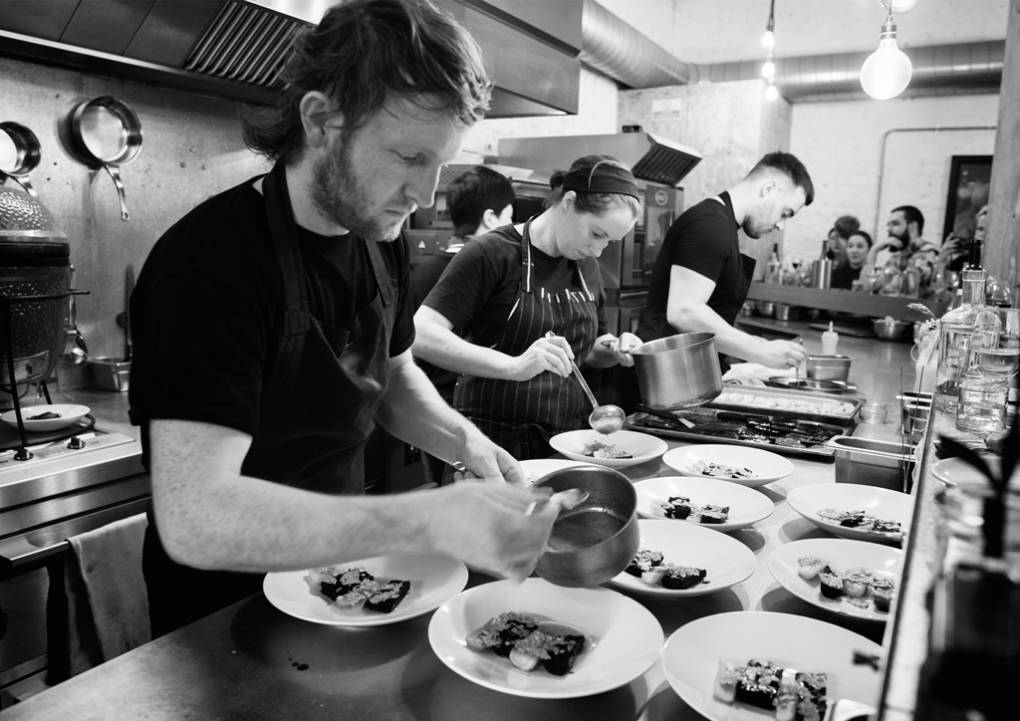
"caption": "Chef Douglas McMaster is committed to a \"zero waste\" ethos in his restaurants. Here, he plates up his creations at Silo, his flagship restaurant, in Brighton, England, about an hour south of London.",
"description": "Chef Douglas McMaster is committed to a \"zero waste\" ethos in his restaurants. Here, he plates up his creations at Silo, his flagship restaurant, in Brighton, England, about an hour south of London.",
"title": "Chef Douglas McMaster is committed to a \"zero waste\" ethos in his restaurants. Here, he plates up his creations at Silo, his flagship restaurant, in Brighton, England, about an hour south of London.",
"credit": "Xavier Buendia/Courtesy of Doug McMaster",
"status": "inherit",
"isLoading": false,
"fetchFailed": false
},
"bayareabites_120749": {
"type": "attachments",
"id": "bayareabites_120749",
"meta": {
"index": "attachments_1716263798",
"site": "bayareabites",
"id": "120749",
"found": true
},
"parent": 120748,
"imgSizes": {
"small": {
"file": "https://ww2.kqed.org/app/uploads/sites/24/2017/09/bodega7_mercado_custom-82777a037cc053acda5b6121eb6b1b230d65645d-520x340.jpg",
"width": 520,
"mimeType": "image/jpeg",
"height": 340
},
"twentyfourteen-full-width": {
"file": "https://ww2.kqed.org/app/uploads/sites/24/2017/09/bodega7_mercado_custom-82777a037cc053acda5b6121eb6b1b230d65645d-1038x576.jpg",
"width": 1038,
"mimeType": "image/jpeg",
"height": 576
},
"thumbnail": {
"file": "https://ww2.kqed.org/app/uploads/sites/24/2017/09/bodega7_mercado_custom-82777a037cc053acda5b6121eb6b1b230d65645d-160x105.jpg",
"width": 160,
"mimeType": "image/jpeg",
"height": 105
},
"fd-sm": {
"file": "https://ww2.kqed.org/app/uploads/sites/24/2017/09/bodega7_mercado_custom-82777a037cc053acda5b6121eb6b1b230d65645d-960x627.jpg",
"width": 960,
"mimeType": "image/jpeg",
"height": 627
},
"post-thumbnail": {
"file": "https://ww2.kqed.org/app/uploads/sites/24/2017/09/bodega7_mercado_custom-82777a037cc053acda5b6121eb6b1b230d65645d-672x372.jpg",
"width": 672,
"mimeType": "image/jpeg",
"height": 372
},
"xsmall": {
"file": "https://ww2.kqed.org/app/uploads/sites/24/2017/09/bodega7_mercado_custom-82777a037cc053acda5b6121eb6b1b230d65645d-375x245.jpg",
"width": 375,
"mimeType": "image/jpeg",
"height": 245
},
"kqedFullSize": {
"file": "https://ww2.kqed.org/app/uploads/sites/24/2017/09/bodega7_mercado_custom-82777a037cc053acda5b6121eb6b1b230d65645d.jpg",
"width": 1895,
"height": 1238
},
"large": {
"file": "https://ww2.kqed.org/app/uploads/sites/24/2017/09/bodega7_mercado_custom-82777a037cc053acda5b6121eb6b1b230d65645d-1020x666.jpg",
"width": 1020,
"mimeType": "image/jpeg",
"height": 666
},
"xlarge": {
"file": "https://ww2.kqed.org/app/uploads/sites/24/2017/09/bodega7_mercado_custom-82777a037cc053acda5b6121eb6b1b230d65645d-1180x771.jpg",
"width": 1180,
"mimeType": "image/jpeg",
"height": 771
},
"guest-author-50": {
"file": "https://ww2.kqed.org/app/uploads/sites/24/2017/09/bodega7_mercado_custom-82777a037cc053acda5b6121eb6b1b230d65645d-50x50.jpg",
"width": 50,
"mimeType": "image/jpeg",
"height": 50
},
"guest-author-96": {
"file": "https://ww2.kqed.org/app/uploads/sites/24/2017/09/bodega7_mercado_custom-82777a037cc053acda5b6121eb6b1b230d65645d-96x96.jpg",
"width": 96,
"mimeType": "image/jpeg",
"height": 96
},
"medium": {
"file": "https://ww2.kqed.org/app/uploads/sites/24/2017/09/bodega7_mercado_custom-82777a037cc053acda5b6121eb6b1b230d65645d-800x523.jpg",
"width": 800,
"mimeType": "image/jpeg",
"height": 523
},
"guest-author-64": {
"file": "https://ww2.kqed.org/app/uploads/sites/24/2017/09/bodega7_mercado_custom-82777a037cc053acda5b6121eb6b1b230d65645d-64x64.jpg",
"width": 64,
"mimeType": "image/jpeg",
"height": 64
},
"guest-author-32": {
"file": "https://ww2.kqed.org/app/uploads/sites/24/2017/09/bodega7_mercado_custom-82777a037cc053acda5b6121eb6b1b230d65645d-32x32.jpg",
"width": 32,
"mimeType": "image/jpeg",
"height": 32
},
"fd-med": {
"file": "https://ww2.kqed.org/app/uploads/sites/24/2017/09/bodega7_mercado_custom-82777a037cc053acda5b6121eb6b1b230d65645d-1180x771.jpg",
"width": 1180,
"mimeType": "image/jpeg",
"height": 771
},
"detail": {
"file": "https://ww2.kqed.org/app/uploads/sites/24/2017/09/bodega7_mercado_custom-82777a037cc053acda5b6121eb6b1b230d65645d-150x150.jpg",
"width": 150,
"mimeType": "image/jpeg",
"height": 150
},
"medium_large": {
"file": "https://ww2.kqed.org/app/uploads/sites/24/2017/09/bodega7_mercado_custom-82777a037cc053acda5b6121eb6b1b230d65645d-768x502.jpg",
"width": 768,
"mimeType": "image/jpeg",
"height": 502
},
"guest-author-128": {
"file": "https://ww2.kqed.org/app/uploads/sites/24/2017/09/bodega7_mercado_custom-82777a037cc053acda5b6121eb6b1b230d65645d-128x128.jpg",
"width": 128,
"mimeType": "image/jpeg",
"height": 128
},
"xxsmall": {
"file": "https://ww2.kqed.org/app/uploads/sites/24/2017/09/bodega7_mercado_custom-82777a037cc053acda5b6121eb6b1b230d65645d-240x157.jpg",
"width": 240,
"mimeType": "image/jpeg",
"height": 157
}
},
"publishDate": 1505502130,
"modified": 1505502260,
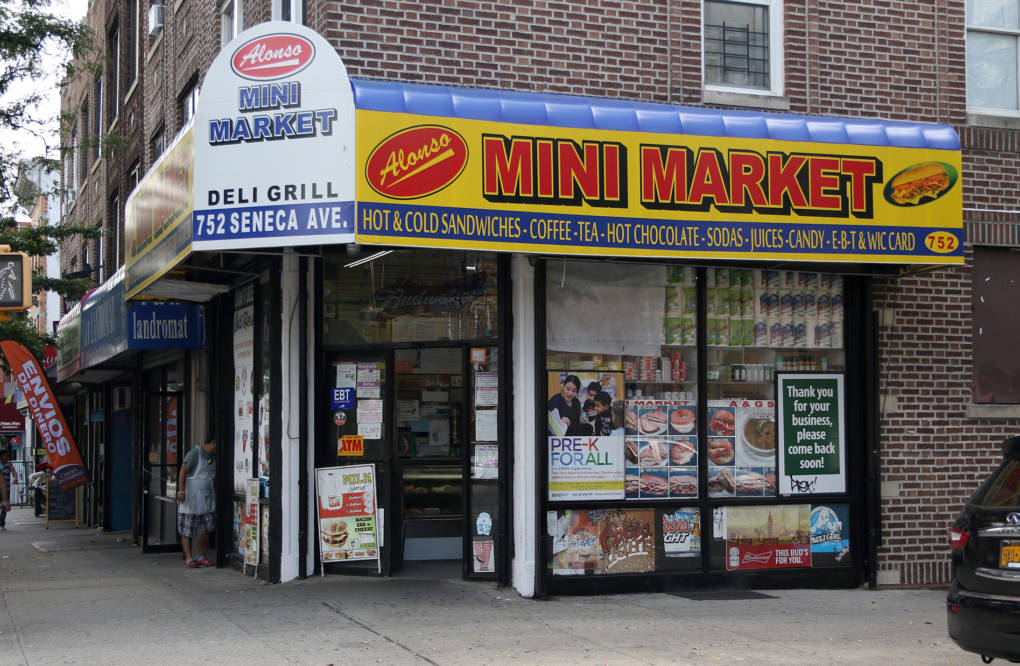
"caption": "Mini Market is a bodega in Ridgewood, Queens, that sits on the corner of Seneca Ave. and Woodbine St. Writer Angely Mercado says these stores aren't just about convenience — they feed the spirit of a community.",
"description": "Mini Market is a bodega in Ridgewood, Queens, that sits on the corner of Seneca Ave. and Woodbine St. Writer Angely Mercado says these stores aren't just about convenience — they feed the spirit of a commun",
"title": "Mini Market is a bodega in Ridgewood, Queens, that sits on the corner of Seneca Ave. and Woodbine St. Writer Angely Mercado says these stores aren't just about convenience — they feed the spirit of a community.",
"credit": "Angely Mercado",
"status": "inherit",
"isLoading": false,
"fetchFailed": false
},
"bayareabites_120608": {
"type": "attachments",
"id": "bayareabites_120608",
"meta": {
"index": "attachments_1716263798",
"site": "bayareabites",
"id": "120608",
"found": true
},
"parent": 120607,
"imgSizes": {
"small": {
"file": "https://ww2.kqed.org/app/uploads/sites/24/2017/09/sponge-bacteria-final_resized_custom-91a70b3a554e9d893af2f60f8b0a2f8d5baf6ce1-520x292.jpg",
"width": 520,
"mimeType": "image/jpeg",
"height": 292
},
"twentyfourteen-full-width": {
"file": "https://ww2.kqed.org/app/uploads/sites/24/2017/09/sponge-bacteria-final_resized_custom-91a70b3a554e9d893af2f60f8b0a2f8d5baf6ce1-1038x576.jpg",
"width": 1038,
"mimeType": "image/jpeg",
"height": 576
},
"thumbnail": {
"file": "https://ww2.kqed.org/app/uploads/sites/24/2017/09/sponge-bacteria-final_resized_custom-91a70b3a554e9d893af2f60f8b0a2f8d5baf6ce1-160x90.jpg",
"width": 160,
"mimeType": "image/jpeg",
"height": 90
},
"fd-sm": {
"file": "https://ww2.kqed.org/app/uploads/sites/24/2017/09/sponge-bacteria-final_resized_custom-91a70b3a554e9d893af2f60f8b0a2f8d5baf6ce1-960x539.jpg",
"width": 960,
"mimeType": "image/jpeg",
"height": 539
},
"post-thumbnail": {
"file": "https://ww2.kqed.org/app/uploads/sites/24/2017/09/sponge-bacteria-final_resized_custom-91a70b3a554e9d893af2f60f8b0a2f8d5baf6ce1-672x372.jpg",
"width": 672,
"mimeType": "image/jpeg",
"height": 372
},
"xsmall": {
"file": "https://ww2.kqed.org/app/uploads/sites/24/2017/09/sponge-bacteria-final_resized_custom-91a70b3a554e9d893af2f60f8b0a2f8d5baf6ce1-375x211.jpg",
"width": 375,
"mimeType": "image/jpeg",
"height": 211
},
"kqedFullSize": {
"file": "https://ww2.kqed.org/app/uploads/sites/24/2017/09/sponge-bacteria-final_resized_custom-91a70b3a554e9d893af2f60f8b0a2f8d5baf6ce1.jpg",
"width": 2000,
"height": 1123
},
"large": {
"file": "https://ww2.kqed.org/app/uploads/sites/24/2017/09/sponge-bacteria-final_resized_custom-91a70b3a554e9d893af2f60f8b0a2f8d5baf6ce1-1020x573.jpg",
"width": 1020,
"mimeType": "image/jpeg",
"height": 573
},
"xlarge": {
"file": "https://ww2.kqed.org/app/uploads/sites/24/2017/09/sponge-bacteria-final_resized_custom-91a70b3a554e9d893af2f60f8b0a2f8d5baf6ce1-1180x663.jpg",
"width": 1180,
"mimeType": "image/jpeg",
"height": 663
},
"guest-author-50": {
"file": "https://ww2.kqed.org/app/uploads/sites/24/2017/09/sponge-bacteria-final_resized_custom-91a70b3a554e9d893af2f60f8b0a2f8d5baf6ce1-50x50.jpg",
"width": 50,
"mimeType": "image/jpeg",
"height": 50
},
"guest-author-96": {
"file": "https://ww2.kqed.org/app/uploads/sites/24/2017/09/sponge-bacteria-final_resized_custom-91a70b3a554e9d893af2f60f8b0a2f8d5baf6ce1-96x96.jpg",
"width": 96,
"mimeType": "image/jpeg",
"height": 96
},
"medium": {
"file": "https://ww2.kqed.org/app/uploads/sites/24/2017/09/sponge-bacteria-final_resized_custom-91a70b3a554e9d893af2f60f8b0a2f8d5baf6ce1-800x449.jpg",
"width": 800,
"mimeType": "image/jpeg",
"height": 449
},
"guest-author-64": {
"file": "https://ww2.kqed.org/app/uploads/sites/24/2017/09/sponge-bacteria-final_resized_custom-91a70b3a554e9d893af2f60f8b0a2f8d5baf6ce1-64x64.jpg",
"width": 64,
"mimeType": "image/jpeg",
"height": 64
},
"guest-author-32": {
"file": "https://ww2.kqed.org/app/uploads/sites/24/2017/09/sponge-bacteria-final_resized_custom-91a70b3a554e9d893af2f60f8b0a2f8d5baf6ce1-32x32.jpg",
"width": 32,
"mimeType": "image/jpeg",
"height": 32
},
"fd-lrg": {
"file": "https://ww2.kqed.org/app/uploads/sites/24/2017/09/sponge-bacteria-final_resized_custom-91a70b3a554e9d893af2f60f8b0a2f8d5baf6ce1-1920x1078.jpg",
"width": 1920,
"mimeType": "image/jpeg",
"height": 1078
},
"fd-med": {
"file": "https://ww2.kqed.org/app/uploads/sites/24/2017/09/sponge-bacteria-final_resized_custom-91a70b3a554e9d893af2f60f8b0a2f8d5baf6ce1-1180x663.jpg",
"width": 1180,
"mimeType": "image/jpeg",
"height": 663
},
"full-width": {
"file": "https://ww2.kqed.org/app/uploads/sites/24/2017/09/sponge-bacteria-final_resized_custom-91a70b3a554e9d893af2f60f8b0a2f8d5baf6ce1-1920x1078.jpg",
"width": 1920,
"mimeType": "image/jpeg",
"height": 1078
},
"detail": {
"file": "https://ww2.kqed.org/app/uploads/sites/24/2017/09/sponge-bacteria-final_resized_custom-91a70b3a554e9d893af2f60f8b0a2f8d5baf6ce1-150x150.jpg",
"width": 150,
"mimeType": "image/jpeg",
"height": 150
},
"medium_large": {
"file": "https://ww2.kqed.org/app/uploads/sites/24/2017/09/sponge-bacteria-final_resized_custom-91a70b3a554e9d893af2f60f8b0a2f8d5baf6ce1-768x431.jpg",
"width": 768,
"mimeType": "image/jpeg",
"height": 431
},
"guest-author-128": {
"file": "https://ww2.kqed.org/app/uploads/sites/24/2017/09/sponge-bacteria-final_resized_custom-91a70b3a554e9d893af2f60f8b0a2f8d5baf6ce1-128x128.jpg",
"width": 128,
"mimeType": "image/jpeg",
"height": 128
},
"xxsmall": {
"file": "https://ww2.kqed.org/app/uploads/sites/24/2017/09/sponge-bacteria-final_resized_custom-91a70b3a554e9d893af2f60f8b0a2f8d5baf6ce1-240x135.jpg",
"width": 240,
"mimeType": "image/jpeg",
"height": 135
}
},
"publishDate": 1505150929,
"modified": 1505151619,
"caption": "For the first time, scientists have carefully analyzed all the critters in a kitchen sponge. There turns out to be a huge number. Despite recent news reports, there is something you can do about it.",
"description": "For the first time, scientists have carefully analyzed all the critters in a kitchen sponge. There turns out to be a huge number. Despite recent news reports, there \u003cem>is\u003c/em> something you can do about i",
"title": "For the first time, scientists have carefully analyzed all the critters in a kitchen sponge. There turns out to be a huge number. Despite recent news reports, there is something you can do about it.",
"credit": "Joy Ho for NPR",
"status": "inherit",
"isLoading": false,
"fetchFailed": false
},
"bayareabites_120567": {
"type": "attachments",
"id": "bayareabites_120567",
"meta": {
"index": "attachments_1716263798",
"site": "bayareabites",
"id": "120567",
"found": true
},
"parent": 120531,
"imgSizes": {
"small": {
"file": "https://ww2.kqed.org/app/uploads/sites/24/2017/09/IMG_6447-new-520x421.jpg",
"width": 520,
"mimeType": "image/jpeg",
"height": 421
},
"twentyfourteen-full-width": {
"file": "https://ww2.kqed.org/app/uploads/sites/24/2017/09/IMG_6447-new-1038x576.jpg",
"width": 1038,
"mimeType": "image/jpeg",
"height": 576
},
"thumbnail": {
"file": "https://ww2.kqed.org/app/uploads/sites/24/2017/09/IMG_6447-new-160x130.jpg",
"width": 160,
"mimeType": "image/jpeg",
"height": 130
},
"fd-sm": {
"file": "https://ww2.kqed.org/app/uploads/sites/24/2017/09/IMG_6447-new-960x778.jpg",
"width": 960,
"mimeType": "image/jpeg",
"height": 778
},
"post-thumbnail": {
"file": "https://ww2.kqed.org/app/uploads/sites/24/2017/09/IMG_6447-new-672x372.jpg",
"width": 672,
"mimeType": "image/jpeg",
"height": 372
},
"xsmall": {
"file": "https://ww2.kqed.org/app/uploads/sites/24/2017/09/IMG_6447-new-375x304.jpg",
"width": 375,
"mimeType": "image/jpeg",
"height": 304
},
"kqedFullSize": {
"file": "https://ww2.kqed.org/app/uploads/sites/24/2017/09/IMG_6447-new.jpg",
"width": 1920,
"height": 1555
},
"large": {
"file": "https://ww2.kqed.org/app/uploads/sites/24/2017/09/IMG_6447-new-1020x826.jpg",
"width": 1020,
"mimeType": "image/jpeg",
"height": 826
},
"xlarge": {
"file": "https://ww2.kqed.org/app/uploads/sites/24/2017/09/IMG_6447-new-1180x956.jpg",
"width": 1180,
"mimeType": "image/jpeg",
"height": 956
},
"guest-author-50": {
"file": "https://ww2.kqed.org/app/uploads/sites/24/2017/09/IMG_6447-new-50x50.jpg",
"width": 50,
"mimeType": "image/jpeg",
"height": 50
},
"guest-author-96": {
"file": "https://ww2.kqed.org/app/uploads/sites/24/2017/09/IMG_6447-new-96x96.jpg",
"width": 96,
"mimeType": "image/jpeg",
"height": 96
},
"medium": {
"file": "https://ww2.kqed.org/app/uploads/sites/24/2017/09/IMG_6447-new-800x648.jpg",
"width": 800,
"mimeType": "image/jpeg",
"height": 648
},
"guest-author-64": {
"file": "https://ww2.kqed.org/app/uploads/sites/24/2017/09/IMG_6447-new-64x64.jpg",
"width": 64,
"mimeType": "image/jpeg",
"height": 64
},
"guest-author-32": {
"file": "https://ww2.kqed.org/app/uploads/sites/24/2017/09/IMG_6447-new-32x32.jpg",
"width": 32,
"mimeType": "image/jpeg",
"height": 32
},
"fd-lrg": {
"file": "https://ww2.kqed.org/app/uploads/sites/24/2017/09/IMG_6447-new-1920x1555.jpg",
"width": 1920,
"mimeType": "image/jpeg",
"height": 1555
},
"fd-med": {
"file": "https://ww2.kqed.org/app/uploads/sites/24/2017/09/IMG_6447-new-1180x956.jpg",
"width": 1180,
"mimeType": "image/jpeg",
"height": 956
},
"full-width": {
"file": "https://ww2.kqed.org/app/uploads/sites/24/2017/09/IMG_6447-new-1920x1555.jpg",
"width": 1920,
"mimeType": "image/jpeg",
"height": 1555
},
"detail": {
"file": "https://ww2.kqed.org/app/uploads/sites/24/2017/09/IMG_6447-new-150x150.jpg",
"width": 150,
"mimeType": "image/jpeg",
"height": 150
},
"medium_large": {
"file": "https://ww2.kqed.org/app/uploads/sites/24/2017/09/IMG_6447-new-768x622.jpg",
"width": 768,
"mimeType": "image/jpeg",
"height": 622
},
"guest-author-128": {
"file": "https://ww2.kqed.org/app/uploads/sites/24/2017/09/IMG_6447-new-128x128.jpg",
"width": 128,
"mimeType": "image/jpeg",
"height": 128
},
"xxsmall": {
"file": "https://ww2.kqed.org/app/uploads/sites/24/2017/09/IMG_6447-new-240x194.jpg",
"width": 240,
"mimeType": "image/jpeg",
"height": 194
}
},
"publishDate": 1505139862,
"modified": 1505141025,
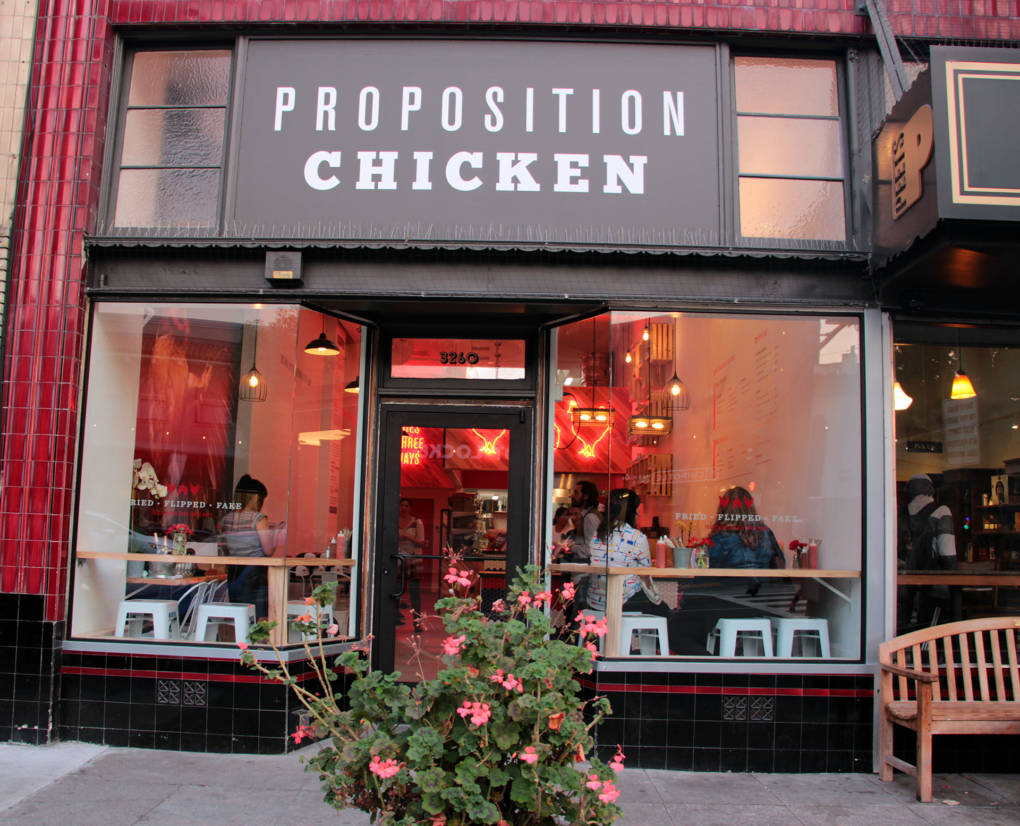
"caption": "Proposition Chicken ",
"description": null,
"title": "IMG_6447-new",
"credit": "Wendy Goodfriend",
"status": "inherit",
"isLoading": false,
"fetchFailed": false
},
"bayareabites_119539": {
"type": "attachments",
"id": "bayareabites_119539",
"meta": {
"index": "attachments_1716263798",
"site": "bayareabites",
"id": "119539",
"found": true
},
"parent": 119538,
"imgSizes": {
"small": {
"file": "https://ww2.kqed.org/app/uploads/sites/24/2017/07/gettyimages-633226200_custom-a7995339f5d3392c65b0994f5fe28e4d1d48d46e-520x349.jpg",
"width": 520,
"mimeType": "image/jpeg",
"height": 349
},
"twentyfourteen-full-width": {
"file": "https://ww2.kqed.org/app/uploads/sites/24/2017/07/gettyimages-633226200_custom-a7995339f5d3392c65b0994f5fe28e4d1d48d46e-1038x576.jpg",
"width": 1038,
"mimeType": "image/jpeg",
"height": 576
},
"thumbnail": {
"file": "https://ww2.kqed.org/app/uploads/sites/24/2017/07/gettyimages-633226200_custom-a7995339f5d3392c65b0994f5fe28e4d1d48d46e-160x107.jpg",
"width": 160,
"mimeType": "image/jpeg",
"height": 107
},
"fd-sm": {
"file": "https://ww2.kqed.org/app/uploads/sites/24/2017/07/gettyimages-633226200_custom-a7995339f5d3392c65b0994f5fe28e4d1d48d46e-960x644.jpg",
"width": 960,
"mimeType": "image/jpeg",
"height": 644
},
"post-thumbnail": {
"file": "https://ww2.kqed.org/app/uploads/sites/24/2017/07/gettyimages-633226200_custom-a7995339f5d3392c65b0994f5fe28e4d1d48d46e-672x372.jpg",
"width": 672,
"mimeType": "image/jpeg",
"height": 372
},
"xsmall": {
"file": "https://ww2.kqed.org/app/uploads/sites/24/2017/07/gettyimages-633226200_custom-a7995339f5d3392c65b0994f5fe28e4d1d48d46e-375x251.jpg",
"width": 375,
"mimeType": "image/jpeg",
"height": 251
},
"kqedFullSize": {
"file": "https://ww2.kqed.org/app/uploads/sites/24/2017/07/gettyimages-633226200_custom-a7995339f5d3392c65b0994f5fe28e4d1d48d46e.jpg",
"width": 2200,
"height": 1475
},
"large": {
"file": "https://ww2.kqed.org/app/uploads/sites/24/2017/07/gettyimages-633226200_custom-a7995339f5d3392c65b0994f5fe28e4d1d48d46e-1020x684.jpg",
"width": 1020,
"mimeType": "image/jpeg",
"height": 684
},
"xlarge": {
"file": "https://ww2.kqed.org/app/uploads/sites/24/2017/07/gettyimages-633226200_custom-a7995339f5d3392c65b0994f5fe28e4d1d48d46e-1180x791.jpg",
"width": 1180,
"mimeType": "image/jpeg",
"height": 791
},
"guest-author-50": {
"file": "https://ww2.kqed.org/app/uploads/sites/24/2017/07/gettyimages-633226200_custom-a7995339f5d3392c65b0994f5fe28e4d1d48d46e-50x50.jpg",
"width": 50,
"mimeType": "image/jpeg",
"height": 50
},
"guest-author-96": {
"file": "https://ww2.kqed.org/app/uploads/sites/24/2017/07/gettyimages-633226200_custom-a7995339f5d3392c65b0994f5fe28e4d1d48d46e-96x96.jpg",
"width": 96,
"mimeType": "image/jpeg",
"height": 96
},
"medium": {
"file": "https://ww2.kqed.org/app/uploads/sites/24/2017/07/gettyimages-633226200_custom-a7995339f5d3392c65b0994f5fe28e4d1d48d46e-800x536.jpg",
"width": 800,
"mimeType": "image/jpeg",
"height": 536
},
"guest-author-64": {
"file": "https://ww2.kqed.org/app/uploads/sites/24/2017/07/gettyimages-633226200_custom-a7995339f5d3392c65b0994f5fe28e4d1d48d46e-64x64.jpg",
"width": 64,
"mimeType": "image/jpeg",
"height": 64
},
"guest-author-32": {
"file": "https://ww2.kqed.org/app/uploads/sites/24/2017/07/gettyimages-633226200_custom-a7995339f5d3392c65b0994f5fe28e4d1d48d46e-32x32.jpg",
"width": 32,
"mimeType": "image/jpeg",
"height": 32
},
"fd-lrg": {
"file": "https://ww2.kqed.org/app/uploads/sites/24/2017/07/gettyimages-633226200_custom-a7995339f5d3392c65b0994f5fe28e4d1d48d46e-1920x1287.jpg",
"width": 1920,
"mimeType": "image/jpeg",
"height": 1287
},
"fd-med": {
"file": "https://ww2.kqed.org/app/uploads/sites/24/2017/07/gettyimages-633226200_custom-a7995339f5d3392c65b0994f5fe28e4d1d48d46e-1180x791.jpg",
"width": 1180,
"mimeType": "image/jpeg",
"height": 791
},
"full-width": {
"file": "https://ww2.kqed.org/app/uploads/sites/24/2017/07/gettyimages-633226200_custom-a7995339f5d3392c65b0994f5fe28e4d1d48d46e-1920x1287.jpg",
"width": 1920,
"mimeType": "image/jpeg",
"height": 1287
},
"detail": {
"file": "https://ww2.kqed.org/app/uploads/sites/24/2017/07/gettyimages-633226200_custom-a7995339f5d3392c65b0994f5fe28e4d1d48d46e-150x150.jpg",
"width": 150,
"mimeType": "image/jpeg",
"height": 150
},
"medium_large": {
"file": "https://ww2.kqed.org/app/uploads/sites/24/2017/07/gettyimages-633226200_custom-a7995339f5d3392c65b0994f5fe28e4d1d48d46e-768x515.jpg",
"width": 768,
"mimeType": "image/jpeg",
"height": 515
},
"guest-author-128": {
"file": "https://ww2.kqed.org/app/uploads/sites/24/2017/07/gettyimages-633226200_custom-a7995339f5d3392c65b0994f5fe28e4d1d48d46e-128x128.jpg",
"width": 128,
"mimeType": "image/jpeg",
"height": 128
},
"xxsmall": {
"file": "https://ww2.kqed.org/app/uploads/sites/24/2017/07/gettyimages-633226200_custom-a7995339f5d3392c65b0994f5fe28e4d1d48d46e-240x161.jpg",
"width": 240,
"mimeType": "image/jpeg",
"height": 161
}
},
"publishDate": 1501617101,
"modified": 1501620829,
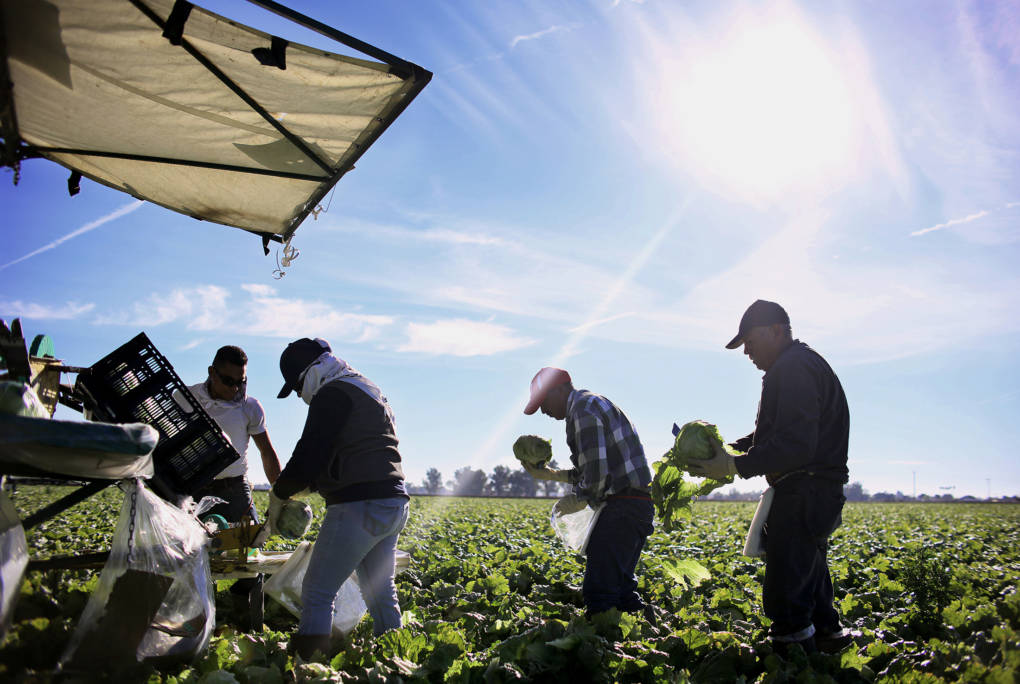
"caption": "Mexican farmworkers harvest lettuce in a field outside of Brawley, Calif.",
"description": "Mexican farmworkers harvest lettuce in a field outside of Brawley, Calif.",
"title": "Mexican farmworkers harvest lettuce in a field outside of Brawley, Calif.",
"credit": "Sandy Huffaker/AFP/Getty Images",
"status": "inherit",
"isLoading": false,
"fetchFailed": false
},
"bayareabites_119527": {
"type": "attachments",
"id": "bayareabites_119527",
"meta": {
"index": "attachments_1716263798",
"site": "bayareabites",
"id": "119527",
"found": true
},
"parent": 119525,
"imgSizes": {
"small": {
"file": "https://ww2.kqed.org/app/uploads/sites/24/2017/07/gettyimages-537920882_custom-1ad9750707df6bb9e52dbcf9b0b073b3c1d7f5ae-520x346.jpg",
"width": 520,
"mimeType": "image/jpeg",
"height": 346
},
"twentyfourteen-full-width": {
"file": "https://ww2.kqed.org/app/uploads/sites/24/2017/07/gettyimages-537920882_custom-1ad9750707df6bb9e52dbcf9b0b073b3c1d7f5ae-1038x576.jpg",
"width": 1038,
"mimeType": "image/jpeg",
"height": 576
},
"thumbnail": {
"file": "https://ww2.kqed.org/app/uploads/sites/24/2017/07/gettyimages-537920882_custom-1ad9750707df6bb9e52dbcf9b0b073b3c1d7f5ae-160x106.jpg",
"width": 160,
"mimeType": "image/jpeg",
"height": 106
},
"fd-sm": {
"file": "https://ww2.kqed.org/app/uploads/sites/24/2017/07/gettyimages-537920882_custom-1ad9750707df6bb9e52dbcf9b0b073b3c1d7f5ae-960x639.jpg",
"width": 960,
"mimeType": "image/jpeg",
"height": 639
},
"post-thumbnail": {
"file": "https://ww2.kqed.org/app/uploads/sites/24/2017/07/gettyimages-537920882_custom-1ad9750707df6bb9e52dbcf9b0b073b3c1d7f5ae-672x372.jpg",
"width": 672,
"mimeType": "image/jpeg",
"height": 372
},
"xsmall": {
"file": "https://ww2.kqed.org/app/uploads/sites/24/2017/07/gettyimages-537920882_custom-1ad9750707df6bb9e52dbcf9b0b073b3c1d7f5ae-375x250.jpg",
"width": 375,
"mimeType": "image/jpeg",
"height": 250
},
"kqedFullSize": {
"file": "https://ww2.kqed.org/app/uploads/sites/24/2017/07/gettyimages-537920882_custom-1ad9750707df6bb9e52dbcf9b0b073b3c1d7f5ae.jpg",
"width": 2000,
"height": 1331
},
"large": {
"file": "https://ww2.kqed.org/app/uploads/sites/24/2017/07/gettyimages-537920882_custom-1ad9750707df6bb9e52dbcf9b0b073b3c1d7f5ae-1020x679.jpg",
"width": 1020,
"mimeType": "image/jpeg",
"height": 679
},
"xlarge": {
"file": "https://ww2.kqed.org/app/uploads/sites/24/2017/07/gettyimages-537920882_custom-1ad9750707df6bb9e52dbcf9b0b073b3c1d7f5ae-1180x785.jpg",
"width": 1180,
"mimeType": "image/jpeg",
"height": 785
},
"guest-author-50": {
"file": "https://ww2.kqed.org/app/uploads/sites/24/2017/07/gettyimages-537920882_custom-1ad9750707df6bb9e52dbcf9b0b073b3c1d7f5ae-50x50.jpg",
"width": 50,
"mimeType": "image/jpeg",
"height": 50
},
"guest-author-96": {
"file": "https://ww2.kqed.org/app/uploads/sites/24/2017/07/gettyimages-537920882_custom-1ad9750707df6bb9e52dbcf9b0b073b3c1d7f5ae-96x96.jpg",
"width": 96,
"mimeType": "image/jpeg",
"height": 96
},
"medium": {
"file": "https://ww2.kqed.org/app/uploads/sites/24/2017/07/gettyimages-537920882_custom-1ad9750707df6bb9e52dbcf9b0b073b3c1d7f5ae-800x532.jpg",
"width": 800,
"mimeType": "image/jpeg",
"height": 532
},
"guest-author-64": {
"file": "https://ww2.kqed.org/app/uploads/sites/24/2017/07/gettyimages-537920882_custom-1ad9750707df6bb9e52dbcf9b0b073b3c1d7f5ae-64x64.jpg",
"width": 64,
"mimeType": "image/jpeg",
"height": 64
},
"guest-author-32": {
"file": "https://ww2.kqed.org/app/uploads/sites/24/2017/07/gettyimages-537920882_custom-1ad9750707df6bb9e52dbcf9b0b073b3c1d7f5ae-32x32.jpg",
"width": 32,
"mimeType": "image/jpeg",
"height": 32
},
"fd-lrg": {
"file": "https://ww2.kqed.org/app/uploads/sites/24/2017/07/gettyimages-537920882_custom-1ad9750707df6bb9e52dbcf9b0b073b3c1d7f5ae-1920x1278.jpg",
"width": 1920,
"mimeType": "image/jpeg",
"height": 1278
},
"fd-med": {
"file": "https://ww2.kqed.org/app/uploads/sites/24/2017/07/gettyimages-537920882_custom-1ad9750707df6bb9e52dbcf9b0b073b3c1d7f5ae-1180x785.jpg",
"width": 1180,
"mimeType": "image/jpeg",
"height": 785
},
"full-width": {
"file": "https://ww2.kqed.org/app/uploads/sites/24/2017/07/gettyimages-537920882_custom-1ad9750707df6bb9e52dbcf9b0b073b3c1d7f5ae-1920x1278.jpg",
"width": 1920,
"mimeType": "image/jpeg",
"height": 1278
},
"detail": {
"file": "https://ww2.kqed.org/app/uploads/sites/24/2017/07/gettyimages-537920882_custom-1ad9750707df6bb9e52dbcf9b0b073b3c1d7f5ae-150x150.jpg",
"width": 150,
"mimeType": "image/jpeg",
"height": 150
},
"medium_large": {
"file": "https://ww2.kqed.org/app/uploads/sites/24/2017/07/gettyimages-537920882_custom-1ad9750707df6bb9e52dbcf9b0b073b3c1d7f5ae-768x511.jpg",
"width": 768,
"mimeType": "image/jpeg",
"height": 511
},
"guest-author-128": {
"file": "https://ww2.kqed.org/app/uploads/sites/24/2017/07/gettyimages-537920882_custom-1ad9750707df6bb9e52dbcf9b0b073b3c1d7f5ae-128x128.jpg",
"width": 128,
"mimeType": "image/jpeg",
"height": 128
},
"xxsmall": {
"file": "https://ww2.kqed.org/app/uploads/sites/24/2017/07/gettyimages-537920882_custom-1ad9750707df6bb9e52dbcf9b0b073b3c1d7f5ae-240x160.jpg",
"width": 240,
"mimeType": "image/jpeg",
"height": 160
}
},
"publishDate": 1501606887,
"modified": 1501608199,
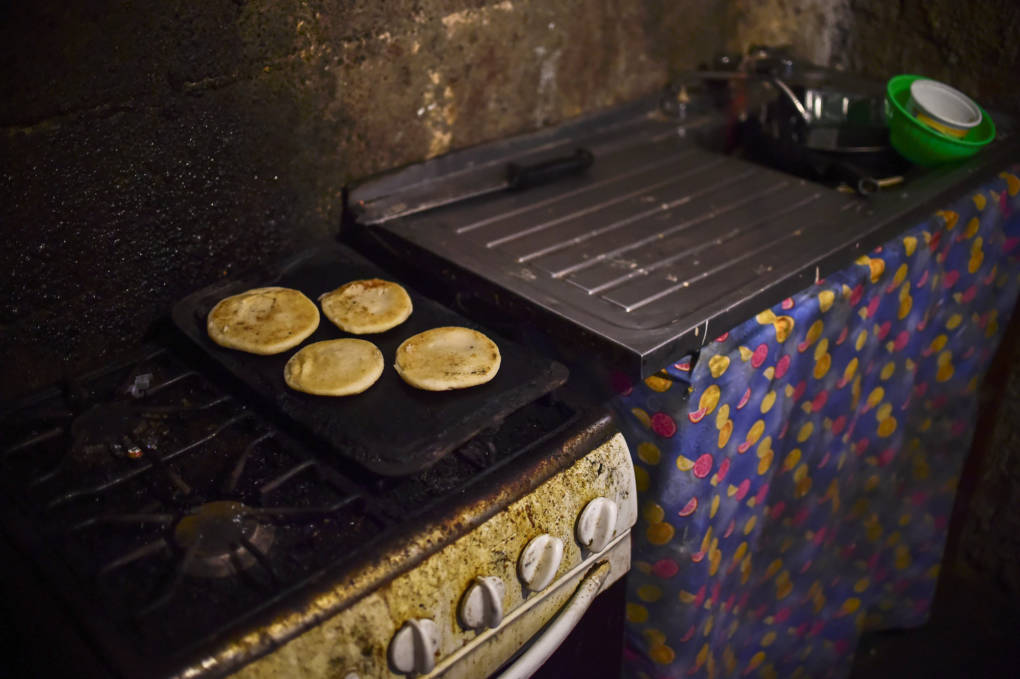
"caption": "Arepas are prepared in a home in Caracas, Venezuela, last summer. Widespread corn shortages have made the Venezuelan staple less common.",
"description": "Arepas are prepared in a home in Caracas, Venezuela, last summer. Widespread corn shortages have made the Venezuelan staple less common.",
"title": "Arepas are prepared in a home in Caracas, Venezuela, last summer. Widespread corn shortages have made the Venezuelan staple less common.",
"credit": "Ronaldo Schemidt/AFP/Getty Images",
"status": "inherit",
"isLoading": false,
"fetchFailed": false
},
"bayareabites_119294": {
"type": "attachments",
"id": "bayareabites_119294",
"meta": {
"index": "attachments_1716263798",
"site": "bayareabites",
"id": "119294",
"found": true
},
"parent": 119292,
"imgSizes": {
"small": {
"file": "https://ww2.kqed.org/app/uploads/sites/24/2017/07/img_5611_custom-a9bfd12199bf5fc1cb85993884f2fe1a61d2efbe-520x346.jpg",
"width": 520,
"mimeType": "image/jpeg",
"height": 346
},
"twentyfourteen-full-width": {
"file": "https://ww2.kqed.org/app/uploads/sites/24/2017/07/img_5611_custom-a9bfd12199bf5fc1cb85993884f2fe1a61d2efbe-1038x576.jpg",
"width": 1038,
"mimeType": "image/jpeg",
"height": 576
},
"thumbnail": {
"file": "https://ww2.kqed.org/app/uploads/sites/24/2017/07/img_5611_custom-a9bfd12199bf5fc1cb85993884f2fe1a61d2efbe-160x107.jpg",
"width": 160,
"mimeType": "image/jpeg",
"height": 107
},
"fd-sm": {
"file": "https://ww2.kqed.org/app/uploads/sites/24/2017/07/img_5611_custom-a9bfd12199bf5fc1cb85993884f2fe1a61d2efbe-960x639.jpg",
"width": 960,
"mimeType": "image/jpeg",
"height": 639
},
"post-thumbnail": {
"file": "https://ww2.kqed.org/app/uploads/sites/24/2017/07/img_5611_custom-a9bfd12199bf5fc1cb85993884f2fe1a61d2efbe-672x372.jpg",
"width": 672,
"mimeType": "image/jpeg",
"height": 372
},
"xsmall": {
"file": "https://ww2.kqed.org/app/uploads/sites/24/2017/07/img_5611_custom-a9bfd12199bf5fc1cb85993884f2fe1a61d2efbe-375x250.jpg",
"width": 375,
"mimeType": "image/jpeg",
"height": 250
},
"kqedFullSize": {
"file": "https://ww2.kqed.org/app/uploads/sites/24/2017/07/img_5611_custom-a9bfd12199bf5fc1cb85993884f2fe1a61d2efbe.jpg",
"width": 2000,
"height": 1332
},
"large": {
"file": "https://ww2.kqed.org/app/uploads/sites/24/2017/07/img_5611_custom-a9bfd12199bf5fc1cb85993884f2fe1a61d2efbe-1020x679.jpg",
"width": 1020,
"mimeType": "image/jpeg",
"height": 679
},
"xlarge": {
"file": "https://ww2.kqed.org/app/uploads/sites/24/2017/07/img_5611_custom-a9bfd12199bf5fc1cb85993884f2fe1a61d2efbe-1180x786.jpg",
"width": 1180,
"mimeType": "image/jpeg",
"height": 786
},
"guest-author-50": {
"file": "https://ww2.kqed.org/app/uploads/sites/24/2017/07/img_5611_custom-a9bfd12199bf5fc1cb85993884f2fe1a61d2efbe-50x50.jpg",
"width": 50,
"mimeType": "image/jpeg",
"height": 50
},
"guest-author-96": {
"file": "https://ww2.kqed.org/app/uploads/sites/24/2017/07/img_5611_custom-a9bfd12199bf5fc1cb85993884f2fe1a61d2efbe-96x96.jpg",
"width": 96,
"mimeType": "image/jpeg",
"height": 96
},
"medium": {
"file": "https://ww2.kqed.org/app/uploads/sites/24/2017/07/img_5611_custom-a9bfd12199bf5fc1cb85993884f2fe1a61d2efbe-800x533.jpg",
"width": 800,
"mimeType": "image/jpeg",
"height": 533
},
"guest-author-64": {
"file": "https://ww2.kqed.org/app/uploads/sites/24/2017/07/img_5611_custom-a9bfd12199bf5fc1cb85993884f2fe1a61d2efbe-64x64.jpg",
"width": 64,
"mimeType": "image/jpeg",
"height": 64
},
"guest-author-32": {
"file": "https://ww2.kqed.org/app/uploads/sites/24/2017/07/img_5611_custom-a9bfd12199bf5fc1cb85993884f2fe1a61d2efbe-32x32.jpg",
"width": 32,
"mimeType": "image/jpeg",
"height": 32
},
"fd-lrg": {
"file": "https://ww2.kqed.org/app/uploads/sites/24/2017/07/img_5611_custom-a9bfd12199bf5fc1cb85993884f2fe1a61d2efbe-1920x1279.jpg",
"width": 1920,
"mimeType": "image/jpeg",
"height": 1279
},
"fd-med": {
"file": "https://ww2.kqed.org/app/uploads/sites/24/2017/07/img_5611_custom-a9bfd12199bf5fc1cb85993884f2fe1a61d2efbe-1180x786.jpg",
"width": 1180,
"mimeType": "image/jpeg",
"height": 786
},
"full-width": {
"file": "https://ww2.kqed.org/app/uploads/sites/24/2017/07/img_5611_custom-a9bfd12199bf5fc1cb85993884f2fe1a61d2efbe-1920x1279.jpg",
"width": 1920,
"mimeType": "image/jpeg",
"height": 1279
},
"detail": {
"file": "https://ww2.kqed.org/app/uploads/sites/24/2017/07/img_5611_custom-a9bfd12199bf5fc1cb85993884f2fe1a61d2efbe-150x150.jpg",
"width": 150,
"mimeType": "image/jpeg",
"height": 150
},
"medium_large": {
"file": "https://ww2.kqed.org/app/uploads/sites/24/2017/07/img_5611_custom-a9bfd12199bf5fc1cb85993884f2fe1a61d2efbe-768x511.jpg",
"width": 768,
"mimeType": "image/jpeg",
"height": 511
},
"guest-author-128": {
"file": "https://ww2.kqed.org/app/uploads/sites/24/2017/07/img_5611_custom-a9bfd12199bf5fc1cb85993884f2fe1a61d2efbe-128x128.jpg",
"width": 128,
"mimeType": "image/jpeg",
"height": 128
},
"xxsmall": {
"file": "https://ww2.kqed.org/app/uploads/sites/24/2017/07/img_5611_custom-a9bfd12199bf5fc1cb85993884f2fe1a61d2efbe-240x160.jpg",
"width": 240,
"mimeType": "image/jpeg",
"height": 160
}
},
"publishDate": 1500666724,
"modified": 1500677219,
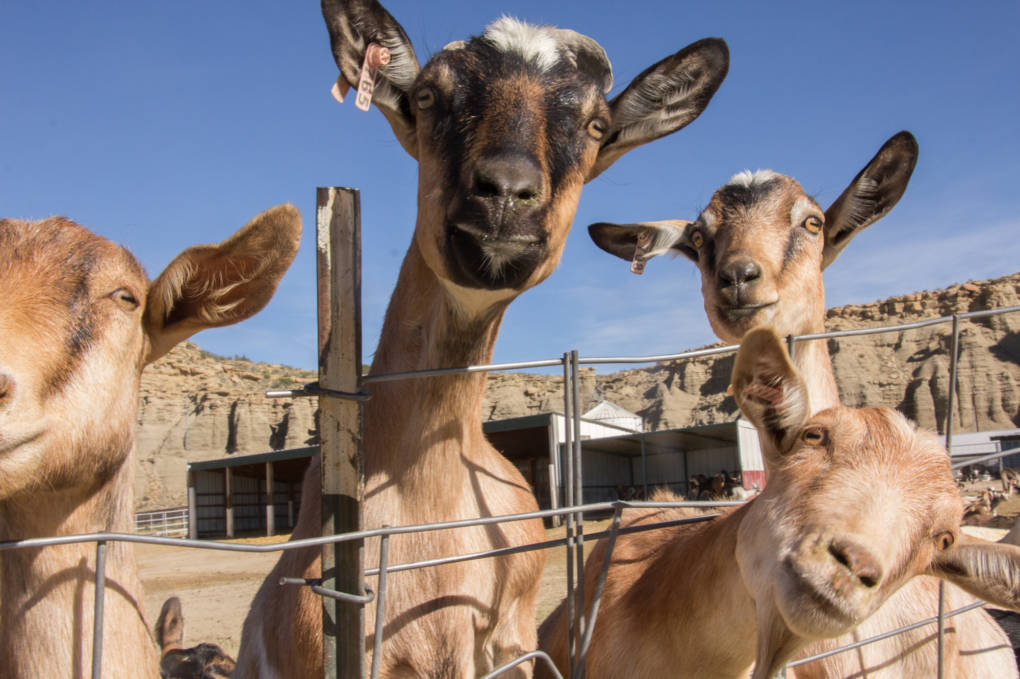
"caption": "\"The goats are kind of cool,\" says former inmate Chad Redding. \"The females are like dogs — they just want your attention.\"",
"description": "\"The goats are kind of cool,\" says former inmate Chad Redding. \"The females are like dogs — they just want your attention",
"title": "\"The goats are kind of cool,\" says former inmate Chad Redding. \"The females are like dogs — they just want your attention.\"",
"credit": "Dan Charles/NPR",
"status": "inherit",
"isLoading": false,
"fetchFailed": false
},
"bayareabites_119236": {
"type": "attachments",
"id": "bayareabites_119236",
"meta": {
"index": "attachments_1716263798",
"site": "bayareabites",
"id": "119236",
"found": true
},
"parent": 119231,
"imgSizes": {
"small": {
"file": "https://ww2.kqed.org/app/uploads/sites/24/2017/07/170712-gleaning-top-520x347.jpg",
"width": 520,
"mimeType": "image/jpeg",
"height": 347
},
"twentyfourteen-full-width": {
"file": "https://ww2.kqed.org/app/uploads/sites/24/2017/07/170712-gleaning-top-1038x576.jpg",
"width": 1038,
"mimeType": "image/jpeg",
"height": 576
},
"thumbnail": {
"file": "https://ww2.kqed.org/app/uploads/sites/24/2017/07/170712-gleaning-top-160x107.jpg",
"width": 160,
"mimeType": "image/jpeg",
"height": 107
},
"fd-sm": {
"file": "https://ww2.kqed.org/app/uploads/sites/24/2017/07/170712-gleaning-top-960x640.jpg",
"width": 960,
"mimeType": "image/jpeg",
"height": 640
},
"post-thumbnail": {
"file": "https://ww2.kqed.org/app/uploads/sites/24/2017/07/170712-gleaning-top-672x372.jpg",
"width": 672,
"mimeType": "image/jpeg",
"height": 372
},
"xsmall": {
"file": "https://ww2.kqed.org/app/uploads/sites/24/2017/07/170712-gleaning-top-375x250.jpg",
"width": 375,
"mimeType": "image/jpeg",
"height": 250
},
"kqedFullSize": {
"file": "https://ww2.kqed.org/app/uploads/sites/24/2017/07/170712-gleaning-top.jpg",
"width": 1200,
"height": 800
},
"large": {
"file": "https://ww2.kqed.org/app/uploads/sites/24/2017/07/170712-gleaning-top-1020x680.jpg",
"width": 1020,
"mimeType": "image/jpeg",
"height": 680
},
"xlarge": {
"file": "https://ww2.kqed.org/app/uploads/sites/24/2017/07/170712-gleaning-top-1180x787.jpg",
"width": 1180,
"mimeType": "image/jpeg",
"height": 787
},
"guest-author-50": {
"file": "https://ww2.kqed.org/app/uploads/sites/24/2017/07/170712-gleaning-top-50x50.jpg",
"width": 50,
"mimeType": "image/jpeg",
"height": 50
},
"guest-author-96": {
"file": "https://ww2.kqed.org/app/uploads/sites/24/2017/07/170712-gleaning-top-96x96.jpg",
"width": 96,
"mimeType": "image/jpeg",
"height": 96
},
"medium": {
"file": "https://ww2.kqed.org/app/uploads/sites/24/2017/07/170712-gleaning-top-800x533.jpg",
"width": 800,
"mimeType": "image/jpeg",
"height": 533
},
"guest-author-64": {
"file": "https://ww2.kqed.org/app/uploads/sites/24/2017/07/170712-gleaning-top-64x64.jpg",
"width": 64,
"mimeType": "image/jpeg",
"height": 64
},
"guest-author-32": {
"file": "https://ww2.kqed.org/app/uploads/sites/24/2017/07/170712-gleaning-top-32x32.jpg",
"width": 32,
"mimeType": "image/jpeg",
"height": 32
},
"fd-med": {
"file": "https://ww2.kqed.org/app/uploads/sites/24/2017/07/170712-gleaning-top-1180x787.jpg",
"width": 1180,
"mimeType": "image/jpeg",
"height": 787
},
"detail": {
"file": "https://ww2.kqed.org/app/uploads/sites/24/2017/07/170712-gleaning-top-150x150.jpg",
"width": 150,
"mimeType": "image/jpeg",
"height": 150
},
"medium_large": {
"file": "https://ww2.kqed.org/app/uploads/sites/24/2017/07/170712-gleaning-top-768x512.jpg",
"width": 768,
"mimeType": "image/jpeg",
"height": 512
},
"guest-author-128": {
"file": "https://ww2.kqed.org/app/uploads/sites/24/2017/07/170712-gleaning-top-128x128.jpg",
"width": 128,
"mimeType": "image/jpeg",
"height": 128
},
"xxsmall": {
"file": "https://ww2.kqed.org/app/uploads/sites/24/2017/07/170712-gleaning-top-240x160.jpg",
"width": 240,
"mimeType": "image/jpeg",
"height": 160
}
},
"publishDate": 1500322781,
"modified": 1500322844,
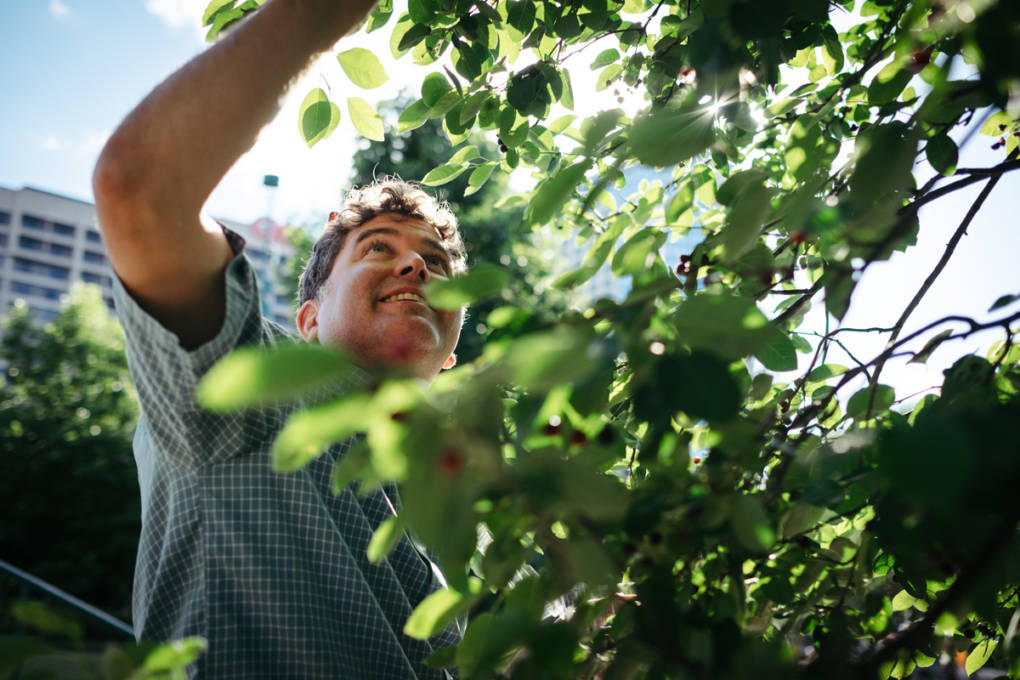
"caption": "Urban gleaning",
"description": null,
"title": "170712-gleaning-top",
"credit": "\u003ca href=\"http://www.dessalohrey.com/\">Dessa Lohrey\u003c/a>",
"status": "inherit",
"isLoading": false,
"fetchFailed": false
},
"bayareabites_119113": {
"type": "attachments",
"id": "bayareabites_119113",
"meta": {
"index": "attachments_1716263798",
"site": "bayareabites",
"id": "119113",
"found": true
},
"parent": 119112,
"imgSizes": {
"small": {
"file": "https://ww2.kqed.org/app/uploads/sites/24/2017/07/ho-po_sq-127369c2e65bc54adcb3d96966979fa6b30cbb26-520x520.jpg",
"width": 520,
"mimeType": "image/jpeg",
"height": 520
},
"twentyfourteen-full-width": {
"file": "https://ww2.kqed.org/app/uploads/sites/24/2017/07/ho-po_sq-127369c2e65bc54adcb3d96966979fa6b30cbb26-1038x576.jpg",
"width": 1038,
"mimeType": "image/jpeg",
"height": 576
},
"thumbnail": {
"file": "https://ww2.kqed.org/app/uploads/sites/24/2017/07/ho-po_sq-127369c2e65bc54adcb3d96966979fa6b30cbb26-160x160.jpg",
"width": 160,
"mimeType": "image/jpeg",
"height": 160
},
"fd-sm": {
"file": "https://ww2.kqed.org/app/uploads/sites/24/2017/07/ho-po_sq-127369c2e65bc54adcb3d96966979fa6b30cbb26-960x960.jpg",
"width": 960,
"mimeType": "image/jpeg",
"height": 960
},
"post-thumbnail": {
"file": "https://ww2.kqed.org/app/uploads/sites/24/2017/07/ho-po_sq-127369c2e65bc54adcb3d96966979fa6b30cbb26-672x372.jpg",
"width": 672,
"mimeType": "image/jpeg",
"height": 372
},
"xsmall": {
"file": "https://ww2.kqed.org/app/uploads/sites/24/2017/07/ho-po_sq-127369c2e65bc54adcb3d96966979fa6b30cbb26-375x375.jpg",
"width": 375,
"mimeType": "image/jpeg",
"height": 375
},
"kqedFullSize": {
"file": "https://ww2.kqed.org/app/uploads/sites/24/2017/07/ho-po_sq-127369c2e65bc54adcb3d96966979fa6b30cbb26-e1499978486820.jpg",
"width": 1920,
"height": 1921
},
"large": {
"file": "https://ww2.kqed.org/app/uploads/sites/24/2017/07/ho-po_sq-127369c2e65bc54adcb3d96966979fa6b30cbb26-1020x1021.jpg",
"width": 1020,
"mimeType": "image/jpeg",
"height": 1021
},
"xlarge": {
"file": "https://ww2.kqed.org/app/uploads/sites/24/2017/07/ho-po_sq-127369c2e65bc54adcb3d96966979fa6b30cbb26-1180x1181.jpg",
"width": 1180,
"mimeType": "image/jpeg",
"height": 1181
},
"guest-author-50": {
"file": "https://ww2.kqed.org/app/uploads/sites/24/2017/07/ho-po_sq-127369c2e65bc54adcb3d96966979fa6b30cbb26-50x50.jpg",
"width": 50,
"mimeType": "image/jpeg",
"height": 50
},
"guest-author-96": {
"file": "https://ww2.kqed.org/app/uploads/sites/24/2017/07/ho-po_sq-127369c2e65bc54adcb3d96966979fa6b30cbb26-96x96.jpg",
"width": 96,
"mimeType": "image/jpeg",
"height": 96
},
"medium": {
"file": "https://ww2.kqed.org/app/uploads/sites/24/2017/07/ho-po_sq-127369c2e65bc54adcb3d96966979fa6b30cbb26-800x800.jpg",
"width": 800,
"mimeType": "image/jpeg",
"height": 800
},
"guest-author-64": {
"file": "https://ww2.kqed.org/app/uploads/sites/24/2017/07/ho-po_sq-127369c2e65bc54adcb3d96966979fa6b30cbb26-64x64.jpg",
"width": 64,
"mimeType": "image/jpeg",
"height": 64
},
"guest-author-32": {
"file": "https://ww2.kqed.org/app/uploads/sites/24/2017/07/ho-po_sq-127369c2e65bc54adcb3d96966979fa6b30cbb26-32x32.jpg",
"width": 32,
"mimeType": "image/jpeg",
"height": 32
},
"fd-lrg": {
"file": "https://ww2.kqed.org/app/uploads/sites/24/2017/07/ho-po_sq-127369c2e65bc54adcb3d96966979fa6b30cbb26-1920x1921.jpg",
"width": 1920,
"mimeType": "image/jpeg",
"height": 1921
},
"fd-med": {
"file": "https://ww2.kqed.org/app/uploads/sites/24/2017/07/ho-po_sq-127369c2e65bc54adcb3d96966979fa6b30cbb26-1180x1181.jpg",
"width": 1180,
"mimeType": "image/jpeg",
"height": 1181
},
"full-width": {
"file": "https://ww2.kqed.org/app/uploads/sites/24/2017/07/ho-po_sq-127369c2e65bc54adcb3d96966979fa6b30cbb26-1920x1921.jpg",
"width": 1920,
"mimeType": "image/jpeg",
"height": 1921
},
"detail": {
"file": "https://ww2.kqed.org/app/uploads/sites/24/2017/07/ho-po_sq-127369c2e65bc54adcb3d96966979fa6b30cbb26-150x150.jpg",
"width": 150,
"mimeType": "image/jpeg",
"height": 150
},
"medium_large": {
"file": "https://ww2.kqed.org/app/uploads/sites/24/2017/07/ho-po_sq-127369c2e65bc54adcb3d96966979fa6b30cbb26-768x768.jpg",
"width": 768,
"mimeType": "image/jpeg",
"height": 768
},
"guest-author-128": {
"file": "https://ww2.kqed.org/app/uploads/sites/24/2017/07/ho-po_sq-127369c2e65bc54adcb3d96966979fa6b30cbb26-128x128.jpg",
"width": 128,
"mimeType": "image/jpeg",
"height": 128
},
"xxsmall": {
"file": "https://ww2.kqed.org/app/uploads/sites/24/2017/07/ho-po_sq-127369c2e65bc54adcb3d96966979fa6b30cbb26-240x240.jpg",
"width": 240,
"mimeType": "image/jpeg",
"height": 240
}
},
"publishDate": 1499978104,
"modified": 1499978478,
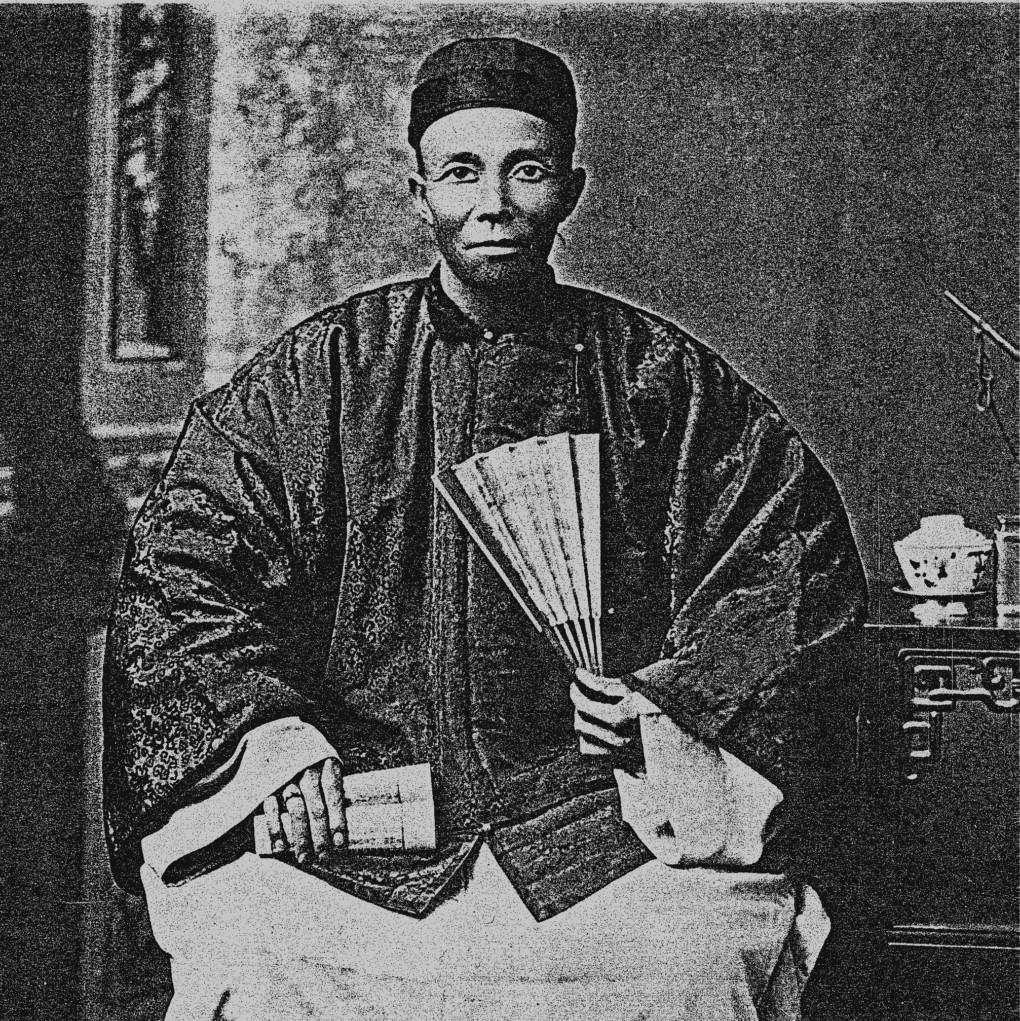
"caption": "Ho Po, a Chinese labor contractor from San Francisco, sent 150 of his countrymen to build Buena Vista.",
"description": "Ho Po, a Chinese labor contractor from San Francisco, sent 150 of his countrymen to build Buena Vista.",
"title": "Ho Po, a Chinese labor contractor from San Francisco, sent 150 of his countrymen to build Buena Vista.",
"credit": "Courtesy of Buena Vista winery",
"status": "inherit",
"isLoading": false,
"fetchFailed": false
},
"bayareabites_118751": {
"type": "attachments",
"id": "bayareabites_118751",
"meta": {
"index": "attachments_1716263798",
"site": "bayareabites",
"id": "118751",
"found": true
},
"parent": 118750,
"imgSizes": {
"small": {
"file": "https://ww2.kqed.org/app/uploads/sites/24/2017/07/gettyimages-146118248_custom-0512263e3295824e705650e7532c0fd65100fa26-520x377.jpg",
"width": 520,
"mimeType": "image/jpeg",
"height": 377
},
"twentyfourteen-full-width": {
"file": "https://ww2.kqed.org/app/uploads/sites/24/2017/07/gettyimages-146118248_custom-0512263e3295824e705650e7532c0fd65100fa26-1038x576.jpg",
"width": 1038,
"mimeType": "image/jpeg",
"height": 576
},
"thumbnail": {
"file": "https://ww2.kqed.org/app/uploads/sites/24/2017/07/gettyimages-146118248_custom-0512263e3295824e705650e7532c0fd65100fa26-160x116.jpg",
"width": 160,
"mimeType": "image/jpeg",
"height": 116
},
"fd-sm": {
"file": "https://ww2.kqed.org/app/uploads/sites/24/2017/07/gettyimages-146118248_custom-0512263e3295824e705650e7532c0fd65100fa26-960x696.jpg",
"width": 960,
"mimeType": "image/jpeg",
"height": 696
},
"post-thumbnail": {
"file": "https://ww2.kqed.org/app/uploads/sites/24/2017/07/gettyimages-146118248_custom-0512263e3295824e705650e7532c0fd65100fa26-672x372.jpg",
"width": 672,
"mimeType": "image/jpeg",
"height": 372
},
"xsmall": {
"file": "https://ww2.kqed.org/app/uploads/sites/24/2017/07/gettyimages-146118248_custom-0512263e3295824e705650e7532c0fd65100fa26-375x272.jpg",
"width": 375,
"mimeType": "image/jpeg",
"height": 272
},
"kqedFullSize": {
"file": "https://ww2.kqed.org/app/uploads/sites/24/2017/07/gettyimages-146118248_custom-0512263e3295824e705650e7532c0fd65100fa26.jpg",
"width": 2096,
"height": 1519
},
"large": {
"file": "https://ww2.kqed.org/app/uploads/sites/24/2017/07/gettyimages-146118248_custom-0512263e3295824e705650e7532c0fd65100fa26-1020x739.jpg",
"width": 1020,
"mimeType": "image/jpeg",
"height": 739
},
"xlarge": {
"file": "https://ww2.kqed.org/app/uploads/sites/24/2017/07/gettyimages-146118248_custom-0512263e3295824e705650e7532c0fd65100fa26-1180x855.jpg",
"width": 1180,
"mimeType": "image/jpeg",
"height": 855
},
"guest-author-50": {
"file": "https://ww2.kqed.org/app/uploads/sites/24/2017/07/gettyimages-146118248_custom-0512263e3295824e705650e7532c0fd65100fa26-50x50.jpg",
"width": 50,
"mimeType": "image/jpeg",
"height": 50
},
"guest-author-96": {
"file": "https://ww2.kqed.org/app/uploads/sites/24/2017/07/gettyimages-146118248_custom-0512263e3295824e705650e7532c0fd65100fa26-96x96.jpg",
"width": 96,
"mimeType": "image/jpeg",
"height": 96
},
"medium": {
"file": "https://ww2.kqed.org/app/uploads/sites/24/2017/07/gettyimages-146118248_custom-0512263e3295824e705650e7532c0fd65100fa26-800x580.jpg",
"width": 800,
"mimeType": "image/jpeg",
"height": 580
},
"guest-author-64": {
"file": "https://ww2.kqed.org/app/uploads/sites/24/2017/07/gettyimages-146118248_custom-0512263e3295824e705650e7532c0fd65100fa26-64x64.jpg",
"width": 64,
"mimeType": "image/jpeg",
"height": 64
},
"guest-author-32": {
"file": "https://ww2.kqed.org/app/uploads/sites/24/2017/07/gettyimages-146118248_custom-0512263e3295824e705650e7532c0fd65100fa26-32x32.jpg",
"width": 32,
"mimeType": "image/jpeg",
"height": 32
},
"fd-lrg": {
"file": "https://ww2.kqed.org/app/uploads/sites/24/2017/07/gettyimages-146118248_custom-0512263e3295824e705650e7532c0fd65100fa26-1920x1391.jpg",
"width": 1920,
"mimeType": "image/jpeg",
"height": 1391
},
"fd-med": {
"file": "https://ww2.kqed.org/app/uploads/sites/24/2017/07/gettyimages-146118248_custom-0512263e3295824e705650e7532c0fd65100fa26-1180x855.jpg",
"width": 1180,
"mimeType": "image/jpeg",
"height": 855
},
"full-width": {
"file": "https://ww2.kqed.org/app/uploads/sites/24/2017/07/gettyimages-146118248_custom-0512263e3295824e705650e7532c0fd65100fa26-1920x1391.jpg",
"width": 1920,
"mimeType": "image/jpeg",
"height": 1391
},
"detail": {
"file": "https://ww2.kqed.org/app/uploads/sites/24/2017/07/gettyimages-146118248_custom-0512263e3295824e705650e7532c0fd65100fa26-150x150.jpg",
"width": 150,
"mimeType": "image/jpeg",
"height": 150
},
"medium_large": {
"file": "https://ww2.kqed.org/app/uploads/sites/24/2017/07/gettyimages-146118248_custom-0512263e3295824e705650e7532c0fd65100fa26-768x557.jpg",
"width": 768,
"mimeType": "image/jpeg",
"height": 557
},
"guest-author-128": {
"file": "https://ww2.kqed.org/app/uploads/sites/24/2017/07/gettyimages-146118248_custom-0512263e3295824e705650e7532c0fd65100fa26-128x128.jpg",
"width": 128,
"mimeType": "image/jpeg",
"height": 128
},
"xxsmall": {
"file": "https://ww2.kqed.org/app/uploads/sites/24/2017/07/gettyimages-146118248_custom-0512263e3295824e705650e7532c0fd65100fa26-240x174.jpg",
"width": 240,
"mimeType": "image/jpeg",
"height": 174
}
},
"publishDate": 1499103070,
"modified": 1499103242,
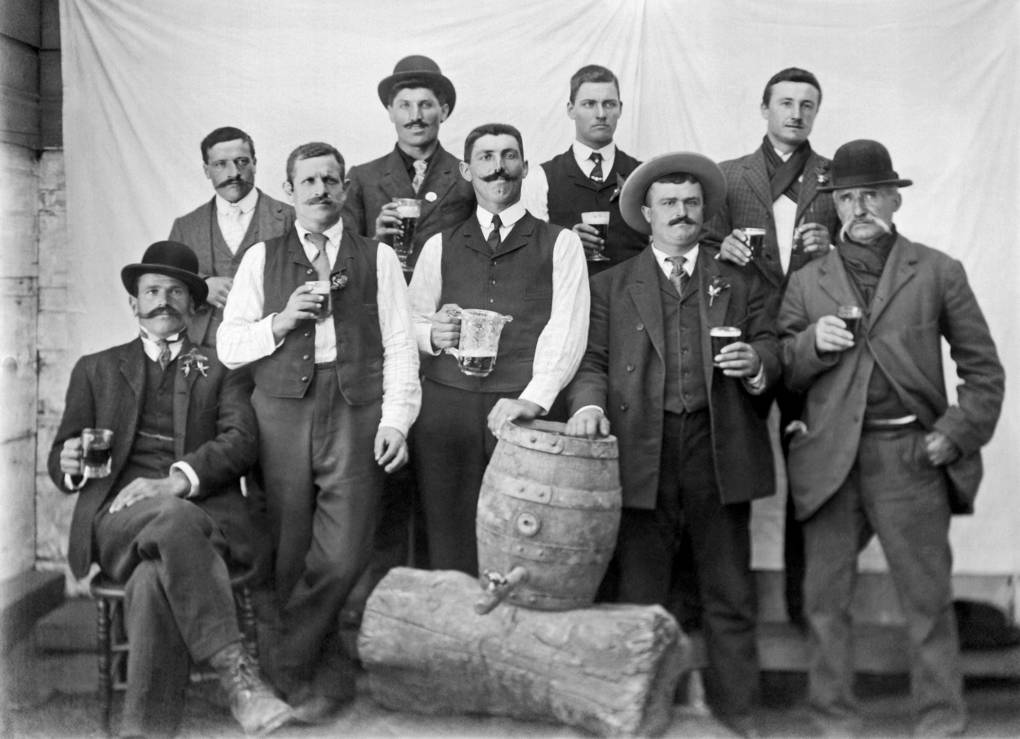
"caption": "A group of men with full glasses proudly pose with their keg of beer, San Francisco, California, 1895.",
"description": "A group of men with full glasses proudly pose with their keg of beer, San Francisco, California, 1895.",
"title": "A group of men with full glasses proudly pose with their keg of beer, San Francisco, California, 1895.",
"credit": "Underwood Archives/Getty Images",
"status": "inherit",
"isLoading": false,
"fetchFailed": false
},
"bayareabites_118497": {
"type": "attachments",
"id": "bayareabites_118497",
"meta": {
"index": "attachments_1716263798",
"site": "bayareabites",
"id": "118497",
"found": true
},
"parent": 118478,
"imgSizes": {
"small": {
"file": "https://ww2.kqed.org/app/uploads/sites/24/2017/06/RS25759_Photo-May-25-12-53-19-PM-qut-520x293.jpg",
"width": 520,
"mimeType": "image/jpeg",
"height": 293
},
"twentyfourteen-full-width": {
"file": "https://ww2.kqed.org/app/uploads/sites/24/2017/06/RS25759_Photo-May-25-12-53-19-PM-qut-1038x576.jpg",
"width": 1038,
"mimeType": "image/jpeg",
"height": 576
},
"thumbnail": {
"file": "https://ww2.kqed.org/app/uploads/sites/24/2017/06/RS25759_Photo-May-25-12-53-19-PM-qut-160x90.jpg",
"width": 160,
"mimeType": "image/jpeg",
"height": 90
},
"fd-sm": {
"file": "https://ww2.kqed.org/app/uploads/sites/24/2017/06/RS25759_Photo-May-25-12-53-19-PM-qut-960x540.jpg",
"width": 960,
"mimeType": "image/jpeg",
"height": 540
},
"post-thumbnail": {
"file": "https://ww2.kqed.org/app/uploads/sites/24/2017/06/RS25759_Photo-May-25-12-53-19-PM-qut-672x372.jpg",
"width": 672,
"mimeType": "image/jpeg",
"height": 372
},
"xsmall": {
"file": "https://ww2.kqed.org/app/uploads/sites/24/2017/06/RS25759_Photo-May-25-12-53-19-PM-qut-375x211.jpg",
"width": 375,
"mimeType": "image/jpeg",
"height": 211
},
"kqedFullSize": {
"file": "https://ww2.kqed.org/app/uploads/sites/24/2017/06/RS25759_Photo-May-25-12-53-19-PM-qut.jpg",
"width": 1920,
"height": 1080
},
"large": {
"file": "https://ww2.kqed.org/app/uploads/sites/24/2017/06/RS25759_Photo-May-25-12-53-19-PM-qut-1020x574.jpg",
"width": 1020,
"mimeType": "image/jpeg",
"height": 574
},
"xlarge": {
"file": "https://ww2.kqed.org/app/uploads/sites/24/2017/06/RS25759_Photo-May-25-12-53-19-PM-qut-1180x664.jpg",
"width": 1180,
"mimeType": "image/jpeg",
"height": 664
},
"guest-author-50": {
"file": "https://ww2.kqed.org/app/uploads/sites/24/2017/06/RS25759_Photo-May-25-12-53-19-PM-qut-50x50.jpg",
"width": 50,
"mimeType": "image/jpeg",
"height": 50
},
"guest-author-96": {
"file": "https://ww2.kqed.org/app/uploads/sites/24/2017/06/RS25759_Photo-May-25-12-53-19-PM-qut-96x96.jpg",
"width": 96,
"mimeType": "image/jpeg",
"height": 96
},
"medium": {
"file": "https://ww2.kqed.org/app/uploads/sites/24/2017/06/RS25759_Photo-May-25-12-53-19-PM-qut-800x450.jpg",
"width": 800,
"mimeType": "image/jpeg",
"height": 450
},
"guest-author-64": {
"file": "https://ww2.kqed.org/app/uploads/sites/24/2017/06/RS25759_Photo-May-25-12-53-19-PM-qut-64x64.jpg",
"width": 64,
"mimeType": "image/jpeg",
"height": 64
},
"guest-author-32": {
"file": "https://ww2.kqed.org/app/uploads/sites/24/2017/06/RS25759_Photo-May-25-12-53-19-PM-qut-32x32.jpg",
"width": 32,
"mimeType": "image/jpeg",
"height": 32
},
"fd-lrg": {
"file": "https://ww2.kqed.org/app/uploads/sites/24/2017/06/RS25759_Photo-May-25-12-53-19-PM-qut-1920x1080.jpg",
"width": 1920,
"mimeType": "image/jpeg",
"height": 1080
},
"fd-med": {
"file": "https://ww2.kqed.org/app/uploads/sites/24/2017/06/RS25759_Photo-May-25-12-53-19-PM-qut-1180x664.jpg",
"width": 1180,
"mimeType": "image/jpeg",
"height": 664
},
"full-width": {
"file": "https://ww2.kqed.org/app/uploads/sites/24/2017/06/RS25759_Photo-May-25-12-53-19-PM-qut-1920x1080.jpg",
"width": 1920,
"mimeType": "image/jpeg",
"height": 1080
},
"detail": {
"file": "https://ww2.kqed.org/app/uploads/sites/24/2017/06/RS25759_Photo-May-25-12-53-19-PM-qut-150x150.jpg",
"width": 150,
"mimeType": "image/jpeg",
"height": 150
},
"medium_large": {
"file": "https://ww2.kqed.org/app/uploads/sites/24/2017/06/RS25759_Photo-May-25-12-53-19-PM-qut-768x432.jpg",
"width": 768,
"mimeType": "image/jpeg",
"height": 432
},
"guest-author-128": {
"file": "https://ww2.kqed.org/app/uploads/sites/24/2017/06/RS25759_Photo-May-25-12-53-19-PM-qut-128x128.jpg",
"width": 128,
"mimeType": "image/jpeg",
"height": 128
},
"xxsmall": {
"file": "https://ww2.kqed.org/app/uploads/sites/24/2017/06/RS25759_Photo-May-25-12-53-19-PM-qut-240x135.jpg",
"width": 240,
"mimeType": "image/jpeg",
"height": 135
}
},
"publishDate": 1498082007,
"modified": 1498082074,
"caption": "San Jose is the latest city to make use of a state law letting landlords to loan out urban land for agriculture.",
"description": "San Jose is the latest city to make use of a state law letting landlords to loan out urban land for agriculture.",
"title": "RS25759_Photo-May-25-12-53-19-PM-qut",
"credit": "Rachael Myrow",
"status": "inherit",
"isLoading": false,
"fetchFailed": false
},
"bayareabites_118482": {
"type": "attachments",
"id": "bayareabites_118482",
"meta": {
"index": "attachments_1716263798",
"site": "bayareabites",
"id": "118482",
"found": true
},
"parent": 118479,
"imgSizes": {
"small": {
"file": "https://ww2.kqed.org/app/uploads/sites/24/2017/06/170615-meal-deliveries-520x347.jpg",
"width": 520,
"mimeType": "image/jpeg",
"height": 347
},
"twentyfourteen-full-width": {
"file": "https://ww2.kqed.org/app/uploads/sites/24/2017/06/170615-meal-deliveries-1038x576.jpg",
"width": 1038,
"mimeType": "image/jpeg",
"height": 576
},
"thumbnail": {
"file": "https://ww2.kqed.org/app/uploads/sites/24/2017/06/170615-meal-deliveries-160x107.jpg",
"width": 160,
"mimeType": "image/jpeg",
"height": 107
},
"fd-sm": {
"file": "https://ww2.kqed.org/app/uploads/sites/24/2017/06/170615-meal-deliveries-960x640.jpg",
"width": 960,
"mimeType": "image/jpeg",
"height": 640
},
"post-thumbnail": {
"file": "https://ww2.kqed.org/app/uploads/sites/24/2017/06/170615-meal-deliveries-672x372.jpg",
"width": 672,
"mimeType": "image/jpeg",
"height": 372
},
"xsmall": {
"file": "https://ww2.kqed.org/app/uploads/sites/24/2017/06/170615-meal-deliveries-375x250.jpg",
"width": 375,
"mimeType": "image/jpeg",
"height": 250
},
"kqedFullSize": {
"file": "https://ww2.kqed.org/app/uploads/sites/24/2017/06/170615-meal-deliveries.jpg",
"width": 1200,
"height": 800
},
"large": {
"file": "https://ww2.kqed.org/app/uploads/sites/24/2017/06/170615-meal-deliveries-1020x680.jpg",
"width": 1020,
"mimeType": "image/jpeg",
"height": 680
},
"xlarge": {
"file": "https://ww2.kqed.org/app/uploads/sites/24/2017/06/170615-meal-deliveries-1180x787.jpg",
"width": 1180,
"mimeType": "image/jpeg",
"height": 787
},
"guest-author-50": {
"file": "https://ww2.kqed.org/app/uploads/sites/24/2017/06/170615-meal-deliveries-50x50.jpg",
"width": 50,
"mimeType": "image/jpeg",
"height": 50
},
"guest-author-96": {
"file": "https://ww2.kqed.org/app/uploads/sites/24/2017/06/170615-meal-deliveries-96x96.jpg",
"width": 96,
"mimeType": "image/jpeg",
"height": 96
},
"medium": {
"file": "https://ww2.kqed.org/app/uploads/sites/24/2017/06/170615-meal-deliveries-800x533.jpg",
"width": 800,
"mimeType": "image/jpeg",
"height": 533
},
"guest-author-64": {
"file": "https://ww2.kqed.org/app/uploads/sites/24/2017/06/170615-meal-deliveries-64x64.jpg",
"width": 64,
"mimeType": "image/jpeg",
"height": 64
},
"guest-author-32": {
"file": "https://ww2.kqed.org/app/uploads/sites/24/2017/06/170615-meal-deliveries-32x32.jpg",
"width": 32,
"mimeType": "image/jpeg",
"height": 32
},
"fd-med": {
"file": "https://ww2.kqed.org/app/uploads/sites/24/2017/06/170615-meal-deliveries-1180x787.jpg",
"width": 1180,
"mimeType": "image/jpeg",
"height": 787
},
"detail": {
"file": "https://ww2.kqed.org/app/uploads/sites/24/2017/06/170615-meal-deliveries-150x150.jpg",
"width": 150,
"mimeType": "image/jpeg",
"height": 150
},
"medium_large": {
"file": "https://ww2.kqed.org/app/uploads/sites/24/2017/06/170615-meal-deliveries-768x512.jpg",
"width": 768,
"mimeType": "image/jpeg",
"height": 512
},
"guest-author-128": {
"file": "https://ww2.kqed.org/app/uploads/sites/24/2017/06/170615-meal-deliveries-128x128.jpg",
"width": 128,
"mimeType": "image/jpeg",
"height": 128
},
"xxsmall": {
"file": "https://ww2.kqed.org/app/uploads/sites/24/2017/06/170615-meal-deliveries-240x160.jpg",
"width": 240,
"mimeType": "image/jpeg",
"height": 160
}
},
"publishDate": 1498071082,
"modified": 1498071170,
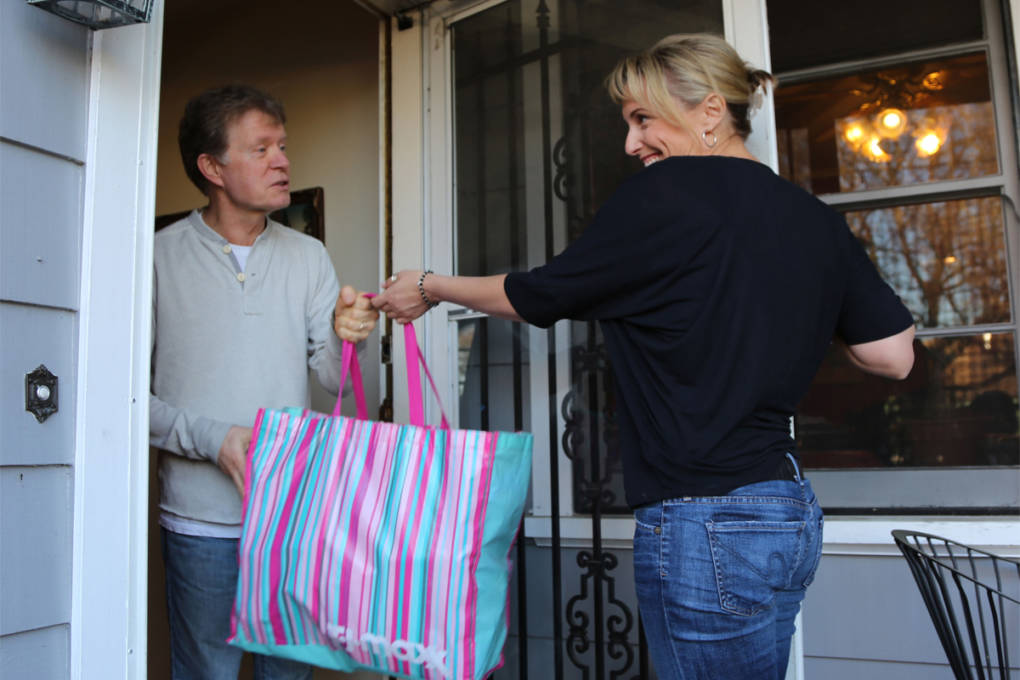
"caption": " Ceres Community Project ",
"description": null,
"title": "170615-meal-deliveries",
"credit": " \u003ca href=\"http://www.ceresproject.org/\">Ceres Community Project\u003c/a>",
"status": "inherit",
"isLoading": false,
"fetchFailed": false
}
},
"audioPlayerReducer": {
"postId": "stream_live",
"isPaused": true,
"isPlaying": false,
"pfsActive": false,
"pledgeModalIsOpen": true,
"playerDrawerIsOpen": false,
"liveAudioPlayStartedAt": 0,
"liveAudioPlayContext": ""
},
"authorsReducer": {
"byline_bayareabites_120760": {
"type": "authors",
"id": "byline_bayareabites_120760",
"meta": {
"override": true
},
"slug": "byline_bayareabites_120760",
"name": "Maanvi Singh, NPR Food",
"isLoading": false
},
"byline_bayareabites_120748": {
"type": "authors",
"id": "byline_bayareabites_120748",
"meta": {
"override": true
},
"slug": "byline_bayareabites_120748",
"name": "Angely Mercado, \u003ca href=\"https://ww2.kqed.org/bayareabites/author/nprfood/\">NPR Food\u003c/a>",
"isLoading": false
},
"byline_bayareabites_120607": {
"type": "authors",
"id": "byline_bayareabites_120607",
"meta": {
"override": true
},
"slug": "byline_bayareabites_120607",
"name": "Michaeleen Doucleff, NPR Food",
"isLoading": false
},
"byline_bayareabites_119538": {
"type": "authors",
"id": "byline_bayareabites_119538",
"meta": {
"override": true
},
"slug": "byline_bayareabites_119538",
"name": "Andrea Reusing, \u003ca href=\"https://ww2.kqed.org/bayareabites/author/nprfood/\">NPR Food\u003c/a>",
"isLoading": false
},
"byline_bayareabites_119525": {
"type": "authors",
"id": "byline_bayareabites_119525",
"meta": {
"override": true
},
"slug": "byline_bayareabites_119525",
"name": "Alejandro Puyana, \u003ca href=\"https://ww2.kqed.org/bayareabites/author/nprfood/\">NPR Food\u003c/a>",
"isLoading": false
},
"byline_bayareabites_119292": {
"type": "authors",
"id": "byline_bayareabites_119292",
"meta": {
"override": true
},
"slug": "byline_bayareabites_119292",
"name": "Dan Charles, NPR Food",
"isLoading": false
},
"byline_bayareabites_119231": {
"type": "authors",
"id": "byline_bayareabites_119231",
"meta": {
"override": true
},
"slug": "byline_bayareabites_119231",
"name": " \u003ca href=\"http://civileats.com/author/jfigueiredo/\">Jordan Figueiredo,\u003c/a> \u003ca href=\"https://ww2.kqed.org/bayareabites/author/civileat/\">Civil Eats\u003c/a> ",
"isLoading": false
},
"byline_bayareabites_119112": {
"type": "authors",
"id": "byline_bayareabites_119112",
"meta": {
"override": true
},
"slug": "byline_bayareabites_119112",
"name": "Grace Hwang Lynch, \u003ca href=\"https://ww2.kqed.org/bayareabites/author/nprfood/\">NPR Food\u003c/a>",
"isLoading": false
},
"byline_bayareabites_118750": {
"type": "authors",
"id": "byline_bayareabites_118750",
"meta": {
"override": true
},
"slug": "byline_bayareabites_118750",
"name": "\u003ca href=\"http://www.npr.org/people/2101154/ari-shapiro\">Ari Shapiro\u003c/a> and Justine Kenin, \u003ca href=\"https://ww2.kqed.org/bayareabites/author/nprfood/\">NPR Food\u003c/a>",
"isLoading": false
},
"byline_bayareabites_118479": {
"type": "authors",
"id": "byline_bayareabites_118479",
"meta": {
"override": true
},
"slug": "byline_bayareabites_118479",
"name": "\u003ca href=\"http://civileats.com/author/jhelmer/\">Jodi Helmer,\u003c/a> \u003ca href=\"https://ww2.kqed.org/bayareabites/author/civileat/\">Civil Eats\u003c/a>",
"isLoading": false
},
"rachael-myrow": {
"type": "authors",
"id": "251",
"meta": {
"index": "authors_1716337520",
"id": "251",
"found": true
},
"name": "Rachael Myrow",
"firstName": "Rachael",
"lastName": "Myrow",
"slug": "rachael-myrow",
"email": "rmyrow@kqed.org",
"display_author_email": true,
"staff_mastheads": [
"news"
],
"title": "Senior Editor of KQED's Silicon Valley News Desk",
"bio": "• I write and edit stories about how Silicon Valley power and policies shape everyday life in California. I’m also passionate about making Bay Area history and culture more accessible to a broad public. • I’ve been a journalist for most of my life, starting in high school with The Franklin Press in Los Angeles, where I grew up. While earning my first degree in English at UC Berkeley, I got my start in public radio at KALX-FM. After completing a second degree in journalism at Cal, I landed my first professional job at Marketplace, then moved on to KPCC (now LAist), and then KQED, where I hosted The California Report for more than seven years. • My reporting has appeared on NPR, The World, WBUR’s \u003ci>Here & Now\u003c/i>, and the BBC. I also guest host for KQED’s \u003ci>Forum\u003c/i>, as well as the Commonwealth Club in San Francisco. • I speak periodically on media, democracy and technology issues, and do voiceover work for documentaries and educational video projects. • Outside of the studio, you'll find me hiking Bay Area trails and whipping up Insta-ready meals in my kitchen. • I do not accept gifts, money, or favors from anyone connected to my reporting, I don't pay people for information, and I do not support or donate to political causes. • I strive to treat the people I report on with fairness, honesty, and respect. I also recognize there are often multiple sides to a story and work to verify information through multiple sources and documentation. If I get something wrong, I correct it.",
"avatar": "https://secure.gravatar.com/avatar/3ed8a3c5f26025e4a805ba634cda8cd764906b97438a6d9ce216b044e340da4e?s=600&d=blank&r=g",
"twitter": "rachaelmyrow",
"bluesky": null,
"facebook": null,
"instagram": null,
"linkedin": "https://www.linkedin.com/in/rachaelmyrow/",
"sites": [
{
"site": "arts",
"roles": [
"administrator"
]
},
{
"site": "news",
"roles": [
"edit_others_posts",
"editor"
]
},
{
"site": "futureofyou",
"roles": [
"editor"
]
},
{
"site": "bayareabites",
"roles": [
"editor"
]
},
{
"site": "stateofhealth",
"roles": [
"editor"
]
},
{
"site": "science",
"roles": [
"editor"
]
},
{
"site": "food",
"roles": [
"editor"
]
},
{
"site": "forum",
"roles": [
"editor"
]
},
{
"site": "liveblog",
"roles": [
"author"
]
}
],
"headData": {
"title": "Rachael Myrow | KQED",
"description": "Senior Editor of KQED's Silicon Valley News Desk",
"ogImgSrc": "https://secure.gravatar.com/avatar/3ed8a3c5f26025e4a805ba634cda8cd764906b97438a6d9ce216b044e340da4e?s=600&d=blank&r=g",
"twImgSrc": "https://secure.gravatar.com/avatar/3ed8a3c5f26025e4a805ba634cda8cd764906b97438a6d9ce216b044e340da4e?s=600&d=blank&r=g"
},
"isLoading": false,
"link": "/author/rachael-myrow"
},
"wendy-goodfriend": {
"type": "authors",
"id": "5014",
"meta": {
"index": "authors_1716337520",
"id": "5014",
"found": true
},
"name": "Wendy Goodfriend",
"firstName": "Wendy",
"lastName": "Goodfriend",
"slug": "wendy-goodfriend",
"email": "wendy@wendygoodfriend.com",
"display_author_email": false,
"staff_mastheads": [],
"title": "KQED Contributor",
"bio": "I was the Senior Digital Producer for KQED Food up until July, 2018. Since 2001, I designed, produced, managed and contributed to mostly food-related websites and blogs for KQED including: KQED.org; KQED Food; Bay Area Bites; Check, Please! Bay Area; Taste This; Celebrity Chefs; seven of Jacques Pepin's TV series websites; and Joanne Weir's Cooking in the City. I initiated the majority of KQED Food's social media feeds and maintained them up until 2017. As far as content creation, photography is my passion and I also shoot video and write stories. My photos have been used in articles for KQED Food, News, Arts, and Science as well as for promotional purposes in print and online. Professional education and training includes: clinical psychology, photography, commercial cooking, web design, information architecture and UX.",
"avatar": "https://secure.gravatar.com/avatar/dfba64372339cc34cf17e446e6f18fa8?s=600&d=blank&r=g",
"twitter": null,
"facebook": "bayareabites",
"instagram": null,
"linkedin": "wendygoodfriend",
"sites": [
{
"site": "jpepinheart",
"roles": []
},
{
"site": "about",
"roles": [
"editor"
]
},
{
"site": "bayareabites",
"roles": [
"subscriber"
]
},
{
"site": "science",
"roles": [
"administrator"
]
},
{
"site": "checkplease",
"roles": [
"subscriber"
]
},
{
"site": "food",
"roles": [
"author"
]
},
{
"site": "essentialpepin",
"roles": [
"administrator"
]
}
],
"headData": {
"title": "Wendy Goodfriend | KQED",
"description": "KQED Contributor",
"ogImgSrc": "https://secure.gravatar.com/avatar/dfba64372339cc34cf17e446e6f18fa8?s=600&d=blank&r=g",
"twImgSrc": "https://secure.gravatar.com/avatar/dfba64372339cc34cf17e446e6f18fa8?s=600&d=blank&r=g"
},
"isLoading": false,
"link": "/author/wendy-goodfriend"
},
"alexandrawall": {
"type": "authors",
"id": "5567",
"meta": {
"index": "authors_1716337520",
"id": "5567",
"found": true
},
"name": "Alix Wall",
"firstName": "Alix",
"lastName": "Wall",
"slug": "alexandrawall",
"email": "alixwall@sbcglobal.net",
"display_author_email": false,
"staff_mastheads": [],
"title": null,
"bio": "Alix Wall appeared in her hometown paper in Riverside, California as “Chef of the Week” when she was 15 years old, and in high school, she founded “The Bon Appetit Club.” After working as a journalist for many years, Alix became a certified natural foods chef from Bauman College in Berkeley. While she cooks part-time healthy, organic meals for busy families, she is also a contributing editor of j. weekly, the Bay Area’s Jewish newspaper, in which she has a monthly food column. Her food writing can also be found on Berkeleyside’s NOSH and in Edible East Bay. In addition to food, she loves writing about how couples met and fell in love, which she does for The San Francisco Chronicle’s Style section and j. weekly. In 2016, she founded The Illuminoshi: The Not-So-Secret Society of Bay Area Jewish Food Professionals. She is also writer/producer for a documentary-in-progress called \u003ca href=\"https://www.lonelychildmovie.com/\">The Lonely Child\u003c/a>. Follow Alix on Twitter \u003ca href=\"https://twitter.com/WallAlix\">@WallAlix\u003c/a>.",
"avatar": "https://secure.gravatar.com/avatar/421a27f26a185be932f8d567b499b1f1?s=600&d=blank&r=g",
"twitter": null,
"facebook": null,
"instagram": null,
"linkedin": null,
"sites": [
{
"site": "bayareabites",
"roles": [
"contributor"
]
},
{
"site": "food",
"roles": [
"contributor"
]
}
],
"headData": {
"title": "Alix Wall | KQED",
"description": null,
"ogImgSrc": "https://secure.gravatar.com/avatar/421a27f26a185be932f8d567b499b1f1?s=600&d=blank&r=g",
"twImgSrc": "https://secure.gravatar.com/avatar/421a27f26a185be932f8d567b499b1f1?s=600&d=blank&r=g"
},
"isLoading": false,
"link": "/author/alexandrawall"
}
},
"pagesReducer": {
"bayareabites_category_politics-activism-food-safety": {
"type": "terms",
"id": "bayareabites_2035",
"meta": {
"index": "terms_1716263798",
"site": "bayareabites",
"id": "2035",
"score": 13.896088
},
"featImg": null,
"name": "politics, activism, food safety",
"description": null,
"taxonomy": "category",
"headData": {
"twImgId": null,
"twTitle": null,
"ogTitle": null,
"ogImgId": null,
"twDescription": null,
"description": null,
"title": "politics, activism, food safety Archives | KQED Bay Area Bites",
"ogDescription": null
},
"ttid": 943,
"slug": "politics-activism-food-safety",
"isLoading": false,
"title": "politics, activism, food safety",
"pageMeta": {
"site": "bayareabites",
"WpPageTemplate": "page-topic-editorial",
"currentPage": 12
},
"blocks": [
{
"blockName": "kqed/post-list",
"attrs": {
"layout": "cardArticle2",
"query": "posts/bayareabites?category=politics-activism-food-safety",
"seeMore": false,
"paginated": true,
"page": 12
}
},
{
"blockName": "kqed/ad"
}
]
}
},
"pfsSessionReducer": {},
"postsReducer": {
"stream_live": {
"type": "live",
"id": "stream_live",
"audioUrl": "https://streams.kqed.org/kqedradio",
"title": "Live Stream",
"excerpt": "Live Stream information currently unavailable.",
"link": "/radio",
"featImg": "",
"label": {
"name": "KQED Live",
"link": "/"
}
},
"stream_kqedNewscast": {
"type": "posts",
"id": "stream_kqedNewscast",
"audioUrl": "https://www.kqed.org/.stream/anon/radio/RDnews/newscast.mp3?_=1",
"title": "KQED Newscast",
"featImg": "",
"label": {
"name": "88.5 FM",
"link": "/"
}
},
"bayareabites_120760": {
"type": "posts",
"id": "bayareabites_120760",
"meta": {
"index": "posts_1716263798",
"site": "bayareabites",
"id": "120760",
"score": null,
"sort": [
1505503266000
]
},
"parent": 0,
"labelTerm": {
"site": "bayareabites"
},
"blocks": [],
"publishDate": 1505503266,
"format": "standard",
"disqusTitle": "Warriors Against Waste: These Restaurants And Bars Are Aiming For Zero",
"title": "Warriors Against Waste: These Restaurants And Bars Are Aiming For Zero",
"headTitle": "Bay Area Bites | KQED Food",
"content": "\u003cp>Chef Douglas McMaster's flagship restaurant, Silo, takes that \u003ca href=\"http://www.npr.org/sections/thesalt/2016/06/29/483306505/why-does-every-new-restaurant-look-like-a-factory\">\"industrial chic\"\u003c/a> aesthetic that dominates the modern dining scene to a whole new level. Located an hour south of London, in Brighton, England, the restaurant inhabits a 180-year-old building that has been styled into something like a barn — or a grain silo. Let's call it preindustrial chic.\u003c/p>\n\u003cp>After all, McMaster has said that \u003ca href=\"http://www.silobrighton.com/\">Silo\u003c/a> isn't a restaurant so much as it is a \"a preindustrial food system that generates zero waste.\"\u003c/p>\n\u003cp>Zero waste has become a sort of buzzword in the foodie world recently. From San Francisco to New York, London to Amsterdam, restaurateurs are challenging themselves to reduce the staggering amount of food waste that the industry generates (an \u003ca href=\"http://www.refed.com/solutions/waste-tracking-and-analytics\">estimated 571,000 tons \u003c/a>annually by U.S. restaurants alone) and the amount of other resources they use — including electricity and water. From rejecting plastic straws to making byproducts like whey the star of a meal — restaurants are approaching that challenge in different ways.\u003c/p>\n\u003cp>Thirty-year-old McMaster has been at the helm of the movement — he opened Silo in 2014. And he's the first to say that it's nearly impossible to run a viable business that never generates \u003cem>any\u003c/em> waste.\u003c/p>\n\u003cp>\"Zero waste\" is the ideal. But ... he's not going to deny his customers toilet paper.\u003c/p>\n\u003cp>[ad fullwidth]\u003c/p>\n\u003cp>\"Really, it's about everything being natural and everything either going back into the system or going back into nature,\" McMaster says — or at least, it's about trying his very best to live up to that ideal.\u003c/p>\n\u003cp>Take, for example, the full English breakfast at Silo, which comes with all the classic components: toast, baked beans and mushrooms, topped with an egg and bacon. But the sourdough toast is baked in-house, from flour that's milled on site (so there's no fuel wasted in transporting it). The mushrooms are cultivated on site as well, in discarded coffee grounds. And everything else comes from mostly local growers — delivered sans packaging. It's all served up on a plate made from recycled plastic bags, for customers to enjoy while seated on stools made from recycled wood pulp. Anything that isn't eaten ends up inside \"Bertha,\" which is what McMaster calls the industrial composter prominently displayed in Silo's lobby.\u003c/p>\n\u003cfigure id=\"attachment_120767\" class=\"wp-caption aligncenter\" style=\"max-width: 1024px\">\u003cimg src=\"https://ww2.kqed.org/bayareabites/wp-content/uploads/sites/24/2017/09/silo2_custom-46e3511c228b68080eea383f6d66c90e49fc0eb8-s1600-c85.jpg\" alt=\"The menu at McMaster's Silo highlights byproducts and off-cuts — like broccoli stems.\" width=\"1024\" height=\"724\" class=\"size-full wp-image-120767\" srcset=\"https://ww2.kqed.org/app/uploads/sites/24/2017/09/silo2_custom-46e3511c228b68080eea383f6d66c90e49fc0eb8-s1600-c85.jpg 1024w, https://ww2.kqed.org/app/uploads/sites/24/2017/09/silo2_custom-46e3511c228b68080eea383f6d66c90e49fc0eb8-s1600-c85-160x113.jpg 160w, https://ww2.kqed.org/app/uploads/sites/24/2017/09/silo2_custom-46e3511c228b68080eea383f6d66c90e49fc0eb8-s1600-c85-800x566.jpg 800w, https://ww2.kqed.org/app/uploads/sites/24/2017/09/silo2_custom-46e3511c228b68080eea383f6d66c90e49fc0eb8-s1600-c85-768x543.jpg 768w, https://ww2.kqed.org/app/uploads/sites/24/2017/09/silo2_custom-46e3511c228b68080eea383f6d66c90e49fc0eb8-s1600-c85-1020x721.jpg 1020w, https://ww2.kqed.org/app/uploads/sites/24/2017/09/silo2_custom-46e3511c228b68080eea383f6d66c90e49fc0eb8-s1600-c85-960x679.jpg 960w, https://ww2.kqed.org/app/uploads/sites/24/2017/09/silo2_custom-46e3511c228b68080eea383f6d66c90e49fc0eb8-s1600-c85-240x170.jpg 240w, https://ww2.kqed.org/app/uploads/sites/24/2017/09/silo2_custom-46e3511c228b68080eea383f6d66c90e49fc0eb8-s1600-c85-375x265.jpg 375w, https://ww2.kqed.org/app/uploads/sites/24/2017/09/silo2_custom-46e3511c228b68080eea383f6d66c90e49fc0eb8-s1600-c85-520x368.jpg 520w\" sizes=\"(max-width: 1024px) 100vw, 1024px\">\u003cfigcaption class=\"wp-caption-text\">The menu at McMaster's Silo highlights byproducts and off-cuts — like broccoli stems. \u003ccite>(Xavier Buendia/Courtesy of Doug McMaster)\u003c/cite>\u003c/figcaption>\u003c/figure>\n\u003cp>Silo does generate some waste. \u003c/p>\n\u003cp>\"The big thing is wine — it would be ideal if we could get wine locally on tap,\" McMaster says. \"The problem is we don't have the right latitude to be growing wine, whereas they do in Italy and Spain and France.\"\u003c/p>\n\u003cp>And he does feel guilty about all the empty wine bottles he's left with at the end of each day. He can recycle the glass, but he'd rather not create any waste in the first place. McMaster is also hoping that local artists can come up with a way to repurpose the glass bottles as artwork. \"It is a compromise on zero waste,\" he says. \"But sometimes you have got to be realistic, and you've got to be commercial.\"\u003c/p>\n\u003cp>His newest venture, Cub — a fine dining restaurant in London that opened this month — serves bottles of high-end champagne. But it eliminates waste in other ways.\u003c/p>\n\u003cp>The goal is to create a delicious, luxurious experience for customers without creating unnecessary waste. At Cub, they're looking at the composter as a last resort, says \u003ca href=\"http://www.mrlyan.com/\">Ryan Chetiyawardana\u003c/a>, the zero-waste mastermind behind a couple of award-winning London bars and McMaster's collaborator for this latest venture. \"The idea is just reducing what we have coming in,\" Chetiyawardana says. \"So there's nothing left over.\"\u003c/p>\n\u003cp>The menu features food and drink that elevate ingredients most people might consider byproducts, or off-cuts. For example: \"Compost Smoked Carrot, Buffalo Curds and Whey.\"\u003c/p>\n\u003cp>Other dishes feature herbs and produce that are grown on site, with input from MIT flavor scientist Arielle Johnson. This includes two types of hydroponically raised radish seedlings — with completely different flavor profiles that come from manipulating the nutrients and stressors absorbed during cultivation. So you're basically getting two different flavors out of one, sustainably produced ingredient, Chetiyawardana explains.\u003c/p>\n\u003cp>His other operations have used slightly different eco-tactics. \"When I first started bartending, everybody thought that to make a cocktail, the default was you'd take two parts of spirit, and one part of citrus and one part sweetener,\" Chetiyawardana says. The problem was, \"with fresh fruit, you squeeze the juice out of it, you might use the zest and you throw the rest away,\" he says. \"So I started to explore other options.\"\u003c/p>\n\u003cfigure id=\"attachment_120768\" class=\"wp-caption aligncenter\" style=\"max-width: 1600px\">\u003cimg src=\"https://ww2.kqed.org/bayareabites/wp-content/uploads/sites/24/2017/09/cub_004_custom-8162bdbcec991c7dc4a11b4b3332fbbce6c21ee3-s1600-c85.jpg\" alt=\"McMaster's newest venture is Cub — a fine dining restaurant in London that opened this month. From rejecting plastic straws to making byproducts like whey the star of a meal — restaurants are approaching the challenge in different ways.\" width=\"1600\" height=\"1065\" class=\"size-full wp-image-120768\" srcset=\"https://ww2.kqed.org/app/uploads/sites/24/2017/09/cub_004_custom-8162bdbcec991c7dc4a11b4b3332fbbce6c21ee3-s1600-c85.jpg 1600w, https://ww2.kqed.org/app/uploads/sites/24/2017/09/cub_004_custom-8162bdbcec991c7dc4a11b4b3332fbbce6c21ee3-s1600-c85-160x107.jpg 160w, https://ww2.kqed.org/app/uploads/sites/24/2017/09/cub_004_custom-8162bdbcec991c7dc4a11b4b3332fbbce6c21ee3-s1600-c85-800x533.jpg 800w, https://ww2.kqed.org/app/uploads/sites/24/2017/09/cub_004_custom-8162bdbcec991c7dc4a11b4b3332fbbce6c21ee3-s1600-c85-768x511.jpg 768w, https://ww2.kqed.org/app/uploads/sites/24/2017/09/cub_004_custom-8162bdbcec991c7dc4a11b4b3332fbbce6c21ee3-s1600-c85-1020x679.jpg 1020w, https://ww2.kqed.org/app/uploads/sites/24/2017/09/cub_004_custom-8162bdbcec991c7dc4a11b4b3332fbbce6c21ee3-s1600-c85-1180x785.jpg 1180w, https://ww2.kqed.org/app/uploads/sites/24/2017/09/cub_004_custom-8162bdbcec991c7dc4a11b4b3332fbbce6c21ee3-s1600-c85-960x639.jpg 960w, https://ww2.kqed.org/app/uploads/sites/24/2017/09/cub_004_custom-8162bdbcec991c7dc4a11b4b3332fbbce6c21ee3-s1600-c85-240x160.jpg 240w, https://ww2.kqed.org/app/uploads/sites/24/2017/09/cub_004_custom-8162bdbcec991c7dc4a11b4b3332fbbce6c21ee3-s1600-c85-375x250.jpg 375w, https://ww2.kqed.org/app/uploads/sites/24/2017/09/cub_004_custom-8162bdbcec991c7dc4a11b4b3332fbbce6c21ee3-s1600-c85-520x346.jpg 520w\" sizes=\"(max-width: 1600px) 100vw, 1600px\">\u003cfigcaption class=\"wp-caption-text\">McMaster's newest venture is Cub — a fine dining restaurant in London that opened this month. From rejecting plastic straws to making byproducts like whey the star of a meal — restaurants are approaching the challenge in different ways. \u003ccite>(Kim Lightbody /Courtesy of Ryan Chetiyawardana)\u003c/cite>\u003c/figcaption>\u003c/figure>\n\u003cp>Instead of using fresh citrus for kick, at his first cocktail bar, White Lyan (which he closed this spring), Chetiyawardana experimented with vinegars and powdered acids. To avoid wasting water, he eschewed ice. Instead, each concoction was perfectly proportioned and pre-chilled. And to avoid creating waste packaging and burning away gasoline, he made his own spirits, tinctures and cordials in-house.\u003c/p>\n\u003cp>\"Of course, that was a very dramatic approach,\" Chetiyawardana says. \"But I don't think 'zero waste' has to be all or nothing.\"\u003c/p>\n\u003cp>That's the attitude of Claire Sprouse and Chad Arnholt, who run the New York-based \u003ca href=\"http://tinroofdrinkcommunity.com/\">Tin Roof Drink Community\u003c/a>, a sustainability consulting firm for bars that has worked with venues all over the U.S.\u003cstrong> \u003c/strong>\"There are so many things we do in the industry that are wasteful,\" Sprouse says. \"So it's really about chipping away at the things.\"\u003c/p>\n\u003cp>Adds Arnholt, \"This point cannot be overstated: Bars are a luxury business. At the end of the day, it is inherently wasteful because it's not fundamentally necessary.\"\u003cstrong> \u003c/strong>\u003c/p>\n\u003cp>Sprouse, who currently runs the bar \u003ca href=\"https://www.sundayinbrooklyn.com/\">Sunday in Brooklyn\u003c/a>, says: \"The chef and I work very closely together to use each others' byproducts.\" When the chef decides to make corn on the cob, for example, Sprouse uses the woody kernels at the ends to make a cream that's reminiscent of coconut milk. \"And I actually use that instead of coconut cream in cocktails,\" she says. The corncobs and corn silk are turned into stocks or tea. \"So we're getting to experiment and play,\" she says.\u003c/p>\n\u003cp>That's the fun bit. The frustrating bit? \"There's a multitude of other infrastructure and legislative barriers along the way,\" Arnholt says. Whereas Chetiyawardana was allowed to make his own spirits in the U.K., American bars and restaurants can't easily do so due to legal barriers. \"And buying bulk spirits is flatly illegal in the U.S.,\" Arnholt notes. \"You're not allowed to buy a spirit from a supplier that doesn't come in a single use container.\"\u003c/p>\n\u003cp>There are always limits, agrees Josh Fontaine — one of the founders of the Quixotic restaurant group in Paris. The group's latest restaurant, Les Grands Verres, which opened this July, sources locally whenever possible (to save fuel), aims to reduce food waste in the first place, and turns any leftover bits into natural gas.\u003c/p>\n\u003cp>\"There are certain health rules that are imposed on us, so we have to use plastic wrap,\" Fontaine says. \"And then there's things like — how do you order mop handles without them being in a box? How do you order your plates without boxes?\"\u003c/p>\n\u003cp>\"So I guess in that sense, we are far from zero waste,\" he adds. \"But we're doing the best we can.\" \u003c/p>\n\u003cp>[ad floatright]\u003c/p>\n\u003cp> \u003cem>Copyright 2017 \u003ca href=\"http://www.npr.org/\">NPR\u003c/a>.\u003c/em> \u003c/p>\n\n",
"disqusIdentifier": "120760 https://ww2.kqed.org/bayareabites/?p=120760",
"disqusUrl": "https://ww2.kqed.org/bayareabites/2017/09/15/warriors-against-waste-these-restaurants-and-bars-are-aiming-for-zero/",
"stats": {
"hasVideo": false,
"hasChartOrMap": false,
"hasAudio": false,
"hasPolis": false,
"wordCount": 1318,
"hasGoogleForm": false,
"hasGallery": false,
"hasHearkenModule": false,
"iframeSrcs": [],
"paragraphCount": 27
},
"modified": 1505503266,
"excerpt": "Restaurateurs are challenging themselves to reduce the staggering amount of food waste that the industry generates. But can any viable business generate zero waste?",
"headData": {
"twImgId": "",
"twTitle": "",
"ogTitle": "",
"ogImgId": "",
"twDescription": "",
"description": "Restaurateurs are challenging themselves to reduce the staggering amount of food waste that the industry generates. But can any viable business generate zero waste?",
"title": "Warriors Against Waste: These Restaurants And Bars Are Aiming For Zero | KQED",
"ogDescription": "",
"schema": {
"@context": "https://schema.org",
"@type": "Article",
"headline": "Warriors Against Waste: These Restaurants And Bars Are Aiming For Zero",
"datePublished": "2017-09-15T12:21:06-07:00",
"dateModified": "2017-09-15T12:21:06-07:00",
"image": "https://cdn.kqed.org/wp-content/uploads/2020/02/KQED-OG-Image@1x.png"
}
},
"guestAuthors": [],
"slug": "warriors-against-waste-these-restaurants-and-bars-are-aiming-for-zero",
"status": "publish",
"nprApiLink": "http://api.npr.org/query?id=548966458&apiKey=MDAxOTAwOTE4MDEyMTkxMDAzNjczZDljZA004",
"nprByline": "Maanvi Singh, NPR Food",
"nprStoryDate": "Thu, 14 Sep 2017 13:11:00 -0400",
"nprLastModifiedDate": "Thu, 14 Sep 2017 16:11:10 -0400",
"nprHtmlLink": "http://www.npr.org/sections/thesalt/2017/09/14/548966458/warriors-against-waste-these-restaurants-and-bars-are-aiming-for-zero?ft=nprml&f=548966458",
"nprImageAgency": "Xavier Buendia/Courtesy of Doug McMaster",
"nprStoryId": "548966458",
"nprRetrievedStory": "1",
"nprPubDate": "Thu, 14 Sep 2017 16:09:00 -0400",
"path": "/bayareabites/120760/warriors-against-waste-these-restaurants-and-bars-are-aiming-for-zero",
"audioTrackLength": null,
"parsedContent": [
{
"type": "contentString",
"content": "\u003cdiv class=\"post-body\">\u003cp>\u003cp>Chef Douglas McMaster's flagship restaurant, Silo, takes that \u003ca href=\"http://www.npr.org/sections/thesalt/2016/06/29/483306505/why-does-every-new-restaurant-look-like-a-factory\">\"industrial chic\"\u003c/a> aesthetic that dominates the modern dining scene to a whole new level. Located an hour south of London, in Brighton, England, the restaurant inhabits a 180-year-old building that has been styled into something like a barn — or a grain silo. Let's call it preindustrial chic.\u003c/p>\n\u003cp>After all, McMaster has said that \u003ca href=\"http://www.silobrighton.com/\">Silo\u003c/a> isn't a restaurant so much as it is a \"a preindustrial food system that generates zero waste.\"\u003c/p>\n\u003cp>Zero waste has become a sort of buzzword in the foodie world recently. From San Francisco to New York, London to Amsterdam, restaurateurs are challenging themselves to reduce the staggering amount of food waste that the industry generates (an \u003ca href=\"http://www.refed.com/solutions/waste-tracking-and-analytics\">estimated 571,000 tons \u003c/a>annually by U.S. restaurants alone) and the amount of other resources they use — including electricity and water. From rejecting plastic straws to making byproducts like whey the star of a meal — restaurants are approaching that challenge in different ways.\u003c/p>\n\u003cp>Thirty-year-old McMaster has been at the helm of the movement — he opened Silo in 2014. And he's the first to say that it's nearly impossible to run a viable business that never generates \u003cem>any\u003c/em> waste.\u003c/p>\n\u003cp>\"Zero waste\" is the ideal. But ... he's not going to deny his customers toilet paper.\u003c/p>\n\u003cp>\u003c/p>\u003c/div>",
"attributes": {
"named": {},
"numeric": []
}
},
{
"type": "component",
"content": "",
"name": "ad",
"attributes": {
"named": {
"label": "fullwidth"
},
"numeric": [
"fullwidth"
]
}
},
{
"type": "contentString",
"content": "\u003cdiv class=\"post-body\">\u003cp>\u003c/p>\n\u003cp>\"Really, it's about everything being natural and everything either going back into the system or going back into nature,\" McMaster says — or at least, it's about trying his very best to live up to that ideal.\u003c/p>\n\u003cp>Take, for example, the full English breakfast at Silo, which comes with all the classic components: toast, baked beans and mushrooms, topped with an egg and bacon. But the sourdough toast is baked in-house, from flour that's milled on site (so there's no fuel wasted in transporting it). The mushrooms are cultivated on site as well, in discarded coffee grounds. And everything else comes from mostly local growers — delivered sans packaging. It's all served up on a plate made from recycled plastic bags, for customers to enjoy while seated on stools made from recycled wood pulp. Anything that isn't eaten ends up inside \"Bertha,\" which is what McMaster calls the industrial composter prominently displayed in Silo's lobby.\u003c/p>\n\u003cfigure id=\"attachment_120767\" class=\"wp-caption aligncenter\" style=\"max-width: 1024px\">\u003cimg src=\"https://ww2.kqed.org/bayareabites/wp-content/uploads/sites/24/2017/09/silo2_custom-46e3511c228b68080eea383f6d66c90e49fc0eb8-s1600-c85.jpg\" alt=\"The menu at McMaster's Silo highlights byproducts and off-cuts — like broccoli stems.\" width=\"1024\" height=\"724\" class=\"size-full wp-image-120767\" srcset=\"https://ww2.kqed.org/app/uploads/sites/24/2017/09/silo2_custom-46e3511c228b68080eea383f6d66c90e49fc0eb8-s1600-c85.jpg 1024w, https://ww2.kqed.org/app/uploads/sites/24/2017/09/silo2_custom-46e3511c228b68080eea383f6d66c90e49fc0eb8-s1600-c85-160x113.jpg 160w, https://ww2.kqed.org/app/uploads/sites/24/2017/09/silo2_custom-46e3511c228b68080eea383f6d66c90e49fc0eb8-s1600-c85-800x566.jpg 800w, https://ww2.kqed.org/app/uploads/sites/24/2017/09/silo2_custom-46e3511c228b68080eea383f6d66c90e49fc0eb8-s1600-c85-768x543.jpg 768w, https://ww2.kqed.org/app/uploads/sites/24/2017/09/silo2_custom-46e3511c228b68080eea383f6d66c90e49fc0eb8-s1600-c85-1020x721.jpg 1020w, https://ww2.kqed.org/app/uploads/sites/24/2017/09/silo2_custom-46e3511c228b68080eea383f6d66c90e49fc0eb8-s1600-c85-960x679.jpg 960w, https://ww2.kqed.org/app/uploads/sites/24/2017/09/silo2_custom-46e3511c228b68080eea383f6d66c90e49fc0eb8-s1600-c85-240x170.jpg 240w, https://ww2.kqed.org/app/uploads/sites/24/2017/09/silo2_custom-46e3511c228b68080eea383f6d66c90e49fc0eb8-s1600-c85-375x265.jpg 375w, https://ww2.kqed.org/app/uploads/sites/24/2017/09/silo2_custom-46e3511c228b68080eea383f6d66c90e49fc0eb8-s1600-c85-520x368.jpg 520w\" sizes=\"(max-width: 1024px) 100vw, 1024px\">\u003cfigcaption class=\"wp-caption-text\">The menu at McMaster's Silo highlights byproducts and off-cuts — like broccoli stems. \u003ccite>(Xavier Buendia/Courtesy of Doug McMaster)\u003c/cite>\u003c/figcaption>\u003c/figure>\n\u003cp>Silo does generate some waste. \u003c/p>\n\u003cp>\"The big thing is wine — it would be ideal if we could get wine locally on tap,\" McMaster says. \"The problem is we don't have the right latitude to be growing wine, whereas they do in Italy and Spain and France.\"\u003c/p>\n\u003cp>And he does feel guilty about all the empty wine bottles he's left with at the end of each day. He can recycle the glass, but he'd rather not create any waste in the first place. McMaster is also hoping that local artists can come up with a way to repurpose the glass bottles as artwork. \"It is a compromise on zero waste,\" he says. \"But sometimes you have got to be realistic, and you've got to be commercial.\"\u003c/p>\n\u003cp>His newest venture, Cub — a fine dining restaurant in London that opened this month — serves bottles of high-end champagne. But it eliminates waste in other ways.\u003c/p>\n\u003cp>The goal is to create a delicious, luxurious experience for customers without creating unnecessary waste. At Cub, they're looking at the composter as a last resort, says \u003ca href=\"http://www.mrlyan.com/\">Ryan Chetiyawardana\u003c/a>, the zero-waste mastermind behind a couple of award-winning London bars and McMaster's collaborator for this latest venture. \"The idea is just reducing what we have coming in,\" Chetiyawardana says. \"So there's nothing left over.\"\u003c/p>\n\u003cp>The menu features food and drink that elevate ingredients most people might consider byproducts, or off-cuts. For example: \"Compost Smoked Carrot, Buffalo Curds and Whey.\"\u003c/p>\n\u003cp>Other dishes feature herbs and produce that are grown on site, with input from MIT flavor scientist Arielle Johnson. This includes two types of hydroponically raised radish seedlings — with completely different flavor profiles that come from manipulating the nutrients and stressors absorbed during cultivation. So you're basically getting two different flavors out of one, sustainably produced ingredient, Chetiyawardana explains.\u003c/p>\n\u003cp>His other operations have used slightly different eco-tactics. \"When I first started bartending, everybody thought that to make a cocktail, the default was you'd take two parts of spirit, and one part of citrus and one part sweetener,\" Chetiyawardana says. The problem was, \"with fresh fruit, you squeeze the juice out of it, you might use the zest and you throw the rest away,\" he says. \"So I started to explore other options.\"\u003c/p>\n\u003cfigure id=\"attachment_120768\" class=\"wp-caption aligncenter\" style=\"max-width: 1600px\">\u003cimg src=\"https://ww2.kqed.org/bayareabites/wp-content/uploads/sites/24/2017/09/cub_004_custom-8162bdbcec991c7dc4a11b4b3332fbbce6c21ee3-s1600-c85.jpg\" alt=\"McMaster's newest venture is Cub — a fine dining restaurant in London that opened this month. From rejecting plastic straws to making byproducts like whey the star of a meal — restaurants are approaching the challenge in different ways.\" width=\"1600\" height=\"1065\" class=\"size-full wp-image-120768\" srcset=\"https://ww2.kqed.org/app/uploads/sites/24/2017/09/cub_004_custom-8162bdbcec991c7dc4a11b4b3332fbbce6c21ee3-s1600-c85.jpg 1600w, https://ww2.kqed.org/app/uploads/sites/24/2017/09/cub_004_custom-8162bdbcec991c7dc4a11b4b3332fbbce6c21ee3-s1600-c85-160x107.jpg 160w, https://ww2.kqed.org/app/uploads/sites/24/2017/09/cub_004_custom-8162bdbcec991c7dc4a11b4b3332fbbce6c21ee3-s1600-c85-800x533.jpg 800w, https://ww2.kqed.org/app/uploads/sites/24/2017/09/cub_004_custom-8162bdbcec991c7dc4a11b4b3332fbbce6c21ee3-s1600-c85-768x511.jpg 768w, https://ww2.kqed.org/app/uploads/sites/24/2017/09/cub_004_custom-8162bdbcec991c7dc4a11b4b3332fbbce6c21ee3-s1600-c85-1020x679.jpg 1020w, https://ww2.kqed.org/app/uploads/sites/24/2017/09/cub_004_custom-8162bdbcec991c7dc4a11b4b3332fbbce6c21ee3-s1600-c85-1180x785.jpg 1180w, https://ww2.kqed.org/app/uploads/sites/24/2017/09/cub_004_custom-8162bdbcec991c7dc4a11b4b3332fbbce6c21ee3-s1600-c85-960x639.jpg 960w, https://ww2.kqed.org/app/uploads/sites/24/2017/09/cub_004_custom-8162bdbcec991c7dc4a11b4b3332fbbce6c21ee3-s1600-c85-240x160.jpg 240w, https://ww2.kqed.org/app/uploads/sites/24/2017/09/cub_004_custom-8162bdbcec991c7dc4a11b4b3332fbbce6c21ee3-s1600-c85-375x250.jpg 375w, https://ww2.kqed.org/app/uploads/sites/24/2017/09/cub_004_custom-8162bdbcec991c7dc4a11b4b3332fbbce6c21ee3-s1600-c85-520x346.jpg 520w\" sizes=\"(max-width: 1600px) 100vw, 1600px\">\u003cfigcaption class=\"wp-caption-text\">McMaster's newest venture is Cub — a fine dining restaurant in London that opened this month. From rejecting plastic straws to making byproducts like whey the star of a meal — restaurants are approaching the challenge in different ways. \u003ccite>(Kim Lightbody /Courtesy of Ryan Chetiyawardana)\u003c/cite>\u003c/figcaption>\u003c/figure>\n\u003cp>Instead of using fresh citrus for kick, at his first cocktail bar, White Lyan (which he closed this spring), Chetiyawardana experimented with vinegars and powdered acids. To avoid wasting water, he eschewed ice. Instead, each concoction was perfectly proportioned and pre-chilled. And to avoid creating waste packaging and burning away gasoline, he made his own spirits, tinctures and cordials in-house.\u003c/p>\n\u003cp>\"Of course, that was a very dramatic approach,\" Chetiyawardana says. \"But I don't think 'zero waste' has to be all or nothing.\"\u003c/p>\n\u003cp>That's the attitude of Claire Sprouse and Chad Arnholt, who run the New York-based \u003ca href=\"http://tinroofdrinkcommunity.com/\">Tin Roof Drink Community\u003c/a>, a sustainability consulting firm for bars that has worked with venues all over the U.S.\u003cstrong> \u003c/strong>\"There are so many things we do in the industry that are wasteful,\" Sprouse says. \"So it's really about chipping away at the things.\"\u003c/p>\n\u003cp>Adds Arnholt, \"This point cannot be overstated: Bars are a luxury business. At the end of the day, it is inherently wasteful because it's not fundamentally necessary.\"\u003cstrong> \u003c/strong>\u003c/p>\n\u003cp>Sprouse, who currently runs the bar \u003ca href=\"https://www.sundayinbrooklyn.com/\">Sunday in Brooklyn\u003c/a>, says: \"The chef and I work very closely together to use each others' byproducts.\" When the chef decides to make corn on the cob, for example, Sprouse uses the woody kernels at the ends to make a cream that's reminiscent of coconut milk. \"And I actually use that instead of coconut cream in cocktails,\" she says. The corncobs and corn silk are turned into stocks or tea. \"So we're getting to experiment and play,\" she says.\u003c/p>\n\u003cp>That's the fun bit. The frustrating bit? \"There's a multitude of other infrastructure and legislative barriers along the way,\" Arnholt says. Whereas Chetiyawardana was allowed to make his own spirits in the U.K., American bars and restaurants can't easily do so due to legal barriers. \"And buying bulk spirits is flatly illegal in the U.S.,\" Arnholt notes. \"You're not allowed to buy a spirit from a supplier that doesn't come in a single use container.\"\u003c/p>\n\u003cp>There are always limits, agrees Josh Fontaine — one of the founders of the Quixotic restaurant group in Paris. The group's latest restaurant, Les Grands Verres, which opened this July, sources locally whenever possible (to save fuel), aims to reduce food waste in the first place, and turns any leftover bits into natural gas.\u003c/p>\n\u003cp>\"There are certain health rules that are imposed on us, so we have to use plastic wrap,\" Fontaine says. \"And then there's things like — how do you order mop handles without them being in a box? How do you order your plates without boxes?\"\u003c/p>\n\u003cp>\"So I guess in that sense, we are far from zero waste,\" he adds. \"But we're doing the best we can.\" \u003c/p>\n\u003cp>\u003c/p>\u003c/div>",
"attributes": {
"named": {},
"numeric": []
}
},
{
"type": "component",
"content": "",
"name": "ad",
"attributes": {
"named": {
"label": "floatright"
},
"numeric": [
"floatright"
]
}
},
{
"type": "contentString",
"content": "\u003cdiv class=\"post-body\">\u003cp>\u003c/p>\n\u003cp> \u003cem>Copyright 2017 \u003ca href=\"http://www.npr.org/\">NPR\u003c/a>.\u003c/em> \u003c/p>\n\n\u003c/div>\u003c/p>",
"attributes": {
"named": {},
"numeric": []
}
}
],
"link": "/bayareabites/120760/warriors-against-waste-these-restaurants-and-bars-are-aiming-for-zero",
"authors": [
"byline_bayareabites_120760"
],
"categories": [
"bayareabites_10028",
"bayareabites_4084",
"bayareabites_2035",
"bayareabites_358",
"bayareabites_60"
],
"tags": [
"bayareabites_3707",
"bayareabites_15967"
],
"featImg": "bayareabites_120761",
"label": "bayareabites"
},
"bayareabites_120748": {
"type": "posts",
"id": "bayareabites_120748",
"meta": {
"index": "posts_1716263798",
"site": "bayareabites",
"id": "120748",
"score": null,
"sort": [
1505502384000
]
},
"parent": 0,
"labelTerm": {
"site": "bayareabites"
},
"blocks": [],
"publishDate": 1505502384,
"format": "standard",
"disqusTitle": "Nobody Takes The Bodega Out Of The Corner. Not Even A Startup",
"title": "Nobody Takes The Bodega Out Of The Corner. Not Even A Startup",
"headTitle": "Bay Area Bites | KQED Food",
"content": "\u003cp>When the word \"bodega\" began to trend all over Twitter this week, I wondered if something bad had happened in one those beloved neighborhood joints.\u003c/p>\n\u003cp>You see, I grew up with bodegas. I don't remember a time when a lot of the corner stores in my neighborhood of Ridgewood, Queens, weren't a fixture in my life, as ever-present as my mom's platano dishes and savory bean stews or my dad's Puerto Rican folklore. Even now, as an adult who still lives in the same neighborhood, I constantly go to corner stores, whether it's for a bottle of seltzer or a late-snack of spicy takis.\u003c/p>\n\u003cp>So when I saw that \"bodega\" was trending, I wondered if some moneyed, hipster transplant had set up a bar in an immigrant neighborhood and insensitively named it \"Bodega.\"\u003cstrong> \u003c/strong>It was worse.\u003cstrong>\u003c/strong>\u003c/p>\n\u003cp>It turned out that two ex-Google employees wanted to work on a startup named \"Bodega.\" Their logo was a cat, not unlike the actual corner store cats — with names like Tito — that sleep on the newspapers or bags of bread. Except their concept was essentially a glorified vending machine\u003cstrong> \u003c/strong>that would be placed inside gyms and lobbies. There would be no bodega cat, no \u003cem>bodegero \u003c/em>playing lewd bachata over his speakers, no loosies (cigarettes sold individually) and no Caribbean coconut candies. Just an unmanned pantry box filled with bougie products that customers would pay for through an app connected to their credit cards. Their aim, \u003ca href=\"https://www.fastcompany.com/40466047/two-ex-googlers-want-to-make-bodegas-and-mom-and-pop-corner-stores-obsolete\">as one headline put it\u003c/a>, was to make the traditional corner store \"obsolete.\"\u003c/p>\n\u003cp>I laughed. And then I read a description in a news article in which the founders said that they wanted to eliminate the hassle of human interaction. But I don't go to bodegas just for the convenience. Sometimes I go for a pack of gum and end up standing at the counter for more than 15 minutes, just chatting with the guy manning the cash register who knows my dad and always\u003cstrong> \u003c/strong>says \"hi\" when I come in. I go because his brother — whom everyone has nicknamed \"Rubio,\" because he's the \"light-skinned one\" — is hilarious. I go because they're part of my community.\u003c/p>\n\u003cfigure id=\"attachment_120750\" class=\"wp-caption aligncenter\" style=\"max-width: 2000px\">\u003cimg src=\"https://ww2.kqed.org/bayareabites/wp-content/uploads/sites/24/2017/09/bodega4_mercado_custom-2bf4da7c50a1624e30230bebc1794d7a47252cf9.jpg\" alt=\"Bolivar Mena manages the Mini Market in Queens frequented by writer Angely Mercado. He always greets his customers and does his best to manage morning and afternoon rushes.\" width=\"2000\" height=\"1332\" class=\"size-full wp-image-120750\" srcset=\"https://ww2.kqed.org/app/uploads/sites/24/2017/09/bodega4_mercado_custom-2bf4da7c50a1624e30230bebc1794d7a47252cf9.jpg 2000w, https://ww2.kqed.org/app/uploads/sites/24/2017/09/bodega4_mercado_custom-2bf4da7c50a1624e30230bebc1794d7a47252cf9-160x107.jpg 160w, https://ww2.kqed.org/app/uploads/sites/24/2017/09/bodega4_mercado_custom-2bf4da7c50a1624e30230bebc1794d7a47252cf9-800x533.jpg 800w, https://ww2.kqed.org/app/uploads/sites/24/2017/09/bodega4_mercado_custom-2bf4da7c50a1624e30230bebc1794d7a47252cf9-768x511.jpg 768w, https://ww2.kqed.org/app/uploads/sites/24/2017/09/bodega4_mercado_custom-2bf4da7c50a1624e30230bebc1794d7a47252cf9-1020x679.jpg 1020w, https://ww2.kqed.org/app/uploads/sites/24/2017/09/bodega4_mercado_custom-2bf4da7c50a1624e30230bebc1794d7a47252cf9-1180x786.jpg 1180w, https://ww2.kqed.org/app/uploads/sites/24/2017/09/bodega4_mercado_custom-2bf4da7c50a1624e30230bebc1794d7a47252cf9-960x639.jpg 960w, https://ww2.kqed.org/app/uploads/sites/24/2017/09/bodega4_mercado_custom-2bf4da7c50a1624e30230bebc1794d7a47252cf9-240x160.jpg 240w, https://ww2.kqed.org/app/uploads/sites/24/2017/09/bodega4_mercado_custom-2bf4da7c50a1624e30230bebc1794d7a47252cf9-375x250.jpg 375w, https://ww2.kqed.org/app/uploads/sites/24/2017/09/bodega4_mercado_custom-2bf4da7c50a1624e30230bebc1794d7a47252cf9-520x346.jpg 520w\" sizes=\"(max-width: 2000px) 100vw, 2000px\">\u003cfigcaption class=\"wp-caption-text\">Bolivar Mena manages the Mini Market in Queens frequented by writer Angely Mercado. He always greets his customers and does his best to manage morning and afternoon rushes. \u003ccite>(Angely Mercado)\u003c/cite>\u003c/figcaption>\u003c/figure>\n\u003cp>I also go because bodegas are one of the things that have kept me Caribbean throughout my life. As the child of a Puerto Rican man and a Dominican immigrant, Spanish was my first language. I learned the bulk of my English at school — and then I learned shame. I was embarrassed by my parents' accents; I spent hours scouring my vocabulary to make sure that it sounded \"American\" to my teachers who lived in places like Long Island. I didn't want to eat the mango my mom packed as a snack, and I envied the kids in CapriSun commercials.\u003c/p>\n\u003cp>[ad fullwidth]\u003c/p>\n\u003cp>But inside a bodega, I could just be. Coca-Cola existed in the same store as \u003cem>coconete\u003c/em>, a chewy coconut biscuit from the Dominican Republic. There were Cheetos and yucca crackers that my grandmother could crumble over her \u003cem>sancocho,\u003c/em> a hearty meat and vegetable\u003cem> \u003c/em>stew\u003cem>.\u003c/em> I learned to appreciate the flavors of my parents' childhood like \u003cem>batata\u003c/em> and\u003cem> tamarindo\u003c/em> by stocking practically every tropical flavor of Mamitas Ices.\u003c/p>\n\u003cp>A lot of the \u003cem>bodegeros\u003c/em> near me spoke English; some of these men even learned random words in Polish or Arabic so they could interact with some of the newer immigrants in my mainly European and Latino neighborhood. Despite that, I had to speak to them in Spanish. It was a sort of unspoken rule that I should speak Spanish to adults who didn't speak English as well. That, along with my dad refusing to speak to me in English, helped keep me bilingual during my late elementary to middle-school years. I kept certain Dominican phrases and lilts in my speech thanks to hearing them regularly in bodegas. It was a \u003cem>bodegero, \u003c/em>and not my mom, who highlighted the differences between different tubers like \u003cem>malanga\u003c/em> and \u003cem>yautia\u003c/em>, and gave me advice on which phone cards were best for calling family in the Caribbean. And during my final semester of graduate school, an Ecuadorian \u003cem>bodegero\u003c/em> who could tweak his Spanish to match each of his customers let me interview him for a class assignment. I asked him questions for more than an hour.\u003c/p>\n\u003cp>Before my sister and I were old enough to have our own house keys, we were locked outside of our apartment building when we left an after-school program early. Our parents weren't home yet, so we ran over to the corner store to take shelter from the winter air. The guys behind the counter offered to share their dinner. We declined but were really happy that they pulled out chairs for us and gave us water. It reminded me of how my parents treated guests. We were eventually able to go back home without having to deal with frostbite.\u003c/p>\n\u003cp>A glorified vending machine can't give life advice or make you laugh. It can't ask me \"What's wrong?\" when I go to in at 10 p.m. for a bag full of snacks that I bought to help me eat my feelings after a breakup.\u003c/p>\n\u003cp>I'd rather support a person trying to feed their family — and feed the heart of a neighborhood — than grab something out of a box.\u003c/p>\n\u003chr>\n\u003cp>\u003cem>Angely Mercado is a writer based in New York City whose work has appeared in Lenny Letter, Brooklyn Based, and The Lily. She writes about culture, feminism and New York.\u003c/em> \u003c/p>\n\u003cp>\u003c/p>\n\u003cp>\u003cem>Copyright 2017 \u003ca href=\"http://www.npr.org/\">NPR\u003c/a>.\u003c/em> \u003c/p>\n\n",
"disqusIdentifier": "120748 https://ww2.kqed.org/bayareabites/?p=120748",
"disqusUrl": "https://ww2.kqed.org/bayareabites/2017/09/15/nobody-takes-the-bodega-out-of-the-corner-not-even-a-startup/",
"stats": {
"hasVideo": false,
"hasChartOrMap": false,
"hasAudio": false,
"hasPolis": false,
"wordCount": 968,
"hasGoogleForm": false,
"hasGallery": false,
"hasHearkenModule": false,
"iframeSrcs": [],
"paragraphCount": 15
},
"modified": 1505502427,
"excerpt": "A new startup wants to make these neighborhood stores \"obsolete.\" But for many people, bodegas aren't just about convenience — they feed the spirit of a community.",
"headData": {
"twImgId": "",
"twTitle": "",
"ogTitle": "",
"ogImgId": "",
"twDescription": "",
"description": "A new startup wants to make these neighborhood stores "obsolete." But for many people, bodegas aren't just about convenience — they feed the spirit of a community.",
"title": "Nobody Takes The Bodega Out Of The Corner. Not Even A Startup | KQED",
"ogDescription": "",
"schema": {
"@context": "https://schema.org",
"@type": "Article",
"headline": "Nobody Takes The Bodega Out Of The Corner. Not Even A Startup",
"datePublished": "2017-09-15T12:06:24-07:00",
"dateModified": "2017-09-15T12:07:07-07:00",
"image": "https://cdn.kqed.org/wp-content/uploads/2020/02/KQED-OG-Image@1x.png"
}
},
"guestAuthors": [],
"slug": "nobody-takes-the-bodega-out-of-the-corner-not-even-a-startup",
"status": "publish",
"nprApiLink": "http://api.npr.org/query?id=549606636&apiKey=MDAxOTAwOTE4MDEyMTkxMDAzNjczZDljZA004",
"nprByline": "Angely Mercado, \u003ca href=\"https://ww2.kqed.org/bayareabites/author/nprfood/\">NPR Food\u003c/a>",
"nprStoryDate": "Fri, 15 Sep 2017 15:00:18 -0400",
"nprLastModifiedDate": "Fri, 15 Sep 2017 15:00:18 -0400",
"nprHtmlLink": "http://www.npr.org/sections/thesalt/2017/09/15/549606636/nobody-takes-the-bodega-out-of-the-corner-not-even-a-startup?ft=nprml&f=549606636",
"nprImageAgency": "Angely Mercado",
"nprStoryId": "549606636",
"nprRetrievedStory": "1",
"nprPubDate": "Fri, 15 Sep 2017 15:00:00 -0400",
"path": "/bayareabites/120748/nobody-takes-the-bodega-out-of-the-corner-not-even-a-startup",
"audioTrackLength": null,
"parsedContent": [
{
"type": "contentString",
"content": "\u003cdiv class=\"post-body\">\u003cp>\u003cp>When the word \"bodega\" began to trend all over Twitter this week, I wondered if something bad had happened in one those beloved neighborhood joints.\u003c/p>\n\u003cp>You see, I grew up with bodegas. I don't remember a time when a lot of the corner stores in my neighborhood of Ridgewood, Queens, weren't a fixture in my life, as ever-present as my mom's platano dishes and savory bean stews or my dad's Puerto Rican folklore. Even now, as an adult who still lives in the same neighborhood, I constantly go to corner stores, whether it's for a bottle of seltzer or a late-snack of spicy takis.\u003c/p>\n\u003cp>So when I saw that \"bodega\" was trending, I wondered if some moneyed, hipster transplant had set up a bar in an immigrant neighborhood and insensitively named it \"Bodega.\"\u003cstrong> \u003c/strong>It was worse.\u003cstrong>\u003c/strong>\u003c/p>\n\u003cp>It turned out that two ex-Google employees wanted to work on a startup named \"Bodega.\" Their logo was a cat, not unlike the actual corner store cats — with names like Tito — that sleep on the newspapers or bags of bread. Except their concept was essentially a glorified vending machine\u003cstrong> \u003c/strong>that would be placed inside gyms and lobbies. There would be no bodega cat, no \u003cem>bodegero \u003c/em>playing lewd bachata over his speakers, no loosies (cigarettes sold individually) and no Caribbean coconut candies. Just an unmanned pantry box filled with bougie products that customers would pay for through an app connected to their credit cards. Their aim, \u003ca href=\"https://www.fastcompany.com/40466047/two-ex-googlers-want-to-make-bodegas-and-mom-and-pop-corner-stores-obsolete\">as one headline put it\u003c/a>, was to make the traditional corner store \"obsolete.\"\u003c/p>\n\u003cp>I laughed. And then I read a description in a news article in which the founders said that they wanted to eliminate the hassle of human interaction. But I don't go to bodegas just for the convenience. Sometimes I go for a pack of gum and end up standing at the counter for more than 15 minutes, just chatting with the guy manning the cash register who knows my dad and always\u003cstrong> \u003c/strong>says \"hi\" when I come in. I go because his brother — whom everyone has nicknamed \"Rubio,\" because he's the \"light-skinned one\" — is hilarious. I go because they're part of my community.\u003c/p>\n\u003cfigure id=\"attachment_120750\" class=\"wp-caption aligncenter\" style=\"max-width: 2000px\">\u003cimg src=\"https://ww2.kqed.org/bayareabites/wp-content/uploads/sites/24/2017/09/bodega4_mercado_custom-2bf4da7c50a1624e30230bebc1794d7a47252cf9.jpg\" alt=\"Bolivar Mena manages the Mini Market in Queens frequented by writer Angely Mercado. He always greets his customers and does his best to manage morning and afternoon rushes.\" width=\"2000\" height=\"1332\" class=\"size-full wp-image-120750\" srcset=\"https://ww2.kqed.org/app/uploads/sites/24/2017/09/bodega4_mercado_custom-2bf4da7c50a1624e30230bebc1794d7a47252cf9.jpg 2000w, https://ww2.kqed.org/app/uploads/sites/24/2017/09/bodega4_mercado_custom-2bf4da7c50a1624e30230bebc1794d7a47252cf9-160x107.jpg 160w, https://ww2.kqed.org/app/uploads/sites/24/2017/09/bodega4_mercado_custom-2bf4da7c50a1624e30230bebc1794d7a47252cf9-800x533.jpg 800w, https://ww2.kqed.org/app/uploads/sites/24/2017/09/bodega4_mercado_custom-2bf4da7c50a1624e30230bebc1794d7a47252cf9-768x511.jpg 768w, https://ww2.kqed.org/app/uploads/sites/24/2017/09/bodega4_mercado_custom-2bf4da7c50a1624e30230bebc1794d7a47252cf9-1020x679.jpg 1020w, https://ww2.kqed.org/app/uploads/sites/24/2017/09/bodega4_mercado_custom-2bf4da7c50a1624e30230bebc1794d7a47252cf9-1180x786.jpg 1180w, https://ww2.kqed.org/app/uploads/sites/24/2017/09/bodega4_mercado_custom-2bf4da7c50a1624e30230bebc1794d7a47252cf9-960x639.jpg 960w, https://ww2.kqed.org/app/uploads/sites/24/2017/09/bodega4_mercado_custom-2bf4da7c50a1624e30230bebc1794d7a47252cf9-240x160.jpg 240w, https://ww2.kqed.org/app/uploads/sites/24/2017/09/bodega4_mercado_custom-2bf4da7c50a1624e30230bebc1794d7a47252cf9-375x250.jpg 375w, https://ww2.kqed.org/app/uploads/sites/24/2017/09/bodega4_mercado_custom-2bf4da7c50a1624e30230bebc1794d7a47252cf9-520x346.jpg 520w\" sizes=\"(max-width: 2000px) 100vw, 2000px\">\u003cfigcaption class=\"wp-caption-text\">Bolivar Mena manages the Mini Market in Queens frequented by writer Angely Mercado. He always greets his customers and does his best to manage morning and afternoon rushes. \u003ccite>(Angely Mercado)\u003c/cite>\u003c/figcaption>\u003c/figure>\n\u003cp>I also go because bodegas are one of the things that have kept me Caribbean throughout my life. As the child of a Puerto Rican man and a Dominican immigrant, Spanish was my first language. I learned the bulk of my English at school — and then I learned shame. I was embarrassed by my parents' accents; I spent hours scouring my vocabulary to make sure that it sounded \"American\" to my teachers who lived in places like Long Island. I didn't want to eat the mango my mom packed as a snack, and I envied the kids in CapriSun commercials.\u003c/p>\n\u003cp>\u003c/p>\u003c/div>",
"attributes": {
"named": {},
"numeric": []
}
},
{
"type": "component",
"content": "",
"name": "ad",
"attributes": {
"named": {
"label": "fullwidth"
},
"numeric": [
"fullwidth"
]
}
},
{
"type": "contentString",
"content": "\u003cdiv class=\"post-body\">\u003cp>\u003c/p>\n\u003cp>But inside a bodega, I could just be. Coca-Cola existed in the same store as \u003cem>coconete\u003c/em>, a chewy coconut biscuit from the Dominican Republic. There were Cheetos and yucca crackers that my grandmother could crumble over her \u003cem>sancocho,\u003c/em> a hearty meat and vegetable\u003cem> \u003c/em>stew\u003cem>.\u003c/em> I learned to appreciate the flavors of my parents' childhood like \u003cem>batata\u003c/em> and\u003cem> tamarindo\u003c/em> by stocking practically every tropical flavor of Mamitas Ices.\u003c/p>\n\u003cp>A lot of the \u003cem>bodegeros\u003c/em> near me spoke English; some of these men even learned random words in Polish or Arabic so they could interact with some of the newer immigrants in my mainly European and Latino neighborhood. Despite that, I had to speak to them in Spanish. It was a sort of unspoken rule that I should speak Spanish to adults who didn't speak English as well. That, along with my dad refusing to speak to me in English, helped keep me bilingual during my late elementary to middle-school years. I kept certain Dominican phrases and lilts in my speech thanks to hearing them regularly in bodegas. It was a \u003cem>bodegero, \u003c/em>and not my mom, who highlighted the differences between different tubers like \u003cem>malanga\u003c/em> and \u003cem>yautia\u003c/em>, and gave me advice on which phone cards were best for calling family in the Caribbean. And during my final semester of graduate school, an Ecuadorian \u003cem>bodegero\u003c/em> who could tweak his Spanish to match each of his customers let me interview him for a class assignment. I asked him questions for more than an hour.\u003c/p>\n\u003cp>Before my sister and I were old enough to have our own house keys, we were locked outside of our apartment building when we left an after-school program early. Our parents weren't home yet, so we ran over to the corner store to take shelter from the winter air. The guys behind the counter offered to share their dinner. We declined but were really happy that they pulled out chairs for us and gave us water. It reminded me of how my parents treated guests. We were eventually able to go back home without having to deal with frostbite.\u003c/p>\n\u003cp>A glorified vending machine can't give life advice or make you laugh. It can't ask me \"What's wrong?\" when I go to in at 10 p.m. for a bag full of snacks that I bought to help me eat my feelings after a breakup.\u003c/p>\n\u003cp>I'd rather support a person trying to feed their family — and feed the heart of a neighborhood — than grab something out of a box.\u003c/p>\n\u003chr>\n\u003cp>\u003cem>Angely Mercado is a writer based in New York City whose work has appeared in Lenny Letter, Brooklyn Based, and The Lily. She writes about culture, feminism and New York.\u003c/em> \u003c/p>\n\u003cp>\u003c/p>\n\u003cp>\u003cem>Copyright 2017 \u003ca href=\"http://www.npr.org/\">NPR\u003c/a>.\u003c/em> \u003c/p>\n\n\u003c/div>\u003c/p>",
"attributes": {
"named": {},
"numeric": []
}
}
],
"link": "/bayareabites/120748/nobody-takes-the-bodega-out-of-the-corner-not-even-a-startup",
"authors": [
"byline_bayareabites_120748"
],
"categories": [
"bayareabites_11028",
"bayareabites_10028",
"bayareabites_4084",
"bayareabites_2035"
],
"tags": [
"bayareabites_15966"
],
"featImg": "bayareabites_120749",
"label": "bayareabites"
},
"bayareabites_120607": {
"type": "posts",
"id": "bayareabites_120607",
"meta": {
"index": "posts_1716263798",
"site": "bayareabites",
"id": "120607",
"score": null,
"sort": [
1505151857000
]
},
"parent": 0,
"labelTerm": {},
"blocks": [],
"publishDate": 1505151857,
"format": "audio",
"disqusTitle": "So Your Kitchen Sponge Is A Bacteria Hotbed. Here's What To Do",
"title": "So Your Kitchen Sponge Is A Bacteria Hotbed. Here's What To Do",
"headTitle": "Bay Area Bites | KQED Food",
"content": "\u003cp>\u003cstrong>Listen to the story on Morning Edition:\u003c/strong>\u003cbr>\nhttps://ondemand.npr.org/anon.npr-mp3/npr/me/2017/09/20170911_me_so_your_kitchen_sponge_is_a_bacteria_hotbed_heres_what_to_do.mp3\u003c/p>\n\u003cp>Back in August, a study came out about bacteria in kitchen sponges that sent home chefs into a frenzy.\u003c/p>\n\u003cp>But when we looked carefully at the study, we realized much of the news coverage about it was incorrect.\u003c/p>\n\u003cp>The study, \u003ca href=\"https://www.nature.com/articles/s41598-017-06055-9\">published\u003c/a> in\u003cem> Scientific Reports\u003c/em>, undertook a thorough investigation into how many critters are living in used kitchen sponges. And the results were jawdropping.\u003c/p>\n\u003cp>\"We found 362 different species of bacteria, and locally, the density of bacteria reached up to 45 billion per square centimeter,\" says \u003ca href=\"http://www.hs-furtwangen.de/willkommen/die-hochschule/zentrale-services/institut-fuer-angewandte-forschung/mitglieder/prof-dr-markus-egert.html\">Markus Egert\u003c/a>, a microbiologist at Furtwangen University in Germany, who led the study.\u003c/p>\n\u003cp>[ad fullwidth]\u003c/p>\n\u003cp>Forty-five billion microbes per square centimeter? Are you kidding? If you scale that up, that's like stuffing all the people who live in Manhattan into the \u003ca href=\"https://therinkatrockcenter.com/\">Rockefeller ice rink\u003c/a>.\u003c/p>\n\u003cp>\"That's a very huge number of bacteria, indeed,\" Egert tells NPR. \"There's hardly any habitat on Earth where you'll find similar densities of bacteria, except for the human intestinal tract.\"\u003c/p>\n\u003cp>In other words, there can be spots on your kitchen sponge with just as high concentrations of bacteria as in a toilet.\u003c/p>\n\u003cp>That result in itself is pretty remarkable. And it makes you think twice about using the sponge to wipe up your dining room table.\u003c/p>\n\u003cp>But that finding isn't what got people riled up. Instead, it was a line in the study's abstract: Two species of bacteria \"showed significantly greater proportions in regularly sanitized sponges [compared to uncleaned sponges], thereby questioning such sanitation methods in a long term perspective,\" the study says.\u003c/p>\n\u003cp>Then the media took this idea and ran with it.\u003c/p>\n\u003cp>\"Your Kitchen Sponge Is Gross, and Cleaning It Isn't Helping,\" \u003cem>New York \u003c/em>magazine's headline \u003ca href=\"http://nymag.com/scienceofus/2017/08/your-kitchen-sponge-is-gross-and-cleaning-it-isnt-helping.html\">read\u003c/a>.\u003c/p>\n\u003cp>\"Cleaning a Dirty Sponge Only Helps Its Worst Bacteria, Study Says,\" \u003cem>The New York Times\u003c/em> \u003ca href=\"https://www.nytimes.com/2017/08/04/science/sponges-bacteria-microwaving-cleaning.html?mcubz=0&_r=0\">put it\u003c/a>.\u003c/p>\n\u003cp>\"Some people may think that microwaving a sponge kills its tiny residents, but they are only partly right,\" the \u003cem>Times\u003c/em> story continued. \"It may nuke the weak ones, but the strongest, smelliest and potentially pathogenic bacteria will survive.\"\u003c/p>\n\u003cp>After reading these stories, including one \u003ca href=\"https://www.facebook.com/NPR/posts/10155959410371756\">posted\u003c/a> on NPR's Facebook page, I started becoming a bit skeptical. Something smelled fishy here. This conclusion just didn't fit with my firsthand experience as a scientist.\u003c/p>\n\u003cp>Back in 2007, I was a biochemistry postdoc slaving away in the lab. I spent many of those days growing huge flasks of bacteria closely related to food-borne pathogens. I fed them, harvested them, fished out their genes, studied their guts — and killed them — day after day after day.\u003c/p>\n\u003cp>Anyone who has worked with food-borne pathogens — or their close relatives — knows that these little critters aren't \"the strongest.\" They are weaklings. You heat them up just a little bit and they literally pop!\u003c/p>\n\u003cp>\"That's why we cook food. We know that heating will kill the pathogens,\" says \u003ca href=\"http://drexel.edu/cnhp/faculty/profiles/QuinlanJennifer/\">Jennifer Quinlan\u003c/a>, a food microbiologist at Drexel University.\u003c/p>\n\u003cp>So what in the heck is going on with this new sponge study? Are the findings upturning decades of public health recommendations?\u003c/p>\n\u003cp>Not at all, Quinlan says. The media reports were simply not accurate.\u003c/p>\n\u003cp>\"After you contacted me for an interview, I read the study in great detail,\" she says. \"I feel now that the comments they make about not recommending washing in the abstract are really, really misleading.\"\u003c/p>\n\u003cp>In fact, she says, you can't draw any conclusions about the effect of washing sponges from this study.\u003c/p>\n\u003cp>For starters, there was no clear explanation of what \"regular cleaning\" meant, she says.\u003c/p>\n\u003cp>\u003cem>\"\u003c/em>What really irked me is that you had to go all the way into the supplemental material to find how people reported washing the sponges,\" Quinlan says. \"Even then the methods were very vague.\"\u003c/p>\n\u003cp>The study stated that the sponges were either microwaved or put in hot, soapy water. The latter can actually make the sponge stinkier, Quinlan says.\u003c/p>\n\u003cp>\"Nobody would recommend hot, soapy water as a way to disinfect a sponge,\" Quinlan says. \"That could actually encourage the bacteria.\"\u003c/p>\n\u003cp>The study also looked at only five sponges that people said they \"cleaned\" regularly — and study participants did not say whether this cleaning took place in the microwave or in soapy water. \"We do not want to make public health recommendations based on five sponges from Germany,\" Quinlan says.\u003c/p>\n\u003cp>Instead, families should stick with the same recommendations Quinlan has given for years:\u003c/p>\n\u003cp>\u003cstrong>1. Keep the sponge away from raw meat\u003c/strong>. \"If you're dealing with raw juices from meat or poultry, you should be using paper that can be disposed of,\" Quinlan says.\u003c/p>\n\u003cp>\u003cstrong>2. Don't keep sponges around for too long\u003c/strong>. \"I replace mine every one to two weeks,\" she says. \"That's reasonable to me.\"\u003c/p>\n\u003cp>\u003cstrong>3. Clean the sponge every few days\u003c/strong>. The USDA recommends putting it in the dishwasher with a heated dry cycle, or wetting the sponge and popping it in the microwave for a minute.\u003c/p>\n\u003cp>Microwaving the sponge will knock down the bacteria living in it by about a million-fold, scientists at the U.S. Department of Agriculture \u003ca href=\"http://www.sciencedirect.com/science/article/pii/S0956713508001667\">reported\u003c/a> back in 2009. Of course, this method will leave many still alive since there are billions in the sponge. But the heat targets the dangerous ones, Quinlan says.\u003c/p>\n\u003cp>\"It doesn't sterilize the sponge,\" she says. \"But remember, the bacteria we want to kill are the ones that will make you sick.\"\u003c/p>\n\u003cp>In the new study, cleaning apparently boosted the levels of two species. Egert has no idea exactly what these species are, but one is \u003cem>related\u003c/em> to bacteria that give your dirty laundry that stinky, musty smell. The other is \u003cem>related\u003c/em> to bacteria that, on rare occasions, cause infections in people with suppressed immune systems. Neither of these relatives are known to cause food poisoning.\u003c/p>\n\u003cp>Just five species of bacteria are responsible for more than 90 percent of hospitalizations due to food-borne illnesses. And these bacteria are actually quite rare in sponges, Quinlan says.\u003c/p>\n\u003cp>Egert and his team didn't find any of these food-borne-illness-causing bugs in their 14 sponges. And in a study published earlier this year, Quinlan and her colleagues detected pathogens in only about 1 to 2 percent of sponges collected from kitchens in Philadelphia. Even then, the amount of the pathogens present was very small, her team \u003ca href=\"https://www.ncbi.nlm.nih.gov/pubmed/28271927\">reported\u003c/a> in the \u003cem>Journal of Food Protection\u003c/em>.\u003c/p>\n\u003cp>\"So when you microwave the sponge,\" she says, \"it will likely get rid of them all\" — if they are even there in the first place.\u003c/p>\n\u003cp>[ad floatright]\u003c/p>\n\u003cp>And then you can rest easy that washing the dishes will not make you sick.\u003cbr>\n\u003cem>\u003cbr>\nCopyright 2017 \u003ca href=\"http://www.npr.org/\">NPR\u003c/a>.\u003c/em> \u003c/p>\n\n",
"disqusIdentifier": "120607 https://ww2.kqed.org/bayareabites/?p=120607",
"disqusUrl": "https://ww2.kqed.org/bayareabites/2017/09/11/so-your-kitchen-sponge-is-a-bacteria-hotbed-heres-what-to-do/",
"stats": {
"hasVideo": false,
"hasChartOrMap": false,
"hasAudio": false,
"hasPolis": false,
"wordCount": 1126,
"hasGoogleForm": false,
"hasGallery": false,
"hasHearkenModule": false,
"iframeSrcs": [],
"paragraphCount": 40
},
"modified": 1505151868,
"excerpt": "For the first time, scientists have carefully analyzed all the critters in a kitchen sponge. There turns out to be a huge number. Despite recent news reports, there \u003cem>is\u003c/em> something you can do about it.",
"headData": {
"twImgId": "",
"twTitle": "",
"ogTitle": "",
"ogImgId": "",
"twDescription": "",
"description": "For the first time, scientists have carefully analyzed all the critters in a kitchen sponge. There turns out to be a huge number. Despite recent news reports, there is something you can do about it.",
"title": "So Your Kitchen Sponge Is A Bacteria Hotbed. Here's What To Do | KQED",
"ogDescription": "",
"schema": {
"@context": "https://schema.org",
"@type": "Article",
"headline": "So Your Kitchen Sponge Is A Bacteria Hotbed. Here's What To Do",
"datePublished": "2017-09-11T10:44:17-07:00",
"dateModified": "2017-09-11T10:44:28-07:00",
"image": "https://cdn.kqed.org/wp-content/uploads/2020/02/KQED-OG-Image@1x.png"
}
},
"guestAuthors": [],
"slug": "so-your-kitchen-sponge-is-a-bacteria-hotbed-heres-what-to-do",
"status": "publish",
"nprApiLink": "http://api.npr.org/query?id=548926054&apiKey=MDAxOTAwOTE4MDEyMTkxMDAzNjczZDljZA004",
"nprStoryDate": "Mon, 11 Sep 2017 04:53:00 -0400",
"nprLastModifiedDate": "Mon, 11 Sep 2017 10:25:56 -0400",
"nprHtmlLink": "http://www.npr.org/sections/thesalt/2017/09/11/548926054/can-you-really-not-clean-your-kitchen-sponge?ft=nprml&f=548926054",
"nprAudio": "https://ondemand.npr.org/anon.npr-mp3/npr/me/2017/09/20170911_me_so_your_kitchen_sponge_is_a_bacteria_hotbed_heres_what_to_do.mp3?orgId=1&topicId=1066&d=206&p=3&story=548926054&t=progseg&e=550058315&seg=3&ft=nprml&f=548926054",
"nprImageAgency": "Joy Ho for NPR",
"source": "Food Safety",
"nprAudioM3u": "http://api.npr.org/m3u/1550058429-b19a9f.m3u?orgId=1&topicId=1066&d=206&p=3&story=548926054&t=progseg&e=550058315&seg=3&ft=nprml&f=548926054",
"nprStoryId": "548926054",
"sourceUrl": "https://ww2.kqed.org/bayareabites/category/politics-activism-food-safety/",
"nprByline": "Michaeleen Doucleff, NPR Food",
"nprRetrievedStory": "1",
"nprPubDate": "Mon, 11 Sep 2017 10:25:00 -0400",
"path": "/bayareabites/120607/so-your-kitchen-sponge-is-a-bacteria-hotbed-heres-what-to-do",
"audioUrl": "https://ondemand.npr.org/anon.npr-mp3/npr/me/2017/09/20170911_me_so_your_kitchen_sponge_is_a_bacteria_hotbed_heres_what_to_do.mp3?orgId=1&topicId=1066&d=206&p=3&story=548926054&t=progseg&e=550058315&seg=3&ft=nprml&f=548926054",
"audioTrackLength": null,
"parsedContent": [
{
"type": "contentString",
"content": "\u003cdiv class=\"post-body\">\u003cp>\u003cp>\u003cstrong>Listen to the story on Morning Edition:\u003c/strong>\u003cbr>\n\u003c/p>\u003c/div>",
"attributes": {
"named": {},
"numeric": []
}
},
{
"type": "component",
"content": "",
"name": "nprOneAudioLink",
"attributes": {
"named": {
"src": "https://ondemand.npr.org/anon.npr-mp3/npr/me/2017/09/20170911_me_so_your_kitchen_sponge_is_a_bacteria_hotbed_heres_what_to_do.mp3"
},
"numeric": []
}
},
{
"type": "contentString",
"content": "\u003cdiv class=\"post-body\">\u003cp>\u003c/p>\n\u003cp>Back in August, a study came out about bacteria in kitchen sponges that sent home chefs into a frenzy.\u003c/p>\n\u003cp>But when we looked carefully at the study, we realized much of the news coverage about it was incorrect.\u003c/p>\n\u003cp>The study, \u003ca href=\"https://www.nature.com/articles/s41598-017-06055-9\">published\u003c/a> in\u003cem> Scientific Reports\u003c/em>, undertook a thorough investigation into how many critters are living in used kitchen sponges. And the results were jawdropping.\u003c/p>\n\u003cp>\"We found 362 different species of bacteria, and locally, the density of bacteria reached up to 45 billion per square centimeter,\" says \u003ca href=\"http://www.hs-furtwangen.de/willkommen/die-hochschule/zentrale-services/institut-fuer-angewandte-forschung/mitglieder/prof-dr-markus-egert.html\">Markus Egert\u003c/a>, a microbiologist at Furtwangen University in Germany, who led the study.\u003c/p>\n\u003cp>\u003c/p>\u003c/div>",
"attributes": {
"named": {},
"numeric": []
}
},
{
"type": "component",
"content": "",
"name": "ad",
"attributes": {
"named": {
"label": "fullwidth"
},
"numeric": [
"fullwidth"
]
}
},
{
"type": "contentString",
"content": "\u003cdiv class=\"post-body\">\u003cp>\u003c/p>\n\u003cp>Forty-five billion microbes per square centimeter? Are you kidding? If you scale that up, that's like stuffing all the people who live in Manhattan into the \u003ca href=\"https://therinkatrockcenter.com/\">Rockefeller ice rink\u003c/a>.\u003c/p>\n\u003cp>\"That's a very huge number of bacteria, indeed,\" Egert tells NPR. \"There's hardly any habitat on Earth where you'll find similar densities of bacteria, except for the human intestinal tract.\"\u003c/p>\n\u003cp>In other words, there can be spots on your kitchen sponge with just as high concentrations of bacteria as in a toilet.\u003c/p>\n\u003cp>That result in itself is pretty remarkable. And it makes you think twice about using the sponge to wipe up your dining room table.\u003c/p>\n\u003cp>But that finding isn't what got people riled up. Instead, it was a line in the study's abstract: Two species of bacteria \"showed significantly greater proportions in regularly sanitized sponges [compared to uncleaned sponges], thereby questioning such sanitation methods in a long term perspective,\" the study says.\u003c/p>\n\u003cp>Then the media took this idea and ran with it.\u003c/p>\n\u003cp>\"Your Kitchen Sponge Is Gross, and Cleaning It Isn't Helping,\" \u003cem>New York \u003c/em>magazine's headline \u003ca href=\"http://nymag.com/scienceofus/2017/08/your-kitchen-sponge-is-gross-and-cleaning-it-isnt-helping.html\">read\u003c/a>.\u003c/p>\n\u003cp>\"Cleaning a Dirty Sponge Only Helps Its Worst Bacteria, Study Says,\" \u003cem>The New York Times\u003c/em> \u003ca href=\"https://www.nytimes.com/2017/08/04/science/sponges-bacteria-microwaving-cleaning.html?mcubz=0&_r=0\">put it\u003c/a>.\u003c/p>\n\u003cp>\"Some people may think that microwaving a sponge kills its tiny residents, but they are only partly right,\" the \u003cem>Times\u003c/em> story continued. \"It may nuke the weak ones, but the strongest, smelliest and potentially pathogenic bacteria will survive.\"\u003c/p>\n\u003cp>After reading these stories, including one \u003ca href=\"https://www.facebook.com/NPR/posts/10155959410371756\">posted\u003c/a> on NPR's Facebook page, I started becoming a bit skeptical. Something smelled fishy here. This conclusion just didn't fit with my firsthand experience as a scientist.\u003c/p>\n\u003cp>Back in 2007, I was a biochemistry postdoc slaving away in the lab. I spent many of those days growing huge flasks of bacteria closely related to food-borne pathogens. I fed them, harvested them, fished out their genes, studied their guts — and killed them — day after day after day.\u003c/p>\n\u003cp>Anyone who has worked with food-borne pathogens — or their close relatives — knows that these little critters aren't \"the strongest.\" They are weaklings. You heat them up just a little bit and they literally pop!\u003c/p>\n\u003cp>\"That's why we cook food. We know that heating will kill the pathogens,\" says \u003ca href=\"http://drexel.edu/cnhp/faculty/profiles/QuinlanJennifer/\">Jennifer Quinlan\u003c/a>, a food microbiologist at Drexel University.\u003c/p>\n\u003cp>So what in the heck is going on with this new sponge study? Are the findings upturning decades of public health recommendations?\u003c/p>\n\u003cp>Not at all, Quinlan says. The media reports were simply not accurate.\u003c/p>\n\u003cp>\"After you contacted me for an interview, I read the study in great detail,\" she says. \"I feel now that the comments they make about not recommending washing in the abstract are really, really misleading.\"\u003c/p>\n\u003cp>In fact, she says, you can't draw any conclusions about the effect of washing sponges from this study.\u003c/p>\n\u003cp>For starters, there was no clear explanation of what \"regular cleaning\" meant, she says.\u003c/p>\n\u003cp>\u003cem>\"\u003c/em>What really irked me is that you had to go all the way into the supplemental material to find how people reported washing the sponges,\" Quinlan says. \"Even then the methods were very vague.\"\u003c/p>\n\u003cp>The study stated that the sponges were either microwaved or put in hot, soapy water. The latter can actually make the sponge stinkier, Quinlan says.\u003c/p>\n\u003cp>\"Nobody would recommend hot, soapy water as a way to disinfect a sponge,\" Quinlan says. \"That could actually encourage the bacteria.\"\u003c/p>\n\u003cp>The study also looked at only five sponges that people said they \"cleaned\" regularly — and study participants did not say whether this cleaning took place in the microwave or in soapy water. \"We do not want to make public health recommendations based on five sponges from Germany,\" Quinlan says.\u003c/p>\n\u003cp>Instead, families should stick with the same recommendations Quinlan has given for years:\u003c/p>\n\u003cp>\u003cstrong>1. Keep the sponge away from raw meat\u003c/strong>. \"If you're dealing with raw juices from meat or poultry, you should be using paper that can be disposed of,\" Quinlan says.\u003c/p>\n\u003cp>\u003cstrong>2. Don't keep sponges around for too long\u003c/strong>. \"I replace mine every one to two weeks,\" she says. \"That's reasonable to me.\"\u003c/p>\n\u003cp>\u003cstrong>3. Clean the sponge every few days\u003c/strong>. The USDA recommends putting it in the dishwasher with a heated dry cycle, or wetting the sponge and popping it in the microwave for a minute.\u003c/p>\n\u003cp>Microwaving the sponge will knock down the bacteria living in it by about a million-fold, scientists at the U.S. Department of Agriculture \u003ca href=\"http://www.sciencedirect.com/science/article/pii/S0956713508001667\">reported\u003c/a> back in 2009. Of course, this method will leave many still alive since there are billions in the sponge. But the heat targets the dangerous ones, Quinlan says.\u003c/p>\n\u003cp>\"It doesn't sterilize the sponge,\" she says. \"But remember, the bacteria we want to kill are the ones that will make you sick.\"\u003c/p>\n\u003cp>In the new study, cleaning apparently boosted the levels of two species. Egert has no idea exactly what these species are, but one is \u003cem>related\u003c/em> to bacteria that give your dirty laundry that stinky, musty smell. The other is \u003cem>related\u003c/em> to bacteria that, on rare occasions, cause infections in people with suppressed immune systems. Neither of these relatives are known to cause food poisoning.\u003c/p>\n\u003cp>Just five species of bacteria are responsible for more than 90 percent of hospitalizations due to food-borne illnesses. And these bacteria are actually quite rare in sponges, Quinlan says.\u003c/p>\n\u003cp>Egert and his team didn't find any of these food-borne-illness-causing bugs in their 14 sponges. And in a study published earlier this year, Quinlan and her colleagues detected pathogens in only about 1 to 2 percent of sponges collected from kitchens in Philadelphia. Even then, the amount of the pathogens present was very small, her team \u003ca href=\"https://www.ncbi.nlm.nih.gov/pubmed/28271927\">reported\u003c/a> in the \u003cem>Journal of Food Protection\u003c/em>.\u003c/p>\n\u003cp>\"So when you microwave the sponge,\" she says, \"it will likely get rid of them all\" — if they are even there in the first place.\u003c/p>\n\u003cp>\u003c/p>\u003c/div>",
"attributes": {
"named": {},
"numeric": []
}
},
{
"type": "component",
"content": "",
"name": "ad",
"attributes": {
"named": {
"label": "floatright"
},
"numeric": [
"floatright"
]
}
},
{
"type": "contentString",
"content": "\u003cdiv class=\"post-body\">\u003cp>\u003c/p>\n\u003cp>And then you can rest easy that washing the dishes will not make you sick.\u003cbr>\n\u003cem>\u003cbr>\nCopyright 2017 \u003ca href=\"http://www.npr.org/\">NPR\u003c/a>.\u003c/em> \u003c/p>\n\n\u003c/div>\u003c/p>",
"attributes": {
"named": {},
"numeric": []
}
}
],
"link": "/bayareabites/120607/so-your-kitchen-sponge-is-a-bacteria-hotbed-heres-what-to-do",
"authors": [
"byline_bayareabites_120607"
],
"categories": [
"bayareabites_11028",
"bayareabites_10028",
"bayareabites_1245",
"bayareabites_2035",
"bayareabites_358"
],
"tags": [
"bayareabites_11456",
"bayareabites_15959"
],
"featImg": "bayareabites_120608",
"label": "source_bayareabites_120607"
},
"bayareabites_120531": {
"type": "posts",
"id": "bayareabites_120531",
"meta": {
"index": "posts_1716263798",
"site": "bayareabites",
"id": "120531",
"score": null,
"sort": [
1505148551000
]
},
"parent": 0,
"labelTerm": {},
"blocks": [],
"publishDate": 1505148551,
"format": "standard",
"disqusTitle": "Preview: Proposition Chicken Brings its Choice of Chicken Three Ways to Oakland",
"title": "Preview: Proposition Chicken Brings its Choice of Chicken Three Ways to Oakland",
"headTitle": "Bay Area Bites | KQED Food",
"content": "\u003cp>When Proposition Chicken opened in San Francisco in 2013, from the first part of its name to the lingo used inside, it obviously had a theme having to do with choice – as in which way patrons wanted their chicken – but a greater part of the message was never explained.\u003c/p>\n\u003cp>Now that a second location is opening in Oakland on Wednesday, Sept. 13 – and maybe because of the current situation we as a nation now find ourselves in – at a recent media preview, one of its owners, Ari Feingold explained in more detail what the theme is really about.\u003c/p>\n\u003cfigure id=\"attachment_120554\" class=\"wp-caption alignright\" style=\"max-width: 640px\">\u003cimg class=\"size-large wp-image-120554\" src=\"https://ww2.kqed.org/bayareabites/wp-content/uploads/sites/24/2017/09/IMG_1054-new-1020x1360.jpg\" alt=\"Co-owner Ari Feingold\" width=\"640\" height=\"853\" srcset=\"https://ww2.kqed.org/app/uploads/sites/24/2017/09/IMG_1054-new-1020x1360.jpg 1020w, https://ww2.kqed.org/app/uploads/sites/24/2017/09/IMG_1054-new-160x213.jpg 160w, https://ww2.kqed.org/app/uploads/sites/24/2017/09/IMG_1054-new-800x1067.jpg 800w, https://ww2.kqed.org/app/uploads/sites/24/2017/09/IMG_1054-new-768x1024.jpg 768w, https://ww2.kqed.org/app/uploads/sites/24/2017/09/IMG_1054-new-1180x1573.jpg 1180w, https://ww2.kqed.org/app/uploads/sites/24/2017/09/IMG_1054-new-960x1280.jpg 960w, https://ww2.kqed.org/app/uploads/sites/24/2017/09/IMG_1054-new-240x320.jpg 240w, https://ww2.kqed.org/app/uploads/sites/24/2017/09/IMG_1054-new-375x500.jpg 375w, https://ww2.kqed.org/app/uploads/sites/24/2017/09/IMG_1054-new-520x693.jpg 520w\" sizes=\"(max-width: 640px) 100vw, 640px\">\u003cfigcaption class=\"wp-caption-text\">Co-owner Ari Feingold \u003ccite>(Wendy Goodfriend)\u003c/cite>\u003c/figcaption>\u003c/figure>\n\u003cp>Feingold is also the co-owner of \u003ca href=\"https://www.strawsf.com/\">Straw\u003c/a>, the circus-themed restaurant in San Francisco. And, he handled all the food vendors for Outside Lands for nearly a decade.\u003c/p>\n\u003cp>The explanation of the theme wasn’t in the slick press kit offered on a thumb drive, and almost wasn’t discussed at all. It was late and offered almost as an afterthought; nearly everyone had gone home. But after a lengthy explanation as to why, when everything else was sourced hyper-locally, he chose to get his rolls shipped from Philadelphia, Feingold offered the explanation behind the theme. This would have been a totally different story without it.\u003c/p>\n\u003cp>“It was right after the owner of Chick-fil-A decided ‘Let’s f*ck with gay people,'” he said, referring to when \u003ca href=\"https://en.wikipedia.org/wiki/Chick-fil-A_same-sex_marriage_controversy\">the president of the fast-food chain voiced his opposition to same sex marriage\u003c/a>, setting off boycotts nationwide.\u003c/p>\n\u003cp>[ad fullwidth]\u003c/p>\n\u003cp>“I had the menu already figured out, and I like themes, as long as they’re tasteful, but I wished he would just keep frying chicken and shut up.”\u003c/p>\n\u003cfigure id=\"attachment_120562\" class=\"wp-caption aligncenter\" style=\"max-width: 1920px\">\u003cimg class=\"size-full wp-image-120562\" src=\"https://ww2.kqed.org/bayareabites/wp-content/uploads/sites/24/2017/09/IMG_6371-new.jpg\" alt='\"This chicken goes three ways.\"' width=\"1920\" height=\"1280\" srcset=\"https://ww2.kqed.org/app/uploads/sites/24/2017/09/IMG_6371-new.jpg 1920w, https://ww2.kqed.org/app/uploads/sites/24/2017/09/IMG_6371-new-160x107.jpg 160w, https://ww2.kqed.org/app/uploads/sites/24/2017/09/IMG_6371-new-800x533.jpg 800w, https://ww2.kqed.org/app/uploads/sites/24/2017/09/IMG_6371-new-768x512.jpg 768w, https://ww2.kqed.org/app/uploads/sites/24/2017/09/IMG_6371-new-1020x680.jpg 1020w, https://ww2.kqed.org/app/uploads/sites/24/2017/09/IMG_6371-new-1180x787.jpg 1180w, https://ww2.kqed.org/app/uploads/sites/24/2017/09/IMG_6371-new-960x640.jpg 960w, https://ww2.kqed.org/app/uploads/sites/24/2017/09/IMG_6371-new-240x160.jpg 240w, https://ww2.kqed.org/app/uploads/sites/24/2017/09/IMG_6371-new-375x250.jpg 375w, https://ww2.kqed.org/app/uploads/sites/24/2017/09/IMG_6371-new-520x347.jpg 520w\" sizes=\"(max-width: 1920px) 100vw, 1920px\">\u003cfigcaption class=\"wp-caption-text\">\"This chicken goes three ways.\" \u003ccite>(Wendy Goodfriend)\u003c/cite>\u003c/figcaption>\u003c/figure>\n\u003cp>It’s why there are strong words on the walls of Proposition Chicken, beginning with the cheeky: \"This chicken goes three ways\" to the statement that they are for “The Right to Choose: Choose your style, your chicken, who you marry, what you do with your body” and they are against “people against equality” among other things.\u003c/p>\n\u003cp>“The idea seems so silly to use your chicken restaurant as a platform to be against something,” said Feingold. “So I thought, I have a platform by owning a restaurant, and we’ll be for equality instead.”\u003c/p>\n\u003cfigure id=\"attachment_120559\" class=\"wp-caption aligncenter\" style=\"max-width: 1000px\">\u003cimg class=\"size-full wp-image-120559\" src=\"https://ww2.kqed.org/bayareabites/wp-content/uploads/sites/24/2017/09/IMG_6345-new.jpg\" alt=\"Proposition Chicken Ballot\" width=\"1000\" height=\"1500\" srcset=\"https://ww2.kqed.org/app/uploads/sites/24/2017/09/IMG_6345-new.jpg 1000w, https://ww2.kqed.org/app/uploads/sites/24/2017/09/IMG_6345-new-160x240.jpg 160w, https://ww2.kqed.org/app/uploads/sites/24/2017/09/IMG_6345-new-800x1200.jpg 800w, https://ww2.kqed.org/app/uploads/sites/24/2017/09/IMG_6345-new-768x1152.jpg 768w, https://ww2.kqed.org/app/uploads/sites/24/2017/09/IMG_6345-new-960x1440.jpg 960w, https://ww2.kqed.org/app/uploads/sites/24/2017/09/IMG_6345-new-240x360.jpg 240w, https://ww2.kqed.org/app/uploads/sites/24/2017/09/IMG_6345-new-375x563.jpg 375w, https://ww2.kqed.org/app/uploads/sites/24/2017/09/IMG_6345-new-520x780.jpg 520w\" sizes=\"(max-width: 1000px) 100vw, 1000px\">\u003cfigcaption class=\"wp-caption-text\">Proposition Chicken Ballot \u003ccite>(Wendy Goodfriend)\u003c/cite>\u003c/figcaption>\u003c/figure>\n\u003cp>At his other two restaurants, 10 percent of all proceeds on Monday nights go to an area non-profit, making a difference in the local community each month; the same will be true for Proposition Chicken in Oakland. For the first two months, the recipient is Oakland’s \u003ca href=\"http://www.hiphopforchange.org/\">Hip Hop for Change\u003c/a>, an organization that “uses grassroots activism to educate people about socio-economic injustices and advocate solutions through hip hop culture.”\u003c/p>\n\u003cfigure id=\"attachment_120556\" class=\"wp-caption aligncenter\" style=\"max-width: 1920px\">\u003cimg class=\"size-full wp-image-120556\" src=\"https://ww2.kqed.org/bayareabites/wp-content/uploads/sites/24/2017/09/IMG_6298-new.jpg\" alt=\"Fried Chicken at Proposition Chicken\" width=\"1920\" height=\"1280\" srcset=\"https://ww2.kqed.org/app/uploads/sites/24/2017/09/IMG_6298-new.jpg 1920w, https://ww2.kqed.org/app/uploads/sites/24/2017/09/IMG_6298-new-160x107.jpg 160w, https://ww2.kqed.org/app/uploads/sites/24/2017/09/IMG_6298-new-800x533.jpg 800w, https://ww2.kqed.org/app/uploads/sites/24/2017/09/IMG_6298-new-768x512.jpg 768w, https://ww2.kqed.org/app/uploads/sites/24/2017/09/IMG_6298-new-1020x680.jpg 1020w, https://ww2.kqed.org/app/uploads/sites/24/2017/09/IMG_6298-new-1180x787.jpg 1180w, https://ww2.kqed.org/app/uploads/sites/24/2017/09/IMG_6298-new-960x640.jpg 960w, https://ww2.kqed.org/app/uploads/sites/24/2017/09/IMG_6298-new-240x160.jpg 240w, https://ww2.kqed.org/app/uploads/sites/24/2017/09/IMG_6298-new-375x250.jpg 375w, https://ww2.kqed.org/app/uploads/sites/24/2017/09/IMG_6298-new-520x347.jpg 520w\" sizes=\"(max-width: 1920px) 100vw, 1920px\">\u003cfigcaption class=\"wp-caption-text\">Fried Chicken at Proposition Chicken \u003ccite>(Wendy Goodfriend)\u003c/cite>\u003c/figcaption>\u003c/figure>\n\u003cp>Proposition Chicken offers chicken cooked either rotisserie style (they call it flipped, so it fits in with its alliterative scheme) fried or fake, which is actually tofu. You can have it either in a salad, on a sandwich, or on a plate, with a buttermilk biscuit and salad.\u003c/p>\n\u003cfigure id=\"attachment_120561\" class=\"wp-caption aligncenter\" style=\"max-width: 1920px\">\u003cimg class=\"size-full wp-image-120561\" src=\"https://ww2.kqed.org/bayareabites/wp-content/uploads/sites/24/2017/09/IMG_6353-new.jpg\" alt=\"The menu at Proposition Chicken\" width=\"1920\" height=\"1280\" srcset=\"https://ww2.kqed.org/app/uploads/sites/24/2017/09/IMG_6353-new.jpg 1920w, https://ww2.kqed.org/app/uploads/sites/24/2017/09/IMG_6353-new-160x107.jpg 160w, https://ww2.kqed.org/app/uploads/sites/24/2017/09/IMG_6353-new-800x533.jpg 800w, https://ww2.kqed.org/app/uploads/sites/24/2017/09/IMG_6353-new-768x512.jpg 768w, https://ww2.kqed.org/app/uploads/sites/24/2017/09/IMG_6353-new-1020x680.jpg 1020w, https://ww2.kqed.org/app/uploads/sites/24/2017/09/IMG_6353-new-1180x787.jpg 1180w, https://ww2.kqed.org/app/uploads/sites/24/2017/09/IMG_6353-new-960x640.jpg 960w, https://ww2.kqed.org/app/uploads/sites/24/2017/09/IMG_6353-new-240x160.jpg 240w, https://ww2.kqed.org/app/uploads/sites/24/2017/09/IMG_6353-new-375x250.jpg 375w, https://ww2.kqed.org/app/uploads/sites/24/2017/09/IMG_6353-new-520x347.jpg 520w\" sizes=\"(max-width: 1920px) 100vw, 1920px\">\u003cfigcaption class=\"wp-caption-text\">The menu at Proposition Chicken \u003ccite>(Wendy Goodfriend)\u003c/cite>\u003c/figcaption>\u003c/figure>\n\u003cfigure id=\"attachment_120555\" class=\"wp-caption alignright\" style=\"max-width: 400px\">\u003cimg class=\"size-medium wp-image-120555\" src=\"https://ww2.kqed.org/bayareabites/wp-content/uploads/sites/24/2017/09/IMG_1068-new-800x1066.jpg\" alt=\"Co-owner Elizabeth Wells\" width=\"400\" srcset=\"https://ww2.kqed.org/app/uploads/sites/24/2017/09/IMG_1068-new-800x1066.jpg 800w, https://ww2.kqed.org/app/uploads/sites/24/2017/09/IMG_1068-new-160x213.jpg 160w, https://ww2.kqed.org/app/uploads/sites/24/2017/09/IMG_1068-new-768x1024.jpg 768w, https://ww2.kqed.org/app/uploads/sites/24/2017/09/IMG_1068-new-960x1280.jpg 960w, https://ww2.kqed.org/app/uploads/sites/24/2017/09/IMG_1068-new-240x320.jpg 240w, https://ww2.kqed.org/app/uploads/sites/24/2017/09/IMG_1068-new-375x500.jpg 375w, https://ww2.kqed.org/app/uploads/sites/24/2017/09/IMG_1068-new-520x693.jpg 520w, https://ww2.kqed.org/app/uploads/sites/24/2017/09/IMG_1068-new.jpg 1000w\" sizes=\"(max-width: 800px) 100vw, 800px\">\u003cfigcaption class=\"wp-caption-text\">Co-owner Elizabeth Wells \u003ccite>(Wendy Goodfriend)\u003c/cite>\u003c/figcaption>\u003c/figure>\n\u003cp>There are also buffalo wings and chicken tenders, and a few sides like brown sugared Brussels sprouts and buttermilk biscuits. The southern touches are a nod to the background of another co-owner, Elizabeth Wells, who hails from Alabama and is also a co-owner of the city’s \u003ca href=\"http://www.southpawbbqsf.com/\">Southpaw BBQ\u003c/a>. The fact that there is matzah ball soup on the menu is a nod to the other two owners, Feingold, and Maxwell Cohen’s Jewish heritage. Feingold noted that the restaurant smells just like \u003ca href=\"https://www.jweekly.com/2013/08/23/food-owner-of-carnival-themed-restaurant-has-a-second-high-wire-act-outside/\">the home he grew up in when he’s making said soup\u003c/a> – he uses his mom’s recipe – and that the rotisserie chicken, which is brined and then marinated in a rub of spices like paprika, cumin and parsley is like “Shabbos chicken,” meaning the traditional chicken served by his mom on Friday night for Sabbath dinners.\u003c/p>\n\u003cp>The restaurant uses Mary’s free-range chickens, and butchers them all in house, using raw bones and meat to make the matzah ball soup, and the roasted bones from the rotisserie chicken to make bone broth, a win-win according to Wells, since bone broth is a popular trend right now, and it offers a way to not let anything go to waste.\u003c/p>\n\u003cfigure id=\"attachment_120564\" class=\"wp-caption aligncenter\" style=\"max-width: 1920px\">\u003cimg class=\"size-full wp-image-120564\" src=\"https://ww2.kqed.org/bayareabites/wp-content/uploads/sites/24/2017/09/IMG_6406-new.jpg\" alt=\"Making rotisserie chicken at Proposition Chicken\" width=\"1920\" height=\"1280\" srcset=\"https://ww2.kqed.org/app/uploads/sites/24/2017/09/IMG_6406-new.jpg 1920w, https://ww2.kqed.org/app/uploads/sites/24/2017/09/IMG_6406-new-160x107.jpg 160w, https://ww2.kqed.org/app/uploads/sites/24/2017/09/IMG_6406-new-800x533.jpg 800w, https://ww2.kqed.org/app/uploads/sites/24/2017/09/IMG_6406-new-768x512.jpg 768w, https://ww2.kqed.org/app/uploads/sites/24/2017/09/IMG_6406-new-1020x680.jpg 1020w, https://ww2.kqed.org/app/uploads/sites/24/2017/09/IMG_6406-new-1180x787.jpg 1180w, https://ww2.kqed.org/app/uploads/sites/24/2017/09/IMG_6406-new-960x640.jpg 960w, https://ww2.kqed.org/app/uploads/sites/24/2017/09/IMG_6406-new-240x160.jpg 240w, https://ww2.kqed.org/app/uploads/sites/24/2017/09/IMG_6406-new-375x250.jpg 375w, https://ww2.kqed.org/app/uploads/sites/24/2017/09/IMG_6406-new-520x347.jpg 520w\" sizes=\"(max-width: 1920px) 100vw, 1920px\">\u003cfigcaption class=\"wp-caption-text\">Making rotisserie chicken at Proposition Chicken \u003ccite>(Wendy Goodfriend)\u003c/cite>\u003c/figcaption>\u003c/figure>\n\u003cp>As for the menu, Wells explained that its simplicity is intentional as “we can focus on things we love, and make sure every bite is delicious.”\u003c/p>\n\u003cp>Considering how simple the menu is, though, she said, they do offer a diversity of choices, given that one can be satisfied whether they want to be decadent (fried chicken – and they also offer gluten-free fried chicken) – on a roll or healthy (rotisserie chicken on a salad).\u003c/p>\n\u003cfigure id=\"attachment_120571\" class=\"wp-caption aligncenter\" style=\"max-width: 1920px\">\u003cimg class=\"size-full wp-image-120571\" src=\"https://ww2.kqed.org/bayareabites/wp-content/uploads/sites/24/2017/09/IMG_6485-new.jpg\" alt=\"The buffalo wings at Proposition Chicken\" width=\"1920\" height=\"1280\" srcset=\"https://ww2.kqed.org/app/uploads/sites/24/2017/09/IMG_6485-new.jpg 1920w, https://ww2.kqed.org/app/uploads/sites/24/2017/09/IMG_6485-new-160x107.jpg 160w, https://ww2.kqed.org/app/uploads/sites/24/2017/09/IMG_6485-new-800x533.jpg 800w, https://ww2.kqed.org/app/uploads/sites/24/2017/09/IMG_6485-new-768x512.jpg 768w, https://ww2.kqed.org/app/uploads/sites/24/2017/09/IMG_6485-new-1020x680.jpg 1020w, https://ww2.kqed.org/app/uploads/sites/24/2017/09/IMG_6485-new-1180x787.jpg 1180w, https://ww2.kqed.org/app/uploads/sites/24/2017/09/IMG_6485-new-960x640.jpg 960w, https://ww2.kqed.org/app/uploads/sites/24/2017/09/IMG_6485-new-240x160.jpg 240w, https://ww2.kqed.org/app/uploads/sites/24/2017/09/IMG_6485-new-375x250.jpg 375w, https://ww2.kqed.org/app/uploads/sites/24/2017/09/IMG_6485-new-520x347.jpg 520w\" sizes=\"(max-width: 1920px) 100vw, 1920px\">\u003cfigcaption class=\"wp-caption-text\">The buffalo wings at Proposition Chicken \u003ccite>(Wendy Goodfriend)\u003c/cite>\u003c/figcaption>\u003c/figure>\n\u003cp>While we tried the buffalo wings (just the right amount of heat, not fried) and the fried, flipped and fake in sandwiches, it was hard to judge the chicken on its own merit, since there was so much else going on. We loved both the fried and flipped, but had a disagreement about the fake; whether it was some of the most flavorful tofu ever, or it was overcompensating with too much seasoning.\u003c/p>\n\u003cp>Wells said that they are discussing offering full birds to take home along with salad and biscuits, to make up a family meal, and may start doing that in Oakland.\u003c/p>\n\u003cp>They had been looking for a second location for over a year, said Wells, and when they saw the space on Lakeshore, they knew they had found it.\u003c/p>\n\u003cp>“Being part of a neighborhood and part of a community is really important to us,” said Wells.\u003c/p>\n\u003cfigure id=\"attachment_120560\" class=\"wp-caption aligncenter\" style=\"max-width: 1920px\">\u003cimg class=\"size-full wp-image-120560\" src=\"https://ww2.kqed.org/bayareabites/wp-content/uploads/sites/24/2017/09/IMG_6350-new.jpg\" alt='\"Thank You\" with view of Lakeshore Ave.' width=\"1920\" height=\"1280\" srcset=\"https://ww2.kqed.org/app/uploads/sites/24/2017/09/IMG_6350-new.jpg 1920w, https://ww2.kqed.org/app/uploads/sites/24/2017/09/IMG_6350-new-160x107.jpg 160w, https://ww2.kqed.org/app/uploads/sites/24/2017/09/IMG_6350-new-800x533.jpg 800w, https://ww2.kqed.org/app/uploads/sites/24/2017/09/IMG_6350-new-768x512.jpg 768w, https://ww2.kqed.org/app/uploads/sites/24/2017/09/IMG_6350-new-1020x680.jpg 1020w, https://ww2.kqed.org/app/uploads/sites/24/2017/09/IMG_6350-new-1180x787.jpg 1180w, https://ww2.kqed.org/app/uploads/sites/24/2017/09/IMG_6350-new-960x640.jpg 960w, https://ww2.kqed.org/app/uploads/sites/24/2017/09/IMG_6350-new-240x160.jpg 240w, https://ww2.kqed.org/app/uploads/sites/24/2017/09/IMG_6350-new-375x250.jpg 375w, https://ww2.kqed.org/app/uploads/sites/24/2017/09/IMG_6350-new-520x347.jpg 520w\" sizes=\"(max-width: 1920px) 100vw, 1920px\">\u003cfigcaption class=\"wp-caption-text\">\"Thank You\" with view of Lakeshore Ave. \u003ccite>(Wendy Goodfriend)\u003c/cite>\u003c/figcaption>\u003c/figure>\n\u003cp>As for his decision to use rolls from \u003ca href=\"http://www.amorosobaking.com/\">Amoroso’s\u003c/a>, an Italian bakery in his hometown of Philadelphia that’s been in business for over a century, Feingold admitted he had to be careful with his words.\u003c/p>\n\u003cp>The rolls are a bit squishy, but most importantly, the contents aren't pushed out when you take a bite.\u003c/p>\n\u003cp>“I’m well-aware that we have some of the best bread in my own backyard,” he said. And while all the rest of their ingredients are hyper-local, down to the salvaged wood used in their build-out, he said that when you toast an Amoroso’s roll with oil and butter, there’s nothing quite like it. “It’s kind of magical,” he said.\u003c/p>\n\u003cp>“It’s nowhere nearly as refined as any of these far superior operations,” he said, “but food is as much about nostalgia and emotion.”\u003c/p>\n\u003cp>To him, a fried chicken sandwich belongs in an Amoroso roll, since that’s what he grew up with. “It’s not always about the best, but about what fits.”\u003c/p>\n\u003cfigure id=\"attachment_120585\" class=\"wp-caption aligncenter\" style=\"max-width: 1920px\">\u003cimg class=\"size-full wp-image-120585\" src=\"https://ww2.kqed.org/bayareabites/wp-content/uploads/sites/24/2017/09/IMG_1075-new.jpg\" alt=\"Fried Chicken Sandwich\" width=\"1920\" height=\"2560\" srcset=\"https://ww2.kqed.org/app/uploads/sites/24/2017/09/IMG_1075-new.jpg 1920w, https://ww2.kqed.org/app/uploads/sites/24/2017/09/IMG_1075-new-160x213.jpg 160w, https://ww2.kqed.org/app/uploads/sites/24/2017/09/IMG_1075-new-800x1067.jpg 800w, https://ww2.kqed.org/app/uploads/sites/24/2017/09/IMG_1075-new-768x1024.jpg 768w, https://ww2.kqed.org/app/uploads/sites/24/2017/09/IMG_1075-new-1020x1360.jpg 1020w, https://ww2.kqed.org/app/uploads/sites/24/2017/09/IMG_1075-new-1180x1573.jpg 1180w, https://ww2.kqed.org/app/uploads/sites/24/2017/09/IMG_1075-new-960x1280.jpg 960w, https://ww2.kqed.org/app/uploads/sites/24/2017/09/IMG_1075-new-240x320.jpg 240w, https://ww2.kqed.org/app/uploads/sites/24/2017/09/IMG_1075-new-375x500.jpg 375w, https://ww2.kqed.org/app/uploads/sites/24/2017/09/IMG_1075-new-520x693.jpg 520w\" sizes=\"(max-width: 1920px) 100vw, 1920px\">\u003cfigcaption class=\"wp-caption-text\">Fried Chicken Sandwich \u003ccite>(Wendy Goodfriend)\u003c/cite>\u003c/figcaption>\u003c/figure>\n\u003cp>[ad floatright]\u003c/p>\n\u003cp>\u003ca href=\"https://www.propositionchicken.com/\">\u003cstrong>Proposition Chicken\u003c/strong>\u003c/a>\u003cbr>\n3260 Lakeshore Ave., Oakland [\u003ca href=\"https://www.google.com/maps/place/Proposition+Chicken/@37.8103665,-122.2466255,17z/data=!3m1!4b1!4m5!3m4!1s0x808f874195d05003:0xd5be942f292367b9!8m2!3d37.8103623!4d-122.2444368\">Map\u003c/a>]\u003cbr>\nHours: Open daily from 11am-9pm (Opens Wed 9/13)\u003cbr>\nFacebook: \u003ca href=\"https://www.facebook.com/EatPropChicken/\">Proposition Chicken\u003c/a>\u003cbr>\nTwitter: \u003ca href=\"https://twitter.com/EatPropChicken\">@EatPropChicken\u003c/a>\u003cbr>\nInstagram: \u003ca href=\"https://www.instagram.com/eatpropchicken/\">@eatpropchicken\u003c/a>\u003cbr>\nPrice Range $ ($10.75 to $12.75 per entrée)\u003c/p>\n\u003cfigure id=\"attachment_120588\" class=\"wp-caption aligncenter\" style=\"max-width: 600px\">\u003cimg class=\"size-full wp-image-120588\" src=\"https://ww2.kqed.org/bayareabites/wp-content/uploads/sites/24/2017/09/IMG_6323-new.jpg\" alt=\"The back entrance to Proposition Chicken\" width=\"600\" srcset=\"https://ww2.kqed.org/app/uploads/sites/24/2017/09/IMG_6323-new.jpg 1000w, https://ww2.kqed.org/app/uploads/sites/24/2017/09/IMG_6323-new-160x212.jpg 160w, https://ww2.kqed.org/app/uploads/sites/24/2017/09/IMG_6323-new-800x1058.jpg 800w, https://ww2.kqed.org/app/uploads/sites/24/2017/09/IMG_6323-new-768x1015.jpg 768w, https://ww2.kqed.org/app/uploads/sites/24/2017/09/IMG_6323-new-960x1269.jpg 960w, https://ww2.kqed.org/app/uploads/sites/24/2017/09/IMG_6323-new-240x317.jpg 240w, https://ww2.kqed.org/app/uploads/sites/24/2017/09/IMG_6323-new-375x496.jpg 375w, https://ww2.kqed.org/app/uploads/sites/24/2017/09/IMG_6323-new-520x687.jpg 520w\" sizes=\"(max-width: 1000px) 100vw, 1000px\">\u003cfigcaption class=\"wp-caption-text\">The back entrance to Proposition Chicken \u003ccite>(Wendy Goodfriend)\u003c/cite>\u003c/figcaption>\u003c/figure>\n\n",
"disqusIdentifier": "120531 https://ww2.kqed.org/bayareabites/?p=120531",
"disqusUrl": "https://ww2.kqed.org/bayareabites/2017/09/11/preview-proposition-chicken-brings-its-choice-of-chicken-three-ways-to-oakland/",
"stats": {
"hasVideo": false,
"hasChartOrMap": false,
"hasAudio": false,
"hasPolis": false,
"wordCount": 1272,
"hasGoogleForm": false,
"hasGallery": false,
"hasHearkenModule": false,
"iframeSrcs": [],
"paragraphCount": 26
},
"modified": 1505318744,
"excerpt": "Proposition Chicken opens a second location, bringing its \"chicken three ways\" to Oakland. But more than that, one co-owner reveals its \"choice\" theme was a reaction to Chick-fil-A's anti-equality stance.",
"headData": {
"twImgId": "",
"twTitle": "",
"ogTitle": "",
"ogImgId": "",
"twDescription": "",
"description": "Proposition Chicken opens a second location, bringing its "chicken three ways" to Oakland. But more than that, one co-owner reveals its "choice" theme was a reaction to Chick-fil-A's anti-equality stance.",
"title": "Preview: Proposition Chicken Brings its Choice of Chicken Three Ways to Oakland | KQED",
"ogDescription": "",
"schema": {
"@context": "https://schema.org",
"@type": "Article",
"headline": "Preview: Proposition Chicken Brings its Choice of Chicken Three Ways to Oakland",
"datePublished": "2017-09-11T09:49:11-07:00",
"dateModified": "2017-09-13T09:05:44-07:00",
"image": "https://cdn.kqed.org/wp-content/uploads/2020/02/KQED-OG-Image@1x.png"
}
},
"guestAuthors": [],
"slug": "preview-proposition-chicken-brings-its-choice-of-chicken-three-ways-to-oakland",
"status": "publish",
"sourceUrl": "https://ww2.kqed.org/bayareabites/category/restaurants-and-bars/",
"source": "Restaurants, Bars, Cafes, Pop-Ups",
"path": "/bayareabites/120531/preview-proposition-chicken-brings-its-choice-of-chicken-three-ways-to-oakland",
"audioTrackLength": null,
"parsedContent": [
{
"type": "contentString",
"content": "\u003cdiv class=\"post-body\">\u003cp>\u003cp>When Proposition Chicken opened in San Francisco in 2013, from the first part of its name to the lingo used inside, it obviously had a theme having to do with choice – as in which way patrons wanted their chicken – but a greater part of the message was never explained.\u003c/p>\n\u003cp>Now that a second location is opening in Oakland on Wednesday, Sept. 13 – and maybe because of the current situation we as a nation now find ourselves in – at a recent media preview, one of its owners, Ari Feingold explained in more detail what the theme is really about.\u003c/p>\n\u003cfigure id=\"attachment_120554\" class=\"wp-caption alignright\" style=\"max-width: 640px\">\u003cimg class=\"size-large wp-image-120554\" src=\"https://ww2.kqed.org/bayareabites/wp-content/uploads/sites/24/2017/09/IMG_1054-new-1020x1360.jpg\" alt=\"Co-owner Ari Feingold\" width=\"640\" height=\"853\" srcset=\"https://ww2.kqed.org/app/uploads/sites/24/2017/09/IMG_1054-new-1020x1360.jpg 1020w, https://ww2.kqed.org/app/uploads/sites/24/2017/09/IMG_1054-new-160x213.jpg 160w, https://ww2.kqed.org/app/uploads/sites/24/2017/09/IMG_1054-new-800x1067.jpg 800w, https://ww2.kqed.org/app/uploads/sites/24/2017/09/IMG_1054-new-768x1024.jpg 768w, https://ww2.kqed.org/app/uploads/sites/24/2017/09/IMG_1054-new-1180x1573.jpg 1180w, https://ww2.kqed.org/app/uploads/sites/24/2017/09/IMG_1054-new-960x1280.jpg 960w, https://ww2.kqed.org/app/uploads/sites/24/2017/09/IMG_1054-new-240x320.jpg 240w, https://ww2.kqed.org/app/uploads/sites/24/2017/09/IMG_1054-new-375x500.jpg 375w, https://ww2.kqed.org/app/uploads/sites/24/2017/09/IMG_1054-new-520x693.jpg 520w\" sizes=\"(max-width: 640px) 100vw, 640px\">\u003cfigcaption class=\"wp-caption-text\">Co-owner Ari Feingold \u003ccite>(Wendy Goodfriend)\u003c/cite>\u003c/figcaption>\u003c/figure>\n\u003cp>Feingold is also the co-owner of \u003ca href=\"https://www.strawsf.com/\">Straw\u003c/a>, the circus-themed restaurant in San Francisco. And, he handled all the food vendors for Outside Lands for nearly a decade.\u003c/p>\n\u003cp>The explanation of the theme wasn’t in the slick press kit offered on a thumb drive, and almost wasn’t discussed at all. It was late and offered almost as an afterthought; nearly everyone had gone home. But after a lengthy explanation as to why, when everything else was sourced hyper-locally, he chose to get his rolls shipped from Philadelphia, Feingold offered the explanation behind the theme. This would have been a totally different story without it.\u003c/p>\n\u003cp>“It was right after the owner of Chick-fil-A decided ‘Let’s f*ck with gay people,'” he said, referring to when \u003ca href=\"https://en.wikipedia.org/wiki/Chick-fil-A_same-sex_marriage_controversy\">the president of the fast-food chain voiced his opposition to same sex marriage\u003c/a>, setting off boycotts nationwide.\u003c/p>\n\u003cp>\u003c/p>\u003c/div>",
"attributes": {
"named": {},
"numeric": []
}
},
{
"type": "component",
"content": "",
"name": "ad",
"attributes": {
"named": {
"label": "fullwidth"
},
"numeric": [
"fullwidth"
]
}
},
{
"type": "contentString",
"content": "\u003cdiv class=\"post-body\">\u003cp>\u003c/p>\n\u003cp>“I had the menu already figured out, and I like themes, as long as they’re tasteful, but I wished he would just keep frying chicken and shut up.”\u003c/p>\n\u003cfigure id=\"attachment_120562\" class=\"wp-caption aligncenter\" style=\"max-width: 1920px\">\u003cimg class=\"size-full wp-image-120562\" src=\"https://ww2.kqed.org/bayareabites/wp-content/uploads/sites/24/2017/09/IMG_6371-new.jpg\" alt='\"This chicken goes three ways.\"' width=\"1920\" height=\"1280\" srcset=\"https://ww2.kqed.org/app/uploads/sites/24/2017/09/IMG_6371-new.jpg 1920w, https://ww2.kqed.org/app/uploads/sites/24/2017/09/IMG_6371-new-160x107.jpg 160w, https://ww2.kqed.org/app/uploads/sites/24/2017/09/IMG_6371-new-800x533.jpg 800w, https://ww2.kqed.org/app/uploads/sites/24/2017/09/IMG_6371-new-768x512.jpg 768w, https://ww2.kqed.org/app/uploads/sites/24/2017/09/IMG_6371-new-1020x680.jpg 1020w, https://ww2.kqed.org/app/uploads/sites/24/2017/09/IMG_6371-new-1180x787.jpg 1180w, https://ww2.kqed.org/app/uploads/sites/24/2017/09/IMG_6371-new-960x640.jpg 960w, https://ww2.kqed.org/app/uploads/sites/24/2017/09/IMG_6371-new-240x160.jpg 240w, https://ww2.kqed.org/app/uploads/sites/24/2017/09/IMG_6371-new-375x250.jpg 375w, https://ww2.kqed.org/app/uploads/sites/24/2017/09/IMG_6371-new-520x347.jpg 520w\" sizes=\"(max-width: 1920px) 100vw, 1920px\">\u003cfigcaption class=\"wp-caption-text\">\"This chicken goes three ways.\" \u003ccite>(Wendy Goodfriend)\u003c/cite>\u003c/figcaption>\u003c/figure>\n\u003cp>It’s why there are strong words on the walls of Proposition Chicken, beginning with the cheeky: \"This chicken goes three ways\" to the statement that they are for “The Right to Choose: Choose your style, your chicken, who you marry, what you do with your body” and they are against “people against equality” among other things.\u003c/p>\n\u003cp>“The idea seems so silly to use your chicken restaurant as a platform to be against something,” said Feingold. “So I thought, I have a platform by owning a restaurant, and we’ll be for equality instead.”\u003c/p>\n\u003cfigure id=\"attachment_120559\" class=\"wp-caption aligncenter\" style=\"max-width: 1000px\">\u003cimg class=\"size-full wp-image-120559\" src=\"https://ww2.kqed.org/bayareabites/wp-content/uploads/sites/24/2017/09/IMG_6345-new.jpg\" alt=\"Proposition Chicken Ballot\" width=\"1000\" height=\"1500\" srcset=\"https://ww2.kqed.org/app/uploads/sites/24/2017/09/IMG_6345-new.jpg 1000w, https://ww2.kqed.org/app/uploads/sites/24/2017/09/IMG_6345-new-160x240.jpg 160w, https://ww2.kqed.org/app/uploads/sites/24/2017/09/IMG_6345-new-800x1200.jpg 800w, https://ww2.kqed.org/app/uploads/sites/24/2017/09/IMG_6345-new-768x1152.jpg 768w, https://ww2.kqed.org/app/uploads/sites/24/2017/09/IMG_6345-new-960x1440.jpg 960w, https://ww2.kqed.org/app/uploads/sites/24/2017/09/IMG_6345-new-240x360.jpg 240w, https://ww2.kqed.org/app/uploads/sites/24/2017/09/IMG_6345-new-375x563.jpg 375w, https://ww2.kqed.org/app/uploads/sites/24/2017/09/IMG_6345-new-520x780.jpg 520w\" sizes=\"(max-width: 1000px) 100vw, 1000px\">\u003cfigcaption class=\"wp-caption-text\">Proposition Chicken Ballot \u003ccite>(Wendy Goodfriend)\u003c/cite>\u003c/figcaption>\u003c/figure>\n\u003cp>At his other two restaurants, 10 percent of all proceeds on Monday nights go to an area non-profit, making a difference in the local community each month; the same will be true for Proposition Chicken in Oakland. For the first two months, the recipient is Oakland’s \u003ca href=\"http://www.hiphopforchange.org/\">Hip Hop for Change\u003c/a>, an organization that “uses grassroots activism to educate people about socio-economic injustices and advocate solutions through hip hop culture.”\u003c/p>\n\u003cfigure id=\"attachment_120556\" class=\"wp-caption aligncenter\" style=\"max-width: 1920px\">\u003cimg class=\"size-full wp-image-120556\" src=\"https://ww2.kqed.org/bayareabites/wp-content/uploads/sites/24/2017/09/IMG_6298-new.jpg\" alt=\"Fried Chicken at Proposition Chicken\" width=\"1920\" height=\"1280\" srcset=\"https://ww2.kqed.org/app/uploads/sites/24/2017/09/IMG_6298-new.jpg 1920w, https://ww2.kqed.org/app/uploads/sites/24/2017/09/IMG_6298-new-160x107.jpg 160w, https://ww2.kqed.org/app/uploads/sites/24/2017/09/IMG_6298-new-800x533.jpg 800w, https://ww2.kqed.org/app/uploads/sites/24/2017/09/IMG_6298-new-768x512.jpg 768w, https://ww2.kqed.org/app/uploads/sites/24/2017/09/IMG_6298-new-1020x680.jpg 1020w, https://ww2.kqed.org/app/uploads/sites/24/2017/09/IMG_6298-new-1180x787.jpg 1180w, https://ww2.kqed.org/app/uploads/sites/24/2017/09/IMG_6298-new-960x640.jpg 960w, https://ww2.kqed.org/app/uploads/sites/24/2017/09/IMG_6298-new-240x160.jpg 240w, https://ww2.kqed.org/app/uploads/sites/24/2017/09/IMG_6298-new-375x250.jpg 375w, https://ww2.kqed.org/app/uploads/sites/24/2017/09/IMG_6298-new-520x347.jpg 520w\" sizes=\"(max-width: 1920px) 100vw, 1920px\">\u003cfigcaption class=\"wp-caption-text\">Fried Chicken at Proposition Chicken \u003ccite>(Wendy Goodfriend)\u003c/cite>\u003c/figcaption>\u003c/figure>\n\u003cp>Proposition Chicken offers chicken cooked either rotisserie style (they call it flipped, so it fits in with its alliterative scheme) fried or fake, which is actually tofu. You can have it either in a salad, on a sandwich, or on a plate, with a buttermilk biscuit and salad.\u003c/p>\n\u003cfigure id=\"attachment_120561\" class=\"wp-caption aligncenter\" style=\"max-width: 1920px\">\u003cimg class=\"size-full wp-image-120561\" src=\"https://ww2.kqed.org/bayareabites/wp-content/uploads/sites/24/2017/09/IMG_6353-new.jpg\" alt=\"The menu at Proposition Chicken\" width=\"1920\" height=\"1280\" srcset=\"https://ww2.kqed.org/app/uploads/sites/24/2017/09/IMG_6353-new.jpg 1920w, https://ww2.kqed.org/app/uploads/sites/24/2017/09/IMG_6353-new-160x107.jpg 160w, https://ww2.kqed.org/app/uploads/sites/24/2017/09/IMG_6353-new-800x533.jpg 800w, https://ww2.kqed.org/app/uploads/sites/24/2017/09/IMG_6353-new-768x512.jpg 768w, https://ww2.kqed.org/app/uploads/sites/24/2017/09/IMG_6353-new-1020x680.jpg 1020w, https://ww2.kqed.org/app/uploads/sites/24/2017/09/IMG_6353-new-1180x787.jpg 1180w, https://ww2.kqed.org/app/uploads/sites/24/2017/09/IMG_6353-new-960x640.jpg 960w, https://ww2.kqed.org/app/uploads/sites/24/2017/09/IMG_6353-new-240x160.jpg 240w, https://ww2.kqed.org/app/uploads/sites/24/2017/09/IMG_6353-new-375x250.jpg 375w, https://ww2.kqed.org/app/uploads/sites/24/2017/09/IMG_6353-new-520x347.jpg 520w\" sizes=\"(max-width: 1920px) 100vw, 1920px\">\u003cfigcaption class=\"wp-caption-text\">The menu at Proposition Chicken \u003ccite>(Wendy Goodfriend)\u003c/cite>\u003c/figcaption>\u003c/figure>\n\u003cfigure id=\"attachment_120555\" class=\"wp-caption alignright\" style=\"max-width: 400px\">\u003cimg class=\"size-medium wp-image-120555\" src=\"https://ww2.kqed.org/bayareabites/wp-content/uploads/sites/24/2017/09/IMG_1068-new-800x1066.jpg\" alt=\"Co-owner Elizabeth Wells\" width=\"400\" srcset=\"https://ww2.kqed.org/app/uploads/sites/24/2017/09/IMG_1068-new-800x1066.jpg 800w, https://ww2.kqed.org/app/uploads/sites/24/2017/09/IMG_1068-new-160x213.jpg 160w, https://ww2.kqed.org/app/uploads/sites/24/2017/09/IMG_1068-new-768x1024.jpg 768w, https://ww2.kqed.org/app/uploads/sites/24/2017/09/IMG_1068-new-960x1280.jpg 960w, https://ww2.kqed.org/app/uploads/sites/24/2017/09/IMG_1068-new-240x320.jpg 240w, https://ww2.kqed.org/app/uploads/sites/24/2017/09/IMG_1068-new-375x500.jpg 375w, https://ww2.kqed.org/app/uploads/sites/24/2017/09/IMG_1068-new-520x693.jpg 520w, https://ww2.kqed.org/app/uploads/sites/24/2017/09/IMG_1068-new.jpg 1000w\" sizes=\"(max-width: 800px) 100vw, 800px\">\u003cfigcaption class=\"wp-caption-text\">Co-owner Elizabeth Wells \u003ccite>(Wendy Goodfriend)\u003c/cite>\u003c/figcaption>\u003c/figure>\n\u003cp>There are also buffalo wings and chicken tenders, and a few sides like brown sugared Brussels sprouts and buttermilk biscuits. The southern touches are a nod to the background of another co-owner, Elizabeth Wells, who hails from Alabama and is also a co-owner of the city’s \u003ca href=\"http://www.southpawbbqsf.com/\">Southpaw BBQ\u003c/a>. The fact that there is matzah ball soup on the menu is a nod to the other two owners, Feingold, and Maxwell Cohen’s Jewish heritage. Feingold noted that the restaurant smells just like \u003ca href=\"https://www.jweekly.com/2013/08/23/food-owner-of-carnival-themed-restaurant-has-a-second-high-wire-act-outside/\">the home he grew up in when he’s making said soup\u003c/a> – he uses his mom’s recipe – and that the rotisserie chicken, which is brined and then marinated in a rub of spices like paprika, cumin and parsley is like “Shabbos chicken,” meaning the traditional chicken served by his mom on Friday night for Sabbath dinners.\u003c/p>\n\u003cp>The restaurant uses Mary’s free-range chickens, and butchers them all in house, using raw bones and meat to make the matzah ball soup, and the roasted bones from the rotisserie chicken to make bone broth, a win-win according to Wells, since bone broth is a popular trend right now, and it offers a way to not let anything go to waste.\u003c/p>\n\u003cfigure id=\"attachment_120564\" class=\"wp-caption aligncenter\" style=\"max-width: 1920px\">\u003cimg class=\"size-full wp-image-120564\" src=\"https://ww2.kqed.org/bayareabites/wp-content/uploads/sites/24/2017/09/IMG_6406-new.jpg\" alt=\"Making rotisserie chicken at Proposition Chicken\" width=\"1920\" height=\"1280\" srcset=\"https://ww2.kqed.org/app/uploads/sites/24/2017/09/IMG_6406-new.jpg 1920w, https://ww2.kqed.org/app/uploads/sites/24/2017/09/IMG_6406-new-160x107.jpg 160w, https://ww2.kqed.org/app/uploads/sites/24/2017/09/IMG_6406-new-800x533.jpg 800w, https://ww2.kqed.org/app/uploads/sites/24/2017/09/IMG_6406-new-768x512.jpg 768w, https://ww2.kqed.org/app/uploads/sites/24/2017/09/IMG_6406-new-1020x680.jpg 1020w, https://ww2.kqed.org/app/uploads/sites/24/2017/09/IMG_6406-new-1180x787.jpg 1180w, https://ww2.kqed.org/app/uploads/sites/24/2017/09/IMG_6406-new-960x640.jpg 960w, https://ww2.kqed.org/app/uploads/sites/24/2017/09/IMG_6406-new-240x160.jpg 240w, https://ww2.kqed.org/app/uploads/sites/24/2017/09/IMG_6406-new-375x250.jpg 375w, https://ww2.kqed.org/app/uploads/sites/24/2017/09/IMG_6406-new-520x347.jpg 520w\" sizes=\"(max-width: 1920px) 100vw, 1920px\">\u003cfigcaption class=\"wp-caption-text\">Making rotisserie chicken at Proposition Chicken \u003ccite>(Wendy Goodfriend)\u003c/cite>\u003c/figcaption>\u003c/figure>\n\u003cp>As for the menu, Wells explained that its simplicity is intentional as “we can focus on things we love, and make sure every bite is delicious.”\u003c/p>\n\u003cp>Considering how simple the menu is, though, she said, they do offer a diversity of choices, given that one can be satisfied whether they want to be decadent (fried chicken – and they also offer gluten-free fried chicken) – on a roll or healthy (rotisserie chicken on a salad).\u003c/p>\n\u003cfigure id=\"attachment_120571\" class=\"wp-caption aligncenter\" style=\"max-width: 1920px\">\u003cimg class=\"size-full wp-image-120571\" src=\"https://ww2.kqed.org/bayareabites/wp-content/uploads/sites/24/2017/09/IMG_6485-new.jpg\" alt=\"The buffalo wings at Proposition Chicken\" width=\"1920\" height=\"1280\" srcset=\"https://ww2.kqed.org/app/uploads/sites/24/2017/09/IMG_6485-new.jpg 1920w, https://ww2.kqed.org/app/uploads/sites/24/2017/09/IMG_6485-new-160x107.jpg 160w, https://ww2.kqed.org/app/uploads/sites/24/2017/09/IMG_6485-new-800x533.jpg 800w, https://ww2.kqed.org/app/uploads/sites/24/2017/09/IMG_6485-new-768x512.jpg 768w, https://ww2.kqed.org/app/uploads/sites/24/2017/09/IMG_6485-new-1020x680.jpg 1020w, https://ww2.kqed.org/app/uploads/sites/24/2017/09/IMG_6485-new-1180x787.jpg 1180w, https://ww2.kqed.org/app/uploads/sites/24/2017/09/IMG_6485-new-960x640.jpg 960w, https://ww2.kqed.org/app/uploads/sites/24/2017/09/IMG_6485-new-240x160.jpg 240w, https://ww2.kqed.org/app/uploads/sites/24/2017/09/IMG_6485-new-375x250.jpg 375w, https://ww2.kqed.org/app/uploads/sites/24/2017/09/IMG_6485-new-520x347.jpg 520w\" sizes=\"(max-width: 1920px) 100vw, 1920px\">\u003cfigcaption class=\"wp-caption-text\">The buffalo wings at Proposition Chicken \u003ccite>(Wendy Goodfriend)\u003c/cite>\u003c/figcaption>\u003c/figure>\n\u003cp>While we tried the buffalo wings (just the right amount of heat, not fried) and the fried, flipped and fake in sandwiches, it was hard to judge the chicken on its own merit, since there was so much else going on. We loved both the fried and flipped, but had a disagreement about the fake; whether it was some of the most flavorful tofu ever, or it was overcompensating with too much seasoning.\u003c/p>\n\u003cp>Wells said that they are discussing offering full birds to take home along with salad and biscuits, to make up a family meal, and may start doing that in Oakland.\u003c/p>\n\u003cp>They had been looking for a second location for over a year, said Wells, and when they saw the space on Lakeshore, they knew they had found it.\u003c/p>\n\u003cp>“Being part of a neighborhood and part of a community is really important to us,” said Wells.\u003c/p>\n\u003cfigure id=\"attachment_120560\" class=\"wp-caption aligncenter\" style=\"max-width: 1920px\">\u003cimg class=\"size-full wp-image-120560\" src=\"https://ww2.kqed.org/bayareabites/wp-content/uploads/sites/24/2017/09/IMG_6350-new.jpg\" alt='\"Thank You\" with view of Lakeshore Ave.' width=\"1920\" height=\"1280\" srcset=\"https://ww2.kqed.org/app/uploads/sites/24/2017/09/IMG_6350-new.jpg 1920w, https://ww2.kqed.org/app/uploads/sites/24/2017/09/IMG_6350-new-160x107.jpg 160w, https://ww2.kqed.org/app/uploads/sites/24/2017/09/IMG_6350-new-800x533.jpg 800w, https://ww2.kqed.org/app/uploads/sites/24/2017/09/IMG_6350-new-768x512.jpg 768w, https://ww2.kqed.org/app/uploads/sites/24/2017/09/IMG_6350-new-1020x680.jpg 1020w, https://ww2.kqed.org/app/uploads/sites/24/2017/09/IMG_6350-new-1180x787.jpg 1180w, https://ww2.kqed.org/app/uploads/sites/24/2017/09/IMG_6350-new-960x640.jpg 960w, https://ww2.kqed.org/app/uploads/sites/24/2017/09/IMG_6350-new-240x160.jpg 240w, https://ww2.kqed.org/app/uploads/sites/24/2017/09/IMG_6350-new-375x250.jpg 375w, https://ww2.kqed.org/app/uploads/sites/24/2017/09/IMG_6350-new-520x347.jpg 520w\" sizes=\"(max-width: 1920px) 100vw, 1920px\">\u003cfigcaption class=\"wp-caption-text\">\"Thank You\" with view of Lakeshore Ave. \u003ccite>(Wendy Goodfriend)\u003c/cite>\u003c/figcaption>\u003c/figure>\n\u003cp>As for his decision to use rolls from \u003ca href=\"http://www.amorosobaking.com/\">Amoroso’s\u003c/a>, an Italian bakery in his hometown of Philadelphia that’s been in business for over a century, Feingold admitted he had to be careful with his words.\u003c/p>\n\u003cp>The rolls are a bit squishy, but most importantly, the contents aren't pushed out when you take a bite.\u003c/p>\n\u003cp>“I’m well-aware that we have some of the best bread in my own backyard,” he said. And while all the rest of their ingredients are hyper-local, down to the salvaged wood used in their build-out, he said that when you toast an Amoroso’s roll with oil and butter, there’s nothing quite like it. “It’s kind of magical,” he said.\u003c/p>\n\u003cp>“It’s nowhere nearly as refined as any of these far superior operations,” he said, “but food is as much about nostalgia and emotion.”\u003c/p>\n\u003cp>To him, a fried chicken sandwich belongs in an Amoroso roll, since that’s what he grew up with. “It’s not always about the best, but about what fits.”\u003c/p>\n\u003cfigure id=\"attachment_120585\" class=\"wp-caption aligncenter\" style=\"max-width: 1920px\">\u003cimg class=\"size-full wp-image-120585\" src=\"https://ww2.kqed.org/bayareabites/wp-content/uploads/sites/24/2017/09/IMG_1075-new.jpg\" alt=\"Fried Chicken Sandwich\" width=\"1920\" height=\"2560\" srcset=\"https://ww2.kqed.org/app/uploads/sites/24/2017/09/IMG_1075-new.jpg 1920w, https://ww2.kqed.org/app/uploads/sites/24/2017/09/IMG_1075-new-160x213.jpg 160w, https://ww2.kqed.org/app/uploads/sites/24/2017/09/IMG_1075-new-800x1067.jpg 800w, https://ww2.kqed.org/app/uploads/sites/24/2017/09/IMG_1075-new-768x1024.jpg 768w, https://ww2.kqed.org/app/uploads/sites/24/2017/09/IMG_1075-new-1020x1360.jpg 1020w, https://ww2.kqed.org/app/uploads/sites/24/2017/09/IMG_1075-new-1180x1573.jpg 1180w, https://ww2.kqed.org/app/uploads/sites/24/2017/09/IMG_1075-new-960x1280.jpg 960w, https://ww2.kqed.org/app/uploads/sites/24/2017/09/IMG_1075-new-240x320.jpg 240w, https://ww2.kqed.org/app/uploads/sites/24/2017/09/IMG_1075-new-375x500.jpg 375w, https://ww2.kqed.org/app/uploads/sites/24/2017/09/IMG_1075-new-520x693.jpg 520w\" sizes=\"(max-width: 1920px) 100vw, 1920px\">\u003cfigcaption class=\"wp-caption-text\">Fried Chicken Sandwich \u003ccite>(Wendy Goodfriend)\u003c/cite>\u003c/figcaption>\u003c/figure>\n\u003cp>\u003c/p>\u003c/div>",
"attributes": {
"named": {},
"numeric": []
}
},
{
"type": "component",
"content": "",
"name": "ad",
"attributes": {
"named": {
"label": "floatright"
},
"numeric": [
"floatright"
]
}
},
{
"type": "contentString",
"content": "\u003cdiv class=\"post-body\">\u003cp>\u003c/p>\n\u003cp>\u003ca href=\"https://www.propositionchicken.com/\">\u003cstrong>Proposition Chicken\u003c/strong>\u003c/a>\u003cbr>\n3260 Lakeshore Ave., Oakland [\u003ca href=\"https://www.google.com/maps/place/Proposition+Chicken/@37.8103665,-122.2466255,17z/data=!3m1!4b1!4m5!3m4!1s0x808f874195d05003:0xd5be942f292367b9!8m2!3d37.8103623!4d-122.2444368\">Map\u003c/a>]\u003cbr>\nHours: Open daily from 11am-9pm (Opens Wed 9/13)\u003cbr>\nFacebook: \u003ca href=\"https://www.facebook.com/EatPropChicken/\">Proposition Chicken\u003c/a>\u003cbr>\nTwitter: \u003ca href=\"https://twitter.com/EatPropChicken\">@EatPropChicken\u003c/a>\u003cbr>\nInstagram: \u003ca href=\"https://www.instagram.com/eatpropchicken/\">@eatpropchicken\u003c/a>\u003cbr>\nPrice Range $ ($10.75 to $12.75 per entrée)\u003c/p>\n\u003cfigure id=\"attachment_120588\" class=\"wp-caption aligncenter\" style=\"max-width: 600px\">\u003cimg class=\"size-full wp-image-120588\" src=\"https://ww2.kqed.org/bayareabites/wp-content/uploads/sites/24/2017/09/IMG_6323-new.jpg\" alt=\"The back entrance to Proposition Chicken\" width=\"600\" srcset=\"https://ww2.kqed.org/app/uploads/sites/24/2017/09/IMG_6323-new.jpg 1000w, https://ww2.kqed.org/app/uploads/sites/24/2017/09/IMG_6323-new-160x212.jpg 160w, https://ww2.kqed.org/app/uploads/sites/24/2017/09/IMG_6323-new-800x1058.jpg 800w, https://ww2.kqed.org/app/uploads/sites/24/2017/09/IMG_6323-new-768x1015.jpg 768w, https://ww2.kqed.org/app/uploads/sites/24/2017/09/IMG_6323-new-960x1269.jpg 960w, https://ww2.kqed.org/app/uploads/sites/24/2017/09/IMG_6323-new-240x317.jpg 240w, https://ww2.kqed.org/app/uploads/sites/24/2017/09/IMG_6323-new-375x496.jpg 375w, https://ww2.kqed.org/app/uploads/sites/24/2017/09/IMG_6323-new-520x687.jpg 520w\" sizes=\"(max-width: 1000px) 100vw, 1000px\">\u003cfigcaption class=\"wp-caption-text\">The back entrance to Proposition Chicken \u003ccite>(Wendy Goodfriend)\u003c/cite>\u003c/figcaption>\u003c/figure>\n\n\u003c/div>\u003c/p>",
"attributes": {
"named": {},
"numeric": []
}
}
],
"link": "/bayareabites/120531/preview-proposition-chicken-brings-its-choice-of-chicken-three-ways-to-oakland",
"authors": [
"5567",
"5014"
],
"categories": [
"bayareabites_109",
"bayareabites_8770",
"bayareabites_1875",
"bayareabites_366",
"bayareabites_2035",
"bayareabites_1807",
"bayareabites_10"
],
"tags": [
"bayareabites_10643",
"bayareabites_13291"
],
"featImg": "bayareabites_120567",
"label": "source_bayareabites_120531"
},
"bayareabites_119538": {
"type": "posts",
"id": "bayareabites_119538",
"meta": {
"index": "posts_1716263798",
"site": "bayareabites",
"id": "119538",
"score": null,
"sort": [
1501621516000
]
},
"parent": 0,
"labelTerm": {
"site": "bayareabites"
},
"blocks": [],
"publishDate": 1501621516,
"format": "standard",
"disqusTitle": "Farm-To-Table May Feel Virtuous, But It's Food Labor That's Ripe For Change",
"title": "Farm-To-Table May Feel Virtuous, But It's Food Labor That's Ripe For Change",
"headTitle": "Bay Area Bites | KQED Food",
"content": "\u003cp>\u003cem>Reusing (\u003c/em>\u003ca href=\"https://twitter.com/andreareusing\">\u003cem>@AndreaReusing\u003c/em>\u003c/a>\u003cem>) is the James Beard award-winning chef at Lantern in Chapel Hill, N.C.\u003c/em>\u003cstrong> \u003c/strong>\u003c/p>\n\u003cp>Novel and thrilling in earlier days, today's farm-to-table restaurant menus have scaled new heights of supposed transparency. The specificity can be weirdly opaque, much like an actual menu item that recently made the rounds: Quail Egg Coated in the Ashes of Dried Sheep's S***. Farm-to-table fatigue is most evident in those of us who cook in farm-to-table restaurants — Even We Are Sick of Us.\u003c/p>\n\u003cp>In the 15 years since Lantern opened, guests at my Asian-influenced farm-to-table restaurant have only rarely asked why a white girl from New Jersey is cooking fried rice in North Carolina alongside a kitchen crew mostly born in Mexico. The food we cook is openly and inherently inauthentic. But guests are sometimes surprised to learn that every single thing we serve isn't both local and organic, that our relatively expensive menu yields only slim profit or that we can't afford a group health plan. Diners occasionally comment that our use of Alaskan salmon or California cilantro has detracted from a truly \"authentic\" farm-to-table experience.\u003c/p>\n\u003cp>The ubiquity that makes farm-to-table meaningless also gives it its power. It has come to signify authenticity on almost any level, suggesting practices as complicated as adherence to fair labor standards, supply chain transparency or avoidance of GMOs. As farm-to-table has slipped further away from the food movement and into the realms of foodie-ism and corporate marketing, it is increasingly unhitched from the issues it is so often assumed to address.\u003c/p>\n\u003cp>Farm-to-table's sincere glow distracts from how the production and processing of even the most pristine ingredients — from field or dock or slaughterhouse to restaurant or school cafeteria — is nearly always configured to rely on cheap labor. Work very often performed by people who are themselves poor and hungry.\u003c/p>\n\u003cp>[ad fullwidth]\u003c/p>\n\u003cp>Inequality does not affect our food system — our food system is built on inequality and requires it to function. The components of this inequality —racism, lack of access to capital, exploitation, land loss, nutritional and health disparities in communities of color, to name some — are tightly connected. Our nearly 20-year obsession with food and chefs has neither expanded access to high-quality food nor improved nutrition in low-resource neighborhoods.\u003c/p>\n\u003cp>Only an honest look at how food gets to the table in the U.S. can begin to unwind these connections.\u003c/p>\n\u003cp>Food workers, as members of both the largest and lowest-paid U.S. workforce, are in a unique position to lead these conversations. Many of us have already helped incubate policy change on wage equality, organic certification and the humane treatment of animals. But a simpler and maybe even more powerful way we can be catalysts for real change in the food system is to simply tell the stories of who we are.\u003c/p>\n\u003cp>Take immigration. Our current policy renders much of the U.S. workforce completely invisible. This is more true in the food industry than in any other place in American life. There is a widespread disconnect on the critical role recent immigrants play in producing our food and an underlying empathy gap when it comes to the reality of daily life for these low-wage food workers and their families.\u003c/p>\n\u003cp>For example, here in North Carolina, over 150,000 immigrant farm and food-processing workers harvest nearly all the local food we eat and export, but their living and working conditions would shock most Americans.\u003c/p>\n\u003cp>Our state produces half the sweet potatoes grown in the U.S. — 500,000 tons a year — which are all harvested by hand. A worker here has to dig and haul 2 tons to earn about $50. In meatpacking plants, \u003ca href=\"http://www.npr.org/sections/thesalt/2016/08/10/489468457/fines-for-meat-industrys-safety-problems-are-embarrassingly-low\">horrific injuries and deaths\u003c/a> resulting from unsafe working conditions are widespread. Farmworkers are exposed to far more pesticides than you or I would get on our spinach. \u003ca href=\"https://www.washingtonpost.com/lifestyle/food/in-an-immigration-crackdown-who-will-pick-our-produce/2017/03/17/cc1c6df4-0a5d-11e7-93dc-00f9bdd74ed1_story.html?utm_term=.a9ff3e7a4e11\">Poverty wages\u003c/a> allow ripe strawberries to be sold cheaply enough to be displayed unrefrigerated, piled high in produce section towers. Nearly half of immigrant farmworkers and their families in North Carolina are \u003ca href=\"https://www.ncfhp.org/wp-content/uploads/2016/08/FMC-Farmworker-Health-Factsheet.pdf\">food insecure\u003c/a>.\u003c/p>\n\u003cp>When as chefs we wonder whether a pork chop tastes better if the pig ate corn or nuts but we don't talk about the people who worked in the slaughterhouse where it was processed, we are creating a kind of theater. We encourage our audience to suspend their disbelief.\u003c/p>\n\u003cp>The theater our audience sees — abundant grocery stores and farmers markets, absurdly cheap fast food and our farm-to-table dining rooms — resembles what Jean Baudrillard famously called the simulacrum, a kind of heightened parallel world that, like Disneyland, is an artifice with no meaningful connection to the real world.\u003c/p>\n\u003cp>As chefs, we need to talk more about the economic realities of our kitchens and dining rooms and allow eaters to begin to experience them as we do: imperfect places where abundance and hope exist beside scarcity and compromise. Places that are weakened by the same structural inequality that afflicts every aspect of American life.\u003c/p>\n\u003cp>Roger Ebert described the capacity of movies to be \"like a machine that generates empathy.\" With more expansive definitions of authenticity and transparency, restaurants can become empathy machines and diners will get a better understanding of the lives of the people who feed us.\u003c/p>\n\u003chr>\n\u003cp>\u003cem>This essay was crafted in response to a summit on racism and difference in food, staged at \u003c/em>\u003ca href=\"http://rivendellwriterscolony.org/\">\u003cem>Rivendell Writers Colony\u003c/em>\u003c/a>\u003cem> by \u003c/em>\u003ca href=\"https://www.southernfoodways.org/\">\u003cem>The Southern Foodways Alliance \u003c/em>\u003c/a>\u003cem>and \u003c/em>\u003ca href=\"http://tonitiptonmartin.com/foundation/\">\u003cem>Soul Summit\u003c/em>\u003c/a>\u003cem>.\u003c/em> \u003c/p>\n\u003cp>\u003c/p>\n\u003cp>\u003cem>Copyright 2017 \u003ca href=\"http://www.npr.org/\">NPR\u003c/a>.\u003c/em> \u003c/p>\n\n",
"disqusIdentifier": "119538 https://ww2.kqed.org/bayareabites/?p=119538",
"disqusUrl": "https://ww2.kqed.org/bayareabites/2017/08/01/farm-to-table-may-feel-virtuous-but-its-food-labor-thats-ripe-for-change/",
"stats": {
"hasVideo": false,
"hasChartOrMap": false,
"hasAudio": false,
"hasPolis": false,
"wordCount": 938,
"hasGoogleForm": false,
"hasGallery": false,
"hasHearkenModule": false,
"iframeSrcs": [],
"paragraphCount": 19
},
"modified": 1501621516,
"excerpt": "Even the most wholesome ingredients are produced through cheap labor, often by people who are themselves poor and hungry. It's time the food world talks about that, says an award-winning chef.",
"headData": {
"twImgId": "",
"twTitle": "",
"ogTitle": "",
"ogImgId": "",
"twDescription": "",
"description": "Even the most wholesome ingredients are produced through cheap labor, often by people who are themselves poor and hungry. It's time the food world talks about that, says an award-winning chef.",
"title": "Farm-To-Table May Feel Virtuous, But It's Food Labor That's Ripe For Change | KQED",
"ogDescription": "",
"schema": {
"@context": "https://schema.org",
"@type": "Article",
"headline": "Farm-To-Table May Feel Virtuous, But It's Food Labor That's Ripe For Change",
"datePublished": "2017-08-01T14:05:16-07:00",
"dateModified": "2017-08-01T14:05:16-07:00",
"image": "https://cdn.kqed.org/wp-content/uploads/2020/02/KQED-OG-Image@1x.png"
}
},
"guestAuthors": [],
"slug": "farm-to-table-may-feel-virtuous-but-its-food-labor-thats-ripe-for-change",
"status": "publish",
"nprApiLink": "http://api.npr.org/query?id=539112692&apiKey=MDAxOTAwOTE4MDEyMTkxMDAzNjczZDljZA004",
"nprByline": "Andrea Reusing, \u003ca href=\"https://ww2.kqed.org/bayareabites/author/nprfood/\">NPR Food\u003c/a>",
"nprStoryDate": "Sun, 30 Jul 2017 07:18:00 -0400",
"nprLastModifiedDate": "Tue, 01 Aug 2017 11:48:57 -0400",
"nprHtmlLink": "http://www.npr.org/sections/thesalt/2017/07/30/539112692/a-chefs-plea?ft=nprml&f=539112692",
"nprImageAgency": "Sandy Huffaker/AFP/Getty Images",
"nprStoryId": "539112692",
"nprRetrievedStory": "1",
"nprPubDate": "Tue, 01 Aug 2017 11:48:00 -0400",
"path": "/bayareabites/119538/farm-to-table-may-feel-virtuous-but-its-food-labor-thats-ripe-for-change",
"audioTrackLength": null,
"parsedContent": [
{
"type": "contentString",
"content": "\u003cdiv class=\"post-body\">\u003cp>\u003cp>\u003cem>Reusing (\u003c/em>\u003ca href=\"https://twitter.com/andreareusing\">\u003cem>@AndreaReusing\u003c/em>\u003c/a>\u003cem>) is the James Beard award-winning chef at Lantern in Chapel Hill, N.C.\u003c/em>\u003cstrong> \u003c/strong>\u003c/p>\n\u003cp>Novel and thrilling in earlier days, today's farm-to-table restaurant menus have scaled new heights of supposed transparency. The specificity can be weirdly opaque, much like an actual menu item that recently made the rounds: Quail Egg Coated in the Ashes of Dried Sheep's S***. Farm-to-table fatigue is most evident in those of us who cook in farm-to-table restaurants — Even We Are Sick of Us.\u003c/p>\n\u003cp>In the 15 years since Lantern opened, guests at my Asian-influenced farm-to-table restaurant have only rarely asked why a white girl from New Jersey is cooking fried rice in North Carolina alongside a kitchen crew mostly born in Mexico. The food we cook is openly and inherently inauthentic. But guests are sometimes surprised to learn that every single thing we serve isn't both local and organic, that our relatively expensive menu yields only slim profit or that we can't afford a group health plan. Diners occasionally comment that our use of Alaskan salmon or California cilantro has detracted from a truly \"authentic\" farm-to-table experience.\u003c/p>\n\u003cp>The ubiquity that makes farm-to-table meaningless also gives it its power. It has come to signify authenticity on almost any level, suggesting practices as complicated as adherence to fair labor standards, supply chain transparency or avoidance of GMOs. As farm-to-table has slipped further away from the food movement and into the realms of foodie-ism and corporate marketing, it is increasingly unhitched from the issues it is so often assumed to address.\u003c/p>\n\u003cp>Farm-to-table's sincere glow distracts from how the production and processing of even the most pristine ingredients — from field or dock or slaughterhouse to restaurant or school cafeteria — is nearly always configured to rely on cheap labor. Work very often performed by people who are themselves poor and hungry.\u003c/p>\n\u003cp>\u003c/p>\u003c/div>",
"attributes": {
"named": {},
"numeric": []
}
},
{
"type": "component",
"content": "",
"name": "ad",
"attributes": {
"named": {
"label": "fullwidth"
},
"numeric": [
"fullwidth"
]
}
},
{
"type": "contentString",
"content": "\u003cdiv class=\"post-body\">\u003cp>\u003c/p>\n\u003cp>Inequality does not affect our food system — our food system is built on inequality and requires it to function. The components of this inequality —racism, lack of access to capital, exploitation, land loss, nutritional and health disparities in communities of color, to name some — are tightly connected. Our nearly 20-year obsession with food and chefs has neither expanded access to high-quality food nor improved nutrition in low-resource neighborhoods.\u003c/p>\n\u003cp>Only an honest look at how food gets to the table in the U.S. can begin to unwind these connections.\u003c/p>\n\u003cp>Food workers, as members of both the largest and lowest-paid U.S. workforce, are in a unique position to lead these conversations. Many of us have already helped incubate policy change on wage equality, organic certification and the humane treatment of animals. But a simpler and maybe even more powerful way we can be catalysts for real change in the food system is to simply tell the stories of who we are.\u003c/p>\n\u003cp>Take immigration. Our current policy renders much of the U.S. workforce completely invisible. This is more true in the food industry than in any other place in American life. There is a widespread disconnect on the critical role recent immigrants play in producing our food and an underlying empathy gap when it comes to the reality of daily life for these low-wage food workers and their families.\u003c/p>\n\u003cp>For example, here in North Carolina, over 150,000 immigrant farm and food-processing workers harvest nearly all the local food we eat and export, but their living and working conditions would shock most Americans.\u003c/p>\n\u003cp>Our state produces half the sweet potatoes grown in the U.S. — 500,000 tons a year — which are all harvested by hand. A worker here has to dig and haul 2 tons to earn about $50. In meatpacking plants, \u003ca href=\"http://www.npr.org/sections/thesalt/2016/08/10/489468457/fines-for-meat-industrys-safety-problems-are-embarrassingly-low\">horrific injuries and deaths\u003c/a> resulting from unsafe working conditions are widespread. Farmworkers are exposed to far more pesticides than you or I would get on our spinach. \u003ca href=\"https://www.washingtonpost.com/lifestyle/food/in-an-immigration-crackdown-who-will-pick-our-produce/2017/03/17/cc1c6df4-0a5d-11e7-93dc-00f9bdd74ed1_story.html?utm_term=.a9ff3e7a4e11\">Poverty wages\u003c/a> allow ripe strawberries to be sold cheaply enough to be displayed unrefrigerated, piled high in produce section towers. Nearly half of immigrant farmworkers and their families in North Carolina are \u003ca href=\"https://www.ncfhp.org/wp-content/uploads/2016/08/FMC-Farmworker-Health-Factsheet.pdf\">food insecure\u003c/a>.\u003c/p>\n\u003cp>When as chefs we wonder whether a pork chop tastes better if the pig ate corn or nuts but we don't talk about the people who worked in the slaughterhouse where it was processed, we are creating a kind of theater. We encourage our audience to suspend their disbelief.\u003c/p>\n\u003cp>The theater our audience sees — abundant grocery stores and farmers markets, absurdly cheap fast food and our farm-to-table dining rooms — resembles what Jean Baudrillard famously called the simulacrum, a kind of heightened parallel world that, like Disneyland, is an artifice with no meaningful connection to the real world.\u003c/p>\n\u003cp>As chefs, we need to talk more about the economic realities of our kitchens and dining rooms and allow eaters to begin to experience them as we do: imperfect places where abundance and hope exist beside scarcity and compromise. Places that are weakened by the same structural inequality that afflicts every aspect of American life.\u003c/p>\n\u003cp>Roger Ebert described the capacity of movies to be \"like a machine that generates empathy.\" With more expansive definitions of authenticity and transparency, restaurants can become empathy machines and diners will get a better understanding of the lives of the people who feed us.\u003c/p>\n\u003chr>\n\u003cp>\u003cem>This essay was crafted in response to a summit on racism and difference in food, staged at \u003c/em>\u003ca href=\"http://rivendellwriterscolony.org/\">\u003cem>Rivendell Writers Colony\u003c/em>\u003c/a>\u003cem> by \u003c/em>\u003ca href=\"https://www.southernfoodways.org/\">\u003cem>The Southern Foodways Alliance \u003c/em>\u003c/a>\u003cem>and \u003c/em>\u003ca href=\"http://tonitiptonmartin.com/foundation/\">\u003cem>Soul Summit\u003c/em>\u003c/a>\u003cem>.\u003c/em> \u003c/p>\n\u003cp>\u003c/p>\n\u003cp>\u003cem>Copyright 2017 \u003ca href=\"http://www.npr.org/\">NPR\u003c/a>.\u003c/em> \u003c/p>\n\n\u003c/div>\u003c/p>",
"attributes": {
"named": {},
"numeric": []
}
}
],
"link": "/bayareabites/119538/farm-to-table-may-feel-virtuous-but-its-food-labor-thats-ripe-for-change",
"authors": [
"byline_bayareabites_119538"
],
"categories": [
"bayareabites_1874",
"bayareabites_3032",
"bayareabites_10028",
"bayareabites_2035"
],
"tags": [
"bayareabites_12504",
"bayareabites_13663",
"bayareabites_14800",
"bayareabites_14177"
],
"featImg": "bayareabites_119539",
"label": "bayareabites"
},
"bayareabites_119525": {
"type": "posts",
"id": "bayareabites_119525",
"meta": {
"index": "posts_1716263798",
"site": "bayareabites",
"id": "119525",
"score": null,
"sort": [
1501611400000
]
},
"parent": 0,
"labelTerm": {
"site": "bayareabites"
},
"blocks": [],
"publishDate": 1501611400,
"format": "standard",
"disqusTitle": "Arepas Are Conquering The World — But Dying At Home In Venezuela",
"title": "Arepas Are Conquering The World — But Dying At Home In Venezuela",
"headTitle": "Bay Area Bites | KQED Food",
"content": "\u003cp>\u003cem>Puyana (\u003c/em>\u003ca href=\"https://twitter.com/Puyana\">@Puyana\u003c/a>\u003cem>) is a Venezuelan writer living in Austin, Texas. He is working on a novel titled \u003c/em>Freedom Is a Feast\u003cem> set in Venezuela.\u003c/em>\u003c/p>\n\u003cp>The past three months have been bad for Venezuela — some of the worst months in a string of bad months, the worst year in a string of bad years. Violent confrontations between government forces and protesters have left dozens dead in the streets. Families are scavenging scraps of food from trash bags. But there is one silver lining: The arepa, the sine qua non\u003cem> \u003c/em>of Venezuelan foods, the \u003cem>give-us-now-our-daily-bread \u003c/em>for Venezuelans, has finally made it big — but only outside the nation's borders.\u003c/p>\n\u003cp>Venezuelans eat a lot of arepas. The tasty cornmeal cakes — grilled, baked or fried and filled with everything from avocado to braised meat to quail egg salad — are a cornerstone of Venezuelan nutrition.\u003c/p>\n\u003cp>Arepas are also one of the few pre-Columbian traditions left in modern Venezuela and are certainly the most pervasive. Before Europeans came to the New World, indigenous women in the region that now makes up Panama, Colombia and Venezuela would soak maize kernels, dehusk them, dry them and grind them into a fine flour. They would mix that flour with water to create balls of dough and then flatten them into disks. The pale, golden disks would then go on a \u003cem>budare\u003c/em>, a hot clay surface that would toast the cakes on both sides but leave the inside soft and moist.\u003c/p>\n\u003cfigure id=\"attachment_119526\" class=\"wp-caption aligncenter\" style=\"max-width: 2000px\">\u003cimg src=\"https://ww2.kqed.org/bayareabites/wp-content/uploads/sites/24/2017/07/royal-15-cheese-arepas-2_custom-01c11334f8305510a1071a509ca47560c1dfdedb.jpg\" alt=\"The Royal restaurant serves cheese arepas in Washington, D.C. As Venezuelans flee their troubled country, they bring with them a taste for the popular cornmeal cakes.\" width=\"2000\" height=\"1331\" class=\"size-full wp-image-119526\" srcset=\"https://ww2.kqed.org/app/uploads/sites/24/2017/07/royal-15-cheese-arepas-2_custom-01c11334f8305510a1071a509ca47560c1dfdedb.jpg 2000w, https://ww2.kqed.org/app/uploads/sites/24/2017/07/royal-15-cheese-arepas-2_custom-01c11334f8305510a1071a509ca47560c1dfdedb-160x106.jpg 160w, https://ww2.kqed.org/app/uploads/sites/24/2017/07/royal-15-cheese-arepas-2_custom-01c11334f8305510a1071a509ca47560c1dfdedb-800x532.jpg 800w, https://ww2.kqed.org/app/uploads/sites/24/2017/07/royal-15-cheese-arepas-2_custom-01c11334f8305510a1071a509ca47560c1dfdedb-768x511.jpg 768w, https://ww2.kqed.org/app/uploads/sites/24/2017/07/royal-15-cheese-arepas-2_custom-01c11334f8305510a1071a509ca47560c1dfdedb-1020x679.jpg 1020w, https://ww2.kqed.org/app/uploads/sites/24/2017/07/royal-15-cheese-arepas-2_custom-01c11334f8305510a1071a509ca47560c1dfdedb-1180x785.jpg 1180w, https://ww2.kqed.org/app/uploads/sites/24/2017/07/royal-15-cheese-arepas-2_custom-01c11334f8305510a1071a509ca47560c1dfdedb-960x639.jpg 960w, https://ww2.kqed.org/app/uploads/sites/24/2017/07/royal-15-cheese-arepas-2_custom-01c11334f8305510a1071a509ca47560c1dfdedb-240x160.jpg 240w, https://ww2.kqed.org/app/uploads/sites/24/2017/07/royal-15-cheese-arepas-2_custom-01c11334f8305510a1071a509ca47560c1dfdedb-375x250.jpg 375w, https://ww2.kqed.org/app/uploads/sites/24/2017/07/royal-15-cheese-arepas-2_custom-01c11334f8305510a1071a509ca47560c1dfdedb-520x346.jpg 520w\" sizes=\"(max-width: 2000px) 100vw, 2000px\">\u003cfigcaption class=\"wp-caption-text\">The Royal restaurant serves cheese arepas in Washington, D.C. As Venezuelans flee their troubled country, they bring with them a taste for the popular cornmeal cakes. \u003ccite>(Joy Asico/Courtesy of The Royal)\u003c/cite>\u003c/figcaption>\u003c/figure>\n\u003cp>José De Acosta, a Jesuit explorer and naturalist of the 16th century, wrote that the \u003cem>budare\u003c/em> was like a sacrificial stone for the rite of the first bread. That is what the arepa was for indigenous tribes. And while modern Venezuelans might make them with precooked flour, the society's almost religious devotion to the arepa has arguably been the only indigenous tradition to survive intact through Spanish colonization.\u003c/p>\n\u003cp>[ad fullwidth]\u003c/p>\n\u003cp>Before the current food crisis and widespread hunger, Venezuelans ate an average of 66 pounds per person per year of Harina P.A.N., the brand name synonymous with the precooked maize flour that is the main ingredient in arepas. At a little more than 11 arepas\u003cem> \u003c/em>per pound, that comes to about 750 arepas per person, per year. You read that right. In ideal circumstances, Venezuelans eat two arepas every day of the year.\u003c/p>\n\u003cfigure id=\"attachment_119528\" class=\"wp-caption aligncenter\" style=\"max-width: 1680px\">\u003cimg src=\"https://ww2.kqed.org/bayareabites/wp-content/uploads/sites/24/2017/07/royal-24-beef-arepa-1_custom-60960a9dd5d321350fd9ec0ed04c8b58eb190280.jpg\" alt=\"Beef and avocado are among the arepa fillings offered at The Royal. Filling options may vary by region, but the arepa itself remains constant.\" width=\"1680\" height=\"1118\" class=\"size-full wp-image-119528\" srcset=\"https://ww2.kqed.org/app/uploads/sites/24/2017/07/royal-24-beef-arepa-1_custom-60960a9dd5d321350fd9ec0ed04c8b58eb190280.jpg 1680w, https://ww2.kqed.org/app/uploads/sites/24/2017/07/royal-24-beef-arepa-1_custom-60960a9dd5d321350fd9ec0ed04c8b58eb190280-160x106.jpg 160w, https://ww2.kqed.org/app/uploads/sites/24/2017/07/royal-24-beef-arepa-1_custom-60960a9dd5d321350fd9ec0ed04c8b58eb190280-800x532.jpg 800w, https://ww2.kqed.org/app/uploads/sites/24/2017/07/royal-24-beef-arepa-1_custom-60960a9dd5d321350fd9ec0ed04c8b58eb190280-768x511.jpg 768w, https://ww2.kqed.org/app/uploads/sites/24/2017/07/royal-24-beef-arepa-1_custom-60960a9dd5d321350fd9ec0ed04c8b58eb190280-1020x679.jpg 1020w, https://ww2.kqed.org/app/uploads/sites/24/2017/07/royal-24-beef-arepa-1_custom-60960a9dd5d321350fd9ec0ed04c8b58eb190280-1180x785.jpg 1180w, https://ww2.kqed.org/app/uploads/sites/24/2017/07/royal-24-beef-arepa-1_custom-60960a9dd5d321350fd9ec0ed04c8b58eb190280-960x639.jpg 960w, https://ww2.kqed.org/app/uploads/sites/24/2017/07/royal-24-beef-arepa-1_custom-60960a9dd5d321350fd9ec0ed04c8b58eb190280-240x160.jpg 240w, https://ww2.kqed.org/app/uploads/sites/24/2017/07/royal-24-beef-arepa-1_custom-60960a9dd5d321350fd9ec0ed04c8b58eb190280-375x250.jpg 375w, https://ww2.kqed.org/app/uploads/sites/24/2017/07/royal-24-beef-arepa-1_custom-60960a9dd5d321350fd9ec0ed04c8b58eb190280-520x346.jpg 520w\" sizes=\"(max-width: 1680px) 100vw, 1680px\">\u003cfigcaption class=\"wp-caption-text\">Beef and avocado are among the arepa fillings offered at The Royal. Filling options may vary by region, but the arepa itself remains constant. \u003ccite>(Joy Asico/Courtesy of The Royal)\u003c/cite>\u003c/figcaption>\u003c/figure>\n\u003cp>The Venezuelan regime has ruined even that. The National Assembly's commission on the agricultural crisis \u003ca href=\"http://visionagropecuaria.com/venezolanos-consumen-125-kilos-menos-harina-maiz-precocida-al-ano\">calculated\u003c/a> that this year, consumption will drop to 34 pounds per person, mostly because of widespread corn shortages. The days of \"that's good, give me another\" have gone the way of the dodo.\u003c/p>\n\u003cp>Outside of Venezuela, however, the arepa is flourishing. That is what happens when an authoritarian regime forces anywhere from 6 percent to 9 percent of a country's population to leave. Conservative estimates say that 1.8 million Venezuelans had emigrated between the start of the presidency of populist strongman Hugo Chavez in 1999 and 2015. Studies indicate that last year \u003ca href=\"https://www.nytimes.com/2016/11/25/world/americas/hungry-venezuelans-flee-in-boats-to-escape-economic-collapse.html\">alone 150,000 people left\u003c/a> — the highest yearly number in a decade. This year should prove no different.\u003c/p>\n\u003cp>Historically, Venezuela has been a country that welcomes immigrants. Before Chavez was elected in 1998, the number of Venezuelans immigrating to other countries was low. For most of its democratic life, the country was a haven for those escaping rough times. Venezuela's arms were wide open for hundreds of thousands Spaniards, Italians and Jews in the two decades after World War II, and then again for millions of Colombians escaping violence and economic despair in the last decades of the 20th century. This immigration explosion not only brought Venezuela a cultural and workforce boon, but also a culinary tradition that enriched the country. And isn't that what immigrants do? They take their most precious things with them when they leave — and apart from family, what's more precious than the things we eat?\u003c/p>\n\u003cp>So that's what happens when millions of Venezuelans settle across the world or return to the land of their grandparents. We bring arepas with us.\u003c/p>\n\u003cfigure id=\"attachment_119529\" class=\"wp-caption aligncenter\" style=\"max-width: 2000px\">\u003cimg src=\"https://ww2.kqed.org/bayareabites/wp-content/uploads/sites/24/2017/07/arepazone-may-2016-196_custom-649954db7984e7eb235ec2ed35a6da890515cc75.jpg\" alt=\"The Arepa Zone was named best food truck in Washington, D.C., two years in a row.\" width=\"2000\" height=\"1332\" class=\"size-full wp-image-119529\" srcset=\"https://ww2.kqed.org/app/uploads/sites/24/2017/07/arepazone-may-2016-196_custom-649954db7984e7eb235ec2ed35a6da890515cc75.jpg 2000w, https://ww2.kqed.org/app/uploads/sites/24/2017/07/arepazone-may-2016-196_custom-649954db7984e7eb235ec2ed35a6da890515cc75-160x107.jpg 160w, https://ww2.kqed.org/app/uploads/sites/24/2017/07/arepazone-may-2016-196_custom-649954db7984e7eb235ec2ed35a6da890515cc75-800x533.jpg 800w, https://ww2.kqed.org/app/uploads/sites/24/2017/07/arepazone-may-2016-196_custom-649954db7984e7eb235ec2ed35a6da890515cc75-768x511.jpg 768w, https://ww2.kqed.org/app/uploads/sites/24/2017/07/arepazone-may-2016-196_custom-649954db7984e7eb235ec2ed35a6da890515cc75-1020x679.jpg 1020w, https://ww2.kqed.org/app/uploads/sites/24/2017/07/arepazone-may-2016-196_custom-649954db7984e7eb235ec2ed35a6da890515cc75-1180x786.jpg 1180w, https://ww2.kqed.org/app/uploads/sites/24/2017/07/arepazone-may-2016-196_custom-649954db7984e7eb235ec2ed35a6da890515cc75-960x639.jpg 960w, https://ww2.kqed.org/app/uploads/sites/24/2017/07/arepazone-may-2016-196_custom-649954db7984e7eb235ec2ed35a6da890515cc75-240x160.jpg 240w, https://ww2.kqed.org/app/uploads/sites/24/2017/07/arepazone-may-2016-196_custom-649954db7984e7eb235ec2ed35a6da890515cc75-375x250.jpg 375w, https://ww2.kqed.org/app/uploads/sites/24/2017/07/arepazone-may-2016-196_custom-649954db7984e7eb235ec2ed35a6da890515cc75-520x346.jpg 520w\" sizes=\"(max-width: 2000px) 100vw, 2000px\">\u003cfigcaption class=\"wp-caption-text\">The Arepa Zone was named best food truck in Washington, D.C., two years in a row. \u003ccite>(Courtesy of Arepa Zone)\u003c/cite>\u003c/figcaption>\u003c/figure>\n\u003cp>When \u003ca href=\"http://www.caracasarepabar.com/\">Caracas Arepa Bar \u003c/a>opened on Manhattan's East Seventh Street in 2003, many New Yorkers couldn't tell an arepa from a\u003cem> cachapa\u003c/em> from a \u003cem>patacón \u003c/em>— it stood as the lone showcase of the Venezuelan arepa in New York. Today, a Google map search for \"New York Venezuelan food\" returns more than two dozen restaurants. The arepa, and Venezuelan culinary tradition in general, has made its mark on the international culinary scene.\u003c/p>\n\u003cp>I've traveled to arepa places in Barcelona, Spain, and San Francisco, and they all taste like home. The fillings might change: manchego cheese and \u003cem>jamón de bellota\u003c/em> instead of\u003cem> carne mechada \u003c/em>and \u003cem>queso amarillo \u003c/em>(yellow cheese), or Asian-style marinated pork belly instead of \u003cem>reina pepiada\u003c/em> (the queen of arepa fillings, prepared by mixing thin strands of boiled chicken with bright green avocados). But the\u003cem> \u003c/em>arepa itself — the dough that is and will always be water, corn and salt — remains the same. It still has the indentations of the fingers that pressed them — and for any Venezuelan living abroad, it will always taste like what we've left behind.\u003c/p>\n\u003cfigure id=\"attachment_119530\" class=\"wp-caption aligncenter\" style=\"max-width: 2000px\">\u003cimg src=\"https://ww2.kqed.org/bayareabites/wp-content/uploads/sites/24/2017/07/arepazone-may-2016-262_custom-f444ff92b4a88a2b0ff1d7a86d8d869941303dcd.jpg\" alt=\"The license plate on the Arepa Zone food truck speaks for many as the arepa's popularity expands worldwide, even though it grows scarce in its native Venezuela.\" width=\"2000\" height=\"1332\" class=\"size-full wp-image-119530\" srcset=\"https://ww2.kqed.org/app/uploads/sites/24/2017/07/arepazone-may-2016-262_custom-f444ff92b4a88a2b0ff1d7a86d8d869941303dcd.jpg 2000w, https://ww2.kqed.org/app/uploads/sites/24/2017/07/arepazone-may-2016-262_custom-f444ff92b4a88a2b0ff1d7a86d8d869941303dcd-160x107.jpg 160w, https://ww2.kqed.org/app/uploads/sites/24/2017/07/arepazone-may-2016-262_custom-f444ff92b4a88a2b0ff1d7a86d8d869941303dcd-800x533.jpg 800w, https://ww2.kqed.org/app/uploads/sites/24/2017/07/arepazone-may-2016-262_custom-f444ff92b4a88a2b0ff1d7a86d8d869941303dcd-768x511.jpg 768w, https://ww2.kqed.org/app/uploads/sites/24/2017/07/arepazone-may-2016-262_custom-f444ff92b4a88a2b0ff1d7a86d8d869941303dcd-1020x679.jpg 1020w, https://ww2.kqed.org/app/uploads/sites/24/2017/07/arepazone-may-2016-262_custom-f444ff92b4a88a2b0ff1d7a86d8d869941303dcd-1180x786.jpg 1180w, https://ww2.kqed.org/app/uploads/sites/24/2017/07/arepazone-may-2016-262_custom-f444ff92b4a88a2b0ff1d7a86d8d869941303dcd-960x639.jpg 960w, https://ww2.kqed.org/app/uploads/sites/24/2017/07/arepazone-may-2016-262_custom-f444ff92b4a88a2b0ff1d7a86d8d869941303dcd-240x160.jpg 240w, https://ww2.kqed.org/app/uploads/sites/24/2017/07/arepazone-may-2016-262_custom-f444ff92b4a88a2b0ff1d7a86d8d869941303dcd-375x250.jpg 375w, https://ww2.kqed.org/app/uploads/sites/24/2017/07/arepazone-may-2016-262_custom-f444ff92b4a88a2b0ff1d7a86d8d869941303dcd-520x346.jpg 520w\" sizes=\"(max-width: 2000px) 100vw, 2000px\">\u003cfigcaption class=\"wp-caption-text\">The license plate on the Arepa Zone food truck speaks for many as the arepa's popularity expands worldwide, even though it grows scarce in its native Venezuela. \u003ccite>(Courtesy of Arepa Zone)\u003c/cite>\u003c/figcaption>\u003c/figure>\n\u003cp>Today, I'm no longer surprised when a chef on a cooking show prepares an\u003cem> \u003c/em>arepa and wins, or when Arepa Zone wins best food truck in Washington, D.C., for the second time in a row. When I moved to Austin, Texas, in 2006, the only place for an arepa was in my kitchen. Today I have my pick of locations, but they're never as good as mine — and none will ever be as good as my mom's. In the streets of Lima, Perú, you have young Venezuelan professionals, once middle-class, selling arepas to the Peruvian working class. You have American moms and personal trainers blogging about the new gluten-free \"It\" food. And you can't take four steps in Miami without smelling arepas on a grill.\u003c/p>\n\u003cp>The arepa has arrived. You're welcome, world.\u003c/p>\n\u003cp>But that is no consolation for the millions of Venezuelans who are struggling to feed themselves, who have to stand in line for hours to get their price-regulated bag of\u003cem> \u003c/em>Harina P.A.N.\u003cem> \u003c/em>or haggle in the black market and spend many times the official cost. A lot of those people will join the diaspora soon enough. The lucky will take planes to Miami and join family or friends and use their university degrees to get jobs at Best Buy. The less lucky are starting to take rafts to Curaçao or Trinidad, hoping to escape hunger. The unlucky — and the stubborn — have to stay. For them, the arepa has become not a symbol of everyday sustenance, but a luxury.\u003c/p>\n\u003chr>\n\u003cp>\u003cem>A version of this essay appeared in \u003c/em>\u003ca href=\"https://www.caracaschronicles.com/2017/06/11/arepa-took-world-died-home/\">\u003cem>Caracas Chronicles\u003c/em>.\u003c/a>\u003c/p>\n\u003cp>[ad floatright]\u003c/p>\n\u003cp> \u003cem>Copyright 2017 \u003ca href=\"http://www.npr.org/\">NPR\u003c/a>.\u003c/em> \u003c/p>\n\n",
"disqusIdentifier": "119525 https://ww2.kqed.org/bayareabites/?p=119525",
"disqusUrl": "https://ww2.kqed.org/bayareabites/2017/08/01/arepas-are-conquering-the-world-but-dying-at-home-in-venezuela/",
"stats": {
"hasVideo": false,
"hasChartOrMap": false,
"hasAudio": false,
"hasPolis": false,
"wordCount": 1278,
"hasGoogleForm": false,
"hasGallery": false,
"hasHearkenModule": false,
"iframeSrcs": [],
"paragraphCount": 19
},
"modified": 1501611400,
"excerpt": "For Venezuelans, the stuffed cornmeal cakes have long been the daily bread of life. Yet even as arepas are embraced from New York to Spain, they are disappearing in their hunger-wracked homeland.",
"headData": {
"twImgId": "",
"twTitle": "",
"ogTitle": "",
"ogImgId": "",
"twDescription": "",
"description": "For Venezuelans, the stuffed cornmeal cakes have long been the daily bread of life. Yet even as arepas are embraced from New York to Spain, they are disappearing in their hunger-wracked homeland.",
"title": "Arepas Are Conquering The World — But Dying At Home In Venezuela | KQED",
"ogDescription": "",
"schema": {
"@context": "https://schema.org",
"@type": "Article",
"headline": "Arepas Are Conquering The World — But Dying At Home In Venezuela",
"datePublished": "2017-08-01T11:16:40-07:00",
"dateModified": "2017-08-01T11:16:40-07:00",
"image": "https://cdn.kqed.org/wp-content/uploads/2020/02/KQED-OG-Image@1x.png"
}
},
"guestAuthors": [],
"slug": "arepas-are-conquering-the-world-but-dying-at-home-in-venezuela",
"status": "publish",
"nprApiLink": "http://api.npr.org/query?id=538515889&apiKey=MDAxOTAwOTE4MDEyMTkxMDAzNjczZDljZA004",
"nprByline": "Alejandro Puyana, \u003ca href=\"https://ww2.kqed.org/bayareabites/author/nprfood/\">NPR Food\u003c/a>",
"nprStoryDate": "Wed, 26 Jul 2017 11:40:00 -0400",
"nprLastModifiedDate": "Wed, 26 Jul 2017 19:08:50 -0400",
"nprHtmlLink": "http://www.npr.org/sections/thesalt/2017/07/26/538515889/arepas-are-conquering-the-world-but-dying-at-home-in-venezuela?ft=nprml&f=538515889",
"nprImageAgency": "Joy Asico/Courtesy of The Royal ",
"nprStoryId": "538515889",
"nprRetrievedStory": "1",
"nprPubDate": "Wed, 26 Jul 2017 19:08:00 -0400",
"path": "/bayareabites/119525/arepas-are-conquering-the-world-but-dying-at-home-in-venezuela",
"audioTrackLength": null,
"parsedContent": [
{
"type": "contentString",
"content": "\u003cdiv class=\"post-body\">\u003cp>\u003cp>\u003cem>Puyana (\u003c/em>\u003ca href=\"https://twitter.com/Puyana\">@Puyana\u003c/a>\u003cem>) is a Venezuelan writer living in Austin, Texas. He is working on a novel titled \u003c/em>Freedom Is a Feast\u003cem> set in Venezuela.\u003c/em>\u003c/p>\n\u003cp>The past three months have been bad for Venezuela — some of the worst months in a string of bad months, the worst year in a string of bad years. Violent confrontations between government forces and protesters have left dozens dead in the streets. Families are scavenging scraps of food from trash bags. But there is one silver lining: The arepa, the sine qua non\u003cem> \u003c/em>of Venezuelan foods, the \u003cem>give-us-now-our-daily-bread \u003c/em>for Venezuelans, has finally made it big — but only outside the nation's borders.\u003c/p>\n\u003cp>Venezuelans eat a lot of arepas. The tasty cornmeal cakes — grilled, baked or fried and filled with everything from avocado to braised meat to quail egg salad — are a cornerstone of Venezuelan nutrition.\u003c/p>\n\u003cp>Arepas are also one of the few pre-Columbian traditions left in modern Venezuela and are certainly the most pervasive. Before Europeans came to the New World, indigenous women in the region that now makes up Panama, Colombia and Venezuela would soak maize kernels, dehusk them, dry them and grind them into a fine flour. They would mix that flour with water to create balls of dough and then flatten them into disks. The pale, golden disks would then go on a \u003cem>budare\u003c/em>, a hot clay surface that would toast the cakes on both sides but leave the inside soft and moist.\u003c/p>\n\u003cfigure id=\"attachment_119526\" class=\"wp-caption aligncenter\" style=\"max-width: 2000px\">\u003cimg src=\"https://ww2.kqed.org/bayareabites/wp-content/uploads/sites/24/2017/07/royal-15-cheese-arepas-2_custom-01c11334f8305510a1071a509ca47560c1dfdedb.jpg\" alt=\"The Royal restaurant serves cheese arepas in Washington, D.C. As Venezuelans flee their troubled country, they bring with them a taste for the popular cornmeal cakes.\" width=\"2000\" height=\"1331\" class=\"size-full wp-image-119526\" srcset=\"https://ww2.kqed.org/app/uploads/sites/24/2017/07/royal-15-cheese-arepas-2_custom-01c11334f8305510a1071a509ca47560c1dfdedb.jpg 2000w, https://ww2.kqed.org/app/uploads/sites/24/2017/07/royal-15-cheese-arepas-2_custom-01c11334f8305510a1071a509ca47560c1dfdedb-160x106.jpg 160w, https://ww2.kqed.org/app/uploads/sites/24/2017/07/royal-15-cheese-arepas-2_custom-01c11334f8305510a1071a509ca47560c1dfdedb-800x532.jpg 800w, https://ww2.kqed.org/app/uploads/sites/24/2017/07/royal-15-cheese-arepas-2_custom-01c11334f8305510a1071a509ca47560c1dfdedb-768x511.jpg 768w, https://ww2.kqed.org/app/uploads/sites/24/2017/07/royal-15-cheese-arepas-2_custom-01c11334f8305510a1071a509ca47560c1dfdedb-1020x679.jpg 1020w, https://ww2.kqed.org/app/uploads/sites/24/2017/07/royal-15-cheese-arepas-2_custom-01c11334f8305510a1071a509ca47560c1dfdedb-1180x785.jpg 1180w, https://ww2.kqed.org/app/uploads/sites/24/2017/07/royal-15-cheese-arepas-2_custom-01c11334f8305510a1071a509ca47560c1dfdedb-960x639.jpg 960w, https://ww2.kqed.org/app/uploads/sites/24/2017/07/royal-15-cheese-arepas-2_custom-01c11334f8305510a1071a509ca47560c1dfdedb-240x160.jpg 240w, https://ww2.kqed.org/app/uploads/sites/24/2017/07/royal-15-cheese-arepas-2_custom-01c11334f8305510a1071a509ca47560c1dfdedb-375x250.jpg 375w, https://ww2.kqed.org/app/uploads/sites/24/2017/07/royal-15-cheese-arepas-2_custom-01c11334f8305510a1071a509ca47560c1dfdedb-520x346.jpg 520w\" sizes=\"(max-width: 2000px) 100vw, 2000px\">\u003cfigcaption class=\"wp-caption-text\">The Royal restaurant serves cheese arepas in Washington, D.C. As Venezuelans flee their troubled country, they bring with them a taste for the popular cornmeal cakes. \u003ccite>(Joy Asico/Courtesy of The Royal)\u003c/cite>\u003c/figcaption>\u003c/figure>\n\u003cp>José De Acosta, a Jesuit explorer and naturalist of the 16th century, wrote that the \u003cem>budare\u003c/em> was like a sacrificial stone for the rite of the first bread. That is what the arepa was for indigenous tribes. And while modern Venezuelans might make them with precooked flour, the society's almost religious devotion to the arepa has arguably been the only indigenous tradition to survive intact through Spanish colonization.\u003c/p>\n\u003cp>\u003c/p>\u003c/div>",
"attributes": {
"named": {},
"numeric": []
}
},
{
"type": "component",
"content": "",
"name": "ad",
"attributes": {
"named": {
"label": "fullwidth"
},
"numeric": [
"fullwidth"
]
}
},
{
"type": "contentString",
"content": "\u003cdiv class=\"post-body\">\u003cp>\u003c/p>\n\u003cp>Before the current food crisis and widespread hunger, Venezuelans ate an average of 66 pounds per person per year of Harina P.A.N., the brand name synonymous with the precooked maize flour that is the main ingredient in arepas. At a little more than 11 arepas\u003cem> \u003c/em>per pound, that comes to about 750 arepas per person, per year. You read that right. In ideal circumstances, Venezuelans eat two arepas every day of the year.\u003c/p>\n\u003cfigure id=\"attachment_119528\" class=\"wp-caption aligncenter\" style=\"max-width: 1680px\">\u003cimg src=\"https://ww2.kqed.org/bayareabites/wp-content/uploads/sites/24/2017/07/royal-24-beef-arepa-1_custom-60960a9dd5d321350fd9ec0ed04c8b58eb190280.jpg\" alt=\"Beef and avocado are among the arepa fillings offered at The Royal. Filling options may vary by region, but the arepa itself remains constant.\" width=\"1680\" height=\"1118\" class=\"size-full wp-image-119528\" srcset=\"https://ww2.kqed.org/app/uploads/sites/24/2017/07/royal-24-beef-arepa-1_custom-60960a9dd5d321350fd9ec0ed04c8b58eb190280.jpg 1680w, https://ww2.kqed.org/app/uploads/sites/24/2017/07/royal-24-beef-arepa-1_custom-60960a9dd5d321350fd9ec0ed04c8b58eb190280-160x106.jpg 160w, https://ww2.kqed.org/app/uploads/sites/24/2017/07/royal-24-beef-arepa-1_custom-60960a9dd5d321350fd9ec0ed04c8b58eb190280-800x532.jpg 800w, https://ww2.kqed.org/app/uploads/sites/24/2017/07/royal-24-beef-arepa-1_custom-60960a9dd5d321350fd9ec0ed04c8b58eb190280-768x511.jpg 768w, https://ww2.kqed.org/app/uploads/sites/24/2017/07/royal-24-beef-arepa-1_custom-60960a9dd5d321350fd9ec0ed04c8b58eb190280-1020x679.jpg 1020w, https://ww2.kqed.org/app/uploads/sites/24/2017/07/royal-24-beef-arepa-1_custom-60960a9dd5d321350fd9ec0ed04c8b58eb190280-1180x785.jpg 1180w, https://ww2.kqed.org/app/uploads/sites/24/2017/07/royal-24-beef-arepa-1_custom-60960a9dd5d321350fd9ec0ed04c8b58eb190280-960x639.jpg 960w, https://ww2.kqed.org/app/uploads/sites/24/2017/07/royal-24-beef-arepa-1_custom-60960a9dd5d321350fd9ec0ed04c8b58eb190280-240x160.jpg 240w, https://ww2.kqed.org/app/uploads/sites/24/2017/07/royal-24-beef-arepa-1_custom-60960a9dd5d321350fd9ec0ed04c8b58eb190280-375x250.jpg 375w, https://ww2.kqed.org/app/uploads/sites/24/2017/07/royal-24-beef-arepa-1_custom-60960a9dd5d321350fd9ec0ed04c8b58eb190280-520x346.jpg 520w\" sizes=\"(max-width: 1680px) 100vw, 1680px\">\u003cfigcaption class=\"wp-caption-text\">Beef and avocado are among the arepa fillings offered at The Royal. Filling options may vary by region, but the arepa itself remains constant. \u003ccite>(Joy Asico/Courtesy of The Royal)\u003c/cite>\u003c/figcaption>\u003c/figure>\n\u003cp>The Venezuelan regime has ruined even that. The National Assembly's commission on the agricultural crisis \u003ca href=\"http://visionagropecuaria.com/venezolanos-consumen-125-kilos-menos-harina-maiz-precocida-al-ano\">calculated\u003c/a> that this year, consumption will drop to 34 pounds per person, mostly because of widespread corn shortages. The days of \"that's good, give me another\" have gone the way of the dodo.\u003c/p>\n\u003cp>Outside of Venezuela, however, the arepa is flourishing. That is what happens when an authoritarian regime forces anywhere from 6 percent to 9 percent of a country's population to leave. Conservative estimates say that 1.8 million Venezuelans had emigrated between the start of the presidency of populist strongman Hugo Chavez in 1999 and 2015. Studies indicate that last year \u003ca href=\"https://www.nytimes.com/2016/11/25/world/americas/hungry-venezuelans-flee-in-boats-to-escape-economic-collapse.html\">alone 150,000 people left\u003c/a> — the highest yearly number in a decade. This year should prove no different.\u003c/p>\n\u003cp>Historically, Venezuela has been a country that welcomes immigrants. Before Chavez was elected in 1998, the number of Venezuelans immigrating to other countries was low. For most of its democratic life, the country was a haven for those escaping rough times. Venezuela's arms were wide open for hundreds of thousands Spaniards, Italians and Jews in the two decades after World War II, and then again for millions of Colombians escaping violence and economic despair in the last decades of the 20th century. This immigration explosion not only brought Venezuela a cultural and workforce boon, but also a culinary tradition that enriched the country. And isn't that what immigrants do? They take their most precious things with them when they leave — and apart from family, what's more precious than the things we eat?\u003c/p>\n\u003cp>So that's what happens when millions of Venezuelans settle across the world or return to the land of their grandparents. We bring arepas with us.\u003c/p>\n\u003cfigure id=\"attachment_119529\" class=\"wp-caption aligncenter\" style=\"max-width: 2000px\">\u003cimg src=\"https://ww2.kqed.org/bayareabites/wp-content/uploads/sites/24/2017/07/arepazone-may-2016-196_custom-649954db7984e7eb235ec2ed35a6da890515cc75.jpg\" alt=\"The Arepa Zone was named best food truck in Washington, D.C., two years in a row.\" width=\"2000\" height=\"1332\" class=\"size-full wp-image-119529\" srcset=\"https://ww2.kqed.org/app/uploads/sites/24/2017/07/arepazone-may-2016-196_custom-649954db7984e7eb235ec2ed35a6da890515cc75.jpg 2000w, https://ww2.kqed.org/app/uploads/sites/24/2017/07/arepazone-may-2016-196_custom-649954db7984e7eb235ec2ed35a6da890515cc75-160x107.jpg 160w, https://ww2.kqed.org/app/uploads/sites/24/2017/07/arepazone-may-2016-196_custom-649954db7984e7eb235ec2ed35a6da890515cc75-800x533.jpg 800w, https://ww2.kqed.org/app/uploads/sites/24/2017/07/arepazone-may-2016-196_custom-649954db7984e7eb235ec2ed35a6da890515cc75-768x511.jpg 768w, https://ww2.kqed.org/app/uploads/sites/24/2017/07/arepazone-may-2016-196_custom-649954db7984e7eb235ec2ed35a6da890515cc75-1020x679.jpg 1020w, https://ww2.kqed.org/app/uploads/sites/24/2017/07/arepazone-may-2016-196_custom-649954db7984e7eb235ec2ed35a6da890515cc75-1180x786.jpg 1180w, https://ww2.kqed.org/app/uploads/sites/24/2017/07/arepazone-may-2016-196_custom-649954db7984e7eb235ec2ed35a6da890515cc75-960x639.jpg 960w, https://ww2.kqed.org/app/uploads/sites/24/2017/07/arepazone-may-2016-196_custom-649954db7984e7eb235ec2ed35a6da890515cc75-240x160.jpg 240w, https://ww2.kqed.org/app/uploads/sites/24/2017/07/arepazone-may-2016-196_custom-649954db7984e7eb235ec2ed35a6da890515cc75-375x250.jpg 375w, https://ww2.kqed.org/app/uploads/sites/24/2017/07/arepazone-may-2016-196_custom-649954db7984e7eb235ec2ed35a6da890515cc75-520x346.jpg 520w\" sizes=\"(max-width: 2000px) 100vw, 2000px\">\u003cfigcaption class=\"wp-caption-text\">The Arepa Zone was named best food truck in Washington, D.C., two years in a row. \u003ccite>(Courtesy of Arepa Zone)\u003c/cite>\u003c/figcaption>\u003c/figure>\n\u003cp>When \u003ca href=\"http://www.caracasarepabar.com/\">Caracas Arepa Bar \u003c/a>opened on Manhattan's East Seventh Street in 2003, many New Yorkers couldn't tell an arepa from a\u003cem> cachapa\u003c/em> from a \u003cem>patacón \u003c/em>— it stood as the lone showcase of the Venezuelan arepa in New York. Today, a Google map search for \"New York Venezuelan food\" returns more than two dozen restaurants. The arepa, and Venezuelan culinary tradition in general, has made its mark on the international culinary scene.\u003c/p>\n\u003cp>I've traveled to arepa places in Barcelona, Spain, and San Francisco, and they all taste like home. The fillings might change: manchego cheese and \u003cem>jamón de bellota\u003c/em> instead of\u003cem> carne mechada \u003c/em>and \u003cem>queso amarillo \u003c/em>(yellow cheese), or Asian-style marinated pork belly instead of \u003cem>reina pepiada\u003c/em> (the queen of arepa fillings, prepared by mixing thin strands of boiled chicken with bright green avocados). But the\u003cem> \u003c/em>arepa itself — the dough that is and will always be water, corn and salt — remains the same. It still has the indentations of the fingers that pressed them — and for any Venezuelan living abroad, it will always taste like what we've left behind.\u003c/p>\n\u003cfigure id=\"attachment_119530\" class=\"wp-caption aligncenter\" style=\"max-width: 2000px\">\u003cimg src=\"https://ww2.kqed.org/bayareabites/wp-content/uploads/sites/24/2017/07/arepazone-may-2016-262_custom-f444ff92b4a88a2b0ff1d7a86d8d869941303dcd.jpg\" alt=\"The license plate on the Arepa Zone food truck speaks for many as the arepa's popularity expands worldwide, even though it grows scarce in its native Venezuela.\" width=\"2000\" height=\"1332\" class=\"size-full wp-image-119530\" srcset=\"https://ww2.kqed.org/app/uploads/sites/24/2017/07/arepazone-may-2016-262_custom-f444ff92b4a88a2b0ff1d7a86d8d869941303dcd.jpg 2000w, https://ww2.kqed.org/app/uploads/sites/24/2017/07/arepazone-may-2016-262_custom-f444ff92b4a88a2b0ff1d7a86d8d869941303dcd-160x107.jpg 160w, https://ww2.kqed.org/app/uploads/sites/24/2017/07/arepazone-may-2016-262_custom-f444ff92b4a88a2b0ff1d7a86d8d869941303dcd-800x533.jpg 800w, https://ww2.kqed.org/app/uploads/sites/24/2017/07/arepazone-may-2016-262_custom-f444ff92b4a88a2b0ff1d7a86d8d869941303dcd-768x511.jpg 768w, https://ww2.kqed.org/app/uploads/sites/24/2017/07/arepazone-may-2016-262_custom-f444ff92b4a88a2b0ff1d7a86d8d869941303dcd-1020x679.jpg 1020w, https://ww2.kqed.org/app/uploads/sites/24/2017/07/arepazone-may-2016-262_custom-f444ff92b4a88a2b0ff1d7a86d8d869941303dcd-1180x786.jpg 1180w, https://ww2.kqed.org/app/uploads/sites/24/2017/07/arepazone-may-2016-262_custom-f444ff92b4a88a2b0ff1d7a86d8d869941303dcd-960x639.jpg 960w, https://ww2.kqed.org/app/uploads/sites/24/2017/07/arepazone-may-2016-262_custom-f444ff92b4a88a2b0ff1d7a86d8d869941303dcd-240x160.jpg 240w, https://ww2.kqed.org/app/uploads/sites/24/2017/07/arepazone-may-2016-262_custom-f444ff92b4a88a2b0ff1d7a86d8d869941303dcd-375x250.jpg 375w, https://ww2.kqed.org/app/uploads/sites/24/2017/07/arepazone-may-2016-262_custom-f444ff92b4a88a2b0ff1d7a86d8d869941303dcd-520x346.jpg 520w\" sizes=\"(max-width: 2000px) 100vw, 2000px\">\u003cfigcaption class=\"wp-caption-text\">The license plate on the Arepa Zone food truck speaks for many as the arepa's popularity expands worldwide, even though it grows scarce in its native Venezuela. \u003ccite>(Courtesy of Arepa Zone)\u003c/cite>\u003c/figcaption>\u003c/figure>\n\u003cp>Today, I'm no longer surprised when a chef on a cooking show prepares an\u003cem> \u003c/em>arepa and wins, or when Arepa Zone wins best food truck in Washington, D.C., for the second time in a row. When I moved to Austin, Texas, in 2006, the only place for an arepa was in my kitchen. Today I have my pick of locations, but they're never as good as mine — and none will ever be as good as my mom's. In the streets of Lima, Perú, you have young Venezuelan professionals, once middle-class, selling arepas to the Peruvian working class. You have American moms and personal trainers blogging about the new gluten-free \"It\" food. And you can't take four steps in Miami without smelling arepas on a grill.\u003c/p>\n\u003cp>The arepa has arrived. You're welcome, world.\u003c/p>\n\u003cp>But that is no consolation for the millions of Venezuelans who are struggling to feed themselves, who have to stand in line for hours to get their price-regulated bag of\u003cem> \u003c/em>Harina P.A.N.\u003cem> \u003c/em>or haggle in the black market and spend many times the official cost. A lot of those people will join the diaspora soon enough. The lucky will take planes to Miami and join family or friends and use their university degrees to get jobs at Best Buy. The less lucky are starting to take rafts to Curaçao or Trinidad, hoping to escape hunger. The unlucky — and the stubborn — have to stay. For them, the arepa has become not a symbol of everyday sustenance, but a luxury.\u003c/p>\n\u003chr>\n\u003cp>\u003cem>A version of this essay appeared in \u003c/em>\u003ca href=\"https://www.caracaschronicles.com/2017/06/11/arepa-took-world-died-home/\">\u003cem>Caracas Chronicles\u003c/em>.\u003c/a>\u003c/p>\n\u003cp>\u003c/p>\u003c/div>",
"attributes": {
"named": {},
"numeric": []
}
},
{
"type": "component",
"content": "",
"name": "ad",
"attributes": {
"named": {
"label": "floatright"
},
"numeric": [
"floatright"
]
}
},
{
"type": "contentString",
"content": "\u003cdiv class=\"post-body\">\u003cp>\u003c/p>\n\u003cp> \u003cem>Copyright 2017 \u003ca href=\"http://www.npr.org/\">NPR\u003c/a>.\u003c/em> \u003c/p>\n\n\u003c/div>\u003c/p>",
"attributes": {
"named": {},
"numeric": []
}
}
],
"link": "/bayareabites/119525/arepas-are-conquering-the-world-but-dying-at-home-in-venezuela",
"authors": [
"byline_bayareabites_119525"
],
"categories": [
"bayareabites_11028",
"bayareabites_10028",
"bayareabites_2035"
],
"tags": [
"bayareabites_2199",
"bayareabites_13658"
],
"featImg": "bayareabites_119527",
"label": "bayareabites"
},
"bayareabites_119292": {
"type": "posts",
"id": "bayareabites_119292",
"meta": {
"index": "posts_1716263798",
"site": "bayareabites",
"id": "119292",
"score": null,
"sort": [
1500678253000
]
},
"parent": 0,
"labelTerm": {},
"blocks": [],
"publishDate": 1500678253,
"format": "audio",
"disqusTitle": "What's It Really Like To Work In A Prison Goat Milk Farm? We Asked Inmates",
"title": "What's It Really Like To Work In A Prison Goat Milk Farm? We Asked Inmates",
"headTitle": "Bay Area Bites | KQED Food",
"content": "\u003cp>\u003cstrong>Listen to the story on All Things Considered:\u003c/strong>\u003cbr>\nhttps://ondemand.npr.org/anon.npr-mp3/npr/atc/2017/07/20170720_atc_whats_it_really_like_to_work_in_a_prison_goat_milk_farm_we_asked_inmates.mp3\u003c/p>\n\u003cp>Jim Schott had one goal when he abandoned academic life to start the company called \u003ca href=\"http://www.haystackgoatcheese.com/\">Haystack Mountain\u003c/a>: He wanted to make some of the finest goat cheese in the country. With cheese in hand, he visited supermarkets, trying to persuade them to sell his product. Some didn't take him seriously. But Whole Foods did.\u003c/p>\n\u003cp>\"From the very beginning, they wanted to taste it,\" Schott recalls. \"And they wanted to know the story. They wanted to know where the cheese came from; who was making it; where it was made.\"\u003c/p>\n\u003cp>Jim Schott had a great story to tell. He'd walked away from a university job, mid-career, to raise goats on five acres of land.\u003c/p>\n\u003cp>\"I didn't want a compartmentalized life,\" he says. \"I wanted a life where the work that I did, the people I saw, the family I had, that it was all of one piece, and that it was connected to the earth, and to ....\" He pauses. \"To \u003cem>real \u003c/em>things.\"\u003c/p>\n\u003cp>[ad fullwidth]\u003c/p>\n\u003cp>Whole Foods loved his cheese. His company grew. It also changed. Ten years ago, Haystack Mountain started buying milk from a farm in a prison. Schott doesn't recall telling Whole Foods or his other customers about that change in the Haystack Mountain story. In any case, Schott felt that it was a good thing — \"a model of good prison management.\"\u003c/p>\n\u003cfigure id=\"attachment_119304\" class=\"wp-caption aligncenter\" style=\"max-width: 1300px\">\u003cimg src=\"https://ww2.kqed.org/bayareabites/wp-content/uploads/sites/24/2017/07/cheese1_custom-a05d718b5083631eaed27a0a67e320c4429c67cf-s1300-c85.jpg\" alt=\"Some of the cheeses that Haystack Mountain makes at its facilities in Longmont, Colo.\" width=\"1300\" height=\"454\" class=\"size-full wp-image-119304\" srcset=\"https://ww2.kqed.org/app/uploads/sites/24/2017/07/cheese1_custom-a05d718b5083631eaed27a0a67e320c4429c67cf-s1300-c85.jpg 1300w, https://ww2.kqed.org/app/uploads/sites/24/2017/07/cheese1_custom-a05d718b5083631eaed27a0a67e320c4429c67cf-s1300-c85-160x56.jpg 160w, https://ww2.kqed.org/app/uploads/sites/24/2017/07/cheese1_custom-a05d718b5083631eaed27a0a67e320c4429c67cf-s1300-c85-800x279.jpg 800w, https://ww2.kqed.org/app/uploads/sites/24/2017/07/cheese1_custom-a05d718b5083631eaed27a0a67e320c4429c67cf-s1300-c85-768x268.jpg 768w, https://ww2.kqed.org/app/uploads/sites/24/2017/07/cheese1_custom-a05d718b5083631eaed27a0a67e320c4429c67cf-s1300-c85-1020x356.jpg 1020w, https://ww2.kqed.org/app/uploads/sites/24/2017/07/cheese1_custom-a05d718b5083631eaed27a0a67e320c4429c67cf-s1300-c85-1180x412.jpg 1180w, https://ww2.kqed.org/app/uploads/sites/24/2017/07/cheese1_custom-a05d718b5083631eaed27a0a67e320c4429c67cf-s1300-c85-960x335.jpg 960w, https://ww2.kqed.org/app/uploads/sites/24/2017/07/cheese1_custom-a05d718b5083631eaed27a0a67e320c4429c67cf-s1300-c85-240x84.jpg 240w, https://ww2.kqed.org/app/uploads/sites/24/2017/07/cheese1_custom-a05d718b5083631eaed27a0a67e320c4429c67cf-s1300-c85-375x131.jpg 375w, https://ww2.kqed.org/app/uploads/sites/24/2017/07/cheese1_custom-a05d718b5083631eaed27a0a67e320c4429c67cf-s1300-c85-520x182.jpg 520w\" sizes=\"(max-width: 1300px) 100vw, 1300px\">\u003cfigcaption class=\"wp-caption-text\">Some of the cheeses that Haystack Mountain makes at its facilities in Longmont, Colo. \u003ccite>(Dan Charles/NPR)\u003c/cite>\u003c/figcaption>\u003c/figure>\n\u003cp>Then, in 2015, a prison reform activist named Michael Allen sent a letter to John Mackey, the CEO of Whole Foods. Allen demanded that Whole Foods stop selling Haystack Mountain's cheese because it was made, in part, using the labor of prisoners earning pennies per hour.\u003c/p>\n\u003cp>The way Allen sees it, Haystack was \"taking advantage of helpless, powerless individuals. They're fair game for corporations to make money off of. And I just told [Mackey] that we wanted him to get out of that business.\"\u003c/p>\n\u003cp>Many things besides cheese are made in prisons. Across the country, tens of thousands of inmates work for businesses that have set up operations inside prison walls. They make flags and furniture. Most of the time, they attract little attention.\u003c/p>\n\u003cp>People may feel differently about something they eat, though, especially a boutique food like goat cheese. To Allen's amazement and delight, Whole Food caved to his demands.\u003c/p>\n\u003cp>In a statement, the company said that some of its customers weren't comfortable with products made by prisoners, so it would no longer sell them.\u003c/p>\n\u003cp>The inmates are still milking those goats, though. I was curious about this farm, and set up a visit.\u003c/p>\n\u003cp>The goat dairy sits inside a vast complex of incarceration, with several different prisons, near Cañon City, Colo. But the farm itself is a five-minute drive from the buildings where inmates live. In fact, when you're there, you can almost forget you're in a prison. The goats, in their pens, look out over irrigated corn fields, the Arkansas River in the distance, and barren hillsides on the other side. To be perfectly honest, it's beautiful.\u003c/p>\n\u003cfigure id=\"attachment_119296\" class=\"wp-caption aligncenter\" style=\"max-width: 1868px\">\u003cimg src=\"https://ww2.kqed.org/bayareabites/wp-content/uploads/sites/24/2017/07/img_5649-288a949ff885a7d70acff9052e6b0ae3601f7b74.jpg\" alt=\"The goat dairy at Skyline Correctional Center is set on a hill overlooking the Arkansas River.\" width=\"1868\" height=\"1401\" class=\"size-full wp-image-119296\" srcset=\"https://ww2.kqed.org/app/uploads/sites/24/2017/07/img_5649-288a949ff885a7d70acff9052e6b0ae3601f7b74.jpg 1868w, https://ww2.kqed.org/app/uploads/sites/24/2017/07/img_5649-288a949ff885a7d70acff9052e6b0ae3601f7b74-160x120.jpg 160w, https://ww2.kqed.org/app/uploads/sites/24/2017/07/img_5649-288a949ff885a7d70acff9052e6b0ae3601f7b74-800x600.jpg 800w, https://ww2.kqed.org/app/uploads/sites/24/2017/07/img_5649-288a949ff885a7d70acff9052e6b0ae3601f7b74-768x576.jpg 768w, https://ww2.kqed.org/app/uploads/sites/24/2017/07/img_5649-288a949ff885a7d70acff9052e6b0ae3601f7b74-1020x765.jpg 1020w, https://ww2.kqed.org/app/uploads/sites/24/2017/07/img_5649-288a949ff885a7d70acff9052e6b0ae3601f7b74-1180x885.jpg 1180w, https://ww2.kqed.org/app/uploads/sites/24/2017/07/img_5649-288a949ff885a7d70acff9052e6b0ae3601f7b74-960x720.jpg 960w, https://ww2.kqed.org/app/uploads/sites/24/2017/07/img_5649-288a949ff885a7d70acff9052e6b0ae3601f7b74-240x180.jpg 240w, https://ww2.kqed.org/app/uploads/sites/24/2017/07/img_5649-288a949ff885a7d70acff9052e6b0ae3601f7b74-375x281.jpg 375w, https://ww2.kqed.org/app/uploads/sites/24/2017/07/img_5649-288a949ff885a7d70acff9052e6b0ae3601f7b74-520x390.jpg 520w\" sizes=\"(max-width: 1868px) 100vw, 1868px\">\u003cfigcaption class=\"wp-caption-text\">The goat dairy at Skyline Correctional Center is set on a hill overlooking the Arkansas River. \u003ccite>(Dan Charles/NPR)\u003c/cite>\u003c/figcaption>\u003c/figure>\n\u003cp>Joey Grisenti runs this farm. He works for Colorado Correctional Industries — a state agency that operates businesses inside Colorado's prisons. Those businesses are supposed to make money to help fund the prison system and also provide work opportunities for prisoners.\u003c/p>\n\u003cp>\"Right now, we're milking about 1,140 [goats], twice a day,\" Grisenti says. \"Our total herd is about 2,500. They're pretty pampered. A lot of them have names, and if you call them, they'll come running to you.\"\u003c/p>\n\u003cp>Most of the inmates here are near the end of their sentences. They're in a minimum-security facility called Skyline Correctional Center. But it's still a prison.\u003c/p>\n\u003cfigure id=\"attachment_119307\" class=\"wp-caption aligncenter\" style=\"max-width: 1300px\">\u003cimg src=\"https://ww2.kqed.org/bayareabites/wp-content/uploads/sites/24/2017/07/babygoat_custom-565794e5e0a67d654fc25d7919c9cac7bf0b101e-s1300-c85.jpg\" alt=\"Carl Rodwell, an inmate at Skyline Correctional Center, holds a baby goat as Logan Otis looks on.\" width=\"1300\" height=\"454\" class=\"size-full wp-image-119307\" srcset=\"https://ww2.kqed.org/app/uploads/sites/24/2017/07/babygoat_custom-565794e5e0a67d654fc25d7919c9cac7bf0b101e-s1300-c85.jpg 1300w, https://ww2.kqed.org/app/uploads/sites/24/2017/07/babygoat_custom-565794e5e0a67d654fc25d7919c9cac7bf0b101e-s1300-c85-160x56.jpg 160w, https://ww2.kqed.org/app/uploads/sites/24/2017/07/babygoat_custom-565794e5e0a67d654fc25d7919c9cac7bf0b101e-s1300-c85-800x279.jpg 800w, https://ww2.kqed.org/app/uploads/sites/24/2017/07/babygoat_custom-565794e5e0a67d654fc25d7919c9cac7bf0b101e-s1300-c85-768x268.jpg 768w, https://ww2.kqed.org/app/uploads/sites/24/2017/07/babygoat_custom-565794e5e0a67d654fc25d7919c9cac7bf0b101e-s1300-c85-1020x356.jpg 1020w, https://ww2.kqed.org/app/uploads/sites/24/2017/07/babygoat_custom-565794e5e0a67d654fc25d7919c9cac7bf0b101e-s1300-c85-1180x412.jpg 1180w, https://ww2.kqed.org/app/uploads/sites/24/2017/07/babygoat_custom-565794e5e0a67d654fc25d7919c9cac7bf0b101e-s1300-c85-960x335.jpg 960w, https://ww2.kqed.org/app/uploads/sites/24/2017/07/babygoat_custom-565794e5e0a67d654fc25d7919c9cac7bf0b101e-s1300-c85-240x84.jpg 240w, https://ww2.kqed.org/app/uploads/sites/24/2017/07/babygoat_custom-565794e5e0a67d654fc25d7919c9cac7bf0b101e-s1300-c85-375x131.jpg 375w, https://ww2.kqed.org/app/uploads/sites/24/2017/07/babygoat_custom-565794e5e0a67d654fc25d7919c9cac7bf0b101e-s1300-c85-520x182.jpg 520w\" sizes=\"(max-width: 1300px) 100vw, 1300px\">\u003cfigcaption class=\"wp-caption-text\">Carl Rodwell, an inmate at Skyline Correctional Center, holds a baby goat as Logan Otis looks on. \u003ccite>(Dan Charles/NPR)\u003c/cite>\u003c/figcaption>\u003c/figure>\n\u003cp>Workers on this farm get strip-searched. If they're caught with drugs or tobacco, or get in fights, they could lose this job and be sent to a higher-security facility with a lot less freedom.\u003c/p>\n\u003cp>And then there's the pay. It varies, depending on the job, but most inmates on the farm earn a few dollars a day. That's better than most prison jobs, which typically pay less than a dollar a day, but still, it's cut-rate labor.\u003c/p>\n\u003cp>And that's a big reason why the farm is here.\u003c/p>\n\u003cp>In the years after Haystack Mountain started making cheese, one of the company's biggest problems was finding a reliable source of goat milk. Jim Schott's small farm couldn't produce enough on its own, and every outside supplier eventually went out of business.\u003c/p>\n\u003cp>In 2007, the company reached a crisis. Another supplier had decided to shut down his goat dairy, and Haystack had no other options. \"A couple of weeks, and we weren't going to be able to supply our customers with cheese,\" says Chuck Hellmer, who by that time had replaced Schott as Haystack's CEO.\u003c/p>\n\u003cp>At the moment, Hellmer got a call from one of the top managers at Colorado Correctional Industries. He'd heard about Haystack's problem, and proposed a solution. CCI was ready to set up a goat dairy inside the Cañon City prison.\u003c/p>\n\u003cp>\"Nobody wants to have a big goat dairy, so we did it,\" Joey Grisenti says. This farm, with its guaranteed supply of low-cost workers, can survive when other farms cannot. \"A lot of people just can't afford to have the manpower that we have here,\" he says.\u003c/p>\n\u003cp>Of course, that cheap manpower is exactly what made the shoppers at Whole Foods uncomfortable.\u003c/p>\n\u003cfigure id=\"attachment_119293\" class=\"wp-caption aligncenter\" style=\"max-width: 1775px\">\u003cimg src=\"https://ww2.kqed.org/bayareabites/wp-content/uploads/sites/24/2017/07/img_5581_11-393734d04559e30298e698bc225e3d7e32dc62b9.jpg\" alt=\"Jeremiah Pate has been in prison for the past eight years. He's hoping to get out on parole this year.\" width=\"1775\" height=\"1331\" class=\"size-full wp-image-119293\" srcset=\"https://ww2.kqed.org/app/uploads/sites/24/2017/07/img_5581_11-393734d04559e30298e698bc225e3d7e32dc62b9.jpg 1775w, https://ww2.kqed.org/app/uploads/sites/24/2017/07/img_5581_11-393734d04559e30298e698bc225e3d7e32dc62b9-160x120.jpg 160w, https://ww2.kqed.org/app/uploads/sites/24/2017/07/img_5581_11-393734d04559e30298e698bc225e3d7e32dc62b9-800x600.jpg 800w, https://ww2.kqed.org/app/uploads/sites/24/2017/07/img_5581_11-393734d04559e30298e698bc225e3d7e32dc62b9-768x576.jpg 768w, https://ww2.kqed.org/app/uploads/sites/24/2017/07/img_5581_11-393734d04559e30298e698bc225e3d7e32dc62b9-1020x765.jpg 1020w, https://ww2.kqed.org/app/uploads/sites/24/2017/07/img_5581_11-393734d04559e30298e698bc225e3d7e32dc62b9-1180x885.jpg 1180w, https://ww2.kqed.org/app/uploads/sites/24/2017/07/img_5581_11-393734d04559e30298e698bc225e3d7e32dc62b9-960x720.jpg 960w, https://ww2.kqed.org/app/uploads/sites/24/2017/07/img_5581_11-393734d04559e30298e698bc225e3d7e32dc62b9-240x180.jpg 240w, https://ww2.kqed.org/app/uploads/sites/24/2017/07/img_5581_11-393734d04559e30298e698bc225e3d7e32dc62b9-375x281.jpg 375w, https://ww2.kqed.org/app/uploads/sites/24/2017/07/img_5581_11-393734d04559e30298e698bc225e3d7e32dc62b9-520x390.jpg 520w\" sizes=\"(max-width: 1775px) 100vw, 1775px\">\u003cfigcaption class=\"wp-caption-text\">Jeremiah Pate has been in prison for the past eight years. He's hoping to get out on parole this year. \u003ccite>(Dan Charles/NPR)\u003c/cite>\u003c/figcaption>\u003c/figure>\n\u003cp>But what do the workers themselves think?\u003c/p>\n\u003cp>I find Jeremiah Pate in the milking barn, attaching milking machines to the goats' udders.\u003c/p>\n\u003cp>\"This job, how do you feel about it?\" I ask him. \"A bad thing? Good thing?\"\u003c/p>\n\u003cp>\"It's a great thing,\" Pate tells me. \"It beats the alternative. Rather than sitting in your tiny little cell, you get to come out here.\"\u003c/p>\n\u003cp>Every man I meet echoes that thought. They aren't thinking about what was fair on the outside. They were just thinking about their options in prison, and in that perspective, the farm looked pretty good.\u003c/p>\n\u003cp>Several of them told me that it's nice just being around the animals. Jason Rowell, who is most of the way through a 24-year sentence, says the goats can sense when you're feeling down. \"Like the other day I hit my head in pen 16, and I had a goat come over, and she stuck her head underneath my chin and picked my head up. She was like, 'Are you all right?'\" he says.\u003c/p>\n\u003cp>I wasn't sure if I was getting the whole story from these inmates. In their position, criticism of the prison would do them no good.\u003c/p>\n\u003cp>So I tracked down two men on the outside who'd previously been in this prison, and worked on this farm. And they told me pretty much the same thing.\u003c/p>\n\u003cfigure id=\"attachment_119308\" class=\"wp-caption aligncenter\" style=\"max-width: 1300px\">\u003cimg src=\"https://ww2.kqed.org/bayareabites/wp-content/uploads/sites/24/2017/07/duwane-engler_custom-84ae23e7e2cbaa852f289939d4dfea0f545a509a-s1300-c85.jpg\" alt=\"Former Skyline inmate Duwane Engler and his daughter Arianna now raise goats at their home in Pueblo, Colo.\" width=\"1300\" height=\"454\" class=\"size-full wp-image-119308\" srcset=\"https://ww2.kqed.org/app/uploads/sites/24/2017/07/duwane-engler_custom-84ae23e7e2cbaa852f289939d4dfea0f545a509a-s1300-c85.jpg 1300w, https://ww2.kqed.org/app/uploads/sites/24/2017/07/duwane-engler_custom-84ae23e7e2cbaa852f289939d4dfea0f545a509a-s1300-c85-160x56.jpg 160w, https://ww2.kqed.org/app/uploads/sites/24/2017/07/duwane-engler_custom-84ae23e7e2cbaa852f289939d4dfea0f545a509a-s1300-c85-800x279.jpg 800w, https://ww2.kqed.org/app/uploads/sites/24/2017/07/duwane-engler_custom-84ae23e7e2cbaa852f289939d4dfea0f545a509a-s1300-c85-768x268.jpg 768w, https://ww2.kqed.org/app/uploads/sites/24/2017/07/duwane-engler_custom-84ae23e7e2cbaa852f289939d4dfea0f545a509a-s1300-c85-1020x356.jpg 1020w, https://ww2.kqed.org/app/uploads/sites/24/2017/07/duwane-engler_custom-84ae23e7e2cbaa852f289939d4dfea0f545a509a-s1300-c85-1180x412.jpg 1180w, https://ww2.kqed.org/app/uploads/sites/24/2017/07/duwane-engler_custom-84ae23e7e2cbaa852f289939d4dfea0f545a509a-s1300-c85-960x335.jpg 960w, https://ww2.kqed.org/app/uploads/sites/24/2017/07/duwane-engler_custom-84ae23e7e2cbaa852f289939d4dfea0f545a509a-s1300-c85-240x84.jpg 240w, https://ww2.kqed.org/app/uploads/sites/24/2017/07/duwane-engler_custom-84ae23e7e2cbaa852f289939d4dfea0f545a509a-s1300-c85-375x131.jpg 375w, https://ww2.kqed.org/app/uploads/sites/24/2017/07/duwane-engler_custom-84ae23e7e2cbaa852f289939d4dfea0f545a509a-s1300-c85-520x182.jpg 520w\" sizes=\"(max-width: 1300px) 100vw, 1300px\">\u003cfigcaption class=\"wp-caption-text\">Former Skyline inmate Duwane Engler and his daughter Arianna now raise goats at their home in Pueblo, Colo. \u003ccite>(Dan Charles/NPR)\u003c/cite>\u003c/figcaption>\u003c/figure>\n\u003cp>\"I think it's a good thing, all in all,\" says Duwane Engler. Engler spent four months at Skyline, five years ago. Today, he lives in Pueblo, Colo., with his wife and two young daughters. Interestingly, they have a small herd of about a dozen goats living in the back yard. It grew out of a 4-H project, Engler explains.\u003c/p>\n\u003cp>\"Part of the deal, when you're in prison, you have to work anyway,\" Engler explains. \"If you're in a maximum facility, you're going to do work, you're never going to leave the facility, and you're scrubbing walls with a toothbrush, basically. These guys actually get out, they have a purpose, and they make more than 60 cents a day.\"\u003c/p>\n\u003cp>Chad Redding, who just got out of Skyline a few months ago, was slightly more cynical about the experience. \"I think it's all right. I don't know if I'd protest it. It's no different than having some Chinese shoe shop make your Nikes for, like, a dollar. You're still going to buy them at Macy's. I mean, it's the same thing.\"\u003c/p>\n\u003cp>Redding shrugs his shoulders as if to say, yeah, prison's not pretty. But the world's not pretty.\u003c/p>\n\u003cp>Michael Allen, the activist who got Whole Foods to stop selling Haystack Mountain's goat cheese, says he understands why prisoners like having those jobs. But he'll keep fighting against prison labor until the workers get paid better.\u003c/p>\n\u003cp>As for Haystack Mountain, it's still in business. In fact, it's growing, still making top-quality chevre and a \u003ca href=\"http://www.haystackgoatcheese.com/cheeses/\">variety\u003c/a> of other cheeses by hand, just as Jim Schott dreamed he'd do almost three decades ago. And several times a week, the company sends an aging tank truck to Cañon City, three hours away, to pick up a load of goat's milk at the prison. \u003c/p>\n\u003cp>[ad floatright]\u003c/p>\n\u003cp>\u003cem>Copyright 2017 \u003ca href=\"http://www.npr.org/\">NPR\u003c/a>.\u003c/em>\u003c/p>\n\n",
"disqusIdentifier": "119292 https://ww2.kqed.org/bayareabites/?p=119292",
"disqusUrl": "https://ww2.kqed.org/bayareabites/2017/07/21/whats-it-really-like-to-work-in-a-prison-goat-milk-farm-we-asked-inmates/",
"stats": {
"hasVideo": false,
"hasChartOrMap": false,
"hasAudio": false,
"hasPolis": false,
"wordCount": 1607,
"hasGoogleForm": false,
"hasGallery": false,
"hasHearkenModule": false,
"iframeSrcs": [],
"paragraphCount": 41
},
"modified": 1500687256,
"excerpt": "Whole Foods has been forced to stop selling goat cheese made from milk that came from a prison farm, where inmates work for less than a dollar an hour. Yet the inmates themselves aren't complaining.",
"headData": {
"twImgId": "",
"twTitle": "",
"ogTitle": "",
"ogImgId": "",
"twDescription": "",
"description": "Whole Foods has been forced to stop selling goat cheese made from milk that came from a prison farm, where inmates work for less than a dollar an hour. Yet the inmates themselves aren't complaining.",
"title": "What's It Really Like To Work In A Prison Goat Milk Farm? We Asked Inmates | KQED",
"ogDescription": "",
"schema": {
"@context": "https://schema.org",
"@type": "Article",
"headline": "What's It Really Like To Work In A Prison Goat Milk Farm? We Asked Inmates",
"datePublished": "2017-07-21T16:04:13-07:00",
"dateModified": "2017-07-21T18:34:16-07:00",
"image": "https://cdn.kqed.org/wp-content/uploads/2020/02/KQED-OG-Image@1x.png"
}
},
"guestAuthors": [],
"slug": "whats-it-really-like-to-work-in-a-prison-goat-milk-farm-we-asked-inmates",
"status": "publish",
"nprApiLink": "http://api.npr.org/query?id=538062911&apiKey=MDAxOTAwOTE4MDEyMTkxMDAzNjczZDljZA004",
"nprStoryDate": "Thu, 20 Jul 2017 15:31:00 -0400",
"nprLastModifiedDate": "Thu, 20 Jul 2017 20:02:58 -0400",
"nprHtmlLink": "http://www.npr.org/sections/thesalt/2017/07/20/538062911/whats-it-really-like-to-work-in-a-prison-goat-milk-farm-we-asked-inmates?ft=nprml&f=538062911",
"nprAudio": "https://ondemand.npr.org/anon.npr-mp3/npr/atc/2017/07/20170720_atc_whats_it_really_like_to_work_in_a_prison_goat_milk_farm_we_asked_inmates.mp3?orgId=1&topicId=1053&d=361&p=2&story=538062911&t=progseg&e=538256344&seg=7&ft=nprml&f=538062911",
"nprImageAgency": "Dan Charles/NPR",
"source": "Politics, Activism, Food Safety",
"nprAudioM3u": "http://api.npr.org/m3u/1538370733-2c72e2.m3u?orgId=1&topicId=1053&d=361&p=2&story=538062911&t=progseg&e=538256344&seg=7&ft=nprml&f=538062911",
"nprStoryId": "538062911",
"sourceUrl": "https://ww2.kqed.org/bayareabites/category/politics-activism-food-safety/",
"nprByline": "Dan Charles, NPR Food",
"nprRetrievedStory": "1",
"nprPubDate": "Thu, 20 Jul 2017 17:00:00 -0400",
"path": "/bayareabites/119292/whats-it-really-like-to-work-in-a-prison-goat-milk-farm-we-asked-inmates",
"audioUrl": "https://ondemand.npr.org/anon.npr-mp3/npr/atc/2017/07/20170720_atc_whats_it_really_like_to_work_in_a_prison_goat_milk_farm_we_asked_inmates.mp3?orgId=1&topicId=1053&d=361&p=2&story=538062911&t=progseg&e=538256344&seg=7&ft=nprml&f=538062911",
"audioTrackLength": null,
"parsedContent": [
{
"type": "contentString",
"content": "\u003cdiv class=\"post-body\">\u003cp>\u003cp>\u003cstrong>Listen to the story on All Things Considered:\u003c/strong>\u003cbr>\n\u003c/p>\u003c/div>",
"attributes": {
"named": {},
"numeric": []
}
},
{
"type": "component",
"content": "",
"name": "nprOneAudioLink",
"attributes": {
"named": {
"src": "https://ondemand.npr.org/anon.npr-mp3/npr/atc/2017/07/20170720_atc_whats_it_really_like_to_work_in_a_prison_goat_milk_farm_we_asked_inmates.mp3"
},
"numeric": []
}
},
{
"type": "contentString",
"content": "\u003cdiv class=\"post-body\">\u003cp>\u003c/p>\n\u003cp>Jim Schott had one goal when he abandoned academic life to start the company called \u003ca href=\"http://www.haystackgoatcheese.com/\">Haystack Mountain\u003c/a>: He wanted to make some of the finest goat cheese in the country. With cheese in hand, he visited supermarkets, trying to persuade them to sell his product. Some didn't take him seriously. But Whole Foods did.\u003c/p>\n\u003cp>\"From the very beginning, they wanted to taste it,\" Schott recalls. \"And they wanted to know the story. They wanted to know where the cheese came from; who was making it; where it was made.\"\u003c/p>\n\u003cp>Jim Schott had a great story to tell. He'd walked away from a university job, mid-career, to raise goats on five acres of land.\u003c/p>\n\u003cp>\"I didn't want a compartmentalized life,\" he says. \"I wanted a life where the work that I did, the people I saw, the family I had, that it was all of one piece, and that it was connected to the earth, and to ....\" He pauses. \"To \u003cem>real \u003c/em>things.\"\u003c/p>\n\u003cp>\u003c/p>\u003c/div>",
"attributes": {
"named": {},
"numeric": []
}
},
{
"type": "component",
"content": "",
"name": "ad",
"attributes": {
"named": {
"label": "fullwidth"
},
"numeric": [
"fullwidth"
]
}
},
{
"type": "contentString",
"content": "\u003cdiv class=\"post-body\">\u003cp>\u003c/p>\n\u003cp>Whole Foods loved his cheese. His company grew. It also changed. Ten years ago, Haystack Mountain started buying milk from a farm in a prison. Schott doesn't recall telling Whole Foods or his other customers about that change in the Haystack Mountain story. In any case, Schott felt that it was a good thing — \"a model of good prison management.\"\u003c/p>\n\u003cfigure id=\"attachment_119304\" class=\"wp-caption aligncenter\" style=\"max-width: 1300px\">\u003cimg src=\"https://ww2.kqed.org/bayareabites/wp-content/uploads/sites/24/2017/07/cheese1_custom-a05d718b5083631eaed27a0a67e320c4429c67cf-s1300-c85.jpg\" alt=\"Some of the cheeses that Haystack Mountain makes at its facilities in Longmont, Colo.\" width=\"1300\" height=\"454\" class=\"size-full wp-image-119304\" srcset=\"https://ww2.kqed.org/app/uploads/sites/24/2017/07/cheese1_custom-a05d718b5083631eaed27a0a67e320c4429c67cf-s1300-c85.jpg 1300w, https://ww2.kqed.org/app/uploads/sites/24/2017/07/cheese1_custom-a05d718b5083631eaed27a0a67e320c4429c67cf-s1300-c85-160x56.jpg 160w, https://ww2.kqed.org/app/uploads/sites/24/2017/07/cheese1_custom-a05d718b5083631eaed27a0a67e320c4429c67cf-s1300-c85-800x279.jpg 800w, https://ww2.kqed.org/app/uploads/sites/24/2017/07/cheese1_custom-a05d718b5083631eaed27a0a67e320c4429c67cf-s1300-c85-768x268.jpg 768w, https://ww2.kqed.org/app/uploads/sites/24/2017/07/cheese1_custom-a05d718b5083631eaed27a0a67e320c4429c67cf-s1300-c85-1020x356.jpg 1020w, https://ww2.kqed.org/app/uploads/sites/24/2017/07/cheese1_custom-a05d718b5083631eaed27a0a67e320c4429c67cf-s1300-c85-1180x412.jpg 1180w, https://ww2.kqed.org/app/uploads/sites/24/2017/07/cheese1_custom-a05d718b5083631eaed27a0a67e320c4429c67cf-s1300-c85-960x335.jpg 960w, https://ww2.kqed.org/app/uploads/sites/24/2017/07/cheese1_custom-a05d718b5083631eaed27a0a67e320c4429c67cf-s1300-c85-240x84.jpg 240w, https://ww2.kqed.org/app/uploads/sites/24/2017/07/cheese1_custom-a05d718b5083631eaed27a0a67e320c4429c67cf-s1300-c85-375x131.jpg 375w, https://ww2.kqed.org/app/uploads/sites/24/2017/07/cheese1_custom-a05d718b5083631eaed27a0a67e320c4429c67cf-s1300-c85-520x182.jpg 520w\" sizes=\"(max-width: 1300px) 100vw, 1300px\">\u003cfigcaption class=\"wp-caption-text\">Some of the cheeses that Haystack Mountain makes at its facilities in Longmont, Colo. \u003ccite>(Dan Charles/NPR)\u003c/cite>\u003c/figcaption>\u003c/figure>\n\u003cp>Then, in 2015, a prison reform activist named Michael Allen sent a letter to John Mackey, the CEO of Whole Foods. Allen demanded that Whole Foods stop selling Haystack Mountain's cheese because it was made, in part, using the labor of prisoners earning pennies per hour.\u003c/p>\n\u003cp>The way Allen sees it, Haystack was \"taking advantage of helpless, powerless individuals. They're fair game for corporations to make money off of. And I just told [Mackey] that we wanted him to get out of that business.\"\u003c/p>\n\u003cp>Many things besides cheese are made in prisons. Across the country, tens of thousands of inmates work for businesses that have set up operations inside prison walls. They make flags and furniture. Most of the time, they attract little attention.\u003c/p>\n\u003cp>People may feel differently about something they eat, though, especially a boutique food like goat cheese. To Allen's amazement and delight, Whole Food caved to his demands.\u003c/p>\n\u003cp>In a statement, the company said that some of its customers weren't comfortable with products made by prisoners, so it would no longer sell them.\u003c/p>\n\u003cp>The inmates are still milking those goats, though. I was curious about this farm, and set up a visit.\u003c/p>\n\u003cp>The goat dairy sits inside a vast complex of incarceration, with several different prisons, near Cañon City, Colo. But the farm itself is a five-minute drive from the buildings where inmates live. In fact, when you're there, you can almost forget you're in a prison. The goats, in their pens, look out over irrigated corn fields, the Arkansas River in the distance, and barren hillsides on the other side. To be perfectly honest, it's beautiful.\u003c/p>\n\u003cfigure id=\"attachment_119296\" class=\"wp-caption aligncenter\" style=\"max-width: 1868px\">\u003cimg src=\"https://ww2.kqed.org/bayareabites/wp-content/uploads/sites/24/2017/07/img_5649-288a949ff885a7d70acff9052e6b0ae3601f7b74.jpg\" alt=\"The goat dairy at Skyline Correctional Center is set on a hill overlooking the Arkansas River.\" width=\"1868\" height=\"1401\" class=\"size-full wp-image-119296\" srcset=\"https://ww2.kqed.org/app/uploads/sites/24/2017/07/img_5649-288a949ff885a7d70acff9052e6b0ae3601f7b74.jpg 1868w, https://ww2.kqed.org/app/uploads/sites/24/2017/07/img_5649-288a949ff885a7d70acff9052e6b0ae3601f7b74-160x120.jpg 160w, https://ww2.kqed.org/app/uploads/sites/24/2017/07/img_5649-288a949ff885a7d70acff9052e6b0ae3601f7b74-800x600.jpg 800w, https://ww2.kqed.org/app/uploads/sites/24/2017/07/img_5649-288a949ff885a7d70acff9052e6b0ae3601f7b74-768x576.jpg 768w, https://ww2.kqed.org/app/uploads/sites/24/2017/07/img_5649-288a949ff885a7d70acff9052e6b0ae3601f7b74-1020x765.jpg 1020w, https://ww2.kqed.org/app/uploads/sites/24/2017/07/img_5649-288a949ff885a7d70acff9052e6b0ae3601f7b74-1180x885.jpg 1180w, https://ww2.kqed.org/app/uploads/sites/24/2017/07/img_5649-288a949ff885a7d70acff9052e6b0ae3601f7b74-960x720.jpg 960w, https://ww2.kqed.org/app/uploads/sites/24/2017/07/img_5649-288a949ff885a7d70acff9052e6b0ae3601f7b74-240x180.jpg 240w, https://ww2.kqed.org/app/uploads/sites/24/2017/07/img_5649-288a949ff885a7d70acff9052e6b0ae3601f7b74-375x281.jpg 375w, https://ww2.kqed.org/app/uploads/sites/24/2017/07/img_5649-288a949ff885a7d70acff9052e6b0ae3601f7b74-520x390.jpg 520w\" sizes=\"(max-width: 1868px) 100vw, 1868px\">\u003cfigcaption class=\"wp-caption-text\">The goat dairy at Skyline Correctional Center is set on a hill overlooking the Arkansas River. \u003ccite>(Dan Charles/NPR)\u003c/cite>\u003c/figcaption>\u003c/figure>\n\u003cp>Joey Grisenti runs this farm. He works for Colorado Correctional Industries — a state agency that operates businesses inside Colorado's prisons. Those businesses are supposed to make money to help fund the prison system and also provide work opportunities for prisoners.\u003c/p>\n\u003cp>\"Right now, we're milking about 1,140 [goats], twice a day,\" Grisenti says. \"Our total herd is about 2,500. They're pretty pampered. A lot of them have names, and if you call them, they'll come running to you.\"\u003c/p>\n\u003cp>Most of the inmates here are near the end of their sentences. They're in a minimum-security facility called Skyline Correctional Center. But it's still a prison.\u003c/p>\n\u003cfigure id=\"attachment_119307\" class=\"wp-caption aligncenter\" style=\"max-width: 1300px\">\u003cimg src=\"https://ww2.kqed.org/bayareabites/wp-content/uploads/sites/24/2017/07/babygoat_custom-565794e5e0a67d654fc25d7919c9cac7bf0b101e-s1300-c85.jpg\" alt=\"Carl Rodwell, an inmate at Skyline Correctional Center, holds a baby goat as Logan Otis looks on.\" width=\"1300\" height=\"454\" class=\"size-full wp-image-119307\" srcset=\"https://ww2.kqed.org/app/uploads/sites/24/2017/07/babygoat_custom-565794e5e0a67d654fc25d7919c9cac7bf0b101e-s1300-c85.jpg 1300w, https://ww2.kqed.org/app/uploads/sites/24/2017/07/babygoat_custom-565794e5e0a67d654fc25d7919c9cac7bf0b101e-s1300-c85-160x56.jpg 160w, https://ww2.kqed.org/app/uploads/sites/24/2017/07/babygoat_custom-565794e5e0a67d654fc25d7919c9cac7bf0b101e-s1300-c85-800x279.jpg 800w, https://ww2.kqed.org/app/uploads/sites/24/2017/07/babygoat_custom-565794e5e0a67d654fc25d7919c9cac7bf0b101e-s1300-c85-768x268.jpg 768w, https://ww2.kqed.org/app/uploads/sites/24/2017/07/babygoat_custom-565794e5e0a67d654fc25d7919c9cac7bf0b101e-s1300-c85-1020x356.jpg 1020w, https://ww2.kqed.org/app/uploads/sites/24/2017/07/babygoat_custom-565794e5e0a67d654fc25d7919c9cac7bf0b101e-s1300-c85-1180x412.jpg 1180w, https://ww2.kqed.org/app/uploads/sites/24/2017/07/babygoat_custom-565794e5e0a67d654fc25d7919c9cac7bf0b101e-s1300-c85-960x335.jpg 960w, https://ww2.kqed.org/app/uploads/sites/24/2017/07/babygoat_custom-565794e5e0a67d654fc25d7919c9cac7bf0b101e-s1300-c85-240x84.jpg 240w, https://ww2.kqed.org/app/uploads/sites/24/2017/07/babygoat_custom-565794e5e0a67d654fc25d7919c9cac7bf0b101e-s1300-c85-375x131.jpg 375w, https://ww2.kqed.org/app/uploads/sites/24/2017/07/babygoat_custom-565794e5e0a67d654fc25d7919c9cac7bf0b101e-s1300-c85-520x182.jpg 520w\" sizes=\"(max-width: 1300px) 100vw, 1300px\">\u003cfigcaption class=\"wp-caption-text\">Carl Rodwell, an inmate at Skyline Correctional Center, holds a baby goat as Logan Otis looks on. \u003ccite>(Dan Charles/NPR)\u003c/cite>\u003c/figcaption>\u003c/figure>\n\u003cp>Workers on this farm get strip-searched. If they're caught with drugs or tobacco, or get in fights, they could lose this job and be sent to a higher-security facility with a lot less freedom.\u003c/p>\n\u003cp>And then there's the pay. It varies, depending on the job, but most inmates on the farm earn a few dollars a day. That's better than most prison jobs, which typically pay less than a dollar a day, but still, it's cut-rate labor.\u003c/p>\n\u003cp>And that's a big reason why the farm is here.\u003c/p>\n\u003cp>In the years after Haystack Mountain started making cheese, one of the company's biggest problems was finding a reliable source of goat milk. Jim Schott's small farm couldn't produce enough on its own, and every outside supplier eventually went out of business.\u003c/p>\n\u003cp>In 2007, the company reached a crisis. Another supplier had decided to shut down his goat dairy, and Haystack had no other options. \"A couple of weeks, and we weren't going to be able to supply our customers with cheese,\" says Chuck Hellmer, who by that time had replaced Schott as Haystack's CEO.\u003c/p>\n\u003cp>At the moment, Hellmer got a call from one of the top managers at Colorado Correctional Industries. He'd heard about Haystack's problem, and proposed a solution. CCI was ready to set up a goat dairy inside the Cañon City prison.\u003c/p>\n\u003cp>\"Nobody wants to have a big goat dairy, so we did it,\" Joey Grisenti says. This farm, with its guaranteed supply of low-cost workers, can survive when other farms cannot. \"A lot of people just can't afford to have the manpower that we have here,\" he says.\u003c/p>\n\u003cp>Of course, that cheap manpower is exactly what made the shoppers at Whole Foods uncomfortable.\u003c/p>\n\u003cfigure id=\"attachment_119293\" class=\"wp-caption aligncenter\" style=\"max-width: 1775px\">\u003cimg src=\"https://ww2.kqed.org/bayareabites/wp-content/uploads/sites/24/2017/07/img_5581_11-393734d04559e30298e698bc225e3d7e32dc62b9.jpg\" alt=\"Jeremiah Pate has been in prison for the past eight years. He's hoping to get out on parole this year.\" width=\"1775\" height=\"1331\" class=\"size-full wp-image-119293\" srcset=\"https://ww2.kqed.org/app/uploads/sites/24/2017/07/img_5581_11-393734d04559e30298e698bc225e3d7e32dc62b9.jpg 1775w, https://ww2.kqed.org/app/uploads/sites/24/2017/07/img_5581_11-393734d04559e30298e698bc225e3d7e32dc62b9-160x120.jpg 160w, https://ww2.kqed.org/app/uploads/sites/24/2017/07/img_5581_11-393734d04559e30298e698bc225e3d7e32dc62b9-800x600.jpg 800w, https://ww2.kqed.org/app/uploads/sites/24/2017/07/img_5581_11-393734d04559e30298e698bc225e3d7e32dc62b9-768x576.jpg 768w, https://ww2.kqed.org/app/uploads/sites/24/2017/07/img_5581_11-393734d04559e30298e698bc225e3d7e32dc62b9-1020x765.jpg 1020w, https://ww2.kqed.org/app/uploads/sites/24/2017/07/img_5581_11-393734d04559e30298e698bc225e3d7e32dc62b9-1180x885.jpg 1180w, https://ww2.kqed.org/app/uploads/sites/24/2017/07/img_5581_11-393734d04559e30298e698bc225e3d7e32dc62b9-960x720.jpg 960w, https://ww2.kqed.org/app/uploads/sites/24/2017/07/img_5581_11-393734d04559e30298e698bc225e3d7e32dc62b9-240x180.jpg 240w, https://ww2.kqed.org/app/uploads/sites/24/2017/07/img_5581_11-393734d04559e30298e698bc225e3d7e32dc62b9-375x281.jpg 375w, https://ww2.kqed.org/app/uploads/sites/24/2017/07/img_5581_11-393734d04559e30298e698bc225e3d7e32dc62b9-520x390.jpg 520w\" sizes=\"(max-width: 1775px) 100vw, 1775px\">\u003cfigcaption class=\"wp-caption-text\">Jeremiah Pate has been in prison for the past eight years. He's hoping to get out on parole this year. \u003ccite>(Dan Charles/NPR)\u003c/cite>\u003c/figcaption>\u003c/figure>\n\u003cp>But what do the workers themselves think?\u003c/p>\n\u003cp>I find Jeremiah Pate in the milking barn, attaching milking machines to the goats' udders.\u003c/p>\n\u003cp>\"This job, how do you feel about it?\" I ask him. \"A bad thing? Good thing?\"\u003c/p>\n\u003cp>\"It's a great thing,\" Pate tells me. \"It beats the alternative. Rather than sitting in your tiny little cell, you get to come out here.\"\u003c/p>\n\u003cp>Every man I meet echoes that thought. They aren't thinking about what was fair on the outside. They were just thinking about their options in prison, and in that perspective, the farm looked pretty good.\u003c/p>\n\u003cp>Several of them told me that it's nice just being around the animals. Jason Rowell, who is most of the way through a 24-year sentence, says the goats can sense when you're feeling down. \"Like the other day I hit my head in pen 16, and I had a goat come over, and she stuck her head underneath my chin and picked my head up. She was like, 'Are you all right?'\" he says.\u003c/p>\n\u003cp>I wasn't sure if I was getting the whole story from these inmates. In their position, criticism of the prison would do them no good.\u003c/p>\n\u003cp>So I tracked down two men on the outside who'd previously been in this prison, and worked on this farm. And they told me pretty much the same thing.\u003c/p>\n\u003cfigure id=\"attachment_119308\" class=\"wp-caption aligncenter\" style=\"max-width: 1300px\">\u003cimg src=\"https://ww2.kqed.org/bayareabites/wp-content/uploads/sites/24/2017/07/duwane-engler_custom-84ae23e7e2cbaa852f289939d4dfea0f545a509a-s1300-c85.jpg\" alt=\"Former Skyline inmate Duwane Engler and his daughter Arianna now raise goats at their home in Pueblo, Colo.\" width=\"1300\" height=\"454\" class=\"size-full wp-image-119308\" srcset=\"https://ww2.kqed.org/app/uploads/sites/24/2017/07/duwane-engler_custom-84ae23e7e2cbaa852f289939d4dfea0f545a509a-s1300-c85.jpg 1300w, https://ww2.kqed.org/app/uploads/sites/24/2017/07/duwane-engler_custom-84ae23e7e2cbaa852f289939d4dfea0f545a509a-s1300-c85-160x56.jpg 160w, https://ww2.kqed.org/app/uploads/sites/24/2017/07/duwane-engler_custom-84ae23e7e2cbaa852f289939d4dfea0f545a509a-s1300-c85-800x279.jpg 800w, https://ww2.kqed.org/app/uploads/sites/24/2017/07/duwane-engler_custom-84ae23e7e2cbaa852f289939d4dfea0f545a509a-s1300-c85-768x268.jpg 768w, https://ww2.kqed.org/app/uploads/sites/24/2017/07/duwane-engler_custom-84ae23e7e2cbaa852f289939d4dfea0f545a509a-s1300-c85-1020x356.jpg 1020w, https://ww2.kqed.org/app/uploads/sites/24/2017/07/duwane-engler_custom-84ae23e7e2cbaa852f289939d4dfea0f545a509a-s1300-c85-1180x412.jpg 1180w, https://ww2.kqed.org/app/uploads/sites/24/2017/07/duwane-engler_custom-84ae23e7e2cbaa852f289939d4dfea0f545a509a-s1300-c85-960x335.jpg 960w, https://ww2.kqed.org/app/uploads/sites/24/2017/07/duwane-engler_custom-84ae23e7e2cbaa852f289939d4dfea0f545a509a-s1300-c85-240x84.jpg 240w, https://ww2.kqed.org/app/uploads/sites/24/2017/07/duwane-engler_custom-84ae23e7e2cbaa852f289939d4dfea0f545a509a-s1300-c85-375x131.jpg 375w, https://ww2.kqed.org/app/uploads/sites/24/2017/07/duwane-engler_custom-84ae23e7e2cbaa852f289939d4dfea0f545a509a-s1300-c85-520x182.jpg 520w\" sizes=\"(max-width: 1300px) 100vw, 1300px\">\u003cfigcaption class=\"wp-caption-text\">Former Skyline inmate Duwane Engler and his daughter Arianna now raise goats at their home in Pueblo, Colo. \u003ccite>(Dan Charles/NPR)\u003c/cite>\u003c/figcaption>\u003c/figure>\n\u003cp>\"I think it's a good thing, all in all,\" says Duwane Engler. Engler spent four months at Skyline, five years ago. Today, he lives in Pueblo, Colo., with his wife and two young daughters. Interestingly, they have a small herd of about a dozen goats living in the back yard. It grew out of a 4-H project, Engler explains.\u003c/p>\n\u003cp>\"Part of the deal, when you're in prison, you have to work anyway,\" Engler explains. \"If you're in a maximum facility, you're going to do work, you're never going to leave the facility, and you're scrubbing walls with a toothbrush, basically. These guys actually get out, they have a purpose, and they make more than 60 cents a day.\"\u003c/p>\n\u003cp>Chad Redding, who just got out of Skyline a few months ago, was slightly more cynical about the experience. \"I think it's all right. I don't know if I'd protest it. It's no different than having some Chinese shoe shop make your Nikes for, like, a dollar. You're still going to buy them at Macy's. I mean, it's the same thing.\"\u003c/p>\n\u003cp>Redding shrugs his shoulders as if to say, yeah, prison's not pretty. But the world's not pretty.\u003c/p>\n\u003cp>Michael Allen, the activist who got Whole Foods to stop selling Haystack Mountain's goat cheese, says he understands why prisoners like having those jobs. But he'll keep fighting against prison labor until the workers get paid better.\u003c/p>\n\u003cp>As for Haystack Mountain, it's still in business. In fact, it's growing, still making top-quality chevre and a \u003ca href=\"http://www.haystackgoatcheese.com/cheeses/\">variety\u003c/a> of other cheeses by hand, just as Jim Schott dreamed he'd do almost three decades ago. And several times a week, the company sends an aging tank truck to Cañon City, three hours away, to pick up a load of goat's milk at the prison. \u003c/p>\n\u003cp>\u003c/p>\u003c/div>",
"attributes": {
"named": {},
"numeric": []
}
},
{
"type": "component",
"content": "",
"name": "ad",
"attributes": {
"named": {
"label": "floatright"
},
"numeric": [
"floatright"
]
}
},
{
"type": "contentString",
"content": "\u003cdiv class=\"post-body\">\u003cp>\u003c/p>\n\u003cp>\u003cem>Copyright 2017 \u003ca href=\"http://www.npr.org/\">NPR\u003c/a>.\u003c/em>\u003c/p>\n\n\u003c/div>\u003c/p>",
"attributes": {
"named": {},
"numeric": []
}
}
],
"link": "/bayareabites/119292/whats-it-really-like-to-work-in-a-prison-goat-milk-farm-we-asked-inmates",
"authors": [
"byline_bayareabites_119292"
],
"categories": [
"bayareabites_1874",
"bayareabites_11028",
"bayareabites_10028",
"bayareabites_4084",
"bayareabites_2035",
"bayareabites_358"
],
"tags": [
"bayareabites_712",
"bayareabites_15917",
"bayareabites_15918",
"bayareabites_3063"
],
"featImg": "bayareabites_119294",
"label": "source_bayareabites_119292"
},
"bayareabites_119231": {
"type": "posts",
"id": "bayareabites_119231",
"meta": {
"index": "posts_1716263798",
"site": "bayareabites",
"id": "119231",
"score": null,
"sort": [
1500328272000
]
},
"parent": 0,
"labelTerm": {
"site": "bayareabites"
},
"blocks": [],
"publishDate": 1500328272,
"format": "standard",
"disqusTitle": "Urban Gleaning Grows Up",
"title": "Urban Gleaning Grows Up",
"headTitle": "Bay Area Bites | KQED Food",
"content": "\u003cp>\u003cem>From branch-sensing technology and drones to supporting refugees, the urban gleaning movement is ripe with innovation.\u003c/em>\u003c/p>\n\u003cp>America’s 42 million home and community gardeners grow an estimated \u003ca href=\"http://www.ampleharvest.org/study\">11 billion\u003c/a> pounds more food than they can use. Meanwhile, \u003ca href=\"http://www.npr.org/sections/thesalt/2015/09/19/441494432/the-u-s-doesnt-have-enough-of-the-vegetables-were-supposed-to-eat\">87 percent of Americans\u003c/a> are not eating enough fruits and vegetables.\u003c/p>\n\u003cp>The good news is the movement of people who harvest that excess home-grown food, known as urban gleaning, has matured over the past decade or so from a weekend hobby for locavores to a growing sector of the food economy. In recent years, dozens of private and public groups around the U.S. have gotten organized around getting this extra food onto people’s tables.\u003c/p>\n\u003cp>At the recent \u003ca href=\"https://www.thegreenurbanlunchbox.com/symposium\">Gleaning Symposium\u003c/a>, hosted by \u003ca href=\"https://www.thegreenurbanlunchbox.com/\">the Green Urban Lunchbox\u003c/a> in April in Salt Lake City, today’s urban gleaning renaissance was on full display. More than 10 organizations from places as far flung as Atlanta, Philadelphia, and Tucson spent two days sharing information, strategy, and stories about building the urban gleaning movement around the U.S.\u003c/p>\n\u003cp>Among the participants were volunteer computer scientists from Boulder, Colorado, who have created \u003ca href=\"http://www.fallingfruit.org/\">an online map\u003c/a> that’s logged 1.2 million of the world’s edible (and gleanable) plants; a couple of guys from Atlanta who turned their old-fashioned \u003ca href=\"https://www.concrete-jungle.org/about-us/\">southern music jamboree cider fest\u003c/a> into a gleaning organization; and a \u003ca href=\"https://www.thegreenurbanlunchbox.com/\">Salt Lake City organization\u003c/a> that transformed a 35-foot school bus into an educational greenhouse and gleaning organization. It was clear from these innovations and more that gleaning organizations have come a long way in recent years.\u003c/p>\n\u003cp>[ad fullwidth]\u003c/p>\n\u003cp>\u003cstrong>Taking Care of Trees, People, and More\u003c/strong>\u003c/p>\n\u003cp>We’ve \u003ca href=\"http://www.seriouseats.com/2009/07/urban-harvesting-how-to-get-free-fruit-can-i-pick-the-fruit-off-my-neighbors-tree.html\">long known\u003c/a> that eaters benefit from urban gleaning, but it’s becoming increasingly clear that tree-owners do, too. “Before we can finish our pitch, [fruit tree owners] are already like, ‘just take it, take [the fruit] away,’” said Craig Durkin, co-founder and board member of Atlanta’s \u003ca href=\"https://www.concrete-jungle.org/\">Concrete Jungle\u003c/a>. “They are tired of the rotting fruit and flies that often arrive when a tree produces way more than they can handle.”\u003c/p>\n\u003cfigure id=\"attachment_119235\" class=\"wp-caption aligncenter\" style=\"max-width: 700px\">\u003cimg src=\"https://ww2.kqed.org/bayareabites/wp-content/uploads/sites/24/2017/07/170712-gleaning-2-700x467.jpg\" alt=\"Urban gleaning\" width=\"700\" height=\"467\" class=\"size-full wp-image-119235\" srcset=\"https://ww2.kqed.org/app/uploads/sites/24/2017/07/170712-gleaning-2-700x467.jpg 700w, https://ww2.kqed.org/app/uploads/sites/24/2017/07/170712-gleaning-2-700x467-160x107.jpg 160w, https://ww2.kqed.org/app/uploads/sites/24/2017/07/170712-gleaning-2-700x467-240x160.jpg 240w, https://ww2.kqed.org/app/uploads/sites/24/2017/07/170712-gleaning-2-700x467-375x250.jpg 375w, https://ww2.kqed.org/app/uploads/sites/24/2017/07/170712-gleaning-2-700x467-520x347.jpg 520w\" sizes=\"(max-width: 700px) 100vw, 700px\">\u003cfigcaption class=\"wp-caption-text\">Urban gleaning \u003ccite>(\u003ca href=\"http://www.dessalohrey.com/\">Dessa Lohrey\u003c/a>)\u003c/cite>\u003c/figcaption>\u003c/figure>\n\u003cp>There is a similar story being told in Utah. “A lot of homes in Salt Lake City sit on quarter-acre lots and the city was built around this idea that you would grow your own food,” said Shawn Peterson, founder and executive director of the Green Urban Lunchbox.\u003c/p>\n\u003cp>Peterson finds that many Salt Lake City homeowners can’t pay for the services to maintain their trees. So, in addition to gleaning, his organization also offers pruning, pest control, and fertilization services for fruit trees after the harvest season is over. The group has serviced and gleaned fruit from 2,500 trees over the last few years, but Peterson estimates there are 47,000 more out there.\u003c/p>\n\u003cp>Some urban gleaning organizations, like Tucson’s \u003ca href=\"http://www.iskashitaa.org/\">Iskashitaa\u003c/a>, go beyond fruit trees and provide other services to the community. Iskashitaa, named after the Ubuntu word for working cooperatively, helps the area’s refugee population from Africa, Asia, and the Middle East. In addition to connecting refugees through gleaning, Iskashitaa teaches English literacy and offers other community resources. As Iskashitaa founder and executive director Barbara Eiswerth explained, their participants may be isolated in other arenas, “but food is the common denominator—it brings us together, it empowers them.”\u003c/p>\n\u003cp>\u003cstrong>Stepping Up Gleaning Technology\u003c/strong>\u003c/p>\n\u003cp>Technology is increasingly connecting urban gleaning organizations to their communities in diverse ways. For example, Salesforce supports nonprofits in tracking volunteer statistics, pounds gleaned, donor contact information, and more, free of charge, making it much easier to run an organized gleaning operation than ever before.\u003c/p>\n\u003cp>Concrete Jungle’s Durkin partnered with Georgia Tech University to create tree-tracking software called \u003ca href=\"https://www.concrete-jungle.org/food-map/\">FoodParent\u003c/a>, which they offer for free to the community. The FoodParent maps also keep track of the seasons in which trees in the 500-square mile Atlanta area are ripe and ready to glean.\u003c/p>\n\u003cp>Durkin has also tested tree-surveying drones, “branch bending” sensors that can tell when trees are heavy with ripe fruit, and a branch-affixed device that photographs the trees (and fruit) and tweets out the pictures.\u003c/p>\n\u003cp>While technology can play a great role in advancing urban gleaning, several users did share some warnings at this spring’s Symposium. For instance, while open-source mapping has worked well for\u003ca href=\"http://fallingfruit.org/\">Falling Fruit\u003c/a>, the worldwide, online, open-source map of our edible urban landscapes, it did not provide the same result for \u003ca href=\"https://www.phillyorchards.org/\">the Philly Orchards Project\u003c/a>: When a selfish forager decided he wanted all Philly’s fruit to himself, he deleted their entire map! Ethan Welty, co-founder of Falling Fruit, also cautioned against using Google Maps for everything, as the technology makes it “so easy to move data that there are a lot of messed-up maps out there.”\u003c/p>\n\u003cp>\u003cstrong>Re-Connecting to Real Food\u003c/strong>\u003c/p>\n\u003cp>In a world over-saturated with processed food, the Jamie Oliver quote, “Real food doesn’t \u003cem>have\u003c/em> ingredients, real food \u003cem>is\u003c/em> ingredients,” hits the right mark. For this reason, empowering under-resourced (and unaware) folks to pick their own food—rather than requiring a team of volunteer gleaners—is a big part of the equation. Because much of that soon-to-be-wasted fruit grows in others’ yards, questions about \u003ca href=\"http://www.berkeleyside.com/2016/06/15/a-guide-to-urban-fruit-foraging-in-the-east-bay/\" target=\"_blank\" rel=\"noopener noreferrer\" data-saferedirecturl=\"https://www.google.com/url?hl=en&q=http://www.berkeleyside.com/2016/06/15/a-guide-to-urban-fruit-foraging-in-the-east-bay/&source=gmail&ust=1499955898015000&usg=AFQjCNGtfvDVYx09Y32P2z33yZXWQZOS-Q\">how to glean\u003c/a> without \u003ca href=\"http://communitylaw.org/urbanagriculturelawproject/urban-fruit-gleaning-trespass/\" target=\"_blank\" rel=\"noopener noreferrer\" data-saferedirecturl=\"https://www.google.com/url?hl=en&q=http://communitylaw.org/urbanagriculturelawproject/urban-fruit-gleaning-trespass/&source=gmail&ust=1499955898015000&usg=AFQjCNHX0SzmDrKwOA918YIGFu0_Z1EA9g\">trespassing\u003c/a> are \u003ca href=\"http://civileats.com/2009/10/23/why-we-harvest-an-urban-fruit-gleaning-manifesto/\" target=\"_blank\" rel=\"noopener noreferrer\" data-saferedirecturl=\"https://www.google.com/url?hl=en&q=http://civileats.com/2009/10/23/why-we-harvest-an-urban-fruit-gleaning-manifesto/&source=gmail&ust=1499955898015000&usg=AFQjCNE8iMZoOjXVk_FP4OPmfIlfCd-yHw\">regular aspect\u003c/a> of the movement.\u003c/p>\n\u003cp>“More than 50 percent of the population is living in urban areas—how can they play a role in how we feed ourselves?” Welty said. “[With gleaning] people can stay connected to where their food comes from.”\u003c/p>\n\u003cp>Robyn Mello, orchard director of the Philly Orchards Project, echoed that sentiment. “People just haven’t been told they can harvest these trees that are everywhere,” she said. With 1,100 trees planted over the last 10 years in 57 community public spaces, Philly Orchards bridges that gap, re-connecting the community to food growing all around them.\u003c/p>\n\u003cp>\u003c/p>\n\u003cp>“My vision is that somewhere in the future we are no longer necessary—and we get people harvesting all these trees on their own,” Mello said.\u003c/p>\n\n",
"disqusIdentifier": "119231 https://ww2.kqed.org/bayareabites/?p=119231",
"disqusUrl": "https://ww2.kqed.org/bayareabites/2017/07/17/urban-gleaning-grows-up/",
"stats": {
"hasVideo": false,
"hasChartOrMap": false,
"hasAudio": false,
"hasPolis": false,
"wordCount": 1051,
"hasGoogleForm": false,
"hasGallery": false,
"hasHearkenModule": false,
"iframeSrcs": [],
"paragraphCount": 22
},
"modified": 1500329007,
"excerpt": "From branch-sensing technology and drones to supporting refugees, the urban gleaning movement is ripe with innovation.",
"headData": {
"twImgId": "",
"twTitle": "",
"ogTitle": "",
"ogImgId": "",
"twDescription": "",
"description": "From branch-sensing technology and drones to supporting refugees, the urban gleaning movement is ripe with innovation.",
"title": "Urban Gleaning Grows Up | KQED",
"ogDescription": "",
"schema": {
"@context": "https://schema.org",
"@type": "Article",
"headline": "Urban Gleaning Grows Up",
"datePublished": "2017-07-17T14:51:12-07:00",
"dateModified": "2017-07-17T15:03:27-07:00",
"image": "https://cdn.kqed.org/wp-content/uploads/2020/02/KQED-OG-Image@1x.png"
}
},
"guestAuthors": [],
"slug": "urban-gleaning-grows-up",
"status": "publish",
"nprByline": " \u003ca href=\"http://civileats.com/author/jfigueiredo/\">Jordan Figueiredo,\u003c/a> \u003ca href=\"https://ww2.kqed.org/bayareabites/author/civileat/\">Civil Eats\u003c/a> ",
"path": "/bayareabites/119231/urban-gleaning-grows-up",
"audioTrackLength": null,
"parsedContent": [
{
"type": "contentString",
"content": "\u003cdiv class=\"post-body\">\u003cp>\u003cp>\u003cem>From branch-sensing technology and drones to supporting refugees, the urban gleaning movement is ripe with innovation.\u003c/em>\u003c/p>\n\u003cp>America’s 42 million home and community gardeners grow an estimated \u003ca href=\"http://www.ampleharvest.org/study\">11 billion\u003c/a> pounds more food than they can use. Meanwhile, \u003ca href=\"http://www.npr.org/sections/thesalt/2015/09/19/441494432/the-u-s-doesnt-have-enough-of-the-vegetables-were-supposed-to-eat\">87 percent of Americans\u003c/a> are not eating enough fruits and vegetables.\u003c/p>\n\u003cp>The good news is the movement of people who harvest that excess home-grown food, known as urban gleaning, has matured over the past decade or so from a weekend hobby for locavores to a growing sector of the food economy. In recent years, dozens of private and public groups around the U.S. have gotten organized around getting this extra food onto people’s tables.\u003c/p>\n\u003cp>At the recent \u003ca href=\"https://www.thegreenurbanlunchbox.com/symposium\">Gleaning Symposium\u003c/a>, hosted by \u003ca href=\"https://www.thegreenurbanlunchbox.com/\">the Green Urban Lunchbox\u003c/a> in April in Salt Lake City, today’s urban gleaning renaissance was on full display. More than 10 organizations from places as far flung as Atlanta, Philadelphia, and Tucson spent two days sharing information, strategy, and stories about building the urban gleaning movement around the U.S.\u003c/p>\n\u003cp>Among the participants were volunteer computer scientists from Boulder, Colorado, who have created \u003ca href=\"http://www.fallingfruit.org/\">an online map\u003c/a> that’s logged 1.2 million of the world’s edible (and gleanable) plants; a couple of guys from Atlanta who turned their old-fashioned \u003ca href=\"https://www.concrete-jungle.org/about-us/\">southern music jamboree cider fest\u003c/a> into a gleaning organization; and a \u003ca href=\"https://www.thegreenurbanlunchbox.com/\">Salt Lake City organization\u003c/a> that transformed a 35-foot school bus into an educational greenhouse and gleaning organization. It was clear from these innovations and more that gleaning organizations have come a long way in recent years.\u003c/p>\n\u003cp>\u003c/p>\u003c/div>",
"attributes": {
"named": {},
"numeric": []
}
},
{
"type": "component",
"content": "",
"name": "ad",
"attributes": {
"named": {
"label": "fullwidth"
},
"numeric": [
"fullwidth"
]
}
},
{
"type": "contentString",
"content": "\u003cdiv class=\"post-body\">\u003cp>\u003c/p>\n\u003cp>\u003cstrong>Taking Care of Trees, People, and More\u003c/strong>\u003c/p>\n\u003cp>We’ve \u003ca href=\"http://www.seriouseats.com/2009/07/urban-harvesting-how-to-get-free-fruit-can-i-pick-the-fruit-off-my-neighbors-tree.html\">long known\u003c/a> that eaters benefit from urban gleaning, but it’s becoming increasingly clear that tree-owners do, too. “Before we can finish our pitch, [fruit tree owners] are already like, ‘just take it, take [the fruit] away,’” said Craig Durkin, co-founder and board member of Atlanta’s \u003ca href=\"https://www.concrete-jungle.org/\">Concrete Jungle\u003c/a>. “They are tired of the rotting fruit and flies that often arrive when a tree produces way more than they can handle.”\u003c/p>\n\u003cfigure id=\"attachment_119235\" class=\"wp-caption aligncenter\" style=\"max-width: 700px\">\u003cimg src=\"https://ww2.kqed.org/bayareabites/wp-content/uploads/sites/24/2017/07/170712-gleaning-2-700x467.jpg\" alt=\"Urban gleaning\" width=\"700\" height=\"467\" class=\"size-full wp-image-119235\" srcset=\"https://ww2.kqed.org/app/uploads/sites/24/2017/07/170712-gleaning-2-700x467.jpg 700w, https://ww2.kqed.org/app/uploads/sites/24/2017/07/170712-gleaning-2-700x467-160x107.jpg 160w, https://ww2.kqed.org/app/uploads/sites/24/2017/07/170712-gleaning-2-700x467-240x160.jpg 240w, https://ww2.kqed.org/app/uploads/sites/24/2017/07/170712-gleaning-2-700x467-375x250.jpg 375w, https://ww2.kqed.org/app/uploads/sites/24/2017/07/170712-gleaning-2-700x467-520x347.jpg 520w\" sizes=\"(max-width: 700px) 100vw, 700px\">\u003cfigcaption class=\"wp-caption-text\">Urban gleaning \u003ccite>(\u003ca href=\"http://www.dessalohrey.com/\">Dessa Lohrey\u003c/a>)\u003c/cite>\u003c/figcaption>\u003c/figure>\n\u003cp>There is a similar story being told in Utah. “A lot of homes in Salt Lake City sit on quarter-acre lots and the city was built around this idea that you would grow your own food,” said Shawn Peterson, founder and executive director of the Green Urban Lunchbox.\u003c/p>\n\u003cp>Peterson finds that many Salt Lake City homeowners can’t pay for the services to maintain their trees. So, in addition to gleaning, his organization also offers pruning, pest control, and fertilization services for fruit trees after the harvest season is over. The group has serviced and gleaned fruit from 2,500 trees over the last few years, but Peterson estimates there are 47,000 more out there.\u003c/p>\n\u003cp>Some urban gleaning organizations, like Tucson’s \u003ca href=\"http://www.iskashitaa.org/\">Iskashitaa\u003c/a>, go beyond fruit trees and provide other services to the community. Iskashitaa, named after the Ubuntu word for working cooperatively, helps the area’s refugee population from Africa, Asia, and the Middle East. In addition to connecting refugees through gleaning, Iskashitaa teaches English literacy and offers other community resources. As Iskashitaa founder and executive director Barbara Eiswerth explained, their participants may be isolated in other arenas, “but food is the common denominator—it brings us together, it empowers them.”\u003c/p>\n\u003cp>\u003cstrong>Stepping Up Gleaning Technology\u003c/strong>\u003c/p>\n\u003cp>Technology is increasingly connecting urban gleaning organizations to their communities in diverse ways. For example, Salesforce supports nonprofits in tracking volunteer statistics, pounds gleaned, donor contact information, and more, free of charge, making it much easier to run an organized gleaning operation than ever before.\u003c/p>\n\u003cp>Concrete Jungle’s Durkin partnered with Georgia Tech University to create tree-tracking software called \u003ca href=\"https://www.concrete-jungle.org/food-map/\">FoodParent\u003c/a>, which they offer for free to the community. The FoodParent maps also keep track of the seasons in which trees in the 500-square mile Atlanta area are ripe and ready to glean.\u003c/p>\n\u003cp>Durkin has also tested tree-surveying drones, “branch bending” sensors that can tell when trees are heavy with ripe fruit, and a branch-affixed device that photographs the trees (and fruit) and tweets out the pictures.\u003c/p>\n\u003cp>While technology can play a great role in advancing urban gleaning, several users did share some warnings at this spring’s Symposium. For instance, while open-source mapping has worked well for\u003ca href=\"http://fallingfruit.org/\">Falling Fruit\u003c/a>, the worldwide, online, open-source map of our edible urban landscapes, it did not provide the same result for \u003ca href=\"https://www.phillyorchards.org/\">the Philly Orchards Project\u003c/a>: When a selfish forager decided he wanted all Philly’s fruit to himself, he deleted their entire map! Ethan Welty, co-founder of Falling Fruit, also cautioned against using Google Maps for everything, as the technology makes it “so easy to move data that there are a lot of messed-up maps out there.”\u003c/p>\n\u003cp>\u003cstrong>Re-Connecting to Real Food\u003c/strong>\u003c/p>\n\u003cp>In a world over-saturated with processed food, the Jamie Oliver quote, “Real food doesn’t \u003cem>have\u003c/em> ingredients, real food \u003cem>is\u003c/em> ingredients,” hits the right mark. For this reason, empowering under-resourced (and unaware) folks to pick their own food—rather than requiring a team of volunteer gleaners—is a big part of the equation. Because much of that soon-to-be-wasted fruit grows in others’ yards, questions about \u003ca href=\"http://www.berkeleyside.com/2016/06/15/a-guide-to-urban-fruit-foraging-in-the-east-bay/\" target=\"_blank\" rel=\"noopener noreferrer\" data-saferedirecturl=\"https://www.google.com/url?hl=en&q=http://www.berkeleyside.com/2016/06/15/a-guide-to-urban-fruit-foraging-in-the-east-bay/&source=gmail&ust=1499955898015000&usg=AFQjCNGtfvDVYx09Y32P2z33yZXWQZOS-Q\">how to glean\u003c/a> without \u003ca href=\"http://communitylaw.org/urbanagriculturelawproject/urban-fruit-gleaning-trespass/\" target=\"_blank\" rel=\"noopener noreferrer\" data-saferedirecturl=\"https://www.google.com/url?hl=en&q=http://communitylaw.org/urbanagriculturelawproject/urban-fruit-gleaning-trespass/&source=gmail&ust=1499955898015000&usg=AFQjCNHX0SzmDrKwOA918YIGFu0_Z1EA9g\">trespassing\u003c/a> are \u003ca href=\"http://civileats.com/2009/10/23/why-we-harvest-an-urban-fruit-gleaning-manifesto/\" target=\"_blank\" rel=\"noopener noreferrer\" data-saferedirecturl=\"https://www.google.com/url?hl=en&q=http://civileats.com/2009/10/23/why-we-harvest-an-urban-fruit-gleaning-manifesto/&source=gmail&ust=1499955898015000&usg=AFQjCNE8iMZoOjXVk_FP4OPmfIlfCd-yHw\">regular aspect\u003c/a> of the movement.\u003c/p>\n\u003cp>“More than 50 percent of the population is living in urban areas—how can they play a role in how we feed ourselves?” Welty said. “[With gleaning] people can stay connected to where their food comes from.”\u003c/p>\n\u003cp>Robyn Mello, orchard director of the Philly Orchards Project, echoed that sentiment. “People just haven’t been told they can harvest these trees that are everywhere,” she said. With 1,100 trees planted over the last 10 years in 57 community public spaces, Philly Orchards bridges that gap, re-connecting the community to food growing all around them.\u003c/p>\n\u003cp>\u003c/p>\n\u003cp>“My vision is that somewhere in the future we are no longer necessary—and we get people harvesting all these trees on their own,” Mello said.\u003c/p>\n\n\u003c/div>\u003c/p>",
"attributes": {
"named": {},
"numeric": []
}
}
],
"link": "/bayareabites/119231/urban-gleaning-grows-up",
"authors": [
"byline_bayareabites_119231"
],
"categories": [
"bayareabites_2638",
"bayareabites_11028",
"bayareabites_4084",
"bayareabites_2035",
"bayareabites_358",
"bayareabites_60"
],
"tags": [
"bayareabites_8572"
],
"featImg": "bayareabites_119236",
"label": "bayareabites"
},
"bayareabites_119112": {
"type": "posts",
"id": "bayareabites_119112",
"meta": {
"index": "posts_1716263798",
"site": "bayareabites",
"id": "119112",
"score": null,
"sort": [
1499978802000
]
},
"parent": 0,
"labelTerm": {},
"blocks": [],
"publishDate": 1499978802,
"format": "aside",
"disqusTitle": "Chinese Laborers Built Sonoma's Wineries. Racist Neighbors Drove Them Out",
"title": "Chinese Laborers Built Sonoma's Wineries. Racist Neighbors Drove Them Out",
"headTitle": "Bay Area Bites | KQED Food",
"content": "\u003cfigure id=\"attachment_119114\" class=\"wp-caption aligncenter\" style=\"max-width: 1920px\">\u003cimg src=\"https://ww2.kqed.org/bayareabites/wp-content/uploads/sites/24/2017/07/transporting-wine-95f9af075d22ecf0aef6d5e5429b26f9702c44ff-e1499978410695.jpg\" alt=\"Chinese workers transport wine at Buena Vista, the oldest winery in California's Sonoma County, built in the mid-1800s. From the backbreaking labor of clearing roads and digging out caves to highly skilled horticultural work, Chinese laborers helped build Sonoma's wine country.\" width=\"1920\" height=\"1439\" class=\"size-full wp-image-119114\">\u003cfigcaption class=\"wp-caption-text\">Chinese workers transport wine at Buena Vista, the oldest winery in California's Sonoma County, built in the mid-1800s. From the backbreaking labor of clearing roads and digging out caves to highly skilled horticultural work, Chinese laborers helped build Sonoma's wine country. \u003ccite>(Courtesy of Buena Vista winery)\u003c/cite>\u003c/figcaption>\u003c/figure>\n\u003cp>In Sonoma Valley about an hour north of San Francisco, there are many reminders of the immigrants who built California's wine industry: tasting rooms that look like Italian villas or signs bearing French names. But you won't see any vestiges of the group that made up an estimated 80 percent of the workforce that first put Sonoma vineyards on the map: the Chinese.\u003c/p>\n\u003cp>\"Not many Chinese people in this little town now,\" says Jack Ding, an immigrant from Jiangsu, China, who has been living in Sonoma since 2008. \"But some of my neighbors and friends said, 'Hey Jack, you're Chinese. Let me tell you stories of Chinese who lived here 50, 100 or 150 years ago.' These were verbal stories from the family, generation by generation.\"\u003c/p>\n\u003cp>One of those friends was Gordon Phillips, a retired attorney and local historian who spent nine years researching the history of Chinese in Sonoma, poring over books, census data and old newspapers searching for articles, editorials and political advertisements mentioning Chinese workers. \"All these vintners were making money off these initial Chinese workers and nobody knows about it,\" Phillips says.\u003c/p>\n\u003cp>To understand how Chinese workers arrived in California's wine country, one must look to the east — to the Sierra Nevada. As the Gold Rush of the mid-1800s petered out and the construction of the transcontinental railroad neared completion, there were Chinese immigrants looking for work. That's where two key immigrants came into play. In 1857, a wealthy Hungarian named Agoston Haraszthy purchased a ranch in Sonoma Valley and named it Buena Vista, with the vision of introducing winemaking techniques from his homeland. Historian Charles L. Sullivan, author of numerous books about California's wine industry, calls Haraszthy \"the great supporter of Chinese labor in the vineyards.\"\u003c/p>\n\u003cfigure id=\"attachment_119113\" class=\"wp-caption aligncenter\" style=\"max-width: 1920px\">\u003cimg src=\"https://ww2.kqed.org/bayareabites/wp-content/uploads/sites/24/2017/07/ho-po_sq-127369c2e65bc54adcb3d96966979fa6b30cbb26-e1499978486820.jpg\" alt=\"Ho Po, a Chinese labor contractor from San Francisco, sent 150 of his countrymen to build Buena Vista.\" width=\"1920\" height=\"1921\" class=\"size-full wp-image-119113\">\u003cfigcaption class=\"wp-caption-text\">Ho Po, a Chinese labor contractor from San Francisco, sent 150 of his countrymen to build Buena Vista. \u003ccite>(Courtesy of Buena Vista winery)\u003c/cite>\u003c/figcaption>\u003c/figure>\n\u003cp>Haraszthy turned to Ho Po, a Chinese labor contractor from San Francisco, who sent 150 of his countrymen to build Buena Vista, Sonoma's oldest commercial winery.\u003c/p>\n\u003cp>[ad fullwidth]\u003c/p>\n\u003cp>Those caves are still in use today at Buena Vista winery, where visitors can tour the 15-by-30-foot spaces carved out of rock. \"Workers literally dug the caves by hand,\" says Tom Blackwood, general manager of Buena Vista Winery. \"They still have the original markings. Those were the same skills they were using through the railroad.\"\u003c/p>\n\u003cp>Photos of Chinese men working in the fields and bottling wine are displayed in Buena Vista's tasting room. \"We feel it's more important than ever to talk about the reason we exist and the people who contributed to it — Chinese, Hungarian, French,\" says Jean-Charles Boisset, whose family company, Boisset Collection, bought the winery in 2011.\u003c/p>\n\u003cp>Cecilia Tsu, a history professor at the University of California, Davis who studies Asian-Americans in the West, points out that winemaking is much more labor-intensive than wheat or other crops grown earlier in the state.\u003c/p>\n\u003cfigure id=\"attachment_119115\" class=\"wp-caption aligncenter\" style=\"max-width: 641px\">\u003cimg src=\"https://ww2.kqed.org/bayareabites/wp-content/uploads/sites/24/2017/07/bottlingatbuenavista_sq-f6d676a14a65b0faf288d661312b4ccec578023c.jpg\" alt=\"Photos of Chinese men working in the fields and bottling wine are displayed in Buena Vista's tasting room. "We feel it's more important than ever to talk about the reason we exist and the people who contributed to it − Chinese, Hungarian, French," says Jean-Charles Boisset, whose family company, Boisset Collection, bought the winery in 2011.\" width=\"641\" height=\"641\" class=\"size-full wp-image-119115\" srcset=\"https://ww2.kqed.org/app/uploads/sites/24/2017/07/bottlingatbuenavista_sq-f6d676a14a65b0faf288d661312b4ccec578023c.jpg 641w, https://ww2.kqed.org/app/uploads/sites/24/2017/07/bottlingatbuenavista_sq-f6d676a14a65b0faf288d661312b4ccec578023c-160x160.jpg 160w, https://ww2.kqed.org/app/uploads/sites/24/2017/07/bottlingatbuenavista_sq-f6d676a14a65b0faf288d661312b4ccec578023c-240x240.jpg 240w, https://ww2.kqed.org/app/uploads/sites/24/2017/07/bottlingatbuenavista_sq-f6d676a14a65b0faf288d661312b4ccec578023c-375x375.jpg 375w, https://ww2.kqed.org/app/uploads/sites/24/2017/07/bottlingatbuenavista_sq-f6d676a14a65b0faf288d661312b4ccec578023c-520x520.jpg 520w, https://ww2.kqed.org/app/uploads/sites/24/2017/07/bottlingatbuenavista_sq-f6d676a14a65b0faf288d661312b4ccec578023c-32x32.jpg 32w, https://ww2.kqed.org/app/uploads/sites/24/2017/07/bottlingatbuenavista_sq-f6d676a14a65b0faf288d661312b4ccec578023c-50x50.jpg 50w, https://ww2.kqed.org/app/uploads/sites/24/2017/07/bottlingatbuenavista_sq-f6d676a14a65b0faf288d661312b4ccec578023c-64x64.jpg 64w, https://ww2.kqed.org/app/uploads/sites/24/2017/07/bottlingatbuenavista_sq-f6d676a14a65b0faf288d661312b4ccec578023c-96x96.jpg 96w, https://ww2.kqed.org/app/uploads/sites/24/2017/07/bottlingatbuenavista_sq-f6d676a14a65b0faf288d661312b4ccec578023c-128x128.jpg 128w, https://ww2.kqed.org/app/uploads/sites/24/2017/07/bottlingatbuenavista_sq-f6d676a14a65b0faf288d661312b4ccec578023c-150x150.jpg 150w\" sizes=\"(max-width: 641px) 100vw, 641px\">\u003cfigcaption class=\"wp-caption-text\">Photos of Chinese men working in the fields and bottling wine are displayed in Buena Vista's tasting room. \"We feel it's more important than ever to talk about the reason we exist and the people who contributed to it − Chinese, Hungarian, French,\" says Jean-Charles Boisset, whose family company, Boisset Collection, bought the winery in 2011. \u003ccite>( Eadweard Muybridge/Courtesy of Buena Vista winery)\u003c/cite>\u003c/figcaption>\u003c/figure>\n\u003cp>\"Chinese immigrants were indispensable on multiple levels,\" says Tsu. \"They built roads; cleared land for farming; planted, pruned and harvested grapes. They did backbreaking, physical labor, as well as horticultural work that required significant knowledge and skill.\"\u003c/p>\n\u003cp>Without Chinese workers, perhaps California wouldn't be famous for its most popular varietals. In his 2004 book \u003cem>The Beasts of the Field,\u003c/em> Richard Steven Street notes that between 1856 and 1869, Chinese planted the majority of Sonoma County's 3.2 million grapevines. \"The Chinese also played a key role in improving wine quality by ripping out old mission grape vineyards and replanting them with Riesling, Muscatel, Traminer, Black Hamburg, Cabernet Sauvignon, Chardonnay, and other fine French and European varieties,\" writes Street.\u003c/p>\n\u003cp>However, as the vineyards grew, so did backlash against the Chinese on the West Coast. Anti-Chinese leagues were formed in many counties, with whites accusing Chinese of undercutting wages. Asians were paid about $30 per month, while white workers were paid up to $50 monthly. Others complained that the Chinese were unable to assimilate into local culture. Racism was common in nearby wine-producing areas, such as Napa and the Russian River Valley, although the Sonoma Valley might have been more hospitable.\u003c/p>\n\u003cp>\"There was virtually no organized anti-Chinese agitation in the Sonoma Valley during the 1870s, much unlike what was common throughout much of the Bay Area, particularly in San Jose, Santa Rosa and Petaluma, even Napa,\" writes Sullivan in a \u003ca href=\"http://waywardtendrils.com/pdfs/vol.24_2014.pdf\">2014 article in the Wayward Tendrils Quarterly\u003c/a>. Haraszthy refused to stop employing Chinese at Buena Vista, despite the growing political opposition. He began carrying a gun to protect himself, and in 1868, he fled to Nicaragua to produce rum.\u003c/p>\n\u003cp>Meanwhile in wine country, nativist sentiments continued to take root. By 1877, lawmakers in Washington, D.C., debated a bill to stop Chinese immigration. Sonoma Valley grape grower John Hill testified in Congress to defend Chinese labor. \"He explained that Sonoma Valley grape growers depended on the 500 Chinese laborers employed in his 'neighborhood,' \" Phillips wrote in his 2015 thesis for his master's degree from Sonoma State University.\u003c/p>\n\u003cp>But spurred on by Denis Kearney's Workingmen's Party, a labor-oriented political group that supported nativist policies, Congress eventually passed the Chinese Exclusion Act in 1882, barring nearly all immigration from China. And whites drove out Chinese from many rural areas throughout the West. \"There was a movement to forcibly remove all the Chinese from Sonoma by starving them out — don't hire, don't patronize any shops that hire Chinese. During that period, a lot of Chinese left Sonoma. They were chewing on weeds down by the riverbanks, things got so bad,\" explains Phillips. According to U.S. Census data, the Chinese population in Sonoma County dropped \u003ca href=\"https://www2.census.gov/prod2/decennial/documents/1890a_v1-13.pdf\">from 1,145 in 1890\u003c/a> to \u003ca href=\"https://www2.census.gov/prod2/decennial/documents/1890a_v1-13.pdf\">fewer than 200 in 1930\u003c/a>.\u003c/p>\n\u003cp>That ugly past isn't always highlighted in the popular lore of the West. Nor are the contributions of the Chinese. \"We tend to assume that native-born American growers and maybe some European immigrants were pioneers of viticulture in California,\" Tsu says. \"[But] in reality, they were utterly dependent on Chinese immigrant labor.\"\u003c/p>\n\u003cp>That erasure bothers Ding. \"It feels bad,\" he says. \"I went to a bookstore to look at Sonoma history books. I bought one, and I didn't see any pictures of the Chinese laborers.\"\u003c/p>\n\u003cp>Recently, there's been a movement to call attention to the Chinese legacy in wine country. Last fall, Phillips and Ding — along with the Sonoma-Penglai Sister City Committee — went before the Sonoma City Council to propose the building of a monument to the early Chinese. The council unanimously voted to approve the construction of a \u003cem>ting\u003c/em> (a tile-roofed covered pavilion) in a city park. \"It's a physical object that people can see is Chinese,\" explains Phillips. \"It'll attract their attention to something Chinese. When they read the plaque, they'll realize the vineyards are here based on a lot of Chinese labor.\"\u003c/p>\n\u003cp>However, the city isn't funding the $75,000 cost of construction. The northeastern Chinese city of Penglai, also known for wine production, is donating $25,000. With other \u003ca href=\"https://sonomasistercitiesassociation.org/donors-to-the-wine-country-chinese-legacy-project-we-thank-you/\">fundraising\u003c/a>, the volunteers have raised $50,000. Construction is expected to begin as soon as the remainder of the money is raised.\u003c/p>\n\u003chr>\n\u003cp>\u003cem>Grace Hwang Lynch is a multimedia journalist based in the San Francisco Bay Area. She is currently working on a memoir about food, identity and caretaking. Follow her blog, \u003c/em>\u003ca href=\"http://hapamama.com/\">HapaMama.com\u003c/a>\u003cem>, or on Twitter @GraceHwangLynch.\u003c/em> \u003c/p>\n\u003cp>[ad floatright]\u003c/p>\n\u003cp>Copyright 2017 \u003ca href=\"http://www.npr.org/\">NPR\u003c/a>. \u003c/p>\n\n",
"disqusIdentifier": "119112 https://ww2.kqed.org/bayareabites/?p=119112",
"disqusUrl": "https://ww2.kqed.org/bayareabites/2017/07/13/chinese-laborers-built-sonomas-wineries-racist-neighbors-drove-them-out/",
"stats": {
"hasVideo": false,
"hasChartOrMap": false,
"hasAudio": false,
"hasPolis": false,
"wordCount": 1380,
"hasGoogleForm": false,
"hasGallery": false,
"hasHearkenModule": false,
"iframeSrcs": [],
"paragraphCount": 22
},
"modified": 1499978802,
"excerpt": "Enjoying a chardonnay or cabernet sauvignon? In the 1800s, Chinese immigrants helped introduce those iconic varietals to California's wine country. But as vineyards grew, so did anti-Chinese fervor.",
"headData": {
"twImgId": "",
"twTitle": "",
"ogTitle": "",
"ogImgId": "",
"twDescription": "",
"description": "Enjoying a chardonnay or cabernet sauvignon? In the 1800s, Chinese immigrants helped introduce those iconic varietals to California's wine country. But as vineyards grew, so did anti-Chinese fervor.",
"title": "Chinese Laborers Built Sonoma's Wineries. Racist Neighbors Drove Them Out | KQED",
"ogDescription": "",
"schema": {
"@context": "https://schema.org",
"@type": "Article",
"headline": "Chinese Laborers Built Sonoma's Wineries. Racist Neighbors Drove Them Out",
"datePublished": "2017-07-13T13:46:42-07:00",
"dateModified": "2017-07-13T13:46:42-07:00",
"image": "https://cdn.kqed.org/wp-content/uploads/2020/02/KQED-OG-Image@1x.png"
}
},
"guestAuthors": [],
"slug": "chinese-laborers-built-sonomas-wineries-racist-neighbors-drove-them-out",
"status": "publish",
"sourceUrl": "https://ww2.kqed.org/bayareabites/category/food-history-and-celebrities/",
"nprApiLink": "http://api.npr.org/query?id=536822541&apiKey=MDAxOTAwOTE4MDEyMTkxMDAzNjczZDljZA004",
"nprByline": "Grace Hwang Lynch, \u003ca href=\"https://ww2.kqed.org/bayareabites/author/nprfood/\">NPR Food\u003c/a>",
"nprStoryDate": "Thu, 13 Jul 2017 13:51:00 -0400",
"nprLastModifiedDate": "Thu, 13 Jul 2017 16:04:48 -0400",
"nprHtmlLink": "http://www.npr.org/sections/thesalt/2017/07/13/536822541/the-forgotten-chinese-who-built-sonoma-s-wineries?ft=nprml&f=536822541",
"nprImageAgency": "Courtesy of Buena Vista winery",
"source": "Food History",
"nprStoryId": "536822541",
"nprRetrievedStory": "1",
"nprPubDate": "Thu, 13 Jul 2017 16:04:00 -0400",
"path": "/bayareabites/119112/chinese-laborers-built-sonomas-wineries-racist-neighbors-drove-them-out",
"audioTrackLength": null,
"parsedContent": [
{
"type": "contentString",
"content": "\u003cdiv class=\"post-body\">\u003cp>\u003cfigure id=\"attachment_119114\" class=\"wp-caption aligncenter\" style=\"max-width: 1920px\">\u003cimg src=\"https://ww2.kqed.org/bayareabites/wp-content/uploads/sites/24/2017/07/transporting-wine-95f9af075d22ecf0aef6d5e5429b26f9702c44ff-e1499978410695.jpg\" alt=\"Chinese workers transport wine at Buena Vista, the oldest winery in California's Sonoma County, built in the mid-1800s. From the backbreaking labor of clearing roads and digging out caves to highly skilled horticultural work, Chinese laborers helped build Sonoma's wine country.\" width=\"1920\" height=\"1439\" class=\"size-full wp-image-119114\">\u003cfigcaption class=\"wp-caption-text\">Chinese workers transport wine at Buena Vista, the oldest winery in California's Sonoma County, built in the mid-1800s. From the backbreaking labor of clearing roads and digging out caves to highly skilled horticultural work, Chinese laborers helped build Sonoma's wine country. \u003ccite>(Courtesy of Buena Vista winery)\u003c/cite>\u003c/figcaption>\u003c/figure>\n\u003cp>In Sonoma Valley about an hour north of San Francisco, there are many reminders of the immigrants who built California's wine industry: tasting rooms that look like Italian villas or signs bearing French names. But you won't see any vestiges of the group that made up an estimated 80 percent of the workforce that first put Sonoma vineyards on the map: the Chinese.\u003c/p>\n\u003cp>\"Not many Chinese people in this little town now,\" says Jack Ding, an immigrant from Jiangsu, China, who has been living in Sonoma since 2008. \"But some of my neighbors and friends said, 'Hey Jack, you're Chinese. Let me tell you stories of Chinese who lived here 50, 100 or 150 years ago.' These were verbal stories from the family, generation by generation.\"\u003c/p>\n\u003cp>One of those friends was Gordon Phillips, a retired attorney and local historian who spent nine years researching the history of Chinese in Sonoma, poring over books, census data and old newspapers searching for articles, editorials and political advertisements mentioning Chinese workers. \"All these vintners were making money off these initial Chinese workers and nobody knows about it,\" Phillips says.\u003c/p>\n\u003cp>To understand how Chinese workers arrived in California's wine country, one must look to the east — to the Sierra Nevada. As the Gold Rush of the mid-1800s petered out and the construction of the transcontinental railroad neared completion, there were Chinese immigrants looking for work. That's where two key immigrants came into play. In 1857, a wealthy Hungarian named Agoston Haraszthy purchased a ranch in Sonoma Valley and named it Buena Vista, with the vision of introducing winemaking techniques from his homeland. Historian Charles L. Sullivan, author of numerous books about California's wine industry, calls Haraszthy \"the great supporter of Chinese labor in the vineyards.\"\u003c/p>\n\u003cfigure id=\"attachment_119113\" class=\"wp-caption aligncenter\" style=\"max-width: 1920px\">\u003cimg src=\"https://ww2.kqed.org/bayareabites/wp-content/uploads/sites/24/2017/07/ho-po_sq-127369c2e65bc54adcb3d96966979fa6b30cbb26-e1499978486820.jpg\" alt=\"Ho Po, a Chinese labor contractor from San Francisco, sent 150 of his countrymen to build Buena Vista.\" width=\"1920\" height=\"1921\" class=\"size-full wp-image-119113\">\u003cfigcaption class=\"wp-caption-text\">Ho Po, a Chinese labor contractor from San Francisco, sent 150 of his countrymen to build Buena Vista. \u003ccite>(Courtesy of Buena Vista winery)\u003c/cite>\u003c/figcaption>\u003c/figure>\n\u003cp>Haraszthy turned to Ho Po, a Chinese labor contractor from San Francisco, who sent 150 of his countrymen to build Buena Vista, Sonoma's oldest commercial winery.\u003c/p>\n\u003cp>\u003c/p>\u003c/div>",
"attributes": {
"named": {},
"numeric": []
}
},
{
"type": "component",
"content": "",
"name": "ad",
"attributes": {
"named": {
"label": "fullwidth"
},
"numeric": [
"fullwidth"
]
}
},
{
"type": "contentString",
"content": "\u003cdiv class=\"post-body\">\u003cp>\u003c/p>\n\u003cp>Those caves are still in use today at Buena Vista winery, where visitors can tour the 15-by-30-foot spaces carved out of rock. \"Workers literally dug the caves by hand,\" says Tom Blackwood, general manager of Buena Vista Winery. \"They still have the original markings. Those were the same skills they were using through the railroad.\"\u003c/p>\n\u003cp>Photos of Chinese men working in the fields and bottling wine are displayed in Buena Vista's tasting room. \"We feel it's more important than ever to talk about the reason we exist and the people who contributed to it — Chinese, Hungarian, French,\" says Jean-Charles Boisset, whose family company, Boisset Collection, bought the winery in 2011.\u003c/p>\n\u003cp>Cecilia Tsu, a history professor at the University of California, Davis who studies Asian-Americans in the West, points out that winemaking is much more labor-intensive than wheat or other crops grown earlier in the state.\u003c/p>\n\u003cfigure id=\"attachment_119115\" class=\"wp-caption aligncenter\" style=\"max-width: 641px\">\u003cimg src=\"https://ww2.kqed.org/bayareabites/wp-content/uploads/sites/24/2017/07/bottlingatbuenavista_sq-f6d676a14a65b0faf288d661312b4ccec578023c.jpg\" alt=\"Photos of Chinese men working in the fields and bottling wine are displayed in Buena Vista's tasting room. "We feel it's more important than ever to talk about the reason we exist and the people who contributed to it − Chinese, Hungarian, French," says Jean-Charles Boisset, whose family company, Boisset Collection, bought the winery in 2011.\" width=\"641\" height=\"641\" class=\"size-full wp-image-119115\" srcset=\"https://ww2.kqed.org/app/uploads/sites/24/2017/07/bottlingatbuenavista_sq-f6d676a14a65b0faf288d661312b4ccec578023c.jpg 641w, https://ww2.kqed.org/app/uploads/sites/24/2017/07/bottlingatbuenavista_sq-f6d676a14a65b0faf288d661312b4ccec578023c-160x160.jpg 160w, https://ww2.kqed.org/app/uploads/sites/24/2017/07/bottlingatbuenavista_sq-f6d676a14a65b0faf288d661312b4ccec578023c-240x240.jpg 240w, https://ww2.kqed.org/app/uploads/sites/24/2017/07/bottlingatbuenavista_sq-f6d676a14a65b0faf288d661312b4ccec578023c-375x375.jpg 375w, https://ww2.kqed.org/app/uploads/sites/24/2017/07/bottlingatbuenavista_sq-f6d676a14a65b0faf288d661312b4ccec578023c-520x520.jpg 520w, https://ww2.kqed.org/app/uploads/sites/24/2017/07/bottlingatbuenavista_sq-f6d676a14a65b0faf288d661312b4ccec578023c-32x32.jpg 32w, https://ww2.kqed.org/app/uploads/sites/24/2017/07/bottlingatbuenavista_sq-f6d676a14a65b0faf288d661312b4ccec578023c-50x50.jpg 50w, https://ww2.kqed.org/app/uploads/sites/24/2017/07/bottlingatbuenavista_sq-f6d676a14a65b0faf288d661312b4ccec578023c-64x64.jpg 64w, https://ww2.kqed.org/app/uploads/sites/24/2017/07/bottlingatbuenavista_sq-f6d676a14a65b0faf288d661312b4ccec578023c-96x96.jpg 96w, https://ww2.kqed.org/app/uploads/sites/24/2017/07/bottlingatbuenavista_sq-f6d676a14a65b0faf288d661312b4ccec578023c-128x128.jpg 128w, https://ww2.kqed.org/app/uploads/sites/24/2017/07/bottlingatbuenavista_sq-f6d676a14a65b0faf288d661312b4ccec578023c-150x150.jpg 150w\" sizes=\"(max-width: 641px) 100vw, 641px\">\u003cfigcaption class=\"wp-caption-text\">Photos of Chinese men working in the fields and bottling wine are displayed in Buena Vista's tasting room. \"We feel it's more important than ever to talk about the reason we exist and the people who contributed to it − Chinese, Hungarian, French,\" says Jean-Charles Boisset, whose family company, Boisset Collection, bought the winery in 2011. \u003ccite>( Eadweard Muybridge/Courtesy of Buena Vista winery)\u003c/cite>\u003c/figcaption>\u003c/figure>\n\u003cp>\"Chinese immigrants were indispensable on multiple levels,\" says Tsu. \"They built roads; cleared land for farming; planted, pruned and harvested grapes. They did backbreaking, physical labor, as well as horticultural work that required significant knowledge and skill.\"\u003c/p>\n\u003cp>Without Chinese workers, perhaps California wouldn't be famous for its most popular varietals. In his 2004 book \u003cem>The Beasts of the Field,\u003c/em> Richard Steven Street notes that between 1856 and 1869, Chinese planted the majority of Sonoma County's 3.2 million grapevines. \"The Chinese also played a key role in improving wine quality by ripping out old mission grape vineyards and replanting them with Riesling, Muscatel, Traminer, Black Hamburg, Cabernet Sauvignon, Chardonnay, and other fine French and European varieties,\" writes Street.\u003c/p>\n\u003cp>However, as the vineyards grew, so did backlash against the Chinese on the West Coast. Anti-Chinese leagues were formed in many counties, with whites accusing Chinese of undercutting wages. Asians were paid about $30 per month, while white workers were paid up to $50 monthly. Others complained that the Chinese were unable to assimilate into local culture. Racism was common in nearby wine-producing areas, such as Napa and the Russian River Valley, although the Sonoma Valley might have been more hospitable.\u003c/p>\n\u003cp>\"There was virtually no organized anti-Chinese agitation in the Sonoma Valley during the 1870s, much unlike what was common throughout much of the Bay Area, particularly in San Jose, Santa Rosa and Petaluma, even Napa,\" writes Sullivan in a \u003ca href=\"http://waywardtendrils.com/pdfs/vol.24_2014.pdf\">2014 article in the Wayward Tendrils Quarterly\u003c/a>. Haraszthy refused to stop employing Chinese at Buena Vista, despite the growing political opposition. He began carrying a gun to protect himself, and in 1868, he fled to Nicaragua to produce rum.\u003c/p>\n\u003cp>Meanwhile in wine country, nativist sentiments continued to take root. By 1877, lawmakers in Washington, D.C., debated a bill to stop Chinese immigration. Sonoma Valley grape grower John Hill testified in Congress to defend Chinese labor. \"He explained that Sonoma Valley grape growers depended on the 500 Chinese laborers employed in his 'neighborhood,' \" Phillips wrote in his 2015 thesis for his master's degree from Sonoma State University.\u003c/p>\n\u003cp>But spurred on by Denis Kearney's Workingmen's Party, a labor-oriented political group that supported nativist policies, Congress eventually passed the Chinese Exclusion Act in 1882, barring nearly all immigration from China. And whites drove out Chinese from many rural areas throughout the West. \"There was a movement to forcibly remove all the Chinese from Sonoma by starving them out — don't hire, don't patronize any shops that hire Chinese. During that period, a lot of Chinese left Sonoma. They were chewing on weeds down by the riverbanks, things got so bad,\" explains Phillips. According to U.S. Census data, the Chinese population in Sonoma County dropped \u003ca href=\"https://www2.census.gov/prod2/decennial/documents/1890a_v1-13.pdf\">from 1,145 in 1890\u003c/a> to \u003ca href=\"https://www2.census.gov/prod2/decennial/documents/1890a_v1-13.pdf\">fewer than 200 in 1930\u003c/a>.\u003c/p>\n\u003cp>That ugly past isn't always highlighted in the popular lore of the West. Nor are the contributions of the Chinese. \"We tend to assume that native-born American growers and maybe some European immigrants were pioneers of viticulture in California,\" Tsu says. \"[But] in reality, they were utterly dependent on Chinese immigrant labor.\"\u003c/p>\n\u003cp>That erasure bothers Ding. \"It feels bad,\" he says. \"I went to a bookstore to look at Sonoma history books. I bought one, and I didn't see any pictures of the Chinese laborers.\"\u003c/p>\n\u003cp>Recently, there's been a movement to call attention to the Chinese legacy in wine country. Last fall, Phillips and Ding — along with the Sonoma-Penglai Sister City Committee — went before the Sonoma City Council to propose the building of a monument to the early Chinese. The council unanimously voted to approve the construction of a \u003cem>ting\u003c/em> (a tile-roofed covered pavilion) in a city park. \"It's a physical object that people can see is Chinese,\" explains Phillips. \"It'll attract their attention to something Chinese. When they read the plaque, they'll realize the vineyards are here based on a lot of Chinese labor.\"\u003c/p>\n\u003cp>However, the city isn't funding the $75,000 cost of construction. The northeastern Chinese city of Penglai, also known for wine production, is donating $25,000. With other \u003ca href=\"https://sonomasistercitiesassociation.org/donors-to-the-wine-country-chinese-legacy-project-we-thank-you/\">fundraising\u003c/a>, the volunteers have raised $50,000. Construction is expected to begin as soon as the remainder of the money is raised.\u003c/p>\n\u003chr>\n\u003cp>\u003cem>Grace Hwang Lynch is a multimedia journalist based in the San Francisco Bay Area. She is currently working on a memoir about food, identity and caretaking. Follow her blog, \u003c/em>\u003ca href=\"http://hapamama.com/\">HapaMama.com\u003c/a>\u003cem>, or on Twitter @GraceHwangLynch.\u003c/em> \u003c/p>\n\u003cp>\u003c/p>\u003c/div>",
"attributes": {
"named": {},
"numeric": []
}
},
{
"type": "component",
"content": "",
"name": "ad",
"attributes": {
"named": {
"label": "floatright"
},
"numeric": [
"floatright"
]
}
},
{
"type": "contentString",
"content": "\u003cdiv class=\"post-body\">\u003cp>\u003c/p>\n\u003cp>Copyright 2017 \u003ca href=\"http://www.npr.org/\">NPR\u003c/a>. \u003c/p>\n\n\u003c/div>\u003c/p>",
"attributes": {
"named": {},
"numeric": []
}
}
],
"link": "/bayareabites/119112/chinese-laborers-built-sonomas-wineries-racist-neighbors-drove-them-out",
"authors": [
"byline_bayareabites_119112"
],
"categories": [
"bayareabites_2998",
"bayareabites_109",
"bayareabites_11028",
"bayareabites_2090",
"bayareabites_10028",
"bayareabites_15155",
"bayareabites_2035",
"bayareabites_119"
],
"tags": [
"bayareabites_475"
],
"featImg": "bayareabites_119113",
"label": "source_bayareabites_119112"
},
"bayareabites_118750": {
"type": "posts",
"id": "bayareabites_118750",
"meta": {
"index": "posts_1716263798",
"site": "bayareabites",
"id": "118750",
"score": null,
"sort": [
1499104174000
]
},
"parent": 0,
"labelTerm": {},
"blocks": [],
"publishDate": 1499104174,
"format": "standard",
"disqusTitle": "How The Story Of Beer Is The Story Of America",
"title": "How The Story Of Beer Is The Story Of America",
"headTitle": "Bay Area Bites | KQED Food",
"content": "\u003cp>If you crack open a beer this Fourth of July, history might not be the first thing on your mind. But for \u003ca href=\"http://americanhistory.si.edu/profile/1296\">Theresa McCulla\u003c/a>, the first brewing historian at the Smithsonian's National Museum of American History, the story of beer is the story of America.\u003c/p>\n\u003cp>\"If you want to talk about the history of immigration in America, or urbanization or the expansion of transportation networks, really any subject that you want to explore, you can talk about through beer,\" McCulla says.\u003c/p>\n\u003cp>Since taking the job earlier this year, she has combed through the Smithsonian's archives and pulled out treasures that show beer's part in American history — whether that has to do with advertising, technology, gender roles or even popular entertainment.\u003c/p>\n\u003cp>Pointing to some sheet music in the collection for a song called \"Budweiser Is a Friend of Mine,\" she explains that the tune premiered on Broadway at the Ziegfeld Follies in 1907.\u003c/p>\n\u003cfigure id=\"attachment_118758\" class=\"wp-caption aligncenter\" style=\"max-width: 640px\">\u003cimg src=\"https://ww2.kqed.org/bayareabites/wp-content/uploads/sites/24/2017/07/budweiser-archives_custom-fb104e69e6181f3da21a499a5af0427ce7630978-s1300-c85-1020x492.jpg\" alt=\"An advertisement for Budweiser beer, Anheuser-Busch, St. Louis, Mo.\" width=\"640\" height=\"309\" class=\"size-large wp-image-118758\" srcset=\"https://ww2.kqed.org/app/uploads/sites/24/2017/07/budweiser-archives_custom-fb104e69e6181f3da21a499a5af0427ce7630978-s1300-c85-1020x492.jpg 1020w, https://ww2.kqed.org/app/uploads/sites/24/2017/07/budweiser-archives_custom-fb104e69e6181f3da21a499a5af0427ce7630978-s1300-c85-160x77.jpg 160w, https://ww2.kqed.org/app/uploads/sites/24/2017/07/budweiser-archives_custom-fb104e69e6181f3da21a499a5af0427ce7630978-s1300-c85-800x386.jpg 800w, https://ww2.kqed.org/app/uploads/sites/24/2017/07/budweiser-archives_custom-fb104e69e6181f3da21a499a5af0427ce7630978-s1300-c85-768x370.jpg 768w, https://ww2.kqed.org/app/uploads/sites/24/2017/07/budweiser-archives_custom-fb104e69e6181f3da21a499a5af0427ce7630978-s1300-c85-1180x569.jpg 1180w, https://ww2.kqed.org/app/uploads/sites/24/2017/07/budweiser-archives_custom-fb104e69e6181f3da21a499a5af0427ce7630978-s1300-c85-960x463.jpg 960w, https://ww2.kqed.org/app/uploads/sites/24/2017/07/budweiser-archives_custom-fb104e69e6181f3da21a499a5af0427ce7630978-s1300-c85-240x116.jpg 240w, https://ww2.kqed.org/app/uploads/sites/24/2017/07/budweiser-archives_custom-fb104e69e6181f3da21a499a5af0427ce7630978-s1300-c85-375x181.jpg 375w, https://ww2.kqed.org/app/uploads/sites/24/2017/07/budweiser-archives_custom-fb104e69e6181f3da21a499a5af0427ce7630978-s1300-c85-520x251.jpg 520w, https://ww2.kqed.org/app/uploads/sites/24/2017/07/budweiser-archives_custom-fb104e69e6181f3da21a499a5af0427ce7630978-s1300-c85.jpg 1300w\" sizes=\"(max-width: 640px) 100vw, 640px\">\u003cfigcaption class=\"wp-caption-text\">An advertisement for Budweiser beer, Anheuser-Busch, St. Louis, Mo. \u003ccite>(National Museum of American History, Archives Center)\u003c/cite>\u003c/figcaption>\u003c/figure>\n\u003cp>\"They lyrics of the song tell the story of a man who goes out drinking in a bar and sings about how he prefers his Budweiser to his wife, because his beer does not talk back to him,\" McCulla says. \"But the song concludes with his wife pouring him a schooner of Budweiser at home so he does not need to drink elsewhere.\"\u003c/p>\n\u003cp>[ad fullwidth]\u003c/p>\n\u003cp>You can't truly tell the American story of beer, though, without talking about immigration. More than a million \u003ca href=\"http://www.npr.org/sections/thesalt/2017/02/03/513263766/budweiser-s-super-bowl-ad-misses-the-real-timelier-story-about-immigrants-and-be\">German immigrants came\u003c/a> to the U.S. in the second half of the 1800s – and they were beer drinkers.\u003c/p>\n\u003cp>\"They brought new kinds of brewing yeast, they brought different kinds of brewing methods, and suddenly they produced this lager beer – a very light, crisp brew that became very popular with Americans,\" McCulla says.\u003c/p>\n\u003cp>Those immigrants transformed the kind of beer Americans drink and established a new industry in the process. The drink evolved from heavy, English-style ales to the cold, quaffable style that's common today. And instead of home brews, by 1900 many cities had entire neighborhoods full of breweries.\u003c/p>\n\u003cp>McCulla says one of the most interesting aspects of the story of American beer is that it has come full circle: from the early days of home brews, to mass-produced beer, through the crash of Prohibition and back to a resurgence of microbreweries.\u003c/p>\n\u003cfigure id=\"attachment_118753\" class=\"wp-caption aligncenter\" style=\"max-width: 707px\">\u003cimg src=\"https://ww2.kqed.org/bayareabites/wp-content/uploads/sites/24/2017/07/beer-drivers-union-jn2014-3515.jpg1-a3d27e14ab1efb3689bfde6d940b8f11117d0ff7.jpg\" alt='This beer tray, circa 1905 - from the Beer Drivers Union 132 — shows a driver and a brewer working together. It says in German \"Liberty, Equality, Fraternity.\"' width=\"707\" height=\"530\" class=\"size-full wp-image-118753\" srcset=\"https://ww2.kqed.org/app/uploads/sites/24/2017/07/beer-drivers-union-jn2014-3515.jpg1-a3d27e14ab1efb3689bfde6d940b8f11117d0ff7.jpg 707w, https://ww2.kqed.org/app/uploads/sites/24/2017/07/beer-drivers-union-jn2014-3515.jpg1-a3d27e14ab1efb3689bfde6d940b8f11117d0ff7-160x120.jpg 160w, https://ww2.kqed.org/app/uploads/sites/24/2017/07/beer-drivers-union-jn2014-3515.jpg1-a3d27e14ab1efb3689bfde6d940b8f11117d0ff7-240x180.jpg 240w, https://ww2.kqed.org/app/uploads/sites/24/2017/07/beer-drivers-union-jn2014-3515.jpg1-a3d27e14ab1efb3689bfde6d940b8f11117d0ff7-375x281.jpg 375w, https://ww2.kqed.org/app/uploads/sites/24/2017/07/beer-drivers-union-jn2014-3515.jpg1-a3d27e14ab1efb3689bfde6d940b8f11117d0ff7-520x390.jpg 520w\" sizes=\"(max-width: 707px) 100vw, 707px\">\u003cfigcaption class=\"wp-caption-text\">This beer tray, circa 1905 - from the Beer Drivers Union 132 — shows a driver and a brewer working together. It says in German \"Liberty, Equality, Fraternity.\" \u003ccite>(National Museum of American History)\u003c/cite>\u003c/figcaption>\u003c/figure>\n\u003cp>\"We now have so many breweries in this country, we have exceeded the pre-Prohibition number of breweries,\" McCulla says. \"We have reached over 5,000 breweries at this point, so it's truly the golden age to be a beer drinker.\"\u003c/p>\n\u003cp>Not far from the Smithsonian, this entire cycle is happening in one place. Outside the \u003ca href=\"https://portnerbrewhouse.com/\">Portner Brewhouse\u003c/a> in Alexandria, Va., a sign says: \"Established 1869, Re-Established 2012.\" The company was founded by Robert Portner, a German immigrant. At its peak, the company was the biggest employer in the city. More than 600 people worked for Portner, churning out more than 6 million bottles of beer every year.\u003c/p>\n\u003cp>Portner's company was forced to close during Prohibition in 1916. But a century later, sisters Catherine and Margaret Portner, two of his great-great granddaughters, reopened the brewery just a few miles from its original site.\u003c/p>\n\u003cp>Some of the company's early marketing materials are in the Smithsonian's collection. The original advertisements note Robert Portner's company as the original king of beers, says Catherine Portner — long before Budweiser began using that phrase.\u003c/p>\n\u003cfigure id=\"attachment_118754\" class=\"wp-caption aligncenter\" style=\"max-width: 640px\">\u003cimg src=\"https://ww2.kqed.org/bayareabites/wp-content/uploads/sites/24/2017/07/img_3771-af891e26d29e6b10a602743b360246420e8759ce-1020x765.jpg\" alt=\"Sisters Catherine (left) and Margaret Portner have re-established Portner's Brewery, which was opened in Alexandria, Va., in 1869 by their great-great grandfather, then closed during Prohibition.\" width=\"640\" height=\"480\" class=\"size-large wp-image-118754\" srcset=\"https://ww2.kqed.org/app/uploads/sites/24/2017/07/img_3771-af891e26d29e6b10a602743b360246420e8759ce-1020x765.jpg 1020w, https://ww2.kqed.org/app/uploads/sites/24/2017/07/img_3771-af891e26d29e6b10a602743b360246420e8759ce-160x120.jpg 160w, https://ww2.kqed.org/app/uploads/sites/24/2017/07/img_3771-af891e26d29e6b10a602743b360246420e8759ce-800x600.jpg 800w, https://ww2.kqed.org/app/uploads/sites/24/2017/07/img_3771-af891e26d29e6b10a602743b360246420e8759ce-768x576.jpg 768w, https://ww2.kqed.org/app/uploads/sites/24/2017/07/img_3771-af891e26d29e6b10a602743b360246420e8759ce-1180x885.jpg 1180w, https://ww2.kqed.org/app/uploads/sites/24/2017/07/img_3771-af891e26d29e6b10a602743b360246420e8759ce-960x720.jpg 960w, https://ww2.kqed.org/app/uploads/sites/24/2017/07/img_3771-af891e26d29e6b10a602743b360246420e8759ce-240x180.jpg 240w, https://ww2.kqed.org/app/uploads/sites/24/2017/07/img_3771-af891e26d29e6b10a602743b360246420e8759ce-375x281.jpg 375w, https://ww2.kqed.org/app/uploads/sites/24/2017/07/img_3771-af891e26d29e6b10a602743b360246420e8759ce-520x390.jpg 520w\" sizes=\"(max-width: 640px) 100vw, 640px\">\u003cfigcaption class=\"wp-caption-text\">Sisters Catherine (left) and Margaret Portner have re-established Portner's Brewery, which was opened in Alexandria, Va., in 1869 by their great-great grandfather, then closed during Prohibition. \u003ccite>(Ari Shapiro/NPR)\u003c/cite>\u003c/figcaption>\u003c/figure>\n\u003cp>Historical artifacts line the walls of the Portner Brewhouse, and the kitchen serves up food with a German twist. And at the in-house brewery, the sisters have recreated some of the original Portner's brews, based on the notes that Robert Portner wrote in German. But they've also made some innovations themselves.\u003c/p>\n\u003cp>And, harkening back to the early days of home brewing, the company also has a \"\u003ca href=\"https://portnerbrewhouse.com/craft-beer-test-kitchen/\">Craft Beer Test Kitchen Series\u003c/a>,\" which gives home brewers professional experience and feedback on their original recipes, which are brewed at Portner's and then sold to thirsty customers.\u003c/p>\n\u003cp>Catherine Portner pours a cloudy yellow beer from the tap. \"This is the Hofbrau Pilsner that we have reconstructed from the Robert Portner brewing company,\" she says. The Pilsner was one of the company's flagship beers.\u003c/p>\n\u003cp>It doesn't look or taste like a glass full of American history, or technology or immigration – even though on some level, it is all of those things. It just tastes like a really good beer. \u003c/p>\n\u003cp>\u003c/p>\n\u003cp>\u003cem>Copyright 2017 \u003ca href=\"http://www.npr.org/\">NPR\u003c/a>.\u003c/em>\u003c/p>\n\n",
"disqusIdentifier": "118750 https://ww2.kqed.org/bayareabites/?p=118750",
"disqusUrl": "https://ww2.kqed.org/bayareabites/2017/07/03/how-the-story-of-beer-is-the-story-of-america/",
"stats": {
"hasVideo": false,
"hasChartOrMap": false,
"hasAudio": false,
"hasPolis": false,
"wordCount": 830,
"hasGoogleForm": false,
"hasGallery": false,
"hasHearkenModule": false,
"iframeSrcs": [],
"paragraphCount": 20
},
"modified": 1529346996,
"excerpt": "The Smithsonian's first brewing historian explores everything from immigration to urbanization through the lens of beer. And with the boom in microbrewing, she says beer's story has come full circle.",
"headData": {
"twImgId": "",
"twTitle": "",
"ogTitle": "",
"ogImgId": "",
"twDescription": "",
"description": "The Smithsonian's first brewing historian explores everything from immigration to urbanization through the lens of beer. And with the boom in microbrewing, she says beer's story has come full circle.",
"title": "How The Story Of Beer Is The Story Of America | KQED",
"ogDescription": "",
"schema": {
"@context": "https://schema.org",
"@type": "Article",
"headline": "How The Story Of Beer Is The Story Of America",
"datePublished": "2017-07-03T10:49:34-07:00",
"dateModified": "2018-06-18T11:36:36-07:00",
"image": "https://cdn.kqed.org/wp-content/uploads/2020/02/KQED-OG-Image@1x.png"
}
},
"guestAuthors": [],
"slug": "how-the-story-of-beer-is-the-story-of-america",
"status": "publish",
"sourceUrl": "https://ww2.kqed.org/bayareabites/category/food-history-and-celebrities/",
"nprApiLink": "http://api.npr.org/query?id=532250762&apiKey=MDAxOTAwOTE4MDEyMTkxMDAzNjczZDljZA004",
"nprByline": "\u003ca href=\"http://www.npr.org/people/2101154/ari-shapiro\">Ari Shapiro\u003c/a> and Justine Kenin, \u003ca href=\"https://ww2.kqed.org/bayareabites/author/nprfood/\">NPR Food\u003c/a>",
"nprStoryDate": "Mon, 03 Jul 2017 13:29:59 -0400",
"nprLastModifiedDate": "Mon, 03 Jul 2017 13:29:59 -0400",
"nprHtmlLink": "http://www.npr.org/sections/thesalt/2017/07/03/532250762/how-the-story-of-beer-is-the-story-of-america?ft=nprml&f=532250762",
"nprImageAgency": "Getty Images",
"nprImageCredit": "Underwood Archives",
"source": "Food and Drink History",
"nprStoryId": "532250762",
"nprRetrievedStory": "1",
"nprPubDate": "Mon, 03 Jul 2017 13:29:00 -0400",
"path": "/bayareabites/118750/how-the-story-of-beer-is-the-story-of-america",
"audioTrackLength": null,
"parsedContent": [
{
"type": "contentString",
"content": "\u003cdiv class=\"post-body\">\u003cp>\u003cp>If you crack open a beer this Fourth of July, history might not be the first thing on your mind. But for \u003ca href=\"http://americanhistory.si.edu/profile/1296\">Theresa McCulla\u003c/a>, the first brewing historian at the Smithsonian's National Museum of American History, the story of beer is the story of America.\u003c/p>\n\u003cp>\"If you want to talk about the history of immigration in America, or urbanization or the expansion of transportation networks, really any subject that you want to explore, you can talk about through beer,\" McCulla says.\u003c/p>\n\u003cp>Since taking the job earlier this year, she has combed through the Smithsonian's archives and pulled out treasures that show beer's part in American history — whether that has to do with advertising, technology, gender roles or even popular entertainment.\u003c/p>\n\u003cp>Pointing to some sheet music in the collection for a song called \"Budweiser Is a Friend of Mine,\" she explains that the tune premiered on Broadway at the Ziegfeld Follies in 1907.\u003c/p>\n\u003cfigure id=\"attachment_118758\" class=\"wp-caption aligncenter\" style=\"max-width: 640px\">\u003cimg src=\"https://ww2.kqed.org/bayareabites/wp-content/uploads/sites/24/2017/07/budweiser-archives_custom-fb104e69e6181f3da21a499a5af0427ce7630978-s1300-c85-1020x492.jpg\" alt=\"An advertisement for Budweiser beer, Anheuser-Busch, St. Louis, Mo.\" width=\"640\" height=\"309\" class=\"size-large wp-image-118758\" srcset=\"https://ww2.kqed.org/app/uploads/sites/24/2017/07/budweiser-archives_custom-fb104e69e6181f3da21a499a5af0427ce7630978-s1300-c85-1020x492.jpg 1020w, https://ww2.kqed.org/app/uploads/sites/24/2017/07/budweiser-archives_custom-fb104e69e6181f3da21a499a5af0427ce7630978-s1300-c85-160x77.jpg 160w, https://ww2.kqed.org/app/uploads/sites/24/2017/07/budweiser-archives_custom-fb104e69e6181f3da21a499a5af0427ce7630978-s1300-c85-800x386.jpg 800w, https://ww2.kqed.org/app/uploads/sites/24/2017/07/budweiser-archives_custom-fb104e69e6181f3da21a499a5af0427ce7630978-s1300-c85-768x370.jpg 768w, https://ww2.kqed.org/app/uploads/sites/24/2017/07/budweiser-archives_custom-fb104e69e6181f3da21a499a5af0427ce7630978-s1300-c85-1180x569.jpg 1180w, https://ww2.kqed.org/app/uploads/sites/24/2017/07/budweiser-archives_custom-fb104e69e6181f3da21a499a5af0427ce7630978-s1300-c85-960x463.jpg 960w, https://ww2.kqed.org/app/uploads/sites/24/2017/07/budweiser-archives_custom-fb104e69e6181f3da21a499a5af0427ce7630978-s1300-c85-240x116.jpg 240w, https://ww2.kqed.org/app/uploads/sites/24/2017/07/budweiser-archives_custom-fb104e69e6181f3da21a499a5af0427ce7630978-s1300-c85-375x181.jpg 375w, https://ww2.kqed.org/app/uploads/sites/24/2017/07/budweiser-archives_custom-fb104e69e6181f3da21a499a5af0427ce7630978-s1300-c85-520x251.jpg 520w, https://ww2.kqed.org/app/uploads/sites/24/2017/07/budweiser-archives_custom-fb104e69e6181f3da21a499a5af0427ce7630978-s1300-c85.jpg 1300w\" sizes=\"(max-width: 640px) 100vw, 640px\">\u003cfigcaption class=\"wp-caption-text\">An advertisement for Budweiser beer, Anheuser-Busch, St. Louis, Mo. \u003ccite>(National Museum of American History, Archives Center)\u003c/cite>\u003c/figcaption>\u003c/figure>\n\u003cp>\"They lyrics of the song tell the story of a man who goes out drinking in a bar and sings about how he prefers his Budweiser to his wife, because his beer does not talk back to him,\" McCulla says. \"But the song concludes with his wife pouring him a schooner of Budweiser at home so he does not need to drink elsewhere.\"\u003c/p>\n\u003cp>\u003c/p>\u003c/div>",
"attributes": {
"named": {},
"numeric": []
}
},
{
"type": "component",
"content": "",
"name": "ad",
"attributes": {
"named": {
"label": "fullwidth"
},
"numeric": [
"fullwidth"
]
}
},
{
"type": "contentString",
"content": "\u003cdiv class=\"post-body\">\u003cp>\u003c/p>\n\u003cp>You can't truly tell the American story of beer, though, without talking about immigration. More than a million \u003ca href=\"http://www.npr.org/sections/thesalt/2017/02/03/513263766/budweiser-s-super-bowl-ad-misses-the-real-timelier-story-about-immigrants-and-be\">German immigrants came\u003c/a> to the U.S. in the second half of the 1800s – and they were beer drinkers.\u003c/p>\n\u003cp>\"They brought new kinds of brewing yeast, they brought different kinds of brewing methods, and suddenly they produced this lager beer – a very light, crisp brew that became very popular with Americans,\" McCulla says.\u003c/p>\n\u003cp>Those immigrants transformed the kind of beer Americans drink and established a new industry in the process. The drink evolved from heavy, English-style ales to the cold, quaffable style that's common today. And instead of home brews, by 1900 many cities had entire neighborhoods full of breweries.\u003c/p>\n\u003cp>McCulla says one of the most interesting aspects of the story of American beer is that it has come full circle: from the early days of home brews, to mass-produced beer, through the crash of Prohibition and back to a resurgence of microbreweries.\u003c/p>\n\u003cfigure id=\"attachment_118753\" class=\"wp-caption aligncenter\" style=\"max-width: 707px\">\u003cimg src=\"https://ww2.kqed.org/bayareabites/wp-content/uploads/sites/24/2017/07/beer-drivers-union-jn2014-3515.jpg1-a3d27e14ab1efb3689bfde6d940b8f11117d0ff7.jpg\" alt='This beer tray, circa 1905 - from the Beer Drivers Union 132 — shows a driver and a brewer working together. It says in German \"Liberty, Equality, Fraternity.\"' width=\"707\" height=\"530\" class=\"size-full wp-image-118753\" srcset=\"https://ww2.kqed.org/app/uploads/sites/24/2017/07/beer-drivers-union-jn2014-3515.jpg1-a3d27e14ab1efb3689bfde6d940b8f11117d0ff7.jpg 707w, https://ww2.kqed.org/app/uploads/sites/24/2017/07/beer-drivers-union-jn2014-3515.jpg1-a3d27e14ab1efb3689bfde6d940b8f11117d0ff7-160x120.jpg 160w, https://ww2.kqed.org/app/uploads/sites/24/2017/07/beer-drivers-union-jn2014-3515.jpg1-a3d27e14ab1efb3689bfde6d940b8f11117d0ff7-240x180.jpg 240w, https://ww2.kqed.org/app/uploads/sites/24/2017/07/beer-drivers-union-jn2014-3515.jpg1-a3d27e14ab1efb3689bfde6d940b8f11117d0ff7-375x281.jpg 375w, https://ww2.kqed.org/app/uploads/sites/24/2017/07/beer-drivers-union-jn2014-3515.jpg1-a3d27e14ab1efb3689bfde6d940b8f11117d0ff7-520x390.jpg 520w\" sizes=\"(max-width: 707px) 100vw, 707px\">\u003cfigcaption class=\"wp-caption-text\">This beer tray, circa 1905 - from the Beer Drivers Union 132 — shows a driver and a brewer working together. It says in German \"Liberty, Equality, Fraternity.\" \u003ccite>(National Museum of American History)\u003c/cite>\u003c/figcaption>\u003c/figure>\n\u003cp>\"We now have so many breweries in this country, we have exceeded the pre-Prohibition number of breweries,\" McCulla says. \"We have reached over 5,000 breweries at this point, so it's truly the golden age to be a beer drinker.\"\u003c/p>\n\u003cp>Not far from the Smithsonian, this entire cycle is happening in one place. Outside the \u003ca href=\"https://portnerbrewhouse.com/\">Portner Brewhouse\u003c/a> in Alexandria, Va., a sign says: \"Established 1869, Re-Established 2012.\" The company was founded by Robert Portner, a German immigrant. At its peak, the company was the biggest employer in the city. More than 600 people worked for Portner, churning out more than 6 million bottles of beer every year.\u003c/p>\n\u003cp>Portner's company was forced to close during Prohibition in 1916. But a century later, sisters Catherine and Margaret Portner, two of his great-great granddaughters, reopened the brewery just a few miles from its original site.\u003c/p>\n\u003cp>Some of the company's early marketing materials are in the Smithsonian's collection. The original advertisements note Robert Portner's company as the original king of beers, says Catherine Portner — long before Budweiser began using that phrase.\u003c/p>\n\u003cfigure id=\"attachment_118754\" class=\"wp-caption aligncenter\" style=\"max-width: 640px\">\u003cimg src=\"https://ww2.kqed.org/bayareabites/wp-content/uploads/sites/24/2017/07/img_3771-af891e26d29e6b10a602743b360246420e8759ce-1020x765.jpg\" alt=\"Sisters Catherine (left) and Margaret Portner have re-established Portner's Brewery, which was opened in Alexandria, Va., in 1869 by their great-great grandfather, then closed during Prohibition.\" width=\"640\" height=\"480\" class=\"size-large wp-image-118754\" srcset=\"https://ww2.kqed.org/app/uploads/sites/24/2017/07/img_3771-af891e26d29e6b10a602743b360246420e8759ce-1020x765.jpg 1020w, https://ww2.kqed.org/app/uploads/sites/24/2017/07/img_3771-af891e26d29e6b10a602743b360246420e8759ce-160x120.jpg 160w, https://ww2.kqed.org/app/uploads/sites/24/2017/07/img_3771-af891e26d29e6b10a602743b360246420e8759ce-800x600.jpg 800w, https://ww2.kqed.org/app/uploads/sites/24/2017/07/img_3771-af891e26d29e6b10a602743b360246420e8759ce-768x576.jpg 768w, https://ww2.kqed.org/app/uploads/sites/24/2017/07/img_3771-af891e26d29e6b10a602743b360246420e8759ce-1180x885.jpg 1180w, https://ww2.kqed.org/app/uploads/sites/24/2017/07/img_3771-af891e26d29e6b10a602743b360246420e8759ce-960x720.jpg 960w, https://ww2.kqed.org/app/uploads/sites/24/2017/07/img_3771-af891e26d29e6b10a602743b360246420e8759ce-240x180.jpg 240w, https://ww2.kqed.org/app/uploads/sites/24/2017/07/img_3771-af891e26d29e6b10a602743b360246420e8759ce-375x281.jpg 375w, https://ww2.kqed.org/app/uploads/sites/24/2017/07/img_3771-af891e26d29e6b10a602743b360246420e8759ce-520x390.jpg 520w\" sizes=\"(max-width: 640px) 100vw, 640px\">\u003cfigcaption class=\"wp-caption-text\">Sisters Catherine (left) and Margaret Portner have re-established Portner's Brewery, which was opened in Alexandria, Va., in 1869 by their great-great grandfather, then closed during Prohibition. \u003ccite>(Ari Shapiro/NPR)\u003c/cite>\u003c/figcaption>\u003c/figure>\n\u003cp>Historical artifacts line the walls of the Portner Brewhouse, and the kitchen serves up food with a German twist. And at the in-house brewery, the sisters have recreated some of the original Portner's brews, based on the notes that Robert Portner wrote in German. But they've also made some innovations themselves.\u003c/p>\n\u003cp>And, harkening back to the early days of home brewing, the company also has a \"\u003ca href=\"https://portnerbrewhouse.com/craft-beer-test-kitchen/\">Craft Beer Test Kitchen Series\u003c/a>,\" which gives home brewers professional experience and feedback on their original recipes, which are brewed at Portner's and then sold to thirsty customers.\u003c/p>\n\u003cp>Catherine Portner pours a cloudy yellow beer from the tap. \"This is the Hofbrau Pilsner that we have reconstructed from the Robert Portner brewing company,\" she says. The Pilsner was one of the company's flagship beers.\u003c/p>\n\u003cp>It doesn't look or taste like a glass full of American history, or technology or immigration – even though on some level, it is all of those things. It just tastes like a really good beer. \u003c/p>\n\u003cp>\u003c/p>\n\u003cp>\u003cem>Copyright 2017 \u003ca href=\"http://www.npr.org/\">NPR\u003c/a>.\u003c/em>\u003c/p>\n\n\u003c/div>\u003c/p>",
"attributes": {
"named": {},
"numeric": []
}
}
],
"link": "/bayareabites/118750/how-the-story-of-beer-is-the-story-of-america",
"authors": [
"byline_bayareabites_118750"
],
"categories": [
"bayareabites_301",
"bayareabites_13306",
"bayareabites_11028",
"bayareabites_2090",
"bayareabites_10028",
"bayareabites_2035"
],
"tags": [
"bayareabites_2354",
"bayareabites_2433",
"bayareabites_452",
"bayareabites_14177",
"bayareabites_15903"
],
"featImg": "bayareabites_118751",
"label": "source_bayareabites_118750"
},
"bayareabites_118478": {
"type": "posts",
"id": "bayareabites_118478",
"meta": {
"index": "posts_1716263798",
"site": "bayareabites",
"id": "118478",
"score": null,
"sort": [
1498135242000
]
},
"parent": 0,
"labelTerm": {},
"blocks": [],
"publishDate": 1498135242,
"format": "audio",
"disqusTitle": "Urban Gardening is Alive and Well and Living in Downtown San Jose",
"title": "Urban Gardening is Alive and Well and Living in Downtown San Jose",
"headTitle": "Bay Area Bites | KQED Food",
"content": "\u003cp>Ask any gardener: Nothing tastes so sweet as something you grew yourself, even in the big city.\u003c/p>\n\u003cp>Before Silicon Valley was paved over with concrete, it was the Valley of Heart’s Delight, boasting some of the world’s richest topsoil.\u003c/p>\n\u003cp>So there’s poetic irony in the fact that some techies can’t wait to get their hands in that soil.\u003c/p>\n\u003cp>\"It’s just soothing. It’s healing,\" says PayPal cloud manager Anant Kumar. He bought a home in San Jose in 2000. He tore out the grass straight away and planted a garden. \"I started out with what was easy: pumpkins, squashes, zucchinis, tomatoes, chili peppers.\"\u003c/p>\n\u003cp>Anant Kumar originally hails from the big city of New Delhi, in India, but his father grew up on a farm. Bitter melons – a taste of Kumar's home – are coming soon.\u003c/p>\n\u003cfigure id=\"attachment_118496\" class=\"wp-caption aligncenter\" style=\"max-width: 1920px\">\u003cimg class=\"size-full wp-image-118496\" src=\"https://ww2.kqed.org/bayareabites/wp-content/uploads/sites/24/2017/06/RS25757_Photo-May-25-11-43-22-AM-qut.jpg\" alt=\"Valley Verde is offering workshops for beginning urban gardeners, as well as seedlings to re-plant back home.\" width=\"1920\" height=\"1080\" srcset=\"https://ww2.kqed.org/app/uploads/sites/24/2017/06/RS25757_Photo-May-25-11-43-22-AM-qut.jpg 1920w, https://ww2.kqed.org/app/uploads/sites/24/2017/06/RS25757_Photo-May-25-11-43-22-AM-qut-160x90.jpg 160w, https://ww2.kqed.org/app/uploads/sites/24/2017/06/RS25757_Photo-May-25-11-43-22-AM-qut-800x450.jpg 800w, https://ww2.kqed.org/app/uploads/sites/24/2017/06/RS25757_Photo-May-25-11-43-22-AM-qut-768x432.jpg 768w, https://ww2.kqed.org/app/uploads/sites/24/2017/06/RS25757_Photo-May-25-11-43-22-AM-qut-1020x574.jpg 1020w, https://ww2.kqed.org/app/uploads/sites/24/2017/06/RS25757_Photo-May-25-11-43-22-AM-qut-1180x664.jpg 1180w, https://ww2.kqed.org/app/uploads/sites/24/2017/06/RS25757_Photo-May-25-11-43-22-AM-qut-960x540.jpg 960w, https://ww2.kqed.org/app/uploads/sites/24/2017/06/RS25757_Photo-May-25-11-43-22-AM-qut-240x135.jpg 240w, https://ww2.kqed.org/app/uploads/sites/24/2017/06/RS25757_Photo-May-25-11-43-22-AM-qut-375x211.jpg 375w, https://ww2.kqed.org/app/uploads/sites/24/2017/06/RS25757_Photo-May-25-11-43-22-AM-qut-520x293.jpg 520w\" sizes=\"(max-width: 1920px) 100vw, 1920px\">\u003cfigcaption class=\"wp-caption-text\">Valley Verde is offering workshops for beginning urban gardeners, as well as seedlings to re-plant back home. \u003ccite>(Rachael Myrow)\u003c/cite>\u003c/figcaption>\u003c/figure>\n\u003cp>\"You saute them with a few onions, maybe add a little bit of mango powder. You got to try it!\" Kumar insists.\u003c/p>\n\u003cp>[ad fullwidth]\u003c/p>\n\u003cp>Kumar is keen to spread the good word about gardening. Along with several PayPal colleagues, he volunteered to build a greenhouse for a San Jose non-profit called \u003ca href=\"http://www.valleyverde.org/\" target=\"_blank\" rel=\"noopener noreferrer\">Valley Verde\u003c/a>, which helps low-income families grow their own food.\u003c/p>\n\u003cp>On a recent sunny day, the group celebrated the greenhouse’s grand opening in San Jose’s first “urban agriculture incentive zone.” What was a used car lot is now covered with raised planting beds and stacks of bagged soil. \"It looks amazing,\" Kumar gushes, \"and I think we need more of this in the city.\"\u003c/p>\n\u003cp>There are workshops for beginners, and seedlings to replant back home. Property owner Thang Do says he does intend to develop on the land eventually, but in the meantime, he’s game to lend the land to gardeners. \"I mean, what’s not to like about this?\" he asks, rhetorically, before acknowledging, \"The city and the county take a hit on something like this because they’re giving landowners like me a property tax break.\"\u003c/p>\n\u003cfigure id=\"attachment_118498\" class=\"wp-caption aligncenter\" style=\"max-width: 1920px\">\u003cimg class=\"wp-image-118498 size-full\" src=\"https://ww2.kqed.org/app/uploads/sites/24/2017/06/RS25756_Photo-May-25-11-42-46-AM-qut.jpg\" alt='Thang Do addresses a crowd that gathered for the grand opening of the greenhouse on his property. He plans to develop after five years but is happy to let Valley Verde have the run of the place before then. Do says \"At a time when national politics is so divisive, nice to see local community come together.\"' width=\"1920\" height=\"1080\" srcset=\"https://ww2.kqed.org/app/uploads/sites/24/2017/06/RS25756_Photo-May-25-11-42-46-AM-qut.jpg 1920w, https://ww2.kqed.org/app/uploads/sites/24/2017/06/RS25756_Photo-May-25-11-42-46-AM-qut-160x90.jpg 160w, https://ww2.kqed.org/app/uploads/sites/24/2017/06/RS25756_Photo-May-25-11-42-46-AM-qut-800x450.jpg 800w, https://ww2.kqed.org/app/uploads/sites/24/2017/06/RS25756_Photo-May-25-11-42-46-AM-qut-768x432.jpg 768w, https://ww2.kqed.org/app/uploads/sites/24/2017/06/RS25756_Photo-May-25-11-42-46-AM-qut-1020x574.jpg 1020w, https://ww2.kqed.org/app/uploads/sites/24/2017/06/RS25756_Photo-May-25-11-42-46-AM-qut-1180x664.jpg 1180w, https://ww2.kqed.org/app/uploads/sites/24/2017/06/RS25756_Photo-May-25-11-42-46-AM-qut-960x540.jpg 960w, https://ww2.kqed.org/app/uploads/sites/24/2017/06/RS25756_Photo-May-25-11-42-46-AM-qut-240x135.jpg 240w, https://ww2.kqed.org/app/uploads/sites/24/2017/06/RS25756_Photo-May-25-11-42-46-AM-qut-375x211.jpg 375w, https://ww2.kqed.org/app/uploads/sites/24/2017/06/RS25756_Photo-May-25-11-42-46-AM-qut-520x293.jpg 520w\" sizes=\"(max-width: 1920px) 100vw, 1920px\">\u003cfigcaption class=\"wp-caption-text\">Thang Do addresses a crowd that gathered for the grand opening of the greenhouse on his property. He plans to develop on the land after five years, but is happy to let Valley Verde have the run of the place before then. Do says \"At a time when national politics is so divisive, nice to see local community come together.\" \u003ccite>(Rachael Myrow)\u003c/cite>\u003c/figcaption>\u003c/figure>\n\u003cp>State law \u003ca href=\"http://www.sfgate.com/food/article/Assembly-bill-would-extend-tax-break-to-turn-10963151.php\" target=\"_blank\" rel=\"noopener noreferrer\">changed in 2014\u003c/a> to incentivize landowners like Do by assessing the property value as relatively cheap farmland – not pricey downtown lots. But the concept is taking more time than anticipated to take root. It’s taken years to get counties and cities to make the necessary local rule changes.\u003c/p>\n\u003cp>\"It’s frustrating how long it takes because it seems like a no-brainer. It seems like you could just make it happen. But government is government,\" Do says.\u003c/p>\n\u003cp>Is it worth the bother? Yes, says Tori Truscheit, an organizer with \u003ca href=\"https://www.facebook.com/groups/SHCSLaMesaVerde/\" target=\"_blank\" rel=\"noopener noreferrer\">La Mesa Verde\u003c/a>, a network of home gardeners working in tandem with Valley Verde. \"Not only are they going to have beautiful vegetables, but they’re going to be connected to other people who care about where their food comes from,\" Truscheit says.\u003c/p>\n\u003cp>So far, only four cities have the zones: San Jose, San Francisco, Sacramento and San Diego. Los Angeles is working toward passing an ordinance. Unincorporated parts of Los Angeles County, as well as Santa Clara County, already offer the tax breaks.\u003c/p>\n\u003cp>\u003c/p>\n\u003cp>The state law, however, expires in 2019. But urban farmers have their eye on a new \u003ca href=\"https://a19.asmdc.org/press-releases/ting-pushes-extension-property-tax-breaks-community-gardens\" target=\"_blank\" rel=\"noopener noreferrer\">bill that would extend\u003c/a> the program for another decade, hoping it makes its way to the Governor’s desk before harvest time in October.\u003c/p>\n\n",
"disqusIdentifier": "118478 https://ww2.kqed.org/bayareabites/?p=118478",
"disqusUrl": "https://ww2.kqed.org/bayareabites/2017/06/22/urban-gardening-is-alive-and-well-and-living-in-downtown-san-jose/",
"stats": {
"hasVideo": false,
"hasChartOrMap": false,
"hasAudio": false,
"hasPolis": false,
"wordCount": 664,
"hasGoogleForm": false,
"hasGallery": false,
"hasHearkenModule": false,
"iframeSrcs": [],
"paragraphCount": 16
},
"modified": 1652276269,
"excerpt": "San Jose is the latest city to take advantage of a state law helping landlords lend land to urban farmers.",
"headData": {
"twImgId": "",
"twTitle": "",
"ogTitle": "",
"ogImgId": "",
"twDescription": "",
"description": "San Jose is the latest city to take advantage of a state law helping landlords lend land to urban farmers.",
"title": "Urban Gardening is Alive and Well and Living in Downtown San Jose | KQED",
"ogDescription": "",
"schema": {
"@context": "https://schema.org",
"@type": "Article",
"headline": "Urban Gardening is Alive and Well and Living in Downtown San Jose",
"datePublished": "2017-06-22T05:40:42-07:00",
"dateModified": "2022-05-11T06:37:49-07:00",
"image": "https://cdn.kqed.org/wp-content/uploads/2020/02/KQED-OG-Image@1x.png"
}
},
"guestAuthors": [],
"slug": "urban-gardening-is-alive-and-well-and-living-in-downtown-san-jose",
"status": "publish",
"sourceUrl": "https://ww2.kqed.org/bayareabites/category/gardening-and-urban-farming/",
"audioUrl": "http://www.kqed.org/.stream/anon/radio/RDnews/2017/06/20170621MyrowUrbanFarm.mp3",
"excludeFromSiteSearch": "Include",
"source": "Gardening And Urban Farming",
"path": "/bayareabites/118478/urban-gardening-is-alive-and-well-and-living-in-downtown-san-jose",
"audioTrackLength": null,
"parsedContent": [
{
"type": "contentString",
"content": "\u003cdiv class=\"post-body\">\u003cp>\u003cp>Ask any gardener: Nothing tastes so sweet as something you grew yourself, even in the big city.\u003c/p>\n\u003cp>Before Silicon Valley was paved over with concrete, it was the Valley of Heart’s Delight, boasting some of the world’s richest topsoil.\u003c/p>\n\u003cp>So there’s poetic irony in the fact that some techies can’t wait to get their hands in that soil.\u003c/p>\n\u003cp>\"It’s just soothing. It’s healing,\" says PayPal cloud manager Anant Kumar. He bought a home in San Jose in 2000. He tore out the grass straight away and planted a garden. \"I started out with what was easy: pumpkins, squashes, zucchinis, tomatoes, chili peppers.\"\u003c/p>\n\u003cp>Anant Kumar originally hails from the big city of New Delhi, in India, but his father grew up on a farm. Bitter melons – a taste of Kumar's home – are coming soon.\u003c/p>\n\u003cfigure id=\"attachment_118496\" class=\"wp-caption aligncenter\" style=\"max-width: 1920px\">\u003cimg class=\"size-full wp-image-118496\" src=\"https://ww2.kqed.org/bayareabites/wp-content/uploads/sites/24/2017/06/RS25757_Photo-May-25-11-43-22-AM-qut.jpg\" alt=\"Valley Verde is offering workshops for beginning urban gardeners, as well as seedlings to re-plant back home.\" width=\"1920\" height=\"1080\" srcset=\"https://ww2.kqed.org/app/uploads/sites/24/2017/06/RS25757_Photo-May-25-11-43-22-AM-qut.jpg 1920w, https://ww2.kqed.org/app/uploads/sites/24/2017/06/RS25757_Photo-May-25-11-43-22-AM-qut-160x90.jpg 160w, https://ww2.kqed.org/app/uploads/sites/24/2017/06/RS25757_Photo-May-25-11-43-22-AM-qut-800x450.jpg 800w, https://ww2.kqed.org/app/uploads/sites/24/2017/06/RS25757_Photo-May-25-11-43-22-AM-qut-768x432.jpg 768w, https://ww2.kqed.org/app/uploads/sites/24/2017/06/RS25757_Photo-May-25-11-43-22-AM-qut-1020x574.jpg 1020w, https://ww2.kqed.org/app/uploads/sites/24/2017/06/RS25757_Photo-May-25-11-43-22-AM-qut-1180x664.jpg 1180w, https://ww2.kqed.org/app/uploads/sites/24/2017/06/RS25757_Photo-May-25-11-43-22-AM-qut-960x540.jpg 960w, https://ww2.kqed.org/app/uploads/sites/24/2017/06/RS25757_Photo-May-25-11-43-22-AM-qut-240x135.jpg 240w, https://ww2.kqed.org/app/uploads/sites/24/2017/06/RS25757_Photo-May-25-11-43-22-AM-qut-375x211.jpg 375w, https://ww2.kqed.org/app/uploads/sites/24/2017/06/RS25757_Photo-May-25-11-43-22-AM-qut-520x293.jpg 520w\" sizes=\"(max-width: 1920px) 100vw, 1920px\">\u003cfigcaption class=\"wp-caption-text\">Valley Verde is offering workshops for beginning urban gardeners, as well as seedlings to re-plant back home. \u003ccite>(Rachael Myrow)\u003c/cite>\u003c/figcaption>\u003c/figure>\n\u003cp>\"You saute them with a few onions, maybe add a little bit of mango powder. You got to try it!\" Kumar insists.\u003c/p>\n\u003cp>\u003c/p>\u003c/div>",
"attributes": {
"named": {},
"numeric": []
}
},
{
"type": "component",
"content": "",
"name": "ad",
"attributes": {
"named": {
"label": "fullwidth"
},
"numeric": [
"fullwidth"
]
}
},
{
"type": "contentString",
"content": "\u003cdiv class=\"post-body\">\u003cp>\u003c/p>\n\u003cp>Kumar is keen to spread the good word about gardening. Along with several PayPal colleagues, he volunteered to build a greenhouse for a San Jose non-profit called \u003ca href=\"http://www.valleyverde.org/\" target=\"_blank\" rel=\"noopener noreferrer\">Valley Verde\u003c/a>, which helps low-income families grow their own food.\u003c/p>\n\u003cp>On a recent sunny day, the group celebrated the greenhouse’s grand opening in San Jose’s first “urban agriculture incentive zone.” What was a used car lot is now covered with raised planting beds and stacks of bagged soil. \"It looks amazing,\" Kumar gushes, \"and I think we need more of this in the city.\"\u003c/p>\n\u003cp>There are workshops for beginners, and seedlings to replant back home. Property owner Thang Do says he does intend to develop on the land eventually, but in the meantime, he’s game to lend the land to gardeners. \"I mean, what’s not to like about this?\" he asks, rhetorically, before acknowledging, \"The city and the county take a hit on something like this because they’re giving landowners like me a property tax break.\"\u003c/p>\n\u003cfigure id=\"attachment_118498\" class=\"wp-caption aligncenter\" style=\"max-width: 1920px\">\u003cimg class=\"wp-image-118498 size-full\" src=\"https://ww2.kqed.org/app/uploads/sites/24/2017/06/RS25756_Photo-May-25-11-42-46-AM-qut.jpg\" alt='Thang Do addresses a crowd that gathered for the grand opening of the greenhouse on his property. He plans to develop after five years but is happy to let Valley Verde have the run of the place before then. Do says \"At a time when national politics is so divisive, nice to see local community come together.\"' width=\"1920\" height=\"1080\" srcset=\"https://ww2.kqed.org/app/uploads/sites/24/2017/06/RS25756_Photo-May-25-11-42-46-AM-qut.jpg 1920w, https://ww2.kqed.org/app/uploads/sites/24/2017/06/RS25756_Photo-May-25-11-42-46-AM-qut-160x90.jpg 160w, https://ww2.kqed.org/app/uploads/sites/24/2017/06/RS25756_Photo-May-25-11-42-46-AM-qut-800x450.jpg 800w, https://ww2.kqed.org/app/uploads/sites/24/2017/06/RS25756_Photo-May-25-11-42-46-AM-qut-768x432.jpg 768w, https://ww2.kqed.org/app/uploads/sites/24/2017/06/RS25756_Photo-May-25-11-42-46-AM-qut-1020x574.jpg 1020w, https://ww2.kqed.org/app/uploads/sites/24/2017/06/RS25756_Photo-May-25-11-42-46-AM-qut-1180x664.jpg 1180w, https://ww2.kqed.org/app/uploads/sites/24/2017/06/RS25756_Photo-May-25-11-42-46-AM-qut-960x540.jpg 960w, https://ww2.kqed.org/app/uploads/sites/24/2017/06/RS25756_Photo-May-25-11-42-46-AM-qut-240x135.jpg 240w, https://ww2.kqed.org/app/uploads/sites/24/2017/06/RS25756_Photo-May-25-11-42-46-AM-qut-375x211.jpg 375w, https://ww2.kqed.org/app/uploads/sites/24/2017/06/RS25756_Photo-May-25-11-42-46-AM-qut-520x293.jpg 520w\" sizes=\"(max-width: 1920px) 100vw, 1920px\">\u003cfigcaption class=\"wp-caption-text\">Thang Do addresses a crowd that gathered for the grand opening of the greenhouse on his property. He plans to develop on the land after five years, but is happy to let Valley Verde have the run of the place before then. Do says \"At a time when national politics is so divisive, nice to see local community come together.\" \u003ccite>(Rachael Myrow)\u003c/cite>\u003c/figcaption>\u003c/figure>\n\u003cp>State law \u003ca href=\"http://www.sfgate.com/food/article/Assembly-bill-would-extend-tax-break-to-turn-10963151.php\" target=\"_blank\" rel=\"noopener noreferrer\">changed in 2014\u003c/a> to incentivize landowners like Do by assessing the property value as relatively cheap farmland – not pricey downtown lots. But the concept is taking more time than anticipated to take root. It’s taken years to get counties and cities to make the necessary local rule changes.\u003c/p>\n\u003cp>\"It’s frustrating how long it takes because it seems like a no-brainer. It seems like you could just make it happen. But government is government,\" Do says.\u003c/p>\n\u003cp>Is it worth the bother? Yes, says Tori Truscheit, an organizer with \u003ca href=\"https://www.facebook.com/groups/SHCSLaMesaVerde/\" target=\"_blank\" rel=\"noopener noreferrer\">La Mesa Verde\u003c/a>, a network of home gardeners working in tandem with Valley Verde. \"Not only are they going to have beautiful vegetables, but they’re going to be connected to other people who care about where their food comes from,\" Truscheit says.\u003c/p>\n\u003cp>So far, only four cities have the zones: San Jose, San Francisco, Sacramento and San Diego. Los Angeles is working toward passing an ordinance. Unincorporated parts of Los Angeles County, as well as Santa Clara County, already offer the tax breaks.\u003c/p>\n\u003cp>\u003c/p>\n\u003cp>The state law, however, expires in 2019. But urban farmers have their eye on a new \u003ca href=\"https://a19.asmdc.org/press-releases/ting-pushes-extension-property-tax-breaks-community-gardens\" target=\"_blank\" rel=\"noopener noreferrer\">bill that would extend\u003c/a> the program for another decade, hoping it makes its way to the Governor’s desk before harvest time in October.\u003c/p>\n\n\u003c/div>\u003c/p>",
"attributes": {
"named": {},
"numeric": []
}
}
],
"link": "/bayareabites/118478/urban-gardening-is-alive-and-well-and-living-in-downtown-san-jose",
"authors": [
"251"
],
"categories": [
"bayareabites_109",
"bayareabites_64",
"bayareabites_11028",
"bayareabites_10028",
"bayareabites_2554",
"bayareabites_1245",
"bayareabites_45",
"bayareabites_2035",
"bayareabites_34",
"bayareabites_265",
"bayareabites_358",
"bayareabites_91",
"bayareabites_60"
],
"tags": [
"bayareabites_17080",
"bayareabites_14752",
"bayareabites_2055"
],
"featImg": "bayareabites_118497",
"label": "source_bayareabites_118478"
},
"bayareabites_118479": {
"type": "posts",
"id": "bayareabites_118479",
"meta": {
"index": "posts_1716263798",
"site": "bayareabites",
"id": "118479",
"score": null,
"sort": [
1498072394000
]
},
"parent": 0,
"labelTerm": {},
"blocks": [],
"publishDate": 1498072394,
"format": "standard",
"disqusTitle": "Bringing Healing Meals to the Chronically Ill in California",
"title": "Bringing Healing Meals to the Chronically Ill in California",
"headTitle": "Bay Area Bites | KQED Food",
"content": "\u003cp>\u003cem>California nonprofits are advocating for a medically tailored meal pilot program for low-income residents.\u003c/em>\u003c/p>\n\u003cp>“Food is medicine” has become a common refrain. Now a coalition of California nonprofits hopes to test this theory with a program that would deliver medically tailored meals to the doors of low-income California residents living with heart disease, cancer, and diabetes.\u003c/p>\n\u003cp>Earlier this year, The California Food is Medicine Coalition, which is made up of six California nonprofits: \u003ca href=\"http://www.ceresproject.org/\">Ceres Community Project\u003c/a> in Santa Rosa, \u003ca href=\"http://www.mamaskitchen.org/\">Mama’s Kitchen\u003c/a> in San Diego, \u003ca href=\"https://www.openhand.org/\">Project Open Hand\u003c/a> in San Francisco, \u003ca href=\"http://healthtrust.org/\">HealthTrust\u003c/a> in San Jose, \u003ca href=\"http://fftfoodbank.org/\">Food for Thought\u003c/a> in Sonoma County, and \u003ca href=\"http://www.angelfood.org/site/PageServer#.WTa5WTOZPAI\">Project Angel Food\u003c/a> in Los Angeles—all groups that for the most part started delivering medically tailored meals during the HIV/AIDS crisis and saw the impact on patients’ quality of life—worked with state Senator Mike McGuire to request funding to pilot the program.\u003c/p>\n\u003cp>“We’re trying to make the case that high-quality nutritional support in the form of a meal-delivery program to meet the nutritional needs of patients with specific illnesses should be considered a medical intervention without which the patient will not do nearly as well,” said Cathryn Couch, executive director of Ceres Project. “This kind of work is being done in other states and we’re behind.”\u003c/p>\n\u003cp>If the coalition’s request for $9 million in funding over three years is approved, it would be the first multi-organization, multi-county, multi-disease pilot in the country—and it could have a significant impact on healthcare costs and health outcomes.\u003c/p>\n\u003cp>[ad fullwidth]\u003c/p>\n\u003cp>Earlier work in Philadelphia, led by the nonprofit \u003ca href=\"http://www.mannapa.org/\">MANNA\u003c/a> and documented in a 2013 \u003ca href=\"http://www.mannapa.org/wp-content/uploads/2014/07/MANNA-Study.pdf\">study\u003c/a> published in the \u003cem>Journal of Primary Care and Community Health, \u003c/em>showed promising results. After delivering three medically tailored meals per day to 65 patients with different chronic illnesses for six months, researchers found that the healthcare costs for those patients dropped from $38,937 per month to $28,183 per month, and were 55 percent lower than the healthcare costs of a comparison group. The frequency of hospital admissions and length of hospital stays also declined.\u003c/p>\n\u003cp>A healthful and diverse diet, say these groups, can work wonders to bring patients back to health. “With our model, you don’t have to wait years to see results,” said MANNA CEO Sue Daugherty. “With hypertension, we can see the results in one month; with A1C [a blood test for average blood glucose], we can see the results in three months.”\u003c/p>\n\u003cp>\u003cstrong>Food Heals\u003c/strong>\u003c/p>\n\u003cp>MANNA, like many members of the Food is Medicine Coalition, started delivering meals to those living with HIV/AIDS in the 1990s. The program expanded over time and, in 2014, thanks to a partnership with local insurer Health Partners Plans, MANNA started tailoring meals for 80 different health conditions ranging from cancer and kidney disease to diabetes and HIV/AIDS.\u003c/p>\n\u003cp>The dietician-designed menus offered by Ceres Project feature dishes such as mushroom quiche, chickpea burgers, lentil soup, fish stew, and pasta with summer vegetables.\u003c/p>\n\u003cp>Preparations are further tailored to specific illnesses. Meals for diabetes patients would have fewer carbohydrates while meals for patients with heart disease would limit sodium and saturated fats. All meals are based around fresh fruits and vegetables, whole grains, and high quality proteins.\u003c/p>\n\u003cp>Groups also allow for dietary modifications. MANNA, for example, provides pureed meals for those who struggle to chew or swallow, low spice meals, low lactose, and seafood-free meals for those with allergies.\u003c/p>\n\u003cp>A 2016 \u003ca href=\"http://ascopubs.org/doi/abs/10.1200/jco.2016.34.26_suppl.155\">study\u003c/a> found that home-delivered, medically tailored meals helped cancer patients decrease fatigue, eat more nutritiously, and live more independently.\u003c/p>\n\u003cp>And the Harvard Center for Health Law and Policy Innovation has \u003ca href=\"http://dialogue4health.org/uploads/resources/Downer_102115.pdf\">reported\u003c/a> that medically tailored meals help lower blood glucose levels, reduce the number of hospitalizations and ER visits, and increase medication adherence among those with diabetes. Harvard’s study also showed that providing three meals per day for six months costs less than a single night of hospitalization.\u003c/p>\n\u003cp>The opportunity to improve health outcomes helped MANNA secure partnerships with three insurers. The nonprofit operates out of a new commercial kitchen with 36 staff members and 4,500 active volunteers to deliver meals to roster of 1,000 clients who receive 1 million meals annually.\u003c/p>\n\u003cp>“There is finally recognition that a prescription diet is just as important as prescription medications,” Daugherty says.\u003c/p>\n\u003cp>\u003cstrong>Statewide Support\u003c/strong>\u003c/p>\n\u003cp>While MANNA secures its funding through a number of channels including contracts with insurers, individual donations, foundations, and corporate giving, the Food is Medicine Coalition hopes to have funding embedded into the state budget and will then allocate resources to patients receiving public health insurance through Medi-Cal, California’s implementation of Medicaid.\u003c/p>\n\u003cp>According to Couch, the program has the support of the California Department of Public Health, California Department of Healthcare Services, and other key stakeholders.\u003c/p>\n\u003cp>The Department of Public Health declined to comment on pending legislation, but a spokesperson said in a statement: “For those individuals diagnosed with chronic disease such as diabetes and heart disease, proper nutrition can be a key component of treatment.”\u003c/p>\n\u003cp>Couch believes the intervention is critical for supporting patients but admits there are still logistics to work out.\u003c/p>\n\u003cp>The goal is to have Medi-Cal refer patients to local organizations such as Mama’s Kitchen and Project Open Hand, which can deliver the meals in their respective counties.\u003c/p>\n\u003cp>As part of the pilot, the coalition will track healthcare utilization and health outcomes before, during, and after the intervention. Couch estimates that a $9 million investment would shave $19 million in healthcare costs during the first year of the program.\u003c/p>\n\u003cp>“We’re talking about patients who have to decide whether to pay for their medications or their utilities,” Couch says. “This is a population without any food support and the sooner we can demonstrate the positive outcomes to healthcare utilization and insurance costs, the sooner we can show that it makes sense to include medically tailored meal deliveries as an essential health benefit.”\u003c/p>\n\u003cp>Thanks to their dogged determination, the coalition received good news: In June, members of the state Senate approved $6 million over three years to pilot the program. While the Assembly did not include funding in its budget, the joint Conference Committee on the Budget voted to include the funding in the final budget. The budget is expected to be \u003ca href=\"http://www.latimes.com/politics/la-pol-sac-california-budget-agreement-20170613-story.html\">ratified today\u003c/a>, and will go to the governor’s desk soon after. There is still a chance Brown could veto the expenditure, but Couch is hopeful.\u003c/p>\n\u003cp>“It’s such a small amount of money compared to the overall healthcare budget in California,” she said. “Even if it doesn’t go through this year, we’ll be back in 2018. We’ve come too far to give up now.”\u003c/p>\n\u003cp>[ad floatright]\u003c/p>\n\u003cp>\u003cstrong>ABOUT THE AUTHOR\u003c/strong>\u003cbr>\nJodi Helmer is a North Carolina-based freelancer who writes about food and farming for \u003cem>National Geographic Traveler\u003c/em>,\u003cem>Hemispheres\u003c/em>, \u003cem>Modern Farmer\u003c/em> and MensJournal.com among others. Visit her online at \u003ca href=\"http://www.jodihelmer.com/\">Jodihelmer.com\u003c/a>.\u003c/p>\n\n",
"disqusIdentifier": "118479 https://ww2.kqed.org/bayareabites/?p=118479",
"disqusUrl": "https://ww2.kqed.org/bayareabites/2017/06/21/bringing-healing-meals-to-the-chronically-ill-in-california/",
"stats": {
"hasVideo": false,
"hasChartOrMap": false,
"hasAudio": false,
"hasPolis": false,
"wordCount": 1197,
"hasGoogleForm": false,
"hasGallery": false,
"hasHearkenModule": false,
"iframeSrcs": [],
"paragraphCount": 29
},
"modified": 1498072394,
"excerpt": "California nonprofits are advocating for a medically tailored meal pilot program for low-income residents.",
"headData": {
"twImgId": "",
"twTitle": "",
"ogTitle": "",
"ogImgId": "",
"twDescription": "",
"description": "California nonprofits are advocating for a medically tailored meal pilot program for low-income residents.",
"title": "Bringing Healing Meals to the Chronically Ill in California | KQED",
"ogDescription": "",
"schema": {
"@context": "https://schema.org",
"@type": "Article",
"headline": "Bringing Healing Meals to the Chronically Ill in California",
"datePublished": "2017-06-21T12:13:14-07:00",
"dateModified": "2017-06-21T12:13:14-07:00",
"image": "https://cdn.kqed.org/wp-content/uploads/2020/02/KQED-OG-Image@1x.png"
}
},
"guestAuthors": [],
"slug": "bringing-healing-meals-to-the-chronically-ill-in-california",
"status": "publish",
"sourceUrl": "https://ww2.kqed.org/bayareabites/category/food-banks-hunger-volunteer/",
"nprByline": "\u003ca href=\"http://civileats.com/author/jhelmer/\">Jodi Helmer,\u003c/a> \u003ca href=\"https://ww2.kqed.org/bayareabites/author/civileat/\">Civil Eats\u003c/a>",
"source": "Food Banks, Hunger, Volunteer",
"path": "/bayareabites/118479/bringing-healing-meals-to-the-chronically-ill-in-california",
"audioTrackLength": null,
"parsedContent": [
{
"type": "contentString",
"content": "\u003cdiv class=\"post-body\">\u003cp>\u003cp>\u003cem>California nonprofits are advocating for a medically tailored meal pilot program for low-income residents.\u003c/em>\u003c/p>\n\u003cp>“Food is medicine” has become a common refrain. Now a coalition of California nonprofits hopes to test this theory with a program that would deliver medically tailored meals to the doors of low-income California residents living with heart disease, cancer, and diabetes.\u003c/p>\n\u003cp>Earlier this year, The California Food is Medicine Coalition, which is made up of six California nonprofits: \u003ca href=\"http://www.ceresproject.org/\">Ceres Community Project\u003c/a> in Santa Rosa, \u003ca href=\"http://www.mamaskitchen.org/\">Mama’s Kitchen\u003c/a> in San Diego, \u003ca href=\"https://www.openhand.org/\">Project Open Hand\u003c/a> in San Francisco, \u003ca href=\"http://healthtrust.org/\">HealthTrust\u003c/a> in San Jose, \u003ca href=\"http://fftfoodbank.org/\">Food for Thought\u003c/a> in Sonoma County, and \u003ca href=\"http://www.angelfood.org/site/PageServer#.WTa5WTOZPAI\">Project Angel Food\u003c/a> in Los Angeles—all groups that for the most part started delivering medically tailored meals during the HIV/AIDS crisis and saw the impact on patients’ quality of life—worked with state Senator Mike McGuire to request funding to pilot the program.\u003c/p>\n\u003cp>“We’re trying to make the case that high-quality nutritional support in the form of a meal-delivery program to meet the nutritional needs of patients with specific illnesses should be considered a medical intervention without which the patient will not do nearly as well,” said Cathryn Couch, executive director of Ceres Project. “This kind of work is being done in other states and we’re behind.”\u003c/p>\n\u003cp>If the coalition’s request for $9 million in funding over three years is approved, it would be the first multi-organization, multi-county, multi-disease pilot in the country—and it could have a significant impact on healthcare costs and health outcomes.\u003c/p>\n\u003cp>\u003c/p>\u003c/div>",
"attributes": {
"named": {},
"numeric": []
}
},
{
"type": "component",
"content": "",
"name": "ad",
"attributes": {
"named": {
"label": "fullwidth"
},
"numeric": [
"fullwidth"
]
}
},
{
"type": "contentString",
"content": "\u003cdiv class=\"post-body\">\u003cp>\u003c/p>\n\u003cp>Earlier work in Philadelphia, led by the nonprofit \u003ca href=\"http://www.mannapa.org/\">MANNA\u003c/a> and documented in a 2013 \u003ca href=\"http://www.mannapa.org/wp-content/uploads/2014/07/MANNA-Study.pdf\">study\u003c/a> published in the \u003cem>Journal of Primary Care and Community Health, \u003c/em>showed promising results. After delivering three medically tailored meals per day to 65 patients with different chronic illnesses for six months, researchers found that the healthcare costs for those patients dropped from $38,937 per month to $28,183 per month, and were 55 percent lower than the healthcare costs of a comparison group. The frequency of hospital admissions and length of hospital stays also declined.\u003c/p>\n\u003cp>A healthful and diverse diet, say these groups, can work wonders to bring patients back to health. “With our model, you don’t have to wait years to see results,” said MANNA CEO Sue Daugherty. “With hypertension, we can see the results in one month; with A1C [a blood test for average blood glucose], we can see the results in three months.”\u003c/p>\n\u003cp>\u003cstrong>Food Heals\u003c/strong>\u003c/p>\n\u003cp>MANNA, like many members of the Food is Medicine Coalition, started delivering meals to those living with HIV/AIDS in the 1990s. The program expanded over time and, in 2014, thanks to a partnership with local insurer Health Partners Plans, MANNA started tailoring meals for 80 different health conditions ranging from cancer and kidney disease to diabetes and HIV/AIDS.\u003c/p>\n\u003cp>The dietician-designed menus offered by Ceres Project feature dishes such as mushroom quiche, chickpea burgers, lentil soup, fish stew, and pasta with summer vegetables.\u003c/p>\n\u003cp>Preparations are further tailored to specific illnesses. Meals for diabetes patients would have fewer carbohydrates while meals for patients with heart disease would limit sodium and saturated fats. All meals are based around fresh fruits and vegetables, whole grains, and high quality proteins.\u003c/p>\n\u003cp>Groups also allow for dietary modifications. MANNA, for example, provides pureed meals for those who struggle to chew or swallow, low spice meals, low lactose, and seafood-free meals for those with allergies.\u003c/p>\n\u003cp>A 2016 \u003ca href=\"http://ascopubs.org/doi/abs/10.1200/jco.2016.34.26_suppl.155\">study\u003c/a> found that home-delivered, medically tailored meals helped cancer patients decrease fatigue, eat more nutritiously, and live more independently.\u003c/p>\n\u003cp>And the Harvard Center for Health Law and Policy Innovation has \u003ca href=\"http://dialogue4health.org/uploads/resources/Downer_102115.pdf\">reported\u003c/a> that medically tailored meals help lower blood glucose levels, reduce the number of hospitalizations and ER visits, and increase medication adherence among those with diabetes. Harvard’s study also showed that providing three meals per day for six months costs less than a single night of hospitalization.\u003c/p>\n\u003cp>The opportunity to improve health outcomes helped MANNA secure partnerships with three insurers. The nonprofit operates out of a new commercial kitchen with 36 staff members and 4,500 active volunteers to deliver meals to roster of 1,000 clients who receive 1 million meals annually.\u003c/p>\n\u003cp>“There is finally recognition that a prescription diet is just as important as prescription medications,” Daugherty says.\u003c/p>\n\u003cp>\u003cstrong>Statewide Support\u003c/strong>\u003c/p>\n\u003cp>While MANNA secures its funding through a number of channels including contracts with insurers, individual donations, foundations, and corporate giving, the Food is Medicine Coalition hopes to have funding embedded into the state budget and will then allocate resources to patients receiving public health insurance through Medi-Cal, California’s implementation of Medicaid.\u003c/p>\n\u003cp>According to Couch, the program has the support of the California Department of Public Health, California Department of Healthcare Services, and other key stakeholders.\u003c/p>\n\u003cp>The Department of Public Health declined to comment on pending legislation, but a spokesperson said in a statement: “For those individuals diagnosed with chronic disease such as diabetes and heart disease, proper nutrition can be a key component of treatment.”\u003c/p>\n\u003cp>Couch believes the intervention is critical for supporting patients but admits there are still logistics to work out.\u003c/p>\n\u003cp>The goal is to have Medi-Cal refer patients to local organizations such as Mama’s Kitchen and Project Open Hand, which can deliver the meals in their respective counties.\u003c/p>\n\u003cp>As part of the pilot, the coalition will track healthcare utilization and health outcomes before, during, and after the intervention. Couch estimates that a $9 million investment would shave $19 million in healthcare costs during the first year of the program.\u003c/p>\n\u003cp>“We’re talking about patients who have to decide whether to pay for their medications or their utilities,” Couch says. “This is a population without any food support and the sooner we can demonstrate the positive outcomes to healthcare utilization and insurance costs, the sooner we can show that it makes sense to include medically tailored meal deliveries as an essential health benefit.”\u003c/p>\n\u003cp>Thanks to their dogged determination, the coalition received good news: In June, members of the state Senate approved $6 million over three years to pilot the program. While the Assembly did not include funding in its budget, the joint Conference Committee on the Budget voted to include the funding in the final budget. The budget is expected to be \u003ca href=\"http://www.latimes.com/politics/la-pol-sac-california-budget-agreement-20170613-story.html\">ratified today\u003c/a>, and will go to the governor’s desk soon after. There is still a chance Brown could veto the expenditure, but Couch is hopeful.\u003c/p>\n\u003cp>“It’s such a small amount of money compared to the overall healthcare budget in California,” she said. “Even if it doesn’t go through this year, we’ll be back in 2018. We’ve come too far to give up now.”\u003c/p>\n\u003cp>\u003c/p>\u003c/div>",
"attributes": {
"named": {},
"numeric": []
}
},
{
"type": "component",
"content": "",
"name": "ad",
"attributes": {
"named": {
"label": "floatright"
},
"numeric": [
"floatright"
]
}
},
{
"type": "contentString",
"content": "\u003cdiv class=\"post-body\">\u003cp>\u003c/p>\n\u003cp>\u003cstrong>ABOUT THE AUTHOR\u003c/strong>\u003cbr>\nJodi Helmer is a North Carolina-based freelancer who writes about food and farming for \u003cem>National Geographic Traveler\u003c/em>,\u003cem>Hemispheres\u003c/em>, \u003cem>Modern Farmer\u003c/em> and MensJournal.com among others. Visit her online at \u003ca href=\"http://www.jodihelmer.com/\">Jodihelmer.com\u003c/a>.\u003c/p>\n\n\u003c/div>\u003c/p>",
"attributes": {
"named": {},
"numeric": []
}
}
],
"link": "/bayareabites/118479/bringing-healing-meals-to-the-chronically-ill-in-california",
"authors": [
"byline_bayareabites_118479"
],
"categories": [
"bayareabites_109",
"bayareabites_1962",
"bayareabites_11028",
"bayareabites_3032",
"bayareabites_10028",
"bayareabites_4084",
"bayareabites_1875",
"bayareabites_2035"
],
"tags": [
"bayareabites_15381",
"bayareabites_2722",
"bayareabites_15886",
"bayareabites_14414",
"bayareabites_15887"
],
"featImg": "bayareabites_118482",
"label": "source_bayareabites_118479"
}
},
"podcastsReducer": {
"isFetching": false,
"fetchFailed": false,
"hasFetched": false,
"podcasts": {}
},
"radioProgramsReducer": {
"isFetching": false,
"fetchFailed": false,
"hasFetched": false,
"radioPrograms": {}
},
"radioSearchSegmentsReducer": {},
"programsReducer": {
"all-things-considered": {
"id": "all-things-considered",
"title": "All Things Considered",
"info": "Every weekday, \u003cem>All Things Considered\u003c/em> hosts Robert Siegel, Audie Cornish, Ari Shapiro, and Kelly McEvers present the program's trademark mix of news, interviews, commentaries, reviews, and offbeat features. Michel Martin hosts on the weekends.",
"airtime": "MON-FRI 1pm-2pm, 4:30pm-6:30pm\u003cbr />SAT-SUN 5pm-6pm",
"imageSrc": "https://cdn.kqed.org/wp-content/uploads/2024/04/All-Things-Considered-Podcast-Tile-360x360-1.jpg",
"officialWebsiteLink": "https://www.npr.org/programs/all-things-considered/",
"meta": {
"site": "news",
"source": "npr"
},
"link": "/radio/program/all-things-considered"
},
"american-suburb-podcast": {
"id": "american-suburb-podcast",
"title": "American Suburb: The Podcast",
"tagline": "The flip side of gentrification, told through one town",
"info": "Gentrification is changing cities across America, forcing people from neighborhoods they have long called home. Call them the displaced. Now those priced out of the Bay Area are looking for a better life in an unlikely place. American Suburb follows this migration to one California town along the Delta, 45 miles from San Francisco. But is this once sleepy suburb ready for them?",
"imageSrc": "https://cdn.kqed.org/wp-content/uploads/2024/04/American-Suburb-Podcast-Tile-703x703-1.jpg",
"officialWebsiteLink": "/news/series/american-suburb-podcast",
"meta": {
"site": "news",
"source": "kqed",
"order": 19
},
"link": "/news/series/american-suburb-podcast/",
"subscribe": {
"npr": "https://rpb3r.app.goo.gl/RBrW",
"apple": "https://itunes.apple.com/WebObjects/MZStore.woa/wa/viewPodcast?mt=2&id=1287748328",
"tuneIn": "https://tunein.com/radio/American-Suburb-p1086805/",
"rss": "https://ww2.kqed.org/news/series/american-suburb-podcast/feed/podcast",
"google": "https://podcasts.google.com/feed/aHR0cHM6Ly9mZWVkcy5tZWdhcGhvbmUuZm0vS1FJTkMzMDExODgxNjA5"
}
},
"baycurious": {
"id": "baycurious",
"title": "Bay Curious",
"tagline": "Exploring the Bay Area, one question at a time",
"info": "KQED’s new podcast, Bay Curious, gets to the bottom of the mysteries — both profound and peculiar — that give the Bay Area its unique identity. And we’ll do it with your help! You ask the questions. You decide what Bay Curious investigates. And you join us on the journey to find the answers.",
"imageSrc": "https://cdn.kqed.org/wp-content/uploads/2024/04/Bay-Curious-Podcast-Tile-703x703-1.jpg",
"imageAlt": "KQED Bay Curious",
"officialWebsiteLink": "/news/series/baycurious",
"meta": {
"site": "news",
"source": "kqed",
"order": 3
},
"link": "/podcasts/baycurious",
"subscribe": {
"apple": "https://podcasts.apple.com/us/podcast/bay-curious/id1172473406",
"npr": "https://www.npr.org/podcasts/500557090/bay-curious",
"rss": "https://ww2.kqed.org/news/category/bay-curious-podcast/feed/podcast",
"amazon": "https://music.amazon.com/podcasts/9a90d476-aa04-455d-9a4c-0871ed6216d4/bay-curious",
"stitcher": "https://www.stitcher.com/podcast/kqed/bay-curious",
"spotify": "https://open.spotify.com/show/6O76IdmhixfijmhTZLIJ8k"
}
},
"bbc-world-service": {
"id": "bbc-world-service",
"title": "BBC World Service",
"info": "The day's top stories from BBC News compiled twice daily in the week, once at weekends.",
"airtime": "MON-FRI 9pm-10pm, TUE-FRI 1am-2am",
"imageSrc": "https://cdn.kqed.org/wp-content/uploads/2024/04/BBC-World-Service-Podcast-Tile-360x360-1.jpg",
"officialWebsiteLink": "https://www.bbc.co.uk/sounds/play/live:bbc_world_service",
"meta": {
"site": "news",
"source": "BBC World Service"
},
"link": "/radio/program/bbc-world-service",
"subscribe": {
"apple": "https://itunes.apple.com/us/podcast/global-news-podcast/id135067274?mt=2",
"tuneIn": "https://tunein.com/radio/BBC-World-Service-p455581/",
"rss": "https://podcasts.files.bbci.co.uk/p02nq0gn.rss"
}
},
"californiareport": {
"id": "californiareport",
"title": "The California Report",
"tagline": "California, day by day",
"info": "KQED’s statewide radio news program providing daily coverage of issues, trends and public policy decisions.",
"imageSrc": "https://cdn.kqed.org/wp-content/uploads/2024/04/The-California-Report-Podcast-Tile-703x703-1.jpg",
"imageAlt": "KQED The California Report",
"officialWebsiteLink": "/californiareport",
"meta": {
"site": "news",
"source": "kqed",
"order": 8
},
"link": "/californiareport",
"subscribe": {
"apple": "https://podcasts.apple.com/us/podcast/kqeds-the-california-report/id79681292",
"amazon": "https://music.amazon.com/podcasts/26099305-72af-4542-9dde-ac1807fe36d5/kqed-s-the-california-report",
"npr": "https://www.npr.org/podcasts/432285393/the-california-report",
"stitcher": "https://www.stitcher.com/podcast/kqedfm-kqeds-the-california-report-podcast-8838",
"rss": "https://ww2.kqed.org/news/tag/tcram/feed/podcast"
}
},
"californiareportmagazine": {
"id": "californiareportmagazine",
"title": "The California Report Magazine",
"tagline": "Your state, your stories",
"info": "Every week, The California Report Magazine takes you on a road trip for the ears: to visit the places and meet the people who make California unique. The in-depth storytelling podcast from the California Report.",
"airtime": "FRI 4:30pm-5pm, 6:30pm-7pm, 11pm-11:30pm",
"imageSrc": "https://cdn.kqed.org/wp-content/uploads/2024/04/The-California-Report-Magazine-Podcast-Tile-703x703-1.jpg",
"imageAlt": "KQED The California Report Magazine",
"officialWebsiteLink": "/californiareportmagazine",
"meta": {
"site": "news",
"source": "kqed",
"order": 10
},
"link": "/californiareportmagazine",
"subscribe": {
"apple": "https://podcasts.apple.com/us/podcast/the-california-report-magazine/id1314750545",
"google": "https://podcasts.google.com/feed/aHR0cHM6Ly9mZWVkcy5tZWdhcGhvbmUuZm0vS1FJTkM3NjkwNjk1OTAz",
"npr": "https://www.npr.org/podcasts/564733126/the-california-report-magazine",
"stitcher": "https://www.stitcher.com/podcast/kqed/the-california-report-magazine",
"rss": "https://ww2.kqed.org/news/tag/tcrmag/feed/podcast"
}
},
"city-arts": {
"id": "city-arts",
"title": "City Arts & Lectures",
"info": "A one-hour radio program to hear celebrated writers, artists and thinkers address contemporary ideas and values, often discussing the creative process. Please note: tapes or transcripts are not available",
"imageSrc": "https://ww2.kqed.org/radio/wp-content/uploads/sites/50/2018/05/cityartsandlecture-300x300.jpg",
"officialWebsiteLink": "https://www.cityarts.net/",
"airtime": "SUN 1pm-2pm, TUE 10pm, WED 1am",
"meta": {
"site": "news",
"source": "City Arts & Lectures"
},
"link": "https://www.cityarts.net",
"subscribe": {
"tuneIn": "https://tunein.com/radio/City-Arts-and-Lectures-p692/",
"rss": "https://www.cityarts.net/feed/"
}
},
"closealltabs": {
"id": "closealltabs",
"title": "Close All Tabs",
"tagline": "Your irreverent guide to the trends redefining our world",
"info": "Close All Tabs breaks down how digital culture shapes our world through thoughtful insights and irreverent humor.",
"imageSrc": "https://cdn.kqed.org/wp-content/uploads/2025/02/CAT_2_Tile-scaled.jpg",
"imageAlt": "KQED Close All Tabs",
"officialWebsiteLink": "/podcasts/closealltabs",
"meta": {
"site": "news",
"source": "kqed",
"order": 1
},
"link": "/podcasts/closealltabs",
"subscribe": {
"apple": "https://podcasts.apple.com/us/podcast/close-all-tabs/id214663465",
"rss": "https://feeds.megaphone.fm/KQINC6993880386",
"amazon": "https://music.amazon.com/podcasts/92d9d4ac-67a3-4eed-b10a-fb45d45b1ef2/close-all-tabs",
"spotify": "https://open.spotify.com/show/6LAJFHnGK1pYXYzv6SIol6?si=deb0cae19813417c"
}
},
"code-switch-life-kit": {
"id": "code-switch-life-kit",
"title": "Code Switch / Life Kit",
"info": "\u003cem>Code Switch\u003c/em>, which listeners will hear in the first part of the hour, has fearless and much-needed conversations about race. Hosted by journalists of color, the show tackles the subject of race head-on, exploring how it impacts every part of society — from politics and pop culture to history, sports and more.\u003cbr />\u003cbr />\u003cem>Life Kit\u003c/em>, which will be in the second part of the hour, guides you through spaces and feelings no one prepares you for — from finances to mental health, from workplace microaggressions to imposter syndrome, from relationships to parenting. The show features experts with real world experience and shares their knowledge. Because everyone needs a little help being human.\u003cbr />\u003cbr />\u003ca href=\"https://www.npr.org/podcasts/510312/codeswitch\">\u003cem>Code Switch\u003c/em> offical site and podcast\u003c/a>\u003cbr />\u003ca href=\"https://www.npr.org/lifekit\">\u003cem>Life Kit\u003c/em> offical site and podcast\u003c/a>\u003cbr />",
"airtime": "SUN 9pm-10pm",
"imageSrc": "https://cdn.kqed.org/wp-content/uploads/2024/04/Code-Switch-Life-Kit-Podcast-Tile-360x360-1.jpg",
"meta": {
"site": "radio",
"source": "npr"
},
"link": "/radio/program/code-switch-life-kit",
"subscribe": {
"apple": "https://podcasts.apple.com/podcast/1112190608?mt=2&at=11l79Y&ct=nprdirectory",
"google": "https://podcasts.google.com/feed/aHR0cHM6Ly93d3cubnByLm9yZy9yc3MvcG9kY2FzdC5waHA_aWQ9NTEwMzEy",
"spotify": "https://open.spotify.com/show/3bExJ9JQpkwNhoHvaIIuyV",
"rss": "https://feeds.npr.org/510312/podcast.xml"
}
},
"commonwealth-club": {
"id": "commonwealth-club",
"title": "Commonwealth Club of California Podcast",
"info": "The Commonwealth Club of California is the nation's oldest and largest public affairs forum. As a non-partisan forum, The Club brings to the public airwaves diverse viewpoints on important topics. The Club's weekly radio broadcast - the oldest in the U.S., dating back to 1924 - is carried across the nation on public radio stations and is now podcasting. Our website archive features audio of our recent programs, as well as selected speeches from our long and distinguished history. This podcast feed is usually updated twice a week and is always un-edited.",
"airtime": "THU 10pm, FRI 1am",
"imageSrc": "https://cdn.kqed.org/wp-content/uploads/2024/04/Commonwealth-Club-Podcast-Tile-360x360-1.jpg",
"officialWebsiteLink": "https://www.commonwealthclub.org/podcasts",
"meta": {
"site": "news",
"source": "Commonwealth Club of California"
},
"link": "/radio/program/commonwealth-club",
"subscribe": {
"apple": "https://itunes.apple.com/us/podcast/commonwealth-club-of-california-podcast/id976334034?mt=2",
"google": "https://podcasts.google.com/feed/aHR0cDovL3d3dy5jb21tb253ZWFsdGhjbHViLm9yZy9hdWRpby9wb2RjYXN0L3dlZWtseS54bWw",
"tuneIn": "https://tunein.com/radio/Commonwealth-Club-of-California-p1060/"
}
},
"forum": {
"id": "forum",
"title": "Forum",
"tagline": "The conversation starts here",
"info": "KQED’s live call-in program discussing local, state, national and international issues, as well as in-depth interviews.",
"airtime": "MON-FRI 9am-11am, 10pm-11pm",
"imageSrc": "https://cdn.kqed.org/wp-content/uploads/2024/04/Forum-Podcast-Tile-703x703-1.jpg",
"imageAlt": "KQED Forum with Mina Kim and Alexis Madrigal",
"officialWebsiteLink": "/forum",
"meta": {
"site": "news",
"source": "kqed",
"order": 9
},
"link": "/forum",
"subscribe": {
"apple": "https://podcasts.apple.com/us/podcast/kqeds-forum/id73329719",
"google": "https://podcasts.google.com/feed/aHR0cHM6Ly9mZWVkcy5tZWdhcGhvbmUuZm0vS1FJTkM5NTU3MzgxNjMz",
"npr": "https://www.npr.org/podcasts/432307980/forum",
"stitcher": "https://www.stitcher.com/podcast/kqedfm-kqeds-forum-podcast",
"rss": "https://feeds.megaphone.fm/KQINC9557381633"
}
},
"freakonomics-radio": {
"id": "freakonomics-radio",
"title": "Freakonomics Radio",
"info": "Freakonomics Radio is a one-hour award-winning podcast and public-radio project hosted by Stephen Dubner, with co-author Steve Levitt as a regular guest. It is produced in partnership with WNYC.",
"imageSrc": "https://ww2.kqed.org/news/wp-content/uploads/sites/10/2018/05/freakonomicsRadio.png",
"officialWebsiteLink": "http://freakonomics.com/",
"airtime": "SUN 1am-2am, SAT 3pm-4pm",
"meta": {
"site": "radio",
"source": "WNYC"
},
"link": "/radio/program/freakonomics-radio",
"subscribe": {
"npr": "https://rpb3r.app.goo.gl/4s8b",
"apple": "https://itunes.apple.com/us/podcast/freakonomics-radio/id354668519",
"tuneIn": "https://tunein.com/podcasts/WNYC-Podcasts/Freakonomics-Radio-p272293/",
"rss": "https://feeds.feedburner.com/freakonomicsradio"
}
},
"fresh-air": {
"id": "fresh-air",
"title": "Fresh Air",
"info": "Hosted by Terry Gross, \u003cem>Fresh Air from WHYY\u003c/em> is the Peabody Award-winning weekday magazine of contemporary arts and issues. One of public radio's most popular programs, Fresh Air features intimate conversations with today's biggest luminaries.",
"airtime": "MON-FRI 7pm-8pm",
"imageSrc": "https://cdn.kqed.org/wp-content/uploads/2024/04/Fresh-Air-Podcast-Tile-360x360-1.jpg",
"officialWebsiteLink": "https://www.npr.org/programs/fresh-air/",
"meta": {
"site": "radio",
"source": "npr"
},
"link": "/radio/program/fresh-air",
"subscribe": {
"npr": "https://rpb3r.app.goo.gl/4s8b",
"apple": "https://itunes.apple.com/WebObjects/MZStore.woa/wa/viewPodcast?s=143441&mt=2&id=214089682&at=11l79Y&ct=nprdirectory",
"tuneIn": "https://tunein.com/radio/Fresh-Air-p17/",
"rss": "https://feeds.npr.org/381444908/podcast.xml"
}
},
"here-and-now": {
"id": "here-and-now",
"title": "Here & Now",
"info": "A live production of NPR and WBUR Boston, in collaboration with stations across the country, Here & Now reflects the fluid world of news as it's happening in the middle of the day, with timely, in-depth news, interviews and conversation. Hosted by Robin Young, Jeremy Hobson and Tonya Mosley.",
"airtime": "MON-THU 11am-12pm",
"imageSrc": "https://cdn.kqed.org/wp-content/uploads/2024/04/Here-And-Now-Podcast-Tile-360x360-1.jpg",
"officialWebsiteLink": "http://www.wbur.org/hereandnow",
"meta": {
"site": "news",
"source": "npr"
},
"link": "/radio/program/here-and-now",
"subsdcribe": {
"apple": "https://itunes.apple.com/WebObjects/MZStore.woa/wa/viewPodcast?mt=2&id=426698661",
"tuneIn": "https://tunein.com/radio/Here--Now-p211/",
"rss": "https://feeds.npr.org/510051/podcast.xml"
}
},
"hidden-brain": {
"id": "hidden-brain",
"title": "Hidden Brain",
"info": "Shankar Vedantam uses science and storytelling to reveal the unconscious patterns that drive human behavior, shape our choices and direct our relationships.",
"imageSrc": "https://ww2.kqed.org/radio/wp-content/uploads/sites/50/2018/05/hiddenbrain.jpg",
"officialWebsiteLink": "https://www.npr.org/series/423302056/hidden-brain",
"airtime": "SUN 7pm-8pm",
"meta": {
"site": "news",
"source": "NPR"
},
"link": "/radio/program/hidden-brain",
"subscribe": {
"apple": "https://itunes.apple.com/us/podcast/hidden-brain/id1028908750?mt=2",
"tuneIn": "https://tunein.com/podcasts/Science-Podcasts/Hidden-Brain-p787503/",
"rss": "https://feeds.npr.org/510308/podcast.xml"
}
},
"how-i-built-this": {
"id": "how-i-built-this",
"title": "How I Built This with Guy Raz",
"info": "Guy Raz dives into the stories behind some of the world's best known companies. How I Built This weaves a narrative journey about innovators, entrepreneurs and idealists—and the movements they built.",
"imageSrc": "https://ww2.kqed.org/news/wp-content/uploads/sites/10/2018/05/howIBuiltThis.png",
"officialWebsiteLink": "https://www.npr.org/podcasts/510313/how-i-built-this",
"airtime": "SUN 7:30pm-8pm",
"meta": {
"site": "news",
"source": "npr"
},
"link": "/radio/program/how-i-built-this",
"subscribe": {
"npr": "https://rpb3r.app.goo.gl/3zxy",
"apple": "https://itunes.apple.com/us/podcast/how-i-built-this-with-guy-raz/id1150510297?mt=2",
"tuneIn": "https://tunein.com/podcasts/Arts--Culture-Podcasts/How-I-Built-This-p910896/",
"rss": "https://feeds.npr.org/510313/podcast.xml"
}
},
"hyphenacion": {
"id": "hyphenacion",
"title": "Hyphenación",
"tagline": "Where conversation and cultura meet",
"info": "What kind of no sabo word is Hyphenación? For us, it’s about living within a hyphenation. Like being a third-gen Mexican-American from the Texas border now living that Bay Area Chicano life. Like Xorje! Each week we bring together a couple of hyphenated Latinos to talk all about personal life choices: family, careers, relationships, belonging … everything is on the table. ",
"imageSrc": "https://cdn.kqed.org/wp-content/uploads/2025/03/Hyphenacion_FinalAssets_PodcastTile.png",
"imageAlt": "KQED Hyphenación",
"officialWebsiteLink": "/podcasts/hyphenacion",
"meta": {
"site": "news",
"source": "kqed",
"order": 15
},
"link": "/podcasts/hyphenacion",
"subscribe": {
"apple": "https://podcasts.apple.com/us/podcast/hyphenaci%C3%B3n/id1191591838",
"spotify": "https://open.spotify.com/show/2p3Fifq96nw9BPcmFdIq0o?si=39209f7b25774f38",
"youtube": "https://www.youtube.com/c/kqedarts",
"amazon": "https://music.amazon.com/podcasts/6c3dd23c-93fb-4aab-97ba-1725fa6315f1/hyphenaci%C3%B3n",
"rss": "https://feeds.megaphone.fm/KQINC2275451163"
}
},
"jerrybrown": {
"id": "jerrybrown",
"title": "The Political Mind of Jerry Brown",
"tagline": "Lessons from a lifetime in politics",
"info": "The Political Mind of Jerry Brown brings listeners the wisdom of the former Governor, Mayor, and presidential candidate. Scott Shafer interviewed Brown for more than 40 hours, covering the former governor's life and half-century in the political game – and Brown has some lessons he'd like to share. ",
"imageSrc": "https://cdn.kqed.org/wp-content/uploads/2024/04/The-Political-Mind-of-Jerry-Brown-Podcast-Tile-703x703-1.jpg",
"imageAlt": "KQED The Political Mind of Jerry Brown",
"officialWebsiteLink": "/podcasts/jerrybrown",
"meta": {
"site": "news",
"source": "kqed",
"order": 18
},
"link": "/podcasts/jerrybrown",
"subscribe": {
"npr": "https://www.npr.org/podcasts/790253322/the-political-mind-of-jerry-brown",
"apple": "https://itunes.apple.com/us/podcast/id1492194549",
"rss": "https://ww2.kqed.org/news/series/jerrybrown/feed/podcast/",
"tuneIn": "http://tun.in/pjGcK",
"stitcher": "https://www.stitcher.com/podcast/kqed/the-political-mind-of-jerry-brown",
"spotify": "https://open.spotify.com/show/54C1dmuyFyKMFttY6X2j6r?si=K8SgRCoISNK6ZbjpXrX5-w",
"amazon": "https://music.amazon.com/podcasts/44420f75-3b0e-4301-ab3b-16da6b09e543/the-political-mind-of-jerry-brown"
}
},
"latino-usa": {
"id": "latino-usa",
"title": "Latino USA",
"airtime": "MON 1am-2am, SUN 6pm-7pm",
"info": "Latino USA, the radio journal of news and culture, is the only national, English-language radio program produced from a Latino perspective.",
"imageSrc": "https://ww2.kqed.org/radio/wp-content/uploads/sites/50/2018/04/latinoUsa.jpg",
"officialWebsiteLink": "http://latinousa.org/",
"meta": {
"site": "news",
"source": "npr"
},
"link": "/radio/program/latino-usa",
"subscribe": {
"npr": "https://rpb3r.app.goo.gl/xtTd",
"apple": "https://itunes.apple.com/WebObjects/MZStore.woa/wa/viewPodcast?s=143441&mt=2&id=79681317&at=11l79Y&ct=nprdirectory",
"tuneIn": "https://tunein.com/radio/Latino-USA-p621/",
"rss": "https://feeds.npr.org/510016/podcast.xml"
}
},
"marketplace": {
"id": "marketplace",
"title": "Marketplace",
"info": "Our flagship program, helmed by Kai Ryssdal, examines what the day in money delivered, through stories, conversations, newsworthy numbers and more. Updated Monday through Friday at about 3:30 p.m. PT.",
"airtime": "MON-FRI 4pm-4:30pm, MON-WED 6:30pm-7pm",
"imageSrc": "https://cdn.kqed.org/wp-content/uploads/2024/04/Marketplace-Podcast-Tile-360x360-1.jpg",
"officialWebsiteLink": "https://www.marketplace.org/",
"meta": {
"site": "news",
"source": "American Public Media"
},
"link": "/radio/program/marketplace",
"subscribe": {
"apple": "https://itunes.apple.com/WebObjects/MZStore.woa/wa/viewPodcast?s=143441&mt=2&id=201853034&at=11l79Y&ct=nprdirectory",
"tuneIn": "https://tunein.com/radio/APM-Marketplace-p88/",
"rss": "https://feeds.publicradio.org/public_feeds/marketplace-pm/rss/rss"
}
},
"masters-of-scale": {
"id": "masters-of-scale",
"title": "Masters of Scale",
"info": "Masters of Scale is an original podcast in which LinkedIn co-founder and Greylock Partner Reid Hoffman sets out to describe and prove theories that explain how great entrepreneurs take their companies from zero to a gazillion in ingenious fashion.",
"airtime": "Every other Wednesday June 12 through October 16 at 8pm (repeats Thursdays at 2am)",
"imageSrc": "https://cdn.kqed.org/wp-content/uploads/2024/04/Masters-of-Scale-Podcast-Tile-360x360-1.jpg",
"officialWebsiteLink": "https://mastersofscale.com/",
"meta": {
"site": "radio",
"source": "WaitWhat"
},
"link": "/radio/program/masters-of-scale",
"subscribe": {
"apple": "http://mastersofscale.app.link/",
"rss": "https://rss.art19.com/masters-of-scale"
}
},
"mindshift": {
"id": "mindshift",
"title": "MindShift",
"tagline": "A podcast about the future of learning and how we raise our kids",
"info": "The MindShift podcast explores the innovations in education that are shaping how kids learn. Hosts Ki Sung and Katrina Schwartz introduce listeners to educators, researchers, parents and students who are developing effective ways to improve how kids learn. We cover topics like how fed-up administrators are developing surprising tactics to deal with classroom disruptions; how listening to podcasts are helping kids develop reading skills; the consequences of overparenting; and why interdisciplinary learning can engage students on all ends of the traditional achievement spectrum. This podcast is part of the MindShift education site, a division of KQED News. KQED is an NPR/PBS member station based in San Francisco. You can also visit the MindShift website for episodes and supplemental blog posts or tweet us \u003ca href=\"https://twitter.com/MindShiftKQED\">@MindShiftKQED\u003c/a> or visit us at \u003ca href=\"/mindshift\">MindShift.KQED.org\u003c/a>",
"imageSrc": "https://cdn.kqed.org/wp-content/uploads/2024/04/Mindshift-Podcast-Tile-703x703-1.jpg",
"imageAlt": "KQED MindShift: How We Will Learn",
"officialWebsiteLink": "/mindshift/",
"meta": {
"site": "news",
"source": "kqed",
"order": 12
},
"link": "/podcasts/mindshift",
"subscribe": {
"apple": "https://podcasts.apple.com/us/podcast/mindshift-podcast/id1078765985",
"google": "https://podcasts.google.com/feed/aHR0cHM6Ly9mZWVkcy5tZWdhcGhvbmUuZm0vS1FJTkM1NzY0NjAwNDI5",
"npr": "https://www.npr.org/podcasts/464615685/mind-shift-podcast",
"stitcher": "https://www.stitcher.com/podcast/kqed/stories-teachers-share",
"spotify": "https://open.spotify.com/show/0MxSpNYZKNprFLCl7eEtyx"
}
},
"morning-edition": {
"id": "morning-edition",
"title": "Morning Edition",
"info": "\u003cem>Morning Edition\u003c/em> takes listeners around the country and the world with multi-faceted stories and commentaries every weekday. Hosts Steve Inskeep, David Greene and Rachel Martin bring you the latest breaking news and features to prepare you for the day.",
"airtime": "MON-FRI 3am-9am",
"imageSrc": "https://cdn.kqed.org/wp-content/uploads/2024/04/Morning-Edition-Podcast-Tile-360x360-1.jpg",
"officialWebsiteLink": "https://www.npr.org/programs/morning-edition/",
"meta": {
"site": "news",
"source": "npr"
},
"link": "/radio/program/morning-edition"
},
"onourwatch": {
"id": "onourwatch",
"title": "On Our Watch",
"tagline": "Deeply-reported investigative journalism",
"info": "For decades, the process for how police police themselves has been inconsistent – if not opaque. In some states, like California, these proceedings were completely hidden. After a new police transparency law unsealed scores of internal affairs files, our reporters set out to examine these cases and the shadow world of police discipline. On Our Watch brings listeners into the rooms where officers are questioned and witnesses are interrogated to find out who this system is really protecting. Is it the officers, or the public they've sworn to serve?",
"imageSrc": "https://cdn.kqed.org/wp-content/uploads/2024/04/On-Our-Watch-Podcast-Tile-703x703-1.jpg",
"imageAlt": "On Our Watch from NPR and KQED",
"officialWebsiteLink": "/podcasts/onourwatch",
"meta": {
"site": "news",
"source": "kqed",
"order": 11
},
"link": "/podcasts/onourwatch",
"subscribe": {
"apple": "https://podcasts.apple.com/podcast/id1567098962",
"google": "https://podcasts.google.com/feed/aHR0cHM6Ly9mZWVkcy5ucHIub3JnLzUxMDM2MC9wb2RjYXN0LnhtbD9zYz1nb29nbGVwb2RjYXN0cw",
"npr": "https://rpb3r.app.goo.gl/onourwatch",
"spotify": "https://open.spotify.com/show/0OLWoyizopu6tY1XiuX70x",
"tuneIn": "https://tunein.com/radio/On-Our-Watch-p1436229/",
"stitcher": "https://www.stitcher.com/show/on-our-watch",
"rss": "https://feeds.npr.org/510360/podcast.xml"
}
},
"on-the-media": {
"id": "on-the-media",
"title": "On The Media",
"info": "Our weekly podcast explores how the media 'sausage' is made, casts an incisive eye on fluctuations in the marketplace of ideas, and examines threats to the freedom of information and expression in America and abroad. For one hour a week, the show tries to lift the veil from the process of \"making media,\" especially news media, because it's through that lens that we see the world and the world sees us",
"airtime": "SUN 2pm-3pm, MON 12am-1am",
"imageSrc": "https://ww2.kqed.org/radio/wp-content/uploads/sites/50/2018/04/onTheMedia.png",
"officialWebsiteLink": "https://www.wnycstudios.org/shows/otm",
"meta": {
"site": "news",
"source": "wnyc"
},
"link": "/radio/program/on-the-media",
"subscribe": {
"apple": "https://itunes.apple.com/us/podcast/on-the-media/id73330715?mt=2",
"tuneIn": "https://tunein.com/radio/On-the-Media-p69/",
"rss": "http://feeds.wnyc.org/onthemedia"
}
},
"pbs-newshour": {
"id": "pbs-newshour",
"title": "PBS NewsHour",
"info": "Analysis, background reports and updates from the PBS NewsHour putting today's news in context.",
"airtime": "MON-FRI 3pm-4pm",
"imageSrc": "https://cdn.kqed.org/wp-content/uploads/2024/04/PBS-News-Hour-Podcast-Tile-360x360-1.jpg",
"officialWebsiteLink": "https://www.pbs.org/newshour/",
"meta": {
"site": "news",
"source": "pbs"
},
"link": "/radio/program/pbs-newshour",
"subscribe": {
"apple": "https://itunes.apple.com/us/podcast/pbs-newshour-full-show/id394432287?mt=2",
"tuneIn": "https://tunein.com/radio/PBS-NewsHour---Full-Show-p425698/",
"rss": "https://www.pbs.org/newshour/feeds/rss/podcasts/show"
}
},
"perspectives": {
"id": "perspectives",
"title": "Perspectives",
"tagline": "KQED's series of daily listener commentaries since 1991",
"info": "KQED's series of daily listener commentaries since 1991.",
"imageSrc": "https://cdn.kqed.org/wp-content/uploads/2025/01/Perspectives_Tile_Final.jpg",
"imageAlt": "KQED Perspectives",
"officialWebsiteLink": "/perspectives/",
"meta": {
"site": "radio",
"source": "kqed",
"order": 14
},
"link": "/perspectives",
"subscribe": {
"apple": "https://podcasts.apple.com/us/podcast/id73801135",
"npr": "https://www.npr.org/podcasts/432309616/perspectives",
"rss": "https://ww2.kqed.org/perspectives/category/perspectives/feed/",
"google": "https://podcasts.google.com/feed/aHR0cHM6Ly93dzIua3FlZC5vcmcvcGVyc3BlY3RpdmVzL2NhdGVnb3J5L3BlcnNwZWN0aXZlcy9mZWVkLw"
}
},
"planet-money": {
"id": "planet-money",
"title": "Planet Money",
"info": "The economy explained. Imagine you could call up a friend and say, Meet me at the bar and tell me what's going on with the economy. Now imagine that's actually a fun evening.",
"airtime": "SUN 3pm-4pm",
"imageSrc": "https://ww2.kqed.org/radio/wp-content/uploads/sites/50/2018/04/planetmoney.jpg",
"officialWebsiteLink": "https://www.npr.org/sections/money/",
"meta": {
"site": "news",
"source": "npr"
},
"link": "/radio/program/planet-money",
"subscribe": {
"npr": "https://rpb3r.app.goo.gl/M4f5",
"apple": "https://itunes.apple.com/us/podcast/planet-money/id290783428?mt=2",
"tuneIn": "https://tunein.com/podcasts/Business--Economics-Podcasts/Planet-Money-p164680/",
"rss": "https://feeds.npr.org/510289/podcast.xml"
}
},
"politicalbreakdown": {
"id": "politicalbreakdown",
"title": "Political Breakdown",
"tagline": "Politics from a personal perspective",
"info": "Political Breakdown is a new series that explores the political intersection of California and the nation. Each week hosts Scott Shafer and Marisa Lagos are joined with a new special guest to unpack politics -- with personality — and offer an insider’s glimpse at how politics happens.",
"airtime": "THU 6:30pm-7pm",
"imageSrc": "https://cdn.kqed.org/wp-content/uploads/2024/04/Political-Breakdown-2024-Podcast-Tile-703x703-1.jpg",
"imageAlt": "KQED Political Breakdown",
"officialWebsiteLink": "/podcasts/politicalbreakdown",
"meta": {
"site": "radio",
"source": "kqed",
"order": 5
},
"link": "/podcasts/politicalbreakdown",
"subscribe": {
"apple": "https://podcasts.apple.com/us/podcast/political-breakdown/id1327641087",
"amazon": "https://music.amazon.com/podcasts/e0c2d153-ad36-4c8d-901d-f1da6a724824/political-breakdown",
"npr": "https://www.npr.org/podcasts/572155894/political-breakdown",
"stitcher": "https://www.stitcher.com/podcast/kqed/political-breakdown",
"spotify": "https://open.spotify.com/show/07RVyIjIdk2WDuVehvBMoN",
"rss": "https://ww2.kqed.org/news/tag/political-breakdown/feed/podcast"
}
},
"possible": {
"id": "possible",
"title": "Possible",
"info": "Possible is hosted by entrepreneur Reid Hoffman and writer Aria Finger. Together in Possible, Hoffman and Finger lead enlightening discussions about building a brighter collective future. The show features interviews with visionary guests like Trevor Noah, Sam Altman and Janette Sadik-Khan. Possible paints an optimistic portrait of the world we can create through science, policy, business, art and our shared humanity. It asks: What if everything goes right for once? How can we get there? Each episode also includes a short fiction story generated by advanced AI GPT-4, serving as a thought-provoking springboard to speculate how humanity could leverage technology for good.",
"airtime": "SUN 2pm",
"imageSrc": "https://cdn.kqed.org/wp-content/uploads/2024/04/Possible-Podcast-Tile-360x360-1.jpg",
"officialWebsiteLink": "https://www.possible.fm/",
"meta": {
"site": "news",
"source": "Possible"
},
"link": "/radio/program/possible",
"subscribe": {
"apple": "https://podcasts.apple.com/us/podcast/possible/id1677184070",
"spotify": "https://open.spotify.com/show/730YpdUSNlMyPQwNnyjp4k"
}
},
"pri-the-world": {
"id": "pri-the-world",
"title": "PRI's The World: Latest Edition",
"info": "Each weekday, host Marco Werman and his team of producers bring you the world's most interesting stories in an hour of radio that reminds us just how small our planet really is.",
"airtime": "MON-FRI 2pm-3pm",
"imageSrc": "https://cdn.kqed.org/wp-content/uploads/2024/04/The-World-Podcast-Tile-360x360-1.jpg",
"officialWebsiteLink": "https://www.pri.org/programs/the-world",
"meta": {
"site": "news",
"source": "PRI"
},
"link": "/radio/program/pri-the-world",
"subscribe": {
"apple": "https://itunes.apple.com/us/podcast/pris-the-world-latest-edition/id278196007?mt=2",
"tuneIn": "https://tunein.com/podcasts/News--Politics-Podcasts/PRIs-The-World-p24/",
"rss": "http://feeds.feedburner.com/pri/theworld"
}
},
"radiolab": {
"id": "radiolab",
"title": "Radiolab",
"info": "A two-time Peabody Award-winner, Radiolab is an investigation told through sounds and stories, and centered around one big idea. In the Radiolab world, information sounds like music and science and culture collide. Hosted by Jad Abumrad and Robert Krulwich, the show is designed for listeners who demand skepticism, but appreciate wonder. WNYC Studios is the producer of other leading podcasts including Freakonomics Radio, Death, Sex & Money, On the Media and many more.",
"airtime": "SUN 12am-1am, SAT 2pm-3pm",
"imageSrc": "https://ww2.kqed.org/radio/wp-content/uploads/sites/50/2018/04/radiolab1400.png",
"officialWebsiteLink": "https://www.wnycstudios.org/shows/radiolab/",
"meta": {
"site": "science",
"source": "WNYC"
},
"link": "/radio/program/radiolab",
"subscribe": {
"apple": "https://itunes.apple.com/us/podcast/radiolab/id152249110?mt=2",
"tuneIn": "https://tunein.com/radio/RadioLab-p68032/",
"rss": "https://feeds.wnyc.org/radiolab"
}
},
"reveal": {
"id": "reveal",
"title": "Reveal",
"info": "Created by The Center for Investigative Reporting and PRX, Reveal is public radios first one-hour weekly radio show and podcast dedicated to investigative reporting. Credible, fact based and without a partisan agenda, Reveal combines the power and artistry of driveway moment storytelling with data-rich reporting on critically important issues. The result is stories that inform and inspire, arming our listeners with information to right injustices, hold the powerful accountable and improve lives.Reveal is hosted by Al Letson and showcases the award-winning work of CIR and newsrooms large and small across the nation. In a radio and podcast market crowded with choices, Reveal focuses on important and often surprising stories that illuminate the world for our listeners.",
"airtime": "SAT 4pm-5pm",
"imageSrc": "https://ww2.kqed.org/radio/wp-content/uploads/sites/50/2018/04/reveal300px.png",
"officialWebsiteLink": "https://www.revealnews.org/episodes/",
"meta": {
"site": "news",
"source": "npr"
},
"link": "/radio/program/reveal",
"subscribe": {
"apple": "https://itunes.apple.com/us/podcast/reveal/id886009669",
"tuneIn": "https://tunein.com/radio/Reveal-p679597/",
"rss": "http://feeds.revealradio.org/revealpodcast"
}
},
"rightnowish": {
"id": "rightnowish",
"title": "Rightnowish",
"tagline": "Art is where you find it",
"info": "Rightnowish digs into life in the Bay Area right now… ish. Journalist Pendarvis Harshaw takes us to galleries painted on the sides of liquor stores in West Oakland. We'll dance in warehouses in the Bayview, make smoothies with kids in South Berkeley, and listen to classical music in a 1984 Cutlass Supreme in Richmond. Every week, Pen talks to movers and shakers about how the Bay Area shapes what they create, and how they shape the place we call home.",
"imageSrc": "https://cdn.kqed.org/wp-content/uploads/2024/04/Rightnowish-Podcast-Tile-500x500-1.jpg",
"imageAlt": "KQED Rightnowish with Pendarvis Harshaw",
"officialWebsiteLink": "/podcasts/rightnowish",
"meta": {
"site": "arts",
"source": "kqed",
"order": 16
},
"link": "/podcasts/rightnowish",
"subscribe": {
"npr": "https://www.npr.org/podcasts/721590300/rightnowish",
"rss": "https://ww2.kqed.org/arts/programs/rightnowish/feed/podcast",
"apple": "https://podcasts.apple.com/us/podcast/rightnowish/id1482187648",
"stitcher": "https://www.stitcher.com/podcast/kqed/rightnowish",
"google": "https://podcasts.google.com/feed/aHR0cHM6Ly9mZWVkcy5tZWdhcGhvbmUuZm0vS1FJTkMxMjU5MTY3NDc4",
"spotify": "https://open.spotify.com/show/7kEJuafTzTVan7B78ttz1I"
}
},
"science-friday": {
"id": "science-friday",
"title": "Science Friday",
"info": "Science Friday is a weekly science talk show, broadcast live over public radio stations nationwide. Each week, the show focuses on science topics that are in the news and tries to bring an educated, balanced discussion to bear on the scientific issues at hand. Panels of expert guests join host Ira Flatow, a veteran science journalist, to discuss science and to take questions from listeners during the call-in portion of the program.",
"airtime": "FRI 11am-1pm",
"imageSrc": "https://cdn.kqed.org/wp-content/uploads/2024/04/Science-Friday-Podcast-Tile-360x360-1.jpg",
"officialWebsiteLink": "https://www.wnycstudios.org/shows/science-friday",
"meta": {
"site": "news",
"source": "npr"
},
"link": "/radio/program/science-friday",
"subscribe": {
"apple": "https://itunes.apple.com/WebObjects/MZStore.woa/wa/viewPodcast?s=143441&mt=2&id=73329284&at=11l79Y&ct=nprdirectory",
"tuneIn": "https://tunein.com/radio/Science-Friday-p394/",
"rss": "http://feeds.wnyc.org/science-friday"
}
},
"snap-judgment": {
"id": "snap-judgment",
"title": "Snap Judgment",
"tagline": "Real stories with killer beats",
"info": "The Snap Judgment radio show and podcast mixes real stories with killer beats to produce cinematic, dramatic radio. Snap's musical brand of storytelling dares listeners to see the world through the eyes of another. This is storytelling... with a BEAT!! Snap first aired on public radio stations nationwide in July 2010. Today, Snap Judgment airs on over 450 public radio stations and is brought to the airwaves by KQED & PRX.",
"airtime": "SAT 1pm-2pm, 9pm-10pm",
"imageSrc": "https://cdn.kqed.org/wp-content/uploads/2024/05/Snap-Judgment-Podcast-Tile-703x703-1.jpg",
"imageAlt": "KQED Snap Judgment",
"officialWebsiteLink": "https://snapjudgment.org",
"meta": {
"site": "arts",
"source": "kqed",
"order": 4
},
"link": "https://snapjudgment.org",
"subscribe": {
"apple": "https://podcasts.apple.com/us/podcast/snap-judgment/id283657561",
"npr": "https://www.npr.org/podcasts/449018144/snap-judgment",
"stitcher": "https://www.pandora.com/podcast/snap-judgment/PC:241?source=stitcher-sunset",
"spotify": "https://open.spotify.com/show/3Cct7ZWmxHNAtLgBTqjC5v",
"rss": "https://snap.feed.snapjudgment.org/"
}
},
"soldout": {
"id": "soldout",
"title": "SOLD OUT: Rethinking Housing in America",
"tagline": "A new future for housing",
"info": "Sold Out: Rethinking Housing in America",
"imageSrc": "https://cdn.kqed.org/wp-content/uploads/2024/04/Sold-Out-Podcast-Tile-703x703-1.jpg",
"imageAlt": "KQED Sold Out: Rethinking Housing in America",
"officialWebsiteLink": "/podcasts/soldout",
"meta": {
"site": "news",
"source": "kqed",
"order": 13
},
"link": "/podcasts/soldout",
"subscribe": {
"npr": "https://www.npr.org/podcasts/911586047/s-o-l-d-o-u-t-a-new-future-for-housing",
"apple": "https://podcasts.apple.com/us/podcast/introducing-sold-out-rethinking-housing-in-america/id1531354937",
"rss": "https://feeds.megaphone.fm/soldout",
"spotify": "https://open.spotify.com/show/38dTBSk2ISFoPiyYNoKn1X",
"stitcher": "https://www.stitcher.com/podcast/kqed/sold-out-rethinking-housing-in-america",
"tunein": "https://tunein.com/radio/SOLD-OUT-Rethinking-Housing-in-America-p1365871/"
}
},
"spooked": {
"id": "spooked",
"title": "Spooked",
"tagline": "True-life supernatural stories",
"info": "",
"imageSrc": "https://cdn.kqed.org/wp-content/uploads/2024/10/Spooked-Podcast-Tile-703x703-1.jpg",
"imageAlt": "KQED Spooked",
"officialWebsiteLink": "https://spookedpodcast.org/",
"meta": {
"site": "news",
"source": "kqed",
"order": 7
},
"link": "https://spookedpodcast.org/",
"subscribe": {
"apple": "https://podcasts.apple.com/us/podcast/spooked/id1279361017",
"npr": "https://www.npr.org/podcasts/549547848/snap-judgment-presents-spooked",
"spotify": "https://open.spotify.com/show/76571Rfl3m7PLJQZKQIGCT",
"rss": "https://feeds.simplecast.com/TBotaapn"
}
},
"tech-nation": {
"id": "tech-nation",
"title": "Tech Nation Radio Podcast",
"info": "Tech Nation is a weekly public radio program, hosted by Dr. Moira Gunn. Founded in 1993, it has grown from a simple interview show to a multi-faceted production, featuring conversations with noted technology and science leaders, and a weekly science and technology-related commentary.",
"airtime": "FRI 10pm",
"imageSrc": "https://cdn.kqed.org/wp-content/uploads/2024/04/Tech-Nation-Radio-Podcast-Tile-360x360-1.jpg",
"officialWebsiteLink": "http://technation.podomatic.com/",
"meta": {
"site": "science",
"source": "Tech Nation Media"
},
"link": "/radio/program/tech-nation",
"subscribe": {
"rss": "https://technation.podomatic.com/rss2.xml"
}
},
"ted-radio-hour": {
"id": "ted-radio-hour",
"title": "TED Radio Hour",
"info": "The TED Radio Hour is a journey through fascinating ideas, astonishing inventions, fresh approaches to old problems, and new ways to think and create.",
"airtime": "SUN 3pm-4pm, SAT 10pm-11pm",
"imageSrc": "https://ww2.kqed.org/radio/wp-content/uploads/sites/50/2018/04/tedRadioHour.jpg",
"officialWebsiteLink": "https://www.npr.org/programs/ted-radio-hour/?showDate=2018-06-22",
"meta": {
"site": "news",
"source": "npr"
},
"link": "/radio/program/ted-radio-hour",
"subscribe": {
"npr": "https://rpb3r.app.goo.gl/8vsS",
"apple": "https://itunes.apple.com/WebObjects/MZStore.woa/wa/viewPodcast?s=143441&mt=2&id=523121474&at=11l79Y&ct=nprdirectory",
"tuneIn": "https://tunein.com/radio/TED-Radio-Hour-p418021/",
"rss": "https://feeds.npr.org/510298/podcast.xml"
}
},
"thebay": {
"id": "thebay",
"title": "The Bay",
"tagline": "Local news to keep you rooted",
"info": "Host Devin Katayama walks you through the biggest story of the day with reporters and newsmakers.",
"imageSrc": "https://cdn.kqed.org/wp-content/uploads/2024/04/The-Bay-Podcast-Tile-703x703-1.jpg",
"imageAlt": "KQED The Bay",
"officialWebsiteLink": "/podcasts/thebay",
"meta": {
"site": "radio",
"source": "kqed",
"order": 2
},
"link": "/podcasts/thebay",
"subscribe": {
"apple": "https://podcasts.apple.com/us/podcast/the-bay/id1350043452",
"amazon": "https://music.amazon.com/podcasts/d800ea4c-7a2c-42f2-b861-edaf78a5db0b/the-bay",
"npr": "https://www.npr.org/podcasts/586725995/the-bay",
"stitcher": "https://www.stitcher.com/podcast/kqed/the-bay",
"spotify": "https://open.spotify.com/show/4BIKBKIujizLHlIlBNaAqQ",
"rss": "https://feeds.megaphone.fm/KQINC8259786327"
}
},
"thelatest": {
"id": "thelatest",
"title": "The Latest",
"tagline": "Trusted local news in real time",
"info": "",
"imageSrc": "https://cdn.kqed.org/wp-content/uploads/2025/05/The-Latest-2025-Podcast-Tile-703x703-1.jpg",
"imageAlt": "KQED The Latest",
"officialWebsiteLink": "/thelatest",
"meta": {
"site": "news",
"source": "kqed",
"order": 6
},
"link": "/thelatest",
"subscribe": {
"apple": "https://podcasts.apple.com/us/podcast/the-latest-from-kqed/id1197721799",
"npr": "https://www.npr.org/podcasts/1257949365/the-latest-from-k-q-e-d",
"spotify": "https://open.spotify.com/show/5KIIXMgM9GTi5AepwOYvIZ?si=bd3053fec7244dba",
"rss": "https://feeds.megaphone.fm/KQINC9137121918"
}
},
"theleap": {
"id": "theleap",
"title": "The Leap",
"tagline": "What if you closed your eyes, and jumped?",
"info": "Stories about people making dramatic, risky changes, told by award-winning public radio reporter Judy Campbell.",
"imageSrc": "https://cdn.kqed.org/wp-content/uploads/2024/04/The-Leap-Podcast-Tile-703x703-1.jpg",
"imageAlt": "KQED The Leap",
"officialWebsiteLink": "/podcasts/theleap",
"meta": {
"site": "news",
"source": "kqed",
"order": 17
},
"link": "/podcasts/theleap",
"subscribe": {
"apple": "https://podcasts.apple.com/us/podcast/the-leap/id1046668171",
"npr": "https://www.npr.org/podcasts/447248267/the-leap",
"stitcher": "https://www.stitcher.com/podcast/kqed/the-leap",
"spotify": "https://open.spotify.com/show/3sSlVHHzU0ytLwuGs1SD1U",
"rss": "https://ww2.kqed.org/news/programs/the-leap/feed/podcast"
}
},
"the-moth-radio-hour": {
"id": "the-moth-radio-hour",
"title": "The Moth Radio Hour",
"info": "Since its launch in 1997, The Moth has presented thousands of true stories, told live and without notes, to standing-room-only crowds worldwide. Moth storytellers stand alone, under a spotlight, with only a microphone and a roomful of strangers. The storyteller and the audience embark on a high-wire act of shared experience which is both terrifying and exhilarating. Since 2008, The Moth podcast has featured many of our favorite stories told live on Moth stages around the country. For information on all of our programs and live events, visit themoth.org.",
"airtime": "SAT 8pm-9pm and SUN 11am-12pm",
"imageSrc": "https://ww2.kqed.org/radio/wp-content/uploads/sites/50/2018/04/theMoth.jpg",
"officialWebsiteLink": "https://themoth.org/",
"meta": {
"site": "arts",
"source": "prx"
},
"link": "/radio/program/the-moth-radio-hour",
"subscribe": {
"apple": "https://itunes.apple.com/us/podcast/the-moth-podcast/id275699983?mt=2",
"tuneIn": "https://tunein.com/radio/The-Moth-p273888/",
"rss": "http://feeds.themoth.org/themothpodcast"
}
},
"the-new-yorker-radio-hour": {
"id": "the-new-yorker-radio-hour",
"title": "The New Yorker Radio Hour",
"info": "The New Yorker Radio Hour is a weekly program presented by the magazine's editor, David Remnick, and produced by WNYC Studios and The New Yorker. Each episode features a diverse mix of interviews, profiles, storytelling, and an occasional burst of humor inspired by the magazine, and shaped by its writers, artists, and editors. This isn't a radio version of a magazine, but something all its own, reflecting the rich possibilities of audio storytelling and conversation. Theme music for the show was composed and performed by Merrill Garbus of tUnE-YArDs.",
"airtime": "SAT 10am-11am",
"imageSrc": "https://cdn.kqed.org/wp-content/uploads/2024/04/The-New-Yorker-Podcast-Tile-360x360-1.jpg",
"officialWebsiteLink": "https://www.wnycstudios.org/shows/tnyradiohour",
"meta": {
"site": "arts",
"source": "WNYC"
},
"link": "/radio/program/the-new-yorker-radio-hour",
"subscribe": {
"apple": "https://itunes.apple.com/us/podcast/id1050430296",
"tuneIn": "https://tunein.com/podcasts/WNYC-Podcasts/New-Yorker-Radio-Hour-p803804/",
"rss": "https://feeds.feedburner.com/newyorkerradiohour"
}
},
"the-sam-sanders-show": {
"id": "the-sam-sanders-show",
"title": "The Sam Sanders Show",
"info": "One of public radio's most dynamic voices, Sam Sanders helped launch The NPR Politics Podcast and hosted NPR's hit show It's Been A Minute. Now, the award-winning host returns with something brand new, The Sam Sanders Show. Every week, Sam Sanders and friends dig into the culture that shapes our lives: what's driving the biggest trends, how artists really think, and even the memes you can't stop scrolling past. Sam is beloved for his way of unpacking the world and bringing you up close to fresh currents and engaging conversations. The Sam Sanders Show is smart, funny and always a good time.",
"airtime": "FRI 12-1pm AND SAT 11am-12pm",
"imageSrc": "https://cdn.kqed.org/wp-content/uploads/2025/11/The-Sam-Sanders-Show-Podcast-Tile-400x400-1.jpg",
"officialWebsiteLink": "https://www.kcrw.com/shows/the-sam-sanders-show/latest",
"meta": {
"site": "arts",
"source": "KCRW"
},
"link": "https://www.kcrw.com/shows/the-sam-sanders-show/latest",
"subscribe": {
"rss": "https://feed.cdnstream1.com/zjb/feed/download/ac/28/59/ac28594c-e1d0-4231-8728-61865cdc80e8.xml"
}
},
"the-splendid-table": {
"id": "the-splendid-table",
"title": "The Splendid Table",
"info": "\u003cem>The Splendid Table\u003c/em> hosts our nation's conversations about cooking, sustainability and food culture.",
"imageSrc": "https://cdn.kqed.org/wp-content/uploads/2024/04/The-Splendid-Table-Podcast-Tile-360x360-1.jpg",
"officialWebsiteLink": "https://www.splendidtable.org/",
"airtime": "SUN 10-11 pm",
"meta": {
"site": "radio",
"source": "npr"
},
"link": "/radio/program/the-splendid-table"
},
"this-american-life": {
"id": "this-american-life",
"title": "This American Life",
"info": "This American Life is a weekly public radio show, heard by 2.2 million people on more than 500 stations. Another 2.5 million people download the weekly podcast. It is hosted by Ira Glass, produced in collaboration with Chicago Public Media, delivered to stations by PRX The Public Radio Exchange, and has won all of the major broadcasting awards.",
"airtime": "SAT 12pm-1pm, 7pm-8pm",
"imageSrc": "https://ww2.kqed.org/radio/wp-content/uploads/sites/50/2018/04/thisAmericanLife.png",
"officialWebsiteLink": "https://www.thisamericanlife.org/",
"meta": {
"site": "news",
"source": "wbez"
},
"link": "/radio/program/this-american-life",
"subscribe": {
"apple": "https://itunes.apple.com/WebObjects/MZStore.woa/wa/viewPodcast?s=143441&mt=2&id=201671138&at=11l79Y&ct=nprdirectory",
"rss": "https://www.thisamericanlife.org/podcast/rss.xml"
}
},
"tinydeskradio": {
"id": "tinydeskradio",
"title": "Tiny Desk Radio",
"info": "We're bringing the best of Tiny Desk to the airwaves, only on public radio.",
"airtime": "SUN 8pm and SAT 9pm",
"imageSrc": "https://cdn.kqed.org/wp-content/uploads/2025/04/300x300-For-Member-Station-Logo-Tiny-Desk-Radio-@2x.png",
"officialWebsiteLink": "https://www.npr.org/series/g-s1-52030/tiny-desk-radio",
"meta": {
"site": "news",
"source": "npr"
},
"link": "/radio/program/tinydeskradio",
"subscribe": {
"rss": "https://feeds.npr.org/g-s1-52030/rss.xml"
}
},
"wait-wait-dont-tell-me": {
"id": "wait-wait-dont-tell-me",
"title": "Wait Wait... Don't Tell Me!",
"info": "Peter Sagal and Bill Kurtis host the weekly NPR News quiz show alongside some of the best and brightest news and entertainment personalities.",
"airtime": "SUN 10am-11am, SAT 11am-12pm, SAT 6pm-7pm",
"imageSrc": "https://cdn.kqed.org/wp-content/uploads/2024/04/Wait-Wait-Podcast-Tile-300x300-1.jpg",
"officialWebsiteLink": "https://www.npr.org/programs/wait-wait-dont-tell-me/",
"meta": {
"site": "news",
"source": "npr"
},
"link": "/radio/program/wait-wait-dont-tell-me",
"subscribe": {
"npr": "https://rpb3r.app.goo.gl/Xogv",
"apple": "https://itunes.apple.com/WebObjects/MZStore.woa/wa/viewPodcast?s=143441&mt=2&id=121493804&at=11l79Y&ct=nprdirectory",
"tuneIn": "https://tunein.com/radio/Wait-Wait-Dont-Tell-Me-p46/",
"rss": "https://feeds.npr.org/344098539/podcast.xml"
}
},
"weekend-edition-saturday": {
"id": "weekend-edition-saturday",
"title": "Weekend Edition Saturday",
"info": "Weekend Edition Saturday wraps up the week's news and offers a mix of analysis and features on a wide range of topics, including arts, sports, entertainment, and human interest stories. The two-hour program is hosted by NPR's Peabody Award-winning Scott Simon.",
"airtime": "SAT 5am-10am",
"imageSrc": "https://cdn.kqed.org/wp-content/uploads/2024/04/Weekend-Edition-Podcast-Tile-360x360-1.jpg",
"officialWebsiteLink": "https://www.npr.org/programs/weekend-edition-saturday/",
"meta": {
"site": "news",
"source": "npr"
},
"link": "/radio/program/weekend-edition-saturday"
},
"weekend-edition-sunday": {
"id": "weekend-edition-sunday",
"title": "Weekend Edition Sunday",
"info": "Weekend Edition Sunday features interviews with newsmakers, artists, scientists, politicians, musicians, writers, theologians and historians. The program has covered news events from Nelson Mandela's 1990 release from a South African prison to the capture of Saddam Hussein.",
"airtime": "SUN 5am-10am",
"imageSrc": "https://cdn.kqed.org/wp-content/uploads/2024/04/Weekend-Edition-Podcast-Tile-360x360-1.jpg",
"officialWebsiteLink": "https://www.npr.org/programs/weekend-edition-sunday/",
"meta": {
"site": "news",
"source": "npr"
},
"link": "/radio/program/weekend-edition-sunday"
}
},
"racesReducer": {},
"racesGenElectionReducer": {},
"racesGenElection2026Reducer": {},
"racesGenElection2026PresidentialReducer": {},
"radioSchedulesReducer": {},
"listsReducer": {
"posts/bayareabites?category=politics-activism-food-safety": {
"isFetching": false,
"latestQuery": {
"from": 132,
"size": 12
},
"vitalsOnly": false,
"totalRequested": 12,
"isLoading": false,
"isLoadingMore": true,
"total": {
"value": 832,
"relation": "eq"
},
"items": [
"bayareabites_120760",
"bayareabites_120748",
"bayareabites_120607",
"bayareabites_120531",
"bayareabites_119538",
"bayareabites_119525",
"bayareabites_119292",
"bayareabites_119231",
"bayareabites_119112",
"bayareabites_118750",
"bayareabites_118478",
"bayareabites_118479"
],
"complete": true
}
},
"recallGuideReducer": {
"intros": {},
"policy": {},
"candidates": {}
},
"savedArticleReducer": {
"articles": [],
"status": {}
},
"newslettersReducer": {
"isFetching": false,
"fetchFailed": false,
"hasFetched": false,
"newsletters": {},
"isSubscribing": false,
"isUnsubscribing": false,
"subscribedNewsletters": {}
},
"termsReducer": {
"about": {
"name": "About",
"type": "terms",
"id": "about",
"slug": "about",
"link": "/about",
"taxonomy": "site"
},
"arts": {
"name": "Arts & Culture",
"grouping": [
"arts",
"pop",
"trulyca"
],
"description": "KQED Arts provides daily in-depth coverage of the Bay Area's music, art, film, performing arts, literature and arts news, as well as cultural commentary and criticism.",
"type": "terms",
"id": "arts",
"slug": "arts",
"link": "/arts",
"taxonomy": "site"
},
"artschool": {
"name": "Art School",
"parent": "arts",
"type": "terms",
"id": "artschool",
"slug": "artschool",
"link": "/artschool",
"taxonomy": "site"
},
"bayareabites": {
"name": "KQED food",
"grouping": [
"food",
"bayareabites",
"checkplease"
],
"parent": "food",
"type": "terms",
"id": "bayareabites",
"slug": "bayareabites",
"link": "/food",
"taxonomy": "site"
},
"bayareahiphop": {
"name": "Bay Area Hiphop",
"type": "terms",
"id": "bayareahiphop",
"slug": "bayareahiphop",
"link": "/bayareahiphop",
"taxonomy": "site"
},
"campaign21": {
"name": "Campaign 21",
"type": "terms",
"id": "campaign21",
"slug": "campaign21",
"link": "/campaign21",
"taxonomy": "site"
},
"careers": {
"name": "Careers",
"type": "terms",
"id": "careers",
"slug": "careers",
"link": "/careers",
"taxonomy": "site"
},
"checkplease": {
"name": "KQED food",
"grouping": [
"food",
"bayareabites",
"checkplease"
],
"parent": "food",
"type": "terms",
"id": "checkplease",
"slug": "checkplease",
"link": "/food",
"taxonomy": "site"
},
"education": {
"name": "Education",
"grouping": [
"education"
],
"type": "terms",
"id": "education",
"slug": "education",
"link": "/education",
"taxonomy": "site"
},
"elections": {
"name": "Elections",
"type": "terms",
"id": "elections",
"slug": "elections",
"link": "/elections",
"taxonomy": "site"
},
"events": {
"name": "Events",
"type": "terms",
"id": "events",
"slug": "events",
"link": "/events",
"taxonomy": "site"
},
"event": {
"name": "Event",
"alias": "events",
"type": "terms",
"id": "event",
"slug": "event",
"link": "/event",
"taxonomy": "site"
},
"filmschoolshorts": {
"name": "Film School Shorts",
"type": "terms",
"id": "filmschoolshorts",
"slug": "filmschoolshorts",
"link": "/filmschoolshorts",
"taxonomy": "site"
},
"food": {
"name": "KQED food",
"grouping": [
"food",
"bayareabites",
"checkplease"
],
"type": "terms",
"id": "food",
"slug": "food",
"link": "/food",
"taxonomy": "site"
},
"forum": {
"name": "Forum",
"relatedContentQuery": "posts/forum?",
"parent": "news",
"type": "terms",
"id": "forum",
"slug": "forum",
"link": "/forum",
"taxonomy": "site"
},
"futureofyou": {
"name": "Future of You",
"grouping": [
"science",
"futureofyou"
],
"parent": "science",
"type": "terms",
"id": "futureofyou",
"slug": "futureofyou",
"link": "/futureofyou",
"taxonomy": "site"
},
"jpepinheart": {
"name": "KQED food",
"relatedContentQuery": "posts/food,bayareabites,checkplease",
"parent": "food",
"type": "terms",
"id": "jpepinheart",
"slug": "jpepinheart",
"link": "/food",
"taxonomy": "site"
},
"liveblog": {
"name": "Live Blog",
"type": "terms",
"id": "liveblog",
"slug": "liveblog",
"link": "/liveblog",
"taxonomy": "site"
},
"livetv": {
"name": "Live TV",
"parent": "tv",
"type": "terms",
"id": "livetv",
"slug": "livetv",
"link": "/livetv",
"taxonomy": "site"
},
"lowdown": {
"name": "The Lowdown",
"relatedContentQuery": "posts/lowdown?",
"parent": "news",
"type": "terms",
"id": "lowdown",
"slug": "lowdown",
"link": "/lowdown",
"taxonomy": "site"
},
"mindshift": {
"name": "Mindshift",
"parent": "news",
"description": "MindShift explores the future of education by highlighting the innovative – and sometimes counterintuitive – ways educators and parents are helping all children succeed.",
"type": "terms",
"id": "mindshift",
"slug": "mindshift",
"link": "/mindshift",
"taxonomy": "site"
},
"news": {
"name": "News",
"grouping": [
"news",
"forum"
],
"type": "terms",
"id": "news",
"slug": "news",
"link": "/news",
"taxonomy": "site"
},
"newsletters": {
"name": "newsletters",
"type": "terms",
"id": "newsletters",
"slug": "newsletters",
"link": "/newsletters",
"taxonomy": "site"
},
"perspectives": {
"name": "Perspectives",
"parent": "radio",
"type": "terms",
"id": "perspectives",
"slug": "perspectives",
"link": "/perspectives",
"taxonomy": "site"
},
"podcasts": {
"name": "Podcasts",
"type": "terms",
"id": "podcasts",
"slug": "podcasts",
"link": "/podcasts",
"taxonomy": "site"
},
"pop": {
"name": "Pop",
"parent": "arts",
"type": "terms",
"id": "pop",
"slug": "pop",
"link": "/pop",
"taxonomy": "site"
},
"pressroom": {
"name": "Pressroom",
"type": "terms",
"id": "pressroom",
"slug": "pressroom",
"link": "/pressroom",
"taxonomy": "site"
},
"quest": {
"name": "Quest",
"parent": "science",
"type": "terms",
"id": "quest",
"slug": "quest",
"link": "/quest",
"taxonomy": "site"
},
"radio": {
"name": "Radio",
"grouping": [
"forum",
"perspectives"
],
"description": "Listen to KQED Public Radio – home of Forum and The California Report – on 88.5 FM in San Francisco, 89.3 FM in Sacramento, 88.3 FM in Santa Rosa and 88.1 FM in Martinez.",
"type": "terms",
"id": "radio",
"slug": "radio",
"link": "/radio",
"taxonomy": "site"
},
"root": {
"name": "KQED",
"image": "https://ww2.kqed.org/app/uploads/2020/02/KQED-OG-Image@1x.png",
"imageWidth": 1200,
"imageHeight": 630,
"headData": {
"title": "KQED | News, Radio, Podcasts, TV | Public Media for Northern California",
"description": "KQED provides public radio, television, and independent reporting on issues that matter to the Bay Area. We’re the NPR and PBS member station for Northern California."
},
"type": "terms",
"id": "root",
"slug": "root",
"link": "/root",
"taxonomy": "site"
},
"science": {
"name": "Science",
"grouping": [
"science",
"futureofyou"
],
"description": "KQED Science brings you award-winning science and environment coverage from the Bay Area and beyond.",
"type": "terms",
"id": "science",
"slug": "science",
"link": "/science",
"taxonomy": "site"
},
"stateofhealth": {
"name": "State of Health",
"parent": "science",
"type": "terms",
"id": "stateofhealth",
"slug": "stateofhealth",
"link": "/stateofhealth",
"taxonomy": "site"
},
"support": {
"name": "Support",
"type": "terms",
"id": "support",
"slug": "support",
"link": "/support",
"taxonomy": "site"
},
"thedolist": {
"name": "The Do List",
"parent": "arts",
"type": "terms",
"id": "thedolist",
"slug": "thedolist",
"link": "/thedolist",
"taxonomy": "site"
},
"trulyca": {
"name": "Truly CA",
"grouping": [
"arts",
"pop",
"trulyca"
],
"parent": "arts",
"type": "terms",
"id": "trulyca",
"slug": "trulyca",
"link": "/trulyca",
"taxonomy": "site"
},
"tv": {
"name": "TV",
"type": "terms",
"id": "tv",
"slug": "tv",
"link": "/tv",
"taxonomy": "site"
},
"voterguide": {
"name": "Voter Guide",
"parent": "elections",
"alias": "elections",
"type": "terms",
"id": "voterguide",
"slug": "voterguide",
"link": "/voterguide",
"taxonomy": "site"
},
"guiaelectoral": {
"name": "Guia Electoral",
"parent": "elections",
"alias": "elections",
"type": "terms",
"id": "guiaelectoral",
"slug": "guiaelectoral",
"link": "/guiaelectoral",
"taxonomy": "site"
},
"bayareabites_category_politics-activism-food-safety": {
"isLoading": true
},
"bayareabites_2035": {
"type": "terms",
"id": "bayareabites_2035",
"meta": {
"index": "terms_1716263798",
"site": "bayareabites",
"id": "2035",
"found": true
},
"relationships": {},
"featImg": null,
"name": "politics, activism, food safety",
"description": null,
"taxonomy": "category",
"headData": {
"twImgId": null,
"twTitle": null,
"ogTitle": null,
"ogImgId": null,
"twDescription": null,
"description": null,
"title": "politics, activism, food safety Archives | KQED Bay Area Bites",
"ogDescription": null
},
"ttid": 943,
"slug": "politics-activism-food-safety",
"isLoading": false,
"link": "/bayareabites/category/politics-activism-food-safety"
},
"source_bayareabites_120607": {
"type": "terms",
"id": "source_bayareabites_120607",
"meta": {
"override": true
},
"name": "Food Safety",
"link": "https://ww2.kqed.org/bayareabites/category/politics-activism-food-safety/",
"isLoading": false
},
"source_bayareabites_120531": {
"type": "terms",
"id": "source_bayareabites_120531",
"meta": {
"override": true
},
"name": "Restaurants, Bars, Cafes, Pop-Ups",
"link": "https://ww2.kqed.org/bayareabites/category/restaurants-and-bars/",
"isLoading": false
},
"source_bayareabites_119292": {
"type": "terms",
"id": "source_bayareabites_119292",
"meta": {
"override": true
},
"name": "Politics, Activism, Food Safety",
"link": "https://ww2.kqed.org/bayareabites/category/politics-activism-food-safety/",
"isLoading": false
},
"source_bayareabites_119112": {
"type": "terms",
"id": "source_bayareabites_119112",
"meta": {
"override": true
},
"name": "Food History",
"link": "https://ww2.kqed.org/bayareabites/category/food-history-and-celebrities/",
"isLoading": false
},
"source_bayareabites_118750": {
"type": "terms",
"id": "source_bayareabites_118750",
"meta": {
"override": true
},
"name": "Food and Drink History",
"link": "https://ww2.kqed.org/bayareabites/category/food-history-and-celebrities/",
"isLoading": false
},
"source_bayareabites_118478": {
"type": "terms",
"id": "source_bayareabites_118478",
"meta": {
"override": true
},
"name": "Gardening And Urban Farming",
"link": "https://ww2.kqed.org/bayareabites/category/gardening-and-urban-farming/",
"isLoading": false
},
"source_bayareabites_118479": {
"type": "terms",
"id": "source_bayareabites_118479",
"meta": {
"override": true
},
"name": "Food Banks, Hunger, Volunteer",
"link": "https://ww2.kqed.org/bayareabites/category/food-banks-hunger-volunteer/",
"isLoading": false
},
"bayareabites_10028": {
"type": "terms",
"id": "bayareabites_10028",
"meta": {
"index": "terms_1716263798",
"site": "bayareabites",
"id": "10028",
"found": true
},
"relationships": {},
"featImg": null,
"name": "food news",
"description": null,
"taxonomy": "category",
"headData": {
"twImgId": null,
"twTitle": null,
"ogTitle": null,
"ogImgId": null,
"twDescription": null,
"description": null,
"title": "food news Archives | KQED Bay Area Bites",
"ogDescription": null
},
"ttid": 8301,
"slug": "food-news",
"isLoading": false,
"link": "/bayareabites/category/food-news"
},
"bayareabites_4084": {
"type": "terms",
"id": "bayareabites_4084",
"meta": {
"index": "terms_1716263798",
"site": "bayareabites",
"id": "4084",
"found": true
},
"relationships": {},
"featImg": null,
"name": "food trends and technology",
"description": null,
"taxonomy": "category",
"headData": {
"twImgId": null,
"twTitle": null,
"ogTitle": null,
"ogImgId": null,
"twDescription": null,
"description": null,
"title": "food trends and technology Archives | KQED Bay Area Bites",
"ogDescription": null
},
"ttid": 2573,
"slug": "food-and-technology",
"isLoading": false,
"link": "/bayareabites/category/food-and-technology"
},
"bayareabites_358": {
"type": "terms",
"id": "bayareabites_358",
"meta": {
"index": "terms_1716263798",
"site": "bayareabites",
"id": "358",
"found": true
},
"relationships": {},
"featImg": null,
"name": "science",
"description": null,
"taxonomy": "category",
"headData": {
"twImgId": null,
"twTitle": null,
"ogTitle": null,
"ogImgId": null,
"twDescription": null,
"description": null,
"title": "science Archives | KQED Bay Area Bites",
"ogDescription": null
},
"ttid": 7943,
"slug": "science",
"isLoading": false,
"link": "/bayareabites/category/science"
},
"bayareabites_60": {
"type": "terms",
"id": "bayareabites_60",
"meta": {
"index": "terms_1716263798",
"site": "bayareabites",
"id": "60",
"found": true
},
"relationships": {},
"featImg": null,
"name": "sustainability, environment, climate change",
"description": null,
"taxonomy": "category",
"headData": {
"twImgId": null,
"twTitle": null,
"ogTitle": null,
"ogImgId": null,
"twDescription": null,
"description": null,
"title": "sustainability, environment, climate change Archives | KQED Bay Area Bites",
"ogDescription": null
},
"ttid": 23,
"slug": "sustainability",
"isLoading": false,
"link": "/bayareabites/category/sustainability"
},
"bayareabites_3707": {
"type": "terms",
"id": "bayareabites_3707",
"meta": {
"index": "terms_1716263798",
"site": "bayareabites",
"id": "3707",
"found": true
},
"relationships": {},
"featImg": null,
"name": "food waste",
"description": null,
"taxonomy": "tag",
"headData": {
"twImgId": null,
"twTitle": null,
"ogTitle": null,
"ogImgId": null,
"twDescription": null,
"description": null,
"title": "food waste Archives | KQED Bay Area Bites",
"ogDescription": null
},
"ttid": 2448,
"slug": "food-waste",
"isLoading": false,
"link": "/bayareabites/tag/food-waste"
},
"bayareabites_15967": {
"type": "terms",
"id": "bayareabites_15967",
"meta": {
"index": "terms_1716263798",
"site": "bayareabites",
"id": "15967",
"found": true
},
"relationships": {},
"featImg": null,
"name": "zero waste",
"description": null,
"taxonomy": "tag",
"headData": {
"twImgId": null,
"twTitle": null,
"ogTitle": null,
"ogImgId": null,
"twDescription": null,
"description": null,
"title": "zero waste Archives | KQED Bay Area Bites",
"ogDescription": null
},
"ttid": 100297,
"slug": "zero-waste",
"isLoading": false,
"link": "/bayareabites/tag/zero-waste"
},
"bayareabites_11028": {
"type": "terms",
"id": "bayareabites_11028",
"meta": {
"index": "terms_1716263798",
"site": "bayareabites",
"id": "11028",
"found": true
},
"relationships": {},
"featImg": null,
"name": "food art",
"description": null,
"taxonomy": "category",
"headData": {
"twImgId": null,
"twTitle": null,
"ogTitle": null,
"ogImgId": null,
"twDescription": null,
"description": null,
"title": "food art Archives | KQED Bay Area Bites",
"ogDescription": null
},
"ttid": 7736,
"slug": "food-art",
"isLoading": false,
"link": "/bayareabites/category/food-art"
},
"bayareabites_15966": {
"type": "terms",
"id": "bayareabites_15966",
"meta": {
"index": "terms_1716263798",
"site": "bayareabites",
"id": "15966",
"found": true
},
"relationships": {},
"featImg": null,
"name": "bodega",
"description": null,
"taxonomy": "tag",
"headData": {
"twImgId": null,
"twTitle": null,
"ogTitle": null,
"ogImgId": null,
"twDescription": null,
"description": null,
"title": "bodega Archives | KQED Bay Area Bites",
"ogDescription": null
},
"ttid": 100296,
"slug": "bodega",
"isLoading": false,
"link": "/bayareabites/tag/bodega"
},
"bayareabites_1245": {
"type": "terms",
"id": "bayareabites_1245",
"meta": {
"index": "terms_1716263798",
"site": "bayareabites",
"id": "1245",
"found": true
},
"relationships": {},
"featImg": null,
"name": "health and nutrition",
"description": null,
"taxonomy": "category",
"headData": {
"twImgId": null,
"twTitle": null,
"ogTitle": null,
"ogImgId": null,
"twDescription": null,
"description": null,
"title": "health and nutrition Archives | KQED Bay Area Bites",
"ogDescription": null
},
"ttid": 1078,
"slug": "health-and-nutrition",
"isLoading": false,
"link": "/bayareabites/category/health-and-nutrition"
},
"bayareabites_11456": {
"type": "terms",
"id": "bayareabites_11456",
"meta": {
"index": "terms_1716263798",
"site": "bayareabites",
"id": "11456",
"found": true
},
"relationships": {},
"featImg": null,
"name": "bacteria",
"description": null,
"taxonomy": "tag",
"headData": {
"twImgId": null,
"twTitle": null,
"ogTitle": null,
"ogImgId": null,
"twDescription": null,
"description": null,
"title": "bacteria Archives | KQED Bay Area Bites",
"ogDescription": null
},
"ttid": 5917,
"slug": "bacteria",
"isLoading": false,
"link": "/bayareabites/tag/bacteria"
},
"bayareabites_15959": {
"type": "terms",
"id": "bayareabites_15959",
"meta": {
"index": "terms_1716263798",
"site": "bayareabites",
"id": "15959",
"found": true
},
"relationships": {},
"featImg": null,
"name": "sponge",
"description": null,
"taxonomy": "tag",
"headData": {
"twImgId": null,
"twTitle": null,
"ogTitle": null,
"ogImgId": null,
"twDescription": null,
"description": null,
"title": "sponge Archives | KQED Bay Area Bites",
"ogDescription": null
},
"ttid": 100289,
"slug": "sponge",
"isLoading": false,
"link": "/bayareabites/tag/sponge"
},
"bayareabites_109": {
"type": "terms",
"id": "bayareabites_109",
"meta": {
"index": "terms_1716263798",
"site": "bayareabites",
"id": "109",
"found": true
},
"relationships": {},
"featImg": null,
"name": "bay area",
"description": null,
"taxonomy": "category",
"headData": {
"twImgId": null,
"twTitle": null,
"ogTitle": null,
"ogImgId": null,
"twDescription": null,
"description": null,
"title": "bay area Archives | KQED Bay Area Bites",
"ogDescription": null
},
"ttid": 73,
"slug": "bay-area",
"isLoading": false,
"link": "/bayareabites/category/bay-area"
},
"bayareabites_8770": {
"type": "terms",
"id": "bayareabites_8770",
"meta": {
"index": "terms_1716263798",
"site": "bayareabites",
"id": "8770",
"found": true
},
"relationships": {},
"featImg": null,
"name": "east bay",
"description": null,
"taxonomy": "category",
"headData": {
"twImgId": null,
"twTitle": null,
"ogTitle": null,
"ogImgId": null,
"twDescription": null,
"description": null,
"title": "east bay Archives | KQED Bay Area Bites",
"ogDescription": null
},
"ttid": 7634,
"slug": "east-bay",
"isLoading": false,
"link": "/bayareabites/category/east-bay"
},
"bayareabites_1875": {
"type": "terms",
"id": "bayareabites_1875",
"meta": {
"index": "terms_1716263798",
"site": "bayareabites",
"id": "1875",
"found": true
},
"relationships": {},
"featImg": null,
"name": "local food businesses",
"description": null,
"taxonomy": "category",
"headData": {
"twImgId": null,
"twTitle": null,
"ogTitle": null,
"ogImgId": null,
"twDescription": null,
"description": null,
"title": "local food businesses Archives | KQED Bay Area Bites",
"ogDescription": null
},
"ttid": 1453,
"slug": "local-food-businesses",
"isLoading": false,
"link": "/bayareabites/category/local-food-businesses"
},
"bayareabites_366": {
"type": "terms",
"id": "bayareabites_366",
"meta": {
"index": "terms_1716263798",
"site": "bayareabites",
"id": "366",
"found": true
},
"relationships": {},
"featImg": null,
"name": "oakland",
"description": null,
"taxonomy": "category",
"headData": {
"twImgId": null,
"twTitle": null,
"ogTitle": null,
"ogImgId": null,
"twDescription": null,
"description": null,
"title": "oakland Archives | KQED Bay Area Bites",
"ogDescription": null
},
"ttid": 7635,
"slug": "oakland",
"isLoading": false,
"link": "/bayareabites/category/oakland"
},
"bayareabites_1807": {
"type": "terms",
"id": "bayareabites_1807",
"meta": {
"index": "terms_1716263798",
"site": "bayareabites",
"id": "1807",
"found": true
},
"relationships": {},
"featImg": null,
"name": "restaurants, bars, cafes, pop-ups",
"description": null,
"taxonomy": "category",
"headData": {
"twImgId": null,
"twTitle": null,
"ogTitle": null,
"ogImgId": null,
"twDescription": null,
"description": null,
"title": "restaurants, bars, cafes, pop-ups Archives | KQED Bay Area Bites",
"ogDescription": null
},
"ttid": 56,
"slug": "restaurants-and-bars",
"isLoading": false,
"link": "/bayareabites/category/restaurants-and-bars"
},
"bayareabites_10": {
"type": "terms",
"id": "bayareabites_10",
"meta": {
"index": "terms_1716263798",
"site": "bayareabites",
"id": "10",
"found": true
},
"relationships": {},
"featImg": null,
"name": "reviews",
"description": null,
"taxonomy": "category",
"headData": {
"twImgId": null,
"twTitle": null,
"ogTitle": null,
"ogImgId": null,
"twDescription": null,
"description": null,
"title": "reviews Archives | KQED Bay Area Bites",
"ogDescription": null
},
"ttid": 24,
"slug": "reviews",
"isLoading": false,
"link": "/bayareabites/category/reviews"
},
"bayareabites_10643": {
"type": "terms",
"id": "bayareabites_10643",
"meta": {
"index": "terms_1716263798",
"site": "bayareabites",
"id": "10643",
"found": true
},
"relationships": {},
"featImg": null,
"name": "Chick-fil-A",
"description": null,
"taxonomy": "tag",
"headData": {
"twImgId": null,
"twTitle": null,
"ogTitle": null,
"ogImgId": null,
"twDescription": null,
"description": null,
"title": "Chick-fil-A Archives | KQED Bay Area Bites",
"ogDescription": null
},
"ttid": 5097,
"slug": "chick-fil-a",
"isLoading": false,
"link": "/bayareabites/tag/chick-fil-a"
},
"bayareabites_13291": {
"type": "terms",
"id": "bayareabites_13291",
"meta": {
"index": "terms_1716263798",
"site": "bayareabites",
"id": "13291",
"found": true
},
"relationships": {},
"featImg": null,
"name": "proposition chicken",
"description": null,
"taxonomy": "tag",
"headData": {
"twImgId": null,
"twTitle": null,
"ogTitle": null,
"ogImgId": null,
"twDescription": null,
"description": null,
"title": "proposition chicken Archives | KQED Bay Area Bites",
"ogDescription": null
},
"ttid": 7758,
"slug": "proposition-chicken",
"isLoading": false,
"link": "/bayareabites/tag/proposition-chicken"
},
"bayareabites_1874": {
"type": "terms",
"id": "bayareabites_1874",
"meta": {
"index": "terms_1716263798",
"site": "bayareabites",
"id": "1874",
"found": true
},
"relationships": {},
"featImg": null,
"name": "farmers and farms",
"description": null,
"taxonomy": "category",
"headData": {
"twImgId": null,
"twTitle": null,
"ogTitle": null,
"ogImgId": null,
"twDescription": null,
"description": null,
"title": "farmers and farms Archives | KQED Bay Area Bites",
"ogDescription": null
},
"ttid": 1452,
"slug": "farmers-farmers-markets",
"isLoading": false,
"link": "/bayareabites/category/farmers-farmers-markets"
},
"bayareabites_3032": {
"type": "terms",
"id": "bayareabites_3032",
"meta": {
"index": "terms_1716263798",
"site": "bayareabites",
"id": "3032",
"found": true
},
"relationships": {},
"featImg": null,
"name": "food banks, hunger, volunteer",
"description": null,
"taxonomy": "category",
"headData": {
"twImgId": null,
"twTitle": null,
"ogTitle": null,
"ogImgId": null,
"twDescription": null,
"description": null,
"title": "food banks, hunger, volunteer Archives | KQED Bay Area Bites",
"ogDescription": null
},
"ttid": 2109,
"slug": "food-banks-hunger-volunteer",
"isLoading": false,
"link": "/bayareabites/category/food-banks-hunger-volunteer"
},
"bayareabites_12504": {
"type": "terms",
"id": "bayareabites_12504",
"meta": {
"index": "terms_1716263798",
"site": "bayareabites",
"id": "12504",
"found": true
},
"relationships": {},
"featImg": null,
"name": "agriculture workers",
"description": null,
"taxonomy": "tag",
"headData": {
"twImgId": null,
"twTitle": null,
"ogTitle": null,
"ogImgId": null,
"twDescription": null,
"description": null,
"title": "agriculture workers Archives | KQED Bay Area Bites",
"ogDescription": null
},
"ttid": 6967,
"slug": "agriculture-workers",
"isLoading": false,
"link": "/bayareabites/tag/agriculture-workers"
},
"bayareabites_13663": {
"type": "terms",
"id": "bayareabites_13663",
"meta": {
"index": "terms_1716263798",
"site": "bayareabites",
"id": "13663",
"found": true
},
"relationships": {},
"featImg": null,
"name": "farm-to-table",
"description": null,
"taxonomy": "tag",
"headData": {
"twImgId": null,
"twTitle": null,
"ogTitle": null,
"ogImgId": null,
"twDescription": null,
"description": null,
"title": "farm-to-table Archives | KQED Bay Area Bites",
"ogDescription": null
},
"ttid": 8133,
"slug": "farm-to-table",
"isLoading": false,
"link": "/bayareabites/tag/farm-to-table"
},
"bayareabites_14800": {
"type": "terms",
"id": "bayareabites_14800",
"meta": {
"index": "terms_1716263798",
"site": "bayareabites",
"id": "14800",
"found": true
},
"relationships": {},
"featImg": null,
"name": "food workers",
"description": null,
"taxonomy": "tag",
"headData": {
"twImgId": null,
"twTitle": null,
"ogTitle": null,
"ogImgId": null,
"twDescription": null,
"description": null,
"title": "food workers Archives | KQED Bay Area Bites",
"ogDescription": null
},
"ttid": 99130,
"slug": "food-workers",
"isLoading": false,
"link": "/bayareabites/tag/food-workers"
},
"bayareabites_14177": {
"type": "terms",
"id": "bayareabites_14177",
"meta": {
"index": "terms_1716263798",
"site": "bayareabites",
"id": "14177",
"found": true
},
"relationships": {},
"featImg": null,
"name": "immigration",
"description": null,
"taxonomy": "tag",
"headData": {
"twImgId": null,
"twTitle": null,
"ogTitle": null,
"ogImgId": null,
"twDescription": null,
"description": null,
"title": "immigration Archives | KQED Bay Area Bites",
"ogDescription": null
},
"ttid": 8653,
"slug": "immigration",
"isLoading": false,
"link": "/bayareabites/tag/immigration"
},
"bayareabites_2199": {
"type": "terms",
"id": "bayareabites_2199",
"meta": {
"index": "terms_1716263798",
"site": "bayareabites",
"id": "2199",
"found": true
},
"relationships": {},
"featImg": null,
"name": "arepas",
"description": null,
"taxonomy": "tag",
"headData": {
"twImgId": null,
"twTitle": null,
"ogTitle": null,
"ogImgId": null,
"twDescription": null,
"description": null,
"title": "arepas Archives | KQED Bay Area Bites",
"ogDescription": null
},
"ttid": 1635,
"slug": "arepas",
"isLoading": false,
"link": "/bayareabites/tag/arepas"
},
"bayareabites_13658": {
"type": "terms",
"id": "bayareabites_13658",
"meta": {
"index": "terms_1716263798",
"site": "bayareabites",
"id": "13658",
"found": true
},
"relationships": {},
"featImg": null,
"name": "venezuela",
"description": null,
"taxonomy": "tag",
"headData": {
"twImgId": null,
"twTitle": null,
"ogTitle": null,
"ogImgId": null,
"twDescription": null,
"description": null,
"title": "venezuela Archives | KQED Bay Area Bites",
"ogDescription": null
},
"ttid": 8128,
"slug": "venezuela",
"isLoading": false,
"link": "/bayareabites/tag/venezuela"
},
"bayareabites_712": {
"type": "terms",
"id": "bayareabites_712",
"meta": {
"index": "terms_1716263798",
"site": "bayareabites",
"id": "712",
"found": true
},
"relationships": {},
"featImg": null,
"name": "goat cheese",
"description": null,
"taxonomy": "tag",
"headData": {
"twImgId": null,
"twTitle": null,
"ogTitle": null,
"ogImgId": null,
"twDescription": null,
"description": null,
"title": "goat cheese Archives | KQED Bay Area Bites",
"ogDescription": null
},
"ttid": 677,
"slug": "goat-cheese",
"isLoading": false,
"link": "/bayareabites/tag/goat-cheese"
},
"bayareabites_15917": {
"type": "terms",
"id": "bayareabites_15917",
"meta": {
"index": "terms_1716263798",
"site": "bayareabites",
"id": "15917",
"found": true
},
"relationships": {},
"featImg": null,
"name": "goat milk",
"description": null,
"taxonomy": "tag",
"headData": {
"twImgId": null,
"twTitle": null,
"ogTitle": null,
"ogImgId": null,
"twDescription": null,
"description": null,
"title": "goat milk Archives | KQED Bay Area Bites",
"ogDescription": null
},
"ttid": 100247,
"slug": "goat-milk",
"isLoading": false,
"link": "/bayareabites/tag/goat-milk"
},
"bayareabites_15918": {
"type": "terms",
"id": "bayareabites_15918",
"meta": {
"index": "terms_1716263798",
"site": "bayareabites",
"id": "15918",
"found": true
},
"relationships": {},
"featImg": null,
"name": "prison farm",
"description": null,
"taxonomy": "tag",
"headData": {
"twImgId": null,
"twTitle": null,
"ogTitle": null,
"ogImgId": null,
"twDescription": null,
"description": null,
"title": "prison farm Archives | KQED Bay Area Bites",
"ogDescription": null
},
"ttid": 100248,
"slug": "prison-farm",
"isLoading": false,
"link": "/bayareabites/tag/prison-farm"
},
"bayareabites_3063": {
"type": "terms",
"id": "bayareabites_3063",
"meta": {
"index": "terms_1716263798",
"site": "bayareabites",
"id": "3063",
"found": true
},
"relationships": {},
"featImg": null,
"name": "Whole Foods",
"description": null,
"taxonomy": "tag",
"headData": {
"twImgId": null,
"twTitle": null,
"ogTitle": null,
"ogImgId": null,
"twDescription": null,
"description": null,
"title": "Whole Foods Archives | KQED Bay Area Bites",
"ogDescription": null
},
"ttid": 2130,
"slug": "whole-foods",
"isLoading": false,
"link": "/bayareabites/tag/whole-foods"
},
"bayareabites_2638": {
"type": "terms",
"id": "bayareabites_2638",
"meta": {
"index": "terms_1716263798",
"site": "bayareabites",
"id": "2638",
"found": true
},
"relationships": {},
"featImg": null,
"name": "DIY, foraging, urban homesteading",
"description": null,
"taxonomy": "category",
"headData": {
"twImgId": null,
"twTitle": null,
"ogTitle": null,
"ogImgId": null,
"twDescription": null,
"description": null,
"title": "DIY, foraging, urban homesteading Archives | KQED Bay Area Bites",
"ogDescription": null
},
"ttid": 1880,
"slug": "diy-and-urban-homesteading",
"isLoading": false,
"link": "/bayareabites/category/diy-and-urban-homesteading"
},
"bayareabites_8572": {
"type": "terms",
"id": "bayareabites_8572",
"meta": {
"index": "terms_1716263798",
"site": "bayareabites",
"id": "8572",
"found": true
},
"relationships": {},
"featImg": null,
"name": "gleaning",
"description": null,
"taxonomy": "tag",
"headData": {
"twImgId": null,
"twTitle": null,
"ogTitle": null,
"ogImgId": null,
"twDescription": null,
"description": null,
"title": "gleaning Archives | KQED Bay Area Bites",
"ogDescription": null
},
"ttid": 3025,
"slug": "gleaning",
"isLoading": false,
"link": "/bayareabites/tag/gleaning"
},
"bayareabites_2998": {
"type": "terms",
"id": "bayareabites_2998",
"meta": {
"index": "terms_1716263798",
"site": "bayareabites",
"id": "2998",
"found": true
},
"relationships": {},
"featImg": null,
"name": "asian food and drink",
"description": null,
"taxonomy": "category",
"headData": {
"twImgId": null,
"twTitle": null,
"ogTitle": null,
"ogImgId": null,
"twDescription": null,
"description": null,
"title": "asian food and drink Archives | KQED Bay Area Bites",
"ogDescription": null
},
"ttid": 58,
"slug": "asian-food-and-drink",
"isLoading": false,
"link": "/bayareabites/category/asian-food-and-drink"
},
"bayareabites_2090": {
"type": "terms",
"id": "bayareabites_2090",
"meta": {
"index": "terms_1716263798",
"site": "bayareabites",
"id": "2090",
"found": true
},
"relationships": {},
"featImg": null,
"name": "food history and celebrities",
"description": null,
"taxonomy": "category",
"headData": {
"twImgId": null,
"twTitle": null,
"ogTitle": null,
"ogImgId": null,
"twDescription": null,
"description": null,
"title": "food history and celebrities Archives | KQED Bay Area Bites",
"ogDescription": null
},
"ttid": 1561,
"slug": "food-history-and-celebrities",
"isLoading": false,
"link": "/bayareabites/category/food-history-and-celebrities"
},
"bayareabites_15155": {
"type": "terms",
"id": "bayareabites_15155",
"meta": {
"index": "terms_1716263798",
"site": "bayareabites",
"id": "15155",
"found": true
},
"relationships": {},
"featImg": null,
"name": "north bay",
"description": null,
"taxonomy": "category",
"headData": {
"twImgId": null,
"twTitle": null,
"ogTitle": null,
"ogImgId": null,
"twDescription": null,
"description": null,
"title": "north bay Archives | KQED Bay Area Bites",
"ogDescription": null
},
"ttid": 99485,
"slug": "north-bay",
"isLoading": false,
"link": "/bayareabites/category/north-bay"
},
"bayareabites_119": {
"type": "terms",
"id": "bayareabites_119",
"meta": {
"index": "terms_1716263798",
"site": "bayareabites",
"id": "119",
"found": true
},
"relationships": {},
"featImg": null,
"name": "wine",
"description": null,
"taxonomy": "category",
"headData": {
"twImgId": null,
"twTitle": null,
"ogTitle": null,
"ogImgId": null,
"twDescription": null,
"description": null,
"title": "wine Archives | KQED Bay Area Bites",
"ogDescription": null
},
"ttid": 83,
"slug": "wine",
"isLoading": false,
"link": "/bayareabites/category/wine"
},
"bayareabites_475": {
"type": "terms",
"id": "bayareabites_475",
"meta": {
"index": "terms_1716263798",
"site": "bayareabites",
"id": "475",
"found": true
},
"relationships": {},
"featImg": null,
"name": "chinese",
"description": null,
"taxonomy": "tag",
"headData": {
"twImgId": null,
"twTitle": null,
"ogTitle": null,
"ogImgId": null,
"twDescription": null,
"description": null,
"title": "chinese Archives | KQED Bay Area Bites",
"ogDescription": null
},
"ttid": 440,
"slug": "chinese",
"isLoading": false,
"link": "/bayareabites/tag/chinese"
},
"bayareabites_301": {
"type": "terms",
"id": "bayareabites_301",
"meta": {
"index": "terms_1716263798",
"site": "bayareabites",
"id": "301",
"found": true
},
"relationships": {},
"featImg": null,
"name": "beer",
"description": "Beer",
"taxonomy": "category",
"headData": {
"twImgId": null,
"twTitle": null,
"ogTitle": null,
"ogImgId": null,
"twDescription": null,
"description": "beer",
"title": "beer Archives | KQED Bay Area Bites",
"ogDescription": null
},
"ttid": 1071,
"slug": "beer",
"isLoading": false,
"link": "/bayareabites/category/beer"
},
"bayareabites_13306": {
"type": "terms",
"id": "bayareabites_13306",
"meta": {
"index": "terms_1716263798",
"site": "bayareabites",
"id": "13306",
"found": true
},
"relationships": {},
"featImg": null,
"name": "beverages",
"description": null,
"taxonomy": "category",
"headData": {
"twImgId": null,
"twTitle": null,
"ogTitle": null,
"ogImgId": null,
"twDescription": null,
"description": null,
"title": "beverages Archives | KQED Bay Area Bites",
"ogDescription": null
},
"ttid": 7773,
"slug": "beverages",
"isLoading": false,
"link": "/bayareabites/category/beverages"
},
"bayareabites_2354": {
"type": "terms",
"id": "bayareabites_2354",
"meta": {
"index": "terms_1716263798",
"site": "bayareabites",
"id": "2354",
"found": true
},
"relationships": {},
"featImg": null,
"name": "fourth of july",
"description": null,
"taxonomy": "tag",
"headData": {
"twImgId": null,
"twTitle": null,
"ogTitle": null,
"ogImgId": null,
"twDescription": null,
"description": null,
"title": "fourth of july Archives | KQED Bay Area Bites",
"ogDescription": null
},
"ttid": 1750,
"slug": "fourth-of-july",
"isLoading": false,
"link": "/bayareabites/tag/fourth-of-july"
},
"bayareabites_2433": {
"type": "terms",
"id": "bayareabites_2433",
"meta": {
"index": "terms_1716263798",
"site": "bayareabites",
"id": "2433",
"found": true
},
"relationships": {},
"featImg": null,
"name": "german",
"description": null,
"taxonomy": "tag",
"headData": {
"twImgId": null,
"twTitle": null,
"ogTitle": null,
"ogImgId": null,
"twDescription": null,
"description": null,
"title": "german Archives | KQED Bay Area Bites",
"ogDescription": null
},
"ttid": 1807,
"slug": "german",
"isLoading": false,
"link": "/bayareabites/tag/german"
},
"bayareabites_452": {
"type": "terms",
"id": "bayareabites_452",
"meta": {
"index": "terms_1716263798",
"site": "bayareabites",
"id": "452",
"found": true
},
"relationships": {},
"featImg": null,
"name": "immigrants",
"description": null,
"taxonomy": "tag",
"headData": {
"twImgId": null,
"twTitle": null,
"ogTitle": null,
"ogImgId": null,
"twDescription": null,
"description": null,
"title": "immigrants Archives | KQED Bay Area Bites",
"ogDescription": null
},
"ttid": 417,
"slug": "immigrants",
"isLoading": false,
"link": "/bayareabites/tag/immigrants"
},
"bayareabites_15903": {
"type": "terms",
"id": "bayareabites_15903",
"meta": {
"index": "terms_1716263798",
"site": "bayareabites",
"id": "15903",
"found": true
},
"relationships": {},
"featImg": null,
"name": "microbrew",
"description": null,
"taxonomy": "tag",
"headData": {
"twImgId": null,
"twTitle": null,
"ogTitle": null,
"ogImgId": null,
"twDescription": null,
"description": null,
"title": "microbrew Archives | KQED Bay Area Bites",
"ogDescription": null
},
"ttid": 100233,
"slug": "microbrew",
"isLoading": false,
"link": "/bayareabites/tag/microbrew"
},
"bayareabites_64": {
"type": "terms",
"id": "bayareabites_64",
"meta": {
"index": "terms_1716263798",
"site": "bayareabites",
"id": "64",
"found": true
},
"relationships": {},
"featImg": null,
"name": "culinary education and classes",
"description": null,
"taxonomy": "category",
"headData": {
"twImgId": null,
"twTitle": null,
"ogTitle": null,
"ogImgId": null,
"twDescription": null,
"description": null,
"title": "culinary education and classes Archives | KQED Bay Area Bites",
"ogDescription": null
},
"ttid": 28,
"slug": "culinary-education",
"isLoading": false,
"link": "/bayareabites/category/culinary-education"
},
"bayareabites_2554": {
"type": "terms",
"id": "bayareabites_2554",
"meta": {
"index": "terms_1716263798",
"site": "bayareabites",
"id": "2554",
"found": true
},
"relationships": {},
"featImg": null,
"name": "gardening and urban farming",
"description": null,
"taxonomy": "category",
"headData": {
"twImgId": null,
"twTitle": null,
"ogTitle": null,
"ogImgId": null,
"twDescription": null,
"description": null,
"title": "gardening and urban farming Archives | KQED Bay Area Bites",
"ogDescription": null
},
"ttid": 1016,
"slug": "gardening-and-urban-farming",
"isLoading": false,
"link": "/bayareabites/category/gardening-and-urban-farming"
},
"bayareabites_45": {
"type": "terms",
"id": "bayareabites_45",
"meta": {
"index": "terms_1716263798",
"site": "bayareabites",
"id": "45",
"found": true
},
"relationships": {},
"featImg": null,
"name": "KQED",
"description": null,
"taxonomy": "category",
"headData": {
"twImgId": null,
"twTitle": null,
"ogTitle": null,
"ogImgId": null,
"twDescription": null,
"description": null,
"title": "KQED Archives | KQED Bay Area Bites",
"ogDescription": null
},
"ttid": 7,
"slug": "kqed",
"isLoading": false,
"link": "/bayareabites/category/kqed"
},
"bayareabites_34": {
"type": "terms",
"id": "bayareabites_34",
"meta": {
"index": "terms_1716263798",
"site": "bayareabites",
"id": "34",
"found": true
},
"relationships": {},
"featImg": null,
"name": "radio",
"description": null,
"taxonomy": "category",
"headData": {
"twImgId": null,
"twTitle": null,
"ogTitle": null,
"ogImgId": null,
"twDescription": null,
"description": null,
"title": "radio Archives | KQED Bay Area Bites",
"ogDescription": null
},
"ttid": 1158,
"slug": "radio",
"isLoading": false,
"link": "/bayareabites/category/radio"
},
"bayareabites_265": {
"type": "terms",
"id": "bayareabites_265",
"meta": {
"index": "terms_1716263798",
"site": "bayareabites",
"id": "265",
"found": true
},
"relationships": {},
"featImg": null,
"name": "san jose",
"description": null,
"taxonomy": "category",
"headData": {
"twImgId": null,
"twTitle": null,
"ogTitle": null,
"ogImgId": null,
"twDescription": null,
"description": null,
"title": "san jose Archives | KQED Bay Area Bites",
"ogDescription": null
},
"ttid": 8158,
"slug": "san-jose",
"isLoading": false,
"link": "/bayareabites/category/san-jose"
},
"bayareabites_91": {
"type": "terms",
"id": "bayareabites_91",
"meta": {
"index": "terms_1716263798",
"site": "bayareabites",
"id": "91",
"found": true
},
"relationships": {},
"featImg": null,
"name": "south bay",
"description": null,
"taxonomy": "category",
"headData": {
"twImgId": null,
"twTitle": null,
"ogTitle": null,
"ogImgId": null,
"twDescription": null,
"description": null,
"title": "south bay Archives | KQED Bay Area Bites",
"ogDescription": null
},
"ttid": 8157,
"slug": "south-bay",
"isLoading": false,
"link": "/bayareabites/category/south-bay"
},
"bayareabites_17080": {
"type": "terms",
"id": "bayareabites_17080",
"meta": {
"index": "terms_1716263798",
"site": "bayareabites",
"id": "17080",
"found": true
},
"relationships": {},
"featImg": null,
"name": "Rachael Myrow",
"description": null,
"taxonomy": "tag",
"headData": {
"twImgId": null,
"twTitle": null,
"ogTitle": null,
"ogImgId": null,
"twDescription": null,
"description": null,
"title": "Rachael Myrow Archives | KQED Bay Area Bites",
"ogDescription": null
},
"ttid": 101410,
"slug": "rachael-myrow",
"isLoading": false,
"link": "/bayareabites/tag/rachael-myrow"
},
"bayareabites_14752": {
"type": "terms",
"id": "bayareabites_14752",
"meta": {
"index": "terms_1716263798",
"site": "bayareabites",
"id": "14752",
"found": true
},
"relationships": {},
"featImg": null,
"name": "san jose",
"description": null,
"taxonomy": "tag",
"headData": {
"twImgId": null,
"twTitle": null,
"ogTitle": null,
"ogImgId": null,
"twDescription": null,
"description": null,
"title": "san jose Archives | KQED Bay Area Bites",
"ogDescription": null
},
"ttid": 230,
"slug": "san-jose",
"isLoading": false,
"link": "/bayareabites/tag/san-jose"
},
"bayareabites_2055": {
"type": "terms",
"id": "bayareabites_2055",
"meta": {
"index": "terms_1716263798",
"site": "bayareabites",
"id": "2055",
"found": true
},
"relationships": {},
"featImg": null,
"name": "urban farming",
"description": null,
"taxonomy": "tag",
"headData": {
"twImgId": null,
"twTitle": null,
"ogTitle": null,
"ogImgId": null,
"twDescription": null,
"description": null,
"title": "urban farming Archives | KQED Bay Area Bites",
"ogDescription": null
},
"ttid": 1546,
"slug": "urban-farming",
"isLoading": false,
"link": "/bayareabites/tag/urban-farming"
},
"bayareabites_1962": {
"type": "terms",
"id": "bayareabites_1962",
"meta": {
"index": "terms_1716263798",
"site": "bayareabites",
"id": "1962",
"found": true
},
"relationships": {},
"featImg": null,
"name": "economy and food costs",
"description": null,
"taxonomy": "category",
"headData": {
"twImgId": null,
"twTitle": null,
"ogTitle": null,
"ogImgId": null,
"twDescription": null,
"description": null,
"title": "economy and food costs Archives | KQED Bay Area Bites",
"ogDescription": null
},
"ttid": 1488,
"slug": "economy-and-food-costs",
"isLoading": false,
"link": "/bayareabites/category/economy-and-food-costs"
},
"bayareabites_15381": {
"type": "terms",
"id": "bayareabites_15381",
"meta": {
"index": "terms_1716263798",
"site": "bayareabites",
"id": "15381",
"found": true
},
"relationships": {},
"featImg": null,
"name": "ceres community project",
"description": null,
"taxonomy": "tag",
"headData": {
"twImgId": null,
"twTitle": null,
"ogTitle": null,
"ogImgId": null,
"twDescription": null,
"description": null,
"title": "ceres community project Archives | KQED Bay Area Bites",
"ogDescription": null
},
"ttid": 99711,
"slug": "ceres-community-project",
"isLoading": false,
"link": "/bayareabites/tag/ceres-community-project"
},
"bayareabites_2722": {
"type": "terms",
"id": "bayareabites_2722",
"meta": {
"index": "terms_1716263798",
"site": "bayareabites",
"id": "2722",
"found": true
},
"relationships": {},
"featImg": null,
"name": "food justice",
"description": null,
"taxonomy": "tag",
"headData": {
"twImgId": null,
"twTitle": null,
"ogTitle": null,
"ogImgId": null,
"twDescription": null,
"description": null,
"title": "food justice Archives | KQED Bay Area Bites",
"ogDescription": null
},
"ttid": 1927,
"slug": "food-justice",
"isLoading": false,
"link": "/bayareabites/tag/food-justice"
},
"bayareabites_15886": {
"type": "terms",
"id": "bayareabites_15886",
"meta": {
"index": "terms_1716263798",
"site": "bayareabites",
"id": "15886",
"found": true
},
"relationships": {},
"featImg": null,
"name": "meal programs",
"description": null,
"taxonomy": "tag",
"headData": {
"twImgId": null,
"twTitle": null,
"ogTitle": null,
"ogImgId": null,
"twDescription": null,
"description": null,
"title": "meal programs Archives | KQED Bay Area Bites",
"ogDescription": null
},
"ttid": 100216,
"slug": "meal-programs",
"isLoading": false,
"link": "/bayareabites/tag/meal-programs"
},
"bayareabites_14414": {
"type": "terms",
"id": "bayareabites_14414",
"meta": {
"index": "terms_1716263798",
"site": "bayareabites",
"id": "14414",
"found": true
},
"relationships": {},
"featImg": null,
"name": "Project Open Hand",
"description": null,
"taxonomy": "tag",
"headData": {
"twImgId": null,
"twTitle": null,
"ogTitle": null,
"ogImgId": null,
"twDescription": null,
"description": null,
"title": "Project Open Hand Archives | KQED Bay Area Bites",
"ogDescription": null
},
"ttid": 98790,
"slug": "project-open-hand",
"isLoading": false,
"link": "/bayareabites/tag/project-open-hand"
},
"bayareabites_15887": {
"type": "terms",
"id": "bayareabites_15887",
"meta": {
"index": "terms_1716263798",
"site": "bayareabites",
"id": "15887",
"found": true
},
"relationships": {},
"featImg": null,
"name": "The California Food is Medicine Coalition",
"description": null,
"taxonomy": "tag",
"headData": {
"twImgId": null,
"twTitle": null,
"ogTitle": null,
"ogImgId": null,
"twDescription": null,
"description": null,
"title": "The California Food is Medicine Coalition Archives | KQED Bay Area Bites",
"ogDescription": null
},
"ttid": 100217,
"slug": "the-california-food-is-medicine-coalition",
"isLoading": false,
"link": "/bayareabites/tag/the-california-food-is-medicine-coalition"
}
},
"userPermissionsReducer": {
"wpLoggedIn": false
},
"eventsReducer": {},
"fssReducer": {},
"tvDailyScheduleReducer": {},
"tvWeeklyScheduleReducer": {},
"tvPrimetimeScheduleReducer": {},
"tvMonthlyScheduleReducer": {},
"userAccountReducer": {
"user": {
"email": null,
"emailStatus": "EMAIL_UNVALIDATED",
"loggedStatus": "LOGGED_OUT",
"loggingChecked": false,
"articles": [],
"firstName": null,
"lastName": null,
"phoneNumber": null,
"fetchingMembership": false,
"membershipError": false,
"memberships": [
{
"id": null,
"startDate": null,
"firstName": null,
"lastName": null,
"familyNumber": null,
"memberNumber": null,
"memberSince": null,
"expirationDate": null,
"pfsEligible": false,
"isSustaining": false,
"membershipLevel": "Prospect",
"membershipStatus": "Non Member",
"lastGiftDate": null,
"renewalDate": null,
"lastDonationAmount": null
}
]
},
"authModal": {
"isOpen": false,
"view": "LANDING_VIEW"
},
"error": null
},
"youthMediaReducer": {},
"checkPleaseReducer": {
"filterData": {
"region": {
"key": "Restaurant Region",
"filters": [
"Any Region"
]
},
"cuisine": {
"key": "Restaurant Cuisine",
"filters": [
"Any Cuisine"
]
}
},
"restaurantDataById": {},
"restaurantIdsSorted": [],
"error": null
},
"userAgentReducer": {
"userAgent": "Mozilla/5.0 AppleWebKit/537.36 (KHTML, like Gecko; compatible; ClaudeBot/1.0; +claudebot@anthropic.com)",
"isBot": true
},
"requestOutcomesReducer": {
"notFound": []
}
}