window.__IS_SSR__=true
window.__INITIAL_STATE__={
"attachmentsReducer": {
"audio_0": {
"type": "attachments",
"id": "audio_0",
"imgSizes": {
"kqedFullSize": {
"file": "https://ww2.kqed.org/news/wp-content/themes/KQED-unified/img/audio_bgs/background0.jpg"
}
}
},
"audio_1": {
"type": "attachments",
"id": "audio_1",
"imgSizes": {
"kqedFullSize": {
"file": "https://ww2.kqed.org/news/wp-content/themes/KQED-unified/img/audio_bgs/background1.jpg"
}
}
},
"audio_2": {
"type": "attachments",
"id": "audio_2",
"imgSizes": {
"kqedFullSize": {
"file": "https://ww2.kqed.org/news/wp-content/themes/KQED-unified/img/audio_bgs/background2.jpg"
}
}
},
"audio_3": {
"type": "attachments",
"id": "audio_3",
"imgSizes": {
"kqedFullSize": {
"file": "https://ww2.kqed.org/news/wp-content/themes/KQED-unified/img/audio_bgs/background3.jpg"
}
}
},
"audio_4": {
"type": "attachments",
"id": "audio_4",
"imgSizes": {
"kqedFullSize": {
"file": "https://ww2.kqed.org/news/wp-content/themes/KQED-unified/img/audio_bgs/background4.jpg"
}
}
},
"placeholder": {
"type": "attachments",
"id": "placeholder",
"imgSizes": {
"thumbnail": {
"file": "https://cdn.kqed.org/wp-content/uploads/2024/12/KQED-Default-Image-816638274-2000x1333-1-160x107.jpg",
"width": 160,
"height": 107,
"mimeType": "image/jpeg"
},
"medium": {
"file": "https://cdn.kqed.org/wp-content/uploads/2024/12/KQED-Default-Image-816638274-2000x1333-1-800x533.jpg",
"width": 800,
"height": 533,
"mimeType": "image/jpeg"
},
"medium_large": {
"file": "https://cdn.kqed.org/wp-content/uploads/2024/12/KQED-Default-Image-816638274-2000x1333-1-768x512.jpg",
"width": 768,
"height": 512,
"mimeType": "image/jpeg"
},
"large": {
"file": "https://cdn.kqed.org/wp-content/uploads/2024/12/KQED-Default-Image-816638274-2000x1333-1-1020x680.jpg",
"width": 1020,
"height": 680,
"mimeType": "image/jpeg"
},
"1536x1536": {
"file": "https://cdn.kqed.org/wp-content/uploads/2024/12/KQED-Default-Image-816638274-2000x1333-1-1536x1024.jpg",
"width": 1536,
"height": 1024,
"mimeType": "image/jpeg"
},
"fd-lrg": {
"file": "https://cdn.kqed.org/wp-content/uploads/2024/12/KQED-Default-Image-816638274-2000x1333-1-1536x1024.jpg",
"width": 1536,
"height": 1024,
"mimeType": "image/jpeg"
},
"fd-med": {
"file": "https://cdn.kqed.org/wp-content/uploads/2024/12/KQED-Default-Image-816638274-2000x1333-1-1020x680.jpg",
"width": 1020,
"height": 680,
"mimeType": "image/jpeg"
},
"fd-sm": {
"file": "https://cdn.kqed.org/wp-content/uploads/2024/12/KQED-Default-Image-816638274-2000x1333-1-800x533.jpg",
"width": 800,
"height": 533,
"mimeType": "image/jpeg"
},
"post-thumbnail": {
"file": "https://cdn.kqed.org/wp-content/uploads/2024/12/KQED-Default-Image-816638274-2000x1333-1-672x372.jpg",
"width": 672,
"height": 372,
"mimeType": "image/jpeg"
},
"twentyfourteen-full-width": {
"file": "https://cdn.kqed.org/wp-content/uploads/2024/12/KQED-Default-Image-816638274-2000x1333-1-1038x576.jpg",
"width": 1038,
"height": 576,
"mimeType": "image/jpeg"
},
"xxsmall": {
"file": "https://cdn.kqed.org/wp-content/uploads/2024/12/KQED-Default-Image-816638274-2000x1333-1-160x107.jpg",
"width": 160,
"height": 107,
"mimeType": "image/jpeg"
},
"xsmall": {
"file": "https://cdn.kqed.org/wp-content/uploads/2024/12/KQED-Default-Image-816638274-2000x1333-1-672x372.jpg",
"width": 672,
"height": 372,
"mimeType": "image/jpeg"
},
"small": {
"file": "https://cdn.kqed.org/wp-content/uploads/2024/12/KQED-Default-Image-816638274-2000x1333-1-672x372.jpg",
"width": 672,
"height": 372,
"mimeType": "image/jpeg"
},
"xlarge": {
"file": "https://cdn.kqed.org/wp-content/uploads/2024/12/KQED-Default-Image-816638274-2000x1333-1-1020x680.jpg",
"width": 1020,
"height": 680,
"mimeType": "image/jpeg"
},
"full-width": {
"file": "https://cdn.kqed.org/wp-content/uploads/2024/12/KQED-Default-Image-816638274-2000x1333-1-1920x1280.jpg",
"width": 1920,
"height": 1280,
"mimeType": "image/jpeg"
},
"guest-author-32": {
"file": "https://cdn.kqed.org/wp-content/uploads/2025/01/KQED-Default-Image-816638274-1333x1333-1-160x160.jpg",
"width": 32,
"height": 32,
"mimeType": "image/jpeg"
},
"guest-author-50": {
"file": "https://cdn.kqed.org/wp-content/uploads/2025/01/KQED-Default-Image-816638274-1333x1333-1-160x160.jpg",
"width": 50,
"height": 50,
"mimeType": "image/jpeg"
},
"guest-author-64": {
"file": "https://cdn.kqed.org/wp-content/uploads/2025/01/KQED-Default-Image-816638274-1333x1333-1-160x160.jpg",
"width": 64,
"height": 64,
"mimeType": "image/jpeg"
},
"guest-author-96": {
"file": "https://cdn.kqed.org/wp-content/uploads/2025/01/KQED-Default-Image-816638274-1333x1333-1-160x160.jpg",
"width": 96,
"height": 96,
"mimeType": "image/jpeg"
},
"guest-author-128": {
"file": "https://cdn.kqed.org/wp-content/uploads/2025/01/KQED-Default-Image-816638274-1333x1333-1-160x160.jpg",
"width": 128,
"height": 128,
"mimeType": "image/jpeg"
},
"detail": {
"file": "https://cdn.kqed.org/wp-content/uploads/2025/01/KQED-Default-Image-816638274-1333x1333-1-160x160.jpg",
"width": 160,
"height": 160,
"mimeType": "image/jpeg"
},
"kqedFullSize": {
"file": "https://cdn.kqed.org/wp-content/uploads/2024/12/KQED-Default-Image-816638274-2000x1333-1.jpg",
"width": 2000,
"height": 1333
}
}
},
"bayareabites_121692": {
"type": "attachments",
"id": "bayareabites_121692",
"meta": {
"index": "attachments_1716263798",
"site": "bayareabites",
"id": "121692",
"found": true
},
"parent": 121688,
"imgSizes": {
"small": {
"file": "https://ww2.kqed.org/app/uploads/sites/24/2017/10/Tokyo-8-520x293.jpg",
"width": 520,
"mimeType": "image/jpeg",
"height": 293
},
"twentyfourteen-full-width": {
"file": "https://ww2.kqed.org/app/uploads/sites/24/2017/10/Tokyo-8-1038x576.jpg",
"width": 1038,
"mimeType": "image/jpeg",
"height": 576
},
"thumbnail": {
"file": "https://ww2.kqed.org/app/uploads/sites/24/2017/10/Tokyo-8-160x90.jpg",
"width": 160,
"mimeType": "image/jpeg",
"height": 90
},
"fd-sm": {
"file": "https://ww2.kqed.org/app/uploads/sites/24/2017/10/Tokyo-8-960x541.jpg",
"width": 960,
"mimeType": "image/jpeg",
"height": 541
},
"post-thumbnail": {
"file": "https://ww2.kqed.org/app/uploads/sites/24/2017/10/Tokyo-8-672x372.jpg",
"width": 672,
"mimeType": "image/jpeg",
"height": 372
},
"xsmall": {
"file": "https://ww2.kqed.org/app/uploads/sites/24/2017/10/Tokyo-8-375x211.jpg",
"width": 375,
"mimeType": "image/jpeg",
"height": 211
},
"kqedFullSize": {
"file": "https://ww2.kqed.org/app/uploads/sites/24/2017/10/Tokyo-8.jpg",
"width": 1920,
"height": 1081
},
"large": {
"file": "https://ww2.kqed.org/app/uploads/sites/24/2017/10/Tokyo-8-1020x574.jpg",
"width": 1020,
"mimeType": "image/jpeg",
"height": 574
},
"xlarge": {
"file": "https://ww2.kqed.org/app/uploads/sites/24/2017/10/Tokyo-8-1180x664.jpg",
"width": 1180,
"mimeType": "image/jpeg",
"height": 664
},
"guest-author-50": {
"file": "https://ww2.kqed.org/app/uploads/sites/24/2017/10/Tokyo-8-50x50.jpg",
"width": 50,
"mimeType": "image/jpeg",
"height": 50
},
"guest-author-96": {
"file": "https://ww2.kqed.org/app/uploads/sites/24/2017/10/Tokyo-8-96x96.jpg",
"width": 96,
"mimeType": "image/jpeg",
"height": 96
},
"medium": {
"file": "https://ww2.kqed.org/app/uploads/sites/24/2017/10/Tokyo-8-800x450.jpg",
"width": 800,
"mimeType": "image/jpeg",
"height": 450
},
"guest-author-64": {
"file": "https://ww2.kqed.org/app/uploads/sites/24/2017/10/Tokyo-8-64x64.jpg",
"width": 64,
"mimeType": "image/jpeg",
"height": 64
},
"guest-author-32": {
"file": "https://ww2.kqed.org/app/uploads/sites/24/2017/10/Tokyo-8-32x32.jpg",
"width": 32,
"mimeType": "image/jpeg",
"height": 32
},
"fd-lrg": {
"file": "https://ww2.kqed.org/app/uploads/sites/24/2017/10/Tokyo-8-1920x1081.jpg",
"width": 1920,
"mimeType": "image/jpeg",
"height": 1081
},
"fd-med": {
"file": "https://ww2.kqed.org/app/uploads/sites/24/2017/10/Tokyo-8-1180x664.jpg",
"width": 1180,
"mimeType": "image/jpeg",
"height": 664
},
"full-width": {
"file": "https://ww2.kqed.org/app/uploads/sites/24/2017/10/Tokyo-8-1920x1081.jpg",
"width": 1920,
"mimeType": "image/jpeg",
"height": 1081
},
"detail": {
"file": "https://ww2.kqed.org/app/uploads/sites/24/2017/10/Tokyo-8-150x150.jpg",
"width": 150,
"mimeType": "image/jpeg",
"height": 150
},
"medium_large": {
"file": "https://ww2.kqed.org/app/uploads/sites/24/2017/10/Tokyo-8-768x432.jpg",
"width": 768,
"mimeType": "image/jpeg",
"height": 432
},
"guest-author-128": {
"file": "https://ww2.kqed.org/app/uploads/sites/24/2017/10/Tokyo-8-128x128.jpg",
"width": 128,
"mimeType": "image/jpeg",
"height": 128
},
"xxsmall": {
"file": "https://ww2.kqed.org/app/uploads/sites/24/2017/10/Tokyo-8-240x135.jpg",
"width": 240,
"mimeType": "image/jpeg",
"height": 135
}
},
"publishDate": 1508540858,
"modified": 1508540916,
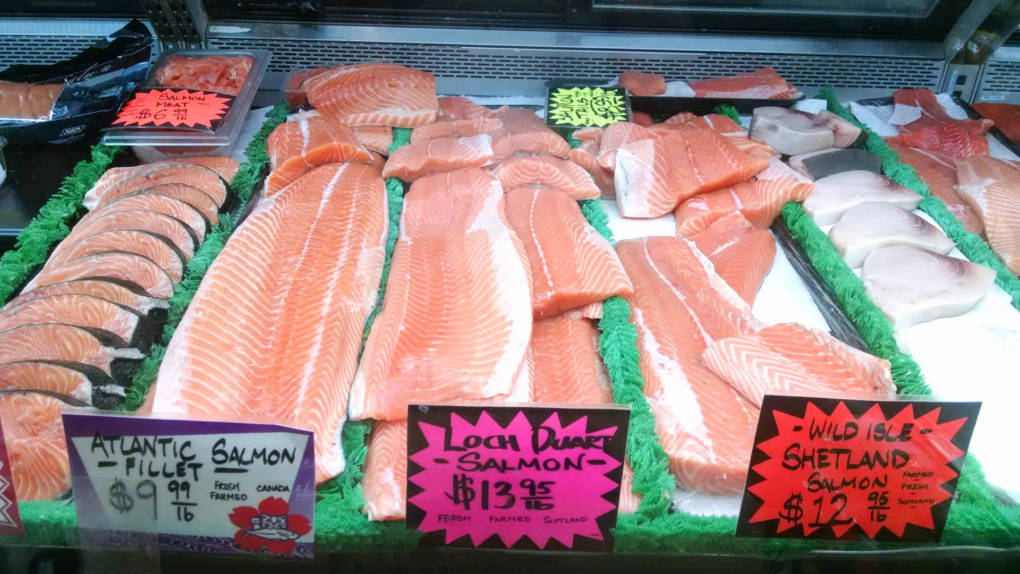
"caption": " Concerns over animal welfare have led to changes in recent years in raising livestock. But seafood has been missing from the conversation. One group aims to change that.",
"description": null,
"title": "Tokyo-8",
"credit": "Kelly O'Mara",
"status": "inherit",
"isLoading": false,
"fetchFailed": false
},
"bayareabites_121679": {
"type": "attachments",
"id": "bayareabites_121679",
"meta": {
"index": "attachments_1716263798",
"site": "bayareabites",
"id": "121679",
"found": true
},
"parent": 121678,
"imgSizes": {
"small": {
"file": "https://ww2.kqed.org/app/uploads/sites/24/2017/10/jose_andres_1_custom-0c37f2ffbcbf1bcef1a29ba0645a3d44c09bdd5e-520x347.jpg",
"width": 520,
"mimeType": "image/jpeg",
"height": 347
},
"twentyfourteen-full-width": {
"file": "https://ww2.kqed.org/app/uploads/sites/24/2017/10/jose_andres_1_custom-0c37f2ffbcbf1bcef1a29ba0645a3d44c09bdd5e-1038x576.jpg",
"width": 1038,
"mimeType": "image/jpeg",
"height": 576
},
"thumbnail": {
"file": "https://ww2.kqed.org/app/uploads/sites/24/2017/10/jose_andres_1_custom-0c37f2ffbcbf1bcef1a29ba0645a3d44c09bdd5e-160x107.jpg",
"width": 160,
"mimeType": "image/jpeg",
"height": 107
},
"fd-sm": {
"file": "https://ww2.kqed.org/app/uploads/sites/24/2017/10/jose_andres_1_custom-0c37f2ffbcbf1bcef1a29ba0645a3d44c09bdd5e-960x641.jpg",
"width": 960,
"mimeType": "image/jpeg",
"height": 641
},
"post-thumbnail": {
"file": "https://ww2.kqed.org/app/uploads/sites/24/2017/10/jose_andres_1_custom-0c37f2ffbcbf1bcef1a29ba0645a3d44c09bdd5e-672x372.jpg",
"width": 672,
"mimeType": "image/jpeg",
"height": 372
},
"xsmall": {
"file": "https://ww2.kqed.org/app/uploads/sites/24/2017/10/jose_andres_1_custom-0c37f2ffbcbf1bcef1a29ba0645a3d44c09bdd5e-375x250.jpg",
"width": 375,
"mimeType": "image/jpeg",
"height": 250
},
"kqedFullSize": {
"file": "https://ww2.kqed.org/app/uploads/sites/24/2017/10/jose_andres_1_custom-0c37f2ffbcbf1bcef1a29ba0645a3d44c09bdd5e.jpg",
"width": 3000,
"height": 2003
},
"large": {
"file": "https://ww2.kqed.org/app/uploads/sites/24/2017/10/jose_andres_1_custom-0c37f2ffbcbf1bcef1a29ba0645a3d44c09bdd5e-1020x681.jpg",
"width": 1020,
"mimeType": "image/jpeg",
"height": 681
},
"xlarge": {
"file": "https://ww2.kqed.org/app/uploads/sites/24/2017/10/jose_andres_1_custom-0c37f2ffbcbf1bcef1a29ba0645a3d44c09bdd5e-1180x788.jpg",
"width": 1180,
"mimeType": "image/jpeg",
"height": 788
},
"guest-author-50": {
"file": "https://ww2.kqed.org/app/uploads/sites/24/2017/10/jose_andres_1_custom-0c37f2ffbcbf1bcef1a29ba0645a3d44c09bdd5e-50x50.jpg",
"width": 50,
"mimeType": "image/jpeg",
"height": 50
},
"guest-author-96": {
"file": "https://ww2.kqed.org/app/uploads/sites/24/2017/10/jose_andres_1_custom-0c37f2ffbcbf1bcef1a29ba0645a3d44c09bdd5e-96x96.jpg",
"width": 96,
"mimeType": "image/jpeg",
"height": 96
},
"medium": {
"file": "https://ww2.kqed.org/app/uploads/sites/24/2017/10/jose_andres_1_custom-0c37f2ffbcbf1bcef1a29ba0645a3d44c09bdd5e-800x534.jpg",
"width": 800,
"mimeType": "image/jpeg",
"height": 534
},
"guest-author-64": {
"file": "https://ww2.kqed.org/app/uploads/sites/24/2017/10/jose_andres_1_custom-0c37f2ffbcbf1bcef1a29ba0645a3d44c09bdd5e-64x64.jpg",
"width": 64,
"mimeType": "image/jpeg",
"height": 64
},
"guest-author-32": {
"file": "https://ww2.kqed.org/app/uploads/sites/24/2017/10/jose_andres_1_custom-0c37f2ffbcbf1bcef1a29ba0645a3d44c09bdd5e-32x32.jpg",
"width": 32,
"mimeType": "image/jpeg",
"height": 32
},
"fd-lrg": {
"file": "https://ww2.kqed.org/app/uploads/sites/24/2017/10/jose_andres_1_custom-0c37f2ffbcbf1bcef1a29ba0645a3d44c09bdd5e-1920x1282.jpg",
"width": 1920,
"mimeType": "image/jpeg",
"height": 1282
},
"fd-med": {
"file": "https://ww2.kqed.org/app/uploads/sites/24/2017/10/jose_andres_1_custom-0c37f2ffbcbf1bcef1a29ba0645a3d44c09bdd5e-1180x788.jpg",
"width": 1180,
"mimeType": "image/jpeg",
"height": 788
},
"full-width": {
"file": "https://ww2.kqed.org/app/uploads/sites/24/2017/10/jose_andres_1_custom-0c37f2ffbcbf1bcef1a29ba0645a3d44c09bdd5e-1920x1282.jpg",
"width": 1920,
"mimeType": "image/jpeg",
"height": 1282
},
"detail": {
"file": "https://ww2.kqed.org/app/uploads/sites/24/2017/10/jose_andres_1_custom-0c37f2ffbcbf1bcef1a29ba0645a3d44c09bdd5e-150x150.jpg",
"width": 150,
"mimeType": "image/jpeg",
"height": 150
},
"medium_large": {
"file": "https://ww2.kqed.org/app/uploads/sites/24/2017/10/jose_andres_1_custom-0c37f2ffbcbf1bcef1a29ba0645a3d44c09bdd5e-768x513.jpg",
"width": 768,
"mimeType": "image/jpeg",
"height": 513
},
"guest-author-128": {
"file": "https://ww2.kqed.org/app/uploads/sites/24/2017/10/jose_andres_1_custom-0c37f2ffbcbf1bcef1a29ba0645a3d44c09bdd5e-128x128.jpg",
"width": 128,
"mimeType": "image/jpeg",
"height": 128
},
"xxsmall": {
"file": "https://ww2.kqed.org/app/uploads/sites/24/2017/10/jose_andres_1_custom-0c37f2ffbcbf1bcef1a29ba0645a3d44c09bdd5e-240x160.jpg",
"width": 240,
"mimeType": "image/jpeg",
"height": 160
}
},
"publishDate": 1508537146,
"modified": 1508538042,
"caption": null,
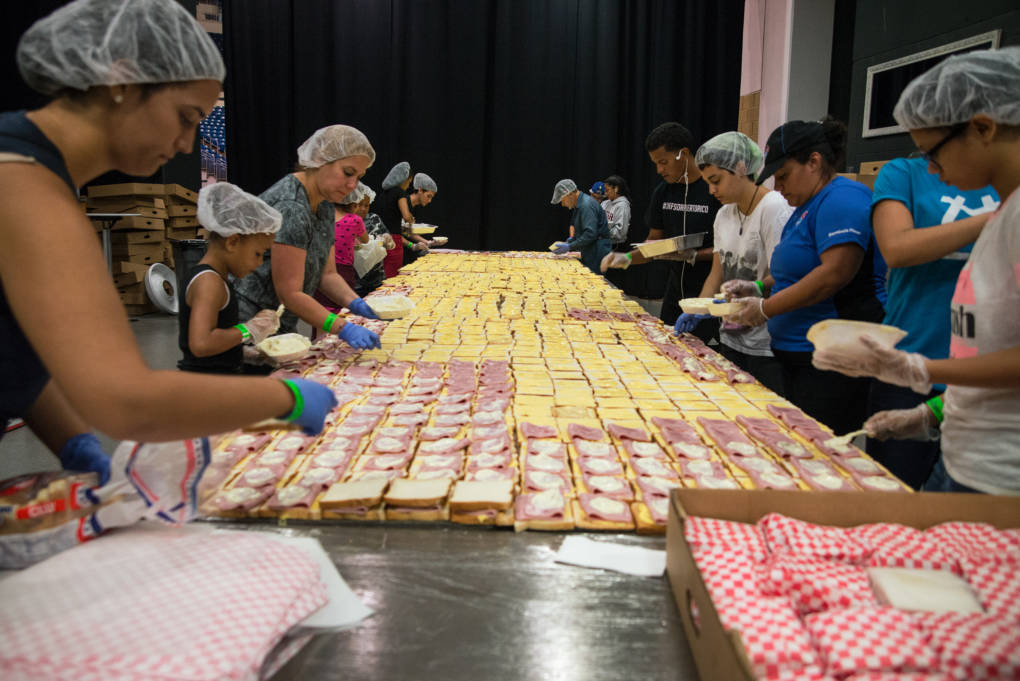
"description": "Volunteers assemble tens of thousands of sandwiches each day at the Coliseo in San Juan, Puerto Rico. Chef Jose Andres, who is overseeing the massive effort to feed displaced Puerto Ricans, calls it \"one of the most effective sandwich lines made by volunteers in history — I'm so proud of them",
"title": "Volunteers assemble tens of thousands of sandwiches each day at the Coliseo in San Juan, Puerto Rico. Chef Jose Andres, who is overseeing the massive effort to feed displaced Puerto Ricans, calls it \"one of the most effective sandwich lines made by volunteers in history — I'm so proud of them.\"",
"credit": "Christina Calas/NPR",
"status": "inherit",
"isLoading": false,
"fetchFailed": false
},
"bayareabites_121661": {
"type": "attachments",
"id": "bayareabites_121661",
"meta": {
"index": "attachments_1716263798",
"site": "bayareabites",
"id": "121661",
"found": true
},
"parent": 121656,
"imgSizes": {
"small": {
"file": "https://ww2.kqed.org/app/uploads/sites/24/2017/10/Screen-Shot-2017-10-17-at-2.54.07-PM-520x263.png",
"width": 520,
"mimeType": "image/png",
"height": 263
},
"twentyfourteen-full-width": {
"file": "https://ww2.kqed.org/app/uploads/sites/24/2017/10/Screen-Shot-2017-10-17-at-2.54.07-PM-1038x576.png",
"width": 1038,
"mimeType": "image/png",
"height": 576
},
"thumbnail": {
"file": "https://ww2.kqed.org/app/uploads/sites/24/2017/10/Screen-Shot-2017-10-17-at-2.54.07-PM-160x81.png",
"width": 160,
"mimeType": "image/png",
"height": 81
},
"fd-sm": {
"file": "https://ww2.kqed.org/app/uploads/sites/24/2017/10/Screen-Shot-2017-10-17-at-2.54.07-PM-960x485.png",
"width": 960,
"mimeType": "image/png",
"height": 485
},
"post-thumbnail": {
"file": "https://ww2.kqed.org/app/uploads/sites/24/2017/10/Screen-Shot-2017-10-17-at-2.54.07-PM-672x372.png",
"width": 672,
"mimeType": "image/png",
"height": 372
},
"xsmall": {
"file": "https://ww2.kqed.org/app/uploads/sites/24/2017/10/Screen-Shot-2017-10-17-at-2.54.07-PM-375x190.png",
"width": 375,
"mimeType": "image/png",
"height": 190
},
"kqedFullSize": {
"file": "https://ww2.kqed.org/app/uploads/sites/24/2017/10/Screen-Shot-2017-10-17-at-2.54.07-PM.png",
"width": 2770,
"height": 1400
},
"large": {
"file": "https://ww2.kqed.org/app/uploads/sites/24/2017/10/Screen-Shot-2017-10-17-at-2.54.07-PM-1020x516.png",
"width": 1020,
"mimeType": "image/png",
"height": 516
},
"xlarge": {
"file": "https://ww2.kqed.org/app/uploads/sites/24/2017/10/Screen-Shot-2017-10-17-at-2.54.07-PM-1180x596.png",
"width": 1180,
"mimeType": "image/png",
"height": 596
},
"guest-author-50": {
"file": "https://ww2.kqed.org/app/uploads/sites/24/2017/10/Screen-Shot-2017-10-17-at-2.54.07-PM-50x50.png",
"width": 50,
"mimeType": "image/png",
"height": 50
},
"guest-author-96": {
"file": "https://ww2.kqed.org/app/uploads/sites/24/2017/10/Screen-Shot-2017-10-17-at-2.54.07-PM-96x96.png",
"width": 96,
"mimeType": "image/png",
"height": 96
},
"medium": {
"file": "https://ww2.kqed.org/app/uploads/sites/24/2017/10/Screen-Shot-2017-10-17-at-2.54.07-PM-800x404.png",
"width": 800,
"mimeType": "image/png",
"height": 404
},
"guest-author-64": {
"file": "https://ww2.kqed.org/app/uploads/sites/24/2017/10/Screen-Shot-2017-10-17-at-2.54.07-PM-64x64.png",
"width": 64,
"mimeType": "image/png",
"height": 64
},
"guest-author-32": {
"file": "https://ww2.kqed.org/app/uploads/sites/24/2017/10/Screen-Shot-2017-10-17-at-2.54.07-PM-32x32.png",
"width": 32,
"mimeType": "image/png",
"height": 32
},
"fd-lrg": {
"file": "https://ww2.kqed.org/app/uploads/sites/24/2017/10/Screen-Shot-2017-10-17-at-2.54.07-PM-1920x970.png",
"width": 1920,
"mimeType": "image/png",
"height": 970
},
"fd-med": {
"file": "https://ww2.kqed.org/app/uploads/sites/24/2017/10/Screen-Shot-2017-10-17-at-2.54.07-PM-1180x596.png",
"width": 1180,
"mimeType": "image/png",
"height": 596
},
"full-width": {
"file": "https://ww2.kqed.org/app/uploads/sites/24/2017/10/Screen-Shot-2017-10-17-at-2.54.07-PM-1920x970.png",
"width": 1920,
"mimeType": "image/png",
"height": 970
},
"detail": {
"file": "https://ww2.kqed.org/app/uploads/sites/24/2017/10/Screen-Shot-2017-10-17-at-2.54.07-PM-150x150.png",
"width": 150,
"mimeType": "image/png",
"height": 150
},
"medium_large": {
"file": "https://ww2.kqed.org/app/uploads/sites/24/2017/10/Screen-Shot-2017-10-17-at-2.54.07-PM-768x388.png",
"width": 768,
"mimeType": "image/png",
"height": 388
},
"guest-author-128": {
"file": "https://ww2.kqed.org/app/uploads/sites/24/2017/10/Screen-Shot-2017-10-17-at-2.54.07-PM-128x128.png",
"width": 128,
"mimeType": "image/png",
"height": 128
},
"xxsmall": {
"file": "https://ww2.kqed.org/app/uploads/sites/24/2017/10/Screen-Shot-2017-10-17-at-2.54.07-PM-240x121.png",
"width": 240,
"mimeType": "image/png",
"height": 121
}
},
"publishDate": 1508277276,
"modified": 1508277365,
"caption": "Anthony Bourdain in new documentary, Wasted! The Story of Food Waste.",
"description": null,
"title": "Screen Shot 2017-10-17 at 2.54.07 PM",
"credit": null,
"status": "inherit",
"isLoading": false,
"fetchFailed": false
},
"bayareabites_121648": {
"type": "attachments",
"id": "bayareabites_121648",
"meta": {
"index": "attachments_1716263798",
"site": "bayareabites",
"id": "121648",
"found": true
},
"parent": 121647,
"imgSizes": {
"small": {
"file": "https://ww2.kqed.org/app/uploads/sites/24/2017/10/img_6034_custom-1ff1b0eaf37498b6767c34bd47a25ce954eeb9ad-520x346.jpg",
"width": 520,
"mimeType": "image/jpeg",
"height": 346
},
"twentyfourteen-full-width": {
"file": "https://ww2.kqed.org/app/uploads/sites/24/2017/10/img_6034_custom-1ff1b0eaf37498b6767c34bd47a25ce954eeb9ad-1038x576.jpg",
"width": 1038,
"mimeType": "image/jpeg",
"height": 576
},
"thumbnail": {
"file": "https://ww2.kqed.org/app/uploads/sites/24/2017/10/img_6034_custom-1ff1b0eaf37498b6767c34bd47a25ce954eeb9ad-160x107.jpg",
"width": 160,
"mimeType": "image/jpeg",
"height": 107
},
"fd-sm": {
"file": "https://ww2.kqed.org/app/uploads/sites/24/2017/10/img_6034_custom-1ff1b0eaf37498b6767c34bd47a25ce954eeb9ad-960x639.jpg",
"width": 960,
"mimeType": "image/jpeg",
"height": 639
},
"post-thumbnail": {
"file": "https://ww2.kqed.org/app/uploads/sites/24/2017/10/img_6034_custom-1ff1b0eaf37498b6767c34bd47a25ce954eeb9ad-672x372.jpg",
"width": 672,
"mimeType": "image/jpeg",
"height": 372
},
"xsmall": {
"file": "https://ww2.kqed.org/app/uploads/sites/24/2017/10/img_6034_custom-1ff1b0eaf37498b6767c34bd47a25ce954eeb9ad-375x250.jpg",
"width": 375,
"mimeType": "image/jpeg",
"height": 250
},
"kqedFullSize": {
"file": "https://ww2.kqed.org/app/uploads/sites/24/2017/10/img_6034_custom-1ff1b0eaf37498b6767c34bd47a25ce954eeb9ad.jpg",
"width": 3000,
"height": 1998
},
"large": {
"file": "https://ww2.kqed.org/app/uploads/sites/24/2017/10/img_6034_custom-1ff1b0eaf37498b6767c34bd47a25ce954eeb9ad-1020x679.jpg",
"width": 1020,
"mimeType": "image/jpeg",
"height": 679
},
"xlarge": {
"file": "https://ww2.kqed.org/app/uploads/sites/24/2017/10/img_6034_custom-1ff1b0eaf37498b6767c34bd47a25ce954eeb9ad-1180x786.jpg",
"width": 1180,
"mimeType": "image/jpeg",
"height": 786
},
"guest-author-50": {
"file": "https://ww2.kqed.org/app/uploads/sites/24/2017/10/img_6034_custom-1ff1b0eaf37498b6767c34bd47a25ce954eeb9ad-50x50.jpg",
"width": 50,
"mimeType": "image/jpeg",
"height": 50
},
"guest-author-96": {
"file": "https://ww2.kqed.org/app/uploads/sites/24/2017/10/img_6034_custom-1ff1b0eaf37498b6767c34bd47a25ce954eeb9ad-96x96.jpg",
"width": 96,
"mimeType": "image/jpeg",
"height": 96
},
"medium": {
"file": "https://ww2.kqed.org/app/uploads/sites/24/2017/10/img_6034_custom-1ff1b0eaf37498b6767c34bd47a25ce954eeb9ad-800x533.jpg",
"width": 800,
"mimeType": "image/jpeg",
"height": 533
},
"guest-author-64": {
"file": "https://ww2.kqed.org/app/uploads/sites/24/2017/10/img_6034_custom-1ff1b0eaf37498b6767c34bd47a25ce954eeb9ad-64x64.jpg",
"width": 64,
"mimeType": "image/jpeg",
"height": 64
},
"guest-author-32": {
"file": "https://ww2.kqed.org/app/uploads/sites/24/2017/10/img_6034_custom-1ff1b0eaf37498b6767c34bd47a25ce954eeb9ad-32x32.jpg",
"width": 32,
"mimeType": "image/jpeg",
"height": 32
},
"fd-lrg": {
"file": "https://ww2.kqed.org/app/uploads/sites/24/2017/10/img_6034_custom-1ff1b0eaf37498b6767c34bd47a25ce954eeb9ad-1920x1279.jpg",
"width": 1920,
"mimeType": "image/jpeg",
"height": 1279
},
"fd-med": {
"file": "https://ww2.kqed.org/app/uploads/sites/24/2017/10/img_6034_custom-1ff1b0eaf37498b6767c34bd47a25ce954eeb9ad-1180x786.jpg",
"width": 1180,
"mimeType": "image/jpeg",
"height": 786
},
"full-width": {
"file": "https://ww2.kqed.org/app/uploads/sites/24/2017/10/img_6034_custom-1ff1b0eaf37498b6767c34bd47a25ce954eeb9ad-1920x1279.jpg",
"width": 1920,
"mimeType": "image/jpeg",
"height": 1279
},
"detail": {
"file": "https://ww2.kqed.org/app/uploads/sites/24/2017/10/img_6034_custom-1ff1b0eaf37498b6767c34bd47a25ce954eeb9ad-150x150.jpg",
"width": 150,
"mimeType": "image/jpeg",
"height": 150
},
"medium_large": {
"file": "https://ww2.kqed.org/app/uploads/sites/24/2017/10/img_6034_custom-1ff1b0eaf37498b6767c34bd47a25ce954eeb9ad-768x511.jpg",
"width": 768,
"mimeType": "image/jpeg",
"height": 511
},
"guest-author-128": {
"file": "https://ww2.kqed.org/app/uploads/sites/24/2017/10/img_6034_custom-1ff1b0eaf37498b6767c34bd47a25ce954eeb9ad-128x128.jpg",
"width": 128,
"mimeType": "image/jpeg",
"height": 128
},
"xxsmall": {
"file": "https://ww2.kqed.org/app/uploads/sites/24/2017/10/img_6034_custom-1ff1b0eaf37498b6767c34bd47a25ce954eeb9ad-240x160.jpg",
"width": 240,
"mimeType": "image/jpeg",
"height": 160
}
},
"publishDate": 1508201327,
"modified": 1508201446,
"caption": "Brent Henderson harvests soybeans on his farm near Weona, Ark. \"If it's going to be legal to use and neighbors are planting it, I'm going to have to plant [dicamba-tolerant soybeans] to protect myself,\" he says. \"It's very annoying. ... My neighbor should not dictate what I do on my farm.\"",
"description": "Brent Henderson harvests soybeans on his farm near Weona, Ark. \"If it's going to be legal to use and neighbors are planting it, I'm going to have to plant [dicamba-tolerant soybeans] to protect myself,\" he says. \"It's very annoying. ... My neighbor should not dictate what I do on my farm.",
"title": "Brent Henderson harvests soybeans on his farm near Weona, Ark. \"If it's going to be legal to use and neighbors are planting it, I'm going to have to plant [dicamba-tolerant soybeans] to protect myself,\" he says. \"It's very annoying. ... My neighbor should not dictate what I do on my farm.\"",
"credit": "Dan Charles/NPR",
"status": "inherit",
"isLoading": false,
"fetchFailed": false
},
"bayareabites_121348": {
"type": "attachments",
"id": "bayareabites_121348",
"meta": {
"index": "attachments_1716263798",
"site": "bayareabites",
"id": "121348",
"found": true
},
"parent": 121345,
"imgSizes": {
"small": {
"file": "https://ww2.kqed.org/app/uploads/sites/24/2017/10/plastic-containers-520x390.jpg",
"width": 520,
"mimeType": "image/jpeg",
"height": 390
},
"twentyfourteen-full-width": {
"file": "https://ww2.kqed.org/app/uploads/sites/24/2017/10/plastic-containers-1038x576.jpg",
"width": 1038,
"mimeType": "image/jpeg",
"height": 576
},
"thumbnail": {
"file": "https://ww2.kqed.org/app/uploads/sites/24/2017/10/plastic-containers-160x120.jpg",
"width": 160,
"mimeType": "image/jpeg",
"height": 120
},
"fd-sm": {
"file": "https://ww2.kqed.org/app/uploads/sites/24/2017/10/plastic-containers-960x720.jpg",
"width": 960,
"mimeType": "image/jpeg",
"height": 720
},
"post-thumbnail": {
"file": "https://ww2.kqed.org/app/uploads/sites/24/2017/10/plastic-containers-672x372.jpg",
"width": 672,
"mimeType": "image/jpeg",
"height": 372
},
"xsmall": {
"file": "https://ww2.kqed.org/app/uploads/sites/24/2017/10/plastic-containers-375x281.jpg",
"width": 375,
"mimeType": "image/jpeg",
"height": 281
},
"kqedFullSize": {
"file": "https://ww2.kqed.org/app/uploads/sites/24/2017/10/plastic-containers.jpg",
"width": 1920,
"height": 1440
},
"large": {
"file": "https://ww2.kqed.org/app/uploads/sites/24/2017/10/plastic-containers-1020x765.jpg",
"width": 1020,
"mimeType": "image/jpeg",
"height": 765
},
"xlarge": {
"file": "https://ww2.kqed.org/app/uploads/sites/24/2017/10/plastic-containers-1180x885.jpg",
"width": 1180,
"mimeType": "image/jpeg",
"height": 885
},
"guest-author-50": {
"file": "https://ww2.kqed.org/app/uploads/sites/24/2017/10/plastic-containers-50x50.jpg",
"width": 50,
"mimeType": "image/jpeg",
"height": 50
},
"guest-author-96": {
"file": "https://ww2.kqed.org/app/uploads/sites/24/2017/10/plastic-containers-96x96.jpg",
"width": 96,
"mimeType": "image/jpeg",
"height": 96
},
"medium": {
"file": "https://ww2.kqed.org/app/uploads/sites/24/2017/10/plastic-containers-800x600.jpg",
"width": 800,
"mimeType": "image/jpeg",
"height": 600
},
"guest-author-64": {
"file": "https://ww2.kqed.org/app/uploads/sites/24/2017/10/plastic-containers-64x64.jpg",
"width": 64,
"mimeType": "image/jpeg",
"height": 64
},
"guest-author-32": {
"file": "https://ww2.kqed.org/app/uploads/sites/24/2017/10/plastic-containers-32x32.jpg",
"width": 32,
"mimeType": "image/jpeg",
"height": 32
},
"fd-lrg": {
"file": "https://ww2.kqed.org/app/uploads/sites/24/2017/10/plastic-containers-1920x1440.jpg",
"width": 1920,
"mimeType": "image/jpeg",
"height": 1440
},
"fd-med": {
"file": "https://ww2.kqed.org/app/uploads/sites/24/2017/10/plastic-containers-1180x885.jpg",
"width": 1180,
"mimeType": "image/jpeg",
"height": 885
},
"full-width": {
"file": "https://ww2.kqed.org/app/uploads/sites/24/2017/10/plastic-containers-1920x1440.jpg",
"width": 1920,
"mimeType": "image/jpeg",
"height": 1440
},
"detail": {
"file": "https://ww2.kqed.org/app/uploads/sites/24/2017/10/plastic-containers-150x150.jpg",
"width": 150,
"mimeType": "image/jpeg",
"height": 150
},
"medium_large": {
"file": "https://ww2.kqed.org/app/uploads/sites/24/2017/10/plastic-containers-768x576.jpg",
"width": 768,
"mimeType": "image/jpeg",
"height": 576
},
"guest-author-128": {
"file": "https://ww2.kqed.org/app/uploads/sites/24/2017/10/plastic-containers-128x128.jpg",
"width": 128,
"mimeType": "image/jpeg",
"height": 128
},
"xxsmall": {
"file": "https://ww2.kqed.org/app/uploads/sites/24/2017/10/plastic-containers-240x180.jpg",
"width": 240,
"mimeType": "image/jpeg",
"height": 180
}
},
"publishDate": 1507316480,
"modified": 1507316519,
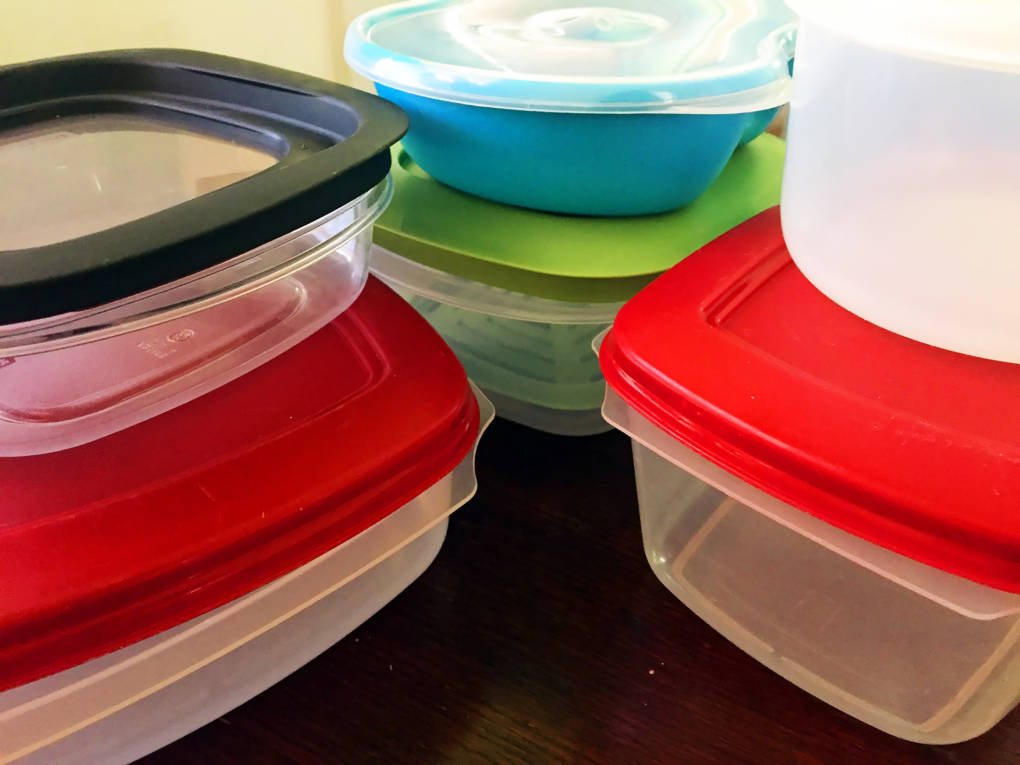
"caption": "Manufacturers are not required to disclose if BPA, or other similar compounds, are used in their packaging.",
"description": null,
"title": "plastic-containers",
"credit": "Wendy Goodfriend",
"status": "inherit",
"isLoading": false,
"fetchFailed": false
},
"bayareabites_121194": {
"type": "attachments",
"id": "bayareabites_121194",
"meta": {
"index": "attachments_1716263798",
"site": "bayareabites",
"id": "121194",
"found": true
},
"parent": 121193,
"imgSizes": {
"small": {
"file": "https://ww2.kqed.org/app/uploads/sites/24/2017/10/benjerry_wide-6d8b99dc2ea04dacf7f67e537e530438bbe37b08-520x293.jpg",
"width": 520,
"mimeType": "image/jpeg",
"height": 293
},
"thumbnail": {
"file": "https://ww2.kqed.org/app/uploads/sites/24/2017/10/benjerry_wide-6d8b99dc2ea04dacf7f67e537e530438bbe37b08-160x90.jpg",
"width": 160,
"mimeType": "image/jpeg",
"height": 90
},
"post-thumbnail": {
"file": "https://ww2.kqed.org/app/uploads/sites/24/2017/10/benjerry_wide-6d8b99dc2ea04dacf7f67e537e530438bbe37b08-672x372.jpg",
"width": 672,
"mimeType": "image/jpeg",
"height": 372
},
"xsmall": {
"file": "https://ww2.kqed.org/app/uploads/sites/24/2017/10/benjerry_wide-6d8b99dc2ea04dacf7f67e537e530438bbe37b08-375x211.jpg",
"width": 375,
"mimeType": "image/jpeg",
"height": 211
},
"kqedFullSize": {
"file": "https://ww2.kqed.org/app/uploads/sites/24/2017/10/benjerry_wide-6d8b99dc2ea04dacf7f67e537e530438bbe37b08.jpg",
"width": 800,
"height": 450
},
"guest-author-50": {
"file": "https://ww2.kqed.org/app/uploads/sites/24/2017/10/benjerry_wide-6d8b99dc2ea04dacf7f67e537e530438bbe37b08-50x50.jpg",
"width": 50,
"mimeType": "image/jpeg",
"height": 50
},
"guest-author-96": {
"file": "https://ww2.kqed.org/app/uploads/sites/24/2017/10/benjerry_wide-6d8b99dc2ea04dacf7f67e537e530438bbe37b08-96x96.jpg",
"width": 96,
"mimeType": "image/jpeg",
"height": 96
},
"medium": {
"file": "https://ww2.kqed.org/app/uploads/sites/24/2017/10/benjerry_wide-6d8b99dc2ea04dacf7f67e537e530438bbe37b08-800x450.jpg",
"width": 800,
"mimeType": "image/jpeg",
"height": 450
},
"guest-author-64": {
"file": "https://ww2.kqed.org/app/uploads/sites/24/2017/10/benjerry_wide-6d8b99dc2ea04dacf7f67e537e530438bbe37b08-64x64.jpg",
"width": 64,
"mimeType": "image/jpeg",
"height": 64
},
"guest-author-32": {
"file": "https://ww2.kqed.org/app/uploads/sites/24/2017/10/benjerry_wide-6d8b99dc2ea04dacf7f67e537e530438bbe37b08-32x32.jpg",
"width": 32,
"mimeType": "image/jpeg",
"height": 32
},
"detail": {
"file": "https://ww2.kqed.org/app/uploads/sites/24/2017/10/benjerry_wide-6d8b99dc2ea04dacf7f67e537e530438bbe37b08-150x150.jpg",
"width": 150,
"mimeType": "image/jpeg",
"height": 150
},
"medium_large": {
"file": "https://ww2.kqed.org/app/uploads/sites/24/2017/10/benjerry_wide-6d8b99dc2ea04dacf7f67e537e530438bbe37b08-768x432.jpg",
"width": 768,
"mimeType": "image/jpeg",
"height": 432
},
"guest-author-128": {
"file": "https://ww2.kqed.org/app/uploads/sites/24/2017/10/benjerry_wide-6d8b99dc2ea04dacf7f67e537e530438bbe37b08-128x128.jpg",
"width": 128,
"mimeType": "image/jpeg",
"height": 128
},
"xxsmall": {
"file": "https://ww2.kqed.org/app/uploads/sites/24/2017/10/benjerry_wide-6d8b99dc2ea04dacf7f67e537e530438bbe37b08-240x135.jpg",
"width": 240,
"mimeType": "image/jpeg",
"height": 135
}
},
"publishDate": 1507144080,
"modified": 1507145684,
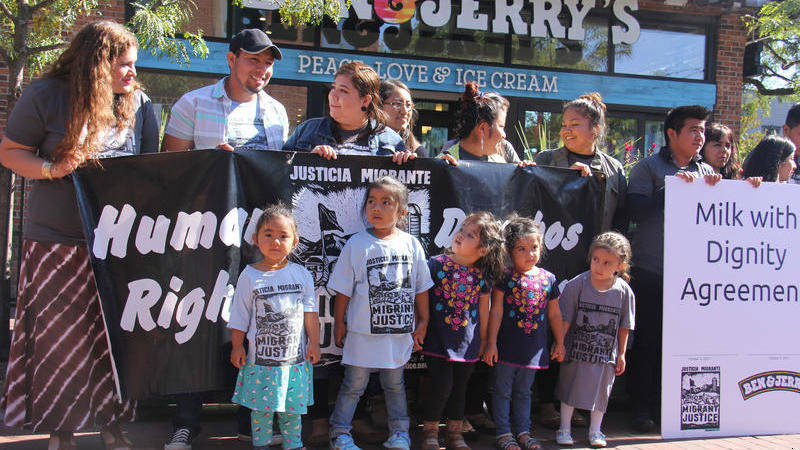
"caption": "Migrant Justice activists gather to celebrate the signing of an agreement with Ben & Jerry's that took two years to negotiate.",
"description": "Migrant Justice activists gather to celebrate the signing of an agreement with Ben",
"title": "Migrant Justice activists gather to celebrate the signing of an agreement with Ben & Jerry's that took two years to negotiate.",
"credit": "Kathleen Masterson/Vermont Public Radio",
"status": "inherit",
"isLoading": false,
"fetchFailed": false
},
"bayareabites_121176": {
"type": "attachments",
"id": "bayareabites_121176",
"meta": {
"index": "attachments_1716263798",
"site": "bayareabites",
"id": "121176",
"found": true
},
"parent": 121175,
"imgSizes": {
"small": {
"file": "https://ww2.kqed.org/app/uploads/sites/24/2017/10/img_7459-9a224649609ed27f7f728be72217480c97279579-520x390.jpg",
"width": 520,
"mimeType": "image/jpeg",
"height": 390
},
"twentyfourteen-full-width": {
"file": "https://ww2.kqed.org/app/uploads/sites/24/2017/10/img_7459-9a224649609ed27f7f728be72217480c97279579-1038x576.jpg",
"width": 1038,
"mimeType": "image/jpeg",
"height": 576
},
"thumbnail": {
"file": "https://ww2.kqed.org/app/uploads/sites/24/2017/10/img_7459-9a224649609ed27f7f728be72217480c97279579-160x120.jpg",
"width": 160,
"mimeType": "image/jpeg",
"height": 120
},
"fd-sm": {
"file": "https://ww2.kqed.org/app/uploads/sites/24/2017/10/img_7459-9a224649609ed27f7f728be72217480c97279579-960x720.jpg",
"width": 960,
"mimeType": "image/jpeg",
"height": 720
},
"post-thumbnail": {
"file": "https://ww2.kqed.org/app/uploads/sites/24/2017/10/img_7459-9a224649609ed27f7f728be72217480c97279579-672x372.jpg",
"width": 672,
"mimeType": "image/jpeg",
"height": 372
},
"xsmall": {
"file": "https://ww2.kqed.org/app/uploads/sites/24/2017/10/img_7459-9a224649609ed27f7f728be72217480c97279579-375x281.jpg",
"width": 375,
"mimeType": "image/jpeg",
"height": 281
},
"kqedFullSize": {
"file": "https://ww2.kqed.org/app/uploads/sites/24/2017/10/img_7459-9a224649609ed27f7f728be72217480c97279579-e1507056506853.jpg",
"width": 1920,
"height": 1440
},
"large": {
"file": "https://ww2.kqed.org/app/uploads/sites/24/2017/10/img_7459-9a224649609ed27f7f728be72217480c97279579-1020x765.jpg",
"width": 1020,
"mimeType": "image/jpeg",
"height": 765
},
"xlarge": {
"file": "https://ww2.kqed.org/app/uploads/sites/24/2017/10/img_7459-9a224649609ed27f7f728be72217480c97279579-1180x885.jpg",
"width": 1180,
"mimeType": "image/jpeg",
"height": 885
},
"guest-author-50": {
"file": "https://ww2.kqed.org/app/uploads/sites/24/2017/10/img_7459-9a224649609ed27f7f728be72217480c97279579-50x50.jpg",
"width": 50,
"mimeType": "image/jpeg",
"height": 50
},
"guest-author-96": {
"file": "https://ww2.kqed.org/app/uploads/sites/24/2017/10/img_7459-9a224649609ed27f7f728be72217480c97279579-96x96.jpg",
"width": 96,
"mimeType": "image/jpeg",
"height": 96
},
"medium": {
"file": "https://ww2.kqed.org/app/uploads/sites/24/2017/10/img_7459-9a224649609ed27f7f728be72217480c97279579-800x600.jpg",
"width": 800,
"mimeType": "image/jpeg",
"height": 600
},
"guest-author-64": {
"file": "https://ww2.kqed.org/app/uploads/sites/24/2017/10/img_7459-9a224649609ed27f7f728be72217480c97279579-64x64.jpg",
"width": 64,
"mimeType": "image/jpeg",
"height": 64
},
"guest-author-32": {
"file": "https://ww2.kqed.org/app/uploads/sites/24/2017/10/img_7459-9a224649609ed27f7f728be72217480c97279579-32x32.jpg",
"width": 32,
"mimeType": "image/jpeg",
"height": 32
},
"fd-lrg": {
"file": "https://ww2.kqed.org/app/uploads/sites/24/2017/10/img_7459-9a224649609ed27f7f728be72217480c97279579-1920x1440.jpg",
"width": 1920,
"mimeType": "image/jpeg",
"height": 1440
},
"fd-med": {
"file": "https://ww2.kqed.org/app/uploads/sites/24/2017/10/img_7459-9a224649609ed27f7f728be72217480c97279579-1180x885.jpg",
"width": 1180,
"mimeType": "image/jpeg",
"height": 885
},
"full-width": {
"file": "https://ww2.kqed.org/app/uploads/sites/24/2017/10/img_7459-9a224649609ed27f7f728be72217480c97279579-1920x1440.jpg",
"width": 1920,
"mimeType": "image/jpeg",
"height": 1440
},
"detail": {
"file": "https://ww2.kqed.org/app/uploads/sites/24/2017/10/img_7459-9a224649609ed27f7f728be72217480c97279579-150x150.jpg",
"width": 150,
"mimeType": "image/jpeg",
"height": 150
},
"medium_large": {
"file": "https://ww2.kqed.org/app/uploads/sites/24/2017/10/img_7459-9a224649609ed27f7f728be72217480c97279579-768x576.jpg",
"width": 768,
"mimeType": "image/jpeg",
"height": 576
},
"guest-author-128": {
"file": "https://ww2.kqed.org/app/uploads/sites/24/2017/10/img_7459-9a224649609ed27f7f728be72217480c97279579-128x128.jpg",
"width": 128,
"mimeType": "image/jpeg",
"height": 128
},
"xxsmall": {
"file": "https://ww2.kqed.org/app/uploads/sites/24/2017/10/img_7459-9a224649609ed27f7f728be72217480c97279579-240x180.jpg",
"width": 240,
"mimeType": "image/jpeg",
"height": 180
}
},
"publishDate": 1507054092,
"modified": 1507056566,
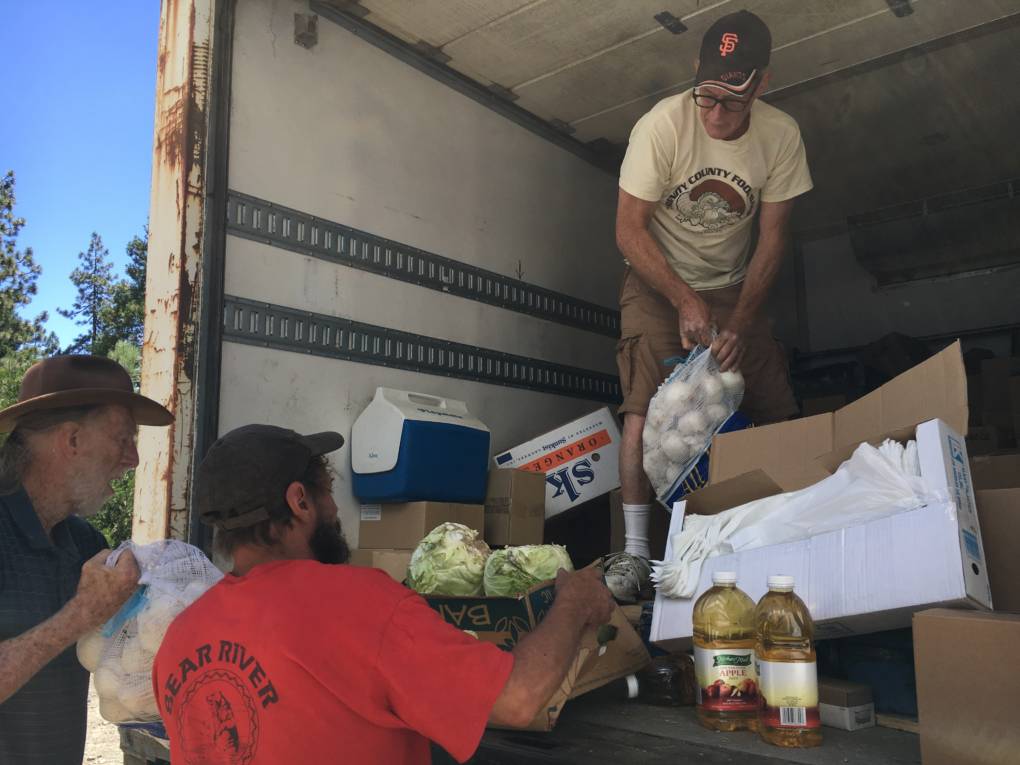
"caption": "Jeff England, director of the Trinity County Food Bank, delivers items in remote Zenia, Calif. The closest large grocery store is 100 miles away.",
"description": "Jeff England, director of the Trinity County Food Bank, delivers items in remote Zenia, Calif. The closest large grocery store is 100 miles away.",
"title": "Jeff England, director of the Trinity County Food Bank, delivers items in remote Zenia, Calif. The closest large grocery store is 100 miles away.",
"credit": "Lisa Morehouse",
"status": "inherit",
"isLoading": false,
"fetchFailed": false
},
"bayareabites_121112": {
"type": "attachments",
"id": "bayareabites_121112",
"meta": {
"index": "attachments_1716263798",
"site": "bayareabites",
"id": "121112",
"found": true
},
"parent": 121110,
"imgSizes": {
"small": {
"file": "https://ww2.kqed.org/app/uploads/sites/24/2017/09/170925-organic-label-520x347.jpg",
"width": 520,
"mimeType": "image/jpeg",
"height": 347
},
"twentyfourteen-full-width": {
"file": "https://ww2.kqed.org/app/uploads/sites/24/2017/09/170925-organic-label-1038x576.jpg",
"width": 1038,
"mimeType": "image/jpeg",
"height": 576
},
"thumbnail": {
"file": "https://ww2.kqed.org/app/uploads/sites/24/2017/09/170925-organic-label-160x107.jpg",
"width": 160,
"mimeType": "image/jpeg",
"height": 107
},
"fd-sm": {
"file": "https://ww2.kqed.org/app/uploads/sites/24/2017/09/170925-organic-label-960x640.jpg",
"width": 960,
"mimeType": "image/jpeg",
"height": 640
},
"post-thumbnail": {
"file": "https://ww2.kqed.org/app/uploads/sites/24/2017/09/170925-organic-label-672x372.jpg",
"width": 672,
"mimeType": "image/jpeg",
"height": 372
},
"xsmall": {
"file": "https://ww2.kqed.org/app/uploads/sites/24/2017/09/170925-organic-label-375x250.jpg",
"width": 375,
"mimeType": "image/jpeg",
"height": 250
},
"kqedFullSize": {
"file": "https://ww2.kqed.org/app/uploads/sites/24/2017/09/170925-organic-label.jpg",
"width": 1200,
"height": 800
},
"large": {
"file": "https://ww2.kqed.org/app/uploads/sites/24/2017/09/170925-organic-label-1020x680.jpg",
"width": 1020,
"mimeType": "image/jpeg",
"height": 680
},
"xlarge": {
"file": "https://ww2.kqed.org/app/uploads/sites/24/2017/09/170925-organic-label-1180x787.jpg",
"width": 1180,
"mimeType": "image/jpeg",
"height": 787
},
"guest-author-50": {
"file": "https://ww2.kqed.org/app/uploads/sites/24/2017/09/170925-organic-label-50x50.jpg",
"width": 50,
"mimeType": "image/jpeg",
"height": 50
},
"guest-author-96": {
"file": "https://ww2.kqed.org/app/uploads/sites/24/2017/09/170925-organic-label-96x96.jpg",
"width": 96,
"mimeType": "image/jpeg",
"height": 96
},
"medium": {
"file": "https://ww2.kqed.org/app/uploads/sites/24/2017/09/170925-organic-label-800x533.jpg",
"width": 800,
"mimeType": "image/jpeg",
"height": 533
},
"guest-author-64": {
"file": "https://ww2.kqed.org/app/uploads/sites/24/2017/09/170925-organic-label-64x64.jpg",
"width": 64,
"mimeType": "image/jpeg",
"height": 64
},
"guest-author-32": {
"file": "https://ww2.kqed.org/app/uploads/sites/24/2017/09/170925-organic-label-32x32.jpg",
"width": 32,
"mimeType": "image/jpeg",
"height": 32
},
"fd-med": {
"file": "https://ww2.kqed.org/app/uploads/sites/24/2017/09/170925-organic-label-1180x787.jpg",
"width": 1180,
"mimeType": "image/jpeg",
"height": 787
},
"detail": {
"file": "https://ww2.kqed.org/app/uploads/sites/24/2017/09/170925-organic-label-150x150.jpg",
"width": 150,
"mimeType": "image/jpeg",
"height": 150
},
"medium_large": {
"file": "https://ww2.kqed.org/app/uploads/sites/24/2017/09/170925-organic-label-768x512.jpg",
"width": 768,
"mimeType": "image/jpeg",
"height": 512
},
"guest-author-128": {
"file": "https://ww2.kqed.org/app/uploads/sites/24/2017/09/170925-organic-label-128x128.jpg",
"width": 128,
"mimeType": "image/jpeg",
"height": 128
},
"xxsmall": {
"file": "https://ww2.kqed.org/app/uploads/sites/24/2017/09/170925-organic-label-240x160.jpg",
"width": 240,
"mimeType": "image/jpeg",
"height": 160
}
},
"publishDate": 1506644040,
"modified": 1506644188,
"caption": "U.S. Department of Agriculture",
"description": null,
"title": "170925-organic-label",
"credit": "Photo CC-licensed by \u003ca href=\"https://www.flickr.com/photos/usdagov/7414200658\">the USDA\u003c/a>",
"status": "inherit",
"isLoading": false,
"fetchFailed": false
},
"bayareabites_121104": {
"type": "attachments",
"id": "bayareabites_121104",
"meta": {
"index": "attachments_1716263798",
"site": "bayareabites",
"id": "121104",
"found": true
},
"parent": 121100,
"imgSizes": {
"small": {
"file": "https://ww2.kqed.org/app/uploads/sites/24/2017/09/GettyImages-71902785-520x336.jpg",
"width": 520,
"mimeType": "image/jpeg",
"height": 336
},
"twentyfourteen-full-width": {
"file": "https://ww2.kqed.org/app/uploads/sites/24/2017/09/GettyImages-71902785-1038x576.jpg",
"width": 1038,
"mimeType": "image/jpeg",
"height": 576
},
"thumbnail": {
"file": "https://ww2.kqed.org/app/uploads/sites/24/2017/09/GettyImages-71902785-160x103.jpg",
"width": 160,
"mimeType": "image/jpeg",
"height": 103
},
"fd-sm": {
"file": "https://ww2.kqed.org/app/uploads/sites/24/2017/09/GettyImages-71902785-960x620.jpg",
"width": 960,
"mimeType": "image/jpeg",
"height": 620
},
"post-thumbnail": {
"file": "https://ww2.kqed.org/app/uploads/sites/24/2017/09/GettyImages-71902785-672x372.jpg",
"width": 672,
"mimeType": "image/jpeg",
"height": 372
},
"xsmall": {
"file": "https://ww2.kqed.org/app/uploads/sites/24/2017/09/GettyImages-71902785-375x242.jpg",
"width": 375,
"mimeType": "image/jpeg",
"height": 242
},
"kqedFullSize": {
"file": "https://ww2.kqed.org/app/uploads/sites/24/2017/09/GettyImages-71902785.jpg",
"width": 3000,
"height": 1938
},
"large": {
"file": "https://ww2.kqed.org/app/uploads/sites/24/2017/09/GettyImages-71902785-1020x659.jpg",
"width": 1020,
"mimeType": "image/jpeg",
"height": 659
},
"xlarge": {
"file": "https://ww2.kqed.org/app/uploads/sites/24/2017/09/GettyImages-71902785-1180x762.jpg",
"width": 1180,
"mimeType": "image/jpeg",
"height": 762
},
"guest-author-50": {
"file": "https://ww2.kqed.org/app/uploads/sites/24/2017/09/GettyImages-71902785-50x50.jpg",
"width": 50,
"mimeType": "image/jpeg",
"height": 50
},
"guest-author-96": {
"file": "https://ww2.kqed.org/app/uploads/sites/24/2017/09/GettyImages-71902785-96x96.jpg",
"width": 96,
"mimeType": "image/jpeg",
"height": 96
},
"medium": {
"file": "https://ww2.kqed.org/app/uploads/sites/24/2017/09/GettyImages-71902785-800x517.jpg",
"width": 800,
"mimeType": "image/jpeg",
"height": 517
},
"guest-author-64": {
"file": "https://ww2.kqed.org/app/uploads/sites/24/2017/09/GettyImages-71902785-64x64.jpg",
"width": 64,
"mimeType": "image/jpeg",
"height": 64
},
"guest-author-32": {
"file": "https://ww2.kqed.org/app/uploads/sites/24/2017/09/GettyImages-71902785-32x32.jpg",
"width": 32,
"mimeType": "image/jpeg",
"height": 32
},
"fd-lrg": {
"file": "https://ww2.kqed.org/app/uploads/sites/24/2017/09/GettyImages-71902785-1920x1240.jpg",
"width": 1920,
"mimeType": "image/jpeg",
"height": 1240
},
"fd-med": {
"file": "https://ww2.kqed.org/app/uploads/sites/24/2017/09/GettyImages-71902785-1180x762.jpg",
"width": 1180,
"mimeType": "image/jpeg",
"height": 762
},
"full-width": {
"file": "https://ww2.kqed.org/app/uploads/sites/24/2017/09/GettyImages-71902785-1920x1240.jpg",
"width": 1920,
"mimeType": "image/jpeg",
"height": 1240
},
"detail": {
"file": "https://ww2.kqed.org/app/uploads/sites/24/2017/09/GettyImages-71902785-150x150.jpg",
"width": 150,
"mimeType": "image/jpeg",
"height": 150
},
"medium_large": {
"file": "https://ww2.kqed.org/app/uploads/sites/24/2017/09/GettyImages-71902785-768x496.jpg",
"width": 768,
"mimeType": "image/jpeg",
"height": 496
},
"guest-author-128": {
"file": "https://ww2.kqed.org/app/uploads/sites/24/2017/09/GettyImages-71902785-128x128.jpg",
"width": 128,
"mimeType": "image/jpeg",
"height": 128
},
"xxsmall": {
"file": "https://ww2.kqed.org/app/uploads/sites/24/2017/09/GettyImages-71902785-240x155.jpg",
"width": 240,
"mimeType": "image/jpeg",
"height": 155
}
},
"publishDate": 1506641063,
"modified": 1506641213,
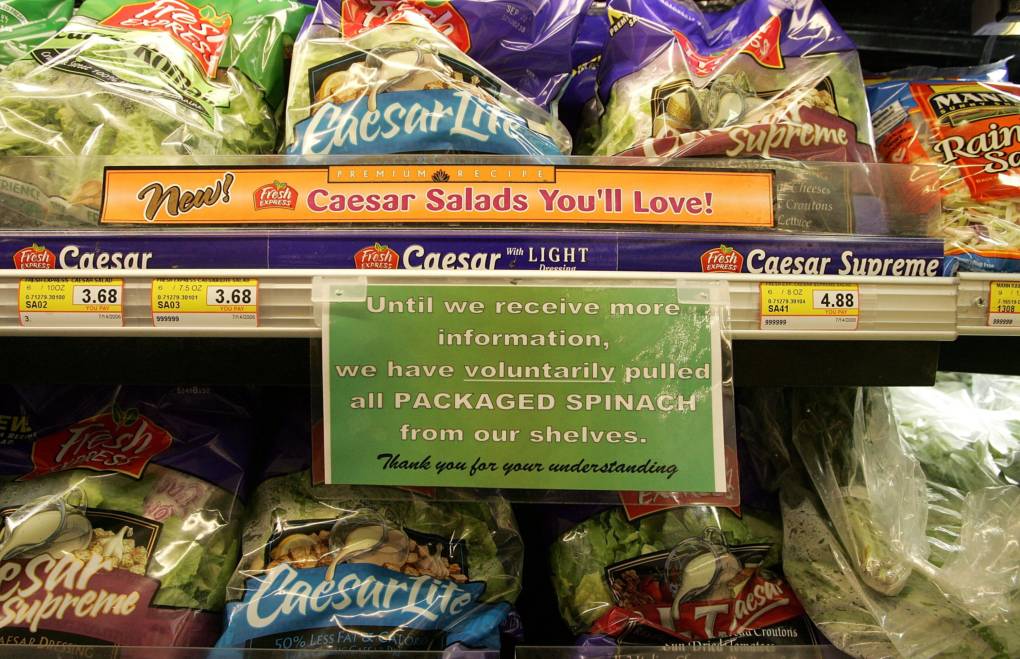
"caption": "FDA Issues Warning After E. coli Outbreak Traced To Spinach",
"description": null,
"title": "FDA Issues Warning After E. coli Outbreak Traced To Spinach",
"credit": "Justin Sullivan/Getty Images",
"status": "inherit",
"isLoading": false,
"fetchFailed": false
},
"bayareabites_121080": {
"type": "attachments",
"id": "bayareabites_121080",
"meta": {
"index": "attachments_1716263798",
"site": "bayareabites",
"id": "121080",
"found": true
},
"parent": 121079,
"imgSizes": {
"small": {
"file": "https://ww2.kqed.org/app/uploads/sites/24/2017/09/img_7265_slide-e538ff8256403e150b0df3816ad2c3288f666b5d-520x347.jpg",
"width": 520,
"mimeType": "image/jpeg",
"height": 347
},
"twentyfourteen-full-width": {
"file": "https://ww2.kqed.org/app/uploads/sites/24/2017/09/img_7265_slide-e538ff8256403e150b0df3816ad2c3288f666b5d-1038x576.jpg",
"width": 1038,
"mimeType": "image/jpeg",
"height": 576
},
"thumbnail": {
"file": "https://ww2.kqed.org/app/uploads/sites/24/2017/09/img_7265_slide-e538ff8256403e150b0df3816ad2c3288f666b5d-160x107.jpg",
"width": 160,
"mimeType": "image/jpeg",
"height": 107
},
"fd-sm": {
"file": "https://ww2.kqed.org/app/uploads/sites/24/2017/09/img_7265_slide-e538ff8256403e150b0df3816ad2c3288f666b5d-960x640.jpg",
"width": 960,
"mimeType": "image/jpeg",
"height": 640
},
"post-thumbnail": {
"file": "https://ww2.kqed.org/app/uploads/sites/24/2017/09/img_7265_slide-e538ff8256403e150b0df3816ad2c3288f666b5d-672x372.jpg",
"width": 672,
"mimeType": "image/jpeg",
"height": 372
},
"xsmall": {
"file": "https://ww2.kqed.org/app/uploads/sites/24/2017/09/img_7265_slide-e538ff8256403e150b0df3816ad2c3288f666b5d-375x250.jpg",
"width": 375,
"mimeType": "image/jpeg",
"height": 250
},
"kqedFullSize": {
"file": "https://ww2.kqed.org/app/uploads/sites/24/2017/09/img_7265_slide-e538ff8256403e150b0df3816ad2c3288f666b5d.jpg",
"width": 2997,
"height": 1998
},
"large": {
"file": "https://ww2.kqed.org/app/uploads/sites/24/2017/09/img_7265_slide-e538ff8256403e150b0df3816ad2c3288f666b5d-1020x680.jpg",
"width": 1020,
"mimeType": "image/jpeg",
"height": 680
},
"xlarge": {
"file": "https://ww2.kqed.org/app/uploads/sites/24/2017/09/img_7265_slide-e538ff8256403e150b0df3816ad2c3288f666b5d-1180x787.jpg",
"width": 1180,
"mimeType": "image/jpeg",
"height": 787
},
"guest-author-50": {
"file": "https://ww2.kqed.org/app/uploads/sites/24/2017/09/img_7265_slide-e538ff8256403e150b0df3816ad2c3288f666b5d-50x50.jpg",
"width": 50,
"mimeType": "image/jpeg",
"height": 50
},
"guest-author-96": {
"file": "https://ww2.kqed.org/app/uploads/sites/24/2017/09/img_7265_slide-e538ff8256403e150b0df3816ad2c3288f666b5d-96x96.jpg",
"width": 96,
"mimeType": "image/jpeg",
"height": 96
},
"medium": {
"file": "https://ww2.kqed.org/app/uploads/sites/24/2017/09/img_7265_slide-e538ff8256403e150b0df3816ad2c3288f666b5d-800x533.jpg",
"width": 800,
"mimeType": "image/jpeg",
"height": 533
},
"guest-author-64": {
"file": "https://ww2.kqed.org/app/uploads/sites/24/2017/09/img_7265_slide-e538ff8256403e150b0df3816ad2c3288f666b5d-64x64.jpg",
"width": 64,
"mimeType": "image/jpeg",
"height": 64
},
"guest-author-32": {
"file": "https://ww2.kqed.org/app/uploads/sites/24/2017/09/img_7265_slide-e538ff8256403e150b0df3816ad2c3288f666b5d-32x32.jpg",
"width": 32,
"mimeType": "image/jpeg",
"height": 32
},
"fd-lrg": {
"file": "https://ww2.kqed.org/app/uploads/sites/24/2017/09/img_7265_slide-e538ff8256403e150b0df3816ad2c3288f666b5d-1920x1280.jpg",
"width": 1920,
"mimeType": "image/jpeg",
"height": 1280
},
"fd-med": {
"file": "https://ww2.kqed.org/app/uploads/sites/24/2017/09/img_7265_slide-e538ff8256403e150b0df3816ad2c3288f666b5d-1180x787.jpg",
"width": 1180,
"mimeType": "image/jpeg",
"height": 787
},
"full-width": {
"file": "https://ww2.kqed.org/app/uploads/sites/24/2017/09/img_7265_slide-e538ff8256403e150b0df3816ad2c3288f666b5d-1920x1280.jpg",
"width": 1920,
"mimeType": "image/jpeg",
"height": 1280
},
"detail": {
"file": "https://ww2.kqed.org/app/uploads/sites/24/2017/09/img_7265_slide-e538ff8256403e150b0df3816ad2c3288f666b5d-150x150.jpg",
"width": 150,
"mimeType": "image/jpeg",
"height": 150
},
"medium_large": {
"file": "https://ww2.kqed.org/app/uploads/sites/24/2017/09/img_7265_slide-e538ff8256403e150b0df3816ad2c3288f666b5d-768x512.jpg",
"width": 768,
"mimeType": "image/jpeg",
"height": 512
},
"guest-author-128": {
"file": "https://ww2.kqed.org/app/uploads/sites/24/2017/09/img_7265_slide-e538ff8256403e150b0df3816ad2c3288f666b5d-128x128.jpg",
"width": 128,
"mimeType": "image/jpeg",
"height": 128
},
"xxsmall": {
"file": "https://ww2.kqed.org/app/uploads/sites/24/2017/09/img_7265_slide-e538ff8256403e150b0df3816ad2c3288f666b5d-240x160.jpg",
"width": 240,
"mimeType": "image/jpeg",
"height": 160
}
},
"publishDate": 1506535921,
"modified": 1506536030,
"caption": "As in the rest of the country, growers in heavily agricultural northern Michigan rely overwhelmingly on migrant laborers to work the fields and orchards. Most of the pickers are from Mexico. Growers say it's just about impossible to find Americans to do this work.",
"description": "As in the rest of the country, growers in heavily agricultural northern Michigan rely overwhelmingly on migrant laborers to work the fields and orchards. Most of the pickers are from Mexico. Growers say it’s just about impossible to find Americans to do this wor",
"title": "As in the rest of the country, growers in heavily agricultural northern Michigan rely overwhelmingly on migrant laborers to work the fields and orchards. Most of the pickers are from Mexico. Growers say it's just about impossible to find Americans to do this work.",
"credit": "Melissa Block/NPR",
"status": "inherit",
"isLoading": false,
"fetchFailed": false
},
"bayareabites_120876": {
"type": "attachments",
"id": "bayareabites_120876",
"meta": {
"index": "attachments_1716263798",
"site": "bayareabites",
"id": "120876",
"found": true
},
"parent": 120875,
"imgSizes": {
"small": {
"file": "https://ww2.kqed.org/app/uploads/sites/24/2017/09/mg_9918-8_custom-70ce9d15e361fecd0bd1ca4bf7f149fb3e255cb0-520x365.jpg",
"width": 520,
"mimeType": "image/jpeg",
"height": 365
},
"twentyfourteen-full-width": {
"file": "https://ww2.kqed.org/app/uploads/sites/24/2017/09/mg_9918-8_custom-70ce9d15e361fecd0bd1ca4bf7f149fb3e255cb0-1038x576.jpg",
"width": 1038,
"mimeType": "image/jpeg",
"height": 576
},
"thumbnail": {
"file": "https://ww2.kqed.org/app/uploads/sites/24/2017/09/mg_9918-8_custom-70ce9d15e361fecd0bd1ca4bf7f149fb3e255cb0-160x112.jpg",
"width": 160,
"mimeType": "image/jpeg",
"height": 112
},
"fd-sm": {
"file": "https://ww2.kqed.org/app/uploads/sites/24/2017/09/mg_9918-8_custom-70ce9d15e361fecd0bd1ca4bf7f149fb3e255cb0-960x674.jpg",
"width": 960,
"mimeType": "image/jpeg",
"height": 674
},
"post-thumbnail": {
"file": "https://ww2.kqed.org/app/uploads/sites/24/2017/09/mg_9918-8_custom-70ce9d15e361fecd0bd1ca4bf7f149fb3e255cb0-672x372.jpg",
"width": 672,
"mimeType": "image/jpeg",
"height": 372
},
"xsmall": {
"file": "https://ww2.kqed.org/app/uploads/sites/24/2017/09/mg_9918-8_custom-70ce9d15e361fecd0bd1ca4bf7f149fb3e255cb0-375x263.jpg",
"width": 375,
"mimeType": "image/jpeg",
"height": 263
},
"kqedFullSize": {
"file": "https://ww2.kqed.org/app/uploads/sites/24/2017/09/mg_9918-8_custom-70ce9d15e361fecd0bd1ca4bf7f149fb3e255cb0.jpg",
"width": 2000,
"height": 1405
},
"large": {
"file": "https://ww2.kqed.org/app/uploads/sites/24/2017/09/mg_9918-8_custom-70ce9d15e361fecd0bd1ca4bf7f149fb3e255cb0-1020x717.jpg",
"width": 1020,
"mimeType": "image/jpeg",
"height": 717
},
"xlarge": {
"file": "https://ww2.kqed.org/app/uploads/sites/24/2017/09/mg_9918-8_custom-70ce9d15e361fecd0bd1ca4bf7f149fb3e255cb0-1180x829.jpg",
"width": 1180,
"mimeType": "image/jpeg",
"height": 829
},
"guest-author-50": {
"file": "https://ww2.kqed.org/app/uploads/sites/24/2017/09/mg_9918-8_custom-70ce9d15e361fecd0bd1ca4bf7f149fb3e255cb0-50x50.jpg",
"width": 50,
"mimeType": "image/jpeg",
"height": 50
},
"guest-author-96": {
"file": "https://ww2.kqed.org/app/uploads/sites/24/2017/09/mg_9918-8_custom-70ce9d15e361fecd0bd1ca4bf7f149fb3e255cb0-96x96.jpg",
"width": 96,
"mimeType": "image/jpeg",
"height": 96
},
"medium": {
"file": "https://ww2.kqed.org/app/uploads/sites/24/2017/09/mg_9918-8_custom-70ce9d15e361fecd0bd1ca4bf7f149fb3e255cb0-800x562.jpg",
"width": 800,
"mimeType": "image/jpeg",
"height": 562
},
"guest-author-64": {
"file": "https://ww2.kqed.org/app/uploads/sites/24/2017/09/mg_9918-8_custom-70ce9d15e361fecd0bd1ca4bf7f149fb3e255cb0-64x64.jpg",
"width": 64,
"mimeType": "image/jpeg",
"height": 64
},
"guest-author-32": {
"file": "https://ww2.kqed.org/app/uploads/sites/24/2017/09/mg_9918-8_custom-70ce9d15e361fecd0bd1ca4bf7f149fb3e255cb0-32x32.jpg",
"width": 32,
"mimeType": "image/jpeg",
"height": 32
},
"fd-lrg": {
"file": "https://ww2.kqed.org/app/uploads/sites/24/2017/09/mg_9918-8_custom-70ce9d15e361fecd0bd1ca4bf7f149fb3e255cb0-1920x1349.jpg",
"width": 1920,
"mimeType": "image/jpeg",
"height": 1349
},
"fd-med": {
"file": "https://ww2.kqed.org/app/uploads/sites/24/2017/09/mg_9918-8_custom-70ce9d15e361fecd0bd1ca4bf7f149fb3e255cb0-1180x829.jpg",
"width": 1180,
"mimeType": "image/jpeg",
"height": 829
},
"full-width": {
"file": "https://ww2.kqed.org/app/uploads/sites/24/2017/09/mg_9918-8_custom-70ce9d15e361fecd0bd1ca4bf7f149fb3e255cb0-1920x1349.jpg",
"width": 1920,
"mimeType": "image/jpeg",
"height": 1349
},
"detail": {
"file": "https://ww2.kqed.org/app/uploads/sites/24/2017/09/mg_9918-8_custom-70ce9d15e361fecd0bd1ca4bf7f149fb3e255cb0-150x150.jpg",
"width": 150,
"mimeType": "image/jpeg",
"height": 150
},
"medium_large": {
"file": "https://ww2.kqed.org/app/uploads/sites/24/2017/09/mg_9918-8_custom-70ce9d15e361fecd0bd1ca4bf7f149fb3e255cb0-768x540.jpg",
"width": 768,
"mimeType": "image/jpeg",
"height": 540
},
"guest-author-128": {
"file": "https://ww2.kqed.org/app/uploads/sites/24/2017/09/mg_9918-8_custom-70ce9d15e361fecd0bd1ca4bf7f149fb3e255cb0-128x128.jpg",
"width": 128,
"mimeType": "image/jpeg",
"height": 128
},
"xxsmall": {
"file": "https://ww2.kqed.org/app/uploads/sites/24/2017/09/mg_9918-8_custom-70ce9d15e361fecd0bd1ca4bf7f149fb3e255cb0-240x169.jpg",
"width": 240,
"mimeType": "image/jpeg",
"height": 169
}
},
"publishDate": 1506113133,
"modified": 1506113209,
"caption": "\"Equality cupcakes\" by Georgetown Cupcakes are just one of several baked creations in support of same-sex marriage that were on display this week at the Chefs for Equality, a fundraising event for the Human Rights Campaign in Washington, D.C.",
"description": "\"Equality cupcakes\" by Georgetown Cupcakes are just one of several baked creations in support of same-sex marriage that were on display this week at the Chefs for Equality, a fundraising event for the Human Rights Campaign in Washington, D.C.",
"title": "\"Equality cupcakes\" by Georgetown Cupcakes are just one of several baked creations in support of same-sex marriage that were on display this week at the Chefs for Equality, a fundraising event for the Human Rights Campaign in Washington, D.C.",
"credit": "Kelly Jo Smart/NPR",
"status": "inherit",
"isLoading": false,
"fetchFailed": false
},
"bayareabites_120852": {
"type": "attachments",
"id": "bayareabites_120852",
"meta": {
"index": "attachments_1716263798",
"site": "bayareabites",
"id": "120852",
"found": true
},
"parent": 120851,
"imgSizes": {
"small": {
"file": "https://ww2.kqed.org/app/uploads/sites/24/2017/09/2-dolores-huerta-at-the-delano-strike-in-1966.-photo-by-jon-lewis-courtesy-of-leroy-chatfield_wide-a37548891c2b4691a1ffb4bd894bedc2e08aaa1b-520x292.jpg",
"width": 520,
"mimeType": "image/jpeg",
"height": 292
},
"twentyfourteen-full-width": {
"file": "https://ww2.kqed.org/app/uploads/sites/24/2017/09/2-dolores-huerta-at-the-delano-strike-in-1966.-photo-by-jon-lewis-courtesy-of-leroy-chatfield_wide-a37548891c2b4691a1ffb4bd894bedc2e08aaa1b-1038x576.jpg",
"width": 1038,
"mimeType": "image/jpeg",
"height": 576
},
"thumbnail": {
"file": "https://ww2.kqed.org/app/uploads/sites/24/2017/09/2-dolores-huerta-at-the-delano-strike-in-1966.-photo-by-jon-lewis-courtesy-of-leroy-chatfield_wide-a37548891c2b4691a1ffb4bd894bedc2e08aaa1b-160x90.jpg",
"width": 160,
"mimeType": "image/jpeg",
"height": 90
},
"fd-sm": {
"file": "https://ww2.kqed.org/app/uploads/sites/24/2017/09/2-dolores-huerta-at-the-delano-strike-in-1966.-photo-by-jon-lewis-courtesy-of-leroy-chatfield_wide-a37548891c2b4691a1ffb4bd894bedc2e08aaa1b-960x540.jpg",
"width": 960,
"mimeType": "image/jpeg",
"height": 540
},
"post-thumbnail": {
"file": "https://ww2.kqed.org/app/uploads/sites/24/2017/09/2-dolores-huerta-at-the-delano-strike-in-1966.-photo-by-jon-lewis-courtesy-of-leroy-chatfield_wide-a37548891c2b4691a1ffb4bd894bedc2e08aaa1b-672x372.jpg",
"width": 672,
"mimeType": "image/jpeg",
"height": 372
},
"xsmall": {
"file": "https://ww2.kqed.org/app/uploads/sites/24/2017/09/2-dolores-huerta-at-the-delano-strike-in-1966.-photo-by-jon-lewis-courtesy-of-leroy-chatfield_wide-a37548891c2b4691a1ffb4bd894bedc2e08aaa1b-375x211.jpg",
"width": 375,
"mimeType": "image/jpeg",
"height": 211
},
"kqedFullSize": {
"file": "https://ww2.kqed.org/app/uploads/sites/24/2017/09/2-dolores-huerta-at-the-delano-strike-in-1966.-photo-by-jon-lewis-courtesy-of-leroy-chatfield_wide-a37548891c2b4691a1ffb4bd894bedc2e08aaa1b.jpg",
"width": 2033,
"height": 1143
},
"large": {
"file": "https://ww2.kqed.org/app/uploads/sites/24/2017/09/2-dolores-huerta-at-the-delano-strike-in-1966.-photo-by-jon-lewis-courtesy-of-leroy-chatfield_wide-a37548891c2b4691a1ffb4bd894bedc2e08aaa1b-1020x573.jpg",
"width": 1020,
"mimeType": "image/jpeg",
"height": 573
},
"xlarge": {
"file": "https://ww2.kqed.org/app/uploads/sites/24/2017/09/2-dolores-huerta-at-the-delano-strike-in-1966.-photo-by-jon-lewis-courtesy-of-leroy-chatfield_wide-a37548891c2b4691a1ffb4bd894bedc2e08aaa1b-1180x663.jpg",
"width": 1180,
"mimeType": "image/jpeg",
"height": 663
},
"guest-author-50": {
"file": "https://ww2.kqed.org/app/uploads/sites/24/2017/09/2-dolores-huerta-at-the-delano-strike-in-1966.-photo-by-jon-lewis-courtesy-of-leroy-chatfield_wide-a37548891c2b4691a1ffb4bd894bedc2e08aaa1b-50x50.jpg",
"width": 50,
"mimeType": "image/jpeg",
"height": 50
},
"guest-author-96": {
"file": "https://ww2.kqed.org/app/uploads/sites/24/2017/09/2-dolores-huerta-at-the-delano-strike-in-1966.-photo-by-jon-lewis-courtesy-of-leroy-chatfield_wide-a37548891c2b4691a1ffb4bd894bedc2e08aaa1b-96x96.jpg",
"width": 96,
"mimeType": "image/jpeg",
"height": 96
},
"medium": {
"file": "https://ww2.kqed.org/app/uploads/sites/24/2017/09/2-dolores-huerta-at-the-delano-strike-in-1966.-photo-by-jon-lewis-courtesy-of-leroy-chatfield_wide-a37548891c2b4691a1ffb4bd894bedc2e08aaa1b-800x450.jpg",
"width": 800,
"mimeType": "image/jpeg",
"height": 450
},
"guest-author-64": {
"file": "https://ww2.kqed.org/app/uploads/sites/24/2017/09/2-dolores-huerta-at-the-delano-strike-in-1966.-photo-by-jon-lewis-courtesy-of-leroy-chatfield_wide-a37548891c2b4691a1ffb4bd894bedc2e08aaa1b-64x64.jpg",
"width": 64,
"mimeType": "image/jpeg",
"height": 64
},
"guest-author-32": {
"file": "https://ww2.kqed.org/app/uploads/sites/24/2017/09/2-dolores-huerta-at-the-delano-strike-in-1966.-photo-by-jon-lewis-courtesy-of-leroy-chatfield_wide-a37548891c2b4691a1ffb4bd894bedc2e08aaa1b-32x32.jpg",
"width": 32,
"mimeType": "image/jpeg",
"height": 32
},
"fd-lrg": {
"file": "https://ww2.kqed.org/app/uploads/sites/24/2017/09/2-dolores-huerta-at-the-delano-strike-in-1966.-photo-by-jon-lewis-courtesy-of-leroy-chatfield_wide-a37548891c2b4691a1ffb4bd894bedc2e08aaa1b-1920x1079.jpg",
"width": 1920,
"mimeType": "image/jpeg",
"height": 1079
},
"fd-med": {
"file": "https://ww2.kqed.org/app/uploads/sites/24/2017/09/2-dolores-huerta-at-the-delano-strike-in-1966.-photo-by-jon-lewis-courtesy-of-leroy-chatfield_wide-a37548891c2b4691a1ffb4bd894bedc2e08aaa1b-1180x663.jpg",
"width": 1180,
"mimeType": "image/jpeg",
"height": 663
},
"full-width": {
"file": "https://ww2.kqed.org/app/uploads/sites/24/2017/09/2-dolores-huerta-at-the-delano-strike-in-1966.-photo-by-jon-lewis-courtesy-of-leroy-chatfield_wide-a37548891c2b4691a1ffb4bd894bedc2e08aaa1b-1920x1079.jpg",
"width": 1920,
"mimeType": "image/jpeg",
"height": 1079
},
"detail": {
"file": "https://ww2.kqed.org/app/uploads/sites/24/2017/09/2-dolores-huerta-at-the-delano-strike-in-1966.-photo-by-jon-lewis-courtesy-of-leroy-chatfield_wide-a37548891c2b4691a1ffb4bd894bedc2e08aaa1b-150x150.jpg",
"width": 150,
"mimeType": "image/jpeg",
"height": 150
},
"medium_large": {
"file": "https://ww2.kqed.org/app/uploads/sites/24/2017/09/2-dolores-huerta-at-the-delano-strike-in-1966.-photo-by-jon-lewis-courtesy-of-leroy-chatfield_wide-a37548891c2b4691a1ffb4bd894bedc2e08aaa1b-768x432.jpg",
"width": 768,
"mimeType": "image/jpeg",
"height": 432
},
"guest-author-128": {
"file": "https://ww2.kqed.org/app/uploads/sites/24/2017/09/2-dolores-huerta-at-the-delano-strike-in-1966.-photo-by-jon-lewis-courtesy-of-leroy-chatfield_wide-a37548891c2b4691a1ffb4bd894bedc2e08aaa1b-128x128.jpg",
"width": 128,
"mimeType": "image/jpeg",
"height": 128
},
"xxsmall": {
"file": "https://ww2.kqed.org/app/uploads/sites/24/2017/09/2-dolores-huerta-at-the-delano-strike-in-1966.-photo-by-jon-lewis-courtesy-of-leroy-chatfield_wide-a37548891c2b4691a1ffb4bd894bedc2e08aaa1b-240x135.jpg",
"width": 240,
"mimeType": "image/jpeg",
"height": 135
}
},
"publishDate": 1505846338,
"modified": 1505846368,
"caption": "United Farm Workers leader Dolores Huerta at the Delano grape workers strike in Delano, Calif., 1966. The strike set in motion the modern farmworkers movement.",
"description": "United Farm Workers leader Dolores Huerta at the \u003ca href=\"http://www.npr.org/sections/thesalt/2015/09/16/440861458/grapes-of-wrath-the-forgotten-filipinos-who-led-a-farmworker-revolution\">Delano grape workers strike\u003c/a> in Delano, Calif., 1966. The strike set in motion the modern farmworkers movement",
"title": "United Farm Workers leader Dolores Huerta at the Delano grape workers strike in Delano, Calif., 1966. The strike set in motion the modern farmworkers movement.",
"credit": "Jon Lewis/Courtesy of LeRoy Chatfield",
"status": "inherit",
"isLoading": false,
"fetchFailed": false
}
},
"audioPlayerReducer": {
"postId": "stream_live",
"isPaused": true,
"isPlaying": false,
"pfsActive": false,
"pledgeModalIsOpen": true,
"playerDrawerIsOpen": false,
"liveAudioPlayStartedAt": 0,
"liveAudioPlayContext": ""
},
"authorsReducer": {
"byline_bayareabites_121688": {
"type": "authors",
"id": "byline_bayareabites_121688",
"meta": {
"override": true
},
"slug": "byline_bayareabites_121688",
"name": "Clare Leschin-Hoar, \u003ca href=\"https://ww2.kqed.org/bayareabites/author/nprfood/\">NPR Food\u003c/a>",
"isLoading": false
},
"byline_bayareabites_121678": {
"type": "authors",
"id": "byline_bayareabites_121678",
"meta": {
"override": true
},
"slug": "byline_bayareabites_121678",
"name": "Christina Calas, \u003ca href=\"https://ww2.kqed.org/bayareabites/author/nprfood/\">NPR Food\u003c/a>",
"isLoading": false
},
"byline_bayareabites_121656": {
"type": "authors",
"id": "byline_bayareabites_121656",
"meta": {
"override": true
},
"slug": "byline_bayareabites_121656",
"name": "Jeremy Hobson, Here & Now, NPR Food",
"isLoading": false
},
"byline_bayareabites_121647": {
"type": "authors",
"id": "byline_bayareabites_121647",
"meta": {
"override": true
},
"slug": "byline_bayareabites_121647",
"name": "Dan Charles, NPR Food",
"isLoading": false
},
"byline_bayareabites_121345": {
"type": "authors",
"id": "byline_bayareabites_121345",
"meta": {
"override": true
},
"slug": "byline_bayareabites_121345",
"name": "Natalie Jacewicz, \u003ca href=\"https://ww2.kqed.org/bayareabites/author/nprfood/\">NPR Food\u003c/a>",
"isLoading": false
},
"byline_bayareabites_121193": {
"type": "authors",
"id": "byline_bayareabites_121193",
"meta": {
"override": true
},
"slug": "byline_bayareabites_121193",
"name": "Kathleen Masterson, \u003ca href=\"http://digital.vpr.net/#stream/0\">VPR\u003c/a> at NPR Food",
"isLoading": false
},
"byline_bayareabites_121175": {
"type": "authors",
"id": "byline_bayareabites_121175",
"meta": {
"override": true
},
"slug": "byline_bayareabites_121175",
"name": "Lisa Morehouse, \u003ca href=\"https://ww2.kqed.org/bayareabites/author/nprfood/\">NPR Food\u003c/a>",
"isLoading": false
},
"byline_bayareabites_121110": {
"type": "authors",
"id": "byline_bayareabites_121110",
"meta": {
"override": true
},
"slug": "byline_bayareabites_121110",
"name": "\u003ca href=\"https://civileats.com/author/scott-thill/\">Scott Thill,\u003c/a> \u003ca href=\"https://ww2.kqed.org/bayareabites/author/civileat/\">Civil Eats\u003c/a>",
"isLoading": false
},
"byline_bayareabites_121100": {
"type": "authors",
"id": "byline_bayareabites_121100",
"meta": {
"override": true
},
"slug": "byline_bayareabites_121100",
"name": "Allison Aubrey, NPR Food",
"isLoading": false
},
"byline_bayareabites_121079": {
"type": "authors",
"id": "byline_bayareabites_121079",
"meta": {
"override": true
},
"slug": "byline_bayareabites_121079",
"name": "Melissa Block and Marisa Penaloza, NPR Food",
"isLoading": false
},
"byline_bayareabites_120875": {
"type": "authors",
"id": "byline_bayareabites_120875",
"meta": {
"override": true
},
"slug": "byline_bayareabites_120875",
"name": "Maria Godoy, NPR Food",
"isLoading": false
},
"byline_bayareabites_120851": {
"type": "authors",
"id": "byline_bayareabites_120851",
"meta": {
"override": true
},
"slug": "byline_bayareabites_120851",
"name": "Maria Godoy, NPR Food",
"isLoading": false
}
},
"pagesReducer": {
"bayareabites_category_politics-activism-food-safety": {
"type": "terms",
"id": "bayareabites_2035",
"meta": {
"index": "terms_1716263798",
"site": "bayareabites",
"id": "2035",
"score": 13.896088
},
"featImg": null,
"name": "politics, activism, food safety",
"description": null,
"taxonomy": "category",
"headData": {
"twImgId": null,
"twTitle": null,
"ogTitle": null,
"ogImgId": null,
"twDescription": null,
"description": null,
"title": "politics, activism, food safety Archives | KQED Bay Area Bites",
"ogDescription": null
},
"ttid": 943,
"slug": "politics-activism-food-safety",
"isLoading": false,
"title": "politics, activism, food safety",
"pageMeta": {
"site": "bayareabites",
"WpPageTemplate": "page-topic-editorial",
"currentPage": 11
},
"blocks": [
{
"blockName": "kqed/post-list",
"attrs": {
"layout": "cardArticle2",
"query": "posts/bayareabites?category=politics-activism-food-safety",
"seeMore": false,
"paginated": true,
"page": 11
}
},
{
"blockName": "kqed/ad"
}
]
}
},
"pfsSessionReducer": {},
"postsReducer": {
"stream_live": {
"type": "live",
"id": "stream_live",
"audioUrl": "https://streams.kqed.org/kqedradio",
"title": "Live Stream",
"excerpt": "Live Stream information currently unavailable.",
"link": "/radio",
"featImg": "",
"label": {
"name": "KQED Live",
"link": "/"
}
},
"stream_kqedNewscast": {
"type": "posts",
"id": "stream_kqedNewscast",
"audioUrl": "https://www.kqed.org/.stream/anon/radio/RDnews/newscast.mp3?_=1",
"title": "KQED Newscast",
"featImg": "",
"label": {
"name": "88.5 FM",
"link": "/"
}
},
"bayareabites_121688": {
"type": "posts",
"id": "bayareabites_121688",
"meta": {
"index": "posts_1716263798",
"site": "bayareabites",
"id": "121688",
"score": null,
"sort": [
1508541558000
]
},
"parent": 0,
"labelTerm": {},
"blocks": [],
"publishDate": 1508541558,
"format": "standard",
"disqusTitle": "Do You Care If Your Fish Dinner Was Raised Humanely? Animal Advocates Say You Should",
"title": "Do You Care If Your Fish Dinner Was Raised Humanely? Animal Advocates Say You Should",
"headTitle": "Bay Area Bites | KQED Food",
"content": "\u003cp>At some point or another, we've all cringed at the videos: lame cows struggling to stand; egg-laying hens squeezed into small, stacked cages; hogs confined to gestation crates, unable to walk or turn.\u003c/p>\n\u003cp>Over the past decade, animal advocates have made great strides informing us of some of the problems with how many of our favorite proteins are raised. They've also made progress bringing change to the industry by pressuring large-scale retailers — from Target to McDonald's — to commit to sourcing livestock raised with higher welfare standards. But one important protein source has been missing almost entirely from the conversation: seafood.\u003c/p>\n\u003cp>\u003ca href=\"https://www.mercyforanimals.org/\">Mercy for Animals\u003c/a>, a U.S.-based animal welfare group, says that's about to change. The group says it is beginning to lay the groundwork for a campaign that will target the aquaculture industry and shine a light on the conditions in which finfish like salmon, tilapia, catfish, trout, pangasius and other species are raised.\u003c/p>\n\u003cp>\"More and more fish are being farmed in intense factory farms,\" says Nick Cooney, executive vice president at Mercy for Animals. \"At the same time, there's an increasing amount of research discovering just how intelligent and social fish are as individuals.\"\u003c/p>\n\u003cp>Do consumers care? Mercy for Animals' own \u003ca href=\"http://www.mercyforanimals.org/research\">in-house studies\u003c/a> suggest yes — and offer a roadmap of the objections the group is likely to raise with the aquaculture industry. Concerns like too many fish routinely crammed into pens and tanks, fish being raised in dirty water, high disease and mortality rates.\u003c/p>\n\u003cp>[ad fullwidth]\u003c/p>\n\u003cp>The group, a vegan organization, also cites slaughter methods it finds most inhumane — like letting fish suffocate in open air, chilling them while still alive, or cutting their gills without stunning. And then there's the parasites known as sea lice, which feed on farmed salmon, costing the industry nearly $1 billion a year in losses. \u003cstrong> \u003c/strong>\u003c/p>\n\u003cp>\"For individual consumers, our goal is simply to educate them on the way these animals are being treated,\" says Cooney. \"Our research studies have found that when people learn about these things — that half the fish being used in the food industry are coming from factory farms, or are confined in tanks with dirty water; that sea lice eats away the flesh and faces of fish — that educating them leads to more compassionate choices. And for large companies, our hope in the coming years is that if we show them their customers care, they'll eliminate the worst practices in their supply chains.\"\u003c/p>\n\u003cp>Mercy for Animals may have one important thing going for it — timing.\u003c/p>\n\u003cp>Humane treatment of fish is a topic that's starting to bubble up elsewhere. Seafood industry gatherings like the \u003ca href=\"http://www.seafoodsummit.org/session/a-discussion-on-fish-health-welfare-and-our-moral-obligations/\">Seafood Summit\u003c/a> and the \u003ca href=\"https://afs.confex.com/afs/2017/meetingapp.cgi/Session/5471\">American Fisheries Society\u003c/a> meetings are now including sessions focused on welfare issues for farm-raised fish. Supermarkets like Whole Foods are addressing the issue by including language in their \u003ca href=\"http://assets.wholefoodsmarket.com/www/missions-values/seafood-sustainability/WholeFoodsMarketQS_Farmed-finfish-shrimp_Jan1-2014.pdf\">seafood standards\u003c/a> requiring producers to minimize stress, and have gone so far as to stop carrying live lobster in their stores. And in Seattle, a pair of commercial fishermen recently launched a new fishing vessel that they claim is designed to \u003ca href=\"http://www.npr.org/sections/thesalt/2017/06/14/532845573/will-fish-get-a-humanely-harvested-label-these-brothers-bet-40-million-on-it\">humanely harvest\u003c/a> the wild Pacific cod they catch.\u003c/p>\n\u003cp>\u003cstrong>But will eaters care what fish feel?\u003c/strong>\u003c/p>\n\u003cp>Industry representatives say they paid close attention when animal advocacy groups went after the egg-laying hen and hog industries, but say they aren't convinced eaters will prioritize humane treatment for fish in the same way.\u003c/p>\n\u003cp>\"I'm not sure fish will capture the conscience of the public in the same way warm-blooded, furry animals have. People in this country don't see fish as sentient animals, with a conscience requiring the same welfare standards they'd give to a brown-eyed calf,\" says Craig Watson, who chairs the aquatic animal welfare committee for the National Aquaculture Association (NAA), a U.S.-based group of seafood growers.\u003c/p>\n\u003cp>But it's a topic many in aquaculture are thinking more about, including veterinarian Stephen Frattini, president of the \u003ca href=\"http://cfaarm.org/home.html\">Center for Aquatic Animal Research and Management\u003c/a>, who has spoken about fish welfare at industry conferences.\u003c/p>\n\u003cp>\"As humans, we've utilized terrestrial animals as food, but also to pull carts and plow fields. And along the way, a moral contract evolved that acknowledged we should provide for them in a way beyond not being cruel to them,\" Frattini says. \"But with fish, we're not there yet. We [as eaters] have yet to really struggle with that.\"\u003c/p>\n\u003cp>Indeed, defining what constitutes humane treatment of fish may be a tricky proposition of its own.\u003c/p>\n\u003cp>For one thing, the debate over whether fish are \u003ca href=\"http://www.npr.org/sections/thesalt/2016/06/20/482468094/fish-have-feelings-too-the-inner-lives-of-our-underwater-cousins\">sentient and feel pain\u003c/a> is far from settled.\u003c/p>\n\u003cp>\"It depends on who you talk to,\" says Watson, who also runs the Tropical Aquaculture Laboratory at the University of Florida. He says he and many others think \"the science is clear that fish lack the neurophysiology to feel pain. They don't have the brain structure — a developed neocortex where pain occurs in higher vertebrates.\"\u003c/p>\n\u003cp>Watson notes the growing body of literature suggesting that there's a part of a fish's brain that can feel pain or emotion. But he says the science is still pretty clear. \"Fish don't have the equipment for higher processes similar to ours.\" But in a way, he says, the answer almost doesn't matter. \"To me, it's not an argument of whether fish are emotional and conscious, that's a personal belief in many ways. What's important is the welfare of the animal.\"\u003c/p>\n\u003cp>\u003cstrong>What constitutes humane treatment for fish?\u003c/strong>\u003c/p>\n\u003cp>But what's deemed humane for one species of fish may be detrimental to another. For example, imposing an across-the-board, low-density requirement might actually create a stressful environment for certain species. Tilapia or arctic char can become aggressive with each other when there are fewer fish in the pen.\u003c/p>\n\u003cp>And then there are fuzzier welfare issues. Are breeding techniques that sometimes result in \u003ca href=\"http://www.fisheriessciences.com/fisheries-aqua/skeletal-deformities-in-seabreams-understanding-the-genetic-origin-can-improve-production.pdf\">skeletal deformities\u003c/a> a humane issue? What about emerging evidence that accelerated growth rates of some farmed fish have resulted in \u003ca href=\"https://www.theguardian.com/environment/world-on-a-plate/2017/aug/29/is-hearing-loss-in-farmed-fish-a-price-worth-paying-for-aquacultures-meteoric-rise\">hearing loss\u003c/a>? For some farmed salmon, sea lice are more than just uncomfortable parasites that attach to fish and feed on them—\u003ca href=\"http://www.cbc.ca/news/canada/new-brunswick/sea-lice-outbreak-fundy-1.4030118\">unchecked, they can be deadly\u003c/a> and can also infect wild salmon swimming nearby. Last year in Scotland alone, \u003ca href=\"http://www.heraldscotland.com/news/15583156.A_disgrace__ten_million_salmon_thrown_away_by_fish_farm_industry_in_last_year_alone/?ref=mr&lp=8\">10 million salmon\u003c/a> were destroyed because of parasites, diseases and other problems. Should high mortality rates like that be viewed through a humane lens?\u003c/p>\n\u003cp>\"It's not how many fish you put in the pen, it's how many you harvest. There are a lot of farmed fish that never make it to the plate because of mishaps during the farming process,\" says George Leonard, chief scientist at Ocean Conservancy. \"Should we as a society care about the suffering of those fish that never make it to the plate? That isn't a science question. That is a moral question.\"\u003c/p>\n\u003cp>The issue is on the radar of industry certification groups like Best Aquaculture Practices, which includes an entire section on animal health and welfare in its standards. The Aquaculture Stewardship Council says welfare provisions are included in its current standards to address issues like stocking densities and veterinary care, but it does not have a separate standard for the 12 species it currently certifies.\u003c/p>\n\u003cp>The National Aquaculture Association's official policy on animal welfare also encourages humane practices including quick slaughter, though it specifically warns against anthropomorphizing standards around pain or intelligence.\u003c/p>\n\u003cp>\"What concerns people like me is the Mercy for Animal groups don't understand the fundamental biology of these animals, yet they want to dictate to us how to best grow the fish,\" says Randy MacMillian, an NAA board member and vice president of Clear Springs Foods, an Idaho-based trout farm.\u003c/p>\n\u003cp>\"As fish farmers, our mission is to provide U.S. consumers with environmentally sustainable, wholesome, high-quality seafood at affordable prices. We have to look at husbandry conditions. We're looking at feed conversion [the amount of feed it takes to grow one pound of fish], mortality, morbidity — and we use those metrics to inform us if we're doing a good job,\" he says.\u003c/p>\n\u003cp>Mercy for Animals will have some daunting hurdles in its path as it tries to shift the aquaculture industry: The vast majority of the farmed fish Americans eat comes from countries like China, Indonesia, Canada, Norway, Chile and Ecuador.\u003c/p>\n\u003cp>\"Welfare rights are primarily a Western phenomenon,\" says Fred Conte, an extension aquaculture specialist with the University of California, Davis. \"You go to Central America or China and you're not going to find welfare standards.\"\u003c/p>\n\u003cp>And many consumers already feel overwhelmed and confused with the complex decisions they face at the seafood counter: Is the fish farmed or wild? Is it from a sustainable source? Does it contain mercury or other contaminants? Was slave labor used in its production? Is the label accurate — or has that snapper been swapped for something else along the way? Adding the question, \"Was this fish farmed humanely?\" might be a tough sell.\u003c/p>\n\u003cp>Conte says ultimately, society will decide whether to take up the humane treatment of fish.\u003c/p>\n\u003cp>\"Right now, no one can make the definitive statement: Fish feel pain like humans feel pain. It's an open debate,\" says Conte. \"Before science comes up with that evidence, society is going to move in a direction. Industry will respond to market pressures. If society chooses not to believe a fish feels pain, there will not be much pressure on the industry.\"\u003c/p>\n\u003chr>\n\u003cp>\u003ca href=\"http://www.leschin-hoar.com/\">\u003cem>Clare Leschin-Hoar\u003c/em>\u003c/a>\u003cem> is a journalist based in San Diego who covers food policy and sustainability issues. This story was produced in collaboration with the \u003c/em>\u003ca href=\"http://www.thefern.org\">\u003cem>Food & Environment Reporting Network\u003c/em>\u003c/a>\u003cem>, a non-profit, investigative news organization. \u003c/em> \u003c/p>\n\u003cp>[ad floatright]\u003c/p>\n\u003cp>\u003cem>Copyright 2017 \u003ca href=\"http://www.npr.org/\">NPR\u003c/a>.\u003c/em>\u003c/p>\n\n",
"disqusIdentifier": "121688 https://ww2.kqed.org/bayareabites/?p=121688",
"disqusUrl": "https://ww2.kqed.org/bayareabites/2017/10/20/do-you-care-if-your-fish-dinner-was-raised-humanely-animal-advocates-say-you-should/",
"stats": {
"hasVideo": false,
"hasChartOrMap": false,
"hasAudio": false,
"hasPolis": false,
"wordCount": 1636,
"hasGoogleForm": false,
"hasGallery": false,
"hasHearkenModule": false,
"iframeSrcs": [],
"paragraphCount": 35
},
"modified": 1508541558,
"excerpt": "Concerns over animal welfare have led to changes in recent years in how livestock are raised. But seafood has been missing from the conversation. One group aims to change that.",
"headData": {
"twImgId": "",
"twTitle": "",
"ogTitle": "",
"ogImgId": "",
"twDescription": "",
"description": "Concerns over animal welfare have led to changes in recent years in how livestock are raised. But seafood has been missing from the conversation. One group aims to change that.",
"title": "Do You Care If Your Fish Dinner Was Raised Humanely? Animal Advocates Say You Should | KQED",
"ogDescription": "",
"schema": {
"@context": "https://schema.org",
"@type": "Article",
"headline": "Do You Care If Your Fish Dinner Was Raised Humanely? Animal Advocates Say You Should",
"datePublished": "2017-10-20T16:19:18-07:00",
"dateModified": "2017-10-20T16:19:18-07:00",
"image": "https://cdn.kqed.org/wp-content/uploads/2020/02/KQED-OG-Image@1x.png"
}
},
"guestAuthors": [],
"slug": "do-you-care-if-your-fish-dinner-was-raised-humanely-animal-advocates-say-you-should",
"status": "publish",
"sourceUrl": "https://ww2.kqed.org/bayareabites/category/politics-activism-food-safety/",
"nprApiLink": "http://api.npr.org/query?id=558576179&apiKey=MDAxOTAwOTE4MDEyMTkxMDAzNjczZDljZA004",
"nprByline": "Clare Leschin-Hoar, \u003ca href=\"https://ww2.kqed.org/bayareabites/author/nprfood/\">NPR Food\u003c/a>",
"nprStoryDate": "Fri, 20 Oct 2017 07:00:20 -0400",
"nprLastModifiedDate": "Fri, 20 Oct 2017 13:59:10 -0400",
"nprHtmlLink": "http://www.npr.org/sections/thesalt/2017/10/20/558576179/do-you-care-if-your-fish-dinner-was-raised-humanely-animal-advocates-say-you-sho?ft=nprml&f=558576179",
"nprImageAgency": "Getty Images",
"nprImageCredit": "kali9",
"source": "Politics, Activism, Food Safety",
"nprStoryId": "558576179",
"nprRetrievedStory": "1",
"nprPubDate": "Fri, 20 Oct 2017 13:59:00 -0400",
"path": "/bayareabites/121688/do-you-care-if-your-fish-dinner-was-raised-humanely-animal-advocates-say-you-should",
"audioTrackLength": null,
"parsedContent": [
{
"type": "contentString",
"content": "\u003cdiv class=\"post-body\">\u003cp>\u003cp>At some point or another, we've all cringed at the videos: lame cows struggling to stand; egg-laying hens squeezed into small, stacked cages; hogs confined to gestation crates, unable to walk or turn.\u003c/p>\n\u003cp>Over the past decade, animal advocates have made great strides informing us of some of the problems with how many of our favorite proteins are raised. They've also made progress bringing change to the industry by pressuring large-scale retailers — from Target to McDonald's — to commit to sourcing livestock raised with higher welfare standards. But one important protein source has been missing almost entirely from the conversation: seafood.\u003c/p>\n\u003cp>\u003ca href=\"https://www.mercyforanimals.org/\">Mercy for Animals\u003c/a>, a U.S.-based animal welfare group, says that's about to change. The group says it is beginning to lay the groundwork for a campaign that will target the aquaculture industry and shine a light on the conditions in which finfish like salmon, tilapia, catfish, trout, pangasius and other species are raised.\u003c/p>\n\u003cp>\"More and more fish are being farmed in intense factory farms,\" says Nick Cooney, executive vice president at Mercy for Animals. \"At the same time, there's an increasing amount of research discovering just how intelligent and social fish are as individuals.\"\u003c/p>\n\u003cp>Do consumers care? Mercy for Animals' own \u003ca href=\"http://www.mercyforanimals.org/research\">in-house studies\u003c/a> suggest yes — and offer a roadmap of the objections the group is likely to raise with the aquaculture industry. Concerns like too many fish routinely crammed into pens and tanks, fish being raised in dirty water, high disease and mortality rates.\u003c/p>\n\u003cp>\u003c/p>\u003c/div>",
"attributes": {
"named": {},
"numeric": []
}
},
{
"type": "component",
"content": "",
"name": "ad",
"attributes": {
"named": {
"label": "fullwidth"
},
"numeric": [
"fullwidth"
]
}
},
{
"type": "contentString",
"content": "\u003cdiv class=\"post-body\">\u003cp>\u003c/p>\n\u003cp>The group, a vegan organization, also cites slaughter methods it finds most inhumane — like letting fish suffocate in open air, chilling them while still alive, or cutting their gills without stunning. And then there's the parasites known as sea lice, which feed on farmed salmon, costing the industry nearly $1 billion a year in losses. \u003cstrong> \u003c/strong>\u003c/p>\n\u003cp>\"For individual consumers, our goal is simply to educate them on the way these animals are being treated,\" says Cooney. \"Our research studies have found that when people learn about these things — that half the fish being used in the food industry are coming from factory farms, or are confined in tanks with dirty water; that sea lice eats away the flesh and faces of fish — that educating them leads to more compassionate choices. And for large companies, our hope in the coming years is that if we show them their customers care, they'll eliminate the worst practices in their supply chains.\"\u003c/p>\n\u003cp>Mercy for Animals may have one important thing going for it — timing.\u003c/p>\n\u003cp>Humane treatment of fish is a topic that's starting to bubble up elsewhere. Seafood industry gatherings like the \u003ca href=\"http://www.seafoodsummit.org/session/a-discussion-on-fish-health-welfare-and-our-moral-obligations/\">Seafood Summit\u003c/a> and the \u003ca href=\"https://afs.confex.com/afs/2017/meetingapp.cgi/Session/5471\">American Fisheries Society\u003c/a> meetings are now including sessions focused on welfare issues for farm-raised fish. Supermarkets like Whole Foods are addressing the issue by including language in their \u003ca href=\"http://assets.wholefoodsmarket.com/www/missions-values/seafood-sustainability/WholeFoodsMarketQS_Farmed-finfish-shrimp_Jan1-2014.pdf\">seafood standards\u003c/a> requiring producers to minimize stress, and have gone so far as to stop carrying live lobster in their stores. And in Seattle, a pair of commercial fishermen recently launched a new fishing vessel that they claim is designed to \u003ca href=\"http://www.npr.org/sections/thesalt/2017/06/14/532845573/will-fish-get-a-humanely-harvested-label-these-brothers-bet-40-million-on-it\">humanely harvest\u003c/a> the wild Pacific cod they catch.\u003c/p>\n\u003cp>\u003cstrong>But will eaters care what fish feel?\u003c/strong>\u003c/p>\n\u003cp>Industry representatives say they paid close attention when animal advocacy groups went after the egg-laying hen and hog industries, but say they aren't convinced eaters will prioritize humane treatment for fish in the same way.\u003c/p>\n\u003cp>\"I'm not sure fish will capture the conscience of the public in the same way warm-blooded, furry animals have. People in this country don't see fish as sentient animals, with a conscience requiring the same welfare standards they'd give to a brown-eyed calf,\" says Craig Watson, who chairs the aquatic animal welfare committee for the National Aquaculture Association (NAA), a U.S.-based group of seafood growers.\u003c/p>\n\u003cp>But it's a topic many in aquaculture are thinking more about, including veterinarian Stephen Frattini, president of the \u003ca href=\"http://cfaarm.org/home.html\">Center for Aquatic Animal Research and Management\u003c/a>, who has spoken about fish welfare at industry conferences.\u003c/p>\n\u003cp>\"As humans, we've utilized terrestrial animals as food, but also to pull carts and plow fields. And along the way, a moral contract evolved that acknowledged we should provide for them in a way beyond not being cruel to them,\" Frattini says. \"But with fish, we're not there yet. We [as eaters] have yet to really struggle with that.\"\u003c/p>\n\u003cp>Indeed, defining what constitutes humane treatment of fish may be a tricky proposition of its own.\u003c/p>\n\u003cp>For one thing, the debate over whether fish are \u003ca href=\"http://www.npr.org/sections/thesalt/2016/06/20/482468094/fish-have-feelings-too-the-inner-lives-of-our-underwater-cousins\">sentient and feel pain\u003c/a> is far from settled.\u003c/p>\n\u003cp>\"It depends on who you talk to,\" says Watson, who also runs the Tropical Aquaculture Laboratory at the University of Florida. He says he and many others think \"the science is clear that fish lack the neurophysiology to feel pain. They don't have the brain structure — a developed neocortex where pain occurs in higher vertebrates.\"\u003c/p>\n\u003cp>Watson notes the growing body of literature suggesting that there's a part of a fish's brain that can feel pain or emotion. But he says the science is still pretty clear. \"Fish don't have the equipment for higher processes similar to ours.\" But in a way, he says, the answer almost doesn't matter. \"To me, it's not an argument of whether fish are emotional and conscious, that's a personal belief in many ways. What's important is the welfare of the animal.\"\u003c/p>\n\u003cp>\u003cstrong>What constitutes humane treatment for fish?\u003c/strong>\u003c/p>\n\u003cp>But what's deemed humane for one species of fish may be detrimental to another. For example, imposing an across-the-board, low-density requirement might actually create a stressful environment for certain species. Tilapia or arctic char can become aggressive with each other when there are fewer fish in the pen.\u003c/p>\n\u003cp>And then there are fuzzier welfare issues. Are breeding techniques that sometimes result in \u003ca href=\"http://www.fisheriessciences.com/fisheries-aqua/skeletal-deformities-in-seabreams-understanding-the-genetic-origin-can-improve-production.pdf\">skeletal deformities\u003c/a> a humane issue? What about emerging evidence that accelerated growth rates of some farmed fish have resulted in \u003ca href=\"https://www.theguardian.com/environment/world-on-a-plate/2017/aug/29/is-hearing-loss-in-farmed-fish-a-price-worth-paying-for-aquacultures-meteoric-rise\">hearing loss\u003c/a>? For some farmed salmon, sea lice are more than just uncomfortable parasites that attach to fish and feed on them—\u003ca href=\"http://www.cbc.ca/news/canada/new-brunswick/sea-lice-outbreak-fundy-1.4030118\">unchecked, they can be deadly\u003c/a> and can also infect wild salmon swimming nearby. Last year in Scotland alone, \u003ca href=\"http://www.heraldscotland.com/news/15583156.A_disgrace__ten_million_salmon_thrown_away_by_fish_farm_industry_in_last_year_alone/?ref=mr&lp=8\">10 million salmon\u003c/a> were destroyed because of parasites, diseases and other problems. Should high mortality rates like that be viewed through a humane lens?\u003c/p>\n\u003cp>\"It's not how many fish you put in the pen, it's how many you harvest. There are a lot of farmed fish that never make it to the plate because of mishaps during the farming process,\" says George Leonard, chief scientist at Ocean Conservancy. \"Should we as a society care about the suffering of those fish that never make it to the plate? That isn't a science question. That is a moral question.\"\u003c/p>\n\u003cp>The issue is on the radar of industry certification groups like Best Aquaculture Practices, which includes an entire section on animal health and welfare in its standards. The Aquaculture Stewardship Council says welfare provisions are included in its current standards to address issues like stocking densities and veterinary care, but it does not have a separate standard for the 12 species it currently certifies.\u003c/p>\n\u003cp>The National Aquaculture Association's official policy on animal welfare also encourages humane practices including quick slaughter, though it specifically warns against anthropomorphizing standards around pain or intelligence.\u003c/p>\n\u003cp>\"What concerns people like me is the Mercy for Animal groups don't understand the fundamental biology of these animals, yet they want to dictate to us how to best grow the fish,\" says Randy MacMillian, an NAA board member and vice president of Clear Springs Foods, an Idaho-based trout farm.\u003c/p>\n\u003cp>\"As fish farmers, our mission is to provide U.S. consumers with environmentally sustainable, wholesome, high-quality seafood at affordable prices. We have to look at husbandry conditions. We're looking at feed conversion [the amount of feed it takes to grow one pound of fish], mortality, morbidity — and we use those metrics to inform us if we're doing a good job,\" he says.\u003c/p>\n\u003cp>Mercy for Animals will have some daunting hurdles in its path as it tries to shift the aquaculture industry: The vast majority of the farmed fish Americans eat comes from countries like China, Indonesia, Canada, Norway, Chile and Ecuador.\u003c/p>\n\u003cp>\"Welfare rights are primarily a Western phenomenon,\" says Fred Conte, an extension aquaculture specialist with the University of California, Davis. \"You go to Central America or China and you're not going to find welfare standards.\"\u003c/p>\n\u003cp>And many consumers already feel overwhelmed and confused with the complex decisions they face at the seafood counter: Is the fish farmed or wild? Is it from a sustainable source? Does it contain mercury or other contaminants? Was slave labor used in its production? Is the label accurate — or has that snapper been swapped for something else along the way? Adding the question, \"Was this fish farmed humanely?\" might be a tough sell.\u003c/p>\n\u003cp>Conte says ultimately, society will decide whether to take up the humane treatment of fish.\u003c/p>\n\u003cp>\"Right now, no one can make the definitive statement: Fish feel pain like humans feel pain. It's an open debate,\" says Conte. \"Before science comes up with that evidence, society is going to move in a direction. Industry will respond to market pressures. If society chooses not to believe a fish feels pain, there will not be much pressure on the industry.\"\u003c/p>\n\u003chr>\n\u003cp>\u003ca href=\"http://www.leschin-hoar.com/\">\u003cem>Clare Leschin-Hoar\u003c/em>\u003c/a>\u003cem> is a journalist based in San Diego who covers food policy and sustainability issues. This story was produced in collaboration with the \u003c/em>\u003ca href=\"http://www.thefern.org\">\u003cem>Food & Environment Reporting Network\u003c/em>\u003c/a>\u003cem>, a non-profit, investigative news organization. \u003c/em> \u003c/p>\n\u003cp>\u003c/p>\u003c/div>",
"attributes": {
"named": {},
"numeric": []
}
},
{
"type": "component",
"content": "",
"name": "ad",
"attributes": {
"named": {
"label": "floatright"
},
"numeric": [
"floatright"
]
}
},
{
"type": "contentString",
"content": "\u003cdiv class=\"post-body\">\u003cp>\u003c/p>\n\u003cp>\u003cem>Copyright 2017 \u003ca href=\"http://www.npr.org/\">NPR\u003c/a>.\u003c/em>\u003c/p>\n\n\u003c/div>\u003c/p>",
"attributes": {
"named": {},
"numeric": []
}
}
],
"link": "/bayareabites/121688/do-you-care-if-your-fish-dinner-was-raised-humanely-animal-advocates-say-you-should",
"authors": [
"byline_bayareabites_121688"
],
"categories": [
"bayareabites_10028",
"bayareabites_2035",
"bayareabites_358"
],
"tags": [
"bayareabites_9887",
"bayareabites_376",
"bayareabites_15882"
],
"featImg": "bayareabites_121692",
"label": "source_bayareabites_121688"
},
"bayareabites_121678": {
"type": "posts",
"id": "bayareabites_121678",
"meta": {
"index": "posts_1716263798",
"site": "bayareabites",
"id": "121678",
"score": null,
"sort": [
1508538155000
]
},
"parent": 0,
"labelTerm": {
"site": "bayareabites"
},
"blocks": [],
"publishDate": 1508538155,
"format": "standard",
"disqusTitle": "Chef Jose Andres Has Served Nearly 1.5 Million Meals To Hungry Puerto Ricans",
"title": "Chef Jose Andres Has Served Nearly 1.5 Million Meals To Hungry Puerto Ricans",
"headTitle": "Bay Area Bites | KQED Food",
"content": "\u003cp>\u003cstrong>Listen to the story from All Things Considered:\u003c/strong>\u003cbr>\nhttps://ondemand.npr.org/anon.npr-mp3/npr/atc/2017/10/20171020_atc_dc_chef_leads_efforts_to_feed_displaced_puerto_ricans.mp3\u003c/p>\n\u003cp>The Coliseo is the biggest concert hall in San Juan, Puerto Rico. But since Hurricane Maria devastated the island a month ago, it's become the epicenter of a massive effort to feed tens of thousands left hungry by the storm – an effort led by celebrity chef Jose Andres.\u003c/p>\n\u003cp>\"We're about to reach the million and a half [meals] served — a vast majority of them hot meals,\" says Andres, who is known for his upscale restaurants in Washington, D.C., and for canceling his plans to open one in Donald Trump's D.C. hotel.\u003c/p>\n\u003cp>Nearly 80 percent of Puerto Rico remains \u003ca href=\"#o\">without electricity\u003c/a>. In the Coliseo, he oversees a massive makeshift kitchen. A few hundred volunteers prepare stews and sandwiches — 60,000 each day. Andres calls it \"one of the most effective sandwich lines made by volunteers in history — I'm so proud of them.\"\u003c/p>\n\u003cp>On a recent visit, I watch as one volunteer, Yamil Lopez, stirs a giant paella pan – five feet in diameter. This one alone holds enough to feed 850 people. This batch, Lopez explains in Spanish, contains 12 ingredients, including \"a little pork, chorizo, black beans, red beans, some***carrots.\" But no seafood – traditionally a featured paella ingredient.\u003c/p>\n\u003cfigure id=\"attachment_121680\" class=\"wp-caption aligncenter\" style=\"max-width: 2998px\">\u003cimg src=\"https://ww2.kqed.org/bayareabites/wp-content/uploads/sites/24/2017/10/jose_andres_2-c823e028c1c57620972c03705b4b533b050f2075.jpg\" alt=\"Volunteers prepare a giant paella. This pan alone holds enough to feed 850 people.\" width=\"2998\" height=\"2248\" class=\"size-full wp-image-121680\" srcset=\"https://ww2.kqed.org/app/uploads/sites/24/2017/10/jose_andres_2-c823e028c1c57620972c03705b4b533b050f2075.jpg 2998w, https://ww2.kqed.org/app/uploads/sites/24/2017/10/jose_andres_2-c823e028c1c57620972c03705b4b533b050f2075-160x120.jpg 160w, https://ww2.kqed.org/app/uploads/sites/24/2017/10/jose_andres_2-c823e028c1c57620972c03705b4b533b050f2075-800x600.jpg 800w, https://ww2.kqed.org/app/uploads/sites/24/2017/10/jose_andres_2-c823e028c1c57620972c03705b4b533b050f2075-768x576.jpg 768w, https://ww2.kqed.org/app/uploads/sites/24/2017/10/jose_andres_2-c823e028c1c57620972c03705b4b533b050f2075-1020x765.jpg 1020w, https://ww2.kqed.org/app/uploads/sites/24/2017/10/jose_andres_2-c823e028c1c57620972c03705b4b533b050f2075-1180x885.jpg 1180w, https://ww2.kqed.org/app/uploads/sites/24/2017/10/jose_andres_2-c823e028c1c57620972c03705b4b533b050f2075-960x720.jpg 960w, https://ww2.kqed.org/app/uploads/sites/24/2017/10/jose_andres_2-c823e028c1c57620972c03705b4b533b050f2075-240x180.jpg 240w, https://ww2.kqed.org/app/uploads/sites/24/2017/10/jose_andres_2-c823e028c1c57620972c03705b4b533b050f2075-375x281.jpg 375w, https://ww2.kqed.org/app/uploads/sites/24/2017/10/jose_andres_2-c823e028c1c57620972c03705b4b533b050f2075-520x390.jpg 520w\" sizes=\"(max-width: 2998px) 100vw, 2998px\">\u003cfigcaption class=\"wp-caption-text\">Volunteers prepare a giant paella. This pan alone holds enough to feed 850 people. \u003ccite>(Christina Calas/NPR)\u003c/cite>\u003c/figcaption>\u003c/figure>\n\u003cp>\"We call it Paella Maria, like the hurricane, because it's what we have on hand at the moment,\" Lopez says.\u003c/p>\n\u003cp>[ad fullwidth]\u003c/p>\n\u003cp>Boxes of apples and stacks of canned Goya beans line the rounded hallways of the Coliseo. Open areas are set up with long tables covered in sandwich-making supplies — bread, ham, cheese, mayonnaise. A volunteer writes the totals on a piece of poster board hanging on the wall. By the end of the day, they'll have made almost 25,000 sandwiches.\u003c/p>\n\u003cp>Many of the meals will be loaded on trucks for delivery to remote regions of the the island. \"We have the food trucks that reach any area that sometimes have difficult access, one house here, one house there,\" Andres says.\u003c/p>\n\u003cp>Food is also available for pickup. Among those in line on this day are Zelides Enid and three of her friends. They're here to get some 300 meals to take to their neighborhood in Canóvanas, two cities over.\u003c/p>\n\u003cp>\"Since the hurricane, we haven't gotten much help in our community, and FEMA still hasn't arrived,\" Enid says. She says that's why she and her friends are at the Coliseo.\u003c/p>\n\u003cp>When asked why he decided to fly to San Juan on Sept. 25, just days after Maria struck, Andres replies by paraphrasing the author John Steinbeck. \"Steinbeck said very clearly in \u003cem>Of Mice and Men, \"W\u003c/em>here there is a fight so hungry people may eat, I will be there.\"\u003c/p>\n\u003cp>Andres says that's why he decided to fly to San Juan on Sept. 25, a few days after Maria struck. \"I didn't see a plan and instead of planning and meeting, I began cooking and we began feeding.\" Soon after Andres arrived, FEMA gave his nonprofit, World Central Kitchen, enough money to prepare 20,000 meals over seven days. That's on top of the 50,000 people a day he was already feeding – with donated food and funds, in addition to money from his NGO.\u003c/p>\n\u003cp>When it came time for a new contract, Andres asked FEMA for increased funding so he could feed tens of thousands more Puerto Ricans, but the agency told him that would take longer because of its contracting rules.\u003c/p>\n\u003cp>Despite such frustrations, Andres remains indefatigable about continuing to churn out meals to help alleviate hunger in hurricane-ravaged Puerto Rico.\u003c/p>\n\u003cp>\"Maybe it wasn't perfect,\" he says of World Central Kitchen's efforts in Puerto Rico, \"maybe it was not organized by the rules and regulations of the federal government. But I can tell you, if you go to ask every one of those men and women that received those meals, probably they would tell you that for them the plan was good enough.\"\u003c/p>\n\u003cp>Remember those women from Canóvanas waiting with Enid? Six hours after arriving, they were still waiting for their 300 meals.\u003c/p>\n\u003cp>It'll still be a while, one of the women, Juana de la Cruz, says. Despite the wait, she is very grateful. This will be her only meal today. \u003c/p>\n\u003cp>\u003c/p>\n\u003cp>\u003cem>Copyright 2017 \u003ca href=\"http://www.npr.org/\">NPR\u003c/a>.\u003c/em> \u003c/p>\n\n",
"disqusIdentifier": "121678 https://ww2.kqed.org/bayareabites/?p=121678",
"disqusUrl": "https://ww2.kqed.org/bayareabites/2017/10/20/chef-jose-andres-has-served-nearly-1-5-million-meals-to-hungry-puerto-ricans/",
"stats": {
"hasVideo": false,
"hasChartOrMap": false,
"hasAudio": false,
"hasPolis": false,
"wordCount": 763,
"hasGoogleForm": false,
"hasGallery": false,
"hasHearkenModule": false,
"iframeSrcs": [],
"paragraphCount": 20
},
"modified": 1508538303,
"excerpt": "In the capital, San Juan, the coliseum has become the center of a massive effort, led by D.C. restaurateur and celebrity chef Jose Andres, to feed tens of thousands of Puerto Ricans after Hurricane Maria.",
"headData": {
"twImgId": "",
"twTitle": "",
"ogTitle": "",
"ogImgId": "",
"twDescription": "",
"description": "In the capital, San Juan, the coliseum has become the center of a massive effort, led by D.C. restaurateur and celebrity chef Jose Andres, to feed tens of thousands of Puerto Ricans after Hurricane Maria.",
"title": "Chef Jose Andres Has Served Nearly 1.5 Million Meals To Hungry Puerto Ricans | KQED",
"ogDescription": "",
"schema": {
"@context": "https://schema.org",
"@type": "Article",
"headline": "Chef Jose Andres Has Served Nearly 1.5 Million Meals To Hungry Puerto Ricans",
"datePublished": "2017-10-20T15:22:35-07:00",
"dateModified": "2017-10-20T15:25:03-07:00",
"image": "https://cdn.kqed.org/wp-content/uploads/2020/02/KQED-OG-Image@1x.png"
}
},
"guestAuthors": [],
"slug": "chef-jose-andres-has-served-nearly-1-5-million-meals-to-hungry-puerto-ricans",
"status": "publish",
"nprApiLink": "http://api.npr.org/query?id=559113161&apiKey=MDAxOTAwOTE4MDEyMTkxMDAzNjczZDljZA004",
"nprByline": "Christina Calas, \u003ca href=\"https://ww2.kqed.org/bayareabites/author/nprfood/\">NPR Food\u003c/a>",
"nprStoryDate": "Fri, 20 Oct 2017 16:35:00 -0400",
"nprLastModifiedDate": "Fri, 20 Oct 2017 17:45:24 -0400",
"nprHtmlLink": "http://www.npr.org/sections/thesalt/2017/10/20/559113161/celebrity-chef-jose-andres-has-served-nearly-1-5-million-meals-to-puerto-ricans?ft=nprml&f=559113161",
"nprAudio": "https://ondemand.npr.org/anon.npr-mp3/npr/atc/2017/10/20171020_atc_dc_chef_leads_efforts_to_feed_displaced_puerto_ricans.mp3?orgId=1&topicId=1091&d=232&p=2&story=559113161&t=progseg&e=558984729&seg=2&ft=nprml&f=559113161",
"nprImageAgency": "NPR",
"nprImageCredit": "Christina Calas",
"nprAudioM3u": "http://api.npr.org/m3u/1559113162-20720f.m3u?orgId=1&topicId=1091&d=232&p=2&story=559113161&t=progseg&e=558984729&seg=2&ft=nprml&f=559113161",
"nprStoryId": "559113161",
"nprRetrievedStory": "1",
"nprPubDate": "Fri, 20 Oct 2017 17:49:00 -0400",
"path": "/bayareabites/121678/chef-jose-andres-has-served-nearly-1-5-million-meals-to-hungry-puerto-ricans",
"audioUrl": "https://ondemand.npr.org/anon.npr-mp3/npr/atc/2017/10/20171020_atc_dc_chef_leads_efforts_to_feed_displaced_puerto_ricans.mp3?orgId=1&topicId=1091&d=232&p=2&story=559113161&t=progseg&e=558984729&seg=2&ft=nprml&f=559113161",
"audioTrackLength": null,
"parsedContent": [
{
"type": "contentString",
"content": "\u003cdiv class=\"post-body\">\u003cp>\u003cp>\u003cstrong>Listen to the story from All Things Considered:\u003c/strong>\u003cbr>\n\u003c/p>\u003c/div>",
"attributes": {
"named": {},
"numeric": []
}
},
{
"type": "component",
"content": "",
"name": "nprOneAudioLink",
"attributes": {
"named": {
"src": "https://ondemand.npr.org/anon.npr-mp3/npr/atc/2017/10/20171020_atc_dc_chef_leads_efforts_to_feed_displaced_puerto_ricans.mp3"
},
"numeric": []
}
},
{
"type": "contentString",
"content": "\u003cdiv class=\"post-body\">\u003cp>\u003c/p>\n\u003cp>The Coliseo is the biggest concert hall in San Juan, Puerto Rico. But since Hurricane Maria devastated the island a month ago, it's become the epicenter of a massive effort to feed tens of thousands left hungry by the storm – an effort led by celebrity chef Jose Andres.\u003c/p>\n\u003cp>\"We're about to reach the million and a half [meals] served — a vast majority of them hot meals,\" says Andres, who is known for his upscale restaurants in Washington, D.C., and for canceling his plans to open one in Donald Trump's D.C. hotel.\u003c/p>\n\u003cp>Nearly 80 percent of Puerto Rico remains \u003ca href=\"#o\">without electricity\u003c/a>. In the Coliseo, he oversees a massive makeshift kitchen. A few hundred volunteers prepare stews and sandwiches — 60,000 each day. Andres calls it \"one of the most effective sandwich lines made by volunteers in history — I'm so proud of them.\"\u003c/p>\n\u003cp>On a recent visit, I watch as one volunteer, Yamil Lopez, stirs a giant paella pan – five feet in diameter. This one alone holds enough to feed 850 people. This batch, Lopez explains in Spanish, contains 12 ingredients, including \"a little pork, chorizo, black beans, red beans, some***carrots.\" But no seafood – traditionally a featured paella ingredient.\u003c/p>\n\u003cfigure id=\"attachment_121680\" class=\"wp-caption aligncenter\" style=\"max-width: 2998px\">\u003cimg src=\"https://ww2.kqed.org/bayareabites/wp-content/uploads/sites/24/2017/10/jose_andres_2-c823e028c1c57620972c03705b4b533b050f2075.jpg\" alt=\"Volunteers prepare a giant paella. This pan alone holds enough to feed 850 people.\" width=\"2998\" height=\"2248\" class=\"size-full wp-image-121680\" srcset=\"https://ww2.kqed.org/app/uploads/sites/24/2017/10/jose_andres_2-c823e028c1c57620972c03705b4b533b050f2075.jpg 2998w, https://ww2.kqed.org/app/uploads/sites/24/2017/10/jose_andres_2-c823e028c1c57620972c03705b4b533b050f2075-160x120.jpg 160w, https://ww2.kqed.org/app/uploads/sites/24/2017/10/jose_andres_2-c823e028c1c57620972c03705b4b533b050f2075-800x600.jpg 800w, https://ww2.kqed.org/app/uploads/sites/24/2017/10/jose_andres_2-c823e028c1c57620972c03705b4b533b050f2075-768x576.jpg 768w, https://ww2.kqed.org/app/uploads/sites/24/2017/10/jose_andres_2-c823e028c1c57620972c03705b4b533b050f2075-1020x765.jpg 1020w, https://ww2.kqed.org/app/uploads/sites/24/2017/10/jose_andres_2-c823e028c1c57620972c03705b4b533b050f2075-1180x885.jpg 1180w, https://ww2.kqed.org/app/uploads/sites/24/2017/10/jose_andres_2-c823e028c1c57620972c03705b4b533b050f2075-960x720.jpg 960w, https://ww2.kqed.org/app/uploads/sites/24/2017/10/jose_andres_2-c823e028c1c57620972c03705b4b533b050f2075-240x180.jpg 240w, https://ww2.kqed.org/app/uploads/sites/24/2017/10/jose_andres_2-c823e028c1c57620972c03705b4b533b050f2075-375x281.jpg 375w, https://ww2.kqed.org/app/uploads/sites/24/2017/10/jose_andres_2-c823e028c1c57620972c03705b4b533b050f2075-520x390.jpg 520w\" sizes=\"(max-width: 2998px) 100vw, 2998px\">\u003cfigcaption class=\"wp-caption-text\">Volunteers prepare a giant paella. This pan alone holds enough to feed 850 people. \u003ccite>(Christina Calas/NPR)\u003c/cite>\u003c/figcaption>\u003c/figure>\n\u003cp>\"We call it Paella Maria, like the hurricane, because it's what we have on hand at the moment,\" Lopez says.\u003c/p>\n\u003cp>\u003c/p>\u003c/div>",
"attributes": {
"named": {},
"numeric": []
}
},
{
"type": "component",
"content": "",
"name": "ad",
"attributes": {
"named": {
"label": "fullwidth"
},
"numeric": [
"fullwidth"
]
}
},
{
"type": "contentString",
"content": "\u003cdiv class=\"post-body\">\u003cp>\u003c/p>\n\u003cp>Boxes of apples and stacks of canned Goya beans line the rounded hallways of the Coliseo. Open areas are set up with long tables covered in sandwich-making supplies — bread, ham, cheese, mayonnaise. A volunteer writes the totals on a piece of poster board hanging on the wall. By the end of the day, they'll have made almost 25,000 sandwiches.\u003c/p>\n\u003cp>Many of the meals will be loaded on trucks for delivery to remote regions of the the island. \"We have the food trucks that reach any area that sometimes have difficult access, one house here, one house there,\" Andres says.\u003c/p>\n\u003cp>Food is also available for pickup. Among those in line on this day are Zelides Enid and three of her friends. They're here to get some 300 meals to take to their neighborhood in Canóvanas, two cities over.\u003c/p>\n\u003cp>\"Since the hurricane, we haven't gotten much help in our community, and FEMA still hasn't arrived,\" Enid says. She says that's why she and her friends are at the Coliseo.\u003c/p>\n\u003cp>When asked why he decided to fly to San Juan on Sept. 25, just days after Maria struck, Andres replies by paraphrasing the author John Steinbeck. \"Steinbeck said very clearly in \u003cem>Of Mice and Men, \"W\u003c/em>here there is a fight so hungry people may eat, I will be there.\"\u003c/p>\n\u003cp>Andres says that's why he decided to fly to San Juan on Sept. 25, a few days after Maria struck. \"I didn't see a plan and instead of planning and meeting, I began cooking and we began feeding.\" Soon after Andres arrived, FEMA gave his nonprofit, World Central Kitchen, enough money to prepare 20,000 meals over seven days. That's on top of the 50,000 people a day he was already feeding – with donated food and funds, in addition to money from his NGO.\u003c/p>\n\u003cp>When it came time for a new contract, Andres asked FEMA for increased funding so he could feed tens of thousands more Puerto Ricans, but the agency told him that would take longer because of its contracting rules.\u003c/p>\n\u003cp>Despite such frustrations, Andres remains indefatigable about continuing to churn out meals to help alleviate hunger in hurricane-ravaged Puerto Rico.\u003c/p>\n\u003cp>\"Maybe it wasn't perfect,\" he says of World Central Kitchen's efforts in Puerto Rico, \"maybe it was not organized by the rules and regulations of the federal government. But I can tell you, if you go to ask every one of those men and women that received those meals, probably they would tell you that for them the plan was good enough.\"\u003c/p>\n\u003cp>Remember those women from Canóvanas waiting with Enid? Six hours after arriving, they were still waiting for their 300 meals.\u003c/p>\n\u003cp>It'll still be a while, one of the women, Juana de la Cruz, says. Despite the wait, she is very grateful. This will be her only meal today. \u003c/p>\n\u003cp>\u003c/p>\n\u003cp>\u003cem>Copyright 2017 \u003ca href=\"http://www.npr.org/\">NPR\u003c/a>.\u003c/em> \u003c/p>\n\n\u003c/div>\u003c/p>",
"attributes": {
"named": {},
"numeric": []
}
}
],
"link": "/bayareabites/121678/chef-jose-andres-has-served-nearly-1-5-million-meals-to-hungry-puerto-ricans",
"authors": [
"byline_bayareabites_121678"
],
"categories": [
"bayareabites_63",
"bayareabites_11028",
"bayareabites_3032",
"bayareabites_10028",
"bayareabites_2035"
],
"tags": [
"bayareabites_8711",
"bayareabites_14460"
],
"featImg": "bayareabites_121679",
"label": "bayareabites"
},
"bayareabites_121656": {
"type": "posts",
"id": "bayareabites_121656",
"meta": {
"index": "posts_1716263798",
"site": "bayareabites",
"id": "121656",
"score": null,
"sort": [
1508278777000
]
},
"parent": 0,
"labelTerm": {
"site": "bayareabites"
},
"blocks": [],
"publishDate": 1508278777,
"format": "video",
"disqusTitle": "Anthony Bourdain Urges Americans To 'Value The Things We Eat' in New Documentary \u003cem>Wasted! The Story of Food Waste\u003c/em>",
"title": "Anthony Bourdain Urges Americans To 'Value The Things We Eat' in New Documentary \u003cem>Wasted! The Story of Food Waste\u003c/em>",
"headTitle": "Bay Area Bites | KQED Food",
"content": "\u003cp>One-third of all the food produced each year for human consumption is never eaten. That adds up to about 1.3 billion tons of waste per year. That unappetizing fact is the inspiration for a new documentary, \u003cem>Wasted! The Story of Food Waste\u003c/em>, which was released on Oct. 13 in theaters and on demand.\u003c/p>\n\u003cp>In addition to stories from star chefs such as Dan Barber and Mario Batali, the documentary explores the problem of food waste in America, as well as worldwide policies and possible systemic solutions in U.S. schools and grocery stores.\u003c/p>\n\u003cp>\u003cem>Here & Now\u003c/em>'s Jeremy Hobson talks with the film's host and renowned chef Anthony Bourdain.\u003cbr>\n[audio mp3=\"https://ww2.kqed.org/bayareabites/wp-content/uploads/sites/24/2017/10/BUR4259091323.mp3\"][/audio]\u003c/p>\n\u003cp>This interview has been edited for length and clarity.\u003c/p>\n\u003chr>\n\u003cfigure id=\"attachment_121661\" class=\"wp-caption aligncenter\" style=\"max-width: 2770px\">\u003cimg src=\"https://ww2.kqed.org/bayareabites/wp-content/uploads/sites/24/2017/10/Screen-Shot-2017-10-17-at-2.54.07-PM.png\" alt=\"Anthony Bourdain in new documentary, Wasted! The Story of Food Waste.\" width=\"2770\" height=\"1400\" class=\"size-full wp-image-121661\" srcset=\"https://ww2.kqed.org/app/uploads/sites/24/2017/10/Screen-Shot-2017-10-17-at-2.54.07-PM.png 2770w, https://ww2.kqed.org/app/uploads/sites/24/2017/10/Screen-Shot-2017-10-17-at-2.54.07-PM-160x81.png 160w, https://ww2.kqed.org/app/uploads/sites/24/2017/10/Screen-Shot-2017-10-17-at-2.54.07-PM-800x404.png 800w, https://ww2.kqed.org/app/uploads/sites/24/2017/10/Screen-Shot-2017-10-17-at-2.54.07-PM-768x388.png 768w, https://ww2.kqed.org/app/uploads/sites/24/2017/10/Screen-Shot-2017-10-17-at-2.54.07-PM-1020x516.png 1020w, https://ww2.kqed.org/app/uploads/sites/24/2017/10/Screen-Shot-2017-10-17-at-2.54.07-PM-1180x596.png 1180w, https://ww2.kqed.org/app/uploads/sites/24/2017/10/Screen-Shot-2017-10-17-at-2.54.07-PM-960x485.png 960w, https://ww2.kqed.org/app/uploads/sites/24/2017/10/Screen-Shot-2017-10-17-at-2.54.07-PM-240x121.png 240w, https://ww2.kqed.org/app/uploads/sites/24/2017/10/Screen-Shot-2017-10-17-at-2.54.07-PM-375x190.png 375w, https://ww2.kqed.org/app/uploads/sites/24/2017/10/Screen-Shot-2017-10-17-at-2.54.07-PM-520x263.png 520w\" sizes=\"(max-width: 2770px) 100vw, 2770px\">\u003cfigcaption class=\"wp-caption-text\">Anthony Bourdain in new documentary, Wasted! The Story of Food Waste.\u003c/figcaption>\u003c/figure>\n\u003ch3>Interview Highlights\u003c/h3>\n\u003cp>\u003cstrong>On getting involved with the documentary\u003c/strong>\u003c/p>\n\u003cp>[ad fullwidth]\u003c/p>\n\u003cp>I don't like the idea of being an advocate. I don't like to be certain of anything, or present myself as certain of anything, or adhering to any orthodox view on anything. I'm a doubter by nature. But this is an issue that goes fundamentally against my instincts as a longtime working cook and chef, where we were taught from the very beginning that one just does not and cannot and must not waste food.\u003c/p>\n\u003cp>I thought about how people struggle for food every day in so many places and how much they make with so little, very proudly and generously. How delicious food can be even in places where they have so little to work with. How important those principles and techniques are to even the classic French and Italian gastronomies that I grew up with and love. So that kind of informed my decision to jump into this thing with both feet.\u003c/p>\n\u003cp>\u003cstrong>On what people can do to limit food waste\u003c/strong>\u003c/p>\n\u003cp>It begins with a sense of how we value the things we eat. It begins with just starting to pay attention to how much food you're buying, how much you are actually using, what you are doing with it. Simply by thinking about your home cooking in a way that professional chefs think about restaurant food, meaning, when you order food for the evening — because profit margins are so narrow in the restaurant business — the chef has always had to think, 'What happens if I don't sell all the chicken? What will I do with the leftovers? How will I make something delicious that I can sell that people will want and desire the next day?' If you think about food when you shop in that way, and about all of the parts of proteins and vegetables that we don't currently use, that are in fact quite delicious — in many cases more delicious than the things we attach artificial value to — that's a start.\u003c/p>\n\u003cp>And then demand more of our retailers. It is shocking that we expect our chain supermarkets to have towers of perfect-looking, highly perishable produce. They put a lot of that produce on the shelf deliberately to look abundant, and for no other reason. They know that in order to maintain this appearance of endless abundance, they're gonna have to throw out a significant portion of it. We don't need that, we shouldn't want it and we shouldn't tolerate it.\u003c/p>\n\u003cp>\u003cstrong>On eating different parts of animals\u003c/strong>\u003c/p>\n\u003cp>Foods that we never valued even 20 years ago are now the dishes of the moment. I remember when I started cooking in the early '70s, bluefin tuna would be sold for cat food. Octopus was a garbage fish, a trash fish ... beef cheeks, pork belly. These are hot menu items now. In many cases, in order to eat the food — the ingredients and the traditional dishes that the poor used to have to eat in this country — you have to go to a hipster restaurant in Brooklyn and pay $32 for a plate. So this is not that much of a stretch. It's really a matter of marketing and inspiring people, and in a lot of ways, it's up to chefs and food leaders to convince people with a beautiful and delicious argument that this is what food can be.\u003c/p>\n\u003cp>\u003cstrong>On possible U.S. laws that regulate food waste\u003c/strong>\u003c/p>\n\u003cp>In South Korea, you are taxed or penalized. They monitor how much usable waste you're generating from your home, and you get a bill at the end of the month if you're being particularly wasteful. Animal protein, particularly fish and beef, I don't think these are ever going to get less expensive or more plentiful. So, it is inevitable, if we don't get our act together, that sooner or later in the face of dwindling resources and supplies, that there will be some sort of regulation. And that's something that Americans fundamentally hate, understandably. Hopefully we'll never reach that point. The way forward is to eat better, more delicious food — to enjoy cooking and eating it more, not chaw away mindlessly at this seemingly endless supply of flavorless abundance.\u003c/p>\n\u003cp>\u003cstrong>On the value of kids understanding where food comes from\u003c/strong>\u003c/p>\n\u003cp>I have noticed in my travels, I think anyone who works in a farming community, anyone who lives close to or is involved in the production of food — whether they're fishing, farming, raising beef, whatever — they're less likely to waste, because they've seen it up close, how much work goes into it, what's involved. So I think even limited experience as a child seeing where food comes from and what's involved, this is surely a good thing.\u003c/p>\n\u003cp>\u003cem>This interview aired on Oct. 10 on \u003c/em>\u003ca href=\"http://www.wbur.org/hereandnow/2017/10/10/anthony-bourdain-wasted\">\u003cem>Here & Now,\u003c/em>\u003c/a>\u003cem> a public radio show from NPR and WBUR in Boston.\u003c/em> \u003c/p>\n\u003cp>\u003c/p>\n\u003cp> \u003cem>Copyright 2017 \u003ca href=\"http://www.npr.org/\">NPR\u003c/a>.\u003c/em> \u003c/p>\n\n",
"disqusIdentifier": "121656 https://ww2.kqed.org/bayareabites/?p=121656",
"disqusUrl": "https://ww2.kqed.org/bayareabites/2017/10/17/anthony-bourdain-urges-americans-to-value-the-things-we-eat/",
"stats": {
"hasVideo": false,
"hasChartOrMap": false,
"hasAudio": true,
"hasPolis": false,
"wordCount": 994,
"hasGoogleForm": false,
"hasGallery": false,
"hasHearkenModule": false,
"iframeSrcs": [],
"paragraphCount": 20
},
"modified": 1508278876,
"excerpt": "In an interview with NPR's \u003cem>Here & Now\u003c/em> about his new documentary, \u003cem>Wasted! The Story of Food Waste\u003c/em>, the chef drives home the size of the problem and the importance of changing our perspective.",
"headData": {
"twImgId": "",
"twTitle": "",
"ogTitle": "",
"ogImgId": "",
"twDescription": "",
"description": "In an interview with NPR's Here & Now about his new documentary, Wasted! The Story of Food Waste, the chef drives home the size of the problem and the importance of changing our perspective.",
"title": "Anthony Bourdain Urges Americans To 'Value The Things We Eat' in New Documentary \u003cem>Wasted! The Story of Food Waste\u003c/em> | KQED",
"ogDescription": "",
"schema": {
"@context": "https://schema.org",
"@type": "Article",
"headline": "Anthony Bourdain Urges Americans To 'Value The Things We Eat' in New Documentary \u003cem>Wasted! The Story of Food Waste\u003c/em>",
"datePublished": "2017-10-17T15:19:37-07:00",
"dateModified": "2017-10-17T15:21:16-07:00",
"image": "https://cdn.kqed.org/wp-content/uploads/2020/02/KQED-OG-Image@1x.png"
}
},
"guestAuthors": [],
"slug": "anthony-bourdain-urges-americans-to-value-the-things-we-eat",
"status": "publish",
"nprApiLink": "http://api.npr.org/query?id=558095104&apiKey=MDAxOTAwOTE4MDEyMTkxMDAzNjczZDljZA004",
"videoEmbed": "https://youtu.be/KUQGVSyXDWA",
"nprByline": "Jeremy Hobson, Here & Now, NPR Food",
"nprStoryDate": "Tue, 17 Oct 2017 07:16:26 -0400",
"nprLastModifiedDate": "Tue, 17 Oct 2017 15:02:16 -0400",
"nprHtmlLink": "http://www.npr.org/sections/thesalt/2017/10/17/558095104/anthony-bourdain-urges-americans-to-value-the-things-we-eat?ft=nprml&f=558095104",
"nprStoryId": "558095104",
"nprRetrievedStory": "1",
"nprPubDate": "Tue, 17 Oct 2017 15:02:00 -0400",
"path": "/bayareabites/121656/anthony-bourdain-urges-americans-to-value-the-things-we-eat",
"audioTrackLength": null,
"parsedContent": [
{
"type": "contentString",
"content": "\u003cdiv class=\"post-body\">\u003cp>\u003cp>One-third of all the food produced each year for human consumption is never eaten. That adds up to about 1.3 billion tons of waste per year. That unappetizing fact is the inspiration for a new documentary, \u003cem>Wasted! The Story of Food Waste\u003c/em>, which was released on Oct. 13 in theaters and on demand.\u003c/p>\n\u003cp>In addition to stories from star chefs such as Dan Barber and Mario Batali, the documentary explores the problem of food waste in America, as well as worldwide policies and possible systemic solutions in U.S. schools and grocery stores.\u003c/p>\n\u003cp>\u003cem>Here & Now\u003c/em>'s Jeremy Hobson talks with the film's host and renowned chef Anthony Bourdain.\u003cbr>\n\u003c/p>\u003c/div>",
"attributes": {
"named": {},
"numeric": []
}
},
{
"type": "component",
"content": "",
"name": "audio",
"attributes": {
"named": {
"mp3": "https://ww2.kqed.org/bayareabites/wp-content/uploads/sites/24/2017/10/BUR4259091323.mp3",
"label": ""
},
"numeric": []
}
},
{
"type": "contentString",
"content": "\u003cdiv class=\"post-body\">\u003cp>\u003c/p>\n\u003cp>This interview has been edited for length and clarity.\u003c/p>\n\u003chr>\n\u003cfigure id=\"attachment_121661\" class=\"wp-caption aligncenter\" style=\"max-width: 2770px\">\u003cimg src=\"https://ww2.kqed.org/bayareabites/wp-content/uploads/sites/24/2017/10/Screen-Shot-2017-10-17-at-2.54.07-PM.png\" alt=\"Anthony Bourdain in new documentary, Wasted! The Story of Food Waste.\" width=\"2770\" height=\"1400\" class=\"size-full wp-image-121661\" srcset=\"https://ww2.kqed.org/app/uploads/sites/24/2017/10/Screen-Shot-2017-10-17-at-2.54.07-PM.png 2770w, https://ww2.kqed.org/app/uploads/sites/24/2017/10/Screen-Shot-2017-10-17-at-2.54.07-PM-160x81.png 160w, https://ww2.kqed.org/app/uploads/sites/24/2017/10/Screen-Shot-2017-10-17-at-2.54.07-PM-800x404.png 800w, https://ww2.kqed.org/app/uploads/sites/24/2017/10/Screen-Shot-2017-10-17-at-2.54.07-PM-768x388.png 768w, https://ww2.kqed.org/app/uploads/sites/24/2017/10/Screen-Shot-2017-10-17-at-2.54.07-PM-1020x516.png 1020w, https://ww2.kqed.org/app/uploads/sites/24/2017/10/Screen-Shot-2017-10-17-at-2.54.07-PM-1180x596.png 1180w, https://ww2.kqed.org/app/uploads/sites/24/2017/10/Screen-Shot-2017-10-17-at-2.54.07-PM-960x485.png 960w, https://ww2.kqed.org/app/uploads/sites/24/2017/10/Screen-Shot-2017-10-17-at-2.54.07-PM-240x121.png 240w, https://ww2.kqed.org/app/uploads/sites/24/2017/10/Screen-Shot-2017-10-17-at-2.54.07-PM-375x190.png 375w, https://ww2.kqed.org/app/uploads/sites/24/2017/10/Screen-Shot-2017-10-17-at-2.54.07-PM-520x263.png 520w\" sizes=\"(max-width: 2770px) 100vw, 2770px\">\u003cfigcaption class=\"wp-caption-text\">Anthony Bourdain in new documentary, Wasted! The Story of Food Waste.\u003c/figcaption>\u003c/figure>\n\u003ch3>Interview Highlights\u003c/h3>\n\u003cp>\u003cstrong>On getting involved with the documentary\u003c/strong>\u003c/p>\n\u003cp>\u003c/p>\u003c/div>",
"attributes": {
"named": {},
"numeric": []
}
},
{
"type": "component",
"content": "",
"name": "ad",
"attributes": {
"named": {
"label": "fullwidth"
},
"numeric": [
"fullwidth"
]
}
},
{
"type": "contentString",
"content": "\u003cdiv class=\"post-body\">\u003cp>\u003c/p>\n\u003cp>I don't like the idea of being an advocate. I don't like to be certain of anything, or present myself as certain of anything, or adhering to any orthodox view on anything. I'm a doubter by nature. But this is an issue that goes fundamentally against my instincts as a longtime working cook and chef, where we were taught from the very beginning that one just does not and cannot and must not waste food.\u003c/p>\n\u003cp>I thought about how people struggle for food every day in so many places and how much they make with so little, very proudly and generously. How delicious food can be even in places where they have so little to work with. How important those principles and techniques are to even the classic French and Italian gastronomies that I grew up with and love. So that kind of informed my decision to jump into this thing with both feet.\u003c/p>\n\u003cp>\u003cstrong>On what people can do to limit food waste\u003c/strong>\u003c/p>\n\u003cp>It begins with a sense of how we value the things we eat. It begins with just starting to pay attention to how much food you're buying, how much you are actually using, what you are doing with it. Simply by thinking about your home cooking in a way that professional chefs think about restaurant food, meaning, when you order food for the evening — because profit margins are so narrow in the restaurant business — the chef has always had to think, 'What happens if I don't sell all the chicken? What will I do with the leftovers? How will I make something delicious that I can sell that people will want and desire the next day?' If you think about food when you shop in that way, and about all of the parts of proteins and vegetables that we don't currently use, that are in fact quite delicious — in many cases more delicious than the things we attach artificial value to — that's a start.\u003c/p>\n\u003cp>And then demand more of our retailers. It is shocking that we expect our chain supermarkets to have towers of perfect-looking, highly perishable produce. They put a lot of that produce on the shelf deliberately to look abundant, and for no other reason. They know that in order to maintain this appearance of endless abundance, they're gonna have to throw out a significant portion of it. We don't need that, we shouldn't want it and we shouldn't tolerate it.\u003c/p>\n\u003cp>\u003cstrong>On eating different parts of animals\u003c/strong>\u003c/p>\n\u003cp>Foods that we never valued even 20 years ago are now the dishes of the moment. I remember when I started cooking in the early '70s, bluefin tuna would be sold for cat food. Octopus was a garbage fish, a trash fish ... beef cheeks, pork belly. These are hot menu items now. In many cases, in order to eat the food — the ingredients and the traditional dishes that the poor used to have to eat in this country — you have to go to a hipster restaurant in Brooklyn and pay $32 for a plate. So this is not that much of a stretch. It's really a matter of marketing and inspiring people, and in a lot of ways, it's up to chefs and food leaders to convince people with a beautiful and delicious argument that this is what food can be.\u003c/p>\n\u003cp>\u003cstrong>On possible U.S. laws that regulate food waste\u003c/strong>\u003c/p>\n\u003cp>In South Korea, you are taxed or penalized. They monitor how much usable waste you're generating from your home, and you get a bill at the end of the month if you're being particularly wasteful. Animal protein, particularly fish and beef, I don't think these are ever going to get less expensive or more plentiful. So, it is inevitable, if we don't get our act together, that sooner or later in the face of dwindling resources and supplies, that there will be some sort of regulation. And that's something that Americans fundamentally hate, understandably. Hopefully we'll never reach that point. The way forward is to eat better, more delicious food — to enjoy cooking and eating it more, not chaw away mindlessly at this seemingly endless supply of flavorless abundance.\u003c/p>\n\u003cp>\u003cstrong>On the value of kids understanding where food comes from\u003c/strong>\u003c/p>\n\u003cp>I have noticed in my travels, I think anyone who works in a farming community, anyone who lives close to or is involved in the production of food — whether they're fishing, farming, raising beef, whatever — they're less likely to waste, because they've seen it up close, how much work goes into it, what's involved. So I think even limited experience as a child seeing where food comes from and what's involved, this is surely a good thing.\u003c/p>\n\u003cp>\u003cem>This interview aired on Oct. 10 on \u003c/em>\u003ca href=\"http://www.wbur.org/hereandnow/2017/10/10/anthony-bourdain-wasted\">\u003cem>Here & Now,\u003c/em>\u003c/a>\u003cem> a public radio show from NPR and WBUR in Boston.\u003c/em> \u003c/p>\n\u003cp>\u003c/p>\n\u003cp> \u003cem>Copyright 2017 \u003ca href=\"http://www.npr.org/\">NPR\u003c/a>.\u003c/em> \u003c/p>\n\n\u003c/div>\u003c/p>",
"attributes": {
"named": {},
"numeric": []
}
}
],
"link": "/bayareabites/121656/anthony-bourdain-urges-americans-to-value-the-things-we-eat",
"authors": [
"byline_bayareabites_121656"
],
"categories": [
"bayareabites_63",
"bayareabites_11028",
"bayareabites_3032",
"bayareabites_10028",
"bayareabites_4084",
"bayareabites_2035",
"bayareabites_358",
"bayareabites_60"
],
"featImg": "bayareabites_121661",
"label": "bayareabites"
},
"bayareabites_121647": {
"type": "posts",
"id": "bayareabites_121647",
"meta": {
"index": "posts_1716263798",
"site": "bayareabites",
"id": "121647",
"score": null,
"sort": [
1508201582000
]
},
"parent": 0,
"labelTerm": {
"site": "bayareabites"
},
"blocks": [],
"publishDate": 1508201582,
"format": "standard",
"disqusTitle": "With OK From EPA, Use Of Controversial Weedkiller Is Expected To Double",
"title": "With OK From EPA, Use Of Controversial Weedkiller Is Expected To Double",
"headTitle": "Bay Area Bites | KQED Food",
"content": "\u003cp>The Environmental Protection Agency \u003ca href=\"https://www.epa.gov/pesticides/epa-and-states-collective-efforts-lead-regulatory-action-dicamba\">announced\u003c/a> Friday that it will let farmers keep spraying the weedkilling chemical dicamba on Monsanto's new dicamba-tolerant soybeans and cotton. The decision is a victory for the biotech giant and the farmers who want to use the company's newest weedkilling technology.\u003c/p>\n\u003cp>Farmers across the Midwest and Mid-South have been waiting for the EPA's decision for months ever since it became clear that dicamba was \u003ca href=\"http://www.npr.org/sections/thesalt/2017/10/07/555872494/a-wayward-weed-killer-divides-farm-communities-harms-wildlife\">drifting\u003c/a> into thousands of fields where it didn't belong and damaging those crops. Some \u003ca href=\"https://www.centerforfoodsafety.org/press-releases/4744/public-interest-groups-farmers-file-lawsuit-challenging-monsantos-toxic-pesticides\">groups\u003c/a> have called on the EPA to ban the most troublesome uses of dicamba, following the \u003ca href=\"http://www.npr.org/sections/thesalt/2017/09/22/552803465/arkansas-defies-monsanto-moves-to-ban-rogue-weedkiller\">lead\u003c/a> of regulators in Arkansas.\u003c/p>\n\u003cp>The EPA, however, decided that the problems that occurred this past summer can be solved simply by adding a few new restrictions on how dicamba is used. In the future, applying dicamba will require special training; it can't be applied if the wind speed is greater than 10 mph and farmers will be asked to pay more attention to the risk that dicamba spraying may pose to nearby orchards and vegetable fields.\u003c/p>\n\u003cp>Farmers have used dicamba for decades, but this past summer, they got permission to use it in a new way, spraying it over the top of soybean and cotton crops that Monsanto has genetically modified to tolerate the chemical. This meant that more dicamba was sprayed, and it was being applied in the heat of summer, which makes chemicals more likely to turn into a vapor and drift.\u003c/p>\n\u003cp>Scott Partridge, Monsanto's vice president of global strategy, welcomed the EPA's decision. \"We're very excited about it,\" he said. \"It directly addresses what we found to be the causes of the off-target movement in 2017, and we think it sets the stage for all growers and applicators to have a positive experience in 2018.\"\u003c/p>\n\u003cfigure id=\"attachment_121652\" class=\"wp-caption aligncenter\" style=\"max-width: 1600px\">\u003cimg src=\"https://ww2.kqed.org/bayareabites/wp-content/uploads/sites/24/2017/10/img_6015_custom-d22b57c8d903120f9cf11007ec2f70ac88af9954-s1600-c85.jpg\" alt=\"Bob Scott, a weed scientist at the University of Arkansas, and his colleagues conducted experiments on the effects of dicamba drift on nearby crops.\" width=\"1600\" height=\"1065\" class=\"size-full wp-image-121652\" srcset=\"https://ww2.kqed.org/app/uploads/sites/24/2017/10/img_6015_custom-d22b57c8d903120f9cf11007ec2f70ac88af9954-s1600-c85.jpg 1600w, https://ww2.kqed.org/app/uploads/sites/24/2017/10/img_6015_custom-d22b57c8d903120f9cf11007ec2f70ac88af9954-s1600-c85-160x107.jpg 160w, https://ww2.kqed.org/app/uploads/sites/24/2017/10/img_6015_custom-d22b57c8d903120f9cf11007ec2f70ac88af9954-s1600-c85-800x533.jpg 800w, https://ww2.kqed.org/app/uploads/sites/24/2017/10/img_6015_custom-d22b57c8d903120f9cf11007ec2f70ac88af9954-s1600-c85-768x511.jpg 768w, https://ww2.kqed.org/app/uploads/sites/24/2017/10/img_6015_custom-d22b57c8d903120f9cf11007ec2f70ac88af9954-s1600-c85-1020x679.jpg 1020w, https://ww2.kqed.org/app/uploads/sites/24/2017/10/img_6015_custom-d22b57c8d903120f9cf11007ec2f70ac88af9954-s1600-c85-1180x785.jpg 1180w, https://ww2.kqed.org/app/uploads/sites/24/2017/10/img_6015_custom-d22b57c8d903120f9cf11007ec2f70ac88af9954-s1600-c85-960x639.jpg 960w, https://ww2.kqed.org/app/uploads/sites/24/2017/10/img_6015_custom-d22b57c8d903120f9cf11007ec2f70ac88af9954-s1600-c85-240x160.jpg 240w, https://ww2.kqed.org/app/uploads/sites/24/2017/10/img_6015_custom-d22b57c8d903120f9cf11007ec2f70ac88af9954-s1600-c85-375x250.jpg 375w, https://ww2.kqed.org/app/uploads/sites/24/2017/10/img_6015_custom-d22b57c8d903120f9cf11007ec2f70ac88af9954-s1600-c85-520x346.jpg 520w\" sizes=\"(max-width: 1600px) 100vw, 1600px\">\u003cfigcaption class=\"wp-caption-text\">Bob Scott, a weed scientist at the University of Arkansas, and his colleagues conducted experiments on the effects of dicamba drift on nearby crops. \u003ccite>(Dan Charles/NPR)\u003c/cite>\u003c/figcaption>\u003c/figure>\n\u003cp>With this green light from the EPA, farmers are expected to plant even more dicamba-tolerant soybeans next summer. According to Partridge, farmers planted about 20 million acres of dicamba-tolerant soybeans this summer. He expects that number to double next year.\u003c/p>\n\u003cp>[ad fullwidth]\u003c/p>\n\u003cp>\"The demand for it is overwhelming,\" Partridge says. \"The need to control these difficult-to-manage weeds is huge.\"\u003c/p>\n\u003cp>The new restrictions on dicamba use, however, do not appear to address the problem of \"volatilization\" — when dicamba evaporates from soil or plants where it was sprayed and drifts in unpredictable directions. Many independent scientists say that this vapor drift was a major cause of damage to neighboring fields this summer.\u003c/p>\n\u003cp>Last year, Missouri did impose most of the restrictions that the EPA is set to require, and farmers in the state still saw widespread damage from drifting dicamba.\u003c/p>\n\u003cp>Bob Scott, a weed scientist at the University of Arkansas, recently showed me some experiments that he and his colleagues conducted. They sprayed trays of soil with dicamba, then placed those trays in a field of soybeans far from any dicamba spraying. The soybean plants next to the dicamba-treated soil showed clear signs of exposure to the chemical.\u003c/p>\n\u003cp>\"We had a lot of volatility in these trials, a lot of movement\" in unpredictable directions, Scott says. It wasn't what they were hoping to see, Scott says, but the results \"do help explain why we had 966 complaints in our state.\"\u003c/p>\n\u003cp>In fact, fear of dicamba drift from neighboring farms may persuade some farmers to buy Monsanto's dicamba-tolerant seeds next year because those soybeans won't be vulnerable to windblown dicamba.\u003c/p>\n\u003cp>Brent Henderson, who farms near Weona, Ark., is one of those farmers. \"If it's going to be legal to use and neighbors are planting it, I'm going to have to plant [dicamba-tolerant soybeans] to protect myself,\" he says. \"It's very annoying. It's a property rights issue. My neighbor should not dictate what I do on my farm.\"\u003c/p>\n\u003cp>Partridge, the Monsanto executive, continues to insist that vapor drift was not responsible for any of the damage that farmers saw this past summer. And he also does not believe that farmers are buying dicamba-tolerant soybeans to defend themselves.\u003c/p>\n\u003cp>\"When I talk to growers and ask them why they are deciding to buy our dicamba-tolerant Xtendimax seeds, they say it's because it's the highest-yielding seed out there,\" he says. \u003c/p>\n\u003cp>\u003c/p>\n\u003cp>\u003cem>Copyright 2017 \u003ca href=\"http://www.npr.org/\">NPR\u003c/a>.\u003c/em> \u003c/p>\n\n",
"disqusIdentifier": "121647 https://ww2.kqed.org/bayareabites/?p=121647",
"disqusUrl": "https://ww2.kqed.org/bayareabites/2017/10/16/with-ok-from-epa-use-of-controversial-weedkiller-is-expected-to-double/",
"stats": {
"hasVideo": false,
"hasChartOrMap": false,
"hasAudio": false,
"hasPolis": false,
"wordCount": 751,
"hasGoogleForm": false,
"hasGallery": false,
"hasHearkenModule": false,
"iframeSrcs": [],
"paragraphCount": 18
},
"modified": 1508201582,
"excerpt": "The EPA says farmers can still spray dicamba on their crops next year — with some new restrictions. The weedkiller has been blamed for drifting into fields, damaging millions of acres of crops.",
"headData": {
"twImgId": "",
"twTitle": "",
"ogTitle": "",
"ogImgId": "",
"twDescription": "",
"description": "The EPA says farmers can still spray dicamba on their crops next year — with some new restrictions. The weedkiller has been blamed for drifting into fields, damaging millions of acres of crops.",
"title": "With OK From EPA, Use Of Controversial Weedkiller Is Expected To Double | KQED",
"ogDescription": "",
"schema": {
"@context": "https://schema.org",
"@type": "Article",
"headline": "With OK From EPA, Use Of Controversial Weedkiller Is Expected To Double",
"datePublished": "2017-10-16T17:53:02-07:00",
"dateModified": "2017-10-16T17:53:02-07:00",
"image": "https://cdn.kqed.org/wp-content/uploads/2020/02/KQED-OG-Image@1x.png"
}
},
"guestAuthors": [],
"slug": "with-ok-from-epa-use-of-controversial-weedkiller-is-expected-to-double",
"status": "publish",
"nprApiLink": "http://api.npr.org/query?id=557607443&apiKey=MDAxOTAwOTE4MDEyMTkxMDAzNjczZDljZA004",
"nprByline": "Dan Charles, NPR Food",
"nprStoryDate": "Fri, 13 Oct 2017 17:14:00 -0400",
"nprLastModifiedDate": "Sun, 15 Oct 2017 14:10:18 -0400",
"nprHtmlLink": "http://www.npr.org/sections/thesalt/2017/10/13/557607443/with-ok-from-epa-use-of-controversial-weedkiller-is-expected-to-double?ft=nprml&f=557607443",
"nprImageAgency": "NPR",
"nprImageCredit": "Dan Charles",
"nprStoryId": "557607443",
"nprRetrievedStory": "1",
"nprPubDate": "Sun, 15 Oct 2017 14:10:00 -0400",
"path": "/bayareabites/121647/with-ok-from-epa-use-of-controversial-weedkiller-is-expected-to-double",
"audioTrackLength": null,
"parsedContent": [
{
"type": "contentString",
"content": "\u003cdiv class=\"post-body\">\u003cp>\u003cp>The Environmental Protection Agency \u003ca href=\"https://www.epa.gov/pesticides/epa-and-states-collective-efforts-lead-regulatory-action-dicamba\">announced\u003c/a> Friday that it will let farmers keep spraying the weedkilling chemical dicamba on Monsanto's new dicamba-tolerant soybeans and cotton. The decision is a victory for the biotech giant and the farmers who want to use the company's newest weedkilling technology.\u003c/p>\n\u003cp>Farmers across the Midwest and Mid-South have been waiting for the EPA's decision for months ever since it became clear that dicamba was \u003ca href=\"http://www.npr.org/sections/thesalt/2017/10/07/555872494/a-wayward-weed-killer-divides-farm-communities-harms-wildlife\">drifting\u003c/a> into thousands of fields where it didn't belong and damaging those crops. Some \u003ca href=\"https://www.centerforfoodsafety.org/press-releases/4744/public-interest-groups-farmers-file-lawsuit-challenging-monsantos-toxic-pesticides\">groups\u003c/a> have called on the EPA to ban the most troublesome uses of dicamba, following the \u003ca href=\"http://www.npr.org/sections/thesalt/2017/09/22/552803465/arkansas-defies-monsanto-moves-to-ban-rogue-weedkiller\">lead\u003c/a> of regulators in Arkansas.\u003c/p>\n\u003cp>The EPA, however, decided that the problems that occurred this past summer can be solved simply by adding a few new restrictions on how dicamba is used. In the future, applying dicamba will require special training; it can't be applied if the wind speed is greater than 10 mph and farmers will be asked to pay more attention to the risk that dicamba spraying may pose to nearby orchards and vegetable fields.\u003c/p>\n\u003cp>Farmers have used dicamba for decades, but this past summer, they got permission to use it in a new way, spraying it over the top of soybean and cotton crops that Monsanto has genetically modified to tolerate the chemical. This meant that more dicamba was sprayed, and it was being applied in the heat of summer, which makes chemicals more likely to turn into a vapor and drift.\u003c/p>\n\u003cp>Scott Partridge, Monsanto's vice president of global strategy, welcomed the EPA's decision. \"We're very excited about it,\" he said. \"It directly addresses what we found to be the causes of the off-target movement in 2017, and we think it sets the stage for all growers and applicators to have a positive experience in 2018.\"\u003c/p>\n\u003cfigure id=\"attachment_121652\" class=\"wp-caption aligncenter\" style=\"max-width: 1600px\">\u003cimg src=\"https://ww2.kqed.org/bayareabites/wp-content/uploads/sites/24/2017/10/img_6015_custom-d22b57c8d903120f9cf11007ec2f70ac88af9954-s1600-c85.jpg\" alt=\"Bob Scott, a weed scientist at the University of Arkansas, and his colleagues conducted experiments on the effects of dicamba drift on nearby crops.\" width=\"1600\" height=\"1065\" class=\"size-full wp-image-121652\" srcset=\"https://ww2.kqed.org/app/uploads/sites/24/2017/10/img_6015_custom-d22b57c8d903120f9cf11007ec2f70ac88af9954-s1600-c85.jpg 1600w, https://ww2.kqed.org/app/uploads/sites/24/2017/10/img_6015_custom-d22b57c8d903120f9cf11007ec2f70ac88af9954-s1600-c85-160x107.jpg 160w, https://ww2.kqed.org/app/uploads/sites/24/2017/10/img_6015_custom-d22b57c8d903120f9cf11007ec2f70ac88af9954-s1600-c85-800x533.jpg 800w, https://ww2.kqed.org/app/uploads/sites/24/2017/10/img_6015_custom-d22b57c8d903120f9cf11007ec2f70ac88af9954-s1600-c85-768x511.jpg 768w, https://ww2.kqed.org/app/uploads/sites/24/2017/10/img_6015_custom-d22b57c8d903120f9cf11007ec2f70ac88af9954-s1600-c85-1020x679.jpg 1020w, https://ww2.kqed.org/app/uploads/sites/24/2017/10/img_6015_custom-d22b57c8d903120f9cf11007ec2f70ac88af9954-s1600-c85-1180x785.jpg 1180w, https://ww2.kqed.org/app/uploads/sites/24/2017/10/img_6015_custom-d22b57c8d903120f9cf11007ec2f70ac88af9954-s1600-c85-960x639.jpg 960w, https://ww2.kqed.org/app/uploads/sites/24/2017/10/img_6015_custom-d22b57c8d903120f9cf11007ec2f70ac88af9954-s1600-c85-240x160.jpg 240w, https://ww2.kqed.org/app/uploads/sites/24/2017/10/img_6015_custom-d22b57c8d903120f9cf11007ec2f70ac88af9954-s1600-c85-375x250.jpg 375w, https://ww2.kqed.org/app/uploads/sites/24/2017/10/img_6015_custom-d22b57c8d903120f9cf11007ec2f70ac88af9954-s1600-c85-520x346.jpg 520w\" sizes=\"(max-width: 1600px) 100vw, 1600px\">\u003cfigcaption class=\"wp-caption-text\">Bob Scott, a weed scientist at the University of Arkansas, and his colleagues conducted experiments on the effects of dicamba drift on nearby crops. \u003ccite>(Dan Charles/NPR)\u003c/cite>\u003c/figcaption>\u003c/figure>\n\u003cp>With this green light from the EPA, farmers are expected to plant even more dicamba-tolerant soybeans next summer. According to Partridge, farmers planted about 20 million acres of dicamba-tolerant soybeans this summer. He expects that number to double next year.\u003c/p>\n\u003cp>\u003c/p>\u003c/div>",
"attributes": {
"named": {},
"numeric": []
}
},
{
"type": "component",
"content": "",
"name": "ad",
"attributes": {
"named": {
"label": "fullwidth"
},
"numeric": [
"fullwidth"
]
}
},
{
"type": "contentString",
"content": "\u003cdiv class=\"post-body\">\u003cp>\u003c/p>\n\u003cp>\"The demand for it is overwhelming,\" Partridge says. \"The need to control these difficult-to-manage weeds is huge.\"\u003c/p>\n\u003cp>The new restrictions on dicamba use, however, do not appear to address the problem of \"volatilization\" — when dicamba evaporates from soil or plants where it was sprayed and drifts in unpredictable directions. Many independent scientists say that this vapor drift was a major cause of damage to neighboring fields this summer.\u003c/p>\n\u003cp>Last year, Missouri did impose most of the restrictions that the EPA is set to require, and farmers in the state still saw widespread damage from drifting dicamba.\u003c/p>\n\u003cp>Bob Scott, a weed scientist at the University of Arkansas, recently showed me some experiments that he and his colleagues conducted. They sprayed trays of soil with dicamba, then placed those trays in a field of soybeans far from any dicamba spraying. The soybean plants next to the dicamba-treated soil showed clear signs of exposure to the chemical.\u003c/p>\n\u003cp>\"We had a lot of volatility in these trials, a lot of movement\" in unpredictable directions, Scott says. It wasn't what they were hoping to see, Scott says, but the results \"do help explain why we had 966 complaints in our state.\"\u003c/p>\n\u003cp>In fact, fear of dicamba drift from neighboring farms may persuade some farmers to buy Monsanto's dicamba-tolerant seeds next year because those soybeans won't be vulnerable to windblown dicamba.\u003c/p>\n\u003cp>Brent Henderson, who farms near Weona, Ark., is one of those farmers. \"If it's going to be legal to use and neighbors are planting it, I'm going to have to plant [dicamba-tolerant soybeans] to protect myself,\" he says. \"It's very annoying. It's a property rights issue. My neighbor should not dictate what I do on my farm.\"\u003c/p>\n\u003cp>Partridge, the Monsanto executive, continues to insist that vapor drift was not responsible for any of the damage that farmers saw this past summer. And he also does not believe that farmers are buying dicamba-tolerant soybeans to defend themselves.\u003c/p>\n\u003cp>\"When I talk to growers and ask them why they are deciding to buy our dicamba-tolerant Xtendimax seeds, they say it's because it's the highest-yielding seed out there,\" he says. \u003c/p>\n\u003cp>\u003c/p>\n\u003cp>\u003cem>Copyright 2017 \u003ca href=\"http://www.npr.org/\">NPR\u003c/a>.\u003c/em> \u003c/p>\n\n\u003c/div>\u003c/p>",
"attributes": {
"named": {},
"numeric": []
}
}
],
"link": "/bayareabites/121647/with-ok-from-epa-use-of-controversial-weedkiller-is-expected-to-double",
"authors": [
"byline_bayareabites_121647"
],
"categories": [
"bayareabites_1874",
"bayareabites_10028",
"bayareabites_1245",
"bayareabites_2035",
"bayareabites_358",
"bayareabites_60"
],
"tags": [
"bayareabites_15550",
"bayareabites_11952",
"bayareabites_15549"
],
"featImg": "bayareabites_121648",
"label": "bayareabites"
},
"bayareabites_121345": {
"type": "posts",
"id": "bayareabites_121345",
"meta": {
"index": "posts_1716263798",
"site": "bayareabites",
"id": "121345",
"score": null,
"sort": [
1507316975000
]
},
"parent": 0,
"labelTerm": {},
"blocks": [],
"publishDate": 1507316975,
"format": "standard",
"disqusTitle": "Which Items In Our Kitchens Contain BPA?",
"title": "Which Items In Our Kitchens Contain BPA?",
"headTitle": "Bay Area Bites | KQED Food",
"content": "\u003cp>It's not exactly a secret that many plastic products have an additive called \"bisphenol A,\" or \"BPA,\" for short. NPR has covered the chemical substance many times, including \u003ca href=\"http://www.npr.org/2011/03/02/134196209/study-most-plastics-leach-hormone-like-chemicals\">here\u003c/a>, \u003ca href=\"http://www.npr.org/sections/thesalt/2014/02/26/283030949/government-studies-suggest-bpa-exposure-from-food-isn-t-risky\">here\u003c/a>, and \u003ca href=\"http://www.npr.org/sections/health-shots/2015/02/16/385747786/beyond-bpa-court-battle-reveals-a-shift-in-debate-over-plastic-safety\">here\u003c/a>.\u003c/p>\n\u003cp>Among other things, BPA helps make clear, hard plastic — the kind we associate with food storage containers and water bottles — and also lines the inside of many metal cans to prevent an aluminum taste from leaching into food or drink. The catch: Some studies suggest BPA could also disrupt our reproductive systems by \u003ca href=\"https://www.ncbi.nlm.nih.gov/pmc/articles/PMC2873014/pdf/rstb20080268.pdf\">changing sperm quality\u003c/a> and increasing the risk of reproductive cancers like \u003ca href=\"https://www.ncbi.nlm.nih.gov/pubmed/24424067\">prostate\u003c/a> and \u003ca href=\"http://www.mcsresearch.net/Reports/stateoftheevidence2008.pdf\">breast cancer\u003c/a>.\u003c/p>\n\u003cp>Despite the coverage of BPA, when a reader wrote to the column and asked whether frozen dinner trays, rotisserie chicken containers, and other common items contained BPA, I was stumped. The reason? Manufacturers are not required to disclose whether their products contain BPA.\u003c/p>\n\u003cp>With limited information about what exactly goes into specific products, how should we view the materials in our kitchen? I reached out to academic scientists and the U.S. Food and Drug Administration for answers.\u003c/p>\n\u003cp>The root of scientists' concern about BPA in containers is that the chemical can leach out of packaging and into food. This happens when plastic deteriorates and releases its chemical contents, according to \u003ca href=\"https://people.healthsciences.ucla.edu/institution/personnel?personnel_id=45647\">Nancy Wayne\u003c/a>, a reproductive neuroendocrinologist at UCLA. Acidic foods, like tomato sauce, can break down plastic. Plastic also breaks down when heated; manufacturers may heat metal cans lined with BPA to sterilize them, and consumers frequently put plastic containers of food in the microwave. Once released, BPA can contaminate food and enter the human body, where it interferes with hormonal processes. This hormonal interference has been linked to cancer, \u003ca href=\"https://www.ncbi.nlm.nih.gov/pmc/articles/PMC2800195/\">heart disease\u003c/a>, and \u003ca href=\"https://www.ncbi.nlm.nih.gov/pubmed/25311796\">obesity\u003c/a>.\u003c/p>\n\u003cp>[ad fullwidth]\u003c/p>\n\u003cp>\"We know that the vast majority of Americans [95 percent according to one \u003ca href=\"https://www.ncbi.nlm.nih.gov/pmc/articles/PMC1278476/\">study\u003c/a>] have detectable levels of BPA in their blood and urine,\" Wayne says. \"We're constantly exposed to it.\"\u003c/p>\n\u003cp>Nonetheless, the FDA's \u003ca href=\"https://www.fda.gov/newsevents/publichealthfocus/ucm064437.htm\">official current position\u003c/a> is that the amount of BPA consumers encounter in packaging is safe.\u003c/p>\n\u003cp>\"We've done a \u003ca href=\"https://www.fda.gov/downloads/Food/IngredientsPackagingLabeling/FoodAdditivesIngredients/UCM424071.pdf\">systematic evaluation\u003c/a> of all the information we have,\" says Jason Aungst, a supervisory toxicologist at the FDA. \"At high doses of BPA, it's very clear there are [hormone]-related effects. But when you get to the low dose, there's no consistency. You see so many contradictions between different studies.\"\u003c/p>\n\u003cp>Aungst says the average consumer would have to be exposed to 100,000 times more BPA than is typical to suffer health effects, and that most agencies around the world agree with the FDA that BPA in packaging is safe.\u003c/p>\n\u003cp>But many scientists remain skeptical that BPA is harmless, and several \u003ca href=\"http://consumersunion.org/research/progress-in-protecting-our-children/\">states have partially banned BPA\u003c/a>. Plus, there's one more wrinkle: Products marketed as \"BPA-free\" might not actually be safer than products with BPA, according to \u003ca href=\"https://sites.cns.utexas.edu/bittnerlab/home\">George Bittner\u003c/a>, a professor of neurobiology and pharmacology at University of Texas, Austin. (Bittner also is the founder of PlastiPure, a company that evaluates materials for chemical effects on estrogen.) That's because \"BPA-free\" products may contain functionally identical compounds that go by different names, like BPS, Bittner explains.\u003c/p>\n\u003cp>Fortunately, consumers who are not fully comforted by the FDA's guidance have options. \"You do have some control,\" Wayne says. \"Just be very thoughtful.\"\u003c/p>\n\u003cp>Wayne switched all of her food storage containers from plastic to glass. When she noticed her parents had a collection of old, warped plastic food containers, she bought them glass too. Although Wayne admits buying glass may be pricier than plastic on the front end, she says glass lasts longer. As an alternative to plastic water bottles, Wayne recommends stainless steel. And to get more non-plastic options when shopping, she suggests talking to grocery store management.\u003c/p>\n\u003cp>For those who store or purchase food in plastic containers, Wayne has some cardinal rules: \"Never ever heat plastic in the microwave. And don't put it in the dishwasher. Wash it by hand with gentle detergent.\" And if the plastic begins to visibly degrade, it's time to get rid of it.\u003c/p>\n\u003cp>Finally, both Wayne and Bittner say more federal funding should be directed to developing new materials that don't have chemicals that could tamper with our hormonal wiring.\u003c/p>\n\u003cp>Until then, we'll have to live with the plastics we have, according to Wayne: \"It's the devil that we made a deal with.\"\u003c/p>\n\u003chr>\n\u003cp>Gnawing Questions\u003cem> is a semi-regular column answering the food mysteries puzzling us and our readers. Got a question you want us to explore? \u003c/em>\u003cem>\u003cstrong>Let us know via our \u003c/strong>\u003c/em>\u003ca href=\"https://help.npr.org/customer/portal/emails/new?i=1&s=The%20Salt\">\u003cem>\u003cstrong>contact form\u003c/strong>\u003c/em>\u003c/a>\u003cem>\u003cstrong>.\u003c/strong>\u003c/em> \u003c/p>\n\u003cp>\u003c/p>\n\u003cp>\u003cem>Copyright 2017 \u003ca href=\"http://www.npr.org/\">NPR\u003c/a>.\u003c/em> \u003c/p>\n\n",
"disqusIdentifier": "121345 https://ww2.kqed.org/bayareabites/?p=121345",
"disqusUrl": "https://ww2.kqed.org/bayareabites/2017/10/06/which-items-in-our-kitchens-contain-bpa/",
"stats": {
"hasVideo": false,
"hasChartOrMap": false,
"hasAudio": false,
"hasPolis": false,
"wordCount": 765,
"hasGoogleForm": false,
"hasGallery": false,
"hasHearkenModule": false,
"iframeSrcs": [],
"paragraphCount": 19
},
"modified": 1507316975,
"excerpt": "Manufacturers are not required to disclose whether products contain BPA, which makes it hard to know which kitchen plastics include the additive — or other functionally identical compounds.",
"headData": {
"twImgId": "",
"twTitle": "",
"ogTitle": "",
"ogImgId": "",
"twDescription": "",
"description": "Manufacturers are not required to disclose whether products contain BPA, which makes it hard to know which kitchen plastics include the additive — or other functionally identical compounds.",
"title": "Which Items In Our Kitchens Contain BPA? | KQED",
"ogDescription": "",
"schema": {
"@context": "https://schema.org",
"@type": "Article",
"headline": "Which Items In Our Kitchens Contain BPA?",
"datePublished": "2017-10-06T12:09:35-07:00",
"dateModified": "2017-10-06T12:09:35-07:00",
"image": "https://cdn.kqed.org/wp-content/uploads/2020/02/KQED-OG-Image@1x.png"
}
},
"guestAuthors": [],
"slug": "which-items-in-our-kitchens-contain-bpa",
"status": "publish",
"sourceUrl": "https://ww2.kqed.org/bayareabites/category/marketing-and-advertising/",
"nprApiLink": "http://api.npr.org/query?id=555900292&apiKey=MDAxOTAwOTE4MDEyMTkxMDAzNjczZDljZA004",
"nprByline": "Natalie Jacewicz, \u003ca href=\"https://ww2.kqed.org/bayareabites/author/nprfood/\">NPR Food\u003c/a>",
"nprStoryDate": "Fri, 06 Oct 2017 07:00:19 -0400",
"nprLastModifiedDate": "Fri, 06 Oct 2017 07:00:19 -0400",
"nprHtmlLink": "http://www.npr.org/sections/thesalt/2017/10/06/555900292/which-items-in-our-kitchens-contain-bpa?ft=nprml&f=555900292",
"nprImageAgency": "Getty Images",
"nprImageCredit": "jmalov",
"source": "Marketing, Advertising & Labeling",
"nprStoryId": "555900292",
"nprRetrievedStory": "1",
"nprPubDate": "Fri, 06 Oct 2017 07:00:00 -0400",
"path": "/bayareabites/121345/which-items-in-our-kitchens-contain-bpa",
"audioTrackLength": null,
"parsedContent": [
{
"type": "contentString",
"content": "\u003cdiv class=\"post-body\">\u003cp>\u003cp>It's not exactly a secret that many plastic products have an additive called \"bisphenol A,\" or \"BPA,\" for short. NPR has covered the chemical substance many times, including \u003ca href=\"http://www.npr.org/2011/03/02/134196209/study-most-plastics-leach-hormone-like-chemicals\">here\u003c/a>, \u003ca href=\"http://www.npr.org/sections/thesalt/2014/02/26/283030949/government-studies-suggest-bpa-exposure-from-food-isn-t-risky\">here\u003c/a>, and \u003ca href=\"http://www.npr.org/sections/health-shots/2015/02/16/385747786/beyond-bpa-court-battle-reveals-a-shift-in-debate-over-plastic-safety\">here\u003c/a>.\u003c/p>\n\u003cp>Among other things, BPA helps make clear, hard plastic — the kind we associate with food storage containers and water bottles — and also lines the inside of many metal cans to prevent an aluminum taste from leaching into food or drink. The catch: Some studies suggest BPA could also disrupt our reproductive systems by \u003ca href=\"https://www.ncbi.nlm.nih.gov/pmc/articles/PMC2873014/pdf/rstb20080268.pdf\">changing sperm quality\u003c/a> and increasing the risk of reproductive cancers like \u003ca href=\"https://www.ncbi.nlm.nih.gov/pubmed/24424067\">prostate\u003c/a> and \u003ca href=\"http://www.mcsresearch.net/Reports/stateoftheevidence2008.pdf\">breast cancer\u003c/a>.\u003c/p>\n\u003cp>Despite the coverage of BPA, when a reader wrote to the column and asked whether frozen dinner trays, rotisserie chicken containers, and other common items contained BPA, I was stumped. The reason? Manufacturers are not required to disclose whether their products contain BPA.\u003c/p>\n\u003cp>With limited information about what exactly goes into specific products, how should we view the materials in our kitchen? I reached out to academic scientists and the U.S. Food and Drug Administration for answers.\u003c/p>\n\u003cp>The root of scientists' concern about BPA in containers is that the chemical can leach out of packaging and into food. This happens when plastic deteriorates and releases its chemical contents, according to \u003ca href=\"https://people.healthsciences.ucla.edu/institution/personnel?personnel_id=45647\">Nancy Wayne\u003c/a>, a reproductive neuroendocrinologist at UCLA. Acidic foods, like tomato sauce, can break down plastic. Plastic also breaks down when heated; manufacturers may heat metal cans lined with BPA to sterilize them, and consumers frequently put plastic containers of food in the microwave. Once released, BPA can contaminate food and enter the human body, where it interferes with hormonal processes. This hormonal interference has been linked to cancer, \u003ca href=\"https://www.ncbi.nlm.nih.gov/pmc/articles/PMC2800195/\">heart disease\u003c/a>, and \u003ca href=\"https://www.ncbi.nlm.nih.gov/pubmed/25311796\">obesity\u003c/a>.\u003c/p>\n\u003cp>\u003c/p>\u003c/div>",
"attributes": {
"named": {},
"numeric": []
}
},
{
"type": "component",
"content": "",
"name": "ad",
"attributes": {
"named": {
"label": "fullwidth"
},
"numeric": [
"fullwidth"
]
}
},
{
"type": "contentString",
"content": "\u003cdiv class=\"post-body\">\u003cp>\u003c/p>\n\u003cp>\"We know that the vast majority of Americans [95 percent according to one \u003ca href=\"https://www.ncbi.nlm.nih.gov/pmc/articles/PMC1278476/\">study\u003c/a>] have detectable levels of BPA in their blood and urine,\" Wayne says. \"We're constantly exposed to it.\"\u003c/p>\n\u003cp>Nonetheless, the FDA's \u003ca href=\"https://www.fda.gov/newsevents/publichealthfocus/ucm064437.htm\">official current position\u003c/a> is that the amount of BPA consumers encounter in packaging is safe.\u003c/p>\n\u003cp>\"We've done a \u003ca href=\"https://www.fda.gov/downloads/Food/IngredientsPackagingLabeling/FoodAdditivesIngredients/UCM424071.pdf\">systematic evaluation\u003c/a> of all the information we have,\" says Jason Aungst, a supervisory toxicologist at the FDA. \"At high doses of BPA, it's very clear there are [hormone]-related effects. But when you get to the low dose, there's no consistency. You see so many contradictions between different studies.\"\u003c/p>\n\u003cp>Aungst says the average consumer would have to be exposed to 100,000 times more BPA than is typical to suffer health effects, and that most agencies around the world agree with the FDA that BPA in packaging is safe.\u003c/p>\n\u003cp>But many scientists remain skeptical that BPA is harmless, and several \u003ca href=\"http://consumersunion.org/research/progress-in-protecting-our-children/\">states have partially banned BPA\u003c/a>. Plus, there's one more wrinkle: Products marketed as \"BPA-free\" might not actually be safer than products with BPA, according to \u003ca href=\"https://sites.cns.utexas.edu/bittnerlab/home\">George Bittner\u003c/a>, a professor of neurobiology and pharmacology at University of Texas, Austin. (Bittner also is the founder of PlastiPure, a company that evaluates materials for chemical effects on estrogen.) That's because \"BPA-free\" products may contain functionally identical compounds that go by different names, like BPS, Bittner explains.\u003c/p>\n\u003cp>Fortunately, consumers who are not fully comforted by the FDA's guidance have options. \"You do have some control,\" Wayne says. \"Just be very thoughtful.\"\u003c/p>\n\u003cp>Wayne switched all of her food storage containers from plastic to glass. When she noticed her parents had a collection of old, warped plastic food containers, she bought them glass too. Although Wayne admits buying glass may be pricier than plastic on the front end, she says glass lasts longer. As an alternative to plastic water bottles, Wayne recommends stainless steel. And to get more non-plastic options when shopping, she suggests talking to grocery store management.\u003c/p>\n\u003cp>For those who store or purchase food in plastic containers, Wayne has some cardinal rules: \"Never ever heat plastic in the microwave. And don't put it in the dishwasher. Wash it by hand with gentle detergent.\" And if the plastic begins to visibly degrade, it's time to get rid of it.\u003c/p>\n\u003cp>Finally, both Wayne and Bittner say more federal funding should be directed to developing new materials that don't have chemicals that could tamper with our hormonal wiring.\u003c/p>\n\u003cp>Until then, we'll have to live with the plastics we have, according to Wayne: \"It's the devil that we made a deal with.\"\u003c/p>\n\u003chr>\n\u003cp>Gnawing Questions\u003cem> is a semi-regular column answering the food mysteries puzzling us and our readers. Got a question you want us to explore? \u003c/em>\u003cem>\u003cstrong>Let us know via our \u003c/strong>\u003c/em>\u003ca href=\"https://help.npr.org/customer/portal/emails/new?i=1&s=The%20Salt\">\u003cem>\u003cstrong>contact form\u003c/strong>\u003c/em>\u003c/a>\u003cem>\u003cstrong>.\u003c/strong>\u003c/em> \u003c/p>\n\u003cp>\u003c/p>\n\u003cp>\u003cem>Copyright 2017 \u003ca href=\"http://www.npr.org/\">NPR\u003c/a>.\u003c/em> \u003c/p>\n\n\u003c/div>\u003c/p>",
"attributes": {
"named": {},
"numeric": []
}
}
],
"link": "/bayareabites/121345/which-items-in-our-kitchens-contain-bpa",
"authors": [
"byline_bayareabites_121345"
],
"categories": [
"bayareabites_1321",
"bayareabites_10028",
"bayareabites_1245",
"bayareabites_12555",
"bayareabites_2035",
"bayareabites_358",
"bayareabites_60"
],
"tags": [
"bayareabites_9718"
],
"featImg": "bayareabites_121348",
"label": "source_bayareabites_121345"
},
"bayareabites_121193": {
"type": "posts",
"id": "bayareabites_121193",
"meta": {
"index": "posts_1716263798",
"site": "bayareabites",
"id": "121193",
"score": null,
"sort": [
1507145811000
]
},
"parent": 0,
"labelTerm": {
"site": "bayareabites"
},
"blocks": [],
"publishDate": 1507145811,
"format": "standard",
"disqusTitle": "Ben & Jerry's Signs Deal To Improve Migrant Dairy Workers' Conditions",
"title": "Ben & Jerry's Signs Deal To Improve Migrant Dairy Workers' Conditions",
"headTitle": "Bay Area Bites | KQED Food",
"content": "\u003cp>Ben & Jerry's and Vermont dairy farmworkers have come to an agreement on a program they say will ensure \"just and dignified working conditions\" on the Vermont farms that supply milk for the ice cream company.\u003c/p>\n\u003cp>Representatives from the Vermont farmworker advocacy group \u003ca href=\"https://migrantjustice.net/\">Migrant Justice\u003c/a> and Ben & Jerry's CEO Jostein Solheim came together Tuesday in front of Ben & Jerry's Burlington ice cream shop to sign the agreement.\u003c/p>\n\u003cp>\"This is the first expansion that we've seen from the model of worker-driven social responsibly that was pioneered by the \u003ca href=\"http://digital.vpr.net/post/advocates-vermont-dairy-workers-plan-saturday-march-ben-jerrys#stream/0\">Coalition of Immokalee Workers\u003c/a> in the Florida tomato fields,\" says Enrique Balcazar of Migrant Justice. \"It is a great victory and an honor for us dairy workers to expand that model to the dairy industry of Vermont.\"\u003c/p>\n\u003cp>Migrant Justice has been negotiating with the ice cream company for two years to create this worker-led initiative. The organization plans to begin immediately recruiting dairy farmers who supply Ben & Jerry's to join the the \u003ca href=\"https://migrantjustice.net/milk-with-dignity\">Milk with Dignity\u003c/a> program, with a goal of eventually sourcing all of the ice cream company's milk through the program.\u003c/p>\n\u003cp>Both negotiation parties decided to keep the final agreement private. However, Solheim says that as part of the initiative, Ben & Jerry's has committed to pay dairy farmers who join Milk with Dignity a higher price to support wages and safe working conditions.\u003c/p>\n\u003cp>[ad fullwidth]\u003c/p>\n\u003cp>\"There is a dedicated premium for Milk with Dignity, and dedicated pass-through for workers, to incentivize them also participating in this,\" says Solheim.\u003c/p>\n\u003cp>In addition, he says the program involves educating dairy farm workers of their rights and the pathways to file complaints, which will be done by Migrant Justice.\u003c/p>\n\u003cp>He says an independent nonprofit called the Milk with Dignity Standards Council will work with farmers and dairy workers to make sure all are in compliance with the labor standards outlined in the agreement. Ben & Jerry's currently receives milk from 85 Vermont dairy farms, many of which are part of the \u003ca href=\"http://www.stalbanscooperative.com/\">St. Albans Cooperative Creamery\u003c/a>.\u003c/p>\n\u003cp>Documents written by Migrant Justice say the Milk with Dignity program is based on a code of conduct drafted by the dairy workers themselves. Farmers who decide to join the Milk with Dignity program must commit to providing their workers with adequate breaks, time off, paid sick days, safe working conditions and fair housing.\u003c/p>\n\u003cp>\"This will be the first step in bringing about a change where we will begin to be treated with a bit more respect and be given more rights,\" says Olga Benitez, a Vermont dairy worker, \"because in this country we know it's difficult for our rights to be respected.\"\u003c/p>\n\u003cp>She says they began negotiations over two years ago, and it's hard to believe both parties now have an agreement.\u003c/p>\n\u003cp>The crowd shouted \"Si se puede\" as dairy workers and Migrant Justice representatives stepped up to sign a poster board representation of the agreement.\u003c/p>\n\u003cp>\u003cem>This story comes from the \u003c/em>\u003ca href=\"https://nenc.news/\">\u003cem>New England News Collaborative\u003c/em>\u003c/a>\u003cem>: Eight public media companies coming together to tell the story of a changing region, with support from the Corporation for Public Broadcasting.\u003c/em>\u003c/p>\n\u003cp>\u003c/p>\n\u003cp>\u003cem>Copyright 2017 \u003ca href=\"http://www.vpr.net\">Vermont Public Radio\u003c/a>.\u003c/em> \u003c/p>\n\n",
"disqusIdentifier": "121193 https://ww2.kqed.org/bayareabites/?p=121193",
"disqusUrl": "https://ww2.kqed.org/bayareabites/2017/10/04/ben-jerrys-signs-deal-to-improve-migrant-dairy-workers-conditions/",
"stats": {
"hasVideo": false,
"hasChartOrMap": false,
"hasAudio": false,
"hasPolis": false,
"wordCount": 529,
"hasGoogleForm": false,
"hasGallery": false,
"hasHearkenModule": false,
"iframeSrcs": [],
"paragraphCount": 16
},
"modified": 1507145811,
"excerpt": "Farmworker advocacy group Migrant Justice and the behemoth ice cream company have been negotiating for two years to agree on a worker-led initiative that ensures \"just and dignified\" practices.",
"headData": {
"twImgId": "",
"twTitle": "",
"ogTitle": "",
"ogImgId": "",
"twDescription": "",
"description": "Farmworker advocacy group Migrant Justice and the behemoth ice cream company have been negotiating for two years to agree on a worker-led initiative that ensures "just and dignified" practices.",
"title": "Ben & Jerry's Signs Deal To Improve Migrant Dairy Workers' Conditions | KQED",
"ogDescription": "",
"schema": {
"@context": "https://schema.org",
"@type": "Article",
"headline": "Ben & Jerry's Signs Deal To Improve Migrant Dairy Workers' Conditions",
"datePublished": "2017-10-04T12:36:51-07:00",
"dateModified": "2017-10-04T12:36:51-07:00",
"image": "https://cdn.kqed.org/wp-content/uploads/2020/02/KQED-OG-Image@1x.png"
}
},
"guestAuthors": [],
"slug": "ben-jerrys-signs-deal-to-improve-migrant-dairy-workers-conditions",
"status": "publish",
"nprApiLink": "http://api.npr.org/query?id=555594403&apiKey=MDAxOTAwOTE4MDEyMTkxMDAzNjczZDljZA004",
"nprByline": "Kathleen Masterson, \u003ca href=\"http://digital.vpr.net/#stream/0\">VPR\u003c/a> at NPR Food",
"nprStoryDate": "Wed, 04 Oct 2017 13:15:00 -0400",
"nprLastModifiedDate": "Wed, 04 Oct 2017 14:21:34 -0400",
"nprHtmlLink": "http://www.npr.org/sections/thesalt/2017/10/04/555594403/ben-jerrys-signs-deal-to-improve-migrant-dairy-workers-conditions?ft=nprml&f=555594403",
"nprImageAgency": "Vermont Public Radio",
"nprImageCredit": "Kathleen Masterson",
"nprStoryId": "555594403",
"nprRetrievedStory": "1",
"nprPubDate": "Wed, 04 Oct 2017 14:21:00 -0400",
"path": "/bayareabites/121193/ben-jerrys-signs-deal-to-improve-migrant-dairy-workers-conditions",
"audioTrackLength": null,
"parsedContent": [
{
"type": "contentString",
"content": "\u003cdiv class=\"post-body\">\u003cp>\u003cp>Ben & Jerry's and Vermont dairy farmworkers have come to an agreement on a program they say will ensure \"just and dignified working conditions\" on the Vermont farms that supply milk for the ice cream company.\u003c/p>\n\u003cp>Representatives from the Vermont farmworker advocacy group \u003ca href=\"https://migrantjustice.net/\">Migrant Justice\u003c/a> and Ben & Jerry's CEO Jostein Solheim came together Tuesday in front of Ben & Jerry's Burlington ice cream shop to sign the agreement.\u003c/p>\n\u003cp>\"This is the first expansion that we've seen from the model of worker-driven social responsibly that was pioneered by the \u003ca href=\"http://digital.vpr.net/post/advocates-vermont-dairy-workers-plan-saturday-march-ben-jerrys#stream/0\">Coalition of Immokalee Workers\u003c/a> in the Florida tomato fields,\" says Enrique Balcazar of Migrant Justice. \"It is a great victory and an honor for us dairy workers to expand that model to the dairy industry of Vermont.\"\u003c/p>\n\u003cp>Migrant Justice has been negotiating with the ice cream company for two years to create this worker-led initiative. The organization plans to begin immediately recruiting dairy farmers who supply Ben & Jerry's to join the the \u003ca href=\"https://migrantjustice.net/milk-with-dignity\">Milk with Dignity\u003c/a> program, with a goal of eventually sourcing all of the ice cream company's milk through the program.\u003c/p>\n\u003cp>Both negotiation parties decided to keep the final agreement private. However, Solheim says that as part of the initiative, Ben & Jerry's has committed to pay dairy farmers who join Milk with Dignity a higher price to support wages and safe working conditions.\u003c/p>\n\u003cp>\u003c/p>\u003c/div>",
"attributes": {
"named": {},
"numeric": []
}
},
{
"type": "component",
"content": "",
"name": "ad",
"attributes": {
"named": {
"label": "fullwidth"
},
"numeric": [
"fullwidth"
]
}
},
{
"type": "contentString",
"content": "\u003cdiv class=\"post-body\">\u003cp>\u003c/p>\n\u003cp>\"There is a dedicated premium for Milk with Dignity, and dedicated pass-through for workers, to incentivize them also participating in this,\" says Solheim.\u003c/p>\n\u003cp>In addition, he says the program involves educating dairy farm workers of their rights and the pathways to file complaints, which will be done by Migrant Justice.\u003c/p>\n\u003cp>He says an independent nonprofit called the Milk with Dignity Standards Council will work with farmers and dairy workers to make sure all are in compliance with the labor standards outlined in the agreement. Ben & Jerry's currently receives milk from 85 Vermont dairy farms, many of which are part of the \u003ca href=\"http://www.stalbanscooperative.com/\">St. Albans Cooperative Creamery\u003c/a>.\u003c/p>\n\u003cp>Documents written by Migrant Justice say the Milk with Dignity program is based on a code of conduct drafted by the dairy workers themselves. Farmers who decide to join the Milk with Dignity program must commit to providing their workers with adequate breaks, time off, paid sick days, safe working conditions and fair housing.\u003c/p>\n\u003cp>\"This will be the first step in bringing about a change where we will begin to be treated with a bit more respect and be given more rights,\" says Olga Benitez, a Vermont dairy worker, \"because in this country we know it's difficult for our rights to be respected.\"\u003c/p>\n\u003cp>She says they began negotiations over two years ago, and it's hard to believe both parties now have an agreement.\u003c/p>\n\u003cp>The crowd shouted \"Si se puede\" as dairy workers and Migrant Justice representatives stepped up to sign a poster board representation of the agreement.\u003c/p>\n\u003cp>\u003cem>This story comes from the \u003c/em>\u003ca href=\"https://nenc.news/\">\u003cem>New England News Collaborative\u003c/em>\u003c/a>\u003cem>: Eight public media companies coming together to tell the story of a changing region, with support from the Corporation for Public Broadcasting.\u003c/em>\u003c/p>\n\u003cp>\u003c/p>\n\u003cp>\u003cem>Copyright 2017 \u003ca href=\"http://www.vpr.net\">Vermont Public Radio\u003c/a>.\u003c/em> \u003c/p>\n\n\u003c/div>\u003c/p>",
"attributes": {
"named": {},
"numeric": []
}
}
],
"link": "/bayareabites/121193/ben-jerrys-signs-deal-to-improve-migrant-dairy-workers-conditions",
"authors": [
"byline_bayareabites_121193"
],
"categories": [
"bayareabites_2035"
],
"tags": [
"bayareabites_14601",
"bayareabites_9882",
"bayareabites_15982",
"bayareabites_15981"
],
"featImg": "bayareabites_121194",
"label": "bayareabites"
},
"bayareabites_121175": {
"type": "posts",
"id": "bayareabites_121175",
"meta": {
"index": "posts_1716263798",
"site": "bayareabites",
"id": "121175",
"score": null,
"sort": [
1507056721000
]
},
"parent": 0,
"labelTerm": {},
"blocks": [],
"publishDate": 1507056721,
"format": "standard",
"disqusTitle": "One Man's Quest To Feed A Hungry, Isolated California County",
"title": "One Man's Quest To Feed A Hungry, Isolated California County",
"headTitle": "Bay Area Bites | KQED Food",
"content": "\u003cp>Across the United States, more than one out of every 10 people is \"food insecure,\" which means they don't know where their next meal is coming from. In Trinity County, a sparsely populated area in northwestern California, that number is closer to one in five.\u003c/p>\n\u003cp>Jeff England, director of the Trinity County Food Bank, is trying to change that.\u003c/p>\n\u003cp>The sun has barely come up in the tiny town of Douglas City, Calif. England and two other men are almost done packing a couple of trucks with food.\u003c/p>\n\u003cp>\"We're loaded to the gills,\" he says, pointing to produce like cabbage, white onions and sweet potatoes, along with packaged and canned foods.\u003c/p>\n\u003cp>I hop into the cab of the 20-year-old truck with a rattling refrigeration unit, joining England as he begins his monthly food delivery run to the county's hungriest and most isolated residents. He'll drive 230 miles today, 650 by the end of the week.\u003c/p>\n\u003cp>[ad fullwidth]\u003c/p>\n\u003cp>\"When I make my trip, because of all the twisty, turny roads, I kinda have to take it a little bit easy,\" he says. Too sharp a turn can upend the pallets of food he's carefully packed for today's 10 1/2 hour drive.\u003c/p>\n\u003cp>We pass vehicles that have fallen off the side of the road, abandoned. All around us are thickly-forested mountains, one jagged ridge after another.\u003c/p>\n\u003cp>\"If it was just flattened out completely, with the mountains and everything else, it would be the size of Texas,\" he says.\u003c/p>\n\u003cp>\u003cstrong>\"You just go without\"\u003c/strong>\u003c/p>\n\u003cp>At Solid Rock Church in the town of Hayfork, Calif., more than 50 people line up for food which England cobbles together from a spider's web of local, state and federal programs.\u003c/p>\n\u003cp>Teresia Kirkland is volunteering at this event, but she also collects free food, which she often combines in casseroles.\u003c/p>\n\u003cp>\"Without the food bank you just go without,\" she says. \"I'm on social security, and after you pay all your bills, if you have an emergency — if you have a flat tire or anything that needs to be taken care of — you need to wait till the next month.\"\u003c/p>\n\u003cp>\"That makes for a long month. A long, long month,\" chimes in Glenda Raines.\u003c/p>\n\u003cp>Both women say they used to supplement their budgets by taking items to a recycling center in town, but that's closed now.\u003c/p>\n\u003cp>Raines says that until recently, she and her husband were homeless, camping out by the creek. \"A friend let us stay in a garage made into a little cabin. I don't know how long that's going to last. I'm still considered homeless.\"\u003c/p>\n\u003cp>Raines says she prepares the food she receives on a little propane stove. Her husband, Gary, says he's frustrated that there isn't more senior housing, and that a glut of marijuana growers coming into Hayfork are jacking up rents. He says he worked in the sawmill for 17 years when it was still open. When he broke his back, he retired. Now he gets just over $800 a month in social security.\u003c/p>\n\u003cp>\"Last month I got a $180 ticket for being homeless in the National Forest. I didn't even know that was the law,\" he says, with a slightly bitter laugh.\u003c/p>\n\u003cp>\u003cstrong>Lack of farmland\u003c/strong>\u003c/p>\n\u003cp>Despite the obvious financial struggles of many Trinity County's residents, more than 10 California counties actually have higher poverty rates. But Trinity is one of the state's most food-insecure places. To find out why, I head to what looks like the center of food abundance in Trinity County: the farmers market in Weaverville.\u003c/p>\n\u003cp>Sue Corrigan — who founded the market over 20 years ago — is shopping for zucchini, tomatilloes for salsa, and onions for her husband to make onion rings.\u003c/p>\n\u003cfigure id=\"attachment_121177\" class=\"wp-caption aligncenter\" style=\"max-width: 1920px\">\u003cimg src=\"https://ww2.kqed.org/bayareabites/wp-content/uploads/sites/24/2017/10/img_7502-55673d46932d2d6dcbf0b84f10e65c04e25dcf71-e1507056524521.jpg\" alt=\"Sue Corrigan manages the farmers market in Weaverville, Calif., where only one Trinity County man is among the farmers selling produce and prepared foods.\" width=\"1920\" height=\"1440\" class=\"size-full wp-image-121177\">\u003cfigcaption class=\"wp-caption-text\">Sue Corrigan manages the farmers market in Weaverville, Calif., where only one Trinity County man is among the farmers selling produce and prepared foods. \u003ccite>(Lisa Morehouse)\u003c/cite>\u003c/figcaption>\u003c/figure>\n\u003cp>As she points to one vendor, Corrigan says something surprising: \"This next farmer is our only farmer in the Weaverville area.\" That farmer is the only local of about 10 who are selling produce here.\u003c/p>\n\u003cp>Corrigan, whose family had farmland here starting in the 1830s, says that years ago, much of the potential land was taken out of commission. In the 1950s, \"The government was taking our land,\" she says, to build the Trinity Dam, which sends water to Central and Southern California.\u003c/p>\n\u003cp>\"One of our last areas that was open enough to do farming, and they buried it with a lake,\" she says, wistfully.\u003c/p>\n\u003cp>It's all about priorities, Corrigan says.\u003c/p>\n\u003cp>\"We've had three different rushes: First the gold rush, second the timber rush, and now the marijuana rush, which is called the green rush. The focus has been on other industries and not a food-sustainable industry.\"\u003c/p>\n\u003cp>\u003cstrong>An isolated county\u003c/strong>\u003c/p>\n\u003cp>One more explanation for Trinity's food insecurity? Isolation.\u003c/p>\n\u003cp>England maneuvers around potholes to get to the most remote drop-off point today. He says that last winter, he defied state highway workers and drove over a closed, snow-covered road to deliver food to people who'd been stuck for months.\u003c/p>\n\u003cp>\"I said, 'I have to go.' I slipped, lost traction, gained traction,\" he remembers. \"I just knew they needed the food so I decided to take the chance and I made it.\"\u003c/p>\n\u003cp>\"That takes a lot of guts,\" says Lauren Turner. She's come to the food drop-off at the volunteer fire department in the tiny town of Zenia.\u003cstrong> \u003c/strong>\u003c/p>\n\u003cp>\"Coming up the back of the mountain, they call it Refrigerator Alley for a reason,\" she says. \"It gets pretty slick. So, we're grateful. It's not easy up here.\"\u003c/p>\n\u003cp>\u003cstrong>As for grocery shopping?\u003c/strong>\u003c/p>\n\u003cp>\"Usually it's 100 miles in any direction from here to a large town,\" says Turner. That's more than a two-hour drive, which she makes only once a month. In between, she relies on the Food Bank delivery.\u003c/p>\n\u003cp>\"We keep the canned good for times when we can't get off the hill, and the fresh food, I get imaginative,\" she says. \"I like to take the veggies and cook them in fruit juice and then I like to put fish on top of them the last 15-20 minutes. Sometime we get frozen fish, so I make a lot of one-pot meals.\"\u003c/p>\n\u003cp>England says he and his team have more than doubled the amount of food they're bringing into Trinity County in the last year. The Food Bank and \u003ca href=\"https://www.trinitycountyfoodbank.com/\">Trinity County Food Assistance\u003c/a> deliver one bag or box of food to 2,500 households each month. That's 20 percent of the county.\u003c/p>\n\u003cp>England says the community here is incredibly supportive, but some people have complained that the food bank just enables drug-addicted or homeless people.\u003c/p>\n\u003cp>\"We don't judge people, and those druggies have kids. The kids might not get food normally,\" England says, but if the food bank provides, then they do.\u003c/p>\n\u003cp>\"I mean, if you're hungry, you're hungry. I don't care who you are. You're black, white, Indian, Mexican, fat, skinny, or from out of the county. If you're hungry, you're hungry.\"\u003c/p>\n\u003cp>That's an attitude that comes from personal experience. England says he's been out of work before. \"And I've struggled in the past, a long time ago, with some addiction problems. It just felt so good to be able to go to a place when you're hungry.\"\u003c/p>\n\u003cp>He remembers that first meal in a soup kitchen.\u003c/p>\n\u003cp>\"It was in a church. It was spaghetti, garlic bread and a salad,\" and they sent him and others home with cans of soup and chili.\u003c/p>\n\u003cp>\"A lot of people don't know what it is to be hungry,\" he explains. \"It's a horrible feeling. You're weak. You can't do anything. You don't have any ambitions. I'm so happy to be able to turn the table,\" he says, and help the people whose shoes he's been in before.\u003c/p>\n\u003cp>\u003cem>This piece was produced in collaboration with the\u003ca href=\"http://thefern.org/\"> Food & Environment Reporting Network\u003c/a>, a non-profit, investigative news organization. Ariel Plotnick helped with research and reporting for this piece. A broadcast version of this story aired on NPR's Here & Now.\u003cbr>\u003c/em>\u003c/p>\n\u003cp>[ad floatright]\u003c/p>\n\u003cp>\u003cem>Copyright 2017 \u003ca href=\"http://www.npr.org/\">NPR\u003c/a>.\u003c/em> \u003c/p>\n\n",
"disqusIdentifier": "121175 https://ww2.kqed.org/bayareabites/?p=121175",
"disqusUrl": "https://ww2.kqed.org/bayareabites/2017/10/03/one-mans-quest-to-feed-a-hungry-isolated-california-county/",
"stats": {
"hasVideo": false,
"hasChartOrMap": false,
"hasAudio": false,
"hasPolis": false,
"wordCount": 1400,
"hasGoogleForm": false,
"hasGallery": false,
"hasHearkenModule": false,
"iframeSrcs": [],
"paragraphCount": 46
},
"modified": 1507056721,
"excerpt": "The harsh terrain lacks farmland. And the nearest large grocery store is 100 miles away with sometimes no way to get there. So more residents have come to rely on Jeff England's food bank delivery.",
"headData": {
"twImgId": "",
"twTitle": "",
"ogTitle": "",
"ogImgId": "",
"twDescription": "",
"description": "The harsh terrain lacks farmland. And the nearest large grocery store is 100 miles away with sometimes no way to get there. So more residents have come to rely on Jeff England's food bank delivery.",
"title": "One Man's Quest To Feed A Hungry, Isolated California County | KQED",
"ogDescription": "",
"schema": {
"@context": "https://schema.org",
"@type": "Article",
"headline": "One Man's Quest To Feed A Hungry, Isolated California County",
"datePublished": "2017-10-03T11:52:01-07:00",
"dateModified": "2017-10-03T11:52:01-07:00",
"image": "https://cdn.kqed.org/wp-content/uploads/2020/02/KQED-OG-Image@1x.png"
}
},
"guestAuthors": [],
"slug": "one-mans-quest-to-feed-a-hungry-isolated-california-county",
"status": "publish",
"sourceUrl": "https://ww2.kqed.org/bayareabites/category/food-banks-hunger-volunteer/",
"nprApiLink": "http://api.npr.org/query?id=555056477&apiKey=MDAxOTAwOTE4MDEyMTkxMDAzNjczZDljZA004",
"nprByline": "Lisa Morehouse, \u003ca href=\"https://ww2.kqed.org/bayareabites/author/nprfood/\">NPR Food\u003c/a>",
"nprStoryDate": "Tue, 03 Oct 2017 12:11:39 -0400",
"nprLastModifiedDate": "Tue, 03 Oct 2017 12:11:39 -0400",
"nprHtmlLink": "http://www.npr.org/sections/thesalt/2017/10/03/555056477/one-mans-quest-to-feed-a-hungry-isolated-california-county?ft=nprml&f=555056477",
"nprImageAgency": "Lisa Morehouse",
"source": "Food Banks, Hunger, Volunteer",
"nprStoryId": "555056477",
"nprRetrievedStory": "1",
"nprPubDate": "Tue, 03 Oct 2017 12:11:00 -0400",
"path": "/bayareabites/121175/one-mans-quest-to-feed-a-hungry-isolated-california-county",
"audioTrackLength": null,
"parsedContent": [
{
"type": "contentString",
"content": "\u003cdiv class=\"post-body\">\u003cp>\u003cp>Across the United States, more than one out of every 10 people is \"food insecure,\" which means they don't know where their next meal is coming from. In Trinity County, a sparsely populated area in northwestern California, that number is closer to one in five.\u003c/p>\n\u003cp>Jeff England, director of the Trinity County Food Bank, is trying to change that.\u003c/p>\n\u003cp>The sun has barely come up in the tiny town of Douglas City, Calif. England and two other men are almost done packing a couple of trucks with food.\u003c/p>\n\u003cp>\"We're loaded to the gills,\" he says, pointing to produce like cabbage, white onions and sweet potatoes, along with packaged and canned foods.\u003c/p>\n\u003cp>I hop into the cab of the 20-year-old truck with a rattling refrigeration unit, joining England as he begins his monthly food delivery run to the county's hungriest and most isolated residents. He'll drive 230 miles today, 650 by the end of the week.\u003c/p>\n\u003cp>\u003c/p>\u003c/div>",
"attributes": {
"named": {},
"numeric": []
}
},
{
"type": "component",
"content": "",
"name": "ad",
"attributes": {
"named": {
"label": "fullwidth"
},
"numeric": [
"fullwidth"
]
}
},
{
"type": "contentString",
"content": "\u003cdiv class=\"post-body\">\u003cp>\u003c/p>\n\u003cp>\"When I make my trip, because of all the twisty, turny roads, I kinda have to take it a little bit easy,\" he says. Too sharp a turn can upend the pallets of food he's carefully packed for today's 10 1/2 hour drive.\u003c/p>\n\u003cp>We pass vehicles that have fallen off the side of the road, abandoned. All around us are thickly-forested mountains, one jagged ridge after another.\u003c/p>\n\u003cp>\"If it was just flattened out completely, with the mountains and everything else, it would be the size of Texas,\" he says.\u003c/p>\n\u003cp>\u003cstrong>\"You just go without\"\u003c/strong>\u003c/p>\n\u003cp>At Solid Rock Church in the town of Hayfork, Calif., more than 50 people line up for food which England cobbles together from a spider's web of local, state and federal programs.\u003c/p>\n\u003cp>Teresia Kirkland is volunteering at this event, but she also collects free food, which she often combines in casseroles.\u003c/p>\n\u003cp>\"Without the food bank you just go without,\" she says. \"I'm on social security, and after you pay all your bills, if you have an emergency — if you have a flat tire or anything that needs to be taken care of — you need to wait till the next month.\"\u003c/p>\n\u003cp>\"That makes for a long month. A long, long month,\" chimes in Glenda Raines.\u003c/p>\n\u003cp>Both women say they used to supplement their budgets by taking items to a recycling center in town, but that's closed now.\u003c/p>\n\u003cp>Raines says that until recently, she and her husband were homeless, camping out by the creek. \"A friend let us stay in a garage made into a little cabin. I don't know how long that's going to last. I'm still considered homeless.\"\u003c/p>\n\u003cp>Raines says she prepares the food she receives on a little propane stove. Her husband, Gary, says he's frustrated that there isn't more senior housing, and that a glut of marijuana growers coming into Hayfork are jacking up rents. He says he worked in the sawmill for 17 years when it was still open. When he broke his back, he retired. Now he gets just over $800 a month in social security.\u003c/p>\n\u003cp>\"Last month I got a $180 ticket for being homeless in the National Forest. I didn't even know that was the law,\" he says, with a slightly bitter laugh.\u003c/p>\n\u003cp>\u003cstrong>Lack of farmland\u003c/strong>\u003c/p>\n\u003cp>Despite the obvious financial struggles of many Trinity County's residents, more than 10 California counties actually have higher poverty rates. But Trinity is one of the state's most food-insecure places. To find out why, I head to what looks like the center of food abundance in Trinity County: the farmers market in Weaverville.\u003c/p>\n\u003cp>Sue Corrigan — who founded the market over 20 years ago — is shopping for zucchini, tomatilloes for salsa, and onions for her husband to make onion rings.\u003c/p>\n\u003cfigure id=\"attachment_121177\" class=\"wp-caption aligncenter\" style=\"max-width: 1920px\">\u003cimg src=\"https://ww2.kqed.org/bayareabites/wp-content/uploads/sites/24/2017/10/img_7502-55673d46932d2d6dcbf0b84f10e65c04e25dcf71-e1507056524521.jpg\" alt=\"Sue Corrigan manages the farmers market in Weaverville, Calif., where only one Trinity County man is among the farmers selling produce and prepared foods.\" width=\"1920\" height=\"1440\" class=\"size-full wp-image-121177\">\u003cfigcaption class=\"wp-caption-text\">Sue Corrigan manages the farmers market in Weaverville, Calif., where only one Trinity County man is among the farmers selling produce and prepared foods. \u003ccite>(Lisa Morehouse)\u003c/cite>\u003c/figcaption>\u003c/figure>\n\u003cp>As she points to one vendor, Corrigan says something surprising: \"This next farmer is our only farmer in the Weaverville area.\" That farmer is the only local of about 10 who are selling produce here.\u003c/p>\n\u003cp>Corrigan, whose family had farmland here starting in the 1830s, says that years ago, much of the potential land was taken out of commission. In the 1950s, \"The government was taking our land,\" she says, to build the Trinity Dam, which sends water to Central and Southern California.\u003c/p>\n\u003cp>\"One of our last areas that was open enough to do farming, and they buried it with a lake,\" she says, wistfully.\u003c/p>\n\u003cp>It's all about priorities, Corrigan says.\u003c/p>\n\u003cp>\"We've had three different rushes: First the gold rush, second the timber rush, and now the marijuana rush, which is called the green rush. The focus has been on other industries and not a food-sustainable industry.\"\u003c/p>\n\u003cp>\u003cstrong>An isolated county\u003c/strong>\u003c/p>\n\u003cp>One more explanation for Trinity's food insecurity? Isolation.\u003c/p>\n\u003cp>England maneuvers around potholes to get to the most remote drop-off point today. He says that last winter, he defied state highway workers and drove over a closed, snow-covered road to deliver food to people who'd been stuck for months.\u003c/p>\n\u003cp>\"I said, 'I have to go.' I slipped, lost traction, gained traction,\" he remembers. \"I just knew they needed the food so I decided to take the chance and I made it.\"\u003c/p>\n\u003cp>\"That takes a lot of guts,\" says Lauren Turner. She's come to the food drop-off at the volunteer fire department in the tiny town of Zenia.\u003cstrong> \u003c/strong>\u003c/p>\n\u003cp>\"Coming up the back of the mountain, they call it Refrigerator Alley for a reason,\" she says. \"It gets pretty slick. So, we're grateful. It's not easy up here.\"\u003c/p>\n\u003cp>\u003cstrong>As for grocery shopping?\u003c/strong>\u003c/p>\n\u003cp>\"Usually it's 100 miles in any direction from here to a large town,\" says Turner. That's more than a two-hour drive, which she makes only once a month. In between, she relies on the Food Bank delivery.\u003c/p>\n\u003cp>\"We keep the canned good for times when we can't get off the hill, and the fresh food, I get imaginative,\" she says. \"I like to take the veggies and cook them in fruit juice and then I like to put fish on top of them the last 15-20 minutes. Sometime we get frozen fish, so I make a lot of one-pot meals.\"\u003c/p>\n\u003cp>England says he and his team have more than doubled the amount of food they're bringing into Trinity County in the last year. The Food Bank and \u003ca href=\"https://www.trinitycountyfoodbank.com/\">Trinity County Food Assistance\u003c/a> deliver one bag or box of food to 2,500 households each month. That's 20 percent of the county.\u003c/p>\n\u003cp>England says the community here is incredibly supportive, but some people have complained that the food bank just enables drug-addicted or homeless people.\u003c/p>\n\u003cp>\"We don't judge people, and those druggies have kids. The kids might not get food normally,\" England says, but if the food bank provides, then they do.\u003c/p>\n\u003cp>\"I mean, if you're hungry, you're hungry. I don't care who you are. You're black, white, Indian, Mexican, fat, skinny, or from out of the county. If you're hungry, you're hungry.\"\u003c/p>\n\u003cp>That's an attitude that comes from personal experience. England says he's been out of work before. \"And I've struggled in the past, a long time ago, with some addiction problems. It just felt so good to be able to go to a place when you're hungry.\"\u003c/p>\n\u003cp>He remembers that first meal in a soup kitchen.\u003c/p>\n\u003cp>\"It was in a church. It was spaghetti, garlic bread and a salad,\" and they sent him and others home with cans of soup and chili.\u003c/p>\n\u003cp>\"A lot of people don't know what it is to be hungry,\" he explains. \"It's a horrible feeling. You're weak. You can't do anything. You don't have any ambitions. I'm so happy to be able to turn the table,\" he says, and help the people whose shoes he's been in before.\u003c/p>\n\u003cp>\u003cem>This piece was produced in collaboration with the\u003ca href=\"http://thefern.org/\"> Food & Environment Reporting Network\u003c/a>, a non-profit, investigative news organization. Ariel Plotnick helped with research and reporting for this piece. A broadcast version of this story aired on NPR's Here & Now.\u003cbr>\u003c/em>\u003c/p>\n\u003cp>\u003c/p>\u003c/div>",
"attributes": {
"named": {},
"numeric": []
}
},
{
"type": "component",
"content": "",
"name": "ad",
"attributes": {
"named": {
"label": "floatright"
},
"numeric": [
"floatright"
]
}
},
{
"type": "contentString",
"content": "\u003cdiv class=\"post-body\">\u003cp>\u003c/p>\n\u003cp>\u003cem>Copyright 2017 \u003ca href=\"http://www.npr.org/\">NPR\u003c/a>.\u003c/em> \u003c/p>\n\n\u003c/div>\u003c/p>",
"attributes": {
"named": {},
"numeric": []
}
}
],
"link": "/bayareabites/121175/one-mans-quest-to-feed-a-hungry-isolated-california-county",
"authors": [
"byline_bayareabites_121175"
],
"categories": [
"bayareabites_1962",
"bayareabites_11028",
"bayareabites_3032",
"bayareabites_10028",
"bayareabites_4084",
"bayareabites_2035",
"bayareabites_358"
],
"tags": [
"bayareabites_13313",
"bayareabites_248"
],
"featImg": "bayareabites_121176",
"label": "source_bayareabites_121175"
},
"bayareabites_121110": {
"type": "posts",
"id": "bayareabites_121110",
"meta": {
"index": "posts_1716263798",
"site": "bayareabites",
"id": "121110",
"score": null,
"sort": [
1506665673000
]
},
"parent": 0,
"labelTerm": {},
"blocks": [],
"publishDate": 1506665673,
"format": "standard",
"disqusTitle": "Audit Reveals Weaknesses in USDA Organic Program Oversight",
"title": "Audit Reveals Weaknesses in USDA Organic Program Oversight",
"headTitle": "Bay Area Bites | KQED Food",
"content": "\u003cp>\u003cem>A year-long investigation by the Inspector General shows that imported organic foods are not up to standard.\u003c/em>\u003c/p>\n\u003cp>Can we trust organic food that has been produced overseas? That question has gained urgency lately as demand for organic products has outpaced domestic production, leading to steady growth in such imports. The total value of imported organic foods \u003ca href=\"https://www.ers.usda.gov/topics/natural-resources-environment/organic-agriculture/organic-trade/\">tracked by the U.S. Department of Agriculture (USDA\u003c/a>) grew from $667 million in 2011 to $1.65 billion in 2016.\u003c/p>\n\u003cp>An investigation by the \u003cem>Washington Post\u003c/em> earlier this year found that large shipments of conventionally grown \u003ca href=\"https://www.washingtonpost.com/business/economy/the-labels-said-organic-but-these-massive-imports-of-corn-and-soybeans-werent/2017/05/12/6d165984-2b76-11e7-a616-d7c8a68c1a66_story.html?utm_term=.f13087b03394\">corn and soy were improperly labeled organic\u003c/a>, bringing consumer concerns about the reliability of the USDA Organic label to a new level. For years, news reports have raised questions about the validity of organic certification for \u003ca href=\"https://www.washingtonpost.com/business/economy/why-your-organic-milk-may-not-be-organic/2017/05/01/708ce5bc-ed76-11e6-9662-6eedf1627882_story.html\">milk\u003c/a>, \u003ca href=\"https://theintercept.com/2017/09/15/whole-foods-free-range-chicken-animal-rights/\">chicken\u003c/a>, \u003ca href=\"https://www.washingtonpost.com/news/wonk/wp/2017/07/13/more-than-a-million-hens-filling-barns-at-three-per-square-foot-and-yes-theyre-usda-organic/\">eggs\u003c/a>, and many \u003ca href=\"http://civileats.com/2011/04/04/caught-fake-organic-certificates-from-china%E2%80%A8%E2%80%A8/\">other types of organic products\u003c/a>.\u003c/p>\n\u003cp>“There’s nothing like fraud to put concern and distress in the minds of consumers,” explained the \u003ca href=\"https://ota.com/\">Organic Trade Association\u003c/a> (OTA)’s Gwendolyn Wyard, the regulatory and technical affairs vice-president leading the group’s task force on global supply chain integrity. “We need to send a loud and clear message that fraud isn’t tolerated, and we can stop it.”\u003c/p>\n\u003cp>Now, a \u003ca href=\"https://www.usda.gov/oig/webdocs/01601-0001-21.pdf\">new audit\u003c/a> of the National Organic Program’s (NOP) international trade arrangements and agreements, conducted by the USDA’s Office of Inspector General, underscores those concerns and shows that the organic industry has far to travel before Americans can trust what is sold as certified organic, up and down the supply chain.\u003c/p>\n\u003cp>[ad fullwidth]\u003c/p>\n\u003cp>\u003cstrong>Weak Links in the Supply Chain\u003c/strong>\u003c/p>\n\u003cp>In order for producers in other countries to import products as organic to the U.S., the Secretary of Agriculture must certify that those countries’ certification schemes are substantially equivalent to the USDA’s. Currently, Canada, the European Union, Japan, Korea, and Switzerland all have these agreements in place. Mexico and Taiwan are in the midst of negotiations to earn equivalency.\u003c/p>\n\u003cp>The USDA’s audit spanned 13 months, from March 2016 to April 2017, and the agency’s summary report identifies four key shortcomings in how the agency works with goods imported from those countries that reveals weaknesses at every level.\u003c/p>\n\u003cp>The resounding issue is a lack of transparency. First, auditors found that the agency’s Agricultural Marketing Service (AMS), which houses the NOP, did not clearly share with stakeholders its methodology for determining how other countries’ organic standards compared to the USDA’s. And the on-site audits meant to ensure the efficacy of other countries’ certification practices were not conducted in a timely way, auditors found.\u003c/p>\n\u003cp>In addition, once products reached the U.S. border, auditors found that the agency did not provide reasonable assurance that inspectors reviewed the required documents proving organic practices at U.S. ports of entry. Finally, auditors also found that millions of pounds of organic products were sometimes fumigated with conventional pesticides to prevent invasive pests from entering the country, but still labeled and sold the food as organic.\u003c/p>\n\u003cp>“While most organic food is safe, and dramatically reduces your exposure to pesticides, the report reveals serious regulatory gaps that allow a few bad actors to ship sham ‘organic’ products to the U.S.,” explained Bill Freese, a science policy analyst at the Center for Food Safety. “The USDA must up its game to block these imports, both to protect consumers and ensure a level playing field for American organic farmers.”\u003c/p>\n\u003cp>Concerns about holes in the USDA Organic certification process have been on the agenda on Capitol Hill already this year. “It is \u003ca href=\"https://www.youtube.com/watch?v=i3FuZKFB0M4&feature=youtu.be\">absolutely USDA’s responsibility\u003c/a> to make sure that the cheaters, whether international or domestic, are held accountable to make sure those certifications are authentic,” Secretary of Agriculture Sonny Perdue said during an appropriations hearing exchange with Congresswoman Chellie Pingree (D-Maine), a member of the House agriculture appropriations subcommittee as well as a certified organic farmer. “The customer deserves that, and that’s the role USDA plays.”\u003c/p>\n\u003cp>Politicians, policymakers, and the public—who bought \u003ca href=\"https://www.ota.com/news/press-releases/19681\">$47 billion\u003c/a> worth of organic food last year—are in agreement that loopholes are likely allowing conventional food into the organic market. But getting them to agree on a timeline for addressing the problem won’t be easy.\u003c/p>\n\u003cp>\u003cstrong>July 2018 Timeline to Implement Change\u003c/strong>\u003c/p>\n\u003cp>The USDA accepted all nine of the Inspector General’s recommendations to address the audit’s findings, including better transparency about verifying and auditing other countries’ organic practices, better communication among USDA divisions about when organic products are fumigated, and better data collection about what organic foods are imported and under what conditions.\u003c/p>\n\u003cp>The USDA agreed to have those changes in place by July 2018, although given the recent news about \u003ca href=\"http://www.politico.com/story/2017/09/21/trump-agriculture-department-usda-campaign-workers-242951\">the quality of new hires\u003c/a> at the agency, as well as \u003ca href=\"http://civileats.com/2017/09/18/why-the-organic-industry-is-suing-the-usda-over-animal-welfare/\">the recent departure of NOP head Miles McEvoy\u003c/a>, implementation may be slow.\u003c/p>\n\u003cp>“Failing to uphold the organic standards could blow a hole in one of the fastest-growing areas of agriculture,” wrote Pingree \u003ca href=\"http://civileats.com/2017/06/22/rep-chellie-pingree-we-must-act-to-protect-integrity-of-the-certified-organic-label/\">in an op-ed\u003c/a> in Civil Eats earlier this year. “Inaction also harms certified organic farmers who are helping to grow the rural economy in states like mine by using the label to draw buyers and remain competitive.”\u003c/p>\n\u003cp>In a \u003ca href=\"https://pingree.house.gov/media-center/press-releases/usda-s-office-inspector-general-s-report-recommends-changes-protect\">statement\u003c/a> about the new report, Pingree said she’s committed to working with appropriations to make sure the USDA “has the resources it needs to accomplish the recommendations” and more fairly achieve enforcement of organic standards.\u003c/p>\n\u003cp>But OTA thinks organic companies can and should work faster than government to\u003cbr>\nstart making changes on their own. In a \u003ca href=\"http://www.newsfromota.com/ota-members/government-affairs-policy/nop-actions-underway-on-audit-regarding-trade/\">statement\u003c/a>, the group explained it is seeking to electronically modernize import systems and restrict operations lacking authentic certification. It’s also developing a best-practices guide for the private sector.\u003c/p>\n\u003cp>“The USDA’s July timeline is realistic, but we don’t want to wait to take action,” OTA’s Wyard told Civil Eats.\u003c/p>\n\u003cp>OTA also plans to advocate increases in the NOP’s budget in the next farm bill, so it has the necessary resources and technology for oversight. The NOP’s current paper system of tracking is “a dinosaur,” said Wyard, dying in an age of electronic traceability. OTA’s platform also takes aim at operations exempted from organic certification, which includes farmers annually making $5,000 gross or less, as well as brokers and traders passing along product without handling it—those operations are still expected to follow the USDA Organic regulations, but do not need to go through the certification process.\u003c/p>\n\u003cp>OTA is pragmatic about what to expect from the current Congress. “The farm bill is entering a tough budgetary environment. None of the organic programs are in the baseline, so we absolutely have to defend any small amount of money we can get,” said Wyard.\u003c/p>\n\u003cp>Many of these gaps in authenticity, which show up in USDA’s own sobering reports, have been at issue since the organic label’s inception. And while the organic industry has significantly grown in political power and market share, many companies seem still willing to sell products labeled organic whether or not the production practices line up. And that’s where the industry’s own watchdogging may need to be ramped up.\u003c/p>\n\u003cp>[ad floatright]\u003c/p>\n\u003cp>“Our position is that everyone has a role in fraud prevention,” said Wyard.\u003c/p>\n\n",
"disqusIdentifier": "121110 https://ww2.kqed.org/bayareabites/?p=121110",
"disqusUrl": "https://ww2.kqed.org/bayareabites/2017/09/28/audit-reveals-weaknesses-in-usda-organic-program-oversight/",
"stats": {
"hasVideo": false,
"hasChartOrMap": false,
"hasAudio": false,
"hasPolis": false,
"wordCount": 1295,
"hasGoogleForm": false,
"hasGallery": false,
"hasHearkenModule": false,
"iframeSrcs": [],
"paragraphCount": 26
},
"modified": 1506665673,
"excerpt": "A year-long investigation by the Inspector General shows that imported organic foods are not up to standard.",
"headData": {
"twImgId": "",
"twTitle": "",
"ogTitle": "",
"ogImgId": "",
"twDescription": "",
"description": "A year-long investigation by the Inspector General shows that imported organic foods are not up to standard.",
"title": "Audit Reveals Weaknesses in USDA Organic Program Oversight | KQED",
"ogDescription": "",
"schema": {
"@context": "https://schema.org",
"@type": "Article",
"headline": "Audit Reveals Weaknesses in USDA Organic Program Oversight",
"datePublished": "2017-09-28T23:14:33-07:00",
"dateModified": "2017-09-28T23:14:33-07:00",
"image": "https://cdn.kqed.org/wp-content/uploads/2020/02/KQED-OG-Image@1x.png"
}
},
"guestAuthors": [],
"slug": "audit-reveals-weaknesses-in-usda-organic-program-oversight",
"status": "publish",
"sourceUrl": "https://ww2.kqed.org/bayareabites/category/marketing-and-advertising/",
"nprByline": "\u003ca href=\"https://civileats.com/author/scott-thill/\">Scott Thill,\u003c/a> \u003ca href=\"https://ww2.kqed.org/bayareabites/author/civileat/\">Civil Eats\u003c/a>",
"source": "Marketing, Advertising & Labeling",
"path": "/bayareabites/121110/audit-reveals-weaknesses-in-usda-organic-program-oversight",
"audioTrackLength": null,
"parsedContent": [
{
"type": "contentString",
"content": "\u003cdiv class=\"post-body\">\u003cp>\u003cp>\u003cem>A year-long investigation by the Inspector General shows that imported organic foods are not up to standard.\u003c/em>\u003c/p>\n\u003cp>Can we trust organic food that has been produced overseas? That question has gained urgency lately as demand for organic products has outpaced domestic production, leading to steady growth in such imports. The total value of imported organic foods \u003ca href=\"https://www.ers.usda.gov/topics/natural-resources-environment/organic-agriculture/organic-trade/\">tracked by the U.S. Department of Agriculture (USDA\u003c/a>) grew from $667 million in 2011 to $1.65 billion in 2016.\u003c/p>\n\u003cp>An investigation by the \u003cem>Washington Post\u003c/em> earlier this year found that large shipments of conventionally grown \u003ca href=\"https://www.washingtonpost.com/business/economy/the-labels-said-organic-but-these-massive-imports-of-corn-and-soybeans-werent/2017/05/12/6d165984-2b76-11e7-a616-d7c8a68c1a66_story.html?utm_term=.f13087b03394\">corn and soy were improperly labeled organic\u003c/a>, bringing consumer concerns about the reliability of the USDA Organic label to a new level. For years, news reports have raised questions about the validity of organic certification for \u003ca href=\"https://www.washingtonpost.com/business/economy/why-your-organic-milk-may-not-be-organic/2017/05/01/708ce5bc-ed76-11e6-9662-6eedf1627882_story.html\">milk\u003c/a>, \u003ca href=\"https://theintercept.com/2017/09/15/whole-foods-free-range-chicken-animal-rights/\">chicken\u003c/a>, \u003ca href=\"https://www.washingtonpost.com/news/wonk/wp/2017/07/13/more-than-a-million-hens-filling-barns-at-three-per-square-foot-and-yes-theyre-usda-organic/\">eggs\u003c/a>, and many \u003ca href=\"http://civileats.com/2011/04/04/caught-fake-organic-certificates-from-china%E2%80%A8%E2%80%A8/\">other types of organic products\u003c/a>.\u003c/p>\n\u003cp>“There’s nothing like fraud to put concern and distress in the minds of consumers,” explained the \u003ca href=\"https://ota.com/\">Organic Trade Association\u003c/a> (OTA)’s Gwendolyn Wyard, the regulatory and technical affairs vice-president leading the group’s task force on global supply chain integrity. “We need to send a loud and clear message that fraud isn’t tolerated, and we can stop it.”\u003c/p>\n\u003cp>Now, a \u003ca href=\"https://www.usda.gov/oig/webdocs/01601-0001-21.pdf\">new audit\u003c/a> of the National Organic Program’s (NOP) international trade arrangements and agreements, conducted by the USDA’s Office of Inspector General, underscores those concerns and shows that the organic industry has far to travel before Americans can trust what is sold as certified organic, up and down the supply chain.\u003c/p>\n\u003cp>\u003c/p>\u003c/div>",
"attributes": {
"named": {},
"numeric": []
}
},
{
"type": "component",
"content": "",
"name": "ad",
"attributes": {
"named": {
"label": "fullwidth"
},
"numeric": [
"fullwidth"
]
}
},
{
"type": "contentString",
"content": "\u003cdiv class=\"post-body\">\u003cp>\u003c/p>\n\u003cp>\u003cstrong>Weak Links in the Supply Chain\u003c/strong>\u003c/p>\n\u003cp>In order for producers in other countries to import products as organic to the U.S., the Secretary of Agriculture must certify that those countries’ certification schemes are substantially equivalent to the USDA’s. Currently, Canada, the European Union, Japan, Korea, and Switzerland all have these agreements in place. Mexico and Taiwan are in the midst of negotiations to earn equivalency.\u003c/p>\n\u003cp>The USDA’s audit spanned 13 months, from March 2016 to April 2017, and the agency’s summary report identifies four key shortcomings in how the agency works with goods imported from those countries that reveals weaknesses at every level.\u003c/p>\n\u003cp>The resounding issue is a lack of transparency. First, auditors found that the agency’s Agricultural Marketing Service (AMS), which houses the NOP, did not clearly share with stakeholders its methodology for determining how other countries’ organic standards compared to the USDA’s. And the on-site audits meant to ensure the efficacy of other countries’ certification practices were not conducted in a timely way, auditors found.\u003c/p>\n\u003cp>In addition, once products reached the U.S. border, auditors found that the agency did not provide reasonable assurance that inspectors reviewed the required documents proving organic practices at U.S. ports of entry. Finally, auditors also found that millions of pounds of organic products were sometimes fumigated with conventional pesticides to prevent invasive pests from entering the country, but still labeled and sold the food as organic.\u003c/p>\n\u003cp>“While most organic food is safe, and dramatically reduces your exposure to pesticides, the report reveals serious regulatory gaps that allow a few bad actors to ship sham ‘organic’ products to the U.S.,” explained Bill Freese, a science policy analyst at the Center for Food Safety. “The USDA must up its game to block these imports, both to protect consumers and ensure a level playing field for American organic farmers.”\u003c/p>\n\u003cp>Concerns about holes in the USDA Organic certification process have been on the agenda on Capitol Hill already this year. “It is \u003ca href=\"https://www.youtube.com/watch?v=i3FuZKFB0M4&feature=youtu.be\">absolutely USDA’s responsibility\u003c/a> to make sure that the cheaters, whether international or domestic, are held accountable to make sure those certifications are authentic,” Secretary of Agriculture Sonny Perdue said during an appropriations hearing exchange with Congresswoman Chellie Pingree (D-Maine), a member of the House agriculture appropriations subcommittee as well as a certified organic farmer. “The customer deserves that, and that’s the role USDA plays.”\u003c/p>\n\u003cp>Politicians, policymakers, and the public—who bought \u003ca href=\"https://www.ota.com/news/press-releases/19681\">$47 billion\u003c/a> worth of organic food last year—are in agreement that loopholes are likely allowing conventional food into the organic market. But getting them to agree on a timeline for addressing the problem won’t be easy.\u003c/p>\n\u003cp>\u003cstrong>July 2018 Timeline to Implement Change\u003c/strong>\u003c/p>\n\u003cp>The USDA accepted all nine of the Inspector General’s recommendations to address the audit’s findings, including better transparency about verifying and auditing other countries’ organic practices, better communication among USDA divisions about when organic products are fumigated, and better data collection about what organic foods are imported and under what conditions.\u003c/p>\n\u003cp>The USDA agreed to have those changes in place by July 2018, although given the recent news about \u003ca href=\"http://www.politico.com/story/2017/09/21/trump-agriculture-department-usda-campaign-workers-242951\">the quality of new hires\u003c/a> at the agency, as well as \u003ca href=\"http://civileats.com/2017/09/18/why-the-organic-industry-is-suing-the-usda-over-animal-welfare/\">the recent departure of NOP head Miles McEvoy\u003c/a>, implementation may be slow.\u003c/p>\n\u003cp>“Failing to uphold the organic standards could blow a hole in one of the fastest-growing areas of agriculture,” wrote Pingree \u003ca href=\"http://civileats.com/2017/06/22/rep-chellie-pingree-we-must-act-to-protect-integrity-of-the-certified-organic-label/\">in an op-ed\u003c/a> in Civil Eats earlier this year. “Inaction also harms certified organic farmers who are helping to grow the rural economy in states like mine by using the label to draw buyers and remain competitive.”\u003c/p>\n\u003cp>In a \u003ca href=\"https://pingree.house.gov/media-center/press-releases/usda-s-office-inspector-general-s-report-recommends-changes-protect\">statement\u003c/a> about the new report, Pingree said she’s committed to working with appropriations to make sure the USDA “has the resources it needs to accomplish the recommendations” and more fairly achieve enforcement of organic standards.\u003c/p>\n\u003cp>But OTA thinks organic companies can and should work faster than government to\u003cbr>\nstart making changes on their own. In a \u003ca href=\"http://www.newsfromota.com/ota-members/government-affairs-policy/nop-actions-underway-on-audit-regarding-trade/\">statement\u003c/a>, the group explained it is seeking to electronically modernize import systems and restrict operations lacking authentic certification. It’s also developing a best-practices guide for the private sector.\u003c/p>\n\u003cp>“The USDA’s July timeline is realistic, but we don’t want to wait to take action,” OTA’s Wyard told Civil Eats.\u003c/p>\n\u003cp>OTA also plans to advocate increases in the NOP’s budget in the next farm bill, so it has the necessary resources and technology for oversight. The NOP’s current paper system of tracking is “a dinosaur,” said Wyard, dying in an age of electronic traceability. OTA’s platform also takes aim at operations exempted from organic certification, which includes farmers annually making $5,000 gross or less, as well as brokers and traders passing along product without handling it—those operations are still expected to follow the USDA Organic regulations, but do not need to go through the certification process.\u003c/p>\n\u003cp>OTA is pragmatic about what to expect from the current Congress. “The farm bill is entering a tough budgetary environment. None of the organic programs are in the baseline, so we absolutely have to defend any small amount of money we can get,” said Wyard.\u003c/p>\n\u003cp>Many of these gaps in authenticity, which show up in USDA’s own sobering reports, have been at issue since the organic label’s inception. And while the organic industry has significantly grown in political power and market share, many companies seem still willing to sell products labeled organic whether or not the production practices line up. And that’s where the industry’s own watchdogging may need to be ramped up.\u003c/p>\n\u003cp>\u003c/p>\u003c/div>",
"attributes": {
"named": {},
"numeric": []
}
},
{
"type": "component",
"content": "",
"name": "ad",
"attributes": {
"named": {
"label": "floatright"
},
"numeric": [
"floatright"
]
}
},
{
"type": "contentString",
"content": "\u003cdiv class=\"post-body\">\u003cp>\u003c/p>\n\u003cp>“Our position is that everyone has a role in fraud prevention,” said Wyard.\u003c/p>\n\n\u003c/div>\u003c/p>",
"attributes": {
"named": {},
"numeric": []
}
}
],
"link": "/bayareabites/121110/audit-reveals-weaknesses-in-usda-organic-program-oversight",
"authors": [
"byline_bayareabites_121110"
],
"categories": [
"bayareabites_10028",
"bayareabites_1245",
"bayareabites_12555",
"bayareabites_2035",
"bayareabites_358"
],
"tags": [
"bayareabites_65",
"bayareabites_8913"
],
"featImg": "bayareabites_121112",
"label": "source_bayareabites_121110"
},
"bayareabites_121100": {
"type": "posts",
"id": "bayareabites_121100",
"meta": {
"index": "posts_1716263798",
"site": "bayareabites",
"id": "121100",
"score": null,
"sort": [
1506641458000
]
},
"parent": 0,
"labelTerm": {},
"blocks": [],
"publishDate": 1506641458,
"format": "audio",
"disqusTitle": "FDA Not Doing Enough To Fix Serious Food Safety Violations, Report Finds",
"title": "FDA Not Doing Enough To Fix Serious Food Safety Violations, Report Finds",
"headTitle": "Bay Area Bites | KQED Food",
"content": "\u003cp>\u003cstrong>Listen to the story on All Things Considered:\u003c/strong>\u003cbr>\nhttps://ondemand.npr.org/anon.npr-mp3/npr/atc/2017/09/20170927_atc_new_report_concludes_fda_not_doing_enough_to_fix_serious_safety_violations.mp3\u003c/p>\n\u003cp>Every year about 130,000 people in the U.S. are hospitalized with a foodborne illness, and 3,000 people die.\u003c/p>\n\u003cp>To protect against this, the Food and Drug Administration inspects facilities that produce and handle food to ensure safety and compliance with regulations.\u003c/p>\n\u003cp>But a \u003ca href=\"https://oig.hhs.gov/oei/reports/oei-02-14-00420.asp\">new report\u003c/a> from the Department of Health and Human Services' Office of Inspector General raises some red flags about the inspections program.\u003c/p>\n\u003cp>\"We found a number of weaknesses in the way that FDA is protecting the food supply,\" Meridith Seife, the deputy regional inspector general, told us.\u003c/p>\n\u003cp>[ad fullwidth]\u003c/p>\n\u003cp>For instance, FDA often relies on facilities to voluntarily correct violations, which can be ineffective.\u003c/p>\n\u003cp>Consider this case: Back in 2013, when FDA inspectors went into a facility in Kansas that produces beans and sauces, they uncovered serious problems.\u003c/p>\n\u003cp>\"Inspectors found rainwater leaking through the roof, directly above where food was being prepared,\" Seife says. \"And perhaps most worrisome, the inspection revealed the presence of listeria throughout the facility.\" Listeria is a pathogen that can cause life-threatening illness.\u003c/p>\n\u003cp>The FDA issued a warning letter to the facility and requested prompt correction. But the problems were not fixed. \"These violations went uncorrected for the next two years,\" according to the report.\u003c/p>\n\u003cp>\"It is clear that FDA could have done more in this case to have compelled the facility to act more quickly,\" Seife told us.\u003c/p>\n\u003cp>Overall, the report concludes that the FDA \"consistently failed to conduct timely followup inspections to ensure that facilities corrected significant inspection violations.\" And in 17 percent of cases, the FDA did not conduct a follow-up inspection at all. Also, in some instances where inspectors found significant violations, the FDA took no enforcement action.\u003c/p>\n\u003cp>The Food Safety Modernization Act, which was signed into law in 2011, aims to ensure a prevention-oriented approach to food safety. The law gave FDA new enforcement authority so the agency could better respond to problems. But the new report concludes that the FDA has rarely taken advantage of these new tools.\u003c/p>\n\u003cp>\"We think FDA really needs to do more to take swift and effective action\" to ensure that safety problems at food facilities are fixed promptly, Seife says.\u003c/p>\n\u003cp>Officials at the FDA have \u003ca href=\"https://oig.hhs.gov/oei/reports/oei-02-14-00420.asp\">reviewed the report\u003c/a>. The agency's response is included as an appendix. \"FDA agrees that there are challenges in its conduct of domestic inspections,\" writes Lisa Rovin, deputy associate commissioner for public health strategy and analysis at the FDA.\u003c/p>\n\u003cp>Rovin says that FDA concurs with the recommendations in the inspector general's report, including the need to ensure better use of resources and to take appropriate action against all facilities with significant violations.\u003c/p>\n\u003cp>In a response from the FDA on Wednesday, a spokesperson said the agency is working as effectively and rapidly as possible to implement the changes brought forth by the Food Safety Modernization Act. She says \"our commitment to public health remains strong and unwavering.\" \u003c/p>\n\u003cp>\u003c/p>\n\u003cp>\u003cem>Copyright 2017 \u003ca href=\"http://www.npr.org/\">NPR\u003c/a>.\u003c/em> \u003c/p>\n\n",
"disqusIdentifier": "121100 https://ww2.kqed.org/bayareabites/?p=121100",
"disqusUrl": "https://ww2.kqed.org/bayareabites/2017/09/28/fda-not-doing-enough-to-fix-serious-food-safety-violations-report-finds/",
"stats": {
"hasVideo": false,
"hasChartOrMap": false,
"hasAudio": false,
"hasPolis": false,
"wordCount": 510,
"hasGoogleForm": false,
"hasGallery": false,
"hasHearkenModule": false,
"iframeSrcs": [],
"paragraphCount": 19
},
"modified": 1506641503,
"excerpt": "The health department's inspector general says FDA often fails to follow up in a timely way when it uncovers big problems, like unsanitary conditions or the presence of pathogens, at food facilities.",
"headData": {
"twImgId": "",
"twTitle": "",
"ogTitle": "",
"ogImgId": "",
"twDescription": "",
"description": "The health department's inspector general says FDA often fails to follow up in a timely way when it uncovers big problems, like unsanitary conditions or the presence of pathogens, at food facilities.",
"title": "FDA Not Doing Enough To Fix Serious Food Safety Violations, Report Finds | KQED",
"ogDescription": "",
"schema": {
"@context": "https://schema.org",
"@type": "Article",
"headline": "FDA Not Doing Enough To Fix Serious Food Safety Violations, Report Finds",
"datePublished": "2017-09-28T16:30:58-07:00",
"dateModified": "2017-09-28T16:31:43-07:00",
"image": "https://cdn.kqed.org/wp-content/uploads/2020/02/KQED-OG-Image@1x.png"
}
},
"guestAuthors": [],
"slug": "fda-not-doing-enough-to-fix-serious-food-safety-violations-report-finds",
"status": "publish",
"nprApiLink": "http://api.npr.org/query?id=554026398&apiKey=MDAxOTAwOTE4MDEyMTkxMDAzNjczZDljZA004",
"nprStoryDate": "Wed, 27 Sep 2017 16:35:00 -0400",
"nprLastModifiedDate": "Wed, 27 Sep 2017 21:24:57 -0400",
"nprHtmlLink": "http://www.npr.org/sections/thesalt/2017/09/27/554026398/what-happens-when-fda-finds-serious-violations-in-food-facilities-not-enough?ft=nprml&f=554026398",
"nprAudio": "https://ondemand.npr.org/anon.npr-mp3/npr/atc/2017/09/20170927_atc_new_report_concludes_fda_not_doing_enough_to_fix_serious_safety_violations.mp3?orgId=1&topicId=1128&d=178&p=2&story=554026398&t=progseg&e=553937269&seg=3&ft=nprml&f=554026398",
"nprImageAgency": "AP",
"source": "Politics, Activism, Food Safety",
"nprAudioM3u": "http://api.npr.org/m3u/1554064660-159a6e.m3u?orgId=1&topicId=1128&d=178&p=2&story=554026398&t=progseg&e=553937269&seg=3&ft=nprml&f=554026398",
"nprStoryId": "554026398",
"sourceUrl": "https://ww2.kqed.org/bayareabites/category/politics-activism-food-safety/",
"nprByline": "Allison Aubrey, NPR Food",
"nprImageCredit": "Gosia Wozniacka",
"nprRetrievedStory": "1",
"nprPubDate": "Wed, 27 Sep 2017 19:06:00 -0400",
"path": "/bayareabites/121100/fda-not-doing-enough-to-fix-serious-food-safety-violations-report-finds",
"audioUrl": "https://ondemand.npr.org/anon.npr-mp3/npr/atc/2017/09/20170927_atc_new_report_concludes_fda_not_doing_enough_to_fix_serious_safety_violations.mp3?orgId=1&topicId=1128&d=178&p=2&story=554026398&t=progseg&e=553937269&seg=3&ft=nprml&f=554026398",
"audioTrackLength": null,
"parsedContent": [
{
"type": "contentString",
"content": "\u003cdiv class=\"post-body\">\u003cp>\u003cp>\u003cstrong>Listen to the story on All Things Considered:\u003c/strong>\u003cbr>\n\u003c/p>\u003c/div>",
"attributes": {
"named": {},
"numeric": []
}
},
{
"type": "component",
"content": "",
"name": "nprOneAudioLink",
"attributes": {
"named": {
"src": "https://ondemand.npr.org/anon.npr-mp3/npr/atc/2017/09/20170927_atc_new_report_concludes_fda_not_doing_enough_to_fix_serious_safety_violations.mp3"
},
"numeric": []
}
},
{
"type": "contentString",
"content": "\u003cdiv class=\"post-body\">\u003cp>\u003c/p>\n\u003cp>Every year about 130,000 people in the U.S. are hospitalized with a foodborne illness, and 3,000 people die.\u003c/p>\n\u003cp>To protect against this, the Food and Drug Administration inspects facilities that produce and handle food to ensure safety and compliance with regulations.\u003c/p>\n\u003cp>But a \u003ca href=\"https://oig.hhs.gov/oei/reports/oei-02-14-00420.asp\">new report\u003c/a> from the Department of Health and Human Services' Office of Inspector General raises some red flags about the inspections program.\u003c/p>\n\u003cp>\"We found a number of weaknesses in the way that FDA is protecting the food supply,\" Meridith Seife, the deputy regional inspector general, told us.\u003c/p>\n\u003cp>\u003c/p>\u003c/div>",
"attributes": {
"named": {},
"numeric": []
}
},
{
"type": "component",
"content": "",
"name": "ad",
"attributes": {
"named": {
"label": "fullwidth"
},
"numeric": [
"fullwidth"
]
}
},
{
"type": "contentString",
"content": "\u003cdiv class=\"post-body\">\u003cp>\u003c/p>\n\u003cp>For instance, FDA often relies on facilities to voluntarily correct violations, which can be ineffective.\u003c/p>\n\u003cp>Consider this case: Back in 2013, when FDA inspectors went into a facility in Kansas that produces beans and sauces, they uncovered serious problems.\u003c/p>\n\u003cp>\"Inspectors found rainwater leaking through the roof, directly above where food was being prepared,\" Seife says. \"And perhaps most worrisome, the inspection revealed the presence of listeria throughout the facility.\" Listeria is a pathogen that can cause life-threatening illness.\u003c/p>\n\u003cp>The FDA issued a warning letter to the facility and requested prompt correction. But the problems were not fixed. \"These violations went uncorrected for the next two years,\" according to the report.\u003c/p>\n\u003cp>\"It is clear that FDA could have done more in this case to have compelled the facility to act more quickly,\" Seife told us.\u003c/p>\n\u003cp>Overall, the report concludes that the FDA \"consistently failed to conduct timely followup inspections to ensure that facilities corrected significant inspection violations.\" And in 17 percent of cases, the FDA did not conduct a follow-up inspection at all. Also, in some instances where inspectors found significant violations, the FDA took no enforcement action.\u003c/p>\n\u003cp>The Food Safety Modernization Act, which was signed into law in 2011, aims to ensure a prevention-oriented approach to food safety. The law gave FDA new enforcement authority so the agency could better respond to problems. But the new report concludes that the FDA has rarely taken advantage of these new tools.\u003c/p>\n\u003cp>\"We think FDA really needs to do more to take swift and effective action\" to ensure that safety problems at food facilities are fixed promptly, Seife says.\u003c/p>\n\u003cp>Officials at the FDA have \u003ca href=\"https://oig.hhs.gov/oei/reports/oei-02-14-00420.asp\">reviewed the report\u003c/a>. The agency's response is included as an appendix. \"FDA agrees that there are challenges in its conduct of domestic inspections,\" writes Lisa Rovin, deputy associate commissioner for public health strategy and analysis at the FDA.\u003c/p>\n\u003cp>Rovin says that FDA concurs with the recommendations in the inspector general's report, including the need to ensure better use of resources and to take appropriate action against all facilities with significant violations.\u003c/p>\n\u003cp>In a response from the FDA on Wednesday, a spokesperson said the agency is working as effectively and rapidly as possible to implement the changes brought forth by the Food Safety Modernization Act. She says \"our commitment to public health remains strong and unwavering.\" \u003c/p>\n\u003cp>\u003c/p>\n\u003cp>\u003cem>Copyright 2017 \u003ca href=\"http://www.npr.org/\">NPR\u003c/a>.\u003c/em> \u003c/p>\n\n\u003c/div>\u003c/p>",
"attributes": {
"named": {},
"numeric": []
}
}
],
"link": "/bayareabites/121100/fda-not-doing-enough-to-fix-serious-food-safety-violations-report-finds",
"authors": [
"byline_bayareabites_121100"
],
"categories": [
"bayareabites_10028",
"bayareabites_2035",
"bayareabites_358"
],
"tags": [
"bayareabites_2608",
"bayareabites_11544"
],
"featImg": "bayareabites_121104",
"label": "source_bayareabites_121100"
},
"bayareabites_121079": {
"type": "posts",
"id": "bayareabites_121079",
"meta": {
"index": "posts_1716263798",
"site": "bayareabites",
"id": "121079",
"score": null,
"sort": [
1506536569000
]
},
"parent": 0,
"labelTerm": {
"site": "bayareabites"
},
"blocks": [],
"publishDate": 1506536569,
"format": "audio",
"disqusTitle": "'They're Scared': Immigration Fears Exacerbate Migrant Farmworker Shortage",
"title": "'They're Scared': Immigration Fears Exacerbate Migrant Farmworker Shortage",
"headTitle": "Bay Area Bites | KQED Food",
"content": "\u003cp>\u003ciframe src=\"https://www.npr.org/player/embed/552636014/554057404\" width=\"100%\" height=\"290\" frameborder=\"0\" scrolling=\"no\" title=\"NPR embedded audio player\">\u003c/iframe>\u003cbr>\nOn a recent, perfect morning at Johnson Farms in northern Michigan, workers climb wooden ladders high up into the trees, picking bags strapped across their bodies. The branches are heavy with fruit that glows in the morning sun. Their fingers are a blur, nimbly plucking fruit and filling bushel bags: about 50 pounds per load. It's hard, sweaty work.\u003c/p>\n\u003cp>Apple season was just getting underway on Old Mission Peninsula, a finger of land poking into Lake Michigan, dotted with lush farms.\u003c/p>\n\u003cp>The pickers range in age from 21 to 65, and all of them are Mexican. As in the rest of the U.S., growers in heavily agricultural northern Michigan rely overwhelmingly on migrant laborers to work the fields and orchards.\u003c/p>\n\u003cp>According to the farm owners, the workers either came from Mexico on temporary H2A visas or they have paperwork showing they are in the U.S. legally.\u003c/p>\n\u003cp>Farmers from Georgia to California say they have a problem: not enough workers to harvest their crops.\u003c/p>\n\u003cp>[ad fullwidth]\u003c/p>\n\u003cp>It's estimated anywhere from\u003ca href=\"https://www.ers.usda.gov/topics/farm-economy/farm-labor/background.aspx#legalstatus\"> half\u003c/a> to \u003ca href=\"http://asi.ucdavis.edu/programs/sarep/publications/food-and-society/researchagendaforfarmworkers-2013.pdf\">three-quarters\u003c/a> of farmworkers are in this country illegally, and some growers say that President Trump's anti-immigrant rhetoric has made a \u003ca href=\"http://www.newamericaneconomy.org/research/vanishing-breed-decline-u-s-farm-laborers-last-decade-hurt-u-s-economy-slowed-production-american-farms/\">chronic worker shortage\u003c/a> even worse.\u003c/p>\n\u003cp>Johnson Farms' owner, Dean Johnson, 67, says it's just about impossible to find Americans to do this work. \"We've tried. We really have,\" he says. \"Sometimes people come out on a day like today and they'll pick one box, and then they're gone. They just don't want to do it.\"\u003c/p>\n\u003cp>\"It's really sad,\" adds Johnson's daughter, Heatherlyn Johnson Reamer, 44, who manages the farm. \"They'll come, they'll check it out, and usually they're gone within a day or two.\"\u003c/p>\n\u003cfigure id=\"attachment_121081\" class=\"wp-caption aligncenter\" style=\"max-width: 2765px\">\u003cimg src=\"https://ww2.kqed.org/bayareabites/wp-content/uploads/sites/24/2017/09/img_7278_slide-c4001d1d6458e965afd1d03687896a059f7d1d6c.jpg\" alt=\"Farm manager Heatherlyn Johnson Reamer is pictured with her father, Dean Johnson, who owns Johnson Farms. Without migrant workers to pick the crops, Reamer says, "There wouldn't be food. It's just as simple as that."\" width=\"2765\" height=\"1843\" class=\"size-full wp-image-121081\" srcset=\"https://ww2.kqed.org/app/uploads/sites/24/2017/09/img_7278_slide-c4001d1d6458e965afd1d03687896a059f7d1d6c.jpg 2765w, https://ww2.kqed.org/app/uploads/sites/24/2017/09/img_7278_slide-c4001d1d6458e965afd1d03687896a059f7d1d6c-160x107.jpg 160w, https://ww2.kqed.org/app/uploads/sites/24/2017/09/img_7278_slide-c4001d1d6458e965afd1d03687896a059f7d1d6c-800x533.jpg 800w, https://ww2.kqed.org/app/uploads/sites/24/2017/09/img_7278_slide-c4001d1d6458e965afd1d03687896a059f7d1d6c-768x512.jpg 768w, https://ww2.kqed.org/app/uploads/sites/24/2017/09/img_7278_slide-c4001d1d6458e965afd1d03687896a059f7d1d6c-1020x680.jpg 1020w, https://ww2.kqed.org/app/uploads/sites/24/2017/09/img_7278_slide-c4001d1d6458e965afd1d03687896a059f7d1d6c-1180x787.jpg 1180w, https://ww2.kqed.org/app/uploads/sites/24/2017/09/img_7278_slide-c4001d1d6458e965afd1d03687896a059f7d1d6c-960x640.jpg 960w, https://ww2.kqed.org/app/uploads/sites/24/2017/09/img_7278_slide-c4001d1d6458e965afd1d03687896a059f7d1d6c-240x160.jpg 240w, https://ww2.kqed.org/app/uploads/sites/24/2017/09/img_7278_slide-c4001d1d6458e965afd1d03687896a059f7d1d6c-375x250.jpg 375w, https://ww2.kqed.org/app/uploads/sites/24/2017/09/img_7278_slide-c4001d1d6458e965afd1d03687896a059f7d1d6c-520x347.jpg 520w\" sizes=\"(max-width: 2765px) 100vw, 2765px\">\u003cfigcaption class=\"wp-caption-text\">Farm manager Heatherlyn Johnson Reamer is pictured with her father, Dean Johnson, who owns Johnson Farms. Without migrant workers to pick the crops, Reamer says, \"There wouldn't be food. It's just as simple as that.\" \u003ccite>(Melissa Block/NPR)\u003c/cite>\u003c/figcaption>\u003c/figure>\n\u003cp>What's behind the farmworker shortage?\u003c/p>\n\u003cp>For one, a stronger U.S. economy is driving many seasonal workers into better-paying, year-round work, like construction.\u003c/p>\n\u003cp>\"There's a huge need in the trades,\" Reamer says, \"especially when we have natural disasters like we've seen these last few years with the hurricanes and everything. And we've actually lost workers who said, 'Hey, I got a job. I'm gonna go work for this construction company in Florida.' And they would leave.\"\u003c/p>\n\u003cp>Another factor: The children of migrants are upwardly mobile and are leaving the fields behind. Many are going to college and finding better work opportunities in professions outside agriculture.\u003c/p>\n\u003cp>Add to that Trump's crackdown on immigration, which many growers complain is crimping their labor supply. \"As we all know, there's a pretty good number of workers in this country illegally,\" Dean Johnson says. \"They're scared. Those people don't want to travel anymore. They're in Florida and Texas. They won't come up from Mexico.\"\u003c/p>\n\u003cp>\u003cstrong>\"There wouldn't be food\"\u003c/strong>\u003c/p>\n\u003cp>Johnson says even though Trump's aggressive stance on immigration hurts him as a grower, he did vote for him last November. \"I was in favor of change,\" he says. \"There's other things involved, besides the immigration issues.\"\u003c/p>\n\u003cp>His daughter, Heatherlyn, disagrees. \"I was actually very disappointed that Michigan voted for [Trump],\" she says. \"We need someone who supports agriculture, someone who supports diversity in this country.\"\u003c/p>\n\u003cp>The president's talk about building the border wall leaves her cold: \"When we heard that, I said, 'You can't say things like that.' There are so many migrant workers in this country. You just wonder, do you really see who your population is?\"\u003c/p>\n\u003cp>Without migrant workers to pick the crops, Reamer says, \"There wouldn't be food. It's just as simple as that.\" She mentions Michigan's asparagus crop of 2016, which had to be mowed under because there weren't enough workers to pick it.\u003c/p>\n\u003cp>Looking around her orchard, Reamer says, \"The one thing the population doesn't understand, for farmers like us — without the migrant labor, this doesn't happen. You won't have apples in your supermarkets; they just won't get picked. Because, unfortunately, the average Joe in the United States doesn't want to go out and do this job for 10 hours a day.\"\u003c/p>\n\u003cfigure id=\"attachment_121082\" class=\"wp-caption aligncenter\" style=\"max-width: 2250px\">\u003cimg src=\"https://ww2.kqed.org/bayareabites/wp-content/uploads/sites/24/2017/09/img_7112_custom-ddbb0d5dbcc0d0875178abf344f07d4bad713cd0.jpg\" alt=\"Migrant worker Daniel Avellaneda unloads a bushel bag of McIntosh apples on Michigan's Old Mission Peninsula. Each bag weighs about 50 pounds per load.\" width=\"2250\" height=\"2898\" class=\"size-full wp-image-121082\" srcset=\"https://ww2.kqed.org/app/uploads/sites/24/2017/09/img_7112_custom-ddbb0d5dbcc0d0875178abf344f07d4bad713cd0.jpg 2250w, https://ww2.kqed.org/app/uploads/sites/24/2017/09/img_7112_custom-ddbb0d5dbcc0d0875178abf344f07d4bad713cd0-160x206.jpg 160w, https://ww2.kqed.org/app/uploads/sites/24/2017/09/img_7112_custom-ddbb0d5dbcc0d0875178abf344f07d4bad713cd0-800x1030.jpg 800w, https://ww2.kqed.org/app/uploads/sites/24/2017/09/img_7112_custom-ddbb0d5dbcc0d0875178abf344f07d4bad713cd0-768x989.jpg 768w, https://ww2.kqed.org/app/uploads/sites/24/2017/09/img_7112_custom-ddbb0d5dbcc0d0875178abf344f07d4bad713cd0-1020x1314.jpg 1020w, https://ww2.kqed.org/app/uploads/sites/24/2017/09/img_7112_custom-ddbb0d5dbcc0d0875178abf344f07d4bad713cd0-1180x1520.jpg 1180w, https://ww2.kqed.org/app/uploads/sites/24/2017/09/img_7112_custom-ddbb0d5dbcc0d0875178abf344f07d4bad713cd0-960x1236.jpg 960w, https://ww2.kqed.org/app/uploads/sites/24/2017/09/img_7112_custom-ddbb0d5dbcc0d0875178abf344f07d4bad713cd0-240x309.jpg 240w, https://ww2.kqed.org/app/uploads/sites/24/2017/09/img_7112_custom-ddbb0d5dbcc0d0875178abf344f07d4bad713cd0-375x483.jpg 375w, https://ww2.kqed.org/app/uploads/sites/24/2017/09/img_7112_custom-ddbb0d5dbcc0d0875178abf344f07d4bad713cd0-520x670.jpg 520w\" sizes=\"(max-width: 2250px) 100vw, 2250px\">\u003cfigcaption class=\"wp-caption-text\">Migrant worker Daniel Avellaneda unloads a bushel bag of McIntosh apples on Michigan's Old Mission Peninsula. Each bag weighs about 50 pounds per load. \u003ccite>(Melissa Block/NPR)\u003c/cite>\u003c/figcaption>\u003c/figure>\n\u003cp>Because of the farm labor shortage, many farms across the country are relying more heavily on workers from Mexico, brought in through the \u003ca href=\"https://www.uscis.gov/working-united-states/temporary-workers/h-2a-temporary-agricultural-workers\">H2A temporary visa program\u003c/a>. The workers earn $12.75 an hour, at minimum, plus transportation and housing.\u003c/p>\n\u003cp>Farmers complain that the program is cumbersome. There's a lot of red tape, with multiple federal agencies involved, and it's expensive: It can cost about $2,000 in fees for each worker they bring in. But the growers need the help. Nationwide, the H2A program has grown by 81 percent over the past five years.\u003c/p>\n\u003cp>\u003cstrong>Workers are afraid and \"nobody wants to come\" \u003c/strong>\u003c/p>\n\u003cp>Across Grand Traverse Bay, a migrant worker named Marcelino — who asks that we not use his last name because he fears being deported — is at home in the trailer he shares with his two daughters and his wife, Leticia, who is busy making tortillas for dinner.\u003c/p>\n\u003cp>Marcelino and Leticia are both undocumented; they work side-by-side in the fields. Their daughters are U.S. citizens, born in Michigan.\u003c/p>\n\u003cp>Marcelino tells me he grew up in the Mexican state of Guerrero. \"My home is in the rural, rural place,\" he says, a village of 20 homes, so small it doesn't even have a name.\u003c/p>\n\u003cp>He crossed the border illegally in 1989, when he was just 14, to work in the fields. He has lived in this country ever since.\u003c/p>\n\u003cp>In the winter, the family lives in Florida, where Marcelino and his wife pick oranges.\u003c/p>\n\u003cp>Come March, they head north to Michigan for field work — cherries, grapes and apples. The girls switch schools, back and forth.\u003c/p>\n\u003cp>Marcelino has been making the trip for 28 years now. In the past, he says, migrant families would drive north in a long caravan, seven or eight vehicles, all filled with workers. Now, he says, \"Nobody wants to come.\" They're too afraid, Marcelino says, and he's fearful, too. His friends in Florida tell him he's crazy to make the trip, but he needs the work, and, he says, he doesn't want fear to rule his life.\u003c/p>\n\u003cp>Asked what he would say to people who argue that the U.S. is a nation of laws, and that undocumented workers are taking jobs away from Americans, Marcelino says:\u003c/p>\n\u003cp>\"I'd tell them, come work with us, and if you like the work, and if you produce as much as we do, then here is your job.\"\u003c/p>\n\u003cp>He notes that one of his bosses tells him he would need to hire 10 people to do the work he does.\u003c/p>\n\u003cp>Looking ahead, Marcelino dreams of a better life for his daughters, who have a boost up as American citizens. One wants to be a police officer; the other, a surgeon.\u003c/p>\n\u003cp>He warns his girls: Pay attention in school and study hard, or else you could end up like us, coming home from the fields, all dirty and stinky.\u003c/p>\n\u003cp>He pushes them, he says, because \"I want them to be better than us.\" \u003c/p>\n\u003cp>[ad floatright]\u003c/p>\n\u003cp>\u003cem>Copyright 2017 \u003ca href=\"http://www.npr.org/\">NPR\u003c/a>.\u003c/em> \u003c/p>\n\n",
"disqusIdentifier": "121079 https://ww2.kqed.org/bayareabites/?p=121079",
"disqusUrl": "https://ww2.kqed.org/bayareabites/2017/09/27/theyre-scared-immigration-fears-exacerbate-migrant-farmworker-shortage/",
"stats": {
"hasVideo": false,
"hasChartOrMap": true,
"hasAudio": false,
"hasPolis": false,
"wordCount": 1270,
"hasGoogleForm": false,
"hasGallery": false,
"hasHearkenModule": false,
"iframeSrcs": [
"https://www.npr.org/player/embed/552636014/554057404"
],
"paragraphCount": 38
},
"modified": 1506665778,
"excerpt": "Some growers say that President Trump's anti-immigrant rhetoric has made a chronic worker shortage even worse.",
"headData": {
"twImgId": "",
"twTitle": "",
"ogTitle": "",
"ogImgId": "",
"twDescription": "",
"description": "Some growers say that President Trump's anti-immigrant rhetoric has made a chronic worker shortage even worse.",
"title": "'They're Scared': Immigration Fears Exacerbate Migrant Farmworker Shortage | KQED",
"ogDescription": "",
"schema": {
"@context": "https://schema.org",
"@type": "Article",
"headline": "'They're Scared': Immigration Fears Exacerbate Migrant Farmworker Shortage",
"datePublished": "2017-09-27T11:22:49-07:00",
"dateModified": "2017-09-28T23:16:18-07:00",
"image": "https://cdn.kqed.org/wp-content/uploads/2020/02/KQED-OG-Image@1x.png"
}
},
"guestAuthors": [],
"slug": "theyre-scared-immigration-fears-exacerbate-migrant-farmworker-shortage",
"status": "publish",
"nprApiLink": "http://api.npr.org/query?id=552636014&apiKey=MDAxOTAwOTE4MDEyMTkxMDAzNjczZDljZA004",
"nprByline": "Melissa Block and Marisa Penaloza, NPR Food",
"nprStoryDate": "Wed, 27 Sep 2017 08:00:26 -0400",
"nprLastModifiedDate": "Wed, 27 Sep 2017 10:51:08 -0400",
"nprHtmlLink": "http://www.npr.org/sections/thesalt/2017/09/27/552636014/theyre-scared-immigration-fears-exacerbate-migrant-farmworker-shortage?ft=nprml&f=552636014",
"nprImageAgency": "NPR",
"nprImageCredit": "Melissa Block",
"nprStoryId": "552636014",
"nprRetrievedStory": "1",
"nprPubDate": "Wed, 27 Sep 2017 10:50:00 -0400",
"path": "/bayareabites/121079/theyre-scared-immigration-fears-exacerbate-migrant-farmworker-shortage",
"audioTrackLength": null,
"parsedContent": [
{
"type": "contentString",
"content": "\u003cdiv class=\"post-body\">\u003cp>\u003cp>\u003ciframe src=\"https://www.npr.org/player/embed/552636014/554057404\" width=\"100%\" height=\"290\" frameborder=\"0\" scrolling=\"no\" title=\"NPR embedded audio player\">\u003c/iframe>\u003cbr>\nOn a recent, perfect morning at Johnson Farms in northern Michigan, workers climb wooden ladders high up into the trees, picking bags strapped across their bodies. The branches are heavy with fruit that glows in the morning sun. Their fingers are a blur, nimbly plucking fruit and filling bushel bags: about 50 pounds per load. It's hard, sweaty work.\u003c/p>\n\u003cp>Apple season was just getting underway on Old Mission Peninsula, a finger of land poking into Lake Michigan, dotted with lush farms.\u003c/p>\n\u003cp>The pickers range in age from 21 to 65, and all of them are Mexican. As in the rest of the U.S., growers in heavily agricultural northern Michigan rely overwhelmingly on migrant laborers to work the fields and orchards.\u003c/p>\n\u003cp>According to the farm owners, the workers either came from Mexico on temporary H2A visas or they have paperwork showing they are in the U.S. legally.\u003c/p>\n\u003cp>Farmers from Georgia to California say they have a problem: not enough workers to harvest their crops.\u003c/p>\n\u003cp>\u003c/p>\u003c/div>",
"attributes": {
"named": {},
"numeric": []
}
},
{
"type": "component",
"content": "",
"name": "ad",
"attributes": {
"named": {
"label": "fullwidth"
},
"numeric": [
"fullwidth"
]
}
},
{
"type": "contentString",
"content": "\u003cdiv class=\"post-body\">\u003cp>\u003c/p>\n\u003cp>It's estimated anywhere from\u003ca href=\"https://www.ers.usda.gov/topics/farm-economy/farm-labor/background.aspx#legalstatus\"> half\u003c/a> to \u003ca href=\"http://asi.ucdavis.edu/programs/sarep/publications/food-and-society/researchagendaforfarmworkers-2013.pdf\">three-quarters\u003c/a> of farmworkers are in this country illegally, and some growers say that President Trump's anti-immigrant rhetoric has made a \u003ca href=\"http://www.newamericaneconomy.org/research/vanishing-breed-decline-u-s-farm-laborers-last-decade-hurt-u-s-economy-slowed-production-american-farms/\">chronic worker shortage\u003c/a> even worse.\u003c/p>\n\u003cp>Johnson Farms' owner, Dean Johnson, 67, says it's just about impossible to find Americans to do this work. \"We've tried. We really have,\" he says. \"Sometimes people come out on a day like today and they'll pick one box, and then they're gone. They just don't want to do it.\"\u003c/p>\n\u003cp>\"It's really sad,\" adds Johnson's daughter, Heatherlyn Johnson Reamer, 44, who manages the farm. \"They'll come, they'll check it out, and usually they're gone within a day or two.\"\u003c/p>\n\u003cfigure id=\"attachment_121081\" class=\"wp-caption aligncenter\" style=\"max-width: 2765px\">\u003cimg src=\"https://ww2.kqed.org/bayareabites/wp-content/uploads/sites/24/2017/09/img_7278_slide-c4001d1d6458e965afd1d03687896a059f7d1d6c.jpg\" alt=\"Farm manager Heatherlyn Johnson Reamer is pictured with her father, Dean Johnson, who owns Johnson Farms. Without migrant workers to pick the crops, Reamer says, "There wouldn't be food. It's just as simple as that."\" width=\"2765\" height=\"1843\" class=\"size-full wp-image-121081\" srcset=\"https://ww2.kqed.org/app/uploads/sites/24/2017/09/img_7278_slide-c4001d1d6458e965afd1d03687896a059f7d1d6c.jpg 2765w, https://ww2.kqed.org/app/uploads/sites/24/2017/09/img_7278_slide-c4001d1d6458e965afd1d03687896a059f7d1d6c-160x107.jpg 160w, https://ww2.kqed.org/app/uploads/sites/24/2017/09/img_7278_slide-c4001d1d6458e965afd1d03687896a059f7d1d6c-800x533.jpg 800w, https://ww2.kqed.org/app/uploads/sites/24/2017/09/img_7278_slide-c4001d1d6458e965afd1d03687896a059f7d1d6c-768x512.jpg 768w, https://ww2.kqed.org/app/uploads/sites/24/2017/09/img_7278_slide-c4001d1d6458e965afd1d03687896a059f7d1d6c-1020x680.jpg 1020w, https://ww2.kqed.org/app/uploads/sites/24/2017/09/img_7278_slide-c4001d1d6458e965afd1d03687896a059f7d1d6c-1180x787.jpg 1180w, https://ww2.kqed.org/app/uploads/sites/24/2017/09/img_7278_slide-c4001d1d6458e965afd1d03687896a059f7d1d6c-960x640.jpg 960w, https://ww2.kqed.org/app/uploads/sites/24/2017/09/img_7278_slide-c4001d1d6458e965afd1d03687896a059f7d1d6c-240x160.jpg 240w, https://ww2.kqed.org/app/uploads/sites/24/2017/09/img_7278_slide-c4001d1d6458e965afd1d03687896a059f7d1d6c-375x250.jpg 375w, https://ww2.kqed.org/app/uploads/sites/24/2017/09/img_7278_slide-c4001d1d6458e965afd1d03687896a059f7d1d6c-520x347.jpg 520w\" sizes=\"(max-width: 2765px) 100vw, 2765px\">\u003cfigcaption class=\"wp-caption-text\">Farm manager Heatherlyn Johnson Reamer is pictured with her father, Dean Johnson, who owns Johnson Farms. Without migrant workers to pick the crops, Reamer says, \"There wouldn't be food. It's just as simple as that.\" \u003ccite>(Melissa Block/NPR)\u003c/cite>\u003c/figcaption>\u003c/figure>\n\u003cp>What's behind the farmworker shortage?\u003c/p>\n\u003cp>For one, a stronger U.S. economy is driving many seasonal workers into better-paying, year-round work, like construction.\u003c/p>\n\u003cp>\"There's a huge need in the trades,\" Reamer says, \"especially when we have natural disasters like we've seen these last few years with the hurricanes and everything. And we've actually lost workers who said, 'Hey, I got a job. I'm gonna go work for this construction company in Florida.' And they would leave.\"\u003c/p>\n\u003cp>Another factor: The children of migrants are upwardly mobile and are leaving the fields behind. Many are going to college and finding better work opportunities in professions outside agriculture.\u003c/p>\n\u003cp>Add to that Trump's crackdown on immigration, which many growers complain is crimping their labor supply. \"As we all know, there's a pretty good number of workers in this country illegally,\" Dean Johnson says. \"They're scared. Those people don't want to travel anymore. They're in Florida and Texas. They won't come up from Mexico.\"\u003c/p>\n\u003cp>\u003cstrong>\"There wouldn't be food\"\u003c/strong>\u003c/p>\n\u003cp>Johnson says even though Trump's aggressive stance on immigration hurts him as a grower, he did vote for him last November. \"I was in favor of change,\" he says. \"There's other things involved, besides the immigration issues.\"\u003c/p>\n\u003cp>His daughter, Heatherlyn, disagrees. \"I was actually very disappointed that Michigan voted for [Trump],\" she says. \"We need someone who supports agriculture, someone who supports diversity in this country.\"\u003c/p>\n\u003cp>The president's talk about building the border wall leaves her cold: \"When we heard that, I said, 'You can't say things like that.' There are so many migrant workers in this country. You just wonder, do you really see who your population is?\"\u003c/p>\n\u003cp>Without migrant workers to pick the crops, Reamer says, \"There wouldn't be food. It's just as simple as that.\" She mentions Michigan's asparagus crop of 2016, which had to be mowed under because there weren't enough workers to pick it.\u003c/p>\n\u003cp>Looking around her orchard, Reamer says, \"The one thing the population doesn't understand, for farmers like us — without the migrant labor, this doesn't happen. You won't have apples in your supermarkets; they just won't get picked. Because, unfortunately, the average Joe in the United States doesn't want to go out and do this job for 10 hours a day.\"\u003c/p>\n\u003cfigure id=\"attachment_121082\" class=\"wp-caption aligncenter\" style=\"max-width: 2250px\">\u003cimg src=\"https://ww2.kqed.org/bayareabites/wp-content/uploads/sites/24/2017/09/img_7112_custom-ddbb0d5dbcc0d0875178abf344f07d4bad713cd0.jpg\" alt=\"Migrant worker Daniel Avellaneda unloads a bushel bag of McIntosh apples on Michigan's Old Mission Peninsula. Each bag weighs about 50 pounds per load.\" width=\"2250\" height=\"2898\" class=\"size-full wp-image-121082\" srcset=\"https://ww2.kqed.org/app/uploads/sites/24/2017/09/img_7112_custom-ddbb0d5dbcc0d0875178abf344f07d4bad713cd0.jpg 2250w, https://ww2.kqed.org/app/uploads/sites/24/2017/09/img_7112_custom-ddbb0d5dbcc0d0875178abf344f07d4bad713cd0-160x206.jpg 160w, https://ww2.kqed.org/app/uploads/sites/24/2017/09/img_7112_custom-ddbb0d5dbcc0d0875178abf344f07d4bad713cd0-800x1030.jpg 800w, https://ww2.kqed.org/app/uploads/sites/24/2017/09/img_7112_custom-ddbb0d5dbcc0d0875178abf344f07d4bad713cd0-768x989.jpg 768w, https://ww2.kqed.org/app/uploads/sites/24/2017/09/img_7112_custom-ddbb0d5dbcc0d0875178abf344f07d4bad713cd0-1020x1314.jpg 1020w, https://ww2.kqed.org/app/uploads/sites/24/2017/09/img_7112_custom-ddbb0d5dbcc0d0875178abf344f07d4bad713cd0-1180x1520.jpg 1180w, https://ww2.kqed.org/app/uploads/sites/24/2017/09/img_7112_custom-ddbb0d5dbcc0d0875178abf344f07d4bad713cd0-960x1236.jpg 960w, https://ww2.kqed.org/app/uploads/sites/24/2017/09/img_7112_custom-ddbb0d5dbcc0d0875178abf344f07d4bad713cd0-240x309.jpg 240w, https://ww2.kqed.org/app/uploads/sites/24/2017/09/img_7112_custom-ddbb0d5dbcc0d0875178abf344f07d4bad713cd0-375x483.jpg 375w, https://ww2.kqed.org/app/uploads/sites/24/2017/09/img_7112_custom-ddbb0d5dbcc0d0875178abf344f07d4bad713cd0-520x670.jpg 520w\" sizes=\"(max-width: 2250px) 100vw, 2250px\">\u003cfigcaption class=\"wp-caption-text\">Migrant worker Daniel Avellaneda unloads a bushel bag of McIntosh apples on Michigan's Old Mission Peninsula. Each bag weighs about 50 pounds per load. \u003ccite>(Melissa Block/NPR)\u003c/cite>\u003c/figcaption>\u003c/figure>\n\u003cp>Because of the farm labor shortage, many farms across the country are relying more heavily on workers from Mexico, brought in through the \u003ca href=\"https://www.uscis.gov/working-united-states/temporary-workers/h-2a-temporary-agricultural-workers\">H2A temporary visa program\u003c/a>. The workers earn $12.75 an hour, at minimum, plus transportation and housing.\u003c/p>\n\u003cp>Farmers complain that the program is cumbersome. There's a lot of red tape, with multiple federal agencies involved, and it's expensive: It can cost about $2,000 in fees for each worker they bring in. But the growers need the help. Nationwide, the H2A program has grown by 81 percent over the past five years.\u003c/p>\n\u003cp>\u003cstrong>Workers are afraid and \"nobody wants to come\" \u003c/strong>\u003c/p>\n\u003cp>Across Grand Traverse Bay, a migrant worker named Marcelino — who asks that we not use his last name because he fears being deported — is at home in the trailer he shares with his two daughters and his wife, Leticia, who is busy making tortillas for dinner.\u003c/p>\n\u003cp>Marcelino and Leticia are both undocumented; they work side-by-side in the fields. Their daughters are U.S. citizens, born in Michigan.\u003c/p>\n\u003cp>Marcelino tells me he grew up in the Mexican state of Guerrero. \"My home is in the rural, rural place,\" he says, a village of 20 homes, so small it doesn't even have a name.\u003c/p>\n\u003cp>He crossed the border illegally in 1989, when he was just 14, to work in the fields. He has lived in this country ever since.\u003c/p>\n\u003cp>In the winter, the family lives in Florida, where Marcelino and his wife pick oranges.\u003c/p>\n\u003cp>Come March, they head north to Michigan for field work — cherries, grapes and apples. The girls switch schools, back and forth.\u003c/p>\n\u003cp>Marcelino has been making the trip for 28 years now. In the past, he says, migrant families would drive north in a long caravan, seven or eight vehicles, all filled with workers. Now, he says, \"Nobody wants to come.\" They're too afraid, Marcelino says, and he's fearful, too. His friends in Florida tell him he's crazy to make the trip, but he needs the work, and, he says, he doesn't want fear to rule his life.\u003c/p>\n\u003cp>Asked what he would say to people who argue that the U.S. is a nation of laws, and that undocumented workers are taking jobs away from Americans, Marcelino says:\u003c/p>\n\u003cp>\"I'd tell them, come work with us, and if you like the work, and if you produce as much as we do, then here is your job.\"\u003c/p>\n\u003cp>He notes that one of his bosses tells him he would need to hire 10 people to do the work he does.\u003c/p>\n\u003cp>Looking ahead, Marcelino dreams of a better life for his daughters, who have a boost up as American citizens. One wants to be a police officer; the other, a surgeon.\u003c/p>\n\u003cp>He warns his girls: Pay attention in school and study hard, or else you could end up like us, coming home from the fields, all dirty and stinky.\u003c/p>\n\u003cp>He pushes them, he says, because \"I want them to be better than us.\" \u003c/p>\n\u003cp>\u003c/p>\u003c/div>",
"attributes": {
"named": {},
"numeric": []
}
},
{
"type": "component",
"content": "",
"name": "ad",
"attributes": {
"named": {
"label": "floatright"
},
"numeric": [
"floatright"
]
}
},
{
"type": "contentString",
"content": "\u003cdiv class=\"post-body\">\u003cp>\u003c/p>\n\u003cp>\u003cem>Copyright 2017 \u003ca href=\"http://www.npr.org/\">NPR\u003c/a>.\u003c/em> \u003c/p>\n\n\u003c/div>\u003c/p>",
"attributes": {
"named": {},
"numeric": []
}
}
],
"link": "/bayareabites/121079/theyre-scared-immigration-fears-exacerbate-migrant-farmworker-shortage",
"authors": [
"byline_bayareabites_121079"
],
"categories": [
"bayareabites_1874",
"bayareabites_10028",
"bayareabites_2035"
],
"tags": [
"bayareabites_14177",
"bayareabites_15979"
],
"featImg": "bayareabites_121080",
"label": "bayareabites"
},
"bayareabites_120875": {
"type": "posts",
"id": "bayareabites_120875",
"meta": {
"index": "posts_1716263798",
"site": "bayareabites",
"id": "120875",
"score": null,
"sort": [
1506114507000
]
},
"parent": 0,
"labelTerm": {
"site": "bayareabites"
},
"blocks": [],
"publishDate": 1506114507,
"format": "standard",
"disqusTitle": "Is Fondant Free Speech? Chefs Show Support For Gay Marriage As Court Case Looms",
"title": "Is Fondant Free Speech? Chefs Show Support For Gay Marriage As Court Case Looms",
"headTitle": "Bay Area Bites | KQED Food",
"content": "\u003cp>Bedecked in fondant and flowers, modern wedding cakes are the centerpiece of the marriage feast — an edible form of art. But are they also an expression of free speech?\u003c/p>\n\u003cfigure id=\"attachment_120882\" class=\"wp-caption aligncenter\" style=\"max-width: 700px\">\u003cimg src=\"https://ww2.kqed.org/bayareabites/wp-content/uploads/sites/24/2017/09/mg_9926-6_custom-034334e701bc97e59c34a6bc5ca3c0c0bbedefa2-s700-c85.jpg\" alt=\"This defiant creation, by Tressa Wiles of Bayou Bakery, features a fist gripping one of the Human Rights Campaign's "equality flags."\" width=\"700\" height=\"1039\" class=\"size-full wp-image-120882\" srcset=\"https://ww2.kqed.org/app/uploads/sites/24/2017/09/mg_9926-6_custom-034334e701bc97e59c34a6bc5ca3c0c0bbedefa2-s700-c85.jpg 700w, https://ww2.kqed.org/app/uploads/sites/24/2017/09/mg_9926-6_custom-034334e701bc97e59c34a6bc5ca3c0c0bbedefa2-s700-c85-160x237.jpg 160w, https://ww2.kqed.org/app/uploads/sites/24/2017/09/mg_9926-6_custom-034334e701bc97e59c34a6bc5ca3c0c0bbedefa2-s700-c85-240x356.jpg 240w, https://ww2.kqed.org/app/uploads/sites/24/2017/09/mg_9926-6_custom-034334e701bc97e59c34a6bc5ca3c0c0bbedefa2-s700-c85-375x557.jpg 375w, https://ww2.kqed.org/app/uploads/sites/24/2017/09/mg_9926-6_custom-034334e701bc97e59c34a6bc5ca3c0c0bbedefa2-s700-c85-520x772.jpg 520w\" sizes=\"(max-width: 700px) 100vw, 700px\">\u003cfigcaption class=\"wp-caption-text\">This defiant creation, by Tressa Wiles of Bayou Bakery, features a fist gripping one of the Human Rights Campaign's \"equality flags.\" \u003ccite>(Kelly Jo Smart/NPR)\u003c/cite>\u003c/figcaption>\u003c/figure>\n\u003cp>That is the question the Supreme Court will consider this fall when it hears the case of a Colorado baker who refused to make a custom wedding cake for a gay couple because he said it would violate his religious beliefs.\u003c/p>\n\u003cp>\"You'd think cake would be apolitical, and yet here we are,\" muses baker Catherine George of \u003ca href=\"http://www.catherinegeorgecakes.com/\">Catherine George Cakes\u003c/a>.\u003c/p>\n\u003cp>She was among the Washington, D.C.-area pastry chefs who crafted 18 elaborate tiered wedding cakes to show their support for marriage equality. Their creations were on display Tuesday night at the sixth annual \u003ca href=\"http://chefsforequality.org/\">Chefs for Equality\u003c/a> in D.C., a fundraiser hosted by the Human Rights Campaign. Some 140 chefs, pastry chefs and mixologists participated in this year's event. The theme: \"Who Can Resist?\"\u003c/p>\n\u003cp>George said her cake — three-tiered and adorned with white fondant molding and columns meant to echo the neoclassical architecture of the Supreme Court building — was definitely intended as a political statement.\u003c/p>\n\u003cfigure id=\"attachment_120884\" class=\"wp-caption aligncenter\" style=\"max-width: 1600px\">\u003cimg src=\"https://ww2.kqed.org/bayareabites/wp-content/uploads/sites/24/2017/09/mg_9950-2_custom-02030d2e8e2aa72f756e76c8d53c90d4d0e00bd6-s1600-c85.jpg\" alt=\"Catherine George of Catherine George Cakes crafted this design inspired by neoclassical architecture of the Supreme Court building.\" width=\"1600\" height=\"1427\" class=\"size-full wp-image-120884\" srcset=\"https://ww2.kqed.org/app/uploads/sites/24/2017/09/mg_9950-2_custom-02030d2e8e2aa72f756e76c8d53c90d4d0e00bd6-s1600-c85.jpg 1600w, https://ww2.kqed.org/app/uploads/sites/24/2017/09/mg_9950-2_custom-02030d2e8e2aa72f756e76c8d53c90d4d0e00bd6-s1600-c85-160x143.jpg 160w, https://ww2.kqed.org/app/uploads/sites/24/2017/09/mg_9950-2_custom-02030d2e8e2aa72f756e76c8d53c90d4d0e00bd6-s1600-c85-800x714.jpg 800w, https://ww2.kqed.org/app/uploads/sites/24/2017/09/mg_9950-2_custom-02030d2e8e2aa72f756e76c8d53c90d4d0e00bd6-s1600-c85-768x685.jpg 768w, https://ww2.kqed.org/app/uploads/sites/24/2017/09/mg_9950-2_custom-02030d2e8e2aa72f756e76c8d53c90d4d0e00bd6-s1600-c85-1020x910.jpg 1020w, https://ww2.kqed.org/app/uploads/sites/24/2017/09/mg_9950-2_custom-02030d2e8e2aa72f756e76c8d53c90d4d0e00bd6-s1600-c85-1180x1052.jpg 1180w, https://ww2.kqed.org/app/uploads/sites/24/2017/09/mg_9950-2_custom-02030d2e8e2aa72f756e76c8d53c90d4d0e00bd6-s1600-c85-960x856.jpg 960w, https://ww2.kqed.org/app/uploads/sites/24/2017/09/mg_9950-2_custom-02030d2e8e2aa72f756e76c8d53c90d4d0e00bd6-s1600-c85-240x214.jpg 240w, https://ww2.kqed.org/app/uploads/sites/24/2017/09/mg_9950-2_custom-02030d2e8e2aa72f756e76c8d53c90d4d0e00bd6-s1600-c85-375x334.jpg 375w, https://ww2.kqed.org/app/uploads/sites/24/2017/09/mg_9950-2_custom-02030d2e8e2aa72f756e76c8d53c90d4d0e00bd6-s1600-c85-520x464.jpg 520w\" sizes=\"(max-width: 1600px) 100vw, 1600px\">\u003cfigcaption class=\"wp-caption-text\">Catherine George of Catherine George Cakes crafted this design inspired by neoclassical architecture of the Supreme Court building. \u003ccite>(Kelly Jo Smart/NPR)\u003c/cite>\u003c/figcaption>\u003c/figure>\n\u003cp>\"I wanted to reference the Supreme Court case that's coming up,\" George says. \"Which is funny, because the idea of cakes as art is part of that.\"\u003c/p>\n\u003cp>[ad fullwidth]\u003c/p>\n\u003cp>She adds: \"[I] strongly believe that gay people shouldn't be discriminated against when buying their wedding cake.\"\u003c/p>\n\u003cp>Public accommodation laws in Colorado and elsewhere are designed to prevent discrimination by businesses that interact with the public. Five years ago, David Mullins and Charlie Craig asked Colorado baker Jack Phillips to make them a custom wedding cake. Phillips refused, saying he didn't want to be compelled to use his artistic talents — his cake creativity — to celebrate an event that violated his deeply held religious beliefs. So Mullins and Craig filed civil rights charges against the baker.\u003c/p>\n\u003cp>The Justice Department, under President Trump,\u003ca href=\"http://www.npr.org/2017/09/08/549453484/lgbt-advocates-trump-administration-s-stance-in-cake-case-is-yet-another-letdown\"> is backing the baker\u003c/a>. In a brief filed with the court this month, it argues that the wedding cake case is at heart about the First Amendment and the right to free expression. Acting Solicitor General Jeffrey Wall wrote:\u003c/p>\n\u003cblockquote>\n\u003cp>\"The government may not enact content-based laws commanding a speaker to engage in protected expression: An artist cannot be forced to paint, a musician cannot be forced to play, and a poet cannot be forced to write.\"\u003c/p>\n\u003c/blockquote>\n\u003cfigure id=\"attachment_120885\" class=\"wp-caption aligncenter\" style=\"max-width: 700px\">\u003cimg src=\"https://ww2.kqed.org/bayareabites/wp-content/uploads/sites/24/2017/09/mg_9948-3_custom-be3384d4666d9fa11cbb9069b062631089d9e570-s700-c85.jpg\" alt='Derkje Steenblik from Bourbon Steak says of her cake: \"The hearts ascending symbolize love ascending.\"' width=\"700\" height=\"1051\" class=\"size-full wp-image-120885\" srcset=\"https://ww2.kqed.org/app/uploads/sites/24/2017/09/mg_9948-3_custom-be3384d4666d9fa11cbb9069b062631089d9e570-s700-c85.jpg 700w, https://ww2.kqed.org/app/uploads/sites/24/2017/09/mg_9948-3_custom-be3384d4666d9fa11cbb9069b062631089d9e570-s700-c85-160x240.jpg 160w, https://ww2.kqed.org/app/uploads/sites/24/2017/09/mg_9948-3_custom-be3384d4666d9fa11cbb9069b062631089d9e570-s700-c85-240x360.jpg 240w, https://ww2.kqed.org/app/uploads/sites/24/2017/09/mg_9948-3_custom-be3384d4666d9fa11cbb9069b062631089d9e570-s700-c85-375x563.jpg 375w, https://ww2.kqed.org/app/uploads/sites/24/2017/09/mg_9948-3_custom-be3384d4666d9fa11cbb9069b062631089d9e570-s700-c85-520x781.jpg 520w\" sizes=\"(max-width: 700px) 100vw, 700px\">\u003cfigcaption class=\"wp-caption-text\">Derkje Steenblik from Bourbon Steak says of her cake: \"The hearts ascending symbolize love ascending.\" \u003ccite>(Kelly Jo Smart/NPR)\u003c/cite>\u003c/figcaption>\u003c/figure>\n\u003cp>Some of the cakes on display Tuesday were overtly political. Tressa Wiles of Bayou Bakery crafted a blue and yellow cake — the colors of the Human Rights Campaign — with a fist jutting out of the top in defiance. \"If you like cake and dessert and want to get married or celebrate anything, you should be able to get it — as long as you pay for it, right?\" Wiles \u003ca href=\"https://www.washingtonpost.com/lifestyle/style/wedding-cakes-for-all-washington-bakers-support-gay-marriage-as-a-supreme-court-case-looms/2017/09/20/621f5fd6-9e16-11e7-8ea1-ed975285475e_story.html?utm_term=.41ba41bd6fe5\">told\u003c/a> \u003cem>The Washington Post\u003c/em>. She told the paper she was 100 percent in support of the Colorado couple.\u003c/p>\n\u003cp>Others took a more romantic approach. Derkje Steenblik, pastry chef at \u003ca href=\"http://press.fourseasons.com/washington/hotel-news/2017/valentines-day/\">Bourbon Steak\u003c/a>, in D.C.'s Four Seasons hotel, says she spent two days crafting her white-tiered cake festooned with hearts, in the colors of the rainbow. \"The hearts ascending,\" she says, \"symbolize love ascending\" — and presumably, conquering all.\u003c/p>\n\u003cp>The wedding cake displays have been a part of Chefs for Equality since the first event was held in 2012, to benefit Maryland's Question 6, the state's same-sex marriage law. The cakes were such a hit that \"we decided to do it every year and theme it,\" says Simone Rathle, who is on the event's host committee. \"And this year, because of what was happening with the Supreme Court hearing, the cakes were much more important than anything.\" \u003c/p>\n\u003cp>\u003c/p>\n\u003cp>\u003cem>Copyright 2017 \u003ca href=\"http://www.npr.org/\">NPR\u003c/a>.\u003c/em> \u003c/p>\n\n",
"disqusIdentifier": "120875 https://ww2.kqed.org/bayareabites/?p=120875",
"disqusUrl": "https://ww2.kqed.org/bayareabites/2017/09/22/is-fondant-free-speech-chefs-show-support-for-gay-marriage-as-court-case-looms/",
"stats": {
"hasVideo": false,
"hasChartOrMap": false,
"hasAudio": false,
"hasPolis": false,
"wordCount": 697,
"hasGoogleForm": false,
"hasGallery": false,
"hasHearkenModule": false,
"iframeSrcs": [],
"paragraphCount": 16
},
"modified": 1506114507,
"excerpt": "\"You'd think cake would be apolitical, and yet here we are,\" says one of several D.C.-area pastry chefs who wrought their support for gay marriage into elaborate wedding cakes.",
"headData": {
"twImgId": "",
"twTitle": "",
"ogTitle": "",
"ogImgId": "",
"twDescription": "",
"description": ""You'd think cake would be apolitical, and yet here we are," says one of several D.C.-area pastry chefs who wrought their support for gay marriage into elaborate wedding cakes.",
"title": "Is Fondant Free Speech? Chefs Show Support For Gay Marriage As Court Case Looms | KQED",
"ogDescription": "",
"schema": {
"@context": "https://schema.org",
"@type": "Article",
"headline": "Is Fondant Free Speech? Chefs Show Support For Gay Marriage As Court Case Looms",
"datePublished": "2017-09-22T14:08:27-07:00",
"dateModified": "2017-09-22T14:08:27-07:00",
"image": "https://cdn.kqed.org/wp-content/uploads/2020/02/KQED-OG-Image@1x.png"
}
},
"guestAuthors": [],
"slug": "is-fondant-free-speech-chefs-show-support-for-gay-marriage-as-court-case-looms",
"status": "publish",
"nprApiLink": "http://api.npr.org/query?id=552450834&apiKey=MDAxOTAwOTE4MDEyMTkxMDAzNjczZDljZA004",
"nprByline": "Maria Godoy, NPR Food",
"nprStoryDate": "Thu, 21 Sep 2017 13:07:00 -0400",
"nprLastModifiedDate": "Thu, 21 Sep 2017 15:33:39 -0400",
"nprHtmlLink": "http://www.npr.org/sections/thesalt/2017/09/21/552450834/is-fondant-free-speech-chefs-show-support-for-gay-marriage-as-court-case-looms?ft=nprml&f=552450834",
"nprImageAgency": "Kelly Jo Smart/NPR",
"nprStoryId": "552450834",
"nprRetrievedStory": "1",
"nprPubDate": "Thu, 21 Sep 2017 15:33:00 -0400",
"path": "/bayareabites/120875/is-fondant-free-speech-chefs-show-support-for-gay-marriage-as-court-case-looms",
"audioTrackLength": null,
"parsedContent": [
{
"type": "contentString",
"content": "\u003cdiv class=\"post-body\">\u003cp>\u003cp>Bedecked in fondant and flowers, modern wedding cakes are the centerpiece of the marriage feast — an edible form of art. But are they also an expression of free speech?\u003c/p>\n\u003cfigure id=\"attachment_120882\" class=\"wp-caption aligncenter\" style=\"max-width: 700px\">\u003cimg src=\"https://ww2.kqed.org/bayareabites/wp-content/uploads/sites/24/2017/09/mg_9926-6_custom-034334e701bc97e59c34a6bc5ca3c0c0bbedefa2-s700-c85.jpg\" alt=\"This defiant creation, by Tressa Wiles of Bayou Bakery, features a fist gripping one of the Human Rights Campaign's "equality flags."\" width=\"700\" height=\"1039\" class=\"size-full wp-image-120882\" srcset=\"https://ww2.kqed.org/app/uploads/sites/24/2017/09/mg_9926-6_custom-034334e701bc97e59c34a6bc5ca3c0c0bbedefa2-s700-c85.jpg 700w, https://ww2.kqed.org/app/uploads/sites/24/2017/09/mg_9926-6_custom-034334e701bc97e59c34a6bc5ca3c0c0bbedefa2-s700-c85-160x237.jpg 160w, https://ww2.kqed.org/app/uploads/sites/24/2017/09/mg_9926-6_custom-034334e701bc97e59c34a6bc5ca3c0c0bbedefa2-s700-c85-240x356.jpg 240w, https://ww2.kqed.org/app/uploads/sites/24/2017/09/mg_9926-6_custom-034334e701bc97e59c34a6bc5ca3c0c0bbedefa2-s700-c85-375x557.jpg 375w, https://ww2.kqed.org/app/uploads/sites/24/2017/09/mg_9926-6_custom-034334e701bc97e59c34a6bc5ca3c0c0bbedefa2-s700-c85-520x772.jpg 520w\" sizes=\"(max-width: 700px) 100vw, 700px\">\u003cfigcaption class=\"wp-caption-text\">This defiant creation, by Tressa Wiles of Bayou Bakery, features a fist gripping one of the Human Rights Campaign's \"equality flags.\" \u003ccite>(Kelly Jo Smart/NPR)\u003c/cite>\u003c/figcaption>\u003c/figure>\n\u003cp>That is the question the Supreme Court will consider this fall when it hears the case of a Colorado baker who refused to make a custom wedding cake for a gay couple because he said it would violate his religious beliefs.\u003c/p>\n\u003cp>\"You'd think cake would be apolitical, and yet here we are,\" muses baker Catherine George of \u003ca href=\"http://www.catherinegeorgecakes.com/\">Catherine George Cakes\u003c/a>.\u003c/p>\n\u003cp>She was among the Washington, D.C.-area pastry chefs who crafted 18 elaborate tiered wedding cakes to show their support for marriage equality. Their creations were on display Tuesday night at the sixth annual \u003ca href=\"http://chefsforequality.org/\">Chefs for Equality\u003c/a> in D.C., a fundraiser hosted by the Human Rights Campaign. Some 140 chefs, pastry chefs and mixologists participated in this year's event. The theme: \"Who Can Resist?\"\u003c/p>\n\u003cp>George said her cake — three-tiered and adorned with white fondant molding and columns meant to echo the neoclassical architecture of the Supreme Court building — was definitely intended as a political statement.\u003c/p>\n\u003cfigure id=\"attachment_120884\" class=\"wp-caption aligncenter\" style=\"max-width: 1600px\">\u003cimg src=\"https://ww2.kqed.org/bayareabites/wp-content/uploads/sites/24/2017/09/mg_9950-2_custom-02030d2e8e2aa72f756e76c8d53c90d4d0e00bd6-s1600-c85.jpg\" alt=\"Catherine George of Catherine George Cakes crafted this design inspired by neoclassical architecture of the Supreme Court building.\" width=\"1600\" height=\"1427\" class=\"size-full wp-image-120884\" srcset=\"https://ww2.kqed.org/app/uploads/sites/24/2017/09/mg_9950-2_custom-02030d2e8e2aa72f756e76c8d53c90d4d0e00bd6-s1600-c85.jpg 1600w, https://ww2.kqed.org/app/uploads/sites/24/2017/09/mg_9950-2_custom-02030d2e8e2aa72f756e76c8d53c90d4d0e00bd6-s1600-c85-160x143.jpg 160w, https://ww2.kqed.org/app/uploads/sites/24/2017/09/mg_9950-2_custom-02030d2e8e2aa72f756e76c8d53c90d4d0e00bd6-s1600-c85-800x714.jpg 800w, https://ww2.kqed.org/app/uploads/sites/24/2017/09/mg_9950-2_custom-02030d2e8e2aa72f756e76c8d53c90d4d0e00bd6-s1600-c85-768x685.jpg 768w, https://ww2.kqed.org/app/uploads/sites/24/2017/09/mg_9950-2_custom-02030d2e8e2aa72f756e76c8d53c90d4d0e00bd6-s1600-c85-1020x910.jpg 1020w, https://ww2.kqed.org/app/uploads/sites/24/2017/09/mg_9950-2_custom-02030d2e8e2aa72f756e76c8d53c90d4d0e00bd6-s1600-c85-1180x1052.jpg 1180w, https://ww2.kqed.org/app/uploads/sites/24/2017/09/mg_9950-2_custom-02030d2e8e2aa72f756e76c8d53c90d4d0e00bd6-s1600-c85-960x856.jpg 960w, https://ww2.kqed.org/app/uploads/sites/24/2017/09/mg_9950-2_custom-02030d2e8e2aa72f756e76c8d53c90d4d0e00bd6-s1600-c85-240x214.jpg 240w, https://ww2.kqed.org/app/uploads/sites/24/2017/09/mg_9950-2_custom-02030d2e8e2aa72f756e76c8d53c90d4d0e00bd6-s1600-c85-375x334.jpg 375w, https://ww2.kqed.org/app/uploads/sites/24/2017/09/mg_9950-2_custom-02030d2e8e2aa72f756e76c8d53c90d4d0e00bd6-s1600-c85-520x464.jpg 520w\" sizes=\"(max-width: 1600px) 100vw, 1600px\">\u003cfigcaption class=\"wp-caption-text\">Catherine George of Catherine George Cakes crafted this design inspired by neoclassical architecture of the Supreme Court building. \u003ccite>(Kelly Jo Smart/NPR)\u003c/cite>\u003c/figcaption>\u003c/figure>\n\u003cp>\"I wanted to reference the Supreme Court case that's coming up,\" George says. \"Which is funny, because the idea of cakes as art is part of that.\"\u003c/p>\n\u003cp>\u003c/p>\u003c/div>",
"attributes": {
"named": {},
"numeric": []
}
},
{
"type": "component",
"content": "",
"name": "ad",
"attributes": {
"named": {
"label": "fullwidth"
},
"numeric": [
"fullwidth"
]
}
},
{
"type": "contentString",
"content": "\u003cdiv class=\"post-body\">\u003cp>\u003c/p>\n\u003cp>She adds: \"[I] strongly believe that gay people shouldn't be discriminated against when buying their wedding cake.\"\u003c/p>\n\u003cp>Public accommodation laws in Colorado and elsewhere are designed to prevent discrimination by businesses that interact with the public. Five years ago, David Mullins and Charlie Craig asked Colorado baker Jack Phillips to make them a custom wedding cake. Phillips refused, saying he didn't want to be compelled to use his artistic talents — his cake creativity — to celebrate an event that violated his deeply held religious beliefs. So Mullins and Craig filed civil rights charges against the baker.\u003c/p>\n\u003cp>The Justice Department, under President Trump,\u003ca href=\"http://www.npr.org/2017/09/08/549453484/lgbt-advocates-trump-administration-s-stance-in-cake-case-is-yet-another-letdown\"> is backing the baker\u003c/a>. In a brief filed with the court this month, it argues that the wedding cake case is at heart about the First Amendment and the right to free expression. Acting Solicitor General Jeffrey Wall wrote:\u003c/p>\n\u003cblockquote>\n\u003cp>\"The government may not enact content-based laws commanding a speaker to engage in protected expression: An artist cannot be forced to paint, a musician cannot be forced to play, and a poet cannot be forced to write.\"\u003c/p>\n\u003c/blockquote>\n\u003cfigure id=\"attachment_120885\" class=\"wp-caption aligncenter\" style=\"max-width: 700px\">\u003cimg src=\"https://ww2.kqed.org/bayareabites/wp-content/uploads/sites/24/2017/09/mg_9948-3_custom-be3384d4666d9fa11cbb9069b062631089d9e570-s700-c85.jpg\" alt='Derkje Steenblik from Bourbon Steak says of her cake: \"The hearts ascending symbolize love ascending.\"' width=\"700\" height=\"1051\" class=\"size-full wp-image-120885\" srcset=\"https://ww2.kqed.org/app/uploads/sites/24/2017/09/mg_9948-3_custom-be3384d4666d9fa11cbb9069b062631089d9e570-s700-c85.jpg 700w, https://ww2.kqed.org/app/uploads/sites/24/2017/09/mg_9948-3_custom-be3384d4666d9fa11cbb9069b062631089d9e570-s700-c85-160x240.jpg 160w, https://ww2.kqed.org/app/uploads/sites/24/2017/09/mg_9948-3_custom-be3384d4666d9fa11cbb9069b062631089d9e570-s700-c85-240x360.jpg 240w, https://ww2.kqed.org/app/uploads/sites/24/2017/09/mg_9948-3_custom-be3384d4666d9fa11cbb9069b062631089d9e570-s700-c85-375x563.jpg 375w, https://ww2.kqed.org/app/uploads/sites/24/2017/09/mg_9948-3_custom-be3384d4666d9fa11cbb9069b062631089d9e570-s700-c85-520x781.jpg 520w\" sizes=\"(max-width: 700px) 100vw, 700px\">\u003cfigcaption class=\"wp-caption-text\">Derkje Steenblik from Bourbon Steak says of her cake: \"The hearts ascending symbolize love ascending.\" \u003ccite>(Kelly Jo Smart/NPR)\u003c/cite>\u003c/figcaption>\u003c/figure>\n\u003cp>Some of the cakes on display Tuesday were overtly political. Tressa Wiles of Bayou Bakery crafted a blue and yellow cake — the colors of the Human Rights Campaign — with a fist jutting out of the top in defiance. \"If you like cake and dessert and want to get married or celebrate anything, you should be able to get it — as long as you pay for it, right?\" Wiles \u003ca href=\"https://www.washingtonpost.com/lifestyle/style/wedding-cakes-for-all-washington-bakers-support-gay-marriage-as-a-supreme-court-case-looms/2017/09/20/621f5fd6-9e16-11e7-8ea1-ed975285475e_story.html?utm_term=.41ba41bd6fe5\">told\u003c/a> \u003cem>The Washington Post\u003c/em>. She told the paper she was 100 percent in support of the Colorado couple.\u003c/p>\n\u003cp>Others took a more romantic approach. Derkje Steenblik, pastry chef at \u003ca href=\"http://press.fourseasons.com/washington/hotel-news/2017/valentines-day/\">Bourbon Steak\u003c/a>, in D.C.'s Four Seasons hotel, says she spent two days crafting her white-tiered cake festooned with hearts, in the colors of the rainbow. \"The hearts ascending,\" she says, \"symbolize love ascending\" — and presumably, conquering all.\u003c/p>\n\u003cp>The wedding cake displays have been a part of Chefs for Equality since the first event was held in 2012, to benefit Maryland's Question 6, the state's same-sex marriage law. The cakes were such a hit that \"we decided to do it every year and theme it,\" says Simone Rathle, who is on the event's host committee. \"And this year, because of what was happening with the Supreme Court hearing, the cakes were much more important than anything.\" \u003c/p>\n\u003cp>\u003c/p>\n\u003cp>\u003cem>Copyright 2017 \u003ca href=\"http://www.npr.org/\">NPR\u003c/a>.\u003c/em> \u003c/p>\n\n\u003c/div>\u003c/p>",
"attributes": {
"named": {},
"numeric": []
}
}
],
"link": "/bayareabites/120875/is-fondant-free-speech-chefs-show-support-for-gay-marriage-as-court-case-looms",
"authors": [
"byline_bayareabites_120875"
],
"categories": [
"bayareabites_1653",
"bayareabites_11028",
"bayareabites_10028",
"bayareabites_2035"
],
"tags": [
"bayareabites_10646",
"bayareabites_1063",
"bayareabites_15971",
"bayareabites_912",
"bayareabites_14600",
"bayareabites_11046",
"bayareabites_15970"
],
"featImg": "bayareabites_120876",
"label": "bayareabites"
},
"bayareabites_120851": {
"type": "posts",
"id": "bayareabites_120851",
"meta": {
"index": "posts_1716263798",
"site": "bayareabites",
"id": "120851",
"score": null,
"sort": [
1505846756000
]
},
"parent": 0,
"labelTerm": {
"site": "bayareabites"
},
"blocks": [],
"publishDate": 1505846756,
"format": "standard",
"disqusTitle": "Dolores Huerta: The Civil Rights Icon Who Showed Farmworkers 'Sí Se Puede'",
"title": "Dolores Huerta: The Civil Rights Icon Who Showed Farmworkers 'Sí Se Puede'",
"headTitle": "Bay Area Bites | KQED Food",
"content": "\u003cp>At 87, Dolores Huerta is a living civil rights icon. She has spent most of her life as a political activist, fighting for better working conditions for farmworkers and the rights of the downtrodden, a firm believer in the power of political organizing to effect change.\u003c/p>\n\u003cp>And yet, her role in the farmworkers movement has long been overshadowed by that of Cesar Chavez, her longtime collaborator and co-founder of what became the United Farm Workers of America union. That's true even when it comes to credit for coining the movement's famous slogan, \u003cem>Sí se puede\u003c/em> — Spanish for \"Yes, we can\" — which inspired President Obama's own campaign battle cry and has often wrongly been attributed to Chavez. (Obama acknowledged Huerta as the \u003ca href=\"https://obamawhitehouse.archives.gov/the-press-office/2012/05/29/remarks-president-presidential-medal-freedom-ceremony\">source of that phrase\u003c/a> when he awarded her the Presidential Medal of Freedom in 2012. She talks about its origins below.)\u003c/p>\n\u003cp>\u003ca href=\"https://www.doloresthemovie.com/\">Dolores\u003c/a>\u003cem>,\u003c/em> a new documentary from director Peter Bratt, aims to finally set the record straight. The film chronicles Huerta's evolution from a teenager outraged by the racial and economic injustices she saw in California's agricultural Central Valley to a key architect of the nationwide boycott of grapes that led to the first farmworker union contracts. At its height, an estimated 17 million people stopped buying grapes.\u003c/p>\n\u003cp>Huerta was 25 when she became the political director of the Community Service Organization, run by influential community organizer Fred Ross. That's where she met Chavez, and in 1962 the two teamed up to form what became the UFA, organizing farmworkers who toiled for wages as low as 70 cents an hour, in brutal conditions.\u003c/p>\n\u003cp>\"They didn't have toilets in the fields, they didn't have cold drinking water. They didn't have rest periods,\" Huerta tells NPR.\u003c/p>\n\u003cp>[ad fullwidth]\u003c/p>\n\u003cp>In 1965, the grape workers struck, and Huerta was a leading organizer. She faced violence on the picket lines — and sexism from both the growers she was staring down and their political allies, and from within her own organization. At one point, a lawmaker is seen referring to Huerta as Chavez's \"sidekick.\" At a time when the feminist movement was taking root, Huerta was an unconventional figure: the twice-divorced mother of 11 children. \"Who supports those kids when she's out on these adventures?\" one of her opponents is shown asking in historical footage.\u003c/p>\n\u003cp>Now grown, her children provide some of the most moving accounts in the film. They speak with great admiration for their mother, but are also candid about the price her tireless dedication to the cause exacted on the family. As one daughter puts it, \"The movement became her most important child.\"\u003c/p>\n\u003cfigure id=\"attachment_120854\" class=\"wp-caption aligncenter\" style=\"max-width: 1400px\">\u003cimg src=\"https://ww2.kqed.org/bayareabites/wp-content/uploads/sites/24/2017/09/dolores-huerta-organizing-marchers-on-the-2nd-day-of-march.jpg\" alt=\"Huerta organizes marchers in Coachella, Calif., in 1969. She's been an outspoken activist for the rights of farmworkers and the downtrodden for much of her life.\" width=\"1400\" height=\"786\" class=\"size-full wp-image-120854\" srcset=\"https://ww2.kqed.org/app/uploads/sites/24/2017/09/dolores-huerta-organizing-marchers-on-the-2nd-day-of-march.jpg 1400w, https://ww2.kqed.org/app/uploads/sites/24/2017/09/dolores-huerta-organizing-marchers-on-the-2nd-day-of-march-160x90.jpg 160w, https://ww2.kqed.org/app/uploads/sites/24/2017/09/dolores-huerta-organizing-marchers-on-the-2nd-day-of-march-800x449.jpg 800w, https://ww2.kqed.org/app/uploads/sites/24/2017/09/dolores-huerta-organizing-marchers-on-the-2nd-day-of-march-768x431.jpg 768w, https://ww2.kqed.org/app/uploads/sites/24/2017/09/dolores-huerta-organizing-marchers-on-the-2nd-day-of-march-1020x573.jpg 1020w, https://ww2.kqed.org/app/uploads/sites/24/2017/09/dolores-huerta-organizing-marchers-on-the-2nd-day-of-march-1180x662.jpg 1180w, https://ww2.kqed.org/app/uploads/sites/24/2017/09/dolores-huerta-organizing-marchers-on-the-2nd-day-of-march-960x539.jpg 960w, https://ww2.kqed.org/app/uploads/sites/24/2017/09/dolores-huerta-organizing-marchers-on-the-2nd-day-of-march-240x135.jpg 240w, https://ww2.kqed.org/app/uploads/sites/24/2017/09/dolores-huerta-organizing-marchers-on-the-2nd-day-of-march-375x211.jpg 375w, https://ww2.kqed.org/app/uploads/sites/24/2017/09/dolores-huerta-organizing-marchers-on-the-2nd-day-of-march-520x292.jpg 520w\" sizes=\"(max-width: 1400px) 100vw, 1400px\">\u003cfigcaption class=\"wp-caption-text\">Huerta organizes marchers in Coachella, Calif., in 1969. She's been an outspoken activist for the rights of farmworkers and the downtrodden for much of her life. \u003ccite>(George Ballis//George Ballis/Take Stock/The Image Work)\u003c/cite>\u003c/figcaption>\u003c/figure>\n\u003cp>As she approaches nine decades of life, Huerta remains outspoken and indefatigable. Through her \u003ca href=\"http://doloreshuerta.org/\">Dolores Huerta Foundation,\u003c/a> she continues to work with agricultural communities, organizing people to run for office and advocating on issues of health, education and economic development.\u003c/p>\n\u003cp>Huerta recently stopped by NPR headquarters in Washington, D.C., where she spoke to us about the new film, her life's work and her ongoing activism. Excerpts of our conversation are transcribed below, edited for brevity and clarity.\u003c/p>\n\u003cp>\u003cstrong>After the grape workers went on strike, you directed the national boycott of grapes. What kind of day-to-day conditions did farmworkers in the field face at that time? \u003c/strong>\u003c/p>\n\u003cp>Well, the conditions were terrible. The farmworkers were only earning about 70 cents an hour at that time — 90 cents was the highest wage that they were earning. They didn't have toilets in the fields, they didn't have cold drinking water. They didn't have rest periods. People worked from sunup to sundown. It was really atrocious. And families were so poor. I think that's one of the things that really infuriated me. When I saw people in their homes — they had dirt floors. And the furniture was orange crates and cardboard boxes. People were so incredibly poor and they were working so hard. And the children were [suffering from malnutrition] and very ill-clothed and ill-fed. I said, \"This is wrong,\" because you saw how hard they were working, and yet they were not getting paid anything.\u003c/p>\n\u003cp>\u003cstrong>One thing that struck me while watching the documentary was the violence directed against farmworkers during the strike. Were you subjected to this violence? \u003c/strong>\u003c/p>\n\u003cp>Oh, many times. We had violence directed at us by the growers themselves, trying to run us down by cars, pointing rifles at us, spraying the people when they were on the picket line with sulfur. And then we had violence by the Teamsters union with the goons that they hired at that time — and by the way, I have to say that the Teamsters union are OK today. [Editor's note: In 1970, the Teamsters union signed a deal with growers for access to organize farmworkers, undercutting the efforts of the United Farm Workers.] They came at us with two by fours. We had a lot of violence, definitely. And then I was beaten up by the police San Francisco [in 1988], which also is shown in the film. [During that incident, several of her ribs were broken and her recovery took months.]\u003c/p>\n\u003cp>\u003cstrong> In the documentary, we hear a lot of moving testimony from your children. And they obviously have a great deal of respect and admiration for you. But they also talk about the toll that the work took on the family when they were growing up. Was that something that weighed on you — the fact that that you were very much a pioneer, but the time that you spent on activism meant time away from your children? \u003c/strong>\u003c/p>\n\u003cp>I think that's something that all mothers have to deal with, especially single mothers. We work and we have to leave the kids behind. And I think that's one of the reasons that we, not only as women but as families, we have to advocate for early childhood education for all of our children. To make sure that they're taken care of but also educated in the process. Because we do need women in civic life. We do need women to run for office, to be in political office. We need a feminist to be at the table when decisions are being made so that the right decisions will be made. But you know, actually, in the farmworkers union — and the film doesn't really show this — we always had a daycare for children. Because when we did this strike, and especially when all of the people went on the march to Sacramento, the women had to take over the picket lines.\u003c/p>\n\u003cp>\u003cstrong>Because the men were marching to Sacramento?\u003c/strong>\u003c/p>\n\u003cp>Yeah, the women had to take over the strike. The women had to run all the picket lines. They had to do all the work that we were doing in the strike.\u003c/p>\n\u003cp>\u003cstrong>Do you feel that women working in the fields faced special challenges when you were organizing? \u003c/strong>\u003c/p>\n\u003cp>Oh absolutely, especially on the issue of pesticides. Because you know, the pesticides in the fields really affect women even more than they do men. They affect children and they affect women more than they do men. But we have had so many women that have cancer, so many children have been born with deformities. And men also that have died because they were spraying pesticides in the field and they died of lung cancer. This is a really, really big issue to this day for farmworkers. Because even though we were able to get many of the pesticides banned, they keep inventing new ones. And it was actually just a couple of months ago that a group of farmworkers working in a field near Bakersfield \u003ca href=\"https://www.theguardian.com/environment/2017/may/17/pesticide-trump-ban-california-farm-workers-sick\">were poisoned\u003c/a>. And one of the pesticides that affected them was one that was recently taken off the restricted list by President Trump. [Editor's note: The Environmental Protection Agency, under President Obama, had concluded that the pesticide chlorpyrifos could pose a risk to consumers and proposed banning it. But a final decision was not made until March, when the Trump administration's EPA \u003ca href=\"http://www.npr.org/sections/thesalt/2017/03/29/521898976/will-the-epa-reject-a-pesticide-or-its-own-scientific-evidence\">reversed course\u003c/a> and said it would keep the pesticide on the market.]\u003c/p>\n\u003cp>\u003cstrong>One of things in the documentary that stayed with me is that you say that for a long time, you didn't think it was right to take credit for your work. \u003c/strong>\u003c/p>\n\u003cp>You know what? I've thought about that a lot. When we had our first constitutional convention for the National Farm Workers Association and we were having elections and Cesar [Chavez] was running the meeting, he stepped down from the dais and came up to me. He said, \"Who's going to nominate you for vice president?\" And I said, \"Oh, I don't have to be on the board. I just want to serve all the women out there.\" How many of us have thought that way?\u003c/p>\n\u003cp>And he said, \"You're crazy.\" So I did — I grabbed somebody to nominate me. But if Cesar hadn't told me to, I wouldn't have thought about it. And I think that's a problem with us as women — we don't think we need to be in the power structure, that we need to be on those boards where decisions are being made. Sometimes we think well, I'm not really prepared to take that position or that role. But I say [to women out there]: Just do it like the guys do it — pretend that you know. And then you learn on the job.\u003c/p>\n\u003cp>\u003cstrong>The slogan \"\u003cem>Sí\u003c/em>\u003c/strong>\u003cstrong>\u003cem> se puede\"\u003c/em>\u003c/strong>\u003cstrong> — \"Yes, we can\" — that was you. How did you come up with that?\u003c/strong>\u003c/p>\n\u003cp>We were in Arizona. We were organizing people in the community to come to support us. They had passed a law in Arizona that if you said, \"boycott,\" you could go to prison for six months. And if you said \"strike,\" you could go to prison. So we were trying to organize against that law. And I was speaking to a group of professionals in Arizona, to see if they could support us. And they said, \"Oh, here in Arizona you can't do any of that. In Arizona \u003cem>no se puede — \u003c/em>no you can't\u003cem>.\" \u003c/em>And I said, \"No, in Arizona \u003cem>sí se puede!\" \u003c/em>And when I went back to our meeting that we had every night there ... I gave that report to everybody and when I said, \"\u003cem>Sí se puede\u003c/em>,\" everybody started shouting, \"\u003cem>Sí se puede! Sí se puede!\"\u003c/em> And so that became the slogan of our campaign in Arizona and now is the slogan for the immigrant rights movement, you know, on posters. We can do it. I can do it. \u003cem>Sí\u003c/em>\u003cem> se puede\u003c/em>.\u003c/p>\n\u003cp>\u003cstrong>That must make you smile every time you hear it. \u003c/strong>\u003c/p>\n\u003cp>Oh, it does. I always feel very happy. \u003c/p>\n\u003cp>[ad floatright]\u003c/p>\n\u003cp>\u003cem>Copyright 2017 \u003ca href=\"http://www.npr.org/\">NPR\u003c/a>.\u003c/em> \u003c/p>\n\n",
"disqusIdentifier": "120851 https://ww2.kqed.org/bayareabites/?p=120851",
"disqusUrl": "https://ww2.kqed.org/bayareabites/2017/09/19/dolores-huerta-the-civil-rights-icon-who-showed-farmworkers-si-se-puede/",
"stats": {
"hasVideo": false,
"hasChartOrMap": false,
"hasAudio": false,
"hasPolis": false,
"wordCount": 1864,
"hasGoogleForm": false,
"hasGallery": false,
"hasHearkenModule": false,
"iframeSrcs": [],
"paragraphCount": 29
},
"modified": 1505846756,
"excerpt": "A key architect of the nationwide grape boycott that galvanized the farmworkers' rights movement, her legacy has long been overshadowed. A new film aims to change that. Huerta speaks with NPR.",
"headData": {
"twImgId": "",
"twTitle": "",
"ogTitle": "",
"ogImgId": "",
"twDescription": "",
"description": "A key architect of the nationwide grape boycott that galvanized the farmworkers' rights movement, her legacy has long been overshadowed. A new film aims to change that. Huerta speaks with NPR.",
"title": "Dolores Huerta: The Civil Rights Icon Who Showed Farmworkers 'Sí Se Puede' | KQED",
"ogDescription": "",
"schema": {
"@context": "https://schema.org",
"@type": "Article",
"headline": "Dolores Huerta: The Civil Rights Icon Who Showed Farmworkers 'Sí Se Puede'",
"datePublished": "2017-09-19T11:45:56-07:00",
"dateModified": "2017-09-19T11:45:56-07:00",
"image": "https://cdn.kqed.org/wp-content/uploads/2020/02/KQED-OG-Image@1x.png"
}
},
"guestAuthors": [],
"slug": "dolores-huerta-the-civil-rights-icon-who-showed-farmworkers-si-se-puede",
"status": "publish",
"nprApiLink": "http://api.npr.org/query?id=551490281&apiKey=MDAxOTAwOTE4MDEyMTkxMDAzNjczZDljZA004",
"nprByline": "Maria Godoy, NPR Food",
"nprStoryDate": "Sun, 17 Sep 2017 03:38:00 -0400",
"nprLastModifiedDate": "Tue, 19 Sep 2017 10:56:56 -0400",
"nprHtmlLink": "http://www.npr.org/sections/thesalt/2017/09/17/551490281/dolores-huerta-the-civil-rights-icon-who-showed-farmworkers-si-se-puede?ft=nprml&f=551490281",
"nprImageAgency": "Courtesy of LeRoy Chatfield",
"nprImageCredit": "Jon Lewis",
"nprStoryId": "551490281",
"nprRetrievedStory": "1",
"nprPubDate": "Tue, 19 Sep 2017 10:56:00 -0400",
"path": "/bayareabites/120851/dolores-huerta-the-civil-rights-icon-who-showed-farmworkers-si-se-puede",
"audioTrackLength": null,
"parsedContent": [
{
"type": "contentString",
"content": "\u003cdiv class=\"post-body\">\u003cp>\u003cp>At 87, Dolores Huerta is a living civil rights icon. She has spent most of her life as a political activist, fighting for better working conditions for farmworkers and the rights of the downtrodden, a firm believer in the power of political organizing to effect change.\u003c/p>\n\u003cp>And yet, her role in the farmworkers movement has long been overshadowed by that of Cesar Chavez, her longtime collaborator and co-founder of what became the United Farm Workers of America union. That's true even when it comes to credit for coining the movement's famous slogan, \u003cem>Sí se puede\u003c/em> — Spanish for \"Yes, we can\" — which inspired President Obama's own campaign battle cry and has often wrongly been attributed to Chavez. (Obama acknowledged Huerta as the \u003ca href=\"https://obamawhitehouse.archives.gov/the-press-office/2012/05/29/remarks-president-presidential-medal-freedom-ceremony\">source of that phrase\u003c/a> when he awarded her the Presidential Medal of Freedom in 2012. She talks about its origins below.)\u003c/p>\n\u003cp>\u003ca href=\"https://www.doloresthemovie.com/\">Dolores\u003c/a>\u003cem>,\u003c/em> a new documentary from director Peter Bratt, aims to finally set the record straight. The film chronicles Huerta's evolution from a teenager outraged by the racial and economic injustices she saw in California's agricultural Central Valley to a key architect of the nationwide boycott of grapes that led to the first farmworker union contracts. At its height, an estimated 17 million people stopped buying grapes.\u003c/p>\n\u003cp>Huerta was 25 when she became the political director of the Community Service Organization, run by influential community organizer Fred Ross. That's where she met Chavez, and in 1962 the two teamed up to form what became the UFA, organizing farmworkers who toiled for wages as low as 70 cents an hour, in brutal conditions.\u003c/p>\n\u003cp>\"They didn't have toilets in the fields, they didn't have cold drinking water. They didn't have rest periods,\" Huerta tells NPR.\u003c/p>\n\u003cp>\u003c/p>\u003c/div>",
"attributes": {
"named": {},
"numeric": []
}
},
{
"type": "component",
"content": "",
"name": "ad",
"attributes": {
"named": {
"label": "fullwidth"
},
"numeric": [
"fullwidth"
]
}
},
{
"type": "contentString",
"content": "\u003cdiv class=\"post-body\">\u003cp>\u003c/p>\n\u003cp>In 1965, the grape workers struck, and Huerta was a leading organizer. She faced violence on the picket lines — and sexism from both the growers she was staring down and their political allies, and from within her own organization. At one point, a lawmaker is seen referring to Huerta as Chavez's \"sidekick.\" At a time when the feminist movement was taking root, Huerta was an unconventional figure: the twice-divorced mother of 11 children. \"Who supports those kids when she's out on these adventures?\" one of her opponents is shown asking in historical footage.\u003c/p>\n\u003cp>Now grown, her children provide some of the most moving accounts in the film. They speak with great admiration for their mother, but are also candid about the price her tireless dedication to the cause exacted on the family. As one daughter puts it, \"The movement became her most important child.\"\u003c/p>\n\u003cfigure id=\"attachment_120854\" class=\"wp-caption aligncenter\" style=\"max-width: 1400px\">\u003cimg src=\"https://ww2.kqed.org/bayareabites/wp-content/uploads/sites/24/2017/09/dolores-huerta-organizing-marchers-on-the-2nd-day-of-march.jpg\" alt=\"Huerta organizes marchers in Coachella, Calif., in 1969. She's been an outspoken activist for the rights of farmworkers and the downtrodden for much of her life.\" width=\"1400\" height=\"786\" class=\"size-full wp-image-120854\" srcset=\"https://ww2.kqed.org/app/uploads/sites/24/2017/09/dolores-huerta-organizing-marchers-on-the-2nd-day-of-march.jpg 1400w, https://ww2.kqed.org/app/uploads/sites/24/2017/09/dolores-huerta-organizing-marchers-on-the-2nd-day-of-march-160x90.jpg 160w, https://ww2.kqed.org/app/uploads/sites/24/2017/09/dolores-huerta-organizing-marchers-on-the-2nd-day-of-march-800x449.jpg 800w, https://ww2.kqed.org/app/uploads/sites/24/2017/09/dolores-huerta-organizing-marchers-on-the-2nd-day-of-march-768x431.jpg 768w, https://ww2.kqed.org/app/uploads/sites/24/2017/09/dolores-huerta-organizing-marchers-on-the-2nd-day-of-march-1020x573.jpg 1020w, https://ww2.kqed.org/app/uploads/sites/24/2017/09/dolores-huerta-organizing-marchers-on-the-2nd-day-of-march-1180x662.jpg 1180w, https://ww2.kqed.org/app/uploads/sites/24/2017/09/dolores-huerta-organizing-marchers-on-the-2nd-day-of-march-960x539.jpg 960w, https://ww2.kqed.org/app/uploads/sites/24/2017/09/dolores-huerta-organizing-marchers-on-the-2nd-day-of-march-240x135.jpg 240w, https://ww2.kqed.org/app/uploads/sites/24/2017/09/dolores-huerta-organizing-marchers-on-the-2nd-day-of-march-375x211.jpg 375w, https://ww2.kqed.org/app/uploads/sites/24/2017/09/dolores-huerta-organizing-marchers-on-the-2nd-day-of-march-520x292.jpg 520w\" sizes=\"(max-width: 1400px) 100vw, 1400px\">\u003cfigcaption class=\"wp-caption-text\">Huerta organizes marchers in Coachella, Calif., in 1969. She's been an outspoken activist for the rights of farmworkers and the downtrodden for much of her life. \u003ccite>(George Ballis//George Ballis/Take Stock/The Image Work)\u003c/cite>\u003c/figcaption>\u003c/figure>\n\u003cp>As she approaches nine decades of life, Huerta remains outspoken and indefatigable. Through her \u003ca href=\"http://doloreshuerta.org/\">Dolores Huerta Foundation,\u003c/a> she continues to work with agricultural communities, organizing people to run for office and advocating on issues of health, education and economic development.\u003c/p>\n\u003cp>Huerta recently stopped by NPR headquarters in Washington, D.C., where she spoke to us about the new film, her life's work and her ongoing activism. Excerpts of our conversation are transcribed below, edited for brevity and clarity.\u003c/p>\n\u003cp>\u003cstrong>After the grape workers went on strike, you directed the national boycott of grapes. What kind of day-to-day conditions did farmworkers in the field face at that time? \u003c/strong>\u003c/p>\n\u003cp>Well, the conditions were terrible. The farmworkers were only earning about 70 cents an hour at that time — 90 cents was the highest wage that they were earning. They didn't have toilets in the fields, they didn't have cold drinking water. They didn't have rest periods. People worked from sunup to sundown. It was really atrocious. And families were so poor. I think that's one of the things that really infuriated me. When I saw people in their homes — they had dirt floors. And the furniture was orange crates and cardboard boxes. People were so incredibly poor and they were working so hard. And the children were [suffering from malnutrition] and very ill-clothed and ill-fed. I said, \"This is wrong,\" because you saw how hard they were working, and yet they were not getting paid anything.\u003c/p>\n\u003cp>\u003cstrong>One thing that struck me while watching the documentary was the violence directed against farmworkers during the strike. Were you subjected to this violence? \u003c/strong>\u003c/p>\n\u003cp>Oh, many times. We had violence directed at us by the growers themselves, trying to run us down by cars, pointing rifles at us, spraying the people when they were on the picket line with sulfur. And then we had violence by the Teamsters union with the goons that they hired at that time — and by the way, I have to say that the Teamsters union are OK today. [Editor's note: In 1970, the Teamsters union signed a deal with growers for access to organize farmworkers, undercutting the efforts of the United Farm Workers.] They came at us with two by fours. We had a lot of violence, definitely. And then I was beaten up by the police San Francisco [in 1988], which also is shown in the film. [During that incident, several of her ribs were broken and her recovery took months.]\u003c/p>\n\u003cp>\u003cstrong> In the documentary, we hear a lot of moving testimony from your children. And they obviously have a great deal of respect and admiration for you. But they also talk about the toll that the work took on the family when they were growing up. Was that something that weighed on you — the fact that that you were very much a pioneer, but the time that you spent on activism meant time away from your children? \u003c/strong>\u003c/p>\n\u003cp>I think that's something that all mothers have to deal with, especially single mothers. We work and we have to leave the kids behind. And I think that's one of the reasons that we, not only as women but as families, we have to advocate for early childhood education for all of our children. To make sure that they're taken care of but also educated in the process. Because we do need women in civic life. We do need women to run for office, to be in political office. We need a feminist to be at the table when decisions are being made so that the right decisions will be made. But you know, actually, in the farmworkers union — and the film doesn't really show this — we always had a daycare for children. Because when we did this strike, and especially when all of the people went on the march to Sacramento, the women had to take over the picket lines.\u003c/p>\n\u003cp>\u003cstrong>Because the men were marching to Sacramento?\u003c/strong>\u003c/p>\n\u003cp>Yeah, the women had to take over the strike. The women had to run all the picket lines. They had to do all the work that we were doing in the strike.\u003c/p>\n\u003cp>\u003cstrong>Do you feel that women working in the fields faced special challenges when you were organizing? \u003c/strong>\u003c/p>\n\u003cp>Oh absolutely, especially on the issue of pesticides. Because you know, the pesticides in the fields really affect women even more than they do men. They affect children and they affect women more than they do men. But we have had so many women that have cancer, so many children have been born with deformities. And men also that have died because they were spraying pesticides in the field and they died of lung cancer. This is a really, really big issue to this day for farmworkers. Because even though we were able to get many of the pesticides banned, they keep inventing new ones. And it was actually just a couple of months ago that a group of farmworkers working in a field near Bakersfield \u003ca href=\"https://www.theguardian.com/environment/2017/may/17/pesticide-trump-ban-california-farm-workers-sick\">were poisoned\u003c/a>. And one of the pesticides that affected them was one that was recently taken off the restricted list by President Trump. [Editor's note: The Environmental Protection Agency, under President Obama, had concluded that the pesticide chlorpyrifos could pose a risk to consumers and proposed banning it. But a final decision was not made until March, when the Trump administration's EPA \u003ca href=\"http://www.npr.org/sections/thesalt/2017/03/29/521898976/will-the-epa-reject-a-pesticide-or-its-own-scientific-evidence\">reversed course\u003c/a> and said it would keep the pesticide on the market.]\u003c/p>\n\u003cp>\u003cstrong>One of things in the documentary that stayed with me is that you say that for a long time, you didn't think it was right to take credit for your work. \u003c/strong>\u003c/p>\n\u003cp>You know what? I've thought about that a lot. When we had our first constitutional convention for the National Farm Workers Association and we were having elections and Cesar [Chavez] was running the meeting, he stepped down from the dais and came up to me. He said, \"Who's going to nominate you for vice president?\" And I said, \"Oh, I don't have to be on the board. I just want to serve all the women out there.\" How many of us have thought that way?\u003c/p>\n\u003cp>And he said, \"You're crazy.\" So I did — I grabbed somebody to nominate me. But if Cesar hadn't told me to, I wouldn't have thought about it. And I think that's a problem with us as women — we don't think we need to be in the power structure, that we need to be on those boards where decisions are being made. Sometimes we think well, I'm not really prepared to take that position or that role. But I say [to women out there]: Just do it like the guys do it — pretend that you know. And then you learn on the job.\u003c/p>\n\u003cp>\u003cstrong>The slogan \"\u003cem>Sí\u003c/em>\u003c/strong>\u003cstrong>\u003cem> se puede\"\u003c/em>\u003c/strong>\u003cstrong> — \"Yes, we can\" — that was you. How did you come up with that?\u003c/strong>\u003c/p>\n\u003cp>We were in Arizona. We were organizing people in the community to come to support us. They had passed a law in Arizona that if you said, \"boycott,\" you could go to prison for six months. And if you said \"strike,\" you could go to prison. So we were trying to organize against that law. And I was speaking to a group of professionals in Arizona, to see if they could support us. And they said, \"Oh, here in Arizona you can't do any of that. In Arizona \u003cem>no se puede — \u003c/em>no you can't\u003cem>.\" \u003c/em>And I said, \"No, in Arizona \u003cem>sí se puede!\" \u003c/em>And when I went back to our meeting that we had every night there ... I gave that report to everybody and when I said, \"\u003cem>Sí se puede\u003c/em>,\" everybody started shouting, \"\u003cem>Sí se puede! Sí se puede!\"\u003c/em> And so that became the slogan of our campaign in Arizona and now is the slogan for the immigrant rights movement, you know, on posters. We can do it. I can do it. \u003cem>Sí\u003c/em>\u003cem> se puede\u003c/em>.\u003c/p>\n\u003cp>\u003cstrong>That must make you smile every time you hear it. \u003c/strong>\u003c/p>\n\u003cp>Oh, it does. I always feel very happy. \u003c/p>\n\u003cp>\u003c/p>\u003c/div>",
"attributes": {
"named": {},
"numeric": []
}
},
{
"type": "component",
"content": "",
"name": "ad",
"attributes": {
"named": {
"label": "floatright"
},
"numeric": [
"floatright"
]
}
},
{
"type": "contentString",
"content": "\u003cdiv class=\"post-body\">\u003cp>\u003c/p>\n\u003cp>\u003cem>Copyright 2017 \u003ca href=\"http://www.npr.org/\">NPR\u003c/a>.\u003c/em> \u003c/p>\n\n\u003c/div>\u003c/p>",
"attributes": {
"named": {},
"numeric": []
}
}
],
"link": "/bayareabites/120851/dolores-huerta-the-civil-rights-icon-who-showed-farmworkers-si-se-puede",
"authors": [
"byline_bayareabites_120851"
],
"categories": [
"bayareabites_1874",
"bayareabites_11028",
"bayareabites_10028",
"bayareabites_2035"
],
"tags": [
"bayareabites_15968",
"bayareabites_3644"
],
"featImg": "bayareabites_120852",
"label": "bayareabites"
}
},
"podcastsReducer": {
"isFetching": false,
"fetchFailed": false,
"hasFetched": false,
"podcasts": {}
},
"radioProgramsReducer": {
"isFetching": false,
"fetchFailed": false,
"hasFetched": false,
"radioPrograms": {}
},
"radioSearchSegmentsReducer": {},
"programsReducer": {
"all-things-considered": {
"id": "all-things-considered",
"title": "All Things Considered",
"info": "Every weekday, \u003cem>All Things Considered\u003c/em> hosts Robert Siegel, Audie Cornish, Ari Shapiro, and Kelly McEvers present the program's trademark mix of news, interviews, commentaries, reviews, and offbeat features. Michel Martin hosts on the weekends.",
"airtime": "MON-FRI 1pm-2pm, 4:30pm-6:30pm\u003cbr />SAT-SUN 5pm-6pm",
"imageSrc": "https://cdn.kqed.org/wp-content/uploads/2024/04/All-Things-Considered-Podcast-Tile-360x360-1.jpg",
"officialWebsiteLink": "https://www.npr.org/programs/all-things-considered/",
"meta": {
"site": "news",
"source": "npr"
},
"link": "/radio/program/all-things-considered"
},
"american-suburb-podcast": {
"id": "american-suburb-podcast",
"title": "American Suburb: The Podcast",
"tagline": "The flip side of gentrification, told through one town",
"info": "Gentrification is changing cities across America, forcing people from neighborhoods they have long called home. Call them the displaced. Now those priced out of the Bay Area are looking for a better life in an unlikely place. American Suburb follows this migration to one California town along the Delta, 45 miles from San Francisco. But is this once sleepy suburb ready for them?",
"imageSrc": "https://cdn.kqed.org/wp-content/uploads/2024/04/American-Suburb-Podcast-Tile-703x703-1.jpg",
"officialWebsiteLink": "/news/series/american-suburb-podcast",
"meta": {
"site": "news",
"source": "kqed",
"order": 19
},
"link": "/news/series/american-suburb-podcast/",
"subscribe": {
"npr": "https://rpb3r.app.goo.gl/RBrW",
"apple": "https://itunes.apple.com/WebObjects/MZStore.woa/wa/viewPodcast?mt=2&id=1287748328",
"tuneIn": "https://tunein.com/radio/American-Suburb-p1086805/",
"rss": "https://ww2.kqed.org/news/series/american-suburb-podcast/feed/podcast",
"google": "https://podcasts.google.com/feed/aHR0cHM6Ly9mZWVkcy5tZWdhcGhvbmUuZm0vS1FJTkMzMDExODgxNjA5"
}
},
"baycurious": {
"id": "baycurious",
"title": "Bay Curious",
"tagline": "Exploring the Bay Area, one question at a time",
"info": "KQED’s new podcast, Bay Curious, gets to the bottom of the mysteries — both profound and peculiar — that give the Bay Area its unique identity. And we’ll do it with your help! You ask the questions. You decide what Bay Curious investigates. And you join us on the journey to find the answers.",
"imageSrc": "https://cdn.kqed.org/wp-content/uploads/2024/04/Bay-Curious-Podcast-Tile-703x703-1.jpg",
"imageAlt": "KQED Bay Curious",
"officialWebsiteLink": "/news/series/baycurious",
"meta": {
"site": "news",
"source": "kqed",
"order": 3
},
"link": "/podcasts/baycurious",
"subscribe": {
"apple": "https://podcasts.apple.com/us/podcast/bay-curious/id1172473406",
"npr": "https://www.npr.org/podcasts/500557090/bay-curious",
"rss": "https://ww2.kqed.org/news/category/bay-curious-podcast/feed/podcast",
"amazon": "https://music.amazon.com/podcasts/9a90d476-aa04-455d-9a4c-0871ed6216d4/bay-curious",
"stitcher": "https://www.stitcher.com/podcast/kqed/bay-curious",
"spotify": "https://open.spotify.com/show/6O76IdmhixfijmhTZLIJ8k"
}
},
"bbc-world-service": {
"id": "bbc-world-service",
"title": "BBC World Service",
"info": "The day's top stories from BBC News compiled twice daily in the week, once at weekends.",
"airtime": "MON-FRI 9pm-10pm, TUE-FRI 1am-2am",
"imageSrc": "https://cdn.kqed.org/wp-content/uploads/2024/04/BBC-World-Service-Podcast-Tile-360x360-1.jpg",
"officialWebsiteLink": "https://www.bbc.co.uk/sounds/play/live:bbc_world_service",
"meta": {
"site": "news",
"source": "BBC World Service"
},
"link": "/radio/program/bbc-world-service",
"subscribe": {
"apple": "https://itunes.apple.com/us/podcast/global-news-podcast/id135067274?mt=2",
"tuneIn": "https://tunein.com/radio/BBC-World-Service-p455581/",
"rss": "https://podcasts.files.bbci.co.uk/p02nq0gn.rss"
}
},
"californiareport": {
"id": "californiareport",
"title": "The California Report",
"tagline": "California, day by day",
"info": "KQED’s statewide radio news program providing daily coverage of issues, trends and public policy decisions.",
"imageSrc": "https://cdn.kqed.org/wp-content/uploads/2024/04/The-California-Report-Podcast-Tile-703x703-1.jpg",
"imageAlt": "KQED The California Report",
"officialWebsiteLink": "/californiareport",
"meta": {
"site": "news",
"source": "kqed",
"order": 8
},
"link": "/californiareport",
"subscribe": {
"apple": "https://podcasts.apple.com/us/podcast/kqeds-the-california-report/id79681292",
"amazon": "https://music.amazon.com/podcasts/26099305-72af-4542-9dde-ac1807fe36d5/kqed-s-the-california-report",
"npr": "https://www.npr.org/podcasts/432285393/the-california-report",
"stitcher": "https://www.stitcher.com/podcast/kqedfm-kqeds-the-california-report-podcast-8838",
"rss": "https://ww2.kqed.org/news/tag/tcram/feed/podcast"
}
},
"californiareportmagazine": {
"id": "californiareportmagazine",
"title": "The California Report Magazine",
"tagline": "Your state, your stories",
"info": "Every week, The California Report Magazine takes you on a road trip for the ears: to visit the places and meet the people who make California unique. The in-depth storytelling podcast from the California Report.",
"airtime": "FRI 4:30pm-5pm, 6:30pm-7pm, 11pm-11:30pm",
"imageSrc": "https://cdn.kqed.org/wp-content/uploads/2024/04/The-California-Report-Magazine-Podcast-Tile-703x703-1.jpg",
"imageAlt": "KQED The California Report Magazine",
"officialWebsiteLink": "/californiareportmagazine",
"meta": {
"site": "news",
"source": "kqed",
"order": 10
},
"link": "/californiareportmagazine",
"subscribe": {
"apple": "https://podcasts.apple.com/us/podcast/the-california-report-magazine/id1314750545",
"google": "https://podcasts.google.com/feed/aHR0cHM6Ly9mZWVkcy5tZWdhcGhvbmUuZm0vS1FJTkM3NjkwNjk1OTAz",
"npr": "https://www.npr.org/podcasts/564733126/the-california-report-magazine",
"stitcher": "https://www.stitcher.com/podcast/kqed/the-california-report-magazine",
"rss": "https://ww2.kqed.org/news/tag/tcrmag/feed/podcast"
}
},
"city-arts": {
"id": "city-arts",
"title": "City Arts & Lectures",
"info": "A one-hour radio program to hear celebrated writers, artists and thinkers address contemporary ideas and values, often discussing the creative process. Please note: tapes or transcripts are not available",
"imageSrc": "https://ww2.kqed.org/radio/wp-content/uploads/sites/50/2018/05/cityartsandlecture-300x300.jpg",
"officialWebsiteLink": "https://www.cityarts.net/",
"airtime": "SUN 1pm-2pm, TUE 10pm, WED 1am",
"meta": {
"site": "news",
"source": "City Arts & Lectures"
},
"link": "https://www.cityarts.net",
"subscribe": {
"tuneIn": "https://tunein.com/radio/City-Arts-and-Lectures-p692/",
"rss": "https://www.cityarts.net/feed/"
}
},
"closealltabs": {
"id": "closealltabs",
"title": "Close All Tabs",
"tagline": "Your irreverent guide to the trends redefining our world",
"info": "Close All Tabs breaks down how digital culture shapes our world through thoughtful insights and irreverent humor.",
"imageSrc": "https://cdn.kqed.org/wp-content/uploads/2025/02/CAT_2_Tile-scaled.jpg",
"imageAlt": "KQED Close All Tabs",
"officialWebsiteLink": "/podcasts/closealltabs",
"meta": {
"site": "news",
"source": "kqed",
"order": 1
},
"link": "/podcasts/closealltabs",
"subscribe": {
"apple": "https://podcasts.apple.com/us/podcast/close-all-tabs/id214663465",
"rss": "https://feeds.megaphone.fm/KQINC6993880386",
"amazon": "https://music.amazon.com/podcasts/92d9d4ac-67a3-4eed-b10a-fb45d45b1ef2/close-all-tabs",
"spotify": "https://open.spotify.com/show/6LAJFHnGK1pYXYzv6SIol6?si=deb0cae19813417c"
}
},
"code-switch-life-kit": {
"id": "code-switch-life-kit",
"title": "Code Switch / Life Kit",
"info": "\u003cem>Code Switch\u003c/em>, which listeners will hear in the first part of the hour, has fearless and much-needed conversations about race. Hosted by journalists of color, the show tackles the subject of race head-on, exploring how it impacts every part of society — from politics and pop culture to history, sports and more.\u003cbr />\u003cbr />\u003cem>Life Kit\u003c/em>, which will be in the second part of the hour, guides you through spaces and feelings no one prepares you for — from finances to mental health, from workplace microaggressions to imposter syndrome, from relationships to parenting. The show features experts with real world experience and shares their knowledge. Because everyone needs a little help being human.\u003cbr />\u003cbr />\u003ca href=\"https://www.npr.org/podcasts/510312/codeswitch\">\u003cem>Code Switch\u003c/em> offical site and podcast\u003c/a>\u003cbr />\u003ca href=\"https://www.npr.org/lifekit\">\u003cem>Life Kit\u003c/em> offical site and podcast\u003c/a>\u003cbr />",
"airtime": "SUN 9pm-10pm",
"imageSrc": "https://cdn.kqed.org/wp-content/uploads/2024/04/Code-Switch-Life-Kit-Podcast-Tile-360x360-1.jpg",
"meta": {
"site": "radio",
"source": "npr"
},
"link": "/radio/program/code-switch-life-kit",
"subscribe": {
"apple": "https://podcasts.apple.com/podcast/1112190608?mt=2&at=11l79Y&ct=nprdirectory",
"google": "https://podcasts.google.com/feed/aHR0cHM6Ly93d3cubnByLm9yZy9yc3MvcG9kY2FzdC5waHA_aWQ9NTEwMzEy",
"spotify": "https://open.spotify.com/show/3bExJ9JQpkwNhoHvaIIuyV",
"rss": "https://feeds.npr.org/510312/podcast.xml"
}
},
"commonwealth-club": {
"id": "commonwealth-club",
"title": "Commonwealth Club of California Podcast",
"info": "The Commonwealth Club of California is the nation's oldest and largest public affairs forum. As a non-partisan forum, The Club brings to the public airwaves diverse viewpoints on important topics. The Club's weekly radio broadcast - the oldest in the U.S., dating back to 1924 - is carried across the nation on public radio stations and is now podcasting. Our website archive features audio of our recent programs, as well as selected speeches from our long and distinguished history. This podcast feed is usually updated twice a week and is always un-edited.",
"airtime": "THU 10pm, FRI 1am",
"imageSrc": "https://cdn.kqed.org/wp-content/uploads/2024/04/Commonwealth-Club-Podcast-Tile-360x360-1.jpg",
"officialWebsiteLink": "https://www.commonwealthclub.org/podcasts",
"meta": {
"site": "news",
"source": "Commonwealth Club of California"
},
"link": "/radio/program/commonwealth-club",
"subscribe": {
"apple": "https://itunes.apple.com/us/podcast/commonwealth-club-of-california-podcast/id976334034?mt=2",
"google": "https://podcasts.google.com/feed/aHR0cDovL3d3dy5jb21tb253ZWFsdGhjbHViLm9yZy9hdWRpby9wb2RjYXN0L3dlZWtseS54bWw",
"tuneIn": "https://tunein.com/radio/Commonwealth-Club-of-California-p1060/"
}
},
"forum": {
"id": "forum",
"title": "Forum",
"tagline": "The conversation starts here",
"info": "KQED’s live call-in program discussing local, state, national and international issues, as well as in-depth interviews.",
"airtime": "MON-FRI 9am-11am, 10pm-11pm",
"imageSrc": "https://cdn.kqed.org/wp-content/uploads/2024/04/Forum-Podcast-Tile-703x703-1.jpg",
"imageAlt": "KQED Forum with Mina Kim and Alexis Madrigal",
"officialWebsiteLink": "/forum",
"meta": {
"site": "news",
"source": "kqed",
"order": 9
},
"link": "/forum",
"subscribe": {
"apple": "https://podcasts.apple.com/us/podcast/kqeds-forum/id73329719",
"google": "https://podcasts.google.com/feed/aHR0cHM6Ly9mZWVkcy5tZWdhcGhvbmUuZm0vS1FJTkM5NTU3MzgxNjMz",
"npr": "https://www.npr.org/podcasts/432307980/forum",
"stitcher": "https://www.stitcher.com/podcast/kqedfm-kqeds-forum-podcast",
"rss": "https://feeds.megaphone.fm/KQINC9557381633"
}
},
"freakonomics-radio": {
"id": "freakonomics-radio",
"title": "Freakonomics Radio",
"info": "Freakonomics Radio is a one-hour award-winning podcast and public-radio project hosted by Stephen Dubner, with co-author Steve Levitt as a regular guest. It is produced in partnership with WNYC.",
"imageSrc": "https://ww2.kqed.org/news/wp-content/uploads/sites/10/2018/05/freakonomicsRadio.png",
"officialWebsiteLink": "http://freakonomics.com/",
"airtime": "SUN 1am-2am, SAT 3pm-4pm",
"meta": {
"site": "radio",
"source": "WNYC"
},
"link": "/radio/program/freakonomics-radio",
"subscribe": {
"npr": "https://rpb3r.app.goo.gl/4s8b",
"apple": "https://itunes.apple.com/us/podcast/freakonomics-radio/id354668519",
"tuneIn": "https://tunein.com/podcasts/WNYC-Podcasts/Freakonomics-Radio-p272293/",
"rss": "https://feeds.feedburner.com/freakonomicsradio"
}
},
"fresh-air": {
"id": "fresh-air",
"title": "Fresh Air",
"info": "Hosted by Terry Gross, \u003cem>Fresh Air from WHYY\u003c/em> is the Peabody Award-winning weekday magazine of contemporary arts and issues. One of public radio's most popular programs, Fresh Air features intimate conversations with today's biggest luminaries.",
"airtime": "MON-FRI 7pm-8pm",
"imageSrc": "https://cdn.kqed.org/wp-content/uploads/2024/04/Fresh-Air-Podcast-Tile-360x360-1.jpg",
"officialWebsiteLink": "https://www.npr.org/programs/fresh-air/",
"meta": {
"site": "radio",
"source": "npr"
},
"link": "/radio/program/fresh-air",
"subscribe": {
"npr": "https://rpb3r.app.goo.gl/4s8b",
"apple": "https://itunes.apple.com/WebObjects/MZStore.woa/wa/viewPodcast?s=143441&mt=2&id=214089682&at=11l79Y&ct=nprdirectory",
"tuneIn": "https://tunein.com/radio/Fresh-Air-p17/",
"rss": "https://feeds.npr.org/381444908/podcast.xml"
}
},
"here-and-now": {
"id": "here-and-now",
"title": "Here & Now",
"info": "A live production of NPR and WBUR Boston, in collaboration with stations across the country, Here & Now reflects the fluid world of news as it's happening in the middle of the day, with timely, in-depth news, interviews and conversation. Hosted by Robin Young, Jeremy Hobson and Tonya Mosley.",
"airtime": "MON-THU 11am-12pm",
"imageSrc": "https://cdn.kqed.org/wp-content/uploads/2024/04/Here-And-Now-Podcast-Tile-360x360-1.jpg",
"officialWebsiteLink": "http://www.wbur.org/hereandnow",
"meta": {
"site": "news",
"source": "npr"
},
"link": "/radio/program/here-and-now",
"subsdcribe": {
"apple": "https://itunes.apple.com/WebObjects/MZStore.woa/wa/viewPodcast?mt=2&id=426698661",
"tuneIn": "https://tunein.com/radio/Here--Now-p211/",
"rss": "https://feeds.npr.org/510051/podcast.xml"
}
},
"hidden-brain": {
"id": "hidden-brain",
"title": "Hidden Brain",
"info": "Shankar Vedantam uses science and storytelling to reveal the unconscious patterns that drive human behavior, shape our choices and direct our relationships.",
"imageSrc": "https://ww2.kqed.org/radio/wp-content/uploads/sites/50/2018/05/hiddenbrain.jpg",
"officialWebsiteLink": "https://www.npr.org/series/423302056/hidden-brain",
"airtime": "SUN 7pm-8pm",
"meta": {
"site": "news",
"source": "NPR"
},
"link": "/radio/program/hidden-brain",
"subscribe": {
"apple": "https://itunes.apple.com/us/podcast/hidden-brain/id1028908750?mt=2",
"tuneIn": "https://tunein.com/podcasts/Science-Podcasts/Hidden-Brain-p787503/",
"rss": "https://feeds.npr.org/510308/podcast.xml"
}
},
"how-i-built-this": {
"id": "how-i-built-this",
"title": "How I Built This with Guy Raz",
"info": "Guy Raz dives into the stories behind some of the world's best known companies. How I Built This weaves a narrative journey about innovators, entrepreneurs and idealists—and the movements they built.",
"imageSrc": "https://ww2.kqed.org/news/wp-content/uploads/sites/10/2018/05/howIBuiltThis.png",
"officialWebsiteLink": "https://www.npr.org/podcasts/510313/how-i-built-this",
"airtime": "SUN 7:30pm-8pm",
"meta": {
"site": "news",
"source": "npr"
},
"link": "/radio/program/how-i-built-this",
"subscribe": {
"npr": "https://rpb3r.app.goo.gl/3zxy",
"apple": "https://itunes.apple.com/us/podcast/how-i-built-this-with-guy-raz/id1150510297?mt=2",
"tuneIn": "https://tunein.com/podcasts/Arts--Culture-Podcasts/How-I-Built-This-p910896/",
"rss": "https://feeds.npr.org/510313/podcast.xml"
}
},
"hyphenacion": {
"id": "hyphenacion",
"title": "Hyphenación",
"tagline": "Where conversation and cultura meet",
"info": "What kind of no sabo word is Hyphenación? For us, it’s about living within a hyphenation. Like being a third-gen Mexican-American from the Texas border now living that Bay Area Chicano life. Like Xorje! Each week we bring together a couple of hyphenated Latinos to talk all about personal life choices: family, careers, relationships, belonging … everything is on the table. ",
"imageSrc": "https://cdn.kqed.org/wp-content/uploads/2025/03/Hyphenacion_FinalAssets_PodcastTile.png",
"imageAlt": "KQED Hyphenación",
"officialWebsiteLink": "/podcasts/hyphenacion",
"meta": {
"site": "news",
"source": "kqed",
"order": 15
},
"link": "/podcasts/hyphenacion",
"subscribe": {
"apple": "https://podcasts.apple.com/us/podcast/hyphenaci%C3%B3n/id1191591838",
"spotify": "https://open.spotify.com/show/2p3Fifq96nw9BPcmFdIq0o?si=39209f7b25774f38",
"youtube": "https://www.youtube.com/c/kqedarts",
"amazon": "https://music.amazon.com/podcasts/6c3dd23c-93fb-4aab-97ba-1725fa6315f1/hyphenaci%C3%B3n",
"rss": "https://feeds.megaphone.fm/KQINC2275451163"
}
},
"jerrybrown": {
"id": "jerrybrown",
"title": "The Political Mind of Jerry Brown",
"tagline": "Lessons from a lifetime in politics",
"info": "The Political Mind of Jerry Brown brings listeners the wisdom of the former Governor, Mayor, and presidential candidate. Scott Shafer interviewed Brown for more than 40 hours, covering the former governor's life and half-century in the political game – and Brown has some lessons he'd like to share. ",
"imageSrc": "https://cdn.kqed.org/wp-content/uploads/2024/04/The-Political-Mind-of-Jerry-Brown-Podcast-Tile-703x703-1.jpg",
"imageAlt": "KQED The Political Mind of Jerry Brown",
"officialWebsiteLink": "/podcasts/jerrybrown",
"meta": {
"site": "news",
"source": "kqed",
"order": 18
},
"link": "/podcasts/jerrybrown",
"subscribe": {
"npr": "https://www.npr.org/podcasts/790253322/the-political-mind-of-jerry-brown",
"apple": "https://itunes.apple.com/us/podcast/id1492194549",
"rss": "https://ww2.kqed.org/news/series/jerrybrown/feed/podcast/",
"tuneIn": "http://tun.in/pjGcK",
"stitcher": "https://www.stitcher.com/podcast/kqed/the-political-mind-of-jerry-brown",
"spotify": "https://open.spotify.com/show/54C1dmuyFyKMFttY6X2j6r?si=K8SgRCoISNK6ZbjpXrX5-w",
"amazon": "https://music.amazon.com/podcasts/44420f75-3b0e-4301-ab3b-16da6b09e543/the-political-mind-of-jerry-brown"
}
},
"latino-usa": {
"id": "latino-usa",
"title": "Latino USA",
"airtime": "MON 1am-2am, SUN 6pm-7pm",
"info": "Latino USA, the radio journal of news and culture, is the only national, English-language radio program produced from a Latino perspective.",
"imageSrc": "https://ww2.kqed.org/radio/wp-content/uploads/sites/50/2018/04/latinoUsa.jpg",
"officialWebsiteLink": "http://latinousa.org/",
"meta": {
"site": "news",
"source": "npr"
},
"link": "/radio/program/latino-usa",
"subscribe": {
"npr": "https://rpb3r.app.goo.gl/xtTd",
"apple": "https://itunes.apple.com/WebObjects/MZStore.woa/wa/viewPodcast?s=143441&mt=2&id=79681317&at=11l79Y&ct=nprdirectory",
"tuneIn": "https://tunein.com/radio/Latino-USA-p621/",
"rss": "https://feeds.npr.org/510016/podcast.xml"
}
},
"marketplace": {
"id": "marketplace",
"title": "Marketplace",
"info": "Our flagship program, helmed by Kai Ryssdal, examines what the day in money delivered, through stories, conversations, newsworthy numbers and more. Updated Monday through Friday at about 3:30 p.m. PT.",
"airtime": "MON-FRI 4pm-4:30pm, MON-WED 6:30pm-7pm",
"imageSrc": "https://cdn.kqed.org/wp-content/uploads/2024/04/Marketplace-Podcast-Tile-360x360-1.jpg",
"officialWebsiteLink": "https://www.marketplace.org/",
"meta": {
"site": "news",
"source": "American Public Media"
},
"link": "/radio/program/marketplace",
"subscribe": {
"apple": "https://itunes.apple.com/WebObjects/MZStore.woa/wa/viewPodcast?s=143441&mt=2&id=201853034&at=11l79Y&ct=nprdirectory",
"tuneIn": "https://tunein.com/radio/APM-Marketplace-p88/",
"rss": "https://feeds.publicradio.org/public_feeds/marketplace-pm/rss/rss"
}
},
"masters-of-scale": {
"id": "masters-of-scale",
"title": "Masters of Scale",
"info": "Masters of Scale is an original podcast in which LinkedIn co-founder and Greylock Partner Reid Hoffman sets out to describe and prove theories that explain how great entrepreneurs take their companies from zero to a gazillion in ingenious fashion.",
"airtime": "Every other Wednesday June 12 through October 16 at 8pm (repeats Thursdays at 2am)",
"imageSrc": "https://cdn.kqed.org/wp-content/uploads/2024/04/Masters-of-Scale-Podcast-Tile-360x360-1.jpg",
"officialWebsiteLink": "https://mastersofscale.com/",
"meta": {
"site": "radio",
"source": "WaitWhat"
},
"link": "/radio/program/masters-of-scale",
"subscribe": {
"apple": "http://mastersofscale.app.link/",
"rss": "https://rss.art19.com/masters-of-scale"
}
},
"mindshift": {
"id": "mindshift",
"title": "MindShift",
"tagline": "A podcast about the future of learning and how we raise our kids",
"info": "The MindShift podcast explores the innovations in education that are shaping how kids learn. Hosts Ki Sung and Katrina Schwartz introduce listeners to educators, researchers, parents and students who are developing effective ways to improve how kids learn. We cover topics like how fed-up administrators are developing surprising tactics to deal with classroom disruptions; how listening to podcasts are helping kids develop reading skills; the consequences of overparenting; and why interdisciplinary learning can engage students on all ends of the traditional achievement spectrum. This podcast is part of the MindShift education site, a division of KQED News. KQED is an NPR/PBS member station based in San Francisco. You can also visit the MindShift website for episodes and supplemental blog posts or tweet us \u003ca href=\"https://twitter.com/MindShiftKQED\">@MindShiftKQED\u003c/a> or visit us at \u003ca href=\"/mindshift\">MindShift.KQED.org\u003c/a>",
"imageSrc": "https://cdn.kqed.org/wp-content/uploads/2024/04/Mindshift-Podcast-Tile-703x703-1.jpg",
"imageAlt": "KQED MindShift: How We Will Learn",
"officialWebsiteLink": "/mindshift/",
"meta": {
"site": "news",
"source": "kqed",
"order": 12
},
"link": "/podcasts/mindshift",
"subscribe": {
"apple": "https://podcasts.apple.com/us/podcast/mindshift-podcast/id1078765985",
"google": "https://podcasts.google.com/feed/aHR0cHM6Ly9mZWVkcy5tZWdhcGhvbmUuZm0vS1FJTkM1NzY0NjAwNDI5",
"npr": "https://www.npr.org/podcasts/464615685/mind-shift-podcast",
"stitcher": "https://www.stitcher.com/podcast/kqed/stories-teachers-share",
"spotify": "https://open.spotify.com/show/0MxSpNYZKNprFLCl7eEtyx"
}
},
"morning-edition": {
"id": "morning-edition",
"title": "Morning Edition",
"info": "\u003cem>Morning Edition\u003c/em> takes listeners around the country and the world with multi-faceted stories and commentaries every weekday. Hosts Steve Inskeep, David Greene and Rachel Martin bring you the latest breaking news and features to prepare you for the day.",
"airtime": "MON-FRI 3am-9am",
"imageSrc": "https://cdn.kqed.org/wp-content/uploads/2024/04/Morning-Edition-Podcast-Tile-360x360-1.jpg",
"officialWebsiteLink": "https://www.npr.org/programs/morning-edition/",
"meta": {
"site": "news",
"source": "npr"
},
"link": "/radio/program/morning-edition"
},
"onourwatch": {
"id": "onourwatch",
"title": "On Our Watch",
"tagline": "Deeply-reported investigative journalism",
"info": "For decades, the process for how police police themselves has been inconsistent – if not opaque. In some states, like California, these proceedings were completely hidden. After a new police transparency law unsealed scores of internal affairs files, our reporters set out to examine these cases and the shadow world of police discipline. On Our Watch brings listeners into the rooms where officers are questioned and witnesses are interrogated to find out who this system is really protecting. Is it the officers, or the public they've sworn to serve?",
"imageSrc": "https://cdn.kqed.org/wp-content/uploads/2024/04/On-Our-Watch-Podcast-Tile-703x703-1.jpg",
"imageAlt": "On Our Watch from NPR and KQED",
"officialWebsiteLink": "/podcasts/onourwatch",
"meta": {
"site": "news",
"source": "kqed",
"order": 11
},
"link": "/podcasts/onourwatch",
"subscribe": {
"apple": "https://podcasts.apple.com/podcast/id1567098962",
"google": "https://podcasts.google.com/feed/aHR0cHM6Ly9mZWVkcy5ucHIub3JnLzUxMDM2MC9wb2RjYXN0LnhtbD9zYz1nb29nbGVwb2RjYXN0cw",
"npr": "https://rpb3r.app.goo.gl/onourwatch",
"spotify": "https://open.spotify.com/show/0OLWoyizopu6tY1XiuX70x",
"tuneIn": "https://tunein.com/radio/On-Our-Watch-p1436229/",
"stitcher": "https://www.stitcher.com/show/on-our-watch",
"rss": "https://feeds.npr.org/510360/podcast.xml"
}
},
"on-the-media": {
"id": "on-the-media",
"title": "On The Media",
"info": "Our weekly podcast explores how the media 'sausage' is made, casts an incisive eye on fluctuations in the marketplace of ideas, and examines threats to the freedom of information and expression in America and abroad. For one hour a week, the show tries to lift the veil from the process of \"making media,\" especially news media, because it's through that lens that we see the world and the world sees us",
"airtime": "SUN 2pm-3pm, MON 12am-1am",
"imageSrc": "https://ww2.kqed.org/radio/wp-content/uploads/sites/50/2018/04/onTheMedia.png",
"officialWebsiteLink": "https://www.wnycstudios.org/shows/otm",
"meta": {
"site": "news",
"source": "wnyc"
},
"link": "/radio/program/on-the-media",
"subscribe": {
"apple": "https://itunes.apple.com/us/podcast/on-the-media/id73330715?mt=2",
"tuneIn": "https://tunein.com/radio/On-the-Media-p69/",
"rss": "http://feeds.wnyc.org/onthemedia"
}
},
"pbs-newshour": {
"id": "pbs-newshour",
"title": "PBS NewsHour",
"info": "Analysis, background reports and updates from the PBS NewsHour putting today's news in context.",
"airtime": "MON-FRI 3pm-4pm",
"imageSrc": "https://cdn.kqed.org/wp-content/uploads/2024/04/PBS-News-Hour-Podcast-Tile-360x360-1.jpg",
"officialWebsiteLink": "https://www.pbs.org/newshour/",
"meta": {
"site": "news",
"source": "pbs"
},
"link": "/radio/program/pbs-newshour",
"subscribe": {
"apple": "https://itunes.apple.com/us/podcast/pbs-newshour-full-show/id394432287?mt=2",
"tuneIn": "https://tunein.com/radio/PBS-NewsHour---Full-Show-p425698/",
"rss": "https://www.pbs.org/newshour/feeds/rss/podcasts/show"
}
},
"perspectives": {
"id": "perspectives",
"title": "Perspectives",
"tagline": "KQED's series of daily listener commentaries since 1991",
"info": "KQED's series of daily listener commentaries since 1991.",
"imageSrc": "https://cdn.kqed.org/wp-content/uploads/2025/01/Perspectives_Tile_Final.jpg",
"imageAlt": "KQED Perspectives",
"officialWebsiteLink": "/perspectives/",
"meta": {
"site": "radio",
"source": "kqed",
"order": 14
},
"link": "/perspectives",
"subscribe": {
"apple": "https://podcasts.apple.com/us/podcast/id73801135",
"npr": "https://www.npr.org/podcasts/432309616/perspectives",
"rss": "https://ww2.kqed.org/perspectives/category/perspectives/feed/",
"google": "https://podcasts.google.com/feed/aHR0cHM6Ly93dzIua3FlZC5vcmcvcGVyc3BlY3RpdmVzL2NhdGVnb3J5L3BlcnNwZWN0aXZlcy9mZWVkLw"
}
},
"planet-money": {
"id": "planet-money",
"title": "Planet Money",
"info": "The economy explained. Imagine you could call up a friend and say, Meet me at the bar and tell me what's going on with the economy. Now imagine that's actually a fun evening.",
"airtime": "SUN 3pm-4pm",
"imageSrc": "https://ww2.kqed.org/radio/wp-content/uploads/sites/50/2018/04/planetmoney.jpg",
"officialWebsiteLink": "https://www.npr.org/sections/money/",
"meta": {
"site": "news",
"source": "npr"
},
"link": "/radio/program/planet-money",
"subscribe": {
"npr": "https://rpb3r.app.goo.gl/M4f5",
"apple": "https://itunes.apple.com/us/podcast/planet-money/id290783428?mt=2",
"tuneIn": "https://tunein.com/podcasts/Business--Economics-Podcasts/Planet-Money-p164680/",
"rss": "https://feeds.npr.org/510289/podcast.xml"
}
},
"politicalbreakdown": {
"id": "politicalbreakdown",
"title": "Political Breakdown",
"tagline": "Politics from a personal perspective",
"info": "Political Breakdown is a new series that explores the political intersection of California and the nation. Each week hosts Scott Shafer and Marisa Lagos are joined with a new special guest to unpack politics -- with personality — and offer an insider’s glimpse at how politics happens.",
"airtime": "THU 6:30pm-7pm",
"imageSrc": "https://cdn.kqed.org/wp-content/uploads/2024/04/Political-Breakdown-2024-Podcast-Tile-703x703-1.jpg",
"imageAlt": "KQED Political Breakdown",
"officialWebsiteLink": "/podcasts/politicalbreakdown",
"meta": {
"site": "radio",
"source": "kqed",
"order": 5
},
"link": "/podcasts/politicalbreakdown",
"subscribe": {
"apple": "https://podcasts.apple.com/us/podcast/political-breakdown/id1327641087",
"amazon": "https://music.amazon.com/podcasts/e0c2d153-ad36-4c8d-901d-f1da6a724824/political-breakdown",
"npr": "https://www.npr.org/podcasts/572155894/political-breakdown",
"stitcher": "https://www.stitcher.com/podcast/kqed/political-breakdown",
"spotify": "https://open.spotify.com/show/07RVyIjIdk2WDuVehvBMoN",
"rss": "https://ww2.kqed.org/news/tag/political-breakdown/feed/podcast"
}
},
"possible": {
"id": "possible",
"title": "Possible",
"info": "Possible is hosted by entrepreneur Reid Hoffman and writer Aria Finger. Together in Possible, Hoffman and Finger lead enlightening discussions about building a brighter collective future. The show features interviews with visionary guests like Trevor Noah, Sam Altman and Janette Sadik-Khan. Possible paints an optimistic portrait of the world we can create through science, policy, business, art and our shared humanity. It asks: What if everything goes right for once? How can we get there? Each episode also includes a short fiction story generated by advanced AI GPT-4, serving as a thought-provoking springboard to speculate how humanity could leverage technology for good.",
"airtime": "SUN 2pm",
"imageSrc": "https://cdn.kqed.org/wp-content/uploads/2024/04/Possible-Podcast-Tile-360x360-1.jpg",
"officialWebsiteLink": "https://www.possible.fm/",
"meta": {
"site": "news",
"source": "Possible"
},
"link": "/radio/program/possible",
"subscribe": {
"apple": "https://podcasts.apple.com/us/podcast/possible/id1677184070",
"spotify": "https://open.spotify.com/show/730YpdUSNlMyPQwNnyjp4k"
}
},
"pri-the-world": {
"id": "pri-the-world",
"title": "PRI's The World: Latest Edition",
"info": "Each weekday, host Marco Werman and his team of producers bring you the world's most interesting stories in an hour of radio that reminds us just how small our planet really is.",
"airtime": "MON-FRI 2pm-3pm",
"imageSrc": "https://cdn.kqed.org/wp-content/uploads/2024/04/The-World-Podcast-Tile-360x360-1.jpg",
"officialWebsiteLink": "https://www.pri.org/programs/the-world",
"meta": {
"site": "news",
"source": "PRI"
},
"link": "/radio/program/pri-the-world",
"subscribe": {
"apple": "https://itunes.apple.com/us/podcast/pris-the-world-latest-edition/id278196007?mt=2",
"tuneIn": "https://tunein.com/podcasts/News--Politics-Podcasts/PRIs-The-World-p24/",
"rss": "http://feeds.feedburner.com/pri/theworld"
}
},
"radiolab": {
"id": "radiolab",
"title": "Radiolab",
"info": "A two-time Peabody Award-winner, Radiolab is an investigation told through sounds and stories, and centered around one big idea. In the Radiolab world, information sounds like music and science and culture collide. Hosted by Jad Abumrad and Robert Krulwich, the show is designed for listeners who demand skepticism, but appreciate wonder. WNYC Studios is the producer of other leading podcasts including Freakonomics Radio, Death, Sex & Money, On the Media and many more.",
"airtime": "SUN 12am-1am, SAT 2pm-3pm",
"imageSrc": "https://ww2.kqed.org/radio/wp-content/uploads/sites/50/2018/04/radiolab1400.png",
"officialWebsiteLink": "https://www.wnycstudios.org/shows/radiolab/",
"meta": {
"site": "science",
"source": "WNYC"
},
"link": "/radio/program/radiolab",
"subscribe": {
"apple": "https://itunes.apple.com/us/podcast/radiolab/id152249110?mt=2",
"tuneIn": "https://tunein.com/radio/RadioLab-p68032/",
"rss": "https://feeds.wnyc.org/radiolab"
}
},
"reveal": {
"id": "reveal",
"title": "Reveal",
"info": "Created by The Center for Investigative Reporting and PRX, Reveal is public radios first one-hour weekly radio show and podcast dedicated to investigative reporting. Credible, fact based and without a partisan agenda, Reveal combines the power and artistry of driveway moment storytelling with data-rich reporting on critically important issues. The result is stories that inform and inspire, arming our listeners with information to right injustices, hold the powerful accountable and improve lives.Reveal is hosted by Al Letson and showcases the award-winning work of CIR and newsrooms large and small across the nation. In a radio and podcast market crowded with choices, Reveal focuses on important and often surprising stories that illuminate the world for our listeners.",
"airtime": "SAT 4pm-5pm",
"imageSrc": "https://ww2.kqed.org/radio/wp-content/uploads/sites/50/2018/04/reveal300px.png",
"officialWebsiteLink": "https://www.revealnews.org/episodes/",
"meta": {
"site": "news",
"source": "npr"
},
"link": "/radio/program/reveal",
"subscribe": {
"apple": "https://itunes.apple.com/us/podcast/reveal/id886009669",
"tuneIn": "https://tunein.com/radio/Reveal-p679597/",
"rss": "http://feeds.revealradio.org/revealpodcast"
}
},
"rightnowish": {
"id": "rightnowish",
"title": "Rightnowish",
"tagline": "Art is where you find it",
"info": "Rightnowish digs into life in the Bay Area right now… ish. Journalist Pendarvis Harshaw takes us to galleries painted on the sides of liquor stores in West Oakland. We'll dance in warehouses in the Bayview, make smoothies with kids in South Berkeley, and listen to classical music in a 1984 Cutlass Supreme in Richmond. Every week, Pen talks to movers and shakers about how the Bay Area shapes what they create, and how they shape the place we call home.",
"imageSrc": "https://cdn.kqed.org/wp-content/uploads/2024/04/Rightnowish-Podcast-Tile-500x500-1.jpg",
"imageAlt": "KQED Rightnowish with Pendarvis Harshaw",
"officialWebsiteLink": "/podcasts/rightnowish",
"meta": {
"site": "arts",
"source": "kqed",
"order": 16
},
"link": "/podcasts/rightnowish",
"subscribe": {
"npr": "https://www.npr.org/podcasts/721590300/rightnowish",
"rss": "https://ww2.kqed.org/arts/programs/rightnowish/feed/podcast",
"apple": "https://podcasts.apple.com/us/podcast/rightnowish/id1482187648",
"stitcher": "https://www.stitcher.com/podcast/kqed/rightnowish",
"google": "https://podcasts.google.com/feed/aHR0cHM6Ly9mZWVkcy5tZWdhcGhvbmUuZm0vS1FJTkMxMjU5MTY3NDc4",
"spotify": "https://open.spotify.com/show/7kEJuafTzTVan7B78ttz1I"
}
},
"science-friday": {
"id": "science-friday",
"title": "Science Friday",
"info": "Science Friday is a weekly science talk show, broadcast live over public radio stations nationwide. Each week, the show focuses on science topics that are in the news and tries to bring an educated, balanced discussion to bear on the scientific issues at hand. Panels of expert guests join host Ira Flatow, a veteran science journalist, to discuss science and to take questions from listeners during the call-in portion of the program.",
"airtime": "FRI 11am-1pm",
"imageSrc": "https://cdn.kqed.org/wp-content/uploads/2024/04/Science-Friday-Podcast-Tile-360x360-1.jpg",
"officialWebsiteLink": "https://www.wnycstudios.org/shows/science-friday",
"meta": {
"site": "news",
"source": "npr"
},
"link": "/radio/program/science-friday",
"subscribe": {
"apple": "https://itunes.apple.com/WebObjects/MZStore.woa/wa/viewPodcast?s=143441&mt=2&id=73329284&at=11l79Y&ct=nprdirectory",
"tuneIn": "https://tunein.com/radio/Science-Friday-p394/",
"rss": "http://feeds.wnyc.org/science-friday"
}
},
"snap-judgment": {
"id": "snap-judgment",
"title": "Snap Judgment",
"tagline": "Real stories with killer beats",
"info": "The Snap Judgment radio show and podcast mixes real stories with killer beats to produce cinematic, dramatic radio. Snap's musical brand of storytelling dares listeners to see the world through the eyes of another. This is storytelling... with a BEAT!! Snap first aired on public radio stations nationwide in July 2010. Today, Snap Judgment airs on over 450 public radio stations and is brought to the airwaves by KQED & PRX.",
"airtime": "SAT 1pm-2pm, 9pm-10pm",
"imageSrc": "https://cdn.kqed.org/wp-content/uploads/2024/05/Snap-Judgment-Podcast-Tile-703x703-1.jpg",
"imageAlt": "KQED Snap Judgment",
"officialWebsiteLink": "https://snapjudgment.org",
"meta": {
"site": "arts",
"source": "kqed",
"order": 4
},
"link": "https://snapjudgment.org",
"subscribe": {
"apple": "https://podcasts.apple.com/us/podcast/snap-judgment/id283657561",
"npr": "https://www.npr.org/podcasts/449018144/snap-judgment",
"stitcher": "https://www.pandora.com/podcast/snap-judgment/PC:241?source=stitcher-sunset",
"spotify": "https://open.spotify.com/show/3Cct7ZWmxHNAtLgBTqjC5v",
"rss": "https://snap.feed.snapjudgment.org/"
}
},
"soldout": {
"id": "soldout",
"title": "SOLD OUT: Rethinking Housing in America",
"tagline": "A new future for housing",
"info": "Sold Out: Rethinking Housing in America",
"imageSrc": "https://cdn.kqed.org/wp-content/uploads/2024/04/Sold-Out-Podcast-Tile-703x703-1.jpg",
"imageAlt": "KQED Sold Out: Rethinking Housing in America",
"officialWebsiteLink": "/podcasts/soldout",
"meta": {
"site": "news",
"source": "kqed",
"order": 13
},
"link": "/podcasts/soldout",
"subscribe": {
"npr": "https://www.npr.org/podcasts/911586047/s-o-l-d-o-u-t-a-new-future-for-housing",
"apple": "https://podcasts.apple.com/us/podcast/introducing-sold-out-rethinking-housing-in-america/id1531354937",
"rss": "https://feeds.megaphone.fm/soldout",
"spotify": "https://open.spotify.com/show/38dTBSk2ISFoPiyYNoKn1X",
"stitcher": "https://www.stitcher.com/podcast/kqed/sold-out-rethinking-housing-in-america",
"tunein": "https://tunein.com/radio/SOLD-OUT-Rethinking-Housing-in-America-p1365871/"
}
},
"spooked": {
"id": "spooked",
"title": "Spooked",
"tagline": "True-life supernatural stories",
"info": "",
"imageSrc": "https://cdn.kqed.org/wp-content/uploads/2024/10/Spooked-Podcast-Tile-703x703-1.jpg",
"imageAlt": "KQED Spooked",
"officialWebsiteLink": "https://spookedpodcast.org/",
"meta": {
"site": "news",
"source": "kqed",
"order": 7
},
"link": "https://spookedpodcast.org/",
"subscribe": {
"apple": "https://podcasts.apple.com/us/podcast/spooked/id1279361017",
"npr": "https://www.npr.org/podcasts/549547848/snap-judgment-presents-spooked",
"spotify": "https://open.spotify.com/show/76571Rfl3m7PLJQZKQIGCT",
"rss": "https://feeds.simplecast.com/TBotaapn"
}
},
"tech-nation": {
"id": "tech-nation",
"title": "Tech Nation Radio Podcast",
"info": "Tech Nation is a weekly public radio program, hosted by Dr. Moira Gunn. Founded in 1993, it has grown from a simple interview show to a multi-faceted production, featuring conversations with noted technology and science leaders, and a weekly science and technology-related commentary.",
"airtime": "FRI 10pm",
"imageSrc": "https://cdn.kqed.org/wp-content/uploads/2024/04/Tech-Nation-Radio-Podcast-Tile-360x360-1.jpg",
"officialWebsiteLink": "http://technation.podomatic.com/",
"meta": {
"site": "science",
"source": "Tech Nation Media"
},
"link": "/radio/program/tech-nation",
"subscribe": {
"rss": "https://technation.podomatic.com/rss2.xml"
}
},
"ted-radio-hour": {
"id": "ted-radio-hour",
"title": "TED Radio Hour",
"info": "The TED Radio Hour is a journey through fascinating ideas, astonishing inventions, fresh approaches to old problems, and new ways to think and create.",
"airtime": "SUN 3pm-4pm, SAT 10pm-11pm",
"imageSrc": "https://ww2.kqed.org/radio/wp-content/uploads/sites/50/2018/04/tedRadioHour.jpg",
"officialWebsiteLink": "https://www.npr.org/programs/ted-radio-hour/?showDate=2018-06-22",
"meta": {
"site": "news",
"source": "npr"
},
"link": "/radio/program/ted-radio-hour",
"subscribe": {
"npr": "https://rpb3r.app.goo.gl/8vsS",
"apple": "https://itunes.apple.com/WebObjects/MZStore.woa/wa/viewPodcast?s=143441&mt=2&id=523121474&at=11l79Y&ct=nprdirectory",
"tuneIn": "https://tunein.com/radio/TED-Radio-Hour-p418021/",
"rss": "https://feeds.npr.org/510298/podcast.xml"
}
},
"thebay": {
"id": "thebay",
"title": "The Bay",
"tagline": "Local news to keep you rooted",
"info": "Host Devin Katayama walks you through the biggest story of the day with reporters and newsmakers.",
"imageSrc": "https://cdn.kqed.org/wp-content/uploads/2024/04/The-Bay-Podcast-Tile-703x703-1.jpg",
"imageAlt": "KQED The Bay",
"officialWebsiteLink": "/podcasts/thebay",
"meta": {
"site": "radio",
"source": "kqed",
"order": 2
},
"link": "/podcasts/thebay",
"subscribe": {
"apple": "https://podcasts.apple.com/us/podcast/the-bay/id1350043452",
"amazon": "https://music.amazon.com/podcasts/d800ea4c-7a2c-42f2-b861-edaf78a5db0b/the-bay",
"npr": "https://www.npr.org/podcasts/586725995/the-bay",
"stitcher": "https://www.stitcher.com/podcast/kqed/the-bay",
"spotify": "https://open.spotify.com/show/4BIKBKIujizLHlIlBNaAqQ",
"rss": "https://feeds.megaphone.fm/KQINC8259786327"
}
},
"thelatest": {
"id": "thelatest",
"title": "The Latest",
"tagline": "Trusted local news in real time",
"info": "",
"imageSrc": "https://cdn.kqed.org/wp-content/uploads/2025/05/The-Latest-2025-Podcast-Tile-703x703-1.jpg",
"imageAlt": "KQED The Latest",
"officialWebsiteLink": "/thelatest",
"meta": {
"site": "news",
"source": "kqed",
"order": 6
},
"link": "/thelatest",
"subscribe": {
"apple": "https://podcasts.apple.com/us/podcast/the-latest-from-kqed/id1197721799",
"npr": "https://www.npr.org/podcasts/1257949365/the-latest-from-k-q-e-d",
"spotify": "https://open.spotify.com/show/5KIIXMgM9GTi5AepwOYvIZ?si=bd3053fec7244dba",
"rss": "https://feeds.megaphone.fm/KQINC9137121918"
}
},
"theleap": {
"id": "theleap",
"title": "The Leap",
"tagline": "What if you closed your eyes, and jumped?",
"info": "Stories about people making dramatic, risky changes, told by award-winning public radio reporter Judy Campbell.",
"imageSrc": "https://cdn.kqed.org/wp-content/uploads/2024/04/The-Leap-Podcast-Tile-703x703-1.jpg",
"imageAlt": "KQED The Leap",
"officialWebsiteLink": "/podcasts/theleap",
"meta": {
"site": "news",
"source": "kqed",
"order": 17
},
"link": "/podcasts/theleap",
"subscribe": {
"apple": "https://podcasts.apple.com/us/podcast/the-leap/id1046668171",
"npr": "https://www.npr.org/podcasts/447248267/the-leap",
"stitcher": "https://www.stitcher.com/podcast/kqed/the-leap",
"spotify": "https://open.spotify.com/show/3sSlVHHzU0ytLwuGs1SD1U",
"rss": "https://ww2.kqed.org/news/programs/the-leap/feed/podcast"
}
},
"the-moth-radio-hour": {
"id": "the-moth-radio-hour",
"title": "The Moth Radio Hour",
"info": "Since its launch in 1997, The Moth has presented thousands of true stories, told live and without notes, to standing-room-only crowds worldwide. Moth storytellers stand alone, under a spotlight, with only a microphone and a roomful of strangers. The storyteller and the audience embark on a high-wire act of shared experience which is both terrifying and exhilarating. Since 2008, The Moth podcast has featured many of our favorite stories told live on Moth stages around the country. For information on all of our programs and live events, visit themoth.org.",
"airtime": "SAT 8pm-9pm and SUN 11am-12pm",
"imageSrc": "https://ww2.kqed.org/radio/wp-content/uploads/sites/50/2018/04/theMoth.jpg",
"officialWebsiteLink": "https://themoth.org/",
"meta": {
"site": "arts",
"source": "prx"
},
"link": "/radio/program/the-moth-radio-hour",
"subscribe": {
"apple": "https://itunes.apple.com/us/podcast/the-moth-podcast/id275699983?mt=2",
"tuneIn": "https://tunein.com/radio/The-Moth-p273888/",
"rss": "http://feeds.themoth.org/themothpodcast"
}
},
"the-new-yorker-radio-hour": {
"id": "the-new-yorker-radio-hour",
"title": "The New Yorker Radio Hour",
"info": "The New Yorker Radio Hour is a weekly program presented by the magazine's editor, David Remnick, and produced by WNYC Studios and The New Yorker. Each episode features a diverse mix of interviews, profiles, storytelling, and an occasional burst of humor inspired by the magazine, and shaped by its writers, artists, and editors. This isn't a radio version of a magazine, but something all its own, reflecting the rich possibilities of audio storytelling and conversation. Theme music for the show was composed and performed by Merrill Garbus of tUnE-YArDs.",
"airtime": "SAT 10am-11am",
"imageSrc": "https://cdn.kqed.org/wp-content/uploads/2024/04/The-New-Yorker-Podcast-Tile-360x360-1.jpg",
"officialWebsiteLink": "https://www.wnycstudios.org/shows/tnyradiohour",
"meta": {
"site": "arts",
"source": "WNYC"
},
"link": "/radio/program/the-new-yorker-radio-hour",
"subscribe": {
"apple": "https://itunes.apple.com/us/podcast/id1050430296",
"tuneIn": "https://tunein.com/podcasts/WNYC-Podcasts/New-Yorker-Radio-Hour-p803804/",
"rss": "https://feeds.feedburner.com/newyorkerradiohour"
}
},
"the-sam-sanders-show": {
"id": "the-sam-sanders-show",
"title": "The Sam Sanders Show",
"info": "One of public radio's most dynamic voices, Sam Sanders helped launch The NPR Politics Podcast and hosted NPR's hit show It's Been A Minute. Now, the award-winning host returns with something brand new, The Sam Sanders Show. Every week, Sam Sanders and friends dig into the culture that shapes our lives: what's driving the biggest trends, how artists really think, and even the memes you can't stop scrolling past. Sam is beloved for his way of unpacking the world and bringing you up close to fresh currents and engaging conversations. The Sam Sanders Show is smart, funny and always a good time.",
"airtime": "FRI 12-1pm AND SAT 11am-12pm",
"imageSrc": "https://cdn.kqed.org/wp-content/uploads/2025/11/The-Sam-Sanders-Show-Podcast-Tile-400x400-1.jpg",
"officialWebsiteLink": "https://www.kcrw.com/shows/the-sam-sanders-show/latest",
"meta": {
"site": "arts",
"source": "KCRW"
},
"link": "https://www.kcrw.com/shows/the-sam-sanders-show/latest",
"subscribe": {
"rss": "https://feed.cdnstream1.com/zjb/feed/download/ac/28/59/ac28594c-e1d0-4231-8728-61865cdc80e8.xml"
}
},
"the-splendid-table": {
"id": "the-splendid-table",
"title": "The Splendid Table",
"info": "\u003cem>The Splendid Table\u003c/em> hosts our nation's conversations about cooking, sustainability and food culture.",
"imageSrc": "https://cdn.kqed.org/wp-content/uploads/2024/04/The-Splendid-Table-Podcast-Tile-360x360-1.jpg",
"officialWebsiteLink": "https://www.splendidtable.org/",
"airtime": "SUN 10-11 pm",
"meta": {
"site": "radio",
"source": "npr"
},
"link": "/radio/program/the-splendid-table"
},
"this-american-life": {
"id": "this-american-life",
"title": "This American Life",
"info": "This American Life is a weekly public radio show, heard by 2.2 million people on more than 500 stations. Another 2.5 million people download the weekly podcast. It is hosted by Ira Glass, produced in collaboration with Chicago Public Media, delivered to stations by PRX The Public Radio Exchange, and has won all of the major broadcasting awards.",
"airtime": "SAT 12pm-1pm, 7pm-8pm",
"imageSrc": "https://ww2.kqed.org/radio/wp-content/uploads/sites/50/2018/04/thisAmericanLife.png",
"officialWebsiteLink": "https://www.thisamericanlife.org/",
"meta": {
"site": "news",
"source": "wbez"
},
"link": "/radio/program/this-american-life",
"subscribe": {
"apple": "https://itunes.apple.com/WebObjects/MZStore.woa/wa/viewPodcast?s=143441&mt=2&id=201671138&at=11l79Y&ct=nprdirectory",
"rss": "https://www.thisamericanlife.org/podcast/rss.xml"
}
},
"tinydeskradio": {
"id": "tinydeskradio",
"title": "Tiny Desk Radio",
"info": "We're bringing the best of Tiny Desk to the airwaves, only on public radio.",
"airtime": "SUN 8pm and SAT 9pm",
"imageSrc": "https://cdn.kqed.org/wp-content/uploads/2025/04/300x300-For-Member-Station-Logo-Tiny-Desk-Radio-@2x.png",
"officialWebsiteLink": "https://www.npr.org/series/g-s1-52030/tiny-desk-radio",
"meta": {
"site": "news",
"source": "npr"
},
"link": "/radio/program/tinydeskradio",
"subscribe": {
"rss": "https://feeds.npr.org/g-s1-52030/rss.xml"
}
},
"wait-wait-dont-tell-me": {
"id": "wait-wait-dont-tell-me",
"title": "Wait Wait... Don't Tell Me!",
"info": "Peter Sagal and Bill Kurtis host the weekly NPR News quiz show alongside some of the best and brightest news and entertainment personalities.",
"airtime": "SUN 10am-11am, SAT 11am-12pm, SAT 6pm-7pm",
"imageSrc": "https://cdn.kqed.org/wp-content/uploads/2024/04/Wait-Wait-Podcast-Tile-300x300-1.jpg",
"officialWebsiteLink": "https://www.npr.org/programs/wait-wait-dont-tell-me/",
"meta": {
"site": "news",
"source": "npr"
},
"link": "/radio/program/wait-wait-dont-tell-me",
"subscribe": {
"npr": "https://rpb3r.app.goo.gl/Xogv",
"apple": "https://itunes.apple.com/WebObjects/MZStore.woa/wa/viewPodcast?s=143441&mt=2&id=121493804&at=11l79Y&ct=nprdirectory",
"tuneIn": "https://tunein.com/radio/Wait-Wait-Dont-Tell-Me-p46/",
"rss": "https://feeds.npr.org/344098539/podcast.xml"
}
},
"weekend-edition-saturday": {
"id": "weekend-edition-saturday",
"title": "Weekend Edition Saturday",
"info": "Weekend Edition Saturday wraps up the week's news and offers a mix of analysis and features on a wide range of topics, including arts, sports, entertainment, and human interest stories. The two-hour program is hosted by NPR's Peabody Award-winning Scott Simon.",
"airtime": "SAT 5am-10am",
"imageSrc": "https://cdn.kqed.org/wp-content/uploads/2024/04/Weekend-Edition-Podcast-Tile-360x360-1.jpg",
"officialWebsiteLink": "https://www.npr.org/programs/weekend-edition-saturday/",
"meta": {
"site": "news",
"source": "npr"
},
"link": "/radio/program/weekend-edition-saturday"
},
"weekend-edition-sunday": {
"id": "weekend-edition-sunday",
"title": "Weekend Edition Sunday",
"info": "Weekend Edition Sunday features interviews with newsmakers, artists, scientists, politicians, musicians, writers, theologians and historians. The program has covered news events from Nelson Mandela's 1990 release from a South African prison to the capture of Saddam Hussein.",
"airtime": "SUN 5am-10am",
"imageSrc": "https://cdn.kqed.org/wp-content/uploads/2024/04/Weekend-Edition-Podcast-Tile-360x360-1.jpg",
"officialWebsiteLink": "https://www.npr.org/programs/weekend-edition-sunday/",
"meta": {
"site": "news",
"source": "npr"
},
"link": "/radio/program/weekend-edition-sunday"
}
},
"racesReducer": {},
"racesGenElectionReducer": {},
"racesGenElection2026Reducer": {},
"racesGenElection2026PresidentialReducer": {},
"radioSchedulesReducer": {},
"listsReducer": {
"posts/bayareabites?category=politics-activism-food-safety": {
"isFetching": false,
"latestQuery": {
"from": 120,
"size": 12
},
"vitalsOnly": false,
"totalRequested": 12,
"isLoading": false,
"isLoadingMore": true,
"total": {
"value": 832,
"relation": "eq"
},
"items": [
"bayareabites_121688",
"bayareabites_121678",
"bayareabites_121656",
"bayareabites_121647",
"bayareabites_121345",
"bayareabites_121193",
"bayareabites_121175",
"bayareabites_121110",
"bayareabites_121100",
"bayareabites_121079",
"bayareabites_120875",
"bayareabites_120851"
],
"complete": true
}
},
"recallGuideReducer": {
"intros": {},
"policy": {},
"candidates": {}
},
"savedArticleReducer": {
"articles": [],
"status": {}
},
"newslettersReducer": {
"isFetching": false,
"fetchFailed": false,
"hasFetched": false,
"newsletters": {},
"isSubscribing": false,
"isUnsubscribing": false,
"subscribedNewsletters": {}
},
"termsReducer": {
"about": {
"name": "About",
"type": "terms",
"id": "about",
"slug": "about",
"link": "/about",
"taxonomy": "site"
},
"arts": {
"name": "Arts & Culture",
"grouping": [
"arts",
"pop",
"trulyca"
],
"description": "KQED Arts provides daily in-depth coverage of the Bay Area's music, art, film, performing arts, literature and arts news, as well as cultural commentary and criticism.",
"type": "terms",
"id": "arts",
"slug": "arts",
"link": "/arts",
"taxonomy": "site"
},
"artschool": {
"name": "Art School",
"parent": "arts",
"type": "terms",
"id": "artschool",
"slug": "artschool",
"link": "/artschool",
"taxonomy": "site"
},
"bayareabites": {
"name": "KQED food",
"grouping": [
"food",
"bayareabites",
"checkplease"
],
"parent": "food",
"type": "terms",
"id": "bayareabites",
"slug": "bayareabites",
"link": "/food",
"taxonomy": "site"
},
"bayareahiphop": {
"name": "Bay Area Hiphop",
"type": "terms",
"id": "bayareahiphop",
"slug": "bayareahiphop",
"link": "/bayareahiphop",
"taxonomy": "site"
},
"campaign21": {
"name": "Campaign 21",
"type": "terms",
"id": "campaign21",
"slug": "campaign21",
"link": "/campaign21",
"taxonomy": "site"
},
"careers": {
"name": "Careers",
"type": "terms",
"id": "careers",
"slug": "careers",
"link": "/careers",
"taxonomy": "site"
},
"checkplease": {
"name": "KQED food",
"grouping": [
"food",
"bayareabites",
"checkplease"
],
"parent": "food",
"type": "terms",
"id": "checkplease",
"slug": "checkplease",
"link": "/food",
"taxonomy": "site"
},
"education": {
"name": "Education",
"grouping": [
"education"
],
"type": "terms",
"id": "education",
"slug": "education",
"link": "/education",
"taxonomy": "site"
},
"elections": {
"name": "Elections",
"type": "terms",
"id": "elections",
"slug": "elections",
"link": "/elections",
"taxonomy": "site"
},
"events": {
"name": "Events",
"type": "terms",
"id": "events",
"slug": "events",
"link": "/events",
"taxonomy": "site"
},
"event": {
"name": "Event",
"alias": "events",
"type": "terms",
"id": "event",
"slug": "event",
"link": "/event",
"taxonomy": "site"
},
"filmschoolshorts": {
"name": "Film School Shorts",
"type": "terms",
"id": "filmschoolshorts",
"slug": "filmschoolshorts",
"link": "/filmschoolshorts",
"taxonomy": "site"
},
"food": {
"name": "KQED food",
"grouping": [
"food",
"bayareabites",
"checkplease"
],
"type": "terms",
"id": "food",
"slug": "food",
"link": "/food",
"taxonomy": "site"
},
"forum": {
"name": "Forum",
"relatedContentQuery": "posts/forum?",
"parent": "news",
"type": "terms",
"id": "forum",
"slug": "forum",
"link": "/forum",
"taxonomy": "site"
},
"futureofyou": {
"name": "Future of You",
"grouping": [
"science",
"futureofyou"
],
"parent": "science",
"type": "terms",
"id": "futureofyou",
"slug": "futureofyou",
"link": "/futureofyou",
"taxonomy": "site"
},
"jpepinheart": {
"name": "KQED food",
"relatedContentQuery": "posts/food,bayareabites,checkplease",
"parent": "food",
"type": "terms",
"id": "jpepinheart",
"slug": "jpepinheart",
"link": "/food",
"taxonomy": "site"
},
"liveblog": {
"name": "Live Blog",
"type": "terms",
"id": "liveblog",
"slug": "liveblog",
"link": "/liveblog",
"taxonomy": "site"
},
"livetv": {
"name": "Live TV",
"parent": "tv",
"type": "terms",
"id": "livetv",
"slug": "livetv",
"link": "/livetv",
"taxonomy": "site"
},
"lowdown": {
"name": "The Lowdown",
"relatedContentQuery": "posts/lowdown?",
"parent": "news",
"type": "terms",
"id": "lowdown",
"slug": "lowdown",
"link": "/lowdown",
"taxonomy": "site"
},
"mindshift": {
"name": "Mindshift",
"parent": "news",
"description": "MindShift explores the future of education by highlighting the innovative – and sometimes counterintuitive – ways educators and parents are helping all children succeed.",
"type": "terms",
"id": "mindshift",
"slug": "mindshift",
"link": "/mindshift",
"taxonomy": "site"
},
"news": {
"name": "News",
"grouping": [
"news",
"forum"
],
"type": "terms",
"id": "news",
"slug": "news",
"link": "/news",
"taxonomy": "site"
},
"newsletters": {
"name": "newsletters",
"type": "terms",
"id": "newsletters",
"slug": "newsletters",
"link": "/newsletters",
"taxonomy": "site"
},
"perspectives": {
"name": "Perspectives",
"parent": "radio",
"type": "terms",
"id": "perspectives",
"slug": "perspectives",
"link": "/perspectives",
"taxonomy": "site"
},
"podcasts": {
"name": "Podcasts",
"type": "terms",
"id": "podcasts",
"slug": "podcasts",
"link": "/podcasts",
"taxonomy": "site"
},
"pop": {
"name": "Pop",
"parent": "arts",
"type": "terms",
"id": "pop",
"slug": "pop",
"link": "/pop",
"taxonomy": "site"
},
"pressroom": {
"name": "Pressroom",
"type": "terms",
"id": "pressroom",
"slug": "pressroom",
"link": "/pressroom",
"taxonomy": "site"
},
"quest": {
"name": "Quest",
"parent": "science",
"type": "terms",
"id": "quest",
"slug": "quest",
"link": "/quest",
"taxonomy": "site"
},
"radio": {
"name": "Radio",
"grouping": [
"forum",
"perspectives"
],
"description": "Listen to KQED Public Radio – home of Forum and The California Report – on 88.5 FM in San Francisco, 89.3 FM in Sacramento, 88.3 FM in Santa Rosa and 88.1 FM in Martinez.",
"type": "terms",
"id": "radio",
"slug": "radio",
"link": "/radio",
"taxonomy": "site"
},
"root": {
"name": "KQED",
"image": "https://ww2.kqed.org/app/uploads/2020/02/KQED-OG-Image@1x.png",
"imageWidth": 1200,
"imageHeight": 630,
"headData": {
"title": "KQED | News, Radio, Podcasts, TV | Public Media for Northern California",
"description": "KQED provides public radio, television, and independent reporting on issues that matter to the Bay Area. We’re the NPR and PBS member station for Northern California."
},
"type": "terms",
"id": "root",
"slug": "root",
"link": "/root",
"taxonomy": "site"
},
"science": {
"name": "Science",
"grouping": [
"science",
"futureofyou"
],
"description": "KQED Science brings you award-winning science and environment coverage from the Bay Area and beyond.",
"type": "terms",
"id": "science",
"slug": "science",
"link": "/science",
"taxonomy": "site"
},
"stateofhealth": {
"name": "State of Health",
"parent": "science",
"type": "terms",
"id": "stateofhealth",
"slug": "stateofhealth",
"link": "/stateofhealth",
"taxonomy": "site"
},
"support": {
"name": "Support",
"type": "terms",
"id": "support",
"slug": "support",
"link": "/support",
"taxonomy": "site"
},
"thedolist": {
"name": "The Do List",
"parent": "arts",
"type": "terms",
"id": "thedolist",
"slug": "thedolist",
"link": "/thedolist",
"taxonomy": "site"
},
"trulyca": {
"name": "Truly CA",
"grouping": [
"arts",
"pop",
"trulyca"
],
"parent": "arts",
"type": "terms",
"id": "trulyca",
"slug": "trulyca",
"link": "/trulyca",
"taxonomy": "site"
},
"tv": {
"name": "TV",
"type": "terms",
"id": "tv",
"slug": "tv",
"link": "/tv",
"taxonomy": "site"
},
"voterguide": {
"name": "Voter Guide",
"parent": "elections",
"alias": "elections",
"type": "terms",
"id": "voterguide",
"slug": "voterguide",
"link": "/voterguide",
"taxonomy": "site"
},
"guiaelectoral": {
"name": "Guia Electoral",
"parent": "elections",
"alias": "elections",
"type": "terms",
"id": "guiaelectoral",
"slug": "guiaelectoral",
"link": "/guiaelectoral",
"taxonomy": "site"
},
"bayareabites_category_politics-activism-food-safety": {
"isLoading": true
},
"bayareabites_2035": {
"type": "terms",
"id": "bayareabites_2035",
"meta": {
"index": "terms_1716263798",
"site": "bayareabites",
"id": "2035",
"found": true
},
"relationships": {},
"featImg": null,
"name": "politics, activism, food safety",
"description": null,
"taxonomy": "category",
"headData": {
"twImgId": null,
"twTitle": null,
"ogTitle": null,
"ogImgId": null,
"twDescription": null,
"description": null,
"title": "politics, activism, food safety Archives | KQED Bay Area Bites",
"ogDescription": null
},
"ttid": 943,
"slug": "politics-activism-food-safety",
"isLoading": false,
"link": "/bayareabites/category/politics-activism-food-safety"
},
"source_bayareabites_121688": {
"type": "terms",
"id": "source_bayareabites_121688",
"meta": {
"override": true
},
"name": "Politics, Activism, Food Safety",
"link": "https://ww2.kqed.org/bayareabites/category/politics-activism-food-safety/",
"isLoading": false
},
"source_bayareabites_121345": {
"type": "terms",
"id": "source_bayareabites_121345",
"meta": {
"override": true
},
"name": "Marketing, Advertising & Labeling",
"link": "https://ww2.kqed.org/bayareabites/category/marketing-and-advertising/",
"isLoading": false
},
"source_bayareabites_121175": {
"type": "terms",
"id": "source_bayareabites_121175",
"meta": {
"override": true
},
"name": "Food Banks, Hunger, Volunteer",
"link": "https://ww2.kqed.org/bayareabites/category/food-banks-hunger-volunteer/",
"isLoading": false
},
"source_bayareabites_121110": {
"type": "terms",
"id": "source_bayareabites_121110",
"meta": {
"override": true
},
"name": "Marketing, Advertising & Labeling",
"link": "https://ww2.kqed.org/bayareabites/category/marketing-and-advertising/",
"isLoading": false
},
"source_bayareabites_121100": {
"type": "terms",
"id": "source_bayareabites_121100",
"meta": {
"override": true
},
"name": "Politics, Activism, Food Safety",
"link": "https://ww2.kqed.org/bayareabites/category/politics-activism-food-safety/",
"isLoading": false
},
"bayareabites_10028": {
"type": "terms",
"id": "bayareabites_10028",
"meta": {
"index": "terms_1716263798",
"site": "bayareabites",
"id": "10028",
"found": true
},
"relationships": {},
"featImg": null,
"name": "food news",
"description": null,
"taxonomy": "category",
"headData": {
"twImgId": null,
"twTitle": null,
"ogTitle": null,
"ogImgId": null,
"twDescription": null,
"description": null,
"title": "food news Archives | KQED Bay Area Bites",
"ogDescription": null
},
"ttid": 8301,
"slug": "food-news",
"isLoading": false,
"link": "/bayareabites/category/food-news"
},
"bayareabites_358": {
"type": "terms",
"id": "bayareabites_358",
"meta": {
"index": "terms_1716263798",
"site": "bayareabites",
"id": "358",
"found": true
},
"relationships": {},
"featImg": null,
"name": "science",
"description": null,
"taxonomy": "category",
"headData": {
"twImgId": null,
"twTitle": null,
"ogTitle": null,
"ogImgId": null,
"twDescription": null,
"description": null,
"title": "science Archives | KQED Bay Area Bites",
"ogDescription": null
},
"ttid": 7943,
"slug": "science",
"isLoading": false,
"link": "/bayareabites/category/science"
},
"bayareabites_9887": {
"type": "terms",
"id": "bayareabites_9887",
"meta": {
"index": "terms_1716263798",
"site": "bayareabites",
"id": "9887",
"found": true
},
"relationships": {},
"featImg": null,
"name": "animal rights",
"description": null,
"taxonomy": "tag",
"headData": {
"twImgId": null,
"twTitle": null,
"ogTitle": null,
"ogImgId": null,
"twDescription": null,
"description": null,
"title": "animal rights Archives | KQED Bay Area Bites",
"ogDescription": null
},
"ttid": 4341,
"slug": "animal-rights",
"isLoading": false,
"link": "/bayareabites/tag/animal-rights"
},
"bayareabites_376": {
"type": "terms",
"id": "bayareabites_376",
"meta": {
"index": "terms_1716263798",
"site": "bayareabites",
"id": "376",
"found": true
},
"relationships": {},
"featImg": null,
"name": "fish",
"description": null,
"taxonomy": "tag",
"headData": {
"twImgId": null,
"twTitle": null,
"ogTitle": null,
"ogImgId": null,
"twDescription": null,
"description": null,
"title": "fish Archives | KQED Bay Area Bites",
"ogDescription": null
},
"ttid": 341,
"slug": "fish",
"isLoading": false,
"link": "/bayareabites/tag/fish"
},
"bayareabites_15882": {
"type": "terms",
"id": "bayareabites_15882",
"meta": {
"index": "terms_1716263798",
"site": "bayareabites",
"id": "15882",
"found": true
},
"relationships": {},
"featImg": null,
"name": "humane treatment",
"description": null,
"taxonomy": "tag",
"headData": {
"twImgId": null,
"twTitle": null,
"ogTitle": null,
"ogImgId": null,
"twDescription": null,
"description": null,
"title": "humane treatment Archives | KQED Bay Area Bites",
"ogDescription": null
},
"ttid": 100212,
"slug": "humane-treatment",
"isLoading": false,
"link": "/bayareabites/tag/humane-treatment"
},
"bayareabites_63": {
"type": "terms",
"id": "bayareabites_63",
"meta": {
"index": "terms_1716263798",
"site": "bayareabites",
"id": "63",
"found": true
},
"relationships": {},
"featImg": null,
"name": "chefs",
"description": null,
"taxonomy": "category",
"headData": {
"twImgId": null,
"twTitle": null,
"ogTitle": null,
"ogImgId": null,
"twDescription": null,
"description": null,
"title": "chefs Archives | KQED Bay Area Bites",
"ogDescription": null
},
"ttid": 27,
"slug": "chefs",
"isLoading": false,
"link": "/bayareabites/category/chefs"
},
"bayareabites_11028": {
"type": "terms",
"id": "bayareabites_11028",
"meta": {
"index": "terms_1716263798",
"site": "bayareabites",
"id": "11028",
"found": true
},
"relationships": {},
"featImg": null,
"name": "food art",
"description": null,
"taxonomy": "category",
"headData": {
"twImgId": null,
"twTitle": null,
"ogTitle": null,
"ogImgId": null,
"twDescription": null,
"description": null,
"title": "food art Archives | KQED Bay Area Bites",
"ogDescription": null
},
"ttid": 7736,
"slug": "food-art",
"isLoading": false,
"link": "/bayareabites/category/food-art"
},
"bayareabites_3032": {
"type": "terms",
"id": "bayareabites_3032",
"meta": {
"index": "terms_1716263798",
"site": "bayareabites",
"id": "3032",
"found": true
},
"relationships": {},
"featImg": null,
"name": "food banks, hunger, volunteer",
"description": null,
"taxonomy": "category",
"headData": {
"twImgId": null,
"twTitle": null,
"ogTitle": null,
"ogImgId": null,
"twDescription": null,
"description": null,
"title": "food banks, hunger, volunteer Archives | KQED Bay Area Bites",
"ogDescription": null
},
"ttid": 2109,
"slug": "food-banks-hunger-volunteer",
"isLoading": false,
"link": "/bayareabites/category/food-banks-hunger-volunteer"
},
"bayareabites_8711": {
"type": "terms",
"id": "bayareabites_8711",
"meta": {
"index": "terms_1716263798",
"site": "bayareabites",
"id": "8711",
"found": true
},
"relationships": {},
"featImg": null,
"name": "jose andres",
"description": null,
"taxonomy": "tag",
"headData": {
"twImgId": null,
"twTitle": null,
"ogTitle": null,
"ogImgId": null,
"twDescription": null,
"description": null,
"title": "jose andres Archives | KQED Bay Area Bites",
"ogDescription": null
},
"ttid": 3164,
"slug": "jose-andres",
"isLoading": false,
"link": "/bayareabites/tag/jose-andres"
},
"bayareabites_14460": {
"type": "terms",
"id": "bayareabites_14460",
"meta": {
"index": "terms_1716263798",
"site": "bayareabites",
"id": "14460",
"found": true
},
"relationships": {},
"featImg": null,
"name": "Puerto Rico",
"description": null,
"taxonomy": "tag",
"headData": {
"twImgId": null,
"twTitle": null,
"ogTitle": null,
"ogImgId": null,
"twDescription": null,
"description": null,
"title": "Puerto Rico Archives | KQED Bay Area Bites",
"ogDescription": null
},
"ttid": 98836,
"slug": "puerto-rico",
"isLoading": false,
"link": "/bayareabites/tag/puerto-rico"
},
"bayareabites_4084": {
"type": "terms",
"id": "bayareabites_4084",
"meta": {
"index": "terms_1716263798",
"site": "bayareabites",
"id": "4084",
"found": true
},
"relationships": {},
"featImg": null,
"name": "food trends and technology",
"description": null,
"taxonomy": "category",
"headData": {
"twImgId": null,
"twTitle": null,
"ogTitle": null,
"ogImgId": null,
"twDescription": null,
"description": null,
"title": "food trends and technology Archives | KQED Bay Area Bites",
"ogDescription": null
},
"ttid": 2573,
"slug": "food-and-technology",
"isLoading": false,
"link": "/bayareabites/category/food-and-technology"
},
"bayareabites_60": {
"type": "terms",
"id": "bayareabites_60",
"meta": {
"index": "terms_1716263798",
"site": "bayareabites",
"id": "60",
"found": true
},
"relationships": {},
"featImg": null,
"name": "sustainability, environment, climate change",
"description": null,
"taxonomy": "category",
"headData": {
"twImgId": null,
"twTitle": null,
"ogTitle": null,
"ogImgId": null,
"twDescription": null,
"description": null,
"title": "sustainability, environment, climate change Archives | KQED Bay Area Bites",
"ogDescription": null
},
"ttid": 23,
"slug": "sustainability",
"isLoading": false,
"link": "/bayareabites/category/sustainability"
},
"bayareabites_1874": {
"type": "terms",
"id": "bayareabites_1874",
"meta": {
"index": "terms_1716263798",
"site": "bayareabites",
"id": "1874",
"found": true
},
"relationships": {},
"featImg": null,
"name": "farmers and farms",
"description": null,
"taxonomy": "category",
"headData": {
"twImgId": null,
"twTitle": null,
"ogTitle": null,
"ogImgId": null,
"twDescription": null,
"description": null,
"title": "farmers and farms Archives | KQED Bay Area Bites",
"ogDescription": null
},
"ttid": 1452,
"slug": "farmers-farmers-markets",
"isLoading": false,
"link": "/bayareabites/category/farmers-farmers-markets"
},
"bayareabites_1245": {
"type": "terms",
"id": "bayareabites_1245",
"meta": {
"index": "terms_1716263798",
"site": "bayareabites",
"id": "1245",
"found": true
},
"relationships": {},
"featImg": null,
"name": "health and nutrition",
"description": null,
"taxonomy": "category",
"headData": {
"twImgId": null,
"twTitle": null,
"ogTitle": null,
"ogImgId": null,
"twDescription": null,
"description": null,
"title": "health and nutrition Archives | KQED Bay Area Bites",
"ogDescription": null
},
"ttid": 1078,
"slug": "health-and-nutrition",
"isLoading": false,
"link": "/bayareabites/category/health-and-nutrition"
},
"bayareabites_15550": {
"type": "terms",
"id": "bayareabites_15550",
"meta": {
"index": "terms_1716263798",
"site": "bayareabites",
"id": "15550",
"found": true
},
"relationships": {},
"featImg": null,
"name": "dicamba",
"description": null,
"taxonomy": "tag",
"headData": {
"twImgId": null,
"twTitle": null,
"ogTitle": null,
"ogImgId": null,
"twDescription": null,
"description": null,
"title": "dicamba Archives | KQED Bay Area Bites",
"ogDescription": null
},
"ttid": 99880,
"slug": "dicamba",
"isLoading": false,
"link": "/bayareabites/tag/dicamba"
},
"bayareabites_11952": {
"type": "terms",
"id": "bayareabites_11952",
"meta": {
"index": "terms_1716263798",
"site": "bayareabites",
"id": "11952",
"found": true
},
"relationships": {},
"featImg": null,
"name": "EPA",
"description": null,
"taxonomy": "tag",
"headData": {
"twImgId": null,
"twTitle": null,
"ogTitle": null,
"ogImgId": null,
"twDescription": null,
"description": null,
"title": "EPA Archives | KQED Bay Area Bites",
"ogDescription": null
},
"ttid": 6414,
"slug": "epa",
"isLoading": false,
"link": "/bayareabites/tag/epa"
},
"bayareabites_15549": {
"type": "terms",
"id": "bayareabites_15549",
"meta": {
"index": "terms_1716263798",
"site": "bayareabites",
"id": "15549",
"found": true
},
"relationships": {},
"featImg": null,
"name": "weedkiller",
"description": null,
"taxonomy": "tag",
"headData": {
"twImgId": null,
"twTitle": null,
"ogTitle": null,
"ogImgId": null,
"twDescription": null,
"description": null,
"title": "weedkiller Archives | KQED Bay Area Bites",
"ogDescription": null
},
"ttid": 99879,
"slug": "weedkiller",
"isLoading": false,
"link": "/bayareabites/tag/weedkiller"
},
"bayareabites_1321": {
"type": "terms",
"id": "bayareabites_1321",
"meta": {
"index": "terms_1716263798",
"site": "bayareabites",
"id": "1321",
"found": true
},
"relationships": {},
"featImg": null,
"name": "cookware and accessories",
"description": null,
"taxonomy": "category",
"headData": {
"twImgId": null,
"twTitle": null,
"ogTitle": null,
"ogImgId": null,
"twDescription": null,
"description": null,
"title": "cookware and accessories Archives | KQED Bay Area Bites",
"ogDescription": null
},
"ttid": 1155,
"slug": "cookware-and-accessories",
"isLoading": false,
"link": "/bayareabites/category/cookware-and-accessories"
},
"bayareabites_12555": {
"type": "terms",
"id": "bayareabites_12555",
"meta": {
"index": "terms_1716263798",
"site": "bayareabites",
"id": "12555",
"found": true
},
"relationships": {},
"featImg": null,
"name": "marketing, advertising & labeling",
"description": null,
"taxonomy": "category",
"headData": {
"twImgId": null,
"twTitle": null,
"ogTitle": null,
"ogImgId": null,
"twDescription": null,
"description": null,
"title": "marketing, advertising & labeling Archives | KQED Bay Area Bites",
"ogDescription": null
},
"ttid": 7018,
"slug": "marketing-and-advertising",
"isLoading": false,
"link": "/bayareabites/category/marketing-and-advertising"
},
"bayareabites_9718": {
"type": "terms",
"id": "bayareabites_9718",
"meta": {
"index": "terms_1716263798",
"site": "bayareabites",
"id": "9718",
"found": true
},
"relationships": {},
"featImg": null,
"name": "BPA",
"description": null,
"taxonomy": "tag",
"headData": {
"twImgId": null,
"twTitle": null,
"ogTitle": null,
"ogImgId": null,
"twDescription": null,
"description": null,
"title": "BPA Archives | KQED Bay Area Bites",
"ogDescription": null
},
"ttid": 4172,
"slug": "bpa",
"isLoading": false,
"link": "/bayareabites/tag/bpa"
},
"bayareabites_14601": {
"type": "terms",
"id": "bayareabites_14601",
"meta": {
"index": "terms_1716263798",
"site": "bayareabites",
"id": "14601",
"found": true
},
"relationships": {},
"featImg": null,
"name": "ben & Jerry's",
"description": null,
"taxonomy": "tag",
"headData": {
"twImgId": null,
"twTitle": null,
"ogTitle": null,
"ogImgId": null,
"twDescription": null,
"description": null,
"title": "ben & Jerry's Archives | KQED Bay Area Bites",
"ogDescription": null
},
"ttid": 98977,
"slug": "ben-jerrys",
"isLoading": false,
"link": "/bayareabites/tag/ben-jerrys"
},
"bayareabites_9882": {
"type": "terms",
"id": "bayareabites_9882",
"meta": {
"index": "terms_1716263798",
"site": "bayareabites",
"id": "9882",
"found": true
},
"relationships": {},
"featImg": null,
"name": "Coalition of Immokalee Workers",
"description": null,
"taxonomy": "tag",
"headData": {
"twImgId": null,
"twTitle": null,
"ogTitle": null,
"ogImgId": null,
"twDescription": null,
"description": null,
"title": "Coalition of Immokalee Workers Archives | KQED Bay Area Bites",
"ogDescription": null
},
"ttid": 4336,
"slug": "coalition-of-immokalee-workers",
"isLoading": false,
"link": "/bayareabites/tag/coalition-of-immokalee-workers"
},
"bayareabites_15982": {
"type": "terms",
"id": "bayareabites_15982",
"meta": {
"index": "terms_1716263798",
"site": "bayareabites",
"id": "15982",
"found": true
},
"relationships": {},
"featImg": null,
"name": "Migrant Dairy Workers'",
"description": null,
"taxonomy": "tag",
"headData": {
"twImgId": null,
"twTitle": null,
"ogTitle": null,
"ogImgId": null,
"twDescription": null,
"description": null,
"title": "Migrant Dairy Workers' Archives | KQED Bay Area Bites",
"ogDescription": null
},
"ttid": 100312,
"slug": "migrant-dairy-workers",
"isLoading": false,
"link": "/bayareabites/tag/migrant-dairy-workers"
},
"bayareabites_15981": {
"type": "terms",
"id": "bayareabites_15981",
"meta": {
"index": "terms_1716263798",
"site": "bayareabites",
"id": "15981",
"found": true
},
"relationships": {},
"featImg": null,
"name": "Migrant Justice",
"description": null,
"taxonomy": "tag",
"headData": {
"twImgId": null,
"twTitle": null,
"ogTitle": null,
"ogImgId": null,
"twDescription": null,
"description": null,
"title": "Migrant Justice Archives | KQED Bay Area Bites",
"ogDescription": null
},
"ttid": 100311,
"slug": "migrant-justice",
"isLoading": false,
"link": "/bayareabites/tag/migrant-justice"
},
"bayareabites_1962": {
"type": "terms",
"id": "bayareabites_1962",
"meta": {
"index": "terms_1716263798",
"site": "bayareabites",
"id": "1962",
"found": true
},
"relationships": {},
"featImg": null,
"name": "economy and food costs",
"description": null,
"taxonomy": "category",
"headData": {
"twImgId": null,
"twTitle": null,
"ogTitle": null,
"ogImgId": null,
"twDescription": null,
"description": null,
"title": "economy and food costs Archives | KQED Bay Area Bites",
"ogDescription": null
},
"ttid": 1488,
"slug": "economy-and-food-costs",
"isLoading": false,
"link": "/bayareabites/category/economy-and-food-costs"
},
"bayareabites_13313": {
"type": "terms",
"id": "bayareabites_13313",
"meta": {
"index": "terms_1716263798",
"site": "bayareabites",
"id": "13313",
"found": true
},
"relationships": {},
"featImg": null,
"name": "food insecurity",
"description": null,
"taxonomy": "tag",
"headData": {
"twImgId": null,
"twTitle": null,
"ogTitle": null,
"ogImgId": null,
"twDescription": null,
"description": null,
"title": "food insecurity Archives | KQED Bay Area Bites",
"ogDescription": null
},
"ttid": 7781,
"slug": "food-insecurity",
"isLoading": false,
"link": "/bayareabites/tag/food-insecurity"
},
"bayareabites_248": {
"type": "terms",
"id": "bayareabites_248",
"meta": {
"index": "terms_1716263798",
"site": "bayareabites",
"id": "248",
"found": true
},
"relationships": {},
"featImg": null,
"name": "hunger",
"description": null,
"taxonomy": "tag",
"headData": {
"twImgId": null,
"twTitle": null,
"ogTitle": null,
"ogImgId": null,
"twDescription": null,
"description": null,
"title": "hunger Archives | KQED Bay Area Bites",
"ogDescription": null
},
"ttid": 213,
"slug": "hunger",
"isLoading": false,
"link": "/bayareabites/tag/hunger"
},
"bayareabites_65": {
"type": "terms",
"id": "bayareabites_65",
"meta": {
"index": "terms_1716263798",
"site": "bayareabites",
"id": "65",
"found": true
},
"relationships": {},
"featImg": null,
"name": "organic",
"description": null,
"taxonomy": "tag",
"headData": {
"twImgId": null,
"twTitle": null,
"ogTitle": null,
"ogImgId": null,
"twDescription": null,
"description": null,
"title": "organic Archives | KQED Bay Area Bites",
"ogDescription": null
},
"ttid": 29,
"slug": "organic",
"isLoading": false,
"link": "/bayareabites/tag/organic"
},
"bayareabites_8913": {
"type": "terms",
"id": "bayareabites_8913",
"meta": {
"index": "terms_1716263798",
"site": "bayareabites",
"id": "8913",
"found": true
},
"relationships": {},
"featImg": null,
"name": "usda",
"description": null,
"taxonomy": "tag",
"headData": {
"twImgId": null,
"twTitle": null,
"ogTitle": null,
"ogImgId": null,
"twDescription": null,
"description": null,
"title": "usda Archives | KQED Bay Area Bites",
"ogDescription": null
},
"ttid": 3366,
"slug": "usda",
"isLoading": false,
"link": "/bayareabites/tag/usda"
},
"bayareabites_2608": {
"type": "terms",
"id": "bayareabites_2608",
"meta": {
"index": "terms_1716263798",
"site": "bayareabites",
"id": "2608",
"found": true
},
"relationships": {},
"featImg": null,
"name": "FDA",
"description": null,
"taxonomy": "tag",
"headData": {
"twImgId": null,
"twTitle": null,
"ogTitle": null,
"ogImgId": null,
"twDescription": null,
"description": null,
"title": "FDA Archives | KQED Bay Area Bites",
"ogDescription": null
},
"ttid": 1862,
"slug": "fda",
"isLoading": false,
"link": "/bayareabites/tag/fda"
},
"bayareabites_11544": {
"type": "terms",
"id": "bayareabites_11544",
"meta": {
"index": "terms_1716263798",
"site": "bayareabites",
"id": "11544",
"found": true
},
"relationships": {},
"featImg": null,
"name": "foodborne illness",
"description": null,
"taxonomy": "tag",
"headData": {
"twImgId": null,
"twTitle": null,
"ogTitle": null,
"ogImgId": null,
"twDescription": null,
"description": null,
"title": "foodborne illness Archives | KQED Bay Area Bites",
"ogDescription": null
},
"ttid": 6006,
"slug": "foodborne-illness",
"isLoading": false,
"link": "/bayareabites/tag/foodborne-illness"
},
"bayareabites_14177": {
"type": "terms",
"id": "bayareabites_14177",
"meta": {
"index": "terms_1716263798",
"site": "bayareabites",
"id": "14177",
"found": true
},
"relationships": {},
"featImg": null,
"name": "immigration",
"description": null,
"taxonomy": "tag",
"headData": {
"twImgId": null,
"twTitle": null,
"ogTitle": null,
"ogImgId": null,
"twDescription": null,
"description": null,
"title": "immigration Archives | KQED Bay Area Bites",
"ogDescription": null
},
"ttid": 8653,
"slug": "immigration",
"isLoading": false,
"link": "/bayareabites/tag/immigration"
},
"bayareabites_15979": {
"type": "terms",
"id": "bayareabites_15979",
"meta": {
"index": "terms_1716263798",
"site": "bayareabites",
"id": "15979",
"found": true
},
"relationships": {},
"featImg": null,
"name": "migrant farmworkers",
"description": null,
"taxonomy": "tag",
"headData": {
"twImgId": null,
"twTitle": null,
"ogTitle": null,
"ogImgId": null,
"twDescription": null,
"description": null,
"title": "migrant farmworkers Archives | KQED Bay Area Bites",
"ogDescription": null
},
"ttid": 100309,
"slug": "migrant-farmworkers",
"isLoading": false,
"link": "/bayareabites/tag/migrant-farmworkers"
},
"bayareabites_1653": {
"type": "terms",
"id": "bayareabites_1653",
"meta": {
"index": "terms_1716263798",
"site": "bayareabites",
"id": "1653",
"found": true
},
"relationships": {},
"featImg": null,
"name": "dessert and chocolate",
"description": null,
"taxonomy": "category",
"headData": {
"twImgId": null,
"twTitle": null,
"ogTitle": null,
"ogImgId": null,
"twDescription": null,
"description": null,
"title": "dessert and chocolate Archives | KQED Bay Area Bites",
"ogDescription": null
},
"ttid": 12,
"slug": "dessert-and-chocolate",
"isLoading": false,
"link": "/bayareabites/category/dessert-and-chocolate"
},
"bayareabites_10646": {
"type": "terms",
"id": "bayareabites_10646",
"meta": {
"index": "terms_1716263798",
"site": "bayareabites",
"id": "10646",
"found": true
},
"relationships": {},
"featImg": null,
"name": "free speech",
"description": null,
"taxonomy": "tag",
"headData": {
"twImgId": null,
"twTitle": null,
"ogTitle": null,
"ogImgId": null,
"twDescription": null,
"description": null,
"title": "free speech Archives | KQED Bay Area Bites",
"ogDescription": null
},
"ttid": 5100,
"slug": "free-speech",
"isLoading": false,
"link": "/bayareabites/tag/free-speech"
},
"bayareabites_1063": {
"type": "terms",
"id": "bayareabites_1063",
"meta": {
"index": "terms_1716263798",
"site": "bayareabites",
"id": "1063",
"found": true
},
"relationships": {},
"featImg": null,
"name": "gay marriage",
"description": null,
"taxonomy": "tag",
"headData": {
"twImgId": null,
"twTitle": null,
"ogTitle": null,
"ogImgId": null,
"twDescription": null,
"description": null,
"title": "gay marriage Archives | KQED Bay Area Bites",
"ogDescription": null
},
"ttid": 1059,
"slug": "gay-marriage",
"isLoading": false,
"link": "/bayareabites/tag/gay-marriage"
},
"bayareabites_15971": {
"type": "terms",
"id": "bayareabites_15971",
"meta": {
"index": "terms_1716263798",
"site": "bayareabites",
"id": "15971",
"found": true
},
"relationships": {},
"featImg": null,
"name": "resist",
"description": null,
"taxonomy": "tag",
"headData": {
"twImgId": null,
"twTitle": null,
"ogTitle": null,
"ogImgId": null,
"twDescription": null,
"description": null,
"title": "resist Archives | KQED Bay Area Bites",
"ogDescription": null
},
"ttid": 100301,
"slug": "resist",
"isLoading": false,
"link": "/bayareabites/tag/resist"
},
"bayareabites_912": {
"type": "terms",
"id": "bayareabites_912",
"meta": {
"index": "terms_1716263798",
"site": "bayareabites",
"id": "912",
"found": true
},
"relationships": {},
"featImg": null,
"name": "same-sex marriage",
"description": null,
"taxonomy": "tag",
"headData": {
"twImgId": null,
"twTitle": null,
"ogTitle": null,
"ogImgId": null,
"twDescription": null,
"description": null,
"title": "same-sex marriage Archives | KQED Bay Area Bites",
"ogDescription": null
},
"ttid": 1006,
"slug": "same-sex-marriage",
"isLoading": false,
"link": "/bayareabites/tag/same-sex-marriage"
},
"bayareabites_14600": {
"type": "terms",
"id": "bayareabites_14600",
"meta": {
"index": "terms_1716263798",
"site": "bayareabites",
"id": "14600",
"found": true
},
"relationships": {},
"featImg": null,
"name": "SCOTUS",
"description": null,
"taxonomy": "tag",
"headData": {
"twImgId": null,
"twTitle": null,
"ogTitle": null,
"ogImgId": null,
"twDescription": null,
"description": null,
"title": "SCOTUS Archives | KQED Bay Area Bites",
"ogDescription": null
},
"ttid": 98976,
"slug": "scotus",
"isLoading": false,
"link": "/bayareabites/tag/scotus"
},
"bayareabites_11046": {
"type": "terms",
"id": "bayareabites_11046",
"meta": {
"index": "terms_1716263798",
"site": "bayareabites",
"id": "11046",
"found": true
},
"relationships": {},
"featImg": null,
"name": "supreme court",
"description": null,
"taxonomy": "tag",
"headData": {
"twImgId": null,
"twTitle": null,
"ogTitle": null,
"ogImgId": null,
"twDescription": null,
"description": null,
"title": "supreme court Archives | KQED Bay Area Bites",
"ogDescription": null
},
"ttid": 5505,
"slug": "supreme-court",
"isLoading": false,
"link": "/bayareabites/tag/supreme-court"
},
"bayareabites_15970": {
"type": "terms",
"id": "bayareabites_15970",
"meta": {
"index": "terms_1716263798",
"site": "bayareabites",
"id": "15970",
"found": true
},
"relationships": {},
"featImg": null,
"name": "wedding cake",
"description": null,
"taxonomy": "tag",
"headData": {
"twImgId": null,
"twTitle": null,
"ogTitle": null,
"ogImgId": null,
"twDescription": null,
"description": null,
"title": "wedding cake Archives | KQED Bay Area Bites",
"ogDescription": null
},
"ttid": 100300,
"slug": "wedding-cake",
"isLoading": false,
"link": "/bayareabites/tag/wedding-cake"
},
"bayareabites_15968": {
"type": "terms",
"id": "bayareabites_15968",
"meta": {
"index": "terms_1716263798",
"site": "bayareabites",
"id": "15968",
"found": true
},
"relationships": {},
"featImg": null,
"name": "Dolores Huerta",
"description": null,
"taxonomy": "tag",
"headData": {
"twImgId": null,
"twTitle": null,
"ogTitle": null,
"ogImgId": null,
"twDescription": null,
"description": null,
"title": "Dolores Huerta Archives | KQED Bay Area Bites",
"ogDescription": null
},
"ttid": 100298,
"slug": "dolores-huerta",
"isLoading": false,
"link": "/bayareabites/tag/dolores-huerta"
},
"bayareabites_3644": {
"type": "terms",
"id": "bayareabites_3644",
"meta": {
"index": "terms_1716263798",
"site": "bayareabites",
"id": "3644",
"found": true
},
"relationships": {},
"featImg": null,
"name": "farmworkers",
"description": null,
"taxonomy": "tag",
"headData": {
"twImgId": null,
"twTitle": null,
"ogTitle": null,
"ogImgId": null,
"twDescription": null,
"description": null,
"title": "farmworkers Archives | KQED Bay Area Bites",
"ogDescription": null
},
"ttid": 2408,
"slug": "farmworkers",
"isLoading": false,
"link": "/bayareabites/tag/farmworkers"
}
},
"userPermissionsReducer": {
"wpLoggedIn": false
},
"eventsReducer": {},
"fssReducer": {},
"tvDailyScheduleReducer": {},
"tvWeeklyScheduleReducer": {},
"tvPrimetimeScheduleReducer": {},
"tvMonthlyScheduleReducer": {},
"userAccountReducer": {
"user": {
"email": null,
"emailStatus": "EMAIL_UNVALIDATED",
"loggedStatus": "LOGGED_OUT",
"loggingChecked": false,
"articles": [],
"firstName": null,
"lastName": null,
"phoneNumber": null,
"fetchingMembership": false,
"membershipError": false,
"memberships": [
{
"id": null,
"startDate": null,
"firstName": null,
"lastName": null,
"familyNumber": null,
"memberNumber": null,
"memberSince": null,
"expirationDate": null,
"pfsEligible": false,
"isSustaining": false,
"membershipLevel": "Prospect",
"membershipStatus": "Non Member",
"lastGiftDate": null,
"renewalDate": null,
"lastDonationAmount": null
}
]
},
"authModal": {
"isOpen": false,
"view": "LANDING_VIEW"
},
"error": null
},
"youthMediaReducer": {},
"checkPleaseReducer": {
"filterData": {
"region": {
"key": "Restaurant Region",
"filters": [
"Any Region"
]
},
"cuisine": {
"key": "Restaurant Cuisine",
"filters": [
"Any Cuisine"
]
}
},
"restaurantDataById": {},
"restaurantIdsSorted": [],
"error": null
},
"userAgentReducer": {
"userAgent": "Mozilla/5.0 AppleWebKit/537.36 (KHTML, like Gecko; compatible; ClaudeBot/1.0; +claudebot@anthropic.com)",
"isBot": true
},
"requestOutcomesReducer": {
"notFound": []
}
}