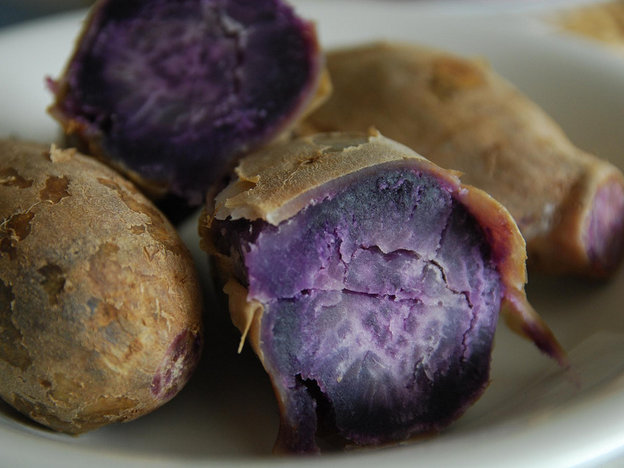
window.__IS_SSR__=true
window.__INITIAL_STATE__={
"attachmentsReducer": {
"audio_0": {
"type": "attachments",
"id": "audio_0",
"imgSizes": {
"kqedFullSize": {
"file": "https://ww2.kqed.org/news/wp-content/themes/KQED-unified/img/audio_bgs/background0.jpg"
}
}
},
"audio_1": {
"type": "attachments",
"id": "audio_1",
"imgSizes": {
"kqedFullSize": {
"file": "https://ww2.kqed.org/news/wp-content/themes/KQED-unified/img/audio_bgs/background1.jpg"
}
}
},
"audio_2": {
"type": "attachments",
"id": "audio_2",
"imgSizes": {
"kqedFullSize": {
"file": "https://ww2.kqed.org/news/wp-content/themes/KQED-unified/img/audio_bgs/background2.jpg"
}
}
},
"audio_3": {
"type": "attachments",
"id": "audio_3",
"imgSizes": {
"kqedFullSize": {
"file": "https://ww2.kqed.org/news/wp-content/themes/KQED-unified/img/audio_bgs/background3.jpg"
}
}
},
"audio_4": {
"type": "attachments",
"id": "audio_4",
"imgSizes": {
"kqedFullSize": {
"file": "https://ww2.kqed.org/news/wp-content/themes/KQED-unified/img/audio_bgs/background4.jpg"
}
}
},
"placeholder": {
"type": "attachments",
"id": "placeholder",
"imgSizes": {
"thumbnail": {
"file": "https://cdn.kqed.org/wp-content/uploads/2024/12/KQED-Default-Image-816638274-2000x1333-1-160x107.jpg",
"width": 160,
"height": 107,
"mimeType": "image/jpeg"
},
"medium": {
"file": "https://cdn.kqed.org/wp-content/uploads/2024/12/KQED-Default-Image-816638274-2000x1333-1-800x533.jpg",
"width": 800,
"height": 533,
"mimeType": "image/jpeg"
},
"medium_large": {
"file": "https://cdn.kqed.org/wp-content/uploads/2024/12/KQED-Default-Image-816638274-2000x1333-1-768x512.jpg",
"width": 768,
"height": 512,
"mimeType": "image/jpeg"
},
"large": {
"file": "https://cdn.kqed.org/wp-content/uploads/2024/12/KQED-Default-Image-816638274-2000x1333-1-1020x680.jpg",
"width": 1020,
"height": 680,
"mimeType": "image/jpeg"
},
"1536x1536": {
"file": "https://cdn.kqed.org/wp-content/uploads/2024/12/KQED-Default-Image-816638274-2000x1333-1-1536x1024.jpg",
"width": 1536,
"height": 1024,
"mimeType": "image/jpeg"
},
"fd-lrg": {
"file": "https://cdn.kqed.org/wp-content/uploads/2024/12/KQED-Default-Image-816638274-2000x1333-1-1536x1024.jpg",
"width": 1536,
"height": 1024,
"mimeType": "image/jpeg"
},
"fd-med": {
"file": "https://cdn.kqed.org/wp-content/uploads/2024/12/KQED-Default-Image-816638274-2000x1333-1-1020x680.jpg",
"width": 1020,
"height": 680,
"mimeType": "image/jpeg"
},
"fd-sm": {
"file": "https://cdn.kqed.org/wp-content/uploads/2024/12/KQED-Default-Image-816638274-2000x1333-1-800x533.jpg",
"width": 800,
"height": 533,
"mimeType": "image/jpeg"
},
"post-thumbnail": {
"file": "https://cdn.kqed.org/wp-content/uploads/2024/12/KQED-Default-Image-816638274-2000x1333-1-672x372.jpg",
"width": 672,
"height": 372,
"mimeType": "image/jpeg"
},
"twentyfourteen-full-width": {
"file": "https://cdn.kqed.org/wp-content/uploads/2024/12/KQED-Default-Image-816638274-2000x1333-1-1038x576.jpg",
"width": 1038,
"height": 576,
"mimeType": "image/jpeg"
},
"xxsmall": {
"file": "https://cdn.kqed.org/wp-content/uploads/2024/12/KQED-Default-Image-816638274-2000x1333-1-160x107.jpg",
"width": 160,
"height": 107,
"mimeType": "image/jpeg"
},
"xsmall": {
"file": "https://cdn.kqed.org/wp-content/uploads/2024/12/KQED-Default-Image-816638274-2000x1333-1-672x372.jpg",
"width": 672,
"height": 372,
"mimeType": "image/jpeg"
},
"small": {
"file": "https://cdn.kqed.org/wp-content/uploads/2024/12/KQED-Default-Image-816638274-2000x1333-1-672x372.jpg",
"width": 672,
"height": 372,
"mimeType": "image/jpeg"
},
"xlarge": {
"file": "https://cdn.kqed.org/wp-content/uploads/2024/12/KQED-Default-Image-816638274-2000x1333-1-1020x680.jpg",
"width": 1020,
"height": 680,
"mimeType": "image/jpeg"
},
"full-width": {
"file": "https://cdn.kqed.org/wp-content/uploads/2024/12/KQED-Default-Image-816638274-2000x1333-1-1920x1280.jpg",
"width": 1920,
"height": 1280,
"mimeType": "image/jpeg"
},
"guest-author-32": {
"file": "https://cdn.kqed.org/wp-content/uploads/2025/01/KQED-Default-Image-816638274-1333x1333-1-160x160.jpg",
"width": 32,
"height": 32,
"mimeType": "image/jpeg"
},
"guest-author-50": {
"file": "https://cdn.kqed.org/wp-content/uploads/2025/01/KQED-Default-Image-816638274-1333x1333-1-160x160.jpg",
"width": 50,
"height": 50,
"mimeType": "image/jpeg"
},
"guest-author-64": {
"file": "https://cdn.kqed.org/wp-content/uploads/2025/01/KQED-Default-Image-816638274-1333x1333-1-160x160.jpg",
"width": 64,
"height": 64,
"mimeType": "image/jpeg"
},
"guest-author-96": {
"file": "https://cdn.kqed.org/wp-content/uploads/2025/01/KQED-Default-Image-816638274-1333x1333-1-160x160.jpg",
"width": 96,
"height": 96,
"mimeType": "image/jpeg"
},
"guest-author-128": {
"file": "https://cdn.kqed.org/wp-content/uploads/2025/01/KQED-Default-Image-816638274-1333x1333-1-160x160.jpg",
"width": 128,
"height": 128,
"mimeType": "image/jpeg"
},
"detail": {
"file": "https://cdn.kqed.org/wp-content/uploads/2025/01/KQED-Default-Image-816638274-1333x1333-1-160x160.jpg",
"width": 160,
"height": 160,
"mimeType": "image/jpeg"
},
"kqedFullSize": {
"file": "https://cdn.kqed.org/wp-content/uploads/2024/12/KQED-Default-Image-816638274-2000x1333-1.jpg",
"width": 2000,
"height": 1333
}
}
},
"bayareabites_69853": {
"type": "attachments",
"id": "bayareabites_69853",
"meta": {
"index": "attachments_1716263798",
"site": "bayareabites",
"id": "69853",
"found": true
},
"parent": 69841,
"imgSizes": {
"kqedFullSize": {
"file": "https://ww2.kqed.org/app/uploads/sites/24/2013/09/brewers-michael-ferguson-sm.jpg",
"width": 624,
"height": 351
}
},
"publishDate": 1378823836,
"modified": 1378823836,
"caption": "Greg Barna/Courtesy 'Beer Geeks'",
"description": null,
"title": "brewers-michael-ferguson-sm",
"credit": null,
"status": "inherit",
"isLoading": false,
"fetchFailed": false
},
"bayareabites_69775": {
"type": "attachments",
"id": "bayareabites_69775",
"meta": {
"index": "attachments_1716263798",
"site": "bayareabites",
"id": "69775",
"found": true
},
"parent": 69769,
"imgSizes": {
"kqedFullSize": {
"file": "https://ww2.kqed.org/app/uploads/sites/24/2013/09/purple-sweet-potato-sm.jpg",
"width": 624,
"height": 468
}
},
"publishDate": 1378755585,
"modified": 1378755585,
"caption": null,
"description": null,
"title": "purple-sweet-potato-sm",
"credit": null,
"status": "inherit",
"isLoading": false,
"fetchFailed": false
},
"bayareabites_69762": {
"type": "attachments",
"id": "bayareabites_69762",
"meta": {
"index": "attachments_1716263798",
"site": "bayareabites",
"id": "69762",
"found": true
},
"parent": 69755,
"imgSizes": {
"kqedFullSize": {
"file": "https://ww2.kqed.org/app/uploads/sites/24/2013/09/chobani.jpg",
"width": 624,
"height": 350
}
},
"publishDate": 1378624974,
"modified": 1378624974,
"caption": "The Chobani Greek yogurt company says the mold that caused some of its products to bloat or swell is not normally harmful to people. On Thursday, Chobani said, \"To be extra cautious, we have moved from a voluntary withdrawal to a voluntary recall.\" Photo: PR NEWSWIRE",
"description": null,
"title": "chobani",
"credit": null,
"status": "inherit",
"isLoading": false,
"fetchFailed": false
},
"bayareabites_69660": {
"type": "attachments",
"id": "bayareabites_69660",
"meta": {
"index": "attachments_1716263798",
"site": "bayareabites",
"id": "69660",
"found": true
},
"parent": 69648,
"imgSizes": {
"kqedFullSize": {
"file": "https://ww2.kqed.org/app/uploads/sites/24/2013/09/fad-diet-color-sm.jpg",
"width": 624,
"height": 938
}
},
"publishDate": 1378428572,
"modified": 1378428572,
"caption": null,
"description": null,
"title": "fad-diet-color-sm",
"credit": null,
"status": "inherit",
"isLoading": false,
"fetchFailed": false
},
"bayareabites_69644": {
"type": "attachments",
"id": "bayareabites_69644",
"meta": {
"index": "attachments_1716263798",
"site": "bayareabites",
"id": "69644",
"found": true
},
"parent": 69638,
"imgSizes": {
"kqedFullSize": {
"file": "https://ww2.kqed.org/app/uploads/sites/24/2013/09/chickennuggets_wide-4d2a9c68f23ae14312ec6afb9a0d300eed6d8fe9-s4-c85.jpg",
"width": 624,
"height": 350
}
},
"publishDate": 1378425902,
"modified": 1378425902,
"caption": null,
"description": null,
"title": "chickennuggets_wide-4d2a9c68f23ae14312ec6afb9a0d300eed6d8fe9-s4-c85",
"credit": null,
"status": "inherit",
"isLoading": false,
"fetchFailed": false
},
"bayareabites_69394": {
"type": "attachments",
"id": "bayareabites_69394",
"meta": {
"index": "attachments_1716263798",
"site": "bayareabites",
"id": "69394",
"found": true
},
"parent": 69383,
"imgSizes": {
"kqedFullSize": {
"file": "https://ww2.kqed.org/app/uploads/sites/24/2013/09/catpoop-coffee-civet-sm.jpg",
"width": 624,
"height": 350
}
},
"publishDate": 1378243287,
"modified": 1378243287,
"caption": null,
"description": "A civet cat eats red coffee cherries at a farm in Bondowoso, Indonesia. Despite their name, civets are more closely related to meerkats and mongooses than cats.",
"title": "catpoop-coffee-civet-sm",
"credit": null,
"status": "inherit",
"isLoading": false,
"fetchFailed": false
},
"bayareabites_69378": {
"type": "attachments",
"id": "bayareabites_69378",
"meta": {
"index": "attachments_1716263798",
"site": "bayareabites",
"id": "69378",
"found": true
},
"parent": 69372,
"imgSizes": {
"kqedFullSize": {
"file": "https://ww2.kqed.org/app/uploads/sites/24/2013/09/thai-fishing.jpg",
"width": 624,
"height": 350
}
},
"publishDate": 1378240589,
"modified": 1378240589,
"caption": "Migrant workers from Myanmar return to a trawler after unloading fish following a fishing trip in the Gulf of Thailand in Samut Sakhon province Tuesday. A new report details \"deceptive and coercive\" labor practices in the Thai fishing sector, which relies heavily on workers from Cambodia and Myanmar, also known as Burma. Photo: Sakchai Lalit/AP",
"description": null,
"title": "thai-fishing",
"credit": null,
"status": "inherit",
"isLoading": false,
"fetchFailed": false
},
"bayareabites_69269": {
"type": "attachments",
"id": "bayareabites_69269",
"meta": {
"index": "attachments_1716263798",
"site": "bayareabites",
"id": "69269",
"found": true
},
"parent": 69240,
"imgSizes": {
"kqedFullSize": {
"file": "https://ww2.kqed.org/app/uploads/sites/24/2013/08/automat-sm.jpg",
"width": 624,
"height": 468
}
},
"publishDate": 1377894281,
"modified": 1377894281,
"caption": null,
"description": null,
"title": "automat-sm",
"credit": null,
"status": "inherit",
"isLoading": false,
"fetchFailed": false
},
"bayareabites_69264": {
"type": "attachments",
"id": "bayareabites_69264",
"meta": {
"index": "attachments_1716263798",
"site": "bayareabites",
"id": "69264",
"found": true
},
"parent": 69256,
"imgSizes": {
"kqedFullSize": {
"file": "https://ww2.kqed.org/app/uploads/sites/24/2013/08/irate_joes-sm.jpg",
"width": 624,
"height": 350
}
},
"publishDate": 1377892770,
"modified": 1377892770,
"caption": null,
"description": null,
"title": "irate_joes-sm",
"credit": null,
"status": "inherit",
"isLoading": false,
"fetchFailed": false
},
"bayareabites_69140": {
"type": "attachments",
"id": "bayareabites_69140",
"meta": {
"index": "attachments_1716263798",
"site": "bayareabites",
"id": "69140",
"found": true
},
"parent": 69132,
"imgSizes": {
"kqedFullSize": {
"file": "https://ww2.kqed.org/app/uploads/sites/24/2013/08/pig-sm.jpg",
"width": 624,
"height": 350
}
},
"publishDate": 1377821548,
"modified": 1377821548,
"caption": null,
"description": null,
"title": "pig-sm",
"credit": null,
"status": "inherit",
"isLoading": false,
"fetchFailed": false
},
"bayareabites_69071": {
"type": "attachments",
"id": "bayareabites_69071",
"meta": {
"index": "attachments_1716263798",
"site": "bayareabites",
"id": "69071",
"found": true
},
"parent": 69064,
"imgSizes": {
"kqedFullSize": {
"file": "https://ww2.kqed.org/app/uploads/sites/24/2013/08/spices.jpg",
"width": 462,
"height": 346
}
},
"publishDate": 1377809039,
"modified": 1377809039,
"caption": "Pepper is the spice most commonly contaminated with Salmonella and other pathogens. Photo: iStockphoto.com",
"description": null,
"title": "spices",
"credit": null,
"status": "inherit",
"isLoading": false,
"fetchFailed": false
},
"bayareabites_69044": {
"type": "attachments",
"id": "bayareabites_69044",
"meta": {
"index": "attachments_1716263798",
"site": "bayareabites",
"id": "69044",
"found": true
},
"parent": 69039,
"imgSizes": {
"kqedFullSize": {
"file": "https://ww2.kqed.org/app/uploads/sites/24/2013/08/food-worker-family-sm.jpg",
"width": 624,
"height": 467
}
},
"publishDate": 1377794780,
"modified": 1377794780,
"caption": null,
"description": "Losia Nyankale helps daughter Jonessa and son Juliean learn the alphabet. Nyankale, who works in a restaurant in Washington, D.C., says she needs food stamps and child-care subsidies to make ends meet.",
"title": "food-worker-family",
"credit": null,
"status": "inherit",
"isLoading": false,
"fetchFailed": false
}
},
"audioPlayerReducer": {
"postId": "stream_live",
"isPaused": true,
"isPlaying": false,
"pfsActive": false,
"pledgeModalIsOpen": true,
"playerDrawerIsOpen": false,
"liveAudioPlayStartedAt": 0,
"liveAudioPlayContext": ""
},
"authorsReducer": {
"byline_bayareabites_69841": {
"type": "authors",
"id": "byline_bayareabites_69841",
"meta": {
"override": true
},
"slug": "byline_bayareabites_69841",
"name": "Alastair Bland",
"isLoading": false
},
"byline_bayareabites_69769": {
"type": "authors",
"id": "byline_bayareabites_69769",
"meta": {
"override": true
},
"slug": "byline_bayareabites_69769",
"name": "Eliza Barclay",
"isLoading": false
},
"byline_bayareabites_69755": {
"type": "authors",
"id": "byline_bayareabites_69755",
"meta": {
"override": true
},
"slug": "byline_bayareabites_69755",
"name": "Bill Chappell",
"isLoading": false
},
"byline_bayareabites_69648": {
"type": "authors",
"id": "byline_bayareabites_69648",
"meta": {
"override": true
},
"slug": "byline_bayareabites_69648",
"name": "Maria Godoy",
"isLoading": false
},
"byline_bayareabites_69638": {
"type": "authors",
"id": "byline_bayareabites_69638",
"meta": {
"override": true
},
"slug": "byline_bayareabites_69638",
"name": "Maria Godoy",
"isLoading": false
},
"byline_bayareabites_69383": {
"type": "authors",
"id": "byline_bayareabites_69383",
"meta": {
"override": true
},
"slug": "byline_bayareabites_69383",
"name": "Michaeleen Doucleff",
"isLoading": false
},
"byline_bayareabites_69372": {
"type": "authors",
"id": "byline_bayareabites_69372",
"meta": {
"override": true
},
"slug": "byline_bayareabites_69372",
"name": "Krishnadev Calamur",
"isLoading": false
},
"byline_bayareabites_69240": {
"type": "authors",
"id": "byline_bayareabites_69240",
"meta": {
"override": true
},
"slug": "byline_bayareabites_69240",
"name": "Elise Hu",
"isLoading": false
},
"byline_bayareabites_69256": {
"type": "authors",
"id": "byline_bayareabites_69256",
"meta": {
"override": true
},
"slug": "byline_bayareabites_69256",
"name": "Bill Chappell",
"isLoading": false
},
"byline_bayareabites_69132": {
"type": "authors",
"id": "byline_bayareabites_69132",
"meta": {
"override": true
},
"slug": "byline_bayareabites_69132",
"name": "Dan Charles",
"isLoading": false
},
"byline_bayareabites_69064": {
"type": "authors",
"id": "byline_bayareabites_69064",
"meta": {
"override": true
},
"slug": "byline_bayareabites_69064",
"name": "Nancy Shute",
"isLoading": false
},
"byline_bayareabites_69039": {
"type": "authors",
"id": "byline_bayareabites_69039",
"meta": {
"override": true
},
"slug": "byline_bayareabites_69039",
"name": "Jennifer Ludden",
"isLoading": false
}
},
"pagesReducer": {
"bayareabites_category_npr-food": {
"type": "terms",
"id": "bayareabites_10916",
"meta": {
"index": "terms_1716263798",
"site": "bayareabites",
"id": "10916",
"score": 13.894751
},
"featImg": null,
"name": "NPR food",
"description": null,
"taxonomy": "category",
"headData": {
"twImgId": null,
"twTitle": null,
"ogTitle": null,
"ogImgId": null,
"twDescription": null,
"description": null,
"title": "NPR food Archives | KQED Bay Area Bites",
"ogDescription": null
},
"ttid": 5375,
"slug": "npr-food",
"isLoading": false,
"title": "NPR food",
"pageMeta": {
"site": "bayareabites",
"WpPageTemplate": "page-topic-editorial",
"currentPage": 67
},
"blocks": [
{
"blockName": "kqed/post-list",
"attrs": {
"layout": "cardArticle2",
"query": "posts/bayareabites?category=npr-food",
"seeMore": false,
"paginated": true,
"page": 67
}
},
{
"blockName": "kqed/ad"
}
]
}
},
"pfsSessionReducer": {},
"postsReducer": {
"stream_live": {
"type": "live",
"id": "stream_live",
"audioUrl": "https://hls.kqed.org/hls/kqed_app/playlist.m3u8",
"title": "Live Stream",
"excerpt": "Live Stream information currently unavailable.",
"link": "/radio",
"featImg": "",
"label": {
"name": "KQED Live",
"link": "/"
}
},
"stream_kqedNewscast": {
"type": "posts",
"id": "stream_kqedNewscast",
"audioUrl": "https://www.kqed.org/.stream/anon/radio/RDnews/newscast.mp3?_=1",
"title": "KQED Newscast",
"featImg": "",
"label": {
"name": "88.5 FM",
"link": "/"
}
},
"bayareabites_69841": {
"type": "posts",
"id": "bayareabites_69841",
"meta": {
"index": "posts_1716263798",
"site": "bayareabites",
"id": "69841",
"score": null,
"sort": [
1378824120000
]
},
"parent": 0,
"labelTerm": {
"site": "bayareabites"
},
"blocks": [],
"publishDate": 1378824120,
"format": "aside",
"disqusTitle": "Why Aren't There More People Of Color In Craft Brewing?",
"title": "Why Aren't There More People Of Color In Craft Brewing?",
"headTitle": "Bay Area Bites | KQED Food",
"content": "\u003cfigure id=\"attachment_69855\" class=\"wp-caption aligncenter\" style=\"max-width: 1120px\">\u003ca href=\"http://ww2.kqed.org/bayareabites/wp-content/uploads/sites/24/2013/09/brewers-michael-ferguson.jpg\">\u003cimg class=\"size-full wp-image-69855\" src=\"http://ww2.kqed.org/bayareabites/wp-content/uploads/sites/24/2013/09/brewers-michael-ferguson.jpg\" alt=\"Michael Ferguson, of the BJ's Restaurants group, is one of only a small handful of African-Americans who make beer for a living. Photo: Greg Barna/Courtesy 'Beer Geeks'\" width=\"1120\" height=\"630\">\u003c/a>\u003cfigcaption class=\"wp-caption-text\">Michael Ferguson, of the BJ's Restaurants group, is one of only a small handful of African-Americans who make beer for a living. Photo: Greg Barna/Courtesy 'Beer Geeks'\u003c/figcaption>\u003c/figure>\n\u003cp>Post by Alastair Bland, \u003ca href=\"http://www.npr.org/blogs/thesalt/2013/09/06/219721800/why-aren-t-there-more-people-of-color-in-craft-brewing\">The Salt at NPR Food\u003c/a> (9/10/13)\u003c/p>\n\u003cp>Michael Ferguson sometimes jokingly refers to himself among colleagues as \"the other black brewer.\"\u003c/p>\n\u003cp>That's because \u003ca href=\"http://www.bjsrestaurants.com/bj-beers/profiles\" target=\"_blank\" rel=\"noopener\">Ferguson\u003c/a>, of the BJ's Restaurants group, is one of only a small handful of African-Americans who make beer for a living. Latinos and Asian Americans are scarce within the brewing community, too.\u003c/p>\n\u003cp>\"For the most part, you've got a bunch of white guys with beards making beer,\" says Yiga Miyashiro, a Japanese-American brewer with Saint Archer Brewery in San Diego.\u003c/p>\n\u003cp>Sure, there are prominent exceptions — like Garrett Oliver, the brewmaster at Brooklyn Brewery, and Celeste and Khouri Beatty, the owners and operators of Harlem Brewing Company. There are a few others, too — but that's out of more than 2,600 breweries nationwide.\u003c/p>\n\u003cp>[ad fullwidth]\u003c/p>\n\u003cp>So how did American craft brewing end up so lacking in diversity?\u003c/p>\n\u003cp>It's a puzzle, agrees \u003cem>Wall Street Journal\u003c/em> beer reviewer and author William Bostwick, who is now working on a global history of beer to be titled \"\u003ca href=\"http://brewerstale.tumblr.com/\" target=\"_blank\" rel=\"noopener\">The Brewer's Tale\u003c/a>.\" He says that virtually every culture in the world's human history has made alcoholic beverages.\u003c/p>\n\u003cp>\"It's one of the few things that all cultures share, so why it's now dominated here in the U.S., and maybe in Europe and Australia, by white males is something I can't explain,\" Bostwick says.\u003c/p>\n\u003cp>\u003ca href=\"http://www.babson.edu/Academics/faculty/profiles/Pages/opie-frederick.aspx\">Frederick Douglas Opie\u003c/a>, a food historian at Babson College, says that cultures in western and central Africa have \"a long history of artisan brewing.\" People of the region, he says, made beer from sorghum and millet, as well as palm wine – which, he says, was considered by some a luxury product.\u003c/p>\n\u003cp>\"So, why that discontinues in America after the Atlantic slave trade, I don't know,\" Opie says. Blacks, he notes, often made moonshine liquor and bootleg beer in the 1920s and '30s. But these days, they're all but absent from the craft beer scene. \"It could be that beer is like a lot of things in the food industry which, as they grow popular, become very hip, yuppie and white.\"\u003c/p>\n\u003cp>Looking at the nation's community of homebrewers also sheds light on the matter, says brewer Jeremy Marshall, of Lagunitas Brewing Company.\u003c/p>\n\u003cfigure id=\"attachment_69854\" class=\"wp-caption alignleft\" style=\"max-width: 290px\">\u003ca href=\"http://ww2.kqed.org/bayareabites/wp-content/uploads/sites/24/2013/09/brewers-5-rabbit.jpg\">\u003cimg class=\"size-medium wp-image-69854\" src=\"http://ww2.kqed.org/bayareabites/wp-content/uploads/sites/24/2013/09/brewers-5-rabbit-290x217.jpg\" alt=\"Andres Araya owns the 5 Rabbit Cerveceria in Chicago. He says "homebrewing doesn't really exist in Latin America." Photo: Courtesy Andres Araya\" width=\"290\" height=\"217\">\u003c/a>\u003cfigcaption class=\"wp-caption-text\">Andres Araya owns the 5 Rabbit Cerveceria in Chicago. He says \"homebrewing doesn't really exist in Latin America.\" Photo: Courtesy Andres Araya\u003c/figcaption>\u003c/figure>\n\u003cp>\"Craft brewing is rooted in homebrewing,\" Marshall says. \"And if you look at homebrewing, you see nerdy white guys playing Dungeons and Dragons and living in their mom's basement, and I know this because I was and am one of them.\"\u003c/p>\n\u003cp>Duke Geren, of the Portland, Ore., homebrewing shop F.H. Steinbart, says his shop's customer base is primarily white. People of other races and ethnicities – particularly the area's Ethiopian community — do purchase brewing supplies from the store, he notes. \"But we don't see this moving up into the commercial level,\" Geren says.\u003c/p>\n\u003cp>In 2011, Andres Araya opened \u003ca href=\"http://www.5rabbitbrewery.com/\" target=\"_blank\" rel=\"noopener\">5 Rabbit Cerveceria\u003c/a> in Chicago, which he says is the first Latin American-themed brewery in the United States. Araya says most American craft beers pay homage to the European nations that brought beer to America — especially Germany and England. Each of Araya's beers, though, is made using an ingredient from Central or South America.\u003c/p>\n\u003cp>Araya, who has worked in Mexico's beer industry, says that \"homebrewing doesn't really exist in Latin America.\" And when Latin Americans immigrate into the United States, Araya says, very few start brewing beer.\u003c/p>\n\u003cp>But a few, at least, do.\u003c/p>\n\u003cp>Near Napa, Calif., \u003ca href=\"http://www.carnerosbrews.com/\" target=\"_blank\" rel=\"noopener\">Carneros Brewing Company\u003c/a> is owned and operated by a Mexican-American family. The brewery opened this summer and makes, among other brews, a wheat beer playfully named \"Jefeweizen.\" (\"Jefe,\" in which the \"j\" is pronounced like an \"h\" sound, is Spanish for boss.) Co-owner Amelia Ceja told The Salt that her company is one of three Latino-owned breweries in the country. (The Brewers Association, a Boulder-based trade group, doesn't keep statistics on the ethnicity or race of people in the industry and could not confirm this claim.)\u003c/p>\n\u003cp>Ferguson at BJ's — who hosted the first episode in a new television series called \"\u003ca href=\"http://beergeeks.tv/about\" target=\"_blank\" rel=\"noopener\">Beer Geeks\u003c/a>\" this weekend — believes the lack of color in the brewing industry reflects a simple cultural preference: \"It seems to me that craft beer isn't a catch phrase among the black population.\"\u003c/p>\n\u003cp>With 1,600 yet-to-be-opened breweries now in their planning stages, according to the Brewers Association, perhaps the ethnic void in the beer world will begin to fill out.\u003c/p>\n\u003cp>But for now, Ferguson says, \"we are an incredible minority.\"\u003c/p>\n\u003cp>\"It's mostly just me and Garrett Oliver,\" he says, somewhat jokingly. \"He really is like the Tiger Woods of brewing.\"\u003c/p>\n\u003cp>\u003c/p>\n\u003cp>\u003cem>Copyright 2013 \u003ca href=\"http://www.npr.org/\">NPR\u003c/a>.\u003c/em>\u003c/p>\n\n",
"disqusIdentifier": "69841 http://blogs.kqed.org/bayareabites/?p=69841",
"disqusUrl": "https://ww2.kqed.org/bayareabites/2013/09/10/why-arent-there-more-people-of-color-in-craft-brewing/",
"stats": {
"hasVideo": false,
"hasChartOrMap": false,
"hasAudio": false,
"hasPolis": false,
"wordCount": 848,
"hasGoogleForm": false,
"hasGallery": false,
"hasHearkenModule": false,
"iframeSrcs": [],
"paragraphCount": 24
},
"modified": 1550616217,
"excerpt": "Few African Americans make beer for a living. Latinos and Asian Americans are also scarce among the nation's more than 2,600 breweries. How did American craft brewing end up so lacking in diversity?",
"headData": {
"twImgId": "",
"twTitle": "",
"ogTitle": "",
"ogImgId": "",
"twDescription": "",
"description": "Few African Americans make beer for a living. Latinos and Asian Americans are also scarce among the nation's more than 2,600 breweries. How did American craft brewing end up so lacking in diversity?",
"title": "Why Aren't There More People Of Color In Craft Brewing? | KQED",
"ogDescription": "",
"schema": {
"@context": "https://schema.org",
"@type": "Article",
"headline": "Why Aren't There More People Of Color In Craft Brewing?",
"datePublished": "2013-09-10T07:42:00-07:00",
"dateModified": "2019-02-19T14:43:37-08:00",
"image": "https://cdn.kqed.org/wp-content/uploads/2020/02/KQED-OG-Image@1x.png"
}
},
"guestAuthors": [],
"slug": "why-arent-there-more-people-of-color-in-craft-brewing",
"status": "publish",
"nprApiLink": "http://api.npr.org/query?id=219721800&apiKey=MDAxOTAwOTE4MDEyMTkxMDAzNjczZDljZA004",
"nprByline": "Alastair Bland",
"nprStoryDate": "Tue, 10 Sep 2013 09:37:00 -0400",
"nprLastModifiedDate": "Tue, 10 Sep 2013 09:42:52 -0400",
"nprHtmlLink": "http://www.npr.org/blogs/thesalt/2013/09/06/219721800/why-aren-t-there-more-people-of-color-in-craft-brewing?ft=3&f=219721800",
"nprStoryId": "219721800",
"nprRetrievedStory": "1",
"nprPubDate": "Tue, 10 Sep 2013 09:42:00 -0400",
"path": "/bayareabites/69841/why-arent-there-more-people-of-color-in-craft-brewing",
"audioTrackLength": null,
"parsedContent": [
{
"type": "contentString",
"content": "\u003cdiv class=\"post-body\">\u003cp>\u003cfigure id=\"attachment_69855\" class=\"wp-caption aligncenter\" style=\"max-width: 1120px\">\u003ca href=\"http://ww2.kqed.org/bayareabites/wp-content/uploads/sites/24/2013/09/brewers-michael-ferguson.jpg\">\u003cimg class=\"size-full wp-image-69855\" src=\"http://ww2.kqed.org/bayareabites/wp-content/uploads/sites/24/2013/09/brewers-michael-ferguson.jpg\" alt=\"Michael Ferguson, of the BJ's Restaurants group, is one of only a small handful of African-Americans who make beer for a living. Photo: Greg Barna/Courtesy 'Beer Geeks'\" width=\"1120\" height=\"630\">\u003c/a>\u003cfigcaption class=\"wp-caption-text\">Michael Ferguson, of the BJ's Restaurants group, is one of only a small handful of African-Americans who make beer for a living. Photo: Greg Barna/Courtesy 'Beer Geeks'\u003c/figcaption>\u003c/figure>\n\u003cp>Post by Alastair Bland, \u003ca href=\"http://www.npr.org/blogs/thesalt/2013/09/06/219721800/why-aren-t-there-more-people-of-color-in-craft-brewing\">The Salt at NPR Food\u003c/a> (9/10/13)\u003c/p>\n\u003cp>Michael Ferguson sometimes jokingly refers to himself among colleagues as \"the other black brewer.\"\u003c/p>\n\u003cp>That's because \u003ca href=\"http://www.bjsrestaurants.com/bj-beers/profiles\" target=\"_blank\" rel=\"noopener\">Ferguson\u003c/a>, of the BJ's Restaurants group, is one of only a small handful of African-Americans who make beer for a living. Latinos and Asian Americans are scarce within the brewing community, too.\u003c/p>\n\u003cp>\"For the most part, you've got a bunch of white guys with beards making beer,\" says Yiga Miyashiro, a Japanese-American brewer with Saint Archer Brewery in San Diego.\u003c/p>\n\u003cp>Sure, there are prominent exceptions — like Garrett Oliver, the brewmaster at Brooklyn Brewery, and Celeste and Khouri Beatty, the owners and operators of Harlem Brewing Company. There are a few others, too — but that's out of more than 2,600 breweries nationwide.\u003c/p>\n\u003cp>\u003c/p>\u003c/div>",
"attributes": {
"named": {},
"numeric": []
}
},
{
"type": "component",
"content": "",
"name": "ad",
"attributes": {
"named": {
"label": "fullwidth"
},
"numeric": [
"fullwidth"
]
}
},
{
"type": "contentString",
"content": "\u003cdiv class=\"post-body\">\u003cp>\u003c/p>\n\u003cp>So how did American craft brewing end up so lacking in diversity?\u003c/p>\n\u003cp>It's a puzzle, agrees \u003cem>Wall Street Journal\u003c/em> beer reviewer and author William Bostwick, who is now working on a global history of beer to be titled \"\u003ca href=\"http://brewerstale.tumblr.com/\" target=\"_blank\" rel=\"noopener\">The Brewer's Tale\u003c/a>.\" He says that virtually every culture in the world's human history has made alcoholic beverages.\u003c/p>\n\u003cp>\"It's one of the few things that all cultures share, so why it's now dominated here in the U.S., and maybe in Europe and Australia, by white males is something I can't explain,\" Bostwick says.\u003c/p>\n\u003cp>\u003ca href=\"http://www.babson.edu/Academics/faculty/profiles/Pages/opie-frederick.aspx\">Frederick Douglas Opie\u003c/a>, a food historian at Babson College, says that cultures in western and central Africa have \"a long history of artisan brewing.\" People of the region, he says, made beer from sorghum and millet, as well as palm wine – which, he says, was considered by some a luxury product.\u003c/p>\n\u003cp>\"So, why that discontinues in America after the Atlantic slave trade, I don't know,\" Opie says. Blacks, he notes, often made moonshine liquor and bootleg beer in the 1920s and '30s. But these days, they're all but absent from the craft beer scene. \"It could be that beer is like a lot of things in the food industry which, as they grow popular, become very hip, yuppie and white.\"\u003c/p>\n\u003cp>Looking at the nation's community of homebrewers also sheds light on the matter, says brewer Jeremy Marshall, of Lagunitas Brewing Company.\u003c/p>\n\u003cfigure id=\"attachment_69854\" class=\"wp-caption alignleft\" style=\"max-width: 290px\">\u003ca href=\"http://ww2.kqed.org/bayareabites/wp-content/uploads/sites/24/2013/09/brewers-5-rabbit.jpg\">\u003cimg class=\"size-medium wp-image-69854\" src=\"http://ww2.kqed.org/bayareabites/wp-content/uploads/sites/24/2013/09/brewers-5-rabbit-290x217.jpg\" alt=\"Andres Araya owns the 5 Rabbit Cerveceria in Chicago. He says "homebrewing doesn't really exist in Latin America." Photo: Courtesy Andres Araya\" width=\"290\" height=\"217\">\u003c/a>\u003cfigcaption class=\"wp-caption-text\">Andres Araya owns the 5 Rabbit Cerveceria in Chicago. He says \"homebrewing doesn't really exist in Latin America.\" Photo: Courtesy Andres Araya\u003c/figcaption>\u003c/figure>\n\u003cp>\"Craft brewing is rooted in homebrewing,\" Marshall says. \"And if you look at homebrewing, you see nerdy white guys playing Dungeons and Dragons and living in their mom's basement, and I know this because I was and am one of them.\"\u003c/p>\n\u003cp>Duke Geren, of the Portland, Ore., homebrewing shop F.H. Steinbart, says his shop's customer base is primarily white. People of other races and ethnicities – particularly the area's Ethiopian community — do purchase brewing supplies from the store, he notes. \"But we don't see this moving up into the commercial level,\" Geren says.\u003c/p>\n\u003cp>In 2011, Andres Araya opened \u003ca href=\"http://www.5rabbitbrewery.com/\" target=\"_blank\" rel=\"noopener\">5 Rabbit Cerveceria\u003c/a> in Chicago, which he says is the first Latin American-themed brewery in the United States. Araya says most American craft beers pay homage to the European nations that brought beer to America — especially Germany and England. Each of Araya's beers, though, is made using an ingredient from Central or South America.\u003c/p>\n\u003cp>Araya, who has worked in Mexico's beer industry, says that \"homebrewing doesn't really exist in Latin America.\" And when Latin Americans immigrate into the United States, Araya says, very few start brewing beer.\u003c/p>\n\u003cp>But a few, at least, do.\u003c/p>\n\u003cp>Near Napa, Calif., \u003ca href=\"http://www.carnerosbrews.com/\" target=\"_blank\" rel=\"noopener\">Carneros Brewing Company\u003c/a> is owned and operated by a Mexican-American family. The brewery opened this summer and makes, among other brews, a wheat beer playfully named \"Jefeweizen.\" (\"Jefe,\" in which the \"j\" is pronounced like an \"h\" sound, is Spanish for boss.) Co-owner Amelia Ceja told The Salt that her company is one of three Latino-owned breweries in the country. (The Brewers Association, a Boulder-based trade group, doesn't keep statistics on the ethnicity or race of people in the industry and could not confirm this claim.)\u003c/p>\n\u003cp>Ferguson at BJ's — who hosted the first episode in a new television series called \"\u003ca href=\"http://beergeeks.tv/about\" target=\"_blank\" rel=\"noopener\">Beer Geeks\u003c/a>\" this weekend — believes the lack of color in the brewing industry reflects a simple cultural preference: \"It seems to me that craft beer isn't a catch phrase among the black population.\"\u003c/p>\n\u003cp>With 1,600 yet-to-be-opened breweries now in their planning stages, according to the Brewers Association, perhaps the ethnic void in the beer world will begin to fill out.\u003c/p>\n\u003cp>But for now, Ferguson says, \"we are an incredible minority.\"\u003c/p>\n\u003cp>\"It's mostly just me and Garrett Oliver,\" he says, somewhat jokingly. \"He really is like the Tiger Woods of brewing.\"\u003c/p>\n\u003cp>\u003c/p>\n\u003cp>\u003cem>Copyright 2013 \u003ca href=\"http://www.npr.org/\">NPR\u003c/a>.\u003c/em>\u003c/p>\n\n\u003c/div>\u003c/p>",
"attributes": {
"named": {},
"numeric": []
}
}
],
"link": "/bayareabites/69841/why-arent-there-more-people-of-color-in-craft-brewing",
"authors": [
"byline_bayareabites_69841"
],
"categories": [
"bayareabites_301",
"bayareabites_10916"
],
"tags": [
"bayareabites_12356",
"bayareabites_14326",
"bayareabites_14753",
"bayareabites_12352",
"bayareabites_16305",
"bayareabites_12353",
"bayareabites_10921"
],
"featImg": "bayareabites_69853",
"label": "bayareabites"
},
"bayareabites_69769": {
"type": "posts",
"id": "bayareabites_69769",
"meta": {
"index": "posts_1716263798",
"site": "bayareabites",
"id": "69769",
"score": null,
"sort": [
1378756334000
]
},
"parent": 0,
"labelTerm": {
"site": "bayareabites"
},
"blocks": [],
"publishDate": 1378756334,
"format": "aside",
"disqusTitle": "Purple Sweet Potato A Contender To Replace Artificial Food Dyes",
"title": "Purple Sweet Potato A Contender To Replace Artificial Food Dyes",
"headTitle": "Bay Area Bites | KQED Food",
"content": "\u003cfigure id=\"attachment_69776\" class=\"wp-caption aligncenter\" style=\"max-width: 1120px\">\u003ca href=\"http://ww2.kqed.org/bayareabites/wp-content/uploads/sites/24/2013/09/purple-sweet-potato.jpg\">\u003cimg src=\"http://ww2.kqed.org/bayareabites/wp-content/uploads/sites/24/2013/09/purple-sweet-potato.jpg\" alt='Food chemists say that pigments from purple sweet potato are becoming a \"natural\" alternative to synthetic food dye. Photo: avlxyz/Flickr' width=\"1120\" height=\"840\" class=\"size-full wp-image-69776\">\u003c/a>\u003cfigcaption class=\"wp-caption-text\">Food chemists say that pigments from purple sweet potato are becoming a \"natural\" alternative to synthetic food dye. Photo: avlxyz/\u003cahref>Flickr\u003c/ahref>\u003c/figcaption>\u003c/figure>\n\u003cp>Post by Eliza Barclay, \u003ca href=\"http://www.npr.org/blogs/thesalt/2013/09/09/220660810/purple-sweet-potato-a-contender-to-replace-artificial-food-dyes\">The Salt at NPR Food\u003c/a> (9/9/13)\u003c/p>\n\u003cp>We've grown accustomed to choosing our food from a spectacular rainbow — care for an impossibly pink cupcake, a cerulean blue sports drink or yogurt in preppy lavender?\u003c/p>\n\u003cp>But there's a growing backlash against the synthetic dyes that give us these eye-popping hues. And now scientists are turning to the little-known (and little-grown) purple sweet potato to develop plant-based dyes that can be labeled as non-threatening vegetable juice.\u003c/p>\n\u003cp>\u003ca href=\"http://nfscfaculty.tamu.edu/talcott/\">Stephen Talcott\u003c/a>, a food chemist at Texas A&M University, leads the research into extracting the pigments from purple sweet potatoes to dye foods.\u003c/p>\n\u003cp>\"Our work with purple sweet potatoes has been going for a couple of years, partially in response to a trend within the food industry to move away from synthetic colors — primarily shades of red,\" Talcott said Sunday at a \u003ca href=\"http://www.ustream.tv/recorded/38441599\">press conference\u003c/a> at the American Chemical Society National Meeting & Exposition. \"Purple sweet potatoes are a great alternative.\"\u003c/p>\n\u003cp>[ad fullwidth]\u003c/p>\n\u003cp>Talcott says purple sweet potato pigments are unique because they have \"tremendous\" color stability. In other words, they have more intense color and a wider color range — from raspberry red to grape-like purple — than other deeply hued fruits or vegetables. They're also well-suited for food products because they have a neutral flavor — unlike grapes, which have good color but bitter tannins. The sweet potato pigments even boast slight health benefits — they are mildly anti-inflammatory and anti-carcinogenic, Talcott notes.\u003c/p>\n\u003cp>But these pigments aren't exactly easy for scientists to extract — that's one reason there isn't more of this dye around. The hard texture of the potato makes the pigment hard to get to, which is what Talcott's lab has been trying to crack.\u003c/p>\n\u003cp>Another problem is the supply. Few farmers grow purple sweet potatoes, and the dye currently costs about $136 per pound.\u003c/p>\n\u003cp>But Talcott argues that as consumers learn to scrutinize their food labels more carefully, they'll push the food industry to grow the natural food coloring market.\u003c/p>\n\u003cp>Some parents are increasingly seeking out natural food coloring, out of fears about how the lab-made dyes effect children — though there's little scientific evidence to back such fears up. Back in 2011, a Food and Drug Administration advisory panel \u003ca href=\"http://www.npr.org/blogs/health/2011/04/01/135023674/fda-panel-says-food-dyes-dont-cause-hyperactivity\">found \u003c/a>that the current scientific data did not show that artificial food dyes cause hyperactivity in most children.\u003c/p>\n\u003cp>Still, food advocacy group Center for Science in the Public Interest \u003ca href=\"https://www.cspinet.org/new/201112081.html\">asked\u003c/a> the FDA to require that the label of a food containing color additives read \"Artificially Colored\" on the package next to the product name — something the agency already requires of many artificially colored products.\u003c/p>\n\u003cp>Even some \"natural\" dyes, like a red dye made from the cochineal bug, don't make the cut for some consumers. Back in 2012, we \u003ca href=\"http://www.npr.org/blogs/thesalt/2012/04/19/150972539/starbucks-ditches-bug-based-red-dye-in-strawberry-drink\">reported\u003c/a> that Starbucks was ditching the dye — which is made from crushed bugs — after vegetarians and others protested that they had no idea their Strawberries & Crème Frappuccinos were tinted with bug extract.\u003c/p>\n\u003cp>Other companies continue to use cochineal, however, and CSPI \u003ca href=\"https://www.cspinet.org/new/201307241.html\">is lobbying\u003c/a> Groupe Danone, which makes Dannon yogurt, to replace the bug-based dye with more of the fruit advertised on the yogurt's label. \u003c/p>\n\u003cp>\u003c/p>\n\u003cp> \u003cem>Copyright 2013 \u003ca href=\"http://www.npr.org/\">NPR\u003c/a>.\u003c/em> \u003c/p>\n\n",
"disqusIdentifier": "69769 http://blogs.kqed.org/bayareabites/?p=69769",
"disqusUrl": "https://ww2.kqed.org/bayareabites/2013/09/09/purple-sweet-potato-a-contender-to-replace-artificial-food-dyes/",
"stats": {
"hasVideo": false,
"hasChartOrMap": false,
"hasAudio": false,
"hasPolis": false,
"wordCount": 581,
"hasGoogleForm": false,
"hasGallery": false,
"hasHearkenModule": false,
"iframeSrcs": [],
"paragraphCount": 16
},
"modified": 1378756334,
"excerpt": "Consumers are demanding \"natural\" food dyes, and scientists say purple sweet potato is the most promising source of pigments to make them. But it may be a while before your red Popsicle is made with this kind of vegetable-based dye.",
"headData": {
"twImgId": "",
"twTitle": "",
"ogTitle": "",
"ogImgId": "",
"twDescription": "",
"description": "Consumers are demanding "natural" food dyes, and scientists say purple sweet potato is the most promising source of pigments to make them. But it may be a while before your red Popsicle is made with this kind of vegetable-based dye.",
"title": "Purple Sweet Potato A Contender To Replace Artificial Food Dyes | KQED",
"ogDescription": "",
"schema": {
"@context": "https://schema.org",
"@type": "Article",
"headline": "Purple Sweet Potato A Contender To Replace Artificial Food Dyes",
"datePublished": "2013-09-09T12:52:14-07:00",
"dateModified": "2013-09-09T12:52:14-07:00",
"image": "https://cdn.kqed.org/wp-content/uploads/2020/02/KQED-OG-Image@1x.png"
}
},
"guestAuthors": [],
"slug": "purple-sweet-potato-a-contender-to-replace-artificial-food-dyes",
"status": "publish",
"nprApiLink": "http://api.npr.org/query?id=220660810&apiKey=MDAxOTAwOTE4MDEyMTkxMDAzNjczZDljZA004",
"nprByline": "Eliza Barclay",
"nprStoryDate": "Mon, 09 Sep 2013 15:08:00 -0400",
"nprLastModifiedDate": "Mon, 09 Sep 2013 15:15:17 -0400",
"nprHtmlLink": "http://www.npr.org/blogs/thesalt/2013/09/09/220660810/purple-sweet-potato-a-contender-to-replace-artificial-food-dyes?ft=3&f=220660810",
"nprStoryId": "220660810",
"nprRetrievedStory": "1",
"nprPubDate": "Mon, 09 Sep 2013 15:15:00 -0400",
"path": "/bayareabites/69769/purple-sweet-potato-a-contender-to-replace-artificial-food-dyes",
"audioTrackLength": null,
"parsedContent": [
{
"type": "contentString",
"content": "\u003cdiv class=\"post-body\">\u003cp>\u003cfigure id=\"attachment_69776\" class=\"wp-caption aligncenter\" style=\"max-width: 1120px\">\u003ca href=\"http://ww2.kqed.org/bayareabites/wp-content/uploads/sites/24/2013/09/purple-sweet-potato.jpg\">\u003cimg src=\"http://ww2.kqed.org/bayareabites/wp-content/uploads/sites/24/2013/09/purple-sweet-potato.jpg\" alt='Food chemists say that pigments from purple sweet potato are becoming a \"natural\" alternative to synthetic food dye. Photo: avlxyz/Flickr' width=\"1120\" height=\"840\" class=\"size-full wp-image-69776\">\u003c/a>\u003cfigcaption class=\"wp-caption-text\">Food chemists say that pigments from purple sweet potato are becoming a \"natural\" alternative to synthetic food dye. Photo: avlxyz/\u003cahref>Flickr\u003c/ahref>\u003c/figcaption>\u003c/figure>\n\u003cp>Post by Eliza Barclay, \u003ca href=\"http://www.npr.org/blogs/thesalt/2013/09/09/220660810/purple-sweet-potato-a-contender-to-replace-artificial-food-dyes\">The Salt at NPR Food\u003c/a> (9/9/13)\u003c/p>\n\u003cp>We've grown accustomed to choosing our food from a spectacular rainbow — care for an impossibly pink cupcake, a cerulean blue sports drink or yogurt in preppy lavender?\u003c/p>\n\u003cp>But there's a growing backlash against the synthetic dyes that give us these eye-popping hues. And now scientists are turning to the little-known (and little-grown) purple sweet potato to develop plant-based dyes that can be labeled as non-threatening vegetable juice.\u003c/p>\n\u003cp>\u003ca href=\"http://nfscfaculty.tamu.edu/talcott/\">Stephen Talcott\u003c/a>, a food chemist at Texas A&M University, leads the research into extracting the pigments from purple sweet potatoes to dye foods.\u003c/p>\n\u003cp>\"Our work with purple sweet potatoes has been going for a couple of years, partially in response to a trend within the food industry to move away from synthetic colors — primarily shades of red,\" Talcott said Sunday at a \u003ca href=\"http://www.ustream.tv/recorded/38441599\">press conference\u003c/a> at the American Chemical Society National Meeting & Exposition. \"Purple sweet potatoes are a great alternative.\"\u003c/p>\n\u003cp>\u003c/p>\u003c/div>",
"attributes": {
"named": {},
"numeric": []
}
},
{
"type": "component",
"content": "",
"name": "ad",
"attributes": {
"named": {
"label": "fullwidth"
},
"numeric": [
"fullwidth"
]
}
},
{
"type": "contentString",
"content": "\u003cdiv class=\"post-body\">\u003cp>\u003c/p>\n\u003cp>Talcott says purple sweet potato pigments are unique because they have \"tremendous\" color stability. In other words, they have more intense color and a wider color range — from raspberry red to grape-like purple — than other deeply hued fruits or vegetables. They're also well-suited for food products because they have a neutral flavor — unlike grapes, which have good color but bitter tannins. The sweet potato pigments even boast slight health benefits — they are mildly anti-inflammatory and anti-carcinogenic, Talcott notes.\u003c/p>\n\u003cp>But these pigments aren't exactly easy for scientists to extract — that's one reason there isn't more of this dye around. The hard texture of the potato makes the pigment hard to get to, which is what Talcott's lab has been trying to crack.\u003c/p>\n\u003cp>Another problem is the supply. Few farmers grow purple sweet potatoes, and the dye currently costs about $136 per pound.\u003c/p>\n\u003cp>But Talcott argues that as consumers learn to scrutinize their food labels more carefully, they'll push the food industry to grow the natural food coloring market.\u003c/p>\n\u003cp>Some parents are increasingly seeking out natural food coloring, out of fears about how the lab-made dyes effect children — though there's little scientific evidence to back such fears up. Back in 2011, a Food and Drug Administration advisory panel \u003ca href=\"http://www.npr.org/blogs/health/2011/04/01/135023674/fda-panel-says-food-dyes-dont-cause-hyperactivity\">found \u003c/a>that the current scientific data did not show that artificial food dyes cause hyperactivity in most children.\u003c/p>\n\u003cp>Still, food advocacy group Center for Science in the Public Interest \u003ca href=\"https://www.cspinet.org/new/201112081.html\">asked\u003c/a> the FDA to require that the label of a food containing color additives read \"Artificially Colored\" on the package next to the product name — something the agency already requires of many artificially colored products.\u003c/p>\n\u003cp>Even some \"natural\" dyes, like a red dye made from the cochineal bug, don't make the cut for some consumers. Back in 2012, we \u003ca href=\"http://www.npr.org/blogs/thesalt/2012/04/19/150972539/starbucks-ditches-bug-based-red-dye-in-strawberry-drink\">reported\u003c/a> that Starbucks was ditching the dye — which is made from crushed bugs — after vegetarians and others protested that they had no idea their Strawberries & Crème Frappuccinos were tinted with bug extract.\u003c/p>\n\u003cp>Other companies continue to use cochineal, however, and CSPI \u003ca href=\"https://www.cspinet.org/new/201307241.html\">is lobbying\u003c/a> Groupe Danone, which makes Dannon yogurt, to replace the bug-based dye with more of the fruit advertised on the yogurt's label. \u003c/p>\n\u003cp>\u003c/p>\n\u003cp> \u003cem>Copyright 2013 \u003ca href=\"http://www.npr.org/\">NPR\u003c/a>.\u003c/em> \u003c/p>\n\n\u003c/div>\u003c/p>",
"attributes": {
"named": {},
"numeric": []
}
}
],
"link": "/bayareabites/69769/purple-sweet-potato-a-contender-to-replace-artificial-food-dyes",
"authors": [
"byline_bayareabites_69769"
],
"categories": [
"bayareabites_4084",
"bayareabites_1245",
"bayareabites_10916",
"bayareabites_1873"
],
"tags": [
"bayareabites_12348",
"bayareabites_12344",
"bayareabites_12345",
"bayareabites_12347",
"bayareabites_10921",
"bayareabites_12346"
],
"featImg": "bayareabites_69775",
"label": "bayareabites"
},
"bayareabites_69755": {
"type": "posts",
"id": "bayareabites_69755",
"meta": {
"index": "posts_1716263798",
"site": "bayareabites",
"id": "69755",
"score": null,
"sort": [
1378625181000
]
},
"parent": 0,
"labelTerm": {
"site": "bayareabites"
},
"blocks": [],
"publishDate": 1378625181,
"format": "aside",
"disqusTitle": "Chobani Issues All-Clear After Yogurt Recall",
"title": "Chobani Issues All-Clear After Yogurt Recall",
"headTitle": "Bay Area Bites | KQED Food",
"content": "\u003cfigure id=\"attachment_69762\" class=\"wp-caption aligncenter\" style=\"max-width: 624px\">\u003ca href=\"http://ww2.kqed.org/bayareabites/wp-content/uploads/sites/24/2013/09/chobani.jpg\">\u003cimg src=\"http://ww2.kqed.org/bayareabites/wp-content/uploads/sites/24/2013/09/chobani.jpg\" alt='The Chobani Greek yogurt company says the mold that caused some of its products to bloat or swell is not normally harmful to people. On Thursday, Chobani said, \"To be extra cautious, we have moved from a voluntary withdrawal to a voluntary recall.\" Photo: PR NEWSWIRE' width=\"624\" height=\"350\" class=\"size-full wp-image-69762\">\u003c/a>\u003cfigcaption class=\"wp-caption-text\">The Chobani Greek yogurt company says the mold that caused some of its products to bloat or swell is not normally harmful to people. On Thursday, Chobani said, \"To be extra cautious, we have moved from a voluntary withdrawal to a voluntary recall.\" Photo: PR NEWSWIRE\u003c/figcaption>\u003c/figure>\n\u003cp>Post by \u003ca href=\"http://www.npr.org/people/14562108/bill-chappell\">Bill Chappell\u003c/a>, \u003ca href=\"http://www.npr.org/blogs/thetwo-way/2013/09/07/220049147/chobani-issue-all-clear-after-partial-recall-of-yogurt-packages\">The Two-Way at NPR Food News\u003c/a> (9/7/13)\u003c/p>\n\u003cp>After concerns over its product led the Chobani Greek yogurt company to issue a voluntary recall of some packages earlier this week, the New York-based foodmaker now says the mold that was identified as the culprit is not dangerous.\u003c/p>\n\u003cp>\"Through extensive testing and expert consultation, we now know that the mold found in the products we voluntarily recalled this week is a species called Mucor circinelloides,\" \u003ca href=\"http://chobani.com/community/blog/2013/08/quality-promise/\">the company says\u003c/a>. \"Mucor circinelloides is not considered a foodborne pathogen.\"\u003c/p>\n\u003cp>A week ago, Chobani said that it was investigating its production chain after reports of packages swelling or bloating. Customers' claims of illness led the company to escalate its response on Thursday, when it announced, \"To be extra cautious, we have moved from a voluntary withdrawal to a voluntary recall.\"\u003c/p>\n\u003cp>At the time of the recall, Chobani said it had successfully pulled more than 95 percent of the products in question. They were made at the company's new facility in Twin Falls, Idaho, which \u003ca href=\"http://stateimpact.npr.org/idaho/2012/12/17/chobani-opens-twin-falls-yogurt-facility-today-but-at-what-cost-to-taxpayers/\">opened last December\u003c/a>.\u003c/p>\n\u003cp>[ad fullwidth]\u003c/p>\n\u003cp>Chobani asked customers who bought containers showing the manufacturing code 16-012 and a \"best by\" date between Sept. 11 and Oct. 7 to dispose of the yogurt and get in touch for a refund.\u003c/p>\n\u003cp>The mold can cause spoilage in yogurt products by leading to swelling and bloating, Chobani says. To explain more about it, the company quotes Cornell University's Randy Worobo, a professor of food science:\u003c/p>\n\u003cp>\"This mold should not pose a health risk to most consumers. Very rarely, it can act as an opportunistic pathogen, but not through food and usually only for people with compromised immune systems through inhalation. The organism is regularly used for the production of natural flavor compounds that are widely used in the food industry.\"\u003c/p>\n\u003cp>Cornell says that Worobo was not paid to speak about the mold and that he offered his comments as a food expert, not as someone who had tested the products in questions, \u003ca href=\"http://abcnews.go.com/Health/wireStory/chobani-mold-yogurt-carry-disease-20180950\">the AP reports\u003c/a>.\u003c/p>\n\u003cp>If you're unclear on your yogurt chemistry, we refer you to the National Center for Home Food Preservation, which reminds us that \u003ca href=\"http://nchfp.uga.edu/publications/nchfp/factsheets/yogurt.html\">yogurt is made by adding bacteria\u003c/a> to milk that has been heated. \u003c/p>\n\u003cp>\u003c/p>\n\u003cp>\u003cem>Copyright 2013 \u003ca href=\"http://www.npr.org/\">NPR\u003c/a>.\u003c/em> \u003c/p>\n\n",
"disqusIdentifier": "69755 http://blogs.kqed.org/bayareabites/?p=69755",
"disqusUrl": "https://ww2.kqed.org/bayareabites/2013/09/08/chobani-issues-all-clear-after-yogurt-recall/",
"stats": {
"hasVideo": false,
"hasChartOrMap": false,
"hasAudio": false,
"hasPolis": false,
"wordCount": 425,
"hasGoogleForm": false,
"hasGallery": false,
"hasHearkenModule": false,
"iframeSrcs": [],
"paragraphCount": 13
},
"modified": 1378625181,
"excerpt": "After concerns over its product led the Chobani Greek yogurt company to issue a voluntary recall of some packages earlier this week, the food maker now says the mold that was identified as the culprit is not dangerous.",
"headData": {
"twImgId": "",
"twTitle": "",
"ogTitle": "",
"ogImgId": "",
"twDescription": "",
"description": "After concerns over its product led the Chobani Greek yogurt company to issue a voluntary recall of some packages earlier this week, the food maker now says the mold that was identified as the culprit is not dangerous.",
"title": "Chobani Issues All-Clear After Yogurt Recall | KQED",
"ogDescription": "",
"schema": {
"@context": "https://schema.org",
"@type": "Article",
"headline": "Chobani Issues All-Clear After Yogurt Recall",
"datePublished": "2013-09-08T00:26:21-07:00",
"dateModified": "2013-09-08T00:26:21-07:00",
"image": "https://cdn.kqed.org/wp-content/uploads/2020/02/KQED-OG-Image@1x.png"
}
},
"guestAuthors": [],
"slug": "chobani-issues-all-clear-after-yogurt-recall",
"status": "publish",
"nprApiLink": "http://api.npr.org/query?id=220049147&apiKey=MDAxOTAwOTE4MDEyMTkxMDAzNjczZDljZA004",
"nprByline": "Bill Chappell",
"nprStoryDate": "Sat, 07 Sep 2013 13:36:00 -0400",
"nprLastModifiedDate": "Sat, 07 Sep 2013 14:19:01 -0400",
"nprHtmlLink": "http://www.npr.org/blogs/thetwo-way/2013/09/07/220049147/chobani-issue-all-clear-after-partial-recall-of-yogurt-packages?ft=3&f=220049147",
"nprStoryId": "220049147",
"nprRetrievedStory": "1",
"nprPubDate": "Sat, 07 Sep 2013 14:18:00 -0400",
"path": "/bayareabites/69755/chobani-issues-all-clear-after-yogurt-recall",
"audioTrackLength": null,
"parsedContent": [
{
"type": "contentString",
"content": "\u003cdiv class=\"post-body\">\u003cp>\u003cfigure id=\"attachment_69762\" class=\"wp-caption aligncenter\" style=\"max-width: 624px\">\u003ca href=\"http://ww2.kqed.org/bayareabites/wp-content/uploads/sites/24/2013/09/chobani.jpg\">\u003cimg src=\"http://ww2.kqed.org/bayareabites/wp-content/uploads/sites/24/2013/09/chobani.jpg\" alt='The Chobani Greek yogurt company says the mold that caused some of its products to bloat or swell is not normally harmful to people. On Thursday, Chobani said, \"To be extra cautious, we have moved from a voluntary withdrawal to a voluntary recall.\" Photo: PR NEWSWIRE' width=\"624\" height=\"350\" class=\"size-full wp-image-69762\">\u003c/a>\u003cfigcaption class=\"wp-caption-text\">The Chobani Greek yogurt company says the mold that caused some of its products to bloat or swell is not normally harmful to people. On Thursday, Chobani said, \"To be extra cautious, we have moved from a voluntary withdrawal to a voluntary recall.\" Photo: PR NEWSWIRE\u003c/figcaption>\u003c/figure>\n\u003cp>Post by \u003ca href=\"http://www.npr.org/people/14562108/bill-chappell\">Bill Chappell\u003c/a>, \u003ca href=\"http://www.npr.org/blogs/thetwo-way/2013/09/07/220049147/chobani-issue-all-clear-after-partial-recall-of-yogurt-packages\">The Two-Way at NPR Food News\u003c/a> (9/7/13)\u003c/p>\n\u003cp>After concerns over its product led the Chobani Greek yogurt company to issue a voluntary recall of some packages earlier this week, the New York-based foodmaker now says the mold that was identified as the culprit is not dangerous.\u003c/p>\n\u003cp>\"Through extensive testing and expert consultation, we now know that the mold found in the products we voluntarily recalled this week is a species called Mucor circinelloides,\" \u003ca href=\"http://chobani.com/community/blog/2013/08/quality-promise/\">the company says\u003c/a>. \"Mucor circinelloides is not considered a foodborne pathogen.\"\u003c/p>\n\u003cp>A week ago, Chobani said that it was investigating its production chain after reports of packages swelling or bloating. Customers' claims of illness led the company to escalate its response on Thursday, when it announced, \"To be extra cautious, we have moved from a voluntary withdrawal to a voluntary recall.\"\u003c/p>\n\u003cp>At the time of the recall, Chobani said it had successfully pulled more than 95 percent of the products in question. They were made at the company's new facility in Twin Falls, Idaho, which \u003ca href=\"http://stateimpact.npr.org/idaho/2012/12/17/chobani-opens-twin-falls-yogurt-facility-today-but-at-what-cost-to-taxpayers/\">opened last December\u003c/a>.\u003c/p>\n\u003cp>\u003c/p>\u003c/div>",
"attributes": {
"named": {},
"numeric": []
}
},
{
"type": "component",
"content": "",
"name": "ad",
"attributes": {
"named": {
"label": "fullwidth"
},
"numeric": [
"fullwidth"
]
}
},
{
"type": "contentString",
"content": "\u003cdiv class=\"post-body\">\u003cp>\u003c/p>\n\u003cp>Chobani asked customers who bought containers showing the manufacturing code 16-012 and a \"best by\" date between Sept. 11 and Oct. 7 to dispose of the yogurt and get in touch for a refund.\u003c/p>\n\u003cp>The mold can cause spoilage in yogurt products by leading to swelling and bloating, Chobani says. To explain more about it, the company quotes Cornell University's Randy Worobo, a professor of food science:\u003c/p>\n\u003cp>\"This mold should not pose a health risk to most consumers. Very rarely, it can act as an opportunistic pathogen, but not through food and usually only for people with compromised immune systems through inhalation. The organism is regularly used for the production of natural flavor compounds that are widely used in the food industry.\"\u003c/p>\n\u003cp>Cornell says that Worobo was not paid to speak about the mold and that he offered his comments as a food expert, not as someone who had tested the products in questions, \u003ca href=\"http://abcnews.go.com/Health/wireStory/chobani-mold-yogurt-carry-disease-20180950\">the AP reports\u003c/a>.\u003c/p>\n\u003cp>If you're unclear on your yogurt chemistry, we refer you to the National Center for Home Food Preservation, which reminds us that \u003ca href=\"http://nchfp.uga.edu/publications/nchfp/factsheets/yogurt.html\">yogurt is made by adding bacteria\u003c/a> to milk that has been heated. \u003c/p>\n\u003cp>\u003c/p>\n\u003cp>\u003cem>Copyright 2013 \u003ca href=\"http://www.npr.org/\">NPR\u003c/a>.\u003c/em> \u003c/p>\n\n\u003c/div>\u003c/p>",
"attributes": {
"named": {},
"numeric": []
}
}
],
"link": "/bayareabites/69755/chobani-issues-all-clear-after-yogurt-recall",
"authors": [
"byline_bayareabites_69755"
],
"categories": [
"bayareabites_1245",
"bayareabites_10916"
],
"tags": [
"bayareabites_12333",
"bayareabites_12334",
"bayareabites_12335",
"bayareabites_888",
"bayareabites_11465"
],
"featImg": "bayareabites_69762",
"label": "bayareabites"
},
"bayareabites_69648": {
"type": "posts",
"id": "bayareabites_69648",
"meta": {
"index": "posts_1716263798",
"site": "bayareabites",
"id": "69648",
"score": null,
"sort": [
1378429576000
]
},
"parent": 0,
"labelTerm": {
"site": "bayareabites"
},
"blocks": [],
"publishDate": 1378429576,
"format": "aside",
"disqusTitle": "Fad Diets Will Seem Even Crazier After You See This",
"title": "Fad Diets Will Seem Even Crazier After You See This",
"headTitle": "Bay Area Bites | KQED Food",
"content": "\u003cp>Post by Maria Godoy, \u003ca href=\"http://www.npr.org/blogs/thesalt/2013/08/23/214912007/fad-diets-will-seem-even-crazier-after-you-see-this\">The Salt at NPR Food\u003c/a> (9/5/13)\u003c/p>\n\u003cp>On one level, it's easy to understand the allure of a fad diet: Eat this, not that and you'll lose weight, guaranteed. Who doesn't want an easy way to shed unwanted pounds?\u003c/p>\n\u003cfigure id=\"attachment_69659\" class=\"wp-caption aligncenter\" style=\"max-width: 1023px\">\u003ca href=\"http://ww2.kqed.org/bayareabites/wp-content/uploads/sites/24/2013/09/fad-diet-cleanse.jpg\">\u003cimg src=\"http://ww2.kqed.org/bayareabites/wp-content/uploads/sites/24/2013/09/fad-diet-cleanse.jpg\" alt=\"<strong>The Master Cleanse: </strong>Adherents are required to avoid any food and just drink a concoction of water, lemon juice, maple syrup and cayenne pepper to "detoxify" their bodies. As Piper in <em>Orange Is The New Black</em><em> </em><a href="http://www.vulture.com/2013/07/orange-is-the-new-black-recap-season-1-episode-2.html">proves</a>, it's tough to make it through on this meager meal. Photo: Stephanie Gonot/Courtesy of the photographer\" width=\"1023\" height=\"1538\" class=\"size-full wp-image-69659\">\u003c/a>\u003cfigcaption class=\"wp-caption-text\">\u003cstrong>The Master Cleanse: \u003c/strong>Adherents are required to avoid any food and just drink a concoction of water, lemon juice, maple syrup and cayenne pepper to \"detoxify\" their bodies. As Piper in \u003cem>Orange Is The New Black\u003c/em>\u003cem> \u003c/em>\u003ca href=\"http://www.vulture.com/2013/07/orange-is-the-new-black-recap-season-1-episode-2.html\">proves\u003c/a>, it's tough to make it through on this meager meal. Photo: Stephanie Gonot/Courtesy of the photographer\u003c/figcaption>\u003c/figure>\n\u003cp>It was that sort of thinking that first prompted photographer \u003ca href=\"http://www.stephaniegonot.com/\">Stephanie Gonot\u003c/a> to investigate many current fad diets. \"I had tried Weight Watchers — and it works,\" the Los Angeles-based freelancer tells The Salt. \"And then you kind of slip off of that, and then you think, 'What else can you do that is easier than counting points?' ... So I started researching [other diets] and thought, 'These do not sound healthy.' \"\u003c/p>\n\u003cp>Healthful they may not be. But visually stirring? Absolutely. Looking at what such diets require you to subsist on — lemon juice, maple syrup and cayenne for the \u003ca href=\"http://www.npr.org/blogs/thesalt/2012/02/15/146927835/can-a-diet-clean-out-toxins-in-the-body\">Master Cleanse\u003c/a>, for example— helps crystallize just how absurd (for most people) they are.\u003c/p>\n\u003cp>\"I think it's funny to see exactly what these diets entail visually instead of reading about them,\" Gonot says.\u003c/p>\n\u003cp>[ad fullwidth]\u003c/p>\n\u003cp>The series, called \"Fad Diets,\" is really a reflection of a culture that's become overly obsessed with dieting in general.\u003c/p>\n\u003cfigure id=\"attachment_69657\" class=\"wp-caption aligncenter\" style=\"max-width: 1120px\">\u003ca href=\"http://ww2.kqed.org/bayareabites/wp-content/uploads/sites/24/2013/09/fad-diet-babyfood.jpg\">\u003cimg src=\"http://ww2.kqed.org/bayareabites/wp-content/uploads/sites/24/2013/09/fad-diet-babyfood.jpg\" alt=\"<strong>The Baby Food Diet:</strong> This diet calls for replacing several meals and snacks with tiny jars of baby food, plus a healthful dinner. The diet was widely attributed to Tracy Anderson, trainer to celebrities like Gwyneth Paltrow, though Anderson has since reportedly denied endorsing it. Photo: Stephanie Gonot/Courtesy of the photographer\" width=\"1120\" height=\"842\" class=\"size-full wp-image-69657\">\u003c/a>\u003cfigcaption class=\"wp-caption-text\">\u003cstrong>The Baby Food Diet:\u003c/strong> This diet calls for replacing several meals and snacks with tiny jars of baby food, plus a healthful dinner. The diet was widely attributed to Tracy Anderson, trainer to celebrities like Gwyneth Paltrow, though Anderson has since reportedly denied endorsing it. Photo: Stephanie Gonot/Courtesy of the photographer\u003c/figcaption>\u003c/figure>\n\u003cp>\"There's all this stuff in the media about fad diets,\" she says, \"and I think we need to eat better and watch what you eat, but you don't necessarily need these diets to take care of that.\"\u003c/p>\n\u003cp>That's a point the medical community is making as well. In a \u003ca href=\"http://jama.jamanetwork.com/article.aspx?articleid=1730520\">commentary\u003c/a> published recently in the \u003cem>Journal of the American Medical Association\u003c/em>, researchers \u003ca href=\"http://profiles.umassmed.edu/profiles/ProfileDetails.aspx?From=SE&Person=1013\">Sherry Pagoto\u003c/a> of the University of Massachusetts Medical School and \u003ca href=\"http://doctors.rush.edu/directory/profile.asp?dbase=main&setsize=10&display=Y&last=Appelhans&submit.y=0&submit.x=0&pict_id=2013360\">Bradley Appelhans\u003c/a> of Rush University Medical Center in Chicago issued a call for an end to fad dieting.\u003c/p>\n\u003cfigure id=\"attachment_69662\" class=\"wp-caption aligncenter\" style=\"max-width: 1023px\">\u003ca href=\"http://ww2.kqed.org/bayareabites/wp-content/uploads/sites/24/2013/09/fad-diet-fivebite.jpg\">\u003cimg src=\"http://ww2.kqed.org/bayareabites/wp-content/uploads/sites/24/2013/09/fad-diet-fivebite.jpg\" alt=\"<strong>The Five Bite Diet: </strong>Basically, followers are allowed to eat any food they want for lunch or dinner — just five bites of it. Oh, and they also have to skip breakfast. Photo: Stephanie Gonot/Courtesy of the photographer\" width=\"1023\" height=\"1538\" class=\"size-full wp-image-69662\">\u003c/a>\u003cfigcaption class=\"wp-caption-text\">\u003cstrong>The Five Bite Diet: \u003c/strong>Basically, followers are allowed to eat any food they want for lunch or dinner — just five bites of it. Oh, and they also have to skip breakfast. Photo: Stephanie Gonot/Courtesy of the photographer\u003c/figcaption>\u003c/figure>\n\u003cp>Pagoto and Appelhans argue that our obsession with macronutrients — carbs and fat, among them — misses the point that the best diet is the one you actually stick with. And no diet, they argue, can truly be effective without an overhaul in lifestyle as well.\u003c/p>\n\u003cfigure id=\"attachment_69661\" class=\"wp-caption aligncenter\" style=\"max-width: 1023px\">\u003ca href=\"http://ww2.kqed.org/bayareabites/wp-content/uploads/sites/24/2013/09/fad-diet-color.jpg\">\u003cimg src=\"http://ww2.kqed.org/bayareabites/wp-content/uploads/sites/24/2013/09/fad-diet-color.jpg\" alt=\"<strong>The 7-Day Color Diet:</strong> An attempt to get people to eat more fruits and vegetables, this diet requires followers to eat foods of just a single color each day. It ends with a day in which you "eat the rainbow," so to speak. Here's Gonot's cheeky take on orange day. Photo: Stephanie Gonot/Courtesy of the photographer\" width=\"1023\" height=\"1538\" class=\"size-full wp-image-69661\">\u003c/a>\u003cfigcaption class=\"wp-caption-text\">\u003cstrong>The 7-Day Color Diet:\u003c/strong> An attempt to get people to eat more fruits and vegetables, this diet requires followers to eat foods of just a single color each day. It ends with a day in which you \"eat the rainbow,\" so to speak. Here's Gonot's cheeky take on orange day. Photo: Stephanie Gonot/Courtesy of the photographer\u003c/figcaption>\u003c/figure>\n\u003cp>Pagoto notes that multiple studies have compared diets that vary by how many carbs, protein grams and fat grams they require you to eat. \"A lot of times, it's a draw: No diet is better than the other,\" she says in a \u003ca href=\"http://www.umassmed.edu/news/2013/education/pagoto-calls-for-end-of-diet-debate.aspx\">video press release\u003c/a>. \"When a diet does outdo another diet in terms of weight loss, it's by a very small amount.\"\u003c/p>\n\u003cp>(Not all obesity researchers would agree. As \u003ca href=\"http://www.npr.org/blogs/thesalt/2012/09/10/160757730/low-and-slow-may-be-the-way-to-go-when-it-comes-to-dieting\">we've reported\u003c/a>, one \u003ca href=\"http://jama.jamanetwork.com/article.aspx?articleid=1199154\">study\u003c/a> published in the \u003cem>Journal of the American Medical Association\u003c/em> in 2012 found that a low-carb diet was a clear winner over a low-fat diet and low-glycemic diet.)\u003c/p>\n\u003cfigure id=\"attachment_69658\" class=\"wp-caption aligncenter\" style=\"max-width: 1023px\">\u003ca href=\"http://ww2.kqed.org/bayareabites/wp-content/uploads/sites/24/2013/09/fad-diet-cigarettes.jpg\">\u003cimg src=\"http://ww2.kqed.org/bayareabites/wp-content/uploads/sites/24/2013/09/fad-diet-cigarettes.jpg\" alt=\"<strong>The Model Diet:</strong> This was Gonot's tongue-in-cheek take on popular perception of how models keep their appetites in check. "You hear that models drink coffee and smoke cigarettes all day, or you see them holding a Diet Coke behind the scenes," Gonot says. Photo: Stephanie Gonot/Courtesy of the photographer\" width=\"1023\" height=\"1538\" class=\"size-full wp-image-69658\">\u003c/a>\u003cfigcaption class=\"wp-caption-text\">\u003cstrong>The Model Diet:\u003c/strong> This was Gonot's tongue-in-cheek take on popular perception of how models keep their appetites in check. \"You hear that models drink coffee and smoke cigarettes all day, or you see them holding a Diet Coke behind the scenes,\" Gonot says. Photo: Stephanie Gonot/Courtesy of the photographer\u003c/figcaption>\u003c/figure>\n\u003cp>Still, Pagoto has hit on something that has stymied many dieters forever: the challenge of sticking with a weight-loss plan that's both healthful and effective.\u003c/p>\n\u003cp>\"We really need to shift our conversation away from what exactly people should be eating to how do you change their behavior, how do you get people to make long-term changes,\" Pagoto says.\u003c/p>\n\u003cp>When it comes to that effort, images like those in Gonot's series can help, says Kate Pilewski, a \u003ca href=\"http://studentaffairs.duke.edu/studenthealth/nutrition\">student health dietitian\u003c/a> at Duke University. She and her colleagues plan to use the photographs as part of their student outreach during \u003ca href=\"http://nedawareness.org/\">National Eating Disorder Awareness Week\u003c/a> in the spring.\u003c/p>\n\u003cp>\"We give students advice about why fad diets don't provide the nutrients they need,\" Pilewski tells The Salt. \"But seeing [these diets] in photos is really striking and makes them look much less appealing than hearing that \u003ca href=\"http://voices.yahoo.com/beyonces-master-cleanse-diet-fast-helped-her-lose-123694.html\">Beyonce did it\u003c/a>.\" \u003c/p>\n\u003cp>\u003c/p>\n\u003cp>\u003cem>Copyright 2013 \u003ca href=\"http://www.npr.org/\">NPR\u003c/a>.\u003c/em> \u003c/p>\n\n",
"disqusIdentifier": "69648 http://blogs.kqed.org/bayareabites/?p=69648",
"disqusUrl": "https://ww2.kqed.org/bayareabites/2013/09/05/fad-diets-will-seem-even-crazier-after-you-see-this/",
"stats": {
"hasVideo": false,
"hasChartOrMap": false,
"hasAudio": false,
"hasPolis": false,
"wordCount": 863,
"hasGoogleForm": false,
"hasGallery": false,
"hasHearkenModule": false,
"iframeSrcs": [],
"paragraphCount": 18
},
"modified": 1378429576,
"excerpt": "Fad diets seem that much more absurd when you can visualize exactly what they require you to eat. A photo series helps reinforce what medical researchers are saying: that the best diet is the one you actually stick with.",
"headData": {
"twImgId": "",
"twTitle": "",
"ogTitle": "",
"ogImgId": "",
"twDescription": "",
"description": "Fad diets seem that much more absurd when you can visualize exactly what they require you to eat. A photo series helps reinforce what medical researchers are saying: that the best diet is the one you actually stick with.",
"title": "Fad Diets Will Seem Even Crazier After You See This | KQED",
"ogDescription": "",
"schema": {
"@context": "https://schema.org",
"@type": "Article",
"headline": "Fad Diets Will Seem Even Crazier After You See This",
"datePublished": "2013-09-05T18:06:16-07:00",
"dateModified": "2013-09-05T18:06:16-07:00",
"image": "https://cdn.kqed.org/wp-content/uploads/2020/02/KQED-OG-Image@1x.png"
}
},
"guestAuthors": [],
"slug": "fad-diets-will-seem-even-crazier-after-you-see-this",
"status": "publish",
"nprApiLink": "http://api.npr.org/query?id=214912007&apiKey=MDAxOTAwOTE4MDEyMTkxMDAzNjczZDljZA004",
"nprByline": "Maria Godoy",
"nprStoryDate": "Thu, 05 Sep 2013 11:39:00 -0400",
"nprLastModifiedDate": "Thu, 05 Sep 2013 13:21:20 -0400",
"nprHtmlLink": "http://www.npr.org/blogs/thesalt/2013/08/23/214912007/fad-diets-will-seem-even-crazier-after-you-see-this?ft=3&f=214912007",
"nprStoryId": "214912007",
"nprRetrievedStory": "1",
"nprPubDate": "Thu, 05 Sep 2013 13:21:00 -0400",
"path": "/bayareabites/69648/fad-diets-will-seem-even-crazier-after-you-see-this",
"audioTrackLength": null,
"parsedContent": [
{
"type": "contentString",
"content": "\u003cdiv class=\"post-body\">\u003cp>\u003cp>Post by Maria Godoy, \u003ca href=\"http://www.npr.org/blogs/thesalt/2013/08/23/214912007/fad-diets-will-seem-even-crazier-after-you-see-this\">The Salt at NPR Food\u003c/a> (9/5/13)\u003c/p>\n\u003cp>On one level, it's easy to understand the allure of a fad diet: Eat this, not that and you'll lose weight, guaranteed. Who doesn't want an easy way to shed unwanted pounds?\u003c/p>\n\u003cfigure id=\"attachment_69659\" class=\"wp-caption aligncenter\" style=\"max-width: 1023px\">\u003ca href=\"http://ww2.kqed.org/bayareabites/wp-content/uploads/sites/24/2013/09/fad-diet-cleanse.jpg\">\u003cimg src=\"http://ww2.kqed.org/bayareabites/wp-content/uploads/sites/24/2013/09/fad-diet-cleanse.jpg\" alt=\"<strong>The Master Cleanse: </strong>Adherents are required to avoid any food and just drink a concoction of water, lemon juice, maple syrup and cayenne pepper to "detoxify" their bodies. As Piper in <em>Orange Is The New Black</em><em> </em><a href="http://www.vulture.com/2013/07/orange-is-the-new-black-recap-season-1-episode-2.html">proves</a>, it's tough to make it through on this meager meal. Photo: Stephanie Gonot/Courtesy of the photographer\" width=\"1023\" height=\"1538\" class=\"size-full wp-image-69659\">\u003c/a>\u003cfigcaption class=\"wp-caption-text\">\u003cstrong>The Master Cleanse: \u003c/strong>Adherents are required to avoid any food and just drink a concoction of water, lemon juice, maple syrup and cayenne pepper to \"detoxify\" their bodies. As Piper in \u003cem>Orange Is The New Black\u003c/em>\u003cem> \u003c/em>\u003ca href=\"http://www.vulture.com/2013/07/orange-is-the-new-black-recap-season-1-episode-2.html\">proves\u003c/a>, it's tough to make it through on this meager meal. Photo: Stephanie Gonot/Courtesy of the photographer\u003c/figcaption>\u003c/figure>\n\u003cp>It was that sort of thinking that first prompted photographer \u003ca href=\"http://www.stephaniegonot.com/\">Stephanie Gonot\u003c/a> to investigate many current fad diets. \"I had tried Weight Watchers — and it works,\" the Los Angeles-based freelancer tells The Salt. \"And then you kind of slip off of that, and then you think, 'What else can you do that is easier than counting points?' ... So I started researching [other diets] and thought, 'These do not sound healthy.' \"\u003c/p>\n\u003cp>Healthful they may not be. But visually stirring? Absolutely. Looking at what such diets require you to subsist on — lemon juice, maple syrup and cayenne for the \u003ca href=\"http://www.npr.org/blogs/thesalt/2012/02/15/146927835/can-a-diet-clean-out-toxins-in-the-body\">Master Cleanse\u003c/a>, for example— helps crystallize just how absurd (for most people) they are.\u003c/p>\n\u003cp>\"I think it's funny to see exactly what these diets entail visually instead of reading about them,\" Gonot says.\u003c/p>\n\u003cp>\u003c/p>\u003c/div>",
"attributes": {
"named": {},
"numeric": []
}
},
{
"type": "component",
"content": "",
"name": "ad",
"attributes": {
"named": {
"label": "fullwidth"
},
"numeric": [
"fullwidth"
]
}
},
{
"type": "contentString",
"content": "\u003cdiv class=\"post-body\">\u003cp>\u003c/p>\n\u003cp>The series, called \"Fad Diets,\" is really a reflection of a culture that's become overly obsessed with dieting in general.\u003c/p>\n\u003cfigure id=\"attachment_69657\" class=\"wp-caption aligncenter\" style=\"max-width: 1120px\">\u003ca href=\"http://ww2.kqed.org/bayareabites/wp-content/uploads/sites/24/2013/09/fad-diet-babyfood.jpg\">\u003cimg src=\"http://ww2.kqed.org/bayareabites/wp-content/uploads/sites/24/2013/09/fad-diet-babyfood.jpg\" alt=\"<strong>The Baby Food Diet:</strong> This diet calls for replacing several meals and snacks with tiny jars of baby food, plus a healthful dinner. The diet was widely attributed to Tracy Anderson, trainer to celebrities like Gwyneth Paltrow, though Anderson has since reportedly denied endorsing it. Photo: Stephanie Gonot/Courtesy of the photographer\" width=\"1120\" height=\"842\" class=\"size-full wp-image-69657\">\u003c/a>\u003cfigcaption class=\"wp-caption-text\">\u003cstrong>The Baby Food Diet:\u003c/strong> This diet calls for replacing several meals and snacks with tiny jars of baby food, plus a healthful dinner. The diet was widely attributed to Tracy Anderson, trainer to celebrities like Gwyneth Paltrow, though Anderson has since reportedly denied endorsing it. Photo: Stephanie Gonot/Courtesy of the photographer\u003c/figcaption>\u003c/figure>\n\u003cp>\"There's all this stuff in the media about fad diets,\" she says, \"and I think we need to eat better and watch what you eat, but you don't necessarily need these diets to take care of that.\"\u003c/p>\n\u003cp>That's a point the medical community is making as well. In a \u003ca href=\"http://jama.jamanetwork.com/article.aspx?articleid=1730520\">commentary\u003c/a> published recently in the \u003cem>Journal of the American Medical Association\u003c/em>, researchers \u003ca href=\"http://profiles.umassmed.edu/profiles/ProfileDetails.aspx?From=SE&Person=1013\">Sherry Pagoto\u003c/a> of the University of Massachusetts Medical School and \u003ca href=\"http://doctors.rush.edu/directory/profile.asp?dbase=main&setsize=10&display=Y&last=Appelhans&submit.y=0&submit.x=0&pict_id=2013360\">Bradley Appelhans\u003c/a> of Rush University Medical Center in Chicago issued a call for an end to fad dieting.\u003c/p>\n\u003cfigure id=\"attachment_69662\" class=\"wp-caption aligncenter\" style=\"max-width: 1023px\">\u003ca href=\"http://ww2.kqed.org/bayareabites/wp-content/uploads/sites/24/2013/09/fad-diet-fivebite.jpg\">\u003cimg src=\"http://ww2.kqed.org/bayareabites/wp-content/uploads/sites/24/2013/09/fad-diet-fivebite.jpg\" alt=\"<strong>The Five Bite Diet: </strong>Basically, followers are allowed to eat any food they want for lunch or dinner — just five bites of it. Oh, and they also have to skip breakfast. Photo: Stephanie Gonot/Courtesy of the photographer\" width=\"1023\" height=\"1538\" class=\"size-full wp-image-69662\">\u003c/a>\u003cfigcaption class=\"wp-caption-text\">\u003cstrong>The Five Bite Diet: \u003c/strong>Basically, followers are allowed to eat any food they want for lunch or dinner — just five bites of it. Oh, and they also have to skip breakfast. Photo: Stephanie Gonot/Courtesy of the photographer\u003c/figcaption>\u003c/figure>\n\u003cp>Pagoto and Appelhans argue that our obsession with macronutrients — carbs and fat, among them — misses the point that the best diet is the one you actually stick with. And no diet, they argue, can truly be effective without an overhaul in lifestyle as well.\u003c/p>\n\u003cfigure id=\"attachment_69661\" class=\"wp-caption aligncenter\" style=\"max-width: 1023px\">\u003ca href=\"http://ww2.kqed.org/bayareabites/wp-content/uploads/sites/24/2013/09/fad-diet-color.jpg\">\u003cimg src=\"http://ww2.kqed.org/bayareabites/wp-content/uploads/sites/24/2013/09/fad-diet-color.jpg\" alt=\"<strong>The 7-Day Color Diet:</strong> An attempt to get people to eat more fruits and vegetables, this diet requires followers to eat foods of just a single color each day. It ends with a day in which you "eat the rainbow," so to speak. Here's Gonot's cheeky take on orange day. Photo: Stephanie Gonot/Courtesy of the photographer\" width=\"1023\" height=\"1538\" class=\"size-full wp-image-69661\">\u003c/a>\u003cfigcaption class=\"wp-caption-text\">\u003cstrong>The 7-Day Color Diet:\u003c/strong> An attempt to get people to eat more fruits and vegetables, this diet requires followers to eat foods of just a single color each day. It ends with a day in which you \"eat the rainbow,\" so to speak. Here's Gonot's cheeky take on orange day. Photo: Stephanie Gonot/Courtesy of the photographer\u003c/figcaption>\u003c/figure>\n\u003cp>Pagoto notes that multiple studies have compared diets that vary by how many carbs, protein grams and fat grams they require you to eat. \"A lot of times, it's a draw: No diet is better than the other,\" she says in a \u003ca href=\"http://www.umassmed.edu/news/2013/education/pagoto-calls-for-end-of-diet-debate.aspx\">video press release\u003c/a>. \"When a diet does outdo another diet in terms of weight loss, it's by a very small amount.\"\u003c/p>\n\u003cp>(Not all obesity researchers would agree. As \u003ca href=\"http://www.npr.org/blogs/thesalt/2012/09/10/160757730/low-and-slow-may-be-the-way-to-go-when-it-comes-to-dieting\">we've reported\u003c/a>, one \u003ca href=\"http://jama.jamanetwork.com/article.aspx?articleid=1199154\">study\u003c/a> published in the \u003cem>Journal of the American Medical Association\u003c/em> in 2012 found that a low-carb diet was a clear winner over a low-fat diet and low-glycemic diet.)\u003c/p>\n\u003cfigure id=\"attachment_69658\" class=\"wp-caption aligncenter\" style=\"max-width: 1023px\">\u003ca href=\"http://ww2.kqed.org/bayareabites/wp-content/uploads/sites/24/2013/09/fad-diet-cigarettes.jpg\">\u003cimg src=\"http://ww2.kqed.org/bayareabites/wp-content/uploads/sites/24/2013/09/fad-diet-cigarettes.jpg\" alt=\"<strong>The Model Diet:</strong> This was Gonot's tongue-in-cheek take on popular perception of how models keep their appetites in check. "You hear that models drink coffee and smoke cigarettes all day, or you see them holding a Diet Coke behind the scenes," Gonot says. Photo: Stephanie Gonot/Courtesy of the photographer\" width=\"1023\" height=\"1538\" class=\"size-full wp-image-69658\">\u003c/a>\u003cfigcaption class=\"wp-caption-text\">\u003cstrong>The Model Diet:\u003c/strong> This was Gonot's tongue-in-cheek take on popular perception of how models keep their appetites in check. \"You hear that models drink coffee and smoke cigarettes all day, or you see them holding a Diet Coke behind the scenes,\" Gonot says. Photo: Stephanie Gonot/Courtesy of the photographer\u003c/figcaption>\u003c/figure>\n\u003cp>Still, Pagoto has hit on something that has stymied many dieters forever: the challenge of sticking with a weight-loss plan that's both healthful and effective.\u003c/p>\n\u003cp>\"We really need to shift our conversation away from what exactly people should be eating to how do you change their behavior, how do you get people to make long-term changes,\" Pagoto says.\u003c/p>\n\u003cp>When it comes to that effort, images like those in Gonot's series can help, says Kate Pilewski, a \u003ca href=\"http://studentaffairs.duke.edu/studenthealth/nutrition\">student health dietitian\u003c/a> at Duke University. She and her colleagues plan to use the photographs as part of their student outreach during \u003ca href=\"http://nedawareness.org/\">National Eating Disorder Awareness Week\u003c/a> in the spring.\u003c/p>\n\u003cp>\"We give students advice about why fad diets don't provide the nutrients they need,\" Pilewski tells The Salt. \"But seeing [these diets] in photos is really striking and makes them look much less appealing than hearing that \u003ca href=\"http://voices.yahoo.com/beyonces-master-cleanse-diet-fast-helped-her-lose-123694.html\">Beyonce did it\u003c/a>.\" \u003c/p>\n\u003cp>\u003c/p>\n\u003cp>\u003cem>Copyright 2013 \u003ca href=\"http://www.npr.org/\">NPR\u003c/a>.\u003c/em> \u003c/p>\n\n\u003c/div>\u003c/p>",
"attributes": {
"named": {},
"numeric": []
}
}
],
"link": "/bayareabites/69648/fad-diets-will-seem-even-crazier-after-you-see-this",
"authors": [
"byline_bayareabites_69648"
],
"categories": [
"bayareabites_4084",
"bayareabites_1245",
"bayareabites_10916"
],
"tags": [
"bayareabites_1219",
"bayareabites_12330",
"bayareabites_12331",
"bayareabites_10396",
"bayareabites_10921"
],
"featImg": "bayareabites_69660",
"label": "bayareabites"
},
"bayareabites_69638": {
"type": "posts",
"id": "bayareabites_69638",
"meta": {
"index": "posts_1716263798",
"site": "bayareabites",
"id": "69638",
"score": null,
"sort": [
1378426085000
]
},
"parent": 0,
"labelTerm": {
"site": "bayareabites"
},
"blocks": [],
"publishDate": 1378426085,
"format": "aside",
"disqusTitle": "Was Your Chicken Nugget Made In China? It'll Soon Be Hard To Know",
"title": "Was Your Chicken Nugget Made In China? It'll Soon Be Hard To Know",
"headTitle": "Bay Area Bites | KQED Food",
"content": "\u003cfigure id=\"attachment_69643\" class=\"wp-caption alignnone\" style=\"max-width: 1120px\">\u003ca href=\"http://ww2.kqed.org/bayareabites/wp-content/uploads/sites/24/2013/09/chickennuggets_wide-4d2a9c68f23ae14312ec6afb9a0d300eed6d8fe9-s40-c85.jpg\">\u003cimg src=\"http://ww2.kqed.org/bayareabites/wp-content/uploads/sites/24/2013/09/chickennuggets_wide-4d2a9c68f23ae14312ec6afb9a0d300eed6d8fe9-s40-c85.jpg\" alt=\"Chicken nuggets. Photo: iStockphoto\" width=\"1120\" height=\"629\" class=\"size-full wp-image-69643\">\u003c/a>\u003cfigcaption class=\"wp-caption-text\">Chicken nuggets. Photo: iStockphoto\u003c/figcaption>\u003c/figure>\n\u003cp>Post by Maria Godoy, \u003ca href=\"http://www.npr.org/blogs/thesalt/2013/09/05/219377718/was-your-chicken-nugget-made-in-china-itll-soon-be-hard-to-know\">The Salt at NPR Food\u003c/a> (9/5/13)\u003c/p>\n\u003cp>Here's a bit of news that might make you drop that chicken nugget midbite.\u003c/p>\n\u003cp>Just before the start of the long holiday weekend last Friday, the U.S. Department of Agriculture quietly \u003ca href=\"http://www.fsis.usda.gov/wps/wcm/connect/c3dab827-151d-4373-917f-139db6a2466d/China_2013_Poultry_Processing.pdf?MOD=AJPERES\">announced\u003c/a> that it was ending a ban on processed chicken imports from China. The kicker: These products can now be sold in the U.S. without a country-of-origin label.\u003c/p>\n\u003cp>For starters, just four Chinese processing plants will be allowed to export cooked chicken products to the U.S., as first reported by \u003ca href=\"http://www.politico.com/story/2013/08/audit-gives-china-green-light-to-process-us-chicken-96091.html\">Politico\u003c/a>. The plants in question passed USDA inspection in March. Initially, these processors will only be allowed to export chicken products made from birds that were raised in the U.S. and Canada. Because of that, the poultry processors won't be required to have a USDA inspector on site, as \u003cem>The New York Times\u003c/em> \u003ca href=\"http://www.nytimes.com/2013/08/31/business/chinese-chicken-processors-are-cleared-to-ship-to-us.html?_r=3&\">notes\u003c/a>, adding:\u003c/p>\n\u003cp>\"And because the poultry will be processed, it will not require country-of-origin labeling. Nor will consumers eating chicken noodle soup from a can or chicken nuggets in a fast-food restaurant know if the chicken came from Chinese processing plants.\"\u003c/p>\n\u003cp>[ad fullwidth]\u003c/p>\n\u003cp>That's a pretty disturbing thought for anyone who's followed the slew of stories regarding food safety failures in China in recent years. As we've \u003ca href=\"http://www.npr.org/blogs/thesalt/2013/05/09/181900858/rat-mutton-and-bird-flu-strange-days-for-meat-eaters-in-shanghai\">previously reported\u003c/a> on The Salt, this year alone, thousands of dead pigs turned up in the waters of Shanghai, rat meat was passed off as mutton and — perhaps most disconcerting for U.S. consumers — there was an outbreak of the \u003ca href=\"http://www.npr.org/templates/archives/archive.php?thingId=176912114\">H7N9 bird flu virus\u003c/a> among live fowl in fresh meat markets.\u003c/p>\n\u003cp>What's more, critics fear that the changes could eventually open the floodgates for a whole slew of chicken products from China. As the industry publication \u003ca href=\"http://www.worldpoultry.net/Broilers/Markets--Trade/2013/9/China-given-green-light-to-export-poultry-to-US-1351550W/\">World Poultry\u003c/a> notes:\u003c/p>\n\u003cblockquote>\n\u003cp>\"It is thought ... that the government would eventually expand the rules, so that chickens and turkeys bred in China could end up in the American market. Experts suggest that this could be the first step towards allowing China to export its own domestic chickens to the U.S.\"\u003c/p>\n\u003c/blockquote>\n\u003cp>The USDA's decision comes with a backdrop of long-running trade disputes over meat between the U.S. and China. In a nutshell: China banned U.S. beef exports in 2003 after a case of mad cow disease turned up in a Washington state cow. Then, when the bird flu virus broke out widely among Asian bird flocks in 2004, the U.S. blocked imports of Chinese poultry. China challenged that decision in front of the World Trade Organization, which \u003ca href=\"http://www.wto.org/english/tratop_e/dispu_e/cases_e/ds392_e.htm\">ruled\u003c/a> in China's favor in 2010.\u003c/p>\n\u003cp>And, chicken lovers, brace yourselves: There's more. A report suggests chicken inspections here in the U.S. might be poised to take a turn for the worse. The Government Accountability Office \u003ca href=\"http://www.gao.gov/assets/660/657144.pdf\">said\u003c/a> this week it has serious \"questions about the validity\" of the new procedures for inspecting poultry across the country.\u003c/p>\n\u003cp>Basically, these changes would replace many USDA inspectors on chicken processing lines with employees from the poultry companies themselves. The USDA has been piloting the new procedures, which will save money and significantly speed up processing lines, in 29 chicken plants. As \u003cem>The Washington Post\u003c/em> \u003ca href=\"http://www.washingtonpost.com/politics/government-report-new-usda-poultry-inspection-procedures-are-based-on-bad-data/2013/09/03/ef158ece-14bd-11e3-b182-1b3bb2eb474c_story.html\">reports\u003c/a>, the plan is to roll out the new procedures eventually to \"most of the country's 239 chicken and 96 turkey plants.\"\u003c/p>\n\u003cp>The problem? According to the GAO, the USDA did a poor job of evaluating the effectiveness of the pilot programs it has in place.\u003c/p>\n\u003cp>As a result, the report concludes, it's hard to justify the USDA's conclusions that the new procedures will do a better job than current approaches at cutting down on the number of dangerous bacteria like salmonella that pop up on the birds that will later end up on our dinner tables.\u003c/p>\n\u003cp>Still, the USDA maintains that the changes will, in fact, boost food safety. In a \u003ca href=\"http://www.foodsafetynews.com/2013/09/full-disclosure-changes-to-poultry-inspections-needed-to-protect-public-health/#.Uij70NKsjTq\">commentary\u003c/a> published on Food Safety News, USDA food safety and inspections administrator \u003ca href=\"http://www.usda.gov/wps/portal/usda/usdahome?contentidonly=true&contentid=bio_almanza.xml\">Alfred Almanza\u003c/a> writes, \"If finalized and implemented broadly, this new inspection system would enable [USDA inspectors] to better fulfill our food safety mission. Nothing in the GAO's report contradicts this basic fact.\" \u003c/p>\n\u003cp>\u003c/p>\n\u003cp>\u003cem>Copyright 2013 \u003ca href=\"http://www.npr.org/\">NPR\u003c/a>.\u003c/em> \u003c/p>\n\n",
"disqusIdentifier": "69638 http://blogs.kqed.org/bayareabites/?p=69638",
"disqusUrl": "https://ww2.kqed.org/bayareabites/2013/09/05/was-your-chicken-nugget-made-in-china-itll-soon-be-hard-to-know/",
"stats": {
"hasVideo": false,
"hasChartOrMap": false,
"hasAudio": false,
"hasPolis": false,
"wordCount": 709,
"hasGoogleForm": false,
"hasGallery": false,
"hasHearkenModule": false,
"iframeSrcs": [],
"paragraphCount": 17
},
"modified": 1378426085,
"excerpt": "The USDA has quietly ended a ban on processed chicken imports from China. The products won't require a country-of-origin label — which means there's no way to know whether those chicken nuggets in the freezer aisle came from a country with a spotty food safety reputation.",
"headData": {
"twImgId": "",
"twTitle": "",
"ogTitle": "",
"ogImgId": "",
"twDescription": "",
"description": "The USDA has quietly ended a ban on processed chicken imports from China. The products won't require a country-of-origin label — which means there's no way to know whether those chicken nuggets in the freezer aisle came from a country with a spotty food safety reputation.",
"title": "Was Your Chicken Nugget Made In China? It'll Soon Be Hard To Know | KQED",
"ogDescription": "",
"schema": {
"@context": "https://schema.org",
"@type": "Article",
"headline": "Was Your Chicken Nugget Made In China? It'll Soon Be Hard To Know",
"datePublished": "2013-09-05T17:08:05-07:00",
"dateModified": "2013-09-05T17:08:05-07:00",
"image": "https://cdn.kqed.org/wp-content/uploads/2020/02/KQED-OG-Image@1x.png"
}
},
"guestAuthors": [],
"slug": "was-your-chicken-nugget-made-in-china-itll-soon-be-hard-to-know",
"status": "publish",
"nprApiLink": "http://api.npr.org/query?id=219377718&apiKey=MDAxOTAwOTE4MDEyMTkxMDAzNjczZDljZA004",
"nprByline": "Maria Godoy",
"nprStoryDate": "Thu, 05 Sep 2013 18:41:00 -0400",
"nprLastModifiedDate": "Thu, 05 Sep 2013 19:54:36 -0400",
"nprHtmlLink": "http://www.npr.org/blogs/thesalt/2013/09/05/219377718/was-your-chicken-nugget-made-in-china-itll-soon-be-hard-to-know?ft=3&f=219377718",
"nprStoryId": "219377718",
"nprRetrievedStory": "1",
"nprPubDate": "Thu, 05 Sep 2013 19:54:00 -0400",
"path": "/bayareabites/69638/was-your-chicken-nugget-made-in-china-itll-soon-be-hard-to-know",
"audioTrackLength": null,
"parsedContent": [
{
"type": "contentString",
"content": "\u003cdiv class=\"post-body\">\u003cp>\u003cfigure id=\"attachment_69643\" class=\"wp-caption alignnone\" style=\"max-width: 1120px\">\u003ca href=\"http://ww2.kqed.org/bayareabites/wp-content/uploads/sites/24/2013/09/chickennuggets_wide-4d2a9c68f23ae14312ec6afb9a0d300eed6d8fe9-s40-c85.jpg\">\u003cimg src=\"http://ww2.kqed.org/bayareabites/wp-content/uploads/sites/24/2013/09/chickennuggets_wide-4d2a9c68f23ae14312ec6afb9a0d300eed6d8fe9-s40-c85.jpg\" alt=\"Chicken nuggets. Photo: iStockphoto\" width=\"1120\" height=\"629\" class=\"size-full wp-image-69643\">\u003c/a>\u003cfigcaption class=\"wp-caption-text\">Chicken nuggets. Photo: iStockphoto\u003c/figcaption>\u003c/figure>\n\u003cp>Post by Maria Godoy, \u003ca href=\"http://www.npr.org/blogs/thesalt/2013/09/05/219377718/was-your-chicken-nugget-made-in-china-itll-soon-be-hard-to-know\">The Salt at NPR Food\u003c/a> (9/5/13)\u003c/p>\n\u003cp>Here's a bit of news that might make you drop that chicken nugget midbite.\u003c/p>\n\u003cp>Just before the start of the long holiday weekend last Friday, the U.S. Department of Agriculture quietly \u003ca href=\"http://www.fsis.usda.gov/wps/wcm/connect/c3dab827-151d-4373-917f-139db6a2466d/China_2013_Poultry_Processing.pdf?MOD=AJPERES\">announced\u003c/a> that it was ending a ban on processed chicken imports from China. The kicker: These products can now be sold in the U.S. without a country-of-origin label.\u003c/p>\n\u003cp>For starters, just four Chinese processing plants will be allowed to export cooked chicken products to the U.S., as first reported by \u003ca href=\"http://www.politico.com/story/2013/08/audit-gives-china-green-light-to-process-us-chicken-96091.html\">Politico\u003c/a>. The plants in question passed USDA inspection in March. Initially, these processors will only be allowed to export chicken products made from birds that were raised in the U.S. and Canada. Because of that, the poultry processors won't be required to have a USDA inspector on site, as \u003cem>The New York Times\u003c/em> \u003ca href=\"http://www.nytimes.com/2013/08/31/business/chinese-chicken-processors-are-cleared-to-ship-to-us.html?_r=3&\">notes\u003c/a>, adding:\u003c/p>\n\u003cp>\"And because the poultry will be processed, it will not require country-of-origin labeling. Nor will consumers eating chicken noodle soup from a can or chicken nuggets in a fast-food restaurant know if the chicken came from Chinese processing plants.\"\u003c/p>\n\u003cp>\u003c/p>\u003c/div>",
"attributes": {
"named": {},
"numeric": []
}
},
{
"type": "component",
"content": "",
"name": "ad",
"attributes": {
"named": {
"label": "fullwidth"
},
"numeric": [
"fullwidth"
]
}
},
{
"type": "contentString",
"content": "\u003cdiv class=\"post-body\">\u003cp>\u003c/p>\n\u003cp>That's a pretty disturbing thought for anyone who's followed the slew of stories regarding food safety failures in China in recent years. As we've \u003ca href=\"http://www.npr.org/blogs/thesalt/2013/05/09/181900858/rat-mutton-and-bird-flu-strange-days-for-meat-eaters-in-shanghai\">previously reported\u003c/a> on The Salt, this year alone, thousands of dead pigs turned up in the waters of Shanghai, rat meat was passed off as mutton and — perhaps most disconcerting for U.S. consumers — there was an outbreak of the \u003ca href=\"http://www.npr.org/templates/archives/archive.php?thingId=176912114\">H7N9 bird flu virus\u003c/a> among live fowl in fresh meat markets.\u003c/p>\n\u003cp>What's more, critics fear that the changes could eventually open the floodgates for a whole slew of chicken products from China. As the industry publication \u003ca href=\"http://www.worldpoultry.net/Broilers/Markets--Trade/2013/9/China-given-green-light-to-export-poultry-to-US-1351550W/\">World Poultry\u003c/a> notes:\u003c/p>\n\u003cblockquote>\n\u003cp>\"It is thought ... that the government would eventually expand the rules, so that chickens and turkeys bred in China could end up in the American market. Experts suggest that this could be the first step towards allowing China to export its own domestic chickens to the U.S.\"\u003c/p>\n\u003c/blockquote>\n\u003cp>The USDA's decision comes with a backdrop of long-running trade disputes over meat between the U.S. and China. In a nutshell: China banned U.S. beef exports in 2003 after a case of mad cow disease turned up in a Washington state cow. Then, when the bird flu virus broke out widely among Asian bird flocks in 2004, the U.S. blocked imports of Chinese poultry. China challenged that decision in front of the World Trade Organization, which \u003ca href=\"http://www.wto.org/english/tratop_e/dispu_e/cases_e/ds392_e.htm\">ruled\u003c/a> in China's favor in 2010.\u003c/p>\n\u003cp>And, chicken lovers, brace yourselves: There's more. A report suggests chicken inspections here in the U.S. might be poised to take a turn for the worse. The Government Accountability Office \u003ca href=\"http://www.gao.gov/assets/660/657144.pdf\">said\u003c/a> this week it has serious \"questions about the validity\" of the new procedures for inspecting poultry across the country.\u003c/p>\n\u003cp>Basically, these changes would replace many USDA inspectors on chicken processing lines with employees from the poultry companies themselves. The USDA has been piloting the new procedures, which will save money and significantly speed up processing lines, in 29 chicken plants. As \u003cem>The Washington Post\u003c/em> \u003ca href=\"http://www.washingtonpost.com/politics/government-report-new-usda-poultry-inspection-procedures-are-based-on-bad-data/2013/09/03/ef158ece-14bd-11e3-b182-1b3bb2eb474c_story.html\">reports\u003c/a>, the plan is to roll out the new procedures eventually to \"most of the country's 239 chicken and 96 turkey plants.\"\u003c/p>\n\u003cp>The problem? According to the GAO, the USDA did a poor job of evaluating the effectiveness of the pilot programs it has in place.\u003c/p>\n\u003cp>As a result, the report concludes, it's hard to justify the USDA's conclusions that the new procedures will do a better job than current approaches at cutting down on the number of dangerous bacteria like salmonella that pop up on the birds that will later end up on our dinner tables.\u003c/p>\n\u003cp>Still, the USDA maintains that the changes will, in fact, boost food safety. In a \u003ca href=\"http://www.foodsafetynews.com/2013/09/full-disclosure-changes-to-poultry-inspections-needed-to-protect-public-health/#.Uij70NKsjTq\">commentary\u003c/a> published on Food Safety News, USDA food safety and inspections administrator \u003ca href=\"http://www.usda.gov/wps/portal/usda/usdahome?contentidonly=true&contentid=bio_almanza.xml\">Alfred Almanza\u003c/a> writes, \"If finalized and implemented broadly, this new inspection system would enable [USDA inspectors] to better fulfill our food safety mission. Nothing in the GAO's report contradicts this basic fact.\" \u003c/p>\n\u003cp>\u003c/p>\n\u003cp>\u003cem>Copyright 2013 \u003ca href=\"http://www.npr.org/\">NPR\u003c/a>.\u003c/em> \u003c/p>\n\n\u003c/div>\u003c/p>",
"attributes": {
"named": {},
"numeric": []
}
}
],
"link": "/bayareabites/69638/was-your-chicken-nugget-made-in-china-itll-soon-be-hard-to-know",
"authors": [
"byline_bayareabites_69638"
],
"categories": [
"bayareabites_2998",
"bayareabites_4084",
"bayareabites_1245",
"bayareabites_10916",
"bayareabites_2035"
],
"tags": [
"bayareabites_621",
"bayareabites_12327",
"bayareabites_272",
"bayareabites_11696",
"bayareabites_12328",
"bayareabites_12329",
"bayareabites_8913"
],
"featImg": "bayareabites_69644",
"label": "bayareabites"
},
"bayareabites_69383": {
"type": "posts",
"id": "bayareabites_69383",
"meta": {
"index": "posts_1716263798",
"site": "bayareabites",
"id": "69383",
"score": null,
"sort": [
1378243883000
]
},
"parent": 0,
"labelTerm": {
"site": "bayareabites"
},
"blocks": [],
"publishDate": 1378243883,
"format": "aside",
"disqusTitle": "Now A Test Can Tell If Your Pricey Cup Of Cat Poop Coffee Is Fake",
"title": "Now A Test Can Tell If Your Pricey Cup Of Cat Poop Coffee Is Fake",
"headTitle": "Bay Area Bites | KQED Food",
"content": "\u003cfigure id=\"attachment_69395\" class=\"wp-caption aligncenter\" style=\"max-width: 1120px\">\u003ca href=\"http://ww2.kqed.org/bayareabites/wp-content/uploads/sites/24/2013/09/catpoop-coffee-civet.jpg\">\u003cimg src=\"http://ww2.kqed.org/bayareabites/wp-content/uploads/sites/24/2013/09/catpoop-coffee-civet.jpg\" alt=\"A civet cat eats red coffee cherries at a farm in Bondowoso, Indonesia. Despite their name, civets are more closely related to meerkats and mongooses than cats. Photo: Ulet Ifansasti/Getty Images\" width=\"1120\" height=\"629\" class=\"size-full wp-image-69395\">\u003c/a>\u003cfigcaption class=\"wp-caption-text\">A civet cat eats red coffee cherries at a farm in Bondowoso, Indonesia. Despite their name, civets are more closely related to meerkats and mongooses than cats. Photo: Ulet Ifansasti/Getty Images\u003c/figcaption>\u003c/figure>\n\u003cp>Post by Michaeleen Doucleff, \u003ca href=\"http://www.npr.org/blogs/thesalt/2013/09/02/218232266/is-your-pricey-cup-of-cat-poop-coffee-fake-there-s-a-test-for-that\">The Salt at NPR Food\u003c/a> (9/3/13)\u003c/p>\n\u003cp>From gross to gourmet. That pretty much sums up civet poop coffee.\u003c/p>\n\u003cfigure id=\"attachment_69387\" class=\"wp-caption alignright\" style=\"max-width: 200px\">\u003ca href=\"http://ww2.kqed.org/bayareabites/wp-content/uploads/sites/24/2013/09/71893965-763a1d6c993bedf4eaef21680d56823b2ebdad1c.jpg\">\u003cimg src=\"http://ww2.kqed.org/bayareabites/wp-content/uploads/sites/24/2013/09/71893965-763a1d6c993bedf4eaef21680d56823b2ebdad1c.jpg\" alt=\"Civet feces are collected and cleaned for the beans, which are naturally fermented during digestion. Photo: AFP/AFP/Getty Images \" width=\"200\" height=\"133\" class=\"size-full wp-image-69387\">\u003c/a>\u003cfigcaption class=\"wp-caption-text\">Civet feces are collected and cleaned for the beans, which are naturally fermented during digestion. Photo: AFP/AFP/Getty Images\u003c/figcaption>\u003c/figure>\n\u003cp>The beans are literally harvested from the feces of the tree-dwelling civet cat in Indonesia. The idea is that a trip through the animal's digestive tract partially ferments the beans and imparts a much-sought-after flavor to the coffee.\u003c/p>\n\u003cp>The exotic processing makes the coffee, called Kopi Luwak, exceptionally rare — and expensive: Think \u003ca href=\"http://www.deandeluca.com/kopi-luwak-gourmet-coffee.aspx\">$600 per pound\u003c/a>. And thus, experts suspect that much of what's sold as civet coffee on the market is actually either \u003ca href=\"http://www.nytimes.com/2010/04/18/world/asia/18civetcoffee.html?pagewanted=all\">fake\u003c/a> or made from low-grade beans.\u003c/p>\n\u003cp>Now biotechnologists in Japan have \u003ca href=\"http://pubs.acs.org/doi/abs/10.1021/jf401819s?prevSearch=civet&searchHistoryKey=\">developed\u003c/a> the first chemical test to differentiate predigested coffee plucked from civet poop from regular beans picked from trees. In the process, the team also uncovered some clues about why Kopi Luwak is one of the most prized coffees in the world.\u003c/p>\n\u003cp>[ad fullwidth]\u003c/p>\n\u003cp>There's been a big debate here in the U.S. about whether the strange brew is worth the hefty price tag, not to mention the cruel conditions in which \u003ca href=\"http://newsfeed.time.com/2012/11/25/worlds-priciest-coffee-marred-by-abuse-allegations/\">civets are farmed\u003c/a> to produce it. \u003cstrong> \u003c/strong>\u003c/p>\n\u003cfigure id=\"attachment_69396\" class=\"wp-caption alignleft\" style=\"max-width: 300px\">\u003ca href=\"http://ww2.kqed.org/bayareabites/wp-content/uploads/sites/24/2013/09/catpoop-coffee-compare.jpg\">\u003cimg src=\"http://ww2.kqed.org/bayareabites/wp-content/uploads/sites/24/2013/09/catpoop-coffee-compare.jpg\" alt=\"Much ado about nothing? Left: civet poop coffee beans. Right: a cup of java brewed from the stuff. Photo: Claire O'Neill/NPR\" width=\"300\" height=\"113\" class=\"size-full wp-image-69396\">\u003c/a>\u003cfigcaption class=\"wp-caption-text\">Much ado about nothing? Left: civet poop coffee beans. Right: a cup of java brewed from the stuff. Photo: Claire O'Neill/NPR\u003c/figcaption>\u003c/figure>\n\u003cp>Some professional coffee buyers call \u003ca href=\"http://www.npr.org/blogs/thesalt/2012/09/20/161478954/heres-the-scoop-on-cat-poop-coffee\">Kopi Luwak\u003c/a> a gimmick and think its quality doesn't stand up to the hype. \"One of the strongest arguments against this coffee — and one that seems to meet a general consensus within the industry — is that it just tastes bad,\" Lily Kubota, of the Specialty Coffee Association of America, \u003ca href=\"http://www.scaa.org/chronicle/2011/11/02/the-value-of-a-good-story-or-how-to-turn-poop-into-gold/\">wrote\u003c/a> on the society's website.\u003c/p>\n\u003cp>But biotechnologist \u003ca href=\"https://sites.google.com/site/fukusakilabhomepageeng/english-page/members/staffs-and-students/putri-sastia-prama\">Sastia Prama Putri\u003c/a>, of Osaki University in Japan, couldn't disagree more. \"Kopi Luwak is exquisite,\" she tells The Salt. \"I normally can't drink black coffee. I need milk and sugar. But I can drink Kopi Luwak black.\"\u003c/p>\n\u003cp>Putri argues that counterfeit coffees are giving the civet poop coffee a bad name. So she and her colleagues in the lab of \u003ca href=\"https://sites.google.com/site/fukusakilabhomepageeng/english-page/members/staffs-and-students/putri-sastia-prama\">Eiichiro Fukusaki\u003c/a> went searching for a chemical fingerprint that could uniquely identify the gut-processed beans. \"We want to be sure people around the world can try the real Kopi Luwak,\" she says.\u003c/p>\n\u003cp>The team ground up 21 different coffees from Indonesia, including seven Kopi Luwak varieties, and then measured the flavor compounds inside the beans.\u003c/p>\n\u003cp>Fans of civet coffee, like Putri, say it's smoother and less bitter than a regular cup of Joe. But her team's testing found that predigestion of the beans in the civet's gut didn't significantly alter the compounds that contribute to coffee's bitterness, like quinic acid, caffeine and caffeic acid.\u003c/p>\n\u003cp>What the predigestion \u003cem>did\u003c/em> change was the citric acid levels present in the ground-up beans. The gastric juices and enzymes in the civet's gut boosted citrus acid levels twofold, Putri says.\u003c/p>\n\u003cp>By measuring the citric acid concentration, together with that of malic acid and the ratio of two other compounds (pyroglutamic acid and inositol for all your flavor buffs), the team could successfully separate the real McCoy coffee from the fakes. They \u003ca href=\"http://pubs.acs.org/doi/abs/10.1021/jf401819s?prevSearch=civet&searchHistoryKey=\">reported\u003c/a> their findings in the \u003cem>Journal of Agricultural and Food Chemistry.\u003c/em>\u003c/p>\n\u003cp>So could a boost in citrus acid be the secret behind Kopi Luwak's appeal? Perhaps, says coffee buyer Mark Overly, who runs \u003ca href=\"http://kaladicoffee.com/\">Kaladi Coffee Roasters\u003c/a> in Denver, Colo., and blogs at \u003ca href=\"http://kaladicoffee.blogspot.com/\">The Coffee Heretic\u003c/a>.\u003c/p>\n\u003cp>\"Citric acid is highly prized in coffee,\" Overly says. \"It has a nice lemony quality. It brightens a cup of coffee and makes it more lively — much like with a good glass of orange juice.\"\u003c/p>\n\u003cp>Ironically, he says, citric acid is an indicator that the beans are fresh and clean. \"Having more of it in the civet coffee seems counter to what I thought sitting around in the cat's digestive tract would do,\" he says.\u003c/p>\n\u003cp>But still, the extra acid doesn't change Overly's mind about the civet poop coffee: He refuses to touch the stuff. \"I won't taste it. I won't put it in my roaster,\" he says adamantly. \"It goes against my philosophy about having clean coffee\" — by which he means the unadulterated flavor of pure coffee beans.\u003c/p>\n\u003cp>Although he's never tried civet poop coffee, Overly says he was turned off by the thought of it — or really, the stench of it — 20 years ago. \"Back in 1993, I helped an Indonesian farmer transport some of the civet coffee, and I remember the reek that came off the bags of beans,\" he says. \"Even after the beans were cleaned, they had a wretched smell. I remember thinking, 'People drink this? Are you kidding me?' \" \u003c/p>\n\u003cp>\u003c/p>\n\u003cp>\u003cem>Copyright 2013 \u003ca href=\"http://www.npr.org/\">NPR\u003c/a>.\u003c/em> \u003c/p>\n\n",
"disqusIdentifier": "69383 http://blogs.kqed.org/bayareabites/?p=69383",
"disqusUrl": "https://ww2.kqed.org/bayareabites/2013/09/03/now-a-test-can-tell-if-your-pricey-cup-of-cat-poop-coffee-is-fake/",
"stats": {
"hasVideo": false,
"hasChartOrMap": false,
"hasAudio": false,
"hasPolis": false,
"wordCount": 849,
"hasGoogleForm": false,
"hasGallery": false,
"hasHearkenModule": false,
"iframeSrcs": [],
"paragraphCount": 21
},
"modified": 1378243883,
"excerpt": "The world's most expensive coffee can cost $600 a pound, and it comes from — there's no delicate way to put it — civet poop. But how do you know if what you're shelling out for is the real deal? Chemists have come up with the world's first cat poop coffee test.",
"headData": {
"twImgId": "",
"twTitle": "",
"ogTitle": "",
"ogImgId": "",
"twDescription": "",
"description": "The world's most expensive coffee can cost $600 a pound, and it comes from — there's no delicate way to put it — civet poop. But how do you know if what you're shelling out for is the real deal? Chemists have come up with the world's first cat poop coffee test.",
"title": "Now A Test Can Tell If Your Pricey Cup Of Cat Poop Coffee Is Fake | KQED",
"ogDescription": "",
"schema": {
"@context": "https://schema.org",
"@type": "Article",
"headline": "Now A Test Can Tell If Your Pricey Cup Of Cat Poop Coffee Is Fake",
"datePublished": "2013-09-03T14:31:23-07:00",
"dateModified": "2013-09-03T14:31:23-07:00",
"image": "https://cdn.kqed.org/wp-content/uploads/2020/02/KQED-OG-Image@1x.png"
}
},
"guestAuthors": [],
"slug": "now-a-test-can-tell-if-your-pricey-cup-of-cat-poop-coffee-is-fake",
"status": "publish",
"nprApiLink": "http://api.npr.org/query?id=218232266&apiKey=MDAxOTAwOTE4MDEyMTkxMDAzNjczZDljZA004",
"nprByline": "Michaeleen Doucleff",
"nprStoryDate": "Tue, 03 Sep 2013 15:14:00 -0400",
"nprLastModifiedDate": "Tue, 03 Sep 2013 15:16:08 -0400",
"nprHtmlLink": "http://www.npr.org/blogs/thesalt/2013/09/02/218232266/is-your-pricey-cup-of-cat-poop-coffee-fake-there-s-a-test-for-that?ft=3&f=218232266",
"nprStoryId": "218232266",
"nprRetrievedStory": "1",
"nprPubDate": "Tue, 03 Sep 2013 15:16:00 -0400",
"path": "/bayareabites/69383/now-a-test-can-tell-if-your-pricey-cup-of-cat-poop-coffee-is-fake",
"audioTrackLength": null,
"parsedContent": [
{
"type": "contentString",
"content": "\u003cdiv class=\"post-body\">\u003cp>\u003cfigure id=\"attachment_69395\" class=\"wp-caption aligncenter\" style=\"max-width: 1120px\">\u003ca href=\"http://ww2.kqed.org/bayareabites/wp-content/uploads/sites/24/2013/09/catpoop-coffee-civet.jpg\">\u003cimg src=\"http://ww2.kqed.org/bayareabites/wp-content/uploads/sites/24/2013/09/catpoop-coffee-civet.jpg\" alt=\"A civet cat eats red coffee cherries at a farm in Bondowoso, Indonesia. Despite their name, civets are more closely related to meerkats and mongooses than cats. Photo: Ulet Ifansasti/Getty Images\" width=\"1120\" height=\"629\" class=\"size-full wp-image-69395\">\u003c/a>\u003cfigcaption class=\"wp-caption-text\">A civet cat eats red coffee cherries at a farm in Bondowoso, Indonesia. Despite their name, civets are more closely related to meerkats and mongooses than cats. Photo: Ulet Ifansasti/Getty Images\u003c/figcaption>\u003c/figure>\n\u003cp>Post by Michaeleen Doucleff, \u003ca href=\"http://www.npr.org/blogs/thesalt/2013/09/02/218232266/is-your-pricey-cup-of-cat-poop-coffee-fake-there-s-a-test-for-that\">The Salt at NPR Food\u003c/a> (9/3/13)\u003c/p>\n\u003cp>From gross to gourmet. That pretty much sums up civet poop coffee.\u003c/p>\n\u003cfigure id=\"attachment_69387\" class=\"wp-caption alignright\" style=\"max-width: 200px\">\u003ca href=\"http://ww2.kqed.org/bayareabites/wp-content/uploads/sites/24/2013/09/71893965-763a1d6c993bedf4eaef21680d56823b2ebdad1c.jpg\">\u003cimg src=\"http://ww2.kqed.org/bayareabites/wp-content/uploads/sites/24/2013/09/71893965-763a1d6c993bedf4eaef21680d56823b2ebdad1c.jpg\" alt=\"Civet feces are collected and cleaned for the beans, which are naturally fermented during digestion. Photo: AFP/AFP/Getty Images \" width=\"200\" height=\"133\" class=\"size-full wp-image-69387\">\u003c/a>\u003cfigcaption class=\"wp-caption-text\">Civet feces are collected and cleaned for the beans, which are naturally fermented during digestion. Photo: AFP/AFP/Getty Images\u003c/figcaption>\u003c/figure>\n\u003cp>The beans are literally harvested from the feces of the tree-dwelling civet cat in Indonesia. The idea is that a trip through the animal's digestive tract partially ferments the beans and imparts a much-sought-after flavor to the coffee.\u003c/p>\n\u003cp>The exotic processing makes the coffee, called Kopi Luwak, exceptionally rare — and expensive: Think \u003ca href=\"http://www.deandeluca.com/kopi-luwak-gourmet-coffee.aspx\">$600 per pound\u003c/a>. And thus, experts suspect that much of what's sold as civet coffee on the market is actually either \u003ca href=\"http://www.nytimes.com/2010/04/18/world/asia/18civetcoffee.html?pagewanted=all\">fake\u003c/a> or made from low-grade beans.\u003c/p>\n\u003cp>Now biotechnologists in Japan have \u003ca href=\"http://pubs.acs.org/doi/abs/10.1021/jf401819s?prevSearch=civet&searchHistoryKey=\">developed\u003c/a> the first chemical test to differentiate predigested coffee plucked from civet poop from regular beans picked from trees. In the process, the team also uncovered some clues about why Kopi Luwak is one of the most prized coffees in the world.\u003c/p>\n\u003cp>\u003c/p>\u003c/div>",
"attributes": {
"named": {},
"numeric": []
}
},
{
"type": "component",
"content": "",
"name": "ad",
"attributes": {
"named": {
"label": "fullwidth"
},
"numeric": [
"fullwidth"
]
}
},
{
"type": "contentString",
"content": "\u003cdiv class=\"post-body\">\u003cp>\u003c/p>\n\u003cp>There's been a big debate here in the U.S. about whether the strange brew is worth the hefty price tag, not to mention the cruel conditions in which \u003ca href=\"http://newsfeed.time.com/2012/11/25/worlds-priciest-coffee-marred-by-abuse-allegations/\">civets are farmed\u003c/a> to produce it. \u003cstrong> \u003c/strong>\u003c/p>\n\u003cfigure id=\"attachment_69396\" class=\"wp-caption alignleft\" style=\"max-width: 300px\">\u003ca href=\"http://ww2.kqed.org/bayareabites/wp-content/uploads/sites/24/2013/09/catpoop-coffee-compare.jpg\">\u003cimg src=\"http://ww2.kqed.org/bayareabites/wp-content/uploads/sites/24/2013/09/catpoop-coffee-compare.jpg\" alt=\"Much ado about nothing? Left: civet poop coffee beans. Right: a cup of java brewed from the stuff. Photo: Claire O'Neill/NPR\" width=\"300\" height=\"113\" class=\"size-full wp-image-69396\">\u003c/a>\u003cfigcaption class=\"wp-caption-text\">Much ado about nothing? Left: civet poop coffee beans. Right: a cup of java brewed from the stuff. Photo: Claire O'Neill/NPR\u003c/figcaption>\u003c/figure>\n\u003cp>Some professional coffee buyers call \u003ca href=\"http://www.npr.org/blogs/thesalt/2012/09/20/161478954/heres-the-scoop-on-cat-poop-coffee\">Kopi Luwak\u003c/a> a gimmick and think its quality doesn't stand up to the hype. \"One of the strongest arguments against this coffee — and one that seems to meet a general consensus within the industry — is that it just tastes bad,\" Lily Kubota, of the Specialty Coffee Association of America, \u003ca href=\"http://www.scaa.org/chronicle/2011/11/02/the-value-of-a-good-story-or-how-to-turn-poop-into-gold/\">wrote\u003c/a> on the society's website.\u003c/p>\n\u003cp>But biotechnologist \u003ca href=\"https://sites.google.com/site/fukusakilabhomepageeng/english-page/members/staffs-and-students/putri-sastia-prama\">Sastia Prama Putri\u003c/a>, of Osaki University in Japan, couldn't disagree more. \"Kopi Luwak is exquisite,\" she tells The Salt. \"I normally can't drink black coffee. I need milk and sugar. But I can drink Kopi Luwak black.\"\u003c/p>\n\u003cp>Putri argues that counterfeit coffees are giving the civet poop coffee a bad name. So she and her colleagues in the lab of \u003ca href=\"https://sites.google.com/site/fukusakilabhomepageeng/english-page/members/staffs-and-students/putri-sastia-prama\">Eiichiro Fukusaki\u003c/a> went searching for a chemical fingerprint that could uniquely identify the gut-processed beans. \"We want to be sure people around the world can try the real Kopi Luwak,\" she says.\u003c/p>\n\u003cp>The team ground up 21 different coffees from Indonesia, including seven Kopi Luwak varieties, and then measured the flavor compounds inside the beans.\u003c/p>\n\u003cp>Fans of civet coffee, like Putri, say it's smoother and less bitter than a regular cup of Joe. But her team's testing found that predigestion of the beans in the civet's gut didn't significantly alter the compounds that contribute to coffee's bitterness, like quinic acid, caffeine and caffeic acid.\u003c/p>\n\u003cp>What the predigestion \u003cem>did\u003c/em> change was the citric acid levels present in the ground-up beans. The gastric juices and enzymes in the civet's gut boosted citrus acid levels twofold, Putri says.\u003c/p>\n\u003cp>By measuring the citric acid concentration, together with that of malic acid and the ratio of two other compounds (pyroglutamic acid and inositol for all your flavor buffs), the team could successfully separate the real McCoy coffee from the fakes. They \u003ca href=\"http://pubs.acs.org/doi/abs/10.1021/jf401819s?prevSearch=civet&searchHistoryKey=\">reported\u003c/a> their findings in the \u003cem>Journal of Agricultural and Food Chemistry.\u003c/em>\u003c/p>\n\u003cp>So could a boost in citrus acid be the secret behind Kopi Luwak's appeal? Perhaps, says coffee buyer Mark Overly, who runs \u003ca href=\"http://kaladicoffee.com/\">Kaladi Coffee Roasters\u003c/a> in Denver, Colo., and blogs at \u003ca href=\"http://kaladicoffee.blogspot.com/\">The Coffee Heretic\u003c/a>.\u003c/p>\n\u003cp>\"Citric acid is highly prized in coffee,\" Overly says. \"It has a nice lemony quality. It brightens a cup of coffee and makes it more lively — much like with a good glass of orange juice.\"\u003c/p>\n\u003cp>Ironically, he says, citric acid is an indicator that the beans are fresh and clean. \"Having more of it in the civet coffee seems counter to what I thought sitting around in the cat's digestive tract would do,\" he says.\u003c/p>\n\u003cp>But still, the extra acid doesn't change Overly's mind about the civet poop coffee: He refuses to touch the stuff. \"I won't taste it. I won't put it in my roaster,\" he says adamantly. \"It goes against my philosophy about having clean coffee\" — by which he means the unadulterated flavor of pure coffee beans.\u003c/p>\n\u003cp>Although he's never tried civet poop coffee, Overly says he was turned off by the thought of it — or really, the stench of it — 20 years ago. \"Back in 1993, I helped an Indonesian farmer transport some of the civet coffee, and I remember the reek that came off the bags of beans,\" he says. \"Even after the beans were cleaned, they had a wretched smell. I remember thinking, 'People drink this? Are you kidding me?' \" \u003c/p>\n\u003cp>\u003c/p>\n\u003cp>\u003cem>Copyright 2013 \u003ca href=\"http://www.npr.org/\">NPR\u003c/a>.\u003c/em> \u003c/p>\n\n\u003c/div>\u003c/p>",
"attributes": {
"named": {},
"numeric": []
}
}
],
"link": "/bayareabites/69383/now-a-test-can-tell-if-your-pricey-cup-of-cat-poop-coffee-is-fake",
"authors": [
"byline_bayareabites_69383"
],
"categories": [
"bayareabites_4084",
"bayareabites_10916",
"bayareabites_2035",
"bayareabites_1248"
],
"tags": [
"bayareabites_12303",
"bayareabites_12305",
"bayareabites_125",
"bayareabites_12306",
"bayareabites_12304",
"bayareabites_10921"
],
"featImg": "bayareabites_69394",
"label": "bayareabites"
},
"bayareabites_69372": {
"type": "posts",
"id": "bayareabites_69372",
"meta": {
"index": "posts_1716263798",
"site": "bayareabites",
"id": "69372",
"score": null,
"sort": [
1378240757000
]
},
"parent": 0,
"labelTerm": {
"site": "bayareabites"
},
"blocks": [],
"publishDate": 1378240757,
"format": "aside",
"disqusTitle": "Thai Fishing Sector, Among World's Largest, Cited For Abuses",
"title": "Thai Fishing Sector, Among World's Largest, Cited For Abuses",
"headTitle": "Bay Area Bites | KQED Food",
"content": "\u003cfigure id=\"attachment_69378\" class=\"wp-caption aligncenter\" style=\"max-width: 624px\">\u003ca href=\"http://ww2.kqed.org/bayareabites/wp-content/uploads/sites/24/2013/09/thai-fishing.jpg\">\u003cimg class=\"size-full wp-image-69378\" src=\"http://ww2.kqed.org/bayareabites/wp-content/uploads/sites/24/2013/09/thai-fishing.jpg\" alt='Migrant workers from Myanmar return to a trawler after unloading fish following a fishing trip in the Gulf of Thailand in Samut Sakhon province Tuesday. A new report details \"deceptive and coercive\" labor practices in the Thai fishing sector, which relies heavily on workers from Cambodia and Myanmar, also known as Burma. Photo: Sakchai Lalit/AP' width=\"624\" height=\"350\">\u003c/a>\u003cfigcaption class=\"wp-caption-text\">Migrant workers from Myanmar return to a trawler after unloading fish following a fishing trip in the Gulf of Thailand in Samut Sakhon province Tuesday. A new report details \"deceptive and coercive\" labor practices in the Thai fishing sector, which relies heavily on workers from Cambodia and Myanmar, also known as Burma. Photo: Sakchai Lalit/AP\u003c/figcaption>\u003c/figure>\n\u003cp>Post by Krishnadev Calamur, \u003ca href=\"http://www.npr.org/blogs/parallels/2013/09/03/218558466/thai-fishing-sector-among-worlds-largest-cited-for-abuses\">Parallels at NPR Food\u003c/a> (9/3/13)\u003c/p>\n\u003cp>If you eat fish on a regular basis, chances are some of it is coming from Thailand. The Asian country is the world's No. 3 exporter of seafood (after China and Norway), and the U.S. is its top destination.\u003c/p>\n\u003cp>The Thai fishing industry has grown dramatically, and it is now coming under increased scrutiny. A new report details \"deceptive and coercive labor practices, and even forced labor and human trafficking within\" the Thai fishing sector.\u003c/p>\n\u003cp>The allegations are not new. An \u003ca href=\"http://www.npr.org/2012/06/19/155045295/confined-to-a-thai-fishing-boat-for-three-years\">NPR story\u003c/a> from June 2012 cited the example of one Cambodian who spent three years confined to a Thai fishing boat. A \u003cem>Global Post\u003c/em> series from last year chronicled what it called \"\u003ca href=\"http://www.globalpost.com/series/thailand-seafood-slavery\">seafood slavery\u003c/a>.\" And in May, the \u003ca href=\"http://ejfoundation.org/soldtotheseafilm\">Environmental Justice Foundation\u003c/a> said Thailand is doing little to prevent the abuses.\u003c/p>\n\u003cp>Thailand's fishing industry relies heavily on migrant workers from Cambodia and Burma — many of them undocumented. The \u003ca href=\"http://goo.gl/1lRBmp\">new report\u003c/a>, jointly released Monday by the International Labor Organization and the Asian Research Center for Migration at Chulalongkorn University, is the largest-ever conducted on the subject, surveying about 600 people who work on Thai boats in national and international waters.\u003c/p>\n\u003cp>[ad fullwidth]\u003c/p>\n\u003cp>The report says:\u003c/p>\n\u003cblockquote>\u003cp>\"The rapid growth of the Thai fishing sector over the past decades has come to an end, with higher fuel costs and a significant decrease in the Catch Per Unit of Effort (CPUE) due to overfishing. This has led to dramatic changes in the structure of employment and working conditions within the sector. Fewer people, both Thai and migrants, are willing to work on board because of the working conditions and as such, unscrupulous brokers and employers will often provide misleading information, withhold payment, threaten violence and use other means to recruit and employ fishers. It can therefore be said that this labor shortage — estimated to be as high as 50,000 workers — is both a cause and an effect of the abusive labor practices that are seen in the fishing sector.\"\u003c/p>\u003c/blockquote>\n\u003cp>But it does note that \"a significant proportion of the sample did not appear to be in an exploitative situation.\"\u003c/p>\n\u003cp>Still, the report increases pressure on the Thai government to better regulate the $7 billion fishing industry.\u003c/p>\n\u003cp>For four years in a row, the State Department put Thailand on its tier 2 watch list, the second-worst position, for failing to increase efforts to address human trafficking. But earlier this year, it was granted a waiver from an otherwise-required downgrade because \"the government has a written plan that, if implemented, would constitute making significant efforts to meet the minimum standards for the elimination of trafficking and is devoting sufficient resources to implement that plan.\"\u003c/p>\n\u003cp>The State Department's annual report cited Thailand's fishing industry, \u003ca href=\"http://www.state.gov/documents/organization/210742.pdf\">noting in June\u003c/a> that \"a significant portion of labor trafficking victims within Thailand are exploited in commercial fishing [and] fishing-related industries.\u003c/p>\n\u003cp>At the time, Luis CdeBaca, the U.S. ambassador in the Office to Monitor and Combat Trafficking in Persons, \u003ca href=\"http://www.npr.org/blogs/parallels/2013/06/19/193548577/u-s-wants-global-trafficking-report-to-hit-home\">told NPR's Michele Kelemen\u003c/a> in June that he wanted the report to hit home:\u003c/p>\n\u003cp>\"This year's report looks at things like the fishing industry — and actually raises a question that I think all of us should be asking, which is: How much of my life is impacting modern-day slavery? Do I know where the shrimp is being caught or processed that is on my plate? ... And instead of it being somebody else's problem, how can I make it my problem? How can I actually do something about it?\"\u003c/p>\n\u003cp>Similar problems also exist in shrimp farms and processing plants in the country, as NPR's Eliza Barclay noted in \u003ca href=\"http://ww2.kqed.org/bayareabites/2013/06/20/why-slave-labor-still-plagues-the-global-food-system/\">The Salt\u003c/a>.\u003c/p>\n\u003cp>\u003c/p>\n\u003cp>\u003cem>Copyright 2013 \u003ca href=\"http://www.npr.org/\">NPR\u003c/a>.\u003c/em>\u003c/p>\n\n",
"disqusIdentifier": "69372 http://blogs.kqed.org/bayareabites/?p=69372",
"disqusUrl": "https://ww2.kqed.org/bayareabites/2013/09/03/thai-fishing-sector-among-worlds-largest-cited-for-abuses/",
"stats": {
"hasVideo": false,
"hasChartOrMap": false,
"hasAudio": false,
"hasPolis": false,
"wordCount": 685,
"hasGoogleForm": false,
"hasGallery": false,
"hasHearkenModule": false,
"iframeSrcs": [],
"paragraphCount": 17
},
"modified": 1552424327,
"excerpt": "A report from the International Labor Organization details \"deceptive and coercive\" labor practices — and even forced labor within the industry. The allegations aren't new, but increase pressure on the Thai government to better regulate the $7 billion industry.",
"headData": {
"twImgId": "",
"twTitle": "",
"ogTitle": "",
"ogImgId": "",
"twDescription": "",
"description": "A report from the International Labor Organization details "deceptive and coercive" labor practices — and even forced labor within the industry. The allegations aren't new, but increase pressure on the Thai government to better regulate the $7 billion industry.",
"title": "Thai Fishing Sector, Among World's Largest, Cited For Abuses | KQED",
"ogDescription": "",
"schema": {
"@context": "https://schema.org",
"@type": "Article",
"headline": "Thai Fishing Sector, Among World's Largest, Cited For Abuses",
"datePublished": "2013-09-03T13:39:17-07:00",
"dateModified": "2019-03-12T13:58:47-07:00",
"image": "https://cdn.kqed.org/wp-content/uploads/2020/02/KQED-OG-Image@1x.png"
}
},
"guestAuthors": [],
"slug": "thai-fishing-sector-among-worlds-largest-cited-for-abuses",
"status": "publish",
"nprApiLink": "http://api.npr.org/query?id=218558466&apiKey=MDAxOTAwOTE4MDEyMTkxMDAzNjczZDljZA004",
"nprByline": "Krishnadev Calamur",
"nprStoryDate": "Tue, 03 Sep 2013 12:50:00 -0400",
"nprLastModifiedDate": "Tue, 03 Sep 2013 16:20:50 -0400",
"nprHtmlLink": "http://www.npr.org/blogs/parallels/2013/09/03/218558466/thai-fishing-sector-among-worlds-largest-cited-for-abuses?ft=3&f=218558466",
"nprStoryId": "218558466",
"nprRetrievedStory": "1",
"nprPubDate": "Tue, 03 Sep 2013 16:20:00 -0400",
"path": "/bayareabites/69372/thai-fishing-sector-among-worlds-largest-cited-for-abuses",
"audioTrackLength": null,
"parsedContent": [
{
"type": "contentString",
"content": "\u003cdiv class=\"post-body\">\u003cp>\u003cfigure id=\"attachment_69378\" class=\"wp-caption aligncenter\" style=\"max-width: 624px\">\u003ca href=\"http://ww2.kqed.org/bayareabites/wp-content/uploads/sites/24/2013/09/thai-fishing.jpg\">\u003cimg class=\"size-full wp-image-69378\" src=\"http://ww2.kqed.org/bayareabites/wp-content/uploads/sites/24/2013/09/thai-fishing.jpg\" alt='Migrant workers from Myanmar return to a trawler after unloading fish following a fishing trip in the Gulf of Thailand in Samut Sakhon province Tuesday. A new report details \"deceptive and coercive\" labor practices in the Thai fishing sector, which relies heavily on workers from Cambodia and Myanmar, also known as Burma. Photo: Sakchai Lalit/AP' width=\"624\" height=\"350\">\u003c/a>\u003cfigcaption class=\"wp-caption-text\">Migrant workers from Myanmar return to a trawler after unloading fish following a fishing trip in the Gulf of Thailand in Samut Sakhon province Tuesday. A new report details \"deceptive and coercive\" labor practices in the Thai fishing sector, which relies heavily on workers from Cambodia and Myanmar, also known as Burma. Photo: Sakchai Lalit/AP\u003c/figcaption>\u003c/figure>\n\u003cp>Post by Krishnadev Calamur, \u003ca href=\"http://www.npr.org/blogs/parallels/2013/09/03/218558466/thai-fishing-sector-among-worlds-largest-cited-for-abuses\">Parallels at NPR Food\u003c/a> (9/3/13)\u003c/p>\n\u003cp>If you eat fish on a regular basis, chances are some of it is coming from Thailand. The Asian country is the world's No. 3 exporter of seafood (after China and Norway), and the U.S. is its top destination.\u003c/p>\n\u003cp>The Thai fishing industry has grown dramatically, and it is now coming under increased scrutiny. A new report details \"deceptive and coercive labor practices, and even forced labor and human trafficking within\" the Thai fishing sector.\u003c/p>\n\u003cp>The allegations are not new. An \u003ca href=\"http://www.npr.org/2012/06/19/155045295/confined-to-a-thai-fishing-boat-for-three-years\">NPR story\u003c/a> from June 2012 cited the example of one Cambodian who spent three years confined to a Thai fishing boat. A \u003cem>Global Post\u003c/em> series from last year chronicled what it called \"\u003ca href=\"http://www.globalpost.com/series/thailand-seafood-slavery\">seafood slavery\u003c/a>.\" And in May, the \u003ca href=\"http://ejfoundation.org/soldtotheseafilm\">Environmental Justice Foundation\u003c/a> said Thailand is doing little to prevent the abuses.\u003c/p>\n\u003cp>Thailand's fishing industry relies heavily on migrant workers from Cambodia and Burma — many of them undocumented. The \u003ca href=\"http://goo.gl/1lRBmp\">new report\u003c/a>, jointly released Monday by the International Labor Organization and the Asian Research Center for Migration at Chulalongkorn University, is the largest-ever conducted on the subject, surveying about 600 people who work on Thai boats in national and international waters.\u003c/p>\n\u003cp>\u003c/p>\u003c/div>",
"attributes": {
"named": {},
"numeric": []
}
},
{
"type": "component",
"content": "",
"name": "ad",
"attributes": {
"named": {
"label": "fullwidth"
},
"numeric": [
"fullwidth"
]
}
},
{
"type": "contentString",
"content": "\u003cdiv class=\"post-body\">\u003cp>\u003c/p>\n\u003cp>The report says:\u003c/p>\n\u003cblockquote>\u003cp>\"The rapid growth of the Thai fishing sector over the past decades has come to an end, with higher fuel costs and a significant decrease in the Catch Per Unit of Effort (CPUE) due to overfishing. This has led to dramatic changes in the structure of employment and working conditions within the sector. Fewer people, both Thai and migrants, are willing to work on board because of the working conditions and as such, unscrupulous brokers and employers will often provide misleading information, withhold payment, threaten violence and use other means to recruit and employ fishers. It can therefore be said that this labor shortage — estimated to be as high as 50,000 workers — is both a cause and an effect of the abusive labor practices that are seen in the fishing sector.\"\u003c/p>\u003c/blockquote>\n\u003cp>But it does note that \"a significant proportion of the sample did not appear to be in an exploitative situation.\"\u003c/p>\n\u003cp>Still, the report increases pressure on the Thai government to better regulate the $7 billion fishing industry.\u003c/p>\n\u003cp>For four years in a row, the State Department put Thailand on its tier 2 watch list, the second-worst position, for failing to increase efforts to address human trafficking. But earlier this year, it was granted a waiver from an otherwise-required downgrade because \"the government has a written plan that, if implemented, would constitute making significant efforts to meet the minimum standards for the elimination of trafficking and is devoting sufficient resources to implement that plan.\"\u003c/p>\n\u003cp>The State Department's annual report cited Thailand's fishing industry, \u003ca href=\"http://www.state.gov/documents/organization/210742.pdf\">noting in June\u003c/a> that \"a significant portion of labor trafficking victims within Thailand are exploited in commercial fishing [and] fishing-related industries.\u003c/p>\n\u003cp>At the time, Luis CdeBaca, the U.S. ambassador in the Office to Monitor and Combat Trafficking in Persons, \u003ca href=\"http://www.npr.org/blogs/parallels/2013/06/19/193548577/u-s-wants-global-trafficking-report-to-hit-home\">told NPR's Michele Kelemen\u003c/a> in June that he wanted the report to hit home:\u003c/p>\n\u003cp>\"This year's report looks at things like the fishing industry — and actually raises a question that I think all of us should be asking, which is: How much of my life is impacting modern-day slavery? Do I know where the shrimp is being caught or processed that is on my plate? ... And instead of it being somebody else's problem, how can I make it my problem? How can I actually do something about it?\"\u003c/p>\n\u003cp>Similar problems also exist in shrimp farms and processing plants in the country, as NPR's Eliza Barclay noted in \u003ca href=\"http://ww2.kqed.org/bayareabites/2013/06/20/why-slave-labor-still-plagues-the-global-food-system/\">The Salt\u003c/a>.\u003c/p>\n\u003cp>\u003c/p>\n\u003cp>\u003cem>Copyright 2013 \u003ca href=\"http://www.npr.org/\">NPR\u003c/a>.\u003c/em>\u003c/p>\n\n\u003c/div>\u003c/p>",
"attributes": {
"named": {},
"numeric": []
}
}
],
"link": "/bayareabites/69372/thai-fishing-sector-among-worlds-largest-cited-for-abuses",
"authors": [
"byline_bayareabites_69372"
],
"categories": [
"bayareabites_2998",
"bayareabites_10916",
"bayareabites_2035"
],
"tags": [
"bayareabites_14775",
"bayareabites_11497",
"bayareabites_2932"
],
"featImg": "bayareabites_69378",
"label": "bayareabites"
},
"bayareabites_69240": {
"type": "posts",
"id": "bayareabites_69240",
"meta": {
"index": "posts_1716263798",
"site": "bayareabites",
"id": "69240",
"score": null,
"sort": [
1377895697000
]
},
"parent": 0,
"labelTerm": {
"site": "bayareabites"
},
"blocks": [],
"publishDate": 1377895697,
"format": "aside",
"disqusTitle": "The Fast-Food Restaurants That Require Few Human Workers",
"title": "The Fast-Food Restaurants That Require Few Human Workers",
"headTitle": "Bay Area Bites | KQED Food",
"content": "\u003cfigure id=\"attachment_69270\" class=\"wp-caption aligncenter\" style=\"max-width: 1120px\">\u003ca href=\"http://ww2.kqed.org/bayareabites/wp-content/uploads/sites/24/2013/08/automat.jpg\">\u003cimg src=\"http://ww2.kqed.org/bayareabites/wp-content/uploads/sites/24/2013/08/automat.jpg\" alt=\"http://www.npr.org/blogs/alltechconsidered/2013/08/28/216541023/the-fast-food-restaurants-that-require-few-human-workers. Photo: John Kannenberg/Flickr\" width=\"1120\" height=\"840\" class=\"size-full wp-image-69270\">\u003c/a>\u003cfigcaption class=\"wp-caption-text\">http://www.npr.org/blogs/alltechconsidered/2013/08/28/216541023/the-fast-food-restaurants-that-require-few-human-workers. Photo: John Kannenberg/Flickr\u003c/figcaption>\u003c/figure>\n\u003cp>Post by \u003ca href=\"http://www.npr.org/people/144449221/elise-hu\">Elise Hu\u003c/a>, \u003ca href=\"http://www.npr.org/blogs/alltechconsidered/2013/08/28/216541023/the-fast-food-restaurants-that-require-few-human-workers\">All Tech Considered at NPR Food\u003c/a> (8/29/13)\u003c/p>\n\u003cp>In perhaps the largest nationwide fast-food strike in history, the employees who make your 99-cent burgers and tacos were \u003ca href=\"http://ww2.kqed.org/bayareabites/2013/08/29/largest-strike-so-far-by-fast-food-workers-set-for-thursday/\">planning strikes\u003c/a> in 50 U.S. cities Thursday. Workers are calling for a $15 minimum wage and hoping to raise attention to the fast-food industry's low pay and limited prospects. The current federal minimum wage standard is $7.25 per hour.\u003c/p>\n\u003cfigure id=\"attachment_69271\" class=\"wp-caption alignleft\" style=\"max-width: 290px\">\u003ca href=\"http://ww2.kqed.org/bayareabites/wp-content/uploads/sites/24/2013/08/automat-febo.jpg\">\u003cimg src=\"http://ww2.kqed.org/bayareabites/wp-content/uploads/sites/24/2013/08/automat-febo-290x217.jpg\" alt=\"The Febo snack bar is open all night. Photo: Adam Jackson/Flickr\" width=\"290\" height=\"217\" class=\"size-medium wp-image-69271\">\u003c/a>\u003cfigcaption class=\"wp-caption-text\">The Febo snack bar is open all night. Photo: Adam Jackson/Flickr\u003c/figcaption>\u003c/figure>\n\u003cp>Business-friendly groups argue that the push for higher wages will only speed up the workers' \"replacement by automation,\" especially if the demand for a higher minimum wage is met.\u003c/p>\n\u003cp>\"The burgers of tomorrow could be made by robots — not employees,\" argues The Employment Policies Institute, a business-financed think tank that is running a full-page ad against the strike in \u003cem>\u003ca href=\"http://www.epionline.org/wp-content/uploads/2013/08/EPI_MinimumWageRobot_WSJ_final_lowres.pdf\">The Wall Street Journal\u003c/a>\u003c/em>.\u003c/p>\n\u003cp>\"The fight for $15 is a fight against technology, not management — and that's a fight that these union-organized protestors can't win. Instead of securing a bigger paycheck, the less-experienced employees demanding a more than 100 percent pay increase will find their jobs replaced by less-costly alternatives,\" Michael Saltsman, research director at EPI, said in a statement.\u003c/p>\n\u003cfigure id=\"attachment_69272\" class=\"wp-caption alignright\" style=\"max-width: 217px\">\u003ca href=\"http://ww2.kqed.org/bayareabites/wp-content/uploads/sites/24/2013/08/automat-japan.jpg\">\u003cimg src=\"http://ww2.kqed.org/bayareabites/wp-content/uploads/sites/24/2013/08/automat-japan-217x290.jpg\" alt=\"At Japanese automats, you buy a ticket in the machine, hand in the ticket with your order, and pick up your food. Photo: Anna Lee/Flickr\" width=\"217\" height=\"290\" class=\"size-medium wp-image-69272\">\u003c/a>\u003cfigcaption class=\"wp-caption-text\">At Japanese automats, you buy a ticket in the machine, hand in the ticket with your order, and pick up your food. Photo: Anna Lee/Flickr\u003c/figcaption>\u003c/figure>\n\u003cp>The chances of Congress raising the federal minimum wage are beyond slim, especially during a time when the only bills lawmakers can seem to pass involve renaming post offices. But the automation question got us thinking. Haven't we seen automated fast-food restaurants somewhere before?\u003c/p>\n\u003cp>[ad fullwidth]\u003c/p>\n\u003cp>Yes! They're called \u003ca href=\"http://en.wikipedia.org/wiki/Automat\">automats\u003c/a> — restaurants where the food is served by vending machines.\u003c/p>\n\u003cp>Today, \u003ca href=\"http://www.holland.com/global/tourism/article/febo-amsterdam-2.htm\">Amsterdam's Febo chain\u003c/a> of stores feature only vending-machine service for burgers, fries and more. A few employees are responsible for stocking the items behind the machines but way out of customer view, so you can walk up, drop in your coins and get a hot meal after a long night out without talking to anyone face-to-face.\u003c/p>\n\u003cp>Japan also has a version of automats, known there as \u003cem>shokkenki\u003c/em>. There, you choose the meal you want and purchase a ticket for it, then you hand in your ticket to the cook behind the counter. I guess this eliminates the role for the person who takes your order at the register.\u003cbr clear=\"all\">\u003c/p>\n\u003cp>And the serverless restaurant was actually in vogue in the United States at the turn of the 20th century. \u003ca href=\"http://www.smithsonianmag.com/history-archaeology/object_aug01.html\">\u003cem>Smithsonian Magazine\u003c/em> looked back\u003c/a>:\u003c/p>\n\u003cblockquote>\n\u003cp>\"Horn & Hardart and its cavernous, waiterless establishments represented a combination of fast-food, vending and cafeteria-style eateries. These restaurants, with their chrome-and-glass coin-operated machines, brought high-tech, inexpensive eating to a low-tech era. Making their debut in Philadelphia in 1902, just up the street from Independence Hall, and reaching Manhattan in 1912, Horn & Hardart Automats became an American icon, celebrated in song and humor. With their uniform recipes and centralized commissary system of supplying their restaurants, the Automats were America's first major fast-food chain.\"\u003c/p>\n\u003c/blockquote>\n\u003cp>But by the 1970s, the magazine explains, automats fell victim to consumers' changing tastes and lifestyles. Americans had moved into the suburbs, which killed the late night business at downtown automats. And places like McDonald's had lower food costs.\u003c/p>\n\u003cp>\u003c/p>\n\u003cp>Now that automation is en vogue again, maybe automats, like so many other trends, will get a chance at a comeback.\u003cbr>\n\u003cem>\u003cbr>\nCopyright 2013 \u003ca href=\"http://www.npr.org/\">NPR\u003c/a>.\u003c/em> \u003c/p>\n\n",
"disqusIdentifier": "69240 http://blogs.kqed.org/bayareabites/?p=69240",
"disqusUrl": "https://ww2.kqed.org/bayareabites/2013/08/30/the-fast-food-restaurants-that-require-few-human-workers/",
"stats": {
"hasVideo": false,
"hasChartOrMap": false,
"hasAudio": false,
"hasPolis": false,
"wordCount": 623,
"hasGoogleForm": false,
"hasGallery": false,
"hasHearkenModule": false,
"iframeSrcs": [],
"paragraphCount": 15
},
"modified": 1377895697,
"excerpt": "As fast-food workers go on strike in cities across the country, opponents argue robots could replace them if their demands for a higher minimum wage are met. But robots for fast food exist already — kind of.",
"headData": {
"twImgId": "",
"twTitle": "",
"ogTitle": "",
"ogImgId": "",
"twDescription": "",
"description": "As fast-food workers go on strike in cities across the country, opponents argue robots could replace them if their demands for a higher minimum wage are met. But robots for fast food exist already — kind of.",
"title": "The Fast-Food Restaurants That Require Few Human Workers | KQED",
"ogDescription": "",
"schema": {
"@context": "https://schema.org",
"@type": "Article",
"headline": "The Fast-Food Restaurants That Require Few Human Workers",
"datePublished": "2013-08-30T13:48:17-07:00",
"dateModified": "2013-08-30T13:48:17-07:00",
"image": "https://cdn.kqed.org/wp-content/uploads/2020/02/KQED-OG-Image@1x.png"
}
},
"guestAuthors": [],
"slug": "the-fast-food-restaurants-that-require-few-human-workers",
"status": "publish",
"nprApiLink": "http://api.npr.org/query?id=216541023&apiKey=MDAxOTAwOTE4MDEyMTkxMDAzNjczZDljZA004",
"nprByline": "Elise Hu",
"nprStoryDate": "Thu, 29 Aug 2013 13:45:00 -0400",
"nprLastModifiedDate": "Thu, 29 Aug 2013 14:11:49 -0400",
"nprHtmlLink": "http://www.npr.org/blogs/alltechconsidered/2013/08/28/216541023/the-fast-food-restaurants-that-require-few-human-workers?ft=3&f=216541023",
"nprStoryId": "216541023",
"nprRetrievedStory": "1",
"nprPubDate": "Thu, 29 Aug 2013 14:11:00 -0400",
"path": "/bayareabites/69240/the-fast-food-restaurants-that-require-few-human-workers",
"audioTrackLength": null,
"parsedContent": [
{
"type": "contentString",
"content": "\u003cdiv class=\"post-body\">\u003cp>\u003cfigure id=\"attachment_69270\" class=\"wp-caption aligncenter\" style=\"max-width: 1120px\">\u003ca href=\"http://ww2.kqed.org/bayareabites/wp-content/uploads/sites/24/2013/08/automat.jpg\">\u003cimg src=\"http://ww2.kqed.org/bayareabites/wp-content/uploads/sites/24/2013/08/automat.jpg\" alt=\"http://www.npr.org/blogs/alltechconsidered/2013/08/28/216541023/the-fast-food-restaurants-that-require-few-human-workers. Photo: John Kannenberg/Flickr\" width=\"1120\" height=\"840\" class=\"size-full wp-image-69270\">\u003c/a>\u003cfigcaption class=\"wp-caption-text\">http://www.npr.org/blogs/alltechconsidered/2013/08/28/216541023/the-fast-food-restaurants-that-require-few-human-workers. Photo: John Kannenberg/Flickr\u003c/figcaption>\u003c/figure>\n\u003cp>Post by \u003ca href=\"http://www.npr.org/people/144449221/elise-hu\">Elise Hu\u003c/a>, \u003ca href=\"http://www.npr.org/blogs/alltechconsidered/2013/08/28/216541023/the-fast-food-restaurants-that-require-few-human-workers\">All Tech Considered at NPR Food\u003c/a> (8/29/13)\u003c/p>\n\u003cp>In perhaps the largest nationwide fast-food strike in history, the employees who make your 99-cent burgers and tacos were \u003ca href=\"http://ww2.kqed.org/bayareabites/2013/08/29/largest-strike-so-far-by-fast-food-workers-set-for-thursday/\">planning strikes\u003c/a> in 50 U.S. cities Thursday. Workers are calling for a $15 minimum wage and hoping to raise attention to the fast-food industry's low pay and limited prospects. The current federal minimum wage standard is $7.25 per hour.\u003c/p>\n\u003cfigure id=\"attachment_69271\" class=\"wp-caption alignleft\" style=\"max-width: 290px\">\u003ca href=\"http://ww2.kqed.org/bayareabites/wp-content/uploads/sites/24/2013/08/automat-febo.jpg\">\u003cimg src=\"http://ww2.kqed.org/bayareabites/wp-content/uploads/sites/24/2013/08/automat-febo-290x217.jpg\" alt=\"The Febo snack bar is open all night. Photo: Adam Jackson/Flickr\" width=\"290\" height=\"217\" class=\"size-medium wp-image-69271\">\u003c/a>\u003cfigcaption class=\"wp-caption-text\">The Febo snack bar is open all night. Photo: Adam Jackson/Flickr\u003c/figcaption>\u003c/figure>\n\u003cp>Business-friendly groups argue that the push for higher wages will only speed up the workers' \"replacement by automation,\" especially if the demand for a higher minimum wage is met.\u003c/p>\n\u003cp>\"The burgers of tomorrow could be made by robots — not employees,\" argues The Employment Policies Institute, a business-financed think tank that is running a full-page ad against the strike in \u003cem>\u003ca href=\"http://www.epionline.org/wp-content/uploads/2013/08/EPI_MinimumWageRobot_WSJ_final_lowres.pdf\">The Wall Street Journal\u003c/a>\u003c/em>.\u003c/p>\n\u003cp>\"The fight for $15 is a fight against technology, not management — and that's a fight that these union-organized protestors can't win. Instead of securing a bigger paycheck, the less-experienced employees demanding a more than 100 percent pay increase will find their jobs replaced by less-costly alternatives,\" Michael Saltsman, research director at EPI, said in a statement.\u003c/p>\n\u003cfigure id=\"attachment_69272\" class=\"wp-caption alignright\" style=\"max-width: 217px\">\u003ca href=\"http://ww2.kqed.org/bayareabites/wp-content/uploads/sites/24/2013/08/automat-japan.jpg\">\u003cimg src=\"http://ww2.kqed.org/bayareabites/wp-content/uploads/sites/24/2013/08/automat-japan-217x290.jpg\" alt=\"At Japanese automats, you buy a ticket in the machine, hand in the ticket with your order, and pick up your food. Photo: Anna Lee/Flickr\" width=\"217\" height=\"290\" class=\"size-medium wp-image-69272\">\u003c/a>\u003cfigcaption class=\"wp-caption-text\">At Japanese automats, you buy a ticket in the machine, hand in the ticket with your order, and pick up your food. Photo: Anna Lee/Flickr\u003c/figcaption>\u003c/figure>\n\u003cp>The chances of Congress raising the federal minimum wage are beyond slim, especially during a time when the only bills lawmakers can seem to pass involve renaming post offices. But the automation question got us thinking. Haven't we seen automated fast-food restaurants somewhere before?\u003c/p>\n\u003cp>\u003c/p>\u003c/div>",
"attributes": {
"named": {},
"numeric": []
}
},
{
"type": "component",
"content": "",
"name": "ad",
"attributes": {
"named": {
"label": "fullwidth"
},
"numeric": [
"fullwidth"
]
}
},
{
"type": "contentString",
"content": "\u003cdiv class=\"post-body\">\u003cp>\u003c/p>\n\u003cp>Yes! They're called \u003ca href=\"http://en.wikipedia.org/wiki/Automat\">automats\u003c/a> — restaurants where the food is served by vending machines.\u003c/p>\n\u003cp>Today, \u003ca href=\"http://www.holland.com/global/tourism/article/febo-amsterdam-2.htm\">Amsterdam's Febo chain\u003c/a> of stores feature only vending-machine service for burgers, fries and more. A few employees are responsible for stocking the items behind the machines but way out of customer view, so you can walk up, drop in your coins and get a hot meal after a long night out without talking to anyone face-to-face.\u003c/p>\n\u003cp>Japan also has a version of automats, known there as \u003cem>shokkenki\u003c/em>. There, you choose the meal you want and purchase a ticket for it, then you hand in your ticket to the cook behind the counter. I guess this eliminates the role for the person who takes your order at the register.\u003cbr clear=\"all\">\u003c/p>\n\u003cp>And the serverless restaurant was actually in vogue in the United States at the turn of the 20th century. \u003ca href=\"http://www.smithsonianmag.com/history-archaeology/object_aug01.html\">\u003cem>Smithsonian Magazine\u003c/em> looked back\u003c/a>:\u003c/p>\n\u003cblockquote>\n\u003cp>\"Horn & Hardart and its cavernous, waiterless establishments represented a combination of fast-food, vending and cafeteria-style eateries. These restaurants, with their chrome-and-glass coin-operated machines, brought high-tech, inexpensive eating to a low-tech era. Making their debut in Philadelphia in 1902, just up the street from Independence Hall, and reaching Manhattan in 1912, Horn & Hardart Automats became an American icon, celebrated in song and humor. With their uniform recipes and centralized commissary system of supplying their restaurants, the Automats were America's first major fast-food chain.\"\u003c/p>\n\u003c/blockquote>\n\u003cp>But by the 1970s, the magazine explains, automats fell victim to consumers' changing tastes and lifestyles. Americans had moved into the suburbs, which killed the late night business at downtown automats. And places like McDonald's had lower food costs.\u003c/p>\n\u003cp>\u003c/p>\n\u003cp>Now that automation is en vogue again, maybe automats, like so many other trends, will get a chance at a comeback.\u003cbr>\n\u003cem>\u003cbr>\nCopyright 2013 \u003ca href=\"http://www.npr.org/\">NPR\u003c/a>.\u003c/em> \u003c/p>\n\n\u003c/div>\u003c/p>",
"attributes": {
"named": {},
"numeric": []
}
}
],
"link": "/bayareabites/69240/the-fast-food-restaurants-that-require-few-human-workers",
"authors": [
"byline_bayareabites_69240"
],
"categories": [
"bayareabites_1962",
"bayareabites_4084",
"bayareabites_10916",
"bayareabites_181"
],
"tags": [
"bayareabites_12290",
"bayareabites_12292",
"bayareabites_12291",
"bayareabites_1435",
"bayareabites_12104",
"bayareabites_12296",
"bayareabites_989",
"bayareabites_12293",
"bayareabites_10921"
],
"featImg": "bayareabites_69269",
"label": "bayareabites"
},
"bayareabites_69256": {
"type": "posts",
"id": "bayareabites_69256",
"meta": {
"index": "posts_1716263798",
"site": "bayareabites",
"id": "69256",
"score": null,
"sort": [
1377892915000
]
},
"parent": 0,
"labelTerm": {
"site": "bayareabites"
},
"blocks": [],
"publishDate": 1377892915,
"format": "aside",
"disqusTitle": "Bag It, Trader Joe's Tells 'Pirate' Grocer In Canada",
"title": "Bag It, Trader Joe's Tells 'Pirate' Grocer In Canada",
"headTitle": "Bay Area Bites | KQED Food",
"content": "\u003cfigure id=\"attachment_69265\" class=\"wp-caption aligncenter\" style=\"max-width: 1120px\">\u003ca href=\"http://ww2.kqed.org/bayareabites/wp-content/uploads/sites/24/2013/08/irate_joes.jpg\">\u003cimg src=\"http://ww2.kqed.org/bayareabites/wp-content/uploads/sites/24/2013/08/irate_joes.jpg\" alt=\""I bought the stuff at full retail. I own it," says Michael Hallatt, owner of the _irate Joe's grocery in Vancouver. His store faces a lawsuit from Trader Joe's for infringing on its trademark and possibly confusing customers. Photo:_irate Joe's\" width=\"1120\" height=\"628\" class=\"size-full wp-image-69265\">\u003c/a>\u003cfigcaption class=\"wp-caption-text\">\"I bought the stuff at full retail. I own it,\" says Michael Hallatt, owner of the _irate Joe's grocery in Vancouver. His store faces a lawsuit from Trader Joe's for infringing on its trademark and possibly confusing customers. Photo:_irate Joe's\u003c/figcaption>\u003c/figure>\n\u003cp>Post by \u003ca href=\"http://www.npr.org/people/14562108/bill-chappell\">Bill Chappell\u003c/a>, \u003ca href=\"http://www.npr.org/blogs/thetwo-way/2013/08/30/217210915/bag-it-trader-joes-tells-pirate-grocer-in-canada\">The Two-Way at NPR Food\u003c/a> (8/30/13)\u003c/p>\n\u003cp>For the past year and a half, Mike Hallatt has been driving across the U.S.-Canada border and back, bringing loads of groceries back to Vancouver. There's no food shortage in Canada — but there's an absolute lack of Trader Joe's grocery stores, and that created an opening for an entrepreneur who doesn't mind making a long drive.\u003c/p>\n\u003cp>Originally called \u003ca href=\"http://www.piratejoes.ca/news/\">Pirate Joe's\u003c/a>, Hallatt's store serves a niche market: Canadians who wish Trader Joe's was in their country and who will pay a bit extra for triple ginger snaps and fanciful trail mixes.\u003c/p>\n\u003cp>Trader Joe's is not pleased. It \u003ca href=\"http://static.squarespace.com/static/51fc7d3ce4b05ae014fc86b2/t/51fca283e4b018cc0054fdb3/1375511171418/trader_joes_complaint.pdf\">filed a lawsuit\u003c/a> this summer, complaining that Pirate Joe's harms the grocer's brand by selling its products outside its control and confusing customers. In response, Hallatt changed the store's name to _irate Joe's.\u003c/p>\n\u003cp>\"I bought the stuff at full retail. I own it,\" Hallatt says. \"I get to do with it whatever I want to, including reselling it to Canadians. My right to do this is unassailable.\"\u003c/p>\n\u003cp>[ad fullwidth]\u003c/p>\n\u003cp>And, he says, \"There is no confusion in the marketplace. Pirate Joe's, now _irate Joe's, is blatant and unambiguous.\"\u003c/p>\n\u003cp>But Hallatt adds that he doesn't see the big chain, which is owned by the same German family that \u003ca href=\"http://freakonomics.com/2009/02/19/do-you-know-who-owns-trader-joes/\">owns the Aldi supermarkets\u003c/a>, as an enemy. And he says the company is damaging its own brand by pursuing him in court. Hallatt has spoken to numerous news outlets about the case, including NPR member stations in \u003ca href=\"http://www.piratejoes.ca/news/2013/8/27/kpcc-so-cal-public-radio-interview\">Southern California\u003c/a> and \u003ca href=\"http://nhpr.org/post/pirate-joe-why-trader-joes-wants-shut-him-down\">New Hampshire\u003c/a>.\u003c/p>\n\u003cp>\"I would prefer Trader Joe's accept my long-standing offer to follow guidance on how they would like me to operate,\" Hallatt says in an email.\u003c/p>\n\u003cp>As for reselling Trader Joe's products, he says he's far from alone.\u003c/p>\n\u003cp>\"I discovered there are many people running resale businesses on eBay and Amazon,\" Hallatt says. \"The amount online resellers manage to mark up the prices is the stuff of legend among TJ's employees.\"\u003c/p>\n\u003cp>More intriguingly, he adds, \"There are three grocery stores reselling Trader Joe's products in the U.S. that I know of.\"\u003c/p>\n\u003cp>The Vancouver store's motto carved into its threshold reads, \"Better than nothing\" — with a trademark symbol identifying it as a protected slogan. It seems that the Canadians who crave Trader Joe's treats would agree.\u003c/p>\n\u003cp>As Hallatt says, \"Business is brisk!\"\u003c/p>\n\u003cp>The unique business model led us to get in touch with Hallatt. Below is a lightly edited version of his answers to our questions. Trader Joe's has not been speaking publicly about the active lawsuit.\u003c/p>\n\u003cp>\u003cstrong>NPR: Will there be a hearing on Trader Joe's lawsuit soon?\u003c/strong>\u003c/p>\n\u003cp>Hallatt: \"We filed a motion to dismiss a few weeks ago, they responded [last] Monday and \u003ca href=\"http://static.squarespace.com/static/51fc7d3ce4b05ae014fc86b2/t/5217fe8ae4b07c5692c3146c/1377304202570/Reply%20IFSO%20Motion%20to%20Dismiss.pdf\">we [responded]\u003c/a> to that. The court will take a look at it soon I hope. Parallel to that we are in the early stages of discovery ahead of a jury trial to resolve their complaint — if it comes to that.\"\u003c/p>\n\u003cp>\u003cstrong>I assume people get really attached to some products. What are your biggest sellers?\u003c/strong>\u003c/p>\n\u003cp>\"We have people come in and say things like, \"My babies,\" as they pull items off the shelf. I'm amazed how many specific and emphatic requests we have received in the past year and a half. There are at least a few people attached to every product we carry, and if I don't have it sitting on the shelf I hear about it.\u003c/p>\n\u003cp>\"I'm reluctant to open on a day we are out of stock on Ridge Cut Salt & Pepper Potato Chips, for example.\u003c/p>\n\u003cp>\"Once a week we get a call from a guy who asks only, 'Is it safe?' This is code for Low Calorie Lemonade. There are maybe 25 people in Vancouver who know about that stuff. It's fantastic.\"\u003c/p>\n\u003cp>\u003cstrong>Have you been told to leave Trader Joe's stores?\u003c/strong>\u003c/p>\n\u003cp>\"Not formally from corporate. When the first squeeze came around the time of the cease and desist letter last year, it was the manager of the Bellingham [Wash.] store who apologetically asked me not to shop there anymore.\u003c/p>\n\u003cp>\"I'm still OK if I'm shopping for myself or my family, although my cart gets looked over.\u003c/p>\n\u003cp>\"I tell people who are 'helping' me shop not to clear out shelves but to shop like a typical shopper in there, stocking up. Get one or two of a set of items, bag them yourself and get out of there.\"\u003c/p>\n\u003cp>\u003cstrong>Do you have to portion supplies out to several vehicles?\u003c/strong>\u003c/p>\n\u003cp>\"For too long it was just my Honda Element. The record was 98 bags of groceries. A few were on my lap. I've since up/downgraded to a '93 E-250 extended van. [It has a] straight six, so I need earplugs over 50 mph. Ninety-eight bags barely dents capacity.\u003c/p>\n\u003cp>\"We call our product acquisition program 'Plan C' and we have a sign in the store that reads, 'Don't ask because we can't tell you.' \"\u003c/p>\n\u003cp>\u003cstrong>What are the export laws for bringing groceries over the border?\u003c/strong>\u003c/p>\n\u003cp>\"Pretty much anything I can buy in the U.S., I can legally import into Canada. There are permits required for meat, seafood and dairy. We stick to vegetarian packaged nonperishable items.\u003c/p>\n\u003cp>\"Packaging compliance is also required and we are working closely with the Canadian Food Inspection Agency to ensure we are fully compliant.\"\u003c/p>\n\u003cp>\u003cstrong>Do you have any plans to expand?\u003c/strong>\u003c/p>\n\u003cp>\"_irate Joe's is a unique response to the market Trader Joe's created in Vancouver when it opened a store just over the border in Bellingham. I feel they should either open a store up here or leave the free market to sort itself out. Requiring a 160-mile round trip across an international border to get their products is anything but neighborly.\" \u003c/p>\n\u003cp>\u003c/p>\n\u003cp>\u003cem>Copyright 2013 \u003ca href=\"http://www.npr.org/\">NPR\u003c/a>.\u003c/em> \u003c/p>\n\n",
"disqusIdentifier": "69256 http://blogs.kqed.org/bayareabites/?p=69256",
"disqusUrl": "https://ww2.kqed.org/bayareabites/2013/08/30/bag-it-trader-joes-tells-pirate-grocer-in-canada/",
"stats": {
"hasVideo": false,
"hasChartOrMap": false,
"hasAudio": false,
"hasPolis": false,
"wordCount": 1041,
"hasGoogleForm": false,
"hasGallery": false,
"hasHearkenModule": false,
"iframeSrcs": [],
"paragraphCount": 35
},
"modified": 1377892992,
"excerpt": "Faced with a lack of Trader Joe's stores, Canadian shoppers turned to Pirate Joe's, a grocery stocked with products bought across the border. In response, the big chain filed a lawsuit. Shop owner Mike Hallatt says he would happily shut down — if Trader Joe's went north.",
"headData": {
"twImgId": "",
"twTitle": "",
"ogTitle": "",
"ogImgId": "",
"twDescription": "",
"description": "Faced with a lack of Trader Joe's stores, Canadian shoppers turned to Pirate Joe's, a grocery stocked with products bought across the border. In response, the big chain filed a lawsuit. Shop owner Mike Hallatt says he would happily shut down — if Trader Joe's went north.",
"title": "Bag It, Trader Joe's Tells 'Pirate' Grocer In Canada | KQED",
"ogDescription": "",
"schema": {
"@context": "https://schema.org",
"@type": "Article",
"headline": "Bag It, Trader Joe's Tells 'Pirate' Grocer In Canada",
"datePublished": "2013-08-30T13:01:55-07:00",
"dateModified": "2013-08-30T13:03:12-07:00",
"image": "https://cdn.kqed.org/wp-content/uploads/2020/02/KQED-OG-Image@1x.png"
}
},
"guestAuthors": [],
"slug": "bag-it-trader-joes-tells-pirate-grocer-in-canada",
"status": "publish",
"nprApiLink": "http://api.npr.org/query?id=217210915&apiKey=MDAxOTAwOTE4MDEyMTkxMDAzNjczZDljZA004",
"nprByline": "Bill Chappell",
"nprStoryDate": "Fri, 30 Aug 2013 12:54:00 -0400",
"nprLastModifiedDate": "Fri, 30 Aug 2013 15:24:46 -0400",
"nprHtmlLink": "http://www.npr.org/blogs/thetwo-way/2013/08/30/217210915/bag-it-trader-joes-tells-pirate-grocer-in-canada?ft=3&f=217210915",
"nprStoryId": "217210915",
"nprRetrievedStory": "1",
"nprPubDate": "Fri, 30 Aug 2013 15:24:00 -0400",
"path": "/bayareabites/69256/bag-it-trader-joes-tells-pirate-grocer-in-canada",
"audioTrackLength": null,
"parsedContent": [
{
"type": "contentString",
"content": "\u003cdiv class=\"post-body\">\u003cp>\u003cfigure id=\"attachment_69265\" class=\"wp-caption aligncenter\" style=\"max-width: 1120px\">\u003ca href=\"http://ww2.kqed.org/bayareabites/wp-content/uploads/sites/24/2013/08/irate_joes.jpg\">\u003cimg src=\"http://ww2.kqed.org/bayareabites/wp-content/uploads/sites/24/2013/08/irate_joes.jpg\" alt=\""I bought the stuff at full retail. I own it," says Michael Hallatt, owner of the _irate Joe's grocery in Vancouver. His store faces a lawsuit from Trader Joe's for infringing on its trademark and possibly confusing customers. Photo:_irate Joe's\" width=\"1120\" height=\"628\" class=\"size-full wp-image-69265\">\u003c/a>\u003cfigcaption class=\"wp-caption-text\">\"I bought the stuff at full retail. I own it,\" says Michael Hallatt, owner of the _irate Joe's grocery in Vancouver. His store faces a lawsuit from Trader Joe's for infringing on its trademark and possibly confusing customers. Photo:_irate Joe's\u003c/figcaption>\u003c/figure>\n\u003cp>Post by \u003ca href=\"http://www.npr.org/people/14562108/bill-chappell\">Bill Chappell\u003c/a>, \u003ca href=\"http://www.npr.org/blogs/thetwo-way/2013/08/30/217210915/bag-it-trader-joes-tells-pirate-grocer-in-canada\">The Two-Way at NPR Food\u003c/a> (8/30/13)\u003c/p>\n\u003cp>For the past year and a half, Mike Hallatt has been driving across the U.S.-Canada border and back, bringing loads of groceries back to Vancouver. There's no food shortage in Canada — but there's an absolute lack of Trader Joe's grocery stores, and that created an opening for an entrepreneur who doesn't mind making a long drive.\u003c/p>\n\u003cp>Originally called \u003ca href=\"http://www.piratejoes.ca/news/\">Pirate Joe's\u003c/a>, Hallatt's store serves a niche market: Canadians who wish Trader Joe's was in their country and who will pay a bit extra for triple ginger snaps and fanciful trail mixes.\u003c/p>\n\u003cp>Trader Joe's is not pleased. It \u003ca href=\"http://static.squarespace.com/static/51fc7d3ce4b05ae014fc86b2/t/51fca283e4b018cc0054fdb3/1375511171418/trader_joes_complaint.pdf\">filed a lawsuit\u003c/a> this summer, complaining that Pirate Joe's harms the grocer's brand by selling its products outside its control and confusing customers. In response, Hallatt changed the store's name to _irate Joe's.\u003c/p>\n\u003cp>\"I bought the stuff at full retail. I own it,\" Hallatt says. \"I get to do with it whatever I want to, including reselling it to Canadians. My right to do this is unassailable.\"\u003c/p>\n\u003cp>\u003c/p>\u003c/div>",
"attributes": {
"named": {},
"numeric": []
}
},
{
"type": "component",
"content": "",
"name": "ad",
"attributes": {
"named": {
"label": "fullwidth"
},
"numeric": [
"fullwidth"
]
}
},
{
"type": "contentString",
"content": "\u003cdiv class=\"post-body\">\u003cp>\u003c/p>\n\u003cp>And, he says, \"There is no confusion in the marketplace. Pirate Joe's, now _irate Joe's, is blatant and unambiguous.\"\u003c/p>\n\u003cp>But Hallatt adds that he doesn't see the big chain, which is owned by the same German family that \u003ca href=\"http://freakonomics.com/2009/02/19/do-you-know-who-owns-trader-joes/\">owns the Aldi supermarkets\u003c/a>, as an enemy. And he says the company is damaging its own brand by pursuing him in court. Hallatt has spoken to numerous news outlets about the case, including NPR member stations in \u003ca href=\"http://www.piratejoes.ca/news/2013/8/27/kpcc-so-cal-public-radio-interview\">Southern California\u003c/a> and \u003ca href=\"http://nhpr.org/post/pirate-joe-why-trader-joes-wants-shut-him-down\">New Hampshire\u003c/a>.\u003c/p>\n\u003cp>\"I would prefer Trader Joe's accept my long-standing offer to follow guidance on how they would like me to operate,\" Hallatt says in an email.\u003c/p>\n\u003cp>As for reselling Trader Joe's products, he says he's far from alone.\u003c/p>\n\u003cp>\"I discovered there are many people running resale businesses on eBay and Amazon,\" Hallatt says. \"The amount online resellers manage to mark up the prices is the stuff of legend among TJ's employees.\"\u003c/p>\n\u003cp>More intriguingly, he adds, \"There are three grocery stores reselling Trader Joe's products in the U.S. that I know of.\"\u003c/p>\n\u003cp>The Vancouver store's motto carved into its threshold reads, \"Better than nothing\" — with a trademark symbol identifying it as a protected slogan. It seems that the Canadians who crave Trader Joe's treats would agree.\u003c/p>\n\u003cp>As Hallatt says, \"Business is brisk!\"\u003c/p>\n\u003cp>The unique business model led us to get in touch with Hallatt. Below is a lightly edited version of his answers to our questions. Trader Joe's has not been speaking publicly about the active lawsuit.\u003c/p>\n\u003cp>\u003cstrong>NPR: Will there be a hearing on Trader Joe's lawsuit soon?\u003c/strong>\u003c/p>\n\u003cp>Hallatt: \"We filed a motion to dismiss a few weeks ago, they responded [last] Monday and \u003ca href=\"http://static.squarespace.com/static/51fc7d3ce4b05ae014fc86b2/t/5217fe8ae4b07c5692c3146c/1377304202570/Reply%20IFSO%20Motion%20to%20Dismiss.pdf\">we [responded]\u003c/a> to that. The court will take a look at it soon I hope. Parallel to that we are in the early stages of discovery ahead of a jury trial to resolve their complaint — if it comes to that.\"\u003c/p>\n\u003cp>\u003cstrong>I assume people get really attached to some products. What are your biggest sellers?\u003c/strong>\u003c/p>\n\u003cp>\"We have people come in and say things like, \"My babies,\" as they pull items off the shelf. I'm amazed how many specific and emphatic requests we have received in the past year and a half. There are at least a few people attached to every product we carry, and if I don't have it sitting on the shelf I hear about it.\u003c/p>\n\u003cp>\"I'm reluctant to open on a day we are out of stock on Ridge Cut Salt & Pepper Potato Chips, for example.\u003c/p>\n\u003cp>\"Once a week we get a call from a guy who asks only, 'Is it safe?' This is code for Low Calorie Lemonade. There are maybe 25 people in Vancouver who know about that stuff. It's fantastic.\"\u003c/p>\n\u003cp>\u003cstrong>Have you been told to leave Trader Joe's stores?\u003c/strong>\u003c/p>\n\u003cp>\"Not formally from corporate. When the first squeeze came around the time of the cease and desist letter last year, it was the manager of the Bellingham [Wash.] store who apologetically asked me not to shop there anymore.\u003c/p>\n\u003cp>\"I'm still OK if I'm shopping for myself or my family, although my cart gets looked over.\u003c/p>\n\u003cp>\"I tell people who are 'helping' me shop not to clear out shelves but to shop like a typical shopper in there, stocking up. Get one or two of a set of items, bag them yourself and get out of there.\"\u003c/p>\n\u003cp>\u003cstrong>Do you have to portion supplies out to several vehicles?\u003c/strong>\u003c/p>\n\u003cp>\"For too long it was just my Honda Element. The record was 98 bags of groceries. A few were on my lap. I've since up/downgraded to a '93 E-250 extended van. [It has a] straight six, so I need earplugs over 50 mph. Ninety-eight bags barely dents capacity.\u003c/p>\n\u003cp>\"We call our product acquisition program 'Plan C' and we have a sign in the store that reads, 'Don't ask because we can't tell you.' \"\u003c/p>\n\u003cp>\u003cstrong>What are the export laws for bringing groceries over the border?\u003c/strong>\u003c/p>\n\u003cp>\"Pretty much anything I can buy in the U.S., I can legally import into Canada. There are permits required for meat, seafood and dairy. We stick to vegetarian packaged nonperishable items.\u003c/p>\n\u003cp>\"Packaging compliance is also required and we are working closely with the Canadian Food Inspection Agency to ensure we are fully compliant.\"\u003c/p>\n\u003cp>\u003cstrong>Do you have any plans to expand?\u003c/strong>\u003c/p>\n\u003cp>\"_irate Joe's is a unique response to the market Trader Joe's created in Vancouver when it opened a store just over the border in Bellingham. I feel they should either open a store up here or leave the free market to sort itself out. Requiring a 160-mile round trip across an international border to get their products is anything but neighborly.\" \u003c/p>\n\u003cp>\u003c/p>\n\u003cp>\u003cem>Copyright 2013 \u003ca href=\"http://www.npr.org/\">NPR\u003c/a>.\u003c/em> \u003c/p>\n\n\u003c/div>\u003c/p>",
"attributes": {
"named": {},
"numeric": []
}
}
],
"link": "/bayareabites/69256/bag-it-trader-joes-tells-pirate-grocer-in-canada",
"authors": [
"byline_bayareabites_69256"
],
"categories": [
"bayareabites_10916",
"bayareabites_2035"
],
"tags": [
"bayareabites_590",
"bayareabites_12295",
"bayareabites_12294",
"bayareabites_10921",
"bayareabites_11465",
"bayareabites_1829"
],
"featImg": "bayareabites_69264",
"label": "bayareabites"
},
"bayareabites_69132": {
"type": "posts",
"id": "bayareabites_69132",
"meta": {
"index": "posts_1716263798",
"site": "bayareabites",
"id": "69132",
"score": null,
"sort": [
1377821789000
]
},
"parent": 0,
"labelTerm": {
"site": "bayareabites"
},
"blocks": [],
"publishDate": 1377821789,
"format": "aside",
"disqusTitle": "Antibiotic Use On The Farm: Are We Flying Blind?",
"title": "Antibiotic Use On The Farm: Are We Flying Blind?",
"headTitle": "Bay Area Bites | KQED Food",
"content": "\u003cfigure id=\"attachment_69139\" class=\"wp-caption aligncenter\" style=\"max-width: 1120px\">\u003ca href=\"http://ww2.kqed.org/bayareabites/wp-content/uploads/sites/24/2013/08/pig.jpg\">\u003cimg src=\"http://ww2.kqed.org/bayareabites/wp-content/uploads/sites/24/2013/08/pig.jpg\" alt=\"Piglets in a pen on a hog farm in Frankenstein, Mo. Photo: Jeff Roberson/AP\" width=\"1120\" height=\"628\" class=\"size-full wp-image-69139\">\u003c/a>\u003cfigcaption class=\"wp-caption-text\">Piglets in a pen on a hog farm in Frankenstein, Mo. Photo: Jeff Roberson/AP\u003c/figcaption>\u003c/figure>\n\u003cp>Post by \u003ca href=\"http://www.npr.org/people/143160021/daniel-charles\">Dan Charles\u003c/a>, \u003ca href=\"http://www.npr.org/blogs/thesalt/2013/08/29/216874940/with-no-data-on-antibiotic-use-on-the-farm-are-we-flying-blind\">The Salt at NPR Food\u003c/a> (8/29/13)\u003c/p>\n\u003cp>There's a heated \u003ca href=\"http://www.tufts.edu/med/apua/news/newsletter_33_3555326098.pdf\">debate\u003c/a> over the use of antibiotics in farm animals. \u003ca href=\"http://www.pewhealth.org/topics/food-safety-327507/antibiotics-in-food-animal-production-327987\">Critics\u003c/a> say farmers overuse these drugs; \u003ca href=\"http://www.nppc.org/issues/animal-health-safety/antimicrobials-antibiotics/\">farmers\u003c/a> say they don't.\u003c/p>\n\u003cp>It's hard to resolve the argument, in part because no one knows exactly how farmers use antibiotics. There's no reliable data on how much antibiotic use is intended to make animals grow faster, for instance, compared to treating disease. Many public health experts say the government should collect and publish that information because antibiotic-resistant bacteria are an increasingly urgent problem. But many farm groups are opposed.\u003c/p>\n\u003cp>\u003ca href=\"http://www.med.umn.edu/idim/faculty/vamc/johnson/\">James Johnson\u003c/a>, a professor of medicine and infectious disease at the University of Minnesota, is among those pushing for better data. He faces the problem of drug-resistant bacteria firsthand. When he prescribes antibiotics to patients, he increasingly has to ask himself, \"Will this drug even work?\"\u003c/p>\n\u003cp>\"Resistance is turning up everywhere, and increasingly involves our first-line, favorite drugs,\" he says. \"Everyone knows that we're in a real crisis situation.\"\u003c/p>\n\u003cp>[ad fullwidth]\u003c/p>\n\u003cp>There's no easy way out of the crisis because antibiotics are so valuable. Everybody wants to use them. Yet the more they're used, the more likely it is that bacteria will become resistant to them.\u003c/p>\n\u003cp>Johnson preaches restraint, using the drugs only when they're clearly necessary. He also says that we need to know much more about how antibiotics are currently being used. \"Otherwise, we're sort of flying blind,\" he says.\u003c/p>\n\u003cp>\"Are we flying blind right now? Or do we have the information we need?\" I ask.\u003c/p>\n\u003cp>\"Not at all. I think we're mostly flying blind, at least in the U.S.,\" Johnson says.\u003c/p>\n\u003cp>There's no comprehensive source of data on how doctors prescribe antibiotics to people, and there's even less information about drugs that are given to chickens, turkeys, hogs and cattle.\u003c/p>\n\u003cp>That's a big blind spot because antibiotics are commonly used on the farm to treat disease, to prevent disease and to help animals grow faster.\u003c/p>\n\u003cp>This stream of antibiotics does create drug-resistant bacteria. And people can be \u003ca href=\"http://ww2.kqed.org/bayareabites/2013/07/11/are-antibiotics-on-the-farm-risky-business/\">exposed\u003c/a> to those bacteria through a variety of pathways.\u003c/p>\n\u003cp>It's set off a fierce debate over how much this contributes to the overall problem of drug-resistant infections. \u003ca href=\"http://www.vet.k-state.edu/depts/dmp/personnel/faculty/scott.htm\">Morgan Scott\u003c/a>, a researcher in the College of Veterinary Medicine at Kansas State University, is trying to arrive at an answer. \"As a researcher, it's a very intriguing area,\" he says. \"But it's also frustrating because the data are really not there.\"\u003c/p>\n\u003cp>The only solid \u003ca href=\"http://www.fda.gov/ForIndustry/UserFees/AnimalDrugUserFeeActADUFA/ucm236149.htm\">numbers\u003c/a> on antibiotic use on the farm come from the Food and Drug Administration. Every year, the FDA lists the total quantity of antibiotics sold for use in farm animals, divided up by major drug class.\u003c/p>\n\u003cp>But Scott says those overall totals don't tell him what he'd like to know. \"At the moment, we really can't identify whether certain uses of antibiotics are more or less risky than others,\" he says.\u003c/p>\n\u003cp>He'd love to know the patterns of antibiotic use — which drugs are used on each kind of animal, for what purpose, nationwide. If scientists tracked this over many years, they might be able to see which patterns of use create more drug-resistant bacteria.\u003c/p>\n\u003cp>There is a country that does collect this information. Denmark has led the world in \u003ca href=\"http://www.danmap.org/\">efforts\u003c/a> to control antibiotic use and antibiotic resistance. Every year it publishes a big \u003ca href=\"http://www.danmap.org/Downloads/Reports.aspx\">volume\u003c/a> of numbers — and Scott can't get enough of them. \"Diving into these data, and visiting Denmark, is kind of like Disneyland for those of us who like big data,\" he says.\u003c/p>\n\u003cp>There are lots of people who want something similar for farms in the United States. They include public health experts, but also activist groups like the \u003ca href=\"http://www.ucsusa.org/food_and_agriculture/our-failing-food-system/industrial-agriculture/prescription-for-trouble.html\">Union of Concerned Scientists\u003c/a>. Congress is considering a \u003ca href=\"http://waxman.house.gov/reps-waxman-and-slaughter-introduce-legislation-better-monitor-antibiotic-use-animals\">bill\u003c/a> that would force the FDA to collect this data and publish it.\u003c/p>\n\u003cp>But pharmaceutical companies and agricultural groups don't like that idea. They don't believe antibiotic use in animals is causing much of a problem for human health. They also don't think that detailed national statistics would even be useful.\u003c/p>\n\u003cp>\"The amount of antibiotic used does not correlate to the potential public health threat,\" says Ron Phillips, a spokesman for the \u003ca href=\"http://www.ahi.org/\">Animal Health Institute\u003c/a>, which represents companies that sell veterinary drugs.\u003c/p>\n\u003cp>According to Phillips, if you really want to figure out which agricultural practices produce drug-resistant bacteria, you should study them up-close. Look at a few individual farms, examining what drugs are used and how bacteria adapt.\u003c/p>\n\u003cp>But don't create a national data collection system, he says. It would be a waste of money, and the numbers would just be misused by advocacy groups that are campaigning to restrict the use of antibiotics by farmers. \"The widespread quotes that you see about how much is used in animal medicine, as opposed to human medicine — those are meant to scare people, not to inform people,\" he says.\u003c/p>\n\u003cp>One the other hand, Scott thinks better numbers could actually mean less suspicion and fear. Many people want to know exactly what meat producers are doing, he says. When they can't find the information they want, they're inclined to assume the worst. \u003c/p>\n\u003cp>\u003c/p>\n\u003cp> \u003cem>Copyright 2013 \u003ca href=\"http://www.npr.org/\">NPR\u003c/a>.\u003c/em> \u003c/p>\n\n",
"disqusIdentifier": "69132 http://blogs.kqed.org/bayareabites/?p=69132",
"disqusUrl": "https://ww2.kqed.org/bayareabites/2013/08/29/antibiotic-use-on-the-farm-are-we-flying-blind/",
"stats": {
"hasVideo": false,
"hasChartOrMap": false,
"hasAudio": false,
"hasPolis": false,
"wordCount": 907,
"hasGoogleForm": false,
"hasGallery": false,
"hasHearkenModule": false,
"iframeSrcs": [],
"paragraphCount": 26
},
"modified": 1378937432,
"excerpt": "No one knows exactly how farmers use antibiotics. Many public health experts say the government should collect and publish detailed information because antibiotic-resistant bacteria are an increasingly urgent problem. But many farm groups are opposed.",
"headData": {
"twImgId": "",
"twTitle": "",
"ogTitle": "",
"ogImgId": "",
"twDescription": "",
"description": "No one knows exactly how farmers use antibiotics. Many public health experts say the government should collect and publish detailed information because antibiotic-resistant bacteria are an increasingly urgent problem. But many farm groups are opposed.",
"title": "Antibiotic Use On The Farm: Are We Flying Blind? | KQED",
"ogDescription": "",
"schema": {
"@context": "https://schema.org",
"@type": "Article",
"headline": "Antibiotic Use On The Farm: Are We Flying Blind?",
"datePublished": "2013-08-29T17:16:29-07:00",
"dateModified": "2013-09-11T15:10:32-07:00",
"image": "https://cdn.kqed.org/wp-content/uploads/2020/02/KQED-OG-Image@1x.png"
}
},
"guestAuthors": [],
"slug": "antibiotic-use-on-the-farm-are-we-flying-blind",
"status": "publish",
"nprApiLink": "http://api.npr.org/query?id=216874940&apiKey=MDAxOTAwOTE4MDEyMTkxMDAzNjczZDljZA004",
"nprByline": "Dan Charles",
"nprStoryDate": "Thu, 29 Aug 2013 15:00:00 -0400",
"nprLastModifiedDate": "Thu, 29 Aug 2013 18:58:00 -0400",
"nprHtmlLink": "http://www.npr.org/blogs/thesalt/2013/08/29/216874940/with-no-data-on-antibiotic-use-on-the-farm-are-we-flying-blind?ft=3&f=216874940",
"nprAudio": "http://pd.npr.org/anon.npr-mp3/npr/atc/2013/08/20130829_atc_07.mp3?orgId=1&topicId=1053&ft=3&f=216874940",
"nprAudioM3u": "http://api.npr.org/m3u/1216924333-ad4bee.m3u?orgId=1&topicId=1053&ft=3&f=216874940",
"nprStoryId": "216874940",
"nprRetrievedStory": "1",
"nprPubDate": "Thu, 29 Aug 2013 18:58:00 -0400",
"path": "/bayareabites/69132/antibiotic-use-on-the-farm-are-we-flying-blind",
"audioUrl": "http://pd.npr.org/anon.npr-mp3/npr/atc/2013/08/20130829_atc_07.mp3?orgId=1&topicId=1053&ft=3&f=216874940",
"audioTrackLength": null,
"parsedContent": [
{
"type": "contentString",
"content": "\u003cdiv class=\"post-body\">\u003cp>\u003cfigure id=\"attachment_69139\" class=\"wp-caption aligncenter\" style=\"max-width: 1120px\">\u003ca href=\"http://ww2.kqed.org/bayareabites/wp-content/uploads/sites/24/2013/08/pig.jpg\">\u003cimg src=\"http://ww2.kqed.org/bayareabites/wp-content/uploads/sites/24/2013/08/pig.jpg\" alt=\"Piglets in a pen on a hog farm in Frankenstein, Mo. Photo: Jeff Roberson/AP\" width=\"1120\" height=\"628\" class=\"size-full wp-image-69139\">\u003c/a>\u003cfigcaption class=\"wp-caption-text\">Piglets in a pen on a hog farm in Frankenstein, Mo. Photo: Jeff Roberson/AP\u003c/figcaption>\u003c/figure>\n\u003cp>Post by \u003ca href=\"http://www.npr.org/people/143160021/daniel-charles\">Dan Charles\u003c/a>, \u003ca href=\"http://www.npr.org/blogs/thesalt/2013/08/29/216874940/with-no-data-on-antibiotic-use-on-the-farm-are-we-flying-blind\">The Salt at NPR Food\u003c/a> (8/29/13)\u003c/p>\n\u003cp>There's a heated \u003ca href=\"http://www.tufts.edu/med/apua/news/newsletter_33_3555326098.pdf\">debate\u003c/a> over the use of antibiotics in farm animals. \u003ca href=\"http://www.pewhealth.org/topics/food-safety-327507/antibiotics-in-food-animal-production-327987\">Critics\u003c/a> say farmers overuse these drugs; \u003ca href=\"http://www.nppc.org/issues/animal-health-safety/antimicrobials-antibiotics/\">farmers\u003c/a> say they don't.\u003c/p>\n\u003cp>It's hard to resolve the argument, in part because no one knows exactly how farmers use antibiotics. There's no reliable data on how much antibiotic use is intended to make animals grow faster, for instance, compared to treating disease. Many public health experts say the government should collect and publish that information because antibiotic-resistant bacteria are an increasingly urgent problem. But many farm groups are opposed.\u003c/p>\n\u003cp>\u003ca href=\"http://www.med.umn.edu/idim/faculty/vamc/johnson/\">James Johnson\u003c/a>, a professor of medicine and infectious disease at the University of Minnesota, is among those pushing for better data. He faces the problem of drug-resistant bacteria firsthand. When he prescribes antibiotics to patients, he increasingly has to ask himself, \"Will this drug even work?\"\u003c/p>\n\u003cp>\"Resistance is turning up everywhere, and increasingly involves our first-line, favorite drugs,\" he says. \"Everyone knows that we're in a real crisis situation.\"\u003c/p>\n\u003cp>\u003c/p>\u003c/div>",
"attributes": {
"named": {},
"numeric": []
}
},
{
"type": "component",
"content": "",
"name": "ad",
"attributes": {
"named": {
"label": "fullwidth"
},
"numeric": [
"fullwidth"
]
}
},
{
"type": "contentString",
"content": "\u003cdiv class=\"post-body\">\u003cp>\u003c/p>\n\u003cp>There's no easy way out of the crisis because antibiotics are so valuable. Everybody wants to use them. Yet the more they're used, the more likely it is that bacteria will become resistant to them.\u003c/p>\n\u003cp>Johnson preaches restraint, using the drugs only when they're clearly necessary. He also says that we need to know much more about how antibiotics are currently being used. \"Otherwise, we're sort of flying blind,\" he says.\u003c/p>\n\u003cp>\"Are we flying blind right now? Or do we have the information we need?\" I ask.\u003c/p>\n\u003cp>\"Not at all. I think we're mostly flying blind, at least in the U.S.,\" Johnson says.\u003c/p>\n\u003cp>There's no comprehensive source of data on how doctors prescribe antibiotics to people, and there's even less information about drugs that are given to chickens, turkeys, hogs and cattle.\u003c/p>\n\u003cp>That's a big blind spot because antibiotics are commonly used on the farm to treat disease, to prevent disease and to help animals grow faster.\u003c/p>\n\u003cp>This stream of antibiotics does create drug-resistant bacteria. And people can be \u003ca href=\"http://ww2.kqed.org/bayareabites/2013/07/11/are-antibiotics-on-the-farm-risky-business/\">exposed\u003c/a> to those bacteria through a variety of pathways.\u003c/p>\n\u003cp>It's set off a fierce debate over how much this contributes to the overall problem of drug-resistant infections. \u003ca href=\"http://www.vet.k-state.edu/depts/dmp/personnel/faculty/scott.htm\">Morgan Scott\u003c/a>, a researcher in the College of Veterinary Medicine at Kansas State University, is trying to arrive at an answer. \"As a researcher, it's a very intriguing area,\" he says. \"But it's also frustrating because the data are really not there.\"\u003c/p>\n\u003cp>The only solid \u003ca href=\"http://www.fda.gov/ForIndustry/UserFees/AnimalDrugUserFeeActADUFA/ucm236149.htm\">numbers\u003c/a> on antibiotic use on the farm come from the Food and Drug Administration. Every year, the FDA lists the total quantity of antibiotics sold for use in farm animals, divided up by major drug class.\u003c/p>\n\u003cp>But Scott says those overall totals don't tell him what he'd like to know. \"At the moment, we really can't identify whether certain uses of antibiotics are more or less risky than others,\" he says.\u003c/p>\n\u003cp>He'd love to know the patterns of antibiotic use — which drugs are used on each kind of animal, for what purpose, nationwide. If scientists tracked this over many years, they might be able to see which patterns of use create more drug-resistant bacteria.\u003c/p>\n\u003cp>There is a country that does collect this information. Denmark has led the world in \u003ca href=\"http://www.danmap.org/\">efforts\u003c/a> to control antibiotic use and antibiotic resistance. Every year it publishes a big \u003ca href=\"http://www.danmap.org/Downloads/Reports.aspx\">volume\u003c/a> of numbers — and Scott can't get enough of them. \"Diving into these data, and visiting Denmark, is kind of like Disneyland for those of us who like big data,\" he says.\u003c/p>\n\u003cp>There are lots of people who want something similar for farms in the United States. They include public health experts, but also activist groups like the \u003ca href=\"http://www.ucsusa.org/food_and_agriculture/our-failing-food-system/industrial-agriculture/prescription-for-trouble.html\">Union of Concerned Scientists\u003c/a>. Congress is considering a \u003ca href=\"http://waxman.house.gov/reps-waxman-and-slaughter-introduce-legislation-better-monitor-antibiotic-use-animals\">bill\u003c/a> that would force the FDA to collect this data and publish it.\u003c/p>\n\u003cp>But pharmaceutical companies and agricultural groups don't like that idea. They don't believe antibiotic use in animals is causing much of a problem for human health. They also don't think that detailed national statistics would even be useful.\u003c/p>\n\u003cp>\"The amount of antibiotic used does not correlate to the potential public health threat,\" says Ron Phillips, a spokesman for the \u003ca href=\"http://www.ahi.org/\">Animal Health Institute\u003c/a>, which represents companies that sell veterinary drugs.\u003c/p>\n\u003cp>According to Phillips, if you really want to figure out which agricultural practices produce drug-resistant bacteria, you should study them up-close. Look at a few individual farms, examining what drugs are used and how bacteria adapt.\u003c/p>\n\u003cp>But don't create a national data collection system, he says. It would be a waste of money, and the numbers would just be misused by advocacy groups that are campaigning to restrict the use of antibiotics by farmers. \"The widespread quotes that you see about how much is used in animal medicine, as opposed to human medicine — those are meant to scare people, not to inform people,\" he says.\u003c/p>\n\u003cp>One the other hand, Scott thinks better numbers could actually mean less suspicion and fear. Many people want to know exactly what meat producers are doing, he says. When they can't find the information they want, they're inclined to assume the worst. \u003c/p>\n\u003cp>\u003c/p>\n\u003cp> \u003cem>Copyright 2013 \u003ca href=\"http://www.npr.org/\">NPR\u003c/a>.\u003c/em> \u003c/p>\n\n\u003c/div>\u003c/p>",
"attributes": {
"named": {},
"numeric": []
}
}
],
"link": "/bayareabites/69132/antibiotic-use-on-the-farm-are-we-flying-blind",
"authors": [
"byline_bayareabites_69132"
],
"categories": [
"bayareabites_1874",
"bayareabites_1245",
"bayareabites_10916",
"bayareabites_2035"
],
"tags": [
"bayareabites_12288",
"bayareabites_12289",
"bayareabites_11521",
"bayareabites_11456",
"bayareabites_11270",
"bayareabites_1057"
],
"featImg": "bayareabites_69140",
"label": "bayareabites"
},
"bayareabites_69064": {
"type": "posts",
"id": "bayareabites_69064",
"meta": {
"index": "posts_1716263798",
"site": "bayareabites",
"id": "69064",
"score": null,
"sort": [
1377809484000
]
},
"parent": 0,
"labelTerm": {
"site": "bayareabites"
},
"blocks": [],
"publishDate": 1377809484,
"format": "aside",
"disqusTitle": "Your Kitchen Spices Can Often Harbor Salmonella",
"title": "Your Kitchen Spices Can Often Harbor Salmonella",
"headTitle": "Bay Area Bites | KQED Food",
"content": "\u003cp>Post by Nancy Shute, \u003ca href=\"http://www.npr.org/blogs/thesalt/2013/08/28/216550862/your-kitchen-spices-can-often-harbor-salmonella\">The Salt at NPR Food\u003c/a> (8/29/13)\u003c/p>\n\u003cfigure id=\"attachment_69071\" class=\"wp-caption alignleft\" style=\"max-width: 250px\">\u003ca href=\"http://ww2.kqed.org/bayareabites/wp-content/uploads/sites/24/2013/08/spices.jpg\">\u003cimg src=\"http://ww2.kqed.org/bayareabites/wp-content/uploads/sites/24/2013/08/spices.jpg\" alt=\"Pepper is the spice most commonly contaminated with Salmonella and other pathogens. Photo: iStockphoto.com\" width=\"250\" class=\"size-full wp-image-69071\">\u003c/a>\u003cfigcaption class=\"wp-caption-text\">Pepper is the spice most commonly contaminated with Salmonella and other pathogens. Photo: iStockphoto.com\u003c/figcaption>\u003c/figure>\n\u003cp>Spice may be nice, but spices also can carry very bad bugs. About 7 percent of spices tested by Food and Drug Administration researchers were contaminated with salmonella, which can cause serious illness and death. Because of this finding and others, the FDA and international food safety organizations are putting more effort into how to reduce the risk.\u003c/p>\n\u003cp>A \u003cem>New York Times\u003c/em> \u003ca href=\"http://news.nytco.com/2013/08/28/world/asia/farmers-change-over-spices-link-to-food-ills.html?from=homepage\">article\u003c/a> this week really brought the issue to everyone's attention. Here are some of the questions we've been asking about spices and salmonella here at The Salt:\u003c/p>\n\u003cp>\u003cstrong>How much of the spices on grocery shelves are contaminated?\u003c/strong>\u003c/p>\n\u003cp>The FDA researchers tested 20,000 samples of imported spices between 2006 and 2009. About 7 percent of imported spices were contaminated with salmonella. The bacterium was most common in coriander, basil, oregano, sesame seeds, pepper, cumin and curry powder. Ground and cracked spices were slightly more likely to be contaminated than whole spices. Almost all spices used in the United States are imported. Their \u003ca href=\"http://www.sciencedirect.com/science/article/pii/S0740002012002171\">research\u003c/a> was published in the June issue of the journal \u003cem>Food Microbiolog\u003c/em>y.\u003c/p>\n\u003cp>[ad fullwidth]\u003c/p>\n\u003cp>\u003cstrong>How do spices get contaminated?\u003c/strong>\u003c/p>\n\u003cp>After spices are harvested from plants, they're often laid on the ground to dry. Salmonella comes from birds and other animals, so the animals are getting access to the spices somewhere in picking, drying, processing or storage.\u003c/p>\n\u003cp>\u003cstrong>How much would a person have to consume to get sick?\u003c/strong>\u003c/p>\n\u003cp>\u003cstrong>\u003c/strong> Not much. In 2009, 272 people got sick from eating salami. It turned out that the pepper used to season the sausage was contaminated with salmonella. The microbe can go into hibernation while dry and reactivate in contact with water, perhaps in your stomach.\u003c/p>\n\u003cp>\u003cstrong>Does cooking with spices eliminate the danger?\u003c/strong>\u003c/p>\n\u003cp>Yes, if by cooking you mean \"heating.\" Cooking is the same as pasteurization, which is a commercial method used to kill salmonella. Just make sure you get it hot enough. The Centers for Disease Control and Prevention says that salmonella is \u003ca href=\"http://www.cdc.gov/features/salmonellaeggs/\">killed at 160 degrees F\u003c/a>.\u003c/p>\n\u003cp>\u003ca href=\"http://fscn.cfans.umn.edu/people/faculty/theodorelabuza/\">Theodore LaBuza\u003c/a>, a professor of food safety at the University of Minnesota, says that after he became aware of the issue with contaminated spices, he quit putting rosemary on his salads. \"Mostly I use it in sauces and cooking,\" he tells The Salt.\u003c/p>\n\u003cp>\u003cstrong>Do we have a sense of how many foodborne illnesses in the United States are caused by spices?\u003c/strong>\u003c/p>\n\u003cfigure id=\"attachment_69072\" class=\"wp-caption alignleft\" style=\"max-width: 300px\">\u003ca href=\"http://ww2.kqed.org/bayareabites/wp-content/uploads/sites/24/2013/08/spice-vendor-india.jpg\">\u003cimg src=\"http://ww2.kqed.org/bayareabites/wp-content/uploads/sites/24/2013/08/spice-vendor-india.jpg\" alt=\"A spice vendor rests near a chilli storage facility in New Delhi in May 2013. The Indian government has been working on improving food safety practices in the spice trade. Photo: Andrew Caballero-Reynolds/AFP/Getty Images\" width=\"300\" class=\"size-full wp-image-69072\">\u003c/a>\u003cfigcaption class=\"wp-caption-text\">A spice vendor rests near a chilli storage facility in New Delhi in May 2013. The Indian government has been working on improving food safety practices in the spice trade. Photo: Andrew Caballero-Reynolds/AFP/Getty Images\u003c/figcaption>\u003c/figure>\n\u003cp>There were three major salmonella outbreaks between 2007 and 2010 that were traced back to spices. In other cases, spices were found to be \u003ca href=\"http://www.npr.org/blogs/thesalt/2012/01/26/145890058/the-un-usual-suspect-why-organic-spices-arent-always-safe\">contaminated\u003c/a> and recalled, but they weren't known to cause illness. But the technology has only recently gotten good enough to make such precise tracing possible. Food sleuths can now match the DNA on a spice to the DNA on a given strain of salmonella.\u003c/p>\n\u003cp>\u003cstrong>How can spices be made safer?\u003c/strong>\u003c/p>\n\u003cp>There are several widely used methods to kill off salmonella and other bacteria in spices. They include \u003ca href=\"http://www.npr.org/blogs/thesalt/2012/01/12/145107755/why-x-rayed-food-isnt-radioactive-and-other-puzzles\">irradiation\u003c/a>, heat treatment (pasteurization), and treatment with the gas ethylene oxide. Food safety experts say that large importers of spices either require that the products be decontaminated before they enter the United States, or process them stateside. But there's no requirement that spices be labeled as treated. So it's hard for consumers to know. And some of the treated spice samples that the FDA tested still had traces of salmonella.\u003c/p>\n\u003cp>An FDA spokeswoman told The Salt that the agency will release an in-depth analysis of the risk posed by salmonella in imported spices later this fall.\u003c/p>\n\u003cp>\"If I were in FDA, I would demand that all spices get some type of pasteurization treatment before they can enter the U.S.,\" LaBuza told The Salt.\u003c/p>\n\u003cp>Even though spice exporters like India have been trying to improve practices, as \u003cem>The New York Times\u003c/em> reported, LaBuza says that won't be enough. \"You're not going to change what happens in a farm in India or in the Spice Islands,\" he says. \"They just don't have the technology for that.\" \u003c/p>\n\u003cp>\u003c/p>\n\u003cp>\u003cem>Copyright 2013 \u003ca href=\"http://www.npr.org/\">NPR\u003c/a>.\u003c/em> \u003c/p>\n\n",
"disqusIdentifier": "69064 http://blogs.kqed.org/bayareabites/?p=69064",
"disqusUrl": "https://ww2.kqed.org/bayareabites/2013/08/29/your-kitchen-spices-can-often-harbor-salmonella/",
"stats": {
"hasVideo": false,
"hasChartOrMap": false,
"hasAudio": false,
"hasPolis": false,
"wordCount": 732,
"hasGoogleForm": false,
"hasGallery": false,
"hasHearkenModule": false,
"iframeSrcs": [],
"paragraphCount": 22
},
"modified": 1377809484,
"excerpt": "Spices may add more than flavor to your food: Some harbor dangerous bacteria. Contamination has caused big outbreaks in the United States, and the FDA is looking into how to reduce the risk.",
"headData": {
"twImgId": "",
"twTitle": "",
"ogTitle": "",
"ogImgId": "",
"twDescription": "",
"description": "Spices may add more than flavor to your food: Some harbor dangerous bacteria. Contamination has caused big outbreaks in the United States, and the FDA is looking into how to reduce the risk.",
"title": "Your Kitchen Spices Can Often Harbor Salmonella | KQED",
"ogDescription": "",
"schema": {
"@context": "https://schema.org",
"@type": "Article",
"headline": "Your Kitchen Spices Can Often Harbor Salmonella",
"datePublished": "2013-08-29T13:51:24-07:00",
"dateModified": "2013-08-29T13:51:24-07:00",
"image": "https://cdn.kqed.org/wp-content/uploads/2020/02/KQED-OG-Image@1x.png"
}
},
"guestAuthors": [],
"slug": "your-kitchen-spices-can-often-harbor-salmonella",
"status": "publish",
"nprApiLink": "http://api.npr.org/query?id=216550862&apiKey=MDAxOTAwOTE4MDEyMTkxMDAzNjczZDljZA004",
"nprByline": "Nancy Shute",
"nprStoryDate": "Thu, 29 Aug 2013 15:16:00 -0400",
"nprLastModifiedDate": "Thu, 29 Aug 2013 16:40:18 -0400",
"nprHtmlLink": "http://www.npr.org/blogs/thesalt/2013/08/28/216550862/your-kitchen-spices-can-often-harbor-salmonella?ft=3&f=216550862",
"nprStoryId": "216550862",
"nprRetrievedStory": "1",
"nprPubDate": "Thu, 29 Aug 2013 16:40:00 -0400",
"path": "/bayareabites/69064/your-kitchen-spices-can-often-harbor-salmonella",
"audioTrackLength": null,
"parsedContent": [
{
"type": "contentString",
"content": "\u003cdiv class=\"post-body\">\u003cp>\u003cp>Post by Nancy Shute, \u003ca href=\"http://www.npr.org/blogs/thesalt/2013/08/28/216550862/your-kitchen-spices-can-often-harbor-salmonella\">The Salt at NPR Food\u003c/a> (8/29/13)\u003c/p>\n\u003cfigure id=\"attachment_69071\" class=\"wp-caption alignleft\" style=\"max-width: 250px\">\u003ca href=\"http://ww2.kqed.org/bayareabites/wp-content/uploads/sites/24/2013/08/spices.jpg\">\u003cimg src=\"http://ww2.kqed.org/bayareabites/wp-content/uploads/sites/24/2013/08/spices.jpg\" alt=\"Pepper is the spice most commonly contaminated with Salmonella and other pathogens. Photo: iStockphoto.com\" width=\"250\" class=\"size-full wp-image-69071\">\u003c/a>\u003cfigcaption class=\"wp-caption-text\">Pepper is the spice most commonly contaminated with Salmonella and other pathogens. Photo: iStockphoto.com\u003c/figcaption>\u003c/figure>\n\u003cp>Spice may be nice, but spices also can carry very bad bugs. About 7 percent of spices tested by Food and Drug Administration researchers were contaminated with salmonella, which can cause serious illness and death. Because of this finding and others, the FDA and international food safety organizations are putting more effort into how to reduce the risk.\u003c/p>\n\u003cp>A \u003cem>New York Times\u003c/em> \u003ca href=\"http://news.nytco.com/2013/08/28/world/asia/farmers-change-over-spices-link-to-food-ills.html?from=homepage\">article\u003c/a> this week really brought the issue to everyone's attention. Here are some of the questions we've been asking about spices and salmonella here at The Salt:\u003c/p>\n\u003cp>\u003cstrong>How much of the spices on grocery shelves are contaminated?\u003c/strong>\u003c/p>\n\u003cp>The FDA researchers tested 20,000 samples of imported spices between 2006 and 2009. About 7 percent of imported spices were contaminated with salmonella. The bacterium was most common in coriander, basil, oregano, sesame seeds, pepper, cumin and curry powder. Ground and cracked spices were slightly more likely to be contaminated than whole spices. Almost all spices used in the United States are imported. Their \u003ca href=\"http://www.sciencedirect.com/science/article/pii/S0740002012002171\">research\u003c/a> was published in the June issue of the journal \u003cem>Food Microbiolog\u003c/em>y.\u003c/p>\n\u003cp>\u003c/p>\u003c/div>",
"attributes": {
"named": {},
"numeric": []
}
},
{
"type": "component",
"content": "",
"name": "ad",
"attributes": {
"named": {
"label": "fullwidth"
},
"numeric": [
"fullwidth"
]
}
},
{
"type": "contentString",
"content": "\u003cdiv class=\"post-body\">\u003cp>\u003c/p>\n\u003cp>\u003cstrong>How do spices get contaminated?\u003c/strong>\u003c/p>\n\u003cp>After spices are harvested from plants, they're often laid on the ground to dry. Salmonella comes from birds and other animals, so the animals are getting access to the spices somewhere in picking, drying, processing or storage.\u003c/p>\n\u003cp>\u003cstrong>How much would a person have to consume to get sick?\u003c/strong>\u003c/p>\n\u003cp>\u003cstrong>\u003c/strong> Not much. In 2009, 272 people got sick from eating salami. It turned out that the pepper used to season the sausage was contaminated with salmonella. The microbe can go into hibernation while dry and reactivate in contact with water, perhaps in your stomach.\u003c/p>\n\u003cp>\u003cstrong>Does cooking with spices eliminate the danger?\u003c/strong>\u003c/p>\n\u003cp>Yes, if by cooking you mean \"heating.\" Cooking is the same as pasteurization, which is a commercial method used to kill salmonella. Just make sure you get it hot enough. The Centers for Disease Control and Prevention says that salmonella is \u003ca href=\"http://www.cdc.gov/features/salmonellaeggs/\">killed at 160 degrees F\u003c/a>.\u003c/p>\n\u003cp>\u003ca href=\"http://fscn.cfans.umn.edu/people/faculty/theodorelabuza/\">Theodore LaBuza\u003c/a>, a professor of food safety at the University of Minnesota, says that after he became aware of the issue with contaminated spices, he quit putting rosemary on his salads. \"Mostly I use it in sauces and cooking,\" he tells The Salt.\u003c/p>\n\u003cp>\u003cstrong>Do we have a sense of how many foodborne illnesses in the United States are caused by spices?\u003c/strong>\u003c/p>\n\u003cfigure id=\"attachment_69072\" class=\"wp-caption alignleft\" style=\"max-width: 300px\">\u003ca href=\"http://ww2.kqed.org/bayareabites/wp-content/uploads/sites/24/2013/08/spice-vendor-india.jpg\">\u003cimg src=\"http://ww2.kqed.org/bayareabites/wp-content/uploads/sites/24/2013/08/spice-vendor-india.jpg\" alt=\"A spice vendor rests near a chilli storage facility in New Delhi in May 2013. The Indian government has been working on improving food safety practices in the spice trade. Photo: Andrew Caballero-Reynolds/AFP/Getty Images\" width=\"300\" class=\"size-full wp-image-69072\">\u003c/a>\u003cfigcaption class=\"wp-caption-text\">A spice vendor rests near a chilli storage facility in New Delhi in May 2013. The Indian government has been working on improving food safety practices in the spice trade. Photo: Andrew Caballero-Reynolds/AFP/Getty Images\u003c/figcaption>\u003c/figure>\n\u003cp>There were three major salmonella outbreaks between 2007 and 2010 that were traced back to spices. In other cases, spices were found to be \u003ca href=\"http://www.npr.org/blogs/thesalt/2012/01/26/145890058/the-un-usual-suspect-why-organic-spices-arent-always-safe\">contaminated\u003c/a> and recalled, but they weren't known to cause illness. But the technology has only recently gotten good enough to make such precise tracing possible. Food sleuths can now match the DNA on a spice to the DNA on a given strain of salmonella.\u003c/p>\n\u003cp>\u003cstrong>How can spices be made safer?\u003c/strong>\u003c/p>\n\u003cp>There are several widely used methods to kill off salmonella and other bacteria in spices. They include \u003ca href=\"http://www.npr.org/blogs/thesalt/2012/01/12/145107755/why-x-rayed-food-isnt-radioactive-and-other-puzzles\">irradiation\u003c/a>, heat treatment (pasteurization), and treatment with the gas ethylene oxide. Food safety experts say that large importers of spices either require that the products be decontaminated before they enter the United States, or process them stateside. But there's no requirement that spices be labeled as treated. So it's hard for consumers to know. And some of the treated spice samples that the FDA tested still had traces of salmonella.\u003c/p>\n\u003cp>An FDA spokeswoman told The Salt that the agency will release an in-depth analysis of the risk posed by salmonella in imported spices later this fall.\u003c/p>\n\u003cp>\"If I were in FDA, I would demand that all spices get some type of pasteurization treatment before they can enter the U.S.,\" LaBuza told The Salt.\u003c/p>\n\u003cp>Even though spice exporters like India have been trying to improve practices, as \u003cem>The New York Times\u003c/em> reported, LaBuza says that won't be enough. \"You're not going to change what happens in a farm in India or in the Spice Islands,\" he says. \"They just don't have the technology for that.\" \u003c/p>\n\u003cp>\u003c/p>\n\u003cp>\u003cem>Copyright 2013 \u003ca href=\"http://www.npr.org/\">NPR\u003c/a>.\u003c/em> \u003c/p>\n\n\u003c/div>\u003c/p>",
"attributes": {
"named": {},
"numeric": []
}
}
],
"link": "/bayareabites/69064/your-kitchen-spices-can-often-harbor-salmonella",
"authors": [
"byline_bayareabites_69064"
],
"categories": [
"bayareabites_1245",
"bayareabites_10916",
"bayareabites_2035"
],
"tags": [
"bayareabites_10994",
"bayareabites_2608",
"bayareabites_11544",
"bayareabites_12285",
"bayareabites_3226",
"bayareabites_2037",
"bayareabites_136",
"bayareabites_10921"
],
"featImg": "bayareabites_69071",
"label": "bayareabites"
},
"bayareabites_69039": {
"type": "posts",
"id": "bayareabites_69039",
"meta": {
"index": "posts_1716263798",
"site": "bayareabites",
"id": "69039",
"score": null,
"sort": [
1377795743000
]
},
"parent": 0,
"labelTerm": {
"site": "bayareabites"
},
"blocks": [],
"publishDate": 1377795743,
"format": "aside",
"disqusTitle": "For Restaurant Workers, A Struggle To Put Food On The Table",
"title": "For Restaurant Workers, A Struggle To Put Food On The Table",
"headTitle": "Bay Area Bites | KQED Food",
"content": "\u003cfigure id=\"attachment_69045\" class=\"wp-caption aligncenter\" style=\"max-width: 1120px\">\u003ca href=\"http://ww2.kqed.org/bayareabites/wp-content/uploads/sites/24/2013/08/food-worker-family.jpg\">\u003cimg src=\"http://ww2.kqed.org/bayareabites/wp-content/uploads/sites/24/2013/08/food-worker-family.jpg\" alt=\"Losia Nyankale helps daughter Jonessa and son Juliean learn the alphabet. Nyankale, who works in a restaurant in Washington, D.C., says she needs food stamps and child-care subsidies to make ends meet. Photo: Jennifer Ludden/NPR\" width=\"1120\" height=\"839\" class=\"size-full wp-image-69045\">\u003c/a>\u003cfigcaption class=\"wp-caption-text\">Losia Nyankale helps daughter Jonessa and son Juliean learn the alphabet. Nyankale, who works in a restaurant in Washington, D.C., says she needs food stamps and child-care subsidies to make ends meet. Photo: Jennifer Ludden/NPR\u003c/figcaption>\u003c/figure>\n\u003cp>\u003cstrong>Listen to the Story\u003c/strong> on \u003ca href=\"http://www.npr.org/blogs/thesalt/2013/08/29/216495125/for-restaurant-workers-a-struggle-to-put-food-on-the-table\">Morning Edition\u003c/a> [audio src=\"http://pd.npr.org/anon.npr-mp3/npr/me/2013/08/20130829_me_16.mp3\"] \u003c/p>\n\u003cp>Post by \u003ca href=\"http://www.npr.org/people/2100815/jennifer-ludden\">Jennifer Ludden\u003c/a>, \u003ca href=\"http://www.npr.org/blogs/thesalt/2013/08/29/216495125/for-restaurant-workers-a-struggle-to-put-food-on-the-table\">The Salt at NPR Food\u003c/a> (8/29/13)\u003c/p>\n\u003cp>Losia Nyankale, 29, didn't \u003cem>mean\u003c/em> to make a career in the restaurant business. But after Nyankale was in college for two years, her mom lost her job as a schoolteacher and could no longer pay tuition. Then, Nyankale's temp jobs in bookkeeping dried up in the recession. So she went back to her standby — restaurant work.\u003c/p>\n\u003cp>\"I did some kitchen work. The pantries or the salad station,\" she says. \"I've also managed, supervised, wash[ed] dishes.\"\u003c/p>\n\u003cp>These days, after her waitressing shift in a tony Washington, D.C., neighborhood, Nyankale picks up her 5-year-old son from school and her 4-year-old daughter from day care. Then it's an hourlong trek on the subway and bus to Nyankale's third-floor walk-up apartment. She and the children's father are separated, and he takes the kids on weekends.\u003c/p>\n\u003cp>[ad fullwidth]\u003c/p>\n\u003cp>Nyankale, who started out in fast food, joined such workers in a protest march in New York this past spring. The union-backed movement is asking for the right to organize and for \u003ca href=\"http://ww2.kqed.org/bayareabites/2013/08/29/largest-strike-so-far-by-fast-food-workers-set-for-thursday/\">a pay increase\u003c/a> to $15 per hour.\u003c/p>\n\u003cp>Nyankale is actually luckier than many restaurant workers; with tips, she \u003cem>can \u003c/em>sometimes make that much. But she has cut back her hours — to 25 a week — to allow time with her children. The only way she can make ends meet now, she says, is through food stamps and subsidies for rent and child care.\u003c/p>\n\u003cp>Traditionally, the food and restaurant industry has been an entry point for young people, who then move up. But today, according to government figures, the average such employee is 29 years old. And, like Nyankale, nearly a quarter of them are parents.\u003c/p>\n\u003cp>\u003cstrong>Juggling Jobs, Long Hours\u003c/strong>\u003c/p>\n\u003cp>Nyankale has tried working more. When the kids were very young, she juggled two part-time waitressing jobs, routinely getting off at 1 or 2 a.m. To find cheap child care at that hour, she went on Craigslist, but the women offering to watch kids in their homes were hit or miss.\u003c/p>\n\u003cp>\"You'd show up at the door and they're not home,\" Nyankale says. \"And then if you're trying to potty train [the children, the sitter's] not doing anything, or you pick up your child and your hand's soaked because their diaper hasn't been changed.\"\u003c/p>\n\u003cp>Nyankale tears up thinking about it. \"You know, there were times where I just went to work just to pay for my babysitter,\" she says.\u003c/p>\n\u003cp>In fact, some restaurant workers say they pay more than one-third of their income for child care, says Saru Jayaraman, co-founder and co-director of the worker advocacy group the Restaurant Opportunities Center.\u003c/p>\n\u003cp>She says most restaurant workers are part time, which means no paid time off. So when a child gets sick, \"it creates a real crisis. Basically, lose your job and go get your child,\" Jayaraman says. \"Or, scramble to try to find some informal care that might be able to go get your child for you.\"\u003c/p>\n\u003cp>Jayaraman supports a bill to raise the minimum wage to just over $10. So far, there's not enough congressional support to pass that, let alone the $15 per hour that fast-food workers are striking for.\u003c/p>\n\u003cp>\u003cstrong>The Case Against Higher Wages\u003c/strong>\u003c/p>\n\u003cp>Industry officials say a sharp increase in the minimum wage would kill jobs.\u003c/p>\n\u003cp>\"Doubling the minimum wage is absolutely, positively going to reduce the number of jobs,\" says Scott DeFife, executive vice president of policy and government affairs at the National Restaurant Association. He says the industry is proud that one-third of all American adults got their start in restaurant jobs. Part-time work and flexible schedules are a big attraction for many, he says, and he points out that half of those making the minimum wage are teenagers.\u003c/p>\n\u003cp>Above all, DeFife says, the restaurant industry offers opportunity. \"It's there for people who have had economic difficulties in the past, or who may not have finished four years of a college or university program,\" he says.\u003c/p>\n\u003cp>But some workers say they find it impossible to get ahead making the minimum wage.\u003c/p>\n\u003cp>\u003cstrong>Constantly Behind On Bills\u003c/strong>\u003c/p>\n\u003cp>\"I been cooking all my life. My grandmother, at like 5 years old, threw me in the kitchen,\" says Christopher Drumgold of Detroit. The 32-year-old father of two is a kitchen worker at a McDonald's and makes $7.40 an hour, Michigan's minimum wage.\u003c/p>\n\u003cp>Drumgold wanted to make a career of cooking and spent six months at the Le Cordon Bleu cooking school in Las Vegas. But he worked as an overnight security guard to pay tuition and couldn't keep up with his classes. Nearly a decade of restaurant work later, Drumgold's pay has hovered between $6 and $9 an hour — hardly enough to support himself, he says, let alone his two children.\u003c/p>\n\u003cp>\"The day care I send my kids to, they have an overnight stay,\" Drumgold says. \"The monthly charge comes to near, like, $100\" for each child, he says. He's constantly behind on bills and must sometimes decide between spending what he has on food or on rent.\u003c/p>\n\u003cp>Drumgold plans to join nationwide strike marches on Thursday, even if the fight for higher wages is a long one. He hopes his kids don't spend their working life in fast food. But if they have to, he says, they should be able to make a better living at it than he can. \u003c/p>\n\u003cp>\u003c/p>\n\u003cp>\u003cem>Copyright 2013 \u003ca href=\"http://www.npr.org/\">NPR\u003c/a>.\u003c/em> \u003c/p>\n\n",
"disqusIdentifier": "69039 http://blogs.kqed.org/bayareabites/?p=69039",
"disqusUrl": "https://ww2.kqed.org/bayareabites/2013/08/29/for-restaurant-workers-a-struggle-to-put-food-on-the-table/",
"stats": {
"hasVideo": false,
"hasChartOrMap": false,
"hasAudio": true,
"hasPolis": false,
"wordCount": 995,
"hasGoogleForm": false,
"hasGallery": false,
"hasHearkenModule": false,
"iframeSrcs": [],
"paragraphCount": 28
},
"modified": 1377795743,
"excerpt": "Fast food and restaurant work used to be seen as an entry point for the young. Today, the average such employee is 29, and nearly a quarter are parents. For these workers, current wages are hardly enough to support them, let alone their families.",
"headData": {
"twImgId": "",
"twTitle": "",
"ogTitle": "",
"ogImgId": "",
"twDescription": "",
"description": "Fast food and restaurant work used to be seen as an entry point for the young. Today, the average such employee is 29, and nearly a quarter are parents. For these workers, current wages are hardly enough to support them, let alone their families.",
"title": "For Restaurant Workers, A Struggle To Put Food On The Table | KQED",
"ogDescription": "",
"schema": {
"@context": "https://schema.org",
"@type": "Article",
"headline": "For Restaurant Workers, A Struggle To Put Food On The Table",
"datePublished": "2013-08-29T10:02:23-07:00",
"dateModified": "2013-08-29T10:02:23-07:00",
"image": "https://cdn.kqed.org/wp-content/uploads/2020/02/KQED-OG-Image@1x.png"
}
},
"guestAuthors": [],
"slug": "for-restaurant-workers-a-struggle-to-put-food-on-the-table",
"status": "publish",
"nprApiLink": "http://api.npr.org/query?id=216495125&apiKey=MDAxOTAwOTE4MDEyMTkxMDAzNjczZDljZA004",
"nprByline": "Jennifer Ludden",
"nprStoryDate": "Thu, 29 Aug 2013 04:00:00 -0400",
"nprLastModifiedDate": "Thu, 29 Aug 2013 11:27:55 -0400",
"nprHtmlLink": "http://www.npr.org/blogs/thesalt/2013/08/29/216495125/for-restaurant-workers-a-struggle-to-put-food-on-the-table?ft=3&f=216495125",
"nprAudio": "http://pd.npr.org/anon.npr-mp3/npr/me/2013/08/20130829_me_16.mp3?orgId=1&topicId=1006&ft=3&f=216495125",
"nprAudioM3u": "http://api.npr.org/m3u/1216721894-0359e8.m3u?orgId=1&topicId=1006&ft=3&f=216495125",
"nprStoryId": "216495125",
"nprRetrievedStory": "1",
"nprPubDate": "Thu, 29 Aug 2013 11:27:00 -0400",
"path": "/bayareabites/69039/for-restaurant-workers-a-struggle-to-put-food-on-the-table",
"audioUrl": "http://pd.npr.org/anon.npr-mp3/npr/me/2013/08/20130829_me_16.mp3?orgId=1&topicId=1006&ft=3&f=216495125",
"audioDuration": null,
"audioTrackLength": null,
"parsedContent": [
{
"type": "contentString",
"content": "\u003cdiv class=\"post-body\">\u003cp>\u003cfigure id=\"attachment_69045\" class=\"wp-caption aligncenter\" style=\"max-width: 1120px\">\u003ca href=\"http://ww2.kqed.org/bayareabites/wp-content/uploads/sites/24/2013/08/food-worker-family.jpg\">\u003cimg src=\"http://ww2.kqed.org/bayareabites/wp-content/uploads/sites/24/2013/08/food-worker-family.jpg\" alt=\"Losia Nyankale helps daughter Jonessa and son Juliean learn the alphabet. Nyankale, who works in a restaurant in Washington, D.C., says she needs food stamps and child-care subsidies to make ends meet. Photo: Jennifer Ludden/NPR\" width=\"1120\" height=\"839\" class=\"size-full wp-image-69045\">\u003c/a>\u003cfigcaption class=\"wp-caption-text\">Losia Nyankale helps daughter Jonessa and son Juliean learn the alphabet. Nyankale, who works in a restaurant in Washington, D.C., says she needs food stamps and child-care subsidies to make ends meet. Photo: Jennifer Ludden/NPR\u003c/figcaption>\u003c/figure>\n\u003cp>\u003cstrong>Listen to the Story\u003c/strong> on \u003ca href=\"http://www.npr.org/blogs/thesalt/2013/08/29/216495125/for-restaurant-workers-a-struggle-to-put-food-on-the-table\">Morning Edition\u003c/a> \u003c/p>\u003c/div>",
"attributes": {
"named": {},
"numeric": []
}
},
{
"type": "component",
"content": "",
"name": "audio",
"attributes": {
"named": {
"src": "http://pd.npr.org/anon.npr-mp3/npr/me/2013/08/20130829_me_16.mp3",
"label": ""
},
"numeric": []
}
},
{
"type": "contentString",
"content": "\u003cdiv class=\"post-body\">\u003cp> \u003c/p>\n\u003cp>Post by \u003ca href=\"http://www.npr.org/people/2100815/jennifer-ludden\">Jennifer Ludden\u003c/a>, \u003ca href=\"http://www.npr.org/blogs/thesalt/2013/08/29/216495125/for-restaurant-workers-a-struggle-to-put-food-on-the-table\">The Salt at NPR Food\u003c/a> (8/29/13)\u003c/p>\n\u003cp>Losia Nyankale, 29, didn't \u003cem>mean\u003c/em> to make a career in the restaurant business. But after Nyankale was in college for two years, her mom lost her job as a schoolteacher and could no longer pay tuition. Then, Nyankale's temp jobs in bookkeeping dried up in the recession. So she went back to her standby — restaurant work.\u003c/p>\n\u003cp>\"I did some kitchen work. The pantries or the salad station,\" she says. \"I've also managed, supervised, wash[ed] dishes.\"\u003c/p>\n\u003cp>These days, after her waitressing shift in a tony Washington, D.C., neighborhood, Nyankale picks up her 5-year-old son from school and her 4-year-old daughter from day care. Then it's an hourlong trek on the subway and bus to Nyankale's third-floor walk-up apartment. She and the children's father are separated, and he takes the kids on weekends.\u003c/p>\n\u003cp>\u003c/p>\u003c/div>",
"attributes": {
"named": {},
"numeric": []
}
},
{
"type": "component",
"content": "",
"name": "ad",
"attributes": {
"named": {
"label": "fullwidth"
},
"numeric": [
"fullwidth"
]
}
},
{
"type": "contentString",
"content": "\u003cdiv class=\"post-body\">\u003cp>\u003c/p>\n\u003cp>Nyankale, who started out in fast food, joined such workers in a protest march in New York this past spring. The union-backed movement is asking for the right to organize and for \u003ca href=\"http://ww2.kqed.org/bayareabites/2013/08/29/largest-strike-so-far-by-fast-food-workers-set-for-thursday/\">a pay increase\u003c/a> to $15 per hour.\u003c/p>\n\u003cp>Nyankale is actually luckier than many restaurant workers; with tips, she \u003cem>can \u003c/em>sometimes make that much. But she has cut back her hours — to 25 a week — to allow time with her children. The only way she can make ends meet now, she says, is through food stamps and subsidies for rent and child care.\u003c/p>\n\u003cp>Traditionally, the food and restaurant industry has been an entry point for young people, who then move up. But today, according to government figures, the average such employee is 29 years old. And, like Nyankale, nearly a quarter of them are parents.\u003c/p>\n\u003cp>\u003cstrong>Juggling Jobs, Long Hours\u003c/strong>\u003c/p>\n\u003cp>Nyankale has tried working more. When the kids were very young, she juggled two part-time waitressing jobs, routinely getting off at 1 or 2 a.m. To find cheap child care at that hour, she went on Craigslist, but the women offering to watch kids in their homes were hit or miss.\u003c/p>\n\u003cp>\"You'd show up at the door and they're not home,\" Nyankale says. \"And then if you're trying to potty train [the children, the sitter's] not doing anything, or you pick up your child and your hand's soaked because their diaper hasn't been changed.\"\u003c/p>\n\u003cp>Nyankale tears up thinking about it. \"You know, there were times where I just went to work just to pay for my babysitter,\" she says.\u003c/p>\n\u003cp>In fact, some restaurant workers say they pay more than one-third of their income for child care, says Saru Jayaraman, co-founder and co-director of the worker advocacy group the Restaurant Opportunities Center.\u003c/p>\n\u003cp>She says most restaurant workers are part time, which means no paid time off. So when a child gets sick, \"it creates a real crisis. Basically, lose your job and go get your child,\" Jayaraman says. \"Or, scramble to try to find some informal care that might be able to go get your child for you.\"\u003c/p>\n\u003cp>Jayaraman supports a bill to raise the minimum wage to just over $10. So far, there's not enough congressional support to pass that, let alone the $15 per hour that fast-food workers are striking for.\u003c/p>\n\u003cp>\u003cstrong>The Case Against Higher Wages\u003c/strong>\u003c/p>\n\u003cp>Industry officials say a sharp increase in the minimum wage would kill jobs.\u003c/p>\n\u003cp>\"Doubling the minimum wage is absolutely, positively going to reduce the number of jobs,\" says Scott DeFife, executive vice president of policy and government affairs at the National Restaurant Association. He says the industry is proud that one-third of all American adults got their start in restaurant jobs. Part-time work and flexible schedules are a big attraction for many, he says, and he points out that half of those making the minimum wage are teenagers.\u003c/p>\n\u003cp>Above all, DeFife says, the restaurant industry offers opportunity. \"It's there for people who have had economic difficulties in the past, or who may not have finished four years of a college or university program,\" he says.\u003c/p>\n\u003cp>But some workers say they find it impossible to get ahead making the minimum wage.\u003c/p>\n\u003cp>\u003cstrong>Constantly Behind On Bills\u003c/strong>\u003c/p>\n\u003cp>\"I been cooking all my life. My grandmother, at like 5 years old, threw me in the kitchen,\" says Christopher Drumgold of Detroit. The 32-year-old father of two is a kitchen worker at a McDonald's and makes $7.40 an hour, Michigan's minimum wage.\u003c/p>\n\u003cp>Drumgold wanted to make a career of cooking and spent six months at the Le Cordon Bleu cooking school in Las Vegas. But he worked as an overnight security guard to pay tuition and couldn't keep up with his classes. Nearly a decade of restaurant work later, Drumgold's pay has hovered between $6 and $9 an hour — hardly enough to support himself, he says, let alone his two children.\u003c/p>\n\u003cp>\"The day care I send my kids to, they have an overnight stay,\" Drumgold says. \"The monthly charge comes to near, like, $100\" for each child, he says. He's constantly behind on bills and must sometimes decide between spending what he has on food or on rent.\u003c/p>\n\u003cp>Drumgold plans to join nationwide strike marches on Thursday, even if the fight for higher wages is a long one. He hopes his kids don't spend their working life in fast food. But if they have to, he says, they should be able to make a better living at it than he can. \u003c/p>\n\u003cp>\u003c/p>\n\u003cp>\u003cem>Copyright 2013 \u003ca href=\"http://www.npr.org/\">NPR\u003c/a>.\u003c/em> \u003c/p>\n\n\u003c/div>\u003c/p>",
"attributes": {
"named": {},
"numeric": []
}
}
],
"link": "/bayareabites/69039/for-restaurant-workers-a-struggle-to-put-food-on-the-table",
"authors": [
"byline_bayareabites_69039"
],
"categories": [
"bayareabites_1962",
"bayareabites_10916",
"bayareabites_34",
"bayareabites_181"
],
"tags": [
"bayareabites_12104",
"bayareabites_11427",
"bayareabites_10921"
],
"featImg": "bayareabites_69044",
"label": "bayareabites"
}
},
"podcastsReducer": {
"isFetching": false,
"fetchFailed": false,
"hasFetched": false,
"podcasts": {}
},
"radioProgramsReducer": {
"isFetching": false,
"fetchFailed": false,
"hasFetched": false,
"radioPrograms": {}
},
"radioSearchSegmentsReducer": {},
"programsReducer": {
"all-things-considered": {
"id": "all-things-considered",
"title": "All Things Considered",
"info": "Every weekday, \u003cem>All Things Considered\u003c/em> hosts Robert Siegel, Audie Cornish, Ari Shapiro, and Kelly McEvers present the program's trademark mix of news, interviews, commentaries, reviews, and offbeat features. Michel Martin hosts on the weekends.",
"airtime": "MON-FRI 1pm-2pm, 4:30pm-6:30pm\u003cbr />SAT-SUN 5pm-6pm",
"imageSrc": "https://cdn.kqed.org/wp-content/uploads/2024/04/All-Things-Considered-Podcast-Tile-360x360-1.jpg",
"officialWebsiteLink": "https://www.npr.org/programs/all-things-considered/",
"meta": {
"site": "news",
"source": "npr"
},
"link": "/radio/program/all-things-considered"
},
"american-suburb-podcast": {
"id": "american-suburb-podcast",
"title": "American Suburb: The Podcast",
"tagline": "The flip side of gentrification, told through one town",
"info": "Gentrification is changing cities across America, forcing people from neighborhoods they have long called home. Call them the displaced. Now those priced out of the Bay Area are looking for a better life in an unlikely place. American Suburb follows this migration to one California town along the Delta, 45 miles from San Francisco. But is this once sleepy suburb ready for them?",
"imageSrc": "https://cdn.kqed.org/wp-content/uploads/2024/04/American-Suburb-Podcast-Tile-703x703-1.jpg",
"officialWebsiteLink": "/news/series/american-suburb-podcast",
"meta": {
"site": "news",
"source": "kqed",
"order": 19
},
"link": "/news/series/american-suburb-podcast/",
"subscribe": {
"npr": "https://rpb3r.app.goo.gl/RBrW",
"apple": "https://itunes.apple.com/WebObjects/MZStore.woa/wa/viewPodcast?mt=2&id=1287748328",
"tuneIn": "https://tunein.com/radio/American-Suburb-p1086805/",
"rss": "https://ww2.kqed.org/news/series/american-suburb-podcast/feed/podcast",
"google": "https://podcasts.google.com/feed/aHR0cHM6Ly9mZWVkcy5tZWdhcGhvbmUuZm0vS1FJTkMzMDExODgxNjA5"
}
},
"baycurious": {
"id": "baycurious",
"title": "Bay Curious",
"tagline": "Exploring the Bay Area, one question at a time",
"info": "KQED’s new podcast, Bay Curious, gets to the bottom of the mysteries — both profound and peculiar — that give the Bay Area its unique identity. And we’ll do it with your help! You ask the questions. You decide what Bay Curious investigates. And you join us on the journey to find the answers.",
"imageSrc": "https://cdn.kqed.org/wp-content/uploads/2024/04/Bay-Curious-Podcast-Tile-703x703-1.jpg",
"imageAlt": "KQED Bay Curious",
"officialWebsiteLink": "/news/series/baycurious",
"meta": {
"site": "news",
"source": "kqed",
"order": 3
},
"link": "/podcasts/baycurious",
"subscribe": {
"apple": "https://podcasts.apple.com/us/podcast/bay-curious/id1172473406",
"npr": "https://www.npr.org/podcasts/500557090/bay-curious",
"rss": "https://ww2.kqed.org/news/category/bay-curious-podcast/feed/podcast",
"amazon": "https://music.amazon.com/podcasts/9a90d476-aa04-455d-9a4c-0871ed6216d4/bay-curious",
"stitcher": "https://www.stitcher.com/podcast/kqed/bay-curious",
"spotify": "https://open.spotify.com/show/6O76IdmhixfijmhTZLIJ8k"
}
},
"bbc-world-service": {
"id": "bbc-world-service",
"title": "BBC World Service",
"info": "The day's top stories from BBC News compiled twice daily in the week, once at weekends.",
"airtime": "MON-FRI 9pm-10pm, TUE-FRI 1am-2am",
"imageSrc": "https://cdn.kqed.org/wp-content/uploads/2024/04/BBC-World-Service-Podcast-Tile-360x360-1.jpg",
"officialWebsiteLink": "https://www.bbc.co.uk/sounds/play/live:bbc_world_service",
"meta": {
"site": "news",
"source": "BBC World Service"
},
"link": "/radio/program/bbc-world-service",
"subscribe": {
"apple": "https://itunes.apple.com/us/podcast/global-news-podcast/id135067274?mt=2",
"tuneIn": "https://tunein.com/radio/BBC-World-Service-p455581/",
"rss": "https://podcasts.files.bbci.co.uk/p02nq0gn.rss"
}
},
"californiareport": {
"id": "californiareport",
"title": "The California Report",
"tagline": "California, day by day",
"info": "KQED’s statewide radio news program providing daily coverage of issues, trends and public policy decisions.",
"imageSrc": "https://cdn.kqed.org/wp-content/uploads/2024/04/The-California-Report-Podcast-Tile-703x703-1.jpg",
"imageAlt": "KQED The California Report",
"officialWebsiteLink": "/californiareport",
"meta": {
"site": "news",
"source": "kqed",
"order": 8
},
"link": "/californiareport",
"subscribe": {
"apple": "https://podcasts.apple.com/us/podcast/kqeds-the-california-report/id79681292",
"amazon": "https://music.amazon.com/podcasts/26099305-72af-4542-9dde-ac1807fe36d5/kqed-s-the-california-report",
"npr": "https://www.npr.org/podcasts/432285393/the-california-report",
"stitcher": "https://www.stitcher.com/podcast/kqedfm-kqeds-the-california-report-podcast-8838",
"rss": "https://ww2.kqed.org/news/tag/tcram/feed/podcast"
}
},
"californiareportmagazine": {
"id": "californiareportmagazine",
"title": "The California Report Magazine",
"tagline": "Your state, your stories",
"info": "Every week, The California Report Magazine takes you on a road trip for the ears: to visit the places and meet the people who make California unique. The in-depth storytelling podcast from the California Report.",
"airtime": "FRI 4:30pm-5pm, 6:30pm-7pm, 11pm-11:30pm",
"imageSrc": "https://cdn.kqed.org/wp-content/uploads/2024/04/The-California-Report-Magazine-Podcast-Tile-703x703-1.jpg",
"imageAlt": "KQED The California Report Magazine",
"officialWebsiteLink": "/californiareportmagazine",
"meta": {
"site": "news",
"source": "kqed",
"order": 10
},
"link": "/californiareportmagazine",
"subscribe": {
"apple": "https://podcasts.apple.com/us/podcast/the-california-report-magazine/id1314750545",
"google": "https://podcasts.google.com/feed/aHR0cHM6Ly9mZWVkcy5tZWdhcGhvbmUuZm0vS1FJTkM3NjkwNjk1OTAz",
"npr": "https://www.npr.org/podcasts/564733126/the-california-report-magazine",
"stitcher": "https://www.stitcher.com/podcast/kqed/the-california-report-magazine",
"rss": "https://ww2.kqed.org/news/tag/tcrmag/feed/podcast"
}
},
"city-arts": {
"id": "city-arts",
"title": "City Arts & Lectures",
"info": "A one-hour radio program to hear celebrated writers, artists and thinkers address contemporary ideas and values, often discussing the creative process. Please note: tapes or transcripts are not available",
"imageSrc": "https://ww2.kqed.org/radio/wp-content/uploads/sites/50/2018/05/cityartsandlecture-300x300.jpg",
"officialWebsiteLink": "https://www.cityarts.net/",
"airtime": "SUN 1pm-2pm, TUE 10pm, WED 1am",
"meta": {
"site": "news",
"source": "City Arts & Lectures"
},
"link": "https://www.cityarts.net",
"subscribe": {
"tuneIn": "https://tunein.com/radio/City-Arts-and-Lectures-p692/",
"rss": "https://www.cityarts.net/feed/"
}
},
"closealltabs": {
"id": "closealltabs",
"title": "Close All Tabs",
"tagline": "Your irreverent guide to the trends redefining our world",
"info": "Close All Tabs breaks down how digital culture shapes our world through thoughtful insights and irreverent humor.",
"imageSrc": "https://cdn.kqed.org/wp-content/uploads/2025/02/CAT_2_Tile-scaled.jpg",
"imageAlt": "KQED Close All Tabs",
"officialWebsiteLink": "/podcasts/closealltabs",
"meta": {
"site": "news",
"source": "kqed",
"order": 1
},
"link": "/podcasts/closealltabs",
"subscribe": {
"apple": "https://podcasts.apple.com/us/podcast/close-all-tabs/id214663465",
"rss": "https://feeds.megaphone.fm/KQINC6993880386",
"amazon": "https://music.amazon.com/podcasts/92d9d4ac-67a3-4eed-b10a-fb45d45b1ef2/close-all-tabs",
"spotify": "https://open.spotify.com/show/6LAJFHnGK1pYXYzv6SIol6?si=deb0cae19813417c"
}
},
"code-switch-life-kit": {
"id": "code-switch-life-kit",
"title": "Code Switch / Life Kit",
"info": "\u003cem>Code Switch\u003c/em>, which listeners will hear in the first part of the hour, has fearless and much-needed conversations about race. Hosted by journalists of color, the show tackles the subject of race head-on, exploring how it impacts every part of society — from politics and pop culture to history, sports and more.\u003cbr />\u003cbr />\u003cem>Life Kit\u003c/em>, which will be in the second part of the hour, guides you through spaces and feelings no one prepares you for — from finances to mental health, from workplace microaggressions to imposter syndrome, from relationships to parenting. The show features experts with real world experience and shares their knowledge. Because everyone needs a little help being human.\u003cbr />\u003cbr />\u003ca href=\"https://www.npr.org/podcasts/510312/codeswitch\">\u003cem>Code Switch\u003c/em> offical site and podcast\u003c/a>\u003cbr />\u003ca href=\"https://www.npr.org/lifekit\">\u003cem>Life Kit\u003c/em> offical site and podcast\u003c/a>\u003cbr />",
"airtime": "SUN 9pm-10pm",
"imageSrc": "https://cdn.kqed.org/wp-content/uploads/2024/04/Code-Switch-Life-Kit-Podcast-Tile-360x360-1.jpg",
"meta": {
"site": "radio",
"source": "npr"
},
"link": "/radio/program/code-switch-life-kit",
"subscribe": {
"apple": "https://podcasts.apple.com/podcast/1112190608?mt=2&at=11l79Y&ct=nprdirectory",
"google": "https://podcasts.google.com/feed/aHR0cHM6Ly93d3cubnByLm9yZy9yc3MvcG9kY2FzdC5waHA_aWQ9NTEwMzEy",
"spotify": "https://open.spotify.com/show/3bExJ9JQpkwNhoHvaIIuyV",
"rss": "https://feeds.npr.org/510312/podcast.xml"
}
},
"commonwealth-club": {
"id": "commonwealth-club",
"title": "Commonwealth Club of California Podcast",
"info": "The Commonwealth Club of California is the nation's oldest and largest public affairs forum. As a non-partisan forum, The Club brings to the public airwaves diverse viewpoints on important topics. The Club's weekly radio broadcast - the oldest in the U.S., dating back to 1924 - is carried across the nation on public radio stations and is now podcasting. Our website archive features audio of our recent programs, as well as selected speeches from our long and distinguished history. This podcast feed is usually updated twice a week and is always un-edited.",
"airtime": "THU 10pm, FRI 1am",
"imageSrc": "https://cdn.kqed.org/wp-content/uploads/2024/04/Commonwealth-Club-Podcast-Tile-360x360-1.jpg",
"officialWebsiteLink": "https://www.commonwealthclub.org/podcasts",
"meta": {
"site": "news",
"source": "Commonwealth Club of California"
},
"link": "/radio/program/commonwealth-club",
"subscribe": {
"apple": "https://itunes.apple.com/us/podcast/commonwealth-club-of-california-podcast/id976334034?mt=2",
"google": "https://podcasts.google.com/feed/aHR0cDovL3d3dy5jb21tb253ZWFsdGhjbHViLm9yZy9hdWRpby9wb2RjYXN0L3dlZWtseS54bWw",
"tuneIn": "https://tunein.com/radio/Commonwealth-Club-of-California-p1060/"
}
},
"forum": {
"id": "forum",
"title": "Forum",
"tagline": "The conversation starts here",
"info": "KQED’s live call-in program discussing local, state, national and international issues, as well as in-depth interviews.",
"airtime": "MON-FRI 9am-11am, 10pm-11pm",
"imageSrc": "https://cdn.kqed.org/wp-content/uploads/2024/04/Forum-Podcast-Tile-703x703-1.jpg",
"imageAlt": "KQED Forum with Mina Kim and Alexis Madrigal",
"officialWebsiteLink": "/forum",
"meta": {
"site": "news",
"source": "kqed",
"order": 9
},
"link": "/forum",
"subscribe": {
"apple": "https://podcasts.apple.com/us/podcast/kqeds-forum/id73329719",
"google": "https://podcasts.google.com/feed/aHR0cHM6Ly9mZWVkcy5tZWdhcGhvbmUuZm0vS1FJTkM5NTU3MzgxNjMz",
"npr": "https://www.npr.org/podcasts/432307980/forum",
"stitcher": "https://www.stitcher.com/podcast/kqedfm-kqeds-forum-podcast",
"rss": "https://feeds.megaphone.fm/KQINC9557381633"
}
},
"freakonomics-radio": {
"id": "freakonomics-radio",
"title": "Freakonomics Radio",
"info": "Freakonomics Radio is a one-hour award-winning podcast and public-radio project hosted by Stephen Dubner, with co-author Steve Levitt as a regular guest. It is produced in partnership with WNYC.",
"imageSrc": "https://ww2.kqed.org/news/wp-content/uploads/sites/10/2018/05/freakonomicsRadio.png",
"officialWebsiteLink": "http://freakonomics.com/",
"airtime": "SUN 1am-2am, SAT 3pm-4pm",
"meta": {
"site": "radio",
"source": "WNYC"
},
"link": "/radio/program/freakonomics-radio",
"subscribe": {
"npr": "https://rpb3r.app.goo.gl/4s8b",
"apple": "https://itunes.apple.com/us/podcast/freakonomics-radio/id354668519",
"tuneIn": "https://tunein.com/podcasts/WNYC-Podcasts/Freakonomics-Radio-p272293/",
"rss": "https://feeds.feedburner.com/freakonomicsradio"
}
},
"fresh-air": {
"id": "fresh-air",
"title": "Fresh Air",
"info": "Hosted by Terry Gross, \u003cem>Fresh Air from WHYY\u003c/em> is the Peabody Award-winning weekday magazine of contemporary arts and issues. One of public radio's most popular programs, Fresh Air features intimate conversations with today's biggest luminaries.",
"airtime": "MON-FRI 7pm-8pm",
"imageSrc": "https://cdn.kqed.org/wp-content/uploads/2024/04/Fresh-Air-Podcast-Tile-360x360-1.jpg",
"officialWebsiteLink": "https://www.npr.org/programs/fresh-air/",
"meta": {
"site": "radio",
"source": "npr"
},
"link": "/radio/program/fresh-air",
"subscribe": {
"npr": "https://rpb3r.app.goo.gl/4s8b",
"apple": "https://itunes.apple.com/WebObjects/MZStore.woa/wa/viewPodcast?s=143441&mt=2&id=214089682&at=11l79Y&ct=nprdirectory",
"tuneIn": "https://tunein.com/radio/Fresh-Air-p17/",
"rss": "https://feeds.npr.org/381444908/podcast.xml"
}
},
"here-and-now": {
"id": "here-and-now",
"title": "Here & Now",
"info": "A live production of NPR and WBUR Boston, in collaboration with stations across the country, Here & Now reflects the fluid world of news as it's happening in the middle of the day, with timely, in-depth news, interviews and conversation. Hosted by Robin Young, Jeremy Hobson and Tonya Mosley.",
"airtime": "MON-THU 11am-12pm",
"imageSrc": "https://cdn.kqed.org/wp-content/uploads/2024/04/Here-And-Now-Podcast-Tile-360x360-1.jpg",
"officialWebsiteLink": "http://www.wbur.org/hereandnow",
"meta": {
"site": "news",
"source": "npr"
},
"link": "/radio/program/here-and-now",
"subsdcribe": {
"apple": "https://itunes.apple.com/WebObjects/MZStore.woa/wa/viewPodcast?mt=2&id=426698661",
"tuneIn": "https://tunein.com/radio/Here--Now-p211/",
"rss": "https://feeds.npr.org/510051/podcast.xml"
}
},
"hidden-brain": {
"id": "hidden-brain",
"title": "Hidden Brain",
"info": "Shankar Vedantam uses science and storytelling to reveal the unconscious patterns that drive human behavior, shape our choices and direct our relationships.",
"imageSrc": "https://ww2.kqed.org/radio/wp-content/uploads/sites/50/2018/05/hiddenbrain.jpg",
"officialWebsiteLink": "https://www.npr.org/series/423302056/hidden-brain",
"airtime": "SUN 7pm-8pm",
"meta": {
"site": "news",
"source": "NPR"
},
"link": "/radio/program/hidden-brain",
"subscribe": {
"apple": "https://itunes.apple.com/us/podcast/hidden-brain/id1028908750?mt=2",
"tuneIn": "https://tunein.com/podcasts/Science-Podcasts/Hidden-Brain-p787503/",
"rss": "https://feeds.npr.org/510308/podcast.xml"
}
},
"how-i-built-this": {
"id": "how-i-built-this",
"title": "How I Built This with Guy Raz",
"info": "Guy Raz dives into the stories behind some of the world's best known companies. How I Built This weaves a narrative journey about innovators, entrepreneurs and idealists—and the movements they built.",
"imageSrc": "https://ww2.kqed.org/news/wp-content/uploads/sites/10/2018/05/howIBuiltThis.png",
"officialWebsiteLink": "https://www.npr.org/podcasts/510313/how-i-built-this",
"airtime": "SUN 7:30pm-8pm",
"meta": {
"site": "news",
"source": "npr"
},
"link": "/radio/program/how-i-built-this",
"subscribe": {
"npr": "https://rpb3r.app.goo.gl/3zxy",
"apple": "https://itunes.apple.com/us/podcast/how-i-built-this-with-guy-raz/id1150510297?mt=2",
"tuneIn": "https://tunein.com/podcasts/Arts--Culture-Podcasts/How-I-Built-This-p910896/",
"rss": "https://feeds.npr.org/510313/podcast.xml"
}
},
"hyphenacion": {
"id": "hyphenacion",
"title": "Hyphenación",
"tagline": "Where conversation and cultura meet",
"info": "What kind of no sabo word is Hyphenación? For us, it’s about living within a hyphenation. Like being a third-gen Mexican-American from the Texas border now living that Bay Area Chicano life. Like Xorje! Each week we bring together a couple of hyphenated Latinos to talk all about personal life choices: family, careers, relationships, belonging … everything is on the table. ",
"imageSrc": "https://cdn.kqed.org/wp-content/uploads/2025/03/Hyphenacion_FinalAssets_PodcastTile.png",
"imageAlt": "KQED Hyphenación",
"officialWebsiteLink": "/podcasts/hyphenacion",
"meta": {
"site": "news",
"source": "kqed",
"order": 15
},
"link": "/podcasts/hyphenacion",
"subscribe": {
"apple": "https://podcasts.apple.com/us/podcast/hyphenaci%C3%B3n/id1191591838",
"spotify": "https://open.spotify.com/show/2p3Fifq96nw9BPcmFdIq0o?si=39209f7b25774f38",
"youtube": "https://www.youtube.com/c/kqedarts",
"amazon": "https://music.amazon.com/podcasts/6c3dd23c-93fb-4aab-97ba-1725fa6315f1/hyphenaci%C3%B3n",
"rss": "https://feeds.megaphone.fm/KQINC2275451163"
}
},
"jerrybrown": {
"id": "jerrybrown",
"title": "The Political Mind of Jerry Brown",
"tagline": "Lessons from a lifetime in politics",
"info": "The Political Mind of Jerry Brown brings listeners the wisdom of the former Governor, Mayor, and presidential candidate. Scott Shafer interviewed Brown for more than 40 hours, covering the former governor's life and half-century in the political game – and Brown has some lessons he'd like to share. ",
"imageSrc": "https://cdn.kqed.org/wp-content/uploads/2024/04/The-Political-Mind-of-Jerry-Brown-Podcast-Tile-703x703-1.jpg",
"imageAlt": "KQED The Political Mind of Jerry Brown",
"officialWebsiteLink": "/podcasts/jerrybrown",
"meta": {
"site": "news",
"source": "kqed",
"order": 18
},
"link": "/podcasts/jerrybrown",
"subscribe": {
"npr": "https://www.npr.org/podcasts/790253322/the-political-mind-of-jerry-brown",
"apple": "https://itunes.apple.com/us/podcast/id1492194549",
"rss": "https://ww2.kqed.org/news/series/jerrybrown/feed/podcast/",
"tuneIn": "http://tun.in/pjGcK",
"stitcher": "https://www.stitcher.com/podcast/kqed/the-political-mind-of-jerry-brown",
"spotify": "https://open.spotify.com/show/54C1dmuyFyKMFttY6X2j6r?si=K8SgRCoISNK6ZbjpXrX5-w",
"amazon": "https://music.amazon.com/podcasts/44420f75-3b0e-4301-ab3b-16da6b09e543/the-political-mind-of-jerry-brown"
}
},
"latino-usa": {
"id": "latino-usa",
"title": "Latino USA",
"airtime": "MON 1am-2am, SUN 6pm-7pm",
"info": "Latino USA, the radio journal of news and culture, is the only national, English-language radio program produced from a Latino perspective.",
"imageSrc": "https://ww2.kqed.org/radio/wp-content/uploads/sites/50/2018/04/latinoUsa.jpg",
"officialWebsiteLink": "http://latinousa.org/",
"meta": {
"site": "news",
"source": "npr"
},
"link": "/radio/program/latino-usa",
"subscribe": {
"npr": "https://rpb3r.app.goo.gl/xtTd",
"apple": "https://itunes.apple.com/WebObjects/MZStore.woa/wa/viewPodcast?s=143441&mt=2&id=79681317&at=11l79Y&ct=nprdirectory",
"tuneIn": "https://tunein.com/radio/Latino-USA-p621/",
"rss": "https://feeds.npr.org/510016/podcast.xml"
}
},
"marketplace": {
"id": "marketplace",
"title": "Marketplace",
"info": "Our flagship program, helmed by Kai Ryssdal, examines what the day in money delivered, through stories, conversations, newsworthy numbers and more. Updated Monday through Friday at about 3:30 p.m. PT.",
"airtime": "MON-FRI 4pm-4:30pm, MON-WED 6:30pm-7pm",
"imageSrc": "https://cdn.kqed.org/wp-content/uploads/2024/04/Marketplace-Podcast-Tile-360x360-1.jpg",
"officialWebsiteLink": "https://www.marketplace.org/",
"meta": {
"site": "news",
"source": "American Public Media"
},
"link": "/radio/program/marketplace",
"subscribe": {
"apple": "https://itunes.apple.com/WebObjects/MZStore.woa/wa/viewPodcast?s=143441&mt=2&id=201853034&at=11l79Y&ct=nprdirectory",
"tuneIn": "https://tunein.com/radio/APM-Marketplace-p88/",
"rss": "https://feeds.publicradio.org/public_feeds/marketplace-pm/rss/rss"
}
},
"masters-of-scale": {
"id": "masters-of-scale",
"title": "Masters of Scale",
"info": "Masters of Scale is an original podcast in which LinkedIn co-founder and Greylock Partner Reid Hoffman sets out to describe and prove theories that explain how great entrepreneurs take their companies from zero to a gazillion in ingenious fashion.",
"airtime": "Every other Wednesday June 12 through October 16 at 8pm (repeats Thursdays at 2am)",
"imageSrc": "https://cdn.kqed.org/wp-content/uploads/2024/04/Masters-of-Scale-Podcast-Tile-360x360-1.jpg",
"officialWebsiteLink": "https://mastersofscale.com/",
"meta": {
"site": "radio",
"source": "WaitWhat"
},
"link": "/radio/program/masters-of-scale",
"subscribe": {
"apple": "http://mastersofscale.app.link/",
"rss": "https://rss.art19.com/masters-of-scale"
}
},
"mindshift": {
"id": "mindshift",
"title": "MindShift",
"tagline": "A podcast about the future of learning and how we raise our kids",
"info": "The MindShift podcast explores the innovations in education that are shaping how kids learn. Hosts Ki Sung and Katrina Schwartz introduce listeners to educators, researchers, parents and students who are developing effective ways to improve how kids learn. We cover topics like how fed-up administrators are developing surprising tactics to deal with classroom disruptions; how listening to podcasts are helping kids develop reading skills; the consequences of overparenting; and why interdisciplinary learning can engage students on all ends of the traditional achievement spectrum. This podcast is part of the MindShift education site, a division of KQED News. KQED is an NPR/PBS member station based in San Francisco. You can also visit the MindShift website for episodes and supplemental blog posts or tweet us \u003ca href=\"https://twitter.com/MindShiftKQED\">@MindShiftKQED\u003c/a> or visit us at \u003ca href=\"/mindshift\">MindShift.KQED.org\u003c/a>",
"imageSrc": "https://cdn.kqed.org/wp-content/uploads/2024/04/Mindshift-Podcast-Tile-703x703-1.jpg",
"imageAlt": "KQED MindShift: How We Will Learn",
"officialWebsiteLink": "/mindshift/",
"meta": {
"site": "news",
"source": "kqed",
"order": 12
},
"link": "/podcasts/mindshift",
"subscribe": {
"apple": "https://podcasts.apple.com/us/podcast/mindshift-podcast/id1078765985",
"google": "https://podcasts.google.com/feed/aHR0cHM6Ly9mZWVkcy5tZWdhcGhvbmUuZm0vS1FJTkM1NzY0NjAwNDI5",
"npr": "https://www.npr.org/podcasts/464615685/mind-shift-podcast",
"stitcher": "https://www.stitcher.com/podcast/kqed/stories-teachers-share",
"spotify": "https://open.spotify.com/show/0MxSpNYZKNprFLCl7eEtyx"
}
},
"morning-edition": {
"id": "morning-edition",
"title": "Morning Edition",
"info": "\u003cem>Morning Edition\u003c/em> takes listeners around the country and the world with multi-faceted stories and commentaries every weekday. Hosts Steve Inskeep, David Greene and Rachel Martin bring you the latest breaking news and features to prepare you for the day.",
"airtime": "MON-FRI 3am-9am",
"imageSrc": "https://cdn.kqed.org/wp-content/uploads/2024/04/Morning-Edition-Podcast-Tile-360x360-1.jpg",
"officialWebsiteLink": "https://www.npr.org/programs/morning-edition/",
"meta": {
"site": "news",
"source": "npr"
},
"link": "/radio/program/morning-edition"
},
"onourwatch": {
"id": "onourwatch",
"title": "On Our Watch",
"tagline": "Deeply-reported investigative journalism",
"info": "For decades, the process for how police police themselves has been inconsistent – if not opaque. In some states, like California, these proceedings were completely hidden. After a new police transparency law unsealed scores of internal affairs files, our reporters set out to examine these cases and the shadow world of police discipline. On Our Watch brings listeners into the rooms where officers are questioned and witnesses are interrogated to find out who this system is really protecting. Is it the officers, or the public they've sworn to serve?",
"imageSrc": "https://cdn.kqed.org/wp-content/uploads/2024/04/On-Our-Watch-Podcast-Tile-703x703-1.jpg",
"imageAlt": "On Our Watch from NPR and KQED",
"officialWebsiteLink": "/podcasts/onourwatch",
"meta": {
"site": "news",
"source": "kqed",
"order": 11
},
"link": "/podcasts/onourwatch",
"subscribe": {
"apple": "https://podcasts.apple.com/podcast/id1567098962",
"google": "https://podcasts.google.com/feed/aHR0cHM6Ly9mZWVkcy5ucHIub3JnLzUxMDM2MC9wb2RjYXN0LnhtbD9zYz1nb29nbGVwb2RjYXN0cw",
"npr": "https://rpb3r.app.goo.gl/onourwatch",
"spotify": "https://open.spotify.com/show/0OLWoyizopu6tY1XiuX70x",
"tuneIn": "https://tunein.com/radio/On-Our-Watch-p1436229/",
"stitcher": "https://www.stitcher.com/show/on-our-watch",
"rss": "https://feeds.npr.org/510360/podcast.xml"
}
},
"on-the-media": {
"id": "on-the-media",
"title": "On The Media",
"info": "Our weekly podcast explores how the media 'sausage' is made, casts an incisive eye on fluctuations in the marketplace of ideas, and examines threats to the freedom of information and expression in America and abroad. For one hour a week, the show tries to lift the veil from the process of \"making media,\" especially news media, because it's through that lens that we see the world and the world sees us",
"airtime": "SUN 2pm-3pm, MON 12am-1am",
"imageSrc": "https://ww2.kqed.org/radio/wp-content/uploads/sites/50/2018/04/onTheMedia.png",
"officialWebsiteLink": "https://www.wnycstudios.org/shows/otm",
"meta": {
"site": "news",
"source": "wnyc"
},
"link": "/radio/program/on-the-media",
"subscribe": {
"apple": "https://itunes.apple.com/us/podcast/on-the-media/id73330715?mt=2",
"tuneIn": "https://tunein.com/radio/On-the-Media-p69/",
"rss": "http://feeds.wnyc.org/onthemedia"
}
},
"pbs-newshour": {
"id": "pbs-newshour",
"title": "PBS NewsHour",
"info": "Analysis, background reports and updates from the PBS NewsHour putting today's news in context.",
"airtime": "MON-FRI 3pm-4pm",
"imageSrc": "https://cdn.kqed.org/wp-content/uploads/2024/04/PBS-News-Hour-Podcast-Tile-360x360-1.jpg",
"officialWebsiteLink": "https://www.pbs.org/newshour/",
"meta": {
"site": "news",
"source": "pbs"
},
"link": "/radio/program/pbs-newshour",
"subscribe": {
"apple": "https://itunes.apple.com/us/podcast/pbs-newshour-full-show/id394432287?mt=2",
"tuneIn": "https://tunein.com/radio/PBS-NewsHour---Full-Show-p425698/",
"rss": "https://www.pbs.org/newshour/feeds/rss/podcasts/show"
}
},
"perspectives": {
"id": "perspectives",
"title": "Perspectives",
"tagline": "KQED's series of daily listener commentaries since 1991",
"info": "KQED's series of daily listener commentaries since 1991.",
"imageSrc": "https://cdn.kqed.org/wp-content/uploads/2025/01/Perspectives_Tile_Final.jpg",
"imageAlt": "KQED Perspectives",
"officialWebsiteLink": "/perspectives/",
"meta": {
"site": "radio",
"source": "kqed",
"order": 14
},
"link": "/perspectives",
"subscribe": {
"apple": "https://podcasts.apple.com/us/podcast/id73801135",
"npr": "https://www.npr.org/podcasts/432309616/perspectives",
"rss": "https://ww2.kqed.org/perspectives/category/perspectives/feed/",
"google": "https://podcasts.google.com/feed/aHR0cHM6Ly93dzIua3FlZC5vcmcvcGVyc3BlY3RpdmVzL2NhdGVnb3J5L3BlcnNwZWN0aXZlcy9mZWVkLw"
}
},
"planet-money": {
"id": "planet-money",
"title": "Planet Money",
"info": "The economy explained. Imagine you could call up a friend and say, Meet me at the bar and tell me what's going on with the economy. Now imagine that's actually a fun evening.",
"airtime": "SUN 3pm-4pm",
"imageSrc": "https://ww2.kqed.org/radio/wp-content/uploads/sites/50/2018/04/planetmoney.jpg",
"officialWebsiteLink": "https://www.npr.org/sections/money/",
"meta": {
"site": "news",
"source": "npr"
},
"link": "/radio/program/planet-money",
"subscribe": {
"npr": "https://rpb3r.app.goo.gl/M4f5",
"apple": "https://itunes.apple.com/us/podcast/planet-money/id290783428?mt=2",
"tuneIn": "https://tunein.com/podcasts/Business--Economics-Podcasts/Planet-Money-p164680/",
"rss": "https://feeds.npr.org/510289/podcast.xml"
}
},
"politicalbreakdown": {
"id": "politicalbreakdown",
"title": "Political Breakdown",
"tagline": "Politics from a personal perspective",
"info": "Political Breakdown is a new series that explores the political intersection of California and the nation. Each week hosts Scott Shafer and Marisa Lagos are joined with a new special guest to unpack politics -- with personality — and offer an insider’s glimpse at how politics happens.",
"airtime": "THU 6:30pm-7pm",
"imageSrc": "https://cdn.kqed.org/wp-content/uploads/2024/04/Political-Breakdown-2024-Podcast-Tile-703x703-1.jpg",
"imageAlt": "KQED Political Breakdown",
"officialWebsiteLink": "/podcasts/politicalbreakdown",
"meta": {
"site": "radio",
"source": "kqed",
"order": 5
},
"link": "/podcasts/politicalbreakdown",
"subscribe": {
"apple": "https://podcasts.apple.com/us/podcast/political-breakdown/id1327641087",
"amazon": "https://music.amazon.com/podcasts/e0c2d153-ad36-4c8d-901d-f1da6a724824/political-breakdown",
"npr": "https://www.npr.org/podcasts/572155894/political-breakdown",
"stitcher": "https://www.stitcher.com/podcast/kqed/political-breakdown",
"spotify": "https://open.spotify.com/show/07RVyIjIdk2WDuVehvBMoN",
"rss": "https://ww2.kqed.org/news/tag/political-breakdown/feed/podcast"
}
},
"possible": {
"id": "possible",
"title": "Possible",
"info": "Possible is hosted by entrepreneur Reid Hoffman and writer Aria Finger. Together in Possible, Hoffman and Finger lead enlightening discussions about building a brighter collective future. The show features interviews with visionary guests like Trevor Noah, Sam Altman and Janette Sadik-Khan. Possible paints an optimistic portrait of the world we can create through science, policy, business, art and our shared humanity. It asks: What if everything goes right for once? How can we get there? Each episode also includes a short fiction story generated by advanced AI GPT-4, serving as a thought-provoking springboard to speculate how humanity could leverage technology for good.",
"airtime": "SUN 2pm",
"imageSrc": "https://cdn.kqed.org/wp-content/uploads/2024/04/Possible-Podcast-Tile-360x360-1.jpg",
"officialWebsiteLink": "https://www.possible.fm/",
"meta": {
"site": "news",
"source": "Possible"
},
"link": "/radio/program/possible",
"subscribe": {
"apple": "https://podcasts.apple.com/us/podcast/possible/id1677184070",
"spotify": "https://open.spotify.com/show/730YpdUSNlMyPQwNnyjp4k"
}
},
"pri-the-world": {
"id": "pri-the-world",
"title": "PRI's The World: Latest Edition",
"info": "Each weekday, host Marco Werman and his team of producers bring you the world's most interesting stories in an hour of radio that reminds us just how small our planet really is.",
"airtime": "MON-FRI 2pm-3pm",
"imageSrc": "https://cdn.kqed.org/wp-content/uploads/2024/04/The-World-Podcast-Tile-360x360-1.jpg",
"officialWebsiteLink": "https://www.pri.org/programs/the-world",
"meta": {
"site": "news",
"source": "PRI"
},
"link": "/radio/program/pri-the-world",
"subscribe": {
"apple": "https://itunes.apple.com/us/podcast/pris-the-world-latest-edition/id278196007?mt=2",
"tuneIn": "https://tunein.com/podcasts/News--Politics-Podcasts/PRIs-The-World-p24/",
"rss": "http://feeds.feedburner.com/pri/theworld"
}
},
"radiolab": {
"id": "radiolab",
"title": "Radiolab",
"info": "A two-time Peabody Award-winner, Radiolab is an investigation told through sounds and stories, and centered around one big idea. In the Radiolab world, information sounds like music and science and culture collide. Hosted by Jad Abumrad and Robert Krulwich, the show is designed for listeners who demand skepticism, but appreciate wonder. WNYC Studios is the producer of other leading podcasts including Freakonomics Radio, Death, Sex & Money, On the Media and many more.",
"airtime": "SUN 12am-1am, SAT 2pm-3pm",
"imageSrc": "https://ww2.kqed.org/radio/wp-content/uploads/sites/50/2018/04/radiolab1400.png",
"officialWebsiteLink": "https://www.wnycstudios.org/shows/radiolab/",
"meta": {
"site": "science",
"source": "WNYC"
},
"link": "/radio/program/radiolab",
"subscribe": {
"apple": "https://itunes.apple.com/us/podcast/radiolab/id152249110?mt=2",
"tuneIn": "https://tunein.com/radio/RadioLab-p68032/",
"rss": "https://feeds.wnyc.org/radiolab"
}
},
"reveal": {
"id": "reveal",
"title": "Reveal",
"info": "Created by The Center for Investigative Reporting and PRX, Reveal is public radios first one-hour weekly radio show and podcast dedicated to investigative reporting. Credible, fact based and without a partisan agenda, Reveal combines the power and artistry of driveway moment storytelling with data-rich reporting on critically important issues. The result is stories that inform and inspire, arming our listeners with information to right injustices, hold the powerful accountable and improve lives.Reveal is hosted by Al Letson and showcases the award-winning work of CIR and newsrooms large and small across the nation. In a radio and podcast market crowded with choices, Reveal focuses on important and often surprising stories that illuminate the world for our listeners.",
"airtime": "SAT 4pm-5pm",
"imageSrc": "https://ww2.kqed.org/radio/wp-content/uploads/sites/50/2018/04/reveal300px.png",
"officialWebsiteLink": "https://www.revealnews.org/episodes/",
"meta": {
"site": "news",
"source": "npr"
},
"link": "/radio/program/reveal",
"subscribe": {
"apple": "https://itunes.apple.com/us/podcast/reveal/id886009669",
"tuneIn": "https://tunein.com/radio/Reveal-p679597/",
"rss": "http://feeds.revealradio.org/revealpodcast"
}
},
"rightnowish": {
"id": "rightnowish",
"title": "Rightnowish",
"tagline": "Art is where you find it",
"info": "Rightnowish digs into life in the Bay Area right now… ish. Journalist Pendarvis Harshaw takes us to galleries painted on the sides of liquor stores in West Oakland. We'll dance in warehouses in the Bayview, make smoothies with kids in South Berkeley, and listen to classical music in a 1984 Cutlass Supreme in Richmond. Every week, Pen talks to movers and shakers about how the Bay Area shapes what they create, and how they shape the place we call home.",
"imageSrc": "https://cdn.kqed.org/wp-content/uploads/2024/04/Rightnowish-Podcast-Tile-500x500-1.jpg",
"imageAlt": "KQED Rightnowish with Pendarvis Harshaw",
"officialWebsiteLink": "/podcasts/rightnowish",
"meta": {
"site": "arts",
"source": "kqed",
"order": 16
},
"link": "/podcasts/rightnowish",
"subscribe": {
"npr": "https://www.npr.org/podcasts/721590300/rightnowish",
"rss": "https://ww2.kqed.org/arts/programs/rightnowish/feed/podcast",
"apple": "https://podcasts.apple.com/us/podcast/rightnowish/id1482187648",
"stitcher": "https://www.stitcher.com/podcast/kqed/rightnowish",
"google": "https://podcasts.google.com/feed/aHR0cHM6Ly9mZWVkcy5tZWdhcGhvbmUuZm0vS1FJTkMxMjU5MTY3NDc4",
"spotify": "https://open.spotify.com/show/7kEJuafTzTVan7B78ttz1I"
}
},
"science-friday": {
"id": "science-friday",
"title": "Science Friday",
"info": "Science Friday is a weekly science talk show, broadcast live over public radio stations nationwide. Each week, the show focuses on science topics that are in the news and tries to bring an educated, balanced discussion to bear on the scientific issues at hand. Panels of expert guests join host Ira Flatow, a veteran science journalist, to discuss science and to take questions from listeners during the call-in portion of the program.",
"airtime": "FRI 11am-1pm",
"imageSrc": "https://cdn.kqed.org/wp-content/uploads/2024/04/Science-Friday-Podcast-Tile-360x360-1.jpg",
"officialWebsiteLink": "https://www.wnycstudios.org/shows/science-friday",
"meta": {
"site": "news",
"source": "npr"
},
"link": "/radio/program/science-friday",
"subscribe": {
"apple": "https://itunes.apple.com/WebObjects/MZStore.woa/wa/viewPodcast?s=143441&mt=2&id=73329284&at=11l79Y&ct=nprdirectory",
"tuneIn": "https://tunein.com/radio/Science-Friday-p394/",
"rss": "http://feeds.wnyc.org/science-friday"
}
},
"snap-judgment": {
"id": "snap-judgment",
"title": "Snap Judgment",
"tagline": "Real stories with killer beats",
"info": "The Snap Judgment radio show and podcast mixes real stories with killer beats to produce cinematic, dramatic radio. Snap's musical brand of storytelling dares listeners to see the world through the eyes of another. This is storytelling... with a BEAT!! Snap first aired on public radio stations nationwide in July 2010. Today, Snap Judgment airs on over 450 public radio stations and is brought to the airwaves by KQED & PRX.",
"airtime": "SAT 1pm-2pm, 9pm-10pm",
"imageSrc": "https://cdn.kqed.org/wp-content/uploads/2024/05/Snap-Judgment-Podcast-Tile-703x703-1.jpg",
"imageAlt": "KQED Snap Judgment",
"officialWebsiteLink": "https://snapjudgment.org",
"meta": {
"site": "arts",
"source": "kqed",
"order": 4
},
"link": "https://snapjudgment.org",
"subscribe": {
"apple": "https://podcasts.apple.com/us/podcast/snap-judgment/id283657561",
"npr": "https://www.npr.org/podcasts/449018144/snap-judgment",
"stitcher": "https://www.pandora.com/podcast/snap-judgment/PC:241?source=stitcher-sunset",
"spotify": "https://open.spotify.com/show/3Cct7ZWmxHNAtLgBTqjC5v",
"rss": "https://snap.feed.snapjudgment.org/"
}
},
"soldout": {
"id": "soldout",
"title": "SOLD OUT: Rethinking Housing in America",
"tagline": "A new future for housing",
"info": "Sold Out: Rethinking Housing in America",
"imageSrc": "https://cdn.kqed.org/wp-content/uploads/2024/04/Sold-Out-Podcast-Tile-703x703-1.jpg",
"imageAlt": "KQED Sold Out: Rethinking Housing in America",
"officialWebsiteLink": "/podcasts/soldout",
"meta": {
"site": "news",
"source": "kqed",
"order": 13
},
"link": "/podcasts/soldout",
"subscribe": {
"npr": "https://www.npr.org/podcasts/911586047/s-o-l-d-o-u-t-a-new-future-for-housing",
"apple": "https://podcasts.apple.com/us/podcast/introducing-sold-out-rethinking-housing-in-america/id1531354937",
"rss": "https://feeds.megaphone.fm/soldout",
"spotify": "https://open.spotify.com/show/38dTBSk2ISFoPiyYNoKn1X",
"stitcher": "https://www.stitcher.com/podcast/kqed/sold-out-rethinking-housing-in-america",
"tunein": "https://tunein.com/radio/SOLD-OUT-Rethinking-Housing-in-America-p1365871/"
}
},
"spooked": {
"id": "spooked",
"title": "Spooked",
"tagline": "True-life supernatural stories",
"info": "",
"imageSrc": "https://cdn.kqed.org/wp-content/uploads/2024/10/Spooked-Podcast-Tile-703x703-1.jpg",
"imageAlt": "KQED Spooked",
"officialWebsiteLink": "https://spookedpodcast.org/",
"meta": {
"site": "news",
"source": "kqed",
"order": 7
},
"link": "https://spookedpodcast.org/",
"subscribe": {
"apple": "https://podcasts.apple.com/us/podcast/spooked/id1279361017",
"npr": "https://www.npr.org/podcasts/549547848/snap-judgment-presents-spooked",
"spotify": "https://open.spotify.com/show/76571Rfl3m7PLJQZKQIGCT",
"rss": "https://feeds.simplecast.com/TBotaapn"
}
},
"tech-nation": {
"id": "tech-nation",
"title": "Tech Nation Radio Podcast",
"info": "Tech Nation is a weekly public radio program, hosted by Dr. Moira Gunn. Founded in 1993, it has grown from a simple interview show to a multi-faceted production, featuring conversations with noted technology and science leaders, and a weekly science and technology-related commentary.",
"airtime": "FRI 10pm",
"imageSrc": "https://cdn.kqed.org/wp-content/uploads/2024/04/Tech-Nation-Radio-Podcast-Tile-360x360-1.jpg",
"officialWebsiteLink": "http://technation.podomatic.com/",
"meta": {
"site": "science",
"source": "Tech Nation Media"
},
"link": "/radio/program/tech-nation",
"subscribe": {
"rss": "https://technation.podomatic.com/rss2.xml"
}
},
"ted-radio-hour": {
"id": "ted-radio-hour",
"title": "TED Radio Hour",
"info": "The TED Radio Hour is a journey through fascinating ideas, astonishing inventions, fresh approaches to old problems, and new ways to think and create.",
"airtime": "SUN 3pm-4pm, SAT 10pm-11pm",
"imageSrc": "https://ww2.kqed.org/radio/wp-content/uploads/sites/50/2018/04/tedRadioHour.jpg",
"officialWebsiteLink": "https://www.npr.org/programs/ted-radio-hour/?showDate=2018-06-22",
"meta": {
"site": "news",
"source": "npr"
},
"link": "/radio/program/ted-radio-hour",
"subscribe": {
"npr": "https://rpb3r.app.goo.gl/8vsS",
"apple": "https://itunes.apple.com/WebObjects/MZStore.woa/wa/viewPodcast?s=143441&mt=2&id=523121474&at=11l79Y&ct=nprdirectory",
"tuneIn": "https://tunein.com/radio/TED-Radio-Hour-p418021/",
"rss": "https://feeds.npr.org/510298/podcast.xml"
}
},
"thebay": {
"id": "thebay",
"title": "The Bay",
"tagline": "Local news to keep you rooted",
"info": "Host Devin Katayama walks you through the biggest story of the day with reporters and newsmakers.",
"imageSrc": "https://cdn.kqed.org/wp-content/uploads/2024/04/The-Bay-Podcast-Tile-703x703-1.jpg",
"imageAlt": "KQED The Bay",
"officialWebsiteLink": "/podcasts/thebay",
"meta": {
"site": "radio",
"source": "kqed",
"order": 2
},
"link": "/podcasts/thebay",
"subscribe": {
"apple": "https://podcasts.apple.com/us/podcast/the-bay/id1350043452",
"amazon": "https://music.amazon.com/podcasts/d800ea4c-7a2c-42f2-b861-edaf78a5db0b/the-bay",
"npr": "https://www.npr.org/podcasts/586725995/the-bay",
"stitcher": "https://www.stitcher.com/podcast/kqed/the-bay",
"spotify": "https://open.spotify.com/show/4BIKBKIujizLHlIlBNaAqQ",
"rss": "https://feeds.megaphone.fm/KQINC8259786327"
}
},
"thelatest": {
"id": "thelatest",
"title": "The Latest",
"tagline": "Trusted local news in real time",
"info": "",
"imageSrc": "https://cdn.kqed.org/wp-content/uploads/2025/05/The-Latest-2025-Podcast-Tile-703x703-1.jpg",
"imageAlt": "KQED The Latest",
"officialWebsiteLink": "/thelatest",
"meta": {
"site": "news",
"source": "kqed",
"order": 6
},
"link": "/thelatest",
"subscribe": {
"apple": "https://podcasts.apple.com/us/podcast/the-latest-from-kqed/id1197721799",
"npr": "https://www.npr.org/podcasts/1257949365/the-latest-from-k-q-e-d",
"spotify": "https://open.spotify.com/show/5KIIXMgM9GTi5AepwOYvIZ?si=bd3053fec7244dba",
"rss": "https://feeds.megaphone.fm/KQINC9137121918"
}
},
"theleap": {
"id": "theleap",
"title": "The Leap",
"tagline": "What if you closed your eyes, and jumped?",
"info": "Stories about people making dramatic, risky changes, told by award-winning public radio reporter Judy Campbell.",
"imageSrc": "https://cdn.kqed.org/wp-content/uploads/2024/04/The-Leap-Podcast-Tile-703x703-1.jpg",
"imageAlt": "KQED The Leap",
"officialWebsiteLink": "/podcasts/theleap",
"meta": {
"site": "news",
"source": "kqed",
"order": 17
},
"link": "/podcasts/theleap",
"subscribe": {
"apple": "https://podcasts.apple.com/us/podcast/the-leap/id1046668171",
"npr": "https://www.npr.org/podcasts/447248267/the-leap",
"stitcher": "https://www.stitcher.com/podcast/kqed/the-leap",
"spotify": "https://open.spotify.com/show/3sSlVHHzU0ytLwuGs1SD1U",
"rss": "https://ww2.kqed.org/news/programs/the-leap/feed/podcast"
}
},
"the-moth-radio-hour": {
"id": "the-moth-radio-hour",
"title": "The Moth Radio Hour",
"info": "Since its launch in 1997, The Moth has presented thousands of true stories, told live and without notes, to standing-room-only crowds worldwide. Moth storytellers stand alone, under a spotlight, with only a microphone and a roomful of strangers. The storyteller and the audience embark on a high-wire act of shared experience which is both terrifying and exhilarating. Since 2008, The Moth podcast has featured many of our favorite stories told live on Moth stages around the country. For information on all of our programs and live events, visit themoth.org.",
"airtime": "SAT 8pm-9pm and SUN 11am-12pm",
"imageSrc": "https://ww2.kqed.org/radio/wp-content/uploads/sites/50/2018/04/theMoth.jpg",
"officialWebsiteLink": "https://themoth.org/",
"meta": {
"site": "arts",
"source": "prx"
},
"link": "/radio/program/the-moth-radio-hour",
"subscribe": {
"apple": "https://itunes.apple.com/us/podcast/the-moth-podcast/id275699983?mt=2",
"tuneIn": "https://tunein.com/radio/The-Moth-p273888/",
"rss": "http://feeds.themoth.org/themothpodcast"
}
},
"the-new-yorker-radio-hour": {
"id": "the-new-yorker-radio-hour",
"title": "The New Yorker Radio Hour",
"info": "The New Yorker Radio Hour is a weekly program presented by the magazine's editor, David Remnick, and produced by WNYC Studios and The New Yorker. Each episode features a diverse mix of interviews, profiles, storytelling, and an occasional burst of humor inspired by the magazine, and shaped by its writers, artists, and editors. This isn't a radio version of a magazine, but something all its own, reflecting the rich possibilities of audio storytelling and conversation. Theme music for the show was composed and performed by Merrill Garbus of tUnE-YArDs.",
"airtime": "SAT 10am-11am",
"imageSrc": "https://cdn.kqed.org/wp-content/uploads/2024/04/The-New-Yorker-Podcast-Tile-360x360-1.jpg",
"officialWebsiteLink": "https://www.wnycstudios.org/shows/tnyradiohour",
"meta": {
"site": "arts",
"source": "WNYC"
},
"link": "/radio/program/the-new-yorker-radio-hour",
"subscribe": {
"apple": "https://itunes.apple.com/us/podcast/id1050430296",
"tuneIn": "https://tunein.com/podcasts/WNYC-Podcasts/New-Yorker-Radio-Hour-p803804/",
"rss": "https://feeds.feedburner.com/newyorkerradiohour"
}
},
"the-sam-sanders-show": {
"id": "the-sam-sanders-show",
"title": "The Sam Sanders Show",
"info": "One of public radio's most dynamic voices, Sam Sanders helped launch The NPR Politics Podcast and hosted NPR's hit show It's Been A Minute. Now, the award-winning host returns with something brand new, The Sam Sanders Show. Every week, Sam Sanders and friends dig into the culture that shapes our lives: what's driving the biggest trends, how artists really think, and even the memes you can't stop scrolling past. Sam is beloved for his way of unpacking the world and bringing you up close to fresh currents and engaging conversations. The Sam Sanders Show is smart, funny and always a good time.",
"airtime": "FRI 12-1pm AND SAT 11am-12pm",
"imageSrc": "https://cdn.kqed.org/wp-content/uploads/2025/11/The-Sam-Sanders-Show-Podcast-Tile-400x400-1.jpg",
"officialWebsiteLink": "https://www.kcrw.com/shows/the-sam-sanders-show/latest",
"meta": {
"site": "arts",
"source": "KCRW"
},
"link": "https://www.kcrw.com/shows/the-sam-sanders-show/latest",
"subscribe": {
"rss": "https://feed.cdnstream1.com/zjb/feed/download/ac/28/59/ac28594c-e1d0-4231-8728-61865cdc80e8.xml"
}
},
"the-splendid-table": {
"id": "the-splendid-table",
"title": "The Splendid Table",
"info": "\u003cem>The Splendid Table\u003c/em> hosts our nation's conversations about cooking, sustainability and food culture.",
"imageSrc": "https://cdn.kqed.org/wp-content/uploads/2024/04/The-Splendid-Table-Podcast-Tile-360x360-1.jpg",
"officialWebsiteLink": "https://www.splendidtable.org/",
"airtime": "SUN 10-11 pm",
"meta": {
"site": "radio",
"source": "npr"
},
"link": "/radio/program/the-splendid-table"
},
"this-american-life": {
"id": "this-american-life",
"title": "This American Life",
"info": "This American Life is a weekly public radio show, heard by 2.2 million people on more than 500 stations. Another 2.5 million people download the weekly podcast. It is hosted by Ira Glass, produced in collaboration with Chicago Public Media, delivered to stations by PRX The Public Radio Exchange, and has won all of the major broadcasting awards.",
"airtime": "SAT 12pm-1pm, 7pm-8pm",
"imageSrc": "https://ww2.kqed.org/radio/wp-content/uploads/sites/50/2018/04/thisAmericanLife.png",
"officialWebsiteLink": "https://www.thisamericanlife.org/",
"meta": {
"site": "news",
"source": "wbez"
},
"link": "/radio/program/this-american-life",
"subscribe": {
"apple": "https://itunes.apple.com/WebObjects/MZStore.woa/wa/viewPodcast?s=143441&mt=2&id=201671138&at=11l79Y&ct=nprdirectory",
"rss": "https://www.thisamericanlife.org/podcast/rss.xml"
}
},
"tinydeskradio": {
"id": "tinydeskradio",
"title": "Tiny Desk Radio",
"info": "We're bringing the best of Tiny Desk to the airwaves, only on public radio.",
"airtime": "SUN 8pm and SAT 9pm",
"imageSrc": "https://cdn.kqed.org/wp-content/uploads/2025/04/300x300-For-Member-Station-Logo-Tiny-Desk-Radio-@2x.png",
"officialWebsiteLink": "https://www.npr.org/series/g-s1-52030/tiny-desk-radio",
"meta": {
"site": "news",
"source": "npr"
},
"link": "/radio/program/tinydeskradio",
"subscribe": {
"rss": "https://feeds.npr.org/g-s1-52030/rss.xml"
}
},
"wait-wait-dont-tell-me": {
"id": "wait-wait-dont-tell-me",
"title": "Wait Wait... Don't Tell Me!",
"info": "Peter Sagal and Bill Kurtis host the weekly NPR News quiz show alongside some of the best and brightest news and entertainment personalities.",
"airtime": "SUN 10am-11am, SAT 11am-12pm, SAT 6pm-7pm",
"imageSrc": "https://cdn.kqed.org/wp-content/uploads/2024/04/Wait-Wait-Podcast-Tile-300x300-1.jpg",
"officialWebsiteLink": "https://www.npr.org/programs/wait-wait-dont-tell-me/",
"meta": {
"site": "news",
"source": "npr"
},
"link": "/radio/program/wait-wait-dont-tell-me",
"subscribe": {
"npr": "https://rpb3r.app.goo.gl/Xogv",
"apple": "https://itunes.apple.com/WebObjects/MZStore.woa/wa/viewPodcast?s=143441&mt=2&id=121493804&at=11l79Y&ct=nprdirectory",
"tuneIn": "https://tunein.com/radio/Wait-Wait-Dont-Tell-Me-p46/",
"rss": "https://feeds.npr.org/344098539/podcast.xml"
}
},
"weekend-edition-saturday": {
"id": "weekend-edition-saturday",
"title": "Weekend Edition Saturday",
"info": "Weekend Edition Saturday wraps up the week's news and offers a mix of analysis and features on a wide range of topics, including arts, sports, entertainment, and human interest stories. The two-hour program is hosted by NPR's Peabody Award-winning Scott Simon.",
"airtime": "SAT 5am-10am",
"imageSrc": "https://cdn.kqed.org/wp-content/uploads/2024/04/Weekend-Edition-Podcast-Tile-360x360-1.jpg",
"officialWebsiteLink": "https://www.npr.org/programs/weekend-edition-saturday/",
"meta": {
"site": "news",
"source": "npr"
},
"link": "/radio/program/weekend-edition-saturday"
},
"weekend-edition-sunday": {
"id": "weekend-edition-sunday",
"title": "Weekend Edition Sunday",
"info": "Weekend Edition Sunday features interviews with newsmakers, artists, scientists, politicians, musicians, writers, theologians and historians. The program has covered news events from Nelson Mandela's 1990 release from a South African prison to the capture of Saddam Hussein.",
"airtime": "SUN 5am-10am",
"imageSrc": "https://cdn.kqed.org/wp-content/uploads/2024/04/Weekend-Edition-Podcast-Tile-360x360-1.jpg",
"officialWebsiteLink": "https://www.npr.org/programs/weekend-edition-sunday/",
"meta": {
"site": "news",
"source": "npr"
},
"link": "/radio/program/weekend-edition-sunday"
}
},
"racesReducer": {},
"racesGenElectionReducer": {},
"racesGenElection2026Reducer": {},
"racesGenElection2026PresidentialReducer": {},
"radioSchedulesReducer": {},
"listsReducer": {
"posts/bayareabites?category=npr-food": {
"isFetching": false,
"latestQuery": {
"from": 792,
"size": 12
},
"vitalsOnly": false,
"totalRequested": 12,
"isLoading": false,
"isLoadingMore": true,
"total": {
"value": 1108,
"relation": "eq"
},
"items": [
"bayareabites_69841",
"bayareabites_69769",
"bayareabites_69755",
"bayareabites_69648",
"bayareabites_69638",
"bayareabites_69383",
"bayareabites_69372",
"bayareabites_69240",
"bayareabites_69256",
"bayareabites_69132",
"bayareabites_69064",
"bayareabites_69039"
],
"complete": true
}
},
"recallGuideReducer": {
"intros": {},
"policy": {},
"candidates": {}
},
"savedArticleReducer": {
"articles": [],
"status": {}
},
"newslettersReducer": {
"isFetching": false,
"fetchFailed": false,
"hasFetched": false,
"newsletters": {},
"isSubscribing": false,
"isUnsubscribing": false,
"subscribedNewsletters": {}
},
"termsReducer": {
"about": {
"name": "About",
"type": "terms",
"id": "about",
"slug": "about",
"link": "/about",
"taxonomy": "site"
},
"arts": {
"name": "Arts & Culture",
"grouping": [
"arts",
"pop",
"trulyca"
],
"description": "KQED Arts provides daily in-depth coverage of the Bay Area's music, art, film, performing arts, literature and arts news, as well as cultural commentary and criticism.",
"type": "terms",
"id": "arts",
"slug": "arts",
"link": "/arts",
"taxonomy": "site"
},
"artschool": {
"name": "Art School",
"parent": "arts",
"type": "terms",
"id": "artschool",
"slug": "artschool",
"link": "/artschool",
"taxonomy": "site"
},
"bayareabites": {
"name": "KQED food",
"grouping": [
"food",
"bayareabites",
"checkplease"
],
"parent": "food",
"type": "terms",
"id": "bayareabites",
"slug": "bayareabites",
"link": "/food",
"taxonomy": "site"
},
"bayareahiphop": {
"name": "Bay Area Hiphop",
"type": "terms",
"id": "bayareahiphop",
"slug": "bayareahiphop",
"link": "/bayareahiphop",
"taxonomy": "site"
},
"campaign21": {
"name": "Campaign 21",
"type": "terms",
"id": "campaign21",
"slug": "campaign21",
"link": "/campaign21",
"taxonomy": "site"
},
"careers": {
"name": "Careers",
"type": "terms",
"id": "careers",
"slug": "careers",
"link": "/careers",
"taxonomy": "site"
},
"checkplease": {
"name": "KQED food",
"grouping": [
"food",
"bayareabites",
"checkplease"
],
"parent": "food",
"type": "terms",
"id": "checkplease",
"slug": "checkplease",
"link": "/food",
"taxonomy": "site"
},
"education": {
"name": "Education",
"grouping": [
"education"
],
"type": "terms",
"id": "education",
"slug": "education",
"link": "/education",
"taxonomy": "site"
},
"elections": {
"name": "Elections",
"type": "terms",
"id": "elections",
"slug": "elections",
"link": "/elections",
"taxonomy": "site"
},
"events": {
"name": "Events",
"type": "terms",
"id": "events",
"slug": "events",
"link": "/events",
"taxonomy": "site"
},
"event": {
"name": "Event",
"alias": "events",
"type": "terms",
"id": "event",
"slug": "event",
"link": "/event",
"taxonomy": "site"
},
"filmschoolshorts": {
"name": "Film School Shorts",
"type": "terms",
"id": "filmschoolshorts",
"slug": "filmschoolshorts",
"link": "/filmschoolshorts",
"taxonomy": "site"
},
"food": {
"name": "KQED food",
"grouping": [
"food",
"bayareabites",
"checkplease"
],
"type": "terms",
"id": "food",
"slug": "food",
"link": "/food",
"taxonomy": "site"
},
"forum": {
"name": "Forum",
"relatedContentQuery": "posts/forum?",
"parent": "news",
"type": "terms",
"id": "forum",
"slug": "forum",
"link": "/forum",
"taxonomy": "site"
},
"futureofyou": {
"name": "Future of You",
"grouping": [
"science",
"futureofyou"
],
"parent": "science",
"type": "terms",
"id": "futureofyou",
"slug": "futureofyou",
"link": "/futureofyou",
"taxonomy": "site"
},
"jpepinheart": {
"name": "KQED food",
"relatedContentQuery": "posts/food,bayareabites,checkplease",
"parent": "food",
"type": "terms",
"id": "jpepinheart",
"slug": "jpepinheart",
"link": "/food",
"taxonomy": "site"
},
"liveblog": {
"name": "Live Blog",
"type": "terms",
"id": "liveblog",
"slug": "liveblog",
"link": "/liveblog",
"taxonomy": "site"
},
"livetv": {
"name": "Live TV",
"parent": "tv",
"type": "terms",
"id": "livetv",
"slug": "livetv",
"link": "/livetv",
"taxonomy": "site"
},
"lowdown": {
"name": "The Lowdown",
"relatedContentQuery": "posts/lowdown?",
"parent": "news",
"type": "terms",
"id": "lowdown",
"slug": "lowdown",
"link": "/lowdown",
"taxonomy": "site"
},
"mindshift": {
"name": "Mindshift",
"parent": "news",
"description": "MindShift explores the future of education by highlighting the innovative – and sometimes counterintuitive – ways educators and parents are helping all children succeed.",
"type": "terms",
"id": "mindshift",
"slug": "mindshift",
"link": "/mindshift",
"taxonomy": "site"
},
"news": {
"name": "News",
"grouping": [
"news",
"forum"
],
"type": "terms",
"id": "news",
"slug": "news",
"link": "/news",
"taxonomy": "site"
},
"newsletters": {
"name": "newsletters",
"type": "terms",
"id": "newsletters",
"slug": "newsletters",
"link": "/newsletters",
"taxonomy": "site"
},
"perspectives": {
"name": "Perspectives",
"parent": "radio",
"type": "terms",
"id": "perspectives",
"slug": "perspectives",
"link": "/perspectives",
"taxonomy": "site"
},
"podcasts": {
"name": "Podcasts",
"type": "terms",
"id": "podcasts",
"slug": "podcasts",
"link": "/podcasts",
"taxonomy": "site"
},
"pop": {
"name": "Pop",
"parent": "arts",
"type": "terms",
"id": "pop",
"slug": "pop",
"link": "/pop",
"taxonomy": "site"
},
"pressroom": {
"name": "Pressroom",
"type": "terms",
"id": "pressroom",
"slug": "pressroom",
"link": "/pressroom",
"taxonomy": "site"
},
"quest": {
"name": "Quest",
"parent": "science",
"type": "terms",
"id": "quest",
"slug": "quest",
"link": "/quest",
"taxonomy": "site"
},
"radio": {
"name": "Radio",
"grouping": [
"forum",
"perspectives"
],
"description": "Listen to KQED Public Radio – home of Forum and The California Report – on 88.5 FM in San Francisco, 89.3 FM in Sacramento, 88.3 FM in Santa Rosa and 88.1 FM in Martinez.",
"type": "terms",
"id": "radio",
"slug": "radio",
"link": "/radio",
"taxonomy": "site"
},
"root": {
"name": "KQED",
"image": "https://ww2.kqed.org/app/uploads/2020/02/KQED-OG-Image@1x.png",
"imageWidth": 1200,
"imageHeight": 630,
"headData": {
"title": "KQED | News, Radio, Podcasts, TV | Public Media for Northern California",
"description": "KQED provides public radio, television, and independent reporting on issues that matter to the Bay Area. We’re the NPR and PBS member station for Northern California."
},
"type": "terms",
"id": "root",
"slug": "root",
"link": "/root",
"taxonomy": "site"
},
"science": {
"name": "Science",
"grouping": [
"science",
"futureofyou"
],
"description": "KQED Science brings you award-winning science and environment coverage from the Bay Area and beyond.",
"type": "terms",
"id": "science",
"slug": "science",
"link": "/science",
"taxonomy": "site"
},
"stateofhealth": {
"name": "State of Health",
"parent": "science",
"type": "terms",
"id": "stateofhealth",
"slug": "stateofhealth",
"link": "/stateofhealth",
"taxonomy": "site"
},
"support": {
"name": "Support",
"type": "terms",
"id": "support",
"slug": "support",
"link": "/support",
"taxonomy": "site"
},
"thedolist": {
"name": "The Do List",
"parent": "arts",
"type": "terms",
"id": "thedolist",
"slug": "thedolist",
"link": "/thedolist",
"taxonomy": "site"
},
"trulyca": {
"name": "Truly CA",
"grouping": [
"arts",
"pop",
"trulyca"
],
"parent": "arts",
"type": "terms",
"id": "trulyca",
"slug": "trulyca",
"link": "/trulyca",
"taxonomy": "site"
},
"tv": {
"name": "TV",
"type": "terms",
"id": "tv",
"slug": "tv",
"link": "/tv",
"taxonomy": "site"
},
"voterguide": {
"name": "Voter Guide",
"parent": "elections",
"alias": "elections",
"type": "terms",
"id": "voterguide",
"slug": "voterguide",
"link": "/voterguide",
"taxonomy": "site"
},
"guiaelectoral": {
"name": "Guia Electoral",
"parent": "elections",
"alias": "elections",
"type": "terms",
"id": "guiaelectoral",
"slug": "guiaelectoral",
"link": "/guiaelectoral",
"taxonomy": "site"
},
"bayareabites_category_npr-food": {
"isLoading": true
},
"bayareabites_10916": {
"type": "terms",
"id": "bayareabites_10916",
"meta": {
"index": "terms_1716263798",
"site": "bayareabites",
"id": "10916",
"found": true
},
"relationships": {},
"featImg": null,
"name": "NPR food",
"description": null,
"taxonomy": "category",
"headData": {
"twImgId": null,
"twTitle": null,
"ogTitle": null,
"ogImgId": null,
"twDescription": null,
"description": null,
"title": "NPR food Archives | KQED Bay Area Bites",
"ogDescription": null
},
"ttid": 5375,
"slug": "npr-food",
"isLoading": false,
"link": "/bayareabites/category/npr-food"
},
"bayareabites_301": {
"type": "terms",
"id": "bayareabites_301",
"meta": {
"index": "terms_1716263798",
"site": "bayareabites",
"id": "301",
"found": true
},
"relationships": {},
"featImg": null,
"name": "beer",
"description": "Beer",
"taxonomy": "category",
"headData": {
"twImgId": null,
"twTitle": null,
"ogTitle": null,
"ogImgId": null,
"twDescription": null,
"description": "beer",
"title": "beer Archives | KQED Bay Area Bites",
"ogDescription": null
},
"ttid": 1071,
"slug": "beer",
"isLoading": false,
"link": "/bayareabites/category/beer"
},
"bayareabites_12356": {
"type": "terms",
"id": "bayareabites_12356",
"meta": {
"index": "terms_1716263798",
"site": "bayareabites",
"id": "12356",
"found": true
},
"relationships": {},
"featImg": null,
"name": "5 Rabbit Cerveceria",
"description": null,
"taxonomy": "tag",
"headData": {
"twImgId": null,
"twTitle": null,
"ogTitle": null,
"ogImgId": null,
"twDescription": null,
"description": null,
"title": "5 Rabbit Cerveceria Archives | KQED Bay Area Bites",
"ogDescription": null
},
"ttid": 6818,
"slug": "5-rabbit-cerveceria",
"isLoading": false,
"link": "/bayareabites/tag/5-rabbit-cerveceria"
},
"bayareabites_14326": {
"type": "terms",
"id": "bayareabites_14326",
"meta": {
"index": "terms_1716263798",
"site": "bayareabites",
"id": "14326",
"found": true
},
"relationships": {},
"featImg": null,
"name": "African-American",
"description": null,
"taxonomy": "tag",
"headData": {
"twImgId": null,
"twTitle": null,
"ogTitle": null,
"ogImgId": null,
"twDescription": null,
"description": null,
"title": "African-American Archives | KQED Bay Area Bites",
"ogDescription": null
},
"ttid": 98702,
"slug": "african-american",
"isLoading": false,
"link": "/bayareabites/tag/african-american"
},
"bayareabites_14753": {
"type": "terms",
"id": "bayareabites_14753",
"meta": {
"index": "terms_1716263798",
"site": "bayareabites",
"id": "14753",
"found": true
},
"relationships": {},
"featImg": null,
"name": "beer",
"description": null,
"taxonomy": "tag",
"headData": {
"twImgId": null,
"twTitle": null,
"ogTitle": null,
"ogImgId": null,
"twDescription": null,
"description": null,
"title": "beer Archives | KQED Bay Area Bites",
"ogDescription": null
},
"ttid": 266,
"slug": "beer",
"isLoading": false,
"link": "/bayareabites/tag/beer"
},
"bayareabites_12352": {
"type": "terms",
"id": "bayareabites_12352",
"meta": {
"index": "terms_1716263798",
"site": "bayareabites",
"id": "12352",
"found": true
},
"relationships": {},
"featImg": null,
"name": "craft brewing",
"description": null,
"taxonomy": "tag",
"headData": {
"twImgId": null,
"twTitle": null,
"ogTitle": null,
"ogImgId": null,
"twDescription": null,
"description": null,
"title": "craft brewing Archives | KQED Bay Area Bites",
"ogDescription": null
},
"ttid": 6814,
"slug": "craft-brewing",
"isLoading": false,
"link": "/bayareabites/tag/craft-brewing"
},
"bayareabites_16305": {
"type": "terms",
"id": "bayareabites_16305",
"meta": {
"index": "terms_1716263798",
"site": "bayareabites",
"id": "16305",
"found": true
},
"relationships": {},
"featImg": null,
"name": "Latinx",
"description": null,
"taxonomy": "tag",
"headData": {
"twImgId": null,
"twTitle": null,
"ogTitle": null,
"ogImgId": null,
"twDescription": null,
"description": null,
"title": "Latinx Archives | KQED Bay Area Bites",
"ogDescription": null
},
"ttid": 100635,
"slug": "latinx",
"isLoading": false,
"link": "/bayareabites/tag/latinx"
},
"bayareabites_12353": {
"type": "terms",
"id": "bayareabites_12353",
"meta": {
"index": "terms_1716263798",
"site": "bayareabites",
"id": "12353",
"found": true
},
"relationships": {},
"featImg": null,
"name": "The Brewer's Tale",
"description": null,
"taxonomy": "tag",
"headData": {
"twImgId": null,
"twTitle": null,
"ogTitle": null,
"ogImgId": null,
"twDescription": null,
"description": null,
"title": "The Brewer's Tale Archives | KQED Bay Area Bites",
"ogDescription": null
},
"ttid": 6815,
"slug": "the-brewers-tale",
"isLoading": false,
"link": "/bayareabites/tag/the-brewers-tale"
},
"bayareabites_10921": {
"type": "terms",
"id": "bayareabites_10921",
"meta": {
"index": "terms_1716263798",
"site": "bayareabites",
"id": "10921",
"found": true
},
"relationships": {},
"featImg": null,
"name": "the salt",
"description": null,
"taxonomy": "tag",
"headData": {
"twImgId": null,
"twTitle": null,
"ogTitle": null,
"ogImgId": null,
"twDescription": null,
"description": null,
"title": "the salt Archives | KQED Bay Area Bites",
"ogDescription": null
},
"ttid": 5380,
"slug": "the-salt",
"isLoading": false,
"link": "/bayareabites/tag/the-salt"
},
"bayareabites_4084": {
"type": "terms",
"id": "bayareabites_4084",
"meta": {
"index": "terms_1716263798",
"site": "bayareabites",
"id": "4084",
"found": true
},
"relationships": {},
"featImg": null,
"name": "food trends and technology",
"description": null,
"taxonomy": "category",
"headData": {
"twImgId": null,
"twTitle": null,
"ogTitle": null,
"ogImgId": null,
"twDescription": null,
"description": null,
"title": "food trends and technology Archives | KQED Bay Area Bites",
"ogDescription": null
},
"ttid": 2573,
"slug": "food-and-technology",
"isLoading": false,
"link": "/bayareabites/category/food-and-technology"
},
"bayareabites_1245": {
"type": "terms",
"id": "bayareabites_1245",
"meta": {
"index": "terms_1716263798",
"site": "bayareabites",
"id": "1245",
"found": true
},
"relationships": {},
"featImg": null,
"name": "health and nutrition",
"description": null,
"taxonomy": "category",
"headData": {
"twImgId": null,
"twTitle": null,
"ogTitle": null,
"ogImgId": null,
"twDescription": null,
"description": null,
"title": "health and nutrition Archives | KQED Bay Area Bites",
"ogDescription": null
},
"ttid": 1078,
"slug": "health-and-nutrition",
"isLoading": false,
"link": "/bayareabites/category/health-and-nutrition"
},
"bayareabites_1873": {
"type": "terms",
"id": "bayareabites_1873",
"meta": {
"index": "terms_1716263798",
"site": "bayareabites",
"id": "1873",
"found": true
},
"relationships": {},
"featImg": null,
"name": "vegetarian and vegan",
"description": null,
"taxonomy": "category",
"headData": {
"twImgId": null,
"twTitle": null,
"ogTitle": null,
"ogImgId": null,
"twDescription": null,
"description": null,
"title": "vegetarian and vegan Archives | KQED Bay Area Bites",
"ogDescription": null
},
"ttid": 1451,
"slug": "vegetarian-and-vegan",
"isLoading": false,
"link": "/bayareabites/category/vegetarian-and-vegan"
},
"bayareabites_12348": {
"type": "terms",
"id": "bayareabites_12348",
"meta": {
"index": "terms_1716263798",
"site": "bayareabites",
"id": "12348",
"found": true
},
"relationships": {},
"featImg": null,
"name": "cochineal bug",
"description": null,
"taxonomy": "tag",
"headData": {
"twImgId": null,
"twTitle": null,
"ogTitle": null,
"ogImgId": null,
"twDescription": null,
"description": null,
"title": "cochineal bug Archives | KQED Bay Area Bites",
"ogDescription": null
},
"ttid": 6810,
"slug": "cochineal-bug",
"isLoading": false,
"link": "/bayareabites/tag/cochineal-bug"
},
"bayareabites_12344": {
"type": "terms",
"id": "bayareabites_12344",
"meta": {
"index": "terms_1716263798",
"site": "bayareabites",
"id": "12344",
"found": true
},
"relationships": {},
"featImg": null,
"name": "food dyes",
"description": null,
"taxonomy": "tag",
"headData": {
"twImgId": null,
"twTitle": null,
"ogTitle": null,
"ogImgId": null,
"twDescription": null,
"description": null,
"title": "food dyes Archives | KQED Bay Area Bites",
"ogDescription": null
},
"ttid": 6806,
"slug": "food-dyes",
"isLoading": false,
"link": "/bayareabites/tag/food-dyes"
},
"bayareabites_12345": {
"type": "terms",
"id": "bayareabites_12345",
"meta": {
"index": "terms_1716263798",
"site": "bayareabites",
"id": "12345",
"found": true
},
"relationships": {},
"featImg": null,
"name": "purple potatoes",
"description": null,
"taxonomy": "tag",
"headData": {
"twImgId": null,
"twTitle": null,
"ogTitle": null,
"ogImgId": null,
"twDescription": null,
"description": null,
"title": "purple potatoes Archives | KQED Bay Area Bites",
"ogDescription": null
},
"ttid": 6807,
"slug": "purple-potatoes",
"isLoading": false,
"link": "/bayareabites/tag/purple-potatoes"
},
"bayareabites_12347": {
"type": "terms",
"id": "bayareabites_12347",
"meta": {
"index": "terms_1716263798",
"site": "bayareabites",
"id": "12347",
"found": true
},
"relationships": {},
"featImg": null,
"name": "Stephen Talcott",
"description": null,
"taxonomy": "tag",
"headData": {
"twImgId": null,
"twTitle": null,
"ogTitle": null,
"ogImgId": null,
"twDescription": null,
"description": null,
"title": "Stephen Talcott Archives | KQED Bay Area Bites",
"ogDescription": null
},
"ttid": 6809,
"slug": "stephen-talcott",
"isLoading": false,
"link": "/bayareabites/tag/stephen-talcott"
},
"bayareabites_12346": {
"type": "terms",
"id": "bayareabites_12346",
"meta": {
"index": "terms_1716263798",
"site": "bayareabites",
"id": "12346",
"found": true
},
"relationships": {},
"featImg": null,
"name": "vegetable-based dyes",
"description": null,
"taxonomy": "tag",
"headData": {
"twImgId": null,
"twTitle": null,
"ogTitle": null,
"ogImgId": null,
"twDescription": null,
"description": null,
"title": "vegetable-based dyes Archives | KQED Bay Area Bites",
"ogDescription": null
},
"ttid": 6808,
"slug": "vegetable-based-dyes",
"isLoading": false,
"link": "/bayareabites/tag/vegetable-based-dyes"
},
"bayareabites_12333": {
"type": "terms",
"id": "bayareabites_12333",
"meta": {
"index": "terms_1716263798",
"site": "bayareabites",
"id": "12333",
"found": true
},
"relationships": {},
"featImg": null,
"name": "Chobani",
"description": null,
"taxonomy": "tag",
"headData": {
"twImgId": null,
"twTitle": null,
"ogTitle": null,
"ogImgId": null,
"twDescription": null,
"description": null,
"title": "Chobani Archives | KQED Bay Area Bites",
"ogDescription": null
},
"ttid": 6795,
"slug": "chobani",
"isLoading": false,
"link": "/bayareabites/tag/chobani"
},
"bayareabites_12334": {
"type": "terms",
"id": "bayareabites_12334",
"meta": {
"index": "terms_1716263798",
"site": "bayareabites",
"id": "12334",
"found": true
},
"relationships": {},
"featImg": null,
"name": "Greek yogurt",
"description": null,
"taxonomy": "tag",
"headData": {
"twImgId": null,
"twTitle": null,
"ogTitle": null,
"ogImgId": null,
"twDescription": null,
"description": null,
"title": "Greek yogurt Archives | KQED Bay Area Bites",
"ogDescription": null
},
"ttid": 6796,
"slug": "greek-yogurt",
"isLoading": false,
"link": "/bayareabites/tag/greek-yogurt"
},
"bayareabites_12335": {
"type": "terms",
"id": "bayareabites_12335",
"meta": {
"index": "terms_1716263798",
"site": "bayareabites",
"id": "12335",
"found": true
},
"relationships": {},
"featImg": null,
"name": "mold",
"description": null,
"taxonomy": "tag",
"headData": {
"twImgId": null,
"twTitle": null,
"ogTitle": null,
"ogImgId": null,
"twDescription": null,
"description": null,
"title": "mold Archives | KQED Bay Area Bites",
"ogDescription": null
},
"ttid": 6797,
"slug": "mold",
"isLoading": false,
"link": "/bayareabites/tag/mold"
},
"bayareabites_888": {
"type": "terms",
"id": "bayareabites_888",
"meta": {
"index": "terms_1716263798",
"site": "bayareabites",
"id": "888",
"found": true
},
"relationships": {},
"featImg": null,
"name": "recall",
"description": null,
"taxonomy": "tag",
"headData": {
"twImgId": null,
"twTitle": null,
"ogTitle": null,
"ogImgId": null,
"twDescription": null,
"description": null,
"title": "recall Archives | KQED Bay Area Bites",
"ogDescription": null
},
"ttid": 1537,
"slug": "recall",
"isLoading": false,
"link": "/bayareabites/tag/recall"
},
"bayareabites_11465": {
"type": "terms",
"id": "bayareabites_11465",
"meta": {
"index": "terms_1716263798",
"site": "bayareabites",
"id": "11465",
"found": true
},
"relationships": {},
"featImg": null,
"name": "the two-way",
"description": null,
"taxonomy": "tag",
"headData": {
"twImgId": null,
"twTitle": null,
"ogTitle": null,
"ogImgId": null,
"twDescription": null,
"description": null,
"title": "the two-way Archives | KQED Bay Area Bites",
"ogDescription": null
},
"ttid": 5926,
"slug": "the-two-way",
"isLoading": false,
"link": "/bayareabites/tag/the-two-way"
},
"bayareabites_1219": {
"type": "terms",
"id": "bayareabites_1219",
"meta": {
"index": "terms_1716263798",
"site": "bayareabites",
"id": "1219",
"found": true
},
"relationships": {},
"featImg": null,
"name": "cleanse",
"description": null,
"taxonomy": "tag",
"headData": {
"twImgId": null,
"twTitle": null,
"ogTitle": null,
"ogImgId": null,
"twDescription": null,
"description": null,
"title": "cleanse Archives | KQED Bay Area Bites",
"ogDescription": null
},
"ttid": 1076,
"slug": "cleanse",
"isLoading": false,
"link": "/bayareabites/tag/cleanse"
},
"bayareabites_12330": {
"type": "terms",
"id": "bayareabites_12330",
"meta": {
"index": "terms_1716263798",
"site": "bayareabites",
"id": "12330",
"found": true
},
"relationships": {},
"featImg": null,
"name": "diets",
"description": null,
"taxonomy": "tag",
"headData": {
"twImgId": null,
"twTitle": null,
"ogTitle": null,
"ogImgId": null,
"twDescription": null,
"description": null,
"title": "diets Archives | KQED Bay Area Bites",
"ogDescription": null
},
"ttid": 6792,
"slug": "diets",
"isLoading": false,
"link": "/bayareabites/tag/diets"
},
"bayareabites_12331": {
"type": "terms",
"id": "bayareabites_12331",
"meta": {
"index": "terms_1716263798",
"site": "bayareabites",
"id": "12331",
"found": true
},
"relationships": {},
"featImg": null,
"name": "fad diets",
"description": null,
"taxonomy": "tag",
"headData": {
"twImgId": null,
"twTitle": null,
"ogTitle": null,
"ogImgId": null,
"twDescription": null,
"description": null,
"title": "fad diets Archives | KQED Bay Area Bites",
"ogDescription": null
},
"ttid": 6793,
"slug": "fad-diets",
"isLoading": false,
"link": "/bayareabites/tag/fad-diets"
},
"bayareabites_10396": {
"type": "terms",
"id": "bayareabites_10396",
"meta": {
"index": "terms_1716263798",
"site": "bayareabites",
"id": "10396",
"found": true
},
"relationships": {},
"featImg": null,
"name": "juice cleanse",
"description": null,
"taxonomy": "tag",
"headData": {
"twImgId": null,
"twTitle": null,
"ogTitle": null,
"ogImgId": null,
"twDescription": null,
"description": null,
"title": "juice cleanse Archives | KQED Bay Area Bites",
"ogDescription": null
},
"ttid": 4850,
"slug": "juice-cleanse",
"isLoading": false,
"link": "/bayareabites/tag/juice-cleanse"
},
"bayareabites_2998": {
"type": "terms",
"id": "bayareabites_2998",
"meta": {
"index": "terms_1716263798",
"site": "bayareabites",
"id": "2998",
"found": true
},
"relationships": {},
"featImg": null,
"name": "asian food and drink",
"description": null,
"taxonomy": "category",
"headData": {
"twImgId": null,
"twTitle": null,
"ogTitle": null,
"ogImgId": null,
"twDescription": null,
"description": null,
"title": "asian food and drink Archives | KQED Bay Area Bites",
"ogDescription": null
},
"ttid": 58,
"slug": "asian-food-and-drink",
"isLoading": false,
"link": "/bayareabites/category/asian-food-and-drink"
},
"bayareabites_2035": {
"type": "terms",
"id": "bayareabites_2035",
"meta": {
"index": "terms_1716263798",
"site": "bayareabites",
"id": "2035",
"found": true
},
"relationships": {},
"featImg": null,
"name": "politics, activism, food safety",
"description": null,
"taxonomy": "category",
"headData": {
"twImgId": null,
"twTitle": null,
"ogTitle": null,
"ogImgId": null,
"twDescription": null,
"description": null,
"title": "politics, activism, food safety Archives | KQED Bay Area Bites",
"ogDescription": null
},
"ttid": 943,
"slug": "politics-activism-food-safety",
"isLoading": false,
"link": "/bayareabites/category/politics-activism-food-safety"
},
"bayareabites_621": {
"type": "terms",
"id": "bayareabites_621",
"meta": {
"index": "terms_1716263798",
"site": "bayareabites",
"id": "621",
"found": true
},
"relationships": {},
"featImg": null,
"name": "chicken",
"description": null,
"taxonomy": "tag",
"headData": {
"twImgId": null,
"twTitle": null,
"ogTitle": null,
"ogImgId": null,
"twDescription": null,
"description": null,
"title": "chicken Archives | KQED Bay Area Bites",
"ogDescription": null
},
"ttid": 586,
"slug": "chicken",
"isLoading": false,
"link": "/bayareabites/tag/chicken"
},
"bayareabites_12327": {
"type": "terms",
"id": "bayareabites_12327",
"meta": {
"index": "terms_1716263798",
"site": "bayareabites",
"id": "12327",
"found": true
},
"relationships": {},
"featImg": null,
"name": "chicken nuggets",
"description": null,
"taxonomy": "tag",
"headData": {
"twImgId": null,
"twTitle": null,
"ogTitle": null,
"ogImgId": null,
"twDescription": null,
"description": null,
"title": "chicken nuggets Archives | KQED Bay Area Bites",
"ogDescription": null
},
"ttid": 6789,
"slug": "chicken-nuggets",
"isLoading": false,
"link": "/bayareabites/tag/chicken-nuggets"
},
"bayareabites_272": {
"type": "terms",
"id": "bayareabites_272",
"meta": {
"index": "terms_1716263798",
"site": "bayareabites",
"id": "272",
"found": true
},
"relationships": {},
"featImg": null,
"name": "china",
"description": null,
"taxonomy": "tag",
"headData": {
"twImgId": null,
"twTitle": null,
"ogTitle": null,
"ogImgId": null,
"twDescription": null,
"description": null,
"title": "china Archives | KQED Bay Area Bites",
"ogDescription": null
},
"ttid": 237,
"slug": "china",
"isLoading": false,
"link": "/bayareabites/tag/china"
},
"bayareabites_11696": {
"type": "terms",
"id": "bayareabites_11696",
"meta": {
"index": "terms_1716263798",
"site": "bayareabites",
"id": "11696",
"found": true
},
"relationships": {},
"featImg": null,
"name": "imports",
"description": null,
"taxonomy": "tag",
"headData": {
"twImgId": null,
"twTitle": null,
"ogTitle": null,
"ogImgId": null,
"twDescription": null,
"description": null,
"title": "imports Archives | KQED Bay Area Bites",
"ogDescription": null
},
"ttid": 6158,
"slug": "imports",
"isLoading": false,
"link": "/bayareabites/tag/imports"
},
"bayareabites_12328": {
"type": "terms",
"id": "bayareabites_12328",
"meta": {
"index": "terms_1716263798",
"site": "bayareabites",
"id": "12328",
"found": true
},
"relationships": {},
"featImg": null,
"name": "poultry",
"description": null,
"taxonomy": "tag",
"headData": {
"twImgId": null,
"twTitle": null,
"ogTitle": null,
"ogImgId": null,
"twDescription": null,
"description": null,
"title": "poultry Archives | KQED Bay Area Bites",
"ogDescription": null
},
"ttid": 6790,
"slug": "poultry",
"isLoading": false,
"link": "/bayareabites/tag/poultry"
},
"bayareabites_12329": {
"type": "terms",
"id": "bayareabites_12329",
"meta": {
"index": "terms_1716263798",
"site": "bayareabites",
"id": "12329",
"found": true
},
"relationships": {},
"featImg": null,
"name": "processed chicken",
"description": null,
"taxonomy": "tag",
"headData": {
"twImgId": null,
"twTitle": null,
"ogTitle": null,
"ogImgId": null,
"twDescription": null,
"description": null,
"title": "processed chicken Archives | KQED Bay Area Bites",
"ogDescription": null
},
"ttid": 6791,
"slug": "processed-chicken",
"isLoading": false,
"link": "/bayareabites/tag/processed-chicken"
},
"bayareabites_8913": {
"type": "terms",
"id": "bayareabites_8913",
"meta": {
"index": "terms_1716263798",
"site": "bayareabites",
"id": "8913",
"found": true
},
"relationships": {},
"featImg": null,
"name": "usda",
"description": null,
"taxonomy": "tag",
"headData": {
"twImgId": null,
"twTitle": null,
"ogTitle": null,
"ogImgId": null,
"twDescription": null,
"description": null,
"title": "usda Archives | KQED Bay Area Bites",
"ogDescription": null
},
"ttid": 3366,
"slug": "usda",
"isLoading": false,
"link": "/bayareabites/tag/usda"
},
"bayareabites_1248": {
"type": "terms",
"id": "bayareabites_1248",
"meta": {
"index": "terms_1716263798",
"site": "bayareabites",
"id": "1248",
"found": true
},
"relationships": {},
"featImg": null,
"name": "tea and coffee",
"description": null,
"taxonomy": "category",
"headData": {
"twImgId": null,
"twTitle": null,
"ogTitle": null,
"ogImgId": null,
"twDescription": null,
"description": null,
"title": "tea and coffee Archives | KQED Bay Area Bites",
"ogDescription": null
},
"ttid": 1086,
"slug": "tea-and-coffee",
"isLoading": false,
"link": "/bayareabites/category/tea-and-coffee"
},
"bayareabites_12303": {
"type": "terms",
"id": "bayareabites_12303",
"meta": {
"index": "terms_1716263798",
"site": "bayareabites",
"id": "12303",
"found": true
},
"relationships": {},
"featImg": null,
"name": "cat poop coffee",
"description": null,
"taxonomy": "tag",
"headData": {
"twImgId": null,
"twTitle": null,
"ogTitle": null,
"ogImgId": null,
"twDescription": null,
"description": null,
"title": "cat poop coffee Archives | KQED Bay Area Bites",
"ogDescription": null
},
"ttid": 6765,
"slug": "cat-poop-coffee",
"isLoading": false,
"link": "/bayareabites/tag/cat-poop-coffee"
},
"bayareabites_12305": {
"type": "terms",
"id": "bayareabites_12305",
"meta": {
"index": "terms_1716263798",
"site": "bayareabites",
"id": "12305",
"found": true
},
"relationships": {},
"featImg": null,
"name": "civet coffee",
"description": null,
"taxonomy": "tag",
"headData": {
"twImgId": null,
"twTitle": null,
"ogTitle": null,
"ogImgId": null,
"twDescription": null,
"description": null,
"title": "civet coffee Archives | KQED Bay Area Bites",
"ogDescription": null
},
"ttid": 6767,
"slug": "civet-coffee",
"isLoading": false,
"link": "/bayareabites/tag/civet-coffee"
},
"bayareabites_125": {
"type": "terms",
"id": "bayareabites_125",
"meta": {
"index": "terms_1716263798",
"site": "bayareabites",
"id": "125",
"found": true
},
"relationships": {},
"featImg": null,
"name": "coffee",
"description": null,
"taxonomy": "tag",
"headData": {
"twImgId": null,
"twTitle": null,
"ogTitle": null,
"ogImgId": null,
"twDescription": null,
"description": null,
"title": "coffee Archives | KQED Bay Area Bites",
"ogDescription": null
},
"ttid": 89,
"slug": "coffee",
"isLoading": false,
"link": "/bayareabites/tag/coffee"
},
"bayareabites_12306": {
"type": "terms",
"id": "bayareabites_12306",
"meta": {
"index": "terms_1716263798",
"site": "bayareabites",
"id": "12306",
"found": true
},
"relationships": {},
"featImg": null,
"name": "Indonesia",
"description": null,
"taxonomy": "tag",
"headData": {
"twImgId": null,
"twTitle": null,
"ogTitle": null,
"ogImgId": null,
"twDescription": null,
"description": null,
"title": "Indonesia Archives | KQED Bay Area Bites",
"ogDescription": null
},
"ttid": 6768,
"slug": "indonesia",
"isLoading": false,
"link": "/bayareabites/tag/indonesia"
},
"bayareabites_12304": {
"type": "terms",
"id": "bayareabites_12304",
"meta": {
"index": "terms_1716263798",
"site": "bayareabites",
"id": "12304",
"found": true
},
"relationships": {},
"featImg": null,
"name": "Kopi Luwak",
"description": null,
"taxonomy": "tag",
"headData": {
"twImgId": null,
"twTitle": null,
"ogTitle": null,
"ogImgId": null,
"twDescription": null,
"description": null,
"title": "Kopi Luwak Archives | KQED Bay Area Bites",
"ogDescription": null
},
"ttid": 6766,
"slug": "kopi-luwak",
"isLoading": false,
"link": "/bayareabites/tag/kopi-luwak"
},
"bayareabites_14775": {
"type": "terms",
"id": "bayareabites_14775",
"meta": {
"index": "terms_1716263798",
"site": "bayareabites",
"id": "14775",
"found": true
},
"relationships": {},
"featImg": null,
"name": "food news",
"description": null,
"taxonomy": "tag",
"headData": {
"twImgId": null,
"twTitle": null,
"ogTitle": null,
"ogImgId": null,
"twDescription": null,
"description": null,
"title": "food news Archives | KQED Bay Area Bites",
"ogDescription": null
},
"ttid": 4482,
"slug": "food-news",
"isLoading": false,
"link": "/bayareabites/tag/food-news"
},
"bayareabites_11497": {
"type": "terms",
"id": "bayareabites_11497",
"meta": {
"index": "terms_1716263798",
"site": "bayareabites",
"id": "11497",
"found": true
},
"relationships": {},
"featImg": null,
"name": "food policy",
"description": null,
"taxonomy": "tag",
"headData": {
"twImgId": null,
"twTitle": null,
"ogTitle": null,
"ogImgId": null,
"twDescription": null,
"description": null,
"title": "food policy Archives | KQED Bay Area Bites",
"ogDescription": null
},
"ttid": 5958,
"slug": "food-policy",
"isLoading": false,
"link": "/bayareabites/tag/food-policy"
},
"bayareabites_2932": {
"type": "terms",
"id": "bayareabites_2932",
"meta": {
"index": "terms_1716263798",
"site": "bayareabites",
"id": "2932",
"found": true
},
"relationships": {},
"featImg": null,
"name": "thailand",
"description": null,
"taxonomy": "tag",
"headData": {
"twImgId": null,
"twTitle": null,
"ogTitle": null,
"ogImgId": null,
"twDescription": null,
"description": null,
"title": "thailand Archives | KQED Bay Area Bites",
"ogDescription": null
},
"ttid": 2043,
"slug": "thailand",
"isLoading": false,
"link": "/bayareabites/tag/thailand"
},
"bayareabites_1962": {
"type": "terms",
"id": "bayareabites_1962",
"meta": {
"index": "terms_1716263798",
"site": "bayareabites",
"id": "1962",
"found": true
},
"relationships": {},
"featImg": null,
"name": "economy and food costs",
"description": null,
"taxonomy": "category",
"headData": {
"twImgId": null,
"twTitle": null,
"ogTitle": null,
"ogImgId": null,
"twDescription": null,
"description": null,
"title": "economy and food costs Archives | KQED Bay Area Bites",
"ogDescription": null
},
"ttid": 1488,
"slug": "economy-and-food-costs",
"isLoading": false,
"link": "/bayareabites/category/economy-and-food-costs"
},
"bayareabites_181": {
"type": "terms",
"id": "bayareabites_181",
"meta": {
"index": "terms_1716263798",
"site": "bayareabites",
"id": "181",
"found": true
},
"relationships": {},
"featImg": null,
"name": "street food and fast food",
"description": null,
"taxonomy": "category",
"headData": {
"twImgId": null,
"twTitle": null,
"ogTitle": null,
"ogImgId": null,
"twDescription": null,
"description": null,
"title": "street food and fast food Archives | KQED Bay Area Bites",
"ogDescription": null
},
"ttid": 1872,
"slug": "street-food",
"isLoading": false,
"link": "/bayareabites/category/street-food"
},
"bayareabites_12290": {
"type": "terms",
"id": "bayareabites_12290",
"meta": {
"index": "terms_1716263798",
"site": "bayareabites",
"id": "12290",
"found": true
},
"relationships": {},
"featImg": null,
"name": "all tech considered",
"description": null,
"taxonomy": "tag",
"headData": {
"twImgId": null,
"twTitle": null,
"ogTitle": null,
"ogImgId": null,
"twDescription": null,
"description": null,
"title": "all tech considered Archives | KQED Bay Area Bites",
"ogDescription": null
},
"ttid": 6752,
"slug": "all-tech-considered",
"isLoading": false,
"link": "/bayareabites/tag/all-tech-considered"
},
"bayareabites_12292": {
"type": "terms",
"id": "bayareabites_12292",
"meta": {
"index": "terms_1716263798",
"site": "bayareabites",
"id": "12292",
"found": true
},
"relationships": {},
"featImg": null,
"name": "automat",
"description": null,
"taxonomy": "tag",
"headData": {
"twImgId": null,
"twTitle": null,
"ogTitle": null,
"ogImgId": null,
"twDescription": null,
"description": null,
"title": "automat Archives | KQED Bay Area Bites",
"ogDescription": null
},
"ttid": 6754,
"slug": "automat",
"isLoading": false,
"link": "/bayareabites/tag/automat"
},
"bayareabites_12291": {
"type": "terms",
"id": "bayareabites_12291",
"meta": {
"index": "terms_1716263798",
"site": "bayareabites",
"id": "12291",
"found": true
},
"relationships": {},
"featImg": null,
"name": "elise hu",
"description": null,
"taxonomy": "tag",
"headData": {
"twImgId": null,
"twTitle": null,
"ogTitle": null,
"ogImgId": null,
"twDescription": null,
"description": null,
"title": "elise hu Archives | KQED Bay Area Bites",
"ogDescription": null
},
"ttid": 6753,
"slug": "elise-hu",
"isLoading": false,
"link": "/bayareabites/tag/elise-hu"
},
"bayareabites_1435": {
"type": "terms",
"id": "bayareabites_1435",
"meta": {
"index": "terms_1716263798",
"site": "bayareabites",
"id": "1435",
"found": true
},
"relationships": {},
"featImg": null,
"name": "fast food",
"description": null,
"taxonomy": "tag",
"headData": {
"twImgId": null,
"twTitle": null,
"ogTitle": null,
"ogImgId": null,
"twDescription": null,
"description": null,
"title": "fast food Archives | KQED Bay Area Bites",
"ogDescription": null
},
"ttid": 1223,
"slug": "fast-food",
"isLoading": false,
"link": "/bayareabites/tag/fast-food"
},
"bayareabites_12104": {
"type": "terms",
"id": "bayareabites_12104",
"meta": {
"index": "terms_1716263798",
"site": "bayareabites",
"id": "12104",
"found": true
},
"relationships": {},
"featImg": null,
"name": "fast food workers",
"description": null,
"taxonomy": "tag",
"headData": {
"twImgId": null,
"twTitle": null,
"ogTitle": null,
"ogImgId": null,
"twDescription": null,
"description": null,
"title": "fast food workers Archives | KQED Bay Area Bites",
"ogDescription": null
},
"ttid": 6566,
"slug": "fast-food-workers",
"isLoading": false,
"link": "/bayareabites/tag/fast-food-workers"
},
"bayareabites_12296": {
"type": "terms",
"id": "bayareabites_12296",
"meta": {
"index": "terms_1716263798",
"site": "bayareabites",
"id": "12296",
"found": true
},
"relationships": {},
"featImg": null,
"name": "febo",
"description": null,
"taxonomy": "tag",
"headData": {
"twImgId": null,
"twTitle": null,
"ogTitle": null,
"ogImgId": null,
"twDescription": null,
"description": null,
"title": "febo Archives | KQED Bay Area Bites",
"ogDescription": null
},
"ttid": 6758,
"slug": "febo",
"isLoading": false,
"link": "/bayareabites/tag/febo"
},
"bayareabites_989": {
"type": "terms",
"id": "bayareabites_989",
"meta": {
"index": "terms_1716263798",
"site": "bayareabites",
"id": "989",
"found": true
},
"relationships": {},
"featImg": null,
"name": "japan",
"description": null,
"taxonomy": "tag",
"headData": {
"twImgId": null,
"twTitle": null,
"ogTitle": null,
"ogImgId": null,
"twDescription": null,
"description": null,
"title": "japan Archives | KQED Bay Area Bites",
"ogDescription": null
},
"ttid": 900,
"slug": "japan",
"isLoading": false,
"link": "/bayareabites/tag/japan"
},
"bayareabites_12293": {
"type": "terms",
"id": "bayareabites_12293",
"meta": {
"index": "terms_1716263798",
"site": "bayareabites",
"id": "12293",
"found": true
},
"relationships": {},
"featImg": null,
"name": "robots",
"description": null,
"taxonomy": "tag",
"headData": {
"twImgId": null,
"twTitle": null,
"ogTitle": null,
"ogImgId": null,
"twDescription": null,
"description": null,
"title": "robots Archives | KQED Bay Area Bites",
"ogDescription": null
},
"ttid": 6755,
"slug": "robots",
"isLoading": false,
"link": "/bayareabites/tag/robots"
},
"bayareabites_590": {
"type": "terms",
"id": "bayareabites_590",
"meta": {
"index": "terms_1716263798",
"site": "bayareabites",
"id": "590",
"found": true
},
"relationships": {},
"featImg": null,
"name": "canada",
"description": null,
"taxonomy": "tag",
"headData": {
"twImgId": null,
"twTitle": null,
"ogTitle": null,
"ogImgId": null,
"twDescription": null,
"description": null,
"title": "canada Archives | KQED Bay Area Bites",
"ogDescription": null
},
"ttid": 555,
"slug": "canada",
"isLoading": false,
"link": "/bayareabites/tag/canada"
},
"bayareabites_12295": {
"type": "terms",
"id": "bayareabites_12295",
"meta": {
"index": "terms_1716263798",
"site": "bayareabites",
"id": "12295",
"found": true
},
"relationships": {},
"featImg": null,
"name": "irate Joe's",
"description": null,
"taxonomy": "tag",
"headData": {
"twImgId": null,
"twTitle": null,
"ogTitle": null,
"ogImgId": null,
"twDescription": null,
"description": null,
"title": "irate Joe's Archives | KQED Bay Area Bites",
"ogDescription": null
},
"ttid": 6757,
"slug": "irate-joes",
"isLoading": false,
"link": "/bayareabites/tag/irate-joes"
},
"bayareabites_12294": {
"type": "terms",
"id": "bayareabites_12294",
"meta": {
"index": "terms_1716263798",
"site": "bayareabites",
"id": "12294",
"found": true
},
"relationships": {},
"featImg": null,
"name": "Pirate Joe's",
"description": null,
"taxonomy": "tag",
"headData": {
"twImgId": null,
"twTitle": null,
"ogTitle": null,
"ogImgId": null,
"twDescription": null,
"description": null,
"title": "Pirate Joe's Archives | KQED Bay Area Bites",
"ogDescription": null
},
"ttid": 6756,
"slug": "pirate-joes",
"isLoading": false,
"link": "/bayareabites/tag/pirate-joes"
},
"bayareabites_1829": {
"type": "terms",
"id": "bayareabites_1829",
"meta": {
"index": "terms_1716263798",
"site": "bayareabites",
"id": "1829",
"found": true
},
"relationships": {},
"featImg": null,
"name": "trader joes",
"description": null,
"taxonomy": "tag",
"headData": {
"twImgId": null,
"twTitle": null,
"ogTitle": null,
"ogImgId": null,
"twDescription": null,
"description": null,
"title": "trader joes Archives | KQED Bay Area Bites",
"ogDescription": null
},
"ttid": 1430,
"slug": "trader-joes",
"isLoading": false,
"link": "/bayareabites/tag/trader-joes"
},
"bayareabites_1874": {
"type": "terms",
"id": "bayareabites_1874",
"meta": {
"index": "terms_1716263798",
"site": "bayareabites",
"id": "1874",
"found": true
},
"relationships": {},
"featImg": null,
"name": "farmers and farms",
"description": null,
"taxonomy": "category",
"headData": {
"twImgId": null,
"twTitle": null,
"ogTitle": null,
"ogImgId": null,
"twDescription": null,
"description": null,
"title": "farmers and farms Archives | KQED Bay Area Bites",
"ogDescription": null
},
"ttid": 1452,
"slug": "farmers-farmers-markets",
"isLoading": false,
"link": "/bayareabites/category/farmers-farmers-markets"
},
"bayareabites_12288": {
"type": "terms",
"id": "bayareabites_12288",
"meta": {
"index": "terms_1716263798",
"site": "bayareabites",
"id": "12288",
"found": true
},
"relationships": {},
"featImg": null,
"name": "animals",
"description": null,
"taxonomy": "tag",
"headData": {
"twImgId": null,
"twTitle": null,
"ogTitle": null,
"ogImgId": null,
"twDescription": null,
"description": null,
"title": "animals Archives | KQED Bay Area Bites",
"ogDescription": null
},
"ttid": 6750,
"slug": "animals",
"isLoading": false,
"link": "/bayareabites/tag/animals"
},
"bayareabites_12289": {
"type": "terms",
"id": "bayareabites_12289",
"meta": {
"index": "terms_1716263798",
"site": "bayareabites",
"id": "12289",
"found": true
},
"relationships": {},
"featImg": null,
"name": "antibiotic-resistant bacteria",
"description": null,
"taxonomy": "tag",
"headData": {
"twImgId": null,
"twTitle": null,
"ogTitle": null,
"ogImgId": null,
"twDescription": null,
"description": null,
"title": "antibiotic-resistant bacteria Archives | KQED Bay Area Bites",
"ogDescription": null
},
"ttid": 6751,
"slug": "antibiotic-resistant-bacteria",
"isLoading": false,
"link": "/bayareabites/tag/antibiotic-resistant-bacteria"
},
"bayareabites_11521": {
"type": "terms",
"id": "bayareabites_11521",
"meta": {
"index": "terms_1716263798",
"site": "bayareabites",
"id": "11521",
"found": true
},
"relationships": {},
"featImg": null,
"name": "antibiotics",
"description": null,
"taxonomy": "tag",
"headData": {
"twImgId": null,
"twTitle": null,
"ogTitle": null,
"ogImgId": null,
"twDescription": null,
"description": null,
"title": "antibiotics Archives | KQED Bay Area Bites",
"ogDescription": null
},
"ttid": 5982,
"slug": "antibiotics",
"isLoading": false,
"link": "/bayareabites/tag/antibiotics"
},
"bayareabites_11456": {
"type": "terms",
"id": "bayareabites_11456",
"meta": {
"index": "terms_1716263798",
"site": "bayareabites",
"id": "11456",
"found": true
},
"relationships": {},
"featImg": null,
"name": "bacteria",
"description": null,
"taxonomy": "tag",
"headData": {
"twImgId": null,
"twTitle": null,
"ogTitle": null,
"ogImgId": null,
"twDescription": null,
"description": null,
"title": "bacteria Archives | KQED Bay Area Bites",
"ogDescription": null
},
"ttid": 5917,
"slug": "bacteria",
"isLoading": false,
"link": "/bayareabites/tag/bacteria"
},
"bayareabites_11270": {
"type": "terms",
"id": "bayareabites_11270",
"meta": {
"index": "terms_1716263798",
"site": "bayareabites",
"id": "11270",
"found": true
},
"relationships": {},
"featImg": null,
"name": "dan charles",
"description": null,
"taxonomy": "tag",
"headData": {
"twImgId": null,
"twTitle": null,
"ogTitle": null,
"ogImgId": null,
"twDescription": null,
"description": null,
"title": "dan charles Archives | KQED Bay Area Bites",
"ogDescription": null
},
"ttid": 5729,
"slug": "dan-charles",
"isLoading": false,
"link": "/bayareabites/tag/dan-charles"
},
"bayareabites_1057": {
"type": "terms",
"id": "bayareabites_1057",
"meta": {
"index": "terms_1716263798",
"site": "bayareabites",
"id": "1057",
"found": true
},
"relationships": {},
"featImg": null,
"name": "farms",
"description": null,
"taxonomy": "tag",
"headData": {
"twImgId": null,
"twTitle": null,
"ogTitle": null,
"ogImgId": null,
"twDescription": null,
"description": null,
"title": "farms Archives | KQED Bay Area Bites",
"ogDescription": null
},
"ttid": 958,
"slug": "farms",
"isLoading": false,
"link": "/bayareabites/tag/farms"
},
"bayareabites_10994": {
"type": "terms",
"id": "bayareabites_10994",
"meta": {
"index": "terms_1716263798",
"site": "bayareabites",
"id": "10994",
"found": true
},
"relationships": {},
"featImg": null,
"name": "CDC",
"description": null,
"taxonomy": "tag",
"headData": {
"twImgId": null,
"twTitle": null,
"ogTitle": null,
"ogImgId": null,
"twDescription": null,
"description": null,
"title": "CDC Archives | KQED Bay Area Bites",
"ogDescription": null
},
"ttid": 5453,
"slug": "cdc",
"isLoading": false,
"link": "/bayareabites/tag/cdc"
},
"bayareabites_2608": {
"type": "terms",
"id": "bayareabites_2608",
"meta": {
"index": "terms_1716263798",
"site": "bayareabites",
"id": "2608",
"found": true
},
"relationships": {},
"featImg": null,
"name": "FDA",
"description": null,
"taxonomy": "tag",
"headData": {
"twImgId": null,
"twTitle": null,
"ogTitle": null,
"ogImgId": null,
"twDescription": null,
"description": null,
"title": "FDA Archives | KQED Bay Area Bites",
"ogDescription": null
},
"ttid": 1862,
"slug": "fda",
"isLoading": false,
"link": "/bayareabites/tag/fda"
},
"bayareabites_11544": {
"type": "terms",
"id": "bayareabites_11544",
"meta": {
"index": "terms_1716263798",
"site": "bayareabites",
"id": "11544",
"found": true
},
"relationships": {},
"featImg": null,
"name": "foodborne illness",
"description": null,
"taxonomy": "tag",
"headData": {
"twImgId": null,
"twTitle": null,
"ogTitle": null,
"ogImgId": null,
"twDescription": null,
"description": null,
"title": "foodborne illness Archives | KQED Bay Area Bites",
"ogDescription": null
},
"ttid": 6006,
"slug": "foodborne-illness",
"isLoading": false,
"link": "/bayareabites/tag/foodborne-illness"
},
"bayareabites_12285": {
"type": "terms",
"id": "bayareabites_12285",
"meta": {
"index": "terms_1716263798",
"site": "bayareabites",
"id": "12285",
"found": true
},
"relationships": {},
"featImg": null,
"name": "irradiation",
"description": null,
"taxonomy": "tag",
"headData": {
"twImgId": null,
"twTitle": null,
"ogTitle": null,
"ogImgId": null,
"twDescription": null,
"description": null,
"title": "irradiation Archives | KQED Bay Area Bites",
"ogDescription": null
},
"ttid": 6747,
"slug": "irradiation",
"isLoading": false,
"link": "/bayareabites/tag/irradiation"
},
"bayareabites_3226": {
"type": "terms",
"id": "bayareabites_3226",
"meta": {
"index": "terms_1716263798",
"site": "bayareabites",
"id": "3226",
"found": true
},
"relationships": {},
"featImg": null,
"name": "New York Times",
"description": null,
"taxonomy": "tag",
"headData": {
"twImgId": null,
"twTitle": null,
"ogTitle": null,
"ogImgId": null,
"twDescription": null,
"description": null,
"title": "New York Times Archives | KQED Bay Area Bites",
"ogDescription": null
},
"ttid": 2213,
"slug": "new-york-times",
"isLoading": false,
"link": "/bayareabites/tag/new-york-times"
},
"bayareabites_2037": {
"type": "terms",
"id": "bayareabites_2037",
"meta": {
"index": "terms_1716263798",
"site": "bayareabites",
"id": "2037",
"found": true
},
"relationships": {},
"featImg": null,
"name": "salmonella",
"description": null,
"taxonomy": "tag",
"headData": {
"twImgId": null,
"twTitle": null,
"ogTitle": null,
"ogImgId": null,
"twDescription": null,
"description": null,
"title": "salmonella Archives | KQED Bay Area Bites",
"ogDescription": null
},
"ttid": 1536,
"slug": "salmonella",
"isLoading": false,
"link": "/bayareabites/tag/salmonella"
},
"bayareabites_136": {
"type": "terms",
"id": "bayareabites_136",
"meta": {
"index": "terms_1716263798",
"site": "bayareabites",
"id": "136",
"found": true
},
"relationships": {},
"featImg": null,
"name": "spices",
"description": null,
"taxonomy": "tag",
"headData": {
"twImgId": null,
"twTitle": null,
"ogTitle": null,
"ogImgId": null,
"twDescription": null,
"description": null,
"title": "spices Archives | KQED Bay Area Bites",
"ogDescription": null
},
"ttid": 101,
"slug": "spices",
"isLoading": false,
"link": "/bayareabites/tag/spices"
},
"bayareabites_34": {
"type": "terms",
"id": "bayareabites_34",
"meta": {
"index": "terms_1716263798",
"site": "bayareabites",
"id": "34",
"found": true
},
"relationships": {},
"featImg": null,
"name": "radio",
"description": null,
"taxonomy": "category",
"headData": {
"twImgId": null,
"twTitle": null,
"ogTitle": null,
"ogImgId": null,
"twDescription": null,
"description": null,
"title": "radio Archives | KQED Bay Area Bites",
"ogDescription": null
},
"ttid": 1158,
"slug": "radio",
"isLoading": false,
"link": "/bayareabites/category/radio"
},
"bayareabites_11427": {
"type": "terms",
"id": "bayareabites_11427",
"meta": {
"index": "terms_1716263798",
"site": "bayareabites",
"id": "11427",
"found": true
},
"relationships": {},
"featImg": null,
"name": "restaurant workers",
"description": null,
"taxonomy": "tag",
"headData": {
"twImgId": null,
"twTitle": null,
"ogTitle": null,
"ogImgId": null,
"twDescription": null,
"description": null,
"title": "restaurant workers Archives | KQED Bay Area Bites",
"ogDescription": null
},
"ttid": 5887,
"slug": "restaurant-workers",
"isLoading": false,
"link": "/bayareabites/tag/restaurant-workers"
}
},
"userPermissionsReducer": {
"wpLoggedIn": false
},
"eventsReducer": {},
"fssReducer": {},
"tvDailyScheduleReducer": {},
"tvWeeklyScheduleReducer": {},
"tvPrimetimeScheduleReducer": {},
"tvMonthlyScheduleReducer": {},
"userAccountReducer": {
"user": {
"email": null,
"emailStatus": "EMAIL_UNVALIDATED",
"loggedStatus": "LOGGED_OUT",
"loggingChecked": false,
"articles": [],
"firstName": null,
"lastName": null,
"phoneNumber": null,
"fetchingMembership": false,
"membershipError": false,
"memberships": [
{
"id": null,
"startDate": null,
"firstName": null,
"lastName": null,
"familyNumber": null,
"memberNumber": null,
"memberSince": null,
"expirationDate": null,
"pfsEligible": false,
"isSustaining": false,
"membershipLevel": "Prospect",
"membershipStatus": "Non Member",
"lastGiftDate": null,
"renewalDate": null,
"lastDonationAmount": null
}
]
},
"authModal": {
"isOpen": false,
"view": "LANDING_VIEW"
},
"error": null
},
"youthMediaReducer": {},
"checkPleaseReducer": {
"filterData": {
"region": {
"key": "Restaurant Region",
"filters": [
"Any Region"
]
},
"cuisine": {
"key": "Restaurant Cuisine",
"filters": [
"Any Cuisine"
]
}
},
"restaurantDataById": {},
"restaurantIdsSorted": [],
"error": null
},
"userAgentReducer": {
"userAgent": "Mozilla/5.0 AppleWebKit/537.36 (KHTML, like Gecko; compatible; ClaudeBot/1.0; +claudebot@anthropic.com)",
"isBot": true
},
"requestOutcomesReducer": {
"notFound": []
},
"navPromosReducer": {
"isFetching": false,
"fetchFailed": false,
"hasFetched": true,
"promos": {
"news": {
"name": "2026 Voter Guide",
"link": "/voterguide",
"imageURL": "https://cdn.kqed.org/wp-content/uploads/2026/10/Nav-News-Nov2026ElectionCoverage@2x-7bd4aad4.png",
"description": "Get informed in minutes with our Voter Guide for California’s November 3 election."
},
"podcasts-radio": {},
"video-tv": {},
"events": {},
"support": {}
}
}
}