window.__IS_SSR__=true
window.__INITIAL_STATE__={
"attachmentsReducer": {
"audio_0": {
"type": "attachments",
"id": "audio_0",
"imgSizes": {
"kqedFullSize": {
"file": "https://ww2.kqed.org/news/wp-content/themes/KQED-unified/img/audio_bgs/background0.jpg"
}
}
},
"audio_1": {
"type": "attachments",
"id": "audio_1",
"imgSizes": {
"kqedFullSize": {
"file": "https://ww2.kqed.org/news/wp-content/themes/KQED-unified/img/audio_bgs/background1.jpg"
}
}
},
"audio_2": {
"type": "attachments",
"id": "audio_2",
"imgSizes": {
"kqedFullSize": {
"file": "https://ww2.kqed.org/news/wp-content/themes/KQED-unified/img/audio_bgs/background2.jpg"
}
}
},
"audio_3": {
"type": "attachments",
"id": "audio_3",
"imgSizes": {
"kqedFullSize": {
"file": "https://ww2.kqed.org/news/wp-content/themes/KQED-unified/img/audio_bgs/background3.jpg"
}
}
},
"audio_4": {
"type": "attachments",
"id": "audio_4",
"imgSizes": {
"kqedFullSize": {
"file": "https://ww2.kqed.org/news/wp-content/themes/KQED-unified/img/audio_bgs/background4.jpg"
}
}
},
"placeholder": {
"type": "attachments",
"id": "placeholder",
"imgSizes": {
"thumbnail": {
"file": "https://cdn.kqed.org/wp-content/uploads/2024/12/KQED-Default-Image-816638274-2000x1333-1-160x107.jpg",
"width": 160,
"height": 107,
"mimeType": "image/jpeg"
},
"medium": {
"file": "https://cdn.kqed.org/wp-content/uploads/2024/12/KQED-Default-Image-816638274-2000x1333-1-800x533.jpg",
"width": 800,
"height": 533,
"mimeType": "image/jpeg"
},
"medium_large": {
"file": "https://cdn.kqed.org/wp-content/uploads/2024/12/KQED-Default-Image-816638274-2000x1333-1-768x512.jpg",
"width": 768,
"height": 512,
"mimeType": "image/jpeg"
},
"large": {
"file": "https://cdn.kqed.org/wp-content/uploads/2024/12/KQED-Default-Image-816638274-2000x1333-1-1020x680.jpg",
"width": 1020,
"height": 680,
"mimeType": "image/jpeg"
},
"1536x1536": {
"file": "https://cdn.kqed.org/wp-content/uploads/2024/12/KQED-Default-Image-816638274-2000x1333-1-1536x1024.jpg",
"width": 1536,
"height": 1024,
"mimeType": "image/jpeg"
},
"fd-lrg": {
"file": "https://cdn.kqed.org/wp-content/uploads/2024/12/KQED-Default-Image-816638274-2000x1333-1-1536x1024.jpg",
"width": 1536,
"height": 1024,
"mimeType": "image/jpeg"
},
"fd-med": {
"file": "https://cdn.kqed.org/wp-content/uploads/2024/12/KQED-Default-Image-816638274-2000x1333-1-1020x680.jpg",
"width": 1020,
"height": 680,
"mimeType": "image/jpeg"
},
"fd-sm": {
"file": "https://cdn.kqed.org/wp-content/uploads/2024/12/KQED-Default-Image-816638274-2000x1333-1-800x533.jpg",
"width": 800,
"height": 533,
"mimeType": "image/jpeg"
},
"post-thumbnail": {
"file": "https://cdn.kqed.org/wp-content/uploads/2024/12/KQED-Default-Image-816638274-2000x1333-1-672x372.jpg",
"width": 672,
"height": 372,
"mimeType": "image/jpeg"
},
"twentyfourteen-full-width": {
"file": "https://cdn.kqed.org/wp-content/uploads/2024/12/KQED-Default-Image-816638274-2000x1333-1-1038x576.jpg",
"width": 1038,
"height": 576,
"mimeType": "image/jpeg"
},
"xxsmall": {
"file": "https://cdn.kqed.org/wp-content/uploads/2024/12/KQED-Default-Image-816638274-2000x1333-1-160x107.jpg",
"width": 160,
"height": 107,
"mimeType": "image/jpeg"
},
"xsmall": {
"file": "https://cdn.kqed.org/wp-content/uploads/2024/12/KQED-Default-Image-816638274-2000x1333-1-672x372.jpg",
"width": 672,
"height": 372,
"mimeType": "image/jpeg"
},
"small": {
"file": "https://cdn.kqed.org/wp-content/uploads/2024/12/KQED-Default-Image-816638274-2000x1333-1-672x372.jpg",
"width": 672,
"height": 372,
"mimeType": "image/jpeg"
},
"xlarge": {
"file": "https://cdn.kqed.org/wp-content/uploads/2024/12/KQED-Default-Image-816638274-2000x1333-1-1020x680.jpg",
"width": 1020,
"height": 680,
"mimeType": "image/jpeg"
},
"full-width": {
"file": "https://cdn.kqed.org/wp-content/uploads/2024/12/KQED-Default-Image-816638274-2000x1333-1-1920x1280.jpg",
"width": 1920,
"height": 1280,
"mimeType": "image/jpeg"
},
"guest-author-32": {
"file": "https://cdn.kqed.org/wp-content/uploads/2025/01/KQED-Default-Image-816638274-1333x1333-1-160x160.jpg",
"width": 32,
"height": 32,
"mimeType": "image/jpeg"
},
"guest-author-50": {
"file": "https://cdn.kqed.org/wp-content/uploads/2025/01/KQED-Default-Image-816638274-1333x1333-1-160x160.jpg",
"width": 50,
"height": 50,
"mimeType": "image/jpeg"
},
"guest-author-64": {
"file": "https://cdn.kqed.org/wp-content/uploads/2025/01/KQED-Default-Image-816638274-1333x1333-1-160x160.jpg",
"width": 64,
"height": 64,
"mimeType": "image/jpeg"
},
"guest-author-96": {
"file": "https://cdn.kqed.org/wp-content/uploads/2025/01/KQED-Default-Image-816638274-1333x1333-1-160x160.jpg",
"width": 96,
"height": 96,
"mimeType": "image/jpeg"
},
"guest-author-128": {
"file": "https://cdn.kqed.org/wp-content/uploads/2025/01/KQED-Default-Image-816638274-1333x1333-1-160x160.jpg",
"width": 128,
"height": 128,
"mimeType": "image/jpeg"
},
"detail": {
"file": "https://cdn.kqed.org/wp-content/uploads/2025/01/KQED-Default-Image-816638274-1333x1333-1-160x160.jpg",
"width": 160,
"height": 160,
"mimeType": "image/jpeg"
},
"kqedFullSize": {
"file": "https://cdn.kqed.org/wp-content/uploads/2024/12/KQED-Default-Image-816638274-2000x1333-1.jpg",
"width": 2000,
"height": 1333
}
}
},
"bayareabites_70369": {
"type": "attachments",
"id": "bayareabites_70369",
"meta": {
"index": "attachments_1716263798",
"site": "bayareabites",
"id": "70369",
"found": true
},
"parent": 70362,
"imgSizes": {
"kqedFullSize": {
"file": "https://ww2.kqed.org/app/uploads/sites/24/2013/09/cornfield.jpg",
"width": 624,
"height": 350
}
},
"publishDate": 1379430222,
"modified": 1379430222,
"caption": "A corn field is shrouded in mist at sunrise in rural Springfield, Neb. Photo: Nati Harnik/AP",
"description": null,
"title": "cornfield",
"credit": null,
"status": "inherit",
"isLoading": false,
"fetchFailed": false
},
"bayareabites_70289": {
"type": "attachments",
"id": "bayareabites_70289",
"meta": {
"index": "attachments_1716263798",
"site": "bayareabites",
"id": "70289",
"found": true
},
"parent": 70285,
"imgSizes": {
"kqedFullSize": {
"file": "https://ww2.kqed.org/app/uploads/sites/24/2013/09/antibioticspigs-2-sm.jpg",
"width": 624,
"height": 467
}
},
"publishDate": 1379365278,
"modified": 1379365278,
"caption": null,
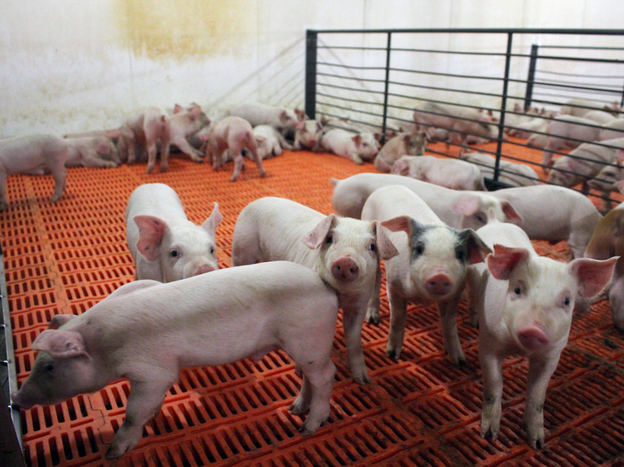
"description": "These pigs in Iowa, newly weaned from their mothers, get antibiotics in their water to ward off bacterial infection.",
"title": "antibioticspigs",
"credit": null,
"status": "inherit",
"isLoading": false,
"fetchFailed": false
},
"bayareabites_70276": {
"type": "attachments",
"id": "bayareabites_70276",
"meta": {
"index": "attachments_1716263798",
"site": "bayareabites",
"id": "70276",
"found": true
},
"parent": 70269,
"imgSizes": {
"kqedFullSize": {
"file": "https://ww2.kqed.org/app/uploads/sites/24/2013/09/obesity.jpg",
"width": 624,
"height": 350
}
},
"publishDate": 1379350584,
"modified": 1379350584,
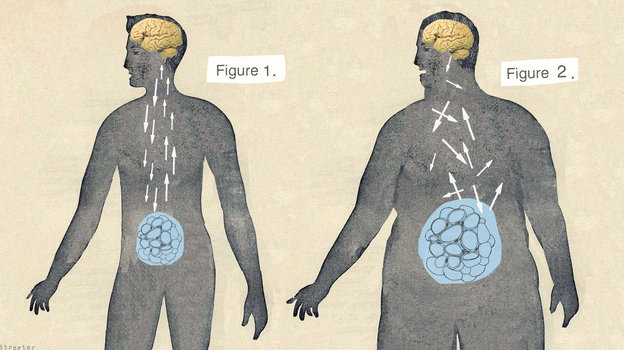
"caption": "Differences in brain chemistry can affect an individual's likelihood of weight gain. Post: Katherine Streeter for NPR",
"description": null,
"title": "obesity",
"credit": null,
"status": "inherit",
"isLoading": false,
"fetchFailed": false
},
"bayareabites_70189": {
"type": "attachments",
"id": "bayareabites_70189",
"meta": {
"index": "attachments_1716263798",
"site": "bayareabites",
"id": "70189",
"found": true
},
"parent": 70180,
"imgSizes": {
"kqedFullSize": {
"file": "https://ww2.kqed.org/app/uploads/sites/24/2013/09/comte-grilled-sm.jpg",
"width": 624,
"height": 467
}
},
"publishDate": 1379167457,
"modified": 1379167457,
"caption": null,
"description": "Strawberry Jam and Walnut Herbed Grilled Comte Sandwich",
"title": "comte-grilledc2kjackson-1-of-1-",
"credit": null,
"status": "inherit",
"isLoading": false,
"fetchFailed": false
},
"bayareabites_70098": {
"type": "attachments",
"id": "bayareabites_70098",
"meta": {
"index": "attachments_1716263798",
"site": "bayareabites",
"id": "70098",
"found": true
},
"parent": 70091,
"imgSizes": {
"kqedFullSize": {
"file": "https://ww2.kqed.org/app/uploads/sites/24/2013/09/micheleobama-watertown.jpg",
"width": 624,
"height": 351
}
},
"publishDate": 1379093016,
"modified": 1379093016,
"caption": "First lady Michelle Obama participates in an event at Watertown High School to encourage people to drink more water. Photo: Morry Gash/AP",
"description": null,
"title": "micheleobama-watertown",
"credit": null,
"status": "inherit",
"isLoading": false,
"fetchFailed": false
},
"bayareabites_70082": {
"type": "attachments",
"id": "bayareabites_70082",
"meta": {
"index": "attachments_1716263798",
"site": "bayareabites",
"id": "70082",
"found": true
},
"parent": 70065,
"imgSizes": {
"kqedFullSize": {
"file": "https://ww2.kqed.org/app/uploads/sites/24/2013/09/hawaii-molasses.jpg",
"width": 624,
"height": 350
}
},
"publishDate": 1379042627,
"modified": 1379042627,
"caption": "An image from by diver Roger White for Hawaii News Now shows how the molasses spill has affected the water in part of Honolulu Harbor and killed many creatures. Photo: \u003c a href=\"http://www.hawaiinewsnow.com/story/23409767/underwater-video-uncovers-mass-kill-from-matson-molasses-spill?autoStart=true&topVideoCatNo=default&clipId=9297889\">Hawaii News Now\u003c/a>",
"description": "An image from \u003ca href=\"http://www.hawaiinewsnow.com/story/23409767/underwater-video-uncovers-mass-kill-from-matson-molasses-spill?autoStart=tru",
"title": "molasses122way",
"credit": null,
"status": "inherit",
"isLoading": false,
"fetchFailed": false
},
"bayareabites_70021": {
"type": "attachments",
"id": "bayareabites_70021",
"meta": {
"index": "attachments_1716263798",
"site": "bayareabites",
"id": "70021",
"found": true
},
"parent": 70014,
"imgSizes": {
"kqedFullSize": {
"file": "https://ww2.kqed.org/app/uploads/sites/24/2013/09/chipotle-scarecrow-sm.jpg",
"width": 624,
"height": 350
}
},
"publishDate": 1379023946,
"modified": 1379023946,
"caption": "Business Wire",
"description": null,
"title": "chipotle-scarecrow-sm",
"credit": null,
"status": "inherit",
"isLoading": false,
"fetchFailed": false
},
"bayareabites_70007": {
"type": "attachments",
"id": "bayareabites_70007",
"meta": {
"index": "attachments_1716263798",
"site": "bayareabites",
"id": "70007",
"found": true
},
"parent": 70003,
"imgSizes": {
"kqedFullSize": {
"file": "https://ww2.kqed.org/app/uploads/sites/24/2013/09/allergyalert-sm.jpg",
"width": 624,
"height": 467
}
},
"publishDate": 1379009169,
"modified": 1379009169,
"caption": null,
"description": "SafetyTat, the inventor of children's safety tattoos, offers a line of allergy tattoos to help children with food allergies.",
"title": "safetytat",
"credit": null,
"status": "inherit",
"isLoading": false,
"fetchFailed": false
},
"bayareabites_69982": {
"type": "attachments",
"id": "bayareabites_69982",
"meta": {
"index": "attachments_1716263798",
"site": "bayareabites",
"id": "69982",
"found": true
},
"parent": 69967,
"imgSizes": {
"kqedFullSize": {
"file": "https://ww2.kqed.org/app/uploads/sites/24/2013/09/horse-sm.jpg",
"width": 624,
"height": 423
}
},
"publishDate": 1378937864,
"modified": 1378937864,
"caption": null,
"description": null,
"title": "horse-sm",
"credit": null,
"status": "inherit",
"isLoading": false,
"fetchFailed": false
},
"bayareabites_69931": {
"type": "attachments",
"id": "bayareabites_69931",
"meta": {
"index": "attachments_1716263798",
"site": "bayareabites",
"id": "69931",
"found": true
},
"parent": 69924,
"imgSizes": {
"kqedFullSize": {
"file": "https://ww2.kqed.org/app/uploads/sites/24/2013/09/china-rice-sm.jpg",
"width": 624,
"height": 467
}
},
"publishDate": 1378921217,
"modified": 1378921217,
"caption": null,
"description": null,
"title": "china-rice-sm",
"credit": null,
"status": "inherit",
"isLoading": false,
"fetchFailed": false
},
"bayareabites_69916": {
"type": "attachments",
"id": "bayareabites_69916",
"meta": {
"index": "attachments_1716263798",
"site": "bayareabites",
"id": "69916",
"found": true
},
"parent": 69912,
"imgSizes": {
"kqedFullSize": {
"file": "https://ww2.kqed.org/app/uploads/sites/24/2013/09/rye-whiskeyamericanflag-sm.jpg",
"width": 624,
"height": 387
}
},
"publishDate": 1378919340,
"modified": 1378919340,
"caption": null,
"description": "America's Signature Whiskey: Some craft distilleries, like Catoctin Creek in Virginia, are making a whiskey that's 100 percent rye to showcase the grain's spicy, peppery flavor.",
"title": "americanflag",
"credit": null,
"status": "inherit",
"isLoading": false,
"fetchFailed": false
},
"bayareabites_69896": {
"type": "attachments",
"id": "bayareabites_69896",
"meta": {
"index": "attachments_1716263798",
"site": "bayareabites",
"id": "69896",
"found": true
},
"parent": 69875,
"imgSizes": {
"kqedFullSize": {
"file": "https://ww2.kqed.org/app/uploads/sites/24/2013/09/foodphotos-broccoli-mower-sm.jpg",
"width": 624,
"height": 415
}
},
"publishDate": 1378852029,
"modified": 1378852029,
"caption": null,
"description": null,
"title": "foodphotos-broccoli-mower-sm",
"credit": null,
"status": "inherit",
"isLoading": false,
"fetchFailed": false
}
},
"audioPlayerReducer": {
"postId": "stream_live",
"isPaused": true,
"isPlaying": false,
"pfsActive": false,
"pledgeModalIsOpen": true,
"playerDrawerIsOpen": false,
"liveAudioPlayStartedAt": 0,
"liveAudioPlayContext": ""
},
"authorsReducer": {
"byline_bayareabites_70362": {
"type": "authors",
"id": "byline_bayareabites_70362",
"meta": {
"override": true
},
"slug": "byline_bayareabites_70362",
"name": "Dan Charles",
"isLoading": false
},
"byline_bayareabites_70285": {
"type": "authors",
"id": "byline_bayareabites_70285",
"meta": {
"override": true
},
"slug": "byline_bayareabites_70285",
"name": "Dan Charles",
"isLoading": false
},
"byline_bayareabites_70269": {
"type": "authors",
"id": "byline_bayareabites_70269",
"meta": {
"override": true
},
"slug": "byline_bayareabites_70269",
"name": "Patti Neighmond",
"isLoading": false
},
"byline_bayareabites_70180": {
"type": "authors",
"id": "byline_bayareabites_70180",
"meta": {
"override": true
},
"slug": "byline_bayareabites_70180",
"name": "Kirstin Jackson",
"isLoading": false
},
"byline_bayareabites_70091": {
"type": "authors",
"id": "byline_bayareabites_70091",
"meta": {
"override": true
},
"slug": "byline_bayareabites_70091",
"name": "Allison Aubrey",
"isLoading": false
},
"byline_bayareabites_70065": {
"type": "authors",
"id": "byline_bayareabites_70065",
"meta": {
"override": true
},
"slug": "byline_bayareabites_70065",
"name": "Mark Memmott",
"isLoading": false
},
"byline_bayareabites_70014": {
"type": "authors",
"id": "byline_bayareabites_70014",
"meta": {
"override": true
},
"slug": "byline_bayareabites_70014",
"name": "Eliza Barclay",
"isLoading": false
},
"byline_bayareabites_70003": {
"type": "authors",
"id": "byline_bayareabites_70003",
"meta": {
"override": true
},
"slug": "byline_bayareabites_70003",
"name": "Allison Aubrey",
"isLoading": false
},
"byline_bayareabites_69967": {
"type": "authors",
"id": "byline_bayareabites_69967",
"meta": {
"override": true
},
"slug": "byline_bayareabites_69967",
"name": "Frank Morris",
"isLoading": false
},
"byline_bayareabites_69924": {
"type": "authors",
"id": "byline_bayareabites_69924",
"meta": {
"override": true
},
"slug": "byline_bayareabites_69924",
"name": "Eliza Barclay",
"isLoading": false
},
"byline_bayareabites_69912": {
"type": "authors",
"id": "byline_bayareabites_69912",
"meta": {
"override": true
},
"slug": "byline_bayareabites_69912",
"name": "Michaeleen Doucleff",
"isLoading": false
},
"byline_bayareabites_69875": {
"type": "authors",
"id": "byline_bayareabites_69875",
"meta": {
"override": true
},
"slug": "byline_bayareabites_69875",
"name": "Maria Godoy",
"isLoading": false
}
},
"pagesReducer": {
"bayareabites_category_npr-food": {
"type": "terms",
"id": "bayareabites_10916",
"meta": {
"index": "terms_1716263798",
"site": "bayareabites",
"id": "10916",
"score": 13.894751
},
"featImg": null,
"name": "NPR food",
"description": null,
"taxonomy": "category",
"headData": {
"twImgId": null,
"twTitle": null,
"ogTitle": null,
"ogImgId": null,
"twDescription": null,
"description": null,
"title": "NPR food Archives | KQED Bay Area Bites",
"ogDescription": null
},
"ttid": 5375,
"slug": "npr-food",
"isLoading": false,
"title": "NPR food",
"pageMeta": {
"site": "bayareabites",
"WpPageTemplate": "page-topic-editorial",
"currentPage": 66
},
"blocks": [
{
"blockName": "kqed/post-list",
"attrs": {
"layout": "cardArticle2",
"query": "posts/bayareabites?category=npr-food",
"seeMore": false,
"paginated": true,
"page": 66
}
},
{
"blockName": "kqed/ad"
}
]
}
},
"pfsSessionReducer": {},
"postsReducer": {
"stream_live": {
"type": "live",
"id": "stream_live",
"audioUrl": "https://hls.kqed.org/hls/kqed_app/playlist.m3u8",
"title": "Live Stream",
"excerpt": "Live Stream information currently unavailable.",
"link": "/radio",
"featImg": "",
"label": {
"name": "KQED Live",
"link": "/"
}
},
"stream_kqedNewscast": {
"type": "posts",
"id": "stream_kqedNewscast",
"audioUrl": "https://www.kqed.org/.stream/anon/radio/RDnews/newscast.mp3?_=1",
"title": "KQED Newscast",
"featImg": "",
"label": {
"name": "88.5 FM",
"link": "/"
}
},
"bayareabites_70362": {
"type": "posts",
"id": "bayareabites_70362",
"meta": {
"index": "posts_1716263798",
"site": "bayareabites",
"id": "70362",
"score": null,
"sort": [
1379430501000
]
},
"parent": 0,
"labelTerm": {
"site": "bayareabites"
},
"blocks": [],
"publishDate": 1379430501,
"format": "aside",
"disqusTitle": "American Farmers Say They Feed The World, But Do They?",
"title": "American Farmers Say They Feed The World, But Do They?",
"headTitle": "Bay Area Bites | KQED Food",
"content": "\u003cfigure id=\"attachment_70369\" class=\"wp-caption aligncenter\" style=\"max-width: 624px\">\u003ca href=\"http://ww2.kqed.org/bayareabites/wp-content/uploads/sites/24/2013/09/cornfield.jpg\">\u003cimg src=\"http://ww2.kqed.org/bayareabites/wp-content/uploads/sites/24/2013/09/cornfield.jpg\" alt=\"A corn field is shrouded in mist at sunrise in rural Springfield, Neb. Photo: Nati Harnik/AP\" width=\"624\" height=\"350\" class=\"size-full wp-image-70369\">\u003c/a>\u003cfigcaption class=\"wp-caption-text\">A corn field is shrouded in mist at sunrise in rural Springfield, Neb. Photo: Nati Harnik/AP\u003c/figcaption>\u003c/figure>\n\u003cp>\u003cstrong>Listen to the Story\u003c/strong> on \u003ca href=\"http://www.npr.org/blogs/thesalt/2013/09/17/221376803/american-farmers-say-they-feed-the-world-but-do-they\">Morning Edition\u003c/a> [audio src=\"http://pd.npr.org/anon.npr-mp3/npr/me/2013/09/20130917_me_09.mp3\"] \u003c/p>\n\u003cp>Post by \u003ca href=\"http://www.npr.org/people/143160021/daniel-charles\">Dan Charles\u003c/a>, \u003ca href=\"http://www.npr.org/blogs/thesalt/2013/09/17/221376803/american-farmers-say-they-feed-the-world-but-do-they\">The Salt at NPR Food\u003c/a> (9/17/13)\u003c/p>\n\u003cp>When critics of industrial agriculture complain that today's food production is too big and too dependent on pesticides, that it damages the environment and delivers mediocre food, there's a line that farmers offer in response: We're feeding the world.\u003c/p>\n\u003cp>It's high-tech agriculture's claim to the moral high ground. Farmers say they farm the way they do to produce food as efficiently as possible to feed the world.\u003c/p>\n\u003cp>\u003ca href=\"http://www.foodintegrity.org/about-us/leadership\">Charlie Arnot\u003c/a>, a former public relations executive for food and farming companies, now CEO of the Center for Food Integrity, says it's more than just a debating point. \"U.S. farmers have a tremendous sense of pride in the fact that they've been able to help feed the world,\" he says.\u003c/p>\n\u003cp>[ad fullwidth]\u003c/p>\n\u003cp>That phrase showed up, for instance, a few weeks ago, at a big farm convention in Decatur, Ill. The seed and chemical company DuPont set up a \u003ca href=\"https://www.facebook.com/media/set/?set=a.626853994021873.1073741836.138324096208201&type=1\">wall\u003c/a> with a question printed at the top in big capital letters: \"How are you making a difference to feed the world?\"\u003c/p>\n\u003cp>The company invited people to answer that question, and thousands of them did. They wrote things like \"\u003ca href=\"https://www.facebook.com/photo.php?fbid=626854237355182&set=a.626853994021873.1073741836.138324096208201&type=3&theater\">raising cattle\u003c/a>,\" \"\u003ca href=\"https://www.facebook.com/photo.php?fbid=626854367355169&set=a.626853994021873.1073741836.138324096208201&type=3&theater\">growing corn and beans\u003c/a>,\" \"\u003ca href=\"https://www.facebook.com/photo.php?fbid=626854367355169&set=a.626853994021873.1073741836.138324096208201&type=3&theater\">plant as much as possible\u003c/a>.\"\u003c/p>\n\u003cp>\u003ca href=\"http://www.youtube.com/watch?v=IXcVYp88-1Q\">Kip Tom\u003c/a>, who \u003ca href=\"http://www.tomfarms.com/\">grows\u003c/a> corn and soybeans on thousands of acres of Indiana farmland, says he's very aware of the fact that the world has more and more people, demanding more food. Yet there are fewer and fewer farmers, \"and it's the duty of those of us who are left in the business, us family farmers, to help feed that world.\"\u003c/p>\n\u003cp>That means growing more food per acre, he says, which requires new and better technology: genetically engineered seed, for instance, or \u003ca href=\"http://ww2.kqed.org/bayareabites/2013/07/09/as-biotech-seed-falters-insecticide-use-surges-in-corn-belt/\">pesticides\u003c/a>.\u003c/p>\n\u003cp>And this is why the words \"feed the world\" grate on the nerves of people who believe that large-scale, technology-driven agriculture is bad for the environment and often bad for people.\u003c/p>\n\u003cp>Margaret Mellon, a scientist with the environmental advocacy group Union of Concerned Scientists, recently wrote an \u003ca href=\"http://blog.ucsusa.org/lets-drop-feed-the-world-a-plea-to-move-beyond-an-unhelpful-phrase-229\">essay\u003c/a> in which she confessed to developing an allergy to that phrase. \"If there's a controversy, the show-stopper is supposed to be, 'We have to use pesticides, or we won't be able to feed the world!'\" she says.\u003c/p>\n\u003cp>Mellon says it's time to set that idea aside. It doesn't answer the concerns that people have about modern agriculture — and it's not even true.\u003c/p>\n\u003cp>American-style farming doesn't really grow food for hungry people, she says. Forty percent of the biggest crop — corn — goes into fuel for cars. Most of the second-biggest crop — soybeans — is fed to animals.\u003c/p>\n\u003cp>Growing more grain isn't the solution to hunger anyway, she says. If you're really trying to solve that problem, there's a long list of other steps that are much more important. \"We need to empower women; we need to raise incomes; we need infrastructure in the developing world; we need the ability to get food to market without spoiling.\"\u003c/p>\n\u003cp>It seemed that this dispute needed a referee. So I called \u003ca href=\"http://dyson.cornell.edu/faculty_sites/cbb2/\">Christopher Barrett\u003c/a>, an economist at Cornell University who studies international agriculture and poverty.\u003c/p>\n\u003cp>\"They're both right,\" he said, chuckling. \"Sometimes the opposite of a truth isn't a falsehood, but another truth, right?\"\u003c/p>\n\u003cp>It's true, he says, that bigger harvests in the U.S. tend to make food more affordable around the world, and \"lower food prices are a good thing for poor people.\"\u003c/p>\n\u003cp>For instance, Chinese pigs are growing fat on cheap soybean meal grown by farmers in the U.S. and Brazil, and that's one reason why hundreds of millions of people in China \u003ca href=\"http://www.npr.org/blogs/thesalt/2011/12/30/144426549/in-china-finding-a-new-way-to-eat-in-times-of-plenty\">are eating much better\u003c/a> than a generation ago. They can afford to buy pork. So American farmers who grow soybeans are justified in saying that they help feed the world.\u003c/p>\n\u003cp>But Margaret Mellon is right, too, Barrett says. The big crops that American farmers send abroad don't provide the vitamins and minerals that billions of people need most. So if the U.S. exports lots of corn, driving down the cost of corn meal, \"it induces poor families to buy lots of corn meal, and to buy less in the way of leafy green vegetables, or milk,\" that have the key nutrients. In this case, you're feeding the world, but not solving the nutrition problems.\u003c/p>\n\u003cp>Arnot, from the Center for Food Integrity, recently did a survey, asking consumers whether they think the U.S. even has a responsibility to provide food to the rest of the world. Only 13 percent of these consumers strongly agreed.\u003c/p>\n\u003cp>In focus groups, many people said that if feeding the world means more industrial-scale farming, they're not comfortable with it.\u003c/p>\n\u003cp>This is not a message farmers like to hear. \"It is a real sense of frustration for farmers that 'feeding the world' is no longer a message that resonates with the American public,\" Arnot says.\u003c/p>\n\u003cp>He tells farm groups that they'll have to find another message. They'll need to show that the way they grow food is consistent with the values of American consumers.\u003c/p>\n\u003cp>\u003c/p>\n\u003cp>\u003cem>Copyright 2013 \u003ca href=\"http://www.npr.org/\">NPR\u003c/a>.\u003c/em> \u003c/p>\n\n",
"disqusIdentifier": "70362 http://blogs.kqed.org/bayareabites/?p=70362",
"disqusUrl": "https://ww2.kqed.org/bayareabites/2013/09/17/american-farmers-say-they-feed-the-world-but-do-they/",
"stats": {
"hasVideo": false,
"hasChartOrMap": false,
"hasAudio": true,
"hasPolis": false,
"wordCount": 920,
"hasGoogleForm": false,
"hasGallery": false,
"hasHearkenModule": false,
"iframeSrcs": [],
"paragraphCount": 26
},
"modified": 1379430501,
"excerpt": "Farmers say they need to produce food as efficiently as possible in order to feed the world. It's high-tech agriculture's claim to the moral high ground in the debate over how best to grow food. But is it true?",
"headData": {
"twImgId": "",
"twTitle": "",
"ogTitle": "",
"ogImgId": "",
"twDescription": "",
"description": "Farmers say they need to produce food as efficiently as possible in order to feed the world. It's high-tech agriculture's claim to the moral high ground in the debate over how best to grow food. But is it true?",
"title": "American Farmers Say They Feed The World, But Do They? | KQED",
"ogDescription": "",
"schema": {
"@context": "https://schema.org",
"@type": "Article",
"headline": "American Farmers Say They Feed The World, But Do They?",
"datePublished": "2013-09-17T08:08:21-07:00",
"dateModified": "2013-09-17T08:08:21-07:00",
"image": "https://cdn.kqed.org/wp-content/uploads/2020/02/KQED-OG-Image@1x.png"
}
},
"guestAuthors": [],
"slug": "american-farmers-say-they-feed-the-world-but-do-they",
"status": "publish",
"nprApiLink": "http://api.npr.org/query?id=221376803&apiKey=MDAxOTAwOTE4MDEyMTkxMDAzNjczZDljZA004",
"nprByline": "Dan Charles",
"nprStoryDate": "Tue, 17 Sep 2013 04:00:00 -0400",
"nprLastModifiedDate": "Tue, 17 Sep 2013 09:38:26 -0400",
"nprHtmlLink": "http://www.npr.org/blogs/thesalt/2013/09/17/221376803/american-farmers-say-they-feed-the-world-but-do-they?ft=3&f=221376803",
"nprAudio": "http://pd.npr.org/anon.npr-mp3/npr/me/2013/09/20130917_me_09.mp3?orgId=1&topicId=1053&ft=3&f=221376803",
"nprAudioM3u": "http://api.npr.org/m3u/1223309072-3ea33b.m3u?orgId=1&topicId=1053&ft=3&f=221376803",
"nprStoryId": "221376803",
"nprRetrievedStory": "1",
"nprPubDate": "Tue, 17 Sep 2013 09:38:00 -0400",
"path": "/bayareabites/70362/american-farmers-say-they-feed-the-world-but-do-they",
"audioUrl": "http://pd.npr.org/anon.npr-mp3/npr/me/2013/09/20130917_me_09.mp3?orgId=1&topicId=1053&ft=3&f=221376803",
"audioDuration": null,
"audioTrackLength": null,
"parsedContent": [
{
"type": "contentString",
"content": "\u003cdiv class=\"post-body\">\u003cp>\u003cfigure id=\"attachment_70369\" class=\"wp-caption aligncenter\" style=\"max-width: 624px\">\u003ca href=\"http://ww2.kqed.org/bayareabites/wp-content/uploads/sites/24/2013/09/cornfield.jpg\">\u003cimg src=\"http://ww2.kqed.org/bayareabites/wp-content/uploads/sites/24/2013/09/cornfield.jpg\" alt=\"A corn field is shrouded in mist at sunrise in rural Springfield, Neb. Photo: Nati Harnik/AP\" width=\"624\" height=\"350\" class=\"size-full wp-image-70369\">\u003c/a>\u003cfigcaption class=\"wp-caption-text\">A corn field is shrouded in mist at sunrise in rural Springfield, Neb. Photo: Nati Harnik/AP\u003c/figcaption>\u003c/figure>\n\u003cp>\u003cstrong>Listen to the Story\u003c/strong> on \u003ca href=\"http://www.npr.org/blogs/thesalt/2013/09/17/221376803/american-farmers-say-they-feed-the-world-but-do-they\">Morning Edition\u003c/a> \u003c/p>\u003c/div>",
"attributes": {
"named": {},
"numeric": []
}
},
{
"type": "component",
"content": "",
"name": "audio",
"attributes": {
"named": {
"src": "http://pd.npr.org/anon.npr-mp3/npr/me/2013/09/20130917_me_09.mp3",
"label": ""
},
"numeric": []
}
},
{
"type": "contentString",
"content": "\u003cdiv class=\"post-body\">\u003cp> \u003c/p>\n\u003cp>Post by \u003ca href=\"http://www.npr.org/people/143160021/daniel-charles\">Dan Charles\u003c/a>, \u003ca href=\"http://www.npr.org/blogs/thesalt/2013/09/17/221376803/american-farmers-say-they-feed-the-world-but-do-they\">The Salt at NPR Food\u003c/a> (9/17/13)\u003c/p>\n\u003cp>When critics of industrial agriculture complain that today's food production is too big and too dependent on pesticides, that it damages the environment and delivers mediocre food, there's a line that farmers offer in response: We're feeding the world.\u003c/p>\n\u003cp>It's high-tech agriculture's claim to the moral high ground. Farmers say they farm the way they do to produce food as efficiently as possible to feed the world.\u003c/p>\n\u003cp>\u003ca href=\"http://www.foodintegrity.org/about-us/leadership\">Charlie Arnot\u003c/a>, a former public relations executive for food and farming companies, now CEO of the Center for Food Integrity, says it's more than just a debating point. \"U.S. farmers have a tremendous sense of pride in the fact that they've been able to help feed the world,\" he says.\u003c/p>\n\u003cp>\u003c/p>\u003c/div>",
"attributes": {
"named": {},
"numeric": []
}
},
{
"type": "component",
"content": "",
"name": "ad",
"attributes": {
"named": {
"label": "fullwidth"
},
"numeric": [
"fullwidth"
]
}
},
{
"type": "contentString",
"content": "\u003cdiv class=\"post-body\">\u003cp>\u003c/p>\n\u003cp>That phrase showed up, for instance, a few weeks ago, at a big farm convention in Decatur, Ill. The seed and chemical company DuPont set up a \u003ca href=\"https://www.facebook.com/media/set/?set=a.626853994021873.1073741836.138324096208201&type=1\">wall\u003c/a> with a question printed at the top in big capital letters: \"How are you making a difference to feed the world?\"\u003c/p>\n\u003cp>The company invited people to answer that question, and thousands of them did. They wrote things like \"\u003ca href=\"https://www.facebook.com/photo.php?fbid=626854237355182&set=a.626853994021873.1073741836.138324096208201&type=3&theater\">raising cattle\u003c/a>,\" \"\u003ca href=\"https://www.facebook.com/photo.php?fbid=626854367355169&set=a.626853994021873.1073741836.138324096208201&type=3&theater\">growing corn and beans\u003c/a>,\" \"\u003ca href=\"https://www.facebook.com/photo.php?fbid=626854367355169&set=a.626853994021873.1073741836.138324096208201&type=3&theater\">plant as much as possible\u003c/a>.\"\u003c/p>\n\u003cp>\u003ca href=\"http://www.youtube.com/watch?v=IXcVYp88-1Q\">Kip Tom\u003c/a>, who \u003ca href=\"http://www.tomfarms.com/\">grows\u003c/a> corn and soybeans on thousands of acres of Indiana farmland, says he's very aware of the fact that the world has more and more people, demanding more food. Yet there are fewer and fewer farmers, \"and it's the duty of those of us who are left in the business, us family farmers, to help feed that world.\"\u003c/p>\n\u003cp>That means growing more food per acre, he says, which requires new and better technology: genetically engineered seed, for instance, or \u003ca href=\"http://ww2.kqed.org/bayareabites/2013/07/09/as-biotech-seed-falters-insecticide-use-surges-in-corn-belt/\">pesticides\u003c/a>.\u003c/p>\n\u003cp>And this is why the words \"feed the world\" grate on the nerves of people who believe that large-scale, technology-driven agriculture is bad for the environment and often bad for people.\u003c/p>\n\u003cp>Margaret Mellon, a scientist with the environmental advocacy group Union of Concerned Scientists, recently wrote an \u003ca href=\"http://blog.ucsusa.org/lets-drop-feed-the-world-a-plea-to-move-beyond-an-unhelpful-phrase-229\">essay\u003c/a> in which she confessed to developing an allergy to that phrase. \"If there's a controversy, the show-stopper is supposed to be, 'We have to use pesticides, or we won't be able to feed the world!'\" she says.\u003c/p>\n\u003cp>Mellon says it's time to set that idea aside. It doesn't answer the concerns that people have about modern agriculture — and it's not even true.\u003c/p>\n\u003cp>American-style farming doesn't really grow food for hungry people, she says. Forty percent of the biggest crop — corn — goes into fuel for cars. Most of the second-biggest crop — soybeans — is fed to animals.\u003c/p>\n\u003cp>Growing more grain isn't the solution to hunger anyway, she says. If you're really trying to solve that problem, there's a long list of other steps that are much more important. \"We need to empower women; we need to raise incomes; we need infrastructure in the developing world; we need the ability to get food to market without spoiling.\"\u003c/p>\n\u003cp>It seemed that this dispute needed a referee. So I called \u003ca href=\"http://dyson.cornell.edu/faculty_sites/cbb2/\">Christopher Barrett\u003c/a>, an economist at Cornell University who studies international agriculture and poverty.\u003c/p>\n\u003cp>\"They're both right,\" he said, chuckling. \"Sometimes the opposite of a truth isn't a falsehood, but another truth, right?\"\u003c/p>\n\u003cp>It's true, he says, that bigger harvests in the U.S. tend to make food more affordable around the world, and \"lower food prices are a good thing for poor people.\"\u003c/p>\n\u003cp>For instance, Chinese pigs are growing fat on cheap soybean meal grown by farmers in the U.S. and Brazil, and that's one reason why hundreds of millions of people in China \u003ca href=\"http://www.npr.org/blogs/thesalt/2011/12/30/144426549/in-china-finding-a-new-way-to-eat-in-times-of-plenty\">are eating much better\u003c/a> than a generation ago. They can afford to buy pork. So American farmers who grow soybeans are justified in saying that they help feed the world.\u003c/p>\n\u003cp>But Margaret Mellon is right, too, Barrett says. The big crops that American farmers send abroad don't provide the vitamins and minerals that billions of people need most. So if the U.S. exports lots of corn, driving down the cost of corn meal, \"it induces poor families to buy lots of corn meal, and to buy less in the way of leafy green vegetables, or milk,\" that have the key nutrients. In this case, you're feeding the world, but not solving the nutrition problems.\u003c/p>\n\u003cp>Arnot, from the Center for Food Integrity, recently did a survey, asking consumers whether they think the U.S. even has a responsibility to provide food to the rest of the world. Only 13 percent of these consumers strongly agreed.\u003c/p>\n\u003cp>In focus groups, many people said that if feeding the world means more industrial-scale farming, they're not comfortable with it.\u003c/p>\n\u003cp>This is not a message farmers like to hear. \"It is a real sense of frustration for farmers that 'feeding the world' is no longer a message that resonates with the American public,\" Arnot says.\u003c/p>\n\u003cp>He tells farm groups that they'll have to find another message. They'll need to show that the way they grow food is consistent with the values of American consumers.\u003c/p>\n\u003cp>\u003c/p>\n\u003cp>\u003cem>Copyright 2013 \u003ca href=\"http://www.npr.org/\">NPR\u003c/a>.\u003c/em> \u003c/p>\n\n\u003c/div>\u003c/p>",
"attributes": {
"named": {},
"numeric": []
}
}
],
"link": "/bayareabites/70362/american-farmers-say-they-feed-the-world-but-do-they",
"authors": [
"byline_bayareabites_70362"
],
"categories": [
"bayareabites_1962",
"bayareabites_1874",
"bayareabites_3032",
"bayareabites_4084",
"bayareabites_10916",
"bayareabites_2035",
"bayareabites_34"
],
"tags": [
"bayareabites_11271",
"bayareabites_12403",
"bayareabites_11270",
"bayareabites_10787",
"bayareabites_12404",
"bayareabites_10921"
],
"featImg": "bayareabites_70369",
"label": "bayareabites"
},
"bayareabites_70285": {
"type": "posts",
"id": "bayareabites_70285",
"meta": {
"index": "posts_1716263798",
"site": "bayareabites",
"id": "70285",
"score": null,
"sort": [
1379365859000
]
},
"parent": 0,
"labelTerm": {
"site": "bayareabites"
},
"blocks": [],
"publishDate": 1379365859,
"format": "aside",
"disqusTitle": "CDC: Deadliest Drug Resistance Comes From Hospitals, Not Farms ",
"title": "CDC: Deadliest Drug Resistance Comes From Hospitals, Not Farms ",
"headTitle": "Bay Area Bites | KQED Food",
"content": "\u003cfigure id=\"attachment_70290\" class=\"wp-caption aligncenter\" style=\"max-width: 1120px\">\u003ca href=\"http://ww2.kqed.org/bayareabites/wp-content/uploads/sites/24/2013/09/antibioticspigs2.jpg\">\u003cimg src=\"http://ww2.kqed.org/bayareabites/wp-content/uploads/sites/24/2013/09/antibioticspigs2.jpg\" alt=\"These pigs in Iowa, newly weaned from their mothers, get antibiotics in their water to ward off bacterial infection. Photo: Dan Charles/NPR\" width=\"1120\" height=\"839\" class=\"size-full wp-image-70290\">\u003c/a>\u003cfigcaption class=\"wp-caption-text\">These pigs in Iowa, newly weaned from their mothers, get antibiotics in their water to ward off bacterial infection. Photo: Dan Charles/NPR\u003c/figcaption>\u003c/figure>\n\u003cp>Post by \u003ca href=\"http://www.npr.org/people/143160021/daniel-charles\">Dan Charles\u003c/a>, \u003ca href=\"http://www.npr.org/blogs/thesalt/2013/09/16/223109560/cdc-deadliest-drug-resistance-comes-from-hospitals-not-farms\">The Salt at NPR Food\u003c/a> (9/16/13)\u003c/p>\n\u003cp>Here at The Salt, we've been following the controversies that surround antibiotic use on the farm. Farmers give these drugs to chickens, swine and beef cattle, either to keep the animals healthy or to make them grow faster. Critics \u003ca href=\"http://ww2.kqed.org/bayareabites/2013/07/11/are-antibiotics-on-the-farm-risky-business/\">say\u003c/a> it's contributing to an epidemic of drug-resistant bacteria not just on the farm, but among people, too.\u003c/p>\n\u003cp>Today, the Centers for Disease Control and Prevention released a \u003ca href=\"http://www.cdc.gov/drugresistance/threat-report-2013/\">report\u003c/a> on that epidemic. For the first time, the agency came up with a ranking of the threats posed by different drug-resistance microbes, listing them as \"urgent,\" \"serious,\" and \"concerning.\"\u003c/p>\n\u003cp>And where in this ranking did farm-related antibiotic resistance fall? Not at the top, certainly. According to the CDC, the most urgent threats are posed by antibiotic-resistant infections that have emerged in hospitals, as a result of heavy antibiotic use there. These include infections with \u003cem>Klebsiella\u003c/em> and \u003cem>E.coli\u003c/em> bacteria that are resistant to every known antibiotic, as well as \u003ca href=\"http://www.npr.org/blogs/health/2012/08/10/158464908/gonorrhea-evades-antibiotics-leaving-only-one-drug-to-treat-disease\">drug-resistant gonorrhea\u003c/a>.\u003c/p>\n\u003cp>\"Right now, the most acute problem is in hospitals,\" said Tom Frieden, the CDC's director, in a conference call with reporters. \"The most resistant organisms in hospitals are emerging in those settings because of poor anti-microbial stewardship among humans.\"\u003c/p>\n\u003cp>[ad fullwidth]\u003c/p>\n\u003cp>\"That having been said,\" he continued, \"any widespread use of antimicrobials increases the risk\" that resistance to those drugs will spread. The report lists in its \"serious threat\" category several kinds of bacteria — notably salmonella and \u003cem>Campylobacter\u003c/em> — that \u003ca href=\"http://www.npr.org/blogs/thesalt/2013/04/17/177601237/in-meat-tests-more-evidence-of-human-illness-tied-to-farm-antibiotics\">have become resistant\u003c/a> to drugs that are widely used on the farm, as well as in hospitals. And the report includes a \u003ca href=\"http://www.cdc.gov/drugresistance/threat-report-2013/pdf/ar-threats-2013-508.pdf#page=14\">graphic\u003c/a> that clearly connects antibiotic use on animals drug-resistant infections in humans.\u003c/p>\n\u003cp>Critics of antibiotic use on the farm had mixed reactions to the report. The Center for Science in the Public Interest sounded disappointed, \u003ca href=\"http://www.cspinet.org/new/201309161.html\">saying\u003c/a> that the CDC \"missed an opportunity\" to issue clear recommendations on reducing reduce antibiotic use in animal production.\u003c/p>\n\u003cp>Two other groups — the Pew Campaign on Human Health and Industrial Farming and the \u003ca href=\"http://switchboard.nrdc.org/blogs/ccordova/where_superbugs_come_from_cdc.html\">Natural Resources Defense Council\u003c/a> — praised the report for clearly stating that drug use on the farm adds to the problem of antibiotic resistance, even if it may not be the most important cause of that problem. \u003c/p>\n\u003cp>\u003c/p>\n\u003cp>\u003cem>Copyright 2013 \u003ca href=\"http://www.npr.org/\">NPR\u003c/a>.\u003c/em> \u003c/p>\n\n",
"disqusIdentifier": "70285 http://blogs.kqed.org/bayareabites/?p=70285",
"disqusUrl": "https://ww2.kqed.org/bayareabites/2013/09/16/cdc-deadliest-drug-resistance-comes-from-hospitals-not-farms/",
"stats": {
"hasVideo": false,
"hasChartOrMap": false,
"hasAudio": false,
"hasPolis": false,
"wordCount": 416,
"hasGoogleForm": false,
"hasGallery": false,
"hasHearkenModule": false,
"iframeSrcs": [],
"paragraphCount": 11
},
"modified": 1379365859,
"excerpt": "The agency said that the most problematic resistant bacteria are emerging in hospitals. But it also called bacteria that have become resistant to drugs used on the farm a \"serious threat.\"",
"headData": {
"twImgId": "",
"twTitle": "",
"ogTitle": "",
"ogImgId": "",
"twDescription": "",
"description": "The agency said that the most problematic resistant bacteria are emerging in hospitals. But it also called bacteria that have become resistant to drugs used on the farm a "serious threat."",
"title": "CDC: Deadliest Drug Resistance Comes From Hospitals, Not Farms | KQED",
"ogDescription": "",
"schema": {
"@context": "https://schema.org",
"@type": "Article",
"headline": "CDC: Deadliest Drug Resistance Comes From Hospitals, Not Farms ",
"datePublished": "2013-09-16T14:10:59-07:00",
"dateModified": "2013-09-16T14:10:59-07:00",
"image": "https://cdn.kqed.org/wp-content/uploads/2020/02/KQED-OG-Image@1x.png"
}
},
"guestAuthors": [],
"slug": "cdc-deadliest-drug-resistance-comes-from-hospitals-not-farms",
"status": "publish",
"nprApiLink": "http://api.npr.org/query?id=223109560&apiKey=MDAxOTAwOTE4MDEyMTkxMDAzNjczZDljZA004",
"nprByline": "Dan Charles",
"nprStoryDate": "Mon, 16 Sep 2013 16:36:00 -0400",
"nprLastModifiedDate": "Mon, 16 Sep 2013 16:36:50 -0400",
"nprHtmlLink": "http://www.npr.org/blogs/thesalt/2013/09/16/223109560/cdc-deadliest-drug-resistance-comes-from-hospitals-not-farms?ft=3&f=223109560",
"nprStoryId": "223109560",
"nprRetrievedStory": "1",
"nprPubDate": "Mon, 16 Sep 2013 16:36:00 -0400",
"path": "/bayareabites/70285/cdc-deadliest-drug-resistance-comes-from-hospitals-not-farms",
"audioTrackLength": null,
"parsedContent": [
{
"type": "contentString",
"content": "\u003cdiv class=\"post-body\">\u003cp>\u003cfigure id=\"attachment_70290\" class=\"wp-caption aligncenter\" style=\"max-width: 1120px\">\u003ca href=\"http://ww2.kqed.org/bayareabites/wp-content/uploads/sites/24/2013/09/antibioticspigs2.jpg\">\u003cimg src=\"http://ww2.kqed.org/bayareabites/wp-content/uploads/sites/24/2013/09/antibioticspigs2.jpg\" alt=\"These pigs in Iowa, newly weaned from their mothers, get antibiotics in their water to ward off bacterial infection. Photo: Dan Charles/NPR\" width=\"1120\" height=\"839\" class=\"size-full wp-image-70290\">\u003c/a>\u003cfigcaption class=\"wp-caption-text\">These pigs in Iowa, newly weaned from their mothers, get antibiotics in their water to ward off bacterial infection. Photo: Dan Charles/NPR\u003c/figcaption>\u003c/figure>\n\u003cp>Post by \u003ca href=\"http://www.npr.org/people/143160021/daniel-charles\">Dan Charles\u003c/a>, \u003ca href=\"http://www.npr.org/blogs/thesalt/2013/09/16/223109560/cdc-deadliest-drug-resistance-comes-from-hospitals-not-farms\">The Salt at NPR Food\u003c/a> (9/16/13)\u003c/p>\n\u003cp>Here at The Salt, we've been following the controversies that surround antibiotic use on the farm. Farmers give these drugs to chickens, swine and beef cattle, either to keep the animals healthy or to make them grow faster. Critics \u003ca href=\"http://ww2.kqed.org/bayareabites/2013/07/11/are-antibiotics-on-the-farm-risky-business/\">say\u003c/a> it's contributing to an epidemic of drug-resistant bacteria not just on the farm, but among people, too.\u003c/p>\n\u003cp>Today, the Centers for Disease Control and Prevention released a \u003ca href=\"http://www.cdc.gov/drugresistance/threat-report-2013/\">report\u003c/a> on that epidemic. For the first time, the agency came up with a ranking of the threats posed by different drug-resistance microbes, listing them as \"urgent,\" \"serious,\" and \"concerning.\"\u003c/p>\n\u003cp>And where in this ranking did farm-related antibiotic resistance fall? Not at the top, certainly. According to the CDC, the most urgent threats are posed by antibiotic-resistant infections that have emerged in hospitals, as a result of heavy antibiotic use there. These include infections with \u003cem>Klebsiella\u003c/em> and \u003cem>E.coli\u003c/em> bacteria that are resistant to every known antibiotic, as well as \u003ca href=\"http://www.npr.org/blogs/health/2012/08/10/158464908/gonorrhea-evades-antibiotics-leaving-only-one-drug-to-treat-disease\">drug-resistant gonorrhea\u003c/a>.\u003c/p>\n\u003cp>\"Right now, the most acute problem is in hospitals,\" said Tom Frieden, the CDC's director, in a conference call with reporters. \"The most resistant organisms in hospitals are emerging in those settings because of poor anti-microbial stewardship among humans.\"\u003c/p>\n\u003cp>\u003c/p>\u003c/div>",
"attributes": {
"named": {},
"numeric": []
}
},
{
"type": "component",
"content": "",
"name": "ad",
"attributes": {
"named": {
"label": "fullwidth"
},
"numeric": [
"fullwidth"
]
}
},
{
"type": "contentString",
"content": "\u003cdiv class=\"post-body\">\u003cp>\u003c/p>\n\u003cp>\"That having been said,\" he continued, \"any widespread use of antimicrobials increases the risk\" that resistance to those drugs will spread. The report lists in its \"serious threat\" category several kinds of bacteria — notably salmonella and \u003cem>Campylobacter\u003c/em> — that \u003ca href=\"http://www.npr.org/blogs/thesalt/2013/04/17/177601237/in-meat-tests-more-evidence-of-human-illness-tied-to-farm-antibiotics\">have become resistant\u003c/a> to drugs that are widely used on the farm, as well as in hospitals. And the report includes a \u003ca href=\"http://www.cdc.gov/drugresistance/threat-report-2013/pdf/ar-threats-2013-508.pdf#page=14\">graphic\u003c/a> that clearly connects antibiotic use on animals drug-resistant infections in humans.\u003c/p>\n\u003cp>Critics of antibiotic use on the farm had mixed reactions to the report. The Center for Science in the Public Interest sounded disappointed, \u003ca href=\"http://www.cspinet.org/new/201309161.html\">saying\u003c/a> that the CDC \"missed an opportunity\" to issue clear recommendations on reducing reduce antibiotic use in animal production.\u003c/p>\n\u003cp>Two other groups — the Pew Campaign on Human Health and Industrial Farming and the \u003ca href=\"http://switchboard.nrdc.org/blogs/ccordova/where_superbugs_come_from_cdc.html\">Natural Resources Defense Council\u003c/a> — praised the report for clearly stating that drug use on the farm adds to the problem of antibiotic resistance, even if it may not be the most important cause of that problem. \u003c/p>\n\u003cp>\u003c/p>\n\u003cp>\u003cem>Copyright 2013 \u003ca href=\"http://www.npr.org/\">NPR\u003c/a>.\u003c/em> \u003c/p>\n\n\u003c/div>\u003c/p>",
"attributes": {
"named": {},
"numeric": []
}
}
],
"link": "/bayareabites/70285/cdc-deadliest-drug-resistance-comes-from-hospitals-not-farms",
"authors": [
"byline_bayareabites_70285"
],
"categories": [
"bayareabites_1874",
"bayareabites_1245",
"bayareabites_10916",
"bayareabites_2035"
],
"tags": [
"bayareabites_12289",
"bayareabites_11521",
"bayareabites_12400",
"bayareabites_10994",
"bayareabites_12398",
"bayareabites_12401",
"bayareabites_4289",
"bayareabites_1057",
"bayareabites_12399",
"bayareabites_2037"
],
"featImg": "bayareabites_70289",
"label": "bayareabites"
},
"bayareabites_70269": {
"type": "posts",
"id": "bayareabites_70269",
"meta": {
"index": "posts_1716263798",
"site": "bayareabites",
"id": "70269",
"score": null,
"sort": [
1379350786000
]
},
"parent": 0,
"labelTerm": {
"site": "bayareabites"
},
"blocks": [],
"publishDate": 1379350786,
"format": "aside",
"disqusTitle": "Calling Obesity A Disease May Make It Easier To Get Help",
"title": "Calling Obesity A Disease May Make It Easier To Get Help",
"headTitle": "Bay Area Bites | KQED Food",
"content": "\u003cfigure id=\"attachment_70276\" class=\"wp-caption aligncenter\" style=\"max-width: 624px\">\u003ca href=\"http://ww2.kqed.org/bayareabites/wp-content/uploads/sites/24/2013/09/obesity.jpg\">\u003cimg src=\"http://ww2.kqed.org/bayareabites/wp-content/uploads/sites/24/2013/09/obesity.jpg\" alt=\"Differences in brain chemistry can affect an individual's likelihood of weight gain. Post: Katherine Streeter for NPR\" width=\"624\" height=\"350\" class=\"size-full wp-image-70276\">\u003c/a>\u003cfigcaption class=\"wp-caption-text\">Differences in brain chemistry can affect an individual's likelihood of weight gain. Post: Katherine Streeter for NPR\u003c/figcaption>\u003c/figure>\n\u003cp>\u003cstrong>Listen to the Story\u003c/strong> on \u003ca href=\"http://www.npr.org/blogs/health/2013/09/16/222064771/calling-obesity-a-disease-may-make-it-easier-to-get-help\">Morning Edition\u003c/a> [audio src=\"http://pd.npr.org/anon.npr-mp3/npr/me/2013/09/20130916_me_06.mp3\"] \u003c/p>\n\u003cp>Post by \u003ca href=\"http://www.npr.org/people/2100955/patti-neighmond\">Patti Neighmond\u003c/a>, \u003ca href=\"http://www.npr.org/blogs/health/2013/09/16/222064771/calling-obesity-a-disease-may-make-it-easier-to-get-help\">Shots at NPR Health News\u003c/a> (9/16/13)\u003c/p>\n\u003cp>Under the Affordable Care Act, more insurance plans are expected to start covering the cost of obesity treatments, including counseling on diet and exercise as well as medications and surgery. These are treatments that most insurance companies don't cover now.\u003c/p>\n\u003cp>The move is a response to the increasing number of health advocates and medical groups that say obesity should be classified as a disease.\u003c/p>\n\u003cp>Not everyone thinks this is a good idea, but this summer, the American Medical Association determined that \u003ca href=\"http://www.ama-assn.org/ama/pub/news/news/2013/2013-06-18-new-ama-policies-annual-meeting.page\">obesity is a disease\u003c/a>. The organization followed in the footsteps of the \u003ca href=\"http://www.obesity.org/\">Obesity Society\u003c/a>, a health advocacy group that called obesity a disease back in 2008.\u003c/p>\n\u003cp>[ad fullwidth]\u003c/p>\n\u003cp>Many overweight or obese individuals are victims of their own genetic history, according to \u003ca href=\"http://www.massgeneral.org/doctors/doctor.aspx?id=16686\">Dr. Lee Kaplan\u003c/a>, an obesity specialist and director of the Massachusetts General Hospital Weight Center. \"We're all wired in slightly different ways,\" he says, adding that those subtle differences are reflected in how the body deals with energy stores and fat.\u003c/p>\n\u003cp>There are thousands of genes in the body, and Kaplan says about 100 of them are involved in making some people more susceptible to weight gain.\u003c/p>\n\u003cp>Classifying obesity as a disease is long overdue, according to \u003ca href=\"http://www.joslin.org/diabetes-research/osama_hamdy.html\">Dr. Osama Hamdy\u003c/a>, who directs the Obesity Clinical Program at the Joslin Diabetes Center in Boston. \"The reality is, if you have that genetic susceptibility to gain weight, you will gain weight easily, no matter what.\"\u003c/p>\n\u003cp>Genetic susceptibility has to do with hormones and chemical systems in the body that direct appetite, metabolism and the absorption of nutrients and fat.\u003c/p>\n\u003cp>One of those hormones is \u003ca href=\"http://www.ncbi.nlm.nih.gov/books/NBK22251/\">leptin\u003c/a>. It's produced by fat cells and tells the body when it's eaten enough. Hamdy says the majority of people who are obese are resistant to leptin. \"The brain is shielded from the information on how much fat you have in your body,\" he says. \"The brain is under the assumption all the time that you need more fat.\"\u003c/p>\n\u003cp>Other hormones make some people get hungry more often than others.\u003c/p>\n\u003cp>Then there's another system of brain chemicals, the \u003ca href=\"http://www.ncbi.nlm.nih.gov/pubmed/16968947\">endocannabinoid system\u003c/a>. If it's not functioning properly, it fails to tell the body to stop eating what it really likes. For example, if you've always loved the sugary flavorful taste of ice cream, you may end up eating way too much of it simply because an enzyme in your brain fails to halt the chemical that signals your brain to eat as much of the beloved food as you can.\u003c/p>\n\u003cp>A 2009 \u003ca href=\"http://www.ncbi.nlm.nih.gov/pmc/articles/PMC2677002/\">study\u003c/a> on the genetic susceptibility of weight gain found that when 12 pairs of identical twins were overfed 1,000 calories a day for about three months, each set of twins gained a different amount of weight. Some only gained about 8 pounds, while others gained nearly 30 pounds. But within the pair of twins themselves, the weight gain was exactly the same.\u003c/p>\n\u003cp>Defining obesity as a disease should encourage more doctors to offer treatments like surgery and medication, Hamdy says. Two new obesity drugs, \u003ca href=\"https://www.qsymia.com/\">Qsymia\u003c/a> and \u003ca href=\"http://www.belviq.com/\">Belviq\u003c/a>, were recently approved by the FDA.\u003c/p>\n\u003cp>But not everybody thinks calling obesity a disease will help make people healthier.\u003c/p>\n\u003cp>Classifying obesity as a disease \"sets people who are heavier up to believe there's something wrong with them and they're going to get sick unless they do something about it,\" according to \u003ca href=\"http://www.lindabacon.org/\">Linda Bacon\u003c/a>, a professor of nutrition at City College of San Francisco and the author of the book \u003cem>Health at Every Size: The Surprising Truth About Your Weight\u003c/em>.\u003c/p>\n\u003cp>That then is \"used as justification for surgery to ward off the potential of future disease,\" she says, \"but that future disease may never exist.\"\u003c/p>\n\u003cp>Indeed, research has shown that some people can be overweight or even obese and still fit, whereas their more slender counterparts may be at greater risk for heart disease.\u003c/p>\n\u003cp>Even so, Kaplan says obese individuals are still at greater risk of high blood pressure, high cholesterol, arthritis, sleep apnea, infertility, depression and diabetes.\u003c/p>\n\u003cp>\u003c/p>\n\u003cp>\u003cem>Copyright 2013 \u003ca href=\"http://www.npr.org/\">NPR\u003c/a>.\u003c/em> \u003c/p>\n\n",
"disqusIdentifier": "70269 http://blogs.kqed.org/bayareabites/?p=70269",
"disqusUrl": "https://ww2.kqed.org/bayareabites/2013/09/16/calling-obesity-a-disease-may-make-it-easier-to-get-help/",
"stats": {
"hasVideo": false,
"hasChartOrMap": false,
"hasAudio": true,
"hasPolis": false,
"wordCount": 724,
"hasGoogleForm": false,
"hasGallery": false,
"hasHearkenModule": false,
"iframeSrcs": [],
"paragraphCount": 22
},
"modified": 1379350816,
"excerpt": "If obesity were a disease, would you be more likely to seek medical help because insurance would pay for treatment? Or would you feel stigmatized and just give up? That's the debate surrounding increased efforts to classify obesity as a disease.",
"headData": {
"twImgId": "",
"twTitle": "",
"ogTitle": "",
"ogImgId": "",
"twDescription": "",
"description": "If obesity were a disease, would you be more likely to seek medical help because insurance would pay for treatment? Or would you feel stigmatized and just give up? That's the debate surrounding increased efforts to classify obesity as a disease.",
"title": "Calling Obesity A Disease May Make It Easier To Get Help | KQED",
"ogDescription": "",
"schema": {
"@context": "https://schema.org",
"@type": "Article",
"headline": "Calling Obesity A Disease May Make It Easier To Get Help",
"datePublished": "2013-09-16T09:59:46-07:00",
"dateModified": "2013-09-16T10:00:16-07:00",
"image": "https://cdn.kqed.org/wp-content/uploads/2020/02/KQED-OG-Image@1x.png"
}
},
"guestAuthors": [],
"slug": "calling-obesity-a-disease-may-make-it-easier-to-get-help",
"status": "publish",
"nprApiLink": "http://api.npr.org/query?id=222064771&apiKey=MDAxOTAwOTE4MDEyMTkxMDAzNjczZDljZA004",
"nprByline": "Patti Neighmond",
"nprStoryDate": "Mon, 16 Sep 2013 04:00:00 -0400",
"nprLastModifiedDate": "Mon, 16 Sep 2013 12:18:51 -0400",
"nprHtmlLink": "http://www.npr.org/blogs/health/2013/09/16/222064771/calling-obesity-a-disease-may-make-it-easier-to-get-help?ft=3&f=222064771",
"nprAudio": "http://pd.npr.org/anon.npr-mp3/npr/me/2013/09/20130916_me_06.mp3?orgId=1&topicId=1128&ft=3&f=222064771",
"nprAudioM3u": "http://api.npr.org/m3u/1222958501-85ce04.m3u?orgId=1&topicId=1128&ft=3&f=222064771",
"nprStoryId": "222064771",
"nprRetrievedStory": "1",
"nprPubDate": "Mon, 16 Sep 2013 12:18:00 -0400",
"path": "/bayareabites/70269/calling-obesity-a-disease-may-make-it-easier-to-get-help",
"audioUrl": "http://pd.npr.org/anon.npr-mp3/npr/me/2013/09/20130916_me_06.mp3?orgId=1&topicId=1128&ft=3&f=222064771",
"audioDuration": null,
"audioTrackLength": null,
"parsedContent": [
{
"type": "contentString",
"content": "\u003cdiv class=\"post-body\">\u003cp>\u003cfigure id=\"attachment_70276\" class=\"wp-caption aligncenter\" style=\"max-width: 624px\">\u003ca href=\"http://ww2.kqed.org/bayareabites/wp-content/uploads/sites/24/2013/09/obesity.jpg\">\u003cimg src=\"http://ww2.kqed.org/bayareabites/wp-content/uploads/sites/24/2013/09/obesity.jpg\" alt=\"Differences in brain chemistry can affect an individual's likelihood of weight gain. Post: Katherine Streeter for NPR\" width=\"624\" height=\"350\" class=\"size-full wp-image-70276\">\u003c/a>\u003cfigcaption class=\"wp-caption-text\">Differences in brain chemistry can affect an individual's likelihood of weight gain. Post: Katherine Streeter for NPR\u003c/figcaption>\u003c/figure>\n\u003cp>\u003cstrong>Listen to the Story\u003c/strong> on \u003ca href=\"http://www.npr.org/blogs/health/2013/09/16/222064771/calling-obesity-a-disease-may-make-it-easier-to-get-help\">Morning Edition\u003c/a> \u003c/p>\u003c/div>",
"attributes": {
"named": {},
"numeric": []
}
},
{
"type": "component",
"content": "",
"name": "audio",
"attributes": {
"named": {
"src": "http://pd.npr.org/anon.npr-mp3/npr/me/2013/09/20130916_me_06.mp3",
"label": ""
},
"numeric": []
}
},
{
"type": "contentString",
"content": "\u003cdiv class=\"post-body\">\u003cp> \u003c/p>\n\u003cp>Post by \u003ca href=\"http://www.npr.org/people/2100955/patti-neighmond\">Patti Neighmond\u003c/a>, \u003ca href=\"http://www.npr.org/blogs/health/2013/09/16/222064771/calling-obesity-a-disease-may-make-it-easier-to-get-help\">Shots at NPR Health News\u003c/a> (9/16/13)\u003c/p>\n\u003cp>Under the Affordable Care Act, more insurance plans are expected to start covering the cost of obesity treatments, including counseling on diet and exercise as well as medications and surgery. These are treatments that most insurance companies don't cover now.\u003c/p>\n\u003cp>The move is a response to the increasing number of health advocates and medical groups that say obesity should be classified as a disease.\u003c/p>\n\u003cp>Not everyone thinks this is a good idea, but this summer, the American Medical Association determined that \u003ca href=\"http://www.ama-assn.org/ama/pub/news/news/2013/2013-06-18-new-ama-policies-annual-meeting.page\">obesity is a disease\u003c/a>. The organization followed in the footsteps of the \u003ca href=\"http://www.obesity.org/\">Obesity Society\u003c/a>, a health advocacy group that called obesity a disease back in 2008.\u003c/p>\n\u003cp>\u003c/p>\u003c/div>",
"attributes": {
"named": {},
"numeric": []
}
},
{
"type": "component",
"content": "",
"name": "ad",
"attributes": {
"named": {
"label": "fullwidth"
},
"numeric": [
"fullwidth"
]
}
},
{
"type": "contentString",
"content": "\u003cdiv class=\"post-body\">\u003cp>\u003c/p>\n\u003cp>Many overweight or obese individuals are victims of their own genetic history, according to \u003ca href=\"http://www.massgeneral.org/doctors/doctor.aspx?id=16686\">Dr. Lee Kaplan\u003c/a>, an obesity specialist and director of the Massachusetts General Hospital Weight Center. \"We're all wired in slightly different ways,\" he says, adding that those subtle differences are reflected in how the body deals with energy stores and fat.\u003c/p>\n\u003cp>There are thousands of genes in the body, and Kaplan says about 100 of them are involved in making some people more susceptible to weight gain.\u003c/p>\n\u003cp>Classifying obesity as a disease is long overdue, according to \u003ca href=\"http://www.joslin.org/diabetes-research/osama_hamdy.html\">Dr. Osama Hamdy\u003c/a>, who directs the Obesity Clinical Program at the Joslin Diabetes Center in Boston. \"The reality is, if you have that genetic susceptibility to gain weight, you will gain weight easily, no matter what.\"\u003c/p>\n\u003cp>Genetic susceptibility has to do with hormones and chemical systems in the body that direct appetite, metabolism and the absorption of nutrients and fat.\u003c/p>\n\u003cp>One of those hormones is \u003ca href=\"http://www.ncbi.nlm.nih.gov/books/NBK22251/\">leptin\u003c/a>. It's produced by fat cells and tells the body when it's eaten enough. Hamdy says the majority of people who are obese are resistant to leptin. \"The brain is shielded from the information on how much fat you have in your body,\" he says. \"The brain is under the assumption all the time that you need more fat.\"\u003c/p>\n\u003cp>Other hormones make some people get hungry more often than others.\u003c/p>\n\u003cp>Then there's another system of brain chemicals, the \u003ca href=\"http://www.ncbi.nlm.nih.gov/pubmed/16968947\">endocannabinoid system\u003c/a>. If it's not functioning properly, it fails to tell the body to stop eating what it really likes. For example, if you've always loved the sugary flavorful taste of ice cream, you may end up eating way too much of it simply because an enzyme in your brain fails to halt the chemical that signals your brain to eat as much of the beloved food as you can.\u003c/p>\n\u003cp>A 2009 \u003ca href=\"http://www.ncbi.nlm.nih.gov/pmc/articles/PMC2677002/\">study\u003c/a> on the genetic susceptibility of weight gain found that when 12 pairs of identical twins were overfed 1,000 calories a day for about three months, each set of twins gained a different amount of weight. Some only gained about 8 pounds, while others gained nearly 30 pounds. But within the pair of twins themselves, the weight gain was exactly the same.\u003c/p>\n\u003cp>Defining obesity as a disease should encourage more doctors to offer treatments like surgery and medication, Hamdy says. Two new obesity drugs, \u003ca href=\"https://www.qsymia.com/\">Qsymia\u003c/a> and \u003ca href=\"http://www.belviq.com/\">Belviq\u003c/a>, were recently approved by the FDA.\u003c/p>\n\u003cp>But not everybody thinks calling obesity a disease will help make people healthier.\u003c/p>\n\u003cp>Classifying obesity as a disease \"sets people who are heavier up to believe there's something wrong with them and they're going to get sick unless they do something about it,\" according to \u003ca href=\"http://www.lindabacon.org/\">Linda Bacon\u003c/a>, a professor of nutrition at City College of San Francisco and the author of the book \u003cem>Health at Every Size: The Surprising Truth About Your Weight\u003c/em>.\u003c/p>\n\u003cp>That then is \"used as justification for surgery to ward off the potential of future disease,\" she says, \"but that future disease may never exist.\"\u003c/p>\n\u003cp>Indeed, research has shown that some people can be overweight or even obese and still fit, whereas their more slender counterparts may be at greater risk for heart disease.\u003c/p>\n\u003cp>Even so, Kaplan says obese individuals are still at greater risk of high blood pressure, high cholesterol, arthritis, sleep apnea, infertility, depression and diabetes.\u003c/p>\n\u003cp>\u003c/p>\n\u003cp>\u003cem>Copyright 2013 \u003ca href=\"http://www.npr.org/\">NPR\u003c/a>.\u003c/em> \u003c/p>\n\n\u003c/div>\u003c/p>",
"attributes": {
"named": {},
"numeric": []
}
}
],
"link": "/bayareabites/70269/calling-obesity-a-disease-may-make-it-easier-to-get-help",
"authors": [
"byline_bayareabites_70269"
],
"categories": [
"bayareabites_1245",
"bayareabites_10916",
"bayareabites_2035",
"bayareabites_34"
],
"tags": [
"bayareabites_12395",
"bayareabites_11348",
"bayareabites_12397",
"bayareabites_2613",
"bayareabites_12396"
],
"featImg": "bayareabites_70276",
"label": "bayareabites"
},
"bayareabites_70180": {
"type": "posts",
"id": "bayareabites_70180",
"meta": {
"index": "posts_1716263798",
"site": "bayareabites",
"id": "70180",
"score": null,
"sort": [
1379218996000
]
},
"parent": 0,
"labelTerm": {
"site": "bayareabites"
},
"blocks": [],
"publishDate": 1379218996,
"format": "aside",
"disqusTitle": "Comte Shows There's More Than Gruyere In The Alps",
"title": "Comte Shows There's More Than Gruyere In The Alps",
"headTitle": "Bay Area Bites | KQED Food",
"content": "\u003cfigure id=\"attachment_70186\" class=\"wp-caption aligncenter\" style=\"max-width: 624px\">\u003ca href=\"http://ww2.kqed.org/bayareabites/wp-content/uploads/sites/24/2013/09/comte-salad.jpg\">\u003cimg src=\"http://ww2.kqed.org/bayareabites/wp-content/uploads/sites/24/2013/09/comte-salad.jpg\" alt=\"Tri-Color Comte, Cherry And Hazelnut Salad. Photo: Kirstin Jackson for NPR\" width=\"624\" height=\"350\" class=\"size-full wp-image-70186\">\u003c/a>\u003cfigcaption class=\"wp-caption-text\">Tri-Color Comte, Cherry And Hazelnut Salad. Photo: Kirstin Jackson for NPR\u003c/figcaption>\u003c/figure>\n\u003cp>Post by Kirstin Jackson. \u003ca href=\"http://www.npr.org/2013/09/11/220803338/comte-shows-there-s-more-than-gruyere-in-the-alps\">Kitchen Window at NPR Food\u003c/a> (9/11/13)\u003c/p>\n\u003cp>Get recipes for \u003ca href=\"#salad\">Tri-Color Comte, Cherry And Hazelnut Salad\u003c/a>, \u003ca href=\"#gratin\">Celery Root And Potato Comte Gratin\u003c/a> And \u003ca href=\"#sandwich\">Strawberry Jam And Walnut Herbed Grilled Comte Sandwich\u003c/a>.\u003c/p>\n\u003cp>Known for its fondue-ready texture and nutty taste, Swiss Gruyere has long been the cheese of choice for cooks who want something as smooth melting as mozzarella but with more complexity. But in the mountains just across the French border, there's another Alpine-style cheese that just might one-up this standard.\u003c/p>\n\u003cp>With flavors of fresh butter, citrus, hazelnuts, caramelized onions or chocolate, Comte is a cheese with more range than Meryl Streep and a texture just as seamless. It is a smooth, firm, butter-colored cheese that darkens at the rind. Most Comte found in the United States is 8 to 12 months old, but occasionally, an up to 2-year-old, more powerful Comte can be found at select cheesemongers.\u003c/p>\n\u003cp>Some say Comte's flavor resembles Gruyere's. It does a little, which is no surprise given its history.\u003c/p>\n\u003cp>[ad fullwidth]\u003c/p>\n\u003cp>Gruyere formerly was used as a catchall term to describe Rhone-Alpine-style cheese in the western French and eastern Swiss mountains until 2001. Family members included Comte, Beaufort, Abondance, French Gruyere and Swiss Gruyere. Made in the somewhat similar fashion typical of these mountains, the wheels are large (at least 15, and up to 90 pounds), cooked and pressed cow's raw milk cheeses.\u003c/p>\n\u003cp>In 2001, however, Switzerland received AOC (Appellation d'Origine Controlee/Controlled Appellation of Origin) status for its Gruyere. This meant unless a cheese was made via specified methods in AOC Swiss provinces, it could no longer go by the name (except for some made in a tiny French region that never makes it across the pond).\u003c/p>\n\u003cp>With very effective Swiss marketing, Gruyere quickly earned more kitchen space than its former cheese relatives. Comte-Gruyere, an AOC cheese since 1958, became Comte. Lesser known, but with just as storied of a history and its own marketing team making strides, Comte has been garnering attention here too.\u003c/p>\n\u003cp>A cheese first made more than 1,000 years ago to tide families over during the harsh Jura winters when milk was less abundant and cows were cooped up in barns, Comte is an 80-pound cooperative cheese. Because dairy farmers had small herds and making cheese is so much work, communities pooled their milk and hired fromagers (cheesemakers). Comte is still made this way today, and most fromagers still live over the room where they turn milk into wheels for the tightknit communities.\u003c/p>\n\u003cp>After the cows are milked in the morning, farmers bring their milk to the fromager. The fromager gently heats the milk in a copper vat, adds rennet and cultures they made that morning, waits for the curd to reach the consistency of a firm custard, then cuts it into rice-sized pieces and cooks them on low heat. Next the curds are separated from whey and pressed in wheel molds. After about 7 hours, the still-elastic and white Comtes are taken to a cellar and rubbed down with salt and a brine to form the rinds. Three or so weeks\u003cstrong> \u003c/strong>later, the cheese babes are taken to an affineur (a professional who ages and nurtures cheese) to ripen. All of this is dictated by AOC rules.\u003c/p>\n\u003cp>Like all AOC cheeses, Comte is highly regulated. It must be made in the Franche-Comte Jura mountains according to rules dictating all levels of its production. Such rules state: how much pasture a cow (Montbeliard only, please) requires — 1 hectare; the type of board cheese must be aged on — Jura spruce; the way udders must be cleaned and how beneficial microflora should be encouraged; and, the maximum number of wheels a cheesemaker can make per day, or month.\u003c/p>\n\u003cp>The rules concerning the cheese's production are safeguarded and determined by boards of Comte dairy farmers, cheesemakers, affineurs and cheesemongers. They exist to protect the cheese's quality, tradition and livelihood of those connected to it, yet are open to reconsideration if research suggests a way to improve Comte without varying its characteristic deliciousness. Flavor variations due to terroir and microflora in different regions of the Jura are encouraged, too, as long as they stay true to form.\u003c/p>\n\u003cp>After its 4 or 6 months in affinage caves, Comte takes on its characteristic flavors and texture. Sweet, lactic flavors are its base, but depending on which farms the milk is from, how long, or where it's aged, it will taste as varied as cafe au lait, mushrooms, brown butter, chocolate or pineapple.\u003c/p>\n\u003cp>Because Comte is so giving and its flavors so many, it has super kitchen potential. It's good melted, grated, shaved, baked or on a cheese plate. If buying from a supermarket, look for one that was wrapped recently. If procuring from a cheese shop, taste. Cross your fingers that they have more than one type of Comte for you and your taste bud's perusal.\u003c/p>\n\u003chr>\n\u003ch3>\u003ca name=\"salad\">\u003c/a>Recipe: Tri-Color Comte, Cherry And Hazelnut Salad\u003c/h3>\n\u003cp>\u003cem>With an already visually appealing blend of radicchio, Belgian endive and parsley, this salad offers even more color with dark cherries and off-white or yellow Comte. The lightly bitter greens complement the sweet, rich flavors of the cheese and hazelnuts, and the shallots, lemon juice and parsley keep the dish lively. If fresh cherries are not in season, peaches, persimmons, apples or dried cherries will also work. Taste and buy your Comte from a high-end cheese shop if possible for this dish. Its complex flavors have a great chance to shine in this salad.\u003c/em>\u003c/p>\n\u003cp>\u003cem>Makes 4 to 6 servings \u003c/em>\u003c/p>\n\u003cp>\u003cstrong>Salad\u003c/strong>\u003c/p>\n\u003cp>5 Belgian endives\u003c/p>\n\u003cp>1 medium-sized radicchio (about 7 ounces) untrimmed\u003c/p>\n\u003cp>3/4 cup parsley leaves, lightly packed\u003c/p>\n\u003cp>4 ounces toasted hazelnuts, half roughly chopped\u003c/p>\n\u003cp>24 pitted cherries, half cut in half\u003c/p>\n\u003cp>4 ounces shaved Comte\u003c/p>\n\u003cp>Salt and pepper to taste\u003c/p>\n\u003cp>\u003cstrong>Dressing\u003c/strong>\u003c/p>\n\u003cp>2 tablespoons Dijion mustard\u003c/p>\n\u003cp>2 tablespoons minced shallot\u003c/p>\n\u003cp>1 tablespoon lemon juice, freshly squeezed\u003c/p>\n\u003cp>3 tablespoons extra-virgin olive oil\u003c/p>\n\u003cp>1/4 teaspoon salt\u003c/p>\n\u003cp>Wash the endive and radicchio. Cut off the bottom of the endive and peel away the leaves, slicing more from the bottom as you get closer to the center to loosen the leaves. Cut off the bottom of the radicchio. Set the base on the cutting board and slice in half from top to bottom. Slice once more in the opposite direction. Being careful not to loose too much of the leaves, remove the core and cut each of the radicchio quarters into three pieces. Add this and the parsley to a large bowl.\u003c/p>\n\u003cp>Put the mustard, shallot, lemon juice, olive oil and salt in a small bowl and whisk or stir with a fork until the mixture emulsifies.\u003c/p>\n\u003cp>Add the hazelnuts, cherries, dressing and half the Comte to the large bowl. Mix with your hands. Salt and pepper to taste. Divide onto plates and top with the remaining Comte shavings.\u003c/p>\n\u003chr>\n\u003ch3>\u003ca name=\"gratin\">\u003c/a>Recipe: Celery Root And Potato Comte Gratin\u003c/h3>\n\u003cp>\u003cem>Comte adds a sweet touch to this rich dish, and the addition of celery root provides a little diversion from the classic potato gratin. When choosing celery root, look for a young one to avoid tough fiber in the dish, and don't be afraid to peel away to the softer inner core if the layer under the peel feels dry or rough. Keep the sides with this one light — it's rich and heavy, just as a gratin should be.\u003c/em>\u003c/p>\n\u003cfigure id=\"attachment_70187\" class=\"wp-caption aligncenter\" style=\"max-width: 1120px\">\u003ca href=\"http://ww2.kqed.org/bayareabites/wp-content/uploads/sites/24/2013/09/comte-gratin.jpg\">\u003cimg src=\"http://ww2.kqed.org/bayareabites/wp-content/uploads/sites/24/2013/09/comte-gratin.jpg\" alt=\"Celery Root And Potato Comte Gratin. Photo: Kirstin Jackson for NPR\" width=\"1120\" height=\"839\" class=\"size-full wp-image-70187\">\u003c/a>\u003cfigcaption class=\"wp-caption-text\">Celery Root And Potato Comte Gratin. Photo: Kirstin Jackson for NPR\u003c/figcaption>\u003c/figure>\n\u003cp>\u003cem>Makes 6 to 8 servings\u003c/em>\u003c/p>\n\u003cp>3 sage leaves\u003c/p>\n\u003cp>10 ounces celery root (about 15-18 ounces untrimmed), trimmed, peeled and medium-diced\u003c/p>\n\u003cp>2 cups heavy cream\u003c/p>\n\u003cp>2 cloves garlic, chopped\u003c/p>\n\u003cp>1 1/2 teaspoons salt\u003c/p>\n\u003cp>Pinch nutmeg\u003c/p>\n\u003cp>2 large russet potatoes (about 1 1/2 pounds), peeled\u003c/p>\n\u003cp>6 ounces Comte, grated (about 1 1/2 cups, grated)\u003c/p>\n\u003cp>1 teaspoon butter, room temperature\u003c/p>\n\u003cp>Bring a small pot filled with enough water to cover the celery root to a boil. Add the sage, enough salt so the water tastes like the sea and the celery root. Reduce heat to a simmer and cook for 12 to 20 minutes - until the celery root pieces have lost their fibrous bite. Drain.\u003c/p>\n\u003cp>Butter an 8-by-8-inch baking dish. Preheat the oven to 325 degrees.\u003c/p>\n\u003cp>Put the cream, garlic, salt and nutmeg in a medium-sized saucepan and bring to a boil. Stir, remove the pot from heat and keep warm.\u003c/p>\n\u003cp>Slice the potatoes 1/8-inch thick, put in a bowl and cover with water to keep from browning.\u003c/p>\n\u003cp>Working in layers, put 1/4 of the cooked, warmed cream mixture on the bottom of the buttered pan, stirring it as you layer to make sure the garlic is evenly distributed through the dish. Evenly layer both a third of the potatoes and celery root over the cream. Top with cheese. Repeat until finished with the root vegetables and cheese, then top off the dish with the remaining cooked cream. Cover with foil and cook for 45 minutes.\u003c/p>\n\u003cp>Remove the foil and cook for 30 or 45 minutes longer, until the top is brown and the potatoes are cooked through. Let sit for 10 minutes before serving.\u003c/p>\n\u003chr>\n\u003ch3>\u003ca name=\"sandwich\">\u003c/a>Recipe: Strawberry Jam And Walnut Herbed Grilled Comte Sandwich\u003c/h3>\n\u003cp>\u003cem>I've always liked the idea of a slightly sweet grilled-cheese sandwich. This one is kept savory with a light salting of the bread and rosemary, and the optional red pepper flakes offer a little kick.\u003c/em>\u003c/p>\n\u003cfigure id=\"attachment_70188\" class=\"wp-caption aligncenter\" style=\"max-width: 1120px\">\u003ca href=\"http://ww2.kqed.org/bayareabites/wp-content/uploads/sites/24/2013/09/comte-grilled.jpg\">\u003cimg src=\"http://ww2.kqed.org/bayareabites/wp-content/uploads/sites/24/2013/09/comte-grilled.jpg\" alt=\"Strawberry Jam And Walnut Herbed Grilled Comte Sandwich. Photo: Kirstin Jackson for NPR\" width=\"1120\" height=\"839\" class=\"size-full wp-image-70188\">\u003c/a>\u003cfigcaption class=\"wp-caption-text\">Strawberry Jam And Walnut Herbed Grilled Comte Sandwich. Photo: Kirstin Jackson for NPR\u003c/figcaption>\u003c/figure>\n\u003cp>\u003cem>Makes 4 servings\u003c/em>\u003c/p>\n\u003cp>1 teaspoon fresh rosemary, finely chopped\u003c/p>\n\u003cp>1 teaspoon fresh thyme, finely chopped\u003c/p>\n\u003cp>8 slices Italian batard or white country-style loaf\u003c/p>\n\u003cp>6-7 tablespoons salted butter, room temperature\u003c/p>\n\u003cp>1/2 teaspoon salt\u003c/p>\n\u003cp>4 tablespoons strawberry jam\u003c/p>\n\u003cp>4 tablespoons toasted walnuts, chopped\u003c/p>\n\u003cp>7 ounces Comte, grated\u003c/p>\n\u003cp>1/8 teaspoon red pepper flakes (optional)\u003c/p>\n\u003cp>Salt and freshly ground pepper to taste\u003c/p>\n\u003cp>Place the chopped rosemary and thyme together in a small bowl and stir until combined.\u003c/p>\n\u003cp>Pair the bread for sandwiches. Lightly butter one side of each of the 8 pieces of bread. Next, butter the other side of 4 of those same pieces. Lightly salt the bread that has both sides buttered.\u003c/p>\n\u003cp>Divide and spread the strawberry jam among the unbuttered portions of the original 8 slices. Sprinkle with a quarter of the mixed herbs and the walnuts. Top with grated Comte and a quarter of the red pepper flakes. Use the remaining buttered slices to cover the sandwich base.\u003c/p>\n\u003cp>Heat 1 teaspoon of butter per sandwich in a heavy bottomed cast iron skillet or pan over medium heat. Place the sandwiches in the pan and press down firmly with a spatula. Sprinkle with an additional pinch of salt to taste and reduce heat to low. Flip when the first side is golden brown, about 5 to 7 minutes. Repeat with the second side on medium-low heat. The sandwiches are ready when golden brown and the cheese is melted. Serve immediately.\u003c/p>\n\u003cp>\u003cstrong>About The Author\u003c/strong>\u003c/p>\n\u003cp>The author of the book \"\u003ca href=\"http://www.amazon.com/Its-Not-You-Brie-Unwrapping/dp/039953766X/ref=sr_1_1?ie=UTF8&qid=1379167572&sr=8-1&keywords=it%27s+not+you+it%27s+brie\">It's Not You, It's Brie: Unwrapping America's Unique Culture of Cheese\u003c/a>,\" Kirstin Jackson is a writer, educator, professional cook and consultant, who focuses almost entirely on cheese, wine and beer. When not traveling the world in search of the perfect wheel or teaching classes around the country, her fromage musings can be found on her blog \u003ca href=\"http://itsnotyouitsbrie.com/\">It's Not You It's Brie\u003c/a>, on \u003ca href=\"https://twitter.com/ItsBrieBlog\">Twitter\u003c/a> and her \u003ca href=\"http://itsnotyouitsbrie.us7.list-manage.com/subscribe?u=0551b826bf7a620c0e7611934&id=a7c5b0f053\">newsletter\u003c/a>.\u003c/p>\n\u003cp>[ad floatright]\u003c/p>\n\u003cp>\u003cem>Copyright 2013 \u003ca href=\"http://www.npr.org/\">NPR\u003c/a>.\u003c/em> \u003c/p>\n\n",
"disqusIdentifier": "70180 http://blogs.kqed.org/bayareabites/?p=70180",
"disqusUrl": "https://ww2.kqed.org/bayareabites/2013/09/14/comte-shows-theres-more-than-gruyere-in-the-alps-recipes/",
"stats": {
"hasVideo": false,
"hasChartOrMap": false,
"hasAudio": false,
"hasPolis": false,
"wordCount": 1953,
"hasGoogleForm": false,
"hasGallery": false,
"hasHearkenModule": false,
"iframeSrcs": [],
"paragraphCount": 71
},
"modified": 1379218996,
"excerpt": "With flavors of fresh butter, citrus, hazelnuts, caramelized onions or chocolate, Comte is a cheese with more range than Meryl Streep and a texture just as seamless.",
"headData": {
"twImgId": "",
"twTitle": "",
"ogTitle": "",
"ogImgId": "",
"twDescription": "",
"description": "With flavors of fresh butter, citrus, hazelnuts, caramelized onions or chocolate, Comte is a cheese with more range than Meryl Streep and a texture just as seamless.",
"title": "Comte Shows There's More Than Gruyere In The Alps | KQED",
"ogDescription": "",
"schema": {
"@context": "https://schema.org",
"@type": "Article",
"headline": "Comte Shows There's More Than Gruyere In The Alps",
"datePublished": "2013-09-14T21:23:16-07:00",
"dateModified": "2013-09-14T21:23:16-07:00",
"image": "https://cdn.kqed.org/wp-content/uploads/2020/02/KQED-OG-Image@1x.png"
}
},
"guestAuthors": [],
"slug": "comte-shows-theres-more-than-gruyere-in-the-alps-recipes",
"status": "publish",
"nprApiLink": "http://api.npr.org/query?id=220803338&apiKey=MDAxOTAwOTE4MDEyMTkxMDAzNjczZDljZA004",
"nprByline": "Kirstin Jackson",
"nprStoryDate": "Wed, 11 Sep 2013 00:07:00 -0400",
"nprLastModifiedDate": "Wed, 11 Sep 2013 16:50:24 -0400",
"nprHtmlLink": "http://www.npr.org/2013/09/11/220803338/comte-shows-there-s-more-than-gruyere-in-the-alps?ft=3&f=220803338",
"nprStoryId": "220803338",
"nprRetrievedStory": "1",
"nprPubDate": "Wed, 11 Sep 2013 16:50:00 -0400",
"path": "/bayareabites/70180/comte-shows-theres-more-than-gruyere-in-the-alps-recipes",
"audioTrackLength": null,
"parsedContent": [
{
"type": "contentString",
"content": "\u003cdiv class=\"post-body\">\u003cp>\u003cfigure id=\"attachment_70186\" class=\"wp-caption aligncenter\" style=\"max-width: 624px\">\u003ca href=\"http://ww2.kqed.org/bayareabites/wp-content/uploads/sites/24/2013/09/comte-salad.jpg\">\u003cimg src=\"http://ww2.kqed.org/bayareabites/wp-content/uploads/sites/24/2013/09/comte-salad.jpg\" alt=\"Tri-Color Comte, Cherry And Hazelnut Salad. Photo: Kirstin Jackson for NPR\" width=\"624\" height=\"350\" class=\"size-full wp-image-70186\">\u003c/a>\u003cfigcaption class=\"wp-caption-text\">Tri-Color Comte, Cherry And Hazelnut Salad. Photo: Kirstin Jackson for NPR\u003c/figcaption>\u003c/figure>\n\u003cp>Post by Kirstin Jackson. \u003ca href=\"http://www.npr.org/2013/09/11/220803338/comte-shows-there-s-more-than-gruyere-in-the-alps\">Kitchen Window at NPR Food\u003c/a> (9/11/13)\u003c/p>\n\u003cp>Get recipes for \u003ca href=\"#salad\">Tri-Color Comte, Cherry And Hazelnut Salad\u003c/a>, \u003ca href=\"#gratin\">Celery Root And Potato Comte Gratin\u003c/a> And \u003ca href=\"#sandwich\">Strawberry Jam And Walnut Herbed Grilled Comte Sandwich\u003c/a>.\u003c/p>\n\u003cp>Known for its fondue-ready texture and nutty taste, Swiss Gruyere has long been the cheese of choice for cooks who want something as smooth melting as mozzarella but with more complexity. But in the mountains just across the French border, there's another Alpine-style cheese that just might one-up this standard.\u003c/p>\n\u003cp>With flavors of fresh butter, citrus, hazelnuts, caramelized onions or chocolate, Comte is a cheese with more range than Meryl Streep and a texture just as seamless. It is a smooth, firm, butter-colored cheese that darkens at the rind. Most Comte found in the United States is 8 to 12 months old, but occasionally, an up to 2-year-old, more powerful Comte can be found at select cheesemongers.\u003c/p>\n\u003cp>Some say Comte's flavor resembles Gruyere's. It does a little, which is no surprise given its history.\u003c/p>\n\u003cp>\u003c/p>\u003c/div>",
"attributes": {
"named": {},
"numeric": []
}
},
{
"type": "component",
"content": "",
"name": "ad",
"attributes": {
"named": {
"label": "fullwidth"
},
"numeric": [
"fullwidth"
]
}
},
{
"type": "contentString",
"content": "\u003cdiv class=\"post-body\">\u003cp>\u003c/p>\n\u003cp>Gruyere formerly was used as a catchall term to describe Rhone-Alpine-style cheese in the western French and eastern Swiss mountains until 2001. Family members included Comte, Beaufort, Abondance, French Gruyere and Swiss Gruyere. Made in the somewhat similar fashion typical of these mountains, the wheels are large (at least 15, and up to 90 pounds), cooked and pressed cow's raw milk cheeses.\u003c/p>\n\u003cp>In 2001, however, Switzerland received AOC (Appellation d'Origine Controlee/Controlled Appellation of Origin) status for its Gruyere. This meant unless a cheese was made via specified methods in AOC Swiss provinces, it could no longer go by the name (except for some made in a tiny French region that never makes it across the pond).\u003c/p>\n\u003cp>With very effective Swiss marketing, Gruyere quickly earned more kitchen space than its former cheese relatives. Comte-Gruyere, an AOC cheese since 1958, became Comte. Lesser known, but with just as storied of a history and its own marketing team making strides, Comte has been garnering attention here too.\u003c/p>\n\u003cp>A cheese first made more than 1,000 years ago to tide families over during the harsh Jura winters when milk was less abundant and cows were cooped up in barns, Comte is an 80-pound cooperative cheese. Because dairy farmers had small herds and making cheese is so much work, communities pooled their milk and hired fromagers (cheesemakers). Comte is still made this way today, and most fromagers still live over the room where they turn milk into wheels for the tightknit communities.\u003c/p>\n\u003cp>After the cows are milked in the morning, farmers bring their milk to the fromager. The fromager gently heats the milk in a copper vat, adds rennet and cultures they made that morning, waits for the curd to reach the consistency of a firm custard, then cuts it into rice-sized pieces and cooks them on low heat. Next the curds are separated from whey and pressed in wheel molds. After about 7 hours, the still-elastic and white Comtes are taken to a cellar and rubbed down with salt and a brine to form the rinds. Three or so weeks\u003cstrong> \u003c/strong>later, the cheese babes are taken to an affineur (a professional who ages and nurtures cheese) to ripen. All of this is dictated by AOC rules.\u003c/p>\n\u003cp>Like all AOC cheeses, Comte is highly regulated. It must be made in the Franche-Comte Jura mountains according to rules dictating all levels of its production. Such rules state: how much pasture a cow (Montbeliard only, please) requires — 1 hectare; the type of board cheese must be aged on — Jura spruce; the way udders must be cleaned and how beneficial microflora should be encouraged; and, the maximum number of wheels a cheesemaker can make per day, or month.\u003c/p>\n\u003cp>The rules concerning the cheese's production are safeguarded and determined by boards of Comte dairy farmers, cheesemakers, affineurs and cheesemongers. They exist to protect the cheese's quality, tradition and livelihood of those connected to it, yet are open to reconsideration if research suggests a way to improve Comte without varying its characteristic deliciousness. Flavor variations due to terroir and microflora in different regions of the Jura are encouraged, too, as long as they stay true to form.\u003c/p>\n\u003cp>After its 4 or 6 months in affinage caves, Comte takes on its characteristic flavors and texture. Sweet, lactic flavors are its base, but depending on which farms the milk is from, how long, or where it's aged, it will taste as varied as cafe au lait, mushrooms, brown butter, chocolate or pineapple.\u003c/p>\n\u003cp>Because Comte is so giving and its flavors so many, it has super kitchen potential. It's good melted, grated, shaved, baked or on a cheese plate. If buying from a supermarket, look for one that was wrapped recently. If procuring from a cheese shop, taste. Cross your fingers that they have more than one type of Comte for you and your taste bud's perusal.\u003c/p>\n\u003chr>\n\u003ch3>\u003ca name=\"salad\">\u003c/a>Recipe: Tri-Color Comte, Cherry And Hazelnut Salad\u003c/h3>\n\u003cp>\u003cem>With an already visually appealing blend of radicchio, Belgian endive and parsley, this salad offers even more color with dark cherries and off-white or yellow Comte. The lightly bitter greens complement the sweet, rich flavors of the cheese and hazelnuts, and the shallots, lemon juice and parsley keep the dish lively. If fresh cherries are not in season, peaches, persimmons, apples or dried cherries will also work. Taste and buy your Comte from a high-end cheese shop if possible for this dish. Its complex flavors have a great chance to shine in this salad.\u003c/em>\u003c/p>\n\u003cp>\u003cem>Makes 4 to 6 servings \u003c/em>\u003c/p>\n\u003cp>\u003cstrong>Salad\u003c/strong>\u003c/p>\n\u003cp>5 Belgian endives\u003c/p>\n\u003cp>1 medium-sized radicchio (about 7 ounces) untrimmed\u003c/p>\n\u003cp>3/4 cup parsley leaves, lightly packed\u003c/p>\n\u003cp>4 ounces toasted hazelnuts, half roughly chopped\u003c/p>\n\u003cp>24 pitted cherries, half cut in half\u003c/p>\n\u003cp>4 ounces shaved Comte\u003c/p>\n\u003cp>Salt and pepper to taste\u003c/p>\n\u003cp>\u003cstrong>Dressing\u003c/strong>\u003c/p>\n\u003cp>2 tablespoons Dijion mustard\u003c/p>\n\u003cp>2 tablespoons minced shallot\u003c/p>\n\u003cp>1 tablespoon lemon juice, freshly squeezed\u003c/p>\n\u003cp>3 tablespoons extra-virgin olive oil\u003c/p>\n\u003cp>1/4 teaspoon salt\u003c/p>\n\u003cp>Wash the endive and radicchio. Cut off the bottom of the endive and peel away the leaves, slicing more from the bottom as you get closer to the center to loosen the leaves. Cut off the bottom of the radicchio. Set the base on the cutting board and slice in half from top to bottom. Slice once more in the opposite direction. Being careful not to loose too much of the leaves, remove the core and cut each of the radicchio quarters into three pieces. Add this and the parsley to a large bowl.\u003c/p>\n\u003cp>Put the mustard, shallot, lemon juice, olive oil and salt in a small bowl and whisk or stir with a fork until the mixture emulsifies.\u003c/p>\n\u003cp>Add the hazelnuts, cherries, dressing and half the Comte to the large bowl. Mix with your hands. Salt and pepper to taste. Divide onto plates and top with the remaining Comte shavings.\u003c/p>\n\u003chr>\n\u003ch3>\u003ca name=\"gratin\">\u003c/a>Recipe: Celery Root And Potato Comte Gratin\u003c/h3>\n\u003cp>\u003cem>Comte adds a sweet touch to this rich dish, and the addition of celery root provides a little diversion from the classic potato gratin. When choosing celery root, look for a young one to avoid tough fiber in the dish, and don't be afraid to peel away to the softer inner core if the layer under the peel feels dry or rough. Keep the sides with this one light — it's rich and heavy, just as a gratin should be.\u003c/em>\u003c/p>\n\u003cfigure id=\"attachment_70187\" class=\"wp-caption aligncenter\" style=\"max-width: 1120px\">\u003ca href=\"http://ww2.kqed.org/bayareabites/wp-content/uploads/sites/24/2013/09/comte-gratin.jpg\">\u003cimg src=\"http://ww2.kqed.org/bayareabites/wp-content/uploads/sites/24/2013/09/comte-gratin.jpg\" alt=\"Celery Root And Potato Comte Gratin. Photo: Kirstin Jackson for NPR\" width=\"1120\" height=\"839\" class=\"size-full wp-image-70187\">\u003c/a>\u003cfigcaption class=\"wp-caption-text\">Celery Root And Potato Comte Gratin. Photo: Kirstin Jackson for NPR\u003c/figcaption>\u003c/figure>\n\u003cp>\u003cem>Makes 6 to 8 servings\u003c/em>\u003c/p>\n\u003cp>3 sage leaves\u003c/p>\n\u003cp>10 ounces celery root (about 15-18 ounces untrimmed), trimmed, peeled and medium-diced\u003c/p>\n\u003cp>2 cups heavy cream\u003c/p>\n\u003cp>2 cloves garlic, chopped\u003c/p>\n\u003cp>1 1/2 teaspoons salt\u003c/p>\n\u003cp>Pinch nutmeg\u003c/p>\n\u003cp>2 large russet potatoes (about 1 1/2 pounds), peeled\u003c/p>\n\u003cp>6 ounces Comte, grated (about 1 1/2 cups, grated)\u003c/p>\n\u003cp>1 teaspoon butter, room temperature\u003c/p>\n\u003cp>Bring a small pot filled with enough water to cover the celery root to a boil. Add the sage, enough salt so the water tastes like the sea and the celery root. Reduce heat to a simmer and cook for 12 to 20 minutes - until the celery root pieces have lost their fibrous bite. Drain.\u003c/p>\n\u003cp>Butter an 8-by-8-inch baking dish. Preheat the oven to 325 degrees.\u003c/p>\n\u003cp>Put the cream, garlic, salt and nutmeg in a medium-sized saucepan and bring to a boil. Stir, remove the pot from heat and keep warm.\u003c/p>\n\u003cp>Slice the potatoes 1/8-inch thick, put in a bowl and cover with water to keep from browning.\u003c/p>\n\u003cp>Working in layers, put 1/4 of the cooked, warmed cream mixture on the bottom of the buttered pan, stirring it as you layer to make sure the garlic is evenly distributed through the dish. Evenly layer both a third of the potatoes and celery root over the cream. Top with cheese. Repeat until finished with the root vegetables and cheese, then top off the dish with the remaining cooked cream. Cover with foil and cook for 45 minutes.\u003c/p>\n\u003cp>Remove the foil and cook for 30 or 45 minutes longer, until the top is brown and the potatoes are cooked through. Let sit for 10 minutes before serving.\u003c/p>\n\u003chr>\n\u003ch3>\u003ca name=\"sandwich\">\u003c/a>Recipe: Strawberry Jam And Walnut Herbed Grilled Comte Sandwich\u003c/h3>\n\u003cp>\u003cem>I've always liked the idea of a slightly sweet grilled-cheese sandwich. This one is kept savory with a light salting of the bread and rosemary, and the optional red pepper flakes offer a little kick.\u003c/em>\u003c/p>\n\u003cfigure id=\"attachment_70188\" class=\"wp-caption aligncenter\" style=\"max-width: 1120px\">\u003ca href=\"http://ww2.kqed.org/bayareabites/wp-content/uploads/sites/24/2013/09/comte-grilled.jpg\">\u003cimg src=\"http://ww2.kqed.org/bayareabites/wp-content/uploads/sites/24/2013/09/comte-grilled.jpg\" alt=\"Strawberry Jam And Walnut Herbed Grilled Comte Sandwich. Photo: Kirstin Jackson for NPR\" width=\"1120\" height=\"839\" class=\"size-full wp-image-70188\">\u003c/a>\u003cfigcaption class=\"wp-caption-text\">Strawberry Jam And Walnut Herbed Grilled Comte Sandwich. Photo: Kirstin Jackson for NPR\u003c/figcaption>\u003c/figure>\n\u003cp>\u003cem>Makes 4 servings\u003c/em>\u003c/p>\n\u003cp>1 teaspoon fresh rosemary, finely chopped\u003c/p>\n\u003cp>1 teaspoon fresh thyme, finely chopped\u003c/p>\n\u003cp>8 slices Italian batard or white country-style loaf\u003c/p>\n\u003cp>6-7 tablespoons salted butter, room temperature\u003c/p>\n\u003cp>1/2 teaspoon salt\u003c/p>\n\u003cp>4 tablespoons strawberry jam\u003c/p>\n\u003cp>4 tablespoons toasted walnuts, chopped\u003c/p>\n\u003cp>7 ounces Comte, grated\u003c/p>\n\u003cp>1/8 teaspoon red pepper flakes (optional)\u003c/p>\n\u003cp>Salt and freshly ground pepper to taste\u003c/p>\n\u003cp>Place the chopped rosemary and thyme together in a small bowl and stir until combined.\u003c/p>\n\u003cp>Pair the bread for sandwiches. Lightly butter one side of each of the 8 pieces of bread. Next, butter the other side of 4 of those same pieces. Lightly salt the bread that has both sides buttered.\u003c/p>\n\u003cp>Divide and spread the strawberry jam among the unbuttered portions of the original 8 slices. Sprinkle with a quarter of the mixed herbs and the walnuts. Top with grated Comte and a quarter of the red pepper flakes. Use the remaining buttered slices to cover the sandwich base.\u003c/p>\n\u003cp>Heat 1 teaspoon of butter per sandwich in a heavy bottomed cast iron skillet or pan over medium heat. Place the sandwiches in the pan and press down firmly with a spatula. Sprinkle with an additional pinch of salt to taste and reduce heat to low. Flip when the first side is golden brown, about 5 to 7 minutes. Repeat with the second side on medium-low heat. The sandwiches are ready when golden brown and the cheese is melted. Serve immediately.\u003c/p>\n\u003cp>\u003cstrong>About The Author\u003c/strong>\u003c/p>\n\u003cp>The author of the book \"\u003ca href=\"http://www.amazon.com/Its-Not-You-Brie-Unwrapping/dp/039953766X/ref=sr_1_1?ie=UTF8&qid=1379167572&sr=8-1&keywords=it%27s+not+you+it%27s+brie\">It's Not You, It's Brie: Unwrapping America's Unique Culture of Cheese\u003c/a>,\" Kirstin Jackson is a writer, educator, professional cook and consultant, who focuses almost entirely on cheese, wine and beer. When not traveling the world in search of the perfect wheel or teaching classes around the country, her fromage musings can be found on her blog \u003ca href=\"http://itsnotyouitsbrie.com/\">It's Not You It's Brie\u003c/a>, on \u003ca href=\"https://twitter.com/ItsBrieBlog\">Twitter\u003c/a> and her \u003ca href=\"http://itsnotyouitsbrie.us7.list-manage.com/subscribe?u=0551b826bf7a620c0e7611934&id=a7c5b0f053\">newsletter\u003c/a>.\u003c/p>\n\u003cp>\u003c/p>\u003c/div>",
"attributes": {
"named": {},
"numeric": []
}
},
{
"type": "component",
"content": "",
"name": "ad",
"attributes": {
"named": {
"label": "floatright"
},
"numeric": [
"floatright"
]
}
},
{
"type": "contentString",
"content": "\u003cdiv class=\"post-body\">\u003cp>\u003c/p>\n\u003cp>\u003cem>Copyright 2013 \u003ca href=\"http://www.npr.org/\">NPR\u003c/a>.\u003c/em> \u003c/p>\n\n\u003c/div>\u003c/p>",
"attributes": {
"named": {},
"numeric": []
}
}
],
"link": "/bayareabites/70180/comte-shows-theres-more-than-gruyere-in-the-alps-recipes",
"authors": [
"byline_bayareabites_70180"
],
"categories": [
"bayareabites_188",
"bayareabites_10916",
"bayareabites_12"
],
"tags": [
"bayareabites_14750",
"bayareabites_12394",
"bayareabites_1855",
"bayareabites_11086"
],
"featImg": "bayareabites_70189",
"label": "bayareabites"
},
"bayareabites_70091": {
"type": "posts",
"id": "bayareabites_70091",
"meta": {
"index": "posts_1716263798",
"site": "bayareabites",
"id": "70091",
"score": null,
"sort": [
1379093299000
]
},
"parent": 0,
"labelTerm": {
"site": "bayareabites"
},
"blocks": [],
"publishDate": 1379093299,
"format": "aside",
"disqusTitle": "Directive From The White House: Drink More Water",
"title": "Directive From The White House: Drink More Water",
"headTitle": "Bay Area Bites | KQED Food",
"content": "\u003cfigure id=\"attachment_70098\" class=\"wp-caption aligncenter\" style=\"max-width: 624px\">\u003ca href=\"http://ww2.kqed.org/bayareabites/wp-content/uploads/sites/24/2013/09/micheleobama-watertown.jpg\">\u003cimg src=\"http://ww2.kqed.org/bayareabites/wp-content/uploads/sites/24/2013/09/micheleobama-watertown.jpg\" alt=\"First lady Michelle Obama participates in an event at Watertown High School to encourage people to drink more water. Photo: Morry Gash/AP\" width=\"624\" height=\"351\" class=\"size-full wp-image-70098\">\u003c/a>\u003cfigcaption class=\"wp-caption-text\">First lady Michelle Obama participates in an event at Watertown High School to encourage people to drink more water. Photo: Morry Gash/AP\u003c/figcaption>\u003c/figure>\n\u003cp>Post by Allison Aubrey, \u003ca href=\"http://www.npr.org/blogs/thesalt/2013/09/13/222062826/directive-from-the-white-house-drink-more-water\">The Salt at NPR Food\u003c/a> (9/13/13)\u003c/p>\n\u003cp>Over the years, we've done lots of stories about the importance of \u003ca href=\"http://m.npr.org/story/11744838\">drinking water\u003c/a> to stay hydrated.\u003c/p>\n\u003cp>It's such a simple directive. Does it really need repeating?\u003c/p>\n\u003cp>Well, first lady Michelle Obama and the \u003ca href=\"http://ahealthieramerica.org/\">Partnership for a Healthier America\u003c/a> believe it does. And so does the beverage industry, which has seen a flattening out of demand in the U.S. for its traditional, caloric drinks.\u003c/p>\n\u003cp>At a time when many kids get way too many calories from sugary sodas and juices, water's image may need a boost. So it's getting a new logo: Drink Up.\u003c/p>\n\u003cfigure id=\"attachment_70097\" class=\"wp-caption alignleft\" style=\"max-width: 250px\">\u003ca href=\"http://ww2.kqed.org/bayareabites/wp-content/uploads/sites/24/2013/09/michelle-obamadrink-up.jpg\">\u003cimg src=\"http://ww2.kqed.org/bayareabites/wp-content/uploads/sites/24/2013/09/michelle-obamadrink-up.jpg\" alt=\"The Drink Up logo will appear on bottled water, outdoor taps and reusable bottles. Image: Partnership for a Healthier America \" width=\"250\" class=\"size-full wp-image-70097\">\u003c/a>\u003cfigcaption class=\"wp-caption-text\">The Drink Up logo will appear on bottled water, outdoor taps and reusable bottles. Image: Partnership for a Healthier America\u003c/figcaption>\u003c/figure>\n\u003cp>At a high school in Watertown, Wis., the first lady said Thursday that drinking a little more H20 is an easy step to improve your health.\u003c/p>\n\u003cp>[ad fullwidth]\u003c/p>\n\u003cp>\"Drink just one more glass of water a day, and you can make a real difference for your health, your energy and the way you feel,\" the first lady \u003ca href=\"http://www.whitehouse.gov/the-press-office/2013/09/12/first-lady-michelle-obama-ask-everyone-drink-more-water\">said\u003c/a>.\u003c/p>\n\u003cp>The Partnership for a Healthier America has brought several industry supporters to the new logo and promotion initiative. For instance, Brita will feature the Drink Up logo on packages of its reusable filtering bottles.\u003c/p>\n\u003cp>And many players in the beverage industry are taking part, too. Bottled water is a lucrative and growing business — with $11.3 billion in sales in the U.S. in 2012. And companies such as Nestle, Deer Park and Poland Springs plan to integrate the Drink Up logo on packaging and delivery trucks. They also plan to talk up the message using social media.\u003c/p>\n\u003cp>Relying on the private sector to sell us water, however, is not everyone's idea of a good way to hydrate. As we \u003ca href=\"http://www.npr.org/blogs/thesalt/2012/02/12/146692656/battling-the-bottle-students-and-industry-face-off-over-water\">reported\u003c/a> in 2012, more than 20 colleges and universities have complete or partial bans on bottled water because of environmental and health concerns about the industry.\u003c/p>\n\u003cp>\u003ca href=\"http://www.globaltap.org/\">GlobalTap\u003c/a> is another supporter in the Partnership for a Healthier America initiative. This group is installing a new generation of drinking fountains — or taps, to be more accurate — in public spaces and schools around the world. Instead of leaning over to take a sip, the idea is more of a free filling station for your water bottle.\u003c/p>\n\u003cp>Not everyone is so impressed by the Drink Up campaign. \u003ca href=\"http://www.cspinet.org/about/\">Michael Jacobson\u003c/a> of the Center for Science in the Public Interest says there's not exactly a hydration crisis that needs solving. He says soda and sugary drinks are one of the biggest promoters of obesity and diabetes.\u003c/p>\n\u003cp>\"Advocating drinking more actual water and \u003cem>less \u003c/em>sugar water is one of the most important messages that [the first lady's] Let's Move could deliver,\" Jacobson said in a \u003ca href=\"http://www.cspinet.org/new/201309121.html\">statement\u003c/a>. \u003c/p>\n\u003cp>\u003c/p>\n\u003cp>\u003cem>Copyright 2013 \u003ca href=\"http://www.npr.org/\">NPR\u003c/a>.\u003c/em> \u003c/p>\n\n",
"disqusIdentifier": "70091 http://blogs.kqed.org/bayareabites/?p=70091",
"disqusUrl": "https://ww2.kqed.org/bayareabites/2013/09/13/directive-from-the-white-house-drink-more-water/",
"stats": {
"hasVideo": false,
"hasChartOrMap": false,
"hasAudio": false,
"hasPolis": false,
"wordCount": 501,
"hasGoogleForm": false,
"hasGallery": false,
"hasHearkenModule": false,
"iframeSrcs": [],
"paragraphCount": 16
},
"modified": 1379093574,
"excerpt": "At a time when many kids get too many calories from sugary drinks, water's image may need a boost. So the Partnership for a Healthier America and the beverage industry are teaming up to give it a new logo: Drink Up.",
"headData": {
"twImgId": "",
"twTitle": "",
"ogTitle": "",
"ogImgId": "",
"twDescription": "",
"description": "At a time when many kids get too many calories from sugary drinks, water's image may need a boost. So the Partnership for a Healthier America and the beverage industry are teaming up to give it a new logo: Drink Up.",
"title": "Directive From The White House: Drink More Water | KQED",
"ogDescription": "",
"schema": {
"@context": "https://schema.org",
"@type": "Article",
"headline": "Directive From The White House: Drink More Water",
"datePublished": "2013-09-13T10:28:19-07:00",
"dateModified": "2013-09-13T10:32:54-07:00",
"image": "https://cdn.kqed.org/wp-content/uploads/2020/02/KQED-OG-Image@1x.png"
}
},
"guestAuthors": [],
"slug": "directive-from-the-white-house-drink-more-water",
"status": "publish",
"nprApiLink": "http://api.npr.org/query?id=222062826&apiKey=MDAxOTAwOTE4MDEyMTkxMDAzNjczZDljZA004",
"nprByline": "Allison Aubrey",
"nprStoryDate": "Fri, 13 Sep 2013 11:25:00 -0400",
"nprLastModifiedDate": "Fri, 13 Sep 2013 12:19:00 -0400",
"nprHtmlLink": "http://www.npr.org/blogs/thesalt/2013/09/13/222062826/directive-from-the-white-house-drink-more-water?ft=3&f=222062826",
"nprStoryId": "222062826",
"nprRetrievedStory": "1",
"nprPubDate": "Fri, 13 Sep 2013 12:19:00 -0400",
"path": "/bayareabites/70091/directive-from-the-white-house-drink-more-water",
"audioTrackLength": null,
"parsedContent": [
{
"type": "contentString",
"content": "\u003cdiv class=\"post-body\">\u003cp>\u003cfigure id=\"attachment_70098\" class=\"wp-caption aligncenter\" style=\"max-width: 624px\">\u003ca href=\"http://ww2.kqed.org/bayareabites/wp-content/uploads/sites/24/2013/09/micheleobama-watertown.jpg\">\u003cimg src=\"http://ww2.kqed.org/bayareabites/wp-content/uploads/sites/24/2013/09/micheleobama-watertown.jpg\" alt=\"First lady Michelle Obama participates in an event at Watertown High School to encourage people to drink more water. Photo: Morry Gash/AP\" width=\"624\" height=\"351\" class=\"size-full wp-image-70098\">\u003c/a>\u003cfigcaption class=\"wp-caption-text\">First lady Michelle Obama participates in an event at Watertown High School to encourage people to drink more water. Photo: Morry Gash/AP\u003c/figcaption>\u003c/figure>\n\u003cp>Post by Allison Aubrey, \u003ca href=\"http://www.npr.org/blogs/thesalt/2013/09/13/222062826/directive-from-the-white-house-drink-more-water\">The Salt at NPR Food\u003c/a> (9/13/13)\u003c/p>\n\u003cp>Over the years, we've done lots of stories about the importance of \u003ca href=\"http://m.npr.org/story/11744838\">drinking water\u003c/a> to stay hydrated.\u003c/p>\n\u003cp>It's such a simple directive. Does it really need repeating?\u003c/p>\n\u003cp>Well, first lady Michelle Obama and the \u003ca href=\"http://ahealthieramerica.org/\">Partnership for a Healthier America\u003c/a> believe it does. And so does the beverage industry, which has seen a flattening out of demand in the U.S. for its traditional, caloric drinks.\u003c/p>\n\u003cp>At a time when many kids get way too many calories from sugary sodas and juices, water's image may need a boost. So it's getting a new logo: Drink Up.\u003c/p>\n\u003cfigure id=\"attachment_70097\" class=\"wp-caption alignleft\" style=\"max-width: 250px\">\u003ca href=\"http://ww2.kqed.org/bayareabites/wp-content/uploads/sites/24/2013/09/michelle-obamadrink-up.jpg\">\u003cimg src=\"http://ww2.kqed.org/bayareabites/wp-content/uploads/sites/24/2013/09/michelle-obamadrink-up.jpg\" alt=\"The Drink Up logo will appear on bottled water, outdoor taps and reusable bottles. Image: Partnership for a Healthier America \" width=\"250\" class=\"size-full wp-image-70097\">\u003c/a>\u003cfigcaption class=\"wp-caption-text\">The Drink Up logo will appear on bottled water, outdoor taps and reusable bottles. Image: Partnership for a Healthier America\u003c/figcaption>\u003c/figure>\n\u003cp>At a high school in Watertown, Wis., the first lady said Thursday that drinking a little more H20 is an easy step to improve your health.\u003c/p>\n\u003cp>\u003c/p>\u003c/div>",
"attributes": {
"named": {},
"numeric": []
}
},
{
"type": "component",
"content": "",
"name": "ad",
"attributes": {
"named": {
"label": "fullwidth"
},
"numeric": [
"fullwidth"
]
}
},
{
"type": "contentString",
"content": "\u003cdiv class=\"post-body\">\u003cp>\u003c/p>\n\u003cp>\"Drink just one more glass of water a day, and you can make a real difference for your health, your energy and the way you feel,\" the first lady \u003ca href=\"http://www.whitehouse.gov/the-press-office/2013/09/12/first-lady-michelle-obama-ask-everyone-drink-more-water\">said\u003c/a>.\u003c/p>\n\u003cp>The Partnership for a Healthier America has brought several industry supporters to the new logo and promotion initiative. For instance, Brita will feature the Drink Up logo on packages of its reusable filtering bottles.\u003c/p>\n\u003cp>And many players in the beverage industry are taking part, too. Bottled water is a lucrative and growing business — with $11.3 billion in sales in the U.S. in 2012. And companies such as Nestle, Deer Park and Poland Springs plan to integrate the Drink Up logo on packaging and delivery trucks. They also plan to talk up the message using social media.\u003c/p>\n\u003cp>Relying on the private sector to sell us water, however, is not everyone's idea of a good way to hydrate. As we \u003ca href=\"http://www.npr.org/blogs/thesalt/2012/02/12/146692656/battling-the-bottle-students-and-industry-face-off-over-water\">reported\u003c/a> in 2012, more than 20 colleges and universities have complete or partial bans on bottled water because of environmental and health concerns about the industry.\u003c/p>\n\u003cp>\u003ca href=\"http://www.globaltap.org/\">GlobalTap\u003c/a> is another supporter in the Partnership for a Healthier America initiative. This group is installing a new generation of drinking fountains — or taps, to be more accurate — in public spaces and schools around the world. Instead of leaning over to take a sip, the idea is more of a free filling station for your water bottle.\u003c/p>\n\u003cp>Not everyone is so impressed by the Drink Up campaign. \u003ca href=\"http://www.cspinet.org/about/\">Michael Jacobson\u003c/a> of the Center for Science in the Public Interest says there's not exactly a hydration crisis that needs solving. He says soda and sugary drinks are one of the biggest promoters of obesity and diabetes.\u003c/p>\n\u003cp>\"Advocating drinking more actual water and \u003cem>less \u003c/em>sugar water is one of the most important messages that [the first lady's] Let's Move could deliver,\" Jacobson said in a \u003ca href=\"http://www.cspinet.org/new/201309121.html\">statement\u003c/a>. \u003c/p>\n\u003cp>\u003c/p>\n\u003cp>\u003cem>Copyright 2013 \u003ca href=\"http://www.npr.org/\">NPR\u003c/a>.\u003c/em> \u003c/p>\n\n\u003c/div>\u003c/p>",
"attributes": {
"named": {},
"numeric": []
}
}
],
"link": "/bayareabites/70091/directive-from-the-white-house-drink-more-water",
"authors": [
"byline_bayareabites_70091"
],
"categories": [
"bayareabites_1245",
"bayareabites_1246",
"bayareabites_10916",
"bayareabites_2035"
],
"tags": [
"bayareabites_12391",
"bayareabites_402",
"bayareabites_12390",
"bayareabites_9530",
"bayareabites_8718",
"bayareabites_12392",
"bayareabites_10921"
],
"featImg": "bayareabites_70098",
"label": "bayareabites"
},
"bayareabites_70065": {
"type": "posts",
"id": "bayareabites_70065",
"meta": {
"index": "posts_1716263798",
"site": "bayareabites",
"id": "70065",
"score": null,
"sort": [
1379043141000
]
},
"parent": 0,
"labelTerm": {
"site": "bayareabites"
},
"blocks": [],
"publishDate": 1379043141,
"format": "aside",
"disqusTitle": "Massive Molasses Spill Devastates Honolulu Marine Life ",
"title": "Massive Molasses Spill Devastates Honolulu Marine Life ",
"headTitle": "Bay Area Bites | KQED Food",
"content": "\u003cp>Post by \u003ca href=\"http://www.npr.org/people/104192887/mark-memmott\">Mark Memmott\u003c/a>, \u003ca href=\"http://www.npr.org/blogs/thetwo-way/2013/09/12/221709158/massive-molasses-spill-devastates-honolulu-marine-life\">The Two-Way at NPR News\u003c/a> (9/12/13)\u003c/p>\n\u003cp>\u003cscript type=\"text/javascript\" src=\"http://KHNL.images.worldnow.com/interface/js/WNVideo.js?rnd=834201;hostDomain=www.hawaiinewsnow.com;playerWidth=590;playerHeight=332;isShowIcon=true;clipId=9297889;flvUri=;partnerclipid=;adTag=News;advertisingZone=;enableAds=true;landingPage=;islandingPageoverride=false;playerType=STANDARD_EMBEDDEDscript_EMBEDDEDscript;controlsType=overlay\">\u003c/script>\u003ca href=\"http://www.hawaiinewsnow.com\" title=\"Hawaii News Now - KGMB and KHNL\">Hawaii News Now - KGMB and KHNL\u003c/a>\u003c/p>\n\u003cp>\"Everything down there is dead.\"\u003c/p>\n\u003cp>That's one stunning quote from \u003ca href=\"http://www.hawaiinewsnow.com/story/23409767/underwater-video-uncovers-mass-kill-from-matson-molasses-spill\" target=\"_blank\">Hawaii News Now's latest report\u003c/a> about the devastating damage that's been done to the marine life off Honolulu's Sand Island by 233,000 gallons of molasses that were spilled into Honolulu harbor on Monday.\u003c/p>\n\u003cp>Gary Gill, deputy director of Hawaii's Environmental Health Division of the Health Department, tells the news station that \"this is the worst environmental damage to sea life that I have come across.\"\u003c/p>\n\u003cfigure id=\"attachment_70082\" class=\"wp-caption aligncenter\" style=\"max-width: 624px\">\u003ca href=\"http://ww2.kqed.org/bayareabites/wp-content/uploads/sites/24/2013/09/hawaii-molasses.jpg\">\u003cimg src=\"http://ww2.kqed.org/bayareabites/wp-content/uploads/sites/24/2013/09/hawaii-molasses.jpg\" alt=\"An image from video shot by diver Roger White for Hawaii News Now shows how the molasses spill has affected the water in part of Honolulu Harbor and killed many creatures. Photo: Hawaii News Now\" width=\"624\" height=\"350\" class=\"size-full wp-image-70082\">\u003c/a>\u003cfigcaption class=\"wp-caption-text\">An image from video shot by diver Roger White for Hawaii News Now shows how the molasses spill has affected the water in part of Honolulu Harbor and killed many creatures. Photo: \u003ca href=\"http://www.hawaiinewsnow.com/story/23409767/underwater-video-uncovers-mass-kill-from-matson-molasses-spill?autoStart=true&topVideoCatNo=default&clipId=9297889\">Hawaii News Now\u003c/a>\u003c/figcaption>\u003c/figure>\n\u003cp>The station sent diver Roger White into the water to see what's happened to sea creatures there. \u003ca href=\"http://www.hawaiinewsnow.com/story/23409767/underwater-video-uncovers-mass-kill-from-matson-molasses-spill?autoStart=true&topVideoCatNo=default&clipId=9297889\" target=\"_blank\">He shot video\u003c/a> and came back to say that:\u003c/p>\n\u003cblockquote>\n\u003cp>\"It was shocking because the entire bottom is covered with dead fish. Small fish, crabs, mole crabs, eels. Every type of fish that you don't usually see, but now they're dead. Now they're just laying there. Every single thing is dead. We're talking in the hundreds, thousands. I didn't see one single living thing underwater.\"\u003c/p>\n\u003c/blockquote>\n\u003cp>As Hawaii Public Radio's Bill Dorman tells our Newscast Desk, the state Health Department has advised the public to stay out of the water. \u003ca href=\"http://health.hawaii.gov/news/files/2013/05/13-050-Molasses-Spill-in-Honolulu-Harbor-Causes-Fish-Kill.pdf\" target=\"_blank\">It warns that\u003c/a> \"while molasses is not harmful to the public directly, the substance is polluting the water, causing fish to die and could lead to an increase in predator species such as sharks, barracuda and eels. The nutrient rich liquid could also cause unusual growth in marine algae, stimulate an increase in harmful bacteria and trigger other environmental impacts.\"\u003c/p>\n\u003cp>[ad fullwidth]\u003c/p>\n\u003cp>Why is the molasses causing so much damage? In \u003ca href=\"http://www.hawaiinewsnow.com/story/23396971/faulty-pipe-caused-honolulu-harbor-molasses-spill\" target=\"_blank\">an earlier report\u003c/a>, Hawaii News Now:\u003c/p>\n\u003cblockquote>\n\u003cp>\"... did an experiment to see why molasses is so hazardous to fish. When we poured store bought Molasses into a vase of water we collected from Keehi Lagoon, the concentrated sugary substance went straight to the bottom.\u003c/p>\n\u003cp>\"Unlike an oil spill, which can be cleaned by skimming the surface, the molasses quickly disperses to the deepest points. 'It's sucking up all the oxygen,' explained [state reef biologist Dave] Gulko. 'There's no oxygen at depth so the animals that need it can't get it and are suffocating.' \"\u003c/p>\n\u003c/blockquote>\n\u003cp>Because the spill happened in a harbor and there's less circulation than in the open ocean, it could be months or possibly years before the molasses is completely washed away, David Field, a visiting assistant professor of marine sciences at Hawaii Pacific University, tells the station.\u003c/p>\n\u003cp>The spill happened as the molasses was being loaded onto a container ship. According to Hawaii News Now, the company responsible, Matson Inc., says it \"regrets that the incident impacted many harbor users as well as wildlife. We are taking steps to ensure this situation does not happen again.\" \u003c/p>\n\u003cp>\u003c/p>\n\u003cp>\u003cem>Copyright 2013 \u003ca href=\"http://www.npr.org/\">NPR\u003c/a>.\u003c/em> \u003c/p>\n\n",
"disqusIdentifier": "70065 http://blogs.kqed.org/bayareabites/?p=70065",
"disqusUrl": "https://ww2.kqed.org/bayareabites/2013/09/12/massive-molasses-spill-devastates-honolulu-marine-life/",
"stats": {
"hasVideo": false,
"hasChartOrMap": false,
"hasAudio": false,
"hasPolis": false,
"wordCount": 512,
"hasGoogleForm": false,
"hasGallery": false,
"hasHearkenModule": false,
"iframeSrcs": [],
"paragraphCount": 16
},
"modified": 1379043141,
"excerpt": "About 233,000 gallons of the sticky substance were spilled into part of Honolulu Harbor on Monday. Thousands of ocean creatures were killed as the molasses sinks to the bottom. \"Everything down there is dead,\" a diver says.",
"headData": {
"twImgId": "",
"twTitle": "",
"ogTitle": "",
"ogImgId": "",
"twDescription": "",
"description": "About 233,000 gallons of the sticky substance were spilled into part of Honolulu Harbor on Monday. Thousands of ocean creatures were killed as the molasses sinks to the bottom. "Everything down there is dead," a diver says.",
"title": "Massive Molasses Spill Devastates Honolulu Marine Life | KQED",
"ogDescription": "",
"schema": {
"@context": "https://schema.org",
"@type": "Article",
"headline": "Massive Molasses Spill Devastates Honolulu Marine Life ",
"datePublished": "2013-09-12T20:32:21-07:00",
"dateModified": "2013-09-12T20:32:21-07:00",
"image": "https://cdn.kqed.org/wp-content/uploads/2020/02/KQED-OG-Image@1x.png"
}
},
"guestAuthors": [],
"slug": "massive-molasses-spill-devastates-honolulu-marine-life",
"status": "publish",
"nprApiLink": "http://api.npr.org/query?id=221709158&apiKey=MDAxOTAwOTE4MDEyMTkxMDAzNjczZDljZA004",
"nprByline": "Mark Memmott",
"nprStoryDate": "Thu, 12 Sep 2013 10:54:00 -0400",
"nprLastModifiedDate": "Thu, 12 Sep 2013 16:20:59 -0400",
"nprHtmlLink": "http://www.npr.org/blogs/thetwo-way/2013/09/12/221709158/massive-molasses-spill-devastates-honolulu-marine-life?ft=3&f=221709158",
"nprStoryId": "221709158",
"nprRetrievedStory": "1",
"nprPubDate": "Thu, 12 Sep 2013 16:20:00 -0400",
"path": "/bayareabites/70065/massive-molasses-spill-devastates-honolulu-marine-life",
"audioTrackLength": null,
"parsedContent": [
{
"type": "contentString",
"content": "\u003cdiv class=\"post-body\">\u003cp>\u003cp>Post by \u003ca href=\"http://www.npr.org/people/104192887/mark-memmott\">Mark Memmott\u003c/a>, \u003ca href=\"http://www.npr.org/blogs/thetwo-way/2013/09/12/221709158/massive-molasses-spill-devastates-honolulu-marine-life\">The Two-Way at NPR News\u003c/a> (9/12/13)\u003c/p>\n\u003cp>\u003cscript type=\"text/javascript\" src=\"http://KHNL.images.worldnow.com/interface/js/WNVideo.js?rnd=834201;hostDomain=www.hawaiinewsnow.com;playerWidth=590;playerHeight=332;isShowIcon=true;clipId=9297889;flvUri=;partnerclipid=;adTag=News;advertisingZone=;enableAds=true;landingPage=;islandingPageoverride=false;playerType=STANDARD_EMBEDDEDscript_EMBEDDEDscript;controlsType=overlay\">\u003c/script>\u003ca href=\"http://www.hawaiinewsnow.com\" title=\"Hawaii News Now - KGMB and KHNL\">Hawaii News Now - KGMB and KHNL\u003c/a>\u003c/p>\n\u003cp>\"Everything down there is dead.\"\u003c/p>\n\u003cp>That's one stunning quote from \u003ca href=\"http://www.hawaiinewsnow.com/story/23409767/underwater-video-uncovers-mass-kill-from-matson-molasses-spill\" target=\"_blank\">Hawaii News Now's latest report\u003c/a> about the devastating damage that's been done to the marine life off Honolulu's Sand Island by 233,000 gallons of molasses that were spilled into Honolulu harbor on Monday.\u003c/p>\n\u003cp>Gary Gill, deputy director of Hawaii's Environmental Health Division of the Health Department, tells the news station that \"this is the worst environmental damage to sea life that I have come across.\"\u003c/p>\n\u003cfigure id=\"attachment_70082\" class=\"wp-caption aligncenter\" style=\"max-width: 624px\">\u003ca href=\"http://ww2.kqed.org/bayareabites/wp-content/uploads/sites/24/2013/09/hawaii-molasses.jpg\">\u003cimg src=\"http://ww2.kqed.org/bayareabites/wp-content/uploads/sites/24/2013/09/hawaii-molasses.jpg\" alt=\"An image from video shot by diver Roger White for Hawaii News Now shows how the molasses spill has affected the water in part of Honolulu Harbor and killed many creatures. Photo: Hawaii News Now\" width=\"624\" height=\"350\" class=\"size-full wp-image-70082\">\u003c/a>\u003cfigcaption class=\"wp-caption-text\">An image from video shot by diver Roger White for Hawaii News Now shows how the molasses spill has affected the water in part of Honolulu Harbor and killed many creatures. Photo: \u003ca href=\"http://www.hawaiinewsnow.com/story/23409767/underwater-video-uncovers-mass-kill-from-matson-molasses-spill?autoStart=true&topVideoCatNo=default&clipId=9297889\">Hawaii News Now\u003c/a>\u003c/figcaption>\u003c/figure>\n\u003cp>The station sent diver Roger White into the water to see what's happened to sea creatures there. \u003ca href=\"http://www.hawaiinewsnow.com/story/23409767/underwater-video-uncovers-mass-kill-from-matson-molasses-spill?autoStart=true&topVideoCatNo=default&clipId=9297889\" target=\"_blank\">He shot video\u003c/a> and came back to say that:\u003c/p>\n\u003cblockquote>\n\u003cp>\"It was shocking because the entire bottom is covered with dead fish. Small fish, crabs, mole crabs, eels. Every type of fish that you don't usually see, but now they're dead. Now they're just laying there. Every single thing is dead. We're talking in the hundreds, thousands. I didn't see one single living thing underwater.\"\u003c/p>\n\u003c/blockquote>\n\u003cp>As Hawaii Public Radio's Bill Dorman tells our Newscast Desk, the state Health Department has advised the public to stay out of the water. \u003ca href=\"http://health.hawaii.gov/news/files/2013/05/13-050-Molasses-Spill-in-Honolulu-Harbor-Causes-Fish-Kill.pdf\" target=\"_blank\">It warns that\u003c/a> \"while molasses is not harmful to the public directly, the substance is polluting the water, causing fish to die and could lead to an increase in predator species such as sharks, barracuda and eels. The nutrient rich liquid could also cause unusual growth in marine algae, stimulate an increase in harmful bacteria and trigger other environmental impacts.\"\u003c/p>\n\u003cp>\u003c/p>\u003c/div>",
"attributes": {
"named": {},
"numeric": []
}
},
{
"type": "component",
"content": "",
"name": "ad",
"attributes": {
"named": {
"label": "fullwidth"
},
"numeric": [
"fullwidth"
]
}
},
{
"type": "contentString",
"content": "\u003cdiv class=\"post-body\">\u003cp>\u003c/p>\n\u003cp>Why is the molasses causing so much damage? In \u003ca href=\"http://www.hawaiinewsnow.com/story/23396971/faulty-pipe-caused-honolulu-harbor-molasses-spill\" target=\"_blank\">an earlier report\u003c/a>, Hawaii News Now:\u003c/p>\n\u003cblockquote>\n\u003cp>\"... did an experiment to see why molasses is so hazardous to fish. When we poured store bought Molasses into a vase of water we collected from Keehi Lagoon, the concentrated sugary substance went straight to the bottom.\u003c/p>\n\u003cp>\"Unlike an oil spill, which can be cleaned by skimming the surface, the molasses quickly disperses to the deepest points. 'It's sucking up all the oxygen,' explained [state reef biologist Dave] Gulko. 'There's no oxygen at depth so the animals that need it can't get it and are suffocating.' \"\u003c/p>\n\u003c/blockquote>\n\u003cp>Because the spill happened in a harbor and there's less circulation than in the open ocean, it could be months or possibly years before the molasses is completely washed away, David Field, a visiting assistant professor of marine sciences at Hawaii Pacific University, tells the station.\u003c/p>\n\u003cp>The spill happened as the molasses was being loaded onto a container ship. According to Hawaii News Now, the company responsible, Matson Inc., says it \"regrets that the incident impacted many harbor users as well as wildlife. We are taking steps to ensure this situation does not happen again.\" \u003c/p>\n\u003cp>\u003c/p>\n\u003cp>\u003cem>Copyright 2013 \u003ca href=\"http://www.npr.org/\">NPR\u003c/a>.\u003c/em> \u003c/p>\n\n\u003c/div>\u003c/p>",
"attributes": {
"named": {},
"numeric": []
}
}
],
"link": "/bayareabites/70065/massive-molasses-spill-devastates-honolulu-marine-life",
"authors": [
"byline_bayareabites_70065"
],
"categories": [
"bayareabites_10916",
"bayareabites_60"
],
"tags": [
"bayareabites_8932",
"bayareabites_114",
"bayareabites_12388",
"bayareabites_12236",
"bayareabites_12389",
"bayareabites_11465"
],
"featImg": "bayareabites_70082",
"label": "bayareabites"
},
"bayareabites_70014": {
"type": "posts",
"id": "bayareabites_70014",
"meta": {
"index": "posts_1716263798",
"site": "bayareabites",
"id": "70014",
"score": null,
"sort": [
1379024429000
]
},
"parent": 0,
"labelTerm": {
"site": "bayareabites"
},
"blocks": [],
"publishDate": 1379024429,
"format": "aside",
"disqusTitle": "Taking Down Big Food Is The Name Of Chipotle's New Game",
"title": "Taking Down Big Food Is The Name Of Chipotle's New Game",
"headTitle": "Bay Area Bites | KQED Food",
"content": "\u003cfigure id=\"attachment_70022\" class=\"wp-caption aligncenter\" style=\"max-width: 1120px\">\u003ca href=\"http://ww2.kqed.org/bayareabites/wp-content/uploads/sites/24/2013/09/chipotle-scarecrow.jpg\">\u003cimg src=\"http://ww2.kqed.org/bayareabites/wp-content/uploads/sites/24/2013/09/chipotle-scarecrow.jpg\" alt=\"Chipotle Mexican Grill launched The Scarecrow, an arcade-style adventure game for iPhone, iPad and iPod touch. Photo: Business Wire\" width=\"1120\" height=\"629\" class=\"size-full wp-image-70022\">\u003c/a>\u003cfigcaption class=\"wp-caption-text\">Chipotle Mexican Grill launched The Scarecrow, an arcade-style adventure game for iPhone, iPad and iPod touch. Photo: Business Wire\u003c/figcaption>\u003c/figure>\n\u003cp>Post by Eliza Barclay, \u003ca href=\"http://www.npr.org/blogs/thesalt/2013/09/12/221736558/taking-down-big-food-is-the-name-of-chipotles-new-game\">The Salt at NPR Food\u003c/a> (9/12/13)\u003c/p>\n\u003cp>Chipotle Mexican Grill prides itself on the fact that it serves only \"responsibly raised beef, pork and chicken.\" That means the meat it buys comes from animals raised outside or in comfy pens, who are never given antibiotics and are fed an additive-free, vegetarian diet.\u003c/p>\n\u003cp>Sourcing that meat \u003ca href=\"http://www.npr.org/blogs/thesalt/2013/08/13/211717907/chipotle-changes-antibiotic-free-policy-oops-no-it-doesnt\">is getting harder\u003c/a> as the chain has expanded to more than 1,500 stores. But the strategy of marketing itself as a fast food alternative to Big Food has clearly worked well for Chipotle.\u003c/p>\n\u003cp>Now Chipotle is betting that it can sell even more burritos by lambasting the Big Food companies that drug animals in the name of profit. That's the message of a new short film and game the company launched Thursday that takes a cue from advocacy films like \u003ca href=\"http://www.themeatrix.com\">The Meatrix\u003c/a>.\u003c/p>\n\u003cp>As the short film, \u003cem>The Scarecrow\u003c/em>, opens, we see a spindly scarecrow entering the monolithic factory of \"Crow Foods Incorporated,\" where conveyor belts ferry boxes of \"100% Beef-ish\" and eggs and chicken dubiously labeled \"all-natural.\" Through the cracks of a factory wall, the scarecrow spies chickens being injected with growth promoters. Inside a sky-scraping tower, he finds cows trapped in boxes staring blankly as they're pumped with something.\u003c/p>\n\u003cp>[ad fullwidth]\u003c/p>\n\u003cp>[youtube //www.youtube.com/watch?v=lUtnas5ScSE]\u003c/p>\n\u003cp>The soundtrack for this dystopian scene is \u003ca href=\"http://www.npr.org/artists/15183593/fiona-apple\">Fiona Apple\u003c/a> crooning the song \"Pure Imagination\" from the 1971 film classic \u003cem>Willy Wonka and the Chocolate Factory\u003c/em>.\u003c/p>\n\u003cp>The dejected scarecrow rides home on the subway, and sees an ad and then a billboard for \"farm fresh\" Crow Foods \"feeding the world\" as pernicious robotic crows flutter around.\u003c/p>\n\u003cp>But this scarecrow is a proactive fellow. Rather than eating this shameful food, he goes out to the garden and picks a bright red pepper (subtle, Chipotle). We see him cooking in his small kitchen, and then presto! Our sad little scarecrow has become a happy little street food vendor, selling fresh tacos out of red plastic baskets that look quite a lot like what you'll get at the Mexican chain.\u003c/p>\n\u003cp>Chipotle's gleaming, super-efficient stores and revenue of over $800 million are more Big Food than taco stand. But the chain seems to want to show solidarity with the emerging class of entrepreneurial artisans making food from scratch. We're the good guys, fighting the bad guys, it whispers.\u003c/p>\n\u003cp>The film, created in partnership with Academy Award-winning \u003ca href=\"http://moonbotstudios.com/the-scarecrow-chipotle-mexican-grill/\">Moonbot Studios\u003c/a>, is meant \"to help people better understand the difference between processed food and the real thing,\" says Mark Crumpacker, chief marketing officer at Chipotle, in a \u003ca href=\"http://ir.chipotle.com/phoenix.zhtml?c=194775&p=irol-newsArticle&ID=1854278&highlight=\">statement.\u003c/a>\u003c/p>\n\u003cp>It's also a teaser for the game, which is available for free on iPhone and iPad, and is all about taking down Crow Foods. According to Chipotle, the game encourages players to \"tilt and tap your way through four unique worlds to protect vulnerable veggies, rescue caged animals, and bring fresh food to the citizens of Plenty, all while dodging the menacing Crowbots.\" Winners, for their earnestness, get points they can use toward Chipotle food.\u003c/p>\n\u003cp>\u003c/p>\n\u003cp>The game is, of course, fictional, and doesn't name any of the livestock producers that cage animals and pump them with growth promoters and antibiotics in real life. But the aspiration is clear: Chipotle and its customers are coming for you, Big Food.\u003cbr>\n\u003cem>\u003cbr>\nCopyright 2013 \u003ca href=\"http://www.npr.org/\">NPR\u003c/a>.\u003c/em> \u003c/p>\n\n",
"disqusIdentifier": "70014 http://blogs.kqed.org/bayareabites/?p=70014",
"disqusUrl": "https://ww2.kqed.org/bayareabites/2013/09/12/taking-down-big-food-is-the-name-of-chipotles-new-game/",
"stats": {
"hasVideo": true,
"hasChartOrMap": false,
"hasAudio": false,
"hasPolis": false,
"wordCount": 584,
"hasGoogleForm": false,
"hasGallery": false,
"hasHearkenModule": false,
"iframeSrcs": [],
"paragraphCount": 15
},
"modified": 1379024429,
"excerpt": "Chipotle is betting that it can sell even more burritos by lambasting Big Food companies that drug animals in the name of profit. That's the message of a new short film and game the company launched Thursday that takes a cue from advocacy films like \u003cem>The Meatrix\u003c/em>.",
"headData": {
"twImgId": "",
"twTitle": "",
"ogTitle": "",
"ogImgId": "",
"twDescription": "",
"description": "Chipotle is betting that it can sell even more burritos by lambasting Big Food companies that drug animals in the name of profit. That's the message of a new short film and game the company launched Thursday that takes a cue from advocacy films like The Meatrix.",
"title": "Taking Down Big Food Is The Name Of Chipotle's New Game | KQED",
"ogDescription": "",
"schema": {
"@context": "https://schema.org",
"@type": "Article",
"headline": "Taking Down Big Food Is The Name Of Chipotle's New Game",
"datePublished": "2013-09-12T15:20:29-07:00",
"dateModified": "2013-09-12T15:20:29-07:00",
"image": "https://cdn.kqed.org/wp-content/uploads/2020/02/KQED-OG-Image@1x.png"
}
},
"guestAuthors": [],
"slug": "taking-down-big-food-is-the-name-of-chipotles-new-game",
"status": "publish",
"nprApiLink": "http://api.npr.org/query?id=221736558&apiKey=MDAxOTAwOTE4MDEyMTkxMDAzNjczZDljZA004",
"nprByline": "Eliza Barclay",
"nprStoryDate": "Thu, 12 Sep 2013 15:19:00 -0400",
"nprLastModifiedDate": "Thu, 12 Sep 2013 16:36:34 -0400",
"nprHtmlLink": "http://www.npr.org/blogs/thesalt/2013/09/12/221736558/taking-down-big-food-is-the-name-of-chipotles-new-game?ft=3&f=221736558",
"nprStoryId": "221736558",
"nprRetrievedStory": "1",
"nprPubDate": "Thu, 12 Sep 2013 16:36:00 -0400",
"path": "/bayareabites/70014/taking-down-big-food-is-the-name-of-chipotles-new-game",
"audioTrackLength": null,
"parsedContent": [
{
"type": "contentString",
"content": "\u003cdiv class=\"post-body\">\u003cp>\u003cfigure id=\"attachment_70022\" class=\"wp-caption aligncenter\" style=\"max-width: 1120px\">\u003ca href=\"http://ww2.kqed.org/bayareabites/wp-content/uploads/sites/24/2013/09/chipotle-scarecrow.jpg\">\u003cimg src=\"http://ww2.kqed.org/bayareabites/wp-content/uploads/sites/24/2013/09/chipotle-scarecrow.jpg\" alt=\"Chipotle Mexican Grill launched The Scarecrow, an arcade-style adventure game for iPhone, iPad and iPod touch. Photo: Business Wire\" width=\"1120\" height=\"629\" class=\"size-full wp-image-70022\">\u003c/a>\u003cfigcaption class=\"wp-caption-text\">Chipotle Mexican Grill launched The Scarecrow, an arcade-style adventure game for iPhone, iPad and iPod touch. Photo: Business Wire\u003c/figcaption>\u003c/figure>\n\u003cp>Post by Eliza Barclay, \u003ca href=\"http://www.npr.org/blogs/thesalt/2013/09/12/221736558/taking-down-big-food-is-the-name-of-chipotles-new-game\">The Salt at NPR Food\u003c/a> (9/12/13)\u003c/p>\n\u003cp>Chipotle Mexican Grill prides itself on the fact that it serves only \"responsibly raised beef, pork and chicken.\" That means the meat it buys comes from animals raised outside or in comfy pens, who are never given antibiotics and are fed an additive-free, vegetarian diet.\u003c/p>\n\u003cp>Sourcing that meat \u003ca href=\"http://www.npr.org/blogs/thesalt/2013/08/13/211717907/chipotle-changes-antibiotic-free-policy-oops-no-it-doesnt\">is getting harder\u003c/a> as the chain has expanded to more than 1,500 stores. But the strategy of marketing itself as a fast food alternative to Big Food has clearly worked well for Chipotle.\u003c/p>\n\u003cp>Now Chipotle is betting that it can sell even more burritos by lambasting the Big Food companies that drug animals in the name of profit. That's the message of a new short film and game the company launched Thursday that takes a cue from advocacy films like \u003ca href=\"http://www.themeatrix.com\">The Meatrix\u003c/a>.\u003c/p>\n\u003cp>As the short film, \u003cem>The Scarecrow\u003c/em>, opens, we see a spindly scarecrow entering the monolithic factory of \"Crow Foods Incorporated,\" where conveyor belts ferry boxes of \"100% Beef-ish\" and eggs and chicken dubiously labeled \"all-natural.\" Through the cracks of a factory wall, the scarecrow spies chickens being injected with growth promoters. Inside a sky-scraping tower, he finds cows trapped in boxes staring blankly as they're pumped with something.\u003c/p>\n\u003cp>\u003c/p>\u003c/div>",
"attributes": {
"named": {},
"numeric": []
}
},
{
"type": "component",
"content": "",
"name": "ad",
"attributes": {
"named": {
"label": "fullwidth"
},
"numeric": [
"fullwidth"
]
}
},
{
"type": "contentString",
"content": "\u003cdiv class=\"post-body\">\u003cp>\u003c/p>\n\u003cp>\u003c/p>\u003cp>\u003cspan class='utils-parseShortcode-shortcodes-__youtubeShortcode__embedYoutube'>\n \u003cspan class='utils-parseShortcode-shortcodes-__youtubeShortcode__embedYoutubeInside'>\n \u003ciframe\n loading='lazy'\n class='utils-parseShortcode-shortcodes-__youtubeShortcode__youtubePlayer'\n type='text/html'\n src='//www.youtube.com/embed/lUtnas5ScSE'\n title='//www.youtube.com/embed/lUtnas5ScSE'\n allowfullscreen='true'\n style='border:0;'>\u003c/iframe>\n \u003c/span>\n \u003c/span>\u003c/p>\u003cp>\u003c/p>\n\u003cp>The soundtrack for this dystopian scene is \u003ca href=\"http://www.npr.org/artists/15183593/fiona-apple\">Fiona Apple\u003c/a> crooning the song \"Pure Imagination\" from the 1971 film classic \u003cem>Willy Wonka and the Chocolate Factory\u003c/em>.\u003c/p>\n\u003cp>The dejected scarecrow rides home on the subway, and sees an ad and then a billboard for \"farm fresh\" Crow Foods \"feeding the world\" as pernicious robotic crows flutter around.\u003c/p>\n\u003cp>But this scarecrow is a proactive fellow. Rather than eating this shameful food, he goes out to the garden and picks a bright red pepper (subtle, Chipotle). We see him cooking in his small kitchen, and then presto! Our sad little scarecrow has become a happy little street food vendor, selling fresh tacos out of red plastic baskets that look quite a lot like what you'll get at the Mexican chain.\u003c/p>\n\u003cp>Chipotle's gleaming, super-efficient stores and revenue of over $800 million are more Big Food than taco stand. But the chain seems to want to show solidarity with the emerging class of entrepreneurial artisans making food from scratch. We're the good guys, fighting the bad guys, it whispers.\u003c/p>\n\u003cp>The film, created in partnership with Academy Award-winning \u003ca href=\"http://moonbotstudios.com/the-scarecrow-chipotle-mexican-grill/\">Moonbot Studios\u003c/a>, is meant \"to help people better understand the difference between processed food and the real thing,\" says Mark Crumpacker, chief marketing officer at Chipotle, in a \u003ca href=\"http://ir.chipotle.com/phoenix.zhtml?c=194775&p=irol-newsArticle&ID=1854278&highlight=\">statement.\u003c/a>\u003c/p>\n\u003cp>It's also a teaser for the game, which is available for free on iPhone and iPad, and is all about taking down Crow Foods. According to Chipotle, the game encourages players to \"tilt and tap your way through four unique worlds to protect vulnerable veggies, rescue caged animals, and bring fresh food to the citizens of Plenty, all while dodging the menacing Crowbots.\" Winners, for their earnestness, get points they can use toward Chipotle food.\u003c/p>\n\u003cp>\u003c/p>\n\u003cp>The game is, of course, fictional, and doesn't name any of the livestock producers that cage animals and pump them with growth promoters and antibiotics in real life. But the aspiration is clear: Chipotle and its customers are coming for you, Big Food.\u003cbr>\n\u003cem>\u003cbr>\nCopyright 2013 \u003ca href=\"http://www.npr.org/\">NPR\u003c/a>.\u003c/em> \u003c/p>\n\n\u003c/div>\u003c/p>",
"attributes": {
"named": {},
"numeric": []
}
}
],
"link": "/bayareabites/70014/taking-down-big-food-is-the-name-of-chipotles-new-game",
"authors": [
"byline_bayareabites_70014"
],
"categories": [
"bayareabites_10916",
"bayareabites_2035",
"bayareabites_1593",
"bayareabites_316"
],
"tags": [
"bayareabites_11271",
"bayareabites_12211",
"bayareabites_12382",
"bayareabites_12379",
"bayareabites_12380",
"bayareabites_10921",
"bayareabites_12381"
],
"featImg": "bayareabites_70021",
"label": "bayareabites"
},
"bayareabites_70003": {
"type": "posts",
"id": "bayareabites_70003",
"meta": {
"index": "posts_1716263798",
"site": "bayareabites",
"id": "70003",
"score": null,
"sort": [
1379009455000
]
},
"parent": 0,
"labelTerm": {
"site": "bayareabites"
},
"blocks": [],
"publishDate": 1379009455,
"format": "aside",
"disqusTitle": "Doctors Lean Toward Introducing Allergenic Foods To Kids Early",
"title": "Doctors Lean Toward Introducing Allergenic Foods To Kids Early",
"headTitle": "Bay Area Bites | KQED Food",
"content": "\u003cfigure id=\"attachment_70008\" class=\"wp-caption aligncenter\" style=\"max-width: 1120px\">\u003ca href=\"http://ww2.kqed.org/bayareabites/wp-content/uploads/sites/24/2013/09/allergyalert.jpg\">\u003cimg src=\"http://ww2.kqed.org/bayareabites/wp-content/uploads/sites/24/2013/09/allergyalert.jpg\" alt=\"SafetyTat, the inventor of children's safety tattoos, offers a line of allergy tattoos to help children with food allergies. Photo: Courtesy of SafetyTat\" width=\"1120\" height=\"839\" class=\"size-full wp-image-70008\">\u003c/a>\u003cfigcaption class=\"wp-caption-text\">SafetyTat, the inventor of children's safety tattoos, offers a line of allergy tattoos to help children with food allergies. Photo: Courtesy of SafetyTat\u003c/figcaption>\u003c/figure>\n\u003cp>Post by Allison Aubrey, \u003ca href=\"http://www.npr.org/blogs/thesalt/2013/09/10/221119528/doctors-lean-towards-introducing-allergenic-foods-to-kids-early\">The Salt at NPR Food\u003c/a> (9/12/13)\u003c/p>\n\u003cp>It's an anxiety that lots of us parents live with: With all the talk about the \u003ca href=\"http://www.npr.org/blogs/health/2011/06/20/137295285/study-food-allergies-affect-1-in-13-kids\">high rates\u003c/a> of food allergies, will \u003cem>my\u003c/em> baby or toddler be next?\u003c/p>\n\u003cp>There's a lot that doctors are still trying to understand about how to treat food allergies in kids. But a committee of experts from the \u003ca href=\"http://www.aaaai.org/home.aspx\">American Academy of Allergy, Asthma and Immunology\u003c/a> is weighing in with new guidelines aimed at preventing allergies to \u003ca href=\"http://www.mayoclinic.com/health/food-allergies/AA00057\">the most common allergenic foods\u003c/a>.\u003c/p>\n\u003cp>The guidelines represent a shift in thinking about when it's best to introduce babies and toddlers to the foods that are most likely to cause allergic reactions.\u003c/p>\n\u003cp>For years the parents of infants were told that delaying the introduction of certain foods may help prevent allergic disease.\u003c/p>\n\u003cp>[ad fullwidth]\u003c/p>\n\u003cp>For instance, parents were told to hold off on introducing eggs until kids turned 2. Doctors recommended against adding fish and nuts until age 3. But, increasingly, the evidence is pointing in a new direction.\u003c/p>\n\u003cp>In fact, in the new guidelines, the committee of allergists cites seven studies that suggest that delaying beyond 4 to 6 months of age the introduction of solid foods, especially highly allergenic foods, may actually \u003cem>increase\u003c/em> the risk of food allergies or eczema.\u003c/p>\n\u003cp>Instead, they suggest introducing \u003ca href=\"http://www.jaci-inpractice.org/article/S2213-2198%2812%2900014-1/fulltext#sec4.2\">some foods\u003c/a> that can cause allergies between 4 and 6 months of age, at a rate not faster than one new food every three to five days.\u003c/p>\n\u003cp>The details of the guidelines are included in this \u003ca href=\"http://www.jaci-inpractice.org/article/S2213-2198%2812%2900014-1/fulltext\">paper\u003c/a>, first published in January. Allergist \u003ca href=\"http://www.nationaljewish.org/about/people-search/detail/?id=207\">David Fleischer\u003c/a>, of National Jewish Health, will present the guidelines in October at a \u003ca href=\"http://www.aapexperience.org/\">meeting\u003c/a> of pediatricians in Orlando, Fla.\u003c/p>\n\u003cp>If you listen to \u003ca href=\"http://hereandnow.wbur.org/\">my story\u003c/a> on \u003cem>Here & Now\u003c/em>, you'll hear Dr. Fleischer explain why there's still a lot to learn.\u003c/p>\n\u003cp>Many of the studies evaluating the timing of introducing foods are suggestive, but not conclusive. And many studies are still ongoing.\u003c/p>\n\u003cp>For instance, allergists don't yet know whether holding off on introducing peanut butter until the toddler years will result in fewer peanut allergies among kids.\u003c/p>\n\u003cp>There are currently studies underway here in the U.S. and in the United Kingdom that will help answer this question.\u003c/p>\n\u003cp>Experts say babies with severe eczema or early allergic reactions to food should develop a personalized plan to introduce foods with an allergist.\u003c/p>\n\u003cp>The shift in thinking about the timing of introducing allergenic foods has been gradual. Back in 2008, the American Academy of Pediatrics changed its \u003ca href=\"http://pediatrics.aappublications.org/content/121/1/183.short\">policy\u003c/a>.\u003c/p>\n\u003cp>A committee within the AAP concluded that there was no evidence that delaying the introduction of allergenic foods such as fish, eggs and peanuts beyond 4 to 6 months of age protects against the development of allergies.\u003c/p>\n\u003cp>So, on this topic, stay tuned: There are plenty of questions yet to unravel.\u003c/p>\n\u003cp>\u003c/p>\n\u003cp>\u003cem>Copyright 2013 \u003ca href=\"http://www.npr.org/\">NPR\u003c/a>.\u003c/em> \u003c/p>\n\n",
"disqusIdentifier": "70003 http://blogs.kqed.org/bayareabites/?p=70003",
"disqusUrl": "https://ww2.kqed.org/bayareabites/2013/09/12/doctors-lean-toward-introducing-allergenic-foods-to-kids-early/",
"stats": {
"hasVideo": false,
"hasChartOrMap": false,
"hasAudio": false,
"hasPolis": false,
"wordCount": 502,
"hasGoogleForm": false,
"hasGallery": false,
"hasHearkenModule": false,
"iframeSrcs": [],
"paragraphCount": 20
},
"modified": 1379009455,
"excerpt": "Food allergy experts now recommend that some parents introduce toddlers and babies to the foods beginning at around 4 to 6 months of age. It's a shift away from earlier advice to delay the introduction of the foods to help prevent allergies.",
"headData": {
"twImgId": "",
"twTitle": "",
"ogTitle": "",
"ogImgId": "",
"twDescription": "",
"description": "Food allergy experts now recommend that some parents introduce toddlers and babies to the foods beginning at around 4 to 6 months of age. It's a shift away from earlier advice to delay the introduction of the foods to help prevent allergies.",
"title": "Doctors Lean Toward Introducing Allergenic Foods To Kids Early | KQED",
"ogDescription": "",
"schema": {
"@context": "https://schema.org",
"@type": "Article",
"headline": "Doctors Lean Toward Introducing Allergenic Foods To Kids Early",
"datePublished": "2013-09-12T11:10:55-07:00",
"dateModified": "2013-09-12T11:10:55-07:00",
"image": "https://cdn.kqed.org/wp-content/uploads/2020/02/KQED-OG-Image@1x.png"
}
},
"guestAuthors": [],
"slug": "doctors-lean-toward-introducing-allergenic-foods-to-kids-early",
"status": "publish",
"nprApiLink": "http://api.npr.org/query?id=221119528&apiKey=MDAxOTAwOTE4MDEyMTkxMDAzNjczZDljZA004",
"nprByline": "Allison Aubrey",
"nprStoryDate": "Thu, 12 Sep 2013 11:18:00 -0400",
"nprLastModifiedDate": "Thu, 12 Sep 2013 13:47:22 -0400",
"nprHtmlLink": "http://www.npr.org/blogs/thesalt/2013/09/10/221119528/doctors-lean-towards-introducing-allergenic-foods-to-kids-early?ft=3&f=221119528",
"nprStoryId": "221119528",
"nprRetrievedStory": "1",
"nprPubDate": "Thu, 12 Sep 2013 13:47:00 -0400",
"path": "/bayareabites/70003/doctors-lean-toward-introducing-allergenic-foods-to-kids-early",
"audioTrackLength": null,
"parsedContent": [
{
"type": "contentString",
"content": "\u003cdiv class=\"post-body\">\u003cp>\u003cfigure id=\"attachment_70008\" class=\"wp-caption aligncenter\" style=\"max-width: 1120px\">\u003ca href=\"http://ww2.kqed.org/bayareabites/wp-content/uploads/sites/24/2013/09/allergyalert.jpg\">\u003cimg src=\"http://ww2.kqed.org/bayareabites/wp-content/uploads/sites/24/2013/09/allergyalert.jpg\" alt=\"SafetyTat, the inventor of children's safety tattoos, offers a line of allergy tattoos to help children with food allergies. Photo: Courtesy of SafetyTat\" width=\"1120\" height=\"839\" class=\"size-full wp-image-70008\">\u003c/a>\u003cfigcaption class=\"wp-caption-text\">SafetyTat, the inventor of children's safety tattoos, offers a line of allergy tattoos to help children with food allergies. Photo: Courtesy of SafetyTat\u003c/figcaption>\u003c/figure>\n\u003cp>Post by Allison Aubrey, \u003ca href=\"http://www.npr.org/blogs/thesalt/2013/09/10/221119528/doctors-lean-towards-introducing-allergenic-foods-to-kids-early\">The Salt at NPR Food\u003c/a> (9/12/13)\u003c/p>\n\u003cp>It's an anxiety that lots of us parents live with: With all the talk about the \u003ca href=\"http://www.npr.org/blogs/health/2011/06/20/137295285/study-food-allergies-affect-1-in-13-kids\">high rates\u003c/a> of food allergies, will \u003cem>my\u003c/em> baby or toddler be next?\u003c/p>\n\u003cp>There's a lot that doctors are still trying to understand about how to treat food allergies in kids. But a committee of experts from the \u003ca href=\"http://www.aaaai.org/home.aspx\">American Academy of Allergy, Asthma and Immunology\u003c/a> is weighing in with new guidelines aimed at preventing allergies to \u003ca href=\"http://www.mayoclinic.com/health/food-allergies/AA00057\">the most common allergenic foods\u003c/a>.\u003c/p>\n\u003cp>The guidelines represent a shift in thinking about when it's best to introduce babies and toddlers to the foods that are most likely to cause allergic reactions.\u003c/p>\n\u003cp>For years the parents of infants were told that delaying the introduction of certain foods may help prevent allergic disease.\u003c/p>\n\u003cp>\u003c/p>\u003c/div>",
"attributes": {
"named": {},
"numeric": []
}
},
{
"type": "component",
"content": "",
"name": "ad",
"attributes": {
"named": {
"label": "fullwidth"
},
"numeric": [
"fullwidth"
]
}
},
{
"type": "contentString",
"content": "\u003cdiv class=\"post-body\">\u003cp>\u003c/p>\n\u003cp>For instance, parents were told to hold off on introducing eggs until kids turned 2. Doctors recommended against adding fish and nuts until age 3. But, increasingly, the evidence is pointing in a new direction.\u003c/p>\n\u003cp>In fact, in the new guidelines, the committee of allergists cites seven studies that suggest that delaying beyond 4 to 6 months of age the introduction of solid foods, especially highly allergenic foods, may actually \u003cem>increase\u003c/em> the risk of food allergies or eczema.\u003c/p>\n\u003cp>Instead, they suggest introducing \u003ca href=\"http://www.jaci-inpractice.org/article/S2213-2198%2812%2900014-1/fulltext#sec4.2\">some foods\u003c/a> that can cause allergies between 4 and 6 months of age, at a rate not faster than one new food every three to five days.\u003c/p>\n\u003cp>The details of the guidelines are included in this \u003ca href=\"http://www.jaci-inpractice.org/article/S2213-2198%2812%2900014-1/fulltext\">paper\u003c/a>, first published in January. Allergist \u003ca href=\"http://www.nationaljewish.org/about/people-search/detail/?id=207\">David Fleischer\u003c/a>, of National Jewish Health, will present the guidelines in October at a \u003ca href=\"http://www.aapexperience.org/\">meeting\u003c/a> of pediatricians in Orlando, Fla.\u003c/p>\n\u003cp>If you listen to \u003ca href=\"http://hereandnow.wbur.org/\">my story\u003c/a> on \u003cem>Here & Now\u003c/em>, you'll hear Dr. Fleischer explain why there's still a lot to learn.\u003c/p>\n\u003cp>Many of the studies evaluating the timing of introducing foods are suggestive, but not conclusive. And many studies are still ongoing.\u003c/p>\n\u003cp>For instance, allergists don't yet know whether holding off on introducing peanut butter until the toddler years will result in fewer peanut allergies among kids.\u003c/p>\n\u003cp>There are currently studies underway here in the U.S. and in the United Kingdom that will help answer this question.\u003c/p>\n\u003cp>Experts say babies with severe eczema or early allergic reactions to food should develop a personalized plan to introduce foods with an allergist.\u003c/p>\n\u003cp>The shift in thinking about the timing of introducing allergenic foods has been gradual. Back in 2008, the American Academy of Pediatrics changed its \u003ca href=\"http://pediatrics.aappublications.org/content/121/1/183.short\">policy\u003c/a>.\u003c/p>\n\u003cp>A committee within the AAP concluded that there was no evidence that delaying the introduction of allergenic foods such as fish, eggs and peanuts beyond 4 to 6 months of age protects against the development of allergies.\u003c/p>\n\u003cp>So, on this topic, stay tuned: There are plenty of questions yet to unravel.\u003c/p>\n\u003cp>\u003c/p>\n\u003cp>\u003cem>Copyright 2013 \u003ca href=\"http://www.npr.org/\">NPR\u003c/a>.\u003c/em> \u003c/p>\n\n\u003c/div>\u003c/p>",
"attributes": {
"named": {},
"numeric": []
}
}
],
"link": "/bayareabites/70003/doctors-lean-toward-introducing-allergenic-foods-to-kids-early",
"authors": [
"byline_bayareabites_70003"
],
"categories": [
"bayareabites_1245",
"bayareabites_1246",
"bayareabites_10916"
],
"tags": [
"bayareabites_10625",
"bayareabites_12377",
"bayareabites_12378",
"bayareabites_2398",
"bayareabites_1224"
],
"featImg": "bayareabites_70007",
"label": "bayareabites"
},
"bayareabites_69967": {
"type": "posts",
"id": "bayareabites_69967",
"meta": {
"index": "posts_1716263798",
"site": "bayareabites",
"id": "69967",
"score": null,
"sort": [
1378937964000
]
},
"parent": 0,
"labelTerm": {
"site": "bayareabites"
},
"blocks": [],
"publishDate": 1378937964,
"format": "aside",
"disqusTitle": "Pets Or Livestock? A Moral Divide Over Horse Slaughter",
"title": "Pets Or Livestock? A Moral Divide Over Horse Slaughter",
"headTitle": "Bay Area Bites | KQED Food",
"content": "\u003cfigure id=\"attachment_69983\" class=\"wp-caption aligncenter\" style=\"max-width: 1120px\">\u003ca href=\"http://ww2.kqed.org/bayareabites/wp-content/uploads/sites/24/2013/09/horse.jpg\">\u003cimg src=\"http://ww2.kqed.org/bayareabites/wp-content/uploads/sites/24/2013/09/horse.jpg\" alt=\"Jamesport has the largest Amish community in Missouri, and horses pulling buggies often park alongside cars. Horse owners in the state are divided over whether to allow horses to be killed for meat in the U.S. Photo: Frank Morris for NPR\" width=\"1120\" height=\"759\" class=\"size-full wp-image-69983\">\u003c/a>\u003cfigcaption class=\"wp-caption-text\">Jamesport has the largest Amish community in Missouri, and horses pulling buggies often park alongside cars. Horse owners in the state are divided over whether to allow horses to be killed for meat in the U.S. Photo: Frank Morris for NPR\u003c/figcaption>\u003c/figure>\n\u003cp>\u003cstrong>Listen to the Story\u003c/strong> on \u003ca href=\"http://www.npr.org/blogs/thesalt/2013/09/11/221371617/pets-or-livestock-a-moral-divide-over-horse-slaughter\">All Things Considered\u003c/a> [audio src=\"http://pd.npr.org/anon.npr-mp3/npr/atc/2013/09/20130911_atc_07.mp3\"] \u003c/p>\n\u003cp>Post by Frank Morris, \u003ca href=\"http://www.npr.org/blogs/thesalt/2013/09/11/221371617/pets-or-livestock-a-moral-divide-over-horse-slaughter\">\u003c/a>\u003ca href=\"http://kcur.org/\">KCUR\u003c/a> at \u003ca href=\"http://www.npr.org/blogs/thesalt/2013/09/11/221371617/pets-or-livestock-a-moral-divide-over-horse-slaughter\">The Salt at NPR Food\u003c/a> (9/11/13)\u003c/p>\n\u003cp>Few Americans eat horse meat, and many don't like the idea of horses being slaughtered. But a handful of investors are struggling to restart a horse-slaughter industry in the U.S.\u003c/p>\n\u003cp>Thousands of American horses \u003ca href=\"http://www.npr.org/blogs/thesalt/2011/12/01/143017558/to-kill-or-not-to-kill-horses-that-others-may-eat\">are already slaughtered\u003c/a> for the European and Asian markets for horse meat each year in Mexico and Canada.\u003c/p>\n\u003cp>Proponents of reviving the U.S. slaughterhouses argue that they would be good for the horse business, and more humane than the current situation of shipping them across the borders. The issue cleaves horse owners into two camps: those that view horses as pets, and those who see them as livestock.\u003c/p>\n\u003cp>[ad fullwidth]\u003c/p>\n\u003cp>\u003cstrong>'We Have Standards'\u003c/strong>\u003c/p>\n\u003cp>Cynthia MacPherson led efforts to kill two proposed horse slaughterhouses in southern Missouri. To her, it would be like slaughtering pets.\u003c/p>\n\u003cp>\"If you said, 'I'm going to open a puppy mill to breed dogs because people in China and people in France want to eat dog meat,' I think there'd be a big public outcry. And that's what we have here,\" she says.\u003c/p>\n\u003cp>Public opposition has hounded horse slaughter since Congress funded \u003ca href=\"http://www.npr.org/blogs/thesalt/2012/04/17/150833468/plan-to-slaughter-horses-for-human-consumption-is-met-with-distaste\">inspections\u003c/a> for it a couple of years ago. U.S. Humane Society President Wayne Pacelle argues that horses suffer more than other animals at slaughter. He also contends that the meat is dangerous, since horses can be treated with drugs not allowed in animals raised specifically for food.\u003c/p>\n\u003cp>\"We have standards. We have values in society. You don't just opportunistically harvest whatever animal is around,\" Pacelle says.\u003c/p>\n\u003cp>\u003cstrong>Assets or Pets?\u003c/strong>\u003c/p>\n\u003cp>Sue Wallis, a Wyoming lawmaker with a dozen horses, says there are two \"very different styles\" of meat production going on. She says fattening up animals fast — and slaughtering them young — is the modern way to produce meat. Horse slaughter, she says, follows an older model.\u003c/p>\n\u003cp>\"Chickens for eggs, lambs for wool, cows for milk, horses for work, and when their useful, productive life has passed, then you turn them into meat,\" she says.\u003c/p>\n\u003cp>For Wallis, horses are livestock first and companions second — more assets than pets. And that's common in rural areas.\u003c/p>\n\u003cp>In Jamesport, Mo., horse-drawn buggies park next to cars. Elmer Beechy, a wiry man sporting a faded black hat and a beard, runs a shop that sells horse equipment.\u003c/p>\n\u003cp>\"I really love horses. But when they're no good to me, what are you going to do with them? We don't want to take 'em out back and shoot 'em,\" he says. \"They may just as well be slaughtered, and get some use out of them.\"\u003c/p>\n\u003cp>Meat for horse eaters, money for horse owners.\u003c/p>\n\u003cp>Until they were shut down, domestic slaughterhouses provided a ready market for old, hobbled or unruly steeds. It made horses more valuable. Beechy says shutting it down has spurred a glut of unwanted and neglected animals.\u003c/p>\n\u003cp>\"There's a lot of horses out there in the pasture, hurting. Some of them linger three or four years, suffer every day. And the slaughter's the best place for them,\" he says.\u003c/p>\n\u003cp>Domestic slaughter, he means. The long hauls to slaughter plants in Canada and Mexico can brutalize the animals, and burn up the seller's profit. So thousands of horses have just been abandoned on Indian reservations, cow pastures and public lands.\u003c/p>\n\u003cp>\"People will just stop and open the trailer and turn 'em out and drive off,\" says Jim Smith, who maintains a wild horse refuge in the Missouri Ozarks. As far as he's is concerned, the solution lies in opening what he calls \"killer plants.\"\u003c/p>\n\u003cp>\u003cstrong>In The Market\u003c/strong>\u003c/p>\n\u003cp>Dave Rains shows off his home-made \"knock box,\" a lightly padded steel cage built to confine a horse that's about to be shot in the head. Necessary business, he says, but not work he's looking forward to.\u003c/p>\n\u003cp>\"It's hard, but it's a better end than a slow, painful death, and that's what a lot of these horses are going through right now,\" he says.\u003c/p>\n\u003cp>Rain's finances are suffering, too. He built this plant on the corner of his farm near Jamesport to process naturally raised beef and pork. When big companies saturated that marketplace, he put in for a permit to butcher horses. He expected to be in business this time last year.\u003c/p>\n\u003cp>\"I knew there'd be some opposition, but I never dreamed it would be at the level that it has been,\" Rain says.\u003c/p>\n\u003cp>A lawsuit, backed by the Humane Society, now stands between Rains and a state permit. A plant in New Mexico is also embroiled in litigation.\u003c/p>\n\u003cp>Rains has picked up work driving a school bus to help make ends meet and keep his own saddle horses fed, while he waits to find out whether or not horses will once again be slaughtered in the U.S. \u003c/p>\n\u003cp>\u003c/p>\n\u003cp>\u003cem>Copyright 2013 \u003ca href=\"http://www.kcur.org/\">KCUR-FM\u003c/a>.\u003c/em> \u003c/p>\n\n",
"disqusIdentifier": "69967 http://blogs.kqed.org/bayareabites/?p=69967",
"disqusUrl": "https://ww2.kqed.org/bayareabites/2013/09/11/pets-or-livestock-a-moral-divide-over-horse-slaughter/",
"stats": {
"hasVideo": false,
"hasChartOrMap": false,
"hasAudio": true,
"hasPolis": false,
"wordCount": 890,
"hasGoogleForm": false,
"hasGallery": false,
"hasHearkenModule": false,
"iframeSrcs": [],
"paragraphCount": 31
},
"modified": 1378937964,
"excerpt": "Horse slaughter is banned in the U.S., but thousands of American horses are shipped to Canada and Mexico for slaughter every year. Investors argue restarting the practice in the U.S. would be better for business and offer a more humane end for horses who are neglected under the current model.",
"headData": {
"twImgId": "",
"twTitle": "",
"ogTitle": "",
"ogImgId": "",
"twDescription": "",
"description": "Horse slaughter is banned in the U.S., but thousands of American horses are shipped to Canada and Mexico for slaughter every year. Investors argue restarting the practice in the U.S. would be better for business and offer a more humane end for horses who are neglected under the current model.",
"title": "Pets Or Livestock? A Moral Divide Over Horse Slaughter | KQED",
"ogDescription": "",
"schema": {
"@context": "https://schema.org",
"@type": "Article",
"headline": "Pets Or Livestock? A Moral Divide Over Horse Slaughter",
"datePublished": "2013-09-11T15:19:24-07:00",
"dateModified": "2013-09-11T15:19:24-07:00",
"image": "https://cdn.kqed.org/wp-content/uploads/2020/02/KQED-OG-Image@1x.png"
}
},
"guestAuthors": [],
"slug": "pets-or-livestock-a-moral-divide-over-horse-slaughter",
"status": "publish",
"nprApiLink": "http://api.npr.org/query?id=221371617&apiKey=MDAxOTAwOTE4MDEyMTkxMDAzNjczZDljZA004",
"nprByline": "Frank Morris",
"nprStoryDate": "Wed, 11 Sep 2013 15:00:00 -0400",
"nprLastModifiedDate": "Wed, 11 Sep 2013 18:00:50 -0400",
"nprHtmlLink": "http://www.npr.org/blogs/thesalt/2013/09/11/221371617/pets-or-livestock-a-moral-divide-over-horse-slaughter?ft=3&f=221371617",
"nprAudio": "http://pd.npr.org/anon.npr-mp3/npr/atc/2013/09/20130911_atc_07.mp3?orgId=60&topicId=1132&ft=3&f=221371617",
"nprAudioM3u": "http://api.npr.org/m3u/1221460822-378da5.m3u?orgId=60&topicId=1132&ft=3&f=221371617",
"nprStoryId": "221371617",
"nprRetrievedStory": "1",
"nprPubDate": "Wed, 11 Sep 2013 18:00:00 -0400",
"path": "/bayareabites/69967/pets-or-livestock-a-moral-divide-over-horse-slaughter",
"audioUrl": "http://pd.npr.org/anon.npr-mp3/npr/atc/2013/09/20130911_atc_07.mp3?orgId=60&topicId=1132&ft=3&f=221371617",
"audioDuration": null,
"audioTrackLength": null,
"parsedContent": [
{
"type": "contentString",
"content": "\u003cdiv class=\"post-body\">\u003cp>\u003cfigure id=\"attachment_69983\" class=\"wp-caption aligncenter\" style=\"max-width: 1120px\">\u003ca href=\"http://ww2.kqed.org/bayareabites/wp-content/uploads/sites/24/2013/09/horse.jpg\">\u003cimg src=\"http://ww2.kqed.org/bayareabites/wp-content/uploads/sites/24/2013/09/horse.jpg\" alt=\"Jamesport has the largest Amish community in Missouri, and horses pulling buggies often park alongside cars. Horse owners in the state are divided over whether to allow horses to be killed for meat in the U.S. Photo: Frank Morris for NPR\" width=\"1120\" height=\"759\" class=\"size-full wp-image-69983\">\u003c/a>\u003cfigcaption class=\"wp-caption-text\">Jamesport has the largest Amish community in Missouri, and horses pulling buggies often park alongside cars. Horse owners in the state are divided over whether to allow horses to be killed for meat in the U.S. Photo: Frank Morris for NPR\u003c/figcaption>\u003c/figure>\n\u003cp>\u003cstrong>Listen to the Story\u003c/strong> on \u003ca href=\"http://www.npr.org/blogs/thesalt/2013/09/11/221371617/pets-or-livestock-a-moral-divide-over-horse-slaughter\">All Things Considered\u003c/a> \u003c/p>\u003c/div>",
"attributes": {
"named": {},
"numeric": []
}
},
{
"type": "component",
"content": "",
"name": "audio",
"attributes": {
"named": {
"src": "http://pd.npr.org/anon.npr-mp3/npr/atc/2013/09/20130911_atc_07.mp3",
"label": ""
},
"numeric": []
}
},
{
"type": "contentString",
"content": "\u003cdiv class=\"post-body\">\u003cp> \u003c/p>\n\u003cp>Post by Frank Morris, \u003ca href=\"http://www.npr.org/blogs/thesalt/2013/09/11/221371617/pets-or-livestock-a-moral-divide-over-horse-slaughter\">\u003c/a>\u003ca href=\"http://kcur.org/\">KCUR\u003c/a> at \u003ca href=\"http://www.npr.org/blogs/thesalt/2013/09/11/221371617/pets-or-livestock-a-moral-divide-over-horse-slaughter\">The Salt at NPR Food\u003c/a> (9/11/13)\u003c/p>\n\u003cp>Few Americans eat horse meat, and many don't like the idea of horses being slaughtered. But a handful of investors are struggling to restart a horse-slaughter industry in the U.S.\u003c/p>\n\u003cp>Thousands of American horses \u003ca href=\"http://www.npr.org/blogs/thesalt/2011/12/01/143017558/to-kill-or-not-to-kill-horses-that-others-may-eat\">are already slaughtered\u003c/a> for the European and Asian markets for horse meat each year in Mexico and Canada.\u003c/p>\n\u003cp>Proponents of reviving the U.S. slaughterhouses argue that they would be good for the horse business, and more humane than the current situation of shipping them across the borders. The issue cleaves horse owners into two camps: those that view horses as pets, and those who see them as livestock.\u003c/p>\n\u003cp>\u003c/p>\u003c/div>",
"attributes": {
"named": {},
"numeric": []
}
},
{
"type": "component",
"content": "",
"name": "ad",
"attributes": {
"named": {
"label": "fullwidth"
},
"numeric": [
"fullwidth"
]
}
},
{
"type": "contentString",
"content": "\u003cdiv class=\"post-body\">\u003cp>\u003c/p>\n\u003cp>\u003cstrong>'We Have Standards'\u003c/strong>\u003c/p>\n\u003cp>Cynthia MacPherson led efforts to kill two proposed horse slaughterhouses in southern Missouri. To her, it would be like slaughtering pets.\u003c/p>\n\u003cp>\"If you said, 'I'm going to open a puppy mill to breed dogs because people in China and people in France want to eat dog meat,' I think there'd be a big public outcry. And that's what we have here,\" she says.\u003c/p>\n\u003cp>Public opposition has hounded horse slaughter since Congress funded \u003ca href=\"http://www.npr.org/blogs/thesalt/2012/04/17/150833468/plan-to-slaughter-horses-for-human-consumption-is-met-with-distaste\">inspections\u003c/a> for it a couple of years ago. U.S. Humane Society President Wayne Pacelle argues that horses suffer more than other animals at slaughter. He also contends that the meat is dangerous, since horses can be treated with drugs not allowed in animals raised specifically for food.\u003c/p>\n\u003cp>\"We have standards. We have values in society. You don't just opportunistically harvest whatever animal is around,\" Pacelle says.\u003c/p>\n\u003cp>\u003cstrong>Assets or Pets?\u003c/strong>\u003c/p>\n\u003cp>Sue Wallis, a Wyoming lawmaker with a dozen horses, says there are two \"very different styles\" of meat production going on. She says fattening up animals fast — and slaughtering them young — is the modern way to produce meat. Horse slaughter, she says, follows an older model.\u003c/p>\n\u003cp>\"Chickens for eggs, lambs for wool, cows for milk, horses for work, and when their useful, productive life has passed, then you turn them into meat,\" she says.\u003c/p>\n\u003cp>For Wallis, horses are livestock first and companions second — more assets than pets. And that's common in rural areas.\u003c/p>\n\u003cp>In Jamesport, Mo., horse-drawn buggies park next to cars. Elmer Beechy, a wiry man sporting a faded black hat and a beard, runs a shop that sells horse equipment.\u003c/p>\n\u003cp>\"I really love horses. But when they're no good to me, what are you going to do with them? We don't want to take 'em out back and shoot 'em,\" he says. \"They may just as well be slaughtered, and get some use out of them.\"\u003c/p>\n\u003cp>Meat for horse eaters, money for horse owners.\u003c/p>\n\u003cp>Until they were shut down, domestic slaughterhouses provided a ready market for old, hobbled or unruly steeds. It made horses more valuable. Beechy says shutting it down has spurred a glut of unwanted and neglected animals.\u003c/p>\n\u003cp>\"There's a lot of horses out there in the pasture, hurting. Some of them linger three or four years, suffer every day. And the slaughter's the best place for them,\" he says.\u003c/p>\n\u003cp>Domestic slaughter, he means. The long hauls to slaughter plants in Canada and Mexico can brutalize the animals, and burn up the seller's profit. So thousands of horses have just been abandoned on Indian reservations, cow pastures and public lands.\u003c/p>\n\u003cp>\"People will just stop and open the trailer and turn 'em out and drive off,\" says Jim Smith, who maintains a wild horse refuge in the Missouri Ozarks. As far as he's is concerned, the solution lies in opening what he calls \"killer plants.\"\u003c/p>\n\u003cp>\u003cstrong>In The Market\u003c/strong>\u003c/p>\n\u003cp>Dave Rains shows off his home-made \"knock box,\" a lightly padded steel cage built to confine a horse that's about to be shot in the head. Necessary business, he says, but not work he's looking forward to.\u003c/p>\n\u003cp>\"It's hard, but it's a better end than a slow, painful death, and that's what a lot of these horses are going through right now,\" he says.\u003c/p>\n\u003cp>Rain's finances are suffering, too. He built this plant on the corner of his farm near Jamesport to process naturally raised beef and pork. When big companies saturated that marketplace, he put in for a permit to butcher horses. He expected to be in business this time last year.\u003c/p>\n\u003cp>\"I knew there'd be some opposition, but I never dreamed it would be at the level that it has been,\" Rain says.\u003c/p>\n\u003cp>A lawsuit, backed by the Humane Society, now stands between Rains and a state permit. A plant in New Mexico is also embroiled in litigation.\u003c/p>\n\u003cp>Rains has picked up work driving a school bus to help make ends meet and keep his own saddle horses fed, while he waits to find out whether or not horses will once again be slaughtered in the U.S. \u003c/p>\n\u003cp>\u003c/p>\n\u003cp>\u003cem>Copyright 2013 \u003ca href=\"http://www.kcur.org/\">KCUR-FM\u003c/a>.\u003c/em> \u003c/p>\n\n\u003c/div>\u003c/p>",
"attributes": {
"named": {},
"numeric": []
}
}
],
"link": "/bayareabites/69967/pets-or-livestock-a-moral-divide-over-horse-slaughter",
"authors": [
"byline_bayareabites_69967"
],
"categories": [
"bayareabites_10916",
"bayareabites_2035",
"bayareabites_34"
],
"tags": [
"bayareabites_11259",
"bayareabites_12372",
"bayareabites_12373",
"bayareabites_8914",
"bayareabites_3502",
"bayareabites_10921"
],
"featImg": "bayareabites_69982",
"label": "bayareabites"
},
"bayareabites_69924": {
"type": "posts",
"id": "bayareabites_69924",
"meta": {
"index": "posts_1716263798",
"site": "bayareabites",
"id": "69924",
"score": null,
"sort": [
1378921508000
]
},
"parent": 0,
"labelTerm": {
"site": "bayareabites"
},
"blocks": [],
"publishDate": 1378921508,
"format": "aside",
"disqusTitle": "Wasted Food Around The World Takes Heavy Toll On Environment",
"title": "Wasted Food Around The World Takes Heavy Toll On Environment",
"headTitle": "Bay Area Bites | KQED Food",
"content": "\u003cfigure id=\"attachment_69932\" class=\"wp-caption aligncenter\" style=\"max-width: 1120px\">\u003ca href=\"http://ww2.kqed.org/bayareabites/wp-content/uploads/sites/24/2013/09/china-rice.jpg\">\u003cimg src=\"http://ww2.kqed.org/bayareabites/wp-content/uploads/sites/24/2013/09/china-rice.jpg\" alt=\"A farmer carries a bag of rice in China's Jiangxi Province in July 2013. Photo: ZHOU KE/Xinhua /Landov\" width=\"1120\" height=\"839\" class=\"size-full wp-image-69932\">\u003c/a>\u003cfigcaption class=\"wp-caption-text\">A farmer carries a bag of rice in China's Jiangxi Province in July 2013. Photo: ZHOU KE/Xinhua /Landov\u003c/figcaption>\u003c/figure>\n\u003cp>Post by Eliza Barclay, \u003ca href=\"http://www.npr.org/blogs/thesalt/2013/09/11/221153037/wasted-food-around-the-world-takes-heavy-toll-on-environment\">The Salt at NPR Food\u003c/a> (9/11/13)\u003c/p>\n\u003cp>It's one of the great paradoxes of our time: Hundreds of millions of people go hungry, and yet we waste a whopping 1.43 billion tons of food — one third of what we produce. Food waste is a problem in rich countries and poor countries alike, and it's happening throughout the supply chain — from the farm to the truck to the warehouse to the store to your refrigerator.\u003c/p>\n\u003cp>And, as \u003ca href=\"http://www.npr.org/blogs/thesalt/2011/10/07/141123243/how-that-food-you-throw-out-is-linked-to-global-warming\">we've reported\u003c/a> before, not only are we missing the opportunity to feed hungry people with this food, we're also exacerbating the impact of food production on the environment.\u003c/p>\n\u003cp>A \u003ca href=\"http://www.fao.org/docrep/018/i3347e/i3347e.pdf\">report\u003c/a> from the Food and Agriculture Organization out Wednesday brings these impacts into sharper focus. And the message is clear: All that food we're allowing to rot is creating billions of tons of greenhouse gases, and costing us precious \u003ca href=\"http://ww2.kqed.org/bayareabites/2013/06/06/food-waste-water-world-resources-institute-agriculture/\">water\u003c/a> and land. According to the FAO, each year, we lose a volume of water equivalent to the annual flow of Russia's Volga River in all the food we throw away.\u003c/p>\n\u003cp>To figure out the world's food waste hotspots, the FAO created pairs of regions and commodities. When they crunched the numbers, they found that six out of the 10 pairs with the highest waste were in Asia. At the top was vegetables from industrialized Asia (China, Japan and Korea), followed by cereals (including rice) from those three countries. In all, six out of 10 pairs were Asian.\u003c/p>\n\u003cp>[ad fullwidth]\u003c/p>\n\u003cp>That Asian countries are wasting more vegetables than anywhere else is not a huge surprise — 50 percent of the world's vegetable production and consumption is in China, Japan and Korea. Vegetables, though, have a lower carbon footprint than cereals or meat.\u003c/p>\n\u003cp>The FAO is especially concerned about all the rice wasted in Asia and the meat wasted in developed countries. Cereals, including rice, have the highest carbon impact of any commodity, even beating out meat. That's mostly because rice crops emit methane as organic matter decomposes in flooded paddies. Rice also requires large quantities of land and water, which means that the high levels of waste are particularly damaging.\u003c/p>\n\u003cp>The FAO points a finger at the U.S., Europe and Latin America for wasting meat. The three regions account for 80 percent of all meat wasted, and that's nothing to be proud of, given the \u003ca href=\"http://www.npr.org/blogs/thesalt/2012/06/27/155527365/visualizing-a-nation-of-meat-eaters\">climate, water and land impacts\u003c/a> of raising livestock for food.\u003c/p>\n\u003cp>The food security implications of the world's food waste problem are both devastating and encouraging, says the FAO. They calculated in 2012 that by 2050, we need to increase food production by 60 percent in order to feed everyone. But, they argue, if we made better use of the food we already grow, and didn't waste one third of it, we wouldn't need to boost production so much in the future to meet rising demand.\u003c/p>\n\u003cp>\"If we reduce food waste and loss, we have more food available, without the need to produce more and putting less pressure on natural resources,\" said Jose Graziano da Silva, director-general of the FAO, at a Wednesday press conference.\u003c/p>\n\u003cp>Farmers and others working in the food system are also losing big time with to the tune of $750 billion a year. And that number excludes fish and seafood.\u003c/p>\n\u003cp>So why is all the food waste occurring? In the developing world, much of the onus falls on the people involved with getting the food to market after it's been harvested. In richer countries, consumers share the burden with farmers.\u003c/p>\n\u003cp>The FAO notes that consumers in rich countries regularly buy more food than they can eat. We also tend to \"\u003ca href=\"http://www.npr.org/blogs/thesalt/2012/12/26/167819082/dont-fear-that-expired-food\">overreact to 'best-before-dates\u003c/a>.'\" We can amend our ways, and we can also find more ways to \"reuse\" food by channeling it into secondary markets. \u003c/p>\n\u003cp>\u003c/p>\n\u003cp>\u003cem>Copyright 2013 \u003ca href=\"http://www.npr.org/\">NPR\u003c/a>.\u003c/em> \u003c/p>\n\n",
"disqusIdentifier": "69924 http://blogs.kqed.org/bayareabites/?p=69924",
"disqusUrl": "https://ww2.kqed.org/bayareabites/2013/09/11/wasted-food-around-the-world-takes-heavy-toll-on-environment/",
"stats": {
"hasVideo": false,
"hasChartOrMap": false,
"hasAudio": false,
"hasPolis": false,
"wordCount": 675,
"hasGoogleForm": false,
"hasGallery": false,
"hasHearkenModule": false,
"iframeSrcs": [],
"paragraphCount": 16
},
"modified": 1378921508,
"excerpt": "Wasted food creates billions of tons of greenhouse gases, and it costs us precious water and land. The rice lost in Asia and the meat wasted in rich countries contribute most heavily to the problem.",
"headData": {
"twImgId": "",
"twTitle": "",
"ogTitle": "",
"ogImgId": "",
"twDescription": "",
"description": "Wasted food creates billions of tons of greenhouse gases, and it costs us precious water and land. The rice lost in Asia and the meat wasted in rich countries contribute most heavily to the problem.",
"title": "Wasted Food Around The World Takes Heavy Toll On Environment | KQED",
"ogDescription": "",
"schema": {
"@context": "https://schema.org",
"@type": "Article",
"headline": "Wasted Food Around The World Takes Heavy Toll On Environment",
"datePublished": "2013-09-11T10:45:08-07:00",
"dateModified": "2013-09-11T10:45:08-07:00",
"image": "https://cdn.kqed.org/wp-content/uploads/2020/02/KQED-OG-Image@1x.png"
}
},
"guestAuthors": [],
"slug": "wasted-food-around-the-world-takes-heavy-toll-on-environment",
"status": "publish",
"nprApiLink": "http://api.npr.org/query?id=221153037&apiKey=MDAxOTAwOTE4MDEyMTkxMDAzNjczZDljZA004",
"nprByline": "Eliza Barclay",
"nprStoryDate": "Wed, 11 Sep 2013 13:25:00 -0400",
"nprLastModifiedDate": "Wed, 11 Sep 2013 13:25:06 -0400",
"nprHtmlLink": "http://www.npr.org/blogs/thesalt/2013/09/11/221153037/wasted-food-around-the-world-takes-heavy-toll-on-environment?ft=3&f=221153037",
"nprStoryId": "221153037",
"nprRetrievedStory": "1",
"nprPubDate": "Wed, 11 Sep 2013 13:25:00 -0400",
"path": "/bayareabites/69924/wasted-food-around-the-world-takes-heavy-toll-on-environment",
"audioTrackLength": null,
"parsedContent": [
{
"type": "contentString",
"content": "\u003cdiv class=\"post-body\">\u003cp>\u003cfigure id=\"attachment_69932\" class=\"wp-caption aligncenter\" style=\"max-width: 1120px\">\u003ca href=\"http://ww2.kqed.org/bayareabites/wp-content/uploads/sites/24/2013/09/china-rice.jpg\">\u003cimg src=\"http://ww2.kqed.org/bayareabites/wp-content/uploads/sites/24/2013/09/china-rice.jpg\" alt=\"A farmer carries a bag of rice in China's Jiangxi Province in July 2013. Photo: ZHOU KE/Xinhua /Landov\" width=\"1120\" height=\"839\" class=\"size-full wp-image-69932\">\u003c/a>\u003cfigcaption class=\"wp-caption-text\">A farmer carries a bag of rice in China's Jiangxi Province in July 2013. Photo: ZHOU KE/Xinhua /Landov\u003c/figcaption>\u003c/figure>\n\u003cp>Post by Eliza Barclay, \u003ca href=\"http://www.npr.org/blogs/thesalt/2013/09/11/221153037/wasted-food-around-the-world-takes-heavy-toll-on-environment\">The Salt at NPR Food\u003c/a> (9/11/13)\u003c/p>\n\u003cp>It's one of the great paradoxes of our time: Hundreds of millions of people go hungry, and yet we waste a whopping 1.43 billion tons of food — one third of what we produce. Food waste is a problem in rich countries and poor countries alike, and it's happening throughout the supply chain — from the farm to the truck to the warehouse to the store to your refrigerator.\u003c/p>\n\u003cp>And, as \u003ca href=\"http://www.npr.org/blogs/thesalt/2011/10/07/141123243/how-that-food-you-throw-out-is-linked-to-global-warming\">we've reported\u003c/a> before, not only are we missing the opportunity to feed hungry people with this food, we're also exacerbating the impact of food production on the environment.\u003c/p>\n\u003cp>A \u003ca href=\"http://www.fao.org/docrep/018/i3347e/i3347e.pdf\">report\u003c/a> from the Food and Agriculture Organization out Wednesday brings these impacts into sharper focus. And the message is clear: All that food we're allowing to rot is creating billions of tons of greenhouse gases, and costing us precious \u003ca href=\"http://ww2.kqed.org/bayareabites/2013/06/06/food-waste-water-world-resources-institute-agriculture/\">water\u003c/a> and land. According to the FAO, each year, we lose a volume of water equivalent to the annual flow of Russia's Volga River in all the food we throw away.\u003c/p>\n\u003cp>To figure out the world's food waste hotspots, the FAO created pairs of regions and commodities. When they crunched the numbers, they found that six out of the 10 pairs with the highest waste were in Asia. At the top was vegetables from industrialized Asia (China, Japan and Korea), followed by cereals (including rice) from those three countries. In all, six out of 10 pairs were Asian.\u003c/p>\n\u003cp>\u003c/p>\u003c/div>",
"attributes": {
"named": {},
"numeric": []
}
},
{
"type": "component",
"content": "",
"name": "ad",
"attributes": {
"named": {
"label": "fullwidth"
},
"numeric": [
"fullwidth"
]
}
},
{
"type": "contentString",
"content": "\u003cdiv class=\"post-body\">\u003cp>\u003c/p>\n\u003cp>That Asian countries are wasting more vegetables than anywhere else is not a huge surprise — 50 percent of the world's vegetable production and consumption is in China, Japan and Korea. Vegetables, though, have a lower carbon footprint than cereals or meat.\u003c/p>\n\u003cp>The FAO is especially concerned about all the rice wasted in Asia and the meat wasted in developed countries. Cereals, including rice, have the highest carbon impact of any commodity, even beating out meat. That's mostly because rice crops emit methane as organic matter decomposes in flooded paddies. Rice also requires large quantities of land and water, which means that the high levels of waste are particularly damaging.\u003c/p>\n\u003cp>The FAO points a finger at the U.S., Europe and Latin America for wasting meat. The three regions account for 80 percent of all meat wasted, and that's nothing to be proud of, given the \u003ca href=\"http://www.npr.org/blogs/thesalt/2012/06/27/155527365/visualizing-a-nation-of-meat-eaters\">climate, water and land impacts\u003c/a> of raising livestock for food.\u003c/p>\n\u003cp>The food security implications of the world's food waste problem are both devastating and encouraging, says the FAO. They calculated in 2012 that by 2050, we need to increase food production by 60 percent in order to feed everyone. But, they argue, if we made better use of the food we already grow, and didn't waste one third of it, we wouldn't need to boost production so much in the future to meet rising demand.\u003c/p>\n\u003cp>\"If we reduce food waste and loss, we have more food available, without the need to produce more and putting less pressure on natural resources,\" said Jose Graziano da Silva, director-general of the FAO, at a Wednesday press conference.\u003c/p>\n\u003cp>Farmers and others working in the food system are also losing big time with to the tune of $750 billion a year. And that number excludes fish and seafood.\u003c/p>\n\u003cp>So why is all the food waste occurring? In the developing world, much of the onus falls on the people involved with getting the food to market after it's been harvested. In richer countries, consumers share the burden with farmers.\u003c/p>\n\u003cp>The FAO notes that consumers in rich countries regularly buy more food than they can eat. We also tend to \"\u003ca href=\"http://www.npr.org/blogs/thesalt/2012/12/26/167819082/dont-fear-that-expired-food\">overreact to 'best-before-dates\u003c/a>.'\" We can amend our ways, and we can also find more ways to \"reuse\" food by channeling it into secondary markets. \u003c/p>\n\u003cp>\u003c/p>\n\u003cp>\u003cem>Copyright 2013 \u003ca href=\"http://www.npr.org/\">NPR\u003c/a>.\u003c/em> \u003c/p>\n\n\u003c/div>\u003c/p>",
"attributes": {
"named": {},
"numeric": []
}
}
],
"link": "/bayareabites/69924/wasted-food-around-the-world-takes-heavy-toll-on-environment",
"authors": [
"byline_bayareabites_69924"
],
"categories": [
"bayareabites_1962",
"bayareabites_3032",
"bayareabites_4084",
"bayareabites_10916",
"bayareabites_2035",
"bayareabites_60"
],
"tags": [
"bayareabites_12362",
"bayareabites_272",
"bayareabites_836",
"bayareabites_8932",
"bayareabites_3707",
"bayareabites_355",
"bayareabites_12363",
"bayareabites_10921",
"bayareabites_1344"
],
"featImg": "bayareabites_69931",
"label": "bayareabites"
},
"bayareabites_69912": {
"type": "posts",
"id": "bayareabites_69912",
"meta": {
"index": "posts_1716263798",
"site": "bayareabites",
"id": "69912",
"score": null,
"sort": [
1378919697000
]
},
"parent": 0,
"labelTerm": {
"site": "bayareabites"
},
"blocks": [],
"publishDate": 1378919697,
"format": "aside",
"disqusTitle": "Rye Bother? An Inside-The-Barrel Look At American Whiskeys",
"title": "Rye Bother? An Inside-The-Barrel Look At American Whiskeys",
"headTitle": "Bay Area Bites | KQED Food",
"content": "\u003cfigure id=\"attachment_69917\" class=\"wp-caption aligncenter\" style=\"max-width: 1120px\">\u003ca href=\"http://ww2.kqed.org/bayareabites/wp-content/uploads/sites/24/2013/09/rye-whiskey.jpg\">\u003cimg src=\"http://ww2.kqed.org/bayareabites/wp-content/uploads/sites/24/2013/09/rye-whiskey.jpg\" alt=\"A Complex Shot: American whiskeys contain thousands of flavors and aromas derived from the grains, yeast and wood barrels. Photo: Matthew Rogers/Flickr\" width=\"1120\" height=\"629\" class=\"size-full wp-image-69917\">\u003c/a>\u003cfigcaption class=\"wp-caption-text\">A Complex Shot: American whiskeys contain thousands of flavors and aromas derived from the grains, yeast and wood barrels. Photo: Matthew Rogers/\u003ca href=\"http://www.flickr.com/photos/rogersmj/3329922304/\">Flickr\u003c/a>\u003c/figcaption>\u003c/figure>\n\u003cp>Post by Michaeleen Doucleff, \u003ca href=\"http://www.npr.org/blogs/thesalt/2013/09/09/220655227/rye-bother-an-inside-the-barrel-look-at-american-whiskeys\">The Salt at NPR Food\u003c/a> (9/9/13) \u003c/p>\n\u003cp>Ten years ago rye whiskey was on the brink of extinction.\u003c/p>\n\u003cp>Despite its venerable history as the whiskey made by \u003ca href=\"http://www.npr.org/blogs/thesalt/2011/10/22/141589394/drinking-whiskey-in-the-spirit-of-george-washington\">George Washington\u003c/a>, only a handful of distillers were bottling this quintessentially American spirit. And you definitely couldn't order a rye Manhattan at your local cocktail lounge.\u003c/p>\n\u003cp>My, how times have changed.\u003c/p>\n\u003cp>Now craft distilleries have popped up across the country devoted solely to making the golden liquor. And hipsters from Brooklyn to San Francisco can impress their friends by commenting on the peppery notes imparted by the rye in their Old Fashioned.\u003c/p>\n\u003cp>[ad fullwidth]\u003c/p>\n\u003cp>Rye lovers say the whiskey is spicier, edgier and less sweet than bourbon, which is made of corn. But few studies have actually looked at what makes American whiskeys unique — how fermenting rye versus corn changes the taste, aroma and mouth feel of the spirit.\u003c/p>\n\u003cfigure id=\"attachment_69918\" class=\"wp-caption aligncenter\" style=\"max-width: 1120px\">\u003ca href=\"http://ww2.kqed.org/bayareabites/wp-content/uploads/sites/24/2013/09/ryewhiskeyamericanflag.jpg\">\u003cimg src=\"http://ww2.kqed.org/bayareabites/wp-content/uploads/sites/24/2013/09/ryewhiskeyamericanflag.jpg\" alt=\"America's Signature Whiskey: Some craft distilleries, like Catoctin Creek in Virginia, are making a whiskey that's 100 percent rye to showcase the grain's spicy, peppery flavor. Photo: Courtesy of Catoctin Creek\" width=\"1120\" height=\"695\" class=\"size-full wp-image-69918\">\u003c/a>\u003cfigcaption class=\"wp-caption-text\">America's Signature Whiskey: Some craft distilleries, like Catoctin Creek in Virginia, are making a whiskey that's 100 percent rye to showcase the grain's spicy, peppery flavor. Photo: Courtesy of Catoctin Creek\u003c/figcaption>\u003c/figure>\n\u003cp>Chemist Thomas Collins is trying to fill in those blanks. He and his team at the University of California, Davis, have analyzed the flavor profiles of about 70 American whiskeys, including 38 bourbons and 10 ryes.\u003c/p>\n\u003cp>In many cases, Collins says, what matters the most for a whiskey's flavor isn't what grain is in the bottle but where the spirit was produced — and what other whiskeys are made at the distillery.\u003c/p>\n\u003cp>Through their analysis, Collins and his colleagues discovered about 4,000 unique compounds in the 70 American whiskeys, they \u003ca href=\"http://www.acs.org/content/acs/en.html\">said\u003c/a> Monday at the American Chemical Society's annual meeting in Indianapolis.\u003c/p>\n\u003cp>That's not so surprising. Any beverage that has been roasted, fermented and then aged in oak barrels is bound to serve up a sensory smorgasbord of compounds.\u003c/p>\n\u003cp>But when Collins and his team whittled down the list to about 30 to 50 critical flavors in each whiskey, a surprising pattern emerged.\u003c/p>\n\u003cp>Rye and bourbons made at the same distillery had flavor profiles that looked more similar to each than to other ryes and bourbons, respectively. In other words, each distillery left a stronger fingerprint on the spirit's character than the grain did.\u003c/p>\n\u003cp>In contrast, the ryes made at operations that don't also produce bourbon had a unique flavor profile distinct from corn whiskeys.\u003c/p>\n\u003cp>Why? Collins isn't exactly sure, but he thinks a big reason is that the dominating flavors in American whiskeys come from the wood, not the grains or the yeast.\u003c/p>\n\u003cp>All bourbons — and most ryes — are aged in oak wood barrels that are \u003ca href=\"http://www.youtube.com/watch?v=u-2Vpc0KgXM\">charred\u003c/a> to release an array of flavor compounds. Think vanilla flan, burnt caramel and smoky wood. These compounds seep into the whiskey as the spirit sits in the barrels. If distillers are aging their rye whiskeys in the same type of barrels that they use for their bourbons, then the two liquors wind up with a similar flavor profile.\u003c/p>\n\u003cp>\"When you look at the unaged whiskeys, then you can see the difference between rye and corn bourbons,\" Collins says. \"But once the spirit is put into the barrels, the wood compounds dominate the flavors that come from the grains.\"\u003c/p>\n\u003cp>\"Craft distilleries — or ones that just focus on making rye — must be doing something different in terms of the aging or the distilling process,\" Collins says, to get a unique character to their ryes.\u003c/p>\n\u003cp>Another factor blurring the line between whiskeys is the fact that many ryes don't actually have that much more — er, rye in them than corn, says Scott Harris of \u003ca href=\"http://catoctincreekdistilling.com/products/grain-spirits/roundstone\">Catoctin Creek Distillery\u003c/a> in Purcellville, Va.\u003c/p>\n\u003cp>By law, rye whiskeys must contain at least 51 percent rye. The rest can be corn, wheat or any other grain. The same goes for bourbons, except they need to be 51 percent corn.\u003c/p>\n\u003cp>\"The vast majority of Tennessee bourbon and rye on the market are some mixture of rye and corn together,\" Harris tells The Salt. \"Sometimes it's disclosed. Sometimes it's not.\"\u003c/p>\n\u003cp>Recently, more craft distillers — like \u003ca href=\"http://www.whistlepigwhiskey.com/\">WhistlePig\u003c/a> in New York, \u003ca href=\"http://www.anchordistilling.com/spirits/old-potrero-straight-rye-whiskey\">Old Potrero\u003c/a> in San Francisco and the shop Harris runs with his wife — are starting to make 100 percent rye whiskeys. Then the difference between bourbon and rye becomes crystal clear, says Harris.\u003c/p>\n\u003cp>\"When I taste 100 percent corn bourbon, it tastes like Halloween candy corn. It's super sweet, with almost a caramel-type flavor,\" he says. \"With a whiskey that's 100 percent rye, there's not as much upfront sweetness. And there's a white pepper note at the end that really distinguishes rye from corn.\" \u003c/p>\n\u003cp>\u003c/p>\n\u003cp>\u003cem>Copyright 2013 \u003ca href=\"http://www.npr.org/\">NPR\u003c/a>.\u003c/em> \u003c/p>\n\n",
"disqusIdentifier": "69912 http://blogs.kqed.org/bayareabites/?p=69912",
"disqusUrl": "https://ww2.kqed.org/bayareabites/2013/09/11/rye-bother-an-inside-the-barrel-look-at-american-whiskeys/",
"stats": {
"hasVideo": false,
"hasChartOrMap": false,
"hasAudio": false,
"hasPolis": false,
"wordCount": 816,
"hasGoogleForm": false,
"hasGallery": false,
"hasHearkenModule": false,
"iframeSrcs": [],
"paragraphCount": 25
},
"modified": 1378919697,
"excerpt": "America is in the midst of a rye whiskey renaissance. Lovers of the spirit say it's spicier, edgier and less sweet than bourbons. But when scientists look at the flavor signatures of American whiskeys, what matters the most isn't always the grain in the bottle.",
"headData": {
"twImgId": "",
"twTitle": "",
"ogTitle": "",
"ogImgId": "",
"twDescription": "",
"description": "America is in the midst of a rye whiskey renaissance. Lovers of the spirit say it's spicier, edgier and less sweet than bourbons. But when scientists look at the flavor signatures of American whiskeys, what matters the most isn't always the grain in the bottle.",
"title": "Rye Bother? An Inside-The-Barrel Look At American Whiskeys | KQED",
"ogDescription": "",
"schema": {
"@context": "https://schema.org",
"@type": "Article",
"headline": "Rye Bother? An Inside-The-Barrel Look At American Whiskeys",
"datePublished": "2013-09-11T10:14:57-07:00",
"dateModified": "2013-09-11T10:14:57-07:00",
"image": "https://cdn.kqed.org/wp-content/uploads/2020/02/KQED-OG-Image@1x.png"
}
},
"guestAuthors": [],
"slug": "rye-bother-an-inside-the-barrel-look-at-american-whiskeys",
"status": "publish",
"nprApiLink": "http://api.npr.org/query?id=220655227&apiKey=MDAxOTAwOTE4MDEyMTkxMDAzNjczZDljZA004",
"nprByline": "Michaeleen Doucleff",
"nprStoryDate": "Mon, 09 Sep 2013 16:51:00 -0400",
"nprLastModifiedDate": "Mon, 09 Sep 2013 17:31:22 -0400",
"nprHtmlLink": "http://www.npr.org/blogs/thesalt/2013/09/09/220655227/rye-bother-an-inside-the-barrel-look-at-american-whiskeys?ft=3&f=220655227",
"nprStoryId": "220655227",
"nprRetrievedStory": "1",
"nprPubDate": "Mon, 09 Sep 2013 17:31:00 -0400",
"path": "/bayareabites/69912/rye-bother-an-inside-the-barrel-look-at-american-whiskeys",
"audioTrackLength": null,
"parsedContent": [
{
"type": "contentString",
"content": "\u003cdiv class=\"post-body\">\u003cp>\u003cfigure id=\"attachment_69917\" class=\"wp-caption aligncenter\" style=\"max-width: 1120px\">\u003ca href=\"http://ww2.kqed.org/bayareabites/wp-content/uploads/sites/24/2013/09/rye-whiskey.jpg\">\u003cimg src=\"http://ww2.kqed.org/bayareabites/wp-content/uploads/sites/24/2013/09/rye-whiskey.jpg\" alt=\"A Complex Shot: American whiskeys contain thousands of flavors and aromas derived from the grains, yeast and wood barrels. Photo: Matthew Rogers/Flickr\" width=\"1120\" height=\"629\" class=\"size-full wp-image-69917\">\u003c/a>\u003cfigcaption class=\"wp-caption-text\">A Complex Shot: American whiskeys contain thousands of flavors and aromas derived from the grains, yeast and wood barrels. Photo: Matthew Rogers/\u003ca href=\"http://www.flickr.com/photos/rogersmj/3329922304/\">Flickr\u003c/a>\u003c/figcaption>\u003c/figure>\n\u003cp>Post by Michaeleen Doucleff, \u003ca href=\"http://www.npr.org/blogs/thesalt/2013/09/09/220655227/rye-bother-an-inside-the-barrel-look-at-american-whiskeys\">The Salt at NPR Food\u003c/a> (9/9/13) \u003c/p>\n\u003cp>Ten years ago rye whiskey was on the brink of extinction.\u003c/p>\n\u003cp>Despite its venerable history as the whiskey made by \u003ca href=\"http://www.npr.org/blogs/thesalt/2011/10/22/141589394/drinking-whiskey-in-the-spirit-of-george-washington\">George Washington\u003c/a>, only a handful of distillers were bottling this quintessentially American spirit. And you definitely couldn't order a rye Manhattan at your local cocktail lounge.\u003c/p>\n\u003cp>My, how times have changed.\u003c/p>\n\u003cp>Now craft distilleries have popped up across the country devoted solely to making the golden liquor. And hipsters from Brooklyn to San Francisco can impress their friends by commenting on the peppery notes imparted by the rye in their Old Fashioned.\u003c/p>\n\u003cp>\u003c/p>\u003c/div>",
"attributes": {
"named": {},
"numeric": []
}
},
{
"type": "component",
"content": "",
"name": "ad",
"attributes": {
"named": {
"label": "fullwidth"
},
"numeric": [
"fullwidth"
]
}
},
{
"type": "contentString",
"content": "\u003cdiv class=\"post-body\">\u003cp>\u003c/p>\n\u003cp>Rye lovers say the whiskey is spicier, edgier and less sweet than bourbon, which is made of corn. But few studies have actually looked at what makes American whiskeys unique — how fermenting rye versus corn changes the taste, aroma and mouth feel of the spirit.\u003c/p>\n\u003cfigure id=\"attachment_69918\" class=\"wp-caption aligncenter\" style=\"max-width: 1120px\">\u003ca href=\"http://ww2.kqed.org/bayareabites/wp-content/uploads/sites/24/2013/09/ryewhiskeyamericanflag.jpg\">\u003cimg src=\"http://ww2.kqed.org/bayareabites/wp-content/uploads/sites/24/2013/09/ryewhiskeyamericanflag.jpg\" alt=\"America's Signature Whiskey: Some craft distilleries, like Catoctin Creek in Virginia, are making a whiskey that's 100 percent rye to showcase the grain's spicy, peppery flavor. Photo: Courtesy of Catoctin Creek\" width=\"1120\" height=\"695\" class=\"size-full wp-image-69918\">\u003c/a>\u003cfigcaption class=\"wp-caption-text\">America's Signature Whiskey: Some craft distilleries, like Catoctin Creek in Virginia, are making a whiskey that's 100 percent rye to showcase the grain's spicy, peppery flavor. Photo: Courtesy of Catoctin Creek\u003c/figcaption>\u003c/figure>\n\u003cp>Chemist Thomas Collins is trying to fill in those blanks. He and his team at the University of California, Davis, have analyzed the flavor profiles of about 70 American whiskeys, including 38 bourbons and 10 ryes.\u003c/p>\n\u003cp>In many cases, Collins says, what matters the most for a whiskey's flavor isn't what grain is in the bottle but where the spirit was produced — and what other whiskeys are made at the distillery.\u003c/p>\n\u003cp>Through their analysis, Collins and his colleagues discovered about 4,000 unique compounds in the 70 American whiskeys, they \u003ca href=\"http://www.acs.org/content/acs/en.html\">said\u003c/a> Monday at the American Chemical Society's annual meeting in Indianapolis.\u003c/p>\n\u003cp>That's not so surprising. Any beverage that has been roasted, fermented and then aged in oak barrels is bound to serve up a sensory smorgasbord of compounds.\u003c/p>\n\u003cp>But when Collins and his team whittled down the list to about 30 to 50 critical flavors in each whiskey, a surprising pattern emerged.\u003c/p>\n\u003cp>Rye and bourbons made at the same distillery had flavor profiles that looked more similar to each than to other ryes and bourbons, respectively. In other words, each distillery left a stronger fingerprint on the spirit's character than the grain did.\u003c/p>\n\u003cp>In contrast, the ryes made at operations that don't also produce bourbon had a unique flavor profile distinct from corn whiskeys.\u003c/p>\n\u003cp>Why? Collins isn't exactly sure, but he thinks a big reason is that the dominating flavors in American whiskeys come from the wood, not the grains or the yeast.\u003c/p>\n\u003cp>All bourbons — and most ryes — are aged in oak wood barrels that are \u003ca href=\"http://www.youtube.com/watch?v=u-2Vpc0KgXM\">charred\u003c/a> to release an array of flavor compounds. Think vanilla flan, burnt caramel and smoky wood. These compounds seep into the whiskey as the spirit sits in the barrels. If distillers are aging their rye whiskeys in the same type of barrels that they use for their bourbons, then the two liquors wind up with a similar flavor profile.\u003c/p>\n\u003cp>\"When you look at the unaged whiskeys, then you can see the difference between rye and corn bourbons,\" Collins says. \"But once the spirit is put into the barrels, the wood compounds dominate the flavors that come from the grains.\"\u003c/p>\n\u003cp>\"Craft distilleries — or ones that just focus on making rye — must be doing something different in terms of the aging or the distilling process,\" Collins says, to get a unique character to their ryes.\u003c/p>\n\u003cp>Another factor blurring the line between whiskeys is the fact that many ryes don't actually have that much more — er, rye in them than corn, says Scott Harris of \u003ca href=\"http://catoctincreekdistilling.com/products/grain-spirits/roundstone\">Catoctin Creek Distillery\u003c/a> in Purcellville, Va.\u003c/p>\n\u003cp>By law, rye whiskeys must contain at least 51 percent rye. The rest can be corn, wheat or any other grain. The same goes for bourbons, except they need to be 51 percent corn.\u003c/p>\n\u003cp>\"The vast majority of Tennessee bourbon and rye on the market are some mixture of rye and corn together,\" Harris tells The Salt. \"Sometimes it's disclosed. Sometimes it's not.\"\u003c/p>\n\u003cp>Recently, more craft distillers — like \u003ca href=\"http://www.whistlepigwhiskey.com/\">WhistlePig\u003c/a> in New York, \u003ca href=\"http://www.anchordistilling.com/spirits/old-potrero-straight-rye-whiskey\">Old Potrero\u003c/a> in San Francisco and the shop Harris runs with his wife — are starting to make 100 percent rye whiskeys. Then the difference between bourbon and rye becomes crystal clear, says Harris.\u003c/p>\n\u003cp>\"When I taste 100 percent corn bourbon, it tastes like Halloween candy corn. It's super sweet, with almost a caramel-type flavor,\" he says. \"With a whiskey that's 100 percent rye, there's not as much upfront sweetness. And there's a white pepper note at the end that really distinguishes rye from corn.\" \u003c/p>\n\u003cp>\u003c/p>\n\u003cp>\u003cem>Copyright 2013 \u003ca href=\"http://www.npr.org/\">NPR\u003c/a>.\u003c/em> \u003c/p>\n\n\u003c/div>\u003c/p>",
"attributes": {
"named": {},
"numeric": []
}
}
],
"link": "/bayareabites/69912/rye-bother-an-inside-the-barrel-look-at-american-whiskeys",
"authors": [
"byline_bayareabites_69912"
],
"categories": [
"bayareabites_1244",
"bayareabites_10916"
],
"tags": [
"bayareabites_12360",
"bayareabites_10921",
"bayareabites_506",
"bayareabites_508"
],
"featImg": "bayareabites_69916",
"label": "bayareabites"
},
"bayareabites_69875": {
"type": "posts",
"id": "bayareabites_69875",
"meta": {
"index": "posts_1716263798",
"site": "bayareabites",
"id": "69875",
"score": null,
"sort": [
1378853308000
]
},
"parent": 0,
"labelTerm": {
"site": "bayareabites"
},
"blocks": [],
"publishDate": 1378853308,
"format": "aside",
"disqusTitle": "Photos: Enter A World Of Cupcake Sledding And Broccoli Lawns",
"title": "Photos: Enter A World Of Cupcake Sledding And Broccoli Lawns",
"headTitle": "Bay Area Bites | KQED Food",
"content": "\u003cfigure id=\"attachment_69897\" class=\"wp-caption aligncenter\" style=\"max-width: 1024px\">\u003ca href=\"http://ww2.kqed.org/bayareabites/wp-content/uploads/sites/24/2013/09/foodphotos-broccoli-mower.jpg\">\u003cimg src=\"http://ww2.kqed.org/bayareabites/wp-content/uploads/sites/24/2013/09/foodphotos-broccoli-mower-1024x681.jpg\" alt=\"Broccoli Mower: "Douglas stubbornly refused to accept his wife's opinion that he had let the lawn go too long without attention." Photo: Christopher Boffoli/Courtesy Workman Publishing\" width=\"1024\" height=\"681\" class=\"size-large wp-image-69897\">\u003c/a>\u003cfigcaption class=\"wp-caption-text\">Broccoli Mower: \"Douglas stubbornly refused to accept his wife's opinion that he had let the lawn go too long without attention.\" Photo: Christopher Boffoli/Courtesy Workman Publishing\u003c/figcaption>\u003c/figure>\n\u003cp>Post by Maria Godoy, \u003ca href=\"http://www.npr.org/blogs/thesalt/2013/09/09/220744080/photos-enter-a-world-of-cupcake-sledding-and-broccoli-lawns\">The Salt at NPR Food\u003c/a> (9/10/13)\u003c/p>\n\u003cp>Lots of us play with our food. But for photographer \u003ca href=\"http://bigappetites.net/artist/\">Christopher Boffoli\u003c/a>, it's become a full-time career.\u003c/p>\n\u003cp>Boffoli rose to fame a couple of years ago. You may have seen some of his photographs — amusing dioramas featuring miniature plastic figurines in dramatic settings crafted from food — when they went viral back in 2011. More than 200 such images — at least half of which, Boffoli says, have not been previously published — are collected in a new book, \u003cem>Big Appetites\u003c/em>.\u003c/p>\n\u003cp>Boffoli's scenarios, and especially his captions, evoke \u003cem>New Yorker\u003c/em> cartoons — many are dark and humorous.\u003c/p>\n\u003cp>\"I love the idea of taking something whimsical that people expect to be fun and turning on the fulcrum of their expectations to something more disturbing,\" Boffoli tells The Salt.\u003c/p>\n\u003cfigure id=\"attachment_69891\" class=\"wp-caption aligncenter\" style=\"max-width: 1024px\">\u003ca href=\"http://ww2.kqed.org/bayareabites/wp-content/uploads/sites/24/2013/09/food-photos-cookie-bear.jpg\">\u003cimg src=\"http://ww2.kqed.org/bayareabites/wp-content/uploads/sites/24/2013/09/food-photos-cookie-bear-1024x681.jpg\" alt='Cookie Bear Ambush: \"An elite squad was not always successful against superior numbers.\" Photo: Christopher Boffoli/Courtesy Workman Publishing' width=\"1024\" height=\"681\" class=\"size-large wp-image-69891\">\u003c/a>\u003cfigcaption class=\"wp-caption-text\">Cookie Bear Ambush: \"An elite squad was not always successful against superior numbers.\" Photo: Christopher Boffoli/Courtesy Workman Publishing\u003c/figcaption>\u003c/figure>\n\u003cp>In his hands, an idyllic father-and-son sleigh ride around a snowy cupcake winter wonderland becomes a lesson on the perils of \"eating yellow snow.\" Adorable teddy bear cookies are lined up as an invading horde.\u003c/p>\n\u003cp>[ad fullwidth]\u003c/p>\n\u003cp>\u003ca href=\"http://www.npr.org/books/titles/220749622/big-appetites-tiny-people-in-a-world-of-big-food\">\u003cimg src=\"http://ww2.kqed.org/bayareabites/wp-content/uploads/sites/24/2013/09/foodphoto-bigappetites.jpg\" alt=\"Big Appetites Tiny People in a World of Big Food by Christopher Boffoli\" width=\"300\" height=\"206\" class=\"alignleft size-full wp-image-69895\">\u003c/a>Boffoli began the \"Big Appetites\" series more than a decade ago, and his images have been featured in museum exhibits around the world. (Our friends at \u003ca href=\"http://www.npr.org/blogs/pictureshow/2012/12/14/167080814/a-photographers-mini-food-fascination\">The Picture Show\u003c/a> wrote about one such show last year.)\u003c/p>\n\u003cp>His photographs have also found a following among art collectors: Prints sell from anywhere from $950 for a 12-by-18-inch image to more than $10,000 for one that's 48-by-72 inches.\u003c/p>\n\u003cp>\"The elements of this work are toys and foods — two of the most common elements in cultures around the world,\" Boffoli says. \"It gives the work broad appeal.\"\u003c/p>\n\u003cp>Part of the charm lies in the way that Boffoli's scenarios play upon the common childhood fantasy that toys have secret lives of their own. As Boffoli writes in the book's introduction, \"These are actually real, tiny people with their own lives and complex culture.\"\u003c/p>\n\u003cp>Yet the images also speak to our own culture and the \"dysfunctional relationship we have with food in America,\" Boffoli says.\u003c/p>\n\u003cp>\"Food spectatorship and overconsumption are issues I wanted to work in subtly,\" he says. \"But it's not really didactic.\" \u003c/p>\n\u003cfigure id=\"attachment_69893\" class=\"wp-caption aligncenter\" style=\"max-width: 948px\">\u003ca href=\"http://ww2.kqed.org/bayareabites/wp-content/uploads/sites/24/2013/09/foodart-lemon-cupcake.jpg\">\u003cimg src=\"http://ww2.kqed.org/bayareabites/wp-content/uploads/sites/24/2013/09/foodart-lemon-cupcake.jpg\" alt='Lemon Cupcake Sledding: \"It seemed an opportune time to school little Danny on the pitfalls of eating yellow snow.\" Photo: Christopher Boffoli/Courtesy Workman Publishing' width=\"948\" height=\"633\" class=\"size-full wp-image-69893\">\u003c/a>\u003cfigcaption class=\"wp-caption-text\">Lemon Cupcake Sledding: \"It seemed an opportune time to school little Danny on the pitfalls of eating yellow snow.\" Photo: Christopher Boffoli/Courtesy Workman Publishing\u003c/figcaption>\u003c/figure>\n\u003cfigure id=\"attachment_69898\" class=\"wp-caption aligncenter\" style=\"max-width: 948px\">\u003ca href=\"http://ww2.kqed.org/bayareabites/wp-content/uploads/sites/24/2013/09/foodphotos-linguine-car-wash.jpg\">\u003cimg src=\"http://ww2.kqed.org/bayareabites/wp-content/uploads/sites/24/2013/09/foodphotos-linguine-car-wash.jpg\" alt='Linguine Car Wash: \"The deluxe carbonara option was canceled after too many customers lost mirrors and antennas.\" Photo: Christopher Boffoli/Courtesy Workman Publishing' width=\"948\" height=\"634\" class=\"size-full wp-image-69898\">\u003c/a>\u003cfigcaption class=\"wp-caption-text\">Linguine Car Wash: \"The deluxe carbonara option was canceled after too many customers lost mirrors and antennas.\" Photo: Christopher Boffoli/Courtesy Workman Publishing\u003c/figcaption>\u003c/figure>\n\u003cfigure id=\"attachment_69894\" class=\"wp-caption aligncenter\" style=\"max-width: 948px\">\u003ca href=\"http://ww2.kqed.org/bayareabites/wp-content/uploads/sites/24/2013/09/foodart-pie-excavators.jpg\">\u003cimg src=\"http://ww2.kqed.org/bayareabites/wp-content/uploads/sites/24/2013/09/foodart-pie-excavators.jpg\" alt=\"Pie Excavators: "Despite their best efforts, they never did manage to find Cecil's lost wedding ring." Photo: Christopher Boffoli/Courtesy Workman Publishing\" width=\"948\" height=\"636\" class=\"size-full wp-image-69894\">\u003c/a>\u003cfigcaption class=\"wp-caption-text\">Pie Excavators: \"Despite their best efforts, they never did manage to find Cecil's lost wedding ring.\" Photo: Christopher Boffoli/Courtesy Workman Publishing\u003c/figcaption>\u003c/figure>\n\u003cfigure id=\"attachment_69906\" class=\"wp-caption aligncenter\" style=\"max-width: 948px\">\u003ca href=\"http://ww2.kqed.org/bayareabites/wp-content/uploads/sites/24/2013/09/foodphotos-seal-team.jpg\">\u003cimg src=\"http://ww2.kqed.org/bayareabites/wp-content/uploads/sites/24/2013/09/foodphotos-seal-team.jpg\" alt='Seal Team 5 1/2: \"The best Navy commandos train for absolutely every contingency.\" Photo: Christopher Boffoli/Courtesy Workman Publishing' width=\"948\" height=\"632\" class=\"size-full wp-image-69906\">\u003c/a>\u003cfigcaption class=\"wp-caption-text\">Seal Team 5 1/2: \"The best Navy commandos train for absolutely every contingency.\" Photo: Christopher Boffoli/Courtesy Workman Publishing\u003c/figcaption>\u003c/figure>\n\u003cfigure id=\"attachment_69892\" class=\"wp-caption aligncenter\" style=\"max-width: 948px\">\u003ca href=\"http://ww2.kqed.org/bayareabites/wp-content/uploads/sites/24/2013/09/food-photosrice-krispies-stonehenge.jpg\">\u003cimg src=\"http://ww2.kqed.org/bayareabites/wp-content/uploads/sites/24/2013/09/food-photosrice-krispies-stonehenge.jpg\" alt='Rice Krispies Treats Stonehenge: \"Famous landmarks always look different from how they appear in photographs.\" Photo: Christopher Boffoli/Courtesy Workman Publishing' width=\"948\" height=\"626\" class=\"size-full wp-image-69892\">\u003c/a>\u003cfigcaption class=\"wp-caption-text\">Rice Krispies Treats Stonehenge: \"Famous landmarks always look different from how they appear in photographs.\" Photo: Christopher Boffoli/Courtesy Workman Publishing\u003c/figcaption>\u003c/figure>\n\u003cp>\u003c/p>\n\u003cp>\u003cem>Copyright 2013 \u003ca href=\"http://www.npr.org/\">NPR\u003c/a>. \u003c/em>\u003c/p>\n\n",
"disqusIdentifier": "69875 http://blogs.kqed.org/bayareabites/?p=69875",
"disqusUrl": "https://ww2.kqed.org/bayareabites/2013/09/10/photos-enter-a-world-of-cupcake-sledding-and-broccoli-lawns/",
"stats": {
"hasVideo": false,
"hasChartOrMap": false,
"hasAudio": false,
"hasPolis": false,
"wordCount": 535,
"hasGoogleForm": false,
"hasGallery": false,
"hasHearkenModule": false,
"iframeSrcs": [],
"paragraphCount": 15
},
"modified": 1378853308,
"excerpt": "Photographer Christopher Boffoli made his name with his amusing dioramas of tiny, plastic people literally dominated by food. A new book, \u003cem>Big Appetites\u003c/em>, assembles more than 200 images of these tiny people and their \"complex culture.\"",
"headData": {
"twImgId": "",
"twTitle": "",
"ogTitle": "",
"ogImgId": "",
"twDescription": "",
"description": "Photographer Christopher Boffoli made his name with his amusing dioramas of tiny, plastic people literally dominated by food. A new book, Big Appetites, assembles more than 200 images of these tiny people and their "complex culture."",
"title": "Photos: Enter A World Of Cupcake Sledding And Broccoli Lawns | KQED",
"ogDescription": "",
"schema": {
"@context": "https://schema.org",
"@type": "Article",
"headline": "Photos: Enter A World Of Cupcake Sledding And Broccoli Lawns",
"datePublished": "2013-09-10T15:48:28-07:00",
"dateModified": "2013-09-10T15:48:28-07:00",
"image": "https://cdn.kqed.org/wp-content/uploads/2020/02/KQED-OG-Image@1x.png"
}
},
"guestAuthors": [],
"slug": "photos-enter-a-world-of-cupcake-sledding-and-broccoli-lawns",
"status": "publish",
"nprApiLink": "http://api.npr.org/query?id=220744080&apiKey=MDAxOTAwOTE4MDEyMTkxMDAzNjczZDljZA004",
"nprByline": "Maria Godoy",
"nprStoryDate": "Tue, 10 Sep 2013 13:29:00 -0400",
"nprLastModifiedDate": "Tue, 10 Sep 2013 14:59:15 -0400",
"nprHtmlLink": "http://www.npr.org/blogs/thesalt/2013/09/09/220744080/photos-enter-a-world-of-cupcake-sledding-and-broccoli-lawns?ft=3&f=220744080",
"nprStoryId": "220744080",
"nprRetrievedStory": "1",
"nprPubDate": "Tue, 10 Sep 2013 14:59:00 -0400",
"path": "/bayareabites/69875/photos-enter-a-world-of-cupcake-sledding-and-broccoli-lawns",
"audioTrackLength": null,
"parsedContent": [
{
"type": "contentString",
"content": "\u003cdiv class=\"post-body\">\u003cp>\u003cfigure id=\"attachment_69897\" class=\"wp-caption aligncenter\" style=\"max-width: 1024px\">\u003ca href=\"http://ww2.kqed.org/bayareabites/wp-content/uploads/sites/24/2013/09/foodphotos-broccoli-mower.jpg\">\u003cimg src=\"http://ww2.kqed.org/bayareabites/wp-content/uploads/sites/24/2013/09/foodphotos-broccoli-mower-1024x681.jpg\" alt=\"Broccoli Mower: "Douglas stubbornly refused to accept his wife's opinion that he had let the lawn go too long without attention." Photo: Christopher Boffoli/Courtesy Workman Publishing\" width=\"1024\" height=\"681\" class=\"size-large wp-image-69897\">\u003c/a>\u003cfigcaption class=\"wp-caption-text\">Broccoli Mower: \"Douglas stubbornly refused to accept his wife's opinion that he had let the lawn go too long without attention.\" Photo: Christopher Boffoli/Courtesy Workman Publishing\u003c/figcaption>\u003c/figure>\n\u003cp>Post by Maria Godoy, \u003ca href=\"http://www.npr.org/blogs/thesalt/2013/09/09/220744080/photos-enter-a-world-of-cupcake-sledding-and-broccoli-lawns\">The Salt at NPR Food\u003c/a> (9/10/13)\u003c/p>\n\u003cp>Lots of us play with our food. But for photographer \u003ca href=\"http://bigappetites.net/artist/\">Christopher Boffoli\u003c/a>, it's become a full-time career.\u003c/p>\n\u003cp>Boffoli rose to fame a couple of years ago. You may have seen some of his photographs — amusing dioramas featuring miniature plastic figurines in dramatic settings crafted from food — when they went viral back in 2011. More than 200 such images — at least half of which, Boffoli says, have not been previously published — are collected in a new book, \u003cem>Big Appetites\u003c/em>.\u003c/p>\n\u003cp>Boffoli's scenarios, and especially his captions, evoke \u003cem>New Yorker\u003c/em> cartoons — many are dark and humorous.\u003c/p>\n\u003cp>\"I love the idea of taking something whimsical that people expect to be fun and turning on the fulcrum of their expectations to something more disturbing,\" Boffoli tells The Salt.\u003c/p>\n\u003cfigure id=\"attachment_69891\" class=\"wp-caption aligncenter\" style=\"max-width: 1024px\">\u003ca href=\"http://ww2.kqed.org/bayareabites/wp-content/uploads/sites/24/2013/09/food-photos-cookie-bear.jpg\">\u003cimg src=\"http://ww2.kqed.org/bayareabites/wp-content/uploads/sites/24/2013/09/food-photos-cookie-bear-1024x681.jpg\" alt='Cookie Bear Ambush: \"An elite squad was not always successful against superior numbers.\" Photo: Christopher Boffoli/Courtesy Workman Publishing' width=\"1024\" height=\"681\" class=\"size-large wp-image-69891\">\u003c/a>\u003cfigcaption class=\"wp-caption-text\">Cookie Bear Ambush: \"An elite squad was not always successful against superior numbers.\" Photo: Christopher Boffoli/Courtesy Workman Publishing\u003c/figcaption>\u003c/figure>\n\u003cp>In his hands, an idyllic father-and-son sleigh ride around a snowy cupcake winter wonderland becomes a lesson on the perils of \"eating yellow snow.\" Adorable teddy bear cookies are lined up as an invading horde.\u003c/p>\n\u003cp>\u003c/p>\u003c/div>",
"attributes": {
"named": {},
"numeric": []
}
},
{
"type": "component",
"content": "",
"name": "ad",
"attributes": {
"named": {
"label": "fullwidth"
},
"numeric": [
"fullwidth"
]
}
},
{
"type": "contentString",
"content": "\u003cdiv class=\"post-body\">\u003cp>\u003c/p>\n\u003cp>\u003ca href=\"http://www.npr.org/books/titles/220749622/big-appetites-tiny-people-in-a-world-of-big-food\">\u003cimg src=\"http://ww2.kqed.org/bayareabites/wp-content/uploads/sites/24/2013/09/foodphoto-bigappetites.jpg\" alt=\"Big Appetites Tiny People in a World of Big Food by Christopher Boffoli\" width=\"300\" height=\"206\" class=\"alignleft size-full wp-image-69895\">\u003c/a>Boffoli began the \"Big Appetites\" series more than a decade ago, and his images have been featured in museum exhibits around the world. (Our friends at \u003ca href=\"http://www.npr.org/blogs/pictureshow/2012/12/14/167080814/a-photographers-mini-food-fascination\">The Picture Show\u003c/a> wrote about one such show last year.)\u003c/p>\n\u003cp>His photographs have also found a following among art collectors: Prints sell from anywhere from $950 for a 12-by-18-inch image to more than $10,000 for one that's 48-by-72 inches.\u003c/p>\n\u003cp>\"The elements of this work are toys and foods — two of the most common elements in cultures around the world,\" Boffoli says. \"It gives the work broad appeal.\"\u003c/p>\n\u003cp>Part of the charm lies in the way that Boffoli's scenarios play upon the common childhood fantasy that toys have secret lives of their own. As Boffoli writes in the book's introduction, \"These are actually real, tiny people with their own lives and complex culture.\"\u003c/p>\n\u003cp>Yet the images also speak to our own culture and the \"dysfunctional relationship we have with food in America,\" Boffoli says.\u003c/p>\n\u003cp>\"Food spectatorship and overconsumption are issues I wanted to work in subtly,\" he says. \"But it's not really didactic.\" \u003c/p>\n\u003cfigure id=\"attachment_69893\" class=\"wp-caption aligncenter\" style=\"max-width: 948px\">\u003ca href=\"http://ww2.kqed.org/bayareabites/wp-content/uploads/sites/24/2013/09/foodart-lemon-cupcake.jpg\">\u003cimg src=\"http://ww2.kqed.org/bayareabites/wp-content/uploads/sites/24/2013/09/foodart-lemon-cupcake.jpg\" alt='Lemon Cupcake Sledding: \"It seemed an opportune time to school little Danny on the pitfalls of eating yellow snow.\" Photo: Christopher Boffoli/Courtesy Workman Publishing' width=\"948\" height=\"633\" class=\"size-full wp-image-69893\">\u003c/a>\u003cfigcaption class=\"wp-caption-text\">Lemon Cupcake Sledding: \"It seemed an opportune time to school little Danny on the pitfalls of eating yellow snow.\" Photo: Christopher Boffoli/Courtesy Workman Publishing\u003c/figcaption>\u003c/figure>\n\u003cfigure id=\"attachment_69898\" class=\"wp-caption aligncenter\" style=\"max-width: 948px\">\u003ca href=\"http://ww2.kqed.org/bayareabites/wp-content/uploads/sites/24/2013/09/foodphotos-linguine-car-wash.jpg\">\u003cimg src=\"http://ww2.kqed.org/bayareabites/wp-content/uploads/sites/24/2013/09/foodphotos-linguine-car-wash.jpg\" alt='Linguine Car Wash: \"The deluxe carbonara option was canceled after too many customers lost mirrors and antennas.\" Photo: Christopher Boffoli/Courtesy Workman Publishing' width=\"948\" height=\"634\" class=\"size-full wp-image-69898\">\u003c/a>\u003cfigcaption class=\"wp-caption-text\">Linguine Car Wash: \"The deluxe carbonara option was canceled after too many customers lost mirrors and antennas.\" Photo: Christopher Boffoli/Courtesy Workman Publishing\u003c/figcaption>\u003c/figure>\n\u003cfigure id=\"attachment_69894\" class=\"wp-caption aligncenter\" style=\"max-width: 948px\">\u003ca href=\"http://ww2.kqed.org/bayareabites/wp-content/uploads/sites/24/2013/09/foodart-pie-excavators.jpg\">\u003cimg src=\"http://ww2.kqed.org/bayareabites/wp-content/uploads/sites/24/2013/09/foodart-pie-excavators.jpg\" alt=\"Pie Excavators: "Despite their best efforts, they never did manage to find Cecil's lost wedding ring." Photo: Christopher Boffoli/Courtesy Workman Publishing\" width=\"948\" height=\"636\" class=\"size-full wp-image-69894\">\u003c/a>\u003cfigcaption class=\"wp-caption-text\">Pie Excavators: \"Despite their best efforts, they never did manage to find Cecil's lost wedding ring.\" Photo: Christopher Boffoli/Courtesy Workman Publishing\u003c/figcaption>\u003c/figure>\n\u003cfigure id=\"attachment_69906\" class=\"wp-caption aligncenter\" style=\"max-width: 948px\">\u003ca href=\"http://ww2.kqed.org/bayareabites/wp-content/uploads/sites/24/2013/09/foodphotos-seal-team.jpg\">\u003cimg src=\"http://ww2.kqed.org/bayareabites/wp-content/uploads/sites/24/2013/09/foodphotos-seal-team.jpg\" alt='Seal Team 5 1/2: \"The best Navy commandos train for absolutely every contingency.\" Photo: Christopher Boffoli/Courtesy Workman Publishing' width=\"948\" height=\"632\" class=\"size-full wp-image-69906\">\u003c/a>\u003cfigcaption class=\"wp-caption-text\">Seal Team 5 1/2: \"The best Navy commandos train for absolutely every contingency.\" Photo: Christopher Boffoli/Courtesy Workman Publishing\u003c/figcaption>\u003c/figure>\n\u003cfigure id=\"attachment_69892\" class=\"wp-caption aligncenter\" style=\"max-width: 948px\">\u003ca href=\"http://ww2.kqed.org/bayareabites/wp-content/uploads/sites/24/2013/09/food-photosrice-krispies-stonehenge.jpg\">\u003cimg src=\"http://ww2.kqed.org/bayareabites/wp-content/uploads/sites/24/2013/09/food-photosrice-krispies-stonehenge.jpg\" alt='Rice Krispies Treats Stonehenge: \"Famous landmarks always look different from how they appear in photographs.\" Photo: Christopher Boffoli/Courtesy Workman Publishing' width=\"948\" height=\"626\" class=\"size-full wp-image-69892\">\u003c/a>\u003cfigcaption class=\"wp-caption-text\">Rice Krispies Treats Stonehenge: \"Famous landmarks always look different from how they appear in photographs.\" Photo: Christopher Boffoli/Courtesy Workman Publishing\u003c/figcaption>\u003c/figure>\n\u003cp>\u003c/p>\n\u003cp>\u003cem>Copyright 2013 \u003ca href=\"http://www.npr.org/\">NPR\u003c/a>. \u003c/em>\u003c/p>\n\n\u003c/div>\u003c/p>",
"attributes": {
"named": {},
"numeric": []
}
}
],
"link": "/bayareabites/69875/photos-enter-a-world-of-cupcake-sledding-and-broccoli-lawns",
"authors": [
"byline_bayareabites_69875"
],
"categories": [
"bayareabites_2254",
"bayareabites_2407",
"bayareabites_10916"
],
"tags": [
"bayareabites_12359",
"bayareabites_12358"
],
"featImg": "bayareabites_69896",
"label": "bayareabites"
}
},
"podcastsReducer": {
"isFetching": false,
"fetchFailed": false,
"hasFetched": false,
"podcasts": {}
},
"radioProgramsReducer": {
"isFetching": false,
"fetchFailed": false,
"hasFetched": false,
"radioPrograms": {}
},
"radioSearchSegmentsReducer": {},
"programsReducer": {
"all-things-considered": {
"id": "all-things-considered",
"title": "All Things Considered",
"info": "Every weekday, \u003cem>All Things Considered\u003c/em> hosts Robert Siegel, Audie Cornish, Ari Shapiro, and Kelly McEvers present the program's trademark mix of news, interviews, commentaries, reviews, and offbeat features. Michel Martin hosts on the weekends.",
"airtime": "MON-FRI 1pm-2pm, 4:30pm-6:30pm\u003cbr />SAT-SUN 5pm-6pm",
"imageSrc": "https://cdn.kqed.org/wp-content/uploads/2024/04/All-Things-Considered-Podcast-Tile-360x360-1.jpg",
"officialWebsiteLink": "https://www.npr.org/programs/all-things-considered/",
"meta": {
"site": "news",
"source": "npr"
},
"link": "/radio/program/all-things-considered"
},
"american-suburb-podcast": {
"id": "american-suburb-podcast",
"title": "American Suburb: The Podcast",
"tagline": "The flip side of gentrification, told through one town",
"info": "Gentrification is changing cities across America, forcing people from neighborhoods they have long called home. Call them the displaced. Now those priced out of the Bay Area are looking for a better life in an unlikely place. American Suburb follows this migration to one California town along the Delta, 45 miles from San Francisco. But is this once sleepy suburb ready for them?",
"imageSrc": "https://cdn.kqed.org/wp-content/uploads/2024/04/American-Suburb-Podcast-Tile-703x703-1.jpg",
"officialWebsiteLink": "/news/series/american-suburb-podcast",
"meta": {
"site": "news",
"source": "kqed",
"order": 19
},
"link": "/news/series/american-suburb-podcast/",
"subscribe": {
"npr": "https://rpb3r.app.goo.gl/RBrW",
"apple": "https://itunes.apple.com/WebObjects/MZStore.woa/wa/viewPodcast?mt=2&id=1287748328",
"tuneIn": "https://tunein.com/radio/American-Suburb-p1086805/",
"rss": "https://ww2.kqed.org/news/series/american-suburb-podcast/feed/podcast",
"google": "https://podcasts.google.com/feed/aHR0cHM6Ly9mZWVkcy5tZWdhcGhvbmUuZm0vS1FJTkMzMDExODgxNjA5"
}
},
"baycurious": {
"id": "baycurious",
"title": "Bay Curious",
"tagline": "Exploring the Bay Area, one question at a time",
"info": "KQED’s new podcast, Bay Curious, gets to the bottom of the mysteries — both profound and peculiar — that give the Bay Area its unique identity. And we’ll do it with your help! You ask the questions. You decide what Bay Curious investigates. And you join us on the journey to find the answers.",
"imageSrc": "https://cdn.kqed.org/wp-content/uploads/2024/04/Bay-Curious-Podcast-Tile-703x703-1.jpg",
"imageAlt": "KQED Bay Curious",
"officialWebsiteLink": "/news/series/baycurious",
"meta": {
"site": "news",
"source": "kqed",
"order": 3
},
"link": "/podcasts/baycurious",
"subscribe": {
"apple": "https://podcasts.apple.com/us/podcast/bay-curious/id1172473406",
"npr": "https://www.npr.org/podcasts/500557090/bay-curious",
"rss": "https://ww2.kqed.org/news/category/bay-curious-podcast/feed/podcast",
"amazon": "https://music.amazon.com/podcasts/9a90d476-aa04-455d-9a4c-0871ed6216d4/bay-curious",
"stitcher": "https://www.stitcher.com/podcast/kqed/bay-curious",
"spotify": "https://open.spotify.com/show/6O76IdmhixfijmhTZLIJ8k"
}
},
"bbc-world-service": {
"id": "bbc-world-service",
"title": "BBC World Service",
"info": "The day's top stories from BBC News compiled twice daily in the week, once at weekends.",
"airtime": "MON-FRI 9pm-10pm, TUE-FRI 1am-2am",
"imageSrc": "https://cdn.kqed.org/wp-content/uploads/2024/04/BBC-World-Service-Podcast-Tile-360x360-1.jpg",
"officialWebsiteLink": "https://www.bbc.co.uk/sounds/play/live:bbc_world_service",
"meta": {
"site": "news",
"source": "BBC World Service"
},
"link": "/radio/program/bbc-world-service",
"subscribe": {
"apple": "https://itunes.apple.com/us/podcast/global-news-podcast/id135067274?mt=2",
"tuneIn": "https://tunein.com/radio/BBC-World-Service-p455581/",
"rss": "https://podcasts.files.bbci.co.uk/p02nq0gn.rss"
}
},
"californiareport": {
"id": "californiareport",
"title": "The California Report",
"tagline": "California, day by day",
"info": "KQED’s statewide radio news program providing daily coverage of issues, trends and public policy decisions.",
"imageSrc": "https://cdn.kqed.org/wp-content/uploads/2024/04/The-California-Report-Podcast-Tile-703x703-1.jpg",
"imageAlt": "KQED The California Report",
"officialWebsiteLink": "/californiareport",
"meta": {
"site": "news",
"source": "kqed",
"order": 8
},
"link": "/californiareport",
"subscribe": {
"apple": "https://podcasts.apple.com/us/podcast/kqeds-the-california-report/id79681292",
"amazon": "https://music.amazon.com/podcasts/26099305-72af-4542-9dde-ac1807fe36d5/kqed-s-the-california-report",
"npr": "https://www.npr.org/podcasts/432285393/the-california-report",
"stitcher": "https://www.stitcher.com/podcast/kqedfm-kqeds-the-california-report-podcast-8838",
"rss": "https://ww2.kqed.org/news/tag/tcram/feed/podcast"
}
},
"californiareportmagazine": {
"id": "californiareportmagazine",
"title": "The California Report Magazine",
"tagline": "Your state, your stories",
"info": "Every week, The California Report Magazine takes you on a road trip for the ears: to visit the places and meet the people who make California unique. The in-depth storytelling podcast from the California Report.",
"airtime": "FRI 4:30pm-5pm, 6:30pm-7pm, 11pm-11:30pm",
"imageSrc": "https://cdn.kqed.org/wp-content/uploads/2024/04/The-California-Report-Magazine-Podcast-Tile-703x703-1.jpg",
"imageAlt": "KQED The California Report Magazine",
"officialWebsiteLink": "/californiareportmagazine",
"meta": {
"site": "news",
"source": "kqed",
"order": 10
},
"link": "/californiareportmagazine",
"subscribe": {
"apple": "https://podcasts.apple.com/us/podcast/the-california-report-magazine/id1314750545",
"google": "https://podcasts.google.com/feed/aHR0cHM6Ly9mZWVkcy5tZWdhcGhvbmUuZm0vS1FJTkM3NjkwNjk1OTAz",
"npr": "https://www.npr.org/podcasts/564733126/the-california-report-magazine",
"stitcher": "https://www.stitcher.com/podcast/kqed/the-california-report-magazine",
"rss": "https://ww2.kqed.org/news/tag/tcrmag/feed/podcast"
}
},
"city-arts": {
"id": "city-arts",
"title": "City Arts & Lectures",
"info": "A one-hour radio program to hear celebrated writers, artists and thinkers address contemporary ideas and values, often discussing the creative process. Please note: tapes or transcripts are not available",
"imageSrc": "https://ww2.kqed.org/radio/wp-content/uploads/sites/50/2018/05/cityartsandlecture-300x300.jpg",
"officialWebsiteLink": "https://www.cityarts.net/",
"airtime": "SUN 1pm-2pm, TUE 10pm, WED 1am",
"meta": {
"site": "news",
"source": "City Arts & Lectures"
},
"link": "https://www.cityarts.net",
"subscribe": {
"tuneIn": "https://tunein.com/radio/City-Arts-and-Lectures-p692/",
"rss": "https://www.cityarts.net/feed/"
}
},
"closealltabs": {
"id": "closealltabs",
"title": "Close All Tabs",
"tagline": "Your irreverent guide to the trends redefining our world",
"info": "Close All Tabs breaks down how digital culture shapes our world through thoughtful insights and irreverent humor.",
"imageSrc": "https://cdn.kqed.org/wp-content/uploads/2025/02/CAT_2_Tile-scaled.jpg",
"imageAlt": "KQED Close All Tabs",
"officialWebsiteLink": "/podcasts/closealltabs",
"meta": {
"site": "news",
"source": "kqed",
"order": 1
},
"link": "/podcasts/closealltabs",
"subscribe": {
"apple": "https://podcasts.apple.com/us/podcast/close-all-tabs/id214663465",
"rss": "https://feeds.megaphone.fm/KQINC6993880386",
"amazon": "https://music.amazon.com/podcasts/92d9d4ac-67a3-4eed-b10a-fb45d45b1ef2/close-all-tabs",
"spotify": "https://open.spotify.com/show/6LAJFHnGK1pYXYzv6SIol6?si=deb0cae19813417c"
}
},
"code-switch-life-kit": {
"id": "code-switch-life-kit",
"title": "Code Switch / Life Kit",
"info": "\u003cem>Code Switch\u003c/em>, which listeners will hear in the first part of the hour, has fearless and much-needed conversations about race. Hosted by journalists of color, the show tackles the subject of race head-on, exploring how it impacts every part of society — from politics and pop culture to history, sports and more.\u003cbr />\u003cbr />\u003cem>Life Kit\u003c/em>, which will be in the second part of the hour, guides you through spaces and feelings no one prepares you for — from finances to mental health, from workplace microaggressions to imposter syndrome, from relationships to parenting. The show features experts with real world experience and shares their knowledge. Because everyone needs a little help being human.\u003cbr />\u003cbr />\u003ca href=\"https://www.npr.org/podcasts/510312/codeswitch\">\u003cem>Code Switch\u003c/em> offical site and podcast\u003c/a>\u003cbr />\u003ca href=\"https://www.npr.org/lifekit\">\u003cem>Life Kit\u003c/em> offical site and podcast\u003c/a>\u003cbr />",
"airtime": "SUN 9pm-10pm",
"imageSrc": "https://cdn.kqed.org/wp-content/uploads/2024/04/Code-Switch-Life-Kit-Podcast-Tile-360x360-1.jpg",
"meta": {
"site": "radio",
"source": "npr"
},
"link": "/radio/program/code-switch-life-kit",
"subscribe": {
"apple": "https://podcasts.apple.com/podcast/1112190608?mt=2&at=11l79Y&ct=nprdirectory",
"google": "https://podcasts.google.com/feed/aHR0cHM6Ly93d3cubnByLm9yZy9yc3MvcG9kY2FzdC5waHA_aWQ9NTEwMzEy",
"spotify": "https://open.spotify.com/show/3bExJ9JQpkwNhoHvaIIuyV",
"rss": "https://feeds.npr.org/510312/podcast.xml"
}
},
"commonwealth-club": {
"id": "commonwealth-club",
"title": "Commonwealth Club of California Podcast",
"info": "The Commonwealth Club of California is the nation's oldest and largest public affairs forum. As a non-partisan forum, The Club brings to the public airwaves diverse viewpoints on important topics. The Club's weekly radio broadcast - the oldest in the U.S., dating back to 1924 - is carried across the nation on public radio stations and is now podcasting. Our website archive features audio of our recent programs, as well as selected speeches from our long and distinguished history. This podcast feed is usually updated twice a week and is always un-edited.",
"airtime": "THU 10pm, FRI 1am",
"imageSrc": "https://cdn.kqed.org/wp-content/uploads/2024/04/Commonwealth-Club-Podcast-Tile-360x360-1.jpg",
"officialWebsiteLink": "https://www.commonwealthclub.org/podcasts",
"meta": {
"site": "news",
"source": "Commonwealth Club of California"
},
"link": "/radio/program/commonwealth-club",
"subscribe": {
"apple": "https://itunes.apple.com/us/podcast/commonwealth-club-of-california-podcast/id976334034?mt=2",
"google": "https://podcasts.google.com/feed/aHR0cDovL3d3dy5jb21tb253ZWFsdGhjbHViLm9yZy9hdWRpby9wb2RjYXN0L3dlZWtseS54bWw",
"tuneIn": "https://tunein.com/radio/Commonwealth-Club-of-California-p1060/"
}
},
"forum": {
"id": "forum",
"title": "Forum",
"tagline": "The conversation starts here",
"info": "KQED’s live call-in program discussing local, state, national and international issues, as well as in-depth interviews.",
"airtime": "MON-FRI 9am-11am, 10pm-11pm",
"imageSrc": "https://cdn.kqed.org/wp-content/uploads/2024/04/Forum-Podcast-Tile-703x703-1.jpg",
"imageAlt": "KQED Forum with Mina Kim and Alexis Madrigal",
"officialWebsiteLink": "/forum",
"meta": {
"site": "news",
"source": "kqed",
"order": 9
},
"link": "/forum",
"subscribe": {
"apple": "https://podcasts.apple.com/us/podcast/kqeds-forum/id73329719",
"google": "https://podcasts.google.com/feed/aHR0cHM6Ly9mZWVkcy5tZWdhcGhvbmUuZm0vS1FJTkM5NTU3MzgxNjMz",
"npr": "https://www.npr.org/podcasts/432307980/forum",
"stitcher": "https://www.stitcher.com/podcast/kqedfm-kqeds-forum-podcast",
"rss": "https://feeds.megaphone.fm/KQINC9557381633"
}
},
"freakonomics-radio": {
"id": "freakonomics-radio",
"title": "Freakonomics Radio",
"info": "Freakonomics Radio is a one-hour award-winning podcast and public-radio project hosted by Stephen Dubner, with co-author Steve Levitt as a regular guest. It is produced in partnership with WNYC.",
"imageSrc": "https://ww2.kqed.org/news/wp-content/uploads/sites/10/2018/05/freakonomicsRadio.png",
"officialWebsiteLink": "http://freakonomics.com/",
"airtime": "SUN 1am-2am, SAT 3pm-4pm",
"meta": {
"site": "radio",
"source": "WNYC"
},
"link": "/radio/program/freakonomics-radio",
"subscribe": {
"npr": "https://rpb3r.app.goo.gl/4s8b",
"apple": "https://itunes.apple.com/us/podcast/freakonomics-radio/id354668519",
"tuneIn": "https://tunein.com/podcasts/WNYC-Podcasts/Freakonomics-Radio-p272293/",
"rss": "https://feeds.feedburner.com/freakonomicsradio"
}
},
"fresh-air": {
"id": "fresh-air",
"title": "Fresh Air",
"info": "Hosted by Terry Gross, \u003cem>Fresh Air from WHYY\u003c/em> is the Peabody Award-winning weekday magazine of contemporary arts and issues. One of public radio's most popular programs, Fresh Air features intimate conversations with today's biggest luminaries.",
"airtime": "MON-FRI 7pm-8pm",
"imageSrc": "https://cdn.kqed.org/wp-content/uploads/2024/04/Fresh-Air-Podcast-Tile-360x360-1.jpg",
"officialWebsiteLink": "https://www.npr.org/programs/fresh-air/",
"meta": {
"site": "radio",
"source": "npr"
},
"link": "/radio/program/fresh-air",
"subscribe": {
"npr": "https://rpb3r.app.goo.gl/4s8b",
"apple": "https://itunes.apple.com/WebObjects/MZStore.woa/wa/viewPodcast?s=143441&mt=2&id=214089682&at=11l79Y&ct=nprdirectory",
"tuneIn": "https://tunein.com/radio/Fresh-Air-p17/",
"rss": "https://feeds.npr.org/381444908/podcast.xml"
}
},
"here-and-now": {
"id": "here-and-now",
"title": "Here & Now",
"info": "A live production of NPR and WBUR Boston, in collaboration with stations across the country, Here & Now reflects the fluid world of news as it's happening in the middle of the day, with timely, in-depth news, interviews and conversation. Hosted by Robin Young, Jeremy Hobson and Tonya Mosley.",
"airtime": "MON-THU 11am-12pm",
"imageSrc": "https://cdn.kqed.org/wp-content/uploads/2024/04/Here-And-Now-Podcast-Tile-360x360-1.jpg",
"officialWebsiteLink": "http://www.wbur.org/hereandnow",
"meta": {
"site": "news",
"source": "npr"
},
"link": "/radio/program/here-and-now",
"subsdcribe": {
"apple": "https://itunes.apple.com/WebObjects/MZStore.woa/wa/viewPodcast?mt=2&id=426698661",
"tuneIn": "https://tunein.com/radio/Here--Now-p211/",
"rss": "https://feeds.npr.org/510051/podcast.xml"
}
},
"hidden-brain": {
"id": "hidden-brain",
"title": "Hidden Brain",
"info": "Shankar Vedantam uses science and storytelling to reveal the unconscious patterns that drive human behavior, shape our choices and direct our relationships.",
"imageSrc": "https://ww2.kqed.org/radio/wp-content/uploads/sites/50/2018/05/hiddenbrain.jpg",
"officialWebsiteLink": "https://www.npr.org/series/423302056/hidden-brain",
"airtime": "SUN 7pm-8pm",
"meta": {
"site": "news",
"source": "NPR"
},
"link": "/radio/program/hidden-brain",
"subscribe": {
"apple": "https://itunes.apple.com/us/podcast/hidden-brain/id1028908750?mt=2",
"tuneIn": "https://tunein.com/podcasts/Science-Podcasts/Hidden-Brain-p787503/",
"rss": "https://feeds.npr.org/510308/podcast.xml"
}
},
"how-i-built-this": {
"id": "how-i-built-this",
"title": "How I Built This with Guy Raz",
"info": "Guy Raz dives into the stories behind some of the world's best known companies. How I Built This weaves a narrative journey about innovators, entrepreneurs and idealists—and the movements they built.",
"imageSrc": "https://ww2.kqed.org/news/wp-content/uploads/sites/10/2018/05/howIBuiltThis.png",
"officialWebsiteLink": "https://www.npr.org/podcasts/510313/how-i-built-this",
"airtime": "SUN 7:30pm-8pm",
"meta": {
"site": "news",
"source": "npr"
},
"link": "/radio/program/how-i-built-this",
"subscribe": {
"npr": "https://rpb3r.app.goo.gl/3zxy",
"apple": "https://itunes.apple.com/us/podcast/how-i-built-this-with-guy-raz/id1150510297?mt=2",
"tuneIn": "https://tunein.com/podcasts/Arts--Culture-Podcasts/How-I-Built-This-p910896/",
"rss": "https://feeds.npr.org/510313/podcast.xml"
}
},
"hyphenacion": {
"id": "hyphenacion",
"title": "Hyphenación",
"tagline": "Where conversation and cultura meet",
"info": "What kind of no sabo word is Hyphenación? For us, it’s about living within a hyphenation. Like being a third-gen Mexican-American from the Texas border now living that Bay Area Chicano life. Like Xorje! Each week we bring together a couple of hyphenated Latinos to talk all about personal life choices: family, careers, relationships, belonging … everything is on the table. ",
"imageSrc": "https://cdn.kqed.org/wp-content/uploads/2025/03/Hyphenacion_FinalAssets_PodcastTile.png",
"imageAlt": "KQED Hyphenación",
"officialWebsiteLink": "/podcasts/hyphenacion",
"meta": {
"site": "news",
"source": "kqed",
"order": 15
},
"link": "/podcasts/hyphenacion",
"subscribe": {
"apple": "https://podcasts.apple.com/us/podcast/hyphenaci%C3%B3n/id1191591838",
"spotify": "https://open.spotify.com/show/2p3Fifq96nw9BPcmFdIq0o?si=39209f7b25774f38",
"youtube": "https://www.youtube.com/c/kqedarts",
"amazon": "https://music.amazon.com/podcasts/6c3dd23c-93fb-4aab-97ba-1725fa6315f1/hyphenaci%C3%B3n",
"rss": "https://feeds.megaphone.fm/KQINC2275451163"
}
},
"jerrybrown": {
"id": "jerrybrown",
"title": "The Political Mind of Jerry Brown",
"tagline": "Lessons from a lifetime in politics",
"info": "The Political Mind of Jerry Brown brings listeners the wisdom of the former Governor, Mayor, and presidential candidate. Scott Shafer interviewed Brown for more than 40 hours, covering the former governor's life and half-century in the political game – and Brown has some lessons he'd like to share. ",
"imageSrc": "https://cdn.kqed.org/wp-content/uploads/2024/04/The-Political-Mind-of-Jerry-Brown-Podcast-Tile-703x703-1.jpg",
"imageAlt": "KQED The Political Mind of Jerry Brown",
"officialWebsiteLink": "/podcasts/jerrybrown",
"meta": {
"site": "news",
"source": "kqed",
"order": 18
},
"link": "/podcasts/jerrybrown",
"subscribe": {
"npr": "https://www.npr.org/podcasts/790253322/the-political-mind-of-jerry-brown",
"apple": "https://itunes.apple.com/us/podcast/id1492194549",
"rss": "https://ww2.kqed.org/news/series/jerrybrown/feed/podcast/",
"tuneIn": "http://tun.in/pjGcK",
"stitcher": "https://www.stitcher.com/podcast/kqed/the-political-mind-of-jerry-brown",
"spotify": "https://open.spotify.com/show/54C1dmuyFyKMFttY6X2j6r?si=K8SgRCoISNK6ZbjpXrX5-w",
"amazon": "https://music.amazon.com/podcasts/44420f75-3b0e-4301-ab3b-16da6b09e543/the-political-mind-of-jerry-brown"
}
},
"latino-usa": {
"id": "latino-usa",
"title": "Latino USA",
"airtime": "MON 1am-2am, SUN 6pm-7pm",
"info": "Latino USA, the radio journal of news and culture, is the only national, English-language radio program produced from a Latino perspective.",
"imageSrc": "https://ww2.kqed.org/radio/wp-content/uploads/sites/50/2018/04/latinoUsa.jpg",
"officialWebsiteLink": "http://latinousa.org/",
"meta": {
"site": "news",
"source": "npr"
},
"link": "/radio/program/latino-usa",
"subscribe": {
"npr": "https://rpb3r.app.goo.gl/xtTd",
"apple": "https://itunes.apple.com/WebObjects/MZStore.woa/wa/viewPodcast?s=143441&mt=2&id=79681317&at=11l79Y&ct=nprdirectory",
"tuneIn": "https://tunein.com/radio/Latino-USA-p621/",
"rss": "https://feeds.npr.org/510016/podcast.xml"
}
},
"marketplace": {
"id": "marketplace",
"title": "Marketplace",
"info": "Our flagship program, helmed by Kai Ryssdal, examines what the day in money delivered, through stories, conversations, newsworthy numbers and more. Updated Monday through Friday at about 3:30 p.m. PT.",
"airtime": "MON-FRI 4pm-4:30pm, MON-WED 6:30pm-7pm",
"imageSrc": "https://cdn.kqed.org/wp-content/uploads/2024/04/Marketplace-Podcast-Tile-360x360-1.jpg",
"officialWebsiteLink": "https://www.marketplace.org/",
"meta": {
"site": "news",
"source": "American Public Media"
},
"link": "/radio/program/marketplace",
"subscribe": {
"apple": "https://itunes.apple.com/WebObjects/MZStore.woa/wa/viewPodcast?s=143441&mt=2&id=201853034&at=11l79Y&ct=nprdirectory",
"tuneIn": "https://tunein.com/radio/APM-Marketplace-p88/",
"rss": "https://feeds.publicradio.org/public_feeds/marketplace-pm/rss/rss"
}
},
"masters-of-scale": {
"id": "masters-of-scale",
"title": "Masters of Scale",
"info": "Masters of Scale is an original podcast in which LinkedIn co-founder and Greylock Partner Reid Hoffman sets out to describe and prove theories that explain how great entrepreneurs take their companies from zero to a gazillion in ingenious fashion.",
"airtime": "Every other Wednesday June 12 through October 16 at 8pm (repeats Thursdays at 2am)",
"imageSrc": "https://cdn.kqed.org/wp-content/uploads/2024/04/Masters-of-Scale-Podcast-Tile-360x360-1.jpg",
"officialWebsiteLink": "https://mastersofscale.com/",
"meta": {
"site": "radio",
"source": "WaitWhat"
},
"link": "/radio/program/masters-of-scale",
"subscribe": {
"apple": "http://mastersofscale.app.link/",
"rss": "https://rss.art19.com/masters-of-scale"
}
},
"mindshift": {
"id": "mindshift",
"title": "MindShift",
"tagline": "A podcast about the future of learning and how we raise our kids",
"info": "The MindShift podcast explores the innovations in education that are shaping how kids learn. Hosts Ki Sung and Katrina Schwartz introduce listeners to educators, researchers, parents and students who are developing effective ways to improve how kids learn. We cover topics like how fed-up administrators are developing surprising tactics to deal with classroom disruptions; how listening to podcasts are helping kids develop reading skills; the consequences of overparenting; and why interdisciplinary learning can engage students on all ends of the traditional achievement spectrum. This podcast is part of the MindShift education site, a division of KQED News. KQED is an NPR/PBS member station based in San Francisco. You can also visit the MindShift website for episodes and supplemental blog posts or tweet us \u003ca href=\"https://twitter.com/MindShiftKQED\">@MindShiftKQED\u003c/a> or visit us at \u003ca href=\"/mindshift\">MindShift.KQED.org\u003c/a>",
"imageSrc": "https://cdn.kqed.org/wp-content/uploads/2024/04/Mindshift-Podcast-Tile-703x703-1.jpg",
"imageAlt": "KQED MindShift: How We Will Learn",
"officialWebsiteLink": "/mindshift/",
"meta": {
"site": "news",
"source": "kqed",
"order": 12
},
"link": "/podcasts/mindshift",
"subscribe": {
"apple": "https://podcasts.apple.com/us/podcast/mindshift-podcast/id1078765985",
"google": "https://podcasts.google.com/feed/aHR0cHM6Ly9mZWVkcy5tZWdhcGhvbmUuZm0vS1FJTkM1NzY0NjAwNDI5",
"npr": "https://www.npr.org/podcasts/464615685/mind-shift-podcast",
"stitcher": "https://www.stitcher.com/podcast/kqed/stories-teachers-share",
"spotify": "https://open.spotify.com/show/0MxSpNYZKNprFLCl7eEtyx"
}
},
"morning-edition": {
"id": "morning-edition",
"title": "Morning Edition",
"info": "\u003cem>Morning Edition\u003c/em> takes listeners around the country and the world with multi-faceted stories and commentaries every weekday. Hosts Steve Inskeep, David Greene and Rachel Martin bring you the latest breaking news and features to prepare you for the day.",
"airtime": "MON-FRI 3am-9am",
"imageSrc": "https://cdn.kqed.org/wp-content/uploads/2024/04/Morning-Edition-Podcast-Tile-360x360-1.jpg",
"officialWebsiteLink": "https://www.npr.org/programs/morning-edition/",
"meta": {
"site": "news",
"source": "npr"
},
"link": "/radio/program/morning-edition"
},
"onourwatch": {
"id": "onourwatch",
"title": "On Our Watch",
"tagline": "Deeply-reported investigative journalism",
"info": "For decades, the process for how police police themselves has been inconsistent – if not opaque. In some states, like California, these proceedings were completely hidden. After a new police transparency law unsealed scores of internal affairs files, our reporters set out to examine these cases and the shadow world of police discipline. On Our Watch brings listeners into the rooms where officers are questioned and witnesses are interrogated to find out who this system is really protecting. Is it the officers, or the public they've sworn to serve?",
"imageSrc": "https://cdn.kqed.org/wp-content/uploads/2024/04/On-Our-Watch-Podcast-Tile-703x703-1.jpg",
"imageAlt": "On Our Watch from NPR and KQED",
"officialWebsiteLink": "/podcasts/onourwatch",
"meta": {
"site": "news",
"source": "kqed",
"order": 11
},
"link": "/podcasts/onourwatch",
"subscribe": {
"apple": "https://podcasts.apple.com/podcast/id1567098962",
"google": "https://podcasts.google.com/feed/aHR0cHM6Ly9mZWVkcy5ucHIub3JnLzUxMDM2MC9wb2RjYXN0LnhtbD9zYz1nb29nbGVwb2RjYXN0cw",
"npr": "https://rpb3r.app.goo.gl/onourwatch",
"spotify": "https://open.spotify.com/show/0OLWoyizopu6tY1XiuX70x",
"tuneIn": "https://tunein.com/radio/On-Our-Watch-p1436229/",
"stitcher": "https://www.stitcher.com/show/on-our-watch",
"rss": "https://feeds.npr.org/510360/podcast.xml"
}
},
"on-the-media": {
"id": "on-the-media",
"title": "On The Media",
"info": "Our weekly podcast explores how the media 'sausage' is made, casts an incisive eye on fluctuations in the marketplace of ideas, and examines threats to the freedom of information and expression in America and abroad. For one hour a week, the show tries to lift the veil from the process of \"making media,\" especially news media, because it's through that lens that we see the world and the world sees us",
"airtime": "SUN 2pm-3pm, MON 12am-1am",
"imageSrc": "https://ww2.kqed.org/radio/wp-content/uploads/sites/50/2018/04/onTheMedia.png",
"officialWebsiteLink": "https://www.wnycstudios.org/shows/otm",
"meta": {
"site": "news",
"source": "wnyc"
},
"link": "/radio/program/on-the-media",
"subscribe": {
"apple": "https://itunes.apple.com/us/podcast/on-the-media/id73330715?mt=2",
"tuneIn": "https://tunein.com/radio/On-the-Media-p69/",
"rss": "http://feeds.wnyc.org/onthemedia"
}
},
"pbs-newshour": {
"id": "pbs-newshour",
"title": "PBS NewsHour",
"info": "Analysis, background reports and updates from the PBS NewsHour putting today's news in context.",
"airtime": "MON-FRI 3pm-4pm",
"imageSrc": "https://cdn.kqed.org/wp-content/uploads/2024/04/PBS-News-Hour-Podcast-Tile-360x360-1.jpg",
"officialWebsiteLink": "https://www.pbs.org/newshour/",
"meta": {
"site": "news",
"source": "pbs"
},
"link": "/radio/program/pbs-newshour",
"subscribe": {
"apple": "https://itunes.apple.com/us/podcast/pbs-newshour-full-show/id394432287?mt=2",
"tuneIn": "https://tunein.com/radio/PBS-NewsHour---Full-Show-p425698/",
"rss": "https://www.pbs.org/newshour/feeds/rss/podcasts/show"
}
},
"perspectives": {
"id": "perspectives",
"title": "Perspectives",
"tagline": "KQED's series of daily listener commentaries since 1991",
"info": "KQED's series of daily listener commentaries since 1991.",
"imageSrc": "https://cdn.kqed.org/wp-content/uploads/2025/01/Perspectives_Tile_Final.jpg",
"imageAlt": "KQED Perspectives",
"officialWebsiteLink": "/perspectives/",
"meta": {
"site": "radio",
"source": "kqed",
"order": 14
},
"link": "/perspectives",
"subscribe": {
"apple": "https://podcasts.apple.com/us/podcast/id73801135",
"npr": "https://www.npr.org/podcasts/432309616/perspectives",
"rss": "https://ww2.kqed.org/perspectives/category/perspectives/feed/",
"google": "https://podcasts.google.com/feed/aHR0cHM6Ly93dzIua3FlZC5vcmcvcGVyc3BlY3RpdmVzL2NhdGVnb3J5L3BlcnNwZWN0aXZlcy9mZWVkLw"
}
},
"planet-money": {
"id": "planet-money",
"title": "Planet Money",
"info": "The economy explained. Imagine you could call up a friend and say, Meet me at the bar and tell me what's going on with the economy. Now imagine that's actually a fun evening.",
"airtime": "SUN 3pm-4pm",
"imageSrc": "https://ww2.kqed.org/radio/wp-content/uploads/sites/50/2018/04/planetmoney.jpg",
"officialWebsiteLink": "https://www.npr.org/sections/money/",
"meta": {
"site": "news",
"source": "npr"
},
"link": "/radio/program/planet-money",
"subscribe": {
"npr": "https://rpb3r.app.goo.gl/M4f5",
"apple": "https://itunes.apple.com/us/podcast/planet-money/id290783428?mt=2",
"tuneIn": "https://tunein.com/podcasts/Business--Economics-Podcasts/Planet-Money-p164680/",
"rss": "https://feeds.npr.org/510289/podcast.xml"
}
},
"politicalbreakdown": {
"id": "politicalbreakdown",
"title": "Political Breakdown",
"tagline": "Politics from a personal perspective",
"info": "Political Breakdown is a new series that explores the political intersection of California and the nation. Each week hosts Scott Shafer and Marisa Lagos are joined with a new special guest to unpack politics -- with personality — and offer an insider’s glimpse at how politics happens.",
"airtime": "THU 6:30pm-7pm",
"imageSrc": "https://cdn.kqed.org/wp-content/uploads/2024/04/Political-Breakdown-2024-Podcast-Tile-703x703-1.jpg",
"imageAlt": "KQED Political Breakdown",
"officialWebsiteLink": "/podcasts/politicalbreakdown",
"meta": {
"site": "radio",
"source": "kqed",
"order": 5
},
"link": "/podcasts/politicalbreakdown",
"subscribe": {
"apple": "https://podcasts.apple.com/us/podcast/political-breakdown/id1327641087",
"amazon": "https://music.amazon.com/podcasts/e0c2d153-ad36-4c8d-901d-f1da6a724824/political-breakdown",
"npr": "https://www.npr.org/podcasts/572155894/political-breakdown",
"stitcher": "https://www.stitcher.com/podcast/kqed/political-breakdown",
"spotify": "https://open.spotify.com/show/07RVyIjIdk2WDuVehvBMoN",
"rss": "https://ww2.kqed.org/news/tag/political-breakdown/feed/podcast"
}
},
"possible": {
"id": "possible",
"title": "Possible",
"info": "Possible is hosted by entrepreneur Reid Hoffman and writer Aria Finger. Together in Possible, Hoffman and Finger lead enlightening discussions about building a brighter collective future. The show features interviews with visionary guests like Trevor Noah, Sam Altman and Janette Sadik-Khan. Possible paints an optimistic portrait of the world we can create through science, policy, business, art and our shared humanity. It asks: What if everything goes right for once? How can we get there? Each episode also includes a short fiction story generated by advanced AI GPT-4, serving as a thought-provoking springboard to speculate how humanity could leverage technology for good.",
"airtime": "SUN 2pm",
"imageSrc": "https://cdn.kqed.org/wp-content/uploads/2024/04/Possible-Podcast-Tile-360x360-1.jpg",
"officialWebsiteLink": "https://www.possible.fm/",
"meta": {
"site": "news",
"source": "Possible"
},
"link": "/radio/program/possible",
"subscribe": {
"apple": "https://podcasts.apple.com/us/podcast/possible/id1677184070",
"spotify": "https://open.spotify.com/show/730YpdUSNlMyPQwNnyjp4k"
}
},
"pri-the-world": {
"id": "pri-the-world",
"title": "PRI's The World: Latest Edition",
"info": "Each weekday, host Marco Werman and his team of producers bring you the world's most interesting stories in an hour of radio that reminds us just how small our planet really is.",
"airtime": "MON-FRI 2pm-3pm",
"imageSrc": "https://cdn.kqed.org/wp-content/uploads/2024/04/The-World-Podcast-Tile-360x360-1.jpg",
"officialWebsiteLink": "https://www.pri.org/programs/the-world",
"meta": {
"site": "news",
"source": "PRI"
},
"link": "/radio/program/pri-the-world",
"subscribe": {
"apple": "https://itunes.apple.com/us/podcast/pris-the-world-latest-edition/id278196007?mt=2",
"tuneIn": "https://tunein.com/podcasts/News--Politics-Podcasts/PRIs-The-World-p24/",
"rss": "http://feeds.feedburner.com/pri/theworld"
}
},
"radiolab": {
"id": "radiolab",
"title": "Radiolab",
"info": "A two-time Peabody Award-winner, Radiolab is an investigation told through sounds and stories, and centered around one big idea. In the Radiolab world, information sounds like music and science and culture collide. Hosted by Jad Abumrad and Robert Krulwich, the show is designed for listeners who demand skepticism, but appreciate wonder. WNYC Studios is the producer of other leading podcasts including Freakonomics Radio, Death, Sex & Money, On the Media and many more.",
"airtime": "SUN 12am-1am, SAT 2pm-3pm",
"imageSrc": "https://ww2.kqed.org/radio/wp-content/uploads/sites/50/2018/04/radiolab1400.png",
"officialWebsiteLink": "https://www.wnycstudios.org/shows/radiolab/",
"meta": {
"site": "science",
"source": "WNYC"
},
"link": "/radio/program/radiolab",
"subscribe": {
"apple": "https://itunes.apple.com/us/podcast/radiolab/id152249110?mt=2",
"tuneIn": "https://tunein.com/radio/RadioLab-p68032/",
"rss": "https://feeds.wnyc.org/radiolab"
}
},
"reveal": {
"id": "reveal",
"title": "Reveal",
"info": "Created by The Center for Investigative Reporting and PRX, Reveal is public radios first one-hour weekly radio show and podcast dedicated to investigative reporting. Credible, fact based and without a partisan agenda, Reveal combines the power and artistry of driveway moment storytelling with data-rich reporting on critically important issues. The result is stories that inform and inspire, arming our listeners with information to right injustices, hold the powerful accountable and improve lives.Reveal is hosted by Al Letson and showcases the award-winning work of CIR and newsrooms large and small across the nation. In a radio and podcast market crowded with choices, Reveal focuses on important and often surprising stories that illuminate the world for our listeners.",
"airtime": "SAT 4pm-5pm",
"imageSrc": "https://ww2.kqed.org/radio/wp-content/uploads/sites/50/2018/04/reveal300px.png",
"officialWebsiteLink": "https://www.revealnews.org/episodes/",
"meta": {
"site": "news",
"source": "npr"
},
"link": "/radio/program/reveal",
"subscribe": {
"apple": "https://itunes.apple.com/us/podcast/reveal/id886009669",
"tuneIn": "https://tunein.com/radio/Reveal-p679597/",
"rss": "http://feeds.revealradio.org/revealpodcast"
}
},
"rightnowish": {
"id": "rightnowish",
"title": "Rightnowish",
"tagline": "Art is where you find it",
"info": "Rightnowish digs into life in the Bay Area right now… ish. Journalist Pendarvis Harshaw takes us to galleries painted on the sides of liquor stores in West Oakland. We'll dance in warehouses in the Bayview, make smoothies with kids in South Berkeley, and listen to classical music in a 1984 Cutlass Supreme in Richmond. Every week, Pen talks to movers and shakers about how the Bay Area shapes what they create, and how they shape the place we call home.",
"imageSrc": "https://cdn.kqed.org/wp-content/uploads/2024/04/Rightnowish-Podcast-Tile-500x500-1.jpg",
"imageAlt": "KQED Rightnowish with Pendarvis Harshaw",
"officialWebsiteLink": "/podcasts/rightnowish",
"meta": {
"site": "arts",
"source": "kqed",
"order": 16
},
"link": "/podcasts/rightnowish",
"subscribe": {
"npr": "https://www.npr.org/podcasts/721590300/rightnowish",
"rss": "https://ww2.kqed.org/arts/programs/rightnowish/feed/podcast",
"apple": "https://podcasts.apple.com/us/podcast/rightnowish/id1482187648",
"stitcher": "https://www.stitcher.com/podcast/kqed/rightnowish",
"google": "https://podcasts.google.com/feed/aHR0cHM6Ly9mZWVkcy5tZWdhcGhvbmUuZm0vS1FJTkMxMjU5MTY3NDc4",
"spotify": "https://open.spotify.com/show/7kEJuafTzTVan7B78ttz1I"
}
},
"science-friday": {
"id": "science-friday",
"title": "Science Friday",
"info": "Science Friday is a weekly science talk show, broadcast live over public radio stations nationwide. Each week, the show focuses on science topics that are in the news and tries to bring an educated, balanced discussion to bear on the scientific issues at hand. Panels of expert guests join host Ira Flatow, a veteran science journalist, to discuss science and to take questions from listeners during the call-in portion of the program.",
"airtime": "FRI 11am-1pm",
"imageSrc": "https://cdn.kqed.org/wp-content/uploads/2024/04/Science-Friday-Podcast-Tile-360x360-1.jpg",
"officialWebsiteLink": "https://www.wnycstudios.org/shows/science-friday",
"meta": {
"site": "news",
"source": "npr"
},
"link": "/radio/program/science-friday",
"subscribe": {
"apple": "https://itunes.apple.com/WebObjects/MZStore.woa/wa/viewPodcast?s=143441&mt=2&id=73329284&at=11l79Y&ct=nprdirectory",
"tuneIn": "https://tunein.com/radio/Science-Friday-p394/",
"rss": "http://feeds.wnyc.org/science-friday"
}
},
"snap-judgment": {
"id": "snap-judgment",
"title": "Snap Judgment",
"tagline": "Real stories with killer beats",
"info": "The Snap Judgment radio show and podcast mixes real stories with killer beats to produce cinematic, dramatic radio. Snap's musical brand of storytelling dares listeners to see the world through the eyes of another. This is storytelling... with a BEAT!! Snap first aired on public radio stations nationwide in July 2010. Today, Snap Judgment airs on over 450 public radio stations and is brought to the airwaves by KQED & PRX.",
"airtime": "SAT 1pm-2pm, 9pm-10pm",
"imageSrc": "https://cdn.kqed.org/wp-content/uploads/2024/05/Snap-Judgment-Podcast-Tile-703x703-1.jpg",
"imageAlt": "KQED Snap Judgment",
"officialWebsiteLink": "https://snapjudgment.org",
"meta": {
"site": "arts",
"source": "kqed",
"order": 4
},
"link": "https://snapjudgment.org",
"subscribe": {
"apple": "https://podcasts.apple.com/us/podcast/snap-judgment/id283657561",
"npr": "https://www.npr.org/podcasts/449018144/snap-judgment",
"stitcher": "https://www.pandora.com/podcast/snap-judgment/PC:241?source=stitcher-sunset",
"spotify": "https://open.spotify.com/show/3Cct7ZWmxHNAtLgBTqjC5v",
"rss": "https://snap.feed.snapjudgment.org/"
}
},
"soldout": {
"id": "soldout",
"title": "SOLD OUT: Rethinking Housing in America",
"tagline": "A new future for housing",
"info": "Sold Out: Rethinking Housing in America",
"imageSrc": "https://cdn.kqed.org/wp-content/uploads/2024/04/Sold-Out-Podcast-Tile-703x703-1.jpg",
"imageAlt": "KQED Sold Out: Rethinking Housing in America",
"officialWebsiteLink": "/podcasts/soldout",
"meta": {
"site": "news",
"source": "kqed",
"order": 13
},
"link": "/podcasts/soldout",
"subscribe": {
"npr": "https://www.npr.org/podcasts/911586047/s-o-l-d-o-u-t-a-new-future-for-housing",
"apple": "https://podcasts.apple.com/us/podcast/introducing-sold-out-rethinking-housing-in-america/id1531354937",
"rss": "https://feeds.megaphone.fm/soldout",
"spotify": "https://open.spotify.com/show/38dTBSk2ISFoPiyYNoKn1X",
"stitcher": "https://www.stitcher.com/podcast/kqed/sold-out-rethinking-housing-in-america",
"tunein": "https://tunein.com/radio/SOLD-OUT-Rethinking-Housing-in-America-p1365871/"
}
},
"spooked": {
"id": "spooked",
"title": "Spooked",
"tagline": "True-life supernatural stories",
"info": "",
"imageSrc": "https://cdn.kqed.org/wp-content/uploads/2024/10/Spooked-Podcast-Tile-703x703-1.jpg",
"imageAlt": "KQED Spooked",
"officialWebsiteLink": "https://spookedpodcast.org/",
"meta": {
"site": "news",
"source": "kqed",
"order": 7
},
"link": "https://spookedpodcast.org/",
"subscribe": {
"apple": "https://podcasts.apple.com/us/podcast/spooked/id1279361017",
"npr": "https://www.npr.org/podcasts/549547848/snap-judgment-presents-spooked",
"spotify": "https://open.spotify.com/show/76571Rfl3m7PLJQZKQIGCT",
"rss": "https://feeds.simplecast.com/TBotaapn"
}
},
"tech-nation": {
"id": "tech-nation",
"title": "Tech Nation Radio Podcast",
"info": "Tech Nation is a weekly public radio program, hosted by Dr. Moira Gunn. Founded in 1993, it has grown from a simple interview show to a multi-faceted production, featuring conversations with noted technology and science leaders, and a weekly science and technology-related commentary.",
"airtime": "FRI 10pm",
"imageSrc": "https://cdn.kqed.org/wp-content/uploads/2024/04/Tech-Nation-Radio-Podcast-Tile-360x360-1.jpg",
"officialWebsiteLink": "http://technation.podomatic.com/",
"meta": {
"site": "science",
"source": "Tech Nation Media"
},
"link": "/radio/program/tech-nation",
"subscribe": {
"rss": "https://technation.podomatic.com/rss2.xml"
}
},
"ted-radio-hour": {
"id": "ted-radio-hour",
"title": "TED Radio Hour",
"info": "The TED Radio Hour is a journey through fascinating ideas, astonishing inventions, fresh approaches to old problems, and new ways to think and create.",
"airtime": "SUN 3pm-4pm, SAT 10pm-11pm",
"imageSrc": "https://ww2.kqed.org/radio/wp-content/uploads/sites/50/2018/04/tedRadioHour.jpg",
"officialWebsiteLink": "https://www.npr.org/programs/ted-radio-hour/?showDate=2018-06-22",
"meta": {
"site": "news",
"source": "npr"
},
"link": "/radio/program/ted-radio-hour",
"subscribe": {
"npr": "https://rpb3r.app.goo.gl/8vsS",
"apple": "https://itunes.apple.com/WebObjects/MZStore.woa/wa/viewPodcast?s=143441&mt=2&id=523121474&at=11l79Y&ct=nprdirectory",
"tuneIn": "https://tunein.com/radio/TED-Radio-Hour-p418021/",
"rss": "https://feeds.npr.org/510298/podcast.xml"
}
},
"thebay": {
"id": "thebay",
"title": "The Bay",
"tagline": "Local news to keep you rooted",
"info": "Host Devin Katayama walks you through the biggest story of the day with reporters and newsmakers.",
"imageSrc": "https://cdn.kqed.org/wp-content/uploads/2024/04/The-Bay-Podcast-Tile-703x703-1.jpg",
"imageAlt": "KQED The Bay",
"officialWebsiteLink": "/podcasts/thebay",
"meta": {
"site": "radio",
"source": "kqed",
"order": 2
},
"link": "/podcasts/thebay",
"subscribe": {
"apple": "https://podcasts.apple.com/us/podcast/the-bay/id1350043452",
"amazon": "https://music.amazon.com/podcasts/d800ea4c-7a2c-42f2-b861-edaf78a5db0b/the-bay",
"npr": "https://www.npr.org/podcasts/586725995/the-bay",
"stitcher": "https://www.stitcher.com/podcast/kqed/the-bay",
"spotify": "https://open.spotify.com/show/4BIKBKIujizLHlIlBNaAqQ",
"rss": "https://feeds.megaphone.fm/KQINC8259786327"
}
},
"thelatest": {
"id": "thelatest",
"title": "The Latest",
"tagline": "Trusted local news in real time",
"info": "",
"imageSrc": "https://cdn.kqed.org/wp-content/uploads/2025/05/The-Latest-2025-Podcast-Tile-703x703-1.jpg",
"imageAlt": "KQED The Latest",
"officialWebsiteLink": "/thelatest",
"meta": {
"site": "news",
"source": "kqed",
"order": 6
},
"link": "/thelatest",
"subscribe": {
"apple": "https://podcasts.apple.com/us/podcast/the-latest-from-kqed/id1197721799",
"npr": "https://www.npr.org/podcasts/1257949365/the-latest-from-k-q-e-d",
"spotify": "https://open.spotify.com/show/5KIIXMgM9GTi5AepwOYvIZ?si=bd3053fec7244dba",
"rss": "https://feeds.megaphone.fm/KQINC9137121918"
}
},
"theleap": {
"id": "theleap",
"title": "The Leap",
"tagline": "What if you closed your eyes, and jumped?",
"info": "Stories about people making dramatic, risky changes, told by award-winning public radio reporter Judy Campbell.",
"imageSrc": "https://cdn.kqed.org/wp-content/uploads/2024/04/The-Leap-Podcast-Tile-703x703-1.jpg",
"imageAlt": "KQED The Leap",
"officialWebsiteLink": "/podcasts/theleap",
"meta": {
"site": "news",
"source": "kqed",
"order": 17
},
"link": "/podcasts/theleap",
"subscribe": {
"apple": "https://podcasts.apple.com/us/podcast/the-leap/id1046668171",
"npr": "https://www.npr.org/podcasts/447248267/the-leap",
"stitcher": "https://www.stitcher.com/podcast/kqed/the-leap",
"spotify": "https://open.spotify.com/show/3sSlVHHzU0ytLwuGs1SD1U",
"rss": "https://ww2.kqed.org/news/programs/the-leap/feed/podcast"
}
},
"the-moth-radio-hour": {
"id": "the-moth-radio-hour",
"title": "The Moth Radio Hour",
"info": "Since its launch in 1997, The Moth has presented thousands of true stories, told live and without notes, to standing-room-only crowds worldwide. Moth storytellers stand alone, under a spotlight, with only a microphone and a roomful of strangers. The storyteller and the audience embark on a high-wire act of shared experience which is both terrifying and exhilarating. Since 2008, The Moth podcast has featured many of our favorite stories told live on Moth stages around the country. For information on all of our programs and live events, visit themoth.org.",
"airtime": "SAT 8pm-9pm and SUN 11am-12pm",
"imageSrc": "https://ww2.kqed.org/radio/wp-content/uploads/sites/50/2018/04/theMoth.jpg",
"officialWebsiteLink": "https://themoth.org/",
"meta": {
"site": "arts",
"source": "prx"
},
"link": "/radio/program/the-moth-radio-hour",
"subscribe": {
"apple": "https://itunes.apple.com/us/podcast/the-moth-podcast/id275699983?mt=2",
"tuneIn": "https://tunein.com/radio/The-Moth-p273888/",
"rss": "http://feeds.themoth.org/themothpodcast"
}
},
"the-new-yorker-radio-hour": {
"id": "the-new-yorker-radio-hour",
"title": "The New Yorker Radio Hour",
"info": "The New Yorker Radio Hour is a weekly program presented by the magazine's editor, David Remnick, and produced by WNYC Studios and The New Yorker. Each episode features a diverse mix of interviews, profiles, storytelling, and an occasional burst of humor inspired by the magazine, and shaped by its writers, artists, and editors. This isn't a radio version of a magazine, but something all its own, reflecting the rich possibilities of audio storytelling and conversation. Theme music for the show was composed and performed by Merrill Garbus of tUnE-YArDs.",
"airtime": "SAT 10am-11am",
"imageSrc": "https://cdn.kqed.org/wp-content/uploads/2024/04/The-New-Yorker-Podcast-Tile-360x360-1.jpg",
"officialWebsiteLink": "https://www.wnycstudios.org/shows/tnyradiohour",
"meta": {
"site": "arts",
"source": "WNYC"
},
"link": "/radio/program/the-new-yorker-radio-hour",
"subscribe": {
"apple": "https://itunes.apple.com/us/podcast/id1050430296",
"tuneIn": "https://tunein.com/podcasts/WNYC-Podcasts/New-Yorker-Radio-Hour-p803804/",
"rss": "https://feeds.feedburner.com/newyorkerradiohour"
}
},
"the-sam-sanders-show": {
"id": "the-sam-sanders-show",
"title": "The Sam Sanders Show",
"info": "One of public radio's most dynamic voices, Sam Sanders helped launch The NPR Politics Podcast and hosted NPR's hit show It's Been A Minute. Now, the award-winning host returns with something brand new, The Sam Sanders Show. Every week, Sam Sanders and friends dig into the culture that shapes our lives: what's driving the biggest trends, how artists really think, and even the memes you can't stop scrolling past. Sam is beloved for his way of unpacking the world and bringing you up close to fresh currents and engaging conversations. The Sam Sanders Show is smart, funny and always a good time.",
"airtime": "FRI 12-1pm AND SAT 11am-12pm",
"imageSrc": "https://cdn.kqed.org/wp-content/uploads/2025/11/The-Sam-Sanders-Show-Podcast-Tile-400x400-1.jpg",
"officialWebsiteLink": "https://www.kcrw.com/shows/the-sam-sanders-show/latest",
"meta": {
"site": "arts",
"source": "KCRW"
},
"link": "https://www.kcrw.com/shows/the-sam-sanders-show/latest",
"subscribe": {
"rss": "https://feed.cdnstream1.com/zjb/feed/download/ac/28/59/ac28594c-e1d0-4231-8728-61865cdc80e8.xml"
}
},
"the-splendid-table": {
"id": "the-splendid-table",
"title": "The Splendid Table",
"info": "\u003cem>The Splendid Table\u003c/em> hosts our nation's conversations about cooking, sustainability and food culture.",
"imageSrc": "https://cdn.kqed.org/wp-content/uploads/2024/04/The-Splendid-Table-Podcast-Tile-360x360-1.jpg",
"officialWebsiteLink": "https://www.splendidtable.org/",
"airtime": "SUN 10-11 pm",
"meta": {
"site": "radio",
"source": "npr"
},
"link": "/radio/program/the-splendid-table"
},
"this-american-life": {
"id": "this-american-life",
"title": "This American Life",
"info": "This American Life is a weekly public radio show, heard by 2.2 million people on more than 500 stations. Another 2.5 million people download the weekly podcast. It is hosted by Ira Glass, produced in collaboration with Chicago Public Media, delivered to stations by PRX The Public Radio Exchange, and has won all of the major broadcasting awards.",
"airtime": "SAT 12pm-1pm, 7pm-8pm",
"imageSrc": "https://ww2.kqed.org/radio/wp-content/uploads/sites/50/2018/04/thisAmericanLife.png",
"officialWebsiteLink": "https://www.thisamericanlife.org/",
"meta": {
"site": "news",
"source": "wbez"
},
"link": "/radio/program/this-american-life",
"subscribe": {
"apple": "https://itunes.apple.com/WebObjects/MZStore.woa/wa/viewPodcast?s=143441&mt=2&id=201671138&at=11l79Y&ct=nprdirectory",
"rss": "https://www.thisamericanlife.org/podcast/rss.xml"
}
},
"tinydeskradio": {
"id": "tinydeskradio",
"title": "Tiny Desk Radio",
"info": "We're bringing the best of Tiny Desk to the airwaves, only on public radio.",
"airtime": "SUN 8pm and SAT 9pm",
"imageSrc": "https://cdn.kqed.org/wp-content/uploads/2025/04/300x300-For-Member-Station-Logo-Tiny-Desk-Radio-@2x.png",
"officialWebsiteLink": "https://www.npr.org/series/g-s1-52030/tiny-desk-radio",
"meta": {
"site": "news",
"source": "npr"
},
"link": "/radio/program/tinydeskradio",
"subscribe": {
"rss": "https://feeds.npr.org/g-s1-52030/rss.xml"
}
},
"wait-wait-dont-tell-me": {
"id": "wait-wait-dont-tell-me",
"title": "Wait Wait... Don't Tell Me!",
"info": "Peter Sagal and Bill Kurtis host the weekly NPR News quiz show alongside some of the best and brightest news and entertainment personalities.",
"airtime": "SUN 10am-11am, SAT 11am-12pm, SAT 6pm-7pm",
"imageSrc": "https://cdn.kqed.org/wp-content/uploads/2024/04/Wait-Wait-Podcast-Tile-300x300-1.jpg",
"officialWebsiteLink": "https://www.npr.org/programs/wait-wait-dont-tell-me/",
"meta": {
"site": "news",
"source": "npr"
},
"link": "/radio/program/wait-wait-dont-tell-me",
"subscribe": {
"npr": "https://rpb3r.app.goo.gl/Xogv",
"apple": "https://itunes.apple.com/WebObjects/MZStore.woa/wa/viewPodcast?s=143441&mt=2&id=121493804&at=11l79Y&ct=nprdirectory",
"tuneIn": "https://tunein.com/radio/Wait-Wait-Dont-Tell-Me-p46/",
"rss": "https://feeds.npr.org/344098539/podcast.xml"
}
},
"weekend-edition-saturday": {
"id": "weekend-edition-saturday",
"title": "Weekend Edition Saturday",
"info": "Weekend Edition Saturday wraps up the week's news and offers a mix of analysis and features on a wide range of topics, including arts, sports, entertainment, and human interest stories. The two-hour program is hosted by NPR's Peabody Award-winning Scott Simon.",
"airtime": "SAT 5am-10am",
"imageSrc": "https://cdn.kqed.org/wp-content/uploads/2024/04/Weekend-Edition-Podcast-Tile-360x360-1.jpg",
"officialWebsiteLink": "https://www.npr.org/programs/weekend-edition-saturday/",
"meta": {
"site": "news",
"source": "npr"
},
"link": "/radio/program/weekend-edition-saturday"
},
"weekend-edition-sunday": {
"id": "weekend-edition-sunday",
"title": "Weekend Edition Sunday",
"info": "Weekend Edition Sunday features interviews with newsmakers, artists, scientists, politicians, musicians, writers, theologians and historians. The program has covered news events from Nelson Mandela's 1990 release from a South African prison to the capture of Saddam Hussein.",
"airtime": "SUN 5am-10am",
"imageSrc": "https://cdn.kqed.org/wp-content/uploads/2024/04/Weekend-Edition-Podcast-Tile-360x360-1.jpg",
"officialWebsiteLink": "https://www.npr.org/programs/weekend-edition-sunday/",
"meta": {
"site": "news",
"source": "npr"
},
"link": "/radio/program/weekend-edition-sunday"
}
},
"racesReducer": {},
"racesGenElectionReducer": {},
"racesGenElection2026Reducer": {},
"racesGenElection2026PresidentialReducer": {},
"radioSchedulesReducer": {},
"listsReducer": {
"posts/bayareabites?category=npr-food": {
"isFetching": false,
"latestQuery": {
"from": 780,
"size": 12
},
"vitalsOnly": false,
"totalRequested": 12,
"isLoading": false,
"isLoadingMore": true,
"total": {
"value": 1108,
"relation": "eq"
},
"items": [
"bayareabites_70362",
"bayareabites_70285",
"bayareabites_70269",
"bayareabites_70180",
"bayareabites_70091",
"bayareabites_70065",
"bayareabites_70014",
"bayareabites_70003",
"bayareabites_69967",
"bayareabites_69924",
"bayareabites_69912",
"bayareabites_69875"
],
"complete": true
}
},
"recallGuideReducer": {
"intros": {},
"policy": {},
"candidates": {}
},
"savedArticleReducer": {
"articles": [],
"status": {}
},
"newslettersReducer": {
"isFetching": false,
"fetchFailed": false,
"hasFetched": false,
"newsletters": {},
"isSubscribing": false,
"isUnsubscribing": false,
"subscribedNewsletters": {}
},
"termsReducer": {
"about": {
"name": "About",
"type": "terms",
"id": "about",
"slug": "about",
"link": "/about",
"taxonomy": "site"
},
"arts": {
"name": "Arts & Culture",
"grouping": [
"arts",
"pop",
"trulyca"
],
"description": "KQED Arts provides daily in-depth coverage of the Bay Area's music, art, film, performing arts, literature and arts news, as well as cultural commentary and criticism.",
"type": "terms",
"id": "arts",
"slug": "arts",
"link": "/arts",
"taxonomy": "site"
},
"artschool": {
"name": "Art School",
"parent": "arts",
"type": "terms",
"id": "artschool",
"slug": "artschool",
"link": "/artschool",
"taxonomy": "site"
},
"bayareabites": {
"name": "KQED food",
"grouping": [
"food",
"bayareabites",
"checkplease"
],
"parent": "food",
"type": "terms",
"id": "bayareabites",
"slug": "bayareabites",
"link": "/food",
"taxonomy": "site"
},
"bayareahiphop": {
"name": "Bay Area Hiphop",
"type": "terms",
"id": "bayareahiphop",
"slug": "bayareahiphop",
"link": "/bayareahiphop",
"taxonomy": "site"
},
"campaign21": {
"name": "Campaign 21",
"type": "terms",
"id": "campaign21",
"slug": "campaign21",
"link": "/campaign21",
"taxonomy": "site"
},
"careers": {
"name": "Careers",
"type": "terms",
"id": "careers",
"slug": "careers",
"link": "/careers",
"taxonomy": "site"
},
"checkplease": {
"name": "KQED food",
"grouping": [
"food",
"bayareabites",
"checkplease"
],
"parent": "food",
"type": "terms",
"id": "checkplease",
"slug": "checkplease",
"link": "/food",
"taxonomy": "site"
},
"education": {
"name": "Education",
"grouping": [
"education"
],
"type": "terms",
"id": "education",
"slug": "education",
"link": "/education",
"taxonomy": "site"
},
"elections": {
"name": "Elections",
"type": "terms",
"id": "elections",
"slug": "elections",
"link": "/elections",
"taxonomy": "site"
},
"events": {
"name": "Events",
"type": "terms",
"id": "events",
"slug": "events",
"link": "/events",
"taxonomy": "site"
},
"event": {
"name": "Event",
"alias": "events",
"type": "terms",
"id": "event",
"slug": "event",
"link": "/event",
"taxonomy": "site"
},
"filmschoolshorts": {
"name": "Film School Shorts",
"type": "terms",
"id": "filmschoolshorts",
"slug": "filmschoolshorts",
"link": "/filmschoolshorts",
"taxonomy": "site"
},
"food": {
"name": "KQED food",
"grouping": [
"food",
"bayareabites",
"checkplease"
],
"type": "terms",
"id": "food",
"slug": "food",
"link": "/food",
"taxonomy": "site"
},
"forum": {
"name": "Forum",
"relatedContentQuery": "posts/forum?",
"parent": "news",
"type": "terms",
"id": "forum",
"slug": "forum",
"link": "/forum",
"taxonomy": "site"
},
"futureofyou": {
"name": "Future of You",
"grouping": [
"science",
"futureofyou"
],
"parent": "science",
"type": "terms",
"id": "futureofyou",
"slug": "futureofyou",
"link": "/futureofyou",
"taxonomy": "site"
},
"jpepinheart": {
"name": "KQED food",
"relatedContentQuery": "posts/food,bayareabites,checkplease",
"parent": "food",
"type": "terms",
"id": "jpepinheart",
"slug": "jpepinheart",
"link": "/food",
"taxonomy": "site"
},
"liveblog": {
"name": "Live Blog",
"type": "terms",
"id": "liveblog",
"slug": "liveblog",
"link": "/liveblog",
"taxonomy": "site"
},
"livetv": {
"name": "Live TV",
"parent": "tv",
"type": "terms",
"id": "livetv",
"slug": "livetv",
"link": "/livetv",
"taxonomy": "site"
},
"lowdown": {
"name": "The Lowdown",
"relatedContentQuery": "posts/lowdown?",
"parent": "news",
"type": "terms",
"id": "lowdown",
"slug": "lowdown",
"link": "/lowdown",
"taxonomy": "site"
},
"mindshift": {
"name": "Mindshift",
"parent": "news",
"description": "MindShift explores the future of education by highlighting the innovative – and sometimes counterintuitive – ways educators and parents are helping all children succeed.",
"type": "terms",
"id": "mindshift",
"slug": "mindshift",
"link": "/mindshift",
"taxonomy": "site"
},
"news": {
"name": "News",
"grouping": [
"news",
"forum"
],
"type": "terms",
"id": "news",
"slug": "news",
"link": "/news",
"taxonomy": "site"
},
"newsletters": {
"name": "newsletters",
"type": "terms",
"id": "newsletters",
"slug": "newsletters",
"link": "/newsletters",
"taxonomy": "site"
},
"perspectives": {
"name": "Perspectives",
"parent": "radio",
"type": "terms",
"id": "perspectives",
"slug": "perspectives",
"link": "/perspectives",
"taxonomy": "site"
},
"podcasts": {
"name": "Podcasts",
"type": "terms",
"id": "podcasts",
"slug": "podcasts",
"link": "/podcasts",
"taxonomy": "site"
},
"pop": {
"name": "Pop",
"parent": "arts",
"type": "terms",
"id": "pop",
"slug": "pop",
"link": "/pop",
"taxonomy": "site"
},
"pressroom": {
"name": "Pressroom",
"type": "terms",
"id": "pressroom",
"slug": "pressroom",
"link": "/pressroom",
"taxonomy": "site"
},
"quest": {
"name": "Quest",
"parent": "science",
"type": "terms",
"id": "quest",
"slug": "quest",
"link": "/quest",
"taxonomy": "site"
},
"radio": {
"name": "Radio",
"grouping": [
"forum",
"perspectives"
],
"description": "Listen to KQED Public Radio – home of Forum and The California Report – on 88.5 FM in San Francisco, 89.3 FM in Sacramento, 88.3 FM in Santa Rosa and 88.1 FM in Martinez.",
"type": "terms",
"id": "radio",
"slug": "radio",
"link": "/radio",
"taxonomy": "site"
},
"root": {
"name": "KQED",
"image": "https://ww2.kqed.org/app/uploads/2020/02/KQED-OG-Image@1x.png",
"imageWidth": 1200,
"imageHeight": 630,
"headData": {
"title": "KQED | News, Radio, Podcasts, TV | Public Media for Northern California",
"description": "KQED provides public radio, television, and independent reporting on issues that matter to the Bay Area. We’re the NPR and PBS member station for Northern California."
},
"type": "terms",
"id": "root",
"slug": "root",
"link": "/root",
"taxonomy": "site"
},
"science": {
"name": "Science",
"grouping": [
"science",
"futureofyou"
],
"description": "KQED Science brings you award-winning science and environment coverage from the Bay Area and beyond.",
"type": "terms",
"id": "science",
"slug": "science",
"link": "/science",
"taxonomy": "site"
},
"stateofhealth": {
"name": "State of Health",
"parent": "science",
"type": "terms",
"id": "stateofhealth",
"slug": "stateofhealth",
"link": "/stateofhealth",
"taxonomy": "site"
},
"support": {
"name": "Support",
"type": "terms",
"id": "support",
"slug": "support",
"link": "/support",
"taxonomy": "site"
},
"thedolist": {
"name": "The Do List",
"parent": "arts",
"type": "terms",
"id": "thedolist",
"slug": "thedolist",
"link": "/thedolist",
"taxonomy": "site"
},
"trulyca": {
"name": "Truly CA",
"grouping": [
"arts",
"pop",
"trulyca"
],
"parent": "arts",
"type": "terms",
"id": "trulyca",
"slug": "trulyca",
"link": "/trulyca",
"taxonomy": "site"
},
"tv": {
"name": "TV",
"type": "terms",
"id": "tv",
"slug": "tv",
"link": "/tv",
"taxonomy": "site"
},
"voterguide": {
"name": "Voter Guide",
"parent": "elections",
"alias": "elections",
"type": "terms",
"id": "voterguide",
"slug": "voterguide",
"link": "/voterguide",
"taxonomy": "site"
},
"guiaelectoral": {
"name": "Guia Electoral",
"parent": "elections",
"alias": "elections",
"type": "terms",
"id": "guiaelectoral",
"slug": "guiaelectoral",
"link": "/guiaelectoral",
"taxonomy": "site"
},
"bayareabites_category_npr-food": {
"isLoading": true
},
"bayareabites_10916": {
"type": "terms",
"id": "bayareabites_10916",
"meta": {
"index": "terms_1716263798",
"site": "bayareabites",
"id": "10916",
"found": true
},
"relationships": {},
"featImg": null,
"name": "NPR food",
"description": null,
"taxonomy": "category",
"headData": {
"twImgId": null,
"twTitle": null,
"ogTitle": null,
"ogImgId": null,
"twDescription": null,
"description": null,
"title": "NPR food Archives | KQED Bay Area Bites",
"ogDescription": null
},
"ttid": 5375,
"slug": "npr-food",
"isLoading": false,
"link": "/bayareabites/category/npr-food"
},
"bayareabites_1962": {
"type": "terms",
"id": "bayareabites_1962",
"meta": {
"index": "terms_1716263798",
"site": "bayareabites",
"id": "1962",
"found": true
},
"relationships": {},
"featImg": null,
"name": "economy and food costs",
"description": null,
"taxonomy": "category",
"headData": {
"twImgId": null,
"twTitle": null,
"ogTitle": null,
"ogImgId": null,
"twDescription": null,
"description": null,
"title": "economy and food costs Archives | KQED Bay Area Bites",
"ogDescription": null
},
"ttid": 1488,
"slug": "economy-and-food-costs",
"isLoading": false,
"link": "/bayareabites/category/economy-and-food-costs"
},
"bayareabites_1874": {
"type": "terms",
"id": "bayareabites_1874",
"meta": {
"index": "terms_1716263798",
"site": "bayareabites",
"id": "1874",
"found": true
},
"relationships": {},
"featImg": null,
"name": "farmers and farms",
"description": null,
"taxonomy": "category",
"headData": {
"twImgId": null,
"twTitle": null,
"ogTitle": null,
"ogImgId": null,
"twDescription": null,
"description": null,
"title": "farmers and farms Archives | KQED Bay Area Bites",
"ogDescription": null
},
"ttid": 1452,
"slug": "farmers-farmers-markets",
"isLoading": false,
"link": "/bayareabites/category/farmers-farmers-markets"
},
"bayareabites_3032": {
"type": "terms",
"id": "bayareabites_3032",
"meta": {
"index": "terms_1716263798",
"site": "bayareabites",
"id": "3032",
"found": true
},
"relationships": {},
"featImg": null,
"name": "food banks, hunger, volunteer",
"description": null,
"taxonomy": "category",
"headData": {
"twImgId": null,
"twTitle": null,
"ogTitle": null,
"ogImgId": null,
"twDescription": null,
"description": null,
"title": "food banks, hunger, volunteer Archives | KQED Bay Area Bites",
"ogDescription": null
},
"ttid": 2109,
"slug": "food-banks-hunger-volunteer",
"isLoading": false,
"link": "/bayareabites/category/food-banks-hunger-volunteer"
},
"bayareabites_4084": {
"type": "terms",
"id": "bayareabites_4084",
"meta": {
"index": "terms_1716263798",
"site": "bayareabites",
"id": "4084",
"found": true
},
"relationships": {},
"featImg": null,
"name": "food trends and technology",
"description": null,
"taxonomy": "category",
"headData": {
"twImgId": null,
"twTitle": null,
"ogTitle": null,
"ogImgId": null,
"twDescription": null,
"description": null,
"title": "food trends and technology Archives | KQED Bay Area Bites",
"ogDescription": null
},
"ttid": 2573,
"slug": "food-and-technology",
"isLoading": false,
"link": "/bayareabites/category/food-and-technology"
},
"bayareabites_2035": {
"type": "terms",
"id": "bayareabites_2035",
"meta": {
"index": "terms_1716263798",
"site": "bayareabites",
"id": "2035",
"found": true
},
"relationships": {},
"featImg": null,
"name": "politics, activism, food safety",
"description": null,
"taxonomy": "category",
"headData": {
"twImgId": null,
"twTitle": null,
"ogTitle": null,
"ogImgId": null,
"twDescription": null,
"description": null,
"title": "politics, activism, food safety Archives | KQED Bay Area Bites",
"ogDescription": null
},
"ttid": 943,
"slug": "politics-activism-food-safety",
"isLoading": false,
"link": "/bayareabites/category/politics-activism-food-safety"
},
"bayareabites_34": {
"type": "terms",
"id": "bayareabites_34",
"meta": {
"index": "terms_1716263798",
"site": "bayareabites",
"id": "34",
"found": true
},
"relationships": {},
"featImg": null,
"name": "radio",
"description": null,
"taxonomy": "category",
"headData": {
"twImgId": null,
"twTitle": null,
"ogTitle": null,
"ogImgId": null,
"twDescription": null,
"description": null,
"title": "radio Archives | KQED Bay Area Bites",
"ogDescription": null
},
"ttid": 1158,
"slug": "radio",
"isLoading": false,
"link": "/bayareabites/category/radio"
},
"bayareabites_11271": {
"type": "terms",
"id": "bayareabites_11271",
"meta": {
"index": "terms_1716263798",
"site": "bayareabites",
"id": "11271",
"found": true
},
"relationships": {},
"featImg": null,
"name": "big food",
"description": null,
"taxonomy": "tag",
"headData": {
"twImgId": null,
"twTitle": null,
"ogTitle": null,
"ogImgId": null,
"twDescription": null,
"description": null,
"title": "big food Archives | KQED Bay Area Bites",
"ogDescription": null
},
"ttid": 5730,
"slug": "big-food",
"isLoading": false,
"link": "/bayareabites/tag/big-food"
},
"bayareabites_12403": {
"type": "terms",
"id": "bayareabites_12403",
"meta": {
"index": "terms_1716263798",
"site": "bayareabites",
"id": "12403",
"found": true
},
"relationships": {},
"featImg": null,
"name": "Center for Food Integrity",
"description": null,
"taxonomy": "tag",
"headData": {
"twImgId": null,
"twTitle": null,
"ogTitle": null,
"ogImgId": null,
"twDescription": null,
"description": null,
"title": "Center for Food Integrity Archives | KQED Bay Area Bites",
"ogDescription": null
},
"ttid": 6865,
"slug": "center-for-food-integrity",
"isLoading": false,
"link": "/bayareabites/tag/center-for-food-integrity"
},
"bayareabites_11270": {
"type": "terms",
"id": "bayareabites_11270",
"meta": {
"index": "terms_1716263798",
"site": "bayareabites",
"id": "11270",
"found": true
},
"relationships": {},
"featImg": null,
"name": "dan charles",
"description": null,
"taxonomy": "tag",
"headData": {
"twImgId": null,
"twTitle": null,
"ogTitle": null,
"ogImgId": null,
"twDescription": null,
"description": null,
"title": "dan charles Archives | KQED Bay Area Bites",
"ogDescription": null
},
"ttid": 5729,
"slug": "dan-charles",
"isLoading": false,
"link": "/bayareabites/tag/dan-charles"
},
"bayareabites_10787": {
"type": "terms",
"id": "bayareabites_10787",
"meta": {
"index": "terms_1716263798",
"site": "bayareabites",
"id": "10787",
"found": true
},
"relationships": {},
"featImg": null,
"name": "GMOs",
"description": null,
"taxonomy": "tag",
"headData": {
"twImgId": null,
"twTitle": null,
"ogTitle": null,
"ogImgId": null,
"twDescription": null,
"description": null,
"title": "GMOs Archives | KQED Bay Area Bites",
"ogDescription": null
},
"ttid": 5241,
"slug": "gmos",
"isLoading": false,
"link": "/bayareabites/tag/gmos"
},
"bayareabites_12404": {
"type": "terms",
"id": "bayareabites_12404",
"meta": {
"index": "terms_1716263798",
"site": "bayareabites",
"id": "12404",
"found": true
},
"relationships": {},
"featImg": null,
"name": "high-tech agriculture",
"description": null,
"taxonomy": "tag",
"headData": {
"twImgId": null,
"twTitle": null,
"ogTitle": null,
"ogImgId": null,
"twDescription": null,
"description": null,
"title": "high-tech agriculture Archives | KQED Bay Area Bites",
"ogDescription": null
},
"ttid": 6866,
"slug": "high-tech-agriculture",
"isLoading": false,
"link": "/bayareabites/tag/high-tech-agriculture"
},
"bayareabites_10921": {
"type": "terms",
"id": "bayareabites_10921",
"meta": {
"index": "terms_1716263798",
"site": "bayareabites",
"id": "10921",
"found": true
},
"relationships": {},
"featImg": null,
"name": "the salt",
"description": null,
"taxonomy": "tag",
"headData": {
"twImgId": null,
"twTitle": null,
"ogTitle": null,
"ogImgId": null,
"twDescription": null,
"description": null,
"title": "the salt Archives | KQED Bay Area Bites",
"ogDescription": null
},
"ttid": 5380,
"slug": "the-salt",
"isLoading": false,
"link": "/bayareabites/tag/the-salt"
},
"bayareabites_1245": {
"type": "terms",
"id": "bayareabites_1245",
"meta": {
"index": "terms_1716263798",
"site": "bayareabites",
"id": "1245",
"found": true
},
"relationships": {},
"featImg": null,
"name": "health and nutrition",
"description": null,
"taxonomy": "category",
"headData": {
"twImgId": null,
"twTitle": null,
"ogTitle": null,
"ogImgId": null,
"twDescription": null,
"description": null,
"title": "health and nutrition Archives | KQED Bay Area Bites",
"ogDescription": null
},
"ttid": 1078,
"slug": "health-and-nutrition",
"isLoading": false,
"link": "/bayareabites/category/health-and-nutrition"
},
"bayareabites_12289": {
"type": "terms",
"id": "bayareabites_12289",
"meta": {
"index": "terms_1716263798",
"site": "bayareabites",
"id": "12289",
"found": true
},
"relationships": {},
"featImg": null,
"name": "antibiotic-resistant bacteria",
"description": null,
"taxonomy": "tag",
"headData": {
"twImgId": null,
"twTitle": null,
"ogTitle": null,
"ogImgId": null,
"twDescription": null,
"description": null,
"title": "antibiotic-resistant bacteria Archives | KQED Bay Area Bites",
"ogDescription": null
},
"ttid": 6751,
"slug": "antibiotic-resistant-bacteria",
"isLoading": false,
"link": "/bayareabites/tag/antibiotic-resistant-bacteria"
},
"bayareabites_11521": {
"type": "terms",
"id": "bayareabites_11521",
"meta": {
"index": "terms_1716263798",
"site": "bayareabites",
"id": "11521",
"found": true
},
"relationships": {},
"featImg": null,
"name": "antibiotics",
"description": null,
"taxonomy": "tag",
"headData": {
"twImgId": null,
"twTitle": null,
"ogTitle": null,
"ogImgId": null,
"twDescription": null,
"description": null,
"title": "antibiotics Archives | KQED Bay Area Bites",
"ogDescription": null
},
"ttid": 5982,
"slug": "antibiotics",
"isLoading": false,
"link": "/bayareabites/tag/antibiotics"
},
"bayareabites_12400": {
"type": "terms",
"id": "bayareabites_12400",
"meta": {
"index": "terms_1716263798",
"site": "bayareabites",
"id": "12400",
"found": true
},
"relationships": {},
"featImg": null,
"name": "Campylobacter",
"description": null,
"taxonomy": "tag",
"headData": {
"twImgId": null,
"twTitle": null,
"ogTitle": null,
"ogImgId": null,
"twDescription": null,
"description": null,
"title": "Campylobacter Archives | KQED Bay Area Bites",
"ogDescription": null
},
"ttid": 6862,
"slug": "campylobacter",
"isLoading": false,
"link": "/bayareabites/tag/campylobacter"
},
"bayareabites_10994": {
"type": "terms",
"id": "bayareabites_10994",
"meta": {
"index": "terms_1716263798",
"site": "bayareabites",
"id": "10994",
"found": true
},
"relationships": {},
"featImg": null,
"name": "CDC",
"description": null,
"taxonomy": "tag",
"headData": {
"twImgId": null,
"twTitle": null,
"ogTitle": null,
"ogImgId": null,
"twDescription": null,
"description": null,
"title": "CDC Archives | KQED Bay Area Bites",
"ogDescription": null
},
"ttid": 5453,
"slug": "cdc",
"isLoading": false,
"link": "/bayareabites/tag/cdc"
},
"bayareabites_12398": {
"type": "terms",
"id": "bayareabites_12398",
"meta": {
"index": "terms_1716263798",
"site": "bayareabites",
"id": "12398",
"found": true
},
"relationships": {},
"featImg": null,
"name": "drug resistance",
"description": null,
"taxonomy": "tag",
"headData": {
"twImgId": null,
"twTitle": null,
"ogTitle": null,
"ogImgId": null,
"twDescription": null,
"description": null,
"title": "drug resistance Archives | KQED Bay Area Bites",
"ogDescription": null
},
"ttid": 6860,
"slug": "drug-resistance",
"isLoading": false,
"link": "/bayareabites/tag/drug-resistance"
},
"bayareabites_12401": {
"type": "terms",
"id": "bayareabites_12401",
"meta": {
"index": "terms_1716263798",
"site": "bayareabites",
"id": "12401",
"found": true
},
"relationships": {},
"featImg": null,
"name": "drug-resistant gonorrhea",
"description": null,
"taxonomy": "tag",
"headData": {
"twImgId": null,
"twTitle": null,
"ogTitle": null,
"ogImgId": null,
"twDescription": null,
"description": null,
"title": "drug-resistant gonorrhea Archives | KQED Bay Area Bites",
"ogDescription": null
},
"ttid": 6863,
"slug": "drug-resistant-gonorrhea",
"isLoading": false,
"link": "/bayareabites/tag/drug-resistant-gonorrhea"
},
"bayareabites_4289": {
"type": "terms",
"id": "bayareabites_4289",
"meta": {
"index": "terms_1716263798",
"site": "bayareabites",
"id": "4289",
"found": true
},
"relationships": {},
"featImg": null,
"name": "e. coli",
"description": null,
"taxonomy": "tag",
"headData": {
"twImgId": null,
"twTitle": null,
"ogTitle": null,
"ogImgId": null,
"twDescription": null,
"description": null,
"title": "e. coli Archives | KQED Bay Area Bites",
"ogDescription": null
},
"ttid": 2669,
"slug": "e-coli",
"isLoading": false,
"link": "/bayareabites/tag/e-coli"
},
"bayareabites_1057": {
"type": "terms",
"id": "bayareabites_1057",
"meta": {
"index": "terms_1716263798",
"site": "bayareabites",
"id": "1057",
"found": true
},
"relationships": {},
"featImg": null,
"name": "farms",
"description": null,
"taxonomy": "tag",
"headData": {
"twImgId": null,
"twTitle": null,
"ogTitle": null,
"ogImgId": null,
"twDescription": null,
"description": null,
"title": "farms Archives | KQED Bay Area Bites",
"ogDescription": null
},
"ttid": 958,
"slug": "farms",
"isLoading": false,
"link": "/bayareabites/tag/farms"
},
"bayareabites_12399": {
"type": "terms",
"id": "bayareabites_12399",
"meta": {
"index": "terms_1716263798",
"site": "bayareabites",
"id": "12399",
"found": true
},
"relationships": {},
"featImg": null,
"name": "hospitals",
"description": null,
"taxonomy": "tag",
"headData": {
"twImgId": null,
"twTitle": null,
"ogTitle": null,
"ogImgId": null,
"twDescription": null,
"description": null,
"title": "hospitals Archives | KQED Bay Area Bites",
"ogDescription": null
},
"ttid": 6861,
"slug": "hospitals",
"isLoading": false,
"link": "/bayareabites/tag/hospitals"
},
"bayareabites_2037": {
"type": "terms",
"id": "bayareabites_2037",
"meta": {
"index": "terms_1716263798",
"site": "bayareabites",
"id": "2037",
"found": true
},
"relationships": {},
"featImg": null,
"name": "salmonella",
"description": null,
"taxonomy": "tag",
"headData": {
"twImgId": null,
"twTitle": null,
"ogTitle": null,
"ogImgId": null,
"twDescription": null,
"description": null,
"title": "salmonella Archives | KQED Bay Area Bites",
"ogDescription": null
},
"ttid": 1536,
"slug": "salmonella",
"isLoading": false,
"link": "/bayareabites/tag/salmonella"
},
"bayareabites_12395": {
"type": "terms",
"id": "bayareabites_12395",
"meta": {
"index": "terms_1716263798",
"site": "bayareabites",
"id": "12395",
"found": true
},
"relationships": {},
"featImg": null,
"name": "affordable care act",
"description": null,
"taxonomy": "tag",
"headData": {
"twImgId": null,
"twTitle": null,
"ogTitle": null,
"ogImgId": null,
"twDescription": null,
"description": null,
"title": "affordable care act Archives | KQED Bay Area Bites",
"ogDescription": null
},
"ttid": 6857,
"slug": "affordable-care-act",
"isLoading": false,
"link": "/bayareabites/tag/affordable-care-act"
},
"bayareabites_11348": {
"type": "terms",
"id": "bayareabites_11348",
"meta": {
"index": "terms_1716263798",
"site": "bayareabites",
"id": "11348",
"found": true
},
"relationships": {},
"featImg": null,
"name": "disease",
"description": null,
"taxonomy": "tag",
"headData": {
"twImgId": null,
"twTitle": null,
"ogTitle": null,
"ogImgId": null,
"twDescription": null,
"description": null,
"title": "disease Archives | KQED Bay Area Bites",
"ogDescription": null
},
"ttid": 5807,
"slug": "disease",
"isLoading": false,
"link": "/bayareabites/tag/disease"
},
"bayareabites_12397": {
"type": "terms",
"id": "bayareabites_12397",
"meta": {
"index": "terms_1716263798",
"site": "bayareabites",
"id": "12397",
"found": true
},
"relationships": {},
"featImg": null,
"name": "obamacare",
"description": null,
"taxonomy": "tag",
"headData": {
"twImgId": null,
"twTitle": null,
"ogTitle": null,
"ogImgId": null,
"twDescription": null,
"description": null,
"title": "obamacare Archives | KQED Bay Area Bites",
"ogDescription": null
},
"ttid": 6859,
"slug": "obamacare",
"isLoading": false,
"link": "/bayareabites/tag/obamacare"
},
"bayareabites_2613": {
"type": "terms",
"id": "bayareabites_2613",
"meta": {
"index": "terms_1716263798",
"site": "bayareabites",
"id": "2613",
"found": true
},
"relationships": {},
"featImg": null,
"name": "obesity",
"description": null,
"taxonomy": "tag",
"headData": {
"twImgId": null,
"twTitle": null,
"ogTitle": null,
"ogImgId": null,
"twDescription": null,
"description": null,
"title": "obesity Archives | KQED Bay Area Bites",
"ogDescription": null
},
"ttid": 1907,
"slug": "obesity",
"isLoading": false,
"link": "/bayareabites/tag/obesity"
},
"bayareabites_12396": {
"type": "terms",
"id": "bayareabites_12396",
"meta": {
"index": "terms_1716263798",
"site": "bayareabites",
"id": "12396",
"found": true
},
"relationships": {},
"featImg": null,
"name": "obesity society",
"description": null,
"taxonomy": "tag",
"headData": {
"twImgId": null,
"twTitle": null,
"ogTitle": null,
"ogImgId": null,
"twDescription": null,
"description": null,
"title": "obesity society Archives | KQED Bay Area Bites",
"ogDescription": null
},
"ttid": 6858,
"slug": "obesity-society",
"isLoading": false,
"link": "/bayareabites/tag/obesity-society"
},
"bayareabites_188": {
"type": "terms",
"id": "bayareabites_188",
"meta": {
"index": "terms_1716263798",
"site": "bayareabites",
"id": "188",
"found": true
},
"relationships": {},
"featImg": null,
"name": "cheese",
"description": null,
"taxonomy": "category",
"headData": {
"twImgId": null,
"twTitle": null,
"ogTitle": null,
"ogImgId": null,
"twDescription": null,
"description": null,
"title": "cheese Archives | KQED Bay Area Bites",
"ogDescription": null
},
"ttid": 5989,
"slug": "cheese",
"isLoading": false,
"link": "/bayareabites/category/cheese"
},
"bayareabites_12": {
"type": "terms",
"id": "bayareabites_12",
"meta": {
"index": "terms_1716263798",
"site": "bayareabites",
"id": "12",
"found": true
},
"relationships": {},
"featImg": null,
"name": "recipes",
"description": null,
"taxonomy": "category",
"headData": {
"twImgId": null,
"twTitle": null,
"ogTitle": null,
"ogImgId": null,
"twDescription": null,
"description": null,
"title": "recipes Archives | KQED Bay Area Bites",
"ogDescription": null
},
"ttid": 10,
"slug": "recipes",
"isLoading": false,
"link": "/bayareabites/category/recipes"
},
"bayareabites_14750": {
"type": "terms",
"id": "bayareabites_14750",
"meta": {
"index": "terms_1716263798",
"site": "bayareabites",
"id": "14750",
"found": true
},
"relationships": {},
"featImg": null,
"name": "cheese",
"description": null,
"taxonomy": "tag",
"headData": {
"twImgId": null,
"twTitle": null,
"ogTitle": null,
"ogImgId": null,
"twDescription": null,
"description": null,
"title": "cheese Archives | KQED Bay Area Bites",
"ogDescription": null
},
"ttid": 153,
"slug": "cheese",
"isLoading": false,
"link": "/bayareabites/tag/cheese"
},
"bayareabites_12394": {
"type": "terms",
"id": "bayareabites_12394",
"meta": {
"index": "terms_1716263798",
"site": "bayareabites",
"id": "12394",
"found": true
},
"relationships": {},
"featImg": null,
"name": "Comte",
"description": null,
"taxonomy": "tag",
"headData": {
"twImgId": null,
"twTitle": null,
"ogTitle": null,
"ogImgId": null,
"twDescription": null,
"description": null,
"title": "Comte Archives | KQED Bay Area Bites",
"ogDescription": null
},
"ttid": 6856,
"slug": "comte",
"isLoading": false,
"link": "/bayareabites/tag/comte"
},
"bayareabites_1855": {
"type": "terms",
"id": "bayareabites_1855",
"meta": {
"index": "terms_1716263798",
"site": "bayareabites",
"id": "1855",
"found": true
},
"relationships": {},
"featImg": null,
"name": "grilled cheese",
"description": null,
"taxonomy": "tag",
"headData": {
"twImgId": null,
"twTitle": null,
"ogTitle": null,
"ogImgId": null,
"twDescription": null,
"description": null,
"title": "grilled cheese Archives | KQED Bay Area Bites",
"ogDescription": null
},
"ttid": 1441,
"slug": "grilled-cheese",
"isLoading": false,
"link": "/bayareabites/tag/grilled-cheese"
},
"bayareabites_11086": {
"type": "terms",
"id": "bayareabites_11086",
"meta": {
"index": "terms_1716263798",
"site": "bayareabites",
"id": "11086",
"found": true
},
"relationships": {},
"featImg": null,
"name": "kitchen window",
"description": null,
"taxonomy": "tag",
"headData": {
"twImgId": null,
"twTitle": null,
"ogTitle": null,
"ogImgId": null,
"twDescription": null,
"description": null,
"title": "kitchen window Archives | KQED Bay Area Bites",
"ogDescription": null
},
"ttid": 5545,
"slug": "kitchen-window",
"isLoading": false,
"link": "/bayareabites/tag/kitchen-window"
},
"bayareabites_1246": {
"type": "terms",
"id": "bayareabites_1246",
"meta": {
"index": "terms_1716263798",
"site": "bayareabites",
"id": "1246",
"found": true
},
"relationships": {},
"featImg": null,
"name": "kids and family",
"description": null,
"taxonomy": "category",
"headData": {
"twImgId": null,
"twTitle": null,
"ogTitle": null,
"ogImgId": null,
"twDescription": null,
"description": null,
"title": "kids and family Archives | KQED Bay Area Bites",
"ogDescription": null
},
"ttid": 1085,
"slug": "kids-and-family",
"isLoading": false,
"link": "/bayareabites/category/kids-and-family"
},
"bayareabites_12391": {
"type": "terms",
"id": "bayareabites_12391",
"meta": {
"index": "terms_1716263798",
"site": "bayareabites",
"id": "12391",
"found": true
},
"relationships": {},
"featImg": null,
"name": "beverage industry",
"description": null,
"taxonomy": "tag",
"headData": {
"twImgId": null,
"twTitle": null,
"ogTitle": null,
"ogImgId": null,
"twDescription": null,
"description": null,
"title": "beverage industry Archives | KQED Bay Area Bites",
"ogDescription": null
},
"ttid": 6853,
"slug": "beverage-industry",
"isLoading": false,
"link": "/bayareabites/tag/beverage-industry"
},
"bayareabites_402": {
"type": "terms",
"id": "bayareabites_402",
"meta": {
"index": "terms_1716263798",
"site": "bayareabites",
"id": "402",
"found": true
},
"relationships": {},
"featImg": null,
"name": "bottled water",
"description": null,
"taxonomy": "tag",
"headData": {
"twImgId": null,
"twTitle": null,
"ogTitle": null,
"ogImgId": null,
"twDescription": null,
"description": null,
"title": "bottled water Archives | KQED Bay Area Bites",
"ogDescription": null
},
"ttid": 367,
"slug": "bottled-water",
"isLoading": false,
"link": "/bayareabites/tag/bottled-water"
},
"bayareabites_12390": {
"type": "terms",
"id": "bayareabites_12390",
"meta": {
"index": "terms_1716263798",
"site": "bayareabites",
"id": "12390",
"found": true
},
"relationships": {},
"featImg": null,
"name": "drink up",
"description": null,
"taxonomy": "tag",
"headData": {
"twImgId": null,
"twTitle": null,
"ogTitle": null,
"ogImgId": null,
"twDescription": null,
"description": null,
"title": "drink up Archives | KQED Bay Area Bites",
"ogDescription": null
},
"ttid": 6852,
"slug": "drink-up",
"isLoading": false,
"link": "/bayareabites/tag/drink-up"
},
"bayareabites_9530": {
"type": "terms",
"id": "bayareabites_9530",
"meta": {
"index": "terms_1716263798",
"site": "bayareabites",
"id": "9530",
"found": true
},
"relationships": {},
"featImg": null,
"name": "First Lady Michelle Obama",
"description": null,
"taxonomy": "tag",
"headData": {
"twImgId": null,
"twTitle": null,
"ogTitle": null,
"ogImgId": null,
"twDescription": null,
"description": null,
"title": "First Lady Michelle Obama Archives | KQED Bay Area Bites",
"ogDescription": null
},
"ttid": 3984,
"slug": "first-lady-michelle-obama",
"isLoading": false,
"link": "/bayareabites/tag/first-lady-michelle-obama"
},
"bayareabites_8718": {
"type": "terms",
"id": "bayareabites_8718",
"meta": {
"index": "terms_1716263798",
"site": "bayareabites",
"id": "8718",
"found": true
},
"relationships": {},
"featImg": null,
"name": "michelle obama",
"description": null,
"taxonomy": "tag",
"headData": {
"twImgId": null,
"twTitle": null,
"ogTitle": null,
"ogImgId": null,
"twDescription": null,
"description": null,
"title": "michelle obama Archives | KQED Bay Area Bites",
"ogDescription": null
},
"ttid": 3171,
"slug": "michelle-obama",
"isLoading": false,
"link": "/bayareabites/tag/michelle-obama"
},
"bayareabites_12392": {
"type": "terms",
"id": "bayareabites_12392",
"meta": {
"index": "terms_1716263798",
"site": "bayareabites",
"id": "12392",
"found": true
},
"relationships": {},
"featImg": null,
"name": "Partnership for a Healthier America",
"description": null,
"taxonomy": "tag",
"headData": {
"twImgId": null,
"twTitle": null,
"ogTitle": null,
"ogImgId": null,
"twDescription": null,
"description": null,
"title": "Partnership for a Healthier America Archives | KQED Bay Area Bites",
"ogDescription": null
},
"ttid": 6854,
"slug": "partnership-for-a-healthier-america",
"isLoading": false,
"link": "/bayareabites/tag/partnership-for-a-healthier-america"
},
"bayareabites_60": {
"type": "terms",
"id": "bayareabites_60",
"meta": {
"index": "terms_1716263798",
"site": "bayareabites",
"id": "60",
"found": true
},
"relationships": {},
"featImg": null,
"name": "sustainability, environment, climate change",
"description": null,
"taxonomy": "category",
"headData": {
"twImgId": null,
"twTitle": null,
"ogTitle": null,
"ogImgId": null,
"twDescription": null,
"description": null,
"title": "sustainability, environment, climate change Archives | KQED Bay Area Bites",
"ogDescription": null
},
"ttid": 23,
"slug": "sustainability",
"isLoading": false,
"link": "/bayareabites/category/sustainability"
},
"bayareabites_8932": {
"type": "terms",
"id": "bayareabites_8932",
"meta": {
"index": "terms_1716263798",
"site": "bayareabites",
"id": "8932",
"found": true
},
"relationships": {},
"featImg": null,
"name": "environment",
"description": null,
"taxonomy": "tag",
"headData": {
"twImgId": null,
"twTitle": null,
"ogTitle": null,
"ogImgId": null,
"twDescription": null,
"description": null,
"title": "environment Archives | KQED Bay Area Bites",
"ogDescription": null
},
"ttid": 3385,
"slug": "environment",
"isLoading": false,
"link": "/bayareabites/tag/environment"
},
"bayareabites_114": {
"type": "terms",
"id": "bayareabites_114",
"meta": {
"index": "terms_1716263798",
"site": "bayareabites",
"id": "114",
"found": true
},
"relationships": {},
"featImg": null,
"name": "hawaii",
"description": null,
"taxonomy": "tag",
"headData": {
"twImgId": null,
"twTitle": null,
"ogTitle": null,
"ogImgId": null,
"twDescription": null,
"description": null,
"title": "hawaii Archives | KQED Bay Area Bites",
"ogDescription": null
},
"ttid": 78,
"slug": "hawaii",
"isLoading": false,
"link": "/bayareabites/tag/hawaii"
},
"bayareabites_12388": {
"type": "terms",
"id": "bayareabites_12388",
"meta": {
"index": "terms_1716263798",
"site": "bayareabites",
"id": "12388",
"found": true
},
"relationships": {},
"featImg": null,
"name": "marine life",
"description": null,
"taxonomy": "tag",
"headData": {
"twImgId": null,
"twTitle": null,
"ogTitle": null,
"ogImgId": null,
"twDescription": null,
"description": null,
"title": "marine life Archives | KQED Bay Area Bites",
"ogDescription": null
},
"ttid": 6850,
"slug": "marine-life",
"isLoading": false,
"link": "/bayareabites/tag/marine-life"
},
"bayareabites_12236": {
"type": "terms",
"id": "bayareabites_12236",
"meta": {
"index": "terms_1716263798",
"site": "bayareabites",
"id": "12236",
"found": true
},
"relationships": {},
"featImg": null,
"name": "molasses",
"description": null,
"taxonomy": "tag",
"headData": {
"twImgId": null,
"twTitle": null,
"ogTitle": null,
"ogImgId": null,
"twDescription": null,
"description": null,
"title": "molasses Archives | KQED Bay Area Bites",
"ogDescription": null
},
"ttid": 6698,
"slug": "molasses",
"isLoading": false,
"link": "/bayareabites/tag/molasses"
},
"bayareabites_12389": {
"type": "terms",
"id": "bayareabites_12389",
"meta": {
"index": "terms_1716263798",
"site": "bayareabites",
"id": "12389",
"found": true
},
"relationships": {},
"featImg": null,
"name": "molasses spill",
"description": null,
"taxonomy": "tag",
"headData": {
"twImgId": null,
"twTitle": null,
"ogTitle": null,
"ogImgId": null,
"twDescription": null,
"description": null,
"title": "molasses spill Archives | KQED Bay Area Bites",
"ogDescription": null
},
"ttid": 6851,
"slug": "molasses-spill",
"isLoading": false,
"link": "/bayareabites/tag/molasses-spill"
},
"bayareabites_11465": {
"type": "terms",
"id": "bayareabites_11465",
"meta": {
"index": "terms_1716263798",
"site": "bayareabites",
"id": "11465",
"found": true
},
"relationships": {},
"featImg": null,
"name": "the two-way",
"description": null,
"taxonomy": "tag",
"headData": {
"twImgId": null,
"twTitle": null,
"ogTitle": null,
"ogImgId": null,
"twDescription": null,
"description": null,
"title": "the two-way Archives | KQED Bay Area Bites",
"ogDescription": null
},
"ttid": 5926,
"slug": "the-two-way",
"isLoading": false,
"link": "/bayareabites/tag/the-two-way"
},
"bayareabites_1593": {
"type": "terms",
"id": "bayareabites_1593",
"meta": {
"index": "terms_1716263798",
"site": "bayareabites",
"id": "1593",
"found": true
},
"relationships": {},
"featImg": null,
"name": "tv, film, video, photography",
"description": null,
"taxonomy": "category",
"headData": {
"twImgId": null,
"twTitle": null,
"ogTitle": null,
"ogImgId": null,
"twDescription": null,
"description": null,
"title": "tv, film, video, photography Archives | KQED Bay Area Bites",
"ogDescription": null
},
"ttid": 9,
"slug": "tv-film-video",
"isLoading": false,
"link": "/bayareabites/category/tv-film-video"
},
"bayareabites_316": {
"type": "terms",
"id": "bayareabites_316",
"meta": {
"index": "terms_1716263798",
"site": "bayareabites",
"id": "316",
"found": true
},
"relationships": {},
"featImg": null,
"name": "video",
"description": null,
"taxonomy": "category",
"headData": {
"twImgId": null,
"twTitle": null,
"ogTitle": null,
"ogImgId": null,
"twDescription": null,
"description": null,
"title": "video Archives | KQED Bay Area Bites",
"ogDescription": null
},
"ttid": 5360,
"slug": "video",
"isLoading": false,
"link": "/bayareabites/category/video"
},
"bayareabites_12211": {
"type": "terms",
"id": "bayareabites_12211",
"meta": {
"index": "terms_1716263798",
"site": "bayareabites",
"id": "12211",
"found": true
},
"relationships": {},
"featImg": null,
"name": "Chipotle",
"description": null,
"taxonomy": "tag",
"headData": {
"twImgId": null,
"twTitle": null,
"ogTitle": null,
"ogImgId": null,
"twDescription": null,
"description": null,
"title": "Chipotle Archives | KQED Bay Area Bites",
"ogDescription": null
},
"ttid": 6673,
"slug": "chipotle",
"isLoading": false,
"link": "/bayareabites/tag/chipotle"
},
"bayareabites_12382": {
"type": "terms",
"id": "bayareabites_12382",
"meta": {
"index": "terms_1716263798",
"site": "bayareabites",
"id": "12382",
"found": true
},
"relationships": {},
"featImg": null,
"name": "Fiona Apple",
"description": null,
"taxonomy": "tag",
"headData": {
"twImgId": null,
"twTitle": null,
"ogTitle": null,
"ogImgId": null,
"twDescription": null,
"description": null,
"title": "Fiona Apple Archives | KQED Bay Area Bites",
"ogDescription": null
},
"ttid": 6844,
"slug": "fiona-apple",
"isLoading": false,
"link": "/bayareabites/tag/fiona-apple"
},
"bayareabites_12379": {
"type": "terms",
"id": "bayareabites_12379",
"meta": {
"index": "terms_1716263798",
"site": "bayareabites",
"id": "12379",
"found": true
},
"relationships": {},
"featImg": null,
"name": "Moonbot Studios",
"description": null,
"taxonomy": "tag",
"headData": {
"twImgId": null,
"twTitle": null,
"ogTitle": null,
"ogImgId": null,
"twDescription": null,
"description": null,
"title": "Moonbot Studios Archives | KQED Bay Area Bites",
"ogDescription": null
},
"ttid": 6841,
"slug": "moonbot-studios",
"isLoading": false,
"link": "/bayareabites/tag/moonbot-studios"
},
"bayareabites_12380": {
"type": "terms",
"id": "bayareabites_12380",
"meta": {
"index": "terms_1716263798",
"site": "bayareabites",
"id": "12380",
"found": true
},
"relationships": {},
"featImg": null,
"name": "The Meatrix",
"description": null,
"taxonomy": "tag",
"headData": {
"twImgId": null,
"twTitle": null,
"ogTitle": null,
"ogImgId": null,
"twDescription": null,
"description": null,
"title": "The Meatrix Archives | KQED Bay Area Bites",
"ogDescription": null
},
"ttid": 6842,
"slug": "the-meatrix",
"isLoading": false,
"link": "/bayareabites/tag/the-meatrix"
},
"bayareabites_12381": {
"type": "terms",
"id": "bayareabites_12381",
"meta": {
"index": "terms_1716263798",
"site": "bayareabites",
"id": "12381",
"found": true
},
"relationships": {},
"featImg": null,
"name": "The Scarecrow",
"description": null,
"taxonomy": "tag",
"headData": {
"twImgId": null,
"twTitle": null,
"ogTitle": null,
"ogImgId": null,
"twDescription": null,
"description": null,
"title": "The Scarecrow Archives | KQED Bay Area Bites",
"ogDescription": null
},
"ttid": 6843,
"slug": "the-scarecrow",
"isLoading": false,
"link": "/bayareabites/tag/the-scarecrow"
},
"bayareabites_10625": {
"type": "terms",
"id": "bayareabites_10625",
"meta": {
"index": "terms_1716263798",
"site": "bayareabites",
"id": "10625",
"found": true
},
"relationships": {},
"featImg": null,
"name": "allergies",
"description": null,
"taxonomy": "tag",
"headData": {
"twImgId": null,
"twTitle": null,
"ogTitle": null,
"ogImgId": null,
"twDescription": null,
"description": null,
"title": "allergies Archives | KQED Bay Area Bites",
"ogDescription": null
},
"ttid": 5079,
"slug": "allergies",
"isLoading": false,
"link": "/bayareabites/tag/allergies"
},
"bayareabites_12377": {
"type": "terms",
"id": "bayareabites_12377",
"meta": {
"index": "terms_1716263798",
"site": "bayareabites",
"id": "12377",
"found": true
},
"relationships": {},
"featImg": null,
"name": "American Academy of Allergy",
"description": null,
"taxonomy": "tag",
"headData": {
"twImgId": null,
"twTitle": null,
"ogTitle": null,
"ogImgId": null,
"twDescription": null,
"description": null,
"title": "American Academy of Allergy Archives | KQED Bay Area Bites",
"ogDescription": null
},
"ttid": 6839,
"slug": "american-academy-of-allergy",
"isLoading": false,
"link": "/bayareabites/tag/american-academy-of-allergy"
},
"bayareabites_12378": {
"type": "terms",
"id": "bayareabites_12378",
"meta": {
"index": "terms_1716263798",
"site": "bayareabites",
"id": "12378",
"found": true
},
"relationships": {},
"featImg": null,
"name": "Asthma and Immunology",
"description": null,
"taxonomy": "tag",
"headData": {
"twImgId": null,
"twTitle": null,
"ogTitle": null,
"ogImgId": null,
"twDescription": null,
"description": null,
"title": "Asthma and Immunology Archives | KQED Bay Area Bites",
"ogDescription": null
},
"ttid": 6840,
"slug": "asthma-and-immunology",
"isLoading": false,
"link": "/bayareabites/tag/asthma-and-immunology"
},
"bayareabites_2398": {
"type": "terms",
"id": "bayareabites_2398",
"meta": {
"index": "terms_1716263798",
"site": "bayareabites",
"id": "2398",
"found": true
},
"relationships": {},
"featImg": null,
"name": "food allergies",
"description": null,
"taxonomy": "tag",
"headData": {
"twImgId": null,
"twTitle": null,
"ogTitle": null,
"ogImgId": null,
"twDescription": null,
"description": null,
"title": "food allergies Archives | KQED Bay Area Bites",
"ogDescription": null
},
"ttid": 1782,
"slug": "food-allergies",
"isLoading": false,
"link": "/bayareabites/tag/food-allergies"
},
"bayareabites_1224": {
"type": "terms",
"id": "bayareabites_1224",
"meta": {
"index": "terms_1716263798",
"site": "bayareabites",
"id": "1224",
"found": true
},
"relationships": {},
"featImg": null,
"name": "kids",
"description": null,
"taxonomy": "tag",
"headData": {
"twImgId": null,
"twTitle": null,
"ogTitle": null,
"ogImgId": null,
"twDescription": null,
"description": null,
"title": "kids Archives | KQED Bay Area Bites",
"ogDescription": null
},
"ttid": 1080,
"slug": "kids",
"isLoading": false,
"link": "/bayareabites/tag/kids"
},
"bayareabites_11259": {
"type": "terms",
"id": "bayareabites_11259",
"meta": {
"index": "terms_1716263798",
"site": "bayareabites",
"id": "11259",
"found": true
},
"relationships": {},
"featImg": null,
"name": "horse meat",
"description": null,
"taxonomy": "tag",
"headData": {
"twImgId": null,
"twTitle": null,
"ogTitle": null,
"ogImgId": null,
"twDescription": null,
"description": null,
"title": "horse meat Archives | KQED Bay Area Bites",
"ogDescription": null
},
"ttid": 5718,
"slug": "horse-meat",
"isLoading": false,
"link": "/bayareabites/tag/horse-meat"
},
"bayareabites_12372": {
"type": "terms",
"id": "bayareabites_12372",
"meta": {
"index": "terms_1716263798",
"site": "bayareabites",
"id": "12372",
"found": true
},
"relationships": {},
"featImg": null,
"name": "horse slaughter",
"description": null,
"taxonomy": "tag",
"headData": {
"twImgId": null,
"twTitle": null,
"ogTitle": null,
"ogImgId": null,
"twDescription": null,
"description": null,
"title": "horse slaughter Archives | KQED Bay Area Bites",
"ogDescription": null
},
"ttid": 6834,
"slug": "horse-slaughter",
"isLoading": false,
"link": "/bayareabites/tag/horse-slaughter"
},
"bayareabites_12373": {
"type": "terms",
"id": "bayareabites_12373",
"meta": {
"index": "terms_1716263798",
"site": "bayareabites",
"id": "12373",
"found": true
},
"relationships": {},
"featImg": null,
"name": "KCUR",
"description": null,
"taxonomy": "tag",
"headData": {
"twImgId": null,
"twTitle": null,
"ogTitle": null,
"ogImgId": null,
"twDescription": null,
"description": null,
"title": "KCUR Archives | KQED Bay Area Bites",
"ogDescription": null
},
"ttid": 6835,
"slug": "kcur",
"isLoading": false,
"link": "/bayareabites/tag/kcur"
},
"bayareabites_8914": {
"type": "terms",
"id": "bayareabites_8914",
"meta": {
"index": "terms_1716263798",
"site": "bayareabites",
"id": "8914",
"found": true
},
"relationships": {},
"featImg": null,
"name": "livestock",
"description": null,
"taxonomy": "tag",
"headData": {
"twImgId": null,
"twTitle": null,
"ogTitle": null,
"ogImgId": null,
"twDescription": null,
"description": null,
"title": "livestock Archives | KQED Bay Area Bites",
"ogDescription": null
},
"ttid": 3367,
"slug": "livestock",
"isLoading": false,
"link": "/bayareabites/tag/livestock"
},
"bayareabites_3502": {
"type": "terms",
"id": "bayareabites_3502",
"meta": {
"index": "terms_1716263798",
"site": "bayareabites",
"id": "3502",
"found": true
},
"relationships": {},
"featImg": null,
"name": "pets",
"description": null,
"taxonomy": "tag",
"headData": {
"twImgId": null,
"twTitle": null,
"ogTitle": null,
"ogImgId": null,
"twDescription": null,
"description": null,
"title": "pets Archives | KQED Bay Area Bites",
"ogDescription": null
},
"ttid": 2329,
"slug": "pets",
"isLoading": false,
"link": "/bayareabites/tag/pets"
},
"bayareabites_12362": {
"type": "terms",
"id": "bayareabites_12362",
"meta": {
"index": "terms_1716263798",
"site": "bayareabites",
"id": "12362",
"found": true
},
"relationships": {},
"featImg": null,
"name": "asia",
"description": null,
"taxonomy": "tag",
"headData": {
"twImgId": null,
"twTitle": null,
"ogTitle": null,
"ogImgId": null,
"twDescription": null,
"description": null,
"title": "asia Archives | KQED Bay Area Bites",
"ogDescription": null
},
"ttid": 6824,
"slug": "asia",
"isLoading": false,
"link": "/bayareabites/tag/asia"
},
"bayareabites_272": {
"type": "terms",
"id": "bayareabites_272",
"meta": {
"index": "terms_1716263798",
"site": "bayareabites",
"id": "272",
"found": true
},
"relationships": {},
"featImg": null,
"name": "china",
"description": null,
"taxonomy": "tag",
"headData": {
"twImgId": null,
"twTitle": null,
"ogTitle": null,
"ogImgId": null,
"twDescription": null,
"description": null,
"title": "china Archives | KQED Bay Area Bites",
"ogDescription": null
},
"ttid": 237,
"slug": "china",
"isLoading": false,
"link": "/bayareabites/tag/china"
},
"bayareabites_836": {
"type": "terms",
"id": "bayareabites_836",
"meta": {
"index": "terms_1716263798",
"site": "bayareabites",
"id": "836",
"found": true
},
"relationships": {},
"featImg": null,
"name": "climate change",
"description": null,
"taxonomy": "tag",
"headData": {
"twImgId": null,
"twTitle": null,
"ogTitle": null,
"ogImgId": null,
"twDescription": null,
"description": null,
"title": "climate change Archives | KQED Bay Area Bites",
"ogDescription": null
},
"ttid": 834,
"slug": "climate-change",
"isLoading": false,
"link": "/bayareabites/tag/climate-change"
},
"bayareabites_3707": {
"type": "terms",
"id": "bayareabites_3707",
"meta": {
"index": "terms_1716263798",
"site": "bayareabites",
"id": "3707",
"found": true
},
"relationships": {},
"featImg": null,
"name": "food waste",
"description": null,
"taxonomy": "tag",
"headData": {
"twImgId": null,
"twTitle": null,
"ogTitle": null,
"ogImgId": null,
"twDescription": null,
"description": null,
"title": "food waste Archives | KQED Bay Area Bites",
"ogDescription": null
},
"ttid": 2448,
"slug": "food-waste",
"isLoading": false,
"link": "/bayareabites/tag/food-waste"
},
"bayareabites_355": {
"type": "terms",
"id": "bayareabites_355",
"meta": {
"index": "terms_1716263798",
"site": "bayareabites",
"id": "355",
"found": true
},
"relationships": {},
"featImg": null,
"name": "global warming",
"description": null,
"taxonomy": "tag",
"headData": {
"twImgId": null,
"twTitle": null,
"ogTitle": null,
"ogImgId": null,
"twDescription": null,
"description": null,
"title": "global warming Archives | KQED Bay Area Bites",
"ogDescription": null
},
"ttid": 320,
"slug": "global-warming",
"isLoading": false,
"link": "/bayareabites/tag/global-warming"
},
"bayareabites_12363": {
"type": "terms",
"id": "bayareabites_12363",
"meta": {
"index": "terms_1716263798",
"site": "bayareabites",
"id": "12363",
"found": true
},
"relationships": {},
"featImg": null,
"name": "greenhouse gas",
"description": null,
"taxonomy": "tag",
"headData": {
"twImgId": null,
"twTitle": null,
"ogTitle": null,
"ogImgId": null,
"twDescription": null,
"description": null,
"title": "greenhouse gas Archives | KQED Bay Area Bites",
"ogDescription": null
},
"ttid": 6825,
"slug": "greenhouse-gas",
"isLoading": false,
"link": "/bayareabites/tag/greenhouse-gas"
},
"bayareabites_1344": {
"type": "terms",
"id": "bayareabites_1344",
"meta": {
"index": "terms_1716263798",
"site": "bayareabites",
"id": "1344",
"found": true
},
"relationships": {},
"featImg": null,
"name": "water",
"description": null,
"taxonomy": "tag",
"headData": {
"twImgId": null,
"twTitle": null,
"ogTitle": null,
"ogImgId": null,
"twDescription": null,
"description": null,
"title": "water Archives | KQED Bay Area Bites",
"ogDescription": null
},
"ttid": 1295,
"slug": "water",
"isLoading": false,
"link": "/bayareabites/tag/water"
},
"bayareabites_1244": {
"type": "terms",
"id": "bayareabites_1244",
"meta": {
"index": "terms_1716263798",
"site": "bayareabites",
"id": "1244",
"found": true
},
"relationships": {},
"featImg": null,
"name": "cocktails and spirits",
"description": null,
"taxonomy": "category",
"headData": {
"twImgId": null,
"twTitle": null,
"ogTitle": null,
"ogImgId": null,
"twDescription": null,
"description": null,
"title": "cocktails and spirits Archives | KQED Bay Area Bites",
"ogDescription": null
},
"ttid": 53,
"slug": "cocktails-and-spirits",
"isLoading": false,
"link": "/bayareabites/category/cocktails-and-spirits"
},
"bayareabites_12360": {
"type": "terms",
"id": "bayareabites_12360",
"meta": {
"index": "terms_1716263798",
"site": "bayareabites",
"id": "12360",
"found": true
},
"relationships": {},
"featImg": null,
"name": "rye",
"description": null,
"taxonomy": "tag",
"headData": {
"twImgId": null,
"twTitle": null,
"ogTitle": null,
"ogImgId": null,
"twDescription": null,
"description": null,
"title": "rye Archives | KQED Bay Area Bites",
"ogDescription": null
},
"ttid": 6822,
"slug": "rye",
"isLoading": false,
"link": "/bayareabites/tag/rye"
},
"bayareabites_506": {
"type": "terms",
"id": "bayareabites_506",
"meta": {
"index": "terms_1716263798",
"site": "bayareabites",
"id": "506",
"found": true
},
"relationships": {},
"featImg": null,
"name": "whiskey",
"description": null,
"taxonomy": "tag",
"headData": {
"twImgId": null,
"twTitle": null,
"ogTitle": null,
"ogImgId": null,
"twDescription": null,
"description": null,
"title": "whiskey Archives | KQED Bay Area Bites",
"ogDescription": null
},
"ttid": 471,
"slug": "whiskey",
"isLoading": false,
"link": "/bayareabites/tag/whiskey"
},
"bayareabites_508": {
"type": "terms",
"id": "bayareabites_508",
"meta": {
"index": "terms_1716263798",
"site": "bayareabites",
"id": "508",
"found": true
},
"relationships": {},
"featImg": null,
"name": "whisky",
"description": null,
"taxonomy": "tag",
"headData": {
"twImgId": null,
"twTitle": null,
"ogTitle": null,
"ogImgId": null,
"twDescription": null,
"description": null,
"title": "whisky Archives | KQED Bay Area Bites",
"ogDescription": null
},
"ttid": 473,
"slug": "whisky",
"isLoading": false,
"link": "/bayareabites/tag/whisky"
},
"bayareabites_2254": {
"type": "terms",
"id": "bayareabites_2254",
"meta": {
"index": "terms_1716263798",
"site": "bayareabites",
"id": "2254",
"found": true
},
"relationships": {},
"featImg": null,
"name": "books, magazines, newspapers",
"description": null,
"taxonomy": "category",
"headData": {
"twImgId": null,
"twTitle": null,
"ogTitle": null,
"ogImgId": null,
"twDescription": null,
"description": null,
"title": "books, magazines, newspapers Archives | KQED Bay Area Bites",
"ogDescription": null
},
"ttid": 11,
"slug": "books-and-magazines",
"isLoading": false,
"link": "/bayareabites/category/books-and-magazines"
},
"bayareabites_2407": {
"type": "terms",
"id": "bayareabites_2407",
"meta": {
"index": "terms_1716263798",
"site": "bayareabites",
"id": "2407",
"found": true
},
"relationships": {},
"featImg": null,
"name": "food art, writing, music, dance",
"description": null,
"taxonomy": "category",
"headData": {
"twImgId": null,
"twTitle": null,
"ogTitle": null,
"ogImgId": null,
"twDescription": null,
"description": null,
"title": "food art, writing, music, dance Archives | KQED Bay Area Bites",
"ogDescription": null
},
"ttid": 941,
"slug": "food-art-writing-music",
"isLoading": false,
"link": "/bayareabites/category/food-art-writing-music"
},
"bayareabites_12359": {
"type": "terms",
"id": "bayareabites_12359",
"meta": {
"index": "terms_1716263798",
"site": "bayareabites",
"id": "12359",
"found": true
},
"relationships": {},
"featImg": null,
"name": "Big Appetites",
"description": null,
"taxonomy": "tag",
"headData": {
"twImgId": null,
"twTitle": null,
"ogTitle": null,
"ogImgId": null,
"twDescription": null,
"description": null,
"title": "Big Appetites Archives | KQED Bay Area Bites",
"ogDescription": null
},
"ttid": 6821,
"slug": "big-appetites",
"isLoading": false,
"link": "/bayareabites/tag/big-appetites"
},
"bayareabites_12358": {
"type": "terms",
"id": "bayareabites_12358",
"meta": {
"index": "terms_1716263798",
"site": "bayareabites",
"id": "12358",
"found": true
},
"relationships": {},
"featImg": null,
"name": "Christopher Boffoli",
"description": null,
"taxonomy": "tag",
"headData": {
"twImgId": null,
"twTitle": null,
"ogTitle": null,
"ogImgId": null,
"twDescription": null,
"description": null,
"title": "Christopher Boffoli Archives | KQED Bay Area Bites",
"ogDescription": null
},
"ttid": 6820,
"slug": "christopher-boffoli",
"isLoading": false,
"link": "/bayareabites/tag/christopher-boffoli"
}
},
"userPermissionsReducer": {
"wpLoggedIn": false
},
"eventsReducer": {},
"fssReducer": {},
"tvDailyScheduleReducer": {},
"tvWeeklyScheduleReducer": {},
"tvPrimetimeScheduleReducer": {},
"tvMonthlyScheduleReducer": {},
"userAccountReducer": {
"user": {
"email": null,
"emailStatus": "EMAIL_UNVALIDATED",
"loggedStatus": "LOGGED_OUT",
"loggingChecked": false,
"articles": [],
"firstName": null,
"lastName": null,
"phoneNumber": null,
"fetchingMembership": false,
"membershipError": false,
"memberships": [
{
"id": null,
"startDate": null,
"firstName": null,
"lastName": null,
"familyNumber": null,
"memberNumber": null,
"memberSince": null,
"expirationDate": null,
"pfsEligible": false,
"isSustaining": false,
"membershipLevel": "Prospect",
"membershipStatus": "Non Member",
"lastGiftDate": null,
"renewalDate": null,
"lastDonationAmount": null
}
]
},
"authModal": {
"isOpen": false,
"view": "LANDING_VIEW"
},
"error": null
},
"youthMediaReducer": {},
"checkPleaseReducer": {
"filterData": {
"region": {
"key": "Restaurant Region",
"filters": [
"Any Region"
]
},
"cuisine": {
"key": "Restaurant Cuisine",
"filters": [
"Any Cuisine"
]
}
},
"restaurantDataById": {},
"restaurantIdsSorted": [],
"error": null
},
"userAgentReducer": {
"userAgent": "Mozilla/5.0 AppleWebKit/537.36 (KHTML, like Gecko; compatible; ClaudeBot/1.0; +claudebot@anthropic.com)",
"isBot": true
},
"requestOutcomesReducer": {
"notFound": []
},
"navPromosReducer": {
"isFetching": false,
"fetchFailed": false,
"hasFetched": true,
"promos": {
"news": {
"name": "2026 Voter Guide",
"link": "/voterguide",
"imageURL": "https://cdn.kqed.org/wp-content/uploads/2026/10/Nav-News-Nov2026ElectionCoverage@2x-7bd4aad4.png",
"description": "Get informed in minutes with our Voter Guide for California’s November 3 election."
},
"podcasts-radio": {},
"video-tv": {},
"events": {},
"support": {}
}
}
}