window.__IS_SSR__=true
window.__INITIAL_STATE__={
"attachmentsReducer": {
"audio_0": {
"type": "attachments",
"id": "audio_0",
"imgSizes": {
"kqedFullSize": {
"file": "https://ww2.kqed.org/news/wp-content/themes/KQED-unified/img/audio_bgs/background0.jpg"
}
}
},
"audio_1": {
"type": "attachments",
"id": "audio_1",
"imgSizes": {
"kqedFullSize": {
"file": "https://ww2.kqed.org/news/wp-content/themes/KQED-unified/img/audio_bgs/background1.jpg"
}
}
},
"audio_2": {
"type": "attachments",
"id": "audio_2",
"imgSizes": {
"kqedFullSize": {
"file": "https://ww2.kqed.org/news/wp-content/themes/KQED-unified/img/audio_bgs/background2.jpg"
}
}
},
"audio_3": {
"type": "attachments",
"id": "audio_3",
"imgSizes": {
"kqedFullSize": {
"file": "https://ww2.kqed.org/news/wp-content/themes/KQED-unified/img/audio_bgs/background3.jpg"
}
}
},
"audio_4": {
"type": "attachments",
"id": "audio_4",
"imgSizes": {
"kqedFullSize": {
"file": "https://ww2.kqed.org/news/wp-content/themes/KQED-unified/img/audio_bgs/background4.jpg"
}
}
},
"placeholder": {
"type": "attachments",
"id": "placeholder",
"imgSizes": {
"thumbnail": {
"file": "https://cdn.kqed.org/wp-content/uploads/2024/12/KQED-Default-Image-816638274-2000x1333-1-160x107.jpg",
"width": 160,
"height": 107,
"mimeType": "image/jpeg"
},
"medium": {
"file": "https://cdn.kqed.org/wp-content/uploads/2024/12/KQED-Default-Image-816638274-2000x1333-1-800x533.jpg",
"width": 800,
"height": 533,
"mimeType": "image/jpeg"
},
"medium_large": {
"file": "https://cdn.kqed.org/wp-content/uploads/2024/12/KQED-Default-Image-816638274-2000x1333-1-768x512.jpg",
"width": 768,
"height": 512,
"mimeType": "image/jpeg"
},
"large": {
"file": "https://cdn.kqed.org/wp-content/uploads/2024/12/KQED-Default-Image-816638274-2000x1333-1-1020x680.jpg",
"width": 1020,
"height": 680,
"mimeType": "image/jpeg"
},
"1536x1536": {
"file": "https://cdn.kqed.org/wp-content/uploads/2024/12/KQED-Default-Image-816638274-2000x1333-1-1536x1024.jpg",
"width": 1536,
"height": 1024,
"mimeType": "image/jpeg"
},
"fd-lrg": {
"file": "https://cdn.kqed.org/wp-content/uploads/2024/12/KQED-Default-Image-816638274-2000x1333-1-1536x1024.jpg",
"width": 1536,
"height": 1024,
"mimeType": "image/jpeg"
},
"fd-med": {
"file": "https://cdn.kqed.org/wp-content/uploads/2024/12/KQED-Default-Image-816638274-2000x1333-1-1020x680.jpg",
"width": 1020,
"height": 680,
"mimeType": "image/jpeg"
},
"fd-sm": {
"file": "https://cdn.kqed.org/wp-content/uploads/2024/12/KQED-Default-Image-816638274-2000x1333-1-800x533.jpg",
"width": 800,
"height": 533,
"mimeType": "image/jpeg"
},
"post-thumbnail": {
"file": "https://cdn.kqed.org/wp-content/uploads/2024/12/KQED-Default-Image-816638274-2000x1333-1-672x372.jpg",
"width": 672,
"height": 372,
"mimeType": "image/jpeg"
},
"twentyfourteen-full-width": {
"file": "https://cdn.kqed.org/wp-content/uploads/2024/12/KQED-Default-Image-816638274-2000x1333-1-1038x576.jpg",
"width": 1038,
"height": 576,
"mimeType": "image/jpeg"
},
"xxsmall": {
"file": "https://cdn.kqed.org/wp-content/uploads/2024/12/KQED-Default-Image-816638274-2000x1333-1-160x107.jpg",
"width": 160,
"height": 107,
"mimeType": "image/jpeg"
},
"xsmall": {
"file": "https://cdn.kqed.org/wp-content/uploads/2024/12/KQED-Default-Image-816638274-2000x1333-1-672x372.jpg",
"width": 672,
"height": 372,
"mimeType": "image/jpeg"
},
"small": {
"file": "https://cdn.kqed.org/wp-content/uploads/2024/12/KQED-Default-Image-816638274-2000x1333-1-672x372.jpg",
"width": 672,
"height": 372,
"mimeType": "image/jpeg"
},
"xlarge": {
"file": "https://cdn.kqed.org/wp-content/uploads/2024/12/KQED-Default-Image-816638274-2000x1333-1-1020x680.jpg",
"width": 1020,
"height": 680,
"mimeType": "image/jpeg"
},
"full-width": {
"file": "https://cdn.kqed.org/wp-content/uploads/2024/12/KQED-Default-Image-816638274-2000x1333-1-1920x1280.jpg",
"width": 1920,
"height": 1280,
"mimeType": "image/jpeg"
},
"guest-author-32": {
"file": "https://cdn.kqed.org/wp-content/uploads/2025/01/KQED-Default-Image-816638274-1333x1333-1-160x160.jpg",
"width": 32,
"height": 32,
"mimeType": "image/jpeg"
},
"guest-author-50": {
"file": "https://cdn.kqed.org/wp-content/uploads/2025/01/KQED-Default-Image-816638274-1333x1333-1-160x160.jpg",
"width": 50,
"height": 50,
"mimeType": "image/jpeg"
},
"guest-author-64": {
"file": "https://cdn.kqed.org/wp-content/uploads/2025/01/KQED-Default-Image-816638274-1333x1333-1-160x160.jpg",
"width": 64,
"height": 64,
"mimeType": "image/jpeg"
},
"guest-author-96": {
"file": "https://cdn.kqed.org/wp-content/uploads/2025/01/KQED-Default-Image-816638274-1333x1333-1-160x160.jpg",
"width": 96,
"height": 96,
"mimeType": "image/jpeg"
},
"guest-author-128": {
"file": "https://cdn.kqed.org/wp-content/uploads/2025/01/KQED-Default-Image-816638274-1333x1333-1-160x160.jpg",
"width": 128,
"height": 128,
"mimeType": "image/jpeg"
},
"detail": {
"file": "https://cdn.kqed.org/wp-content/uploads/2025/01/KQED-Default-Image-816638274-1333x1333-1-160x160.jpg",
"width": 160,
"height": 160,
"mimeType": "image/jpeg"
},
"kqedFullSize": {
"file": "https://cdn.kqed.org/wp-content/uploads/2024/12/KQED-Default-Image-816638274-2000x1333-1.jpg",
"width": 2000,
"height": 1333
}
}
},
"bayareabites_133135": {
"type": "attachments",
"id": "bayareabites_133135",
"meta": {
"index": "attachments_1716263798",
"site": "bayareabites",
"id": "133135",
"found": true
},
"parent": 133134,
"imgSizes": {
"twentyfourteen-full-width": {
"file": "https://ww2.kqed.org/app/uploads/sites/24/2019/03/gettyimages-140690667_custom-73517521c51651e5a7048406552e5e37bea3d514-1038x576.jpg",
"width": 1038,
"mimeType": "image/jpeg",
"height": 576
},
"thumbnail": {
"file": "https://ww2.kqed.org/app/uploads/sites/24/2019/03/gettyimages-140690667_custom-73517521c51651e5a7048406552e5e37bea3d514-160x128.jpg",
"width": 160,
"mimeType": "image/jpeg",
"height": 128
},
"post-thumbnail": {
"file": "https://ww2.kqed.org/app/uploads/sites/24/2019/03/gettyimages-140690667_custom-73517521c51651e5a7048406552e5e37bea3d514-672x372.jpg",
"width": 672,
"mimeType": "image/jpeg",
"height": 372
},
"kqedFullSize": {
"file": "https://ww2.kqed.org/app/uploads/sites/24/2019/03/gettyimages-140690667_custom-73517521c51651e5a7048406552e5e37bea3d514-e1553615465200.jpg",
"width": 1920,
"height": 1531
},
"large": {
"file": "https://ww2.kqed.org/app/uploads/sites/24/2019/03/gettyimages-140690667_custom-73517521c51651e5a7048406552e5e37bea3d514-1020x813.jpg",
"width": 1020,
"mimeType": "image/jpeg",
"height": 813
},
"complete_open_graph": {
"file": "https://ww2.kqed.org/app/uploads/sites/24/2019/03/gettyimages-140690667_custom-73517521c51651e5a7048406552e5e37bea3d514-1200x957.jpg",
"width": 1200,
"mimeType": "image/jpeg",
"height": 957
},
"guest-author-50": {
"file": "https://ww2.kqed.org/app/uploads/sites/24/2019/03/gettyimages-140690667_custom-73517521c51651e5a7048406552e5e37bea3d514-50x50.jpg",
"width": 50,
"mimeType": "image/jpeg",
"height": 50
},
"guest-author-96": {
"file": "https://ww2.kqed.org/app/uploads/sites/24/2019/03/gettyimages-140690667_custom-73517521c51651e5a7048406552e5e37bea3d514-96x96.jpg",
"width": 96,
"mimeType": "image/jpeg",
"height": 96
},
"medium": {
"file": "https://ww2.kqed.org/app/uploads/sites/24/2019/03/gettyimages-140690667_custom-73517521c51651e5a7048406552e5e37bea3d514-800x638.jpg",
"width": 800,
"mimeType": "image/jpeg",
"height": 638
},
"guest-author-64": {
"file": "https://ww2.kqed.org/app/uploads/sites/24/2019/03/gettyimages-140690667_custom-73517521c51651e5a7048406552e5e37bea3d514-64x64.jpg",
"width": 64,
"mimeType": "image/jpeg",
"height": 64
},
"guest-author-32": {
"file": "https://ww2.kqed.org/app/uploads/sites/24/2019/03/gettyimages-140690667_custom-73517521c51651e5a7048406552e5e37bea3d514-32x32.jpg",
"width": 32,
"mimeType": "image/jpeg",
"height": 32
},
"full-width": {
"file": "https://ww2.kqed.org/app/uploads/sites/24/2019/03/gettyimages-140690667_custom-73517521c51651e5a7048406552e5e37bea3d514-1920x1531.jpg",
"width": 1920,
"mimeType": "image/jpeg",
"height": 1531
},
"medium_large": {
"file": "https://ww2.kqed.org/app/uploads/sites/24/2019/03/gettyimages-140690667_custom-73517521c51651e5a7048406552e5e37bea3d514-768x612.jpg",
"width": 768,
"mimeType": "image/jpeg",
"height": 612
},
"guest-author-128": {
"file": "https://ww2.kqed.org/app/uploads/sites/24/2019/03/gettyimages-140690667_custom-73517521c51651e5a7048406552e5e37bea3d514-128x128.jpg",
"width": 128,
"mimeType": "image/jpeg",
"height": 128
}
},
"publishDate": 1553615437,
"modified": 1553615504,
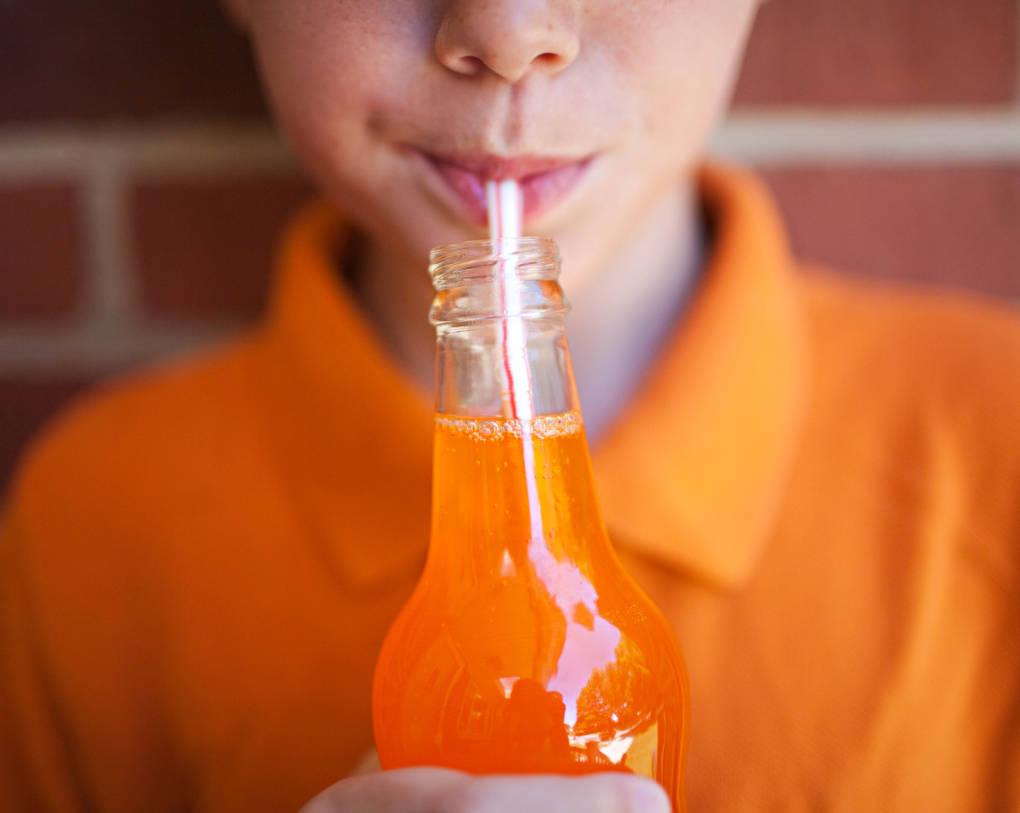
"caption": "The American Academy of Pediatrics and the American Heart Association, in a joint statement, endorsed taxes on sugary drinks, restrictions on marketing to kids and incentives for healthier purchases.",
"description": "The American Academy of Pediatrics and the American Heart Association, in a joint statement, endorsed taxes on sugary drinks, restrictions on marketing to kids and incentives for healthier purchases.",
"title": "pediatricians-call-for-soda-tax",
"credit": "Melissa Lomax Speelman/Getty Images",
"status": "inherit",
"isLoading": false,
"fetchFailed": false
},
"bayareabites_133122": {
"type": "attachments",
"id": "bayareabites_133122",
"meta": {
"index": "attachments_1716263798",
"site": "bayareabites",
"id": "133122",
"found": true
},
"parent": 133121,
"imgSizes": {
"twentyfourteen-full-width": {
"file": "https://ww2.kqed.org/app/uploads/sites/24/2019/03/gettyimages-1056141258-1b10921896cbcbe49abbfd91b76395702c7e32e2-1038x576.jpg",
"width": 1038,
"mimeType": "image/jpeg",
"height": 576
},
"thumbnail": {
"file": "https://ww2.kqed.org/app/uploads/sites/24/2019/03/gettyimages-1056141258-1b10921896cbcbe49abbfd91b76395702c7e32e2-160x120.jpg",
"width": 160,
"mimeType": "image/jpeg",
"height": 120
},
"post-thumbnail": {
"file": "https://ww2.kqed.org/app/uploads/sites/24/2019/03/gettyimages-1056141258-1b10921896cbcbe49abbfd91b76395702c7e32e2-672x372.jpg",
"width": 672,
"mimeType": "image/jpeg",
"height": 372
},
"kqedFullSize": {
"file": "https://ww2.kqed.org/app/uploads/sites/24/2019/03/gettyimages-1056141258-1b10921896cbcbe49abbfd91b76395702c7e32e2-e1553535267225.jpg",
"width": 1920,
"height": 1440
},
"large": {
"file": "https://ww2.kqed.org/app/uploads/sites/24/2019/03/gettyimages-1056141258-1b10921896cbcbe49abbfd91b76395702c7e32e2-1020x765.jpg",
"width": 1020,
"mimeType": "image/jpeg",
"height": 765
},
"complete_open_graph": {
"file": "https://ww2.kqed.org/app/uploads/sites/24/2019/03/gettyimages-1056141258-1b10921896cbcbe49abbfd91b76395702c7e32e2-1200x900.jpg",
"width": 1200,
"mimeType": "image/jpeg",
"height": 900
},
"guest-author-50": {
"file": "https://ww2.kqed.org/app/uploads/sites/24/2019/03/gettyimages-1056141258-1b10921896cbcbe49abbfd91b76395702c7e32e2-50x50.jpg",
"width": 50,
"mimeType": "image/jpeg",
"height": 50
},
"guest-author-96": {
"file": "https://ww2.kqed.org/app/uploads/sites/24/2019/03/gettyimages-1056141258-1b10921896cbcbe49abbfd91b76395702c7e32e2-96x96.jpg",
"width": 96,
"mimeType": "image/jpeg",
"height": 96
},
"medium": {
"file": "https://ww2.kqed.org/app/uploads/sites/24/2019/03/gettyimages-1056141258-1b10921896cbcbe49abbfd91b76395702c7e32e2-800x600.jpg",
"width": 800,
"mimeType": "image/jpeg",
"height": 600
},
"guest-author-64": {
"file": "https://ww2.kqed.org/app/uploads/sites/24/2019/03/gettyimages-1056141258-1b10921896cbcbe49abbfd91b76395702c7e32e2-64x64.jpg",
"width": 64,
"mimeType": "image/jpeg",
"height": 64
},
"guest-author-32": {
"file": "https://ww2.kqed.org/app/uploads/sites/24/2019/03/gettyimages-1056141258-1b10921896cbcbe49abbfd91b76395702c7e32e2-32x32.jpg",
"width": 32,
"mimeType": "image/jpeg",
"height": 32
},
"full-width": {
"file": "https://ww2.kqed.org/app/uploads/sites/24/2019/03/gettyimages-1056141258-1b10921896cbcbe49abbfd91b76395702c7e32e2-1920x1440.jpg",
"width": 1920,
"mimeType": "image/jpeg",
"height": 1440
},
"medium_large": {
"file": "https://ww2.kqed.org/app/uploads/sites/24/2019/03/gettyimages-1056141258-1b10921896cbcbe49abbfd91b76395702c7e32e2-768x576.jpg",
"width": 768,
"mimeType": "image/jpeg",
"height": 576
},
"guest-author-128": {
"file": "https://ww2.kqed.org/app/uploads/sites/24/2019/03/gettyimages-1056141258-1b10921896cbcbe49abbfd91b76395702c7e32e2-128x128.jpg",
"width": 128,
"mimeType": "image/jpeg",
"height": 128
}
},
"publishDate": 1553535176,
"modified": 1553535282,
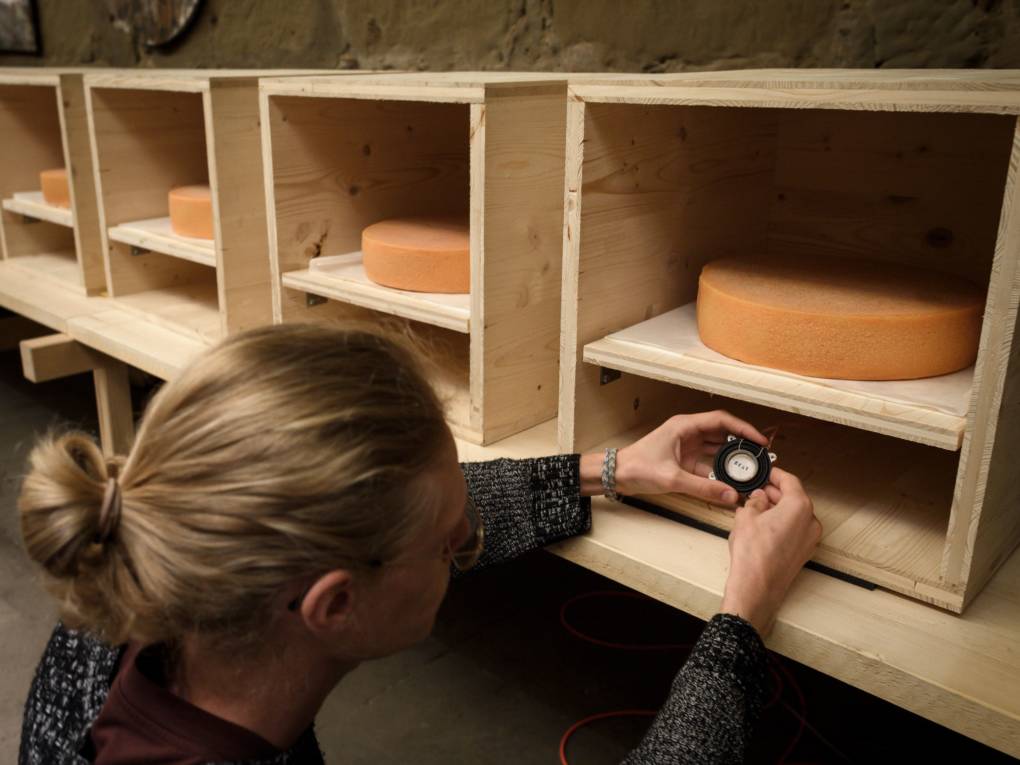
"caption": "University of the Arts in Bern student, Simon Walker, checks a small music speaker placed directly bellow a wheel of Emmental.",
"description": "University of the Arts in Bern student, Simon Walker, checks a small music speaker placed directly bellow a wheel of Emmental.",
"title": "University of the Arts in Bern student, Simon Walker, checks a small music speaker placed directly bellow a wheel of Emmental.",
"credit": "FABRICE COFFRINI/AFP/Getty Images",
"status": "inherit",
"isLoading": false,
"fetchFailed": false
},
"bayareabites_133105": {
"type": "attachments",
"id": "bayareabites_133105",
"meta": {
"index": "attachments_1716263798",
"site": "bayareabites",
"id": "133105",
"found": true
},
"parent": 133104,
"imgSizes": {
"twentyfourteen-full-width": {
"file": "https://ww2.kqed.org/app/uploads/sites/24/2019/03/seedlip_wide-ba818848bbe4eb36c24f427ff47c3e24c9989e38-1038x576.jpg",
"width": 1038,
"mimeType": "image/jpeg",
"height": 576
},
"thumbnail": {
"file": "https://ww2.kqed.org/app/uploads/sites/24/2019/03/seedlip_wide-ba818848bbe4eb36c24f427ff47c3e24c9989e38-160x90.jpg",
"width": 160,
"mimeType": "image/jpeg",
"height": 90
},
"post-thumbnail": {
"file": "https://ww2.kqed.org/app/uploads/sites/24/2019/03/seedlip_wide-ba818848bbe4eb36c24f427ff47c3e24c9989e38-672x372.jpg",
"width": 672,
"mimeType": "image/jpeg",
"height": 372
},
"kqedFullSize": {
"file": "https://ww2.kqed.org/app/uploads/sites/24/2019/03/seedlip_wide-ba818848bbe4eb36c24f427ff47c3e24c9989e38-e1553194545640.jpg",
"width": 1920,
"height": 1080
},
"large": {
"file": "https://ww2.kqed.org/app/uploads/sites/24/2019/03/seedlip_wide-ba818848bbe4eb36c24f427ff47c3e24c9989e38-1020x574.jpg",
"width": 1020,
"mimeType": "image/jpeg",
"height": 574
},
"complete_open_graph": {
"file": "https://ww2.kqed.org/app/uploads/sites/24/2019/03/seedlip_wide-ba818848bbe4eb36c24f427ff47c3e24c9989e38-1200x675.jpg",
"width": 1200,
"mimeType": "image/jpeg",
"height": 675
},
"guest-author-50": {
"file": "https://ww2.kqed.org/app/uploads/sites/24/2019/03/seedlip_wide-ba818848bbe4eb36c24f427ff47c3e24c9989e38-50x50.jpg",
"width": 50,
"mimeType": "image/jpeg",
"height": 50
},
"guest-author-96": {
"file": "https://ww2.kqed.org/app/uploads/sites/24/2019/03/seedlip_wide-ba818848bbe4eb36c24f427ff47c3e24c9989e38-96x96.jpg",
"width": 96,
"mimeType": "image/jpeg",
"height": 96
},
"medium": {
"file": "https://ww2.kqed.org/app/uploads/sites/24/2019/03/seedlip_wide-ba818848bbe4eb36c24f427ff47c3e24c9989e38-800x450.jpg",
"width": 800,
"mimeType": "image/jpeg",
"height": 450
},
"guest-author-64": {
"file": "https://ww2.kqed.org/app/uploads/sites/24/2019/03/seedlip_wide-ba818848bbe4eb36c24f427ff47c3e24c9989e38-64x64.jpg",
"width": 64,
"mimeType": "image/jpeg",
"height": 64
},
"guest-author-32": {
"file": "https://ww2.kqed.org/app/uploads/sites/24/2019/03/seedlip_wide-ba818848bbe4eb36c24f427ff47c3e24c9989e38-32x32.jpg",
"width": 32,
"mimeType": "image/jpeg",
"height": 32
},
"full-width": {
"file": "https://ww2.kqed.org/app/uploads/sites/24/2019/03/seedlip_wide-ba818848bbe4eb36c24f427ff47c3e24c9989e38-1920x1080.jpg",
"width": 1920,
"mimeType": "image/jpeg",
"height": 1080
},
"medium_large": {
"file": "https://ww2.kqed.org/app/uploads/sites/24/2019/03/seedlip_wide-ba818848bbe4eb36c24f427ff47c3e24c9989e38-768x432.jpg",
"width": 768,
"mimeType": "image/jpeg",
"height": 432
},
"guest-author-128": {
"file": "https://ww2.kqed.org/app/uploads/sites/24/2019/03/seedlip_wide-ba818848bbe4eb36c24f427ff47c3e24c9989e38-128x128.jpg",
"width": 128,
"mimeType": "image/jpeg",
"height": 128
}
},
"publishDate": 1553194314,
"modified": 1553194538,
"caption": "Seedlip, a distilled nonalcoholic spirit, was created when Ben Branson came across a 17th-century book that contained nonalcoholic remedies for a variety of maladies — from epilepsy to kidney stones.",
"description": "Seedlip, a distilled nonalcoholic spirit, was created when Ben Branson came across a 17th-century book that contained nonalcoholic remedies for a variety of maladies — from epilepsy to kidney stone",
"title": "seedlip-mocktail-no-abv",
"credit": "Kevork Djansezian/Getty Images",
"status": "inherit",
"isLoading": false,
"fetchFailed": false
},
"bayareabites_133028": {
"type": "attachments",
"id": "bayareabites_133028",
"meta": {
"index": "attachments_1716263798",
"site": "bayareabites",
"id": "133028",
"found": true
},
"parent": 133027,
"imgSizes": {
"twentyfourteen-full-width": {
"file": "https://ww2.kqed.org/app/uploads/sites/24/2019/03/egg-1_enl-8722a4338aa0a9b86eb6a96aa6168ffb22de4d9a-1038x576.jpg",
"width": 1038,
"mimeType": "image/jpeg",
"height": 576
},
"thumbnail": {
"file": "https://ww2.kqed.org/app/uploads/sites/24/2019/03/egg-1_enl-8722a4338aa0a9b86eb6a96aa6168ffb22de4d9a-160x120.jpg",
"width": 160,
"mimeType": "image/jpeg",
"height": 120
},
"post-thumbnail": {
"file": "https://ww2.kqed.org/app/uploads/sites/24/2019/03/egg-1_enl-8722a4338aa0a9b86eb6a96aa6168ffb22de4d9a-672x372.jpg",
"width": 672,
"mimeType": "image/jpeg",
"height": 372
},
"kqedFullSize": {
"file": "https://ww2.kqed.org/app/uploads/sites/24/2019/03/egg-1_enl-8722a4338aa0a9b86eb6a96aa6168ffb22de4d9a-e1552927580794.jpg",
"width": 1920,
"height": 1442
},
"large": {
"file": "https://ww2.kqed.org/app/uploads/sites/24/2019/03/egg-1_enl-8722a4338aa0a9b86eb6a96aa6168ffb22de4d9a-1020x766.jpg",
"width": 1020,
"mimeType": "image/jpeg",
"height": 766
},
"complete_open_graph": {
"file": "https://ww2.kqed.org/app/uploads/sites/24/2019/03/egg-1_enl-8722a4338aa0a9b86eb6a96aa6168ffb22de4d9a-1200x901.jpg",
"width": 1200,
"mimeType": "image/jpeg",
"height": 901
},
"guest-author-50": {
"file": "https://ww2.kqed.org/app/uploads/sites/24/2019/03/egg-1_enl-8722a4338aa0a9b86eb6a96aa6168ffb22de4d9a-50x50.jpg",
"width": 50,
"mimeType": "image/jpeg",
"height": 50
},
"guest-author-96": {
"file": "https://ww2.kqed.org/app/uploads/sites/24/2019/03/egg-1_enl-8722a4338aa0a9b86eb6a96aa6168ffb22de4d9a-96x96.jpg",
"width": 96,
"mimeType": "image/jpeg",
"height": 96
},
"medium": {
"file": "https://ww2.kqed.org/app/uploads/sites/24/2019/03/egg-1_enl-8722a4338aa0a9b86eb6a96aa6168ffb22de4d9a-800x601.jpg",
"width": 800,
"mimeType": "image/jpeg",
"height": 601
},
"guest-author-64": {
"file": "https://ww2.kqed.org/app/uploads/sites/24/2019/03/egg-1_enl-8722a4338aa0a9b86eb6a96aa6168ffb22de4d9a-64x64.jpg",
"width": 64,
"mimeType": "image/jpeg",
"height": 64
},
"guest-author-32": {
"file": "https://ww2.kqed.org/app/uploads/sites/24/2019/03/egg-1_enl-8722a4338aa0a9b86eb6a96aa6168ffb22de4d9a-32x32.jpg",
"width": 32,
"mimeType": "image/jpeg",
"height": 32
},
"full-width": {
"file": "https://ww2.kqed.org/app/uploads/sites/24/2019/03/egg-1_enl-8722a4338aa0a9b86eb6a96aa6168ffb22de4d9a-1920x1442.jpg",
"width": 1920,
"mimeType": "image/jpeg",
"height": 1442
},
"medium_large": {
"file": "https://ww2.kqed.org/app/uploads/sites/24/2019/03/egg-1_enl-8722a4338aa0a9b86eb6a96aa6168ffb22de4d9a-768x577.jpg",
"width": 768,
"mimeType": "image/jpeg",
"height": 577
},
"guest-author-128": {
"file": "https://ww2.kqed.org/app/uploads/sites/24/2019/03/egg-1_enl-8722a4338aa0a9b86eb6a96aa6168ffb22de4d9a-128x128.jpg",
"width": 128,
"mimeType": "image/jpeg",
"height": 128
}
},
"publishDate": 1552927530,
"modified": 1552927636,
"caption": "A study found that consuming two eggs per day was linked to a 27 percent higher risk of developing heart disease. But many experts say this new finding is no justification to drop eggs from your diet.",
"description": "A study found that consuming two eggs per day was linked to a 27 percent higher risk of developing heart disease. But many experts say this new finding is no justification to drop eggs from your diet.",
"title": "egg-too-much-cholestrol",
"credit": "Westend61/Getty Images",
"status": "inherit",
"isLoading": false,
"fetchFailed": false
},
"bayareabites_132937": {
"type": "attachments",
"id": "bayareabites_132937",
"meta": {
"index": "attachments_1716263798",
"site": "bayareabites",
"id": "132937",
"found": true
},
"parent": 132936,
"imgSizes": {
"twentyfourteen-full-width": {
"file": "https://ww2.kqed.org/app/uploads/sites/24/2019/03/kristen-1cefe03ca11b963d2a5132ddefa2cf2a6b7ed697-1038x576.jpg",
"width": 1038,
"mimeType": "image/jpeg",
"height": 576
},
"thumbnail": {
"file": "https://ww2.kqed.org/app/uploads/sites/24/2019/03/kristen-1cefe03ca11b963d2a5132ddefa2cf2a6b7ed697-160x120.jpg",
"width": 160,
"mimeType": "image/jpeg",
"height": 120
},
"post-thumbnail": {
"file": "https://ww2.kqed.org/app/uploads/sites/24/2019/03/kristen-1cefe03ca11b963d2a5132ddefa2cf2a6b7ed697-672x372.jpg",
"width": 672,
"mimeType": "image/jpeg",
"height": 372
},
"kqedFullSize": {
"file": "https://ww2.kqed.org/app/uploads/sites/24/2019/03/kristen-1cefe03ca11b963d2a5132ddefa2cf2a6b7ed697-e1552326784299.jpg",
"width": 1920,
"height": 1440
},
"large": {
"file": "https://ww2.kqed.org/app/uploads/sites/24/2019/03/kristen-1cefe03ca11b963d2a5132ddefa2cf2a6b7ed697-1020x765.jpg",
"width": 1020,
"mimeType": "image/jpeg",
"height": 765
},
"complete_open_graph": {
"file": "https://ww2.kqed.org/app/uploads/sites/24/2019/03/kristen-1cefe03ca11b963d2a5132ddefa2cf2a6b7ed697-1200x900.jpg",
"width": 1200,
"mimeType": "image/jpeg",
"height": 900
},
"guest-author-50": {
"file": "https://ww2.kqed.org/app/uploads/sites/24/2019/03/kristen-1cefe03ca11b963d2a5132ddefa2cf2a6b7ed697-50x50.jpg",
"width": 50,
"mimeType": "image/jpeg",
"height": 50
},
"guest-author-96": {
"file": "https://ww2.kqed.org/app/uploads/sites/24/2019/03/kristen-1cefe03ca11b963d2a5132ddefa2cf2a6b7ed697-96x96.jpg",
"width": 96,
"mimeType": "image/jpeg",
"height": 96
},
"medium": {
"file": "https://ww2.kqed.org/app/uploads/sites/24/2019/03/kristen-1cefe03ca11b963d2a5132ddefa2cf2a6b7ed697-800x600.jpg",
"width": 800,
"mimeType": "image/jpeg",
"height": 600
},
"guest-author-64": {
"file": "https://ww2.kqed.org/app/uploads/sites/24/2019/03/kristen-1cefe03ca11b963d2a5132ddefa2cf2a6b7ed697-64x64.jpg",
"width": 64,
"mimeType": "image/jpeg",
"height": 64
},
"guest-author-32": {
"file": "https://ww2.kqed.org/app/uploads/sites/24/2019/03/kristen-1cefe03ca11b963d2a5132ddefa2cf2a6b7ed697-32x32.jpg",
"width": 32,
"mimeType": "image/jpeg",
"height": 32
},
"full-width": {
"file": "https://ww2.kqed.org/app/uploads/sites/24/2019/03/kristen-1cefe03ca11b963d2a5132ddefa2cf2a6b7ed697-1920x1440.jpg",
"width": 1920,
"mimeType": "image/jpeg",
"height": 1440
},
"medium_large": {
"file": "https://ww2.kqed.org/app/uploads/sites/24/2019/03/kristen-1cefe03ca11b963d2a5132ddefa2cf2a6b7ed697-768x576.jpg",
"width": 768,
"mimeType": "image/jpeg",
"height": 576
},
"guest-author-128": {
"file": "https://ww2.kqed.org/app/uploads/sites/24/2019/03/kristen-1cefe03ca11b963d2a5132ddefa2cf2a6b7ed697-128x128.jpg",
"width": 128,
"mimeType": "image/jpeg",
"height": 128
}
},
"publishDate": 1552326611,
"modified": 1552326828,
"caption": "Last year, the author set about reducing her reliance on single-use disposables in the kitchen. Above are some of the tools she has adopted for food storage: a heavy-duty reusable silicone zip-top bag, bamboo towels, silicone disks that slip over the ends of cut pieces of fruits and vegetables, and beeswax-covered fabrics.",
"description": "Last year, the author set about reducing her reliance on single-use disposables in the kitchen. Above are some of the tools she has adopted for food storage: a heavy-duty reusable silicone zip-top bag, bamboo towels, silicone disks that slip over the ends of cut pieces of fruits and vegetables, and beeswax-covered fabrics.",
"title": "Last year, the author set about reducing her reliance on single-use disposables in the kitchen. Above are some of the tools she has adopted for food storage: a heavy-duty reusable silicone zip-top bag, bamboo towels, silicone disks that slip over the ends of cut pieces of fruits and vegetables, and beeswax-covered fabrics.",
"credit": "Kristen Hartke for NPR",
"status": "inherit",
"isLoading": false,
"fetchFailed": false
},
"bayareabites_132835": {
"type": "attachments",
"id": "bayareabites_132835",
"meta": {
"index": "attachments_1716263798",
"site": "bayareabites",
"id": "132835",
"found": true
},
"parent": 132834,
"imgSizes": {
"twentyfourteen-full-width": {
"file": "https://ww2.kqed.org/app/uploads/sites/24/2019/03/kitchen-1_custom-618f38170402def5c8b8bade8e884996486b4922-640x576.jpg",
"width": 640,
"mimeType": "image/jpeg",
"height": 576
},
"thumbnail": {
"file": "https://ww2.kqed.org/app/uploads/sites/24/2019/03/kitchen-1_custom-618f38170402def5c8b8bade8e884996486b4922-160x156.jpg",
"width": 160,
"mimeType": "image/jpeg",
"height": 156
},
"post-thumbnail": {
"file": "https://ww2.kqed.org/app/uploads/sites/24/2019/03/kitchen-1_custom-618f38170402def5c8b8bade8e884996486b4922-640x372.jpg",
"width": 640,
"mimeType": "image/jpeg",
"height": 372
},
"kqedFullSize": {
"file": "https://ww2.kqed.org/app/uploads/sites/24/2019/03/kitchen-1_custom-618f38170402def5c8b8bade8e884996486b4922.jpg",
"width": 640,
"height": 623
},
"guest-author-50": {
"file": "https://ww2.kqed.org/app/uploads/sites/24/2019/03/kitchen-1_custom-618f38170402def5c8b8bade8e884996486b4922-50x50.jpg",
"width": 50,
"mimeType": "image/jpeg",
"height": 50
},
"guest-author-96": {
"file": "https://ww2.kqed.org/app/uploads/sites/24/2019/03/kitchen-1_custom-618f38170402def5c8b8bade8e884996486b4922-96x96.jpg",
"width": 96,
"mimeType": "image/jpeg",
"height": 96
},
"guest-author-64": {
"file": "https://ww2.kqed.org/app/uploads/sites/24/2019/03/kitchen-1_custom-618f38170402def5c8b8bade8e884996486b4922-64x64.jpg",
"width": 64,
"mimeType": "image/jpeg",
"height": 64
},
"guest-author-32": {
"file": "https://ww2.kqed.org/app/uploads/sites/24/2019/03/kitchen-1_custom-618f38170402def5c8b8bade8e884996486b4922-32x32.jpg",
"width": 32,
"mimeType": "image/jpeg",
"height": 32
},
"guest-author-128": {
"file": "https://ww2.kqed.org/app/uploads/sites/24/2019/03/kitchen-1_custom-618f38170402def5c8b8bade8e884996486b4922-128x128.jpg",
"width": 128,
"mimeType": "image/jpeg",
"height": 128
}
},
"publishDate": 1551905285,
"modified": 1551905415,
"caption": "Allison Hopelain, owner of The Kebabery in Oakland, Calif., says the cafeteria-style restaurant reflects the changing tastes of customers who now want to grab a quick, affordable meal and head back to their lives.",
"description": "Allison Hopelain, owner of The Kebabery in Oakland, Calif., says the cafeteria-style restaurant reflects the changing tastes of customers who now want to grab a quick, affordable meal and head back to their lives.",
"title": "Allison Hopelain, owner of The Kebabery in Oakland, Calif., says the cafeteria-style restaurant reflects the changing tastes of customers who now want to grab a quick, affordable meal and head back to their lives.",
"credit": "Allison Hopelain/Courtesy of The Kebabery",
"status": "inherit",
"isLoading": false,
"fetchFailed": false
},
"bayareabites_132783": {
"type": "attachments",
"id": "bayareabites_132783",
"meta": {
"index": "attachments_1716263798",
"site": "bayareabites",
"id": "132783",
"found": true
},
"parent": 132782,
"imgSizes": {
"twentyfourteen-full-width": {
"file": "https://ww2.kqed.org/app/uploads/sites/24/2019/03/gettyimages-702550027-2-_wide-af5185ffe48b1a8e648cefca07a13c03fc491c86-1038x576.jpg",
"width": 1038,
"mimeType": "image/jpeg",
"height": 576
},
"thumbnail": {
"file": "https://ww2.kqed.org/app/uploads/sites/24/2019/03/gettyimages-702550027-2-_wide-af5185ffe48b1a8e648cefca07a13c03fc491c86-160x90.jpg",
"width": 160,
"mimeType": "image/jpeg",
"height": 90
},
"post-thumbnail": {
"file": "https://ww2.kqed.org/app/uploads/sites/24/2019/03/gettyimages-702550027-2-_wide-af5185ffe48b1a8e648cefca07a13c03fc491c86-672x372.jpg",
"width": 672,
"mimeType": "image/jpeg",
"height": 372
},
"kqedFullSize": {
"file": "https://ww2.kqed.org/app/uploads/sites/24/2019/03/gettyimages-702550027-2-_wide-af5185ffe48b1a8e648cefca07a13c03fc491c86-e1551728188147.jpg",
"width": 1920,
"height": 1080
},
"large": {
"file": "https://ww2.kqed.org/app/uploads/sites/24/2019/03/gettyimages-702550027-2-_wide-af5185ffe48b1a8e648cefca07a13c03fc491c86-1020x574.jpg",
"width": 1020,
"mimeType": "image/jpeg",
"height": 574
},
"complete_open_graph": {
"file": "https://ww2.kqed.org/app/uploads/sites/24/2019/03/gettyimages-702550027-2-_wide-af5185ffe48b1a8e648cefca07a13c03fc491c86-1200x675.jpg",
"width": 1200,
"mimeType": "image/jpeg",
"height": 675
},
"guest-author-50": {
"file": "https://ww2.kqed.org/app/uploads/sites/24/2019/03/gettyimages-702550027-2-_wide-af5185ffe48b1a8e648cefca07a13c03fc491c86-50x50.jpg",
"width": 50,
"mimeType": "image/jpeg",
"height": 50
},
"guest-author-96": {
"file": "https://ww2.kqed.org/app/uploads/sites/24/2019/03/gettyimages-702550027-2-_wide-af5185ffe48b1a8e648cefca07a13c03fc491c86-96x96.jpg",
"width": 96,
"mimeType": "image/jpeg",
"height": 96
},
"medium": {
"file": "https://ww2.kqed.org/app/uploads/sites/24/2019/03/gettyimages-702550027-2-_wide-af5185ffe48b1a8e648cefca07a13c03fc491c86-800x450.jpg",
"width": 800,
"mimeType": "image/jpeg",
"height": 450
},
"guest-author-64": {
"file": "https://ww2.kqed.org/app/uploads/sites/24/2019/03/gettyimages-702550027-2-_wide-af5185ffe48b1a8e648cefca07a13c03fc491c86-64x64.jpg",
"width": 64,
"mimeType": "image/jpeg",
"height": 64
},
"guest-author-32": {
"file": "https://ww2.kqed.org/app/uploads/sites/24/2019/03/gettyimages-702550027-2-_wide-af5185ffe48b1a8e648cefca07a13c03fc491c86-32x32.jpg",
"width": 32,
"mimeType": "image/jpeg",
"height": 32
},
"full-width": {
"file": "https://ww2.kqed.org/app/uploads/sites/24/2019/03/gettyimages-702550027-2-_wide-af5185ffe48b1a8e648cefca07a13c03fc491c86-1920x1080.jpg",
"width": 1920,
"mimeType": "image/jpeg",
"height": 1080
},
"medium_large": {
"file": "https://ww2.kqed.org/app/uploads/sites/24/2019/03/gettyimages-702550027-2-_wide-af5185ffe48b1a8e648cefca07a13c03fc491c86-768x432.jpg",
"width": 768,
"mimeType": "image/jpeg",
"height": 432
},
"guest-author-128": {
"file": "https://ww2.kqed.org/app/uploads/sites/24/2019/03/gettyimages-702550027-2-_wide-af5185ffe48b1a8e648cefca07a13c03fc491c86-128x128.jpg",
"width": 128,
"mimeType": "image/jpeg",
"height": 128
}
},
"publishDate": 1551728170,
"modified": 1551728209,
"caption": "It's well-known that junk food ads on TV can strongly influence what kids want to eat. A study finds social media influencers can have the same effect on kids --but not when it comes to healthy foods.",
"description": "It's well-known that junk food ads on TV can strongly influence what kids want to eat. A study finds social media influencers can have the same effect on kids --but not when it comes to healthy foods.",
"title": "It's well-known that junk food ads on TV can strongly influence what kids want to eat. A study finds social media influencers can have the same effect on kids --but not when it comes to healthy foods.",
"credit": "Jessica Lee Photography/Getty Images/Image Source",
"status": "inherit",
"isLoading": false,
"fetchFailed": false
},
"bayareabites_132728": {
"type": "attachments",
"id": "bayareabites_132728",
"meta": {
"index": "attachments_1716263798",
"site": "bayareabites",
"id": "132728",
"found": true
},
"parent": 132687,
"imgSizes": {
"twentyfourteen-full-width": {
"file": "https://ww2.kqed.org/app/uploads/sites/24/2019/02/kimchi-1_custom-4eba09e7864112631b137af50d3a101b392a23aa-s1600-c85-1038x576.jpg",
"width": 1038,
"mimeType": "image/jpeg",
"height": 576
},
"thumbnail": {
"file": "https://ww2.kqed.org/app/uploads/sites/24/2019/02/kimchi-1_custom-4eba09e7864112631b137af50d3a101b392a23aa-s1600-c85-160x99.jpg",
"width": 160,
"mimeType": "image/jpeg",
"height": 99
},
"post-thumbnail": {
"file": "https://ww2.kqed.org/app/uploads/sites/24/2019/02/kimchi-1_custom-4eba09e7864112631b137af50d3a101b392a23aa-s1600-c85-672x372.jpg",
"width": 672,
"mimeType": "image/jpeg",
"height": 372
},
"kqedFullSize": {
"file": "https://ww2.kqed.org/app/uploads/sites/24/2019/02/kimchi-1_custom-4eba09e7864112631b137af50d3a101b392a23aa-s1600-c85.jpg",
"width": 1600,
"height": 993
},
"large": {
"file": "https://ww2.kqed.org/app/uploads/sites/24/2019/02/kimchi-1_custom-4eba09e7864112631b137af50d3a101b392a23aa-s1600-c85-1020x633.jpg",
"width": 1020,
"mimeType": "image/jpeg",
"height": 633
},
"complete_open_graph": {
"file": "https://ww2.kqed.org/app/uploads/sites/24/2019/02/kimchi-1_custom-4eba09e7864112631b137af50d3a101b392a23aa-s1600-c85-1200x745.jpg",
"width": 1200,
"mimeType": "image/jpeg",
"height": 745
},
"guest-author-50": {
"file": "https://ww2.kqed.org/app/uploads/sites/24/2019/02/kimchi-1_custom-4eba09e7864112631b137af50d3a101b392a23aa-s1600-c85-50x50.jpg",
"width": 50,
"mimeType": "image/jpeg",
"height": 50
},
"guest-author-96": {
"file": "https://ww2.kqed.org/app/uploads/sites/24/2019/02/kimchi-1_custom-4eba09e7864112631b137af50d3a101b392a23aa-s1600-c85-96x96.jpg",
"width": 96,
"mimeType": "image/jpeg",
"height": 96
},
"medium": {
"file": "https://ww2.kqed.org/app/uploads/sites/24/2019/02/kimchi-1_custom-4eba09e7864112631b137af50d3a101b392a23aa-s1600-c85-800x497.jpg",
"width": 800,
"mimeType": "image/jpeg",
"height": 497
},
"guest-author-64": {
"file": "https://ww2.kqed.org/app/uploads/sites/24/2019/02/kimchi-1_custom-4eba09e7864112631b137af50d3a101b392a23aa-s1600-c85-64x64.jpg",
"width": 64,
"mimeType": "image/jpeg",
"height": 64
},
"guest-author-32": {
"file": "https://ww2.kqed.org/app/uploads/sites/24/2019/02/kimchi-1_custom-4eba09e7864112631b137af50d3a101b392a23aa-s1600-c85-32x32.jpg",
"width": 32,
"mimeType": "image/jpeg",
"height": 32
},
"medium_large": {
"file": "https://ww2.kqed.org/app/uploads/sites/24/2019/02/kimchi-1_custom-4eba09e7864112631b137af50d3a101b392a23aa-s1600-c85-768x477.jpg",
"width": 768,
"mimeType": "image/jpeg",
"height": 477
},
"guest-author-128": {
"file": "https://ww2.kqed.org/app/uploads/sites/24/2019/02/kimchi-1_custom-4eba09e7864112631b137af50d3a101b392a23aa-s1600-c85-128x128.jpg",
"width": 128,
"mimeType": "image/jpeg",
"height": 128
}
},
"publishDate": 1551302815,
"modified": 1551302849,
"caption": "Korean kimchi, made of salted and fermented vegetables, contains microbes that contribute to its distinctive taste.",
"description": "Korean kimchi, made of salted and fermented vegetables, contains microbes that contribute to its distinctive taste.",
"title": "Korean kimchi, made of salted and fermented vegetables, contains microbes that contribute to its distinctive taste.",
"credit": "4kodiak/Getty Images",
"status": "inherit",
"isLoading": false,
"fetchFailed": false
},
"bayareabites_132414": {
"type": "attachments",
"id": "bayareabites_132414",
"meta": {
"index": "attachments_1716263798",
"site": "bayareabites",
"id": "132414",
"found": true
},
"parent": 132412,
"imgSizes": {
"twentyfourteen-full-width": {
"file": "https://ww2.kqed.org/app/uploads/sites/24/2019/02/dscf7936-6b19d3945033483c783e3e5fb907300acbbb6cc0-1038x576.jpg",
"width": 1038,
"mimeType": "image/jpeg",
"height": 576
},
"thumbnail": {
"file": "https://ww2.kqed.org/app/uploads/sites/24/2019/02/dscf7936-6b19d3945033483c783e3e5fb907300acbbb6cc0-160x120.jpg",
"width": 160,
"mimeType": "image/jpeg",
"height": 120
},
"post-thumbnail": {
"file": "https://ww2.kqed.org/app/uploads/sites/24/2019/02/dscf7936-6b19d3945033483c783e3e5fb907300acbbb6cc0-672x372.jpg",
"width": 672,
"mimeType": "image/jpeg",
"height": 372
},
"kqedFullSize": {
"file": "https://ww2.kqed.org/app/uploads/sites/24/2019/02/dscf7936-6b19d3945033483c783e3e5fb907300acbbb6cc0-e1549907516104.jpg",
"width": 1920,
"height": 1440
},
"large": {
"file": "https://ww2.kqed.org/app/uploads/sites/24/2019/02/dscf7936-6b19d3945033483c783e3e5fb907300acbbb6cc0-1020x765.jpg",
"width": 1020,
"mimeType": "image/jpeg",
"height": 765
},
"complete_open_graph": {
"file": "https://ww2.kqed.org/app/uploads/sites/24/2019/02/dscf7936-6b19d3945033483c783e3e5fb907300acbbb6cc0-1200x900.jpg",
"width": 1200,
"mimeType": "image/jpeg",
"height": 900
},
"guest-author-50": {
"file": "https://ww2.kqed.org/app/uploads/sites/24/2019/02/dscf7936-6b19d3945033483c783e3e5fb907300acbbb6cc0-50x50.jpg",
"width": 50,
"mimeType": "image/jpeg",
"height": 50
},
"guest-author-96": {
"file": "https://ww2.kqed.org/app/uploads/sites/24/2019/02/dscf7936-6b19d3945033483c783e3e5fb907300acbbb6cc0-96x96.jpg",
"width": 96,
"mimeType": "image/jpeg",
"height": 96
},
"medium": {
"file": "https://ww2.kqed.org/app/uploads/sites/24/2019/02/dscf7936-6b19d3945033483c783e3e5fb907300acbbb6cc0-800x600.jpg",
"width": 800,
"mimeType": "image/jpeg",
"height": 600
},
"guest-author-64": {
"file": "https://ww2.kqed.org/app/uploads/sites/24/2019/02/dscf7936-6b19d3945033483c783e3e5fb907300acbbb6cc0-64x64.jpg",
"width": 64,
"mimeType": "image/jpeg",
"height": 64
},
"guest-author-32": {
"file": "https://ww2.kqed.org/app/uploads/sites/24/2019/02/dscf7936-6b19d3945033483c783e3e5fb907300acbbb6cc0-32x32.jpg",
"width": 32,
"mimeType": "image/jpeg",
"height": 32
},
"full-width": {
"file": "https://ww2.kqed.org/app/uploads/sites/24/2019/02/dscf7936-6b19d3945033483c783e3e5fb907300acbbb6cc0-1920x1440.jpg",
"width": 1920,
"mimeType": "image/jpeg",
"height": 1440
},
"detail": {
"file": "https://ww2.kqed.org/app/uploads/sites/24/2019/02/dscf7936-6b19d3945033483c783e3e5fb907300acbbb6cc0-150x150.jpg",
"width": 150,
"mimeType": "image/jpeg",
"height": 150
},
"medium_large": {
"file": "https://ww2.kqed.org/app/uploads/sites/24/2019/02/dscf7936-6b19d3945033483c783e3e5fb907300acbbb6cc0-768x576.jpg",
"width": 768,
"mimeType": "image/jpeg",
"height": 576
},
"guest-author-128": {
"file": "https://ww2.kqed.org/app/uploads/sites/24/2019/02/dscf7936-6b19d3945033483c783e3e5fb907300acbbb6cc0-128x128.jpg",
"width": 128,
"mimeType": "image/jpeg",
"height": 128
}
},
"publishDate": 1549907367,
"modified": 1549907543,
"caption": "Pastry chef Katlyn Beggs and chef Patrick Mulvaney plan desserts for an upcoming dinner at his B&L restaurant in the Midtown neighborhood of Sacramento, Calif.",
"description": "Pastry chef Katlyn Beggs and chef Patrick Mulvaney plan desserts for an upcoming dinner at his B&L restaurant in the Midtown neighborhood of Sacramento, Calif.",
"title": "Pastry chef Katlyn Beggs and chef Patrick Mulvaney plan desserts for an upcoming dinner at his B&L restaurant in the Midtown neighborhood of Sacramento, Calif.",
"credit": "Andrew Nixon / Capital Public Radio",
"status": "inherit",
"isLoading": false,
"fetchFailed": false
},
"bayareabites_132077": {
"type": "attachments",
"id": "bayareabites_132077",
"meta": {
"index": "attachments_1716263798",
"site": "bayareabites",
"id": "132077",
"found": true
},
"parent": 132076,
"imgSizes": {
"small": {
"file": "https://ww2.kqed.org/app/uploads/sites/24/2019/01/ap_16218515650236-27c70a747111ae7fb64163f3ecc062c7acdb7a0f-520x390.jpg",
"width": 520,
"mimeType": "image/jpeg",
"height": 390
},
"twentyfourteen-full-width": {
"file": "https://ww2.kqed.org/app/uploads/sites/24/2019/01/ap_16218515650236-27c70a747111ae7fb64163f3ecc062c7acdb7a0f-1038x576.jpg",
"width": 1038,
"mimeType": "image/jpeg",
"height": 576
},
"thumbnail": {
"file": "https://ww2.kqed.org/app/uploads/sites/24/2019/01/ap_16218515650236-27c70a747111ae7fb64163f3ecc062c7acdb7a0f-160x120.jpg",
"width": 160,
"mimeType": "image/jpeg",
"height": 120
},
"fd-sm": {
"file": "https://ww2.kqed.org/app/uploads/sites/24/2019/01/ap_16218515650236-27c70a747111ae7fb64163f3ecc062c7acdb7a0f-960x720.jpg",
"width": 960,
"mimeType": "image/jpeg",
"height": 720
},
"post-thumbnail": {
"file": "https://ww2.kqed.org/app/uploads/sites/24/2019/01/ap_16218515650236-27c70a747111ae7fb64163f3ecc062c7acdb7a0f-672x372.jpg",
"width": 672,
"mimeType": "image/jpeg",
"height": 372
},
"xsmall": {
"file": "https://ww2.kqed.org/app/uploads/sites/24/2019/01/ap_16218515650236-27c70a747111ae7fb64163f3ecc062c7acdb7a0f-375x281.jpg",
"width": 375,
"mimeType": "image/jpeg",
"height": 281
},
"kqedFullSize": {
"file": "https://ww2.kqed.org/app/uploads/sites/24/2019/01/ap_16218515650236-27c70a747111ae7fb64163f3ecc062c7acdb7a0f.jpg",
"width": 1535,
"height": 1151
},
"large": {
"file": "https://ww2.kqed.org/app/uploads/sites/24/2019/01/ap_16218515650236-27c70a747111ae7fb64163f3ecc062c7acdb7a0f-1020x765.jpg",
"width": 1020,
"mimeType": "image/jpeg",
"height": 765
},
"xlarge": {
"file": "https://ww2.kqed.org/app/uploads/sites/24/2019/01/ap_16218515650236-27c70a747111ae7fb64163f3ecc062c7acdb7a0f-1180x885.jpg",
"width": 1180,
"mimeType": "image/jpeg",
"height": 885
},
"complete_open_graph": {
"file": "https://ww2.kqed.org/app/uploads/sites/24/2019/01/ap_16218515650236-27c70a747111ae7fb64163f3ecc062c7acdb7a0f-1200x900.jpg",
"width": 1200,
"mimeType": "image/jpeg",
"height": 900
},
"guest-author-50": {
"file": "https://ww2.kqed.org/app/uploads/sites/24/2019/01/ap_16218515650236-27c70a747111ae7fb64163f3ecc062c7acdb7a0f-50x50.jpg",
"width": 50,
"mimeType": "image/jpeg",
"height": 50
},
"guest-author-96": {
"file": "https://ww2.kqed.org/app/uploads/sites/24/2019/01/ap_16218515650236-27c70a747111ae7fb64163f3ecc062c7acdb7a0f-96x96.jpg",
"width": 96,
"mimeType": "image/jpeg",
"height": 96
},
"medium": {
"file": "https://ww2.kqed.org/app/uploads/sites/24/2019/01/ap_16218515650236-27c70a747111ae7fb64163f3ecc062c7acdb7a0f-800x600.jpg",
"width": 800,
"mimeType": "image/jpeg",
"height": 600
},
"guest-author-64": {
"file": "https://ww2.kqed.org/app/uploads/sites/24/2019/01/ap_16218515650236-27c70a747111ae7fb64163f3ecc062c7acdb7a0f-64x64.jpg",
"width": 64,
"mimeType": "image/jpeg",
"height": 64
},
"guest-author-32": {
"file": "https://ww2.kqed.org/app/uploads/sites/24/2019/01/ap_16218515650236-27c70a747111ae7fb64163f3ecc062c7acdb7a0f-32x32.jpg",
"width": 32,
"mimeType": "image/jpeg",
"height": 32
},
"fd-med": {
"file": "https://ww2.kqed.org/app/uploads/sites/24/2019/01/ap_16218515650236-27c70a747111ae7fb64163f3ecc062c7acdb7a0f-1180x885.jpg",
"width": 1180,
"mimeType": "image/jpeg",
"height": 885
},
"detail": {
"file": "https://ww2.kqed.org/app/uploads/sites/24/2019/01/ap_16218515650236-27c70a747111ae7fb64163f3ecc062c7acdb7a0f-150x150.jpg",
"width": 150,
"mimeType": "image/jpeg",
"height": 150
},
"medium_large": {
"file": "https://ww2.kqed.org/app/uploads/sites/24/2019/01/ap_16218515650236-27c70a747111ae7fb64163f3ecc062c7acdb7a0f-768x576.jpg",
"width": 768,
"mimeType": "image/jpeg",
"height": 576
},
"guest-author-128": {
"file": "https://ww2.kqed.org/app/uploads/sites/24/2019/01/ap_16218515650236-27c70a747111ae7fb64163f3ecc062c7acdb7a0f-128x128.jpg",
"width": 128,
"mimeType": "image/jpeg",
"height": 128
},
"xxsmall": {
"file": "https://ww2.kqed.org/app/uploads/sites/24/2019/01/ap_16218515650236-27c70a747111ae7fb64163f3ecc062c7acdb7a0f-240x180.jpg",
"width": 240,
"mimeType": "image/jpeg",
"height": 180
}
},
"publishDate": 1547235094,
"modified": 1547235145,
"caption": "Craft beer lovers may not see many new brews on the shelves in coming weeks. The government shutdown means new labels can't be approved, delaying the release of new bottled beers.",
"description": "Craft beer lovers may not see many new brews on the shelves in coming weeks. The government shutdown means new labels can't be approved, delaying the release of new bottled beers.",
"title": "Craft beer lovers may not see many new brews on the shelves in coming weeks. The government shutdown means new labels can't be approved, delaying the release of new bottled beers.",
"credit": "Dave Martin/AP",
"status": "inherit",
"isLoading": false,
"fetchFailed": false
},
"bayareabites_132063": {
"type": "attachments",
"id": "bayareabites_132063",
"meta": {
"index": "attachments_1716263798",
"site": "bayareabites",
"id": "132063",
"found": true
},
"parent": 132062,
"imgSizes": {
"small": {
"file": "https://ww2.kqed.org/app/uploads/sites/24/2019/01/ljohnson-hunger-in-college_custom-5c2cdc1b686e102d2e8f71333e7f26a666598ad3-520x325.jpg",
"width": 520,
"mimeType": "image/jpeg",
"height": 325
},
"twentyfourteen-full-width": {
"file": "https://ww2.kqed.org/app/uploads/sites/24/2019/01/ljohnson-hunger-in-college_custom-5c2cdc1b686e102d2e8f71333e7f26a666598ad3-1038x576.jpg",
"width": 1038,
"mimeType": "image/jpeg",
"height": 576
},
"thumbnail": {
"file": "https://ww2.kqed.org/app/uploads/sites/24/2019/01/ljohnson-hunger-in-college_custom-5c2cdc1b686e102d2e8f71333e7f26a666598ad3-160x100.jpg",
"width": 160,
"mimeType": "image/jpeg",
"height": 100
},
"fd-sm": {
"file": "https://ww2.kqed.org/app/uploads/sites/24/2019/01/ljohnson-hunger-in-college_custom-5c2cdc1b686e102d2e8f71333e7f26a666598ad3-960x599.jpg",
"width": 960,
"mimeType": "image/jpeg",
"height": 599
},
"post-thumbnail": {
"file": "https://ww2.kqed.org/app/uploads/sites/24/2019/01/ljohnson-hunger-in-college_custom-5c2cdc1b686e102d2e8f71333e7f26a666598ad3-672x372.jpg",
"width": 672,
"mimeType": "image/jpeg",
"height": 372
},
"xsmall": {
"file": "https://ww2.kqed.org/app/uploads/sites/24/2019/01/ljohnson-hunger-in-college_custom-5c2cdc1b686e102d2e8f71333e7f26a666598ad3-375x234.jpg",
"width": 375,
"mimeType": "image/jpeg",
"height": 234
},
"kqedFullSize": {
"file": "https://ww2.kqed.org/app/uploads/sites/24/2019/01/ljohnson-hunger-in-college_custom-5c2cdc1b686e102d2e8f71333e7f26a666598ad3-e1547156417353.jpg",
"width": 1920,
"height": 1198
},
"large": {
"file": "https://ww2.kqed.org/app/uploads/sites/24/2019/01/ljohnson-hunger-in-college_custom-5c2cdc1b686e102d2e8f71333e7f26a666598ad3-1020x637.jpg",
"width": 1020,
"mimeType": "image/jpeg",
"height": 637
},
"xlarge": {
"file": "https://ww2.kqed.org/app/uploads/sites/24/2019/01/ljohnson-hunger-in-college_custom-5c2cdc1b686e102d2e8f71333e7f26a666598ad3-1180x736.jpg",
"width": 1180,
"mimeType": "image/jpeg",
"height": 736
},
"complete_open_graph": {
"file": "https://ww2.kqed.org/app/uploads/sites/24/2019/01/ljohnson-hunger-in-college_custom-5c2cdc1b686e102d2e8f71333e7f26a666598ad3-1200x749.jpg",
"width": 1200,
"mimeType": "image/jpeg",
"height": 749
},
"guest-author-50": {
"file": "https://ww2.kqed.org/app/uploads/sites/24/2019/01/ljohnson-hunger-in-college_custom-5c2cdc1b686e102d2e8f71333e7f26a666598ad3-50x50.jpg",
"width": 50,
"mimeType": "image/jpeg",
"height": 50
},
"guest-author-96": {
"file": "https://ww2.kqed.org/app/uploads/sites/24/2019/01/ljohnson-hunger-in-college_custom-5c2cdc1b686e102d2e8f71333e7f26a666598ad3-96x96.jpg",
"width": 96,
"mimeType": "image/jpeg",
"height": 96
},
"medium": {
"file": "https://ww2.kqed.org/app/uploads/sites/24/2019/01/ljohnson-hunger-in-college_custom-5c2cdc1b686e102d2e8f71333e7f26a666598ad3-800x499.jpg",
"width": 800,
"mimeType": "image/jpeg",
"height": 499
},
"guest-author-64": {
"file": "https://ww2.kqed.org/app/uploads/sites/24/2019/01/ljohnson-hunger-in-college_custom-5c2cdc1b686e102d2e8f71333e7f26a666598ad3-64x64.jpg",
"width": 64,
"mimeType": "image/jpeg",
"height": 64
},
"guest-author-32": {
"file": "https://ww2.kqed.org/app/uploads/sites/24/2019/01/ljohnson-hunger-in-college_custom-5c2cdc1b686e102d2e8f71333e7f26a666598ad3-32x32.jpg",
"width": 32,
"mimeType": "image/jpeg",
"height": 32
},
"fd-lrg": {
"file": "https://ww2.kqed.org/app/uploads/sites/24/2019/01/ljohnson-hunger-in-college_custom-5c2cdc1b686e102d2e8f71333e7f26a666598ad3-1920x1198.jpg",
"width": 1920,
"mimeType": "image/jpeg",
"height": 1198
},
"fd-med": {
"file": "https://ww2.kqed.org/app/uploads/sites/24/2019/01/ljohnson-hunger-in-college_custom-5c2cdc1b686e102d2e8f71333e7f26a666598ad3-1180x736.jpg",
"width": 1180,
"mimeType": "image/jpeg",
"height": 736
},
"full-width": {
"file": "https://ww2.kqed.org/app/uploads/sites/24/2019/01/ljohnson-hunger-in-college_custom-5c2cdc1b686e102d2e8f71333e7f26a666598ad3-1920x1198.jpg",
"width": 1920,
"mimeType": "image/jpeg",
"height": 1198
},
"detail": {
"file": "https://ww2.kqed.org/app/uploads/sites/24/2019/01/ljohnson-hunger-in-college_custom-5c2cdc1b686e102d2e8f71333e7f26a666598ad3-150x150.jpg",
"width": 150,
"mimeType": "image/jpeg",
"height": 150
},
"medium_large": {
"file": "https://ww2.kqed.org/app/uploads/sites/24/2019/01/ljohnson-hunger-in-college_custom-5c2cdc1b686e102d2e8f71333e7f26a666598ad3-768x479.jpg",
"width": 768,
"mimeType": "image/jpeg",
"height": 479
},
"guest-author-128": {
"file": "https://ww2.kqed.org/app/uploads/sites/24/2019/01/ljohnson-hunger-in-college_custom-5c2cdc1b686e102d2e8f71333e7f26a666598ad3-128x128.jpg",
"width": 128,
"mimeType": "image/jpeg",
"height": 128
},
"xxsmall": {
"file": "https://ww2.kqed.org/app/uploads/sites/24/2019/01/ljohnson-hunger-in-college_custom-5c2cdc1b686e102d2e8f71333e7f26a666598ad3-240x150.jpg",
"width": 240,
"mimeType": "image/jpeg",
"height": 150
}
},
"publishDate": 1547156347,
"modified": 1547156429,
"caption": "College students studying while hungry.",
"description": "College students studying while hungry.",
"title": "College students studying while hungry.",
"credit": "LA Johnson/NPR",
"status": "inherit",
"isLoading": false,
"fetchFailed": false
}
},
"audioPlayerReducer": {
"postId": "stream_live",
"isPaused": true,
"isPlaying": false,
"pfsActive": false,
"pledgeModalIsOpen": true,
"playerDrawerIsOpen": false,
"liveAudioPlayStartedAt": 0,
"liveAudioPlayContext": ""
},
"authorsReducer": {
"byline_bayareabites_133134": {
"type": "authors",
"id": "byline_bayareabites_133134",
"meta": {
"override": true
},
"slug": "byline_bayareabites_133134",
"name": "Allison Aubrey, NPR Food",
"isLoading": false
},
"byline_bayareabites_133121": {
"type": "authors",
"id": "byline_bayareabites_133121",
"meta": {
"override": true
},
"slug": "byline_bayareabites_133121",
"name": "Lindsey Feingold, NPR Food",
"isLoading": false
},
"byline_bayareabites_133104": {
"type": "authors",
"id": "byline_bayareabites_133104",
"meta": {
"override": true
},
"slug": "byline_bayareabites_133104",
"name": "Kristen Hartke, NPR Food",
"isLoading": false
},
"byline_bayareabites_133027": {
"type": "authors",
"id": "byline_bayareabites_133027",
"meta": {
"override": true
},
"slug": "byline_bayareabites_133027",
"name": "Allison Aubrey, NPR Food",
"isLoading": false
},
"byline_bayareabites_132936": {
"type": "authors",
"id": "byline_bayareabites_132936",
"meta": {
"override": true
},
"slug": "byline_bayareabites_132936",
"name": "Kristen Hartke, NPR Food",
"isLoading": false
},
"byline_bayareabites_132834": {
"type": "authors",
"id": "byline_bayareabites_132834",
"meta": {
"override": true
},
"slug": "byline_bayareabites_132834",
"name": "Jasmine Garsd, NPR Food",
"isLoading": false
},
"byline_bayareabites_132782": {
"type": "authors",
"id": "byline_bayareabites_132782",
"meta": {
"override": true
},
"slug": "byline_bayareabites_132782",
"name": "Patti Neighmond, NPR's Morning Edition",
"isLoading": false
},
"byline_bayareabites_132687": {
"type": "authors",
"id": "byline_bayareabites_132687",
"meta": {
"override": true
},
"slug": "byline_bayareabites_132687",
"name": "Jonathan Lambert, NPR Food",
"isLoading": false
},
"byline_bayareabites_132412": {
"type": "authors",
"id": "byline_bayareabites_132412",
"meta": {
"override": true
},
"slug": "byline_bayareabites_132412",
"name": "Samantha Caiola, NPR Food",
"isLoading": false
},
"byline_bayareabites_132139": {
"type": "authors",
"id": "byline_bayareabites_132139",
"meta": {
"override": true
},
"slug": "byline_bayareabites_132139",
"name": "Ashlie Stevens, NPR Food",
"isLoading": false
},
"byline_bayareabites_132076": {
"type": "authors",
"id": "byline_bayareabites_132076",
"meta": {
"override": true
},
"slug": "byline_bayareabites_132076",
"name": "Hope Kirwan, Wisconsin Public Radio",
"isLoading": false
},
"byline_bayareabites_132062": {
"type": "authors",
"id": "byline_bayareabites_132062",
"meta": {
"override": true
},
"slug": "byline_bayareabites_132062",
"name": "Clare Lombardo\u003cbr>Elissa Nadworny, NPR Food",
"isLoading": false
}
},
"pagesReducer": {
"bayareabites_category_npr-food": {
"type": "terms",
"id": "bayareabites_10916",
"meta": {
"index": "terms_1716263798",
"site": "bayareabites",
"id": "10916",
"score": 13.894455
},
"featImg": null,
"name": "NPR food",
"description": null,
"taxonomy": "category",
"headData": {
"twImgId": null,
"twTitle": null,
"ogTitle": null,
"ogImgId": null,
"twDescription": null,
"description": null,
"title": "NPR food Archives | KQED Bay Area Bites",
"ogDescription": null
},
"ttid": 5375,
"slug": "npr-food",
"isLoading": false,
"title": "NPR food",
"pageMeta": {
"site": "bayareabites",
"WpPageTemplate": "page-topic-editorial",
"currentPage": 6
},
"blocks": [
{
"blockName": "kqed/post-list",
"attrs": {
"layout": "cardArticle2",
"query": "posts/bayareabites?category=npr-food",
"seeMore": false,
"paginated": true,
"page": 6
}
},
{
"blockName": "kqed/ad"
}
]
}
},
"pfsSessionReducer": {},
"postsReducer": {
"stream_live": {
"type": "live",
"id": "stream_live",
"audioUrl": "https://hls.kqed.org/hls/kqed_app/playlist.m3u8",
"title": "Live Stream",
"excerpt": "Live Stream information currently unavailable.",
"link": "/radio",
"featImg": "",
"label": {
"name": "KQED Live",
"link": "/"
}
},
"stream_kqedNewscast": {
"type": "posts",
"id": "stream_kqedNewscast",
"audioUrl": "https://www.kqed.org/.stream/anon/radio/RDnews/newscast.mp3?_=1",
"title": "KQED Newscast",
"featImg": "",
"label": {
"name": "88.5 FM",
"link": "/"
}
},
"bayareabites_133134": {
"type": "posts",
"id": "bayareabites_133134",
"meta": {
"index": "posts_1716263798",
"site": "bayareabites",
"id": "133134",
"score": null,
"sort": [
1553615910000
]
},
"parent": 0,
"labelTerm": {
"site": "bayareabites"
},
"blocks": [],
"publishDate": 1553615910,
"format": "standard",
"disqusTitle": "To Curb Kids' Sugary Drink Habits, Pediatricians Now Call For Soda Taxes",
"title": "To Curb Kids' Sugary Drink Habits, Pediatricians Now Call For Soda Taxes",
"headTitle": "Bay Area Bites | KQED Food",
"content": "\u003cp>Pediatricians have long warned parents about the risks of consuming too many sugary drinks — including the link to Type 2 diabetes and obesity.\u003cbr>\n[aside postID=\"news_11727515,news_11727998\"]\u003cbr>\nNow, the nation's leading group of kids' doctors, the American Academy of Pediatrics, together with the American Heart Association, has endorsed a \u003ca href=\"https://pediatrics.aappublications.org/content/early/2019/03/21/peds.2019-0282\">range of strategies designed to curb children's consumption\u003c/a> — including taxes on sugary drinks, limits on marketing sugary drinks to kids and financial incentives to encourage healthier beverage choices.\u003c/p>\n\u003cp>\"For children, the biggest source of added sugars often is not what they eat, it's what they drink,\" says Natalie Muth, a pediatrician and the lead author of the new joint policy statement. By one estimate, kids and teens get about 17 percent of their calories from added sugars — and about half of those calories come from drinks. \u003c/p>\n\u003cp>While consumption of \u003ca href=\"https://academic.oup.com/ajcn/article/98/1/180/4578319\">sugary drinks has declined\u003c/a> in the U.S., kids and teens still consume about 150 calories a day, on average, from them. That's about 12 ounces per day. But the heart association recommends that children consume no more than 8 ounces per week. \u003c/p>\n\u003cp>\"There's a huge difference between what a typical child is drinking ... and what the recommendations are,\" Muth says. By one estimate, \u003ca href=\"https://www.cambridge.org/core/journals/public-health-nutrition/article/to-what-extent-have-sweetened-beverages-contributed-to-the-obesity-epidemic/591E6F0B7DF9ED6D309239AD661C643D\">sweetened beverages account for at least one-fifth of the weight gained\u003c/a> between 1977 and 2007 among people in the U.S. \u003c/p>\n\u003cp>The new statement calls on local, state and national policymakers to consider raising the price of sugary drinks. Muth says taxes on sugary drinks have been shown to be successful. She says taxes are \"a great example of a way to increase the price of sugary drinks, which we know decreases consumption.\" The AAP and the AHA note that such taxes are already in place in U.S. cities including Berkeley, Calif., and Philadelphia.\u003c/p>\n\u003cp>[ad fullwidth]\u003c/p>\n\u003cp>As we've reported, a study published last year found that Philadelphians were about \u003ca href=\"https://www.npr.org/sections/thesalt/2018/04/13/601948072/philadadelphians-drink-less-sugary-soda-more-water-after-tax\">40 percent less likely to drink sweetened beverages daily\u003c/a> after the tax went into effect, compared with people in surrounding areas that didn't have a sugary drink tax. (One caveat: \u003ca href=\"https://www.npr.org/sections/thesalt/2019/02/21/696709717/u-s-soda-taxes-work-studies-suggest-but-maybe-not-as-well-as-hoped\">Other studies suggest\u003c/a> that people in cities with soda taxes will go outside the city to buy sugary drinks.) \u003c/p>\n\u003cp>The soda industry has spent millions of dollars to \u003ca href=\"https://www.npr.org/sections/thesalt/2016/10/20/498589273/trick-or-treat-critics-blast-big-sodas-efforts-to-fend-off-taxes\">fend off soda taxes\u003c/a>. And the American Beverage Association argues there is a better way to reduce the amount of sugar consumers get from beverages. \"We are supporting parents who want less sugar in their kids' diets by creating more drinks than ever before with less or no sugar,\" says William Dermody, spokesperson for the ABA. \"Today, 50 percent of all beverages sold contain zero sugar as we drive toward a goal of reducing beverage calories consumed by 20 percent by 2025.\"\u003cem> \u003c/em>\u003c/p>\n\u003cp>The new joint policy statement also called on federal and state governments to support efforts to decrease the marketing of sugary drinks to children and teens. \"As a nation we have to say 'no' to the onslaught of marketing of sugary drinks to our children,\" Rachel Johnson, a professor emeritus of nutrition at the University of Vermont and the former chair of the AHA's nutrition committee, \u003ca href=\"https://www.aap.org/en-us/about-the-aap/aap-press-room/Pages/AAP-and-AHA-Endorse-Suite-of-Policies-to-Reduce-Kids-Consumption-of-Sugary-Drinks.aspx\">said in a statement\u003c/a>. \"We know what works to protect kids' health and it's time we put effective policies in place that bring down rates of sugary drinks consumption, just like we've done with tobacco.\" \u003c/p>\n\u003cp>\u003c/p>\n\u003cp>\u003cb>Copyright 2019 NPR. To see more, visit \u003ca href=\"https://www.npr.org/sections/thesalt/2019/03/25/706635209/to-curb-kids-sugary-drink-habits-pediatricians-now-call-for-soda-taxes\">NPR.org\u003c/a>.\u003c/b>\u003c/p>\n\n",
"disqusIdentifier": "133134 https://ww2.kqed.org/bayareabites/?p=133134",
"disqusUrl": "https://ww2.kqed.org/bayareabites/2019/03/26/to-curb-kids-sugary-drink-habits-pediatricians-now-call-for-soda-taxes/",
"stats": {
"hasVideo": false,
"hasChartOrMap": false,
"hasAudio": false,
"hasPolis": false,
"wordCount": 576,
"hasGoogleForm": false,
"hasGallery": false,
"hasHearkenModule": false,
"iframeSrcs": [],
"paragraphCount": 11
},
"modified": 1553615910,
"excerpt": "The American Academy of Pediatrics and the American Heart Association, in a joint statement, endorsed taxes on sugary drinks, restrictions on marketing to kids and incentives for healthier purchases.",
"headData": {
"twImgId": "",
"twTitle": "",
"ogTitle": "",
"ogImgId": "",
"twDescription": "",
"description": "The American Academy of Pediatrics and the American Heart Association, in a joint statement, endorsed taxes on sugary drinks, restrictions on marketing to kids and incentives for healthier purchases.",
"title": "To Curb Kids' Sugary Drink Habits, Pediatricians Now Call For Soda Taxes | KQED",
"ogDescription": "",
"schema": {
"@context": "https://schema.org",
"@type": "Article",
"headline": "To Curb Kids' Sugary Drink Habits, Pediatricians Now Call For Soda Taxes",
"datePublished": "2019-03-26T08:58:30-07:00",
"dateModified": "2019-03-26T08:58:30-07:00",
"image": "https://cdn.kqed.org/wp-content/uploads/2020/02/KQED-OG-Image@1x.png"
}
},
"guestAuthors": [],
"slug": "to-curb-kids-sugary-drink-habits-pediatricians-now-call-for-soda-taxes",
"status": "publish",
"nprApiLink": "http://api.npr.org/query?id=706635209&apiKey=MDAxOTAwOTE4MDEyMTkxMDAzNjczZDljZA004",
"nprByline": "Allison Aubrey, NPR Food",
"nprStoryDate": "Mon, 25 Mar 2019 18:15:12 -0400",
"nprLastModifiedDate": "Mon, 25 Mar 2019 19:49:41 -0400",
"nprHtmlLink": "https://www.npr.org/sections/thesalt/2019/03/25/706635209/to-curb-kids-sugary-drink-habits-pediatricians-now-call-for-soda-taxes?ft=nprml&f=706635209",
"nprImageAgency": "Getty Images",
"nprImageCredit": "Melissa Lomax Speelman",
"nprStoryId": "706635209",
"nprRetrievedStory": "1",
"nprPubDate": "Mon, 25 Mar 2019 19:49:00 -0400",
"path": "/bayareabites/133134/to-curb-kids-sugary-drink-habits-pediatricians-now-call-for-soda-taxes",
"audioTrackLength": null,
"parsedContent": [
{
"type": "contentString",
"content": "\u003cdiv class=\"post-body\">\u003cp>\u003cp>Pediatricians have long warned parents about the risks of consuming too many sugary drinks — including the link to Type 2 diabetes and obesity.\u003cbr>\n\u003c/p>\u003c/div>",
"attributes": {
"named": {},
"numeric": []
}
},
{
"type": "component",
"content": "",
"name": "aside",
"attributes": {
"named": {
"postid": "news_11727515,news_11727998",
"label": ""
},
"numeric": []
}
},
{
"type": "contentString",
"content": "\u003cdiv class=\"post-body\">\u003cp>\u003cbr>\nNow, the nation's leading group of kids' doctors, the American Academy of Pediatrics, together with the American Heart Association, has endorsed a \u003ca href=\"https://pediatrics.aappublications.org/content/early/2019/03/21/peds.2019-0282\">range of strategies designed to curb children's consumption\u003c/a> — including taxes on sugary drinks, limits on marketing sugary drinks to kids and financial incentives to encourage healthier beverage choices.\u003c/p>\n\u003cp>\"For children, the biggest source of added sugars often is not what they eat, it's what they drink,\" says Natalie Muth, a pediatrician and the lead author of the new joint policy statement. By one estimate, kids and teens get about 17 percent of their calories from added sugars — and about half of those calories come from drinks. \u003c/p>\n\u003cp>While consumption of \u003ca href=\"https://academic.oup.com/ajcn/article/98/1/180/4578319\">sugary drinks has declined\u003c/a> in the U.S., kids and teens still consume about 150 calories a day, on average, from them. That's about 12 ounces per day. But the heart association recommends that children consume no more than 8 ounces per week. \u003c/p>\n\u003cp>\"There's a huge difference between what a typical child is drinking ... and what the recommendations are,\" Muth says. By one estimate, \u003ca href=\"https://www.cambridge.org/core/journals/public-health-nutrition/article/to-what-extent-have-sweetened-beverages-contributed-to-the-obesity-epidemic/591E6F0B7DF9ED6D309239AD661C643D\">sweetened beverages account for at least one-fifth of the weight gained\u003c/a> between 1977 and 2007 among people in the U.S. \u003c/p>\n\u003cp>The new statement calls on local, state and national policymakers to consider raising the price of sugary drinks. Muth says taxes on sugary drinks have been shown to be successful. She says taxes are \"a great example of a way to increase the price of sugary drinks, which we know decreases consumption.\" The AAP and the AHA note that such taxes are already in place in U.S. cities including Berkeley, Calif., and Philadelphia.\u003c/p>\n\u003cp>\u003c/p>\u003c/div>",
"attributes": {
"named": {},
"numeric": []
}
},
{
"type": "component",
"content": "",
"name": "ad",
"attributes": {
"named": {
"label": "fullwidth"
},
"numeric": [
"fullwidth"
]
}
},
{
"type": "contentString",
"content": "\u003cdiv class=\"post-body\">\u003cp>\u003c/p>\n\u003cp>As we've reported, a study published last year found that Philadelphians were about \u003ca href=\"https://www.npr.org/sections/thesalt/2018/04/13/601948072/philadadelphians-drink-less-sugary-soda-more-water-after-tax\">40 percent less likely to drink sweetened beverages daily\u003c/a> after the tax went into effect, compared with people in surrounding areas that didn't have a sugary drink tax. (One caveat: \u003ca href=\"https://www.npr.org/sections/thesalt/2019/02/21/696709717/u-s-soda-taxes-work-studies-suggest-but-maybe-not-as-well-as-hoped\">Other studies suggest\u003c/a> that people in cities with soda taxes will go outside the city to buy sugary drinks.) \u003c/p>\n\u003cp>The soda industry has spent millions of dollars to \u003ca href=\"https://www.npr.org/sections/thesalt/2016/10/20/498589273/trick-or-treat-critics-blast-big-sodas-efforts-to-fend-off-taxes\">fend off soda taxes\u003c/a>. And the American Beverage Association argues there is a better way to reduce the amount of sugar consumers get from beverages. \"We are supporting parents who want less sugar in their kids' diets by creating more drinks than ever before with less or no sugar,\" says William Dermody, spokesperson for the ABA. \"Today, 50 percent of all beverages sold contain zero sugar as we drive toward a goal of reducing beverage calories consumed by 20 percent by 2025.\"\u003cem> \u003c/em>\u003c/p>\n\u003cp>The new joint policy statement also called on federal and state governments to support efforts to decrease the marketing of sugary drinks to children and teens. \"As a nation we have to say 'no' to the onslaught of marketing of sugary drinks to our children,\" Rachel Johnson, a professor emeritus of nutrition at the University of Vermont and the former chair of the AHA's nutrition committee, \u003ca href=\"https://www.aap.org/en-us/about-the-aap/aap-press-room/Pages/AAP-and-AHA-Endorse-Suite-of-Policies-to-Reduce-Kids-Consumption-of-Sugary-Drinks.aspx\">said in a statement\u003c/a>. \"We know what works to protect kids' health and it's time we put effective policies in place that bring down rates of sugary drinks consumption, just like we've done with tobacco.\" \u003c/p>\n\u003cp>\u003c/p>\n\u003cp>\u003cb>Copyright 2019 NPR. To see more, visit \u003ca href=\"https://www.npr.org/sections/thesalt/2019/03/25/706635209/to-curb-kids-sugary-drink-habits-pediatricians-now-call-for-soda-taxes\">NPR.org\u003c/a>.\u003c/b>\u003c/p>\n\n\u003c/div>\u003c/p>",
"attributes": {
"named": {},
"numeric": []
}
}
],
"link": "/bayareabites/133134/to-curb-kids-sugary-drink-habits-pediatricians-now-call-for-soda-taxes",
"authors": [
"byline_bayareabites_133134"
],
"categories": [
"bayareabites_10028",
"bayareabites_1245",
"bayareabites_10916",
"bayareabites_358",
"bayareabites_11070"
],
"tags": [
"bayareabites_14775",
"bayareabites_16272",
"bayareabites_449",
"bayareabites_14756",
"bayareabites_10800"
],
"featImg": "bayareabites_133135",
"label": "bayareabites"
},
"bayareabites_133121": {
"type": "posts",
"id": "bayareabites_133121",
"meta": {
"index": "posts_1716263798",
"site": "bayareabites",
"id": "133121",
"score": null,
"sort": [
1553535725000
]
},
"parent": 0,
"labelTerm": {
"site": "bayareabites"
},
"blocks": [],
"publishDate": 1553535725,
"format": "standard",
"disqusTitle": "Need A Can't-Miss Wheel Of Cheese? Try Playing It Some Hip-Hop",
"title": "Need A Can't-Miss Wheel Of Cheese? Try Playing It Some Hip-Hop",
"headTitle": "Bay Area Bites | KQED Food",
"content": "\u003cp>If you want healthy plants, some people say you should talk to them. If you want to make delicious cheese, try playing hip-hop music.\u003cbr>\n[aside postID=\"bayareabites_124469,bayareabites_113616\"]\u003cbr>\nThat's the finding of a recent experiment by researchers in Switzerland who set out to determine how soundwaves might affect the microorganisms that give cheese its flavor.\u003c/p>\n\u003cp>The experiment, titled Cheese in Surround Sound, started last fall with nine 22-pound wheels of Emmental cheese placed in nine separate wooden crates. The assorted fromage was played various types of sound waves and songs, including Mozart's \"The Magic Flute,\" Led Zeppelin's \"Stairway to Heaven,\" and \"Jazz (We've Got)\" from hip-hop legends A Tribe Called Quest. There was also one control cheese wheel that wasn't given any music at all.\u003c/p>\n\u003cfigure id=\"attachment_133123\" class=\"wp-caption aligncenter\" style=\"max-width: 1920px\">\u003cimg src=\"https://ww2.kqed.org/bayareabites/wp-content/uploads/sites/24/2019/03/gettyimages-1056141234_wide-b4d5b097c61a1d7d87b74c12baefebf28dd723bd-e1553535516334.jpg\" alt=\"Swiss cheesemaker Beat Wampfler, left, and director of the Music Department at University of the Arts in Bern, Michael Harenberg pose with a vinyl record and a wheel of Emmental.\" width=\"1920\" height=\"1080\" class=\"size-full wp-image-133123\">\u003cfigcaption class=\"wp-caption-text\">Swiss cheesemaker Beat Wampfler, left, and director of the Music Department at University of the Arts in Bern, Michael Harenberg pose with a vinyl record and a wheel of Emmental. \u003ccite>(FABRICE COFFRINI/AFP/Getty Images)\u003c/cite>\u003c/figcaption>\u003c/figure>\n\u003cp>The cheese was exposed to the music 24 hours a day over six months through a transmitter that focused the sound waves into the cheese wheels. When the cheeses were produced, the milk came from the same farmers and were processed in the same vat so that the wheels would be as identical as possible.\u003c/p>\n\u003cp>Once the cheese matured, it was analyzed by professional food technologists, who concluded the cheese wheels exposed to music had a milder flavor compared to the control cheese. The group also determined the cheese that was played hip-hop had \"a discernibly stronger smell and stronger, fruitier taste than the other test samples,\" according to \u003ca href=\"http://cheeseinsound.ch/wp-content/uploads/2019/03/KaeseBeschallen_mediarelease_English.pdf\">a summary of the experiment's findings\u003c/a>.\u003c/p>\n\u003cp>A panel of Swiss chefs, politicians, and artists also sampled cheese from each wheel in a blind taste test and agreed that the cheeses that were played hip-hop or had low frequencies were sweeter than the rest.\u003c/p>\n\u003cp>[ad fullwidth]\u003c/p>\n\u003cp>\"I like its flavor and so the hip-hop cheese was my favorite cheese ... rock 'n' roll and techno, there was not such a big difference,\" Beat Wampfler, a long-time cheese enthusiast who worked with researchers at Bern University of the Arts in Switzerland to create the experiment, told NPR's Lulu Garcia-Navarro.\u003c/p>\n\u003cp>The next goal: creating another study with only the transmission of hip-hop to cheese wheels against other control cheeses in silence. Wampfler said the potential benefits could go well beyond flavor.\u003c/p>\n\u003cp>\"The cheese can also work as a transmitter between different people who like hip-hop or who like folk or who like rock 'n' roll,\" Wampfler said. \"So this can also help bring society a little bit together.\"\u003c/p>\n\u003cp>There's no report yet on how the sound of NPR might impact the taste of cheese.\u003c/p>\n\u003cp>\u003c/p>\n\u003cp>\u003cb>Copyright 2019 NPR. To see more, visit \u003ca href=\"https://www.npr.org/2019/03/24/706344902/need-a-cant-miss-wheel-of-cheese-try-playing-it-some-hip-hop\">NPR.org\u003c/a>.\u003c/b>\u003c/p>\n\n",
"disqusIdentifier": "133121 https://ww2.kqed.org/bayareabites/?p=133121",
"disqusUrl": "https://ww2.kqed.org/bayareabites/2019/03/25/need-a-cant-miss-wheel-of-cheese-try-playing-it-some-hip-hop/",
"stats": {
"hasVideo": false,
"hasChartOrMap": false,
"hasAudio": false,
"hasPolis": false,
"wordCount": 476,
"hasGoogleForm": false,
"hasGallery": false,
"hasHearkenModule": false,
"iframeSrcs": [],
"paragraphCount": 12
},
"modified": 1553535725,
"excerpt": "Researchers exposed cheese to different genres of music for 24 hours a day over six months to find out that hip-hop might create the tastiest cheese. ",
"headData": {
"twImgId": "",
"twTitle": "",
"ogTitle": "",
"ogImgId": "",
"twDescription": "",
"description": "Researchers exposed cheese to different genres of music for 24 hours a day over six months to find out that hip-hop might create the tastiest cheese. ",
"title": "Need A Can't-Miss Wheel Of Cheese? Try Playing It Some Hip-Hop | KQED",
"ogDescription": "",
"schema": {
"@context": "https://schema.org",
"@type": "Article",
"headline": "Need A Can't-Miss Wheel Of Cheese? Try Playing It Some Hip-Hop",
"datePublished": "2019-03-25T10:42:05-07:00",
"dateModified": "2019-03-25T10:42:05-07:00",
"image": "https://cdn.kqed.org/wp-content/uploads/2020/02/KQED-OG-Image@1x.png"
}
},
"guestAuthors": [],
"slug": "need-a-cant-miss-wheel-of-cheese-try-playing-it-some-hip-hop",
"status": "publish",
"nprApiLink": "http://api.npr.org/query?id=706344902&apiKey=MDAxOTAwOTE4MDEyMTkxMDAzNjczZDljZA004",
"nprByline": "Lindsey Feingold, NPR Food",
"nprStoryDate": "Sun, 24 Mar 2019 17:53:34 -0400",
"nprLastModifiedDate": "Sun, 24 Mar 2019 17:53:34 -0400",
"nprHtmlLink": "https://www.npr.org/2019/03/24/706344902/need-a-cant-miss-wheel-of-cheese-try-playing-it-some-hip-hop?ft=nprml&f=706344902",
"nprImageAgency": "AFP/Getty Images",
"nprImageCredit": "FABRICE COFFRINI",
"nprStoryId": "706344902",
"nprRetrievedStory": "1",
"nprPubDate": "Sun, 24 Mar 2019 17:53:00 -0400",
"path": "/bayareabites/133121/need-a-cant-miss-wheel-of-cheese-try-playing-it-some-hip-hop",
"audioTrackLength": null,
"parsedContent": [
{
"type": "contentString",
"content": "\u003cdiv class=\"post-body\">\u003cp>\u003cp>If you want healthy plants, some people say you should talk to them. If you want to make delicious cheese, try playing hip-hop music.\u003cbr>\n\u003c/p>\u003c/div>",
"attributes": {
"named": {},
"numeric": []
}
},
{
"type": "component",
"content": "",
"name": "aside",
"attributes": {
"named": {
"postid": "bayareabites_124469,bayareabites_113616",
"label": ""
},
"numeric": []
}
},
{
"type": "contentString",
"content": "\u003cdiv class=\"post-body\">\u003cp>\u003cbr>\nThat's the finding of a recent experiment by researchers in Switzerland who set out to determine how soundwaves might affect the microorganisms that give cheese its flavor.\u003c/p>\n\u003cp>The experiment, titled Cheese in Surround Sound, started last fall with nine 22-pound wheels of Emmental cheese placed in nine separate wooden crates. The assorted fromage was played various types of sound waves and songs, including Mozart's \"The Magic Flute,\" Led Zeppelin's \"Stairway to Heaven,\" and \"Jazz (We've Got)\" from hip-hop legends A Tribe Called Quest. There was also one control cheese wheel that wasn't given any music at all.\u003c/p>\n\u003cfigure id=\"attachment_133123\" class=\"wp-caption aligncenter\" style=\"max-width: 1920px\">\u003cimg src=\"https://ww2.kqed.org/bayareabites/wp-content/uploads/sites/24/2019/03/gettyimages-1056141234_wide-b4d5b097c61a1d7d87b74c12baefebf28dd723bd-e1553535516334.jpg\" alt=\"Swiss cheesemaker Beat Wampfler, left, and director of the Music Department at University of the Arts in Bern, Michael Harenberg pose with a vinyl record and a wheel of Emmental.\" width=\"1920\" height=\"1080\" class=\"size-full wp-image-133123\">\u003cfigcaption class=\"wp-caption-text\">Swiss cheesemaker Beat Wampfler, left, and director of the Music Department at University of the Arts in Bern, Michael Harenberg pose with a vinyl record and a wheel of Emmental. \u003ccite>(FABRICE COFFRINI/AFP/Getty Images)\u003c/cite>\u003c/figcaption>\u003c/figure>\n\u003cp>The cheese was exposed to the music 24 hours a day over six months through a transmitter that focused the sound waves into the cheese wheels. When the cheeses were produced, the milk came from the same farmers and were processed in the same vat so that the wheels would be as identical as possible.\u003c/p>\n\u003cp>Once the cheese matured, it was analyzed by professional food technologists, who concluded the cheese wheels exposed to music had a milder flavor compared to the control cheese. The group also determined the cheese that was played hip-hop had \"a discernibly stronger smell and stronger, fruitier taste than the other test samples,\" according to \u003ca href=\"http://cheeseinsound.ch/wp-content/uploads/2019/03/KaeseBeschallen_mediarelease_English.pdf\">a summary of the experiment's findings\u003c/a>.\u003c/p>\n\u003cp>A panel of Swiss chefs, politicians, and artists also sampled cheese from each wheel in a blind taste test and agreed that the cheeses that were played hip-hop or had low frequencies were sweeter than the rest.\u003c/p>\n\u003cp>\u003c/p>\u003c/div>",
"attributes": {
"named": {},
"numeric": []
}
},
{
"type": "component",
"content": "",
"name": "ad",
"attributes": {
"named": {
"label": "fullwidth"
},
"numeric": [
"fullwidth"
]
}
},
{
"type": "contentString",
"content": "\u003cdiv class=\"post-body\">\u003cp>\u003c/p>\n\u003cp>\"I like its flavor and so the hip-hop cheese was my favorite cheese ... rock 'n' roll and techno, there was not such a big difference,\" Beat Wampfler, a long-time cheese enthusiast who worked with researchers at Bern University of the Arts in Switzerland to create the experiment, told NPR's Lulu Garcia-Navarro.\u003c/p>\n\u003cp>The next goal: creating another study with only the transmission of hip-hop to cheese wheels against other control cheeses in silence. Wampfler said the potential benefits could go well beyond flavor.\u003c/p>\n\u003cp>\"The cheese can also work as a transmitter between different people who like hip-hop or who like folk or who like rock 'n' roll,\" Wampfler said. \"So this can also help bring society a little bit together.\"\u003c/p>\n\u003cp>There's no report yet on how the sound of NPR might impact the taste of cheese.\u003c/p>\n\u003cp>\u003c/p>\n\u003cp>\u003cb>Copyright 2019 NPR. To see more, visit \u003ca href=\"https://www.npr.org/2019/03/24/706344902/need-a-cant-miss-wheel-of-cheese-try-playing-it-some-hip-hop\">NPR.org\u003c/a>.\u003c/b>\u003c/p>\n\n\u003c/div>\u003c/p>",
"attributes": {
"named": {},
"numeric": []
}
}
],
"link": "/bayareabites/133121/need-a-cant-miss-wheel-of-cheese-try-playing-it-some-hip-hop",
"authors": [
"byline_bayareabites_133121"
],
"categories": [
"bayareabites_188",
"bayareabites_11028",
"bayareabites_10028",
"bayareabites_10916",
"bayareabites_358"
],
"tags": [
"bayareabites_14750",
"bayareabites_16272",
"bayareabites_14756"
],
"featImg": "bayareabites_133122",
"label": "bayareabites"
},
"bayareabites_133104": {
"type": "posts",
"id": "bayareabites_133104",
"meta": {
"index": "posts_1716263798",
"site": "bayareabites",
"id": "133104",
"score": null,
"sort": [
1553194745000
]
},
"parent": 0,
"labelTerm": {
"site": "bayareabites"
},
"blocks": [],
"publishDate": 1553194745,
"format": "standard",
"disqusTitle": "Now, There Is Zero Proof That Alcohol Is What Makes A Great Cocktail",
"title": "Now, There Is Zero Proof That Alcohol Is What Makes A Great Cocktail",
"headTitle": "Bay Area Bites | KQED Food",
"content": "\u003cp>Martini glasses emblazoned with the words \"Mommy Juice.\" Hundreds of people lined up in the bitter cold for a Christmas-themed bar. Cocktails, including one at \u003ca href=\"https://www.cookingchanneltv.com/devour/2012/11/worlds-most-expensive-cocktail\">$8,500 a pop\u003c/a>, made with vintage liqueurs.\u003c/p>\n\u003cp>It may seem like we're living in the golden age of cocktails — yet \u003ca href=\"https://www.washingtonpost.com/news/wonk/wp/2014/09/25/think-you-drink-a-lot-this-chart-will-tell-you/?utm_term=.f17bb7555ca6\">30 percent of Americans don't indulge at all\u003c/a>, while another 30 percent have only two alcoholic drinks per week.\u003cbr>\n[aside postID=\"bayareabites_129981,bayareabites_78032\"]\u003cbr>\nMillennials — who drive so many trends these days — are actually \u003ca href=\"https://www.businessinsider.com/millennials-gen-z-drinks-less-drags-down-alcohol-sales-2019-2\">drinking less\u003c/a>. And while some companies might view that as a problem, many beverage entrepreneurs see it as an opportunity.\u003c/p>\n\u003cp>\"There's a greater movement of people not drinking, for a variety of reasons,\" says Pam Wiznitzer, beverage director of New York City's \u003ca href=\"http://henrynomad.com/\">The Henry at Life Hotel\u003c/a>, which invents specialty cocktails using ingredients from the kitchen and house-made syrups. \"Even people who drink want to have a break sometimes, but the nonalcoholic options weren't particularly creative.\"\u003c/p>\n\u003cp>So when Wiznitzer, a past president of the U.S. Bartender's Guild, heard about \u003ca href=\"https://seedlipdrinks-us.com/shop?gclid=Cj0KCQiAn4PkBRCDARIsAGHmH3fxfusp4-INNmxMD83ZkhAeO_LU97oMoRxihtaZQFWgsOzbabcrS9caAvFeEALw_wcB\">Seedlip Distilled Non-Alcoholic Spirits\u003c/a>, she was, naturally, a little skeptical.\u003c/p>\n\u003cp>\"The idea that you could craft a product that could act in the capacity of alcohol without having alcoholic content seemed contradictory,\" Wiznitzer says.\u003c/p>\n\u003cp>[ad fullwidth]\u003c/p>\n\u003cp>She was won over, however, when she met Ben Branson, who was inspired to create Seedlip when he came across a 17\u003csup>th\u003c/sup>-century book, \u003cem>The Art of Distillation\u003c/em>. Written by physician John French, the volume contained recipes for distilled nonalcoholic remedies for a variety of maladies — from epilepsy to kidney stones. Branson had other ideas.\u003c/p>\n\u003cp>\"I wanted to change the way the world drinks, with grown-up alternatives,\" he says. \"Nobody feels great drinking a Shirley Temple or a club soda when they go out. I wanted to create something without compromise, without trying to copy something else.\"\u003c/p>\n\u003cp>For Branson, that meant creating \"spirits\" that didn't necessarily mimic gin, tequila or another traditional alcohol, but instead using herbs, spices, citrus and even peas from his family farm to create distinct flavor profiles. Bartenders such as Wiznitzer add Seedlip to a variety of mixers to create unique zero-proof cocktails. In fact, Wiznitzer says, \"Quite often, no one knows the difference.\"\u003c/p>\n\u003cp>Zero-proof brands such as Seedlip, Ceder's, Herbie, Whissen and Strykk are aiming to disrupt the way we view traditional liquor-focused cocktails.\u003c/p>\n\u003cp>Indeed, Joanna Carpenter, a self-described \"semi-sober\" bar director at \u003ca href=\"https://seedlipdrinks-us.com/shop?gclid=Cj0KCQiAn4PkBRCDARIsAGHmH3fxfusp4-INNmxMD83ZkhAeO_LU97oMoRxihtaZQFWgsOzbabcrS9caAvFeEALw_wcB\">Town Stages\u003c/a> in Manhattan, says that flavor, not alcohol content, is the true driver behind a great cocktail.\u003c/p>\n\u003cp>\"When you get down to it,\" she says, \"we're selling a toxin. If there's a way to celebrate a flavor and a beautiful experience without always relying on alcohol, then we should be doing it.\"\u003c/p>\n\u003cp>\u003ca href=\"https://curiouselixirs.com/\">Curious Elixirs\u003c/a>, a line of bottled zero-proof cocktails, was dreamt up by former bar owner John Wiseman after a night when he says he consumed some 20 alcoholic drinks — and suffered no ill effects the next day. \"I was trying to chase the dragon,\" he says, \"and that's when I realized it was a problem.\" Coming up with nonalcoholic options to some of his favorite cocktails, such as a classic Negroni or a spicy cross between a Dark 'n' Stormy and a margarita, Wiseman set out to craft alternatives that were less sweet, low-calorie and easy drinking.\u003c/p>\n\u003cp>\"I still like a cocktail,\" Wiseman says, \"but if I'm hanging out with friends for four or five hours and have a couple of traditional cocktails, what am I drinking in between? Customers who don't want alcohol should be able to have something special too.\"\u003c/p>\n\u003cp>The reasons why people choose not to drink alcohol are varied, says Ezra Star, general manager of Boston cocktail bar \u003ca href=\"http://www.drinkfortpoint.com/\">Drink\u003c/a>, such as health, religion or allergies. But several studies, including one funded by Mocktails, a U.K.-based bottled zero-proof cocktail company that Star works with, also found that one compelling reason for the younger generation to abstain was \u003ca href=\"https://www.gq-magazine.co.uk/article/millennial-drinking-habits-2016\">social media\u003c/a>.\u003c/p>\n\u003cp>\"Young people don't want to look ridiculous,\" Star says. \"They want to participate, but they are also very conscious of how they look.\"\u003c/p>\n\u003cp>Not wanting to be blackout drunk is always a good goal, but choosing not to drink when out with friends can sometimes be viewed as social suicide.\u003c/p>\n\u003cp>\"I personally have gotten bullied for being out with large groups and not drinking,\" says Carpenter, the bartender. \"It's important for people to be able to go out to a bar and not feel shamed or judged. You just want someone to be nice to you and give you a sense of belonging.\"\u003c/p>\n\u003cp>That's where a well-crafted zero-proof cocktail comes in — and it might cost close to the same as the alcohol-fueled items on the same menu, because of the labor and the pricier ingredients being used, whether it's exotic fruits or products like Seedlip, which retails for about the same price as many traditional liquor brands.\u003c/p>\n\u003cp>\"I love to cook,\" says Carpenter, \"so I'm making shrubs and bitters and garnishes. There's a lot of labor that goes into those. I use Seedlip for a nonalcoholic Gibson martini with a house-made pickle brine — it's truly a craft cocktail. It just doesn't happen to have alcohol in it.\"\u003c/p>\n\u003cp>In developing recipes for the Mocktails brand, Star focused on building complex flavors that could provide the same experience of traditional favorites, including a sangria made with a blend of grapes sourced from Italy, France and Spain. Bitter orange and juniper lend some traditional flavor to many of the recipes, while ingredients such as carthamus flower and black carrot can add more earthy, vegetal notes, keeping the recipe from skewing too sweet.\u003c/p>\n\u003cp>\"People are shocked that the zero-proof margarita doesn't have tequila in it,\" Star says. \"But complex flavors can mimic spirits.\"\u003c/p>\n\u003cp>Seedlip's Branson agrees, saying, \"If you take the alcohol out, it won't just magically be the same. Ultimately, that drink has to stand on its own.\"\u003c/p>\n\u003cp>\u003ca href=\"https://www.npr.org/sections/thesalt/2017/04/13/520000573/kristenhartke.com\">\u003cem>Kristen Hartke\u003c/em>\u003c/a>\u003cem> is a food writer based in Washington, D.C.\u003c/em>\u003c/p>\n\u003cp>\u003c/p>\n\u003cp>\u003cb>Copyright 2019 NPR. To see more, visit \u003ca href=\"https://www.npr.org/sections/thesalt/2019/03/21/701177978/now-there-is-zero-proof-that-alcohol-is-what-makes-a-great-cocktail\">NPR.org\u003c/a>.\u003c/b>\u003c/p>\n\n",
"disqusIdentifier": "133104 https://ww2.kqed.org/bayareabites/?p=133104",
"disqusUrl": "https://ww2.kqed.org/bayareabites/2019/03/21/now-there-is-zero-proof-that-alcohol-is-what-makes-a-great-cocktail/",
"stats": {
"hasVideo": false,
"hasChartOrMap": false,
"hasAudio": false,
"hasPolis": false,
"wordCount": 1043,
"hasGoogleForm": false,
"hasGallery": false,
"hasHearkenModule": false,
"iframeSrcs": [],
"paragraphCount": 26
},
"modified": 1553194745,
"excerpt": "Millennials are drinking less, spurring beverage companies to create alternatives to traditional cocktails — using herbs, spices, citrus and veggies to craft unique flavors for nonalcoholic drinks.",
"headData": {
"twImgId": "",
"twTitle": "",
"ogTitle": "",
"ogImgId": "",
"twDescription": "",
"description": "Millennials are drinking less, spurring beverage companies to create alternatives to traditional cocktails — using herbs, spices, citrus and veggies to craft unique flavors for nonalcoholic drinks.",
"title": "Now, There Is Zero Proof That Alcohol Is What Makes A Great Cocktail | KQED",
"ogDescription": "",
"schema": {
"@context": "https://schema.org",
"@type": "Article",
"headline": "Now, There Is Zero Proof That Alcohol Is What Makes A Great Cocktail",
"datePublished": "2019-03-21T11:59:05-07:00",
"dateModified": "2019-03-21T11:59:05-07:00",
"image": "https://cdn.kqed.org/wp-content/uploads/2020/02/KQED-OG-Image@1x.png"
}
},
"guestAuthors": [],
"slug": "now-there-is-zero-proof-that-alcohol-is-what-makes-a-great-cocktail",
"status": "publish",
"nprApiLink": "http://api.npr.org/query?id=701177978&apiKey=MDAxOTAwOTE4MDEyMTkxMDAzNjczZDljZA004",
"nprByline": "Kristen Hartke, NPR Food",
"nprStoryDate": "Thu, 21 Mar 2019 08:02:49 -0400",
"nprLastModifiedDate": "Thu, 21 Mar 2019 12:31:57 -0400",
"nprHtmlLink": "https://www.npr.org/sections/thesalt/2019/03/21/701177978/now-there-is-zero-proof-that-alcohol-is-what-makes-a-great-cocktail?ft=nprml&f=701177978",
"nprImageAgency": "Getty Images",
"nprImageCredit": "Kevork Djansezian",
"nprStoryId": "701177978",
"nprRetrievedStory": "1",
"nprPubDate": "Thu, 21 Mar 2019 12:31:00 -0400",
"path": "/bayareabites/133104/now-there-is-zero-proof-that-alcohol-is-what-makes-a-great-cocktail",
"audioTrackLength": null,
"parsedContent": [
{
"type": "contentString",
"content": "\u003cdiv class=\"post-body\">\u003cp>\u003cp>Martini glasses emblazoned with the words \"Mommy Juice.\" Hundreds of people lined up in the bitter cold for a Christmas-themed bar. Cocktails, including one at \u003ca href=\"https://www.cookingchanneltv.com/devour/2012/11/worlds-most-expensive-cocktail\">$8,500 a pop\u003c/a>, made with vintage liqueurs.\u003c/p>\n\u003cp>It may seem like we're living in the golden age of cocktails — yet \u003ca href=\"https://www.washingtonpost.com/news/wonk/wp/2014/09/25/think-you-drink-a-lot-this-chart-will-tell-you/?utm_term=.f17bb7555ca6\">30 percent of Americans don't indulge at all\u003c/a>, while another 30 percent have only two alcoholic drinks per week.\u003cbr>\n\u003c/p>\u003c/div>",
"attributes": {
"named": {},
"numeric": []
}
},
{
"type": "component",
"content": "",
"name": "aside",
"attributes": {
"named": {
"postid": "bayareabites_129981,bayareabites_78032",
"label": ""
},
"numeric": []
}
},
{
"type": "contentString",
"content": "\u003cdiv class=\"post-body\">\u003cp>\u003cbr>\nMillennials — who drive so many trends these days — are actually \u003ca href=\"https://www.businessinsider.com/millennials-gen-z-drinks-less-drags-down-alcohol-sales-2019-2\">drinking less\u003c/a>. And while some companies might view that as a problem, many beverage entrepreneurs see it as an opportunity.\u003c/p>\n\u003cp>\"There's a greater movement of people not drinking, for a variety of reasons,\" says Pam Wiznitzer, beverage director of New York City's \u003ca href=\"http://henrynomad.com/\">The Henry at Life Hotel\u003c/a>, which invents specialty cocktails using ingredients from the kitchen and house-made syrups. \"Even people who drink want to have a break sometimes, but the nonalcoholic options weren't particularly creative.\"\u003c/p>\n\u003cp>So when Wiznitzer, a past president of the U.S. Bartender's Guild, heard about \u003ca href=\"https://seedlipdrinks-us.com/shop?gclid=Cj0KCQiAn4PkBRCDARIsAGHmH3fxfusp4-INNmxMD83ZkhAeO_LU97oMoRxihtaZQFWgsOzbabcrS9caAvFeEALw_wcB\">Seedlip Distilled Non-Alcoholic Spirits\u003c/a>, she was, naturally, a little skeptical.\u003c/p>\n\u003cp>\"The idea that you could craft a product that could act in the capacity of alcohol without having alcoholic content seemed contradictory,\" Wiznitzer says.\u003c/p>\n\u003cp>\u003c/p>\u003c/div>",
"attributes": {
"named": {},
"numeric": []
}
},
{
"type": "component",
"content": "",
"name": "ad",
"attributes": {
"named": {
"label": "fullwidth"
},
"numeric": [
"fullwidth"
]
}
},
{
"type": "contentString",
"content": "\u003cdiv class=\"post-body\">\u003cp>\u003c/p>\n\u003cp>She was won over, however, when she met Ben Branson, who was inspired to create Seedlip when he came across a 17\u003csup>th\u003c/sup>-century book, \u003cem>The Art of Distillation\u003c/em>. Written by physician John French, the volume contained recipes for distilled nonalcoholic remedies for a variety of maladies — from epilepsy to kidney stones. Branson had other ideas.\u003c/p>\n\u003cp>\"I wanted to change the way the world drinks, with grown-up alternatives,\" he says. \"Nobody feels great drinking a Shirley Temple or a club soda when they go out. I wanted to create something without compromise, without trying to copy something else.\"\u003c/p>\n\u003cp>For Branson, that meant creating \"spirits\" that didn't necessarily mimic gin, tequila or another traditional alcohol, but instead using herbs, spices, citrus and even peas from his family farm to create distinct flavor profiles. Bartenders such as Wiznitzer add Seedlip to a variety of mixers to create unique zero-proof cocktails. In fact, Wiznitzer says, \"Quite often, no one knows the difference.\"\u003c/p>\n\u003cp>Zero-proof brands such as Seedlip, Ceder's, Herbie, Whissen and Strykk are aiming to disrupt the way we view traditional liquor-focused cocktails.\u003c/p>\n\u003cp>Indeed, Joanna Carpenter, a self-described \"semi-sober\" bar director at \u003ca href=\"https://seedlipdrinks-us.com/shop?gclid=Cj0KCQiAn4PkBRCDARIsAGHmH3fxfusp4-INNmxMD83ZkhAeO_LU97oMoRxihtaZQFWgsOzbabcrS9caAvFeEALw_wcB\">Town Stages\u003c/a> in Manhattan, says that flavor, not alcohol content, is the true driver behind a great cocktail.\u003c/p>\n\u003cp>\"When you get down to it,\" she says, \"we're selling a toxin. If there's a way to celebrate a flavor and a beautiful experience without always relying on alcohol, then we should be doing it.\"\u003c/p>\n\u003cp>\u003ca href=\"https://curiouselixirs.com/\">Curious Elixirs\u003c/a>, a line of bottled zero-proof cocktails, was dreamt up by former bar owner John Wiseman after a night when he says he consumed some 20 alcoholic drinks — and suffered no ill effects the next day. \"I was trying to chase the dragon,\" he says, \"and that's when I realized it was a problem.\" Coming up with nonalcoholic options to some of his favorite cocktails, such as a classic Negroni or a spicy cross between a Dark 'n' Stormy and a margarita, Wiseman set out to craft alternatives that were less sweet, low-calorie and easy drinking.\u003c/p>\n\u003cp>\"I still like a cocktail,\" Wiseman says, \"but if I'm hanging out with friends for four or five hours and have a couple of traditional cocktails, what am I drinking in between? Customers who don't want alcohol should be able to have something special too.\"\u003c/p>\n\u003cp>The reasons why people choose not to drink alcohol are varied, says Ezra Star, general manager of Boston cocktail bar \u003ca href=\"http://www.drinkfortpoint.com/\">Drink\u003c/a>, such as health, religion or allergies. But several studies, including one funded by Mocktails, a U.K.-based bottled zero-proof cocktail company that Star works with, also found that one compelling reason for the younger generation to abstain was \u003ca href=\"https://www.gq-magazine.co.uk/article/millennial-drinking-habits-2016\">social media\u003c/a>.\u003c/p>\n\u003cp>\"Young people don't want to look ridiculous,\" Star says. \"They want to participate, but they are also very conscious of how they look.\"\u003c/p>\n\u003cp>Not wanting to be blackout drunk is always a good goal, but choosing not to drink when out with friends can sometimes be viewed as social suicide.\u003c/p>\n\u003cp>\"I personally have gotten bullied for being out with large groups and not drinking,\" says Carpenter, the bartender. \"It's important for people to be able to go out to a bar and not feel shamed or judged. You just want someone to be nice to you and give you a sense of belonging.\"\u003c/p>\n\u003cp>That's where a well-crafted zero-proof cocktail comes in — and it might cost close to the same as the alcohol-fueled items on the same menu, because of the labor and the pricier ingredients being used, whether it's exotic fruits or products like Seedlip, which retails for about the same price as many traditional liquor brands.\u003c/p>\n\u003cp>\"I love to cook,\" says Carpenter, \"so I'm making shrubs and bitters and garnishes. There's a lot of labor that goes into those. I use Seedlip for a nonalcoholic Gibson martini with a house-made pickle brine — it's truly a craft cocktail. It just doesn't happen to have alcohol in it.\"\u003c/p>\n\u003cp>In developing recipes for the Mocktails brand, Star focused on building complex flavors that could provide the same experience of traditional favorites, including a sangria made with a blend of grapes sourced from Italy, France and Spain. Bitter orange and juniper lend some traditional flavor to many of the recipes, while ingredients such as carthamus flower and black carrot can add more earthy, vegetal notes, keeping the recipe from skewing too sweet.\u003c/p>\n\u003cp>\"People are shocked that the zero-proof margarita doesn't have tequila in it,\" Star says. \"But complex flavors can mimic spirits.\"\u003c/p>\n\u003cp>Seedlip's Branson agrees, saying, \"If you take the alcohol out, it won't just magically be the same. Ultimately, that drink has to stand on its own.\"\u003c/p>\n\u003cp>\u003ca href=\"https://www.npr.org/sections/thesalt/2017/04/13/520000573/kristenhartke.com\">\u003cem>Kristen Hartke\u003c/em>\u003c/a>\u003cem> is a food writer based in Washington, D.C.\u003c/em>\u003c/p>\n\u003cp>\u003c/p>\n\u003cp>\u003cb>Copyright 2019 NPR. To see more, visit \u003ca href=\"https://www.npr.org/sections/thesalt/2019/03/21/701177978/now-there-is-zero-proof-that-alcohol-is-what-makes-a-great-cocktail\">NPR.org\u003c/a>.\u003c/b>\u003c/p>\n\n\u003c/div>\u003c/p>",
"attributes": {
"named": {},
"numeric": []
}
}
],
"link": "/bayareabites/133104/now-there-is-zero-proof-that-alcohol-is-what-makes-a-great-cocktail",
"authors": [
"byline_bayareabites_133104"
],
"categories": [
"bayareabites_13306",
"bayareabites_10028",
"bayareabites_1245",
"bayareabites_1844",
"bayareabites_10916",
"bayareabites_358"
],
"tags": [
"bayareabites_16221",
"bayareabites_16222",
"bayareabites_16272",
"bayareabites_16369"
],
"featImg": "bayareabites_133105",
"label": "bayareabites"
},
"bayareabites_133027": {
"type": "posts",
"id": "bayareabites_133027",
"meta": {
"index": "posts_1716263798",
"site": "bayareabites",
"id": "133027",
"score": null,
"sort": [
1552927808000
]
},
"parent": 0,
"labelTerm": {
"site": "bayareabites"
},
"blocks": [],
"publishDate": 1552927808,
"format": "standard",
"disqusTitle": "Cholesterol Redux: As Eggs Make A Comeback, New Questions About Health Risks",
"title": "Cholesterol Redux: As Eggs Make A Comeback, New Questions About Health Risks",
"headTitle": "Bay Area Bites | KQED Food",
"content": "\u003cp>Eggs have made a big comeback. Americans now consume an estimated \u003ca href=\"https://www.usda.gov/oce/commodity/wasde/wasde0219.pdf\">280 eggs per person\u003c/a> per year, according to the U.S. Department of Agriculture. And that's a significant increase compared with a decade ago.\u003c/p>\n\u003cp>Part of the renewed appeal stems from the dietary advice we got back in 2016. That's when the U.S. Dietary Guidelines \u003ca href=\"https://www.npr.org/sections/thesalt/2016/01/07/462160303/new-dietary-guidelines-crack-down-on-sugar-but-red-meat-gets-a-pass\">dropped a long-standing recommended limit\u003c/a> on dietary cholesterol. The move was seen as a green light to eat eggs.\u003c/p>\n\u003cp>But a new study \u003ca href=\"https://jamanetwork.com/journals/jama/article-abstract/2728487?resultClick=1\">published \u003c/a>in the medical journal\u003cem> JAMA\u003c/em> reopens a long-standing debate about the risks tied to consuming too much dietary cholesterol.\u003c/p>\n\u003cp>\"What we found in this study was that if you consumed two eggs per day, there was a 27 percent increased risk of developing heart disease,\" says researcher \u003ca href=\"https://www.feinberg.northwestern.edu/faculty-profiles/az/profile.html?xid=22059\">Norrina Allen\u003c/a>, an associate professor in the Department of Preventive Medicine at Northwestern University.\u003c/p>\n\u003cp>\"It was surprising,\" Allen says. \u003c/p>\n\u003cp>[ad fullwidth]\u003c/p>\n\u003cp>The researchers behind the \u003cem>JAMA\u003c/em> study tracked the health of about 30,000 adults enrolled in long-term studies. On average, participants were followed for about 17 years.\u003c/p>\n\u003cp>[aside postID=\"bayareabites_127290\" label=\"Guide: 5 Local Bay Area Egg Producers You Should Know\"]\u003c/p>\n\u003cp>Prior studies have come to competing conclusions. But overall, there has not been strong evidence that limiting consumption of cholesterol-rich foods lowers the amount of artery-clogging LDL cholesterol that ends up in our blood.\u003c/p>\n\u003cp>Nutrition experts at the Harvard T.H. Chan School of Public Health conclude that dietary cholesterol and \u003cem>c\u003c/em>holesterol in the blood\u003ca href=\"https://www.hsph.harvard.edu/nutritionsource/cholesterol/\">\u003cem> \u003c/em>are only weakly related\u003c/a>. But Allen says that \"we don't know as much as we'd like to about how the cholesterol you consume in your diet is translated into the blood.\"\u003c/p>\n\u003cp>The new study is an observational study, so it doesn't prove that cholesterol caused the increased risk of heart disease that the researchers documented. \"These new findings provide one piece of evidence,\" Allen says. But it's possible that other lifestyle or dietary habits may be responsible for the increased risk.\u003c/p>\n\u003cp>One shortcoming of the study is that participants were asked only one time about their diets. So, this one snapshot may not have accurately captured their eating habits over time. \"We hope that in future studies we can look at how changes in diet over the long term may be impacting this risk for heart disease,\" Allen says. Future studies could also explore how the risks linked to dietary cholesterol may vary from person to person.\u003c/p>\n\u003cp>Big picture: Many experts say this study is no justification to drop eggs from your diet.\u003c/p>\n\u003cp>\"So much data have already been published on this topic, which generally show that low-to-moderate egg consumption (no more than one egg per day) is not associated with increased risk of heart attack or stroke,\" \u003ca href=\"https://www.hsph.harvard.edu/frank-hu/\">Frank Hu\u003c/a>, a professor of nutrition and epidemiology at the Harvard T.H. Chan School of Public Health, said in an email.\u003c/p>\n\u003cp>Hu says that when it comes to healthful eating, the best strategy is to focus on a well-rounded diet that includes a variety of foods such as fruits, vegetables, whole grains, nuts and seeds.\u003c/p>\n\u003cp>\u003ca href=\"https://gufaculty360.georgetown.edu/s/contact/00336000014Re56AAC/thomas-sherman\">Thomas Sherman\u003c/a>, a professor at Georgetown University's School of Medicine, agrees. \"I tell my students that eating a protein-rich breakfast is one of the best ways of preventing getting hungry,\" Sherman says. \"So I'd hate for them to come back to me and say, 'Oh, no! We're not supposed to be eating eggs.' \"\u003c/p>\n\u003cp>Sherman says if you're in the habit of eating a healthy diet, full of lots of plant-based, fiber-rich foods, then \"eggs are a welcome part of the diet.\" Just don't overdo it.\u003c/p>\n\u003cp>But the findings may reopen the debate about whether to reinstate a recommended limit on dietary cholesterol. A committee of experts was named this year to begin the process of revising the U.S. Dietary Guidelines. And \u003ca href=\"https://www.feinberg.northwestern.edu/faculty-profiles/az/profile.html?xid=22059\">Allen\u003c/a> says, \"I do think that guideline committees will have to take the evidence [from this study] into account when they're trying to understand what a healthy — or a moderate — amount of cholesterol would be.\" \u003c/p>\n\u003cp>\u003c/p>\n\u003cp>\u003cb>Copyright 2019 NPR. To see more, visit \u003ca href=\"https://www.npr.org/sections/thesalt/2019/03/16/703804493/egg-lovers-new-study-finds-eating-too-many-can-increase-risk-of-heart-disease\">NPR.org.\u003c/a>\u003c/b>\u003c/p>\n\n",
"disqusIdentifier": "133027 https://ww2.kqed.org/bayareabites/?p=133027",
"disqusUrl": "https://ww2.kqed.org/bayareabites/2019/03/18/cholesterol-redux-as-eggs-make-a-comeback-new-questions-about-health-risks/",
"stats": {
"hasVideo": false,
"hasChartOrMap": false,
"hasAudio": false,
"hasPolis": false,
"wordCount": 700,
"hasGoogleForm": false,
"hasGallery": false,
"hasHearkenModule": false,
"iframeSrcs": [],
"paragraphCount": 20
},
"modified": 1552927808,
"excerpt": "A study found consuming two eggs per day was linked to a 27 percent higher risk of developing heart disease. The finding reopens the debate about the potential risks of too much dietary cholesterol.",
"headData": {
"twImgId": "",
"twTitle": "",
"ogTitle": "",
"ogImgId": "",
"twDescription": "",
"description": "A study found consuming two eggs per day was linked to a 27 percent higher risk of developing heart disease. The finding reopens the debate about the potential risks of too much dietary cholesterol.",
"title": "Cholesterol Redux: As Eggs Make A Comeback, New Questions About Health Risks | KQED",
"ogDescription": "",
"schema": {
"@context": "https://schema.org",
"@type": "Article",
"headline": "Cholesterol Redux: As Eggs Make A Comeback, New Questions About Health Risks",
"datePublished": "2019-03-18T09:50:08-07:00",
"dateModified": "2019-03-18T09:50:08-07:00",
"image": "https://cdn.kqed.org/wp-content/uploads/2020/02/KQED-OG-Image@1x.png"
}
},
"guestAuthors": [],
"slug": "cholesterol-redux-as-eggs-make-a-comeback-new-questions-about-health-risks",
"status": "publish",
"nprApiLink": "http://api.npr.org/query?id=703804493&apiKey=MDAxOTAwOTE4MDEyMTkxMDAzNjczZDljZA004",
"nprByline": "Allison Aubrey, NPR Food",
"nprStoryDate": "Sat, 16 Mar 2019 07:13:28 -0400",
"nprLastModifiedDate": "Sun, 17 Mar 2019 17:21:03 -0400",
"nprHtmlLink": "https://www.npr.org/sections/thesalt/2019/03/16/703804493/egg-lovers-new-study-finds-eating-too-many-can-increase-risk-of-heart-disease?ft=nprml&f=703804493",
"nprImageAgency": "Getty Images",
"nprImageCredit": "Westend61",
"nprStoryId": "703804493",
"nprRetrievedStory": "1",
"nprPubDate": "Sun, 17 Mar 2019 17:20:00 -0400",
"path": "/bayareabites/133027/cholesterol-redux-as-eggs-make-a-comeback-new-questions-about-health-risks",
"audioTrackLength": null,
"parsedContent": [
{
"type": "contentString",
"content": "\u003cdiv class=\"post-body\">\u003cp>\u003cp>Eggs have made a big comeback. Americans now consume an estimated \u003ca href=\"https://www.usda.gov/oce/commodity/wasde/wasde0219.pdf\">280 eggs per person\u003c/a> per year, according to the U.S. Department of Agriculture. And that's a significant increase compared with a decade ago.\u003c/p>\n\u003cp>Part of the renewed appeal stems from the dietary advice we got back in 2016. That's when the U.S. Dietary Guidelines \u003ca href=\"https://www.npr.org/sections/thesalt/2016/01/07/462160303/new-dietary-guidelines-crack-down-on-sugar-but-red-meat-gets-a-pass\">dropped a long-standing recommended limit\u003c/a> on dietary cholesterol. The move was seen as a green light to eat eggs.\u003c/p>\n\u003cp>But a new study \u003ca href=\"https://jamanetwork.com/journals/jama/article-abstract/2728487?resultClick=1\">published \u003c/a>in the medical journal\u003cem> JAMA\u003c/em> reopens a long-standing debate about the risks tied to consuming too much dietary cholesterol.\u003c/p>\n\u003cp>\"What we found in this study was that if you consumed two eggs per day, there was a 27 percent increased risk of developing heart disease,\" says researcher \u003ca href=\"https://www.feinberg.northwestern.edu/faculty-profiles/az/profile.html?xid=22059\">Norrina Allen\u003c/a>, an associate professor in the Department of Preventive Medicine at Northwestern University.\u003c/p>\n\u003cp>\"It was surprising,\" Allen says. \u003c/p>\n\u003cp>\u003c/p>\u003c/div>",
"attributes": {
"named": {},
"numeric": []
}
},
{
"type": "component",
"content": "",
"name": "ad",
"attributes": {
"named": {
"label": "fullwidth"
},
"numeric": [
"fullwidth"
]
}
},
{
"type": "contentString",
"content": "\u003cdiv class=\"post-body\">\u003cp>\u003c/p>\n\u003cp>The researchers behind the \u003cem>JAMA\u003c/em> study tracked the health of about 30,000 adults enrolled in long-term studies. On average, participants were followed for about 17 years.\u003c/p>\n\u003cp>\u003c/p>\u003c/div>",
"attributes": {
"named": {},
"numeric": []
}
},
{
"type": "component",
"content": "",
"name": "aside",
"attributes": {
"named": {
"postid": "bayareabites_127290",
"label": "Guide: 5 Local Bay Area Egg Producers You Should Know "
},
"numeric": []
}
},
{
"type": "contentString",
"content": "\u003cdiv class=\"post-body\">\u003cp>\u003c/p>\n\u003cp>Prior studies have come to competing conclusions. But overall, there has not been strong evidence that limiting consumption of cholesterol-rich foods lowers the amount of artery-clogging LDL cholesterol that ends up in our blood.\u003c/p>\n\u003cp>Nutrition experts at the Harvard T.H. Chan School of Public Health conclude that dietary cholesterol and \u003cem>c\u003c/em>holesterol in the blood\u003ca href=\"https://www.hsph.harvard.edu/nutritionsource/cholesterol/\">\u003cem> \u003c/em>are only weakly related\u003c/a>. But Allen says that \"we don't know as much as we'd like to about how the cholesterol you consume in your diet is translated into the blood.\"\u003c/p>\n\u003cp>The new study is an observational study, so it doesn't prove that cholesterol caused the increased risk of heart disease that the researchers documented. \"These new findings provide one piece of evidence,\" Allen says. But it's possible that other lifestyle or dietary habits may be responsible for the increased risk.\u003c/p>\n\u003cp>One shortcoming of the study is that participants were asked only one time about their diets. So, this one snapshot may not have accurately captured their eating habits over time. \"We hope that in future studies we can look at how changes in diet over the long term may be impacting this risk for heart disease,\" Allen says. Future studies could also explore how the risks linked to dietary cholesterol may vary from person to person.\u003c/p>\n\u003cp>Big picture: Many experts say this study is no justification to drop eggs from your diet.\u003c/p>\n\u003cp>\"So much data have already been published on this topic, which generally show that low-to-moderate egg consumption (no more than one egg per day) is not associated with increased risk of heart attack or stroke,\" \u003ca href=\"https://www.hsph.harvard.edu/frank-hu/\">Frank Hu\u003c/a>, a professor of nutrition and epidemiology at the Harvard T.H. Chan School of Public Health, said in an email.\u003c/p>\n\u003cp>Hu says that when it comes to healthful eating, the best strategy is to focus on a well-rounded diet that includes a variety of foods such as fruits, vegetables, whole grains, nuts and seeds.\u003c/p>\n\u003cp>\u003ca href=\"https://gufaculty360.georgetown.edu/s/contact/00336000014Re56AAC/thomas-sherman\">Thomas Sherman\u003c/a>, a professor at Georgetown University's School of Medicine, agrees. \"I tell my students that eating a protein-rich breakfast is one of the best ways of preventing getting hungry,\" Sherman says. \"So I'd hate for them to come back to me and say, 'Oh, no! We're not supposed to be eating eggs.' \"\u003c/p>\n\u003cp>Sherman says if you're in the habit of eating a healthy diet, full of lots of plant-based, fiber-rich foods, then \"eggs are a welcome part of the diet.\" Just don't overdo it.\u003c/p>\n\u003cp>But the findings may reopen the debate about whether to reinstate a recommended limit on dietary cholesterol. A committee of experts was named this year to begin the process of revising the U.S. Dietary Guidelines. And \u003ca href=\"https://www.feinberg.northwestern.edu/faculty-profiles/az/profile.html?xid=22059\">Allen\u003c/a> says, \"I do think that guideline committees will have to take the evidence [from this study] into account when they're trying to understand what a healthy — or a moderate — amount of cholesterol would be.\" \u003c/p>\n\u003cp>\u003c/p>\n\u003cp>\u003cb>Copyright 2019 NPR. To see more, visit \u003ca href=\"https://www.npr.org/sections/thesalt/2019/03/16/703804493/egg-lovers-new-study-finds-eating-too-many-can-increase-risk-of-heart-disease\">NPR.org.\u003c/a>\u003c/b>\u003c/p>\n\n\u003c/div>\u003c/p>",
"attributes": {
"named": {},
"numeric": []
}
}
],
"link": "/bayareabites/133027/cholesterol-redux-as-eggs-make-a-comeback-new-questions-about-health-risks",
"authors": [
"byline_bayareabites_133027"
],
"categories": [
"bayareabites_10028",
"bayareabites_1245",
"bayareabites_10916",
"bayareabites_358"
],
"tags": [
"bayareabites_14775",
"bayareabites_16272",
"bayareabites_449",
"bayareabites_14756"
],
"featImg": "bayareabites_133028",
"label": "bayareabites"
},
"bayareabites_132936": {
"type": "posts",
"id": "bayareabites_132936",
"meta": {
"index": "posts_1716263798",
"site": "bayareabites",
"id": "132936",
"score": null,
"sort": [
1552327054000
]
},
"parent": 0,
"labelTerm": {
"site": "bayareabites"
},
"blocks": [],
"publishDate": 1552327054,
"format": "standard",
"disqusTitle": "Commentary: 4 Ways To Reduce Plastics And Other Single-Use Disposables In Your Kitchen",
"title": "Commentary: 4 Ways To Reduce Plastics And Other Single-Use Disposables In Your Kitchen",
"headTitle": "Bay Area Bites | KQED Food",
"content": "\u003cp>The 40 days of Lent, which began last week, are a time when many Christians around the world decide to voluntarily give up bad habits or luxuries. This year, it might be time we \u003cem>all \u003c/em>consider how to give up – or at least reduce – our \u003ca href=\"https://www.washingtonpost.com/religion/2019/03/05/latest-lent-challenge-churches-give-up-plastic/\">reliance on disposable products\u003c/a>.\u003c/p>\n\u003cp>A year ago, I decided to create a more environmentally friendly and sustainable kitchen, focusing particularly on reducing my use of disposable products such as plastic sandwich bags, aluminum foil and paper towels. \u003c/p>\n\u003cp>[aside postID=\"bayareabites_130124\" label=\"Beer, Drinking Water And Fish: Tiny Plastic Is Everywhere\"]\u003c/p>\n\u003cp>It's worth the effort: Americans toss \u003ca href=\"https://www.ecowatch.com/22-facts-about-plastic-pollution-and-10-things-we-can-do-about-it-1881885971.html\">185 pounds of plastic per person\u003c/a> each year while also going through \u003ca href=\"https://oceanconservancy.org/blog/2012/10/12/paper-towels-whats-the-big-deal-anyway/\">13 billion pounds of paper towels\u003c/a> as a nation. Aluminum foil sounds like a \"natural\" alternative to a lot of people, but it can actually \u003ca href=\"https://curiosity.com/topics/think-saving-your-food-in-aluminum-foil-helps-the-environment-think-again-curiosity/\">take a hundred years\u003c/a> or more to biodegrade. If composting kitchen scraps or \u003ca href=\"https://wellnessmama.com/77840/used-coffee-grounds/\">reusing old coffee grounds for a body scrub\u003c/a> seems like a step too far, there are a few simple ways to reduce the environmental footprint of your kitchen without sacrificing modern conveniences. \u003ca href=\"#_msocom_2\"> \u003c/a> \u003c/p>\n\u003cp>I'm not going to sugarcoat my experience. It takes commitment and a willingness to change long-held habits. In creating my sustainable kitchen, I tried a lot of different alternative products and some plain old common sense; the result, however, has been worth the effort. I'm recycling more and relying less on single-use products. The kicker: I'm saving money too.\u003c/p>\n\u003cp>[ad fullwidth]\u003c/p>\n\u003cp>Want to reduce reliance on plastics in your kitchen? Here are four steps that I found can stand the test of time:\u003c/p>\n\u003cp>\u003cstrong>Invest in alternative storage.\u003c/strong> I'm not kidding when I say that I used to really love plastic storage bags, from snack-size to gallon-size zip-top bags — so this was, perhaps, the biggest challenge for me. Switching to reusable storage bags was a financial investment up front, but the cost was reasonable considering that I previously spent at least $100 annually on disposable plastic bags and wrap. My favorites: Stashers, heavy-duty reusable silicone zip-top bags that can go from the freezer to the microwave ($10 to $20 each), and Food Huggers, silicone disks that slip over the ends of cut pieces of fruits and vegetables ($12.95 for a set of five), are functional and durable (except for that avocado-shaped Hugger, which I want to love but it never really fits correctly). Fabrics coated in beeswax are handy for wrapping sandwiches or oddly shaped pieces of food and for covering bowls; variety packs from Bee's Wrap, Abeego, and Etee all run about $18, while Trader Joe's has a pack for under $10, but you can also \u003ca href=\"https://www.apartmenttherapy.com/how-to-make-your-own-reusable-food-wrap-244307\">make your own\u003c/a>. For packing lunches, consider the highly affordable Japanese \u003ca href=\"https://en.bentoandco.com/collections/bento-boxes\">bento box\u003c/a>, designed with food compartments that negate the need for disposable wraps. The proof is in the pudding: I haven't purchased any disposable plastic bags for a full year.\u003c/p>\n\u003cp>\u003cstrong>Recycle. Really recycle.\u003c/strong> Americans are estimated to \u003ca href=\"https://www.dosomething.org/us/facts/11-facts-about-recycling\">recycle just 30 percent\u003c/a> of the recyclable materials that they consume each day. Plastic and glass bottles and jars, aluminum cans and newspaper are common items that we've gotten used to throwing in the recycling bin, but milk, eggs, Tetra Pak cartons, pizza boxes and plastic deli and pet food containers are also items that \u003ca href=\"https://www.personalcreations.com/blog/how-to-recycle-anything\">may be accepted at local recycling centers\u003c/a>; check online periodically in your local jurisdiction for recycling updates. \u003ca href=\"https://www.terracycle.com/en-US/zero_waste_boxes/kitchen-separation\">TerraCycle\u003c/a> offers a pack-and-ship zero-waste box for a wide variety of non-organic kitchen items, from party supplies to silicone or mixed-material food containers. The company recommends getting together a group of friends, neighbors or co-workers to purchase and contribute to the box. (They cost from $130 to $475 and range in size from 11\" x 11\" x 20\" to 15\" x 15\" x 37\", but the largest box — split among a group or sponsored by an employer — can be the most cost-effective.) Once the filled box is returned to TerraCycle, the company will sort the waste into four categories (fabrics, metals, fibers and plastics) that are then recycled, upcycled or reused — depending on the type of material. The company also works with a wide range of manufacturers to offer free recycling of individual hard-to-recycle items, like Brita water filters and Clif Bar energy bar wrappers. \u003ca href=\"#_msocom_4\"> \u003c/a> \u003c/p>\n\u003cp>\u003cstrong>Keep it clean and eco-friendly at the same time.\u003c/strong> I'm a clean freak and used to go through an unseemly amount of paper towels on a daily basis, but it's easy enough to take old T-shirts or towels and cut them up to use to wipe down surfaces. (If you're cleaning surfaces that have been in contact with raw meat, poultry or fish, throw those towels in the washing machine to get them really clean.) I'm also a fan of bamboo paper towels, which have the look and feel of traditional paper towels, yet are made from a highly renewable source and also break down in landfills in just 45 days. Better yet, they can be reused up to 100 times. I can attest to how sturdy they are because I bought a single roll of bamboo paper towels for $7 a full year ago and still have more than half the roll left, using a single bamboo towel to clean my countertops and stove for a few weeks until it's worn out (rinse the sheet in hot water, then wring and let air dry). When I consider that I probably spent up to $15 a month on single-use paper towels before, that roll of bamboo paper towels was a huge bargain. As for kitchen sponges, keep an eye out for those made with natural materials, because typical polyurethane sponges cannot be recycled and end up in landfills.\u003c/p>\n\u003cp>\u003cstrong>Think before you buy.\u003c/strong> In our disposable society, it's easy to purchase items that are convenient but not sustainable — and more environmentally friendly options are generally available once you know what to look for. Juice boxes that include plastic straws, dishwasher tabs individually wrapped in plastic and coffee makers that use \u003ca href=\"https://www.npr.org/sections/thesalt/2015/01/28/379395819/coffee-horror-parody-pokes-at-environmental-absurdity-of-k-cups\">K-Cups\u003c/a> are all examples of items that can create additional waste. When grocery shopping, ask yourself if you really need to use individual plastic bags in the produce section for those lemons, potatoes or apples. Consider packaging as you peruse the shelves for your favorite purchases, from cookies to pasta to frozen pizza. For instance, the plastic window on that pasta box may make it convenient for you to see what the pasta inside looks like, but the mixed-material container can be a problem for some recycling facilities. When purchasing bulk pantry or other household items online from companies like Amazon or Jet, ask to have them shipped in as few boxes as possible to cut down on the number of boxes you receive, and if you get a single small item sent in a huge box, let the company know that you'd prefer that it pay more attention to how it is packaging items for delivery. \u003c/p>\n\u003chr>\n\u003cp>\u003cem>Kristen Hartke is a food writer based in Washington, D.C.\u003c/em>\u003c/p>\n\u003cp>[ad floatright]\u003c/p>\n\u003cp>\u003cb>Copyright 2019 NPR. To see more, visit \u003ca href=\"https://www.npr.org/sections/thesalt/2019/03/10/701684123/commentary-4-ways-to-reduce-plastics-and-other-single-use-disposables-in-your-ki\">NPR.org\u003c/a>.\u003c/b>\u003c/p>\n\n",
"disqusIdentifier": "132936 https://ww2.kqed.org/bayareabites/?p=132936",
"disqusUrl": "https://ww2.kqed.org/bayareabites/2019/03/11/commentary-4-ways-to-reduce-plastics-and-other-single-use-disposables-in-your-kitchen/",
"stats": {
"hasVideo": false,
"hasChartOrMap": false,
"hasAudio": false,
"hasPolis": false,
"wordCount": 1218,
"hasGoogleForm": false,
"hasGallery": false,
"hasHearkenModule": false,
"iframeSrcs": [],
"paragraphCount": 14
},
"modified": 1552327054,
"excerpt": "From sandwich bags to paper towels, food prep and storage is rife with products destined for the landfill. Here's how one food writer cut back on waste without sacrificing modern conveniences. ",
"headData": {
"twImgId": "",
"twTitle": "",
"ogTitle": "",
"ogImgId": "",
"twDescription": "",
"description": "From sandwich bags to paper towels, food prep and storage is rife with products destined for the landfill. Here's how one food writer cut back on waste without sacrificing modern conveniences. ",
"title": "Commentary: 4 Ways To Reduce Plastics And Other Single-Use Disposables In Your Kitchen | KQED",
"ogDescription": "",
"schema": {
"@context": "https://schema.org",
"@type": "Article",
"headline": "Commentary: 4 Ways To Reduce Plastics And Other Single-Use Disposables In Your Kitchen",
"datePublished": "2019-03-11T10:57:34-07:00",
"dateModified": "2019-03-11T10:57:34-07:00",
"image": "https://cdn.kqed.org/wp-content/uploads/2020/02/KQED-OG-Image@1x.png"
}
},
"guestAuthors": [],
"slug": "commentary-4-ways-to-reduce-plastics-and-other-single-use-disposables-in-your-kitchen",
"status": "publish",
"nprApiLink": "http://api.npr.org/query?id=701684123&apiKey=MDAxOTAwOTE4MDEyMTkxMDAzNjczZDljZA004",
"nprByline": "Kristen Hartke, NPR Food",
"nprStoryDate": "Sun, 10 Mar 2019 07:00:53 -0400",
"nprLastModifiedDate": "Sun, 10 Mar 2019 13:53:23 -0400",
"nprHtmlLink": "https://www.npr.org/sections/thesalt/2019/03/10/701684123/commentary-4-ways-to-reduce-plastics-and-other-single-use-disposables-in-your-ki?ft=nprml&f=701684123",
"nprImageAgency": " ",
"nprImageCredit": "Kristen Hartke for NPR",
"nprStoryId": "701684123",
"nprRetrievedStory": "1",
"nprPubDate": "Sun, 10 Mar 2019 13:53:00 -0400",
"path": "/bayareabites/132936/commentary-4-ways-to-reduce-plastics-and-other-single-use-disposables-in-your-kitchen",
"audioTrackLength": null,
"parsedContent": [
{
"type": "contentString",
"content": "\u003cdiv class=\"post-body\">\u003cp>\u003cp>The 40 days of Lent, which began last week, are a time when many Christians around the world decide to voluntarily give up bad habits or luxuries. This year, it might be time we \u003cem>all \u003c/em>consider how to give up – or at least reduce – our \u003ca href=\"https://www.washingtonpost.com/religion/2019/03/05/latest-lent-challenge-churches-give-up-plastic/\">reliance on disposable products\u003c/a>.\u003c/p>\n\u003cp>A year ago, I decided to create a more environmentally friendly and sustainable kitchen, focusing particularly on reducing my use of disposable products such as plastic sandwich bags, aluminum foil and paper towels. \u003c/p>\n\u003cp>\u003c/p>\u003c/div>",
"attributes": {
"named": {},
"numeric": []
}
},
{
"type": "component",
"content": "",
"name": "aside",
"attributes": {
"named": {
"postid": "bayareabites_130124",
"label": "Beer, Drinking Water And Fish: Tiny Plastic Is Everywhere "
},
"numeric": []
}
},
{
"type": "contentString",
"content": "\u003cdiv class=\"post-body\">\u003cp>\u003c/p>\n\u003cp>It's worth the effort: Americans toss \u003ca href=\"https://www.ecowatch.com/22-facts-about-plastic-pollution-and-10-things-we-can-do-about-it-1881885971.html\">185 pounds of plastic per person\u003c/a> each year while also going through \u003ca href=\"https://oceanconservancy.org/blog/2012/10/12/paper-towels-whats-the-big-deal-anyway/\">13 billion pounds of paper towels\u003c/a> as a nation. Aluminum foil sounds like a \"natural\" alternative to a lot of people, but it can actually \u003ca href=\"https://curiosity.com/topics/think-saving-your-food-in-aluminum-foil-helps-the-environment-think-again-curiosity/\">take a hundred years\u003c/a> or more to biodegrade. If composting kitchen scraps or \u003ca href=\"https://wellnessmama.com/77840/used-coffee-grounds/\">reusing old coffee grounds for a body scrub\u003c/a> seems like a step too far, there are a few simple ways to reduce the environmental footprint of your kitchen without sacrificing modern conveniences. \u003ca href=\"#_msocom_2\"> \u003c/a> \u003c/p>\n\u003cp>I'm not going to sugarcoat my experience. It takes commitment and a willingness to change long-held habits. In creating my sustainable kitchen, I tried a lot of different alternative products and some plain old common sense; the result, however, has been worth the effort. I'm recycling more and relying less on single-use products. The kicker: I'm saving money too.\u003c/p>\n\u003cp>\u003c/p>\u003c/div>",
"attributes": {
"named": {},
"numeric": []
}
},
{
"type": "component",
"content": "",
"name": "ad",
"attributes": {
"named": {
"label": "fullwidth"
},
"numeric": [
"fullwidth"
]
}
},
{
"type": "contentString",
"content": "\u003cdiv class=\"post-body\">\u003cp>\u003c/p>\n\u003cp>Want to reduce reliance on plastics in your kitchen? Here are four steps that I found can stand the test of time:\u003c/p>\n\u003cp>\u003cstrong>Invest in alternative storage.\u003c/strong> I'm not kidding when I say that I used to really love plastic storage bags, from snack-size to gallon-size zip-top bags — so this was, perhaps, the biggest challenge for me. Switching to reusable storage bags was a financial investment up front, but the cost was reasonable considering that I previously spent at least $100 annually on disposable plastic bags and wrap. My favorites: Stashers, heavy-duty reusable silicone zip-top bags that can go from the freezer to the microwave ($10 to $20 each), and Food Huggers, silicone disks that slip over the ends of cut pieces of fruits and vegetables ($12.95 for a set of five), are functional and durable (except for that avocado-shaped Hugger, which I want to love but it never really fits correctly). Fabrics coated in beeswax are handy for wrapping sandwiches or oddly shaped pieces of food and for covering bowls; variety packs from Bee's Wrap, Abeego, and Etee all run about $18, while Trader Joe's has a pack for under $10, but you can also \u003ca href=\"https://www.apartmenttherapy.com/how-to-make-your-own-reusable-food-wrap-244307\">make your own\u003c/a>. For packing lunches, consider the highly affordable Japanese \u003ca href=\"https://en.bentoandco.com/collections/bento-boxes\">bento box\u003c/a>, designed with food compartments that negate the need for disposable wraps. The proof is in the pudding: I haven't purchased any disposable plastic bags for a full year.\u003c/p>\n\u003cp>\u003cstrong>Recycle. Really recycle.\u003c/strong> Americans are estimated to \u003ca href=\"https://www.dosomething.org/us/facts/11-facts-about-recycling\">recycle just 30 percent\u003c/a> of the recyclable materials that they consume each day. Plastic and glass bottles and jars, aluminum cans and newspaper are common items that we've gotten used to throwing in the recycling bin, but milk, eggs, Tetra Pak cartons, pizza boxes and plastic deli and pet food containers are also items that \u003ca href=\"https://www.personalcreations.com/blog/how-to-recycle-anything\">may be accepted at local recycling centers\u003c/a>; check online periodically in your local jurisdiction for recycling updates. \u003ca href=\"https://www.terracycle.com/en-US/zero_waste_boxes/kitchen-separation\">TerraCycle\u003c/a> offers a pack-and-ship zero-waste box for a wide variety of non-organic kitchen items, from party supplies to silicone or mixed-material food containers. The company recommends getting together a group of friends, neighbors or co-workers to purchase and contribute to the box. (They cost from $130 to $475 and range in size from 11\" x 11\" x 20\" to 15\" x 15\" x 37\", but the largest box — split among a group or sponsored by an employer — can be the most cost-effective.) Once the filled box is returned to TerraCycle, the company will sort the waste into four categories (fabrics, metals, fibers and plastics) that are then recycled, upcycled or reused — depending on the type of material. The company also works with a wide range of manufacturers to offer free recycling of individual hard-to-recycle items, like Brita water filters and Clif Bar energy bar wrappers. \u003ca href=\"#_msocom_4\"> \u003c/a> \u003c/p>\n\u003cp>\u003cstrong>Keep it clean and eco-friendly at the same time.\u003c/strong> I'm a clean freak and used to go through an unseemly amount of paper towels on a daily basis, but it's easy enough to take old T-shirts or towels and cut them up to use to wipe down surfaces. (If you're cleaning surfaces that have been in contact with raw meat, poultry or fish, throw those towels in the washing machine to get them really clean.) I'm also a fan of bamboo paper towels, which have the look and feel of traditional paper towels, yet are made from a highly renewable source and also break down in landfills in just 45 days. Better yet, they can be reused up to 100 times. I can attest to how sturdy they are because I bought a single roll of bamboo paper towels for $7 a full year ago and still have more than half the roll left, using a single bamboo towel to clean my countertops and stove for a few weeks until it's worn out (rinse the sheet in hot water, then wring and let air dry). When I consider that I probably spent up to $15 a month on single-use paper towels before, that roll of bamboo paper towels was a huge bargain. As for kitchen sponges, keep an eye out for those made with natural materials, because typical polyurethane sponges cannot be recycled and end up in landfills.\u003c/p>\n\u003cp>\u003cstrong>Think before you buy.\u003c/strong> In our disposable society, it's easy to purchase items that are convenient but not sustainable — and more environmentally friendly options are generally available once you know what to look for. Juice boxes that include plastic straws, dishwasher tabs individually wrapped in plastic and coffee makers that use \u003ca href=\"https://www.npr.org/sections/thesalt/2015/01/28/379395819/coffee-horror-parody-pokes-at-environmental-absurdity-of-k-cups\">K-Cups\u003c/a> are all examples of items that can create additional waste. When grocery shopping, ask yourself if you really need to use individual plastic bags in the produce section for those lemons, potatoes or apples. Consider packaging as you peruse the shelves for your favorite purchases, from cookies to pasta to frozen pizza. For instance, the plastic window on that pasta box may make it convenient for you to see what the pasta inside looks like, but the mixed-material container can be a problem for some recycling facilities. When purchasing bulk pantry or other household items online from companies like Amazon or Jet, ask to have them shipped in as few boxes as possible to cut down on the number of boxes you receive, and if you get a single small item sent in a huge box, let the company know that you'd prefer that it pay more attention to how it is packaging items for delivery. \u003c/p>\n\u003chr>\n\u003cp>\u003cem>Kristen Hartke is a food writer based in Washington, D.C.\u003c/em>\u003c/p>\n\u003cp>\u003c/p>\u003c/div>",
"attributes": {
"named": {},
"numeric": []
}
},
{
"type": "component",
"content": "",
"name": "ad",
"attributes": {
"named": {
"label": "floatright"
},
"numeric": [
"floatright"
]
}
},
{
"type": "contentString",
"content": "\u003cdiv class=\"post-body\">\u003cp>\u003c/p>\n\u003cp>\u003cb>Copyright 2019 NPR. To see more, visit \u003ca href=\"https://www.npr.org/sections/thesalt/2019/03/10/701684123/commentary-4-ways-to-reduce-plastics-and-other-single-use-disposables-in-your-ki\">NPR.org\u003c/a>.\u003c/b>\u003c/p>\n\n\u003c/div>\u003c/p>",
"attributes": {
"named": {},
"numeric": []
}
}
],
"link": "/bayareabites/132936/commentary-4-ways-to-reduce-plastics-and-other-single-use-disposables-in-your-kitchen",
"authors": [
"byline_bayareabites_132936"
],
"categories": [
"bayareabites_10028",
"bayareabites_10916",
"bayareabites_358",
"bayareabites_60"
],
"tags": [
"bayareabites_14742",
"bayareabites_10921"
],
"featImg": "bayareabites_132937",
"label": "bayareabites"
},
"bayareabites_132834": {
"type": "posts",
"id": "bayareabites_132834",
"meta": {
"index": "posts_1716263798",
"site": "bayareabites",
"id": "132834",
"score": null,
"sort": [
1551905714000
]
},
"parent": 0,
"labelTerm": {
"site": "bayareabites"
},
"blocks": [],
"publishDate": 1551905714,
"format": "aside",
"disqusTitle": "Bay Area's High Cost Of Living Squeezes Restaurant Workers, Chefs And Owners",
"title": "Bay Area's High Cost Of Living Squeezes Restaurant Workers, Chefs And Owners",
"headTitle": "Bay Area Bites | KQED Food",
"content": "\u003cp>Every morning at around 5 a.m., Armando Ibarra wakes up in the back of his van. He's been living there for the last couple of years. On his dashboard rests a holy candle. A rosary hangs from the rearview mirror.\u003c/p>\n\u003cp>Ibarra walks over to his job, at a chain hotel near San Francisco's airport. He says at least he can wash up there. \"I take a shower, drink my coffee, smoke a cigarette and ready to work.\"\u003c/p>\n\u003cfigure id=\"attachment_132836\" class=\"wp-caption aligncenter\" style=\"max-width: 1920px\">\u003cimg class=\"size-full wp-image-132836\" src=\"https://ww2.kqed.org/bayareabites/wp-content/uploads/sites/24/2019/03/img_0012_custom-bb7545dad411e82590f37f8c9c209436e46ecdca-e1551905378333.jpg\" alt=\"Armando Ibarra, a hotel restaurant worker in San Francisco, lives out of his van to save money — and to avoid an hours-long commute from San Jose. A holy candle rests on his dashboard; a rosary hangs from the rearview mirror.\" width=\"1920\" height=\"1439\">\u003cfigcaption class=\"wp-caption-text\">Armando Ibarra, a hotel restaurant worker in San Francisco, lives out of his van to save money — and to avoid an hours-long commute from San Jose. A holy candle rests on his dashboard; a rosary hangs from the rearview mirror. \u003ccite>(Jasmine Garsd/NPR)\u003c/cite>\u003c/figcaption>\u003c/figure>\n\u003cp>The hotel restaurant where Ibarra works as a food runner boasts creative, artisanal and healthy meals. People in the San Francisco Bay Area are known for being foodies (the city now has the \u003ca href=\"https://abc7news.com/food/record-breaking-year-for-michelin-starred-restaurants-in-san-francisco/4792454/\">most Michelin three-star restaurants\u003c/a> in the U.S.).\u003c/p>\n\u003cp>But behind kitchen doors, tension has been stewing for years: Service industry workers like Ibarra say they can no longer afford to live in the Bay Area on their wages. And restaurant owners say the high cost of life has made it hard to retain staff, and even to stay in business.\u003c/p>\n\u003cp>The Bay Area is notoriously expensive. As the tech industry grows, rents have soared. A one-bedroom apartment costs well over $3,000 a month. The minimum wage just went up to \u003ca href=\"https://sfgov.org/olse/minimum-wage-ordinance-mwo\">$15 an hour\u003c/a>, but the cost of living also keeps rising.\u003c/p>\n\u003cp>[ad fullwidth]\u003c/p>\n\u003cp>Ibarra makes around $15 an hour. He used to commute from neighboring San Jose, one of the most expensive cities in the country. He paid $800 a month for a room, but just slept there.\u003c/p>\n\u003cp>When traffic was bad, the drive back from work could take as much as three hours. \"You would go bumper-to-bumper, bumper-to-bumper sometimes. You get crazy,\" Ibarra says.\u003c/p>\n\u003cp>He considered renting near work. But he couldn't afford it. He figured he was already spending as much as four hours a day in the car, so he might as well just sleep there.\u003c/p>\n\u003cp>The plight of low-wage workers like Ibarra is affecting the restaurant business. Just last year, \u003ca href=\"https://sf.eater.com/2017/9/22/16352884/restaurants-bars-closed-fall-2018-san-francisco-bay-area\">several high-profile eateries shut down.\u003c/a> One of them was Camino, known for its wood-fired cuisine. Co-owner Allison Hopelain says the restaurant took a major hit when its chef moved to Seattle because he couldn't afford to live in the Bay Area.\u003c/p>\n\u003cp>\"[He] felt like he would have better opportunities there in terms of opening his own place, buying a home,\" Hopelain says. She says things started unraveling when he left. Last year, after about a decade in business, \u003ca href=\"https://www.sfchronicle.com/restaurants/article/Say-goodbye-to-Camino-a-restaurant-too-special-13455156.php\">Camino closed\u003c/a>.\u003c/p>\n\u003cp>Hopelain went on to open The Kebabery in Oakland. It's a small, cafeteria-style joint. You just pick your food and find a table. She says it's a much more affordable business model, but she also thinks it's what a lot of customers want.\u003c/p>\n\u003cp>Decades ago, eating out was a special occasion, but these days Hopelain says people want to grab a quick, affordable bite of good food, and head back to their lives.\u003c/p>\n\u003cfigure id=\"attachment_132835\" class=\"wp-caption aligncenter\" style=\"max-width: 640px\">\u003cimg class=\"size-full wp-image-132835\" src=\"https://ww2.kqed.org/bayareabites/wp-content/uploads/sites/24/2019/03/kitchen-1_custom-618f38170402def5c8b8bade8e884996486b4922.jpg\" alt=\"Allison Hopelain, owner of The Kebabery in Oakland, Calif., says the cafeteria-style restaurant reflects the changing tastes of customers who now want to grab a quick, affordable meal and head back to their lives.\" width=\"640\" height=\"623\" srcset=\"https://ww2.kqed.org/app/uploads/sites/24/2019/03/kitchen-1_custom-618f38170402def5c8b8bade8e884996486b4922.jpg 640w, https://ww2.kqed.org/app/uploads/sites/24/2019/03/kitchen-1_custom-618f38170402def5c8b8bade8e884996486b4922-160x156.jpg 160w, https://ww2.kqed.org/app/uploads/sites/24/2019/03/kitchen-1_custom-618f38170402def5c8b8bade8e884996486b4922-32x32.jpg 32w, https://ww2.kqed.org/app/uploads/sites/24/2019/03/kitchen-1_custom-618f38170402def5c8b8bade8e884996486b4922-50x50.jpg 50w\" sizes=\"(max-width: 640px) 100vw, 640px\">\u003cfigcaption class=\"wp-caption-text\">Allison Hopelain, owner of The Kebabery in Oakland, Calif., says the cafeteria-style restaurant reflects the changing tastes of customers who now want to grab a quick, affordable meal and head back to their lives. \u003ccite>(Allison Hopelain/Courtesy of The Kebabery)\u003c/cite>\u003c/figcaption>\u003c/figure>\n\u003cp>A few minutes north of Oakland, Peter Levitt says his restaurant, with waiters, hosts and food runners, is part of a dying breed. \"Your old diners with booths and breakfast and lunch table service. It's over,\" he says.\u003c/p>\n\u003cp>Saul's, a Jewish deli, is a landmark in Berkeley near the University of California campus. Professors and locals hold meetings in the cozy booths over bagels, blintzes, smoked fish and a warm matzo ball soup.\u003c/p>\n\u003cfigure id=\"attachment_132837\" class=\"wp-caption aligncenter\" style=\"max-width: 1000px\">\u003cimg class=\"size-full wp-image-132837\" src=\"https://ww2.kqed.org/bayareabites/wp-content/uploads/sites/24/2019/03/p1040091_custom-0e51e2198ae4bb82ec24dbb3bfbfd3994b611270.jpg\" alt=\"Peter Levitt, owner of Saul's, a Jewish deli in Berkeley, says that as the minimum wage and housing prices climb, "the menu prices have to go up, because you have to pay more to retain your labor force."\" width=\"1000\" height=\"605\" srcset=\"https://ww2.kqed.org/app/uploads/sites/24/2019/03/p1040091_custom-0e51e2198ae4bb82ec24dbb3bfbfd3994b611270.jpg 1000w, https://ww2.kqed.org/app/uploads/sites/24/2019/03/p1040091_custom-0e51e2198ae4bb82ec24dbb3bfbfd3994b611270-160x97.jpg 160w, https://ww2.kqed.org/app/uploads/sites/24/2019/03/p1040091_custom-0e51e2198ae4bb82ec24dbb3bfbfd3994b611270-800x484.jpg 800w, https://ww2.kqed.org/app/uploads/sites/24/2019/03/p1040091_custom-0e51e2198ae4bb82ec24dbb3bfbfd3994b611270-768x465.jpg 768w\" sizes=\"(max-width: 1000px) 100vw, 1000px\">\u003cfigcaption class=\"wp-caption-text\">Peter Levitt, owner of Saul's, a Jewish deli in Berkeley, says that as the minimum wage and housing prices climb, \"the menu prices have to go up, because you have to pay more to retain your labor force.\" \u003ccite>(Emunah Hauser/Courtesy of Saul's Deli)\u003c/cite>\u003c/figcaption>\u003c/figure>\n\u003cp>Saul's was \u003ca href=\"http://www.saulsdeli.com/peter-karen\">established in the 1980s\u003c/a> and Levitt has seen a change in the cost of living here unfold before his own eyes. With workers getting pushed out of the Bay Area, he says, \"we've seen our staff coming from further and further away.\" One of his cooks sleeps at his extended family's house nearby, during work days, to shorten his commute.\u003c/p>\n\u003cp>Levitt says Saul's might have to adapt to the changing times. \"As minimum wages go up, and particularly as housing prices go up, the menu prices have to go up, because you have to pay more to retain your labor force,\" he says. \"And at some point maybe there won't be enough clientele out there to pay the cost of table service to sustain this kind of restaurant.\"\u003c/p>\n\u003cp>Some restaurants in the area are even turning to automation. Located in San Francisco's Financial District, Creator offers burgers created by local celebrity chefs.\u003c/p>\n\u003cp>But the burgers are \u003ca href=\"https://www.npr.org/sections/thesalt/2018/08/24/640511068/fad-or-the-future-robot-made-burgers-wow-the-crowds-in-san-francisco\">made by a giant robot\u003c/a> that slices the brioche bun, grates the cheese and cuts the tomatoes. The end result: a $6 burger.\u003c/p>\n\u003cfigure id=\"attachment_132839\" class=\"wp-caption aligncenter\" style=\"max-width: 1600px\">\u003cimg class=\"size-full wp-image-132839\" src=\"https://ww2.kqed.org/bayareabites/wp-content/uploads/sites/24/2019/03/creator-device-buns-4dea23bb9133bab676b9011338f334e1d2b0828c-s1600-c85.jpg\" alt=\"The burger-making robot at Creator, an automated restaurant in San Francisco.\" width=\"1600\" height=\"1200\" srcset=\"https://ww2.kqed.org/app/uploads/sites/24/2019/03/creator-device-buns-4dea23bb9133bab676b9011338f334e1d2b0828c-s1600-c85.jpg 1600w, https://ww2.kqed.org/app/uploads/sites/24/2019/03/creator-device-buns-4dea23bb9133bab676b9011338f334e1d2b0828c-s1600-c85-160x120.jpg 160w, https://ww2.kqed.org/app/uploads/sites/24/2019/03/creator-device-buns-4dea23bb9133bab676b9011338f334e1d2b0828c-s1600-c85-800x600.jpg 800w, https://ww2.kqed.org/app/uploads/sites/24/2019/03/creator-device-buns-4dea23bb9133bab676b9011338f334e1d2b0828c-s1600-c85-768x576.jpg 768w, https://ww2.kqed.org/app/uploads/sites/24/2019/03/creator-device-buns-4dea23bb9133bab676b9011338f334e1d2b0828c-s1600-c85-1020x765.jpg 1020w, https://ww2.kqed.org/app/uploads/sites/24/2019/03/creator-device-buns-4dea23bb9133bab676b9011338f334e1d2b0828c-s1600-c85-1200x900.jpg 1200w\" sizes=\"(max-width: 1600px) 100vw, 1600px\">\u003cfigcaption class=\"wp-caption-text\">The burger-making robot at Creator, an automated restaurant in San Francisco. \u003ccite>(Aubrie Prick/Courtesy of Creator.)\u003c/cite>\u003c/figcaption>\u003c/figure>\n\u003cp>Alex Vardakostas grew up flipping patties at his parents' restaurant, a burger joint in a little California surf town. He says the robot can flip burgers better, and more cheaply.\u003c/p>\n\u003cp>[aside postID=\"bayareabites_130151\" label=\"Fad Or The Future? Robot-Made Burgers Wow The Crowds In San Francisco\"]\u003c/p>\n\u003cp>\"The only way you can make a burger of this kind of quality at that price is using a device that's going to grind meat to order. It's going to slice the tomato to order, slice the bun to order,\" Vardakostas says.\u003c/p>\n\u003cp>Meanwhile, at the hotel restaurant where Armando Ibarra works, a burger costs about $20.\u003c/p>\n\u003cp>\"You know, even when I get the discount, that's too much,\" he says.\u003c/p>\n\u003cp>He says he usually just goes to Burger King or Taco Bell, or stops by a gas station to eat before heading back to his van to sleep.\u003c/p>\n\u003cp>[ad floatright]\u003c/p>\n\u003cp>\u003cb>Copyright 2019 NPR. To see more, \u003ca href=\"https://www.npr.org/2019/03/06/699126819/bay-areas-high-cost-of-living-squeezes-restaurant-workers-chefs-and-owners\">visit NPR.org\u003c/a>.\u003c/b>\u003c/p>\n\n",
"disqusIdentifier": "132834 https://ww2.kqed.org/bayareabites/?p=132834",
"disqusUrl": "https://ww2.kqed.org/bayareabites/2019/03/06/bay-areas-high-cost-of-living-squeezes-restaurant-workers-chefs-and-owners/",
"stats": {
"hasVideo": false,
"hasChartOrMap": false,
"hasAudio": false,
"hasPolis": false,
"wordCount": 1066,
"hasGoogleForm": false,
"hasGallery": false,
"hasHearkenModule": false,
"iframeSrcs": [],
"paragraphCount": 27
},
"modified": 1554323291,
"excerpt": "The San Francisco Bay Area is known for its love of fine food. It's also increasingly becoming known as an area where it's almost impossible to live on a service-industry wage.",
"headData": {
"twImgId": "",
"twTitle": "",
"ogTitle": "",
"ogImgId": "",
"twDescription": "",
"description": "The San Francisco Bay Area is known for its love of fine food. It's also increasingly becoming known as an area where it's almost impossible to live on a service-industry wage.",
"title": "Bay Area's High Cost Of Living Squeezes Restaurant Workers, Chefs And Owners | KQED",
"ogDescription": "",
"schema": {
"@context": "https://schema.org",
"@type": "Article",
"headline": "Bay Area's High Cost Of Living Squeezes Restaurant Workers, Chefs And Owners",
"datePublished": "2019-03-06T12:55:14-08:00",
"dateModified": "2019-04-03T13:28:11-07:00",
"image": "https://cdn.kqed.org/wp-content/uploads/2020/02/KQED-OG-Image@1x.png"
}
},
"guestAuthors": [],
"slug": "bay-areas-high-cost-of-living-squeezes-restaurant-workers-chefs-and-owners",
"status": "publish",
"nprByline": "Jasmine Garsd, NPR Food",
"nprImageAgency": "Courtesy of The Kebabery",
"nprImageCredit": "Allison Hopelain",
"path": "/bayareabites/132834/bay-areas-high-cost-of-living-squeezes-restaurant-workers-chefs-and-owners",
"audioTrackLength": null,
"parsedContent": [
{
"type": "contentString",
"content": "\u003cdiv class=\"post-body\">\u003cp>\u003cp>Every morning at around 5 a.m., Armando Ibarra wakes up in the back of his van. He's been living there for the last couple of years. On his dashboard rests a holy candle. A rosary hangs from the rearview mirror.\u003c/p>\n\u003cp>Ibarra walks over to his job, at a chain hotel near San Francisco's airport. He says at least he can wash up there. \"I take a shower, drink my coffee, smoke a cigarette and ready to work.\"\u003c/p>\n\u003cfigure id=\"attachment_132836\" class=\"wp-caption aligncenter\" style=\"max-width: 1920px\">\u003cimg class=\"size-full wp-image-132836\" src=\"https://ww2.kqed.org/bayareabites/wp-content/uploads/sites/24/2019/03/img_0012_custom-bb7545dad411e82590f37f8c9c209436e46ecdca-e1551905378333.jpg\" alt=\"Armando Ibarra, a hotel restaurant worker in San Francisco, lives out of his van to save money — and to avoid an hours-long commute from San Jose. A holy candle rests on his dashboard; a rosary hangs from the rearview mirror.\" width=\"1920\" height=\"1439\">\u003cfigcaption class=\"wp-caption-text\">Armando Ibarra, a hotel restaurant worker in San Francisco, lives out of his van to save money — and to avoid an hours-long commute from San Jose. A holy candle rests on his dashboard; a rosary hangs from the rearview mirror. \u003ccite>(Jasmine Garsd/NPR)\u003c/cite>\u003c/figcaption>\u003c/figure>\n\u003cp>The hotel restaurant where Ibarra works as a food runner boasts creative, artisanal and healthy meals. People in the San Francisco Bay Area are known for being foodies (the city now has the \u003ca href=\"https://abc7news.com/food/record-breaking-year-for-michelin-starred-restaurants-in-san-francisco/4792454/\">most Michelin three-star restaurants\u003c/a> in the U.S.).\u003c/p>\n\u003cp>But behind kitchen doors, tension has been stewing for years: Service industry workers like Ibarra say they can no longer afford to live in the Bay Area on their wages. And restaurant owners say the high cost of life has made it hard to retain staff, and even to stay in business.\u003c/p>\n\u003cp>The Bay Area is notoriously expensive. As the tech industry grows, rents have soared. A one-bedroom apartment costs well over $3,000 a month. The minimum wage just went up to \u003ca href=\"https://sfgov.org/olse/minimum-wage-ordinance-mwo\">$15 an hour\u003c/a>, but the cost of living also keeps rising.\u003c/p>\n\u003cp>\u003c/p>\u003c/div>",
"attributes": {
"named": {},
"numeric": []
}
},
{
"type": "component",
"content": "",
"name": "ad",
"attributes": {
"named": {
"label": "fullwidth"
},
"numeric": [
"fullwidth"
]
}
},
{
"type": "contentString",
"content": "\u003cdiv class=\"post-body\">\u003cp>\u003c/p>\n\u003cp>Ibarra makes around $15 an hour. He used to commute from neighboring San Jose, one of the most expensive cities in the country. He paid $800 a month for a room, but just slept there.\u003c/p>\n\u003cp>When traffic was bad, the drive back from work could take as much as three hours. \"You would go bumper-to-bumper, bumper-to-bumper sometimes. You get crazy,\" Ibarra says.\u003c/p>\n\u003cp>He considered renting near work. But he couldn't afford it. He figured he was already spending as much as four hours a day in the car, so he might as well just sleep there.\u003c/p>\n\u003cp>The plight of low-wage workers like Ibarra is affecting the restaurant business. Just last year, \u003ca href=\"https://sf.eater.com/2017/9/22/16352884/restaurants-bars-closed-fall-2018-san-francisco-bay-area\">several high-profile eateries shut down.\u003c/a> One of them was Camino, known for its wood-fired cuisine. Co-owner Allison Hopelain says the restaurant took a major hit when its chef moved to Seattle because he couldn't afford to live in the Bay Area.\u003c/p>\n\u003cp>\"[He] felt like he would have better opportunities there in terms of opening his own place, buying a home,\" Hopelain says. She says things started unraveling when he left. Last year, after about a decade in business, \u003ca href=\"https://www.sfchronicle.com/restaurants/article/Say-goodbye-to-Camino-a-restaurant-too-special-13455156.php\">Camino closed\u003c/a>.\u003c/p>\n\u003cp>Hopelain went on to open The Kebabery in Oakland. It's a small, cafeteria-style joint. You just pick your food and find a table. She says it's a much more affordable business model, but she also thinks it's what a lot of customers want.\u003c/p>\n\u003cp>Decades ago, eating out was a special occasion, but these days Hopelain says people want to grab a quick, affordable bite of good food, and head back to their lives.\u003c/p>\n\u003cfigure id=\"attachment_132835\" class=\"wp-caption aligncenter\" style=\"max-width: 640px\">\u003cimg class=\"size-full wp-image-132835\" src=\"https://ww2.kqed.org/bayareabites/wp-content/uploads/sites/24/2019/03/kitchen-1_custom-618f38170402def5c8b8bade8e884996486b4922.jpg\" alt=\"Allison Hopelain, owner of The Kebabery in Oakland, Calif., says the cafeteria-style restaurant reflects the changing tastes of customers who now want to grab a quick, affordable meal and head back to their lives.\" width=\"640\" height=\"623\" srcset=\"https://ww2.kqed.org/app/uploads/sites/24/2019/03/kitchen-1_custom-618f38170402def5c8b8bade8e884996486b4922.jpg 640w, https://ww2.kqed.org/app/uploads/sites/24/2019/03/kitchen-1_custom-618f38170402def5c8b8bade8e884996486b4922-160x156.jpg 160w, https://ww2.kqed.org/app/uploads/sites/24/2019/03/kitchen-1_custom-618f38170402def5c8b8bade8e884996486b4922-32x32.jpg 32w, https://ww2.kqed.org/app/uploads/sites/24/2019/03/kitchen-1_custom-618f38170402def5c8b8bade8e884996486b4922-50x50.jpg 50w\" sizes=\"(max-width: 640px) 100vw, 640px\">\u003cfigcaption class=\"wp-caption-text\">Allison Hopelain, owner of The Kebabery in Oakland, Calif., says the cafeteria-style restaurant reflects the changing tastes of customers who now want to grab a quick, affordable meal and head back to their lives. \u003ccite>(Allison Hopelain/Courtesy of The Kebabery)\u003c/cite>\u003c/figcaption>\u003c/figure>\n\u003cp>A few minutes north of Oakland, Peter Levitt says his restaurant, with waiters, hosts and food runners, is part of a dying breed. \"Your old diners with booths and breakfast and lunch table service. It's over,\" he says.\u003c/p>\n\u003cp>Saul's, a Jewish deli, is a landmark in Berkeley near the University of California campus. Professors and locals hold meetings in the cozy booths over bagels, blintzes, smoked fish and a warm matzo ball soup.\u003c/p>\n\u003cfigure id=\"attachment_132837\" class=\"wp-caption aligncenter\" style=\"max-width: 1000px\">\u003cimg class=\"size-full wp-image-132837\" src=\"https://ww2.kqed.org/bayareabites/wp-content/uploads/sites/24/2019/03/p1040091_custom-0e51e2198ae4bb82ec24dbb3bfbfd3994b611270.jpg\" alt=\"Peter Levitt, owner of Saul's, a Jewish deli in Berkeley, says that as the minimum wage and housing prices climb, "the menu prices have to go up, because you have to pay more to retain your labor force."\" width=\"1000\" height=\"605\" srcset=\"https://ww2.kqed.org/app/uploads/sites/24/2019/03/p1040091_custom-0e51e2198ae4bb82ec24dbb3bfbfd3994b611270.jpg 1000w, https://ww2.kqed.org/app/uploads/sites/24/2019/03/p1040091_custom-0e51e2198ae4bb82ec24dbb3bfbfd3994b611270-160x97.jpg 160w, https://ww2.kqed.org/app/uploads/sites/24/2019/03/p1040091_custom-0e51e2198ae4bb82ec24dbb3bfbfd3994b611270-800x484.jpg 800w, https://ww2.kqed.org/app/uploads/sites/24/2019/03/p1040091_custom-0e51e2198ae4bb82ec24dbb3bfbfd3994b611270-768x465.jpg 768w\" sizes=\"(max-width: 1000px) 100vw, 1000px\">\u003cfigcaption class=\"wp-caption-text\">Peter Levitt, owner of Saul's, a Jewish deli in Berkeley, says that as the minimum wage and housing prices climb, \"the menu prices have to go up, because you have to pay more to retain your labor force.\" \u003ccite>(Emunah Hauser/Courtesy of Saul's Deli)\u003c/cite>\u003c/figcaption>\u003c/figure>\n\u003cp>Saul's was \u003ca href=\"http://www.saulsdeli.com/peter-karen\">established in the 1980s\u003c/a> and Levitt has seen a change in the cost of living here unfold before his own eyes. With workers getting pushed out of the Bay Area, he says, \"we've seen our staff coming from further and further away.\" One of his cooks sleeps at his extended family's house nearby, during work days, to shorten his commute.\u003c/p>\n\u003cp>Levitt says Saul's might have to adapt to the changing times. \"As minimum wages go up, and particularly as housing prices go up, the menu prices have to go up, because you have to pay more to retain your labor force,\" he says. \"And at some point maybe there won't be enough clientele out there to pay the cost of table service to sustain this kind of restaurant.\"\u003c/p>\n\u003cp>Some restaurants in the area are even turning to automation. Located in San Francisco's Financial District, Creator offers burgers created by local celebrity chefs.\u003c/p>\n\u003cp>But the burgers are \u003ca href=\"https://www.npr.org/sections/thesalt/2018/08/24/640511068/fad-or-the-future-robot-made-burgers-wow-the-crowds-in-san-francisco\">made by a giant robot\u003c/a> that slices the brioche bun, grates the cheese and cuts the tomatoes. The end result: a $6 burger.\u003c/p>\n\u003cfigure id=\"attachment_132839\" class=\"wp-caption aligncenter\" style=\"max-width: 1600px\">\u003cimg class=\"size-full wp-image-132839\" src=\"https://ww2.kqed.org/bayareabites/wp-content/uploads/sites/24/2019/03/creator-device-buns-4dea23bb9133bab676b9011338f334e1d2b0828c-s1600-c85.jpg\" alt=\"The burger-making robot at Creator, an automated restaurant in San Francisco.\" width=\"1600\" height=\"1200\" srcset=\"https://ww2.kqed.org/app/uploads/sites/24/2019/03/creator-device-buns-4dea23bb9133bab676b9011338f334e1d2b0828c-s1600-c85.jpg 1600w, https://ww2.kqed.org/app/uploads/sites/24/2019/03/creator-device-buns-4dea23bb9133bab676b9011338f334e1d2b0828c-s1600-c85-160x120.jpg 160w, https://ww2.kqed.org/app/uploads/sites/24/2019/03/creator-device-buns-4dea23bb9133bab676b9011338f334e1d2b0828c-s1600-c85-800x600.jpg 800w, https://ww2.kqed.org/app/uploads/sites/24/2019/03/creator-device-buns-4dea23bb9133bab676b9011338f334e1d2b0828c-s1600-c85-768x576.jpg 768w, https://ww2.kqed.org/app/uploads/sites/24/2019/03/creator-device-buns-4dea23bb9133bab676b9011338f334e1d2b0828c-s1600-c85-1020x765.jpg 1020w, https://ww2.kqed.org/app/uploads/sites/24/2019/03/creator-device-buns-4dea23bb9133bab676b9011338f334e1d2b0828c-s1600-c85-1200x900.jpg 1200w\" sizes=\"(max-width: 1600px) 100vw, 1600px\">\u003cfigcaption class=\"wp-caption-text\">The burger-making robot at Creator, an automated restaurant in San Francisco. \u003ccite>(Aubrie Prick/Courtesy of Creator.)\u003c/cite>\u003c/figcaption>\u003c/figure>\n\u003cp>Alex Vardakostas grew up flipping patties at his parents' restaurant, a burger joint in a little California surf town. He says the robot can flip burgers better, and more cheaply.\u003c/p>\n\u003cp>\u003c/p>\u003c/div>",
"attributes": {
"named": {},
"numeric": []
}
},
{
"type": "component",
"content": "",
"name": "aside",
"attributes": {
"named": {
"postid": "bayareabites_130151",
"label": "Fad Or The Future? Robot-Made Burgers Wow The Crowds In San Francisco "
},
"numeric": []
}
},
{
"type": "contentString",
"content": "\u003cdiv class=\"post-body\">\u003cp>\u003c/p>\n\u003cp>\"The only way you can make a burger of this kind of quality at that price is using a device that's going to grind meat to order. It's going to slice the tomato to order, slice the bun to order,\" Vardakostas says.\u003c/p>\n\u003cp>Meanwhile, at the hotel restaurant where Armando Ibarra works, a burger costs about $20.\u003c/p>\n\u003cp>\"You know, even when I get the discount, that's too much,\" he says.\u003c/p>\n\u003cp>He says he usually just goes to Burger King or Taco Bell, or stops by a gas station to eat before heading back to his van to sleep.\u003c/p>\n\u003cp>\u003c/p>\u003c/div>",
"attributes": {
"named": {},
"numeric": []
}
},
{
"type": "component",
"content": "",
"name": "ad",
"attributes": {
"named": {
"label": "floatright"
},
"numeric": [
"floatright"
]
}
},
{
"type": "contentString",
"content": "\u003cdiv class=\"post-body\">\u003cp>\u003c/p>\n\u003cp>\u003cb>Copyright 2019 NPR. To see more, \u003ca href=\"https://www.npr.org/2019/03/06/699126819/bay-areas-high-cost-of-living-squeezes-restaurant-workers-chefs-and-owners\">visit NPR.org\u003c/a>.\u003c/b>\u003c/p>\n\n\u003c/div>\u003c/p>",
"attributes": {
"named": {},
"numeric": []
}
}
],
"link": "/bayareabites/132834/bay-areas-high-cost-of-living-squeezes-restaurant-workers-chefs-and-owners",
"authors": [
"byline_bayareabites_132834"
],
"categories": [
"bayareabites_63",
"bayareabites_8770",
"bayareabites_1962",
"bayareabites_11028",
"bayareabites_10028",
"bayareabites_15155",
"bayareabites_10916",
"bayareabites_1807",
"bayareabites_90",
"bayareabites_181"
],
"tags": [
"bayareabites_14775",
"bayareabites_16272"
],
"featImg": "bayareabites_132835",
"label": "bayareabites"
},
"bayareabites_132782": {
"type": "posts",
"id": "bayareabites_132782",
"meta": {
"index": "posts_1716263798",
"site": "bayareabites",
"id": "132782",
"score": null,
"sort": [
1551728363000
]
},
"parent": 0,
"labelTerm": {
"site": "bayareabites"
},
"blocks": [],
"publishDate": 1551728363,
"format": "standard",
"disqusTitle": "Social Media May Sway Kids To Eat More Cookies — And More Calories",
"title": "Social Media May Sway Kids To Eat More Cookies — And More Calories",
"headTitle": "Bay Area Bites | KQED Food",
"content": "\u003cp>Any kid with a cellphone or social media account is likely to be following one or more of thousands of social media influencers who regularly post about what they do, what they like and what they eat.\u003c/p>\n\u003cp>Generally, these are people in their 20s who are successful, outgoing, positive, energetic and \"highly appealing\" to the younger crowd, according to \u003ca href=\"https://www.liverpool.ac.uk/psychology/staff/anna-coates/\">Anna Coates\u003c/a>, a doctoral student at the School of Psychology at the University of Liverpool in the U.K.\u003c/p>\n\u003cp>Coates wanted to know just how much kids' diets could be influenced by these video bloggers. So she and her colleagues conducted a study involving 176 children ages 9 to 11. The kids were divided into three groups. All the groups were shown images from real YouTube videos posted by popular vloggers in the U.K.\u003c/p>\n\u003cp>One group viewed vloggers who were not eating but holding an iPhone or sneaker, for example. Another group viewed images of vloggers eating healthy snacks like fruits or carrots. The third group viewed images of junk food being consumed, which included items like Mars chocolate bars, chocolate biscuits, and cookies.\u003c/p>\n\u003cp>After viewing the images, children had 10 minutes to choose between healthy snacks (carrot sticks and grapes) and unhealthy snacks (jelly beans and chocolate buttons). Watching the social media influencers consume healthy snacks did not make a significant difference in which foods — or how much — the children chose to eat after viewing the images.\u003c/p>\n\u003cp>[ad fullwidth]\u003c/p>\n\u003cp>But for those children who viewed vloggers eating unhealthy snacks, it was a different story: They consumed 32 percent more calories from unhealthy snacks compared with the children who viewed no food being eaten. And that translated to an extra 90 calories per day.\u003c/p>\n\u003cp>\"It only takes an extra 70 calories a day for a child of normal weight to become overweight,\" says \u003ca href=\"https://www.drnataliemuth.com/\">Dr. Natalie Muth\u003c/a>, a spokesperson for the \u003ca href=\"https://www.aap.org/en-us/Pages/Default.aspx\">American Academy of Pediatrics\u003c/a>.\u003c/p>\n\u003cp>As a pediatrician, Muth says many of her patients are overweight or obese, which puts them at risk for a variety of diseases later in life — or even while they're still in childhood: She says she's seeing an increase in the number of children diagnosed with \u003ca href=\"http://www.diabetes.org/diabetes-basics/type-2/\">Type 2 diabetes\u003c/a>, a disease formerly suffered by mostly adults.\u003c/p>\n\u003cp>It's well-known that junk food ads on TV can strongly \u003ca href=\"https://publichealthlawcenter.org/topics/healthy-eating/food-marketing-kids\">influence\u003c/a> what kids want to eat. Muth worries that the added influence of social media will exacerbate an already unhealthy food environment, where kids are constantly being \"bombarded by media images to eat junk food and drink unhealthy sugary drinks.\"\u003c/p>\n\u003cp>Coates and her co-authors conclude that food marketing restrictions should be applied to new forms of digital marketing, particularly on social media, where \"vulnerable young people spend a lot of their time.\" More research is needed to understand the impact of digital food marketing.\u003c/p>\n\u003cp>In the meantime, Coates suggests that parents prepare their children for the junk food onslaught by talking with them about what's healthy and what's not. Her study is \u003ca href=\"https://doi.org/10.1542/peds.2018-2554\">published \u003c/a>this week in the journal \u003cem>Pediatrics\u003c/em>.\u003c/p>\n\u003cp>\u003c/p>\n\u003cp>\u003cb>Copyright 2019 NPR. To see more, visit \u003ca href=\"https://www.npr.org/sections/thesalt/2019/03/04/699588187/social-media-may-sway-kids-to-eat-more-cookies-and-more-calories\">NPR.org\u003c/a>.\u003c/b>\u003c/p>\n\n",
"disqusIdentifier": "132782 https://ww2.kqed.org/bayareabites/?p=132782",
"disqusUrl": "https://ww2.kqed.org/bayareabites/2019/03/04/social-media-may-sway-kids-to-eat-more-cookies-and-more-calories/",
"stats": {
"hasVideo": false,
"hasChartOrMap": false,
"hasAudio": false,
"hasPolis": false,
"wordCount": 518,
"hasGoogleForm": false,
"hasGallery": false,
"hasHearkenModule": false,
"iframeSrcs": [],
"paragraphCount": 14
},
"modified": 1554323001,
"excerpt": "It's well-known that junk food ads on TV can strongly influence what kids want to eat. A study finds social media influencers can have the same effect on kids, but not when it comes to healthy foods.",
"headData": {
"twImgId": "",
"twTitle": "",
"ogTitle": "",
"ogImgId": "",
"twDescription": "",
"description": "It's well-known that junk food ads on TV can strongly influence what kids want to eat. A study finds social media influencers can have the same effect on kids, but not when it comes to healthy foods.",
"title": "Social Media May Sway Kids To Eat More Cookies — And More Calories | KQED",
"ogDescription": "",
"schema": {
"@context": "https://schema.org",
"@type": "Article",
"headline": "Social Media May Sway Kids To Eat More Cookies — And More Calories",
"datePublished": "2019-03-04T11:39:23-08:00",
"dateModified": "2019-04-03T13:23:21-07:00",
"image": "https://cdn.kqed.org/wp-content/uploads/2020/02/KQED-OG-Image@1x.png"
}
},
"guestAuthors": [],
"slug": "social-media-may-sway-kids-to-eat-more-cookies-and-more-calories",
"status": "publish",
"nprApiLink": "http://api.npr.org/query?id=699588187&apiKey=MDAxOTAwOTE4MDEyMTkxMDAzNjczZDljZA004",
"nprStoryDate": "Mon, 04 Mar 2019 00:01:00 -0500",
"nprLastModifiedDate": "Mon, 04 Mar 2019 13:00:12 -0500",
"nprHtmlLink": "https://www.npr.org/sections/thesalt/2019/03/04/699588187/social-media-may-sway-kids-to-eat-more-cookies-and-more-calories?ft=nprml&f=699588187",
"nprAudio": "https://ondemand.npr.org/anon.npr-mp3/npr/me/2019/03/20190304_me_social_media_may_sway_kids_to_eat_more_cookies_and_more_calories.mp3?orgId=1&topicId=1030&d=113&p=3&story=699588187&ft=nprml&f=699588187",
"nprImageAgency": "Getty Images/Image Source",
"nprAudioM3u": "http://api.npr.org/m3u/1699948870-ed6c55.m3u?orgId=1&topicId=1030&d=113&p=3&story=699588187&ft=nprml&f=699588187",
"nprStoryId": "699588187",
"nprByline": "Patti Neighmond, NPR's Morning Edition",
"audioTrackLength": 114,
"nprImageCredit": "Jessica Lee Photography",
"nprRetrievedStory": "1",
"nprPubDate": "Mon, 04 Mar 2019 13:00:00 -0500",
"path": "/bayareabites/132782/social-media-may-sway-kids-to-eat-more-cookies-and-more-calories",
"audioUrl": "https://ondemand.npr.org/anon.npr-mp3/npr/me/2019/03/20190304_me_social_media_may_sway_kids_to_eat_more_cookies_and_more_calories.mp3?orgId=1&topicId=1030&d=113&p=3&story=699588187&ft=nprml&f=699588187",
"parsedContent": [
{
"type": "contentString",
"content": "\u003cdiv class=\"post-body\">\u003cp>\u003cp>Any kid with a cellphone or social media account is likely to be following one or more of thousands of social media influencers who regularly post about what they do, what they like and what they eat.\u003c/p>\n\u003cp>Generally, these are people in their 20s who are successful, outgoing, positive, energetic and \"highly appealing\" to the younger crowd, according to \u003ca href=\"https://www.liverpool.ac.uk/psychology/staff/anna-coates/\">Anna Coates\u003c/a>, a doctoral student at the School of Psychology at the University of Liverpool in the U.K.\u003c/p>\n\u003cp>Coates wanted to know just how much kids' diets could be influenced by these video bloggers. So she and her colleagues conducted a study involving 176 children ages 9 to 11. The kids were divided into three groups. All the groups were shown images from real YouTube videos posted by popular vloggers in the U.K.\u003c/p>\n\u003cp>One group viewed vloggers who were not eating but holding an iPhone or sneaker, for example. Another group viewed images of vloggers eating healthy snacks like fruits or carrots. The third group viewed images of junk food being consumed, which included items like Mars chocolate bars, chocolate biscuits, and cookies.\u003c/p>\n\u003cp>After viewing the images, children had 10 minutes to choose between healthy snacks (carrot sticks and grapes) and unhealthy snacks (jelly beans and chocolate buttons). Watching the social media influencers consume healthy snacks did not make a significant difference in which foods — or how much — the children chose to eat after viewing the images.\u003c/p>\n\u003cp>\u003c/p>\u003c/div>",
"attributes": {
"named": {},
"numeric": []
}
},
{
"type": "component",
"content": "",
"name": "ad",
"attributes": {
"named": {
"label": "fullwidth"
},
"numeric": [
"fullwidth"
]
}
},
{
"type": "contentString",
"content": "\u003cdiv class=\"post-body\">\u003cp>\u003c/p>\n\u003cp>But for those children who viewed vloggers eating unhealthy snacks, it was a different story: They consumed 32 percent more calories from unhealthy snacks compared with the children who viewed no food being eaten. And that translated to an extra 90 calories per day.\u003c/p>\n\u003cp>\"It only takes an extra 70 calories a day for a child of normal weight to become overweight,\" says \u003ca href=\"https://www.drnataliemuth.com/\">Dr. Natalie Muth\u003c/a>, a spokesperson for the \u003ca href=\"https://www.aap.org/en-us/Pages/Default.aspx\">American Academy of Pediatrics\u003c/a>.\u003c/p>\n\u003cp>As a pediatrician, Muth says many of her patients are overweight or obese, which puts them at risk for a variety of diseases later in life — or even while they're still in childhood: She says she's seeing an increase in the number of children diagnosed with \u003ca href=\"http://www.diabetes.org/diabetes-basics/type-2/\">Type 2 diabetes\u003c/a>, a disease formerly suffered by mostly adults.\u003c/p>\n\u003cp>It's well-known that junk food ads on TV can strongly \u003ca href=\"https://publichealthlawcenter.org/topics/healthy-eating/food-marketing-kids\">influence\u003c/a> what kids want to eat. Muth worries that the added influence of social media will exacerbate an already unhealthy food environment, where kids are constantly being \"bombarded by media images to eat junk food and drink unhealthy sugary drinks.\"\u003c/p>\n\u003cp>Coates and her co-authors conclude that food marketing restrictions should be applied to new forms of digital marketing, particularly on social media, where \"vulnerable young people spend a lot of their time.\" More research is needed to understand the impact of digital food marketing.\u003c/p>\n\u003cp>In the meantime, Coates suggests that parents prepare their children for the junk food onslaught by talking with them about what's healthy and what's not. Her study is \u003ca href=\"https://doi.org/10.1542/peds.2018-2554\">published \u003c/a>this week in the journal \u003cem>Pediatrics\u003c/em>.\u003c/p>\n\u003cp>\u003c/p>\n\u003cp>\u003cb>Copyright 2019 NPR. To see more, visit \u003ca href=\"https://www.npr.org/sections/thesalt/2019/03/04/699588187/social-media-may-sway-kids-to-eat-more-cookies-and-more-calories\">NPR.org\u003c/a>.\u003c/b>\u003c/p>\n\n\u003c/div>\u003c/p>",
"attributes": {
"named": {},
"numeric": []
}
}
],
"link": "/bayareabites/132782/social-media-may-sway-kids-to-eat-more-cookies-and-more-calories",
"authors": [
"byline_bayareabites_132782"
],
"categories": [
"bayareabites_11028",
"bayareabites_10028",
"bayareabites_4084",
"bayareabites_1245",
"bayareabites_1246",
"bayareabites_12555",
"bayareabites_10916",
"bayareabites_358",
"bayareabites_1593"
],
"tags": [
"bayareabites_14775",
"bayareabites_16272",
"bayareabites_449"
],
"featImg": "bayareabites_132783",
"label": "bayareabites"
},
"bayareabites_132687": {
"type": "posts",
"id": "bayareabites_132687",
"meta": {
"index": "posts_1716263798",
"site": "bayareabites",
"id": "132687",
"score": null,
"sort": [
1551303089000
]
},
"parent": 0,
"labelTerm": {
"site": "bayareabites"
},
"blocks": [],
"publishDate": 1551303089,
"format": "standard",
"disqusTitle": "'Cultured': A Look At How Foods Can Help The Microbes Inside Us Thrive",
"title": "'Cultured': A Look At How Foods Can Help The Microbes Inside Us Thrive",
"headTitle": "Bay Area Bites | KQED Food",
"content": "\u003cp>Katherine Harmon Courage wants us to think about digestion as a collaborative journey between us and our microbes. In her new book, \u003ca href=\"https://www.npr.org/books/titles/697117567/cultured-how-ancient-foods-can-feed-our-microbiome\">\u003cem>Cultured: How Ancient Foods Can Feed Our Microbiome\u003c/em>\u003c/a>, she envisions digestion not as a simple food-in, excrement-out process, but as a series of encounters with varying microbial players that takes place along the winding 30-foot tunnel of our gastrointestinal tract. Along the way, microbes digest the food we can't, and in return we give them a warm, well-stocked place to live.\u003c/p>\n\u003cp>[contextly_sidebar id=\"z83tTpd5wCRp3bc26Mzog967LOTteGui\"]\u003c/p>\n\u003cp>But a surge in microbiome research over the past two decades has revealed they do much more than simply digest food. They can \u003ca href=\"https://www.npr.org/sections/thesalt/2018/08/06/635362706/diet-hit-a-snag-your-gut-bacteria-may-be-partly-to-blame\">mediate weight gain\u003c/a>, \u003ca href=\"https://www.npr.org/sections/goatsandsoda/2018/04/07/598093165/could-you-fight-off-worms-depends-on-your-gut-microbes\">fight off infection\u003c/a>, and even \u003ca href=\"https://www.npr.org/sections/health-shots/2013/11/18/244526773/gut-bacteria-might-guide-the-workings-of-our-minds\">alter our mood\u003c/a>. Scientists still have much to learn about the identity of these microbes, which are important, and how the beneficial ones work their magic.\u003c/p>\n\u003cp>Incomplete understanding hasn't stopped the burgeoning probiotic industry, which argues that we can improve our gut health by taking a pill stuffed with billions of beneficial strains of bacteria, or eating a probiotic-infused yogurt with breakfast. The thinking goes that we just need to eat the right microbes to construct a healthier gut.\u003c/p>\n\u003cp>Courage believes this focus on the microbes themselves is myopic. She views the process of digestion as collaborative because the food we put into our bodies affects the kinds of bacteria that live and thrive there. In her book, she explores the science behind how what we feed our microbes affects our health.\u003c/p>\n\u003cp>[ad fullwidth]\u003c/p>\n\u003cp>She thinks we can learn how to better work together with our microbial partners by looking to the past. From Greenland to Greece, Courage explores the ancient gut-friendly foods that have become integral parts of many food cultures, and offers suggestions on how to diversify the kinds of foods we feed our microbiome.\u003c/p>\n\u003cp>We spoke with Courage about the science behind pro- and prebiotics, and what she learned exploring fermented staples across the world. The interview has been edited for brevity and clarity.\u003c/p>\n\u003cp>\u003cstrong>A lot of the buzz around the microbiome has been about the microbes themselves, and what they do for us. You focus much of your book on what they eat, the \" prebiotics\" we feed them. Why?\u003c/strong>\u003c/p>\n\u003cp>It may be less interesting to talk about fiber than about all these new species we're learning about and infusing into foods, but what we feed our microbes is just as important as what microbes are there.\u003c/p>\n\u003cp>I think that, from our human perspective, it's helpful to think about microbes in two broad categories. There are microbes that we have in our guts throughout our lives that are adapted for living there, and then there are the microbes we get from food or supplements. Those latter ones just kind of pass through. They can survive the journey, and can certainly provide benefits along the way, but they aren't long-term residents of the gut, and they're not going to have the long-term health impacts that more-permanent residents might have.\u003c/p>\n\u003cp>We're starting to learn more about how we can create the conditions for those resident microbes to thrive and potentially benefit us, and a large part of that is what we feed them. And much of what we feed them is fiber.\u003c/p>\n\u003cp>\u003cstrong>What happens if we don't feed our microbes?\u003c/strong>\u003c/p>\n\u003cp>So then they start to eat us — our lower intestine, which is only a single human cell thick, which helps us absorb as much as we can from our digested food before we expel it. But it also makes it easy for things to escape.\u003c/p>\n\u003cp>When our microbes don't get enough fiber, they can start eating away the mucus lining protecting this thin layer, and sometimes the lining can break, which can lead, literally, to leaky gut syndrome, which is associated with many poor health outcomes.\u003c/p>\n\u003cp>\u003cstrong>When I think of fiber, I think processed, cardboard-like breakfast cereal. Is fiber more diverse than that? How important is having a diverse diet of fiber to cultivating a healthy microbiome?\u003c/strong>\u003c/p>\n\u003cp>Prebiotic fiber is just any kind of carbohydrate that we can't digest ourselves that instead passes through out digestive system as food for microbes. There are many different types of fiber that get broken down by different microbes at different stages of digestion. That's why it's a good idea to eat a wide variety of foods, and not just focus on a particular supplement here and there. Lots of different kinds of fibers help lots of different microbes thrive and create different beneficial compounds for us. Which is good because we're learning that generally, a more diverse microbiome is an indicator of health. If you look at people's guts around the world — and even in the same society — people with more diverse microbiomes tend to be healthier overall.\u003c/p>\n\u003cp>\u003cstrong>What are some examples of different types of fiber and the foods that carry them?\u003c/strong>\u003c/p>\n\u003cp>One kind of fiber that's gotten a lot of focus is inulin. We've actually been adding it to foods for longer than we've been looking closely at it, but it's commonly found in foods like chicory root or sunchokes. It's a very long carbohydrate chain, which means it takes a bit longer to pass through our system and get broken down by microbes. Research shows that it encourages growth of \u003ca href=\"https://www.ncbi.nlm.nih.gov/pmc/articles/PMC4908950/\">bifidobacteria\u003c/a>, \u003ca href=\"https://www.ncbi.nlm.nih.gov/pmc/articles/PMC4045285/\">lactobacteria \u003c/a>[two strains of bacteria commonly associated with health benefits].\u003c/p>\n\u003cp>Another big one comes from fruits and veggies, called Fructo-oligosaccharides. It's shorter than inulin and adding it to your diet has been shown to reduce markers of inflammation.\u003c/p>\n\u003cp>Galacto-oligosaccharides are another form of fiber found in milk, and are broken down in the colon.\u003c/p>\n\u003cp>I was really surprised to learn about resistant starch as another form of fiber. It comes from more simple carbohydrates that have been cooked and then cooled; think of cold potato or pasta salad. So once those starches are crystallized, they become the type of resistant starch that our bodies can't break down anymore [but our microbes can]. Even cold pasta, which you don't necessarily think of as being healthy, can be a great source of resistant starch.\u003c/p>\n\u003cp>\u003cstrong>Do other aspects of our diet besides fiber affect the microbiome?\u003c/strong>\u003c/p>\n\u003cp>Almost everything we eat has some kind of impact on our microbes. One example I talk about in the book is meat. Really kind of fatty meats like pork can have a negative health impact on us via our microbes, because they produce a metabolite called \u003ca href=\"https://www.ncbi.nlm.nih.gov/pmc/articles/PMC5127123/\">TMAO, \u003c/a>which has been linked to negative health outcomes. But fish oil has been shown to be beneficial — the microbes of mice fed fish oil instead of pork lard produced much fewer TMAOs.\u003c/p>\n\u003cp>Another exciting area of research is looking at how gene expression in the same microbial strains can change, based on what they're being fed. Different metabolites get produced not by different microbes, but by the same microbes being fed differently.\u003c/p>\n\u003cp>\u003cstrong>You looked at a lot of research comparing Western diets to more traditional, hunter-gatherer diets. How did their diets and microbiomes differ?\u003c/strong>\u003c/p>\n\u003cp>Researchers look to hunter-gatherer societies to try to understand what our ancestral diets looked like, before the advent of agriculture. This can give us clues potentially to the kinds of diets humans are adapted for.\u003c/p>\n\u003cp>These studies find that we eat a lot less fiber than we probably used to.\u003c/p>\n\u003cp>The FDA recommends something like 30 grams of fiber a day, but most Americans don't even get that. Traditional hunter-gatherer cultures, like the Hadza group in Africa, eat 100-plus grams of fiber a day.\u003c/p>\n\u003cp>So people eating modern, Western diets are getting maybe 15 to 30 grams of fiber a day, when our bodies may be adapted to expect over 100. This lack of fiber seems to be making a big impact on the diversity of our microbiome. These traditional, high-fiber dieters have a much more diverse microbiome than [people eating] more modern diets, [and the former] is often linked to better health outcomes. It's hard to draw hard conclusions about cause and effect here, because there are so many other lifestyle factors at play, but it certainly seems that our low-fiber diet is not great for our health.\u003c/p>\n\u003cp>\u003cstrong>In reporting your book, you go on a culinary quest exploring all these different fermented and microbial foods. What was the most surprising food you encountered?\u003c/strong>\u003c/p>\n\u003cp>By far it was Kiviak, which is a traditional Inuit food from Greenland. Kiviak is birds, specifically Auks, fermented inside a seal skin. So when Auks are in season they capture the birds and stuff [up to 500] in the seal skin, sew it up and leave it underground to ferment for a year, and then dig it up and eat it.\u003c/p>\n\u003cp>It's important to remember that fermentation didn't necessarily come about because people were thinking about the health benefits. It was a way to preserve foods and make it through a harsh Greenland winter.\u003c/p>\n\u003cp>\u003cstrong>A lot of these foods are not seen as individual things to be eaten for a specific benefit, but rich, integral parts of food culture. How does culture shape how we feed our microbiome?\u003c/strong>\u003c/p>\n\u003cp>There's really not a culture out there that doesn't incorporate some kind of fermented food, and many have a rich diversity of different kinds of fermented foods.\u003c/p>\n\u003cp>We think about things like kimchi as being the Korean fermented food, and it is actually their national food, but they have so many other kinds of fermented foods that they infuse throughout the whole cuisine.\u003c/p>\n\u003cp>These foods aren't really viewed as this separate thing. You're not eating kimchi as a little healthful snack for your microbes and then going back to your normal diet. These fermented foods are incorporated into the food culture — they're condiments, sides, flavorings. A meal seems incomplete or unbalanced without them.\u003c/p>\n\u003cp>\u003cstrong>And that kind of consistency is a healthier, more sustainable way to feed our microbiome?\u003c/strong>\u003c/p>\n\u003cp>Yes. Generally, the kind of wild fermented foods — like kimchi, sauerkraut, or pickles — tend to have a higher diversity of microbes than your store-bought, probiotic-infused yogurts. Whether each individual strain in these foods is good for us is still unknown, but again, higher diversity tends to be associated with better health.\u003c/p>\n\u003cp>\u003cstrong>What advice do you have for those wanting to boost the health of their microbiome?\u003c/strong>\u003c/p>\n\u003cp>It's really about creating the right environment for our native microbes, and the best way to do that is by eating a lot of diverse types of fiber for them. I don't think probiotics or seeking out specific fermented foods is bad, of course, but focusing on fiber is a good first step.\u003c/p>\n\u003cp>[ad floatright]\u003c/p>\n\u003cp>\u003cb>Copyright 2019 NPR. To see more, visit \u003ca href=\"https://www.npr.org/sections/thesalt/2019/02/24/696272090/cultured-a-look-at-how-foods-can-help-the-microbes-inside-us-thrive\">NPR.org\u003c/a>.\u003c/b>\u003c/p>\n\n",
"disqusIdentifier": "132687 https://ww2.kqed.org/bayareabites/?p=132687",
"disqusUrl": "https://ww2.kqed.org/bayareabites/2019/02/27/cultured-a-look-at-how-foods-can-help-the-microbes-inside-us-thrive/",
"stats": {
"hasVideo": false,
"hasChartOrMap": false,
"hasAudio": false,
"hasPolis": false,
"wordCount": 1826,
"hasGoogleForm": false,
"hasGallery": false,
"hasHearkenModule": false,
"iframeSrcs": [],
"paragraphCount": 43
},
"modified": 1551303407,
"excerpt": "The foods we put in our bodies affect the kinds of bacteria that live and flourish there. A new book explores this collaboration — and the cultures whose dishes maximize the relationship.",
"headData": {
"twImgId": "",
"twTitle": "",
"ogTitle": "",
"ogImgId": "",
"twDescription": "",
"description": "The foods we put in our bodies affect the kinds of bacteria that live and flourish there. A new book explores this collaboration — and the cultures whose dishes maximize the relationship.",
"title": "'Cultured': A Look At How Foods Can Help The Microbes Inside Us Thrive | KQED",
"ogDescription": "",
"schema": {
"@context": "https://schema.org",
"@type": "Article",
"headline": "'Cultured': A Look At How Foods Can Help The Microbes Inside Us Thrive",
"datePublished": "2019-02-27T13:31:29-08:00",
"dateModified": "2019-02-27T13:36:47-08:00",
"image": "https://cdn.kqed.org/wp-content/uploads/2020/02/KQED-OG-Image@1x.png"
}
},
"guestAuthors": [],
"slug": "cultured-a-look-at-how-foods-can-help-the-microbes-inside-us-thrive",
"status": "publish",
"nprByline": "Jonathan Lambert, NPR Food",
"path": "/bayareabites/132687/cultured-a-look-at-how-foods-can-help-the-microbes-inside-us-thrive",
"audioTrackLength": null,
"parsedContent": [
{
"type": "contentString",
"content": "\u003cdiv class=\"post-body\">\u003cp>\u003cp>Katherine Harmon Courage wants us to think about digestion as a collaborative journey between us and our microbes. In her new book, \u003ca href=\"https://www.npr.org/books/titles/697117567/cultured-how-ancient-foods-can-feed-our-microbiome\">\u003cem>Cultured: How Ancient Foods Can Feed Our Microbiome\u003c/em>\u003c/a>, she envisions digestion not as a simple food-in, excrement-out process, but as a series of encounters with varying microbial players that takes place along the winding 30-foot tunnel of our gastrointestinal tract. Along the way, microbes digest the food we can't, and in return we give them a warm, well-stocked place to live.\u003c/p>\n\u003cp>\u003c/p>\u003cp>\u003c/p>\u003cp>\u003c/p>\n\u003cp>But a surge in microbiome research over the past two decades has revealed they do much more than simply digest food. They can \u003ca href=\"https://www.npr.org/sections/thesalt/2018/08/06/635362706/diet-hit-a-snag-your-gut-bacteria-may-be-partly-to-blame\">mediate weight gain\u003c/a>, \u003ca href=\"https://www.npr.org/sections/goatsandsoda/2018/04/07/598093165/could-you-fight-off-worms-depends-on-your-gut-microbes\">fight off infection\u003c/a>, and even \u003ca href=\"https://www.npr.org/sections/health-shots/2013/11/18/244526773/gut-bacteria-might-guide-the-workings-of-our-minds\">alter our mood\u003c/a>. Scientists still have much to learn about the identity of these microbes, which are important, and how the beneficial ones work their magic.\u003c/p>\n\u003cp>Incomplete understanding hasn't stopped the burgeoning probiotic industry, which argues that we can improve our gut health by taking a pill stuffed with billions of beneficial strains of bacteria, or eating a probiotic-infused yogurt with breakfast. The thinking goes that we just need to eat the right microbes to construct a healthier gut.\u003c/p>\n\u003cp>Courage believes this focus on the microbes themselves is myopic. She views the process of digestion as collaborative because the food we put into our bodies affects the kinds of bacteria that live and thrive there. In her book, she explores the science behind how what we feed our microbes affects our health.\u003c/p>\n\u003cp>\u003c/p>\u003c/div>",
"attributes": {
"named": {},
"numeric": []
}
},
{
"type": "component",
"content": "",
"name": "ad",
"attributes": {
"named": {
"label": "fullwidth"
},
"numeric": [
"fullwidth"
]
}
},
{
"type": "contentString",
"content": "\u003cdiv class=\"post-body\">\u003cp>\u003c/p>\n\u003cp>She thinks we can learn how to better work together with our microbial partners by looking to the past. From Greenland to Greece, Courage explores the ancient gut-friendly foods that have become integral parts of many food cultures, and offers suggestions on how to diversify the kinds of foods we feed our microbiome.\u003c/p>\n\u003cp>We spoke with Courage about the science behind pro- and prebiotics, and what she learned exploring fermented staples across the world. The interview has been edited for brevity and clarity.\u003c/p>\n\u003cp>\u003cstrong>A lot of the buzz around the microbiome has been about the microbes themselves, and what they do for us. You focus much of your book on what they eat, the \" prebiotics\" we feed them. Why?\u003c/strong>\u003c/p>\n\u003cp>It may be less interesting to talk about fiber than about all these new species we're learning about and infusing into foods, but what we feed our microbes is just as important as what microbes are there.\u003c/p>\n\u003cp>I think that, from our human perspective, it's helpful to think about microbes in two broad categories. There are microbes that we have in our guts throughout our lives that are adapted for living there, and then there are the microbes we get from food or supplements. Those latter ones just kind of pass through. They can survive the journey, and can certainly provide benefits along the way, but they aren't long-term residents of the gut, and they're not going to have the long-term health impacts that more-permanent residents might have.\u003c/p>\n\u003cp>We're starting to learn more about how we can create the conditions for those resident microbes to thrive and potentially benefit us, and a large part of that is what we feed them. And much of what we feed them is fiber.\u003c/p>\n\u003cp>\u003cstrong>What happens if we don't feed our microbes?\u003c/strong>\u003c/p>\n\u003cp>So then they start to eat us — our lower intestine, which is only a single human cell thick, which helps us absorb as much as we can from our digested food before we expel it. But it also makes it easy for things to escape.\u003c/p>\n\u003cp>When our microbes don't get enough fiber, they can start eating away the mucus lining protecting this thin layer, and sometimes the lining can break, which can lead, literally, to leaky gut syndrome, which is associated with many poor health outcomes.\u003c/p>\n\u003cp>\u003cstrong>When I think of fiber, I think processed, cardboard-like breakfast cereal. Is fiber more diverse than that? How important is having a diverse diet of fiber to cultivating a healthy microbiome?\u003c/strong>\u003c/p>\n\u003cp>Prebiotic fiber is just any kind of carbohydrate that we can't digest ourselves that instead passes through out digestive system as food for microbes. There are many different types of fiber that get broken down by different microbes at different stages of digestion. That's why it's a good idea to eat a wide variety of foods, and not just focus on a particular supplement here and there. Lots of different kinds of fibers help lots of different microbes thrive and create different beneficial compounds for us. Which is good because we're learning that generally, a more diverse microbiome is an indicator of health. If you look at people's guts around the world — and even in the same society — people with more diverse microbiomes tend to be healthier overall.\u003c/p>\n\u003cp>\u003cstrong>What are some examples of different types of fiber and the foods that carry them?\u003c/strong>\u003c/p>\n\u003cp>One kind of fiber that's gotten a lot of focus is inulin. We've actually been adding it to foods for longer than we've been looking closely at it, but it's commonly found in foods like chicory root or sunchokes. It's a very long carbohydrate chain, which means it takes a bit longer to pass through our system and get broken down by microbes. Research shows that it encourages growth of \u003ca href=\"https://www.ncbi.nlm.nih.gov/pmc/articles/PMC4908950/\">bifidobacteria\u003c/a>, \u003ca href=\"https://www.ncbi.nlm.nih.gov/pmc/articles/PMC4045285/\">lactobacteria \u003c/a>[two strains of bacteria commonly associated with health benefits].\u003c/p>\n\u003cp>Another big one comes from fruits and veggies, called Fructo-oligosaccharides. It's shorter than inulin and adding it to your diet has been shown to reduce markers of inflammation.\u003c/p>\n\u003cp>Galacto-oligosaccharides are another form of fiber found in milk, and are broken down in the colon.\u003c/p>\n\u003cp>I was really surprised to learn about resistant starch as another form of fiber. It comes from more simple carbohydrates that have been cooked and then cooled; think of cold potato or pasta salad. So once those starches are crystallized, they become the type of resistant starch that our bodies can't break down anymore [but our microbes can]. Even cold pasta, which you don't necessarily think of as being healthy, can be a great source of resistant starch.\u003c/p>\n\u003cp>\u003cstrong>Do other aspects of our diet besides fiber affect the microbiome?\u003c/strong>\u003c/p>\n\u003cp>Almost everything we eat has some kind of impact on our microbes. One example I talk about in the book is meat. Really kind of fatty meats like pork can have a negative health impact on us via our microbes, because they produce a metabolite called \u003ca href=\"https://www.ncbi.nlm.nih.gov/pmc/articles/PMC5127123/\">TMAO, \u003c/a>which has been linked to negative health outcomes. But fish oil has been shown to be beneficial — the microbes of mice fed fish oil instead of pork lard produced much fewer TMAOs.\u003c/p>\n\u003cp>Another exciting area of research is looking at how gene expression in the same microbial strains can change, based on what they're being fed. Different metabolites get produced not by different microbes, but by the same microbes being fed differently.\u003c/p>\n\u003cp>\u003cstrong>You looked at a lot of research comparing Western diets to more traditional, hunter-gatherer diets. How did their diets and microbiomes differ?\u003c/strong>\u003c/p>\n\u003cp>Researchers look to hunter-gatherer societies to try to understand what our ancestral diets looked like, before the advent of agriculture. This can give us clues potentially to the kinds of diets humans are adapted for.\u003c/p>\n\u003cp>These studies find that we eat a lot less fiber than we probably used to.\u003c/p>\n\u003cp>The FDA recommends something like 30 grams of fiber a day, but most Americans don't even get that. Traditional hunter-gatherer cultures, like the Hadza group in Africa, eat 100-plus grams of fiber a day.\u003c/p>\n\u003cp>So people eating modern, Western diets are getting maybe 15 to 30 grams of fiber a day, when our bodies may be adapted to expect over 100. This lack of fiber seems to be making a big impact on the diversity of our microbiome. These traditional, high-fiber dieters have a much more diverse microbiome than [people eating] more modern diets, [and the former] is often linked to better health outcomes. It's hard to draw hard conclusions about cause and effect here, because there are so many other lifestyle factors at play, but it certainly seems that our low-fiber diet is not great for our health.\u003c/p>\n\u003cp>\u003cstrong>In reporting your book, you go on a culinary quest exploring all these different fermented and microbial foods. What was the most surprising food you encountered?\u003c/strong>\u003c/p>\n\u003cp>By far it was Kiviak, which is a traditional Inuit food from Greenland. Kiviak is birds, specifically Auks, fermented inside a seal skin. So when Auks are in season they capture the birds and stuff [up to 500] in the seal skin, sew it up and leave it underground to ferment for a year, and then dig it up and eat it.\u003c/p>\n\u003cp>It's important to remember that fermentation didn't necessarily come about because people were thinking about the health benefits. It was a way to preserve foods and make it through a harsh Greenland winter.\u003c/p>\n\u003cp>\u003cstrong>A lot of these foods are not seen as individual things to be eaten for a specific benefit, but rich, integral parts of food culture. How does culture shape how we feed our microbiome?\u003c/strong>\u003c/p>\n\u003cp>There's really not a culture out there that doesn't incorporate some kind of fermented food, and many have a rich diversity of different kinds of fermented foods.\u003c/p>\n\u003cp>We think about things like kimchi as being the Korean fermented food, and it is actually their national food, but they have so many other kinds of fermented foods that they infuse throughout the whole cuisine.\u003c/p>\n\u003cp>These foods aren't really viewed as this separate thing. You're not eating kimchi as a little healthful snack for your microbes and then going back to your normal diet. These fermented foods are incorporated into the food culture — they're condiments, sides, flavorings. A meal seems incomplete or unbalanced without them.\u003c/p>\n\u003cp>\u003cstrong>And that kind of consistency is a healthier, more sustainable way to feed our microbiome?\u003c/strong>\u003c/p>\n\u003cp>Yes. Generally, the kind of wild fermented foods — like kimchi, sauerkraut, or pickles — tend to have a higher diversity of microbes than your store-bought, probiotic-infused yogurts. Whether each individual strain in these foods is good for us is still unknown, but again, higher diversity tends to be associated with better health.\u003c/p>\n\u003cp>\u003cstrong>What advice do you have for those wanting to boost the health of their microbiome?\u003c/strong>\u003c/p>\n\u003cp>It's really about creating the right environment for our native microbes, and the best way to do that is by eating a lot of diverse types of fiber for them. I don't think probiotics or seeking out specific fermented foods is bad, of course, but focusing on fiber is a good first step.\u003c/p>\n\u003cp>\u003c/p>\u003c/div>",
"attributes": {
"named": {},
"numeric": []
}
},
{
"type": "component",
"content": "",
"name": "ad",
"attributes": {
"named": {
"label": "floatright"
},
"numeric": [
"floatright"
]
}
},
{
"type": "contentString",
"content": "\u003cdiv class=\"post-body\">\u003cp>\u003c/p>\n\u003cp>\u003cb>Copyright 2019 NPR. To see more, visit \u003ca href=\"https://www.npr.org/sections/thesalt/2019/02/24/696272090/cultured-a-look-at-how-foods-can-help-the-microbes-inside-us-thrive\">NPR.org\u003c/a>.\u003c/b>\u003c/p>\n\n\u003c/div>\u003c/p>",
"attributes": {
"named": {},
"numeric": []
}
}
],
"link": "/bayareabites/132687/cultured-a-look-at-how-foods-can-help-the-microbes-inside-us-thrive",
"authors": [
"byline_bayareabites_132687"
],
"categories": [
"bayareabites_11028",
"bayareabites_10028",
"bayareabites_1245",
"bayareabites_10916",
"bayareabites_358"
],
"tags": [
"bayareabites_12046",
"bayareabites_1499",
"bayareabites_16272",
"bayareabites_449",
"bayareabites_14756"
],
"featImg": "bayareabites_132728",
"label": "bayareabites"
},
"bayareabites_132412": {
"type": "posts",
"id": "bayareabites_132412",
"meta": {
"index": "posts_1716263798",
"site": "bayareabites",
"id": "132412",
"score": null,
"sort": [
1549907717000
]
},
"parent": 0,
"labelTerm": {
"site": "bayareabites"
},
"blocks": [],
"publishDate": 1549907717,
"format": "standard",
"disqusTitle": "California Chef Aims To Help Restaurant Workers Prevent Suicide",
"title": "California Chef Aims To Help Restaurant Workers Prevent Suicide",
"headTitle": "Bay Area Bites | KQED Food",
"content": "\u003cp>At six-foot-three, Patrick Mulvaney is a commanding force in his busy kitchen at B&L in the Midtown neighborhood of Sacramento. As staff prepare for a large dinner crowd, the chef strides through the restaurant's narrow back hallways, where the scent of roasted chicken wafts over dishwasher steam and clanking cookware. His gravelly speech is peppered with curse words, and he's quick to make adjustments to a tray of hors d'oeuvres or a specialty cocktail.\u003c/p>\n\u003cp>But even when it's busy, he says the servers, cooks and bartenders treat each other like family. And as \"captain of the pirate ship,\" as he calls himself, he says it's his job to make sure they're staying afloat in the chaos.\u003c/p>\n\u003cp>The chef has made a name for himself on the local and national culinary scenes, both for his widely praised\u003ca href=\"https://www.youtube.com/watch?v=lev82jMRXSQ\"> farm-to-fork\u003c/a> menus and for his leadership on causes such as \u003ca href=\"http://www.sactownmag.com/February-March-2016/Kitchen-Influential/\">homelessness\u003c/a> and \u003ca href=\"https://www.sacmag.com/2009/10/26/feasting-for-weave/\">domestic violence\u003c/a>. Now, he's channeling some of his energy into suicide prevention.\u003c/p>\n\u003cp>Mulvaney lost a longtime friend, 41-year-old local chef \u003ca href=\"https://www.sacbee.com/food-drink/restaurants/article211918844.html\">Noah Zonca\u003c/a>, in May. Zonca's son, Evani Zonca, said his father suffered from depression and addiction before his drowning death.\u003c/p>\n\u003cp>A month later, celebrity chef Anthony Bourdain took his own life. Mulvaney felt compelled to act.\u003c/p>\n\u003cp>[ad fullwidth]\u003c/p>\n\u003cp>\"This is a place for me to help my people,\" he says. \"We are storytellers at the end of the day. And one of our stories is going to be about mental health.\"\u003c/p>\n\u003cp>Mulvaney says hot tempers in fast-paced kitchens and rampant drug use during and after business hours are often seen as the norm in an industry of \"stress junkies.\"\u003c/p>\n\u003cp>\"You have to be [messed] up to work in restaurants,\" he says. \"There's an acceptance that we're an industry that takes misfits.\"\u003c/p>\n\u003cp>That mentality deters some people from asking for help, even when they have a serious problem.\u003c/p>\n\u003cfigure id=\"attachment_132413\" class=\"wp-caption aligncenter\" style=\"max-width: 1920px\">\u003cimg class=\"size-full wp-image-132413\" src=\"https://ww2.kqed.org/bayareabites/wp-content/uploads/sites/24/2019/02/dscf7956-c344843198ba3cfa02405133ebc46dba5e9a0ffc-e1549907430714.jpg\" alt=\"Chef Patrick Mulvaney talks with his kitchen staff as they prepare dinner at B&L restaurant.\" width=\"1920\" height=\"1440\">\u003cfigcaption class=\"wp-caption-text\">Chef Patrick Mulvaney talks with his kitchen staff as they prepare dinner at B&L restaurant. \u003ccite>(Andrew Nixon / Capital Public Radio)\u003c/cite>\u003c/figcaption>\u003c/figure>\n\u003cp>A 2016 survey of more than 2,000 restaurant workers by a national nonprofit called \u003ca href=\"http://chefswithissues.com/\">Chefs with Issues\u003c/a> found that \u003ca href=\"http://www.theheirloomfoundation.org/index.html\">73 percent\u003c/a> reported suffering from multiple mental health conditions. A \u003ca href=\"https://www.samhsa.gov/data/sites/default/files/report_1959/ShortReport-1959.html?mod=article_inline\">2015 study\u003c/a> from the Substance Abuse and Mental Health Services Administration reported that food service employees had the highest rates of illicit drug use compared to 18 other occupations.\u003c/p>\n\u003cp>So, Mulvaney is working with Kaiser Permanente, WellSpace Health, and the Steinberg Institute to roll out resources for struggling bartenders, servers and chefs.\u003c/p>\n\u003cp>Earlier this year, he hosted a series of mental health first aid trainings to help restaurant workers learn the warning signs for suicide. He's hoping to create an online portal where they can take an assessment and find treatment.\u003c/p>\n\u003cp>There are chefs working on suicide prevention all over the country, and if Mulvaney's model gains traction, it could spread well beyond Sacramento.\u003c/p>\n\u003cp>\u003ca href=\"https://www.jamesbeard.org/katherine-miller\">Katherine Miller\u003c/a>, vice president of impact for the James Beard Foundation, has \u003ca href=\"https://www.jamesbeard.org/blog/its-time-to-speak-out-on-the-kitchens-toll\">written\u003c/a> about some of the pervasive issues in the restaurant industry — long hours in a busy environment, casual drug use, and the idea that stress is just part of the job.\u003c/p>\n\u003cp>She said what Mulvaney is doing on the mental health front could save lives.\u003c/p>\n\u003cp>\"For a long time, it's just not been something you talked about in this world,\" she says of mental health. \"Looking at a leader like Patrick, and having him stand up for this issue over all the other issues he could be using his voice for, means a lot. It shows young chefs in his own kitchens that it's OK to talk about the issue, it shows his peers that it's OK to talk.\"\u003c/p>\n\u003cp>Former restaurant critic Kevin Finch became concerned about the struggle of kitchen workers in Washington state more than a decade ago. He learned that employees with mental health or addiction issues were afraid to talk to their bosses. So he set up \u003ca href=\"https://www.big-table.com/about-us/\">Big Table\u003c/a>, an informal support network operating in three west coast cities.\u003c/p>\n\u003cp>He says he wants people seeking help to \"encounter another relationship rather than encounter a system.\"\u003c/p>\n\u003cp>\"So our first step is a cup of coffee, to sit down with you and figure out what's going on,\" he says. \"We see lives changed on a daily basis, and we are working on systems that allow anyone, not just someone who's a mental health professional or a social services agency, to find ways to engage.\"\u003c/p>\n\u003cp>In Sacramento, many restaurant workers are still grieving Zonca, and other chefs and bartenders who've taken their own lives over the years.\u003c/p>\n\u003cp>Bartender Laura Bruce lost a close friend to suicide, and still struggles to talk about his death.\u003c/p>\n\u003cp>\"He was always like my big brother,\" she says. \"If something bad happened, he'd show up like, 'All right, who am I fighting?' He always took care of me.\"\u003c/p>\n\u003cp>She said his death has made kitchen staff think more deeply about their co-workers' mental well-being.\u003c/p>\n\u003cp>\"There is this feeling you have to keep it all together, and if you can't keep it together, there is something wrong with you,\" she says. \"People are becoming more comfortable asking for help when they need it. Whereas before they might wash it down, people are realizing now that mental health is important and it's OK to be more vulnerable.\"\u003c/p>\n\u003cp>Mulvaney hopes to see this shift continue. He wants every kitchen in Sacramento to have at least one person trained to look for signs of suicide, and to be able to approach struggling co-workers.\u003c/p>\n\u003cp>\"What I want is someone to help us figure out how to have these conversations in a productive manner that increases mental health and reduces the stigma, so we talk about it more,\" he says. \"I want it to get better, for everybody. And I maybe want it to get better for myself, too.\"\u003c/p>\n\u003cp>\u003cstrong>Find Help\u003c/strong>\u003c/p>\n\u003cul>\n\u003cli>If you or someone you know is having suicidal thoughts, call the National Suicide Prevention Lifeline at 1-800-273-8255\u003c/li>\n\u003cli>\u003ca href=\"https://www.bensfriendshope.com/\">Ben's Friends\u003c/a> is a food and beverage industry support group based in Georgia and North Carolina. It offers hope, fellowship and a path forward to professionals who struggle with substance abuse and addiction.\u003c/li>\n\u003cli>\u003ca href=\"https://www.big-table.com/about-us/\">Big Table\u003c/a>, an organization in Washington State, and \u003ca href=\"https://thegivingkitchen.org/\">the Giving Kitchen\u003c/a>, in Atlanta, help chefs and culinary professionals access community and emergency resources.\u003c/li>\n\u003cli>Visit \u003ca href=\"http://www.wellspacehealth.org/\">wellspacehealth.org\u003c/a> or call their crisis chat line at 916-368-3111.\u003c/li>\n\u003c/ul>\n\u003cp>\u003cem>This resource list comes from the James Beard Foundation and chef Patrick Mulvaney. More chef-specific resources are available at \u003c/em>\u003ca href=\"http://chefswithissues.com/resources/\">chefswithissues.com\u003c/a>\u003cem>.\u003c/em>\u003c/p>\n\u003cp>[ad floatright]\u003c/p>\n\u003cp>\u003cem>Becky Grunewald contributed to this story.\u003c/em>\u003c/p>\n\u003cdiv class=\"fullattribution\">Copyright 2019 Capital Public Radio. To see more, visit \u003ca href=\"http://www.capradio.org\">Capital Public Radio\u003c/a>.\u003cimg src=\"https://www.google-analytics.com/__utm.gif?utmac=UA-5828686-4&utmdt=California+Chef+Aims+To+Help+Restaurant+Workers+Prevent+Suicide&utme=8(APIKey)9(MDAxOTAwOTE4MDEyMTkxMDAzNjczZDljZA004)\">\u003c/div>\n\n",
"disqusIdentifier": "132412 https://ww2.kqed.org/bayareabites/?p=132412",
"disqusUrl": "https://ww2.kqed.org/bayareabites/2019/02/11/california-chef-aims-to-help-restaurant-workers-prevent-suicide/",
"stats": {
"hasVideo": false,
"hasChartOrMap": false,
"hasAudio": false,
"hasPolis": false,
"wordCount": 1131,
"hasGoogleForm": false,
"hasGallery": false,
"hasHearkenModule": false,
"iframeSrcs": [],
"paragraphCount": 31
},
"modified": 1549907717,
"excerpt": "The restaurant business can be tough on your mental health, and has led some chefs to suicide. Chef Patrick Mulvaney is helping Sacramento kitchen workers learn the warning signs and ask for help.",
"headData": {
"twImgId": "",
"twTitle": "",
"ogTitle": "",
"ogImgId": "",
"twDescription": "",
"description": "The restaurant business can be tough on your mental health, and has led some chefs to suicide. Chef Patrick Mulvaney is helping Sacramento kitchen workers learn the warning signs and ask for help.",
"title": "California Chef Aims To Help Restaurant Workers Prevent Suicide | KQED",
"ogDescription": "",
"schema": {
"@context": "https://schema.org",
"@type": "Article",
"headline": "California Chef Aims To Help Restaurant Workers Prevent Suicide",
"datePublished": "2019-02-11T09:55:17-08:00",
"dateModified": "2019-02-11T09:55:17-08:00",
"image": "https://cdn.kqed.org/wp-content/uploads/2020/02/KQED-OG-Image@1x.png"
}
},
"guestAuthors": [],
"slug": "california-chef-aims-to-help-restaurant-workers-prevent-suicide",
"status": "publish",
"nprApiLink": "http://api.npr.org/query?id=687778886&apiKey=MDAxOTAwOTE4MDEyMTkxMDAzNjczZDljZA004",
"nprByline": "Samantha Caiola, NPR Food",
"nprStoryDate": "Mon, 11 Feb 2019 07:00:28 -0500",
"nprLastModifiedDate": "Mon, 11 Feb 2019 07:00:28 -0500",
"nprHtmlLink": "https://www.npr.org/sections/thesalt/2019/02/11/687778886/california-chef-aims-to-help-restaurant-workers-prevent-suicide?ft=nprml&f=687778886",
"nprImageAgency": "Andrew Nixon / Capital Public Radio",
"nprStoryId": "687778886",
"nprRetrievedStory": "1",
"nprPubDate": "Mon, 11 Feb 2019 07:00:00 -0500",
"path": "/bayareabites/132412/california-chef-aims-to-help-restaurant-workers-prevent-suicide",
"audioTrackLength": null,
"parsedContent": [
{
"type": "contentString",
"content": "\u003cdiv class=\"post-body\">\u003cp>\u003cp>At six-foot-three, Patrick Mulvaney is a commanding force in his busy kitchen at B&L in the Midtown neighborhood of Sacramento. As staff prepare for a large dinner crowd, the chef strides through the restaurant's narrow back hallways, where the scent of roasted chicken wafts over dishwasher steam and clanking cookware. His gravelly speech is peppered with curse words, and he's quick to make adjustments to a tray of hors d'oeuvres or a specialty cocktail.\u003c/p>\n\u003cp>But even when it's busy, he says the servers, cooks and bartenders treat each other like family. And as \"captain of the pirate ship,\" as he calls himself, he says it's his job to make sure they're staying afloat in the chaos.\u003c/p>\n\u003cp>The chef has made a name for himself on the local and national culinary scenes, both for his widely praised\u003ca href=\"https://www.youtube.com/watch?v=lev82jMRXSQ\"> farm-to-fork\u003c/a> menus and for his leadership on causes such as \u003ca href=\"http://www.sactownmag.com/February-March-2016/Kitchen-Influential/\">homelessness\u003c/a> and \u003ca href=\"https://www.sacmag.com/2009/10/26/feasting-for-weave/\">domestic violence\u003c/a>. Now, he's channeling some of his energy into suicide prevention.\u003c/p>\n\u003cp>Mulvaney lost a longtime friend, 41-year-old local chef \u003ca href=\"https://www.sacbee.com/food-drink/restaurants/article211918844.html\">Noah Zonca\u003c/a>, in May. Zonca's son, Evani Zonca, said his father suffered from depression and addiction before his drowning death.\u003c/p>\n\u003cp>A month later, celebrity chef Anthony Bourdain took his own life. Mulvaney felt compelled to act.\u003c/p>\n\u003cp>\u003c/p>\u003c/div>",
"attributes": {
"named": {},
"numeric": []
}
},
{
"type": "component",
"content": "",
"name": "ad",
"attributes": {
"named": {
"label": "fullwidth"
},
"numeric": [
"fullwidth"
]
}
},
{
"type": "contentString",
"content": "\u003cdiv class=\"post-body\">\u003cp>\u003c/p>\n\u003cp>\"This is a place for me to help my people,\" he says. \"We are storytellers at the end of the day. And one of our stories is going to be about mental health.\"\u003c/p>\n\u003cp>Mulvaney says hot tempers in fast-paced kitchens and rampant drug use during and after business hours are often seen as the norm in an industry of \"stress junkies.\"\u003c/p>\n\u003cp>\"You have to be [messed] up to work in restaurants,\" he says. \"There's an acceptance that we're an industry that takes misfits.\"\u003c/p>\n\u003cp>That mentality deters some people from asking for help, even when they have a serious problem.\u003c/p>\n\u003cfigure id=\"attachment_132413\" class=\"wp-caption aligncenter\" style=\"max-width: 1920px\">\u003cimg class=\"size-full wp-image-132413\" src=\"https://ww2.kqed.org/bayareabites/wp-content/uploads/sites/24/2019/02/dscf7956-c344843198ba3cfa02405133ebc46dba5e9a0ffc-e1549907430714.jpg\" alt=\"Chef Patrick Mulvaney talks with his kitchen staff as they prepare dinner at B&L restaurant.\" width=\"1920\" height=\"1440\">\u003cfigcaption class=\"wp-caption-text\">Chef Patrick Mulvaney talks with his kitchen staff as they prepare dinner at B&L restaurant. \u003ccite>(Andrew Nixon / Capital Public Radio)\u003c/cite>\u003c/figcaption>\u003c/figure>\n\u003cp>A 2016 survey of more than 2,000 restaurant workers by a national nonprofit called \u003ca href=\"http://chefswithissues.com/\">Chefs with Issues\u003c/a> found that \u003ca href=\"http://www.theheirloomfoundation.org/index.html\">73 percent\u003c/a> reported suffering from multiple mental health conditions. A \u003ca href=\"https://www.samhsa.gov/data/sites/default/files/report_1959/ShortReport-1959.html?mod=article_inline\">2015 study\u003c/a> from the Substance Abuse and Mental Health Services Administration reported that food service employees had the highest rates of illicit drug use compared to 18 other occupations.\u003c/p>\n\u003cp>So, Mulvaney is working with Kaiser Permanente, WellSpace Health, and the Steinberg Institute to roll out resources for struggling bartenders, servers and chefs.\u003c/p>\n\u003cp>Earlier this year, he hosted a series of mental health first aid trainings to help restaurant workers learn the warning signs for suicide. He's hoping to create an online portal where they can take an assessment and find treatment.\u003c/p>\n\u003cp>There are chefs working on suicide prevention all over the country, and if Mulvaney's model gains traction, it could spread well beyond Sacramento.\u003c/p>\n\u003cp>\u003ca href=\"https://www.jamesbeard.org/katherine-miller\">Katherine Miller\u003c/a>, vice president of impact for the James Beard Foundation, has \u003ca href=\"https://www.jamesbeard.org/blog/its-time-to-speak-out-on-the-kitchens-toll\">written\u003c/a> about some of the pervasive issues in the restaurant industry — long hours in a busy environment, casual drug use, and the idea that stress is just part of the job.\u003c/p>\n\u003cp>She said what Mulvaney is doing on the mental health front could save lives.\u003c/p>\n\u003cp>\"For a long time, it's just not been something you talked about in this world,\" she says of mental health. \"Looking at a leader like Patrick, and having him stand up for this issue over all the other issues he could be using his voice for, means a lot. It shows young chefs in his own kitchens that it's OK to talk about the issue, it shows his peers that it's OK to talk.\"\u003c/p>\n\u003cp>Former restaurant critic Kevin Finch became concerned about the struggle of kitchen workers in Washington state more than a decade ago. He learned that employees with mental health or addiction issues were afraid to talk to their bosses. So he set up \u003ca href=\"https://www.big-table.com/about-us/\">Big Table\u003c/a>, an informal support network operating in three west coast cities.\u003c/p>\n\u003cp>He says he wants people seeking help to \"encounter another relationship rather than encounter a system.\"\u003c/p>\n\u003cp>\"So our first step is a cup of coffee, to sit down with you and figure out what's going on,\" he says. \"We see lives changed on a daily basis, and we are working on systems that allow anyone, not just someone who's a mental health professional or a social services agency, to find ways to engage.\"\u003c/p>\n\u003cp>In Sacramento, many restaurant workers are still grieving Zonca, and other chefs and bartenders who've taken their own lives over the years.\u003c/p>\n\u003cp>Bartender Laura Bruce lost a close friend to suicide, and still struggles to talk about his death.\u003c/p>\n\u003cp>\"He was always like my big brother,\" she says. \"If something bad happened, he'd show up like, 'All right, who am I fighting?' He always took care of me.\"\u003c/p>\n\u003cp>She said his death has made kitchen staff think more deeply about their co-workers' mental well-being.\u003c/p>\n\u003cp>\"There is this feeling you have to keep it all together, and if you can't keep it together, there is something wrong with you,\" she says. \"People are becoming more comfortable asking for help when they need it. Whereas before they might wash it down, people are realizing now that mental health is important and it's OK to be more vulnerable.\"\u003c/p>\n\u003cp>Mulvaney hopes to see this shift continue. He wants every kitchen in Sacramento to have at least one person trained to look for signs of suicide, and to be able to approach struggling co-workers.\u003c/p>\n\u003cp>\"What I want is someone to help us figure out how to have these conversations in a productive manner that increases mental health and reduces the stigma, so we talk about it more,\" he says. \"I want it to get better, for everybody. And I maybe want it to get better for myself, too.\"\u003c/p>\n\u003cp>\u003cstrong>Find Help\u003c/strong>\u003c/p>\n\u003cul>\n\u003cli>If you or someone you know is having suicidal thoughts, call the National Suicide Prevention Lifeline at 1-800-273-8255\u003c/li>\n\u003cli>\u003ca href=\"https://www.bensfriendshope.com/\">Ben's Friends\u003c/a> is a food and beverage industry support group based in Georgia and North Carolina. It offers hope, fellowship and a path forward to professionals who struggle with substance abuse and addiction.\u003c/li>\n\u003cli>\u003ca href=\"https://www.big-table.com/about-us/\">Big Table\u003c/a>, an organization in Washington State, and \u003ca href=\"https://thegivingkitchen.org/\">the Giving Kitchen\u003c/a>, in Atlanta, help chefs and culinary professionals access community and emergency resources.\u003c/li>\n\u003cli>Visit \u003ca href=\"http://www.wellspacehealth.org/\">wellspacehealth.org\u003c/a> or call their crisis chat line at 916-368-3111.\u003c/li>\n\u003c/ul>\n\u003cp>\u003cem>This resource list comes from the James Beard Foundation and chef Patrick Mulvaney. More chef-specific resources are available at \u003c/em>\u003ca href=\"http://chefswithissues.com/resources/\">chefswithissues.com\u003c/a>\u003cem>.\u003c/em>\u003c/p>\n\u003cp>\u003c/p>\u003c/div>",
"attributes": {
"named": {},
"numeric": []
}
},
{
"type": "component",
"content": "",
"name": "ad",
"attributes": {
"named": {
"label": "floatright"
},
"numeric": [
"floatright"
]
}
},
{
"type": "contentString",
"content": "\u003cdiv class=\"post-body\">\u003cp>\u003c/p>\n\u003cp>\u003cem>Becky Grunewald contributed to this story.\u003c/em>\u003c/p>\n\u003cdiv class=\"fullattribution\">Copyright 2019 Capital Public Radio. To see more, visit \u003ca href=\"http://www.capradio.org\">Capital Public Radio\u003c/a>.\u003cimg src=\"https://www.google-analytics.com/__utm.gif?utmac=UA-5828686-4&utmdt=California+Chef+Aims+To+Help+Restaurant+Workers+Prevent+Suicide&utme=8(APIKey)9(MDAxOTAwOTE4MDEyMTkxMDAzNjczZDljZA004)\">\u003c/div>\n\n\u003c/div>\u003c/p>",
"attributes": {
"named": {},
"numeric": []
}
}
],
"link": "/bayareabites/132412/california-chef-aims-to-help-restaurant-workers-prevent-suicide",
"authors": [
"byline_bayareabites_132412"
],
"categories": [
"bayareabites_63",
"bayareabites_11028",
"bayareabites_10028",
"bayareabites_1245",
"bayareabites_10916",
"bayareabites_358"
],
"tags": [
"bayareabites_14744",
"bayareabites_16272"
],
"featImg": "bayareabites_132414",
"label": "bayareabites"
},
"bayareabites_132139": {
"type": "posts",
"id": "bayareabites_132139",
"meta": {
"index": "posts_1716263798",
"site": "bayareabites",
"id": "132139",
"score": null,
"sort": [
1547495190000
]
},
"parent": 0,
"labelTerm": {
"site": "bayareabites"
},
"blocks": [],
"publishDate": 1547495190,
"format": "standard",
"disqusTitle": "Quinoa Whiskey? Modified Crop List Spurs Distilleries To Try Alternative Grains",
"title": "Quinoa Whiskey? Modified Crop List Spurs Distilleries To Try Alternative Grains",
"headTitle": "Bay Area Bites | KQED Food",
"content": "\u003cp>By definition, whiskey is a grain spirit. And until now, that \"grain\" has been limited by federal law to four specific crops: corn, wheat, rye and barley.\u003c/p>\n\u003cp>\u003cstrong>\u003cstrong> \u003c/strong>\u003c/strong>So when Darek Bell, founder of Corsair Distillery in Nashville, Tenn., wanted to start experimenting with alternatives, there wasn't really a playbook to follow.\u003c/p>\n\u003cp>\u003cstrong>\u003cstrong> \u003c/strong>\u003c/strong>\"We started looking at a whole lot of grains that were coming out of sort of the health food movement, the green movement,\" Bell said. \"We're thinking, 'What would it taste like to distill this?'\"\u003c/p>\n\u003cp>\u003cstrong>\u003cstrong> \u003c/strong>\u003c/strong>Bell and Corsair settled on quinoa — partly, Bell said, because of its distinct flavor and partly because of the perceived health benefits (none of which, unfortunately, can really withstand the distillation process). The distillery has been producing and distributing quinoa whiskey since 2011.\u003c/p>\n\u003cp>Other spirits and liquor companies have been using quinoa in their products; FAIR, a French distillery, launched quinoa vodka in 2012, while several craft breweries, like Altiplano and Aqotango, use quinoa in their beers.\u003c/p>\n\u003cp>[ad fullwidth]\u003c/p>\n\u003cp>\u003cstrong>\u003cstrong> \u003c/strong>\u003c/strong>With a grain profile of 20 percent quinoa and 80 percent malted barley, Corsair's product is a spirit with a distinctly earthy and nutty flavor that may not immediately register on the palate as \"whiskey.\"\u003c/p>\n\u003cp>\u003cstrong>\u003cstrong> \u003c/strong>\u003c/strong>And until recently, the federal government didn't recognize it as whiskey either, due to its limited definition of \"grains.\"\u003c/p>\n\u003cp>\u003cstrong>\u003cstrong> \u003c/strong>\u003c/strong>At first, the Treasury Department's Alcohol and Tobacco Tax and Trade Bureau, also known as the TTB, wanted Corsair to classify the product as a quinoa rum (despite the fact that it contained no fermented cane product). Then, they suggested it be labeled as a \"neutral spirit\" — a clear liquid distilled from a grain-based mash that holds a high content of ethanol — which didn't really describe the crafted and aged spirit in Corsair's barrels.\u003c/p>\n\u003cp>\u003cstrong>\u003cstrong> \u003c/strong>\u003c/strong>\"Supposedly [a representative from the TTB] called the USDA, [which] said 'Yes, these are in fact grains' and gave us the go-ahead,\" Bell said.\u003c/p>\n\u003cp>\u003cstrong>\u003cstrong> \u003c/strong>\u003c/strong>Then, in early December, the TTB took a step to officially include quinoa as a whiskey grain. On Dec. 3, the TTB outlined a new definition for what crops count as grains as part of a 132-page list of updated recommendations for the labeling of wine, beer and spirits.\u003c/p>\n\u003cp>\u003cstrong>\u003cstrong> \u003c/strong>\u003c/strong>Per the new TTB proposal, the list of whiskey grains now includes \"cereal grains and the seeds of the pseudocereals amaranth, buckwheat and quinoa.\" And this is a big deal for craft distillers like Bell.\u003c/p>\n\u003cp>Colin Blake says this proposed change could be really beneficial for creativity in the whiskey industry. Blake is the director of spirits education at Moonshine University, a distilling education program in Louisville, Ky.\u003c/p>\n\u003cp>\"I think it's fantastic for the category that people can start making what can be classified as whiskey with these new grains,\" Blake said. He said he's already had people in his classes asking about distilling with alternative grains.\u003c/p>\n\u003cp>Clay Smith, who used to be a distiller for Corsair and now works at Moonshine University, said he feels these questions are essential to developing the industry.\u003c/p>\n\u003cp>\"[They ask] 'Have you made this? Have you done it with this?'\" Smith said. \"And maybe 70 to 80 percent of the time, we're like 'yeah, we've done it and here's why you shouldn't do it,' but those are always the most fun questions from [our distilling students].\"\u003c/p>\n\u003cp>And according to Blake, distillers are going to have to keep asking those questions as members of the industry start experimenting more with those grains.\u003c/p>\n\u003cfigure id=\"attachment_132140\" class=\"wp-caption aligncenter\" style=\"max-width: 1920px\">\u003cimg src=\"https://ww2.kqed.org/bayareabites/wp-content/uploads/sites/24/2019/01/corsair_vert-d5997baf29b78a4c0fb02dd065ccfe976cad8b58-1-e1547495062696.jpg\" alt=\"When Corsair Distillery in Nashville, Tenn., wanted to start experimenting with alternative grains, there wasn't a playbook to follow. Now, it makes a quinoa-barley whiskey.\" width=\"1920\" height=\"2560\" class=\"size-full wp-image-132140\">\u003cfigcaption class=\"wp-caption-text\">When Corsair Distillery in Nashville, Tenn., wanted to start experimenting with alternative grains, there wasn't a playbook to follow. Now, it makes a quinoa-barley whiskey. \u003ccite>(Ashlie Stevens/WFPL)\u003c/cite>\u003c/figcaption>\u003c/figure>\n\u003cp>\"The inclusion of these new grains is doing to be a tremendous time of learning because people have centuries of experience in how to process and make the traditional four grains into whiskey,\" Blake said. \"But all of the sudden — buckwheat? No one has really done it. It's rock hard.\"\u003c/p>\n\u003cp>But distillers like Bell at Corsair are looking forward to the challenge.\u003c/p>\n\u003cp>\"If I'm making a painting, I want to have as many colors in my palate that I can paint with,\" Bell said. \"So as I'm making these whiskeys going forward, maybe it's just a small touch of oatmeal that adds a little more to the body of the whiskey, or just a little bit of quinoa that adds something different.\"\u003c/p>\n\u003cp>\u003c/p>\n\u003cp>The public comment period for the new TTB regulations is open until March 2019. After that, the TTB will review comments and consider changes to the proposal, which will then be subject to approval by the Treasury Department. There is no set timeline for final approval.\u003cstrong> \u003cbr>\u003c/strong> \u003c/p>\n\u003cdiv class=\"fullattribution\">Copyright 2019 Louisville Public Media. To see more, visit \u003ca href=\"http://louisvillepublicmedia.org/\">Louisville Public Media\u003c/a>.\u003cimg src=\"https://www.google-analytics.com/__utm.gif?utmac=UA-5828686-4&utmdt=Quinoa+Whiskey%3F+Modified+Crop+List+Spurs+Distilleries+To+Try+Alternative+Grains&utme=8(APIKey)9(MDAxOTAwOTE4MDEyMTkxMDAzNjczZDljZA004)\">\u003c/div>\n\n",
"disqusIdentifier": "132139 https://ww2.kqed.org/bayareabites/?p=132139",
"disqusUrl": "https://ww2.kqed.org/bayareabites/2019/01/14/quinoa-whiskey-modified-crop-list-spurs-distilleries-to-try-alternative-grains/",
"stats": {
"hasVideo": false,
"hasChartOrMap": false,
"hasAudio": false,
"hasPolis": false,
"wordCount": 807,
"hasGoogleForm": false,
"hasGallery": false,
"hasHearkenModule": false,
"iframeSrcs": [],
"paragraphCount": 22
},
"modified": 1547495190,
"excerpt": "\"Grain\" has been limited by federal law to four crops: corn, wheat, rye and barley. But a broadened definition has been proposed, sparking more experimentation and creativity in the whiskey industry.",
"headData": {
"twImgId": "",
"twTitle": "",
"ogTitle": "",
"ogImgId": "",
"twDescription": "",
"description": ""Grain" has been limited by federal law to four crops: corn, wheat, rye and barley. But a broadened definition has been proposed, sparking more experimentation and creativity in the whiskey industry.",
"title": "Quinoa Whiskey? Modified Crop List Spurs Distilleries To Try Alternative Grains | KQED",
"ogDescription": "",
"schema": {
"@context": "https://schema.org",
"@type": "Article",
"headline": "Quinoa Whiskey? Modified Crop List Spurs Distilleries To Try Alternative Grains",
"datePublished": "2019-01-14T11:46:30-08:00",
"dateModified": "2019-01-14T11:46:30-08:00",
"image": "https://cdn.kqed.org/wp-content/uploads/2020/02/KQED-OG-Image@1x.png"
}
},
"guestAuthors": [],
"slug": "quinoa-whiskey-modified-crop-list-spurs-distilleries-to-try-alternative-grains",
"status": "publish",
"nprApiLink": "http://api.npr.org/query?id=681668665&apiKey=MDAxOTAwOTE4MDEyMTkxMDAzNjczZDljZA004",
"nprByline": "Ashlie Stevens, NPR Food",
"nprStoryDate": "Mon, 14 Jan 2019 09:32:00 -0500",
"nprLastModifiedDate": "Mon, 14 Jan 2019 09:32:55 -0500",
"nprHtmlLink": "https://www.npr.org/sections/thesalt/2019/01/14/681668665/quinoa-whiskey-modified-crop-list-spurs-distilleries-to-try-alternative-grains?ft=nprml&f=681668665",
"nprImageAgency": "WFPL",
"nprImageCredit": "Ashlie Stevens",
"nprStoryId": "681668665",
"nprRetrievedStory": "1",
"nprPubDate": "Mon, 14 Jan 2019 09:32:00 -0500",
"path": "/bayareabites/132139/quinoa-whiskey-modified-crop-list-spurs-distilleries-to-try-alternative-grains",
"audioTrackLength": null,
"parsedContent": [
{
"type": "contentString",
"content": "\u003cdiv class=\"post-body\">\u003cp>\u003cp>By definition, whiskey is a grain spirit. And until now, that \"grain\" has been limited by federal law to four specific crops: corn, wheat, rye and barley.\u003c/p>\n\u003cp>\u003cstrong>\u003cstrong> \u003c/strong>\u003c/strong>So when Darek Bell, founder of Corsair Distillery in Nashville, Tenn., wanted to start experimenting with alternatives, there wasn't really a playbook to follow.\u003c/p>\n\u003cp>\u003cstrong>\u003cstrong> \u003c/strong>\u003c/strong>\"We started looking at a whole lot of grains that were coming out of sort of the health food movement, the green movement,\" Bell said. \"We're thinking, 'What would it taste like to distill this?'\"\u003c/p>\n\u003cp>\u003cstrong>\u003cstrong> \u003c/strong>\u003c/strong>Bell and Corsair settled on quinoa — partly, Bell said, because of its distinct flavor and partly because of the perceived health benefits (none of which, unfortunately, can really withstand the distillation process). The distillery has been producing and distributing quinoa whiskey since 2011.\u003c/p>\n\u003cp>Other spirits and liquor companies have been using quinoa in their products; FAIR, a French distillery, launched quinoa vodka in 2012, while several craft breweries, like Altiplano and Aqotango, use quinoa in their beers.\u003c/p>\n\u003cp>\u003c/p>\u003c/div>",
"attributes": {
"named": {},
"numeric": []
}
},
{
"type": "component",
"content": "",
"name": "ad",
"attributes": {
"named": {
"label": "fullwidth"
},
"numeric": [
"fullwidth"
]
}
},
{
"type": "contentString",
"content": "\u003cdiv class=\"post-body\">\u003cp>\u003c/p>\n\u003cp>\u003cstrong>\u003cstrong> \u003c/strong>\u003c/strong>With a grain profile of 20 percent quinoa and 80 percent malted barley, Corsair's product is a spirit with a distinctly earthy and nutty flavor that may not immediately register on the palate as \"whiskey.\"\u003c/p>\n\u003cp>\u003cstrong>\u003cstrong> \u003c/strong>\u003c/strong>And until recently, the federal government didn't recognize it as whiskey either, due to its limited definition of \"grains.\"\u003c/p>\n\u003cp>\u003cstrong>\u003cstrong> \u003c/strong>\u003c/strong>At first, the Treasury Department's Alcohol and Tobacco Tax and Trade Bureau, also known as the TTB, wanted Corsair to classify the product as a quinoa rum (despite the fact that it contained no fermented cane product). Then, they suggested it be labeled as a \"neutral spirit\" — a clear liquid distilled from a grain-based mash that holds a high content of ethanol — which didn't really describe the crafted and aged spirit in Corsair's barrels.\u003c/p>\n\u003cp>\u003cstrong>\u003cstrong> \u003c/strong>\u003c/strong>\"Supposedly [a representative from the TTB] called the USDA, [which] said 'Yes, these are in fact grains' and gave us the go-ahead,\" Bell said.\u003c/p>\n\u003cp>\u003cstrong>\u003cstrong> \u003c/strong>\u003c/strong>Then, in early December, the TTB took a step to officially include quinoa as a whiskey grain. On Dec. 3, the TTB outlined a new definition for what crops count as grains as part of a 132-page list of updated recommendations for the labeling of wine, beer and spirits.\u003c/p>\n\u003cp>\u003cstrong>\u003cstrong> \u003c/strong>\u003c/strong>Per the new TTB proposal, the list of whiskey grains now includes \"cereal grains and the seeds of the pseudocereals amaranth, buckwheat and quinoa.\" And this is a big deal for craft distillers like Bell.\u003c/p>\n\u003cp>Colin Blake says this proposed change could be really beneficial for creativity in the whiskey industry. Blake is the director of spirits education at Moonshine University, a distilling education program in Louisville, Ky.\u003c/p>\n\u003cp>\"I think it's fantastic for the category that people can start making what can be classified as whiskey with these new grains,\" Blake said. He said he's already had people in his classes asking about distilling with alternative grains.\u003c/p>\n\u003cp>Clay Smith, who used to be a distiller for Corsair and now works at Moonshine University, said he feels these questions are essential to developing the industry.\u003c/p>\n\u003cp>\"[They ask] 'Have you made this? Have you done it with this?'\" Smith said. \"And maybe 70 to 80 percent of the time, we're like 'yeah, we've done it and here's why you shouldn't do it,' but those are always the most fun questions from [our distilling students].\"\u003c/p>\n\u003cp>And according to Blake, distillers are going to have to keep asking those questions as members of the industry start experimenting more with those grains.\u003c/p>\n\u003cfigure id=\"attachment_132140\" class=\"wp-caption aligncenter\" style=\"max-width: 1920px\">\u003cimg src=\"https://ww2.kqed.org/bayareabites/wp-content/uploads/sites/24/2019/01/corsair_vert-d5997baf29b78a4c0fb02dd065ccfe976cad8b58-1-e1547495062696.jpg\" alt=\"When Corsair Distillery in Nashville, Tenn., wanted to start experimenting with alternative grains, there wasn't a playbook to follow. Now, it makes a quinoa-barley whiskey.\" width=\"1920\" height=\"2560\" class=\"size-full wp-image-132140\">\u003cfigcaption class=\"wp-caption-text\">When Corsair Distillery in Nashville, Tenn., wanted to start experimenting with alternative grains, there wasn't a playbook to follow. Now, it makes a quinoa-barley whiskey. \u003ccite>(Ashlie Stevens/WFPL)\u003c/cite>\u003c/figcaption>\u003c/figure>\n\u003cp>\"The inclusion of these new grains is doing to be a tremendous time of learning because people have centuries of experience in how to process and make the traditional four grains into whiskey,\" Blake said. \"But all of the sudden — buckwheat? No one has really done it. It's rock hard.\"\u003c/p>\n\u003cp>But distillers like Bell at Corsair are looking forward to the challenge.\u003c/p>\n\u003cp>\"If I'm making a painting, I want to have as many colors in my palate that I can paint with,\" Bell said. \"So as I'm making these whiskeys going forward, maybe it's just a small touch of oatmeal that adds a little more to the body of the whiskey, or just a little bit of quinoa that adds something different.\"\u003c/p>\n\u003cp>\u003c/p>\n\u003cp>The public comment period for the new TTB regulations is open until March 2019. After that, the TTB will review comments and consider changes to the proposal, which will then be subject to approval by the Treasury Department. There is no set timeline for final approval.\u003cstrong> \u003cbr>\u003c/strong> \u003c/p>\n\u003cdiv class=\"fullattribution\">Copyright 2019 Louisville Public Media. To see more, visit \u003ca href=\"http://louisvillepublicmedia.org/\">Louisville Public Media\u003c/a>.\u003cimg src=\"https://www.google-analytics.com/__utm.gif?utmac=UA-5828686-4&utmdt=Quinoa+Whiskey%3F+Modified+Crop+List+Spurs+Distilleries+To+Try+Alternative+Grains&utme=8(APIKey)9(MDAxOTAwOTE4MDEyMTkxMDAzNjczZDljZA004)\">\u003c/div>\n\n\u003c/div>\u003c/p>",
"attributes": {
"named": {},
"numeric": []
}
}
],
"link": "/bayareabites/132139/quinoa-whiskey-modified-crop-list-spurs-distilleries-to-try-alternative-grains",
"authors": [
"byline_bayareabites_132139"
],
"categories": [
"bayareabites_11028",
"bayareabites_10028",
"bayareabites_4084",
"bayareabites_10916",
"bayareabites_358"
],
"tags": [
"bayareabites_16276",
"bayareabites_16272",
"bayareabites_506"
],
"label": "bayareabites"
},
"bayareabites_132076": {
"type": "posts",
"id": "bayareabites_132076",
"meta": {
"index": "posts_1716263798",
"site": "bayareabites",
"id": "132076",
"score": null,
"sort": [
1547235355000
]
},
"parent": 0,
"labelTerm": {
"site": "bayareabites"
},
"blocks": [],
"publishDate": 1547235355,
"format": "standard",
"disqusTitle": "New Bottled Brews Delayed By Government Shutdown",
"title": "New Bottled Brews Delayed By Government Shutdown",
"headTitle": "Bay Area Bites | KQED Food",
"content": "\u003cp>Craft beer drinkers in the U.S. may see fewer new bottled beers coming out in the next few months.\u003c/p>\n\u003cp>[contextly_sidebar id=\"XWEIWxKvt2OUb7Vs3kuX1suhnwEo8Fn4\"]\u003c/p>\n\u003cp>That's because the federal agency that approves brewery labels is closed, a result of the government shutdown.\u003c/p>\n\u003cp>The Alcohol and Tobacco Tax and Trade Bureau is part of the U.S. Department of the Treasury. One of the TTB's jobs is to review beverage alcohol labels for things like alcohol content or fluid ounces in a bottle.\u003c/p>\n\u003cp>As of Dec. 21, the TTB had received 192,279 label applications since the start of 2018. That breaks down to over 3,000 applications coming in every week.\u003c/p>\n\u003cp>[ad fullwidth]\u003c/p>\n\u003cp>But since the government shut down, labels aren't getting approved right now. That's a problem for beermakers like Joe Katchever, owner and brewmaster of Pearl Street Brewery in La Crosse, Wis.\u003c/p>\n\u003cp>Pearl Street is celebrating its 20th anniversary in February, and Katchever's team brewed something special for the big anniversary party. Called Deux Decadence (a nod to two decades), the stout has been aging in bourbon barrels from Kentucky for a year.\u003c/p>\n\u003cfigure id=\"attachment_132078\" class=\"wp-caption aligncenter\" style=\"max-width: 1920px\">\u003cimg class=\"size-full wp-image-132078\" src=\"https://ww2.kqed.org/bayareabites/wp-content/uploads/sites/24/2019/01/img-4047-e235c3c28be3d7e5179bc43dccdd3677fac22045-e1547235170573.jpg\" alt=\"Pearl Street Brewery in La Crosse, Wis., is celebrating its 20th anniversary in February, and brewmaster Joe Katchever's team brewed up a new beer called Deux Decadence. The stout has been aging in bourbon barrels from Kentucky for a year but may not be released in bottles because of the government shutdown.\" width=\"1920\" height=\"1440\">\u003cfigcaption class=\"wp-caption-text\">Pearl Street Brewery in La Crosse, Wis., is celebrating its 20th anniversary in February, and brewmaster Joe Katchever's team brewed up a new beer called Deux Decadence. The stout has been aging in bourbon barrels from Kentucky for a year but may not be released in bottles because of the government shutdown. \u003ccite>(Hope Kirwan/Wisconsin Public Radio)\u003c/cite>\u003c/figcaption>\u003c/figure>\n\u003cp>But Katchever can't bottle the more than 500 cases of beer until his label gets approved by the bureau.\u003c/p>\n\u003cp>\"We can still roll out the beer in draft form,\" Katchever said. \"We're all hoping they figure out what they need to figure out and open the government back up.\"\u003c/p>\n\u003cp>Paul Gatza, director of the Brewers Association, estimates half of the craft breweries in the U.S. are in a similar position. \"Any products that need those government approvals are just kind of frozen on hold,\" Gatza said. \"I think about all the spring releases that are going to be coming out soon. Well, a lot of them won't be coming out.\"\u003c/p>\n\u003cp>Gatza said the TTB can generally approve a beer label within five to seven days. But after nearly three weeks of being shut down, the bureau is likely to have a huge backlog of applications waiting when the government reopens.\u003c/p>\n\u003cp>\"Brewers know that they're going to start at the beginning of the stack and get through them,\" Gatza said. \"So for beers that brewers want to release in February or March, a lot of them are trying to rush their paperwork in now, just so they don't get stuck having to wait months.\"\u003c/p>\n\u003cp>Industry leaders say this backlog of applications is also a concern for large beermakers in the U.S.\u003c/p>\n\u003cp>Craig Purser, president of the National Beer Wholesalers Association, said large alcohol companies and their distributors rely on the same services from TTB that craft producers use. \"[It] doesn't matter what the size of the company is; when nobody's answering the phone, the work stops and it really puts the beer industry at a disadvantage,\" Purser said.\u003c/p>\n\u003cp>\u003c/p>\n\u003cp>Purser said breweries big and small worry that disadvantage could start to affect their bottom line if the government shutdown continues to keep them from bottling and selling their beers.\u003c/p>\n\u003cdiv class=\"fullattribution\">Copyright 2019 Wisconsin Public Radio. To see more, visit \u003ca href=\"https://www.wpr.org\">Wisconsin Public Radio\u003c/a>.\u003cimg src=\"https://www.google-analytics.com/__utm.gif?utmac=UA-5828686-4&utmdt=New+Bottled+Brews+Delayed+By+Government+Shutdown&utme=8(APIKey)9(MDAxOTAwOTE4MDEyMTkxMDAzNjczZDljZA004)\">\u003c/div>\n\n",
"disqusIdentifier": "132076 https://ww2.kqed.org/bayareabites/?p=132076",
"disqusUrl": "https://ww2.kqed.org/bayareabites/2019/01/11/new-bottled-brews-delayed-by-government-shutdown/",
"stats": {
"hasVideo": false,
"hasChartOrMap": false,
"hasAudio": false,
"hasPolis": false,
"wordCount": 574,
"hasGoogleForm": false,
"hasGallery": false,
"hasHearkenModule": false,
"iframeSrcs": [],
"paragraphCount": 17
},
"modified": 1547235355,
"excerpt": "Brewmasters at craft breweries across the nation are bemoaning the government shutdown — the federal agency that has to approve new labels for new brews is closed, delaying all new releases.",
"headData": {
"twImgId": "",
"twTitle": "",
"ogTitle": "",
"ogImgId": "",
"twDescription": "",
"description": "Brewmasters at craft breweries across the nation are bemoaning the government shutdown — the federal agency that has to approve new labels for new brews is closed, delaying all new releases.",
"title": "New Bottled Brews Delayed By Government Shutdown | KQED",
"ogDescription": "",
"schema": {
"@context": "https://schema.org",
"@type": "Article",
"headline": "New Bottled Brews Delayed By Government Shutdown",
"datePublished": "2019-01-11T11:35:55-08:00",
"dateModified": "2019-01-11T11:35:55-08:00",
"image": "https://cdn.kqed.org/wp-content/uploads/2020/02/KQED-OG-Image@1x.png"
}
},
"guestAuthors": [],
"slug": "new-bottled-brews-delayed-by-government-shutdown",
"status": "publish",
"nprApiLink": "http://api.npr.org/query?id=684213385&apiKey=MDAxOTAwOTE4MDEyMTkxMDAzNjczZDljZA004",
"nprStoryDate": "Thu, 10 Jan 2019 19:56:31 -0500",
"nprLastModifiedDate": "Fri, 11 Jan 2019 09:13:20 -0500",
"nprHtmlLink": "https://www.npr.org/2019/01/10/684213385/new-bottled-brews-delayed-by-government-shutdown?ft=nprml&f=684213385",
"nprAudio": "https://ondemand.npr.org/anon.npr-mp3/npr/atc/2019/01/20190110_atc_shutdown_affects_breweries.mp3?orgId=365&topicId=1003&d=169&story=684213385&ft=nprml&f=684213385",
"nprImageAgency": "AP",
"nprAudioM3u": "http://api.npr.org/m3u/1684229773-b219fb.m3u?orgId=365&topicId=1003&d=169&story=684213385&ft=nprml&f=684213385",
"nprStoryId": "684213385",
"nprByline": "Hope Kirwan, Wisconsin Public Radio",
"audioTrackLength": 169,
"nprImageCredit": "Dave Martin",
"nprRetrievedStory": "1",
"nprPubDate": "Fri, 11 Jan 2019 09:13:00 -0500",
"path": "/bayareabites/132076/new-bottled-brews-delayed-by-government-shutdown",
"audioUrl": "https://ondemand.npr.org/anon.npr-mp3/npr/atc/2019/01/20190110_atc_shutdown_affects_breweries.mp3?orgId=365&topicId=1003&d=169&story=684213385&ft=nprml&f=684213385",
"parsedContent": [
{
"type": "contentString",
"content": "\u003cdiv class=\"post-body\">\u003cp>\u003cp>Craft beer drinkers in the U.S. may see fewer new bottled beers coming out in the next few months.\u003c/p>\n\u003cp>\u003c/p>\u003cp>\u003c/p>\u003cp>\u003c/p>\n\u003cp>That's because the federal agency that approves brewery labels is closed, a result of the government shutdown.\u003c/p>\n\u003cp>The Alcohol and Tobacco Tax and Trade Bureau is part of the U.S. Department of the Treasury. One of the TTB's jobs is to review beverage alcohol labels for things like alcohol content or fluid ounces in a bottle.\u003c/p>\n\u003cp>As of Dec. 21, the TTB had received 192,279 label applications since the start of 2018. That breaks down to over 3,000 applications coming in every week.\u003c/p>\n\u003cp>\u003c/p>\u003c/div>",
"attributes": {
"named": {},
"numeric": []
}
},
{
"type": "component",
"content": "",
"name": "ad",
"attributes": {
"named": {
"label": "fullwidth"
},
"numeric": [
"fullwidth"
]
}
},
{
"type": "contentString",
"content": "\u003cdiv class=\"post-body\">\u003cp>\u003c/p>\n\u003cp>But since the government shut down, labels aren't getting approved right now. That's a problem for beermakers like Joe Katchever, owner and brewmaster of Pearl Street Brewery in La Crosse, Wis.\u003c/p>\n\u003cp>Pearl Street is celebrating its 20th anniversary in February, and Katchever's team brewed something special for the big anniversary party. Called Deux Decadence (a nod to two decades), the stout has been aging in bourbon barrels from Kentucky for a year.\u003c/p>\n\u003cfigure id=\"attachment_132078\" class=\"wp-caption aligncenter\" style=\"max-width: 1920px\">\u003cimg class=\"size-full wp-image-132078\" src=\"https://ww2.kqed.org/bayareabites/wp-content/uploads/sites/24/2019/01/img-4047-e235c3c28be3d7e5179bc43dccdd3677fac22045-e1547235170573.jpg\" alt=\"Pearl Street Brewery in La Crosse, Wis., is celebrating its 20th anniversary in February, and brewmaster Joe Katchever's team brewed up a new beer called Deux Decadence. The stout has been aging in bourbon barrels from Kentucky for a year but may not be released in bottles because of the government shutdown.\" width=\"1920\" height=\"1440\">\u003cfigcaption class=\"wp-caption-text\">Pearl Street Brewery in La Crosse, Wis., is celebrating its 20th anniversary in February, and brewmaster Joe Katchever's team brewed up a new beer called Deux Decadence. The stout has been aging in bourbon barrels from Kentucky for a year but may not be released in bottles because of the government shutdown. \u003ccite>(Hope Kirwan/Wisconsin Public Radio)\u003c/cite>\u003c/figcaption>\u003c/figure>\n\u003cp>But Katchever can't bottle the more than 500 cases of beer until his label gets approved by the bureau.\u003c/p>\n\u003cp>\"We can still roll out the beer in draft form,\" Katchever said. \"We're all hoping they figure out what they need to figure out and open the government back up.\"\u003c/p>\n\u003cp>Paul Gatza, director of the Brewers Association, estimates half of the craft breweries in the U.S. are in a similar position. \"Any products that need those government approvals are just kind of frozen on hold,\" Gatza said. \"I think about all the spring releases that are going to be coming out soon. Well, a lot of them won't be coming out.\"\u003c/p>\n\u003cp>Gatza said the TTB can generally approve a beer label within five to seven days. But after nearly three weeks of being shut down, the bureau is likely to have a huge backlog of applications waiting when the government reopens.\u003c/p>\n\u003cp>\"Brewers know that they're going to start at the beginning of the stack and get through them,\" Gatza said. \"So for beers that brewers want to release in February or March, a lot of them are trying to rush their paperwork in now, just so they don't get stuck having to wait months.\"\u003c/p>\n\u003cp>Industry leaders say this backlog of applications is also a concern for large beermakers in the U.S.\u003c/p>\n\u003cp>Craig Purser, president of the National Beer Wholesalers Association, said large alcohol companies and their distributors rely on the same services from TTB that craft producers use. \"[It] doesn't matter what the size of the company is; when nobody's answering the phone, the work stops and it really puts the beer industry at a disadvantage,\" Purser said.\u003c/p>\n\u003cp>\u003c/p>\n\u003cp>Purser said breweries big and small worry that disadvantage could start to affect their bottom line if the government shutdown continues to keep them from bottling and selling their beers.\u003c/p>\n\u003cdiv class=\"fullattribution\">Copyright 2019 Wisconsin Public Radio. To see more, visit \u003ca href=\"https://www.wpr.org\">Wisconsin Public Radio\u003c/a>.\u003cimg src=\"https://www.google-analytics.com/__utm.gif?utmac=UA-5828686-4&utmdt=New+Bottled+Brews+Delayed+By+Government+Shutdown&utme=8(APIKey)9(MDAxOTAwOTE4MDEyMTkxMDAzNjczZDljZA004)\">\u003c/div>\n\n\u003c/div>\u003c/p>",
"attributes": {
"named": {},
"numeric": []
}
}
],
"link": "/bayareabites/132076/new-bottled-brews-delayed-by-government-shutdown",
"authors": [
"byline_bayareabites_132076"
],
"categories": [
"bayareabites_301",
"bayareabites_11028",
"bayareabites_10028",
"bayareabites_10916",
"bayareabites_2035",
"bayareabites_358"
],
"tags": [
"bayareabites_14753",
"bayareabites_11160",
"bayareabites_14775",
"bayareabites_16272",
"bayareabites_2243"
],
"featImg": "bayareabites_132077",
"label": "bayareabites"
},
"bayareabites_132062": {
"type": "posts",
"id": "bayareabites_132062",
"meta": {
"index": "posts_1716263798",
"site": "bayareabites",
"id": "132062",
"score": null,
"sort": [
1547156603000
]
},
"parent": 0,
"labelTerm": {
"site": "bayareabites"
},
"blocks": [],
"publishDate": 1547156603,
"format": "standard",
"disqusTitle": "Report: College Students Are Hungry And Government Programs Could Do More To Help",
"title": "Report: College Students Are Hungry And Government Programs Could Do More To Help",
"headTitle": "Bay Area Bites | KQED Food",
"content": "\u003cp>College students across the country struggle with food insecurity.\u003c/p>\n\u003cp>Tuition and books, plus many hours away from a job, can be a huge financial burden on students — and for many, skipping meals can be a last-minute solution to a bad financial situation.\u003c/p>\n\u003cp>\u003ca href=\"https://www.gao.gov/products/GAO-19-95\">A new government report \u003c/a>finds that millions of college students are very likely struggling. And the report — which is from the Government Accountability Office — concludes that the federal systems in place could do a better job of helping them.\u003c/p>\n\u003cp>There isn't federal data on food insecurity among college students nationally, so the GAO reviewed 31 studies on the topic, showing that most concluded that over a third of college students don't always have enough to eat.\u003c/p>\n\u003cp>\"This is a major, major moment and a major victory in the fight against campus hunger,\" Sara Goldrick-Rab, a professor at Temple University, \u003ca href=\"https://www.facebook.com/mazonusa/videos/542290686275529/\">said at a briefing\u003c/a> Wednesday. The GAO cited \u003ca href=\"https://www.npr.org/sections/thetwo-way/2018/04/03/599197919/hunger-and-homelessness-are-widespread-among-college-students-study-finds\">her research on food insecurity\u003c/a> throughout the report.\u003c/p>\n\u003cp>[ad fullwidth]\u003c/p>\n\u003cp>GAO's report points out that just 29 percent of college students today are \"traditional students\" — those who enroll immediately after high school and depend on their parents for financial support. The vast majority — 71 percent — don't follow the narrative of the \"\u003ca href=\"https://www.npr.org/sections/ed/2018/09/04/638561407/todays-college-students-arent-who-you-think-they-are\">typical\u003c/a>\" college student. They might be financially independent, have kids of their own or fit any one of a number of characteristics that the report lays out.\u003c/p>\n\u003cp>And that's important to remember: While middle-class students may joke about being \"broke college students\" who eat ramen for a week, many students are truly hungry, says Carrie Welton, a policy analyst at the Center for Law and Social Policy.\u003c/p>\n\u003cp>\"Low-income students, first-generation students and students of color have a very different experience,\" Welton says.\u003c/p>\n\u003cp>The report focuses on ways that the federal Supplemental Nutrition Assistance Program could better help students struggling with hunger. SNAP — which operates under the Food and Nutrition Service of the federal government — provides low-income Americans with assistance for food.\u003c/p>\n\u003cp>It's one of the best ways to reduce food insecurity among college students, says Welton. But many students who could be receiving those benefits don't realize it, because the eligibility guidelines are unclear. According to the report, almost 2 million students who may have been eligible for SNAP didn't receive benefits in 2017.\u003c/p>\n\u003cp>\"It is safe to say that it's confusing and cumbersome, and feels like a very large lift, not only for students to understand it but post-secondary institutions,\" Welton explains.\u003c/p>\n\u003cp>Many colleges are taking their own steps to address hunger on campus by organizing food pantries and coordinating among staff to identify and work with students who need assistance. But school staff that try to help students access SNAP benefits are often faced with hurdles. At many colleges GAO researchers spoke with, students and school leaders said they were unclear about the SNAP eligibility rules or had incorrect information about them.\u003c/p>\n\u003cp>Even some staff at state SNAP agencies and regional Food and Nutrition Service offices said that they weren't entirely clear on eligibility rules. The report recommended that the Food and Nutrition Service website clarify SNAP eligibility requirements so that the site can serve as a resource for schools and states.\u003c/p>\n\u003cp>The report also recommended that the Food and Nutrition Service review the various approaches that individual state SNAP agencies are taking to help students and share them among the states. These state agencies have some flexibility in how they provide services, and some are taking steps to reach out to college students and clarify eligibility rules.\u003c/p>\n\u003cp>\"No one gets ahead by letting these numbers go on,\" Goldrick-Rab said \u003ca href=\"https://www.facebook.com/mazonusa/videos/542290686275529/\">Wednesday\u003c/a>.\u003c/p>\n\u003cp>\u003c/p>\n\u003cp>The federal government invests billions every year in student financial aid — but many students who receive those funds don't make it through college. As the GAO report notes, access to SNAP benefits \u003ca href=\"http://www.equalmeasure.org/ideas/report/final-evaluation-report-public-benefits-and-community-colleges-lessons-from-the-benefits-access-for-college-completion-demonstration/\">has been shown\u003c/a> to increase the likelihood that those students will graduate with a degree.\u003c/p>\n\u003cdiv class=\"fullattribution\">Copyright 2019 NPR. To see more, visit https://www.npr.org.\u003cimg src=\"https://www.google-analytics.com/__utm.gif?utmac=UA-5828686-4&utmdt=Report%3A+College+Students+Are+Hungry+And+Government+Programs+Could+Do+More+To+Help&utme=8(APIKey)9(MDAxOTAwOTE4MDEyMTkxMDAzNjczZDljZA004)\">\u003c/div>\n\n",
"disqusIdentifier": "132062 https://ww2.kqed.org/bayareabites/?p=132062",
"disqusUrl": "https://ww2.kqed.org/bayareabites/2019/01/10/report-college-students-are-hungry-and-government-programs-could-do-more-to-help/",
"stats": {
"hasVideo": false,
"hasChartOrMap": false,
"hasAudio": false,
"hasPolis": false,
"wordCount": 679,
"hasGoogleForm": false,
"hasGallery": false,
"hasHearkenModule": false,
"iframeSrcs": [],
"paragraphCount": 18
},
"modified": 1547156603,
"excerpt": "A federal report finds many undergraduates are too hungry to learn and don't have enough information to access the federal resources available to help. ",
"headData": {
"twImgId": "",
"twTitle": "",
"ogTitle": "",
"ogImgId": "",
"twDescription": "",
"description": "A federal report finds many undergraduates are too hungry to learn and don't have enough information to access the federal resources available to help. ",
"title": "Report: College Students Are Hungry And Government Programs Could Do More To Help | KQED",
"ogDescription": "",
"schema": {
"@context": "https://schema.org",
"@type": "Article",
"headline": "Report: College Students Are Hungry And Government Programs Could Do More To Help",
"datePublished": "2019-01-10T13:43:23-08:00",
"dateModified": "2019-01-10T13:43:23-08:00",
"image": "https://cdn.kqed.org/wp-content/uploads/2020/02/KQED-OG-Image@1x.png"
}
},
"guestAuthors": [],
"slug": "report-college-students-are-hungry-and-government-programs-could-do-more-to-help",
"status": "publish",
"nprApiLink": "http://api.npr.org/query?id=683302685&apiKey=MDAxOTAwOTE4MDEyMTkxMDAzNjczZDljZA004",
"nprByline": "Clare Lombardo\u003cbr>Elissa Nadworny, NPR Food",
"nprStoryDate": "Thu, 10 Jan 2019 11:45:14 -0500",
"nprLastModifiedDate": "Thu, 10 Jan 2019 15:48:37 -0500",
"nprHtmlLink": "https://www.npr.org/2019/01/10/683302685/report-college-students-are-hungry-and-government-programs-could-do-more-to-help?ft=nprml&f=683302685",
"nprImageAgency": "NPR",
"nprImageCredit": "LA Johnson",
"nprStoryId": "683302685",
"nprRetrievedStory": "1",
"nprPubDate": "Thu, 10 Jan 2019 15:48:00 -0500",
"path": "/bayareabites/132062/report-college-students-are-hungry-and-government-programs-could-do-more-to-help",
"audioTrackLength": null,
"parsedContent": [
{
"type": "contentString",
"content": "\u003cdiv class=\"post-body\">\u003cp>\u003cp>College students across the country struggle with food insecurity.\u003c/p>\n\u003cp>Tuition and books, plus many hours away from a job, can be a huge financial burden on students — and for many, skipping meals can be a last-minute solution to a bad financial situation.\u003c/p>\n\u003cp>\u003ca href=\"https://www.gao.gov/products/GAO-19-95\">A new government report \u003c/a>finds that millions of college students are very likely struggling. And the report — which is from the Government Accountability Office — concludes that the federal systems in place could do a better job of helping them.\u003c/p>\n\u003cp>There isn't federal data on food insecurity among college students nationally, so the GAO reviewed 31 studies on the topic, showing that most concluded that over a third of college students don't always have enough to eat.\u003c/p>\n\u003cp>\"This is a major, major moment and a major victory in the fight against campus hunger,\" Sara Goldrick-Rab, a professor at Temple University, \u003ca href=\"https://www.facebook.com/mazonusa/videos/542290686275529/\">said at a briefing\u003c/a> Wednesday. The GAO cited \u003ca href=\"https://www.npr.org/sections/thetwo-way/2018/04/03/599197919/hunger-and-homelessness-are-widespread-among-college-students-study-finds\">her research on food insecurity\u003c/a> throughout the report.\u003c/p>\n\u003cp>\u003c/p>\u003c/div>",
"attributes": {
"named": {},
"numeric": []
}
},
{
"type": "component",
"content": "",
"name": "ad",
"attributes": {
"named": {
"label": "fullwidth"
},
"numeric": [
"fullwidth"
]
}
},
{
"type": "contentString",
"content": "\u003cdiv class=\"post-body\">\u003cp>\u003c/p>\n\u003cp>GAO's report points out that just 29 percent of college students today are \"traditional students\" — those who enroll immediately after high school and depend on their parents for financial support. The vast majority — 71 percent — don't follow the narrative of the \"\u003ca href=\"https://www.npr.org/sections/ed/2018/09/04/638561407/todays-college-students-arent-who-you-think-they-are\">typical\u003c/a>\" college student. They might be financially independent, have kids of their own or fit any one of a number of characteristics that the report lays out.\u003c/p>\n\u003cp>And that's important to remember: While middle-class students may joke about being \"broke college students\" who eat ramen for a week, many students are truly hungry, says Carrie Welton, a policy analyst at the Center for Law and Social Policy.\u003c/p>\n\u003cp>\"Low-income students, first-generation students and students of color have a very different experience,\" Welton says.\u003c/p>\n\u003cp>The report focuses on ways that the federal Supplemental Nutrition Assistance Program could better help students struggling with hunger. SNAP — which operates under the Food and Nutrition Service of the federal government — provides low-income Americans with assistance for food.\u003c/p>\n\u003cp>It's one of the best ways to reduce food insecurity among college students, says Welton. But many students who could be receiving those benefits don't realize it, because the eligibility guidelines are unclear. According to the report, almost 2 million students who may have been eligible for SNAP didn't receive benefits in 2017.\u003c/p>\n\u003cp>\"It is safe to say that it's confusing and cumbersome, and feels like a very large lift, not only for students to understand it but post-secondary institutions,\" Welton explains.\u003c/p>\n\u003cp>Many colleges are taking their own steps to address hunger on campus by organizing food pantries and coordinating among staff to identify and work with students who need assistance. But school staff that try to help students access SNAP benefits are often faced with hurdles. At many colleges GAO researchers spoke with, students and school leaders said they were unclear about the SNAP eligibility rules or had incorrect information about them.\u003c/p>\n\u003cp>Even some staff at state SNAP agencies and regional Food and Nutrition Service offices said that they weren't entirely clear on eligibility rules. The report recommended that the Food and Nutrition Service website clarify SNAP eligibility requirements so that the site can serve as a resource for schools and states.\u003c/p>\n\u003cp>The report also recommended that the Food and Nutrition Service review the various approaches that individual state SNAP agencies are taking to help students and share them among the states. These state agencies have some flexibility in how they provide services, and some are taking steps to reach out to college students and clarify eligibility rules.\u003c/p>\n\u003cp>\"No one gets ahead by letting these numbers go on,\" Goldrick-Rab said \u003ca href=\"https://www.facebook.com/mazonusa/videos/542290686275529/\">Wednesday\u003c/a>.\u003c/p>\n\u003cp>\u003c/p>\n\u003cp>The federal government invests billions every year in student financial aid — but many students who receive those funds don't make it through college. As the GAO report notes, access to SNAP benefits \u003ca href=\"http://www.equalmeasure.org/ideas/report/final-evaluation-report-public-benefits-and-community-colleges-lessons-from-the-benefits-access-for-college-completion-demonstration/\">has been shown\u003c/a> to increase the likelihood that those students will graduate with a degree.\u003c/p>\n\u003cdiv class=\"fullattribution\">Copyright 2019 NPR. To see more, visit https://www.npr.org.\u003cimg src=\"https://www.google-analytics.com/__utm.gif?utmac=UA-5828686-4&utmdt=Report%3A+College+Students+Are+Hungry+And+Government+Programs+Could+Do+More+To+Help&utme=8(APIKey)9(MDAxOTAwOTE4MDEyMTkxMDAzNjczZDljZA004)\">\u003c/div>\n\n\u003c/div>\u003c/p>",
"attributes": {
"named": {},
"numeric": []
}
}
],
"link": "/bayareabites/132062/report-college-students-are-hungry-and-government-programs-could-do-more-to-help",
"authors": [
"byline_bayareabites_132062"
],
"categories": [
"bayareabites_1962",
"bayareabites_11028",
"bayareabites_10028",
"bayareabites_1245",
"bayareabites_10916",
"bayareabites_358"
],
"tags": [
"bayareabites_14178",
"bayareabites_13313",
"bayareabites_14775",
"bayareabites_16272",
"bayareabites_449",
"bayareabites_11838",
"bayareabites_11439"
],
"featImg": "bayareabites_132063",
"label": "bayareabites"
}
},
"podcastsReducer": {
"isFetching": false,
"fetchFailed": false,
"hasFetched": false,
"podcasts": {}
},
"radioProgramsReducer": {
"isFetching": false,
"fetchFailed": false,
"hasFetched": false,
"radioPrograms": {}
},
"radioSearchSegmentsReducer": {},
"programsReducer": {
"all-things-considered": {
"id": "all-things-considered",
"title": "All Things Considered",
"info": "Every weekday, \u003cem>All Things Considered\u003c/em> hosts Robert Siegel, Audie Cornish, Ari Shapiro, and Kelly McEvers present the program's trademark mix of news, interviews, commentaries, reviews, and offbeat features. Michel Martin hosts on the weekends.",
"airtime": "MON-FRI 1pm-2pm, 4:30pm-6:30pm\u003cbr />SAT-SUN 5pm-6pm",
"imageSrc": "https://cdn.kqed.org/wp-content/uploads/2024/04/All-Things-Considered-Podcast-Tile-360x360-1.jpg",
"officialWebsiteLink": "https://www.npr.org/programs/all-things-considered/",
"meta": {
"site": "news",
"source": "npr"
},
"link": "/radio/program/all-things-considered"
},
"american-suburb-podcast": {
"id": "american-suburb-podcast",
"title": "American Suburb: The Podcast",
"tagline": "The flip side of gentrification, told through one town",
"info": "Gentrification is changing cities across America, forcing people from neighborhoods they have long called home. Call them the displaced. Now those priced out of the Bay Area are looking for a better life in an unlikely place. American Suburb follows this migration to one California town along the Delta, 45 miles from San Francisco. But is this once sleepy suburb ready for them?",
"imageSrc": "https://cdn.kqed.org/wp-content/uploads/2024/04/American-Suburb-Podcast-Tile-703x703-1.jpg",
"officialWebsiteLink": "/news/series/american-suburb-podcast",
"meta": {
"site": "news",
"source": "kqed",
"order": 19
},
"link": "/news/series/american-suburb-podcast/",
"subscribe": {
"npr": "https://rpb3r.app.goo.gl/RBrW",
"apple": "https://itunes.apple.com/WebObjects/MZStore.woa/wa/viewPodcast?mt=2&id=1287748328",
"tuneIn": "https://tunein.com/radio/American-Suburb-p1086805/",
"rss": "https://ww2.kqed.org/news/series/american-suburb-podcast/feed/podcast",
"google": "https://podcasts.google.com/feed/aHR0cHM6Ly9mZWVkcy5tZWdhcGhvbmUuZm0vS1FJTkMzMDExODgxNjA5"
}
},
"baycurious": {
"id": "baycurious",
"title": "Bay Curious",
"tagline": "Exploring the Bay Area, one question at a time",
"info": "KQED’s new podcast, Bay Curious, gets to the bottom of the mysteries — both profound and peculiar — that give the Bay Area its unique identity. And we’ll do it with your help! You ask the questions. You decide what Bay Curious investigates. And you join us on the journey to find the answers.",
"imageSrc": "https://cdn.kqed.org/wp-content/uploads/2024/04/Bay-Curious-Podcast-Tile-703x703-1.jpg",
"imageAlt": "KQED Bay Curious",
"officialWebsiteLink": "/news/series/baycurious",
"meta": {
"site": "news",
"source": "kqed",
"order": 3
},
"link": "/podcasts/baycurious",
"subscribe": {
"apple": "https://podcasts.apple.com/us/podcast/bay-curious/id1172473406",
"npr": "https://www.npr.org/podcasts/500557090/bay-curious",
"rss": "https://ww2.kqed.org/news/category/bay-curious-podcast/feed/podcast",
"amazon": "https://music.amazon.com/podcasts/9a90d476-aa04-455d-9a4c-0871ed6216d4/bay-curious",
"stitcher": "https://www.stitcher.com/podcast/kqed/bay-curious",
"spotify": "https://open.spotify.com/show/6O76IdmhixfijmhTZLIJ8k"
}
},
"bbc-world-service": {
"id": "bbc-world-service",
"title": "BBC World Service",
"info": "The day's top stories from BBC News compiled twice daily in the week, once at weekends.",
"airtime": "MON-FRI 9pm-10pm, TUE-FRI 1am-2am",
"imageSrc": "https://cdn.kqed.org/wp-content/uploads/2024/04/BBC-World-Service-Podcast-Tile-360x360-1.jpg",
"officialWebsiteLink": "https://www.bbc.co.uk/sounds/play/live:bbc_world_service",
"meta": {
"site": "news",
"source": "BBC World Service"
},
"link": "/radio/program/bbc-world-service",
"subscribe": {
"apple": "https://itunes.apple.com/us/podcast/global-news-podcast/id135067274?mt=2",
"tuneIn": "https://tunein.com/radio/BBC-World-Service-p455581/",
"rss": "https://podcasts.files.bbci.co.uk/p02nq0gn.rss"
}
},
"californiareport": {
"id": "californiareport",
"title": "The California Report",
"tagline": "California, day by day",
"info": "KQED’s statewide radio news program providing daily coverage of issues, trends and public policy decisions.",
"imageSrc": "https://cdn.kqed.org/wp-content/uploads/2024/04/The-California-Report-Podcast-Tile-703x703-1.jpg",
"imageAlt": "KQED The California Report",
"officialWebsiteLink": "/californiareport",
"meta": {
"site": "news",
"source": "kqed",
"order": 8
},
"link": "/californiareport",
"subscribe": {
"apple": "https://podcasts.apple.com/us/podcast/kqeds-the-california-report/id79681292",
"amazon": "https://music.amazon.com/podcasts/26099305-72af-4542-9dde-ac1807fe36d5/kqed-s-the-california-report",
"npr": "https://www.npr.org/podcasts/432285393/the-california-report",
"stitcher": "https://www.stitcher.com/podcast/kqedfm-kqeds-the-california-report-podcast-8838",
"rss": "https://ww2.kqed.org/news/tag/tcram/feed/podcast"
}
},
"californiareportmagazine": {
"id": "californiareportmagazine",
"title": "The California Report Magazine",
"tagline": "Your state, your stories",
"info": "Every week, The California Report Magazine takes you on a road trip for the ears: to visit the places and meet the people who make California unique. The in-depth storytelling podcast from the California Report.",
"airtime": "FRI 4:30pm-5pm, 6:30pm-7pm, 11pm-11:30pm",
"imageSrc": "https://cdn.kqed.org/wp-content/uploads/2024/04/The-California-Report-Magazine-Podcast-Tile-703x703-1.jpg",
"imageAlt": "KQED The California Report Magazine",
"officialWebsiteLink": "/californiareportmagazine",
"meta": {
"site": "news",
"source": "kqed",
"order": 10
},
"link": "/californiareportmagazine",
"subscribe": {
"apple": "https://podcasts.apple.com/us/podcast/the-california-report-magazine/id1314750545",
"google": "https://podcasts.google.com/feed/aHR0cHM6Ly9mZWVkcy5tZWdhcGhvbmUuZm0vS1FJTkM3NjkwNjk1OTAz",
"npr": "https://www.npr.org/podcasts/564733126/the-california-report-magazine",
"stitcher": "https://www.stitcher.com/podcast/kqed/the-california-report-magazine",
"rss": "https://ww2.kqed.org/news/tag/tcrmag/feed/podcast"
}
},
"city-arts": {
"id": "city-arts",
"title": "City Arts & Lectures",
"info": "A one-hour radio program to hear celebrated writers, artists and thinkers address contemporary ideas and values, often discussing the creative process. Please note: tapes or transcripts are not available",
"imageSrc": "https://ww2.kqed.org/radio/wp-content/uploads/sites/50/2018/05/cityartsandlecture-300x300.jpg",
"officialWebsiteLink": "https://www.cityarts.net/",
"airtime": "SUN 1pm-2pm, TUE 10pm, WED 1am",
"meta": {
"site": "news",
"source": "City Arts & Lectures"
},
"link": "https://www.cityarts.net",
"subscribe": {
"tuneIn": "https://tunein.com/radio/City-Arts-and-Lectures-p692/",
"rss": "https://www.cityarts.net/feed/"
}
},
"closealltabs": {
"id": "closealltabs",
"title": "Close All Tabs",
"tagline": "Your irreverent guide to the trends redefining our world",
"info": "Close All Tabs breaks down how digital culture shapes our world through thoughtful insights and irreverent humor.",
"imageSrc": "https://cdn.kqed.org/wp-content/uploads/2025/02/CAT_2_Tile-scaled.jpg",
"imageAlt": "KQED Close All Tabs",
"officialWebsiteLink": "/podcasts/closealltabs",
"meta": {
"site": "news",
"source": "kqed",
"order": 1
},
"link": "/podcasts/closealltabs",
"subscribe": {
"apple": "https://podcasts.apple.com/us/podcast/close-all-tabs/id214663465",
"rss": "https://feeds.megaphone.fm/KQINC6993880386",
"amazon": "https://music.amazon.com/podcasts/92d9d4ac-67a3-4eed-b10a-fb45d45b1ef2/close-all-tabs",
"spotify": "https://open.spotify.com/show/6LAJFHnGK1pYXYzv6SIol6?si=deb0cae19813417c"
}
},
"code-switch-life-kit": {
"id": "code-switch-life-kit",
"title": "Code Switch / Life Kit",
"info": "\u003cem>Code Switch\u003c/em>, which listeners will hear in the first part of the hour, has fearless and much-needed conversations about race. Hosted by journalists of color, the show tackles the subject of race head-on, exploring how it impacts every part of society — from politics and pop culture to history, sports and more.\u003cbr />\u003cbr />\u003cem>Life Kit\u003c/em>, which will be in the second part of the hour, guides you through spaces and feelings no one prepares you for — from finances to mental health, from workplace microaggressions to imposter syndrome, from relationships to parenting. The show features experts with real world experience and shares their knowledge. Because everyone needs a little help being human.\u003cbr />\u003cbr />\u003ca href=\"https://www.npr.org/podcasts/510312/codeswitch\">\u003cem>Code Switch\u003c/em> offical site and podcast\u003c/a>\u003cbr />\u003ca href=\"https://www.npr.org/lifekit\">\u003cem>Life Kit\u003c/em> offical site and podcast\u003c/a>\u003cbr />",
"airtime": "SUN 9pm-10pm",
"imageSrc": "https://cdn.kqed.org/wp-content/uploads/2024/04/Code-Switch-Life-Kit-Podcast-Tile-360x360-1.jpg",
"meta": {
"site": "radio",
"source": "npr"
},
"link": "/radio/program/code-switch-life-kit",
"subscribe": {
"apple": "https://podcasts.apple.com/podcast/1112190608?mt=2&at=11l79Y&ct=nprdirectory",
"google": "https://podcasts.google.com/feed/aHR0cHM6Ly93d3cubnByLm9yZy9yc3MvcG9kY2FzdC5waHA_aWQ9NTEwMzEy",
"spotify": "https://open.spotify.com/show/3bExJ9JQpkwNhoHvaIIuyV",
"rss": "https://feeds.npr.org/510312/podcast.xml"
}
},
"commonwealth-club": {
"id": "commonwealth-club",
"title": "Commonwealth Club of California Podcast",
"info": "The Commonwealth Club of California is the nation's oldest and largest public affairs forum. As a non-partisan forum, The Club brings to the public airwaves diverse viewpoints on important topics. The Club's weekly radio broadcast - the oldest in the U.S., dating back to 1924 - is carried across the nation on public radio stations and is now podcasting. Our website archive features audio of our recent programs, as well as selected speeches from our long and distinguished history. This podcast feed is usually updated twice a week and is always un-edited.",
"airtime": "THU 10pm, FRI 1am",
"imageSrc": "https://cdn.kqed.org/wp-content/uploads/2024/04/Commonwealth-Club-Podcast-Tile-360x360-1.jpg",
"officialWebsiteLink": "https://www.commonwealthclub.org/podcasts",
"meta": {
"site": "news",
"source": "Commonwealth Club of California"
},
"link": "/radio/program/commonwealth-club",
"subscribe": {
"apple": "https://itunes.apple.com/us/podcast/commonwealth-club-of-california-podcast/id976334034?mt=2",
"google": "https://podcasts.google.com/feed/aHR0cDovL3d3dy5jb21tb253ZWFsdGhjbHViLm9yZy9hdWRpby9wb2RjYXN0L3dlZWtseS54bWw",
"tuneIn": "https://tunein.com/radio/Commonwealth-Club-of-California-p1060/"
}
},
"forum": {
"id": "forum",
"title": "Forum",
"tagline": "The conversation starts here",
"info": "KQED’s live call-in program discussing local, state, national and international issues, as well as in-depth interviews.",
"airtime": "MON-FRI 9am-11am, 10pm-11pm",
"imageSrc": "https://cdn.kqed.org/wp-content/uploads/2024/04/Forum-Podcast-Tile-703x703-1.jpg",
"imageAlt": "KQED Forum with Mina Kim and Alexis Madrigal",
"officialWebsiteLink": "/forum",
"meta": {
"site": "news",
"source": "kqed",
"order": 9
},
"link": "/forum",
"subscribe": {
"apple": "https://podcasts.apple.com/us/podcast/kqeds-forum/id73329719",
"google": "https://podcasts.google.com/feed/aHR0cHM6Ly9mZWVkcy5tZWdhcGhvbmUuZm0vS1FJTkM5NTU3MzgxNjMz",
"npr": "https://www.npr.org/podcasts/432307980/forum",
"stitcher": "https://www.stitcher.com/podcast/kqedfm-kqeds-forum-podcast",
"rss": "https://feeds.megaphone.fm/KQINC9557381633"
}
},
"freakonomics-radio": {
"id": "freakonomics-radio",
"title": "Freakonomics Radio",
"info": "Freakonomics Radio is a one-hour award-winning podcast and public-radio project hosted by Stephen Dubner, with co-author Steve Levitt as a regular guest. It is produced in partnership with WNYC.",
"imageSrc": "https://ww2.kqed.org/news/wp-content/uploads/sites/10/2018/05/freakonomicsRadio.png",
"officialWebsiteLink": "http://freakonomics.com/",
"airtime": "SUN 1am-2am, SAT 3pm-4pm",
"meta": {
"site": "radio",
"source": "WNYC"
},
"link": "/radio/program/freakonomics-radio",
"subscribe": {
"npr": "https://rpb3r.app.goo.gl/4s8b",
"apple": "https://itunes.apple.com/us/podcast/freakonomics-radio/id354668519",
"tuneIn": "https://tunein.com/podcasts/WNYC-Podcasts/Freakonomics-Radio-p272293/",
"rss": "https://feeds.feedburner.com/freakonomicsradio"
}
},
"fresh-air": {
"id": "fresh-air",
"title": "Fresh Air",
"info": "Hosted by Terry Gross, \u003cem>Fresh Air from WHYY\u003c/em> is the Peabody Award-winning weekday magazine of contemporary arts and issues. One of public radio's most popular programs, Fresh Air features intimate conversations with today's biggest luminaries.",
"airtime": "MON-FRI 7pm-8pm",
"imageSrc": "https://cdn.kqed.org/wp-content/uploads/2024/04/Fresh-Air-Podcast-Tile-360x360-1.jpg",
"officialWebsiteLink": "https://www.npr.org/programs/fresh-air/",
"meta": {
"site": "radio",
"source": "npr"
},
"link": "/radio/program/fresh-air",
"subscribe": {
"npr": "https://rpb3r.app.goo.gl/4s8b",
"apple": "https://itunes.apple.com/WebObjects/MZStore.woa/wa/viewPodcast?s=143441&mt=2&id=214089682&at=11l79Y&ct=nprdirectory",
"tuneIn": "https://tunein.com/radio/Fresh-Air-p17/",
"rss": "https://feeds.npr.org/381444908/podcast.xml"
}
},
"here-and-now": {
"id": "here-and-now",
"title": "Here & Now",
"info": "A live production of NPR and WBUR Boston, in collaboration with stations across the country, Here & Now reflects the fluid world of news as it's happening in the middle of the day, with timely, in-depth news, interviews and conversation. Hosted by Robin Young, Jeremy Hobson and Tonya Mosley.",
"airtime": "MON-THU 11am-12pm",
"imageSrc": "https://cdn.kqed.org/wp-content/uploads/2024/04/Here-And-Now-Podcast-Tile-360x360-1.jpg",
"officialWebsiteLink": "http://www.wbur.org/hereandnow",
"meta": {
"site": "news",
"source": "npr"
},
"link": "/radio/program/here-and-now",
"subsdcribe": {
"apple": "https://itunes.apple.com/WebObjects/MZStore.woa/wa/viewPodcast?mt=2&id=426698661",
"tuneIn": "https://tunein.com/radio/Here--Now-p211/",
"rss": "https://feeds.npr.org/510051/podcast.xml"
}
},
"hidden-brain": {
"id": "hidden-brain",
"title": "Hidden Brain",
"info": "Shankar Vedantam uses science and storytelling to reveal the unconscious patterns that drive human behavior, shape our choices and direct our relationships.",
"imageSrc": "https://ww2.kqed.org/radio/wp-content/uploads/sites/50/2018/05/hiddenbrain.jpg",
"officialWebsiteLink": "https://www.npr.org/series/423302056/hidden-brain",
"airtime": "SUN 7pm-8pm",
"meta": {
"site": "news",
"source": "NPR"
},
"link": "/radio/program/hidden-brain",
"subscribe": {
"apple": "https://itunes.apple.com/us/podcast/hidden-brain/id1028908750?mt=2",
"tuneIn": "https://tunein.com/podcasts/Science-Podcasts/Hidden-Brain-p787503/",
"rss": "https://feeds.npr.org/510308/podcast.xml"
}
},
"how-i-built-this": {
"id": "how-i-built-this",
"title": "How I Built This with Guy Raz",
"info": "Guy Raz dives into the stories behind some of the world's best known companies. How I Built This weaves a narrative journey about innovators, entrepreneurs and idealists—and the movements they built.",
"imageSrc": "https://ww2.kqed.org/news/wp-content/uploads/sites/10/2018/05/howIBuiltThis.png",
"officialWebsiteLink": "https://www.npr.org/podcasts/510313/how-i-built-this",
"airtime": "SUN 7:30pm-8pm",
"meta": {
"site": "news",
"source": "npr"
},
"link": "/radio/program/how-i-built-this",
"subscribe": {
"npr": "https://rpb3r.app.goo.gl/3zxy",
"apple": "https://itunes.apple.com/us/podcast/how-i-built-this-with-guy-raz/id1150510297?mt=2",
"tuneIn": "https://tunein.com/podcasts/Arts--Culture-Podcasts/How-I-Built-This-p910896/",
"rss": "https://feeds.npr.org/510313/podcast.xml"
}
},
"hyphenacion": {
"id": "hyphenacion",
"title": "Hyphenación",
"tagline": "Where conversation and cultura meet",
"info": "What kind of no sabo word is Hyphenación? For us, it’s about living within a hyphenation. Like being a third-gen Mexican-American from the Texas border now living that Bay Area Chicano life. Like Xorje! Each week we bring together a couple of hyphenated Latinos to talk all about personal life choices: family, careers, relationships, belonging … everything is on the table. ",
"imageSrc": "https://cdn.kqed.org/wp-content/uploads/2025/03/Hyphenacion_FinalAssets_PodcastTile.png",
"imageAlt": "KQED Hyphenación",
"officialWebsiteLink": "/podcasts/hyphenacion",
"meta": {
"site": "news",
"source": "kqed",
"order": 15
},
"link": "/podcasts/hyphenacion",
"subscribe": {
"apple": "https://podcasts.apple.com/us/podcast/hyphenaci%C3%B3n/id1191591838",
"spotify": "https://open.spotify.com/show/2p3Fifq96nw9BPcmFdIq0o?si=39209f7b25774f38",
"youtube": "https://www.youtube.com/c/kqedarts",
"amazon": "https://music.amazon.com/podcasts/6c3dd23c-93fb-4aab-97ba-1725fa6315f1/hyphenaci%C3%B3n",
"rss": "https://feeds.megaphone.fm/KQINC2275451163"
}
},
"jerrybrown": {
"id": "jerrybrown",
"title": "The Political Mind of Jerry Brown",
"tagline": "Lessons from a lifetime in politics",
"info": "The Political Mind of Jerry Brown brings listeners the wisdom of the former Governor, Mayor, and presidential candidate. Scott Shafer interviewed Brown for more than 40 hours, covering the former governor's life and half-century in the political game – and Brown has some lessons he'd like to share. ",
"imageSrc": "https://cdn.kqed.org/wp-content/uploads/2024/04/The-Political-Mind-of-Jerry-Brown-Podcast-Tile-703x703-1.jpg",
"imageAlt": "KQED The Political Mind of Jerry Brown",
"officialWebsiteLink": "/podcasts/jerrybrown",
"meta": {
"site": "news",
"source": "kqed",
"order": 18
},
"link": "/podcasts/jerrybrown",
"subscribe": {
"npr": "https://www.npr.org/podcasts/790253322/the-political-mind-of-jerry-brown",
"apple": "https://itunes.apple.com/us/podcast/id1492194549",
"rss": "https://ww2.kqed.org/news/series/jerrybrown/feed/podcast/",
"tuneIn": "http://tun.in/pjGcK",
"stitcher": "https://www.stitcher.com/podcast/kqed/the-political-mind-of-jerry-brown",
"spotify": "https://open.spotify.com/show/54C1dmuyFyKMFttY6X2j6r?si=K8SgRCoISNK6ZbjpXrX5-w",
"amazon": "https://music.amazon.com/podcasts/44420f75-3b0e-4301-ab3b-16da6b09e543/the-political-mind-of-jerry-brown"
}
},
"latino-usa": {
"id": "latino-usa",
"title": "Latino USA",
"airtime": "MON 1am-2am, SUN 6pm-7pm",
"info": "Latino USA, the radio journal of news and culture, is the only national, English-language radio program produced from a Latino perspective.",
"imageSrc": "https://ww2.kqed.org/radio/wp-content/uploads/sites/50/2018/04/latinoUsa.jpg",
"officialWebsiteLink": "http://latinousa.org/",
"meta": {
"site": "news",
"source": "npr"
},
"link": "/radio/program/latino-usa",
"subscribe": {
"npr": "https://rpb3r.app.goo.gl/xtTd",
"apple": "https://itunes.apple.com/WebObjects/MZStore.woa/wa/viewPodcast?s=143441&mt=2&id=79681317&at=11l79Y&ct=nprdirectory",
"tuneIn": "https://tunein.com/radio/Latino-USA-p621/",
"rss": "https://feeds.npr.org/510016/podcast.xml"
}
},
"marketplace": {
"id": "marketplace",
"title": "Marketplace",
"info": "Our flagship program, helmed by Kai Ryssdal, examines what the day in money delivered, through stories, conversations, newsworthy numbers and more. Updated Monday through Friday at about 3:30 p.m. PT.",
"airtime": "MON-FRI 4pm-4:30pm, MON-WED 6:30pm-7pm",
"imageSrc": "https://cdn.kqed.org/wp-content/uploads/2024/04/Marketplace-Podcast-Tile-360x360-1.jpg",
"officialWebsiteLink": "https://www.marketplace.org/",
"meta": {
"site": "news",
"source": "American Public Media"
},
"link": "/radio/program/marketplace",
"subscribe": {
"apple": "https://itunes.apple.com/WebObjects/MZStore.woa/wa/viewPodcast?s=143441&mt=2&id=201853034&at=11l79Y&ct=nprdirectory",
"tuneIn": "https://tunein.com/radio/APM-Marketplace-p88/",
"rss": "https://feeds.publicradio.org/public_feeds/marketplace-pm/rss/rss"
}
},
"masters-of-scale": {
"id": "masters-of-scale",
"title": "Masters of Scale",
"info": "Masters of Scale is an original podcast in which LinkedIn co-founder and Greylock Partner Reid Hoffman sets out to describe and prove theories that explain how great entrepreneurs take their companies from zero to a gazillion in ingenious fashion.",
"airtime": "Every other Wednesday June 12 through October 16 at 8pm (repeats Thursdays at 2am)",
"imageSrc": "https://cdn.kqed.org/wp-content/uploads/2024/04/Masters-of-Scale-Podcast-Tile-360x360-1.jpg",
"officialWebsiteLink": "https://mastersofscale.com/",
"meta": {
"site": "radio",
"source": "WaitWhat"
},
"link": "/radio/program/masters-of-scale",
"subscribe": {
"apple": "http://mastersofscale.app.link/",
"rss": "https://rss.art19.com/masters-of-scale"
}
},
"mindshift": {
"id": "mindshift",
"title": "MindShift",
"tagline": "A podcast about the future of learning and how we raise our kids",
"info": "The MindShift podcast explores the innovations in education that are shaping how kids learn. Hosts Ki Sung and Katrina Schwartz introduce listeners to educators, researchers, parents and students who are developing effective ways to improve how kids learn. We cover topics like how fed-up administrators are developing surprising tactics to deal with classroom disruptions; how listening to podcasts are helping kids develop reading skills; the consequences of overparenting; and why interdisciplinary learning can engage students on all ends of the traditional achievement spectrum. This podcast is part of the MindShift education site, a division of KQED News. KQED is an NPR/PBS member station based in San Francisco. You can also visit the MindShift website for episodes and supplemental blog posts or tweet us \u003ca href=\"https://twitter.com/MindShiftKQED\">@MindShiftKQED\u003c/a> or visit us at \u003ca href=\"/mindshift\">MindShift.KQED.org\u003c/a>",
"imageSrc": "https://cdn.kqed.org/wp-content/uploads/2024/04/Mindshift-Podcast-Tile-703x703-1.jpg",
"imageAlt": "KQED MindShift: How We Will Learn",
"officialWebsiteLink": "/mindshift/",
"meta": {
"site": "news",
"source": "kqed",
"order": 12
},
"link": "/podcasts/mindshift",
"subscribe": {
"apple": "https://podcasts.apple.com/us/podcast/mindshift-podcast/id1078765985",
"google": "https://podcasts.google.com/feed/aHR0cHM6Ly9mZWVkcy5tZWdhcGhvbmUuZm0vS1FJTkM1NzY0NjAwNDI5",
"npr": "https://www.npr.org/podcasts/464615685/mind-shift-podcast",
"stitcher": "https://www.stitcher.com/podcast/kqed/stories-teachers-share",
"spotify": "https://open.spotify.com/show/0MxSpNYZKNprFLCl7eEtyx"
}
},
"morning-edition": {
"id": "morning-edition",
"title": "Morning Edition",
"info": "\u003cem>Morning Edition\u003c/em> takes listeners around the country and the world with multi-faceted stories and commentaries every weekday. Hosts Steve Inskeep, David Greene and Rachel Martin bring you the latest breaking news and features to prepare you for the day.",
"airtime": "MON-FRI 3am-9am",
"imageSrc": "https://cdn.kqed.org/wp-content/uploads/2024/04/Morning-Edition-Podcast-Tile-360x360-1.jpg",
"officialWebsiteLink": "https://www.npr.org/programs/morning-edition/",
"meta": {
"site": "news",
"source": "npr"
},
"link": "/radio/program/morning-edition"
},
"onourwatch": {
"id": "onourwatch",
"title": "On Our Watch",
"tagline": "Deeply-reported investigative journalism",
"info": "For decades, the process for how police police themselves has been inconsistent – if not opaque. In some states, like California, these proceedings were completely hidden. After a new police transparency law unsealed scores of internal affairs files, our reporters set out to examine these cases and the shadow world of police discipline. On Our Watch brings listeners into the rooms where officers are questioned and witnesses are interrogated to find out who this system is really protecting. Is it the officers, or the public they've sworn to serve?",
"imageSrc": "https://cdn.kqed.org/wp-content/uploads/2024/04/On-Our-Watch-Podcast-Tile-703x703-1.jpg",
"imageAlt": "On Our Watch from NPR and KQED",
"officialWebsiteLink": "/podcasts/onourwatch",
"meta": {
"site": "news",
"source": "kqed",
"order": 11
},
"link": "/podcasts/onourwatch",
"subscribe": {
"apple": "https://podcasts.apple.com/podcast/id1567098962",
"google": "https://podcasts.google.com/feed/aHR0cHM6Ly9mZWVkcy5ucHIub3JnLzUxMDM2MC9wb2RjYXN0LnhtbD9zYz1nb29nbGVwb2RjYXN0cw",
"npr": "https://rpb3r.app.goo.gl/onourwatch",
"spotify": "https://open.spotify.com/show/0OLWoyizopu6tY1XiuX70x",
"tuneIn": "https://tunein.com/radio/On-Our-Watch-p1436229/",
"stitcher": "https://www.stitcher.com/show/on-our-watch",
"rss": "https://feeds.npr.org/510360/podcast.xml"
}
},
"on-the-media": {
"id": "on-the-media",
"title": "On The Media",
"info": "Our weekly podcast explores how the media 'sausage' is made, casts an incisive eye on fluctuations in the marketplace of ideas, and examines threats to the freedom of information and expression in America and abroad. For one hour a week, the show tries to lift the veil from the process of \"making media,\" especially news media, because it's through that lens that we see the world and the world sees us",
"airtime": "SUN 2pm-3pm, MON 12am-1am",
"imageSrc": "https://ww2.kqed.org/radio/wp-content/uploads/sites/50/2018/04/onTheMedia.png",
"officialWebsiteLink": "https://www.wnycstudios.org/shows/otm",
"meta": {
"site": "news",
"source": "wnyc"
},
"link": "/radio/program/on-the-media",
"subscribe": {
"apple": "https://itunes.apple.com/us/podcast/on-the-media/id73330715?mt=2",
"tuneIn": "https://tunein.com/radio/On-the-Media-p69/",
"rss": "http://feeds.wnyc.org/onthemedia"
}
},
"pbs-newshour": {
"id": "pbs-newshour",
"title": "PBS NewsHour",
"info": "Analysis, background reports and updates from the PBS NewsHour putting today's news in context.",
"airtime": "MON-FRI 3pm-4pm",
"imageSrc": "https://cdn.kqed.org/wp-content/uploads/2024/04/PBS-News-Hour-Podcast-Tile-360x360-1.jpg",
"officialWebsiteLink": "https://www.pbs.org/newshour/",
"meta": {
"site": "news",
"source": "pbs"
},
"link": "/radio/program/pbs-newshour",
"subscribe": {
"apple": "https://itunes.apple.com/us/podcast/pbs-newshour-full-show/id394432287?mt=2",
"tuneIn": "https://tunein.com/radio/PBS-NewsHour---Full-Show-p425698/",
"rss": "https://www.pbs.org/newshour/feeds/rss/podcasts/show"
}
},
"perspectives": {
"id": "perspectives",
"title": "Perspectives",
"tagline": "KQED's series of daily listener commentaries since 1991",
"info": "KQED's series of daily listener commentaries since 1991.",
"imageSrc": "https://cdn.kqed.org/wp-content/uploads/2025/01/Perspectives_Tile_Final.jpg",
"imageAlt": "KQED Perspectives",
"officialWebsiteLink": "/perspectives/",
"meta": {
"site": "radio",
"source": "kqed",
"order": 14
},
"link": "/perspectives",
"subscribe": {
"apple": "https://podcasts.apple.com/us/podcast/id73801135",
"npr": "https://www.npr.org/podcasts/432309616/perspectives",
"rss": "https://ww2.kqed.org/perspectives/category/perspectives/feed/",
"google": "https://podcasts.google.com/feed/aHR0cHM6Ly93dzIua3FlZC5vcmcvcGVyc3BlY3RpdmVzL2NhdGVnb3J5L3BlcnNwZWN0aXZlcy9mZWVkLw"
}
},
"planet-money": {
"id": "planet-money",
"title": "Planet Money",
"info": "The economy explained. Imagine you could call up a friend and say, Meet me at the bar and tell me what's going on with the economy. Now imagine that's actually a fun evening.",
"airtime": "SUN 3pm-4pm",
"imageSrc": "https://ww2.kqed.org/radio/wp-content/uploads/sites/50/2018/04/planetmoney.jpg",
"officialWebsiteLink": "https://www.npr.org/sections/money/",
"meta": {
"site": "news",
"source": "npr"
},
"link": "/radio/program/planet-money",
"subscribe": {
"npr": "https://rpb3r.app.goo.gl/M4f5",
"apple": "https://itunes.apple.com/us/podcast/planet-money/id290783428?mt=2",
"tuneIn": "https://tunein.com/podcasts/Business--Economics-Podcasts/Planet-Money-p164680/",
"rss": "https://feeds.npr.org/510289/podcast.xml"
}
},
"politicalbreakdown": {
"id": "politicalbreakdown",
"title": "Political Breakdown",
"tagline": "Politics from a personal perspective",
"info": "Political Breakdown is a new series that explores the political intersection of California and the nation. Each week hosts Scott Shafer and Marisa Lagos are joined with a new special guest to unpack politics -- with personality — and offer an insider’s glimpse at how politics happens.",
"airtime": "THU 6:30pm-7pm",
"imageSrc": "https://cdn.kqed.org/wp-content/uploads/2024/04/Political-Breakdown-2024-Podcast-Tile-703x703-1.jpg",
"imageAlt": "KQED Political Breakdown",
"officialWebsiteLink": "/podcasts/politicalbreakdown",
"meta": {
"site": "radio",
"source": "kqed",
"order": 5
},
"link": "/podcasts/politicalbreakdown",
"subscribe": {
"apple": "https://podcasts.apple.com/us/podcast/political-breakdown/id1327641087",
"amazon": "https://music.amazon.com/podcasts/e0c2d153-ad36-4c8d-901d-f1da6a724824/political-breakdown",
"npr": "https://www.npr.org/podcasts/572155894/political-breakdown",
"stitcher": "https://www.stitcher.com/podcast/kqed/political-breakdown",
"spotify": "https://open.spotify.com/show/07RVyIjIdk2WDuVehvBMoN",
"rss": "https://ww2.kqed.org/news/tag/political-breakdown/feed/podcast"
}
},
"possible": {
"id": "possible",
"title": "Possible",
"info": "Possible is hosted by entrepreneur Reid Hoffman and writer Aria Finger. Together in Possible, Hoffman and Finger lead enlightening discussions about building a brighter collective future. The show features interviews with visionary guests like Trevor Noah, Sam Altman and Janette Sadik-Khan. Possible paints an optimistic portrait of the world we can create through science, policy, business, art and our shared humanity. It asks: What if everything goes right for once? How can we get there? Each episode also includes a short fiction story generated by advanced AI GPT-4, serving as a thought-provoking springboard to speculate how humanity could leverage technology for good.",
"airtime": "SUN 2pm",
"imageSrc": "https://cdn.kqed.org/wp-content/uploads/2024/04/Possible-Podcast-Tile-360x360-1.jpg",
"officialWebsiteLink": "https://www.possible.fm/",
"meta": {
"site": "news",
"source": "Possible"
},
"link": "/radio/program/possible",
"subscribe": {
"apple": "https://podcasts.apple.com/us/podcast/possible/id1677184070",
"spotify": "https://open.spotify.com/show/730YpdUSNlMyPQwNnyjp4k"
}
},
"pri-the-world": {
"id": "pri-the-world",
"title": "PRI's The World: Latest Edition",
"info": "Each weekday, host Marco Werman and his team of producers bring you the world's most interesting stories in an hour of radio that reminds us just how small our planet really is.",
"airtime": "MON-FRI 2pm-3pm",
"imageSrc": "https://cdn.kqed.org/wp-content/uploads/2024/04/The-World-Podcast-Tile-360x360-1.jpg",
"officialWebsiteLink": "https://www.pri.org/programs/the-world",
"meta": {
"site": "news",
"source": "PRI"
},
"link": "/radio/program/pri-the-world",
"subscribe": {
"apple": "https://itunes.apple.com/us/podcast/pris-the-world-latest-edition/id278196007?mt=2",
"tuneIn": "https://tunein.com/podcasts/News--Politics-Podcasts/PRIs-The-World-p24/",
"rss": "http://feeds.feedburner.com/pri/theworld"
}
},
"radiolab": {
"id": "radiolab",
"title": "Radiolab",
"info": "A two-time Peabody Award-winner, Radiolab is an investigation told through sounds and stories, and centered around one big idea. In the Radiolab world, information sounds like music and science and culture collide. Hosted by Jad Abumrad and Robert Krulwich, the show is designed for listeners who demand skepticism, but appreciate wonder. WNYC Studios is the producer of other leading podcasts including Freakonomics Radio, Death, Sex & Money, On the Media and many more.",
"airtime": "SUN 12am-1am, SAT 2pm-3pm",
"imageSrc": "https://ww2.kqed.org/radio/wp-content/uploads/sites/50/2018/04/radiolab1400.png",
"officialWebsiteLink": "https://www.wnycstudios.org/shows/radiolab/",
"meta": {
"site": "science",
"source": "WNYC"
},
"link": "/radio/program/radiolab",
"subscribe": {
"apple": "https://itunes.apple.com/us/podcast/radiolab/id152249110?mt=2",
"tuneIn": "https://tunein.com/radio/RadioLab-p68032/",
"rss": "https://feeds.wnyc.org/radiolab"
}
},
"reveal": {
"id": "reveal",
"title": "Reveal",
"info": "Created by The Center for Investigative Reporting and PRX, Reveal is public radios first one-hour weekly radio show and podcast dedicated to investigative reporting. Credible, fact based and without a partisan agenda, Reveal combines the power and artistry of driveway moment storytelling with data-rich reporting on critically important issues. The result is stories that inform and inspire, arming our listeners with information to right injustices, hold the powerful accountable and improve lives.Reveal is hosted by Al Letson and showcases the award-winning work of CIR and newsrooms large and small across the nation. In a radio and podcast market crowded with choices, Reveal focuses on important and often surprising stories that illuminate the world for our listeners.",
"airtime": "SAT 4pm-5pm",
"imageSrc": "https://ww2.kqed.org/radio/wp-content/uploads/sites/50/2018/04/reveal300px.png",
"officialWebsiteLink": "https://www.revealnews.org/episodes/",
"meta": {
"site": "news",
"source": "npr"
},
"link": "/radio/program/reveal",
"subscribe": {
"apple": "https://itunes.apple.com/us/podcast/reveal/id886009669",
"tuneIn": "https://tunein.com/radio/Reveal-p679597/",
"rss": "http://feeds.revealradio.org/revealpodcast"
}
},
"rightnowish": {
"id": "rightnowish",
"title": "Rightnowish",
"tagline": "Art is where you find it",
"info": "Rightnowish digs into life in the Bay Area right now… ish. Journalist Pendarvis Harshaw takes us to galleries painted on the sides of liquor stores in West Oakland. We'll dance in warehouses in the Bayview, make smoothies with kids in South Berkeley, and listen to classical music in a 1984 Cutlass Supreme in Richmond. Every week, Pen talks to movers and shakers about how the Bay Area shapes what they create, and how they shape the place we call home.",
"imageSrc": "https://cdn.kqed.org/wp-content/uploads/2024/04/Rightnowish-Podcast-Tile-500x500-1.jpg",
"imageAlt": "KQED Rightnowish with Pendarvis Harshaw",
"officialWebsiteLink": "/podcasts/rightnowish",
"meta": {
"site": "arts",
"source": "kqed",
"order": 16
},
"link": "/podcasts/rightnowish",
"subscribe": {
"npr": "https://www.npr.org/podcasts/721590300/rightnowish",
"rss": "https://ww2.kqed.org/arts/programs/rightnowish/feed/podcast",
"apple": "https://podcasts.apple.com/us/podcast/rightnowish/id1482187648",
"stitcher": "https://www.stitcher.com/podcast/kqed/rightnowish",
"google": "https://podcasts.google.com/feed/aHR0cHM6Ly9mZWVkcy5tZWdhcGhvbmUuZm0vS1FJTkMxMjU5MTY3NDc4",
"spotify": "https://open.spotify.com/show/7kEJuafTzTVan7B78ttz1I"
}
},
"science-friday": {
"id": "science-friday",
"title": "Science Friday",
"info": "Science Friday is a weekly science talk show, broadcast live over public radio stations nationwide. Each week, the show focuses on science topics that are in the news and tries to bring an educated, balanced discussion to bear on the scientific issues at hand. Panels of expert guests join host Ira Flatow, a veteran science journalist, to discuss science and to take questions from listeners during the call-in portion of the program.",
"airtime": "FRI 11am-1pm",
"imageSrc": "https://cdn.kqed.org/wp-content/uploads/2024/04/Science-Friday-Podcast-Tile-360x360-1.jpg",
"officialWebsiteLink": "https://www.wnycstudios.org/shows/science-friday",
"meta": {
"site": "news",
"source": "npr"
},
"link": "/radio/program/science-friday",
"subscribe": {
"apple": "https://itunes.apple.com/WebObjects/MZStore.woa/wa/viewPodcast?s=143441&mt=2&id=73329284&at=11l79Y&ct=nprdirectory",
"tuneIn": "https://tunein.com/radio/Science-Friday-p394/",
"rss": "http://feeds.wnyc.org/science-friday"
}
},
"snap-judgment": {
"id": "snap-judgment",
"title": "Snap Judgment",
"tagline": "Real stories with killer beats",
"info": "The Snap Judgment radio show and podcast mixes real stories with killer beats to produce cinematic, dramatic radio. Snap's musical brand of storytelling dares listeners to see the world through the eyes of another. This is storytelling... with a BEAT!! Snap first aired on public radio stations nationwide in July 2010. Today, Snap Judgment airs on over 450 public radio stations and is brought to the airwaves by KQED & PRX.",
"airtime": "SAT 1pm-2pm, 9pm-10pm",
"imageSrc": "https://cdn.kqed.org/wp-content/uploads/2024/05/Snap-Judgment-Podcast-Tile-703x703-1.jpg",
"imageAlt": "KQED Snap Judgment",
"officialWebsiteLink": "https://snapjudgment.org",
"meta": {
"site": "arts",
"source": "kqed",
"order": 4
},
"link": "https://snapjudgment.org",
"subscribe": {
"apple": "https://podcasts.apple.com/us/podcast/snap-judgment/id283657561",
"npr": "https://www.npr.org/podcasts/449018144/snap-judgment",
"stitcher": "https://www.pandora.com/podcast/snap-judgment/PC:241?source=stitcher-sunset",
"spotify": "https://open.spotify.com/show/3Cct7ZWmxHNAtLgBTqjC5v",
"rss": "https://snap.feed.snapjudgment.org/"
}
},
"soldout": {
"id": "soldout",
"title": "SOLD OUT: Rethinking Housing in America",
"tagline": "A new future for housing",
"info": "Sold Out: Rethinking Housing in America",
"imageSrc": "https://cdn.kqed.org/wp-content/uploads/2024/04/Sold-Out-Podcast-Tile-703x703-1.jpg",
"imageAlt": "KQED Sold Out: Rethinking Housing in America",
"officialWebsiteLink": "/podcasts/soldout",
"meta": {
"site": "news",
"source": "kqed",
"order": 13
},
"link": "/podcasts/soldout",
"subscribe": {
"npr": "https://www.npr.org/podcasts/911586047/s-o-l-d-o-u-t-a-new-future-for-housing",
"apple": "https://podcasts.apple.com/us/podcast/introducing-sold-out-rethinking-housing-in-america/id1531354937",
"rss": "https://feeds.megaphone.fm/soldout",
"spotify": "https://open.spotify.com/show/38dTBSk2ISFoPiyYNoKn1X",
"stitcher": "https://www.stitcher.com/podcast/kqed/sold-out-rethinking-housing-in-america",
"tunein": "https://tunein.com/radio/SOLD-OUT-Rethinking-Housing-in-America-p1365871/"
}
},
"spooked": {
"id": "spooked",
"title": "Spooked",
"tagline": "True-life supernatural stories",
"info": "",
"imageSrc": "https://cdn.kqed.org/wp-content/uploads/2024/10/Spooked-Podcast-Tile-703x703-1.jpg",
"imageAlt": "KQED Spooked",
"officialWebsiteLink": "https://spookedpodcast.org/",
"meta": {
"site": "news",
"source": "kqed",
"order": 7
},
"link": "https://spookedpodcast.org/",
"subscribe": {
"apple": "https://podcasts.apple.com/us/podcast/spooked/id1279361017",
"npr": "https://www.npr.org/podcasts/549547848/snap-judgment-presents-spooked",
"spotify": "https://open.spotify.com/show/76571Rfl3m7PLJQZKQIGCT",
"rss": "https://feeds.simplecast.com/TBotaapn"
}
},
"tech-nation": {
"id": "tech-nation",
"title": "Tech Nation Radio Podcast",
"info": "Tech Nation is a weekly public radio program, hosted by Dr. Moira Gunn. Founded in 1993, it has grown from a simple interview show to a multi-faceted production, featuring conversations with noted technology and science leaders, and a weekly science and technology-related commentary.",
"airtime": "FRI 10pm",
"imageSrc": "https://cdn.kqed.org/wp-content/uploads/2024/04/Tech-Nation-Radio-Podcast-Tile-360x360-1.jpg",
"officialWebsiteLink": "http://technation.podomatic.com/",
"meta": {
"site": "science",
"source": "Tech Nation Media"
},
"link": "/radio/program/tech-nation",
"subscribe": {
"rss": "https://technation.podomatic.com/rss2.xml"
}
},
"ted-radio-hour": {
"id": "ted-radio-hour",
"title": "TED Radio Hour",
"info": "The TED Radio Hour is a journey through fascinating ideas, astonishing inventions, fresh approaches to old problems, and new ways to think and create.",
"airtime": "SUN 3pm-4pm, SAT 10pm-11pm",
"imageSrc": "https://ww2.kqed.org/radio/wp-content/uploads/sites/50/2018/04/tedRadioHour.jpg",
"officialWebsiteLink": "https://www.npr.org/programs/ted-radio-hour/?showDate=2018-06-22",
"meta": {
"site": "news",
"source": "npr"
},
"link": "/radio/program/ted-radio-hour",
"subscribe": {
"npr": "https://rpb3r.app.goo.gl/8vsS",
"apple": "https://itunes.apple.com/WebObjects/MZStore.woa/wa/viewPodcast?s=143441&mt=2&id=523121474&at=11l79Y&ct=nprdirectory",
"tuneIn": "https://tunein.com/radio/TED-Radio-Hour-p418021/",
"rss": "https://feeds.npr.org/510298/podcast.xml"
}
},
"thebay": {
"id": "thebay",
"title": "The Bay",
"tagline": "Local news to keep you rooted",
"info": "Host Devin Katayama walks you through the biggest story of the day with reporters and newsmakers.",
"imageSrc": "https://cdn.kqed.org/wp-content/uploads/2024/04/The-Bay-Podcast-Tile-703x703-1.jpg",
"imageAlt": "KQED The Bay",
"officialWebsiteLink": "/podcasts/thebay",
"meta": {
"site": "radio",
"source": "kqed",
"order": 2
},
"link": "/podcasts/thebay",
"subscribe": {
"apple": "https://podcasts.apple.com/us/podcast/the-bay/id1350043452",
"amazon": "https://music.amazon.com/podcasts/d800ea4c-7a2c-42f2-b861-edaf78a5db0b/the-bay",
"npr": "https://www.npr.org/podcasts/586725995/the-bay",
"stitcher": "https://www.stitcher.com/podcast/kqed/the-bay",
"spotify": "https://open.spotify.com/show/4BIKBKIujizLHlIlBNaAqQ",
"rss": "https://feeds.megaphone.fm/KQINC8259786327"
}
},
"thelatest": {
"id": "thelatest",
"title": "The Latest",
"tagline": "Trusted local news in real time",
"info": "",
"imageSrc": "https://cdn.kqed.org/wp-content/uploads/2025/05/The-Latest-2025-Podcast-Tile-703x703-1.jpg",
"imageAlt": "KQED The Latest",
"officialWebsiteLink": "/thelatest",
"meta": {
"site": "news",
"source": "kqed",
"order": 6
},
"link": "/thelatest",
"subscribe": {
"apple": "https://podcasts.apple.com/us/podcast/the-latest-from-kqed/id1197721799",
"npr": "https://www.npr.org/podcasts/1257949365/the-latest-from-k-q-e-d",
"spotify": "https://open.spotify.com/show/5KIIXMgM9GTi5AepwOYvIZ?si=bd3053fec7244dba",
"rss": "https://feeds.megaphone.fm/KQINC9137121918"
}
},
"theleap": {
"id": "theleap",
"title": "The Leap",
"tagline": "What if you closed your eyes, and jumped?",
"info": "Stories about people making dramatic, risky changes, told by award-winning public radio reporter Judy Campbell.",
"imageSrc": "https://cdn.kqed.org/wp-content/uploads/2024/04/The-Leap-Podcast-Tile-703x703-1.jpg",
"imageAlt": "KQED The Leap",
"officialWebsiteLink": "/podcasts/theleap",
"meta": {
"site": "news",
"source": "kqed",
"order": 17
},
"link": "/podcasts/theleap",
"subscribe": {
"apple": "https://podcasts.apple.com/us/podcast/the-leap/id1046668171",
"npr": "https://www.npr.org/podcasts/447248267/the-leap",
"stitcher": "https://www.stitcher.com/podcast/kqed/the-leap",
"spotify": "https://open.spotify.com/show/3sSlVHHzU0ytLwuGs1SD1U",
"rss": "https://ww2.kqed.org/news/programs/the-leap/feed/podcast"
}
},
"the-moth-radio-hour": {
"id": "the-moth-radio-hour",
"title": "The Moth Radio Hour",
"info": "Since its launch in 1997, The Moth has presented thousands of true stories, told live and without notes, to standing-room-only crowds worldwide. Moth storytellers stand alone, under a spotlight, with only a microphone and a roomful of strangers. The storyteller and the audience embark on a high-wire act of shared experience which is both terrifying and exhilarating. Since 2008, The Moth podcast has featured many of our favorite stories told live on Moth stages around the country. For information on all of our programs and live events, visit themoth.org.",
"airtime": "SAT 8pm-9pm and SUN 11am-12pm",
"imageSrc": "https://ww2.kqed.org/radio/wp-content/uploads/sites/50/2018/04/theMoth.jpg",
"officialWebsiteLink": "https://themoth.org/",
"meta": {
"site": "arts",
"source": "prx"
},
"link": "/radio/program/the-moth-radio-hour",
"subscribe": {
"apple": "https://itunes.apple.com/us/podcast/the-moth-podcast/id275699983?mt=2",
"tuneIn": "https://tunein.com/radio/The-Moth-p273888/",
"rss": "http://feeds.themoth.org/themothpodcast"
}
},
"the-new-yorker-radio-hour": {
"id": "the-new-yorker-radio-hour",
"title": "The New Yorker Radio Hour",
"info": "The New Yorker Radio Hour is a weekly program presented by the magazine's editor, David Remnick, and produced by WNYC Studios and The New Yorker. Each episode features a diverse mix of interviews, profiles, storytelling, and an occasional burst of humor inspired by the magazine, and shaped by its writers, artists, and editors. This isn't a radio version of a magazine, but something all its own, reflecting the rich possibilities of audio storytelling and conversation. Theme music for the show was composed and performed by Merrill Garbus of tUnE-YArDs.",
"airtime": "SAT 10am-11am",
"imageSrc": "https://cdn.kqed.org/wp-content/uploads/2024/04/The-New-Yorker-Podcast-Tile-360x360-1.jpg",
"officialWebsiteLink": "https://www.wnycstudios.org/shows/tnyradiohour",
"meta": {
"site": "arts",
"source": "WNYC"
},
"link": "/radio/program/the-new-yorker-radio-hour",
"subscribe": {
"apple": "https://itunes.apple.com/us/podcast/id1050430296",
"tuneIn": "https://tunein.com/podcasts/WNYC-Podcasts/New-Yorker-Radio-Hour-p803804/",
"rss": "https://feeds.feedburner.com/newyorkerradiohour"
}
},
"the-sam-sanders-show": {
"id": "the-sam-sanders-show",
"title": "The Sam Sanders Show",
"info": "One of public radio's most dynamic voices, Sam Sanders helped launch The NPR Politics Podcast and hosted NPR's hit show It's Been A Minute. Now, the award-winning host returns with something brand new, The Sam Sanders Show. Every week, Sam Sanders and friends dig into the culture that shapes our lives: what's driving the biggest trends, how artists really think, and even the memes you can't stop scrolling past. Sam is beloved for his way of unpacking the world and bringing you up close to fresh currents and engaging conversations. The Sam Sanders Show is smart, funny and always a good time.",
"airtime": "FRI 12-1pm AND SAT 11am-12pm",
"imageSrc": "https://cdn.kqed.org/wp-content/uploads/2025/11/The-Sam-Sanders-Show-Podcast-Tile-400x400-1.jpg",
"officialWebsiteLink": "https://www.kcrw.com/shows/the-sam-sanders-show/latest",
"meta": {
"site": "arts",
"source": "KCRW"
},
"link": "https://www.kcrw.com/shows/the-sam-sanders-show/latest",
"subscribe": {
"rss": "https://feed.cdnstream1.com/zjb/feed/download/ac/28/59/ac28594c-e1d0-4231-8728-61865cdc80e8.xml"
}
},
"the-splendid-table": {
"id": "the-splendid-table",
"title": "The Splendid Table",
"info": "\u003cem>The Splendid Table\u003c/em> hosts our nation's conversations about cooking, sustainability and food culture.",
"imageSrc": "https://cdn.kqed.org/wp-content/uploads/2024/04/The-Splendid-Table-Podcast-Tile-360x360-1.jpg",
"officialWebsiteLink": "https://www.splendidtable.org/",
"airtime": "SUN 10-11 pm",
"meta": {
"site": "radio",
"source": "npr"
},
"link": "/radio/program/the-splendid-table"
},
"this-american-life": {
"id": "this-american-life",
"title": "This American Life",
"info": "This American Life is a weekly public radio show, heard by 2.2 million people on more than 500 stations. Another 2.5 million people download the weekly podcast. It is hosted by Ira Glass, produced in collaboration with Chicago Public Media, delivered to stations by PRX The Public Radio Exchange, and has won all of the major broadcasting awards.",
"airtime": "SAT 12pm-1pm, 7pm-8pm",
"imageSrc": "https://ww2.kqed.org/radio/wp-content/uploads/sites/50/2018/04/thisAmericanLife.png",
"officialWebsiteLink": "https://www.thisamericanlife.org/",
"meta": {
"site": "news",
"source": "wbez"
},
"link": "/radio/program/this-american-life",
"subscribe": {
"apple": "https://itunes.apple.com/WebObjects/MZStore.woa/wa/viewPodcast?s=143441&mt=2&id=201671138&at=11l79Y&ct=nprdirectory",
"rss": "https://www.thisamericanlife.org/podcast/rss.xml"
}
},
"tinydeskradio": {
"id": "tinydeskradio",
"title": "Tiny Desk Radio",
"info": "We're bringing the best of Tiny Desk to the airwaves, only on public radio.",
"airtime": "SUN 8pm and SAT 9pm",
"imageSrc": "https://cdn.kqed.org/wp-content/uploads/2025/04/300x300-For-Member-Station-Logo-Tiny-Desk-Radio-@2x.png",
"officialWebsiteLink": "https://www.npr.org/series/g-s1-52030/tiny-desk-radio",
"meta": {
"site": "news",
"source": "npr"
},
"link": "/radio/program/tinydeskradio",
"subscribe": {
"rss": "https://feeds.npr.org/g-s1-52030/rss.xml"
}
},
"wait-wait-dont-tell-me": {
"id": "wait-wait-dont-tell-me",
"title": "Wait Wait... Don't Tell Me!",
"info": "Peter Sagal and Bill Kurtis host the weekly NPR News quiz show alongside some of the best and brightest news and entertainment personalities.",
"airtime": "SUN 10am-11am, SAT 11am-12pm, SAT 6pm-7pm",
"imageSrc": "https://cdn.kqed.org/wp-content/uploads/2024/04/Wait-Wait-Podcast-Tile-300x300-1.jpg",
"officialWebsiteLink": "https://www.npr.org/programs/wait-wait-dont-tell-me/",
"meta": {
"site": "news",
"source": "npr"
},
"link": "/radio/program/wait-wait-dont-tell-me",
"subscribe": {
"npr": "https://rpb3r.app.goo.gl/Xogv",
"apple": "https://itunes.apple.com/WebObjects/MZStore.woa/wa/viewPodcast?s=143441&mt=2&id=121493804&at=11l79Y&ct=nprdirectory",
"tuneIn": "https://tunein.com/radio/Wait-Wait-Dont-Tell-Me-p46/",
"rss": "https://feeds.npr.org/344098539/podcast.xml"
}
},
"weekend-edition-saturday": {
"id": "weekend-edition-saturday",
"title": "Weekend Edition Saturday",
"info": "Weekend Edition Saturday wraps up the week's news and offers a mix of analysis and features on a wide range of topics, including arts, sports, entertainment, and human interest stories. The two-hour program is hosted by NPR's Peabody Award-winning Scott Simon.",
"airtime": "SAT 5am-10am",
"imageSrc": "https://cdn.kqed.org/wp-content/uploads/2024/04/Weekend-Edition-Podcast-Tile-360x360-1.jpg",
"officialWebsiteLink": "https://www.npr.org/programs/weekend-edition-saturday/",
"meta": {
"site": "news",
"source": "npr"
},
"link": "/radio/program/weekend-edition-saturday"
},
"weekend-edition-sunday": {
"id": "weekend-edition-sunday",
"title": "Weekend Edition Sunday",
"info": "Weekend Edition Sunday features interviews with newsmakers, artists, scientists, politicians, musicians, writers, theologians and historians. The program has covered news events from Nelson Mandela's 1990 release from a South African prison to the capture of Saddam Hussein.",
"airtime": "SUN 5am-10am",
"imageSrc": "https://cdn.kqed.org/wp-content/uploads/2024/04/Weekend-Edition-Podcast-Tile-360x360-1.jpg",
"officialWebsiteLink": "https://www.npr.org/programs/weekend-edition-sunday/",
"meta": {
"site": "news",
"source": "npr"
},
"link": "/radio/program/weekend-edition-sunday"
}
},
"racesReducer": {},
"racesGenElectionReducer": {},
"racesGenElection2026Reducer": {},
"racesGenElection2026PresidentialReducer": {},
"radioSchedulesReducer": {},
"listsReducer": {
"posts/bayareabites?category=npr-food": {
"isFetching": false,
"latestQuery": {
"from": 60,
"size": 12
},
"vitalsOnly": false,
"totalRequested": 12,
"isLoading": false,
"isLoadingMore": true,
"total": {
"value": 1108,
"relation": "eq"
},
"items": [
"bayareabites_133134",
"bayareabites_133121",
"bayareabites_133104",
"bayareabites_133027",
"bayareabites_132936",
"bayareabites_132834",
"bayareabites_132782",
"bayareabites_132687",
"bayareabites_132412",
"bayareabites_132139",
"bayareabites_132076",
"bayareabites_132062"
],
"complete": true
}
},
"recallGuideReducer": {
"intros": {},
"policy": {},
"candidates": {}
},
"savedArticleReducer": {
"articles": [],
"status": {}
},
"newslettersReducer": {
"isFetching": false,
"fetchFailed": false,
"hasFetched": false,
"newsletters": {},
"isSubscribing": false,
"isUnsubscribing": false,
"subscribedNewsletters": {}
},
"termsReducer": {
"about": {
"name": "About",
"type": "terms",
"id": "about",
"slug": "about",
"link": "/about",
"taxonomy": "site"
},
"arts": {
"name": "Arts & Culture",
"grouping": [
"arts",
"pop",
"trulyca"
],
"description": "KQED Arts provides daily in-depth coverage of the Bay Area's music, art, film, performing arts, literature and arts news, as well as cultural commentary and criticism.",
"type": "terms",
"id": "arts",
"slug": "arts",
"link": "/arts",
"taxonomy": "site"
},
"artschool": {
"name": "Art School",
"parent": "arts",
"type": "terms",
"id": "artschool",
"slug": "artschool",
"link": "/artschool",
"taxonomy": "site"
},
"bayareabites": {
"name": "KQED food",
"grouping": [
"food",
"bayareabites",
"checkplease"
],
"parent": "food",
"type": "terms",
"id": "bayareabites",
"slug": "bayareabites",
"link": "/food",
"taxonomy": "site"
},
"bayareahiphop": {
"name": "Bay Area Hiphop",
"type": "terms",
"id": "bayareahiphop",
"slug": "bayareahiphop",
"link": "/bayareahiphop",
"taxonomy": "site"
},
"campaign21": {
"name": "Campaign 21",
"type": "terms",
"id": "campaign21",
"slug": "campaign21",
"link": "/campaign21",
"taxonomy": "site"
},
"careers": {
"name": "Careers",
"type": "terms",
"id": "careers",
"slug": "careers",
"link": "/careers",
"taxonomy": "site"
},
"checkplease": {
"name": "KQED food",
"grouping": [
"food",
"bayareabites",
"checkplease"
],
"parent": "food",
"type": "terms",
"id": "checkplease",
"slug": "checkplease",
"link": "/food",
"taxonomy": "site"
},
"education": {
"name": "Education",
"grouping": [
"education"
],
"type": "terms",
"id": "education",
"slug": "education",
"link": "/education",
"taxonomy": "site"
},
"elections": {
"name": "Elections",
"type": "terms",
"id": "elections",
"slug": "elections",
"link": "/elections",
"taxonomy": "site"
},
"events": {
"name": "Events",
"type": "terms",
"id": "events",
"slug": "events",
"link": "/events",
"taxonomy": "site"
},
"event": {
"name": "Event",
"alias": "events",
"type": "terms",
"id": "event",
"slug": "event",
"link": "/event",
"taxonomy": "site"
},
"filmschoolshorts": {
"name": "Film School Shorts",
"type": "terms",
"id": "filmschoolshorts",
"slug": "filmschoolshorts",
"link": "/filmschoolshorts",
"taxonomy": "site"
},
"food": {
"name": "KQED food",
"grouping": [
"food",
"bayareabites",
"checkplease"
],
"type": "terms",
"id": "food",
"slug": "food",
"link": "/food",
"taxonomy": "site"
},
"forum": {
"name": "Forum",
"relatedContentQuery": "posts/forum?",
"parent": "news",
"type": "terms",
"id": "forum",
"slug": "forum",
"link": "/forum",
"taxonomy": "site"
},
"futureofyou": {
"name": "Future of You",
"grouping": [
"science",
"futureofyou"
],
"parent": "science",
"type": "terms",
"id": "futureofyou",
"slug": "futureofyou",
"link": "/futureofyou",
"taxonomy": "site"
},
"jpepinheart": {
"name": "KQED food",
"relatedContentQuery": "posts/food,bayareabites,checkplease",
"parent": "food",
"type": "terms",
"id": "jpepinheart",
"slug": "jpepinheart",
"link": "/food",
"taxonomy": "site"
},
"liveblog": {
"name": "Live Blog",
"type": "terms",
"id": "liveblog",
"slug": "liveblog",
"link": "/liveblog",
"taxonomy": "site"
},
"livetv": {
"name": "Live TV",
"parent": "tv",
"type": "terms",
"id": "livetv",
"slug": "livetv",
"link": "/livetv",
"taxonomy": "site"
},
"lowdown": {
"name": "The Lowdown",
"relatedContentQuery": "posts/lowdown?",
"parent": "news",
"type": "terms",
"id": "lowdown",
"slug": "lowdown",
"link": "/lowdown",
"taxonomy": "site"
},
"mindshift": {
"name": "Mindshift",
"parent": "news",
"description": "MindShift explores the future of education by highlighting the innovative – and sometimes counterintuitive – ways educators and parents are helping all children succeed.",
"type": "terms",
"id": "mindshift",
"slug": "mindshift",
"link": "/mindshift",
"taxonomy": "site"
},
"news": {
"name": "News",
"grouping": [
"news",
"forum"
],
"type": "terms",
"id": "news",
"slug": "news",
"link": "/news",
"taxonomy": "site"
},
"newsletters": {
"name": "newsletters",
"type": "terms",
"id": "newsletters",
"slug": "newsletters",
"link": "/newsletters",
"taxonomy": "site"
},
"perspectives": {
"name": "Perspectives",
"parent": "radio",
"type": "terms",
"id": "perspectives",
"slug": "perspectives",
"link": "/perspectives",
"taxonomy": "site"
},
"podcasts": {
"name": "Podcasts",
"type": "terms",
"id": "podcasts",
"slug": "podcasts",
"link": "/podcasts",
"taxonomy": "site"
},
"pop": {
"name": "Pop",
"parent": "arts",
"type": "terms",
"id": "pop",
"slug": "pop",
"link": "/pop",
"taxonomy": "site"
},
"pressroom": {
"name": "Pressroom",
"type": "terms",
"id": "pressroom",
"slug": "pressroom",
"link": "/pressroom",
"taxonomy": "site"
},
"quest": {
"name": "Quest",
"parent": "science",
"type": "terms",
"id": "quest",
"slug": "quest",
"link": "/quest",
"taxonomy": "site"
},
"radio": {
"name": "Radio",
"grouping": [
"forum",
"perspectives"
],
"description": "Listen to KQED Public Radio – home of Forum and The California Report – on 88.5 FM in San Francisco, 89.3 FM in Sacramento, 88.3 FM in Santa Rosa and 88.1 FM in Martinez.",
"type": "terms",
"id": "radio",
"slug": "radio",
"link": "/radio",
"taxonomy": "site"
},
"root": {
"name": "KQED",
"image": "https://ww2.kqed.org/app/uploads/2020/02/KQED-OG-Image@1x.png",
"imageWidth": 1200,
"imageHeight": 630,
"headData": {
"title": "KQED | News, Radio, Podcasts, TV | Public Media for Northern California",
"description": "KQED provides public radio, television, and independent reporting on issues that matter to the Bay Area. We’re the NPR and PBS member station for Northern California."
},
"type": "terms",
"id": "root",
"slug": "root",
"link": "/root",
"taxonomy": "site"
},
"science": {
"name": "Science",
"grouping": [
"science",
"futureofyou"
],
"description": "KQED Science brings you award-winning science and environment coverage from the Bay Area and beyond.",
"type": "terms",
"id": "science",
"slug": "science",
"link": "/science",
"taxonomy": "site"
},
"stateofhealth": {
"name": "State of Health",
"parent": "science",
"type": "terms",
"id": "stateofhealth",
"slug": "stateofhealth",
"link": "/stateofhealth",
"taxonomy": "site"
},
"support": {
"name": "Support",
"type": "terms",
"id": "support",
"slug": "support",
"link": "/support",
"taxonomy": "site"
},
"thedolist": {
"name": "The Do List",
"parent": "arts",
"type": "terms",
"id": "thedolist",
"slug": "thedolist",
"link": "/thedolist",
"taxonomy": "site"
},
"trulyca": {
"name": "Truly CA",
"grouping": [
"arts",
"pop",
"trulyca"
],
"parent": "arts",
"type": "terms",
"id": "trulyca",
"slug": "trulyca",
"link": "/trulyca",
"taxonomy": "site"
},
"tv": {
"name": "TV",
"type": "terms",
"id": "tv",
"slug": "tv",
"link": "/tv",
"taxonomy": "site"
},
"voterguide": {
"name": "Voter Guide",
"parent": "elections",
"alias": "elections",
"type": "terms",
"id": "voterguide",
"slug": "voterguide",
"link": "/voterguide",
"taxonomy": "site"
},
"guiaelectoral": {
"name": "Guia Electoral",
"parent": "elections",
"alias": "elections",
"type": "terms",
"id": "guiaelectoral",
"slug": "guiaelectoral",
"link": "/guiaelectoral",
"taxonomy": "site"
},
"bayareabites_category_npr-food": {
"isLoading": true
},
"bayareabites_10916": {
"type": "terms",
"id": "bayareabites_10916",
"meta": {
"index": "terms_1716263798",
"site": "bayareabites",
"id": "10916",
"found": true
},
"relationships": {},
"featImg": null,
"name": "NPR food",
"description": null,
"taxonomy": "category",
"headData": {
"twImgId": null,
"twTitle": null,
"ogTitle": null,
"ogImgId": null,
"twDescription": null,
"description": null,
"title": "NPR food Archives | KQED Bay Area Bites",
"ogDescription": null
},
"ttid": 5375,
"slug": "npr-food",
"isLoading": false,
"link": "/bayareabites/category/npr-food"
},
"bayareabites_10028": {
"type": "terms",
"id": "bayareabites_10028",
"meta": {
"index": "terms_1716263798",
"site": "bayareabites",
"id": "10028",
"found": true
},
"relationships": {},
"featImg": null,
"name": "food news",
"description": null,
"taxonomy": "category",
"headData": {
"twImgId": null,
"twTitle": null,
"ogTitle": null,
"ogImgId": null,
"twDescription": null,
"description": null,
"title": "food news Archives | KQED Bay Area Bites",
"ogDescription": null
},
"ttid": 8301,
"slug": "food-news",
"isLoading": false,
"link": "/bayareabites/category/food-news"
},
"bayareabites_1245": {
"type": "terms",
"id": "bayareabites_1245",
"meta": {
"index": "terms_1716263798",
"site": "bayareabites",
"id": "1245",
"found": true
},
"relationships": {},
"featImg": null,
"name": "health and nutrition",
"description": null,
"taxonomy": "category",
"headData": {
"twImgId": null,
"twTitle": null,
"ogTitle": null,
"ogImgId": null,
"twDescription": null,
"description": null,
"title": "health and nutrition Archives | KQED Bay Area Bites",
"ogDescription": null
},
"ttid": 1078,
"slug": "health-and-nutrition",
"isLoading": false,
"link": "/bayareabites/category/health-and-nutrition"
},
"bayareabites_358": {
"type": "terms",
"id": "bayareabites_358",
"meta": {
"index": "terms_1716263798",
"site": "bayareabites",
"id": "358",
"found": true
},
"relationships": {},
"featImg": null,
"name": "science",
"description": null,
"taxonomy": "category",
"headData": {
"twImgId": null,
"twTitle": null,
"ogTitle": null,
"ogImgId": null,
"twDescription": null,
"description": null,
"title": "science Archives | KQED Bay Area Bites",
"ogDescription": null
},
"ttid": 7943,
"slug": "science",
"isLoading": false,
"link": "/bayareabites/category/science"
},
"bayareabites_11070": {
"type": "terms",
"id": "bayareabites_11070",
"meta": {
"index": "terms_1716263798",
"site": "bayareabites",
"id": "11070",
"found": true
},
"relationships": {},
"featImg": null,
"name": "soda",
"description": null,
"taxonomy": "category",
"headData": {
"twImgId": null,
"twTitle": null,
"ogTitle": null,
"ogImgId": null,
"twDescription": null,
"description": null,
"title": "soda Archives | KQED Bay Area Bites",
"ogDescription": null
},
"ttid": 7810,
"slug": "soda",
"isLoading": false,
"link": "/bayareabites/category/soda"
},
"bayareabites_14775": {
"type": "terms",
"id": "bayareabites_14775",
"meta": {
"index": "terms_1716263798",
"site": "bayareabites",
"id": "14775",
"found": true
},
"relationships": {},
"featImg": null,
"name": "food news",
"description": null,
"taxonomy": "tag",
"headData": {
"twImgId": null,
"twTitle": null,
"ogTitle": null,
"ogImgId": null,
"twDescription": null,
"description": null,
"title": "food news Archives | KQED Bay Area Bites",
"ogDescription": null
},
"ttid": 4482,
"slug": "food-news",
"isLoading": false,
"link": "/bayareabites/tag/food-news"
},
"bayareabites_16272": {
"type": "terms",
"id": "bayareabites_16272",
"meta": {
"index": "terms_1716263798",
"site": "bayareabites",
"id": "16272",
"found": true
},
"relationships": {},
"featImg": null,
"name": "npr food",
"description": null,
"taxonomy": "tag",
"headData": {
"twImgId": null,
"twTitle": null,
"ogTitle": null,
"ogImgId": null,
"twDescription": null,
"description": null,
"title": "npr food Archives | KQED Bay Area Bites",
"ogDescription": null
},
"ttid": 100602,
"slug": "npr-food",
"isLoading": false,
"link": "/bayareabites/tag/npr-food"
},
"bayareabites_449": {
"type": "terms",
"id": "bayareabites_449",
"meta": {
"index": "terms_1716263798",
"site": "bayareabites",
"id": "449",
"found": true
},
"relationships": {},
"featImg": null,
"name": "nutrition",
"description": null,
"taxonomy": "tag",
"headData": {
"twImgId": null,
"twTitle": null,
"ogTitle": null,
"ogImgId": null,
"twDescription": null,
"description": null,
"title": "nutrition Archives | KQED Bay Area Bites",
"ogDescription": null
},
"ttid": 414,
"slug": "nutrition",
"isLoading": false,
"link": "/bayareabites/tag/nutrition"
},
"bayareabites_14756": {
"type": "terms",
"id": "bayareabites_14756",
"meta": {
"index": "terms_1716263798",
"site": "bayareabites",
"id": "14756",
"found": true
},
"relationships": {},
"featImg": null,
"name": "science",
"description": null,
"taxonomy": "tag",
"headData": {
"twImgId": null,
"twTitle": null,
"ogTitle": null,
"ogImgId": null,
"twDescription": null,
"description": null,
"title": "science Archives | KQED Bay Area Bites",
"ogDescription": null
},
"ttid": 323,
"slug": "science",
"isLoading": false,
"link": "/bayareabites/tag/science"
},
"bayareabites_10800": {
"type": "terms",
"id": "bayareabites_10800",
"meta": {
"index": "terms_1716263798",
"site": "bayareabites",
"id": "10800",
"found": true
},
"relationships": {},
"featImg": null,
"name": "soda tax",
"description": null,
"taxonomy": "tag",
"headData": {
"twImgId": null,
"twTitle": null,
"ogTitle": null,
"ogImgId": null,
"twDescription": null,
"description": null,
"title": "soda tax Archives | KQED Bay Area Bites",
"ogDescription": null
},
"ttid": 5254,
"slug": "soda-tax",
"isLoading": false,
"link": "/bayareabites/tag/soda-tax"
},
"bayareabites_188": {
"type": "terms",
"id": "bayareabites_188",
"meta": {
"index": "terms_1716263798",
"site": "bayareabites",
"id": "188",
"found": true
},
"relationships": {},
"featImg": null,
"name": "cheese",
"description": null,
"taxonomy": "category",
"headData": {
"twImgId": null,
"twTitle": null,
"ogTitle": null,
"ogImgId": null,
"twDescription": null,
"description": null,
"title": "cheese Archives | KQED Bay Area Bites",
"ogDescription": null
},
"ttid": 5989,
"slug": "cheese",
"isLoading": false,
"link": "/bayareabites/category/cheese"
},
"bayareabites_11028": {
"type": "terms",
"id": "bayareabites_11028",
"meta": {
"index": "terms_1716263798",
"site": "bayareabites",
"id": "11028",
"found": true
},
"relationships": {},
"featImg": null,
"name": "food art",
"description": null,
"taxonomy": "category",
"headData": {
"twImgId": null,
"twTitle": null,
"ogTitle": null,
"ogImgId": null,
"twDescription": null,
"description": null,
"title": "food art Archives | KQED Bay Area Bites",
"ogDescription": null
},
"ttid": 7736,
"slug": "food-art",
"isLoading": false,
"link": "/bayareabites/category/food-art"
},
"bayareabites_14750": {
"type": "terms",
"id": "bayareabites_14750",
"meta": {
"index": "terms_1716263798",
"site": "bayareabites",
"id": "14750",
"found": true
},
"relationships": {},
"featImg": null,
"name": "cheese",
"description": null,
"taxonomy": "tag",
"headData": {
"twImgId": null,
"twTitle": null,
"ogTitle": null,
"ogImgId": null,
"twDescription": null,
"description": null,
"title": "cheese Archives | KQED Bay Area Bites",
"ogDescription": null
},
"ttid": 153,
"slug": "cheese",
"isLoading": false,
"link": "/bayareabites/tag/cheese"
},
"bayareabites_13306": {
"type": "terms",
"id": "bayareabites_13306",
"meta": {
"index": "terms_1716263798",
"site": "bayareabites",
"id": "13306",
"found": true
},
"relationships": {},
"featImg": null,
"name": "beverages",
"description": null,
"taxonomy": "category",
"headData": {
"twImgId": null,
"twTitle": null,
"ogTitle": null,
"ogImgId": null,
"twDescription": null,
"description": null,
"title": "beverages Archives | KQED Bay Area Bites",
"ogDescription": null
},
"ttid": 7773,
"slug": "beverages",
"isLoading": false,
"link": "/bayareabites/category/beverages"
},
"bayareabites_1844": {
"type": "terms",
"id": "bayareabites_1844",
"meta": {
"index": "terms_1716263798",
"site": "bayareabites",
"id": "1844",
"found": true
},
"relationships": {},
"featImg": null,
"name": "mocktails",
"description": null,
"taxonomy": "category",
"headData": {
"twImgId": null,
"twTitle": null,
"ogTitle": null,
"ogImgId": null,
"twDescription": null,
"description": null,
"title": "mocktails Archives | KQED Bay Area Bites",
"ogDescription": null
},
"ttid": 1432,
"slug": "mocktails",
"isLoading": false,
"link": "/bayareabites/category/mocktails"
},
"bayareabites_16221": {
"type": "terms",
"id": "bayareabites_16221",
"meta": {
"index": "terms_1716263798",
"site": "bayareabites",
"id": "16221",
"found": true
},
"relationships": {},
"featImg": null,
"name": "low abv",
"description": null,
"taxonomy": "tag",
"headData": {
"twImgId": null,
"twTitle": null,
"ogTitle": null,
"ogImgId": null,
"twDescription": null,
"description": null,
"title": "low abv Archives | KQED Bay Area Bites",
"ogDescription": null
},
"ttid": 100551,
"slug": "low-abv",
"isLoading": false,
"link": "/bayareabites/tag/low-abv"
},
"bayareabites_16222": {
"type": "terms",
"id": "bayareabites_16222",
"meta": {
"index": "terms_1716263798",
"site": "bayareabites",
"id": "16222",
"found": true
},
"relationships": {},
"featImg": null,
"name": "no abv",
"description": null,
"taxonomy": "tag",
"headData": {
"twImgId": null,
"twTitle": null,
"ogTitle": null,
"ogImgId": null,
"twDescription": null,
"description": null,
"title": "no abv Archives | KQED Bay Area Bites",
"ogDescription": null
},
"ttid": 100552,
"slug": "no-abv",
"isLoading": false,
"link": "/bayareabites/tag/no-abv"
},
"bayareabites_16369": {
"type": "terms",
"id": "bayareabites_16369",
"meta": {
"index": "terms_1716263798",
"site": "bayareabites",
"id": "16369",
"found": true
},
"relationships": {},
"featImg": null,
"name": "seedlip",
"description": null,
"taxonomy": "tag",
"headData": {
"twImgId": null,
"twTitle": null,
"ogTitle": null,
"ogImgId": null,
"twDescription": null,
"description": null,
"title": "seedlip Archives | KQED Bay Area Bites",
"ogDescription": null
},
"ttid": 100699,
"slug": "seedlip",
"isLoading": false,
"link": "/bayareabites/tag/seedlip"
},
"bayareabites_60": {
"type": "terms",
"id": "bayareabites_60",
"meta": {
"index": "terms_1716263798",
"site": "bayareabites",
"id": "60",
"found": true
},
"relationships": {},
"featImg": null,
"name": "sustainability, environment, climate change",
"description": null,
"taxonomy": "category",
"headData": {
"twImgId": null,
"twTitle": null,
"ogTitle": null,
"ogImgId": null,
"twDescription": null,
"description": null,
"title": "sustainability, environment, climate change Archives | KQED Bay Area Bites",
"ogDescription": null
},
"ttid": 23,
"slug": "sustainability",
"isLoading": false,
"link": "/bayareabites/category/sustainability"
},
"bayareabites_14742": {
"type": "terms",
"id": "bayareabites_14742",
"meta": {
"index": "terms_1716263798",
"site": "bayareabites",
"id": "14742",
"found": true
},
"relationships": {},
"featImg": null,
"name": "sustainability, environment, climate change",
"description": null,
"taxonomy": "tag",
"headData": {
"twImgId": null,
"twTitle": null,
"ogTitle": null,
"ogImgId": null,
"twDescription": null,
"description": null,
"title": "sustainability, environment, climate change Archives | KQED Bay Area Bites",
"ogDescription": null
},
"ttid": 818,
"slug": "sustainability",
"isLoading": false,
"link": "/bayareabites/tag/sustainability"
},
"bayareabites_10921": {
"type": "terms",
"id": "bayareabites_10921",
"meta": {
"index": "terms_1716263798",
"site": "bayareabites",
"id": "10921",
"found": true
},
"relationships": {},
"featImg": null,
"name": "the salt",
"description": null,
"taxonomy": "tag",
"headData": {
"twImgId": null,
"twTitle": null,
"ogTitle": null,
"ogImgId": null,
"twDescription": null,
"description": null,
"title": "the salt Archives | KQED Bay Area Bites",
"ogDescription": null
},
"ttid": 5380,
"slug": "the-salt",
"isLoading": false,
"link": "/bayareabites/tag/the-salt"
},
"bayareabites_63": {
"type": "terms",
"id": "bayareabites_63",
"meta": {
"index": "terms_1716263798",
"site": "bayareabites",
"id": "63",
"found": true
},
"relationships": {},
"featImg": null,
"name": "chefs",
"description": null,
"taxonomy": "category",
"headData": {
"twImgId": null,
"twTitle": null,
"ogTitle": null,
"ogImgId": null,
"twDescription": null,
"description": null,
"title": "chefs Archives | KQED Bay Area Bites",
"ogDescription": null
},
"ttid": 27,
"slug": "chefs",
"isLoading": false,
"link": "/bayareabites/category/chefs"
},
"bayareabites_8770": {
"type": "terms",
"id": "bayareabites_8770",
"meta": {
"index": "terms_1716263798",
"site": "bayareabites",
"id": "8770",
"found": true
},
"relationships": {},
"featImg": null,
"name": "east bay",
"description": null,
"taxonomy": "category",
"headData": {
"twImgId": null,
"twTitle": null,
"ogTitle": null,
"ogImgId": null,
"twDescription": null,
"description": null,
"title": "east bay Archives | KQED Bay Area Bites",
"ogDescription": null
},
"ttid": 7634,
"slug": "east-bay",
"isLoading": false,
"link": "/bayareabites/category/east-bay"
},
"bayareabites_1962": {
"type": "terms",
"id": "bayareabites_1962",
"meta": {
"index": "terms_1716263798",
"site": "bayareabites",
"id": "1962",
"found": true
},
"relationships": {},
"featImg": null,
"name": "economy and food costs",
"description": null,
"taxonomy": "category",
"headData": {
"twImgId": null,
"twTitle": null,
"ogTitle": null,
"ogImgId": null,
"twDescription": null,
"description": null,
"title": "economy and food costs Archives | KQED Bay Area Bites",
"ogDescription": null
},
"ttid": 1488,
"slug": "economy-and-food-costs",
"isLoading": false,
"link": "/bayareabites/category/economy-and-food-costs"
},
"bayareabites_15155": {
"type": "terms",
"id": "bayareabites_15155",
"meta": {
"index": "terms_1716263798",
"site": "bayareabites",
"id": "15155",
"found": true
},
"relationships": {},
"featImg": null,
"name": "north bay",
"description": null,
"taxonomy": "category",
"headData": {
"twImgId": null,
"twTitle": null,
"ogTitle": null,
"ogImgId": null,
"twDescription": null,
"description": null,
"title": "north bay Archives | KQED Bay Area Bites",
"ogDescription": null
},
"ttid": 99485,
"slug": "north-bay",
"isLoading": false,
"link": "/bayareabites/category/north-bay"
},
"bayareabites_1807": {
"type": "terms",
"id": "bayareabites_1807",
"meta": {
"index": "terms_1716263798",
"site": "bayareabites",
"id": "1807",
"found": true
},
"relationships": {},
"featImg": null,
"name": "restaurants, bars, cafes, pop-ups",
"description": null,
"taxonomy": "category",
"headData": {
"twImgId": null,
"twTitle": null,
"ogTitle": null,
"ogImgId": null,
"twDescription": null,
"description": null,
"title": "restaurants, bars, cafes, pop-ups Archives | KQED Bay Area Bites",
"ogDescription": null
},
"ttid": 56,
"slug": "restaurants-and-bars",
"isLoading": false,
"link": "/bayareabites/category/restaurants-and-bars"
},
"bayareabites_90": {
"type": "terms",
"id": "bayareabites_90",
"meta": {
"index": "terms_1716263798",
"site": "bayareabites",
"id": "90",
"found": true
},
"relationships": {},
"featImg": null,
"name": "san francisco",
"description": null,
"taxonomy": "category",
"headData": {
"twImgId": null,
"twTitle": null,
"ogTitle": null,
"ogImgId": null,
"twDescription": null,
"description": null,
"title": "san francisco Archives | KQED Bay Area Bites",
"ogDescription": null
},
"ttid": 54,
"slug": "san-francisco",
"isLoading": false,
"link": "/bayareabites/category/san-francisco"
},
"bayareabites_181": {
"type": "terms",
"id": "bayareabites_181",
"meta": {
"index": "terms_1716263798",
"site": "bayareabites",
"id": "181",
"found": true
},
"relationships": {},
"featImg": null,
"name": "street food and fast food",
"description": null,
"taxonomy": "category",
"headData": {
"twImgId": null,
"twTitle": null,
"ogTitle": null,
"ogImgId": null,
"twDescription": null,
"description": null,
"title": "street food and fast food Archives | KQED Bay Area Bites",
"ogDescription": null
},
"ttid": 1872,
"slug": "street-food",
"isLoading": false,
"link": "/bayareabites/category/street-food"
},
"bayareabites_4084": {
"type": "terms",
"id": "bayareabites_4084",
"meta": {
"index": "terms_1716263798",
"site": "bayareabites",
"id": "4084",
"found": true
},
"relationships": {},
"featImg": null,
"name": "food trends and technology",
"description": null,
"taxonomy": "category",
"headData": {
"twImgId": null,
"twTitle": null,
"ogTitle": null,
"ogImgId": null,
"twDescription": null,
"description": null,
"title": "food trends and technology Archives | KQED Bay Area Bites",
"ogDescription": null
},
"ttid": 2573,
"slug": "food-and-technology",
"isLoading": false,
"link": "/bayareabites/category/food-and-technology"
},
"bayareabites_1246": {
"type": "terms",
"id": "bayareabites_1246",
"meta": {
"index": "terms_1716263798",
"site": "bayareabites",
"id": "1246",
"found": true
},
"relationships": {},
"featImg": null,
"name": "kids and family",
"description": null,
"taxonomy": "category",
"headData": {
"twImgId": null,
"twTitle": null,
"ogTitle": null,
"ogImgId": null,
"twDescription": null,
"description": null,
"title": "kids and family Archives | KQED Bay Area Bites",
"ogDescription": null
},
"ttid": 1085,
"slug": "kids-and-family",
"isLoading": false,
"link": "/bayareabites/category/kids-and-family"
},
"bayareabites_12555": {
"type": "terms",
"id": "bayareabites_12555",
"meta": {
"index": "terms_1716263798",
"site": "bayareabites",
"id": "12555",
"found": true
},
"relationships": {},
"featImg": null,
"name": "marketing, advertising & labeling",
"description": null,
"taxonomy": "category",
"headData": {
"twImgId": null,
"twTitle": null,
"ogTitle": null,
"ogImgId": null,
"twDescription": null,
"description": null,
"title": "marketing, advertising & labeling Archives | KQED Bay Area Bites",
"ogDescription": null
},
"ttid": 7018,
"slug": "marketing-and-advertising",
"isLoading": false,
"link": "/bayareabites/category/marketing-and-advertising"
},
"bayareabites_1593": {
"type": "terms",
"id": "bayareabites_1593",
"meta": {
"index": "terms_1716263798",
"site": "bayareabites",
"id": "1593",
"found": true
},
"relationships": {},
"featImg": null,
"name": "tv, film, video, photography",
"description": null,
"taxonomy": "category",
"headData": {
"twImgId": null,
"twTitle": null,
"ogTitle": null,
"ogImgId": null,
"twDescription": null,
"description": null,
"title": "tv, film, video, photography Archives | KQED Bay Area Bites",
"ogDescription": null
},
"ttid": 9,
"slug": "tv-film-video",
"isLoading": false,
"link": "/bayareabites/category/tv-film-video"
},
"bayareabites_12046": {
"type": "terms",
"id": "bayareabites_12046",
"meta": {
"index": "terms_1716263798",
"site": "bayareabites",
"id": "12046",
"found": true
},
"relationships": {},
"featImg": null,
"name": "fermented foods",
"description": null,
"taxonomy": "tag",
"headData": {
"twImgId": null,
"twTitle": null,
"ogTitle": null,
"ogImgId": null,
"twDescription": null,
"description": null,
"title": "fermented foods Archives | KQED Bay Area Bites",
"ogDescription": null
},
"ttid": 6508,
"slug": "fermented-foods",
"isLoading": false,
"link": "/bayareabites/tag/fermented-foods"
},
"bayareabites_1499": {
"type": "terms",
"id": "bayareabites_1499",
"meta": {
"index": "terms_1716263798",
"site": "bayareabites",
"id": "1499",
"found": true
},
"relationships": {},
"featImg": null,
"name": "kimchi",
"description": null,
"taxonomy": "tag",
"headData": {
"twImgId": null,
"twTitle": null,
"ogTitle": null,
"ogImgId": null,
"twDescription": null,
"description": null,
"title": "kimchi Archives | KQED Bay Area Bites",
"ogDescription": null
},
"ttid": 1245,
"slug": "kimchi",
"isLoading": false,
"link": "/bayareabites/tag/kimchi"
},
"bayareabites_14744": {
"type": "terms",
"id": "bayareabites_14744",
"meta": {
"index": "terms_1716263798",
"site": "bayareabites",
"id": "14744",
"found": true
},
"relationships": {},
"featImg": null,
"name": "chefs",
"description": null,
"taxonomy": "tag",
"headData": {
"twImgId": null,
"twTitle": null,
"ogTitle": null,
"ogImgId": null,
"twDescription": null,
"description": null,
"title": "chefs Archives | KQED Bay Area Bites",
"ogDescription": null
},
"ttid": 1676,
"slug": "chefs",
"isLoading": false,
"link": "/bayareabites/tag/chefs"
},
"bayareabites_16276": {
"type": "terms",
"id": "bayareabites_16276",
"meta": {
"index": "terms_1716263798",
"site": "bayareabites",
"id": "16276",
"found": true
},
"relationships": {},
"featImg": null,
"name": "liquor",
"description": null,
"taxonomy": "tag",
"headData": {
"twImgId": null,
"twTitle": null,
"ogTitle": null,
"ogImgId": null,
"twDescription": null,
"description": null,
"title": "liquor Archives | KQED Bay Area Bites",
"ogDescription": null
},
"ttid": 100606,
"slug": "liquor",
"isLoading": false,
"link": "/bayareabites/tag/liquor"
},
"bayareabites_506": {
"type": "terms",
"id": "bayareabites_506",
"meta": {
"index": "terms_1716263798",
"site": "bayareabites",
"id": "506",
"found": true
},
"relationships": {},
"featImg": null,
"name": "whiskey",
"description": null,
"taxonomy": "tag",
"headData": {
"twImgId": null,
"twTitle": null,
"ogTitle": null,
"ogImgId": null,
"twDescription": null,
"description": null,
"title": "whiskey Archives | KQED Bay Area Bites",
"ogDescription": null
},
"ttid": 471,
"slug": "whiskey",
"isLoading": false,
"link": "/bayareabites/tag/whiskey"
},
"bayareabites_301": {
"type": "terms",
"id": "bayareabites_301",
"meta": {
"index": "terms_1716263798",
"site": "bayareabites",
"id": "301",
"found": true
},
"relationships": {},
"featImg": null,
"name": "beer",
"description": "Beer",
"taxonomy": "category",
"headData": {
"twImgId": null,
"twTitle": null,
"ogTitle": null,
"ogImgId": null,
"twDescription": null,
"description": "beer",
"title": "beer Archives | KQED Bay Area Bites",
"ogDescription": null
},
"ttid": 1071,
"slug": "beer",
"isLoading": false,
"link": "/bayareabites/category/beer"
},
"bayareabites_2035": {
"type": "terms",
"id": "bayareabites_2035",
"meta": {
"index": "terms_1716263798",
"site": "bayareabites",
"id": "2035",
"found": true
},
"relationships": {},
"featImg": null,
"name": "politics, activism, food safety",
"description": null,
"taxonomy": "category",
"headData": {
"twImgId": null,
"twTitle": null,
"ogTitle": null,
"ogImgId": null,
"twDescription": null,
"description": null,
"title": "politics, activism, food safety Archives | KQED Bay Area Bites",
"ogDescription": null
},
"ttid": 943,
"slug": "politics-activism-food-safety",
"isLoading": false,
"link": "/bayareabites/category/politics-activism-food-safety"
},
"bayareabites_14753": {
"type": "terms",
"id": "bayareabites_14753",
"meta": {
"index": "terms_1716263798",
"site": "bayareabites",
"id": "14753",
"found": true
},
"relationships": {},
"featImg": null,
"name": "beer",
"description": null,
"taxonomy": "tag",
"headData": {
"twImgId": null,
"twTitle": null,
"ogTitle": null,
"ogImgId": null,
"twDescription": null,
"description": null,
"title": "beer Archives | KQED Bay Area Bites",
"ogDescription": null
},
"ttid": 266,
"slug": "beer",
"isLoading": false,
"link": "/bayareabites/tag/beer"
},
"bayareabites_11160": {
"type": "terms",
"id": "bayareabites_11160",
"meta": {
"index": "terms_1716263798",
"site": "bayareabites",
"id": "11160",
"found": true
},
"relationships": {},
"featImg": null,
"name": "craft beer",
"description": null,
"taxonomy": "tag",
"headData": {
"twImgId": null,
"twTitle": null,
"ogTitle": null,
"ogImgId": null,
"twDescription": null,
"description": null,
"title": "craft beer Archives | KQED Bay Area Bites",
"ogDescription": null
},
"ttid": 5619,
"slug": "craft-beer",
"isLoading": false,
"link": "/bayareabites/tag/craft-beer"
},
"bayareabites_2243": {
"type": "terms",
"id": "bayareabites_2243",
"meta": {
"index": "terms_1716263798",
"site": "bayareabites",
"id": "2243",
"found": true
},
"relationships": {},
"featImg": null,
"name": "politics",
"description": null,
"taxonomy": "tag",
"headData": {
"twImgId": null,
"twTitle": null,
"ogTitle": null,
"ogImgId": null,
"twDescription": null,
"description": null,
"title": "politics Archives | KQED Bay Area Bites",
"ogDescription": null
},
"ttid": 1668,
"slug": "politics",
"isLoading": false,
"link": "/bayareabites/tag/politics"
},
"bayareabites_14178": {
"type": "terms",
"id": "bayareabites_14178",
"meta": {
"index": "terms_1716263798",
"site": "bayareabites",
"id": "14178",
"found": true
},
"relationships": {},
"featImg": null,
"name": "college",
"description": null,
"taxonomy": "tag",
"headData": {
"twImgId": null,
"twTitle": null,
"ogTitle": null,
"ogImgId": null,
"twDescription": null,
"description": null,
"title": "college Archives | KQED Bay Area Bites",
"ogDescription": null
},
"ttid": 8654,
"slug": "college",
"isLoading": false,
"link": "/bayareabites/tag/college"
},
"bayareabites_13313": {
"type": "terms",
"id": "bayareabites_13313",
"meta": {
"index": "terms_1716263798",
"site": "bayareabites",
"id": "13313",
"found": true
},
"relationships": {},
"featImg": null,
"name": "food insecurity",
"description": null,
"taxonomy": "tag",
"headData": {
"twImgId": null,
"twTitle": null,
"ogTitle": null,
"ogImgId": null,
"twDescription": null,
"description": null,
"title": "food insecurity Archives | KQED Bay Area Bites",
"ogDescription": null
},
"ttid": 7781,
"slug": "food-insecurity",
"isLoading": false,
"link": "/bayareabites/tag/food-insecurity"
},
"bayareabites_11838": {
"type": "terms",
"id": "bayareabites_11838",
"meta": {
"index": "terms_1716263798",
"site": "bayareabites",
"id": "11838",
"found": true
},
"relationships": {},
"featImg": null,
"name": "SNAP",
"description": null,
"taxonomy": "tag",
"headData": {
"twImgId": null,
"twTitle": null,
"ogTitle": null,
"ogImgId": null,
"twDescription": null,
"description": null,
"title": "SNAP Archives | KQED Bay Area Bites",
"ogDescription": null
},
"ttid": 6300,
"slug": "snap",
"isLoading": false,
"link": "/bayareabites/tag/snap"
},
"bayareabites_11439": {
"type": "terms",
"id": "bayareabites_11439",
"meta": {
"index": "terms_1716263798",
"site": "bayareabites",
"id": "11439",
"found": true
},
"relationships": {},
"featImg": null,
"name": "students",
"description": null,
"taxonomy": "tag",
"headData": {
"twImgId": null,
"twTitle": null,
"ogTitle": null,
"ogImgId": null,
"twDescription": null,
"description": null,
"title": "students Archives | KQED Bay Area Bites",
"ogDescription": null
},
"ttid": 5899,
"slug": "students",
"isLoading": false,
"link": "/bayareabites/tag/students"
}
},
"userPermissionsReducer": {
"wpLoggedIn": false
},
"eventsReducer": {},
"fssReducer": {},
"tvDailyScheduleReducer": {},
"tvWeeklyScheduleReducer": {},
"tvPrimetimeScheduleReducer": {},
"tvMonthlyScheduleReducer": {},
"userAccountReducer": {
"user": {
"email": null,
"emailStatus": "EMAIL_UNVALIDATED",
"loggedStatus": "LOGGED_OUT",
"loggingChecked": false,
"articles": [],
"firstName": null,
"lastName": null,
"phoneNumber": null,
"fetchingMembership": false,
"membershipError": false,
"memberships": [
{
"id": null,
"startDate": null,
"firstName": null,
"lastName": null,
"familyNumber": null,
"memberNumber": null,
"memberSince": null,
"expirationDate": null,
"pfsEligible": false,
"isSustaining": false,
"membershipLevel": "Prospect",
"membershipStatus": "Non Member",
"lastGiftDate": null,
"renewalDate": null,
"lastDonationAmount": null
}
]
},
"authModal": {
"isOpen": false,
"view": "LANDING_VIEW"
},
"error": null
},
"youthMediaReducer": {},
"checkPleaseReducer": {
"filterData": {
"region": {
"key": "Restaurant Region",
"filters": [
"Any Region"
]
},
"cuisine": {
"key": "Restaurant Cuisine",
"filters": [
"Any Cuisine"
]
}
},
"restaurantDataById": {},
"restaurantIdsSorted": [],
"error": null
},
"userAgentReducer": {
"userAgent": "Mozilla/5.0 AppleWebKit/537.36 (KHTML, like Gecko; compatible; ClaudeBot/1.0; +claudebot@anthropic.com)",
"isBot": true
},
"requestOutcomesReducer": {
"notFound": []
},
"navPromosReducer": {
"isFetching": false,
"fetchFailed": false,
"hasFetched": true,
"promos": {
"news": {
"name": "2026 Voter Guide",
"link": "/voterguide",
"imageURL": "https://cdn.kqed.org/wp-content/uploads/2026/10/Nav-News-Nov2026ElectionCoverage@2x-7bd4aad4.png",
"description": "Get informed in minutes with our Voter Guide for California’s November 3 election."
},
"podcasts-radio": {},
"video-tv": {},
"events": {},
"support": {}
}
}
}